
Muslim Travel Guide Iran Shia Mosque: Namaz Differences, Turbah Use and Prayer Etiquette
Reposted from the web
Summary: This Iran Muslim travel guide explains what the author saw inside a Shia mosque and how namaz practice differs in that setting. It preserves the source comparison, prayer etiquette notes, and mosque observations.
To start, the Shia branch is not the same as the so-called "three-lift" (santai) practice we are familiar with in China. Please do not assume that just because Shia Muslims also lift their hands multiple times, they are practicing "three-lift."
The "three-lift" we talk about is actually a Sunni practice. People just follow different schools of jurisprudence, which is why the number of times they lift their hands during namaz differs.
According to my guide, before the Iran-Iraq War started, a group of Shia Iraqis fled to Iran to escape persecution by the Saddam government. Decades later, they have established themselves in Tehran, and as Arabs, they have also learned Persian.
You can find them in the bazaar near Golestan Palace. One Iraqi man opened a restaurant here and even gives free tea to passersby. (Photo 1)
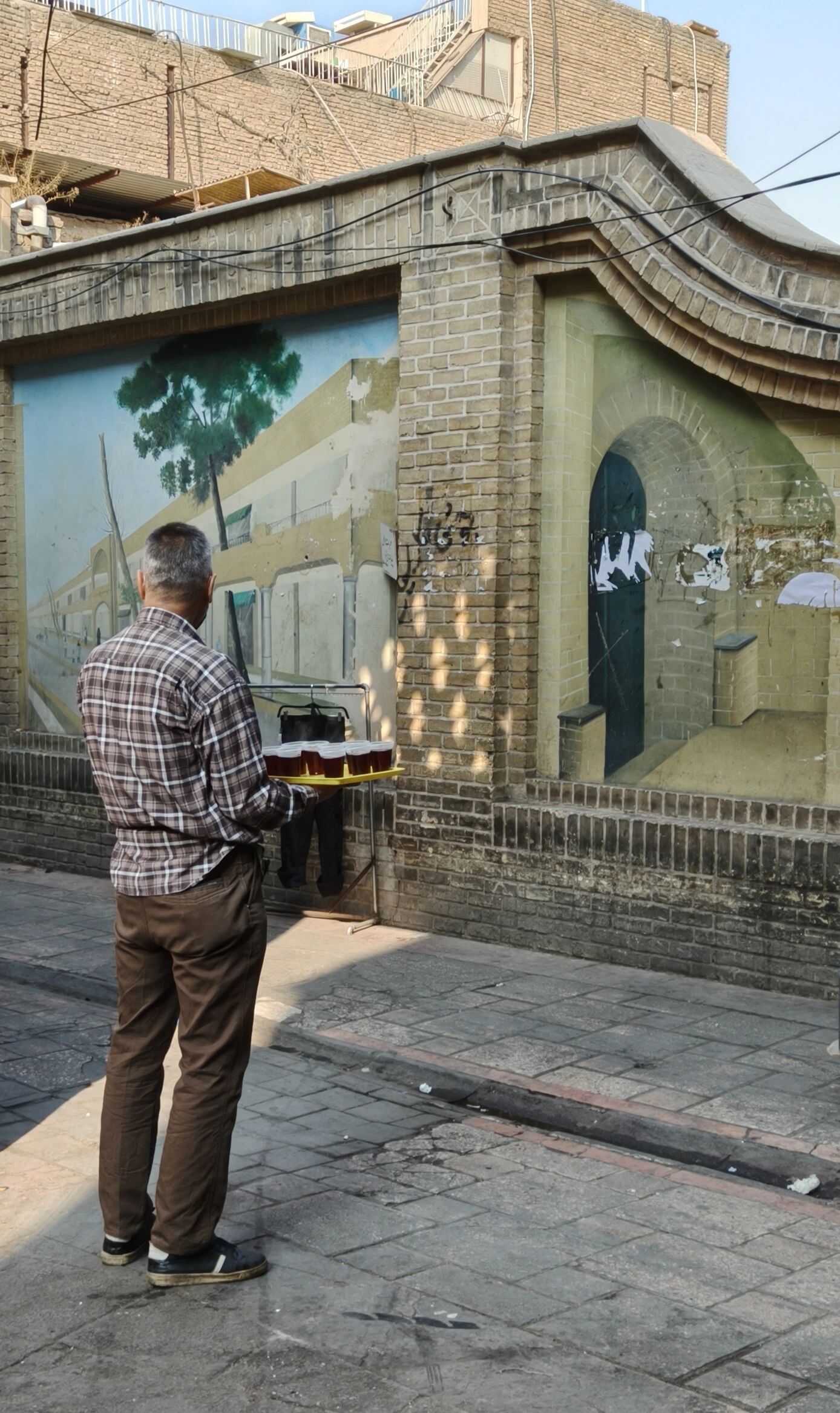
In November, the temperature difference between day and night in Iran is large. As soon as the sun sets, cold wind blows down your neck, and I woke up the next day with a cold. After drinking the owner's free hot tea, I felt much warmer.
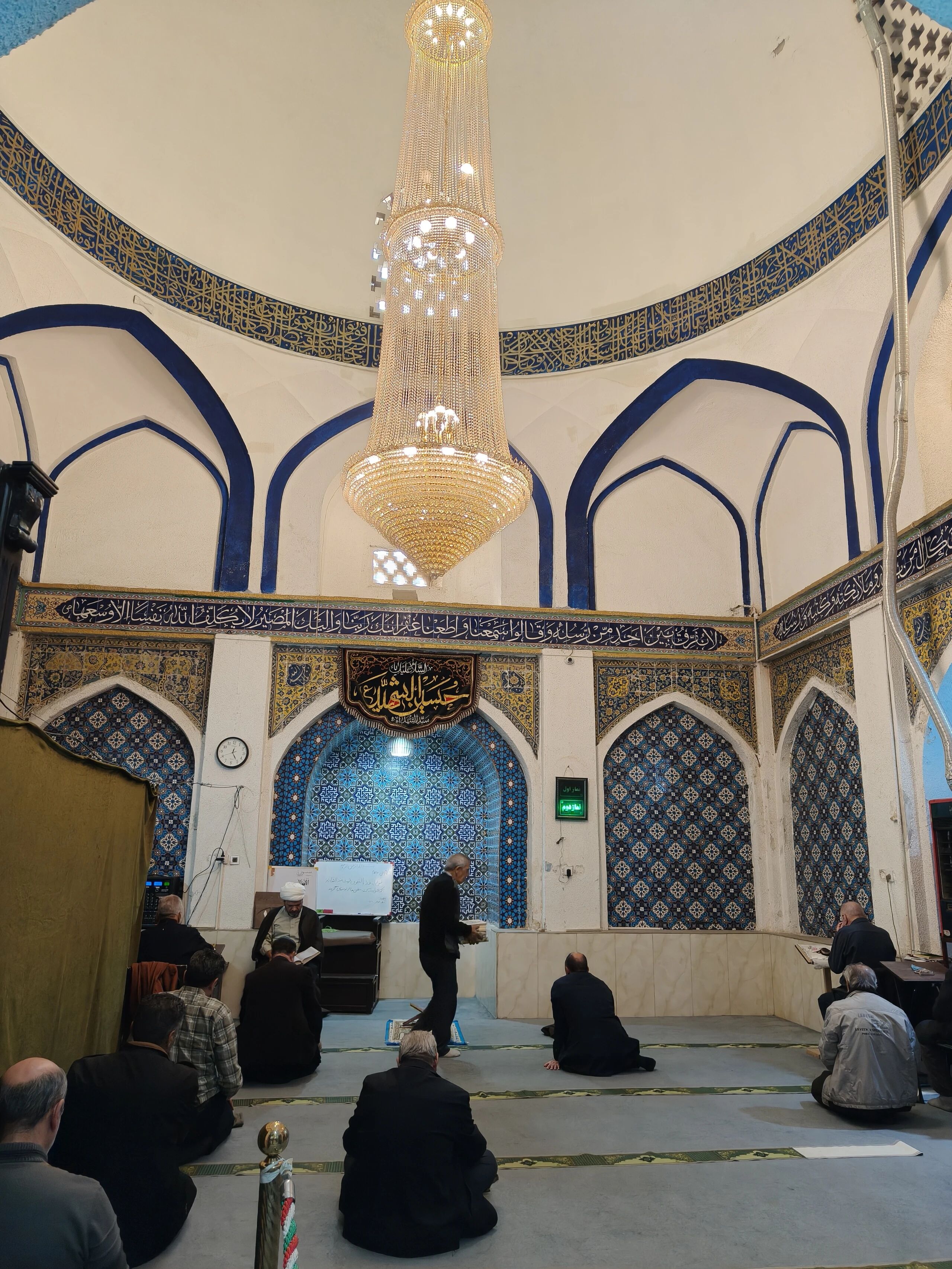
There is a mosque nearby that the Iraqi community often visits, and I went inside with my guide. There was still some time before namaz, so I looked around the mosque.
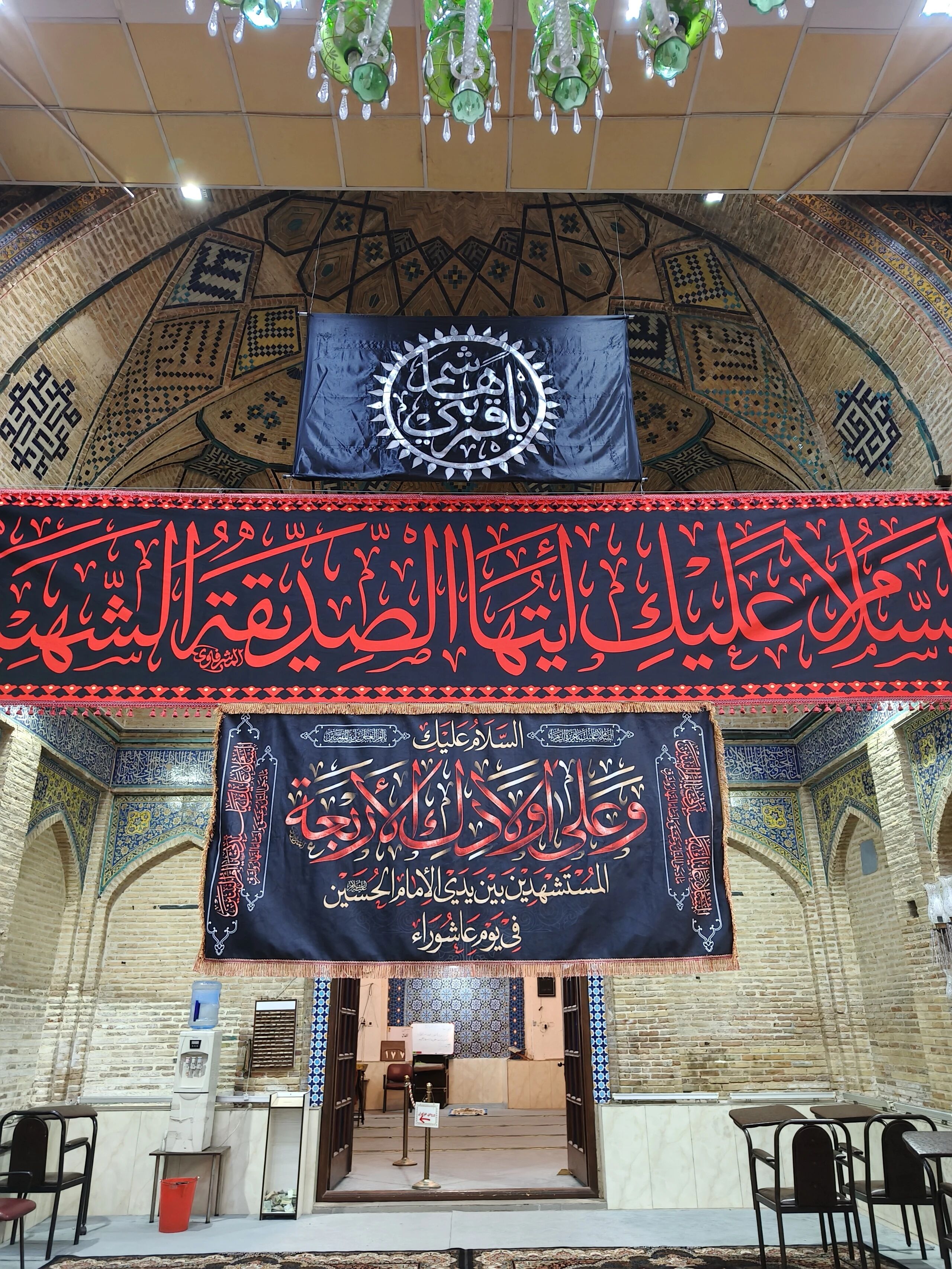
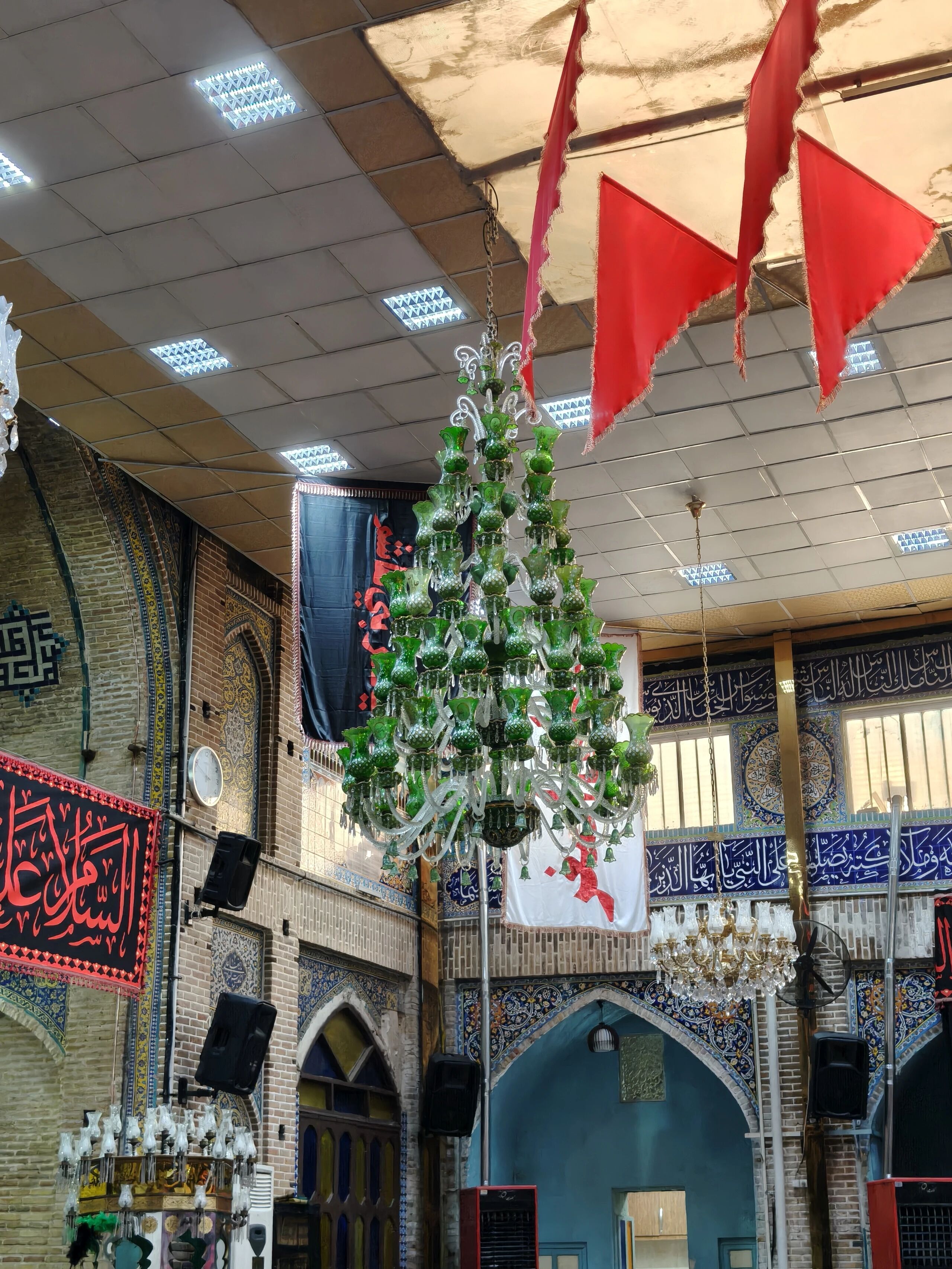
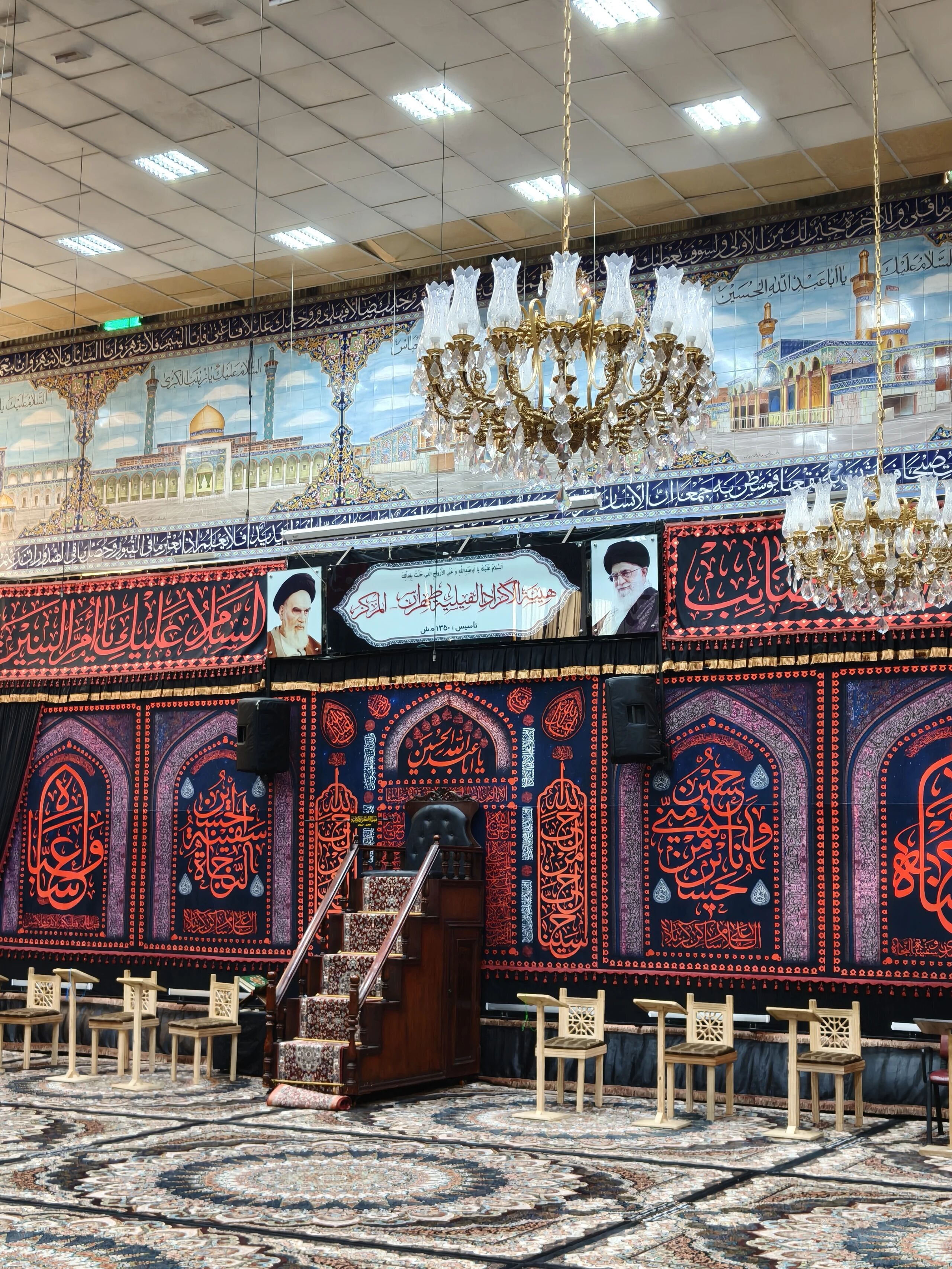
I noticed that the green and blue colors common in the Islamic world were not prominent in the interior decorations here; instead, black and red stood out more.
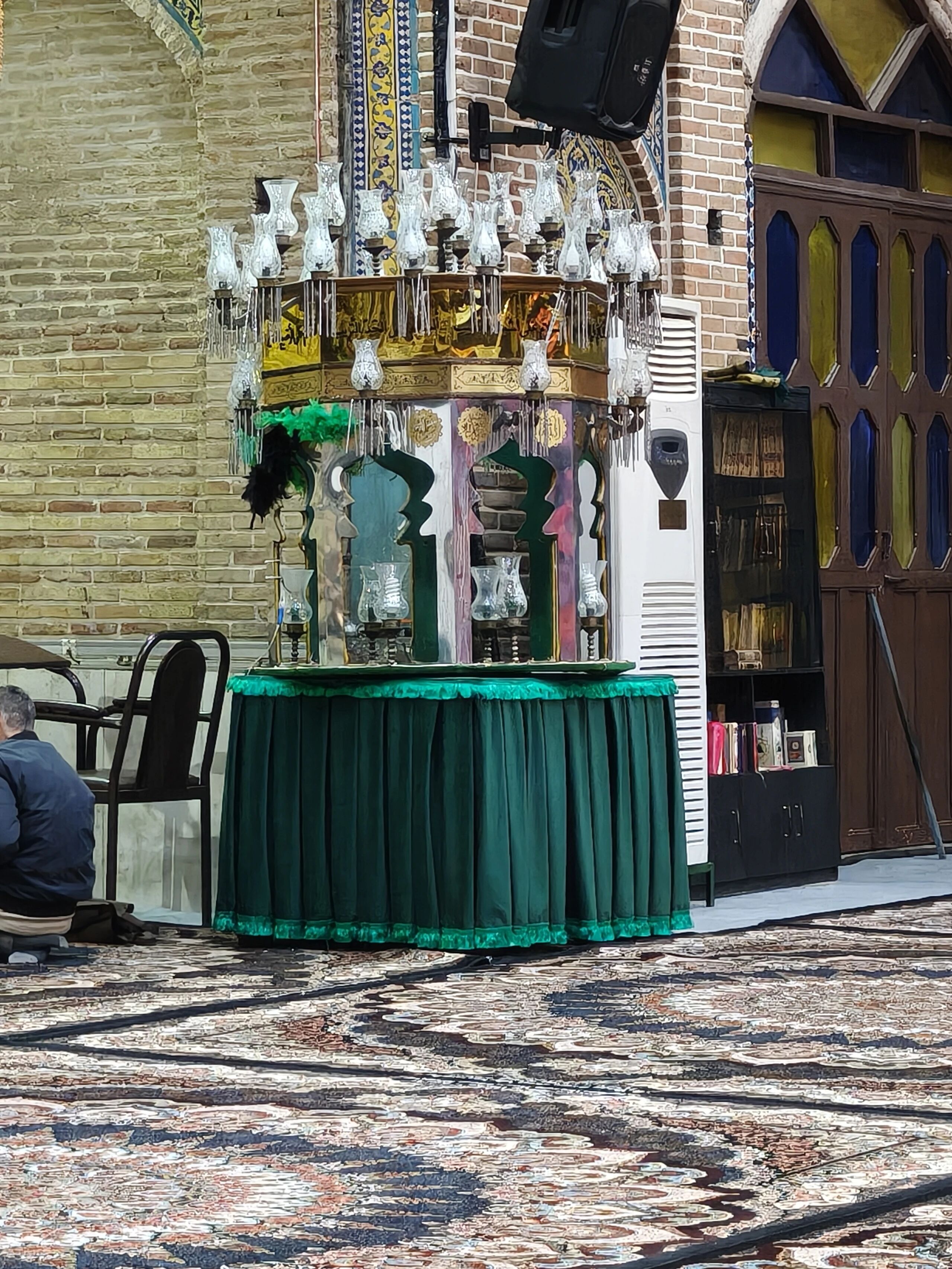
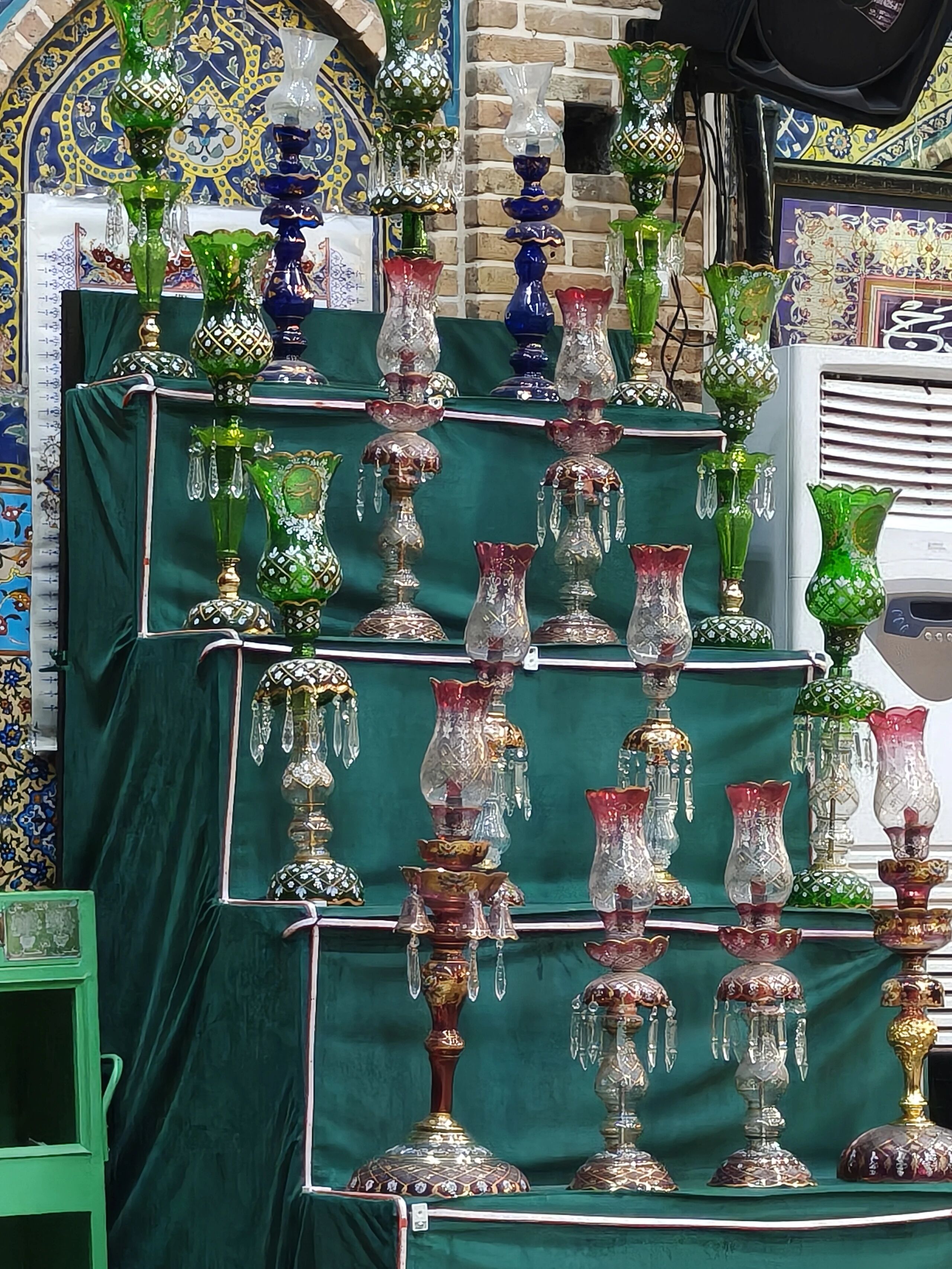
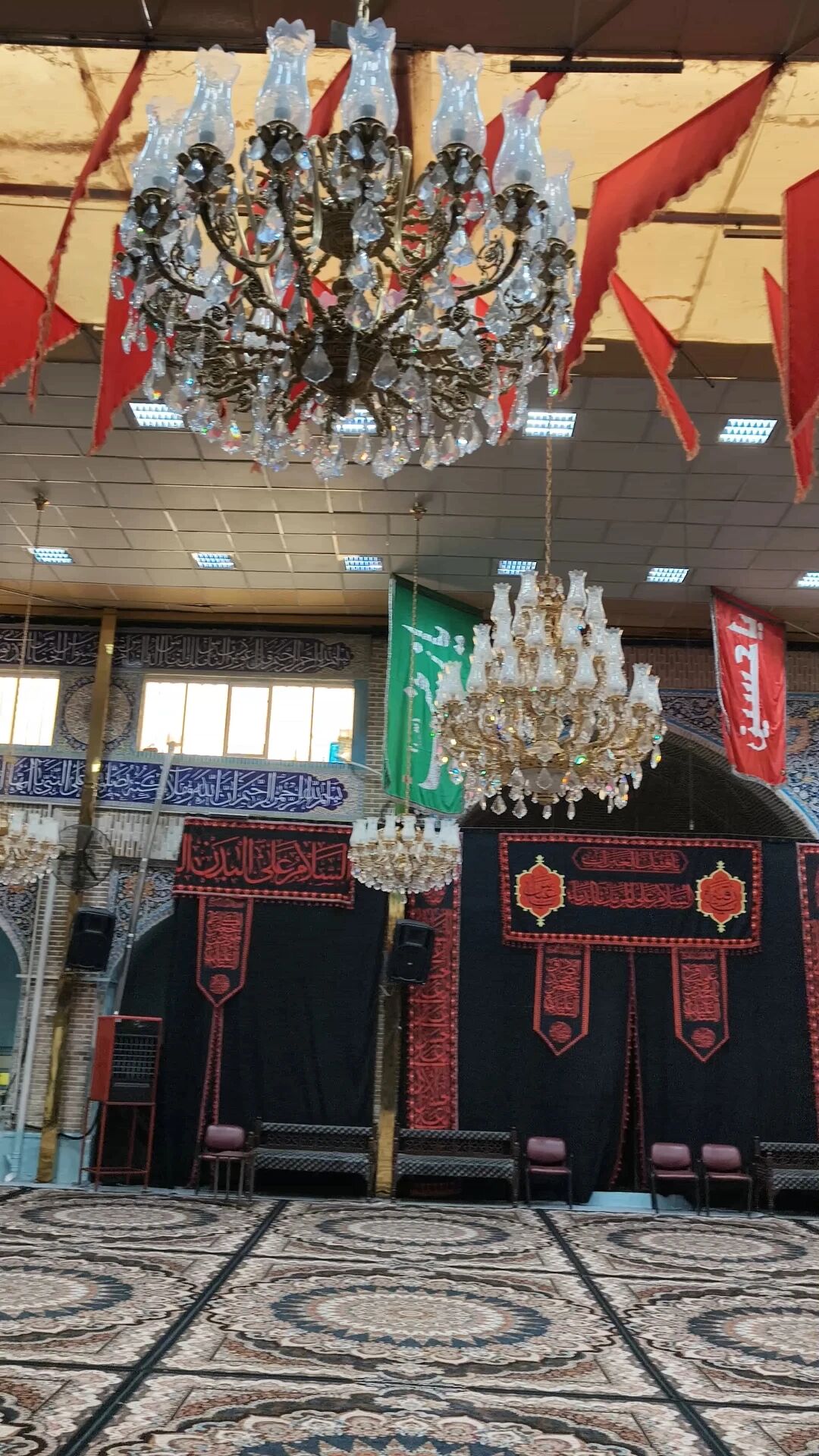
I also found many lamps inside the main hall. These lamps come in sets of forty and are called forty lamps (forty deng) (Figure 7 and Figure 8 show different styles of these lamps). This is something unique to Shia mosques.
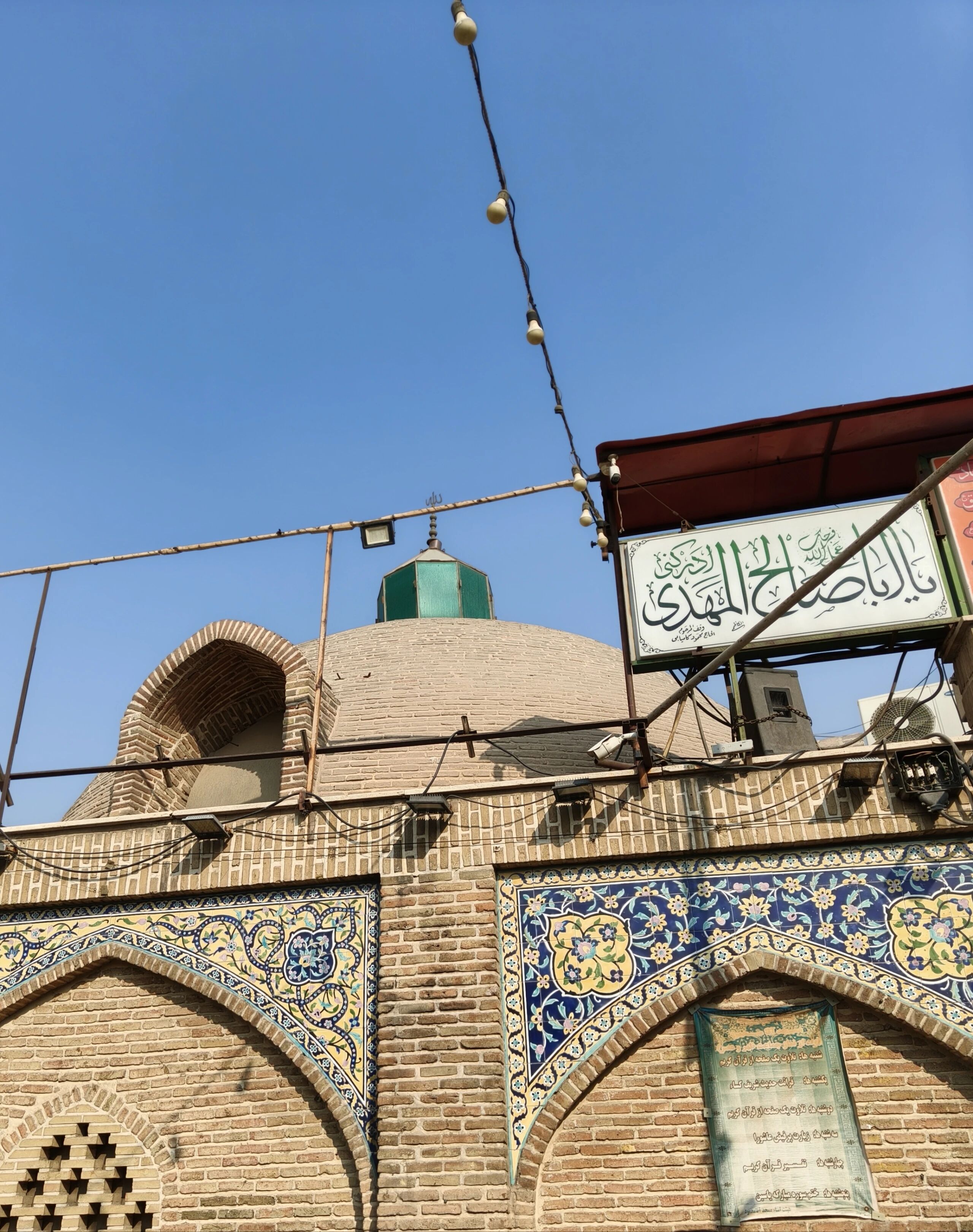
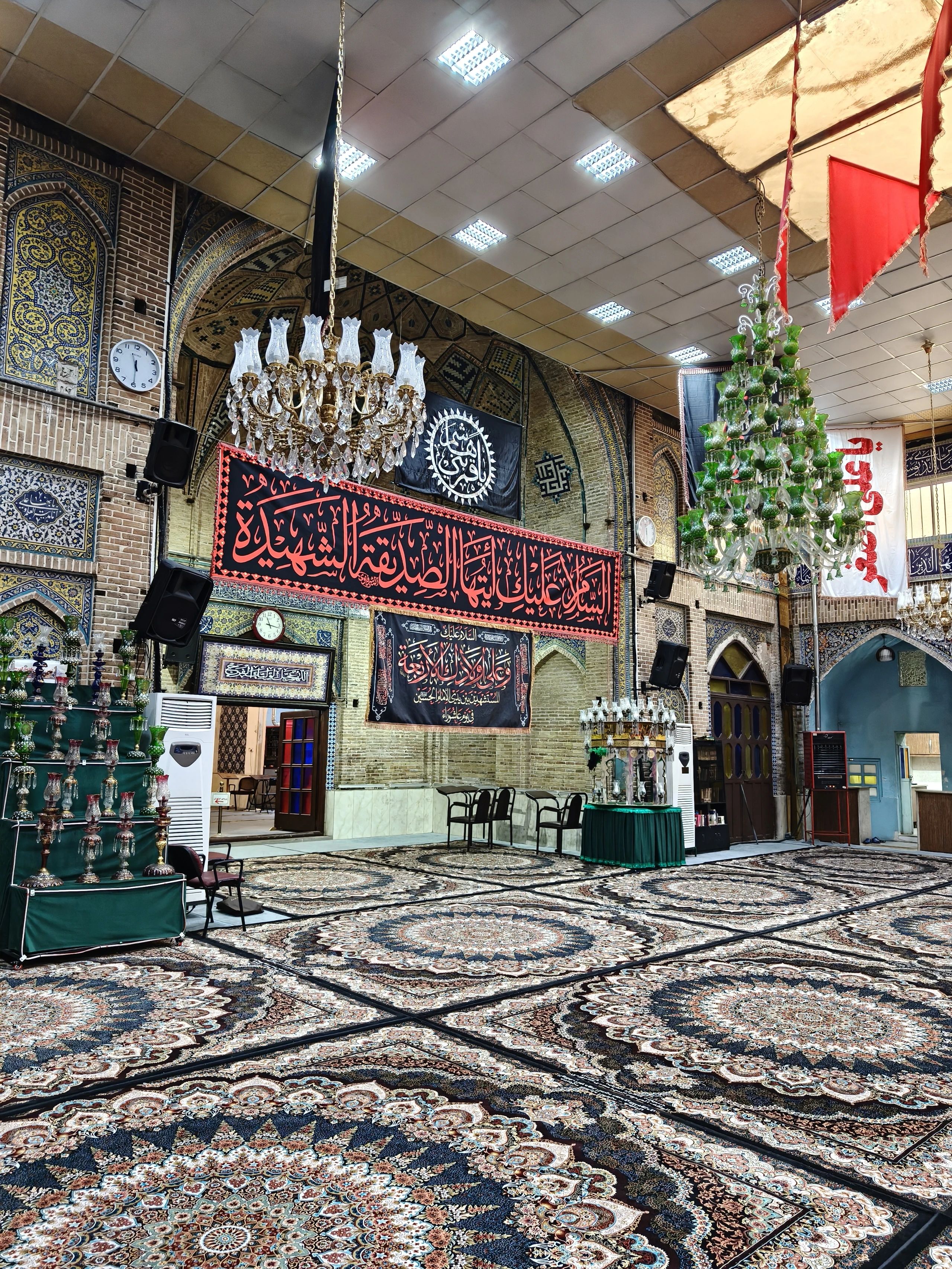
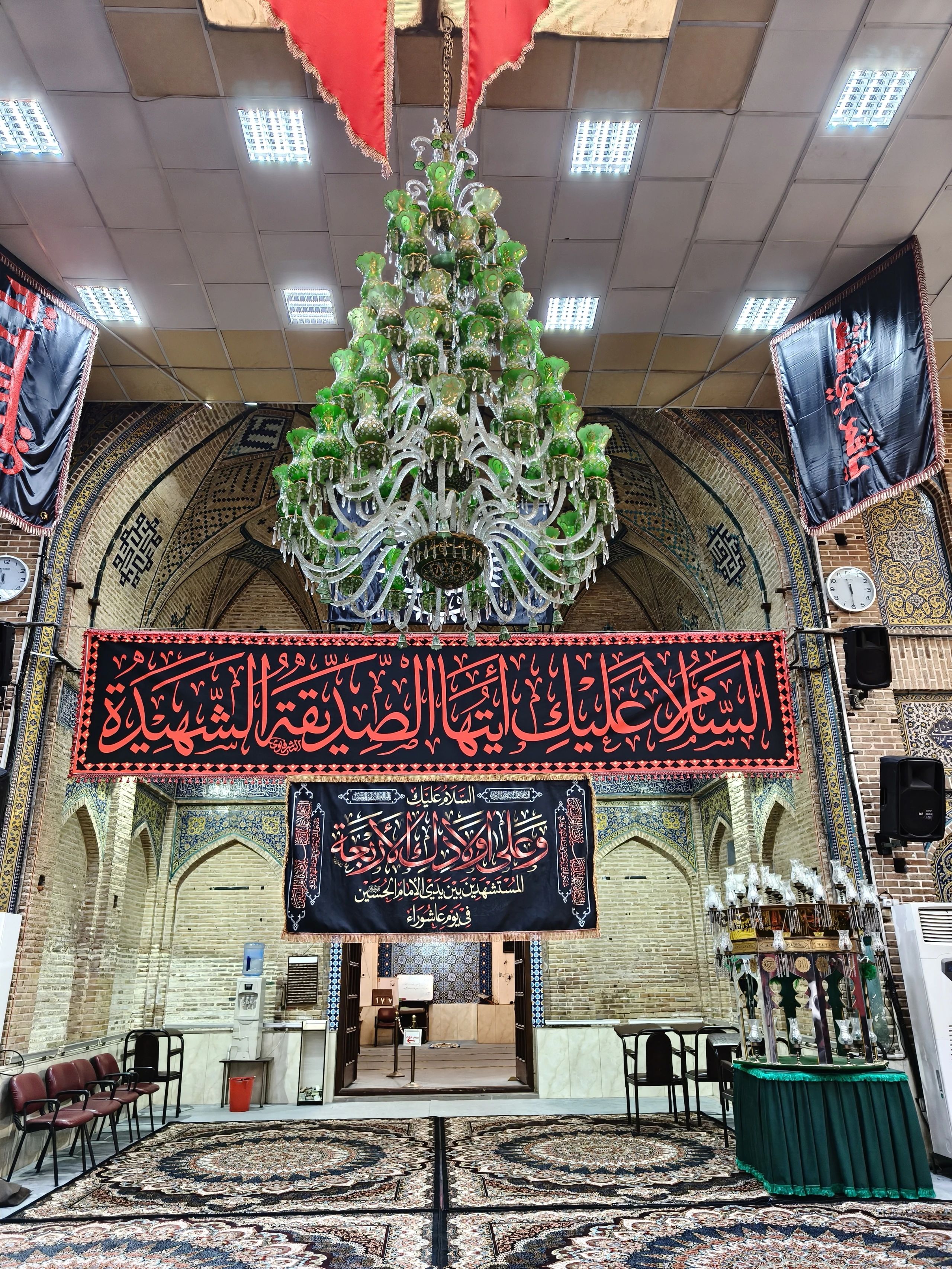
Namaz time started, and I noticed that the Shia way of praying is quite different from the Sunni way.
Difference 1: They do not cross their arms while standing; instead, they keep their hands at their sides.
Difference 2: In the second rak'ah, after reciting the opening chapter and other verses while standing, they do not bow immediately. Instead, they raise their hands to pray (what the Northwest Muslim community calls making dua). This difference is very obvious and surprised me a bit. They only bow after finishing the dua.
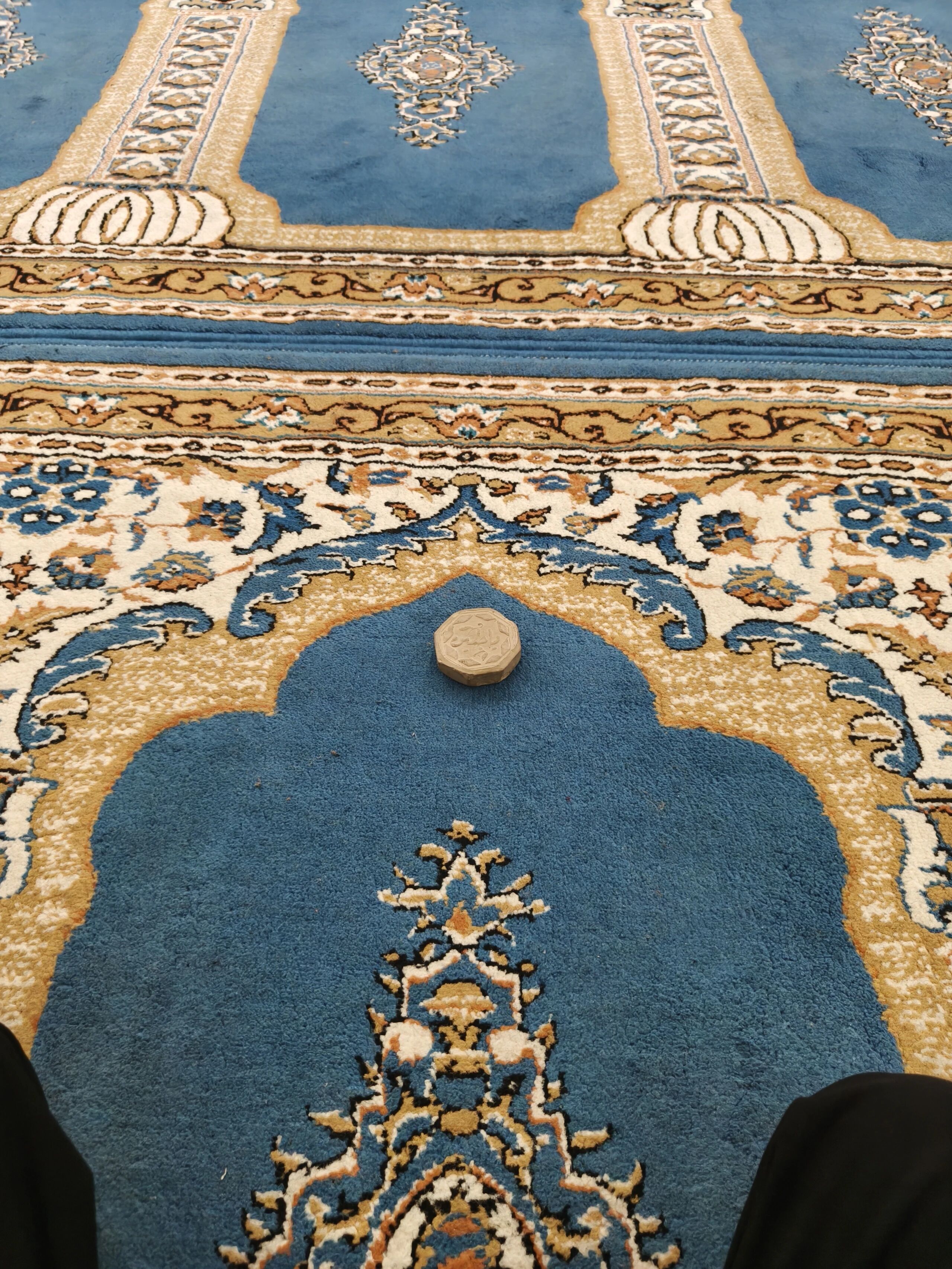
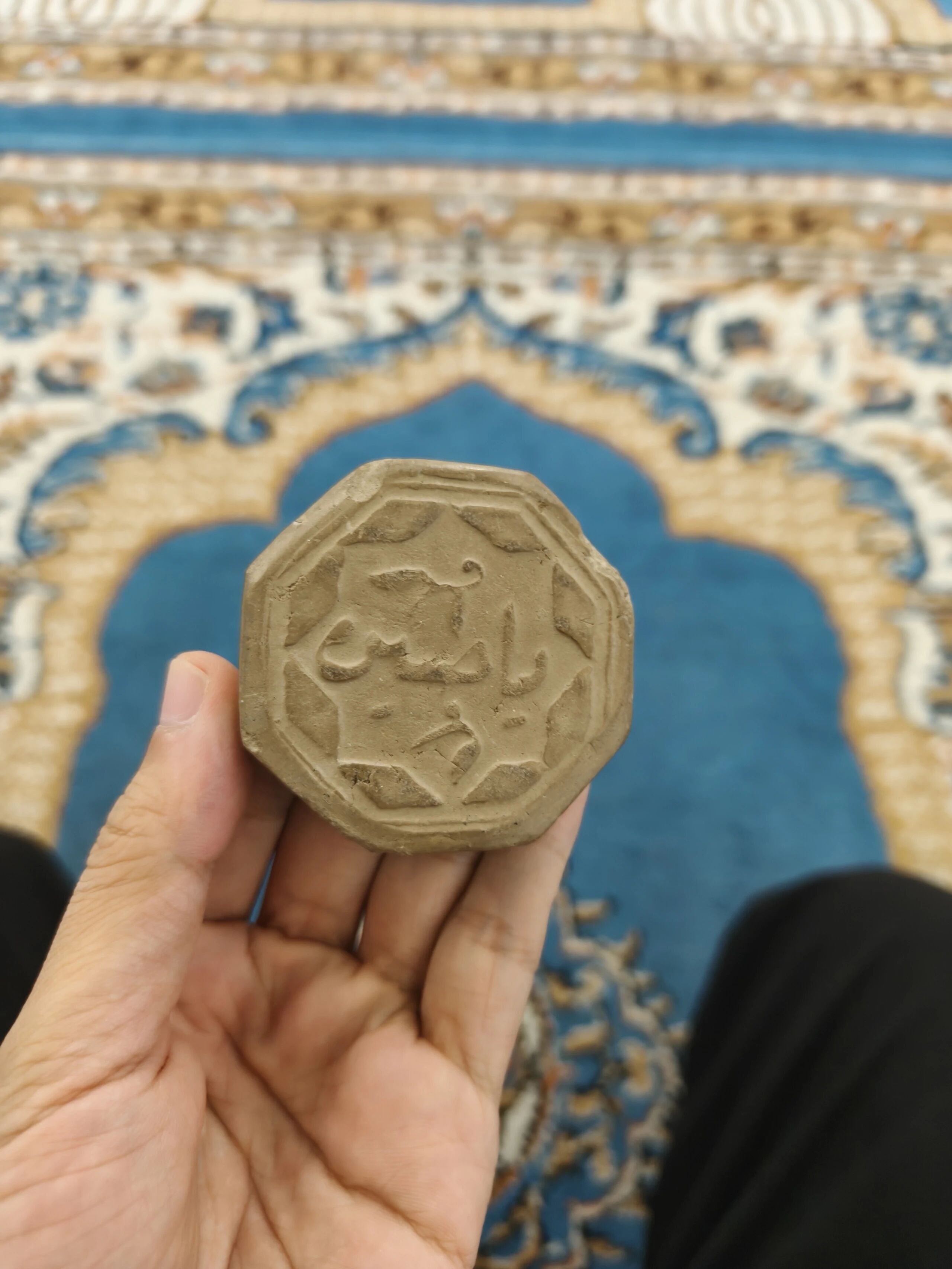
Difference 3: They place a small brick at the spot where they prostrate and rest their foreheads on it. (Figure 10 and Figure 11).
Difference 4: They also raise their hands before bowing in the first rak'ah, raise them again before rising from bowing to prostrate, and raise them once more after the first prostration. The second rak'ah is the same, except they raise their hands twice after the first prostration.
Difference 5: To end the namaz, Sunni Muslims turn their heads to the right and then the left to say the salam. Shia Muslims say the salam only once without turning their heads, and then they raise their hands three times.
The debate in China over whether to raise hands once or three times is mainly due to the different legal positions held by various schools of thought within Sunni Islam. Compared to the way Shia Muslims perform namaz, I do not see much difference whether they raise their hands once or three times.
Finally, let me show you the back of the main hall in this small mosque, where photos of two generations of Ayatollahs are posted. One looks very serious; that is Khomeini. The other is smiling and wearing glasses; that is Khamenei.
The calligraphy decorations inside the mosque are mostly red characters on a black background, which makes a strong visual impact. After namaz ended, an old man took a microphone and said a few words in Persian. I could not understand him, so I walked out with the tour guide.
As we left, I saw a woman wearing a headscarf sitting on the steps at the exit, covering her face with her hands. On the way, the guide told me that the old man was saying the woman at the door was facing some difficulties and that everyone could show kindness by donating to her. Only then did I suddenly understand.
Summary: This Iran Muslim travel guide explains what the author saw inside a Shia mosque and how namaz practice differs in that setting. It preserves the source comparison, prayer etiquette notes, and mosque observations.
To start, the Shia branch is not the same as the so-called "three-lift" (santai) practice we are familiar with in China. Please do not assume that just because Shia Muslims also lift their hands multiple times, they are practicing "three-lift."
The "three-lift" we talk about is actually a Sunni practice. People just follow different schools of jurisprudence, which is why the number of times they lift their hands during namaz differs.
According to my guide, before the Iran-Iraq War started, a group of Shia Iraqis fled to Iran to escape persecution by the Saddam government. Decades later, they have established themselves in Tehran, and as Arabs, they have also learned Persian.
You can find them in the bazaar near Golestan Palace. One Iraqi man opened a restaurant here and even gives free tea to passersby. (Photo 1)
In November, the temperature difference between day and night in Iran is large. As soon as the sun sets, cold wind blows down your neck, and I woke up the next day with a cold. After drinking the owner's free hot tea, I felt much warmer.
There is a mosque nearby that the Iraqi community often visits, and I went inside with my guide. There was still some time before namaz, so I looked around the mosque.
I noticed that the green and blue colors common in the Islamic world were not prominent in the interior decorations here; instead, black and red stood out more.
I also found many lamps inside the main hall. These lamps come in sets of forty and are called forty lamps (forty deng) (Figure 7 and Figure 8 show different styles of these lamps). This is something unique to Shia mosques.
Namaz time started, and I noticed that the Shia way of praying is quite different from the Sunni way.
Difference 1: They do not cross their arms while standing; instead, they keep their hands at their sides.
Difference 2: In the second rak'ah, after reciting the opening chapter and other verses while standing, they do not bow immediately. Instead, they raise their hands to pray (what the Northwest Muslim community calls making dua). This difference is very obvious and surprised me a bit. They only bow after finishing the dua.
Difference 3: They place a small brick at the spot where they prostrate and rest their foreheads on it. (Figure 10 and Figure 11).
Difference 4: They also raise their hands before bowing in the first rak'ah, raise them again before rising from bowing to prostrate, and raise them once more after the first prostration. The second rak'ah is the same, except they raise their hands twice after the first prostration.
Difference 5: To end the namaz, Sunni Muslims turn their heads to the right and then the left to say the salam. Shia Muslims say the salam only once without turning their heads, and then they raise their hands three times.
The debate in China over whether to raise hands once or three times is mainly due to the different legal positions held by various schools of thought within Sunni Islam. Compared to the way Shia Muslims perform namaz, I do not see much difference whether they raise their hands once or three times.
Finally, let me show you the back of the main hall in this small mosque, where photos of two generations of Ayatollahs are posted. One looks very serious; that is Khomeini. The other is smiling and wearing glasses; that is Khamenei.
The calligraphy decorations inside the mosque are mostly red characters on a black background, which makes a strong visual impact. After namaz ended, an old man took a microphone and said a few words in Persian. I could not understand him, so I walked out with the tour guide.
As we left, I saw a woman wearing a headscarf sitting on the steps at the exit, covering her face with her hands. On the way, the guide told me that the old man was saying the woman at the door was facing some difficulties and that everyone could show kindness by donating to her. Only then did I suddenly understand.
