
Muslim Travel Guide Singapore 2026: Mosques, Hidden Prayer Rooms and Muslim Visitor Route (Part 2)
Web repost translation
Muslim Travel Guide Singapore 2026: Mosques, Hidden Prayer Rooms and Muslim Visitor Route (Part 2)
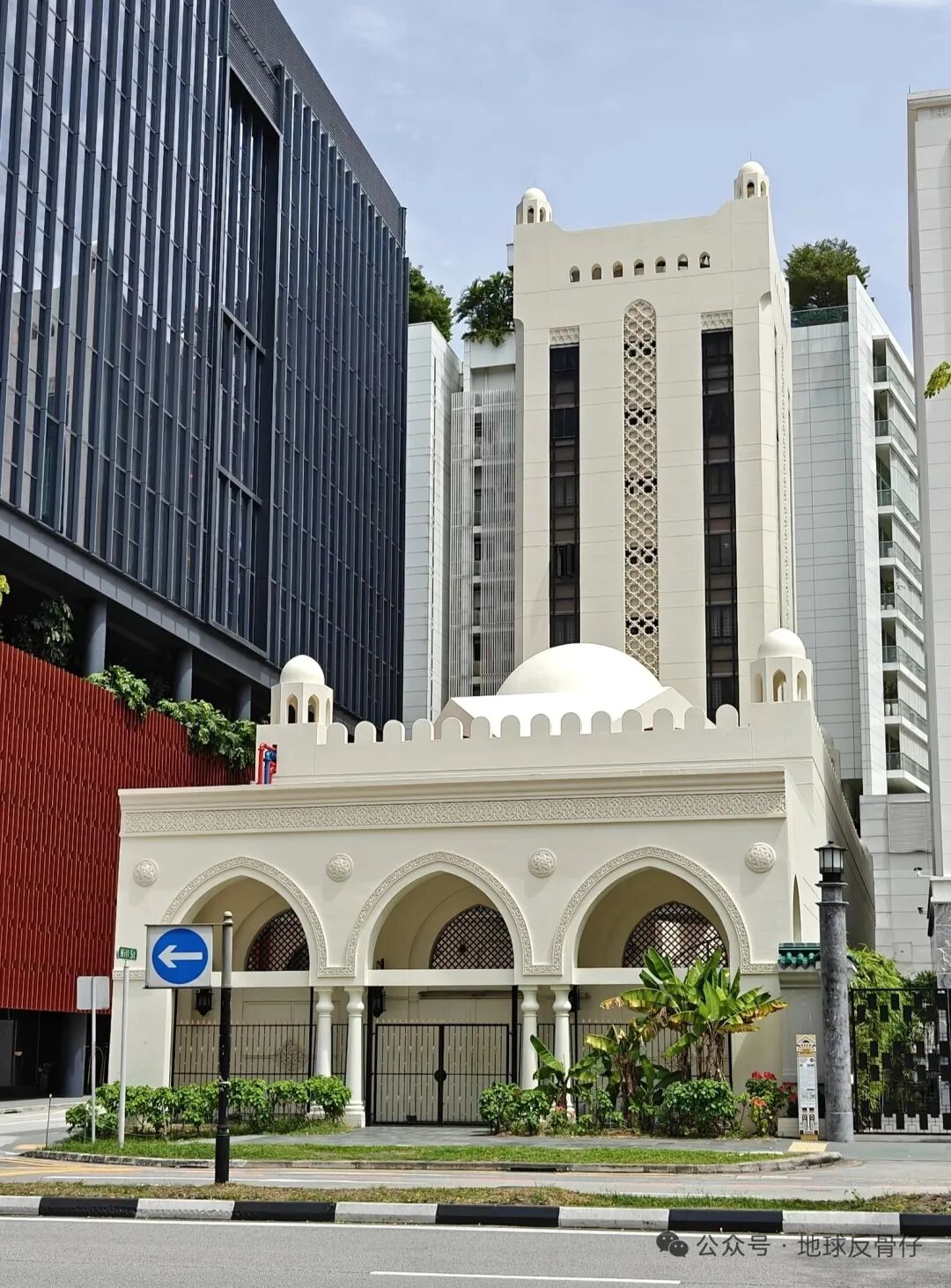
This side of the road shows the back of the mosque. The mosque has a very restrained design, using solid, low-saturation colors for the main structure. The large building behind the prayer hall is likely office space.
Inside the mosque, there are two prayer rooms, one in the front and one in the back, separated by several doors. Push open the door and you are in the inner prayer hall. There were two elderly men inside at the time, and one of them really looked a bit like Modi. They are all from Gujarat, so their strengths and regional traits are linked. It is not surprising that they look a bit alike.
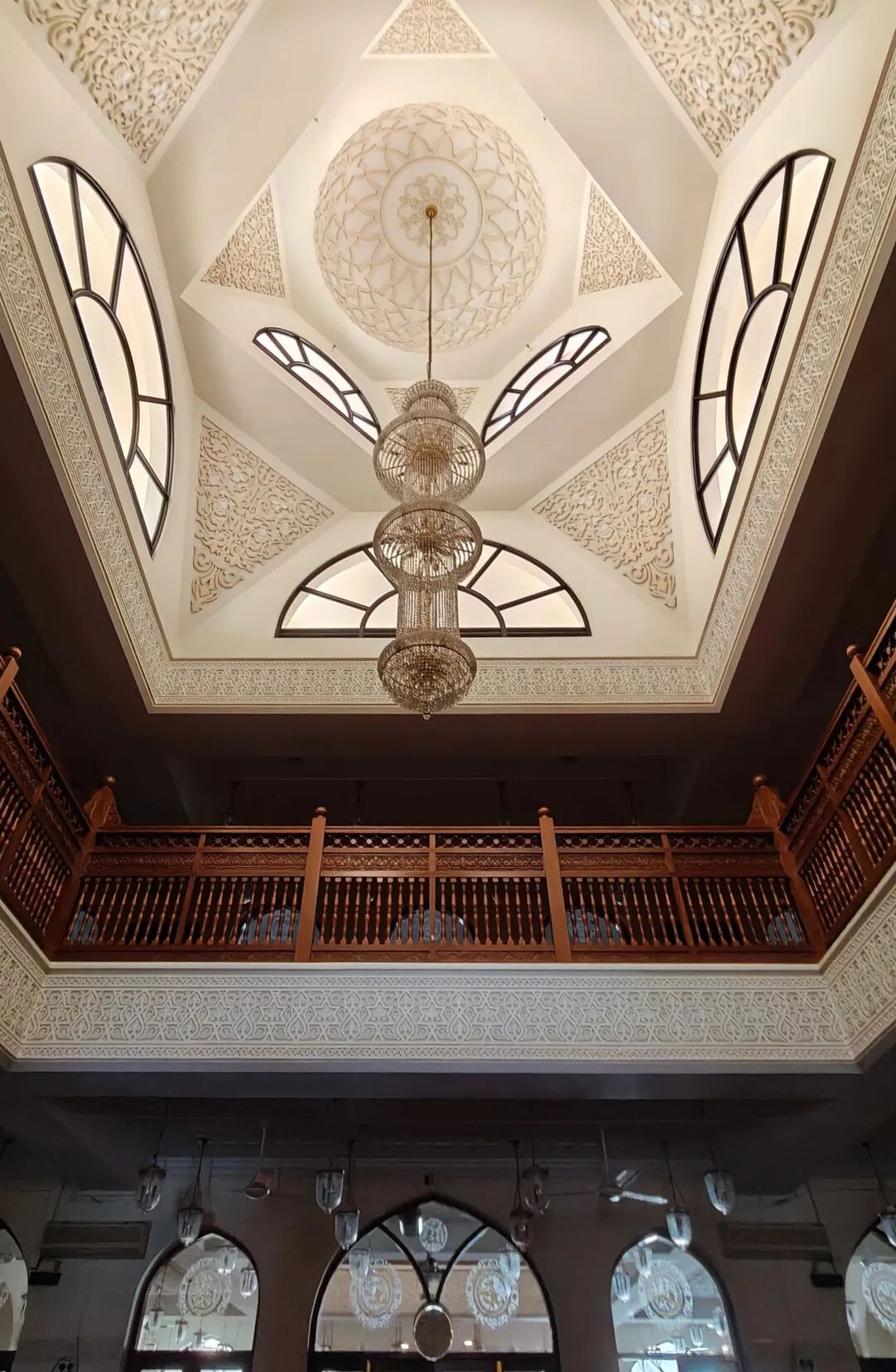
Push open the door and you are in the inner prayer hall. There were two elderly men inside at the time, and one of them really looked a bit like Modi. After all, they are both Gujarati, and appearance is related to geography, so it is not strange that they look a bit alike.
There is a long flag on each side of the mihrab, one red and one green. Other mosques do not have these kinds of flags, so let us zoom in to see what is written on them. The content on both flags is basically the same. From top to bottom, it is written: Allah, Muhammad (the Prophet himself), Ali (the fourth Caliph), Fatimah (the Prophet's daughter and Ali's wife), Hasan (the eldest son of Ali and Fatimah), and Husayn (the second son of Ali and Fatimah). The red banner adds an exclamation word, 'Ya', before each name. There is similar content on the wall as well. Since I did not see any specific differences between how Shia and Sunni Muslims perform namaz during this visit to a Shia mosque, I decided to go to Iran to see for myself. That is how the later trip to Iran came about. Friends who are interested can check out my travel notes on Iranian mosques in my official WeChat account.
6. The prayer room (surau) at Singapore General Hospital (SGH).
After seeing so many mosques, let us now take a look at a prayer room. What is the difference between a prayer room and a mosque? The size of the space is secondary; indeed, generally speaking, a prayer room is smaller than a mosque. But some mosques are actually very small. From what I have seen, prayer rooms usually do not have permanent staff. People come here to pray in a group they organized themselves, or they pray alone and then leave. It is not like a mosque where there are permanent staff to call the adhan and lead the five daily prayers. Another difference is that prayer rooms are usually much simpler than mosques and lack necessary facilities. Mosques have toilets, a room for minor ablution (wudu), and a room for major ablution (ghusl). As for prayer rooms, some have toilets and an area for minor ablution. Some only have a few water taps. The prayer room I am going to talk about next is actually quite large, so you will see the difference between it and a mosque. First of all, it looks very plain, with no minaret and no sign on the door. To passersby, this place just looks like a small shed. When you enter the prayer room, there is actually a small courtyard inside. The courtyard has long tables and benches, as well as free tea. People who come to pray can sit on the benches to rest for a while and drink some water. You have to drink water in this Singapore weather. I usually do not drink much water, but I drink two bottles of mineral water a day since coming to Singapore. Inside the prayer room, I saw medical staff from the hospital coming to pray, and I even met a Singapore police officer here once. This prayer room is quite large, even bigger than some small mosques. There are many straw mats (liangxi) in the prayer room porch. When it gets crowded, people spread them out to use as prayer rugs. This shows that many people come here for Friday congregational prayers. The prayer schedule inside the room is electronic, but it might be broken because it is not showing the times. So now they are using this manual prayer schedule, where the times can be adjusted by hand.
7. The prayer room at Marina One
Marina One is a shopping mall in the CBD area near the Singapore waterfront. According to the map, there is a prayer room in this underground mall. I spent a long time looking for it on my first visit and even asked an Indian security guard at the nearby parking lot where the prayer room was. The security guard was very kind and pointed me in the right direction. The prayer room is on the B2 level, which is the first floor down. You can see the Singapore landmark, Marina Bay Sands, from the mall entrance. After going down, follow the path and you will see a round window. It looks like a laundry shop decorated to look like a washing machine. The prayer room is right next to this laundry shop. The prayer room is easy to find because it is marked with a dome and a star and crescent symbol. Open this door and you will see a small door on both the left and the right. Men go to the left and women to the right to pray separately. The prayer room is right through the door. The facilities for wudu (ablution) are very basic and only cover the essential parts, so you should still use a nearby restroom stall for a full wash. A prayer room is just what it sounds like: a small room where you can perform namaz. The facilities inside are simple, so there is no mihrab and no podium. There is no pulpit (minbar). However, this prayer room has an unexpectedly large number of books. The back is filled with all kinds of books, and there are even missionary materials. It is normal to see these in a mosque since tourists visit, but since only Muslims come to the prayer room, why are there missionary materials here? Once you leave the prayer room, this mall is no different from any other mall in Singapore. It mainly has restaurants, therapy centers, supermarkets, and similar shops. That is all for this episode, as we only covered these few places. We will continue with the rest next time.
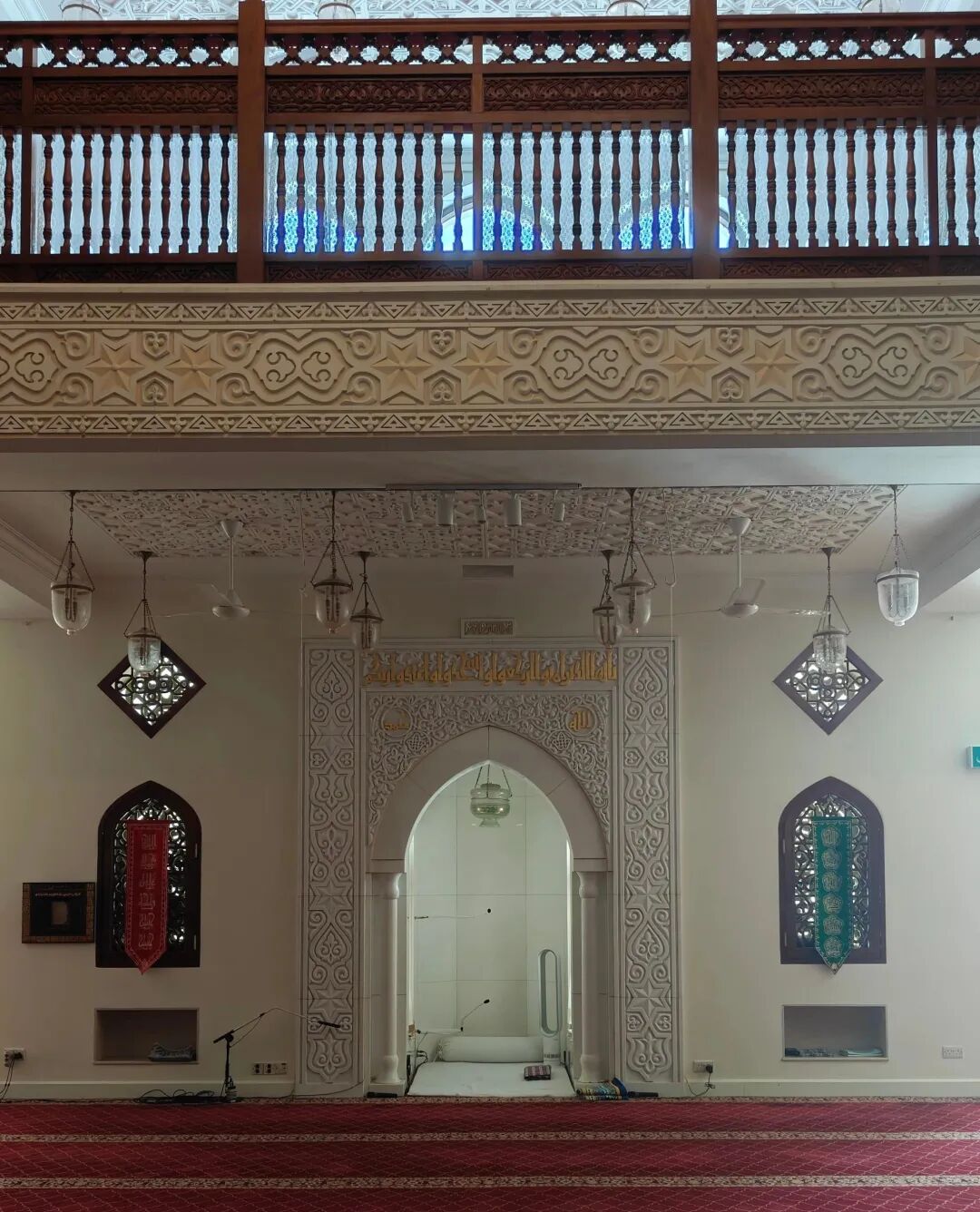
There is a long flag on each side of the mihrab, one red and one green. Other mosques do not have these kinds of flags, so let us zoom in to see what is written on them. The content on both flags is basically the same. From top to bottom, it is written: Allah, Muhammad (the Prophet himself), Ali (the fourth Caliph), Fatimah (the Prophet's daughter and Ali's wife), Hasan (the eldest son of Ali and Fatimah), and Husayn (the second son of Ali and Fatimah). The red banner adds an exclamation word, 'Ya', before each name. There is similar content on the wall as well. Since I did not see any specific differences between how Shia and Sunni Muslims perform namaz during this visit to a Shia mosque, I decided to go to Iran to see for myself. That is how the later trip to Iran came about. Friends who are interested can check out my travel notes on Iranian mosques in my official WeChat account.
6. The prayer room (surau) at Singapore General Hospital (SGH).
After seeing so many mosques, let us now take a look at a prayer room. What is the difference between a prayer room and a mosque? The size of the space is secondary; indeed, generally speaking, a prayer room is smaller than a mosque. But some mosques are actually very small. From what I have seen, prayer rooms usually do not have permanent staff. People come here to pray in a group they organized themselves, or they pray alone and then leave. It is not like a mosque where there are permanent staff to call the adhan and lead the five daily prayers. Another difference is that prayer rooms are usually much simpler than mosques and lack necessary facilities. Mosques have toilets, a room for minor ablution (wudu), and a room for major ablution (ghusl). As for prayer rooms, some have toilets and an area for minor ablution. Some only have a few water taps. The prayer room I am going to talk about next is actually quite large, so you will see the difference between it and a mosque. First of all, it looks very plain, with no minaret and no sign on the door. To passersby, this place just looks like a small shed. When you enter the prayer room, there is actually a small courtyard inside. The courtyard has long tables and benches, as well as free tea. People who come to pray can sit on the benches to rest for a while and drink some water. You have to drink water in this Singapore weather. I usually do not drink much water, but I drink two bottles of mineral water a day since coming to Singapore. Inside the prayer room, I saw medical staff from the hospital coming to pray, and I even met a Singapore police officer here once. This prayer room is quite large, even bigger than some small mosques. There are many straw mats (liangxi) in the prayer room porch. When it gets crowded, people spread them out to use as prayer rugs. This shows that many people come here for Friday congregational prayers. The prayer schedule inside the room is electronic, but it might be broken because it is not showing the times. So now they are using this manual prayer schedule, where the times can be adjusted by hand.
7. The prayer room at Marina One
Marina One is a shopping mall in the CBD area near the Singapore waterfront. According to the map, there is a prayer room in this underground mall. I spent a long time looking for it on my first visit and even asked an Indian security guard at the nearby parking lot where the prayer room was. The security guard was very kind and pointed me in the right direction. The prayer room is on the B2 level, which is the first floor down. You can see the Singapore landmark, Marina Bay Sands, from the mall entrance. After going down, follow the path and you will see a round window. It looks like a laundry shop decorated to look like a washing machine. The prayer room is right next to this laundry shop. The prayer room is easy to find because it is marked with a dome and a star and crescent symbol. Open this door and you will see a small door on both the left and the right. Men go to the left and women to the right to pray separately. The prayer room is right through the door. The facilities for wudu (ablution) are very basic and only cover the essential parts, so you should still use a nearby restroom stall for a full wash. A prayer room is just what it sounds like: a small room where you can perform namaz. The facilities inside are simple, so there is no mihrab and no podium. There is no pulpit (minbar). However, this prayer room has an unexpectedly large number of books. The back is filled with all kinds of books, and there are even missionary materials. It is normal to see these in a mosque since tourists visit, but since only Muslims come to the prayer room, why are there missionary materials here? Once you leave the prayer room, this mall is no different from any other mall in Singapore. It mainly has restaurants, therapy centers, supermarkets, and similar shops. That is all for this episode, as we only covered these few places. We will continue with the rest next time.
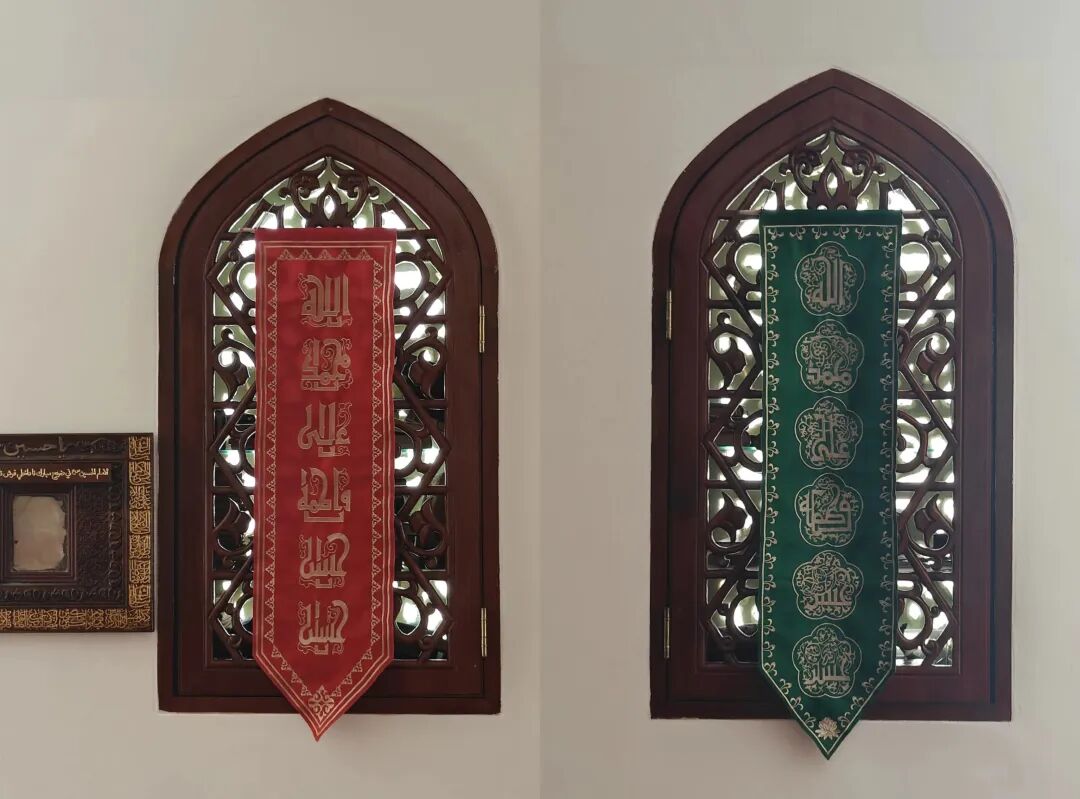
There is similar content on the wall as well. Since I did not see any specific differences between how Shia and Sunni Muslims perform namaz during this visit to a Shia mosque, I decided to go to Iran to see for myself. That is how the later trip to Iran came about. Friends who are interested can check out my travel notes on Iranian mosques in my official WeChat account.
6. The prayer room (surau) at Singapore General Hospital (SGH).
We have seen so many mosques already, so now let us look at the prayer.
Muslim Travel Guide Singapore 2026: Mosques, Hidden Prayer Rooms and Muslim Visitor Route (Part 2)
This side of the road shows the back of the mosque. The mosque has a very restrained design, using solid, low-saturation colors for the main structure. The large building behind the prayer hall is likely office space.
Inside the mosque, there are two prayer rooms, one in the front and one in the back, separated by several doors. Push open the door and you are in the inner prayer hall. There were two elderly men inside at the time, and one of them really looked a bit like Modi. They are all from Gujarat, so their strengths and regional traits are linked. It is not surprising that they look a bit alike.
Push open the door and you are in the inner prayer hall. There were two elderly men inside at the time, and one of them really looked a bit like Modi. After all, they are both Gujarati, and appearance is related to geography, so it is not strange that they look a bit alike.
There is a long flag on each side of the mihrab, one red and one green. Other mosques do not have these kinds of flags, so let us zoom in to see what is written on them. The content on both flags is basically the same. From top to bottom, it is written: Allah, Muhammad (the Prophet himself), Ali (the fourth Caliph), Fatimah (the Prophet's daughter and Ali's wife), Hasan (the eldest son of Ali and Fatimah), and Husayn (the second son of Ali and Fatimah). The red banner adds an exclamation word, 'Ya', before each name. There is similar content on the wall as well. Since I did not see any specific differences between how Shia and Sunni Muslims perform namaz during this visit to a Shia mosque, I decided to go to Iran to see for myself. That is how the later trip to Iran came about. Friends who are interested can check out my travel notes on Iranian mosques in my official WeChat account.
6. The prayer room (surau) at Singapore General Hospital (SGH).
After seeing so many mosques, let us now take a look at a prayer room. What is the difference between a prayer room and a mosque? The size of the space is secondary; indeed, generally speaking, a prayer room is smaller than a mosque. But some mosques are actually very small. From what I have seen, prayer rooms usually do not have permanent staff. People come here to pray in a group they organized themselves, or they pray alone and then leave. It is not like a mosque where there are permanent staff to call the adhan and lead the five daily prayers. Another difference is that prayer rooms are usually much simpler than mosques and lack necessary facilities. Mosques have toilets, a room for minor ablution (wudu), and a room for major ablution (ghusl). As for prayer rooms, some have toilets and an area for minor ablution. Some only have a few water taps. The prayer room I am going to talk about next is actually quite large, so you will see the difference between it and a mosque. First of all, it looks very plain, with no minaret and no sign on the door. To passersby, this place just looks like a small shed. When you enter the prayer room, there is actually a small courtyard inside. The courtyard has long tables and benches, as well as free tea. People who come to pray can sit on the benches to rest for a while and drink some water. You have to drink water in this Singapore weather. I usually do not drink much water, but I drink two bottles of mineral water a day since coming to Singapore. Inside the prayer room, I saw medical staff from the hospital coming to pray, and I even met a Singapore police officer here once. This prayer room is quite large, even bigger than some small mosques. There are many straw mats (liangxi) in the prayer room porch. When it gets crowded, people spread them out to use as prayer rugs. This shows that many people come here for Friday congregational prayers. The prayer schedule inside the room is electronic, but it might be broken because it is not showing the times. So now they are using this manual prayer schedule, where the times can be adjusted by hand.
7. The prayer room at Marina One
Marina One is a shopping mall in the CBD area near the Singapore waterfront. According to the map, there is a prayer room in this underground mall. I spent a long time looking for it on my first visit and even asked an Indian security guard at the nearby parking lot where the prayer room was. The security guard was very kind and pointed me in the right direction. The prayer room is on the B2 level, which is the first floor down. You can see the Singapore landmark, Marina Bay Sands, from the mall entrance. After going down, follow the path and you will see a round window. It looks like a laundry shop decorated to look like a washing machine. The prayer room is right next to this laundry shop. The prayer room is easy to find because it is marked with a dome and a star and crescent symbol. Open this door and you will see a small door on both the left and the right. Men go to the left and women to the right to pray separately. The prayer room is right through the door. The facilities for wudu (ablution) are very basic and only cover the essential parts, so you should still use a nearby restroom stall for a full wash. A prayer room is just what it sounds like: a small room where you can perform namaz. The facilities inside are simple, so there is no mihrab and no podium. There is no pulpit (minbar). However, this prayer room has an unexpectedly large number of books. The back is filled with all kinds of books, and there are even missionary materials. It is normal to see these in a mosque since tourists visit, but since only Muslims come to the prayer room, why are there missionary materials here? Once you leave the prayer room, this mall is no different from any other mall in Singapore. It mainly has restaurants, therapy centers, supermarkets, and similar shops. That is all for this episode, as we only covered these few places. We will continue with the rest next time.
There is a long flag on each side of the mihrab, one red and one green. Other mosques do not have these kinds of flags, so let us zoom in to see what is written on them. The content on both flags is basically the same. From top to bottom, it is written: Allah, Muhammad (the Prophet himself), Ali (the fourth Caliph), Fatimah (the Prophet's daughter and Ali's wife), Hasan (the eldest son of Ali and Fatimah), and Husayn (the second son of Ali and Fatimah). The red banner adds an exclamation word, 'Ya', before each name. There is similar content on the wall as well. Since I did not see any specific differences between how Shia and Sunni Muslims perform namaz during this visit to a Shia mosque, I decided to go to Iran to see for myself. That is how the later trip to Iran came about. Friends who are interested can check out my travel notes on Iranian mosques in my official WeChat account.
6. The prayer room (surau) at Singapore General Hospital (SGH).
After seeing so many mosques, let us now take a look at a prayer room. What is the difference between a prayer room and a mosque? The size of the space is secondary; indeed, generally speaking, a prayer room is smaller than a mosque. But some mosques are actually very small. From what I have seen, prayer rooms usually do not have permanent staff. People come here to pray in a group they organized themselves, or they pray alone and then leave. It is not like a mosque where there are permanent staff to call the adhan and lead the five daily prayers. Another difference is that prayer rooms are usually much simpler than mosques and lack necessary facilities. Mosques have toilets, a room for minor ablution (wudu), and a room for major ablution (ghusl). As for prayer rooms, some have toilets and an area for minor ablution. Some only have a few water taps. The prayer room I am going to talk about next is actually quite large, so you will see the difference between it and a mosque. First of all, it looks very plain, with no minaret and no sign on the door. To passersby, this place just looks like a small shed. When you enter the prayer room, there is actually a small courtyard inside. The courtyard has long tables and benches, as well as free tea. People who come to pray can sit on the benches to rest for a while and drink some water. You have to drink water in this Singapore weather. I usually do not drink much water, but I drink two bottles of mineral water a day since coming to Singapore. Inside the prayer room, I saw medical staff from the hospital coming to pray, and I even met a Singapore police officer here once. This prayer room is quite large, even bigger than some small mosques. There are many straw mats (liangxi) in the prayer room porch. When it gets crowded, people spread them out to use as prayer rugs. This shows that many people come here for Friday congregational prayers. The prayer schedule inside the room is electronic, but it might be broken because it is not showing the times. So now they are using this manual prayer schedule, where the times can be adjusted by hand.
7. The prayer room at Marina One
Marina One is a shopping mall in the CBD area near the Singapore waterfront. According to the map, there is a prayer room in this underground mall. I spent a long time looking for it on my first visit and even asked an Indian security guard at the nearby parking lot where the prayer room was. The security guard was very kind and pointed me in the right direction. The prayer room is on the B2 level, which is the first floor down. You can see the Singapore landmark, Marina Bay Sands, from the mall entrance. After going down, follow the path and you will see a round window. It looks like a laundry shop decorated to look like a washing machine. The prayer room is right next to this laundry shop. The prayer room is easy to find because it is marked with a dome and a star and crescent symbol. Open this door and you will see a small door on both the left and the right. Men go to the left and women to the right to pray separately. The prayer room is right through the door. The facilities for wudu (ablution) are very basic and only cover the essential parts, so you should still use a nearby restroom stall for a full wash. A prayer room is just what it sounds like: a small room where you can perform namaz. The facilities inside are simple, so there is no mihrab and no podium. There is no pulpit (minbar). However, this prayer room has an unexpectedly large number of books. The back is filled with all kinds of books, and there are even missionary materials. It is normal to see these in a mosque since tourists visit, but since only Muslims come to the prayer room, why are there missionary materials here? Once you leave the prayer room, this mall is no different from any other mall in Singapore. It mainly has restaurants, therapy centers, supermarkets, and similar shops. That is all for this episode, as we only covered these few places. We will continue with the rest next time.
There is similar content on the wall as well. Since I did not see any specific differences between how Shia and Sunni Muslims perform namaz during this visit to a Shia mosque, I decided to go to Iran to see for myself. That is how the later trip to Iran came about. Friends who are interested can check out my travel notes on Iranian mosques in my official WeChat account.
6. The prayer room (surau) at Singapore General Hospital (SGH).
We have seen so many mosques already, so now let us look at the prayer.
