
Muslim Travel Guide to Sichuan: Fenghuangshan Mosque in Chengdu and Old Hui Muslim Heritage
Reposted from the web
Summary: This Muslim travel guide to Sichuan is also a China mosque travel guide for readers following old mosque routes, Hui Muslim heritage, and Fenghuangshan Mosque in Chengdu.
This article summarizes the key points of a self-driving trip to ancient mosques in Sichuan during the Spring Festival (Part 14: Chengdu Fenghuangshan Mosque). It keeps the original paragraph and image order. It is for readers interested in the lives of Hui Muslims, Islamic culture, and Chinese Islamic writing. It also helps people search for content related to Part 14 and the Chengdu Fenghuangshan Mosque.
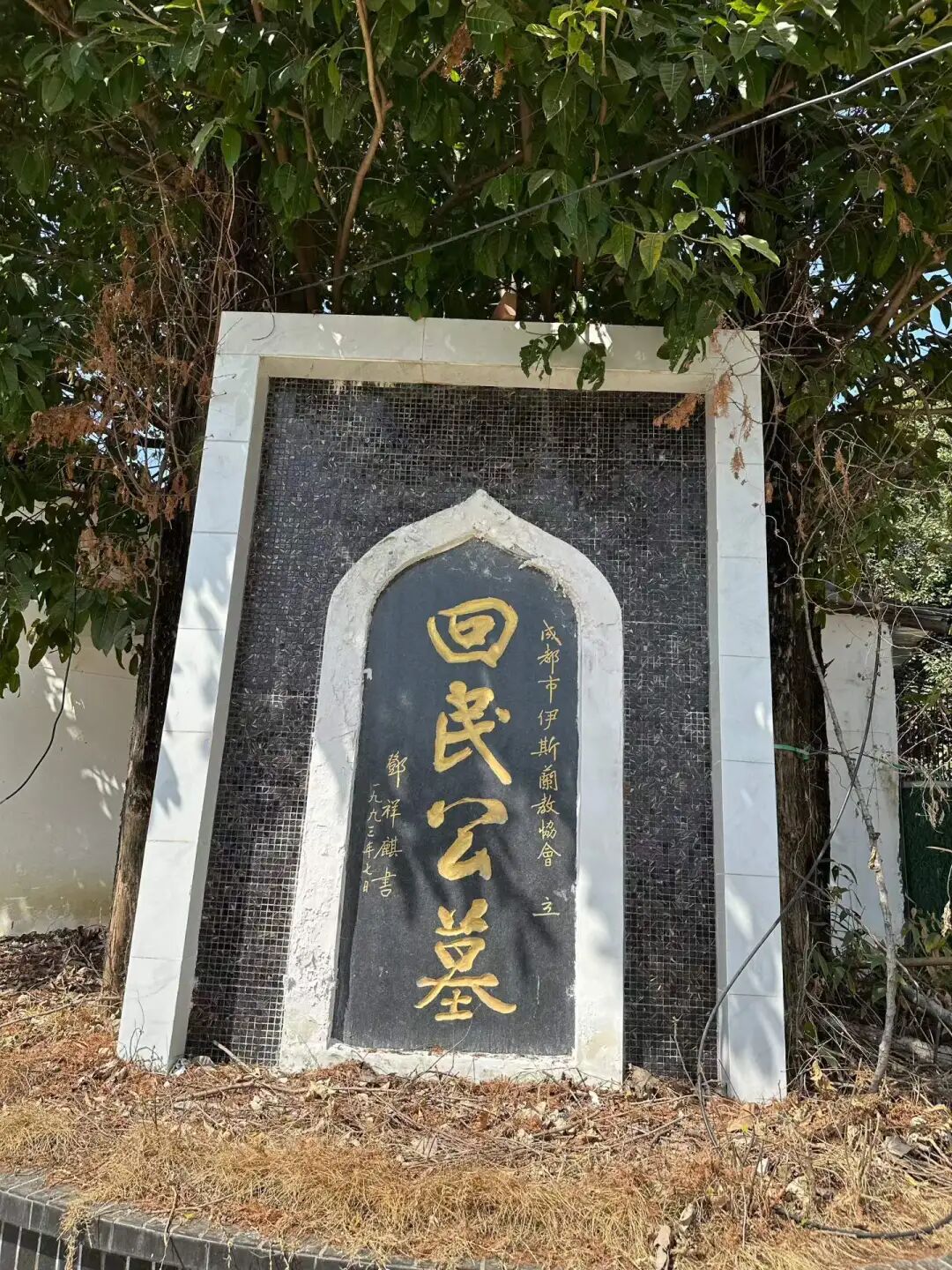
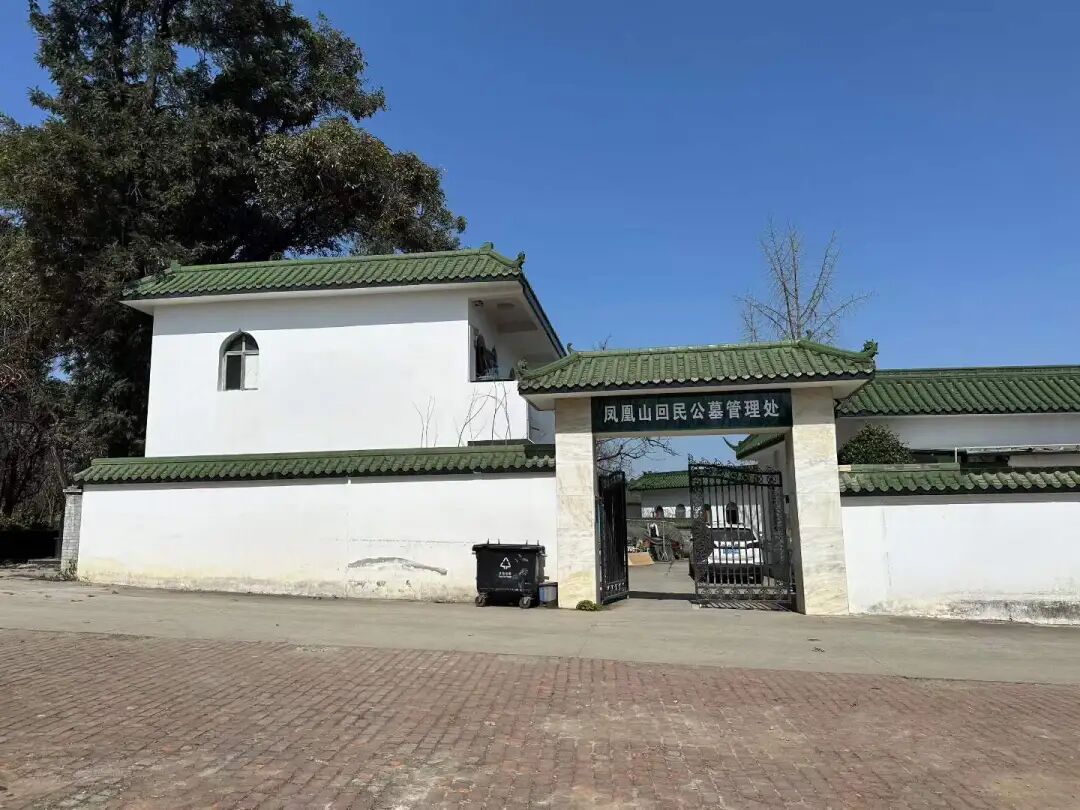
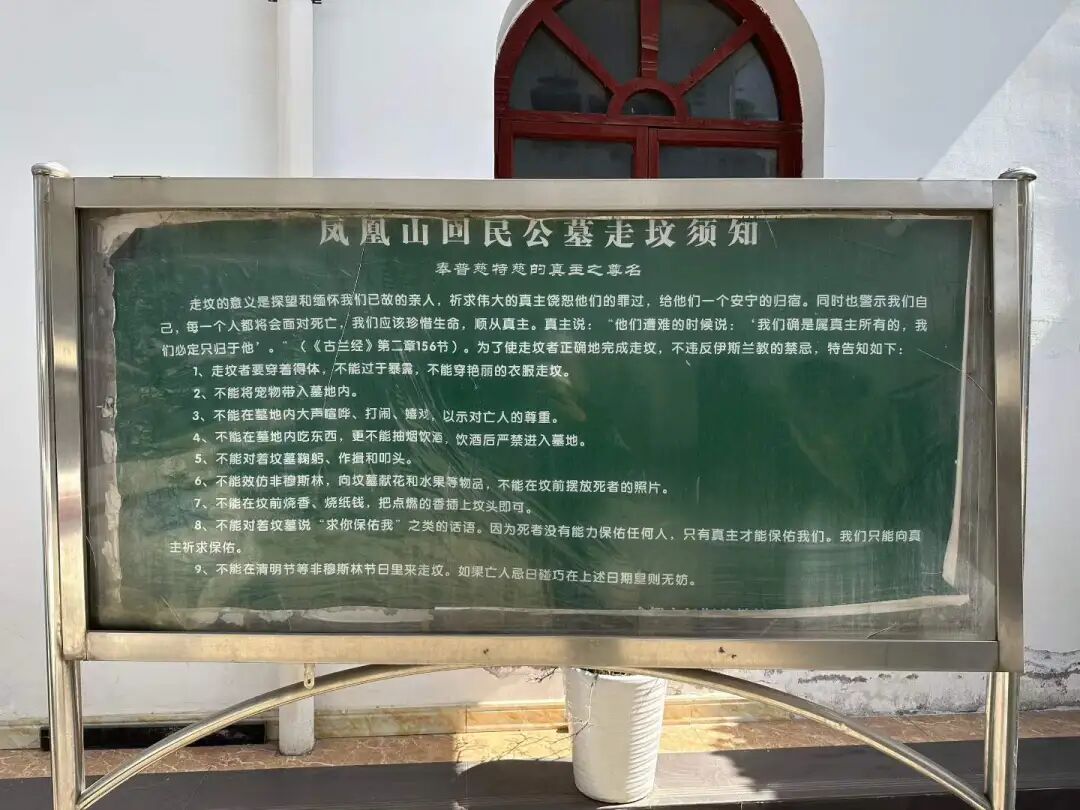
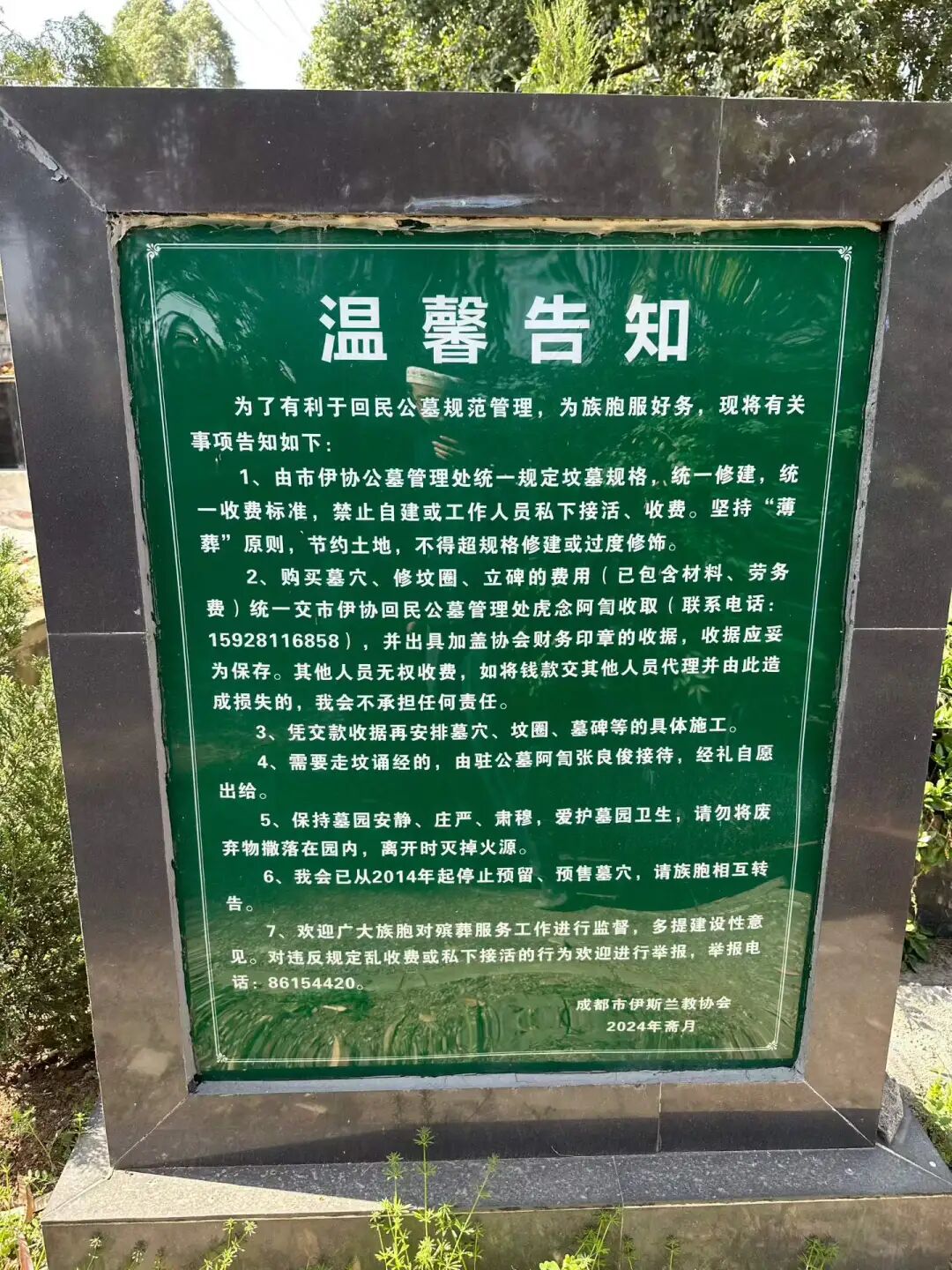
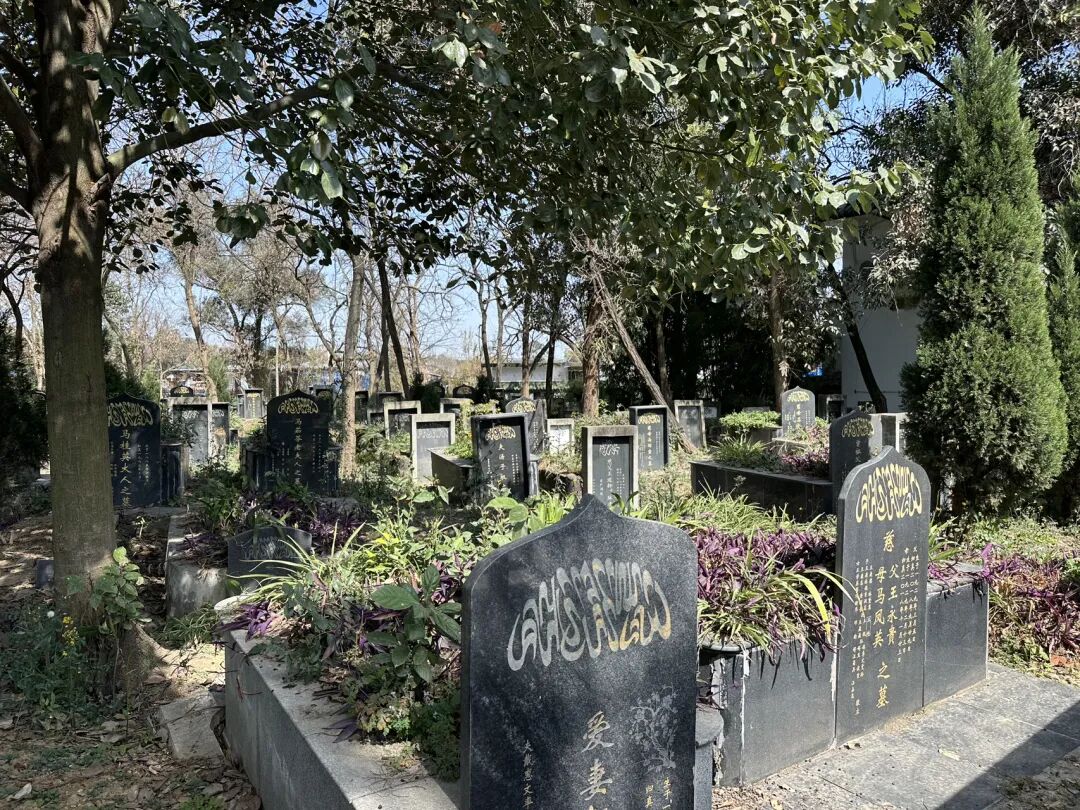
The Chengdu Hui Muslim cemetery was originally located near the Old West Gate, in the areas of Diba, Tongchegeng, and Wanfu Mosque. In 1952, it was forced to move to Fenghuang Mountain to make room for railway department offices and staff dormitories. The Fenghuangshan Hui Muslim cemetery officially opened in 1952. The Fenghuangshan Mosque was built to serve the people visiting the graves, and it has been there for over 70 years.
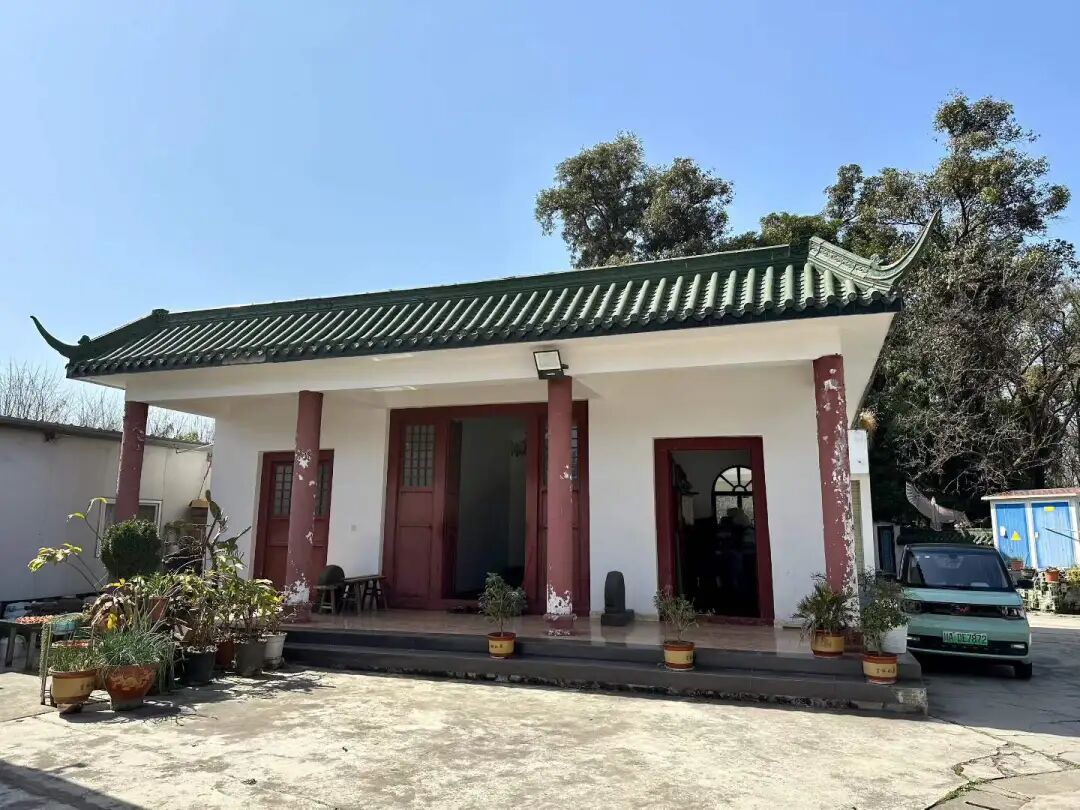
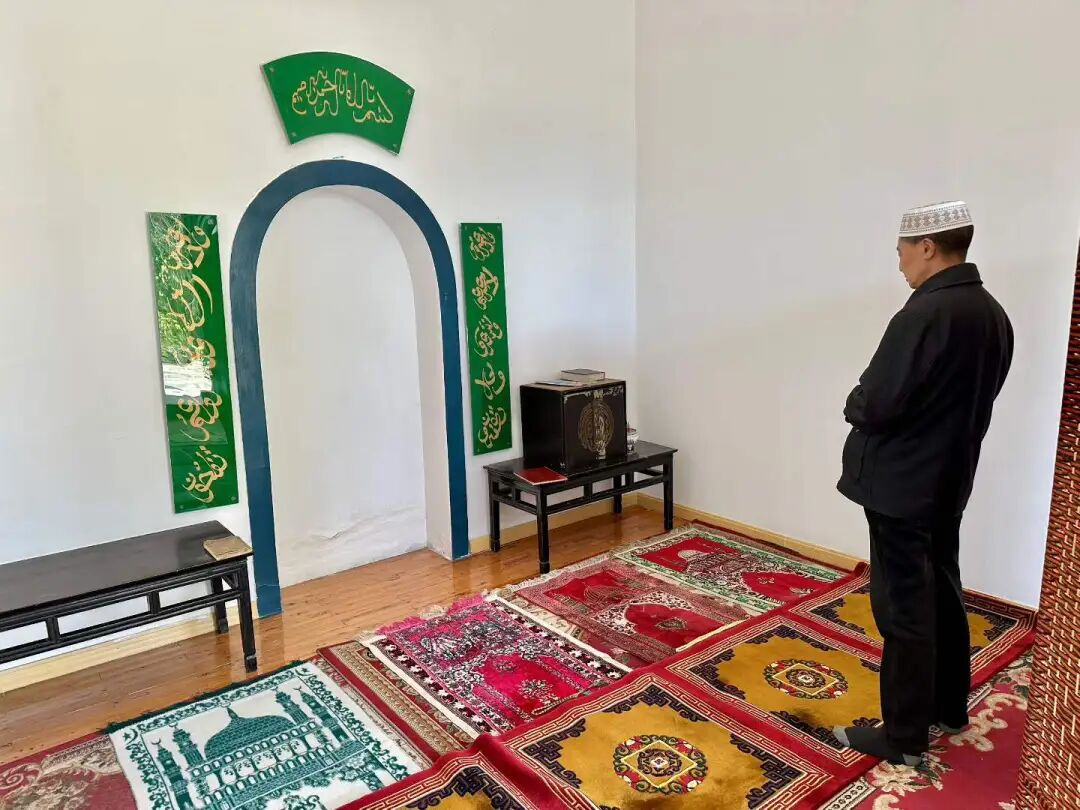
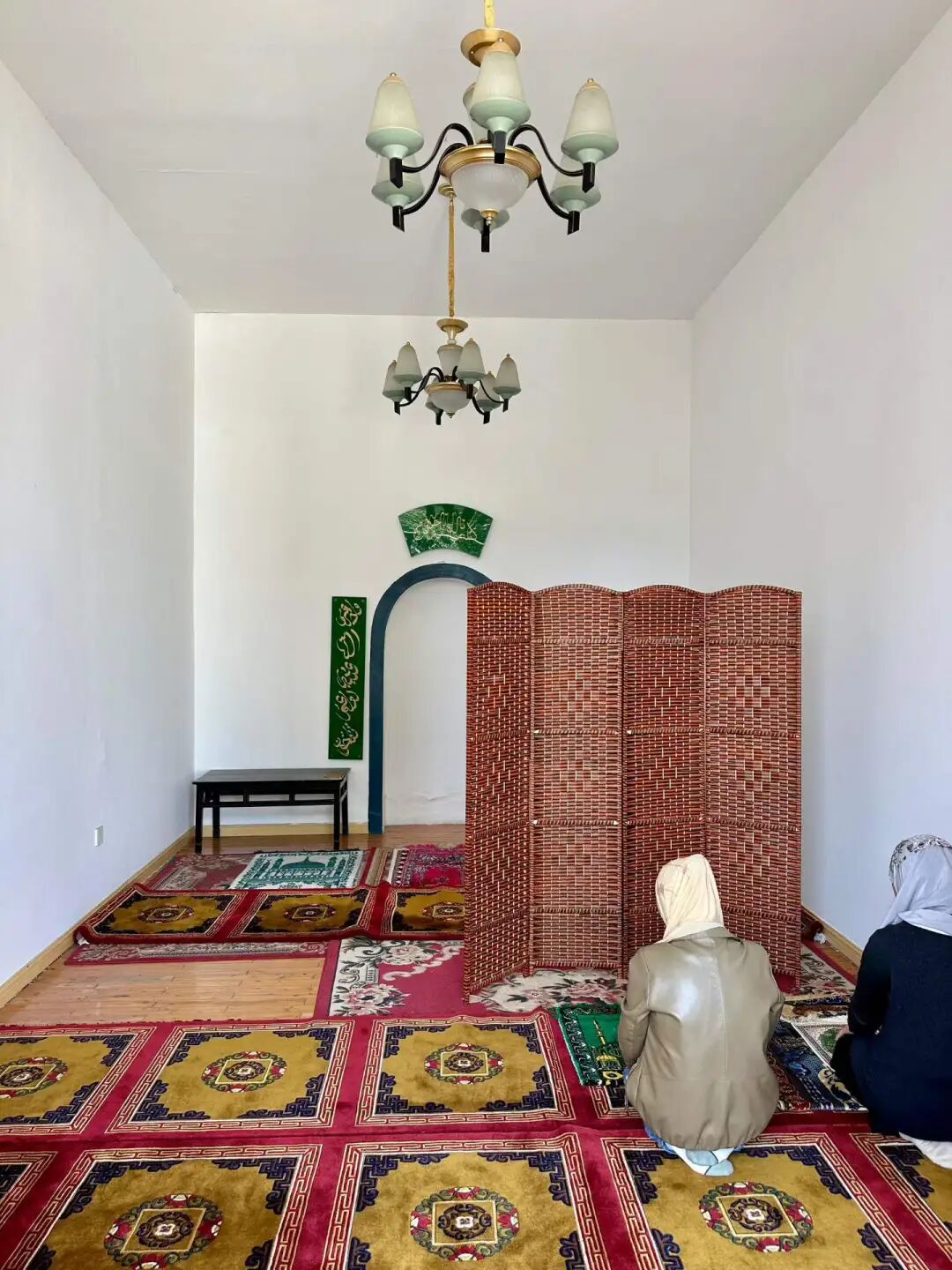
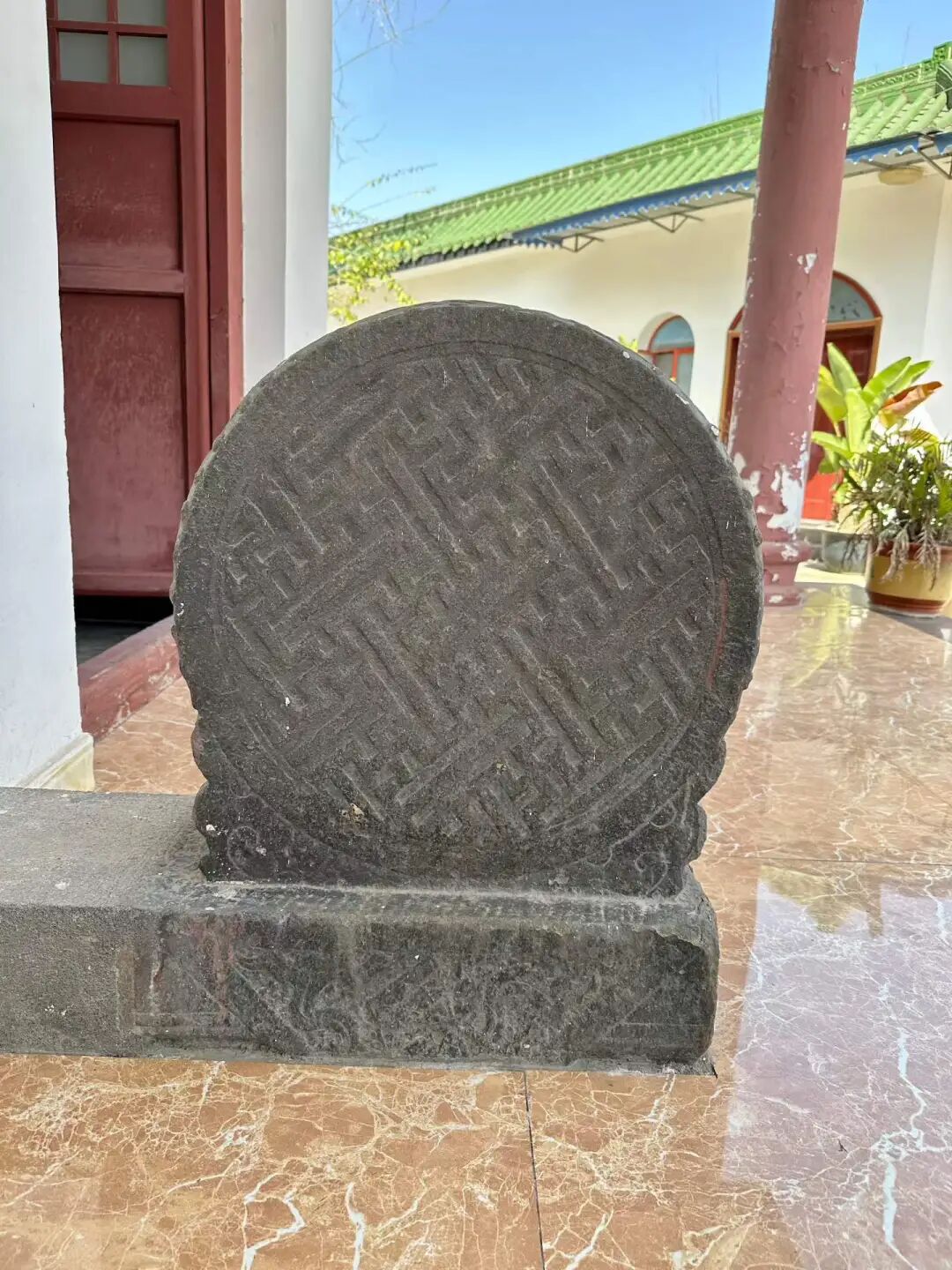
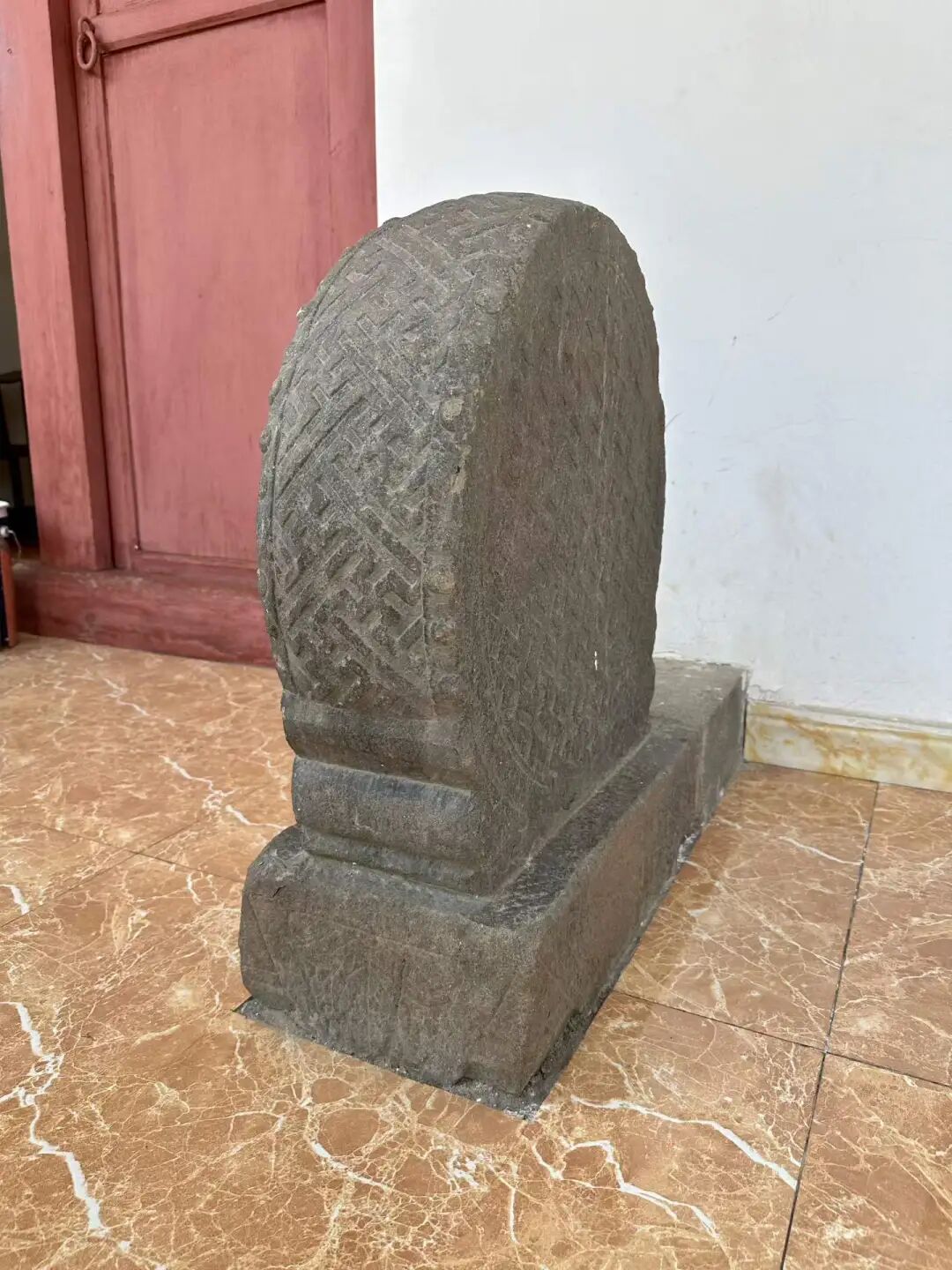
The Fenghuangshan Mosque currently preserves a pair of Qing Dynasty drum-shaped stone bases (baogushi) from the Chengdu Huangcheng Mosque, as well as a pair of broken Qing Dynasty pillar couplets from the Chengdu Qisi Mosque.
The Huangcheng Mosque was located in the middle of Yongjing Street at Huangchengba in Chengdu. It was first built in 1666 (the fifth year of the Kangxi reign) with funds raised by a man named Qibaba from Yunnan. It was rebuilt in 1858 (the eighth year of the Xianfeng reign). In 1917, it was mostly destroyed during fighting between Sichuan and Yunnan warlords, but it was rebuilt that same year. In 1998, the Huangcheng Mosque was moved and rebuilt on the southwest side of Tianfu Square to make room for the square's construction.
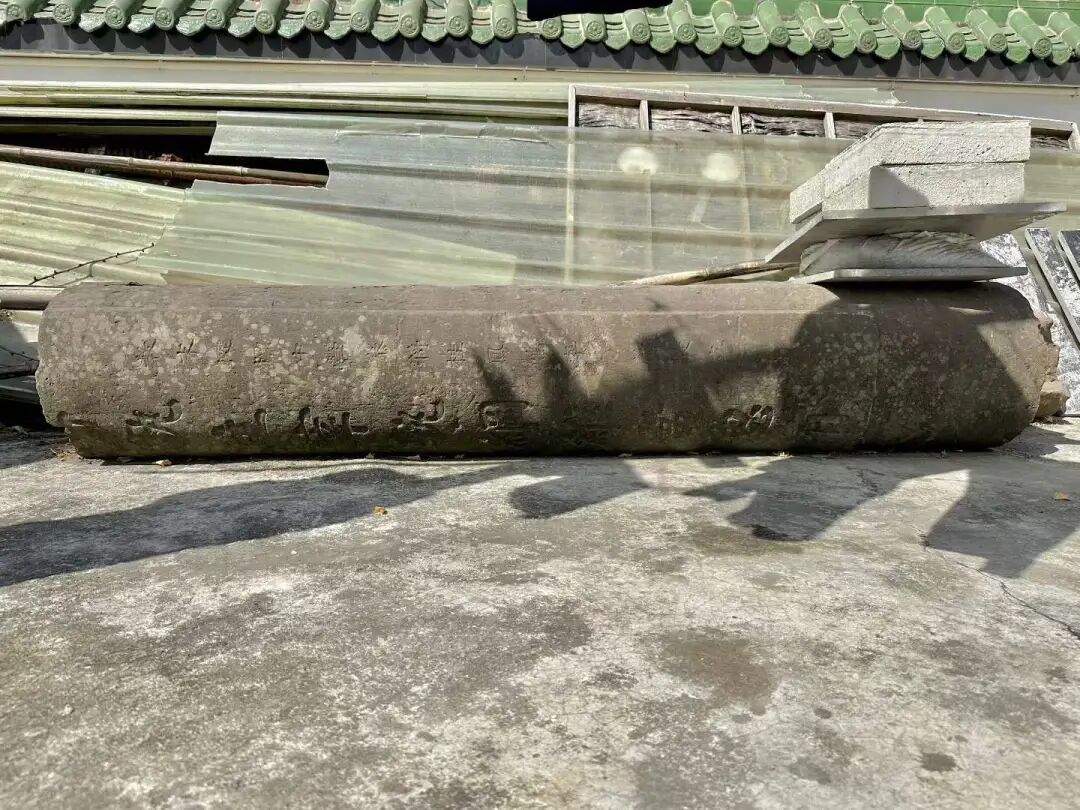
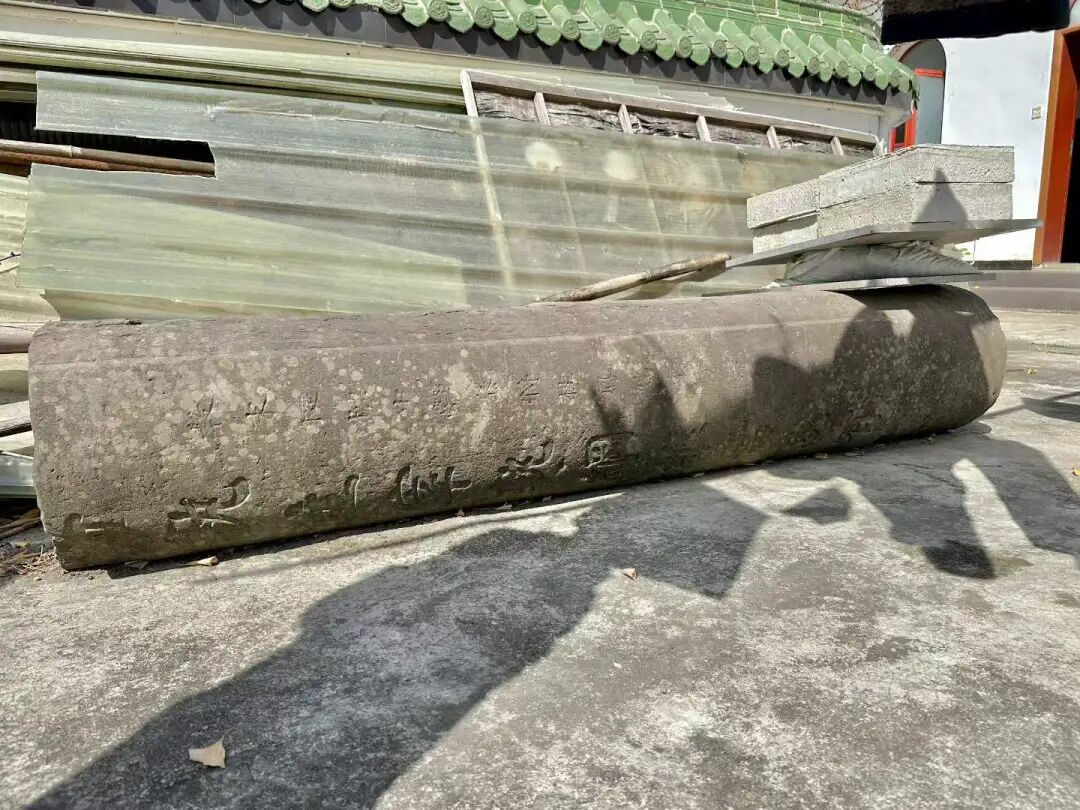
The Chengdu Qisi Mosque was located on Donghua South Street at Huangchengba in Chengdu. It was first built in the early years of the Qianlong reign. It was the seventh mosque built for Hui Muslims in Chengdu, which is how it got its name. The Qisi Mosque was rebuilt in 1866 (the fifth year of the Tongzhi reign). In 1930, it was set back due to street renovations and later rebuilt. After 1950, it became a women's mosque, but it no longer exists today. The Qisi Mosque originally had four stone pillars with couplets. They were all stored at Fenghuang Mountain. Later, some were set up in a mosque on South Street in Dujiangyan (Guanxian). The Fenghuangshan Mosque now holds two of these broken pillars.
The text on the broken pillars at the Fenghuangshan Mosque reads: 'Who is the master, who is the guide, one must think of oneself... respectfully erected by Gui Fengming, a military officer of the Tiabiao Central Battalion, and his son Xin.' When connected with the other parts in Dujiangyan, the complete text is:
The Way cannot be left for even a moment. Whether manifesting or reflecting, it all exists in a place without sound or smell.
People each have an inherent nature. Who is the master, who is the guide? One must think of the origin of all things and their principles.
Respectfully erected in the second month of the Bingyin year, the fifth year of the Tongzhi reign, by Gui Fengming, a military officer of the Tiabiao Central Battalion, and his son Xin.
Summary:
The great path of truth must never be left behind. Whether you are honoring Allah or reflecting on your own character, this inner sincerity exists in a quiet, hidden, and subtle state.
Everyone is born with a kind heart. Who controls all things in the world, and what keeps the order? We should trace this back to the source where everything has its own essence and laws.
Gui Fengming was a Hui Muslim general during the Qing Dynasty. He was from Xiushan County, Sichuan. He fought in the Opium War and served as a military officer in Mianzhou, Chengdu, and other areas. He paid to publish the book Explanation of the Five Pillars (Wugong Shiyi) by Liu Zhi.
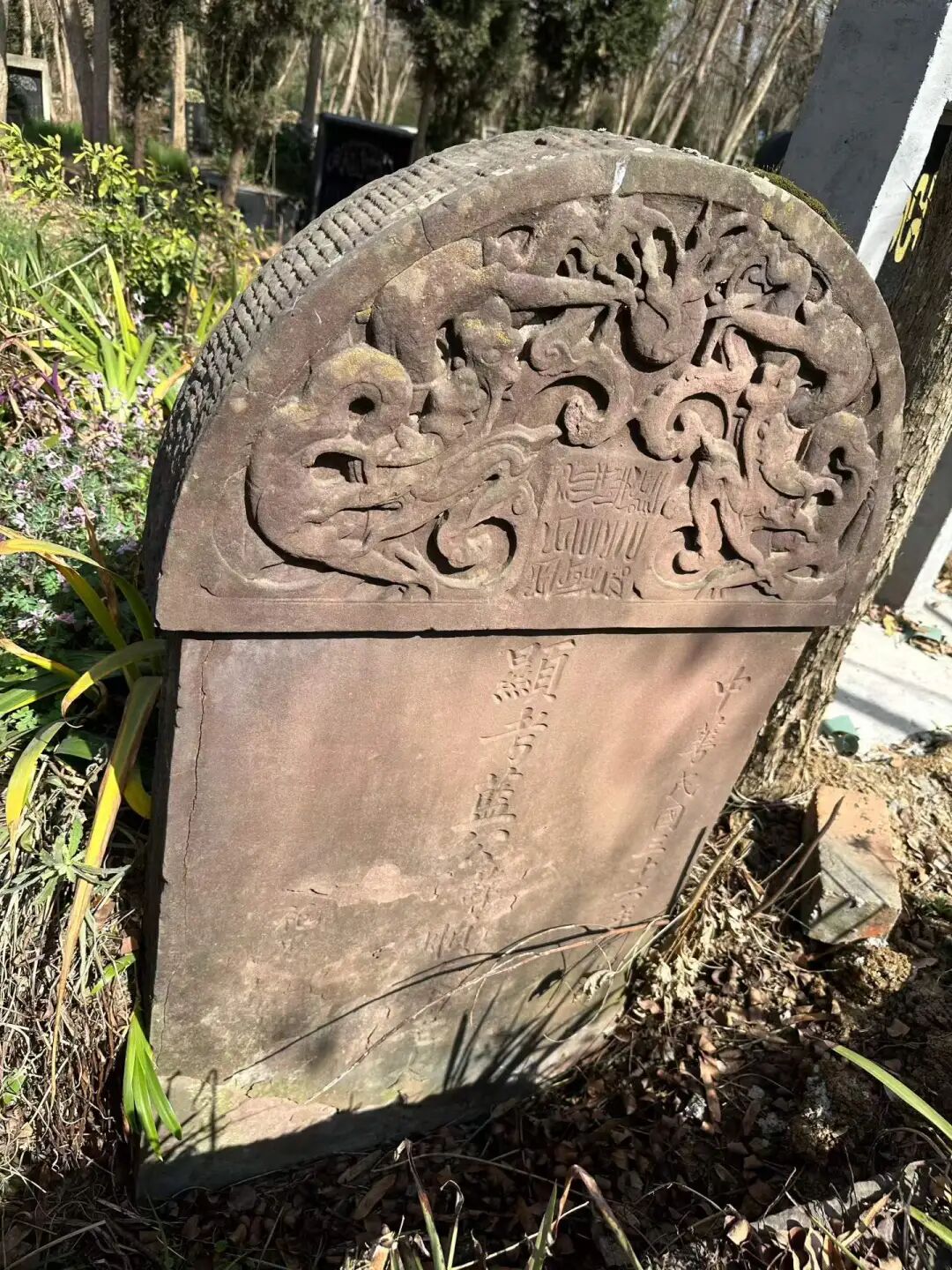
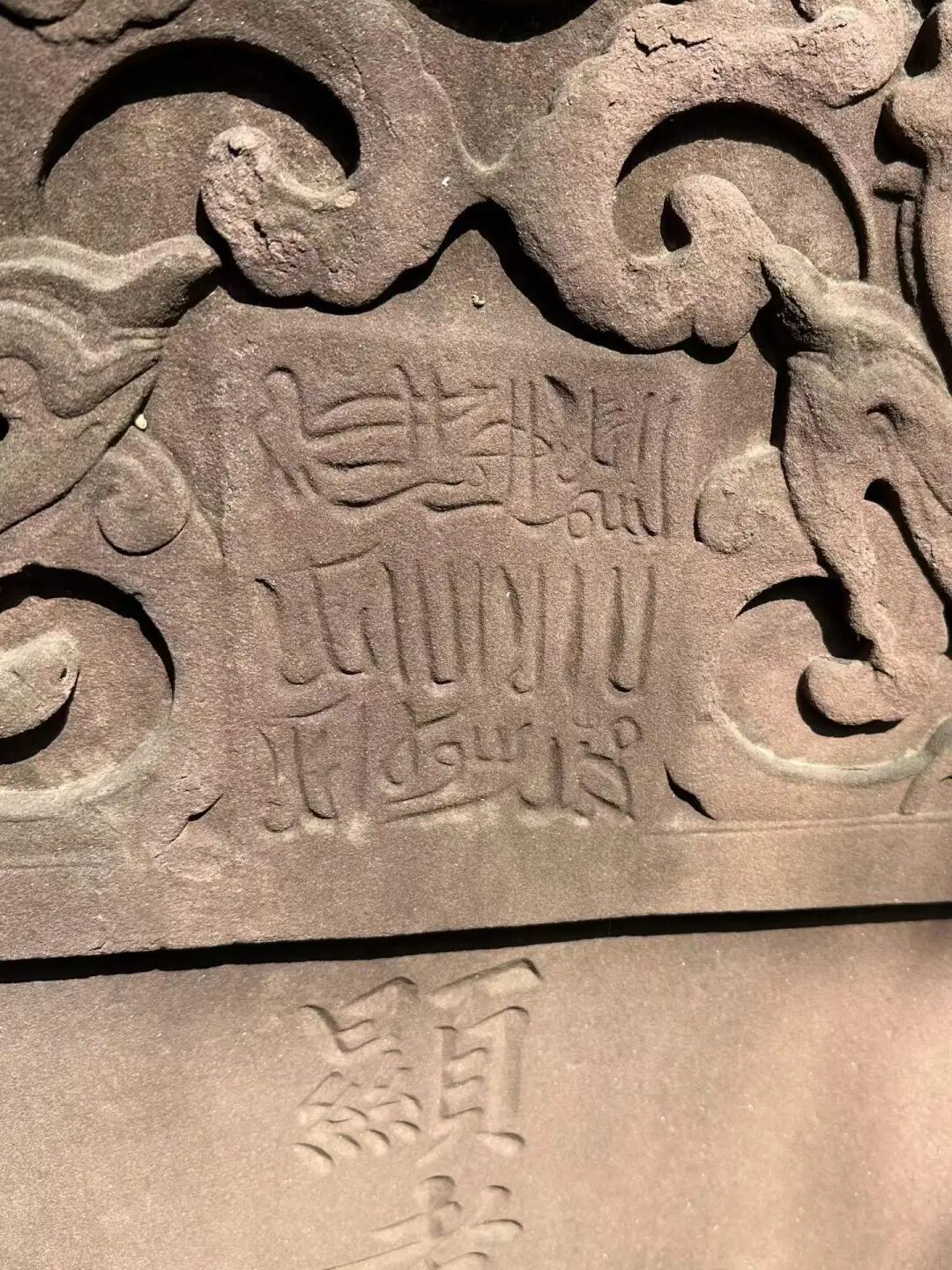
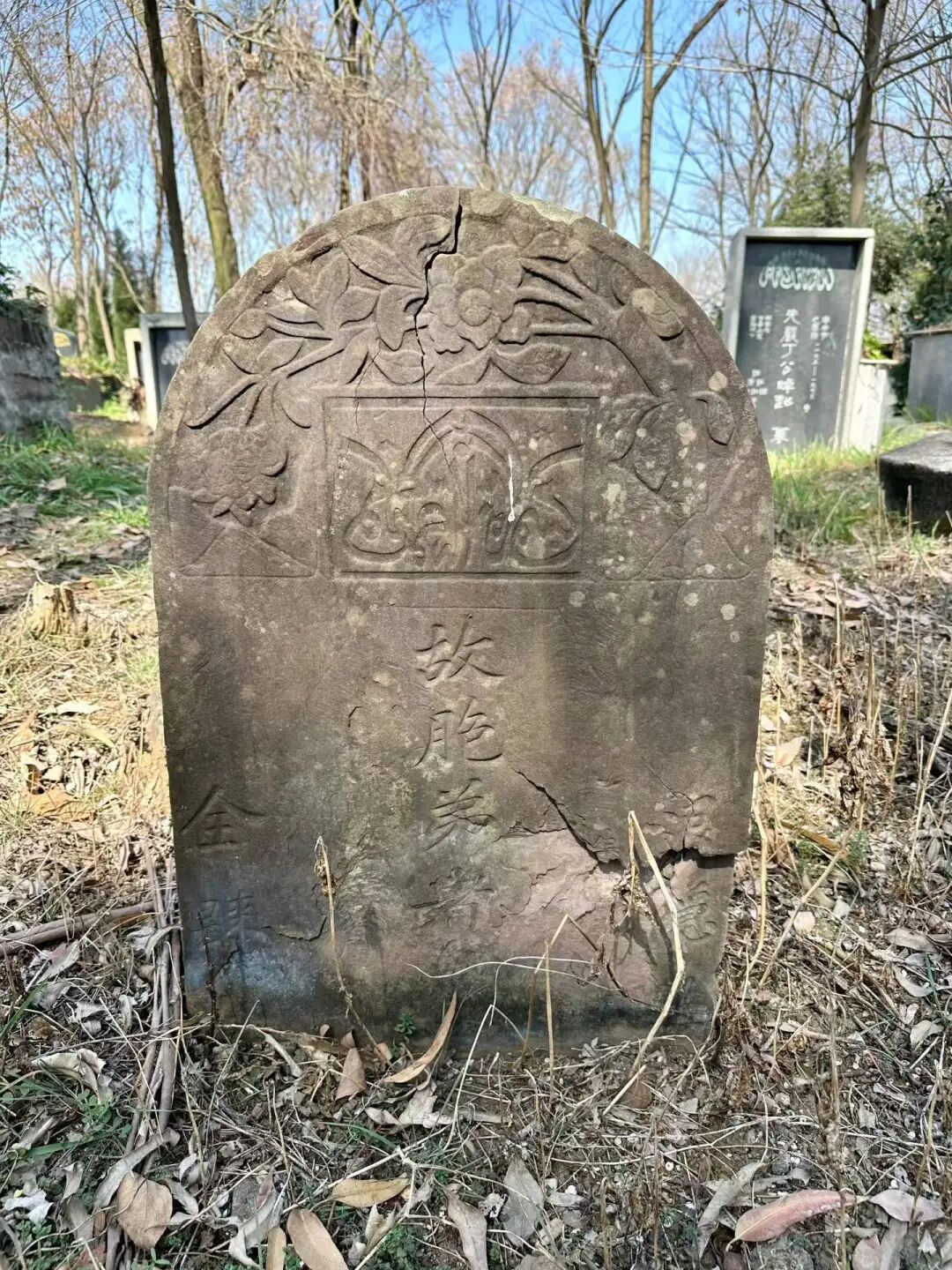
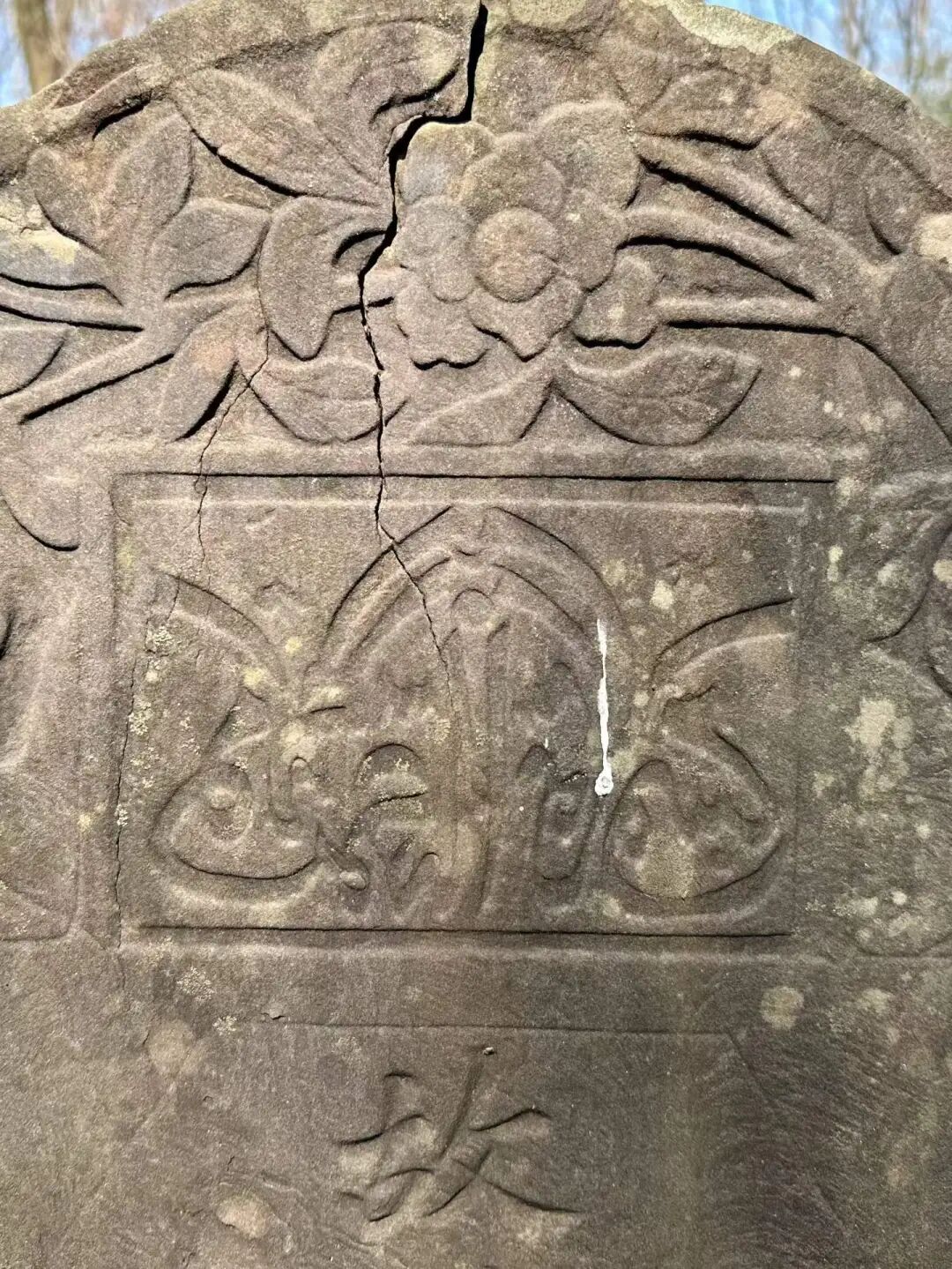
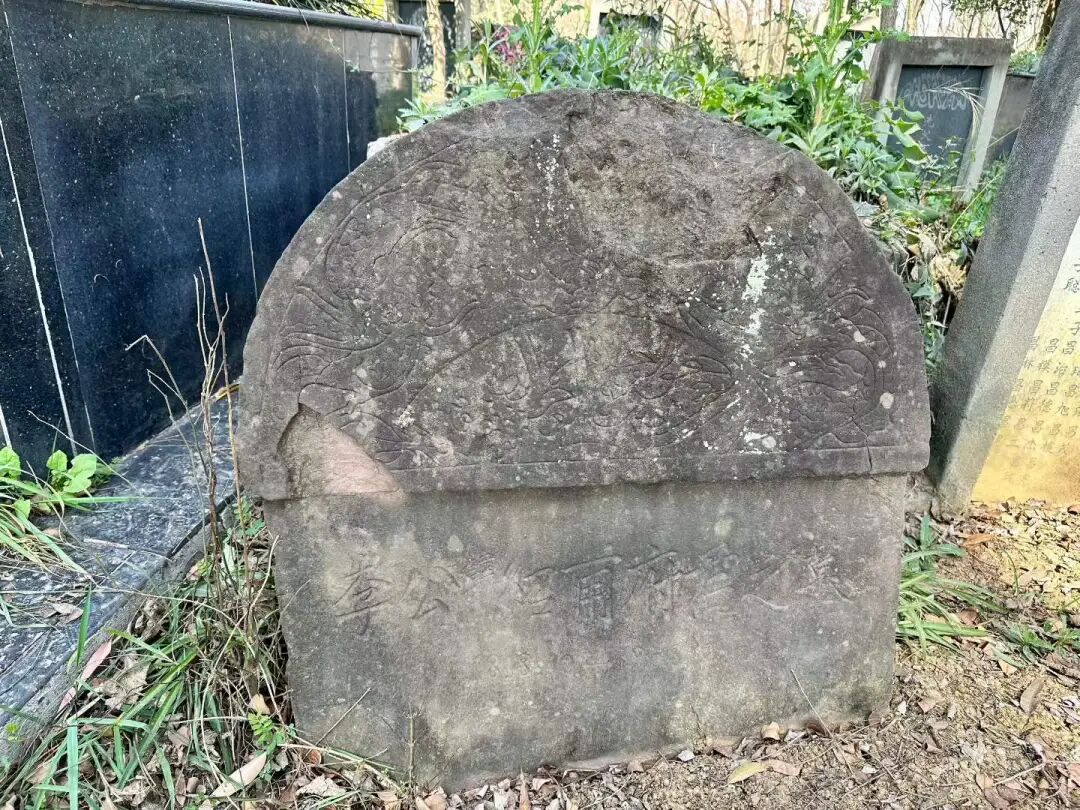
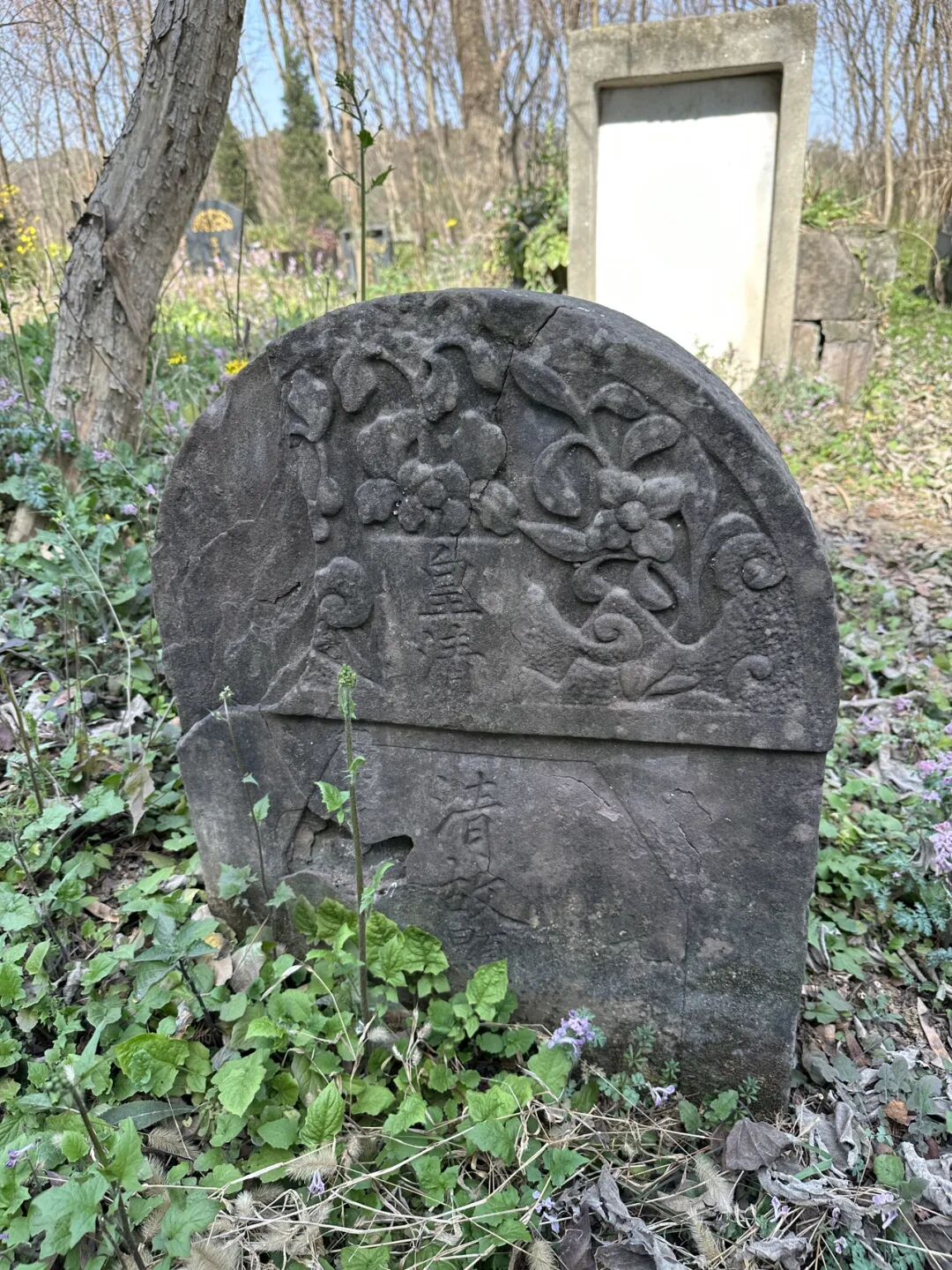
At the Fenghuang Mountain Hui Muslim Cemetery, you can see tombstones from the Qing Dynasty and the Republic of China era. Unfortunately, because the stone is quite brittle, many people have placed new tombstones in front of the old ones, so the original stone carvings can no longer be seen.
Summary: This Muslim travel guide to Sichuan is also a China mosque travel guide for readers following old mosque routes, Hui Muslim heritage, and Fenghuangshan Mosque in Chengdu.
This article summarizes the key points of a self-driving trip to ancient mosques in Sichuan during the Spring Festival (Part 14: Chengdu Fenghuangshan Mosque). It keeps the original paragraph and image order. It is for readers interested in the lives of Hui Muslims, Islamic culture, and Chinese Islamic writing. It also helps people search for content related to Part 14 and the Chengdu Fenghuangshan Mosque.
The Chengdu Hui Muslim cemetery was originally located near the Old West Gate, in the areas of Diba, Tongchegeng, and Wanfu Mosque. In 1952, it was forced to move to Fenghuang Mountain to make room for railway department offices and staff dormitories. The Fenghuangshan Hui Muslim cemetery officially opened in 1952. The Fenghuangshan Mosque was built to serve the people visiting the graves, and it has been there for over 70 years.
The Fenghuangshan Mosque currently preserves a pair of Qing Dynasty drum-shaped stone bases (baogushi) from the Chengdu Huangcheng Mosque, as well as a pair of broken Qing Dynasty pillar couplets from the Chengdu Qisi Mosque.
The Huangcheng Mosque was located in the middle of Yongjing Street at Huangchengba in Chengdu. It was first built in 1666 (the fifth year of the Kangxi reign) with funds raised by a man named Qibaba from Yunnan. It was rebuilt in 1858 (the eighth year of the Xianfeng reign). In 1917, it was mostly destroyed during fighting between Sichuan and Yunnan warlords, but it was rebuilt that same year. In 1998, the Huangcheng Mosque was moved and rebuilt on the southwest side of Tianfu Square to make room for the square's construction.
The Chengdu Qisi Mosque was located on Donghua South Street at Huangchengba in Chengdu. It was first built in the early years of the Qianlong reign. It was the seventh mosque built for Hui Muslims in Chengdu, which is how it got its name. The Qisi Mosque was rebuilt in 1866 (the fifth year of the Tongzhi reign). In 1930, it was set back due to street renovations and later rebuilt. After 1950, it became a women's mosque, but it no longer exists today. The Qisi Mosque originally had four stone pillars with couplets. They were all stored at Fenghuang Mountain. Later, some were set up in a mosque on South Street in Dujiangyan (Guanxian). The Fenghuangshan Mosque now holds two of these broken pillars.
The text on the broken pillars at the Fenghuangshan Mosque reads: 'Who is the master, who is the guide, one must think of oneself... respectfully erected by Gui Fengming, a military officer of the Tiabiao Central Battalion, and his son Xin.' When connected with the other parts in Dujiangyan, the complete text is:
The Way cannot be left for even a moment. Whether manifesting or reflecting, it all exists in a place without sound or smell.
People each have an inherent nature. Who is the master, who is the guide? One must think of the origin of all things and their principles.
Respectfully erected in the second month of the Bingyin year, the fifth year of the Tongzhi reign, by Gui Fengming, a military officer of the Tiabiao Central Battalion, and his son Xin.
Summary:
The great path of truth must never be left behind. Whether you are honoring Allah or reflecting on your own character, this inner sincerity exists in a quiet, hidden, and subtle state.
Everyone is born with a kind heart. Who controls all things in the world, and what keeps the order? We should trace this back to the source where everything has its own essence and laws.
Gui Fengming was a Hui Muslim general during the Qing Dynasty. He was from Xiushan County, Sichuan. He fought in the Opium War and served as a military officer in Mianzhou, Chengdu, and other areas. He paid to publish the book Explanation of the Five Pillars (Wugong Shiyi) by Liu Zhi.
At the Fenghuang Mountain Hui Muslim Cemetery, you can see tombstones from the Qing Dynasty and the Republic of China era. Unfortunately, because the stone is quite brittle, many people have placed new tombstones in front of the old ones, so the original stone carvings can no longer be seen.
