
Muslim History Guide to Damascus: Bilal Tomb, First Muezzin and Islamic Heritage
Reposted from the web
Summary: This Muslim history guide to Damascus covers Bilal's tomb, the first muezzin, the Prophet's Companion, and Muslim heritage in the original travel account.
This article summarizes the key points of visiting the tomb of Bilal, the first muezzin and companion of the Prophet. It keeps the original paragraph and image order, making it perfect for readers interested in Muslim life, Islamic culture, and Chinese Islamic writing. It also helps those searching for content on Shia Islam, Hajj, and marriage and family.
While in Damascus, I made a special trip to the ancient Bab al-Saghir cemetery in the south of the city to visit the tomb of Bilal, the first muezzin chosen by the Prophet and the first African convert. I went to pay my respects to this companion (Sahaba) of the Prophet.
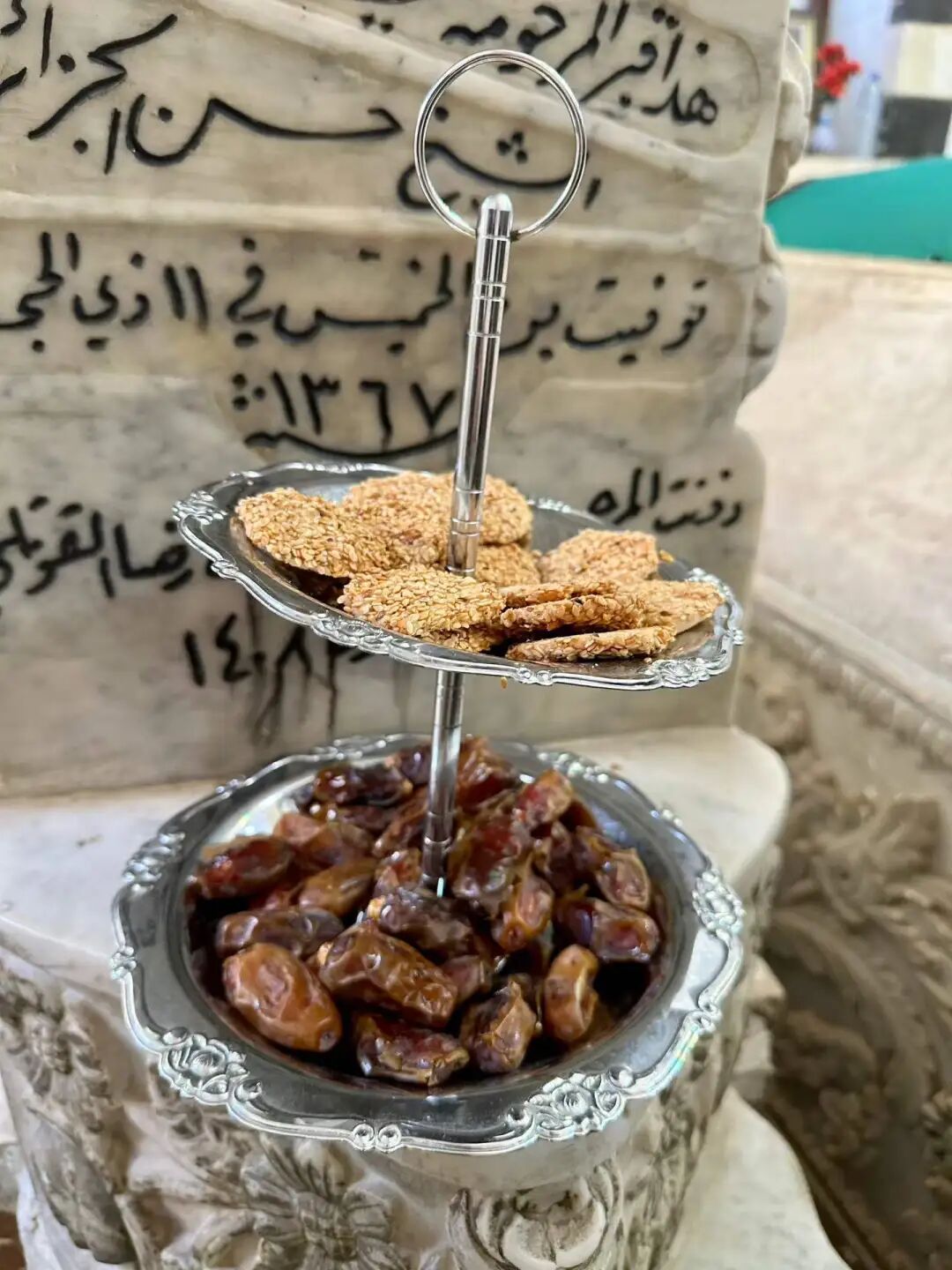
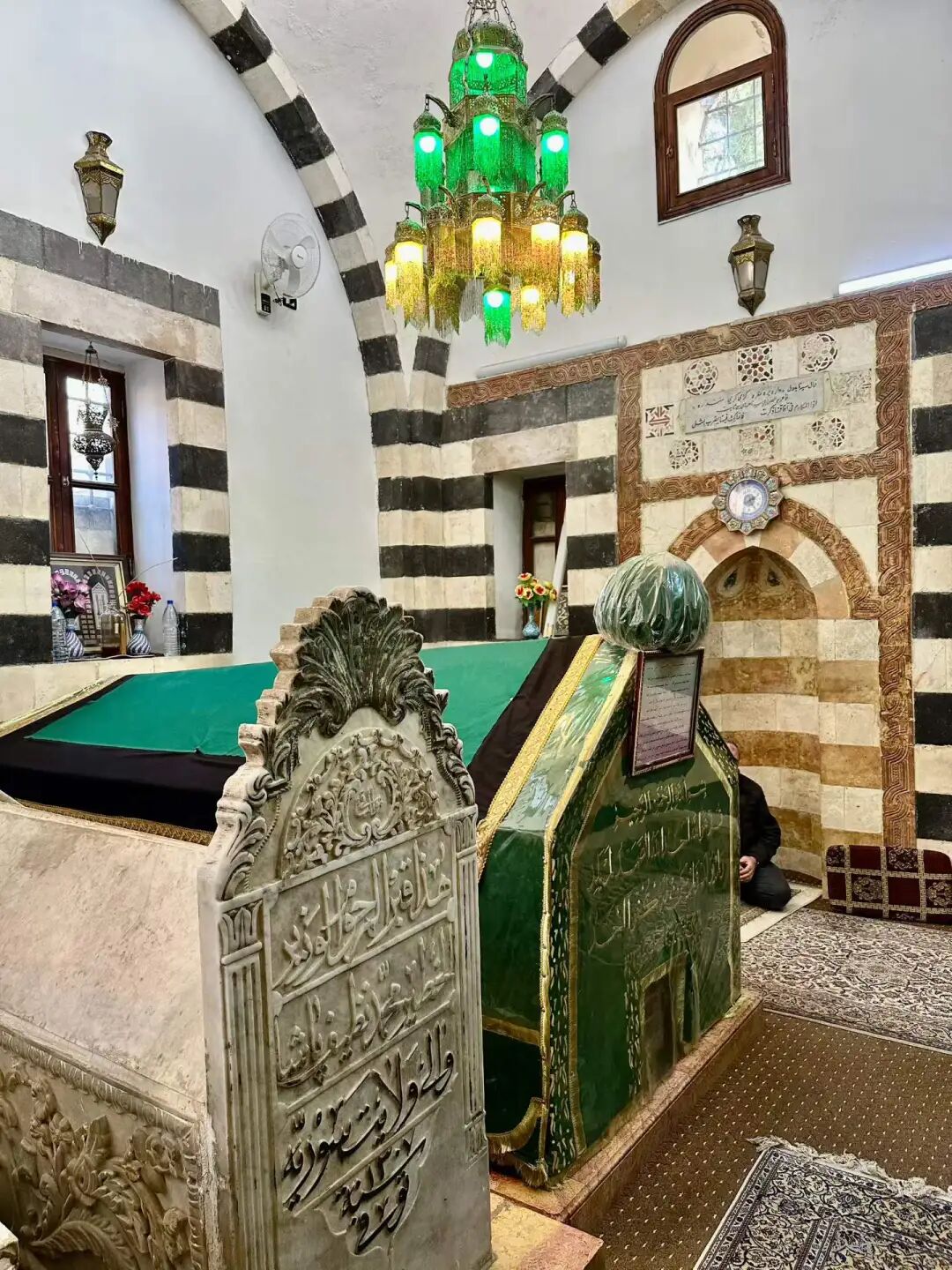
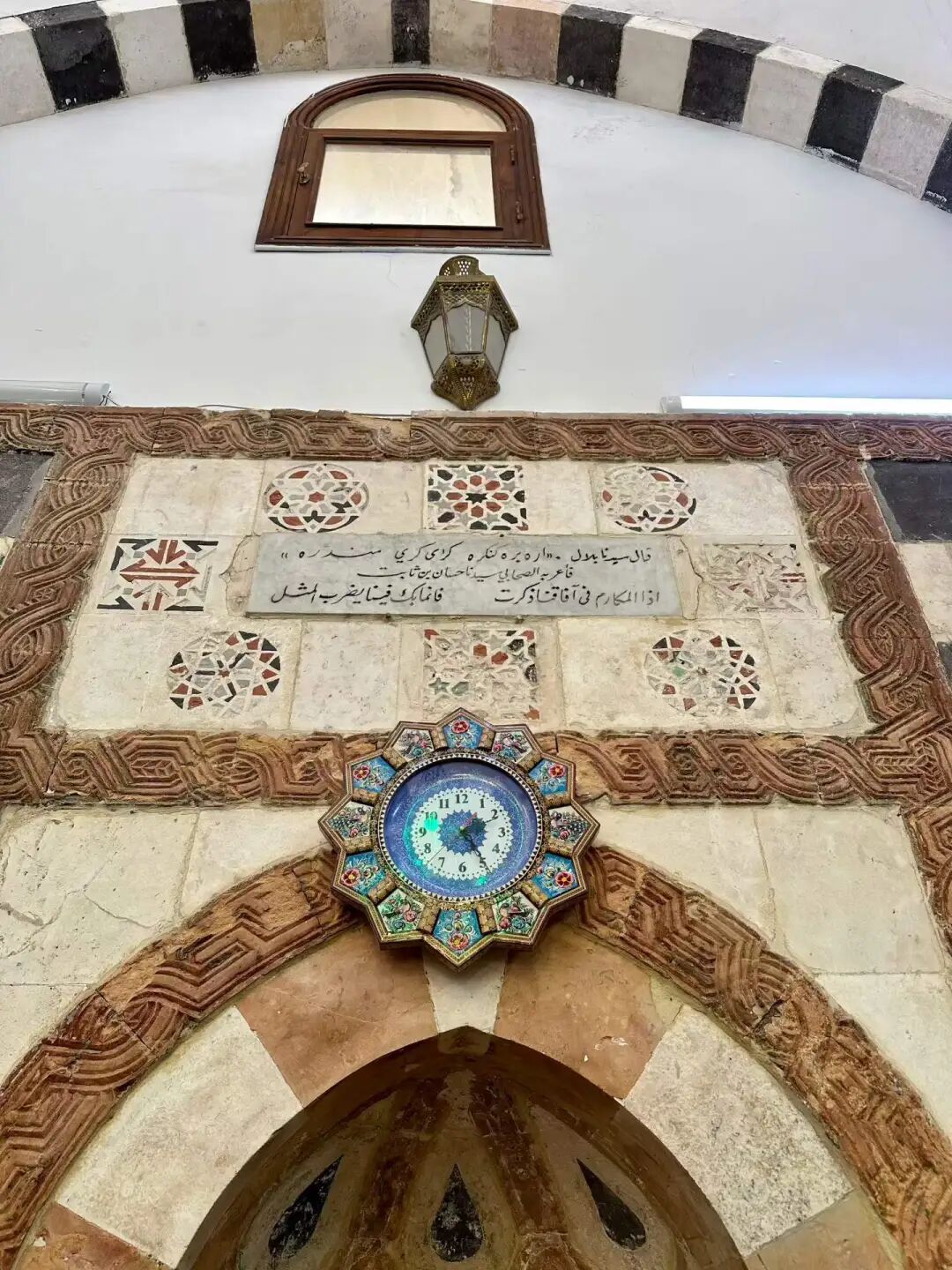
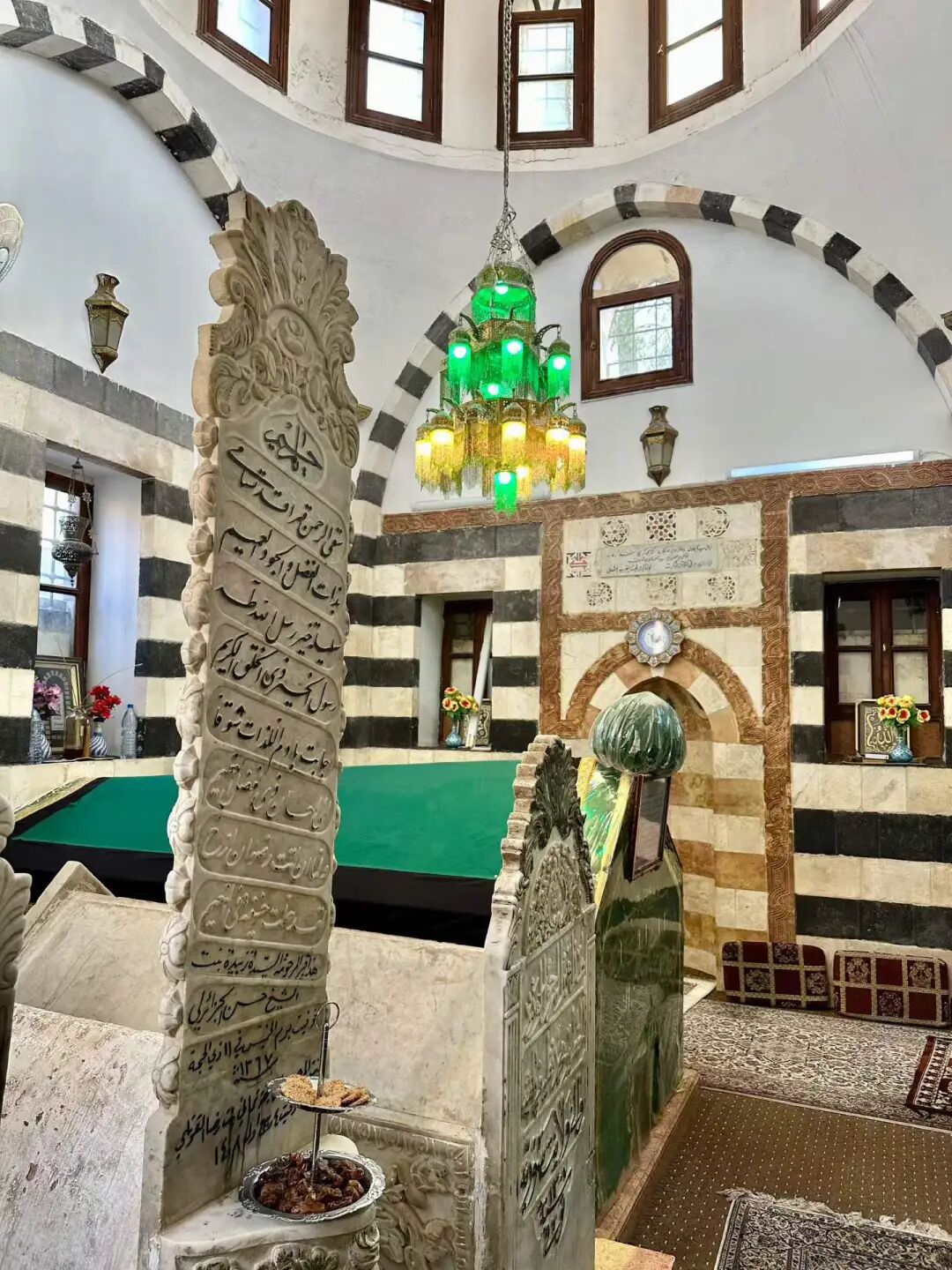
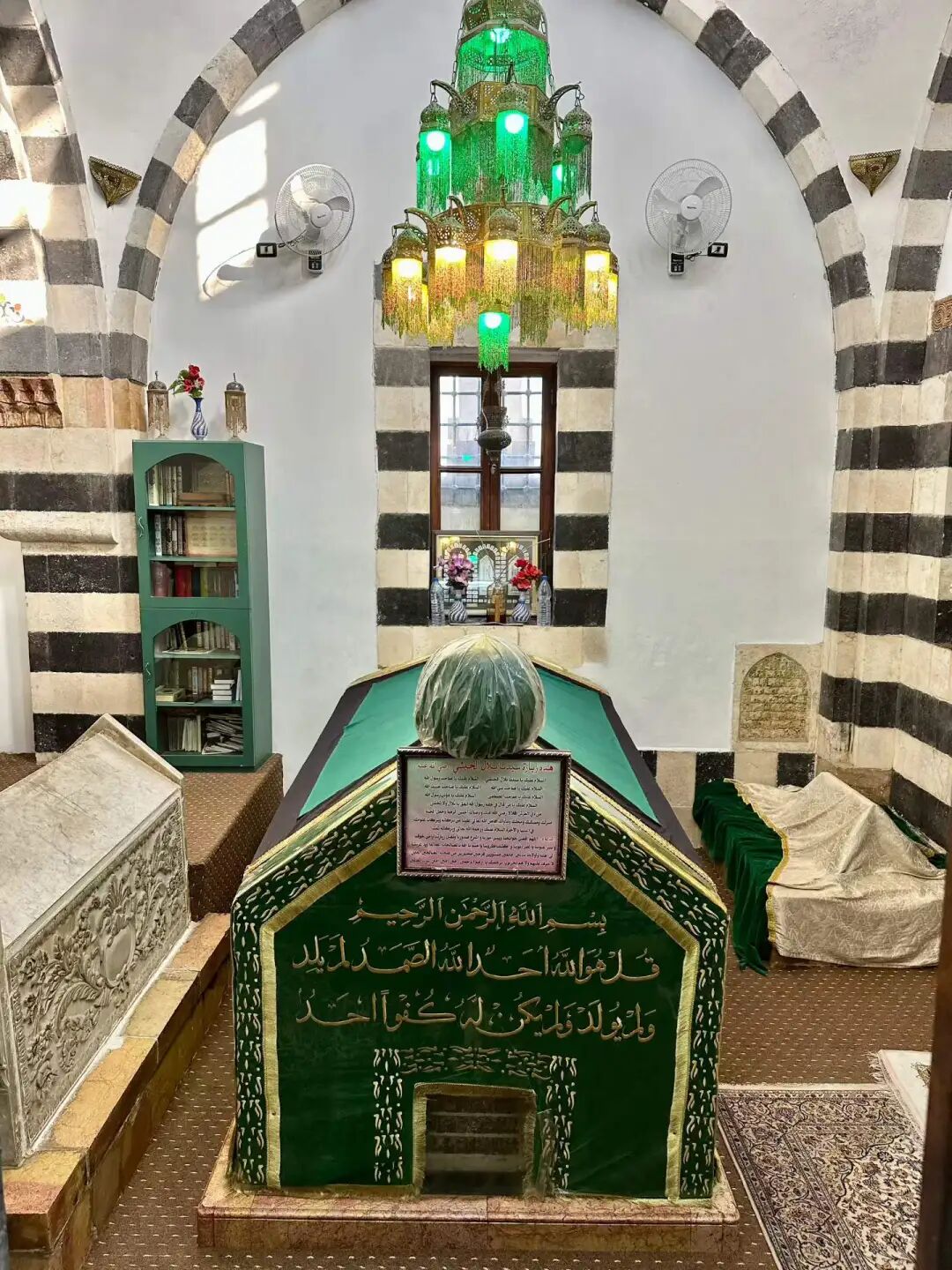
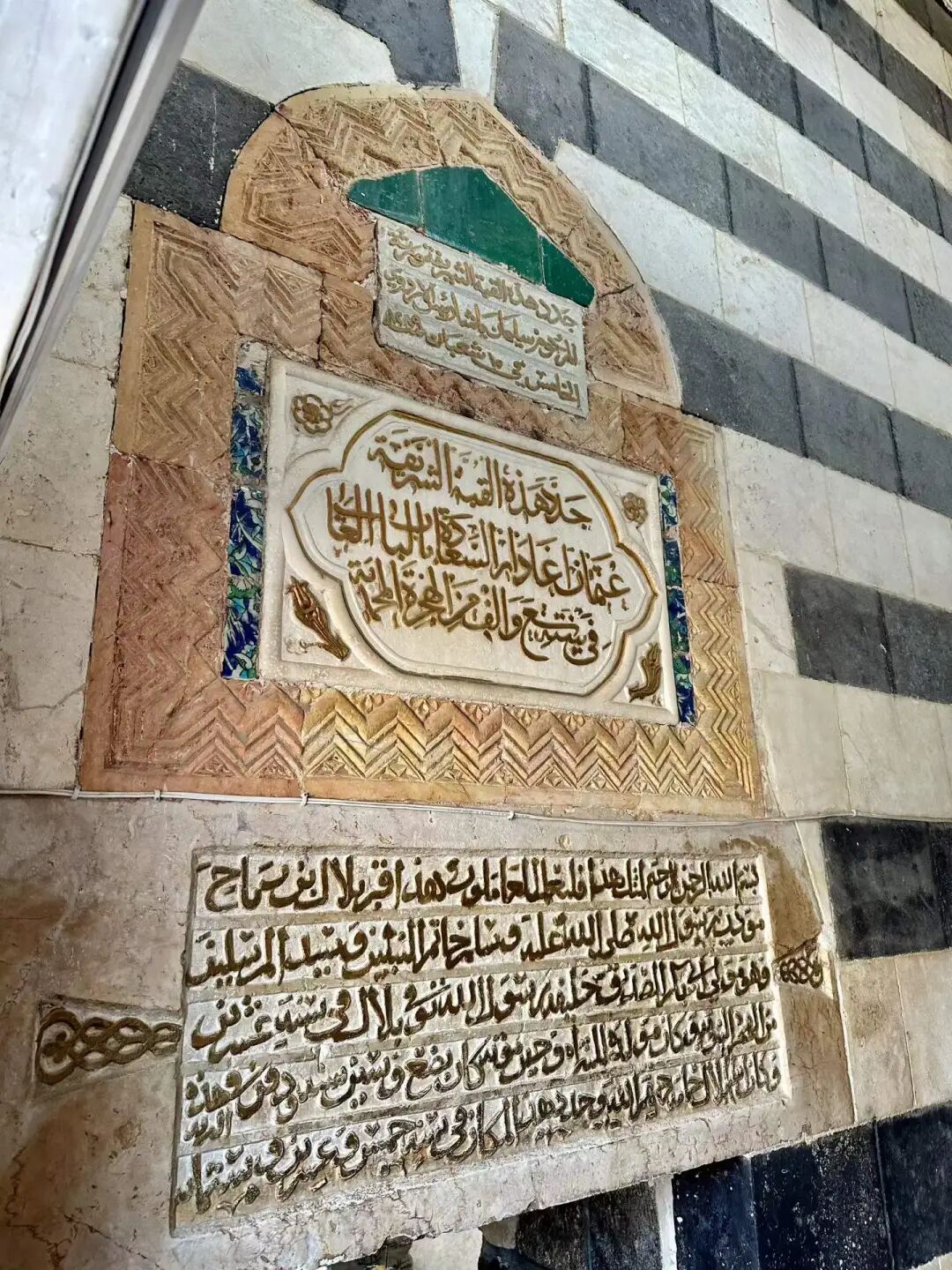
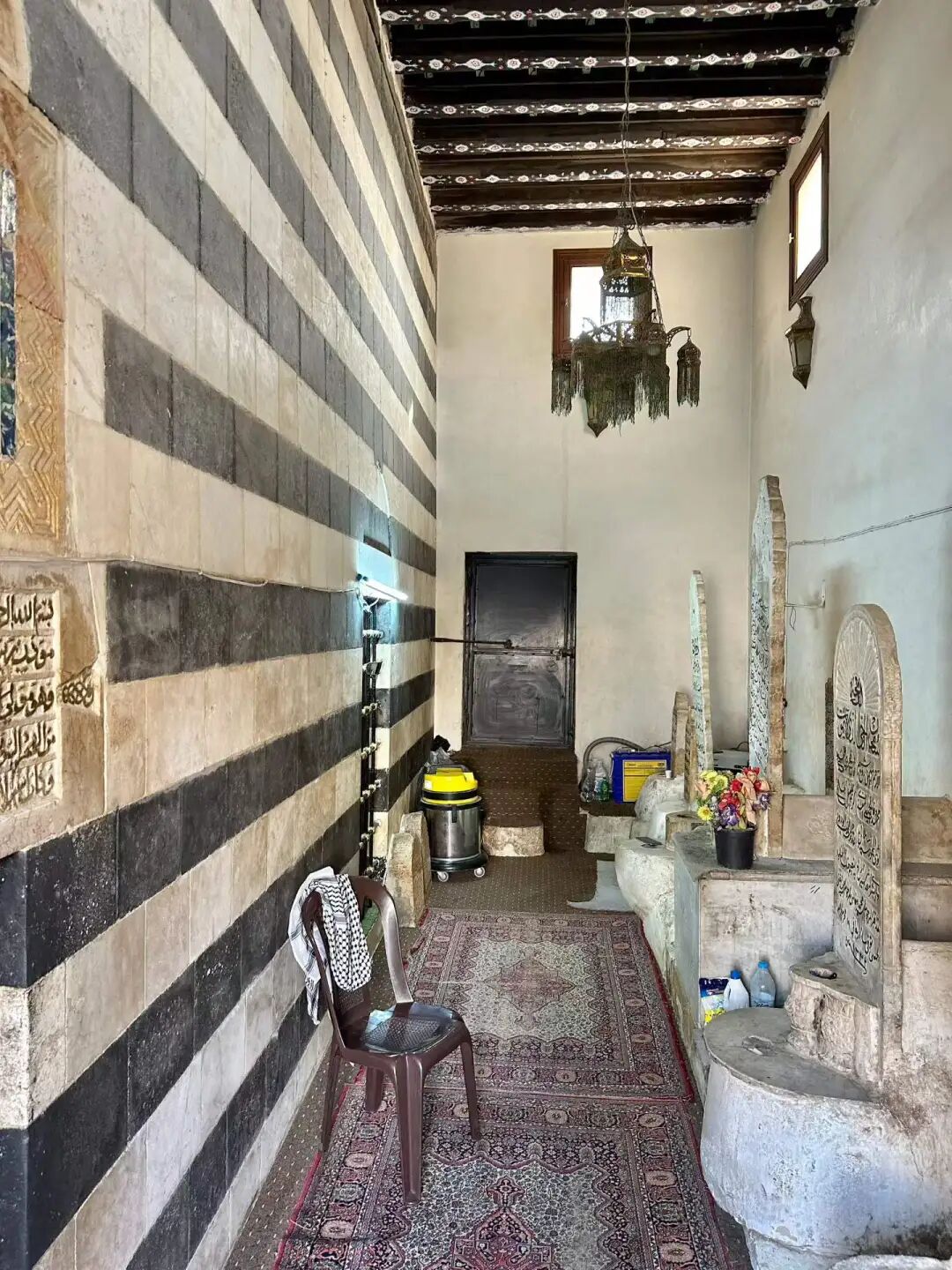
Bilal's tomb is just inside the north gate of the cemetery, and the tomb structure was rebuilt by later generations. The cemetery is open to people of all faiths and offers free dates and sesame cookies (Barazek).
Bilal was born in Mecca in 580. His mother was a slave from Abyssinia in East Africa, so he worked hard from a young age for the Umayyad family, who were nobles of the Quraysh tribe. When the Prophet began his mission, Bilal chose to give up idol worship and became one of the earliest converts to the faith. When his master Umayyad found out, he punished and tortured him severely. He whipped him, tied him to the sand, placed hot stones on his chest, and dragged him around Mecca while children mocked him. But Bilal only repeated, "Ahad, Ahad..." which means "The One, The One..." When the Prophet heard about this, he sent Abu Bakr to buy Bilal's freedom, and Bilal was then able to follow the Prophet closely. Because he had a loud and clear voice, Bilal was chosen by the Prophet to be the first muezzin.
In Medina, the Prophet appointed Bilal as the treasurer, and he distributed relief funds to widows, orphans, and the poor. After the reconquest of Mecca in 630, Bilal gave the first call to prayer (adhan) at the Kaaba. This act is remembered as a key moment in the history of the faith, symbolizing the establishment of the religion as the core belief of Mecca.
After the Caliphate conquered Syria in 634, Bilal moved to Damascus to live, and he eventually passed away there.
In a sermon (wa'z) given by Imam Sha in Dujiangyan, he shared the most famous story about how, after the Prophet passed away, he could not bear to see anything in Medina that reminded him of the Prophet. So, he moved to Damascus to live.
One day, he dreamed that the Prophet asked him, 'Have you abandoned us and abandoned Medina?' After waking up, he returned to Medina. At the repeated request of Hasan and Husayn, he performed the call to prayer (adhan). While reciting, he remembered every detail of his life with the Prophet. Overcome with grief, he fell from the high platform. He returned to Damascus and passed away shortly after.
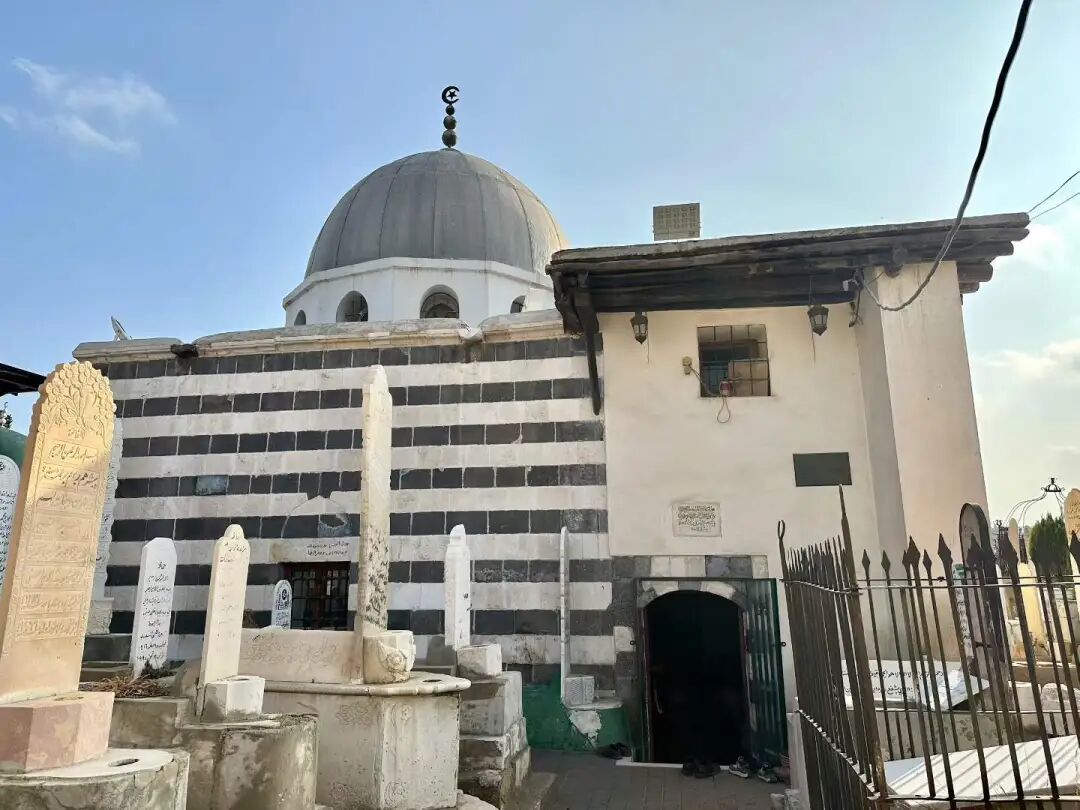
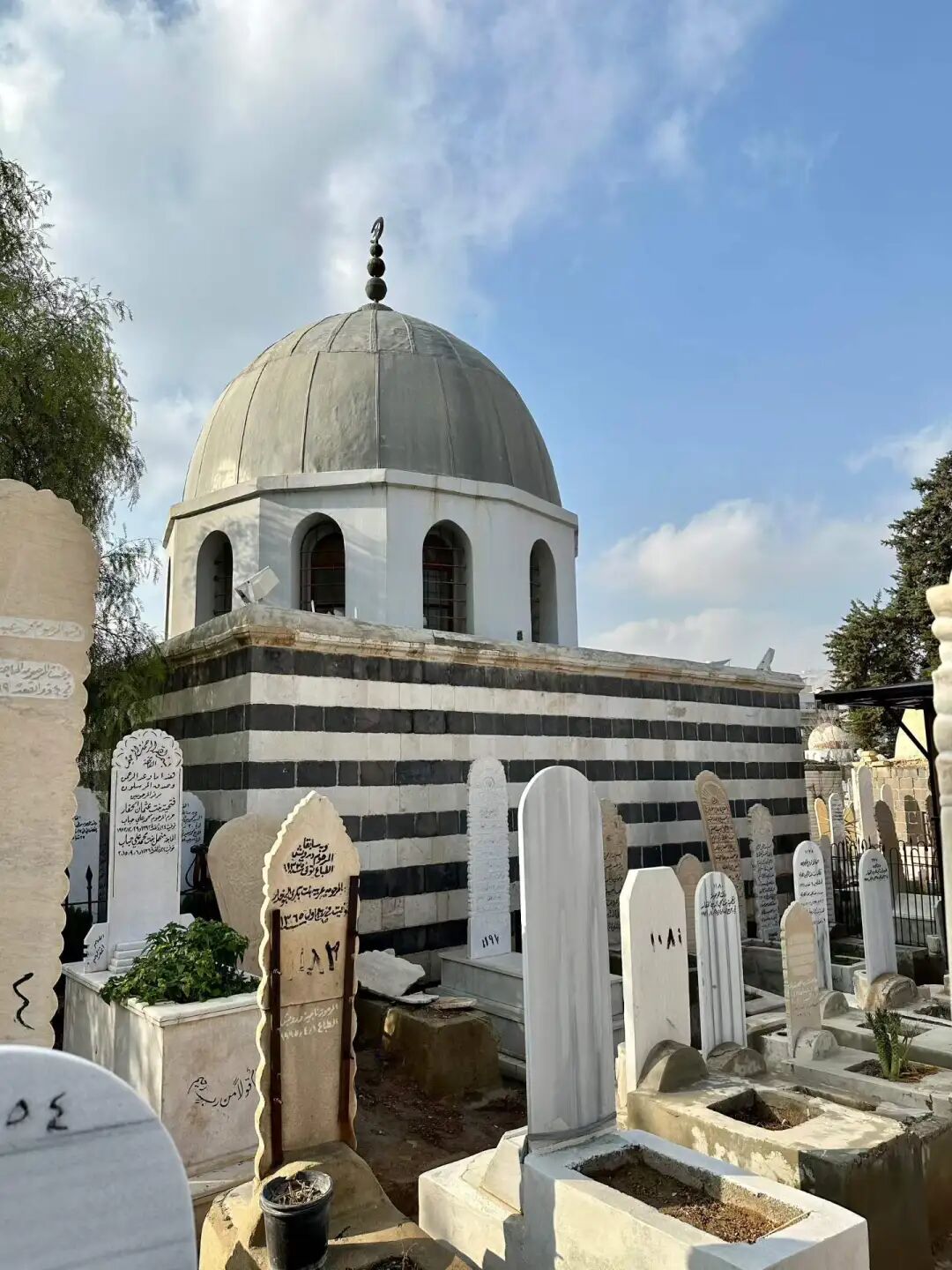
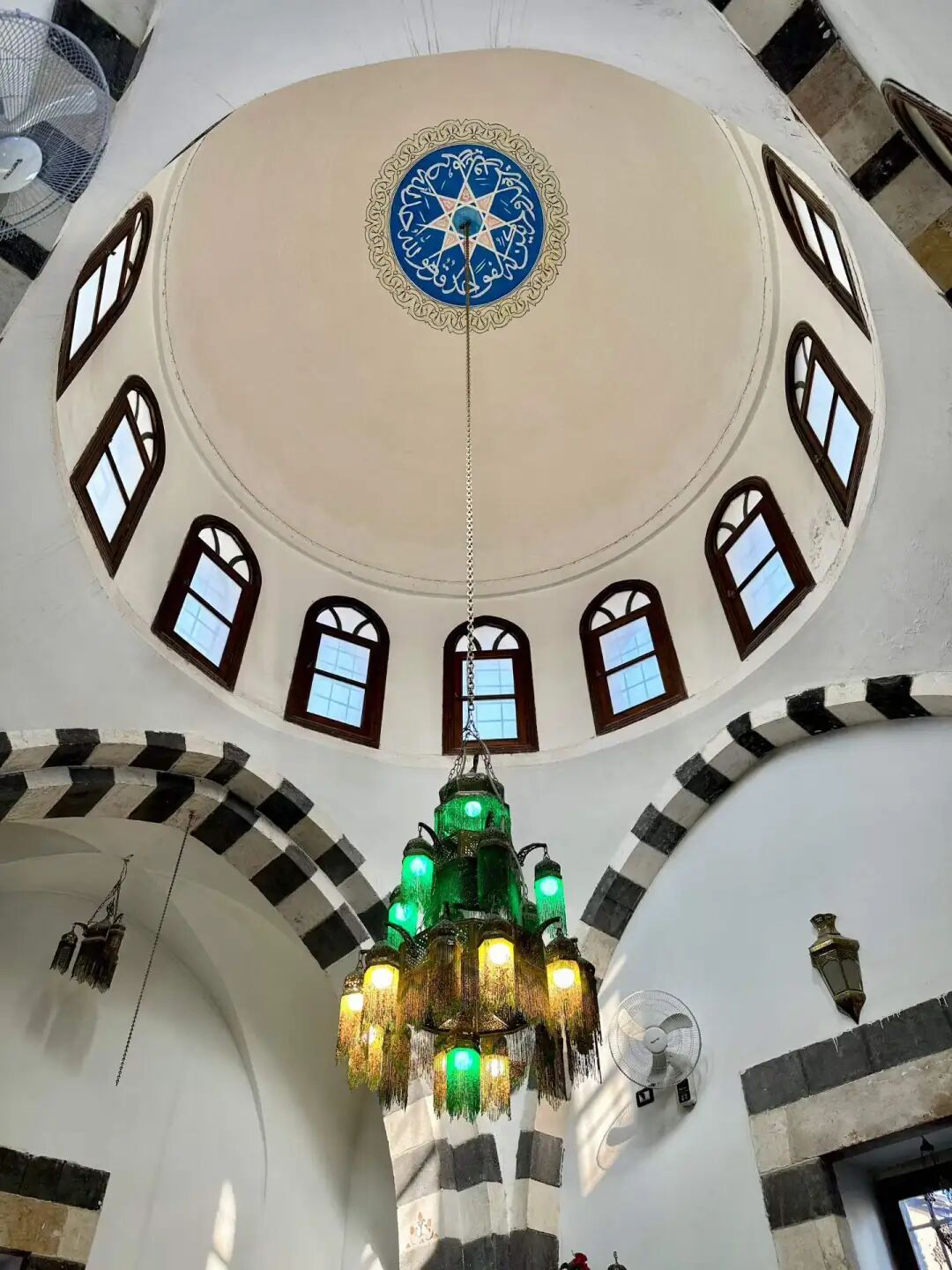
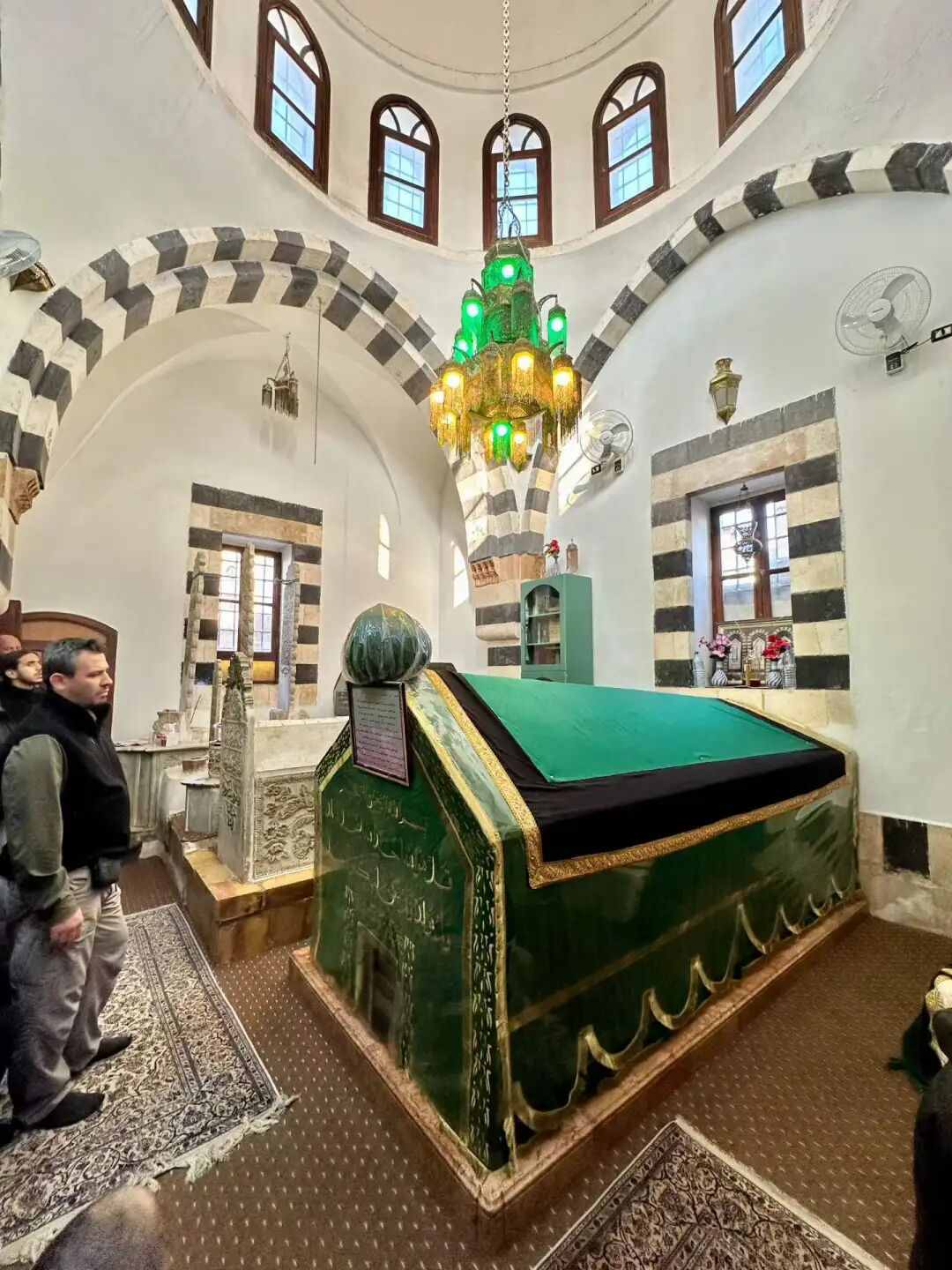
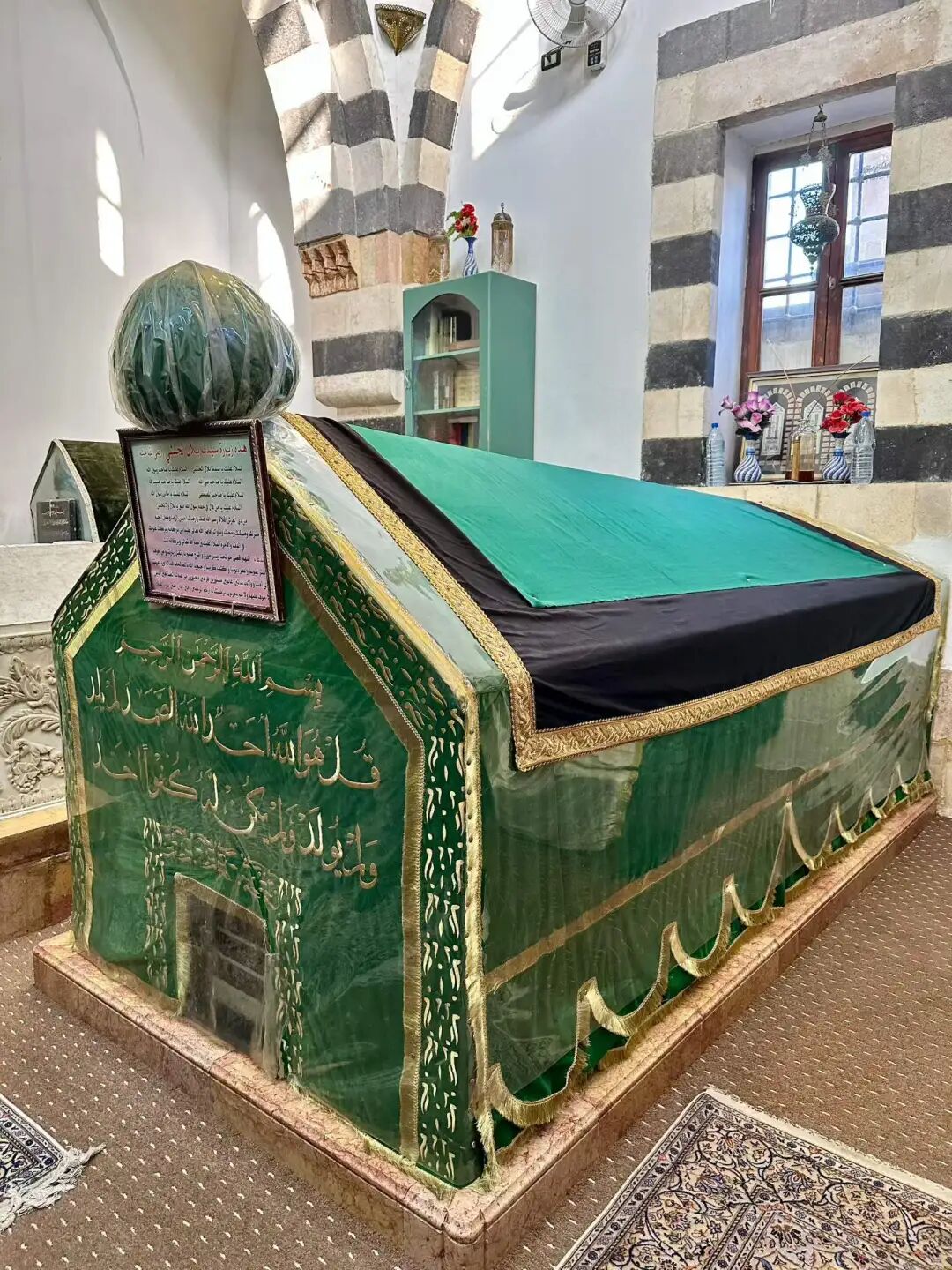
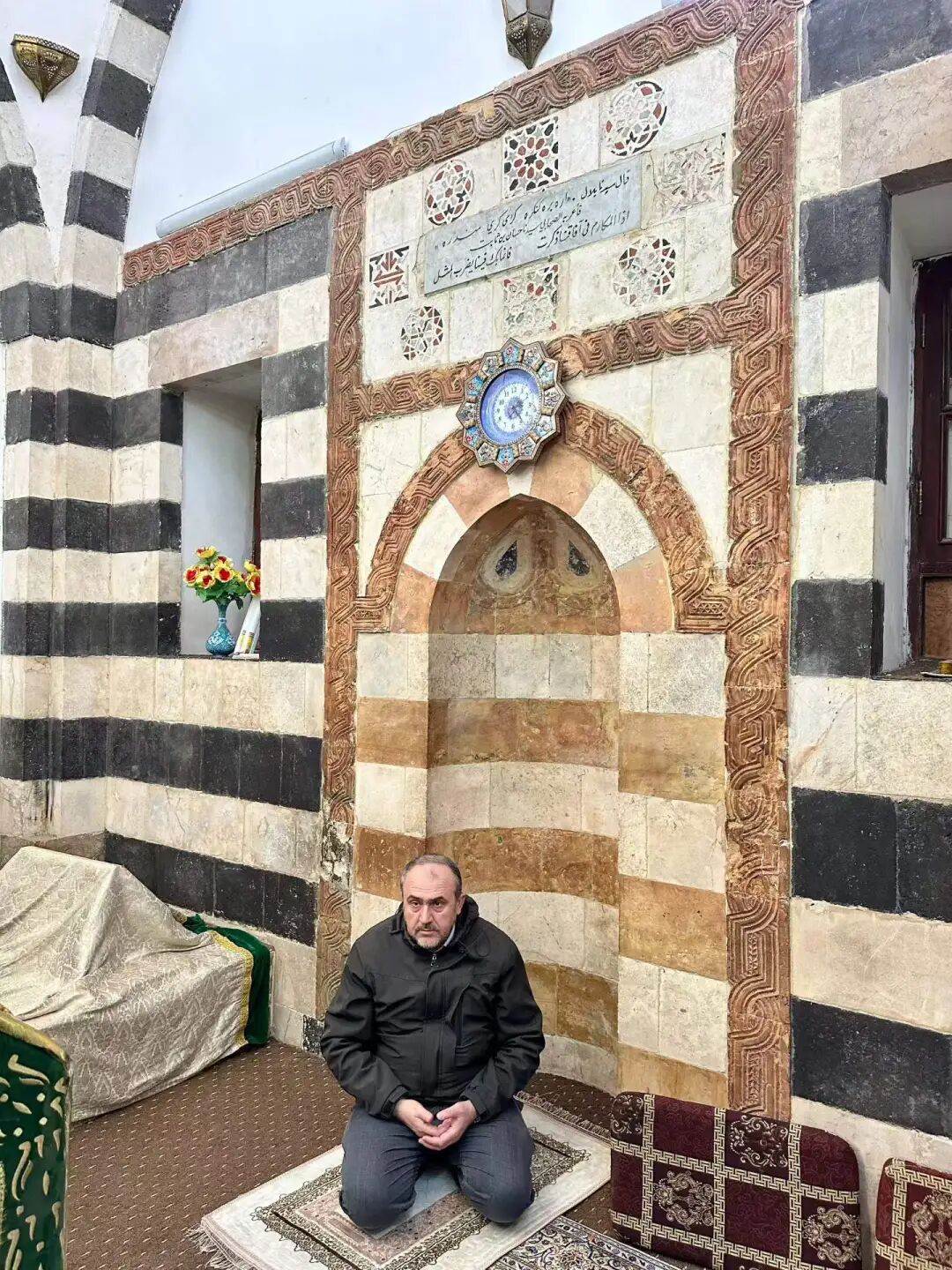
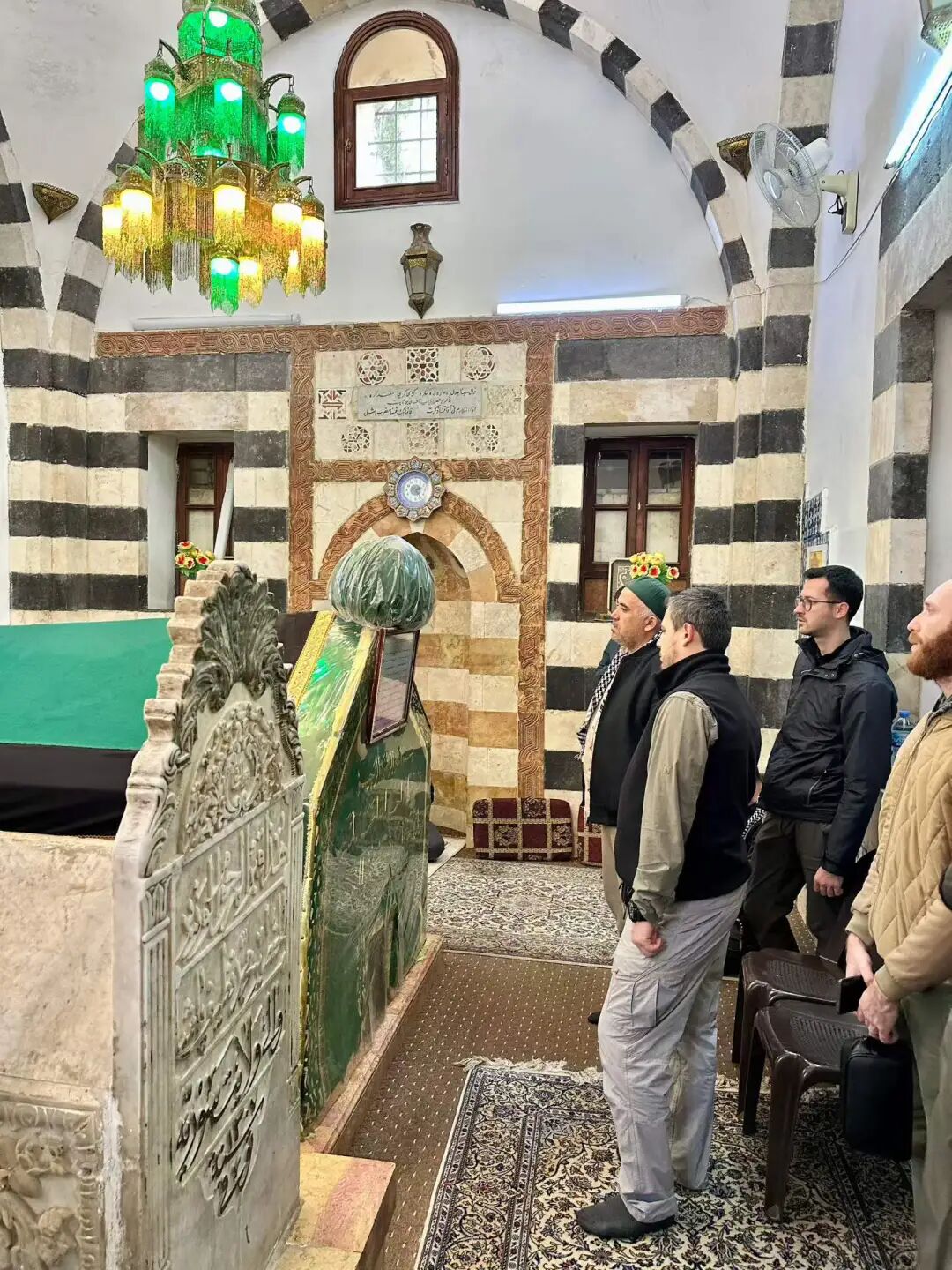
People say during the Assad regime in Syria, the tomb of Bilal (Bilali mu) was closed for over ten years. It was not until after Assad fell in December 2024 that the tomb of Bilal reopened to visitors.
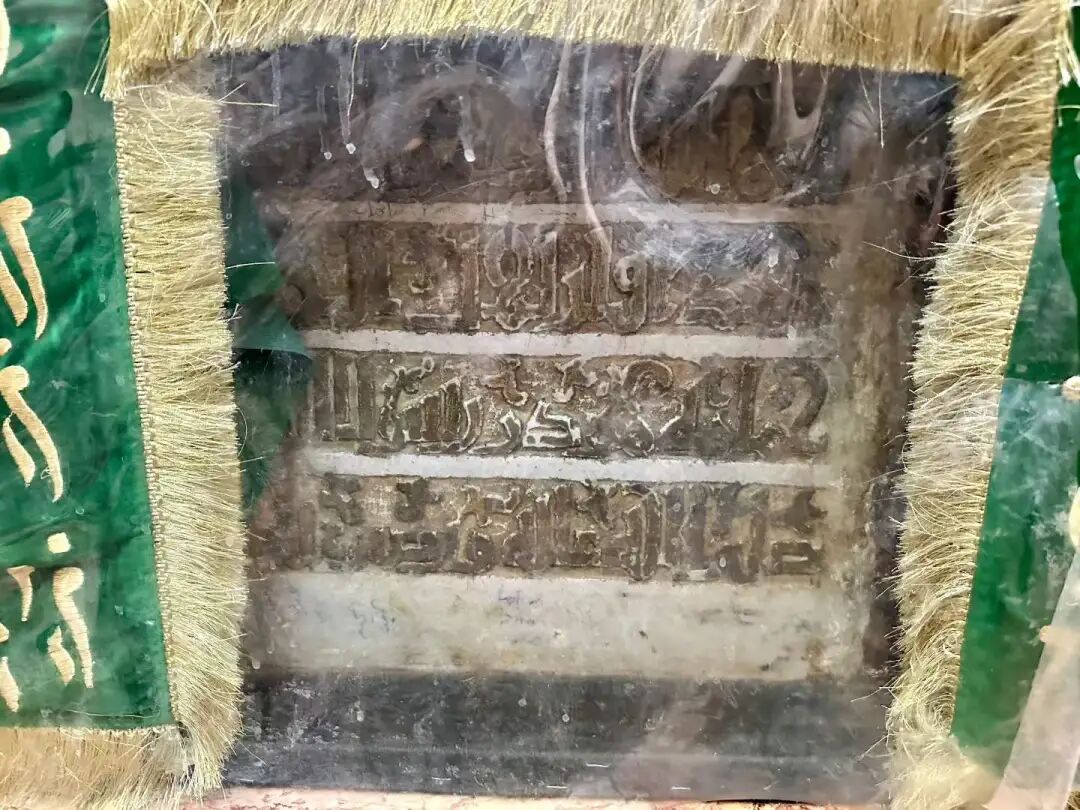
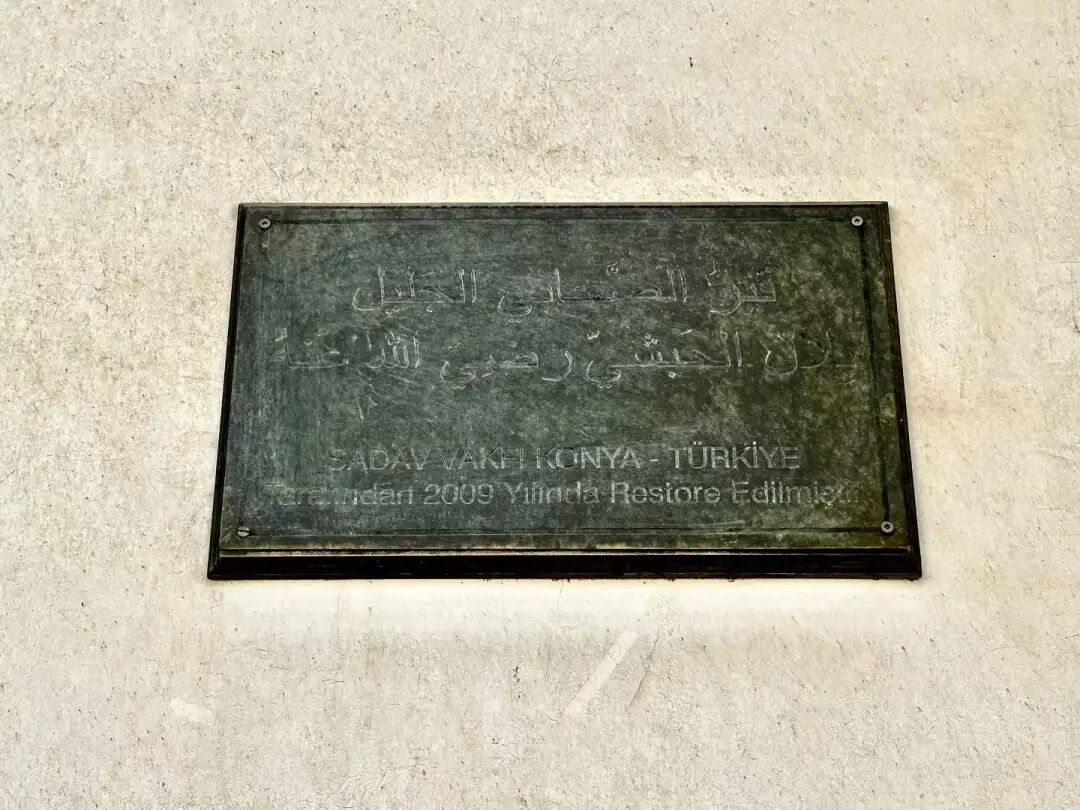
An inscription in the cemetery shows that the Sadaf Foundation from Konya, Turkey, renovated the site in 2009.
Summary: This Muslim history guide to Damascus covers Bilal's tomb, the first muezzin, the Prophet's Companion, and Muslim heritage in the original travel account.
This article summarizes the key points of visiting the tomb of Bilal, the first muezzin and companion of the Prophet. It keeps the original paragraph and image order, making it perfect for readers interested in Muslim life, Islamic culture, and Chinese Islamic writing. It also helps those searching for content on Shia Islam, Hajj, and marriage and family.
While in Damascus, I made a special trip to the ancient Bab al-Saghir cemetery in the south of the city to visit the tomb of Bilal, the first muezzin chosen by the Prophet and the first African convert. I went to pay my respects to this companion (Sahaba) of the Prophet.
Bilal's tomb is just inside the north gate of the cemetery, and the tomb structure was rebuilt by later generations. The cemetery is open to people of all faiths and offers free dates and sesame cookies (Barazek).
Bilal was born in Mecca in 580. His mother was a slave from Abyssinia in East Africa, so he worked hard from a young age for the Umayyad family, who were nobles of the Quraysh tribe. When the Prophet began his mission, Bilal chose to give up idol worship and became one of the earliest converts to the faith. When his master Umayyad found out, he punished and tortured him severely. He whipped him, tied him to the sand, placed hot stones on his chest, and dragged him around Mecca while children mocked him. But Bilal only repeated, "Ahad, Ahad..." which means "The One, The One..." When the Prophet heard about this, he sent Abu Bakr to buy Bilal's freedom, and Bilal was then able to follow the Prophet closely. Because he had a loud and clear voice, Bilal was chosen by the Prophet to be the first muezzin.
In Medina, the Prophet appointed Bilal as the treasurer, and he distributed relief funds to widows, orphans, and the poor. After the reconquest of Mecca in 630, Bilal gave the first call to prayer (adhan) at the Kaaba. This act is remembered as a key moment in the history of the faith, symbolizing the establishment of the religion as the core belief of Mecca.
After the Caliphate conquered Syria in 634, Bilal moved to Damascus to live, and he eventually passed away there.
In a sermon (wa'z) given by Imam Sha in Dujiangyan, he shared the most famous story about how, after the Prophet passed away, he could not bear to see anything in Medina that reminded him of the Prophet. So, he moved to Damascus to live.
One day, he dreamed that the Prophet asked him, 'Have you abandoned us and abandoned Medina?' After waking up, he returned to Medina. At the repeated request of Hasan and Husayn, he performed the call to prayer (adhan). While reciting, he remembered every detail of his life with the Prophet. Overcome with grief, he fell from the high platform. He returned to Damascus and passed away shortly after.
People say during the Assad regime in Syria, the tomb of Bilal (Bilali mu) was closed for over ten years. It was not until after Assad fell in December 2024 that the tomb of Bilal reopened to visitors.
An inscription in the cemetery shows that the Sadaf Foundation from Konya, Turkey, renovated the site in 2009.
