
Muslim History Guide to Damascus: Sufi Sage Ibn Arabi, Mosque Area and Shrine Visit
Reposted from the web
Summary: This Muslim history guide to Damascus follows Sufi sage Ibn Arabi, mosque-area travel, shrine history, and Islamic heritage from the original article.
This article summarizes the key points of visiting the Sufi sage Ibn Arabi in Damascus. It keeps the original paragraph and image order. It is for readers interested in Muslim life, Islamic culture, and Chinese Islamic writing. It also helps with searching for content on namaz, Hajj, and Ramadan.
Salihiyah, located at the foot of Mount Qasioun, is the most important historic district in Damascus outside the old city. Historic buildings from the Ayyubid, Mamluk, and Ottoman dynasties stand along both sides of the Friday market (Jumu'ah market). Some look plain from the outside but are hundreds of years old.
After the Crusaders captured Jerusalem in 1099, many scholars, jurists, and civilians fled to Damascus for refuge. In 1156, the famous Hanbali scholar Ibn Qudamah moved from the West Bank to Damascus to escape the Crusaders and later settled in Salihiyah. He once admired this land and said, 'This is a place of barakah (blessing).'
Saladin, the founder of the Ayyubid dynasty, wanted to provide a safe and stable environment for the scholars and immigrants who fled from Jerusalem to Damascus. Because Ibn Qudamah's home at the foot of Mount Qasioun in the north of the city had become an academic center for the Hanbali school, Saladin decided to build the Salihiyah community at the foot of Mount Qasioun.
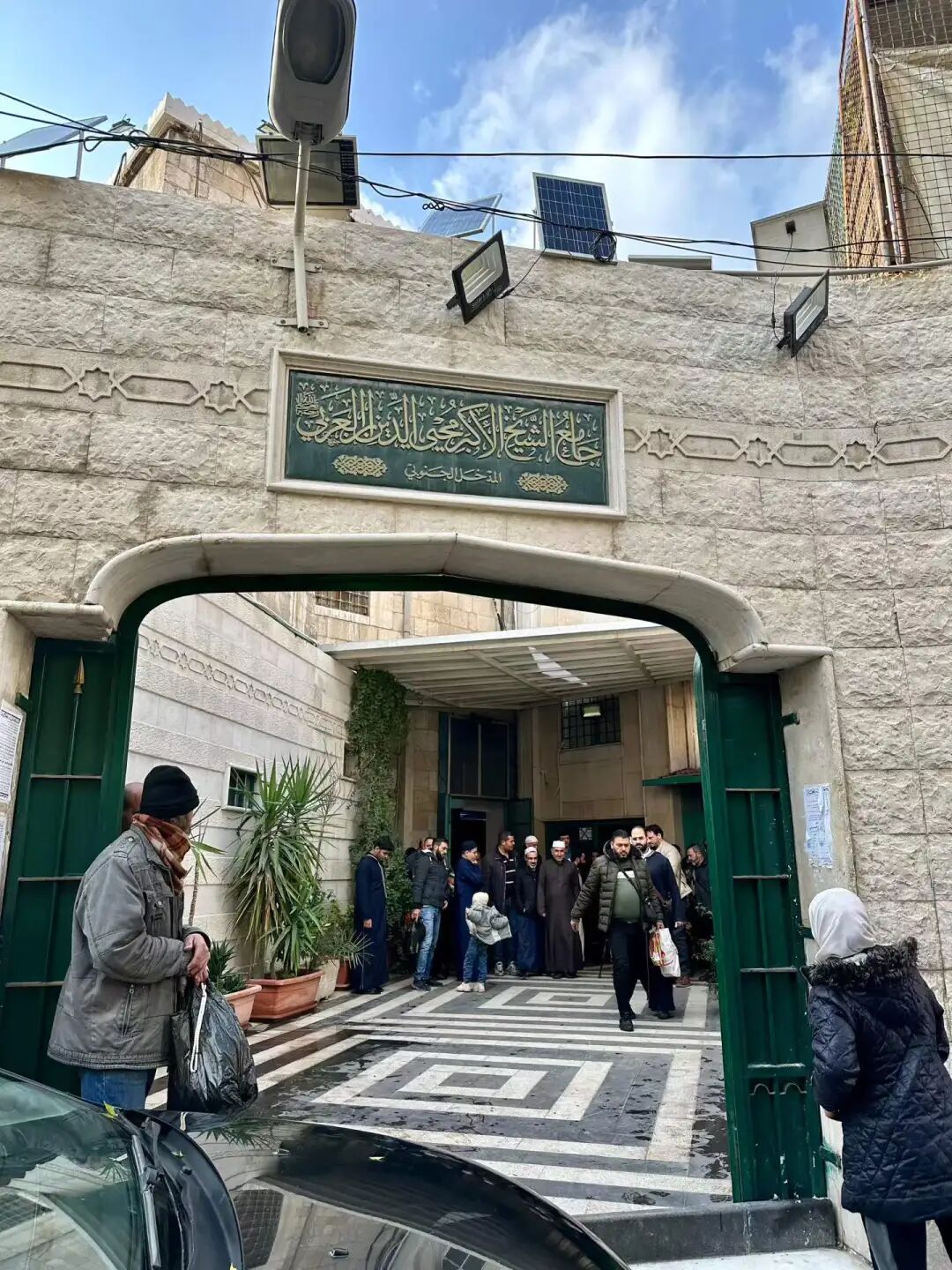
The most famous landmark in Salihiyah is the Shaikh Mohiddin Mosque (Masjid Shaikh Mohiddin), which houses the tomb of the famous Sufi sage Ibn Arabi.
Ibn Arabi was born in 1165 in what is now southern Spain, which was then called Al-Andalus. Starting at age 28, he traveled throughout the Middle East for many years, performed Hajj multiple times, and lived in Tunisia, Morocco, and Mecca. At age 58, he finally chose to settle in Damascus to focus on teaching and writing. He passed away in Damascus in 1240 at the age of 75. After Ibn Arabi passed away, his works were translated into Persian, Turkish, and Urdu. They had a great influence on the entire Muslim world, and he is known as a founder of the development of Sufism.
The shrine (gongbei) of Ibn Arabi was originally quite small. In 1518, Ottoman Sultan Selim I ordered its reconstruction during his visit to Damascus, which showed how much the Ottoman Empire valued Sufis at the time. After it was built, the shrine was first named the Selimiye Mosque after the Sultan. Because Ibn Arabi’s title, Muhyiddin, means 'reviver of the faith,' the mosque is also known as the Sheikh Muhyiddin Mosque. On the first Friday (Jumu'ah) of Ramadan after the mosque was finished, the Sultan personally visited to attend prayers and gifted the mosque a pair of silver socks.
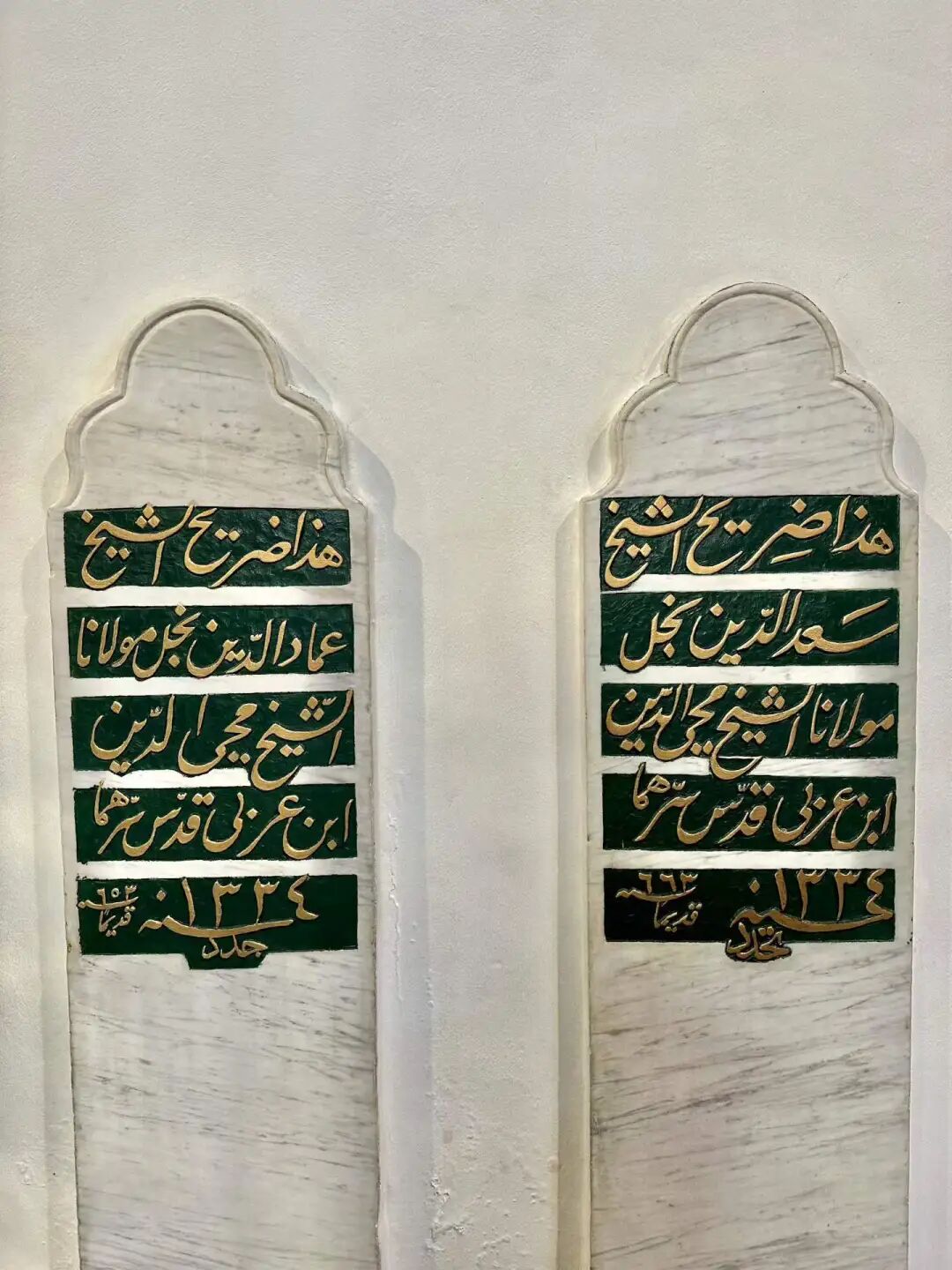
The mosque blends architectural styles from the late Mamluk and early Ottoman periods. The shrine is located below the mosque, and you enter it by taking the stairs on the east side of the courtyard. Inside the shrine, besides Ibn Arabi himself, lie his two sons and his followers.
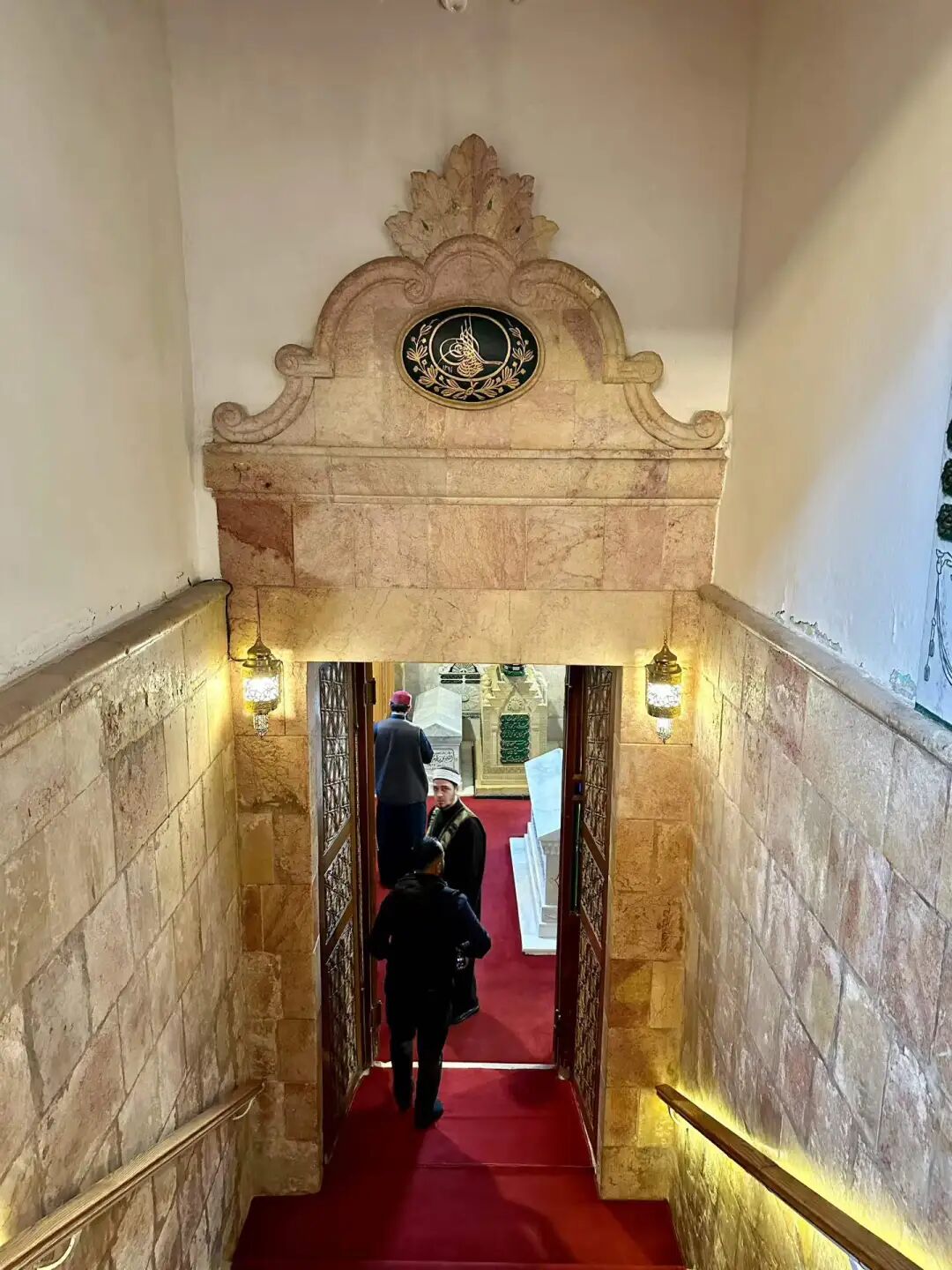
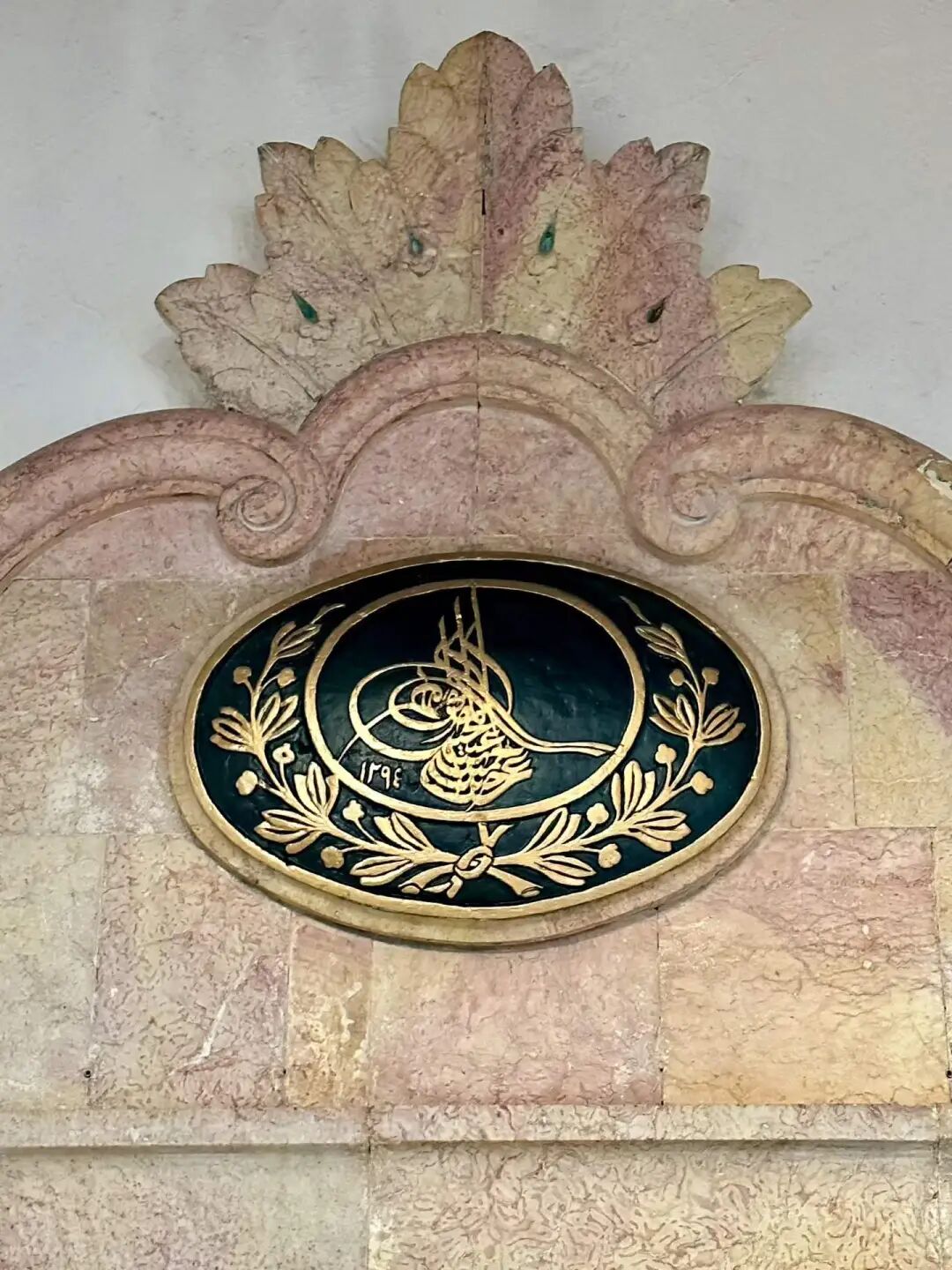
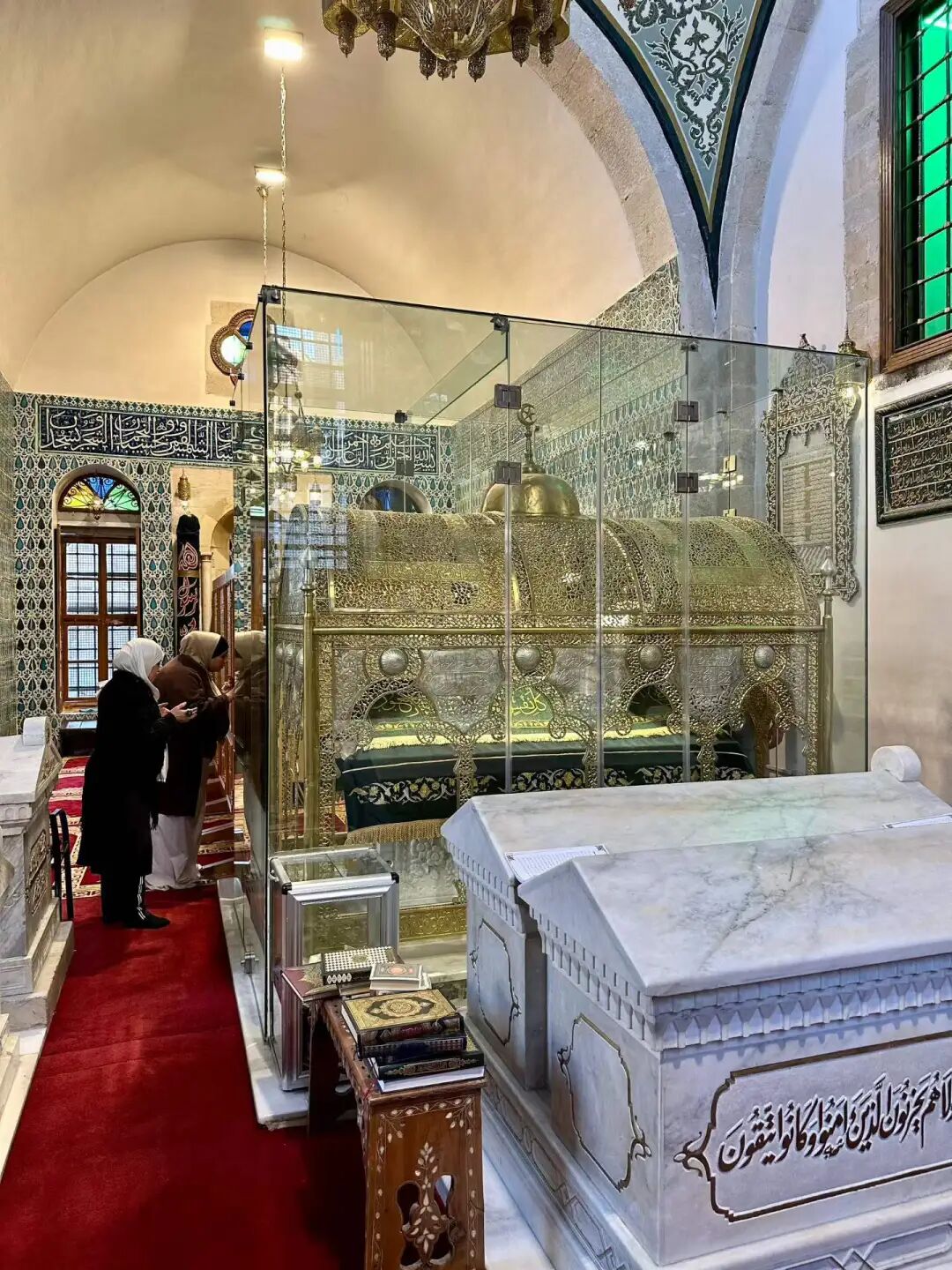
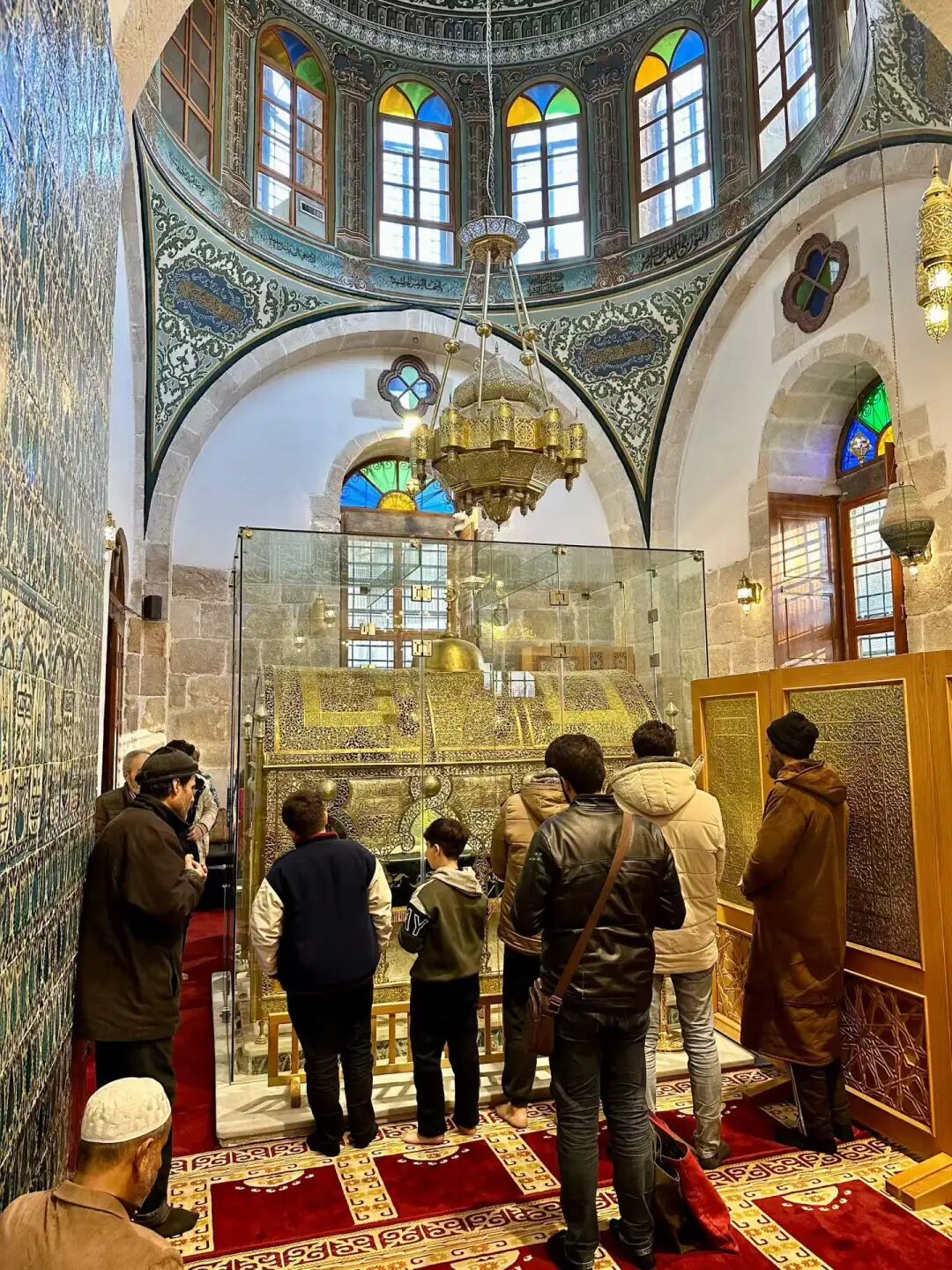
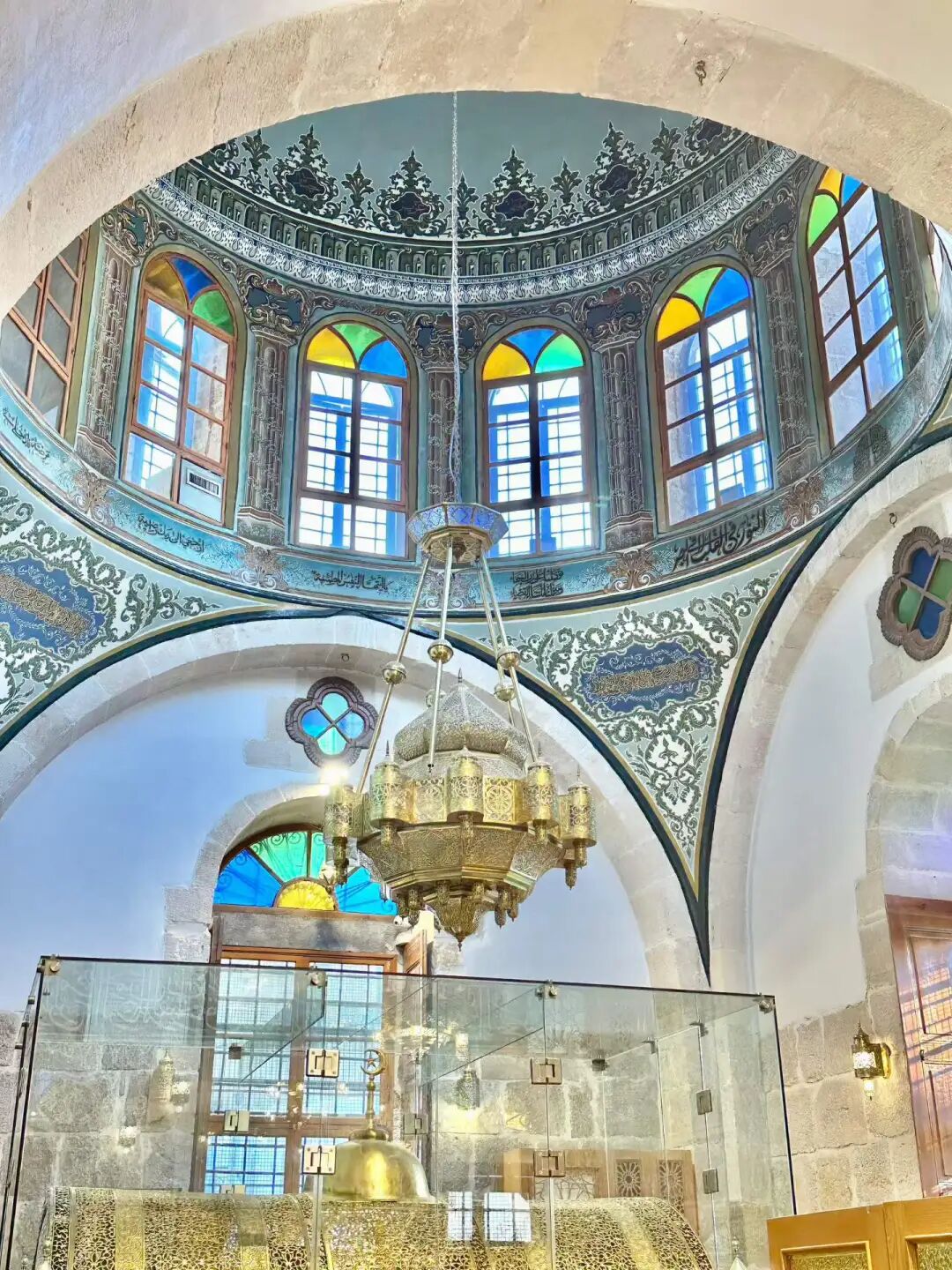
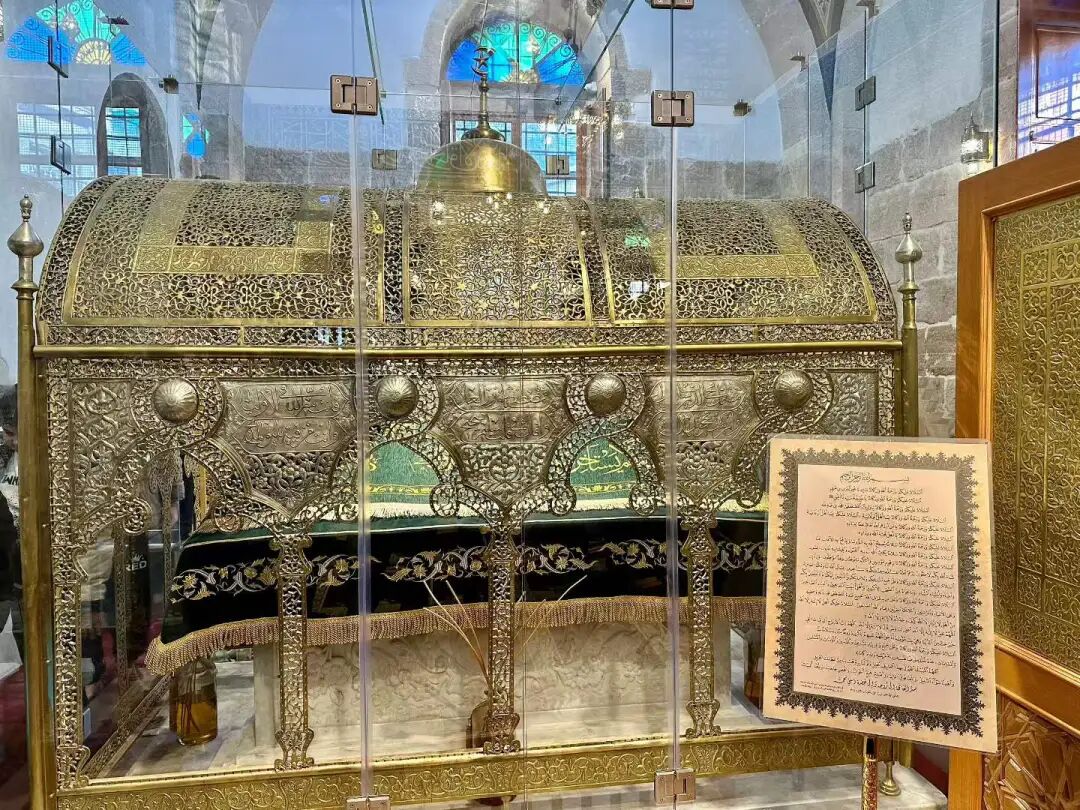
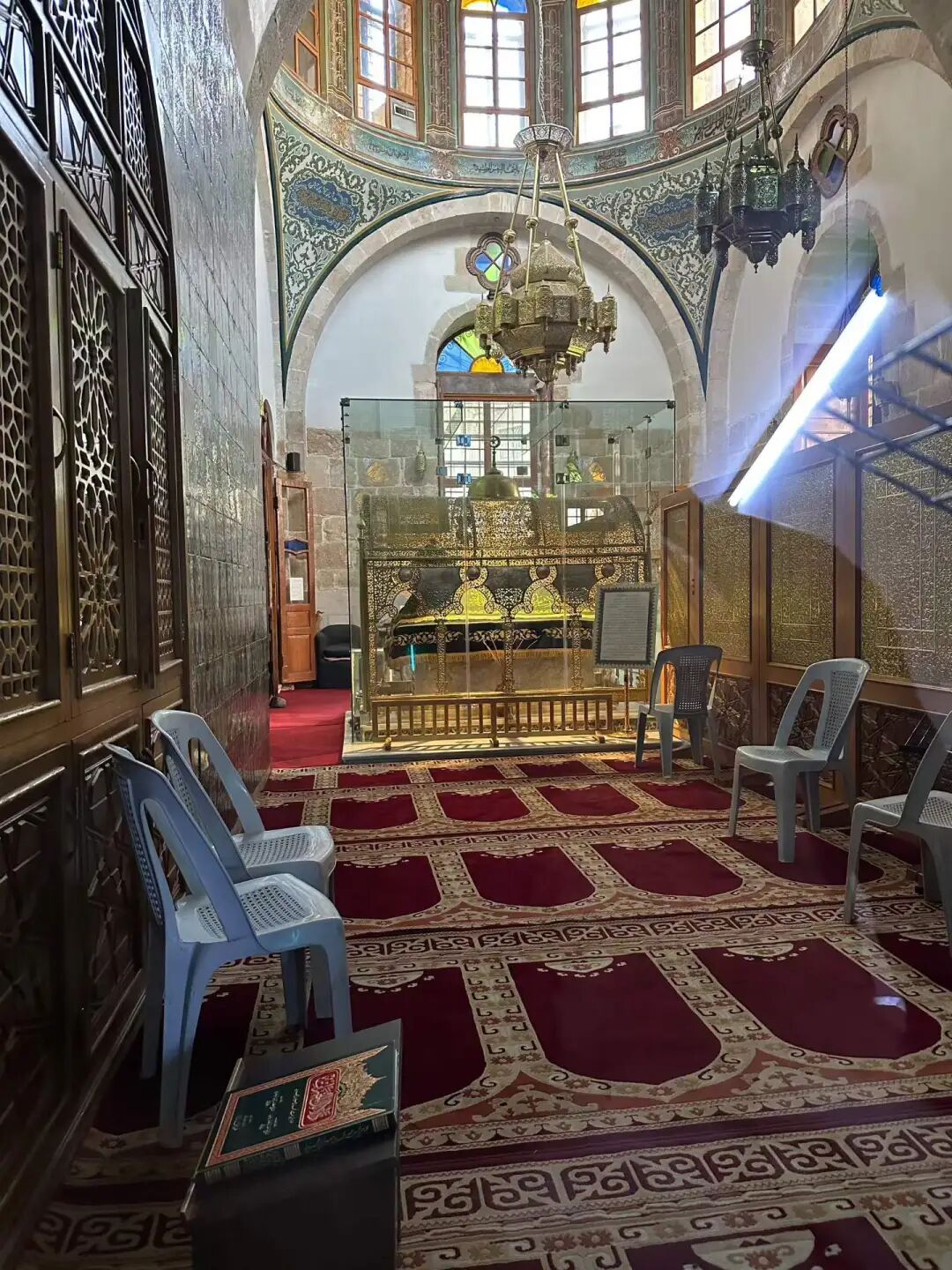
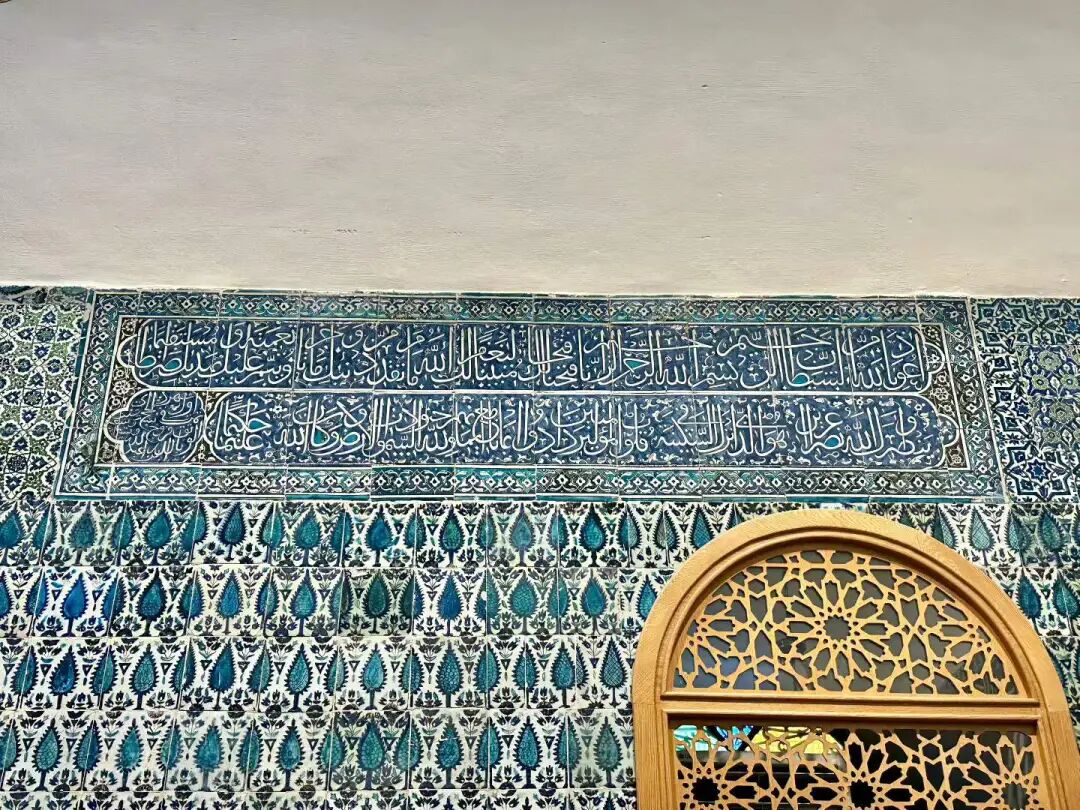
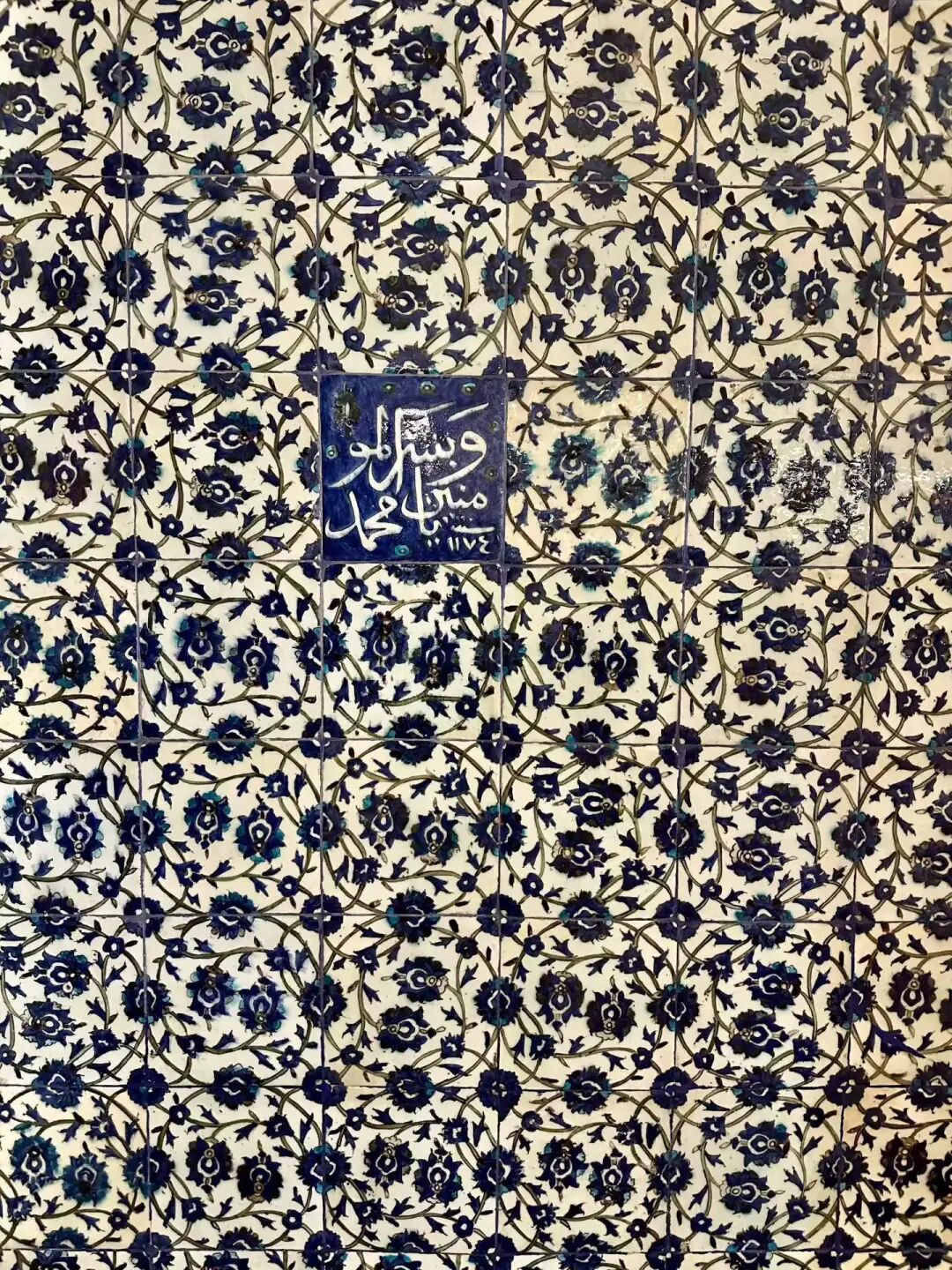
The tiles on the walls of the shrine were laid in 1760.
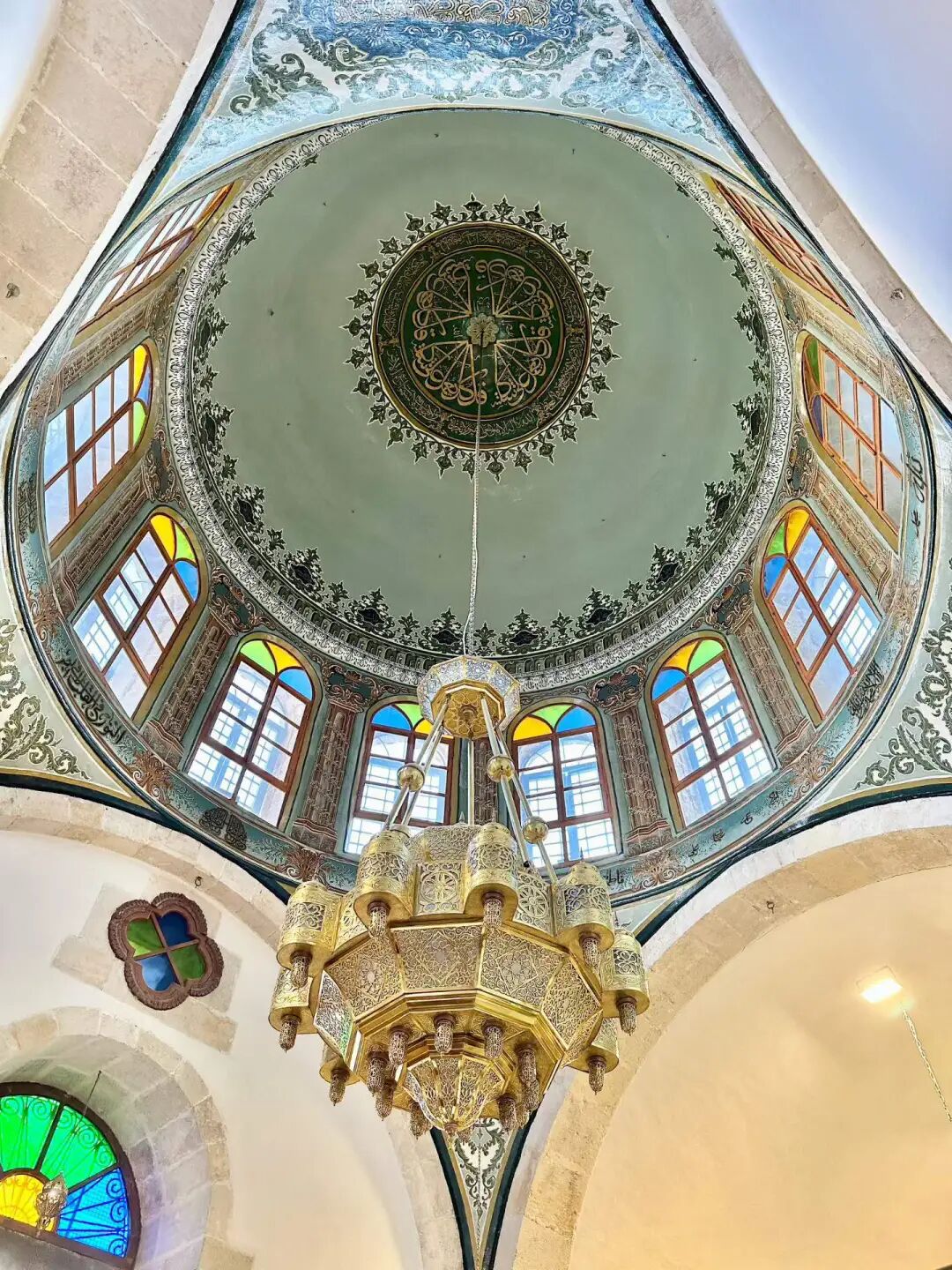
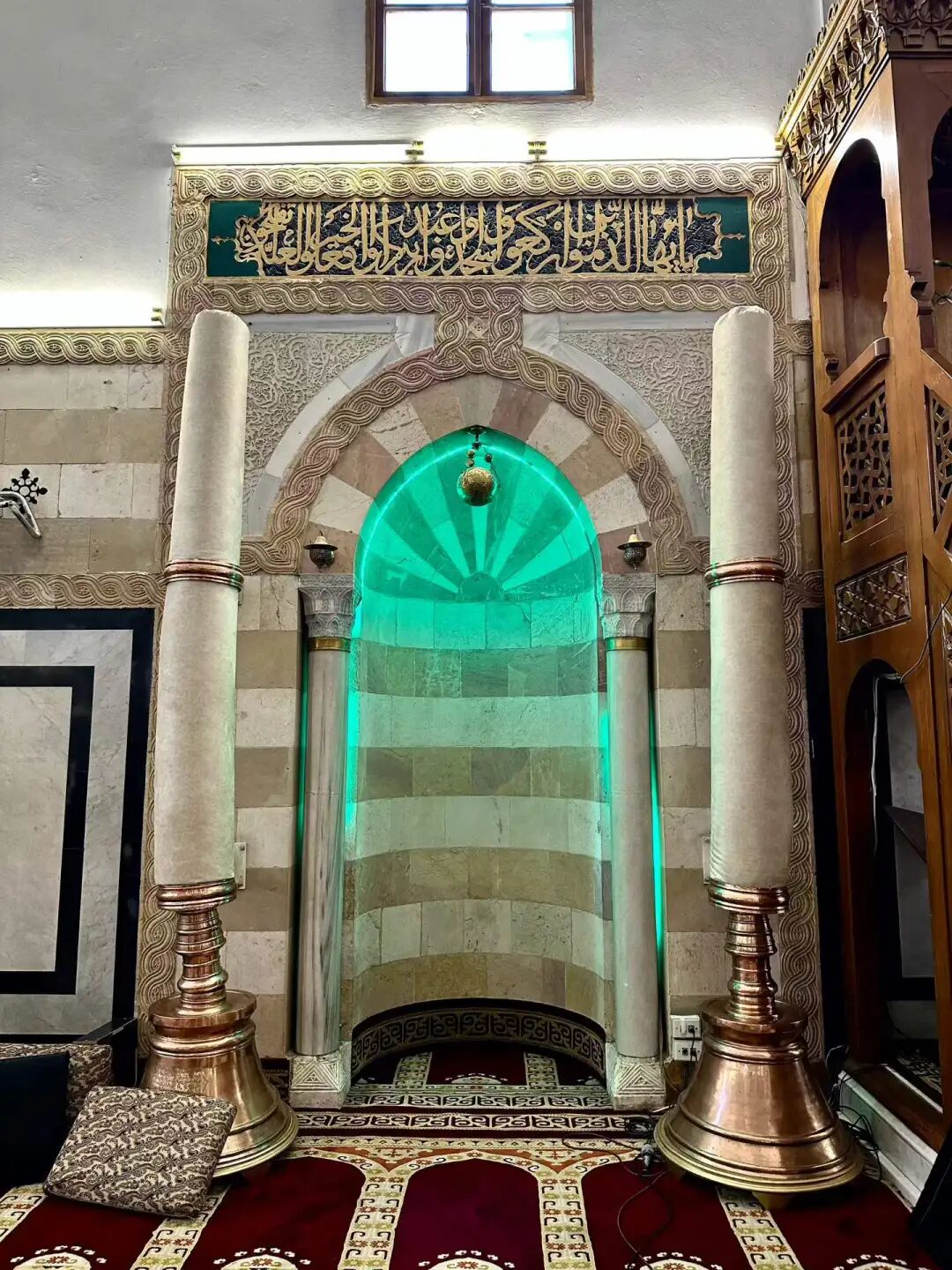
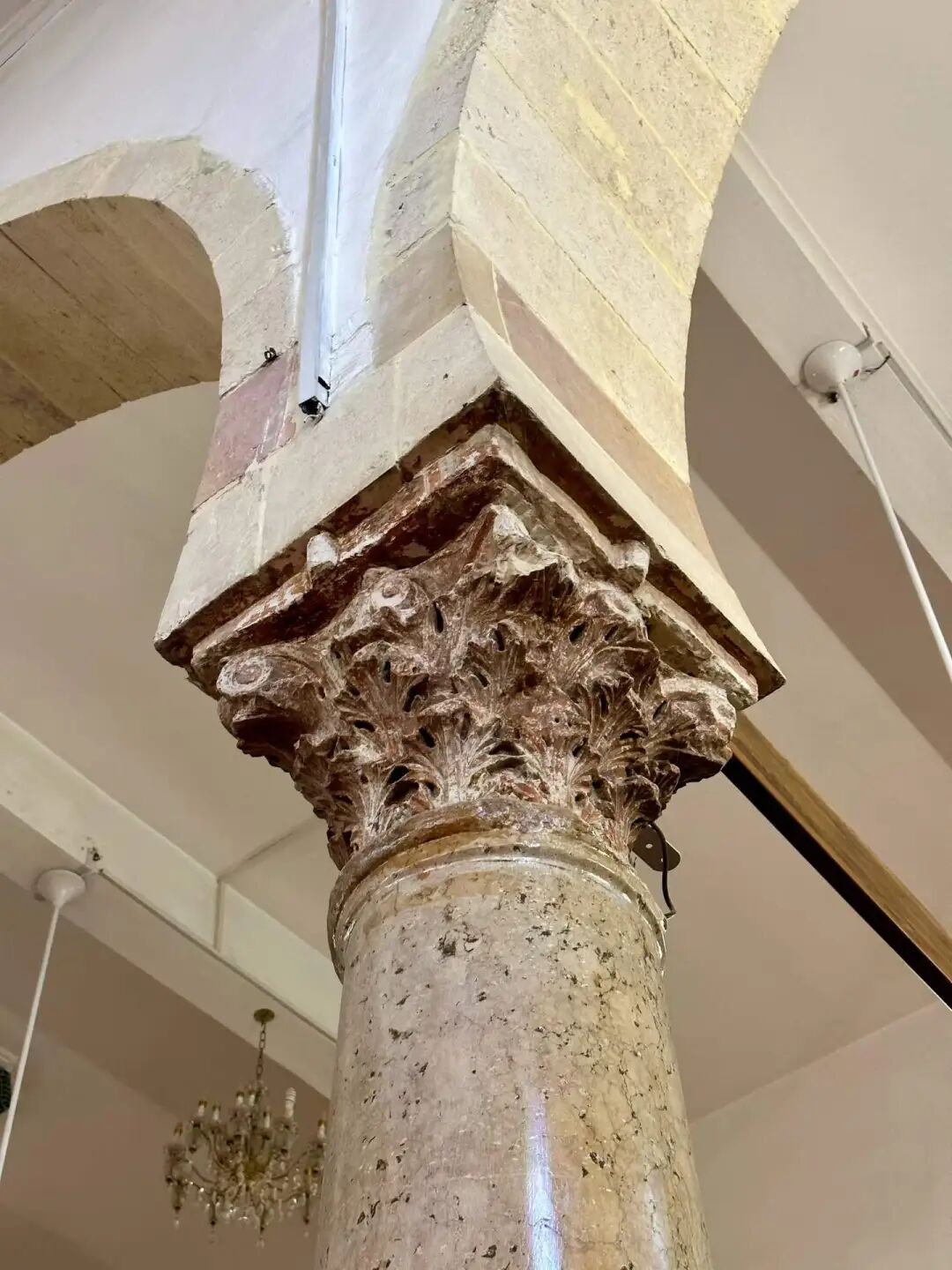
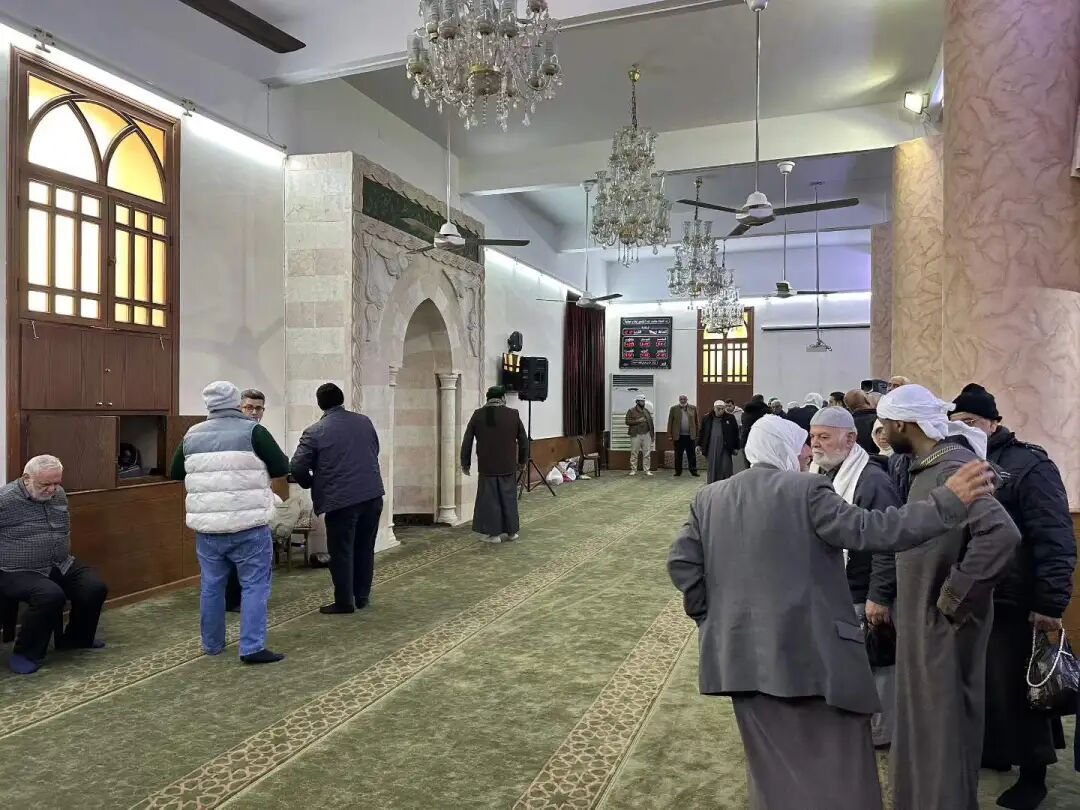
The Sheikh Muhyiddin Mosque follows a traditional Damascus layout, with a courtyard surrounding the front of the main prayer hall and an Ottoman-style minaret built above the main gate. The walls are covered in yellow and white marble, and there is a Damascus-style pool in the middle of the courtyard. The wall decorations mix Ottoman and Mamluk styles, and the Corinthian capitals on the stone pillars of the main hall feature beautiful carvings. The two large candlesticks in front of the mihrab are also very characteristic of the Ottoman style.
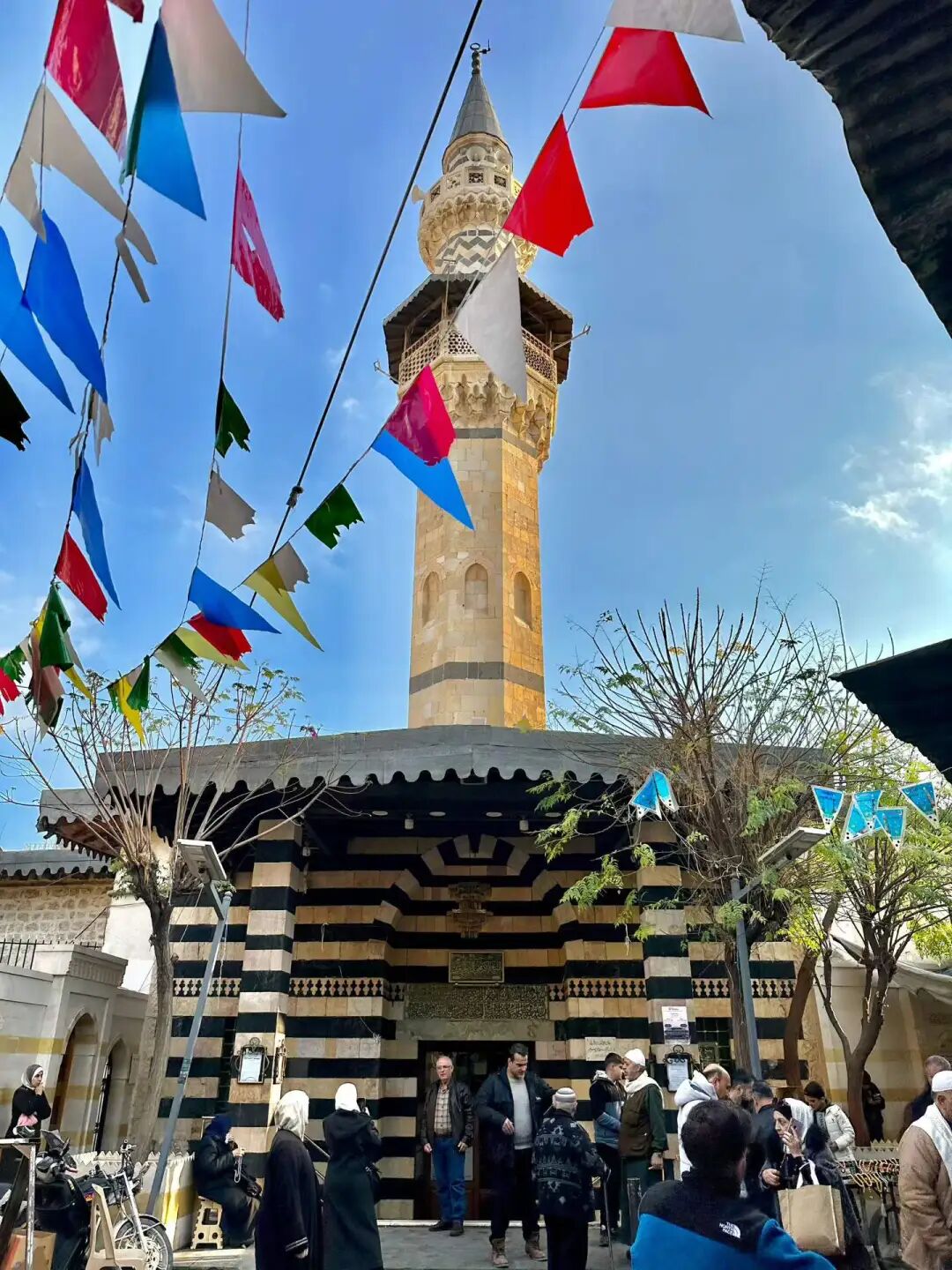
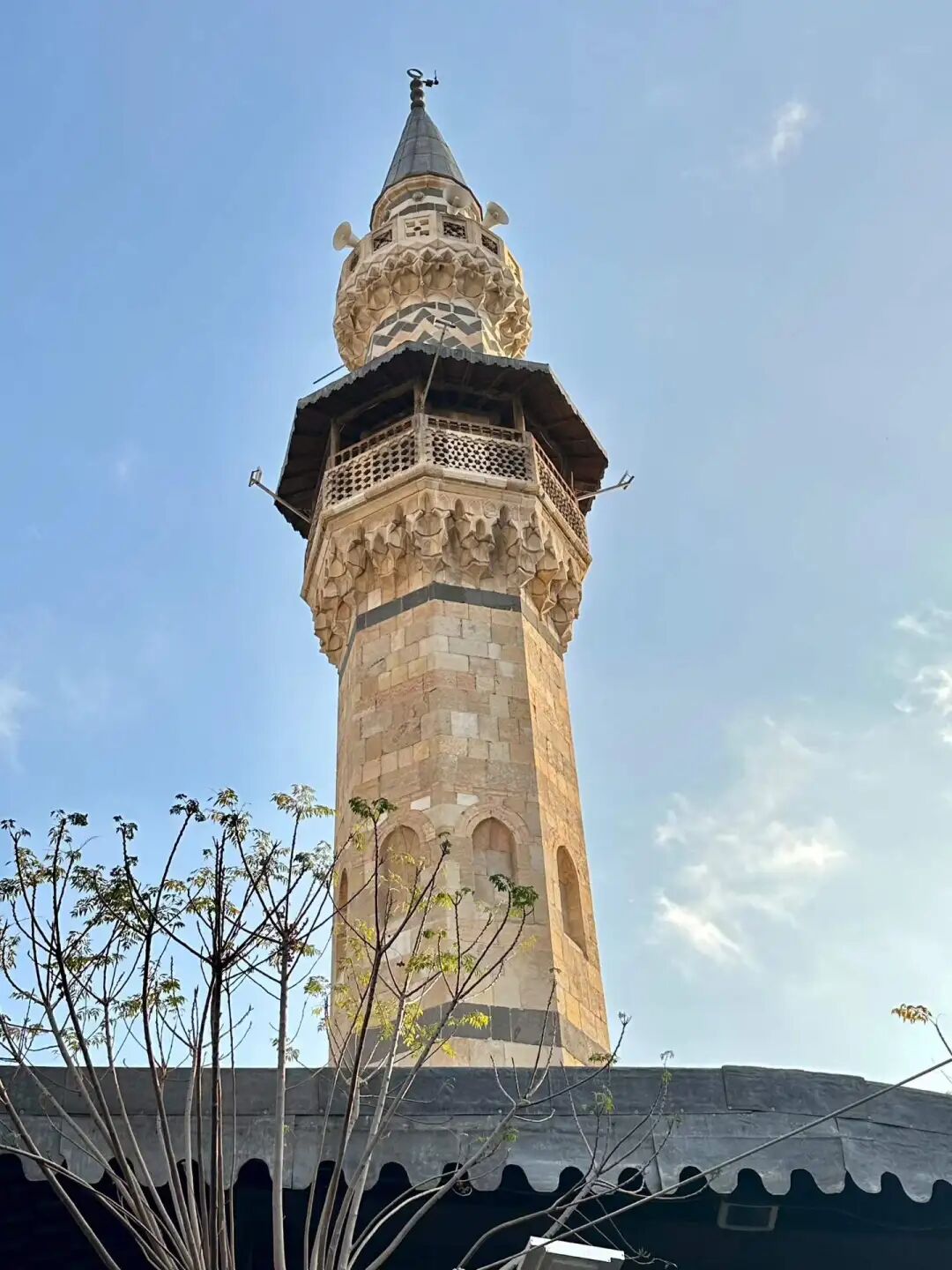
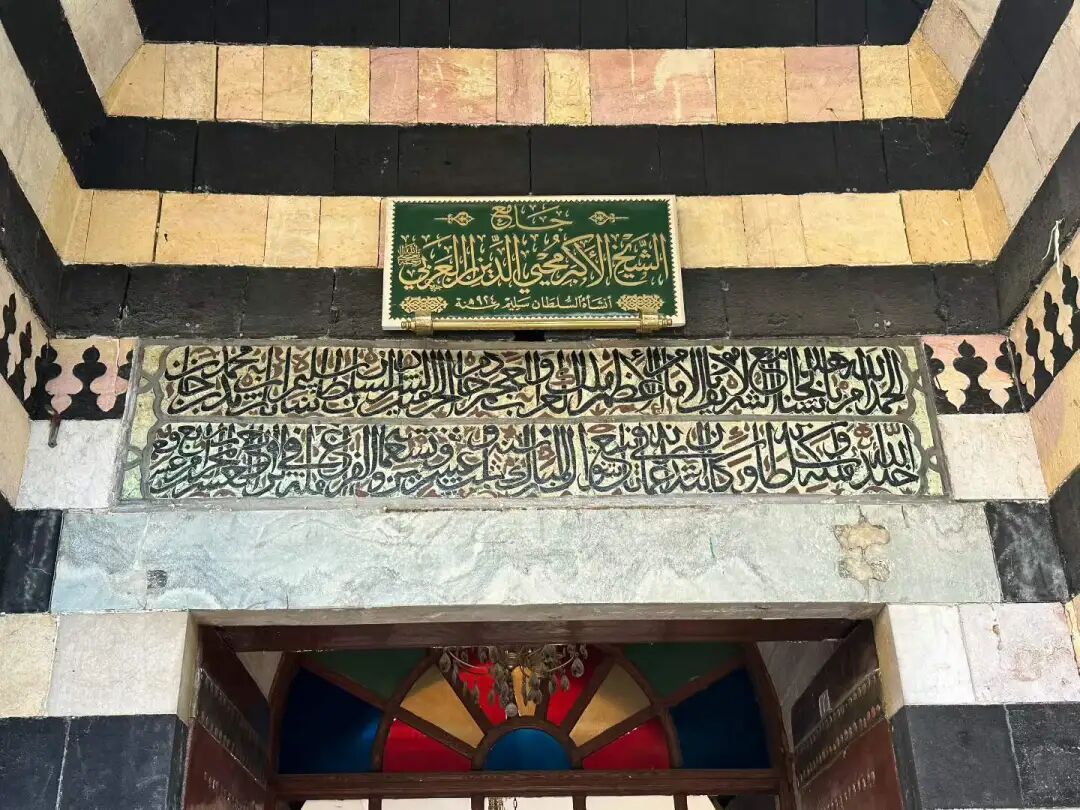
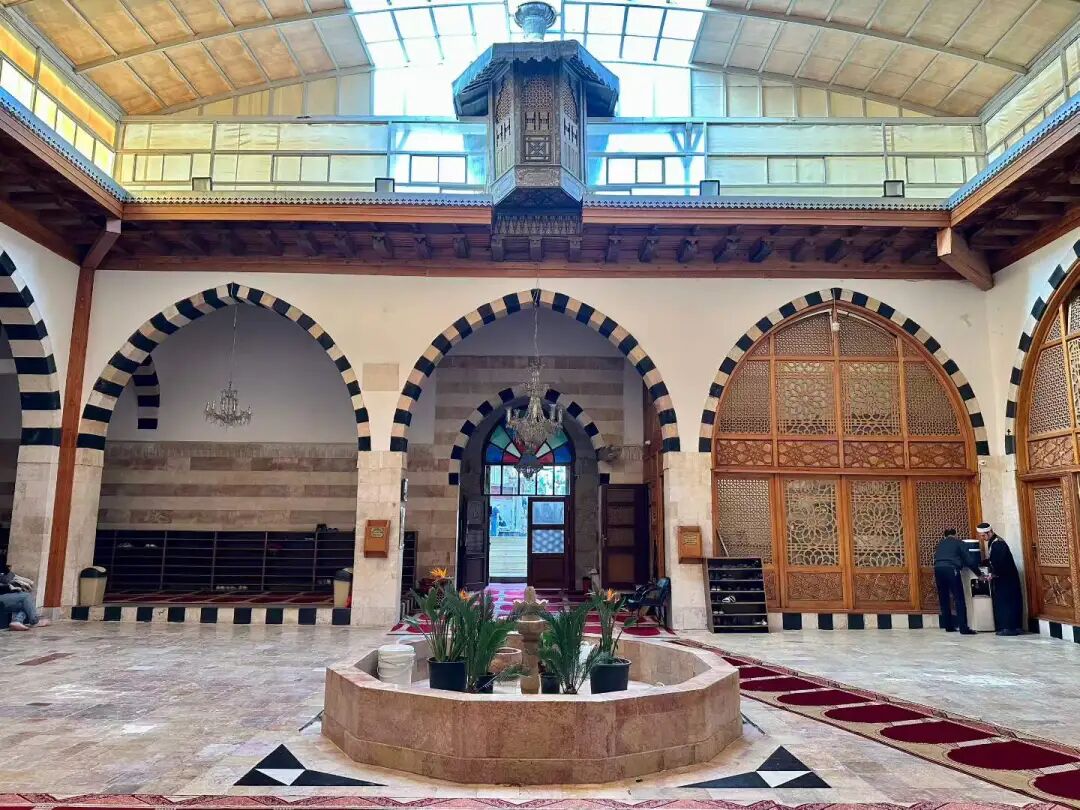
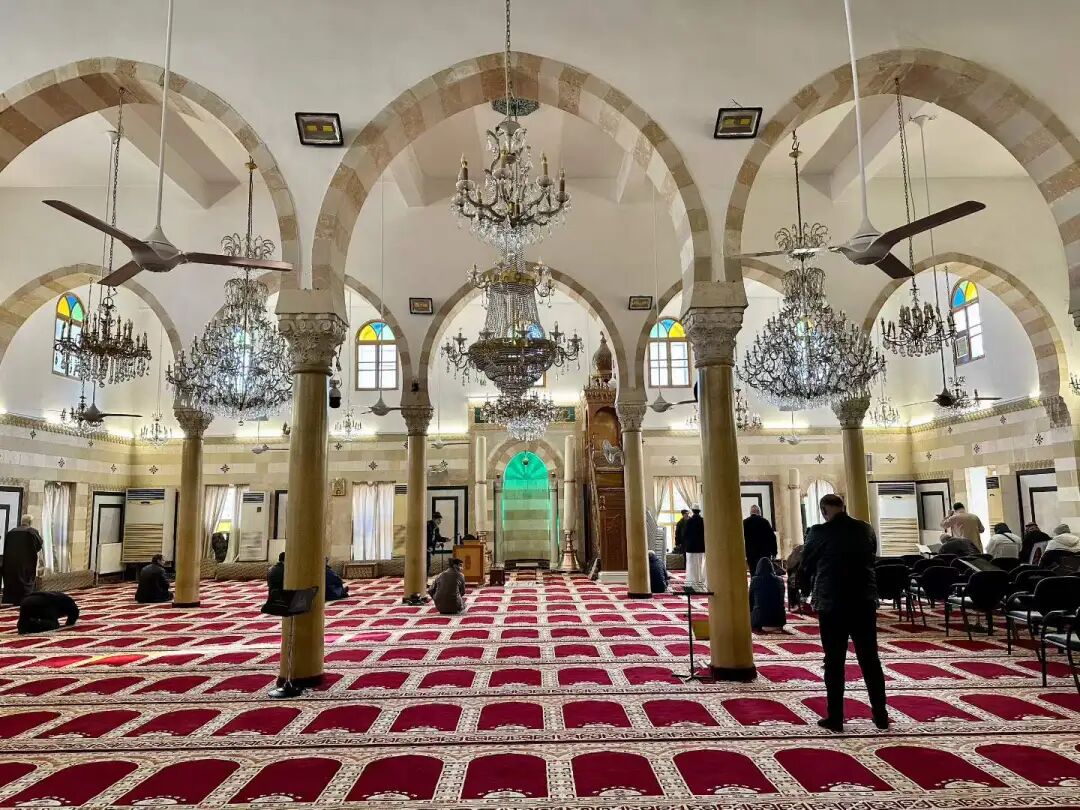
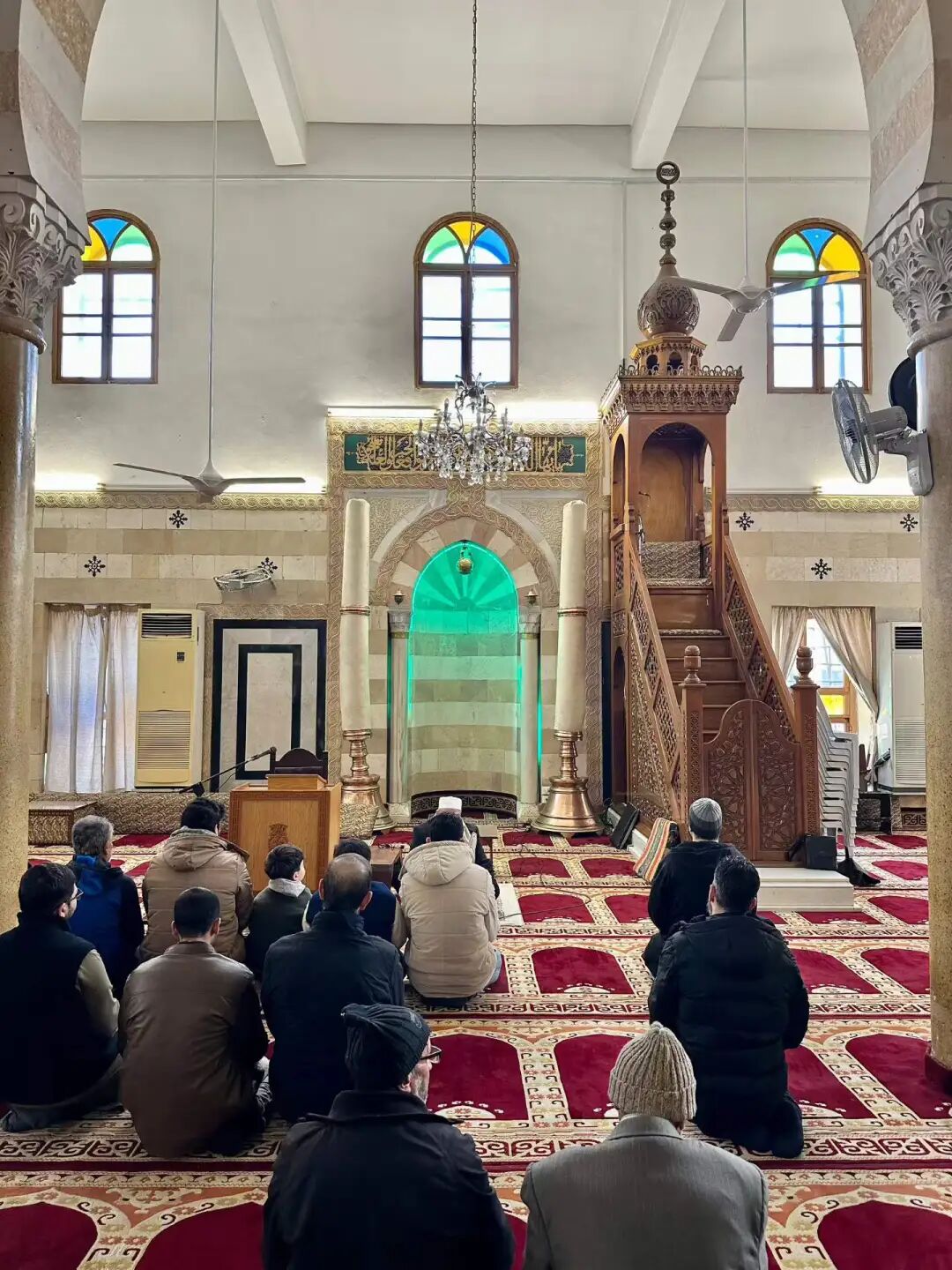
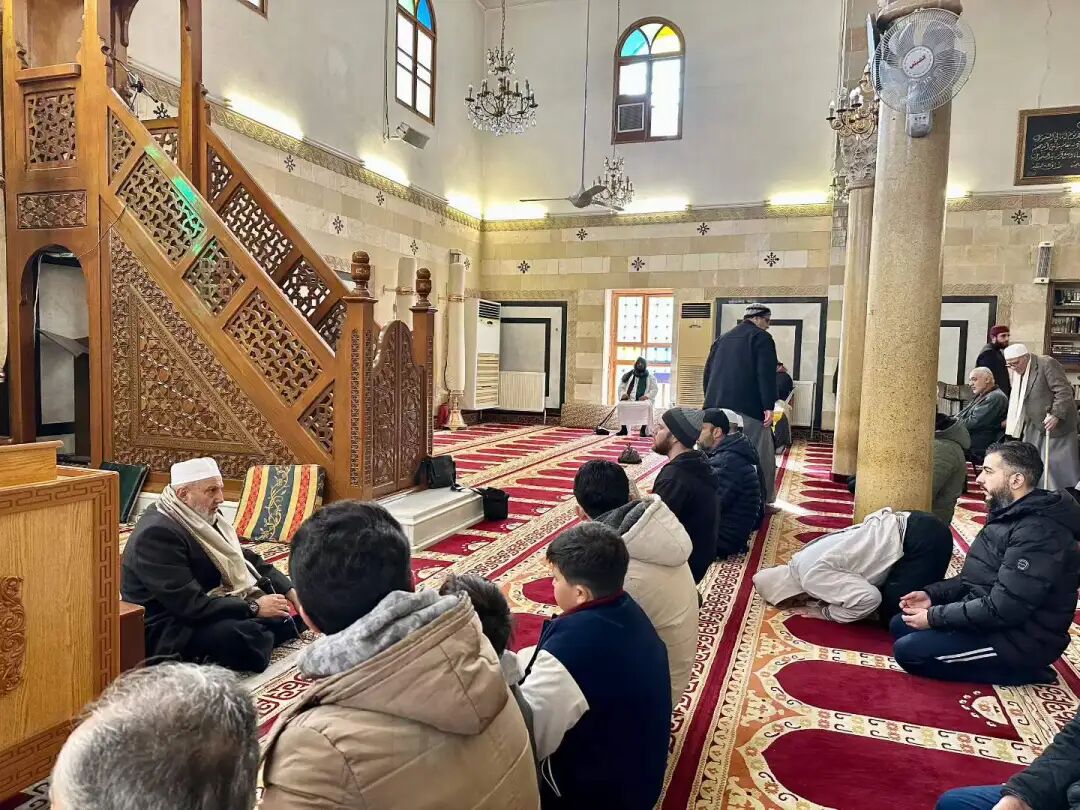
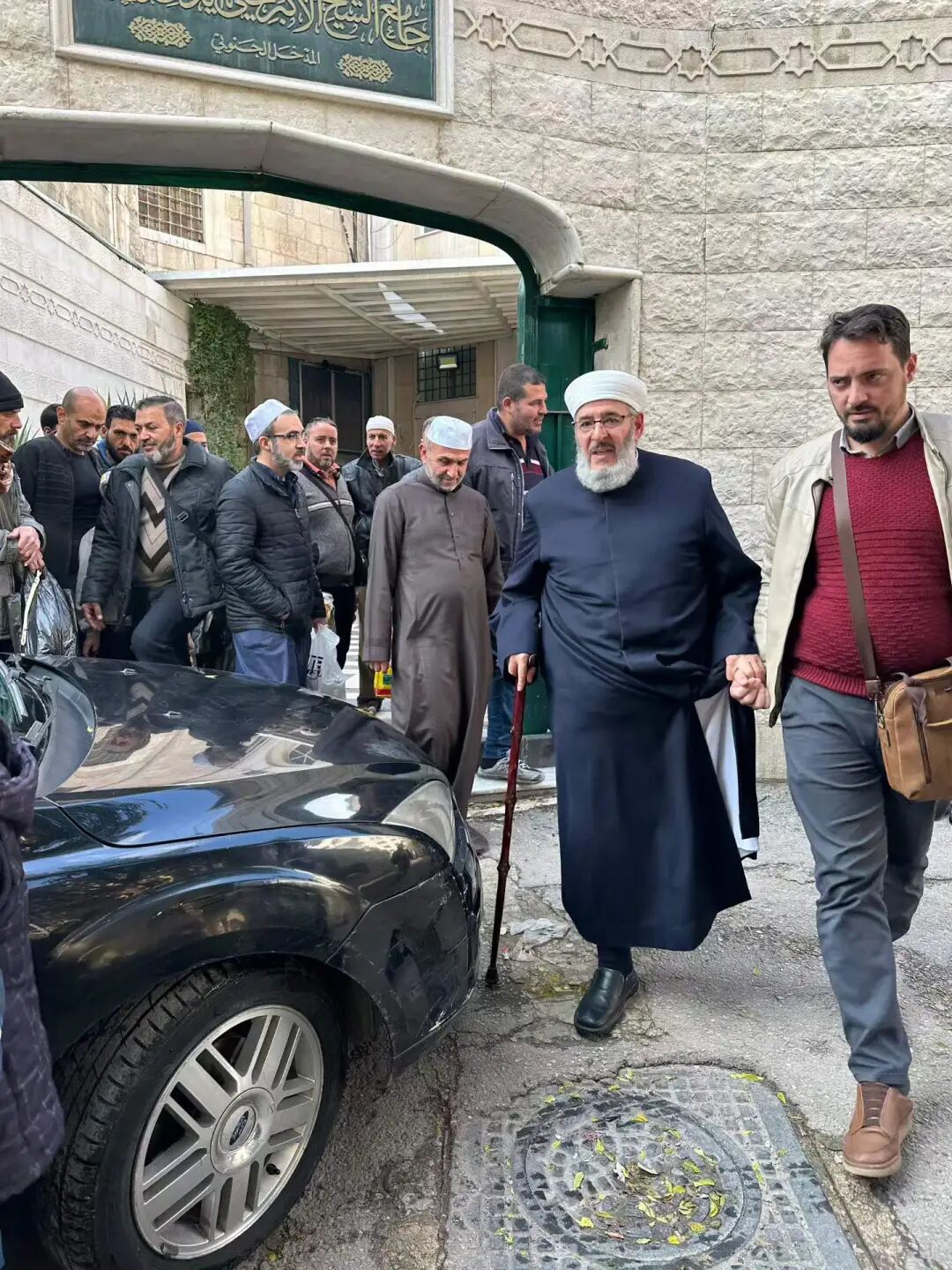
When I first arrived at the Sheikh Muhyiddin Mosque, I happened to catch a funeral prayer (janazah) for a sheikh, and I could really feel the strong religious atmosphere here.
Not far to the east of the Sheikh Muhyiddin Mosque is the Hanabila, another famous mosque in the Salihiya district. Hanabila Mosque is a famous early Ayyubid dynasty mosque in Syria. It was founded between 1208 and 1210 by the famous Hanbali scholar Ibn Qudama. He was born in Jerusalem and settled in Damascus in 1197, which became his main center for scholarship.
The mosque follows the Ayyubid architectural style. It centers on a courtyard, and the main prayer hall follows the layout of the Umayyad Mosque in Damascus, though its structure is more compact. The mosque still has a beautiful pulpit (minbar) and window carvings that are over 800 years old.
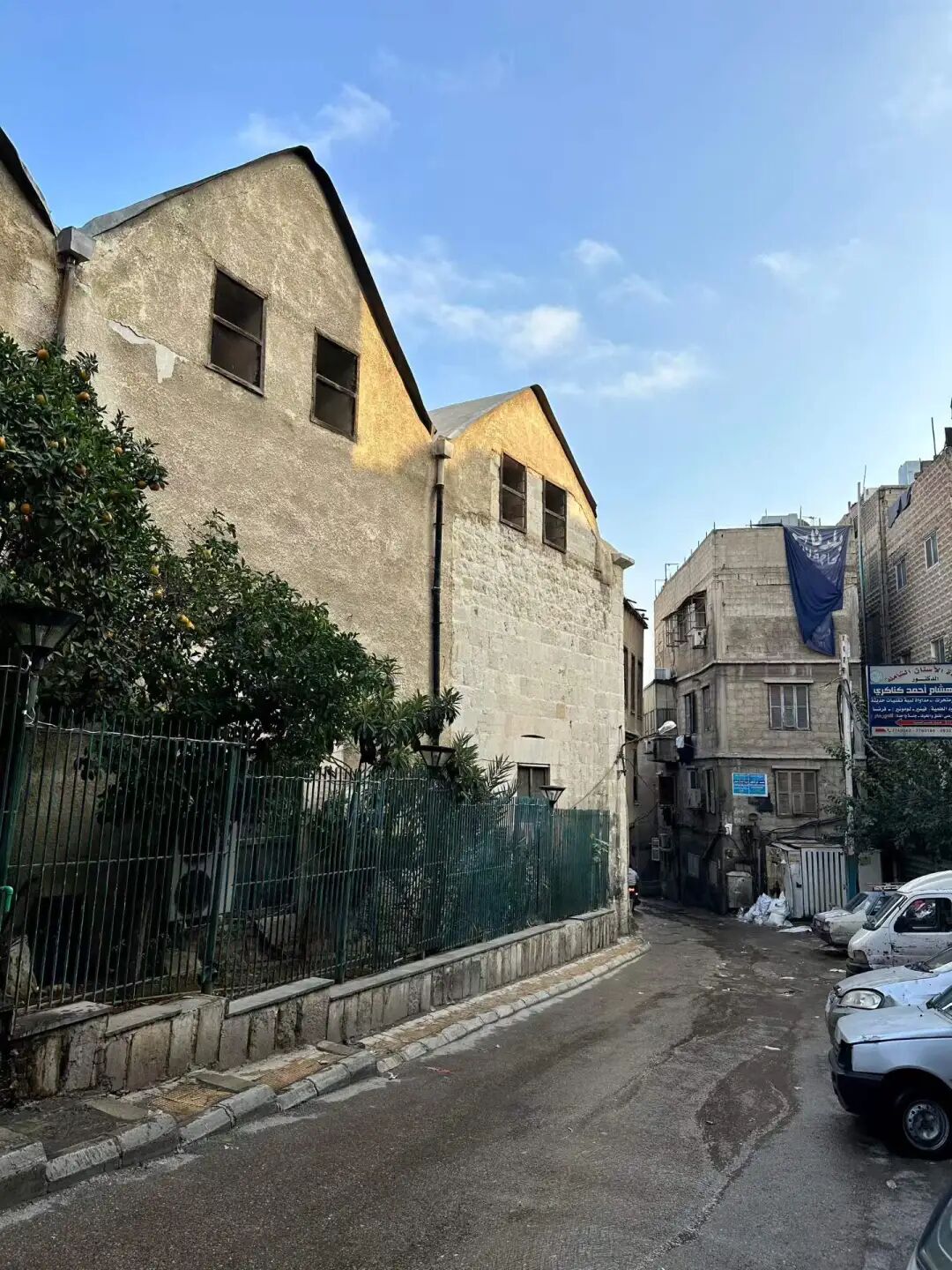
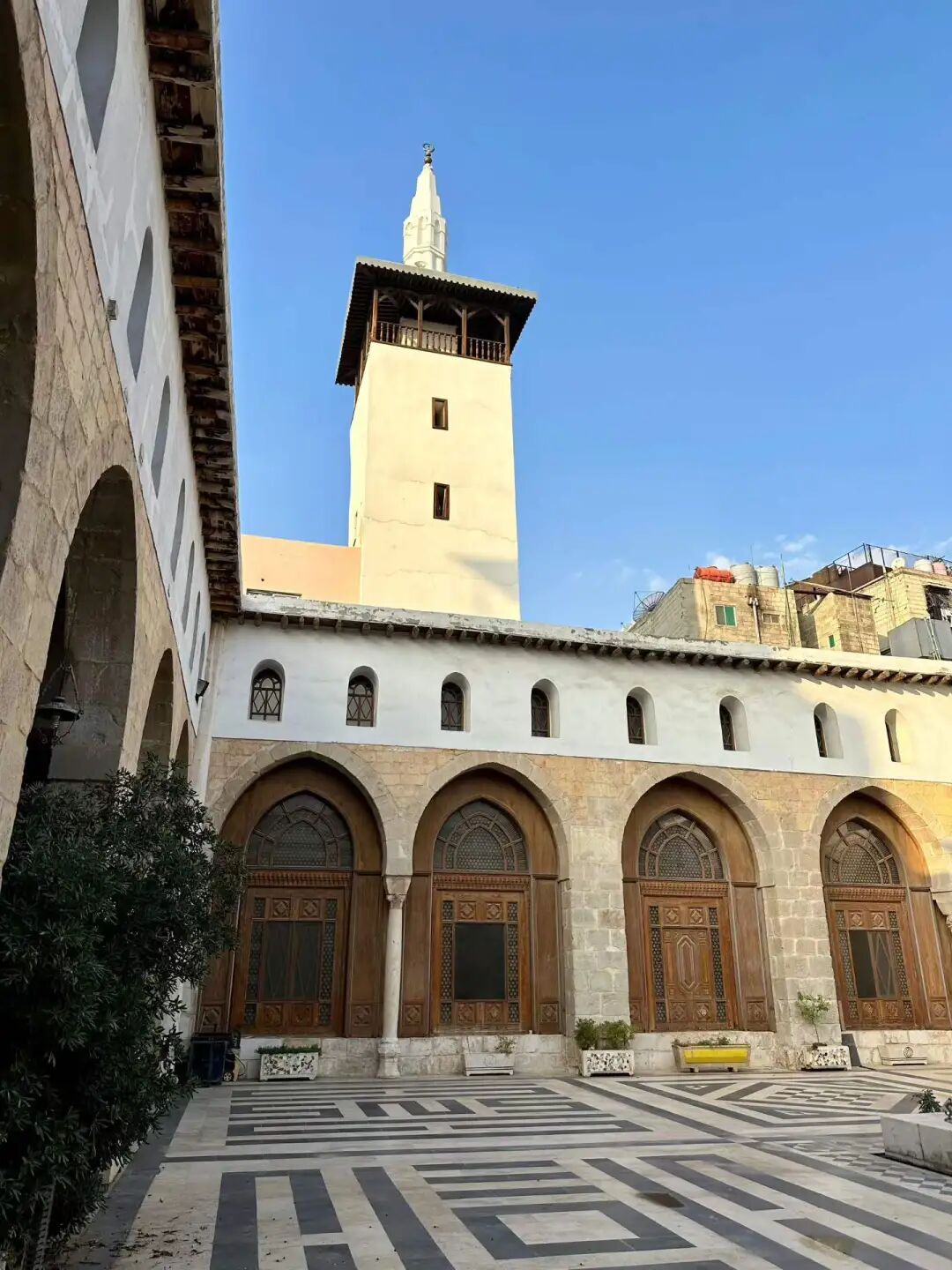
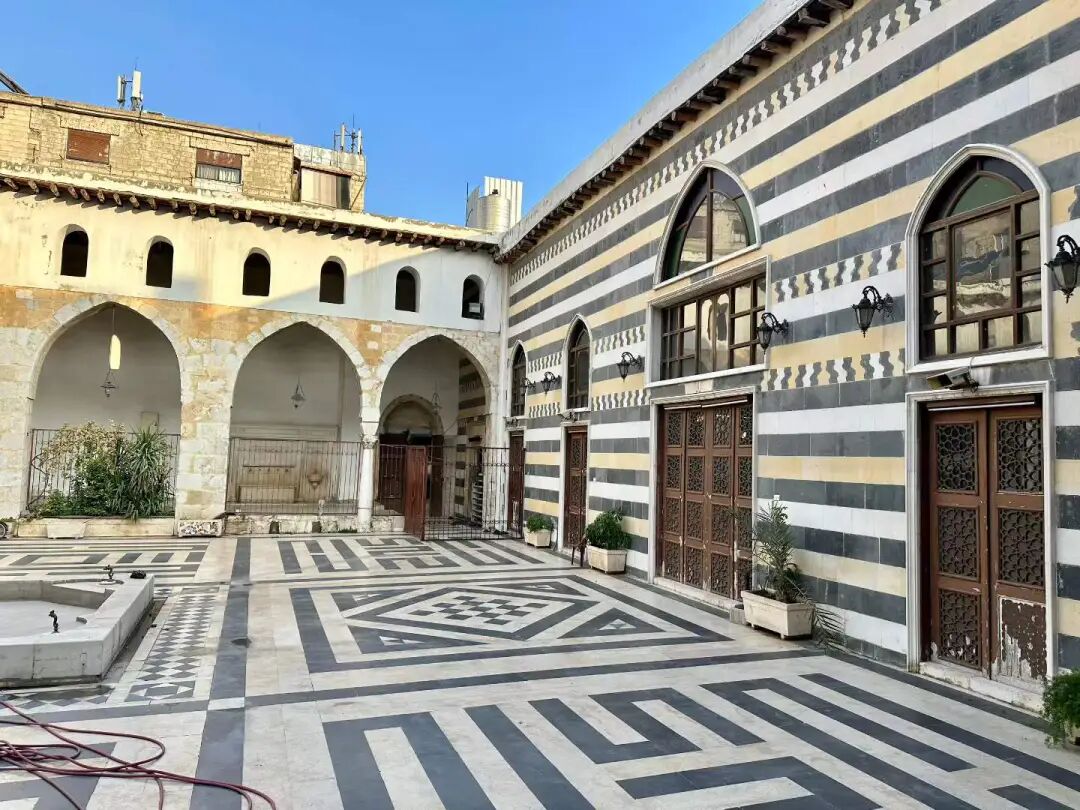
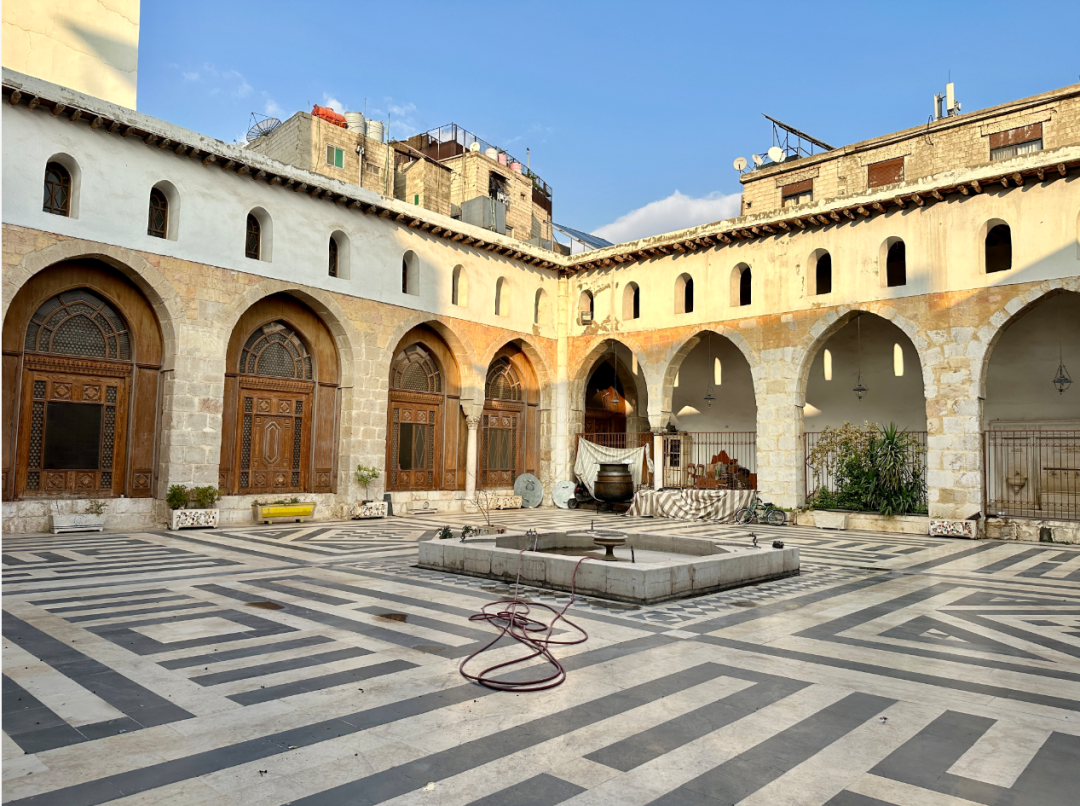
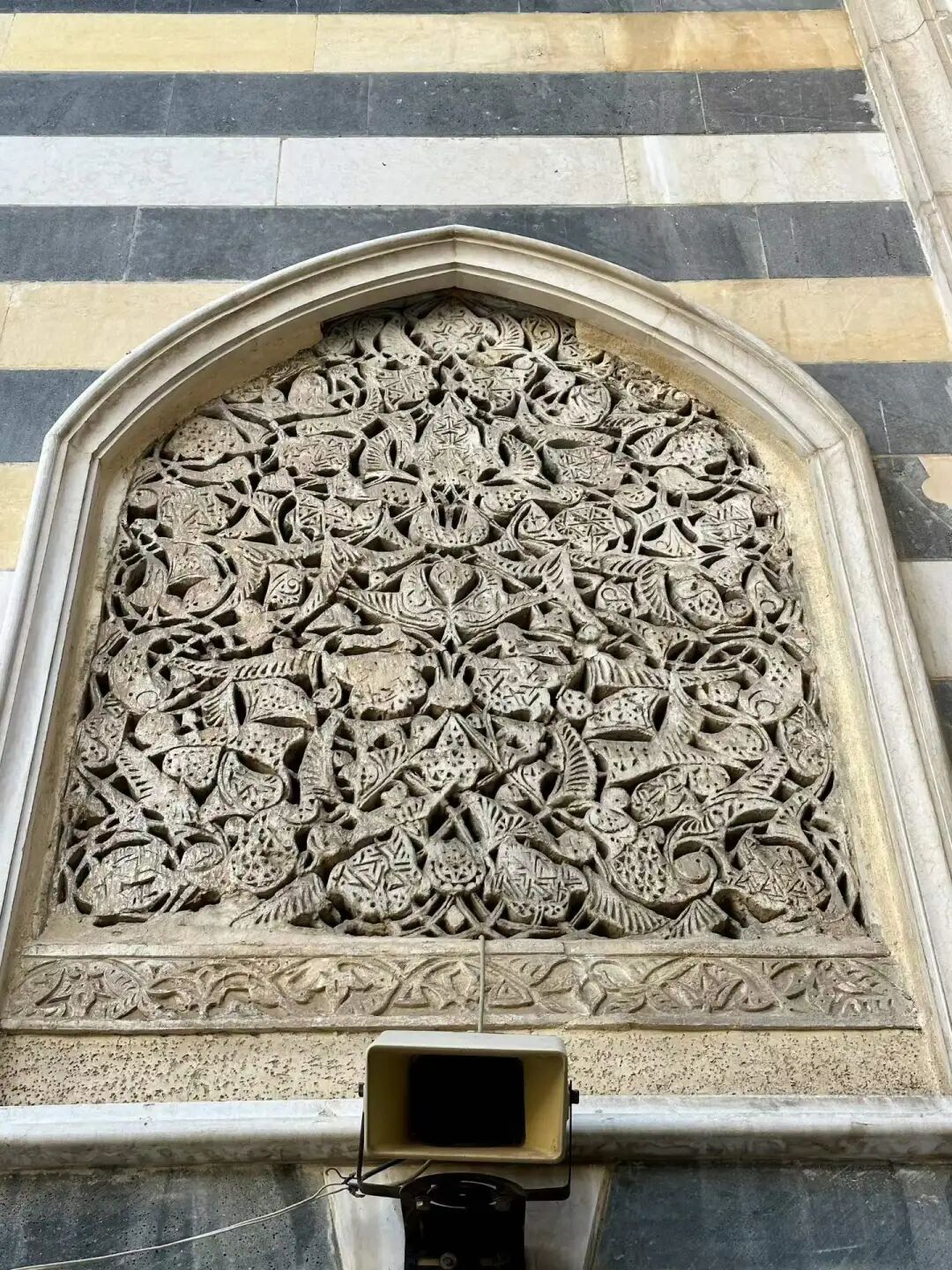
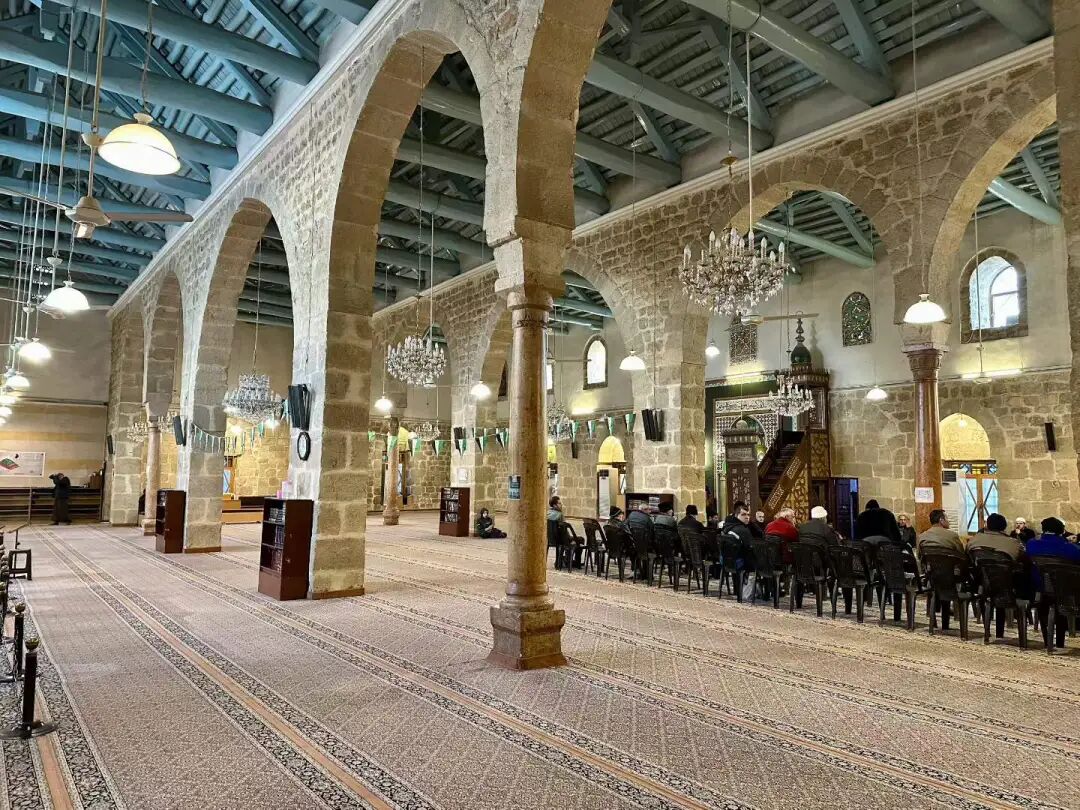
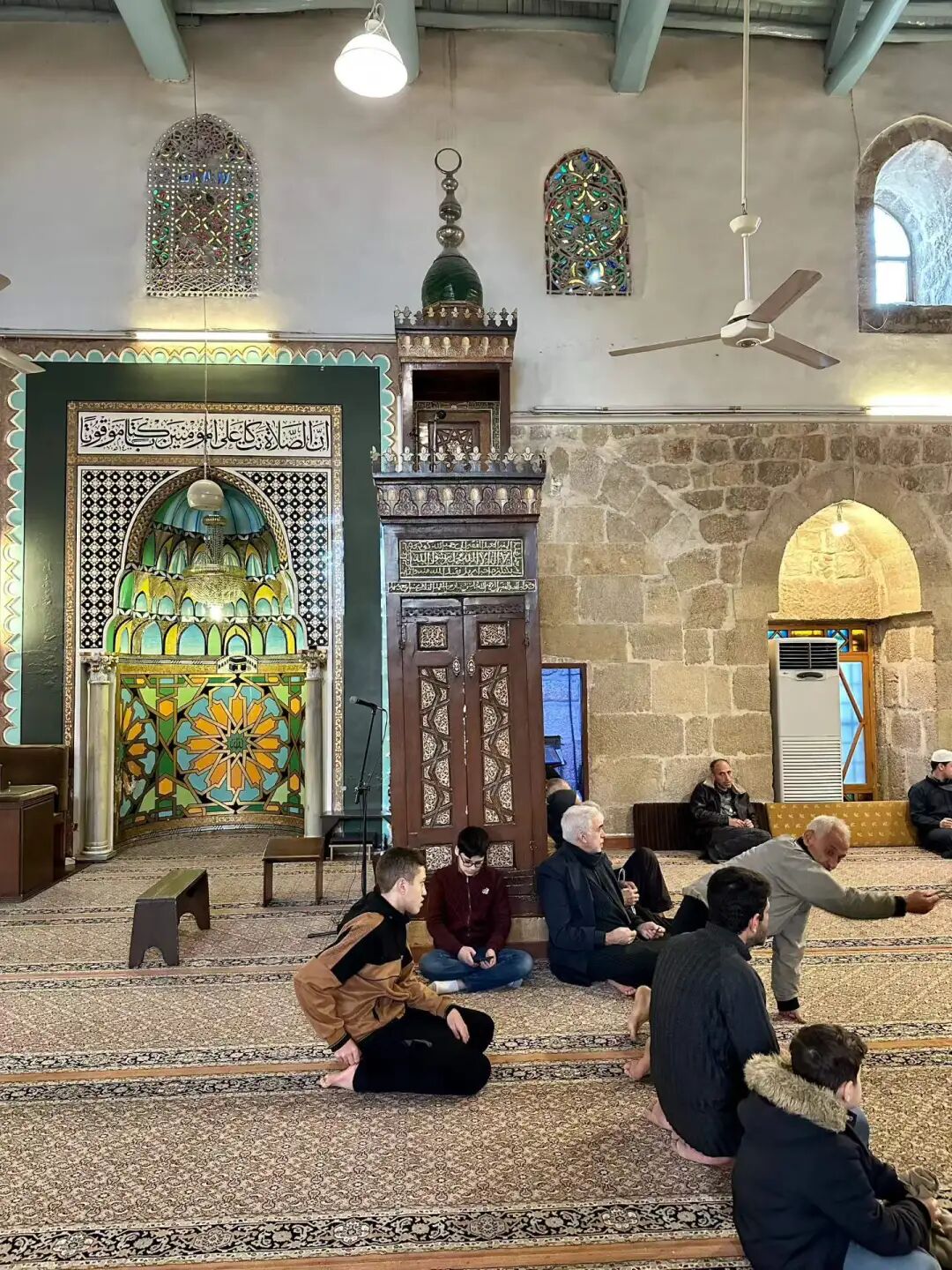
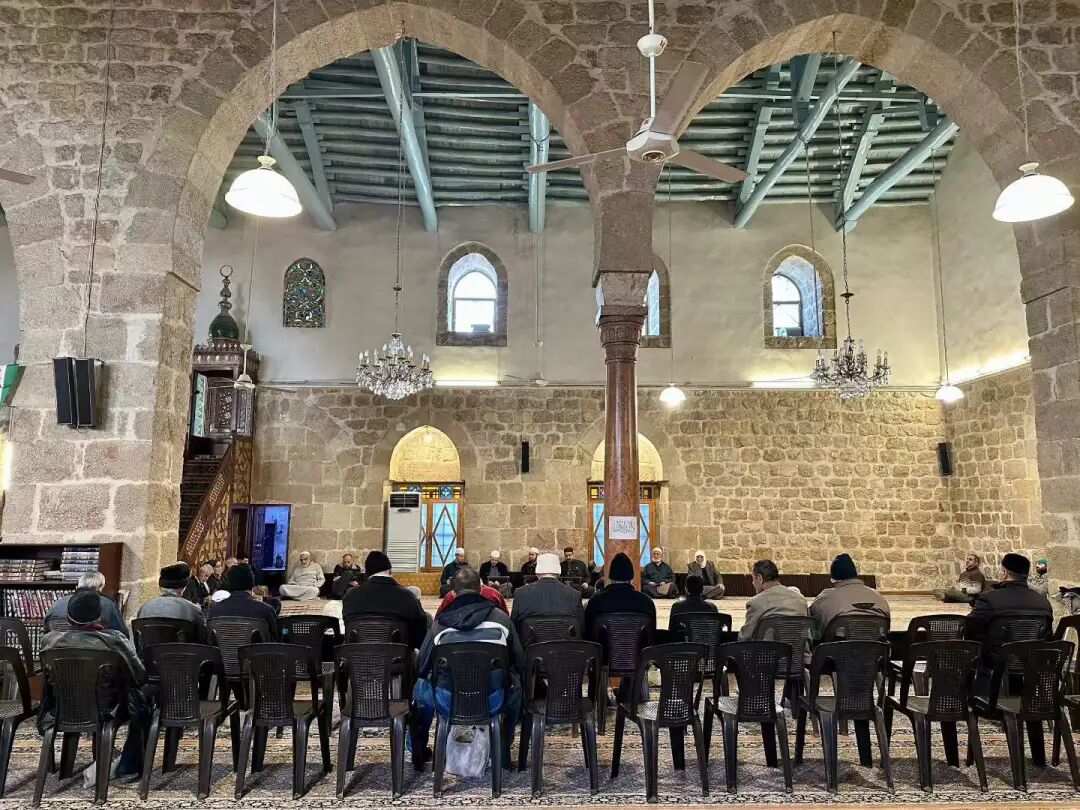
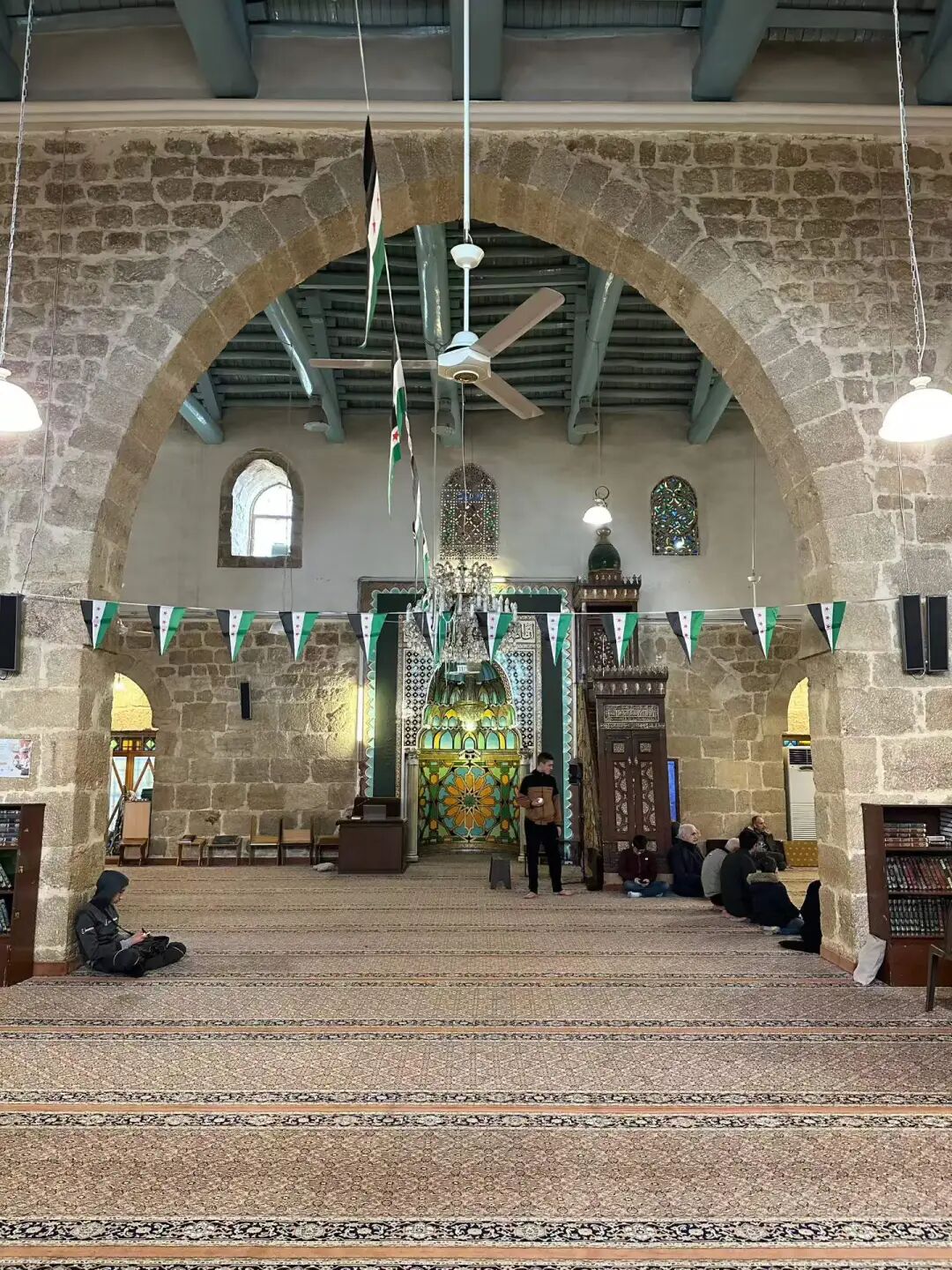
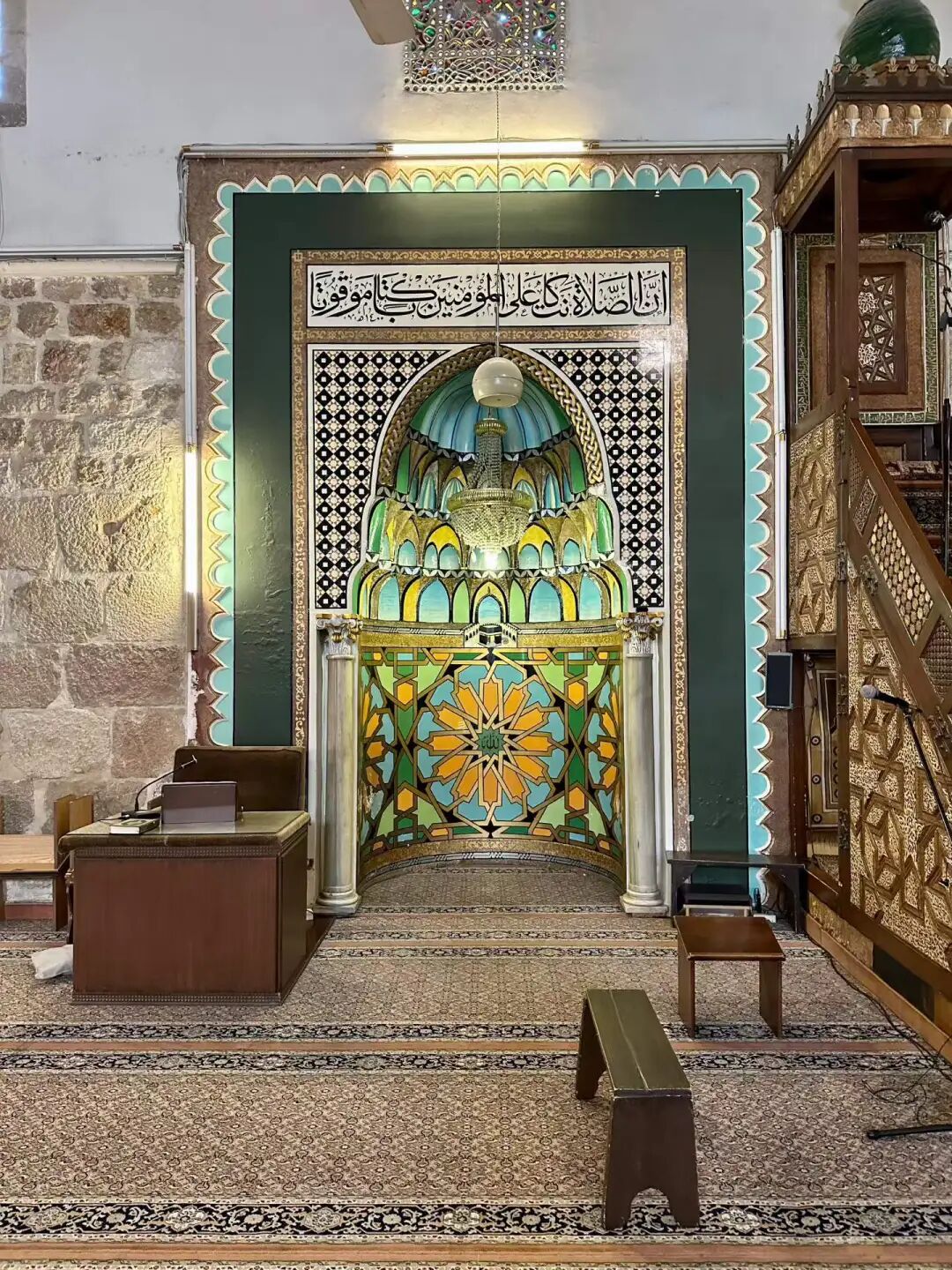
Rukniyah Madrasa is located on the far east side of the Salihiyah district in Damascus. It was built in 1224 by the Ayyubid governor of Damascus, Rukn al-Din Mankurs al-Falaki, who is also buried there. Rukniyah Madrasa is the first Ayyubid building with a courtyard covered by a dome. The building consists of two square sections: the larger part is the madrasa, and the smaller part is the tomb. The minaret was added later.
Because the Ayyubid dynasty was busy fighting the Crusades, the architectural style of this period is known for being simple, sturdy, and durable. Rukniyah Madrasa belongs to the Hanafi school of law. It has now been converted into a mosque, and the main hall is not open except during the five daily namaz prayers.
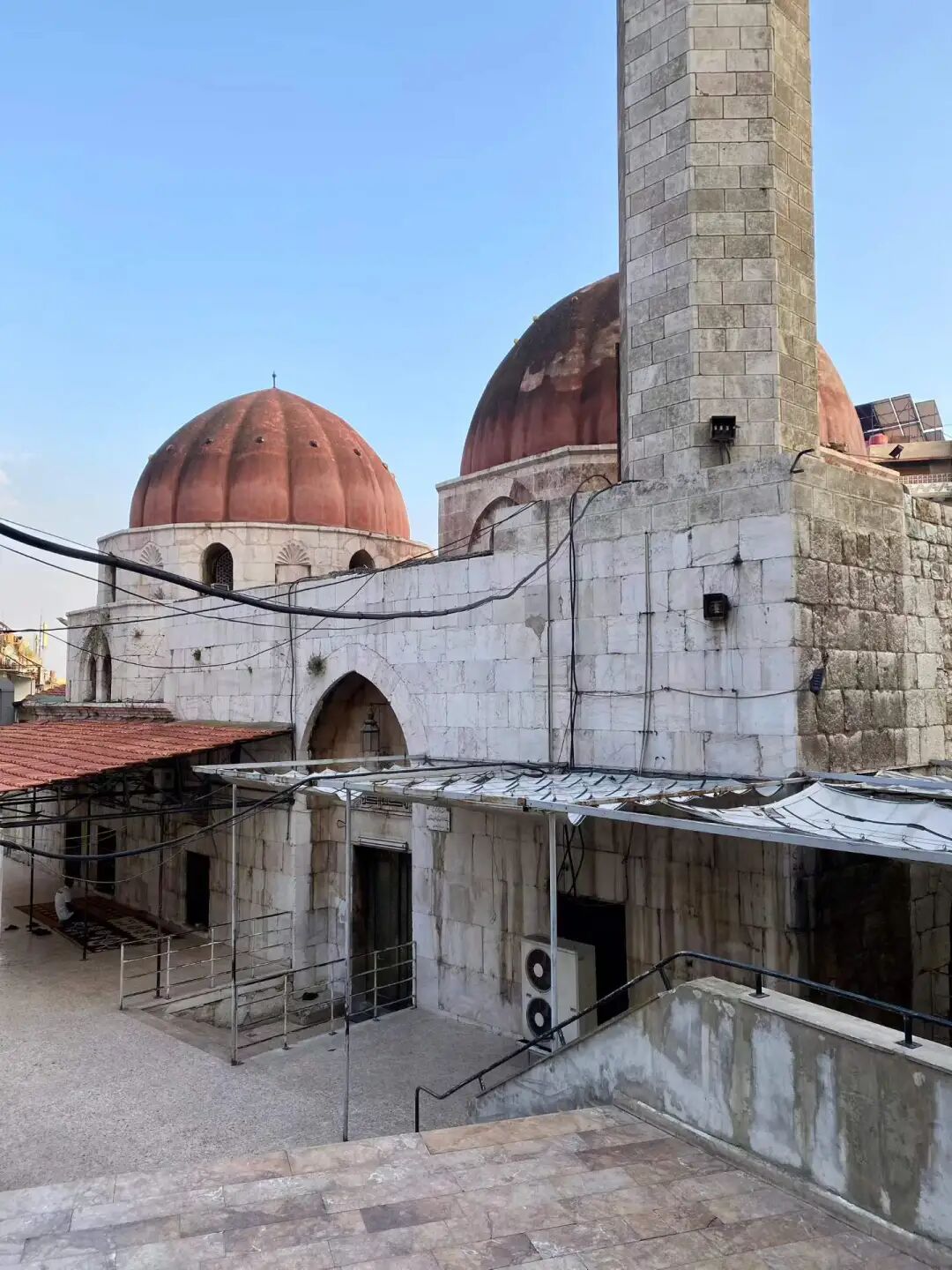
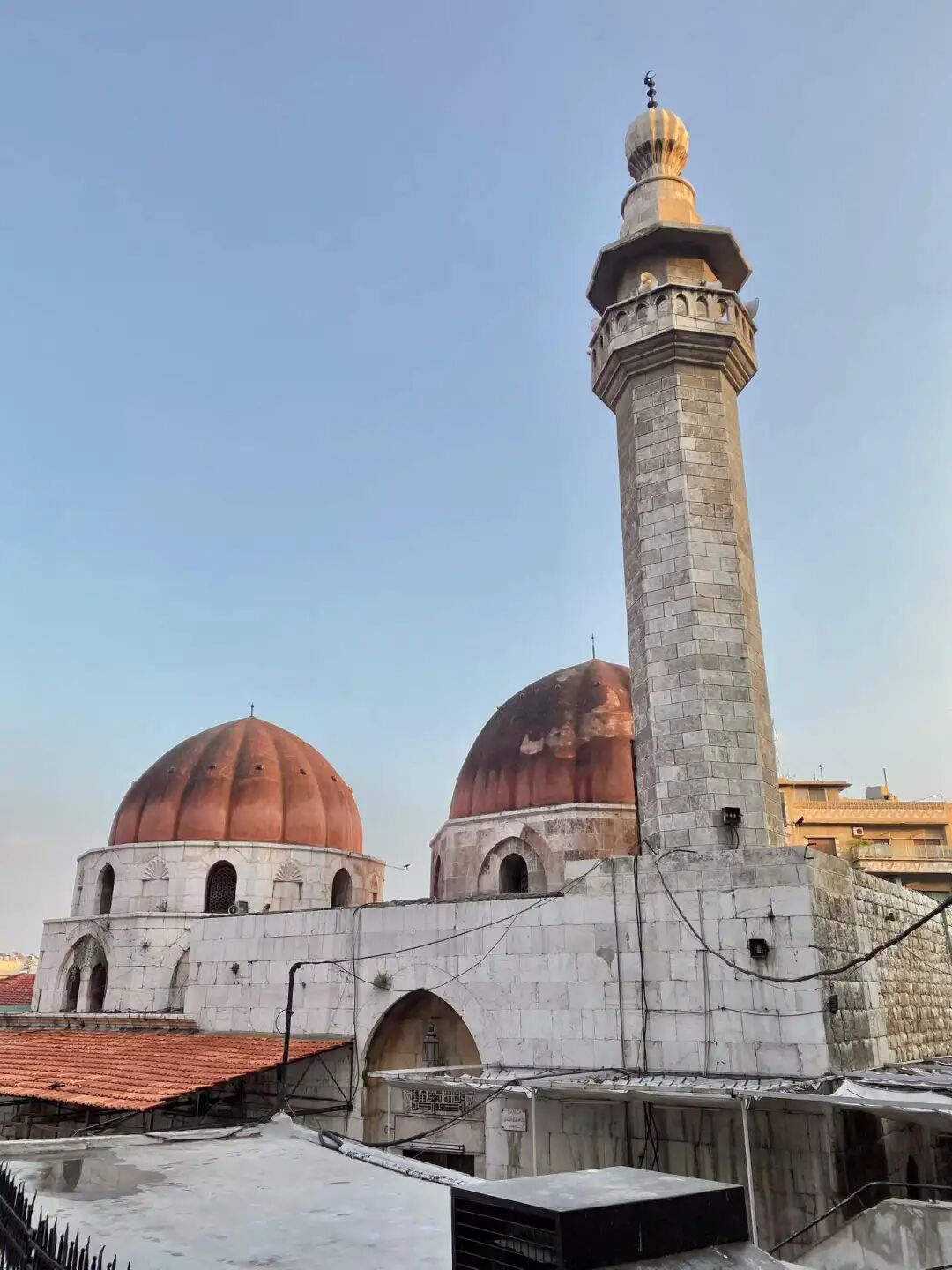
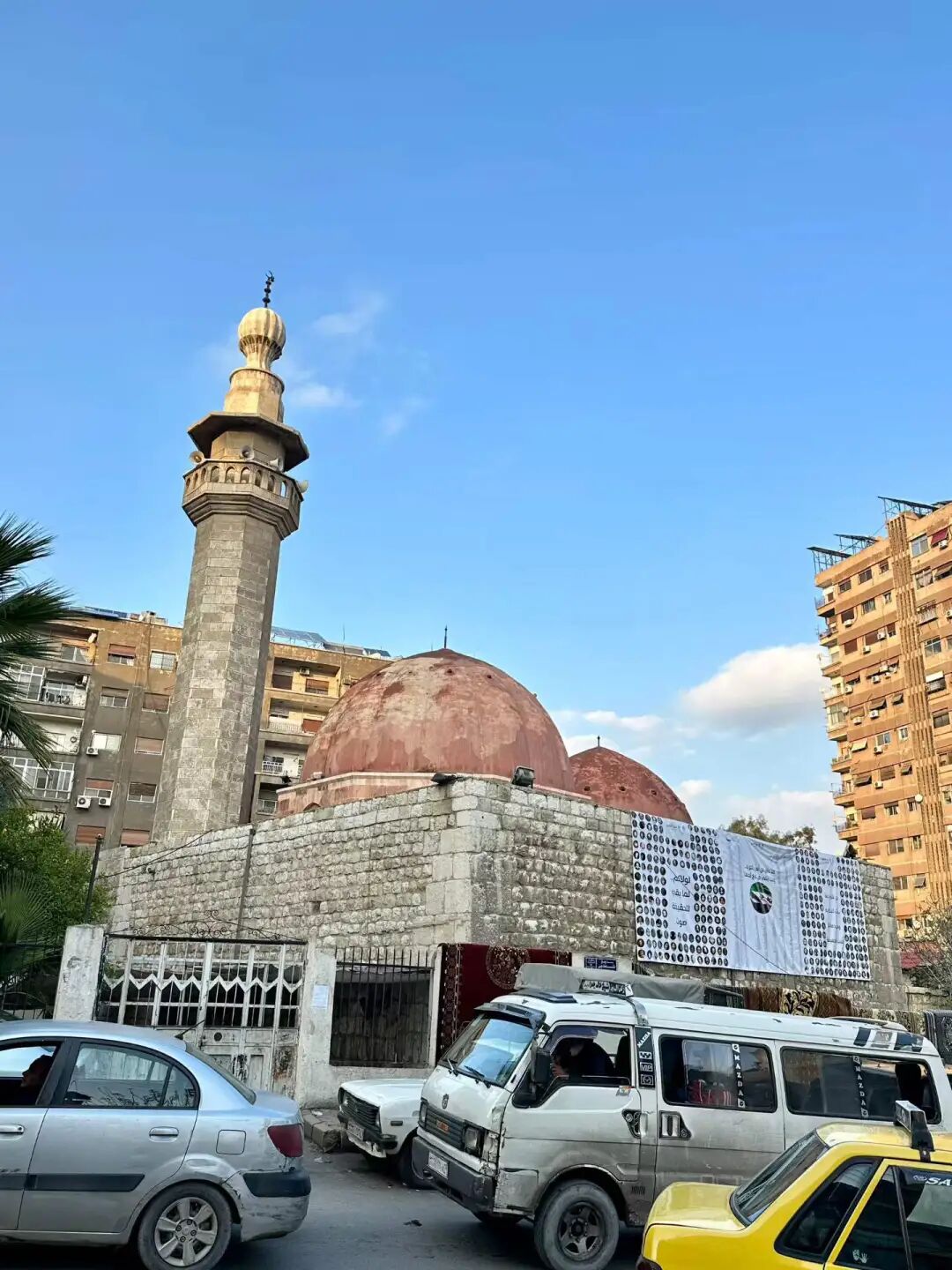
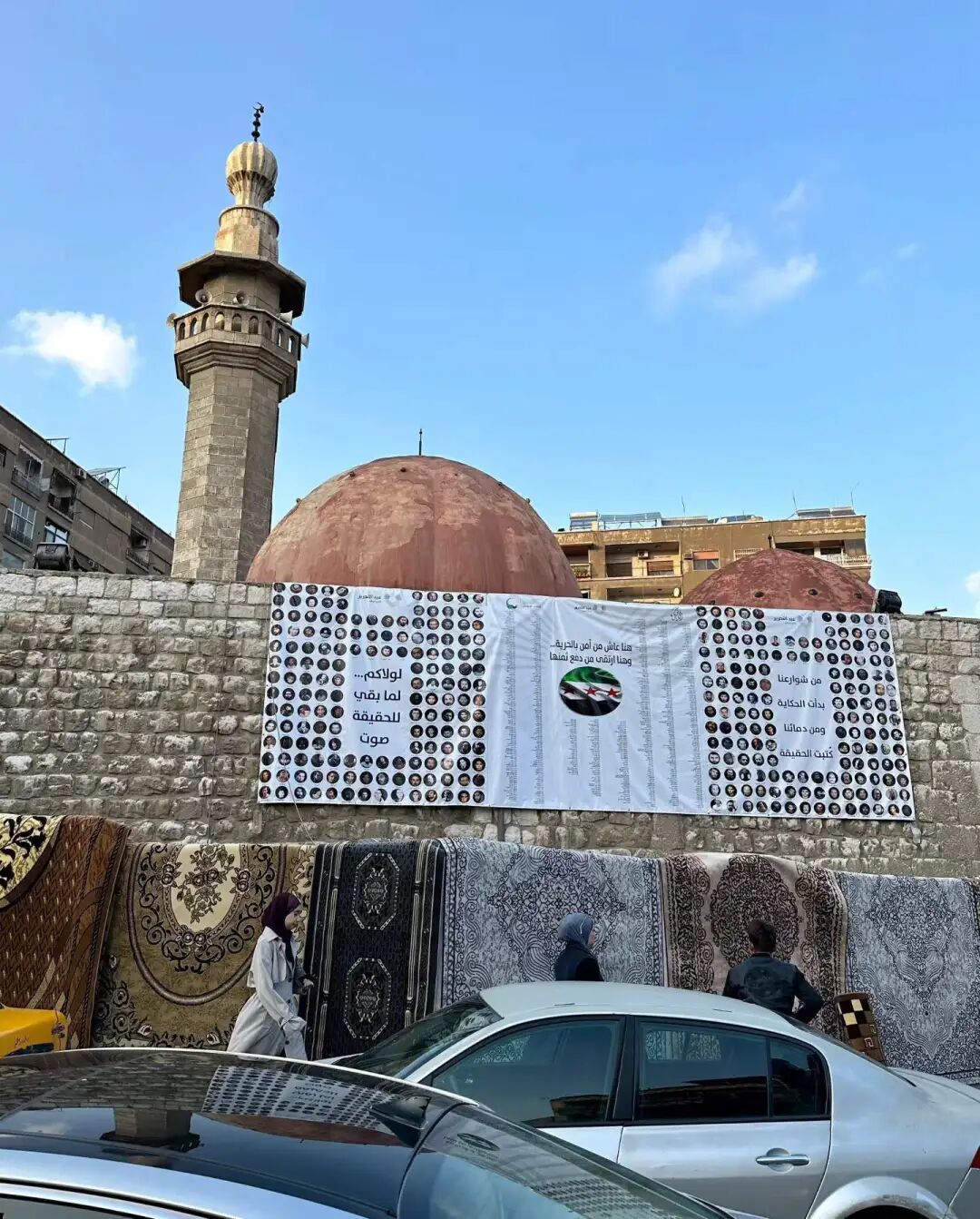
Abd al-Ghani al-Nabulsi Mosque was built in 1764 by Sheikh Mustafa al-Nabulsi, the grandson of the famous Syrian Sufi sheikh and poet Abd al-Ghani al-Nabulsi. Both Sheikh Abd al-Ghani al-Nabulsi and Sheikh Mustafa al-Nabulsi are buried there. Unfortunately, since most mosques in Damascus do not open their doors except for the five daily namaz prayers, I could not go inside.
Sheikh Abd al-Ghani's family came from the Banu Jama'a. For generations, they served as chief judges and great Sufi sheikhs during the Mamluk dynasty. One branch of his family settled in Damascus after the Ottoman Empire conquered the Mamluk dynasty in 1516. They continued to hold positions such as the Shafi'i Grand Mufti of Damascus and teachers at the Umayyad Mosque.
Sheikh Abd al-Ghani was born in Damascus in 1641. His father switched from the Shafi'i school to the Hanafi school after a debate with Hanafi students. This was the mainstream school of the Ottoman Empire at the time. Abdul-Ghani began studying Islamic law as a child. He joined the Qadiriyya and Naqshbandiyya Sufi orders and spent seven years in quiet retreat at home. He traveled widely across the Middle East and wrote over 200 books. He was especially known for his deep research into the Sufi sage Ibn Arabi.
Before Sheikh Abdul-Ghani, the Salhiyya district of Damascus followed the Hanbali school of law. He was the first to bring Hanafi and Shafi'i ideas to the area and hosted many Hanafi students in his home.
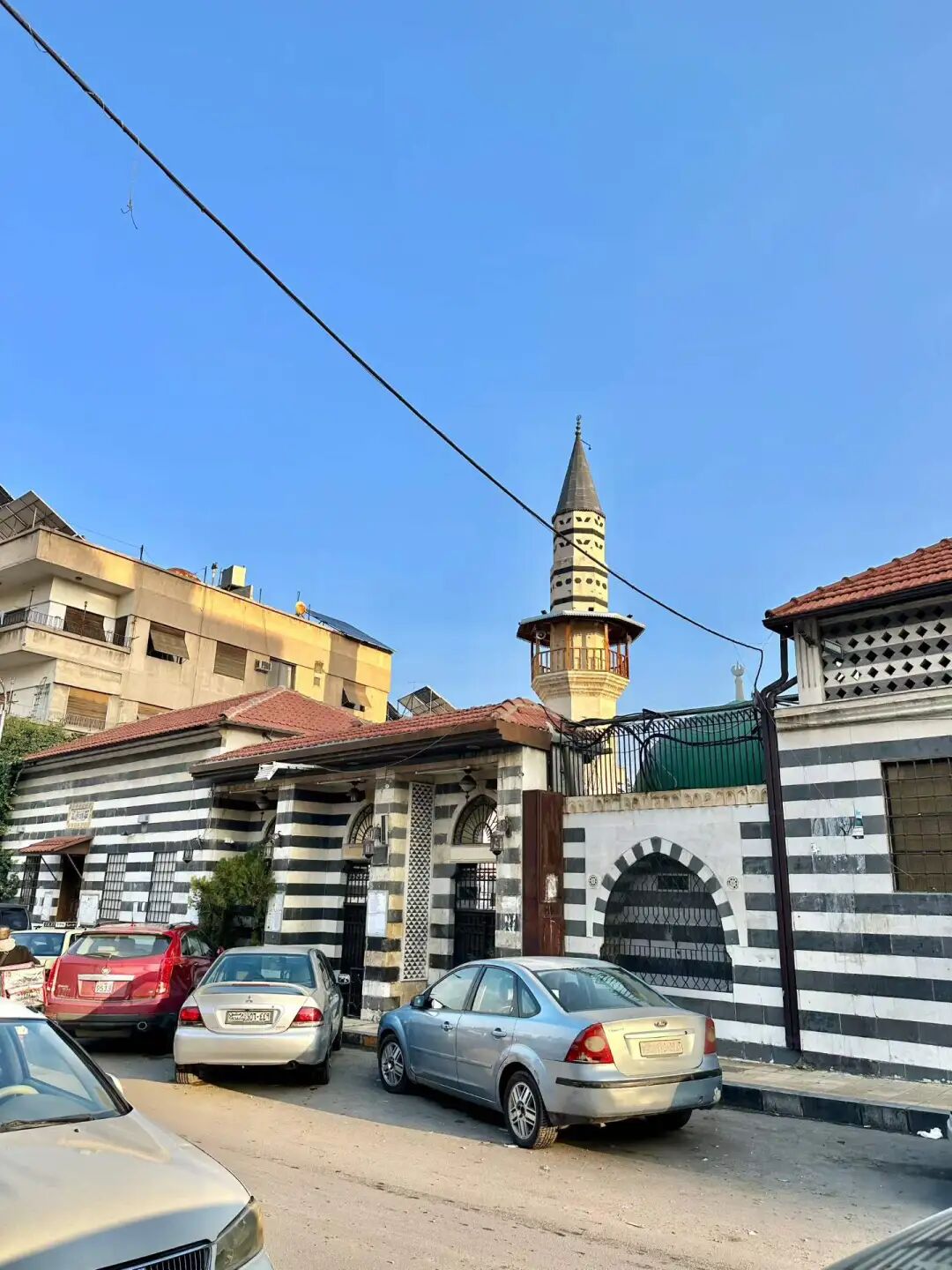
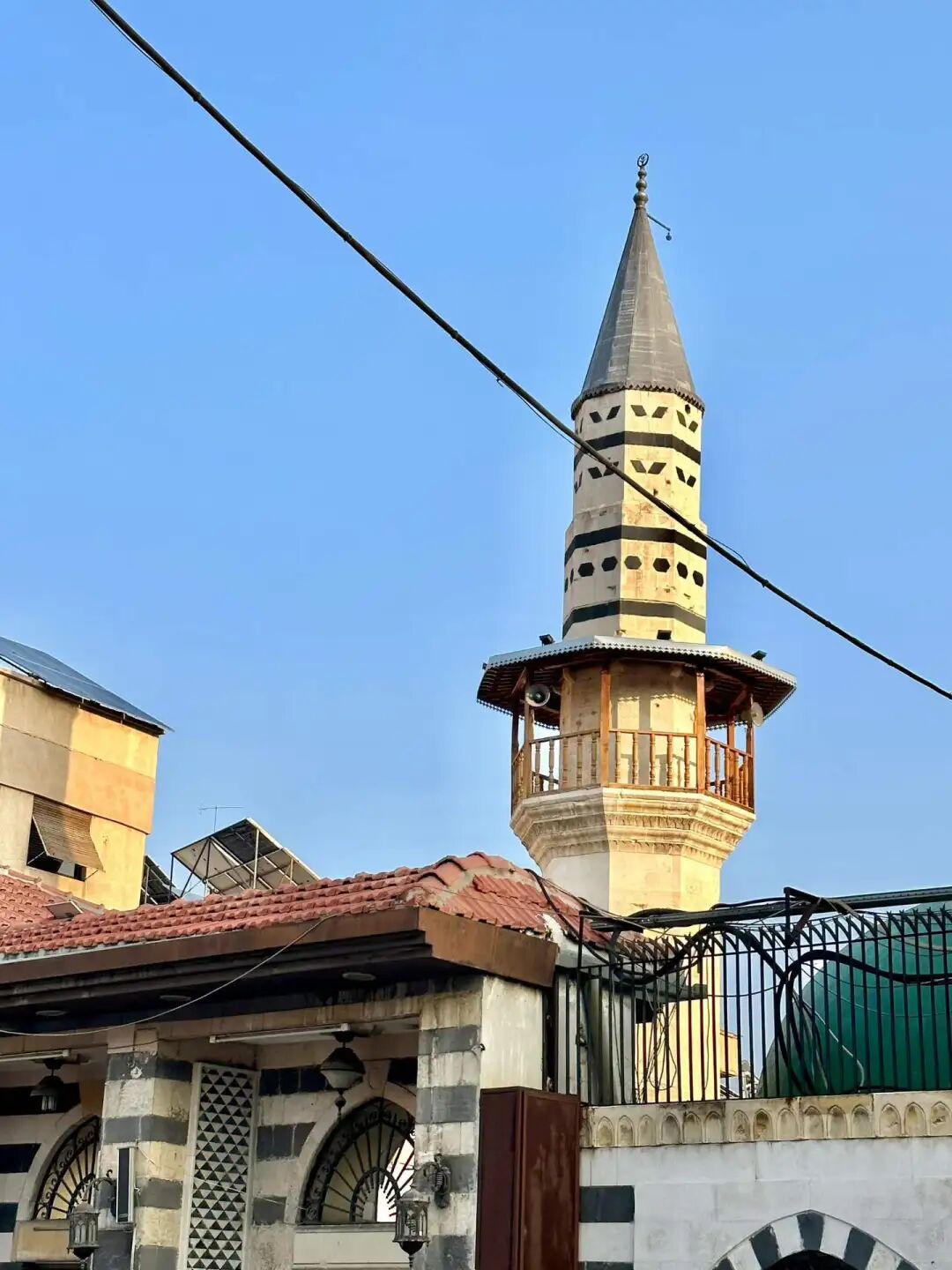
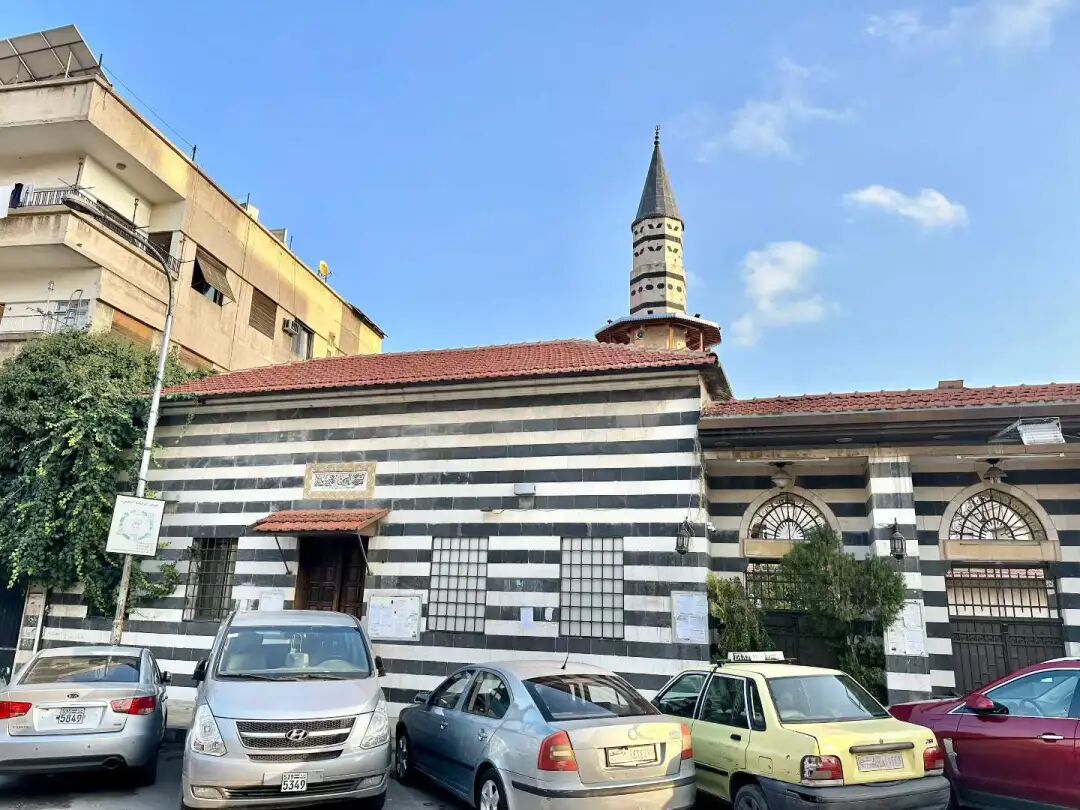
The Jharkasiya Madrasa is on the market street in the Salhiyya district of Damascus. It was built in 1237 by the Ayyubid general Salim al-Din al-Hattra for his teacher, the Ayyubid general Jharkas ibn Abdullah. Both Jharkas ibn Abdullah and Salim al-Din al-Hattra are buried inside.
Jharkas was a commander in Saladin's personal guard and witnessed all of Saladin's military campaigns. The Jharkasiya Madrasa has a very rare double-domed tomb. Historically, the school taught both Hanafi and Shafi'i law, but today it serves as a mosque.
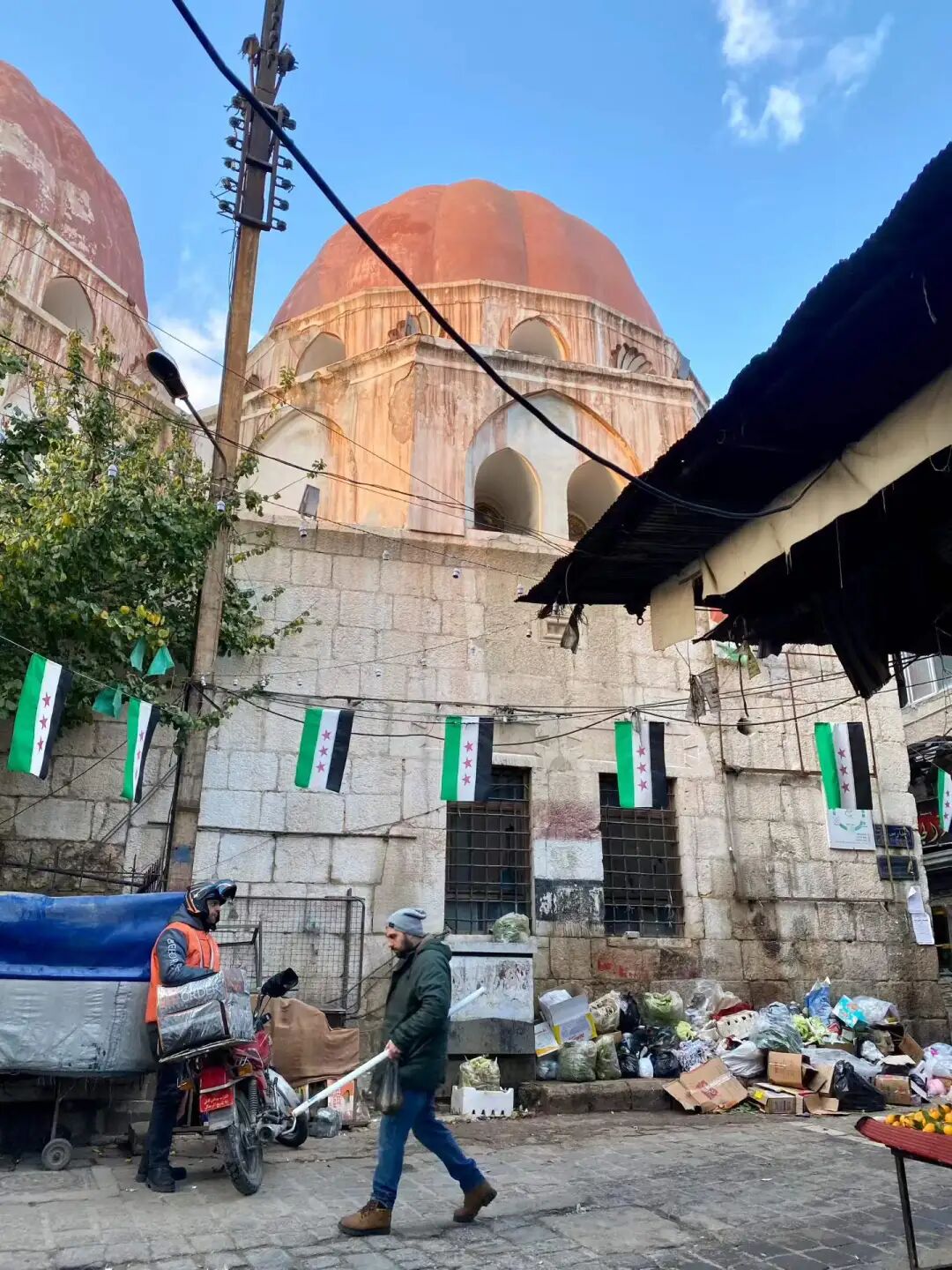
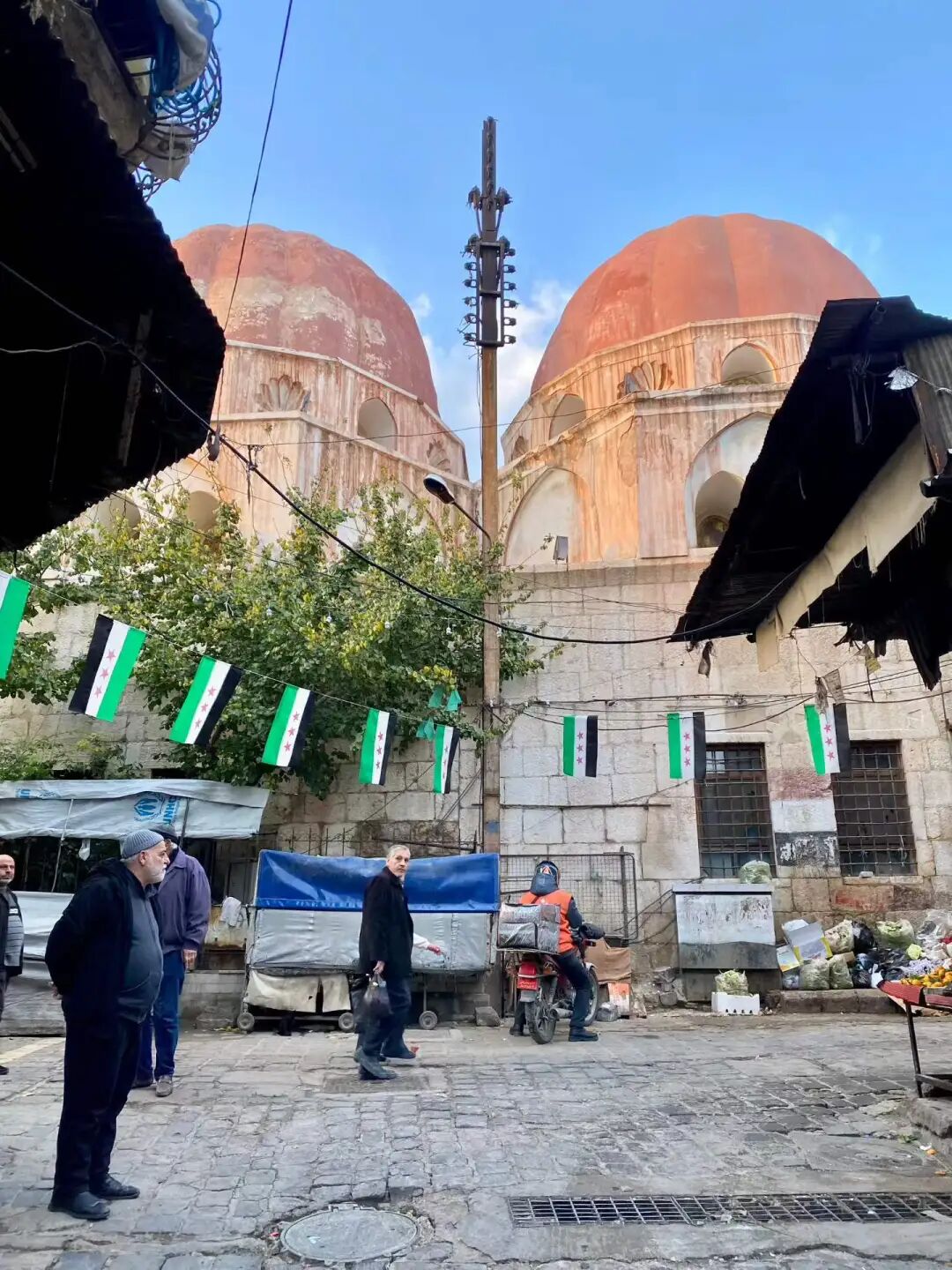
The Mershadiyeh Madrasa is on the west side of the Salhiyya district in Damascus. It was built in 1252 with funding from Khadija Khatun, the daughter of the Ayyubid Emir of Damascus, Al-Mu'azzam Isa. She is buried in the courtyard after her passing.
The square minaret of the madrasa is the only surviving example of 13th-century Ayyubid architecture in Damascus. The madrasa is currently closed. You must contact the Syrian Directorate-General of Antiquities and Museums to enter.
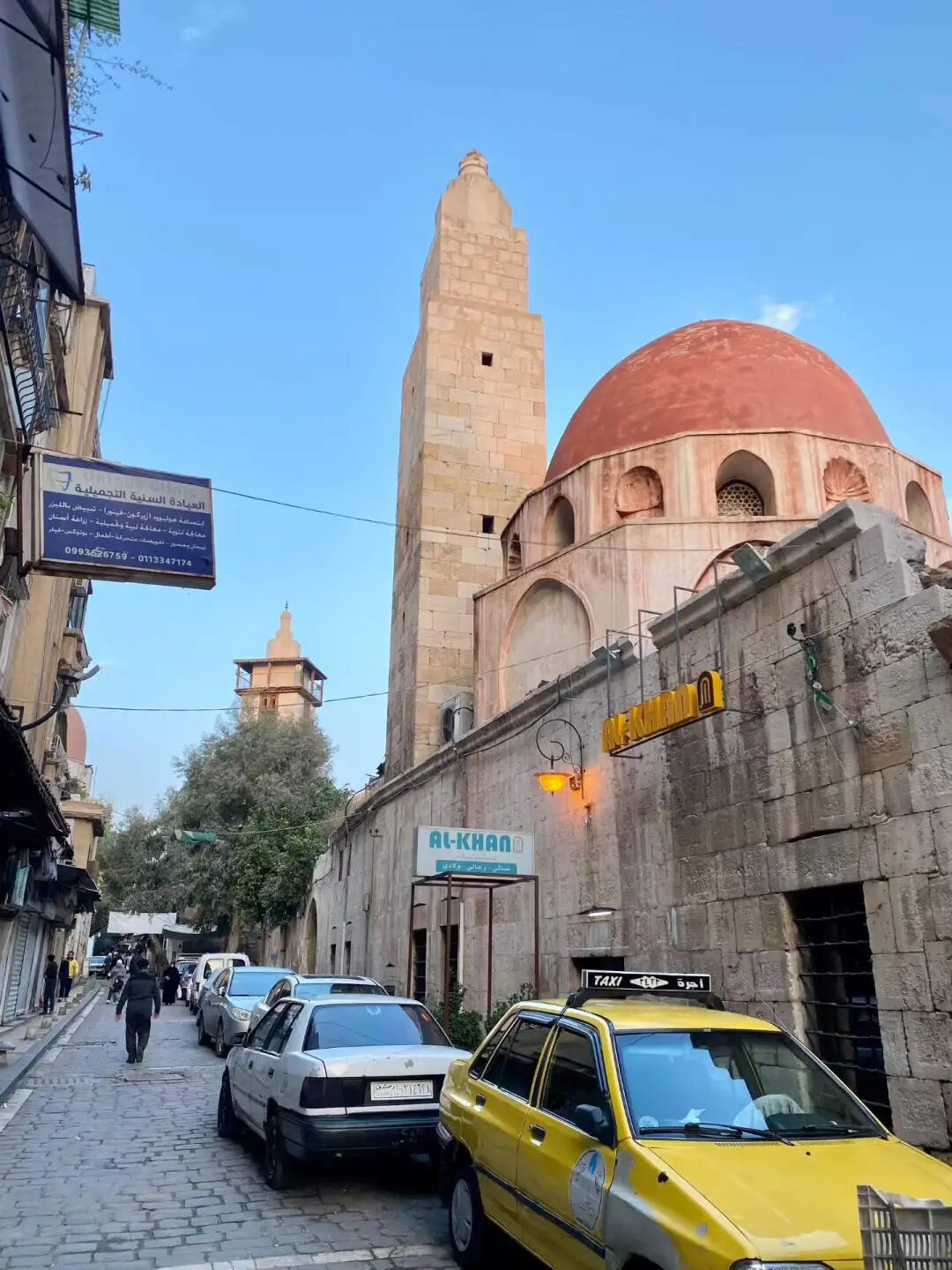
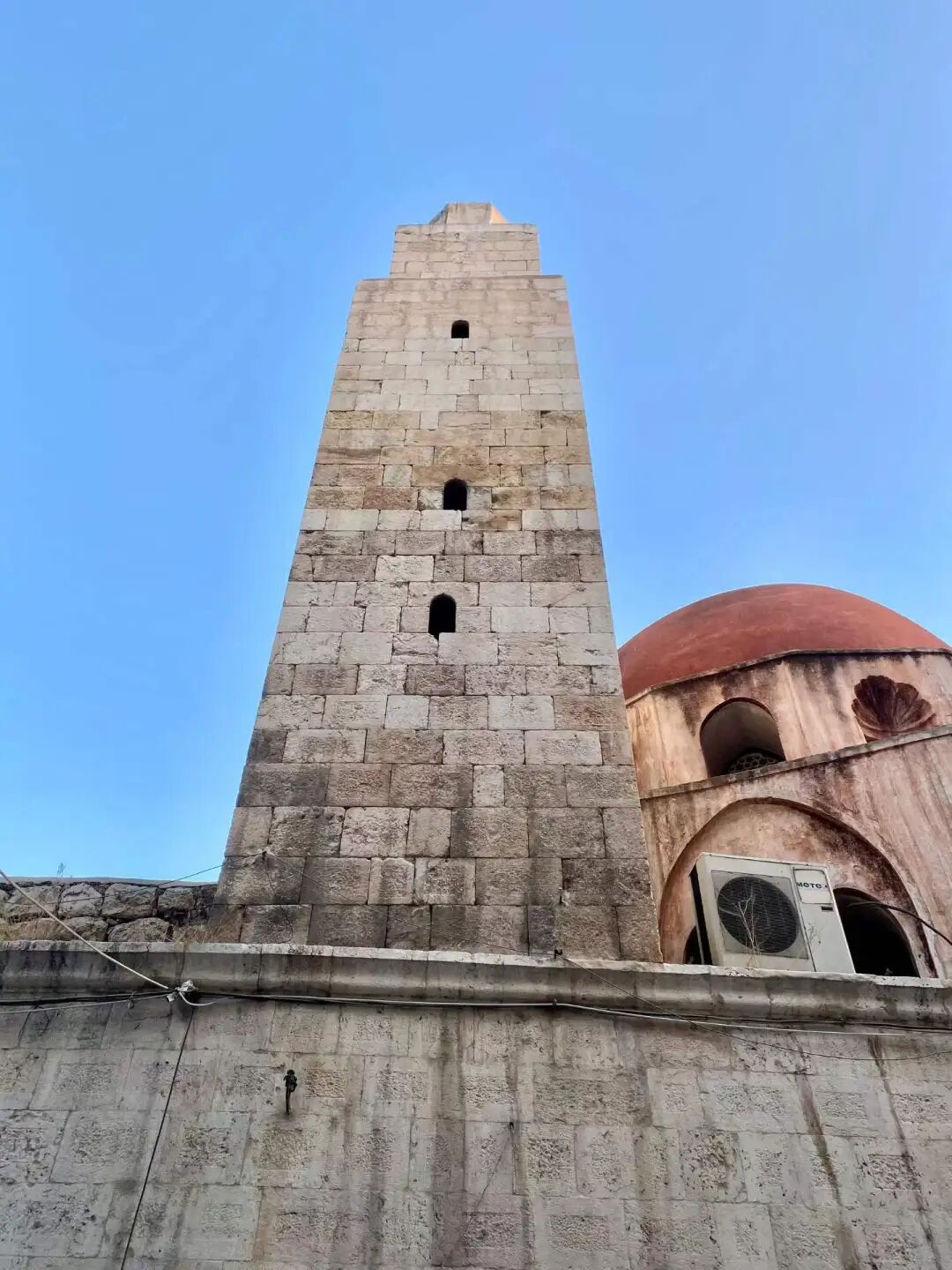
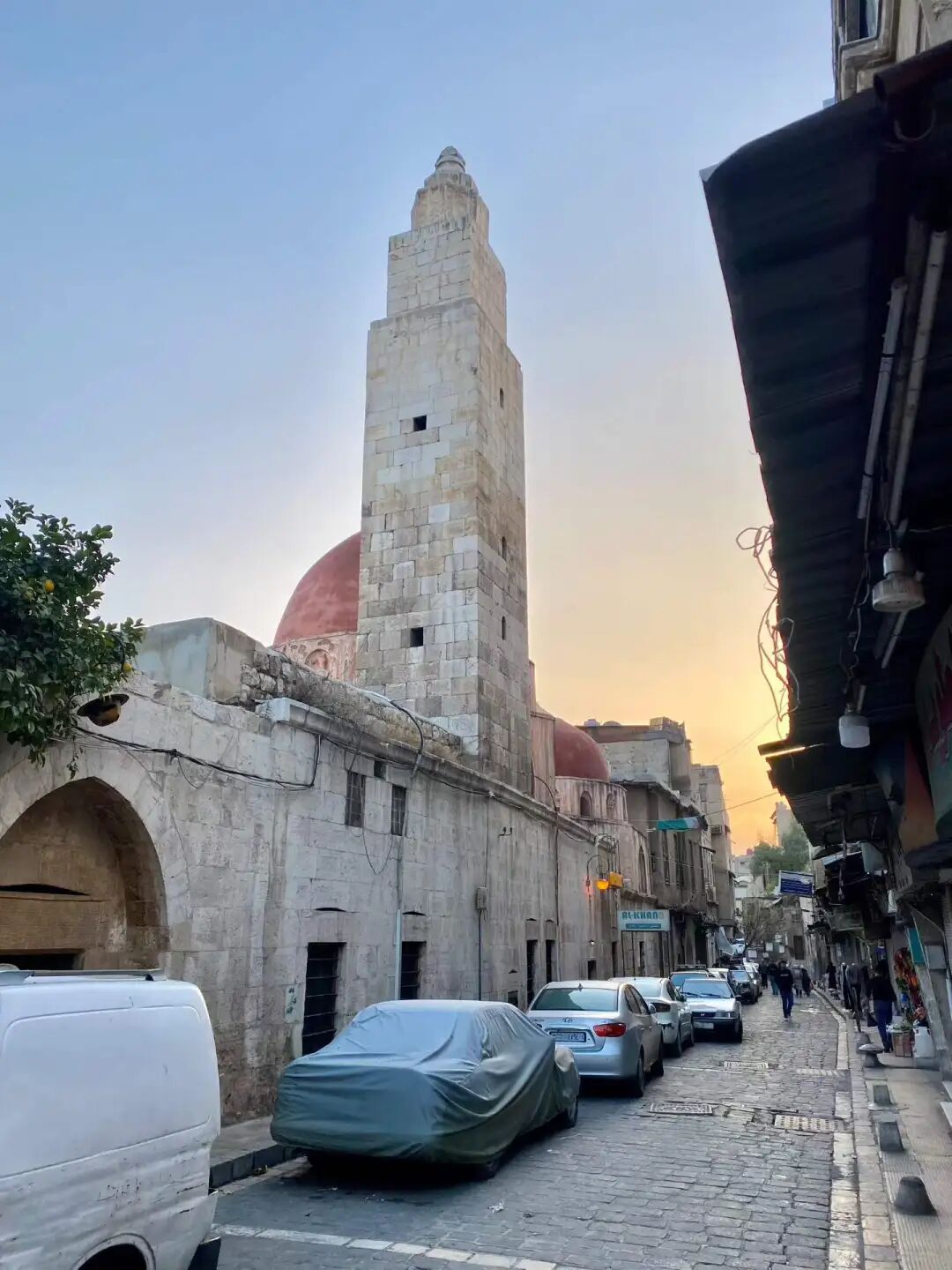
The Takrityya Madrasa is on the far west side of the Salhiyya district in Damascus. It was built in 1298 by the Emir Taqi al-Din al-Takriti, who is buried inside. This building dates back to the Mamluk period, but it keeps the strict and simple architectural style of the Ayyubid dynasty. The Mongol army destroyed this place in 1300, but it was rebuilt later.
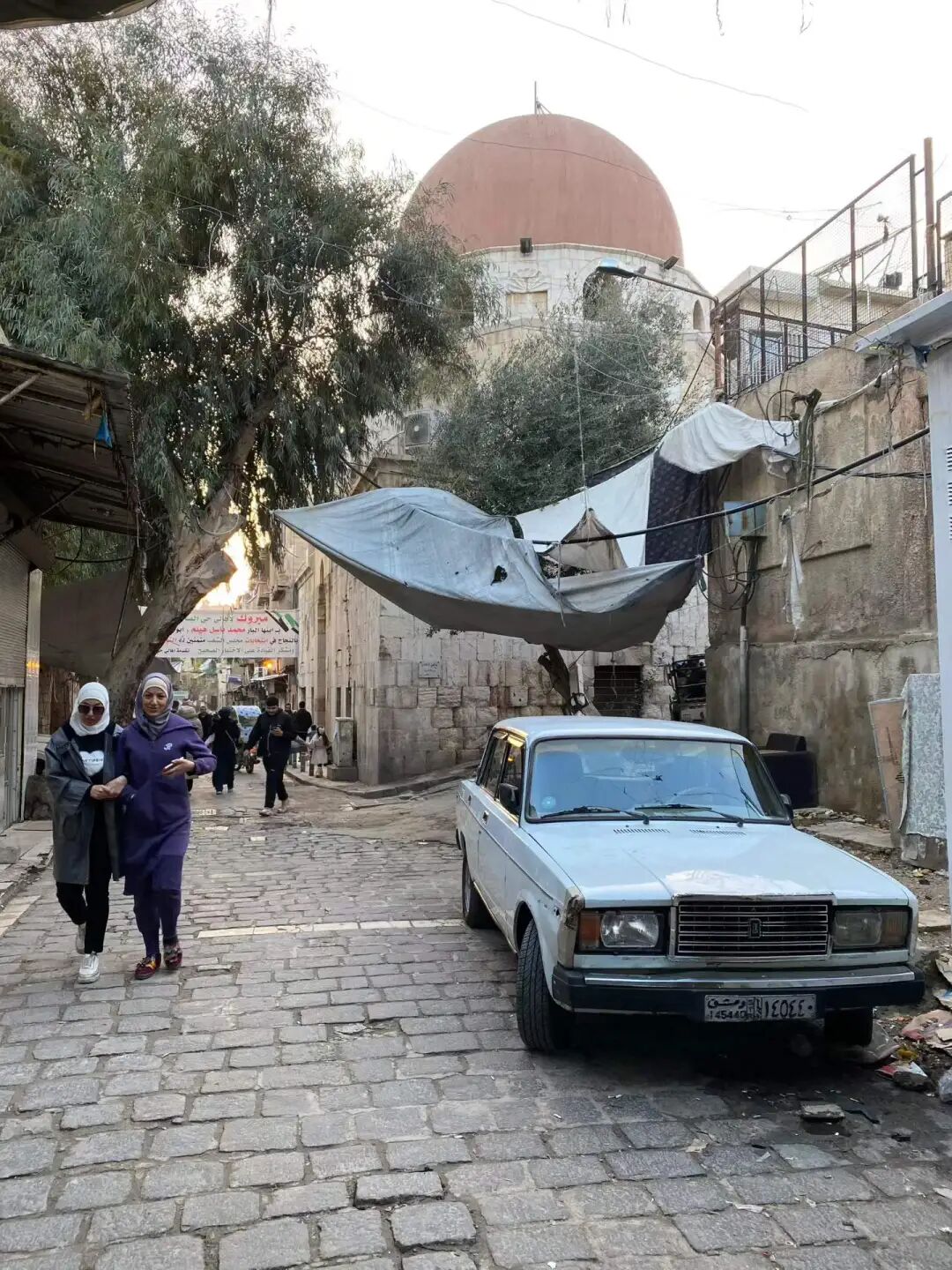
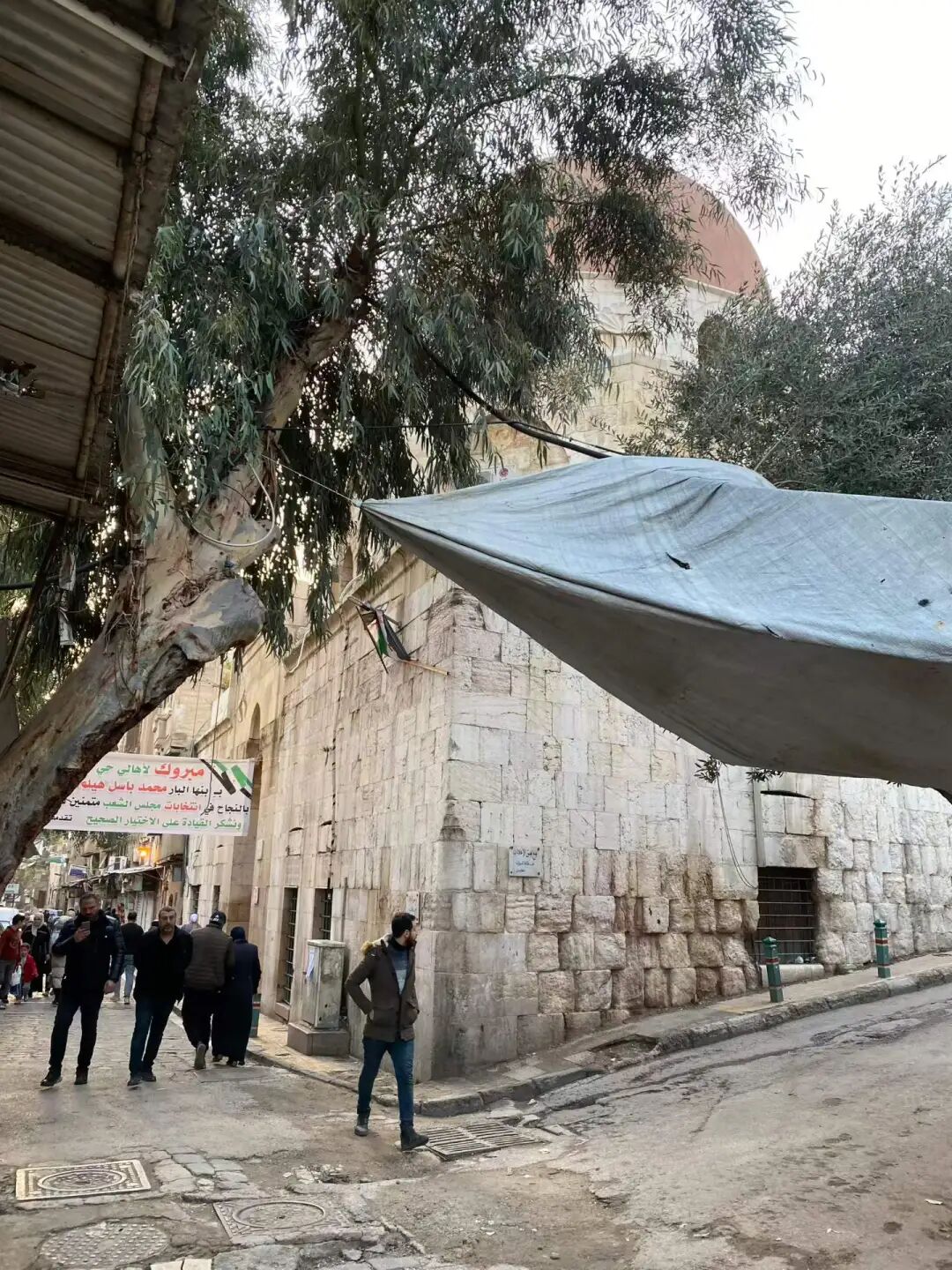
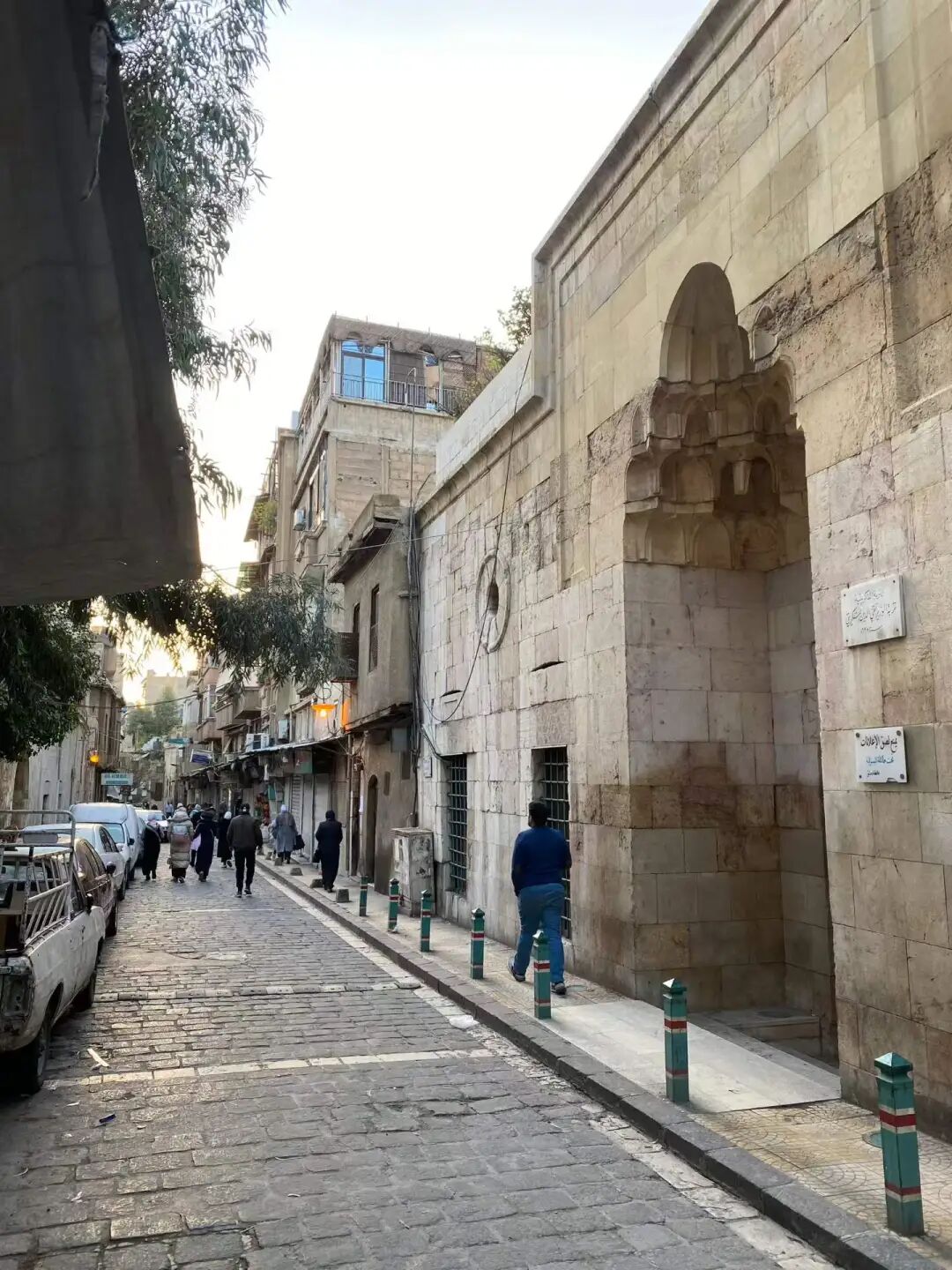
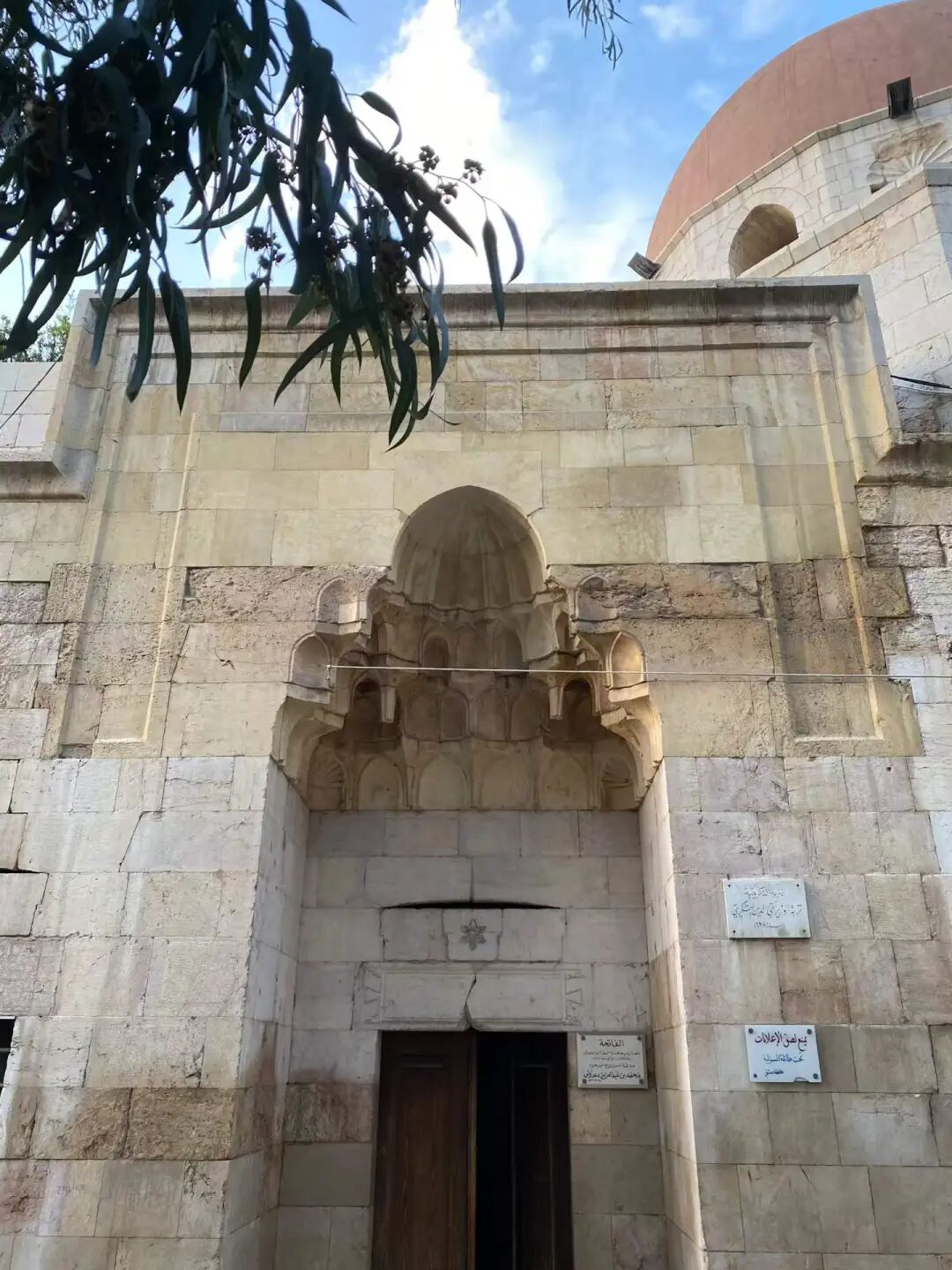
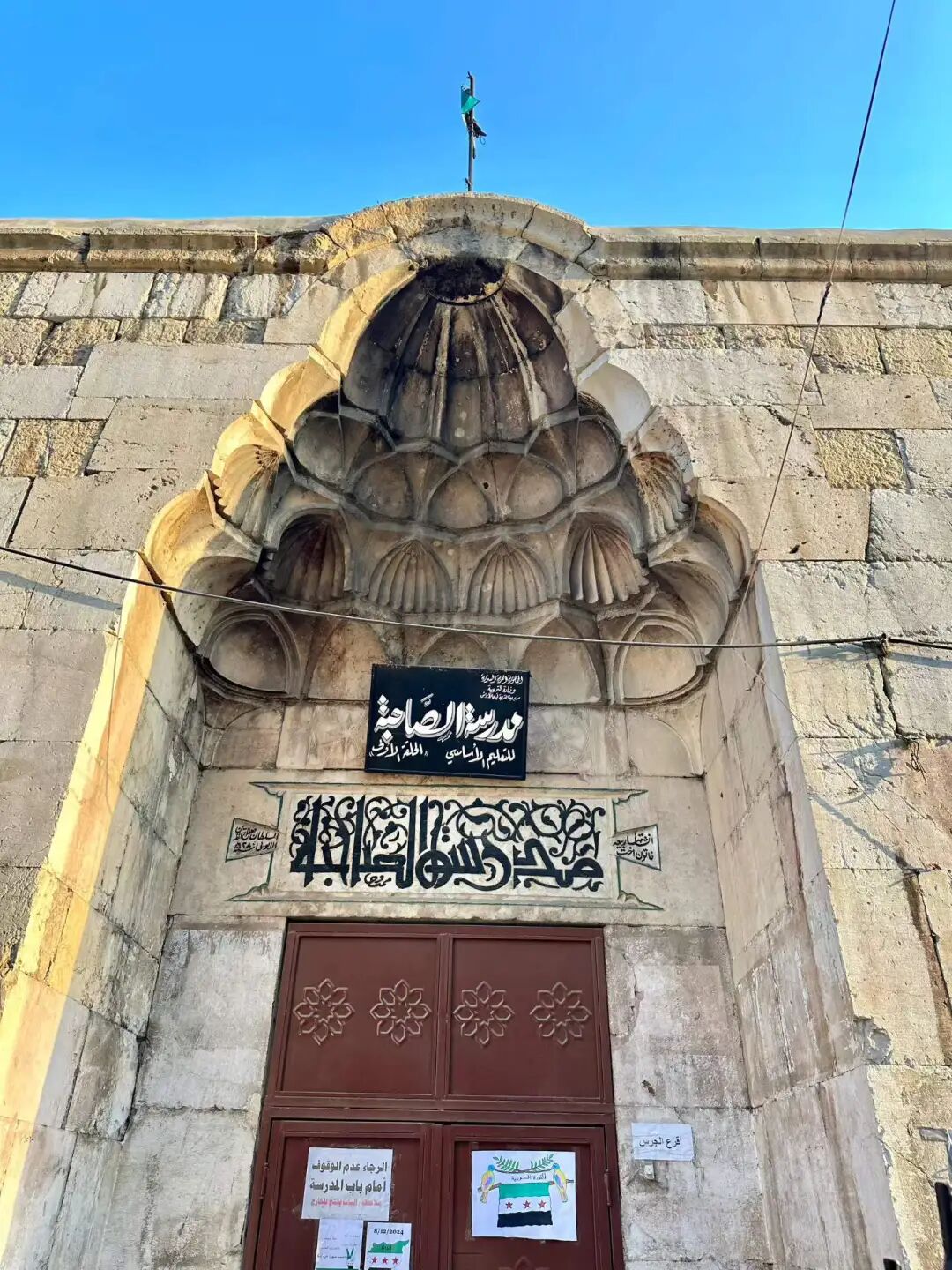
Rabia Khatun, the sister of Ayyubid founder Saladin, built the Sahiba Madrasa in 1233, and her tomb is inside. People call this madrasa a model of Ayyubid architecture because of its thick walls and beautiful carvings that only use simple geometric shapes.
This madrasa once taught the Hanbali school of thought, which was the mainstream school at the time. Today, it is a primary school for girls, and generations of local residents have studied here.
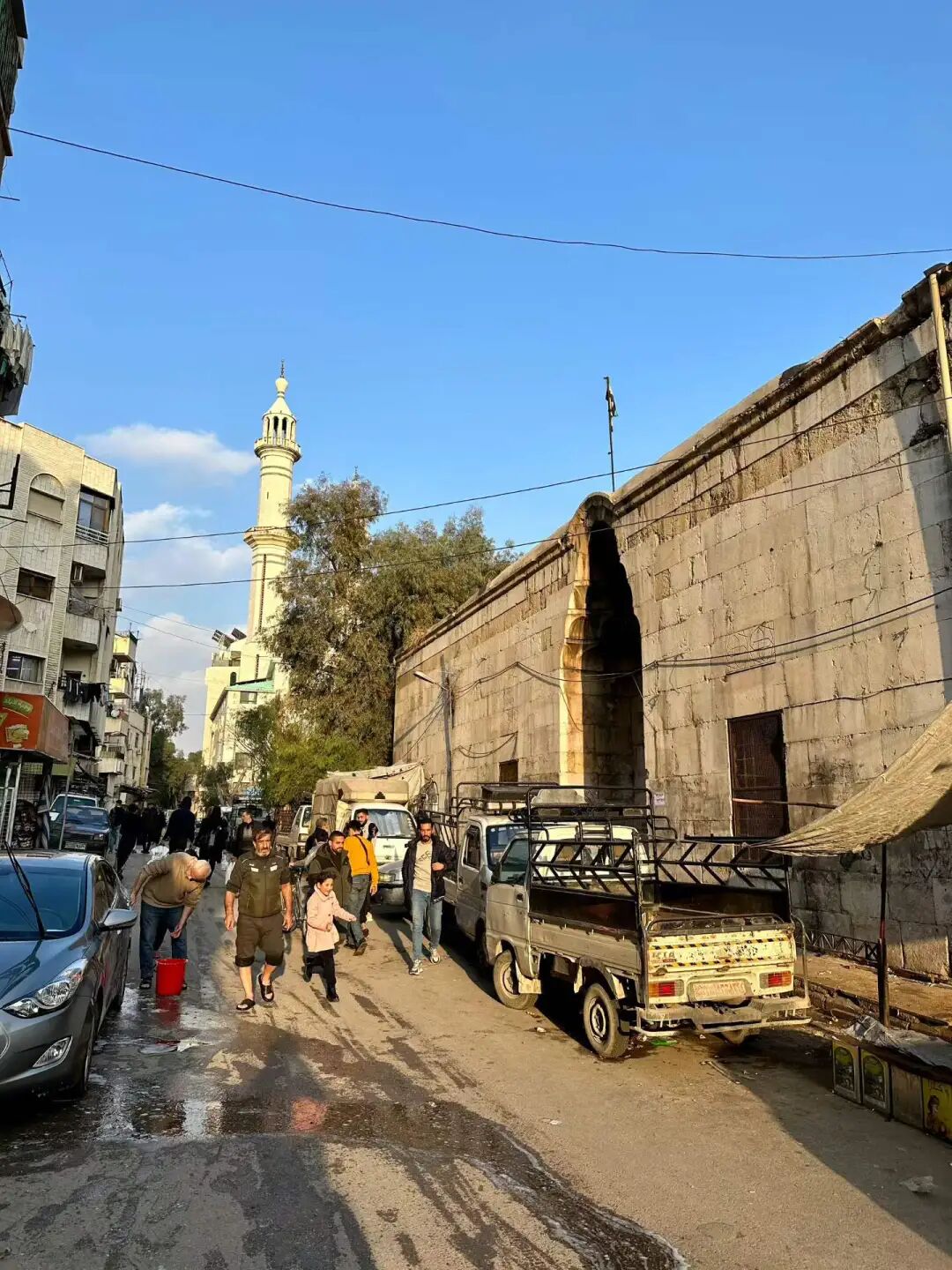
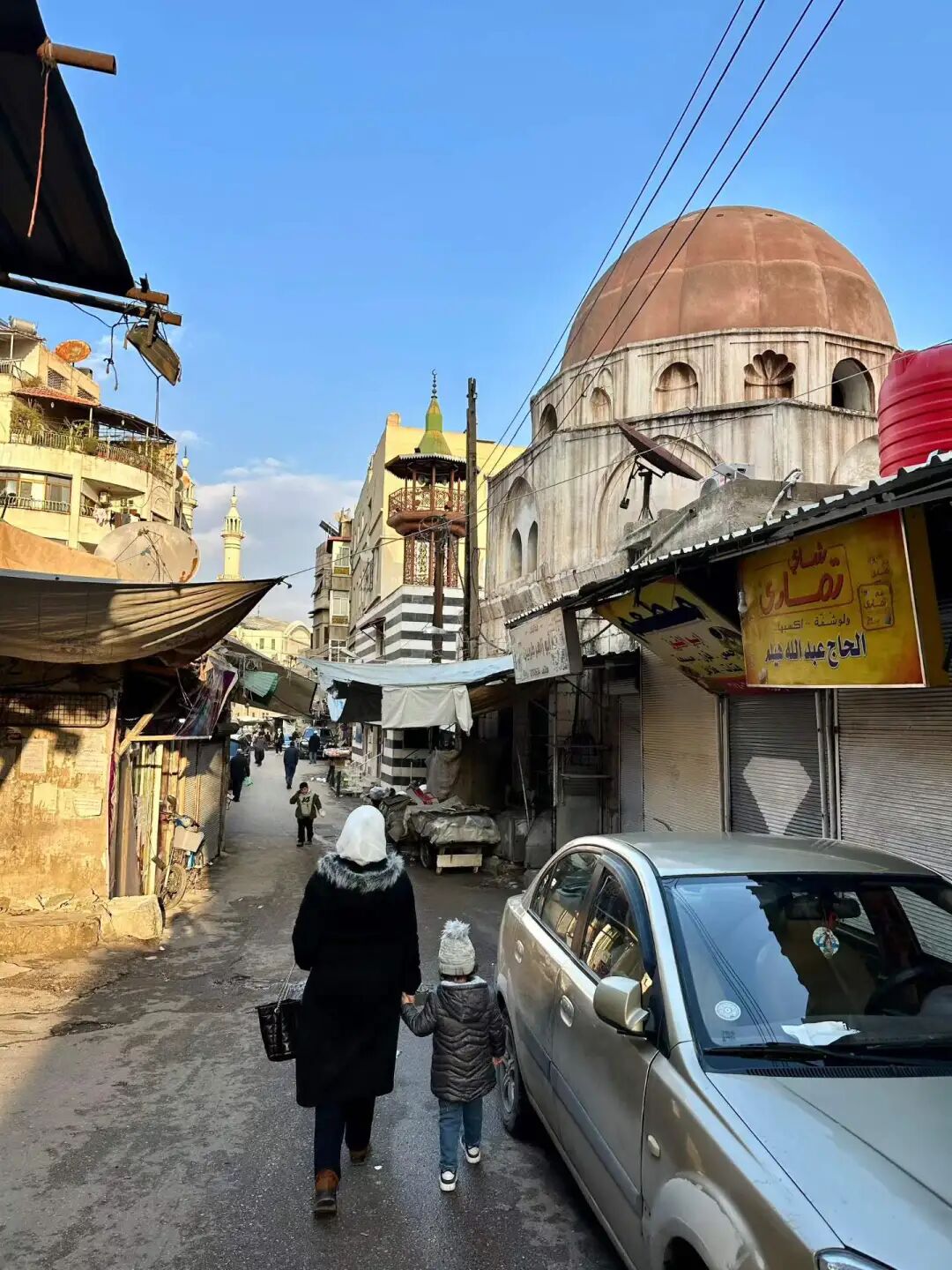
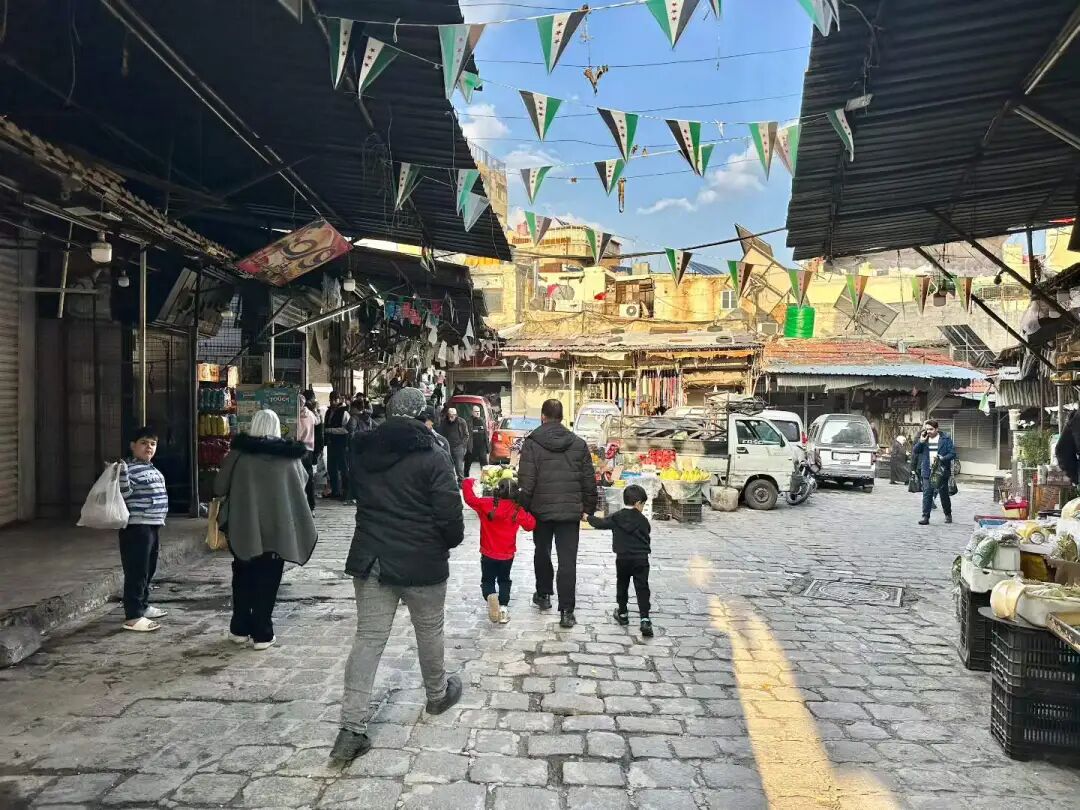
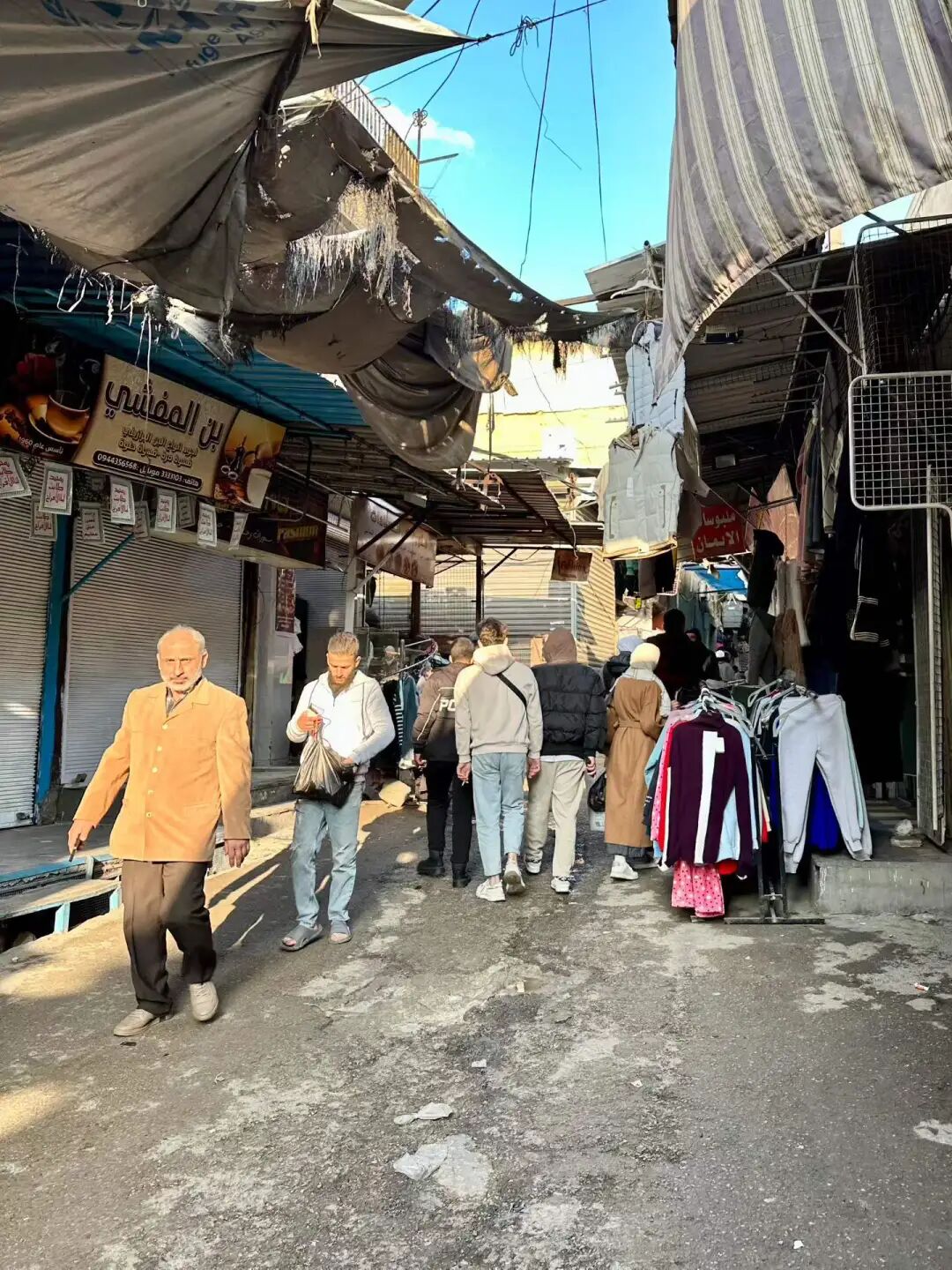
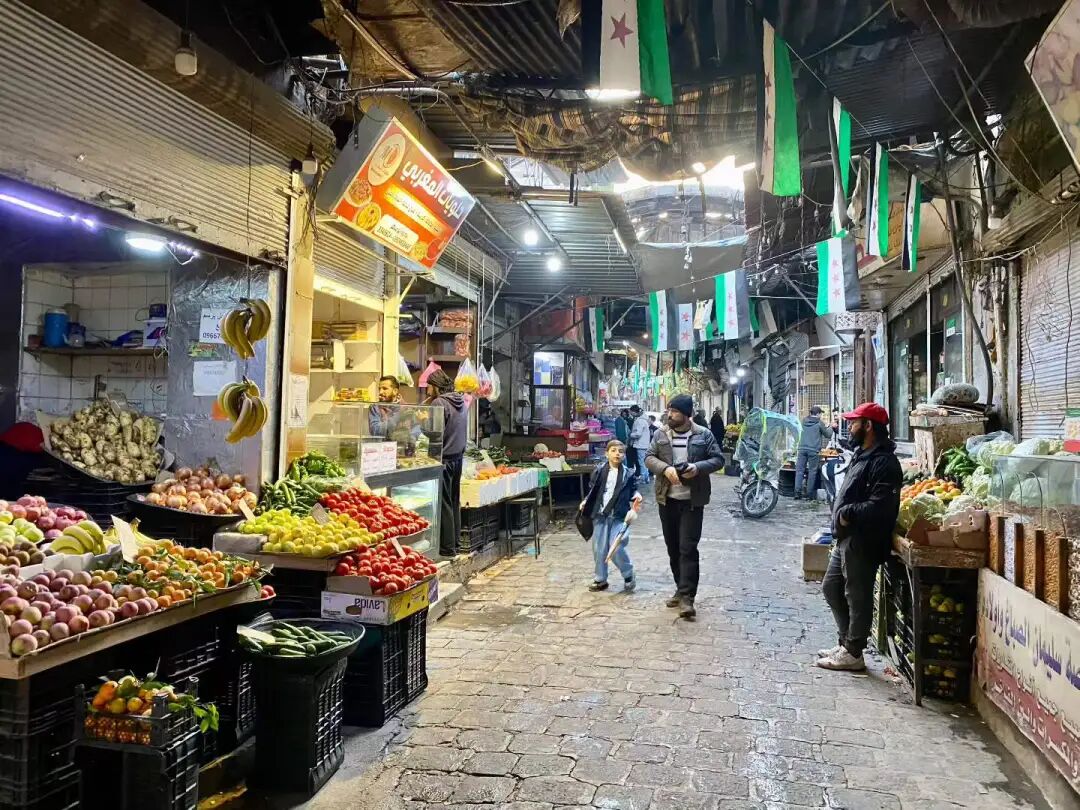
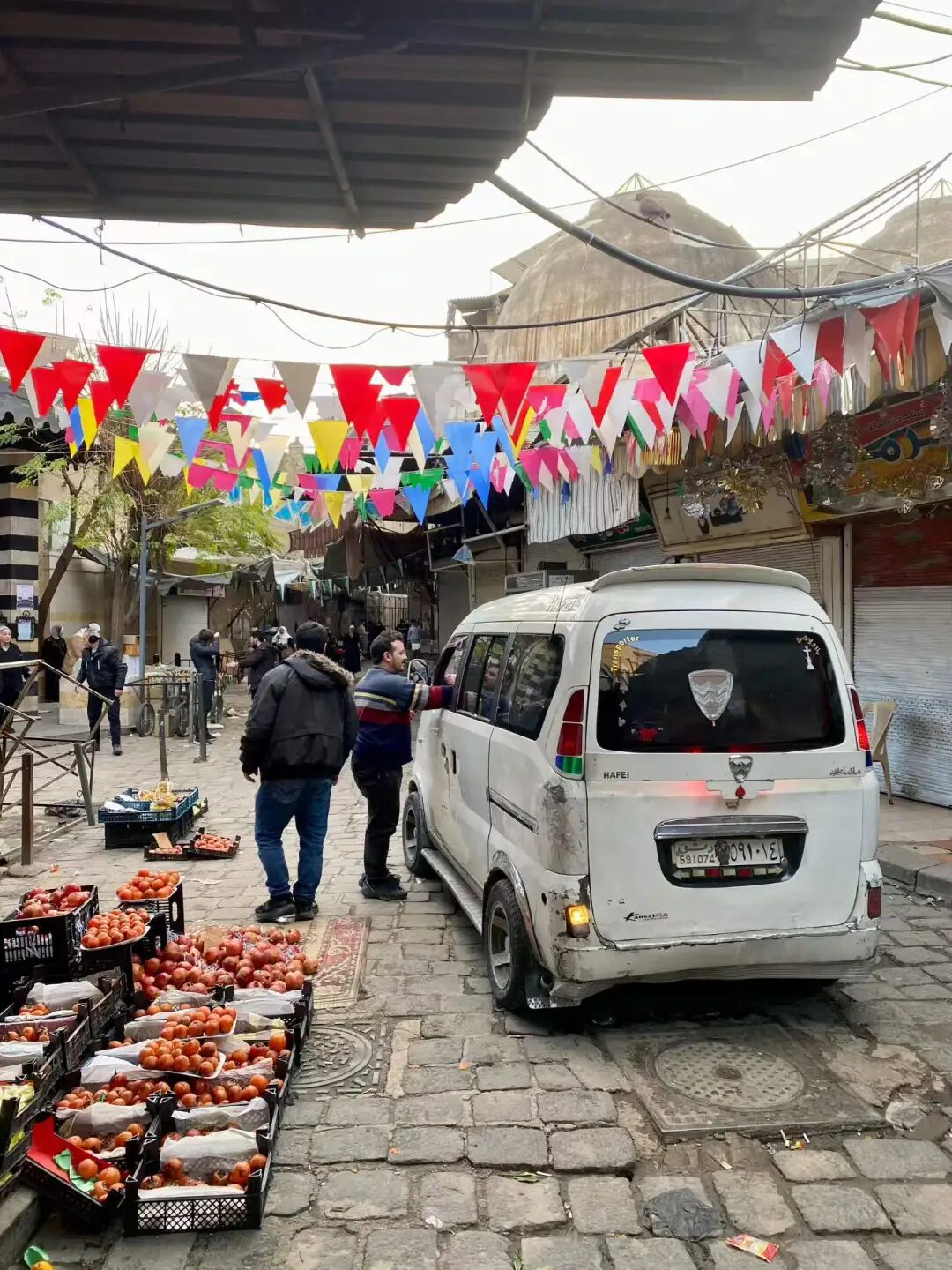
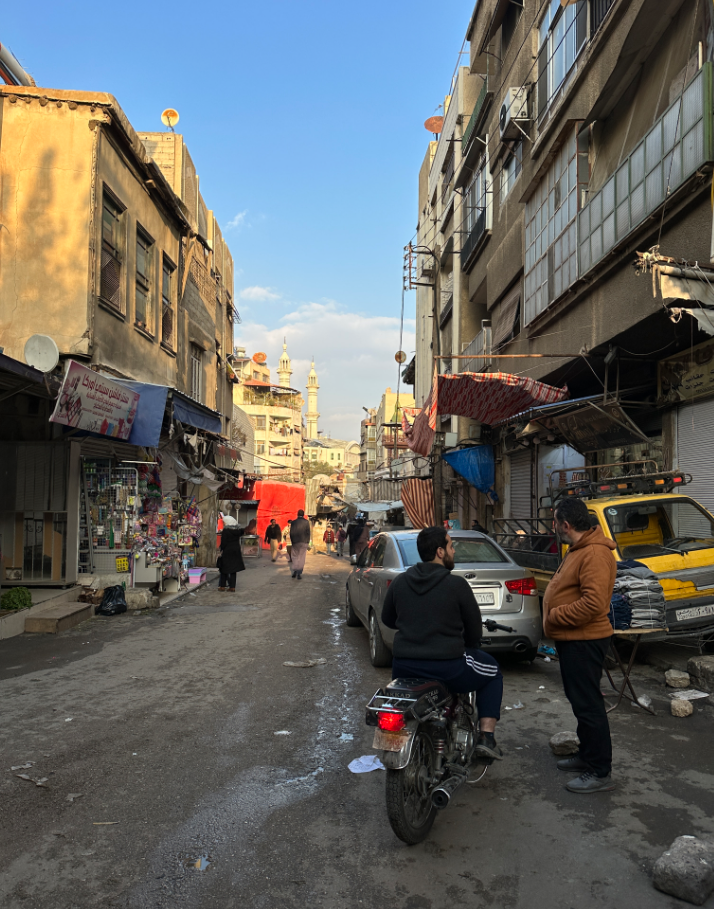
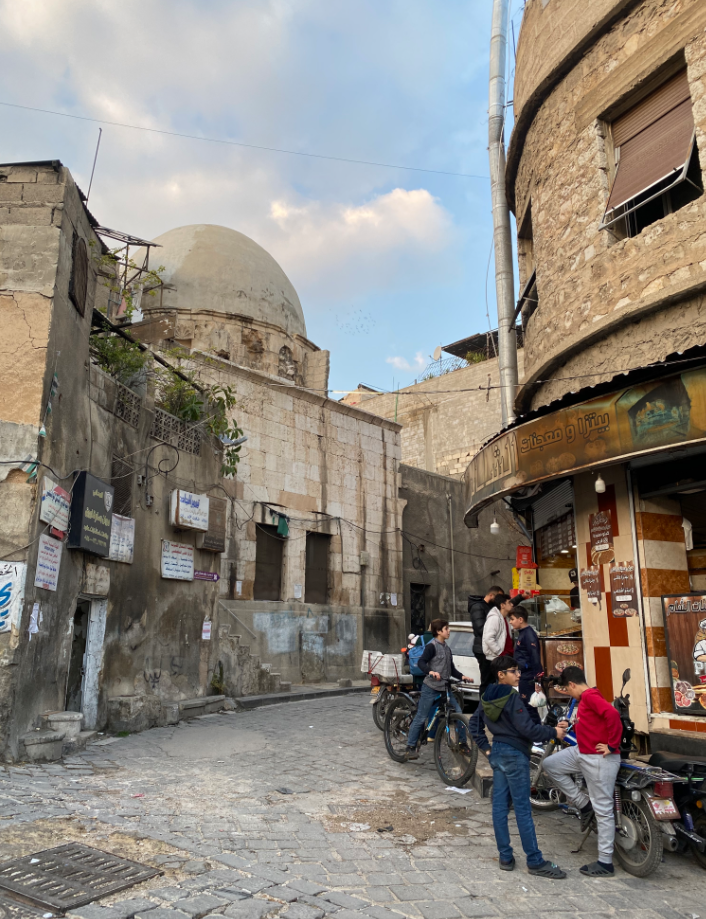
Juma Market, the main road of the Salihiya historic neighborhood in Damascus.
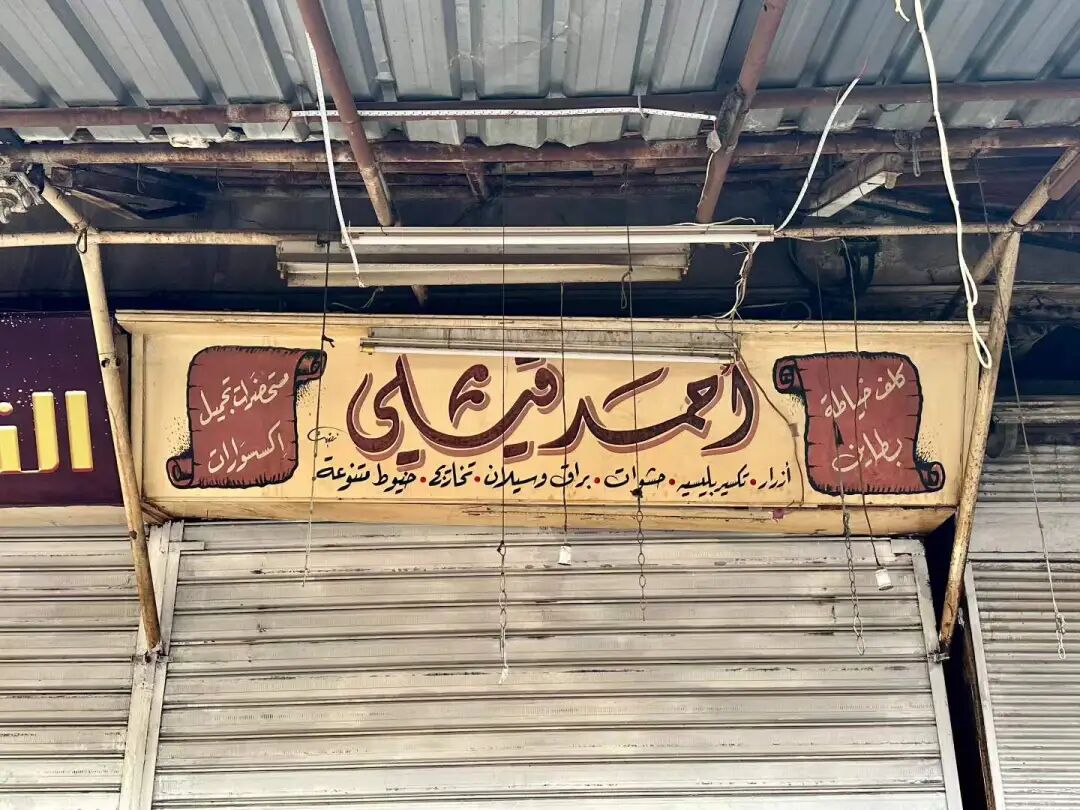
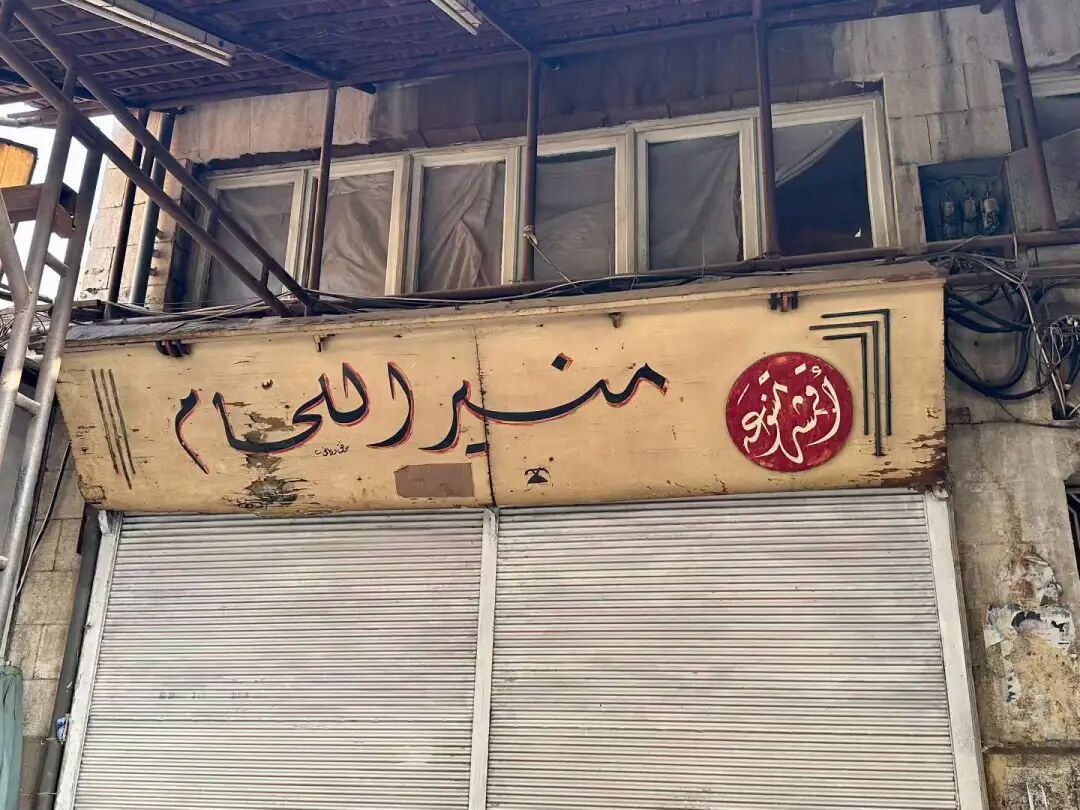
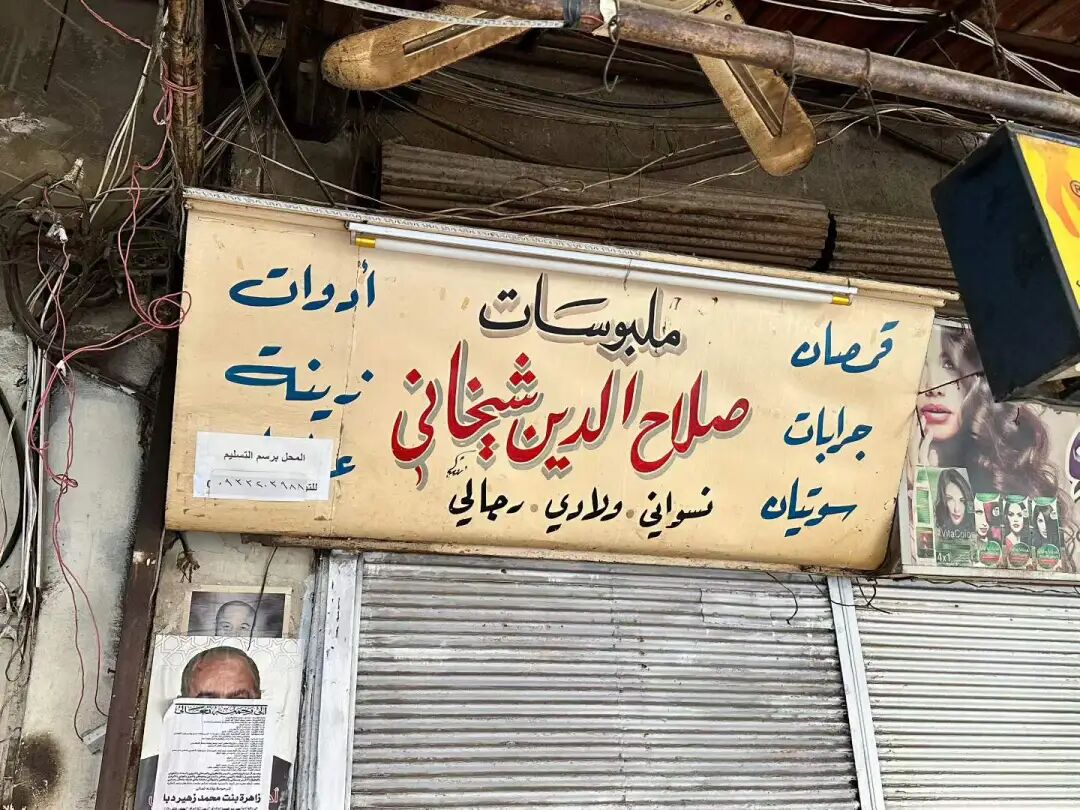
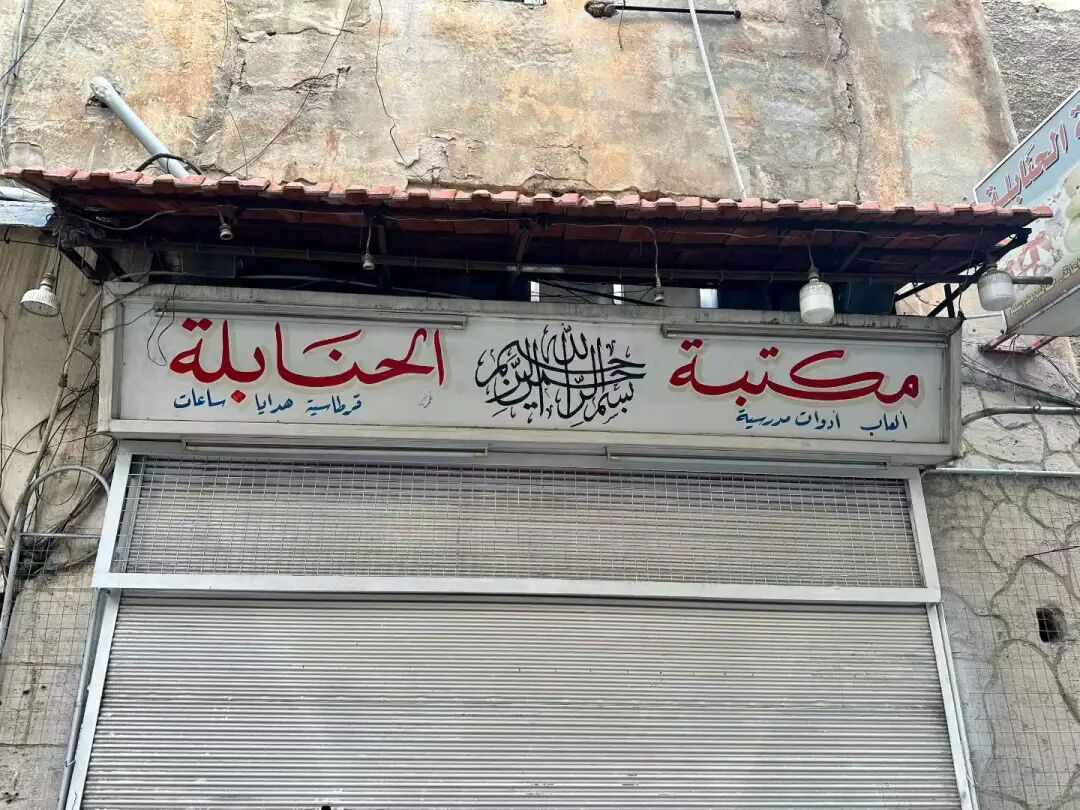
The market in Salihiya grew quickly during the Ayyubid dynasty as more people moved here from Jerusalem. The Juma Market in front of the gongbei of the Sufi sage Ibn Arabi only sold goods after Friday namaz at first, but it eventually became a permanent market while keeping the name Juma Market. It is still a great place for nearby residents to shop today.
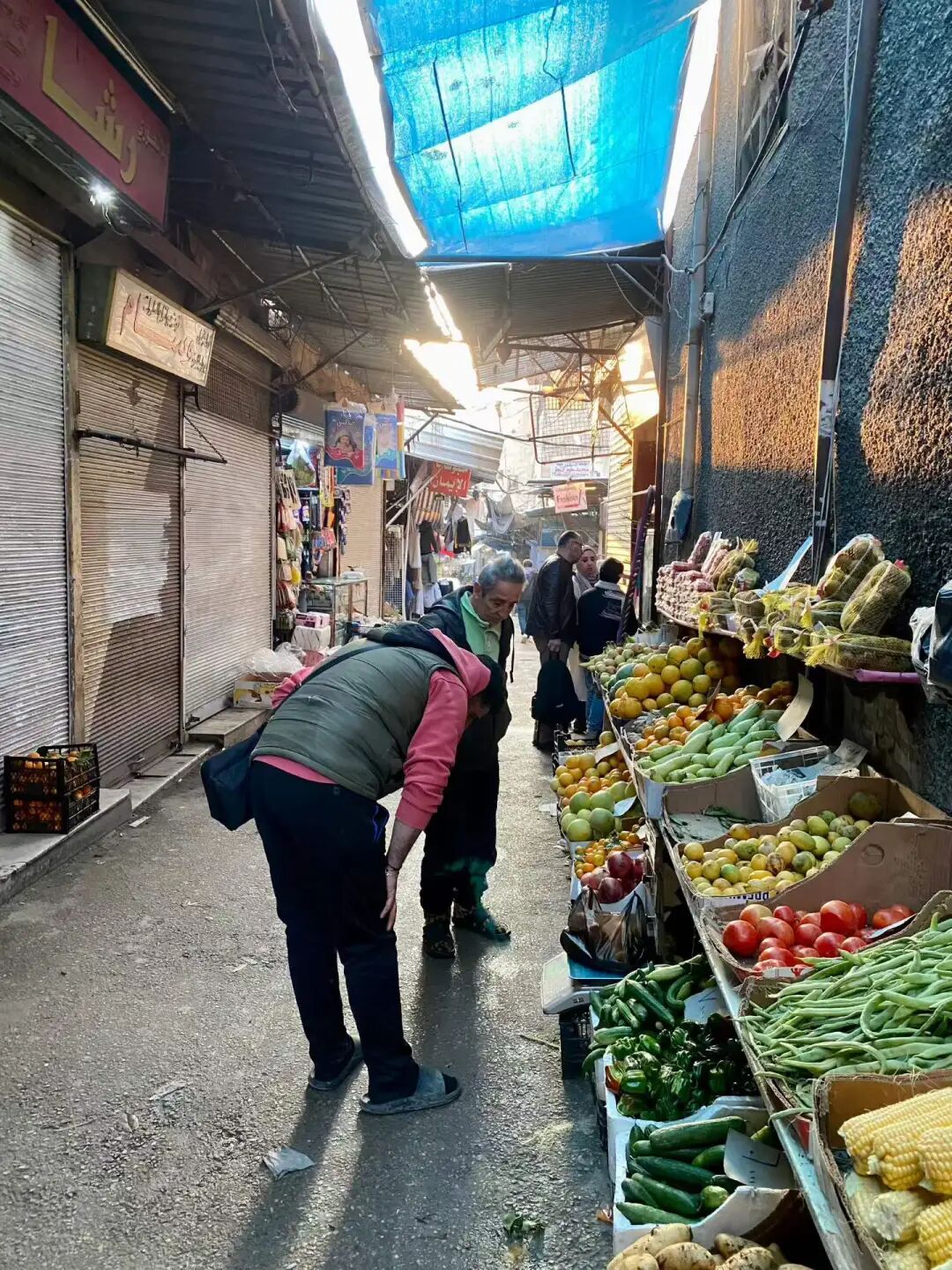
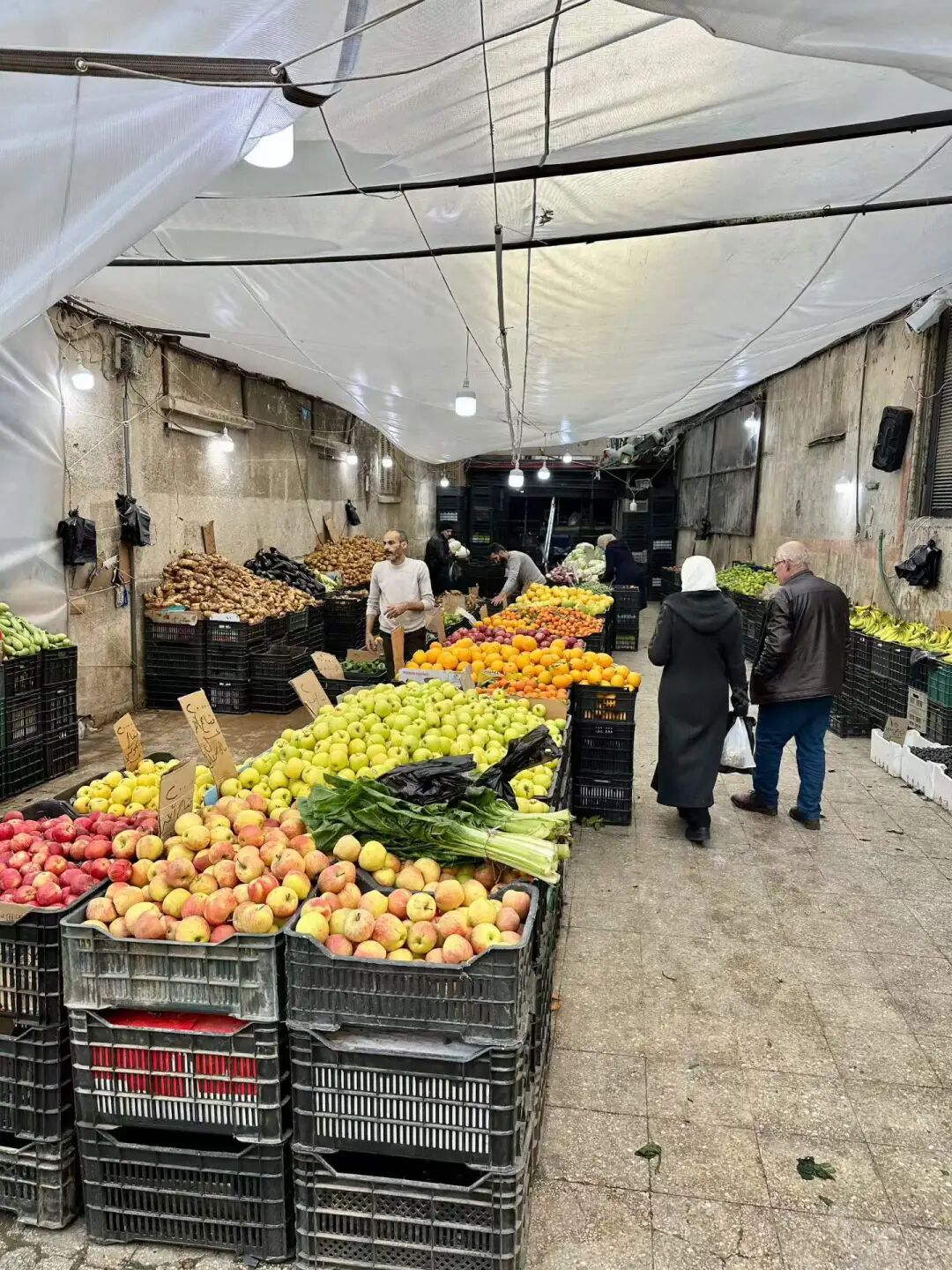
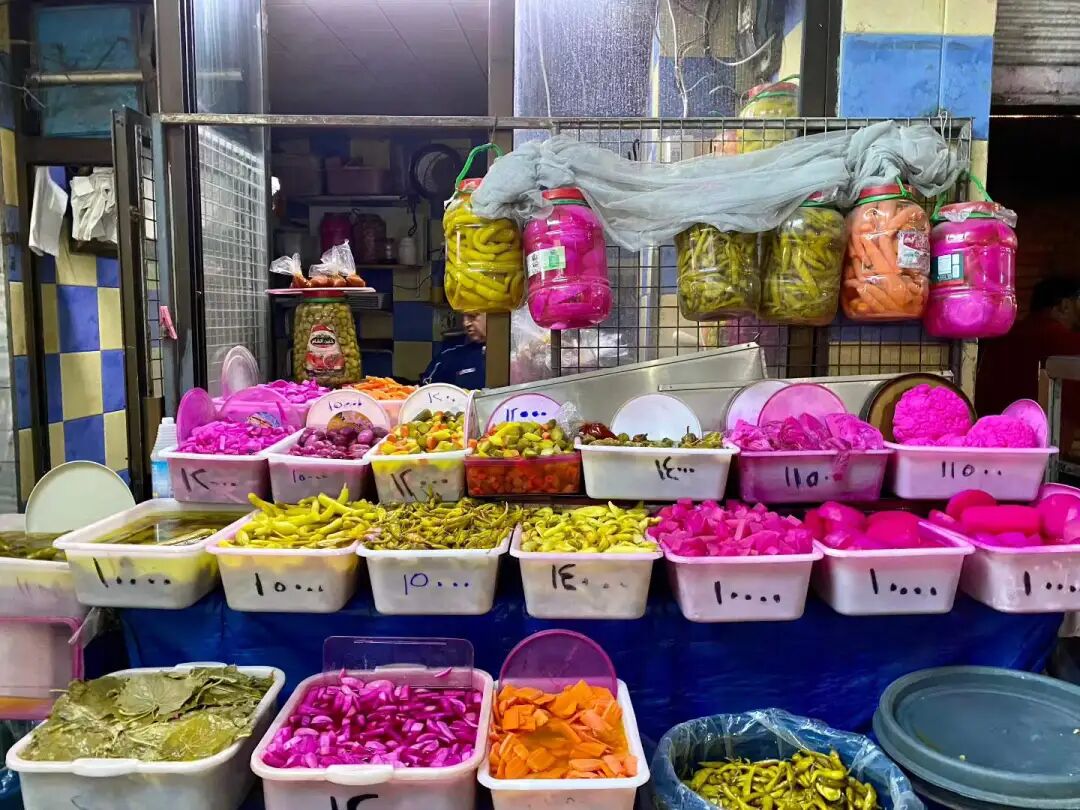
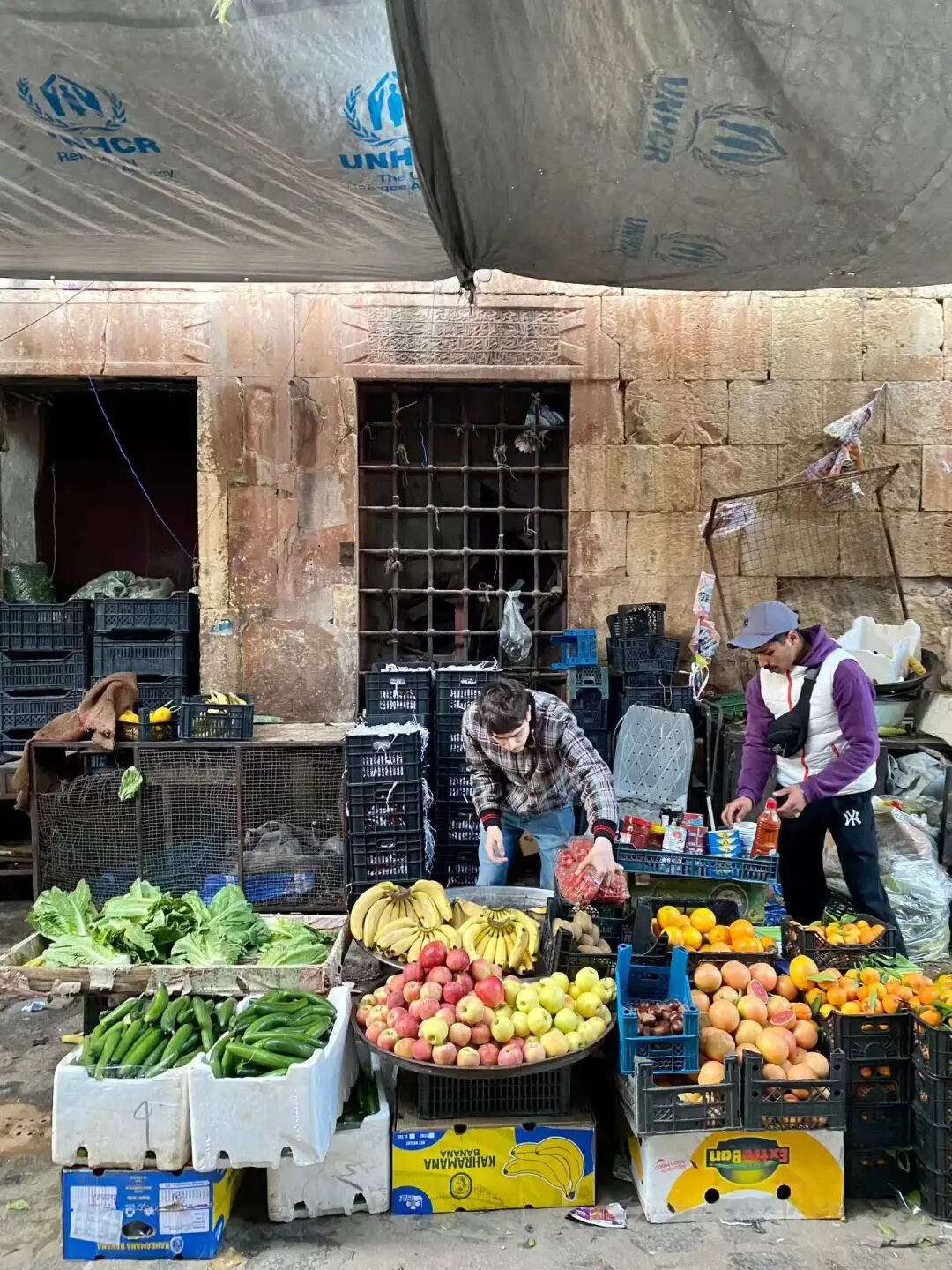
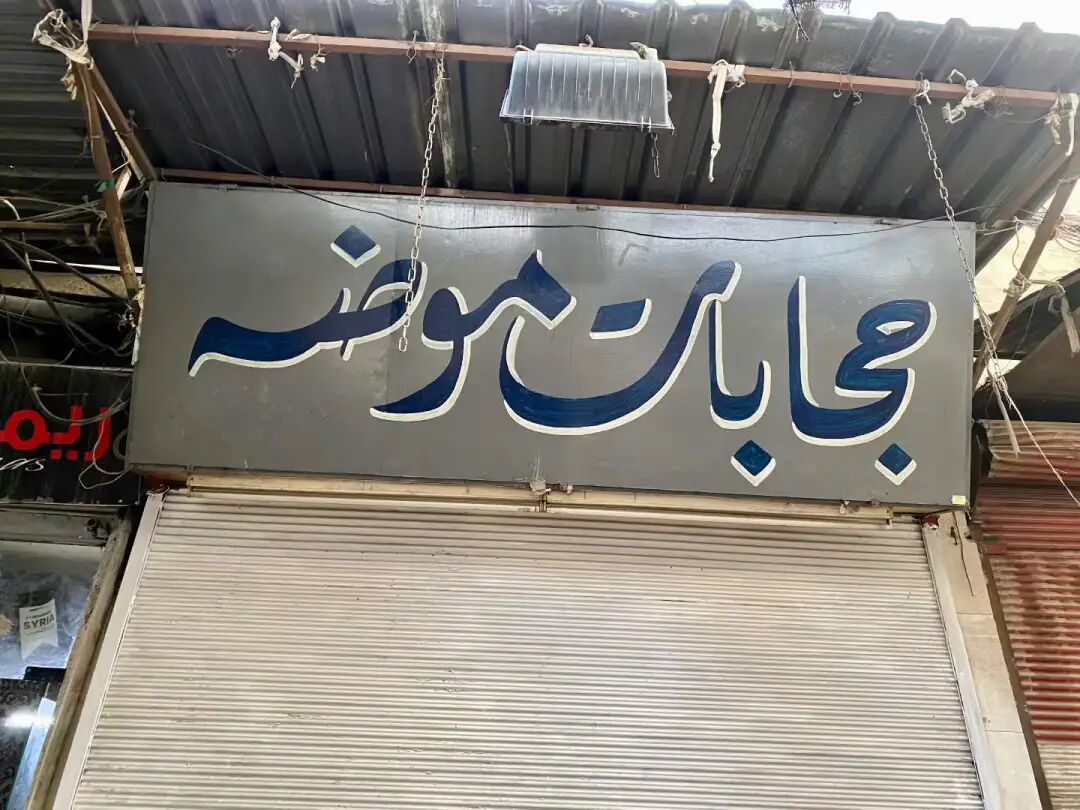
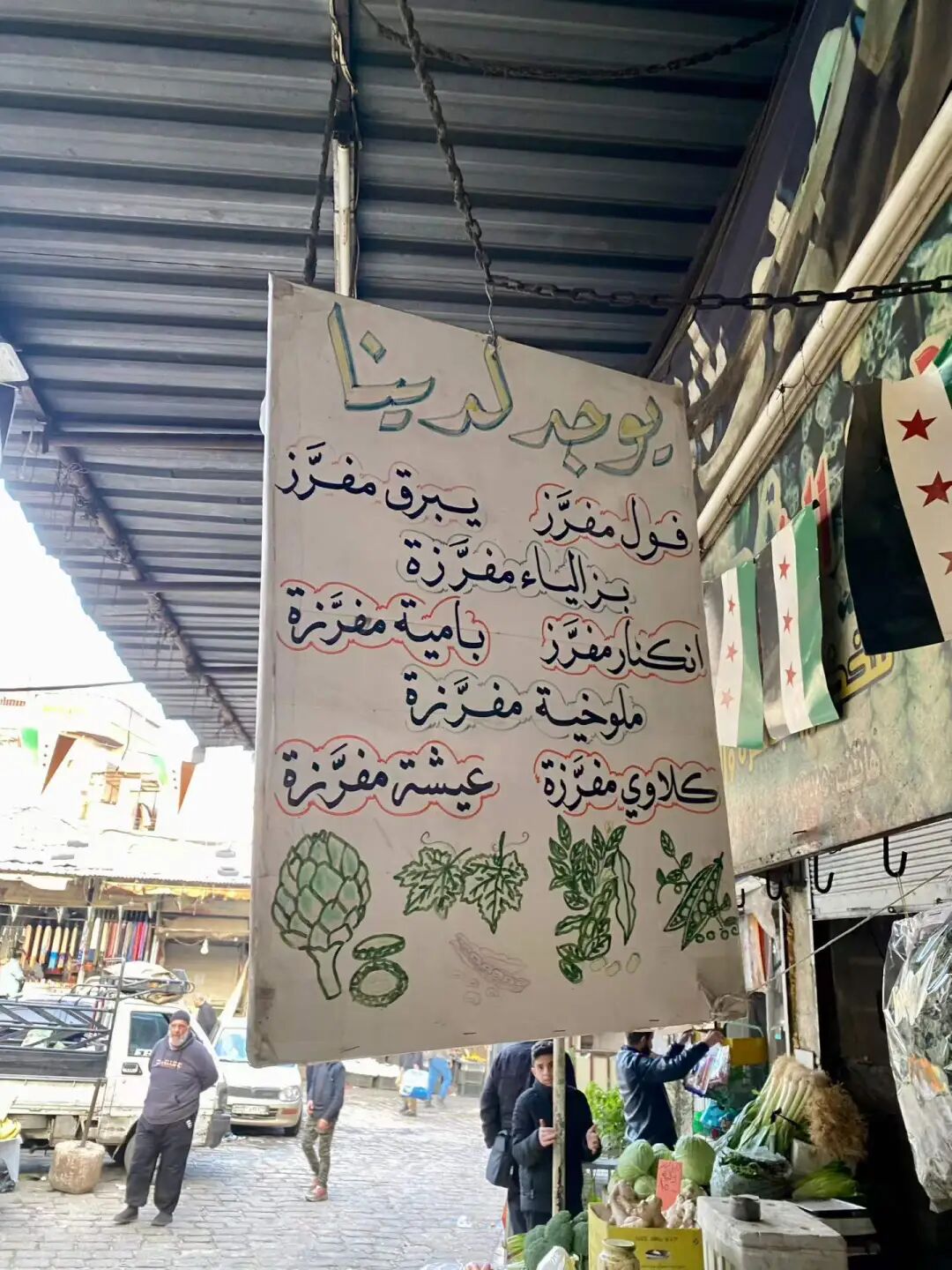
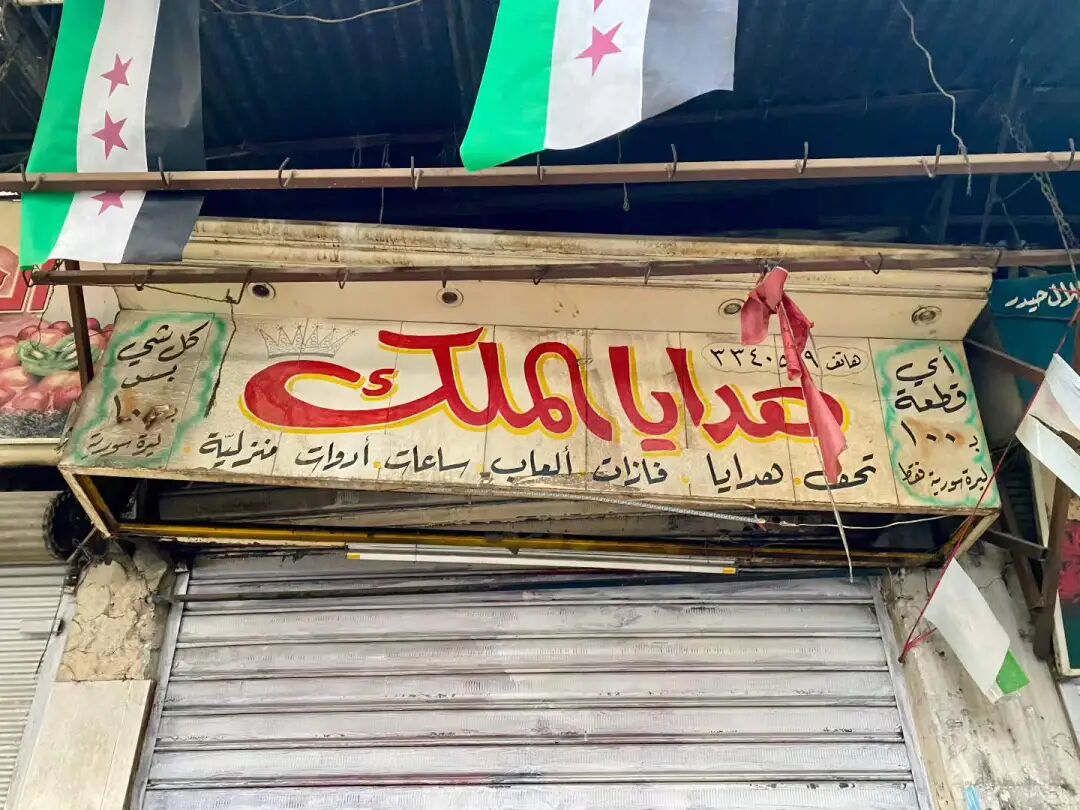
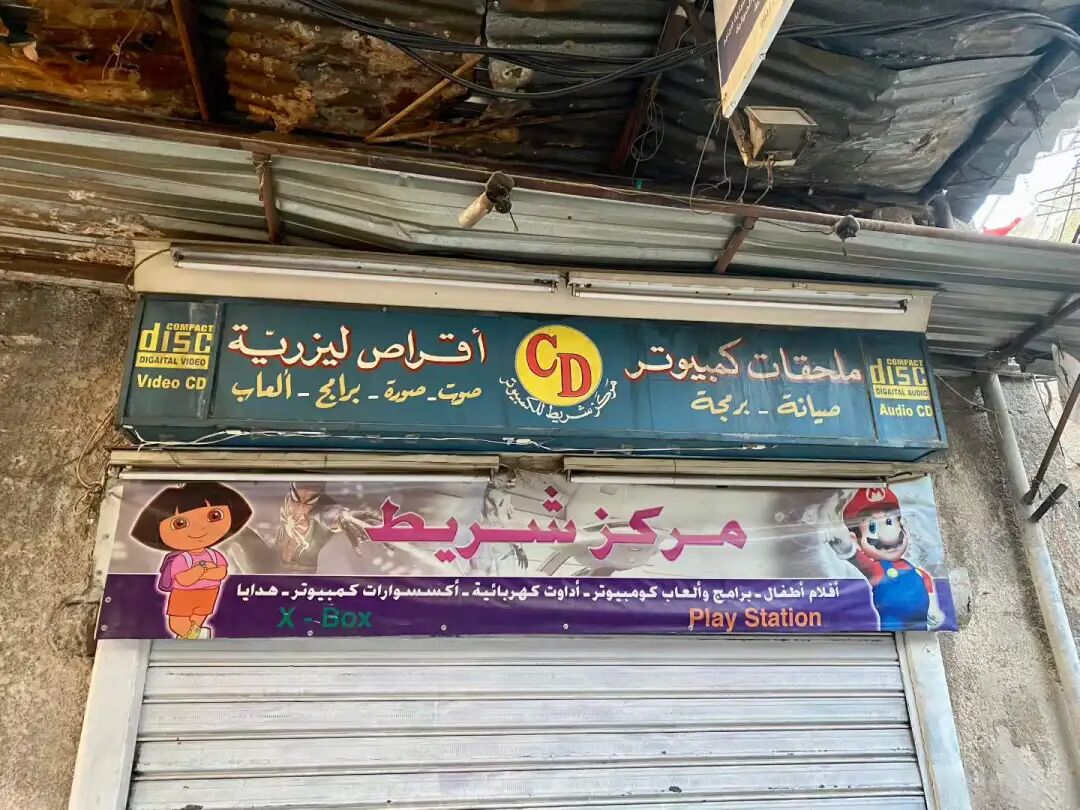
Handwritten signs at the market.
Summary: This Muslim history guide to Damascus follows Sufi sage Ibn Arabi, mosque-area travel, shrine history, and Islamic heritage from the original article.
This article summarizes the key points of visiting the Sufi sage Ibn Arabi in Damascus. It keeps the original paragraph and image order. It is for readers interested in Muslim life, Islamic culture, and Chinese Islamic writing. It also helps with searching for content on namaz, Hajj, and Ramadan.
Salihiyah, located at the foot of Mount Qasioun, is the most important historic district in Damascus outside the old city. Historic buildings from the Ayyubid, Mamluk, and Ottoman dynasties stand along both sides of the Friday market (Jumu'ah market). Some look plain from the outside but are hundreds of years old.
After the Crusaders captured Jerusalem in 1099, many scholars, jurists, and civilians fled to Damascus for refuge. In 1156, the famous Hanbali scholar Ibn Qudamah moved from the West Bank to Damascus to escape the Crusaders and later settled in Salihiyah. He once admired this land and said, 'This is a place of barakah (blessing).'
Saladin, the founder of the Ayyubid dynasty, wanted to provide a safe and stable environment for the scholars and immigrants who fled from Jerusalem to Damascus. Because Ibn Qudamah's home at the foot of Mount Qasioun in the north of the city had become an academic center for the Hanbali school, Saladin decided to build the Salihiyah community at the foot of Mount Qasioun.
The most famous landmark in Salihiyah is the Shaikh Mohiddin Mosque (Masjid Shaikh Mohiddin), which houses the tomb of the famous Sufi sage Ibn Arabi.
Ibn Arabi was born in 1165 in what is now southern Spain, which was then called Al-Andalus. Starting at age 28, he traveled throughout the Middle East for many years, performed Hajj multiple times, and lived in Tunisia, Morocco, and Mecca. At age 58, he finally chose to settle in Damascus to focus on teaching and writing. He passed away in Damascus in 1240 at the age of 75. After Ibn Arabi passed away, his works were translated into Persian, Turkish, and Urdu. They had a great influence on the entire Muslim world, and he is known as a founder of the development of Sufism.
The shrine (gongbei) of Ibn Arabi was originally quite small. In 1518, Ottoman Sultan Selim I ordered its reconstruction during his visit to Damascus, which showed how much the Ottoman Empire valued Sufis at the time. After it was built, the shrine was first named the Selimiye Mosque after the Sultan. Because Ibn Arabi’s title, Muhyiddin, means 'reviver of the faith,' the mosque is also known as the Sheikh Muhyiddin Mosque. On the first Friday (Jumu'ah) of Ramadan after the mosque was finished, the Sultan personally visited to attend prayers and gifted the mosque a pair of silver socks.
The mosque blends architectural styles from the late Mamluk and early Ottoman periods. The shrine is located below the mosque, and you enter it by taking the stairs on the east side of the courtyard. Inside the shrine, besides Ibn Arabi himself, lie his two sons and his followers.
The tiles on the walls of the shrine were laid in 1760.
The Sheikh Muhyiddin Mosque follows a traditional Damascus layout, with a courtyard surrounding the front of the main prayer hall and an Ottoman-style minaret built above the main gate. The walls are covered in yellow and white marble, and there is a Damascus-style pool in the middle of the courtyard. The wall decorations mix Ottoman and Mamluk styles, and the Corinthian capitals on the stone pillars of the main hall feature beautiful carvings. The two large candlesticks in front of the mihrab are also very characteristic of the Ottoman style.
When I first arrived at the Sheikh Muhyiddin Mosque, I happened to catch a funeral prayer (janazah) for a sheikh, and I could really feel the strong religious atmosphere here.
Not far to the east of the Sheikh Muhyiddin Mosque is the Hanabila, another famous mosque in the Salihiya district. Hanabila Mosque is a famous early Ayyubid dynasty mosque in Syria. It was founded between 1208 and 1210 by the famous Hanbali scholar Ibn Qudama. He was born in Jerusalem and settled in Damascus in 1197, which became his main center for scholarship.
The mosque follows the Ayyubid architectural style. It centers on a courtyard, and the main prayer hall follows the layout of the Umayyad Mosque in Damascus, though its structure is more compact. The mosque still has a beautiful pulpit (minbar) and window carvings that are over 800 years old.
Rukniyah Madrasa is located on the far east side of the Salihiyah district in Damascus. It was built in 1224 by the Ayyubid governor of Damascus, Rukn al-Din Mankurs al-Falaki, who is also buried there. Rukniyah Madrasa is the first Ayyubid building with a courtyard covered by a dome. The building consists of two square sections: the larger part is the madrasa, and the smaller part is the tomb. The minaret was added later.
Because the Ayyubid dynasty was busy fighting the Crusades, the architectural style of this period is known for being simple, sturdy, and durable. Rukniyah Madrasa belongs to the Hanafi school of law. It has now been converted into a mosque, and the main hall is not open except during the five daily namaz prayers.
Abd al-Ghani al-Nabulsi Mosque was built in 1764 by Sheikh Mustafa al-Nabulsi, the grandson of the famous Syrian Sufi sheikh and poet Abd al-Ghani al-Nabulsi. Both Sheikh Abd al-Ghani al-Nabulsi and Sheikh Mustafa al-Nabulsi are buried there. Unfortunately, since most mosques in Damascus do not open their doors except for the five daily namaz prayers, I could not go inside.
Sheikh Abd al-Ghani's family came from the Banu Jama'a. For generations, they served as chief judges and great Sufi sheikhs during the Mamluk dynasty. One branch of his family settled in Damascus after the Ottoman Empire conquered the Mamluk dynasty in 1516. They continued to hold positions such as the Shafi'i Grand Mufti of Damascus and teachers at the Umayyad Mosque.
Sheikh Abd al-Ghani was born in Damascus in 1641. His father switched from the Shafi'i school to the Hanafi school after a debate with Hanafi students. This was the mainstream school of the Ottoman Empire at the time. Abdul-Ghani began studying Islamic law as a child. He joined the Qadiriyya and Naqshbandiyya Sufi orders and spent seven years in quiet retreat at home. He traveled widely across the Middle East and wrote over 200 books. He was especially known for his deep research into the Sufi sage Ibn Arabi.
Before Sheikh Abdul-Ghani, the Salhiyya district of Damascus followed the Hanbali school of law. He was the first to bring Hanafi and Shafi'i ideas to the area and hosted many Hanafi students in his home.
The Jharkasiya Madrasa is on the market street in the Salhiyya district of Damascus. It was built in 1237 by the Ayyubid general Salim al-Din al-Hattra for his teacher, the Ayyubid general Jharkas ibn Abdullah. Both Jharkas ibn Abdullah and Salim al-Din al-Hattra are buried inside.
Jharkas was a commander in Saladin's personal guard and witnessed all of Saladin's military campaigns. The Jharkasiya Madrasa has a very rare double-domed tomb. Historically, the school taught both Hanafi and Shafi'i law, but today it serves as a mosque.
The Mershadiyeh Madrasa is on the west side of the Salhiyya district in Damascus. It was built in 1252 with funding from Khadija Khatun, the daughter of the Ayyubid Emir of Damascus, Al-Mu'azzam Isa. She is buried in the courtyard after her passing.
The square minaret of the madrasa is the only surviving example of 13th-century Ayyubid architecture in Damascus. The madrasa is currently closed. You must contact the Syrian Directorate-General of Antiquities and Museums to enter.
The Takrityya Madrasa is on the far west side of the Salhiyya district in Damascus. It was built in 1298 by the Emir Taqi al-Din al-Takriti, who is buried inside. This building dates back to the Mamluk period, but it keeps the strict and simple architectural style of the Ayyubid dynasty. The Mongol army destroyed this place in 1300, but it was rebuilt later.
Rabia Khatun, the sister of Ayyubid founder Saladin, built the Sahiba Madrasa in 1233, and her tomb is inside. People call this madrasa a model of Ayyubid architecture because of its thick walls and beautiful carvings that only use simple geometric shapes.
This madrasa once taught the Hanbali school of thought, which was the mainstream school at the time. Today, it is a primary school for girls, and generations of local residents have studied here.
Juma Market, the main road of the Salihiya historic neighborhood in Damascus.
The market in Salihiya grew quickly during the Ayyubid dynasty as more people moved here from Jerusalem. The Juma Market in front of the gongbei of the Sufi sage Ibn Arabi only sold goods after Friday namaz at first, but it eventually became a permanent market while keeping the name Juma Market. It is still a great place for nearby residents to shop today.
Handwritten signs at the market.
