
Muslim History Guide to Damascus: Caliph Muawiyah I Tomb and Early Islamic Heritage
Reposted from the web
Summary: This Muslim history guide to Damascus covers Caliph Muawiyah I's tomb, the Prophet's Companion, early Islamic history, and Muslim heritage.
This article organizes key points from the original text about visiting the tomb of the scripture scribe and companion of the Prophet, Caliph Muawiyah I. It keeps the original paragraph and image order. It is for readers interested in Muslim life, Islamic culture, and Chinese Islamic writing. It also helps with searching for topics like Shia, Sunni, and Ramadan.
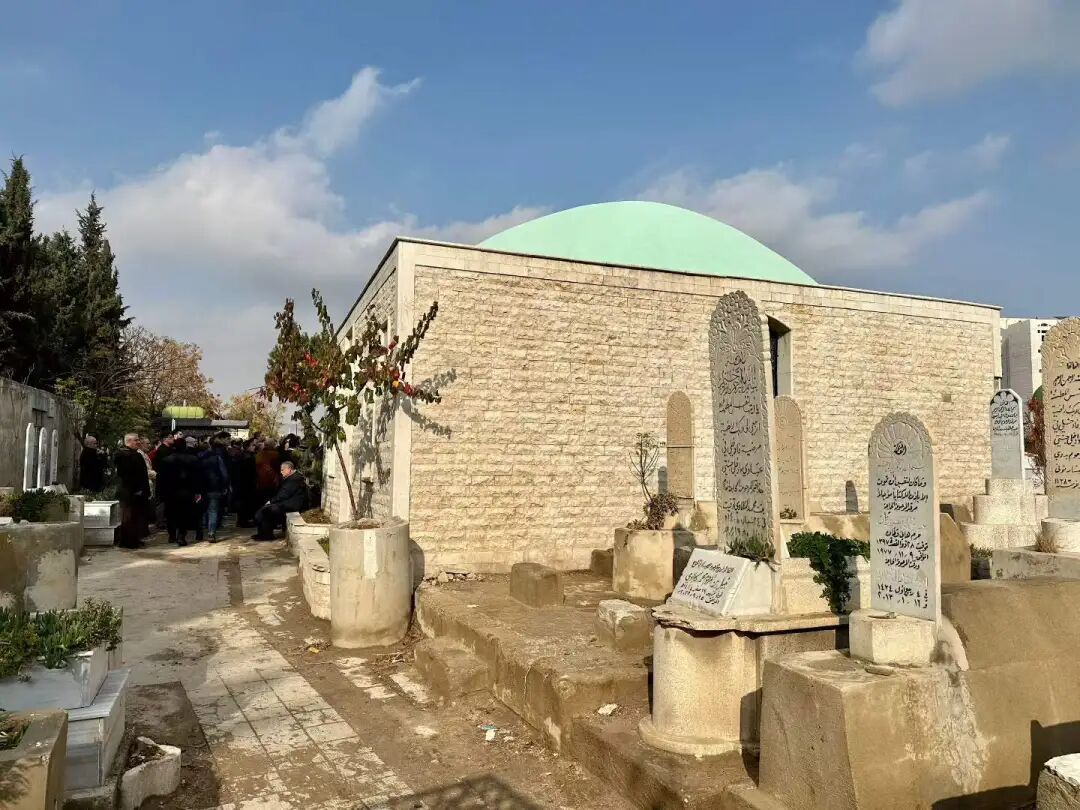
Bab al-Saghir Cemetery in the south of the old city of Damascus is a very ancient graveyard. It holds the graves of many companions of the Prophet, such as Bilal, as well as several children of Imam Ali and Imam Hussein. Near these graves is a tomb tightly enclosed by layers of iron railings. It is inscribed with the name Muawiyah ibn Abi Sufyan, the first caliph of the Umayyad Dynasty. This is the burial place of a highly controversial caliph in religious history. He is both respected and hated, but he was a key figure who shaped early religious history: Muawiyah I.
During Ramadan in 2025, the Saudi MBC studio aired a series called Muawiyah. With a production cost of 100 million US dollars, it is the most expensive television series in Arab history. The show caused huge controversy and sparked massive discussion as soon as it aired. Iraq and Iran directly banned the series, and Al-Azhar University in Egypt issued a fatwa calling on people not to watch it.
In the Sunni narrative, Muawiyah's sister Ramla married the noble Prophet in 628. Muawiyah converted to the faith in 630. Because he was literate, the noble Prophet appointed him as a scribe, making him a scripture scribe. After Abu Bakr was elected caliph in 632, Muawiyah became a commander in the conquest of Syria. He followed Caliph Umar into Jerusalem in 637 and was later appointed governor of Damascus. He served as governor of Syria during the time of Caliph Uthman and organized the first naval battle in religious history. Sunnis believe he made a great contribution to the unity of the Caliphate and recognize his status as a companion of the Prophet and a scripture scribe.
In the Shia narrative, Muawiyah opposed the election of Ali as caliph, which triggered the first civil war in the faith. After Ali was assassinated, he forced Hasan to abdicate. Shia Muslims deny Muawiyah's status as a companion of the Prophet and a scripture scribe, and even consider him a disbeliever.
Muawiyah I died of illness in Damascus in 680 and was buried in the Bab al-Saghir cemetery. Several documents from the 9th and 10th centuries mention the tomb of Muawiyah I, including records that Ibn Tulun, a ruler of Egypt and Syria, built four porticos for the tomb in the 9th century. The current tomb of Muawiyah I was renovated in modern times. For a long time, this site was attacked by Shia visitors from places like Iran and Iraq, who damaged the fences and threw stones and shoes.
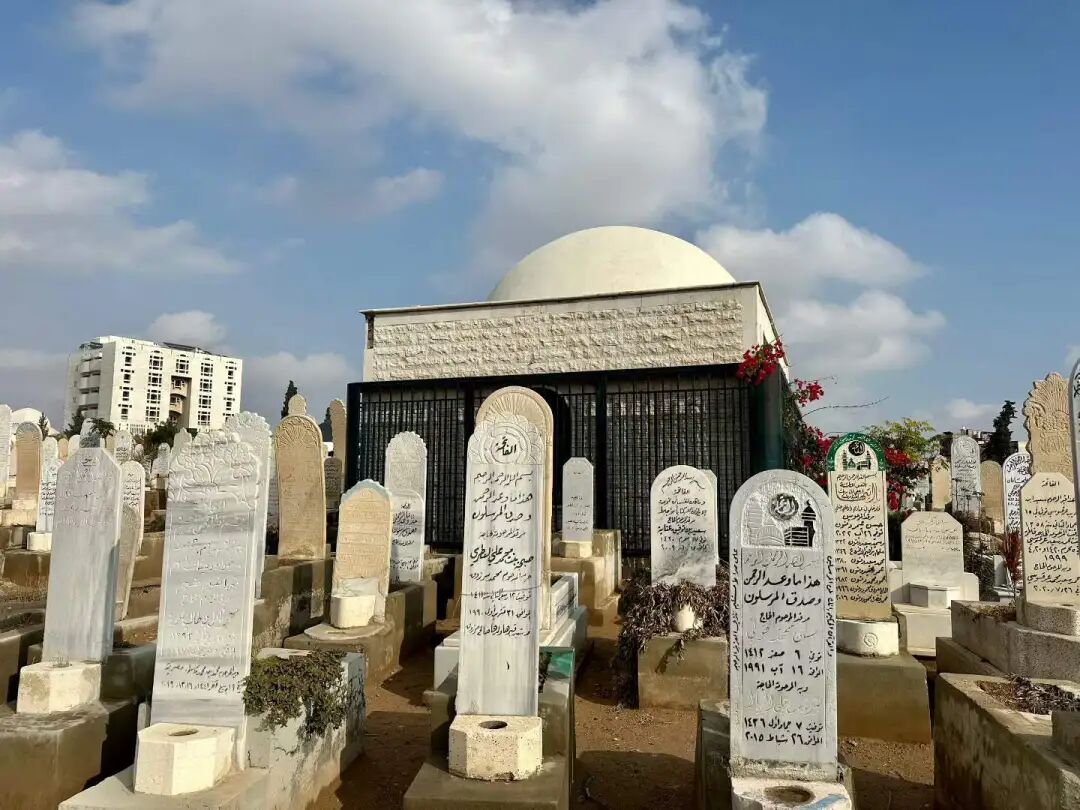
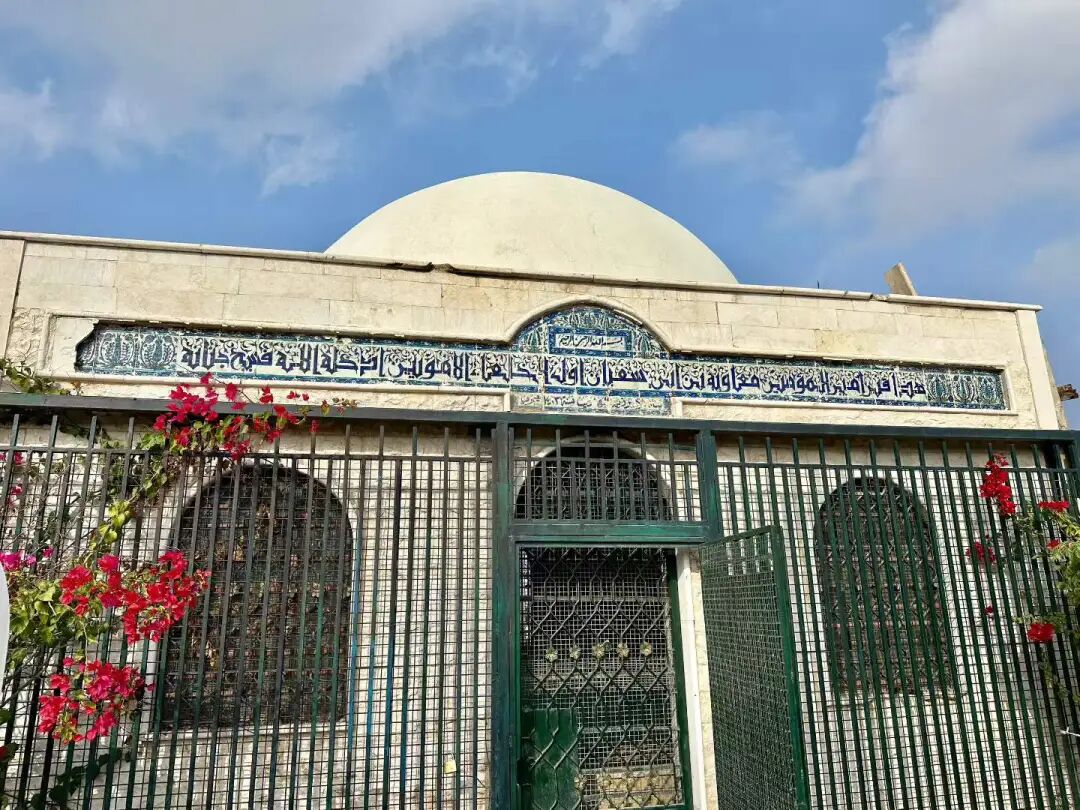
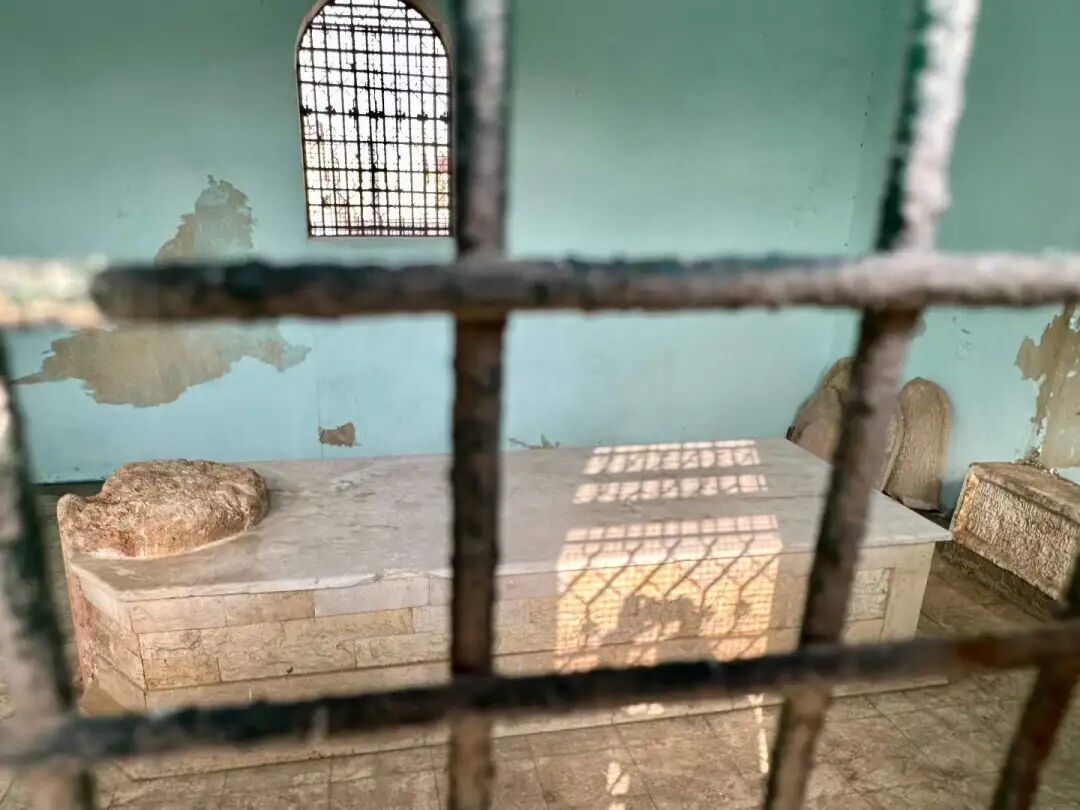
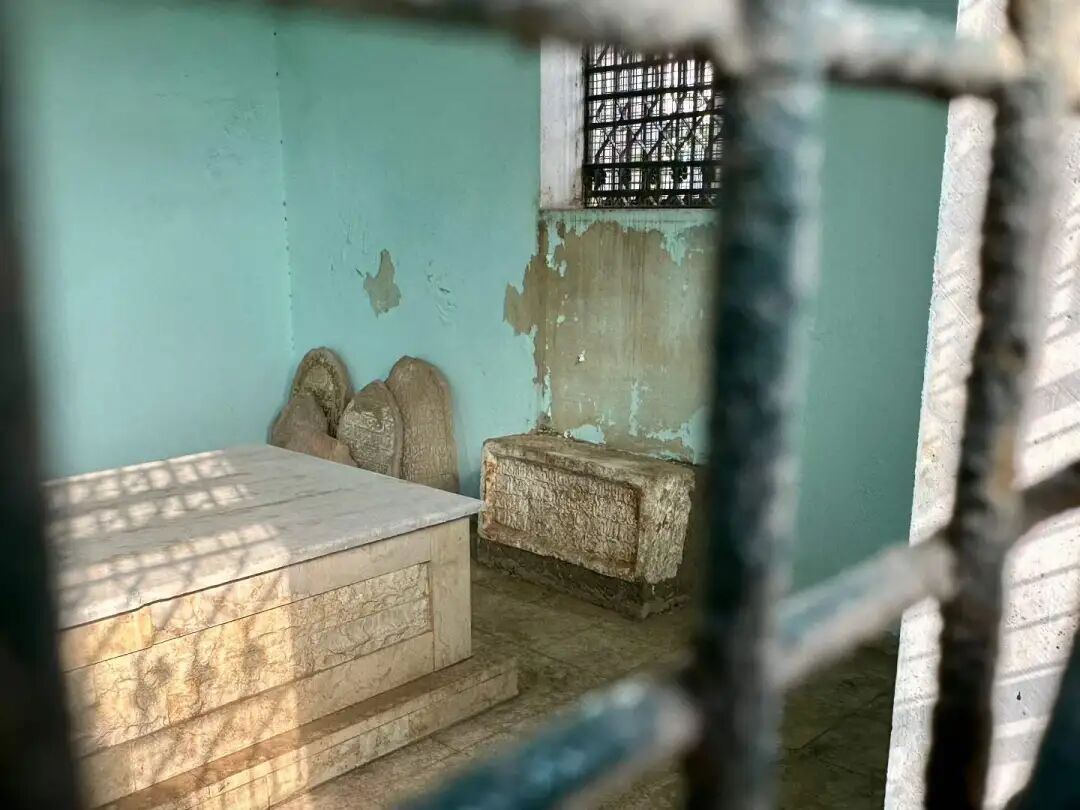
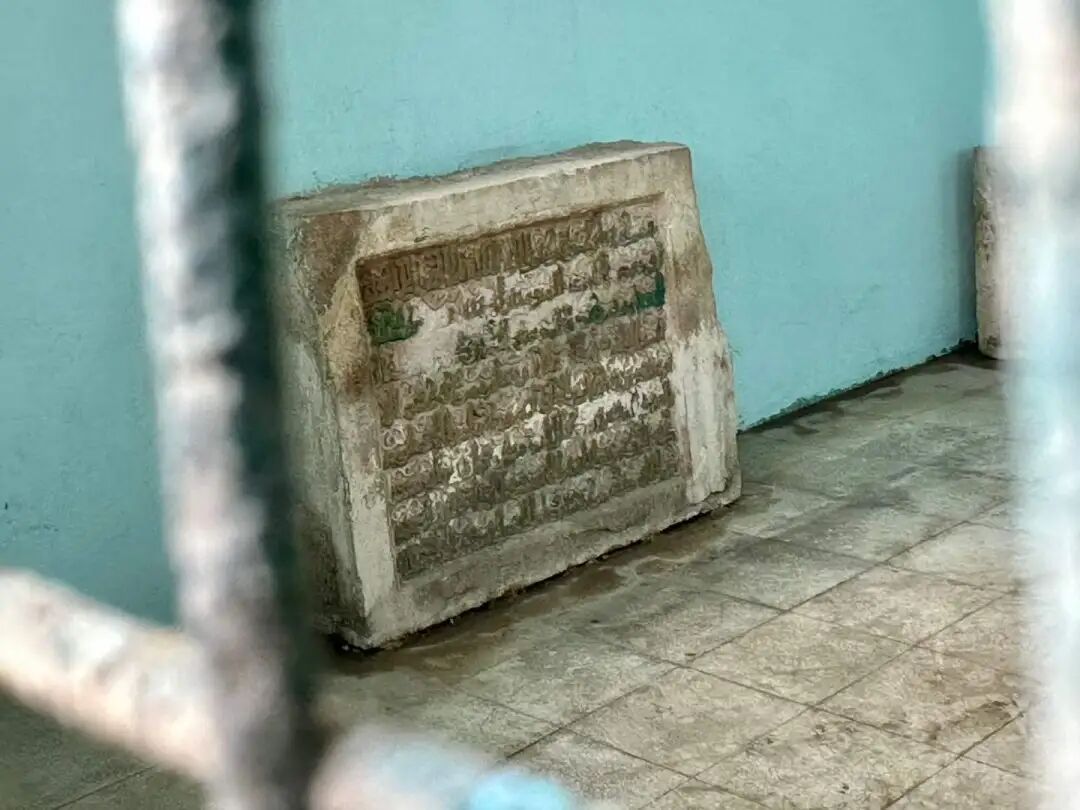
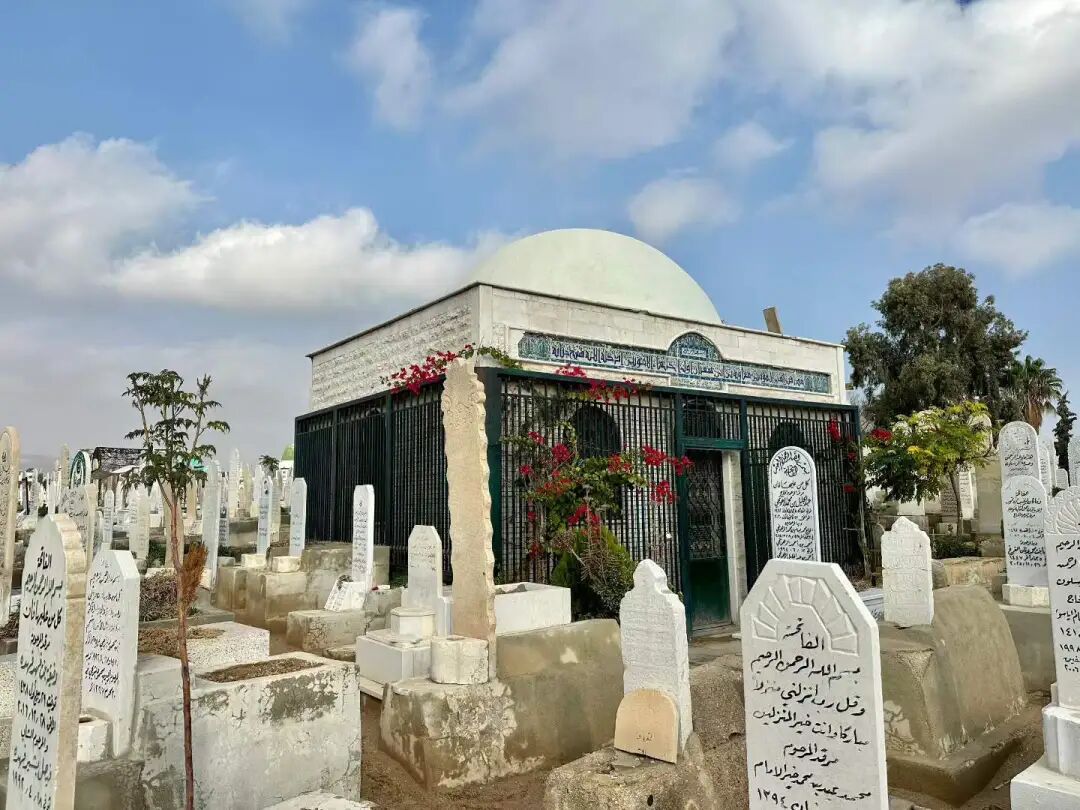
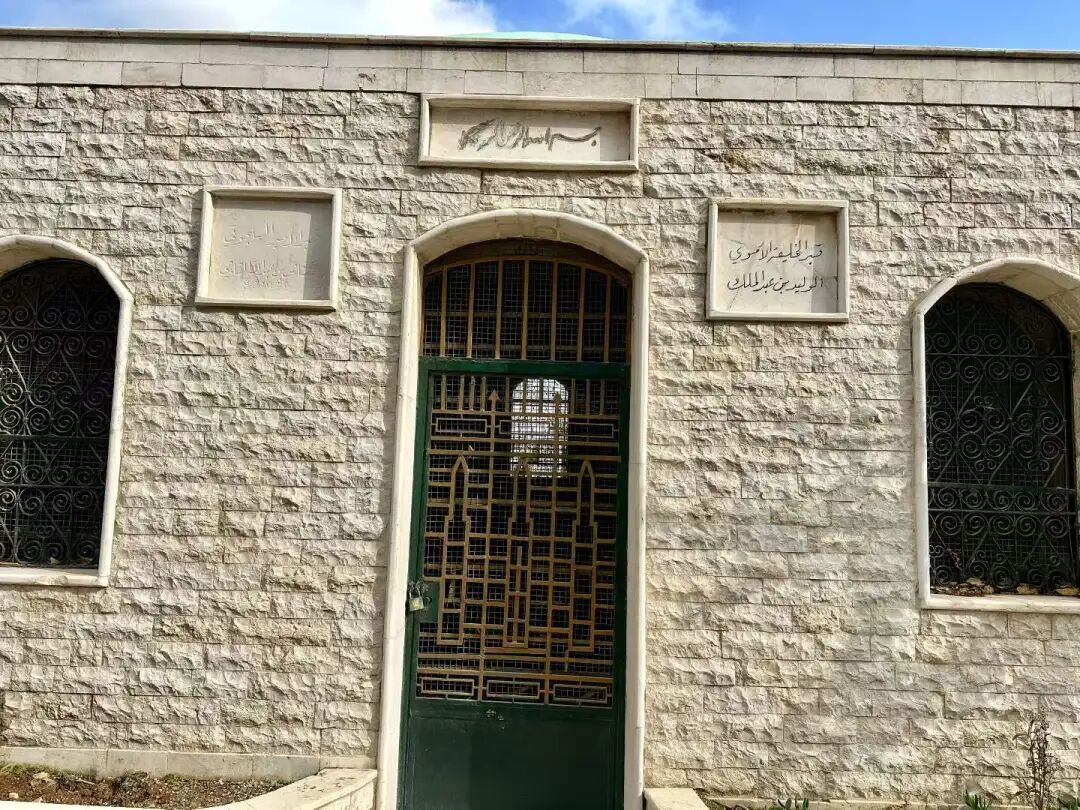
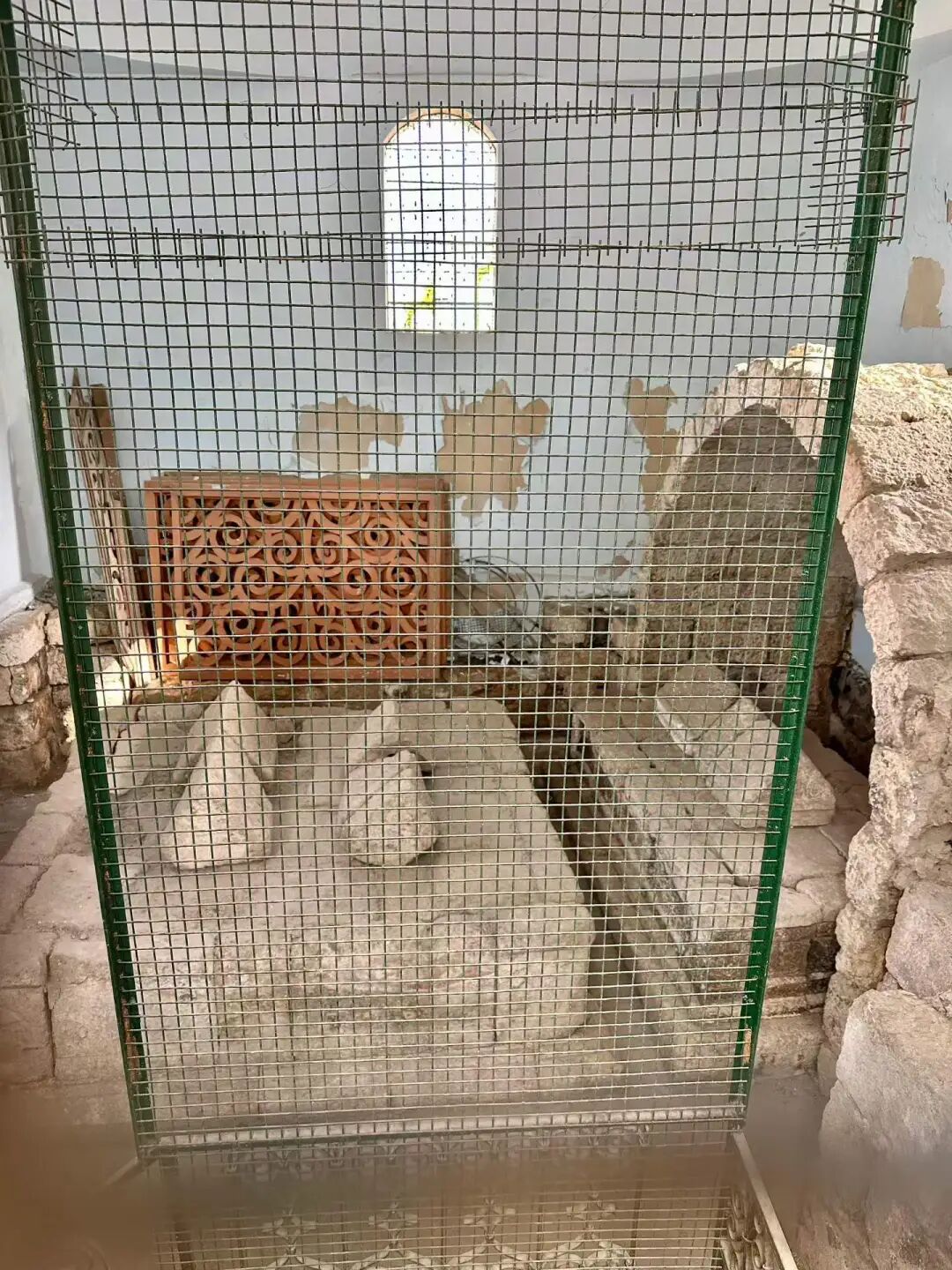
Next to the tomb of Muawiyah I is another tomb enclosed by iron railings, where the fifth Umayyad Caliph Abd al-Malik (reigned 685-705) and the sixth Caliph al-Walid I (reigned 705-715) are buried.
In his early years, Abd al-Malik lived a pious life in Medina and was a Tabi'un, meaning a follower of the Prophet's companions and one of the first generation born into the faith. In 683, the people of Medina opposed the rule of Muawiyah I's son, Yazid I, and expelled all Umayyads from the city, forcing Abd al-Malik to flee to Damascus. After the direct descendants of Muawiyah I passed away, Abd al-Malik, his distant cousin, was elected Caliph in 685. During his 20-year reign, Abd al-Malik constantly quelled internal divisions within the Umayyad Caliphate while resisting attacks from the Byzantine Empire. In the final years of his rule, the country was peaceful and his power was secure. His main achievements include introducing a unified currency to replace Byzantine and Sassanid coins, and replacing Greek and Persian with Arabic as the official language. He ordered the construction of the Dome of the Rock in Jerusalem, which is the oldest surviving Islamic building.
During the reign of Al-Walid I, the Arab Empire conquered Morocco, the Iberian Peninsula, the Sindh region of South Asia, and Transoxiana in Central Asia, reaching its largest territorial extent in history. He used the massive wealth from these conquests to build and expand many mosques, most the Umayyad Mosque in Damascus, the Al-Aqsa Mosque in Jerusalem, and the Prophet's Mosque in Medina. He also built the famous ancient city of Anjar in Lebanon and the Umayyad Mosque in Baalbek. He was the first caliph to implement a social welfare system, which earned him great respect among the poor and the disabled. Under his rule, the Umayyad Dynasty was prosperous and reached its peak.
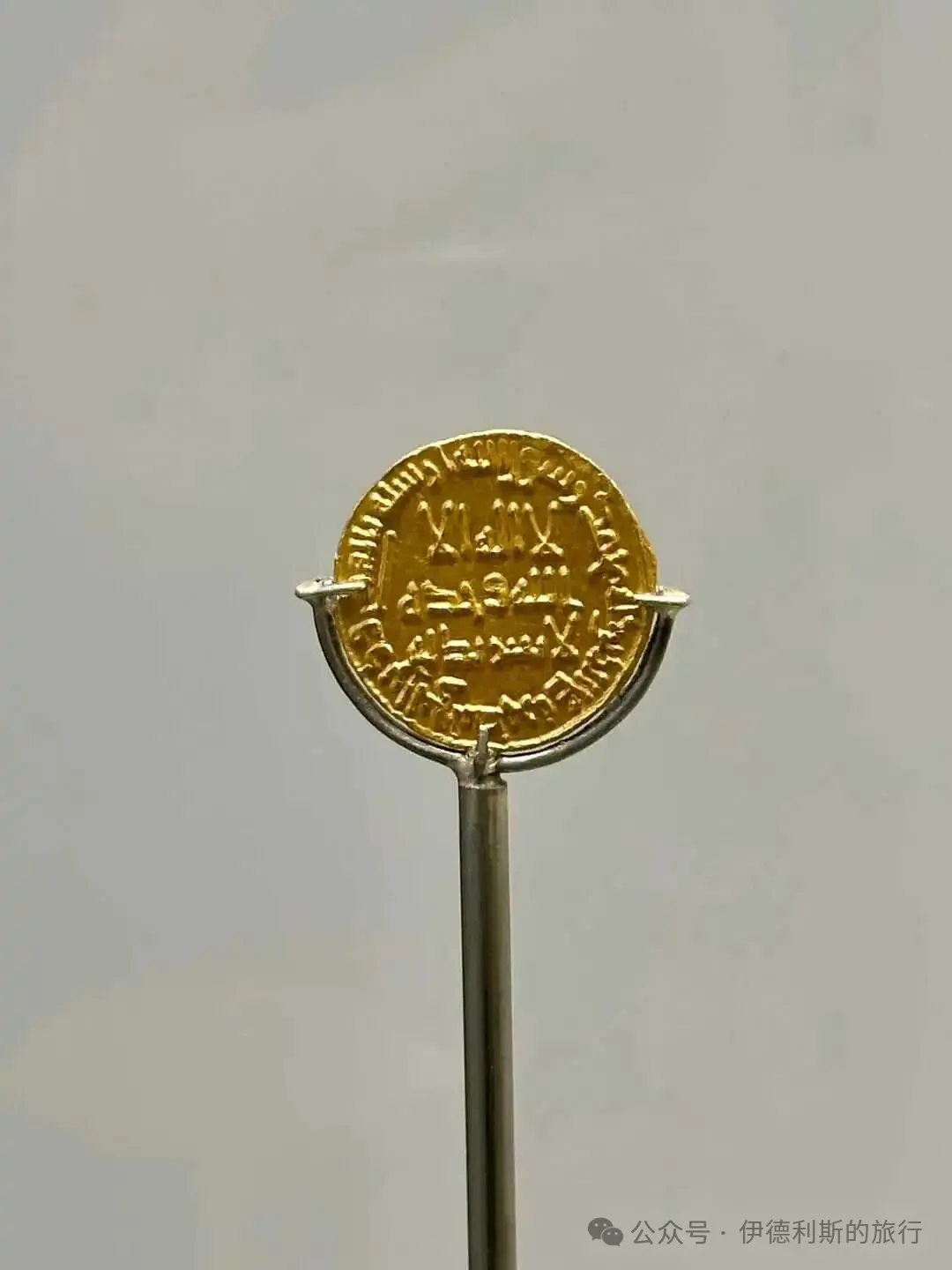
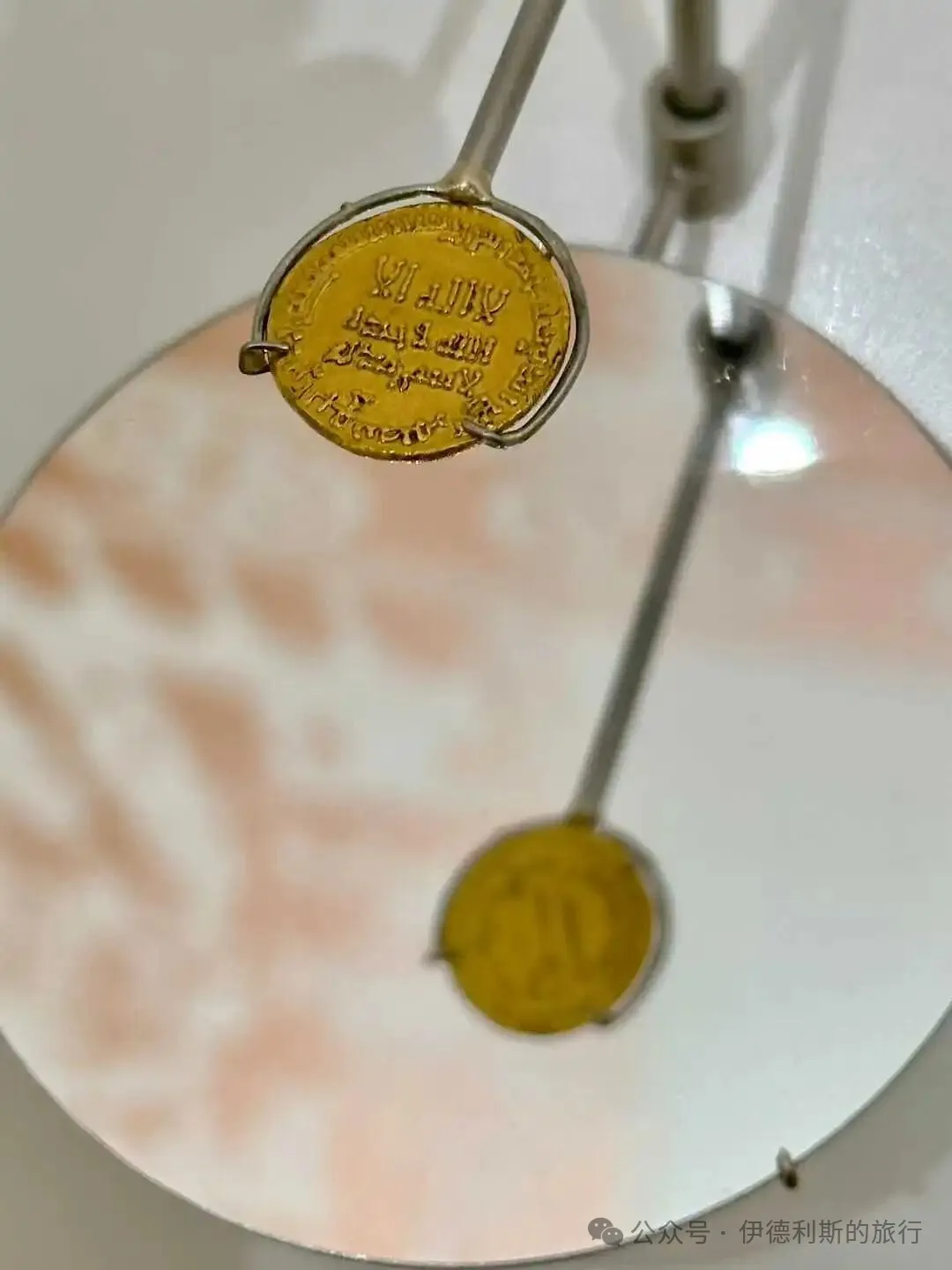
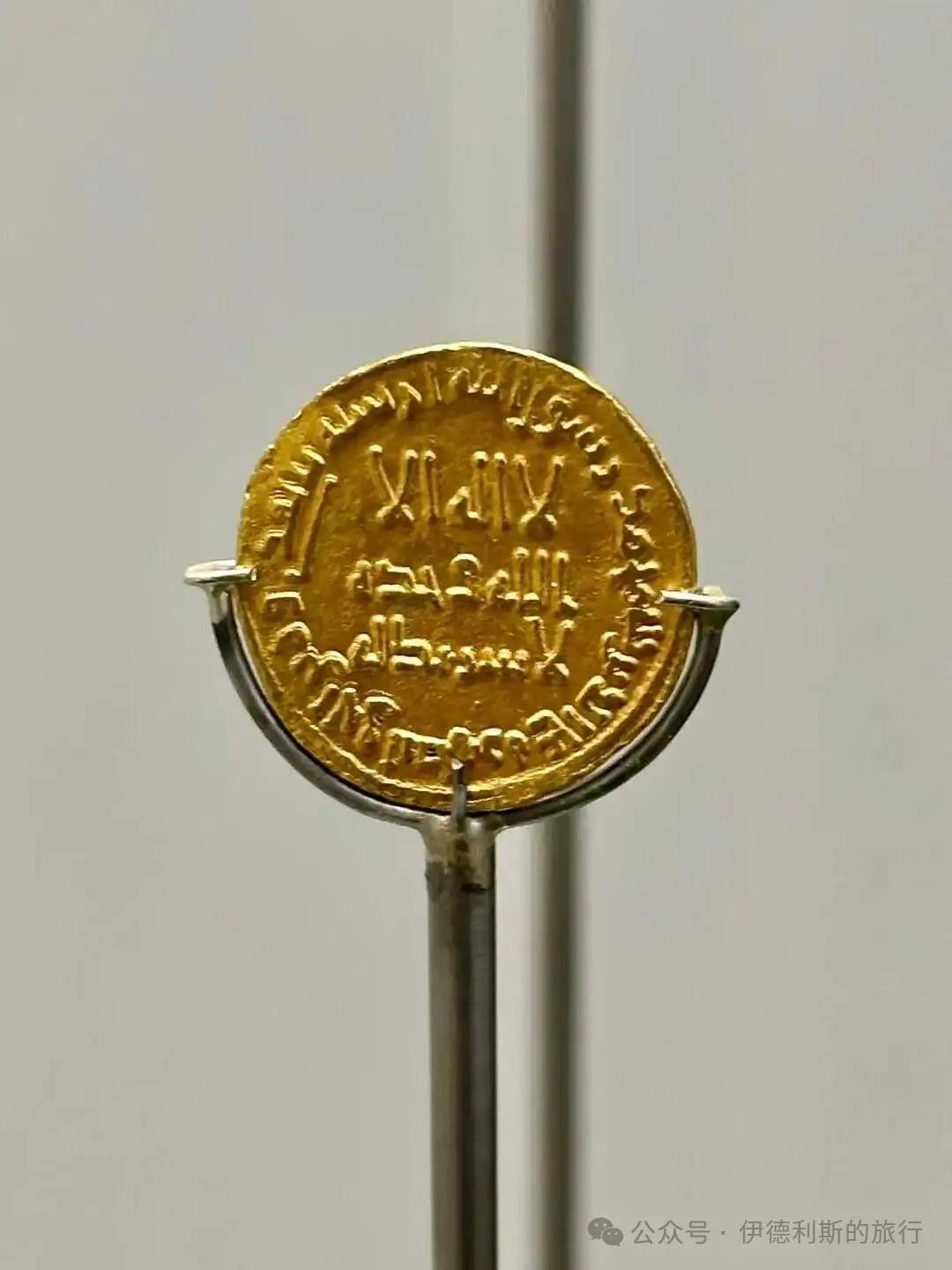
Umayyad coins on display at the 'Forging Narratives: The Coinage Heritage of Saudi Arabia' special exhibition at the National Museum of Saudi Arabia.
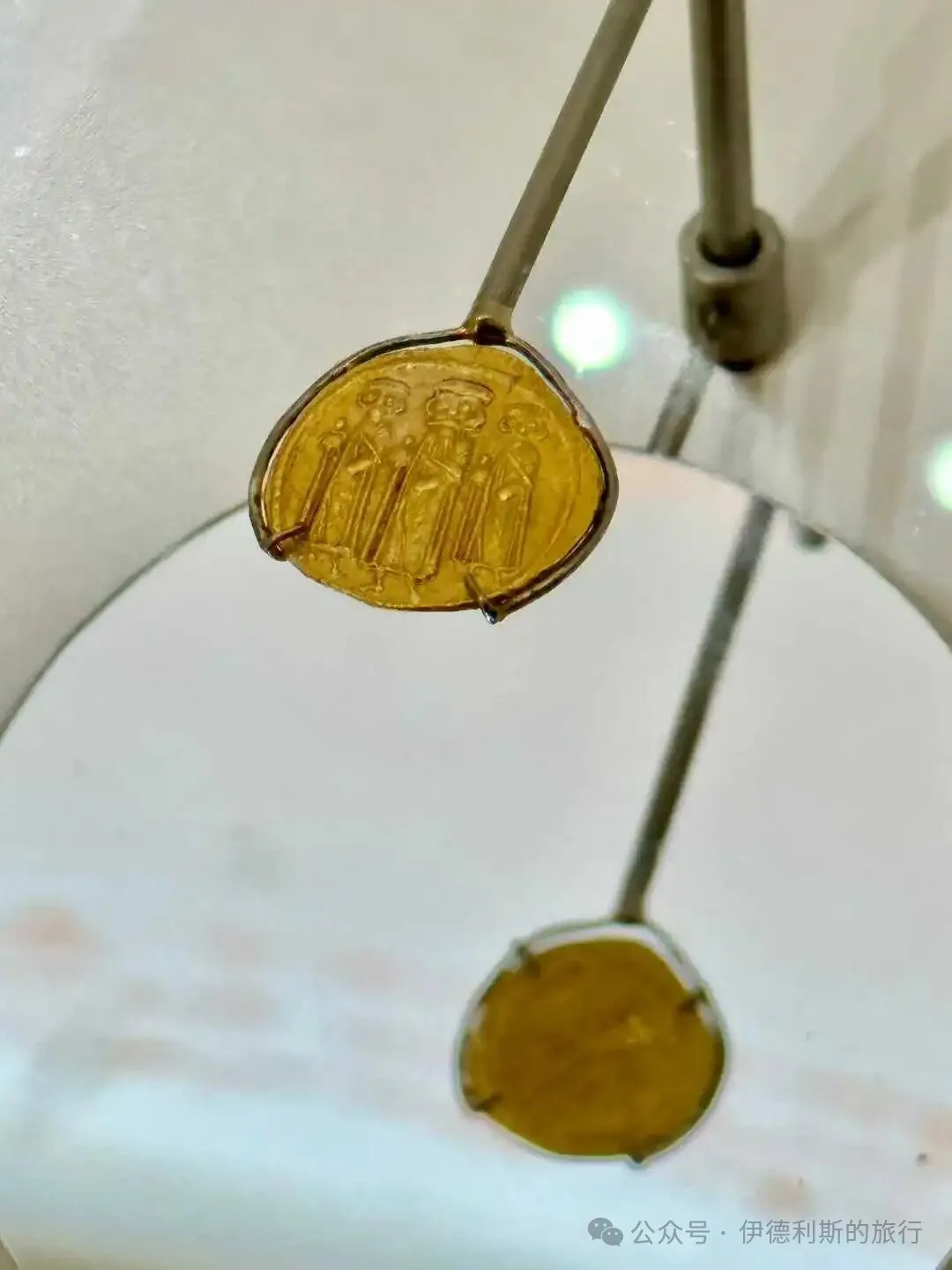
First are the gold coins from the time of Caliph Muawiyah I. The front shows the Byzantine Emperor Heraclius (reigned 610-641) and his two sons, Constantine III and Heraclonas, while the back features Latin text. Unlike Byzantine gold coins, the Umayyad gold coins lack crosses on the emperor's crown and scepter, and the cross on the steps on the back has only a vertical bar without a horizontal one.
Umayyad gold coins from this period reflect the early culture of the Umayyad Dynasty, which continued to inherit Byzantine culture. When Bedouin nomads from the Arabian Peninsula poured into the magnificent city of Damascus, they saw a rich and colorful Byzantine culture everywhere. Because of this, they continued to use Byzantine culture in areas outside of religion, such as music, art, and architecture, becoming the heirs to Byzantine culture.
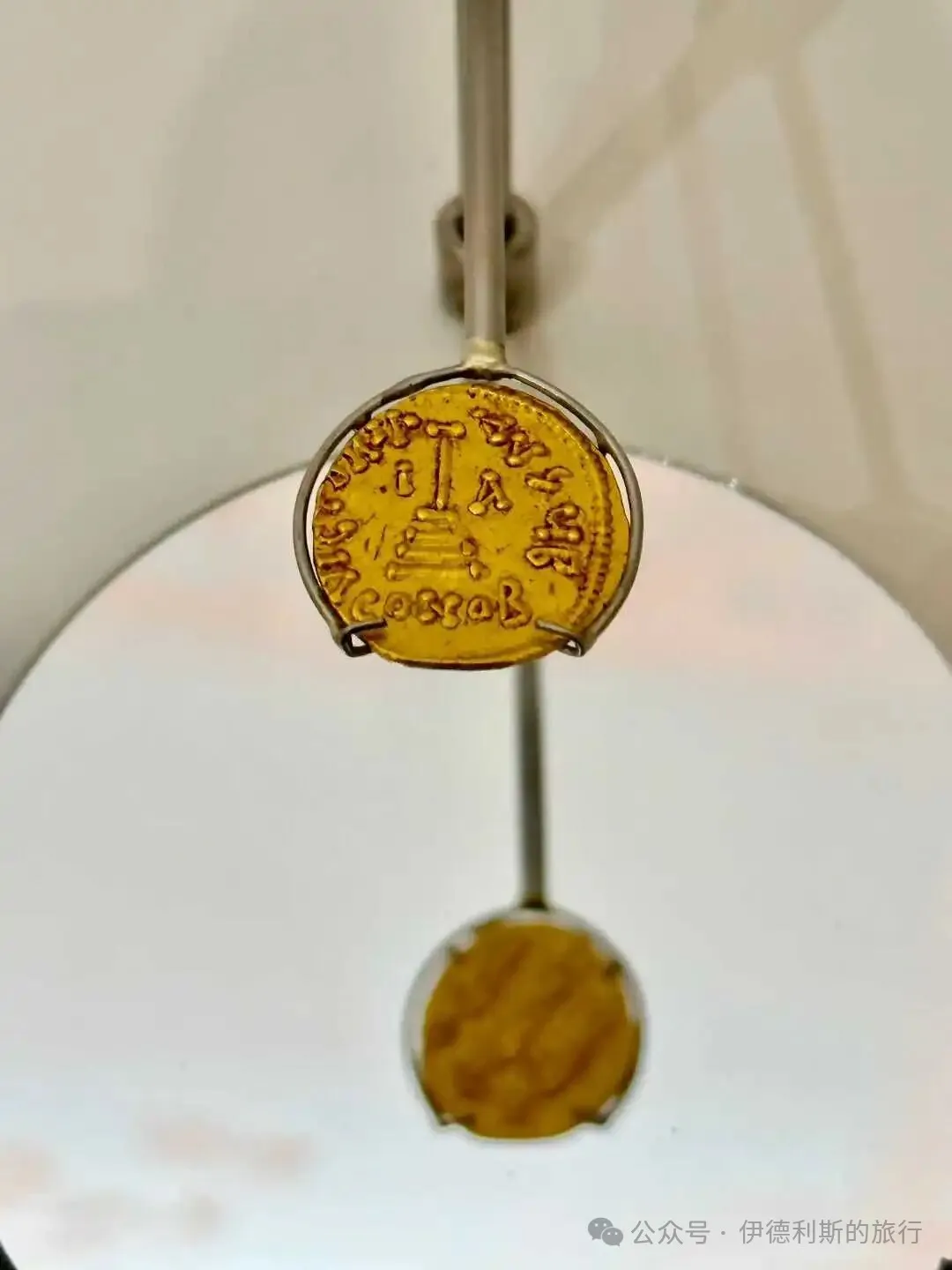
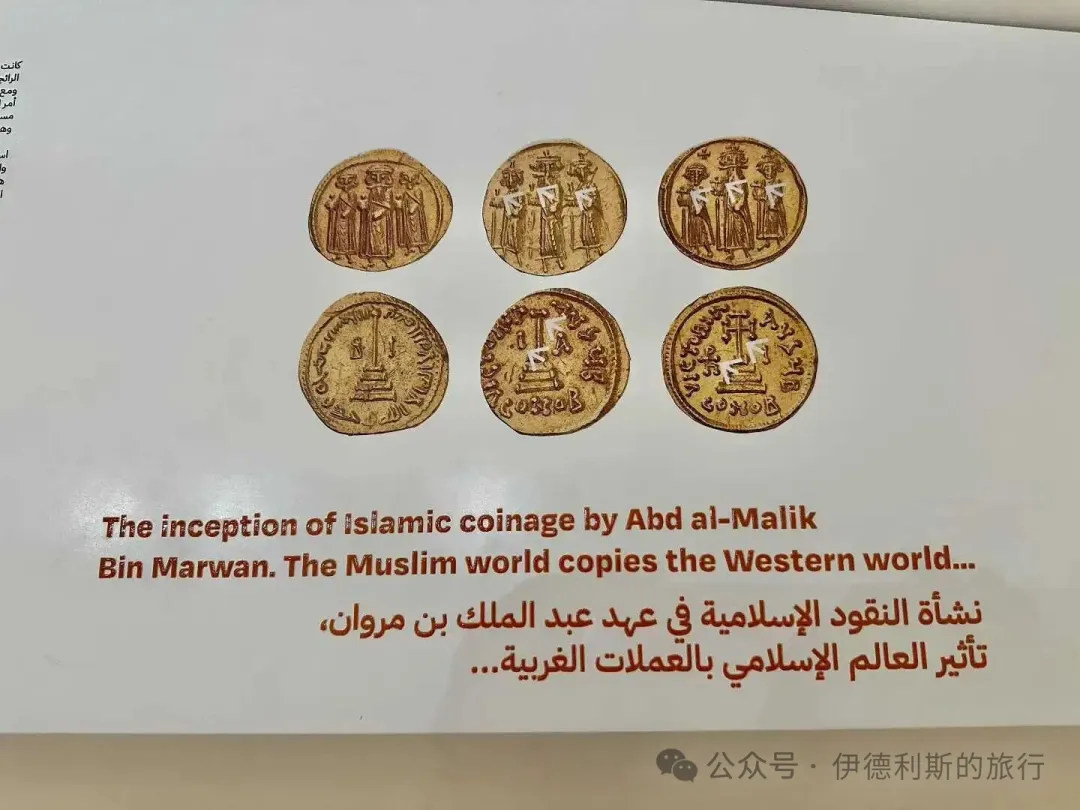
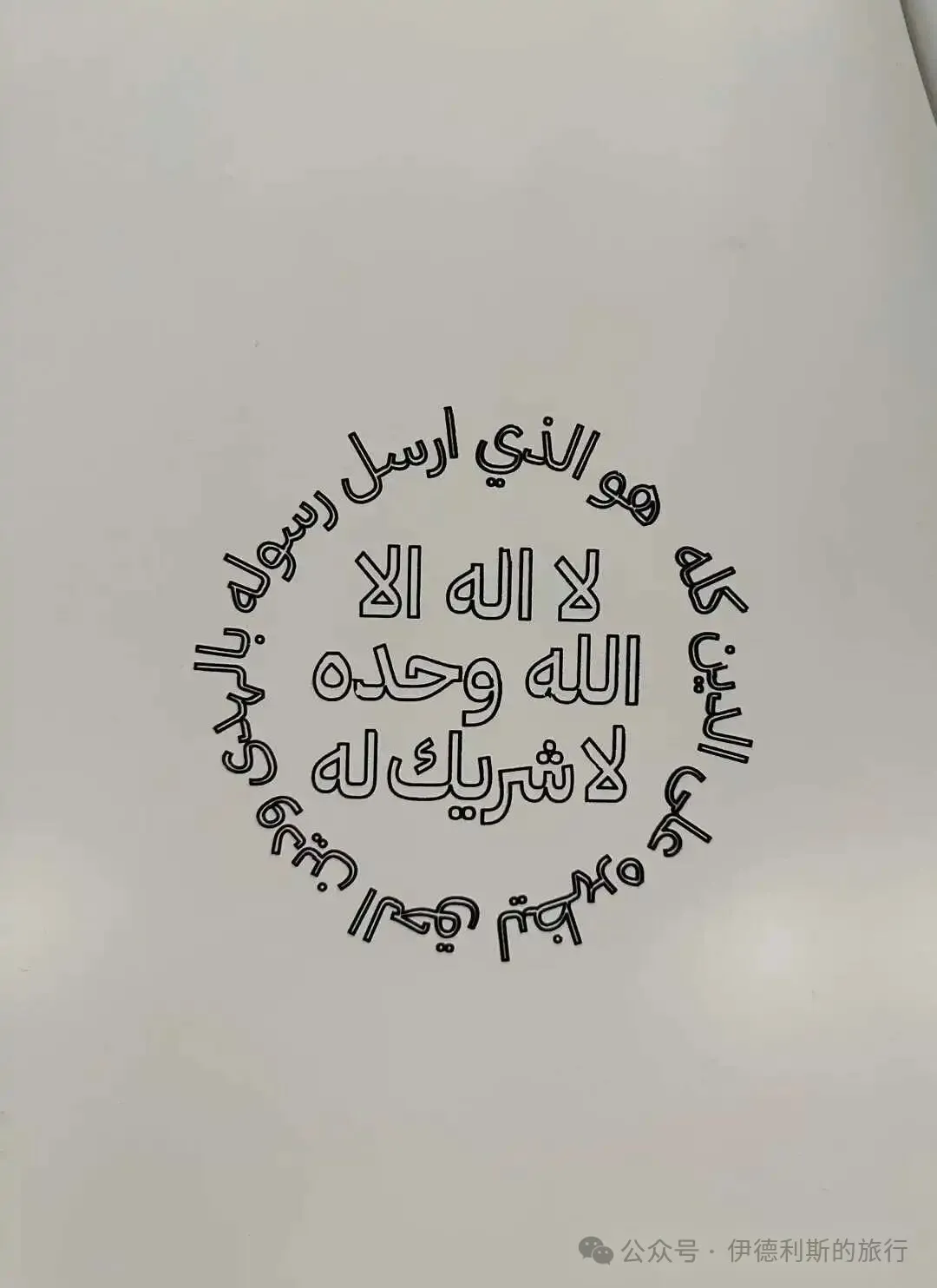
In 693, Caliph Abd al-Malik minted gold dinars in Damascus, and in 696, he removed human figures, keeping only Arabic text. During the same period, Abd al-Malik also promoted the replacement of Greek with Arabic in Syria, eventually making Arabic the sole official language of the Umayyad Dynasty. From this point on, the Umayyad Caliphate stopped being just an inheritor of Byzantine and Sassanid cultures and turned into a true Arab civilization.
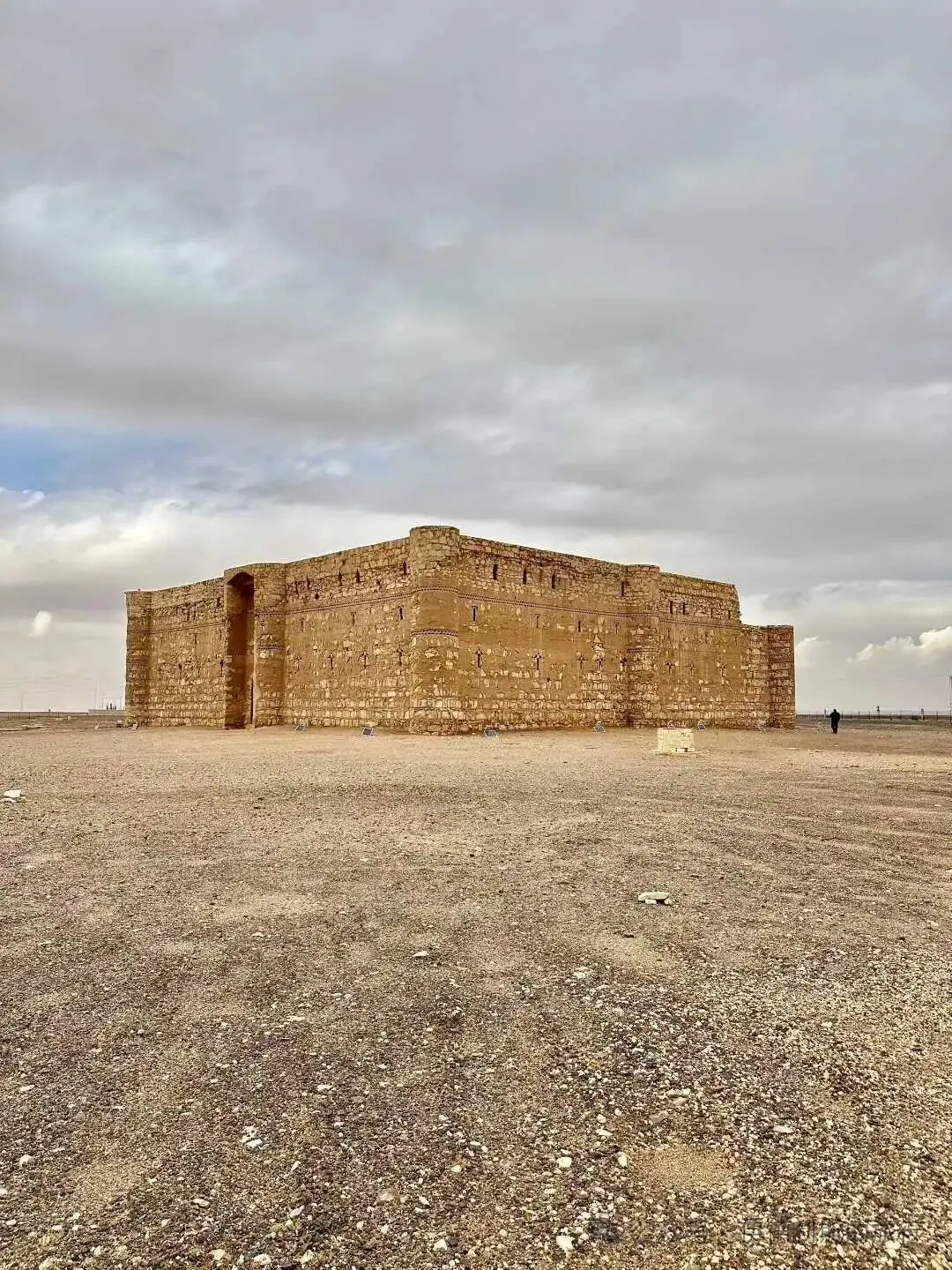
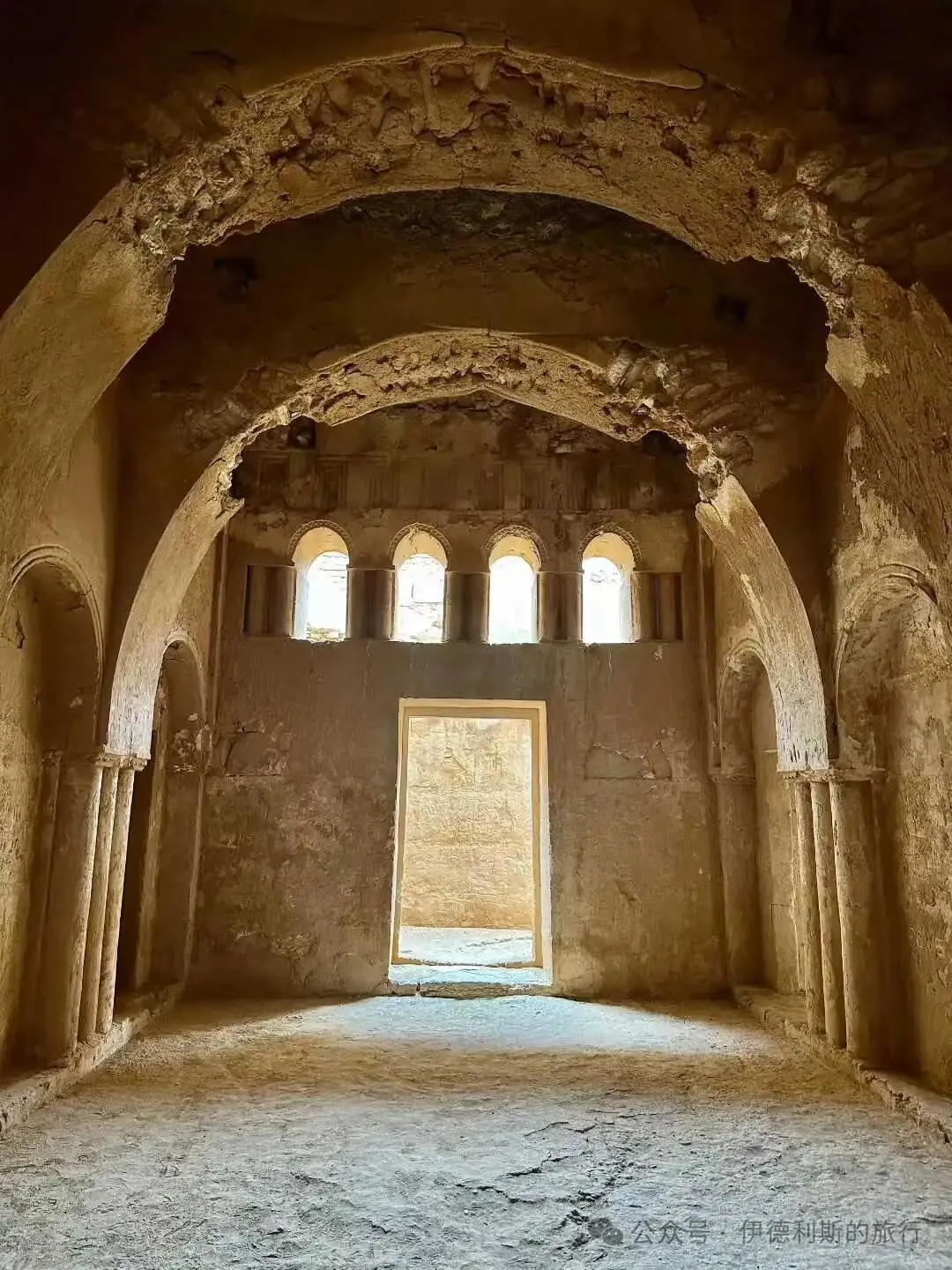
I visited Qasr Kharana in Jordan, which was built in 710 during the reign of Caliph al-Walid I.
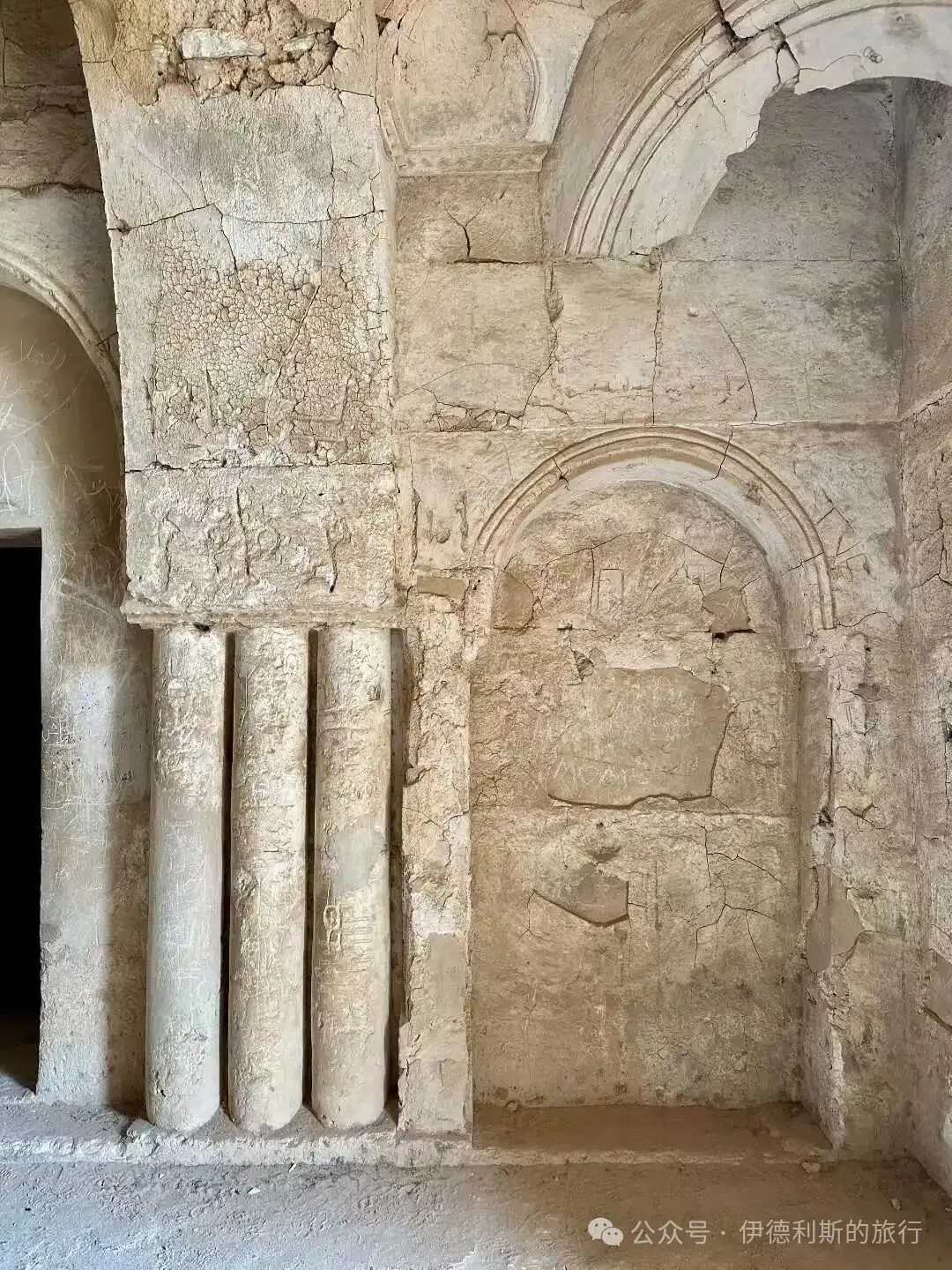
The most special thing about Qasr Kharana is how it blends Byzantine and Sassanid architectural styles. The palace is built with plaster and rubble, and the second floor features barrel vaults supported by transverse arches, which is a typical Sassanid style, though it still differs from Sassanid buildings in Iran. The arches at Qasr Kharana do not connect to the load-bearing walls but rest on corbels, and they use new types of wooden lintels to make the building more flexible and earthquake-resistant.
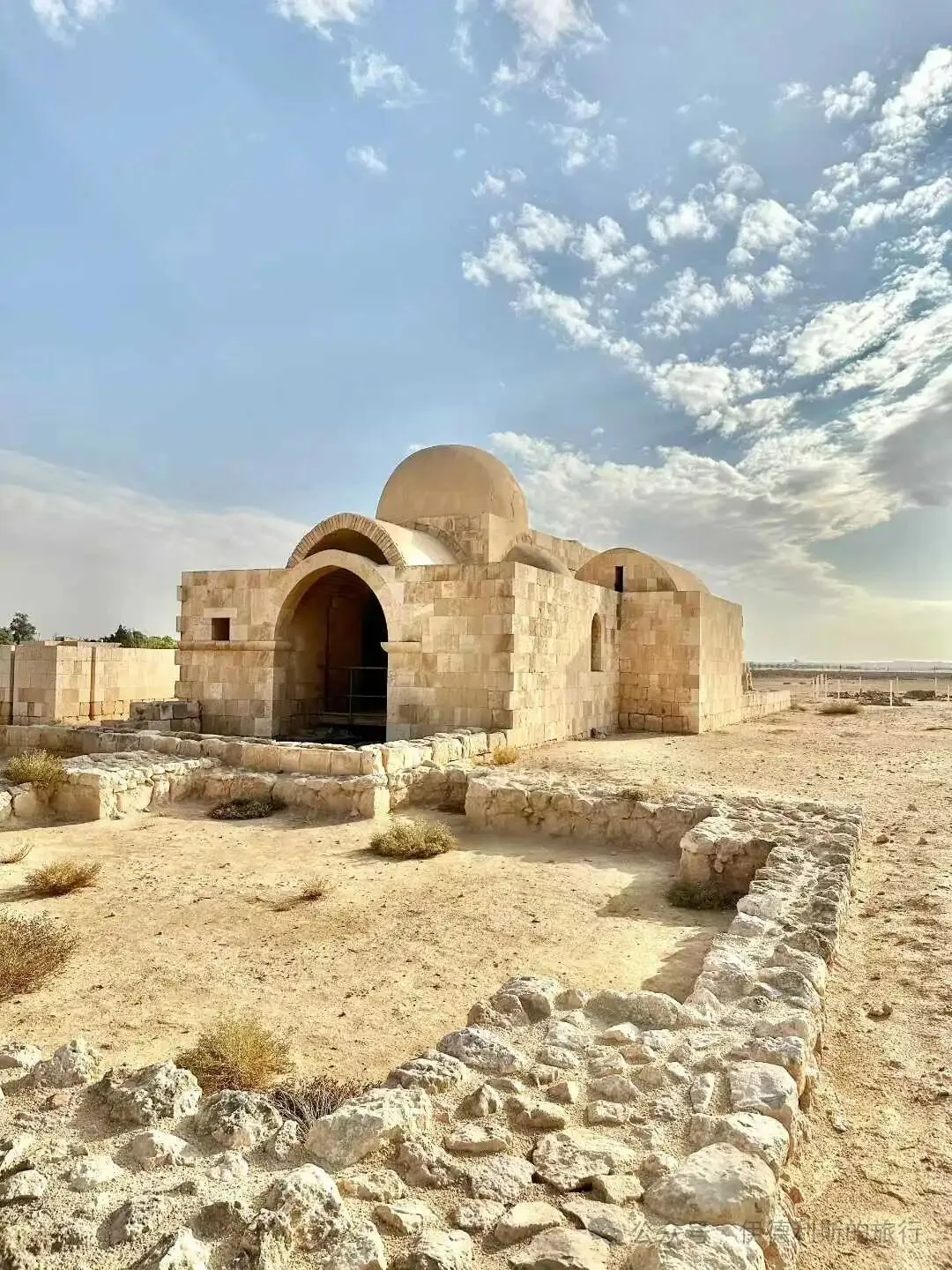
Hammam al-Sarah in Jordan was built in the early 8th century during the reign of Caliph Abd al-Malik or al-Walid I.
The bathhouse was built using neatly cut, medium-sized stones and decorated with intricately carved fluted moldings. Inside the main hall, there is a beautifully designed fountain supplied with water from an elevated water tower on the east side. There is also a walled garden site nearby, which is known as the oldest Islamic garden site.
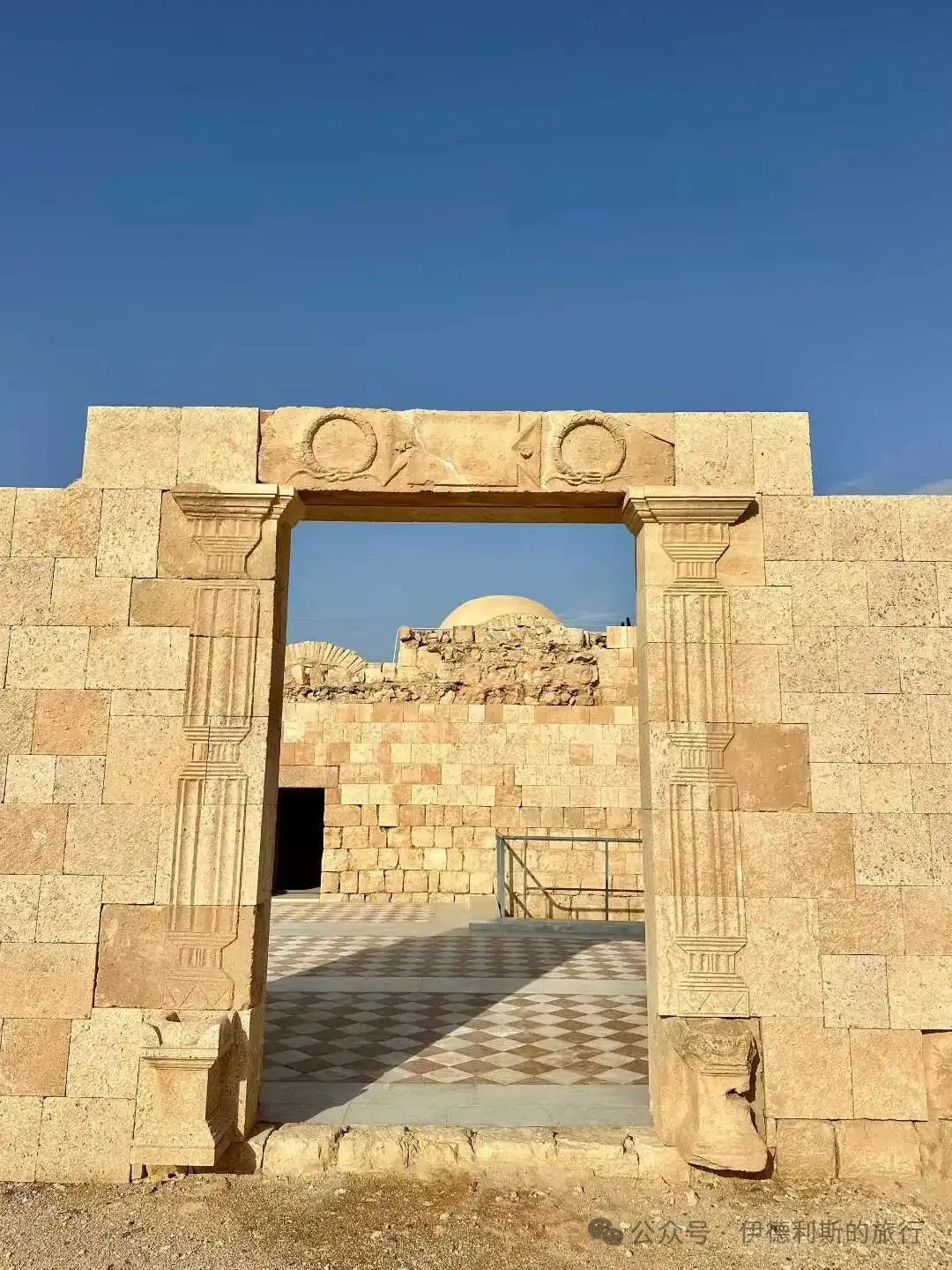
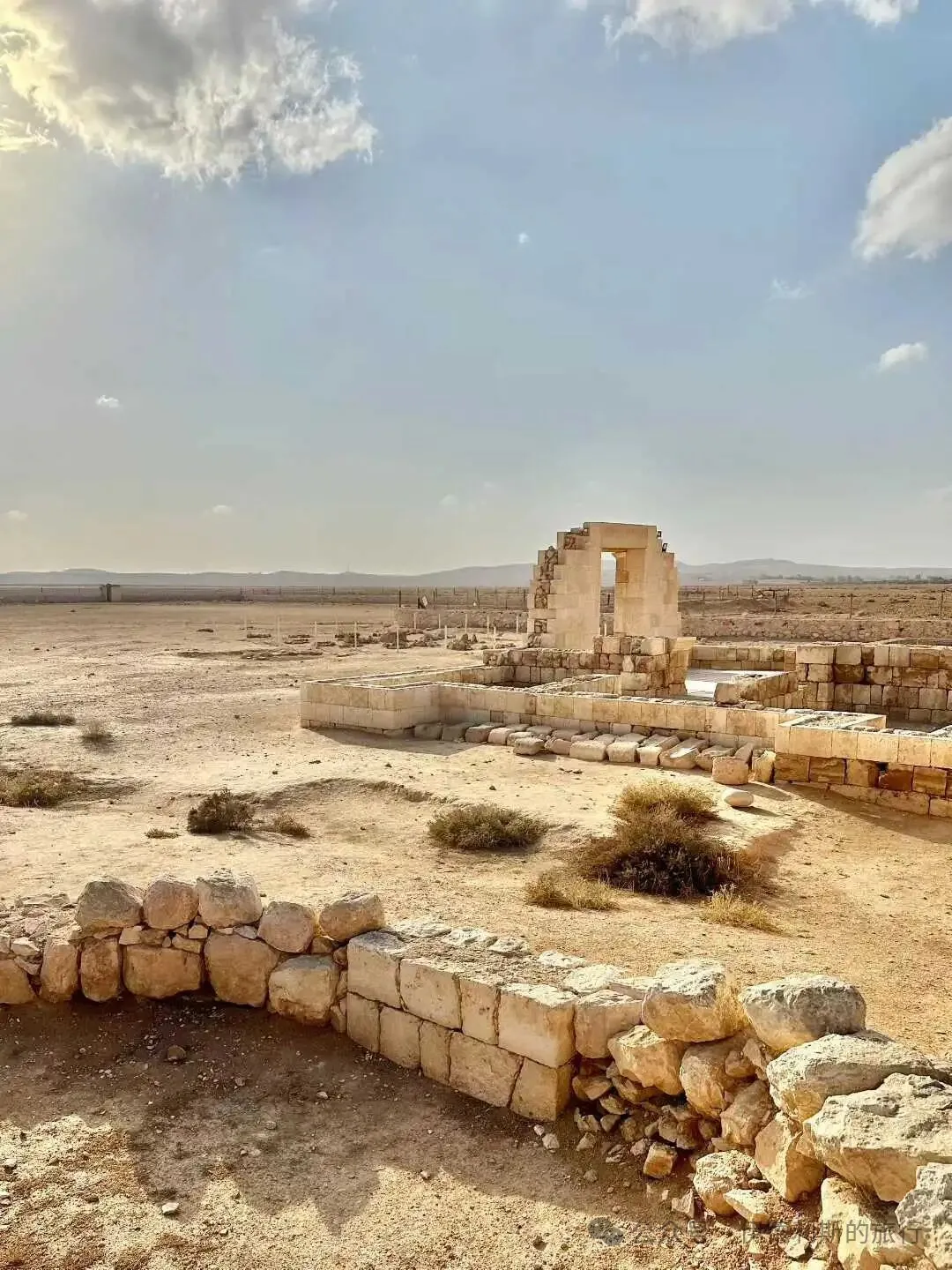
The Umayyad Mosque in Damascus was built under the direction of Caliph al-Walid I in 706. He kept the outer walls of the Roman mosque's inner sanctuary and moved the Corinthian columns and arcades from inside the mosque to the main hall, finishing the new mosque in 715 and making it a 'wonder of the world' in the writings of medieval Muslim scholars.
Before the Great Mosque of Damascus was built, traditional mosques were all flat-roofed halls. The Great Mosque of Damascus uses a basilica-style layout, featuring three wide, long halls and a central nave topped by a tall dome.
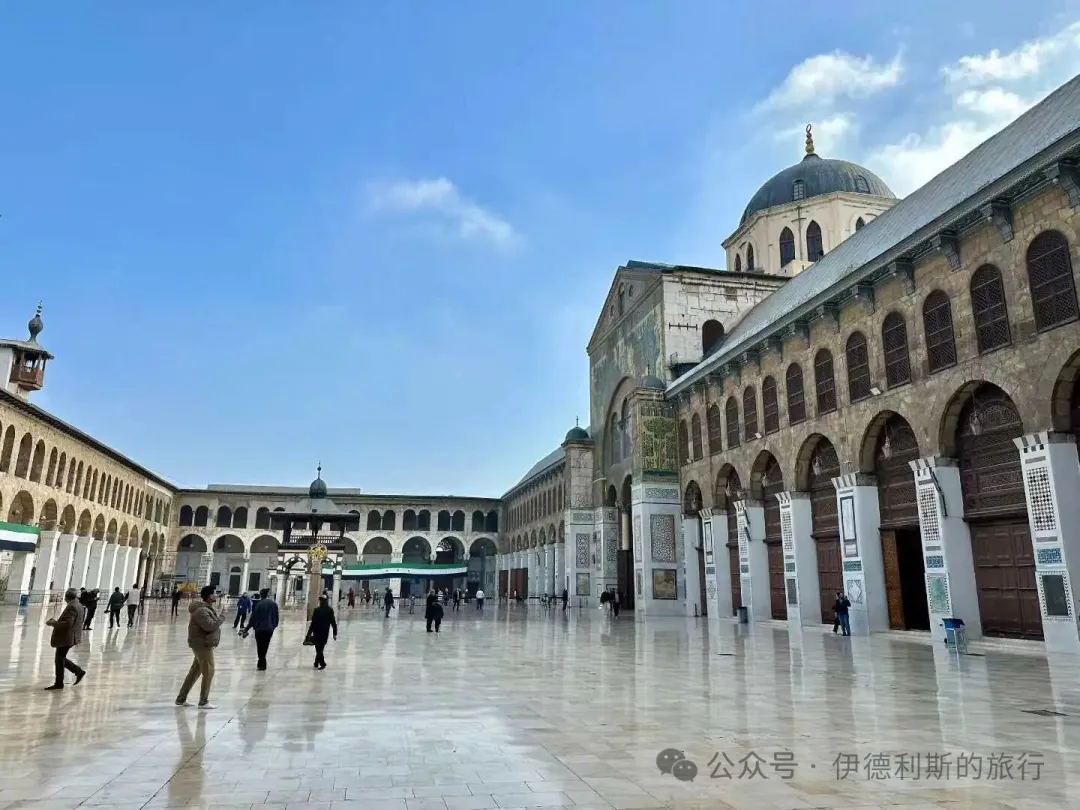
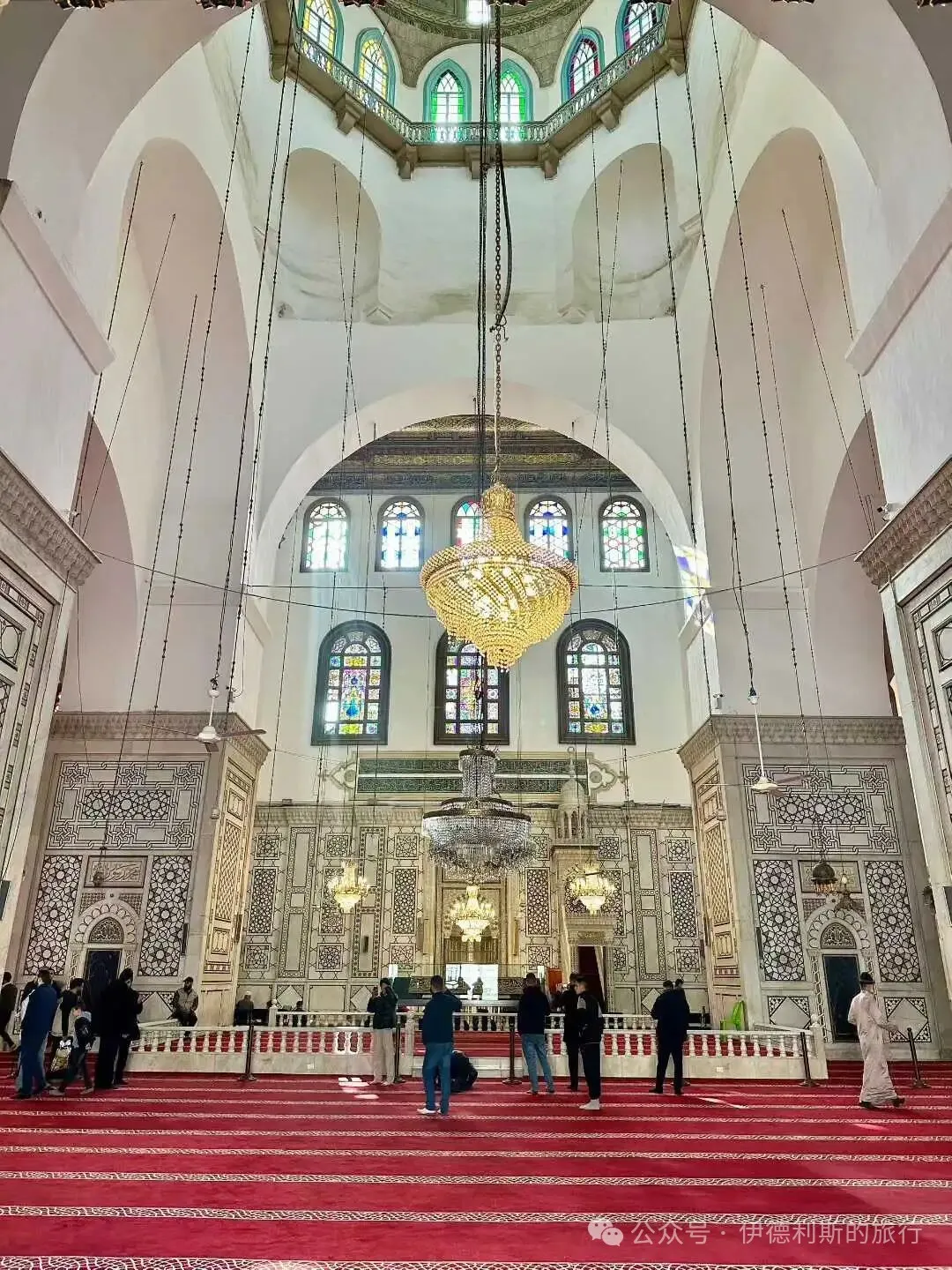
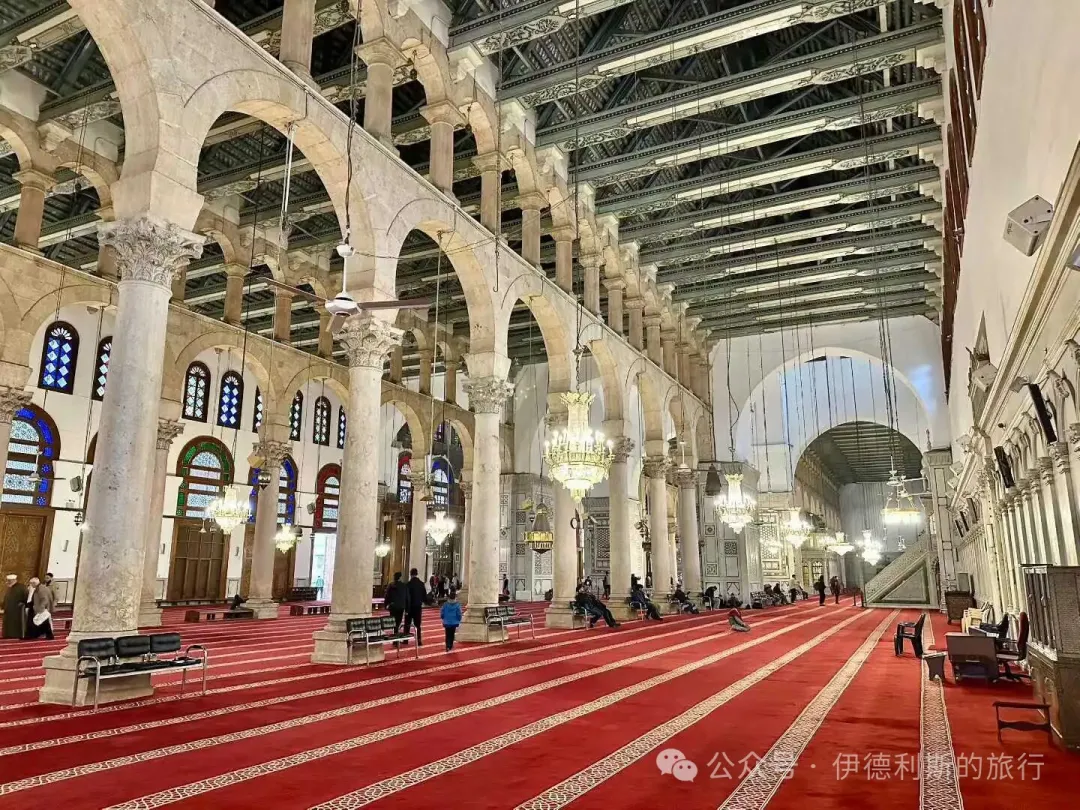
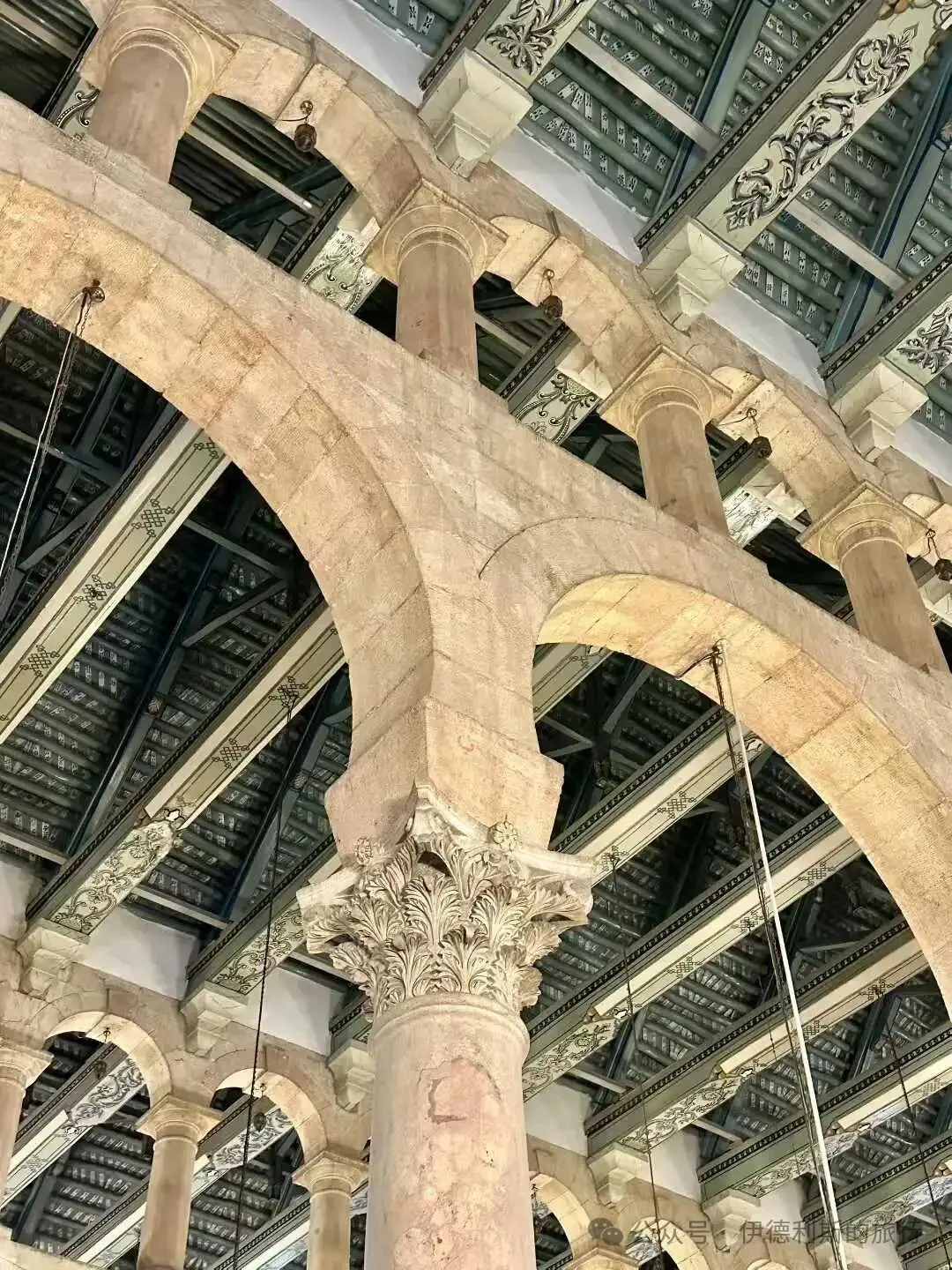
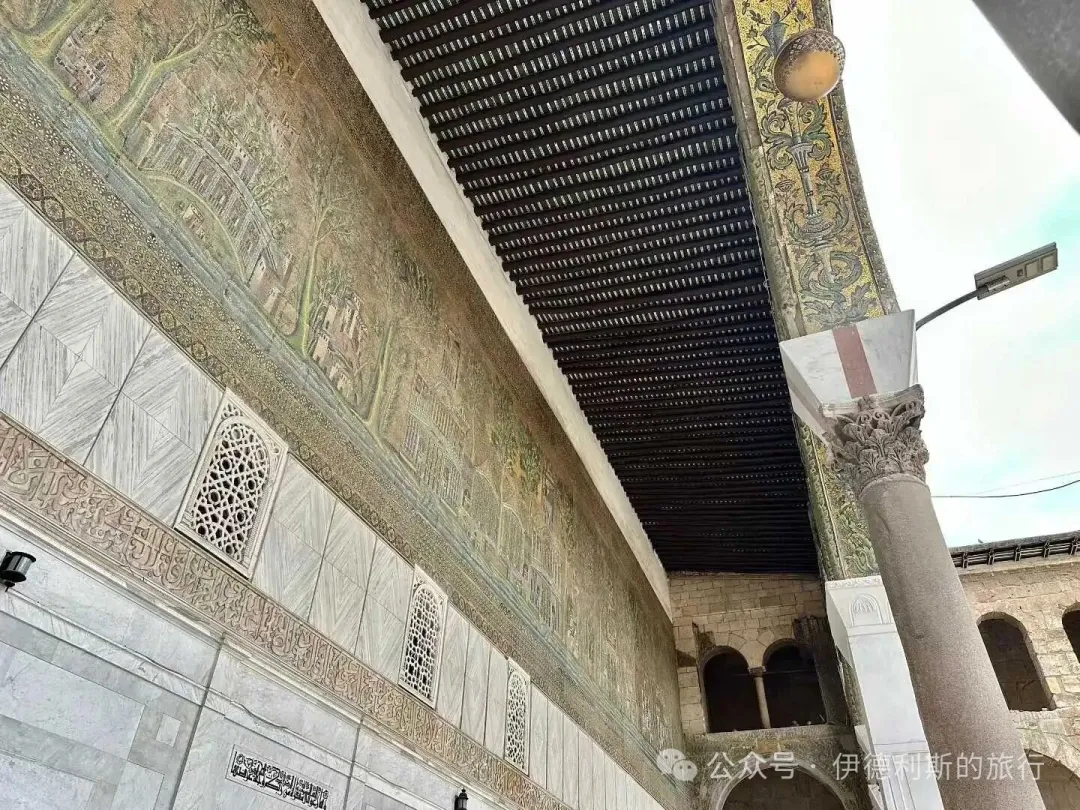
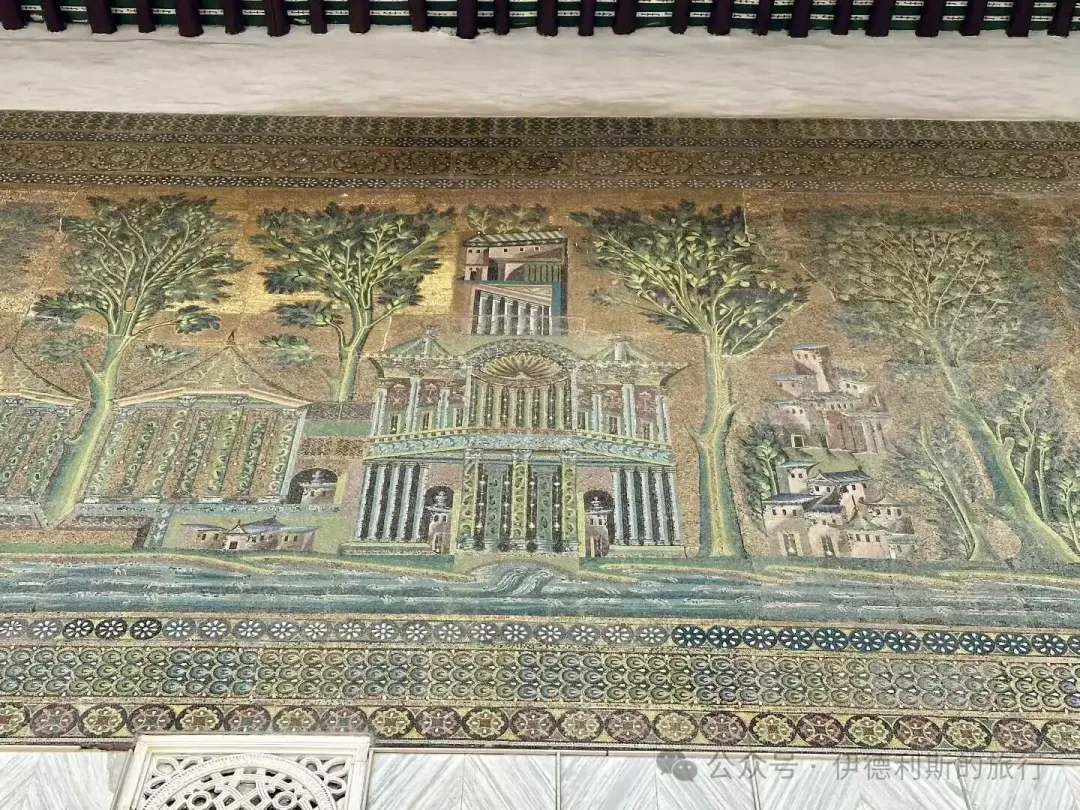
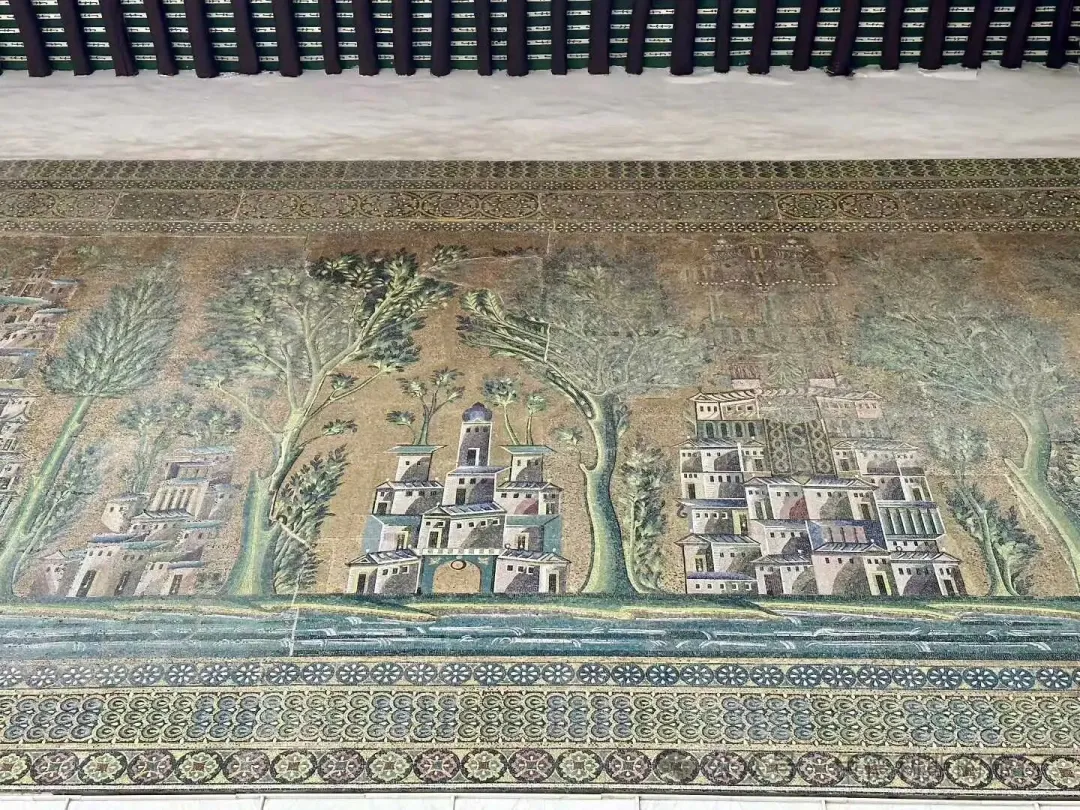
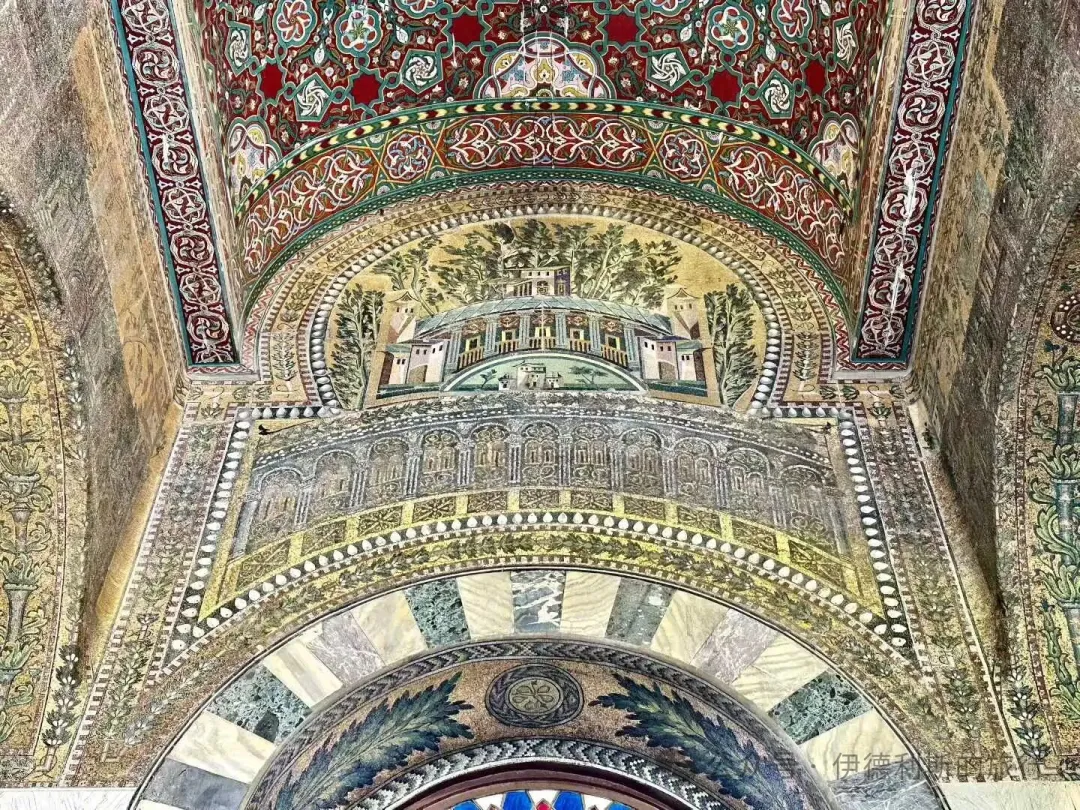
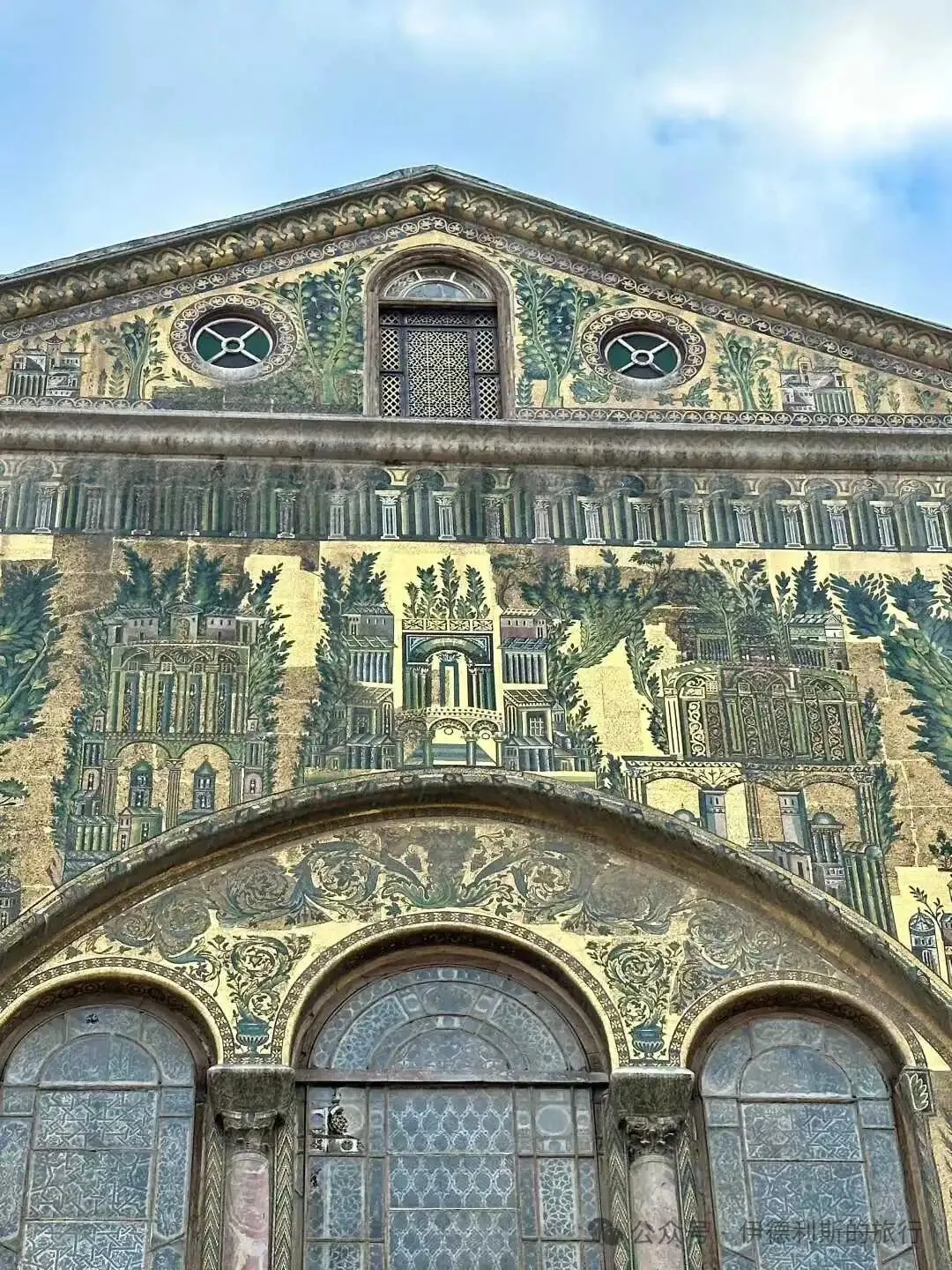
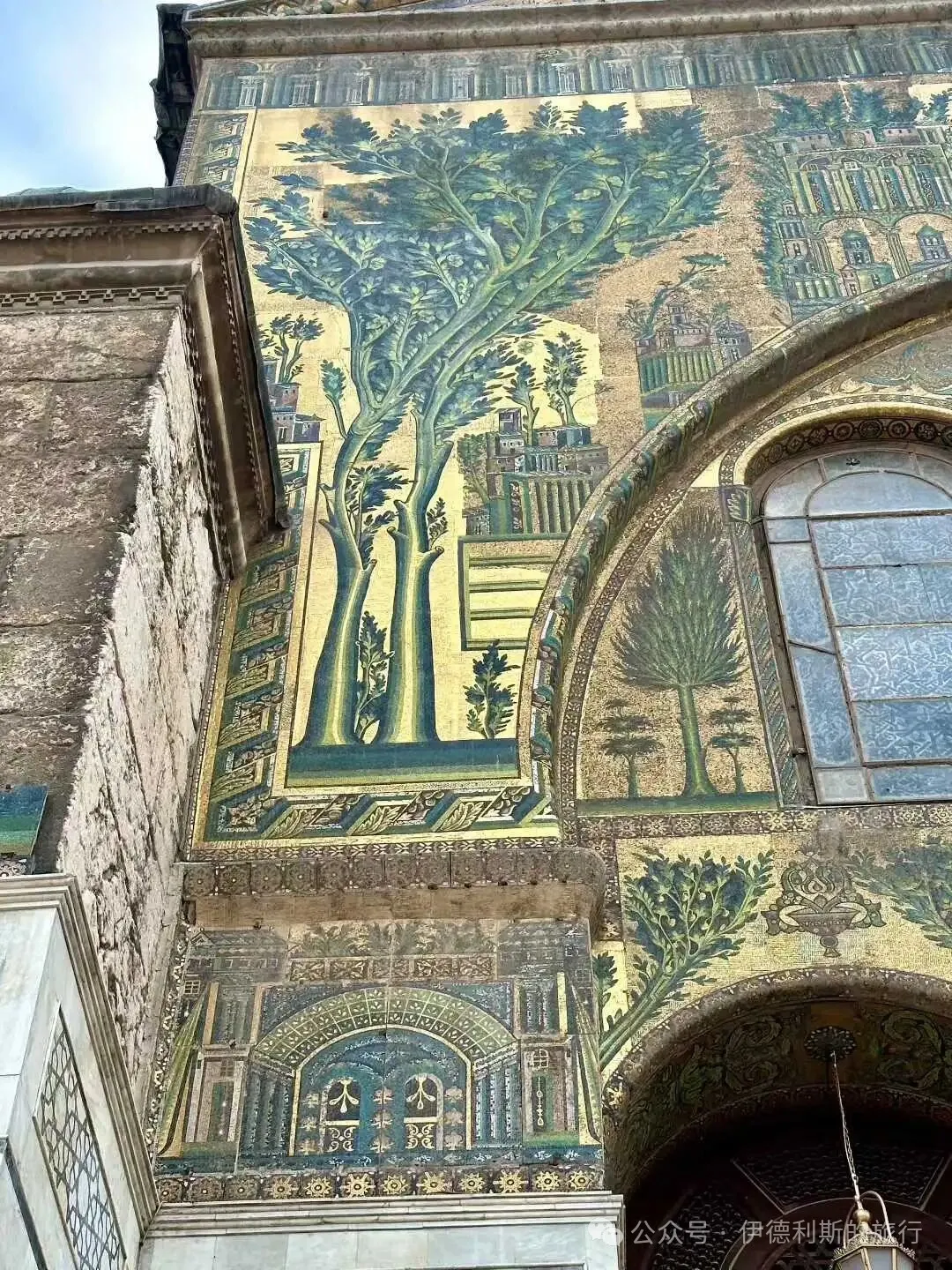
The Great Mosque of Damascus is world-famous for its rich Umayyad-era mosaic decorations. These mosaics show various natural landscapes and buildings in a late Roman style, following a classic naturalistic approach.
Some Arabic historical records suggest the craftsmen and materials for the mosaics came from the Byzantine capital of Constantinople, but a 2022 chemical analysis study showed that most of the mosaics were actually made in Egypt. Although these mosaic images show traces of Byzantine style, some scholars believe their craftsmanship is more consistent with mosaic techniques from Syria, Palestine, and Egypt.
The meaning of the mosaic images has been a subject of long-standing debate. Some believe they represent the known world at that time, others think they depict Damascus and the Barada River, and some argue they show scenes of Paradise. Currently, there is more evidence for the Paradise theory, as the landscapes without human figures fit the idea of an empty Paradise waiting for people to arrive after the Day of Resurrection.
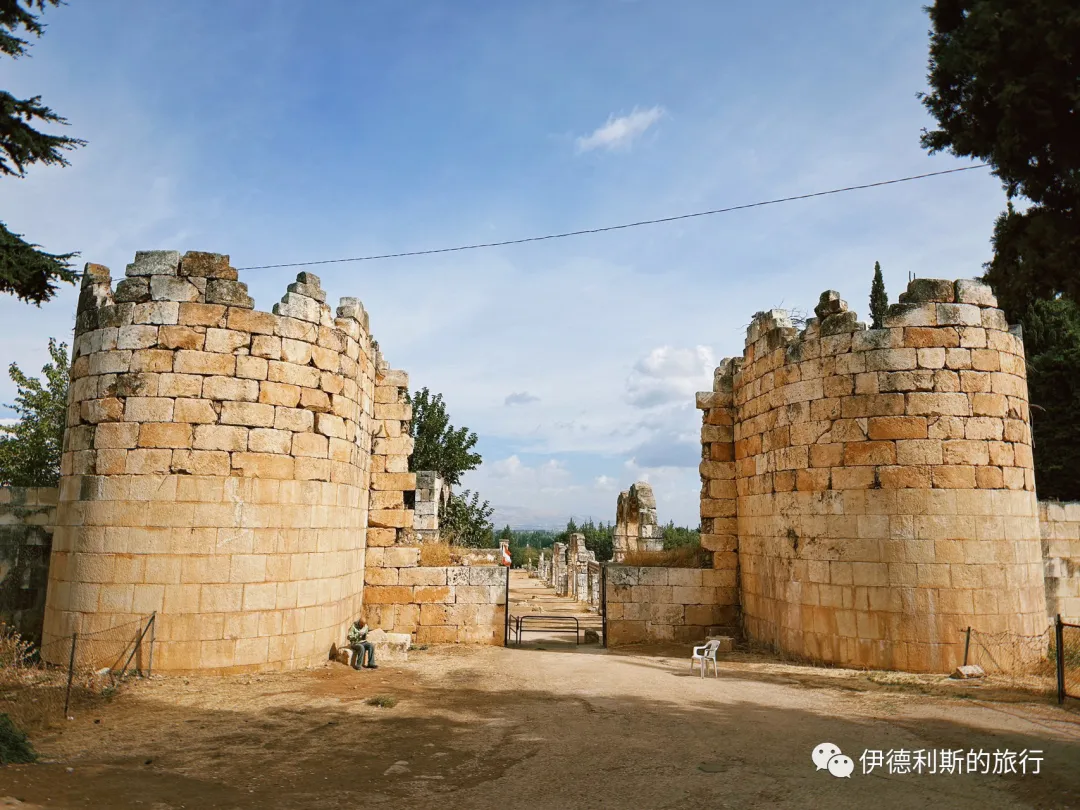
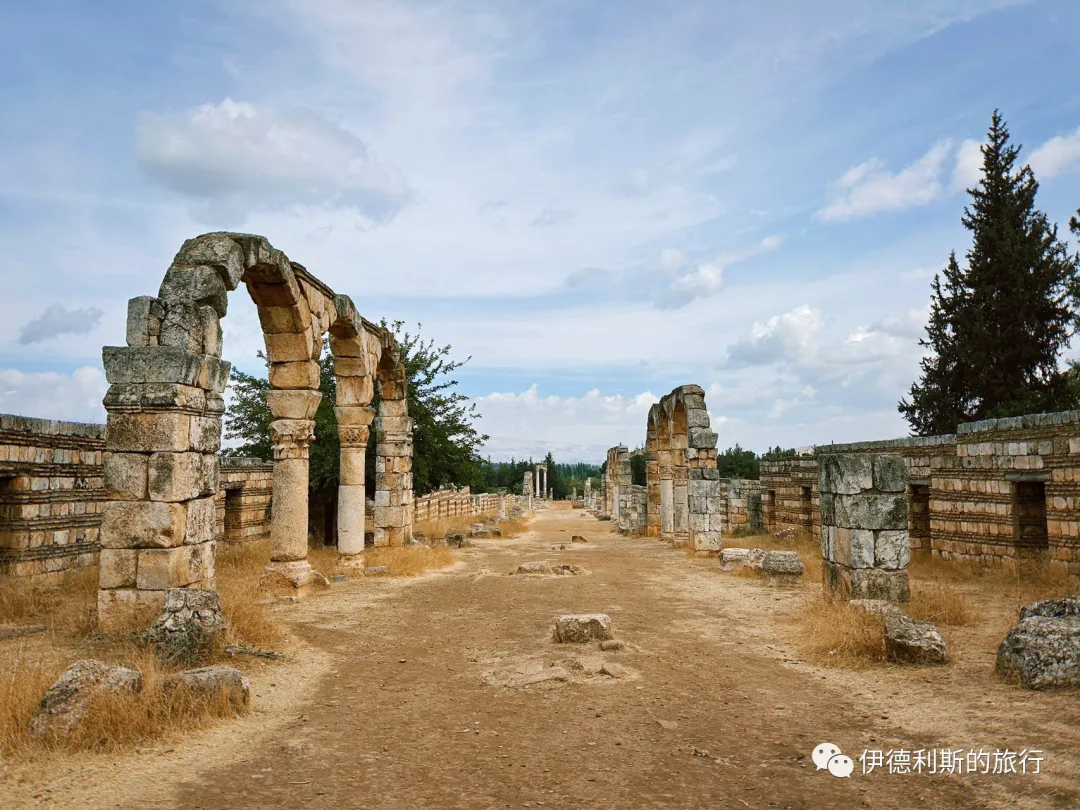
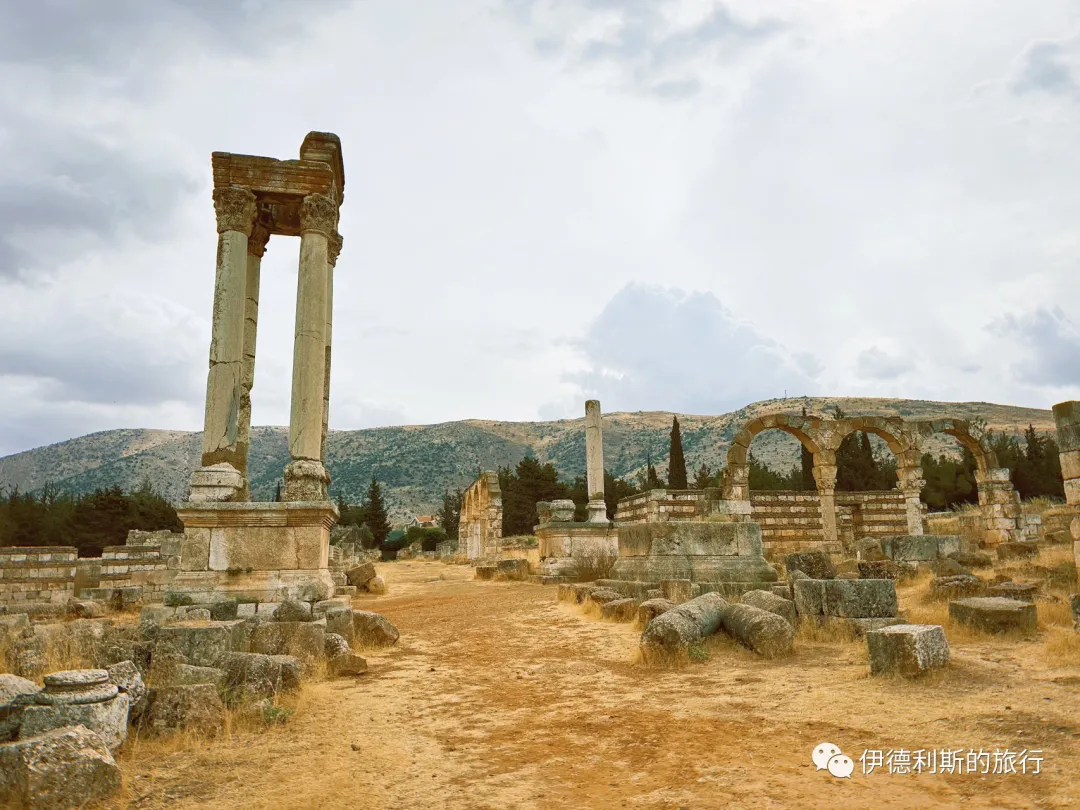
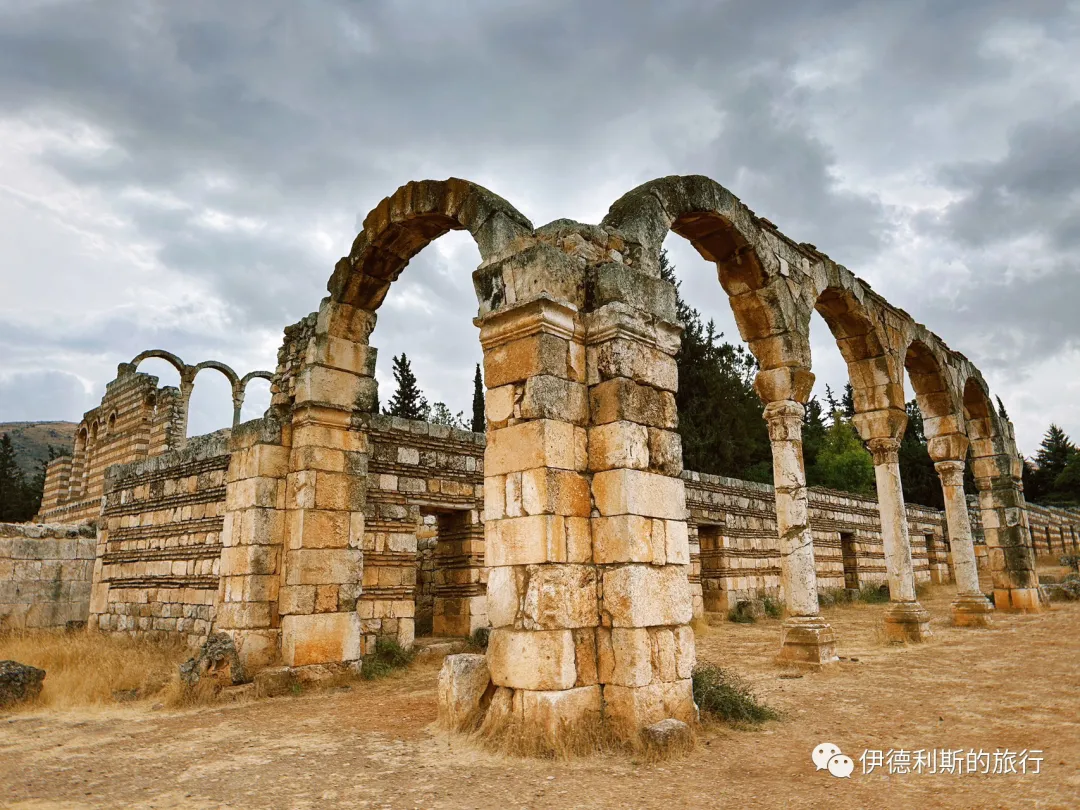
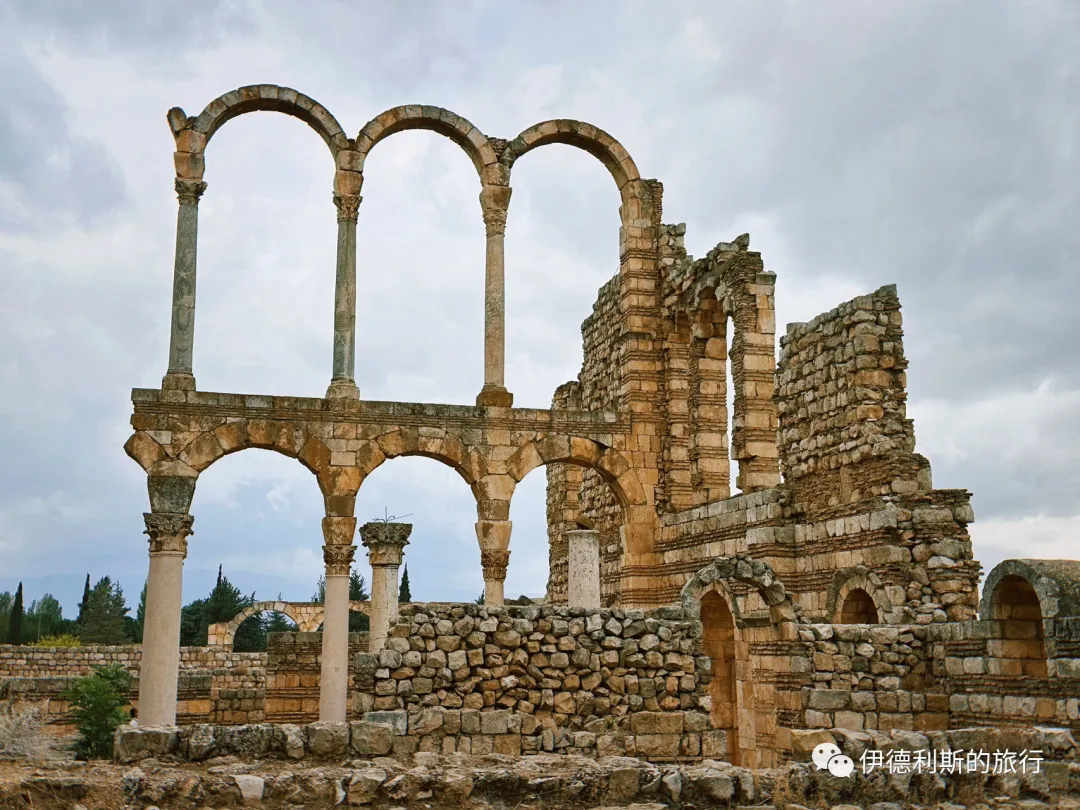
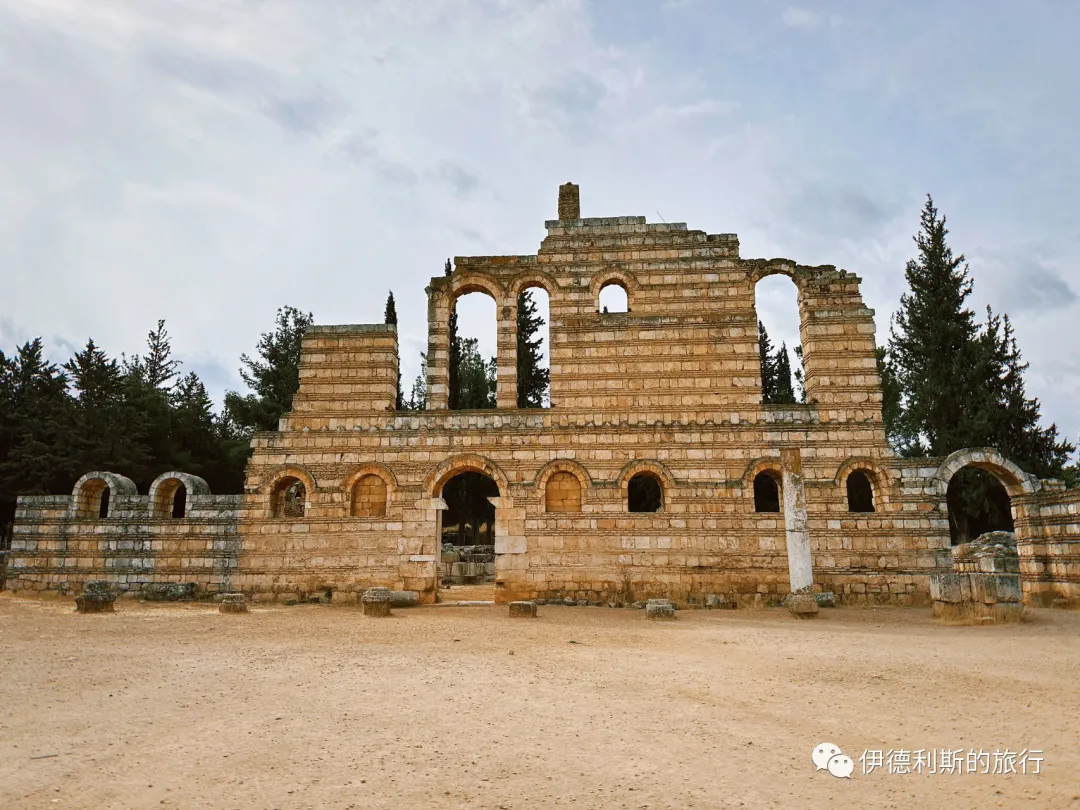
The ancient city of Anjar in Lebanon was built by al-Abbas, the son of Caliph al-Walid I, between 714 and 715. This place has been an important route connecting Beirut and Damascus since ancient times, and it was listed as a UNESCO World Heritage site in 1984.
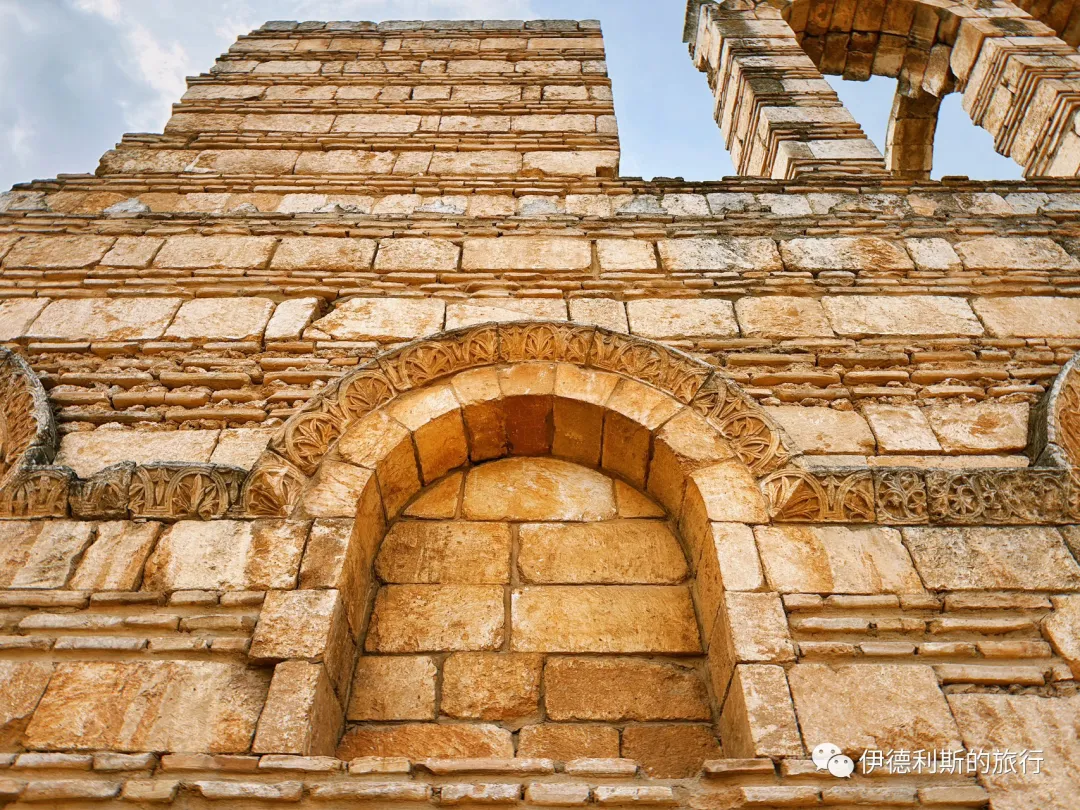
It is believed that the ancient city of Anjar likely used many captives brought back by Prince al-Abbas from his campaigns against the Byzantine Empire as laborers, which is why the stone carvings have a strong Byzantine style. The entire ancient city is based on a Roman city plan, with a rectangular layout surrounded by thick walls, where two main roads intersect at four gates to divide the city into four sections. The main road is lined with columns and rows of shops that look like Roman tabernae, while a classic four-sided Roman gate known as a tetrapylon stands at the intersection. The city is divided into four functional areas: the southeast holds the grand palace and mosque, the northeast contains the small palace (harem) and bathhouse, and the northwest and southwest are residential zones.
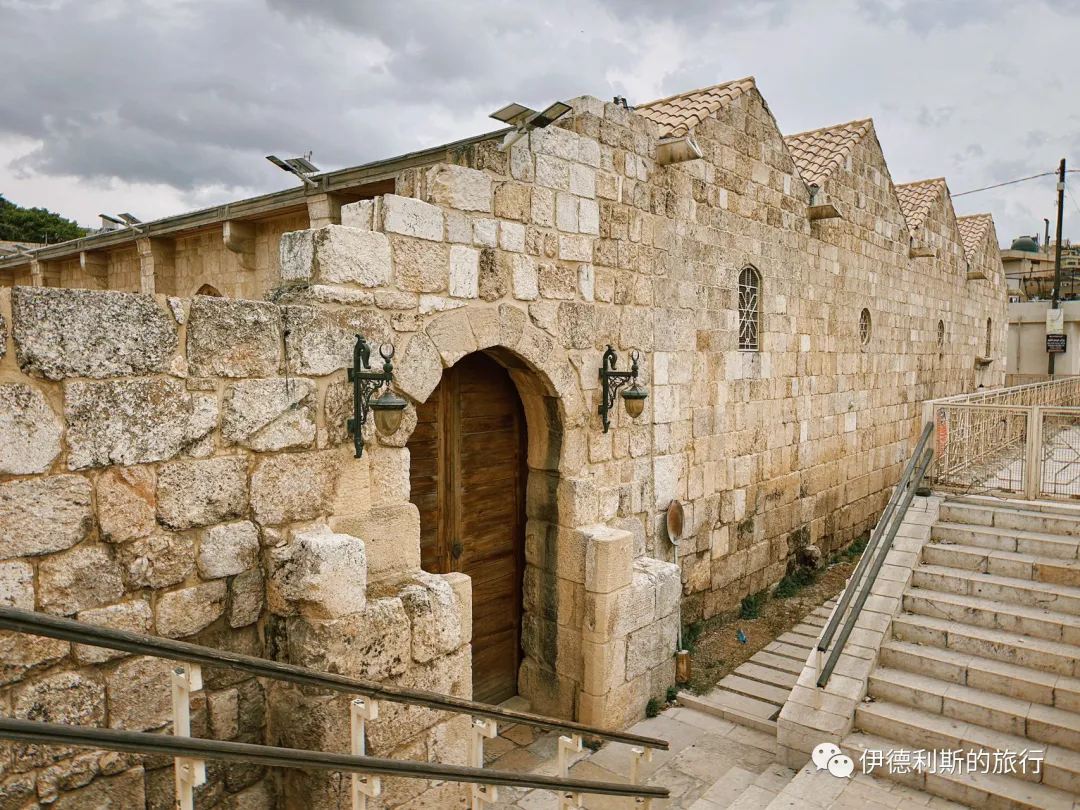
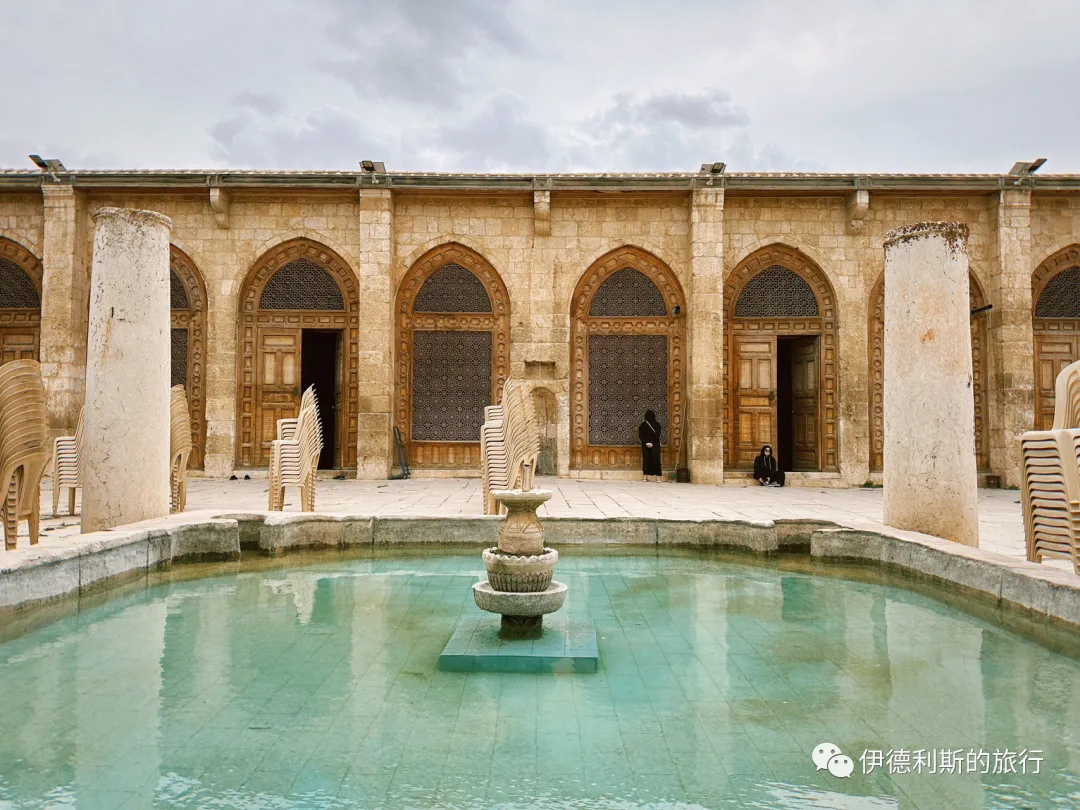
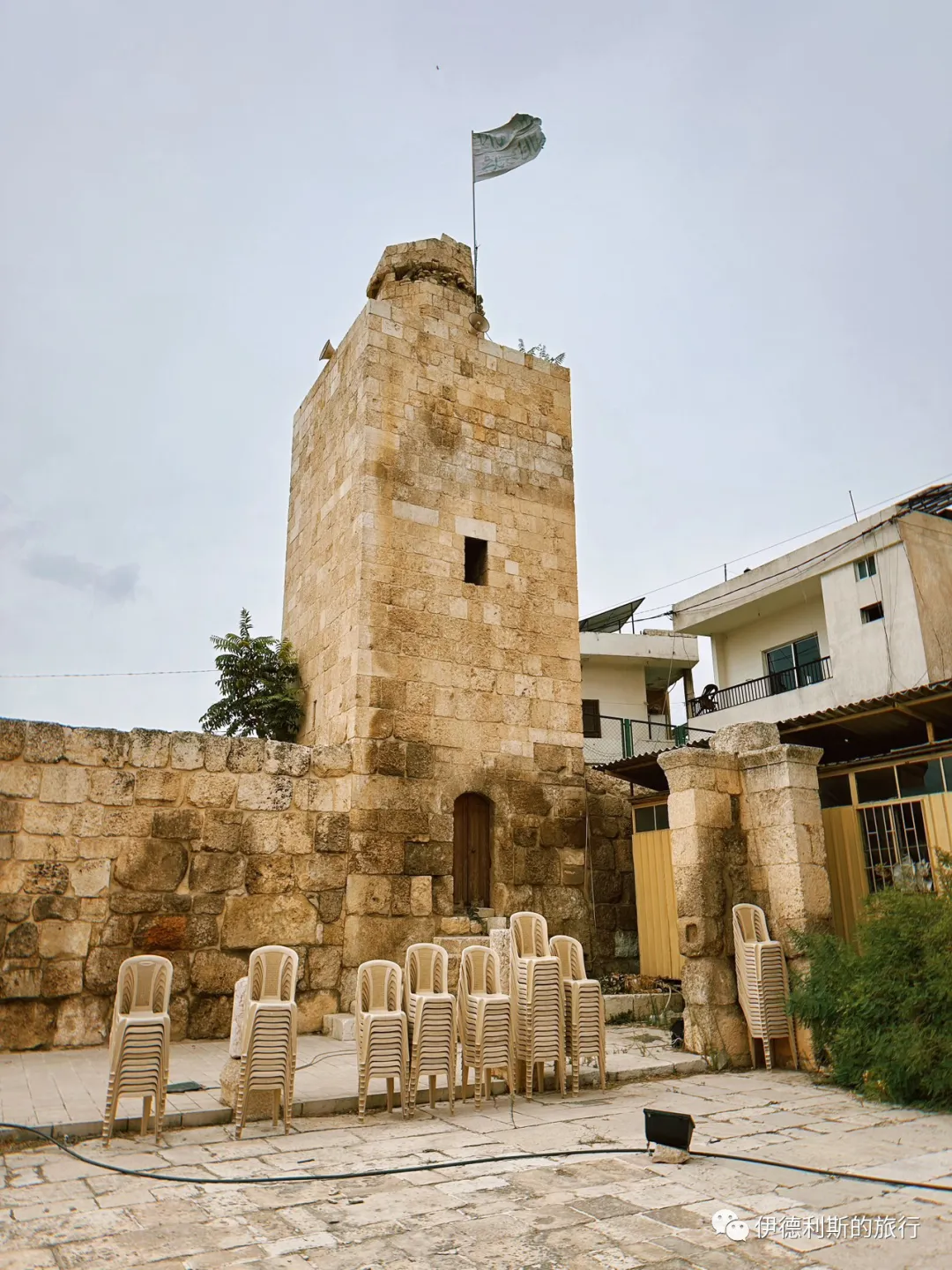
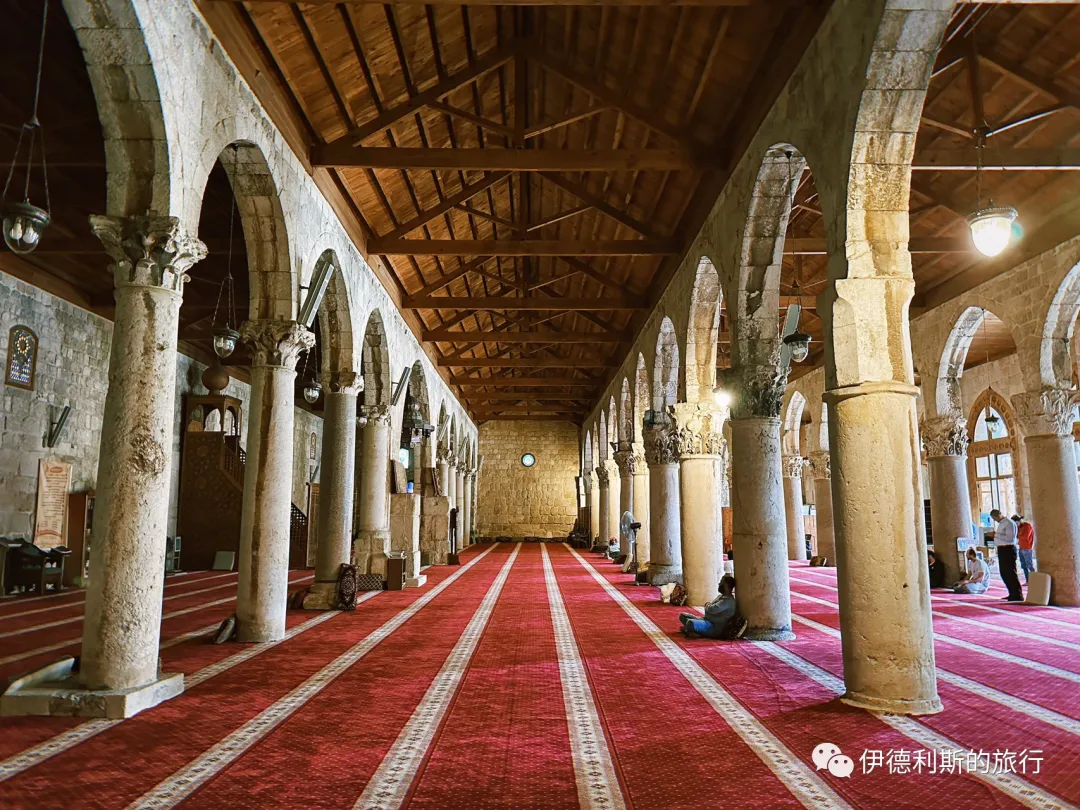
The Umayyad Mosque in Baalbek, Lebanon, was also built by the Umayyad Caliph al-Walid I in 715, the same year as the Umayyad Mosque in Damascus. These two mosques stand together as the oldest surviving masjid buildings in the world.
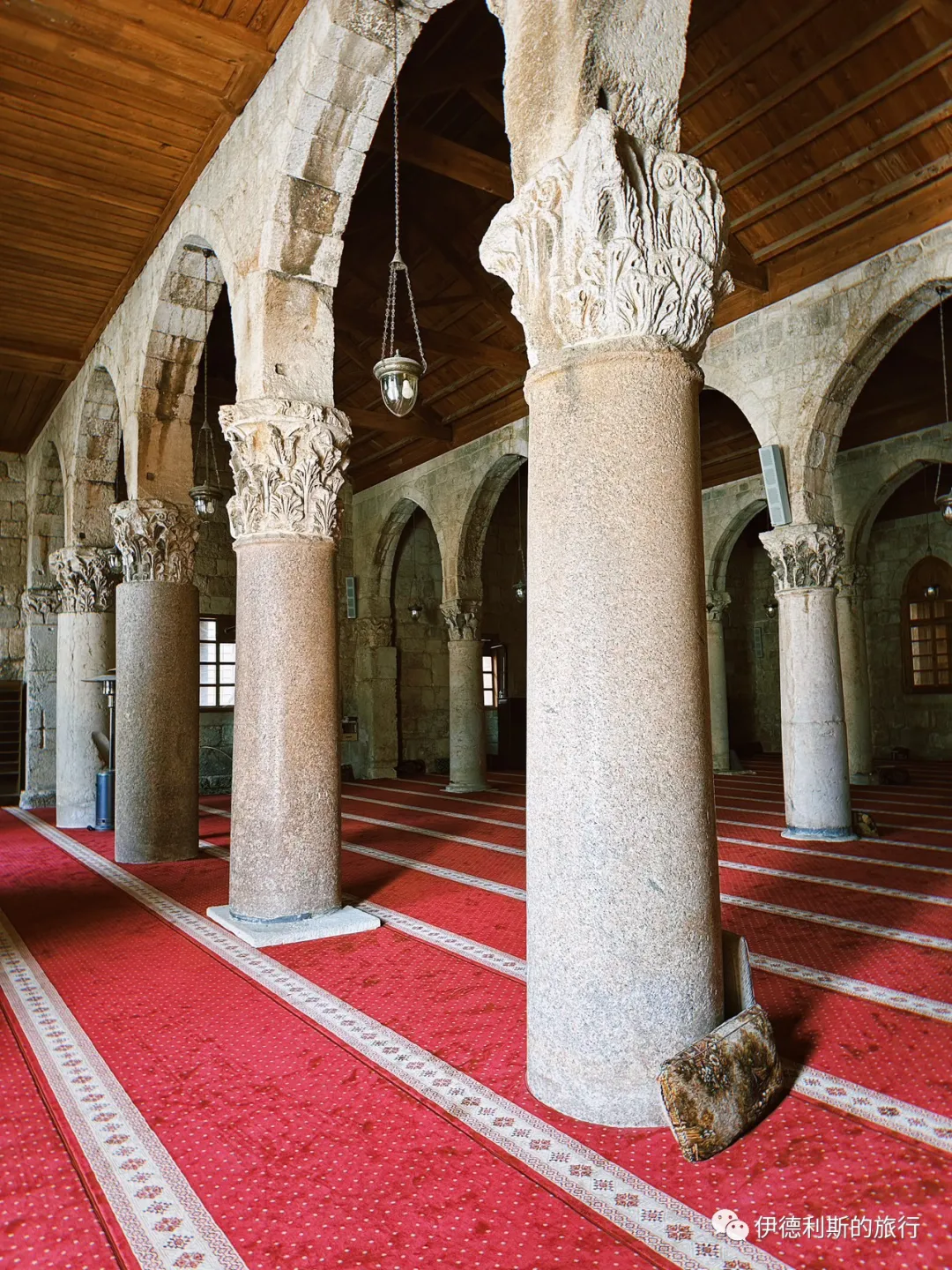
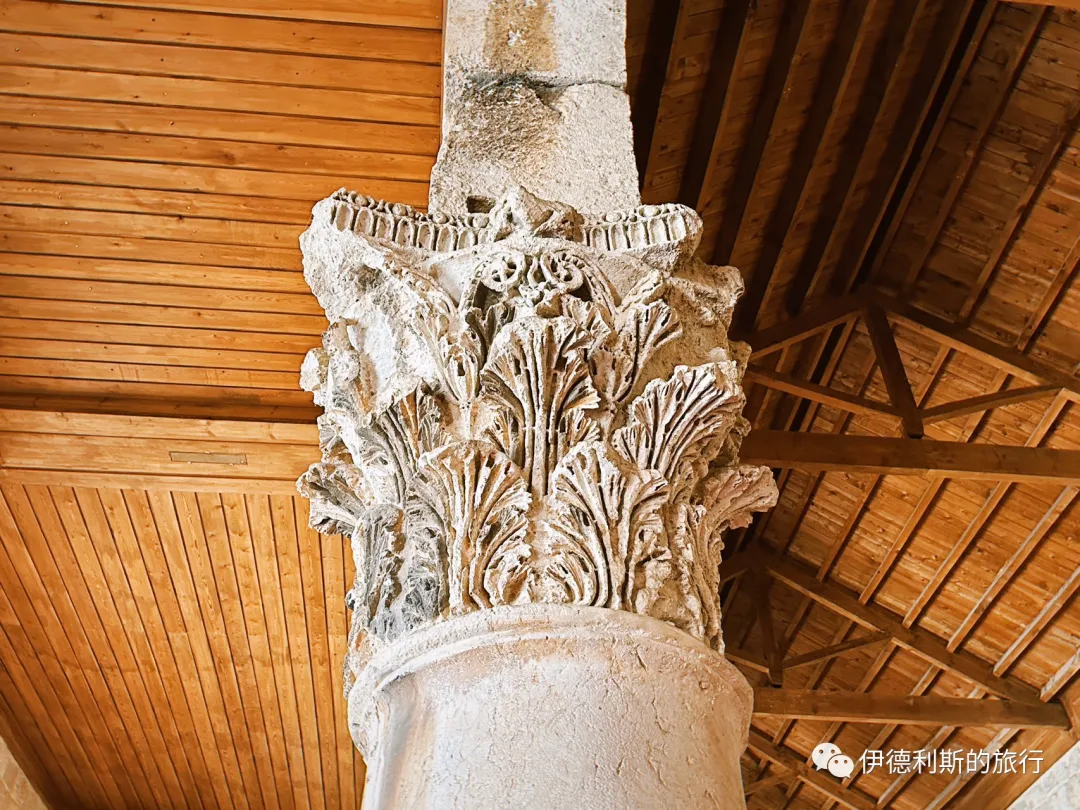
Compared to the Umayyad Mosque in Damascus, the Baalbek Umayyad Mosque is simpler, but its overall style is very similar. Some stone parts inside the main hall may have been taken from the nearby Roman-era Baalbek Citadel, and the column capitals show a strong Roman-Byzantine style.
Summary: This Muslim history guide to Damascus covers Caliph Muawiyah I's tomb, the Prophet's Companion, early Islamic history, and Muslim heritage.
This article organizes key points from the original text about visiting the tomb of the scripture scribe and companion of the Prophet, Caliph Muawiyah I. It keeps the original paragraph and image order. It is for readers interested in Muslim life, Islamic culture, and Chinese Islamic writing. It also helps with searching for topics like Shia, Sunni, and Ramadan.
Bab al-Saghir Cemetery in the south of the old city of Damascus is a very ancient graveyard. It holds the graves of many companions of the Prophet, such as Bilal, as well as several children of Imam Ali and Imam Hussein. Near these graves is a tomb tightly enclosed by layers of iron railings. It is inscribed with the name Muawiyah ibn Abi Sufyan, the first caliph of the Umayyad Dynasty. This is the burial place of a highly controversial caliph in religious history. He is both respected and hated, but he was a key figure who shaped early religious history: Muawiyah I.
During Ramadan in 2025, the Saudi MBC studio aired a series called Muawiyah. With a production cost of 100 million US dollars, it is the most expensive television series in Arab history. The show caused huge controversy and sparked massive discussion as soon as it aired. Iraq and Iran directly banned the series, and Al-Azhar University in Egypt issued a fatwa calling on people not to watch it.
In the Sunni narrative, Muawiyah's sister Ramla married the noble Prophet in 628. Muawiyah converted to the faith in 630. Because he was literate, the noble Prophet appointed him as a scribe, making him a scripture scribe. After Abu Bakr was elected caliph in 632, Muawiyah became a commander in the conquest of Syria. He followed Caliph Umar into Jerusalem in 637 and was later appointed governor of Damascus. He served as governor of Syria during the time of Caliph Uthman and organized the first naval battle in religious history. Sunnis believe he made a great contribution to the unity of the Caliphate and recognize his status as a companion of the Prophet and a scripture scribe.
In the Shia narrative, Muawiyah opposed the election of Ali as caliph, which triggered the first civil war in the faith. After Ali was assassinated, he forced Hasan to abdicate. Shia Muslims deny Muawiyah's status as a companion of the Prophet and a scripture scribe, and even consider him a disbeliever.
Muawiyah I died of illness in Damascus in 680 and was buried in the Bab al-Saghir cemetery. Several documents from the 9th and 10th centuries mention the tomb of Muawiyah I, including records that Ibn Tulun, a ruler of Egypt and Syria, built four porticos for the tomb in the 9th century. The current tomb of Muawiyah I was renovated in modern times. For a long time, this site was attacked by Shia visitors from places like Iran and Iraq, who damaged the fences and threw stones and shoes.
Next to the tomb of Muawiyah I is another tomb enclosed by iron railings, where the fifth Umayyad Caliph Abd al-Malik (reigned 685-705) and the sixth Caliph al-Walid I (reigned 705-715) are buried.
In his early years, Abd al-Malik lived a pious life in Medina and was a Tabi'un, meaning a follower of the Prophet's companions and one of the first generation born into the faith. In 683, the people of Medina opposed the rule of Muawiyah I's son, Yazid I, and expelled all Umayyads from the city, forcing Abd al-Malik to flee to Damascus. After the direct descendants of Muawiyah I passed away, Abd al-Malik, his distant cousin, was elected Caliph in 685. During his 20-year reign, Abd al-Malik constantly quelled internal divisions within the Umayyad Caliphate while resisting attacks from the Byzantine Empire. In the final years of his rule, the country was peaceful and his power was secure. His main achievements include introducing a unified currency to replace Byzantine and Sassanid coins, and replacing Greek and Persian with Arabic as the official language. He ordered the construction of the Dome of the Rock in Jerusalem, which is the oldest surviving Islamic building.
During the reign of Al-Walid I, the Arab Empire conquered Morocco, the Iberian Peninsula, the Sindh region of South Asia, and Transoxiana in Central Asia, reaching its largest territorial extent in history. He used the massive wealth from these conquests to build and expand many mosques, most the Umayyad Mosque in Damascus, the Al-Aqsa Mosque in Jerusalem, and the Prophet's Mosque in Medina. He also built the famous ancient city of Anjar in Lebanon and the Umayyad Mosque in Baalbek. He was the first caliph to implement a social welfare system, which earned him great respect among the poor and the disabled. Under his rule, the Umayyad Dynasty was prosperous and reached its peak.
Umayyad coins on display at the 'Forging Narratives: The Coinage Heritage of Saudi Arabia' special exhibition at the National Museum of Saudi Arabia.
First are the gold coins from the time of Caliph Muawiyah I. The front shows the Byzantine Emperor Heraclius (reigned 610-641) and his two sons, Constantine III and Heraclonas, while the back features Latin text. Unlike Byzantine gold coins, the Umayyad gold coins lack crosses on the emperor's crown and scepter, and the cross on the steps on the back has only a vertical bar without a horizontal one.
Umayyad gold coins from this period reflect the early culture of the Umayyad Dynasty, which continued to inherit Byzantine culture. When Bedouin nomads from the Arabian Peninsula poured into the magnificent city of Damascus, they saw a rich and colorful Byzantine culture everywhere. Because of this, they continued to use Byzantine culture in areas outside of religion, such as music, art, and architecture, becoming the heirs to Byzantine culture.
In 693, Caliph Abd al-Malik minted gold dinars in Damascus, and in 696, he removed human figures, keeping only Arabic text. During the same period, Abd al-Malik also promoted the replacement of Greek with Arabic in Syria, eventually making Arabic the sole official language of the Umayyad Dynasty. From this point on, the Umayyad Caliphate stopped being just an inheritor of Byzantine and Sassanid cultures and turned into a true Arab civilization.
I visited Qasr Kharana in Jordan, which was built in 710 during the reign of Caliph al-Walid I.
The most special thing about Qasr Kharana is how it blends Byzantine and Sassanid architectural styles. The palace is built with plaster and rubble, and the second floor features barrel vaults supported by transverse arches, which is a typical Sassanid style, though it still differs from Sassanid buildings in Iran. The arches at Qasr Kharana do not connect to the load-bearing walls but rest on corbels, and they use new types of wooden lintels to make the building more flexible and earthquake-resistant.
Hammam al-Sarah in Jordan was built in the early 8th century during the reign of Caliph Abd al-Malik or al-Walid I.
The bathhouse was built using neatly cut, medium-sized stones and decorated with intricately carved fluted moldings. Inside the main hall, there is a beautifully designed fountain supplied with water from an elevated water tower on the east side. There is also a walled garden site nearby, which is known as the oldest Islamic garden site.
The Umayyad Mosque in Damascus was built under the direction of Caliph al-Walid I in 706. He kept the outer walls of the Roman mosque's inner sanctuary and moved the Corinthian columns and arcades from inside the mosque to the main hall, finishing the new mosque in 715 and making it a 'wonder of the world' in the writings of medieval Muslim scholars.
Before the Great Mosque of Damascus was built, traditional mosques were all flat-roofed halls. The Great Mosque of Damascus uses a basilica-style layout, featuring three wide, long halls and a central nave topped by a tall dome.
The Great Mosque of Damascus is world-famous for its rich Umayyad-era mosaic decorations. These mosaics show various natural landscapes and buildings in a late Roman style, following a classic naturalistic approach.
Some Arabic historical records suggest the craftsmen and materials for the mosaics came from the Byzantine capital of Constantinople, but a 2022 chemical analysis study showed that most of the mosaics were actually made in Egypt. Although these mosaic images show traces of Byzantine style, some scholars believe their craftsmanship is more consistent with mosaic techniques from Syria, Palestine, and Egypt.
The meaning of the mosaic images has been a subject of long-standing debate. Some believe they represent the known world at that time, others think they depict Damascus and the Barada River, and some argue they show scenes of Paradise. Currently, there is more evidence for the Paradise theory, as the landscapes without human figures fit the idea of an empty Paradise waiting for people to arrive after the Day of Resurrection.
The ancient city of Anjar in Lebanon was built by al-Abbas, the son of Caliph al-Walid I, between 714 and 715. This place has been an important route connecting Beirut and Damascus since ancient times, and it was listed as a UNESCO World Heritage site in 1984.
It is believed that the ancient city of Anjar likely used many captives brought back by Prince al-Abbas from his campaigns against the Byzantine Empire as laborers, which is why the stone carvings have a strong Byzantine style. The entire ancient city is based on a Roman city plan, with a rectangular layout surrounded by thick walls, where two main roads intersect at four gates to divide the city into four sections. The main road is lined with columns and rows of shops that look like Roman tabernae, while a classic four-sided Roman gate known as a tetrapylon stands at the intersection. The city is divided into four functional areas: the southeast holds the grand palace and mosque, the northeast contains the small palace (harem) and bathhouse, and the northwest and southwest are residential zones.
The Umayyad Mosque in Baalbek, Lebanon, was also built by the Umayyad Caliph al-Walid I in 715, the same year as the Umayyad Mosque in Damascus. These two mosques stand together as the oldest surviving masjid buildings in the world.
Compared to the Umayyad Mosque in Damascus, the Baalbek Umayyad Mosque is simpler, but its overall style is very similar. Some stone parts inside the main hall may have been taken from the nearby Roman-era Baalbek Citadel, and the column capitals show a strong Roman-Byzantine style.
