
Guangzhou's Halal Food Journey: From Ancient Mosques to Modern Dim Sum, A Century of Muslim Culture & Culinary Heritage in Southern China
[Internet Repost]
A Century of Halal Dining in Guangdong: From Ancient Port Tea Houses to 70 Years of Glory at Guangzhou Muslim Restaurant
Abstract:
This historical review traces the evolution of local Hui Muslim halal dining in Guangdong. It covers everything from the Fanfang (foreign quarters) cuisine during ancient trade eras to the ups and downs of modern Cantonese-style halal tea houses, spotlighting the Guangzhou Muslim Restaurant's 70-year journey of staying true to its roots while innovating.
As modern society has evolved, there's been a growing focus on individual experiences. Details once considered 'trivial' are now gaining academic attention. Following this trend, historians are delving into the specifics of social life, with 'food, clothing, housing, and travel' being prime examples. This leads me to a key insight: the evolution of dining isn't just about archaeological findings or visual records. It's more about analyzing the social relationships involved and reflecting on broader socio-cultural themes.
Given existing narratives and my own research and cultural background, Cantonese cuisine will be a major topic in my exploration of culinary history. Southern China, centered around the Guangdong-Hong Kong-Macao Greater Bay Area, has always been a cultural melting pot along China's southern coast, thanks to its bustling and active land and water trade routes. From the Kaiping Diaolou (fortified towers) that blend Chinese, Islamic, and Western architectural elements, and the Huaisheng Mosque (Light Pagoda Mosque), to the incredibly diverse 'dim sum' found in Cantonese tea houses, the region truly showcases its cultural diversity and openness.
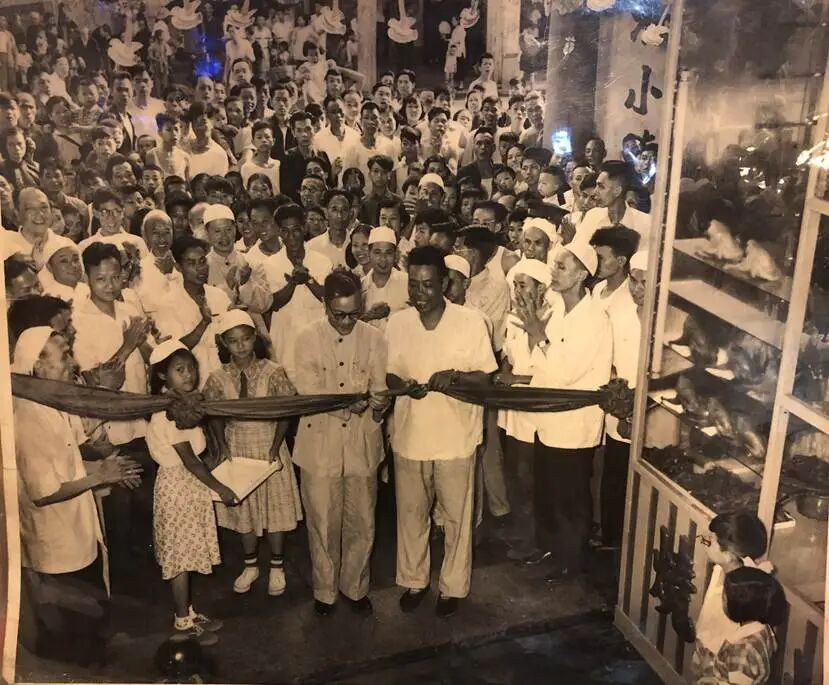
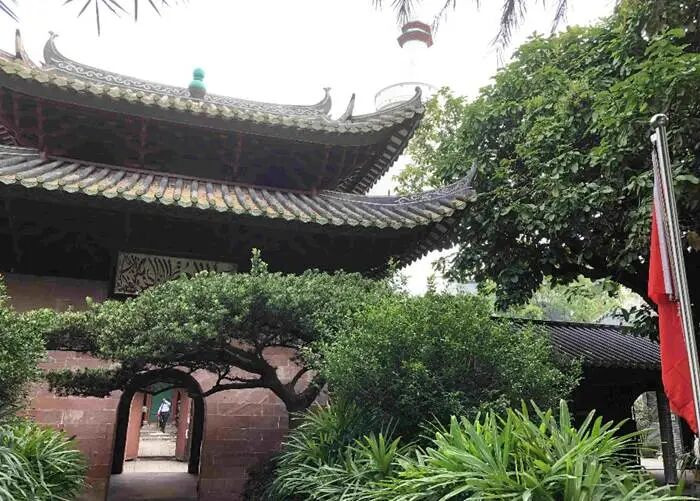
Figure 1: Huaisheng Mosque, photographed by the author in June 2018.
Cantonese cuisine, which originated in Southern China, plays a major role in China's socio-cultural history thanks to its unique and diverse flavors. However, even the historical narrative of Cantonese cuisine itself rarely gets academic treatment, beyond memoirs from industry professionals or recipe showcases. For instance, Mr. Chen Mengyin, an early pioneer in news and media, compiled various Cantonese dishes into *The Way of Eating* (食之道), dedicating its second part to the development and evolution of Cantonese cuisine in *Tracing the Origins of Cantonese Cuisine* (粤菜溯源录). In it, he shared his perspective as a journalist on traditional food and his commitment to cultural heritage, stating: 'Historians say: “A nation that forgets its history is doomed to repeat it.” “Chop Suey” (杂碎) is the culinary heritage of our “Southern Barbarian” ancestors. In the great 20th century, it served hundreds of millions fascinated by 'China fever' and fed millions of Chinese descendants. Should historians one day chronicle the food of the 'Southern Barbarians,' 'Chop Suey' deserves an entire chapter.' While Mr. Chen's work might not have delved into many Cantonese cuisine details due to limited space, his pioneering effort as an early journalist to compile and analyze dining with academic foresight, and to envision future academic development, was truly remarkable.
However, for Southern China's local halal cuisine, which is deeply rooted in both Hui Muslim dining etiquette and Cantonese traditions, there's actually a decent amount of historical material available. Most written reports on 'Halal Cantonese cuisine' today tend to be internal studies within ethnic and religious communities. While these resources have significantly enriched the narrative of 'Halal Cantonese cuisine' and its service range and variety are constantly improving, there's still a need for more academic analysis and critical thinking, along with diverse historical sources to further supplement and refine our understanding.
(I) History in the Narrative: A Brief Journey of Guangdong's Local Halal Dining
Compared to the countless long-standing local halal brands (laozihao) in Northern China and the Jiangnan region—think names like 'Donglaishun,' 'Baodu Feng,' and 'Hongbinlou' up north, or 'Anleyuan,' 'Lüliuju,' and 'Ma Xiangxing' in Jiangnan—Southern China actually has far fewer halal 'laozihao.' They're generally smaller in scale and haven't managed to continuously pass down independently to the present day. This largely stems from the smaller Hui Muslim population in Southern China and the somewhat limited range of professions they typically pursued. Among Southern Chinese Hui Muslims, a proverb somewhat captures this narrative:
'Religious folk (or 'Bandie lao') have a narrow path; they become officials, doctors, or sell beef.'
By the late Qing Dynasty and early Republic of China, narratives about local halal dining in Guangdong began to emerge. Take *gualu ya* (roasted duck), for instance. This dish was originally popular in Northern China, but as north-south exchanges became more frequent during the late Qing, some chefs brought its cooking techniques south. Master Ma Tianfu, a Hui Muslim from Shaanxi, introduced *gualu ya* to Haopan Street (濠畔街), then Guangzhou's most bustling Muslim-dense neighborhood. At 'Weichunyuan' (味莼园), a halal restaurant on Haopan Street known for its non-Cantonese dishes, Master Ma Tianfu's *gualu ya* was so exquisite that after he returned to Allah, some local 'old timers of Ram City' (Guangzhou) lamented that no other venerable brand could replicate its flavor. Another incredibly popular local Cantonese specialty, *niunan niuza* (beef brisket and offal stew), also has a significant history rooted in Guangdong's Hui Muslim community. According to local lore, Guangzhou residents first encountered *niunan niuza* during the late Qing to early Republican era, when a Hui Muslim named 'Ade' on Guangta Street (光塔街) developed the cooking method for beef offal and 'integrated it into restaurant menus.' While this claim lacks formal written records, most locals accept this narrative, and it's featured in various historical accounts and food guides. Today, while halal versions of *niunan niuza* still exist (like at the Guangzhou Muslim Restaurant's snack section), most versions of this dish have become a staple in everyday Cantonese households of all ethnicities and spread nationwide.
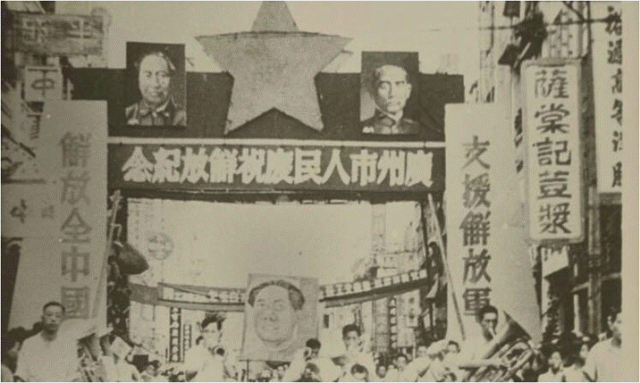
Figure 2: A parade passes 'Satangji' during Guangzhou's liberation, from the Guangzhou Library collection.
During the Republican era, thanks to local Hui Muslim dignitaries establishing newspapers and the standardization of food processing like slaughtering, many smaller halal tea houses were founded and recorded. Mr. Yang Dianzhang (1907-1993), in his report 'The Long-term Dining Situation of Hui People in Guangzhou,' listed various local halal eateries from different periods: Wanhe Shaola (Cantonese roasted meats / roast duck) Shop on Xiaoshi Street, Nanxing Chicken Duck Lamb Shop, Baohua Zhongwanzhan Restaurant, Taipingsha Tianran Restaurant, Juixing Tea House on Sipailou, Shuji Tea House in Nanshengli, Hajiangji Wonton Shop on Huiai Road, Quanchang Chicken Duck Shop on Huifu Road, Yunji Tea House in Xiaobei, and the dessert shop 'Satangji,' among others. Notably, Yunji Tea House and Satangji were both managed by the prominent Hui Muslim Sa family. Sa Zhaorong (1870-1949), the manager of Yunji Tea House, was a sixth-generation descendant of the Sa family's fourth branch. Meanwhile, his cousins—Sa Yirou (also known as Sa Hanqiang, 1911-1996), Sa Yitang (1917-1977), and Sa Yiqi (1929-2008)—the three brothers from the Sa family's second branch and fifth generation, managed 'Satangji.' Their grandfather, Sa Xianyang (1829-1895), had previously run the 'Tangji' halal pastry shop, which later inspired the name 'Satangji.' This clearly shows that brands and family management were well-established in Guangdong's local halal dining scene.
However, during the Anti-Japanese War, local Hui Muslims in Guangdong—from mosque leaders to officials—largely supported the resistance. As a result, Japanese invaders, collaborating with local thugs and traitors, subjected them to brutal persecution. A particularly heinous example was how, with Japanese military backing, local thugs blatantly disregarded the 'permanently preserved' monument that Liao Zhongkai had erected for Hui Muslim cemeteries. They forcibly built pig farms on these sacred sites, a deeply taboo act for Muslims, directly seizing the Muslim burial grounds and assisting the Japanese military in looting these areas.
Guangdong's local Hui Muslim dining industry was also utterly destroyed. The Sa family, for instance, saw both their fourth and second branches looted. Sa Xuyun (also known as Ru Min, 1900-1943), Sa Zhaorong's son, was arrested and brutally killed for participating in the revolution by the puppet government (locals mistakenly identified it as the 'Kuomintang,' but it was actually the Japanese-controlled 'puppet regime'). Yunji's business consequently plummeted and eventually merged with other tea houses. Sa Xuyun's three great-uncles—Sa Hanqiang, Sa Yitang, and Sa Yiqi—were also forced to relocate Satangji to Hong Kong due to Japanese persecution and harassment. Other local halal eateries suffered similarly devastating blows, so much so that in the early years of the New China, most reputable tea houses and ice cream parlors, with the exception of a very few like Satangji, never fully recovered.
After the founding of the New China, standardizing halal dining became a crucial agenda for the Guangzhou city government. This was driven by the constitutionally guaranteed principle of ethnic unity and Guangzhou's significant role in international exchanges. Many third-world countries were predominantly Muslim, and even the Soviet Union—then China's largest partner—had a considerable Muslim population. Plus, Hui Muslims from all over China also lived and worked in Guangzhou.
Figure 3: Opening ceremony of Guangzhou Muslim Restaurant in 1956, with Guangzhou's Vice Mayor personally attending to cut the ribbon (Image courtesy of Guangzhou Muslim Restaurant).
Showcasing local Lingnan halal dishes with distinct Guangdong characteristics became a major mission for the Guangzhou city government, especially for the local Hui Muslim community. After some coordination, plans for a 'Halal Canteen' (清真食堂) specializing in local halal cuisine began in 1954. Then, on May 11, 1956, Sun Leyi, then Vice Mayor of Guangzhou, personally attended a grand ribbon-cutting ceremony for the newly opened 'Huimin Restaurant' (回民饭店) on Zhongshan 6th Road. Later, to expand its scale and improve the diner experience, it merged with Zhanyuan Pavilion Tea House in August 1959 and took over Satangji's second branch at 259 Zhongshan 5th Road. From then on, it was officially renamed 'Guangzhou Muslim Restaurant' (Guangzhou Huimin Restaurant) and has been known by that name ever since. On October 12, 1975, the Guangzhou Muslim Restaurant officially relocated to 325 Zhongshan 6th Road, near Ximenkou Station, solidifying its current, stable location. Over its many years, Guangzhou Muslim Restaurant has become a cherished memory for residents of all ethnicities in Guangdong. Known for its great food at affordable prices, it has also preserved a wealth of traditional local Cantonese cuisine styles. To this day, the Guangzhou Muslim Restaurant remains bustling with customers, truly embodying the culinary culture of old Guangzhou.
After China's 'Reform and Opening Up,' Guangdong's halal dining scene became incredibly diverse. When it comes to Halal Cantonese cuisine, beyond the Guangzhou Muslim Restaurant, you'll find Cantonese dim sum and dishes offered at places like 'Yishanggong' in Guangzhou, 'Zhongfayuan' in Shenzhen, the Zhaoqing Halal Restaurant, and the halal restaurant on the fifth floor of Hong Kong's AiQun Temple Mosque. Some of these, like Guangzhou Muslim Restaurant, Zhaoqing Halal Restaurant, and the AiQun Temple Halal Restaurant in Hong Kong, stick to traditional Cantonese styles—think dishes served in 'cups, steamers, and pieces.' Others, such as 'Zhongfayuan' and 'Yishanggong,' blend Western pastry influences with modern service to offer new-style Cantonese cuisine. What's more, a wide array of non-Cantonese halal cuisines—like Arabic, South Asian, Turkish, Iranian, and Southeast Asian dishes, as well as various Chinese halal options (Henan, Shandong, and Northwest cuisines, for example)—have all taken root and are thriving in Guangzhou's famous 'Food Paradise' (食在广州) culture. Diners from different ethnic groups and faiths in Guangzhou can truly experience the city's rich culture through its diverse halal food scene, which ultimately reflects the very essence of Chinese culture in Southern China.
(II) Analysis Within the Narrative
When we talk about halal dining in Southern China, if we only focus on introducing signature Southern Chinese halal dishes—like 'yangrou chashao bao' (lamb char siu buns), 'baiqie dongshan yang' (white-cut Dongshan lamb), 'Huimin jizai bing' (Hui Muslim chicken biscuits), 'suanrong ruyang gu' (garlic butter lamb ribs), or 'jiaomen youxiang' (halal fried bread based on the Cantonese dessert 'niushesu' / ox-tongue pastry)—the history of Hui Muslim dining in Southern China feels somewhat superficial. That's because a lot of historical documentation already thoroughly showcases the variety of Guangdong's local halal cuisine. I believe we need a series of deeper analyses into the industry's underlying development.
For instance, local Hui Muslims who have long resided in Guangdong often gather for 'he zaocha' (Cantonese morning tea / dim sum), just like other Cantonese people. This practice naturally extends to an analysis and discussion of social rituals. And while the halal dining scene in Southern China (the Guangdong-Hong Kong-Macao Greater Bay Area) appears vibrant today, the industry itself has certainly seen its share of ups and downs. Only by analyzing these complexities can we truly grasp the socio-historical factors behind the evolution of this cuisine.
(1) Socialization and Ritual: The Core Driving Force Behind Local Halal Dining Heritage
For local Hui Muslims in Guangdong and their descendants, understanding of 'the faith' might vary, shaped by their social environment and personal views on 'freedom of belief.' However, for family gatherings (like birthdays, weddings, or celebratory banquets for Gaokao / university entrance exam candidates), traditional ethnic rituals (such as daren ji / remembrance days for adults, Shengji / Mawlid, and Eid al-Adha), or when relatives return to Guangzhou from afar, they almost always choose a local halal restaurant for their get-togethers. The Guangzhou Muslim Restaurant, with its rich history, serves as a significant example for analysis. Personally, a large part of my fieldwork researching local Guangdong Hui Muslims was completed through interviews and discussions held at this very restaurant. This process revealed two crucial details: its role in everyday socialization and as a venue for rituals that harmoniously blend secular and religious aspects.
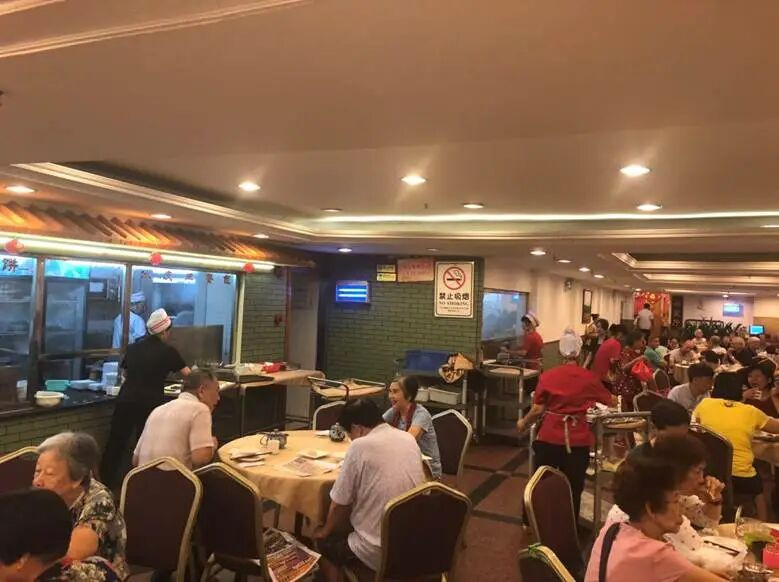
Figure 4: Guangzhou Muslim Restaurant bustling with guests, a venerable Cantonese-style tea restaurant in Guangzhou (photographed by the author in July 2019).
Socialization is a common human activity throughout history, but these ordinary actions offer deeper avenues for thought and analysis. For example, Professor Wang Di's collection, observation, and analysis of *zhuzhici* (竹枝词 - folk poems) significantly contributed to understanding Chengdu's urban culture. These everyday folk poems weren't just reflections of people's lives; the cultural factors derived from them allowed later scholars to delve deeper into Chengdu's urban culture and grasp its unique urban order. Similarly, ritual, as a cultural manifestation, doesn't just reflect major national events; it profoundly embodies a region's cultural characteristics. Professor Guo Hui's analysis of 'anniversaries' as a crucial part of rituals highlights this, emphasizing how 'anniversaries become important rituals for remembering the past, reflecting on what's come before, and more importantly, looking towards the future.' Therefore, studying and exploring socialization and ritual is key to better understanding the history reflected in the development of Southern China's Hui Muslim dining scene.
In terms of everyday socialization, halal Cantonese restaurants—with the Guangzhou Muslim Restaurant as a prime example—served as an incredibly important platform for my oral history interviews on this topic. I interviewed Mr. Bao Yanzhong in October 2017, members of the Bao family in September 2018, and revisited all interviewees in July 2019, with all these interviews taking place at the Guangzhou Muslim Restaurant. In March 2018, I interviewed Wang Xiangjun Hajita and Bao Huixian Hajita. Then, in April 2019, I followed up with Mr. Bao Zongheng and Bao Huixian Hajita (uncle and niece), choosing the Halal Restaurant at Hong Kong's AiQun Temple Mosque as the venue. The format for these interactions was often 'yum cha' (饮茶)—which in Cantonese areas refers to going to a tea restaurant for a meal. Through these casual 'yum cha' sessions at tea restaurants, I wasn't just able to gather valuable oral history; I also, to a certain extent, strengthened my relationships with the interviewees, allowing me to further refine this research in an atmosphere of trust.
Beyond that, in the daily lives of some of my local Hui Muslim friends, the Guangzhou Muslim Restaurant also acts as a vital social hub. For instance, when the granddaughter of a Dr. Jiang got into university in 2014, Dr. Jiang, as her grandfather, hosted a celebratory banquet at the Guangzhou Muslim Restaurant to encourage her academic pursuits and thank family and friends. Likewise, Hui Muslims and their descendants living abroad (I mention 'descendants' because, through my interviews, I learned that some Hui Muslim children living elsewhere are no longer Muslim and lack awareness of their cultural heritage) often choose the Guangzhou Muslim Restaurant for family-unit gatherings when they return to Guangzhou to visit relatives or ancestral graves. So, localized halal dining doesn't just cater to tourists' culinary demands; to a significant extent, it also binds together local Hui Muslims—and even those descendants who've drifted from their cultural traditions—through a shared affection for their hometown.
And when it comes to rituals, local Guangdong Hui Muslim practices include ethnic customs like *daren ji* (remembrance days for adults) and Eid al-Adha. But in the context of Southern China's thriving family-oriented culture, these rituals also play a vital role in uniting families and strengthening kinship ties. A local young Hui Muslim told me that in recent years, as fire safety measures in mosques have been enhanced, the long-standing tradition of cooking within the mosque for family reunions has had to shift to the Guangzhou Muslim Restaurant. Furthermore, while researching the local Hui Muslim Qingshantang Bao family, I discovered that their family genealogy contains numerous photos of family members gathering at the Guangzhou Muslim Restaurant.
Therefore, whether for socializing or religious rituals, localized Cantonese Halal dining is rooted in South China's cultural traditions, organically connecting emotional bonds and making local dining all the more dynamic and vibrant. On the other hand, the heavy workload and expected wages within the restaurant industry to some extent affect the inheritance and development of the trade, making the eventual fading of certain "time-honored brands" an unavoidable reality.
(2) The Two Sides of Restaurant Industry Development: The Interweaving of Prosperity and Decline
When discussing the rise and fall of local Cantonese Halal dining, one cannot help but mention the destinies of several historic "time-honored brand" establishments. In July 2019, the author had the privilege of visiting elderly Madam Sa Jiezhen (1925–2021)—a key participant in "Satang Kee", sister to Sa Hanqiang and Sa Yitang, and older sister to Sa Yiqi. During our conversation, she briefly reviewed the development of Satang Kee from her perspective. In the late 1940s, with the end of the War of Resistance and the gradual stabilization of order in South China, brothers Sa Hanqiang and Sa Yitang returned to the mainland with their families. Meanwhile, Sa Yiqi, the youngest in the family, kept a portion of the relocated businesses running in Hong Kong. "My little brother kept 'Satang Kee' going in Hong Kong until he eventually retired from it."
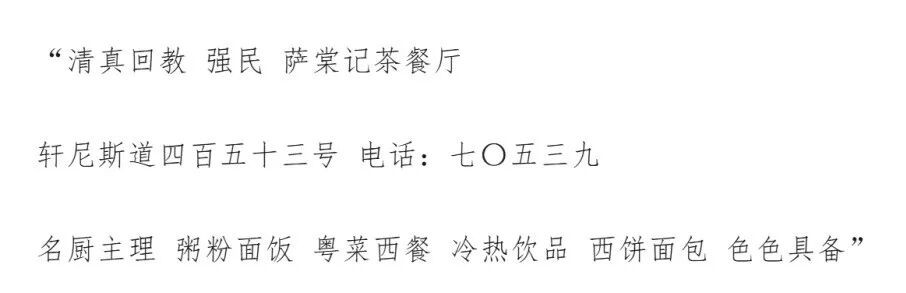
Sa Yiqi stayed in Hong Kong not only to maintain the business his brothers had opened during their stay there, but also partly because he had been adopted in his childhood by his paternal uncle Sa Jingzhao (1863–1933). Sa Jingzhao himself did not pass away in Hong Kong, but his second daughter Sa Yueqing (1893–1948) and maternal grandson Tso Wai-sin (Tuo Weishan, 1919–1990) both settled in Hong Kong. In the third page of the very first issue of the local Hong Kong Muslim publication *Huimin Newsletter* dated April 12, 1959, there was an advertisement for "Satang Kee" with the following content:
From this advertisement, it is easy to see that during this period, "Satang Kee" had achieved a certain scale and was able to establish itself in a prime commercial area of Hong Kong—Hennessy Road—reflecting its top-notch quality. On the other hand, judging by the ad, "Satang Kee" was rooted in Hong Kong's "East-meets-West" cultural vibe, offering both Cantonese dishes and Western-style tea pastries. Compared to what the brothers ran in Guangzhou, the format and content were much more diversified. In Guangzhou, brothers Sa Hanqiang and Sa Yitang primarily ran a dessert shop centered around soy milk and cakes, with relatively little involvement in formal dining.
However, Madam Sa Jiezhen also candidly shared that the high-intensity workload and relatively low income of the restaurant industry—though they did improve the family's living conditions (as Sa Hanqiang noted in his writings, the operation of "Satang Kee" somewhat eased the huge financial pressure caused by the early death of his father Sa Jingshu, which left "an elderly mother, two younger sisters, two younger brothers, a wife and young child, plus himself—eight people in all," allowing them to "live in peace and comfort")—meant that once the Sa family's life stabilized and grew prosperous, "no one was able to take over" the time-honored signboard of "Satang Kee," turning it into a mere "historical memory" among local Hui Muslim neighborhoods.
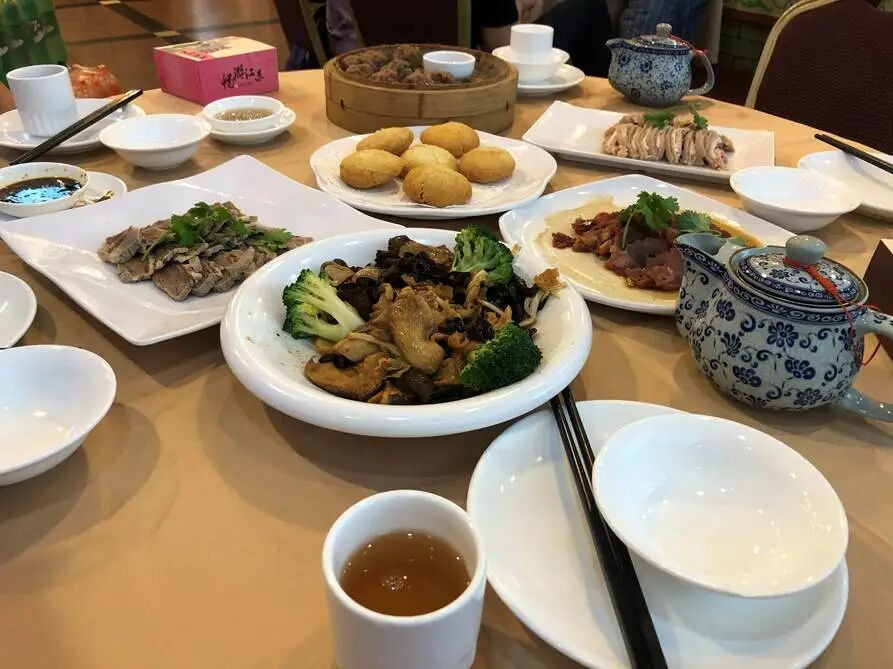
Figure 5: Classic dishes at the Guangzhou Muslim Restaurant (Huimin Restaurant), with "jiaomen youxiang" (fried Hui Muslim flour dough) right in the middle, photographed in October 2019.
This situation was not unique to "Satang Kee." After the establishment of the Guangzhou Muslim Restaurant (Huimin Restaurant), most descendants of Sa Chenye, one of the core figures of Yunji, did not take over the restaurant business due to factors like education and improved economic standing. Therefore, although new faces constantly emerge in local Cantonese Hui Muslim cuisine, and restaurants themselves continuously refine local Cantonese Hui Muslim dining to match the times, the backbone of the local Cantonese Halal food industry—typified by the Guangzhou Muslim Restaurant (Huimin Restaurant) since the 2010s—is relatively aged. A declining birthrate and a lack of intrinsic drive for succession have resulted in low participation enthusiasm among the younger generation of local Hui Muslims. This mirrors the coexistence of prosperity (crowded with diners and constantly evolving alongside Cantonese culture) and decline (running out of steam with a dilution of family succession values) seen in some time-honored local Halal dining brands.
Conclusion: A Social History Rooted in the "Local"
At present, academic discussions on "Sinicization" are very active, and the author personally agrees with the meaning of the term itself. As a cultural system passed down in China for over a thousand years, Chinese Islam—embedded within the cultural strata of the "Hui Muslims"—possesses countless "Sinicized" cultural relics. Examples include Chinese-style "Jingzi calligraphy" (Sino-Arabic script calligraphy), traditional Chinese Islamic introductory textbooks like *Zeyao Zhujie Zaxue* (Selected Annotations on Miscellaneous Studies) which blend Classical Chinese text with brush-written Arabic, and the core element that best embodies the cultural heritage of Chinese Muslims: localized Halal cuisine.
Although local Halal cuisine in South China is not as diverse, deeply rooted, or historically profound as those in North China or the Jiangnan region, when viewed through a cross-cultural lens—alongside the intertwined rise, fall, socialization, and rituals behind the restaurant industry—the developmental trajectory of local Halal dining in South China reflects an entire socio-cultural system. This socio-cultural system is not confined to the Hui ethnic group or Muslims; it has been etched into the memories of the quintessential "Old Guangzhou" neighborhood locals, adding an important chapter to the cultural history of South China.
Drawing upon South China's years of accumulated traditions in cultural and economic exchange, as well as the modern "Belt and Road" initiative, the "Guangdong-Hong Kong-Macao Greater Bay Area" rooted in South China has become a booming new trend. On one hand, it carries on the traditions accumulated over many years, constantly refining its economic development through external exchanges. On the other hand, using the South China coast as a crucial gateway, it offers a window into diverse cultural and economic forms. Therefore, advancing cultural research in South China is crucial for better attracting investment, improving the cultural exchange environment, more effectively carrying forward South China's inclusive and diverse cultural traditions, and letting the world understand a vibrant China. Organizing and analyzing relevant cultural information to glean insights that effectively inform practice against the backdrop of tradition and reality is also a major direction for socio-historical scholarship.
At the same time, for the neighborhood residents themselves as interviewees—especially ethnic Hui compatriots who have lived in Guangdong for generations—organizing and analyzing the history they have personally experienced and strengthening emotional bonds between the public and scholars is, from a personal standpoint, a very important academic approach. Therefore, embarking on research into local Halal cuisine in South China is not merely a process of organizing materials; it is about bringing "Sinicization"—as a historical phenomenon—to life, with the aim of advancing academic thought and deepening research topics.
Postscript: This article was originally written in 2019, planned for submission as an academic paper. Due to well-known reasons, it ultimately missed the opportunity to participate in academic discussions in the form of a journal article. Fortunately, *Guangzhou Muslim* published this humble work.
By the time this article was finalized, Madam Sa Jiezhen was still alive. During her lifetime, she was one of the founders (likely the last surviving founder who has since returned to Allah) of the Hui Elderly Association, and long passionate about local Muslim affairs in Guangzhou. The elder generously recounted to the author a wealth of historical anecdotes about Guangzhou Hui Muslims during the Republic of China era, especially detailed information regarding "Satang Kee." In late May 2021, the author received a WeChat message from her daughter announcing that the senior passed away on May 20, 2021. In loving memory of Madam Sa Jiezhen, sincere thanks are hereby extended!
A Century of Halal Dining in Guangdong: From Ancient Port Tea Houses to 70 Years of Glory at Guangzhou Muslim Restaurant
Abstract:
This historical review traces the evolution of local Hui Muslim halal dining in Guangdong. It covers everything from the Fanfang (foreign quarters) cuisine during ancient trade eras to the ups and downs of modern Cantonese-style halal tea houses, spotlighting the Guangzhou Muslim Restaurant's 70-year journey of staying true to its roots while innovating.
As modern society has evolved, there's been a growing focus on individual experiences. Details once considered 'trivial' are now gaining academic attention. Following this trend, historians are delving into the specifics of social life, with 'food, clothing, housing, and travel' being prime examples. This leads me to a key insight: the evolution of dining isn't just about archaeological findings or visual records. It's more about analyzing the social relationships involved and reflecting on broader socio-cultural themes.
Given existing narratives and my own research and cultural background, Cantonese cuisine will be a major topic in my exploration of culinary history. Southern China, centered around the Guangdong-Hong Kong-Macao Greater Bay Area, has always been a cultural melting pot along China's southern coast, thanks to its bustling and active land and water trade routes. From the Kaiping Diaolou (fortified towers) that blend Chinese, Islamic, and Western architectural elements, and the Huaisheng Mosque (Light Pagoda Mosque), to the incredibly diverse 'dim sum' found in Cantonese tea houses, the region truly showcases its cultural diversity and openness.
Figure 1: Huaisheng Mosque, photographed by the author in June 2018.
Cantonese cuisine, which originated in Southern China, plays a major role in China's socio-cultural history thanks to its unique and diverse flavors. However, even the historical narrative of Cantonese cuisine itself rarely gets academic treatment, beyond memoirs from industry professionals or recipe showcases. For instance, Mr. Chen Mengyin, an early pioneer in news and media, compiled various Cantonese dishes into *The Way of Eating* (食之道), dedicating its second part to the development and evolution of Cantonese cuisine in *Tracing the Origins of Cantonese Cuisine* (粤菜溯源录). In it, he shared his perspective as a journalist on traditional food and his commitment to cultural heritage, stating: 'Historians say: “A nation that forgets its history is doomed to repeat it.” “Chop Suey” (杂碎) is the culinary heritage of our “Southern Barbarian” ancestors. In the great 20th century, it served hundreds of millions fascinated by 'China fever' and fed millions of Chinese descendants. Should historians one day chronicle the food of the 'Southern Barbarians,' 'Chop Suey' deserves an entire chapter.' While Mr. Chen's work might not have delved into many Cantonese cuisine details due to limited space, his pioneering effort as an early journalist to compile and analyze dining with academic foresight, and to envision future academic development, was truly remarkable.
However, for Southern China's local halal cuisine, which is deeply rooted in both Hui Muslim dining etiquette and Cantonese traditions, there's actually a decent amount of historical material available. Most written reports on 'Halal Cantonese cuisine' today tend to be internal studies within ethnic and religious communities. While these resources have significantly enriched the narrative of 'Halal Cantonese cuisine' and its service range and variety are constantly improving, there's still a need for more academic analysis and critical thinking, along with diverse historical sources to further supplement and refine our understanding.
(I) History in the Narrative: A Brief Journey of Guangdong's Local Halal Dining
Compared to the countless long-standing local halal brands (laozihao) in Northern China and the Jiangnan region—think names like 'Donglaishun,' 'Baodu Feng,' and 'Hongbinlou' up north, or 'Anleyuan,' 'Lüliuju,' and 'Ma Xiangxing' in Jiangnan—Southern China actually has far fewer halal 'laozihao.' They're generally smaller in scale and haven't managed to continuously pass down independently to the present day. This largely stems from the smaller Hui Muslim population in Southern China and the somewhat limited range of professions they typically pursued. Among Southern Chinese Hui Muslims, a proverb somewhat captures this narrative:
'Religious folk (or 'Bandie lao') have a narrow path; they become officials, doctors, or sell beef.'
By the late Qing Dynasty and early Republic of China, narratives about local halal dining in Guangdong began to emerge. Take *gualu ya* (roasted duck), for instance. This dish was originally popular in Northern China, but as north-south exchanges became more frequent during the late Qing, some chefs brought its cooking techniques south. Master Ma Tianfu, a Hui Muslim from Shaanxi, introduced *gualu ya* to Haopan Street (濠畔街), then Guangzhou's most bustling Muslim-dense neighborhood. At 'Weichunyuan' (味莼园), a halal restaurant on Haopan Street known for its non-Cantonese dishes, Master Ma Tianfu's *gualu ya* was so exquisite that after he returned to Allah, some local 'old timers of Ram City' (Guangzhou) lamented that no other venerable brand could replicate its flavor. Another incredibly popular local Cantonese specialty, *niunan niuza* (beef brisket and offal stew), also has a significant history rooted in Guangdong's Hui Muslim community. According to local lore, Guangzhou residents first encountered *niunan niuza* during the late Qing to early Republican era, when a Hui Muslim named 'Ade' on Guangta Street (光塔街) developed the cooking method for beef offal and 'integrated it into restaurant menus.' While this claim lacks formal written records, most locals accept this narrative, and it's featured in various historical accounts and food guides. Today, while halal versions of *niunan niuza* still exist (like at the Guangzhou Muslim Restaurant's snack section), most versions of this dish have become a staple in everyday Cantonese households of all ethnicities and spread nationwide.
Figure 2: A parade passes 'Satangji' during Guangzhou's liberation, from the Guangzhou Library collection.
During the Republican era, thanks to local Hui Muslim dignitaries establishing newspapers and the standardization of food processing like slaughtering, many smaller halal tea houses were founded and recorded. Mr. Yang Dianzhang (1907-1993), in his report 'The Long-term Dining Situation of Hui People in Guangzhou,' listed various local halal eateries from different periods: Wanhe Shaola (Cantonese roasted meats / roast duck) Shop on Xiaoshi Street, Nanxing Chicken Duck Lamb Shop, Baohua Zhongwanzhan Restaurant, Taipingsha Tianran Restaurant, Juixing Tea House on Sipailou, Shuji Tea House in Nanshengli, Hajiangji Wonton Shop on Huiai Road, Quanchang Chicken Duck Shop on Huifu Road, Yunji Tea House in Xiaobei, and the dessert shop 'Satangji,' among others. Notably, Yunji Tea House and Satangji were both managed by the prominent Hui Muslim Sa family. Sa Zhaorong (1870-1949), the manager of Yunji Tea House, was a sixth-generation descendant of the Sa family's fourth branch. Meanwhile, his cousins—Sa Yirou (also known as Sa Hanqiang, 1911-1996), Sa Yitang (1917-1977), and Sa Yiqi (1929-2008)—the three brothers from the Sa family's second branch and fifth generation, managed 'Satangji.' Their grandfather, Sa Xianyang (1829-1895), had previously run the 'Tangji' halal pastry shop, which later inspired the name 'Satangji.' This clearly shows that brands and family management were well-established in Guangdong's local halal dining scene.
However, during the Anti-Japanese War, local Hui Muslims in Guangdong—from mosque leaders to officials—largely supported the resistance. As a result, Japanese invaders, collaborating with local thugs and traitors, subjected them to brutal persecution. A particularly heinous example was how, with Japanese military backing, local thugs blatantly disregarded the 'permanently preserved' monument that Liao Zhongkai had erected for Hui Muslim cemeteries. They forcibly built pig farms on these sacred sites, a deeply taboo act for Muslims, directly seizing the Muslim burial grounds and assisting the Japanese military in looting these areas.
Guangdong's local Hui Muslim dining industry was also utterly destroyed. The Sa family, for instance, saw both their fourth and second branches looted. Sa Xuyun (also known as Ru Min, 1900-1943), Sa Zhaorong's son, was arrested and brutally killed for participating in the revolution by the puppet government (locals mistakenly identified it as the 'Kuomintang,' but it was actually the Japanese-controlled 'puppet regime'). Yunji's business consequently plummeted and eventually merged with other tea houses. Sa Xuyun's three great-uncles—Sa Hanqiang, Sa Yitang, and Sa Yiqi—were also forced to relocate Satangji to Hong Kong due to Japanese persecution and harassment. Other local halal eateries suffered similarly devastating blows, so much so that in the early years of the New China, most reputable tea houses and ice cream parlors, with the exception of a very few like Satangji, never fully recovered.
After the founding of the New China, standardizing halal dining became a crucial agenda for the Guangzhou city government. This was driven by the constitutionally guaranteed principle of ethnic unity and Guangzhou's significant role in international exchanges. Many third-world countries were predominantly Muslim, and even the Soviet Union—then China's largest partner—had a considerable Muslim population. Plus, Hui Muslims from all over China also lived and worked in Guangzhou.
Figure 3: Opening ceremony of Guangzhou Muslim Restaurant in 1956, with Guangzhou's Vice Mayor personally attending to cut the ribbon (Image courtesy of Guangzhou Muslim Restaurant).
Showcasing local Lingnan halal dishes with distinct Guangdong characteristics became a major mission for the Guangzhou city government, especially for the local Hui Muslim community. After some coordination, plans for a 'Halal Canteen' (清真食堂) specializing in local halal cuisine began in 1954. Then, on May 11, 1956, Sun Leyi, then Vice Mayor of Guangzhou, personally attended a grand ribbon-cutting ceremony for the newly opened 'Huimin Restaurant' (回民饭店) on Zhongshan 6th Road. Later, to expand its scale and improve the diner experience, it merged with Zhanyuan Pavilion Tea House in August 1959 and took over Satangji's second branch at 259 Zhongshan 5th Road. From then on, it was officially renamed 'Guangzhou Muslim Restaurant' (Guangzhou Huimin Restaurant) and has been known by that name ever since. On October 12, 1975, the Guangzhou Muslim Restaurant officially relocated to 325 Zhongshan 6th Road, near Ximenkou Station, solidifying its current, stable location. Over its many years, Guangzhou Muslim Restaurant has become a cherished memory for residents of all ethnicities in Guangdong. Known for its great food at affordable prices, it has also preserved a wealth of traditional local Cantonese cuisine styles. To this day, the Guangzhou Muslim Restaurant remains bustling with customers, truly embodying the culinary culture of old Guangzhou.
After China's 'Reform and Opening Up,' Guangdong's halal dining scene became incredibly diverse. When it comes to Halal Cantonese cuisine, beyond the Guangzhou Muslim Restaurant, you'll find Cantonese dim sum and dishes offered at places like 'Yishanggong' in Guangzhou, 'Zhongfayuan' in Shenzhen, the Zhaoqing Halal Restaurant, and the halal restaurant on the fifth floor of Hong Kong's AiQun Temple Mosque. Some of these, like Guangzhou Muslim Restaurant, Zhaoqing Halal Restaurant, and the AiQun Temple Halal Restaurant in Hong Kong, stick to traditional Cantonese styles—think dishes served in 'cups, steamers, and pieces.' Others, such as 'Zhongfayuan' and 'Yishanggong,' blend Western pastry influences with modern service to offer new-style Cantonese cuisine. What's more, a wide array of non-Cantonese halal cuisines—like Arabic, South Asian, Turkish, Iranian, and Southeast Asian dishes, as well as various Chinese halal options (Henan, Shandong, and Northwest cuisines, for example)—have all taken root and are thriving in Guangzhou's famous 'Food Paradise' (食在广州) culture. Diners from different ethnic groups and faiths in Guangzhou can truly experience the city's rich culture through its diverse halal food scene, which ultimately reflects the very essence of Chinese culture in Southern China.
(II) Analysis Within the Narrative
When we talk about halal dining in Southern China, if we only focus on introducing signature Southern Chinese halal dishes—like 'yangrou chashao bao' (lamb char siu buns), 'baiqie dongshan yang' (white-cut Dongshan lamb), 'Huimin jizai bing' (Hui Muslim chicken biscuits), 'suanrong ruyang gu' (garlic butter lamb ribs), or 'jiaomen youxiang' (halal fried bread based on the Cantonese dessert 'niushesu' / ox-tongue pastry)—the history of Hui Muslim dining in Southern China feels somewhat superficial. That's because a lot of historical documentation already thoroughly showcases the variety of Guangdong's local halal cuisine. I believe we need a series of deeper analyses into the industry's underlying development.
For instance, local Hui Muslims who have long resided in Guangdong often gather for 'he zaocha' (Cantonese morning tea / dim sum), just like other Cantonese people. This practice naturally extends to an analysis and discussion of social rituals. And while the halal dining scene in Southern China (the Guangdong-Hong Kong-Macao Greater Bay Area) appears vibrant today, the industry itself has certainly seen its share of ups and downs. Only by analyzing these complexities can we truly grasp the socio-historical factors behind the evolution of this cuisine.
(1) Socialization and Ritual: The Core Driving Force Behind Local Halal Dining Heritage
For local Hui Muslims in Guangdong and their descendants, understanding of 'the faith' might vary, shaped by their social environment and personal views on 'freedom of belief.' However, for family gatherings (like birthdays, weddings, or celebratory banquets for Gaokao / university entrance exam candidates), traditional ethnic rituals (such as daren ji / remembrance days for adults, Shengji / Mawlid, and Eid al-Adha), or when relatives return to Guangzhou from afar, they almost always choose a local halal restaurant for their get-togethers. The Guangzhou Muslim Restaurant, with its rich history, serves as a significant example for analysis. Personally, a large part of my fieldwork researching local Guangdong Hui Muslims was completed through interviews and discussions held at this very restaurant. This process revealed two crucial details: its role in everyday socialization and as a venue for rituals that harmoniously blend secular and religious aspects.
Figure 4: Guangzhou Muslim Restaurant bustling with guests, a venerable Cantonese-style tea restaurant in Guangzhou (photographed by the author in July 2019).
Socialization is a common human activity throughout history, but these ordinary actions offer deeper avenues for thought and analysis. For example, Professor Wang Di's collection, observation, and analysis of *zhuzhici* (竹枝词 - folk poems) significantly contributed to understanding Chengdu's urban culture. These everyday folk poems weren't just reflections of people's lives; the cultural factors derived from them allowed later scholars to delve deeper into Chengdu's urban culture and grasp its unique urban order. Similarly, ritual, as a cultural manifestation, doesn't just reflect major national events; it profoundly embodies a region's cultural characteristics. Professor Guo Hui's analysis of 'anniversaries' as a crucial part of rituals highlights this, emphasizing how 'anniversaries become important rituals for remembering the past, reflecting on what's come before, and more importantly, looking towards the future.' Therefore, studying and exploring socialization and ritual is key to better understanding the history reflected in the development of Southern China's Hui Muslim dining scene.
In terms of everyday socialization, halal Cantonese restaurants—with the Guangzhou Muslim Restaurant as a prime example—served as an incredibly important platform for my oral history interviews on this topic. I interviewed Mr. Bao Yanzhong in October 2017, members of the Bao family in September 2018, and revisited all interviewees in July 2019, with all these interviews taking place at the Guangzhou Muslim Restaurant. In March 2018, I interviewed Wang Xiangjun Hajita and Bao Huixian Hajita. Then, in April 2019, I followed up with Mr. Bao Zongheng and Bao Huixian Hajita (uncle and niece), choosing the Halal Restaurant at Hong Kong's AiQun Temple Mosque as the venue. The format for these interactions was often 'yum cha' (饮茶)—which in Cantonese areas refers to going to a tea restaurant for a meal. Through these casual 'yum cha' sessions at tea restaurants, I wasn't just able to gather valuable oral history; I also, to a certain extent, strengthened my relationships with the interviewees, allowing me to further refine this research in an atmosphere of trust.
Beyond that, in the daily lives of some of my local Hui Muslim friends, the Guangzhou Muslim Restaurant also acts as a vital social hub. For instance, when the granddaughter of a Dr. Jiang got into university in 2014, Dr. Jiang, as her grandfather, hosted a celebratory banquet at the Guangzhou Muslim Restaurant to encourage her academic pursuits and thank family and friends. Likewise, Hui Muslims and their descendants living abroad (I mention 'descendants' because, through my interviews, I learned that some Hui Muslim children living elsewhere are no longer Muslim and lack awareness of their cultural heritage) often choose the Guangzhou Muslim Restaurant for family-unit gatherings when they return to Guangzhou to visit relatives or ancestral graves. So, localized halal dining doesn't just cater to tourists' culinary demands; to a significant extent, it also binds together local Hui Muslims—and even those descendants who've drifted from their cultural traditions—through a shared affection for their hometown.
And when it comes to rituals, local Guangdong Hui Muslim practices include ethnic customs like *daren ji* (remembrance days for adults) and Eid al-Adha. But in the context of Southern China's thriving family-oriented culture, these rituals also play a vital role in uniting families and strengthening kinship ties. A local young Hui Muslim told me that in recent years, as fire safety measures in mosques have been enhanced, the long-standing tradition of cooking within the mosque for family reunions has had to shift to the Guangzhou Muslim Restaurant. Furthermore, while researching the local Hui Muslim Qingshantang Bao family, I discovered that their family genealogy contains numerous photos of family members gathering at the Guangzhou Muslim Restaurant.
Therefore, whether for socializing or religious rituals, localized Cantonese Halal dining is rooted in South China's cultural traditions, organically connecting emotional bonds and making local dining all the more dynamic and vibrant. On the other hand, the heavy workload and expected wages within the restaurant industry to some extent affect the inheritance and development of the trade, making the eventual fading of certain "time-honored brands" an unavoidable reality.
(2) The Two Sides of Restaurant Industry Development: The Interweaving of Prosperity and Decline
When discussing the rise and fall of local Cantonese Halal dining, one cannot help but mention the destinies of several historic "time-honored brand" establishments. In July 2019, the author had the privilege of visiting elderly Madam Sa Jiezhen (1925–2021)—a key participant in "Satang Kee", sister to Sa Hanqiang and Sa Yitang, and older sister to Sa Yiqi. During our conversation, she briefly reviewed the development of Satang Kee from her perspective. In the late 1940s, with the end of the War of Resistance and the gradual stabilization of order in South China, brothers Sa Hanqiang and Sa Yitang returned to the mainland with their families. Meanwhile, Sa Yiqi, the youngest in the family, kept a portion of the relocated businesses running in Hong Kong. "My little brother kept 'Satang Kee' going in Hong Kong until he eventually retired from it."
Sa Yiqi stayed in Hong Kong not only to maintain the business his brothers had opened during their stay there, but also partly because he had been adopted in his childhood by his paternal uncle Sa Jingzhao (1863–1933). Sa Jingzhao himself did not pass away in Hong Kong, but his second daughter Sa Yueqing (1893–1948) and maternal grandson Tso Wai-sin (Tuo Weishan, 1919–1990) both settled in Hong Kong. In the third page of the very first issue of the local Hong Kong Muslim publication *Huimin Newsletter* dated April 12, 1959, there was an advertisement for "Satang Kee" with the following content:
From this advertisement, it is easy to see that during this period, "Satang Kee" had achieved a certain scale and was able to establish itself in a prime commercial area of Hong Kong—Hennessy Road—reflecting its top-notch quality. On the other hand, judging by the ad, "Satang Kee" was rooted in Hong Kong's "East-meets-West" cultural vibe, offering both Cantonese dishes and Western-style tea pastries. Compared to what the brothers ran in Guangzhou, the format and content were much more diversified. In Guangzhou, brothers Sa Hanqiang and Sa Yitang primarily ran a dessert shop centered around soy milk and cakes, with relatively little involvement in formal dining.
However, Madam Sa Jiezhen also candidly shared that the high-intensity workload and relatively low income of the restaurant industry—though they did improve the family's living conditions (as Sa Hanqiang noted in his writings, the operation of "Satang Kee" somewhat eased the huge financial pressure caused by the early death of his father Sa Jingshu, which left "an elderly mother, two younger sisters, two younger brothers, a wife and young child, plus himself—eight people in all," allowing them to "live in peace and comfort")—meant that once the Sa family's life stabilized and grew prosperous, "no one was able to take over" the time-honored signboard of "Satang Kee," turning it into a mere "historical memory" among local Hui Muslim neighborhoods.
Figure 5: Classic dishes at the Guangzhou Muslim Restaurant (Huimin Restaurant), with "jiaomen youxiang" (fried Hui Muslim flour dough) right in the middle, photographed in October 2019.
This situation was not unique to "Satang Kee." After the establishment of the Guangzhou Muslim Restaurant (Huimin Restaurant), most descendants of Sa Chenye, one of the core figures of Yunji, did not take over the restaurant business due to factors like education and improved economic standing. Therefore, although new faces constantly emerge in local Cantonese Hui Muslim cuisine, and restaurants themselves continuously refine local Cantonese Hui Muslim dining to match the times, the backbone of the local Cantonese Halal food industry—typified by the Guangzhou Muslim Restaurant (Huimin Restaurant) since the 2010s—is relatively aged. A declining birthrate and a lack of intrinsic drive for succession have resulted in low participation enthusiasm among the younger generation of local Hui Muslims. This mirrors the coexistence of prosperity (crowded with diners and constantly evolving alongside Cantonese culture) and decline (running out of steam with a dilution of family succession values) seen in some time-honored local Halal dining brands.
Conclusion: A Social History Rooted in the "Local"
At present, academic discussions on "Sinicization" are very active, and the author personally agrees with the meaning of the term itself. As a cultural system passed down in China for over a thousand years, Chinese Islam—embedded within the cultural strata of the "Hui Muslims"—possesses countless "Sinicized" cultural relics. Examples include Chinese-style "Jingzi calligraphy" (Sino-Arabic script calligraphy), traditional Chinese Islamic introductory textbooks like *Zeyao Zhujie Zaxue* (Selected Annotations on Miscellaneous Studies) which blend Classical Chinese text with brush-written Arabic, and the core element that best embodies the cultural heritage of Chinese Muslims: localized Halal cuisine.
Although local Halal cuisine in South China is not as diverse, deeply rooted, or historically profound as those in North China or the Jiangnan region, when viewed through a cross-cultural lens—alongside the intertwined rise, fall, socialization, and rituals behind the restaurant industry—the developmental trajectory of local Halal dining in South China reflects an entire socio-cultural system. This socio-cultural system is not confined to the Hui ethnic group or Muslims; it has been etched into the memories of the quintessential "Old Guangzhou" neighborhood locals, adding an important chapter to the cultural history of South China.
Drawing upon South China's years of accumulated traditions in cultural and economic exchange, as well as the modern "Belt and Road" initiative, the "Guangdong-Hong Kong-Macao Greater Bay Area" rooted in South China has become a booming new trend. On one hand, it carries on the traditions accumulated over many years, constantly refining its economic development through external exchanges. On the other hand, using the South China coast as a crucial gateway, it offers a window into diverse cultural and economic forms. Therefore, advancing cultural research in South China is crucial for better attracting investment, improving the cultural exchange environment, more effectively carrying forward South China's inclusive and diverse cultural traditions, and letting the world understand a vibrant China. Organizing and analyzing relevant cultural information to glean insights that effectively inform practice against the backdrop of tradition and reality is also a major direction for socio-historical scholarship.
At the same time, for the neighborhood residents themselves as interviewees—especially ethnic Hui compatriots who have lived in Guangdong for generations—organizing and analyzing the history they have personally experienced and strengthening emotional bonds between the public and scholars is, from a personal standpoint, a very important academic approach. Therefore, embarking on research into local Halal cuisine in South China is not merely a process of organizing materials; it is about bringing "Sinicization"—as a historical phenomenon—to life, with the aim of advancing academic thought and deepening research topics.
Postscript: This article was originally written in 2019, planned for submission as an academic paper. Due to well-known reasons, it ultimately missed the opportunity to participate in academic discussions in the form of a journal article. Fortunately, *Guangzhou Muslim* published this humble work.
By the time this article was finalized, Madam Sa Jiezhen was still alive. During her lifetime, she was one of the founders (likely the last surviving founder who has since returned to Allah) of the Hui Elderly Association, and long passionate about local Muslim affairs in Guangzhou. The elder generously recounted to the author a wealth of historical anecdotes about Guangzhou Hui Muslims during the Republic of China era, especially detailed information regarding "Satang Kee." In late May 2021, the author received a WeChat message from her daughter announcing that the senior passed away on May 20, 2021. In loving memory of Madam Sa Jiezhen, sincere thanks are hereby extended!
