
Halal Guangzhou Guide: Top Halal Food, No-Alcohol Dining & Historic Mosques along the Maritime Silk Road
[Internet Repost]
Halal Food Trails in Guangzhou: A Curated Selection of Alcohol-Free, Sharia-Compliant, and Diverse Halal Eateries
Abstract:
A deep dive into Guangzhou's standout halal restaurants that strictly adhere to Islamic law and maintain a strict alcohol-free, healthy dining philosophy. From authentic Cantonese halal shaola (Cantonese roasted meats / roast duck) to Northwestern shouzhua yangrou (hand-grabbed lamb) and exotic Middle Eastern cuisine, this guide highlights the rigorous integrity and rich flavors of the City of Rams' halal food scene.
Guangzhou offers an incredible variety of halal food, and the fact that these places don't sell alcohol is increasingly rare in this day and age—it definitely deserves a major shoutout.
Guangzhou is a city that never lacks amazing food, long famed for the saying, "Eat in Guangzhou."
As a thousand-year-old trading hub and vital port, Guangzhou has drawn merchants from all over the world, shaping an inclusive, eclectic food culture that ultimately birthed Cantonese cuisine, one of China's Eight Great Culinary Traditions.
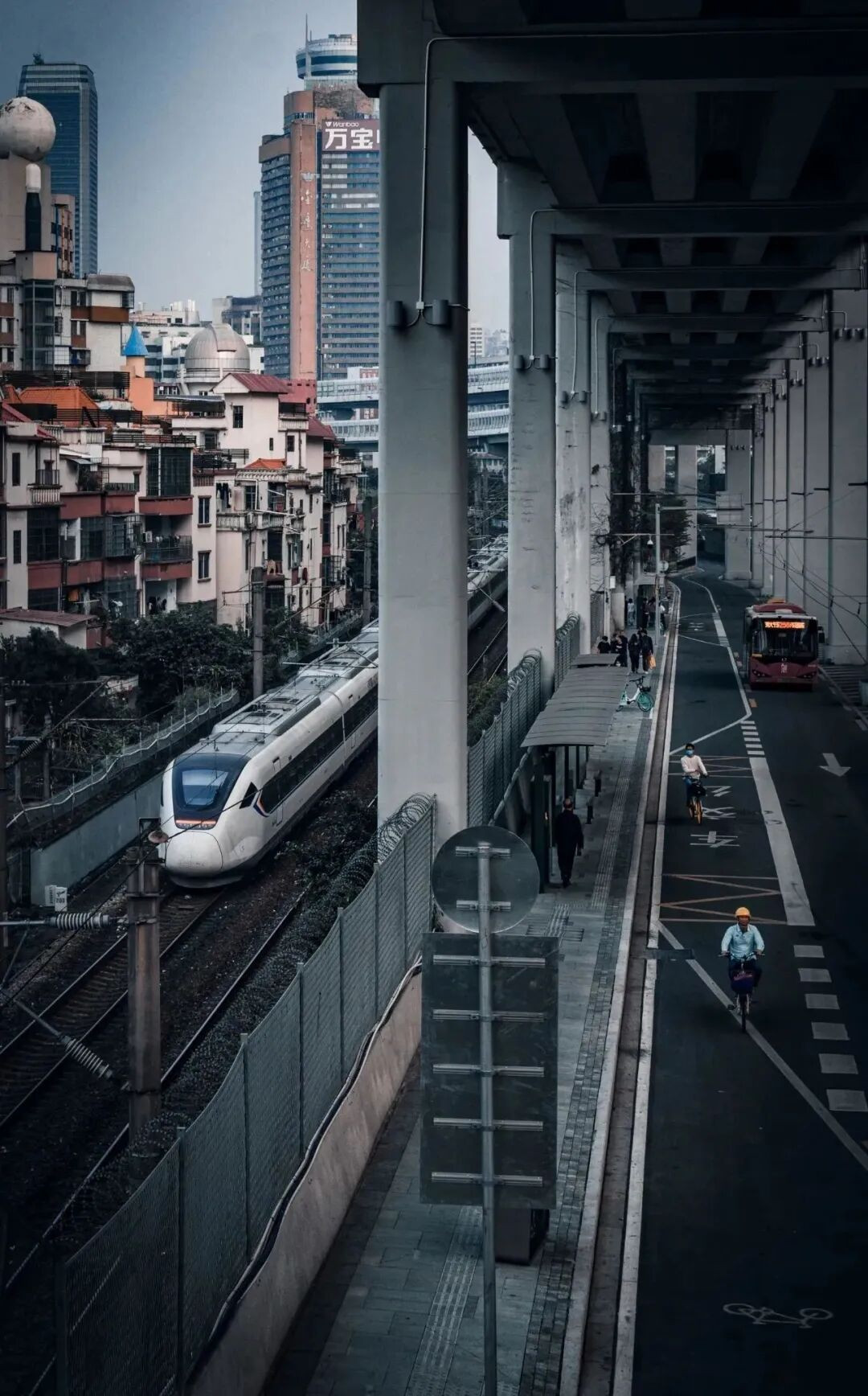
Guangzhou is also where Islam first arrived in China, housing the country's very first mosque—Huaisheng Mosque (Light Pagoda Mosque). Hui Muslims originated right here before spreading out across the country.
Today, hundreds of thousands of Muslims from countries worldwide and all across China live here. Through decades of accumulation and deep roots, the halal food scene has grown from scratch—evolving from single-item shops to a rich, diverse culinary landscape, shifting from simply "having something to eat" to "eating exceptionally well."
Personally, I believe that among China's four major tier-one cities (Beijing, Shanghai, Guangzhou, and Shenzhen), Guangzhou does the best job when it comes to the sheer variety of halal food and the pure, alcohol-free commitment of its restaurants. In an era where selling alcohol has become the norm, this is an incredibly rare and precious thing that truly deserves to be shouted from the rooftops.
01
Two Major Hubs: From Xiaobai to Shangbu
When talking about halal food in Guangzhou, you simply have to mention Xiaobei and Shangbu. For domestic and international Muslims living in Guangzhou, these two areas hold irreplaceable significance and value.
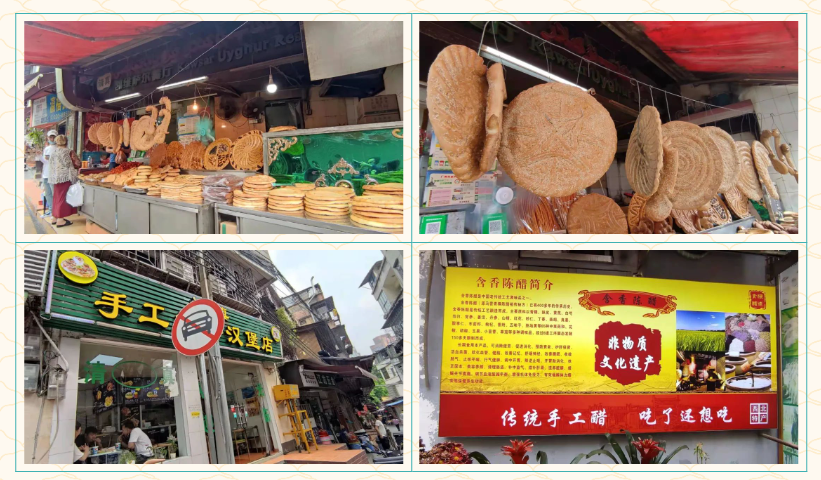
Xiaobei is one of Guangzhou's earliest Hui Muslim enclaves, nestled in the historic Yuexiang District with a prime location. It's close to Xianxian Mosque / Ancient Tomb of Saad ibn Abi Waqqas, Xiaodongying Mosque (Xiaodongying Mosque), and Huaisheng Mosque (Light Pagoda Mosque). Perhaps because of this, early Hui Muslims arriving in Guangzhou chose to gather here and set up food businesses.
↑ Street view of Xiaobei @joho
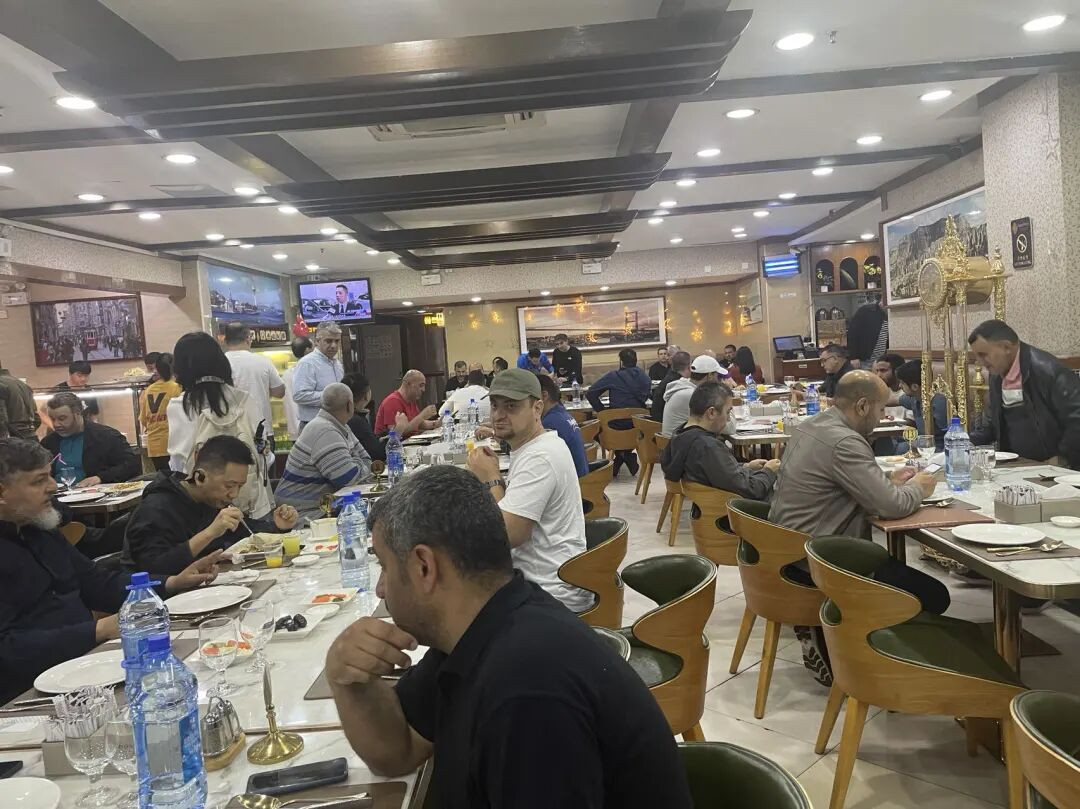
The primary halal restaurants in the Xiaobei area are centered around Zhaoqing Building (commercial storefronts) and Baohan Direct Street (urban village alleys). Restaurants in Zhaoqing Building are generally larger in scale; since there are many Muslim expat business owners nearby, several Turkish Western-style restaurants take center stage here. The crowd inside is mostly Arab guests, making dining there feel like you've instantly time-traveled to the Middle East.

↑ Bosa Restaurant during Ramadan evening
Stepping across the main road leads you right into Baohan Direct Street. This is a hidden, narrow, winding, uneven, and slightly crowded little alley mainly packed with tiny eateries and snack shops, boasting a super-high shop density.
Some people call this Guangzhou's "Little Africa" (it used to house a massive African population before the government cracked down heavily on illegal immigration, causing the numbers to drop drastically), while others say it gives them major exotic vibes (those local nang (baked flatbread) stands definitely deserve credit for that).
↑ A selection of restaurants in the alleys of Xiaobei
Outside of Muslim circles, Baohan Direct Street isn't all that well-known. Every now and then, a curious food blogger drops by to explore, then hypes it up as if they've just discovered a brand-new continent.
↑ There are plenty of bloggers just like this
For some reason last year, two restaurants suddenly blew up and made the Michelin recommended list. Walking past at night, you could see lines of Han Chinese foodies waiting patiently, which felt pretty weird and baffling to us locals used to its quiet, niche vibe (though a personal taste test proved that Salta's shouzhua yangrou (hand-grabbed lamb) isn't actually all that mind-blowing).
A year has passed, and the hype has gradually died down. Since internet fame often brings drama, I honestly think Xiaobei's food alley getting *too* mainstream isn't necessarily a good thing.
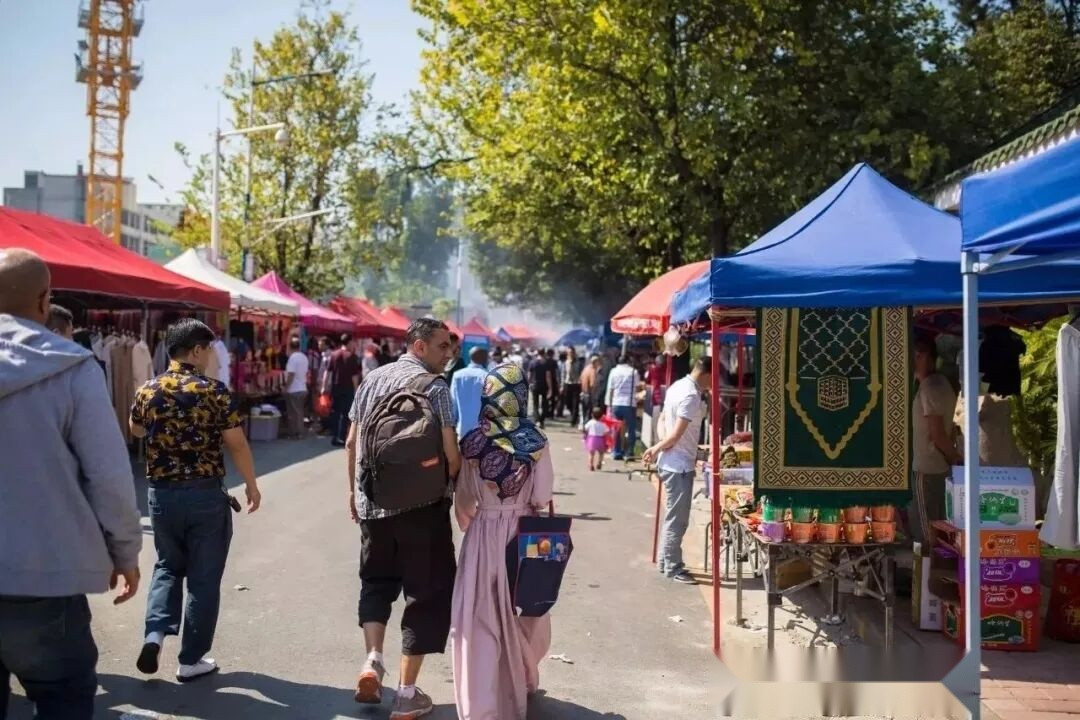
Newcomers to Guangzhou in recent years might not know that back in the day, every Jumu'ah (Friday congregational prayer) noon, Lanpu Road outside Xianxian Mosque used to host a bustling "halal bazaar." Many small shops from the Xiaobei alleys would set up stalls there, creating an electric, high-energy scene. Around prayer times, every single seat at the food stalls would be packed, and it even drew in crowds of Han Chinese food lovers and travel vloggers.
↑ The viral "Xianxian Street" back in the day
Later on, due to urban management policies (driven by massive crowds and smoky barbecue grills), the market was shut down in 2019 (though I secretly hope it might make a comeback someday under proper environmental and regulatory guidelines, however slim the chances).
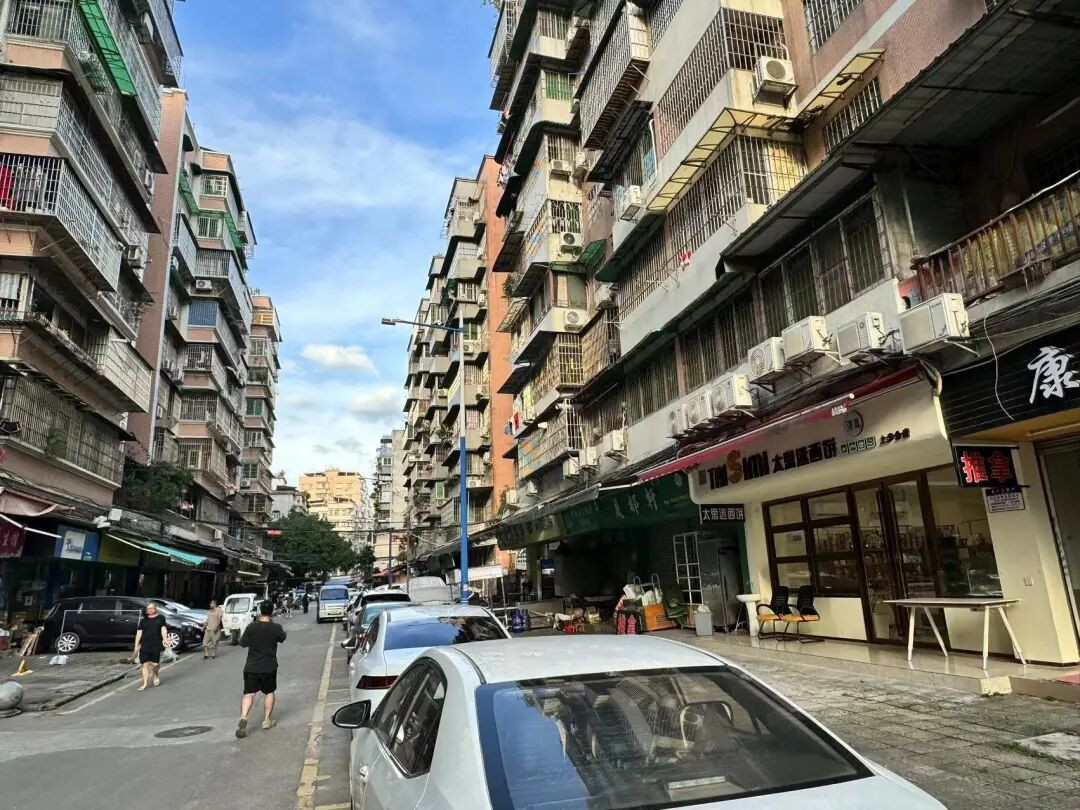
Shangbu is another Hui Muslim enclave that formed later on, located in Shangbu Village, Baiyun District. It used to be a pretty sketchy, messy "urban village," but over the past couple of years, urban development has vastly improved the overall environment and streetscape.
Shangbu doesn't have the same high density of halal restaurants and snack shops as Xiaobei. The headliners here are two Yunnan-style restaurants and one Xinjiang dining house, alongside a scattering of Northwestern noodle shops and a few street snack carts.
↑ So many eateries packed down a single street
Because of the high concentration of Hui Muslims, this area has always maintained a strong community vibe. Locals here have always prioritized harmonious relations with their Han Chinese neighbors—for instance, during annual holidays, everyone would traditionally invite their Han neighbors over to share a feast together.
02
A Diverse and Complementary Scene: Innovating While Staying True to Roots
Halal dining in Guangzhou spans Cantonese, Western, Northwest Chinese, and Yunnan cuisines. This culinary variety is its biggest selling point. While individual dishes might not always taste as authentic or complex as they do in their regions of origin, being able to cycle through completely different flavor profiles is a vibe and an experience in itself.
· Cantonese-Style Hui Cuisine: Finally, Yishanggong Picks Up the Baton
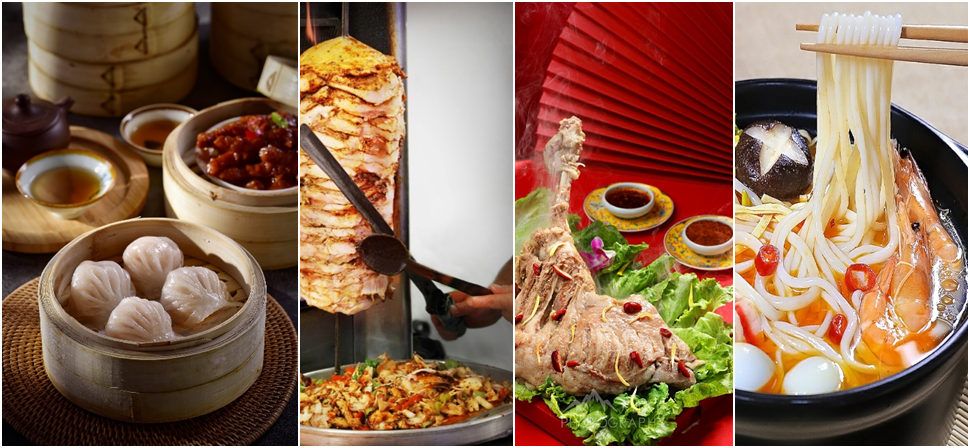
Cantonese folks are huge on zaocha / yum cha (Cantonese morning tea / dim sum)—it’s an iconic, laid-back lifestyle rooted in old-school Guangzhou culture, all about taking it slow and enjoying delicate bites. Picture two people, a pot of steaming tea, and a few plates of dim sum to casually chill through the entire morning.
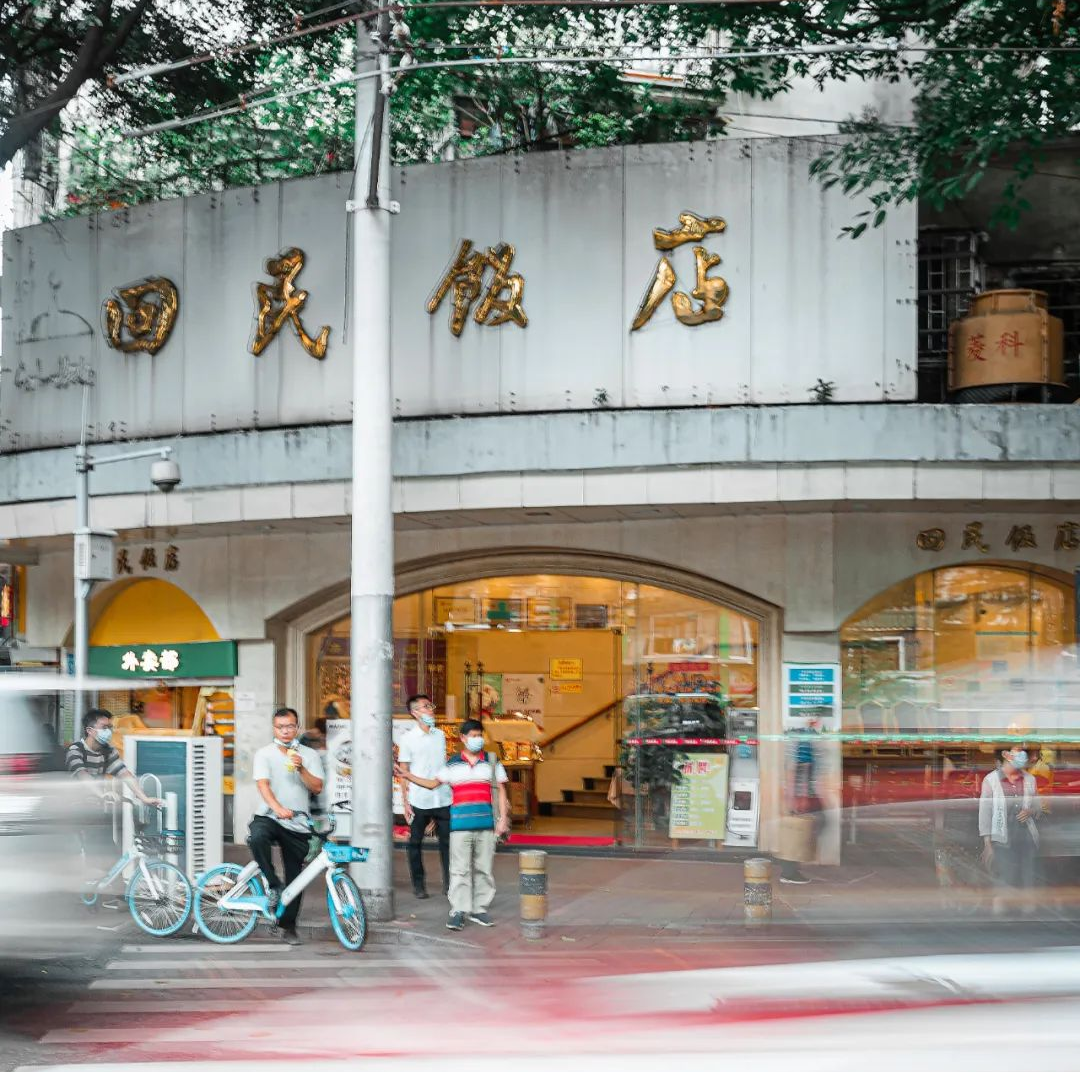
The earliest roots of Halal Cantonese food trace back to Guangzhou Muslim Restaurant (Huimin Restaurant). This time-tested neighborhood spot first opened on May 11, 1965, originally under the name "Halal Cafeteria." It went through a few name changes—becoming the "Hui People's Restaurant" and later the "Guangzhou Wuyang Hui People's Restaurant"—and shifted locations multiple times (moving in October 1975 to Zhongshan 6th Road, where it stands today). Finally, on September 26, 2000, it was completely renovated and reopened under its current name, Guangzhou Muslim Restaurant (Huimin Restaurant), which it has kept ever since.
↑ Guangzhou Muslim Restaurant (Huimin Restaurant)
Today, most of the regulars at Guangzhou Muslim Restaurant are local Cantonese neighborhood aunties and uncles. For out-of-town Hui Muslims, however, both the interior vibe and the staff's presentation can feel a bit hard to fully relax into.
Even though it's called Guangzhou Muslim Restaurant (Huimin Restaurant), very few people know the background of the actual management behind the scenes. Because of this, questions about whether one can eat here with complete peace of mind have always sparked debate. It’s a nostalgic, beloved old brand—it would be amazing if they could clear up these controversies once and for all.
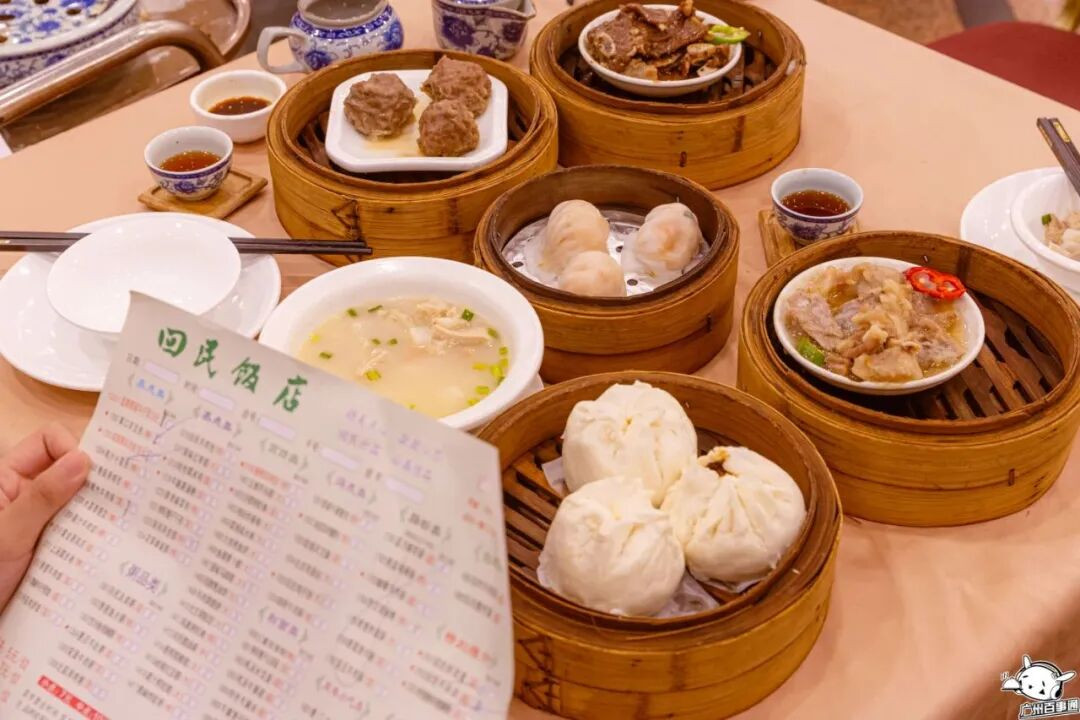
↑ Dim sum at Guangzhou Muslim Restaurant (Huimin Restaurant)
Aside from Guangzhou Muslim Restaurant (Huimin Restaurant), the Bazaar Restaurant at the Xinjiang Building also serves Cantonese dim sum, though its environment and service are a step up.
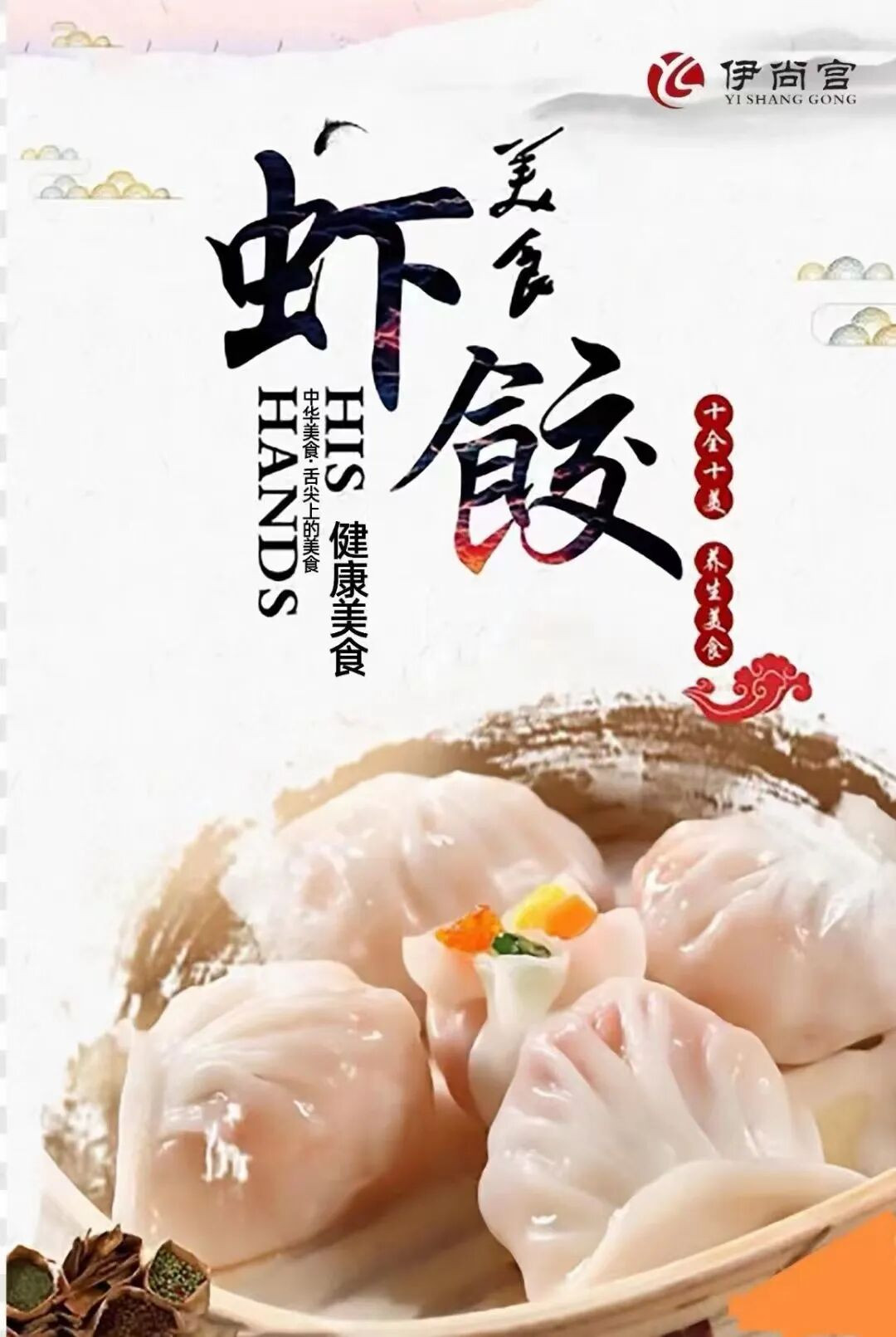
The great news is that back in April, Yishanggong Restaurant—located in the Zhaoqing Building in Xiaobei—also started trying out a dim sum service. I’m sure a lot of people were thrilled to hear this: finally, a 100% worry-free Halal dim sum spot!
↑ Yishanggong promotional poster
I've got to hand it to them for their innovative spirit. Going from Korean BBQ to Cantonese dim sum, their unique concept makes them really stand out from the competition. I hope their dim sum keeps leveling up (there's definitely room to grow) and gets better and better.
· Northwest Chinese Cuisine: From Salami to Asian Bees, Holding Down the Fort
While there are plenty of Northwest Chinese spots around, most are pretty small-scale, which makes them a tough fit for company team-building events or business banquets—often leaving people with no choice but to head to the Xinjiang Building (where they serve alcohol). In a massive city like Guangzhou, not having a single upscale, alcohol-free Northwest Chinese restaurant just doesn't make sense.
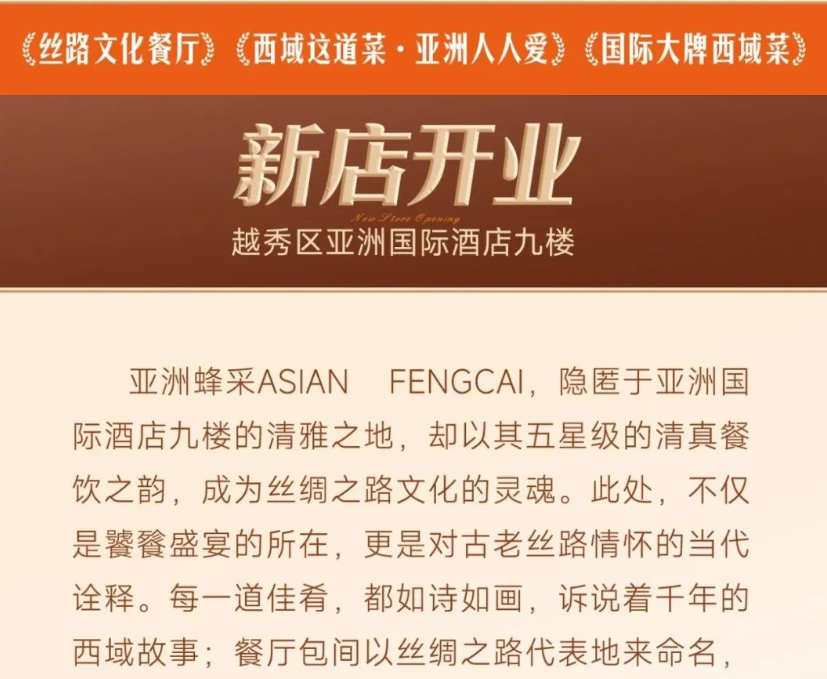
That gap was finally filled this January with the opening of Asian Bees Restaurant inside the Asia International Hotel in Xiaobei.
↑ The newly opened Asian Bees
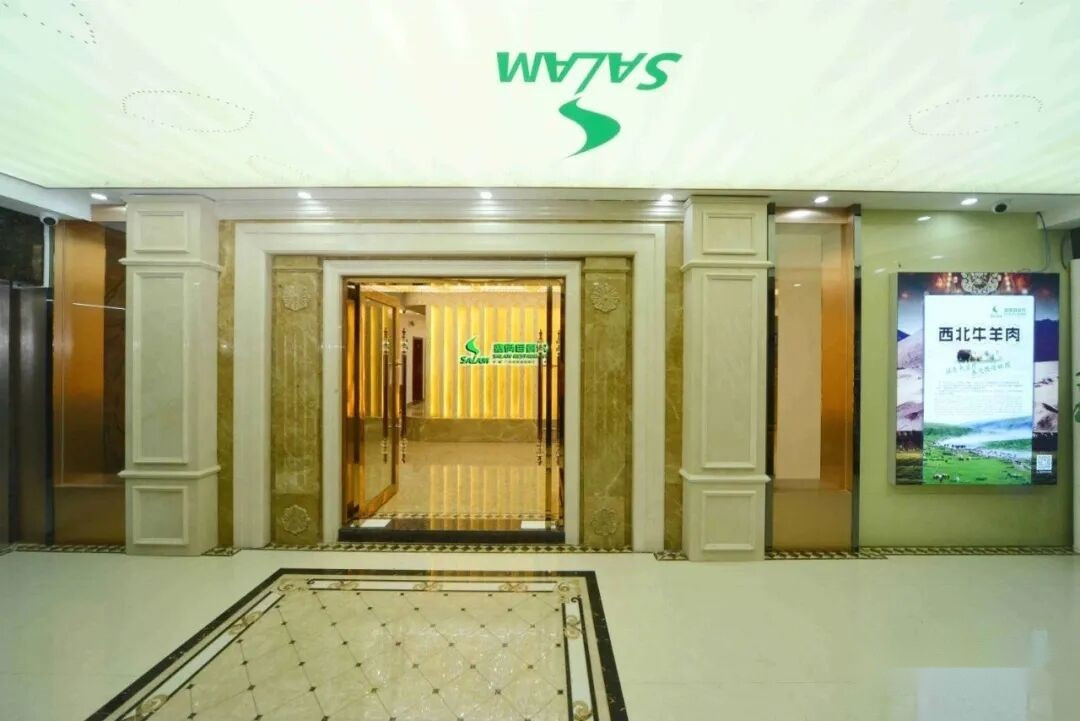
Actually, long before Asian Bees, older generations of Guangzhou Muslims probably remember a spot called "Salami." They opened two locations; the first was right at the entrance of a Xiaobei alley. Because it took off, a second branch quickly opened inside the Asia International Hotel. "Salami" was huge back in the day and rode a massive wave of hype. It's just a shame the management team wasn't down-to-earth enough, and it crashed hard within a few years. Later on, new owners took over and tried to revive it, but none of them could keep it going. In the end, all that's left is a ghost of the past in Xiaobei—the giant characters for "Salami" hanging there dryly for ages.
↑ The former "Salami" sign
Running a large Halal restaurant is no walk in the park, and going upscale is even harder given the niche customer base. Holding down the fort for Northwest Chinese cuisine takes serious grit, vision, and execution.
· Yunnan Cuisine: Consistent and Affordable, Winning Over Northwest Appetites
Yunnan spots are known for being reliable and wallet-friendly, making them the absolute go-to for small casual get-togethers.
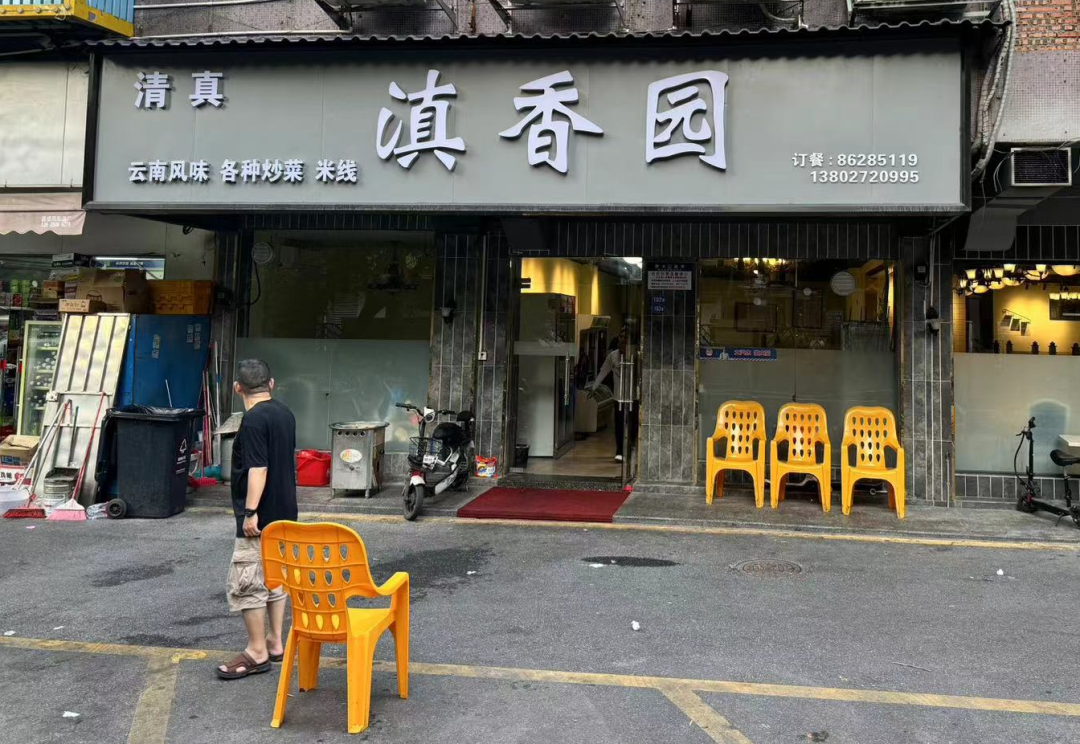
When it comes to consistency, Dianxiangyuan Restaurant in Shangbu takes the crown without a doubt. It’s been open for over a decade. Aside from expanding the storefront and getting a remodel, basically nothing has changed in ten years (honestly, even after the renovation, you couldn't tell what was different). They’ve got a rock-solid menu, reliable food quality, and great value for money. I’ve been eating their braised rice noodles, sizzling iron-plate fish, and various stir-fries for years and never get tired of it—though I sometimes want to jokingly ask the owner why they won't update the menu just a little bit?
↑ The ultimate "fixture" restaurant in Shangbu
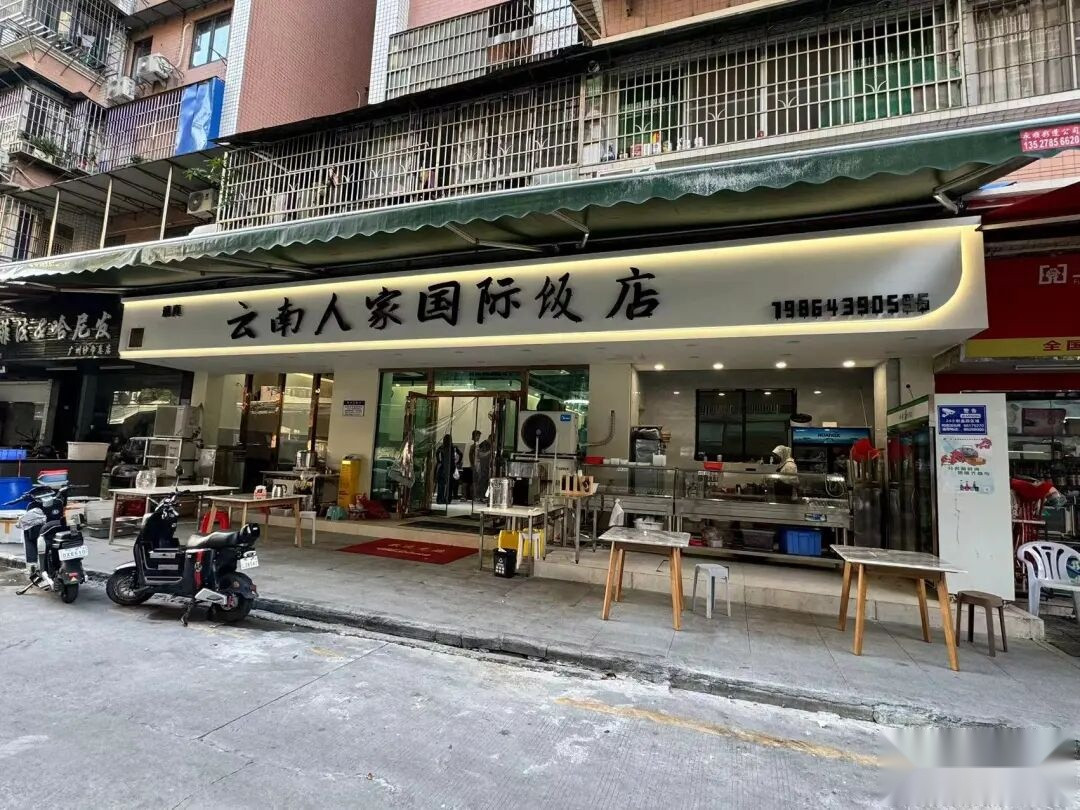
Just a few dozen meters away sits another Yunnan restaurant, but compared to Dianxiangyuan’s stability, this place has had a rough ride. It’s changed hands through God knows how many owners. The current crew is running things pretty well, though: this year they expanded the storefront, gave the place a fresh makeover, and even changed the name from "Yunnan Family" to the much grander "Yunnan Family International Hotel" (though I have to tease that adding "International" feels a little too forced).
↑ Yunnan Family "International" Hotel
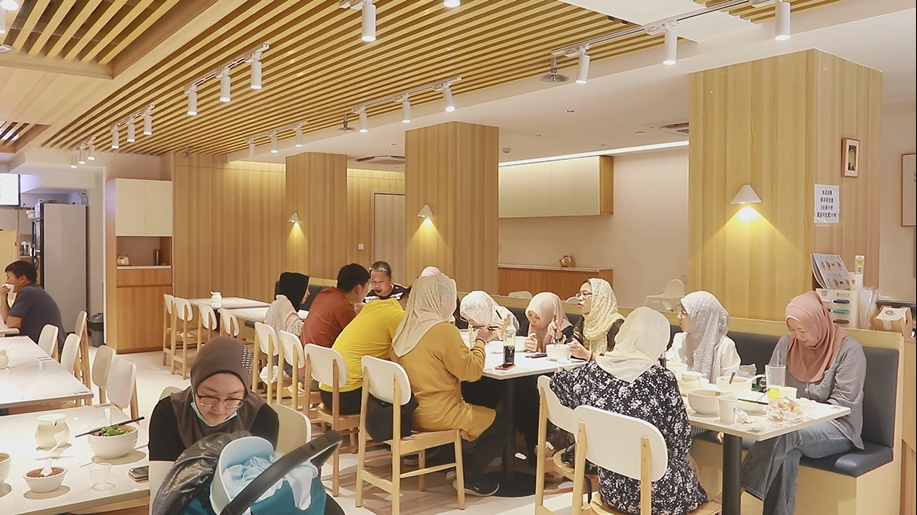
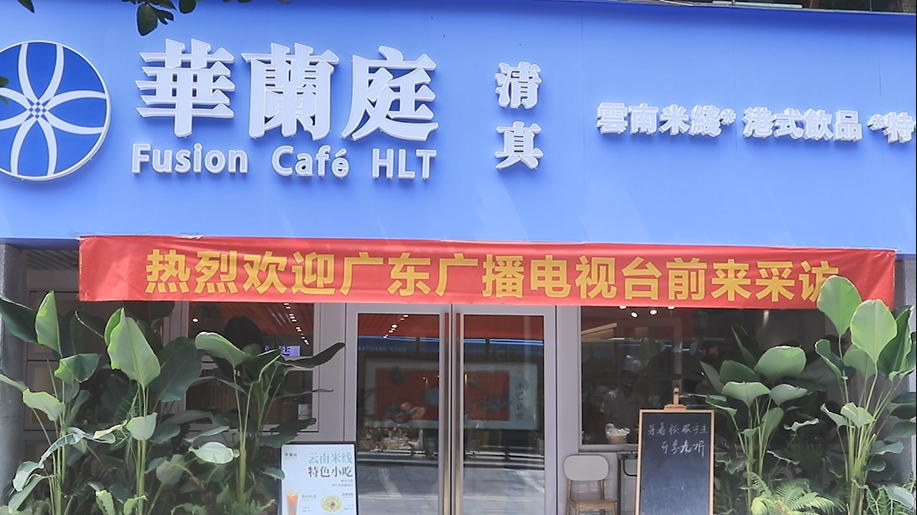
Xiaobei was missing a Yunnan spot until last April, when a Yunnan "light restaurant" called Hualanting opened up. It's a super unique spot focusing purely on Yunnan rice noodles and snacks, skipping heavy stir-fries entirely.
↑ The cozy interior vibe
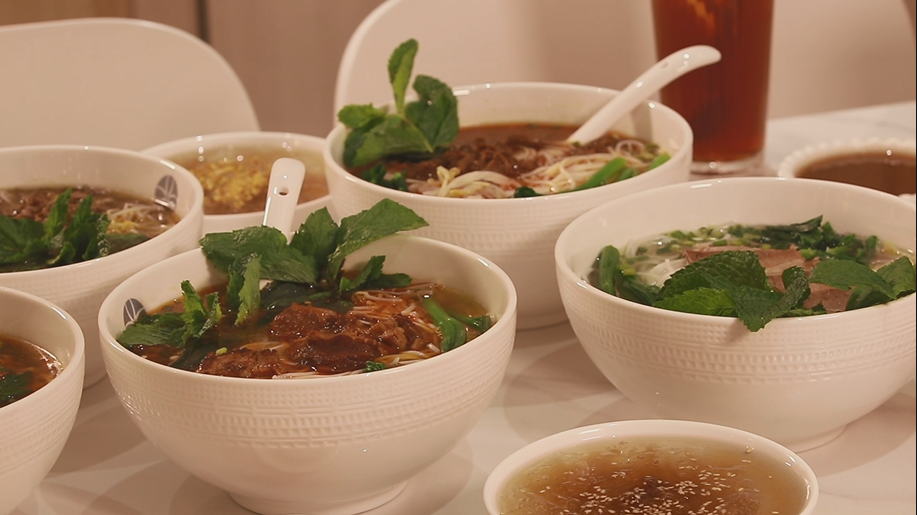
When they first opened and I heard their rice noodles were 28 RMB a bowl, I initially complained that such a high price wouldn't last long. But after going to try it for myself twice, I totally had a change of heart—their rice noodles are honestly worth every penny: great flavor and loaded with ingredients.
↑ Worth-every-penny "mixian" (rice noodles)
In July 2023, this restaurant was even featured on Guangdong Radio and Television's show *Today's Lingnan*.
↑ Why did they get featured?
Sometimes, just staying focused is a superpower in itself. Managing to keep a whole spot running on nothing more than a single bowl of mixian (rice noodles) and a few small bites really speaks volumes about their quality and reputation.
03
Growing and leveling up: A long road ahead
People grinding in the food and beverage industry totally deserve our respect. In any city, the halal dining scene is basically like the "foundational infrastructure" for our community—without halal food, there's no way to talk about the growth and thriving of Hui Muslims. It’s especially incredible how restaurant owners here in Guangzhou manage to innovate while strictly sticking to the golden rule of never selling alcohol.
Even though business ups and downs and brand turnovers are just part of the game, you can literally see with your own eyes how Guangzhou's halal food scene has grown over the years. I still remember how during the pandemic, shop after shop had to shut down, leaving the whole scene looking super grim. Who would've thought that after things opened back up, they’d all pop back to life one after another, plus a whole bunch of brand-new spots opening up?
The next chapter for halal food isn't just about serving our own community anymore; it's about catering to the wider public. That's the only way to get bigger and stronger, turning these spots into a window for cultural exchange way beyond just making money.
Take "Ma Xiaohuo," a halal fast-casual lamian (hand-pulled noodles) chain brand—they’ve opened locations right inside Grandview Mall (Zhengjia Plaza), over in Liede, and scattered across tons of other shopping centers. It totally makes life easier for Hui Muslim 9-to-5ers working in those areas while blowing up their brand influence (though honestly, it's a bummer that Ma Xiaohuo's food quality and flavor have dropped off so much lately).
At the same time, some common issues still plaguing halal restaurants deserve our attention—like slacking on customer service vibes, chasing quick bucks instead of being down-to-earth, lagging behind on menu updates and kitchen innovation, and dropping the ball on marketing and loyalty perks.
Most importantly, staying true to the principle of never selling alcohol is crucial. I think aside from restaurant owners holding the line, the attitudes of the foodies and diners are super important too. Keeping that clean, wholesome dining atmosphere alive takes a village.
Lastly, consider this an open invitation
This official account is all about digging up and sharing the stories of minority entrepreneurs, founders, and homegrown brands (not just limited to the food scene). We're hoping to team up for some deeper, in-depth feature stories. If you're down to share your story, hit up our editor anytime!
END
Halal Food Trails in Guangzhou: A Curated Selection of Alcohol-Free, Sharia-Compliant, and Diverse Halal Eateries
Abstract:
A deep dive into Guangzhou's standout halal restaurants that strictly adhere to Islamic law and maintain a strict alcohol-free, healthy dining philosophy. From authentic Cantonese halal shaola (Cantonese roasted meats / roast duck) to Northwestern shouzhua yangrou (hand-grabbed lamb) and exotic Middle Eastern cuisine, this guide highlights the rigorous integrity and rich flavors of the City of Rams' halal food scene.
Guangzhou offers an incredible variety of halal food, and the fact that these places don't sell alcohol is increasingly rare in this day and age—it definitely deserves a major shoutout.
Guangzhou is a city that never lacks amazing food, long famed for the saying, "Eat in Guangzhou."
As a thousand-year-old trading hub and vital port, Guangzhou has drawn merchants from all over the world, shaping an inclusive, eclectic food culture that ultimately birthed Cantonese cuisine, one of China's Eight Great Culinary Traditions.
Guangzhou is also where Islam first arrived in China, housing the country's very first mosque—Huaisheng Mosque (Light Pagoda Mosque). Hui Muslims originated right here before spreading out across the country.
Today, hundreds of thousands of Muslims from countries worldwide and all across China live here. Through decades of accumulation and deep roots, the halal food scene has grown from scratch—evolving from single-item shops to a rich, diverse culinary landscape, shifting from simply "having something to eat" to "eating exceptionally well."
Personally, I believe that among China's four major tier-one cities (Beijing, Shanghai, Guangzhou, and Shenzhen), Guangzhou does the best job when it comes to the sheer variety of halal food and the pure, alcohol-free commitment of its restaurants. In an era where selling alcohol has become the norm, this is an incredibly rare and precious thing that truly deserves to be shouted from the rooftops.
01
Two Major Hubs: From Xiaobai to Shangbu
When talking about halal food in Guangzhou, you simply have to mention Xiaobei and Shangbu. For domestic and international Muslims living in Guangzhou, these two areas hold irreplaceable significance and value.
Xiaobei is one of Guangzhou's earliest Hui Muslim enclaves, nestled in the historic Yuexiang District with a prime location. It's close to Xianxian Mosque / Ancient Tomb of Saad ibn Abi Waqqas, Xiaodongying Mosque (Xiaodongying Mosque), and Huaisheng Mosque (Light Pagoda Mosque). Perhaps because of this, early Hui Muslims arriving in Guangzhou chose to gather here and set up food businesses.
↑ Street view of Xiaobei @joho
The primary halal restaurants in the Xiaobei area are centered around Zhaoqing Building (commercial storefronts) and Baohan Direct Street (urban village alleys). Restaurants in Zhaoqing Building are generally larger in scale; since there are many Muslim expat business owners nearby, several Turkish Western-style restaurants take center stage here. The crowd inside is mostly Arab guests, making dining there feel like you've instantly time-traveled to the Middle East.
↑ Bosa Restaurant during Ramadan evening
Stepping across the main road leads you right into Baohan Direct Street. This is a hidden, narrow, winding, uneven, and slightly crowded little alley mainly packed with tiny eateries and snack shops, boasting a super-high shop density.
Some people call this Guangzhou's "Little Africa" (it used to house a massive African population before the government cracked down heavily on illegal immigration, causing the numbers to drop drastically), while others say it gives them major exotic vibes (those local nang (baked flatbread) stands definitely deserve credit for that).
↑ A selection of restaurants in the alleys of Xiaobei
Outside of Muslim circles, Baohan Direct Street isn't all that well-known. Every now and then, a curious food blogger drops by to explore, then hypes it up as if they've just discovered a brand-new continent.
↑ There are plenty of bloggers just like this
For some reason last year, two restaurants suddenly blew up and made the Michelin recommended list. Walking past at night, you could see lines of Han Chinese foodies waiting patiently, which felt pretty weird and baffling to us locals used to its quiet, niche vibe (though a personal taste test proved that Salta's shouzhua yangrou (hand-grabbed lamb) isn't actually all that mind-blowing).
A year has passed, and the hype has gradually died down. Since internet fame often brings drama, I honestly think Xiaobei's food alley getting *too* mainstream isn't necessarily a good thing.
Newcomers to Guangzhou in recent years might not know that back in the day, every Jumu'ah (Friday congregational prayer) noon, Lanpu Road outside Xianxian Mosque used to host a bustling "halal bazaar." Many small shops from the Xiaobei alleys would set up stalls there, creating an electric, high-energy scene. Around prayer times, every single seat at the food stalls would be packed, and it even drew in crowds of Han Chinese food lovers and travel vloggers.
↑ The viral "Xianxian Street" back in the day
Later on, due to urban management policies (driven by massive crowds and smoky barbecue grills), the market was shut down in 2019 (though I secretly hope it might make a comeback someday under proper environmental and regulatory guidelines, however slim the chances).
Shangbu is another Hui Muslim enclave that formed later on, located in Shangbu Village, Baiyun District. It used to be a pretty sketchy, messy "urban village," but over the past couple of years, urban development has vastly improved the overall environment and streetscape.
Shangbu doesn't have the same high density of halal restaurants and snack shops as Xiaobei. The headliners here are two Yunnan-style restaurants and one Xinjiang dining house, alongside a scattering of Northwestern noodle shops and a few street snack carts.
↑ So many eateries packed down a single street
Because of the high concentration of Hui Muslims, this area has always maintained a strong community vibe. Locals here have always prioritized harmonious relations with their Han Chinese neighbors—for instance, during annual holidays, everyone would traditionally invite their Han neighbors over to share a feast together.
02
A Diverse and Complementary Scene: Innovating While Staying True to Roots
Halal dining in Guangzhou spans Cantonese, Western, Northwest Chinese, and Yunnan cuisines. This culinary variety is its biggest selling point. While individual dishes might not always taste as authentic or complex as they do in their regions of origin, being able to cycle through completely different flavor profiles is a vibe and an experience in itself.
· Cantonese-Style Hui Cuisine: Finally, Yishanggong Picks Up the Baton
Cantonese folks are huge on zaocha / yum cha (Cantonese morning tea / dim sum)—it’s an iconic, laid-back lifestyle rooted in old-school Guangzhou culture, all about taking it slow and enjoying delicate bites. Picture two people, a pot of steaming tea, and a few plates of dim sum to casually chill through the entire morning.
The earliest roots of Halal Cantonese food trace back to Guangzhou Muslim Restaurant (Huimin Restaurant). This time-tested neighborhood spot first opened on May 11, 1965, originally under the name "Halal Cafeteria." It went through a few name changes—becoming the "Hui People's Restaurant" and later the "Guangzhou Wuyang Hui People's Restaurant"—and shifted locations multiple times (moving in October 1975 to Zhongshan 6th Road, where it stands today). Finally, on September 26, 2000, it was completely renovated and reopened under its current name, Guangzhou Muslim Restaurant (Huimin Restaurant), which it has kept ever since.
↑ Guangzhou Muslim Restaurant (Huimin Restaurant)
Today, most of the regulars at Guangzhou Muslim Restaurant are local Cantonese neighborhood aunties and uncles. For out-of-town Hui Muslims, however, both the interior vibe and the staff's presentation can feel a bit hard to fully relax into.
Even though it's called Guangzhou Muslim Restaurant (Huimin Restaurant), very few people know the background of the actual management behind the scenes. Because of this, questions about whether one can eat here with complete peace of mind have always sparked debate. It’s a nostalgic, beloved old brand—it would be amazing if they could clear up these controversies once and for all.
↑ Dim sum at Guangzhou Muslim Restaurant (Huimin Restaurant)
Aside from Guangzhou Muslim Restaurant (Huimin Restaurant), the Bazaar Restaurant at the Xinjiang Building also serves Cantonese dim sum, though its environment and service are a step up.
The great news is that back in April, Yishanggong Restaurant—located in the Zhaoqing Building in Xiaobei—also started trying out a dim sum service. I’m sure a lot of people were thrilled to hear this: finally, a 100% worry-free Halal dim sum spot!
↑ Yishanggong promotional poster
I've got to hand it to them for their innovative spirit. Going from Korean BBQ to Cantonese dim sum, their unique concept makes them really stand out from the competition. I hope their dim sum keeps leveling up (there's definitely room to grow) and gets better and better.
· Northwest Chinese Cuisine: From Salami to Asian Bees, Holding Down the Fort
While there are plenty of Northwest Chinese spots around, most are pretty small-scale, which makes them a tough fit for company team-building events or business banquets—often leaving people with no choice but to head to the Xinjiang Building (where they serve alcohol). In a massive city like Guangzhou, not having a single upscale, alcohol-free Northwest Chinese restaurant just doesn't make sense.
That gap was finally filled this January with the opening of Asian Bees Restaurant inside the Asia International Hotel in Xiaobei.
↑ The newly opened Asian Bees
Actually, long before Asian Bees, older generations of Guangzhou Muslims probably remember a spot called "Salami." They opened two locations; the first was right at the entrance of a Xiaobei alley. Because it took off, a second branch quickly opened inside the Asia International Hotel. "Salami" was huge back in the day and rode a massive wave of hype. It's just a shame the management team wasn't down-to-earth enough, and it crashed hard within a few years. Later on, new owners took over and tried to revive it, but none of them could keep it going. In the end, all that's left is a ghost of the past in Xiaobei—the giant characters for "Salami" hanging there dryly for ages.
↑ The former "Salami" sign
Running a large Halal restaurant is no walk in the park, and going upscale is even harder given the niche customer base. Holding down the fort for Northwest Chinese cuisine takes serious grit, vision, and execution.
· Yunnan Cuisine: Consistent and Affordable, Winning Over Northwest Appetites
Yunnan spots are known for being reliable and wallet-friendly, making them the absolute go-to for small casual get-togethers.
When it comes to consistency, Dianxiangyuan Restaurant in Shangbu takes the crown without a doubt. It’s been open for over a decade. Aside from expanding the storefront and getting a remodel, basically nothing has changed in ten years (honestly, even after the renovation, you couldn't tell what was different). They’ve got a rock-solid menu, reliable food quality, and great value for money. I’ve been eating their braised rice noodles, sizzling iron-plate fish, and various stir-fries for years and never get tired of it—though I sometimes want to jokingly ask the owner why they won't update the menu just a little bit?
↑ The ultimate "fixture" restaurant in Shangbu
Just a few dozen meters away sits another Yunnan restaurant, but compared to Dianxiangyuan’s stability, this place has had a rough ride. It’s changed hands through God knows how many owners. The current crew is running things pretty well, though: this year they expanded the storefront, gave the place a fresh makeover, and even changed the name from "Yunnan Family" to the much grander "Yunnan Family International Hotel" (though I have to tease that adding "International" feels a little too forced).
↑ Yunnan Family "International" Hotel
Xiaobei was missing a Yunnan spot until last April, when a Yunnan "light restaurant" called Hualanting opened up. It's a super unique spot focusing purely on Yunnan rice noodles and snacks, skipping heavy stir-fries entirely.
↑ The cozy interior vibe
When they first opened and I heard their rice noodles were 28 RMB a bowl, I initially complained that such a high price wouldn't last long. But after going to try it for myself twice, I totally had a change of heart—their rice noodles are honestly worth every penny: great flavor and loaded with ingredients.
↑ Worth-every-penny "mixian" (rice noodles)
In July 2023, this restaurant was even featured on Guangdong Radio and Television's show *Today's Lingnan*.
↑ Why did they get featured?
Sometimes, just staying focused is a superpower in itself. Managing to keep a whole spot running on nothing more than a single bowl of mixian (rice noodles) and a few small bites really speaks volumes about their quality and reputation.
03
Growing and leveling up: A long road ahead
People grinding in the food and beverage industry totally deserve our respect. In any city, the halal dining scene is basically like the "foundational infrastructure" for our community—without halal food, there's no way to talk about the growth and thriving of Hui Muslims. It’s especially incredible how restaurant owners here in Guangzhou manage to innovate while strictly sticking to the golden rule of never selling alcohol.
Even though business ups and downs and brand turnovers are just part of the game, you can literally see with your own eyes how Guangzhou's halal food scene has grown over the years. I still remember how during the pandemic, shop after shop had to shut down, leaving the whole scene looking super grim. Who would've thought that after things opened back up, they’d all pop back to life one after another, plus a whole bunch of brand-new spots opening up?
The next chapter for halal food isn't just about serving our own community anymore; it's about catering to the wider public. That's the only way to get bigger and stronger, turning these spots into a window for cultural exchange way beyond just making money.
Take "Ma Xiaohuo," a halal fast-casual lamian (hand-pulled noodles) chain brand—they’ve opened locations right inside Grandview Mall (Zhengjia Plaza), over in Liede, and scattered across tons of other shopping centers. It totally makes life easier for Hui Muslim 9-to-5ers working in those areas while blowing up their brand influence (though honestly, it's a bummer that Ma Xiaohuo's food quality and flavor have dropped off so much lately).
At the same time, some common issues still plaguing halal restaurants deserve our attention—like slacking on customer service vibes, chasing quick bucks instead of being down-to-earth, lagging behind on menu updates and kitchen innovation, and dropping the ball on marketing and loyalty perks.
Most importantly, staying true to the principle of never selling alcohol is crucial. I think aside from restaurant owners holding the line, the attitudes of the foodies and diners are super important too. Keeping that clean, wholesome dining atmosphere alive takes a village.
Lastly, consider this an open invitation
This official account is all about digging up and sharing the stories of minority entrepreneurs, founders, and homegrown brands (not just limited to the food scene). We're hoping to team up for some deeper, in-depth feature stories. If you're down to share your story, hit up our editor anytime!
END
