
Revisiting Haopan Mosque in Guangzhou: Lingnan Islamic Heritage & Hui Muslim History along the Maritime Silk Road
[Internet Repost]
Revisiting Haopan Mosque in Guangzhou: Lingnan Islamic Heritage, Guangzhou Hui Muslims, and Historic Mosques
Abstract: This article revisits the historic Haopan Mosque in Guangzhou, highlighting Lingnan Islamic heritage, the history of Guangzhou Hui Muslims, and ancient mosques. It preserves the original paragraph and image sequence, making it a great read for anyone searching for long-tail keywords related to Haopan Mosque, Guangzhou Hui Muslims, and Islamic heritage.
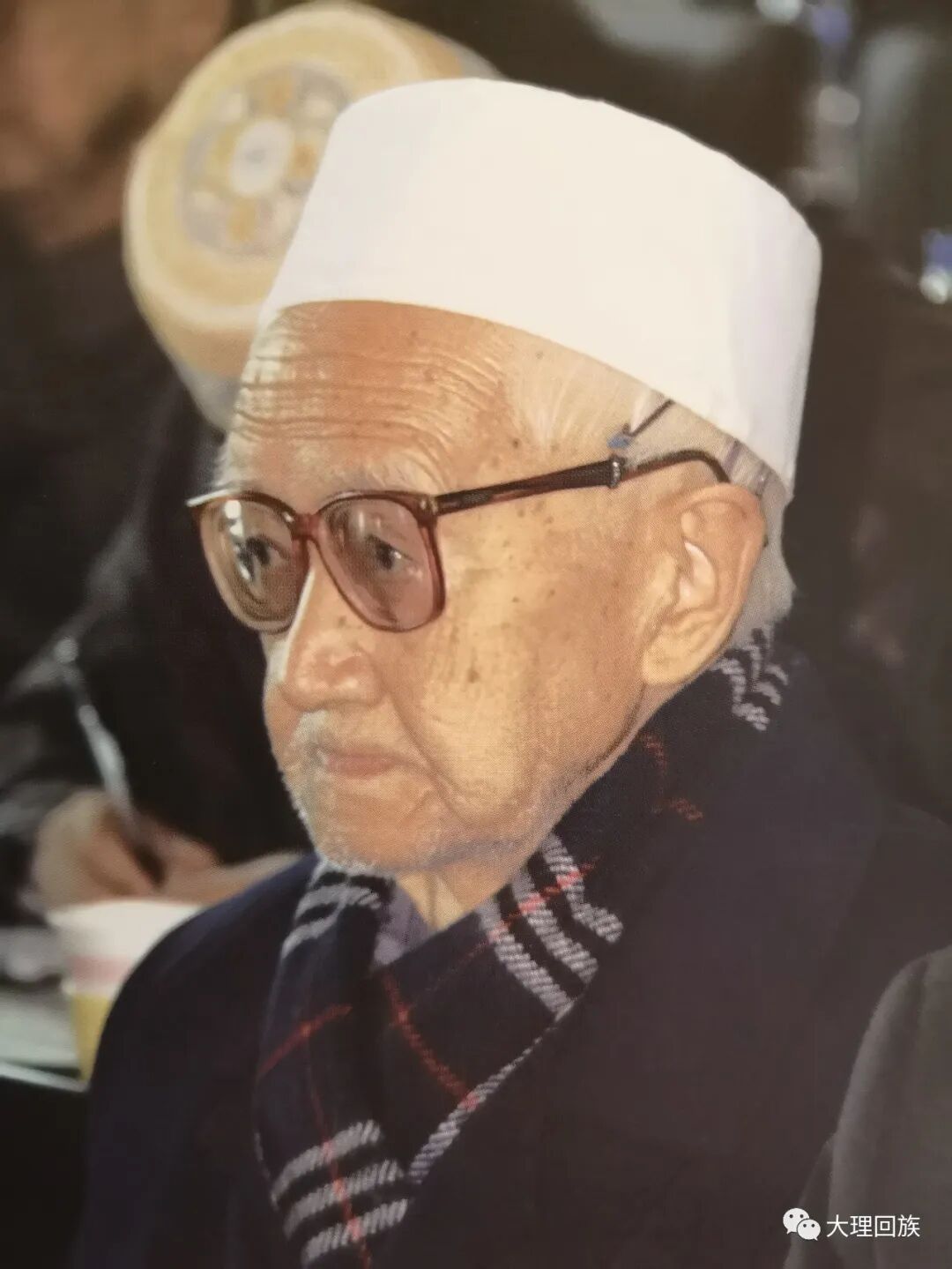
Haji Ma Yunliang, Great-Grandson of Gao Baba (Ma Lianyuan)
Ma Yunliang
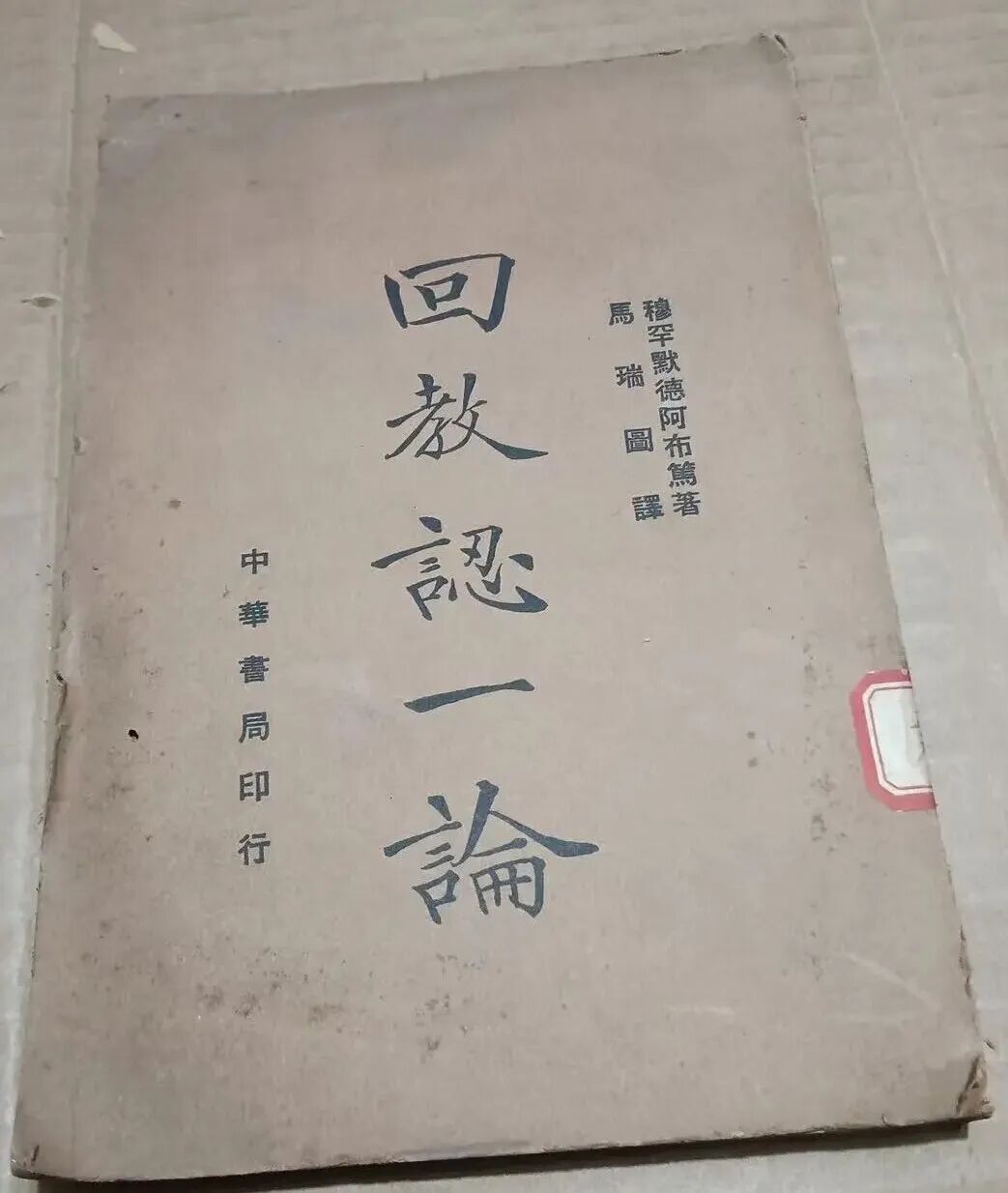
My late father, Grand Imam Ma Ruitu, served as the resident imam at Guangzhou's Haopan Mosque and Nansheng Mosque for 11 years during the Republic of China era. I spent my childhood inside these two masjids. In August 2013, I traveled to Guangzhou to trace my roots and revisit Haopan Mosque.
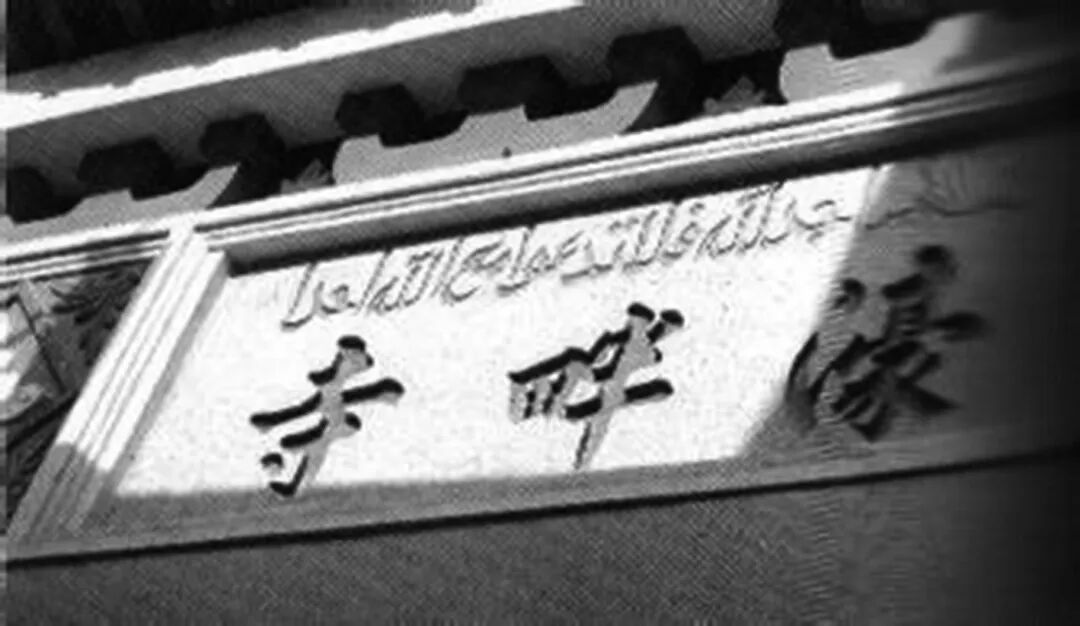
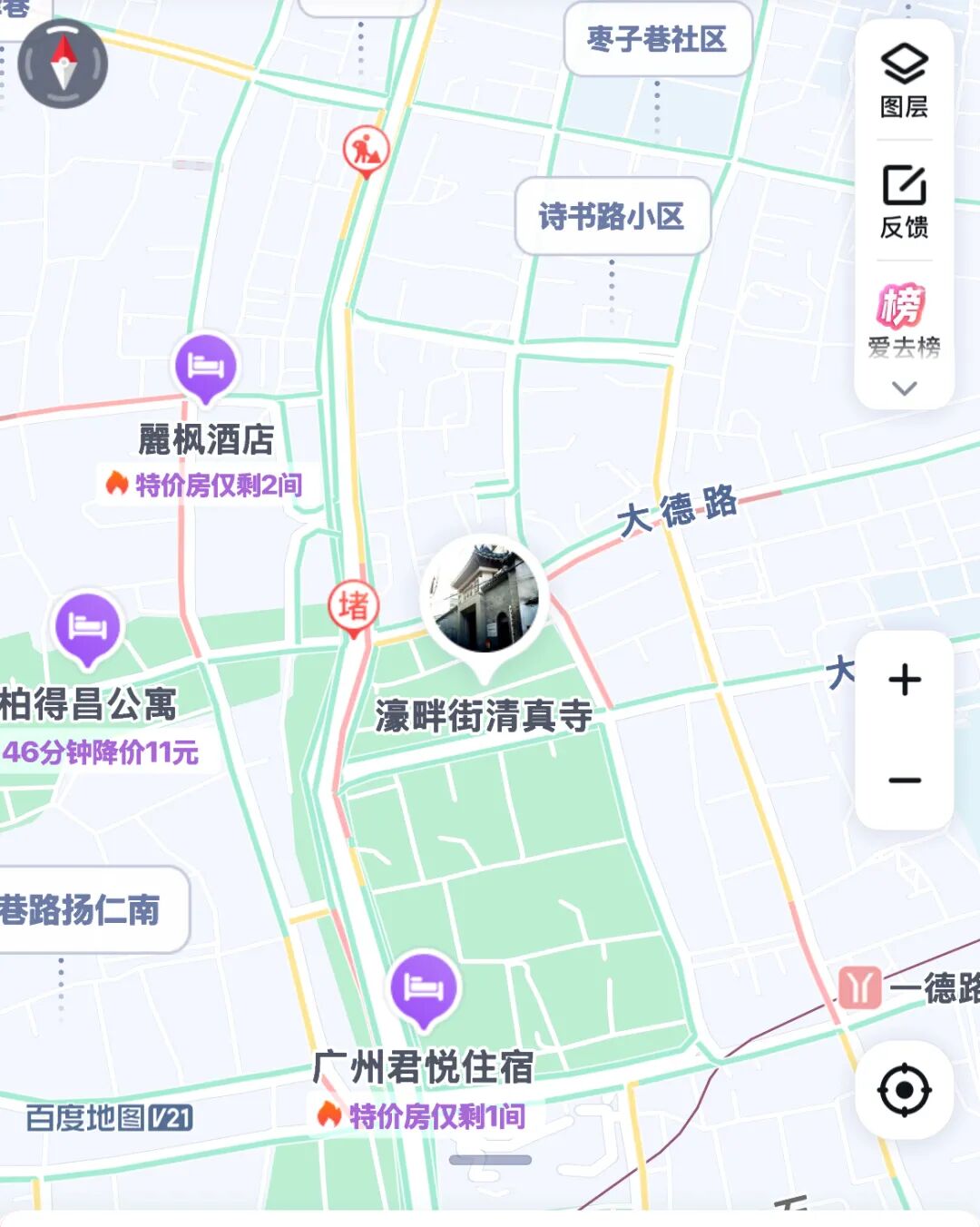
Haopan Mosque was originally known as the Haopan Street Muslim House of Worship, located on Haopan Street, Tiancheng Road, in the Yuexiu District. The masjid takes its name from the street. It was originally built during the Chenghua reign of the Ming Dynasty (1465–1487 CE), boasting a rich history of over 530 years. Back then, Haopan Mosque was built by more than one thousand Hui Muslim soldiers stationed in Guangzhou. Nansheng Mosque and Dongying Mosque were constructed around the same time. After these Hui Muslim soldiers garrisoned and farmed the land in Guangzhou, settling down for the long haul, they built these three masjids. In the 45th year of the Kangxi reign under the Qing Dynasty (1706 CE), the main halls of Haopan Mosque fell into disrepair. A devout community member named Fu Yunfeng generously stepped in, funding a reconstruction that preserved the original architectural style. Fu was originally of Han Chinese descent; during the Kangxi era, he came to Guangzhou from Jinhua, Zhejiang, to do business. Later, after being rescued from a perilous situation by the imam of Haopan Mosque, he embraced Islam. At the time, a imperial scholar named Wang Zehong presented a plaque inscribed with the characters 'Zhu'en Zhichi' ('Allah's Grace is Close at Hand') to hang inside the masjid in honor of Fu Yunfeng's contributions.
After Liberation, due to historical reasons, religious activities at Haopan Mosque were forced to halt for over 30 years. The masjid buildings were commandeered by factories, the main prayer hall was turned into a warehouse, and the northern and southern wing rooms, the eastern corridor, the moon-sighting tower, and the small attic used as the imam's residence were all completely torn down by the occupying entities to build concrete factory workshops, leaving the masjid completely unrecognizable. It wasn't until after the end of the Cultural Revolution that the state set things right, implementing the policy of freedom of religious belief. Prompted by the demands of local Muslims and representatives from all walks of the Hui community, and driven by the provincial and municipal People's Congresses and Political Consultative Conferences, through multi-party efforts and under the coordination of the Municipal CPPCC, the property rights were finally officially returned to the Guangzhou Islamic Association in March 1993. In 1994, the Municipal Islamic Association established the Haopan Mosque Reconstruction Leading Group, hiring experts to draft a restoration plan. Construction officially began in March 1997 and was completed by the end of that same year. Since then, the ancient masjid has been restored to its former glory and reopened to the public. Having weathered the storms of history and successfully completed its restoration, Haopan Mosque marked a major, joyful milestone for the Muslims of Guangzhou! The masjid has now been listed as a Guangzhou Municipal Key Cultural Relic Protection Unit.
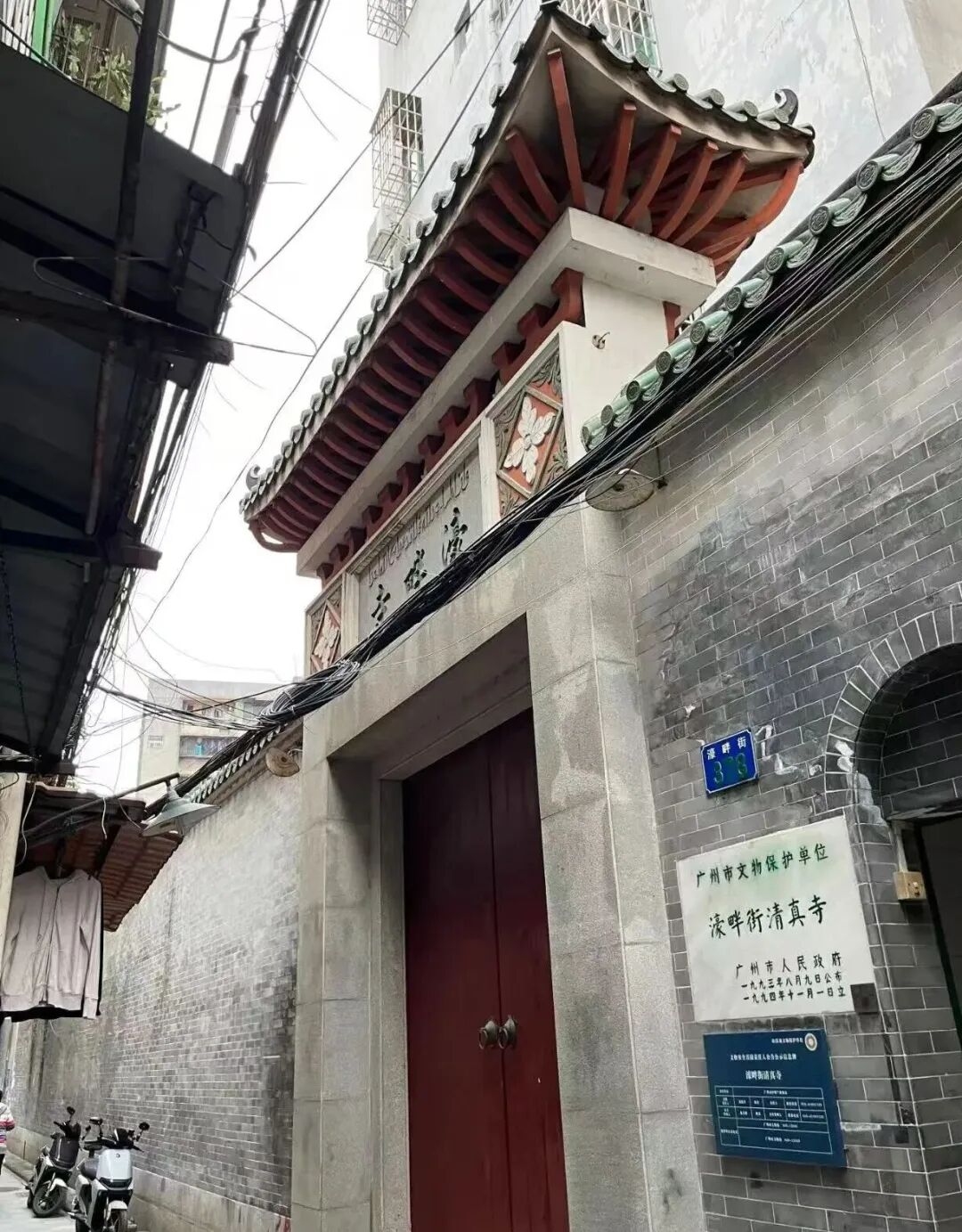
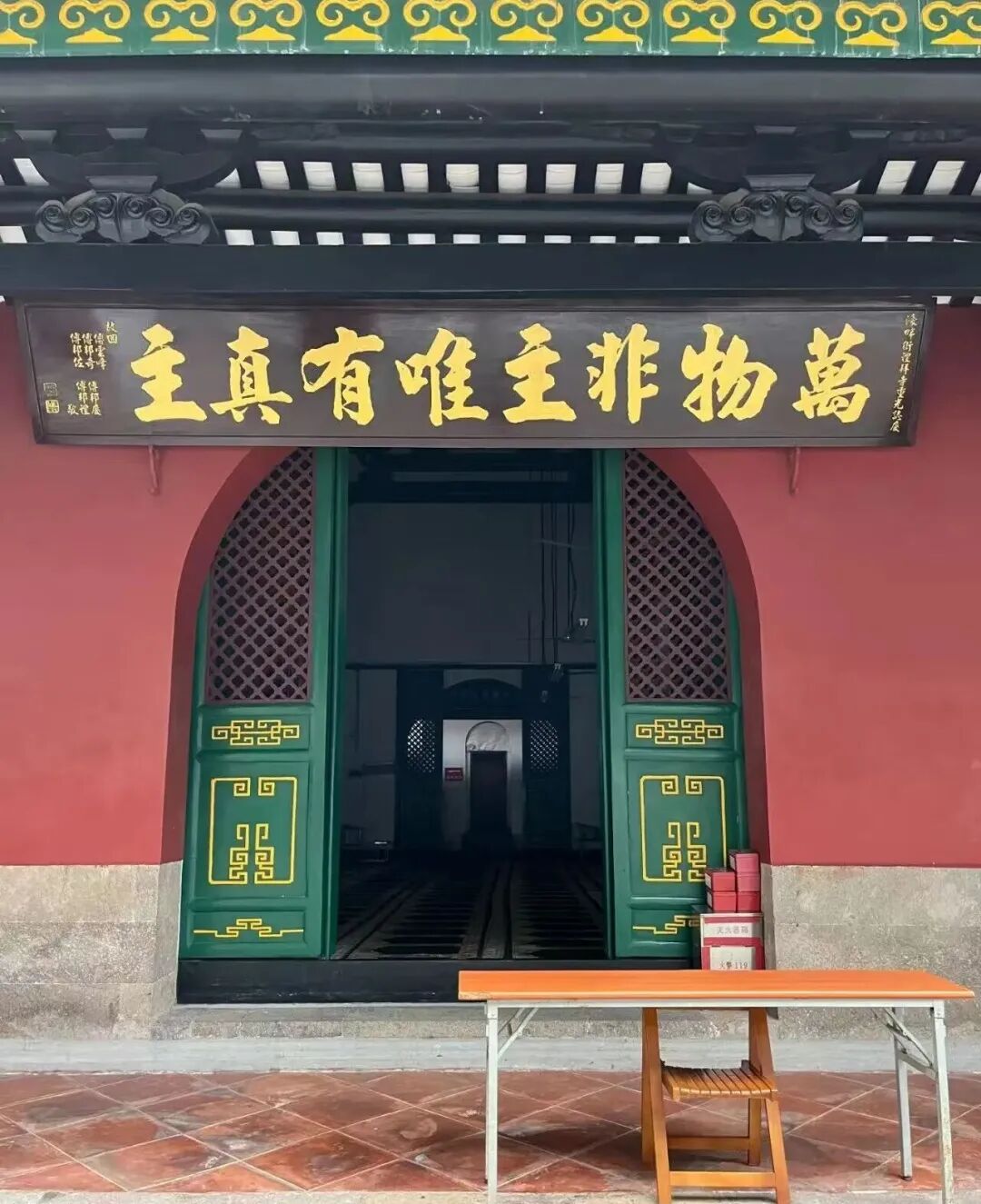
Haopan Mosque faces south, with its back to the north. Its dual red-painted front doors sit at the southeastern corner of the complex; they are usually kept closed, with visitors entering and exiting through a smaller side door to the right of the main entrance. We got off at Tiancheng Road and walked up to the front gate of Haopan Mosque. Standing there, I looked up and saw the three bold, striking calligraphic characters 'Haopan Si' (Haopan Mosque) gleaming on the plaque above the entrance. Wow! After more than 70 years of longing, having finally reached the autumn of my life, I had returned to the place where I spent my childhood playing and studying, separated from it for over seven decades. The sheer emotional wave hitting me was impossible to capture with this worn pen of mine! We took a group photo in front of the gate, then filed through the side door into the courtyard, walking north along the open-air corridor on the eastern side. This corridor is spacious and open, running continuously without dividing walls. A few rooms to the right of the corridor serve as the imam's office, storage room, and restrooms. Bright, airy, and well-ventilated, the corridor is perfectly suited to Guangzhou's sweltering climate. Today, it functions as a multi-purpose space for worshippers to rest, guests to be received, holiday feasts to be held, books and newspapers to be read, and Arabic classes for Guangzhou Muslims to be taught.
I walked around the courtyard, taking everything in. In my memories, Haopan Mosque wasn't quite like this. Traveling through the tunnel of time, my thoughts drifted back to the past.
The old Haopan Mosque had an exquisite, deliberate layout—resembling a traditional southern Chinese garden. Its architecture was stunning, and the surroundings were tranquil and serene. In the flower beds lining the northern, southern, and eastern sides of the courtyard, various plants and flowers were neatly arranged. The moment anyone stepped through the gates, a wave of sweet, soothing floral fragrances would greet them. A small courtyard in the southwestern corner held a towering date palm tree; every year when the dates ripened, bright red dates would carpet the ground. Every morning, the children studying the scriptures at the Islamic primary school would race each other to the small courtyard to pick up and eat the sweet dates, adding endless joy to their school days.
The original northern and southern wings were single-story buildings. The northern wing housed the lecture hall of the Guangzhou Huishuo (Arabic) University, along with the masjid's accounting office, kitchen, dining hall, and restrooms. Outside the northern wing ran a wide, deep drainage ditch—which is actually how Haopan Street got its name. The southern wing served as classrooms, a conference room, and the ablution room for the Islamic primary school.
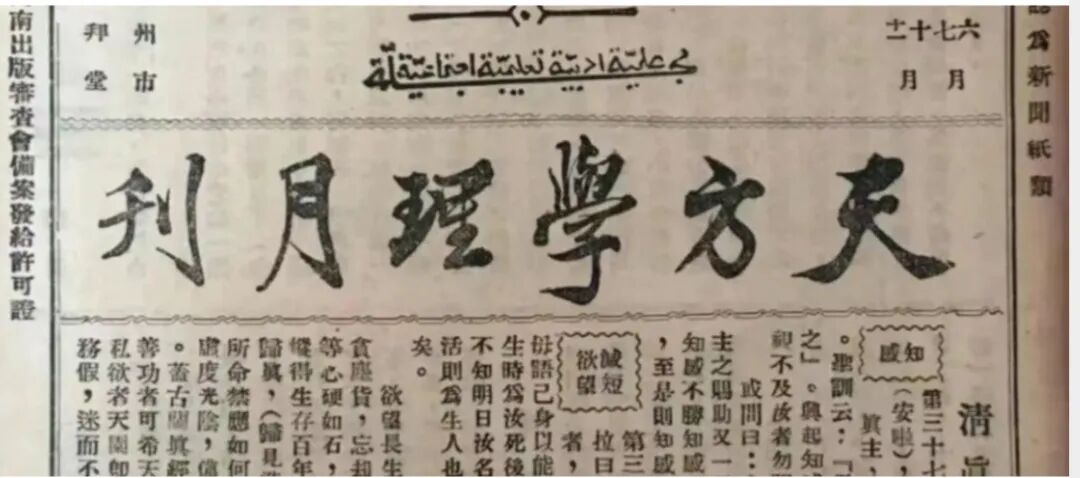
The historic masjid also featured both a main entrance and a side door. Entering through the side door, you would find a long corridor to the left that faced the main gate, while the side door itself opened directly onto a narrow, elongated courtyard. A wall separated the corridor from the courtyard. Heading north along the courtyard, you’d reach the imam’s residence at the very end. This was a two-story attic. The ground floor contained the imam's bedroom, a small reception parlor, and a modest kitchen. Though small, this parlor was once the exact spot where my father, Grand Imam Ruitu, prepared his lectures, studied scripture, and did his translation and writing while teaching at Haopan Mosque. I can still vividly picture the time when the Indian scholar and contributor to the Islamic journal *Tianfang Xueli* (Islamic Theological Review), Ismail, came to visit. My father engaged him in conversation in fluent Arabic, discussing scripture, theology, and academic matters right there in that room.
As I was completely lost in these fond memories, Imam Zhang of Haopan Mosque rolled his bicycle into the courtyard. Exchanging greetings of 'Salam!', we gathered around a round table to chat. Imam Zhang fetched three sets of treasured classic Han-script Islamic texts (*Hantabu*) from the office for us to browse. All three sets were published using funds raised by Haopan Mosque. One was *Zhengjiao Zhenquan* (The True Explanation of the Orthodox Religion), authored by the early scholar Wang Daiyu and published under the name 'Guangzhou Qingzhentang' (Guangzhou Mosque) in the sixth year of the Jiaqing reign of the Qing Dynasty (1801 CE). Another was *Qingzhen Zhinan* (Guidance to Islam) in nine volumes, written by Ma Zhu Baba of Yunnan and re-engraved and published with funding from Haopan Mosque in the ninth year of the Tongzhi reign of the Qing Dynasty (1871 CE). The third was a posthumous work by Bai Ming'an published in the 20th year of the Republic (1931), titled *Hanyi Guoluogani Haiting Zhenjing* (Selected Han Translations of the Quran). All three scriptures were woodblock editions—exuding a classic, antiquarian charm and holding immense value. Rumor has it that Haopan Mosque also published other texts, such as the *Qingzhensi Sanzi Jing* (Three-Character Classic for Mosques). Over more than 500 years of historical twists and turns, the masjid has made remarkable, widely renowned achievements in spreading the faith, fostering education and nurturing talent, lecturing and preaching, publishing journals, writing books, caring for orphans and the elderly, and running charitable, public-welfare initiatives. Through this, it's easy to see the extraordinary contributions this mosque has made to Islam throughout history and the vital historical role it has played in upholding the faith.
Historically, Haopan Street was home to a community of merchants from Jiangnan (southern China), many of whom were deeply devout Muslims. They frequently made generous donations and charity offerings to the masjid, giving Haopan Mosque abundant property assets and a solid material foundation to run scriptural education programs, publish periodicals, and pursue other public-welfare causes. Starting from the Guangxu reign of the Qing Dynasty onward, Haopan Mosque successively invited numerous renowned domestic and international scholars and imams to come preach and teach, including Mahmud Haji from Turkey, Abdullah from Arabia, the famous Yunnan scripture scholar Ma Fuchu, Imam An Hongliang from Jiangsu, Imam Fa Mingdao from Gansu, local Guangdong imams Yang Zhuping and Chen Shaoqing, Imam Fa Mingde from Gansu, as well as Yunnan imams Ma Yizhi, Tian Jiapei, and Ma Ruitu.
Imam Fa Mingde from Gansu was invited to teach at Haopan Mosque during the late Qing and early Republic era, during which he founded the Guangzhou Huishuo (Arabic) University and served as its first president. In the fourth year of the Republic (1915), Imam Fa resigned to return home. From the ninth to the 14th year of the Republic (1920–1925), Imam Ma Yizhi from Yunnan served as a teacher at Haopan Mosque. Imam Tian Jiapei from Yunnan also taught at the mosque for an unrecorded duration. In the 16th year of the Republic (1927), Grand Imam Ma Ruitu was invited to teach at Haopan Mosque, also serving as the president of Huishuo University. In his early 30s at the time, Imam Ruitu was in the prime of his life and possessed vast scholarship. Every day after the dawn prayer (*Fajr*), after having a light snack and tea, he would begin lecturing on scripture, continuing straight through until noon before taking a break to eat. Once every class finished a section of a subject, students were required to recite and explain it themselves before moving on to the next lesson. Every congregational Friday (*Jumu'ah*) served as a rest day, during which students completed a composition exercise: translating a paragraph from Chinese to Arabic, and another from Arabic to Chinese, which was then handed over to the professor for corrections. On Fridays, students were also required to take turns giving a brief public talk on Quranic teachings and theology right before the sermon (*Khutbah*), giving them practice and helping them hone their preaching skills. In March of the 19th year of the Republic (1930), Haopan Mosque held the graduation ceremony for the first class of Huishuo University, alongside the inauguration ceremony for Mu Anzun.
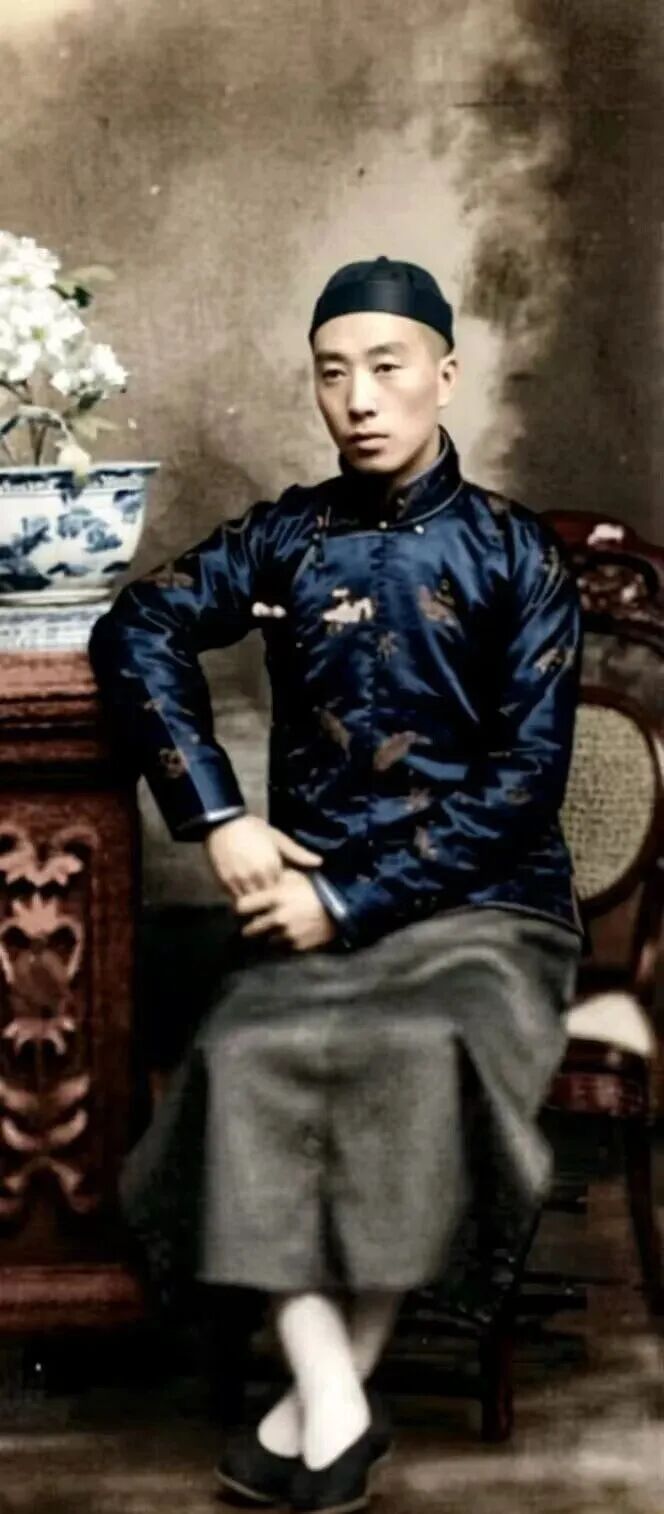
The Lone Horse of Southern Yunnan — Grand Imam Ma Ruitu
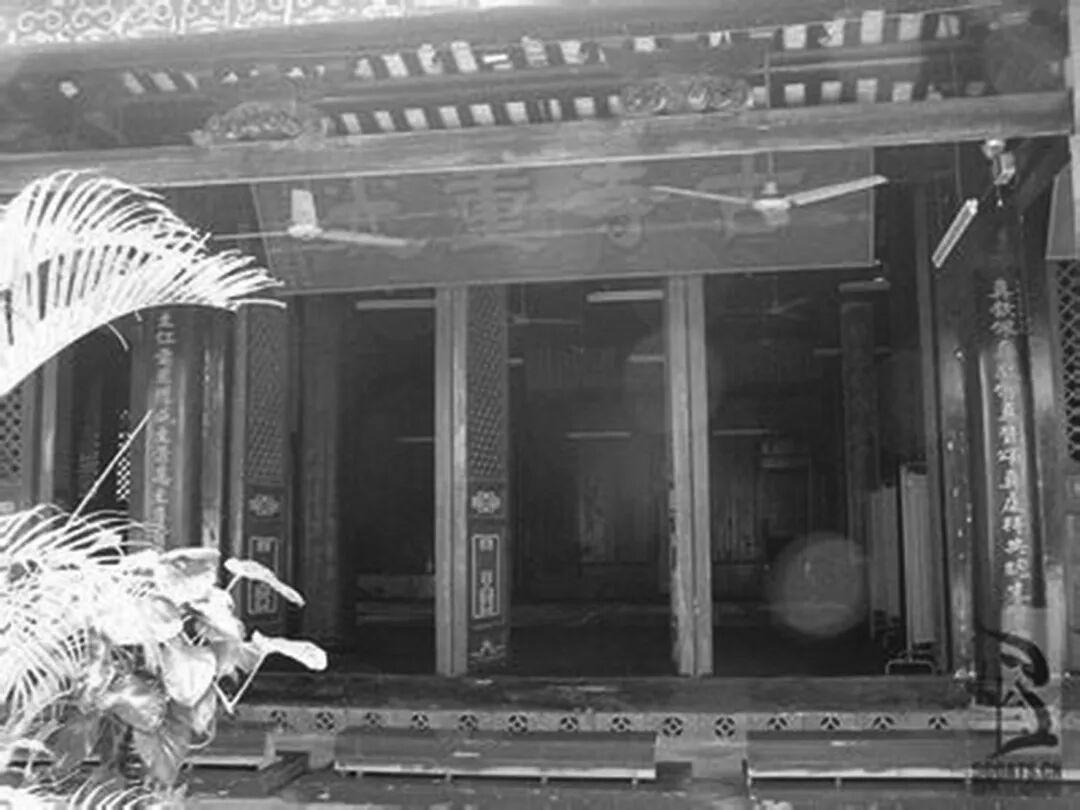
After chatting on the corridor for a couple of hours, we headed over to tour the main prayer hall, accompanied by Imam Zhang. Walking across the courtyard, stepping up the stone steps, and looking up at the plaque reading 'Gujus Chongguang' (The Ancient Mosque Restored to Glory) hanging above the main entrance of the hall, my heart swelled with immense joy. Restored to its original appearance, the main hall looked brand new—a vivid embodiment of the Party and government's implementation of ethnic and religious policies after the smashing of the Gang of Four, winning wholehearted praise from the Muslim community. The main hall is styled after traditional Chinese palatial architecture, wrapped in corridors along the east, north, and south sides, complete with lattice doors that allow worshippers to easily enter and exit. Stepping inside, the floor was covered in clean carpets, while massive chandeliers, electric fans, and sound systems completed the modern setup. Small tables on either side of the *mihrab* (prayer niche) on the western wall held numerous copies of the Quran and other religious texts. In the southwestern corner sat an exceptionally massive cabinet, with the characters 'Haopan Mosque Scripture Cabinet' inscribed on its dual doors. A banner bearing the 'Ninety-Nine Beautiful Names of Allah' hung directly above the prayer niche. Imam Zhang explained that the four massive wooden pillars inside the hall are made of swamp mahogany imported from the Philippines. Other precious building materials were also sourced from overseas, making the craftsmanship and materials remarkably rare compared to other places.
Revisiting Haopan Mosque after more than 70 years has left me with countless unforgettable memories.
(The author is a retired teacher at Weishan County Teachers' Training School, a Haji, and the great-grandson of Ma Lianyuan.)
Revisiting Haopan Mosque in Guangzhou: Lingnan Islamic Heritage, Guangzhou Hui Muslims, and Historic Mosques
Abstract: This article revisits the historic Haopan Mosque in Guangzhou, highlighting Lingnan Islamic heritage, the history of Guangzhou Hui Muslims, and ancient mosques. It preserves the original paragraph and image sequence, making it a great read for anyone searching for long-tail keywords related to Haopan Mosque, Guangzhou Hui Muslims, and Islamic heritage.
Haji Ma Yunliang, Great-Grandson of Gao Baba (Ma Lianyuan)
Ma Yunliang
My late father, Grand Imam Ma Ruitu, served as the resident imam at Guangzhou's Haopan Mosque and Nansheng Mosque for 11 years during the Republic of China era. I spent my childhood inside these two masjids. In August 2013, I traveled to Guangzhou to trace my roots and revisit Haopan Mosque.
Haopan Mosque was originally known as the Haopan Street Muslim House of Worship, located on Haopan Street, Tiancheng Road, in the Yuexiu District. The masjid takes its name from the street. It was originally built during the Chenghua reign of the Ming Dynasty (1465–1487 CE), boasting a rich history of over 530 years. Back then, Haopan Mosque was built by more than one thousand Hui Muslim soldiers stationed in Guangzhou. Nansheng Mosque and Dongying Mosque were constructed around the same time. After these Hui Muslim soldiers garrisoned and farmed the land in Guangzhou, settling down for the long haul, they built these three masjids. In the 45th year of the Kangxi reign under the Qing Dynasty (1706 CE), the main halls of Haopan Mosque fell into disrepair. A devout community member named Fu Yunfeng generously stepped in, funding a reconstruction that preserved the original architectural style. Fu was originally of Han Chinese descent; during the Kangxi era, he came to Guangzhou from Jinhua, Zhejiang, to do business. Later, after being rescued from a perilous situation by the imam of Haopan Mosque, he embraced Islam. At the time, a imperial scholar named Wang Zehong presented a plaque inscribed with the characters 'Zhu'en Zhichi' ('Allah's Grace is Close at Hand') to hang inside the masjid in honor of Fu Yunfeng's contributions.
After Liberation, due to historical reasons, religious activities at Haopan Mosque were forced to halt for over 30 years. The masjid buildings were commandeered by factories, the main prayer hall was turned into a warehouse, and the northern and southern wing rooms, the eastern corridor, the moon-sighting tower, and the small attic used as the imam's residence were all completely torn down by the occupying entities to build concrete factory workshops, leaving the masjid completely unrecognizable. It wasn't until after the end of the Cultural Revolution that the state set things right, implementing the policy of freedom of religious belief. Prompted by the demands of local Muslims and representatives from all walks of the Hui community, and driven by the provincial and municipal People's Congresses and Political Consultative Conferences, through multi-party efforts and under the coordination of the Municipal CPPCC, the property rights were finally officially returned to the Guangzhou Islamic Association in March 1993. In 1994, the Municipal Islamic Association established the Haopan Mosque Reconstruction Leading Group, hiring experts to draft a restoration plan. Construction officially began in March 1997 and was completed by the end of that same year. Since then, the ancient masjid has been restored to its former glory and reopened to the public. Having weathered the storms of history and successfully completed its restoration, Haopan Mosque marked a major, joyful milestone for the Muslims of Guangzhou! The masjid has now been listed as a Guangzhou Municipal Key Cultural Relic Protection Unit.
Haopan Mosque faces south, with its back to the north. Its dual red-painted front doors sit at the southeastern corner of the complex; they are usually kept closed, with visitors entering and exiting through a smaller side door to the right of the main entrance. We got off at Tiancheng Road and walked up to the front gate of Haopan Mosque. Standing there, I looked up and saw the three bold, striking calligraphic characters 'Haopan Si' (Haopan Mosque) gleaming on the plaque above the entrance. Wow! After more than 70 years of longing, having finally reached the autumn of my life, I had returned to the place where I spent my childhood playing and studying, separated from it for over seven decades. The sheer emotional wave hitting me was impossible to capture with this worn pen of mine! We took a group photo in front of the gate, then filed through the side door into the courtyard, walking north along the open-air corridor on the eastern side. This corridor is spacious and open, running continuously without dividing walls. A few rooms to the right of the corridor serve as the imam's office, storage room, and restrooms. Bright, airy, and well-ventilated, the corridor is perfectly suited to Guangzhou's sweltering climate. Today, it functions as a multi-purpose space for worshippers to rest, guests to be received, holiday feasts to be held, books and newspapers to be read, and Arabic classes for Guangzhou Muslims to be taught.
I walked around the courtyard, taking everything in. In my memories, Haopan Mosque wasn't quite like this. Traveling through the tunnel of time, my thoughts drifted back to the past.
The old Haopan Mosque had an exquisite, deliberate layout—resembling a traditional southern Chinese garden. Its architecture was stunning, and the surroundings were tranquil and serene. In the flower beds lining the northern, southern, and eastern sides of the courtyard, various plants and flowers were neatly arranged. The moment anyone stepped through the gates, a wave of sweet, soothing floral fragrances would greet them. A small courtyard in the southwestern corner held a towering date palm tree; every year when the dates ripened, bright red dates would carpet the ground. Every morning, the children studying the scriptures at the Islamic primary school would race each other to the small courtyard to pick up and eat the sweet dates, adding endless joy to their school days.
The original northern and southern wings were single-story buildings. The northern wing housed the lecture hall of the Guangzhou Huishuo (Arabic) University, along with the masjid's accounting office, kitchen, dining hall, and restrooms. Outside the northern wing ran a wide, deep drainage ditch—which is actually how Haopan Street got its name. The southern wing served as classrooms, a conference room, and the ablution room for the Islamic primary school.
The historic masjid also featured both a main entrance and a side door. Entering through the side door, you would find a long corridor to the left that faced the main gate, while the side door itself opened directly onto a narrow, elongated courtyard. A wall separated the corridor from the courtyard. Heading north along the courtyard, you’d reach the imam’s residence at the very end. This was a two-story attic. The ground floor contained the imam's bedroom, a small reception parlor, and a modest kitchen. Though small, this parlor was once the exact spot where my father, Grand Imam Ruitu, prepared his lectures, studied scripture, and did his translation and writing while teaching at Haopan Mosque. I can still vividly picture the time when the Indian scholar and contributor to the Islamic journal *Tianfang Xueli* (Islamic Theological Review), Ismail, came to visit. My father engaged him in conversation in fluent Arabic, discussing scripture, theology, and academic matters right there in that room.
As I was completely lost in these fond memories, Imam Zhang of Haopan Mosque rolled his bicycle into the courtyard. Exchanging greetings of 'Salam!', we gathered around a round table to chat. Imam Zhang fetched three sets of treasured classic Han-script Islamic texts (*Hantabu*) from the office for us to browse. All three sets were published using funds raised by Haopan Mosque. One was *Zhengjiao Zhenquan* (The True Explanation of the Orthodox Religion), authored by the early scholar Wang Daiyu and published under the name 'Guangzhou Qingzhentang' (Guangzhou Mosque) in the sixth year of the Jiaqing reign of the Qing Dynasty (1801 CE). Another was *Qingzhen Zhinan* (Guidance to Islam) in nine volumes, written by Ma Zhu Baba of Yunnan and re-engraved and published with funding from Haopan Mosque in the ninth year of the Tongzhi reign of the Qing Dynasty (1871 CE). The third was a posthumous work by Bai Ming'an published in the 20th year of the Republic (1931), titled *Hanyi Guoluogani Haiting Zhenjing* (Selected Han Translations of the Quran). All three scriptures were woodblock editions—exuding a classic, antiquarian charm and holding immense value. Rumor has it that Haopan Mosque also published other texts, such as the *Qingzhensi Sanzi Jing* (Three-Character Classic for Mosques). Over more than 500 years of historical twists and turns, the masjid has made remarkable, widely renowned achievements in spreading the faith, fostering education and nurturing talent, lecturing and preaching, publishing journals, writing books, caring for orphans and the elderly, and running charitable, public-welfare initiatives. Through this, it's easy to see the extraordinary contributions this mosque has made to Islam throughout history and the vital historical role it has played in upholding the faith.
Historically, Haopan Street was home to a community of merchants from Jiangnan (southern China), many of whom were deeply devout Muslims. They frequently made generous donations and charity offerings to the masjid, giving Haopan Mosque abundant property assets and a solid material foundation to run scriptural education programs, publish periodicals, and pursue other public-welfare causes. Starting from the Guangxu reign of the Qing Dynasty onward, Haopan Mosque successively invited numerous renowned domestic and international scholars and imams to come preach and teach, including Mahmud Haji from Turkey, Abdullah from Arabia, the famous Yunnan scripture scholar Ma Fuchu, Imam An Hongliang from Jiangsu, Imam Fa Mingdao from Gansu, local Guangdong imams Yang Zhuping and Chen Shaoqing, Imam Fa Mingde from Gansu, as well as Yunnan imams Ma Yizhi, Tian Jiapei, and Ma Ruitu.
Imam Fa Mingde from Gansu was invited to teach at Haopan Mosque during the late Qing and early Republic era, during which he founded the Guangzhou Huishuo (Arabic) University and served as its first president. In the fourth year of the Republic (1915), Imam Fa resigned to return home. From the ninth to the 14th year of the Republic (1920–1925), Imam Ma Yizhi from Yunnan served as a teacher at Haopan Mosque. Imam Tian Jiapei from Yunnan also taught at the mosque for an unrecorded duration. In the 16th year of the Republic (1927), Grand Imam Ma Ruitu was invited to teach at Haopan Mosque, also serving as the president of Huishuo University. In his early 30s at the time, Imam Ruitu was in the prime of his life and possessed vast scholarship. Every day after the dawn prayer (*Fajr*), after having a light snack and tea, he would begin lecturing on scripture, continuing straight through until noon before taking a break to eat. Once every class finished a section of a subject, students were required to recite and explain it themselves before moving on to the next lesson. Every congregational Friday (*Jumu'ah*) served as a rest day, during which students completed a composition exercise: translating a paragraph from Chinese to Arabic, and another from Arabic to Chinese, which was then handed over to the professor for corrections. On Fridays, students were also required to take turns giving a brief public talk on Quranic teachings and theology right before the sermon (*Khutbah*), giving them practice and helping them hone their preaching skills. In March of the 19th year of the Republic (1930), Haopan Mosque held the graduation ceremony for the first class of Huishuo University, alongside the inauguration ceremony for Mu Anzun.
The Lone Horse of Southern Yunnan — Grand Imam Ma Ruitu
After chatting on the corridor for a couple of hours, we headed over to tour the main prayer hall, accompanied by Imam Zhang. Walking across the courtyard, stepping up the stone steps, and looking up at the plaque reading 'Gujus Chongguang' (The Ancient Mosque Restored to Glory) hanging above the main entrance of the hall, my heart swelled with immense joy. Restored to its original appearance, the main hall looked brand new—a vivid embodiment of the Party and government's implementation of ethnic and religious policies after the smashing of the Gang of Four, winning wholehearted praise from the Muslim community. The main hall is styled after traditional Chinese palatial architecture, wrapped in corridors along the east, north, and south sides, complete with lattice doors that allow worshippers to easily enter and exit. Stepping inside, the floor was covered in clean carpets, while massive chandeliers, electric fans, and sound systems completed the modern setup. Small tables on either side of the *mihrab* (prayer niche) on the western wall held numerous copies of the Quran and other religious texts. In the southwestern corner sat an exceptionally massive cabinet, with the characters 'Haopan Mosque Scripture Cabinet' inscribed on its dual doors. A banner bearing the 'Ninety-Nine Beautiful Names of Allah' hung directly above the prayer niche. Imam Zhang explained that the four massive wooden pillars inside the hall are made of swamp mahogany imported from the Philippines. Other precious building materials were also sourced from overseas, making the craftsmanship and materials remarkably rare compared to other places.
Revisiting Haopan Mosque after more than 70 years has left me with countless unforgettable memories.
(The author is a retired teacher at Weishan County Teachers' Training School, a Haji, and the great-grandson of Ma Lianyuan.)
