
Exploring Gansu Lanzhou: The Historic Jincheng Pass Shehede Gongbei and Mosque
[Internet Repost]
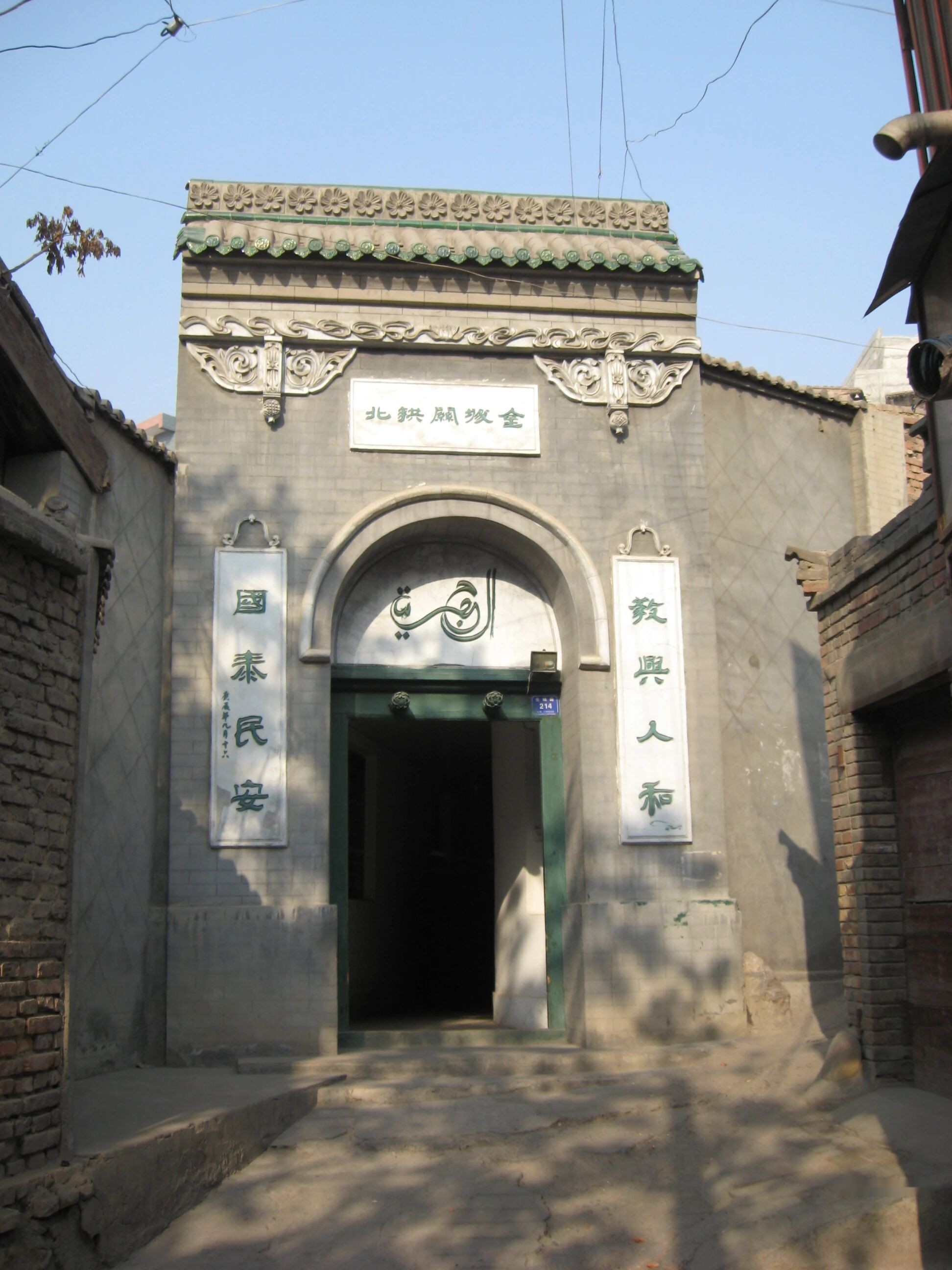
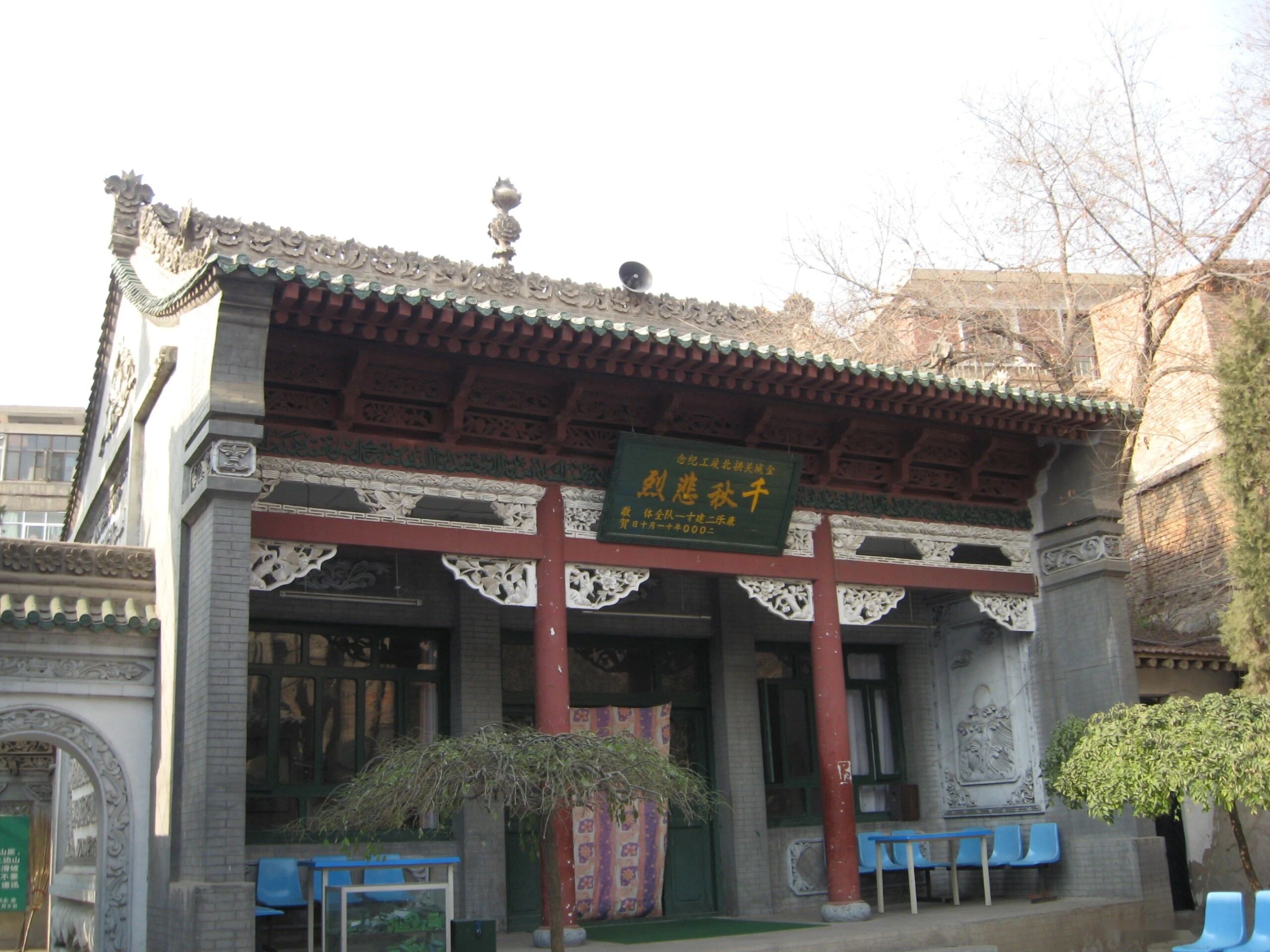
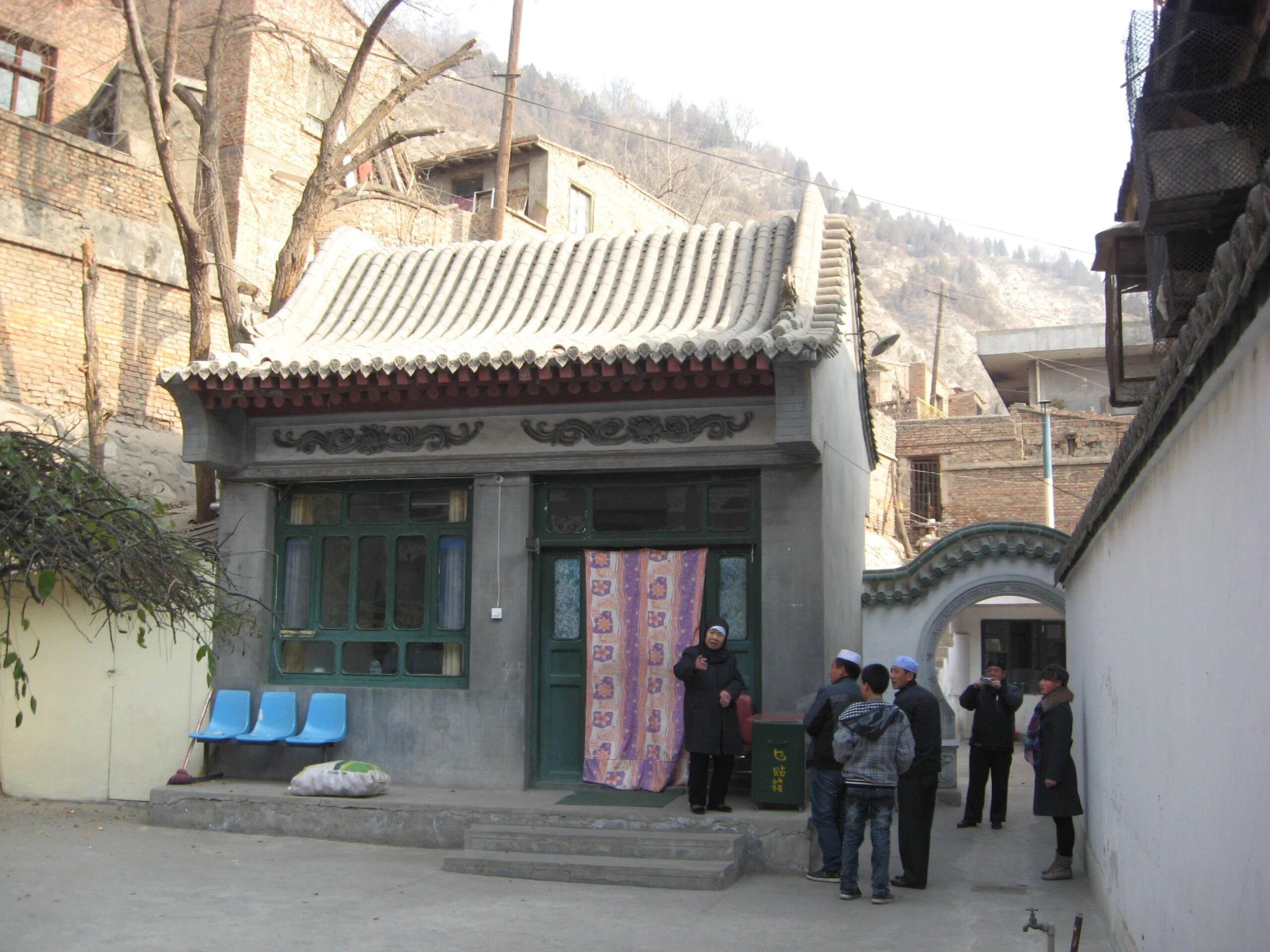
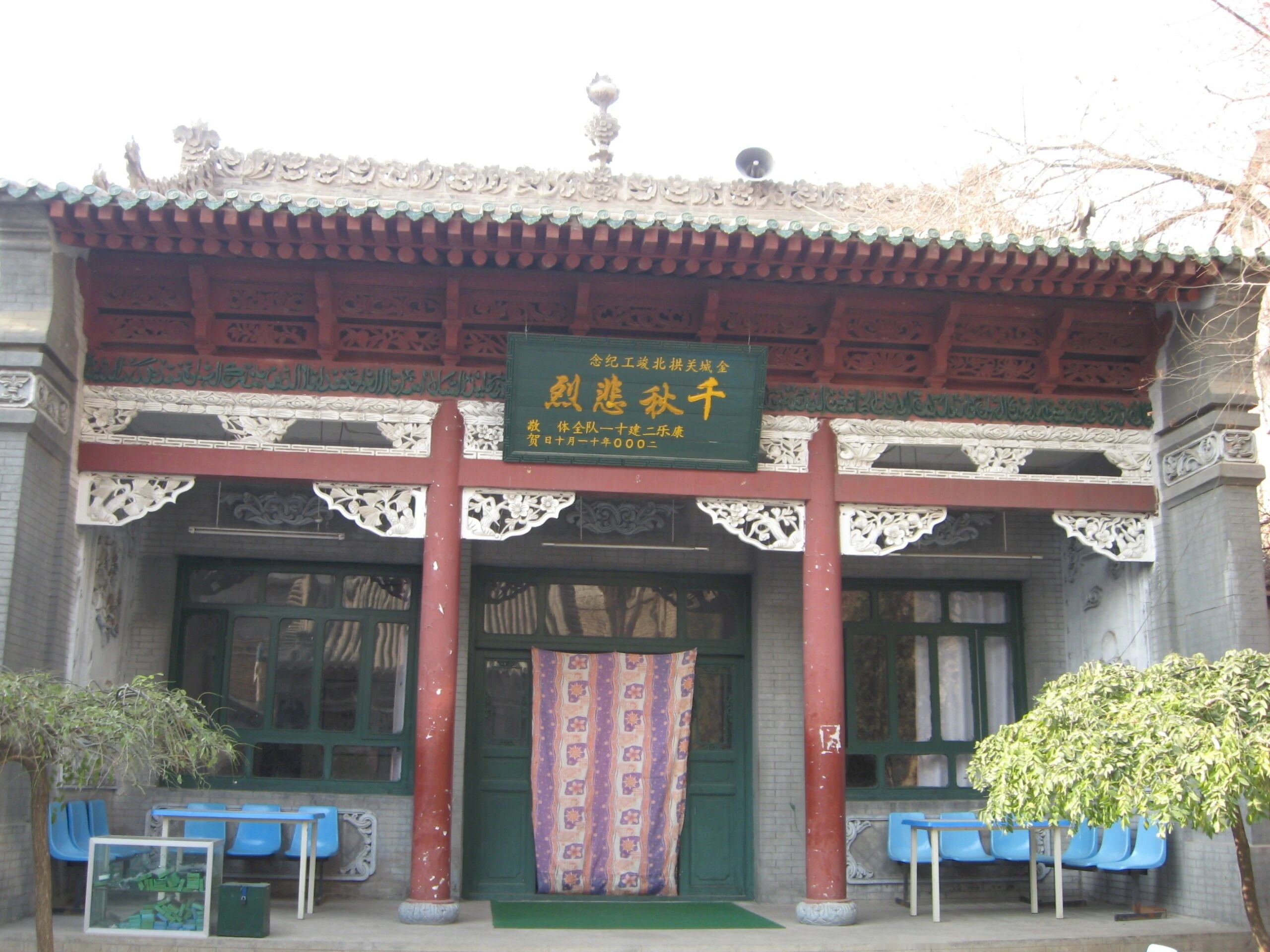
Join me for a look at 20 real-life photos exploring the Shehede Gongbei (tomb complex) and Masjid (mosque) located at Jincheng Pass on the northern bank of the Yellow River in Lanzhou, Gansu. We’re diving into the history surrounding events from 1781 during the Qianlong era of the Qing Dynasty, documenting the traditional brick-and-wood architectural style and the prayer halls built right into the mountainside.
This Gongbei is tucked away in Lanzhou’s Jincheng Pass. It serves as a memorial shrine for Saima, the foster daughter of the Jahriyya founder, Ma Mingxin. When Ma Mingxin faced persecution in Lanzhou, Saima led a group of women known as the Hawandani at Jincheng Pass, coordinating an attack on the city of Lanzhou alongside Su Shisan of the Jahriyya order. The conflict was incredibly brutal. During one battle, Saima and her female soldiers faced off against the Qing army, reportedly taking down nine Qing military officers. Saima and her husband personally decapitated the officers and displayed their heads on poles to strike fear into the Qing forces. However, they were eventually overwhelmed by sheer numbers, and Saima, her husband, and all the women of the Hawandani were killed in the fighting.
Jahriyya is a transliteration of an Arabic term that can be translated as "public," "loud," or "reciting aloud." The group advocates for the loud recitation of the dhikr (remembrance of Allah), which is why they are often called the "Loud Recitation School," in contrast to the traditional silent recitation practiced by the Khafiyya order.
The sect was introduced to China during the Qianlong period by Ma Mingxin. Because it gained so much support from impoverished Hui Muslims, it threatened the interests of the older, established religious orders, leading to conflicts with the Khafiyya order. The Qing government handled the situation poorly by favoring the old order and suppressing the new one, which ultimately sparked the Hui uprising led by Su Shisan. Emperor Qianlong labeled the new Jahriyya sect as a "heretical cult." Even after the Tianwu uprising was suppressed and the Qing court banned the sect and implemented local civilian monitoring, they were unable to stop its clandestine growth.
Around the time of the Tongzhi Emperor, the fifth Murshid (spiritual guide) Ma Hualong and Ma Mingxin’s great-grandson, Ma Chenglin (also known as Ma Shenglin), worked to secretly expand the Jahriyya order, leading to a second golden age. However, due to brutal suppression and persecution by the Qing court, the Jahriyya movement was pushed to the brink of extinction, with many Murshids being murdered or exiled. By the time of Ma Yuanzhang, he adopted a strategy of patience and preservation, which helped the Jahriyya school overcome its struggles and eventually experience a revival.
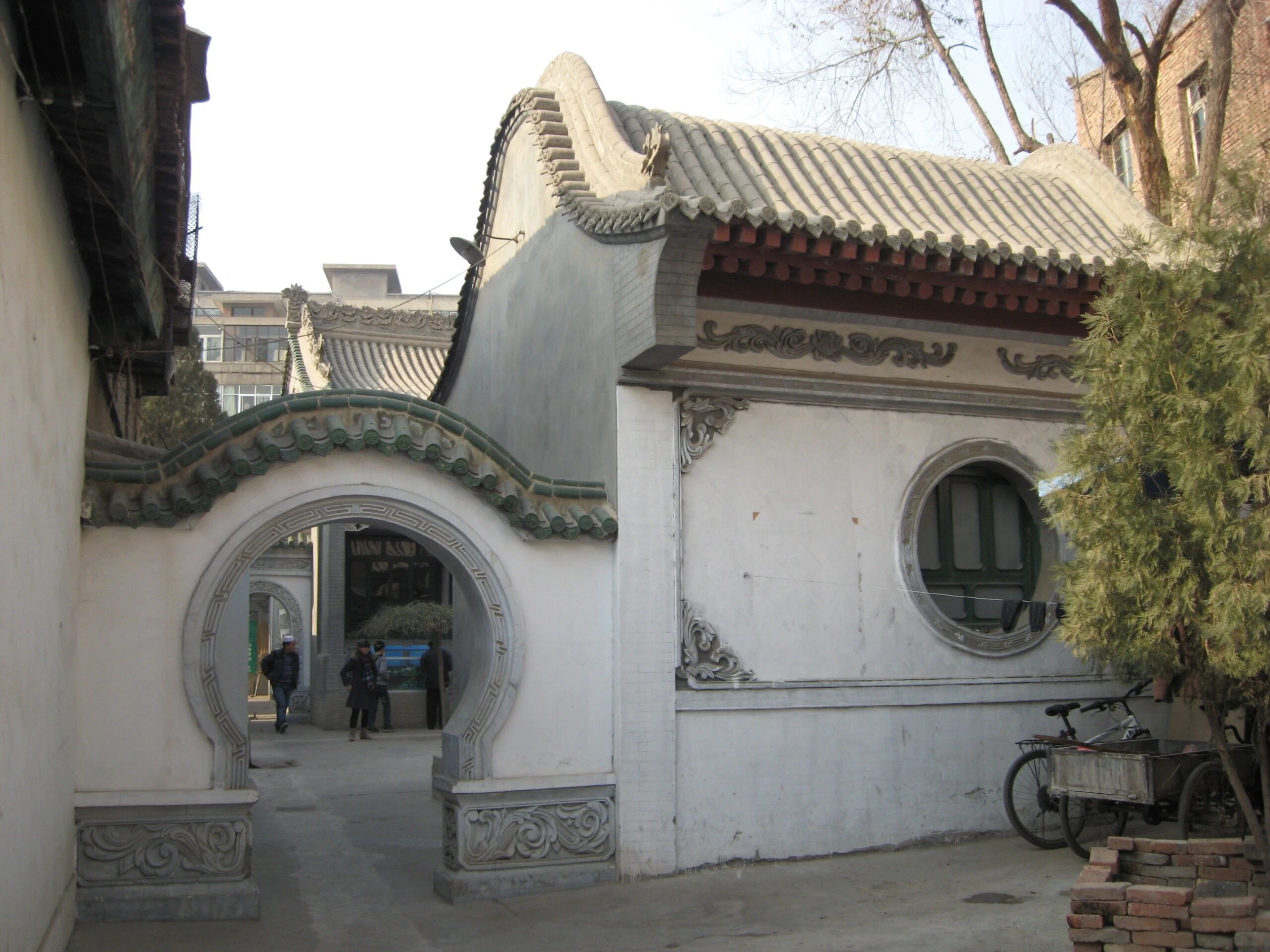
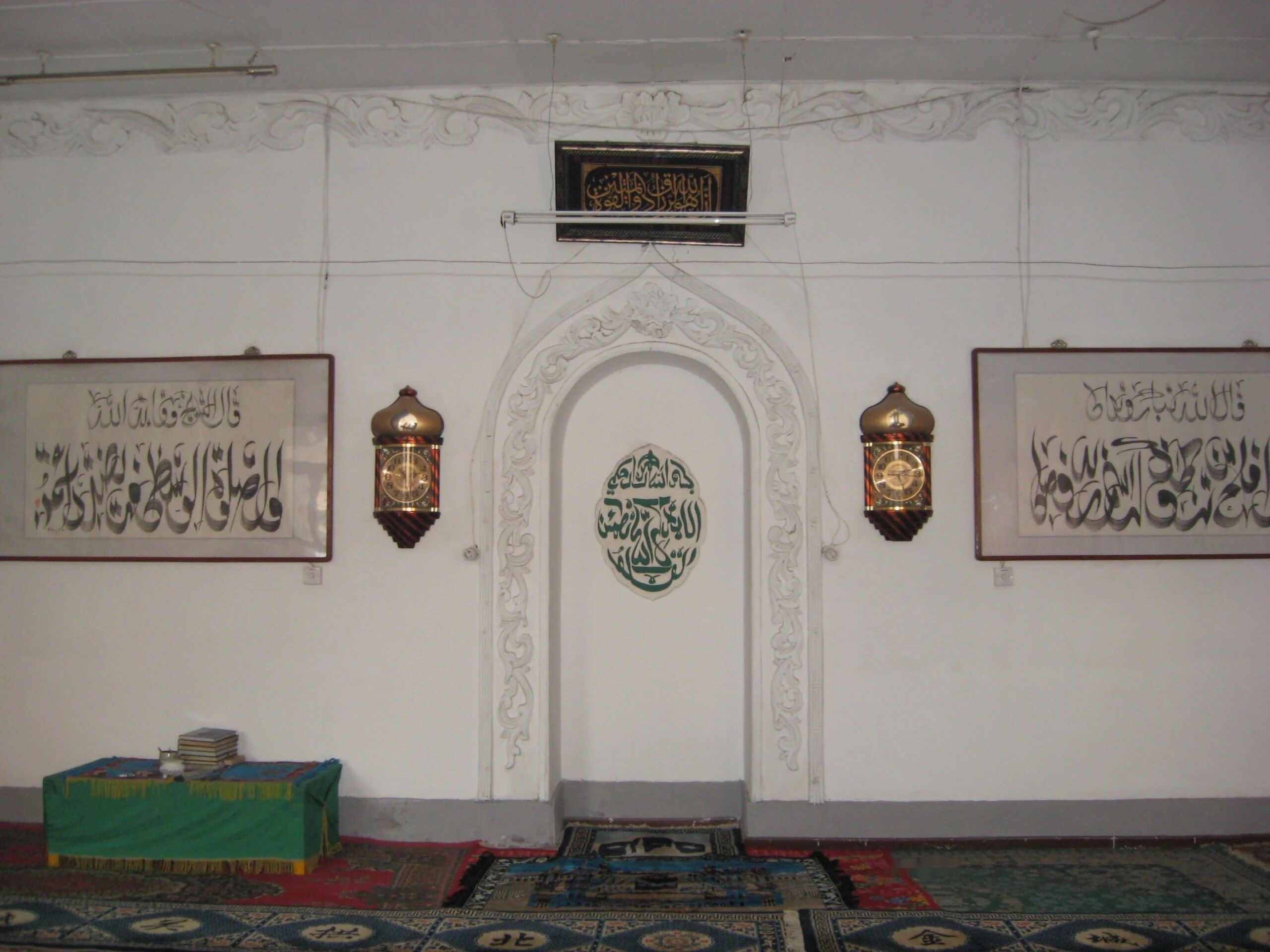
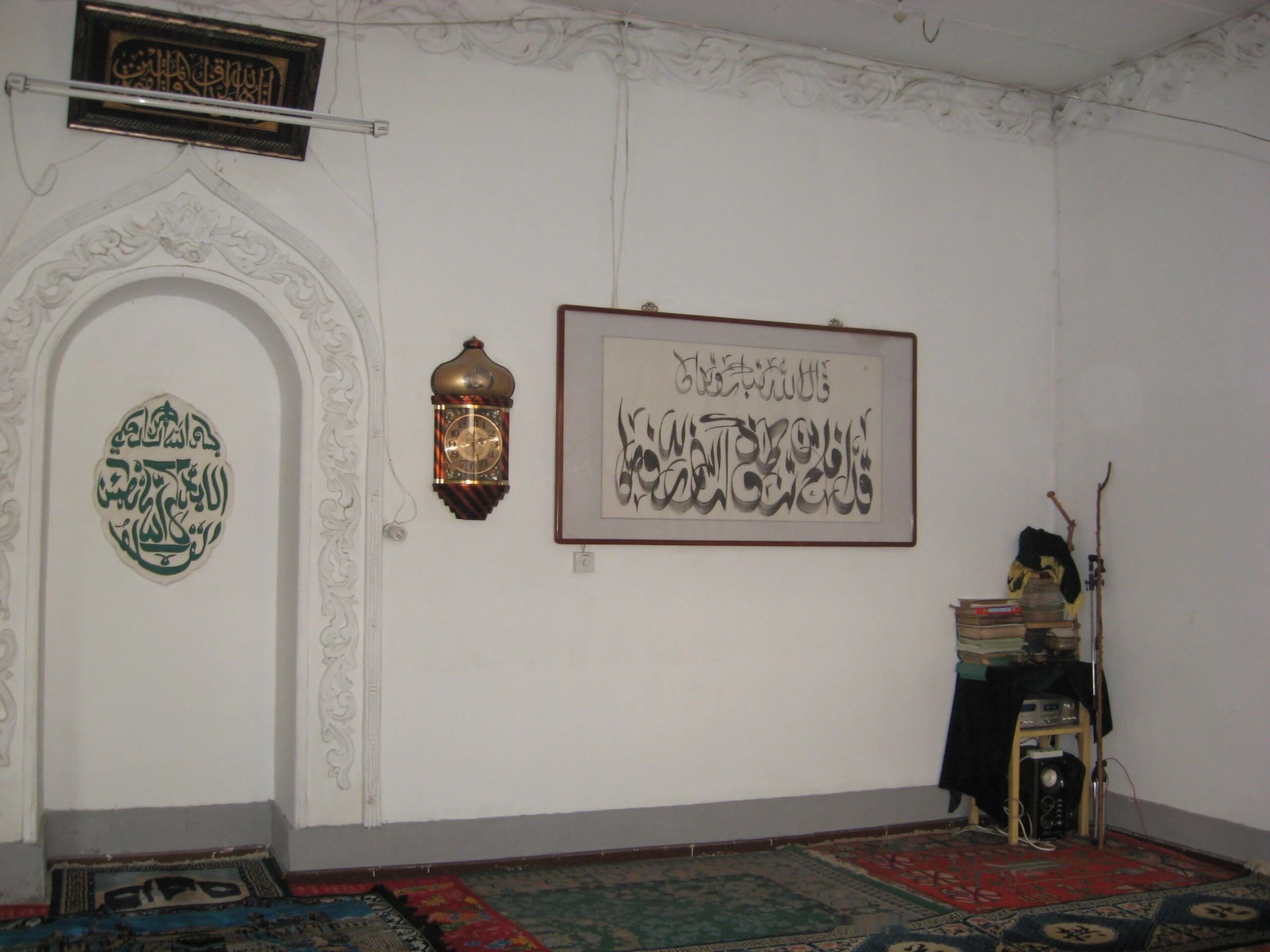
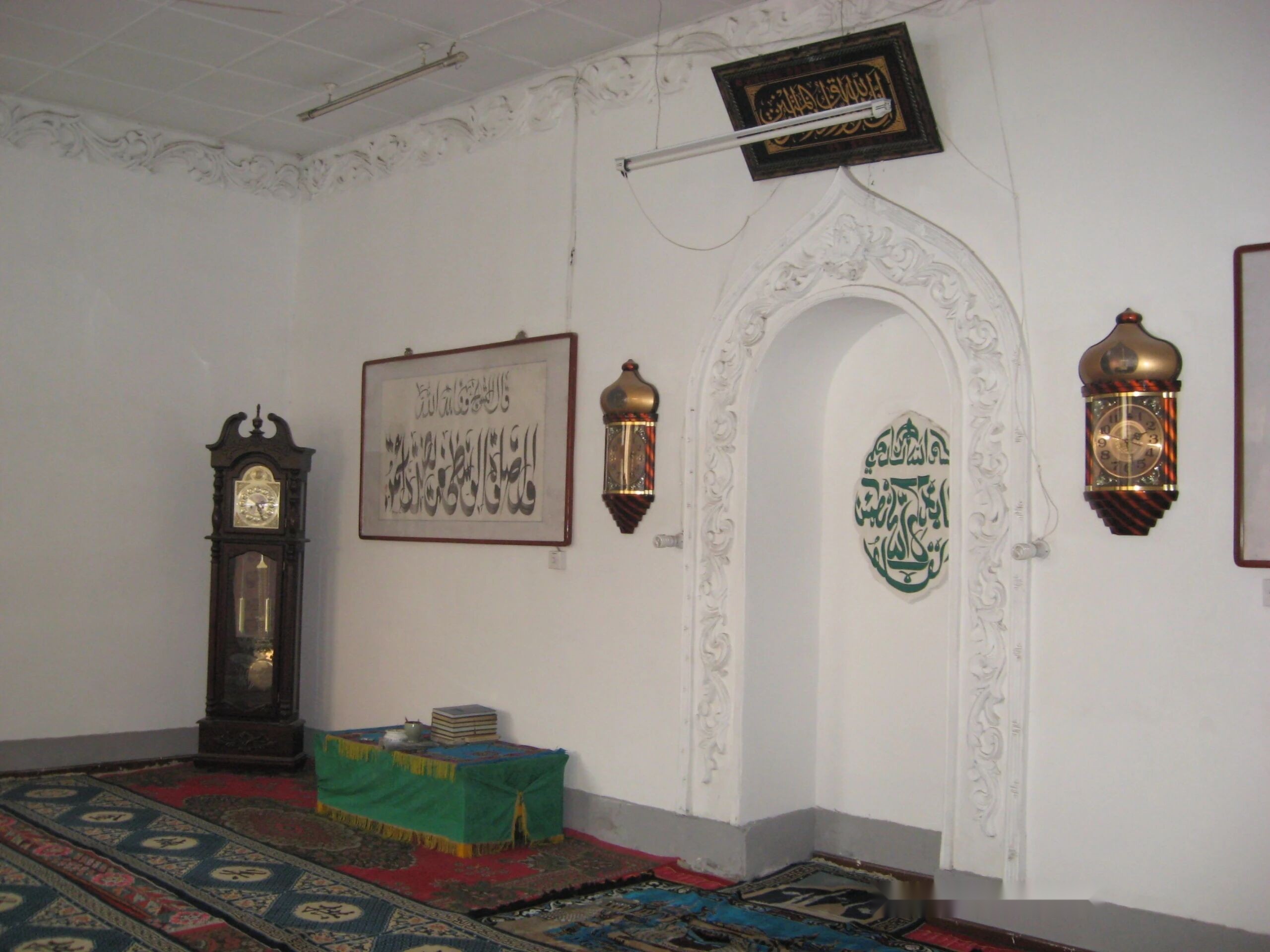
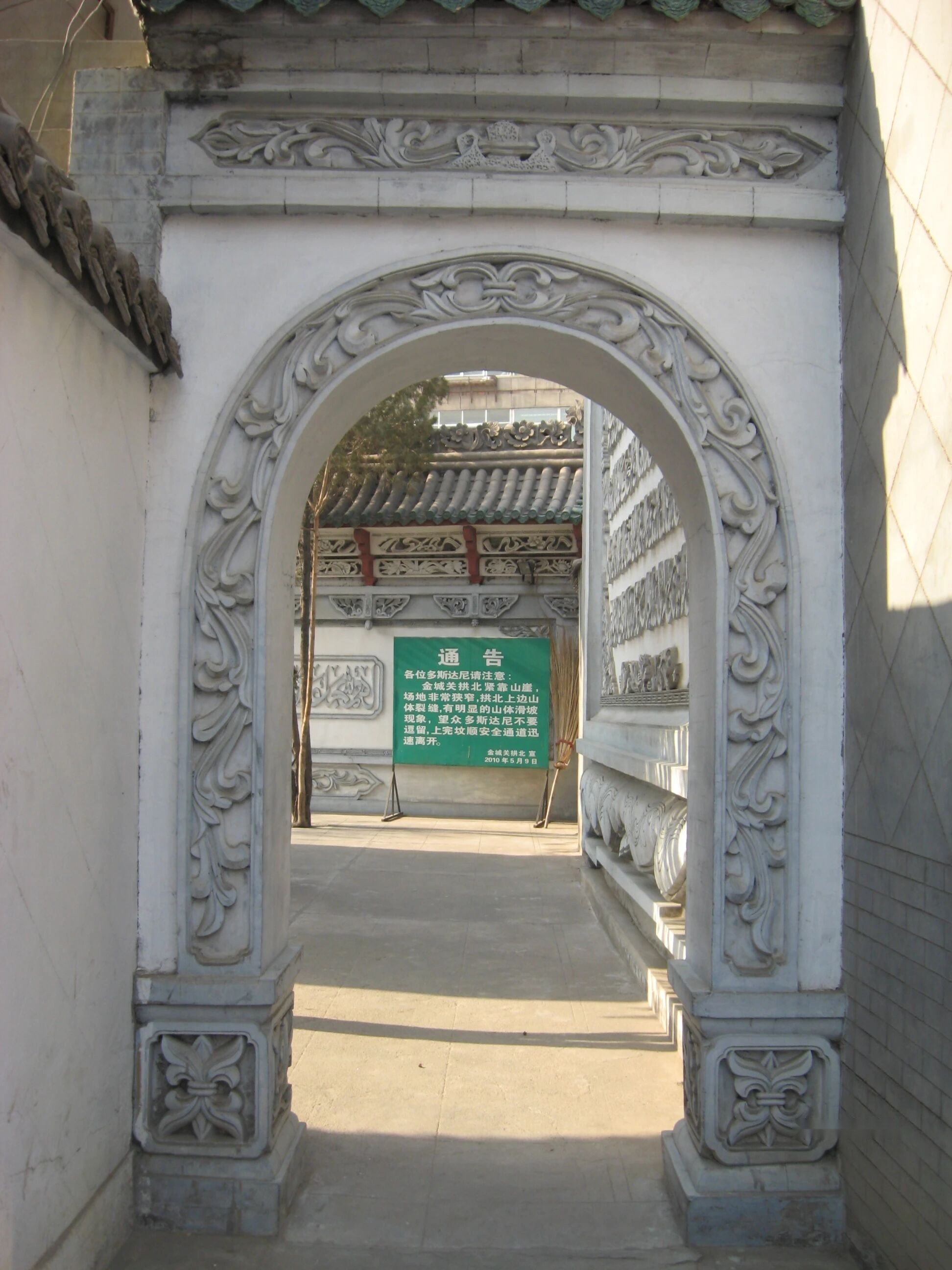
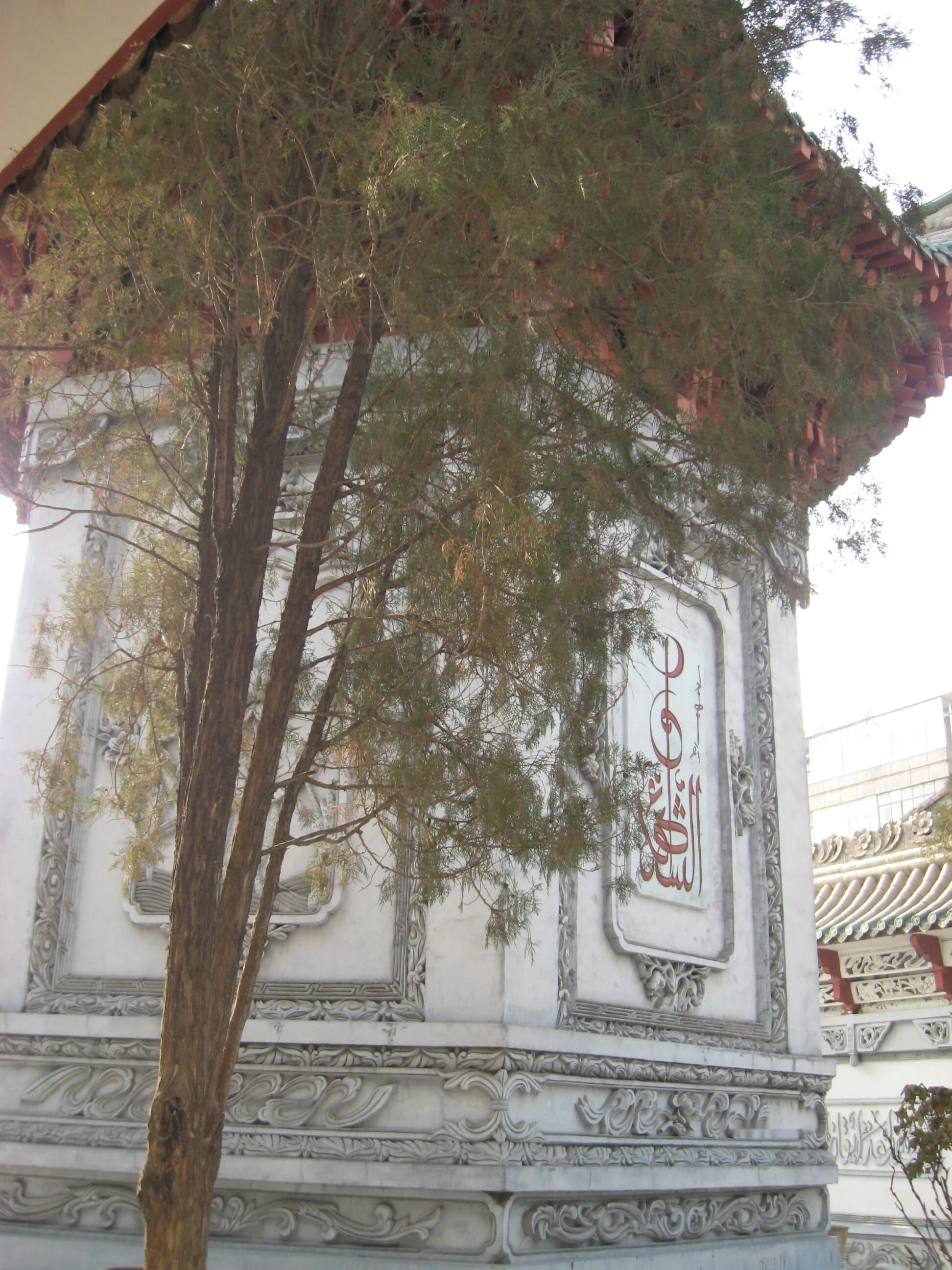
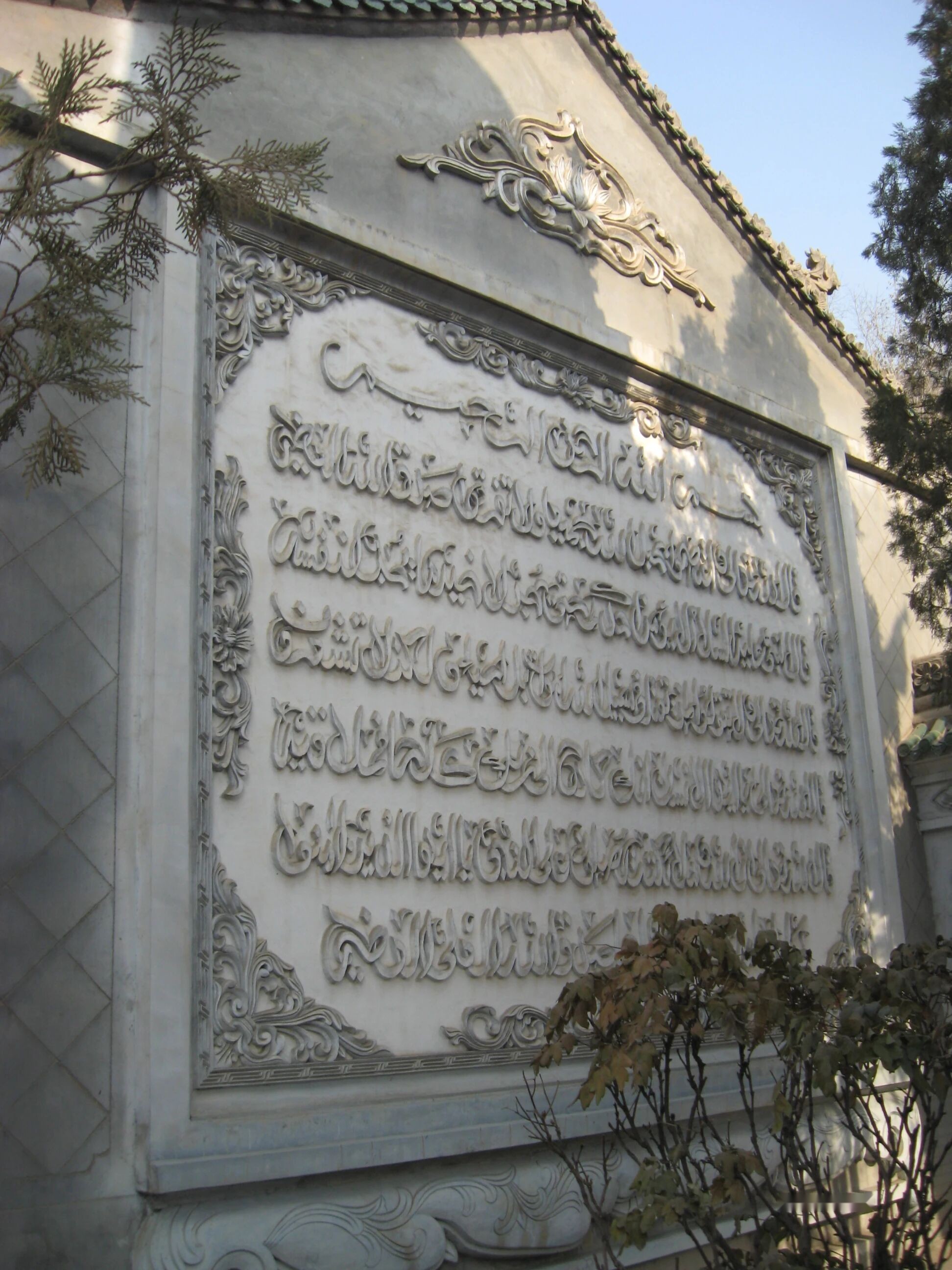
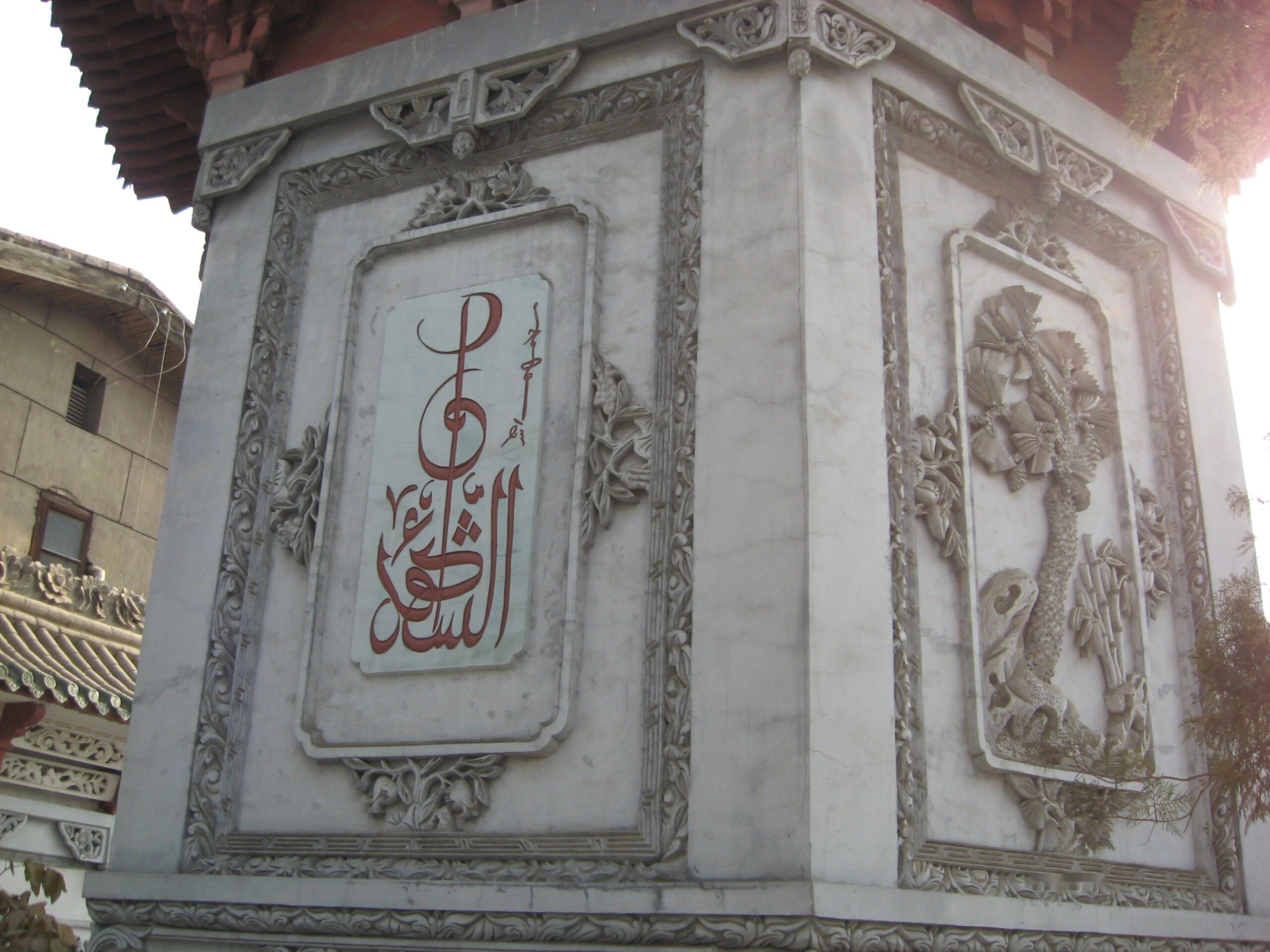
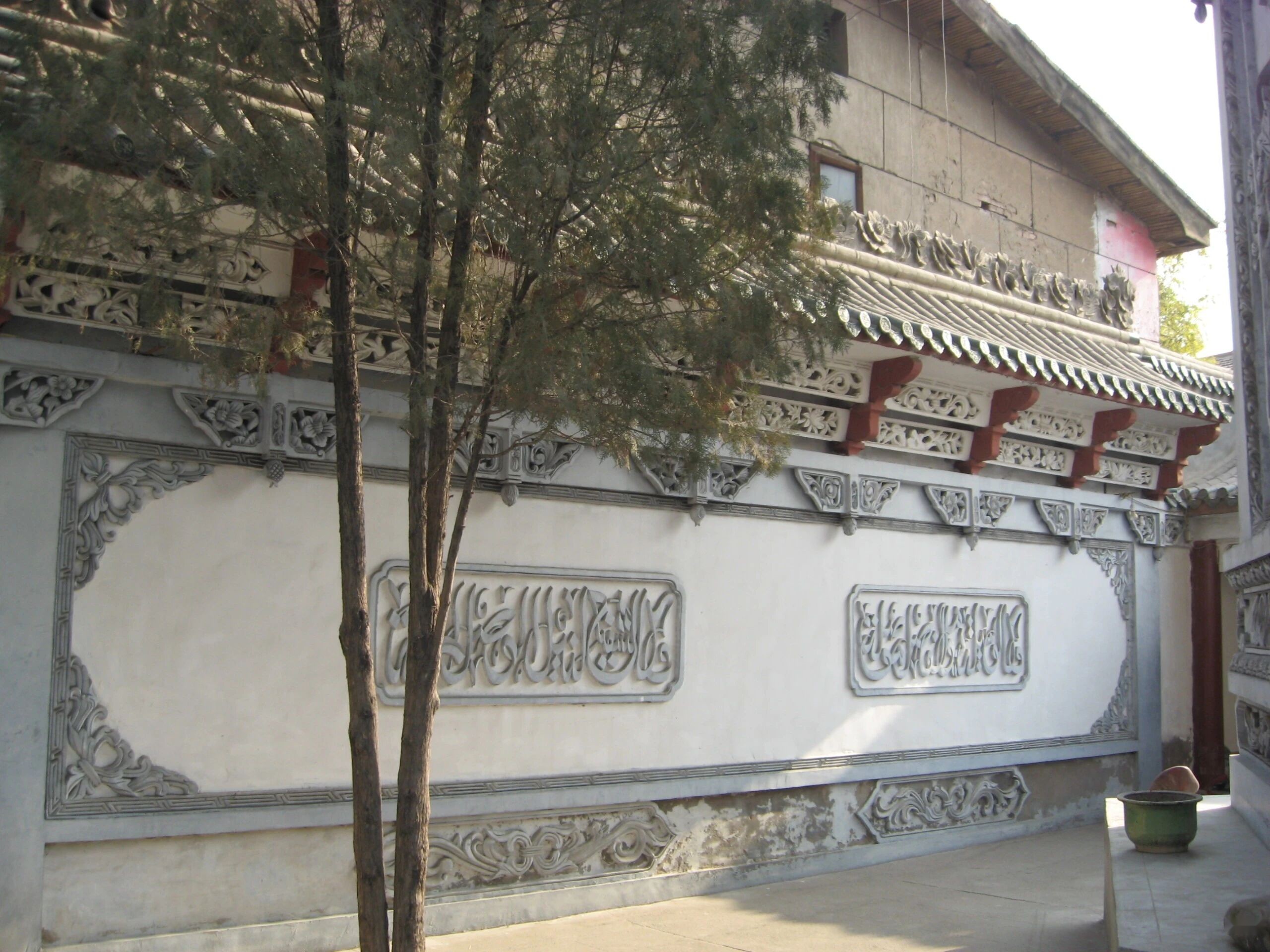
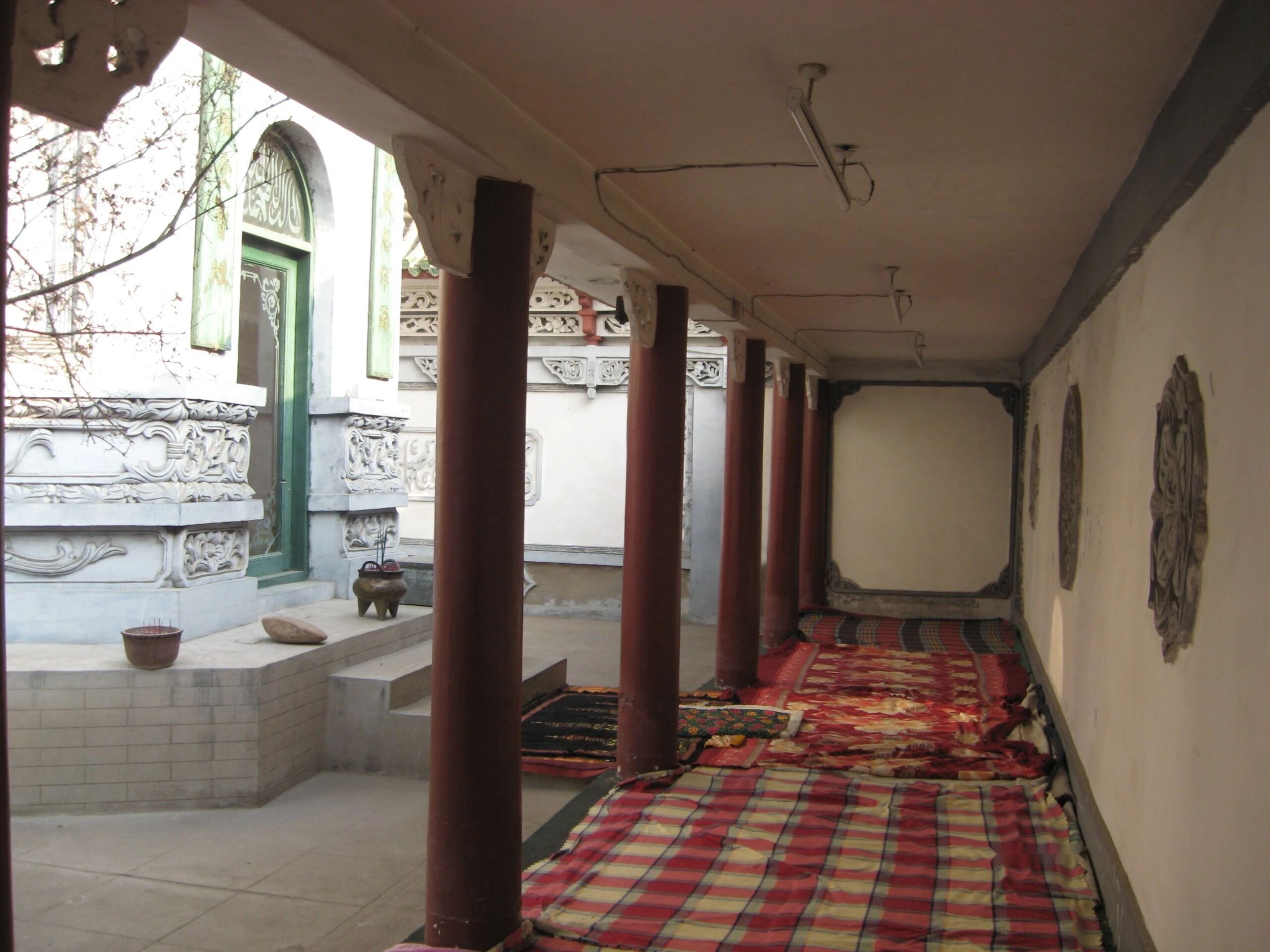
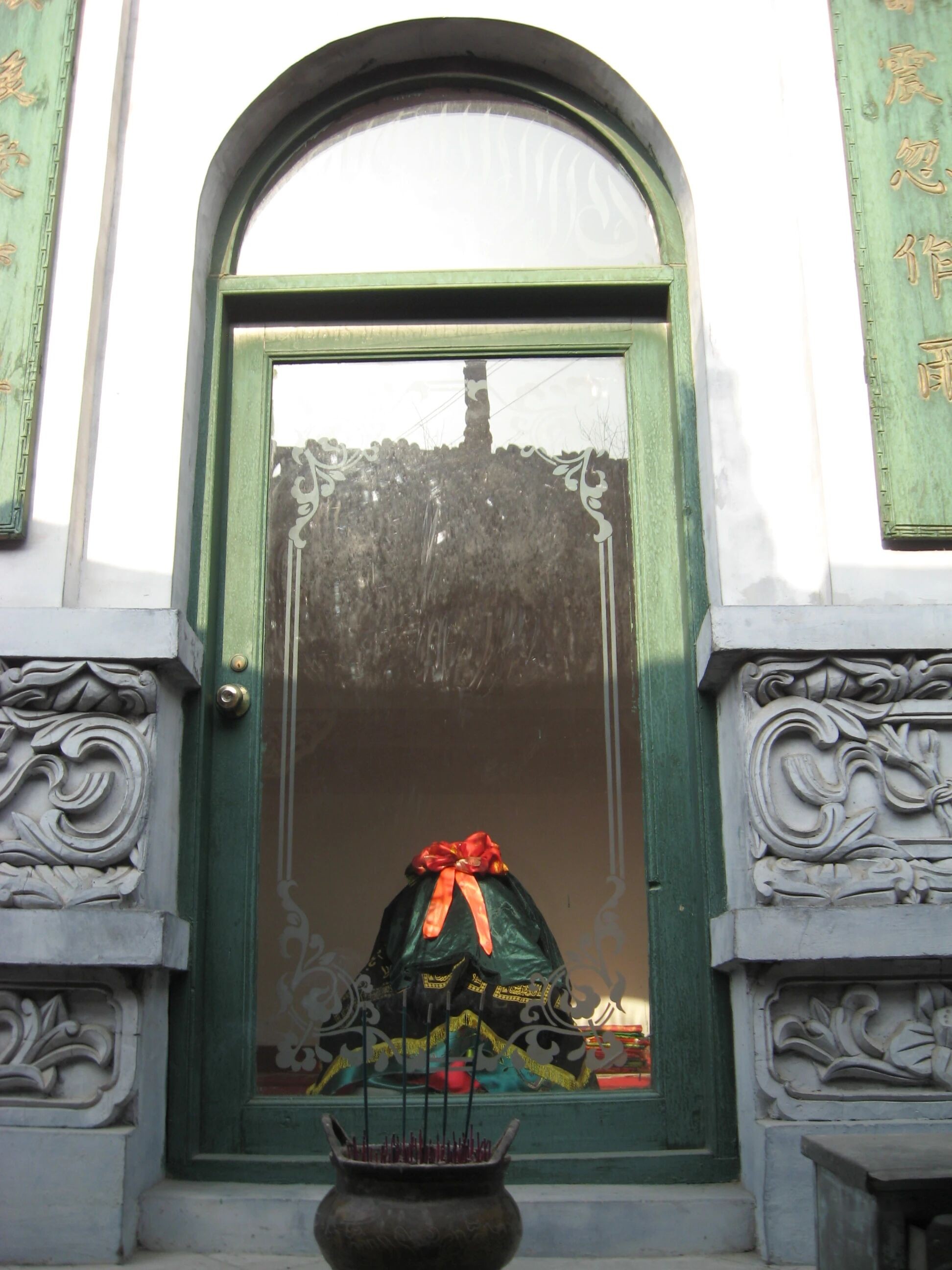
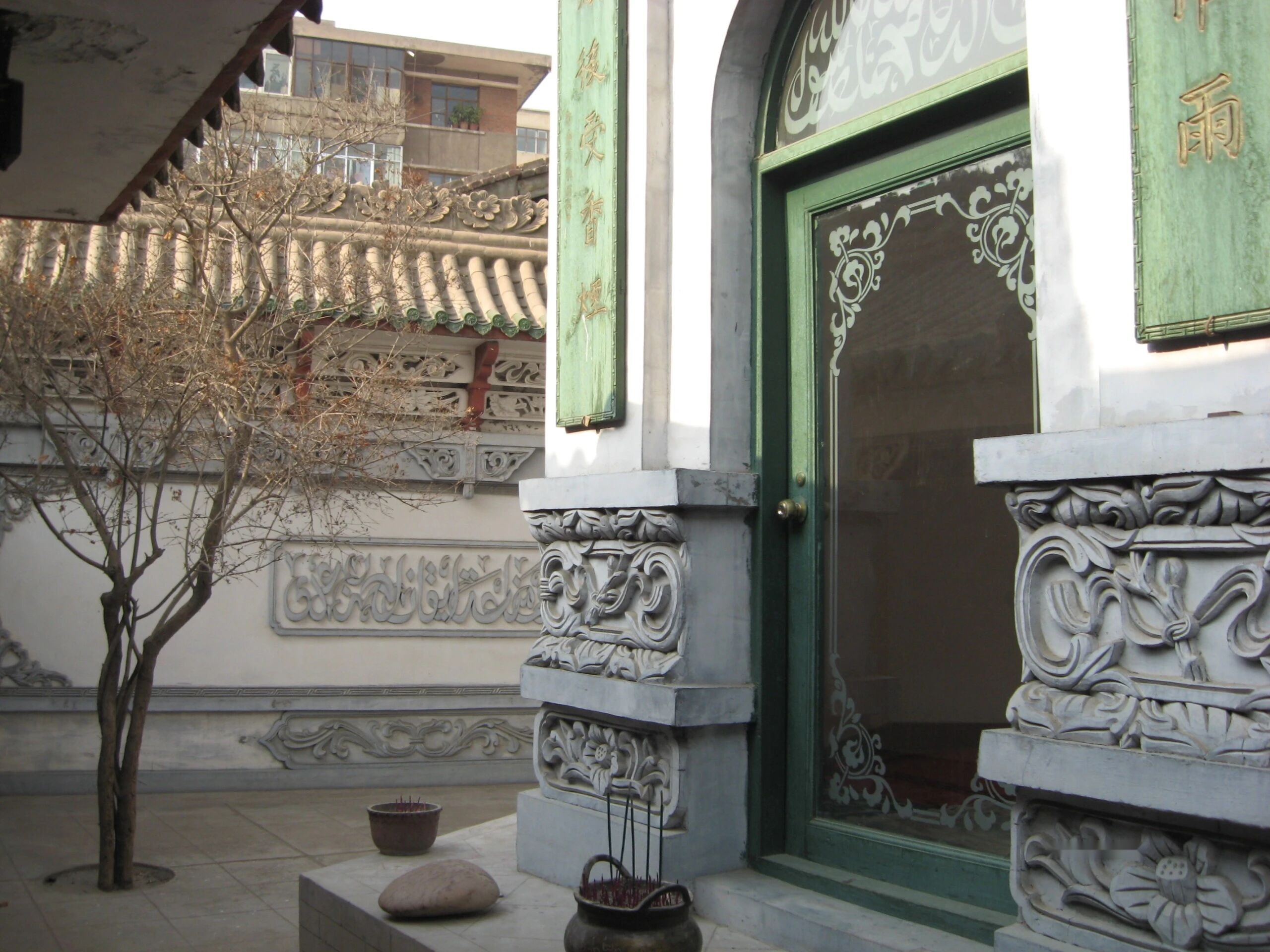
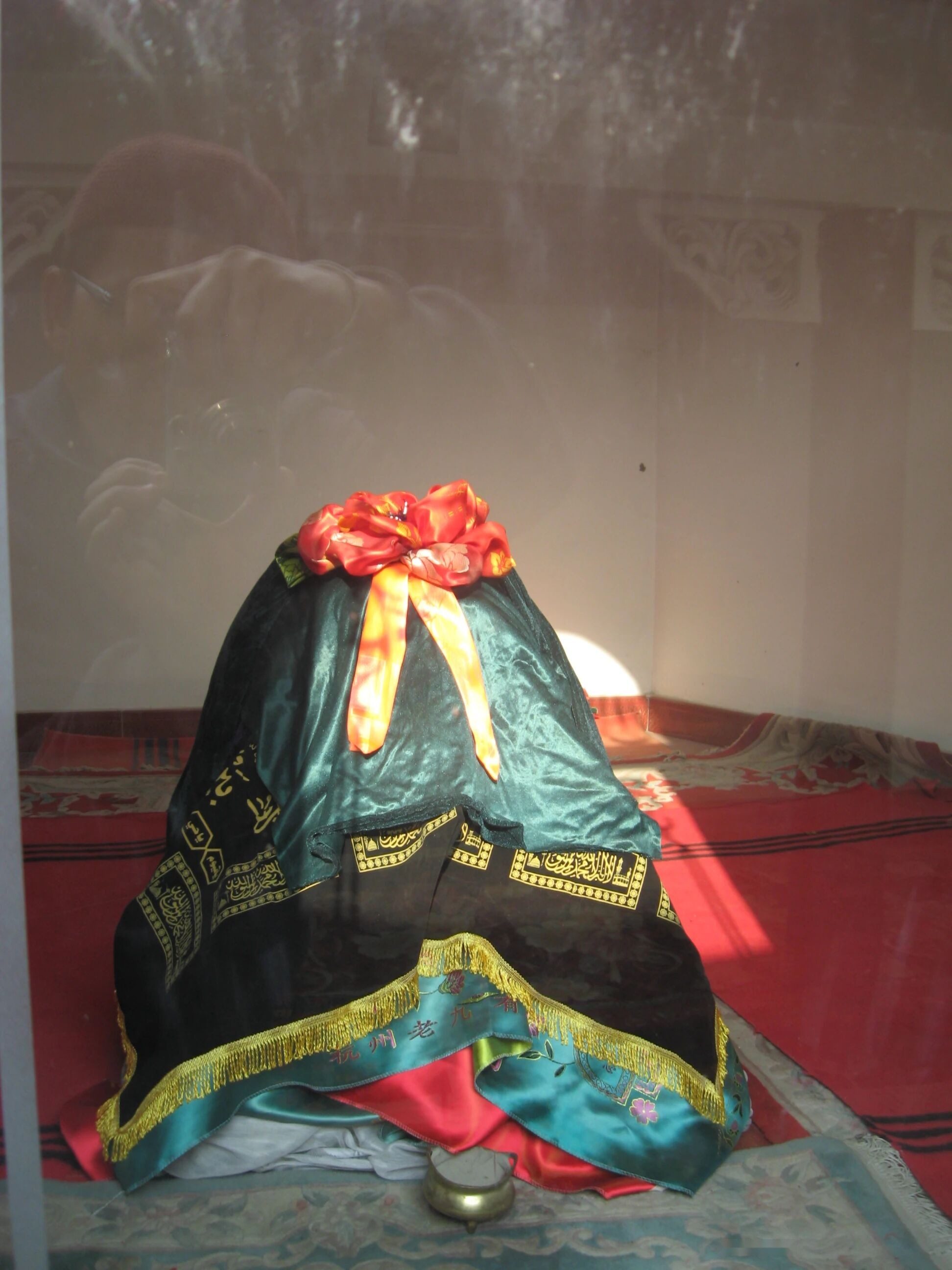
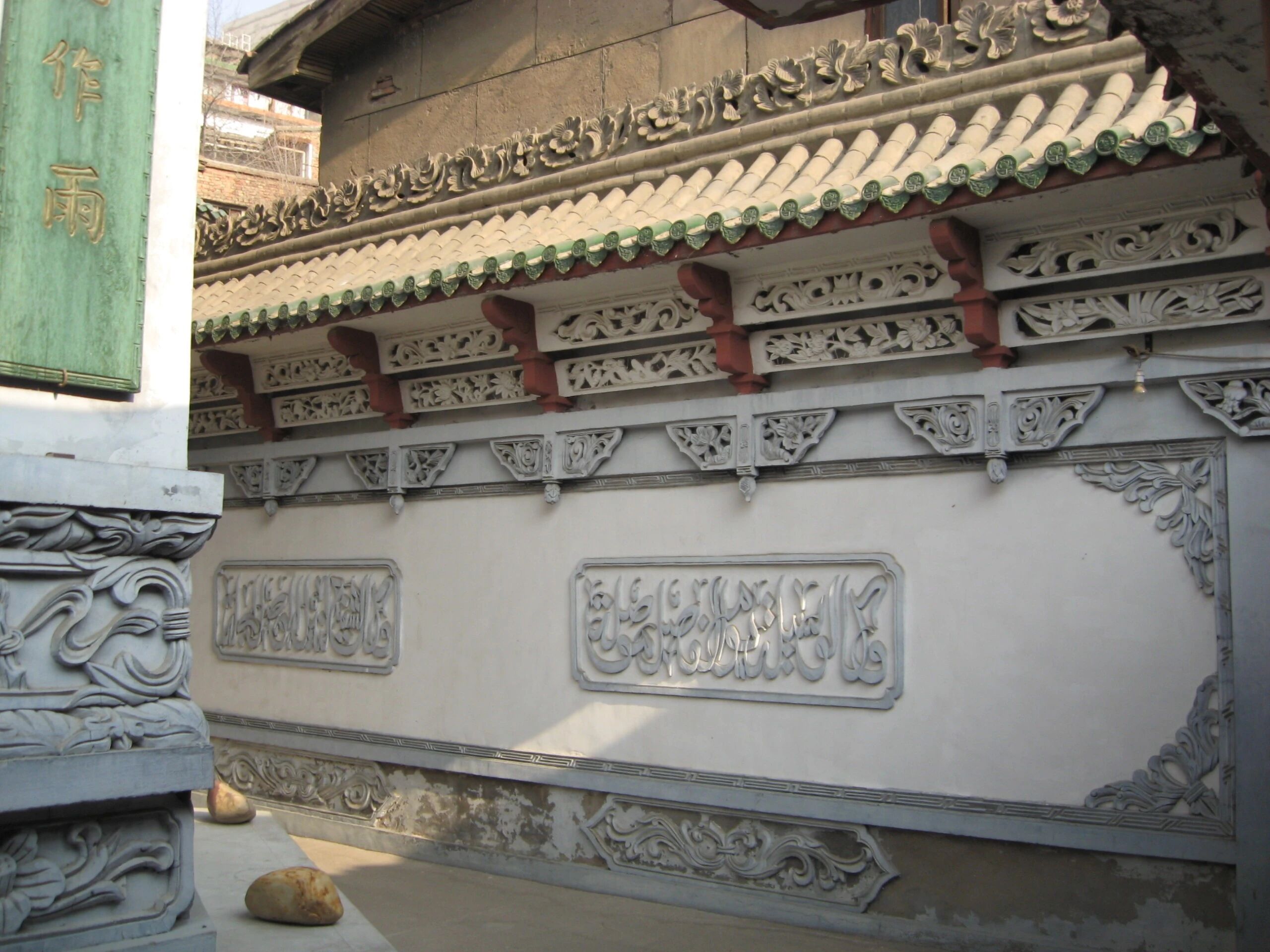
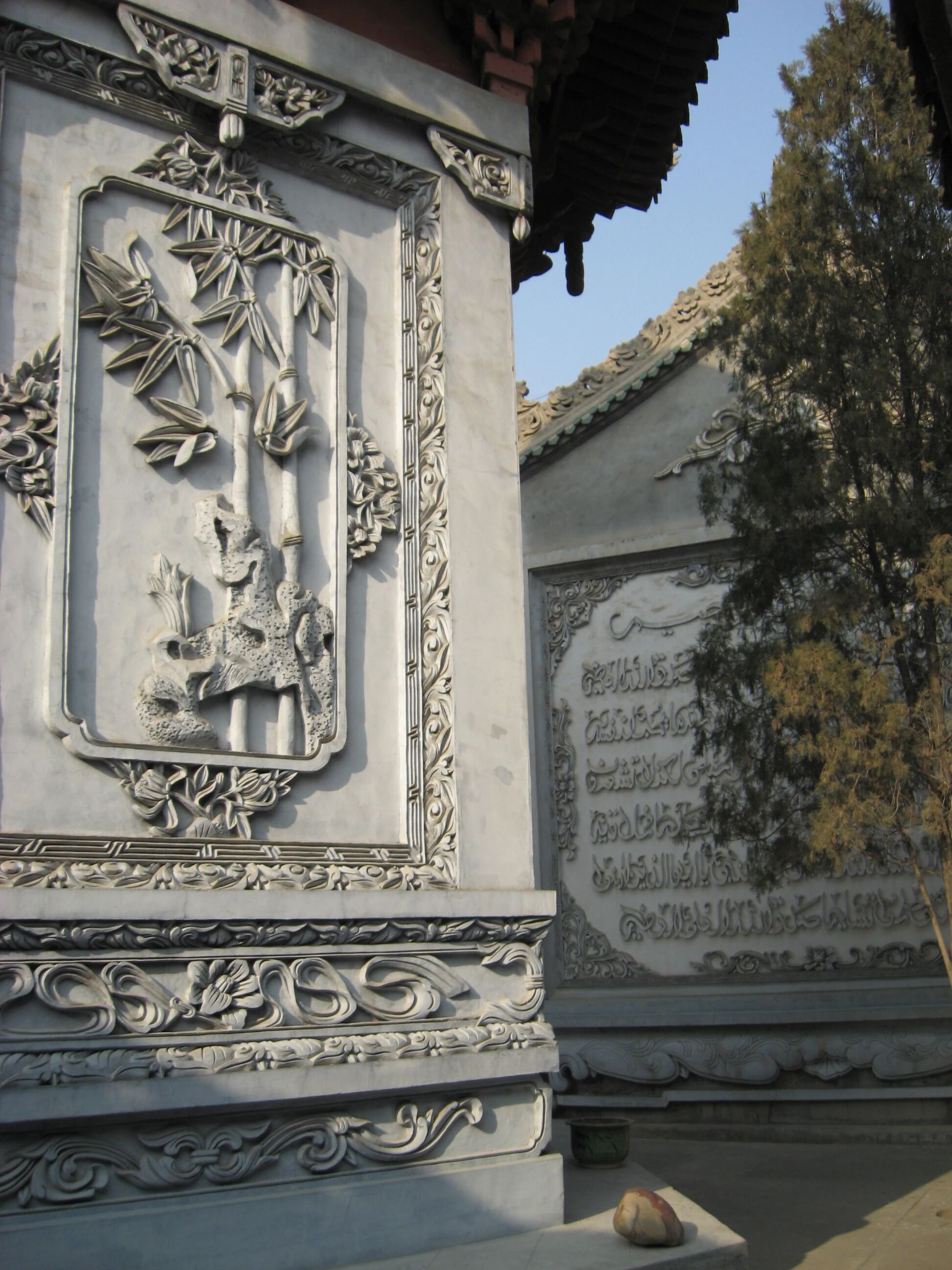
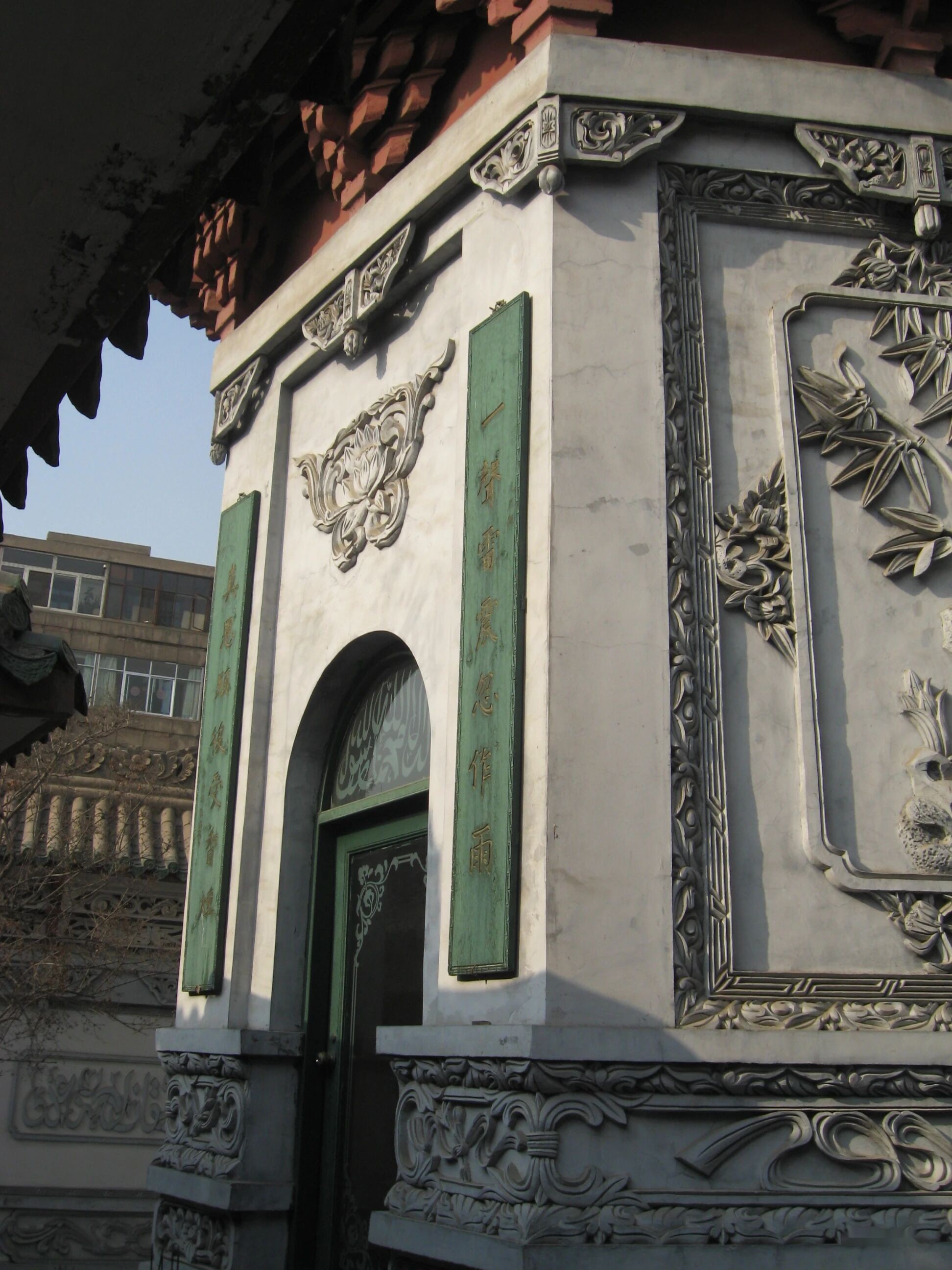
Join me for a look at 20 real-life photos exploring the Shehede Gongbei (tomb complex) and Masjid (mosque) located at Jincheng Pass on the northern bank of the Yellow River in Lanzhou, Gansu. We’re diving into the history surrounding events from 1781 during the Qianlong era of the Qing Dynasty, documenting the traditional brick-and-wood architectural style and the prayer halls built right into the mountainside.
This Gongbei is tucked away in Lanzhou’s Jincheng Pass. It serves as a memorial shrine for Saima, the foster daughter of the Jahriyya founder, Ma Mingxin. When Ma Mingxin faced persecution in Lanzhou, Saima led a group of women known as the Hawandani at Jincheng Pass, coordinating an attack on the city of Lanzhou alongside Su Shisan of the Jahriyya order. The conflict was incredibly brutal. During one battle, Saima and her female soldiers faced off against the Qing army, reportedly taking down nine Qing military officers. Saima and her husband personally decapitated the officers and displayed their heads on poles to strike fear into the Qing forces. However, they were eventually overwhelmed by sheer numbers, and Saima, her husband, and all the women of the Hawandani were killed in the fighting.
Jahriyya is a transliteration of an Arabic term that can be translated as "public," "loud," or "reciting aloud." The group advocates for the loud recitation of the dhikr (remembrance of Allah), which is why they are often called the "Loud Recitation School," in contrast to the traditional silent recitation practiced by the Khafiyya order.
The sect was introduced to China during the Qianlong period by Ma Mingxin. Because it gained so much support from impoverished Hui Muslims, it threatened the interests of the older, established religious orders, leading to conflicts with the Khafiyya order. The Qing government handled the situation poorly by favoring the old order and suppressing the new one, which ultimately sparked the Hui uprising led by Su Shisan. Emperor Qianlong labeled the new Jahriyya sect as a "heretical cult." Even after the Tianwu uprising was suppressed and the Qing court banned the sect and implemented local civilian monitoring, they were unable to stop its clandestine growth.
Around the time of the Tongzhi Emperor, the fifth Murshid (spiritual guide) Ma Hualong and Ma Mingxin’s great-grandson, Ma Chenglin (also known as Ma Shenglin), worked to secretly expand the Jahriyya order, leading to a second golden age. However, due to brutal suppression and persecution by the Qing court, the Jahriyya movement was pushed to the brink of extinction, with many Murshids being murdered or exiled. By the time of Ma Yuanzhang, he adopted a strategy of patience and preservation, which helped the Jahriyya school overcome its struggles and eventually experience a revival.
