
Purification of the Heart by Hamza Yusuf: Finding Inner Peace by Overcoming Vanity and Worldly Attachments
[Internet Repost]
Centered on the core chapters of Hamza Yusuf's 'Purification of the Heart,' this discussion dives into the hidden spiritual traps of craving validation from others and being overly attached to the dunya (the worldly life), explaining how to maintain spiritual independence and awe of Allah while navigating the daily grind.
——Hamza Yusuf:
Purification of the Heart
Lecture 5——
Praise and the Love of This World: When 'Possession' Becomes a Spiritual Burden
Lecture Focus:
Praise and the Love of This World

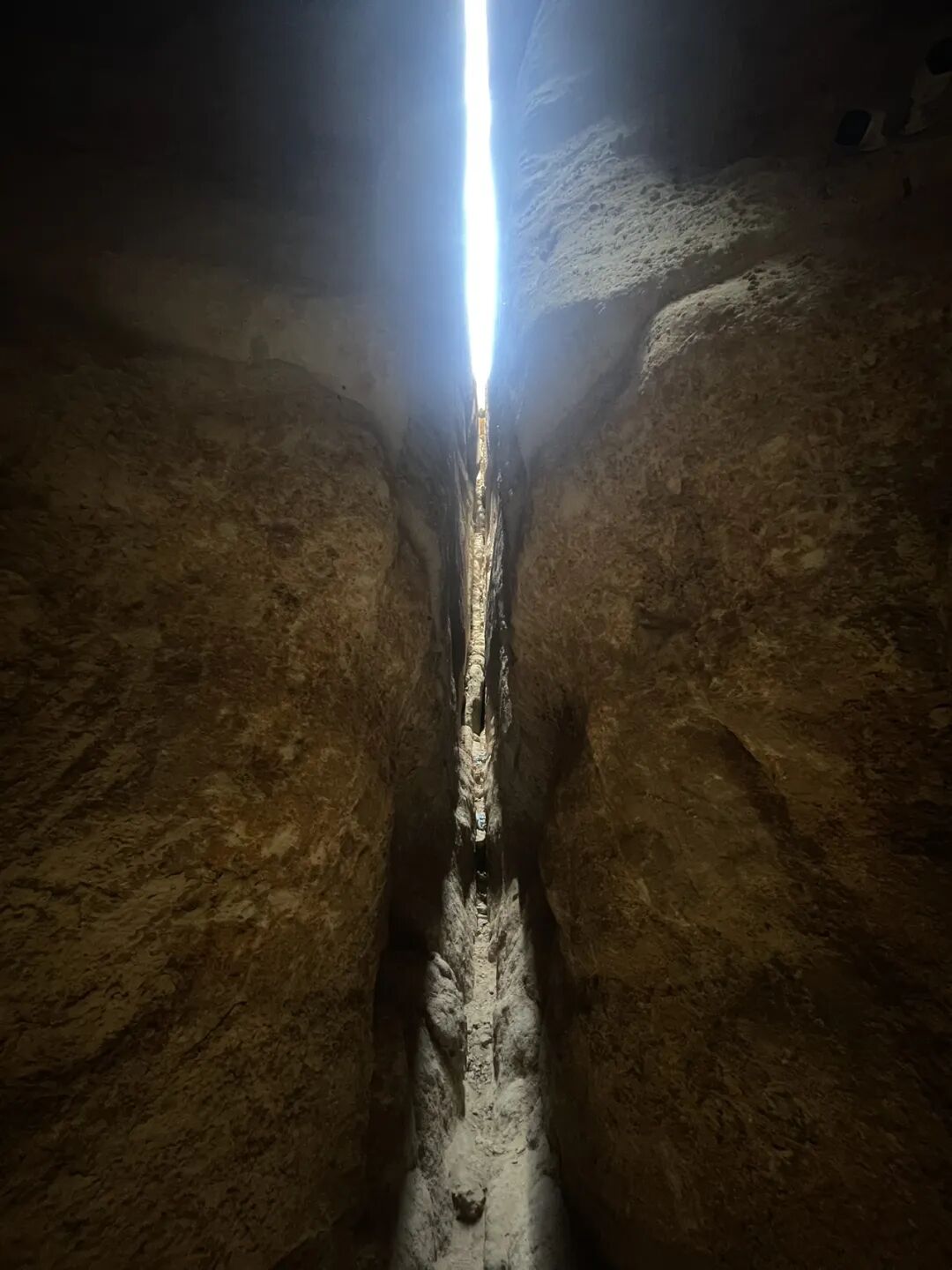
(Nine and a half years ago, deep in the Western Tianshan Mountains...)
We all live in this world.
We need money, housing, jobs, family, friends, and we also need to be understood, respected, and validated.
So the question is never:
"Should we love this world?"
The real question is:
"What position does this world occupy in our hearts?"
Faith does not require a person to hate the present life.
What you really need to be wary of is:
When we start living for the sake of this world,
When we start needing this world to constantly tell us 'you're doing great',
When we start using the praise of others as our source of self-worth, this world is no longer just the place where we live; it becomes the master of our hearts.
This is why this lecture is worth reflecting on again and again.
1. The world itself isn't the problem, the problem is when the world enters your heart
We often hear this saying:
"Do not be overly attached to the worldly life."
But if you interpret this too literally, it's easy to get the wrong idea.
Is it wrong to have wealth?
Is it wrong to enjoy good food?
Is it wrong to like a nice house, dislike poverty, or want a better life?
Of course not.
The real problem isn't:
What you have in your hands.
It is:
What you have in your heart.
Wealth can stay in your hands,
But it doesn't have to enter your heart.
Status can be part of your position,
But it doesn't have to become your identity.
A good life can be enjoyed,
But it doesn't have to be worshiped.
The real danger is when a person starts to feel:
"If I don't have these things, then I am nobody."
So, it happens like this:
When you lose wealth, you feel like you've lost your own value.
When you lose your status, you feel like your dignity is gone.
When no one praises you, you feel like you aren't good enough.
When no one notices you, you feel like you don't even exist.
At that point, we’re not just living in this world anymore.
We’ve started living just for the sake of the world.
Part 2: Praise—why are we so obsessed with needing validation from others?
Another key term for this discussion is:
Praise—being praised.
It’s totally natural to enjoy being praised.
If someone says we look good, we’re happy.
If someone says we’re smart, we’re happy.
If someone tells us we’re capable, have good character, or strong faith, we feel happy too.
The issue isn't whether or not it feels good to hear praise.
The real problem is this:
Have we started relying on praise just to feel like we have any worth?
When people compliment us, we feel great.
When people criticize us, we get uncomfortable right away.
And so, we start changing ourselves:
Not because we’re trying to do the right thing,
but because we just want people to keep liking us.
That’s when a really dangerous shift happens:
Our actions start being dictated by the eyes of others.
Part 3: The most hidden idol might just be what other people think of you.
A person might not literally bow down to a statue,
but they might spend every day waiting for everyone else's approval.
I post something online,
do I get any likes?
I do a good deed,
does anyone notice it?
I share an opinion,
do people think I’m smart?
I help someone out,
is anyone going to thank me?
Or even worse:
I perform my religious worship (like prayer or dua),
is anyone watching me?
At this moment, we need to be brutally honest with ourselves:
If absolutely no one knew about it, would I still do it?
If the answer is still "yes,"
then maybe our hearts are still truly free.
But if the answer shifts to:
"If no one knows, then what's the point?"
then we need to be on high alert.
Because what we’re actually chasing,
might no longer be the pleasure of Allah, but rather,
the applause of other people.
Part 4: The most dangerous thing about praise is how it tricks us into believing our own hype.
The people who criticize us actually help us see who we really are.
But praise? It just lowers our defenses.
When people keep telling you:
You’re great.
You’re so special.
You’re better than everyone else.
You’re so wise.
You’re so devout.
You’re so successful.
After hearing that for long enough,
we might actually start taking those words as absolute truth.
Eventually, you stop feeling the need to prove you’re right.
You start believing:
"I’m just right by default."
That’s exactly why we have to be careful with praise.
It’s not that praise is inherently bad,
it’s just that:
our hearts can easily turn that praise into fuel for self-worship.
Part 5: We can even fall in love with our own curated image.
This is a very modern issue, and honestly, it’s worth some serious reflection.
People today have such an easier time curating their public image than ever before.
Photos can be edited.
Words can be perfectly packaged.
Life can be put on display.
Success can be broadcasted.
And even our good deeds can be recorded for everyone to see.
It’s become so easy for us to create an "idealized version" of ourselves.
So what everyone else sees is just:
the successful me,
the beautiful me,
the happy me,
I have the knowledge.
I have the faith.
I have the popularity.
But here's the catch:
Is the person I project on screen the same person Allah truly knows?
People only see our outer appearance.
Allah, the Most Merciful, knows what's in our hearts.
People only see what we do.
Allah, the Most Merciful, knows why we do it.
So, true purification isn't about making your "image" look more perfect.
It’s about making sure that:
The person others see and the person Allah knows are becoming one and the same.
Six: Loving this world—why do we get so attached to it?
Loving the world in itself isn't necessarily a sin.
Humans have a natural tendency to love beautiful things.
The Quran also teaches us that humans have an innate inclination toward desire:
"The love of desires for things such as women and children, hoarded treasures of gold and silver... has been made to seem fair to people..."
Wealth, kids, gold, silver, and a comfortable lifestyle...
These are all just parts of life.
The real issue is:
Have we put them in a place they weren't meant to occupy?
Think of it like salt.
Without salt, food tastes bland.
But if you try to eat salt as your main meal,
you're going to have a serious problem.
It’s the same with the world.
The world can add flavor to our lives, but it can never become our "Lord."
Seven: This worldly life is a path, not the destination.
You can have a job.
You can earn money.
You can buy a house.
You can raise a family.
You can chase your career goals.
You can work on making your life better.
You can even enjoy the good things that Allah has permitted.
But in your heart, you always need to remember:
These are just the means, not the ultimate end goal.
Wealth is a means.
Knowledge is a means.
Status is a means.
Health is just a means to an end.
Time is just a means to an end.
The real question is:
"Where am I actually taking all this stuff?"
If wealth makes me more generous,
then wealth becomes a tool for good deeds.
If knowledge makes me more humble,
then knowledge becomes a light.
If status gives me more power to help others,
then status becomes a responsibility.
But if wealth makes me look down on the poor,
if knowledge makes me despise those who don't know as much,
and if status makes me demand that others obey me,
then those original blessings can easily turn into chains for the soul.
8. The hardest thing to spot: "I already have so much, but it still feels like not enough."
Why do people always feel like they don't have enough?
Because desire has a weird quirk:
once you get what you want, it quickly becomes the new "normal."
The first time you buy something you love, you’re super hyped.
But after a while, it’s just average.
So, you start needing something better.
The first time you get a compliment, you’re thrilled.
Later on, that praise just feels like a habit.
So, you start needing more of it.
The first time you succeed, you feel super satisfied.
Later on, that success just becomes the new starting point.
So, you’re forced to chase even bigger wins.
This is the cycle of worldly desire:
Want → Get → Habit → Not enough → Want more.
If a person isn't mindful,
they might spend their whole life just chasing the next thing.
And in the end, when they look back,
they’ll realize they never actually lived in the present.
Because their heart was always living in:
"The next time."
9. True poverty isn't having nothing; it's always feeling like you don't have enough.
Some people have a ton of stuff,
but they still feel broke inside.
Some people don't have much,
but they’re still able to live in gratitude for what Allah has given them.
Reflecting on spiritual growth and the Islamic concept of purification: How to break free from the obsession with praise and earthly attachments to regain inner clarity.
This deep dive into spiritual cleansing explores how detaching from external validation leads to lasting peace and a stronger connection with Allah.
So, being rich or poor,
isn't just about the numbers in your bank account.
It’s also a state of mind.
If someone’s heart is always saying,
"It’s still not enough,"
then no amount of stuff will ever satisfy them.
But someone who practices gratitude,
even without a luxurious lifestyle,
can actually experience true abundance.
That’s why we need to cultivate:
Qana’ah (contentment).
Being content doesn’t mean giving up on hard work.
It doesn’t mean refusing to grow.
Instead, it means:
Working hard when it’s time to work, being grateful for what you get, accepting what you lose, and never letting desire be the only language your heart speaks.
10. True freedom is no longer needing the world to constantly tell you "who you are."
We can ask ourselves a few very simple questions:
If nobody hits the like button,
would I still do this good deed?
If nobody ever finds out,
would I still keep up the same high standards?
If nobody praises me,
do I still know who I am?
If my wealth starts to dwindle,
do I still believe I have value?
If someone else is more successful than me,
can I still be genuinely happy for them?
If all these things were stripped away,
could my heart still find peace?
These aren’t easy questions to answer.
Because deep down, every one of us has a craving:
To be seen.
To be validated.
To be liked.
To be respected.
There’s nothing shameful about that.
But the goal of purifying the heart is to shift that need from "people" to "Allah, the Most Merciful."
When we truly believe that: Allah, the Most Merciful, knows me, then,
I don't need to make sure everyone knows who I am.
When we truly believe that:
The Most Merciful sees all our hard work.
Then,
I don't need everyone to praise me.
When we truly believe that:
The Most Merciful knows what's in our hearts.
Then,
I don't have to spend my whole life stressing over keeping up a perfect image.
Islamic Spiritual Growth and Purification: Examining the Trap of Praise and Letting Go of Worldly Attachments for Inner Peace with Allah
We can't just run away from this world.
We have to work here,
raise our families here,
study here,
help out others here,
and go through all the wins and losses right here.
So the real question isn't:
"Should I just leave this world behind?"
Instead, it's:
"Can I live in this world without letting the world own me?"
You can have things,
just don't let things have you.
You can enjoy life,
just don't get lost in it.
You can accept compliments,
just don't rely on them to feel good about yourself.
You can chase success,
just don't let your success define your actual worth.
You can love your family deeply,
without ever letting any created thing take the place of Allah in your heart.
The Quran says:
"The life of this world is only play and amusement, show and mutual boasting among you, and rivalry in respect of wealth and children."
— Quran 57:20
This isn't telling us:
"Don't live your life."
Instead, it's a gentle reminder:
Don't mistake temporary things for eternity.
Don't let the stuff in your hands
turn into an idol in your heart.
Don't let other people's praise
Turn it into your own sense of value.
Don't let this world,
become your final destination.
Because sooner or later, we’re all going to leave this place.
And the only things that truly matter,
aren't our bank accounts,
aren't our reputation,
and they definitely aren't what other people think of us,
it’s all about:
the kind of heart we carry.
May the Most Merciful allow us to live in this world without being owned by it;
may we receive praise without letting it go to our heads;
may we hustle in life while never forgetting our true purpose;
may our hands be able to hold onto many things,
while our hearts belong only to Allah.
(Compiled from online sources)
Centered on the core chapters of Hamza Yusuf's 'Purification of the Heart,' this discussion dives into the hidden spiritual traps of craving validation from others and being overly attached to the dunya (the worldly life), explaining how to maintain spiritual independence and awe of Allah while navigating the daily grind.
——Hamza Yusuf:
Purification of the Heart
Lecture 5——
Praise and the Love of This World: When 'Possession' Becomes a Spiritual Burden
Lecture Focus:
Praise and the Love of This World
(Nine and a half years ago, deep in the Western Tianshan Mountains...)
We all live in this world.
We need money, housing, jobs, family, friends, and we also need to be understood, respected, and validated.
So the question is never:
"Should we love this world?"
The real question is:
"What position does this world occupy in our hearts?"
Faith does not require a person to hate the present life.
What you really need to be wary of is:
When we start living for the sake of this world,
When we start needing this world to constantly tell us 'you're doing great',
When we start using the praise of others as our source of self-worth, this world is no longer just the place where we live; it becomes the master of our hearts.
This is why this lecture is worth reflecting on again and again.
1. The world itself isn't the problem, the problem is when the world enters your heart
We often hear this saying:
"Do not be overly attached to the worldly life."
But if you interpret this too literally, it's easy to get the wrong idea.
Is it wrong to have wealth?
Is it wrong to enjoy good food?
Is it wrong to like a nice house, dislike poverty, or want a better life?
Of course not.
The real problem isn't:
What you have in your hands.
It is:
What you have in your heart.
Wealth can stay in your hands,
But it doesn't have to enter your heart.
Status can be part of your position,
But it doesn't have to become your identity.
A good life can be enjoyed,
But it doesn't have to be worshiped.
The real danger is when a person starts to feel:
"If I don't have these things, then I am nobody."
So, it happens like this:
When you lose wealth, you feel like you've lost your own value.
When you lose your status, you feel like your dignity is gone.
When no one praises you, you feel like you aren't good enough.
When no one notices you, you feel like you don't even exist.
At that point, we’re not just living in this world anymore.
We’ve started living just for the sake of the world.
Part 2: Praise—why are we so obsessed with needing validation from others?
Another key term for this discussion is:
Praise—being praised.
It’s totally natural to enjoy being praised.
If someone says we look good, we’re happy.
If someone says we’re smart, we’re happy.
If someone tells us we’re capable, have good character, or strong faith, we feel happy too.
The issue isn't whether or not it feels good to hear praise.
The real problem is this:
Have we started relying on praise just to feel like we have any worth?
When people compliment us, we feel great.
When people criticize us, we get uncomfortable right away.
And so, we start changing ourselves:
Not because we’re trying to do the right thing,
but because we just want people to keep liking us.
That’s when a really dangerous shift happens:
Our actions start being dictated by the eyes of others.
Part 3: The most hidden idol might just be what other people think of you.
A person might not literally bow down to a statue,
but they might spend every day waiting for everyone else's approval.
I post something online,
do I get any likes?
I do a good deed,
does anyone notice it?
I share an opinion,
do people think I’m smart?
I help someone out,
is anyone going to thank me?
Or even worse:
I perform my religious worship (like prayer or dua),
is anyone watching me?
At this moment, we need to be brutally honest with ourselves:
If absolutely no one knew about it, would I still do it?
If the answer is still "yes,"
then maybe our hearts are still truly free.
But if the answer shifts to:
"If no one knows, then what's the point?"
then we need to be on high alert.
Because what we’re actually chasing,
might no longer be the pleasure of Allah, but rather,
the applause of other people.
Part 4: The most dangerous thing about praise is how it tricks us into believing our own hype.
The people who criticize us actually help us see who we really are.
But praise? It just lowers our defenses.
When people keep telling you:
You’re great.
You’re so special.
You’re better than everyone else.
You’re so wise.
You’re so devout.
You’re so successful.
After hearing that for long enough,
we might actually start taking those words as absolute truth.
Eventually, you stop feeling the need to prove you’re right.
You start believing:
"I’m just right by default."
That’s exactly why we have to be careful with praise.
It’s not that praise is inherently bad,
it’s just that:
our hearts can easily turn that praise into fuel for self-worship.
Part 5: We can even fall in love with our own curated image.
This is a very modern issue, and honestly, it’s worth some serious reflection.
People today have such an easier time curating their public image than ever before.
Photos can be edited.
Words can be perfectly packaged.
Life can be put on display.
Success can be broadcasted.
And even our good deeds can be recorded for everyone to see.
It’s become so easy for us to create an "idealized version" of ourselves.
So what everyone else sees is just:
the successful me,
the beautiful me,
the happy me,
I have the knowledge.
I have the faith.
I have the popularity.
But here's the catch:
Is the person I project on screen the same person Allah truly knows?
People only see our outer appearance.
Allah, the Most Merciful, knows what's in our hearts.
People only see what we do.
Allah, the Most Merciful, knows why we do it.
So, true purification isn't about making your "image" look more perfect.
It’s about making sure that:
The person others see and the person Allah knows are becoming one and the same.
Six: Loving this world—why do we get so attached to it?
Loving the world in itself isn't necessarily a sin.
Humans have a natural tendency to love beautiful things.
The Quran also teaches us that humans have an innate inclination toward desire:
"The love of desires for things such as women and children, hoarded treasures of gold and silver... has been made to seem fair to people..."
Wealth, kids, gold, silver, and a comfortable lifestyle...
These are all just parts of life.
The real issue is:
Have we put them in a place they weren't meant to occupy?
Think of it like salt.
Without salt, food tastes bland.
But if you try to eat salt as your main meal,
you're going to have a serious problem.
It’s the same with the world.
The world can add flavor to our lives, but it can never become our "Lord."
Seven: This worldly life is a path, not the destination.
You can have a job.
You can earn money.
You can buy a house.
You can raise a family.
You can chase your career goals.
You can work on making your life better.
You can even enjoy the good things that Allah has permitted.
But in your heart, you always need to remember:
These are just the means, not the ultimate end goal.
Wealth is a means.
Knowledge is a means.
Status is a means.
Health is just a means to an end.
Time is just a means to an end.
The real question is:
"Where am I actually taking all this stuff?"
If wealth makes me more generous,
then wealth becomes a tool for good deeds.
If knowledge makes me more humble,
then knowledge becomes a light.
If status gives me more power to help others,
then status becomes a responsibility.
But if wealth makes me look down on the poor,
if knowledge makes me despise those who don't know as much,
and if status makes me demand that others obey me,
then those original blessings can easily turn into chains for the soul.
8. The hardest thing to spot: "I already have so much, but it still feels like not enough."
Why do people always feel like they don't have enough?
Because desire has a weird quirk:
once you get what you want, it quickly becomes the new "normal."
The first time you buy something you love, you’re super hyped.
But after a while, it’s just average.
So, you start needing something better.
The first time you get a compliment, you’re thrilled.
Later on, that praise just feels like a habit.
So, you start needing more of it.
The first time you succeed, you feel super satisfied.
Later on, that success just becomes the new starting point.
So, you’re forced to chase even bigger wins.
This is the cycle of worldly desire:
Want → Get → Habit → Not enough → Want more.
If a person isn't mindful,
they might spend their whole life just chasing the next thing.
And in the end, when they look back,
they’ll realize they never actually lived in the present.
Because their heart was always living in:
"The next time."
9. True poverty isn't having nothing; it's always feeling like you don't have enough.
Some people have a ton of stuff,
but they still feel broke inside.
Some people don't have much,
but they’re still able to live in gratitude for what Allah has given them.
Reflecting on spiritual growth and the Islamic concept of purification: How to break free from the obsession with praise and earthly attachments to regain inner clarity.
This deep dive into spiritual cleansing explores how detaching from external validation leads to lasting peace and a stronger connection with Allah.
So, being rich or poor,
isn't just about the numbers in your bank account.
It’s also a state of mind.
If someone’s heart is always saying,
"It’s still not enough,"
then no amount of stuff will ever satisfy them.
But someone who practices gratitude,
even without a luxurious lifestyle,
can actually experience true abundance.
That’s why we need to cultivate:
Qana’ah (contentment).
Being content doesn’t mean giving up on hard work.
It doesn’t mean refusing to grow.
Instead, it means:
Working hard when it’s time to work, being grateful for what you get, accepting what you lose, and never letting desire be the only language your heart speaks.
10. True freedom is no longer needing the world to constantly tell you "who you are."
We can ask ourselves a few very simple questions:
If nobody hits the like button,
would I still do this good deed?
If nobody ever finds out,
would I still keep up the same high standards?
If nobody praises me,
do I still know who I am?
If my wealth starts to dwindle,
do I still believe I have value?
If someone else is more successful than me,
can I still be genuinely happy for them?
If all these things were stripped away,
could my heart still find peace?
These aren’t easy questions to answer.
Because deep down, every one of us has a craving:
To be seen.
To be validated.
To be liked.
To be respected.
There’s nothing shameful about that.
But the goal of purifying the heart is to shift that need from "people" to "Allah, the Most Merciful."
When we truly believe that: Allah, the Most Merciful, knows me, then,
I don't need to make sure everyone knows who I am.
When we truly believe that:
The Most Merciful sees all our hard work.
Then,
I don't need everyone to praise me.
When we truly believe that:
The Most Merciful knows what's in our hearts.
Then,
I don't have to spend my whole life stressing over keeping up a perfect image.
Islamic Spiritual Growth and Purification: Examining the Trap of Praise and Letting Go of Worldly Attachments for Inner Peace with Allah
We can't just run away from this world.
We have to work here,
raise our families here,
study here,
help out others here,
and go through all the wins and losses right here.
So the real question isn't:
"Should I just leave this world behind?"
Instead, it's:
"Can I live in this world without letting the world own me?"
You can have things,
just don't let things have you.
You can enjoy life,
just don't get lost in it.
You can accept compliments,
just don't rely on them to feel good about yourself.
You can chase success,
just don't let your success define your actual worth.
You can love your family deeply,
without ever letting any created thing take the place of Allah in your heart.
The Quran says:
"The life of this world is only play and amusement, show and mutual boasting among you, and rivalry in respect of wealth and children."
— Quran 57:20
This isn't telling us:
"Don't live your life."
Instead, it's a gentle reminder:
Don't mistake temporary things for eternity.
Don't let the stuff in your hands
turn into an idol in your heart.
Don't let other people's praise
Turn it into your own sense of value.
Don't let this world,
become your final destination.
Because sooner or later, we’re all going to leave this place.
And the only things that truly matter,
aren't our bank accounts,
aren't our reputation,
and they definitely aren't what other people think of us,
it’s all about:
the kind of heart we carry.
May the Most Merciful allow us to live in this world without being owned by it;
may we receive praise without letting it go to our heads;
may we hustle in life while never forgetting our true purpose;
may our hands be able to hold onto many things,
while our hearts belong only to Allah.
(Compiled from online sources)
