
Nanjing Mosque Ruins: Exploring the Hidden Islamic History of Xiaowangfu Alley in Qinhuai District
I've captured 22 photos documenting the mosque ruins located at 5 Xiaowangfu Alley in the Chaotiangong area of Nanjing's Qinhuai District. Based on historical research from Jinling, this post clears up local myths by verifying that the mosque was originally funded by Hui Muslims from the Qijiawan area in 1874 (the 13th year of the Tongzhi reign of the Qing Dynasty), serving as a witness to the evolution of Islamic heritage in the Jiangnan region.
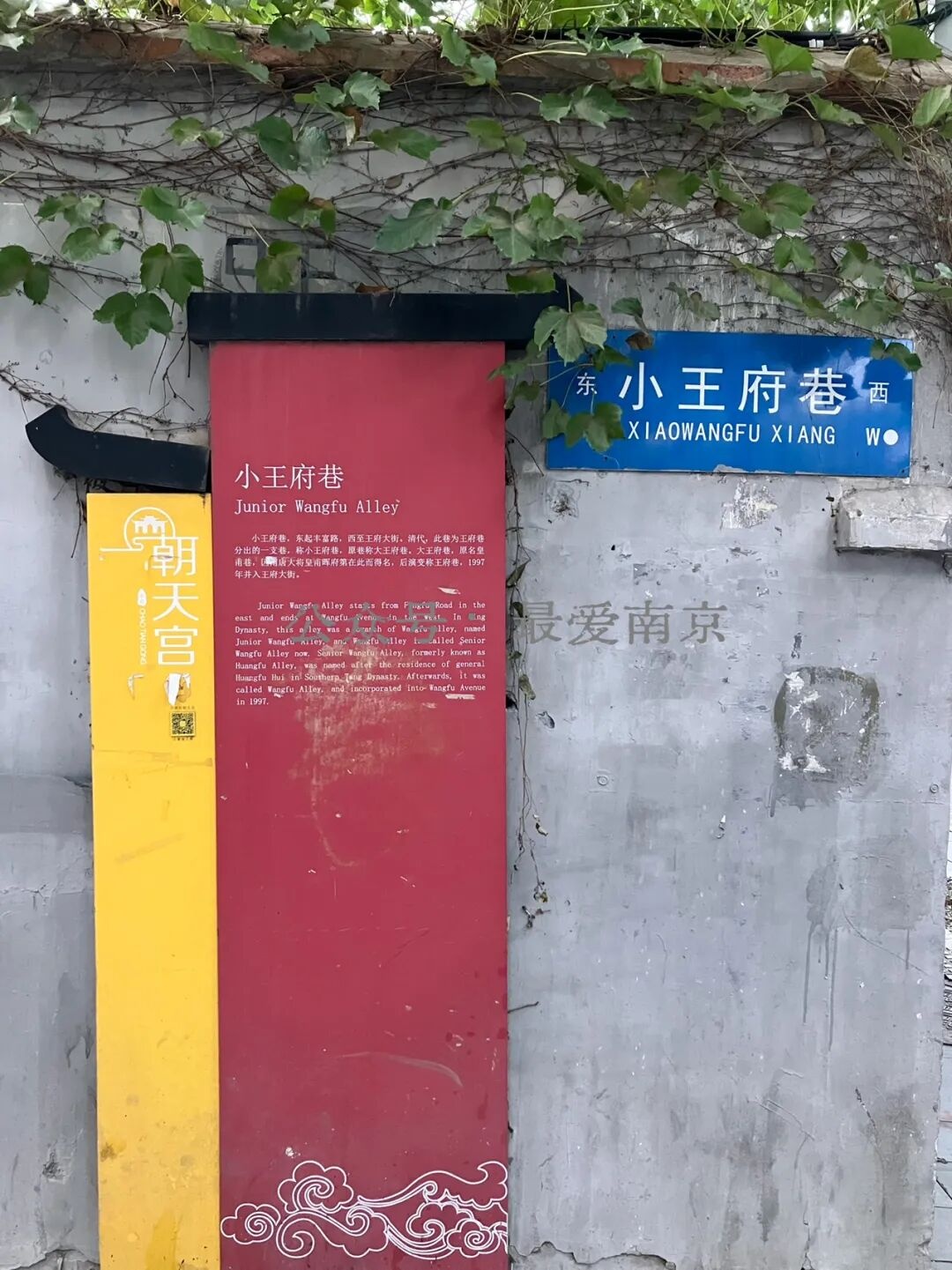
The site is located at 5 Xiaowangfu Alley, Chaotiangong Subdistrict, Qinhuai District (within the Shiliu Xincun neighborhood).
It was originally built in 1874 during the Qing Dynasty, funded by the collective efforts of Hui Muslims living in the Qijiawan area.
There's a common local rumor that this was a private mosque inside the mansion of Shi Dakai (the Yi King). However, archaeological evidence disproves this, as the Yi King's mansion was already burned to the ground during the Taiping Rebellion's 'Tianjing Incident' in 1856.
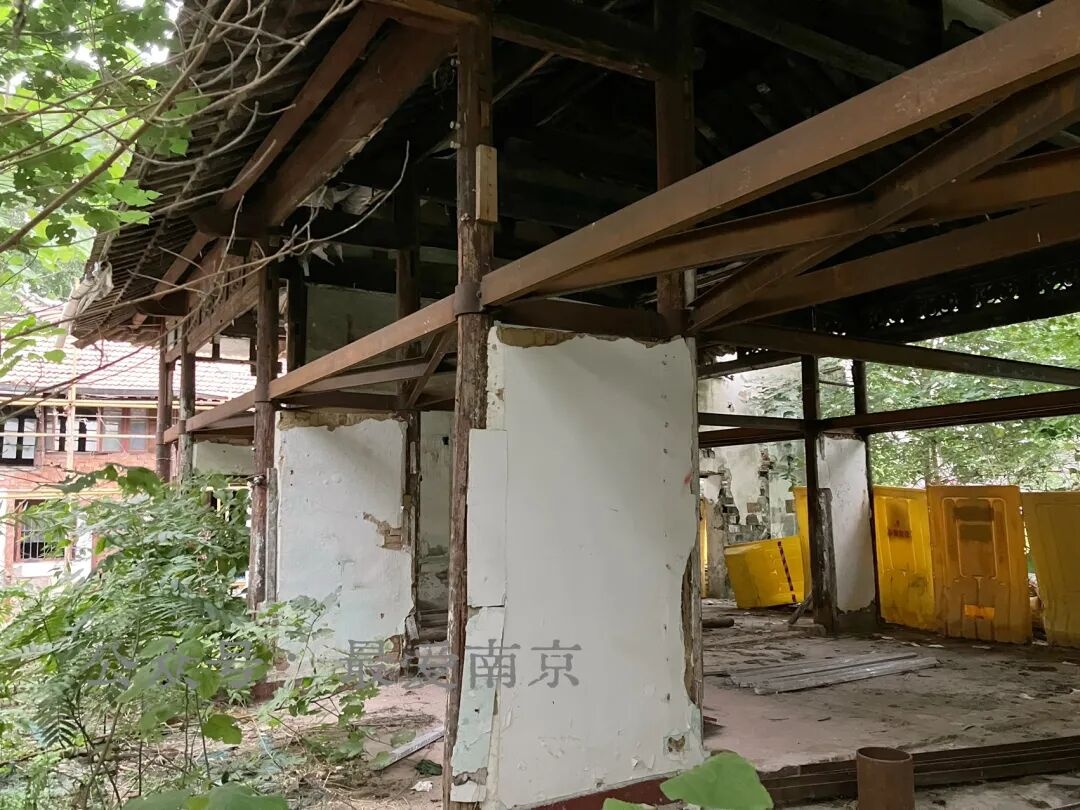
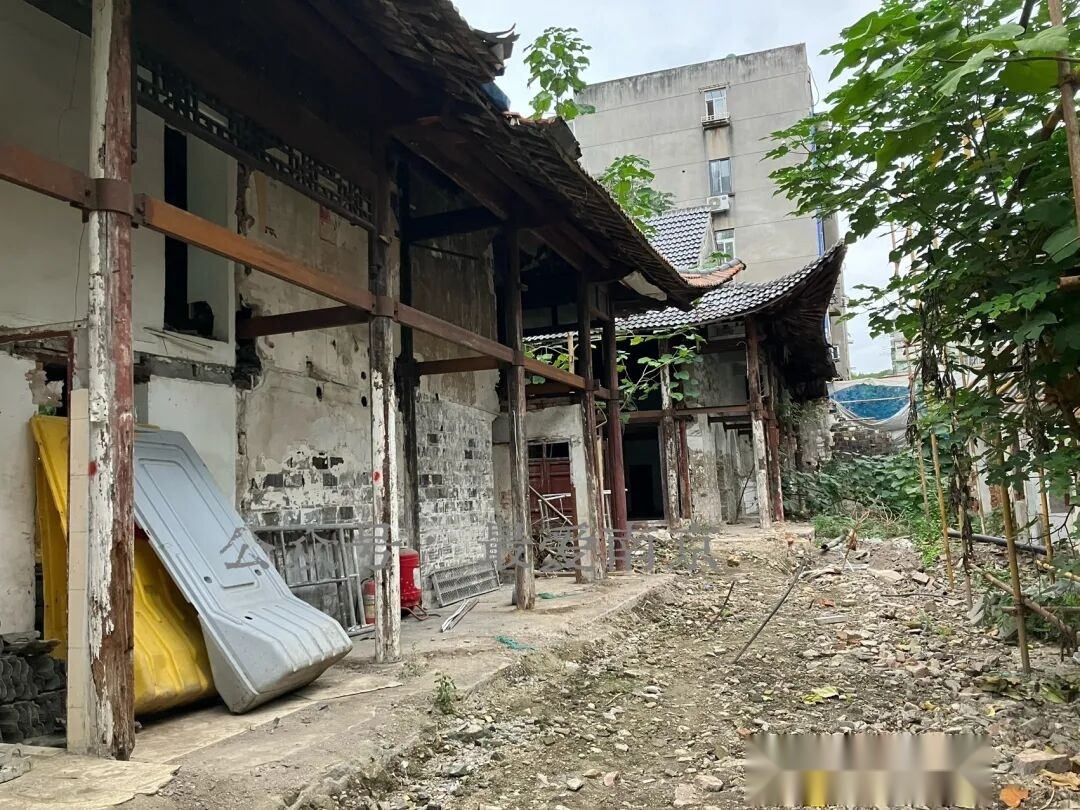
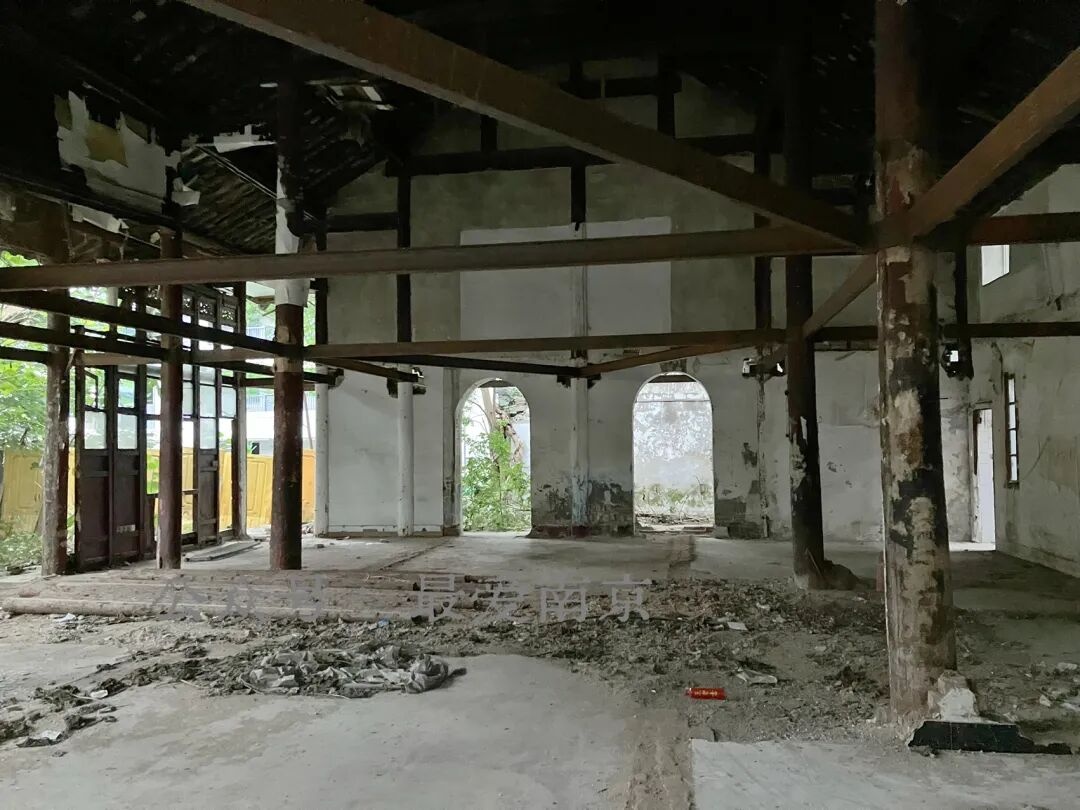
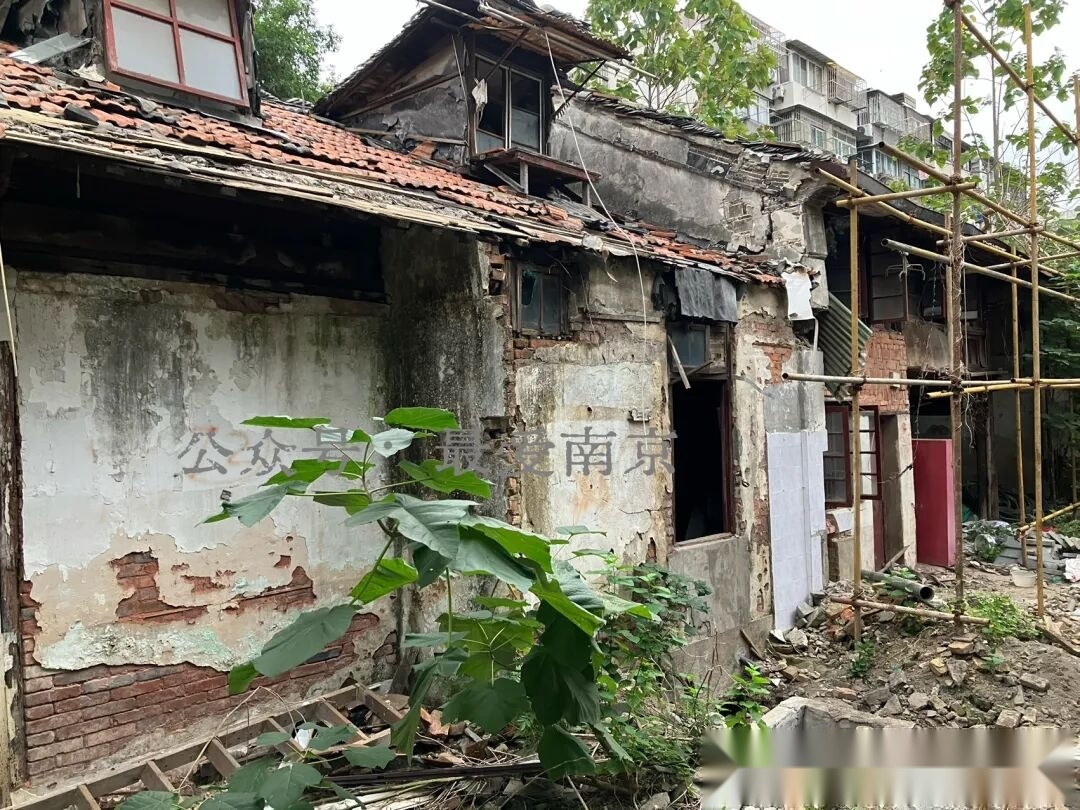
Religious activities stopped after the founding of the People's Republic of China, and the mosque was converted into staff housing for an electrical wire and cable factory. The main structure of the grand hall remains, along with a two-courtyard layout.
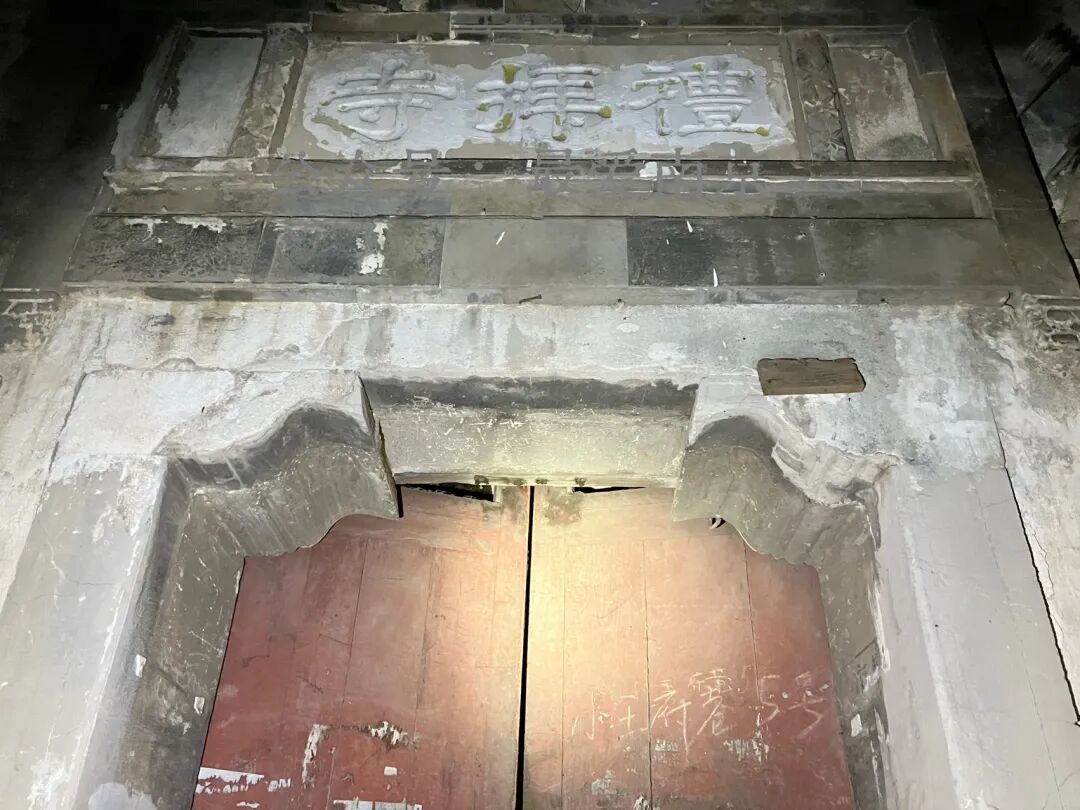
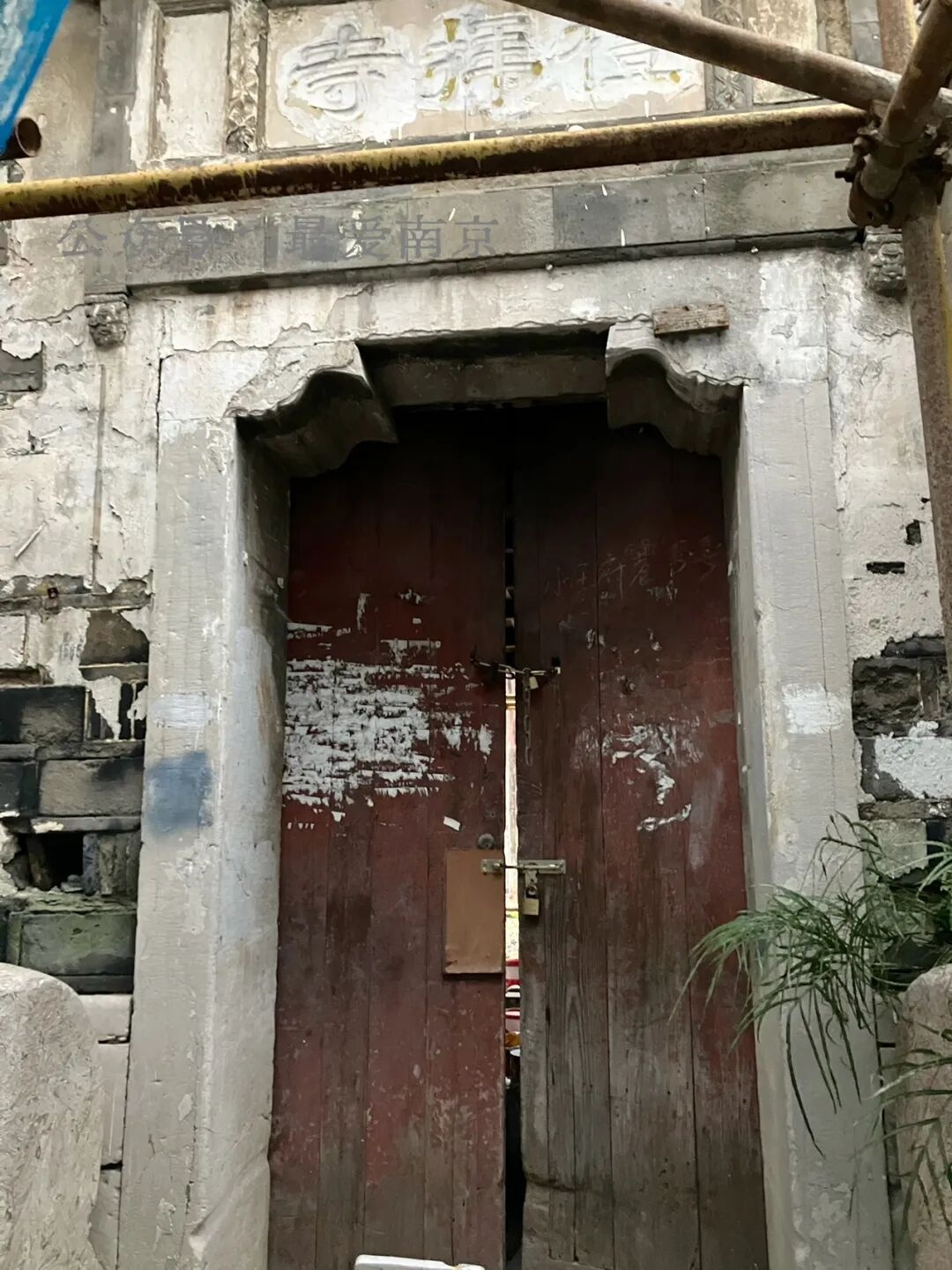
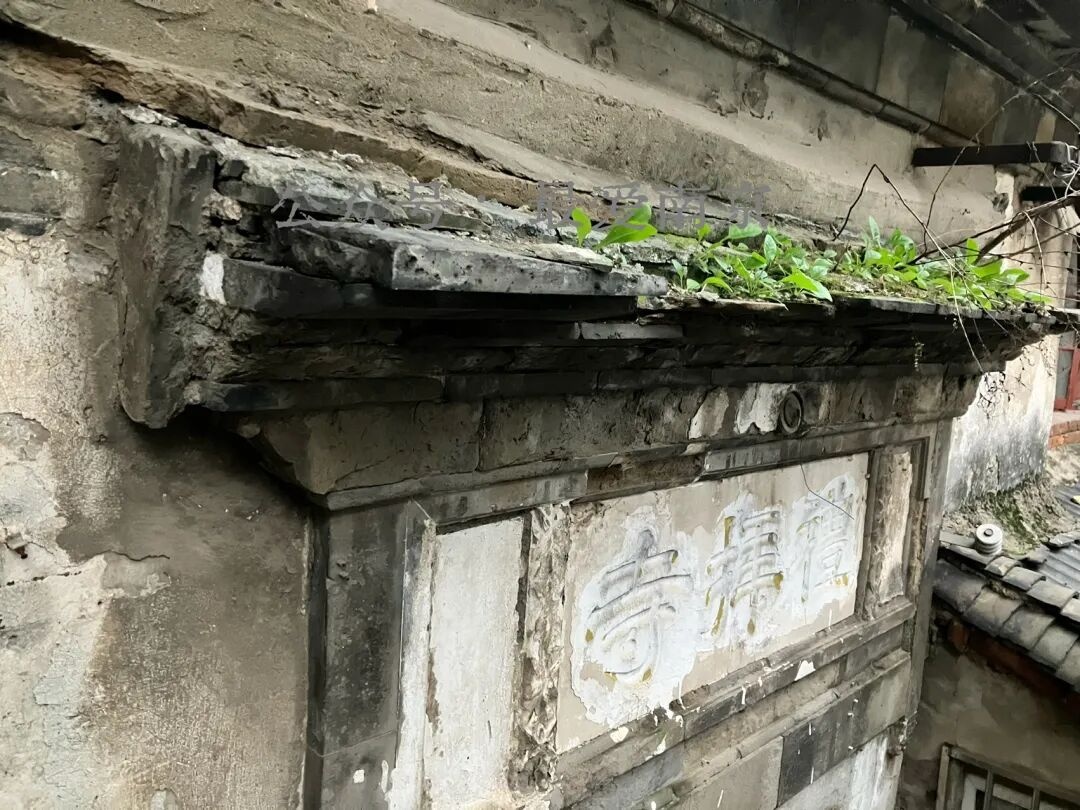
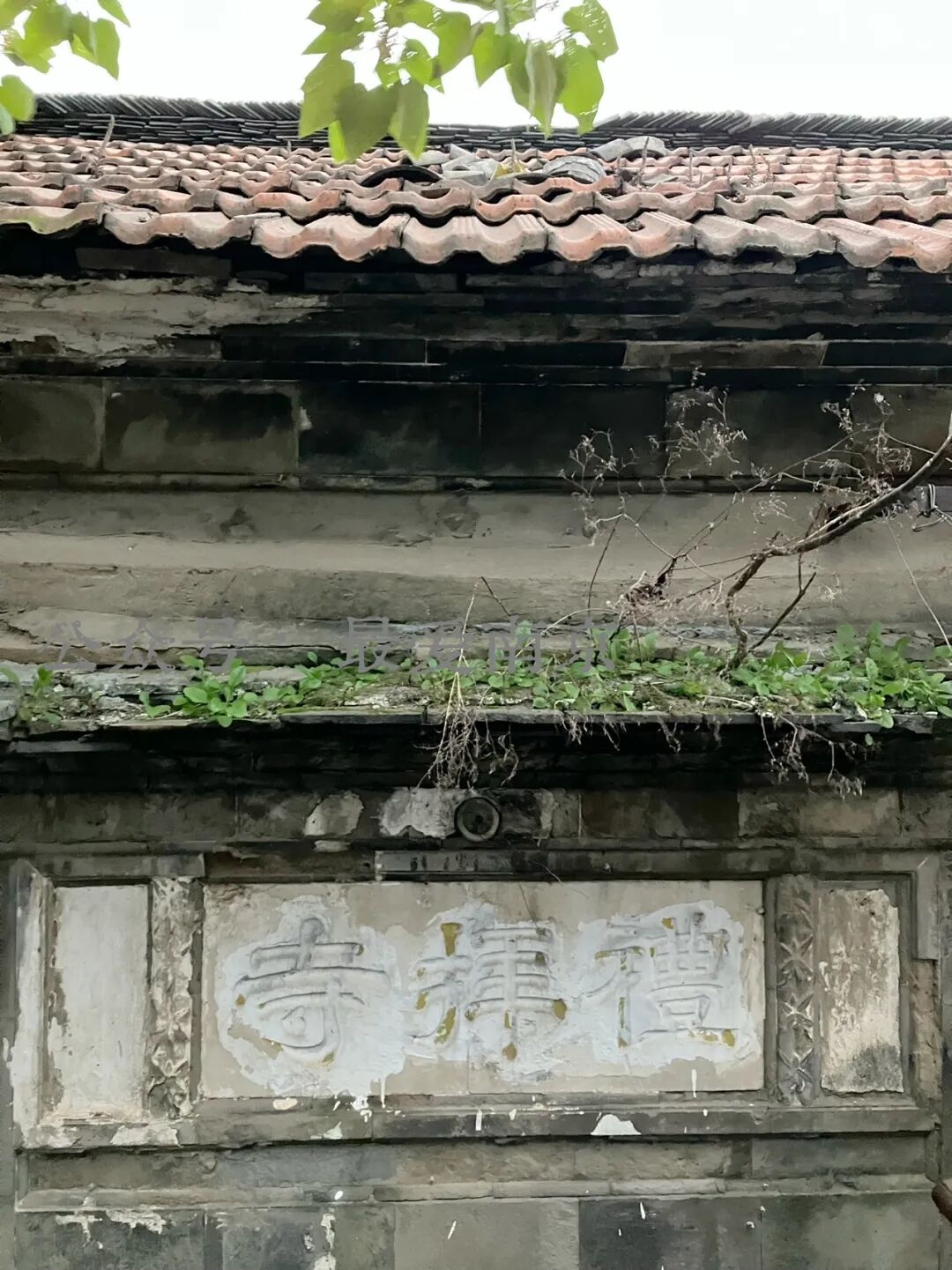
The lintel above the main entrance still shows the remnants of a stone carving that reads 'Mosque'.
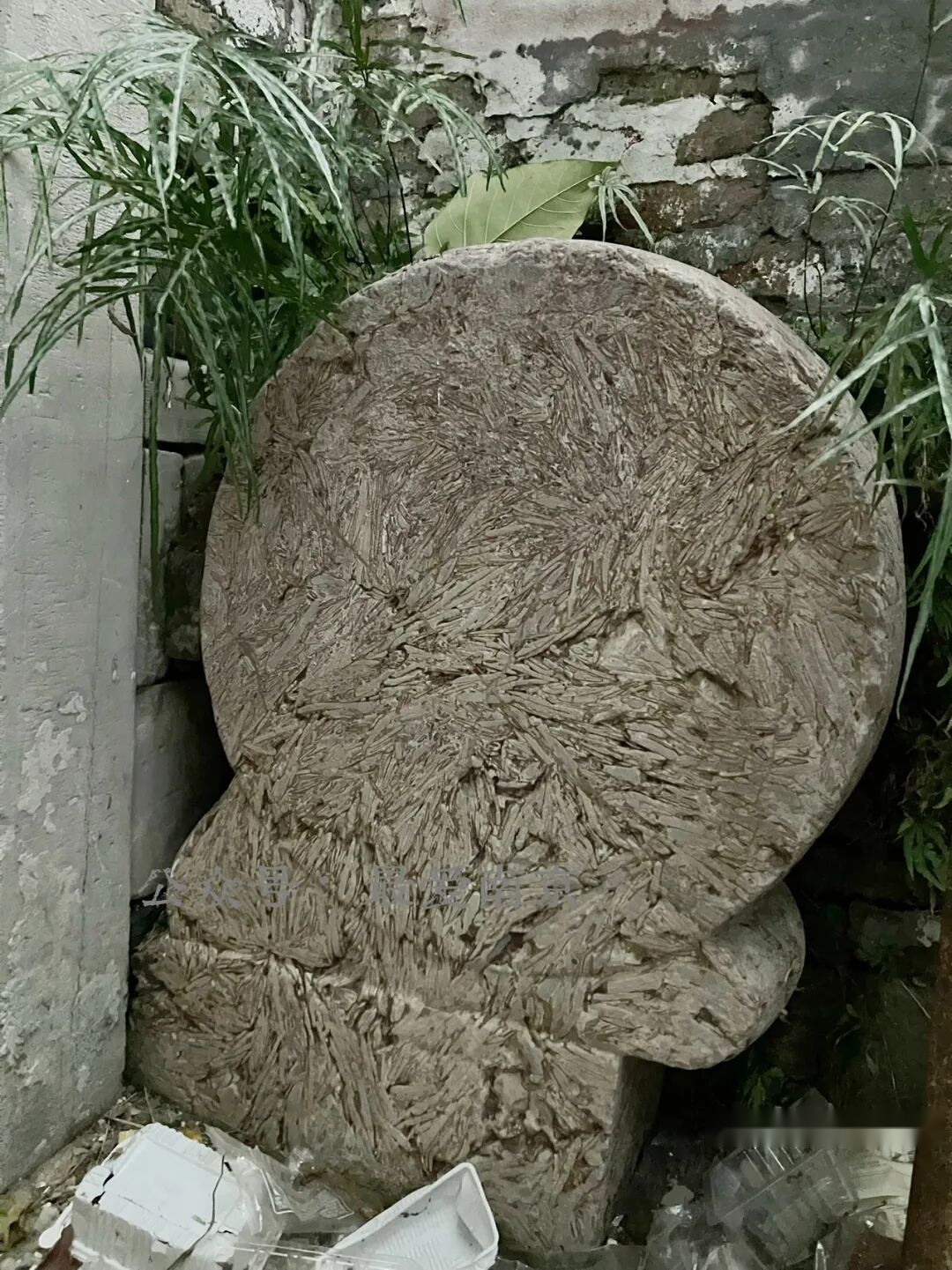
Outside the gate, you can still find a pair of traditional stone drum-shaped pedestal bases (baogushi).
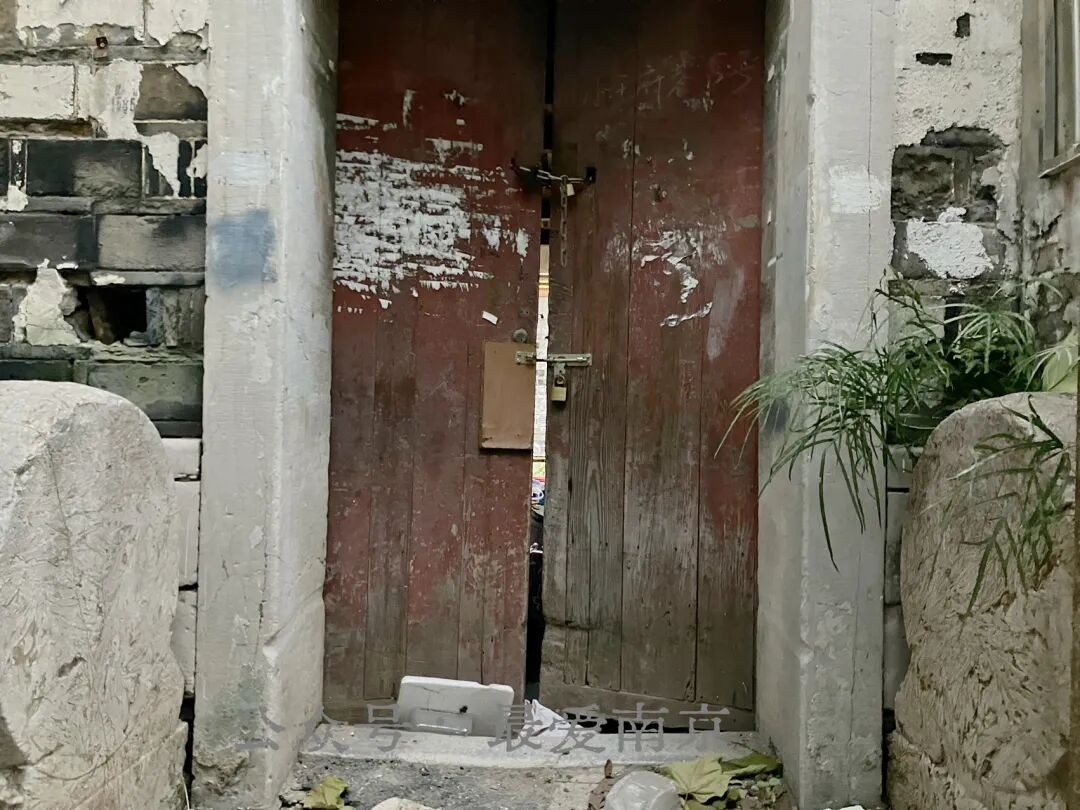
It features a splayed 'eight-character' screen wall gate (bazi menping).
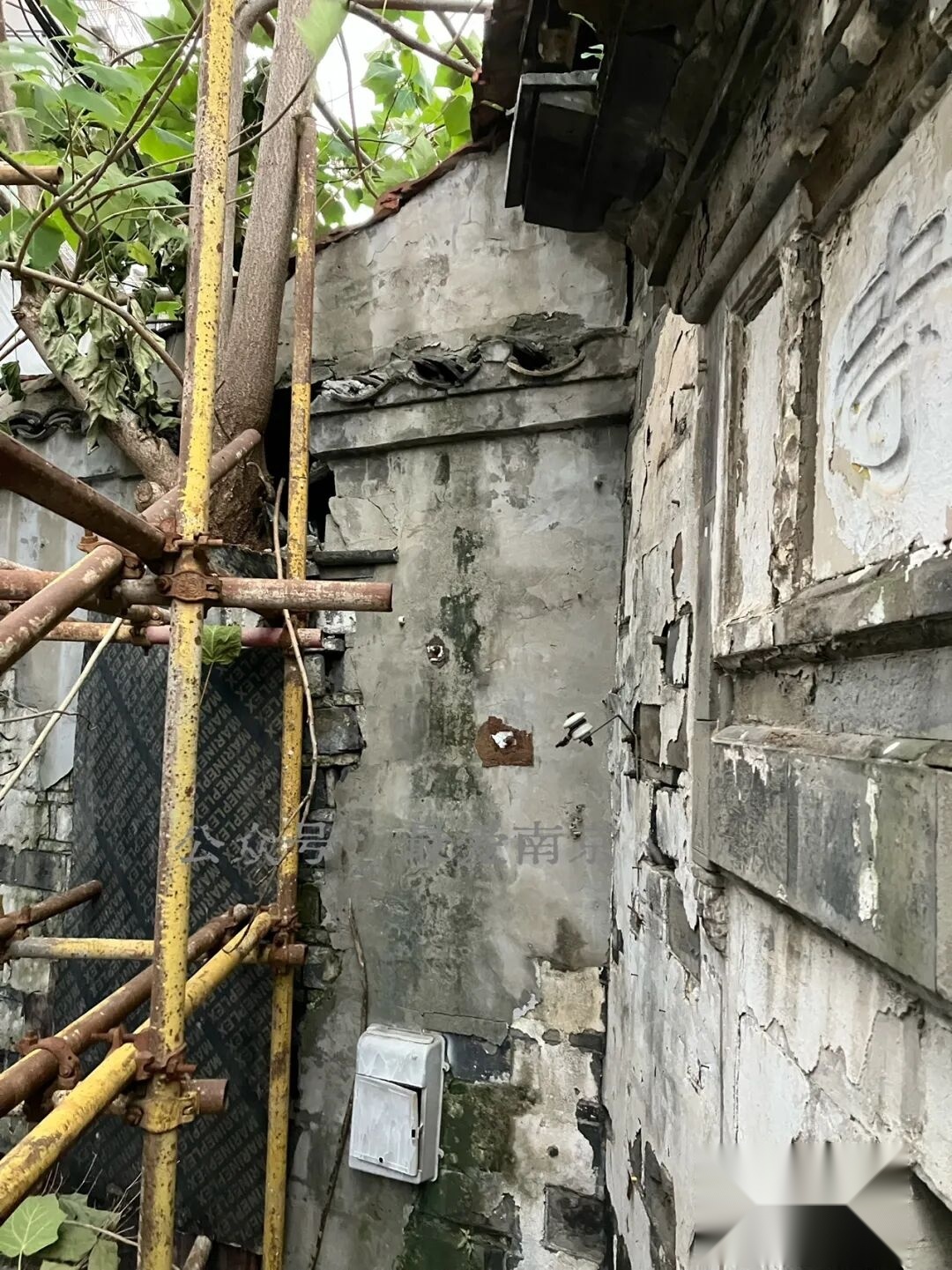
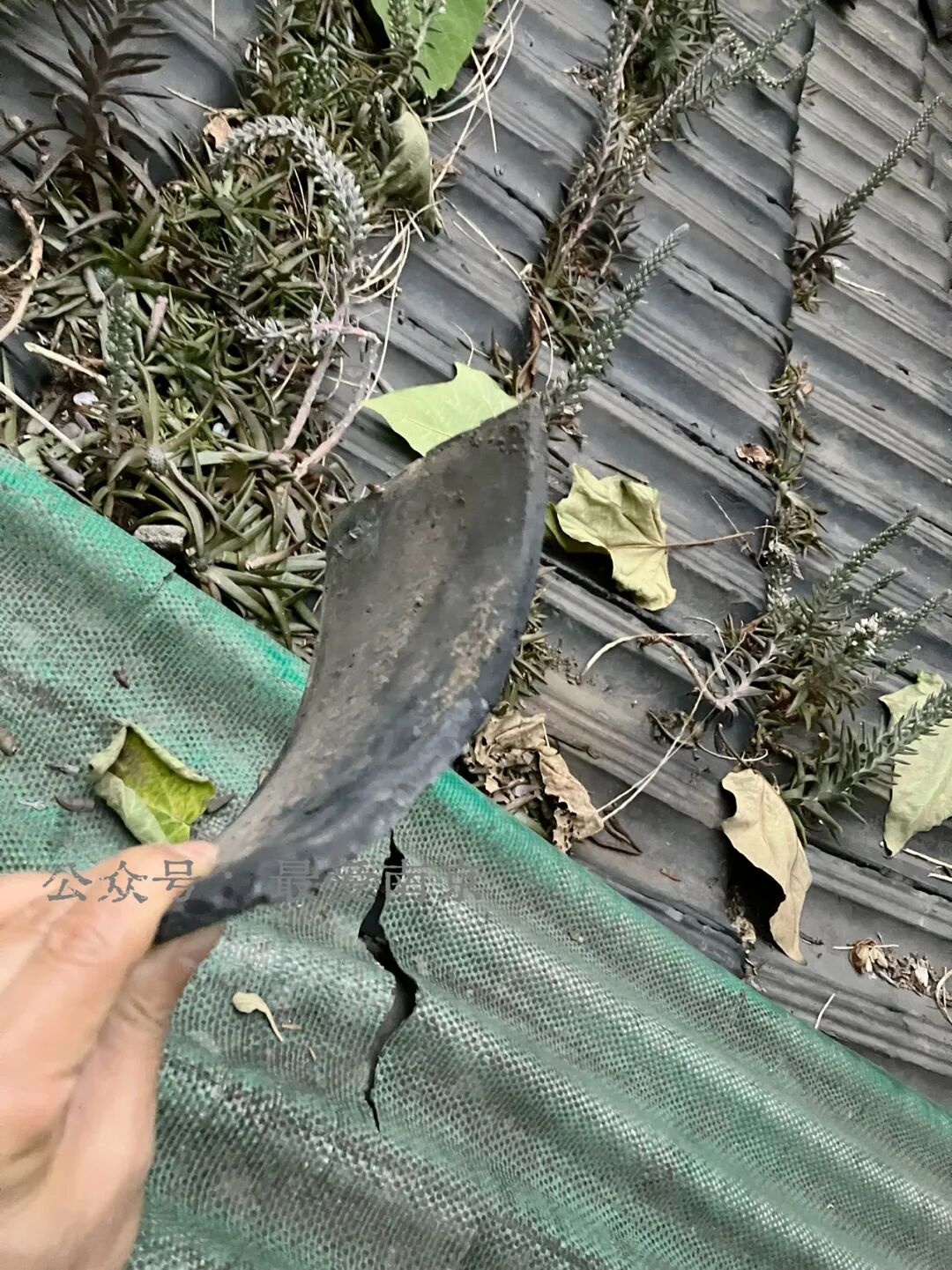
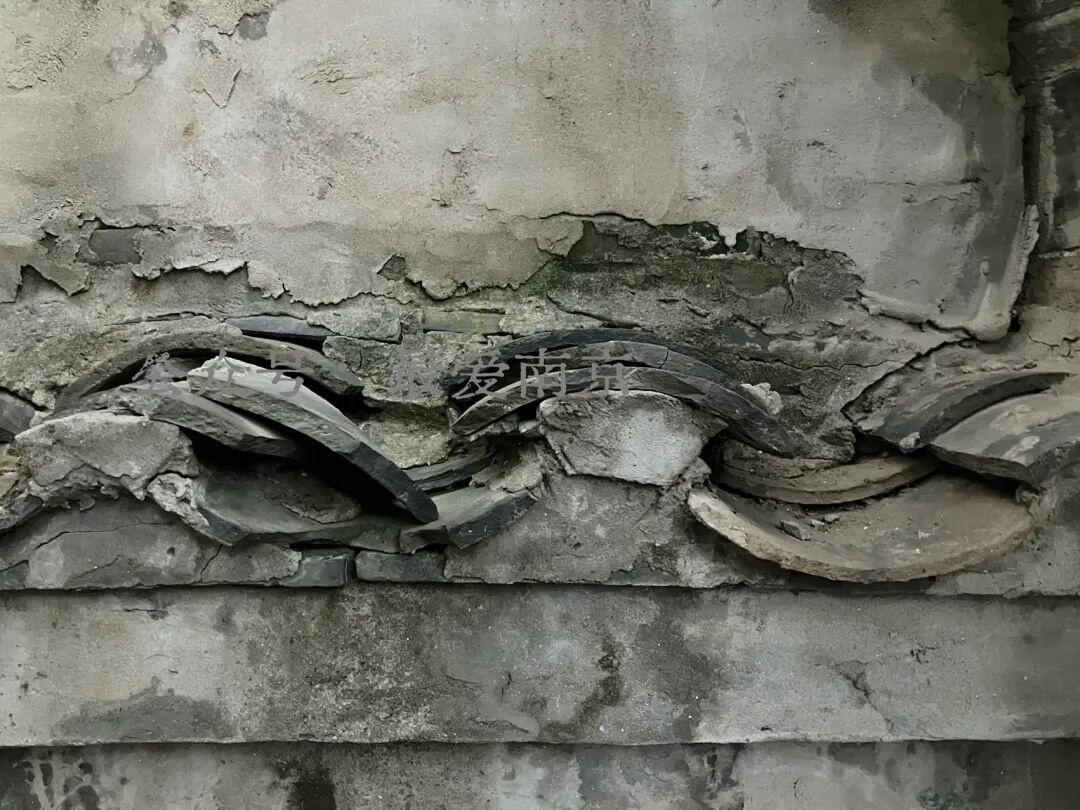
The architecture consists of classic gray bricks and small roof tiles.
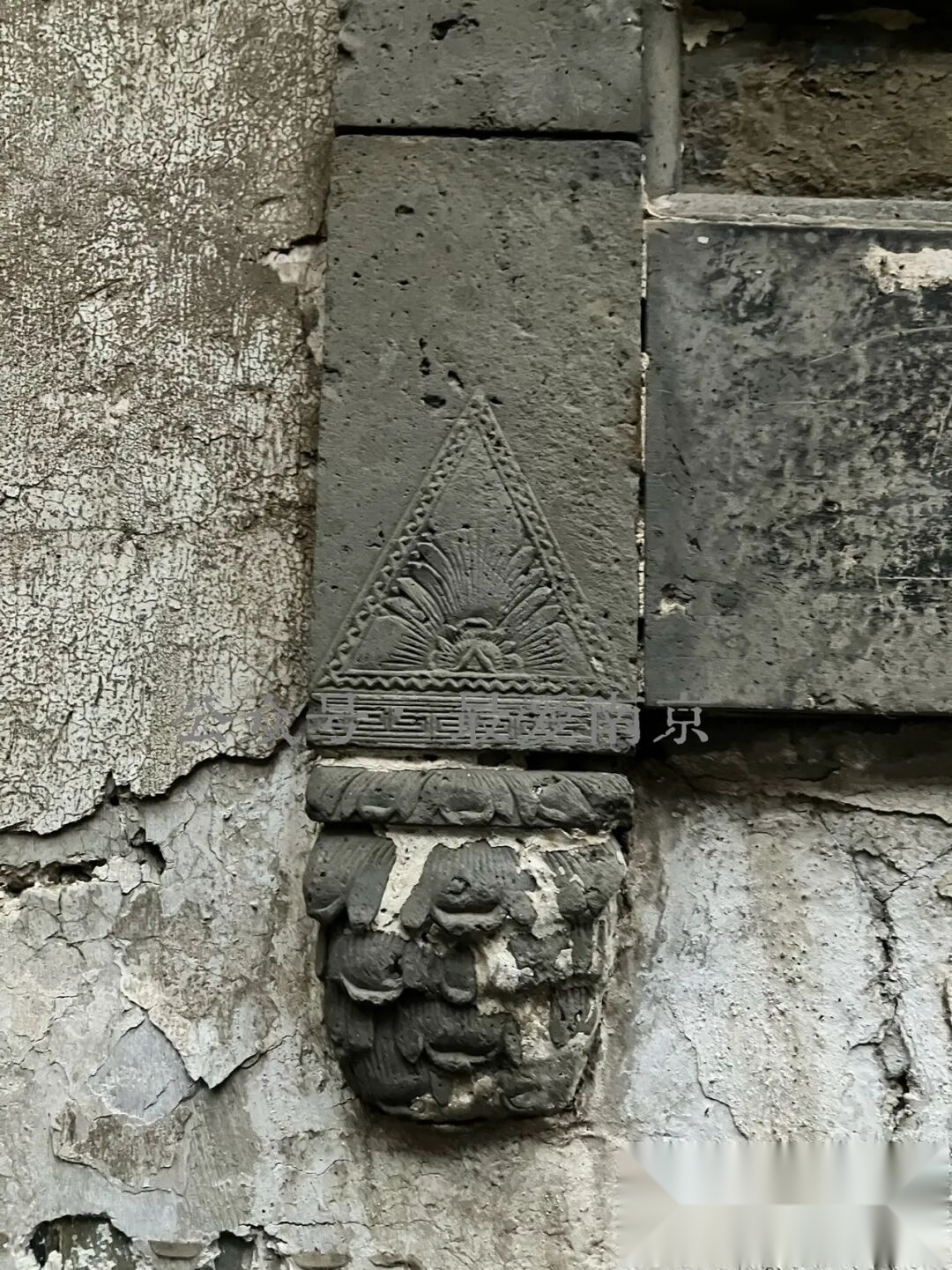
The remains of the grand hall.
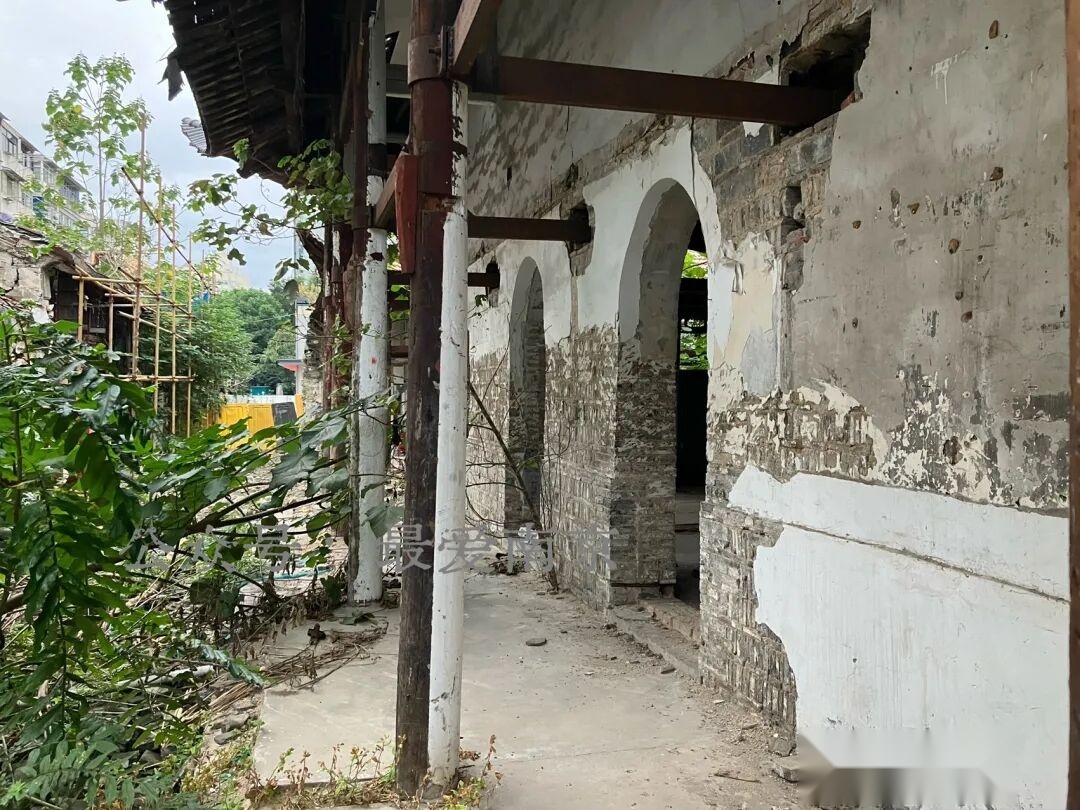
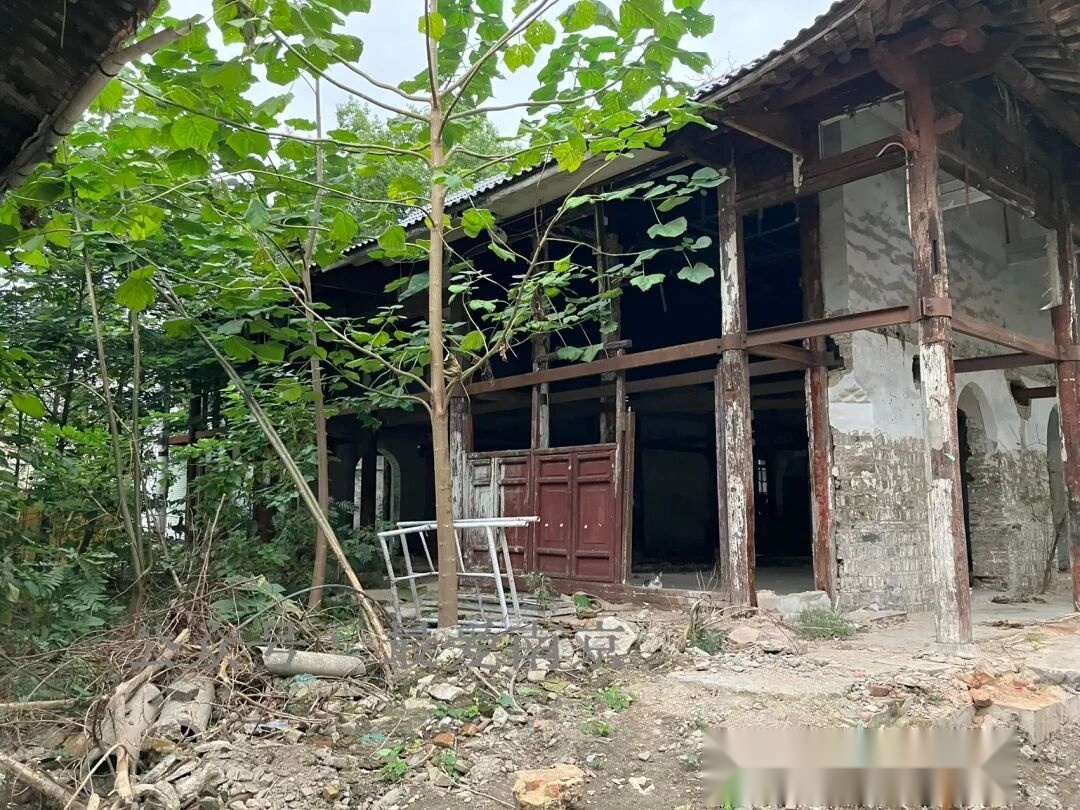
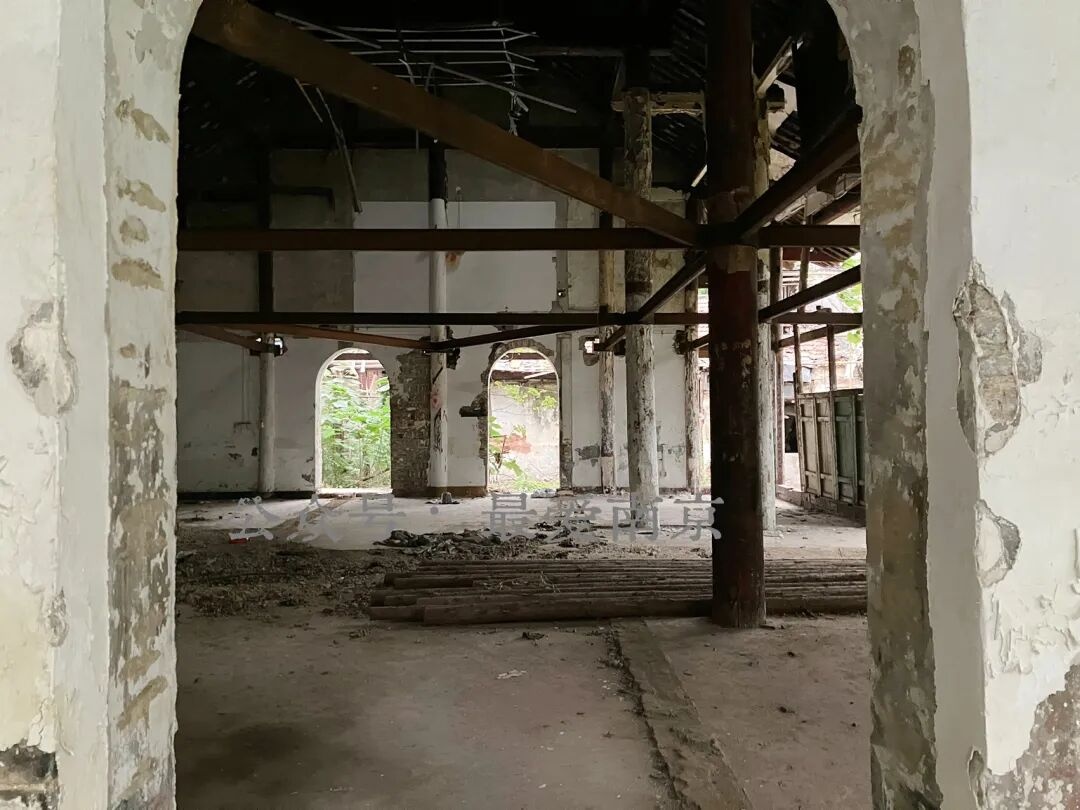
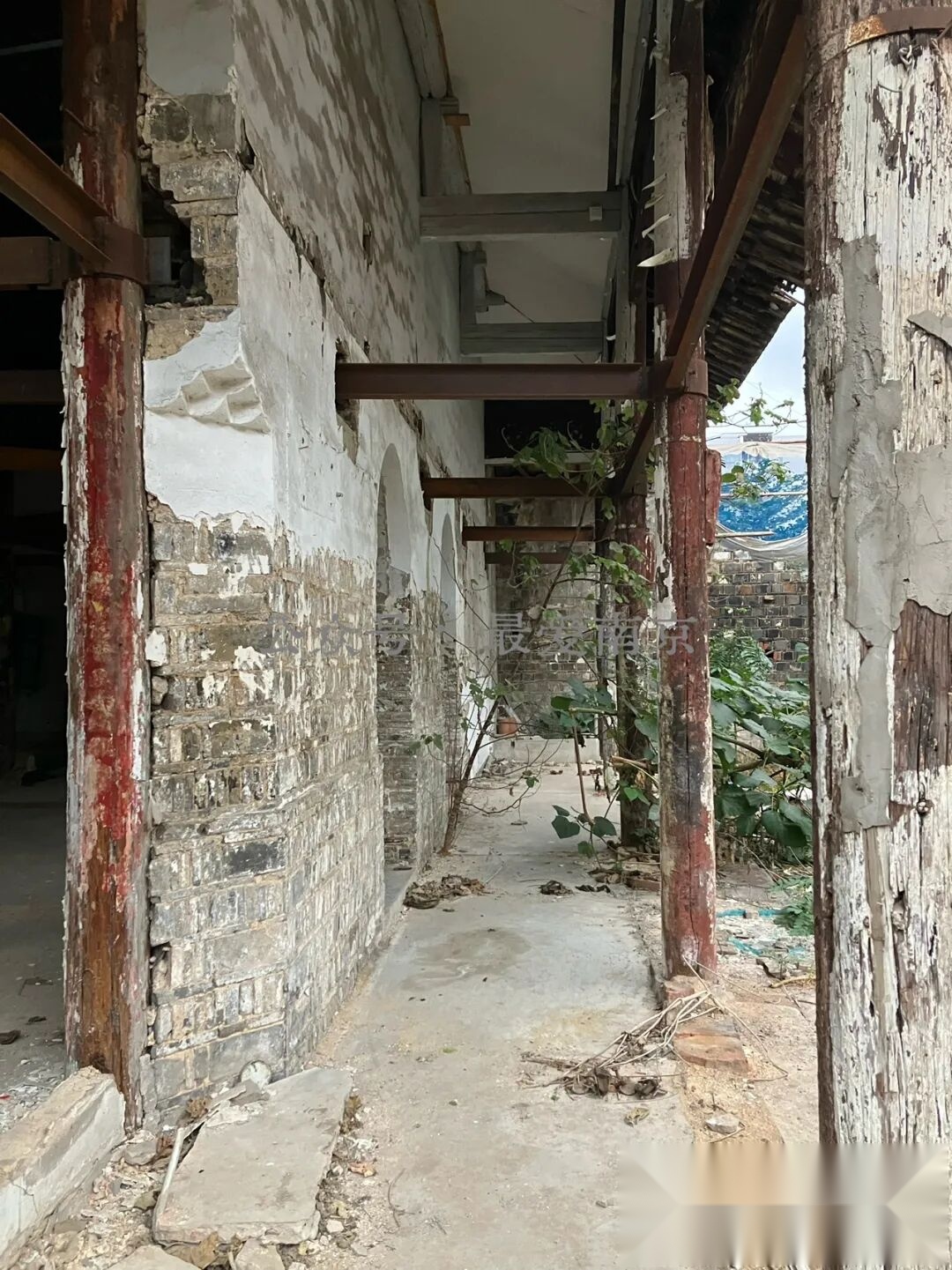
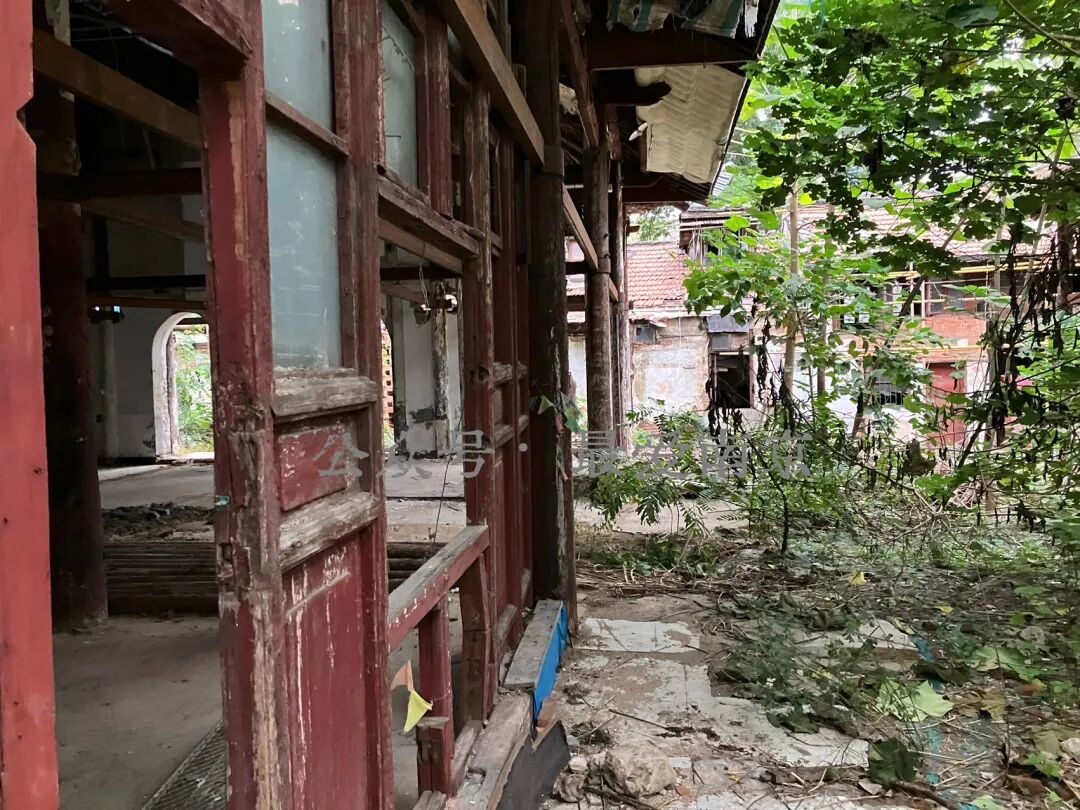
The front lobby area.
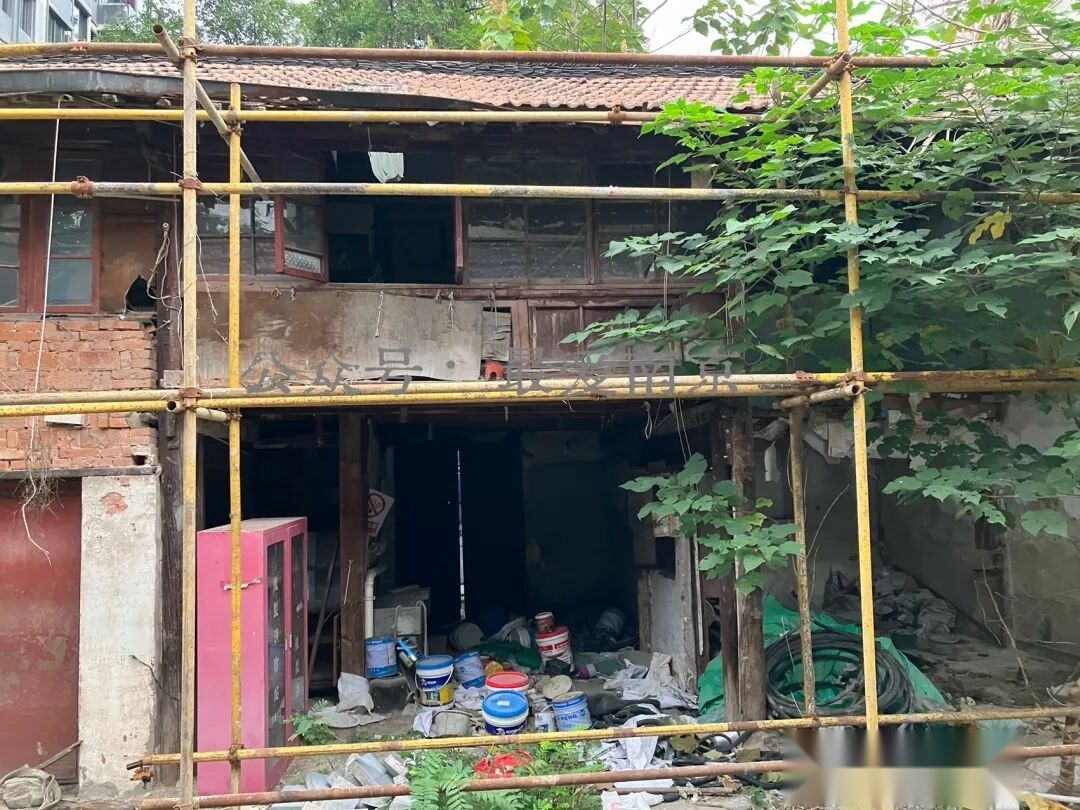
The site is located at 5 Xiaowangfu Alley, Chaotiangong Subdistrict, Qinhuai District (within the Shiliu Xincun neighborhood).
It was originally built in 1874 during the Qing Dynasty, funded by the collective efforts of Hui Muslims living in the Qijiawan area.
There's a common local rumor that this was a private mosque inside the mansion of Shi Dakai (the Yi King). However, archaeological evidence disproves this, as the Yi King's mansion was already burned to the ground during the Taiping Rebellion's 'Tianjing Incident' in 1856.
Religious activities stopped after the founding of the People's Republic of China, and the mosque was converted into staff housing for an electrical wire and cable factory. The main structure of the grand hall remains, along with a two-courtyard layout.
The lintel above the main entrance still shows the remnants of a stone carving that reads 'Mosque'.
Outside the gate, you can still find a pair of traditional stone drum-shaped pedestal bases (baogushi).
It features a splayed 'eight-character' screen wall gate (bazi menping).
The architecture consists of classic gray bricks and small roof tiles.
The remains of the grand hall.
The front lobby area.
