
Qinghai Hainan Gonghe Xunhua Lamb King: Authentic Kangguo Lamb and Salar Hand-Grabbed Lamb
Here are 7 real photos diving deep into 'Xunhua Lamb King' in Gonghe County, Hainan Tibetan Autonomous Prefecture, Qinghai Province. We're showing you the piping hot kangguo lamb (stir-fried lamb with crispy potato noodles) that smells amazing, and the super fresh, tender, and non-gamey high-altitude free-range lamb that you grab with your hands. Get a taste of authentic lamb cooking from Qinghai's Salar and Hui Muslim folks.
On the way from Nangqian to Xining, I made a quick stop at the Mani piles in Juegu, Yushu, a miracle built from 2.5 billion Mani stones.
When driving, I just focus on the general direction, stopping when it gets dark – no night driving. About 10+ hours a day is pretty much it. We were almost at the Xining border but called it a day. Camped out as it got dark and stayed at a three-star hotel in Gonghe County. The standard room was 88 yuan, making it the best value stay on the entire trip.
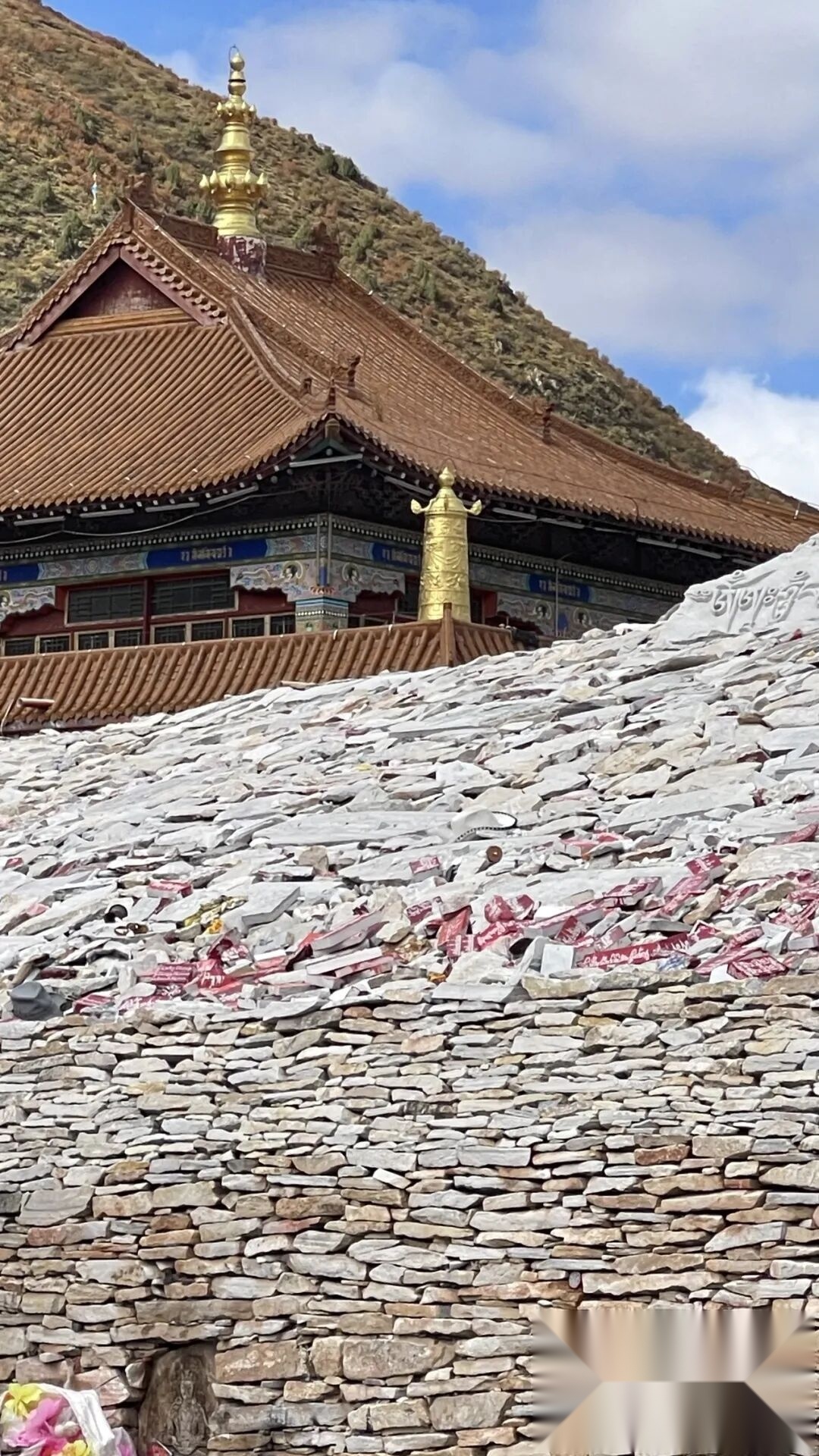
Gonghe County – the name itself suggests a story, and it's true. It was established during the Republic of China era and is currently the capital of Hainan Prefecture. Its location is pretty unique, sandwiched between Qinghai Lake and Longyang Gorge, so people pass through all the time. It's packed with tourist attractions, but it wasn't in our plan.
Eating was definitely part of the plan. Near Xining, there's a dish called kangguo lamb that sounded super intriguing, and I'd never experienced anything like it before.
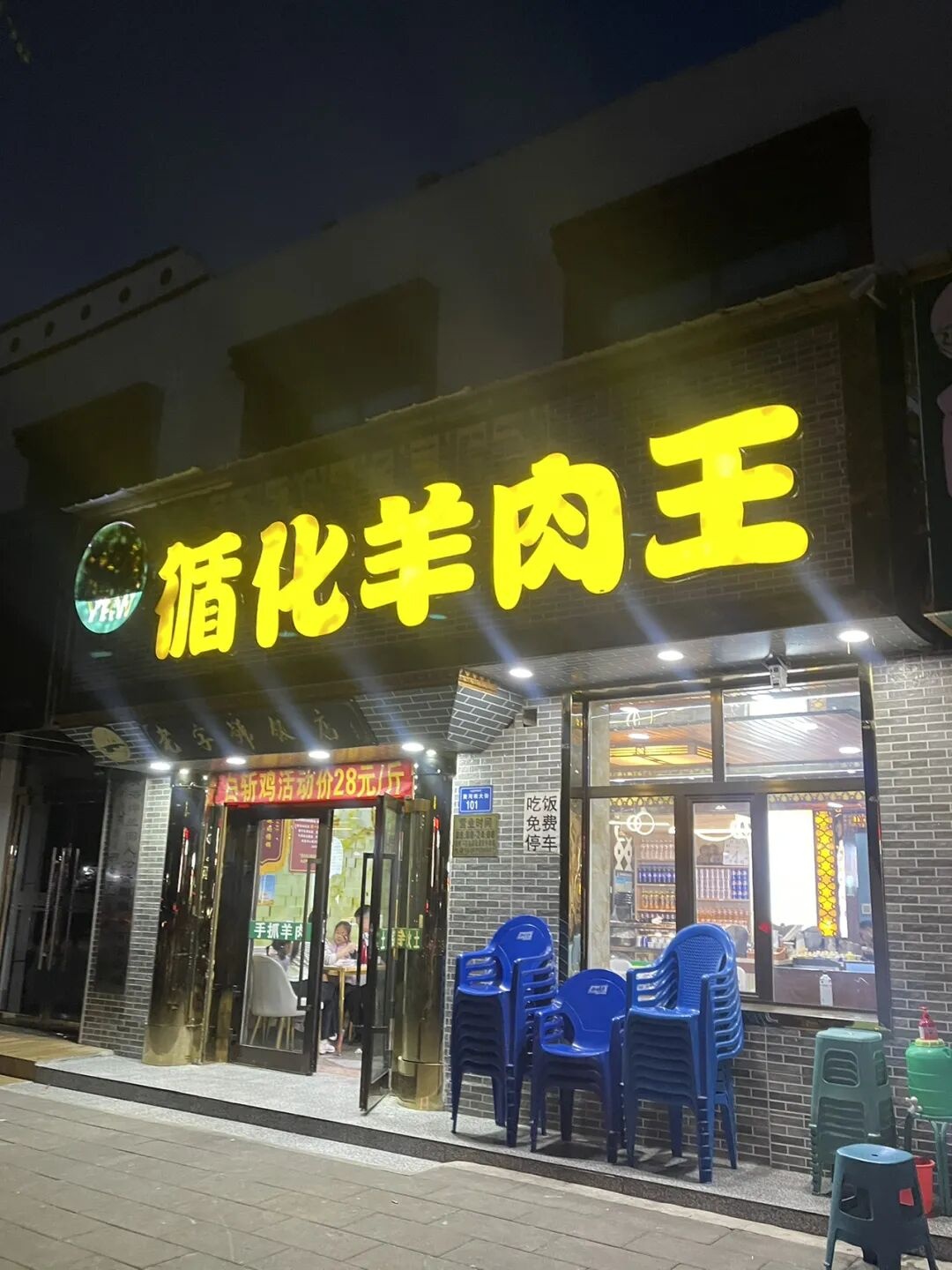
As the capital of Hainan Prefecture, Gonghe is way more bustling than your average county town. The place I found online, Xunhua Lamb King, really grabbed my attention just from the name. Years ago, I had a plate of stir-fried noodle slices in Xunhua that still holds a top spot in my memory.
Lamb is also a big deal in Qinghai. Compared to places like Xinjiang, Inner Mongolia, or even Ningxia, it's not as well-known to people from other parts of China. It's not because it's not delicious, but because it hasn't become a widely circulated commodity. All the local specialties get eaten up right there; there's no extra production shipped to big cities. Great stuff is never in surplus!
Plus, it hasn't been promoted much, unlike the Tan sheep. It's definitely something most people haven't heard of, and might not even have a place for it on the map.
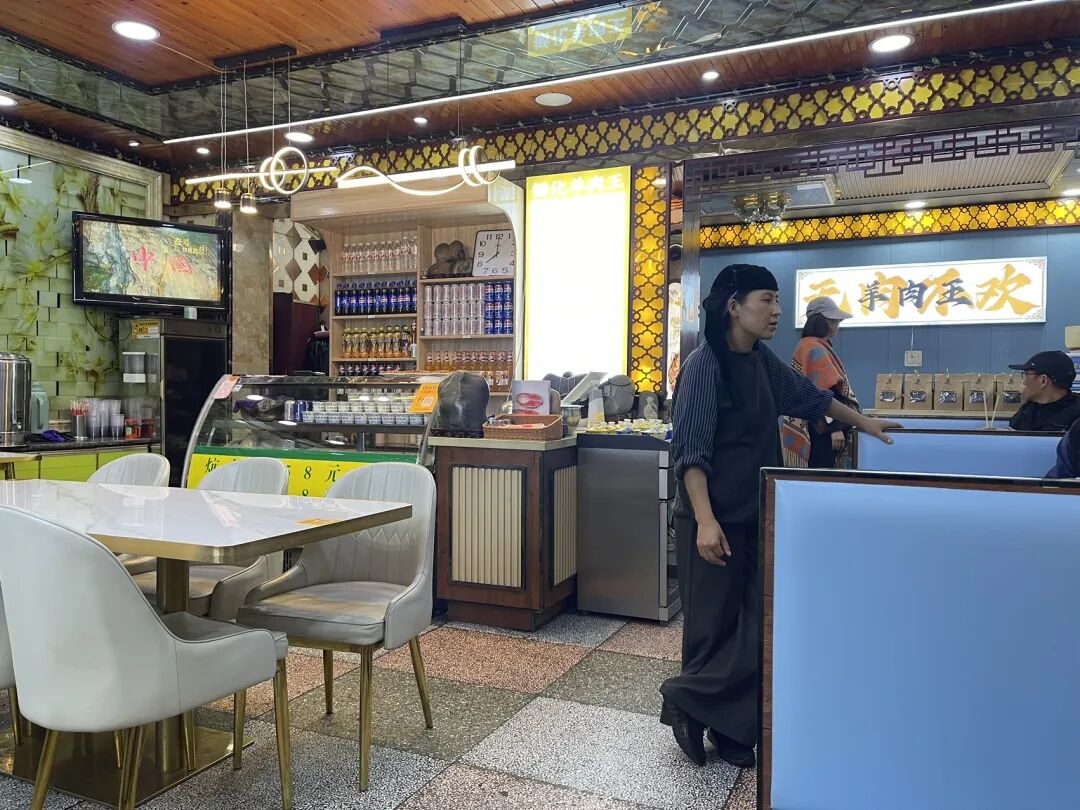
There are four place names in the title: Qinghai, Hainan, Gonghe, and Xunhua. The first three mark our current location, and the last one tells you the identity. The owner's family is from Xunhua, and Xunhua's full name is Xunhua Salar Autonomous County, so yep, the restaurant is run by Salar people. The Hualong County and Xunhua County in Qinghai are actually the originators of Lanzhou beef noodles that you find all over the country. Nowadays, it's less about whether it's Lanzhou people making Lanzhou beef noodles; Lanzhou folks aren't opening noodle shops worldwide, and not many people even know about Hualong and Xunhua. If you're passing through, seriously, don't miss out. If you love carbs, you can't skip these two places.
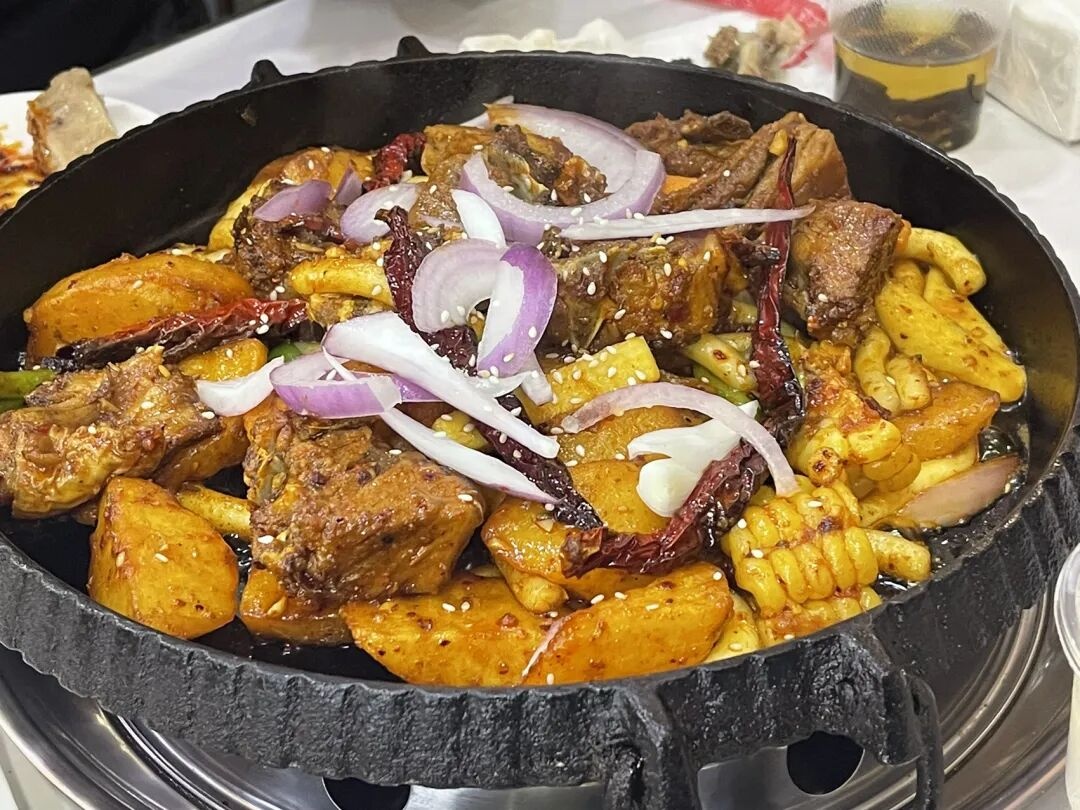
Kangguo Lamb, 98 yuan per jin (approx. 0.5 kg).
The kangguo lamb is similar to a hot plate style. Lamb, potatoes, corn, and potato noodles all cook together in one pot. It uses various cooking methods like pan-frying, simmering, and stir-frying. It's a big communal pot dish locals eat and chat over, kind of like the popular 'dry pot' dishes you see elsewhere.
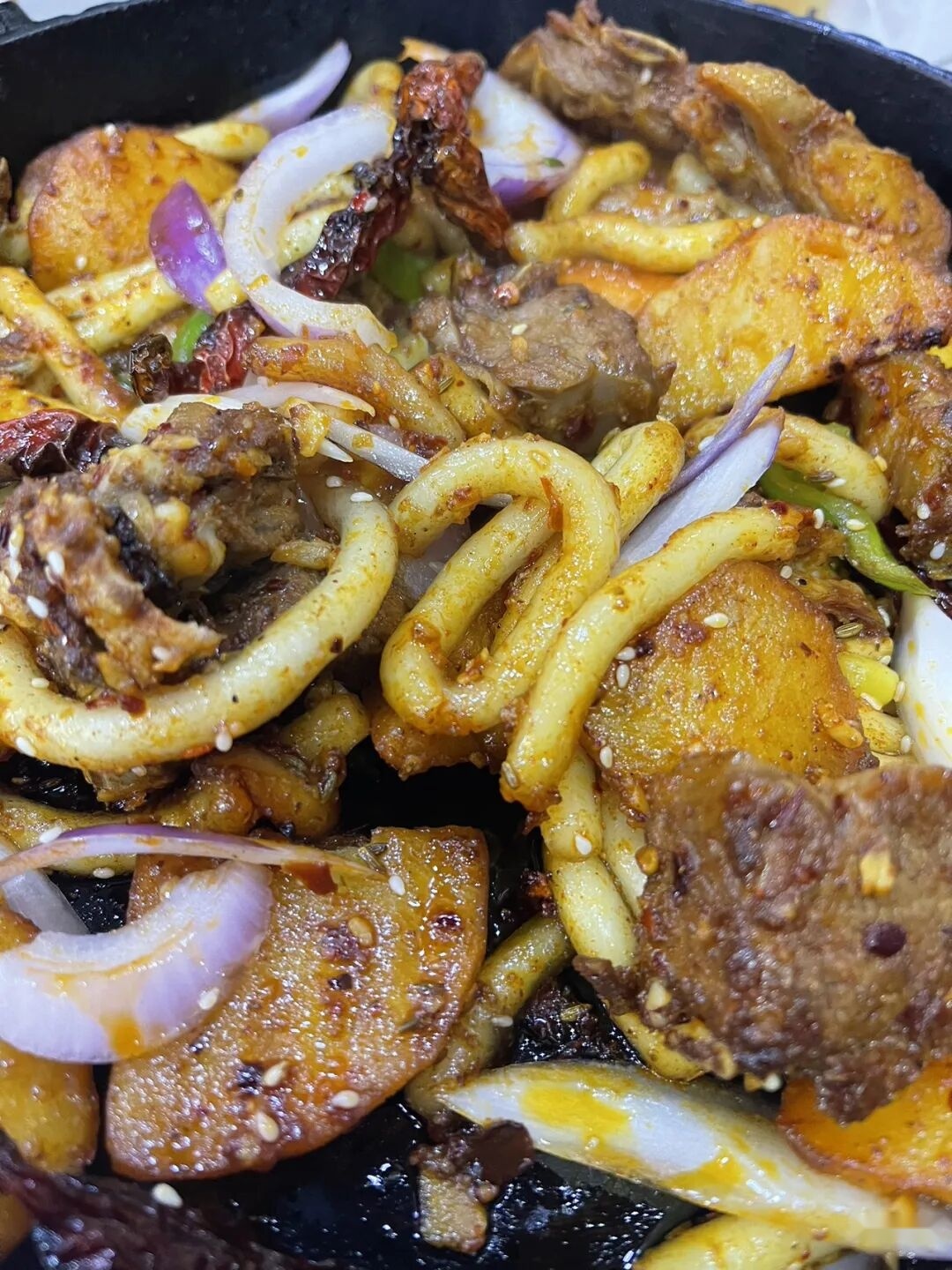
The main selling point is the mix of crispy, browned flavors. The lamb is pre-cooked, likely the restaurant version to save time and speed up service. The ingredients are cooked separately before being mixed and stir-fried. The seasoning is similar to dry pot flavors, a pretty popular approach in recent years. The lamb chunks are large and thick, mostly leg meat, not as melt-in-your-mouth tender as hand-grabbed lamb.
The fried sweet potato noodles inside are delicious, pan-fried until golden and easy to eat. This kangguo style can also be made with yak meat and fish.
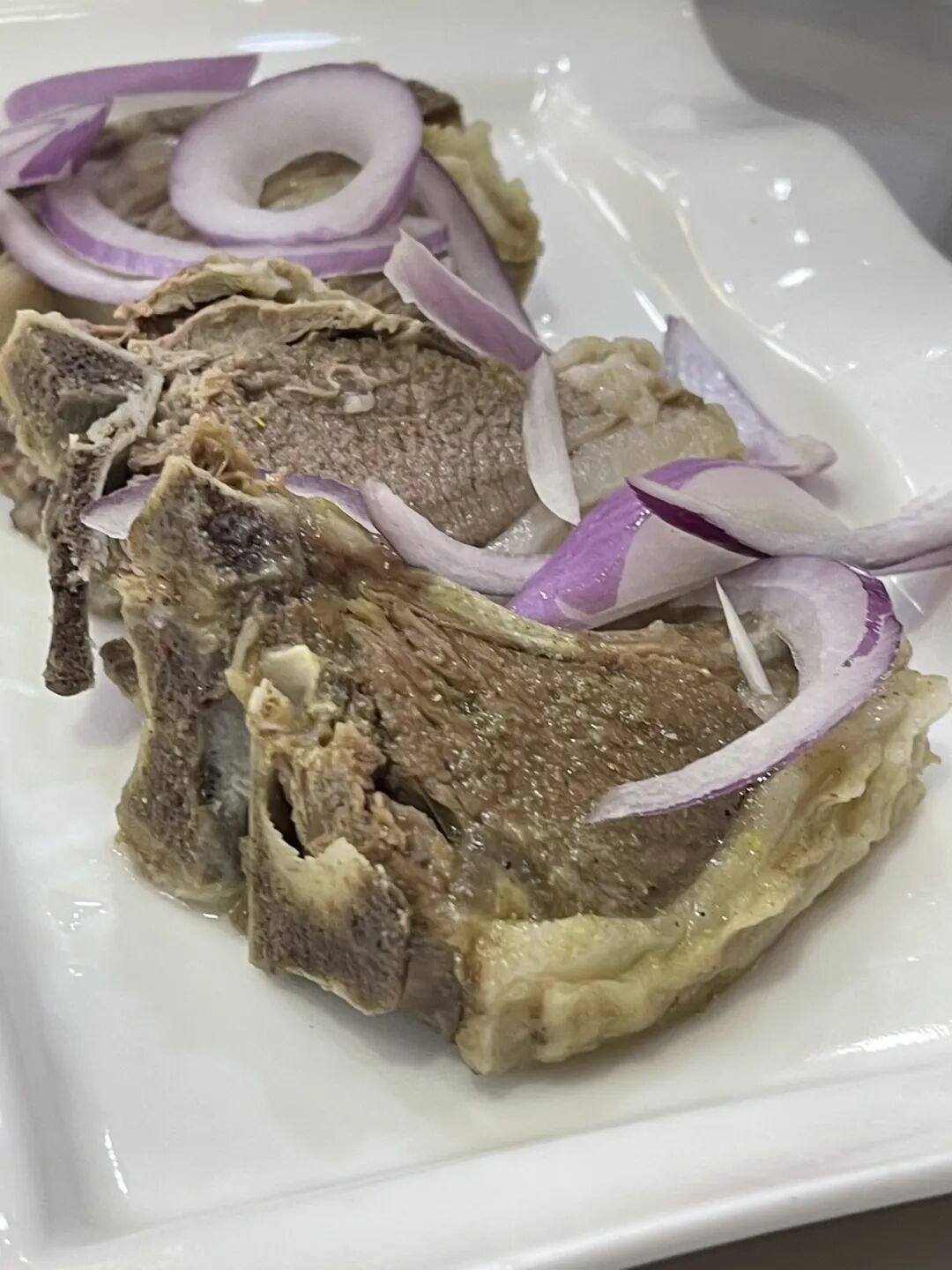
I felt like we needed more, so we ordered half a jin of hand-grabbed lamb. It's 88 yuan per jin, which is okay. It's not as cheap as the Dongxiang hand-grabbed lamb in Lanzhou, but you can't really compare them.
The lamb here is Tibetan sheep, a breed unique to the plateau. You find the most in western Sichuan and Qinghai. You won't really find them in Tibet itself because the altitude is too high, unlike yaks.
Tibetan sheep are a type of domestic sheep. They're quite large, and their meat is a bit firmer but packed with rich lamb flavor, making it super satisfying to eat.
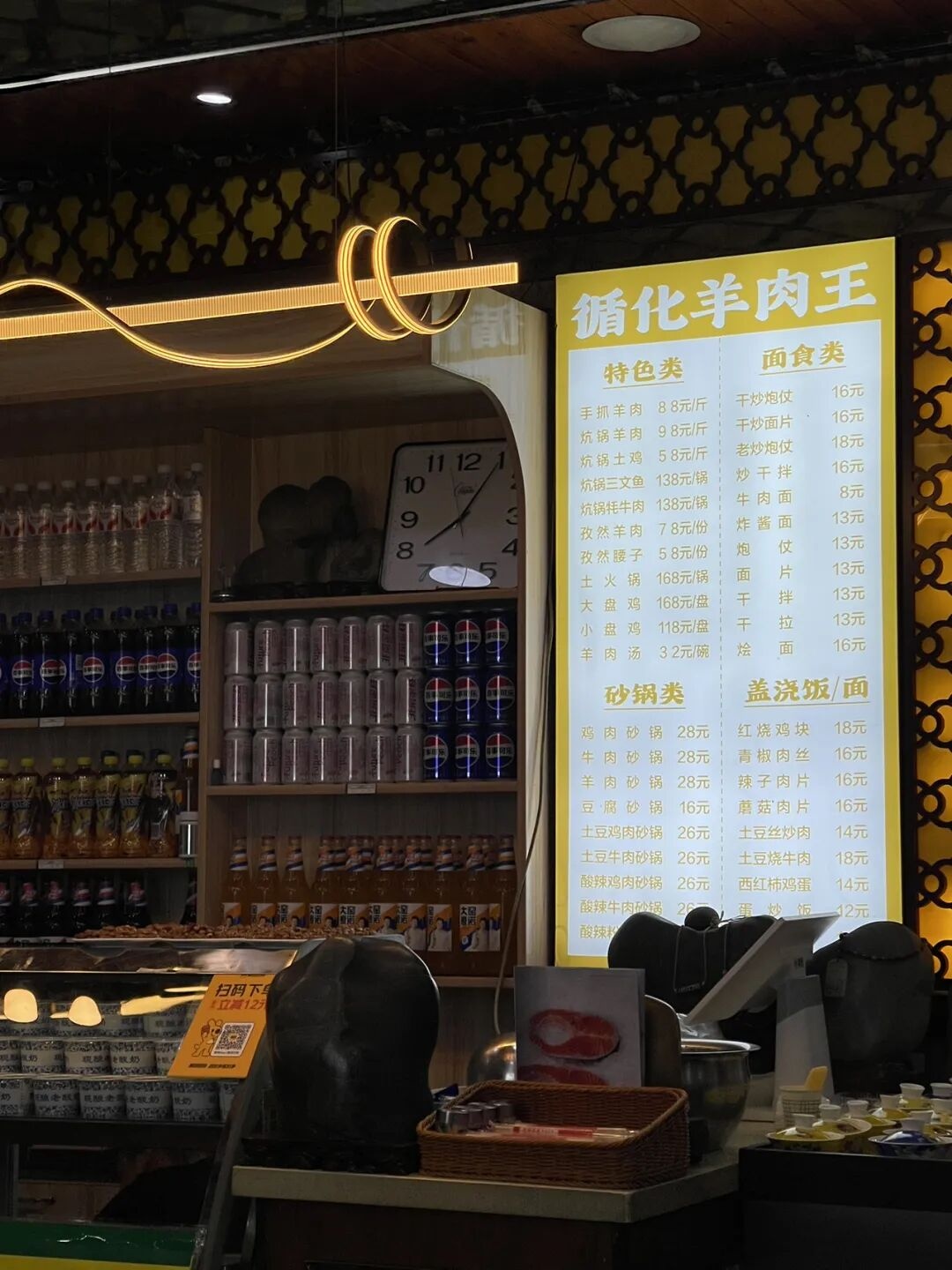
I was also hoping to try the stir-fried noodle slices, but a kangguo lamb set for two plus half a jin of hand-grabbed lamb already filled us up. The three of us spent 120 yuan in total. Even though the stir-fried noodle slices were the cheapest I saw on the whole trip, I just couldn't manage another bite.
Gonghe is a pretty cool little town. There was also a lamb offal shop next to the hotel that I didn't get to try, which is a bummer. Coming down from Tibet, this felt like the most down-to-earth place to stop. It's a shame we just passed through; we should have stayed an extra half-day.
On the way from Nangqian to Xining, I made a quick stop at the Mani piles in Juegu, Yushu, a miracle built from 2.5 billion Mani stones.
When driving, I just focus on the general direction, stopping when it gets dark – no night driving. About 10+ hours a day is pretty much it. We were almost at the Xining border but called it a day. Camped out as it got dark and stayed at a three-star hotel in Gonghe County. The standard room was 88 yuan, making it the best value stay on the entire trip.
Gonghe County – the name itself suggests a story, and it's true. It was established during the Republic of China era and is currently the capital of Hainan Prefecture. Its location is pretty unique, sandwiched between Qinghai Lake and Longyang Gorge, so people pass through all the time. It's packed with tourist attractions, but it wasn't in our plan.
Eating was definitely part of the plan. Near Xining, there's a dish called kangguo lamb that sounded super intriguing, and I'd never experienced anything like it before.
As the capital of Hainan Prefecture, Gonghe is way more bustling than your average county town. The place I found online, Xunhua Lamb King, really grabbed my attention just from the name. Years ago, I had a plate of stir-fried noodle slices in Xunhua that still holds a top spot in my memory.
Lamb is also a big deal in Qinghai. Compared to places like Xinjiang, Inner Mongolia, or even Ningxia, it's not as well-known to people from other parts of China. It's not because it's not delicious, but because it hasn't become a widely circulated commodity. All the local specialties get eaten up right there; there's no extra production shipped to big cities. Great stuff is never in surplus!
Plus, it hasn't been promoted much, unlike the Tan sheep. It's definitely something most people haven't heard of, and might not even have a place for it on the map.
There are four place names in the title: Qinghai, Hainan, Gonghe, and Xunhua. The first three mark our current location, and the last one tells you the identity. The owner's family is from Xunhua, and Xunhua's full name is Xunhua Salar Autonomous County, so yep, the restaurant is run by Salar people. The Hualong County and Xunhua County in Qinghai are actually the originators of Lanzhou beef noodles that you find all over the country. Nowadays, it's less about whether it's Lanzhou people making Lanzhou beef noodles; Lanzhou folks aren't opening noodle shops worldwide, and not many people even know about Hualong and Xunhua. If you're passing through, seriously, don't miss out. If you love carbs, you can't skip these two places.
Kangguo Lamb, 98 yuan per jin (approx. 0.5 kg).
The kangguo lamb is similar to a hot plate style. Lamb, potatoes, corn, and potato noodles all cook together in one pot. It uses various cooking methods like pan-frying, simmering, and stir-frying. It's a big communal pot dish locals eat and chat over, kind of like the popular 'dry pot' dishes you see elsewhere.
The main selling point is the mix of crispy, browned flavors. The lamb is pre-cooked, likely the restaurant version to save time and speed up service. The ingredients are cooked separately before being mixed and stir-fried. The seasoning is similar to dry pot flavors, a pretty popular approach in recent years. The lamb chunks are large and thick, mostly leg meat, not as melt-in-your-mouth tender as hand-grabbed lamb.
The fried sweet potato noodles inside are delicious, pan-fried until golden and easy to eat. This kangguo style can also be made with yak meat and fish.
I felt like we needed more, so we ordered half a jin of hand-grabbed lamb. It's 88 yuan per jin, which is okay. It's not as cheap as the Dongxiang hand-grabbed lamb in Lanzhou, but you can't really compare them.
The lamb here is Tibetan sheep, a breed unique to the plateau. You find the most in western Sichuan and Qinghai. You won't really find them in Tibet itself because the altitude is too high, unlike yaks.
Tibetan sheep are a type of domestic sheep. They're quite large, and their meat is a bit firmer but packed with rich lamb flavor, making it super satisfying to eat.
I was also hoping to try the stir-fried noodle slices, but a kangguo lamb set for two plus half a jin of hand-grabbed lamb already filled us up. The three of us spent 120 yuan in total. Even though the stir-fried noodle slices were the cheapest I saw on the whole trip, I just couldn't manage another bite.
Gonghe is a pretty cool little town. There was also a lamb offal shop next to the hotel that I didn't get to try, which is a bummer. Coming down from Tibet, this felt like the most down-to-earth place to stop. It's a shame we just passed through; we should have stayed an extra half-day.
