
Hohhot's Kuan Alley: Authentic Hui Muslim Food, Shaomai, Beizi & Yangzashui
Get an up-close look at Kuan Alley, a century-old food street in Hohhot's old city, with 7 high-definition panoramic shots. Step into the brick-lined alleys steeped in Hui Muslim history and culture, and see steaming hot Guisui lamb shaomai (steamed dumplings), freshly baked sesame oil beizi (sesame flatbread), and rich, milky lamb offal soup, experiencing the vibrant street life of Hohhot's Hui community.
Ditch the filters, discover the real Hohhot.
Last time we explored the areas around Xiaozhao Front Street and Xinglong Alley, getting a feel for the historical 'temple city' vibes imprinted on the place names. Heading north from the temple streets south of the city, past the old North Gate, you'll find a whole different world buzzing with life. The air is filled with the aroma of beizi, the savory scent of lamb offal, and the rich smell of braised beef. This alley, a little over 400 meters long, packs in Hohhot's most authentic halal flavors and holds a century of memories for the Hui community that settled in the northern part of the city. This is Kuan Alley, located in Hohhot's Huimin District, stretching from Qianxincheng Road in the east to Tongdaonan Road in the west.
Many people know it as a trendy food street, a must-visit foodie paradise when in Hohhot, but few realize this alley took shape back in the Qing Dynasty. It used to be a key stop along the tea-and-camel caravan route, a place where Hui Muslims who traveled west put down roots. From the marketplace by Hehe Bridge to today's food street scene, over three hundred years have passed, the alley has gotten wider, but its vibrant atmosphere has never faded.
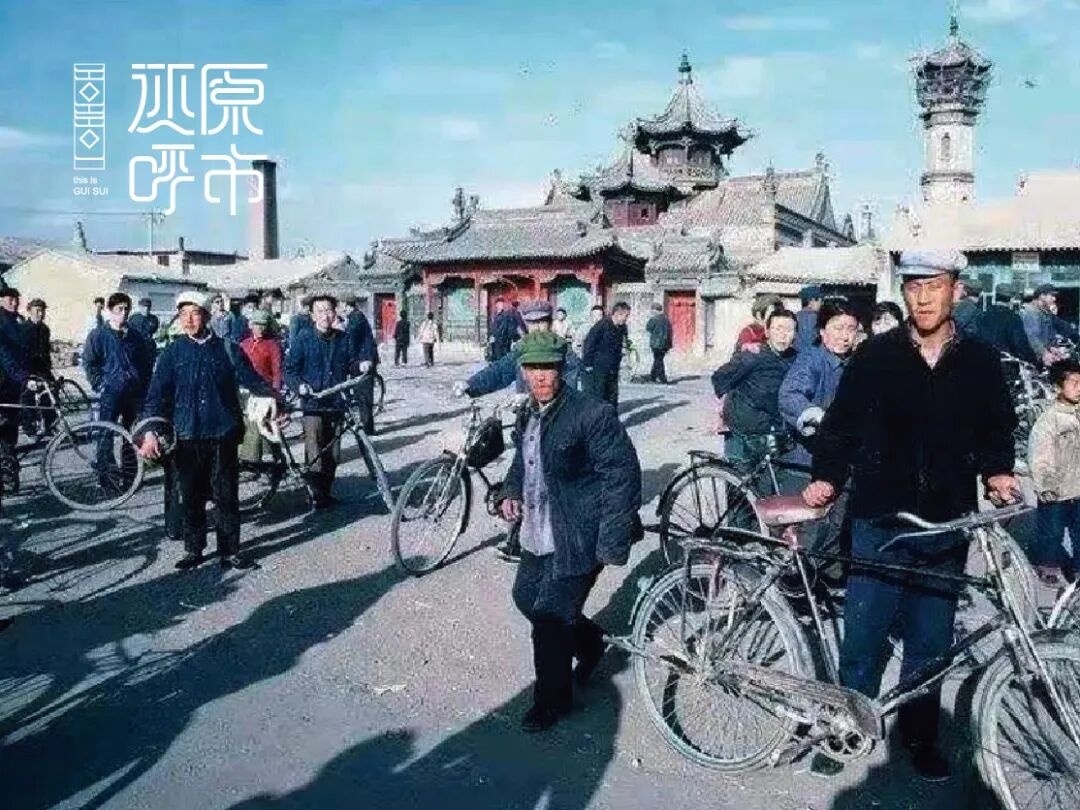
I. From Hehe Bridge to Kuan Alley: A Hui Muslim Neighborhood Born by the Camel Trail
The story of Kuan Alley begins at Hehe Bridge, near the old North Gate.
During the reign of Emperor Kangxi in the Qing Dynasty, a stone bridge was built over the Zhada River outside the North Gate of Guihua City. Coincidentally, Emperor Kangxi passed by this spot on his triumphant return from conquering Galdan. The locals named it Hehe Bridge, meaning 'ethnic harmony and smooth trade.' North of the bridge was the camel trail leading to the grasslands, and south of the bridge connected to the old North Gate. Camel caravans, merchants, and people migrating west would rest here, and a marketplace gradually formed by the bridge – this was the early form of Kuan Alley.
As trade with Mongolia flourished, a large number of Hui merchants from Shanxi and Hebei traveled north along the trade routes. They saw the convenience of settling here, close to the city gate and controlling the camel trail. They opened butcher shops, noodle stalls, and inns, building a cluster of residences and shops around the marketplace, thus forming a street. Because it was the widest carriage and horse thoroughfare outside the North Gate, allowing two camel trains to pass side-by-side, people casually called it 'Kuan Alley' (Wide Alley).
(Cool Fact Alert) In the past, Guihua City had two Kuan Alleys, one north and one south. When officially named in the 20th year of the Republic of China (1931), both were called Kuan Alley. In the 1956 place name survey, to avoid duplication, the one in the south was renamed Nanchafang Kuan Alley, while the northern one retained its original name and is the only 'official' Kuan Alley today.
Back then, Kuan Alley was much more than just a food street. A folk rhyme, 'bridge tenders, fur dealers, beizi makers, and meat cutters,' summarized the four major trades in the alley: livestock brokers, fur merchants, noodle shops, and beef and lamb shops, all closely related to caravan life. It was a supply station by the camel trail and the heart of the Hui community north of the city.
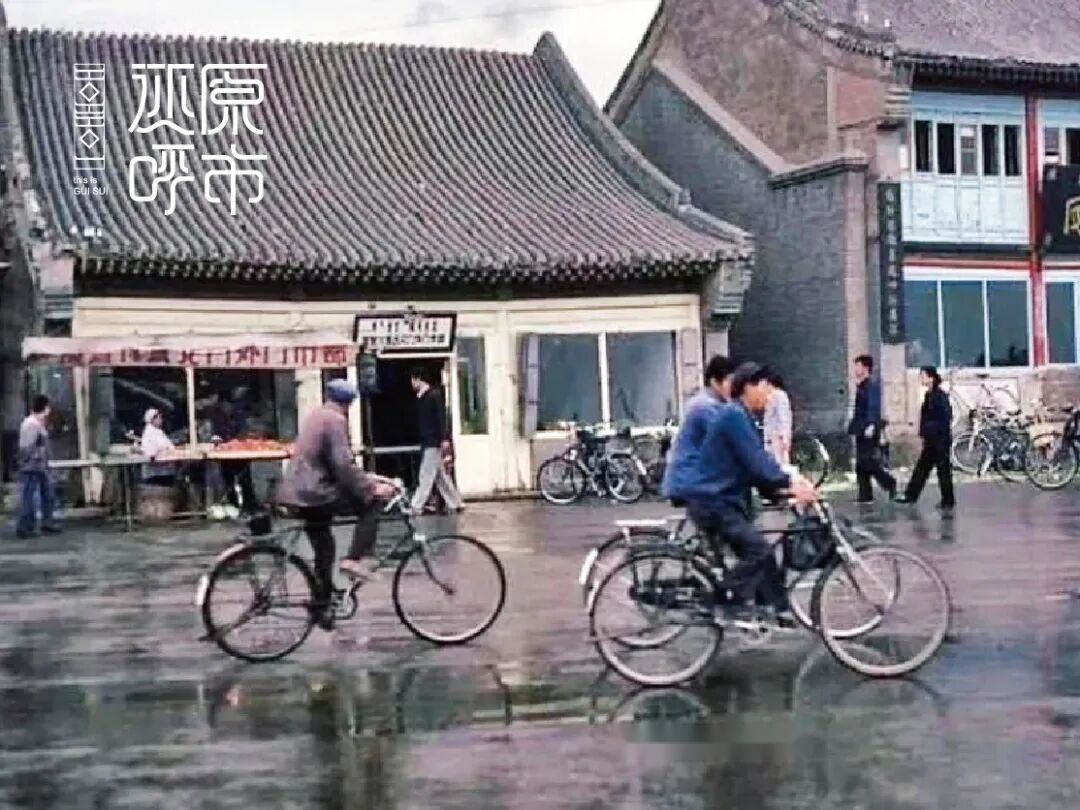
II. A 400-Meter Alley: Home to Half of Hohhot's Halal Old Brands
Today, Kuan Alley is only about 420 meters long, but it boasts the highest concentration of old, established brands in Hohhot. The entire street has one autonomous region-level time-honored brand and 17 district-level time-honored brands. Among the hundreds of shops, over half are old eateries that have been around for twenty or thirty years, with many skills passed down through two or three generations.
The food in this alley is a taste etched into the DNA of locals. Mornings belong to beizi and lamb offal; the freshly baked beef tongue beizi is crispy outside and soft inside. Paired with a bowl of hot lamb offal soup, sprinkled with cilantro and chili, it's the most satisfying breakfast for old Hohhot residents. Midday is for shaomai restaurants; thin-skinned, generously filled lamb shaomai with brick tea is the standard way locals entertain guests. In the evening, braised beef, fried cakes, and yuanxiao (glutinous rice balls) start appearing, grabbing a couple of pounds to take home makes for a solid main dish on the dinner table.
The old brands here each have their signature items: Wanshengyong Braised Beef, established in the Tongzhi period of the Qing Dynasty, slow-cooked in an old broth with a rich, savory aroma, a must-have Lunar New Year item for generations. Yangdada Beizi offers many varieties, with beef tongue, brown sugar, and sesame paste each having their fans, and long queues form every morning. There's also Wangji's zongzi (rice dumplings) and yuanxiao, and Majianguang beef jerky. These seemingly unremarkable small shops often stay popular for decades.
(Cool Fact Alert) Many of these time-honored brands only exist here and never open branches. Unlike many chain restaurants, the old brands in Kuan Alley are mostly family-run. They stick to one shop for decades, no franchising, no branches. The owner is the chef, and the staff are often younger family members, so the taste remains unchanged for decades. For locals, it's not just about the taste, but the familiar comfort of food they've eaten since they were kids.
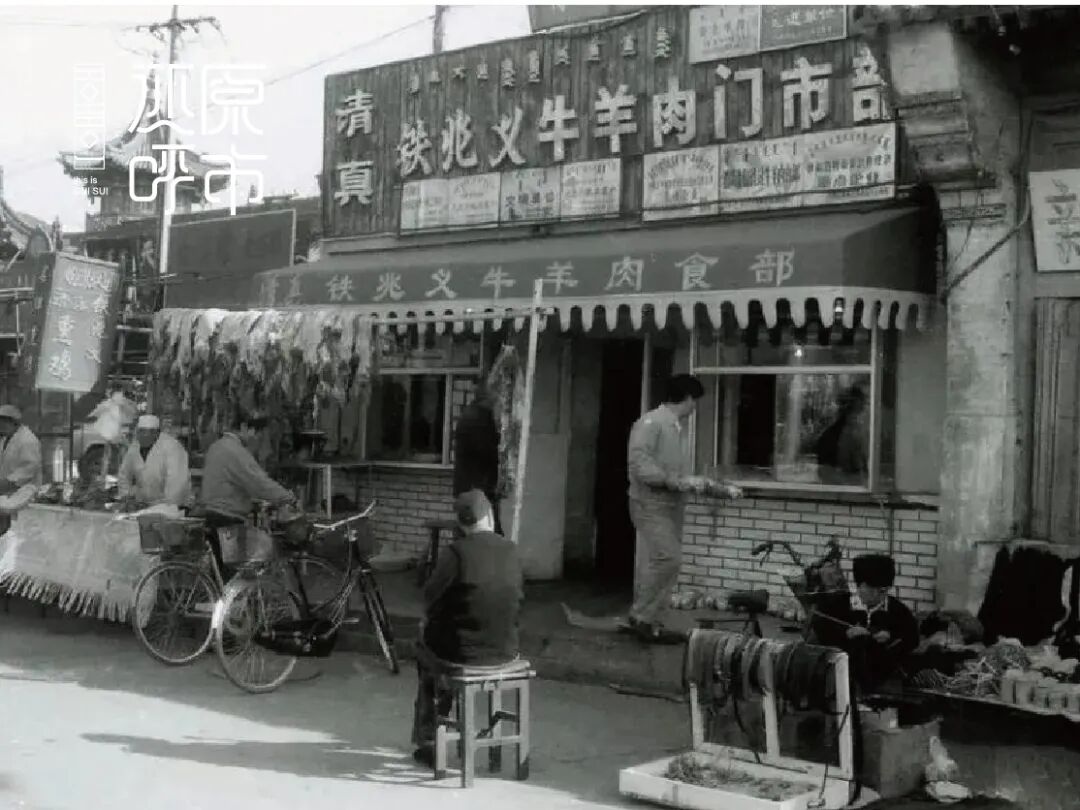
III. Morning Market and New Year's Goods: One Alley is a Whole World
For the people of the old Huimin District, Kuan Alley has never been a tourist spot; it's life itself.
Every day before dawn, the alley comes alive. The ovens in the beizi shops fire up, fresh beef and lamb hang in the butcher shops, and morning market vendors set out vegetables, dried fruits, and daily necessities. Local residents stroll by to buy groceries, grabbing breakfast along the way. The lively atmosphere lasts from dawn till noon.
It's even more bustling during festivals. In the twelfth lunar month, Kuan Alley is a must-visit for New Year's shopping: braised beef, fried cakes, candies, dried goods – all your festive food needs are met in one stop. The entire street is packed, with shouts of vendors and bargaining voices mixing, the spirit of the New Year flowing out from this alley.
(Cool Fact Alert) 'Crowded Kuan Alley in the 12th Month' is a New Year's custom that has lasted nearly a hundred years. Back in the Republic of China era, Kuan Alley was already the distribution center for New Year's goods north of the city. After the 20th of the twelfth lunar month, people from surrounding counties and banners would also come specifically to buy New Year's goods. This custom continues to this day. Even with supermarkets everywhere, many old Hohhot residents still prefer to buy their New Year's goods at Kuan Alley, feeling that only what they buy here has that authentic, old-school taste.
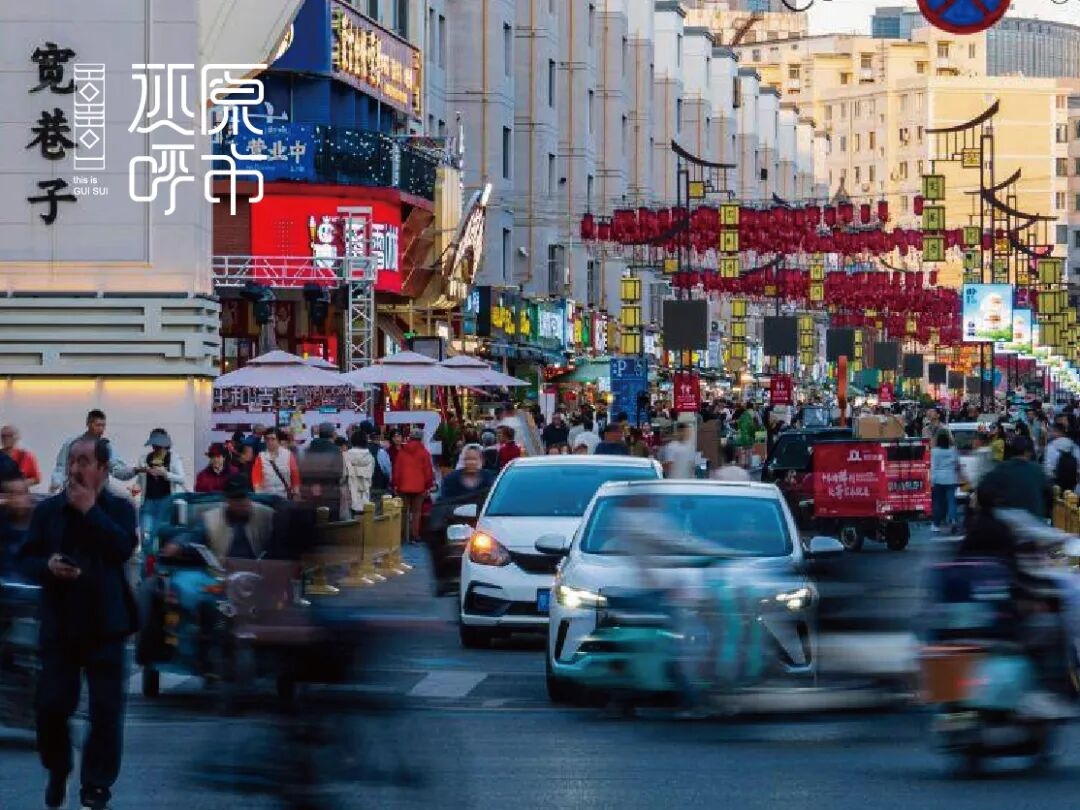
IV. Old Street, New Life: Growing Anew Amidst Vibrant Energy
In recent years, Kuan Alley has undergone renovations. The pavement is smoother, the signs are tidier, and the walls now feature creative graffiti and cultural murals, giving the old alley a more modern feel. But if you walk in, you'll find the core elements haven't changed: the old brands are still here, the old flavors haven't changed, and the majority of people lining up are still locals. It hasn't turned into a 'pseudo-ancient food street' just for tourists; it remains the go-to spot for daily life and food for the people of the Huimin District.
From a marketplace by the camel trail, to a Hui Muslim residential street, and now to a century-old food street, Kuan Alley's identity has evolved, but its essence of being rooted in daily life and serving the community has never changed. This not-so-long alley preserves the craft traditions of Hui Muslims and also embodies the daily life and vibrant spirit of people from all ethnic groups. Han, Mongolian, and Hui people all shop, eat, and chat together on this one street, naturally, without any division – this is the most vivid picture of ethnic unity in a border town.
One Kuan Alley is half of Hohhot's culinary history. With its simple, everyday charm, it has embraced the daily lives of generations and become the city's most heartwarming food landmark.
What's your favorite old brand that you always eat at in Kuan Alley, Huimin District? Share in the comments below!
Ditch the filters, discover the real Hohhot.
Last time we explored the areas around Xiaozhao Front Street and Xinglong Alley, getting a feel for the historical 'temple city' vibes imprinted on the place names. Heading north from the temple streets south of the city, past the old North Gate, you'll find a whole different world buzzing with life. The air is filled with the aroma of beizi, the savory scent of lamb offal, and the rich smell of braised beef. This alley, a little over 400 meters long, packs in Hohhot's most authentic halal flavors and holds a century of memories for the Hui community that settled in the northern part of the city. This is Kuan Alley, located in Hohhot's Huimin District, stretching from Qianxincheng Road in the east to Tongdaonan Road in the west.
Many people know it as a trendy food street, a must-visit foodie paradise when in Hohhot, but few realize this alley took shape back in the Qing Dynasty. It used to be a key stop along the tea-and-camel caravan route, a place where Hui Muslims who traveled west put down roots. From the marketplace by Hehe Bridge to today's food street scene, over three hundred years have passed, the alley has gotten wider, but its vibrant atmosphere has never faded.
I. From Hehe Bridge to Kuan Alley: A Hui Muslim Neighborhood Born by the Camel Trail
The story of Kuan Alley begins at Hehe Bridge, near the old North Gate.
During the reign of Emperor Kangxi in the Qing Dynasty, a stone bridge was built over the Zhada River outside the North Gate of Guihua City. Coincidentally, Emperor Kangxi passed by this spot on his triumphant return from conquering Galdan. The locals named it Hehe Bridge, meaning 'ethnic harmony and smooth trade.' North of the bridge was the camel trail leading to the grasslands, and south of the bridge connected to the old North Gate. Camel caravans, merchants, and people migrating west would rest here, and a marketplace gradually formed by the bridge – this was the early form of Kuan Alley.
As trade with Mongolia flourished, a large number of Hui merchants from Shanxi and Hebei traveled north along the trade routes. They saw the convenience of settling here, close to the city gate and controlling the camel trail. They opened butcher shops, noodle stalls, and inns, building a cluster of residences and shops around the marketplace, thus forming a street. Because it was the widest carriage and horse thoroughfare outside the North Gate, allowing two camel trains to pass side-by-side, people casually called it 'Kuan Alley' (Wide Alley).
(Cool Fact Alert) In the past, Guihua City had two Kuan Alleys, one north and one south. When officially named in the 20th year of the Republic of China (1931), both were called Kuan Alley. In the 1956 place name survey, to avoid duplication, the one in the south was renamed Nanchafang Kuan Alley, while the northern one retained its original name and is the only 'official' Kuan Alley today.
Back then, Kuan Alley was much more than just a food street. A folk rhyme, 'bridge tenders, fur dealers, beizi makers, and meat cutters,' summarized the four major trades in the alley: livestock brokers, fur merchants, noodle shops, and beef and lamb shops, all closely related to caravan life. It was a supply station by the camel trail and the heart of the Hui community north of the city.
II. A 400-Meter Alley: Home to Half of Hohhot's Halal Old Brands
Today, Kuan Alley is only about 420 meters long, but it boasts the highest concentration of old, established brands in Hohhot. The entire street has one autonomous region-level time-honored brand and 17 district-level time-honored brands. Among the hundreds of shops, over half are old eateries that have been around for twenty or thirty years, with many skills passed down through two or three generations.
The food in this alley is a taste etched into the DNA of locals. Mornings belong to beizi and lamb offal; the freshly baked beef tongue beizi is crispy outside and soft inside. Paired with a bowl of hot lamb offal soup, sprinkled with cilantro and chili, it's the most satisfying breakfast for old Hohhot residents. Midday is for shaomai restaurants; thin-skinned, generously filled lamb shaomai with brick tea is the standard way locals entertain guests. In the evening, braised beef, fried cakes, and yuanxiao (glutinous rice balls) start appearing, grabbing a couple of pounds to take home makes for a solid main dish on the dinner table.
The old brands here each have their signature items: Wanshengyong Braised Beef, established in the Tongzhi period of the Qing Dynasty, slow-cooked in an old broth with a rich, savory aroma, a must-have Lunar New Year item for generations. Yangdada Beizi offers many varieties, with beef tongue, brown sugar, and sesame paste each having their fans, and long queues form every morning. There's also Wangji's zongzi (rice dumplings) and yuanxiao, and Majianguang beef jerky. These seemingly unremarkable small shops often stay popular for decades.
(Cool Fact Alert) Many of these time-honored brands only exist here and never open branches. Unlike many chain restaurants, the old brands in Kuan Alley are mostly family-run. They stick to one shop for decades, no franchising, no branches. The owner is the chef, and the staff are often younger family members, so the taste remains unchanged for decades. For locals, it's not just about the taste, but the familiar comfort of food they've eaten since they were kids.
III. Morning Market and New Year's Goods: One Alley is a Whole World
For the people of the old Huimin District, Kuan Alley has never been a tourist spot; it's life itself.
Every day before dawn, the alley comes alive. The ovens in the beizi shops fire up, fresh beef and lamb hang in the butcher shops, and morning market vendors set out vegetables, dried fruits, and daily necessities. Local residents stroll by to buy groceries, grabbing breakfast along the way. The lively atmosphere lasts from dawn till noon.
It's even more bustling during festivals. In the twelfth lunar month, Kuan Alley is a must-visit for New Year's shopping: braised beef, fried cakes, candies, dried goods – all your festive food needs are met in one stop. The entire street is packed, with shouts of vendors and bargaining voices mixing, the spirit of the New Year flowing out from this alley.
(Cool Fact Alert) 'Crowded Kuan Alley in the 12th Month' is a New Year's custom that has lasted nearly a hundred years. Back in the Republic of China era, Kuan Alley was already the distribution center for New Year's goods north of the city. After the 20th of the twelfth lunar month, people from surrounding counties and banners would also come specifically to buy New Year's goods. This custom continues to this day. Even with supermarkets everywhere, many old Hohhot residents still prefer to buy their New Year's goods at Kuan Alley, feeling that only what they buy here has that authentic, old-school taste.
IV. Old Street, New Life: Growing Anew Amidst Vibrant Energy
In recent years, Kuan Alley has undergone renovations. The pavement is smoother, the signs are tidier, and the walls now feature creative graffiti and cultural murals, giving the old alley a more modern feel. But if you walk in, you'll find the core elements haven't changed: the old brands are still here, the old flavors haven't changed, and the majority of people lining up are still locals. It hasn't turned into a 'pseudo-ancient food street' just for tourists; it remains the go-to spot for daily life and food for the people of the Huimin District.
From a marketplace by the camel trail, to a Hui Muslim residential street, and now to a century-old food street, Kuan Alley's identity has evolved, but its essence of being rooted in daily life and serving the community has never changed. This not-so-long alley preserves the craft traditions of Hui Muslims and also embodies the daily life and vibrant spirit of people from all ethnic groups. Han, Mongolian, and Hui people all shop, eat, and chat together on this one street, naturally, without any division – this is the most vivid picture of ethnic unity in a border town.
One Kuan Alley is half of Hohhot's culinary history. With its simple, everyday charm, it has embraced the daily lives of generations and become the city's most heartwarming food landmark.
What's your favorite old brand that you always eat at in Kuan Alley, Huimin District? Share in the comments below!
