
Best Halal Food in Hohhot: Authentic Hui Muslim Shaomai, Hand-Grabbed Lamb, and Traditional Mosque Cuisine Guide
This deep dive features 77 original, in-depth photos of classic Halal restaurants in Hohhot, Inner Mongolia, that have been local staples for over a decade. From traditional Gui-Sui style shaomai (steamed dumplings) and youxiang (traditional fried dough cakes) or beizi (steamed buns) to authentic shouzhua yangrou (hand-grabbed lamb) and signature copper-pot hot pot, we take a comprehensive look at the timeless Halal flavors and culinary heritage hidden deep within the historic Hui Muslim streets of Hohhot.

Hello everyone,
It’s been five days since I returned from Hohhot, and I’m already missing it.
When people mention Hohhot, their first reaction is usually the grasslands.
But during my brief three-day stay, I discovered a different kind of northern charm.

It is a place where grassland scenery and a modern city intertwine, and where the history of the old city coexists with the vibrant, everyday life of the streets.

The city itself possesses so much charm that it’s worth slowing down to truly experience.
As someone who loves food and specifically hunts for Halal cuisine, I started doing crazy amounts of research before leaving. Halal restaurants are everywhere in Hohhot, but my standards have always been high: it has to be authentic, delicious, and have a strong local character.
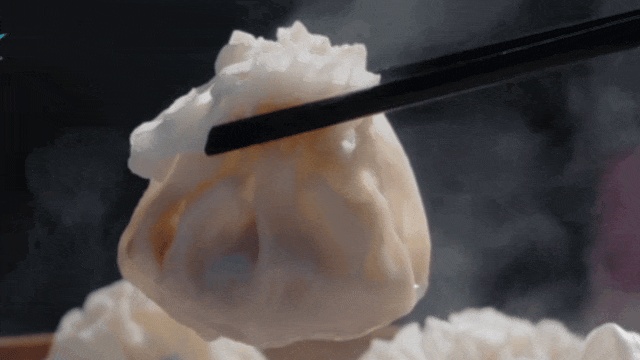
After eating there for several days straight, I’ve put together a Halal food list: it includes both long-standing establishments rooted in Hohhot for over a decade and some newer culinary finds.
Save this guide; I hope it serves as a helpful reference for those of you planning your trip.
If you haven't eaten shaomai, you haven't really been to Hohhot.
In Hohhot, shaomai is the city’s undisputed culinary business card.
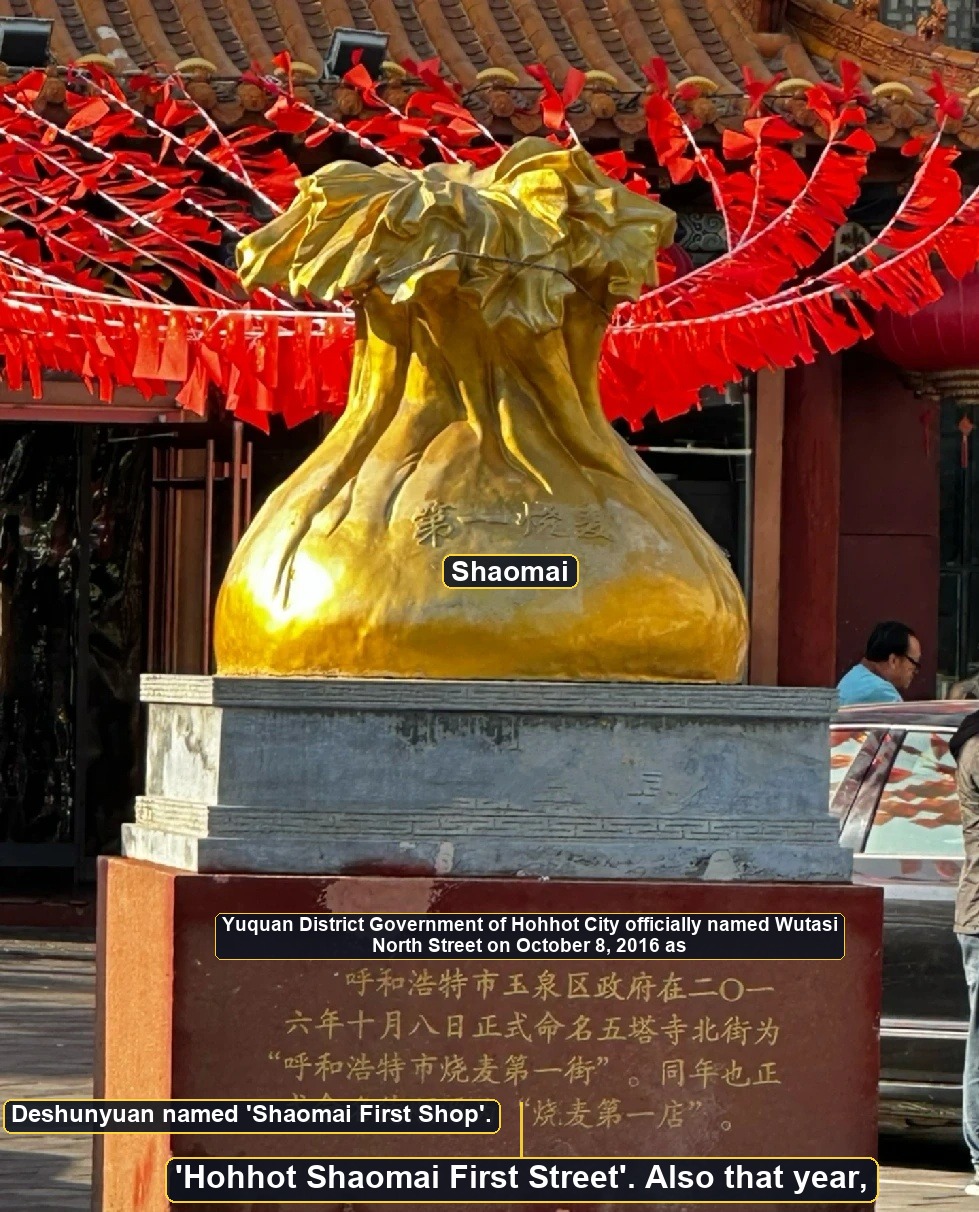
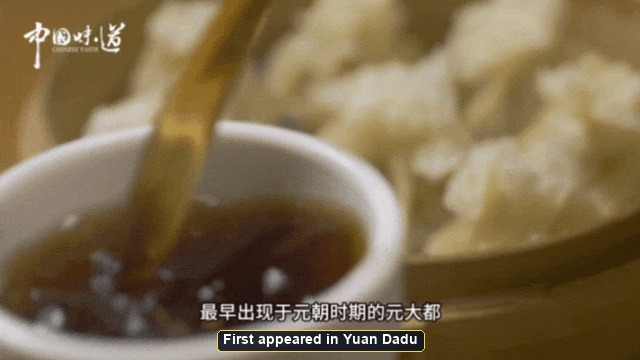
Life here begins with a steaming basket of shaomai and a pot of savory brick tea.
It’s not just a must-have breakfast for locals, but it’s also been listed as an intangible cultural heritage at the autonomous region level.
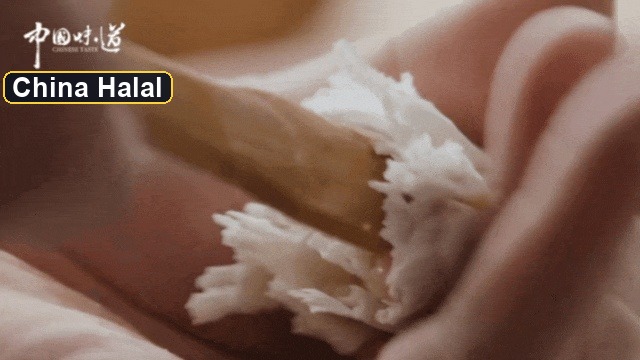
There are nearly 3,000 shaomai shops in the city, which is proof enough of its importance in the daily lives of the locals.
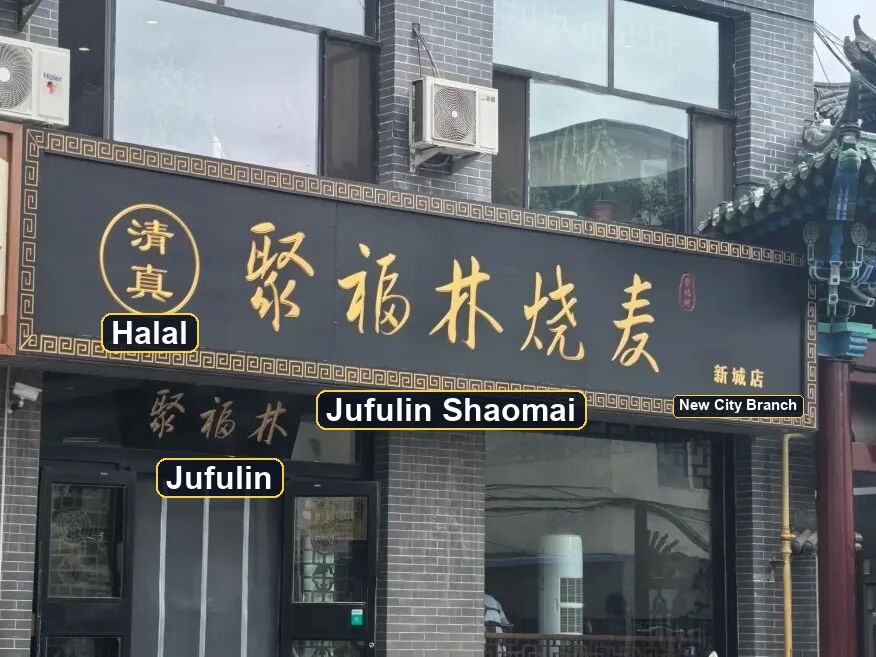
Hohhot residents definitely have their own personal favorites when it comes to shaomai. I skipped the hyped-up spots online, listened to some local friends, and just took a taxi straight to Jufulin (a 12-year-old Halal institution).
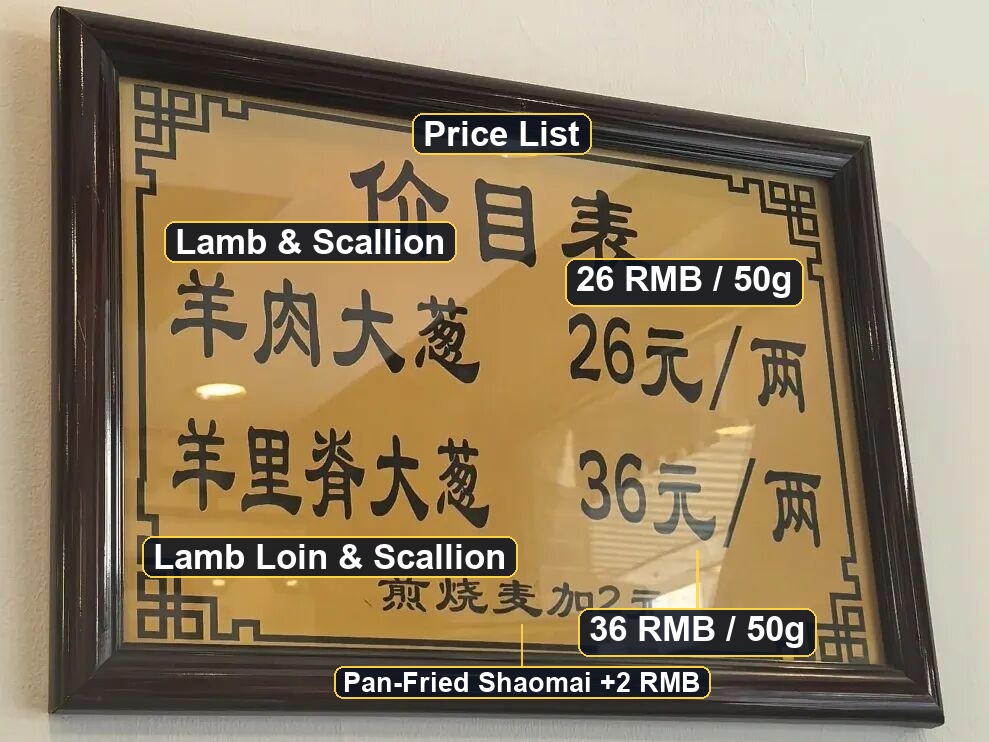
They serve both steamed and pan-fried shaomai; I tried both, and I personally prefer the crispy pan-fried version, though both are excellent.
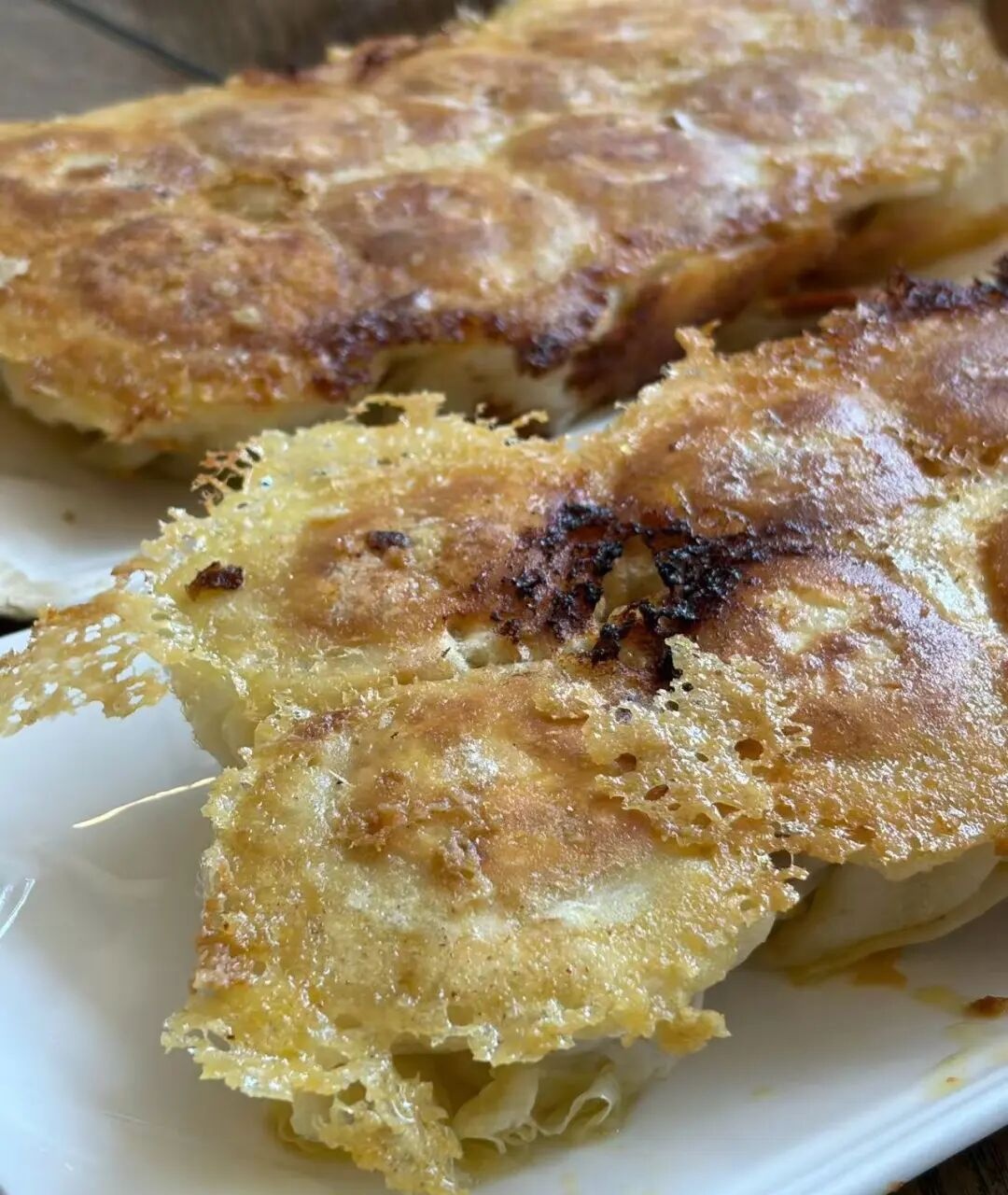
The mutton and green onion shaomai uses lamb leg meat cut by hand, so you can really taste distinct chunks of meat, not the finely minced kind.
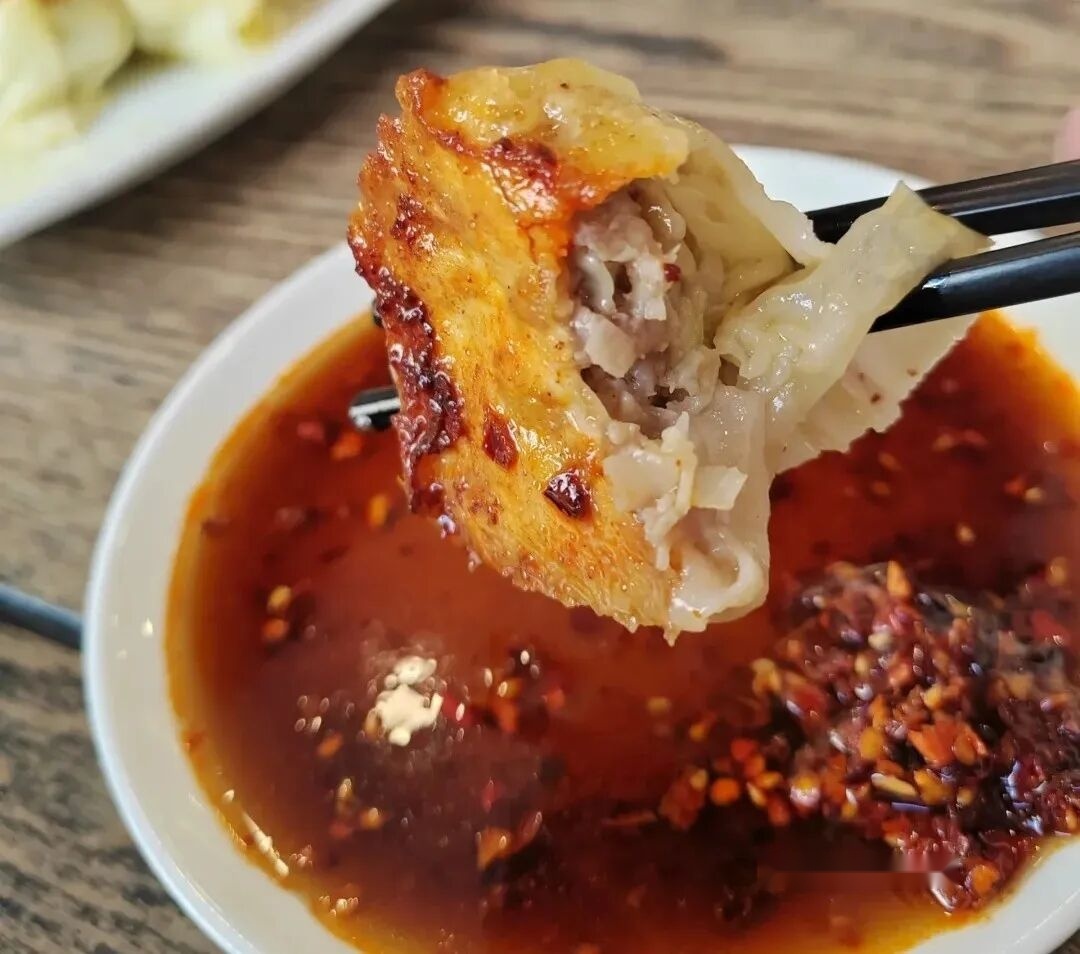
The dough wrapper is the best I’ve ever had—thin but with a nice, oily richness.
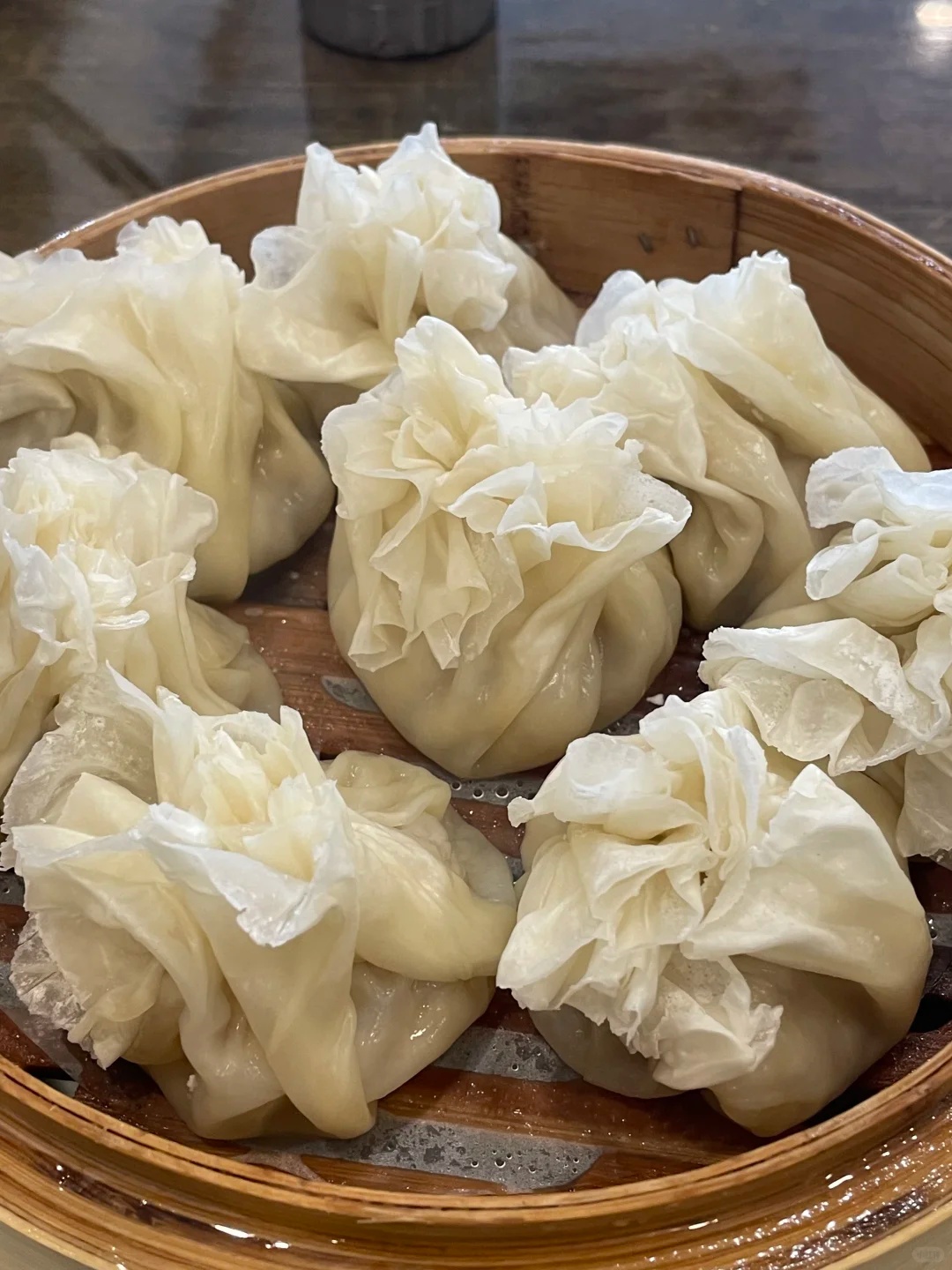
For those who don't like fatty meat, you must order a basket of the lamb tenderloin and green onion shaomai. Even though it's tenderloin, it's not dry or greasy, and it's full of juice.
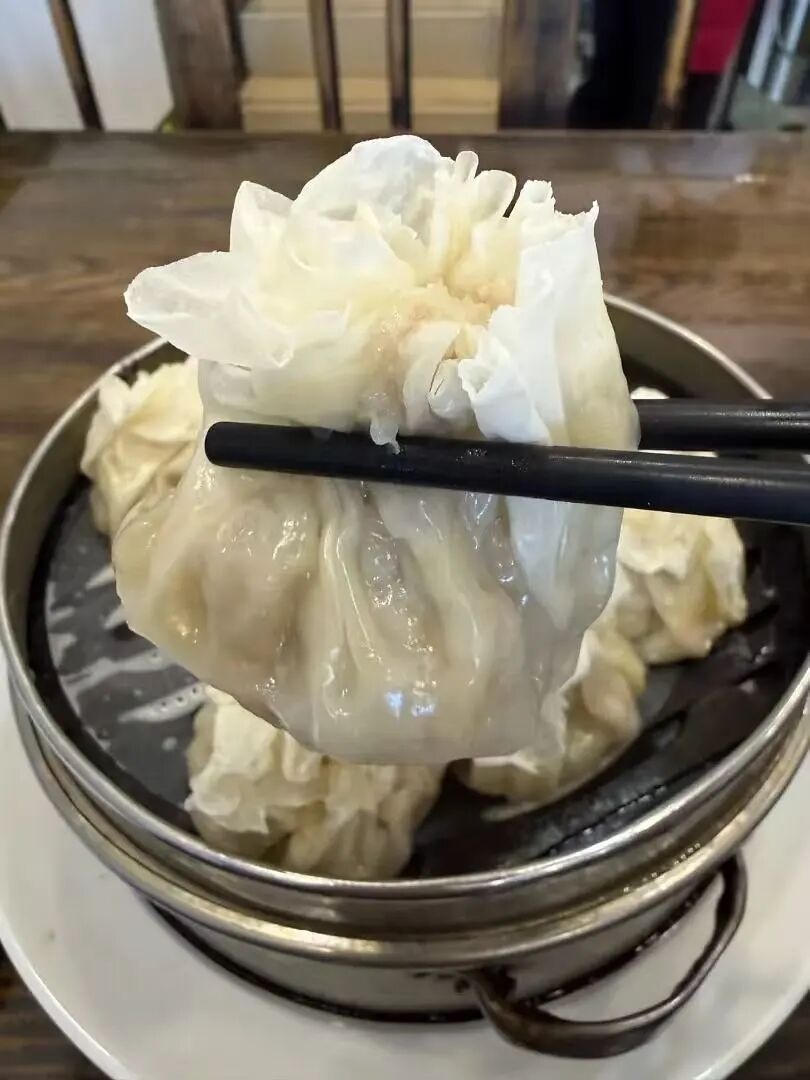
I barely tasted any mutton gamey flavor in either basket, and the dough wrapper had a faint sweetness when chewed. Dip it in vinegar and a little bit of chili oil.
One of the two giants of Hohhot stir-fry: Yu-Xiang Rou-Si (fish-flavored shredded pork).
In any old-school Hohhot restaurant, you’ll find Yu-Xiang Rou-Si on the menu.
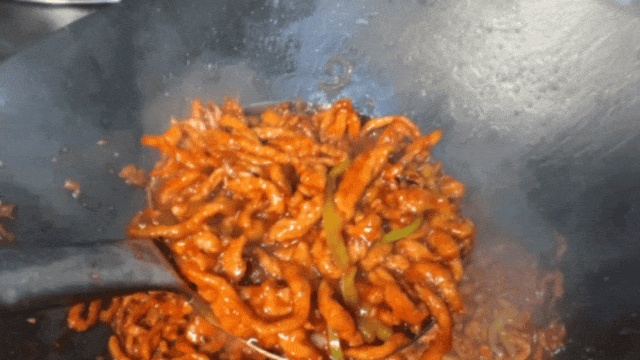
Unlike the original Sichuan version, it’s a localized adaptation: it emphasizes the "wok hei" (breath of the wok), a balance of sweet and sour, and a prominent vinegar aroma. It’s not the heavy pickled pepper flavor, but rather the classic, familiar northern style.
This is a 'hole-in-the-wall' joint (a 10-year-old Halal spot) that a friend tipped me off about. They specialize in stir-fries, assorted hot pots, and copper-pot shabu-shabu. If you want to find authentic old-school Hohhot flavors, this is the place.
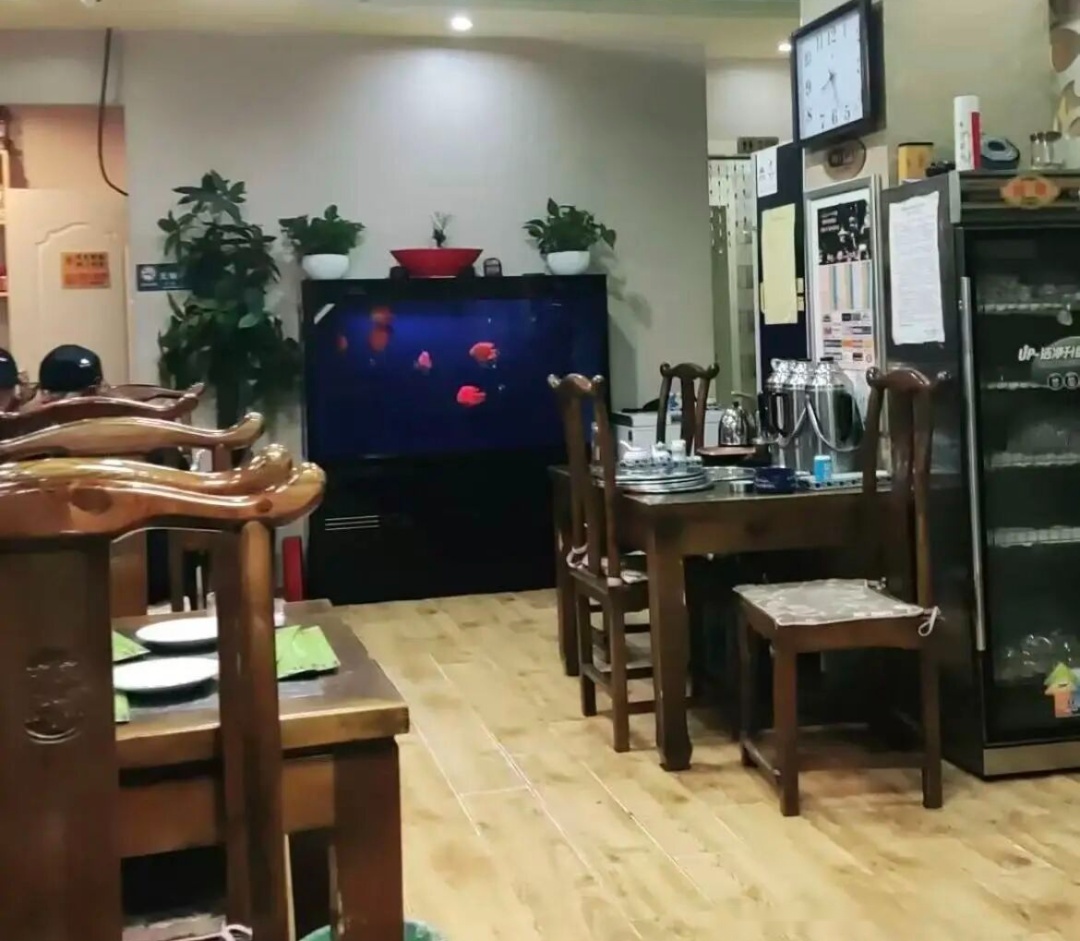
A quick heads-up: don’t set your expectations for the environment too high. Most long-standing shops are pretty much like this—simple and humble, because the focus is entirely on the flavor.
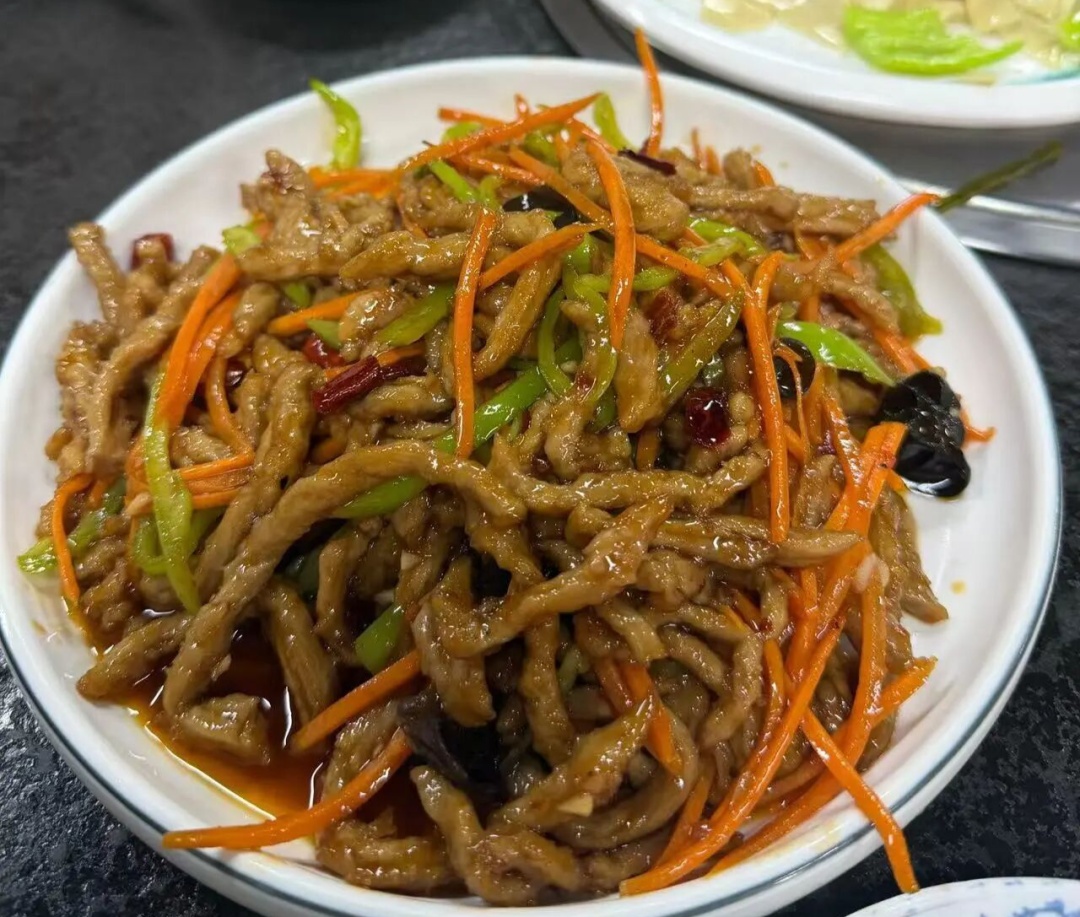
I came here specifically for their Yu-Xiang Rou-Si, and my friend kept insisting: 'You can order whatever else you want, but you have to eat this.'
It’s not cloyingly sweet, and the vinegar taste isn't overpowering. The shredded beef is tender, rich in savory sauce, and has that authentic old-fashioned taste—it’s amazing with noodles.
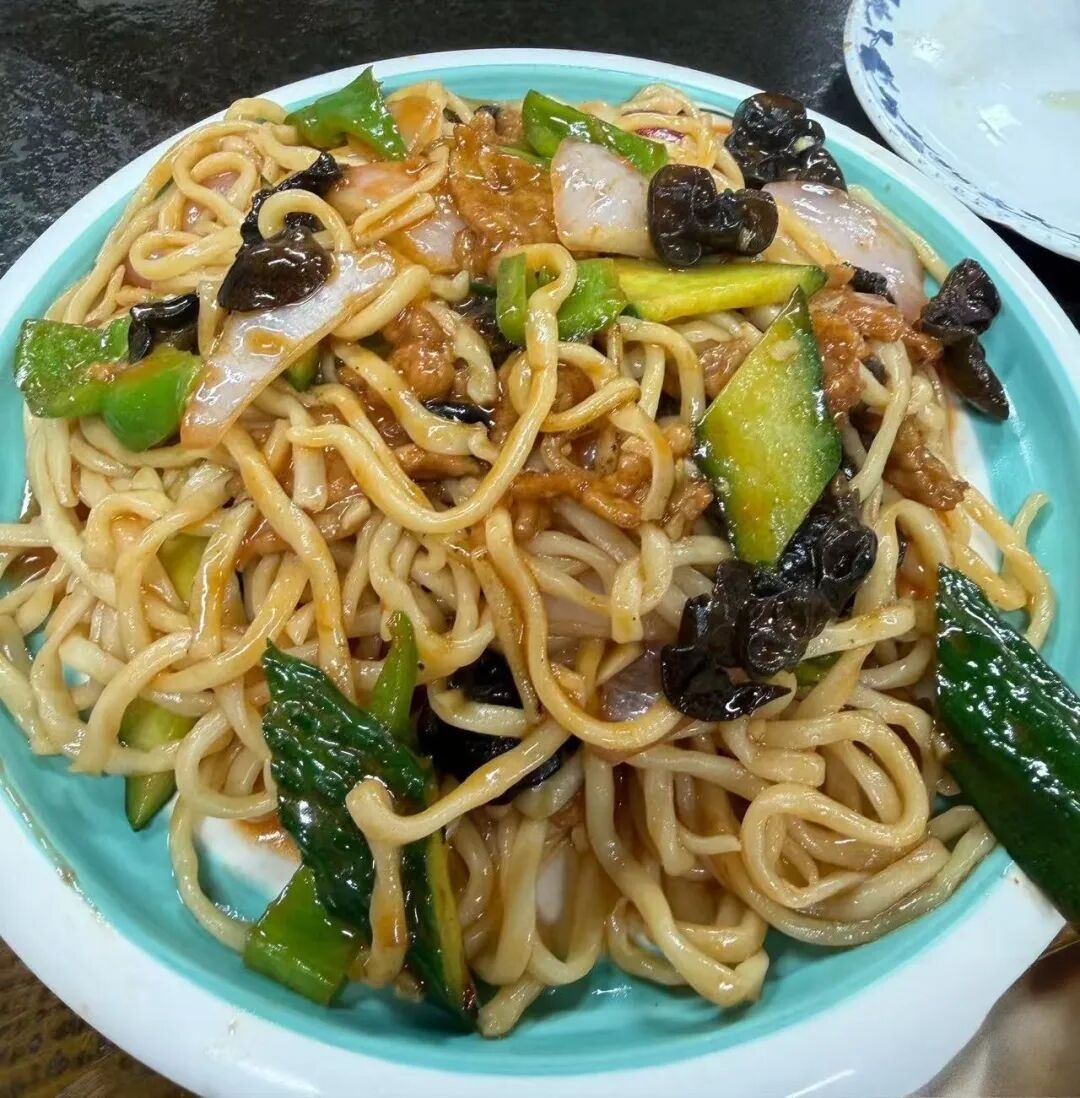
The hand-pulled noodles with 'Guoyou' (oil-blanched) meat are chewy; it’s worth visiting just for a bowl of these noodles, with every strand coated in savory sauce.

Eating copper-pot shabu-shabu in Inner Mongolia is hard to get wrong, and this place is no exception. The beef and mutton are thick-sliced to order, fresh enough to see, and have a great bite.
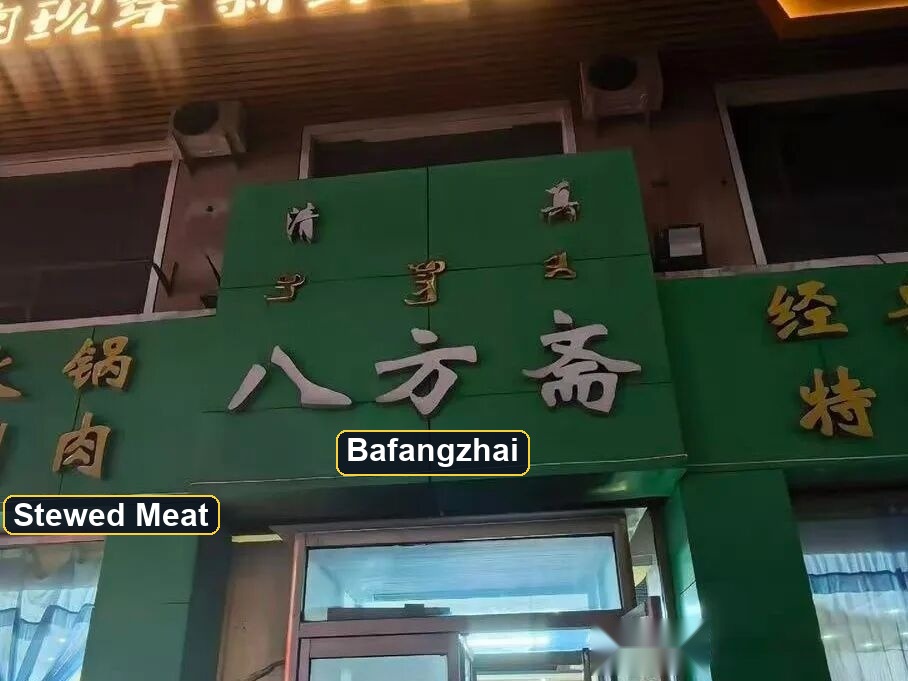
Bing Zhu Yang (ice-boiled lamb)—Hohhot’s most iconic signature dish.
Ice-boiled lamb isn't just some made-up viral trend.
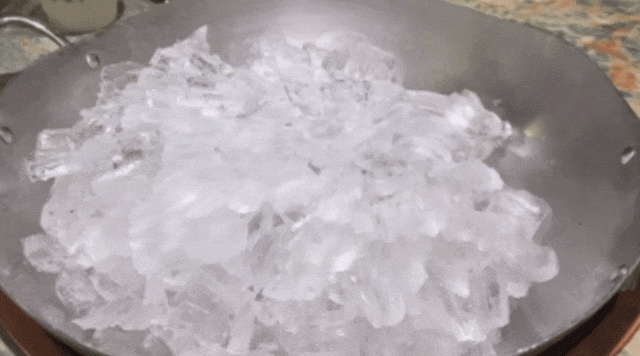
The concept originated from nomadic herders on the grasslands: in the winter, when there was no running water, they would chisel ice to melt into water for boiling meat. It eventually evolved into the iconic specialty hot pot we see in Hohhot today.
I looked it up, and this spot is ranked number one for charcoal hot pot in the Huimin District! (A 10-year-old Halal shop).

When the pot was brought out, the visual impact was quite something. The bottom was layered with onions and carrots, topped with a thick layer of ice cubes, and then piled high with large chunks of raw mutton. You could tell at a glance that the meat was incredibly fresh.

Honestly, my expectations were sky-high before I started eating, and while it didn't quite hit that "mind-blowing" level I anticipated, the quality of the lamb itself was spot-on.

After waiting for the pot to boil and the meat to cook through, the texture was super tender and firm, with a natural, savory sweetness. The best way to enjoy it is to sip the broth first, then eat the meat—it really makes for a great experience.

I personally loved the sesame paste dipping sauce; it was rich and flavorful, complementing the lamb perfectly.

The peak of Hohhot lamb: 40 years of mastering lamb dishes.
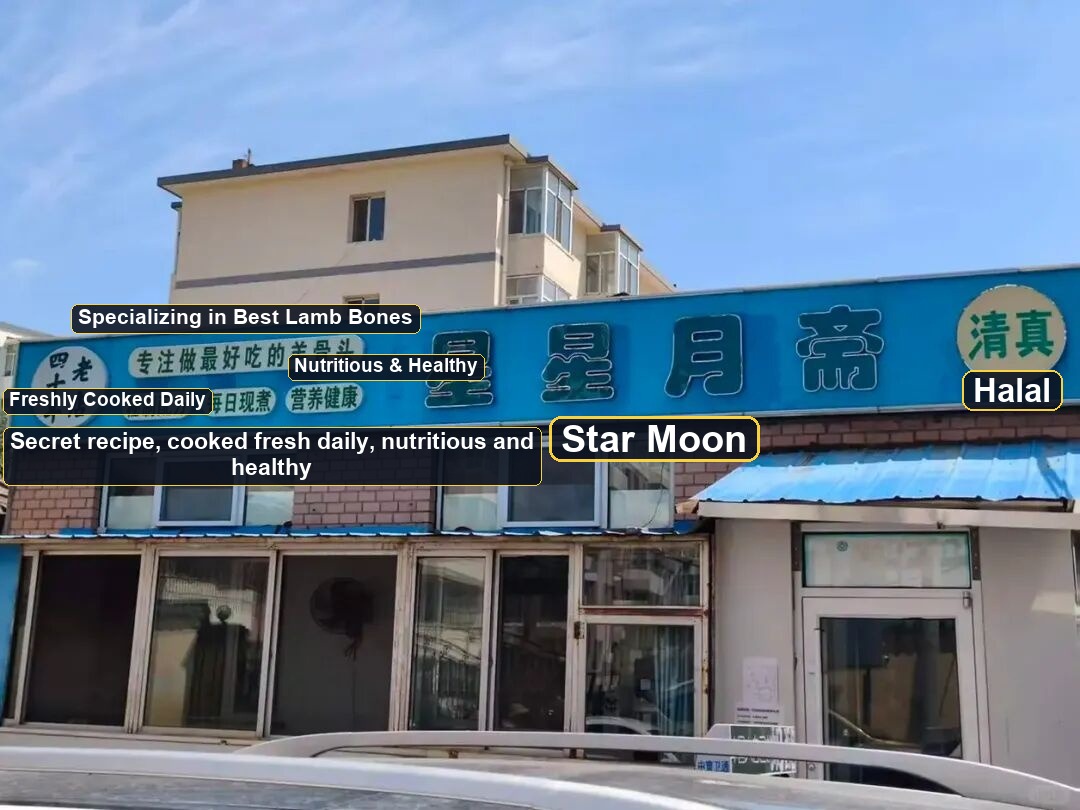
Xingyuezhai has been a Halal staple in Hohhot for 40 years. It’s not some trendy, mass-produced joint; they’ve been sticking to their traditional, time-honored techniques for decades.

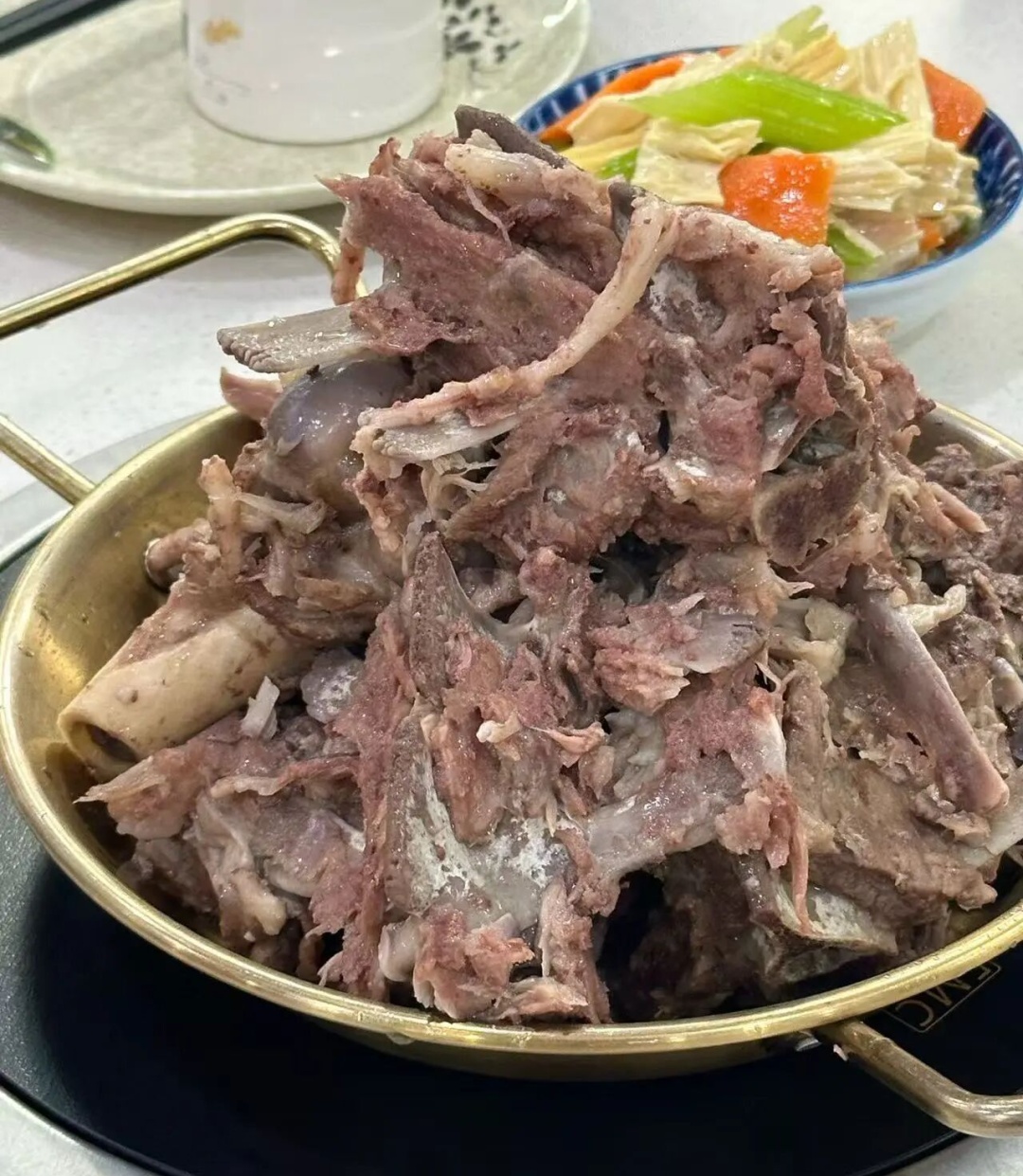
Their signature lamb bones are slow-simmered in a traditional broth, and they are completely free of any gamey smell.
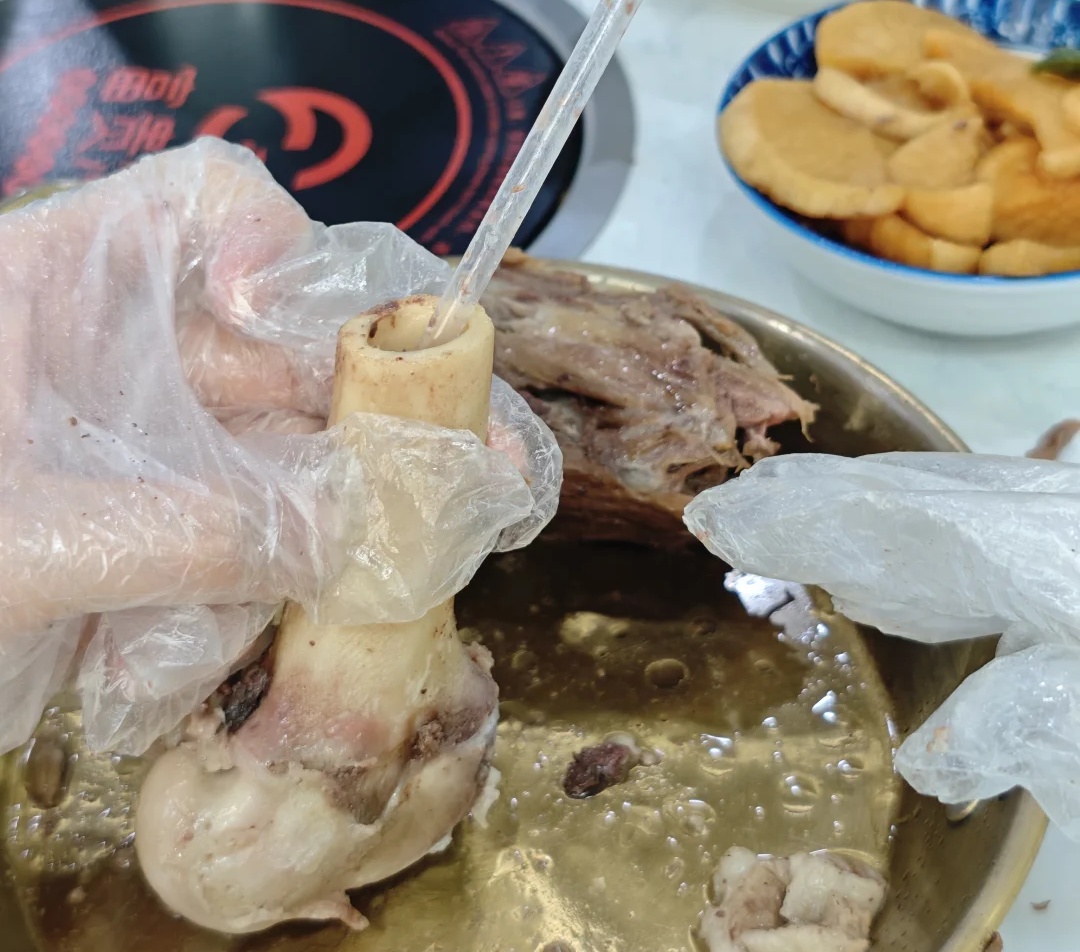
They’re stewed until so tender they fall right off the bone, and the marrow bones are absolutely packed with rich, creamy goodness.
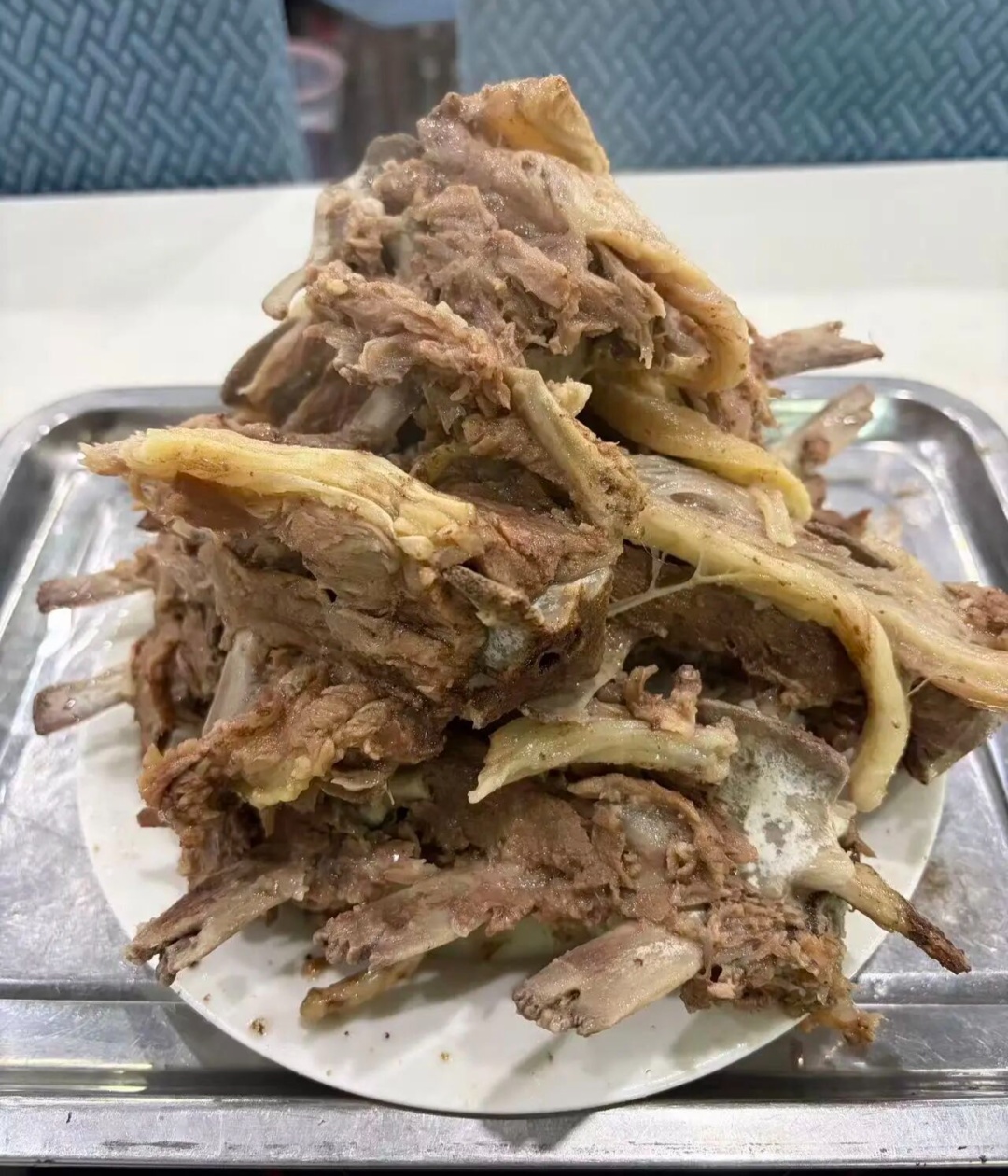
You can choose between lamb spine or lamb shank, or go for a mix of both. I personally prefer the lamb spine—it’s meatier and really satisfying to gnaw on.
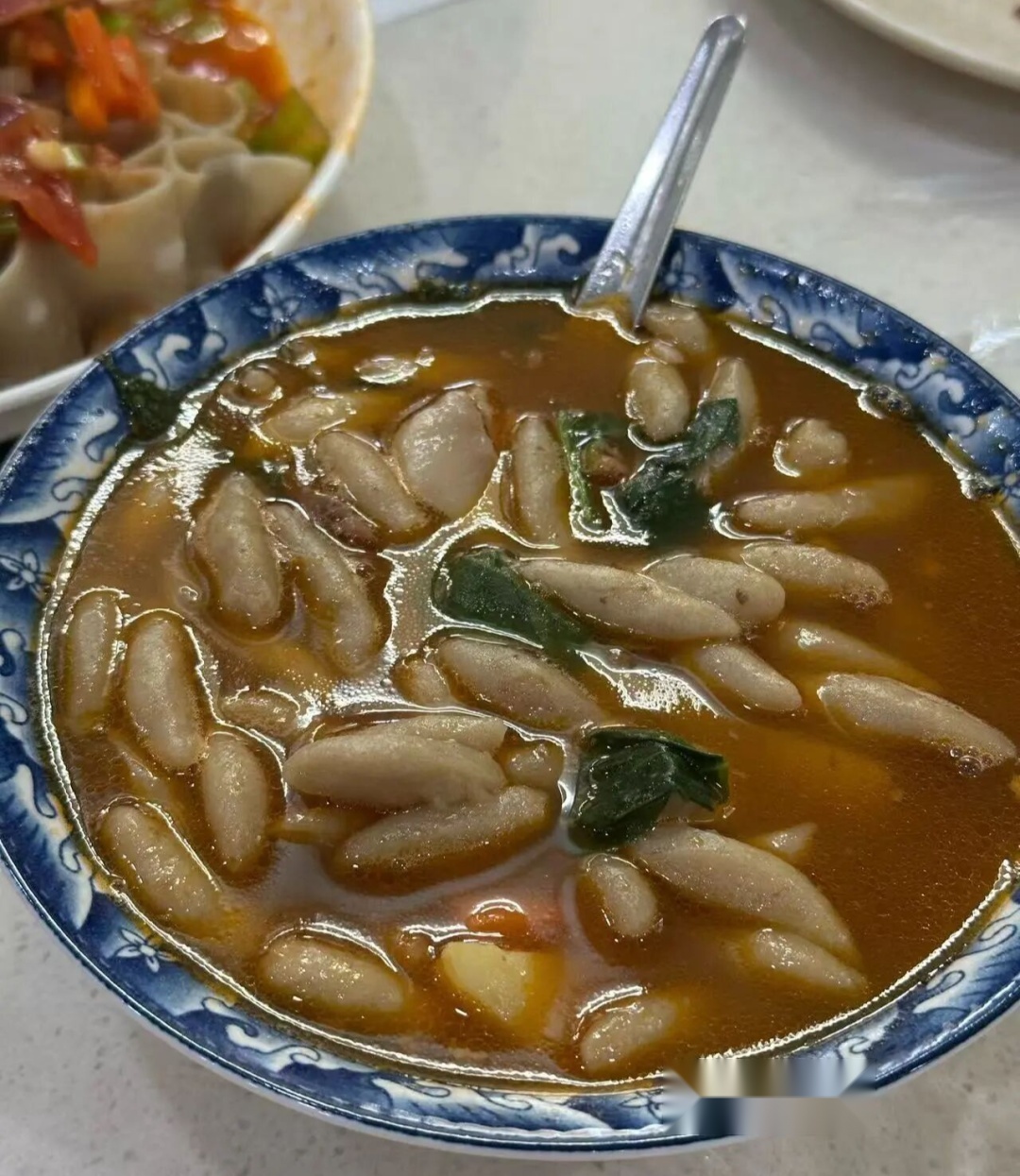
Pair it with a side of youmian yuyu (steamed oat noodles shaped like little fish). The broth is super thick and flavorful; the noodles have a great chewy texture, and they soak up all that meaty goodness, making every bite delicious.
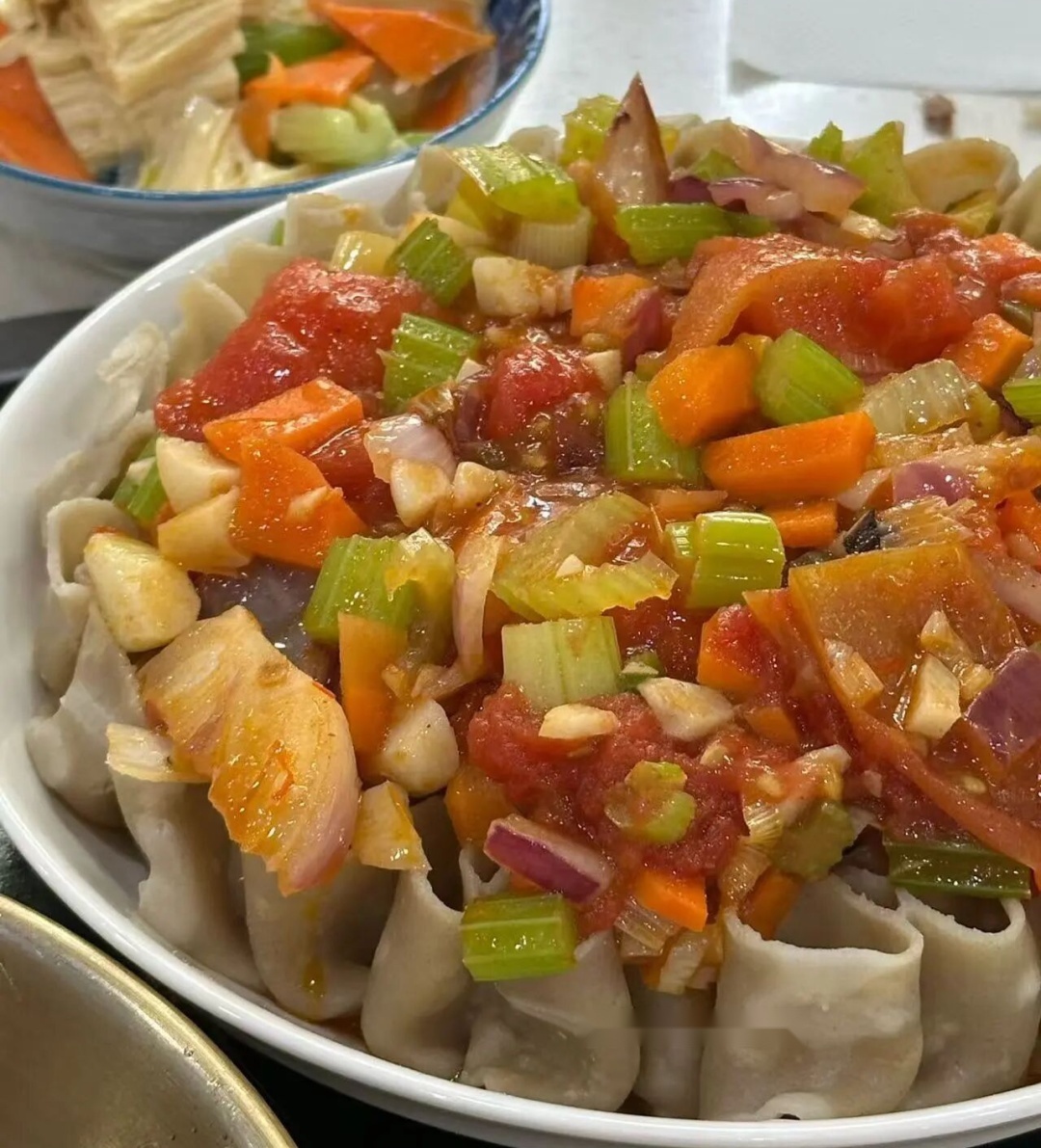
The youmian wowo (rolled steamed oat noodles) are stacked up neatly, and they have such a rich, nutty grain aroma when steamed.
The side dishes are classic home-style comfort foods: scallion tofu, spicy and sour radishes, and pickled veggies. They’re refreshing and help cut through the richness—just order whatever suits your taste.
Copper Hot Pot: The most authentic way to enjoy prairie lamb.
Why is it a must-eat when you visit Hohhot?
If you really want to experience the true flavor of prairie lamb, a clear-broth hot pot is the most direct way to do it! You’ll know if it’s good from the very first bite.
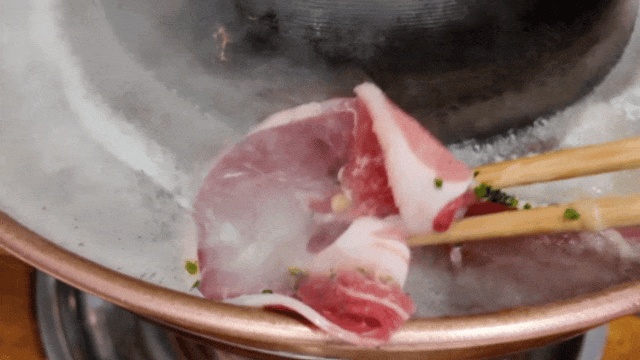
This place specializes in about-one-year-old prairie lambs (an 11-year-old Halal shop). The owner says they run their own ranch, handling everything from the pasture to the table to ensure the meat stays fresh.
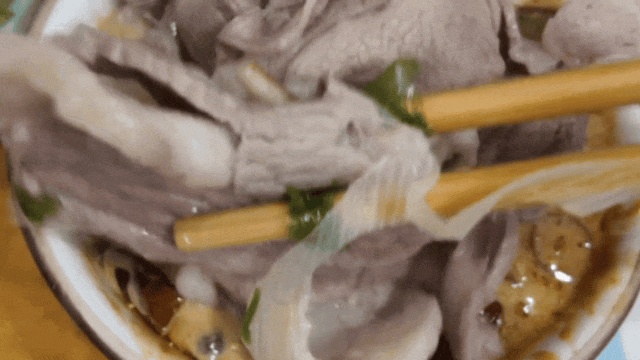
This kind of lamb is incredibly tender with very little gamey taste; it even has a subtle, milky sweetness, which is a profile I really love.
It uses a traditional clear-broth copper pot. The base looks simple, but it includes a bit of suancai (pickled cabbage) to add a slight tang that enhances the flavor without overpowering the lamb—it perfectly highlights the meat's natural taste.
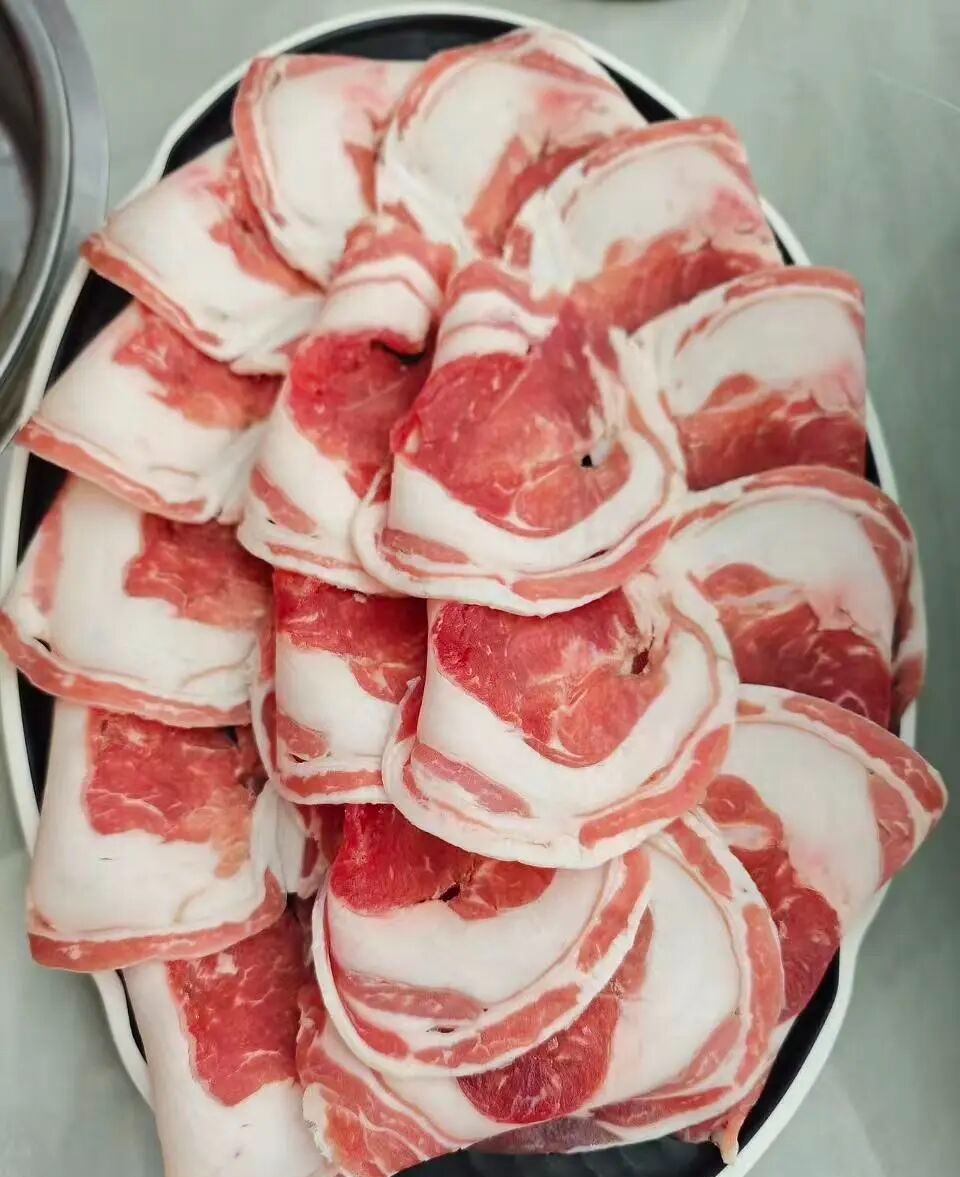
The signature thinly sliced lamb is cut to the perfect thickness. Once you swish it in the pot, it turns out super tender and juicy, with a rich, milky flavor and almost no gamey scent.
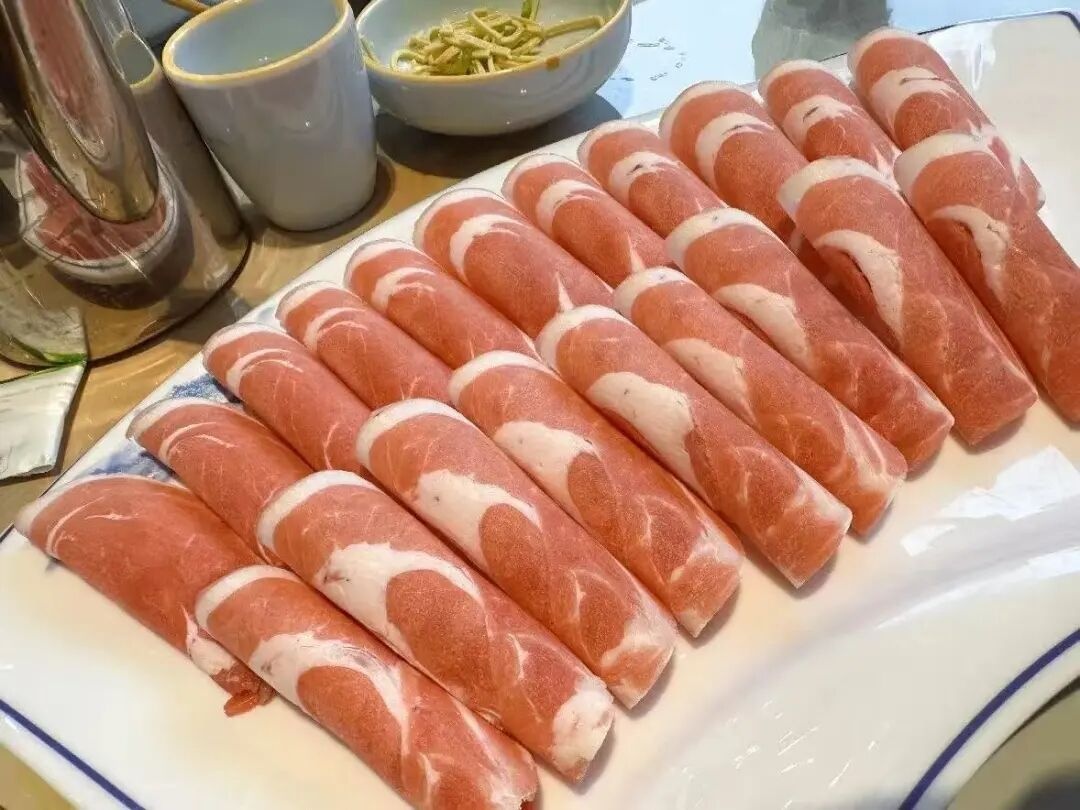
The premium lamb slices are huge and delicious, with virtually no gamey taste—eating them is a real treat.
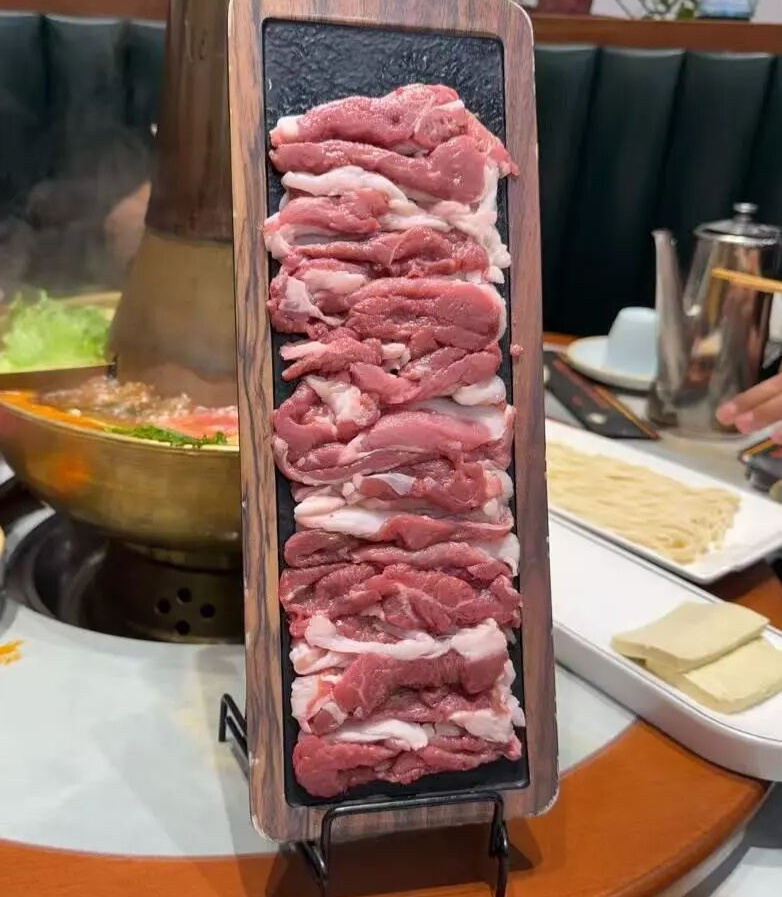
The hand-sliced fresh lamb might be a bit thicker because it’s cut by hand, but the flavor is spot-on and the texture isn't tough at all.
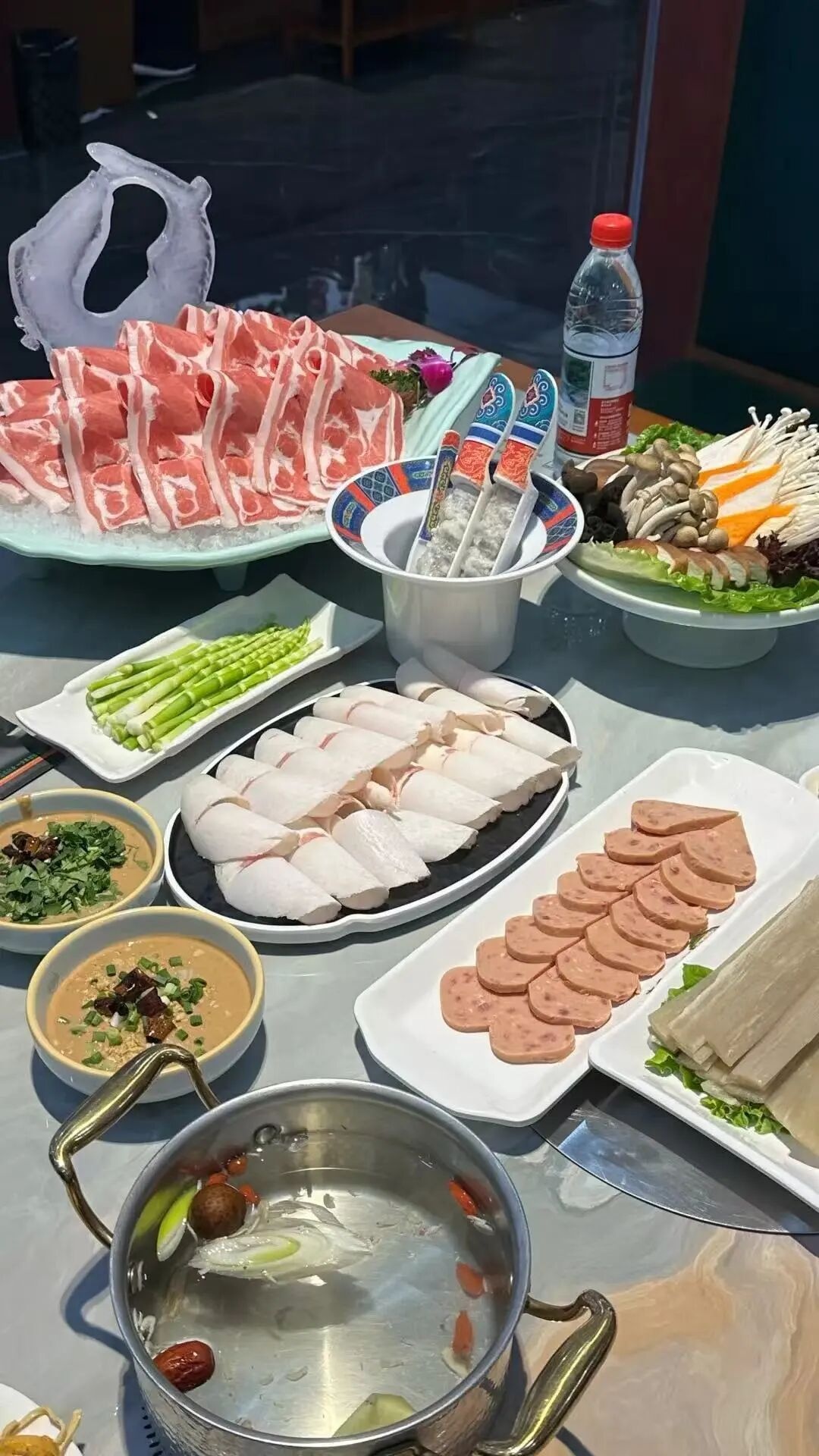
A clear water broth really puts the quality of the meat to the test, and their lamb passes with flying colors.
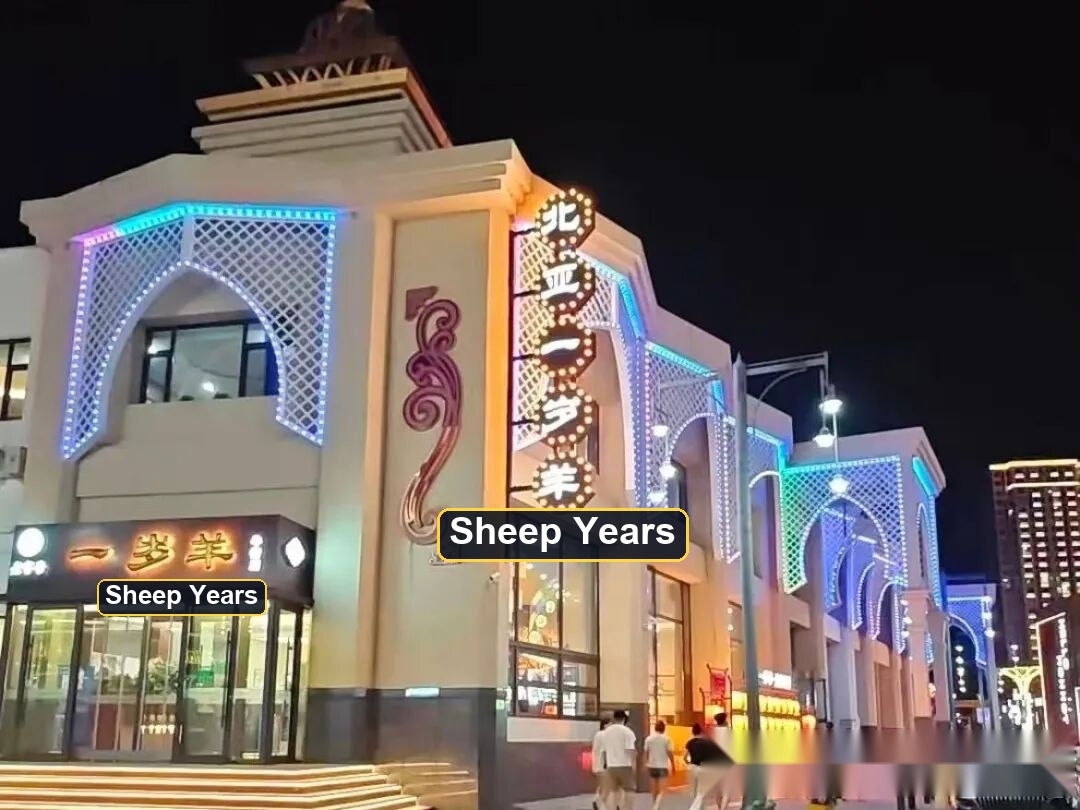
The most iconic 20-year-old Mongolian-style restaurant.
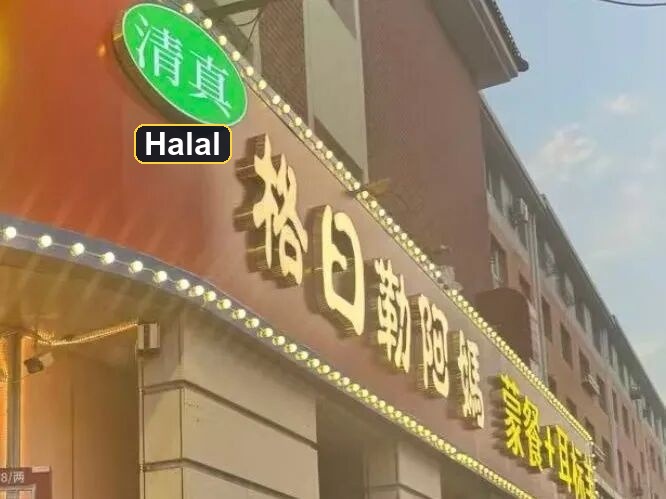
Gerile Ama (founded in 2000) is a great spot if you’re new to Inner Mongolian dairy products. This location is a Halal-certified restaurant.
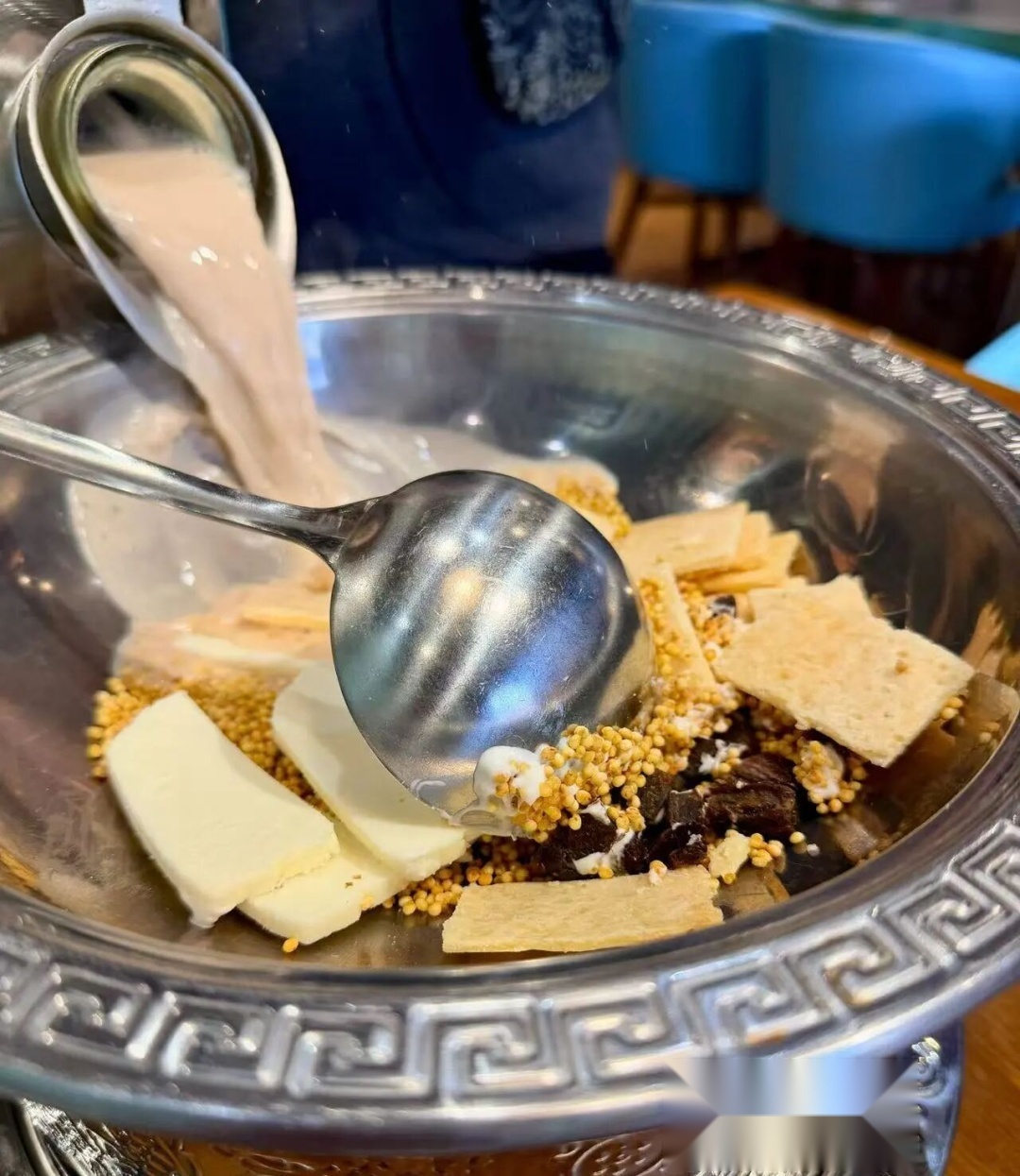
What I was looking forward to most was their guocha (pot tea). Salty milk tea is boiled in a pot with milk skin, roasted millet, and dried beef—the moment that aroma hits you, you’re hooked.
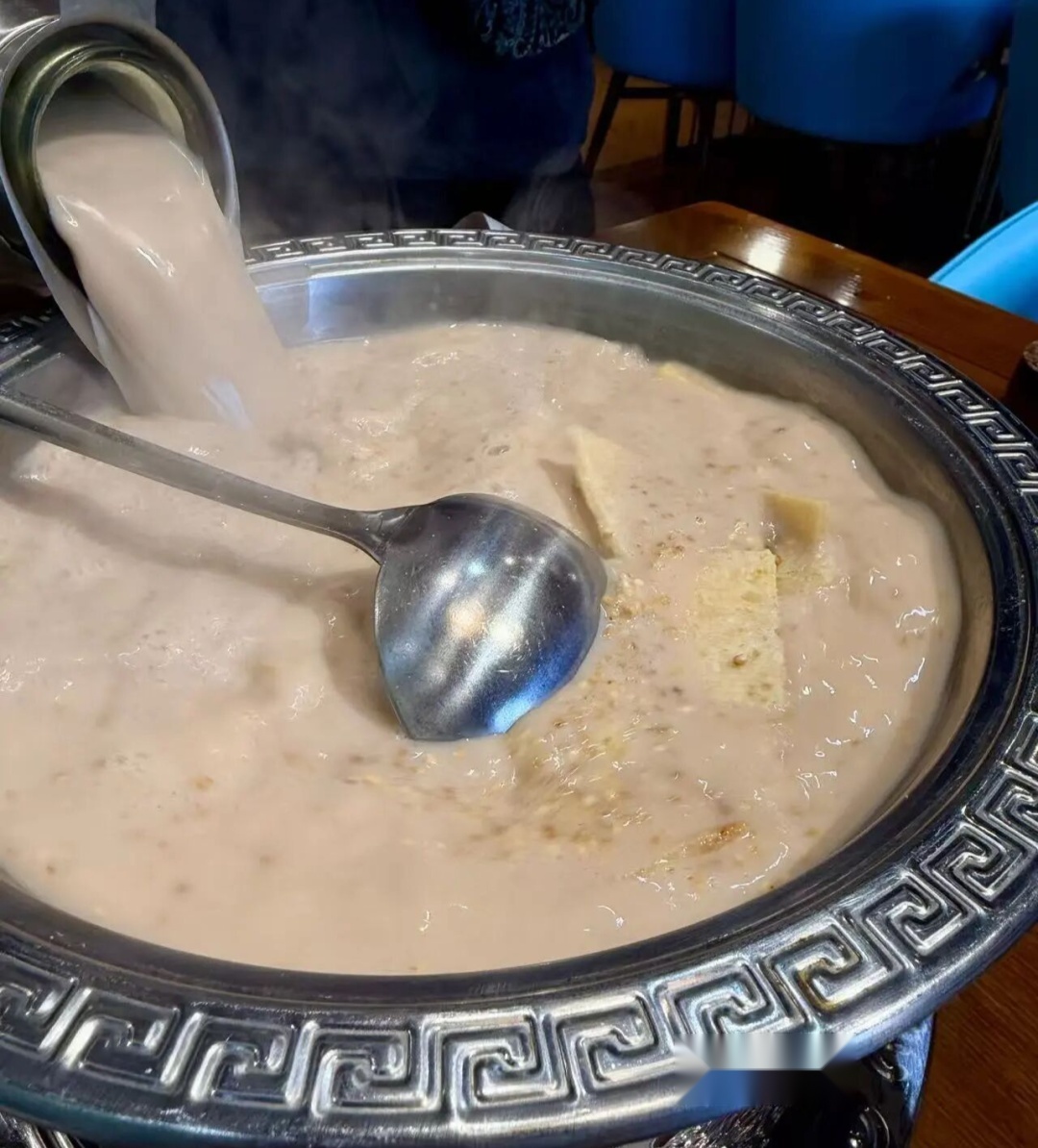
If it’s your first time trying salty milk tea, it’s easy to fall in love with its rich, creamy flavor.
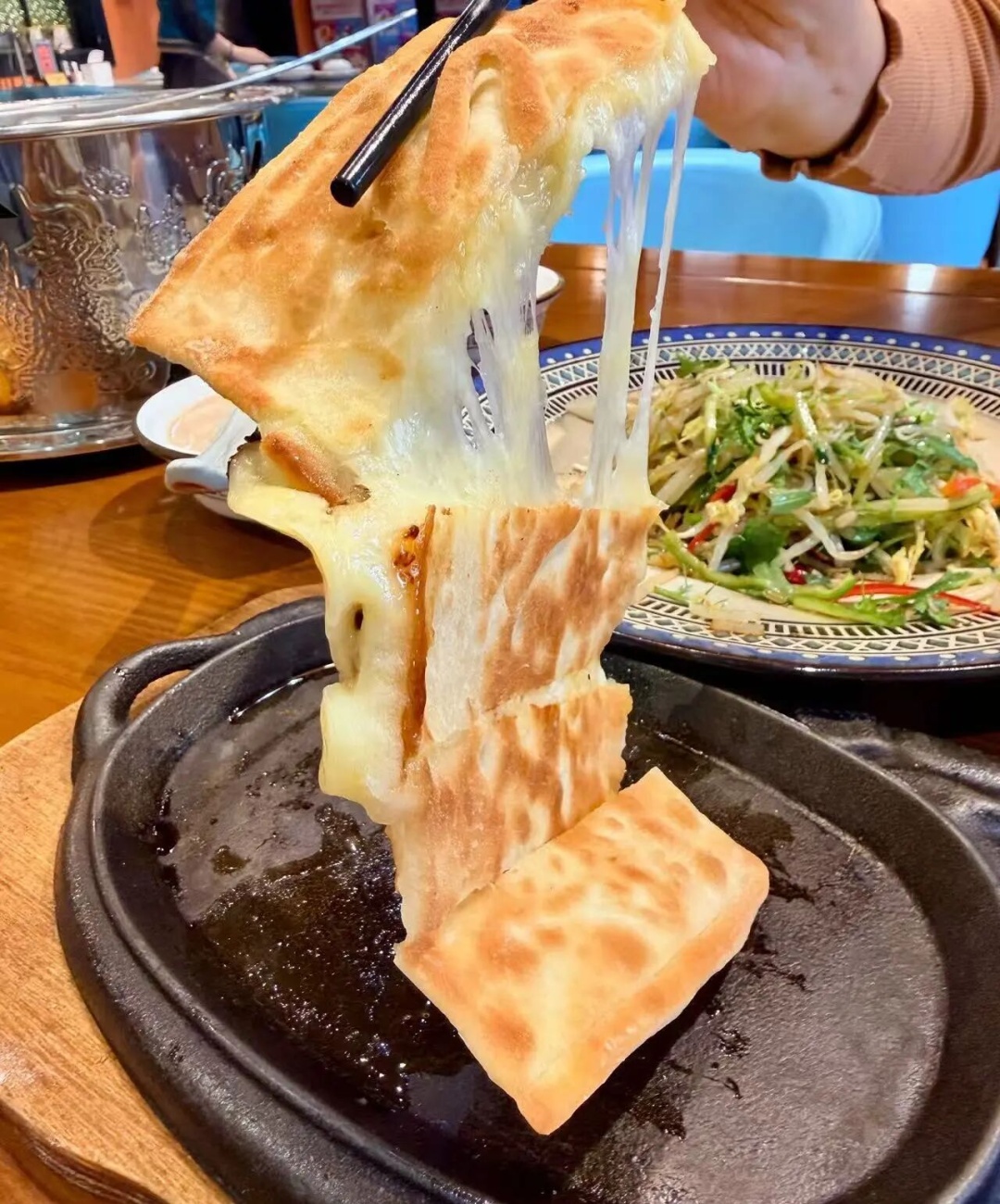
The sweet cheese pies have a fragrant crust, and the cheese inside is super stretchy. Just a heads-up: items with too much cheese can get a bit heavy, so don't order too much at once.
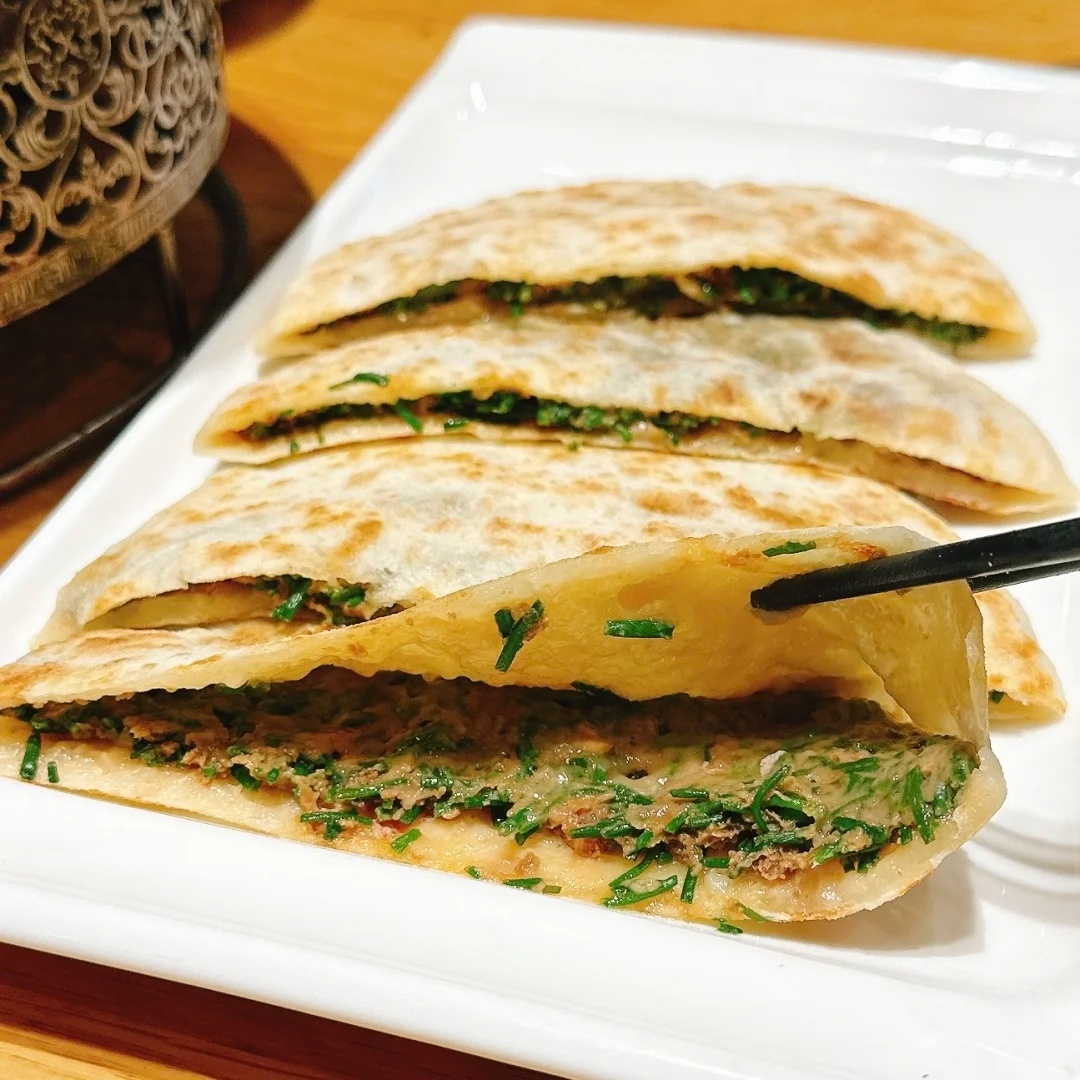
The lamb and shancong (wild onion) pie has an incredibly thin crust—every bite is just pure filling.
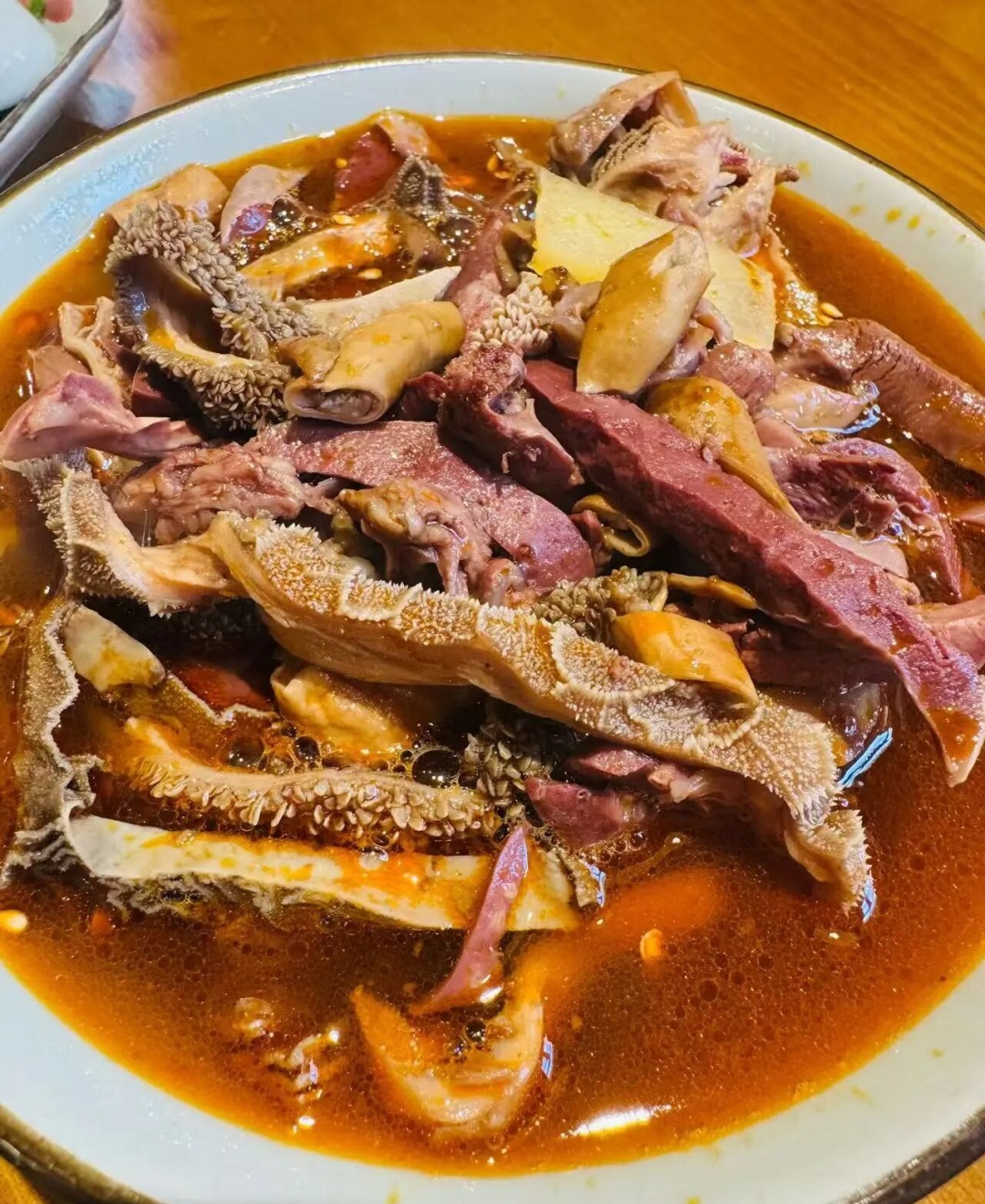
The red-broth lamb offal soup is bright, savory, and spicy. The offal is cleaned perfectly with no weird smells.
One of the two titans of Hohhot-style stir-fry: Guoyourou with potato slices.
Guoyourou (oil-blanched meat) actually originated as a Shanxi dish and made its way to Hohhot through the migration history known as "Zouxikou."
Here in Hohhot, they put their own spin on it: the potato slices are deep-fried until crispy, then stir-fried with tender beef and a bit of wood ear mushroom in a thickened sauce. It’s a mix of sweet, sour, and savory, creating a unique version you won't find anywhere else.
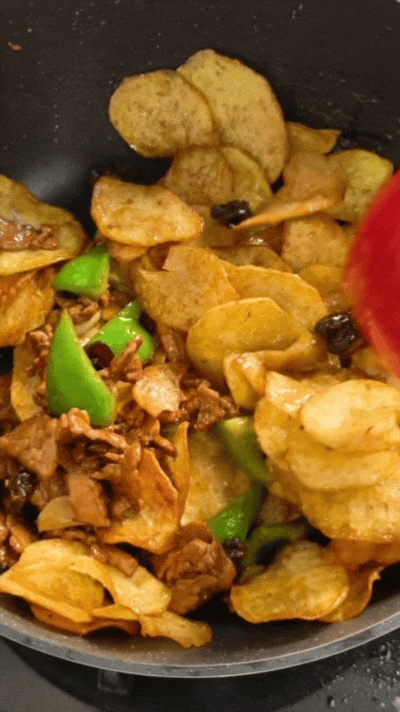
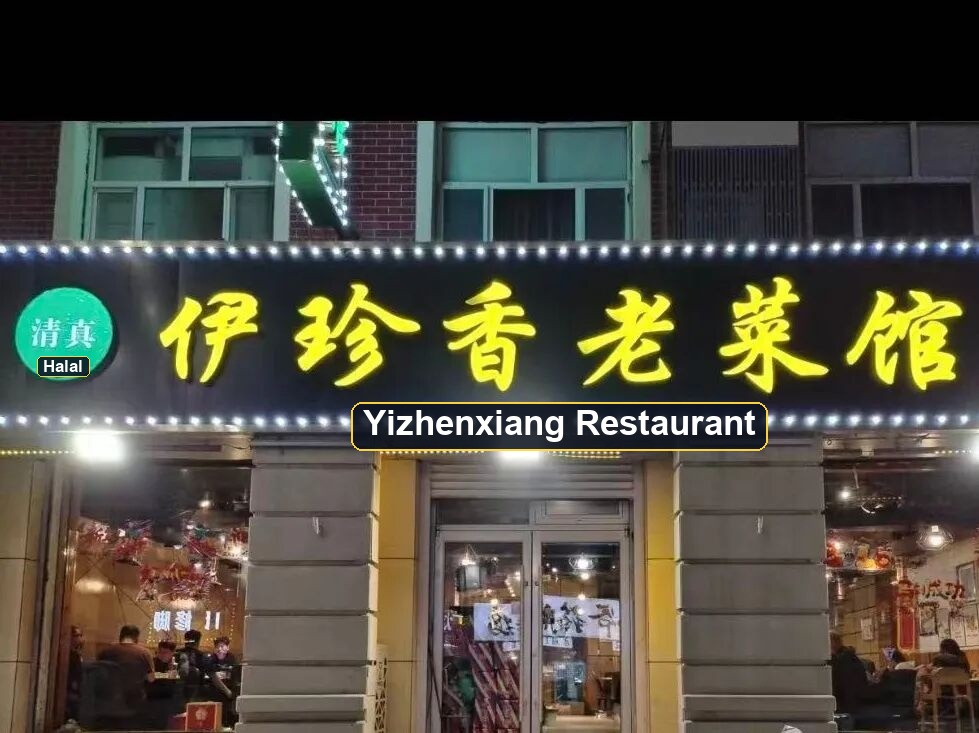
You have to try Yizhenxiang (a 6-year-old Halal restaurant) when in Hohhot. While it hasn't reached the 10-year mark yet, I’m confident they’ll easily maintain this level of quality.
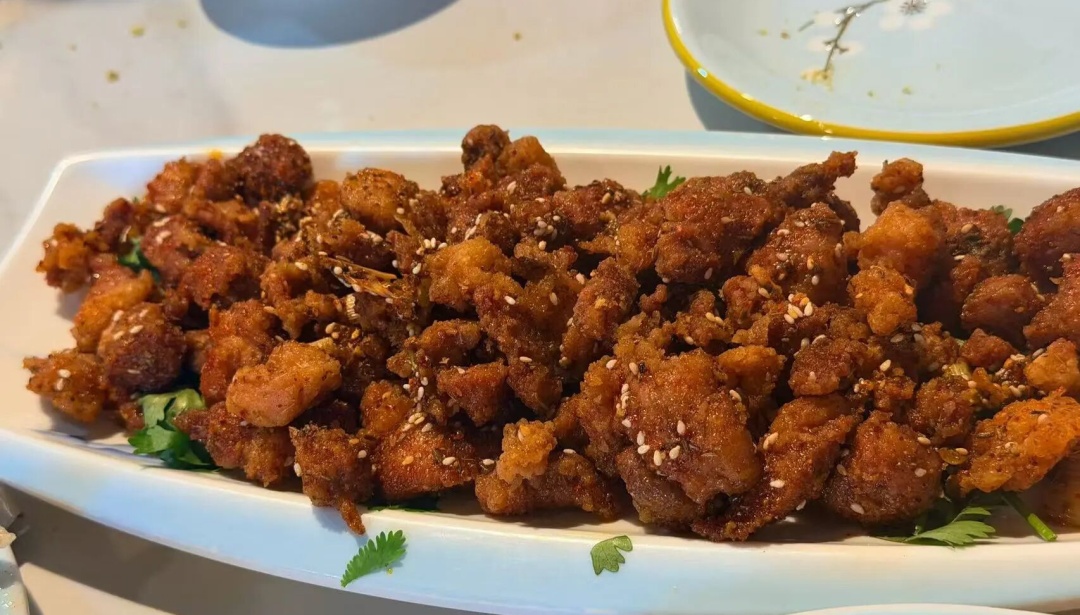
Once I started eating, I couldn't help but say, "No wonder this place is so popular." Calling their cumin lamb and guoyourou with potato slices "god-tier" is no exaggeration.
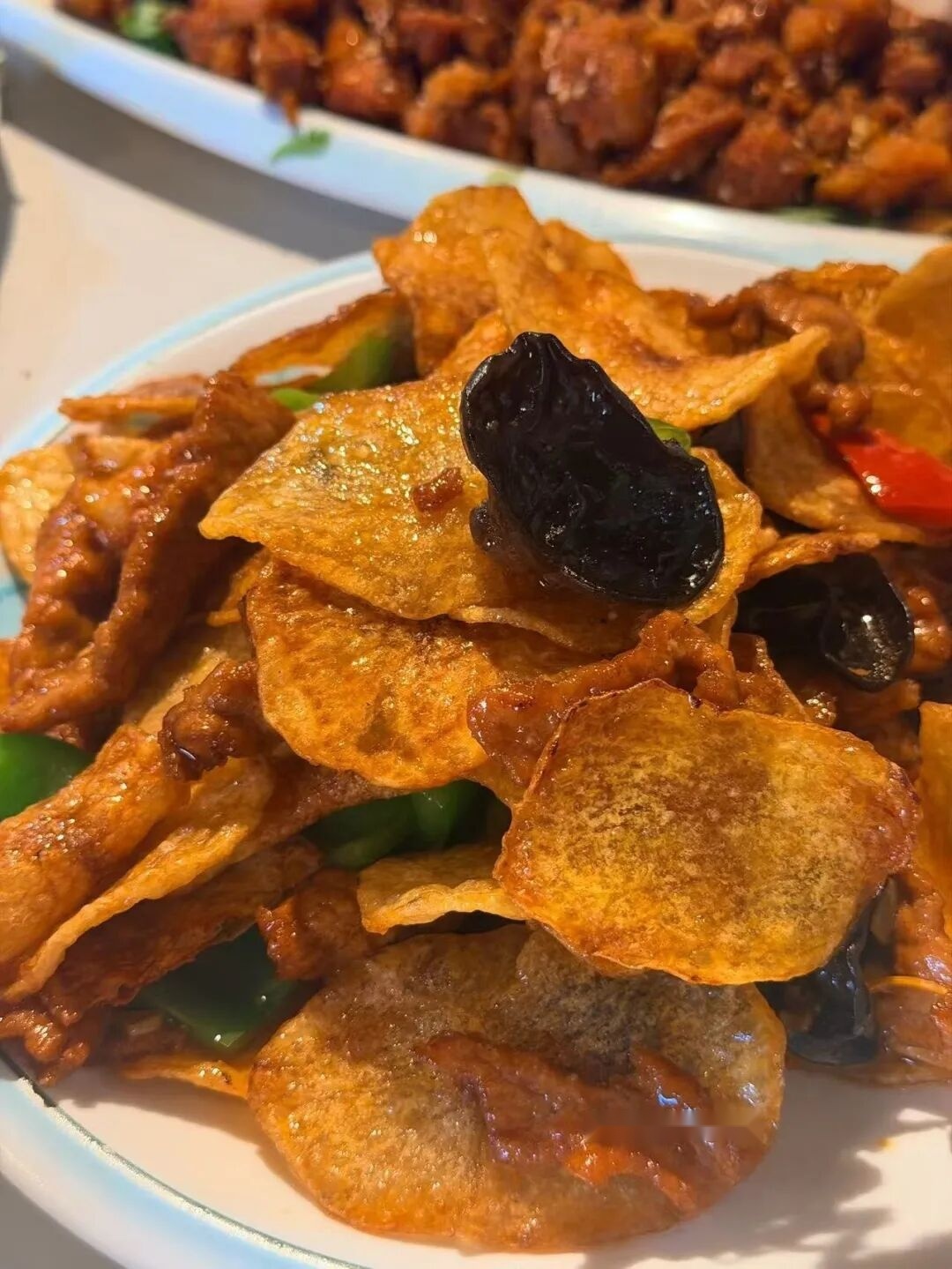
The potato slices in the guoyourou are crispy on the outside, and the beef slices are silky smooth. You wouldn't even know it was beef unless someone told you, and the sauce coats everything just right.
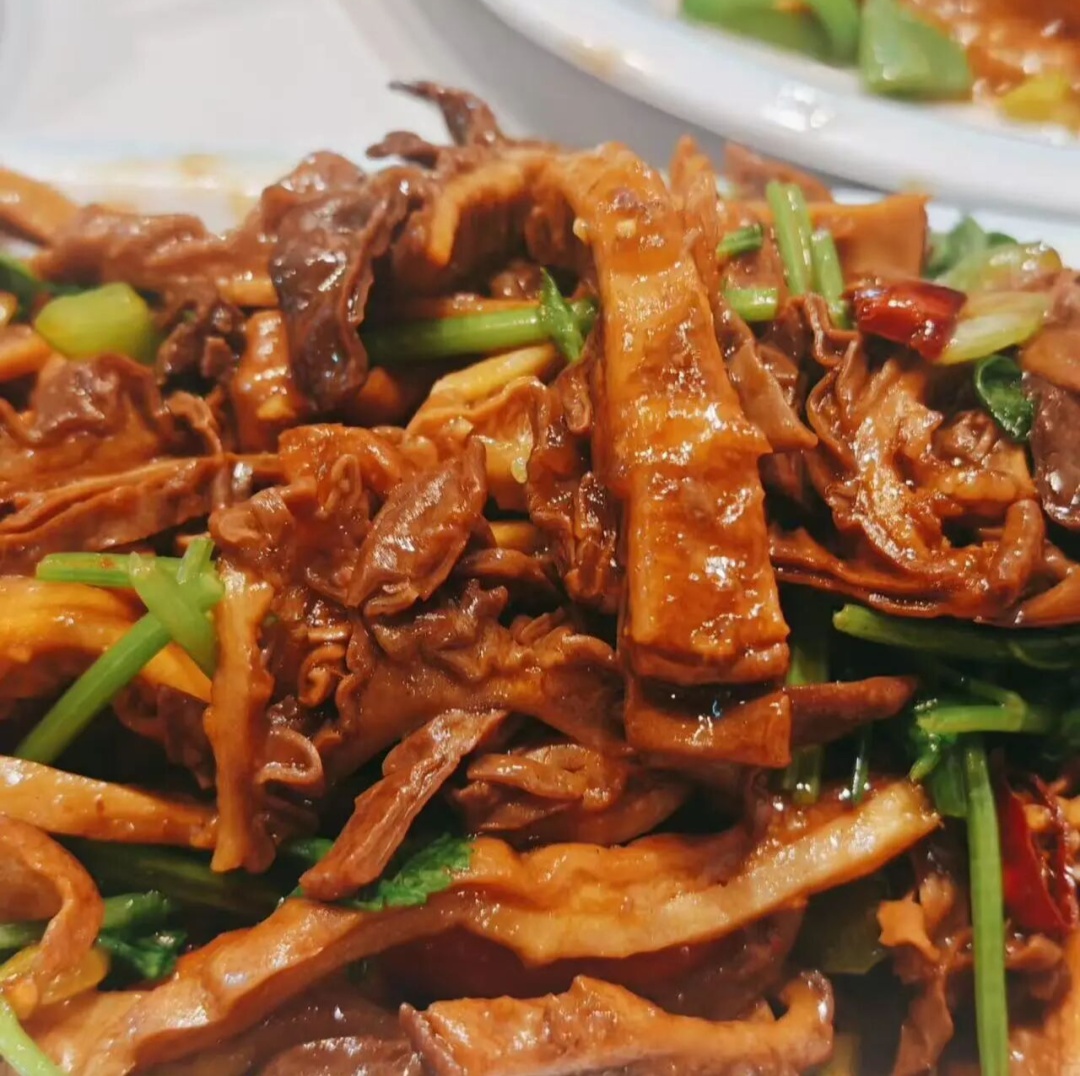
The stir-fried saudan (beef tripe/stomach) is also a specialty. The tripe is cleaned immaculately with absolutely no off-putting smell. It’s stir-fried over high heat, making it super flavorful and even better the more you chew.
Authentic Halal Food in Hohhot: A Guide to Best-Loved Hui Muslim Classics, Hand-Grabbed Lamb, and Shaomai.
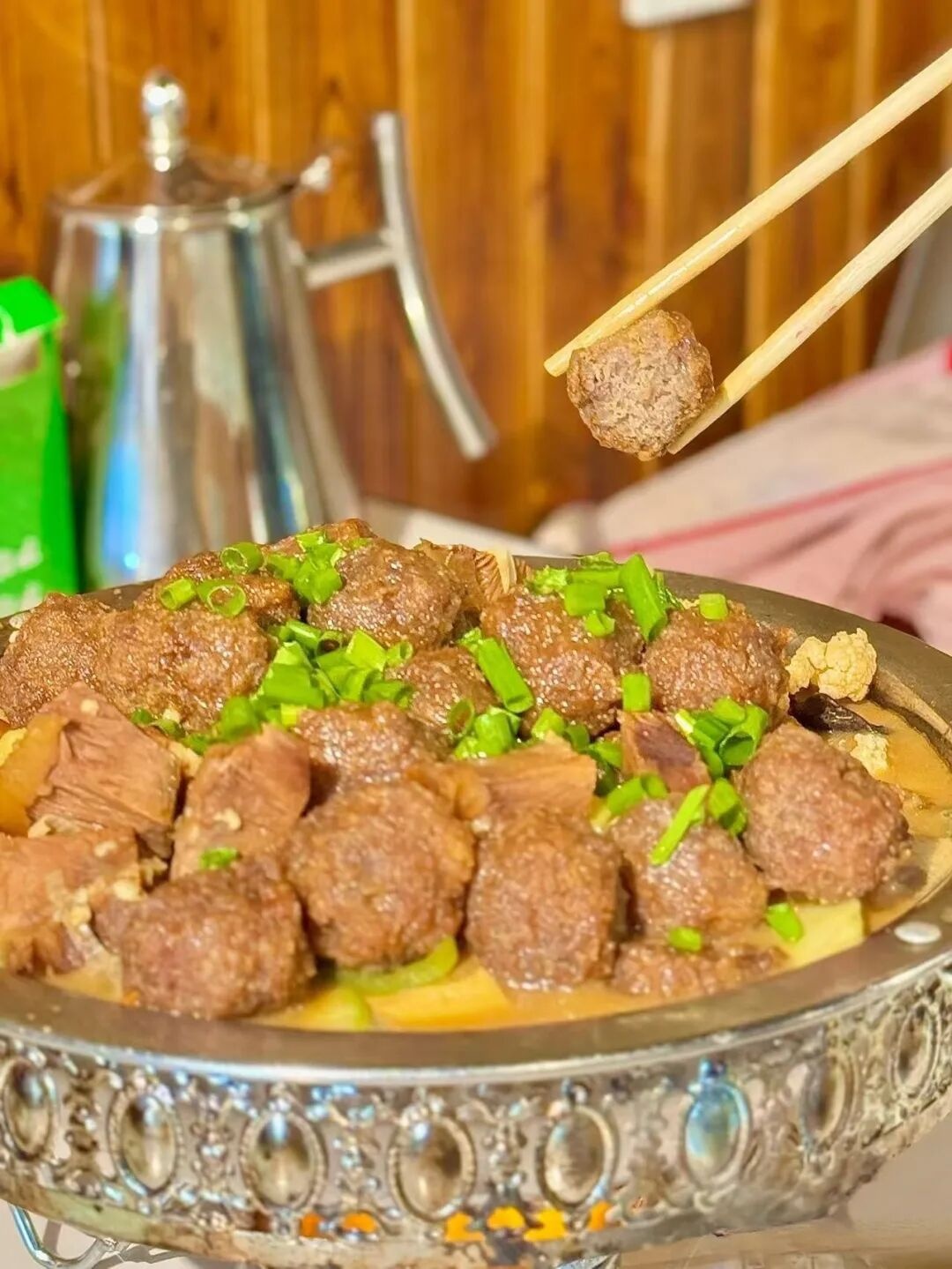
When it’s cold out, you’ve got to order a shijin guo (assorted hot pot). It truly lives up to its name, packed with a ton of vegetables, soy products, meatballs, and glass noodles, all bubbling away and steaming in the pot.
Having a pot like this in Hohhot during winter will warm you up from your stomach all the way to your toes.
The cumin lamb is stir-fried quickly over high heat, giving it a savory, aromatic punch of cumin with just a hint of chili—not the aggressive, burning kind.

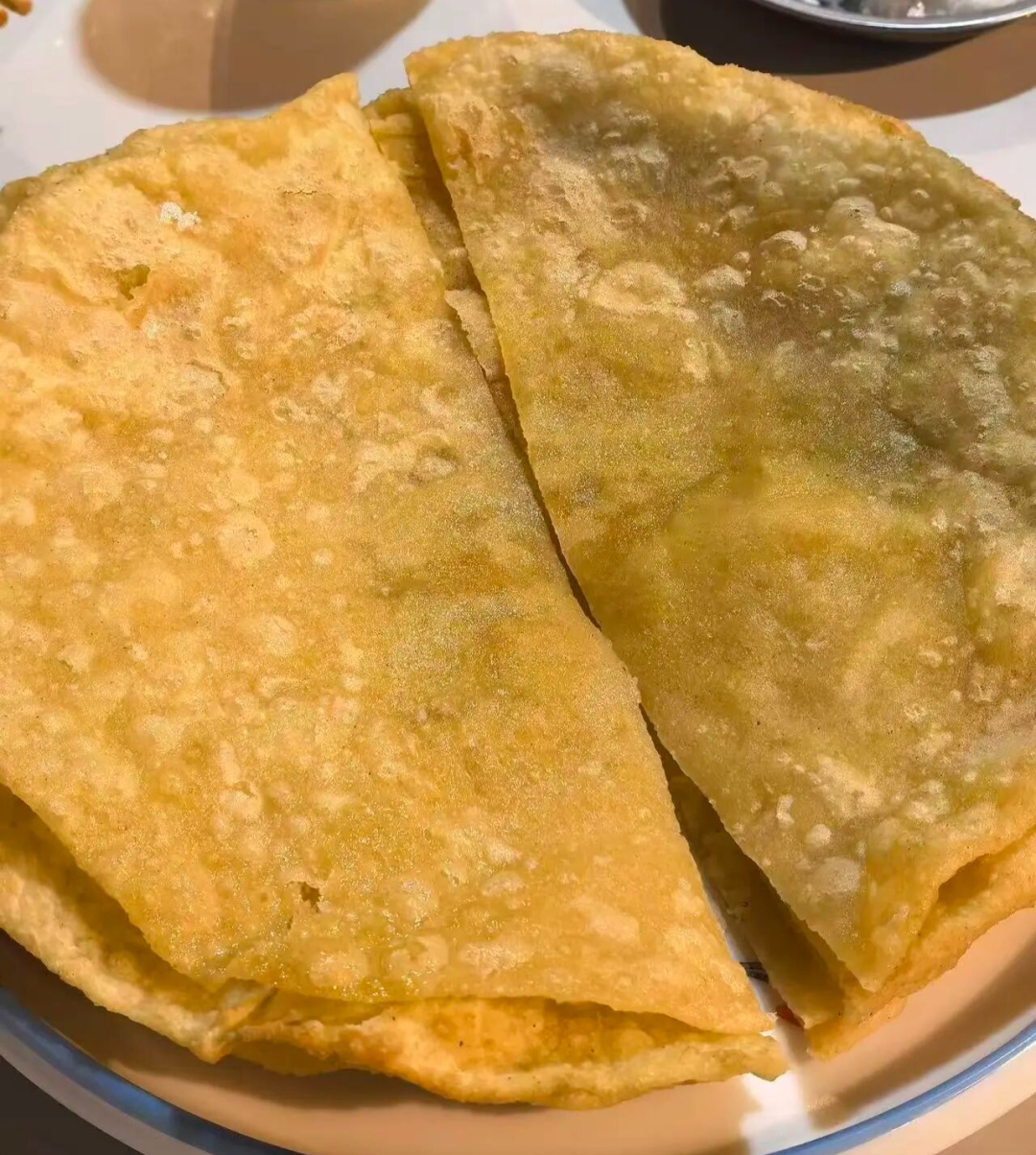
For your staple, go with the tangmian youpo (deep-fried dough cakes); it’s a unique way to eat them—you dip the fried dough into white sugar.
Old-school restaurants stand the test of time for a reason, but the new spots cropping up have their own special flavor, too.
Hohhot’s super-hyped la beizi (spicy stuffed baked flatbread).
Known as one of the nine must-try local delicacies in Hohhot, this is a spot locals shared with me in confidence. I was so curious to find out what exactly a beizi tastes like.
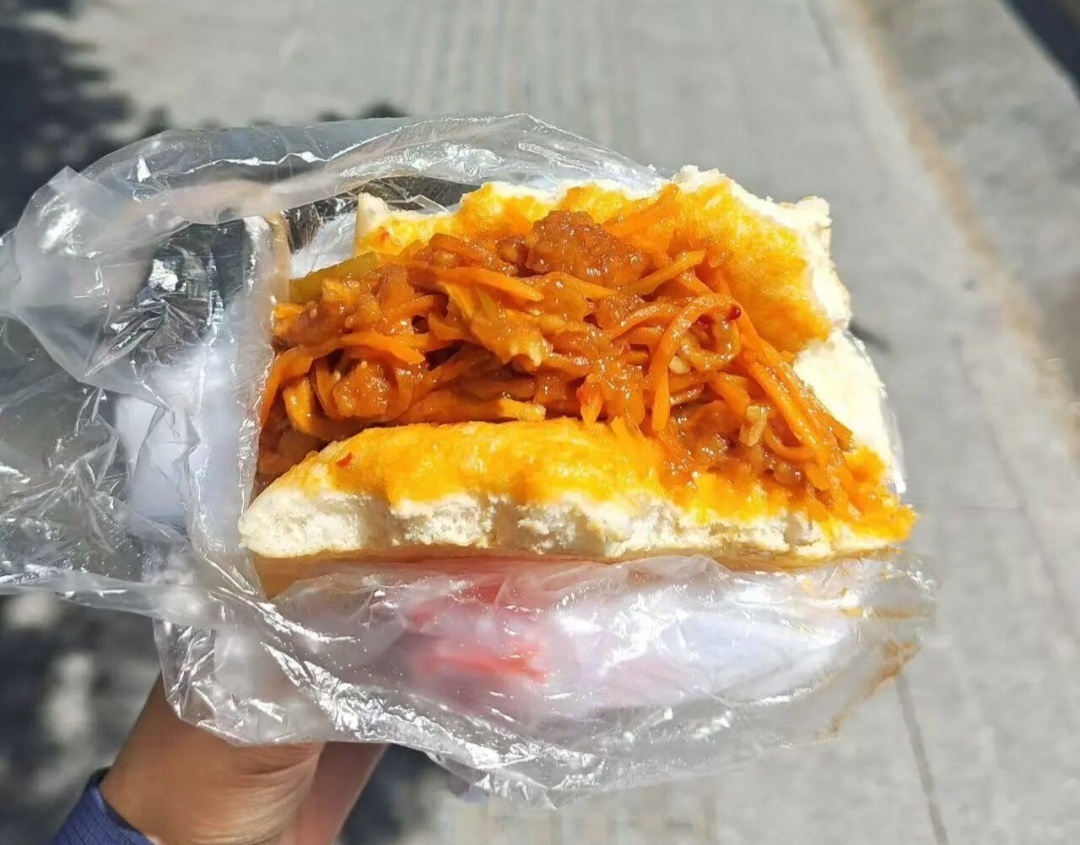
Their beizi are long and rectangular, toasted until fragrant, and they are super generous with the fillings—they practically spill out because the portions are so massive.
The yuxiang rousi (shredded pork in garlic sauce) beizi is so huge I couldn't even hold it with one hand!
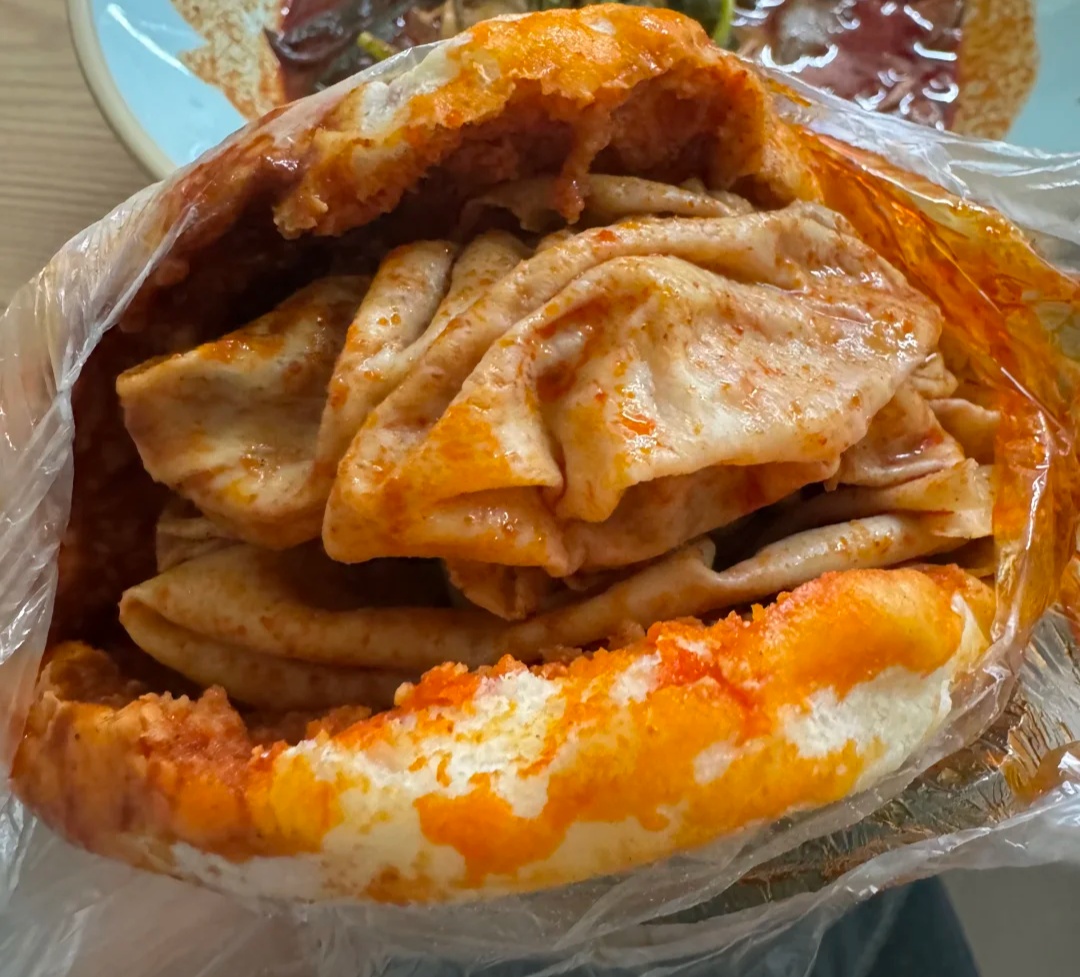
The shredded pork filling is piled so high it’s overflowing; the amount of filling is honestly ridiculous—it feels like you're eating a rice bowl, just with bread instead.
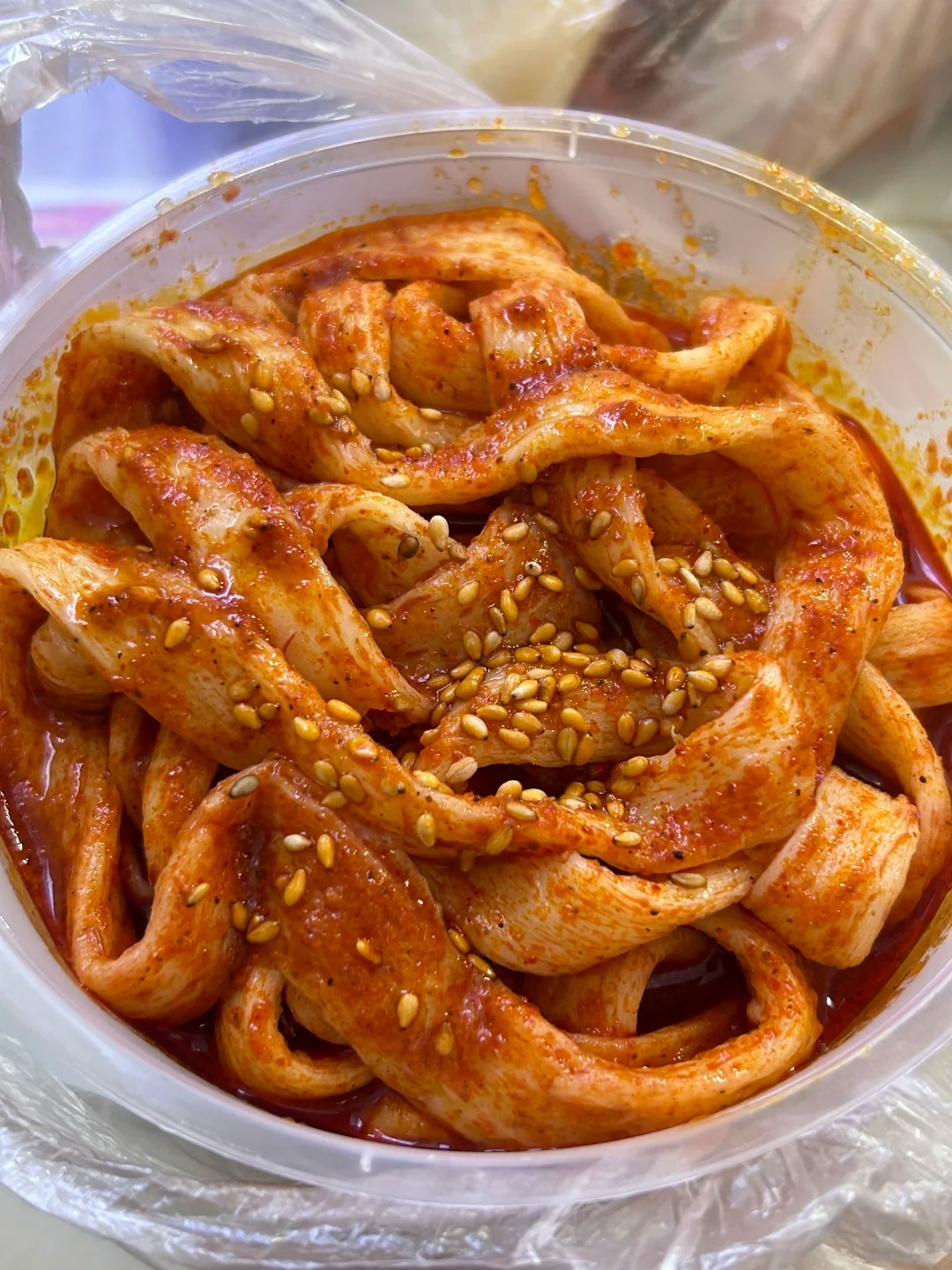
The classic spicy la pian (chili strips) beizi gets tastier the more you chew. The chili oil is very fragrant, and the tofu skin inside is nice and soft.
The mala niujin mian (spicy beef tendon noodles) packs a serious punch. It’s wonderfully spicy, the texture is nice and chewy, and the seasoning is bold and savory—perfect if you love intense flavors.
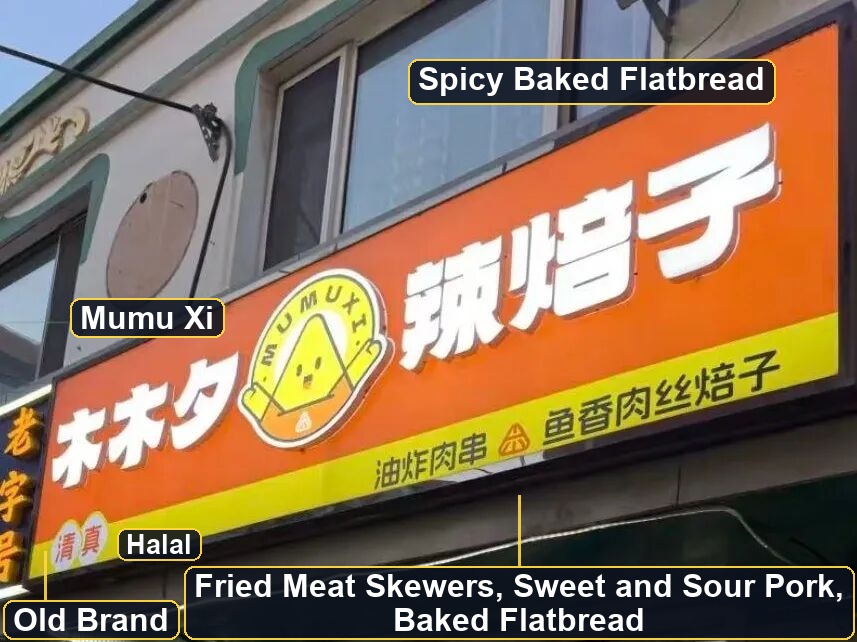
They offer delivery too, so you should definitely give them a try.
The deep-fried skewers worth waiting an hour for.
Almost every person from Hohhot has a go-to deep-fried skewer spot they’re loyal to.
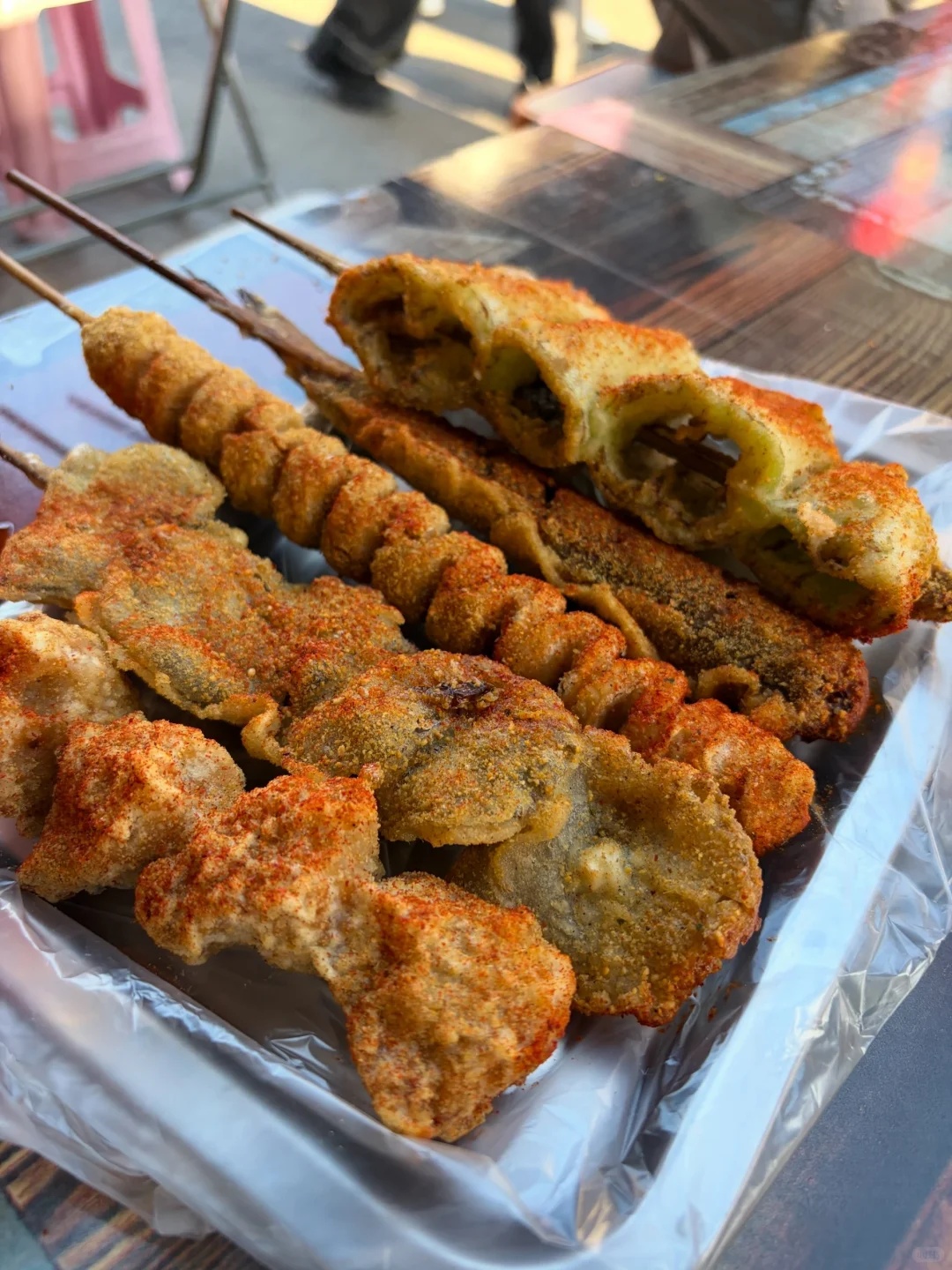
I happened to be passing by and decided to try Xiaoyan Fried Skewers, which consistently ranks in the top three for local reputation.
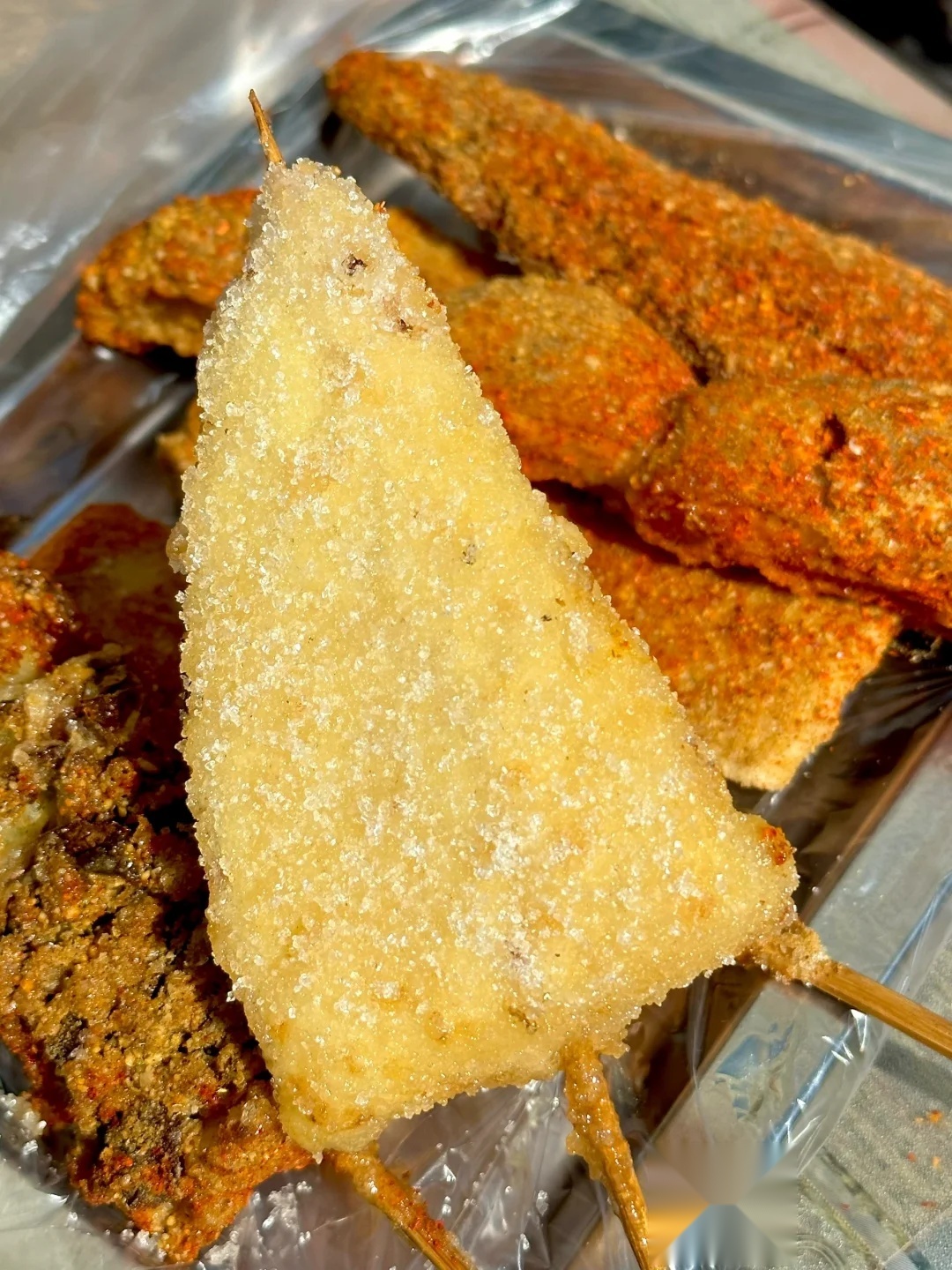
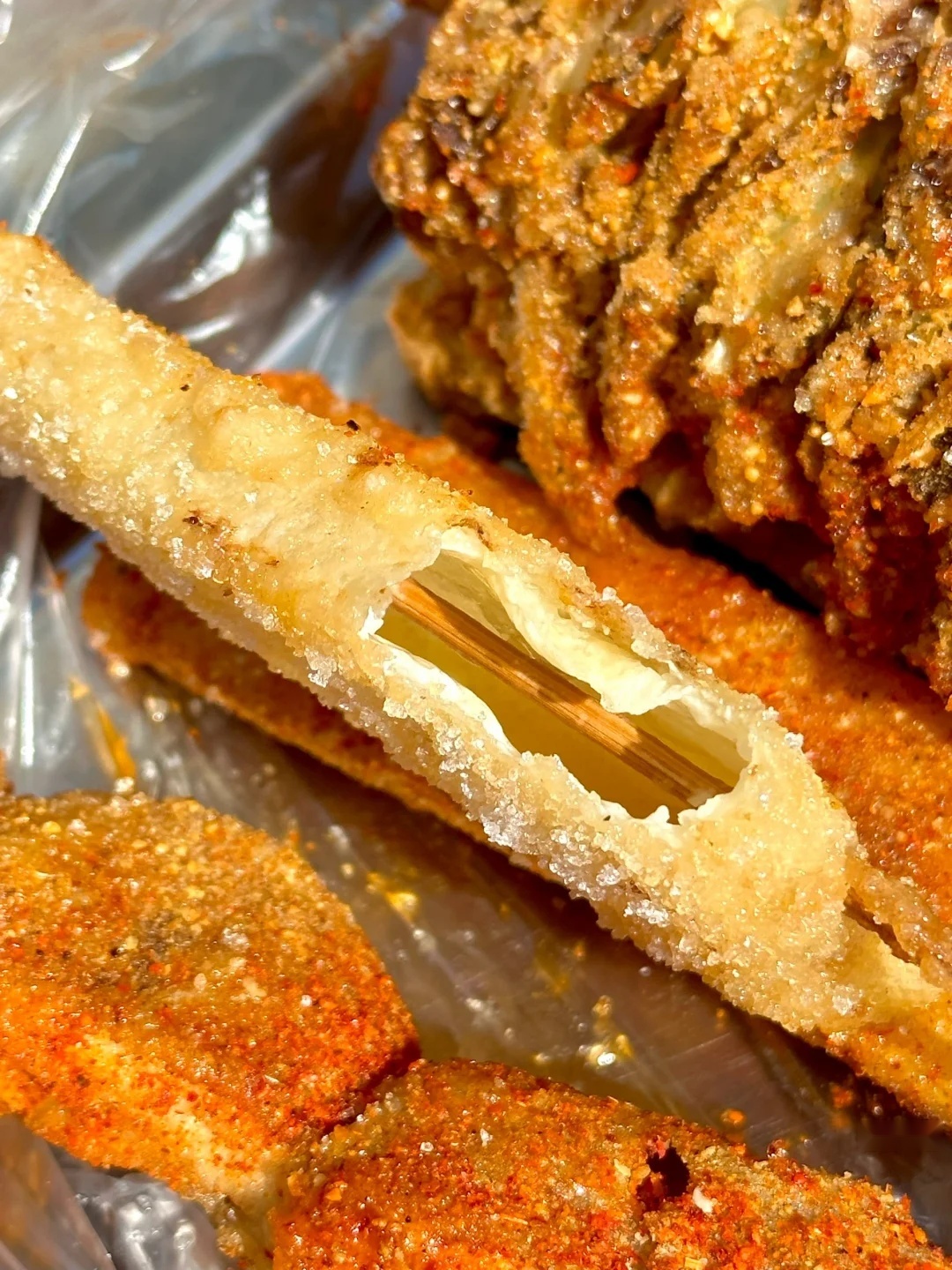
I was worried the batter-fried skewers would be too greasy, but I was totally wrong. The batter is applied in a very thin layer, making them crispy on the outside and tender on the inside, locking in all the vegetable juices so they don't get dry.
I highly recommend four must-order items: mushrooms, green beans, hawthorn, and naipizi (fried milk skin).
The mushrooms and green beans are fried to perfection and stay crisp; the hawthorn is sweet and tart, which is quite unique; the naipizi has a prominent milky aroma once fried, with a really interesting texture.
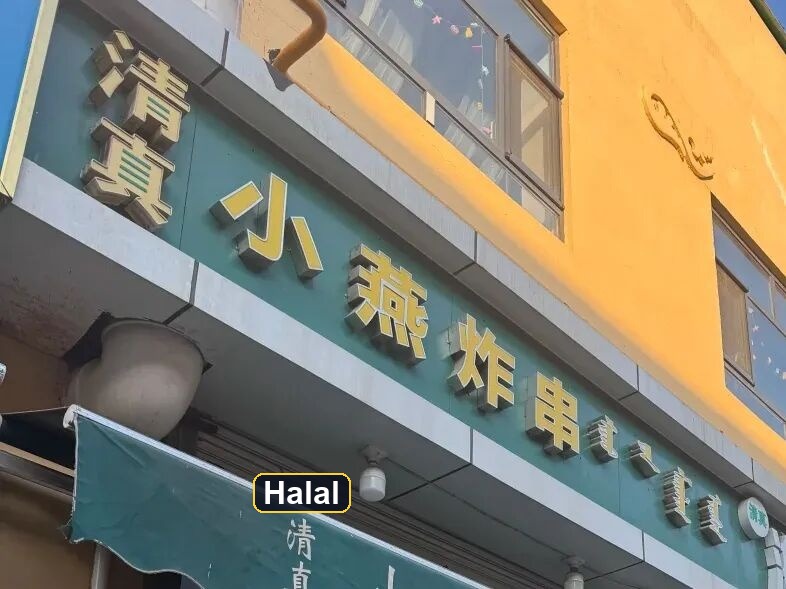
Just a quick tip: don't order too much at once, because there are so many other great things to eat nearby—just grab enough to get a taste.
Top-tier bean sprout fried noodles in Hohhot.
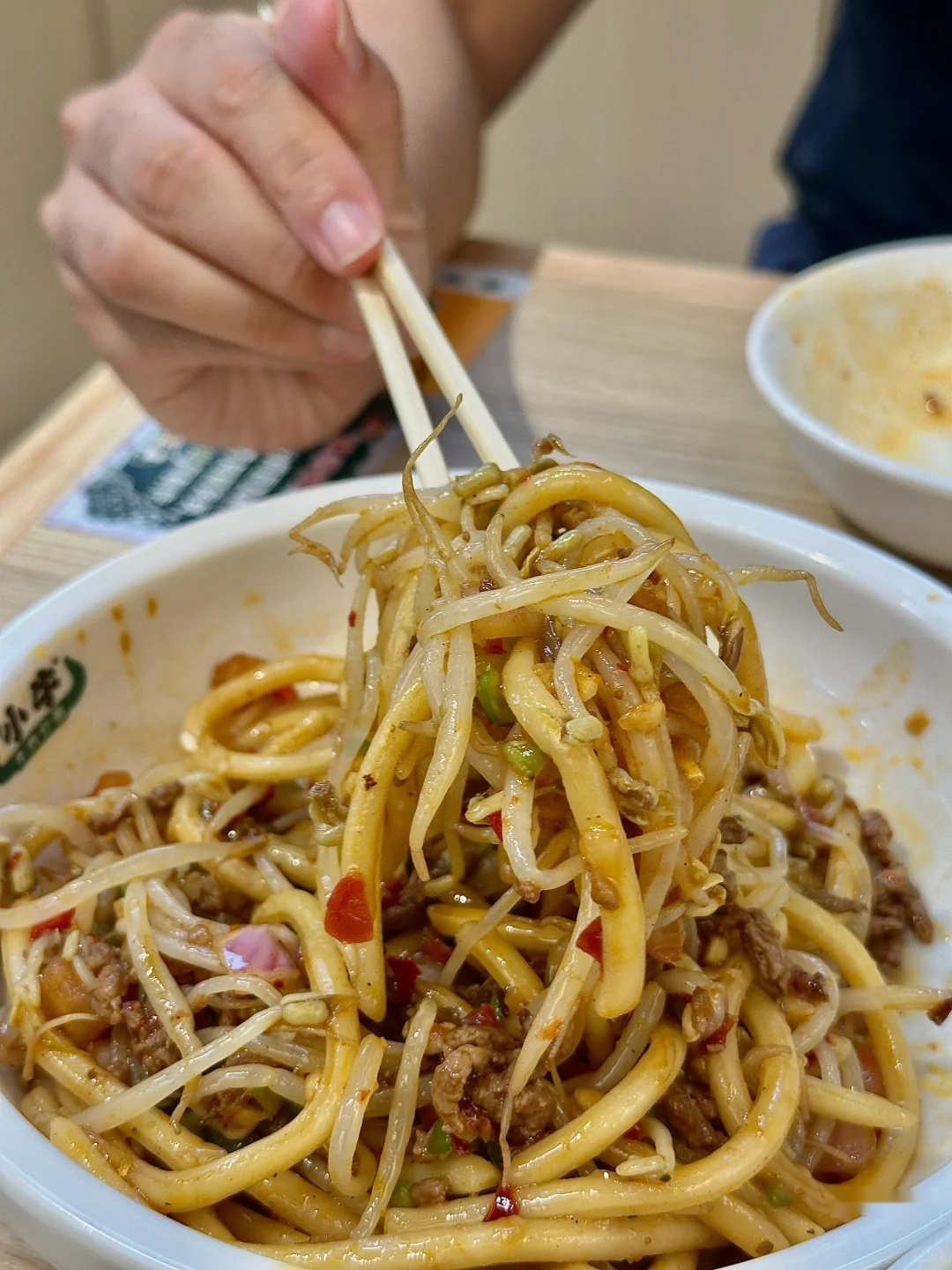
I found this spot serving local-style fried noodles near Hohhot’s Niu Jie (Beef Street), and a quick search revealed it’s considered one of the top-tier noodle spots on social media!
The beef and bean sprout fried noodles look simple enough, but you won't realize why it’s the signature dish until you take a bite.
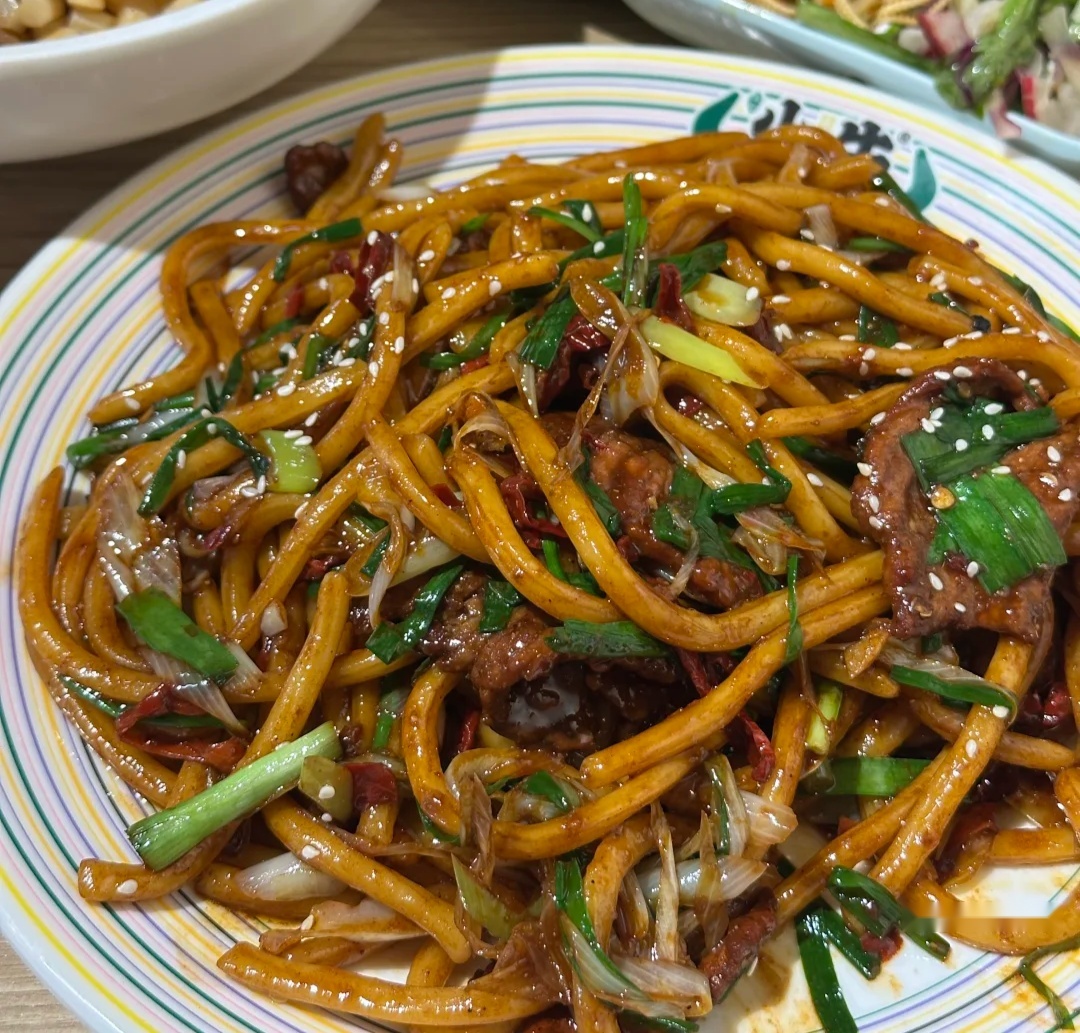
It’s a massive plate made with thick, chewy noodles. It’s savory and seasoned just right with a tiny kick of heat, and the bean sprouts add a nice crunch to the mix.
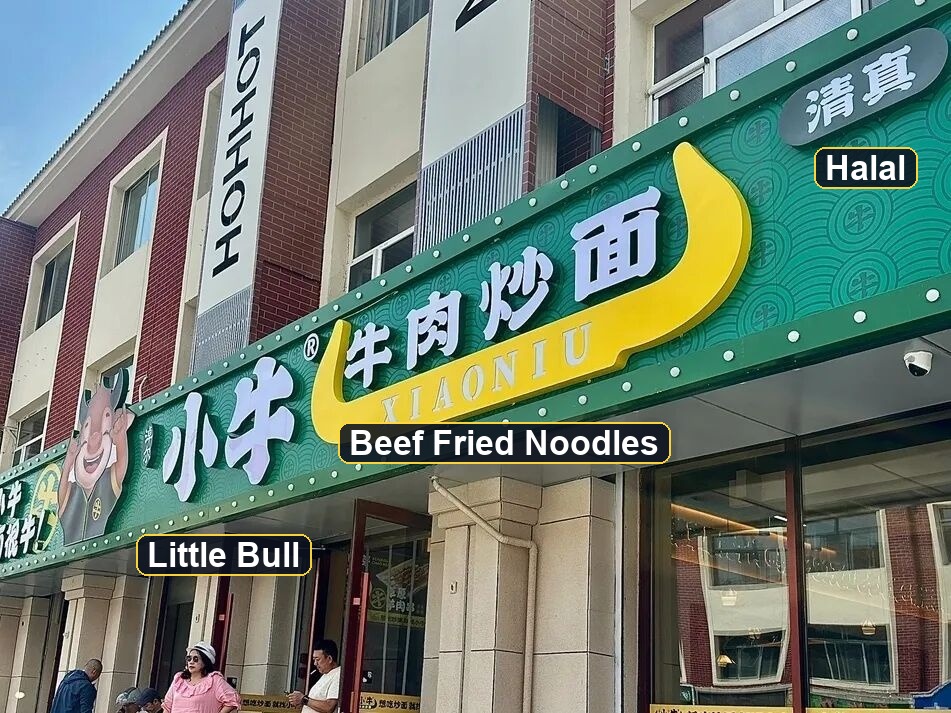
The ganbian (dry-fried) noodles are just as good. The best part is that you can get free refills on the noodles, so if you have a big appetite, don’t worry—you won't leave hungry.
Hohhot’s signature Lâhūhū (thick spicy sauce) malatang.
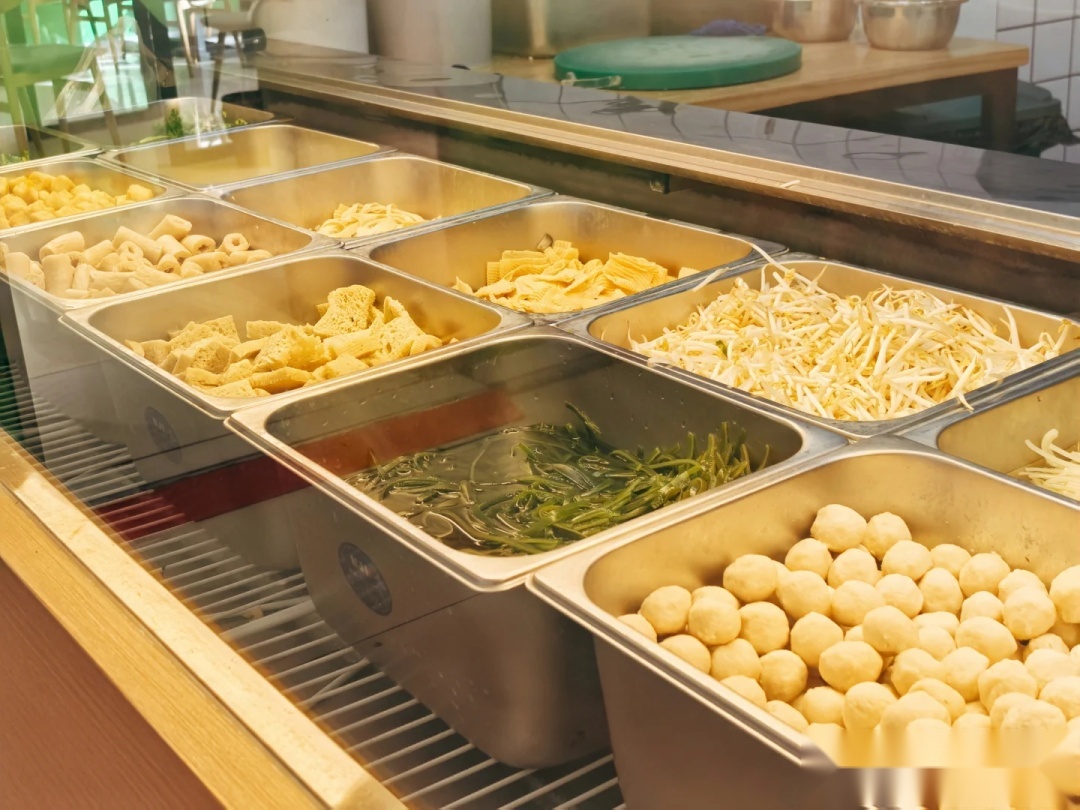
I discovered this malatang (spicy hot pot) shop while strolling through Kuanxiangzi, and they actually have the ingredients pre-selected for you.
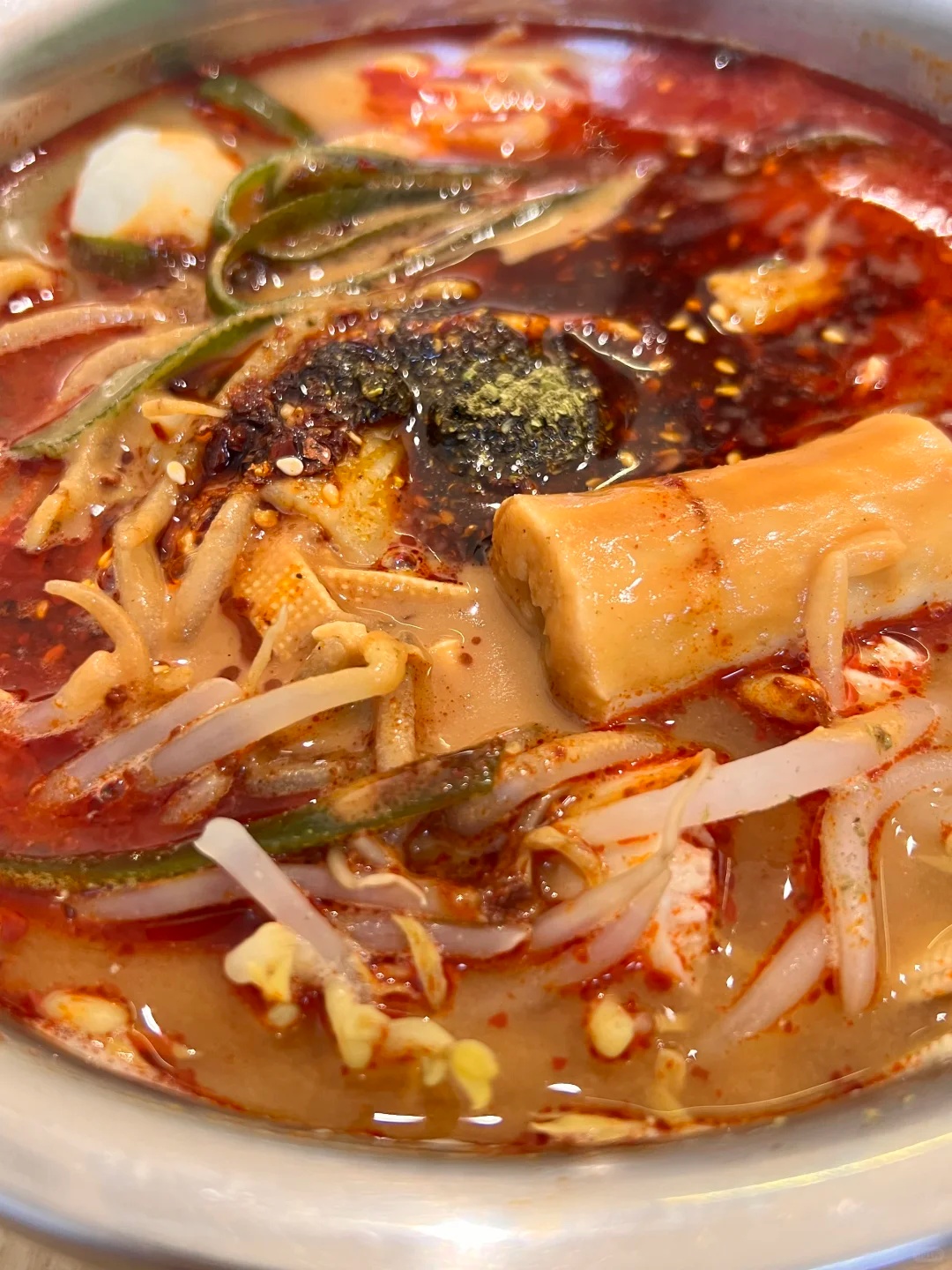
The flavor profile is a bit like old-school Northeastern style malatang, but it definitely has its own distinct local twist.
There’s tons of sesame sauce, making the whole bowl thick and creamy, coating every single ingredient.
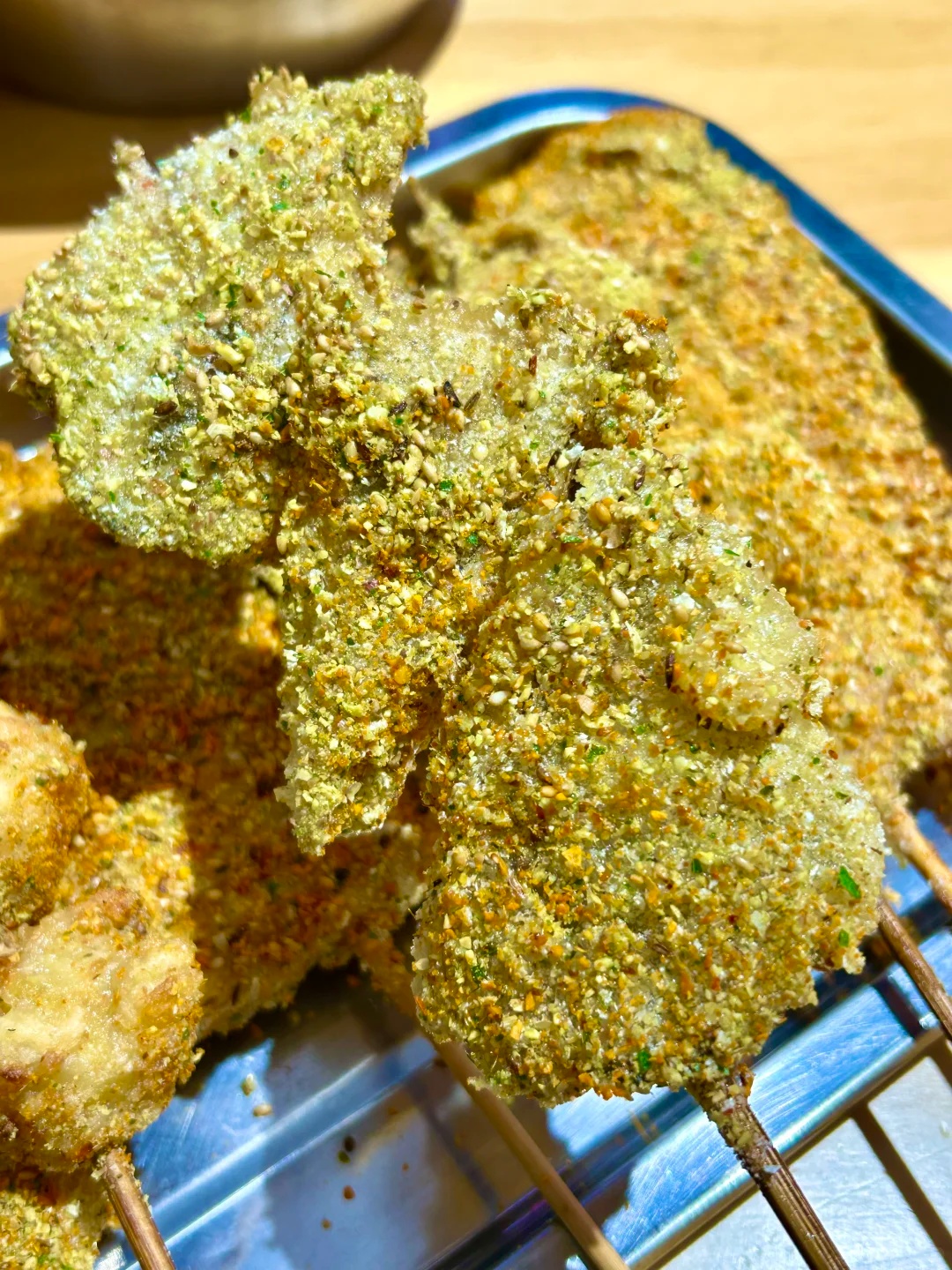
The variety of ingredients is impressive, and you have three noodle options to choose from: yellow noodles, cold noodles, or wide beef tendon noodles. Their fried skewers are also excellent, and they even top them with crushed peanuts—the seasoning is so generous it falls off with every bite.
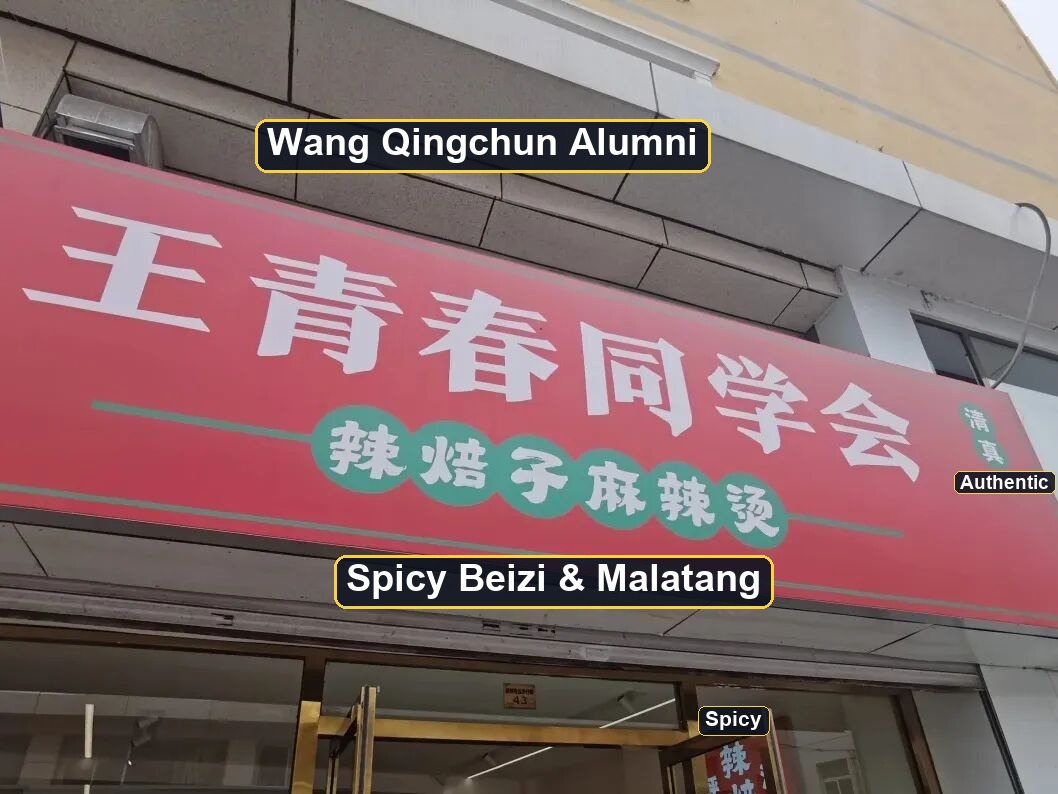
Hello everyone,
It’s been five days since I returned from Hohhot, and I’m already missing it.
When people mention Hohhot, their first reaction is usually the grasslands.
But during my brief three-day stay, I discovered a different kind of northern charm.
It is a place where grassland scenery and a modern city intertwine, and where the history of the old city coexists with the vibrant, everyday life of the streets.
The city itself possesses so much charm that it’s worth slowing down to truly experience.
As someone who loves food and specifically hunts for Halal cuisine, I started doing crazy amounts of research before leaving. Halal restaurants are everywhere in Hohhot, but my standards have always been high: it has to be authentic, delicious, and have a strong local character.
After eating there for several days straight, I’ve put together a Halal food list: it includes both long-standing establishments rooted in Hohhot for over a decade and some newer culinary finds.
Save this guide; I hope it serves as a helpful reference for those of you planning your trip.
If you haven't eaten shaomai, you haven't really been to Hohhot.
In Hohhot, shaomai is the city’s undisputed culinary business card.
Life here begins with a steaming basket of shaomai and a pot of savory brick tea.
It’s not just a must-have breakfast for locals, but it’s also been listed as an intangible cultural heritage at the autonomous region level.
There are nearly 3,000 shaomai shops in the city, which is proof enough of its importance in the daily lives of the locals.
Hohhot residents definitely have their own personal favorites when it comes to shaomai. I skipped the hyped-up spots online, listened to some local friends, and just took a taxi straight to Jufulin (a 12-year-old Halal institution).
They serve both steamed and pan-fried shaomai; I tried both, and I personally prefer the crispy pan-fried version, though both are excellent.
The mutton and green onion shaomai uses lamb leg meat cut by hand, so you can really taste distinct chunks of meat, not the finely minced kind.
The dough wrapper is the best I’ve ever had—thin but with a nice, oily richness.
For those who don't like fatty meat, you must order a basket of the lamb tenderloin and green onion shaomai. Even though it's tenderloin, it's not dry or greasy, and it's full of juice.
I barely tasted any mutton gamey flavor in either basket, and the dough wrapper had a faint sweetness when chewed. Dip it in vinegar and a little bit of chili oil.
One of the two giants of Hohhot stir-fry: Yu-Xiang Rou-Si (fish-flavored shredded pork).
In any old-school Hohhot restaurant, you’ll find Yu-Xiang Rou-Si on the menu.
Unlike the original Sichuan version, it’s a localized adaptation: it emphasizes the "wok hei" (breath of the wok), a balance of sweet and sour, and a prominent vinegar aroma. It’s not the heavy pickled pepper flavor, but rather the classic, familiar northern style.
This is a 'hole-in-the-wall' joint (a 10-year-old Halal spot) that a friend tipped me off about. They specialize in stir-fries, assorted hot pots, and copper-pot shabu-shabu. If you want to find authentic old-school Hohhot flavors, this is the place.
A quick heads-up: don’t set your expectations for the environment too high. Most long-standing shops are pretty much like this—simple and humble, because the focus is entirely on the flavor.
I came here specifically for their Yu-Xiang Rou-Si, and my friend kept insisting: 'You can order whatever else you want, but you have to eat this.'
It’s not cloyingly sweet, and the vinegar taste isn't overpowering. The shredded beef is tender, rich in savory sauce, and has that authentic old-fashioned taste—it’s amazing with noodles.
The hand-pulled noodles with 'Guoyou' (oil-blanched) meat are chewy; it’s worth visiting just for a bowl of these noodles, with every strand coated in savory sauce.
Eating copper-pot shabu-shabu in Inner Mongolia is hard to get wrong, and this place is no exception. The beef and mutton are thick-sliced to order, fresh enough to see, and have a great bite.
Bing Zhu Yang (ice-boiled lamb)—Hohhot’s most iconic signature dish.
Ice-boiled lamb isn't just some made-up viral trend.
The concept originated from nomadic herders on the grasslands: in the winter, when there was no running water, they would chisel ice to melt into water for boiling meat. It eventually evolved into the iconic specialty hot pot we see in Hohhot today.
I looked it up, and this spot is ranked number one for charcoal hot pot in the Huimin District! (A 10-year-old Halal shop).
When the pot was brought out, the visual impact was quite something. The bottom was layered with onions and carrots, topped with a thick layer of ice cubes, and then piled high with large chunks of raw mutton. You could tell at a glance that the meat was incredibly fresh.
Honestly, my expectations were sky-high before I started eating, and while it didn't quite hit that "mind-blowing" level I anticipated, the quality of the lamb itself was spot-on.
After waiting for the pot to boil and the meat to cook through, the texture was super tender and firm, with a natural, savory sweetness. The best way to enjoy it is to sip the broth first, then eat the meat—it really makes for a great experience.
I personally loved the sesame paste dipping sauce; it was rich and flavorful, complementing the lamb perfectly.
The peak of Hohhot lamb: 40 years of mastering lamb dishes.
Xingyuezhai has been a Halal staple in Hohhot for 40 years. It’s not some trendy, mass-produced joint; they’ve been sticking to their traditional, time-honored techniques for decades.
Their signature lamb bones are slow-simmered in a traditional broth, and they are completely free of any gamey smell.
They’re stewed until so tender they fall right off the bone, and the marrow bones are absolutely packed with rich, creamy goodness.
You can choose between lamb spine or lamb shank, or go for a mix of both. I personally prefer the lamb spine—it’s meatier and really satisfying to gnaw on.
Pair it with a side of youmian yuyu (steamed oat noodles shaped like little fish). The broth is super thick and flavorful; the noodles have a great chewy texture, and they soak up all that meaty goodness, making every bite delicious.
The youmian wowo (rolled steamed oat noodles) are stacked up neatly, and they have such a rich, nutty grain aroma when steamed.
The side dishes are classic home-style comfort foods: scallion tofu, spicy and sour radishes, and pickled veggies. They’re refreshing and help cut through the richness—just order whatever suits your taste.
Copper Hot Pot: The most authentic way to enjoy prairie lamb.
Why is it a must-eat when you visit Hohhot?
If you really want to experience the true flavor of prairie lamb, a clear-broth hot pot is the most direct way to do it! You’ll know if it’s good from the very first bite.
This place specializes in about-one-year-old prairie lambs (an 11-year-old Halal shop). The owner says they run their own ranch, handling everything from the pasture to the table to ensure the meat stays fresh.
This kind of lamb is incredibly tender with very little gamey taste; it even has a subtle, milky sweetness, which is a profile I really love.
It uses a traditional clear-broth copper pot. The base looks simple, but it includes a bit of suancai (pickled cabbage) to add a slight tang that enhances the flavor without overpowering the lamb—it perfectly highlights the meat's natural taste.
The signature thinly sliced lamb is cut to the perfect thickness. Once you swish it in the pot, it turns out super tender and juicy, with a rich, milky flavor and almost no gamey scent.
The premium lamb slices are huge and delicious, with virtually no gamey taste—eating them is a real treat.
The hand-sliced fresh lamb might be a bit thicker because it’s cut by hand, but the flavor is spot-on and the texture isn't tough at all.
A clear water broth really puts the quality of the meat to the test, and their lamb passes with flying colors.
The most iconic 20-year-old Mongolian-style restaurant.
Gerile Ama (founded in 2000) is a great spot if you’re new to Inner Mongolian dairy products. This location is a Halal-certified restaurant.
What I was looking forward to most was their guocha (pot tea). Salty milk tea is boiled in a pot with milk skin, roasted millet, and dried beef—the moment that aroma hits you, you’re hooked.
If it’s your first time trying salty milk tea, it’s easy to fall in love with its rich, creamy flavor.
The sweet cheese pies have a fragrant crust, and the cheese inside is super stretchy. Just a heads-up: items with too much cheese can get a bit heavy, so don't order too much at once.
The lamb and shancong (wild onion) pie has an incredibly thin crust—every bite is just pure filling.
The red-broth lamb offal soup is bright, savory, and spicy. The offal is cleaned perfectly with no weird smells.
One of the two titans of Hohhot-style stir-fry: Guoyourou with potato slices.
Guoyourou (oil-blanched meat) actually originated as a Shanxi dish and made its way to Hohhot through the migration history known as "Zouxikou."
Here in Hohhot, they put their own spin on it: the potato slices are deep-fried until crispy, then stir-fried with tender beef and a bit of wood ear mushroom in a thickened sauce. It’s a mix of sweet, sour, and savory, creating a unique version you won't find anywhere else.
You have to try Yizhenxiang (a 6-year-old Halal restaurant) when in Hohhot. While it hasn't reached the 10-year mark yet, I’m confident they’ll easily maintain this level of quality.
Once I started eating, I couldn't help but say, "No wonder this place is so popular." Calling their cumin lamb and guoyourou with potato slices "god-tier" is no exaggeration.
The potato slices in the guoyourou are crispy on the outside, and the beef slices are silky smooth. You wouldn't even know it was beef unless someone told you, and the sauce coats everything just right.
The stir-fried saudan (beef tripe/stomach) is also a specialty. The tripe is cleaned immaculately with absolutely no off-putting smell. It’s stir-fried over high heat, making it super flavorful and even better the more you chew.
Authentic Halal Food in Hohhot: A Guide to Best-Loved Hui Muslim Classics, Hand-Grabbed Lamb, and Shaomai.
When it’s cold out, you’ve got to order a shijin guo (assorted hot pot). It truly lives up to its name, packed with a ton of vegetables, soy products, meatballs, and glass noodles, all bubbling away and steaming in the pot.
Having a pot like this in Hohhot during winter will warm you up from your stomach all the way to your toes.
The cumin lamb is stir-fried quickly over high heat, giving it a savory, aromatic punch of cumin with just a hint of chili—not the aggressive, burning kind.
For your staple, go with the tangmian youpo (deep-fried dough cakes); it’s a unique way to eat them—you dip the fried dough into white sugar.
Old-school restaurants stand the test of time for a reason, but the new spots cropping up have their own special flavor, too.
Hohhot’s super-hyped la beizi (spicy stuffed baked flatbread).
Known as one of the nine must-try local delicacies in Hohhot, this is a spot locals shared with me in confidence. I was so curious to find out what exactly a beizi tastes like.
Their beizi are long and rectangular, toasted until fragrant, and they are super generous with the fillings—they practically spill out because the portions are so massive.
The yuxiang rousi (shredded pork in garlic sauce) beizi is so huge I couldn't even hold it with one hand!
The shredded pork filling is piled so high it’s overflowing; the amount of filling is honestly ridiculous—it feels like you're eating a rice bowl, just with bread instead.
The classic spicy la pian (chili strips) beizi gets tastier the more you chew. The chili oil is very fragrant, and the tofu skin inside is nice and soft.
The mala niujin mian (spicy beef tendon noodles) packs a serious punch. It’s wonderfully spicy, the texture is nice and chewy, and the seasoning is bold and savory—perfect if you love intense flavors.
They offer delivery too, so you should definitely give them a try.
The deep-fried skewers worth waiting an hour for.
Almost every person from Hohhot has a go-to deep-fried skewer spot they’re loyal to.
I happened to be passing by and decided to try Xiaoyan Fried Skewers, which consistently ranks in the top three for local reputation.
I was worried the batter-fried skewers would be too greasy, but I was totally wrong. The batter is applied in a very thin layer, making them crispy on the outside and tender on the inside, locking in all the vegetable juices so they don't get dry.
I highly recommend four must-order items: mushrooms, green beans, hawthorn, and naipizi (fried milk skin).
The mushrooms and green beans are fried to perfection and stay crisp; the hawthorn is sweet and tart, which is quite unique; the naipizi has a prominent milky aroma once fried, with a really interesting texture.
Just a quick tip: don't order too much at once, because there are so many other great things to eat nearby—just grab enough to get a taste.
Top-tier bean sprout fried noodles in Hohhot.
I found this spot serving local-style fried noodles near Hohhot’s Niu Jie (Beef Street), and a quick search revealed it’s considered one of the top-tier noodle spots on social media!
The beef and bean sprout fried noodles look simple enough, but you won't realize why it’s the signature dish until you take a bite.
It’s a massive plate made with thick, chewy noodles. It’s savory and seasoned just right with a tiny kick of heat, and the bean sprouts add a nice crunch to the mix.
The ganbian (dry-fried) noodles are just as good. The best part is that you can get free refills on the noodles, so if you have a big appetite, don’t worry—you won't leave hungry.
Hohhot’s signature Lâhūhū (thick spicy sauce) malatang.
I discovered this malatang (spicy hot pot) shop while strolling through Kuanxiangzi, and they actually have the ingredients pre-selected for you.
The flavor profile is a bit like old-school Northeastern style malatang, but it definitely has its own distinct local twist.
There’s tons of sesame sauce, making the whole bowl thick and creamy, coating every single ingredient.
The variety of ingredients is impressive, and you have three noodle options to choose from: yellow noodles, cold noodles, or wide beef tendon noodles. Their fried skewers are also excellent, and they even top them with crushed peanuts—the seasoning is so generous it falls off with every bite.
