

AlUla
Islamic Art Guide: Saudi AlUla Exhibition at Beijing Forbidden City
Articles • ali2007fr posted the article • 0 comments • 148 views • 2026-05-19 08:52
Reposted from the web
Summary: Islamic Art Guide: Saudi AlUla Exhibition at Beijing Forbidden City is presented here as a firsthand travel account in clear, natural English. The account focuses on AlUla, Forbidden City, Arabian Heritage while preserving the names, places, food, photos, and historical details from the Chinese source.
From January 6 to March 22, 2024, the West Wing of the Meridian Gate at the Palace Museum hosted the exhibition 'AlUla: Wonder of Arabia,' which introduced the ancient oasis city of AlUla in the northwest of Saudi Arabia's Medina Province.
This concludes the sharing of the three major exhibitions held at the Meridian Gate of the Palace Museum to start 2024.
[Exhibition Visit] The Essence of Iranian Artifacts at the Meridian Gate of the Palace Museum
[Exhibition Visit] Exhibition on Ancient Cultural Exchanges Between China and West Asia at the Meridian Gate of the Palace Museum
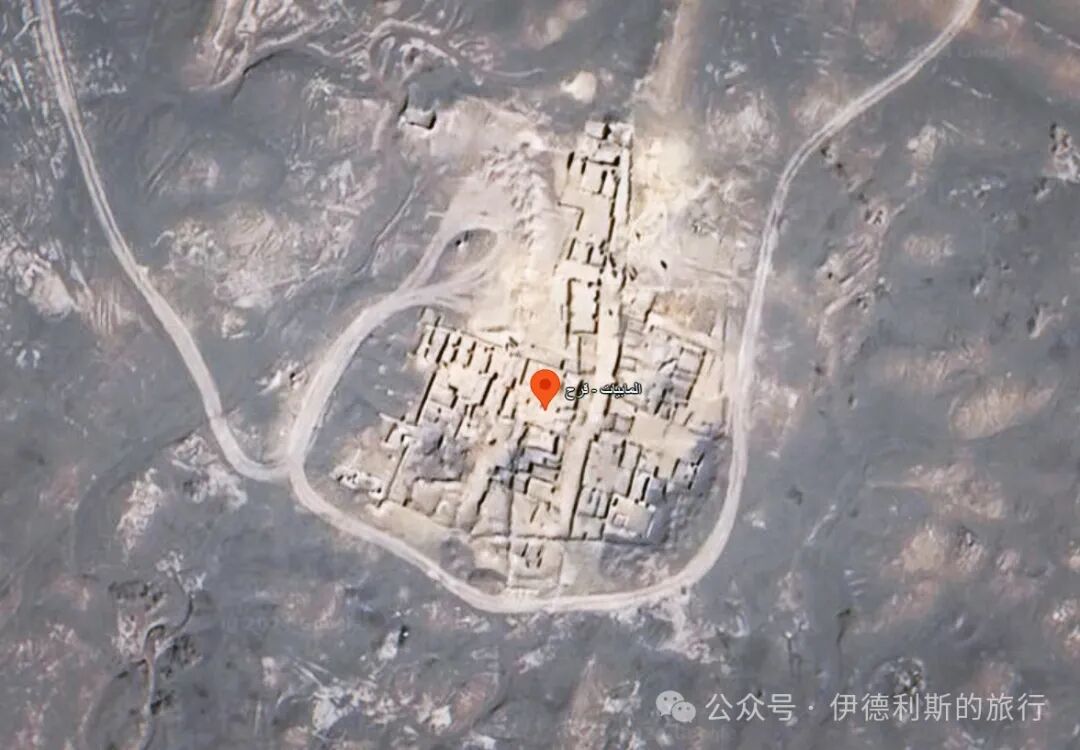
The Al-Mabiyat site is located in Saudi Arabia's Medina Province, 20 kilometers southeast of the ancient city of AlUla. Starting in 1985, King Saud University conducted several years of archaeological surveys and excavations here, discovering many remains related to irrigation, mining, and ceramic production. Academic research suggests this is likely the ancient Hejazi city of Al-Qurh, which rose during the Umayyad Caliphate in the 7th century and declined during the Abbasid Caliphate in the 12th century.
The ancient city of Al-Qurh prospered because it sat on the trade and pilgrimage routes connecting the Levant and the Hejaz region, and it left behind many historical records. The famous 10th-century Arab geographer Al-Maqdisi recorded that Al-Qurh was the most prosperous and populous area in the Hejaz after Mecca. The city had a diverse population, very cheap dates, and high-quality, abundant spring water. Another famous 10th-century Arab geographer, Istakhri, recorded that among the towns of the Hejaz, the size of Al-Qurh was second only to another ancient town, Al-Yamama. The 12th-13th century Greek-descended geographer Yaqut al-Hamawi recorded that Al-Qurh was located in a very fertile valley covered with villages from one end to the other.
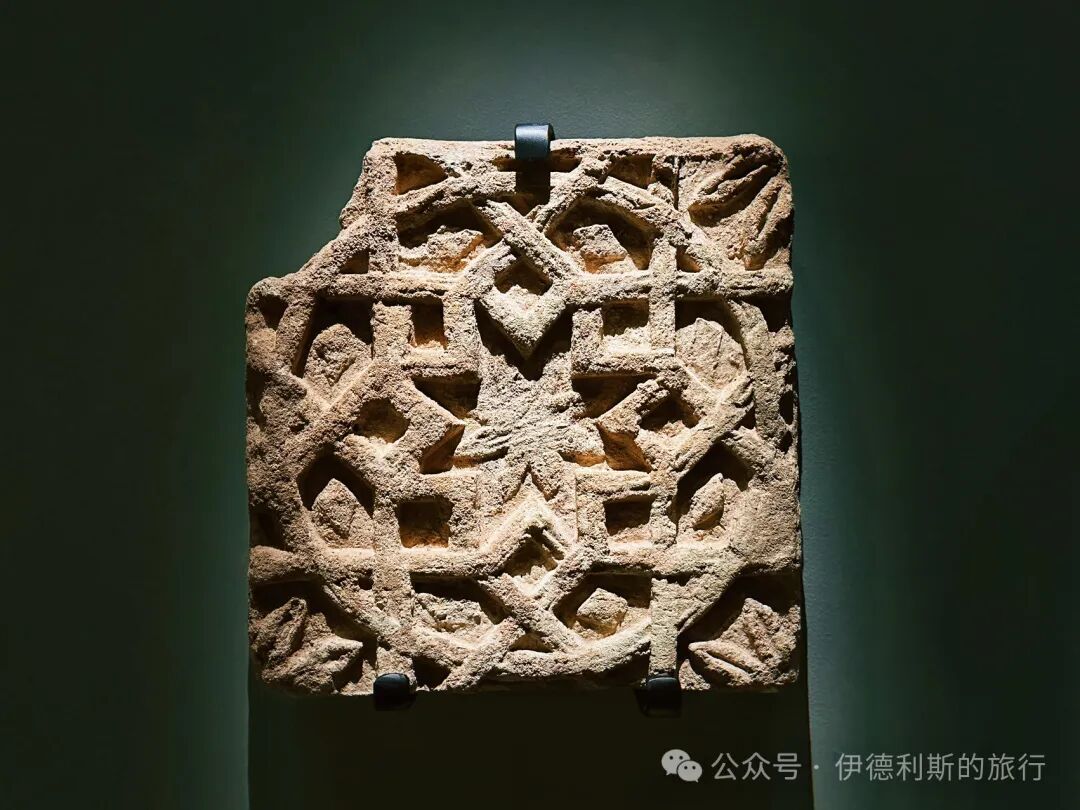
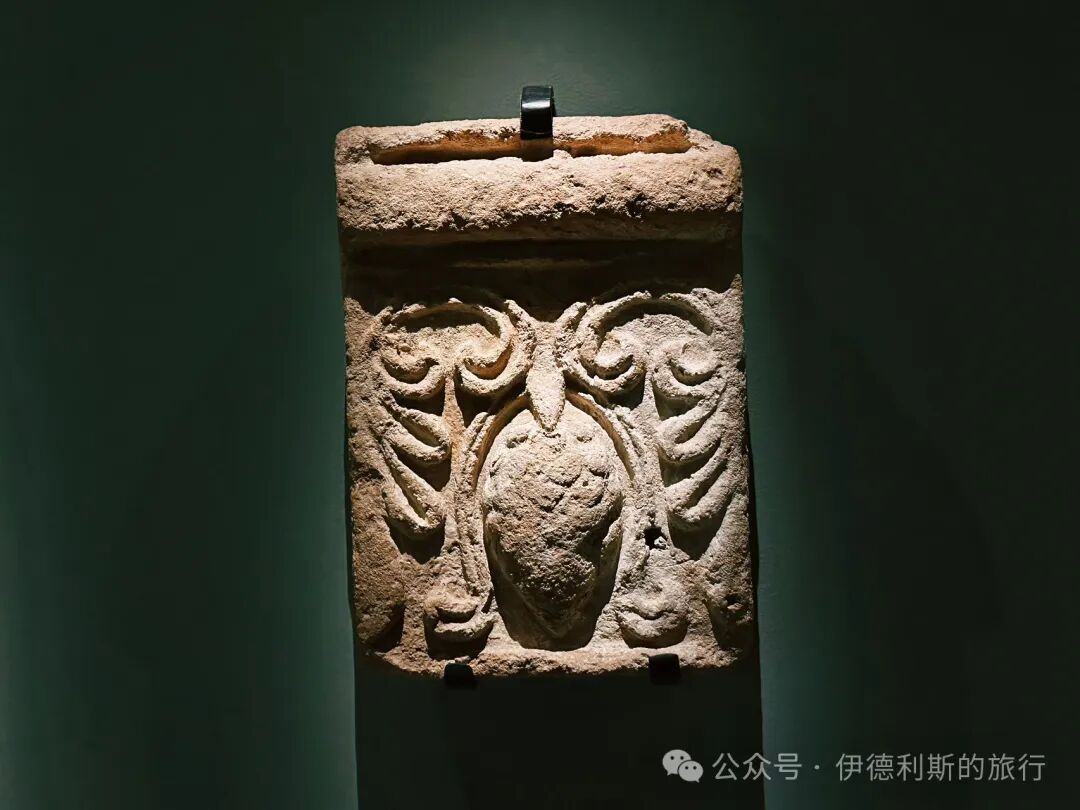
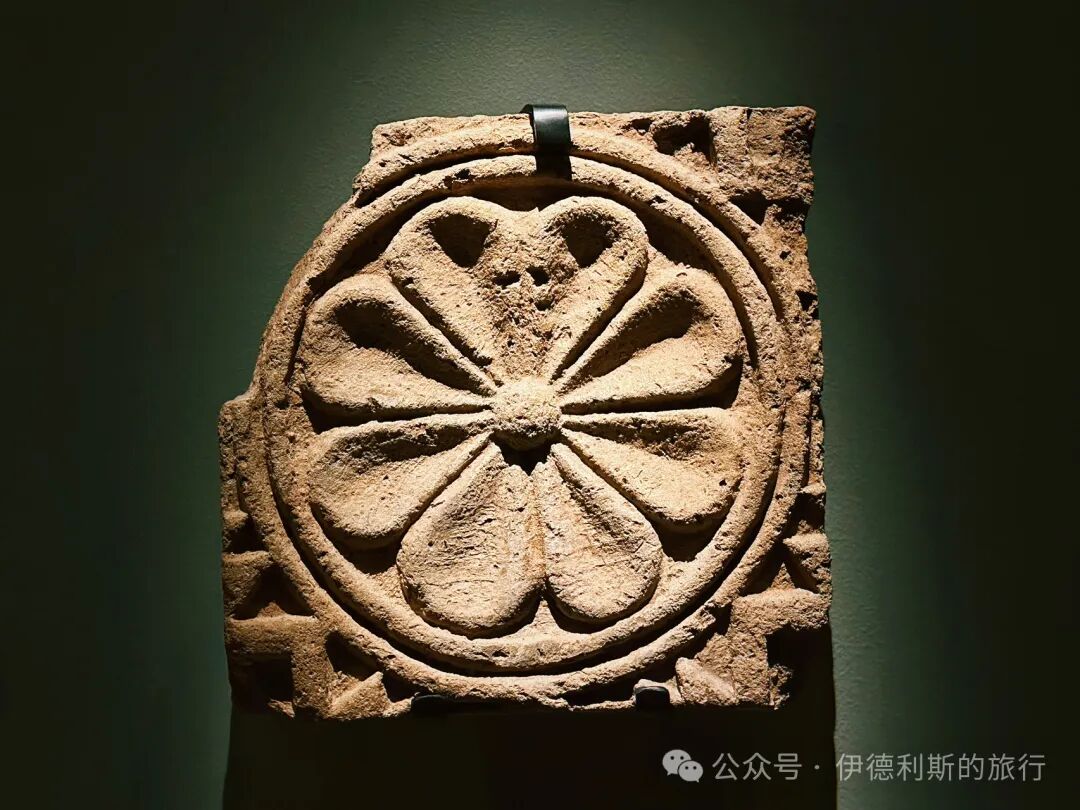
The picture shows 9th-10th century water jugs, goblets, wall tile fragments, iridescent glazed pottery shards, glazed pottery shards, amphorae, and glassware unearthed at the Al-Mabiyat site.
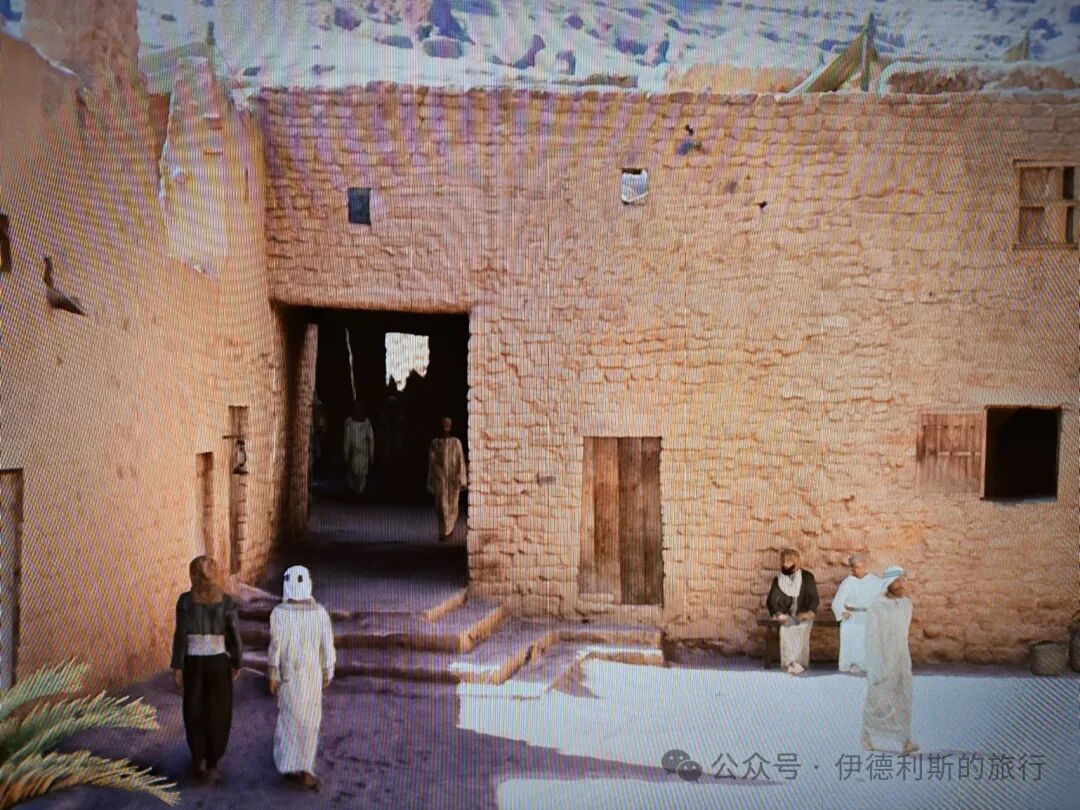
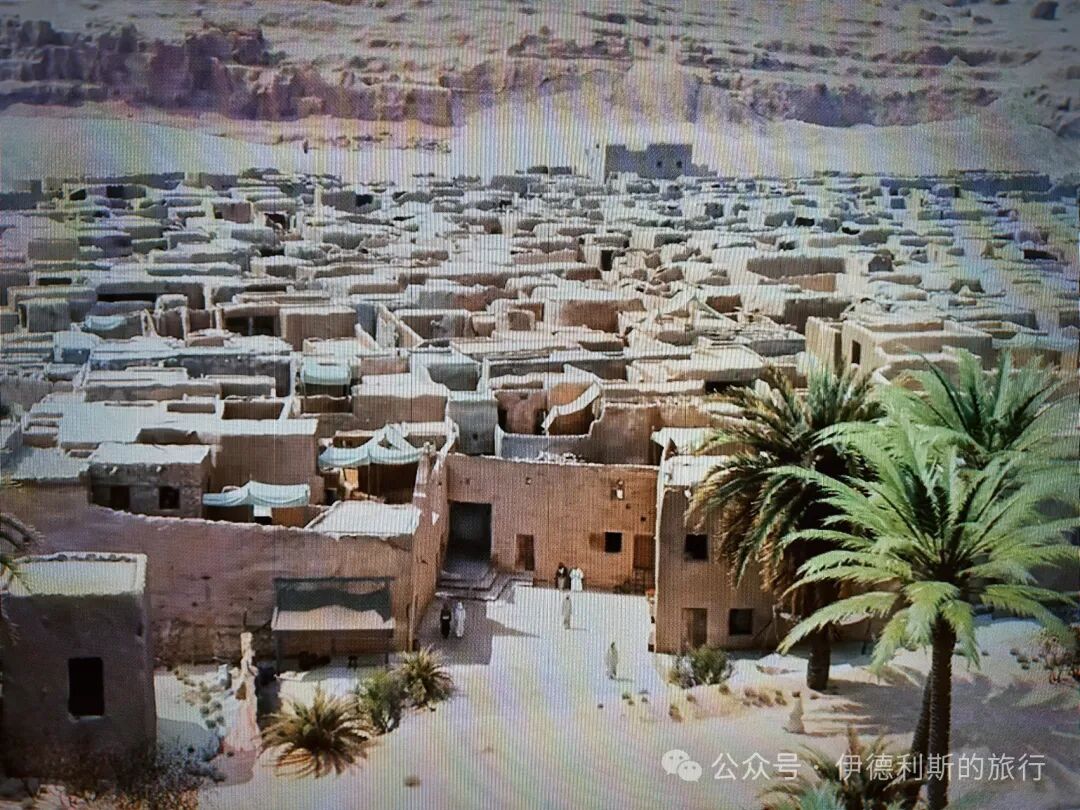
After the ancient city of Al-Qurh declined in the 12th century, the oasis town of AlUla to the northwest rose in the 13th century, continuing to serve as a trade and pilgrimage town connecting the Levant and the Hejaz. The old town was only gradually abandoned after the new city of AlUla was established in the 1970s. The last family moved out of the old town in 1983, and the old town mosque also stopped services after 1985. Today, the old town of AlUla has become a folk culture village. Its 870 mud-brick houses are separated by narrow, winding alleys, and it still preserves the mosque, market, and castle buildings.
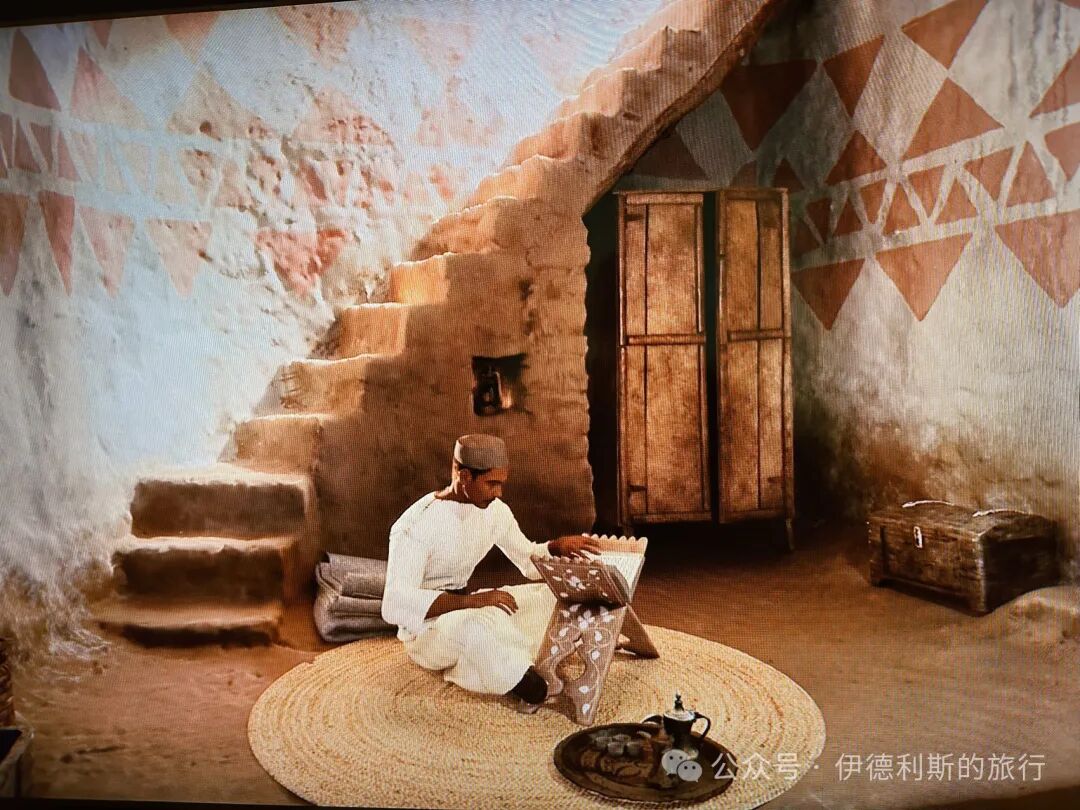
After people moved out of the old town of AlUla in the 1970s, some daily items were left behind, and this exhibition displays a portion of them. These include inlaid book stands (rehal), Arabic calligraphy pens, palm baskets, kerosene lamps, water-drawing axles, and pack saddles. Palm groves are scattered across the oasis around the old town. People often spent their summers in the groves to escape the heat and only returned to live in the old town during the autumn and winter. The exhibition hall also screens a film called "Rebuilding the Old Town and Oasis," which recreates scenes of daily life in the old town of AlUla.
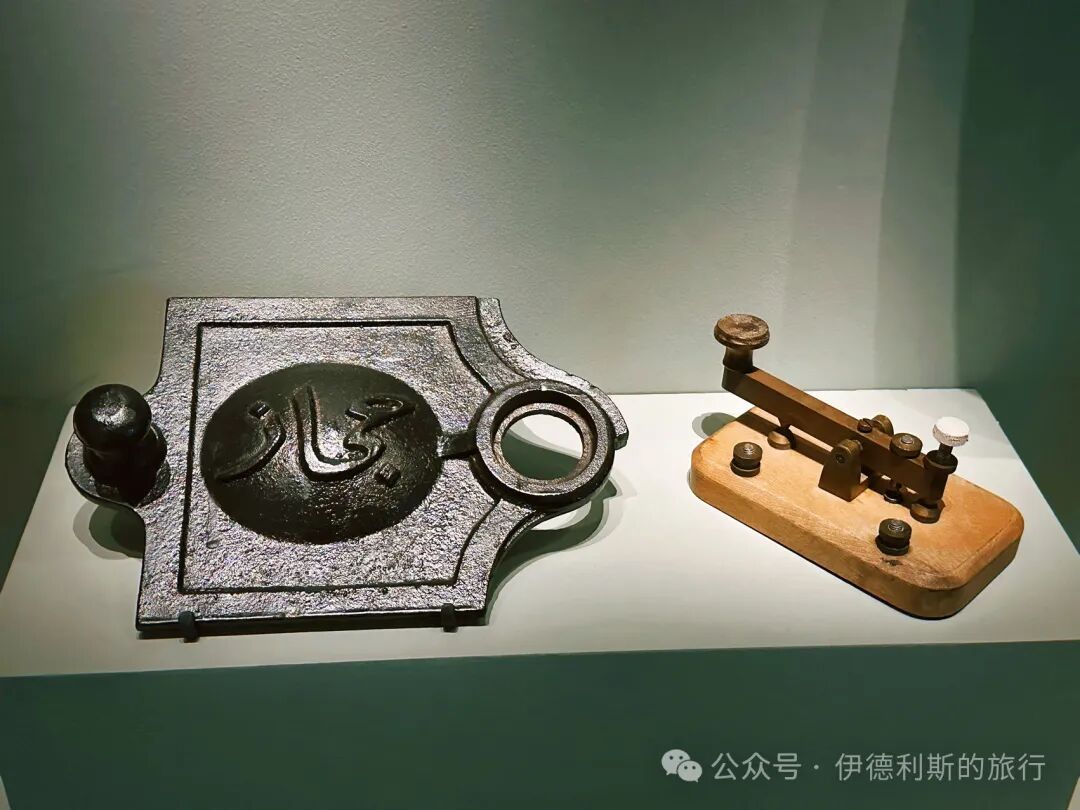
In 1900, Ottoman Sultan Abdul Hamid II began building the Hejaz Railway to connect Damascus and Medina. The AlUla station officially opened in September 1907. Because the AlUla station is exactly 1,000 kilometers from the start of the railway, it holds significant symbolic meaning. This exhibition displays several items from the Hejaz Railway, including railway components marked with "Hejaz," pocket watches featuring the Hejaz Railway logo, and telegraph machines. view all
Summary: Islamic Art Guide: Saudi AlUla Exhibition at Beijing Forbidden City is presented here as a firsthand travel account in clear, natural English. The account focuses on AlUla, Forbidden City, Arabian Heritage while preserving the names, places, food, photos, and historical details from the Chinese source.
From January 6 to March 22, 2024, the West Wing of the Meridian Gate at the Palace Museum hosted the exhibition 'AlUla: Wonder of Arabia,' which introduced the ancient oasis city of AlUla in the northwest of Saudi Arabia's Medina Province.
This concludes the sharing of the three major exhibitions held at the Meridian Gate of the Palace Museum to start 2024.
[Exhibition Visit] The Essence of Iranian Artifacts at the Meridian Gate of the Palace Museum
[Exhibition Visit] Exhibition on Ancient Cultural Exchanges Between China and West Asia at the Meridian Gate of the Palace Museum
The Al-Mabiyat site is located in Saudi Arabia's Medina Province, 20 kilometers southeast of the ancient city of AlUla. Starting in 1985, King Saud University conducted several years of archaeological surveys and excavations here, discovering many remains related to irrigation, mining, and ceramic production. Academic research suggests this is likely the ancient Hejazi city of Al-Qurh, which rose during the Umayyad Caliphate in the 7th century and declined during the Abbasid Caliphate in the 12th century.
The ancient city of Al-Qurh prospered because it sat on the trade and pilgrimage routes connecting the Levant and the Hejaz region, and it left behind many historical records. The famous 10th-century Arab geographer Al-Maqdisi recorded that Al-Qurh was the most prosperous and populous area in the Hejaz after Mecca. The city had a diverse population, very cheap dates, and high-quality, abundant spring water. Another famous 10th-century Arab geographer, Istakhri, recorded that among the towns of the Hejaz, the size of Al-Qurh was second only to another ancient town, Al-Yamama. The 12th-13th century Greek-descended geographer Yaqut al-Hamawi recorded that Al-Qurh was located in a very fertile valley covered with villages from one end to the other.
The picture shows 9th-10th century water jugs, goblets, wall tile fragments, iridescent glazed pottery shards, glazed pottery shards, amphorae, and glassware unearthed at the Al-Mabiyat site.
After the ancient city of Al-Qurh declined in the 12th century, the oasis town of AlUla to the northwest rose in the 13th century, continuing to serve as a trade and pilgrimage town connecting the Levant and the Hejaz. The old town was only gradually abandoned after the new city of AlUla was established in the 1970s. The last family moved out of the old town in 1983, and the old town mosque also stopped services after 1985. Today, the old town of AlUla has become a folk culture village. Its 870 mud-brick houses are separated by narrow, winding alleys, and it still preserves the mosque, market, and castle buildings.
After people moved out of the old town of AlUla in the 1970s, some daily items were left behind, and this exhibition displays a portion of them. These include inlaid book stands (rehal), Arabic calligraphy pens, palm baskets, kerosene lamps, water-drawing axles, and pack saddles. Palm groves are scattered across the oasis around the old town. People often spent their summers in the groves to escape the heat and only returned to live in the old town during the autumn and winter. The exhibition hall also screens a film called "Rebuilding the Old Town and Oasis," which recreates scenes of daily life in the old town of AlUla.
In 1900, Ottoman Sultan Abdul Hamid II began building the Hejaz Railway to connect Damascus and Medina. The AlUla station officially opened in September 1907. Because the AlUla station is exactly 1,000 kilometers from the start of the railway, it holds significant symbolic meaning. This exhibition displays several items from the Hejaz Railway, including railway components marked with "Hejaz," pocket watches featuring the Hejaz Railway logo, and telegraph machines. view all
Reposted from the web
Summary: Islamic Art Guide: Saudi AlUla Exhibition at Beijing Forbidden City is presented here as a firsthand travel account in clear, natural English. The account focuses on AlUla, Forbidden City, Arabian Heritage while preserving the names, places, food, photos, and historical details from the Chinese source.
From January 6 to March 22, 2024, the West Wing of the Meridian Gate at the Palace Museum hosted the exhibition 'AlUla: Wonder of Arabia,' which introduced the ancient oasis city of AlUla in the northwest of Saudi Arabia's Medina Province.
This concludes the sharing of the three major exhibitions held at the Meridian Gate of the Palace Museum to start 2024.
[Exhibition Visit] The Essence of Iranian Artifacts at the Meridian Gate of the Palace Museum
[Exhibition Visit] Exhibition on Ancient Cultural Exchanges Between China and West Asia at the Meridian Gate of the Palace Museum
The Al-Mabiyat site is located in Saudi Arabia's Medina Province, 20 kilometers southeast of the ancient city of AlUla. Starting in 1985, King Saud University conducted several years of archaeological surveys and excavations here, discovering many remains related to irrigation, mining, and ceramic production. Academic research suggests this is likely the ancient Hejazi city of Al-Qurh, which rose during the Umayyad Caliphate in the 7th century and declined during the Abbasid Caliphate in the 12th century.
The ancient city of Al-Qurh prospered because it sat on the trade and pilgrimage routes connecting the Levant and the Hejaz region, and it left behind many historical records. The famous 10th-century Arab geographer Al-Maqdisi recorded that Al-Qurh was the most prosperous and populous area in the Hejaz after Mecca. The city had a diverse population, very cheap dates, and high-quality, abundant spring water. Another famous 10th-century Arab geographer, Istakhri, recorded that among the towns of the Hejaz, the size of Al-Qurh was second only to another ancient town, Al-Yamama. The 12th-13th century Greek-descended geographer Yaqut al-Hamawi recorded that Al-Qurh was located in a very fertile valley covered with villages from one end to the other.
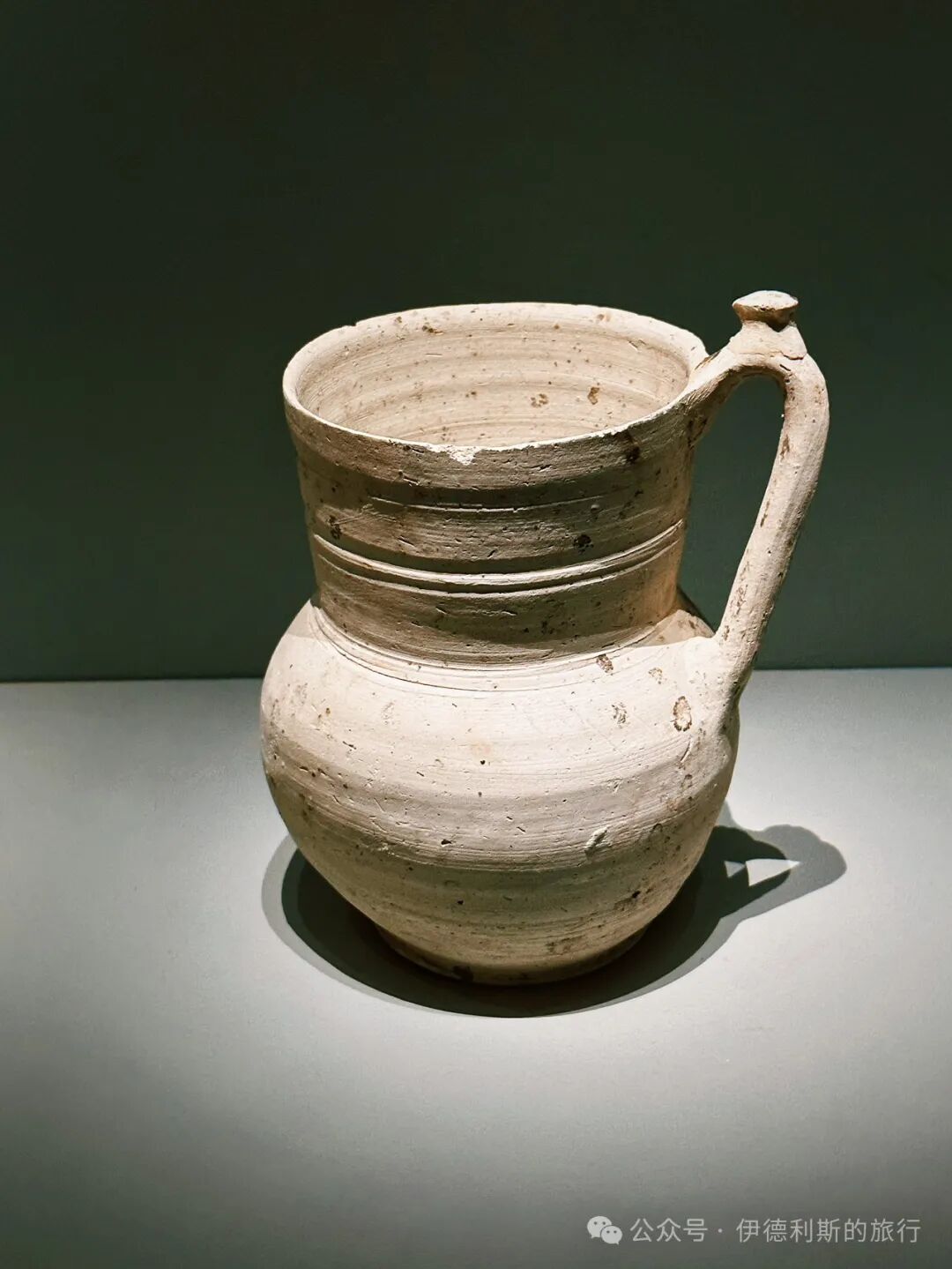
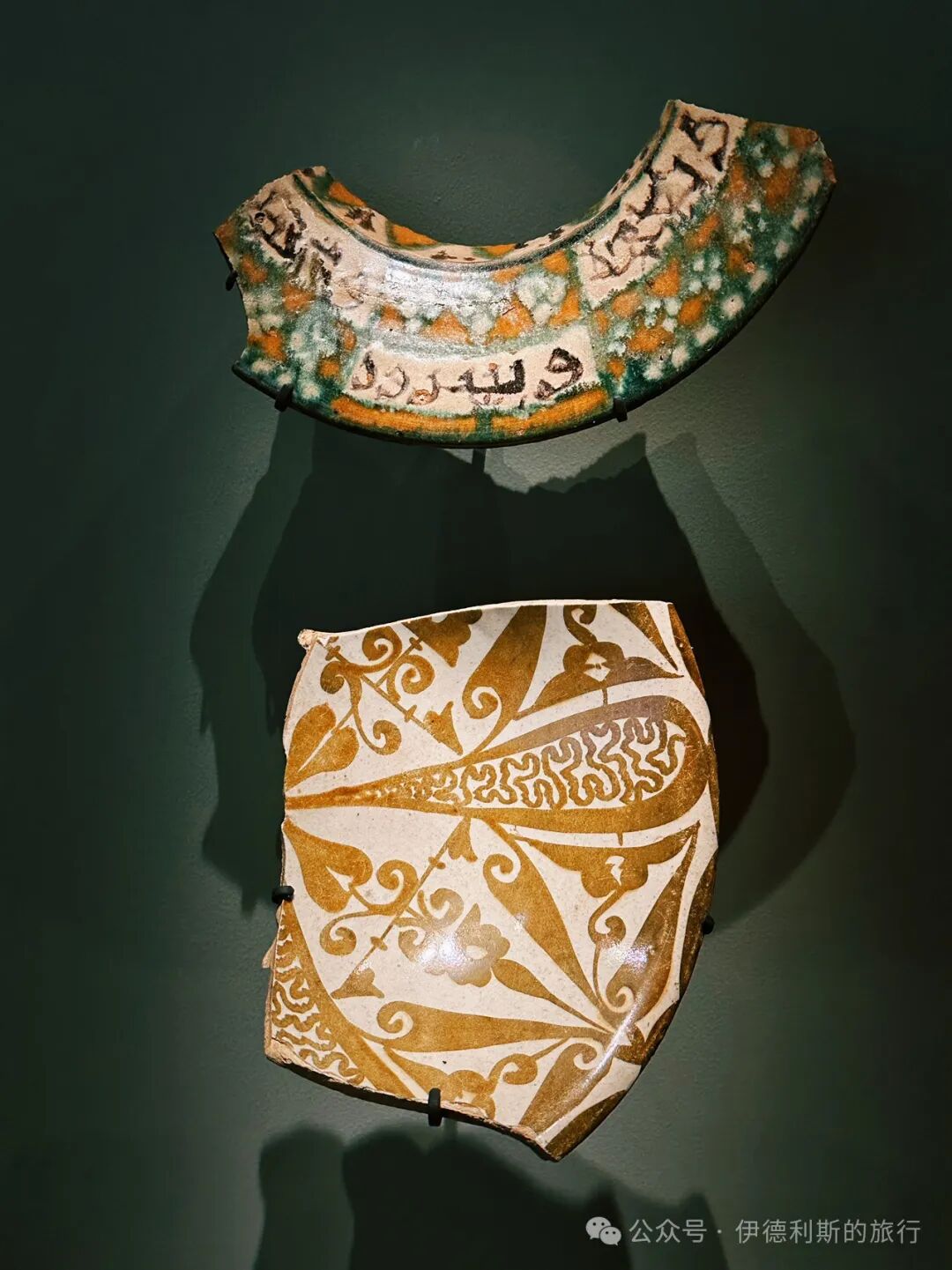
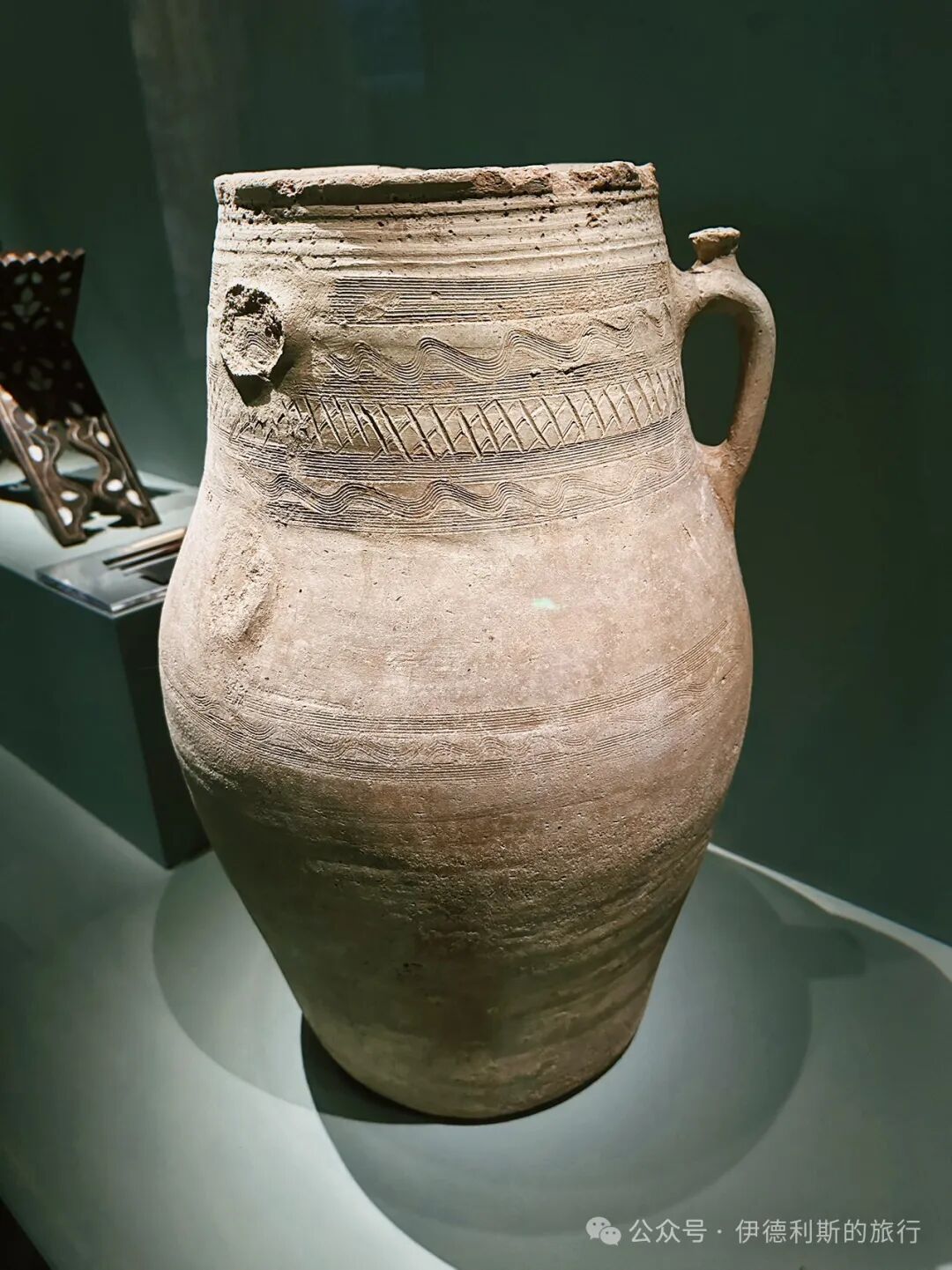
The picture shows 9th-10th century water jugs, goblets, wall tile fragments, iridescent glazed pottery shards, glazed pottery shards, amphorae, and glassware unearthed at the Al-Mabiyat site.
After the ancient city of Al-Qurh declined in the 12th century, the oasis town of AlUla to the northwest rose in the 13th century, continuing to serve as a trade and pilgrimage town connecting the Levant and the Hejaz. The old town was only gradually abandoned after the new city of AlUla was established in the 1970s. The last family moved out of the old town in 1983, and the old town mosque also stopped services after 1985. Today, the old town of AlUla has become a folk culture village. Its 870 mud-brick houses are separated by narrow, winding alleys, and it still preserves the mosque, market, and castle buildings.
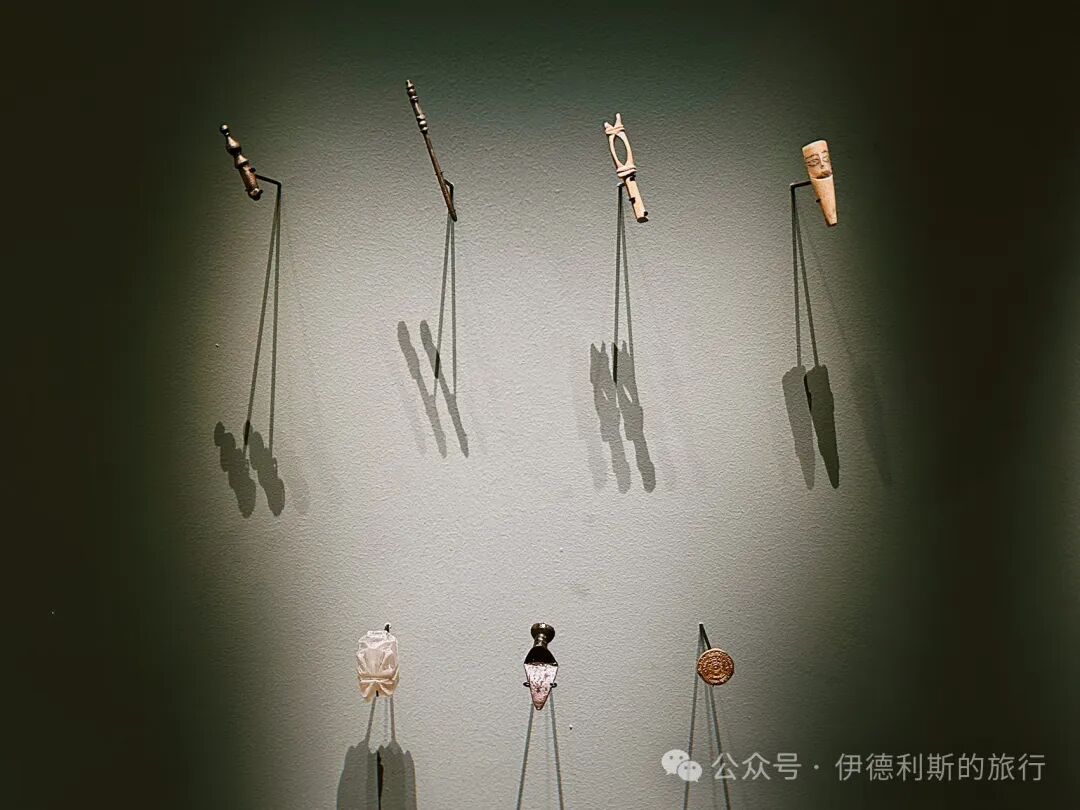
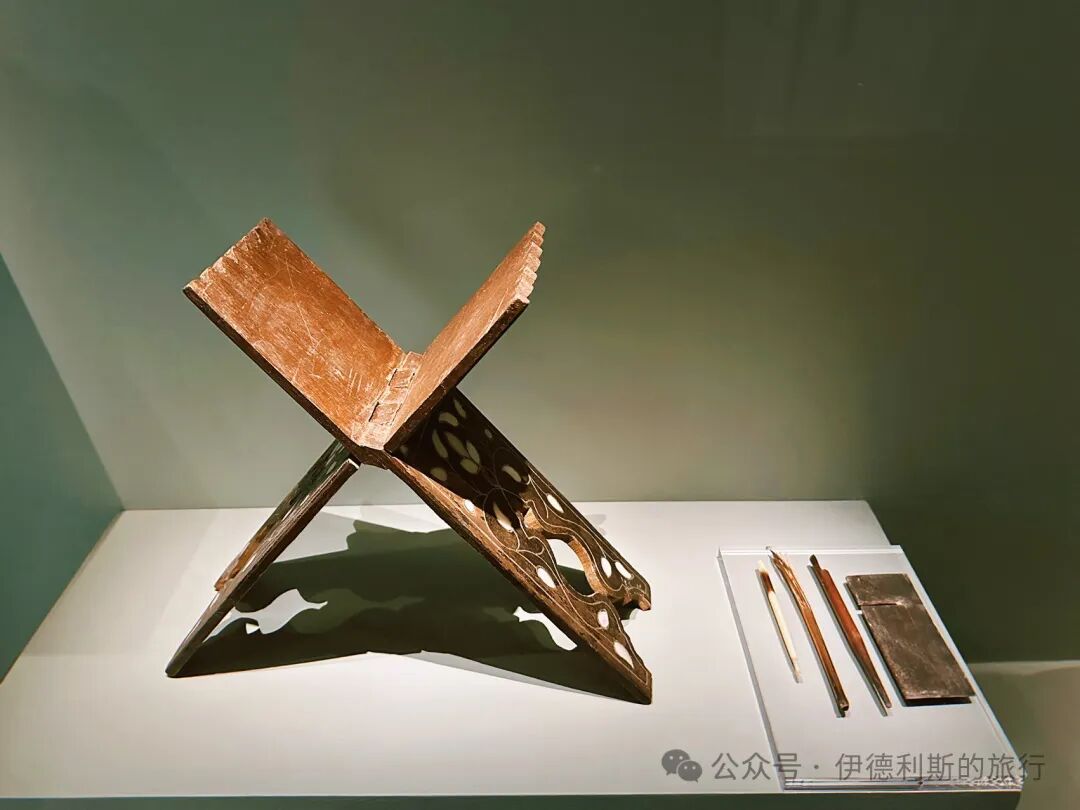
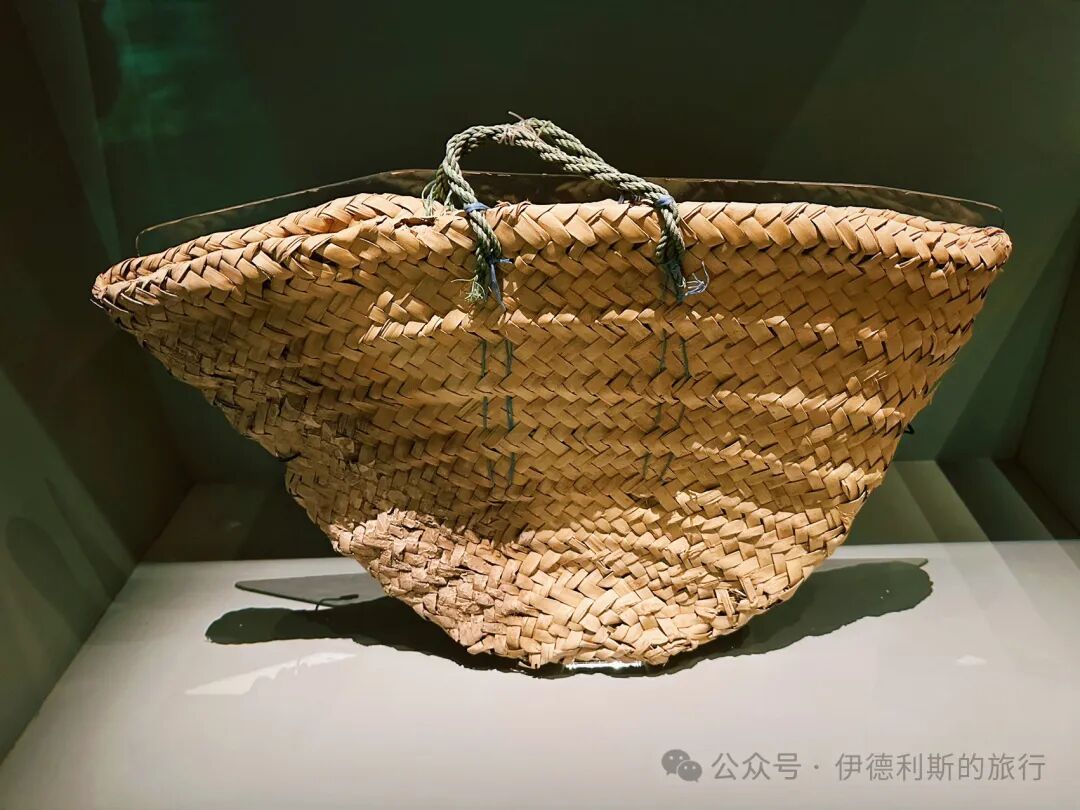
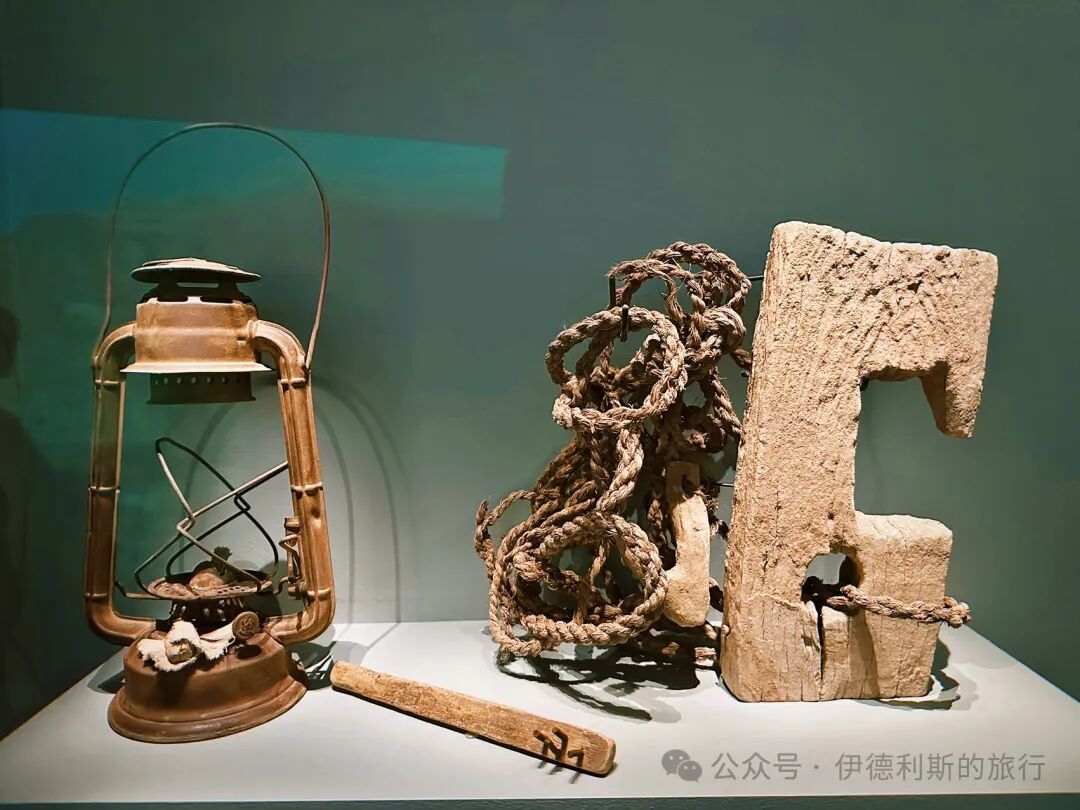
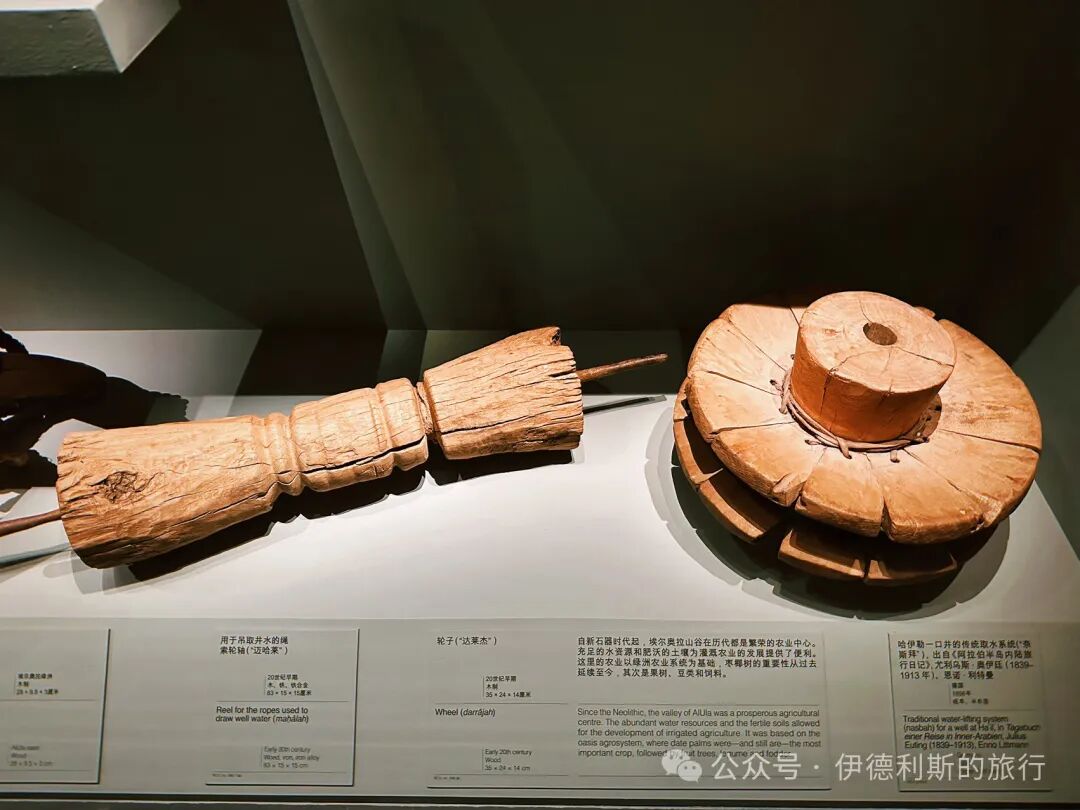
After people moved out of the old town of AlUla in the 1970s, some daily items were left behind, and this exhibition displays a portion of them. These include inlaid book stands (rehal), Arabic calligraphy pens, palm baskets, kerosene lamps, water-drawing axles, and pack saddles. Palm groves are scattered across the oasis around the old town. People often spent their summers in the groves to escape the heat and only returned to live in the old town during the autumn and winter. The exhibition hall also screens a film called "Rebuilding the Old Town and Oasis," which recreates scenes of daily life in the old town of AlUla.
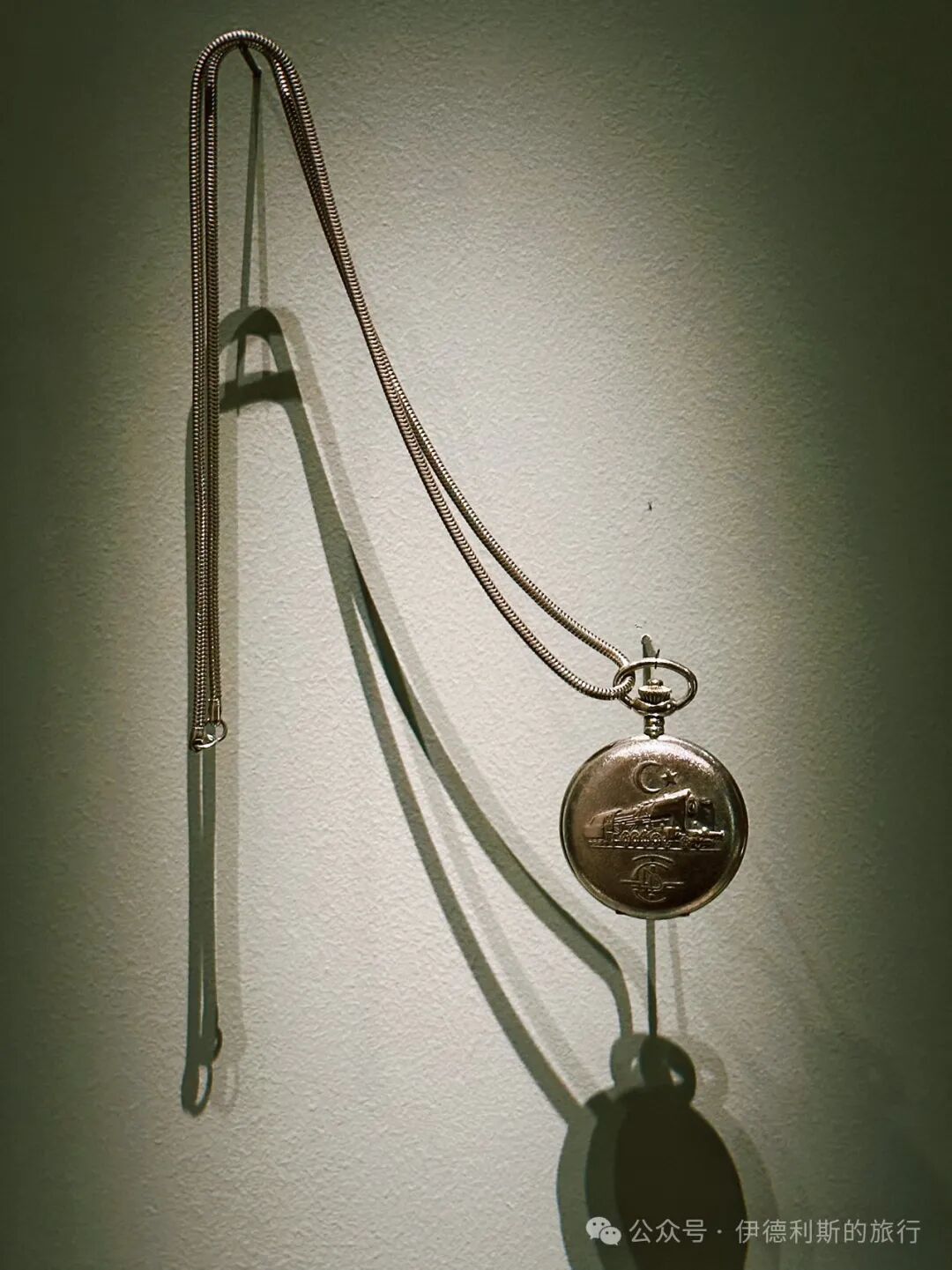
In 1900, Ottoman Sultan Abdul Hamid II began building the Hejaz Railway to connect Damascus and Medina. The AlUla station officially opened in September 1907. Because the AlUla station is exactly 1,000 kilometers from the start of the railway, it holds significant symbolic meaning. This exhibition displays several items from the Hejaz Railway, including railway components marked with "Hejaz," pocket watches featuring the Hejaz Railway logo, and telegraph machines.
Summary: Islamic Art Guide: Saudi AlUla Exhibition at Beijing Forbidden City is presented here as a firsthand travel account in clear, natural English. The account focuses on AlUla, Forbidden City, Arabian Heritage while preserving the names, places, food, photos, and historical details from the Chinese source.
From January 6 to March 22, 2024, the West Wing of the Meridian Gate at the Palace Museum hosted the exhibition 'AlUla: Wonder of Arabia,' which introduced the ancient oasis city of AlUla in the northwest of Saudi Arabia's Medina Province.
This concludes the sharing of the three major exhibitions held at the Meridian Gate of the Palace Museum to start 2024.
[Exhibition Visit] The Essence of Iranian Artifacts at the Meridian Gate of the Palace Museum
[Exhibition Visit] Exhibition on Ancient Cultural Exchanges Between China and West Asia at the Meridian Gate of the Palace Museum
The Al-Mabiyat site is located in Saudi Arabia's Medina Province, 20 kilometers southeast of the ancient city of AlUla. Starting in 1985, King Saud University conducted several years of archaeological surveys and excavations here, discovering many remains related to irrigation, mining, and ceramic production. Academic research suggests this is likely the ancient Hejazi city of Al-Qurh, which rose during the Umayyad Caliphate in the 7th century and declined during the Abbasid Caliphate in the 12th century.
The ancient city of Al-Qurh prospered because it sat on the trade and pilgrimage routes connecting the Levant and the Hejaz region, and it left behind many historical records. The famous 10th-century Arab geographer Al-Maqdisi recorded that Al-Qurh was the most prosperous and populous area in the Hejaz after Mecca. The city had a diverse population, very cheap dates, and high-quality, abundant spring water. Another famous 10th-century Arab geographer, Istakhri, recorded that among the towns of the Hejaz, the size of Al-Qurh was second only to another ancient town, Al-Yamama. The 12th-13th century Greek-descended geographer Yaqut al-Hamawi recorded that Al-Qurh was located in a very fertile valley covered with villages from one end to the other.
The picture shows 9th-10th century water jugs, goblets, wall tile fragments, iridescent glazed pottery shards, glazed pottery shards, amphorae, and glassware unearthed at the Al-Mabiyat site.
After the ancient city of Al-Qurh declined in the 12th century, the oasis town of AlUla to the northwest rose in the 13th century, continuing to serve as a trade and pilgrimage town connecting the Levant and the Hejaz. The old town was only gradually abandoned after the new city of AlUla was established in the 1970s. The last family moved out of the old town in 1983, and the old town mosque also stopped services after 1985. Today, the old town of AlUla has become a folk culture village. Its 870 mud-brick houses are separated by narrow, winding alleys, and it still preserves the mosque, market, and castle buildings.
After people moved out of the old town of AlUla in the 1970s, some daily items were left behind, and this exhibition displays a portion of them. These include inlaid book stands (rehal), Arabic calligraphy pens, palm baskets, kerosene lamps, water-drawing axles, and pack saddles. Palm groves are scattered across the oasis around the old town. People often spent their summers in the groves to escape the heat and only returned to live in the old town during the autumn and winter. The exhibition hall also screens a film called "Rebuilding the Old Town and Oasis," which recreates scenes of daily life in the old town of AlUla.
In 1900, Ottoman Sultan Abdul Hamid II began building the Hejaz Railway to connect Damascus and Medina. The AlUla station officially opened in September 1907. Because the AlUla station is exactly 1,000 kilometers from the start of the railway, it holds significant symbolic meaning. This exhibition displays several items from the Hejaz Railway, including railway components marked with "Hejaz," pocket watches featuring the Hejaz Railway logo, and telegraph machines.
Islamic Art Guide: Saudi AlUla Exhibition at Beijing Forbidden City
Articles • ali2007fr posted the article • 0 comments • 148 views • 2026-05-19 08:52
Reposted from the web
Summary: Islamic Art Guide: Saudi AlUla Exhibition at Beijing Forbidden City is presented here as a firsthand travel account in clear, natural English. The account focuses on AlUla, Forbidden City, Arabian Heritage while preserving the names, places, food, photos, and historical details from the Chinese source.
From January 6 to March 22, 2024, the West Wing of the Meridian Gate at the Palace Museum hosted the exhibition 'AlUla: Wonder of Arabia,' which introduced the ancient oasis city of AlUla in the northwest of Saudi Arabia's Medina Province.
This concludes the sharing of the three major exhibitions held at the Meridian Gate of the Palace Museum to start 2024.
[Exhibition Visit] The Essence of Iranian Artifacts at the Meridian Gate of the Palace Museum
[Exhibition Visit] Exhibition on Ancient Cultural Exchanges Between China and West Asia at the Meridian Gate of the Palace Museum
The Al-Mabiyat site is located in Saudi Arabia's Medina Province, 20 kilometers southeast of the ancient city of AlUla. Starting in 1985, King Saud University conducted several years of archaeological surveys and excavations here, discovering many remains related to irrigation, mining, and ceramic production. Academic research suggests this is likely the ancient Hejazi city of Al-Qurh, which rose during the Umayyad Caliphate in the 7th century and declined during the Abbasid Caliphate in the 12th century.
The ancient city of Al-Qurh prospered because it sat on the trade and pilgrimage routes connecting the Levant and the Hejaz region, and it left behind many historical records. The famous 10th-century Arab geographer Al-Maqdisi recorded that Al-Qurh was the most prosperous and populous area in the Hejaz after Mecca. The city had a diverse population, very cheap dates, and high-quality, abundant spring water. Another famous 10th-century Arab geographer, Istakhri, recorded that among the towns of the Hejaz, the size of Al-Qurh was second only to another ancient town, Al-Yamama. The 12th-13th century Greek-descended geographer Yaqut al-Hamawi recorded that Al-Qurh was located in a very fertile valley covered with villages from one end to the other.
The picture shows 9th-10th century water jugs, goblets, wall tile fragments, iridescent glazed pottery shards, glazed pottery shards, amphorae, and glassware unearthed at the Al-Mabiyat site.
After the ancient city of Al-Qurh declined in the 12th century, the oasis town of AlUla to the northwest rose in the 13th century, continuing to serve as a trade and pilgrimage town connecting the Levant and the Hejaz. The old town was only gradually abandoned after the new city of AlUla was established in the 1970s. The last family moved out of the old town in 1983, and the old town mosque also stopped services after 1985. Today, the old town of AlUla has become a folk culture village. Its 870 mud-brick houses are separated by narrow, winding alleys, and it still preserves the mosque, market, and castle buildings.
After people moved out of the old town of AlUla in the 1970s, some daily items were left behind, and this exhibition displays a portion of them. These include inlaid book stands (rehal), Arabic calligraphy pens, palm baskets, kerosene lamps, water-drawing axles, and pack saddles. Palm groves are scattered across the oasis around the old town. People often spent their summers in the groves to escape the heat and only returned to live in the old town during the autumn and winter. The exhibition hall also screens a film called "Rebuilding the Old Town and Oasis," which recreates scenes of daily life in the old town of AlUla.
In 1900, Ottoman Sultan Abdul Hamid II began building the Hejaz Railway to connect Damascus and Medina. The AlUla station officially opened in September 1907. Because the AlUla station is exactly 1,000 kilometers from the start of the railway, it holds significant symbolic meaning. This exhibition displays several items from the Hejaz Railway, including railway components marked with "Hejaz," pocket watches featuring the Hejaz Railway logo, and telegraph machines. view all
Summary: Islamic Art Guide: Saudi AlUla Exhibition at Beijing Forbidden City is presented here as a firsthand travel account in clear, natural English. The account focuses on AlUla, Forbidden City, Arabian Heritage while preserving the names, places, food, photos, and historical details from the Chinese source.
From January 6 to March 22, 2024, the West Wing of the Meridian Gate at the Palace Museum hosted the exhibition 'AlUla: Wonder of Arabia,' which introduced the ancient oasis city of AlUla in the northwest of Saudi Arabia's Medina Province.
This concludes the sharing of the three major exhibitions held at the Meridian Gate of the Palace Museum to start 2024.
[Exhibition Visit] The Essence of Iranian Artifacts at the Meridian Gate of the Palace Museum
[Exhibition Visit] Exhibition on Ancient Cultural Exchanges Between China and West Asia at the Meridian Gate of the Palace Museum
The Al-Mabiyat site is located in Saudi Arabia's Medina Province, 20 kilometers southeast of the ancient city of AlUla. Starting in 1985, King Saud University conducted several years of archaeological surveys and excavations here, discovering many remains related to irrigation, mining, and ceramic production. Academic research suggests this is likely the ancient Hejazi city of Al-Qurh, which rose during the Umayyad Caliphate in the 7th century and declined during the Abbasid Caliphate in the 12th century.
The ancient city of Al-Qurh prospered because it sat on the trade and pilgrimage routes connecting the Levant and the Hejaz region, and it left behind many historical records. The famous 10th-century Arab geographer Al-Maqdisi recorded that Al-Qurh was the most prosperous and populous area in the Hejaz after Mecca. The city had a diverse population, very cheap dates, and high-quality, abundant spring water. Another famous 10th-century Arab geographer, Istakhri, recorded that among the towns of the Hejaz, the size of Al-Qurh was second only to another ancient town, Al-Yamama. The 12th-13th century Greek-descended geographer Yaqut al-Hamawi recorded that Al-Qurh was located in a very fertile valley covered with villages from one end to the other.
The picture shows 9th-10th century water jugs, goblets, wall tile fragments, iridescent glazed pottery shards, glazed pottery shards, amphorae, and glassware unearthed at the Al-Mabiyat site.
After the ancient city of Al-Qurh declined in the 12th century, the oasis town of AlUla to the northwest rose in the 13th century, continuing to serve as a trade and pilgrimage town connecting the Levant and the Hejaz. The old town was only gradually abandoned after the new city of AlUla was established in the 1970s. The last family moved out of the old town in 1983, and the old town mosque also stopped services after 1985. Today, the old town of AlUla has become a folk culture village. Its 870 mud-brick houses are separated by narrow, winding alleys, and it still preserves the mosque, market, and castle buildings.
After people moved out of the old town of AlUla in the 1970s, some daily items were left behind, and this exhibition displays a portion of them. These include inlaid book stands (rehal), Arabic calligraphy pens, palm baskets, kerosene lamps, water-drawing axles, and pack saddles. Palm groves are scattered across the oasis around the old town. People often spent their summers in the groves to escape the heat and only returned to live in the old town during the autumn and winter. The exhibition hall also screens a film called "Rebuilding the Old Town and Oasis," which recreates scenes of daily life in the old town of AlUla.
In 1900, Ottoman Sultan Abdul Hamid II began building the Hejaz Railway to connect Damascus and Medina. The AlUla station officially opened in September 1907. Because the AlUla station is exactly 1,000 kilometers from the start of the railway, it holds significant symbolic meaning. This exhibition displays several items from the Hejaz Railway, including railway components marked with "Hejaz," pocket watches featuring the Hejaz Railway logo, and telegraph machines. view all
Reposted from the web
Summary: Islamic Art Guide: Saudi AlUla Exhibition at Beijing Forbidden City is presented here as a firsthand travel account in clear, natural English. The account focuses on AlUla, Forbidden City, Arabian Heritage while preserving the names, places, food, photos, and historical details from the Chinese source.
From January 6 to March 22, 2024, the West Wing of the Meridian Gate at the Palace Museum hosted the exhibition 'AlUla: Wonder of Arabia,' which introduced the ancient oasis city of AlUla in the northwest of Saudi Arabia's Medina Province.
This concludes the sharing of the three major exhibitions held at the Meridian Gate of the Palace Museum to start 2024.
[Exhibition Visit] The Essence of Iranian Artifacts at the Meridian Gate of the Palace Museum
[Exhibition Visit] Exhibition on Ancient Cultural Exchanges Between China and West Asia at the Meridian Gate of the Palace Museum
The Al-Mabiyat site is located in Saudi Arabia's Medina Province, 20 kilometers southeast of the ancient city of AlUla. Starting in 1985, King Saud University conducted several years of archaeological surveys and excavations here, discovering many remains related to irrigation, mining, and ceramic production. Academic research suggests this is likely the ancient Hejazi city of Al-Qurh, which rose during the Umayyad Caliphate in the 7th century and declined during the Abbasid Caliphate in the 12th century.
The ancient city of Al-Qurh prospered because it sat on the trade and pilgrimage routes connecting the Levant and the Hejaz region, and it left behind many historical records. The famous 10th-century Arab geographer Al-Maqdisi recorded that Al-Qurh was the most prosperous and populous area in the Hejaz after Mecca. The city had a diverse population, very cheap dates, and high-quality, abundant spring water. Another famous 10th-century Arab geographer, Istakhri, recorded that among the towns of the Hejaz, the size of Al-Qurh was second only to another ancient town, Al-Yamama. The 12th-13th century Greek-descended geographer Yaqut al-Hamawi recorded that Al-Qurh was located in a very fertile valley covered with villages from one end to the other.
The picture shows 9th-10th century water jugs, goblets, wall tile fragments, iridescent glazed pottery shards, glazed pottery shards, amphorae, and glassware unearthed at the Al-Mabiyat site.
After the ancient city of Al-Qurh declined in the 12th century, the oasis town of AlUla to the northwest rose in the 13th century, continuing to serve as a trade and pilgrimage town connecting the Levant and the Hejaz. The old town was only gradually abandoned after the new city of AlUla was established in the 1970s. The last family moved out of the old town in 1983, and the old town mosque also stopped services after 1985. Today, the old town of AlUla has become a folk culture village. Its 870 mud-brick houses are separated by narrow, winding alleys, and it still preserves the mosque, market, and castle buildings.
After people moved out of the old town of AlUla in the 1970s, some daily items were left behind, and this exhibition displays a portion of them. These include inlaid book stands (rehal), Arabic calligraphy pens, palm baskets, kerosene lamps, water-drawing axles, and pack saddles. Palm groves are scattered across the oasis around the old town. People often spent their summers in the groves to escape the heat and only returned to live in the old town during the autumn and winter. The exhibition hall also screens a film called "Rebuilding the Old Town and Oasis," which recreates scenes of daily life in the old town of AlUla.
In 1900, Ottoman Sultan Abdul Hamid II began building the Hejaz Railway to connect Damascus and Medina. The AlUla station officially opened in September 1907. Because the AlUla station is exactly 1,000 kilometers from the start of the railway, it holds significant symbolic meaning. This exhibition displays several items from the Hejaz Railway, including railway components marked with "Hejaz," pocket watches featuring the Hejaz Railway logo, and telegraph machines.
Summary: Islamic Art Guide: Saudi AlUla Exhibition at Beijing Forbidden City is presented here as a firsthand travel account in clear, natural English. The account focuses on AlUla, Forbidden City, Arabian Heritage while preserving the names, places, food, photos, and historical details from the Chinese source.
From January 6 to March 22, 2024, the West Wing of the Meridian Gate at the Palace Museum hosted the exhibition 'AlUla: Wonder of Arabia,' which introduced the ancient oasis city of AlUla in the northwest of Saudi Arabia's Medina Province.
This concludes the sharing of the three major exhibitions held at the Meridian Gate of the Palace Museum to start 2024.
[Exhibition Visit] The Essence of Iranian Artifacts at the Meridian Gate of the Palace Museum
[Exhibition Visit] Exhibition on Ancient Cultural Exchanges Between China and West Asia at the Meridian Gate of the Palace Museum
The Al-Mabiyat site is located in Saudi Arabia's Medina Province, 20 kilometers southeast of the ancient city of AlUla. Starting in 1985, King Saud University conducted several years of archaeological surveys and excavations here, discovering many remains related to irrigation, mining, and ceramic production. Academic research suggests this is likely the ancient Hejazi city of Al-Qurh, which rose during the Umayyad Caliphate in the 7th century and declined during the Abbasid Caliphate in the 12th century.
The ancient city of Al-Qurh prospered because it sat on the trade and pilgrimage routes connecting the Levant and the Hejaz region, and it left behind many historical records. The famous 10th-century Arab geographer Al-Maqdisi recorded that Al-Qurh was the most prosperous and populous area in the Hejaz after Mecca. The city had a diverse population, very cheap dates, and high-quality, abundant spring water. Another famous 10th-century Arab geographer, Istakhri, recorded that among the towns of the Hejaz, the size of Al-Qurh was second only to another ancient town, Al-Yamama. The 12th-13th century Greek-descended geographer Yaqut al-Hamawi recorded that Al-Qurh was located in a very fertile valley covered with villages from one end to the other.
The picture shows 9th-10th century water jugs, goblets, wall tile fragments, iridescent glazed pottery shards, glazed pottery shards, amphorae, and glassware unearthed at the Al-Mabiyat site.
After the ancient city of Al-Qurh declined in the 12th century, the oasis town of AlUla to the northwest rose in the 13th century, continuing to serve as a trade and pilgrimage town connecting the Levant and the Hejaz. The old town was only gradually abandoned after the new city of AlUla was established in the 1970s. The last family moved out of the old town in 1983, and the old town mosque also stopped services after 1985. Today, the old town of AlUla has become a folk culture village. Its 870 mud-brick houses are separated by narrow, winding alleys, and it still preserves the mosque, market, and castle buildings.
After people moved out of the old town of AlUla in the 1970s, some daily items were left behind, and this exhibition displays a portion of them. These include inlaid book stands (rehal), Arabic calligraphy pens, palm baskets, kerosene lamps, water-drawing axles, and pack saddles. Palm groves are scattered across the oasis around the old town. People often spent their summers in the groves to escape the heat and only returned to live in the old town during the autumn and winter. The exhibition hall also screens a film called "Rebuilding the Old Town and Oasis," which recreates scenes of daily life in the old town of AlUla.
In 1900, Ottoman Sultan Abdul Hamid II began building the Hejaz Railway to connect Damascus and Medina. The AlUla station officially opened in September 1907. Because the AlUla station is exactly 1,000 kilometers from the start of the railway, it holds significant symbolic meaning. This exhibition displays several items from the Hejaz Railway, including railway components marked with "Hejaz," pocket watches featuring the Hejaz Railway logo, and telegraph machines.