

Al_Abrar Mosque
Mosque Near Singapore Chinatown: Al-Abrar Mosque, Chulia Tamil Muslims and Telok Ayer Heritage
Articles • Hasan09 posted the article • 0 comments • 342 views • 2026-05-24 01:47
Reposted from the web
Summary: This Singapore mosque guide visits Al-Abrar Mosque near Thian Hock Keng and the Telok Ayer area. It keeps the source notes on Chulia Tamil Muslims, Southeast Asian trade, mosque history, and local street context.
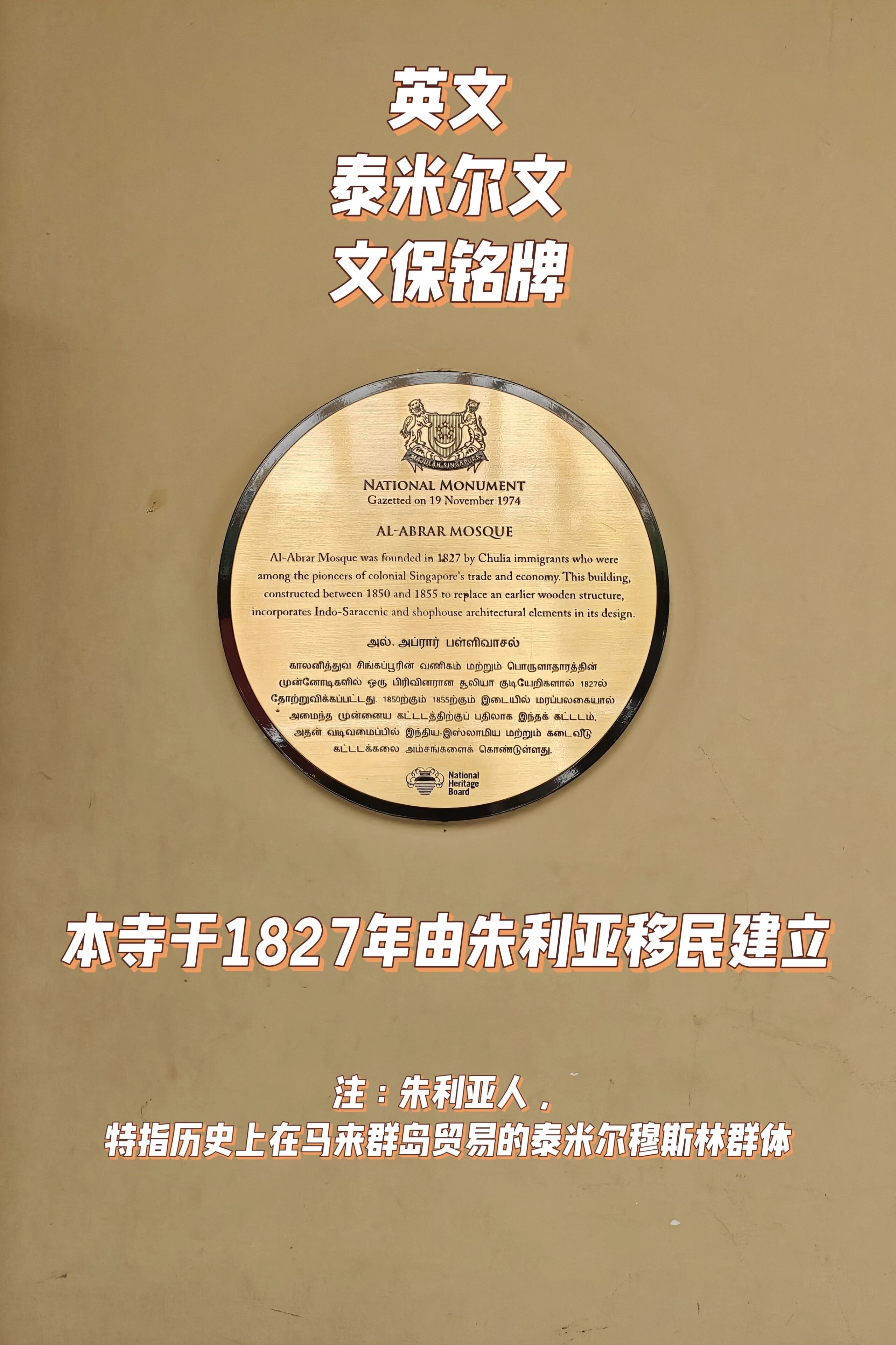
The Chulia are Tamil Muslims who do business in Southeast Asia. They have built mosques not only in Singapore but also in Malaysia and Myanmar. The Jamae Mosque in Singapore that I posted about before was also built by the Chulia.
The Al-Abrar Mosque I am introducing today was also built by the Chulia. This mosque is on the same street as the South Indian shrine (gongbei) Nagore Dargah that I introduced last time, as well as the Thian Hock Keng Mosque, which represents traditional Chinese beliefs.
It is just a few steps away from the Nagore Dargah.
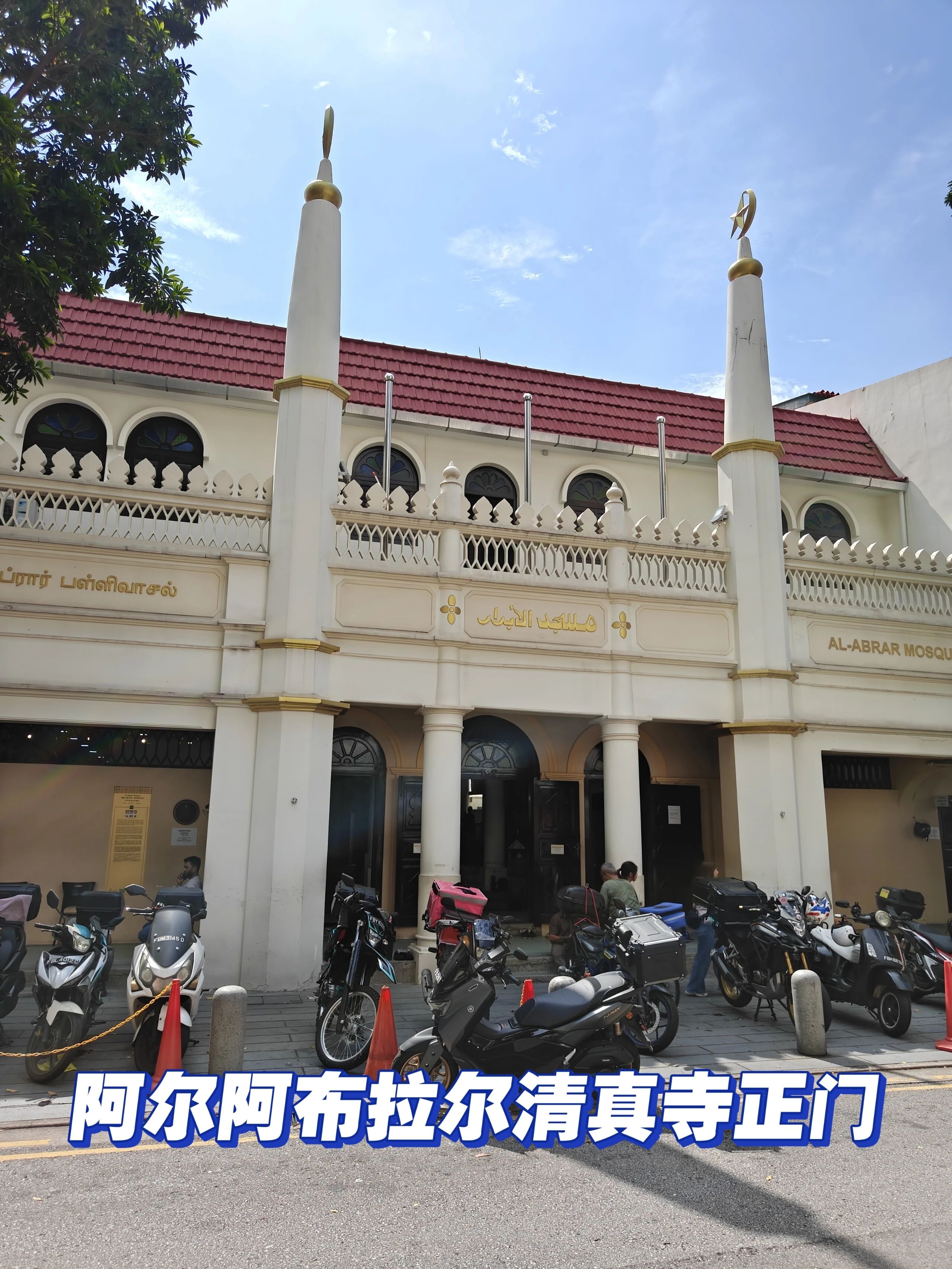
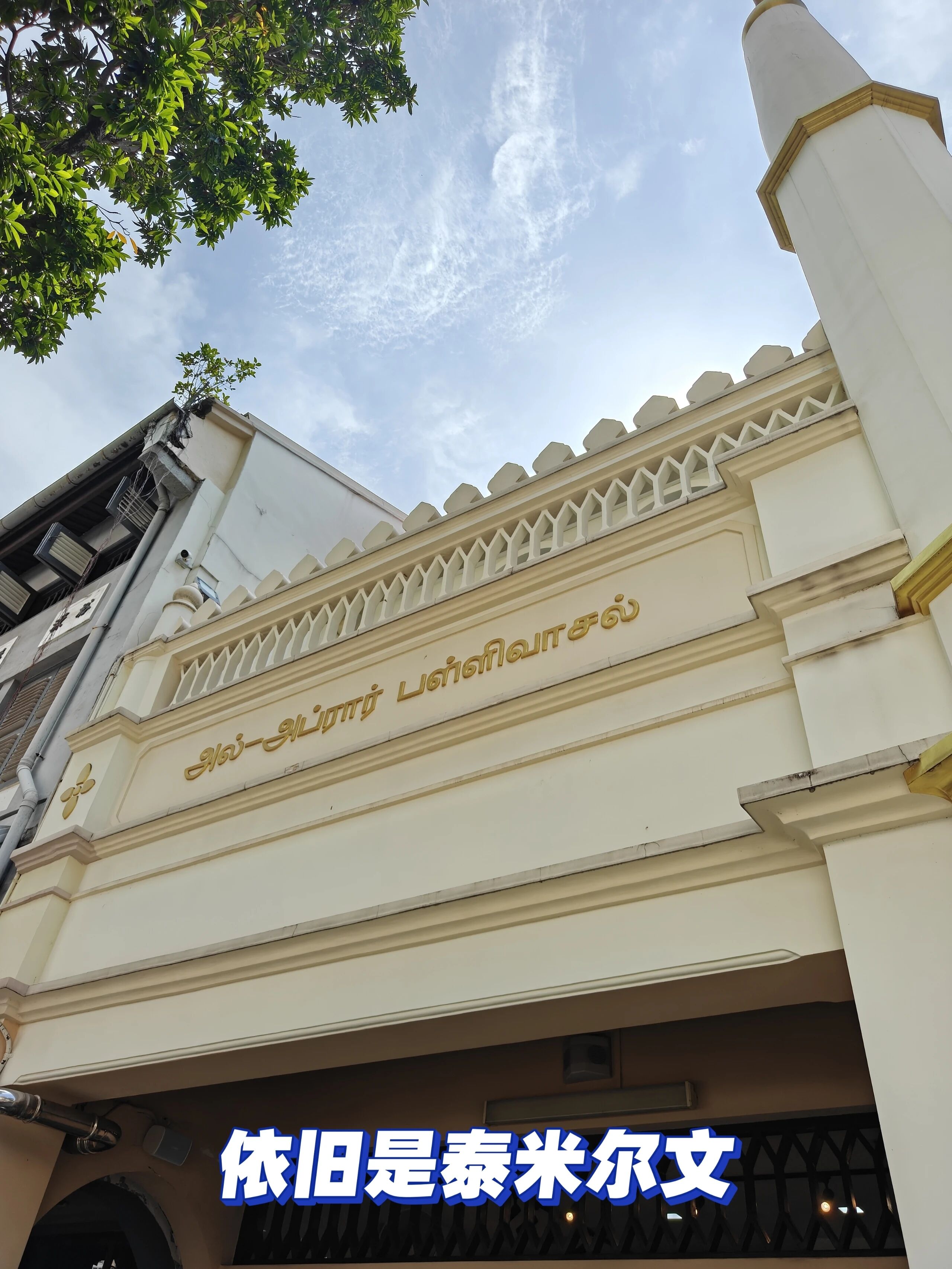
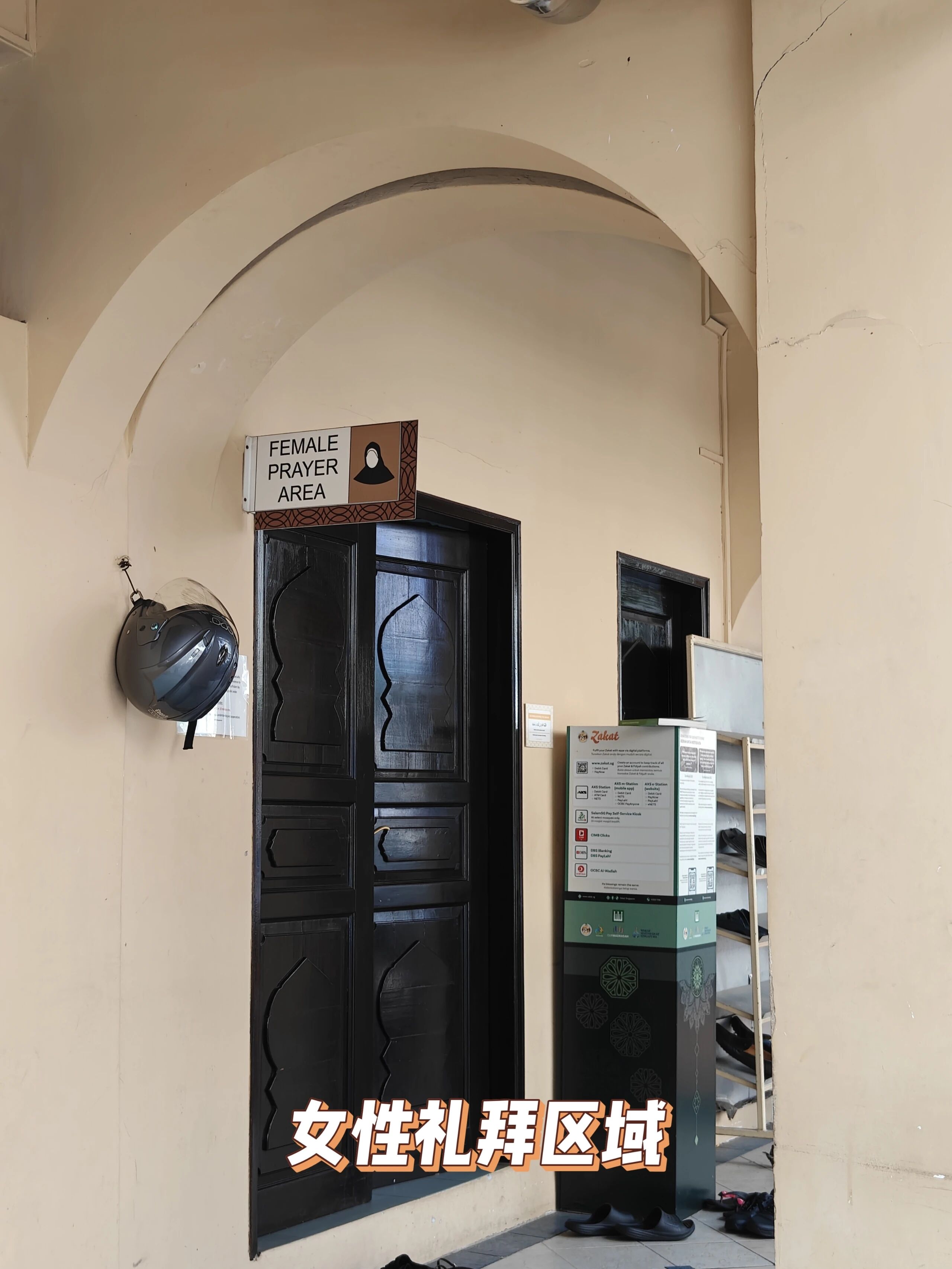
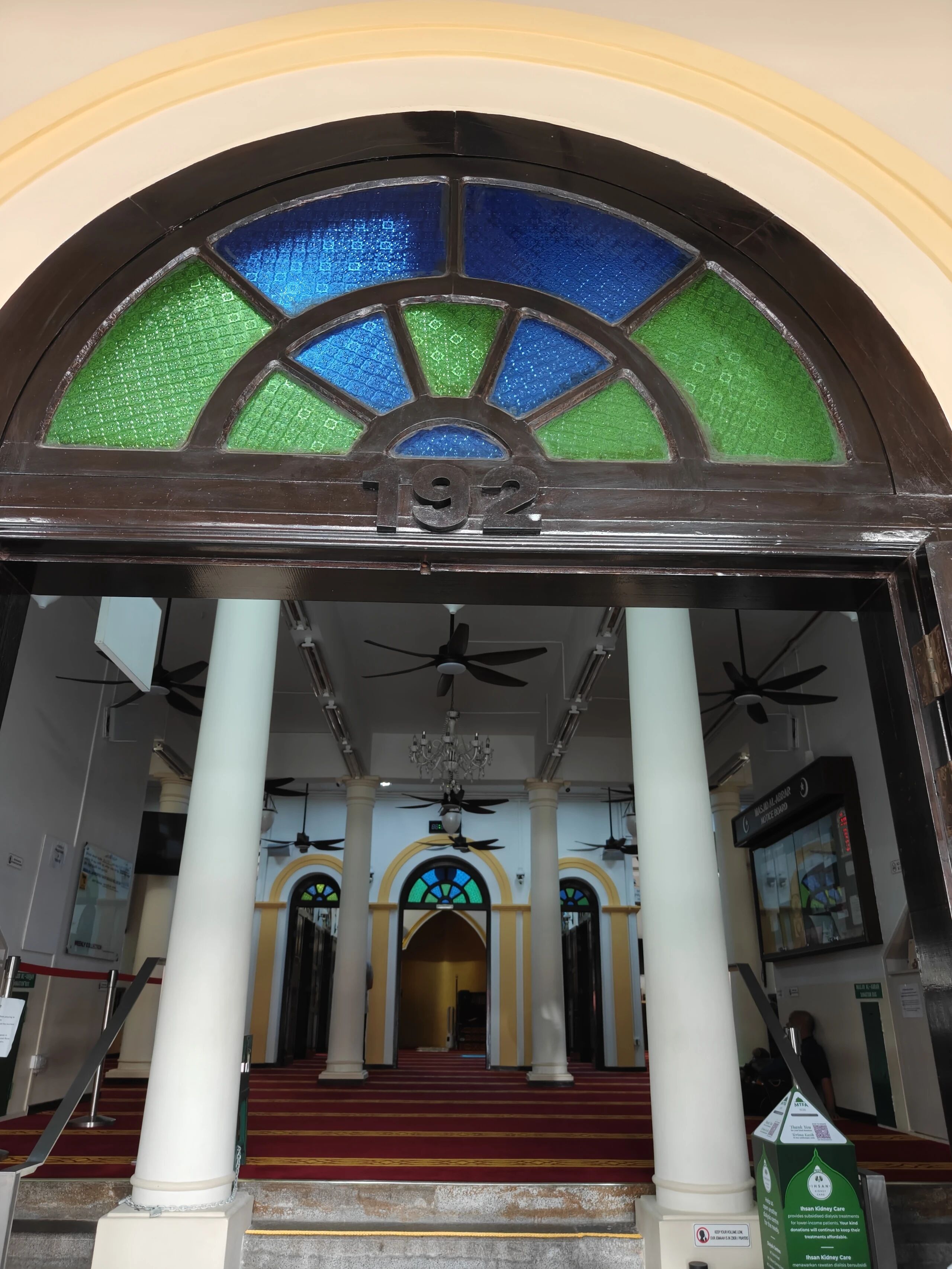
The entrance still features three languages: Arabic on the main gate, English on the right, and Tamil on the left. To the left of the porch, there is an entrance to the women's prayer area.
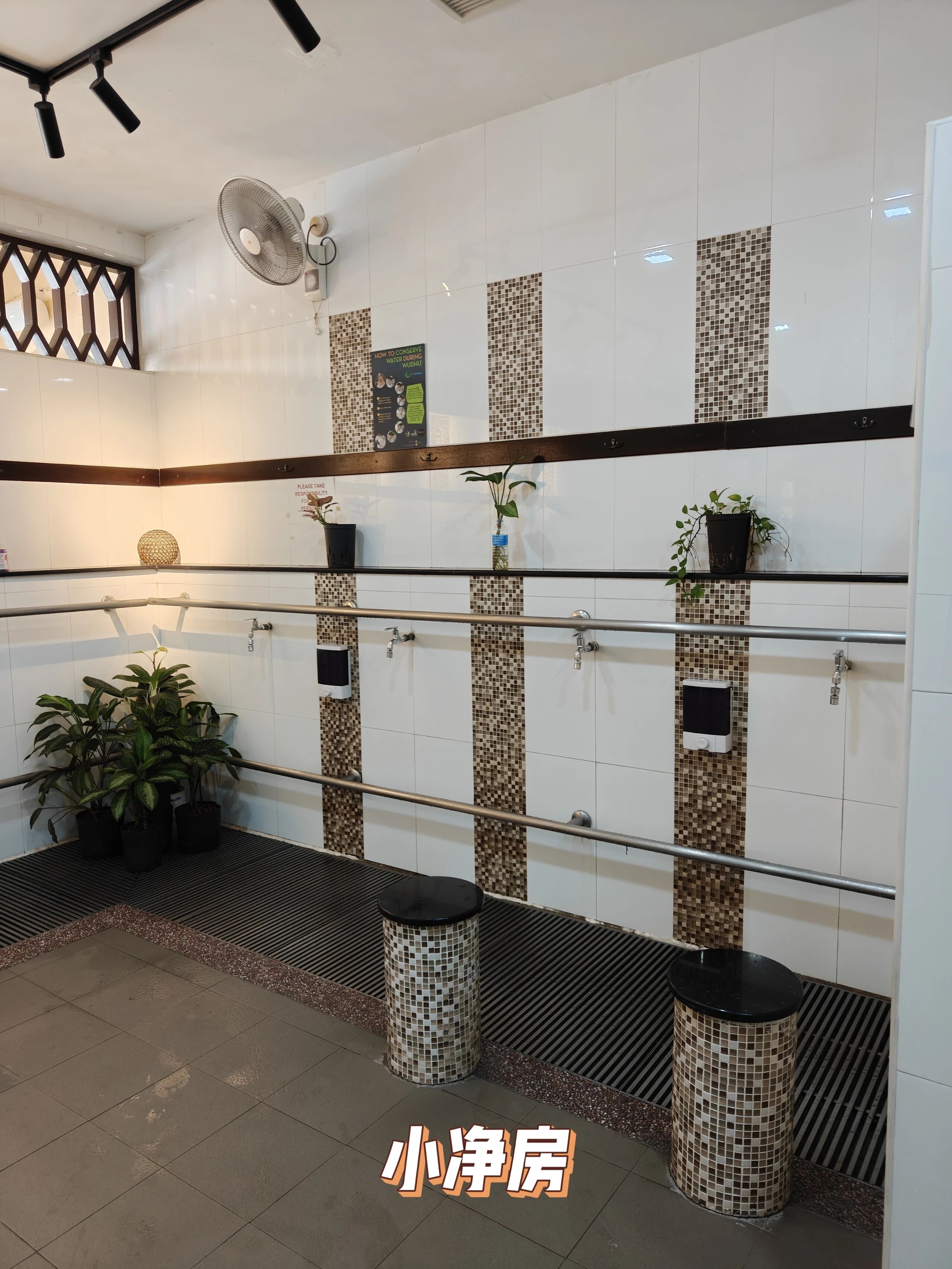
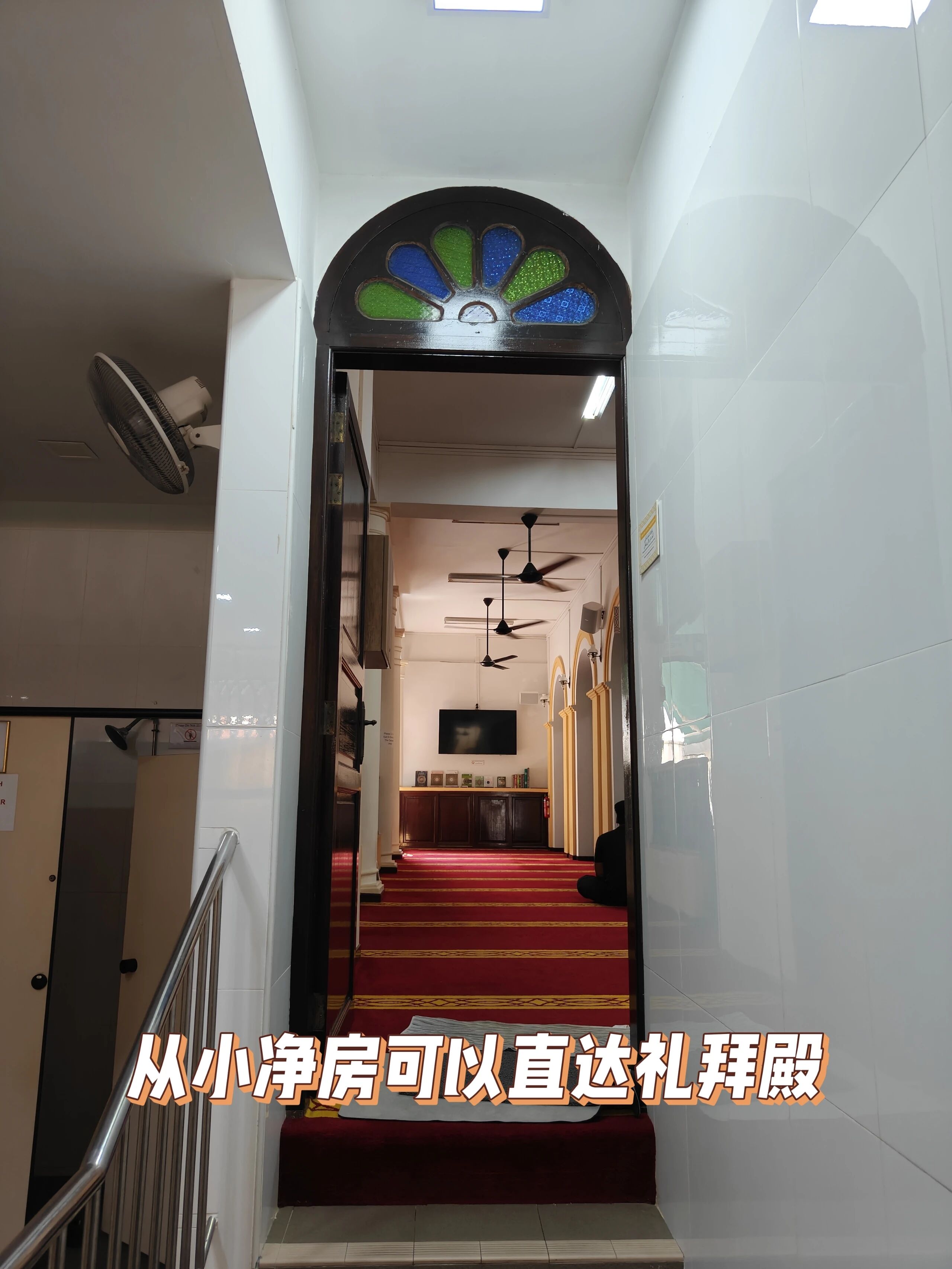
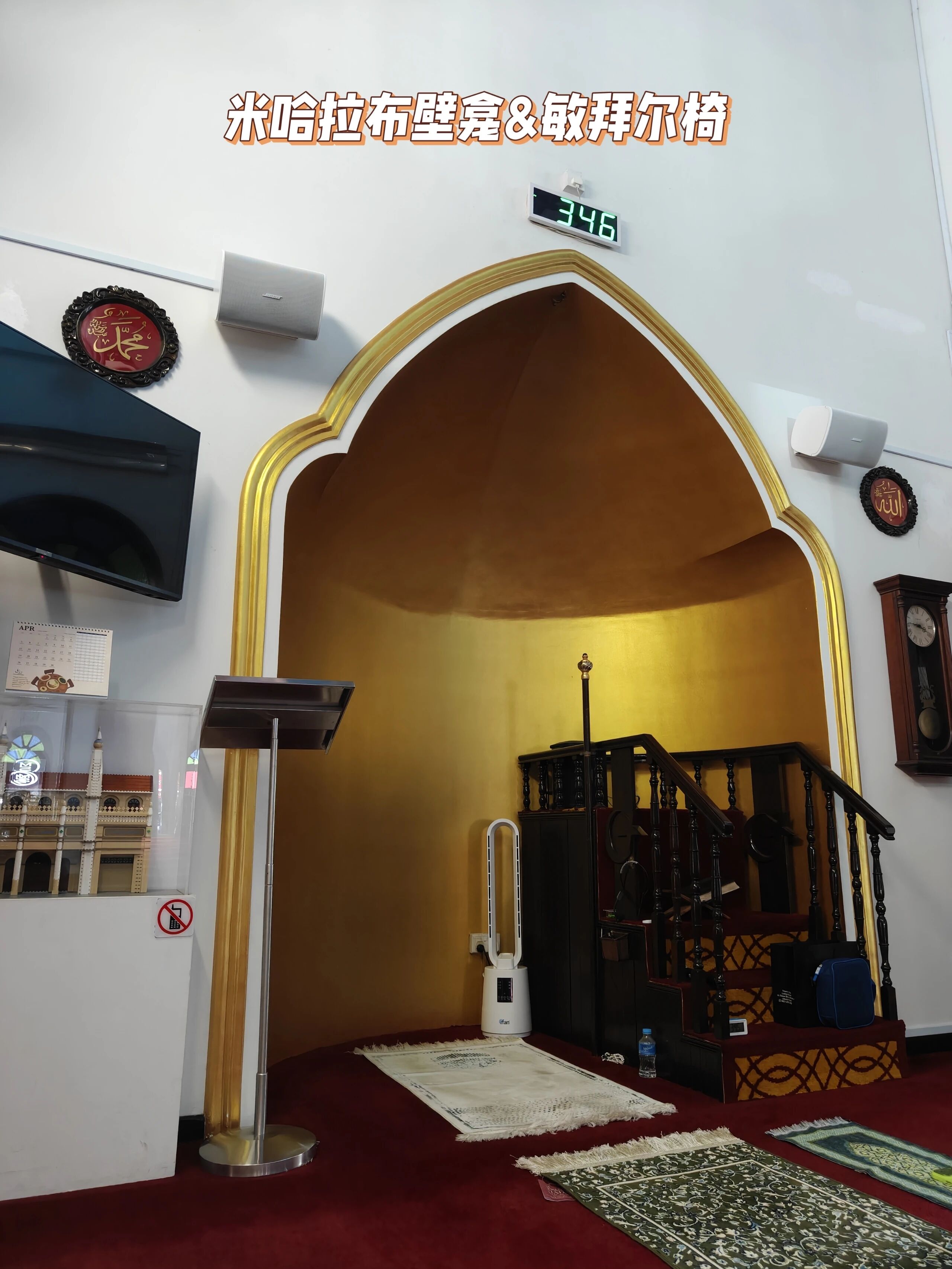
When I entered the mosque, the first thing I noticed was that the prayer hall has an inner sanctuary (Figure 5). I first turned left to the ablution room to perform wudu, then went to the inner sanctuary in the center of the prayer hall.
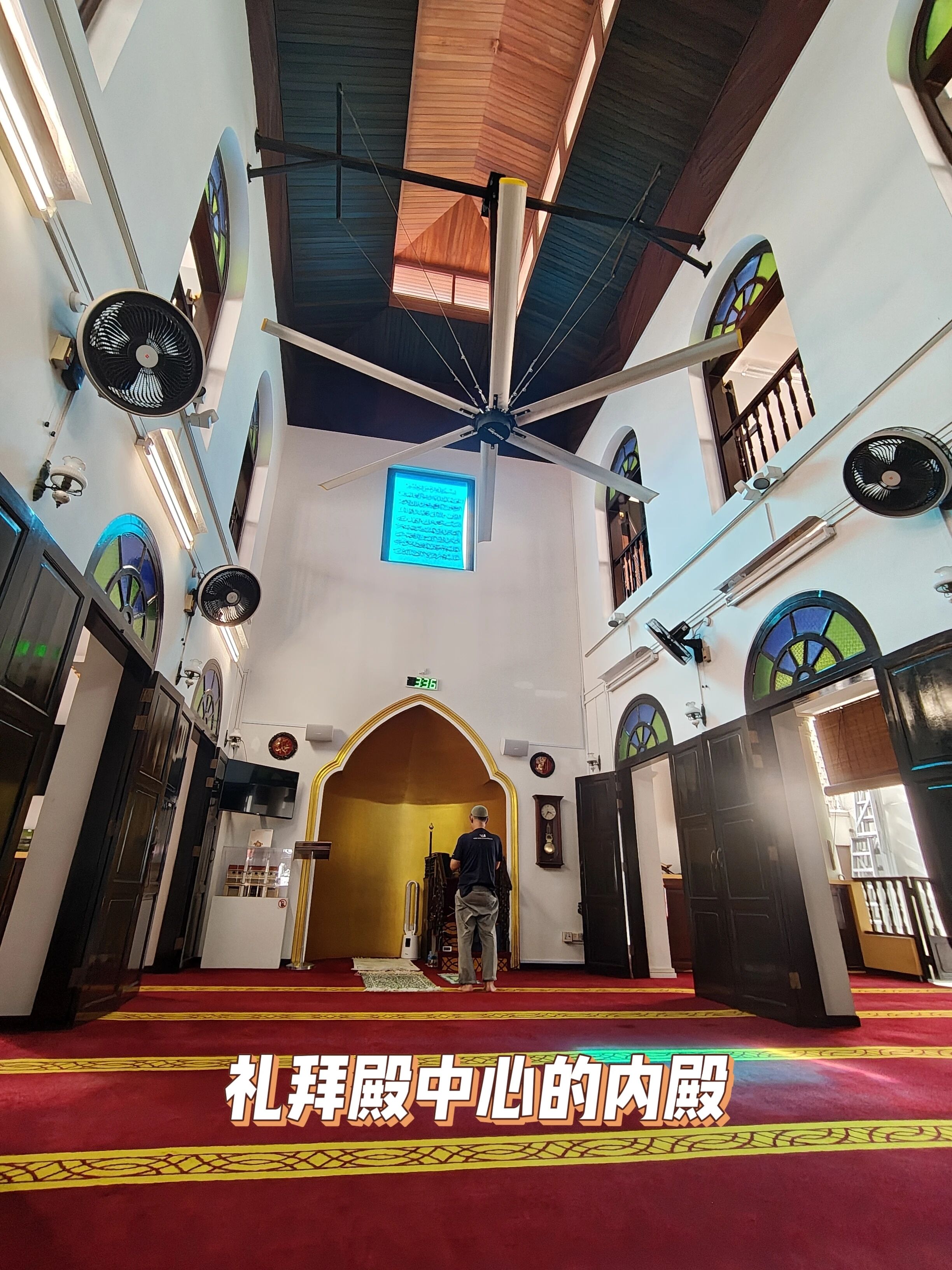
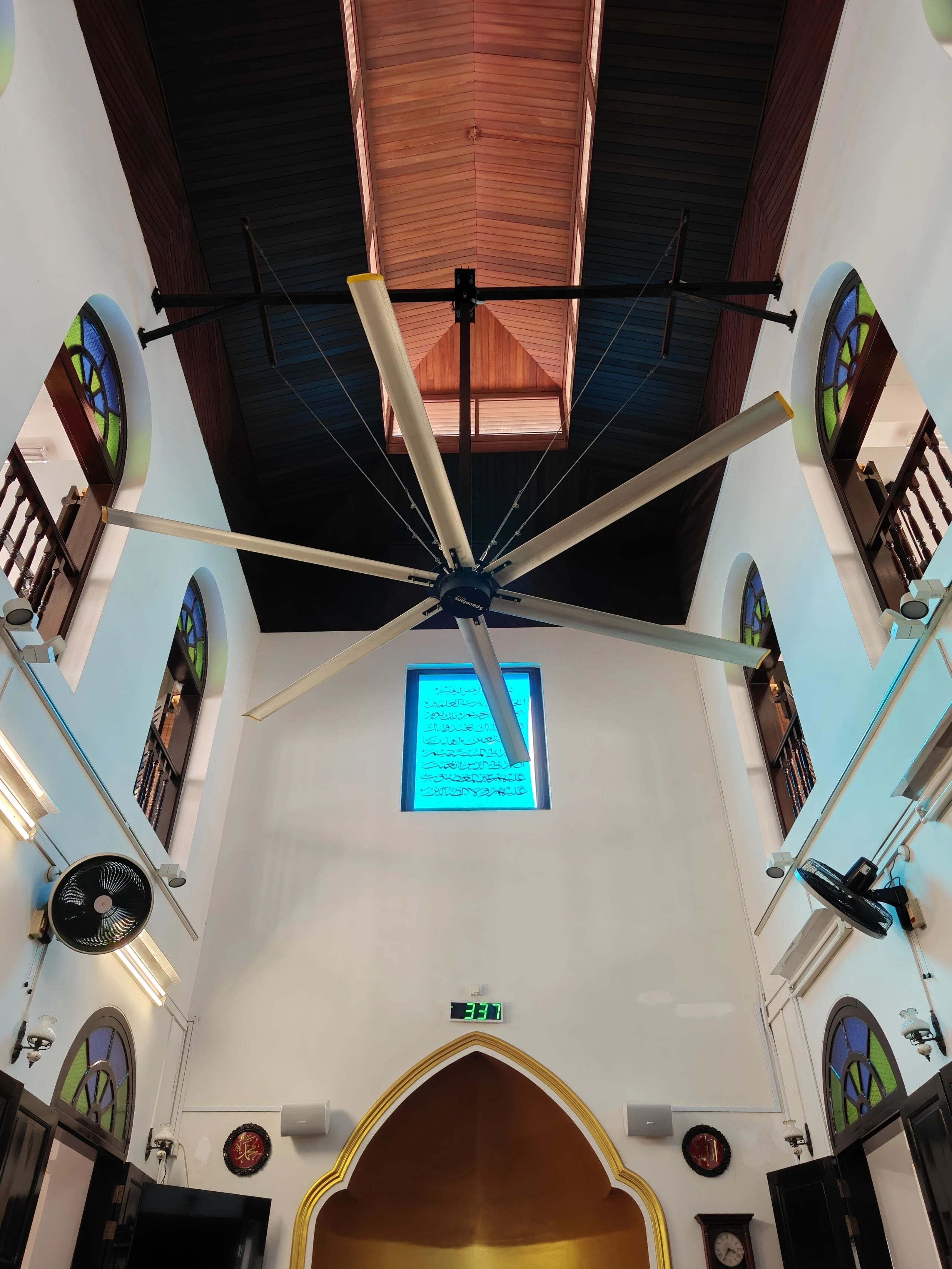
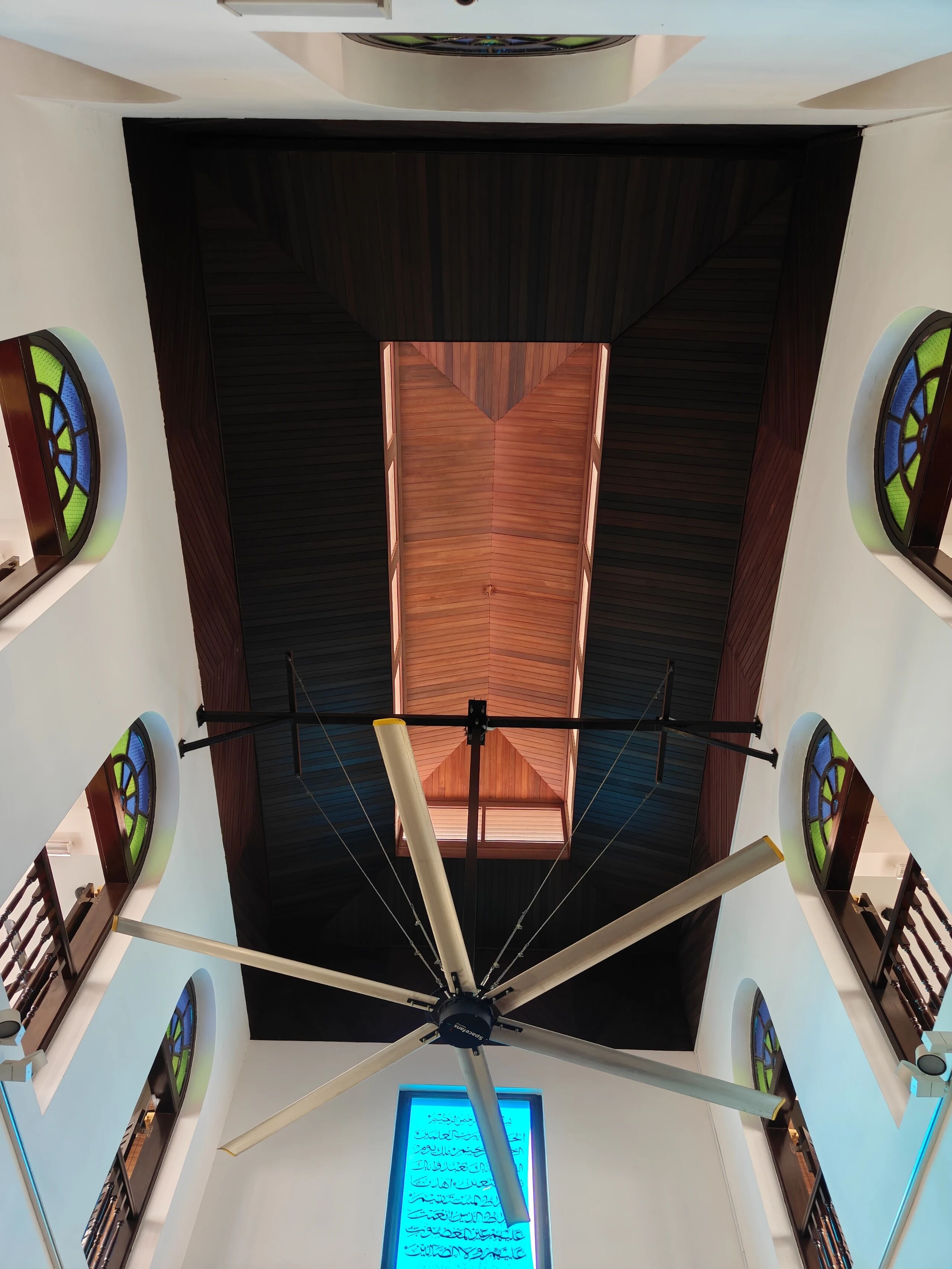
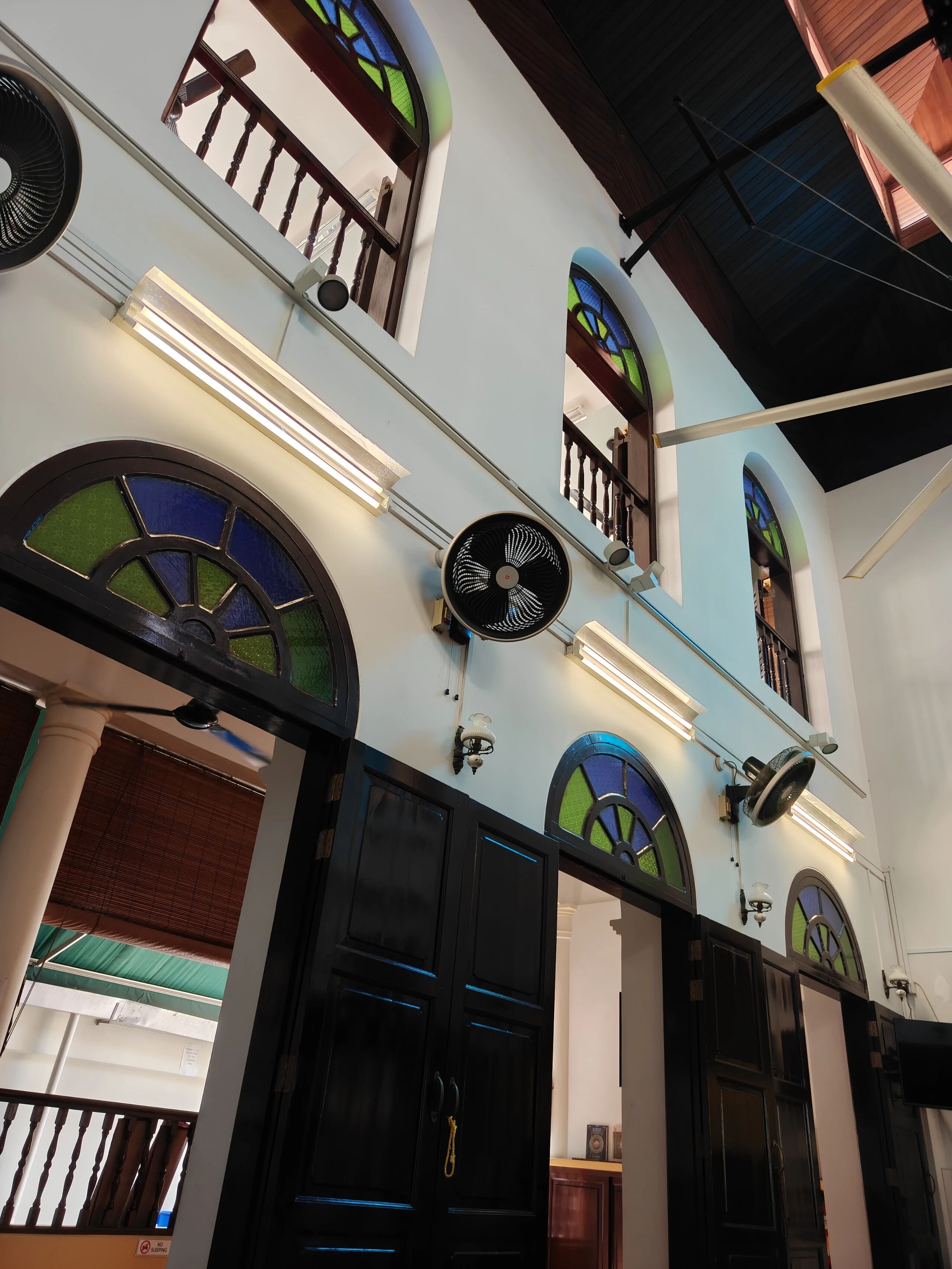
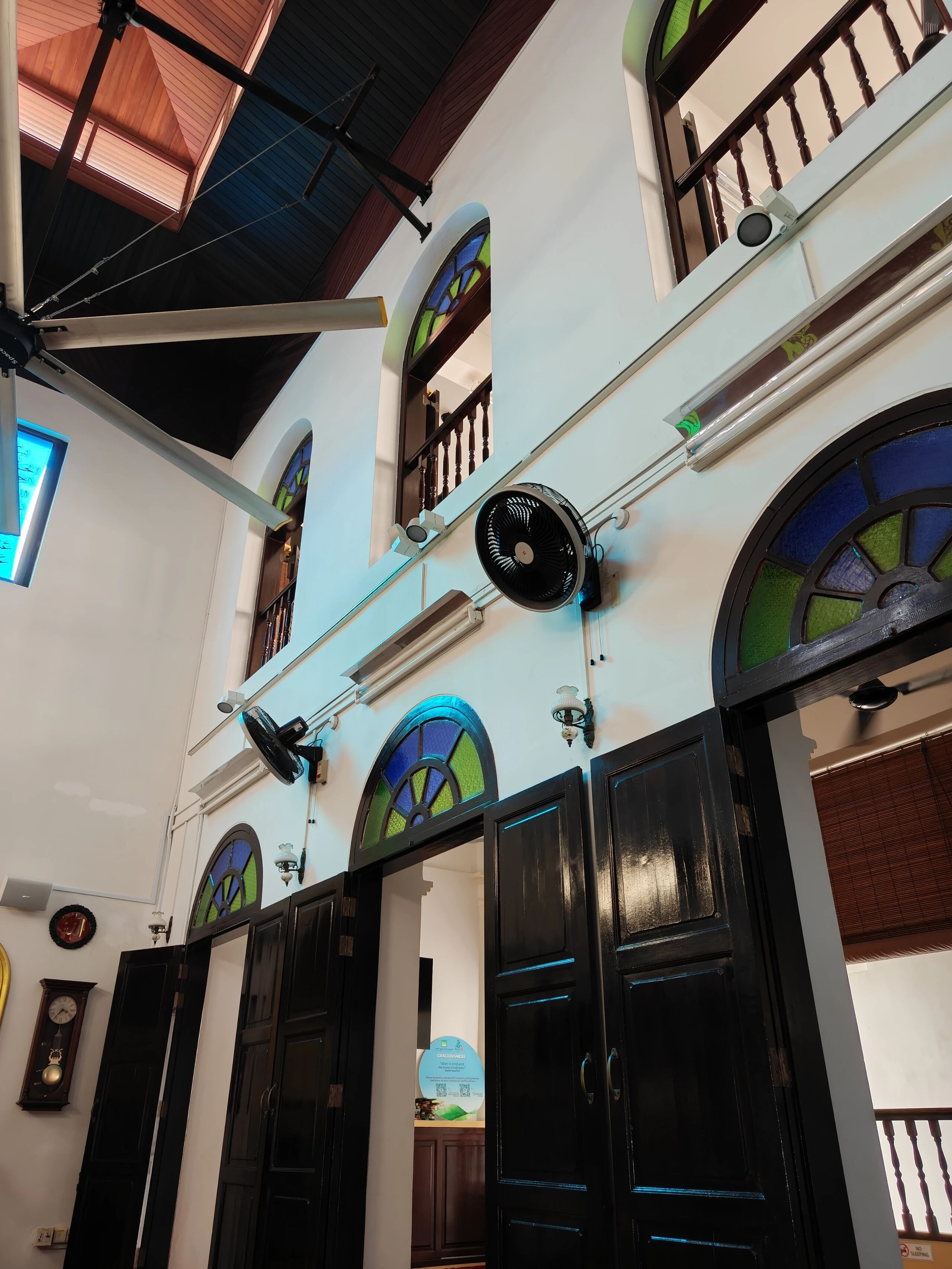
The inner sanctuary is built in two levels, and the windows on the second level let in light to brighten the interior.
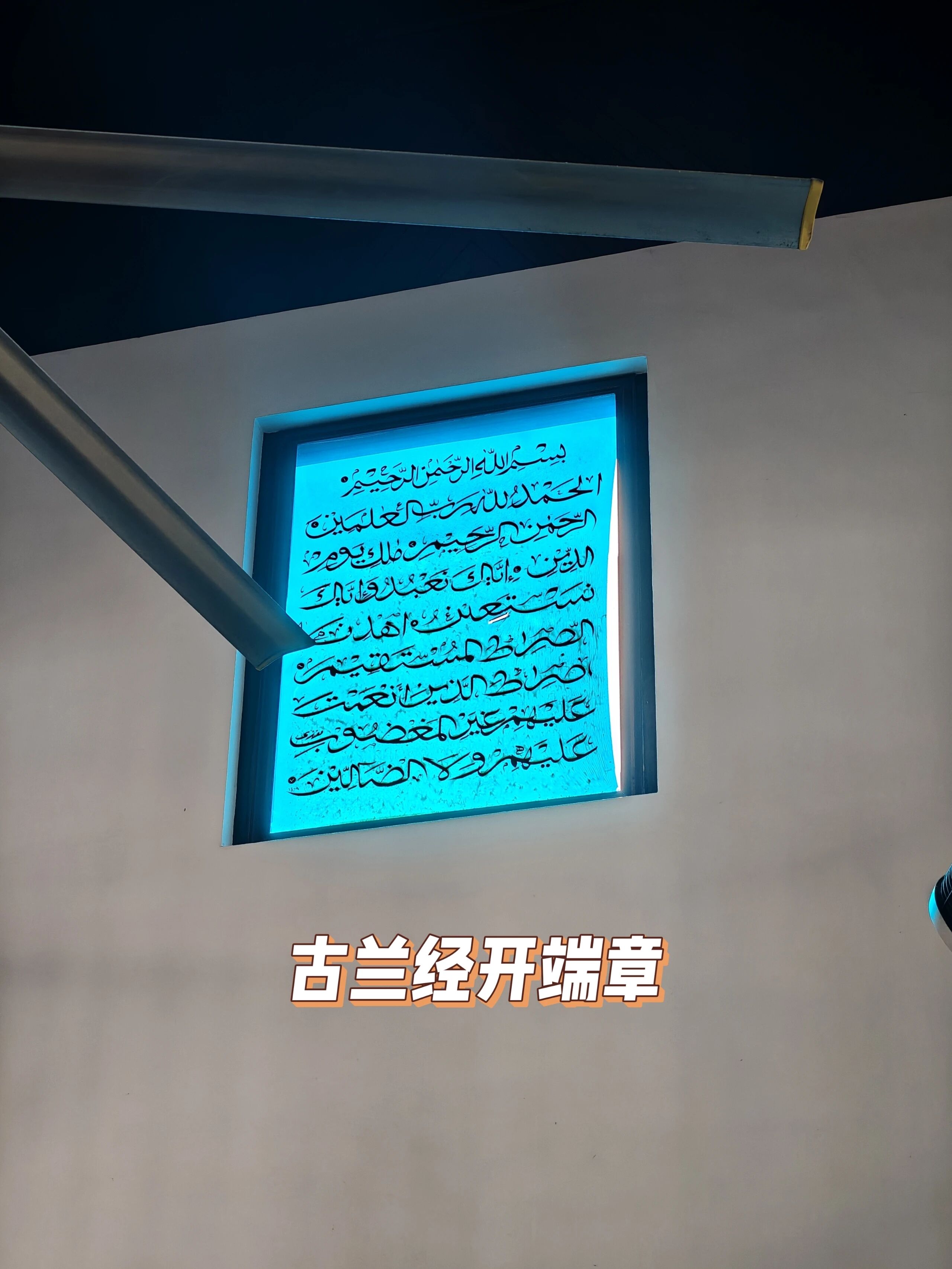
In the center of the inner sanctuary, you can see blue glass with scripture (Figure 13). The scripture is the first chapter of the Quran, Al-Fatiha.
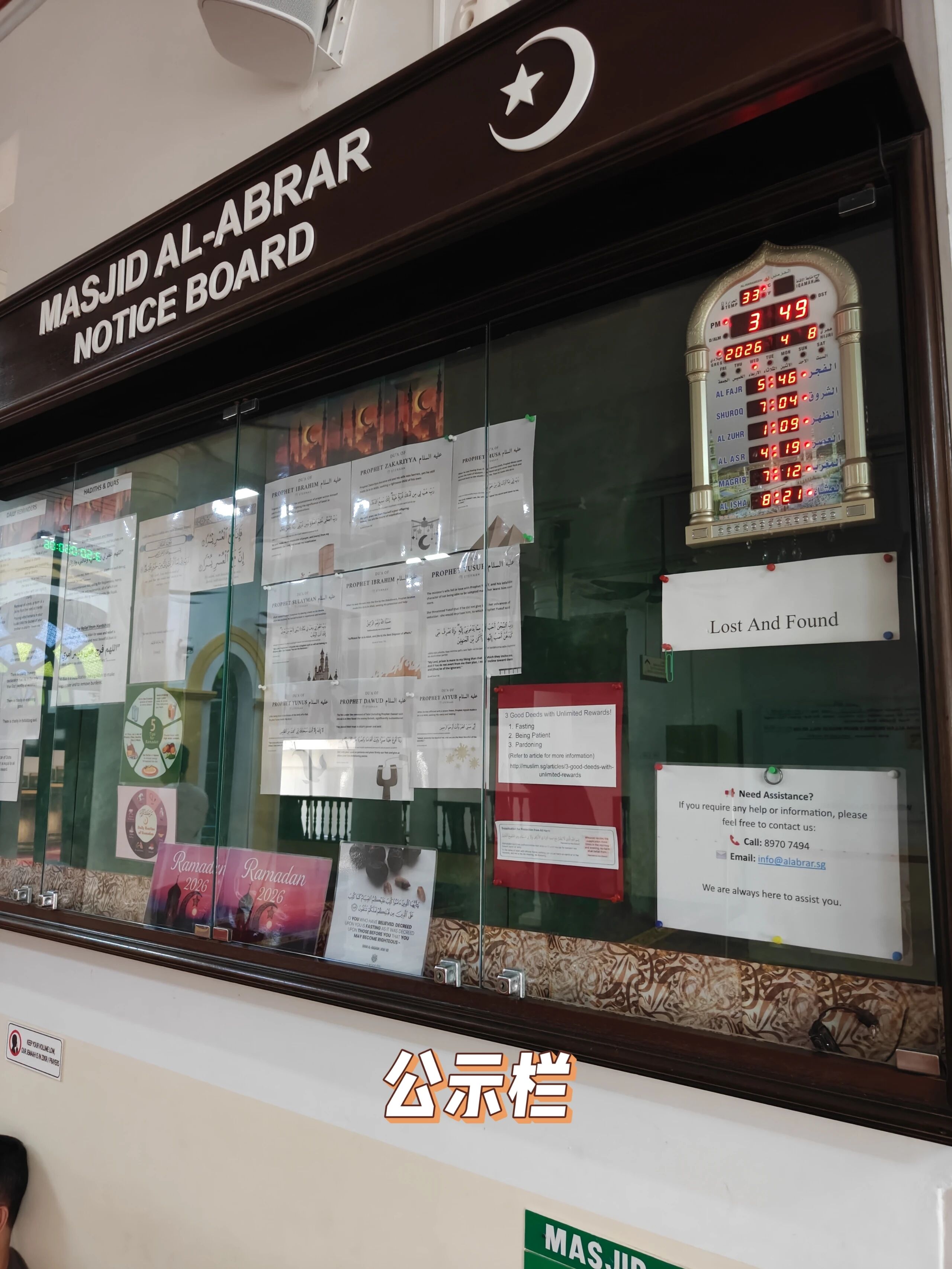
After leaving the inner sanctuary, you can see a notice board, which also serves as a lost and found. When I came here last time, the notice board was full of watches. Worshippers had left their watches in the mosque, and the ones found were placed on the board.
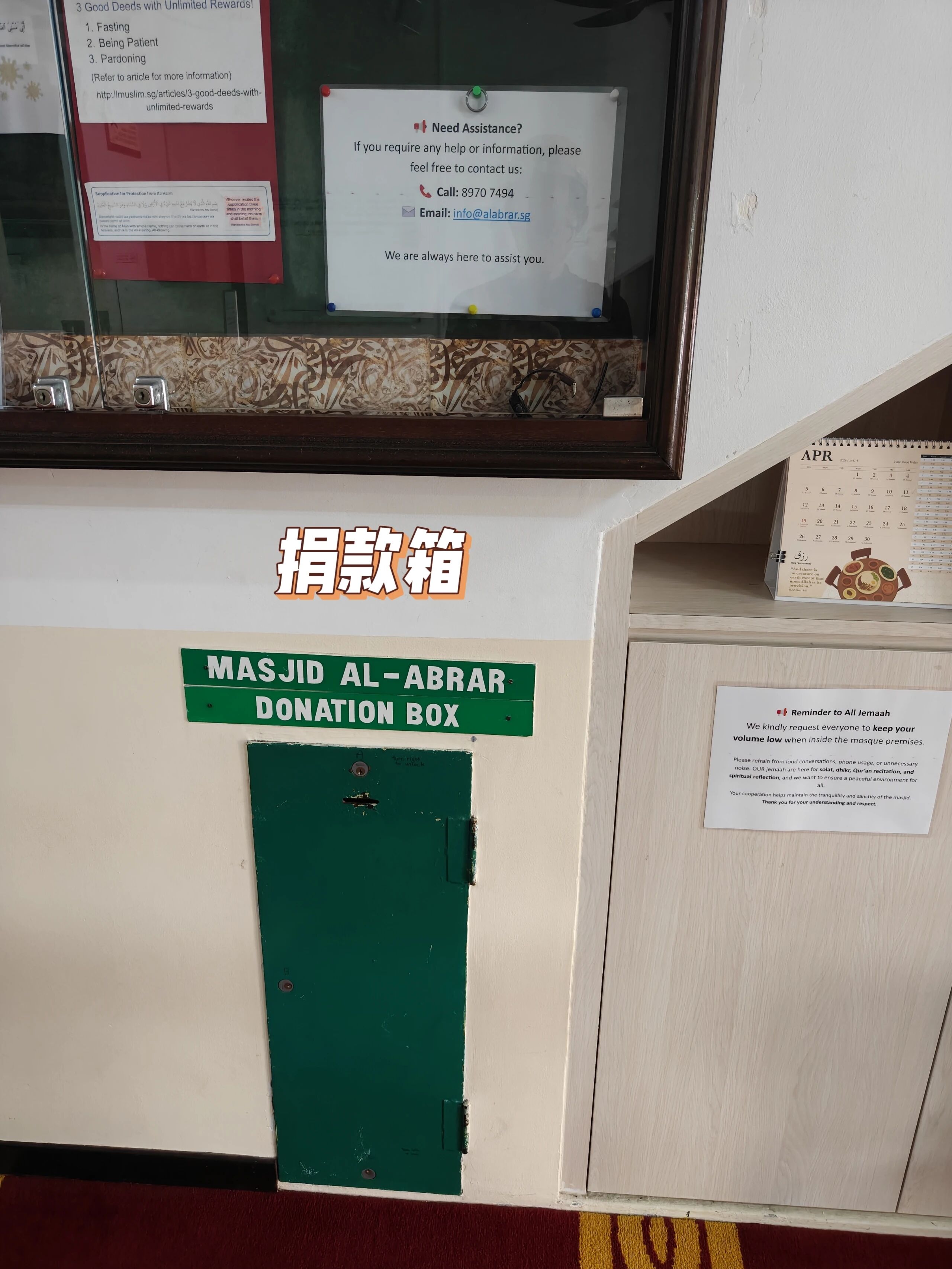
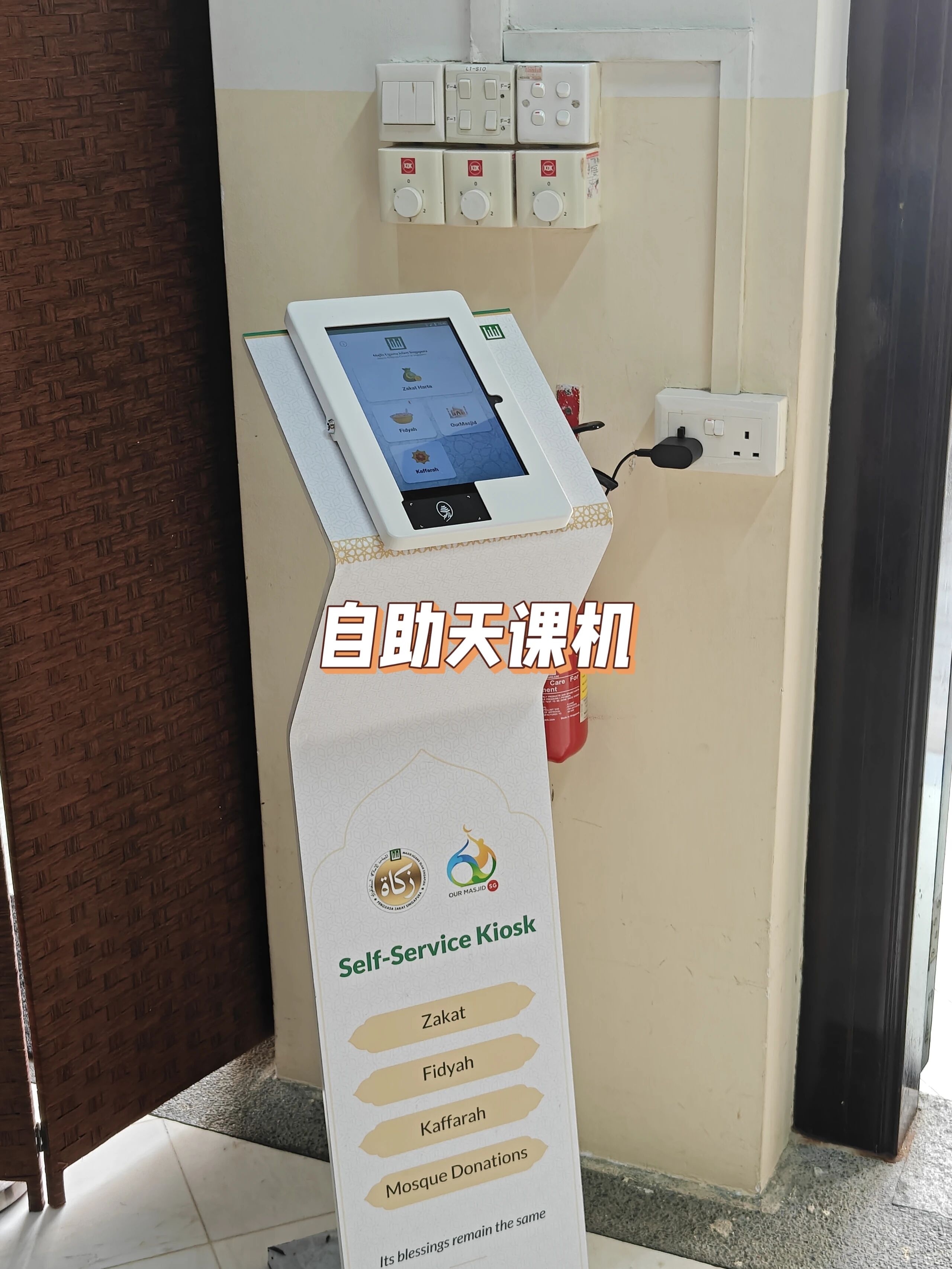
Besides the traditional donation boxes, I also saw a self-service zakat machine. Muslims do not have to use cash to pay zakat; they can also use the machine to send money to the Islamic Religious Council of Singapore.
Next time, I will take you to see a rare underground mosque. That is right, Singapore has a mosque built underground. Why did people build it there? We will reveal the answer next time. view all
Summary: This Singapore mosque guide visits Al-Abrar Mosque near Thian Hock Keng and the Telok Ayer area. It keeps the source notes on Chulia Tamil Muslims, Southeast Asian trade, mosque history, and local street context.
The Chulia are Tamil Muslims who do business in Southeast Asia. They have built mosques not only in Singapore but also in Malaysia and Myanmar. The Jamae Mosque in Singapore that I posted about before was also built by the Chulia.
The Al-Abrar Mosque I am introducing today was also built by the Chulia. This mosque is on the same street as the South Indian shrine (gongbei) Nagore Dargah that I introduced last time, as well as the Thian Hock Keng Mosque, which represents traditional Chinese beliefs.
It is just a few steps away from the Nagore Dargah.
The entrance still features three languages: Arabic on the main gate, English on the right, and Tamil on the left. To the left of the porch, there is an entrance to the women's prayer area.
When I entered the mosque, the first thing I noticed was that the prayer hall has an inner sanctuary (Figure 5). I first turned left to the ablution room to perform wudu, then went to the inner sanctuary in the center of the prayer hall.
The inner sanctuary is built in two levels, and the windows on the second level let in light to brighten the interior.
In the center of the inner sanctuary, you can see blue glass with scripture (Figure 13). The scripture is the first chapter of the Quran, Al-Fatiha.
After leaving the inner sanctuary, you can see a notice board, which also serves as a lost and found. When I came here last time, the notice board was full of watches. Worshippers had left their watches in the mosque, and the ones found were placed on the board.
Besides the traditional donation boxes, I also saw a self-service zakat machine. Muslims do not have to use cash to pay zakat; they can also use the machine to send money to the Islamic Religious Council of Singapore.
Next time, I will take you to see a rare underground mosque. That is right, Singapore has a mosque built underground. Why did people build it there? We will reveal the answer next time. view all
Reposted from the web
Summary: This Singapore mosque guide visits Al-Abrar Mosque near Thian Hock Keng and the Telok Ayer area. It keeps the source notes on Chulia Tamil Muslims, Southeast Asian trade, mosque history, and local street context.
The Chulia are Tamil Muslims who do business in Southeast Asia. They have built mosques not only in Singapore but also in Malaysia and Myanmar. The Jamae Mosque in Singapore that I posted about before was also built by the Chulia.
The Al-Abrar Mosque I am introducing today was also built by the Chulia. This mosque is on the same street as the South Indian shrine (gongbei) Nagore Dargah that I introduced last time, as well as the Thian Hock Keng Mosque, which represents traditional Chinese beliefs.
It is just a few steps away from the Nagore Dargah.
The entrance still features three languages: Arabic on the main gate, English on the right, and Tamil on the left. To the left of the porch, there is an entrance to the women's prayer area.
When I entered the mosque, the first thing I noticed was that the prayer hall has an inner sanctuary (Figure 5). I first turned left to the ablution room to perform wudu, then went to the inner sanctuary in the center of the prayer hall.
The inner sanctuary is built in two levels, and the windows on the second level let in light to brighten the interior.
In the center of the inner sanctuary, you can see blue glass with scripture (Figure 13). The scripture is the first chapter of the Quran, Al-Fatiha.
After leaving the inner sanctuary, you can see a notice board, which also serves as a lost and found. When I came here last time, the notice board was full of watches. Worshippers had left their watches in the mosque, and the ones found were placed on the board.
Besides the traditional donation boxes, I also saw a self-service zakat machine. Muslims do not have to use cash to pay zakat; they can also use the machine to send money to the Islamic Religious Council of Singapore.
Next time, I will take you to see a rare underground mosque. That is right, Singapore has a mosque built underground. Why did people build it there? We will reveal the answer next time.
Summary: This Singapore mosque guide visits Al-Abrar Mosque near Thian Hock Keng and the Telok Ayer area. It keeps the source notes on Chulia Tamil Muslims, Southeast Asian trade, mosque history, and local street context.
The Chulia are Tamil Muslims who do business in Southeast Asia. They have built mosques not only in Singapore but also in Malaysia and Myanmar. The Jamae Mosque in Singapore that I posted about before was also built by the Chulia.
The Al-Abrar Mosque I am introducing today was also built by the Chulia. This mosque is on the same street as the South Indian shrine (gongbei) Nagore Dargah that I introduced last time, as well as the Thian Hock Keng Mosque, which represents traditional Chinese beliefs.
It is just a few steps away from the Nagore Dargah.
The entrance still features three languages: Arabic on the main gate, English on the right, and Tamil on the left. To the left of the porch, there is an entrance to the women's prayer area.
When I entered the mosque, the first thing I noticed was that the prayer hall has an inner sanctuary (Figure 5). I first turned left to the ablution room to perform wudu, then went to the inner sanctuary in the center of the prayer hall.
The inner sanctuary is built in two levels, and the windows on the second level let in light to brighten the interior.
In the center of the inner sanctuary, you can see blue glass with scripture (Figure 13). The scripture is the first chapter of the Quran, Al-Fatiha.
After leaving the inner sanctuary, you can see a notice board, which also serves as a lost and found. When I came here last time, the notice board was full of watches. Worshippers had left their watches in the mosque, and the ones found were placed on the board.
Besides the traditional donation boxes, I also saw a self-service zakat machine. Muslims do not have to use cash to pay zakat; they can also use the machine to send money to the Islamic Religious Council of Singapore.
Next time, I will take you to see a rare underground mosque. That is right, Singapore has a mosque built underground. Why did people build it there? We will reveal the answer next time.
Mosque Near Singapore Chinatown: Al-Abrar Mosque, Chulia Tamil Muslims and Telok Ayer Heritage
Articles • Hasan09 posted the article • 0 comments • 342 views • 2026-05-24 01:47
Reposted from the web
Summary: This Singapore mosque guide visits Al-Abrar Mosque near Thian Hock Keng and the Telok Ayer area. It keeps the source notes on Chulia Tamil Muslims, Southeast Asian trade, mosque history, and local street context.
The Chulia are Tamil Muslims who do business in Southeast Asia. They have built mosques not only in Singapore but also in Malaysia and Myanmar. The Jamae Mosque in Singapore that I posted about before was also built by the Chulia.
The Al-Abrar Mosque I am introducing today was also built by the Chulia. This mosque is on the same street as the South Indian shrine (gongbei) Nagore Dargah that I introduced last time, as well as the Thian Hock Keng Mosque, which represents traditional Chinese beliefs.
It is just a few steps away from the Nagore Dargah.
The entrance still features three languages: Arabic on the main gate, English on the right, and Tamil on the left. To the left of the porch, there is an entrance to the women's prayer area.
When I entered the mosque, the first thing I noticed was that the prayer hall has an inner sanctuary (Figure 5). I first turned left to the ablution room to perform wudu, then went to the inner sanctuary in the center of the prayer hall.
The inner sanctuary is built in two levels, and the windows on the second level let in light to brighten the interior.
In the center of the inner sanctuary, you can see blue glass with scripture (Figure 13). The scripture is the first chapter of the Quran, Al-Fatiha.
After leaving the inner sanctuary, you can see a notice board, which also serves as a lost and found. When I came here last time, the notice board was full of watches. Worshippers had left their watches in the mosque, and the ones found were placed on the board.
Besides the traditional donation boxes, I also saw a self-service zakat machine. Muslims do not have to use cash to pay zakat; they can also use the machine to send money to the Islamic Religious Council of Singapore.
Next time, I will take you to see a rare underground mosque. That is right, Singapore has a mosque built underground. Why did people build it there? We will reveal the answer next time. view all
Summary: This Singapore mosque guide visits Al-Abrar Mosque near Thian Hock Keng and the Telok Ayer area. It keeps the source notes on Chulia Tamil Muslims, Southeast Asian trade, mosque history, and local street context.
The Chulia are Tamil Muslims who do business in Southeast Asia. They have built mosques not only in Singapore but also in Malaysia and Myanmar. The Jamae Mosque in Singapore that I posted about before was also built by the Chulia.
The Al-Abrar Mosque I am introducing today was also built by the Chulia. This mosque is on the same street as the South Indian shrine (gongbei) Nagore Dargah that I introduced last time, as well as the Thian Hock Keng Mosque, which represents traditional Chinese beliefs.
It is just a few steps away from the Nagore Dargah.
The entrance still features three languages: Arabic on the main gate, English on the right, and Tamil on the left. To the left of the porch, there is an entrance to the women's prayer area.
When I entered the mosque, the first thing I noticed was that the prayer hall has an inner sanctuary (Figure 5). I first turned left to the ablution room to perform wudu, then went to the inner sanctuary in the center of the prayer hall.
The inner sanctuary is built in two levels, and the windows on the second level let in light to brighten the interior.
In the center of the inner sanctuary, you can see blue glass with scripture (Figure 13). The scripture is the first chapter of the Quran, Al-Fatiha.
After leaving the inner sanctuary, you can see a notice board, which also serves as a lost and found. When I came here last time, the notice board was full of watches. Worshippers had left their watches in the mosque, and the ones found were placed on the board.
Besides the traditional donation boxes, I also saw a self-service zakat machine. Muslims do not have to use cash to pay zakat; they can also use the machine to send money to the Islamic Religious Council of Singapore.
Next time, I will take you to see a rare underground mosque. That is right, Singapore has a mosque built underground. Why did people build it there? We will reveal the answer next time. view all
Reposted from the web
Summary: This Singapore mosque guide visits Al-Abrar Mosque near Thian Hock Keng and the Telok Ayer area. It keeps the source notes on Chulia Tamil Muslims, Southeast Asian trade, mosque history, and local street context.
The Chulia are Tamil Muslims who do business in Southeast Asia. They have built mosques not only in Singapore but also in Malaysia and Myanmar. The Jamae Mosque in Singapore that I posted about before was also built by the Chulia.
The Al-Abrar Mosque I am introducing today was also built by the Chulia. This mosque is on the same street as the South Indian shrine (gongbei) Nagore Dargah that I introduced last time, as well as the Thian Hock Keng Mosque, which represents traditional Chinese beliefs.
It is just a few steps away from the Nagore Dargah.
The entrance still features three languages: Arabic on the main gate, English on the right, and Tamil on the left. To the left of the porch, there is an entrance to the women's prayer area.
When I entered the mosque, the first thing I noticed was that the prayer hall has an inner sanctuary (Figure 5). I first turned left to the ablution room to perform wudu, then went to the inner sanctuary in the center of the prayer hall.
The inner sanctuary is built in two levels, and the windows on the second level let in light to brighten the interior.
In the center of the inner sanctuary, you can see blue glass with scripture (Figure 13). The scripture is the first chapter of the Quran, Al-Fatiha.
After leaving the inner sanctuary, you can see a notice board, which also serves as a lost and found. When I came here last time, the notice board was full of watches. Worshippers had left their watches in the mosque, and the ones found were placed on the board.
Besides the traditional donation boxes, I also saw a self-service zakat machine. Muslims do not have to use cash to pay zakat; they can also use the machine to send money to the Islamic Religious Council of Singapore.
Next time, I will take you to see a rare underground mosque. That is right, Singapore has a mosque built underground. Why did people build it there? We will reveal the answer next time.
Summary: This Singapore mosque guide visits Al-Abrar Mosque near Thian Hock Keng and the Telok Ayer area. It keeps the source notes on Chulia Tamil Muslims, Southeast Asian trade, mosque history, and local street context.
The Chulia are Tamil Muslims who do business in Southeast Asia. They have built mosques not only in Singapore but also in Malaysia and Myanmar. The Jamae Mosque in Singapore that I posted about before was also built by the Chulia.
The Al-Abrar Mosque I am introducing today was also built by the Chulia. This mosque is on the same street as the South Indian shrine (gongbei) Nagore Dargah that I introduced last time, as well as the Thian Hock Keng Mosque, which represents traditional Chinese beliefs.
It is just a few steps away from the Nagore Dargah.
The entrance still features three languages: Arabic on the main gate, English on the right, and Tamil on the left. To the left of the porch, there is an entrance to the women's prayer area.
When I entered the mosque, the first thing I noticed was that the prayer hall has an inner sanctuary (Figure 5). I first turned left to the ablution room to perform wudu, then went to the inner sanctuary in the center of the prayer hall.
The inner sanctuary is built in two levels, and the windows on the second level let in light to brighten the interior.
In the center of the inner sanctuary, you can see blue glass with scripture (Figure 13). The scripture is the first chapter of the Quran, Al-Fatiha.
After leaving the inner sanctuary, you can see a notice board, which also serves as a lost and found. When I came here last time, the notice board was full of watches. Worshippers had left their watches in the mosque, and the ones found were placed on the board.
Besides the traditional donation boxes, I also saw a self-service zakat machine. Muslims do not have to use cash to pay zakat; they can also use the machine to send money to the Islamic Religious Council of Singapore.
Next time, I will take you to see a rare underground mosque. That is right, Singapore has a mosque built underground. Why did people build it there? We will reveal the answer next time.