

Al_Albani
Muslim Knowledge Guide: Al-Albani, Hadith Scholarship and the Modern Muslim World
Articles • yusuf908 posted the article • 0 comments • 176 views • 2026-05-24 00:17
Reposted from the web
Summary: Muslim Knowledge Guide: Al-Albani, Hadith Scholarship and the Modern Muslim World is presented here as a clear English travel account for Muslim readers, beginning with this scene: This article was originally written by me on Weibo. I don’t know where the sensitivity has been restricted. The article mainly refers to the book "Islamic Emerging Religious Movement-Global Salafiye". The article keeps the original place names, food details, photographs, and cultural context while focusing on Hadith Scholarship, Al-Albani, Islamic History.
This article was originally written by me on Weibo. I don’t know where the sensitivity has been restricted. The article mainly refers to the book "Islamic Emerging Religious Movement-Global Salafiye".
Albani’s ideological enlightenment came from the Hadith school that emerged in Delhi, India in the 19th century. Its founders were Nazr Hussain of Delhi and Sadiq Hassan Khan of Bhopal. Two Indian veterans met Salafiyeh people on the way to Mecca for Hajj. The two groups had a good chat. The Arab Salafiye Dosti was brain-controlled by the Indian old man. Later, the Arab Salafiye went to India to study and brought the ideas of the Hadith school back to the Arab world.
I collected the "Tirmidhi Hadith" that Albanika had ordered. This book is now difficult to buy.
The turning point in Albani's life was when he met Abdul Aziz ibn Baz, then vice-president of the University of Madinah, during his missionary work in Syria. Baz recommended Albani to teach at the University of Medina. Saudi official scholars have brought considerable pressure, because Albani openly criticized Saudi Wahhabism. The word "Wahhabi" originally has a derogatory connotation. They prefer to call themselves Salafiyya, but Salafiyyah includes many forms, and Wahhab's thoughts are just A kind of Salafiya, I use "Wahhab thought" instead. The basic principle of Wahhab thought is that the judgment of Islamic law is based on the Qur'an, the Hadith and the public opinions of the sages. Theoretically, it is not limited to the four major legal schools. In fact, Wahhab has never published any Albani believes that he should not stick to any legal school. In this way, it seems that Albani is the purest Wahhabist.
As Albani's influence in Saudi Arabia expanded year by year, it aroused dissatisfaction among some forces. In 1963, Albani was terminated from his contract by the school because of his public opposition to women wearing veils, and he left Saudi Arabia.
After Albani returned to Syria, he was detained many times by the Syrian authorities. In 1975, Ibn Baz, the chief justice and Grand Imam of the Holy Mosque, who was already living in Riyadh, once again recommended him to serve as the director of the Institute of Advanced Studies in the Islamic Faculty of Law in Mecca, but he was opposed by the Saudi authorities. After being stranded, Albani moved to Jordan. He liked the Hashemite Kingdom of Jordan. Because the King of Jordan was a descendant of the Holy Spirit, Albani believed that only people from the Quraysh tribe were qualified to be leaders. He settled in Jordan until his death in 1999 at the age of 85.
Albani has great influence and has many followers. Every time he goes to a country, he can cause quite a stir. Albani has criticized the Muslim Brotherhood and Said Qutob. He opposes the use of violent means to carry out movements and believes that the people of the Muslim Brotherhood pay too much attention to politics and do not understand religion. Albani also issued a fatwa calling on Palestinians to leave Gaza and the West Bank, which he believed were no longer suitable for Muslims to live.
"Collection of Hadith of Abu Dawud's Weakness" examined by Albani
Albani encouraged students to examine the authenticity of hadiths, which influenced almost all contemporary sects. Some people described the academic atmosphere at that time: when a scholar throws out a hadith, students will question whether the quoted hadith is reliable? Does Alebani approve? Albani even proposed weak hadiths collected from the two major authoritative hadiths of Bukhari and Muslim, which subverted traditional understanding.
The main content of this article is referenced from "Islam's New Religious Movement - Global Salafi", which is the only book available online. view all
Summary: Muslim Knowledge Guide: Al-Albani, Hadith Scholarship and the Modern Muslim World is presented here as a clear English travel account for Muslim readers, beginning with this scene: This article was originally written by me on Weibo. I don’t know where the sensitivity has been restricted. The article mainly refers to the book "Islamic Emerging Religious Movement-Global Salafiye". The article keeps the original place names, food details, photographs, and cultural context while focusing on Hadith Scholarship, Al-Albani, Islamic History.
This article was originally written by me on Weibo. I don’t know where the sensitivity has been restricted. The article mainly refers to the book "Islamic Emerging Religious Movement-Global Salafiye".
Albani’s ideological enlightenment came from the Hadith school that emerged in Delhi, India in the 19th century. Its founders were Nazr Hussain of Delhi and Sadiq Hassan Khan of Bhopal. Two Indian veterans met Salafiyeh people on the way to Mecca for Hajj. The two groups had a good chat. The Arab Salafiye Dosti was brain-controlled by the Indian old man. Later, the Arab Salafiye went to India to study and brought the ideas of the Hadith school back to the Arab world.
I collected the "Tirmidhi Hadith" that Albanika had ordered. This book is now difficult to buy.
The turning point in Albani's life was when he met Abdul Aziz ibn Baz, then vice-president of the University of Madinah, during his missionary work in Syria. Baz recommended Albani to teach at the University of Medina. Saudi official scholars have brought considerable pressure, because Albani openly criticized Saudi Wahhabism. The word "Wahhabi" originally has a derogatory connotation. They prefer to call themselves Salafiyya, but Salafiyyah includes many forms, and Wahhab's thoughts are just A kind of Salafiya, I use "Wahhab thought" instead. The basic principle of Wahhab thought is that the judgment of Islamic law is based on the Qur'an, the Hadith and the public opinions of the sages. Theoretically, it is not limited to the four major legal schools. In fact, Wahhab has never published any Albani believes that he should not stick to any legal school. In this way, it seems that Albani is the purest Wahhabist.
As Albani's influence in Saudi Arabia expanded year by year, it aroused dissatisfaction among some forces. In 1963, Albani was terminated from his contract by the school because of his public opposition to women wearing veils, and he left Saudi Arabia.
After Albani returned to Syria, he was detained many times by the Syrian authorities. In 1975, Ibn Baz, the chief justice and Grand Imam of the Holy Mosque, who was already living in Riyadh, once again recommended him to serve as the director of the Institute of Advanced Studies in the Islamic Faculty of Law in Mecca, but he was opposed by the Saudi authorities. After being stranded, Albani moved to Jordan. He liked the Hashemite Kingdom of Jordan. Because the King of Jordan was a descendant of the Holy Spirit, Albani believed that only people from the Quraysh tribe were qualified to be leaders. He settled in Jordan until his death in 1999 at the age of 85.
Albani has great influence and has many followers. Every time he goes to a country, he can cause quite a stir. Albani has criticized the Muslim Brotherhood and Said Qutob. He opposes the use of violent means to carry out movements and believes that the people of the Muslim Brotherhood pay too much attention to politics and do not understand religion. Albani also issued a fatwa calling on Palestinians to leave Gaza and the West Bank, which he believed were no longer suitable for Muslims to live.
"Collection of Hadith of Abu Dawud's Weakness" examined by Albani
Albani encouraged students to examine the authenticity of hadiths, which influenced almost all contemporary sects. Some people described the academic atmosphere at that time: when a scholar throws out a hadith, students will question whether the quoted hadith is reliable? Does Alebani approve? Albani even proposed weak hadiths collected from the two major authoritative hadiths of Bukhari and Muslim, which subverted traditional understanding.
The main content of this article is referenced from "Islam's New Religious Movement - Global Salafi", which is the only book available online. view all
Reposted from the web
Summary: Muslim Knowledge Guide: Al-Albani, Hadith Scholarship and the Modern Muslim World is presented here as a clear English travel account for Muslim readers, beginning with this scene: This article was originally written by me on Weibo. I don’t know where the sensitivity has been restricted. The article mainly refers to the book "Islamic Emerging Religious Movement-Global Salafiye". The article keeps the original place names, food details, photographs, and cultural context while focusing on Hadith Scholarship, Al-Albani, Islamic History.
This article was originally written by me on Weibo. I don’t know where the sensitivity has been restricted. The article mainly refers to the book "Islamic Emerging Religious Movement-Global Salafiye".
Albani’s ideological enlightenment came from the Hadith school that emerged in Delhi, India in the 19th century. Its founders were Nazr Hussain of Delhi and Sadiq Hassan Khan of Bhopal. Two Indian veterans met Salafiyeh people on the way to Mecca for Hajj. The two groups had a good chat. The Arab Salafiye Dosti was brain-controlled by the Indian old man. Later, the Arab Salafiye went to India to study and brought the ideas of the Hadith school back to the Arab world.
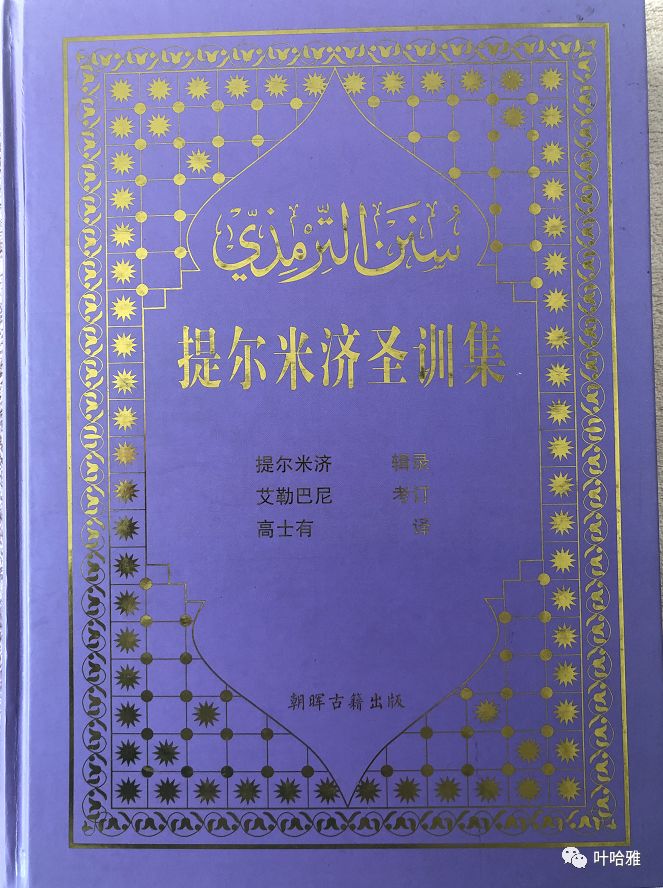
I collected the "Tirmidhi Hadith" that Albanika had ordered. This book is now difficult to buy.
The turning point in Albani's life was when he met Abdul Aziz ibn Baz, then vice-president of the University of Madinah, during his missionary work in Syria. Baz recommended Albani to teach at the University of Medina. Saudi official scholars have brought considerable pressure, because Albani openly criticized Saudi Wahhabism. The word "Wahhabi" originally has a derogatory connotation. They prefer to call themselves Salafiyya, but Salafiyyah includes many forms, and Wahhab's thoughts are just A kind of Salafiya, I use "Wahhab thought" instead. The basic principle of Wahhab thought is that the judgment of Islamic law is based on the Qur'an, the Hadith and the public opinions of the sages. Theoretically, it is not limited to the four major legal schools. In fact, Wahhab has never published any Albani believes that he should not stick to any legal school. In this way, it seems that Albani is the purest Wahhabist.
As Albani's influence in Saudi Arabia expanded year by year, it aroused dissatisfaction among some forces. In 1963, Albani was terminated from his contract by the school because of his public opposition to women wearing veils, and he left Saudi Arabia.
After Albani returned to Syria, he was detained many times by the Syrian authorities. In 1975, Ibn Baz, the chief justice and Grand Imam of the Holy Mosque, who was already living in Riyadh, once again recommended him to serve as the director of the Institute of Advanced Studies in the Islamic Faculty of Law in Mecca, but he was opposed by the Saudi authorities. After being stranded, Albani moved to Jordan. He liked the Hashemite Kingdom of Jordan. Because the King of Jordan was a descendant of the Holy Spirit, Albani believed that only people from the Quraysh tribe were qualified to be leaders. He settled in Jordan until his death in 1999 at the age of 85.
Albani has great influence and has many followers. Every time he goes to a country, he can cause quite a stir. Albani has criticized the Muslim Brotherhood and Said Qutob. He opposes the use of violent means to carry out movements and believes that the people of the Muslim Brotherhood pay too much attention to politics and do not understand religion. Albani also issued a fatwa calling on Palestinians to leave Gaza and the West Bank, which he believed were no longer suitable for Muslims to live.
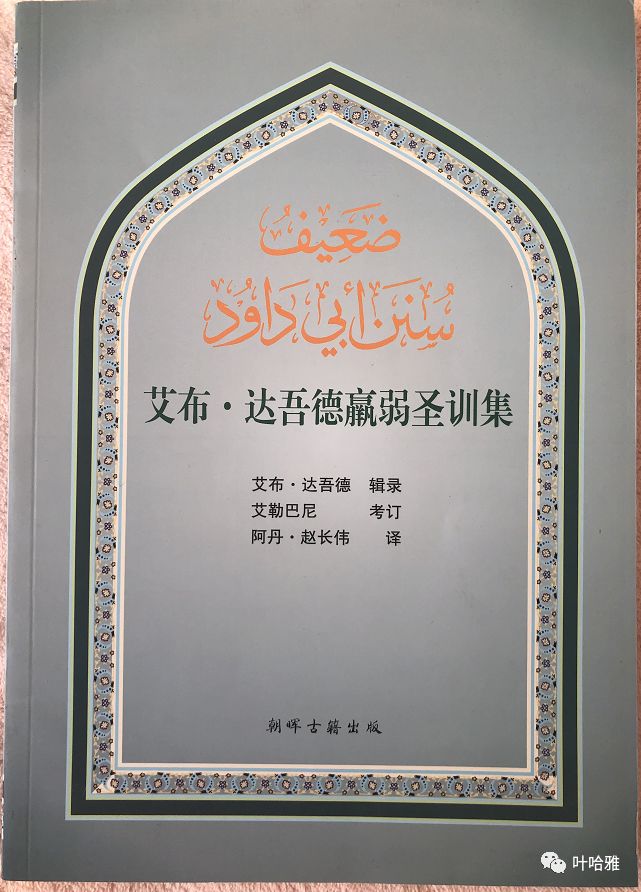
"Collection of Hadith of Abu Dawud's Weakness" examined by Albani
Albani encouraged students to examine the authenticity of hadiths, which influenced almost all contemporary sects. Some people described the academic atmosphere at that time: when a scholar throws out a hadith, students will question whether the quoted hadith is reliable? Does Alebani approve? Albani even proposed weak hadiths collected from the two major authoritative hadiths of Bukhari and Muslim, which subverted traditional understanding.
The main content of this article is referenced from "Islam's New Religious Movement - Global Salafi", which is the only book available online.

Summary: Muslim Knowledge Guide: Al-Albani, Hadith Scholarship and the Modern Muslim World is presented here as a clear English travel account for Muslim readers, beginning with this scene: This article was originally written by me on Weibo. I don’t know where the sensitivity has been restricted. The article mainly refers to the book "Islamic Emerging Religious Movement-Global Salafiye". The article keeps the original place names, food details, photographs, and cultural context while focusing on Hadith Scholarship, Al-Albani, Islamic History.
This article was originally written by me on Weibo. I don’t know where the sensitivity has been restricted. The article mainly refers to the book "Islamic Emerging Religious Movement-Global Salafiye".
Albani’s ideological enlightenment came from the Hadith school that emerged in Delhi, India in the 19th century. Its founders were Nazr Hussain of Delhi and Sadiq Hassan Khan of Bhopal. Two Indian veterans met Salafiyeh people on the way to Mecca for Hajj. The two groups had a good chat. The Arab Salafiye Dosti was brain-controlled by the Indian old man. Later, the Arab Salafiye went to India to study and brought the ideas of the Hadith school back to the Arab world.
I collected the "Tirmidhi Hadith" that Albanika had ordered. This book is now difficult to buy.
The turning point in Albani's life was when he met Abdul Aziz ibn Baz, then vice-president of the University of Madinah, during his missionary work in Syria. Baz recommended Albani to teach at the University of Medina. Saudi official scholars have brought considerable pressure, because Albani openly criticized Saudi Wahhabism. The word "Wahhabi" originally has a derogatory connotation. They prefer to call themselves Salafiyya, but Salafiyyah includes many forms, and Wahhab's thoughts are just A kind of Salafiya, I use "Wahhab thought" instead. The basic principle of Wahhab thought is that the judgment of Islamic law is based on the Qur'an, the Hadith and the public opinions of the sages. Theoretically, it is not limited to the four major legal schools. In fact, Wahhab has never published any Albani believes that he should not stick to any legal school. In this way, it seems that Albani is the purest Wahhabist.
As Albani's influence in Saudi Arabia expanded year by year, it aroused dissatisfaction among some forces. In 1963, Albani was terminated from his contract by the school because of his public opposition to women wearing veils, and he left Saudi Arabia.
After Albani returned to Syria, he was detained many times by the Syrian authorities. In 1975, Ibn Baz, the chief justice and Grand Imam of the Holy Mosque, who was already living in Riyadh, once again recommended him to serve as the director of the Institute of Advanced Studies in the Islamic Faculty of Law in Mecca, but he was opposed by the Saudi authorities. After being stranded, Albani moved to Jordan. He liked the Hashemite Kingdom of Jordan. Because the King of Jordan was a descendant of the Holy Spirit, Albani believed that only people from the Quraysh tribe were qualified to be leaders. He settled in Jordan until his death in 1999 at the age of 85.
Albani has great influence and has many followers. Every time he goes to a country, he can cause quite a stir. Albani has criticized the Muslim Brotherhood and Said Qutob. He opposes the use of violent means to carry out movements and believes that the people of the Muslim Brotherhood pay too much attention to politics and do not understand religion. Albani also issued a fatwa calling on Palestinians to leave Gaza and the West Bank, which he believed were no longer suitable for Muslims to live.
"Collection of Hadith of Abu Dawud's Weakness" examined by Albani
Albani encouraged students to examine the authenticity of hadiths, which influenced almost all contemporary sects. Some people described the academic atmosphere at that time: when a scholar throws out a hadith, students will question whether the quoted hadith is reliable? Does Alebani approve? Albani even proposed weak hadiths collected from the two major authoritative hadiths of Bukhari and Muslim, which subverted traditional understanding.
The main content of this article is referenced from "Islam's New Religious Movement - Global Salafi", which is the only book available online.
Muslim Knowledge Guide: Al-Albani, Hadith Scholarship and the Modern Muslim World
Articles • ali2007fr posted the article • 0 comments • 240 views • 2026-05-21 13:02
Reposted from the web
Summary: Muslim Knowledge Guide: Al-Albani, Hadith Scholarship and the Modern Muslim World is presented here as a clear English travel account for Muslim readers, beginning with this scene: This article was originally written by me on Weibo. I don’t know where the sensitivity has been restricted. The article mainly refers to the book "Islamic Emerging Religious Movement-Global Salafiye". The article keeps the original place names, food details, photographs, and cultural context while focusing on Hadith Scholarship, Al-Albani, Islamic History.
This article was originally written by me on Weibo. I don’t know where the sensitivity has been restricted. The article mainly refers to the book "Islamic Emerging Religious Movement-Global Salafiye".
Albani’s ideological enlightenment came from the Hadith school that emerged in Delhi, India in the 19th century. Its founders were Nazr Hussain of Delhi and Sadiq Hassan Khan of Bhopal. Two Indian veterans met Salafiyeh people on the way to Mecca for Hajj. The two groups had a good chat. The Arab Salafiye Dosti was brain-controlled by the Indian old man. Later, the Arab Salafiye went to India to study and brought the ideas of the Hadith school back to the Arab world.
I collected the "Tirmidhi Hadith" that Albanika had ordered. This book is now difficult to buy.
The turning point in Albani's life was when he met Abdul Aziz ibn Baz, then vice-president of the University of Madinah, during his missionary work in Syria. Baz recommended Albani to teach at the University of Medina. Saudi official scholars have brought considerable pressure, because Albani openly criticized Saudi Wahhabism. The word "Wahhabi" originally has a derogatory connotation. They prefer to call themselves Salafiyya, but Salafiyyah includes many forms, and Wahhab's thoughts are just A kind of Salafiya, I use "Wahhab thought" instead. The basic principle of Wahhab thought is that the judgment of Islamic law is based on the Qur'an, the Hadith and the public opinions of the sages. Theoretically, it is not limited to the four major legal schools. In fact, Wahhab has never published any Albani believes that he should not stick to any legal school. In this way, it seems that Albani is the purest Wahhabist.
As Albani's influence in Saudi Arabia expanded year by year, it aroused dissatisfaction among some forces. In 1963, Albani was terminated from his contract by the school because of his public opposition to women wearing veils, and he left Saudi Arabia.
After Albani returned to Syria, he was detained many times by the Syrian authorities. In 1975, Ibn Baz, the chief justice and Grand Imam of the Holy Mosque, who was already living in Riyadh, once again recommended him to serve as the director of the Institute of Advanced Studies in the Islamic Faculty of Law in Mecca, but he was opposed by the Saudi authorities. After being stranded, Albani moved to Jordan. He liked the Hashemite Kingdom of Jordan. Because the King of Jordan was a descendant of the Holy Spirit, Albani believed that only people from the Quraysh tribe were qualified to be leaders. He settled in Jordan until his death in 1999 at the age of 85.
Albani has great influence and has many followers. Every time he goes to a country, he can cause quite a stir. Albani has criticized the Muslim Brotherhood and Said Qutob. He opposes the use of violent means to carry out movements and believes that the people of the Muslim Brotherhood pay too much attention to politics and do not understand religion. Albani also issued a fatwa calling on Palestinians to leave Gaza and the West Bank, which he believed were no longer suitable for Muslims to live.
"Collection of Hadith of Abu Dawud's Weakness" examined by Albani
Albani encouraged students to examine the authenticity of hadiths, which influenced almost all contemporary sects. Some people described the academic atmosphere at that time: when a scholar throws out a hadith, students will question whether the quoted hadith is reliable? Does Alebani approve? Albani even proposed weak hadiths collected from the two major authoritative hadiths of Bukhari and Muslim, which subverted traditional understanding.
The main content of this article is referenced from "Islam's New Religious Movement - Global Salafi", which is the only book available online. view all
Summary: Muslim Knowledge Guide: Al-Albani, Hadith Scholarship and the Modern Muslim World is presented here as a clear English travel account for Muslim readers, beginning with this scene: This article was originally written by me on Weibo. I don’t know where the sensitivity has been restricted. The article mainly refers to the book "Islamic Emerging Religious Movement-Global Salafiye". The article keeps the original place names, food details, photographs, and cultural context while focusing on Hadith Scholarship, Al-Albani, Islamic History.
This article was originally written by me on Weibo. I don’t know where the sensitivity has been restricted. The article mainly refers to the book "Islamic Emerging Religious Movement-Global Salafiye".
Albani’s ideological enlightenment came from the Hadith school that emerged in Delhi, India in the 19th century. Its founders were Nazr Hussain of Delhi and Sadiq Hassan Khan of Bhopal. Two Indian veterans met Salafiyeh people on the way to Mecca for Hajj. The two groups had a good chat. The Arab Salafiye Dosti was brain-controlled by the Indian old man. Later, the Arab Salafiye went to India to study and brought the ideas of the Hadith school back to the Arab world.
I collected the "Tirmidhi Hadith" that Albanika had ordered. This book is now difficult to buy.
The turning point in Albani's life was when he met Abdul Aziz ibn Baz, then vice-president of the University of Madinah, during his missionary work in Syria. Baz recommended Albani to teach at the University of Medina. Saudi official scholars have brought considerable pressure, because Albani openly criticized Saudi Wahhabism. The word "Wahhabi" originally has a derogatory connotation. They prefer to call themselves Salafiyya, but Salafiyyah includes many forms, and Wahhab's thoughts are just A kind of Salafiya, I use "Wahhab thought" instead. The basic principle of Wahhab thought is that the judgment of Islamic law is based on the Qur'an, the Hadith and the public opinions of the sages. Theoretically, it is not limited to the four major legal schools. In fact, Wahhab has never published any Albani believes that he should not stick to any legal school. In this way, it seems that Albani is the purest Wahhabist.
As Albani's influence in Saudi Arabia expanded year by year, it aroused dissatisfaction among some forces. In 1963, Albani was terminated from his contract by the school because of his public opposition to women wearing veils, and he left Saudi Arabia.
After Albani returned to Syria, he was detained many times by the Syrian authorities. In 1975, Ibn Baz, the chief justice and Grand Imam of the Holy Mosque, who was already living in Riyadh, once again recommended him to serve as the director of the Institute of Advanced Studies in the Islamic Faculty of Law in Mecca, but he was opposed by the Saudi authorities. After being stranded, Albani moved to Jordan. He liked the Hashemite Kingdom of Jordan. Because the King of Jordan was a descendant of the Holy Spirit, Albani believed that only people from the Quraysh tribe were qualified to be leaders. He settled in Jordan until his death in 1999 at the age of 85.
Albani has great influence and has many followers. Every time he goes to a country, he can cause quite a stir. Albani has criticized the Muslim Brotherhood and Said Qutob. He opposes the use of violent means to carry out movements and believes that the people of the Muslim Brotherhood pay too much attention to politics and do not understand religion. Albani also issued a fatwa calling on Palestinians to leave Gaza and the West Bank, which he believed were no longer suitable for Muslims to live.
"Collection of Hadith of Abu Dawud's Weakness" examined by Albani
Albani encouraged students to examine the authenticity of hadiths, which influenced almost all contemporary sects. Some people described the academic atmosphere at that time: when a scholar throws out a hadith, students will question whether the quoted hadith is reliable? Does Alebani approve? Albani even proposed weak hadiths collected from the two major authoritative hadiths of Bukhari and Muslim, which subverted traditional understanding.
The main content of this article is referenced from "Islam's New Religious Movement - Global Salafi", which is the only book available online. view all
Reposted from the web
Summary: Muslim Knowledge Guide: Al-Albani, Hadith Scholarship and the Modern Muslim World is presented here as a clear English travel account for Muslim readers, beginning with this scene: This article was originally written by me on Weibo. I don’t know where the sensitivity has been restricted. The article mainly refers to the book "Islamic Emerging Religious Movement-Global Salafiye". The article keeps the original place names, food details, photographs, and cultural context while focusing on Hadith Scholarship, Al-Albani, Islamic History.
This article was originally written by me on Weibo. I don’t know where the sensitivity has been restricted. The article mainly refers to the book "Islamic Emerging Religious Movement-Global Salafiye".
Albani’s ideological enlightenment came from the Hadith school that emerged in Delhi, India in the 19th century. Its founders were Nazr Hussain of Delhi and Sadiq Hassan Khan of Bhopal. Two Indian veterans met Salafiyeh people on the way to Mecca for Hajj. The two groups had a good chat. The Arab Salafiye Dosti was brain-controlled by the Indian old man. Later, the Arab Salafiye went to India to study and brought the ideas of the Hadith school back to the Arab world.
I collected the "Tirmidhi Hadith" that Albanika had ordered. This book is now difficult to buy.
The turning point in Albani's life was when he met Abdul Aziz ibn Baz, then vice-president of the University of Madinah, during his missionary work in Syria. Baz recommended Albani to teach at the University of Medina. Saudi official scholars have brought considerable pressure, because Albani openly criticized Saudi Wahhabism. The word "Wahhabi" originally has a derogatory connotation. They prefer to call themselves Salafiyya, but Salafiyyah includes many forms, and Wahhab's thoughts are just A kind of Salafiya, I use "Wahhab thought" instead. The basic principle of Wahhab thought is that the judgment of Islamic law is based on the Qur'an, the Hadith and the public opinions of the sages. Theoretically, it is not limited to the four major legal schools. In fact, Wahhab has never published any Albani believes that he should not stick to any legal school. In this way, it seems that Albani is the purest Wahhabist.
As Albani's influence in Saudi Arabia expanded year by year, it aroused dissatisfaction among some forces. In 1963, Albani was terminated from his contract by the school because of his public opposition to women wearing veils, and he left Saudi Arabia.
After Albani returned to Syria, he was detained many times by the Syrian authorities. In 1975, Ibn Baz, the chief justice and Grand Imam of the Holy Mosque, who was already living in Riyadh, once again recommended him to serve as the director of the Institute of Advanced Studies in the Islamic Faculty of Law in Mecca, but he was opposed by the Saudi authorities. After being stranded, Albani moved to Jordan. He liked the Hashemite Kingdom of Jordan. Because the King of Jordan was a descendant of the Holy Spirit, Albani believed that only people from the Quraysh tribe were qualified to be leaders. He settled in Jordan until his death in 1999 at the age of 85.
Albani has great influence and has many followers. Every time he goes to a country, he can cause quite a stir. Albani has criticized the Muslim Brotherhood and Said Qutob. He opposes the use of violent means to carry out movements and believes that the people of the Muslim Brotherhood pay too much attention to politics and do not understand religion. Albani also issued a fatwa calling on Palestinians to leave Gaza and the West Bank, which he believed were no longer suitable for Muslims to live.
"Collection of Hadith of Abu Dawud's Weakness" examined by Albani
Albani encouraged students to examine the authenticity of hadiths, which influenced almost all contemporary sects. Some people described the academic atmosphere at that time: when a scholar throws out a hadith, students will question whether the quoted hadith is reliable? Does Alebani approve? Albani even proposed weak hadiths collected from the two major authoritative hadiths of Bukhari and Muslim, which subverted traditional understanding.
The main content of this article is referenced from "Islam's New Religious Movement - Global Salafi", which is the only book available online.
Summary: Muslim Knowledge Guide: Al-Albani, Hadith Scholarship and the Modern Muslim World is presented here as a clear English travel account for Muslim readers, beginning with this scene: This article was originally written by me on Weibo. I don’t know where the sensitivity has been restricted. The article mainly refers to the book "Islamic Emerging Religious Movement-Global Salafiye". The article keeps the original place names, food details, photographs, and cultural context while focusing on Hadith Scholarship, Al-Albani, Islamic History.
This article was originally written by me on Weibo. I don’t know where the sensitivity has been restricted. The article mainly refers to the book "Islamic Emerging Religious Movement-Global Salafiye".
Albani’s ideological enlightenment came from the Hadith school that emerged in Delhi, India in the 19th century. Its founders were Nazr Hussain of Delhi and Sadiq Hassan Khan of Bhopal. Two Indian veterans met Salafiyeh people on the way to Mecca for Hajj. The two groups had a good chat. The Arab Salafiye Dosti was brain-controlled by the Indian old man. Later, the Arab Salafiye went to India to study and brought the ideas of the Hadith school back to the Arab world.
I collected the "Tirmidhi Hadith" that Albanika had ordered. This book is now difficult to buy.
The turning point in Albani's life was when he met Abdul Aziz ibn Baz, then vice-president of the University of Madinah, during his missionary work in Syria. Baz recommended Albani to teach at the University of Medina. Saudi official scholars have brought considerable pressure, because Albani openly criticized Saudi Wahhabism. The word "Wahhabi" originally has a derogatory connotation. They prefer to call themselves Salafiyya, but Salafiyyah includes many forms, and Wahhab's thoughts are just A kind of Salafiya, I use "Wahhab thought" instead. The basic principle of Wahhab thought is that the judgment of Islamic law is based on the Qur'an, the Hadith and the public opinions of the sages. Theoretically, it is not limited to the four major legal schools. In fact, Wahhab has never published any Albani believes that he should not stick to any legal school. In this way, it seems that Albani is the purest Wahhabist.
As Albani's influence in Saudi Arabia expanded year by year, it aroused dissatisfaction among some forces. In 1963, Albani was terminated from his contract by the school because of his public opposition to women wearing veils, and he left Saudi Arabia.
After Albani returned to Syria, he was detained many times by the Syrian authorities. In 1975, Ibn Baz, the chief justice and Grand Imam of the Holy Mosque, who was already living in Riyadh, once again recommended him to serve as the director of the Institute of Advanced Studies in the Islamic Faculty of Law in Mecca, but he was opposed by the Saudi authorities. After being stranded, Albani moved to Jordan. He liked the Hashemite Kingdom of Jordan. Because the King of Jordan was a descendant of the Holy Spirit, Albani believed that only people from the Quraysh tribe were qualified to be leaders. He settled in Jordan until his death in 1999 at the age of 85.
Albani has great influence and has many followers. Every time he goes to a country, he can cause quite a stir. Albani has criticized the Muslim Brotherhood and Said Qutob. He opposes the use of violent means to carry out movements and believes that the people of the Muslim Brotherhood pay too much attention to politics and do not understand religion. Albani also issued a fatwa calling on Palestinians to leave Gaza and the West Bank, which he believed were no longer suitable for Muslims to live.
"Collection of Hadith of Abu Dawud's Weakness" examined by Albani
Albani encouraged students to examine the authenticity of hadiths, which influenced almost all contemporary sects. Some people described the academic atmosphere at that time: when a scholar throws out a hadith, students will question whether the quoted hadith is reliable? Does Alebani approve? Albani even proposed weak hadiths collected from the two major authoritative hadiths of Bukhari and Muslim, which subverted traditional understanding.
The main content of this article is referenced from "Islam's New Religious Movement - Global Salafi", which is the only book available online.
Muslim Knowledge Guide: Al-Albani, Hadith Scholarship and the Modern Muslim World
Articles • yusuf908 posted the article • 0 comments • 176 views • 2026-05-24 00:17
Reposted from the web
Summary: Muslim Knowledge Guide: Al-Albani, Hadith Scholarship and the Modern Muslim World is presented here as a clear English travel account for Muslim readers, beginning with this scene: This article was originally written by me on Weibo. I don’t know where the sensitivity has been restricted. The article mainly refers to the book "Islamic Emerging Religious Movement-Global Salafiye". The article keeps the original place names, food details, photographs, and cultural context while focusing on Hadith Scholarship, Al-Albani, Islamic History.
This article was originally written by me on Weibo. I don’t know where the sensitivity has been restricted. The article mainly refers to the book "Islamic Emerging Religious Movement-Global Salafiye".
Albani’s ideological enlightenment came from the Hadith school that emerged in Delhi, India in the 19th century. Its founders were Nazr Hussain of Delhi and Sadiq Hassan Khan of Bhopal. Two Indian veterans met Salafiyeh people on the way to Mecca for Hajj. The two groups had a good chat. The Arab Salafiye Dosti was brain-controlled by the Indian old man. Later, the Arab Salafiye went to India to study and brought the ideas of the Hadith school back to the Arab world.
I collected the "Tirmidhi Hadith" that Albanika had ordered. This book is now difficult to buy.
The turning point in Albani's life was when he met Abdul Aziz ibn Baz, then vice-president of the University of Madinah, during his missionary work in Syria. Baz recommended Albani to teach at the University of Medina. Saudi official scholars have brought considerable pressure, because Albani openly criticized Saudi Wahhabism. The word "Wahhabi" originally has a derogatory connotation. They prefer to call themselves Salafiyya, but Salafiyyah includes many forms, and Wahhab's thoughts are just A kind of Salafiya, I use "Wahhab thought" instead. The basic principle of Wahhab thought is that the judgment of Islamic law is based on the Qur'an, the Hadith and the public opinions of the sages. Theoretically, it is not limited to the four major legal schools. In fact, Wahhab has never published any Albani believes that he should not stick to any legal school. In this way, it seems that Albani is the purest Wahhabist.
As Albani's influence in Saudi Arabia expanded year by year, it aroused dissatisfaction among some forces. In 1963, Albani was terminated from his contract by the school because of his public opposition to women wearing veils, and he left Saudi Arabia.
After Albani returned to Syria, he was detained many times by the Syrian authorities. In 1975, Ibn Baz, the chief justice and Grand Imam of the Holy Mosque, who was already living in Riyadh, once again recommended him to serve as the director of the Institute of Advanced Studies in the Islamic Faculty of Law in Mecca, but he was opposed by the Saudi authorities. After being stranded, Albani moved to Jordan. He liked the Hashemite Kingdom of Jordan. Because the King of Jordan was a descendant of the Holy Spirit, Albani believed that only people from the Quraysh tribe were qualified to be leaders. He settled in Jordan until his death in 1999 at the age of 85.
Albani has great influence and has many followers. Every time he goes to a country, he can cause quite a stir. Albani has criticized the Muslim Brotherhood and Said Qutob. He opposes the use of violent means to carry out movements and believes that the people of the Muslim Brotherhood pay too much attention to politics and do not understand religion. Albani also issued a fatwa calling on Palestinians to leave Gaza and the West Bank, which he believed were no longer suitable for Muslims to live.
"Collection of Hadith of Abu Dawud's Weakness" examined by Albani
Albani encouraged students to examine the authenticity of hadiths, which influenced almost all contemporary sects. Some people described the academic atmosphere at that time: when a scholar throws out a hadith, students will question whether the quoted hadith is reliable? Does Alebani approve? Albani even proposed weak hadiths collected from the two major authoritative hadiths of Bukhari and Muslim, which subverted traditional understanding.
The main content of this article is referenced from "Islam's New Religious Movement - Global Salafi", which is the only book available online. view all
Summary: Muslim Knowledge Guide: Al-Albani, Hadith Scholarship and the Modern Muslim World is presented here as a clear English travel account for Muslim readers, beginning with this scene: This article was originally written by me on Weibo. I don’t know where the sensitivity has been restricted. The article mainly refers to the book "Islamic Emerging Religious Movement-Global Salafiye". The article keeps the original place names, food details, photographs, and cultural context while focusing on Hadith Scholarship, Al-Albani, Islamic History.
This article was originally written by me on Weibo. I don’t know where the sensitivity has been restricted. The article mainly refers to the book "Islamic Emerging Religious Movement-Global Salafiye".
Albani’s ideological enlightenment came from the Hadith school that emerged in Delhi, India in the 19th century. Its founders were Nazr Hussain of Delhi and Sadiq Hassan Khan of Bhopal. Two Indian veterans met Salafiyeh people on the way to Mecca for Hajj. The two groups had a good chat. The Arab Salafiye Dosti was brain-controlled by the Indian old man. Later, the Arab Salafiye went to India to study and brought the ideas of the Hadith school back to the Arab world.
I collected the "Tirmidhi Hadith" that Albanika had ordered. This book is now difficult to buy.
The turning point in Albani's life was when he met Abdul Aziz ibn Baz, then vice-president of the University of Madinah, during his missionary work in Syria. Baz recommended Albani to teach at the University of Medina. Saudi official scholars have brought considerable pressure, because Albani openly criticized Saudi Wahhabism. The word "Wahhabi" originally has a derogatory connotation. They prefer to call themselves Salafiyya, but Salafiyyah includes many forms, and Wahhab's thoughts are just A kind of Salafiya, I use "Wahhab thought" instead. The basic principle of Wahhab thought is that the judgment of Islamic law is based on the Qur'an, the Hadith and the public opinions of the sages. Theoretically, it is not limited to the four major legal schools. In fact, Wahhab has never published any Albani believes that he should not stick to any legal school. In this way, it seems that Albani is the purest Wahhabist.
As Albani's influence in Saudi Arabia expanded year by year, it aroused dissatisfaction among some forces. In 1963, Albani was terminated from his contract by the school because of his public opposition to women wearing veils, and he left Saudi Arabia.
After Albani returned to Syria, he was detained many times by the Syrian authorities. In 1975, Ibn Baz, the chief justice and Grand Imam of the Holy Mosque, who was already living in Riyadh, once again recommended him to serve as the director of the Institute of Advanced Studies in the Islamic Faculty of Law in Mecca, but he was opposed by the Saudi authorities. After being stranded, Albani moved to Jordan. He liked the Hashemite Kingdom of Jordan. Because the King of Jordan was a descendant of the Holy Spirit, Albani believed that only people from the Quraysh tribe were qualified to be leaders. He settled in Jordan until his death in 1999 at the age of 85.
Albani has great influence and has many followers. Every time he goes to a country, he can cause quite a stir. Albani has criticized the Muslim Brotherhood and Said Qutob. He opposes the use of violent means to carry out movements and believes that the people of the Muslim Brotherhood pay too much attention to politics and do not understand religion. Albani also issued a fatwa calling on Palestinians to leave Gaza and the West Bank, which he believed were no longer suitable for Muslims to live.
"Collection of Hadith of Abu Dawud's Weakness" examined by Albani
Albani encouraged students to examine the authenticity of hadiths, which influenced almost all contemporary sects. Some people described the academic atmosphere at that time: when a scholar throws out a hadith, students will question whether the quoted hadith is reliable? Does Alebani approve? Albani even proposed weak hadiths collected from the two major authoritative hadiths of Bukhari and Muslim, which subverted traditional understanding.
The main content of this article is referenced from "Islam's New Religious Movement - Global Salafi", which is the only book available online. view all
Reposted from the web
Summary: Muslim Knowledge Guide: Al-Albani, Hadith Scholarship and the Modern Muslim World is presented here as a clear English travel account for Muslim readers, beginning with this scene: This article was originally written by me on Weibo. I don’t know where the sensitivity has been restricted. The article mainly refers to the book "Islamic Emerging Religious Movement-Global Salafiye". The article keeps the original place names, food details, photographs, and cultural context while focusing on Hadith Scholarship, Al-Albani, Islamic History.
This article was originally written by me on Weibo. I don’t know where the sensitivity has been restricted. The article mainly refers to the book "Islamic Emerging Religious Movement-Global Salafiye".
Albani’s ideological enlightenment came from the Hadith school that emerged in Delhi, India in the 19th century. Its founders were Nazr Hussain of Delhi and Sadiq Hassan Khan of Bhopal. Two Indian veterans met Salafiyeh people on the way to Mecca for Hajj. The two groups had a good chat. The Arab Salafiye Dosti was brain-controlled by the Indian old man. Later, the Arab Salafiye went to India to study and brought the ideas of the Hadith school back to the Arab world.
I collected the "Tirmidhi Hadith" that Albanika had ordered. This book is now difficult to buy.
The turning point in Albani's life was when he met Abdul Aziz ibn Baz, then vice-president of the University of Madinah, during his missionary work in Syria. Baz recommended Albani to teach at the University of Medina. Saudi official scholars have brought considerable pressure, because Albani openly criticized Saudi Wahhabism. The word "Wahhabi" originally has a derogatory connotation. They prefer to call themselves Salafiyya, but Salafiyyah includes many forms, and Wahhab's thoughts are just A kind of Salafiya, I use "Wahhab thought" instead. The basic principle of Wahhab thought is that the judgment of Islamic law is based on the Qur'an, the Hadith and the public opinions of the sages. Theoretically, it is not limited to the four major legal schools. In fact, Wahhab has never published any Albani believes that he should not stick to any legal school. In this way, it seems that Albani is the purest Wahhabist.
As Albani's influence in Saudi Arabia expanded year by year, it aroused dissatisfaction among some forces. In 1963, Albani was terminated from his contract by the school because of his public opposition to women wearing veils, and he left Saudi Arabia.
After Albani returned to Syria, he was detained many times by the Syrian authorities. In 1975, Ibn Baz, the chief justice and Grand Imam of the Holy Mosque, who was already living in Riyadh, once again recommended him to serve as the director of the Institute of Advanced Studies in the Islamic Faculty of Law in Mecca, but he was opposed by the Saudi authorities. After being stranded, Albani moved to Jordan. He liked the Hashemite Kingdom of Jordan. Because the King of Jordan was a descendant of the Holy Spirit, Albani believed that only people from the Quraysh tribe were qualified to be leaders. He settled in Jordan until his death in 1999 at the age of 85.
Albani has great influence and has many followers. Every time he goes to a country, he can cause quite a stir. Albani has criticized the Muslim Brotherhood and Said Qutob. He opposes the use of violent means to carry out movements and believes that the people of the Muslim Brotherhood pay too much attention to politics and do not understand religion. Albani also issued a fatwa calling on Palestinians to leave Gaza and the West Bank, which he believed were no longer suitable for Muslims to live.
"Collection of Hadith of Abu Dawud's Weakness" examined by Albani
Albani encouraged students to examine the authenticity of hadiths, which influenced almost all contemporary sects. Some people described the academic atmosphere at that time: when a scholar throws out a hadith, students will question whether the quoted hadith is reliable? Does Alebani approve? Albani even proposed weak hadiths collected from the two major authoritative hadiths of Bukhari and Muslim, which subverted traditional understanding.
The main content of this article is referenced from "Islam's New Religious Movement - Global Salafi", which is the only book available online.
Summary: Muslim Knowledge Guide: Al-Albani, Hadith Scholarship and the Modern Muslim World is presented here as a clear English travel account for Muslim readers, beginning with this scene: This article was originally written by me on Weibo. I don’t know where the sensitivity has been restricted. The article mainly refers to the book "Islamic Emerging Religious Movement-Global Salafiye". The article keeps the original place names, food details, photographs, and cultural context while focusing on Hadith Scholarship, Al-Albani, Islamic History.
This article was originally written by me on Weibo. I don’t know where the sensitivity has been restricted. The article mainly refers to the book "Islamic Emerging Religious Movement-Global Salafiye".
Albani’s ideological enlightenment came from the Hadith school that emerged in Delhi, India in the 19th century. Its founders were Nazr Hussain of Delhi and Sadiq Hassan Khan of Bhopal. Two Indian veterans met Salafiyeh people on the way to Mecca for Hajj. The two groups had a good chat. The Arab Salafiye Dosti was brain-controlled by the Indian old man. Later, the Arab Salafiye went to India to study and brought the ideas of the Hadith school back to the Arab world.
I collected the "Tirmidhi Hadith" that Albanika had ordered. This book is now difficult to buy.
The turning point in Albani's life was when he met Abdul Aziz ibn Baz, then vice-president of the University of Madinah, during his missionary work in Syria. Baz recommended Albani to teach at the University of Medina. Saudi official scholars have brought considerable pressure, because Albani openly criticized Saudi Wahhabism. The word "Wahhabi" originally has a derogatory connotation. They prefer to call themselves Salafiyya, but Salafiyyah includes many forms, and Wahhab's thoughts are just A kind of Salafiya, I use "Wahhab thought" instead. The basic principle of Wahhab thought is that the judgment of Islamic law is based on the Qur'an, the Hadith and the public opinions of the sages. Theoretically, it is not limited to the four major legal schools. In fact, Wahhab has never published any Albani believes that he should not stick to any legal school. In this way, it seems that Albani is the purest Wahhabist.
As Albani's influence in Saudi Arabia expanded year by year, it aroused dissatisfaction among some forces. In 1963, Albani was terminated from his contract by the school because of his public opposition to women wearing veils, and he left Saudi Arabia.
After Albani returned to Syria, he was detained many times by the Syrian authorities. In 1975, Ibn Baz, the chief justice and Grand Imam of the Holy Mosque, who was already living in Riyadh, once again recommended him to serve as the director of the Institute of Advanced Studies in the Islamic Faculty of Law in Mecca, but he was opposed by the Saudi authorities. After being stranded, Albani moved to Jordan. He liked the Hashemite Kingdom of Jordan. Because the King of Jordan was a descendant of the Holy Spirit, Albani believed that only people from the Quraysh tribe were qualified to be leaders. He settled in Jordan until his death in 1999 at the age of 85.
Albani has great influence and has many followers. Every time he goes to a country, he can cause quite a stir. Albani has criticized the Muslim Brotherhood and Said Qutob. He opposes the use of violent means to carry out movements and believes that the people of the Muslim Brotherhood pay too much attention to politics and do not understand religion. Albani also issued a fatwa calling on Palestinians to leave Gaza and the West Bank, which he believed were no longer suitable for Muslims to live.
"Collection of Hadith of Abu Dawud's Weakness" examined by Albani
Albani encouraged students to examine the authenticity of hadiths, which influenced almost all contemporary sects. Some people described the academic atmosphere at that time: when a scholar throws out a hadith, students will question whether the quoted hadith is reliable? Does Alebani approve? Albani even proposed weak hadiths collected from the two major authoritative hadiths of Bukhari and Muslim, which subverted traditional understanding.
The main content of this article is referenced from "Islam's New Religious Movement - Global Salafi", which is the only book available online.
Muslim Knowledge Guide: Al-Albani, Hadith Scholarship and the Modern Muslim World
Articles • ali2007fr posted the article • 0 comments • 240 views • 2026-05-21 13:02
Reposted from the web
Summary: Muslim Knowledge Guide: Al-Albani, Hadith Scholarship and the Modern Muslim World is presented here as a clear English travel account for Muslim readers, beginning with this scene: This article was originally written by me on Weibo. I don’t know where the sensitivity has been restricted. The article mainly refers to the book "Islamic Emerging Religious Movement-Global Salafiye". The article keeps the original place names, food details, photographs, and cultural context while focusing on Hadith Scholarship, Al-Albani, Islamic History.
This article was originally written by me on Weibo. I don’t know where the sensitivity has been restricted. The article mainly refers to the book "Islamic Emerging Religious Movement-Global Salafiye".
Albani’s ideological enlightenment came from the Hadith school that emerged in Delhi, India in the 19th century. Its founders were Nazr Hussain of Delhi and Sadiq Hassan Khan of Bhopal. Two Indian veterans met Salafiyeh people on the way to Mecca for Hajj. The two groups had a good chat. The Arab Salafiye Dosti was brain-controlled by the Indian old man. Later, the Arab Salafiye went to India to study and brought the ideas of the Hadith school back to the Arab world.
I collected the "Tirmidhi Hadith" that Albanika had ordered. This book is now difficult to buy.
The turning point in Albani's life was when he met Abdul Aziz ibn Baz, then vice-president of the University of Madinah, during his missionary work in Syria. Baz recommended Albani to teach at the University of Medina. Saudi official scholars have brought considerable pressure, because Albani openly criticized Saudi Wahhabism. The word "Wahhabi" originally has a derogatory connotation. They prefer to call themselves Salafiyya, but Salafiyyah includes many forms, and Wahhab's thoughts are just A kind of Salafiya, I use "Wahhab thought" instead. The basic principle of Wahhab thought is that the judgment of Islamic law is based on the Qur'an, the Hadith and the public opinions of the sages. Theoretically, it is not limited to the four major legal schools. In fact, Wahhab has never published any Albani believes that he should not stick to any legal school. In this way, it seems that Albani is the purest Wahhabist.
As Albani's influence in Saudi Arabia expanded year by year, it aroused dissatisfaction among some forces. In 1963, Albani was terminated from his contract by the school because of his public opposition to women wearing veils, and he left Saudi Arabia.
After Albani returned to Syria, he was detained many times by the Syrian authorities. In 1975, Ibn Baz, the chief justice and Grand Imam of the Holy Mosque, who was already living in Riyadh, once again recommended him to serve as the director of the Institute of Advanced Studies in the Islamic Faculty of Law in Mecca, but he was opposed by the Saudi authorities. After being stranded, Albani moved to Jordan. He liked the Hashemite Kingdom of Jordan. Because the King of Jordan was a descendant of the Holy Spirit, Albani believed that only people from the Quraysh tribe were qualified to be leaders. He settled in Jordan until his death in 1999 at the age of 85.
Albani has great influence and has many followers. Every time he goes to a country, he can cause quite a stir. Albani has criticized the Muslim Brotherhood and Said Qutob. He opposes the use of violent means to carry out movements and believes that the people of the Muslim Brotherhood pay too much attention to politics and do not understand religion. Albani also issued a fatwa calling on Palestinians to leave Gaza and the West Bank, which he believed were no longer suitable for Muslims to live.
"Collection of Hadith of Abu Dawud's Weakness" examined by Albani
Albani encouraged students to examine the authenticity of hadiths, which influenced almost all contemporary sects. Some people described the academic atmosphere at that time: when a scholar throws out a hadith, students will question whether the quoted hadith is reliable? Does Alebani approve? Albani even proposed weak hadiths collected from the two major authoritative hadiths of Bukhari and Muslim, which subverted traditional understanding.
The main content of this article is referenced from "Islam's New Religious Movement - Global Salafi", which is the only book available online. view all
Summary: Muslim Knowledge Guide: Al-Albani, Hadith Scholarship and the Modern Muslim World is presented here as a clear English travel account for Muslim readers, beginning with this scene: This article was originally written by me on Weibo. I don’t know where the sensitivity has been restricted. The article mainly refers to the book "Islamic Emerging Religious Movement-Global Salafiye". The article keeps the original place names, food details, photographs, and cultural context while focusing on Hadith Scholarship, Al-Albani, Islamic History.
This article was originally written by me on Weibo. I don’t know where the sensitivity has been restricted. The article mainly refers to the book "Islamic Emerging Religious Movement-Global Salafiye".
Albani’s ideological enlightenment came from the Hadith school that emerged in Delhi, India in the 19th century. Its founders were Nazr Hussain of Delhi and Sadiq Hassan Khan of Bhopal. Two Indian veterans met Salafiyeh people on the way to Mecca for Hajj. The two groups had a good chat. The Arab Salafiye Dosti was brain-controlled by the Indian old man. Later, the Arab Salafiye went to India to study and brought the ideas of the Hadith school back to the Arab world.
I collected the "Tirmidhi Hadith" that Albanika had ordered. This book is now difficult to buy.
The turning point in Albani's life was when he met Abdul Aziz ibn Baz, then vice-president of the University of Madinah, during his missionary work in Syria. Baz recommended Albani to teach at the University of Medina. Saudi official scholars have brought considerable pressure, because Albani openly criticized Saudi Wahhabism. The word "Wahhabi" originally has a derogatory connotation. They prefer to call themselves Salafiyya, but Salafiyyah includes many forms, and Wahhab's thoughts are just A kind of Salafiya, I use "Wahhab thought" instead. The basic principle of Wahhab thought is that the judgment of Islamic law is based on the Qur'an, the Hadith and the public opinions of the sages. Theoretically, it is not limited to the four major legal schools. In fact, Wahhab has never published any Albani believes that he should not stick to any legal school. In this way, it seems that Albani is the purest Wahhabist.
As Albani's influence in Saudi Arabia expanded year by year, it aroused dissatisfaction among some forces. In 1963, Albani was terminated from his contract by the school because of his public opposition to women wearing veils, and he left Saudi Arabia.
After Albani returned to Syria, he was detained many times by the Syrian authorities. In 1975, Ibn Baz, the chief justice and Grand Imam of the Holy Mosque, who was already living in Riyadh, once again recommended him to serve as the director of the Institute of Advanced Studies in the Islamic Faculty of Law in Mecca, but he was opposed by the Saudi authorities. After being stranded, Albani moved to Jordan. He liked the Hashemite Kingdom of Jordan. Because the King of Jordan was a descendant of the Holy Spirit, Albani believed that only people from the Quraysh tribe were qualified to be leaders. He settled in Jordan until his death in 1999 at the age of 85.
Albani has great influence and has many followers. Every time he goes to a country, he can cause quite a stir. Albani has criticized the Muslim Brotherhood and Said Qutob. He opposes the use of violent means to carry out movements and believes that the people of the Muslim Brotherhood pay too much attention to politics and do not understand religion. Albani also issued a fatwa calling on Palestinians to leave Gaza and the West Bank, which he believed were no longer suitable for Muslims to live.
"Collection of Hadith of Abu Dawud's Weakness" examined by Albani
Albani encouraged students to examine the authenticity of hadiths, which influenced almost all contemporary sects. Some people described the academic atmosphere at that time: when a scholar throws out a hadith, students will question whether the quoted hadith is reliable? Does Alebani approve? Albani even proposed weak hadiths collected from the two major authoritative hadiths of Bukhari and Muslim, which subverted traditional understanding.
The main content of this article is referenced from "Islam's New Religious Movement - Global Salafi", which is the only book available online. view all
Reposted from the web
Summary: Muslim Knowledge Guide: Al-Albani, Hadith Scholarship and the Modern Muslim World is presented here as a clear English travel account for Muslim readers, beginning with this scene: This article was originally written by me on Weibo. I don’t know where the sensitivity has been restricted. The article mainly refers to the book "Islamic Emerging Religious Movement-Global Salafiye". The article keeps the original place names, food details, photographs, and cultural context while focusing on Hadith Scholarship, Al-Albani, Islamic History.
This article was originally written by me on Weibo. I don’t know where the sensitivity has been restricted. The article mainly refers to the book "Islamic Emerging Religious Movement-Global Salafiye".
Albani’s ideological enlightenment came from the Hadith school that emerged in Delhi, India in the 19th century. Its founders were Nazr Hussain of Delhi and Sadiq Hassan Khan of Bhopal. Two Indian veterans met Salafiyeh people on the way to Mecca for Hajj. The two groups had a good chat. The Arab Salafiye Dosti was brain-controlled by the Indian old man. Later, the Arab Salafiye went to India to study and brought the ideas of the Hadith school back to the Arab world.
I collected the "Tirmidhi Hadith" that Albanika had ordered. This book is now difficult to buy.
The turning point in Albani's life was when he met Abdul Aziz ibn Baz, then vice-president of the University of Madinah, during his missionary work in Syria. Baz recommended Albani to teach at the University of Medina. Saudi official scholars have brought considerable pressure, because Albani openly criticized Saudi Wahhabism. The word "Wahhabi" originally has a derogatory connotation. They prefer to call themselves Salafiyya, but Salafiyyah includes many forms, and Wahhab's thoughts are just A kind of Salafiya, I use "Wahhab thought" instead. The basic principle of Wahhab thought is that the judgment of Islamic law is based on the Qur'an, the Hadith and the public opinions of the sages. Theoretically, it is not limited to the four major legal schools. In fact, Wahhab has never published any Albani believes that he should not stick to any legal school. In this way, it seems that Albani is the purest Wahhabist.
As Albani's influence in Saudi Arabia expanded year by year, it aroused dissatisfaction among some forces. In 1963, Albani was terminated from his contract by the school because of his public opposition to women wearing veils, and he left Saudi Arabia.
After Albani returned to Syria, he was detained many times by the Syrian authorities. In 1975, Ibn Baz, the chief justice and Grand Imam of the Holy Mosque, who was already living in Riyadh, once again recommended him to serve as the director of the Institute of Advanced Studies in the Islamic Faculty of Law in Mecca, but he was opposed by the Saudi authorities. After being stranded, Albani moved to Jordan. He liked the Hashemite Kingdom of Jordan. Because the King of Jordan was a descendant of the Holy Spirit, Albani believed that only people from the Quraysh tribe were qualified to be leaders. He settled in Jordan until his death in 1999 at the age of 85.
Albani has great influence and has many followers. Every time he goes to a country, he can cause quite a stir. Albani has criticized the Muslim Brotherhood and Said Qutob. He opposes the use of violent means to carry out movements and believes that the people of the Muslim Brotherhood pay too much attention to politics and do not understand religion. Albani also issued a fatwa calling on Palestinians to leave Gaza and the West Bank, which he believed were no longer suitable for Muslims to live.
"Collection of Hadith of Abu Dawud's Weakness" examined by Albani
Albani encouraged students to examine the authenticity of hadiths, which influenced almost all contemporary sects. Some people described the academic atmosphere at that time: when a scholar throws out a hadith, students will question whether the quoted hadith is reliable? Does Alebani approve? Albani even proposed weak hadiths collected from the two major authoritative hadiths of Bukhari and Muslim, which subverted traditional understanding.
The main content of this article is referenced from "Islam's New Religious Movement - Global Salafi", which is the only book available online.
Summary: Muslim Knowledge Guide: Al-Albani, Hadith Scholarship and the Modern Muslim World is presented here as a clear English travel account for Muslim readers, beginning with this scene: This article was originally written by me on Weibo. I don’t know where the sensitivity has been restricted. The article mainly refers to the book "Islamic Emerging Religious Movement-Global Salafiye". The article keeps the original place names, food details, photographs, and cultural context while focusing on Hadith Scholarship, Al-Albani, Islamic History.
This article was originally written by me on Weibo. I don’t know where the sensitivity has been restricted. The article mainly refers to the book "Islamic Emerging Religious Movement-Global Salafiye".
Albani’s ideological enlightenment came from the Hadith school that emerged in Delhi, India in the 19th century. Its founders were Nazr Hussain of Delhi and Sadiq Hassan Khan of Bhopal. Two Indian veterans met Salafiyeh people on the way to Mecca for Hajj. The two groups had a good chat. The Arab Salafiye Dosti was brain-controlled by the Indian old man. Later, the Arab Salafiye went to India to study and brought the ideas of the Hadith school back to the Arab world.
I collected the "Tirmidhi Hadith" that Albanika had ordered. This book is now difficult to buy.
The turning point in Albani's life was when he met Abdul Aziz ibn Baz, then vice-president of the University of Madinah, during his missionary work in Syria. Baz recommended Albani to teach at the University of Medina. Saudi official scholars have brought considerable pressure, because Albani openly criticized Saudi Wahhabism. The word "Wahhabi" originally has a derogatory connotation. They prefer to call themselves Salafiyya, but Salafiyyah includes many forms, and Wahhab's thoughts are just A kind of Salafiya, I use "Wahhab thought" instead. The basic principle of Wahhab thought is that the judgment of Islamic law is based on the Qur'an, the Hadith and the public opinions of the sages. Theoretically, it is not limited to the four major legal schools. In fact, Wahhab has never published any Albani believes that he should not stick to any legal school. In this way, it seems that Albani is the purest Wahhabist.
As Albani's influence in Saudi Arabia expanded year by year, it aroused dissatisfaction among some forces. In 1963, Albani was terminated from his contract by the school because of his public opposition to women wearing veils, and he left Saudi Arabia.
After Albani returned to Syria, he was detained many times by the Syrian authorities. In 1975, Ibn Baz, the chief justice and Grand Imam of the Holy Mosque, who was already living in Riyadh, once again recommended him to serve as the director of the Institute of Advanced Studies in the Islamic Faculty of Law in Mecca, but he was opposed by the Saudi authorities. After being stranded, Albani moved to Jordan. He liked the Hashemite Kingdom of Jordan. Because the King of Jordan was a descendant of the Holy Spirit, Albani believed that only people from the Quraysh tribe were qualified to be leaders. He settled in Jordan until his death in 1999 at the age of 85.
Albani has great influence and has many followers. Every time he goes to a country, he can cause quite a stir. Albani has criticized the Muslim Brotherhood and Said Qutob. He opposes the use of violent means to carry out movements and believes that the people of the Muslim Brotherhood pay too much attention to politics and do not understand religion. Albani also issued a fatwa calling on Palestinians to leave Gaza and the West Bank, which he believed were no longer suitable for Muslims to live.
"Collection of Hadith of Abu Dawud's Weakness" examined by Albani
Albani encouraged students to examine the authenticity of hadiths, which influenced almost all contemporary sects. Some people described the academic atmosphere at that time: when a scholar throws out a hadith, students will question whether the quoted hadith is reliable? Does Alebani approve? Albani even proposed weak hadiths collected from the two major authoritative hadiths of Bukhari and Muslim, which subverted traditional understanding.
The main content of this article is referenced from "Islam's New Religious Movement - Global Salafi", which is the only book available online.