

Ankang Muslim Street
Halal Food Guide Shaanxi: Ankang Hui Muslim Street, Old Mosques and Local Halal Snacks
Articles • yusuf908 posted the article • 0 comments • 216 views • 2026-05-22 22:52
Reposted from the web
Summary: This Shaanxi halal food guide visits Ankang Hui Muslim Street, seven old mosques, West Mosque, North Mosque, Xingwen Mosque, Jingning South Mosque, local shaobing, fried snacks, halal dishes, and the Han River night view.
Ankang Hui Muslim Street Guide: Halal Food and Muslim Heritage in Shaanxi is presented here as a firsthand travel account in clear English, beginning with this scene: Ten of my travelogues were deleted recently, likely due to title violations. I have revised and reposted them. The account keeps its focus on Ankang Muslim Street, Halal Food, Shaanxi Travel while preserving the names, places, food, and historical details from the Chinese source.
Ten of my travelogues were deleted recently, likely due to title violations. I have revised and reposted them.
In Shaanxi, Hui Muslims mostly live in the Xi'an Muslim Quarter, but there are also small groups in Hanzhong and Ankang to the south. During my road trip through the southwest, I passed through Ankang and visited four mosques located within two kilometers of each other in the city.
Ankang has seven mosques: Xingwen Mosque, North Mosque, South Mosque, Inner City Mosque, Middle Mosque, West Mosque, and East Mosque. Over ten thousand Hui Muslims live around these mosques in the East and West Gates. The West Gate has been torn down, but the East Gate is the oldest part of Ankang. The East Gate stretches over half a kilometer from south to north and has three streets filled with halal snacks.
Ankang West Mosque
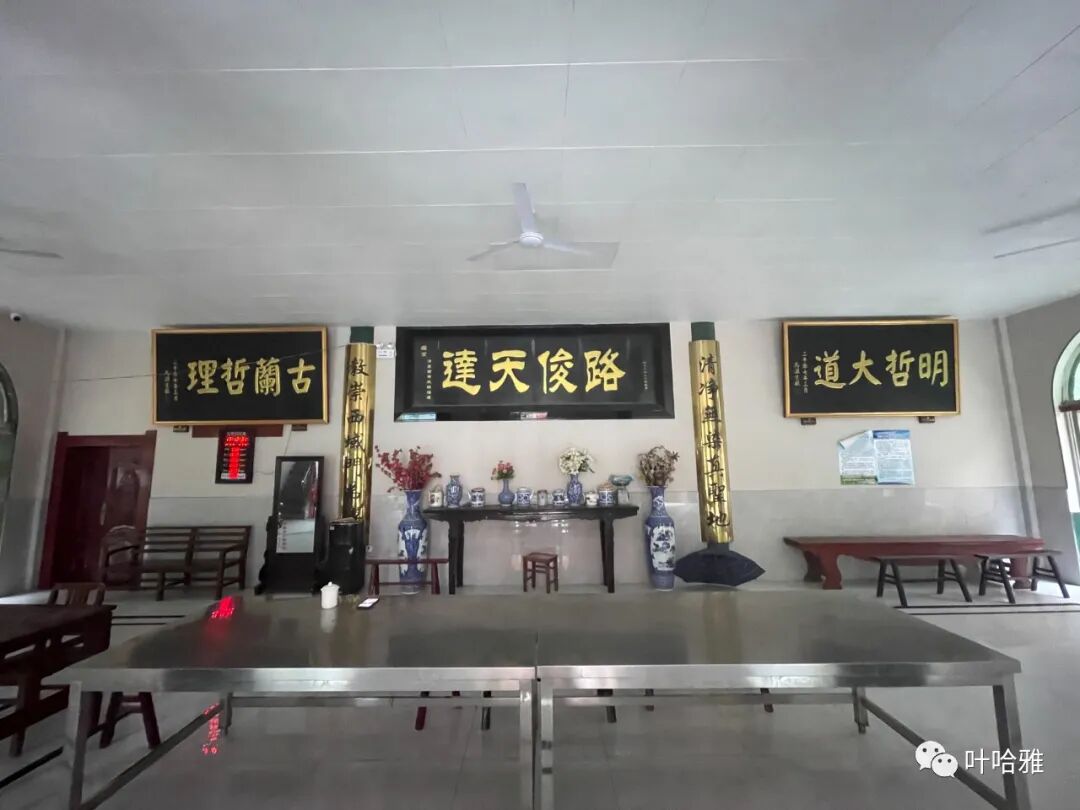
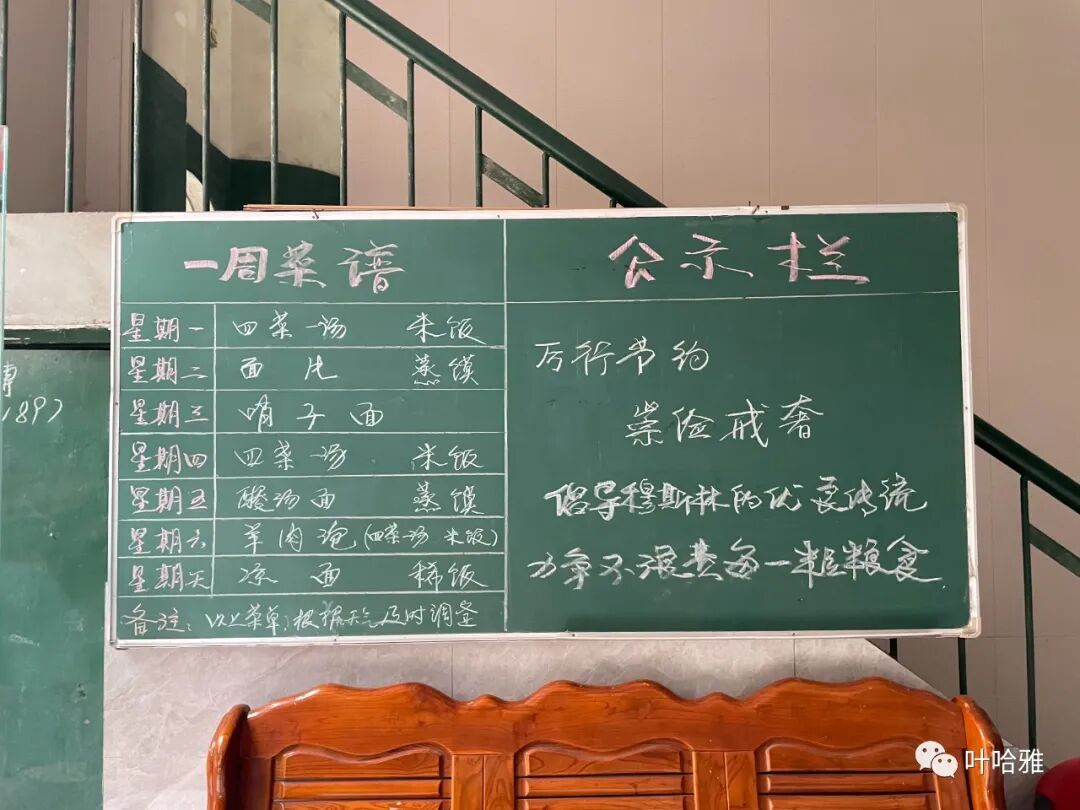
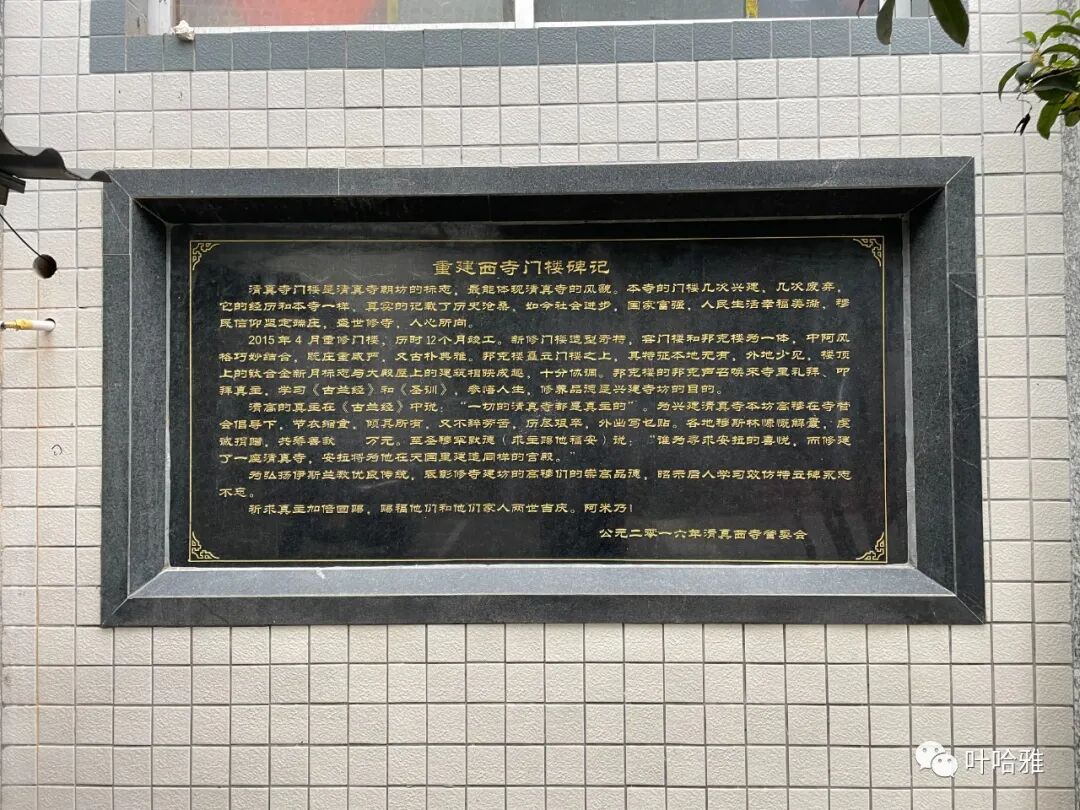
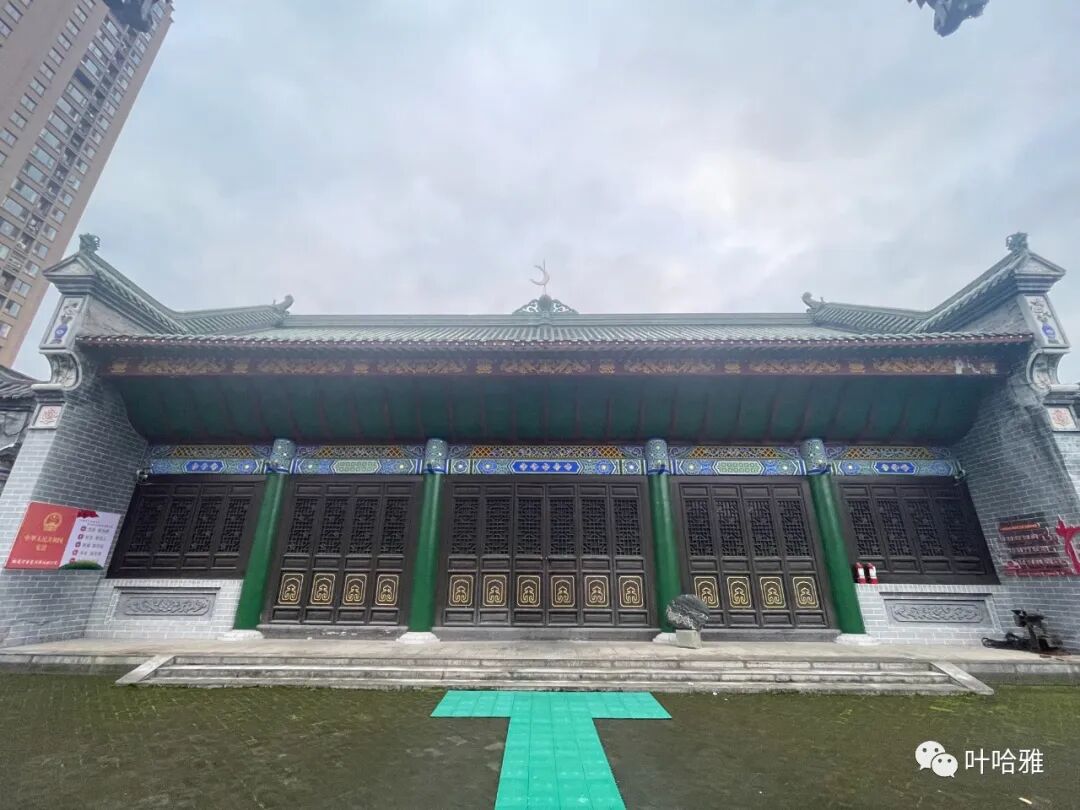
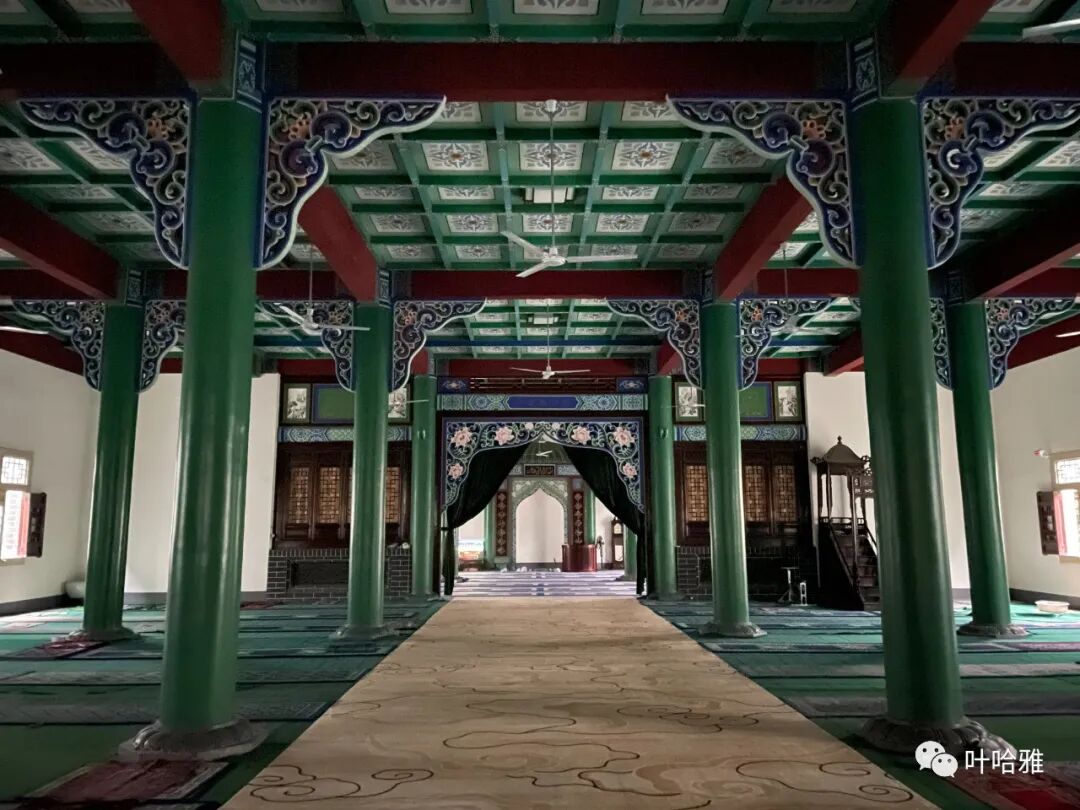
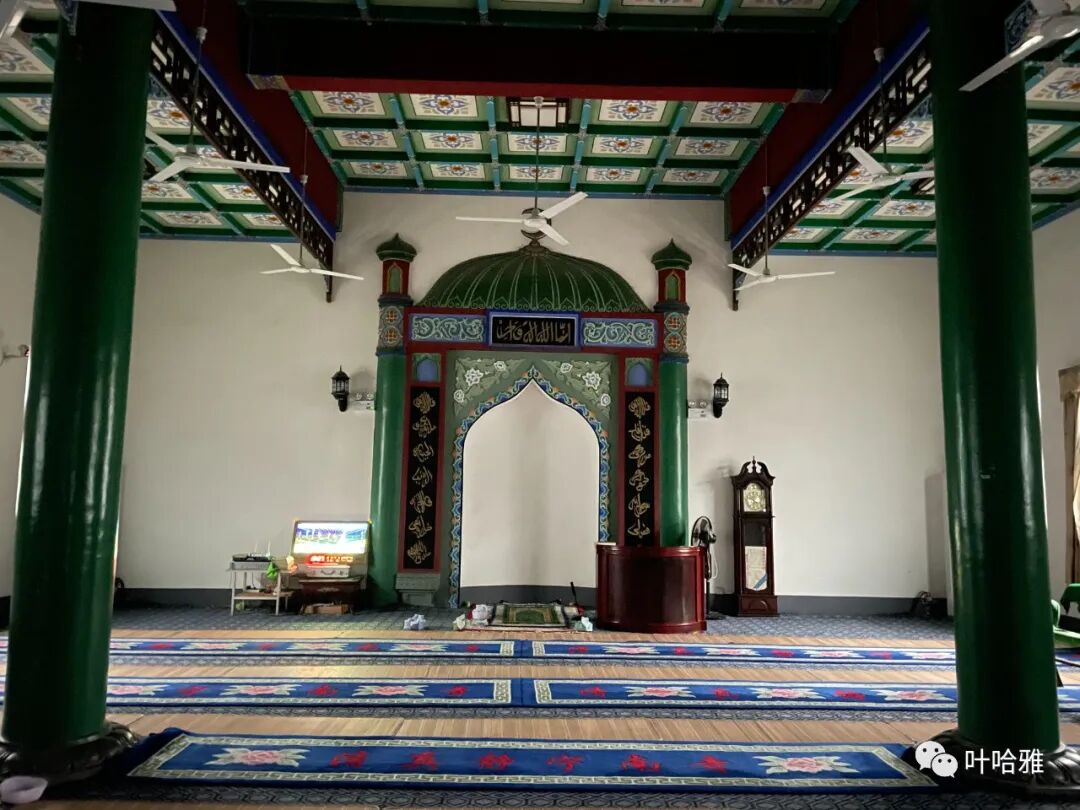
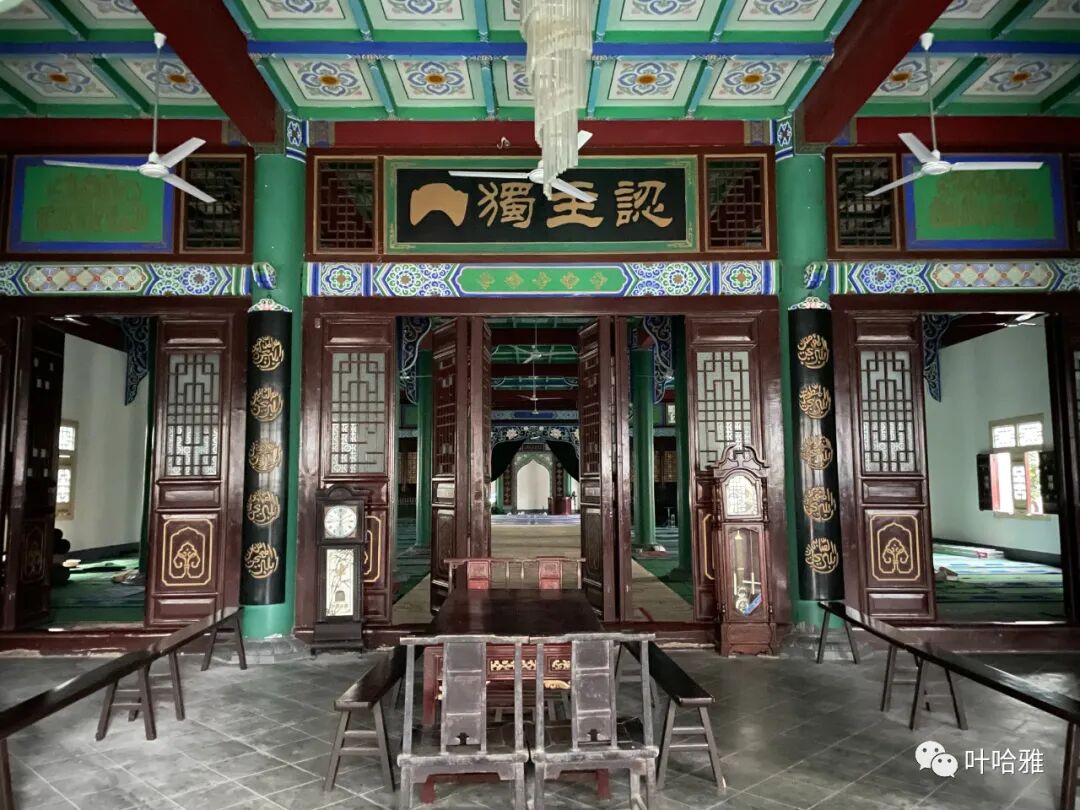
Ankang West Mosque was built in the first year of the Xianfeng reign of the Qing Dynasty and has separate prayer halls for men and women.
Ankang North Mosque
Ankang North Mosque was first built in the 15th year of the Hongzhi reign of the Ming Dynasty (1502). The North Mosque's
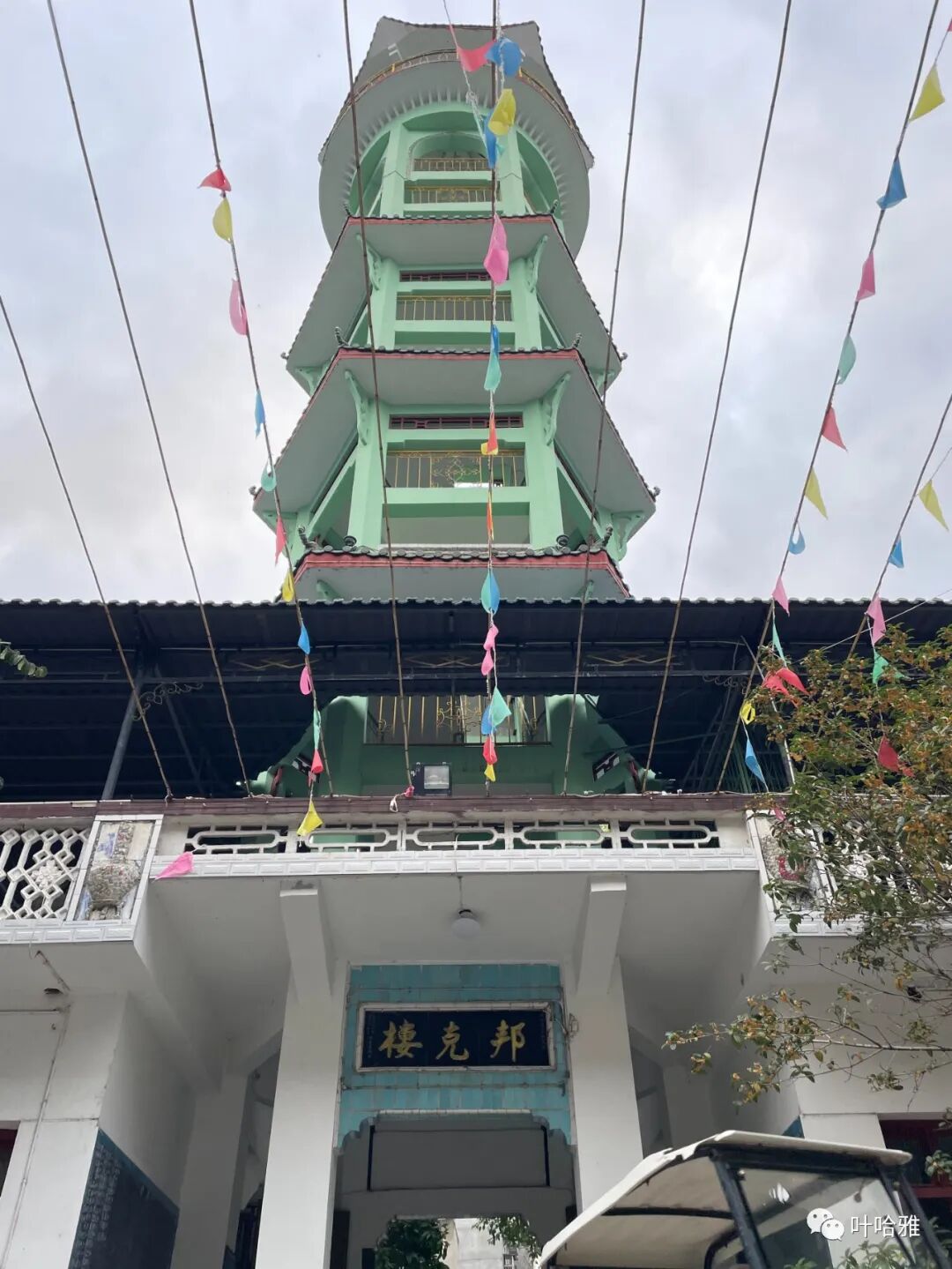
The minaret of the North Mosque is 46.4 meters tall.
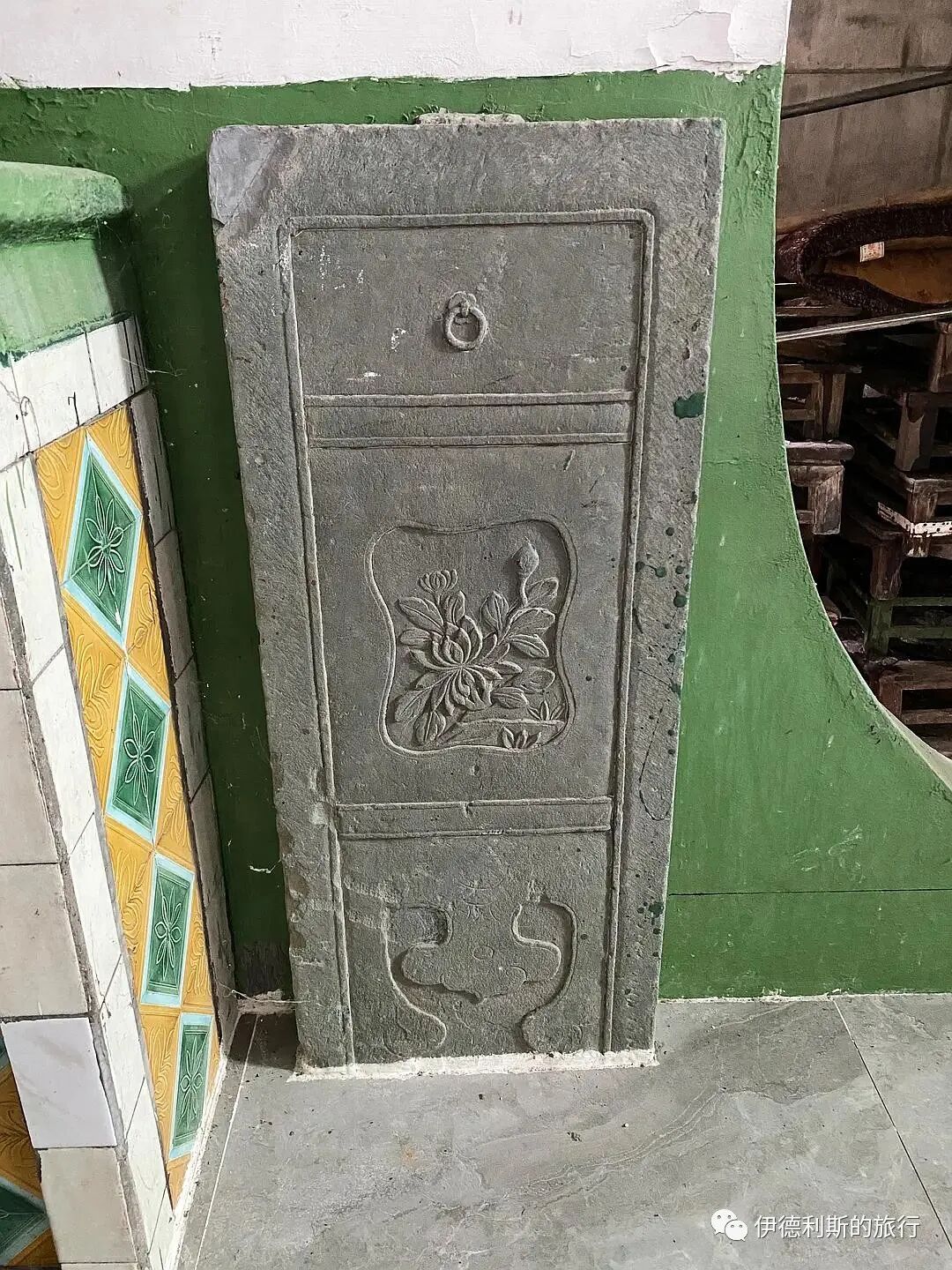
The graveyard for imams inside the North Mosque.
Ankang Xingwen Mosque
Xingwen Mosque was built during the Daoguang reign of the Qing Dynasty. It was named for its focus on education and historically ran schools like the Hui Muslim Charity School and the Northwest Ankang Primary School.
Jingning South Mosque
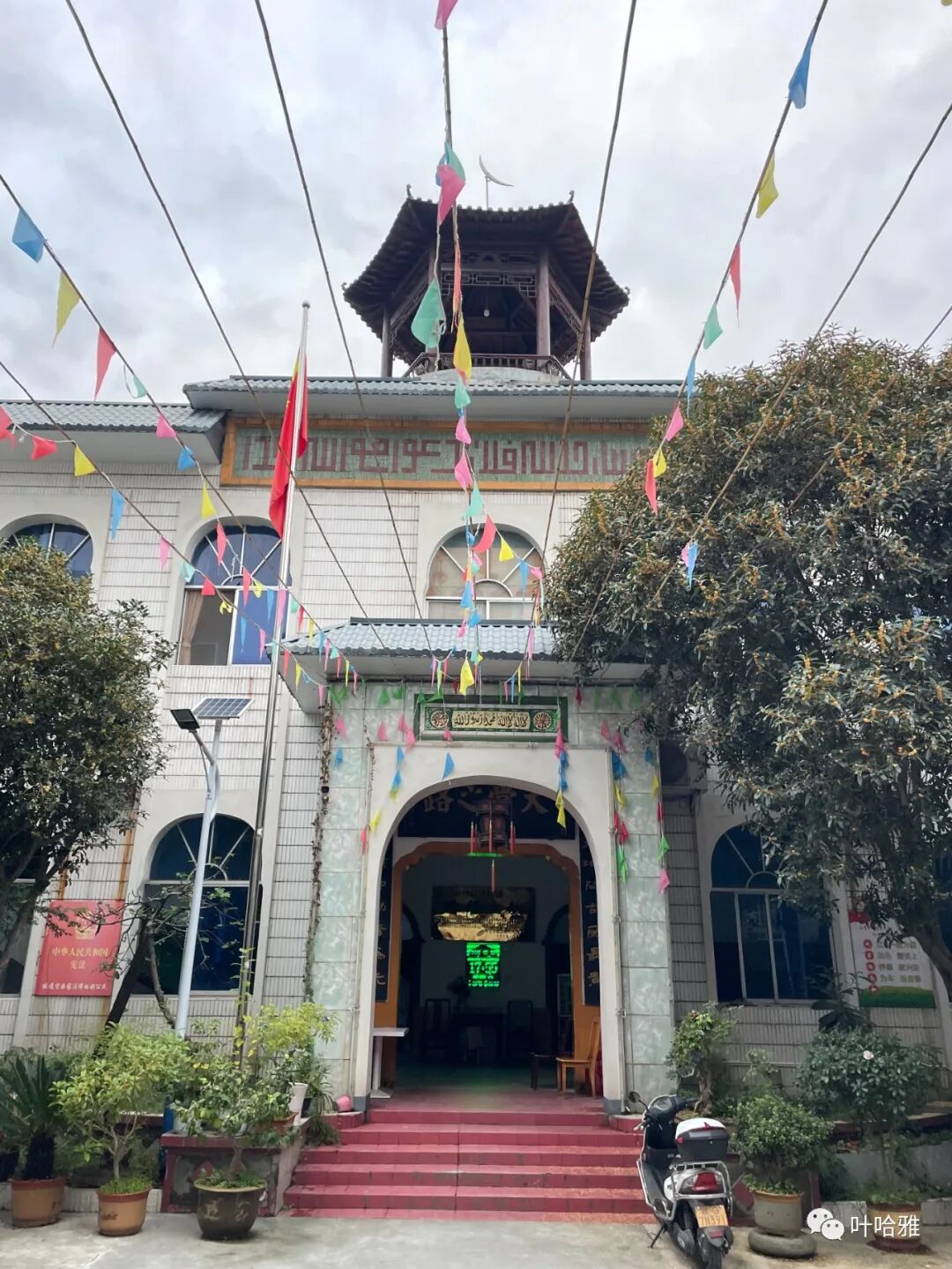
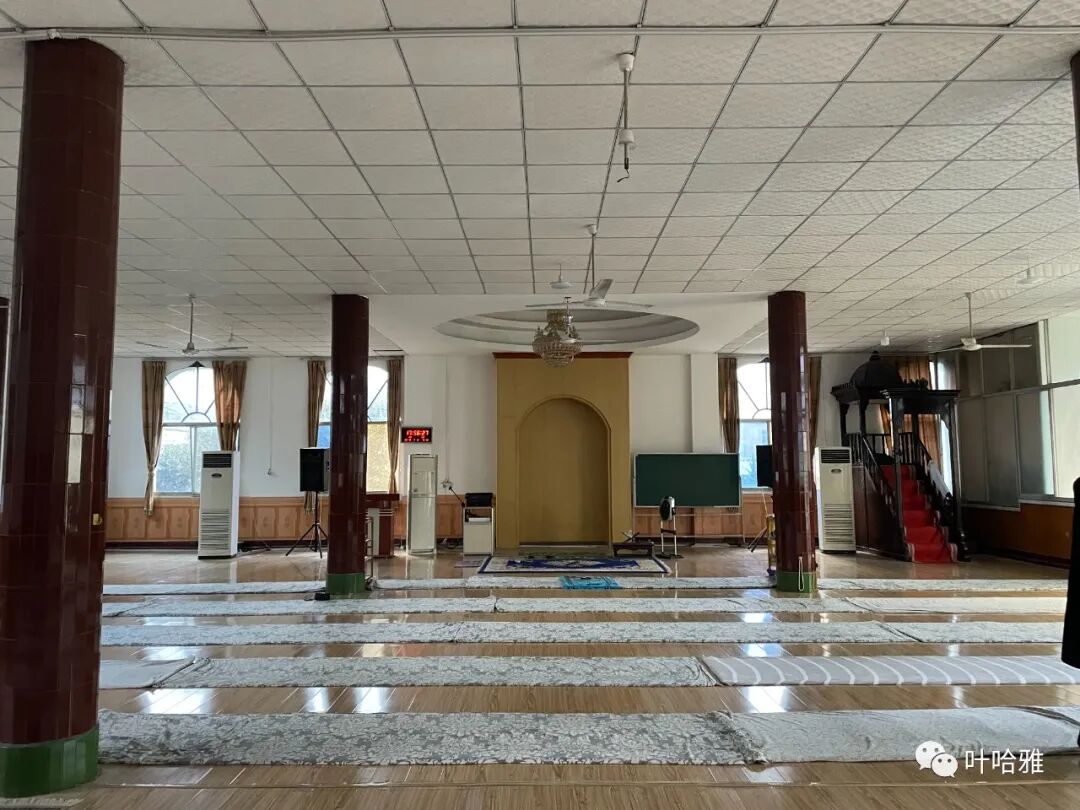
Rumor has it that Jingning South Mosque in Ankang was built during the Tang Dynasty. A stone tablet inside says the Tang government built Xingwen Mosque after asking the Arabs for military help to stop the An Lushan Rebellion, but there is no proof of this. The oldest reliable records show it was built at least by the Ming Dynasty.
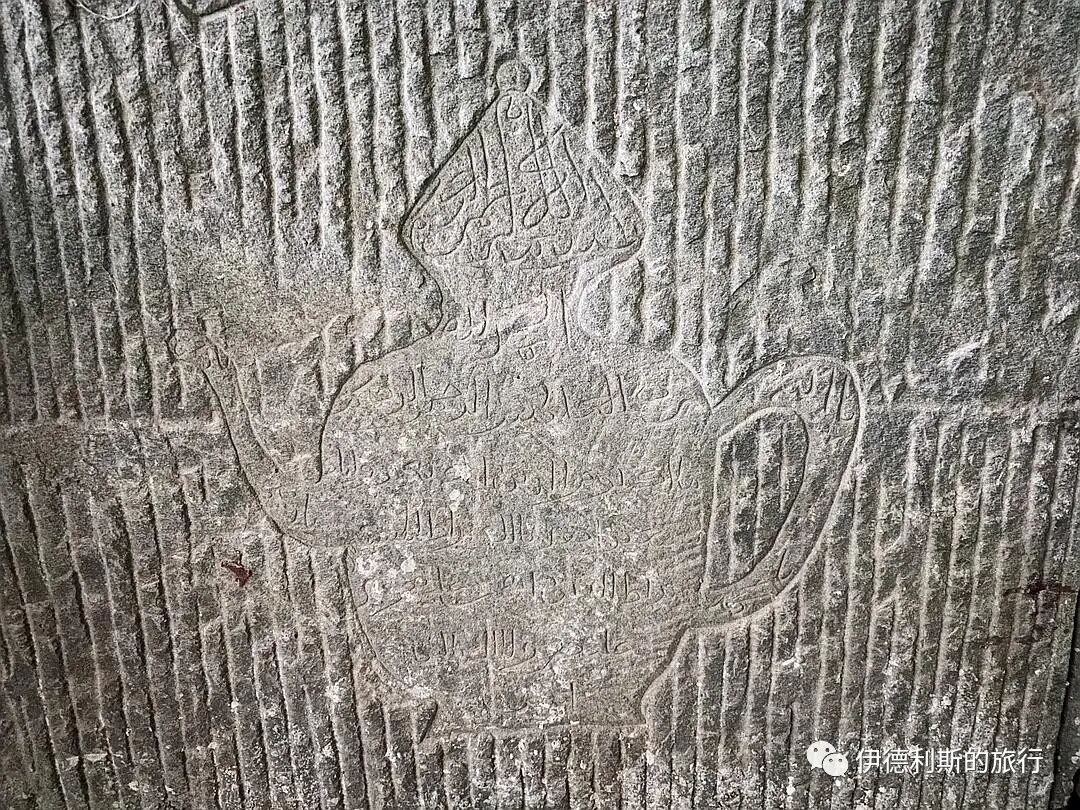
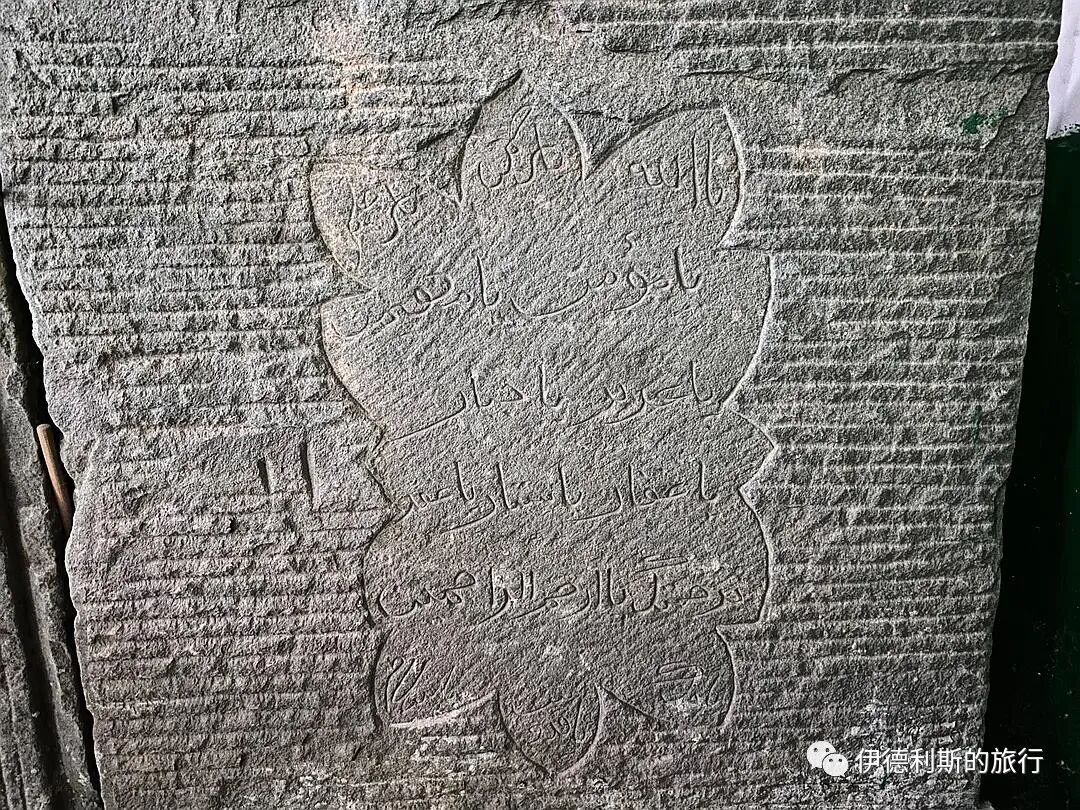
The stone tablet lists the names of the imams who have taught at the mosque throughout Ankang's history.
There are many halal snack shops in the old town of Hanbin District, but most were closed when I arrived.
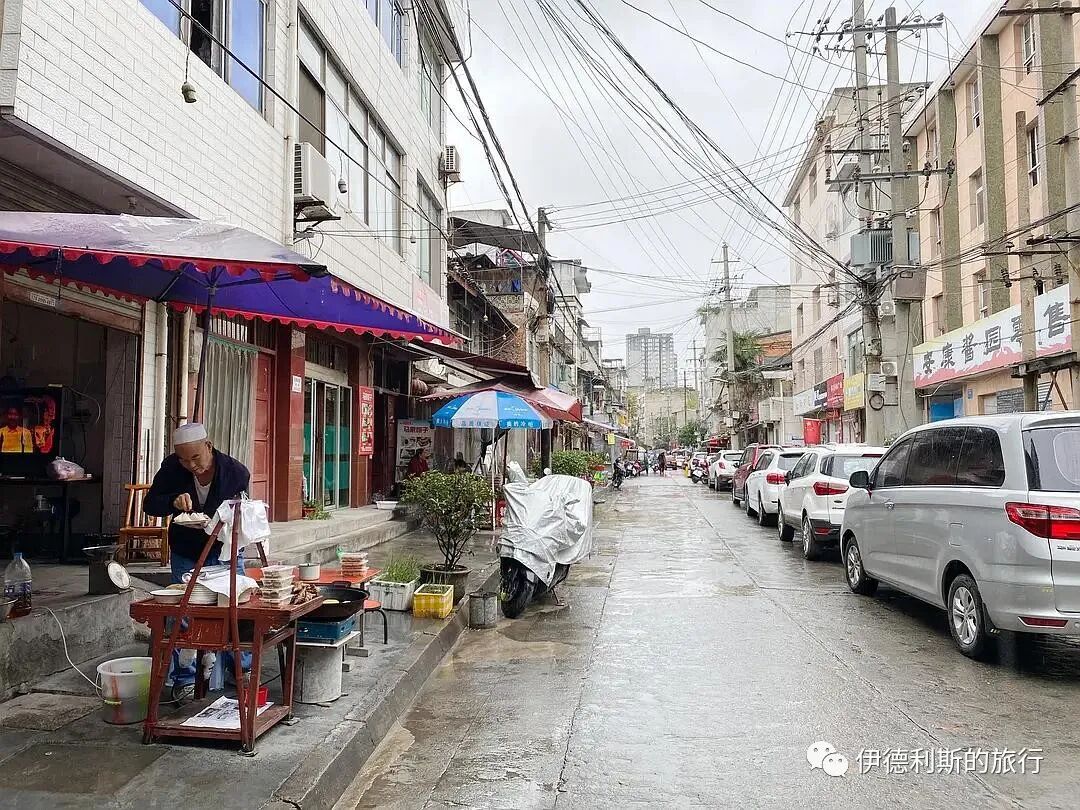
The small shops around Dongguan are mostly run by local Hui Muslims. They mostly sell fried foods, steamed buns (baozi), and noodles. The hanging-griddle flatbread (diao'ao shaobing) is unique.
We ate stir-fried dishes at Yong'an Kangjia, which is a local restaurant that has been open for many years.
Because Ankang is close to Sichuan, the stir-fried dishes here taste very similar to Sichuan food.
The pickled vegetables and sour radishes on the menu are local specialties.
I ordered the twice-cooked winter melon (huiguo donggua). I thought it was twice-cooked pork, but it turned out to be winter melon cooked in the same style instead of meat.
The steamed beef with alfalfa (muxu zhengrou) is made with beef, a cooking style just like in Sichuan cuisine.
The Han River flows through the city. We took a walk by the river at night to enjoy the night view.
If not for the Hui Muslim uprisings in the late Qing Dynasty, there would be many more Hui Muslims in Shaanxi today, and they would likely be living better lives. My regret in Ankang is that I did not get to eat many local halal snacks. Maybe I came at the wrong time. Hui Muslim snacks in Ankang are completely different from those in the Xi'an Muslim Quarter. They have distinct features and are worth another visit. We only stayed in Ankang for one night and left for Sichuan early the next morning. view all
Summary: This Shaanxi halal food guide visits Ankang Hui Muslim Street, seven old mosques, West Mosque, North Mosque, Xingwen Mosque, Jingning South Mosque, local shaobing, fried snacks, halal dishes, and the Han River night view.
Ankang Hui Muslim Street Guide: Halal Food and Muslim Heritage in Shaanxi is presented here as a firsthand travel account in clear English, beginning with this scene: Ten of my travelogues were deleted recently, likely due to title violations. I have revised and reposted them. The account keeps its focus on Ankang Muslim Street, Halal Food, Shaanxi Travel while preserving the names, places, food, and historical details from the Chinese source.
Ten of my travelogues were deleted recently, likely due to title violations. I have revised and reposted them.
In Shaanxi, Hui Muslims mostly live in the Xi'an Muslim Quarter, but there are also small groups in Hanzhong and Ankang to the south. During my road trip through the southwest, I passed through Ankang and visited four mosques located within two kilometers of each other in the city.
Ankang has seven mosques: Xingwen Mosque, North Mosque, South Mosque, Inner City Mosque, Middle Mosque, West Mosque, and East Mosque. Over ten thousand Hui Muslims live around these mosques in the East and West Gates. The West Gate has been torn down, but the East Gate is the oldest part of Ankang. The East Gate stretches over half a kilometer from south to north and has three streets filled with halal snacks.
Ankang West Mosque
Ankang West Mosque was built in the first year of the Xianfeng reign of the Qing Dynasty and has separate prayer halls for men and women.
Ankang North Mosque
Ankang North Mosque was first built in the 15th year of the Hongzhi reign of the Ming Dynasty (1502). The North Mosque's
The minaret of the North Mosque is 46.4 meters tall.
The graveyard for imams inside the North Mosque.
Ankang Xingwen Mosque
Xingwen Mosque was built during the Daoguang reign of the Qing Dynasty. It was named for its focus on education and historically ran schools like the Hui Muslim Charity School and the Northwest Ankang Primary School.
Jingning South Mosque
Rumor has it that Jingning South Mosque in Ankang was built during the Tang Dynasty. A stone tablet inside says the Tang government built Xingwen Mosque after asking the Arabs for military help to stop the An Lushan Rebellion, but there is no proof of this. The oldest reliable records show it was built at least by the Ming Dynasty.
The stone tablet lists the names of the imams who have taught at the mosque throughout Ankang's history.
There are many halal snack shops in the old town of Hanbin District, but most were closed when I arrived.
The small shops around Dongguan are mostly run by local Hui Muslims. They mostly sell fried foods, steamed buns (baozi), and noodles. The hanging-griddle flatbread (diao'ao shaobing) is unique.
We ate stir-fried dishes at Yong'an Kangjia, which is a local restaurant that has been open for many years.
Because Ankang is close to Sichuan, the stir-fried dishes here taste very similar to Sichuan food.
The pickled vegetables and sour radishes on the menu are local specialties.
I ordered the twice-cooked winter melon (huiguo donggua). I thought it was twice-cooked pork, but it turned out to be winter melon cooked in the same style instead of meat.
The steamed beef with alfalfa (muxu zhengrou) is made with beef, a cooking style just like in Sichuan cuisine.
The Han River flows through the city. We took a walk by the river at night to enjoy the night view.
If not for the Hui Muslim uprisings in the late Qing Dynasty, there would be many more Hui Muslims in Shaanxi today, and they would likely be living better lives. My regret in Ankang is that I did not get to eat many local halal snacks. Maybe I came at the wrong time. Hui Muslim snacks in Ankang are completely different from those in the Xi'an Muslim Quarter. They have distinct features and are worth another visit. We only stayed in Ankang for one night and left for Sichuan early the next morning. view all
Reposted from the web
Summary: This Shaanxi halal food guide visits Ankang Hui Muslim Street, seven old mosques, West Mosque, North Mosque, Xingwen Mosque, Jingning South Mosque, local shaobing, fried snacks, halal dishes, and the Han River night view.
Ankang Hui Muslim Street Guide: Halal Food and Muslim Heritage in Shaanxi is presented here as a firsthand travel account in clear English, beginning with this scene: Ten of my travelogues were deleted recently, likely due to title violations. I have revised and reposted them. The account keeps its focus on Ankang Muslim Street, Halal Food, Shaanxi Travel while preserving the names, places, food, and historical details from the Chinese source.
Ten of my travelogues were deleted recently, likely due to title violations. I have revised and reposted them.
In Shaanxi, Hui Muslims mostly live in the Xi'an Muslim Quarter, but there are also small groups in Hanzhong and Ankang to the south. During my road trip through the southwest, I passed through Ankang and visited four mosques located within two kilometers of each other in the city.
Ankang has seven mosques: Xingwen Mosque, North Mosque, South Mosque, Inner City Mosque, Middle Mosque, West Mosque, and East Mosque. Over ten thousand Hui Muslims live around these mosques in the East and West Gates. The West Gate has been torn down, but the East Gate is the oldest part of Ankang. The East Gate stretches over half a kilometer from south to north and has three streets filled with halal snacks.
Ankang West Mosque
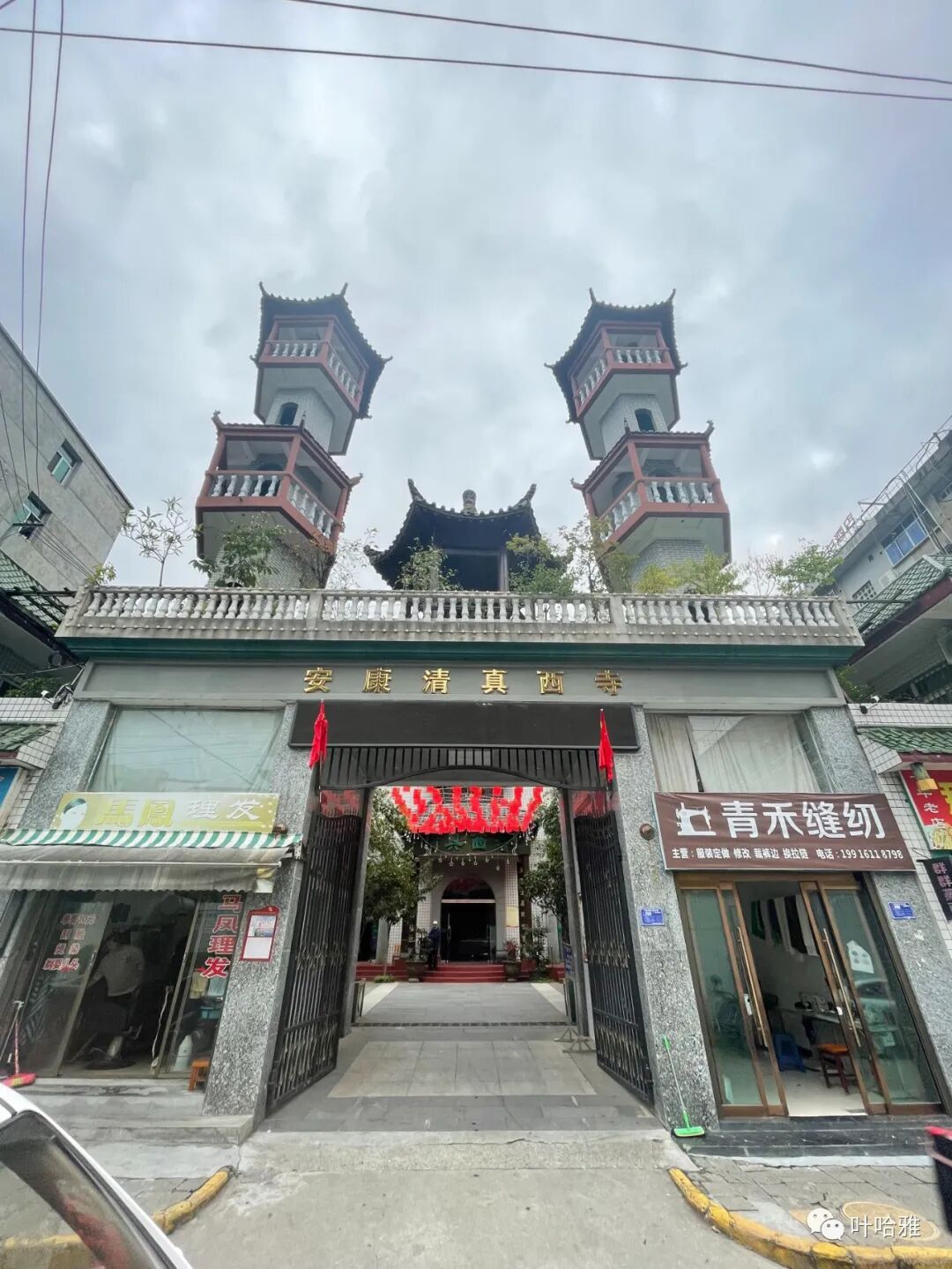
Ankang West Mosque was built in the first year of the Xianfeng reign of the Qing Dynasty and has separate prayer halls for men and women.
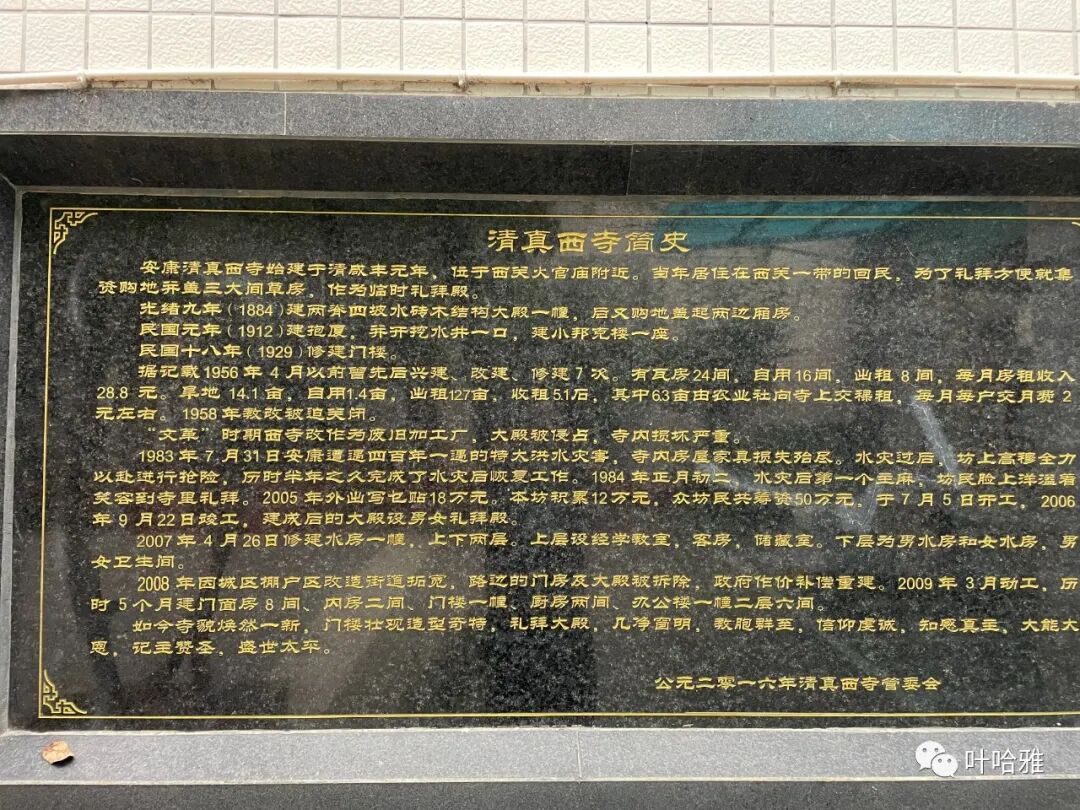
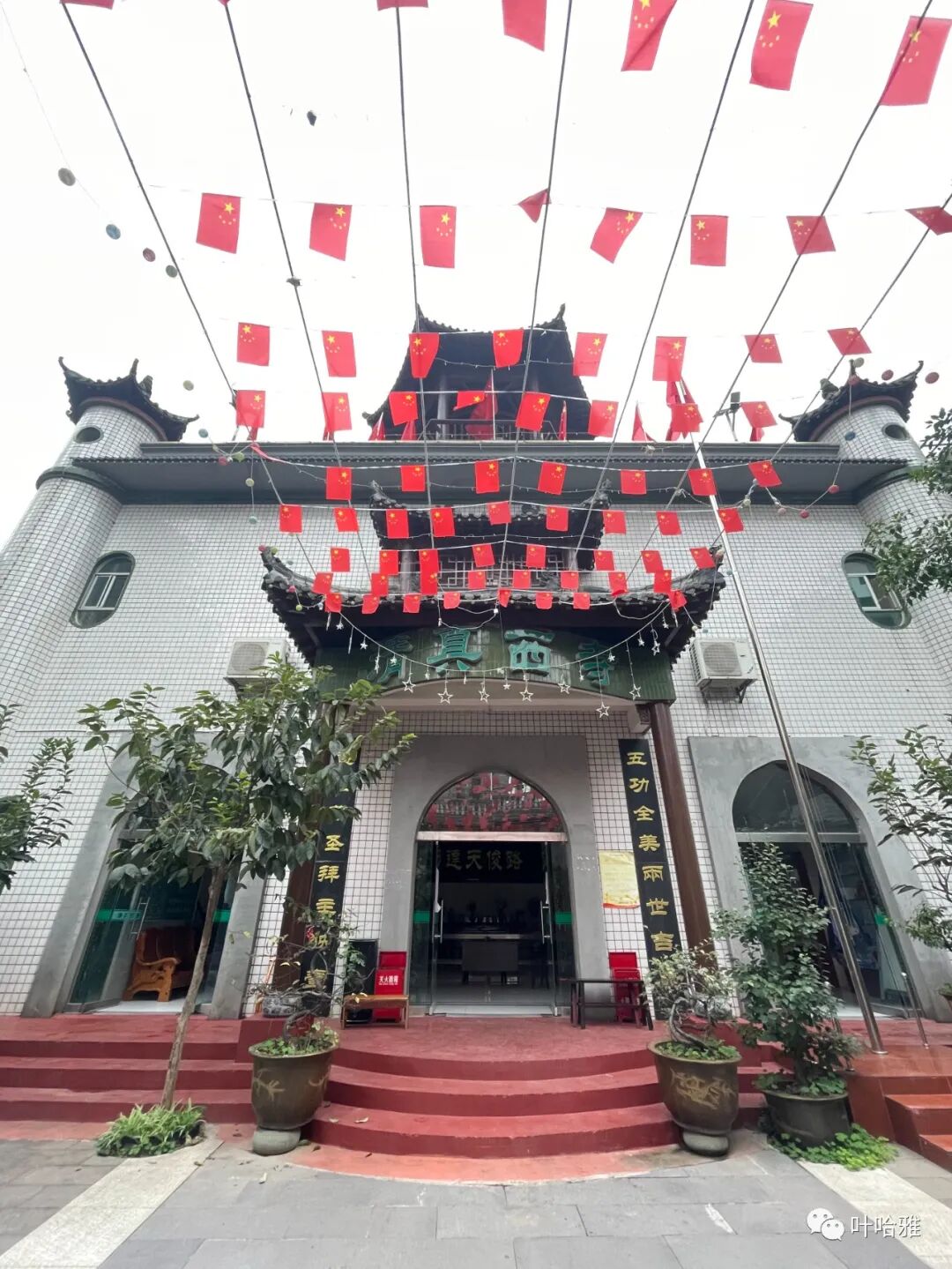
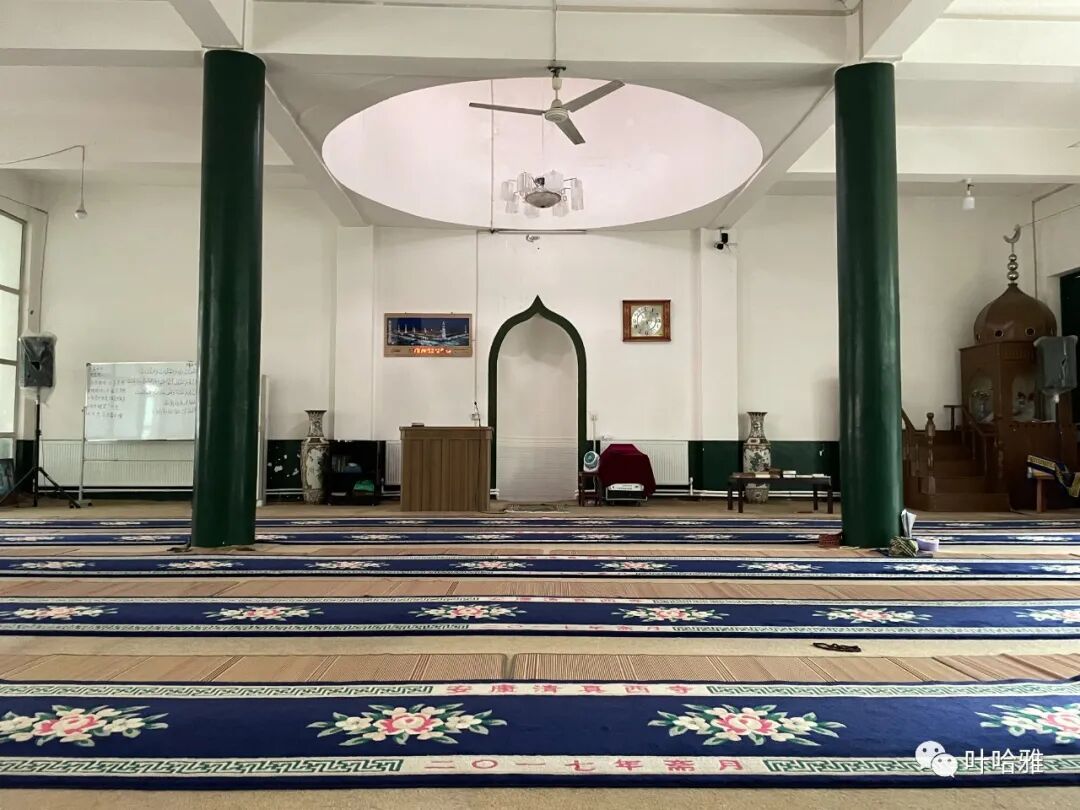
Ankang North Mosque
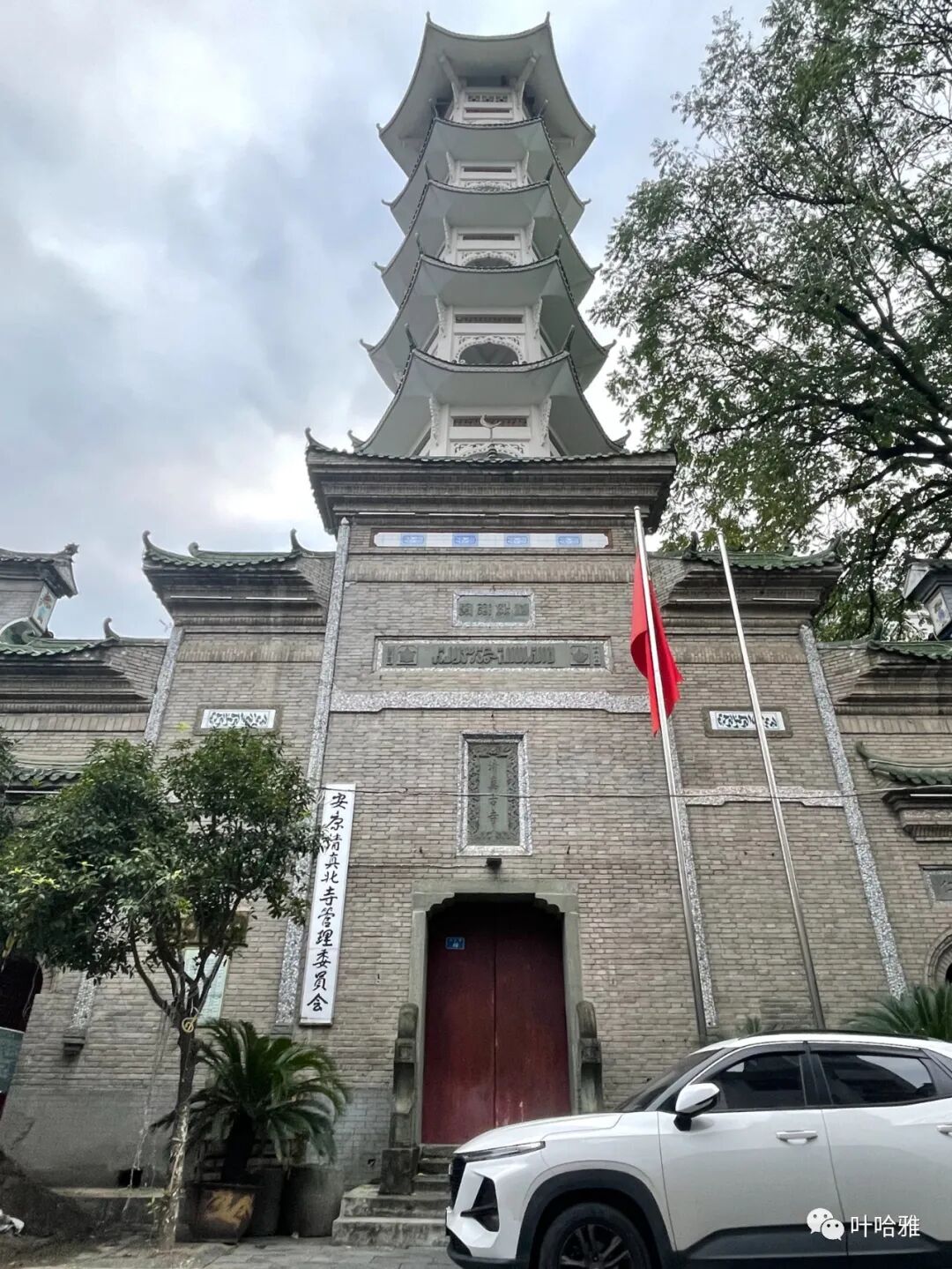
Ankang North Mosque was first built in the 15th year of the Hongzhi reign of the Ming Dynasty (1502). The North Mosque's
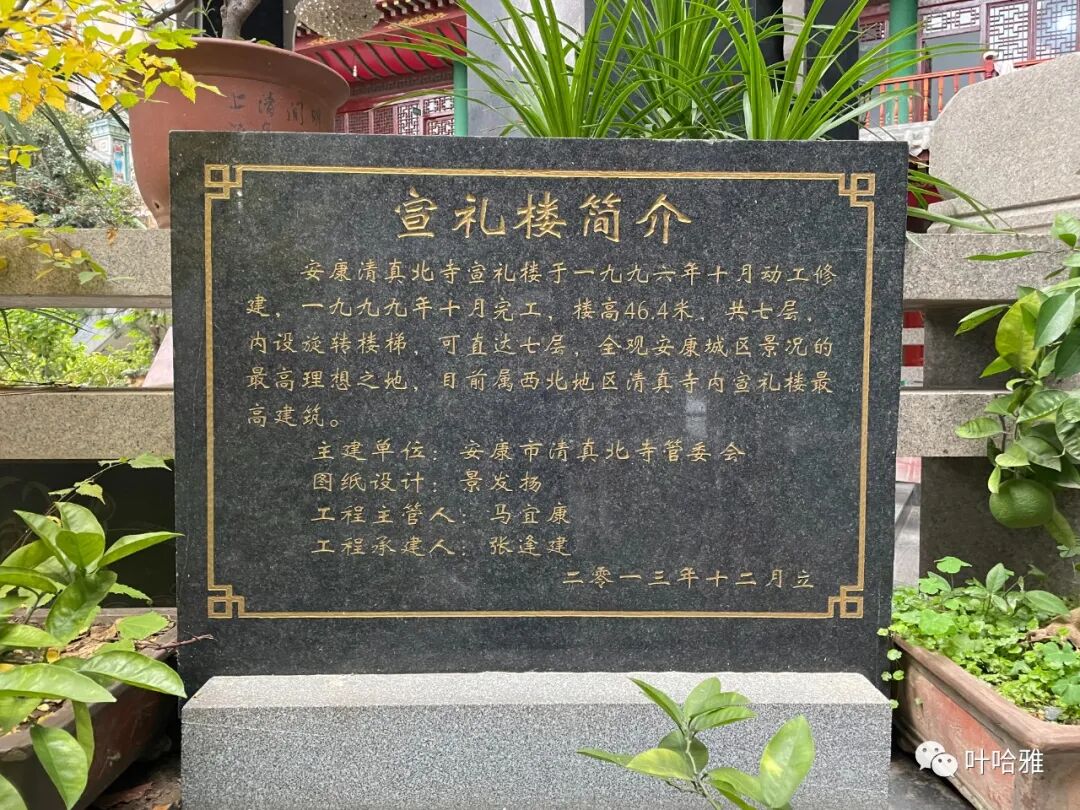
The minaret of the North Mosque is 46.4 meters tall.
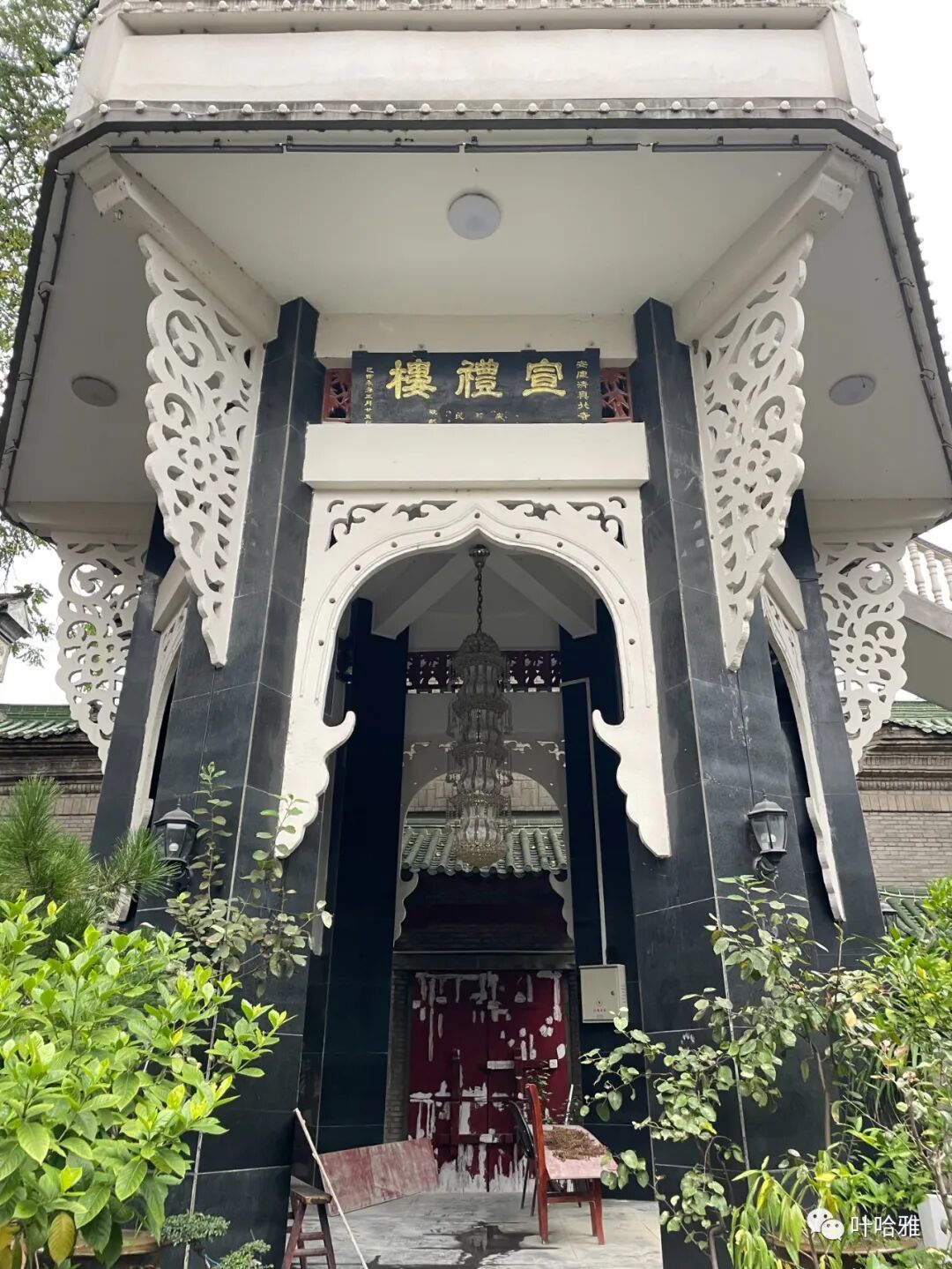
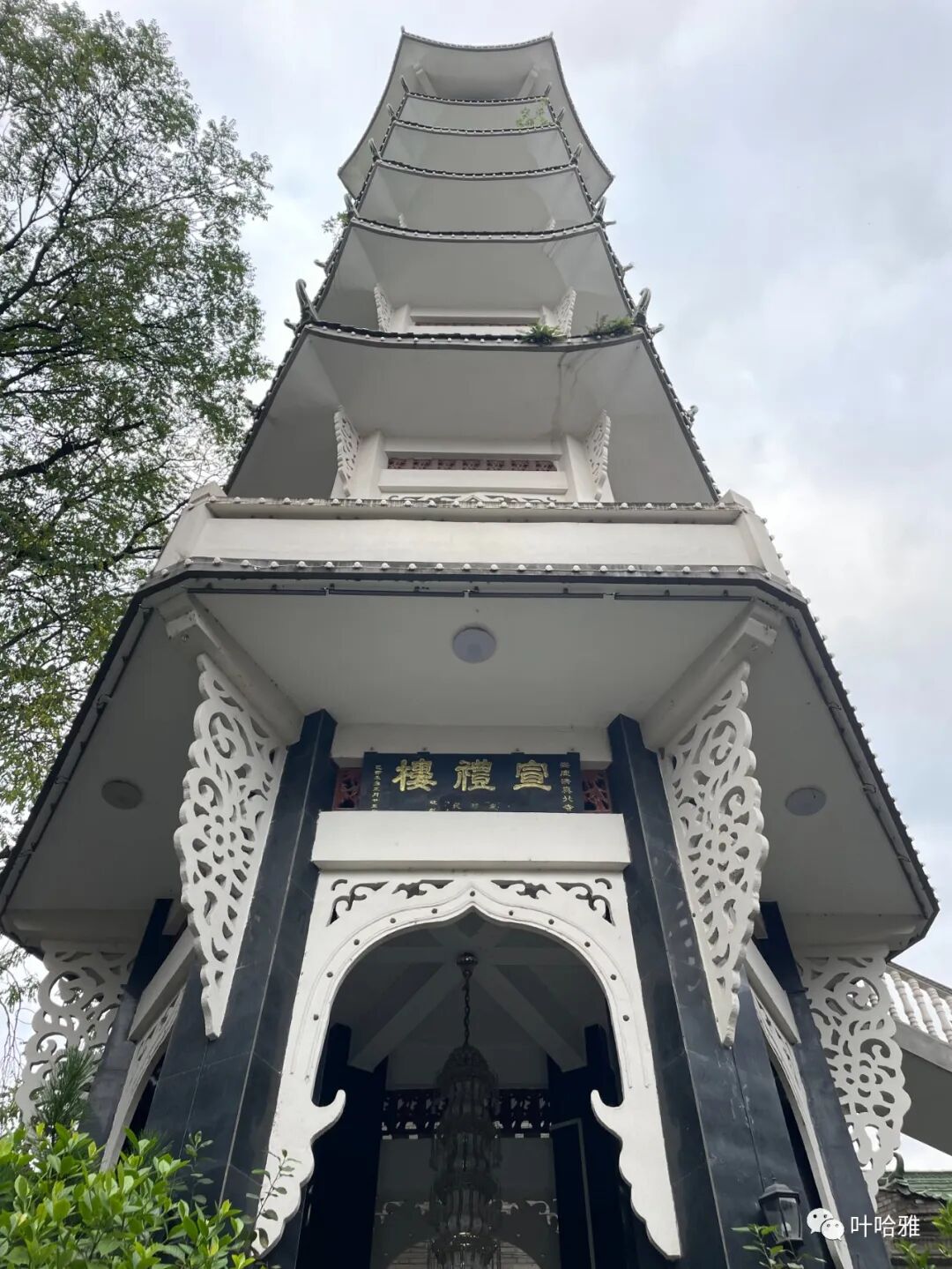
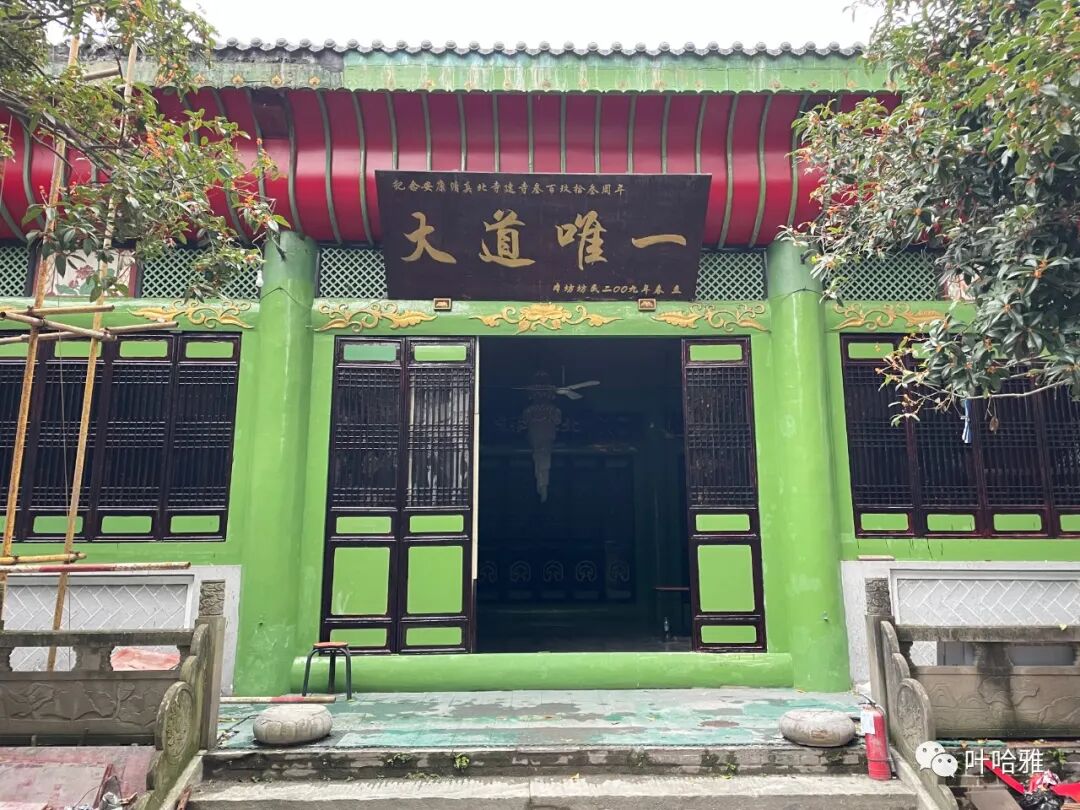
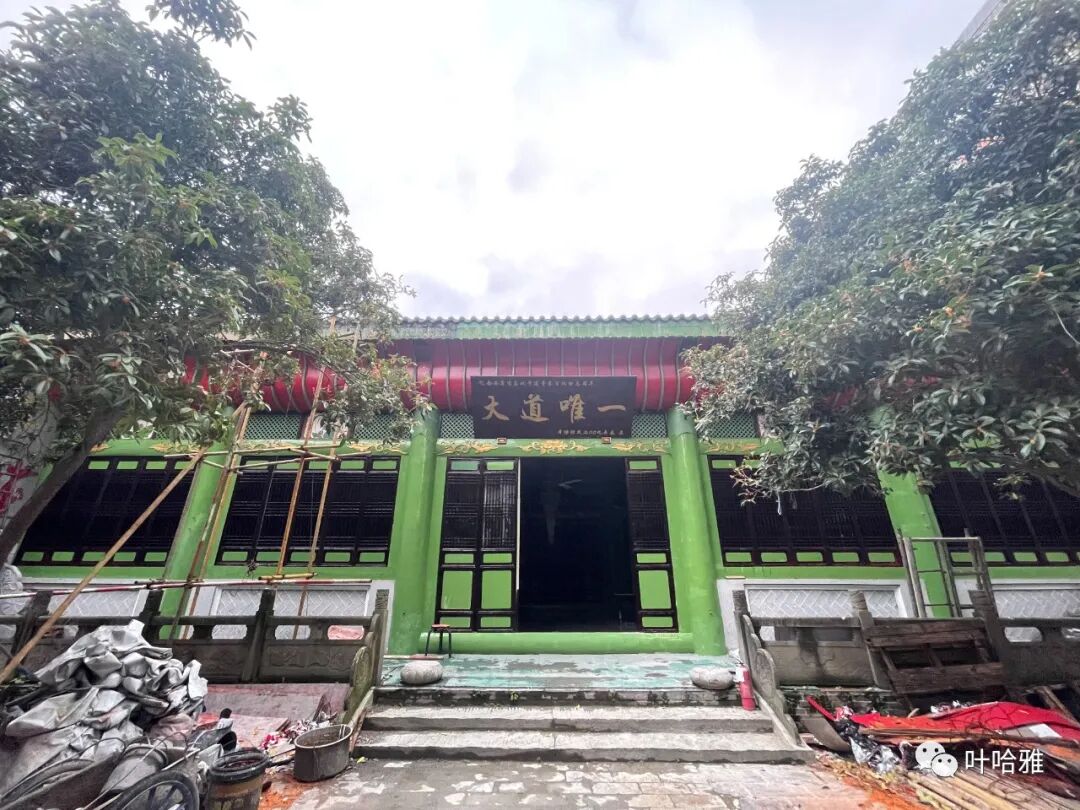
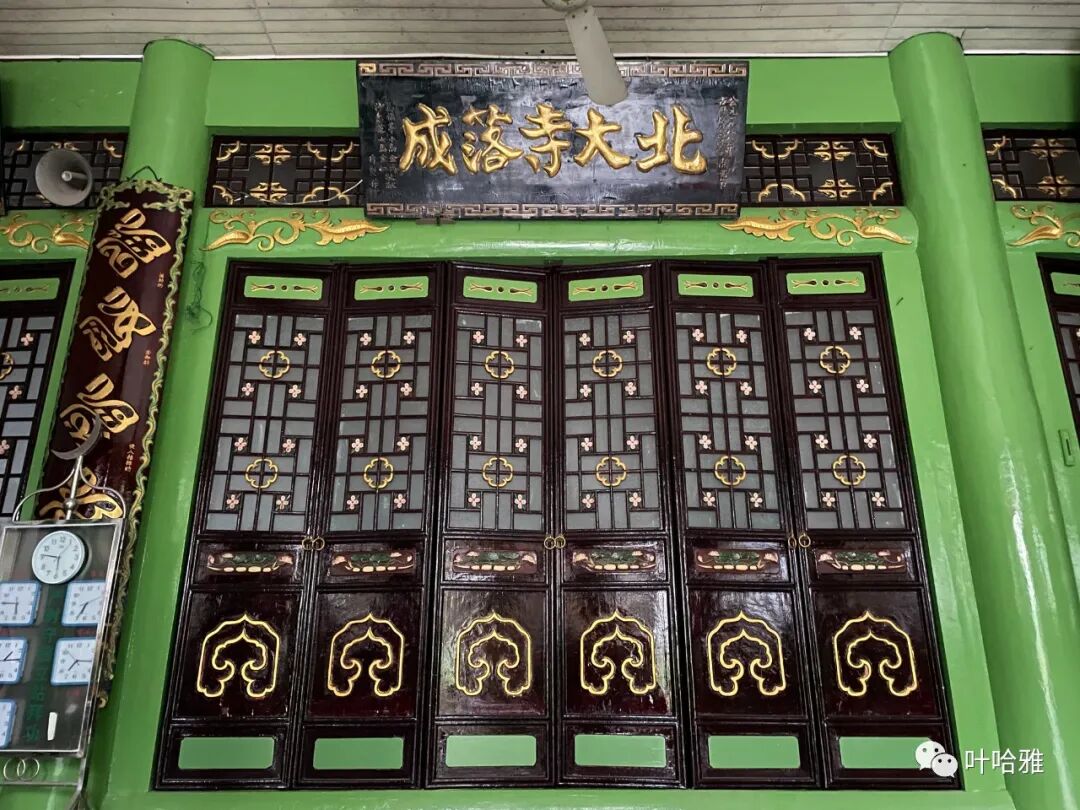
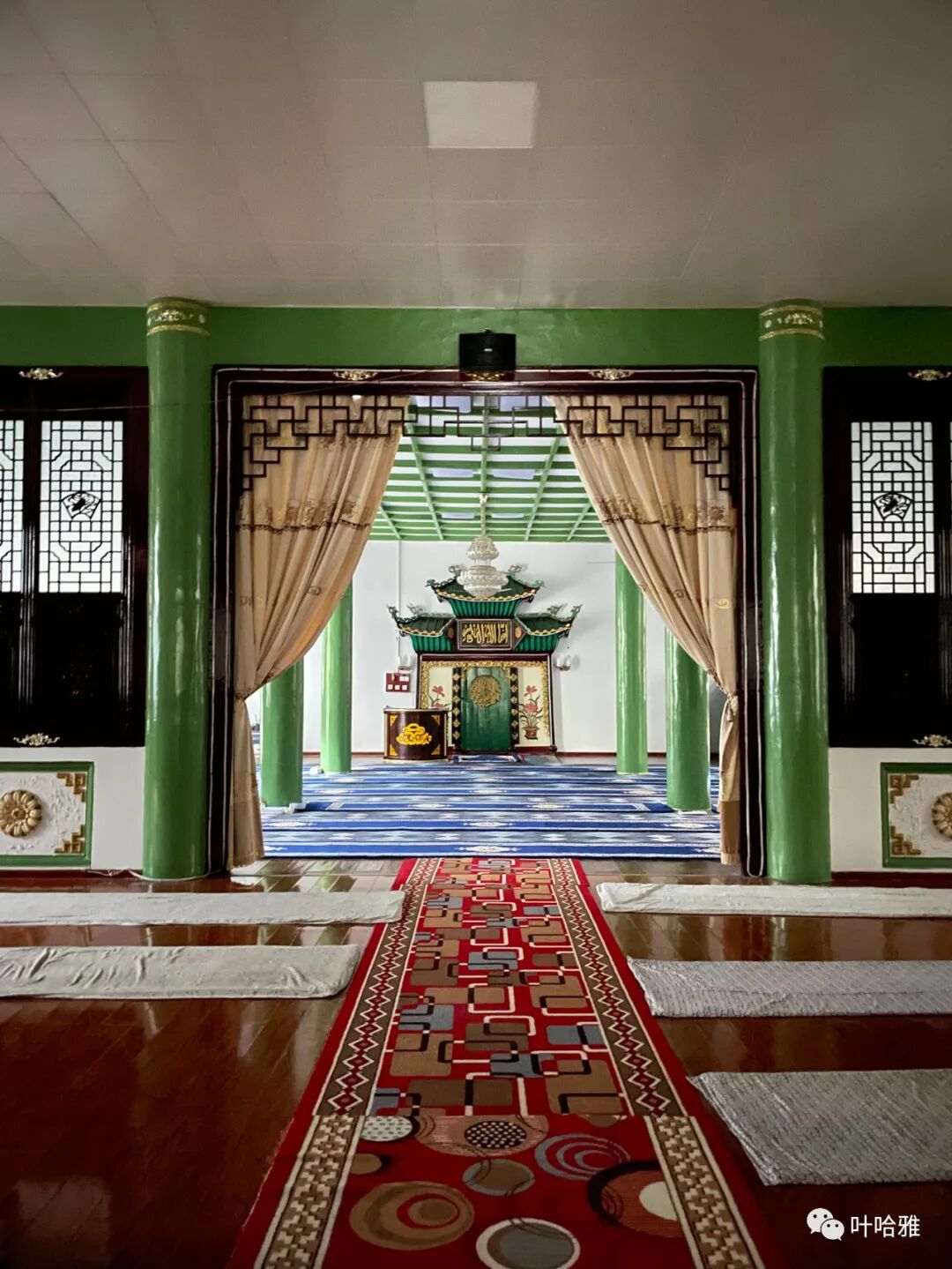
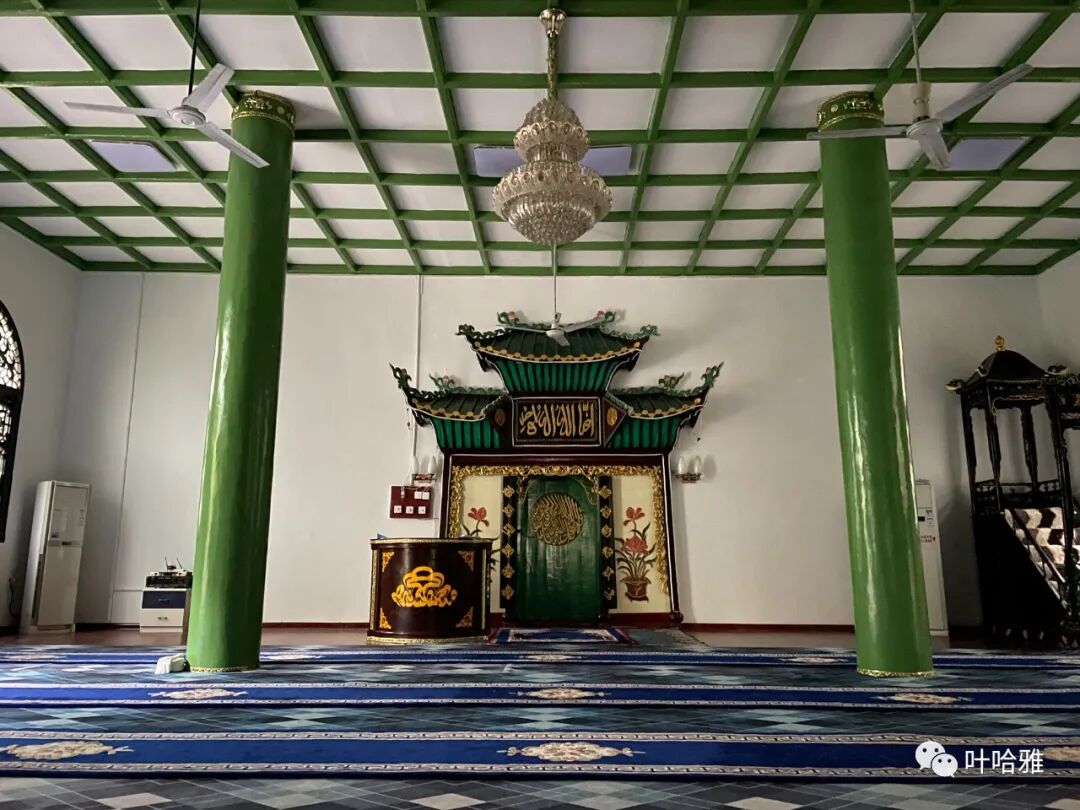
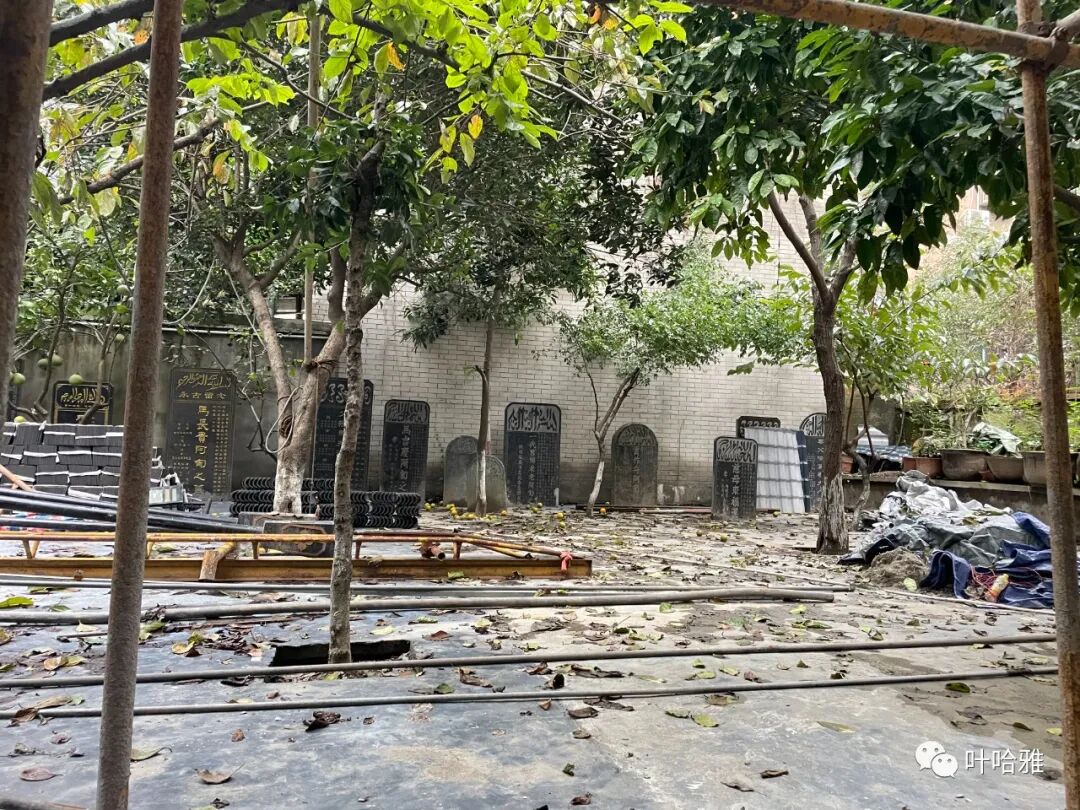
The graveyard for imams inside the North Mosque.
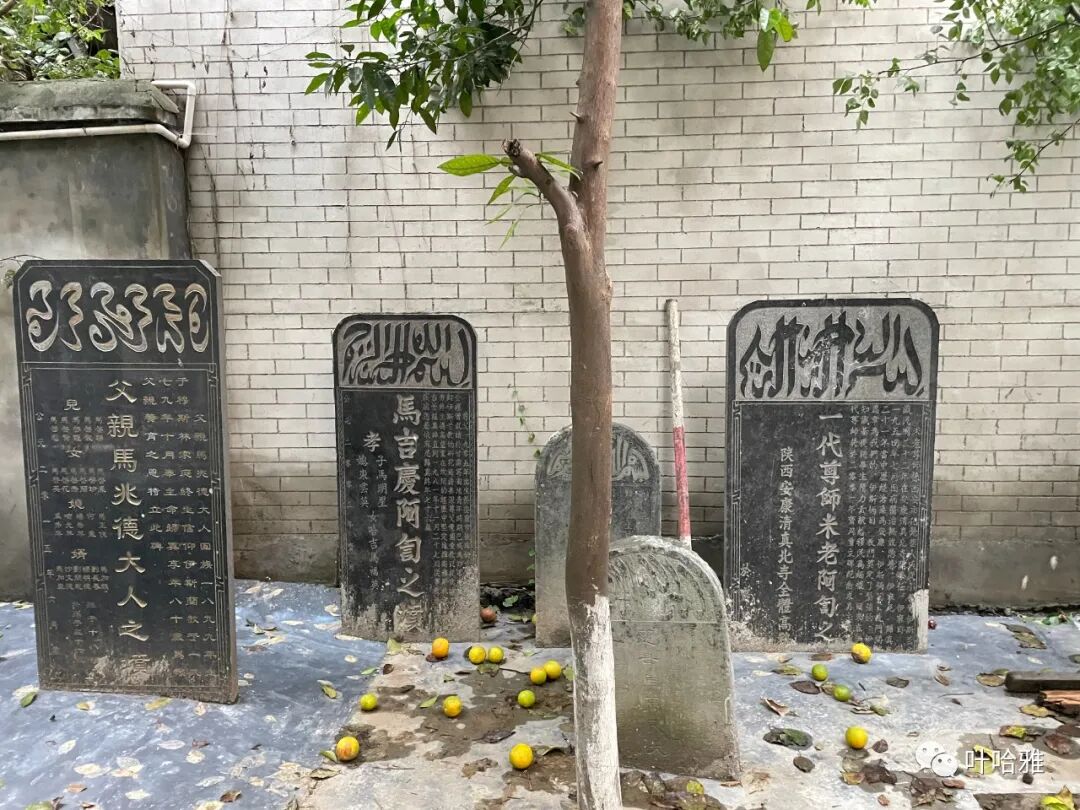
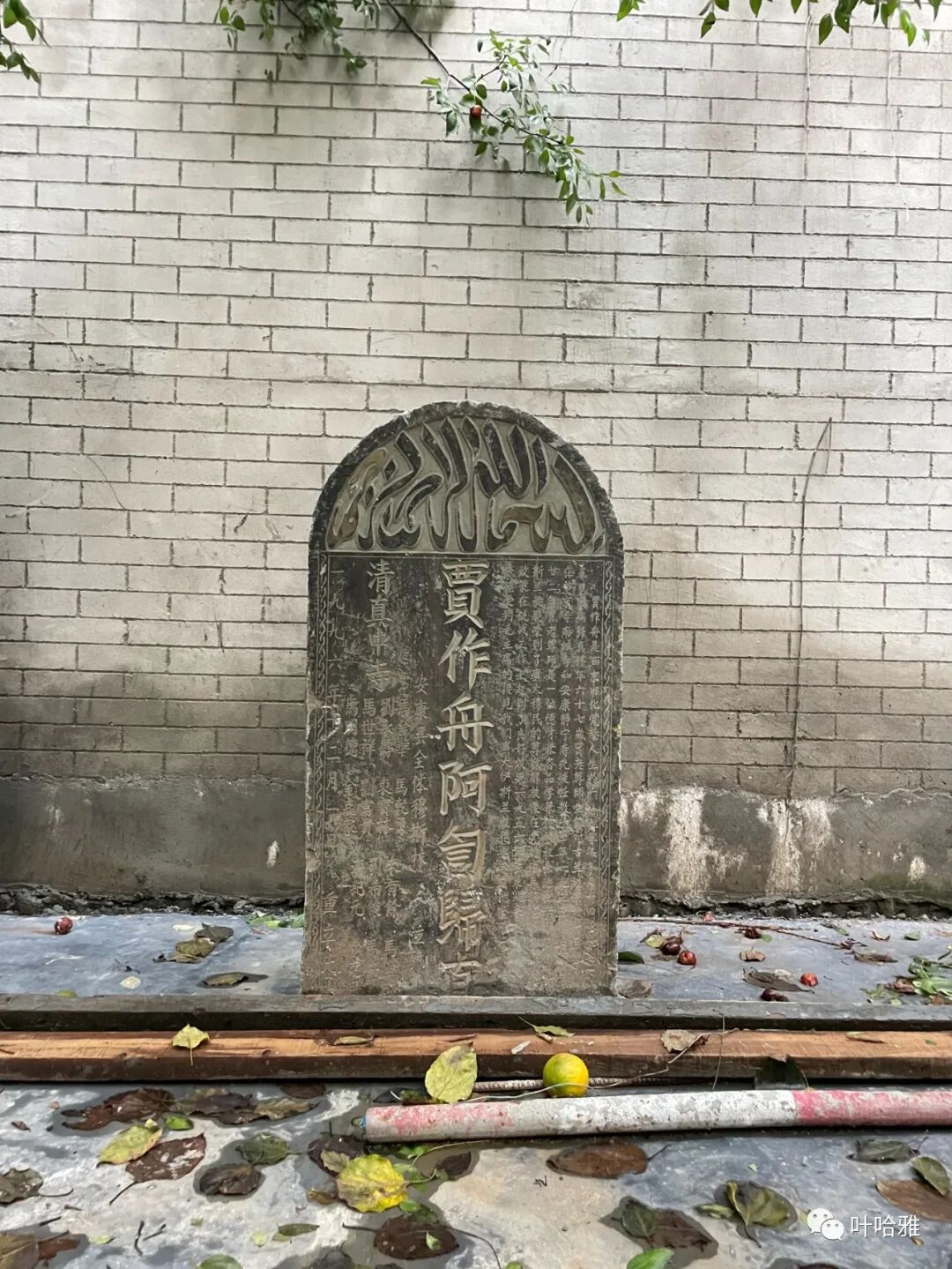
Ankang Xingwen Mosque
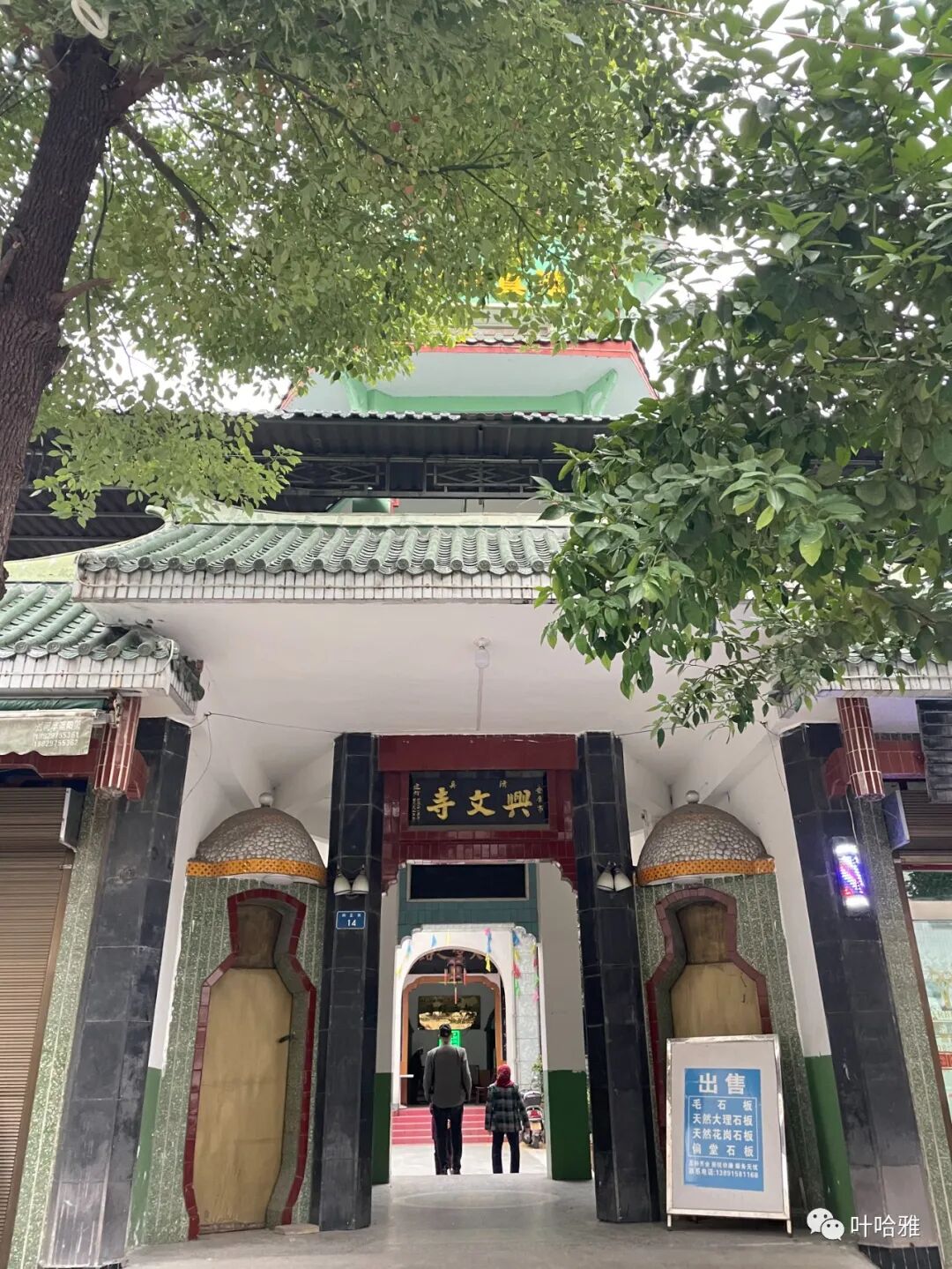
Xingwen Mosque was built during the Daoguang reign of the Qing Dynasty. It was named for its focus on education and historically ran schools like the Hui Muslim Charity School and the Northwest Ankang Primary School.
Jingning South Mosque
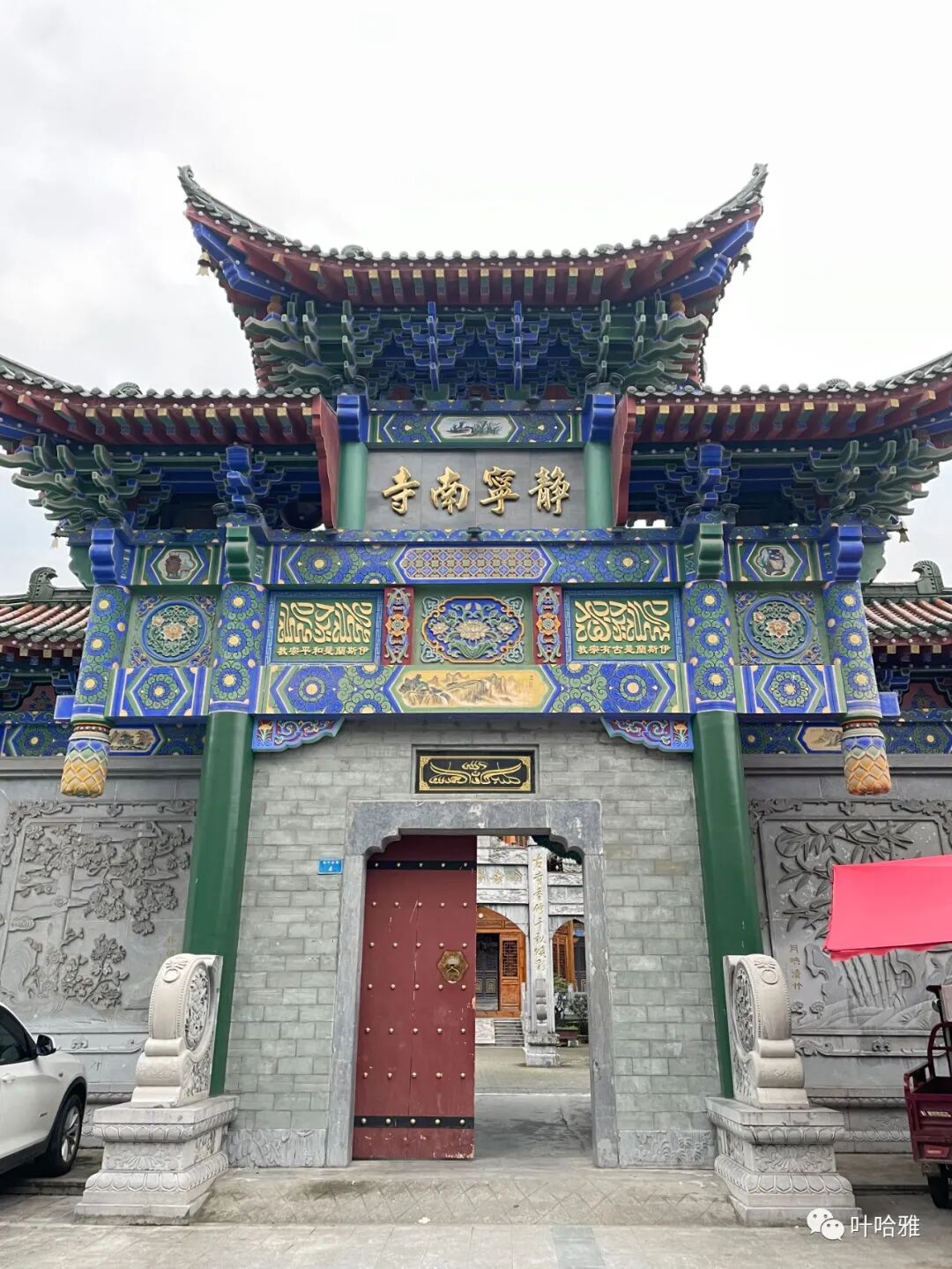
Rumor has it that Jingning South Mosque in Ankang was built during the Tang Dynasty. A stone tablet inside says the Tang government built Xingwen Mosque after asking the Arabs for military help to stop the An Lushan Rebellion, but there is no proof of this. The oldest reliable records show it was built at least by the Ming Dynasty.
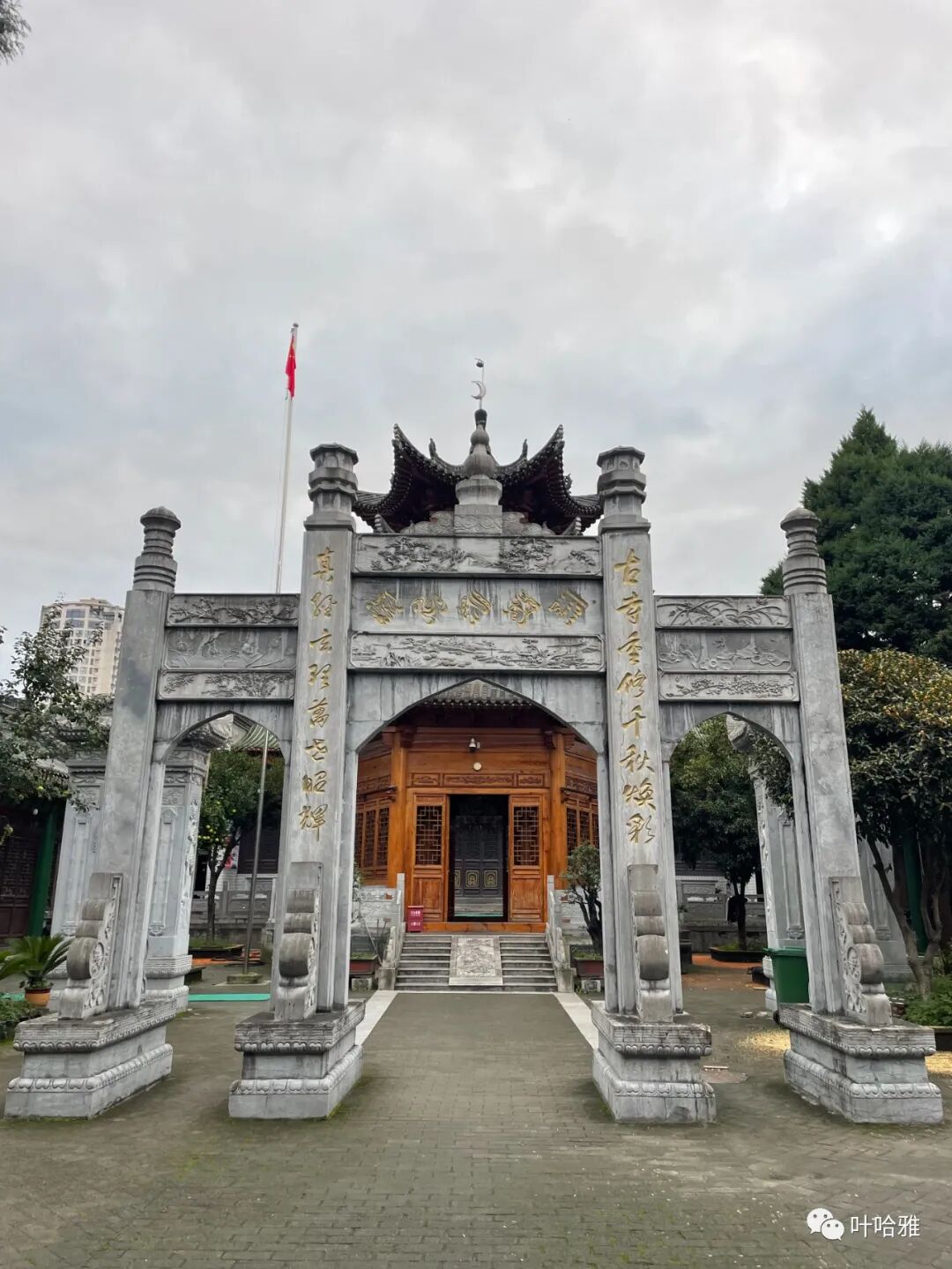
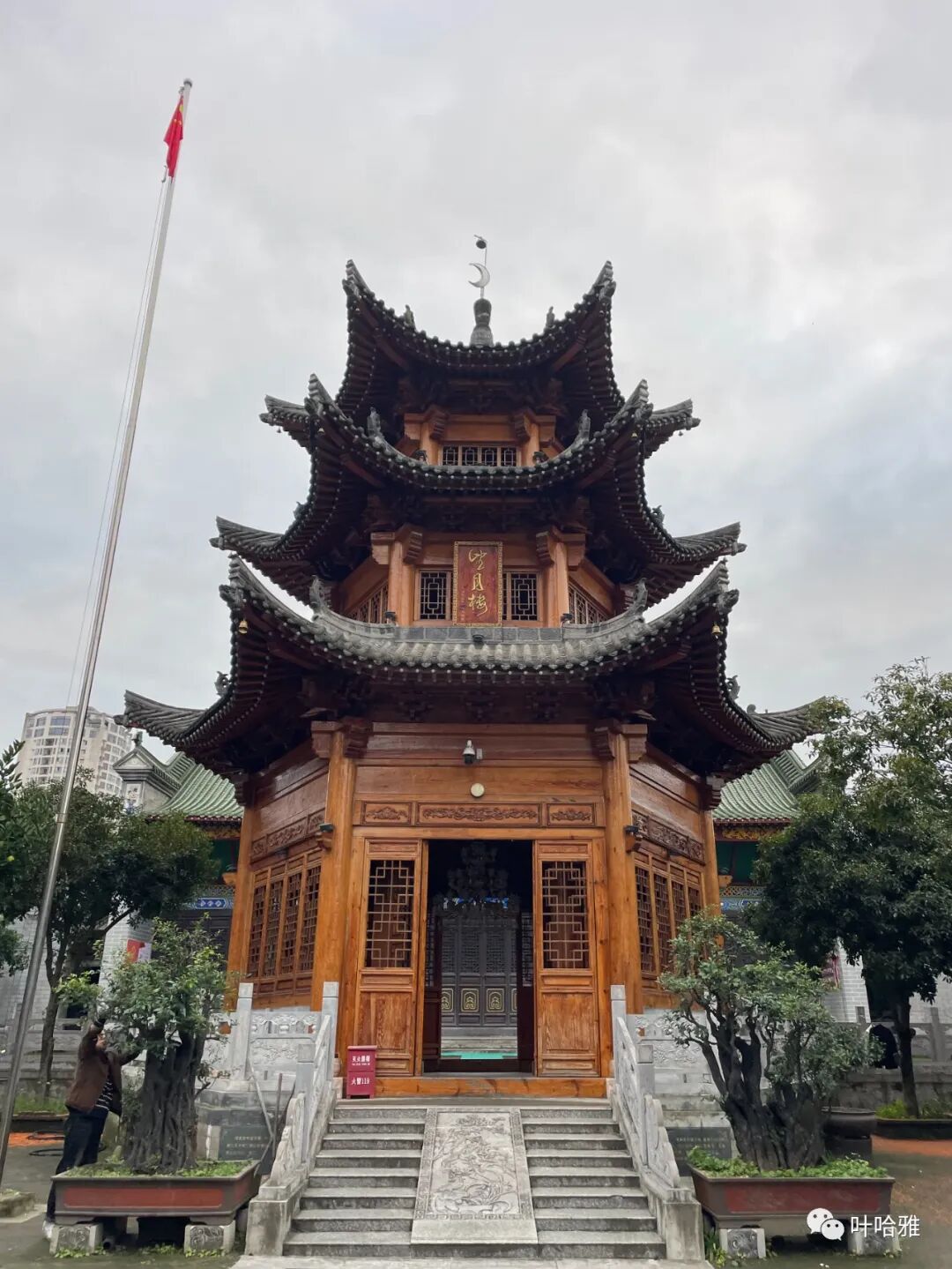
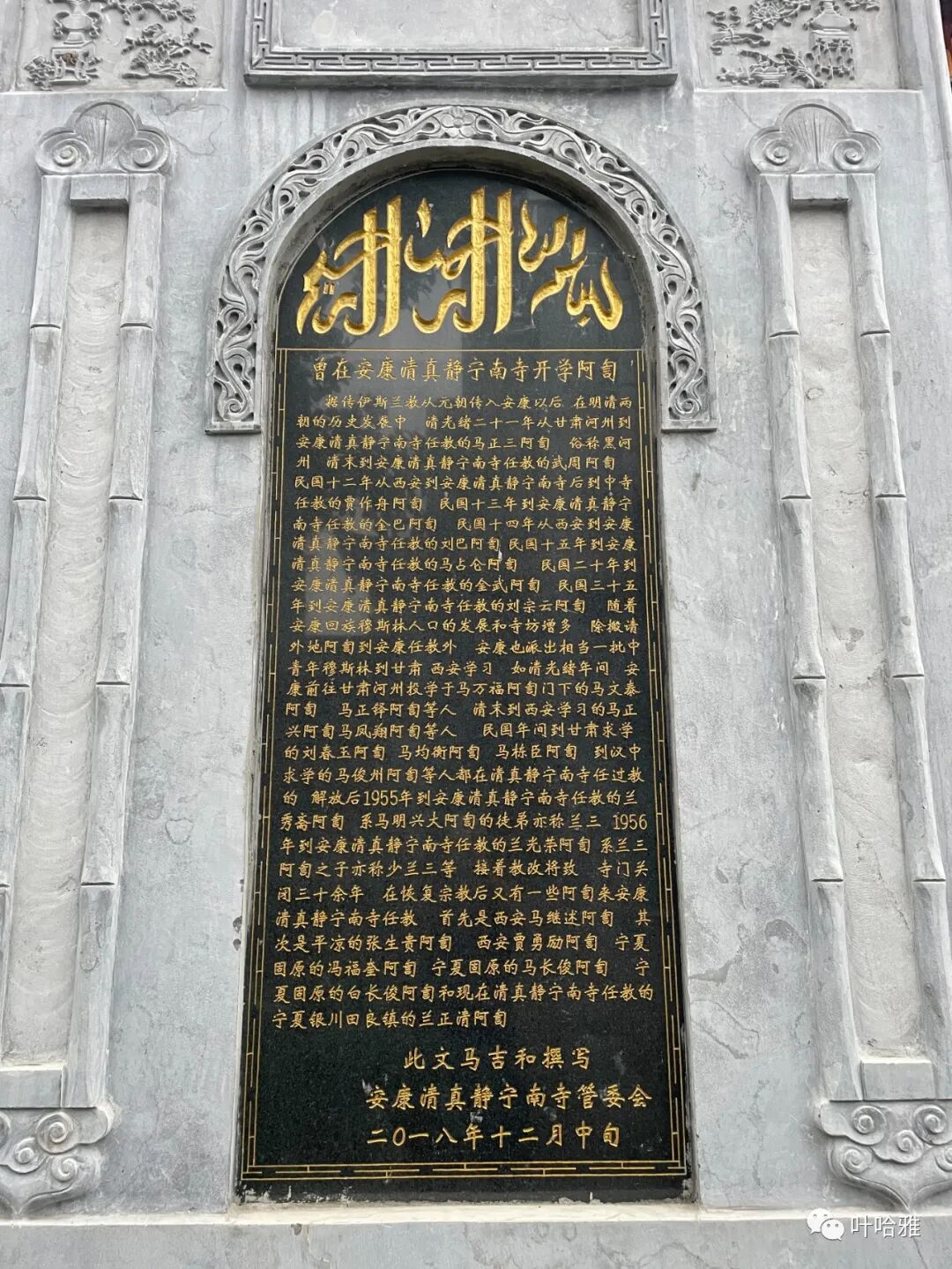
The stone tablet lists the names of the imams who have taught at the mosque throughout Ankang's history.
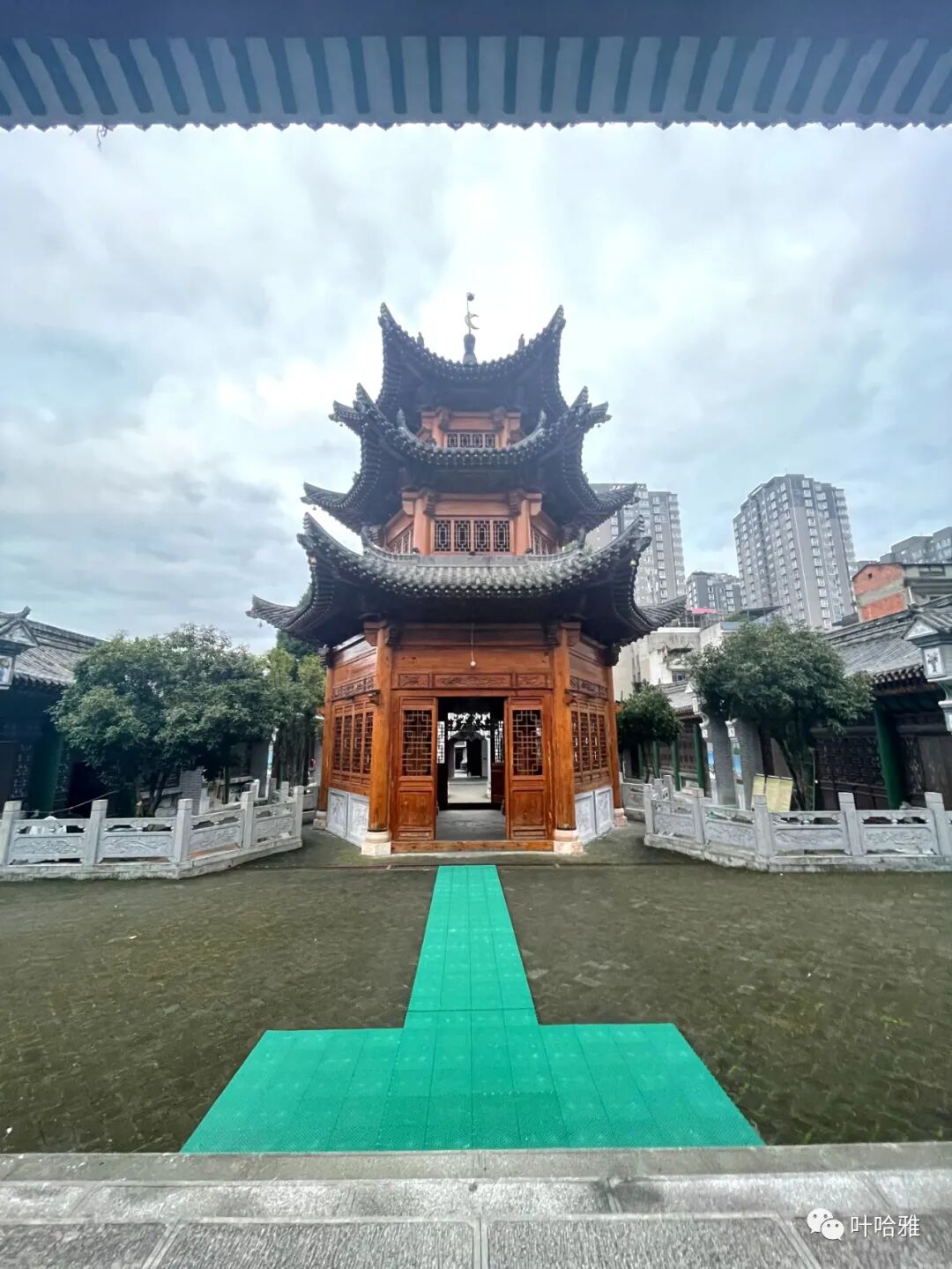
There are many halal snack shops in the old town of Hanbin District, but most were closed when I arrived.
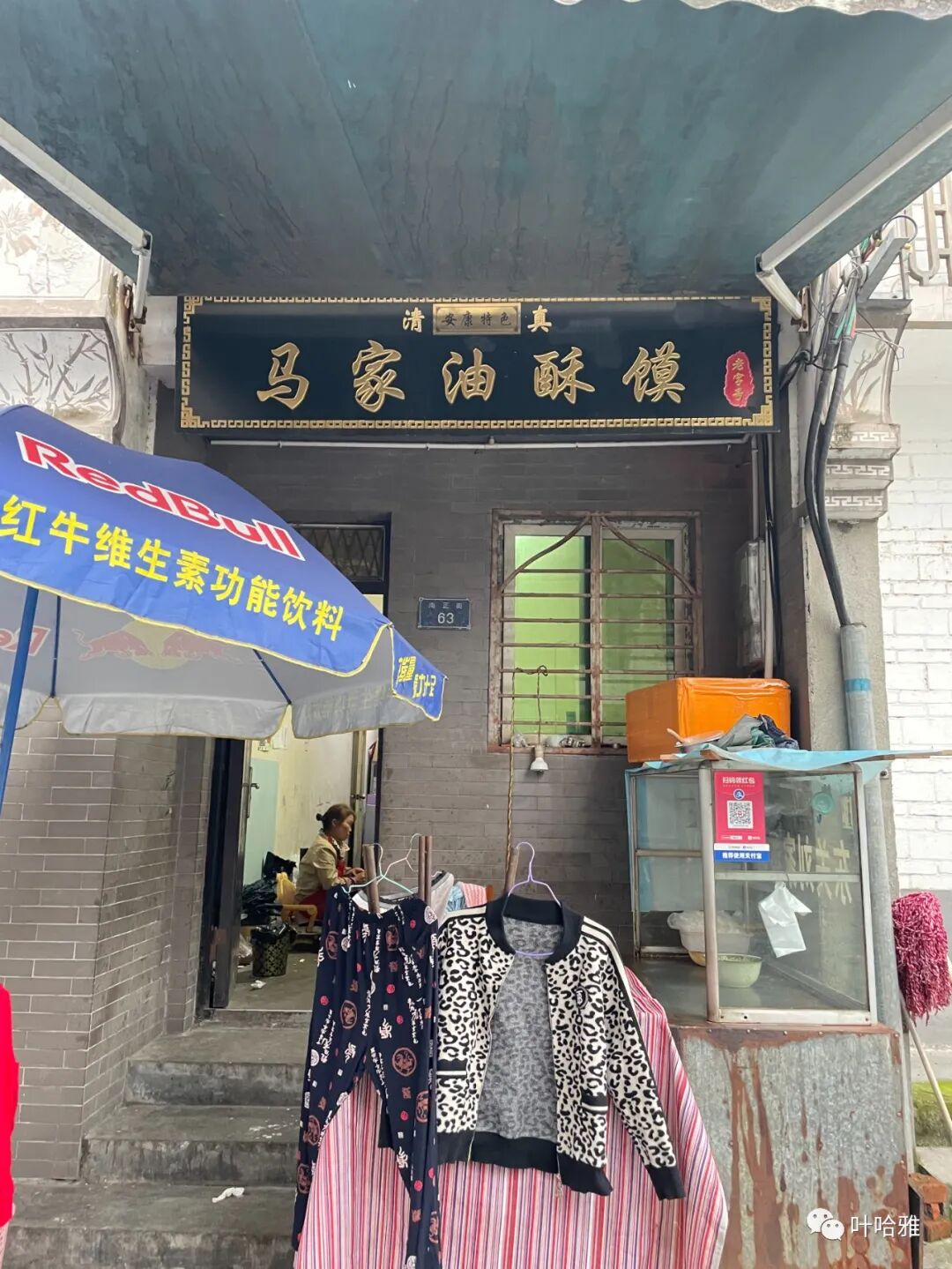
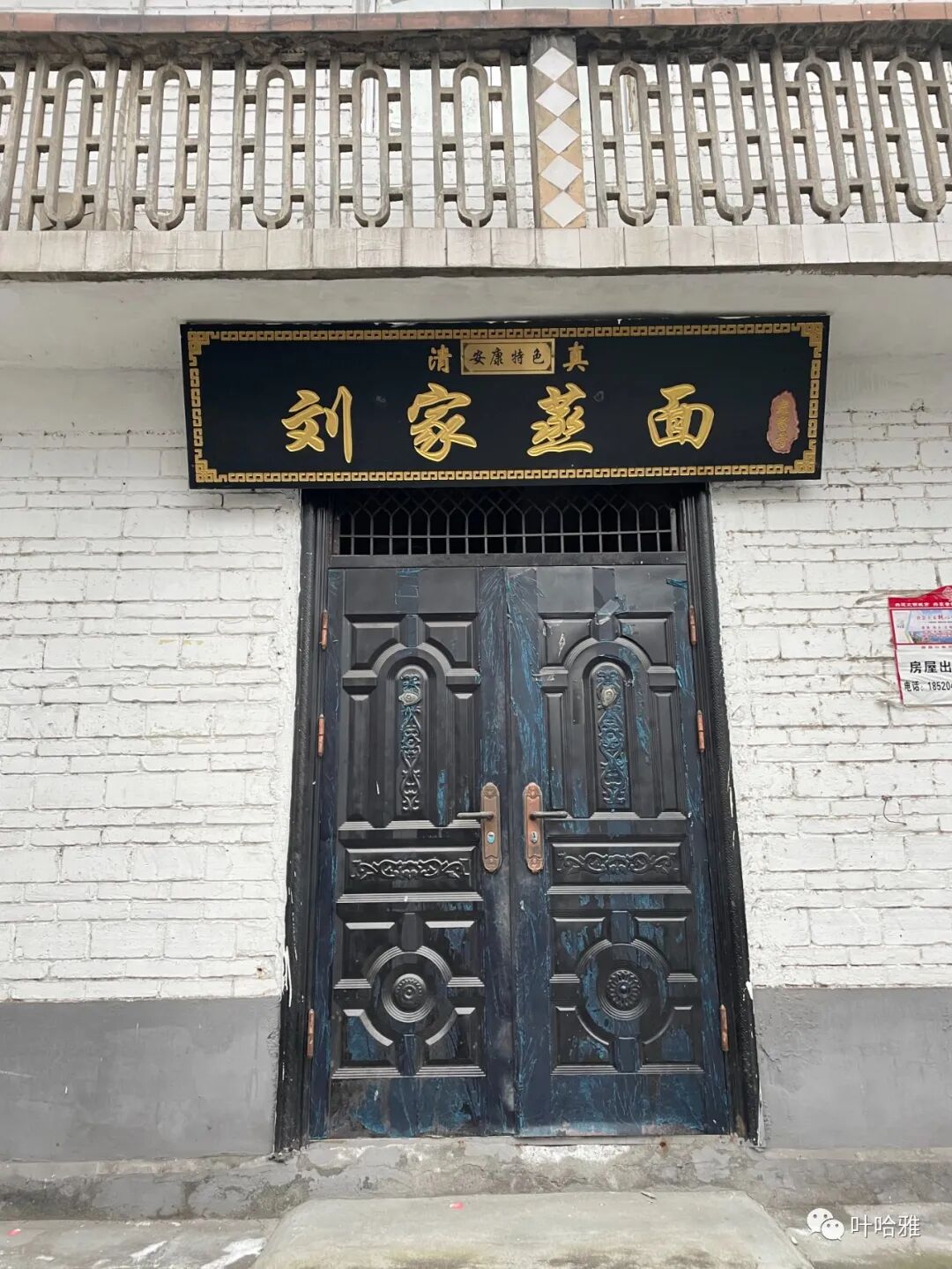
The small shops around Dongguan are mostly run by local Hui Muslims. They mostly sell fried foods, steamed buns (baozi), and noodles. The hanging-griddle flatbread (diao'ao shaobing) is unique.
We ate stir-fried dishes at Yong'an Kangjia, which is a local restaurant that has been open for many years.
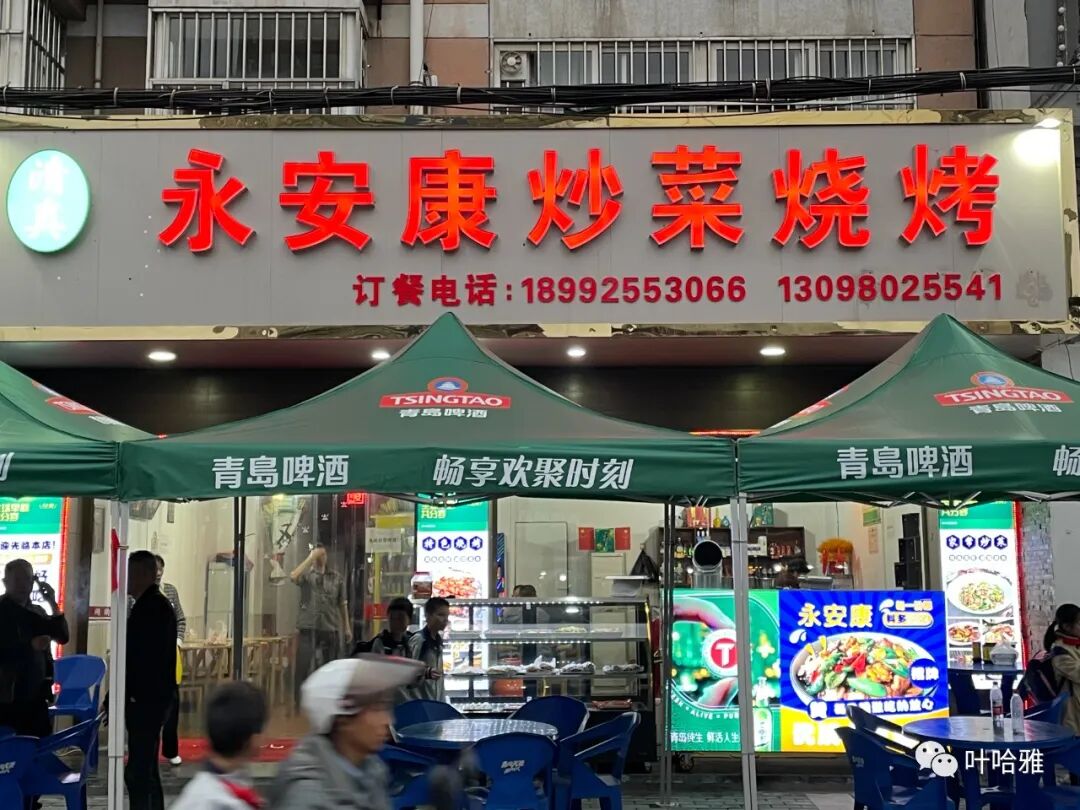
Because Ankang is close to Sichuan, the stir-fried dishes here taste very similar to Sichuan food.
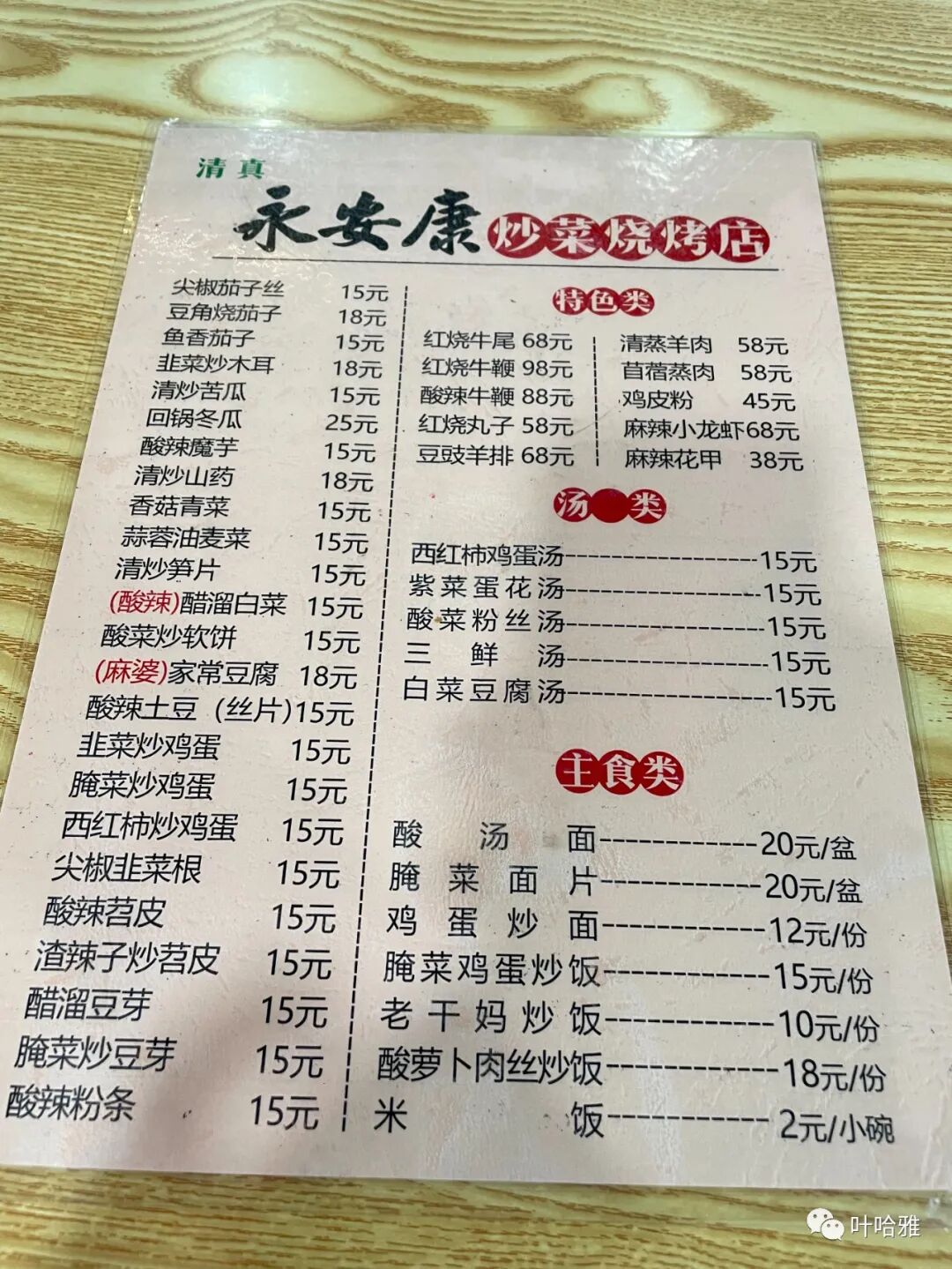
The pickled vegetables and sour radishes on the menu are local specialties.
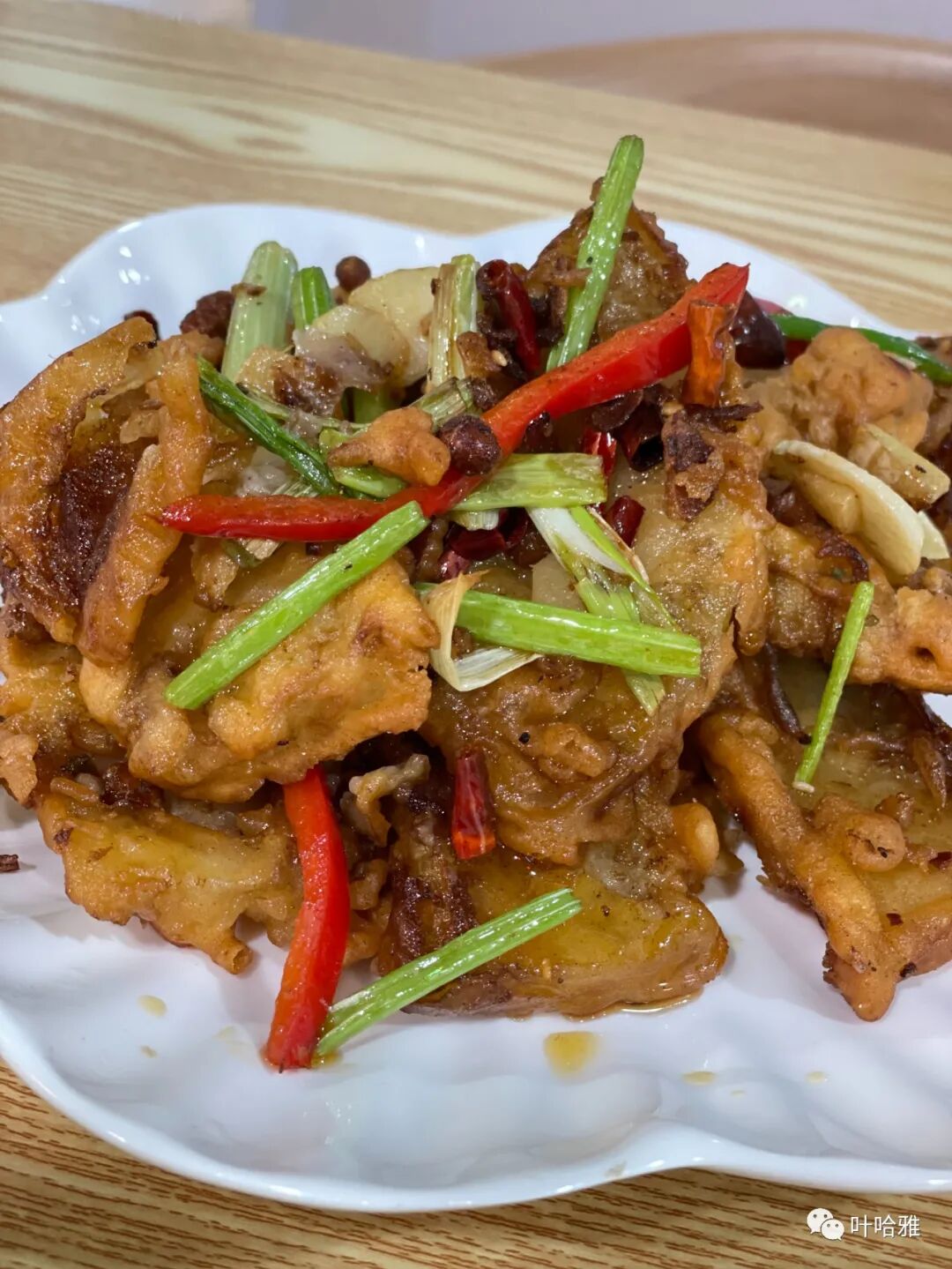
I ordered the twice-cooked winter melon (huiguo donggua). I thought it was twice-cooked pork, but it turned out to be winter melon cooked in the same style instead of meat.
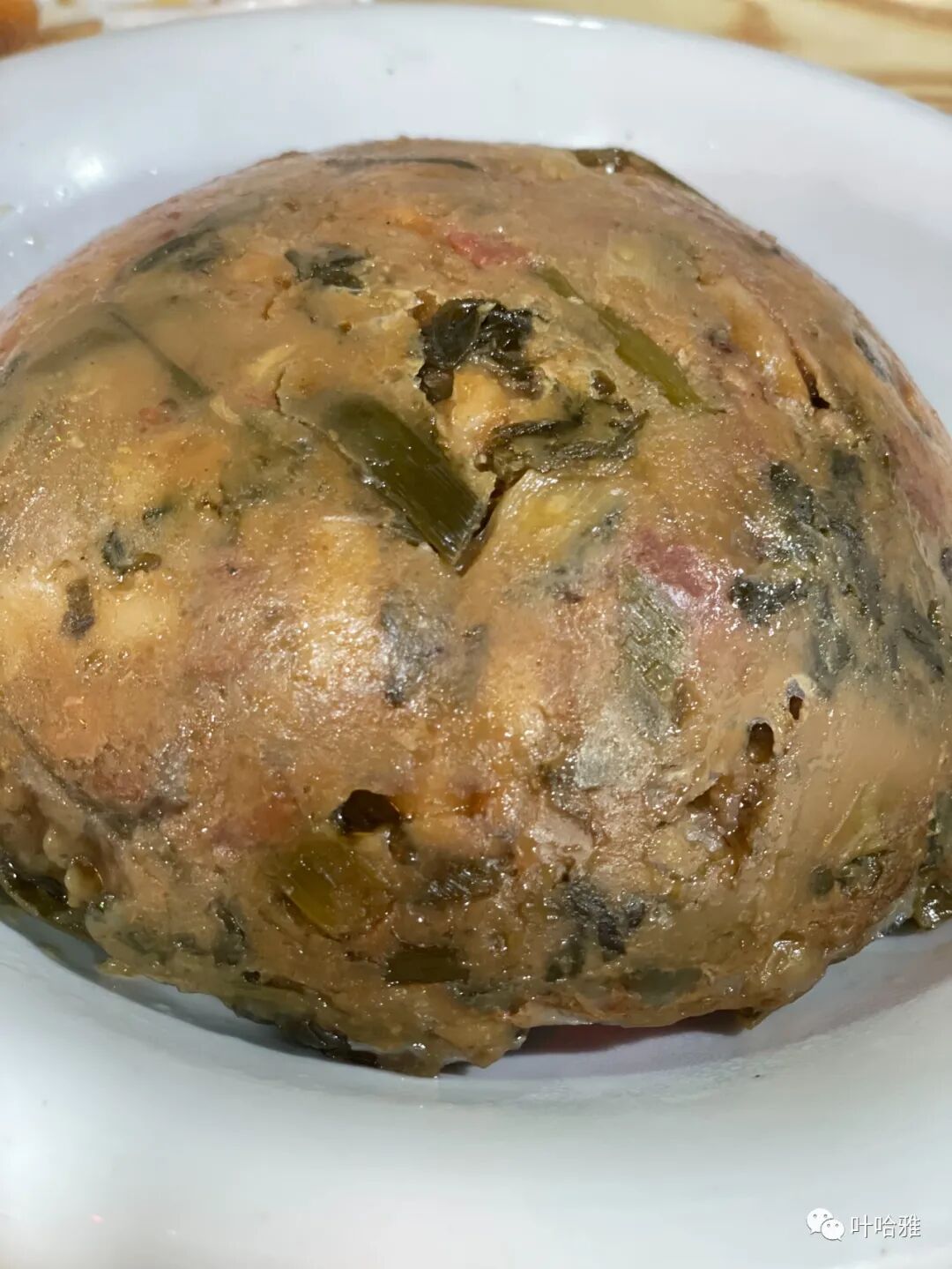
The steamed beef with alfalfa (muxu zhengrou) is made with beef, a cooking style just like in Sichuan cuisine.
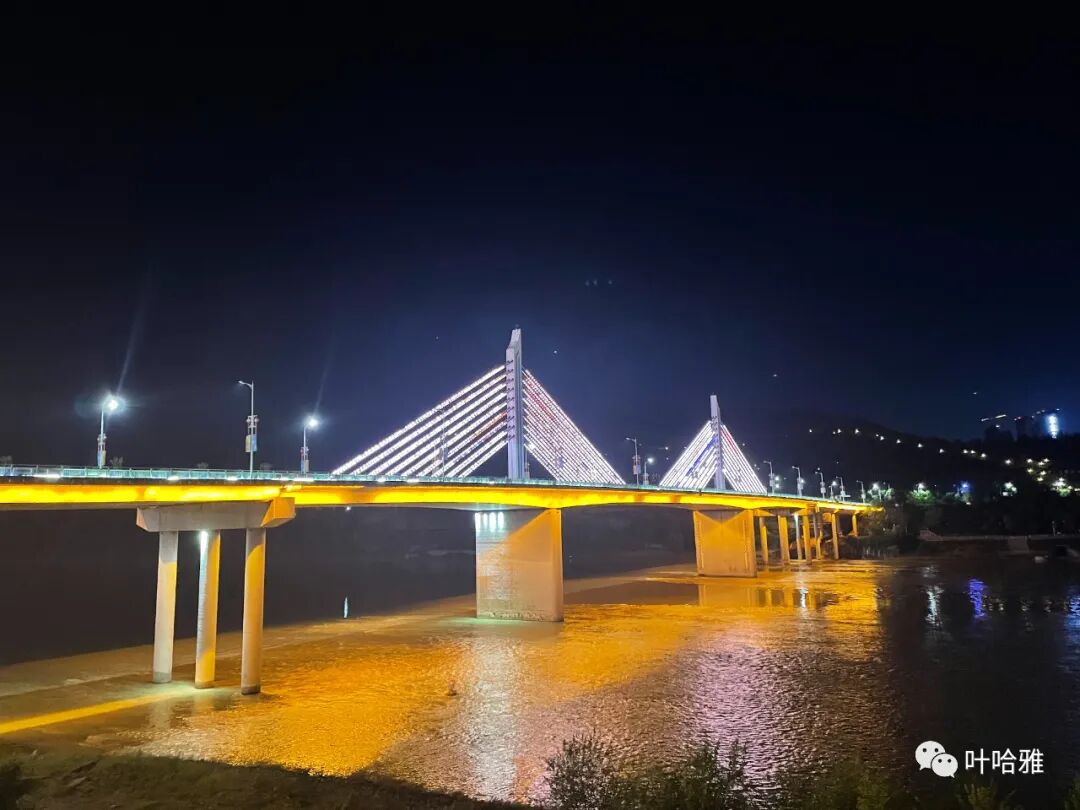
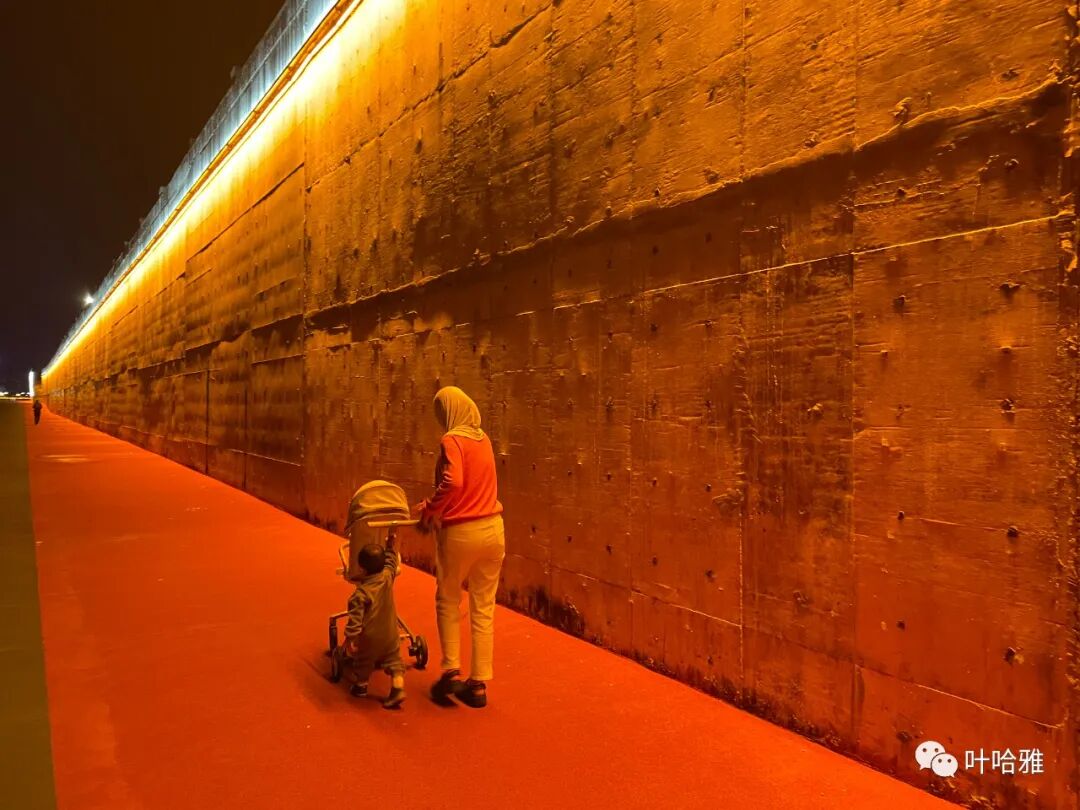
The Han River flows through the city. We took a walk by the river at night to enjoy the night view.
If not for the Hui Muslim uprisings in the late Qing Dynasty, there would be many more Hui Muslims in Shaanxi today, and they would likely be living better lives. My regret in Ankang is that I did not get to eat many local halal snacks. Maybe I came at the wrong time. Hui Muslim snacks in Ankang are completely different from those in the Xi'an Muslim Quarter. They have distinct features and are worth another visit. We only stayed in Ankang for one night and left for Sichuan early the next morning.
Summary: This Shaanxi halal food guide visits Ankang Hui Muslim Street, seven old mosques, West Mosque, North Mosque, Xingwen Mosque, Jingning South Mosque, local shaobing, fried snacks, halal dishes, and the Han River night view.
Ankang Hui Muslim Street Guide: Halal Food and Muslim Heritage in Shaanxi is presented here as a firsthand travel account in clear English, beginning with this scene: Ten of my travelogues were deleted recently, likely due to title violations. I have revised and reposted them. The account keeps its focus on Ankang Muslim Street, Halal Food, Shaanxi Travel while preserving the names, places, food, and historical details from the Chinese source.
Ten of my travelogues were deleted recently, likely due to title violations. I have revised and reposted them.
In Shaanxi, Hui Muslims mostly live in the Xi'an Muslim Quarter, but there are also small groups in Hanzhong and Ankang to the south. During my road trip through the southwest, I passed through Ankang and visited four mosques located within two kilometers of each other in the city.
Ankang has seven mosques: Xingwen Mosque, North Mosque, South Mosque, Inner City Mosque, Middle Mosque, West Mosque, and East Mosque. Over ten thousand Hui Muslims live around these mosques in the East and West Gates. The West Gate has been torn down, but the East Gate is the oldest part of Ankang. The East Gate stretches over half a kilometer from south to north and has three streets filled with halal snacks.
Ankang West Mosque
Ankang West Mosque was built in the first year of the Xianfeng reign of the Qing Dynasty and has separate prayer halls for men and women.
Ankang North Mosque
Ankang North Mosque was first built in the 15th year of the Hongzhi reign of the Ming Dynasty (1502). The North Mosque's
The minaret of the North Mosque is 46.4 meters tall.
The graveyard for imams inside the North Mosque.
Ankang Xingwen Mosque
Xingwen Mosque was built during the Daoguang reign of the Qing Dynasty. It was named for its focus on education and historically ran schools like the Hui Muslim Charity School and the Northwest Ankang Primary School.
Jingning South Mosque
Rumor has it that Jingning South Mosque in Ankang was built during the Tang Dynasty. A stone tablet inside says the Tang government built Xingwen Mosque after asking the Arabs for military help to stop the An Lushan Rebellion, but there is no proof of this. The oldest reliable records show it was built at least by the Ming Dynasty.
The stone tablet lists the names of the imams who have taught at the mosque throughout Ankang's history.
There are many halal snack shops in the old town of Hanbin District, but most were closed when I arrived.
The small shops around Dongguan are mostly run by local Hui Muslims. They mostly sell fried foods, steamed buns (baozi), and noodles. The hanging-griddle flatbread (diao'ao shaobing) is unique.
We ate stir-fried dishes at Yong'an Kangjia, which is a local restaurant that has been open for many years.
Because Ankang is close to Sichuan, the stir-fried dishes here taste very similar to Sichuan food.
The pickled vegetables and sour radishes on the menu are local specialties.
I ordered the twice-cooked winter melon (huiguo donggua). I thought it was twice-cooked pork, but it turned out to be winter melon cooked in the same style instead of meat.
The steamed beef with alfalfa (muxu zhengrou) is made with beef, a cooking style just like in Sichuan cuisine.
The Han River flows through the city. We took a walk by the river at night to enjoy the night view.
If not for the Hui Muslim uprisings in the late Qing Dynasty, there would be many more Hui Muslims in Shaanxi today, and they would likely be living better lives. My regret in Ankang is that I did not get to eat many local halal snacks. Maybe I came at the wrong time. Hui Muslim snacks in Ankang are completely different from those in the Xi'an Muslim Quarter. They have distinct features and are worth another visit. We only stayed in Ankang for one night and left for Sichuan early the next morning.
Ankang Hui Muslim Street Guide: Halal Food and Muslim Heritage in Shaanxi
Articles • ali2007fr posted the article • 0 comments • 161 views • 2026-05-17 05:52
Reposted from the web
Summary: This travel note introduces Ankang Hui Muslim Street Guide: Halal Food and Muslim Heritage in Shaanxi. Traveled from Shuhe along the Han River to Ankang. Ankang is the largest Muslim community in southern Shaanxi. It is useful for readers interested in Ankang Muslim Street, Halal Food, Shaanxi Travel.
Traveled from Shuhe along the Han River to Ankang. Ankang is the largest Muslim community in southern Shaanxi. Hui Muslims have settled here since the Ming Dynasty, and by the Republic of China era, seven mosques had already been built. The halal food in Ankang is also the most abundant in southern Shaanxi. Snacks include zhengmian (steamed noodles), rice noodles, ciba (glutinous rice cakes), youceng (layered fried bread), malatang jiamo (spicy hot pot ingredients in a bun), and more, with even more variety in banquet dishes. Moreover, because the Hui Muslim street in Ankang is not a tourist area, everything you eat is food loved by the locals. We really had a wonderful time eating and exploring this time.
Zhengmian (steamed noodles)
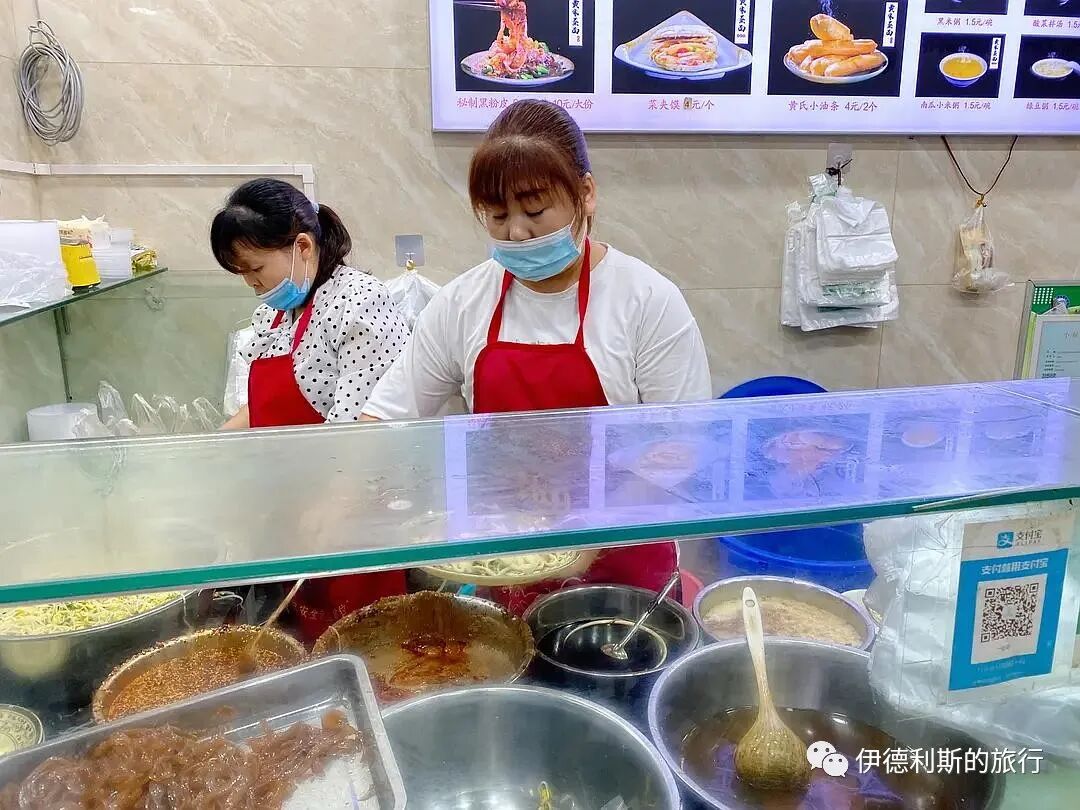
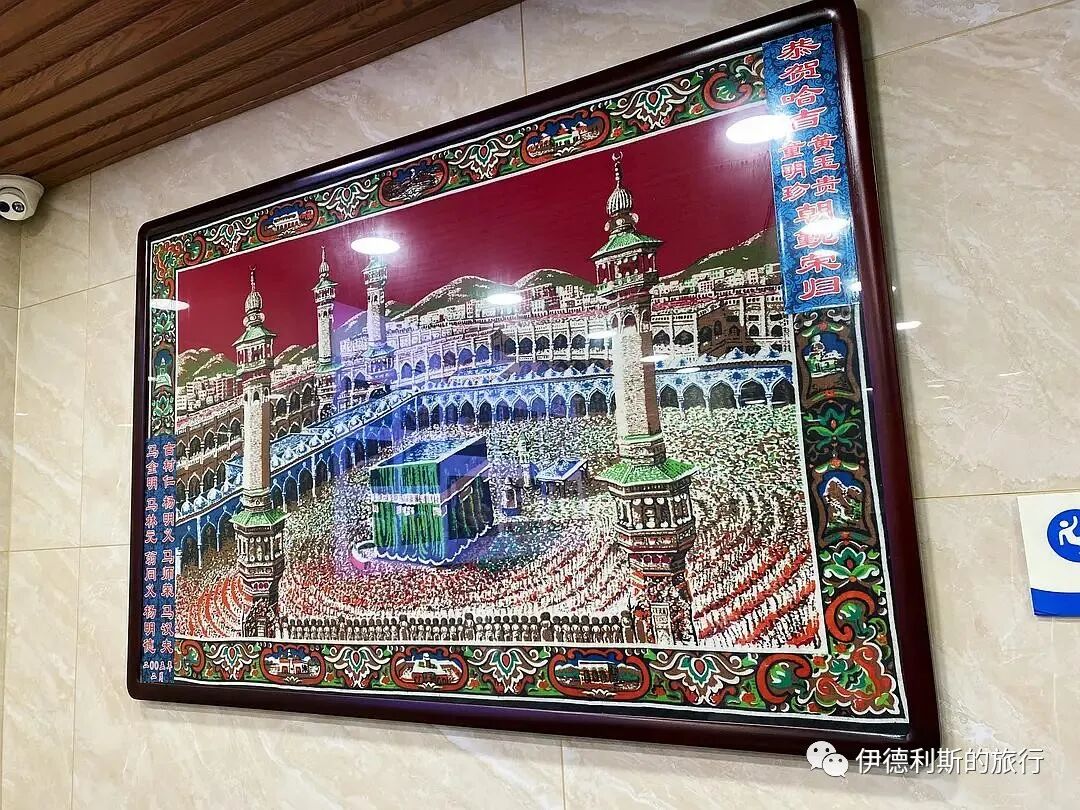
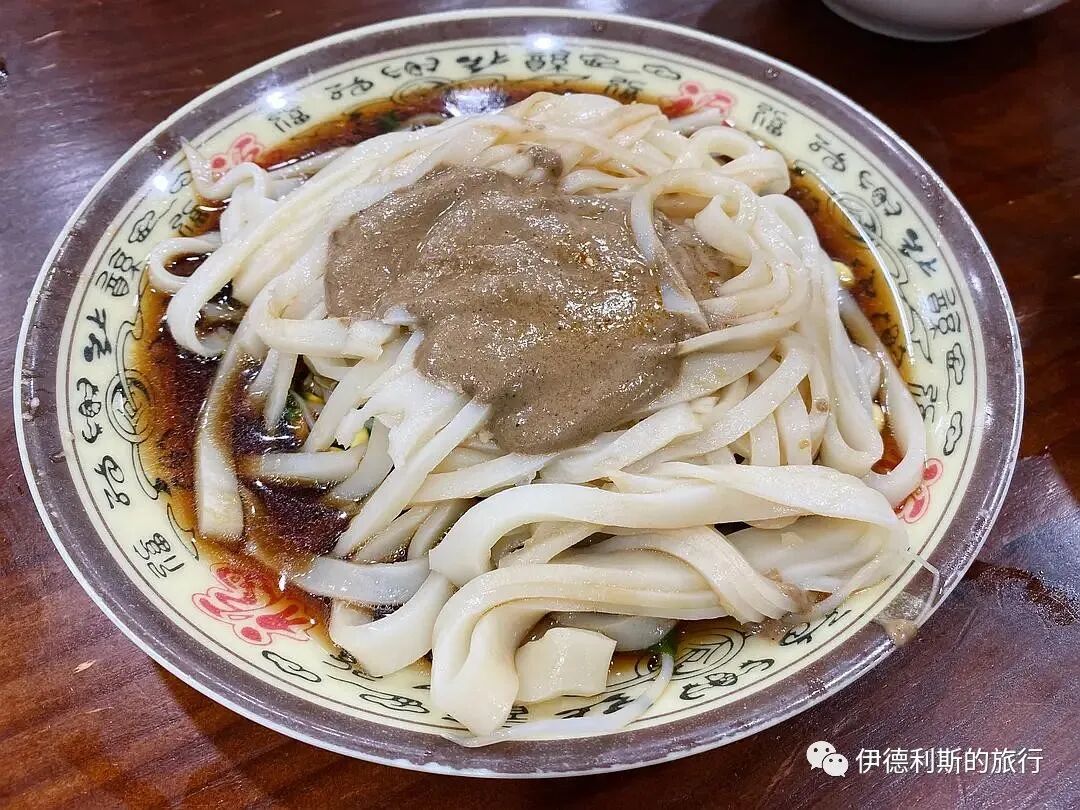
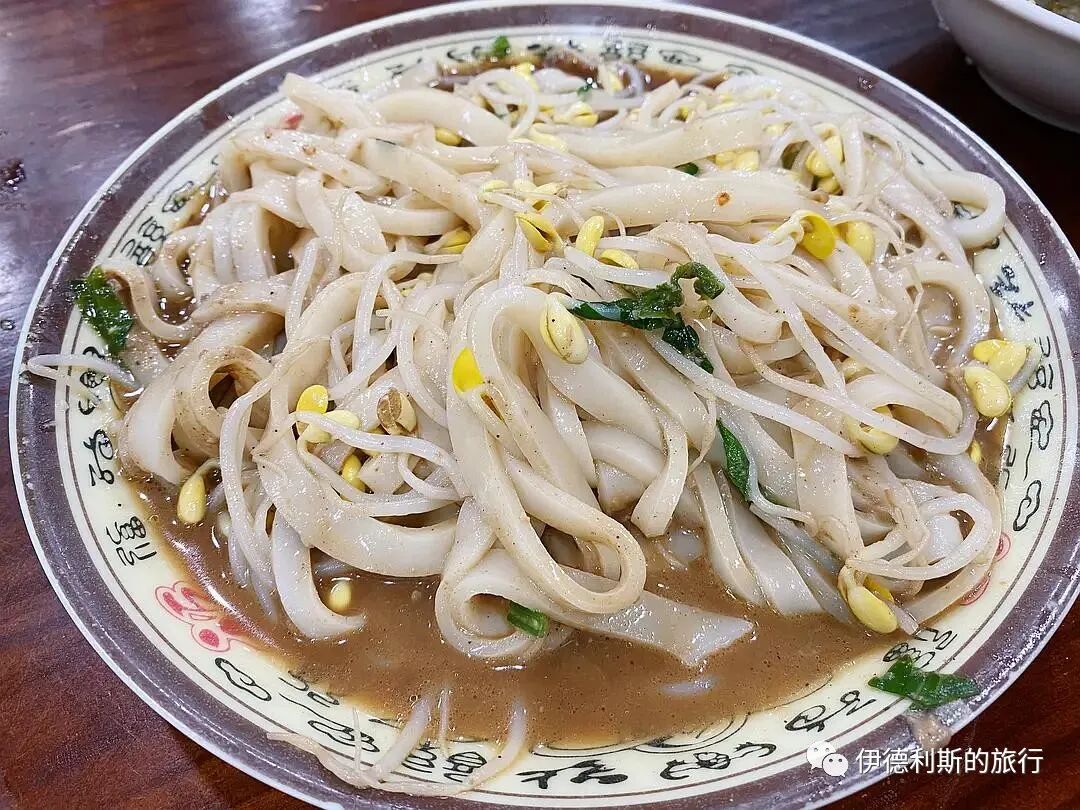
In the morning, we ate zhengmian with pickled vegetable soup at the most popular Huang's Zhengmian at the entrance of Gulou Street. The owner is a Haji who returned from Hajj in 2005. Ankang zhengmian is a type of Shaanxi liangpi (cold skin noodles). Unlike Xi'an liangpi, which is seasoned with raw vinegar, Ankang zhengmian uses boiled vinegar. Zhengmian is usually served with youpo lazi (hot chili oil), but I didn't add any because I can't handle much spice.
The yousu mo (crispy fried flatbread) across from Huang's Zhengmian also looked delicious.
Mosque
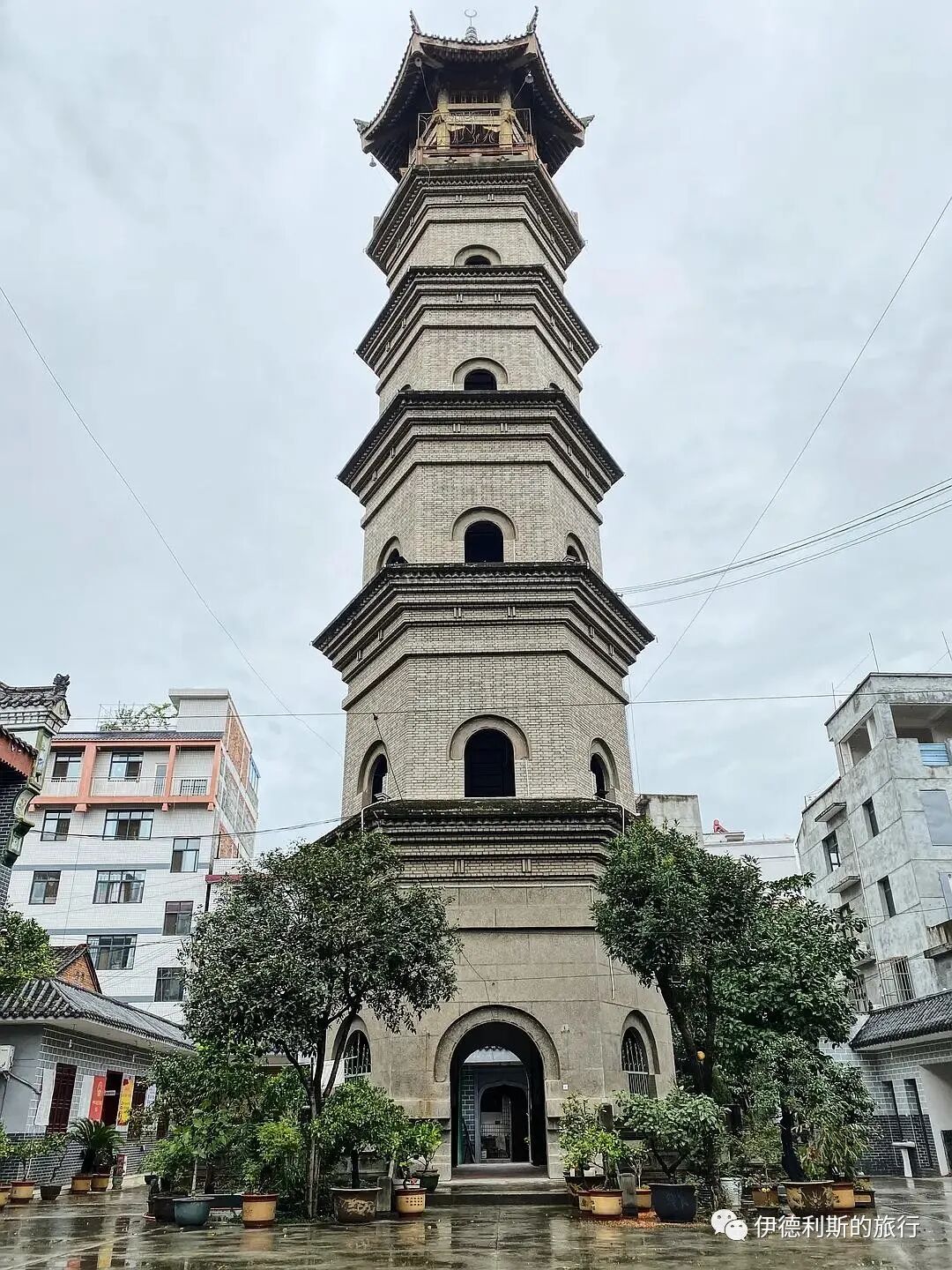
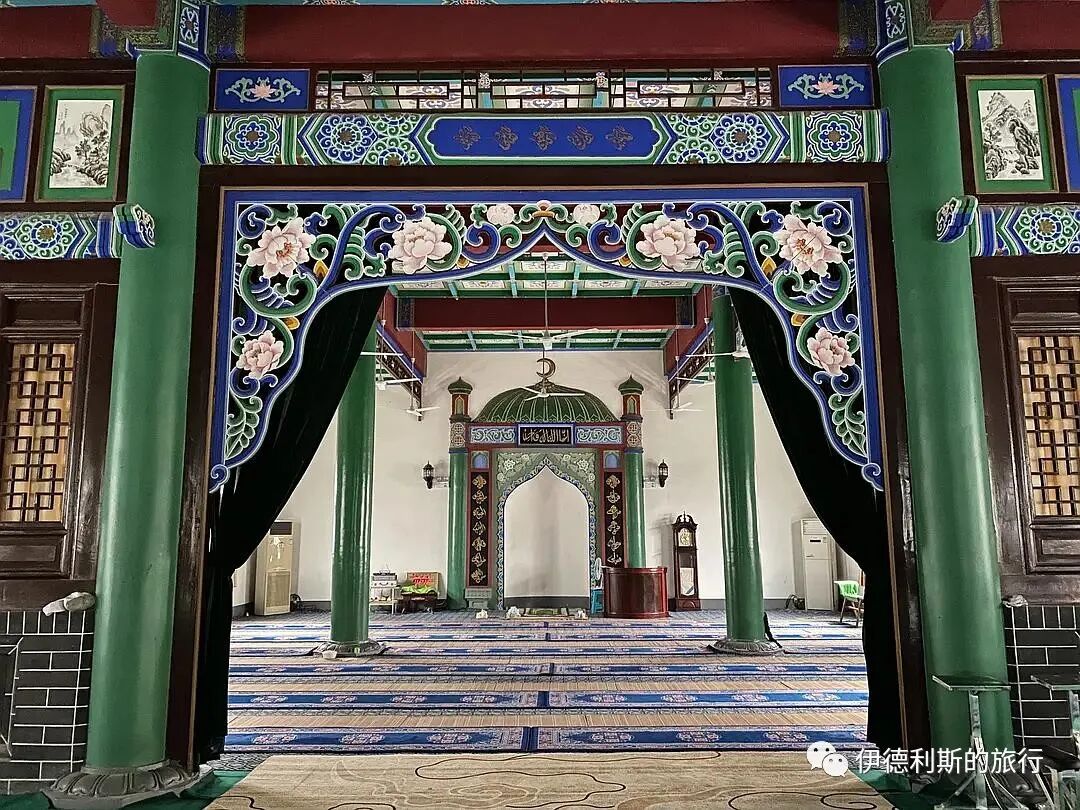
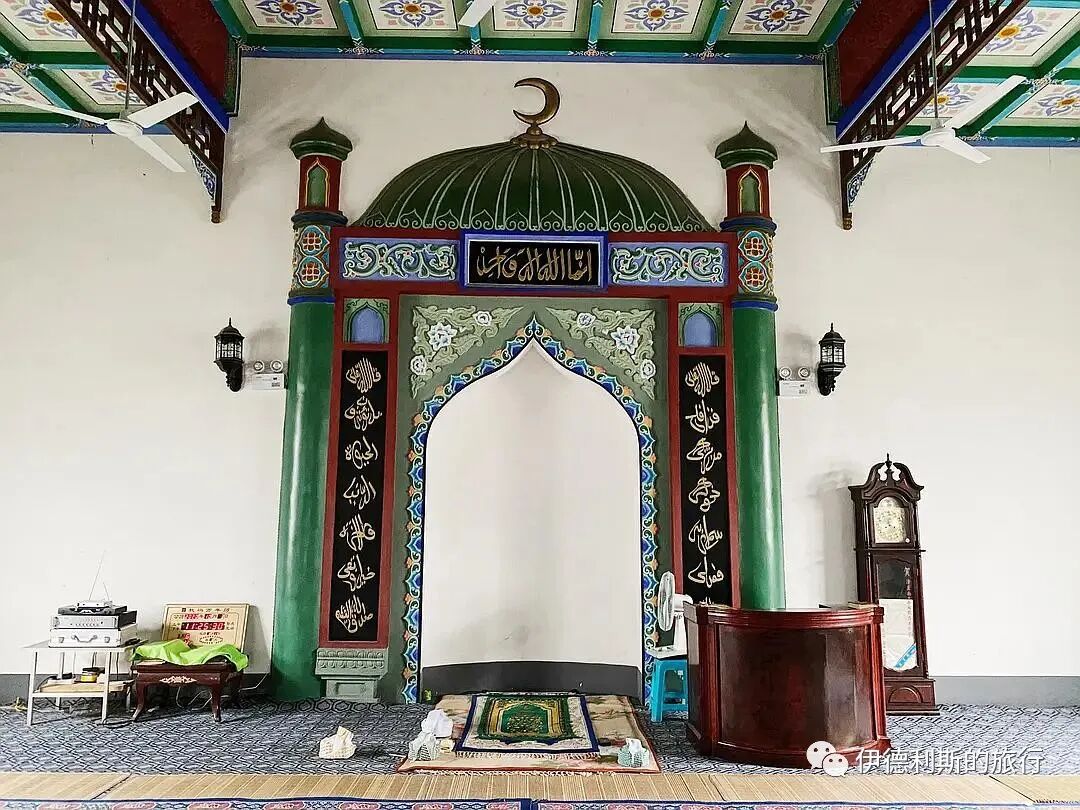
After finishing the zhengmian, we went to visit the ancient mosque. According to stone inscriptions, the Ankang Mosque was first built in the Yuan Dynasty. It was initially called Libai Mosque, later renamed Jingjue Mosque, and changed to Mosque in 1767. In 1583, the mosque was destroyed by a flood and the grounds were occupied. In the early years of the Kangxi Emperor's reign, the property was returned and rebuilt on the original site. It was destroyed again in 1862, with only the screen wall remaining. The north and south lecture halls were rebuilt in 1867, and the prayer hall and other buildings were rebuilt in 1871. In 1923, a five-story, hexagonal, pointed-roof minaret was built, reaching 37 meters in height. The main hall was expanded in 1931.
In 1983, a major flood occurred in Ankang. The mosque's minaret collapsed, and the north and south lecture halls were destroyed, with only the main hall surviving. In 1984, the north and south lecture halls, minaret, and ablution room were rebuilt. The archway-style gate was rebuilt in 1999, and the main hall was rebuilt in 2013.
After leaving the ancient mosque, we ate tanggao (fried sugar cake) with douhua (soft tofu pudding) at the intersection of Bizi Lane and Xizheng Street. Yougao (fried cake) is found all the way from Zhaotong to Nanchong and Ankang, and the douhua here is salty and spicy. The lamb pie nearby also looked very tasty.
North Mosque
The North Mosque was first built in 1502. During the 1983 Ankang flood, all the buildings of the North Mosque were washed away. Construction began in 1984 and was completed in 1994.
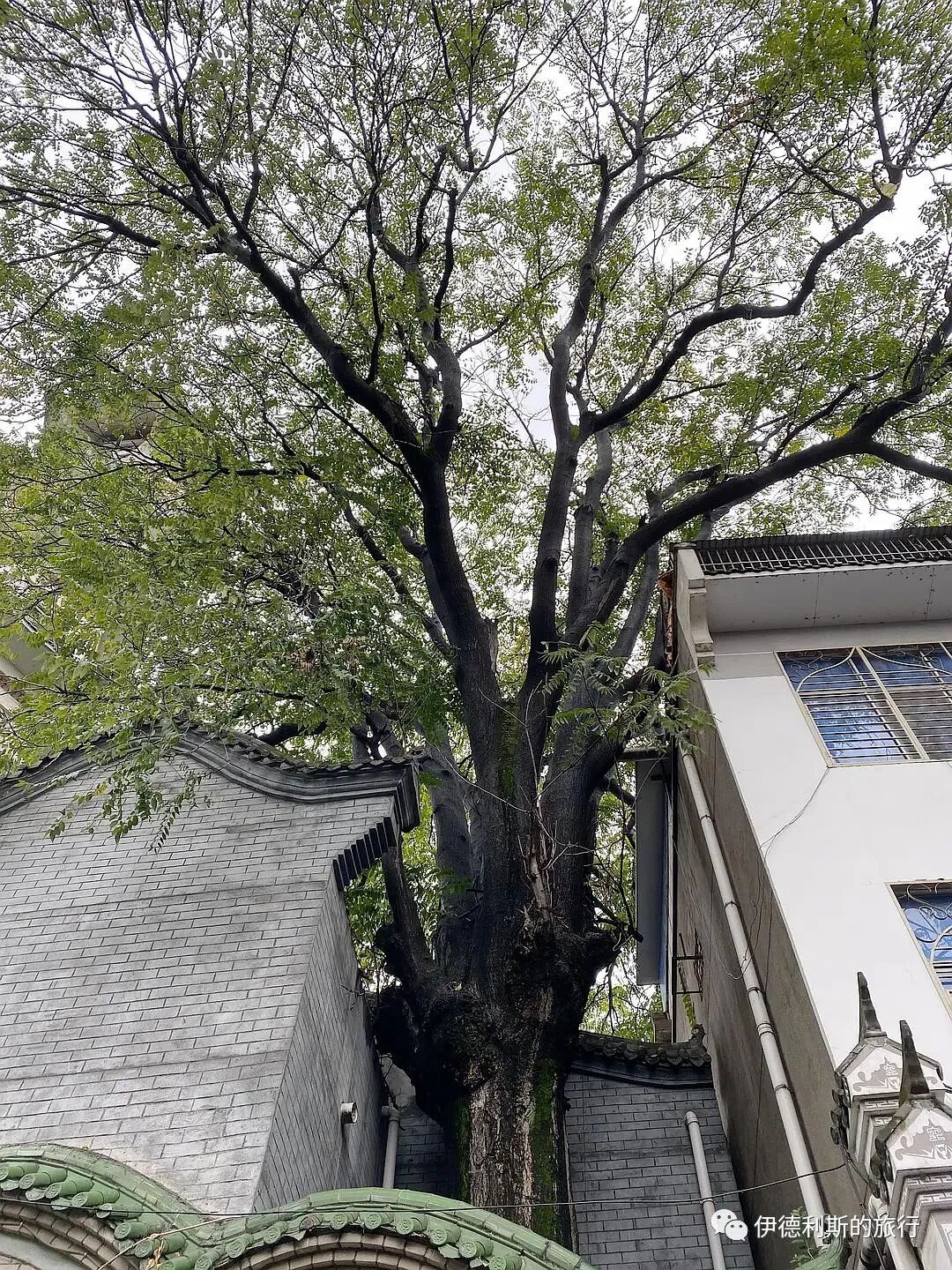
Next to the North Mosque is a 232-year-old Chinese toon tree, nearly 40 meters tall. During the 1983 Ankang flood, 31 people climbed this tree and survived, so it is also called the 'Life-Saving Tree'.
Jingning South Mosque
Jingning South Mosque was first built in the Ming Dynasty. In the 1583 Han River flood, the South Mosque was submerged, and the buildings collapsed, leaving only the Wangyue Tower (Moon-Watching Tower). It was rebuilt twice, during the Kangxi era and in 1890. After 1957, it was occupied. During the Cultural Revolution, a fire broke out, and the South Mosque was burned down, with only the Wangyue Tower surviving. After the property was returned, the main hall, north and south wing rooms, ablution room, and gatehouse were rebuilt. In 1998, the Ming Dynasty Wangyue Tower was demolished and replaced with a reinforced concrete structure. In 2018, the stone archway, Wangyue Tower, and north and south wing rooms were rebuilt again.
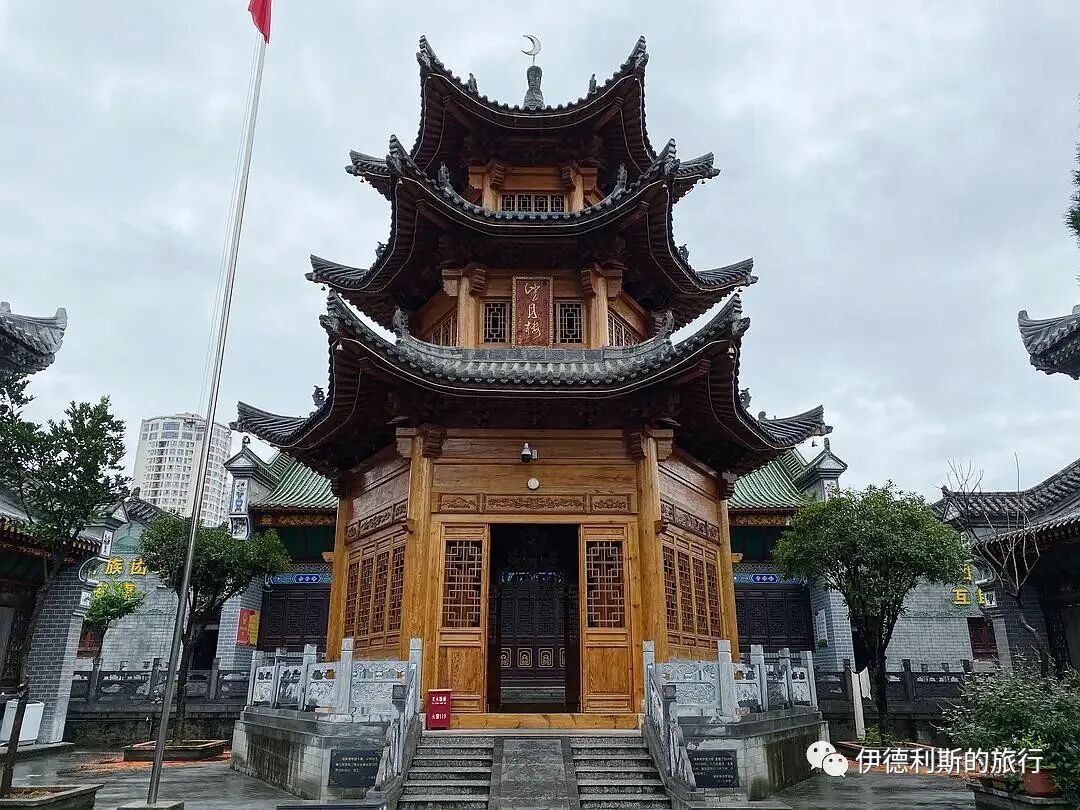
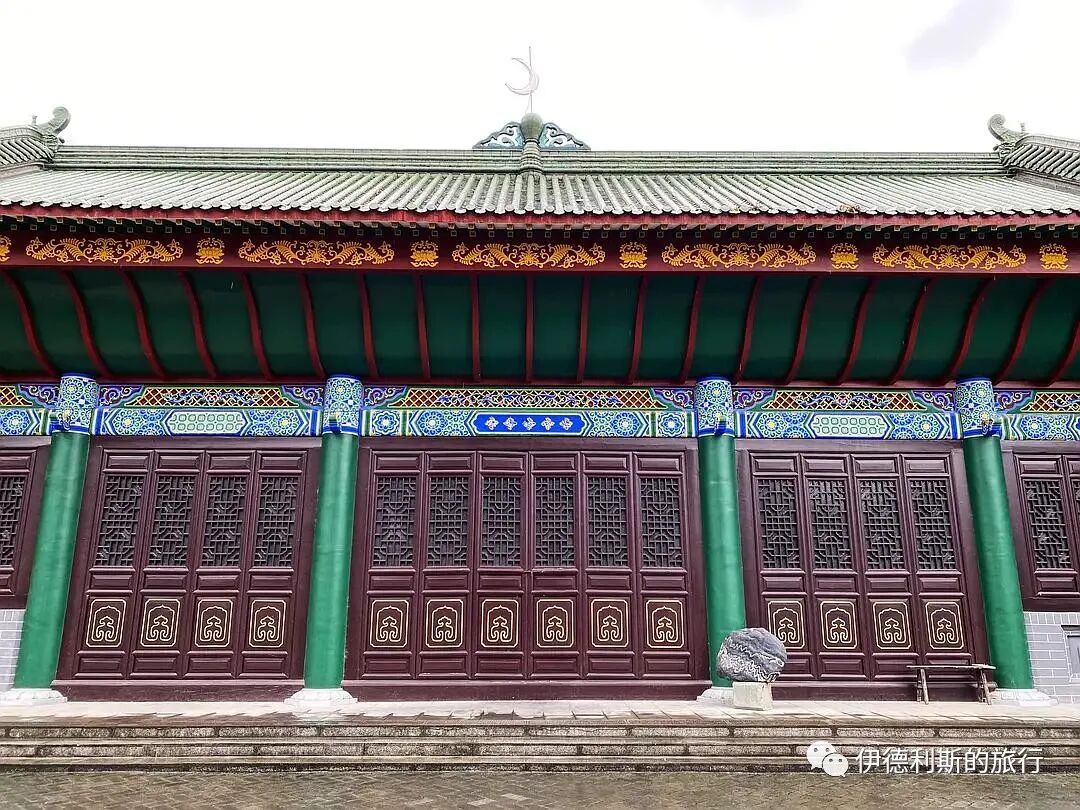
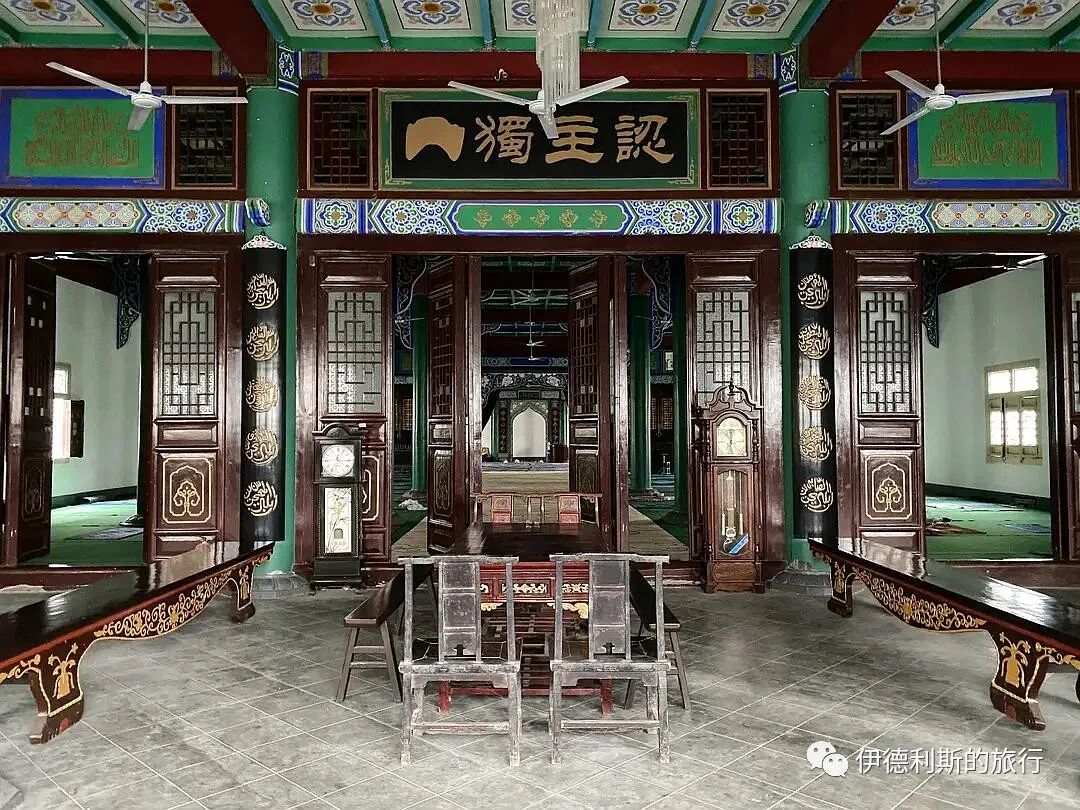
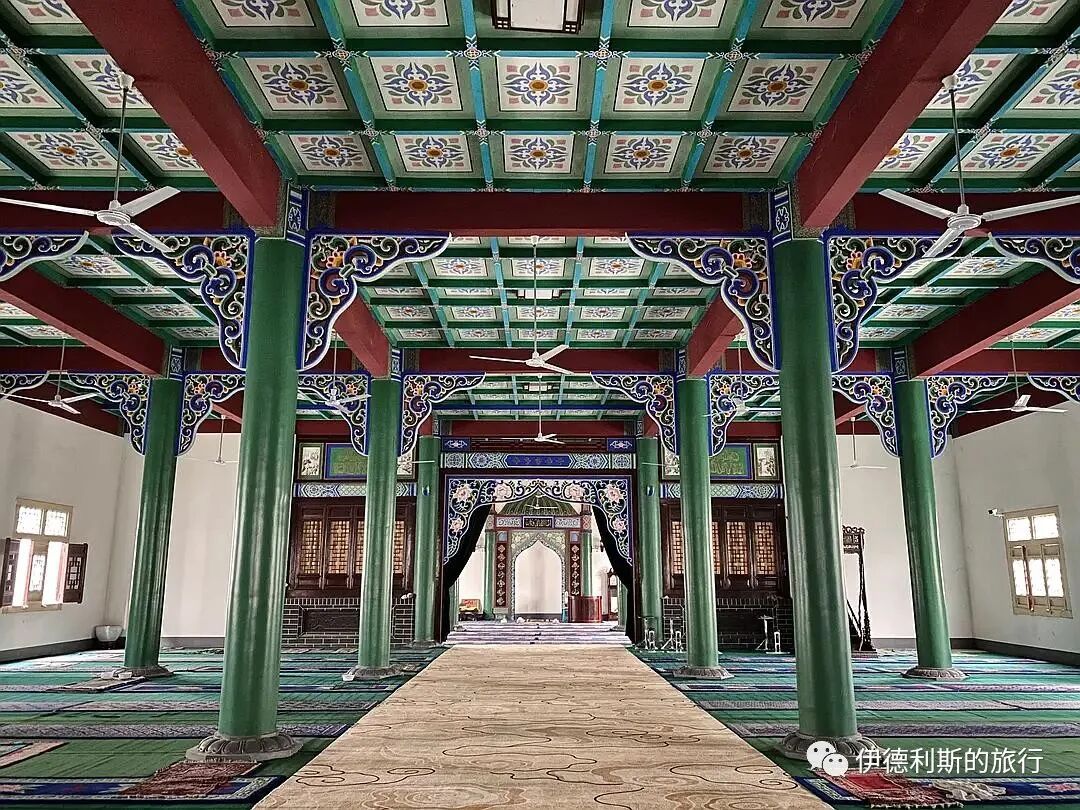
The main hall of Jingning South Mosque is the largest among Ankang's mosques. From the aerial view, you can see it is composed of three connected buildings, each with a different architectural style.
Vegetable rolls, ciba (glutinous rice cakes), and zhengpenzi (steamed basin dish)
After visiting the two mosques, we continued to eat snacks.
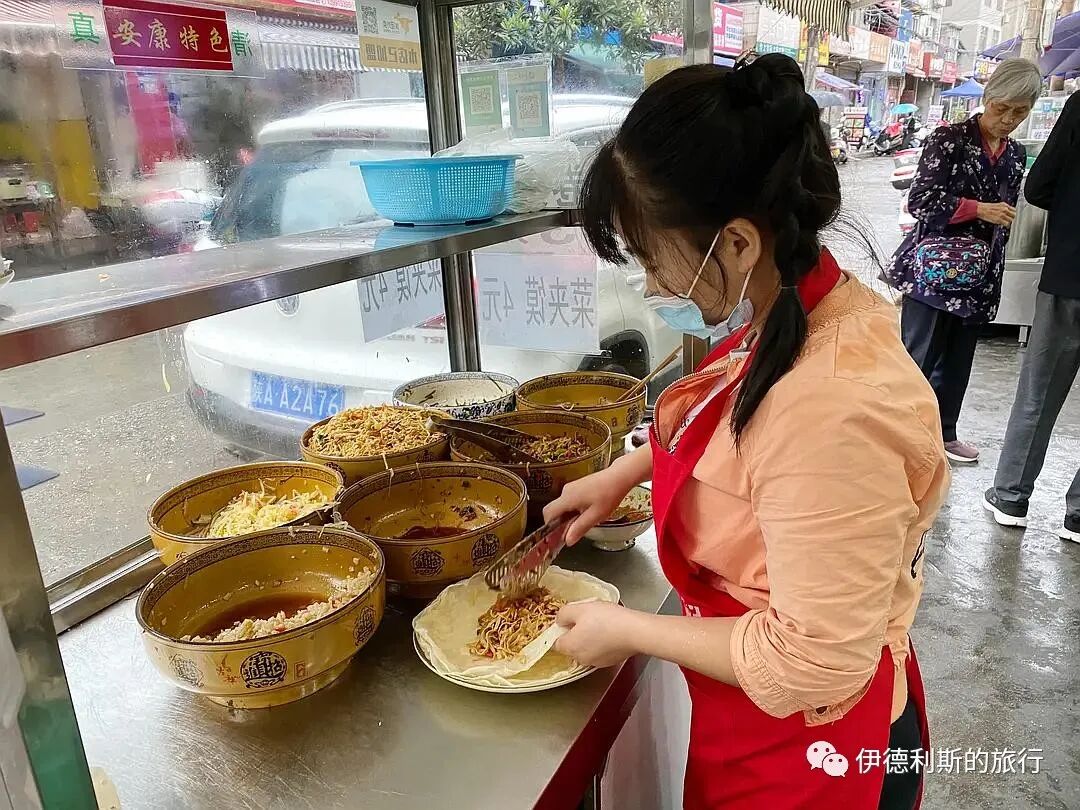
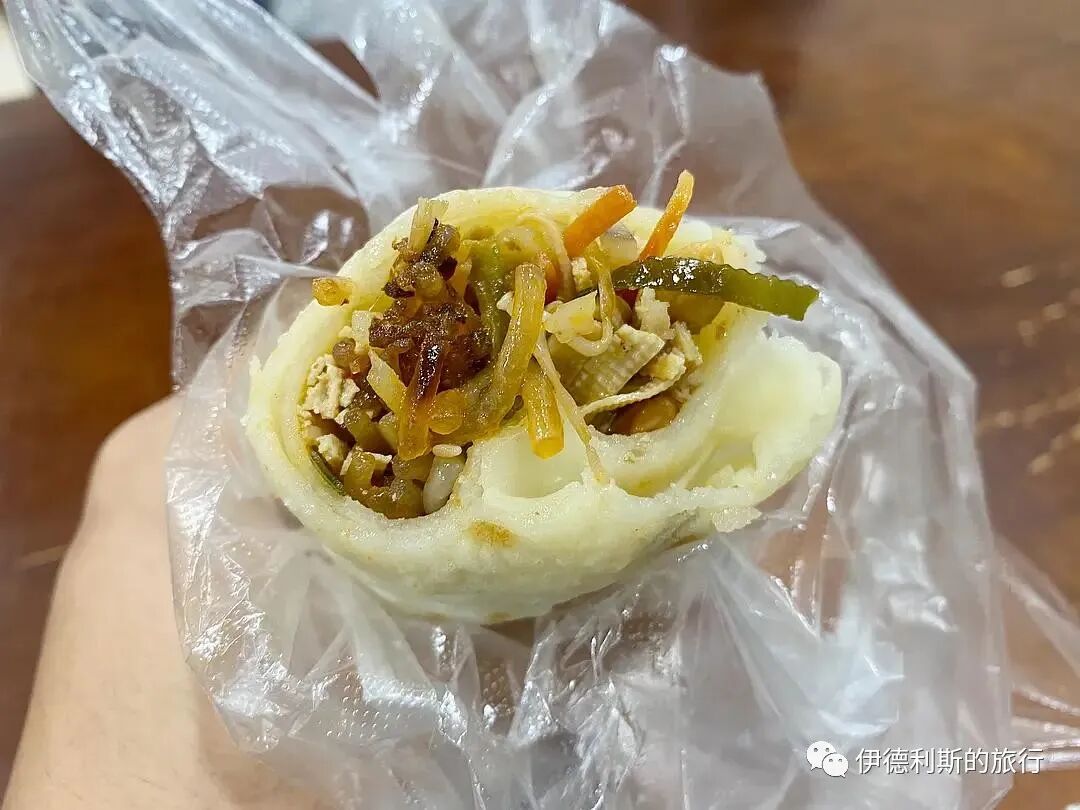
We ate vegetable rolls in front of Huang's Zhengmian. Various small vegetable dishes were rolled into freshly made pancakes. The vegetables were very flavorful, and the pancakes were fragrant. This two-yuan snack left me very satisfied.
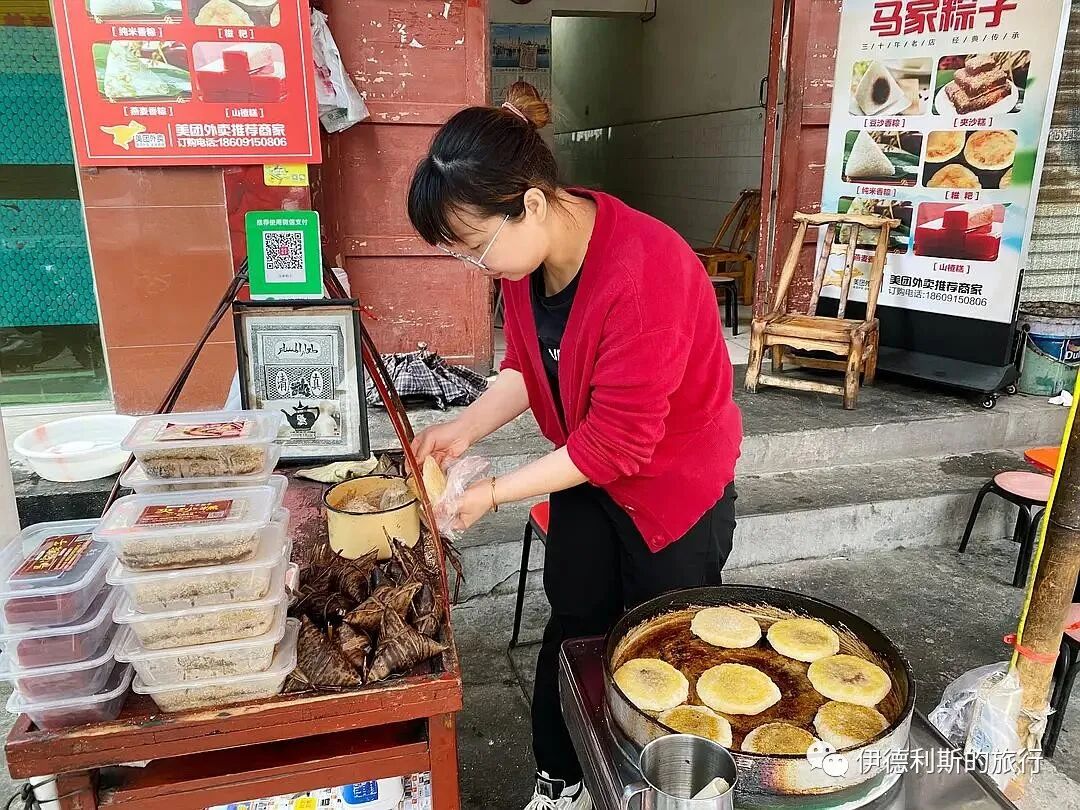
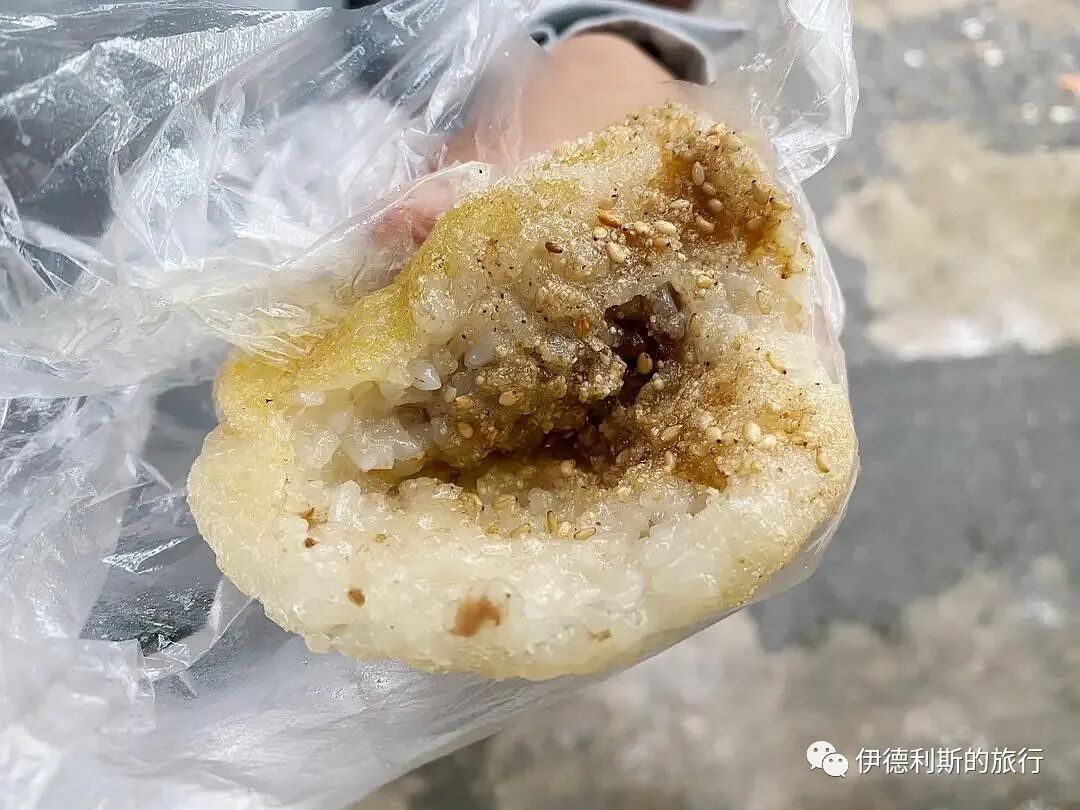
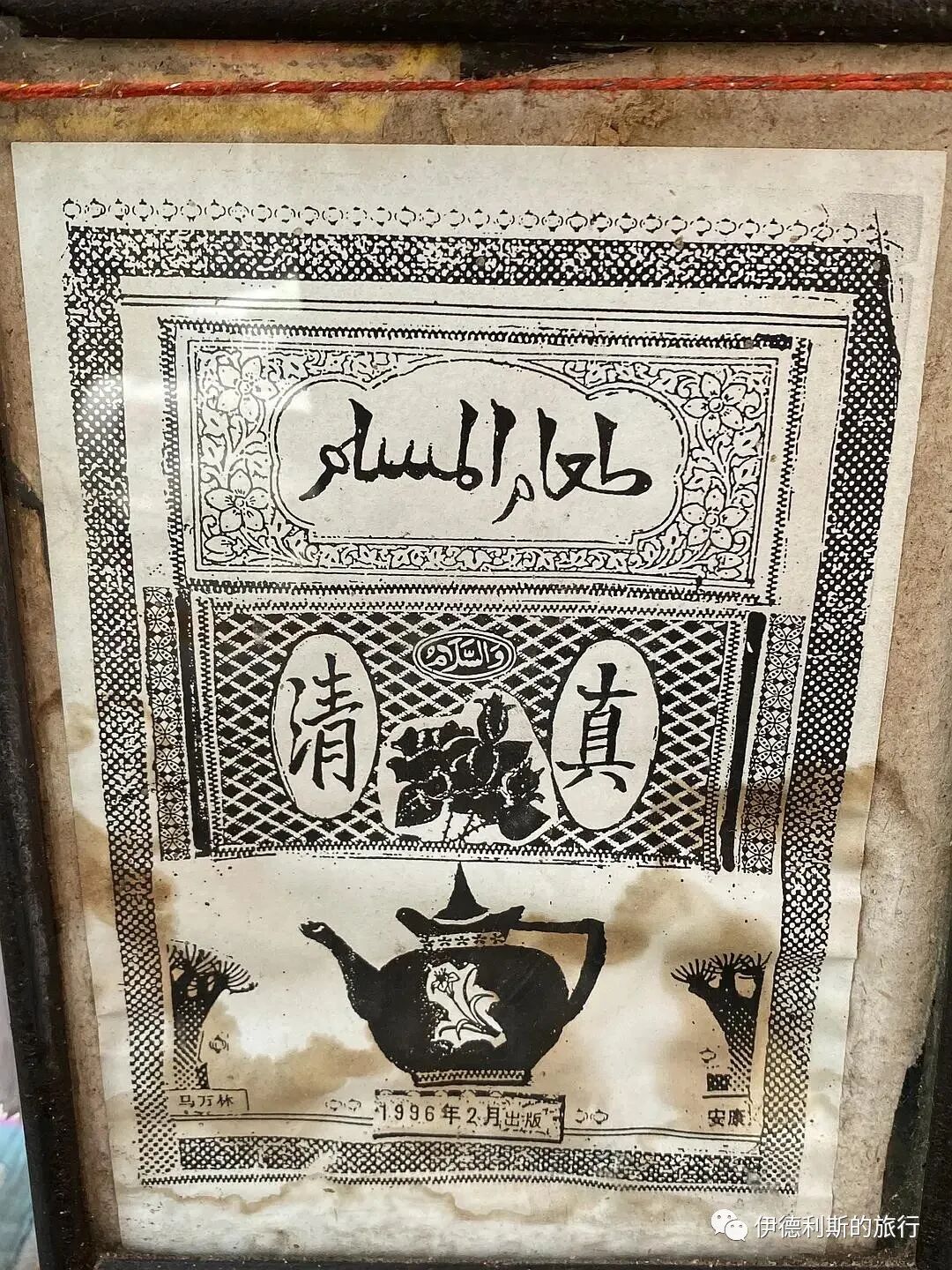
Then we strolled along Gulou West Street and ate ciba at a sweet shop called Ma's Zongzi. We discovered a 1990s-era tangping (kettle) sign, which is extremely rare.
After walking around a lot, we went for lunch. Dongzheng Street is full of halal restaurants. We chose a place called Huifuzhai and ate their specialty, zhengpenzi (a large steamed basin dish). It was a huge basin for 68 yuan, with plenty of food, including lamb, chicken, beef sausage, shrimp dumplings, carrots, white radishes, yams, lotus roots, corn, and more. The portion was very generous. Zainabu loved it.
Grilled fresh fish, malatang (spicy hot pot)
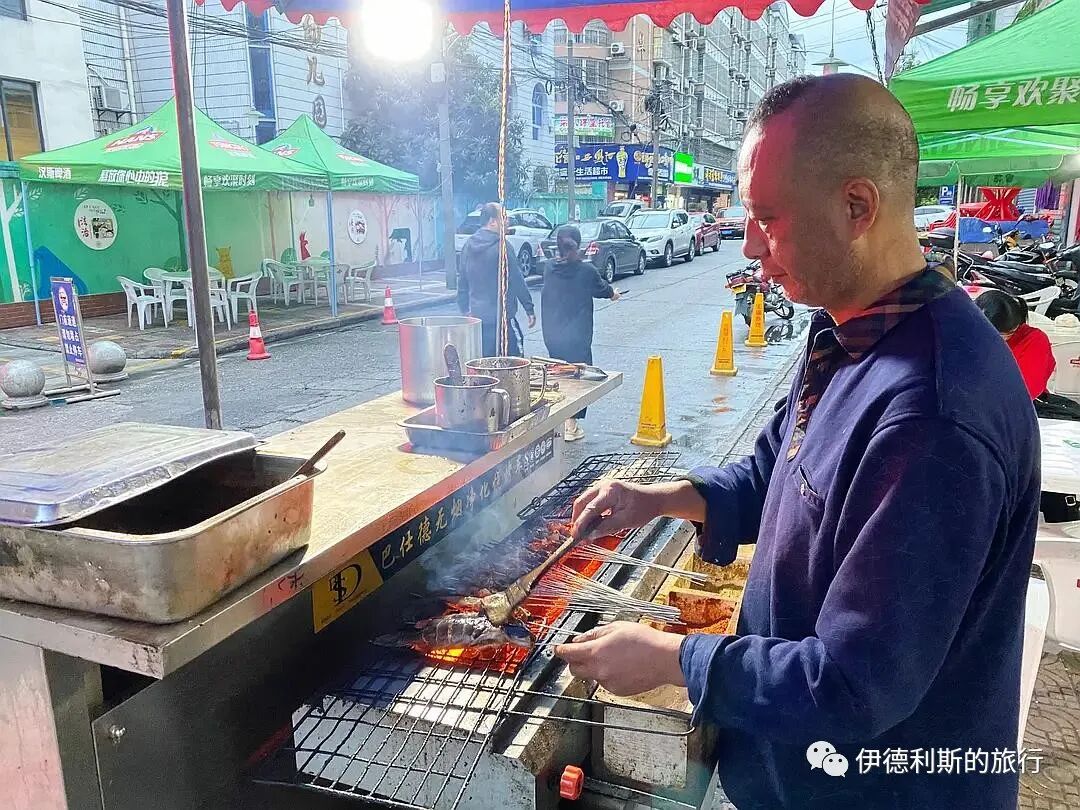
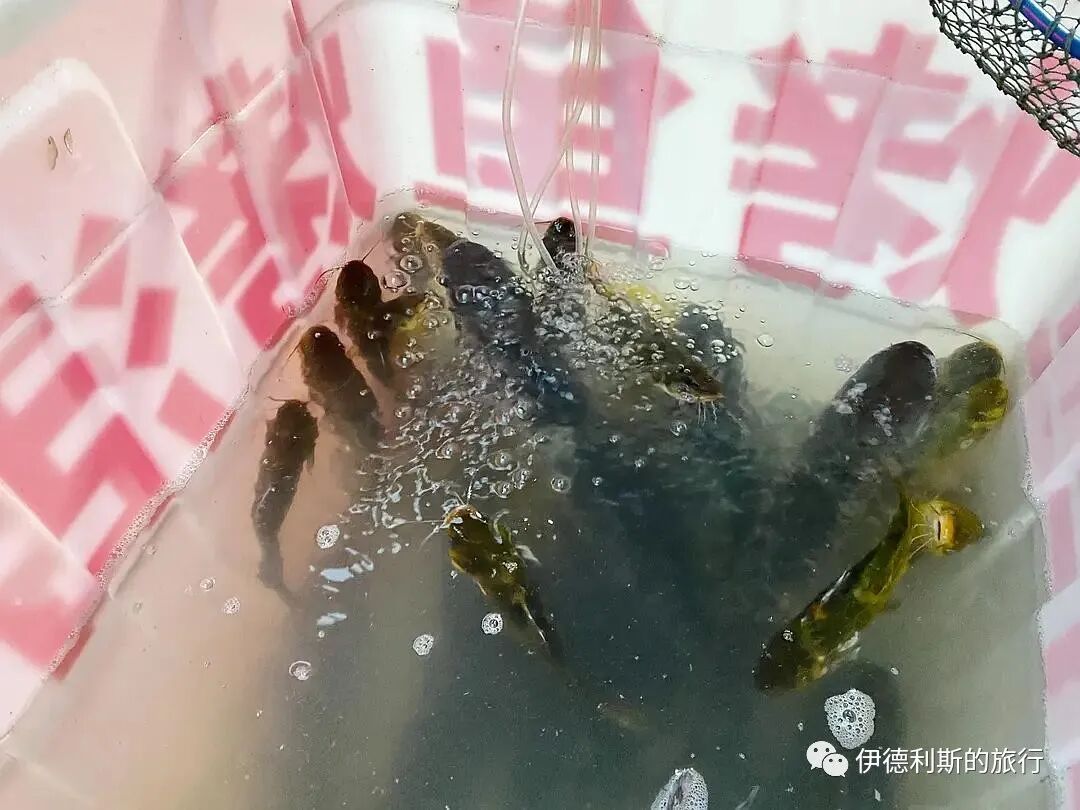
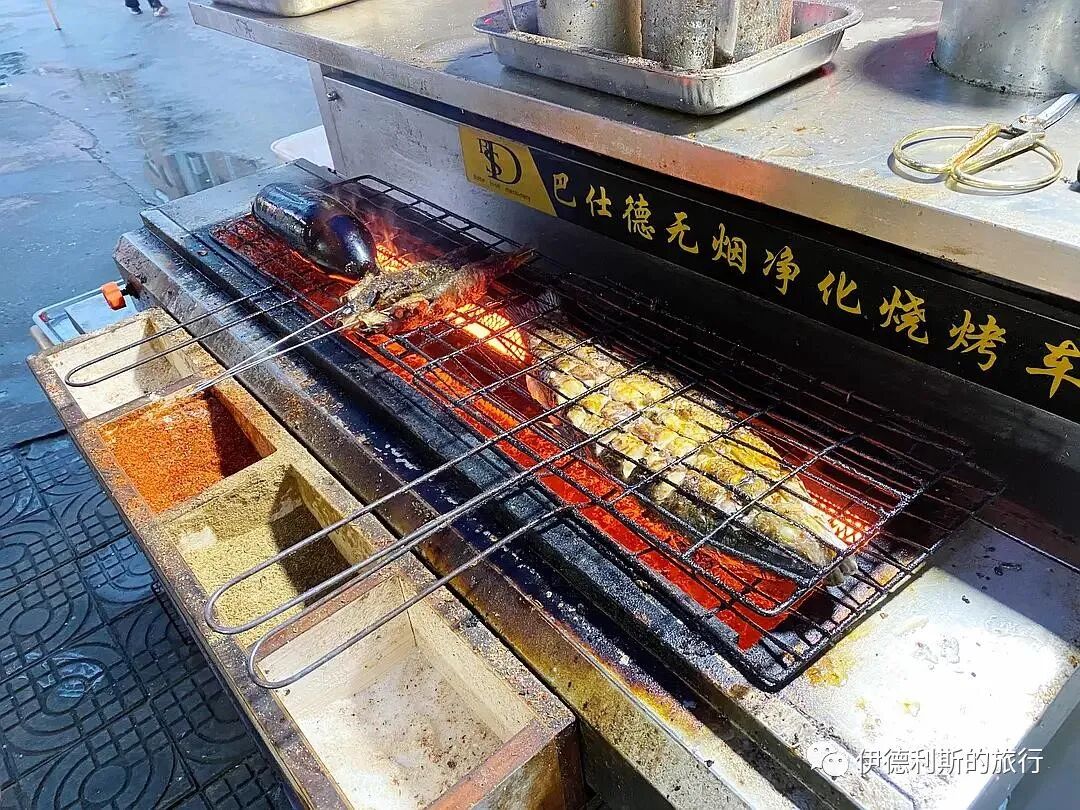
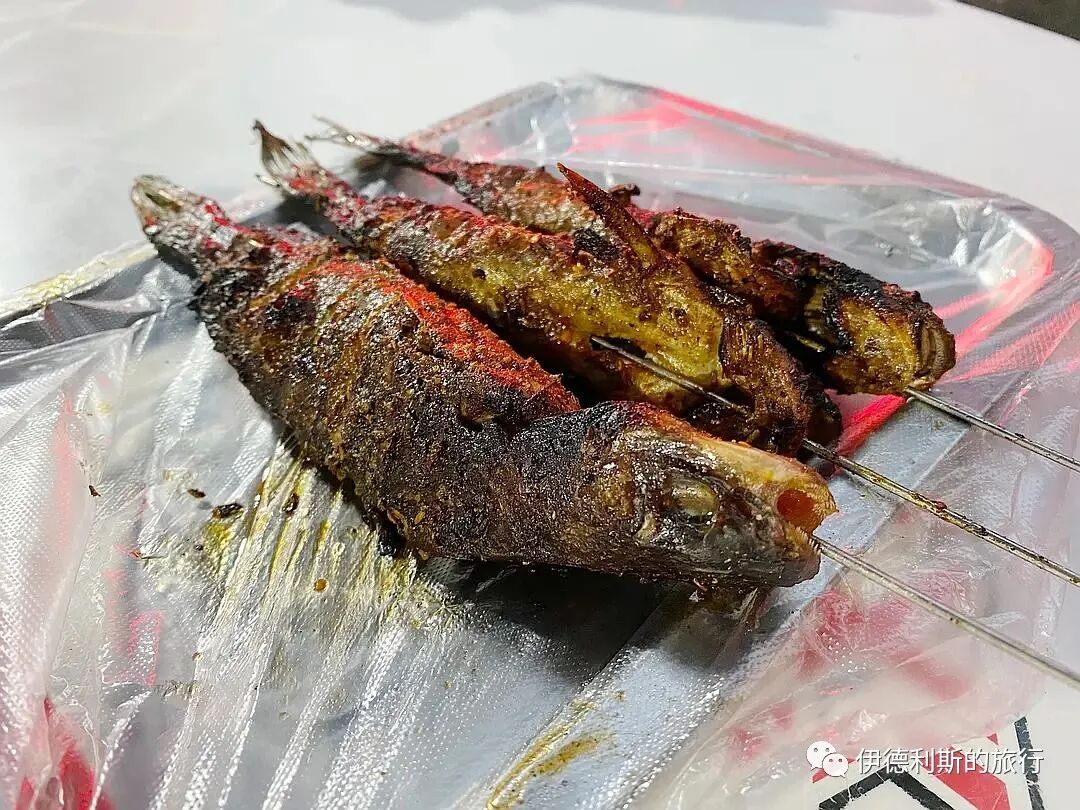
In the evening, we ate grilled fresh fish at Ma Laowu Barbecue on Gulou East Street. Every fish was alive. I didn't dare to choose a big fish, so we ate the smallest yellow catfish, and also had some lamb skewers. After the grilled fish, we wandered to East Street to eat Ma Dasao Malatang. Ankang's malatang is also quite unique; the sauce used is different from other places and very fragrant. I really love this late-night snack atmosphere in the Ankang Hui Muslim district; it's all food loved by the locals.
Beef rice noodles, beef in a bun
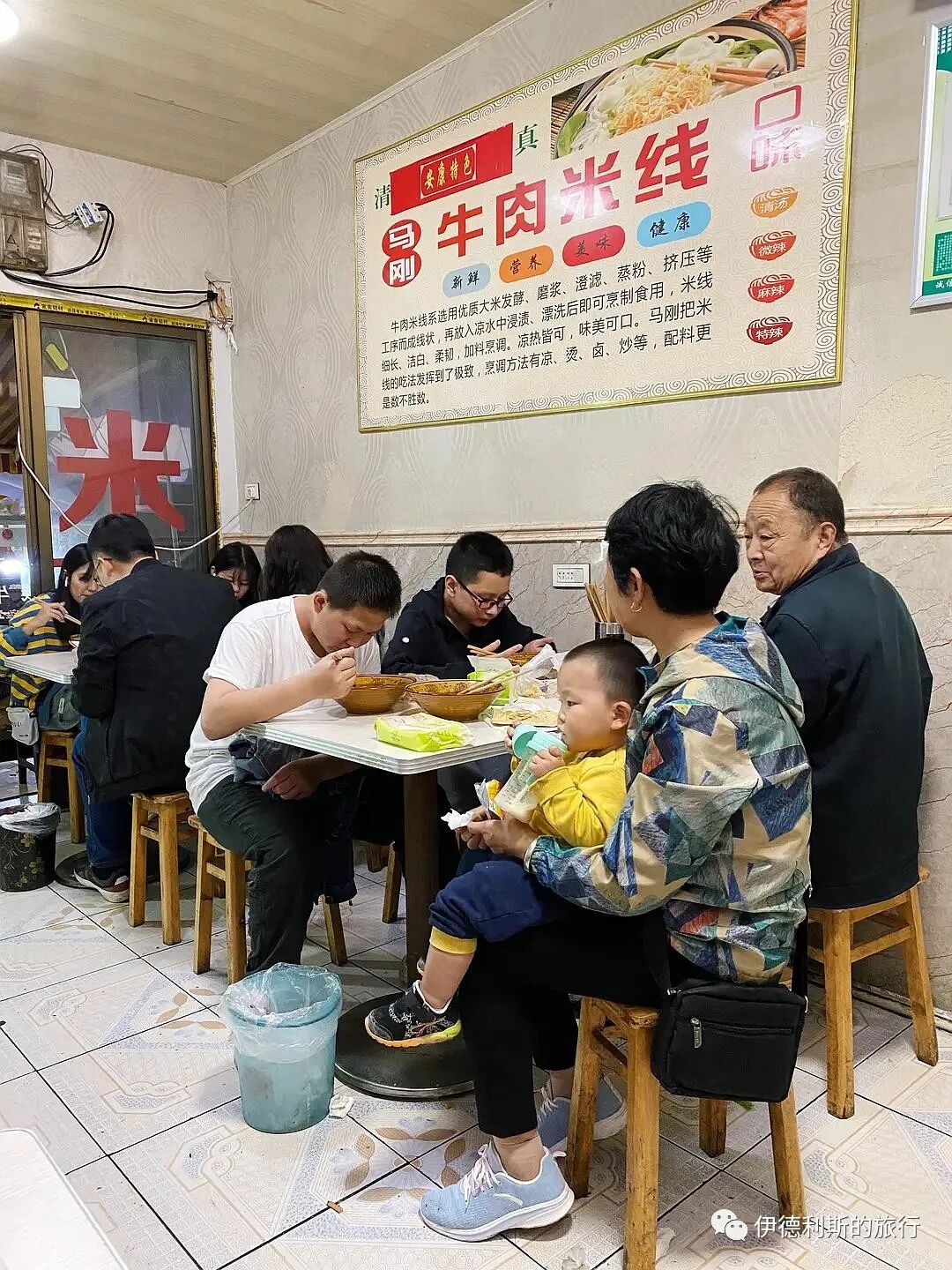
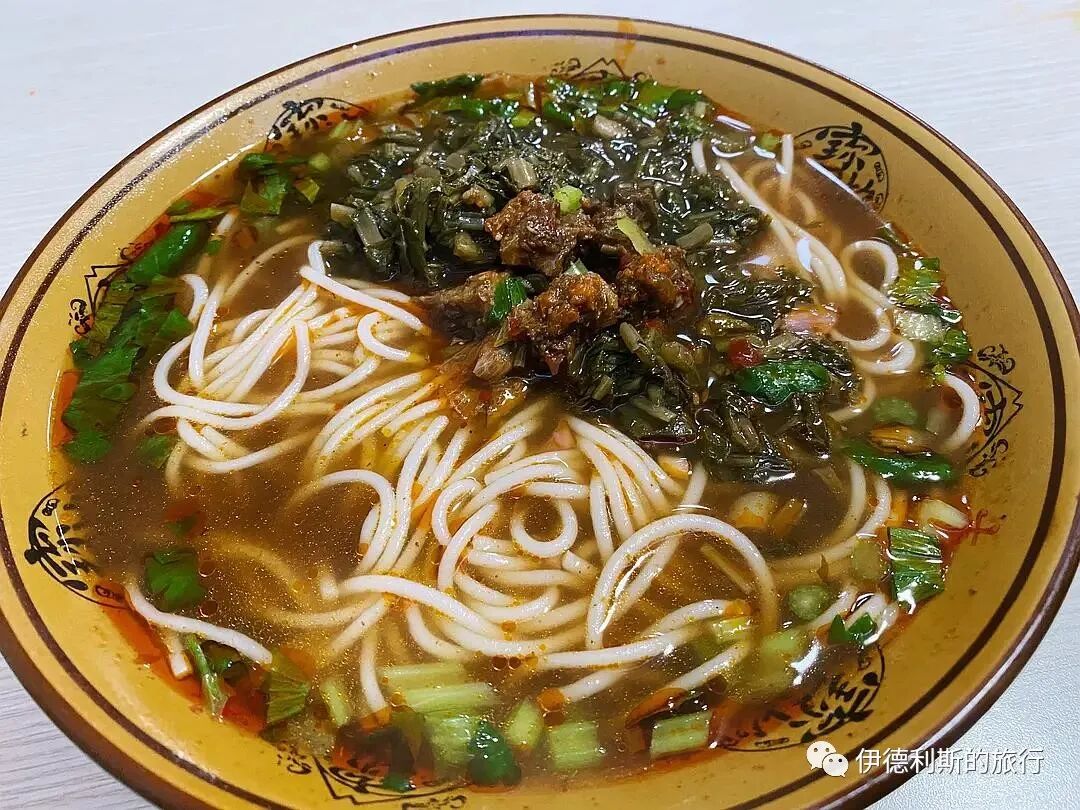
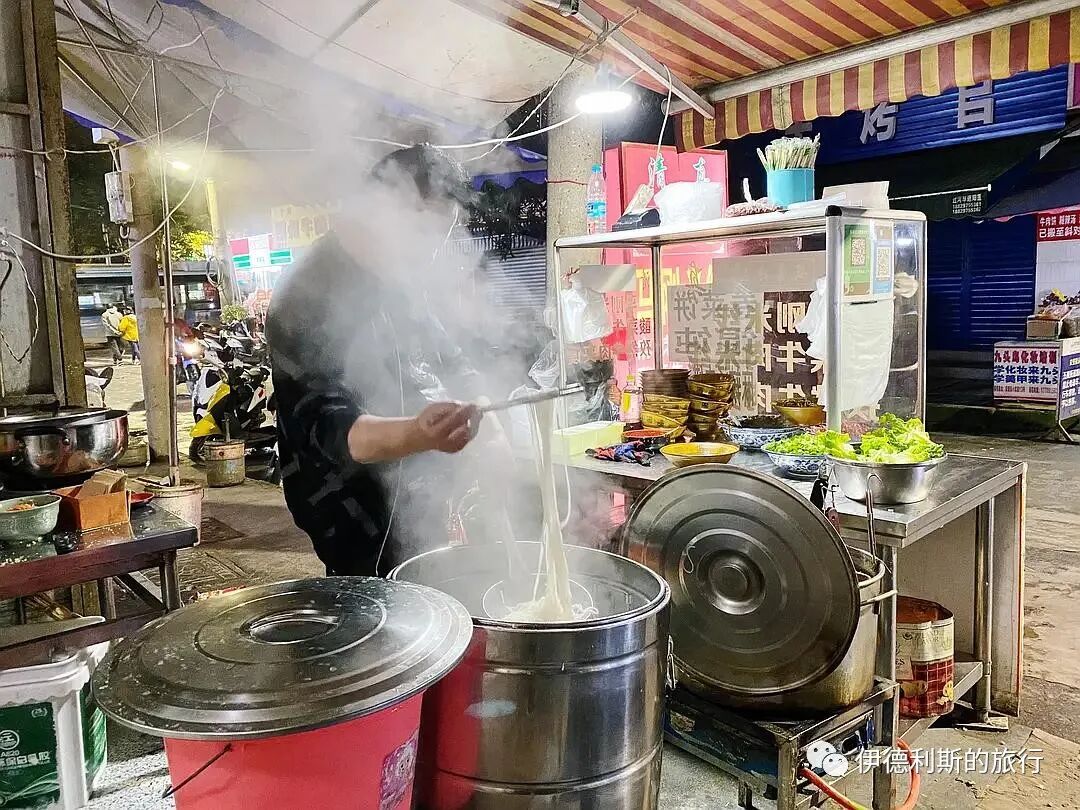
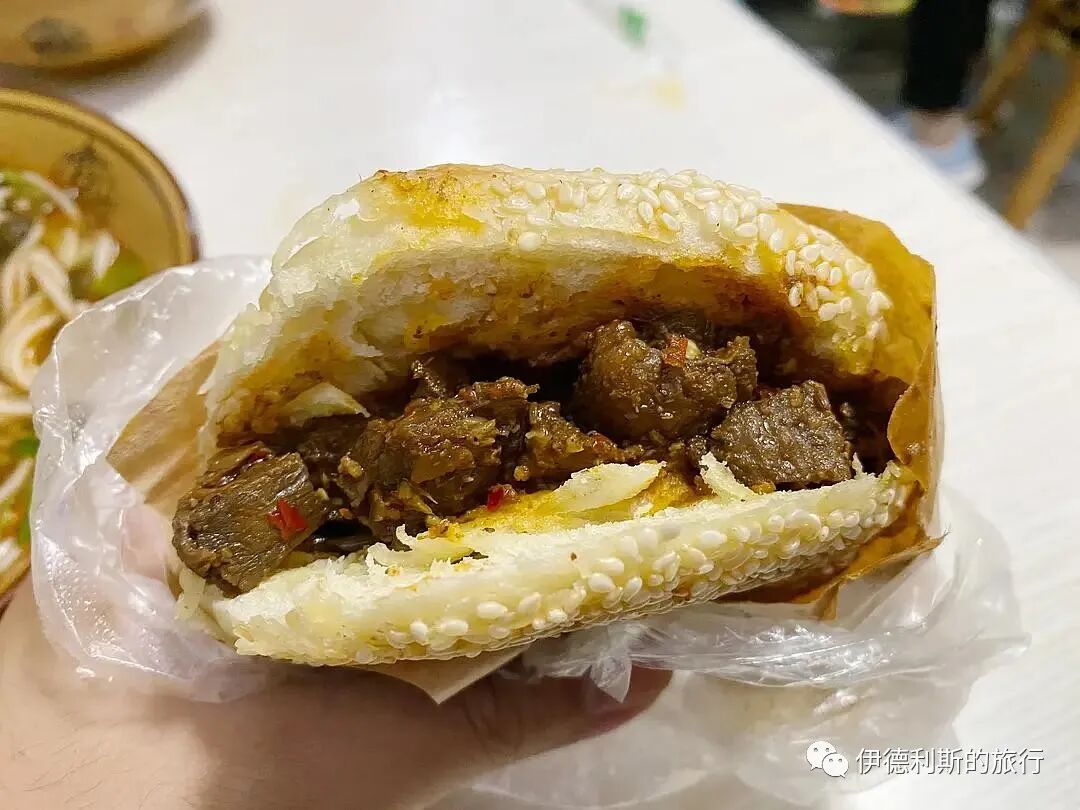
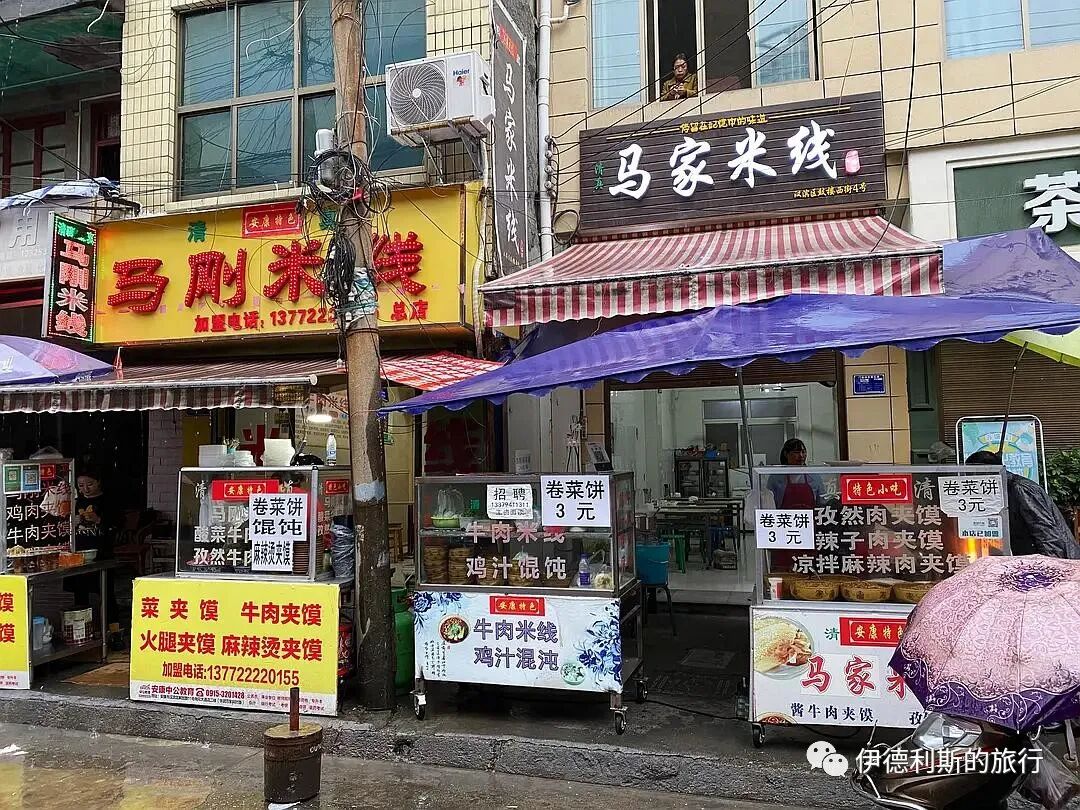
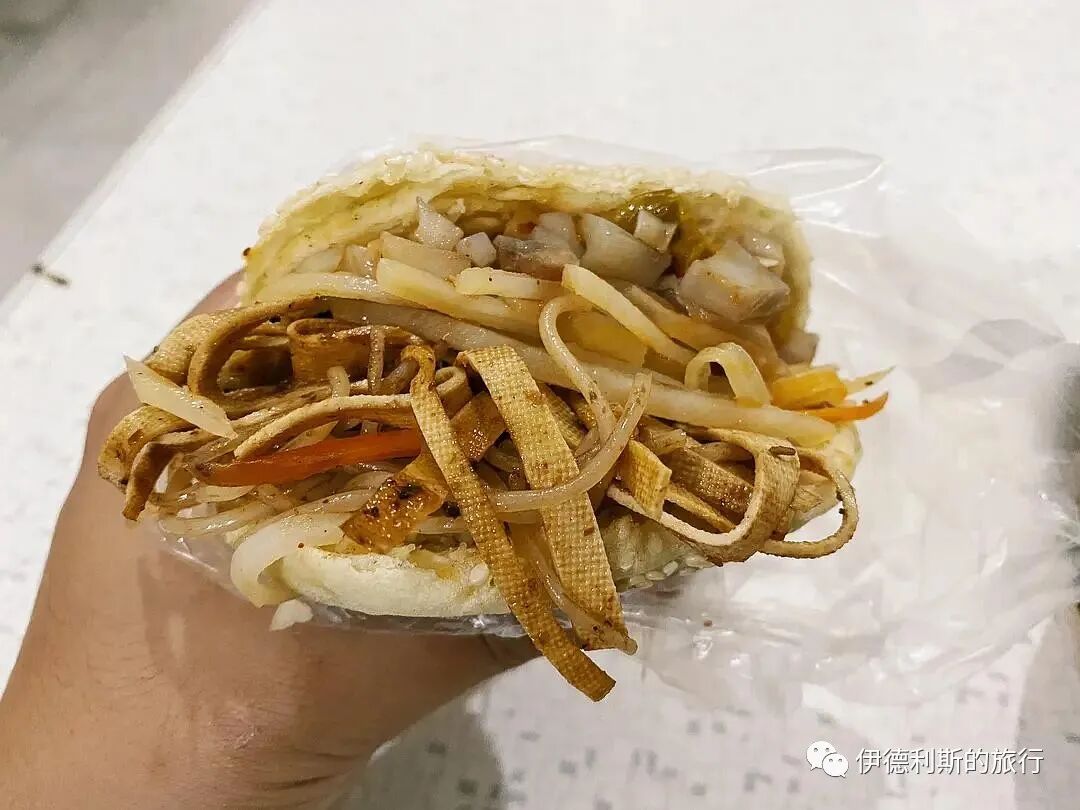
Continuing with late-night snacks, we ate beef rice noodles and cumin beef in a bun at Ma Gang Rice Noodles on Gulou West Street. It's true that just across the Qinling Mountains, Ankang starts eating rice noodles. And Ankang people really can put anything in a bun: vegetable buns, malatang buns, cumin beef buns, ham buns, spicy meat buns, etc. I even saw a fried dough stick in a bun this morning. However, my favorite is still the cumin beef in a bun. The taste is completely different from Xi'an's roujiamo (meat in a bun). Ankang uses a sesame bun, which I personally feel has a better texture than Xi'an's baiji bun.
Vegetable bun, chicken soup wontons, lamb pie
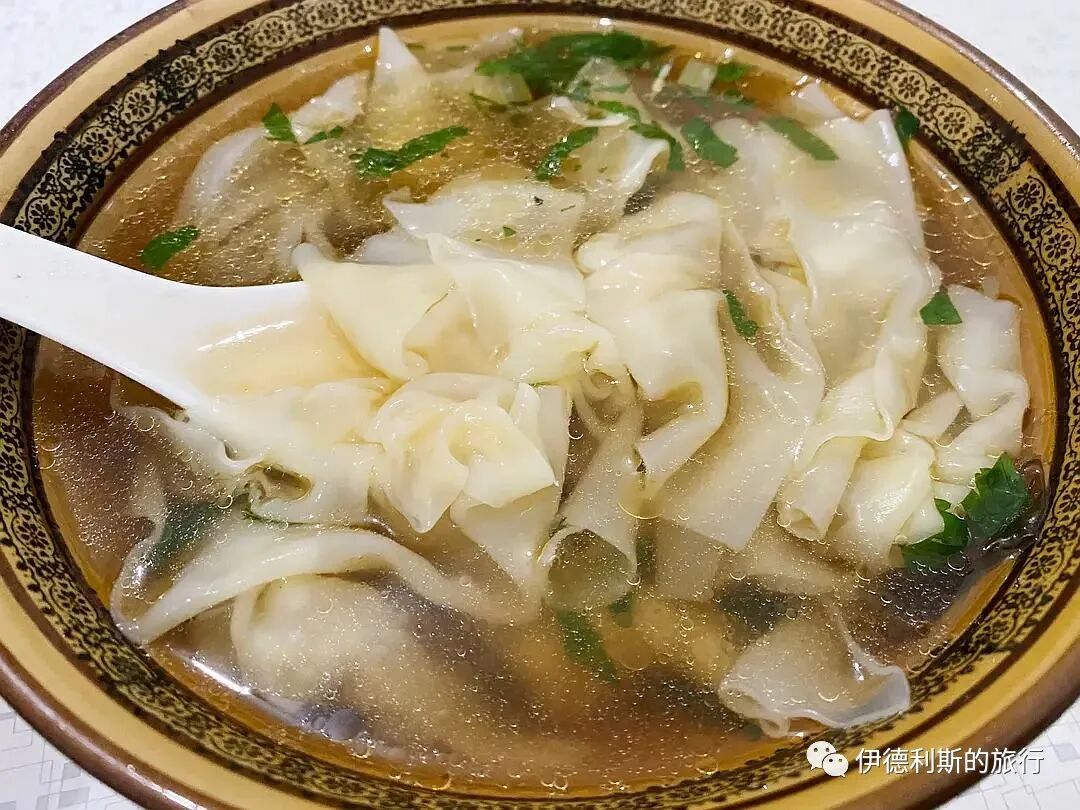
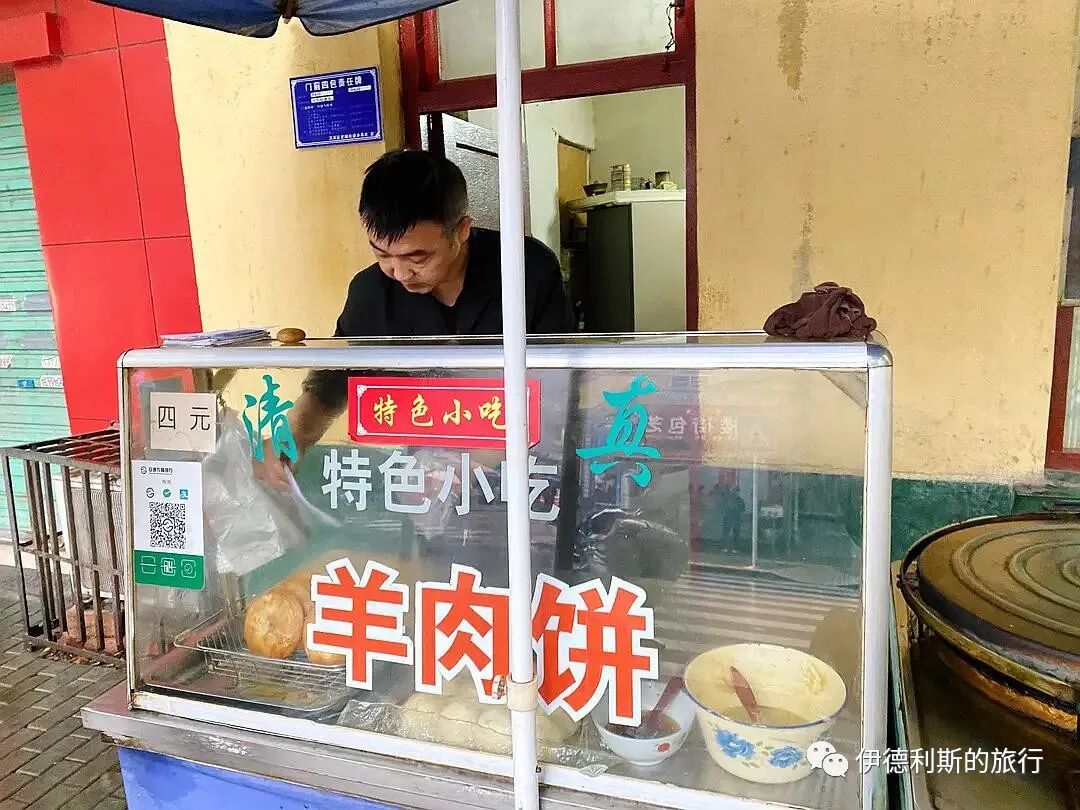
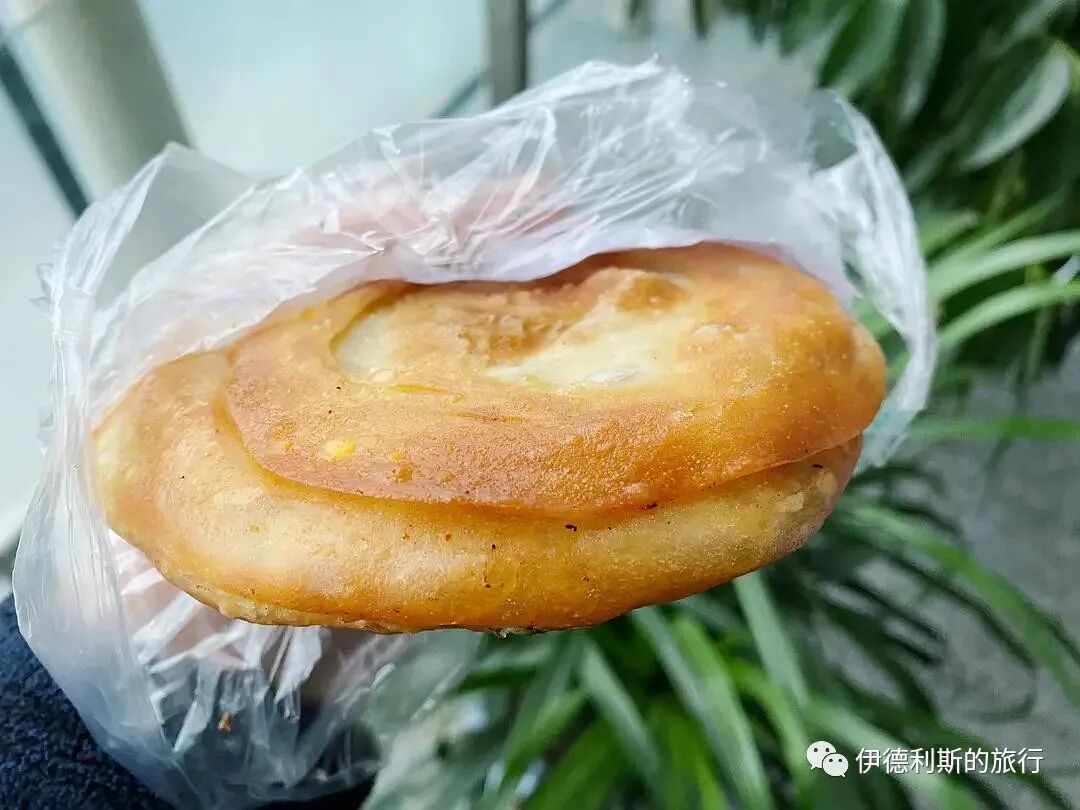
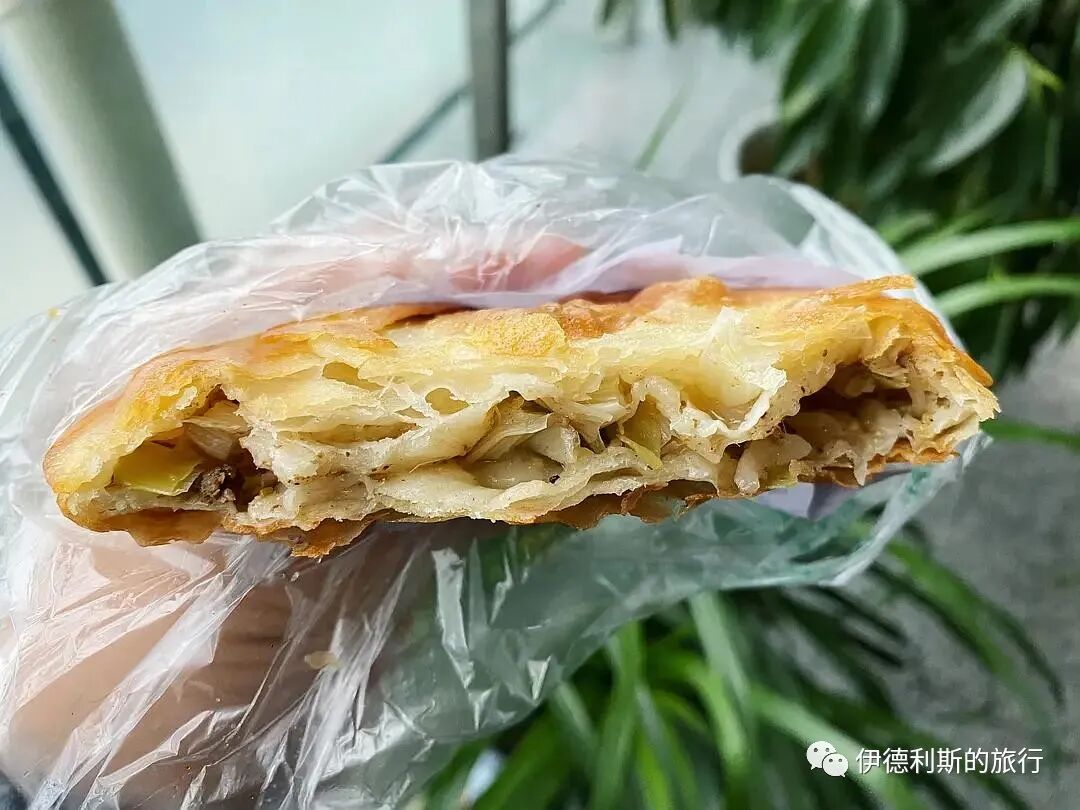
In the morning, we ate a vegetable bun and chicken soup wontons at Ma's Rice Noodles next to Ma Gang Rice Noodles. The variety of breakfast here is also very rich; you can have whatever you want. Then we ate lamb pie at the entrance of Gulou Street. The flavor of Ankang's lamb pie is so rich that you can smell the fragrance from far away, making it impossible to walk past.
(Optional) Image description
[Muslim Community Food Tour] Grand Plan view all
Summary: This travel note introduces Ankang Hui Muslim Street Guide: Halal Food and Muslim Heritage in Shaanxi. Traveled from Shuhe along the Han River to Ankang. Ankang is the largest Muslim community in southern Shaanxi. It is useful for readers interested in Ankang Muslim Street, Halal Food, Shaanxi Travel.
Traveled from Shuhe along the Han River to Ankang. Ankang is the largest Muslim community in southern Shaanxi. Hui Muslims have settled here since the Ming Dynasty, and by the Republic of China era, seven mosques had already been built. The halal food in Ankang is also the most abundant in southern Shaanxi. Snacks include zhengmian (steamed noodles), rice noodles, ciba (glutinous rice cakes), youceng (layered fried bread), malatang jiamo (spicy hot pot ingredients in a bun), and more, with even more variety in banquet dishes. Moreover, because the Hui Muslim street in Ankang is not a tourist area, everything you eat is food loved by the locals. We really had a wonderful time eating and exploring this time.
Zhengmian (steamed noodles)
In the morning, we ate zhengmian with pickled vegetable soup at the most popular Huang's Zhengmian at the entrance of Gulou Street. The owner is a Haji who returned from Hajj in 2005. Ankang zhengmian is a type of Shaanxi liangpi (cold skin noodles). Unlike Xi'an liangpi, which is seasoned with raw vinegar, Ankang zhengmian uses boiled vinegar. Zhengmian is usually served with youpo lazi (hot chili oil), but I didn't add any because I can't handle much spice.
The yousu mo (crispy fried flatbread) across from Huang's Zhengmian also looked delicious.
Mosque
After finishing the zhengmian, we went to visit the ancient mosque. According to stone inscriptions, the Ankang Mosque was first built in the Yuan Dynasty. It was initially called Libai Mosque, later renamed Jingjue Mosque, and changed to Mosque in 1767. In 1583, the mosque was destroyed by a flood and the grounds were occupied. In the early years of the Kangxi Emperor's reign, the property was returned and rebuilt on the original site. It was destroyed again in 1862, with only the screen wall remaining. The north and south lecture halls were rebuilt in 1867, and the prayer hall and other buildings were rebuilt in 1871. In 1923, a five-story, hexagonal, pointed-roof minaret was built, reaching 37 meters in height. The main hall was expanded in 1931.
In 1983, a major flood occurred in Ankang. The mosque's minaret collapsed, and the north and south lecture halls were destroyed, with only the main hall surviving. In 1984, the north and south lecture halls, minaret, and ablution room were rebuilt. The archway-style gate was rebuilt in 1999, and the main hall was rebuilt in 2013.
After leaving the ancient mosque, we ate tanggao (fried sugar cake) with douhua (soft tofu pudding) at the intersection of Bizi Lane and Xizheng Street. Yougao (fried cake) is found all the way from Zhaotong to Nanchong and Ankang, and the douhua here is salty and spicy. The lamb pie nearby also looked very tasty.
North Mosque
The North Mosque was first built in 1502. During the 1983 Ankang flood, all the buildings of the North Mosque were washed away. Construction began in 1984 and was completed in 1994.
Next to the North Mosque is a 232-year-old Chinese toon tree, nearly 40 meters tall. During the 1983 Ankang flood, 31 people climbed this tree and survived, so it is also called the 'Life-Saving Tree'.
Jingning South Mosque
Jingning South Mosque was first built in the Ming Dynasty. In the 1583 Han River flood, the South Mosque was submerged, and the buildings collapsed, leaving only the Wangyue Tower (Moon-Watching Tower). It was rebuilt twice, during the Kangxi era and in 1890. After 1957, it was occupied. During the Cultural Revolution, a fire broke out, and the South Mosque was burned down, with only the Wangyue Tower surviving. After the property was returned, the main hall, north and south wing rooms, ablution room, and gatehouse were rebuilt. In 1998, the Ming Dynasty Wangyue Tower was demolished and replaced with a reinforced concrete structure. In 2018, the stone archway, Wangyue Tower, and north and south wing rooms were rebuilt again.
The main hall of Jingning South Mosque is the largest among Ankang's mosques. From the aerial view, you can see it is composed of three connected buildings, each with a different architectural style.
Vegetable rolls, ciba (glutinous rice cakes), and zhengpenzi (steamed basin dish)
After visiting the two mosques, we continued to eat snacks.
We ate vegetable rolls in front of Huang's Zhengmian. Various small vegetable dishes were rolled into freshly made pancakes. The vegetables were very flavorful, and the pancakes were fragrant. This two-yuan snack left me very satisfied.
Then we strolled along Gulou West Street and ate ciba at a sweet shop called Ma's Zongzi. We discovered a 1990s-era tangping (kettle) sign, which is extremely rare.
After walking around a lot, we went for lunch. Dongzheng Street is full of halal restaurants. We chose a place called Huifuzhai and ate their specialty, zhengpenzi (a large steamed basin dish). It was a huge basin for 68 yuan, with plenty of food, including lamb, chicken, beef sausage, shrimp dumplings, carrots, white radishes, yams, lotus roots, corn, and more. The portion was very generous. Zainabu loved it.
Grilled fresh fish, malatang (spicy hot pot)
In the evening, we ate grilled fresh fish at Ma Laowu Barbecue on Gulou East Street. Every fish was alive. I didn't dare to choose a big fish, so we ate the smallest yellow catfish, and also had some lamb skewers. After the grilled fish, we wandered to East Street to eat Ma Dasao Malatang. Ankang's malatang is also quite unique; the sauce used is different from other places and very fragrant. I really love this late-night snack atmosphere in the Ankang Hui Muslim district; it's all food loved by the locals.
Beef rice noodles, beef in a bun
Continuing with late-night snacks, we ate beef rice noodles and cumin beef in a bun at Ma Gang Rice Noodles on Gulou West Street. It's true that just across the Qinling Mountains, Ankang starts eating rice noodles. And Ankang people really can put anything in a bun: vegetable buns, malatang buns, cumin beef buns, ham buns, spicy meat buns, etc. I even saw a fried dough stick in a bun this morning. However, my favorite is still the cumin beef in a bun. The taste is completely different from Xi'an's roujiamo (meat in a bun). Ankang uses a sesame bun, which I personally feel has a better texture than Xi'an's baiji bun.
Vegetable bun, chicken soup wontons, lamb pie
In the morning, we ate a vegetable bun and chicken soup wontons at Ma's Rice Noodles next to Ma Gang Rice Noodles. The variety of breakfast here is also very rich; you can have whatever you want. Then we ate lamb pie at the entrance of Gulou Street. The flavor of Ankang's lamb pie is so rich that you can smell the fragrance from far away, making it impossible to walk past.
(Optional) Image description
[Muslim Community Food Tour] Grand Plan view all
Reposted from the web
Summary: This travel note introduces Ankang Hui Muslim Street Guide: Halal Food and Muslim Heritage in Shaanxi. Traveled from Shuhe along the Han River to Ankang. Ankang is the largest Muslim community in southern Shaanxi. It is useful for readers interested in Ankang Muslim Street, Halal Food, Shaanxi Travel.
Traveled from Shuhe along the Han River to Ankang. Ankang is the largest Muslim community in southern Shaanxi. Hui Muslims have settled here since the Ming Dynasty, and by the Republic of China era, seven mosques had already been built. The halal food in Ankang is also the most abundant in southern Shaanxi. Snacks include zhengmian (steamed noodles), rice noodles, ciba (glutinous rice cakes), youceng (layered fried bread), malatang jiamo (spicy hot pot ingredients in a bun), and more, with even more variety in banquet dishes. Moreover, because the Hui Muslim street in Ankang is not a tourist area, everything you eat is food loved by the locals. We really had a wonderful time eating and exploring this time.
Zhengmian (steamed noodles)
In the morning, we ate zhengmian with pickled vegetable soup at the most popular Huang's Zhengmian at the entrance of Gulou Street. The owner is a Haji who returned from Hajj in 2005. Ankang zhengmian is a type of Shaanxi liangpi (cold skin noodles). Unlike Xi'an liangpi, which is seasoned with raw vinegar, Ankang zhengmian uses boiled vinegar. Zhengmian is usually served with youpo lazi (hot chili oil), but I didn't add any because I can't handle much spice.
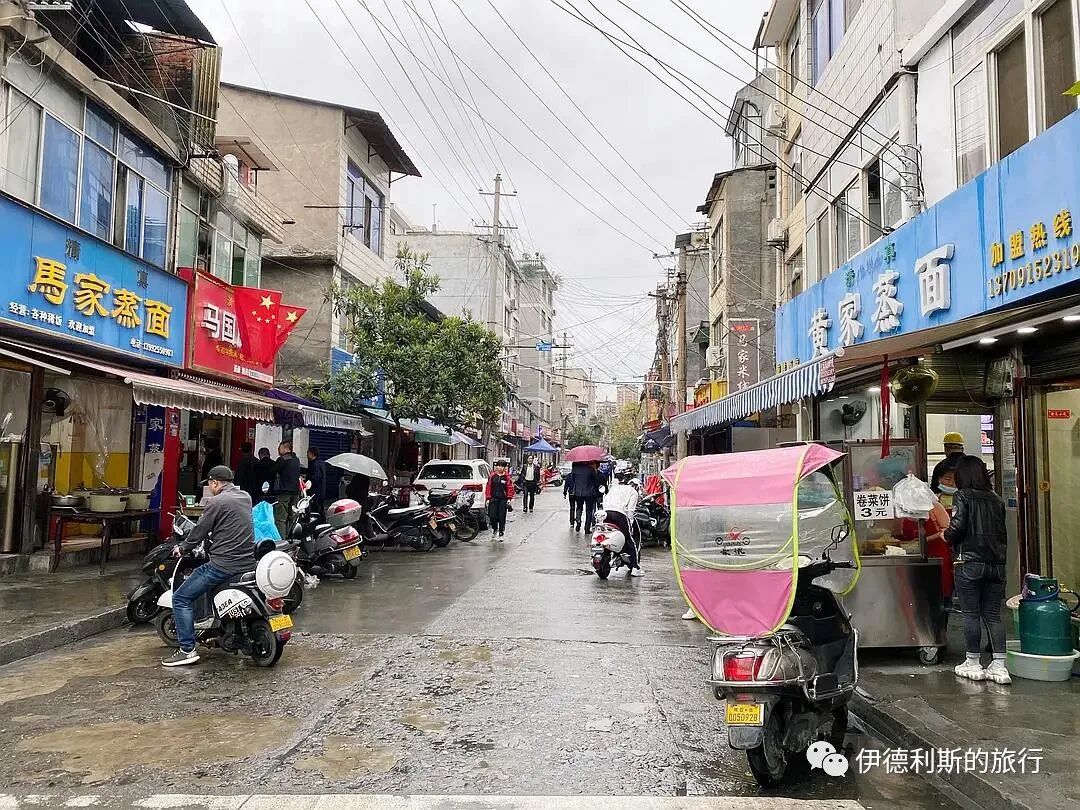
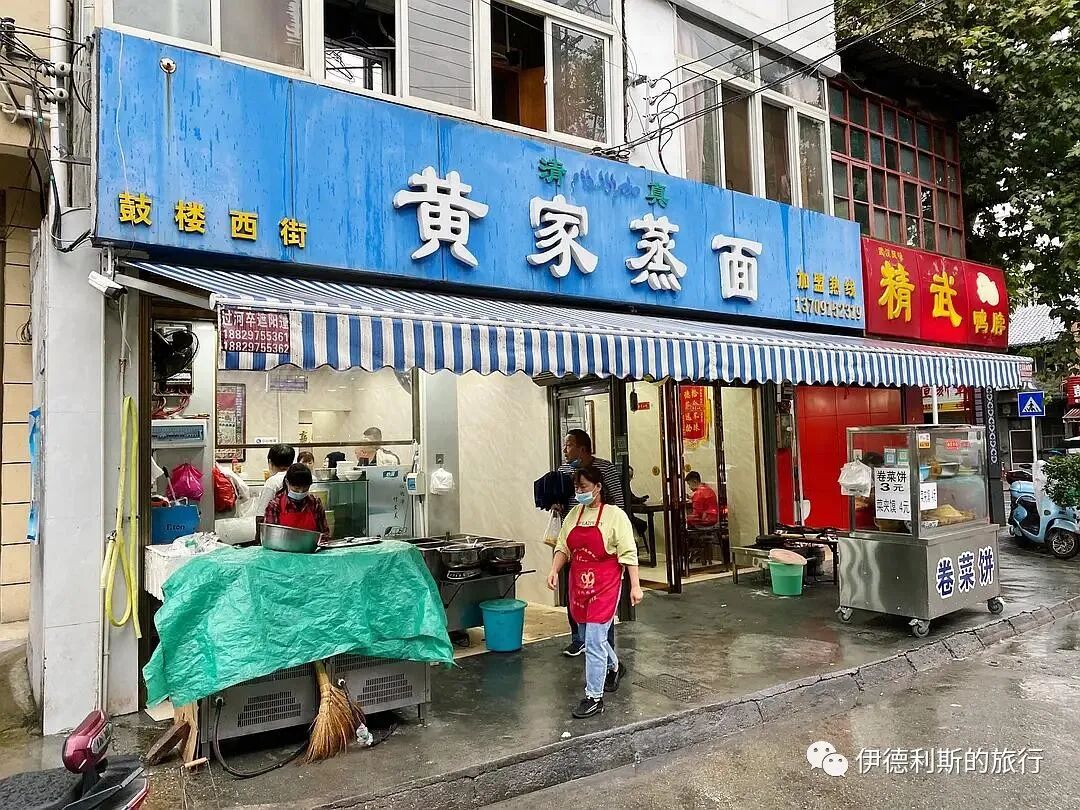
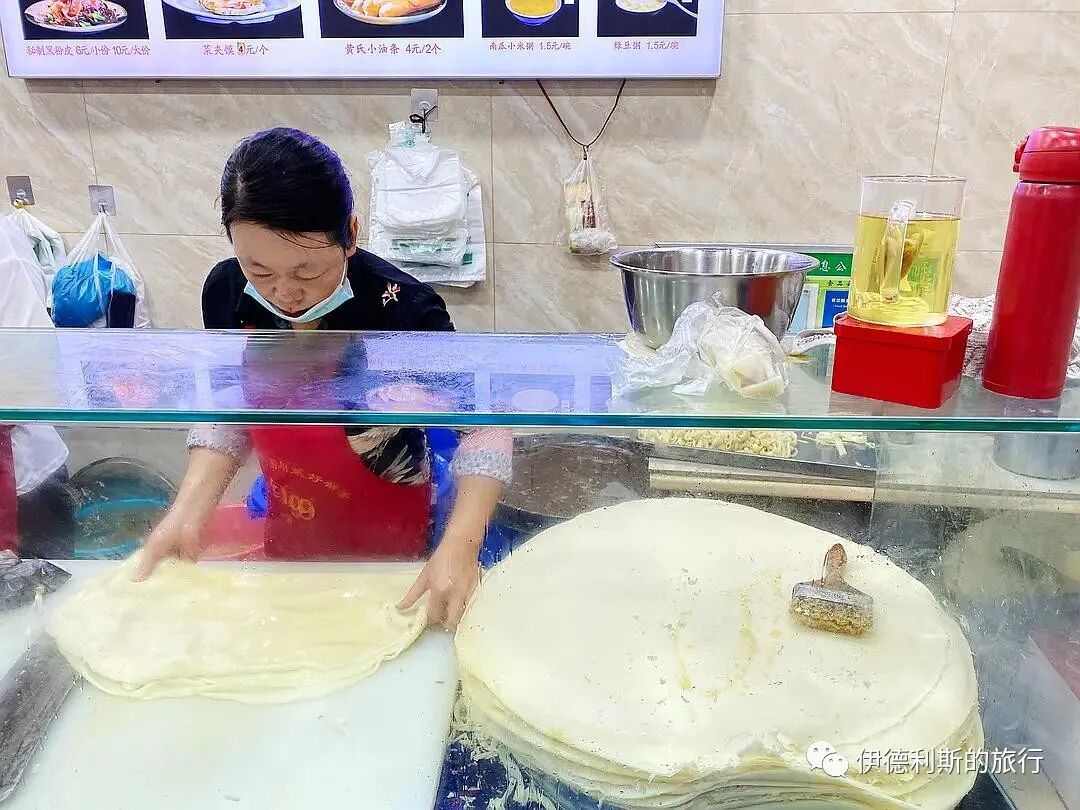
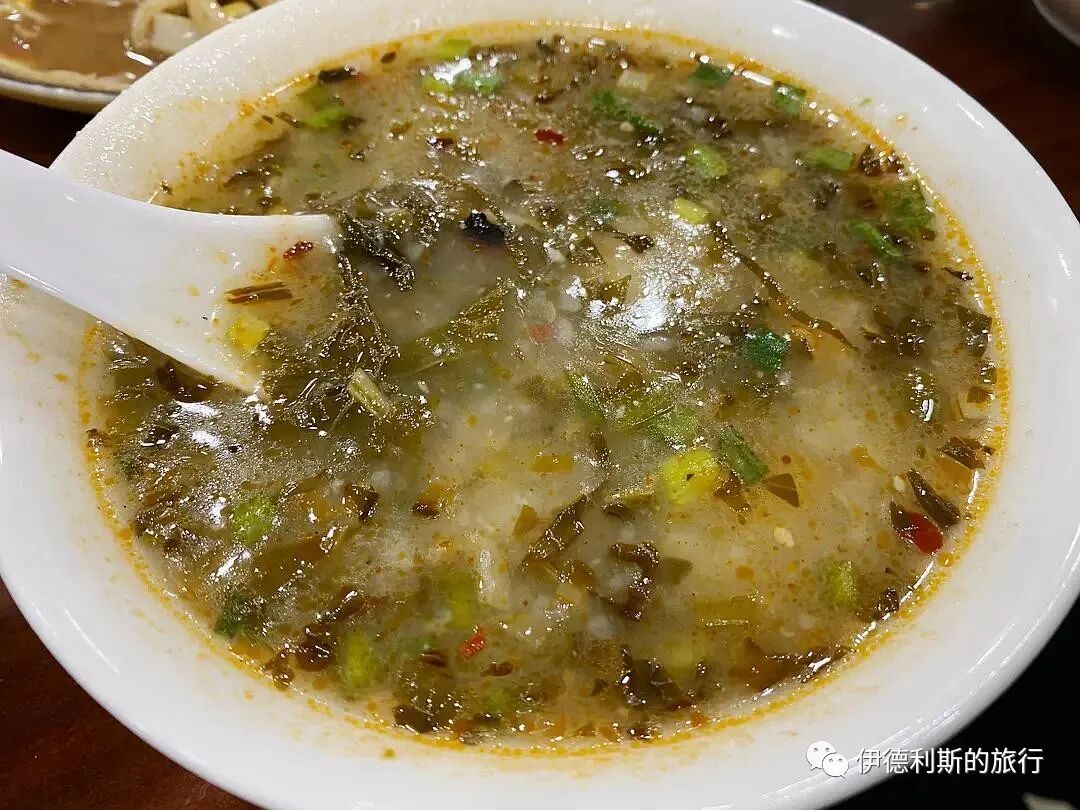
The yousu mo (crispy fried flatbread) across from Huang's Zhengmian also looked delicious.
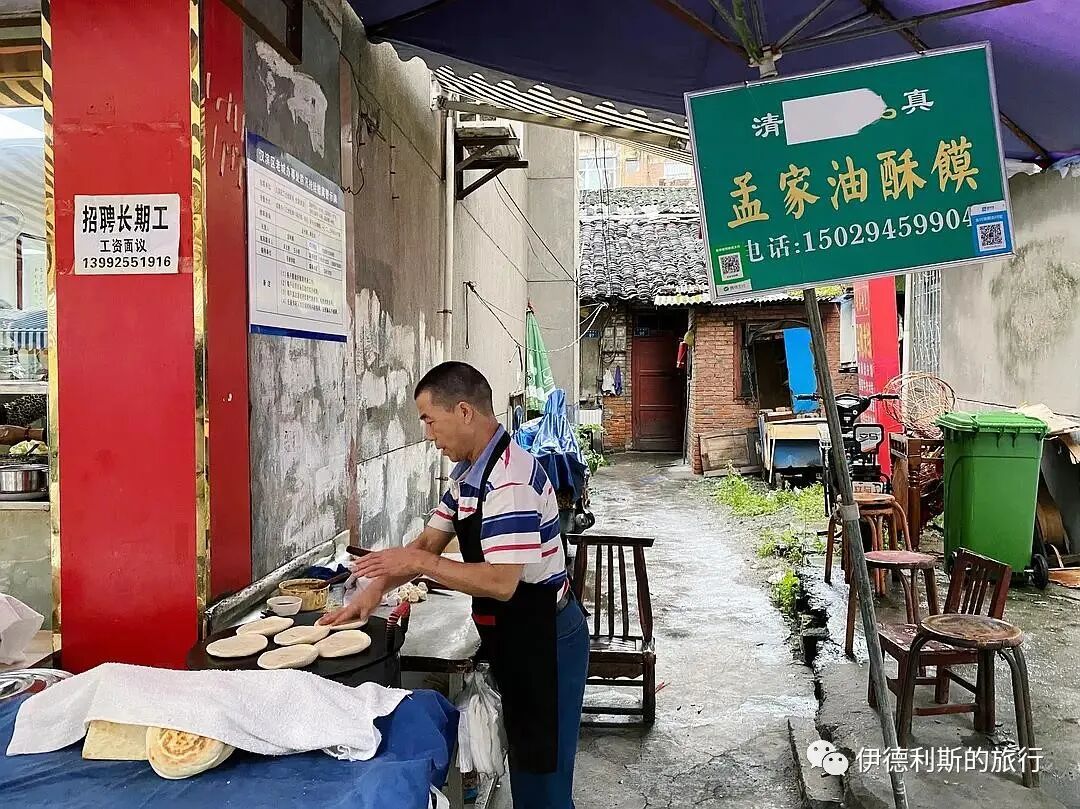
Mosque
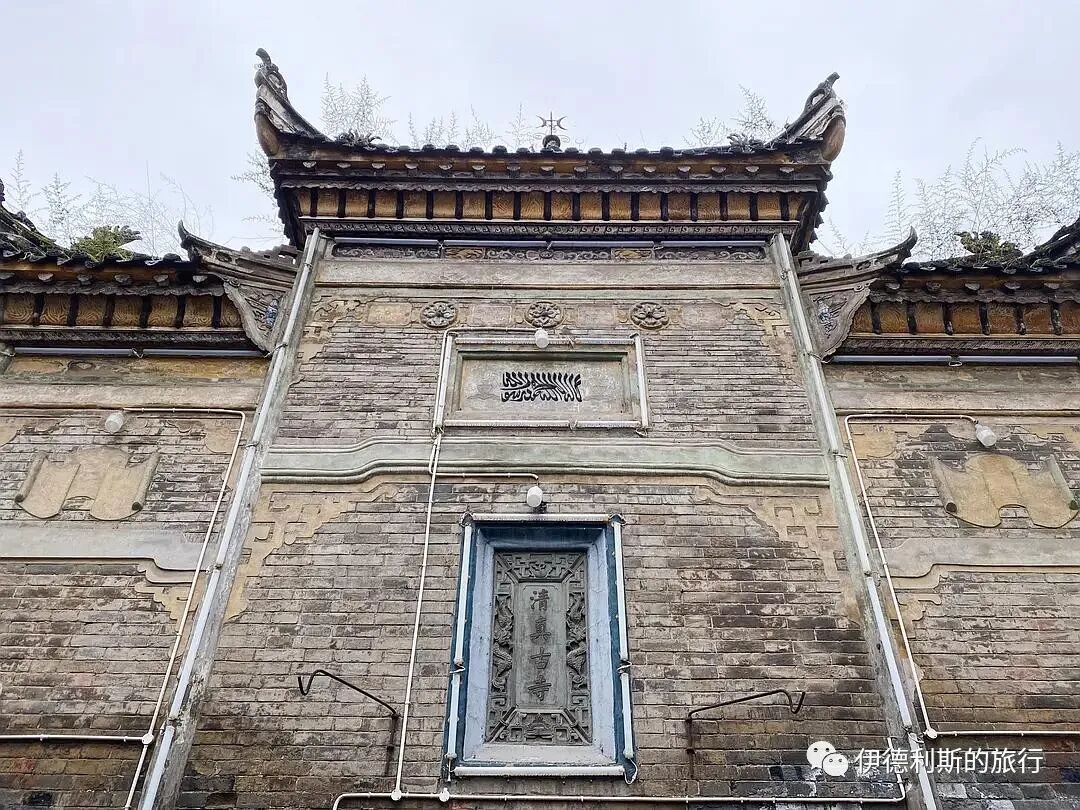
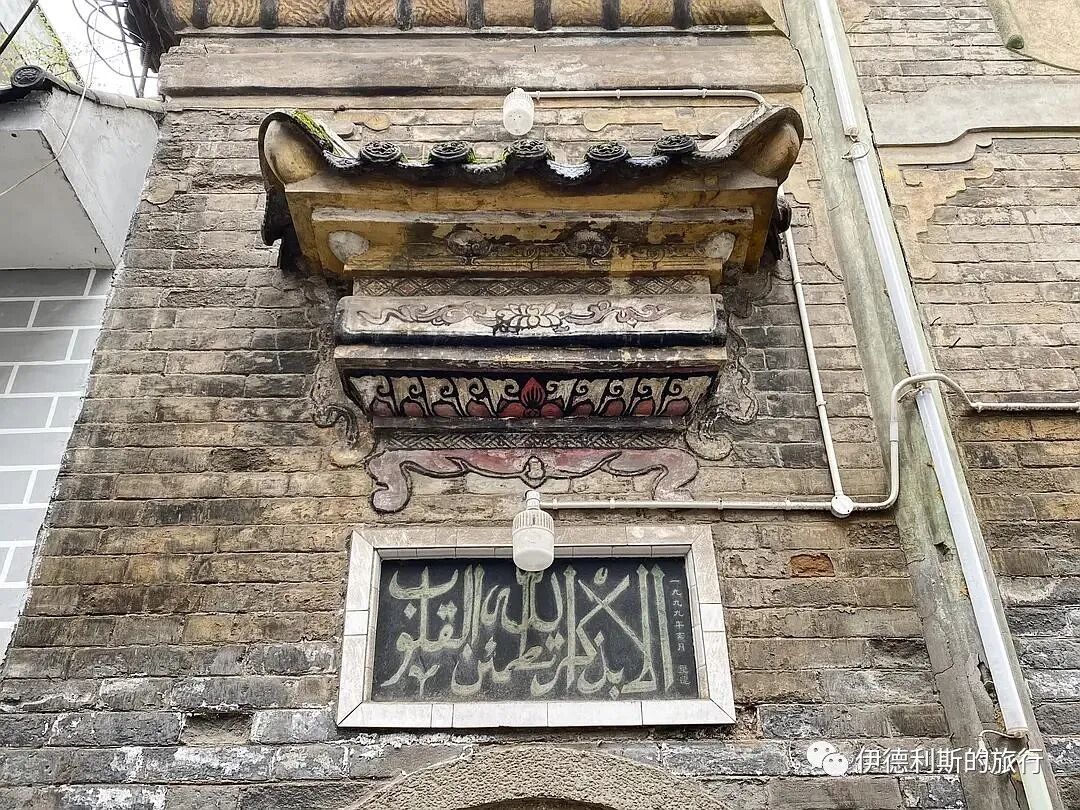
After finishing the zhengmian, we went to visit the ancient mosque. According to stone inscriptions, the Ankang Mosque was first built in the Yuan Dynasty. It was initially called Libai Mosque, later renamed Jingjue Mosque, and changed to Mosque in 1767. In 1583, the mosque was destroyed by a flood and the grounds were occupied. In the early years of the Kangxi Emperor's reign, the property was returned and rebuilt on the original site. It was destroyed again in 1862, with only the screen wall remaining. The north and south lecture halls were rebuilt in 1867, and the prayer hall and other buildings were rebuilt in 1871. In 1923, a five-story, hexagonal, pointed-roof minaret was built, reaching 37 meters in height. The main hall was expanded in 1931.
In 1983, a major flood occurred in Ankang. The mosque's minaret collapsed, and the north and south lecture halls were destroyed, with only the main hall surviving. In 1984, the north and south lecture halls, minaret, and ablution room were rebuilt. The archway-style gate was rebuilt in 1999, and the main hall was rebuilt in 2013.
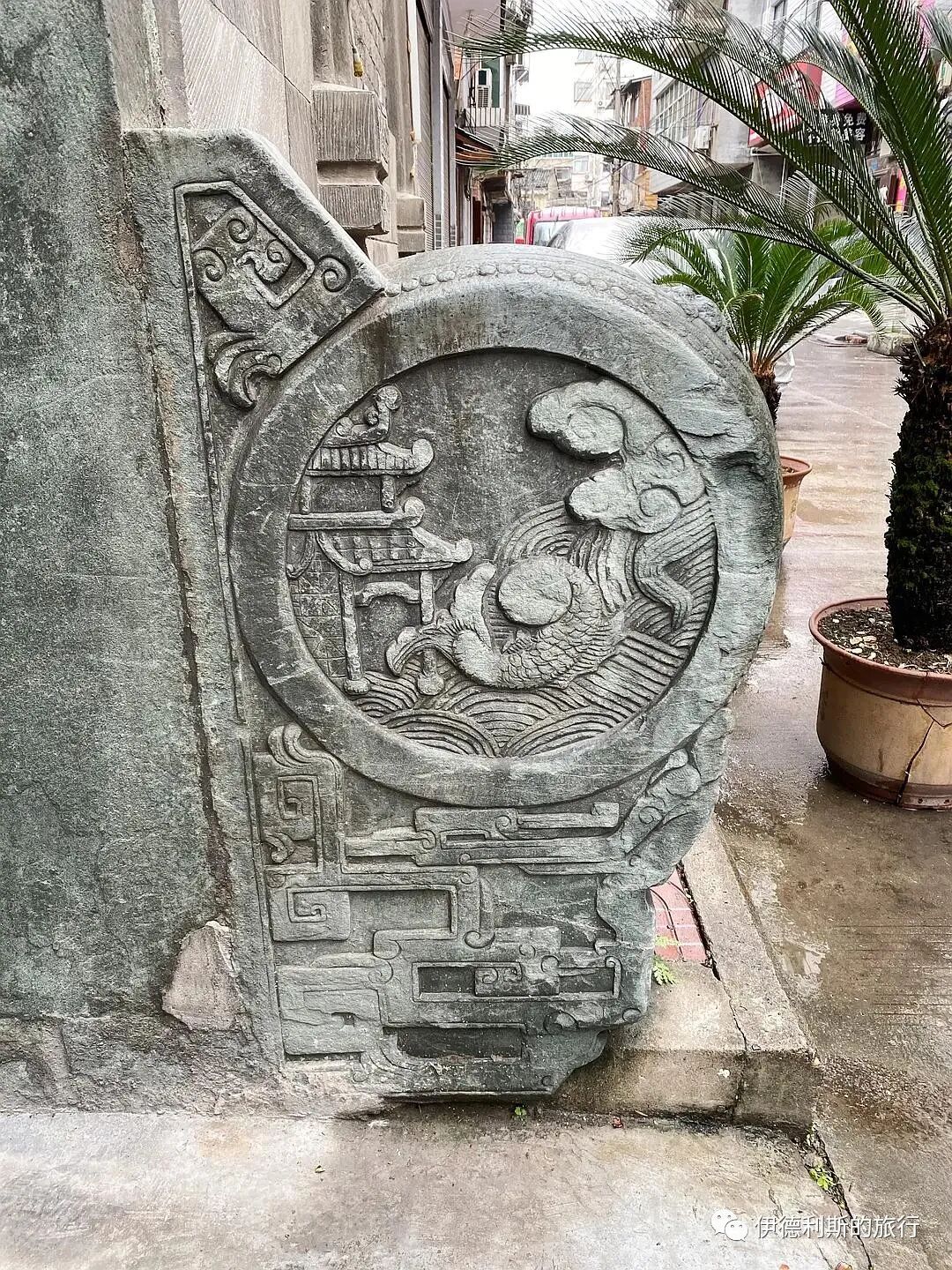
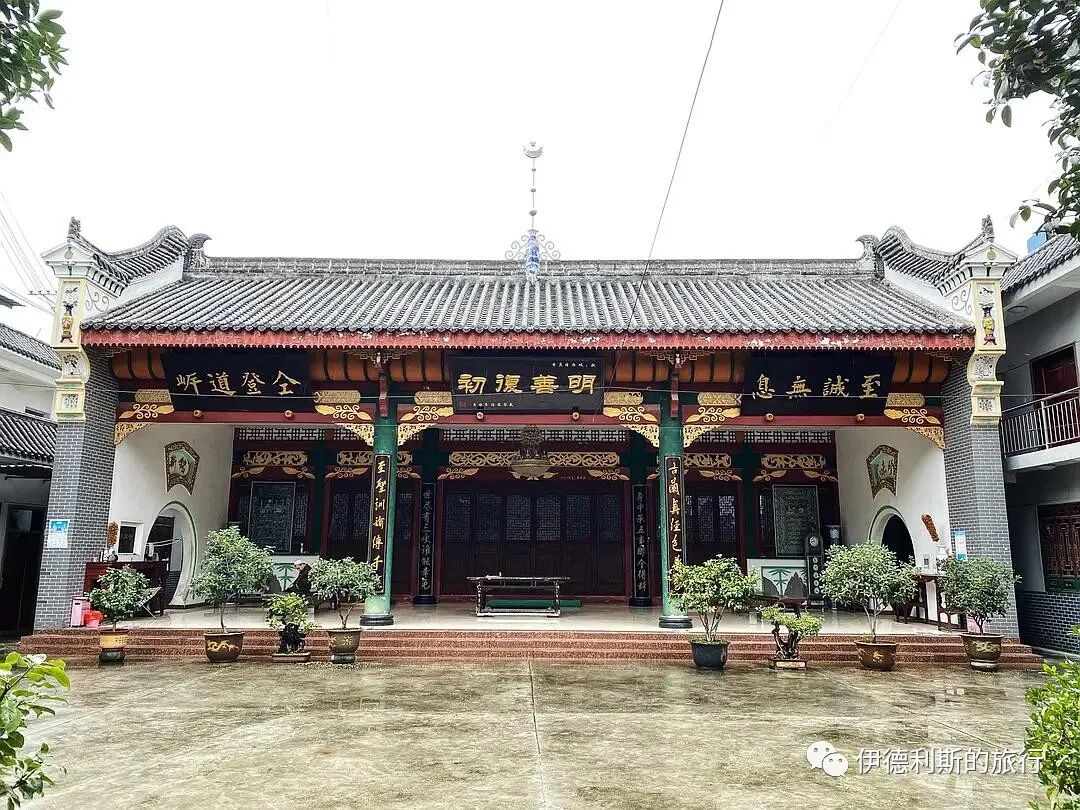
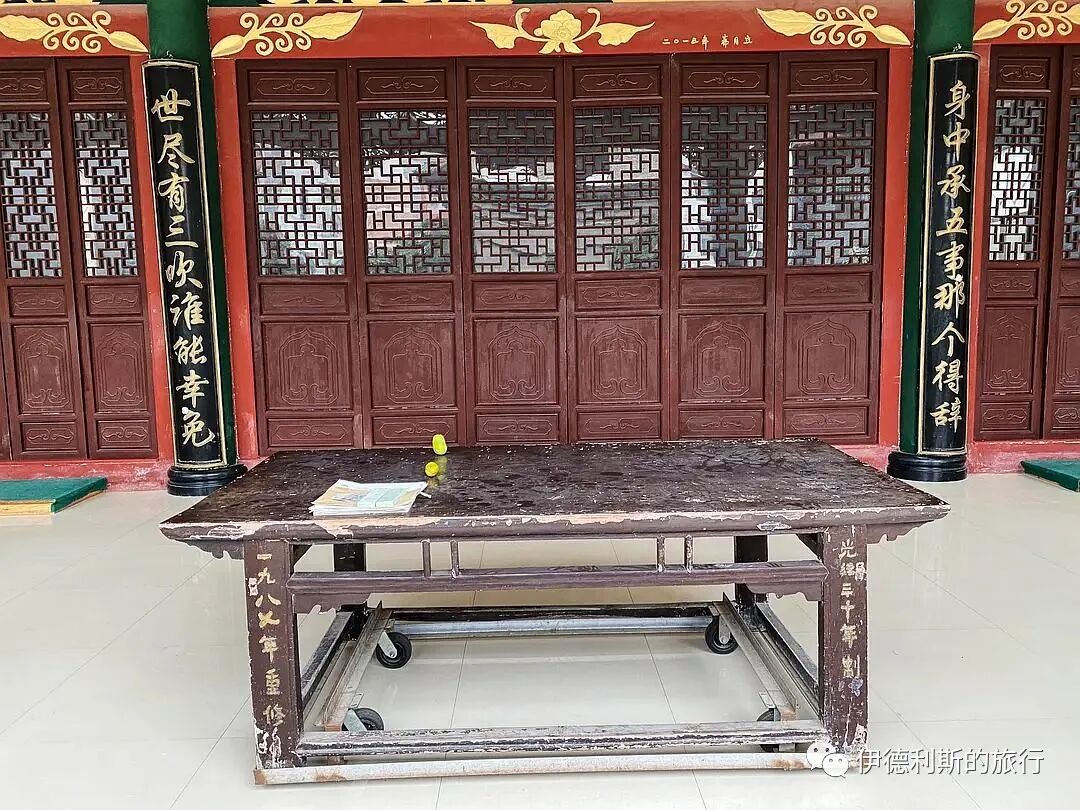
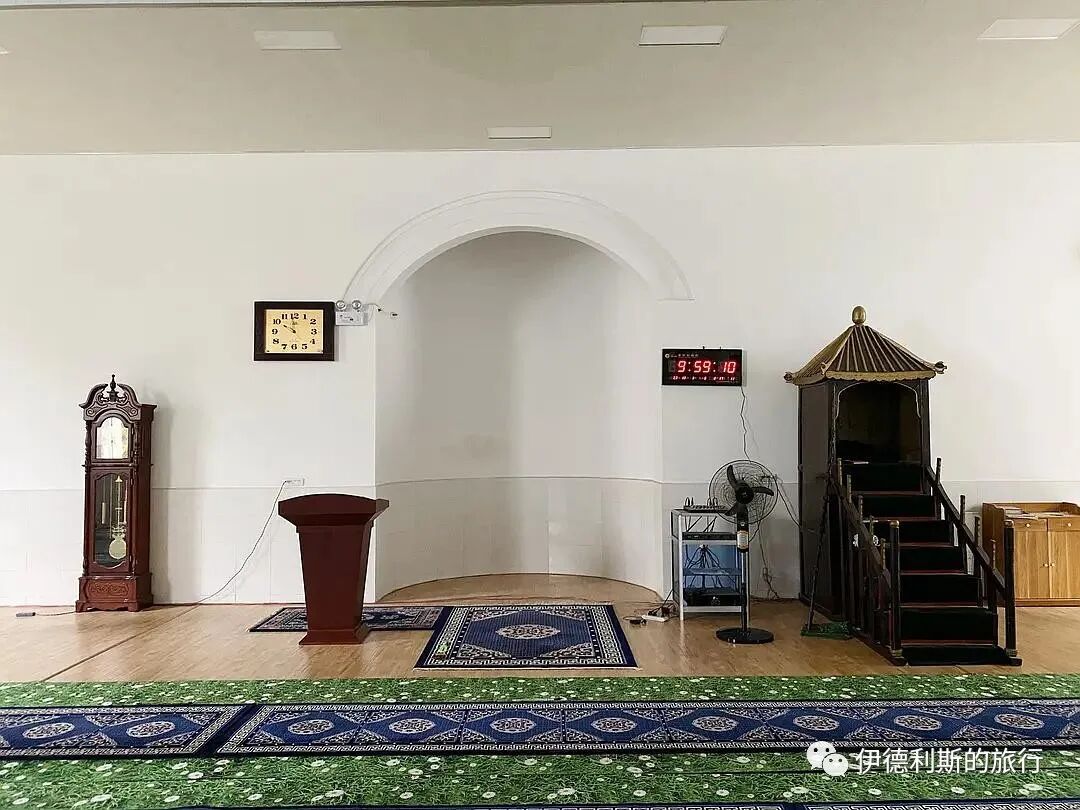
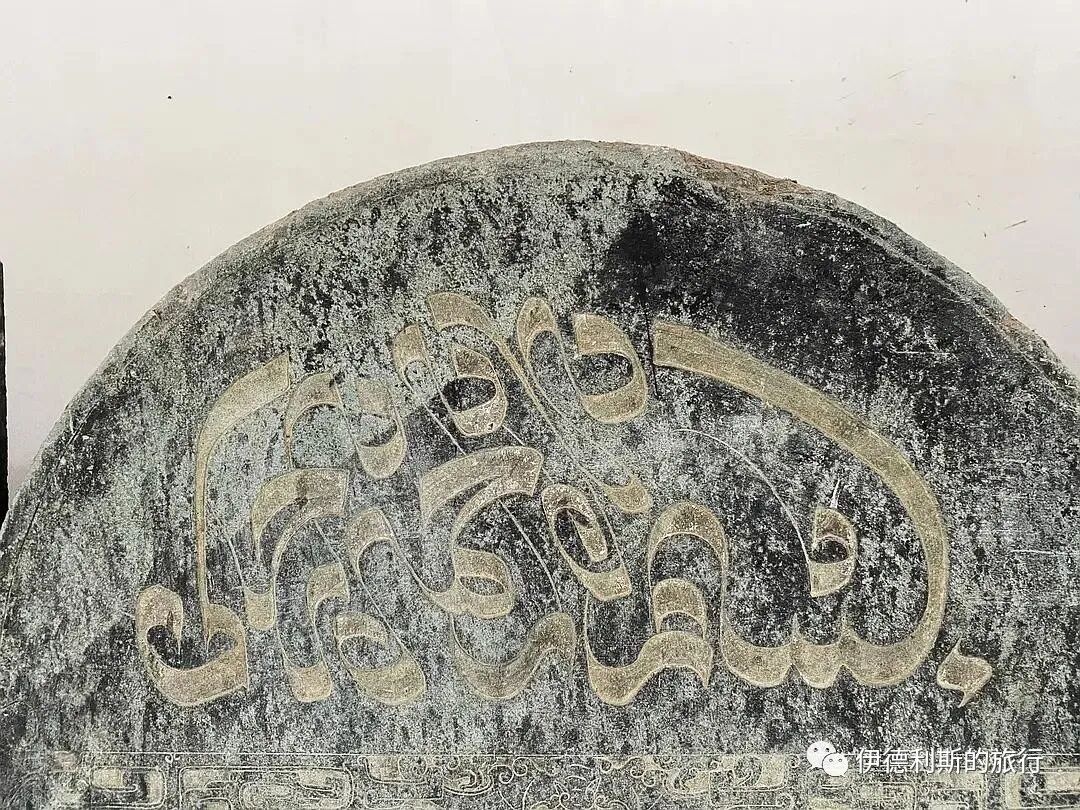
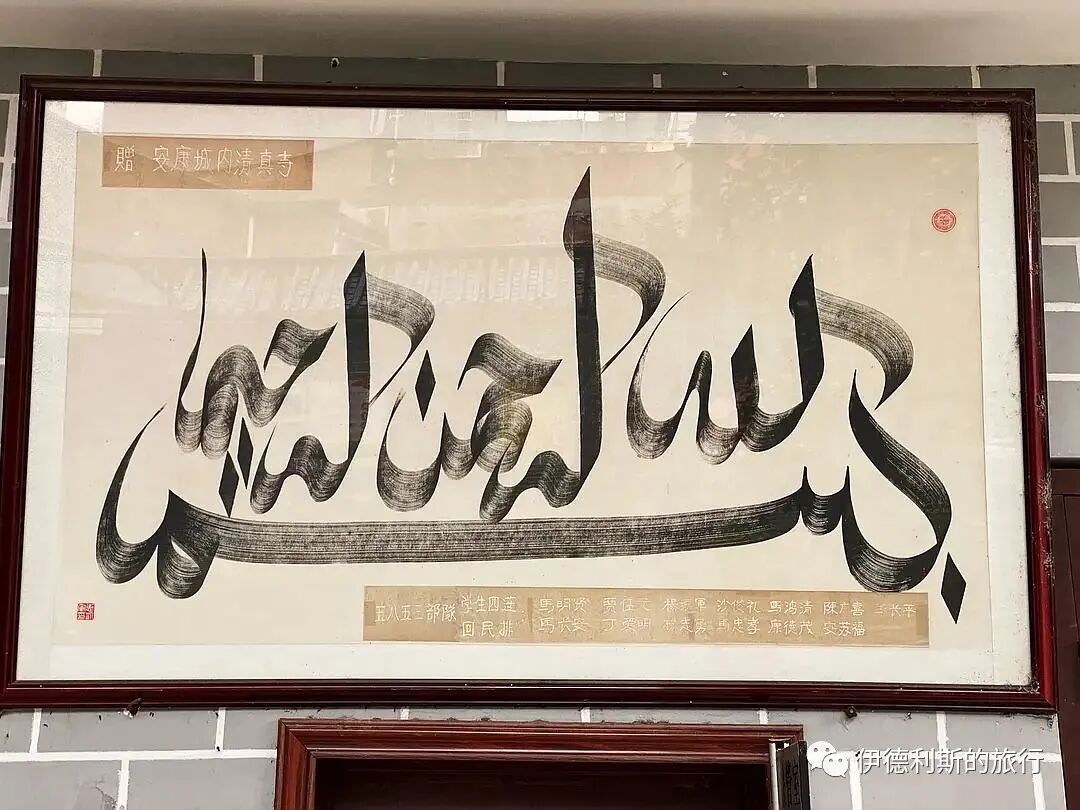
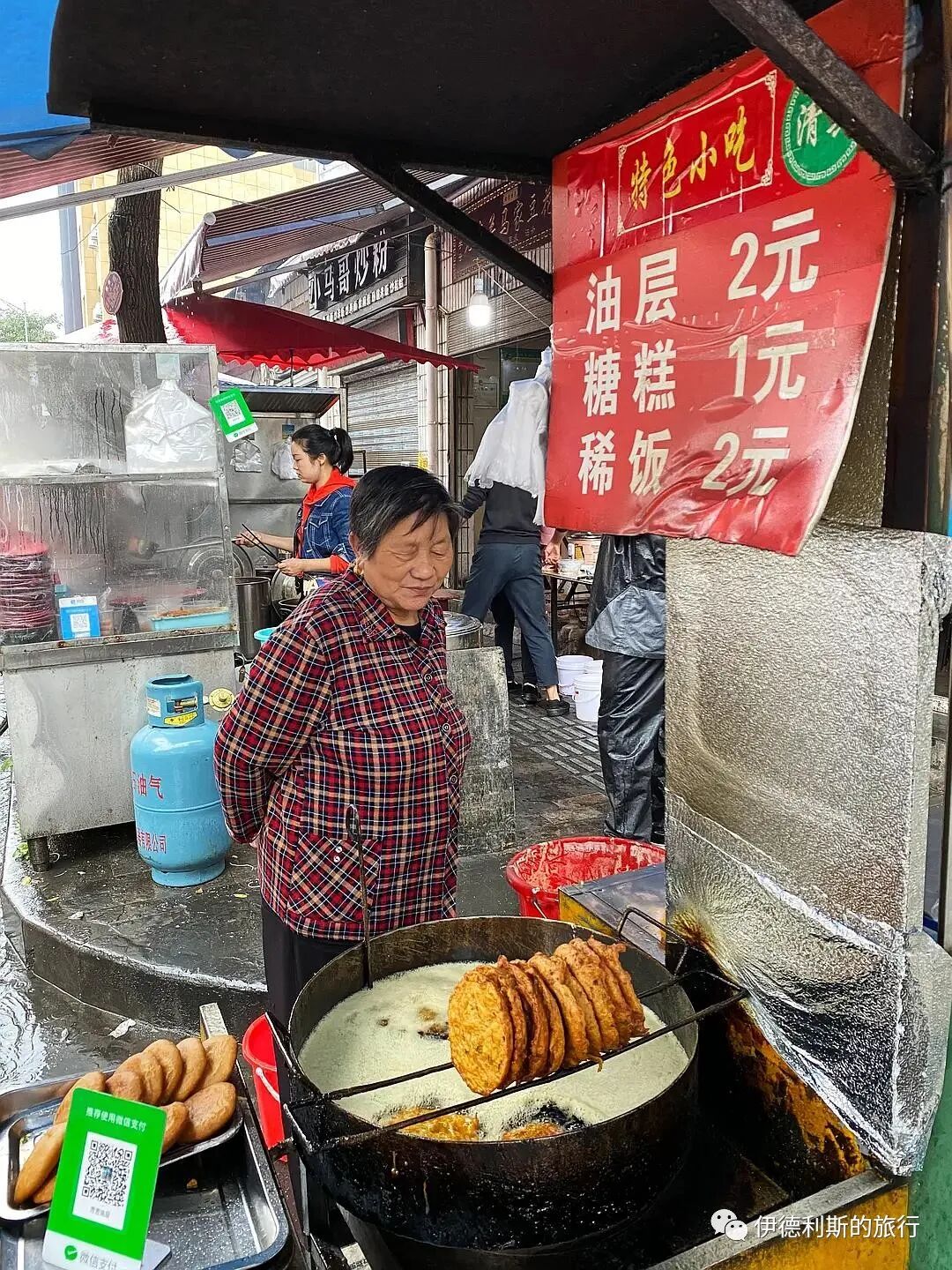
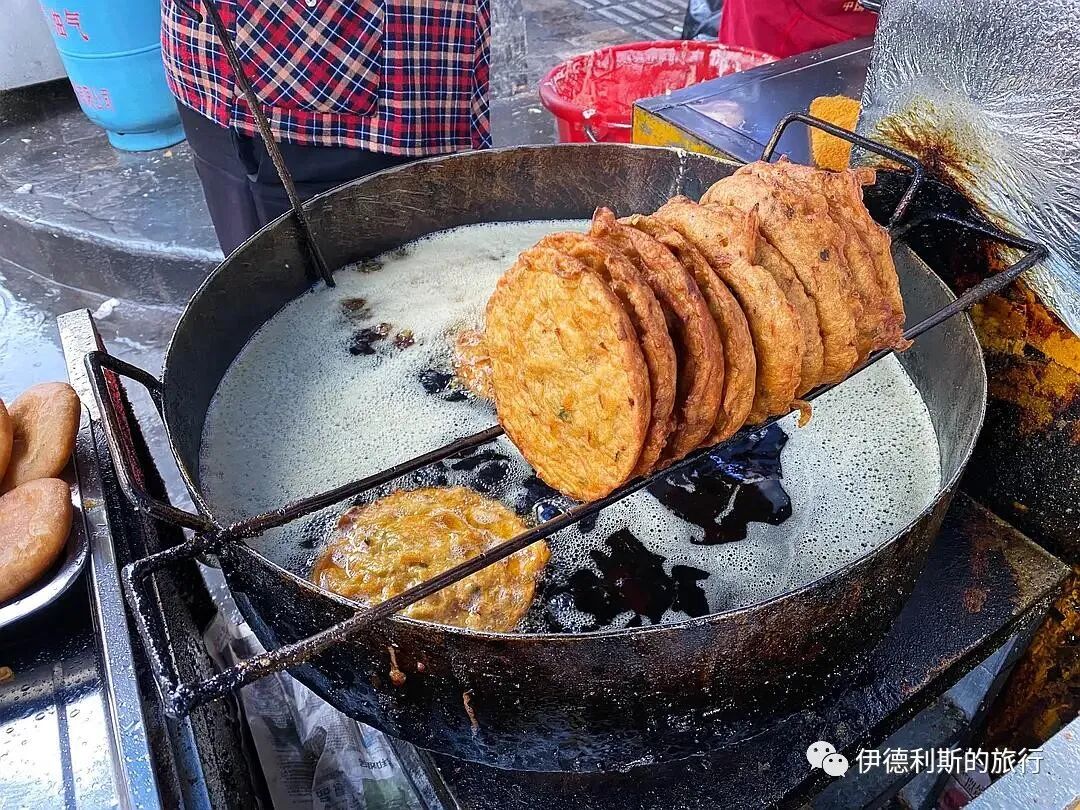
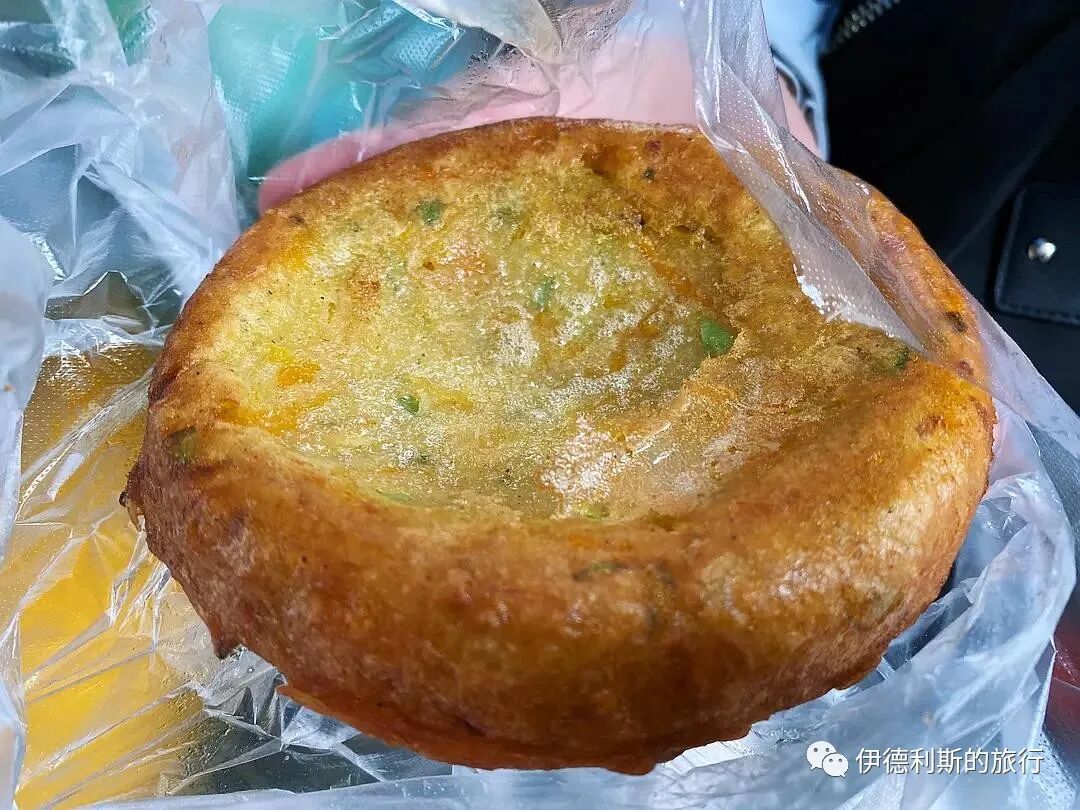
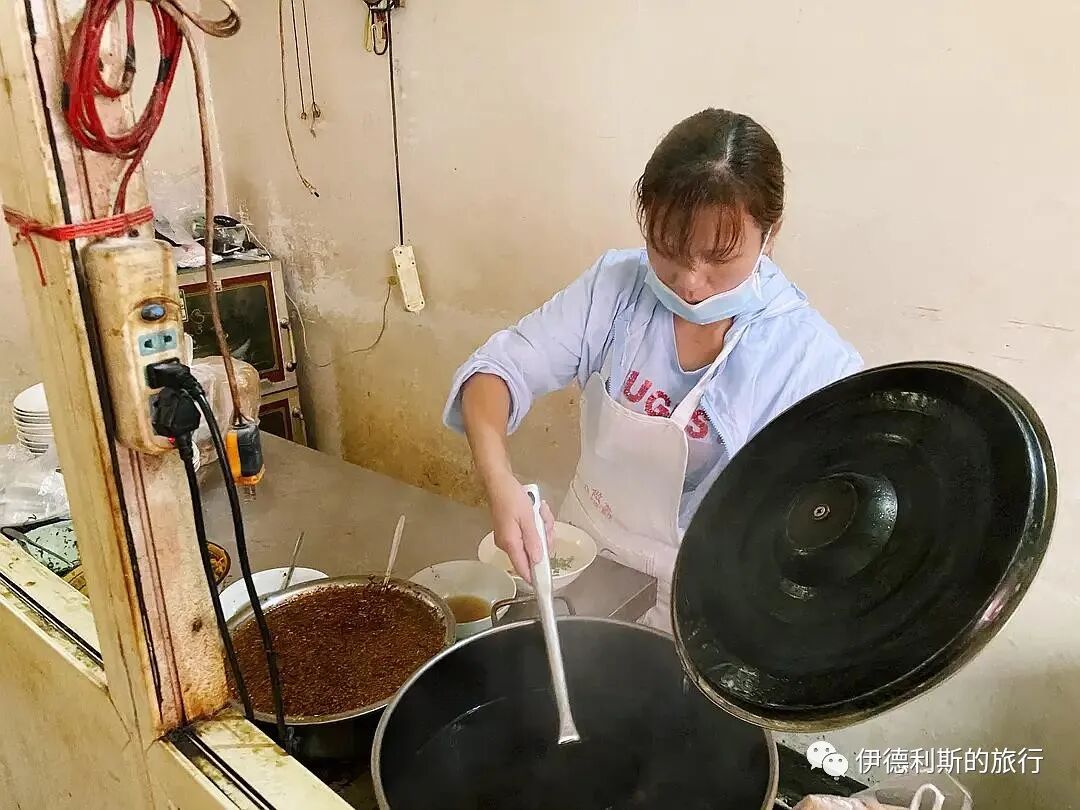
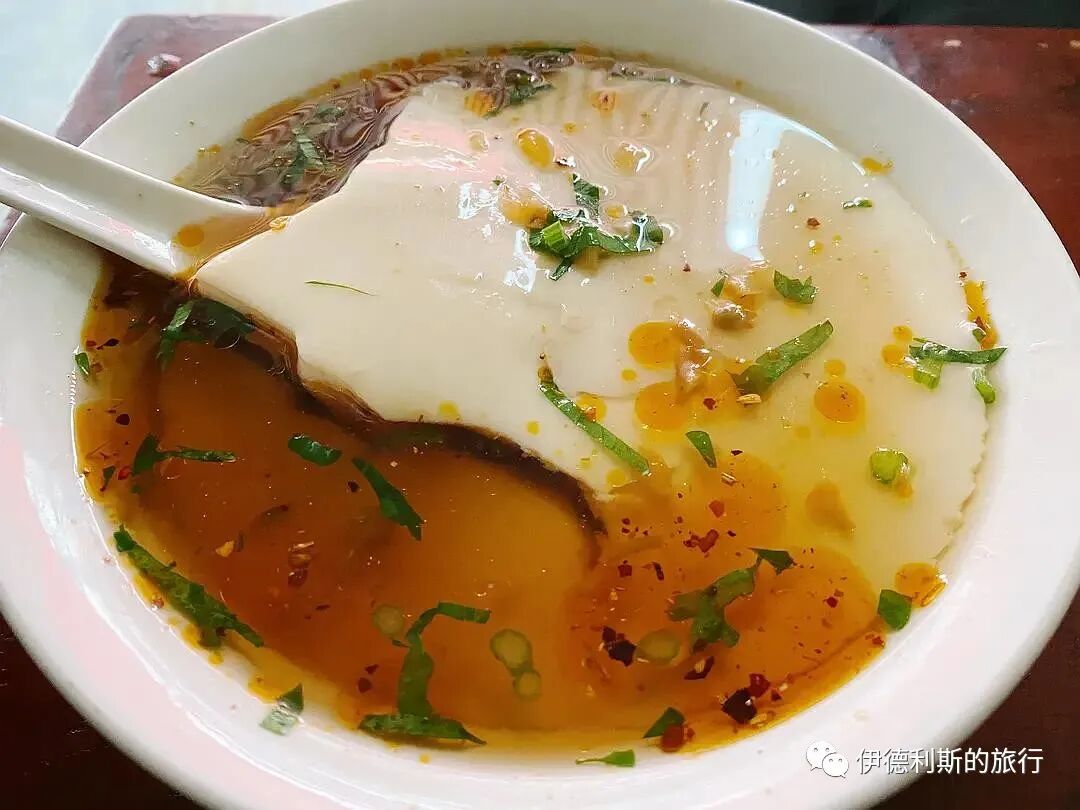
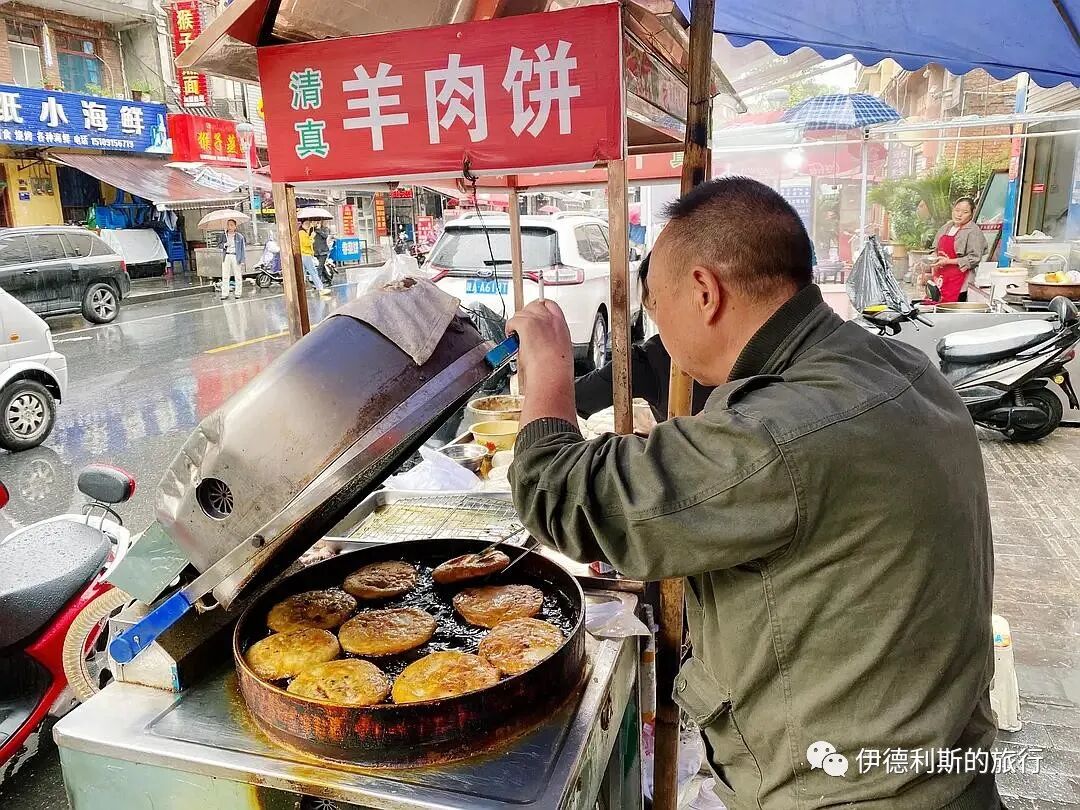
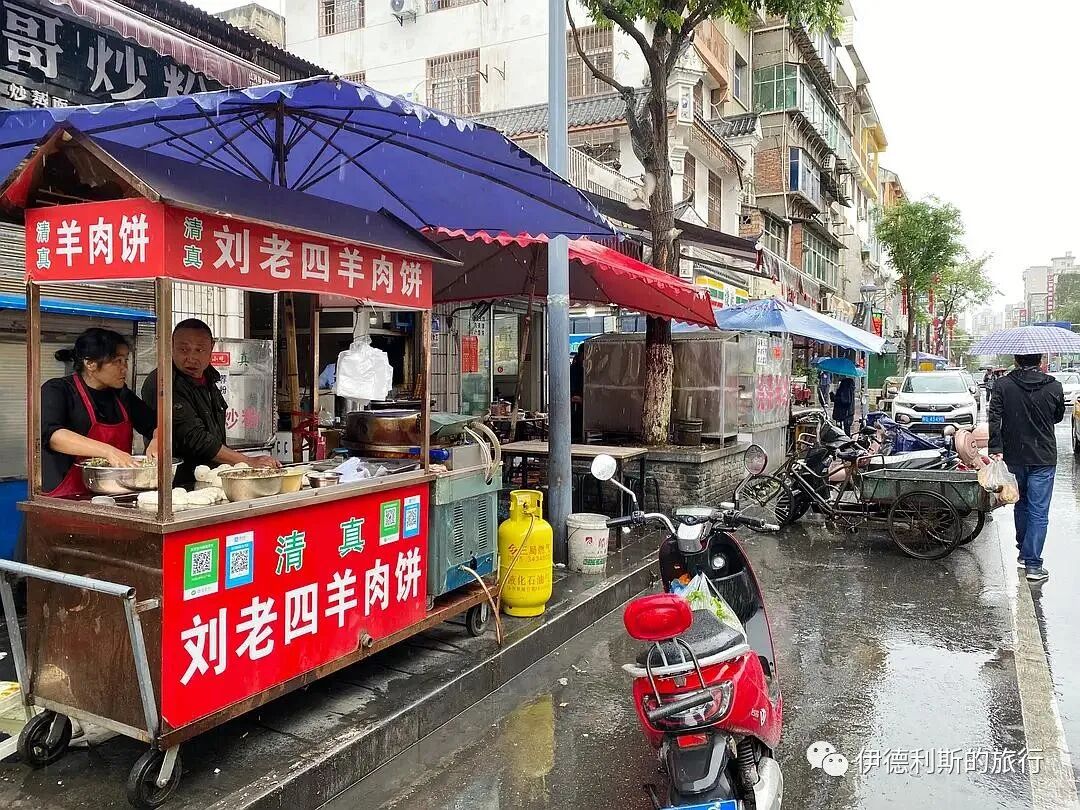
After leaving the ancient mosque, we ate tanggao (fried sugar cake) with douhua (soft tofu pudding) at the intersection of Bizi Lane and Xizheng Street. Yougao (fried cake) is found all the way from Zhaotong to Nanchong and Ankang, and the douhua here is salty and spicy. The lamb pie nearby also looked very tasty.
North Mosque
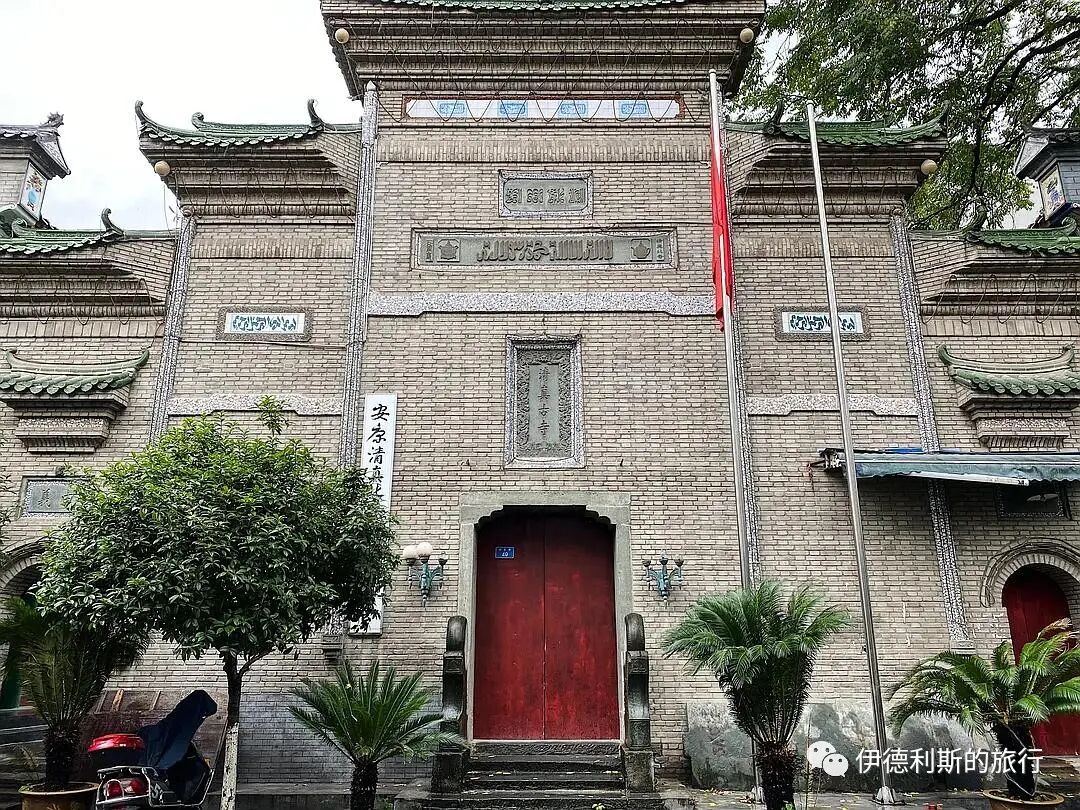
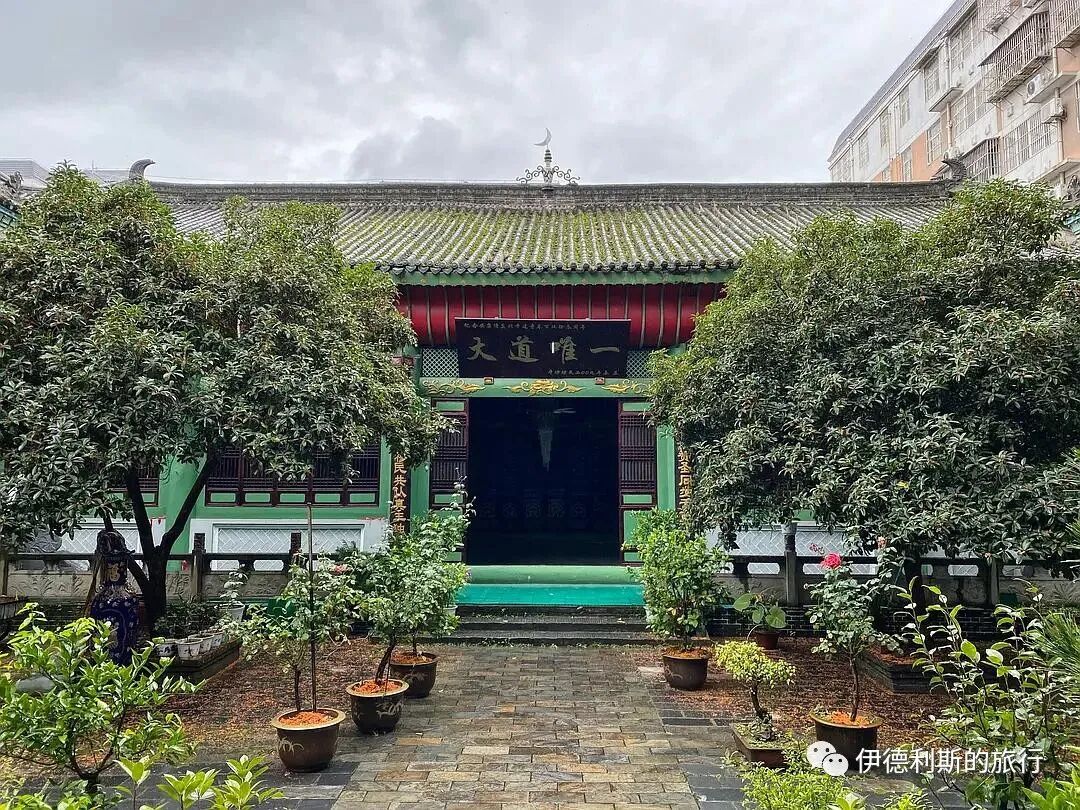
The North Mosque was first built in 1502. During the 1983 Ankang flood, all the buildings of the North Mosque were washed away. Construction began in 1984 and was completed in 1994.
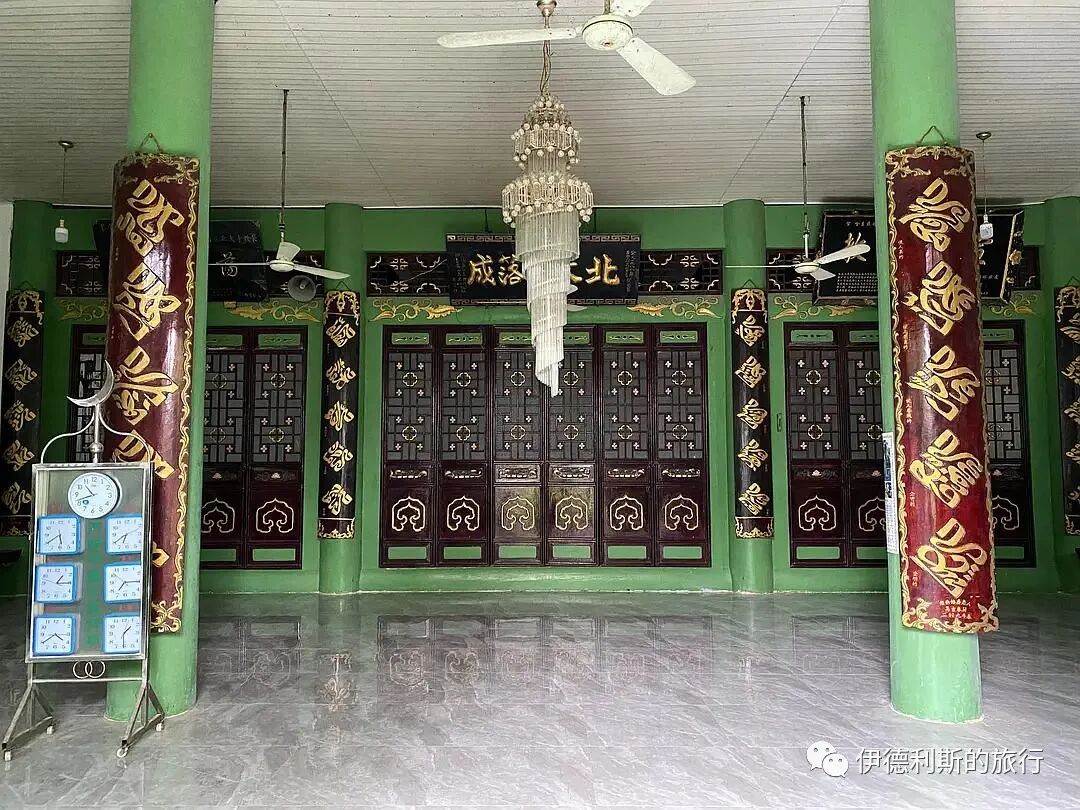
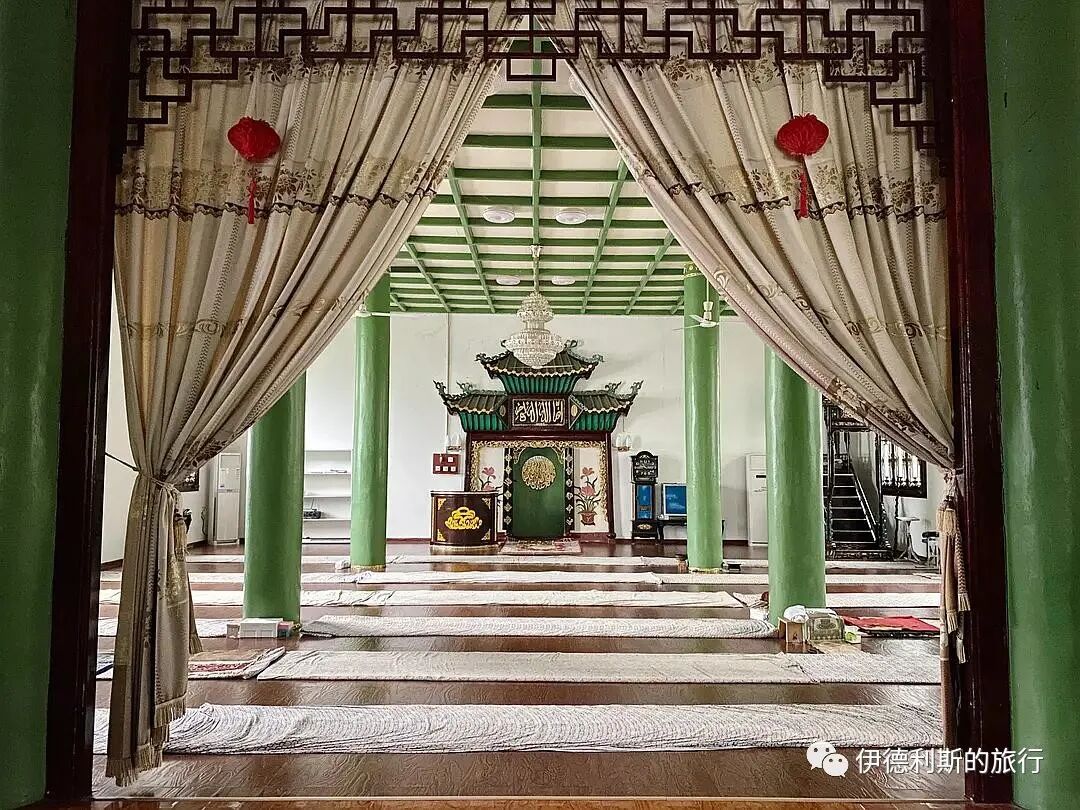
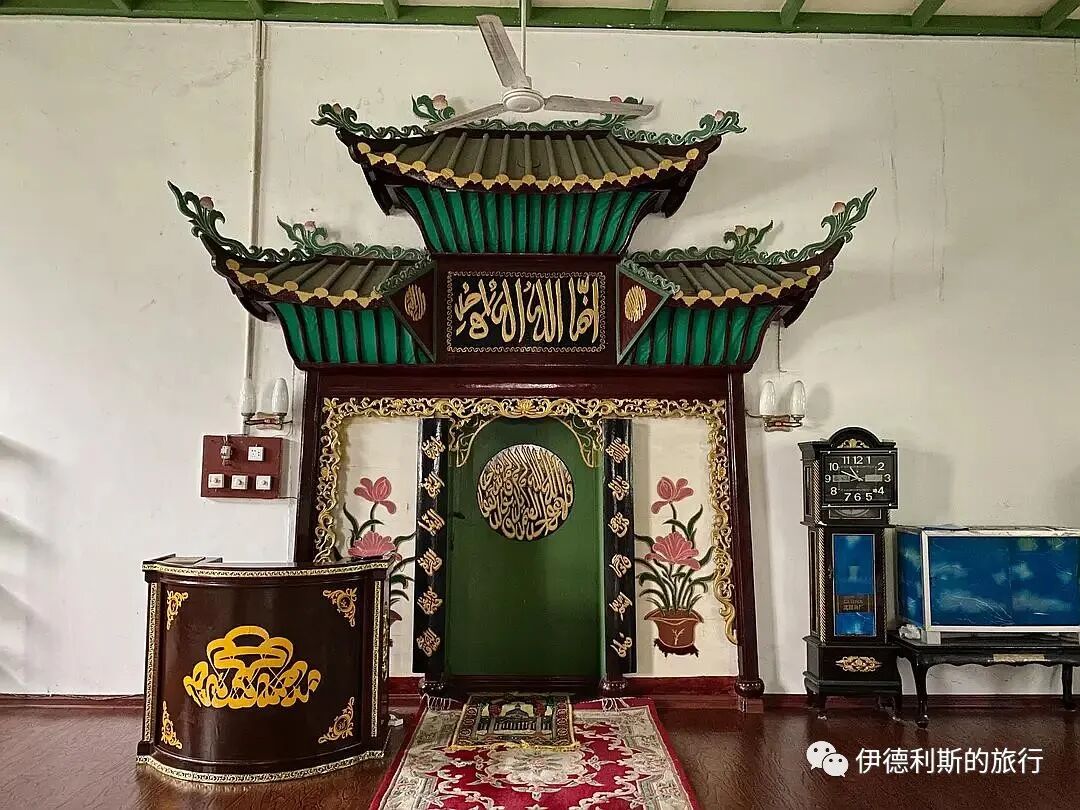
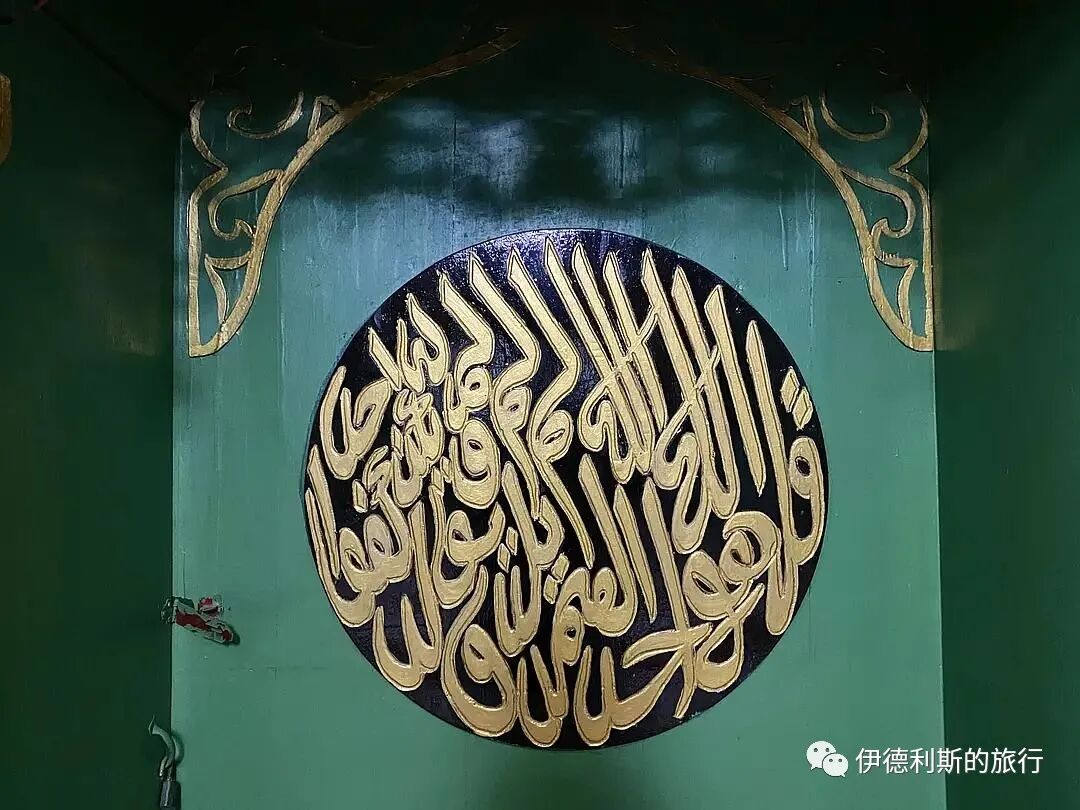
Next to the North Mosque is a 232-year-old Chinese toon tree, nearly 40 meters tall. During the 1983 Ankang flood, 31 people climbed this tree and survived, so it is also called the 'Life-Saving Tree'.
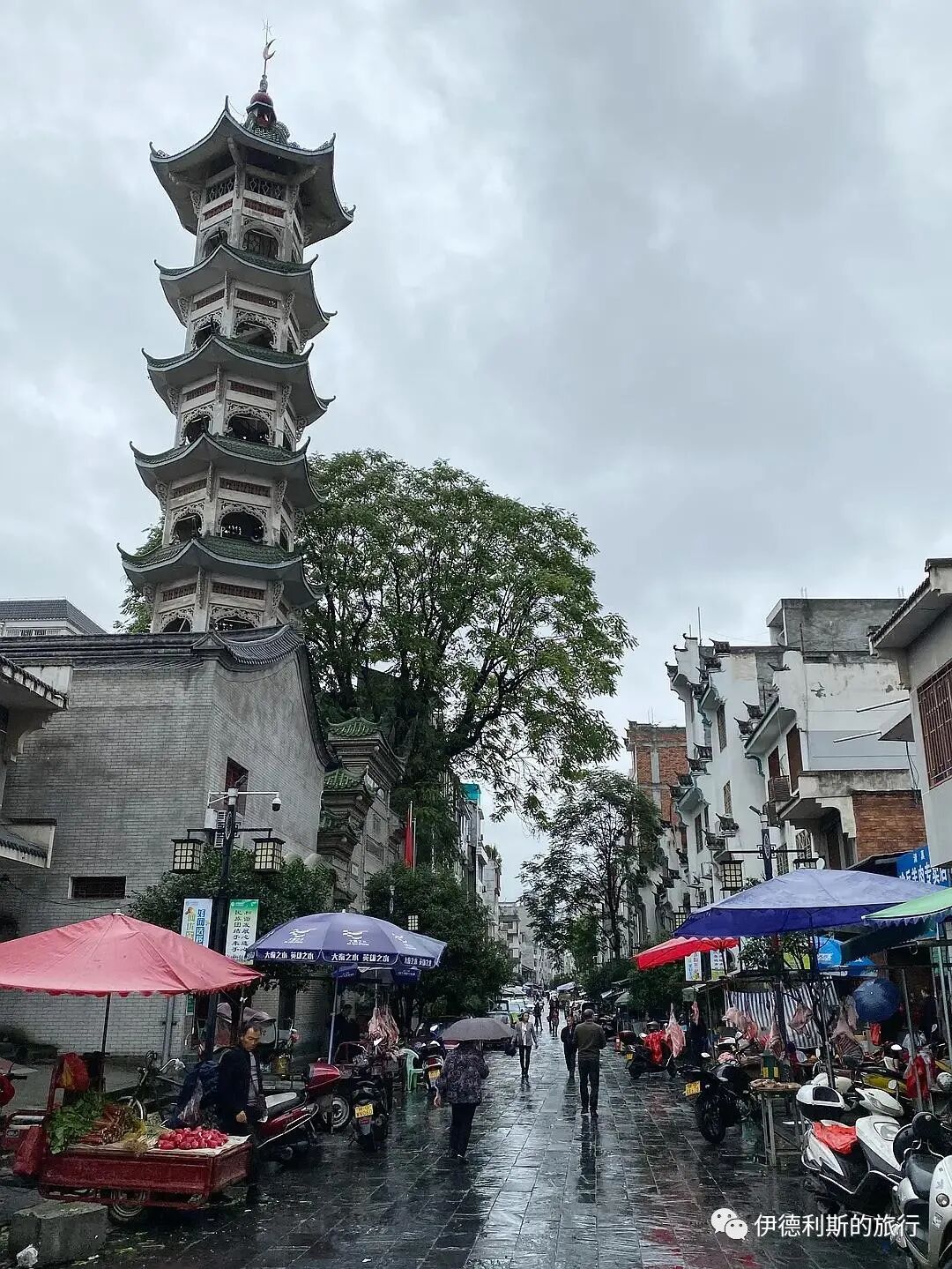
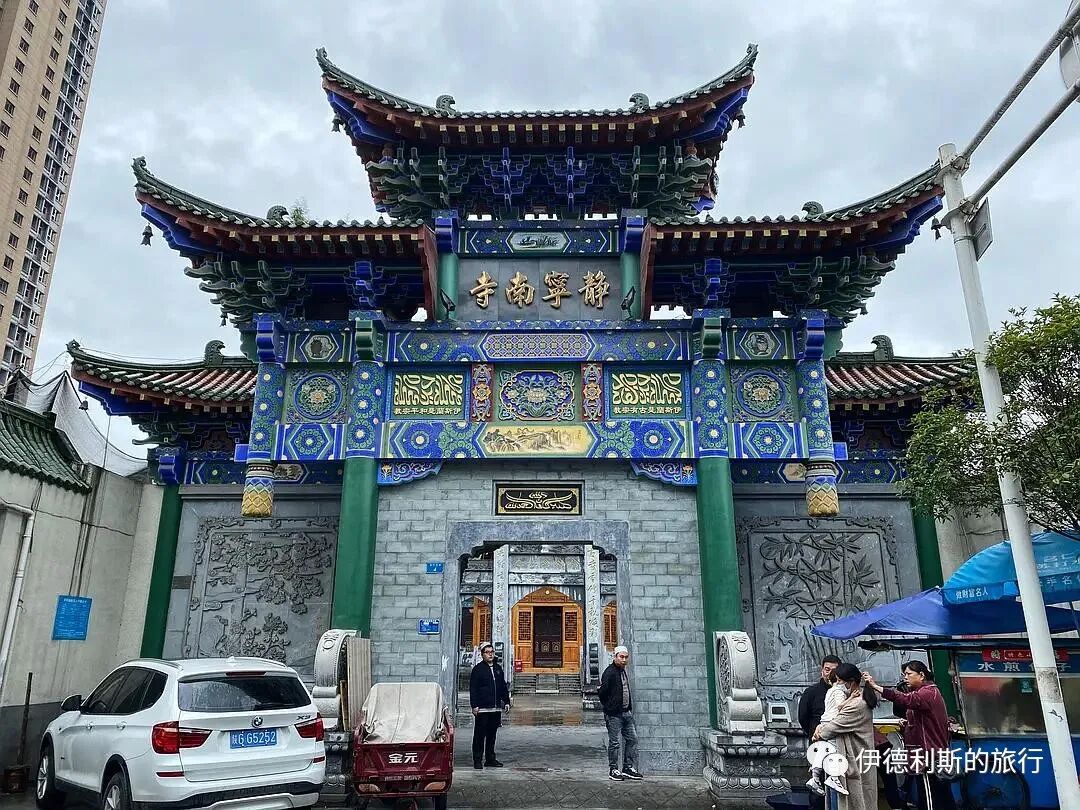
Jingning South Mosque
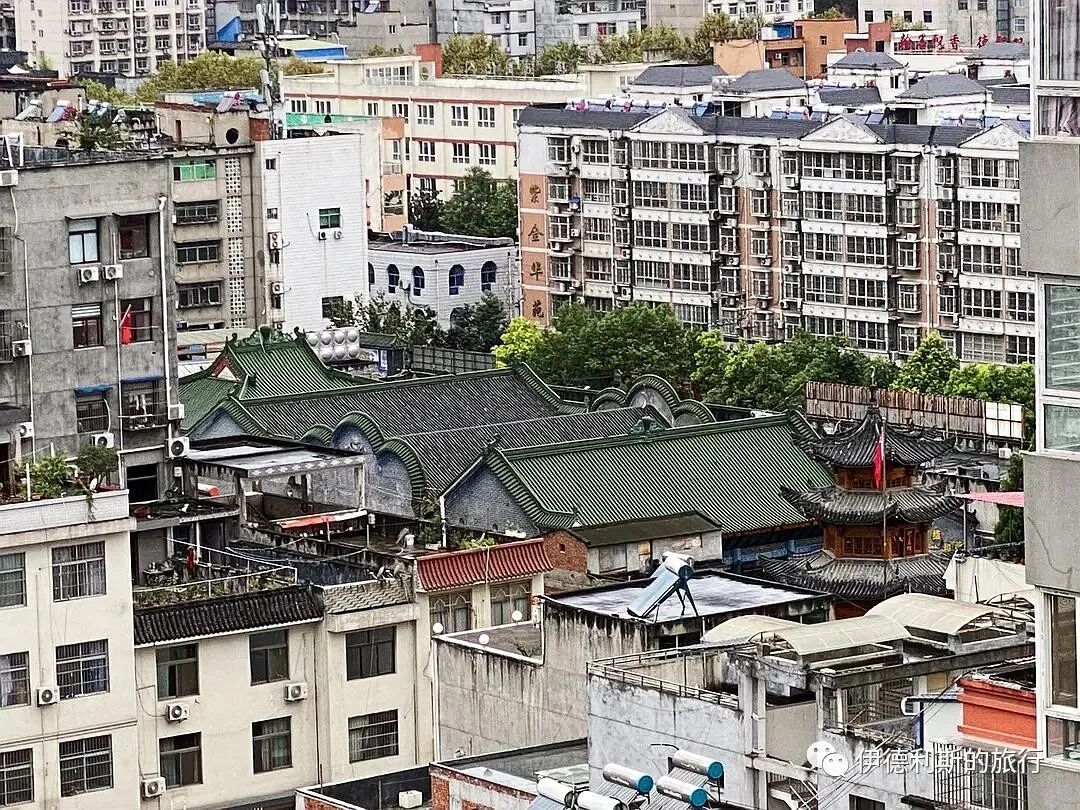
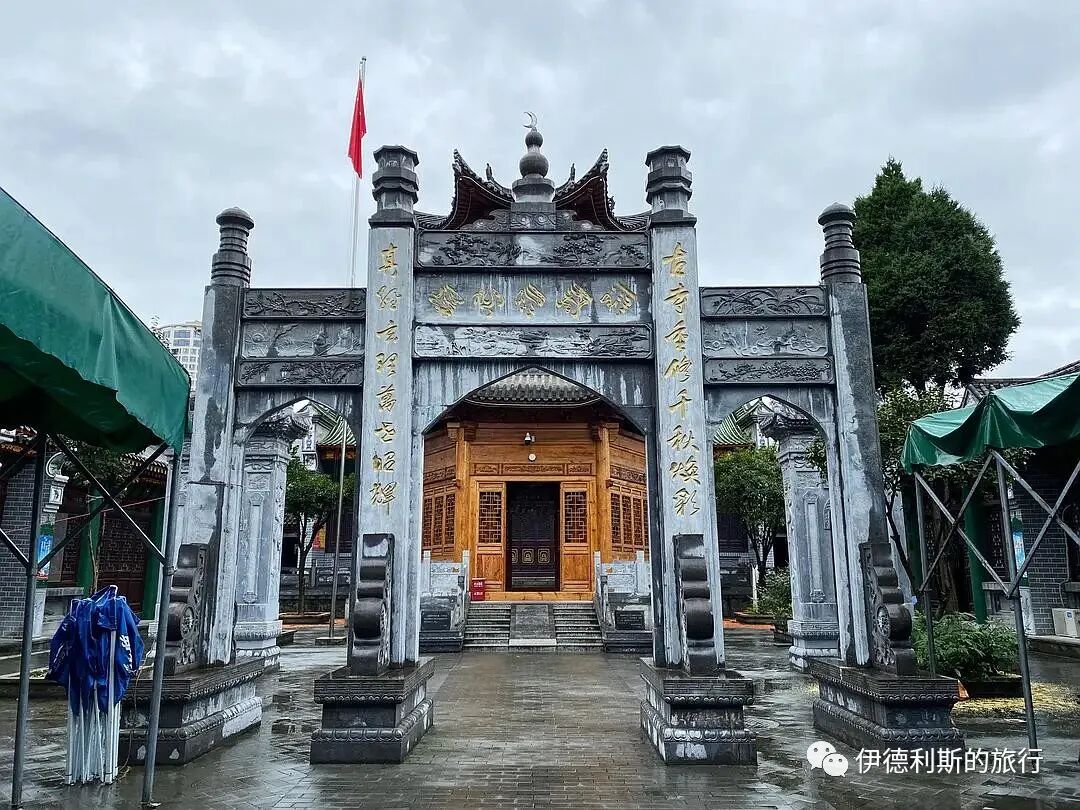
Jingning South Mosque was first built in the Ming Dynasty. In the 1583 Han River flood, the South Mosque was submerged, and the buildings collapsed, leaving only the Wangyue Tower (Moon-Watching Tower). It was rebuilt twice, during the Kangxi era and in 1890. After 1957, it was occupied. During the Cultural Revolution, a fire broke out, and the South Mosque was burned down, with only the Wangyue Tower surviving. After the property was returned, the main hall, north and south wing rooms, ablution room, and gatehouse were rebuilt. In 1998, the Ming Dynasty Wangyue Tower was demolished and replaced with a reinforced concrete structure. In 2018, the stone archway, Wangyue Tower, and north and south wing rooms were rebuilt again.
The main hall of Jingning South Mosque is the largest among Ankang's mosques. From the aerial view, you can see it is composed of three connected buildings, each with a different architectural style.
Vegetable rolls, ciba (glutinous rice cakes), and zhengpenzi (steamed basin dish)
After visiting the two mosques, we continued to eat snacks.
We ate vegetable rolls in front of Huang's Zhengmian. Various small vegetable dishes were rolled into freshly made pancakes. The vegetables were very flavorful, and the pancakes were fragrant. This two-yuan snack left me very satisfied.
Then we strolled along Gulou West Street and ate ciba at a sweet shop called Ma's Zongzi. We discovered a 1990s-era tangping (kettle) sign, which is extremely rare.
After walking around a lot, we went for lunch. Dongzheng Street is full of halal restaurants. We chose a place called Huifuzhai and ate their specialty, zhengpenzi (a large steamed basin dish). It was a huge basin for 68 yuan, with plenty of food, including lamb, chicken, beef sausage, shrimp dumplings, carrots, white radishes, yams, lotus roots, corn, and more. The portion was very generous. Zainabu loved it.
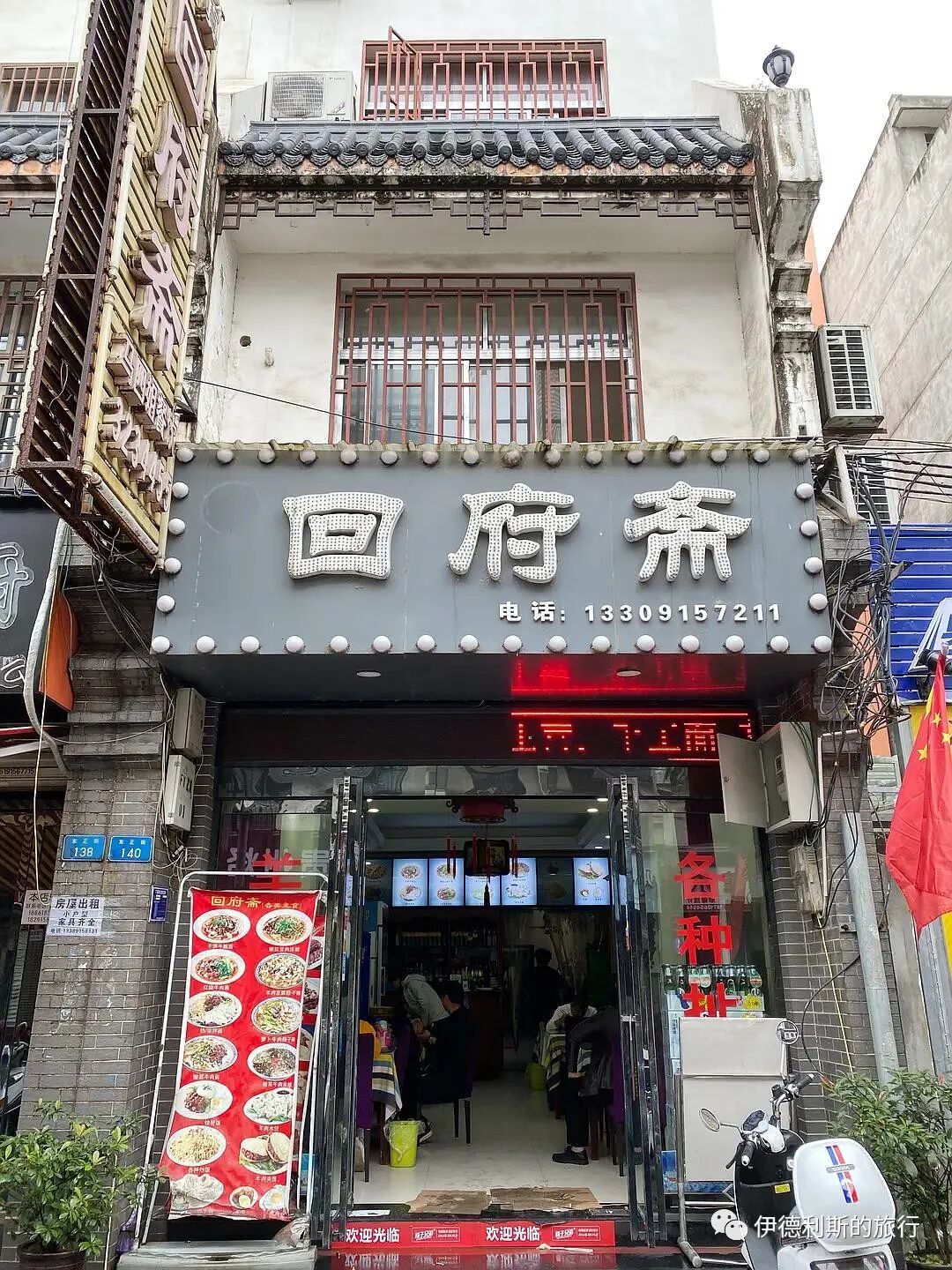
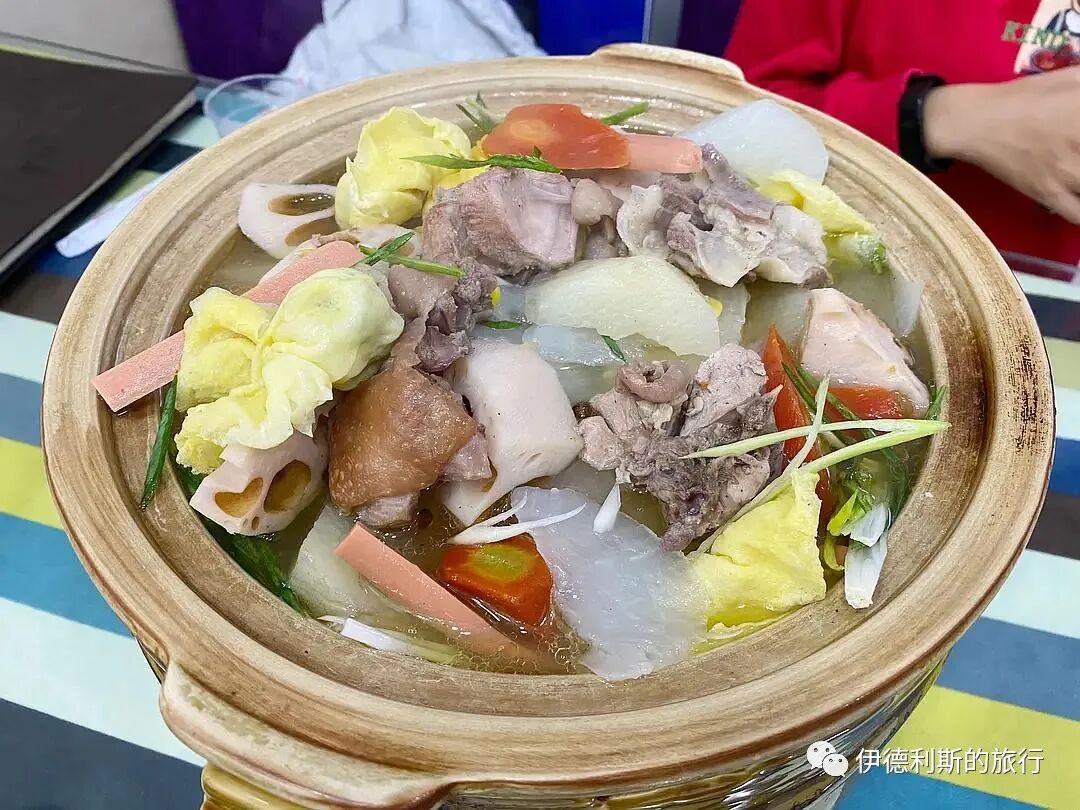
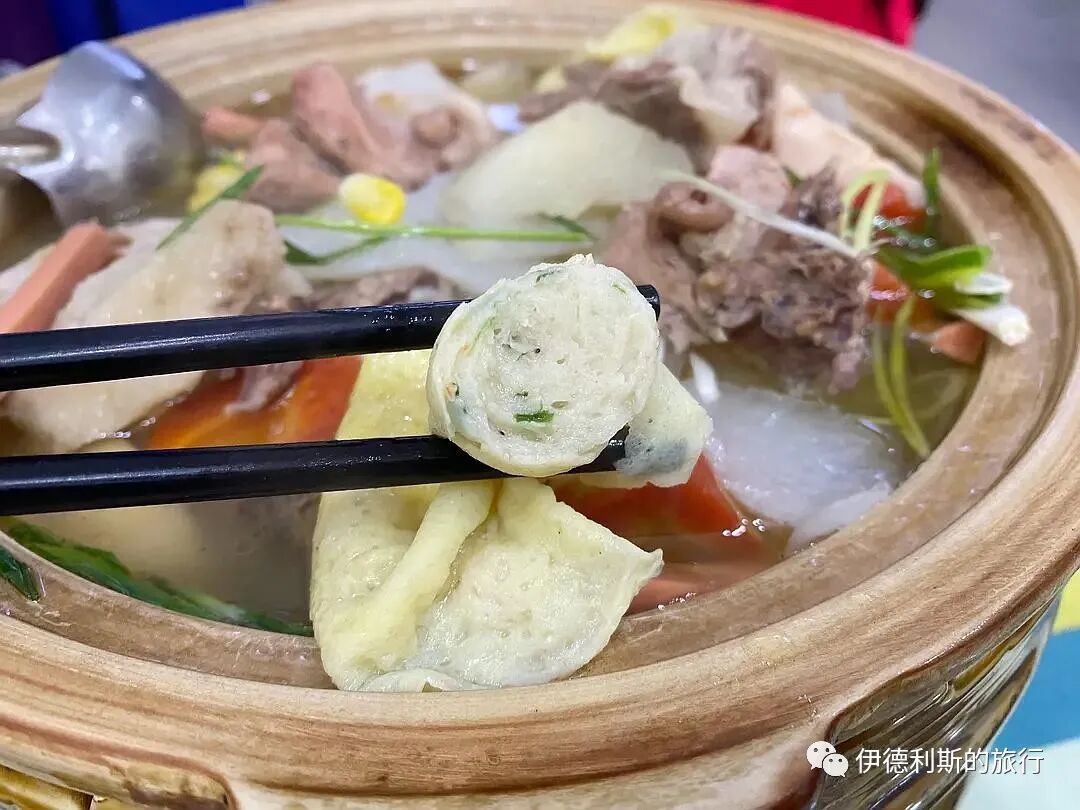
Grilled fresh fish, malatang (spicy hot pot)
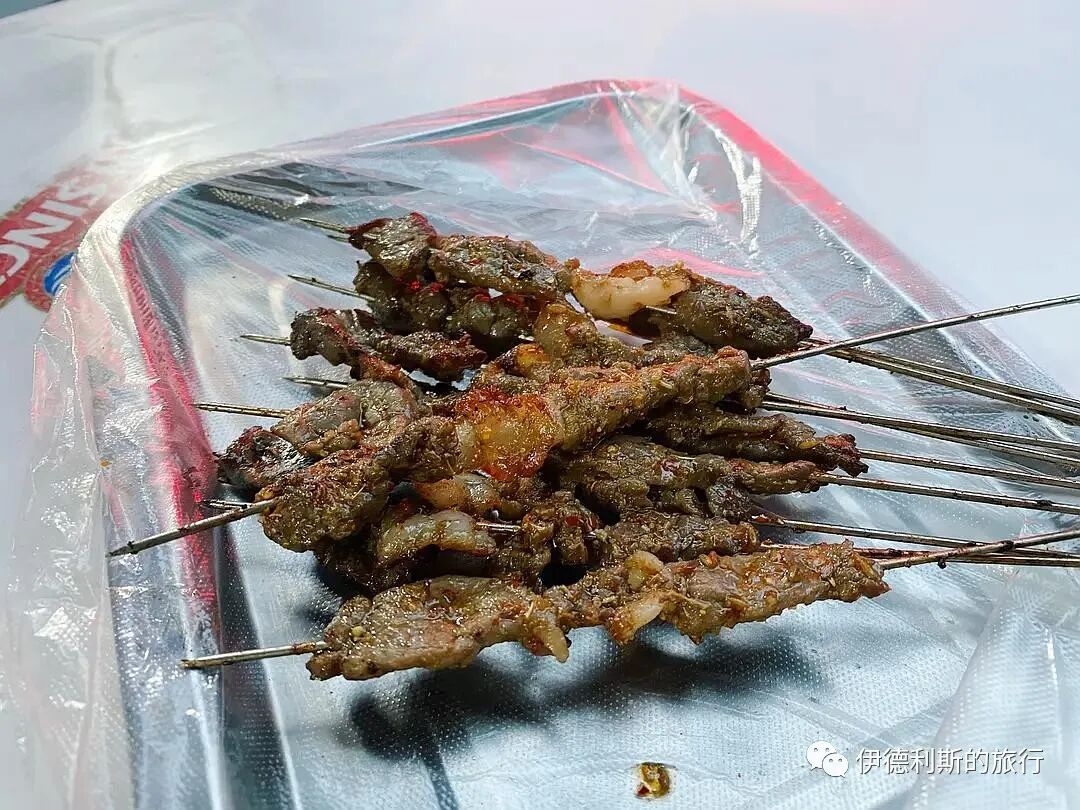
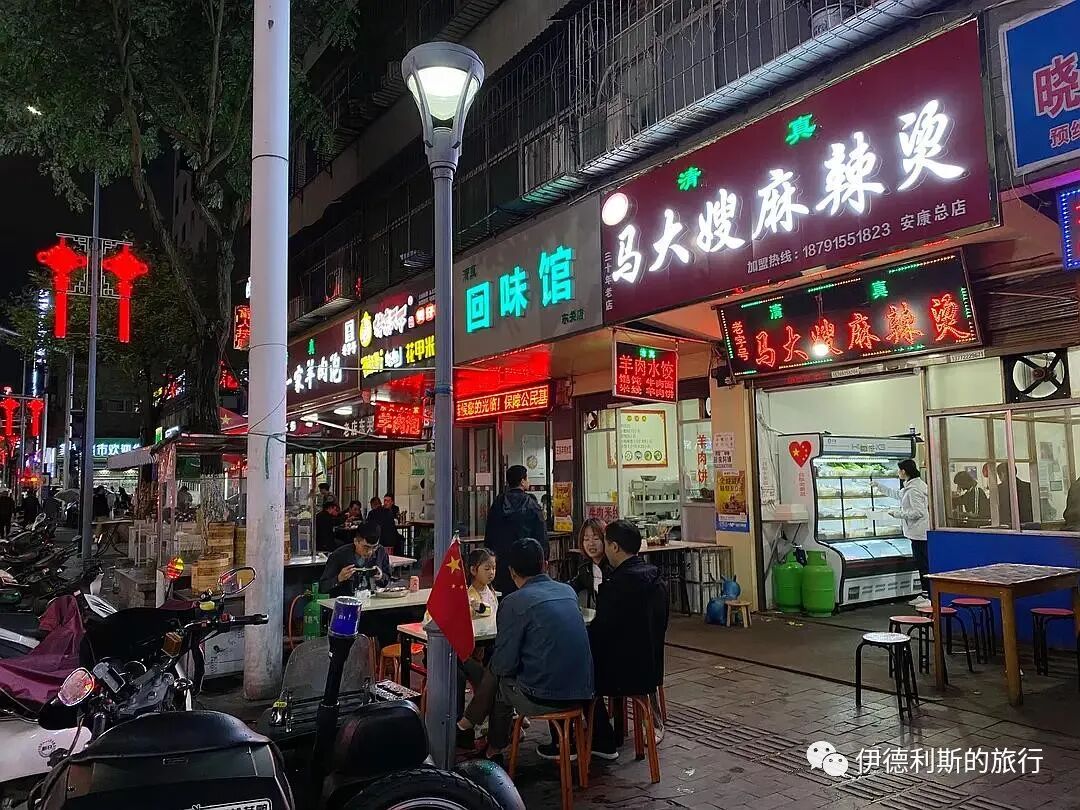
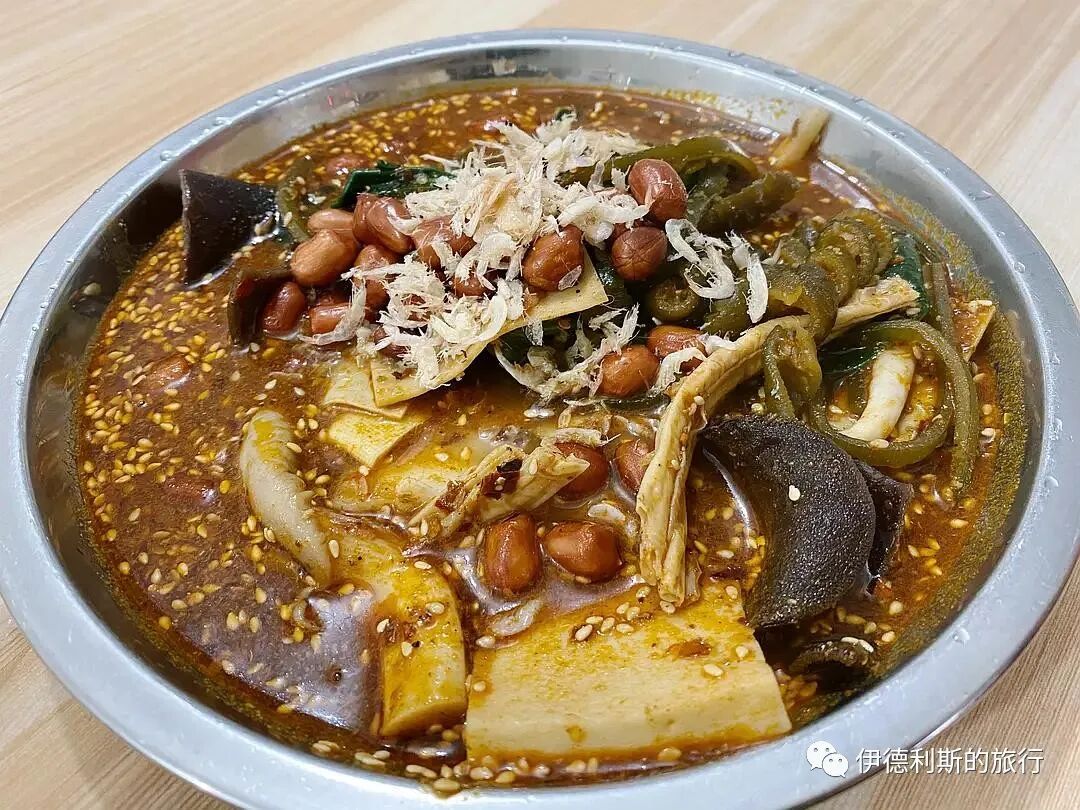
In the evening, we ate grilled fresh fish at Ma Laowu Barbecue on Gulou East Street. Every fish was alive. I didn't dare to choose a big fish, so we ate the smallest yellow catfish, and also had some lamb skewers. After the grilled fish, we wandered to East Street to eat Ma Dasao Malatang. Ankang's malatang is also quite unique; the sauce used is different from other places and very fragrant. I really love this late-night snack atmosphere in the Ankang Hui Muslim district; it's all food loved by the locals.
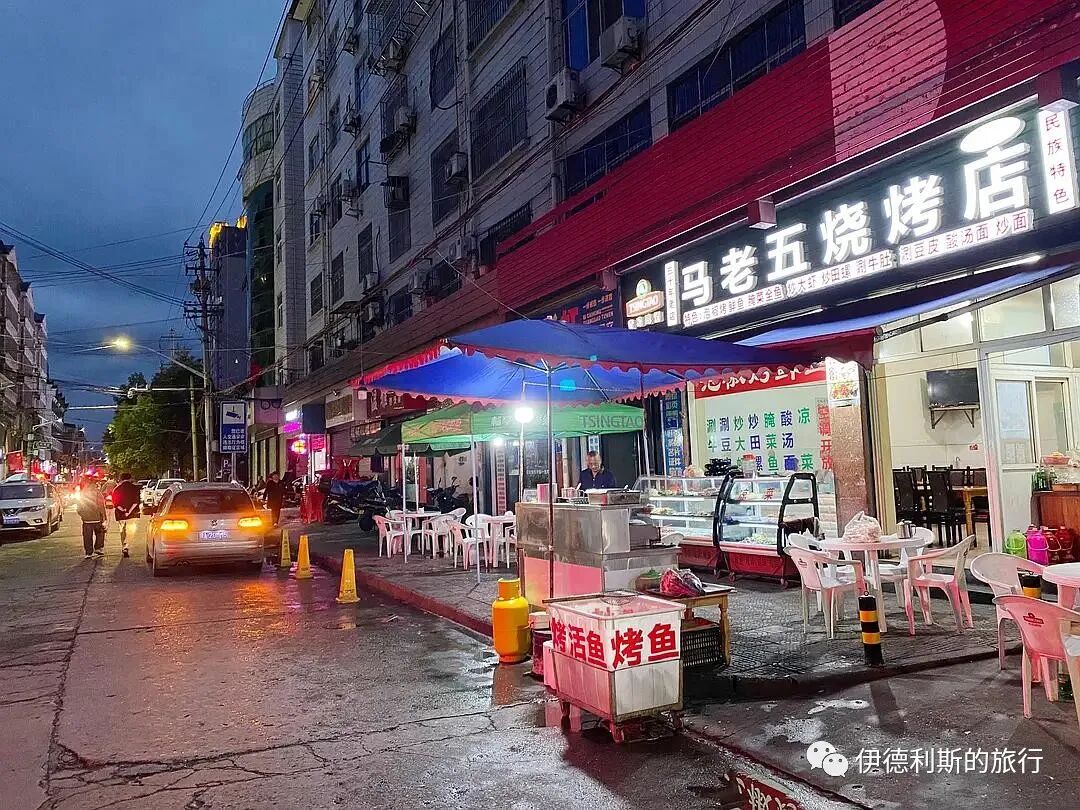
Beef rice noodles, beef in a bun
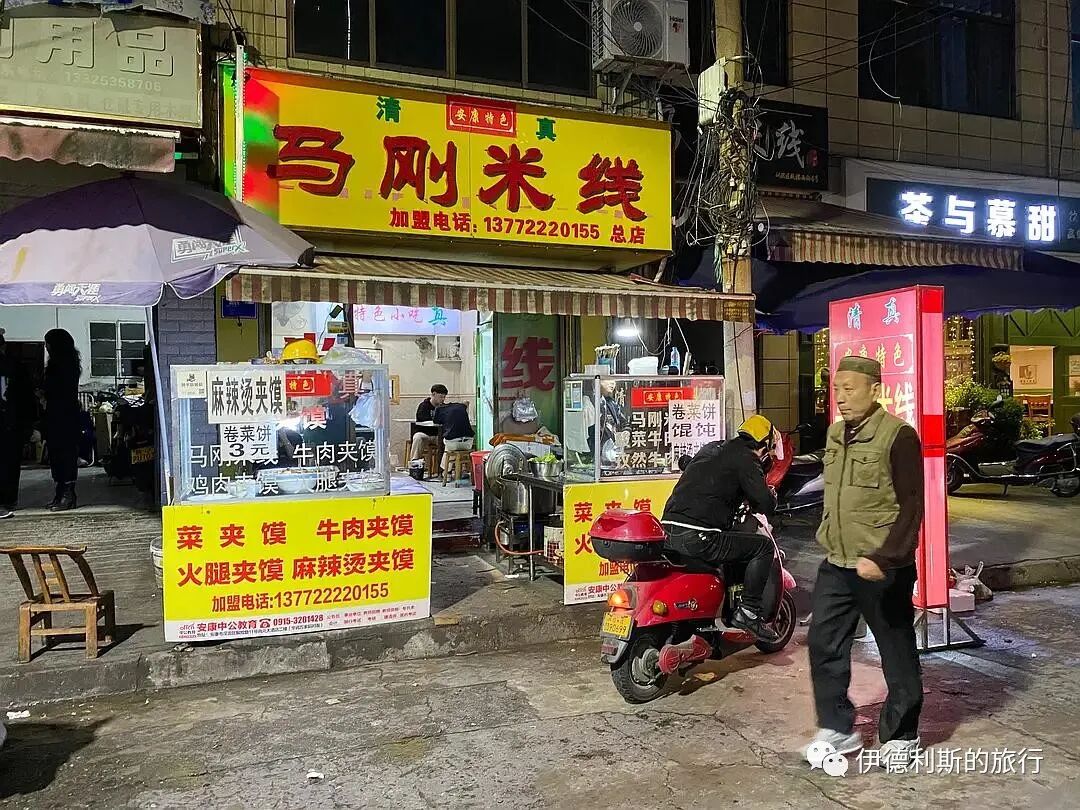
Continuing with late-night snacks, we ate beef rice noodles and cumin beef in a bun at Ma Gang Rice Noodles on Gulou West Street. It's true that just across the Qinling Mountains, Ankang starts eating rice noodles. And Ankang people really can put anything in a bun: vegetable buns, malatang buns, cumin beef buns, ham buns, spicy meat buns, etc. I even saw a fried dough stick in a bun this morning. However, my favorite is still the cumin beef in a bun. The taste is completely different from Xi'an's roujiamo (meat in a bun). Ankang uses a sesame bun, which I personally feel has a better texture than Xi'an's baiji bun.
Vegetable bun, chicken soup wontons, lamb pie
In the morning, we ate a vegetable bun and chicken soup wontons at Ma's Rice Noodles next to Ma Gang Rice Noodles. The variety of breakfast here is also very rich; you can have whatever you want. Then we ate lamb pie at the entrance of Gulou Street. The flavor of Ankang's lamb pie is so rich that you can smell the fragrance from far away, making it impossible to walk past.
(Optional) Image description
[Muslim Community Food Tour] Grand Plan
Summary: This travel note introduces Ankang Hui Muslim Street Guide: Halal Food and Muslim Heritage in Shaanxi. Traveled from Shuhe along the Han River to Ankang. Ankang is the largest Muslim community in southern Shaanxi. It is useful for readers interested in Ankang Muslim Street, Halal Food, Shaanxi Travel.
Traveled from Shuhe along the Han River to Ankang. Ankang is the largest Muslim community in southern Shaanxi. Hui Muslims have settled here since the Ming Dynasty, and by the Republic of China era, seven mosques had already been built. The halal food in Ankang is also the most abundant in southern Shaanxi. Snacks include zhengmian (steamed noodles), rice noodles, ciba (glutinous rice cakes), youceng (layered fried bread), malatang jiamo (spicy hot pot ingredients in a bun), and more, with even more variety in banquet dishes. Moreover, because the Hui Muslim street in Ankang is not a tourist area, everything you eat is food loved by the locals. We really had a wonderful time eating and exploring this time.
Zhengmian (steamed noodles)
In the morning, we ate zhengmian with pickled vegetable soup at the most popular Huang's Zhengmian at the entrance of Gulou Street. The owner is a Haji who returned from Hajj in 2005. Ankang zhengmian is a type of Shaanxi liangpi (cold skin noodles). Unlike Xi'an liangpi, which is seasoned with raw vinegar, Ankang zhengmian uses boiled vinegar. Zhengmian is usually served with youpo lazi (hot chili oil), but I didn't add any because I can't handle much spice.
The yousu mo (crispy fried flatbread) across from Huang's Zhengmian also looked delicious.
Mosque
After finishing the zhengmian, we went to visit the ancient mosque. According to stone inscriptions, the Ankang Mosque was first built in the Yuan Dynasty. It was initially called Libai Mosque, later renamed Jingjue Mosque, and changed to Mosque in 1767. In 1583, the mosque was destroyed by a flood and the grounds were occupied. In the early years of the Kangxi Emperor's reign, the property was returned and rebuilt on the original site. It was destroyed again in 1862, with only the screen wall remaining. The north and south lecture halls were rebuilt in 1867, and the prayer hall and other buildings were rebuilt in 1871. In 1923, a five-story, hexagonal, pointed-roof minaret was built, reaching 37 meters in height. The main hall was expanded in 1931.
In 1983, a major flood occurred in Ankang. The mosque's minaret collapsed, and the north and south lecture halls were destroyed, with only the main hall surviving. In 1984, the north and south lecture halls, minaret, and ablution room were rebuilt. The archway-style gate was rebuilt in 1999, and the main hall was rebuilt in 2013.
After leaving the ancient mosque, we ate tanggao (fried sugar cake) with douhua (soft tofu pudding) at the intersection of Bizi Lane and Xizheng Street. Yougao (fried cake) is found all the way from Zhaotong to Nanchong and Ankang, and the douhua here is salty and spicy. The lamb pie nearby also looked very tasty.
North Mosque
The North Mosque was first built in 1502. During the 1983 Ankang flood, all the buildings of the North Mosque were washed away. Construction began in 1984 and was completed in 1994.
Next to the North Mosque is a 232-year-old Chinese toon tree, nearly 40 meters tall. During the 1983 Ankang flood, 31 people climbed this tree and survived, so it is also called the 'Life-Saving Tree'.
Jingning South Mosque
Jingning South Mosque was first built in the Ming Dynasty. In the 1583 Han River flood, the South Mosque was submerged, and the buildings collapsed, leaving only the Wangyue Tower (Moon-Watching Tower). It was rebuilt twice, during the Kangxi era and in 1890. After 1957, it was occupied. During the Cultural Revolution, a fire broke out, and the South Mosque was burned down, with only the Wangyue Tower surviving. After the property was returned, the main hall, north and south wing rooms, ablution room, and gatehouse were rebuilt. In 1998, the Ming Dynasty Wangyue Tower was demolished and replaced with a reinforced concrete structure. In 2018, the stone archway, Wangyue Tower, and north and south wing rooms were rebuilt again.
The main hall of Jingning South Mosque is the largest among Ankang's mosques. From the aerial view, you can see it is composed of three connected buildings, each with a different architectural style.
Vegetable rolls, ciba (glutinous rice cakes), and zhengpenzi (steamed basin dish)
After visiting the two mosques, we continued to eat snacks.
We ate vegetable rolls in front of Huang's Zhengmian. Various small vegetable dishes were rolled into freshly made pancakes. The vegetables were very flavorful, and the pancakes were fragrant. This two-yuan snack left me very satisfied.
Then we strolled along Gulou West Street and ate ciba at a sweet shop called Ma's Zongzi. We discovered a 1990s-era tangping (kettle) sign, which is extremely rare.
After walking around a lot, we went for lunch. Dongzheng Street is full of halal restaurants. We chose a place called Huifuzhai and ate their specialty, zhengpenzi (a large steamed basin dish). It was a huge basin for 68 yuan, with plenty of food, including lamb, chicken, beef sausage, shrimp dumplings, carrots, white radishes, yams, lotus roots, corn, and more. The portion was very generous. Zainabu loved it.
Grilled fresh fish, malatang (spicy hot pot)
In the evening, we ate grilled fresh fish at Ma Laowu Barbecue on Gulou East Street. Every fish was alive. I didn't dare to choose a big fish, so we ate the smallest yellow catfish, and also had some lamb skewers. After the grilled fish, we wandered to East Street to eat Ma Dasao Malatang. Ankang's malatang is also quite unique; the sauce used is different from other places and very fragrant. I really love this late-night snack atmosphere in the Ankang Hui Muslim district; it's all food loved by the locals.
Beef rice noodles, beef in a bun
Continuing with late-night snacks, we ate beef rice noodles and cumin beef in a bun at Ma Gang Rice Noodles on Gulou West Street. It's true that just across the Qinling Mountains, Ankang starts eating rice noodles. And Ankang people really can put anything in a bun: vegetable buns, malatang buns, cumin beef buns, ham buns, spicy meat buns, etc. I even saw a fried dough stick in a bun this morning. However, my favorite is still the cumin beef in a bun. The taste is completely different from Xi'an's roujiamo (meat in a bun). Ankang uses a sesame bun, which I personally feel has a better texture than Xi'an's baiji bun.
Vegetable bun, chicken soup wontons, lamb pie
In the morning, we ate a vegetable bun and chicken soup wontons at Ma's Rice Noodles next to Ma Gang Rice Noodles. The variety of breakfast here is also very rich; you can have whatever you want. Then we ate lamb pie at the entrance of Gulou Street. The flavor of Ankang's lamb pie is so rich that you can smell the fragrance from far away, making it impossible to walk past.
(Optional) Image description
[Muslim Community Food Tour] Grand Plan
Halal Food Guide Shaanxi: Ankang Hui Muslim Street, Old Mosques and Local Halal Snacks
Articles • yusuf908 posted the article • 0 comments • 216 views • 2026-05-22 22:52
Reposted from the web
Summary: This Shaanxi halal food guide visits Ankang Hui Muslim Street, seven old mosques, West Mosque, North Mosque, Xingwen Mosque, Jingning South Mosque, local shaobing, fried snacks, halal dishes, and the Han River night view.
Ankang Hui Muslim Street Guide: Halal Food and Muslim Heritage in Shaanxi is presented here as a firsthand travel account in clear English, beginning with this scene: Ten of my travelogues were deleted recently, likely due to title violations. I have revised and reposted them. The account keeps its focus on Ankang Muslim Street, Halal Food, Shaanxi Travel while preserving the names, places, food, and historical details from the Chinese source.
Ten of my travelogues were deleted recently, likely due to title violations. I have revised and reposted them.
In Shaanxi, Hui Muslims mostly live in the Xi'an Muslim Quarter, but there are also small groups in Hanzhong and Ankang to the south. During my road trip through the southwest, I passed through Ankang and visited four mosques located within two kilometers of each other in the city.
Ankang has seven mosques: Xingwen Mosque, North Mosque, South Mosque, Inner City Mosque, Middle Mosque, West Mosque, and East Mosque. Over ten thousand Hui Muslims live around these mosques in the East and West Gates. The West Gate has been torn down, but the East Gate is the oldest part of Ankang. The East Gate stretches over half a kilometer from south to north and has three streets filled with halal snacks.
Ankang West Mosque
Ankang West Mosque was built in the first year of the Xianfeng reign of the Qing Dynasty and has separate prayer halls for men and women.
Ankang North Mosque
Ankang North Mosque was first built in the 15th year of the Hongzhi reign of the Ming Dynasty (1502). The North Mosque's
The minaret of the North Mosque is 46.4 meters tall.
The graveyard for imams inside the North Mosque.
Ankang Xingwen Mosque
Xingwen Mosque was built during the Daoguang reign of the Qing Dynasty. It was named for its focus on education and historically ran schools like the Hui Muslim Charity School and the Northwest Ankang Primary School.
Jingning South Mosque
Rumor has it that Jingning South Mosque in Ankang was built during the Tang Dynasty. A stone tablet inside says the Tang government built Xingwen Mosque after asking the Arabs for military help to stop the An Lushan Rebellion, but there is no proof of this. The oldest reliable records show it was built at least by the Ming Dynasty.
The stone tablet lists the names of the imams who have taught at the mosque throughout Ankang's history.
There are many halal snack shops in the old town of Hanbin District, but most were closed when I arrived.
The small shops around Dongguan are mostly run by local Hui Muslims. They mostly sell fried foods, steamed buns (baozi), and noodles. The hanging-griddle flatbread (diao'ao shaobing) is unique.
We ate stir-fried dishes at Yong'an Kangjia, which is a local restaurant that has been open for many years.
Because Ankang is close to Sichuan, the stir-fried dishes here taste very similar to Sichuan food.
The pickled vegetables and sour radishes on the menu are local specialties.
I ordered the twice-cooked winter melon (huiguo donggua). I thought it was twice-cooked pork, but it turned out to be winter melon cooked in the same style instead of meat.
The steamed beef with alfalfa (muxu zhengrou) is made with beef, a cooking style just like in Sichuan cuisine.
The Han River flows through the city. We took a walk by the river at night to enjoy the night view.
If not for the Hui Muslim uprisings in the late Qing Dynasty, there would be many more Hui Muslims in Shaanxi today, and they would likely be living better lives. My regret in Ankang is that I did not get to eat many local halal snacks. Maybe I came at the wrong time. Hui Muslim snacks in Ankang are completely different from those in the Xi'an Muslim Quarter. They have distinct features and are worth another visit. We only stayed in Ankang for one night and left for Sichuan early the next morning. view all
Summary: This Shaanxi halal food guide visits Ankang Hui Muslim Street, seven old mosques, West Mosque, North Mosque, Xingwen Mosque, Jingning South Mosque, local shaobing, fried snacks, halal dishes, and the Han River night view.
Ankang Hui Muslim Street Guide: Halal Food and Muslim Heritage in Shaanxi is presented here as a firsthand travel account in clear English, beginning with this scene: Ten of my travelogues were deleted recently, likely due to title violations. I have revised and reposted them. The account keeps its focus on Ankang Muslim Street, Halal Food, Shaanxi Travel while preserving the names, places, food, and historical details from the Chinese source.
Ten of my travelogues were deleted recently, likely due to title violations. I have revised and reposted them.
In Shaanxi, Hui Muslims mostly live in the Xi'an Muslim Quarter, but there are also small groups in Hanzhong and Ankang to the south. During my road trip through the southwest, I passed through Ankang and visited four mosques located within two kilometers of each other in the city.
Ankang has seven mosques: Xingwen Mosque, North Mosque, South Mosque, Inner City Mosque, Middle Mosque, West Mosque, and East Mosque. Over ten thousand Hui Muslims live around these mosques in the East and West Gates. The West Gate has been torn down, but the East Gate is the oldest part of Ankang. The East Gate stretches over half a kilometer from south to north and has three streets filled with halal snacks.
Ankang West Mosque
Ankang West Mosque was built in the first year of the Xianfeng reign of the Qing Dynasty and has separate prayer halls for men and women.
Ankang North Mosque
Ankang North Mosque was first built in the 15th year of the Hongzhi reign of the Ming Dynasty (1502). The North Mosque's
The minaret of the North Mosque is 46.4 meters tall.
The graveyard for imams inside the North Mosque.
Ankang Xingwen Mosque
Xingwen Mosque was built during the Daoguang reign of the Qing Dynasty. It was named for its focus on education and historically ran schools like the Hui Muslim Charity School and the Northwest Ankang Primary School.
Jingning South Mosque
Rumor has it that Jingning South Mosque in Ankang was built during the Tang Dynasty. A stone tablet inside says the Tang government built Xingwen Mosque after asking the Arabs for military help to stop the An Lushan Rebellion, but there is no proof of this. The oldest reliable records show it was built at least by the Ming Dynasty.
The stone tablet lists the names of the imams who have taught at the mosque throughout Ankang's history.
There are many halal snack shops in the old town of Hanbin District, but most were closed when I arrived.
The small shops around Dongguan are mostly run by local Hui Muslims. They mostly sell fried foods, steamed buns (baozi), and noodles. The hanging-griddle flatbread (diao'ao shaobing) is unique.
We ate stir-fried dishes at Yong'an Kangjia, which is a local restaurant that has been open for many years.
Because Ankang is close to Sichuan, the stir-fried dishes here taste very similar to Sichuan food.
The pickled vegetables and sour radishes on the menu are local specialties.
I ordered the twice-cooked winter melon (huiguo donggua). I thought it was twice-cooked pork, but it turned out to be winter melon cooked in the same style instead of meat.
The steamed beef with alfalfa (muxu zhengrou) is made with beef, a cooking style just like in Sichuan cuisine.
The Han River flows through the city. We took a walk by the river at night to enjoy the night view.
If not for the Hui Muslim uprisings in the late Qing Dynasty, there would be many more Hui Muslims in Shaanxi today, and they would likely be living better lives. My regret in Ankang is that I did not get to eat many local halal snacks. Maybe I came at the wrong time. Hui Muslim snacks in Ankang are completely different from those in the Xi'an Muslim Quarter. They have distinct features and are worth another visit. We only stayed in Ankang for one night and left for Sichuan early the next morning. view all
Reposted from the web
Summary: This Shaanxi halal food guide visits Ankang Hui Muslim Street, seven old mosques, West Mosque, North Mosque, Xingwen Mosque, Jingning South Mosque, local shaobing, fried snacks, halal dishes, and the Han River night view.
Ankang Hui Muslim Street Guide: Halal Food and Muslim Heritage in Shaanxi is presented here as a firsthand travel account in clear English, beginning with this scene: Ten of my travelogues were deleted recently, likely due to title violations. I have revised and reposted them. The account keeps its focus on Ankang Muslim Street, Halal Food, Shaanxi Travel while preserving the names, places, food, and historical details from the Chinese source.
Ten of my travelogues were deleted recently, likely due to title violations. I have revised and reposted them.
In Shaanxi, Hui Muslims mostly live in the Xi'an Muslim Quarter, but there are also small groups in Hanzhong and Ankang to the south. During my road trip through the southwest, I passed through Ankang and visited four mosques located within two kilometers of each other in the city.
Ankang has seven mosques: Xingwen Mosque, North Mosque, South Mosque, Inner City Mosque, Middle Mosque, West Mosque, and East Mosque. Over ten thousand Hui Muslims live around these mosques in the East and West Gates. The West Gate has been torn down, but the East Gate is the oldest part of Ankang. The East Gate stretches over half a kilometer from south to north and has three streets filled with halal snacks.
Ankang West Mosque
Ankang West Mosque was built in the first year of the Xianfeng reign of the Qing Dynasty and has separate prayer halls for men and women.
Ankang North Mosque
Ankang North Mosque was first built in the 15th year of the Hongzhi reign of the Ming Dynasty (1502). The North Mosque's
The minaret of the North Mosque is 46.4 meters tall.
The graveyard for imams inside the North Mosque.
Ankang Xingwen Mosque
Xingwen Mosque was built during the Daoguang reign of the Qing Dynasty. It was named for its focus on education and historically ran schools like the Hui Muslim Charity School and the Northwest Ankang Primary School.
Jingning South Mosque
Rumor has it that Jingning South Mosque in Ankang was built during the Tang Dynasty. A stone tablet inside says the Tang government built Xingwen Mosque after asking the Arabs for military help to stop the An Lushan Rebellion, but there is no proof of this. The oldest reliable records show it was built at least by the Ming Dynasty.
The stone tablet lists the names of the imams who have taught at the mosque throughout Ankang's history.
There are many halal snack shops in the old town of Hanbin District, but most were closed when I arrived.
The small shops around Dongguan are mostly run by local Hui Muslims. They mostly sell fried foods, steamed buns (baozi), and noodles. The hanging-griddle flatbread (diao'ao shaobing) is unique.
We ate stir-fried dishes at Yong'an Kangjia, which is a local restaurant that has been open for many years.
Because Ankang is close to Sichuan, the stir-fried dishes here taste very similar to Sichuan food.
The pickled vegetables and sour radishes on the menu are local specialties.
I ordered the twice-cooked winter melon (huiguo donggua). I thought it was twice-cooked pork, but it turned out to be winter melon cooked in the same style instead of meat.
The steamed beef with alfalfa (muxu zhengrou) is made with beef, a cooking style just like in Sichuan cuisine.
The Han River flows through the city. We took a walk by the river at night to enjoy the night view.
If not for the Hui Muslim uprisings in the late Qing Dynasty, there would be many more Hui Muslims in Shaanxi today, and they would likely be living better lives. My regret in Ankang is that I did not get to eat many local halal snacks. Maybe I came at the wrong time. Hui Muslim snacks in Ankang are completely different from those in the Xi'an Muslim Quarter. They have distinct features and are worth another visit. We only stayed in Ankang for one night and left for Sichuan early the next morning.
Summary: This Shaanxi halal food guide visits Ankang Hui Muslim Street, seven old mosques, West Mosque, North Mosque, Xingwen Mosque, Jingning South Mosque, local shaobing, fried snacks, halal dishes, and the Han River night view.
Ankang Hui Muslim Street Guide: Halal Food and Muslim Heritage in Shaanxi is presented here as a firsthand travel account in clear English, beginning with this scene: Ten of my travelogues were deleted recently, likely due to title violations. I have revised and reposted them. The account keeps its focus on Ankang Muslim Street, Halal Food, Shaanxi Travel while preserving the names, places, food, and historical details from the Chinese source.
Ten of my travelogues were deleted recently, likely due to title violations. I have revised and reposted them.
In Shaanxi, Hui Muslims mostly live in the Xi'an Muslim Quarter, but there are also small groups in Hanzhong and Ankang to the south. During my road trip through the southwest, I passed through Ankang and visited four mosques located within two kilometers of each other in the city.
Ankang has seven mosques: Xingwen Mosque, North Mosque, South Mosque, Inner City Mosque, Middle Mosque, West Mosque, and East Mosque. Over ten thousand Hui Muslims live around these mosques in the East and West Gates. The West Gate has been torn down, but the East Gate is the oldest part of Ankang. The East Gate stretches over half a kilometer from south to north and has three streets filled with halal snacks.
Ankang West Mosque
Ankang West Mosque was built in the first year of the Xianfeng reign of the Qing Dynasty and has separate prayer halls for men and women.
Ankang North Mosque
Ankang North Mosque was first built in the 15th year of the Hongzhi reign of the Ming Dynasty (1502). The North Mosque's
The minaret of the North Mosque is 46.4 meters tall.
The graveyard for imams inside the North Mosque.
Ankang Xingwen Mosque
Xingwen Mosque was built during the Daoguang reign of the Qing Dynasty. It was named for its focus on education and historically ran schools like the Hui Muslim Charity School and the Northwest Ankang Primary School.
Jingning South Mosque
Rumor has it that Jingning South Mosque in Ankang was built during the Tang Dynasty. A stone tablet inside says the Tang government built Xingwen Mosque after asking the Arabs for military help to stop the An Lushan Rebellion, but there is no proof of this. The oldest reliable records show it was built at least by the Ming Dynasty.
The stone tablet lists the names of the imams who have taught at the mosque throughout Ankang's history.
There are many halal snack shops in the old town of Hanbin District, but most were closed when I arrived.
The small shops around Dongguan are mostly run by local Hui Muslims. They mostly sell fried foods, steamed buns (baozi), and noodles. The hanging-griddle flatbread (diao'ao shaobing) is unique.
We ate stir-fried dishes at Yong'an Kangjia, which is a local restaurant that has been open for many years.
Because Ankang is close to Sichuan, the stir-fried dishes here taste very similar to Sichuan food.
The pickled vegetables and sour radishes on the menu are local specialties.
I ordered the twice-cooked winter melon (huiguo donggua). I thought it was twice-cooked pork, but it turned out to be winter melon cooked in the same style instead of meat.
The steamed beef with alfalfa (muxu zhengrou) is made with beef, a cooking style just like in Sichuan cuisine.
The Han River flows through the city. We took a walk by the river at night to enjoy the night view.
If not for the Hui Muslim uprisings in the late Qing Dynasty, there would be many more Hui Muslims in Shaanxi today, and they would likely be living better lives. My regret in Ankang is that I did not get to eat many local halal snacks. Maybe I came at the wrong time. Hui Muslim snacks in Ankang are completely different from those in the Xi'an Muslim Quarter. They have distinct features and are worth another visit. We only stayed in Ankang for one night and left for Sichuan early the next morning.
Ankang Hui Muslim Street Guide: Halal Food and Muslim Heritage in Shaanxi
Articles • ali2007fr posted the article • 0 comments • 161 views • 2026-05-17 05:52
Reposted from the web
Summary: This travel note introduces Ankang Hui Muslim Street Guide: Halal Food and Muslim Heritage in Shaanxi. Traveled from Shuhe along the Han River to Ankang. Ankang is the largest Muslim community in southern Shaanxi. It is useful for readers interested in Ankang Muslim Street, Halal Food, Shaanxi Travel.
Traveled from Shuhe along the Han River to Ankang. Ankang is the largest Muslim community in southern Shaanxi. Hui Muslims have settled here since the Ming Dynasty, and by the Republic of China era, seven mosques had already been built. The halal food in Ankang is also the most abundant in southern Shaanxi. Snacks include zhengmian (steamed noodles), rice noodles, ciba (glutinous rice cakes), youceng (layered fried bread), malatang jiamo (spicy hot pot ingredients in a bun), and more, with even more variety in banquet dishes. Moreover, because the Hui Muslim street in Ankang is not a tourist area, everything you eat is food loved by the locals. We really had a wonderful time eating and exploring this time.
Zhengmian (steamed noodles)
In the morning, we ate zhengmian with pickled vegetable soup at the most popular Huang's Zhengmian at the entrance of Gulou Street. The owner is a Haji who returned from Hajj in 2005. Ankang zhengmian is a type of Shaanxi liangpi (cold skin noodles). Unlike Xi'an liangpi, which is seasoned with raw vinegar, Ankang zhengmian uses boiled vinegar. Zhengmian is usually served with youpo lazi (hot chili oil), but I didn't add any because I can't handle much spice.
The yousu mo (crispy fried flatbread) across from Huang's Zhengmian also looked delicious.
Mosque
After finishing the zhengmian, we went to visit the ancient mosque. According to stone inscriptions, the Ankang Mosque was first built in the Yuan Dynasty. It was initially called Libai Mosque, later renamed Jingjue Mosque, and changed to Mosque in 1767. In 1583, the mosque was destroyed by a flood and the grounds were occupied. In the early years of the Kangxi Emperor's reign, the property was returned and rebuilt on the original site. It was destroyed again in 1862, with only the screen wall remaining. The north and south lecture halls were rebuilt in 1867, and the prayer hall and other buildings were rebuilt in 1871. In 1923, a five-story, hexagonal, pointed-roof minaret was built, reaching 37 meters in height. The main hall was expanded in 1931.
In 1983, a major flood occurred in Ankang. The mosque's minaret collapsed, and the north and south lecture halls were destroyed, with only the main hall surviving. In 1984, the north and south lecture halls, minaret, and ablution room were rebuilt. The archway-style gate was rebuilt in 1999, and the main hall was rebuilt in 2013.
After leaving the ancient mosque, we ate tanggao (fried sugar cake) with douhua (soft tofu pudding) at the intersection of Bizi Lane and Xizheng Street. Yougao (fried cake) is found all the way from Zhaotong to Nanchong and Ankang, and the douhua here is salty and spicy. The lamb pie nearby also looked very tasty.
North Mosque
The North Mosque was first built in 1502. During the 1983 Ankang flood, all the buildings of the North Mosque were washed away. Construction began in 1984 and was completed in 1994.
Next to the North Mosque is a 232-year-old Chinese toon tree, nearly 40 meters tall. During the 1983 Ankang flood, 31 people climbed this tree and survived, so it is also called the 'Life-Saving Tree'.
Jingning South Mosque
Jingning South Mosque was first built in the Ming Dynasty. In the 1583 Han River flood, the South Mosque was submerged, and the buildings collapsed, leaving only the Wangyue Tower (Moon-Watching Tower). It was rebuilt twice, during the Kangxi era and in 1890. After 1957, it was occupied. During the Cultural Revolution, a fire broke out, and the South Mosque was burned down, with only the Wangyue Tower surviving. After the property was returned, the main hall, north and south wing rooms, ablution room, and gatehouse were rebuilt. In 1998, the Ming Dynasty Wangyue Tower was demolished and replaced with a reinforced concrete structure. In 2018, the stone archway, Wangyue Tower, and north and south wing rooms were rebuilt again.
The main hall of Jingning South Mosque is the largest among Ankang's mosques. From the aerial view, you can see it is composed of three connected buildings, each with a different architectural style.
Vegetable rolls, ciba (glutinous rice cakes), and zhengpenzi (steamed basin dish)
After visiting the two mosques, we continued to eat snacks.
We ate vegetable rolls in front of Huang's Zhengmian. Various small vegetable dishes were rolled into freshly made pancakes. The vegetables were very flavorful, and the pancakes were fragrant. This two-yuan snack left me very satisfied.
Then we strolled along Gulou West Street and ate ciba at a sweet shop called Ma's Zongzi. We discovered a 1990s-era tangping (kettle) sign, which is extremely rare.
After walking around a lot, we went for lunch. Dongzheng Street is full of halal restaurants. We chose a place called Huifuzhai and ate their specialty, zhengpenzi (a large steamed basin dish). It was a huge basin for 68 yuan, with plenty of food, including lamb, chicken, beef sausage, shrimp dumplings, carrots, white radishes, yams, lotus roots, corn, and more. The portion was very generous. Zainabu loved it.
Grilled fresh fish, malatang (spicy hot pot)
In the evening, we ate grilled fresh fish at Ma Laowu Barbecue on Gulou East Street. Every fish was alive. I didn't dare to choose a big fish, so we ate the smallest yellow catfish, and also had some lamb skewers. After the grilled fish, we wandered to East Street to eat Ma Dasao Malatang. Ankang's malatang is also quite unique; the sauce used is different from other places and very fragrant. I really love this late-night snack atmosphere in the Ankang Hui Muslim district; it's all food loved by the locals.
Beef rice noodles, beef in a bun
Continuing with late-night snacks, we ate beef rice noodles and cumin beef in a bun at Ma Gang Rice Noodles on Gulou West Street. It's true that just across the Qinling Mountains, Ankang starts eating rice noodles. And Ankang people really can put anything in a bun: vegetable buns, malatang buns, cumin beef buns, ham buns, spicy meat buns, etc. I even saw a fried dough stick in a bun this morning. However, my favorite is still the cumin beef in a bun. The taste is completely different from Xi'an's roujiamo (meat in a bun). Ankang uses a sesame bun, which I personally feel has a better texture than Xi'an's baiji bun.
Vegetable bun, chicken soup wontons, lamb pie
In the morning, we ate a vegetable bun and chicken soup wontons at Ma's Rice Noodles next to Ma Gang Rice Noodles. The variety of breakfast here is also very rich; you can have whatever you want. Then we ate lamb pie at the entrance of Gulou Street. The flavor of Ankang's lamb pie is so rich that you can smell the fragrance from far away, making it impossible to walk past.
(Optional) Image description
[Muslim Community Food Tour] Grand Plan view all
Summary: This travel note introduces Ankang Hui Muslim Street Guide: Halal Food and Muslim Heritage in Shaanxi. Traveled from Shuhe along the Han River to Ankang. Ankang is the largest Muslim community in southern Shaanxi. It is useful for readers interested in Ankang Muslim Street, Halal Food, Shaanxi Travel.
Traveled from Shuhe along the Han River to Ankang. Ankang is the largest Muslim community in southern Shaanxi. Hui Muslims have settled here since the Ming Dynasty, and by the Republic of China era, seven mosques had already been built. The halal food in Ankang is also the most abundant in southern Shaanxi. Snacks include zhengmian (steamed noodles), rice noodles, ciba (glutinous rice cakes), youceng (layered fried bread), malatang jiamo (spicy hot pot ingredients in a bun), and more, with even more variety in banquet dishes. Moreover, because the Hui Muslim street in Ankang is not a tourist area, everything you eat is food loved by the locals. We really had a wonderful time eating and exploring this time.
Zhengmian (steamed noodles)
In the morning, we ate zhengmian with pickled vegetable soup at the most popular Huang's Zhengmian at the entrance of Gulou Street. The owner is a Haji who returned from Hajj in 2005. Ankang zhengmian is a type of Shaanxi liangpi (cold skin noodles). Unlike Xi'an liangpi, which is seasoned with raw vinegar, Ankang zhengmian uses boiled vinegar. Zhengmian is usually served with youpo lazi (hot chili oil), but I didn't add any because I can't handle much spice.
The yousu mo (crispy fried flatbread) across from Huang's Zhengmian also looked delicious.
Mosque
After finishing the zhengmian, we went to visit the ancient mosque. According to stone inscriptions, the Ankang Mosque was first built in the Yuan Dynasty. It was initially called Libai Mosque, later renamed Jingjue Mosque, and changed to Mosque in 1767. In 1583, the mosque was destroyed by a flood and the grounds were occupied. In the early years of the Kangxi Emperor's reign, the property was returned and rebuilt on the original site. It was destroyed again in 1862, with only the screen wall remaining. The north and south lecture halls were rebuilt in 1867, and the prayer hall and other buildings were rebuilt in 1871. In 1923, a five-story, hexagonal, pointed-roof minaret was built, reaching 37 meters in height. The main hall was expanded in 1931.
In 1983, a major flood occurred in Ankang. The mosque's minaret collapsed, and the north and south lecture halls were destroyed, with only the main hall surviving. In 1984, the north and south lecture halls, minaret, and ablution room were rebuilt. The archway-style gate was rebuilt in 1999, and the main hall was rebuilt in 2013.
After leaving the ancient mosque, we ate tanggao (fried sugar cake) with douhua (soft tofu pudding) at the intersection of Bizi Lane and Xizheng Street. Yougao (fried cake) is found all the way from Zhaotong to Nanchong and Ankang, and the douhua here is salty and spicy. The lamb pie nearby also looked very tasty.
North Mosque
The North Mosque was first built in 1502. During the 1983 Ankang flood, all the buildings of the North Mosque were washed away. Construction began in 1984 and was completed in 1994.
Next to the North Mosque is a 232-year-old Chinese toon tree, nearly 40 meters tall. During the 1983 Ankang flood, 31 people climbed this tree and survived, so it is also called the 'Life-Saving Tree'.
Jingning South Mosque
Jingning South Mosque was first built in the Ming Dynasty. In the 1583 Han River flood, the South Mosque was submerged, and the buildings collapsed, leaving only the Wangyue Tower (Moon-Watching Tower). It was rebuilt twice, during the Kangxi era and in 1890. After 1957, it was occupied. During the Cultural Revolution, a fire broke out, and the South Mosque was burned down, with only the Wangyue Tower surviving. After the property was returned, the main hall, north and south wing rooms, ablution room, and gatehouse were rebuilt. In 1998, the Ming Dynasty Wangyue Tower was demolished and replaced with a reinforced concrete structure. In 2018, the stone archway, Wangyue Tower, and north and south wing rooms were rebuilt again.
The main hall of Jingning South Mosque is the largest among Ankang's mosques. From the aerial view, you can see it is composed of three connected buildings, each with a different architectural style.
Vegetable rolls, ciba (glutinous rice cakes), and zhengpenzi (steamed basin dish)
After visiting the two mosques, we continued to eat snacks.
We ate vegetable rolls in front of Huang's Zhengmian. Various small vegetable dishes were rolled into freshly made pancakes. The vegetables were very flavorful, and the pancakes were fragrant. This two-yuan snack left me very satisfied.
Then we strolled along Gulou West Street and ate ciba at a sweet shop called Ma's Zongzi. We discovered a 1990s-era tangping (kettle) sign, which is extremely rare.
After walking around a lot, we went for lunch. Dongzheng Street is full of halal restaurants. We chose a place called Huifuzhai and ate their specialty, zhengpenzi (a large steamed basin dish). It was a huge basin for 68 yuan, with plenty of food, including lamb, chicken, beef sausage, shrimp dumplings, carrots, white radishes, yams, lotus roots, corn, and more. The portion was very generous. Zainabu loved it.
Grilled fresh fish, malatang (spicy hot pot)
In the evening, we ate grilled fresh fish at Ma Laowu Barbecue on Gulou East Street. Every fish was alive. I didn't dare to choose a big fish, so we ate the smallest yellow catfish, and also had some lamb skewers. After the grilled fish, we wandered to East Street to eat Ma Dasao Malatang. Ankang's malatang is also quite unique; the sauce used is different from other places and very fragrant. I really love this late-night snack atmosphere in the Ankang Hui Muslim district; it's all food loved by the locals.
Beef rice noodles, beef in a bun
Continuing with late-night snacks, we ate beef rice noodles and cumin beef in a bun at Ma Gang Rice Noodles on Gulou West Street. It's true that just across the Qinling Mountains, Ankang starts eating rice noodles. And Ankang people really can put anything in a bun: vegetable buns, malatang buns, cumin beef buns, ham buns, spicy meat buns, etc. I even saw a fried dough stick in a bun this morning. However, my favorite is still the cumin beef in a bun. The taste is completely different from Xi'an's roujiamo (meat in a bun). Ankang uses a sesame bun, which I personally feel has a better texture than Xi'an's baiji bun.
Vegetable bun, chicken soup wontons, lamb pie
In the morning, we ate a vegetable bun and chicken soup wontons at Ma's Rice Noodles next to Ma Gang Rice Noodles. The variety of breakfast here is also very rich; you can have whatever you want. Then we ate lamb pie at the entrance of Gulou Street. The flavor of Ankang's lamb pie is so rich that you can smell the fragrance from far away, making it impossible to walk past.
(Optional) Image description
[Muslim Community Food Tour] Grand Plan view all
Reposted from the web
Summary: This travel note introduces Ankang Hui Muslim Street Guide: Halal Food and Muslim Heritage in Shaanxi. Traveled from Shuhe along the Han River to Ankang. Ankang is the largest Muslim community in southern Shaanxi. It is useful for readers interested in Ankang Muslim Street, Halal Food, Shaanxi Travel.
Traveled from Shuhe along the Han River to Ankang. Ankang is the largest Muslim community in southern Shaanxi. Hui Muslims have settled here since the Ming Dynasty, and by the Republic of China era, seven mosques had already been built. The halal food in Ankang is also the most abundant in southern Shaanxi. Snacks include zhengmian (steamed noodles), rice noodles, ciba (glutinous rice cakes), youceng (layered fried bread), malatang jiamo (spicy hot pot ingredients in a bun), and more, with even more variety in banquet dishes. Moreover, because the Hui Muslim street in Ankang is not a tourist area, everything you eat is food loved by the locals. We really had a wonderful time eating and exploring this time.
Zhengmian (steamed noodles)
In the morning, we ate zhengmian with pickled vegetable soup at the most popular Huang's Zhengmian at the entrance of Gulou Street. The owner is a Haji who returned from Hajj in 2005. Ankang zhengmian is a type of Shaanxi liangpi (cold skin noodles). Unlike Xi'an liangpi, which is seasoned with raw vinegar, Ankang zhengmian uses boiled vinegar. Zhengmian is usually served with youpo lazi (hot chili oil), but I didn't add any because I can't handle much spice.
The yousu mo (crispy fried flatbread) across from Huang's Zhengmian also looked delicious.
Mosque
After finishing the zhengmian, we went to visit the ancient mosque. According to stone inscriptions, the Ankang Mosque was first built in the Yuan Dynasty. It was initially called Libai Mosque, later renamed Jingjue Mosque, and changed to Mosque in 1767. In 1583, the mosque was destroyed by a flood and the grounds were occupied. In the early years of the Kangxi Emperor's reign, the property was returned and rebuilt on the original site. It was destroyed again in 1862, with only the screen wall remaining. The north and south lecture halls were rebuilt in 1867, and the prayer hall and other buildings were rebuilt in 1871. In 1923, a five-story, hexagonal, pointed-roof minaret was built, reaching 37 meters in height. The main hall was expanded in 1931.
In 1983, a major flood occurred in Ankang. The mosque's minaret collapsed, and the north and south lecture halls were destroyed, with only the main hall surviving. In 1984, the north and south lecture halls, minaret, and ablution room were rebuilt. The archway-style gate was rebuilt in 1999, and the main hall was rebuilt in 2013.
After leaving the ancient mosque, we ate tanggao (fried sugar cake) with douhua (soft tofu pudding) at the intersection of Bizi Lane and Xizheng Street. Yougao (fried cake) is found all the way from Zhaotong to Nanchong and Ankang, and the douhua here is salty and spicy. The lamb pie nearby also looked very tasty.
North Mosque
The North Mosque was first built in 1502. During the 1983 Ankang flood, all the buildings of the North Mosque were washed away. Construction began in 1984 and was completed in 1994.
Next to the North Mosque is a 232-year-old Chinese toon tree, nearly 40 meters tall. During the 1983 Ankang flood, 31 people climbed this tree and survived, so it is also called the 'Life-Saving Tree'.
Jingning South Mosque
Jingning South Mosque was first built in the Ming Dynasty. In the 1583 Han River flood, the South Mosque was submerged, and the buildings collapsed, leaving only the Wangyue Tower (Moon-Watching Tower). It was rebuilt twice, during the Kangxi era and in 1890. After 1957, it was occupied. During the Cultural Revolution, a fire broke out, and the South Mosque was burned down, with only the Wangyue Tower surviving. After the property was returned, the main hall, north and south wing rooms, ablution room, and gatehouse were rebuilt. In 1998, the Ming Dynasty Wangyue Tower was demolished and replaced with a reinforced concrete structure. In 2018, the stone archway, Wangyue Tower, and north and south wing rooms were rebuilt again.
The main hall of Jingning South Mosque is the largest among Ankang's mosques. From the aerial view, you can see it is composed of three connected buildings, each with a different architectural style.
Vegetable rolls, ciba (glutinous rice cakes), and zhengpenzi (steamed basin dish)
After visiting the two mosques, we continued to eat snacks.
We ate vegetable rolls in front of Huang's Zhengmian. Various small vegetable dishes were rolled into freshly made pancakes. The vegetables were very flavorful, and the pancakes were fragrant. This two-yuan snack left me very satisfied.
Then we strolled along Gulou West Street and ate ciba at a sweet shop called Ma's Zongzi. We discovered a 1990s-era tangping (kettle) sign, which is extremely rare.
After walking around a lot, we went for lunch. Dongzheng Street is full of halal restaurants. We chose a place called Huifuzhai and ate their specialty, zhengpenzi (a large steamed basin dish). It was a huge basin for 68 yuan, with plenty of food, including lamb, chicken, beef sausage, shrimp dumplings, carrots, white radishes, yams, lotus roots, corn, and more. The portion was very generous. Zainabu loved it.
Grilled fresh fish, malatang (spicy hot pot)
In the evening, we ate grilled fresh fish at Ma Laowu Barbecue on Gulou East Street. Every fish was alive. I didn't dare to choose a big fish, so we ate the smallest yellow catfish, and also had some lamb skewers. After the grilled fish, we wandered to East Street to eat Ma Dasao Malatang. Ankang's malatang is also quite unique; the sauce used is different from other places and very fragrant. I really love this late-night snack atmosphere in the Ankang Hui Muslim district; it's all food loved by the locals.
Beef rice noodles, beef in a bun
Continuing with late-night snacks, we ate beef rice noodles and cumin beef in a bun at Ma Gang Rice Noodles on Gulou West Street. It's true that just across the Qinling Mountains, Ankang starts eating rice noodles. And Ankang people really can put anything in a bun: vegetable buns, malatang buns, cumin beef buns, ham buns, spicy meat buns, etc. I even saw a fried dough stick in a bun this morning. However, my favorite is still the cumin beef in a bun. The taste is completely different from Xi'an's roujiamo (meat in a bun). Ankang uses a sesame bun, which I personally feel has a better texture than Xi'an's baiji bun.
Vegetable bun, chicken soup wontons, lamb pie
In the morning, we ate a vegetable bun and chicken soup wontons at Ma's Rice Noodles next to Ma Gang Rice Noodles. The variety of breakfast here is also very rich; you can have whatever you want. Then we ate lamb pie at the entrance of Gulou Street. The flavor of Ankang's lamb pie is so rich that you can smell the fragrance from far away, making it impossible to walk past.
(Optional) Image description
[Muslim Community Food Tour] Grand Plan
Summary: This travel note introduces Ankang Hui Muslim Street Guide: Halal Food and Muslim Heritage in Shaanxi. Traveled from Shuhe along the Han River to Ankang. Ankang is the largest Muslim community in southern Shaanxi. It is useful for readers interested in Ankang Muslim Street, Halal Food, Shaanxi Travel.
Traveled from Shuhe along the Han River to Ankang. Ankang is the largest Muslim community in southern Shaanxi. Hui Muslims have settled here since the Ming Dynasty, and by the Republic of China era, seven mosques had already been built. The halal food in Ankang is also the most abundant in southern Shaanxi. Snacks include zhengmian (steamed noodles), rice noodles, ciba (glutinous rice cakes), youceng (layered fried bread), malatang jiamo (spicy hot pot ingredients in a bun), and more, with even more variety in banquet dishes. Moreover, because the Hui Muslim street in Ankang is not a tourist area, everything you eat is food loved by the locals. We really had a wonderful time eating and exploring this time.
Zhengmian (steamed noodles)
In the morning, we ate zhengmian with pickled vegetable soup at the most popular Huang's Zhengmian at the entrance of Gulou Street. The owner is a Haji who returned from Hajj in 2005. Ankang zhengmian is a type of Shaanxi liangpi (cold skin noodles). Unlike Xi'an liangpi, which is seasoned with raw vinegar, Ankang zhengmian uses boiled vinegar. Zhengmian is usually served with youpo lazi (hot chili oil), but I didn't add any because I can't handle much spice.
The yousu mo (crispy fried flatbread) across from Huang's Zhengmian also looked delicious.
Mosque
After finishing the zhengmian, we went to visit the ancient mosque. According to stone inscriptions, the Ankang Mosque was first built in the Yuan Dynasty. It was initially called Libai Mosque, later renamed Jingjue Mosque, and changed to Mosque in 1767. In 1583, the mosque was destroyed by a flood and the grounds were occupied. In the early years of the Kangxi Emperor's reign, the property was returned and rebuilt on the original site. It was destroyed again in 1862, with only the screen wall remaining. The north and south lecture halls were rebuilt in 1867, and the prayer hall and other buildings were rebuilt in 1871. In 1923, a five-story, hexagonal, pointed-roof minaret was built, reaching 37 meters in height. The main hall was expanded in 1931.
In 1983, a major flood occurred in Ankang. The mosque's minaret collapsed, and the north and south lecture halls were destroyed, with only the main hall surviving. In 1984, the north and south lecture halls, minaret, and ablution room were rebuilt. The archway-style gate was rebuilt in 1999, and the main hall was rebuilt in 2013.
After leaving the ancient mosque, we ate tanggao (fried sugar cake) with douhua (soft tofu pudding) at the intersection of Bizi Lane and Xizheng Street. Yougao (fried cake) is found all the way from Zhaotong to Nanchong and Ankang, and the douhua here is salty and spicy. The lamb pie nearby also looked very tasty.
North Mosque
The North Mosque was first built in 1502. During the 1983 Ankang flood, all the buildings of the North Mosque were washed away. Construction began in 1984 and was completed in 1994.
Next to the North Mosque is a 232-year-old Chinese toon tree, nearly 40 meters tall. During the 1983 Ankang flood, 31 people climbed this tree and survived, so it is also called the 'Life-Saving Tree'.
Jingning South Mosque
Jingning South Mosque was first built in the Ming Dynasty. In the 1583 Han River flood, the South Mosque was submerged, and the buildings collapsed, leaving only the Wangyue Tower (Moon-Watching Tower). It was rebuilt twice, during the Kangxi era and in 1890. After 1957, it was occupied. During the Cultural Revolution, a fire broke out, and the South Mosque was burned down, with only the Wangyue Tower surviving. After the property was returned, the main hall, north and south wing rooms, ablution room, and gatehouse were rebuilt. In 1998, the Ming Dynasty Wangyue Tower was demolished and replaced with a reinforced concrete structure. In 2018, the stone archway, Wangyue Tower, and north and south wing rooms were rebuilt again.
The main hall of Jingning South Mosque is the largest among Ankang's mosques. From the aerial view, you can see it is composed of three connected buildings, each with a different architectural style.
Vegetable rolls, ciba (glutinous rice cakes), and zhengpenzi (steamed basin dish)
After visiting the two mosques, we continued to eat snacks.
We ate vegetable rolls in front of Huang's Zhengmian. Various small vegetable dishes were rolled into freshly made pancakes. The vegetables were very flavorful, and the pancakes were fragrant. This two-yuan snack left me very satisfied.
Then we strolled along Gulou West Street and ate ciba at a sweet shop called Ma's Zongzi. We discovered a 1990s-era tangping (kettle) sign, which is extremely rare.
After walking around a lot, we went for lunch. Dongzheng Street is full of halal restaurants. We chose a place called Huifuzhai and ate their specialty, zhengpenzi (a large steamed basin dish). It was a huge basin for 68 yuan, with plenty of food, including lamb, chicken, beef sausage, shrimp dumplings, carrots, white radishes, yams, lotus roots, corn, and more. The portion was very generous. Zainabu loved it.
Grilled fresh fish, malatang (spicy hot pot)
In the evening, we ate grilled fresh fish at Ma Laowu Barbecue on Gulou East Street. Every fish was alive. I didn't dare to choose a big fish, so we ate the smallest yellow catfish, and also had some lamb skewers. After the grilled fish, we wandered to East Street to eat Ma Dasao Malatang. Ankang's malatang is also quite unique; the sauce used is different from other places and very fragrant. I really love this late-night snack atmosphere in the Ankang Hui Muslim district; it's all food loved by the locals.
Beef rice noodles, beef in a bun
Continuing with late-night snacks, we ate beef rice noodles and cumin beef in a bun at Ma Gang Rice Noodles on Gulou West Street. It's true that just across the Qinling Mountains, Ankang starts eating rice noodles. And Ankang people really can put anything in a bun: vegetable buns, malatang buns, cumin beef buns, ham buns, spicy meat buns, etc. I even saw a fried dough stick in a bun this morning. However, my favorite is still the cumin beef in a bun. The taste is completely different from Xi'an's roujiamo (meat in a bun). Ankang uses a sesame bun, which I personally feel has a better texture than Xi'an's baiji bun.
Vegetable bun, chicken soup wontons, lamb pie
In the morning, we ate a vegetable bun and chicken soup wontons at Ma's Rice Noodles next to Ma Gang Rice Noodles. The variety of breakfast here is also very rich; you can have whatever you want. Then we ate lamb pie at the entrance of Gulou Street. The flavor of Ankang's lamb pie is so rich that you can smell the fragrance from far away, making it impossible to walk past.
(Optional) Image description
[Muslim Community Food Tour] Grand Plan