

Arab Street
Halal Travel Guide: Bangkok Arab Street - Muslim Food, Hotels and Mosque Life
Articles • ali2007fr posted the article • 0 comments • 256 views • 2026-05-20 22:08
Reposted from the web
Summary: Bangkok's Arab Street sits beside the Nana area and serves Arab and South Asian Muslim travelers with halal restaurants, hotels, breakfast shops, and prayer spaces. This account keeps the source's route, food, hotel, mosque, and street details in clear English.
I only learned this year that Bangkok has an Arab neighborhood called Arab Alley (Soi Arab), and it is separated from Nana, Bangkok's most famous red-light district, by just one light rail line. On this trip to Bangkok, we stayed at a hotel near Arab Alley that is popular with Arab guests, just to experience the atmosphere of the area.
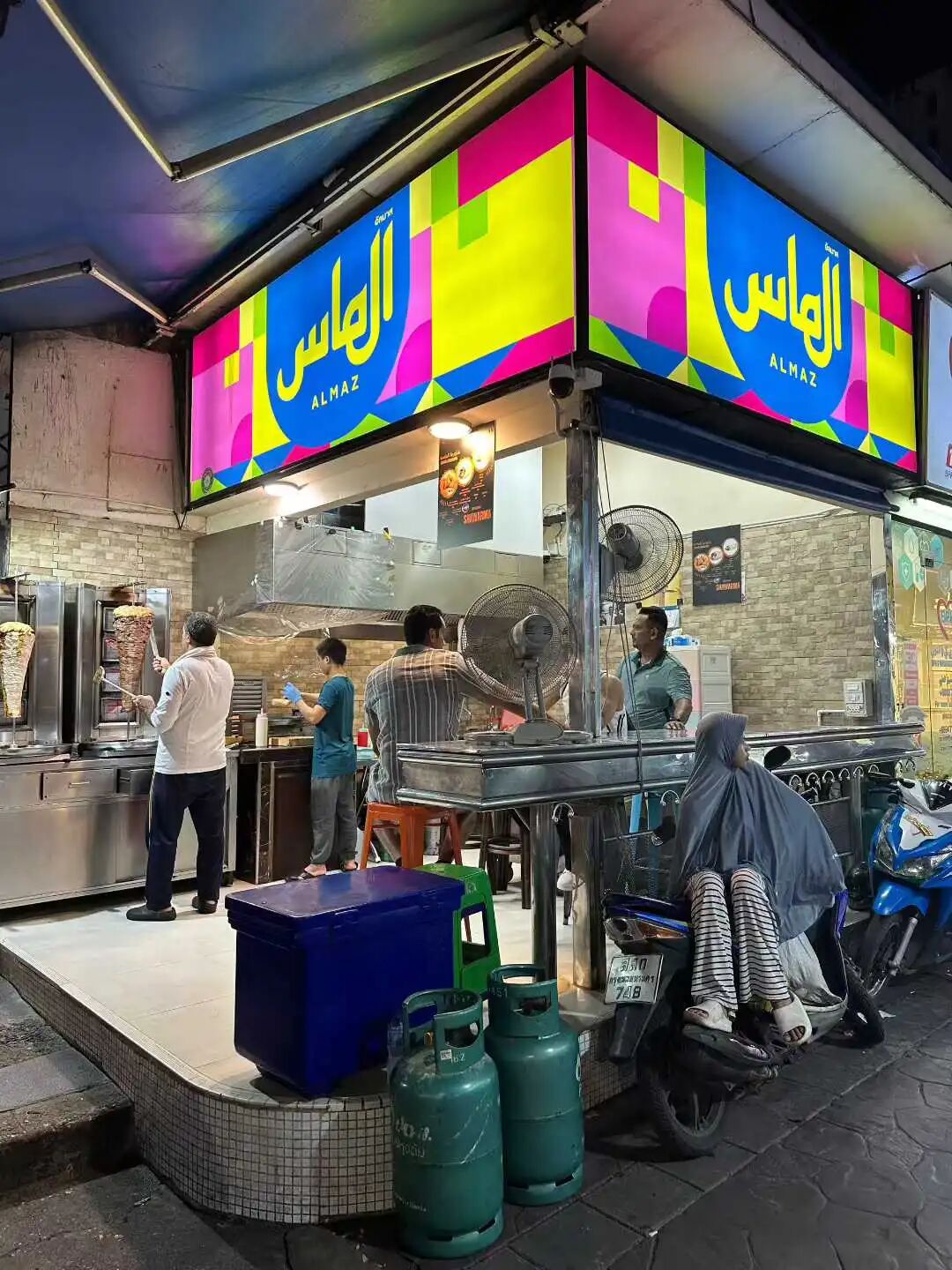
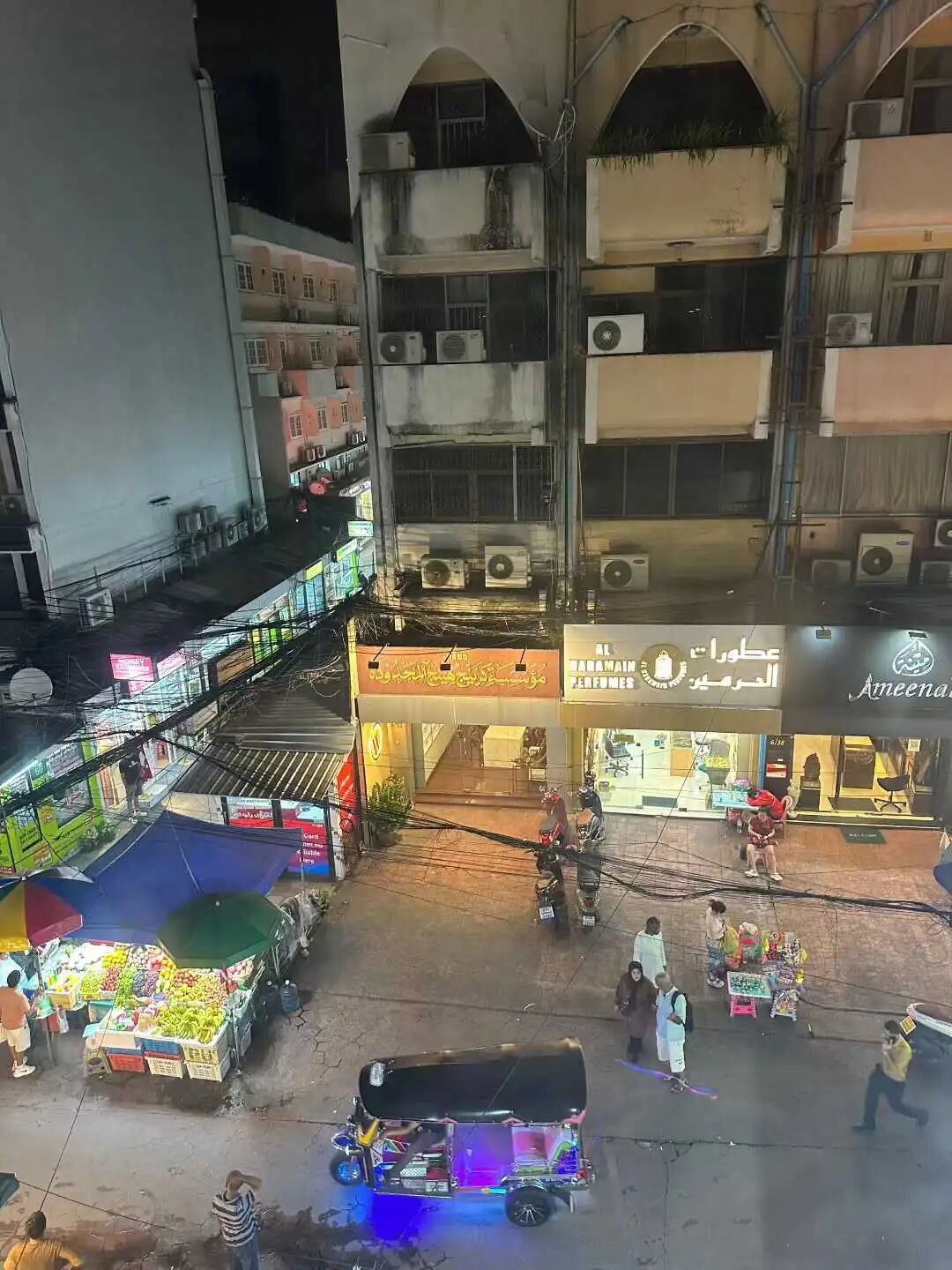
Stepping out of the Nana light rail station, you can see an interesting pattern: Europeans head south to the bars and nightclubs of Nana, while Arabs and other friends (dosti) head north to the Middle Eastern restaurants, agarwood shops, and import supermarkets of Arab Alley. At night, Arab Alley is brightly lit. Tourists from the Middle East and Africa keep their home routines, drinking tea, smoking shisha, and chatting late into the night, while many others shop for fruit and agarwood. The Middle Eastern restaurants in Arab Alley do not sell alcohol and are brightly lit. Many people visit with their whole families, which is a sharp contrast to Nana to the south.
The rise of Bangkok's Arab Alley started with the Grace Hotel. The Grace Hotel opened in 1966 and was a famous luxury hotel in early Bangkok. It was popular with expats, tourists, and American soldiers who had just left the Vietnam War, and many Arab tourists also chose to stay here when visiting Bangkok. In 1983, the Egyptian restaurant Shahrazad officially opened in Arab Alley. Afterward, more and more Middle Eastern restaurants opened, and Arab Alley officially became the first stop for Arab tourists visiting Bangkok. People come here to exchange money, buy SIM cards, and eat Middle Eastern breakfast to start their day of travel.
As the first Arab restaurant in Bangkok, Shahrazad on Arab Alley is definitely worth a try. This Egyptian restaurant, which opened in 1983, still keeps its 1980s decor. The storefront is low-key, the interior is clean, the waiters wear uniforms, and the Arab staff greeting guests are all smiles.
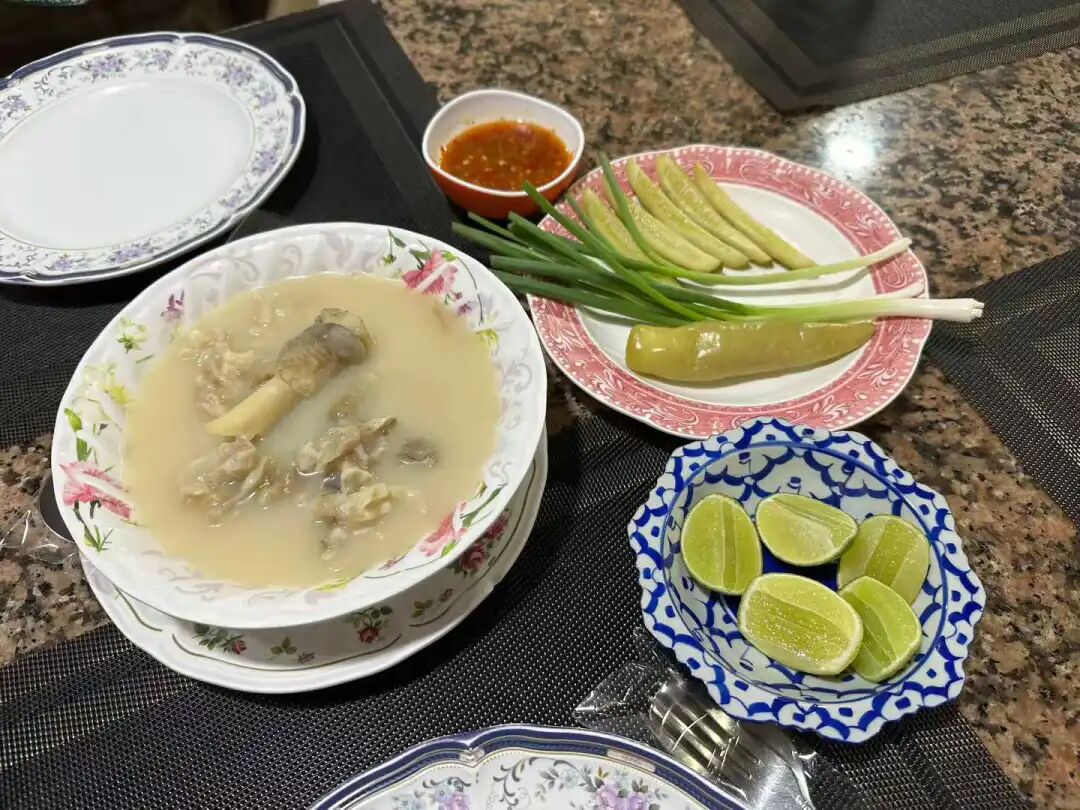
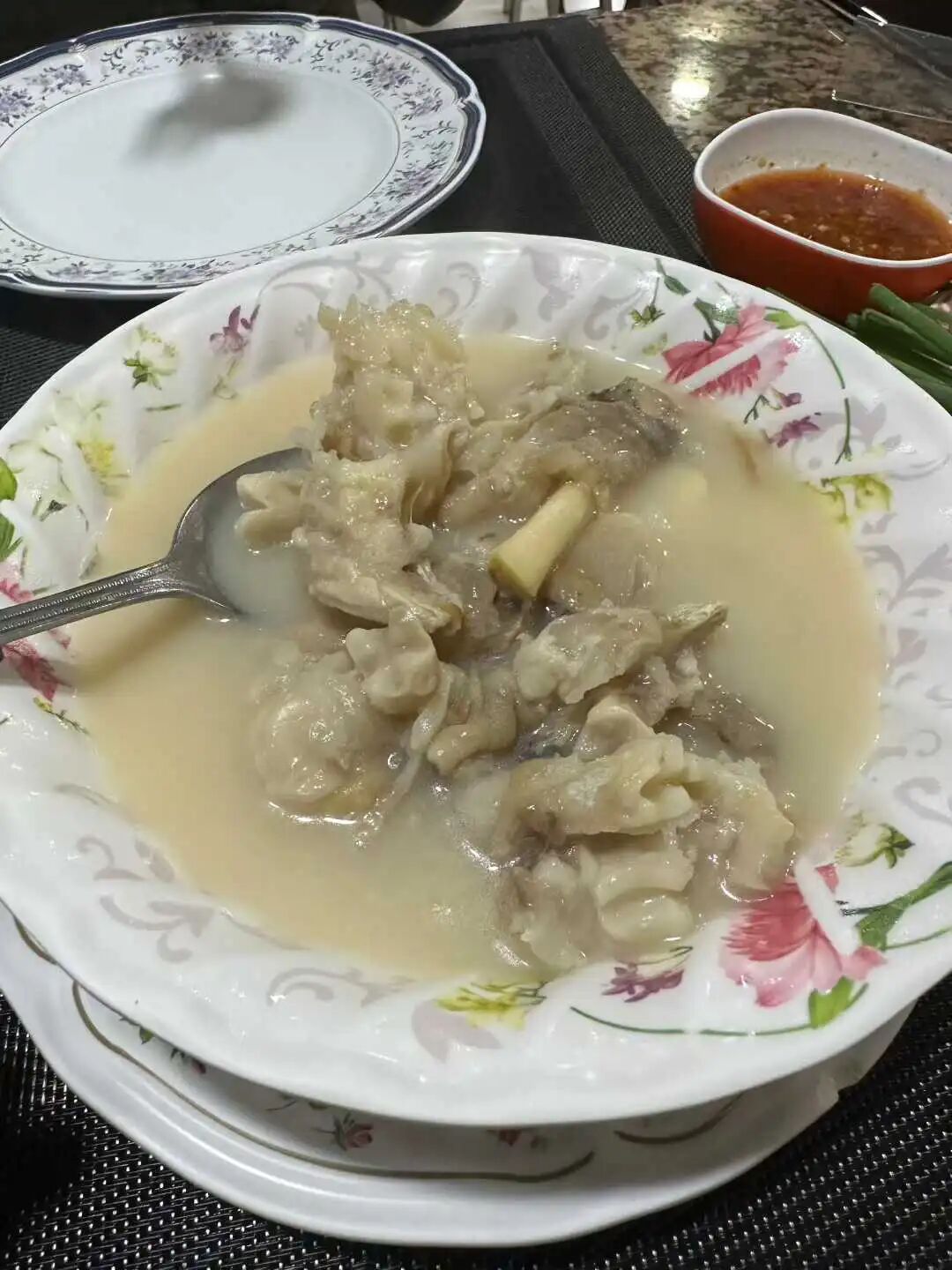
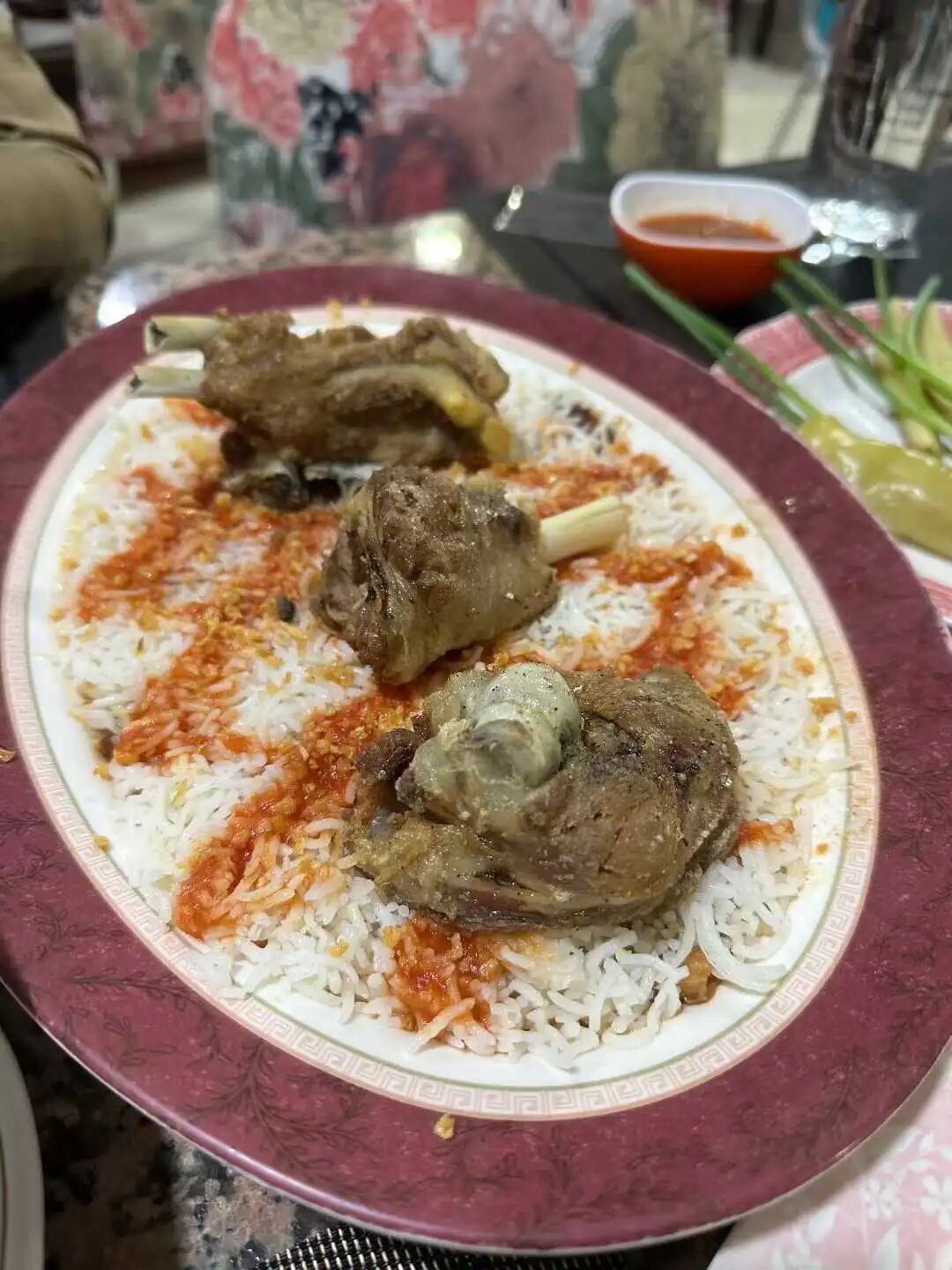
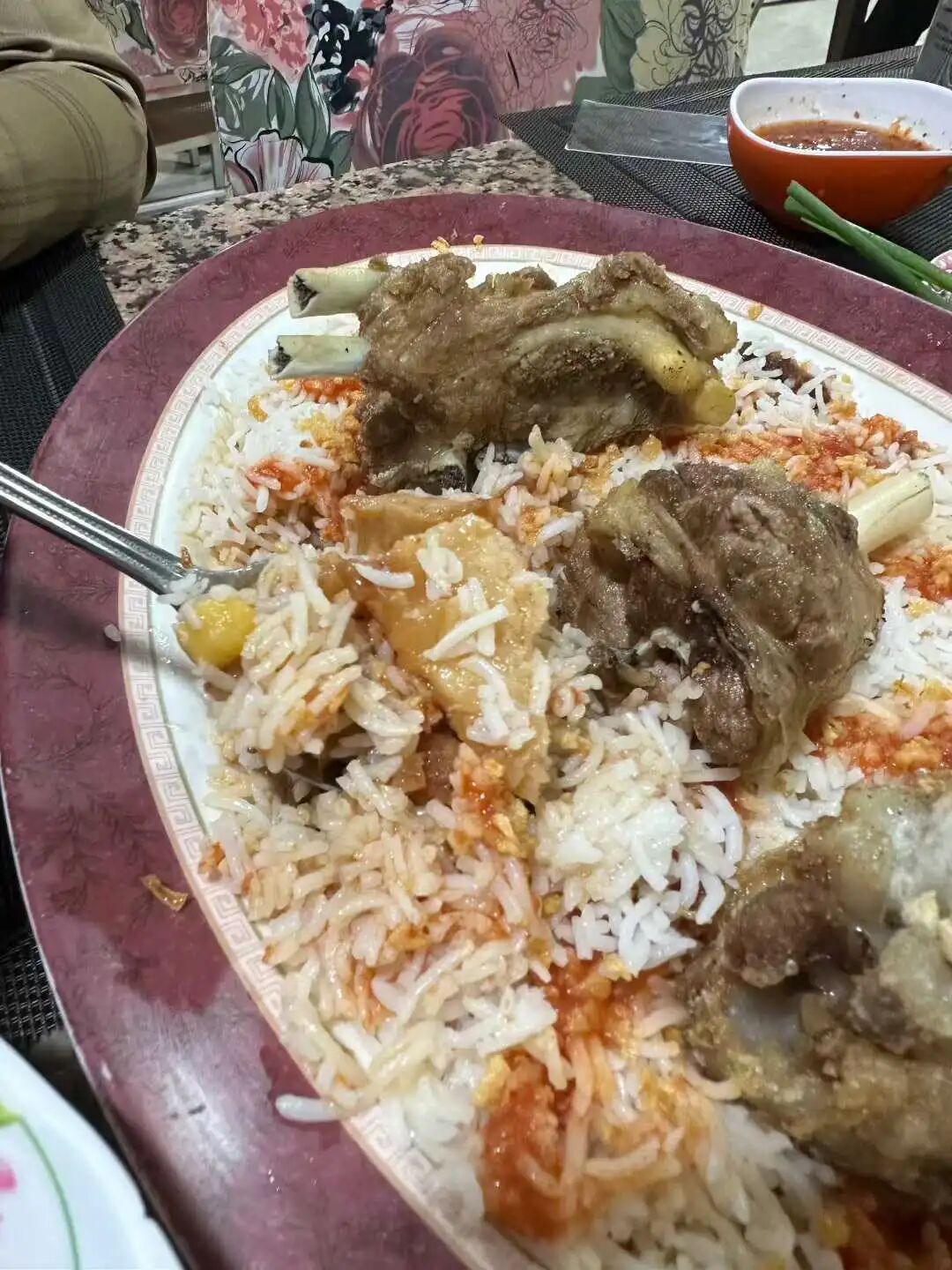
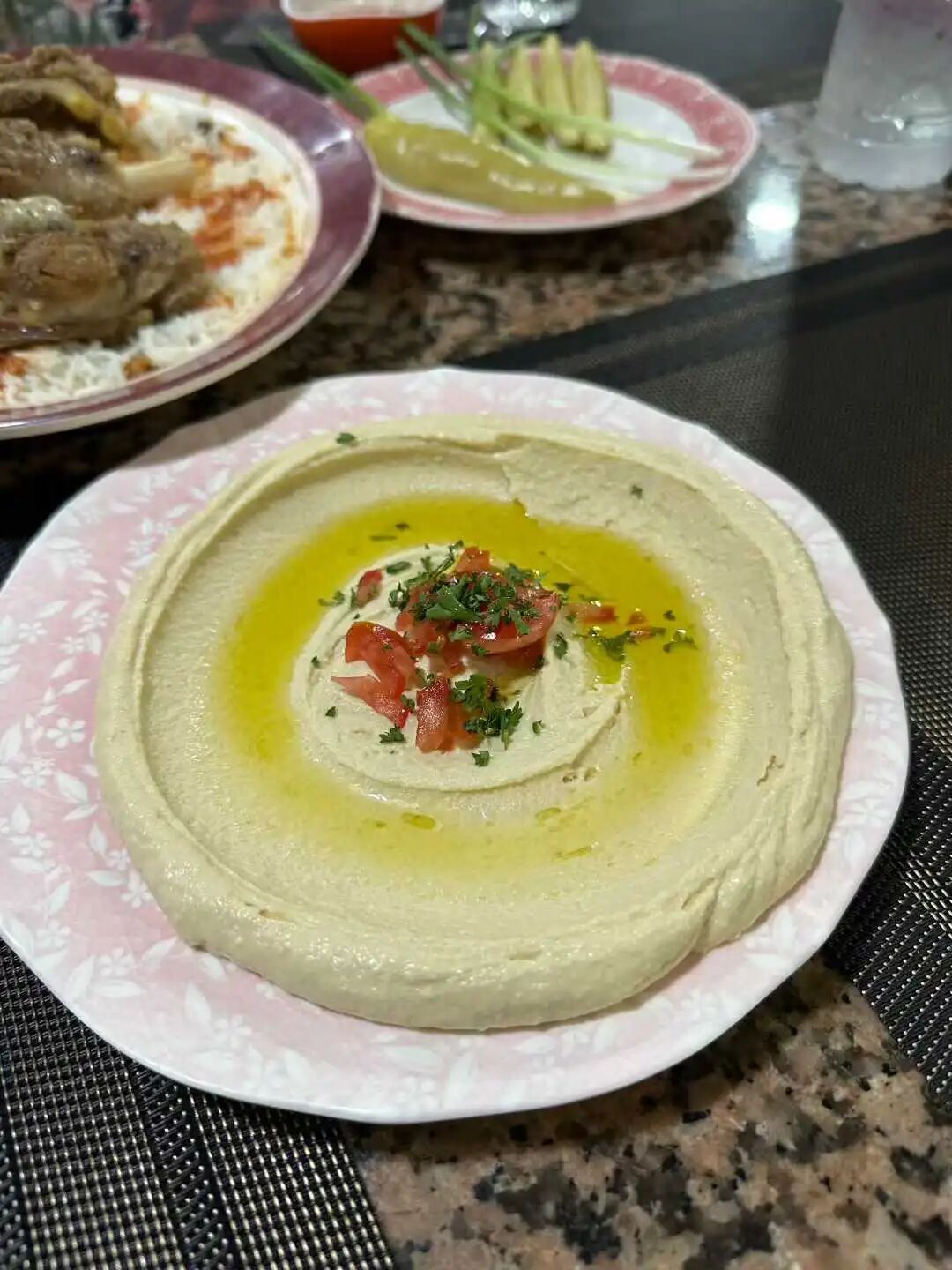
I ordered their lamb trotter soup, Egyptian lamb rice (Fatteh), and hummus (hummus), all of which were delicious. The white broth of the lamb trotter soup was very fresh; the meat must have been flown in. Lamb rice (Fatteh) is a classic holiday dish from the eastern Arab region. It mixes rice, flatbread, and chickpeas, and the lamb is fried until it smells amazing. It was so good I couldn't stop eating. Their hummus was very refreshing and easy for non-Arabs to enjoy.
Above the Shahrazad restaurant is the Nana Mosque, one of the two mosques in Arab Alley. You have to go up a staircase next to the restaurant kitchen to reach the Nana Mosque. The location is hidden, but it is said to be very crowded during Jumu'ah.
The other mosque in Arab Alley is the Sukhumvit Road Mosque, located above the Middle East Hotel. Sukhumvit Road is the main road extending southeast from Bangkok, and Arab Alley is right next to it. The Sukhumvit Road Mosque is larger than the Nana Mosque and has more people. When I went, I caught the prayer (salah). After the congregation (jama'ah) finished, those who arrived late spontaneously formed another jama'ah, which is quite rare in East and Southeast Asia. After the prayer, there were dates (tamr) given out as charity (sadaqah).
Arab Alley has several Middle Eastern import supermarkets where you can buy almost all the ingredients and spices for Arab food. You can also buy authentic, unsweetened yogurt with a strong sour taste, whereas in other Thai supermarkets, you can basically only find sweet yogurt.
We stayed at the Zenith Sukhumvit Hotel near Arab Alley. There is a light rail to the south and a canal boat to the north, though the road in front is often congested. Their halal breakfast focuses on Arab and South Asian styles, catering to the Arab and South Asian tourists staying in Arab Alley. Breakfast includes hummus (humusi) and naan bread with curry. You can order eggs made to order, and the omelet (omelette) is packed with ingredients. Although omelets are found in many countries, they actually originated in ancient Persia and spread everywhere through Eurasian trade routes.
The Shengli Hotel has a gym and a rooftop pool. From the pool, you can look down over the entire Arab Street and see the Nana red-light district in the distance. The hotel has a private prayer room on the first floor. You need to ask the front desk staff to help you open it. view all
Summary: Bangkok's Arab Street sits beside the Nana area and serves Arab and South Asian Muslim travelers with halal restaurants, hotels, breakfast shops, and prayer spaces. This account keeps the source's route, food, hotel, mosque, and street details in clear English.
I only learned this year that Bangkok has an Arab neighborhood called Arab Alley (Soi Arab), and it is separated from Nana, Bangkok's most famous red-light district, by just one light rail line. On this trip to Bangkok, we stayed at a hotel near Arab Alley that is popular with Arab guests, just to experience the atmosphere of the area.
Stepping out of the Nana light rail station, you can see an interesting pattern: Europeans head south to the bars and nightclubs of Nana, while Arabs and other friends (dosti) head north to the Middle Eastern restaurants, agarwood shops, and import supermarkets of Arab Alley. At night, Arab Alley is brightly lit. Tourists from the Middle East and Africa keep their home routines, drinking tea, smoking shisha, and chatting late into the night, while many others shop for fruit and agarwood. The Middle Eastern restaurants in Arab Alley do not sell alcohol and are brightly lit. Many people visit with their whole families, which is a sharp contrast to Nana to the south.
The rise of Bangkok's Arab Alley started with the Grace Hotel. The Grace Hotel opened in 1966 and was a famous luxury hotel in early Bangkok. It was popular with expats, tourists, and American soldiers who had just left the Vietnam War, and many Arab tourists also chose to stay here when visiting Bangkok. In 1983, the Egyptian restaurant Shahrazad officially opened in Arab Alley. Afterward, more and more Middle Eastern restaurants opened, and Arab Alley officially became the first stop for Arab tourists visiting Bangkok. People come here to exchange money, buy SIM cards, and eat Middle Eastern breakfast to start their day of travel.
As the first Arab restaurant in Bangkok, Shahrazad on Arab Alley is definitely worth a try. This Egyptian restaurant, which opened in 1983, still keeps its 1980s decor. The storefront is low-key, the interior is clean, the waiters wear uniforms, and the Arab staff greeting guests are all smiles.
I ordered their lamb trotter soup, Egyptian lamb rice (Fatteh), and hummus (hummus), all of which were delicious. The white broth of the lamb trotter soup was very fresh; the meat must have been flown in. Lamb rice (Fatteh) is a classic holiday dish from the eastern Arab region. It mixes rice, flatbread, and chickpeas, and the lamb is fried until it smells amazing. It was so good I couldn't stop eating. Their hummus was very refreshing and easy for non-Arabs to enjoy.
Above the Shahrazad restaurant is the Nana Mosque, one of the two mosques in Arab Alley. You have to go up a staircase next to the restaurant kitchen to reach the Nana Mosque. The location is hidden, but it is said to be very crowded during Jumu'ah.
The other mosque in Arab Alley is the Sukhumvit Road Mosque, located above the Middle East Hotel. Sukhumvit Road is the main road extending southeast from Bangkok, and Arab Alley is right next to it. The Sukhumvit Road Mosque is larger than the Nana Mosque and has more people. When I went, I caught the prayer (salah). After the congregation (jama'ah) finished, those who arrived late spontaneously formed another jama'ah, which is quite rare in East and Southeast Asia. After the prayer, there were dates (tamr) given out as charity (sadaqah).
Arab Alley has several Middle Eastern import supermarkets where you can buy almost all the ingredients and spices for Arab food. You can also buy authentic, unsweetened yogurt with a strong sour taste, whereas in other Thai supermarkets, you can basically only find sweet yogurt.
We stayed at the Zenith Sukhumvit Hotel near Arab Alley. There is a light rail to the south and a canal boat to the north, though the road in front is often congested. Their halal breakfast focuses on Arab and South Asian styles, catering to the Arab and South Asian tourists staying in Arab Alley. Breakfast includes hummus (humusi) and naan bread with curry. You can order eggs made to order, and the omelet (omelette) is packed with ingredients. Although omelets are found in many countries, they actually originated in ancient Persia and spread everywhere through Eurasian trade routes.
The Shengli Hotel has a gym and a rooftop pool. From the pool, you can look down over the entire Arab Street and see the Nana red-light district in the distance. The hotel has a private prayer room on the first floor. You need to ask the front desk staff to help you open it. view all
Reposted from the web
Summary: Bangkok's Arab Street sits beside the Nana area and serves Arab and South Asian Muslim travelers with halal restaurants, hotels, breakfast shops, and prayer spaces. This account keeps the source's route, food, hotel, mosque, and street details in clear English.
I only learned this year that Bangkok has an Arab neighborhood called Arab Alley (Soi Arab), and it is separated from Nana, Bangkok's most famous red-light district, by just one light rail line. On this trip to Bangkok, we stayed at a hotel near Arab Alley that is popular with Arab guests, just to experience the atmosphere of the area.
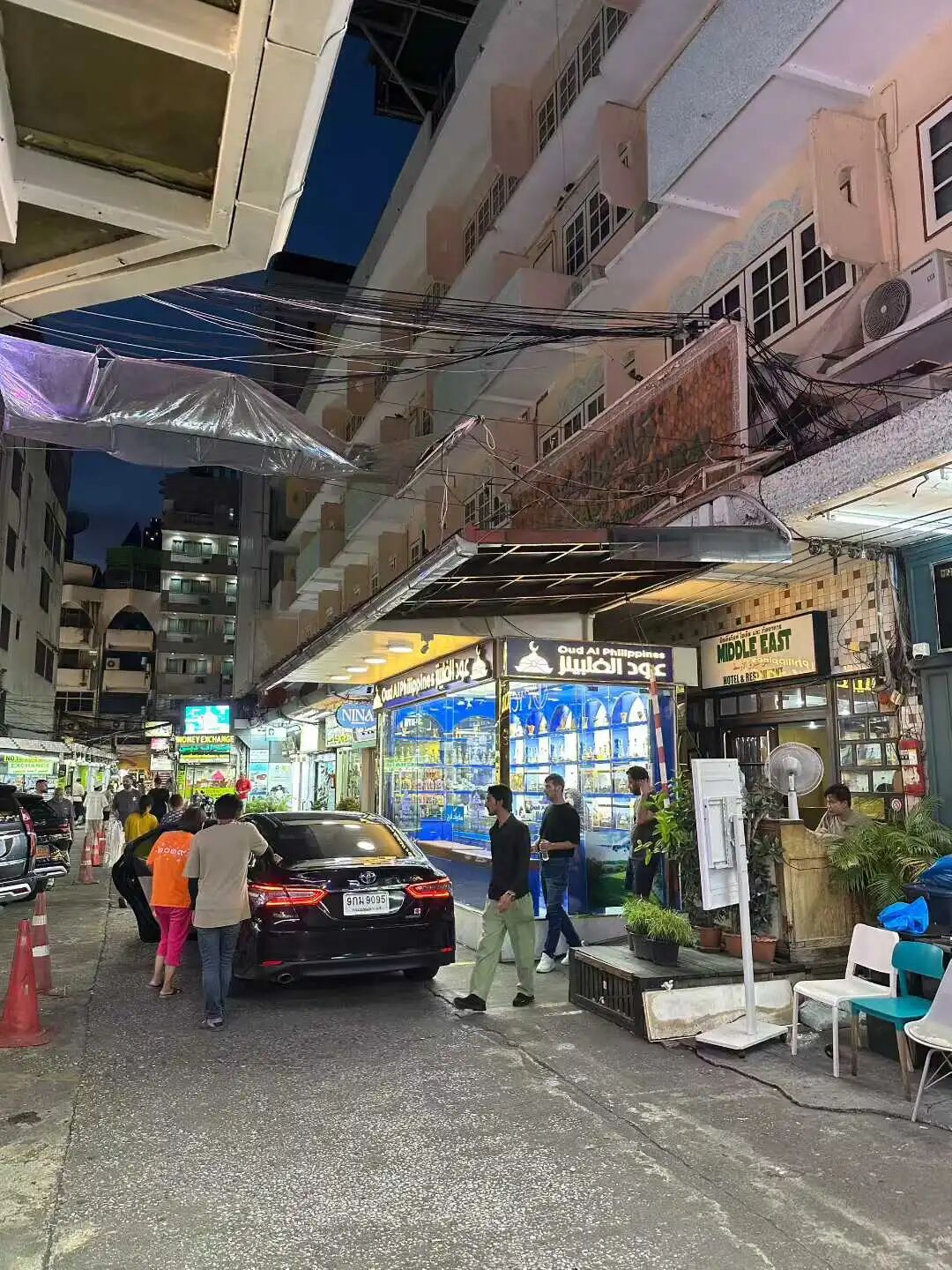
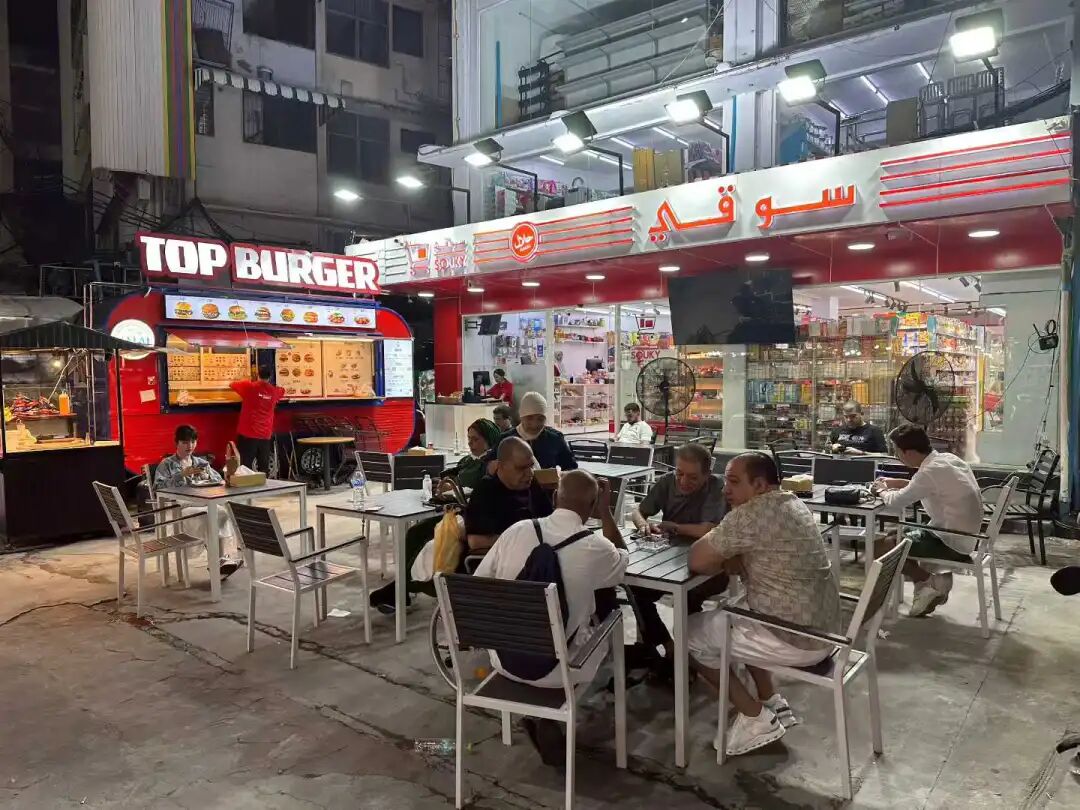
Stepping out of the Nana light rail station, you can see an interesting pattern: Europeans head south to the bars and nightclubs of Nana, while Arabs and other friends (dosti) head north to the Middle Eastern restaurants, agarwood shops, and import supermarkets of Arab Alley. At night, Arab Alley is brightly lit. Tourists from the Middle East and Africa keep their home routines, drinking tea, smoking shisha, and chatting late into the night, while many others shop for fruit and agarwood. The Middle Eastern restaurants in Arab Alley do not sell alcohol and are brightly lit. Many people visit with their whole families, which is a sharp contrast to Nana to the south.
The rise of Bangkok's Arab Alley started with the Grace Hotel. The Grace Hotel opened in 1966 and was a famous luxury hotel in early Bangkok. It was popular with expats, tourists, and American soldiers who had just left the Vietnam War, and many Arab tourists also chose to stay here when visiting Bangkok. In 1983, the Egyptian restaurant Shahrazad officially opened in Arab Alley. Afterward, more and more Middle Eastern restaurants opened, and Arab Alley officially became the first stop for Arab tourists visiting Bangkok. People come here to exchange money, buy SIM cards, and eat Middle Eastern breakfast to start their day of travel.
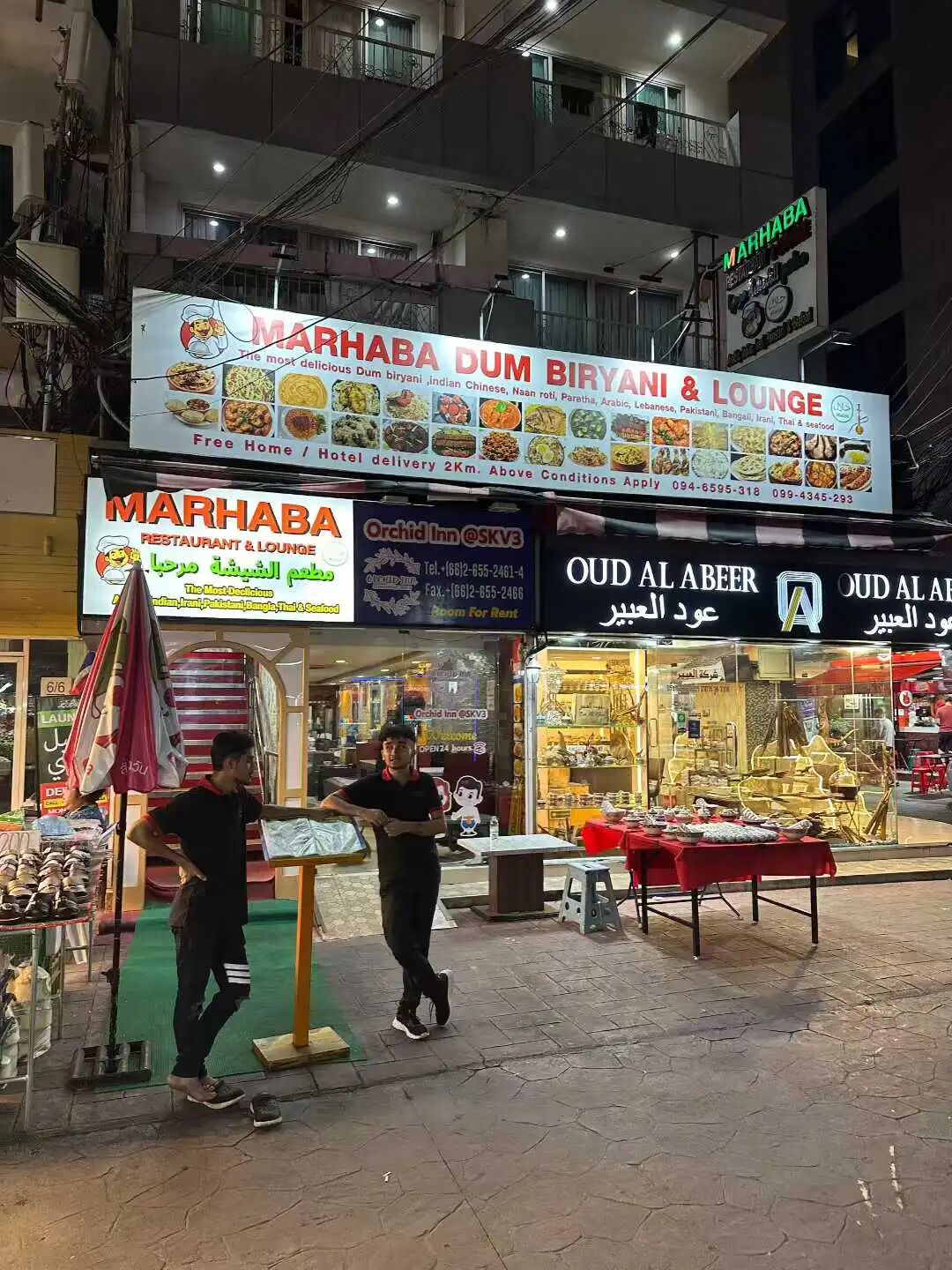
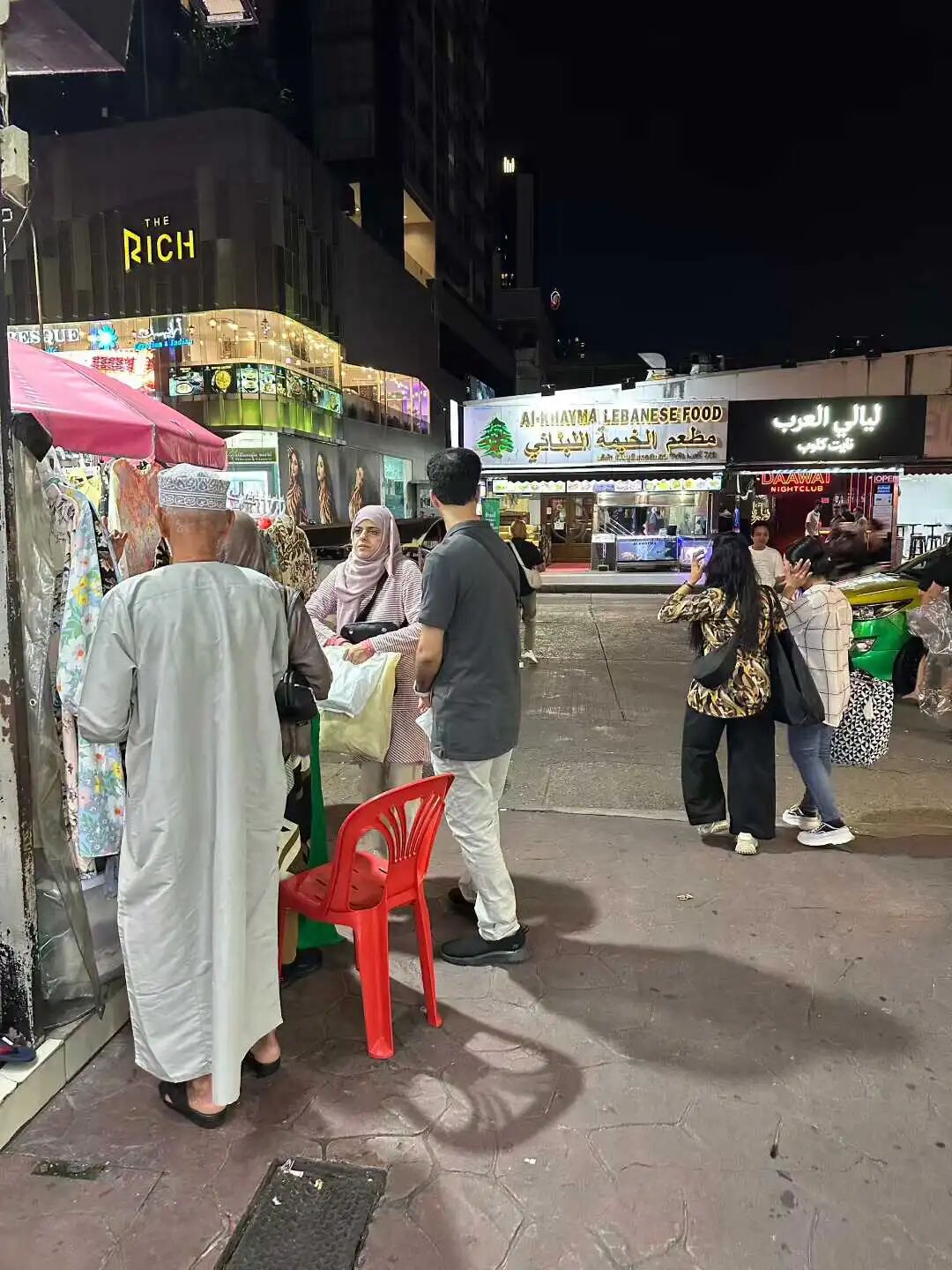
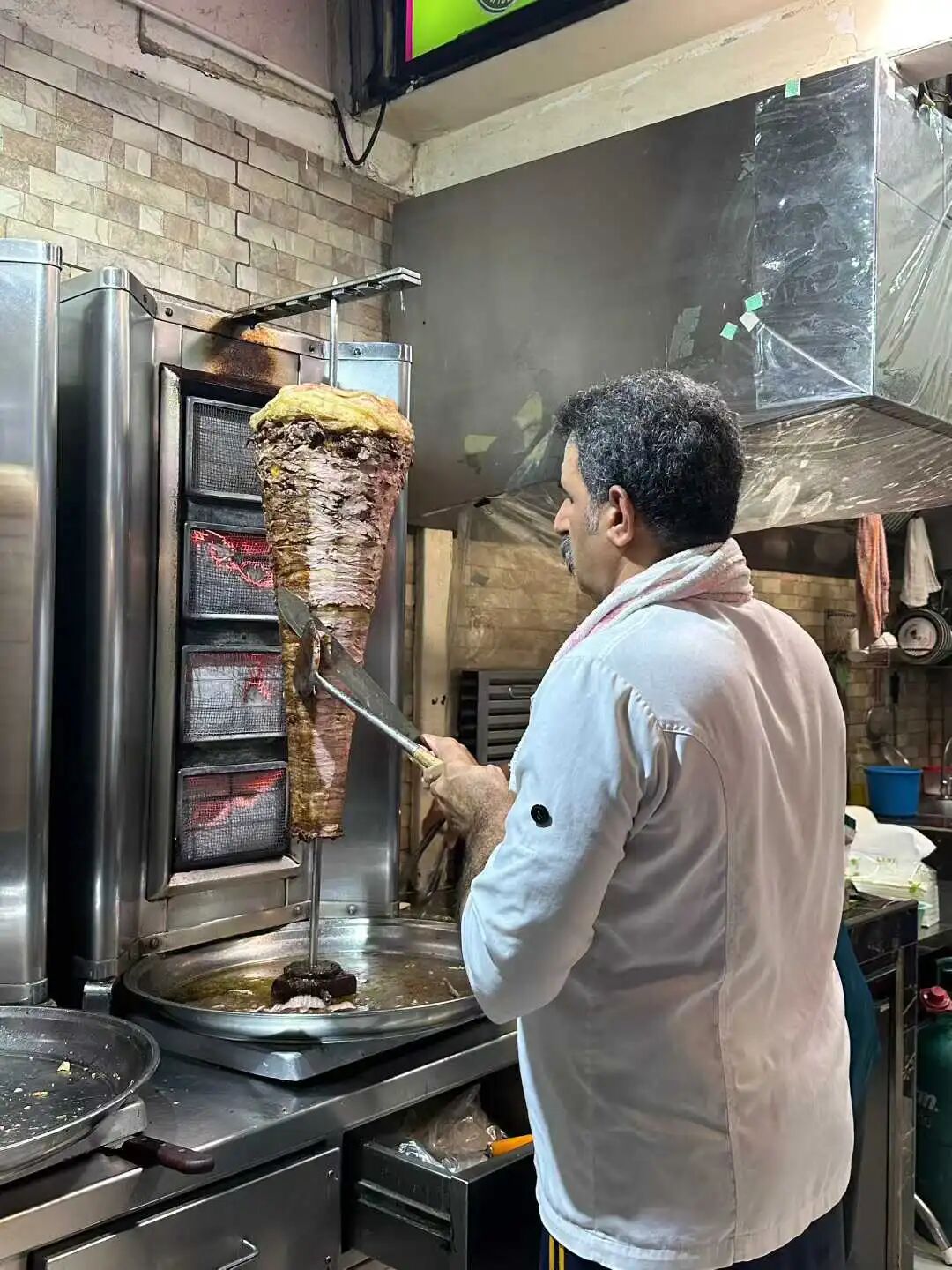
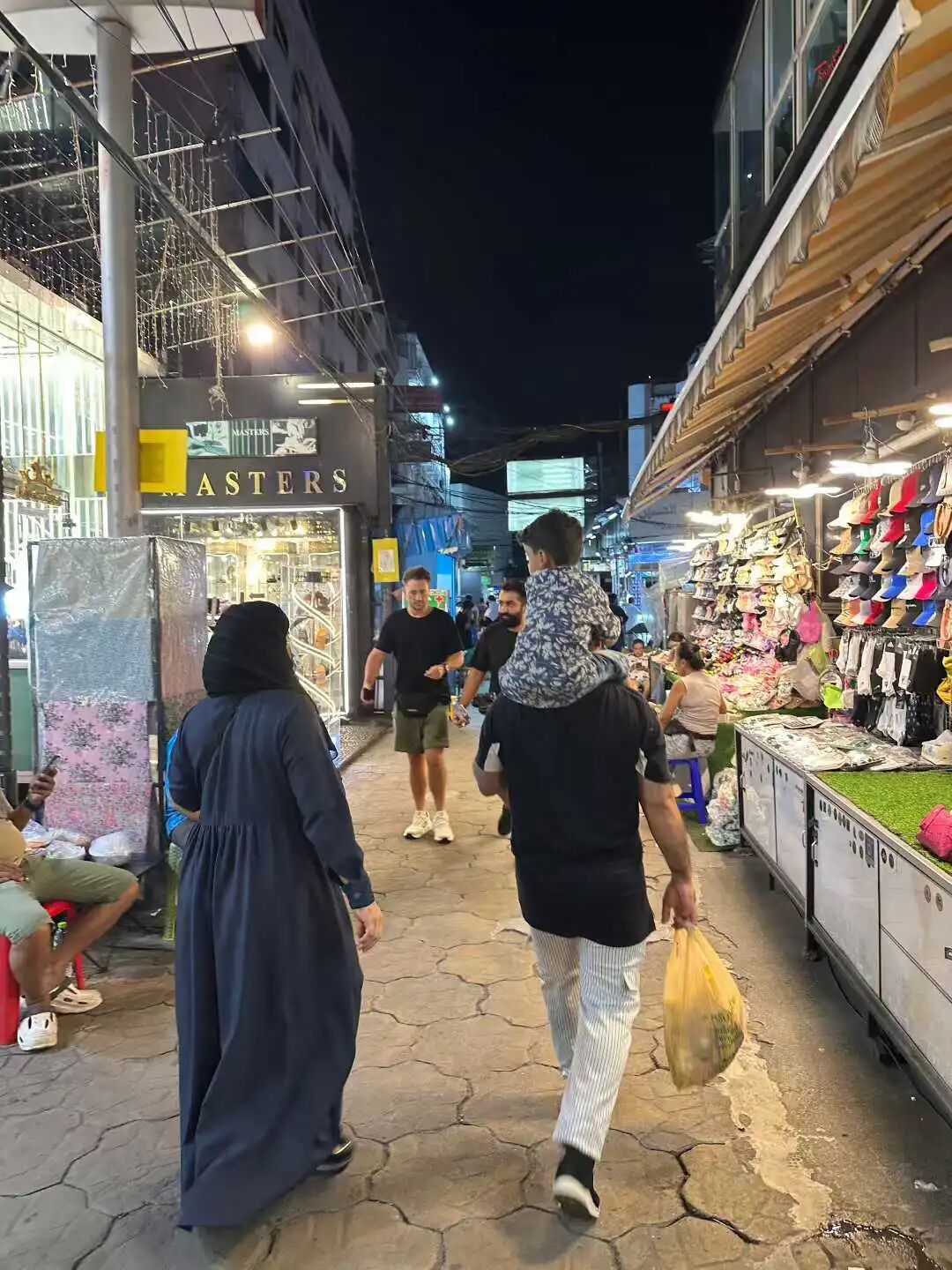
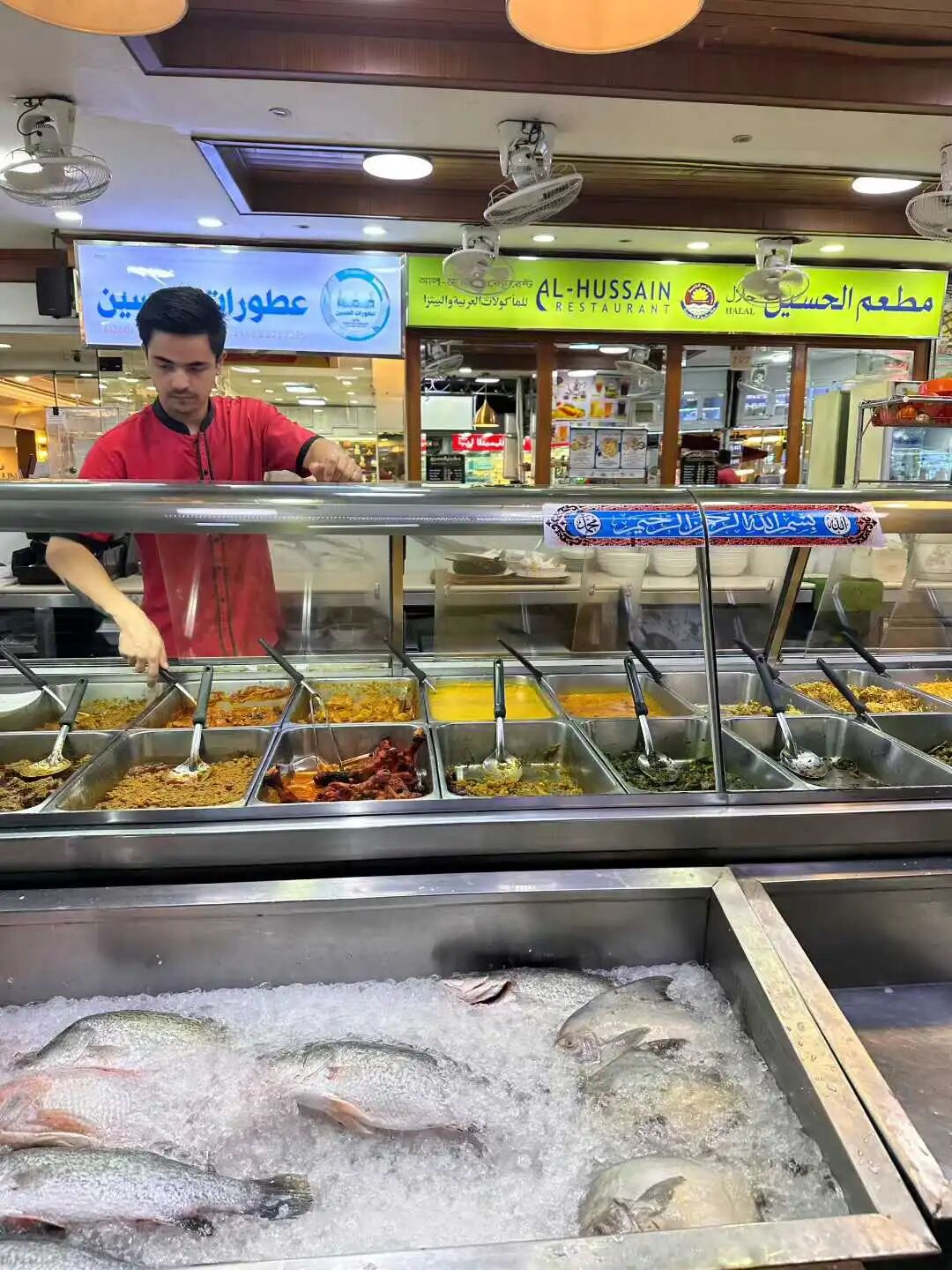
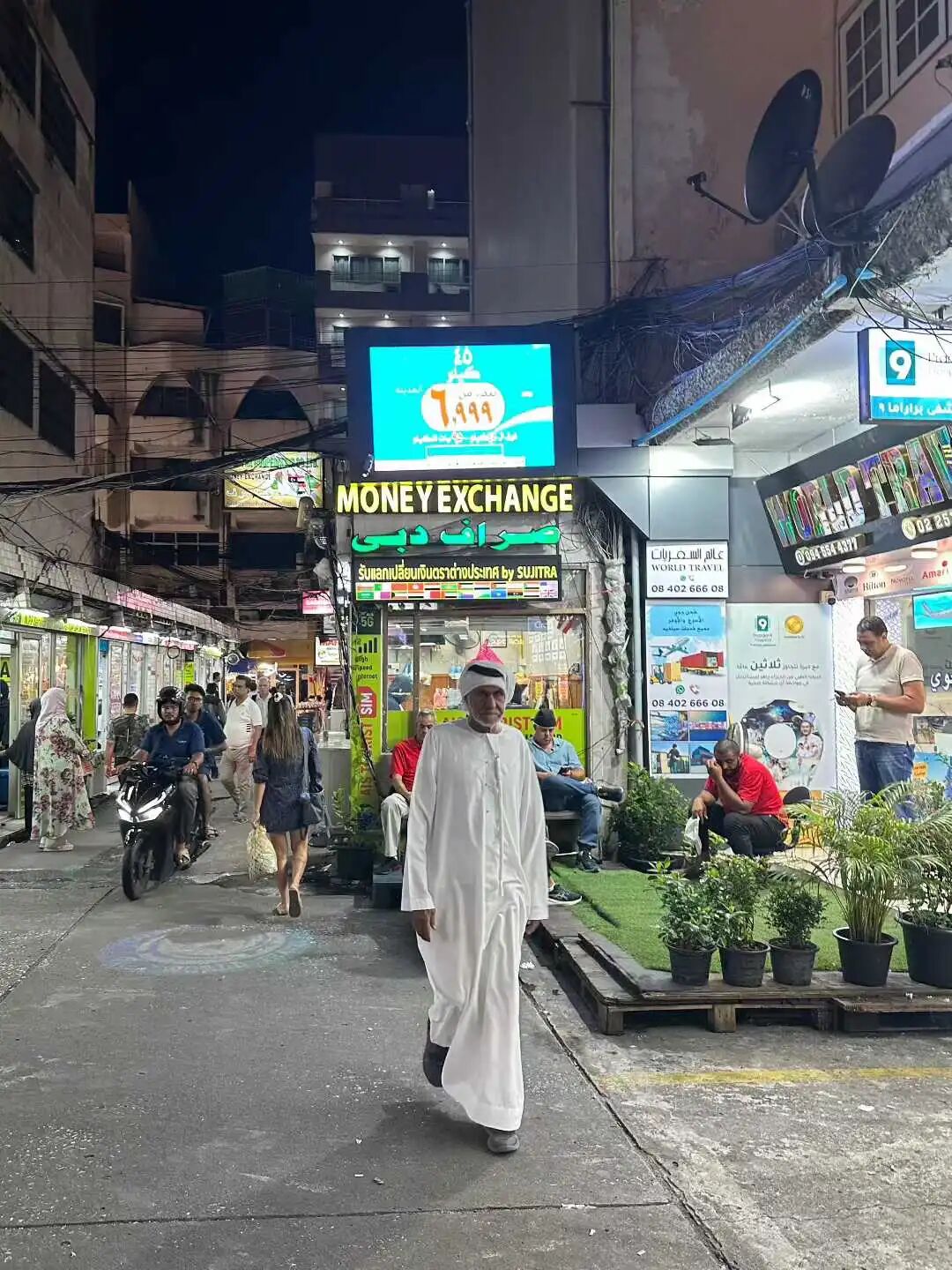
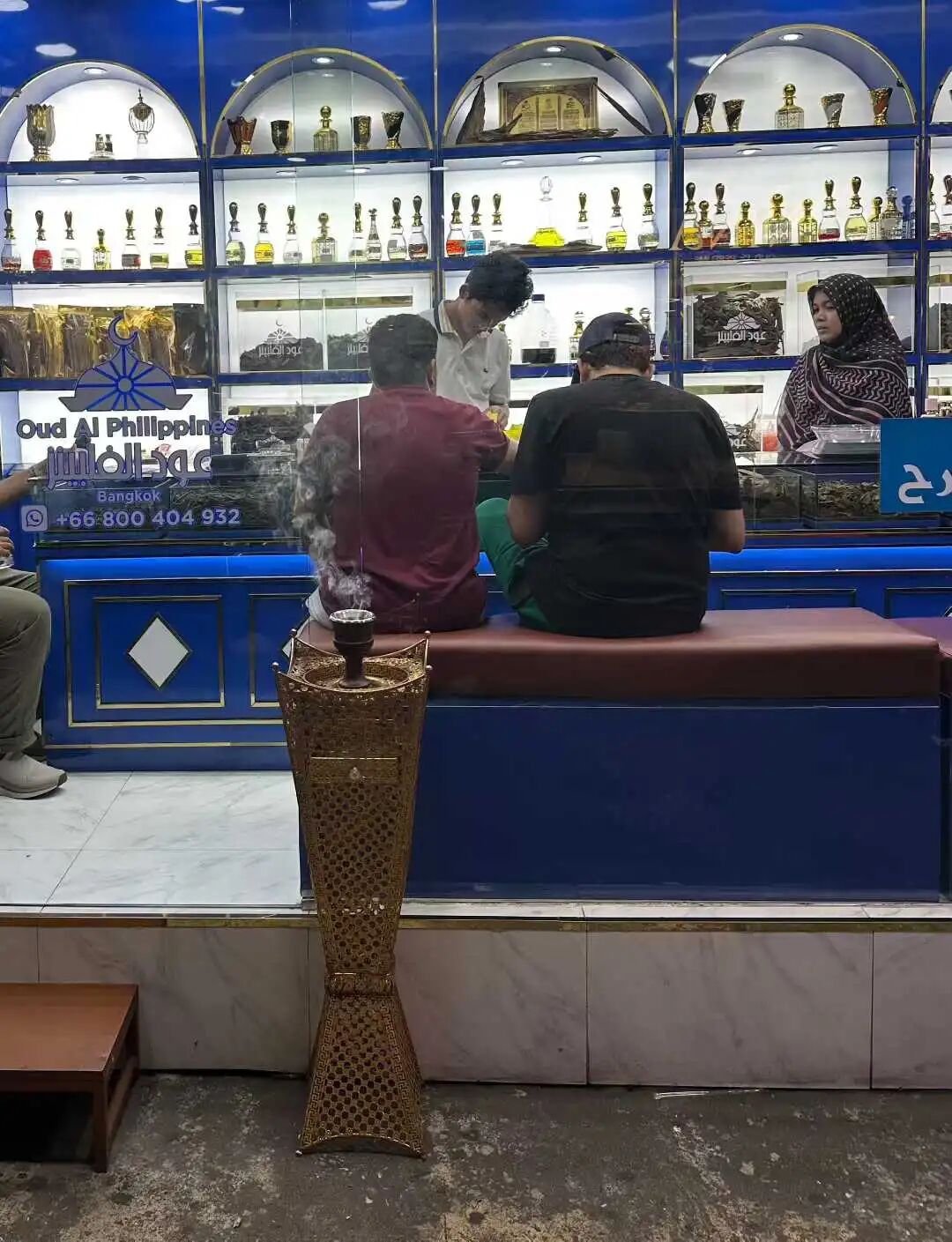
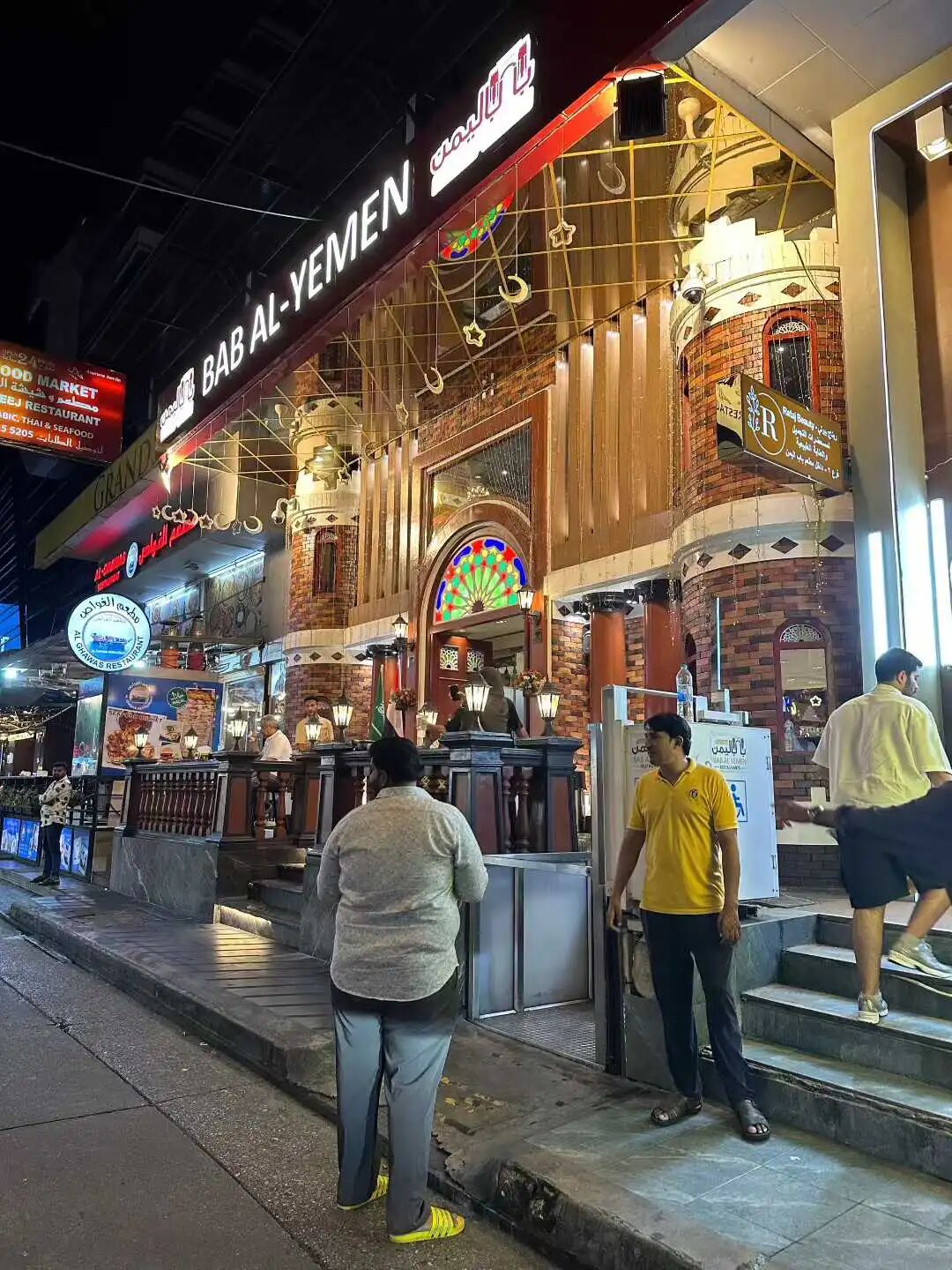
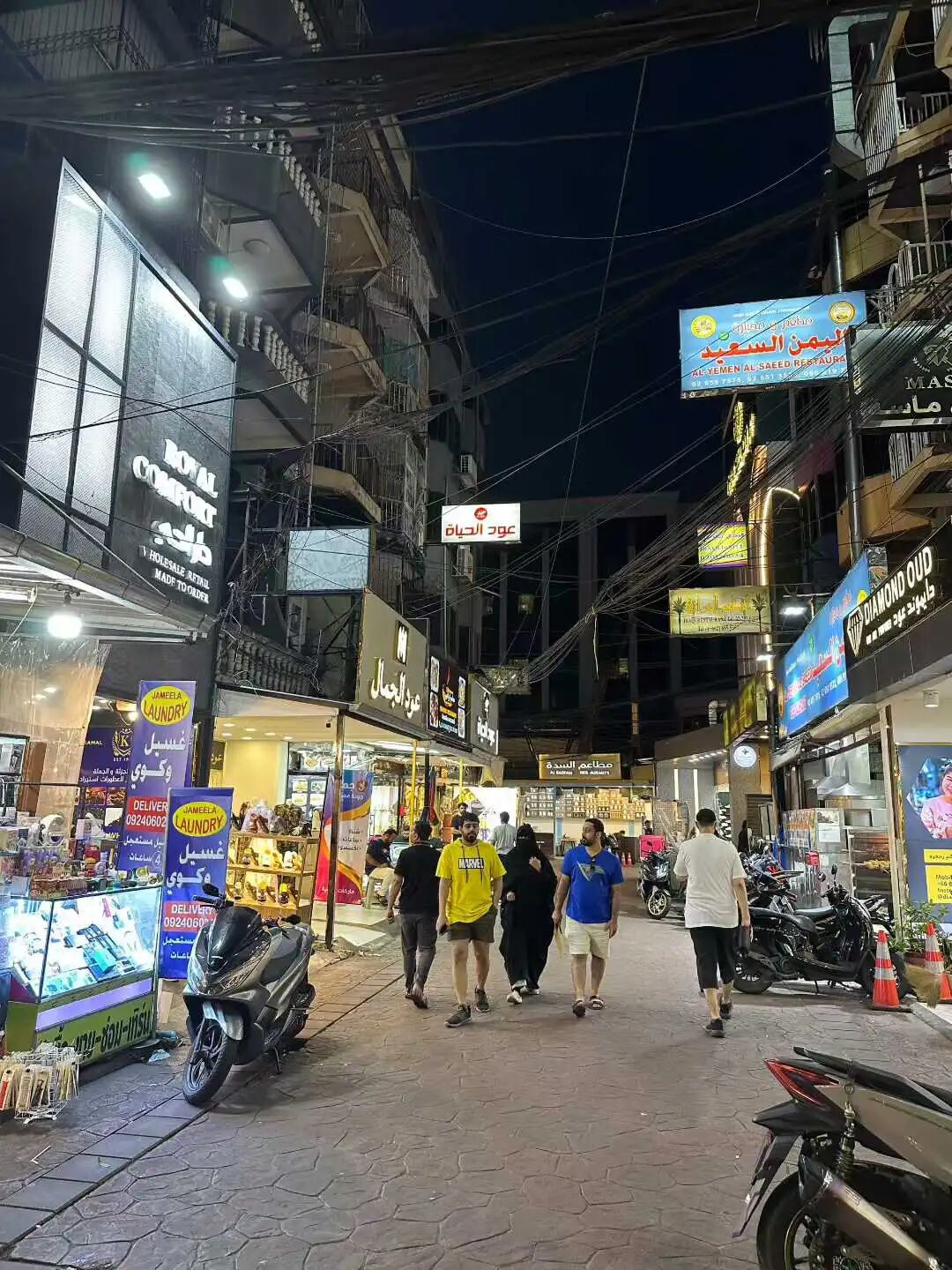
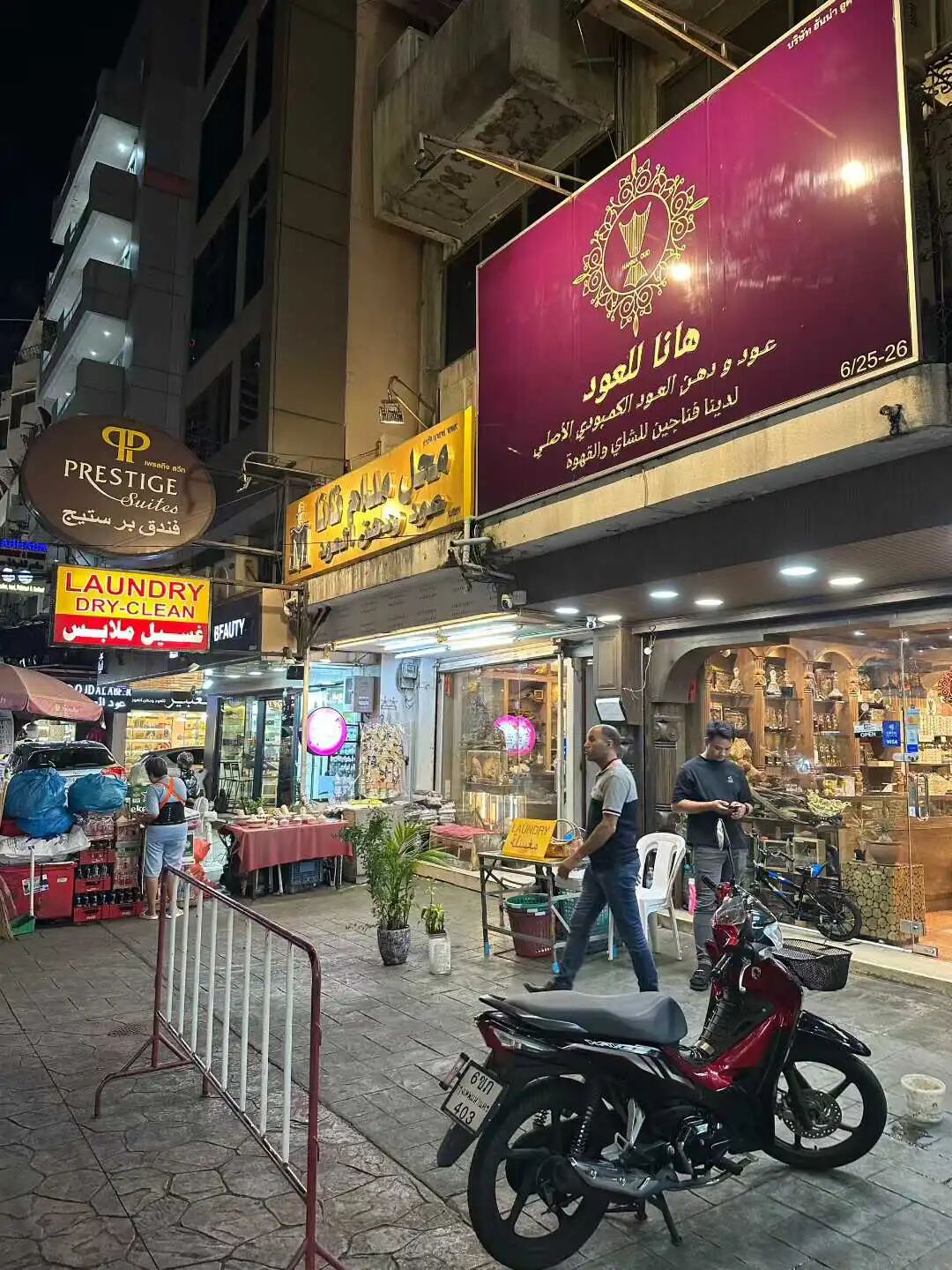
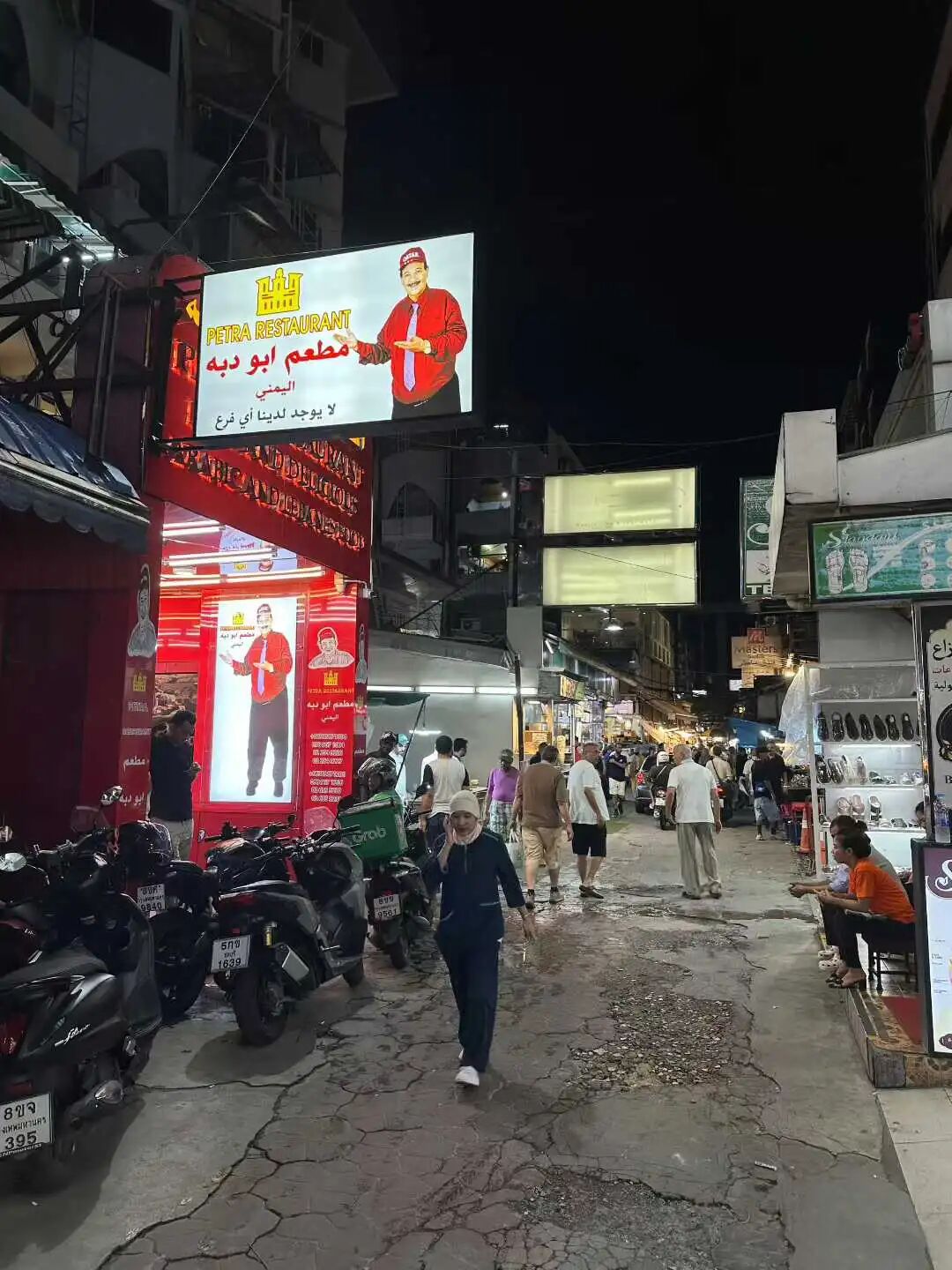
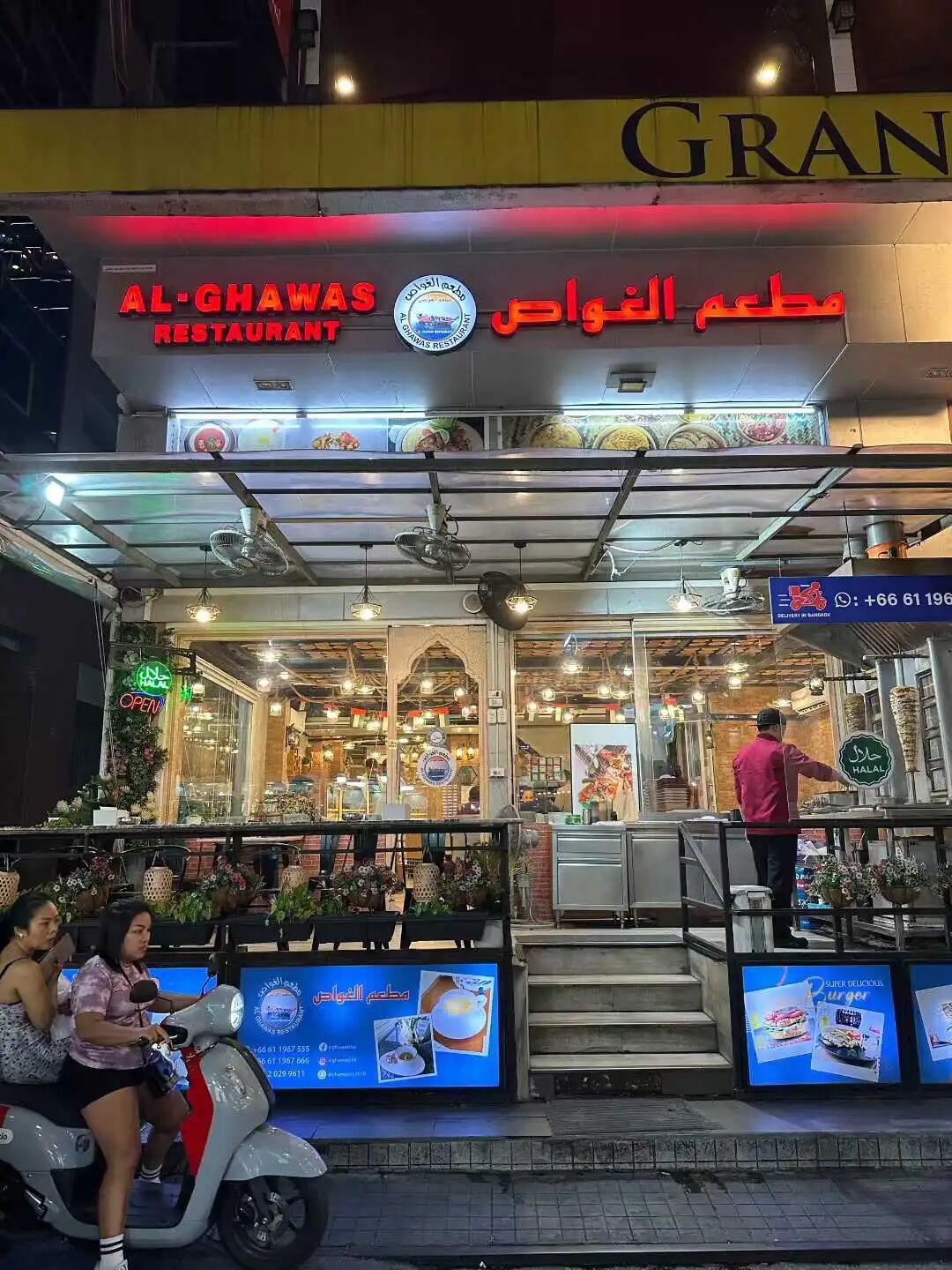
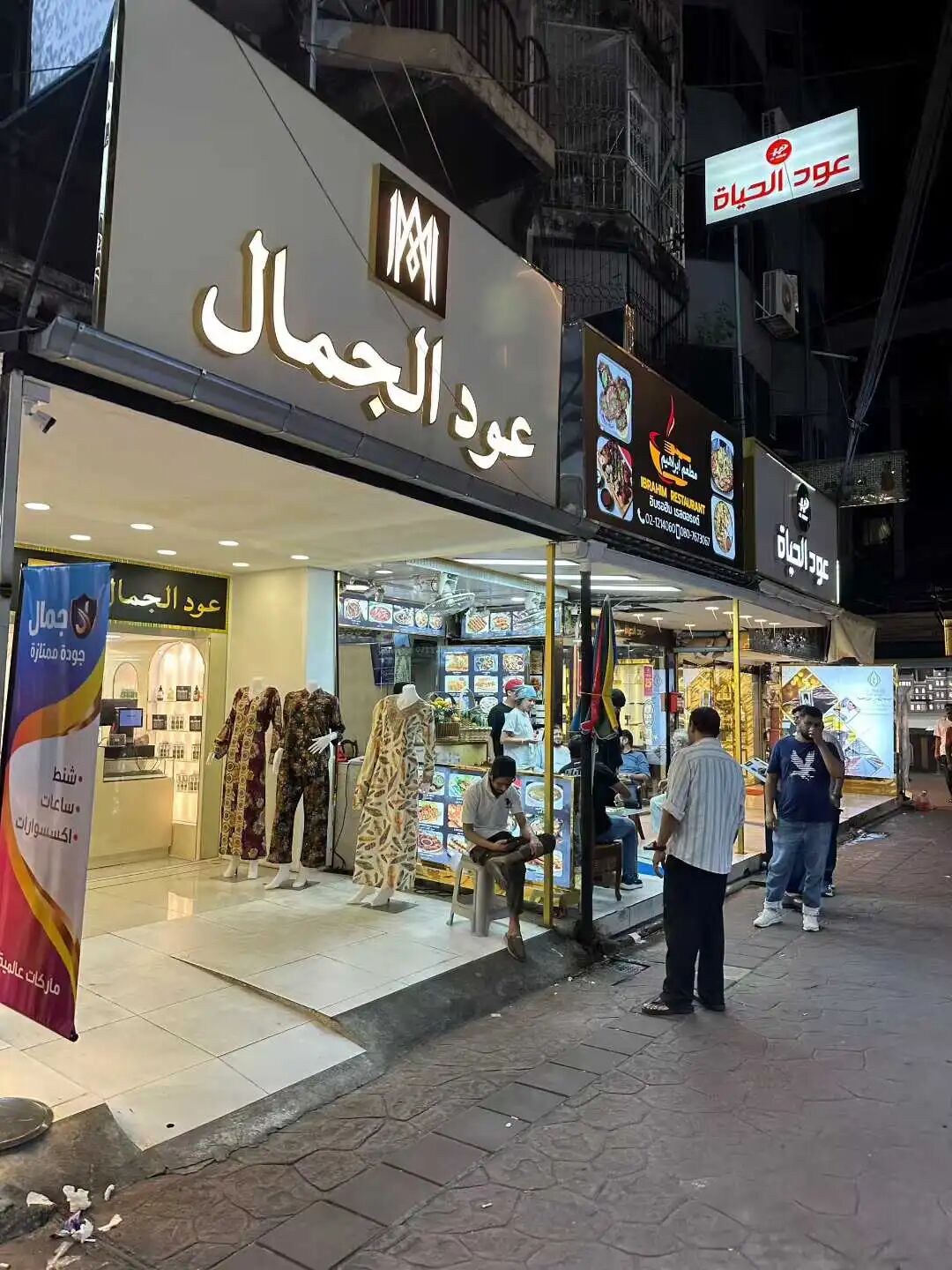
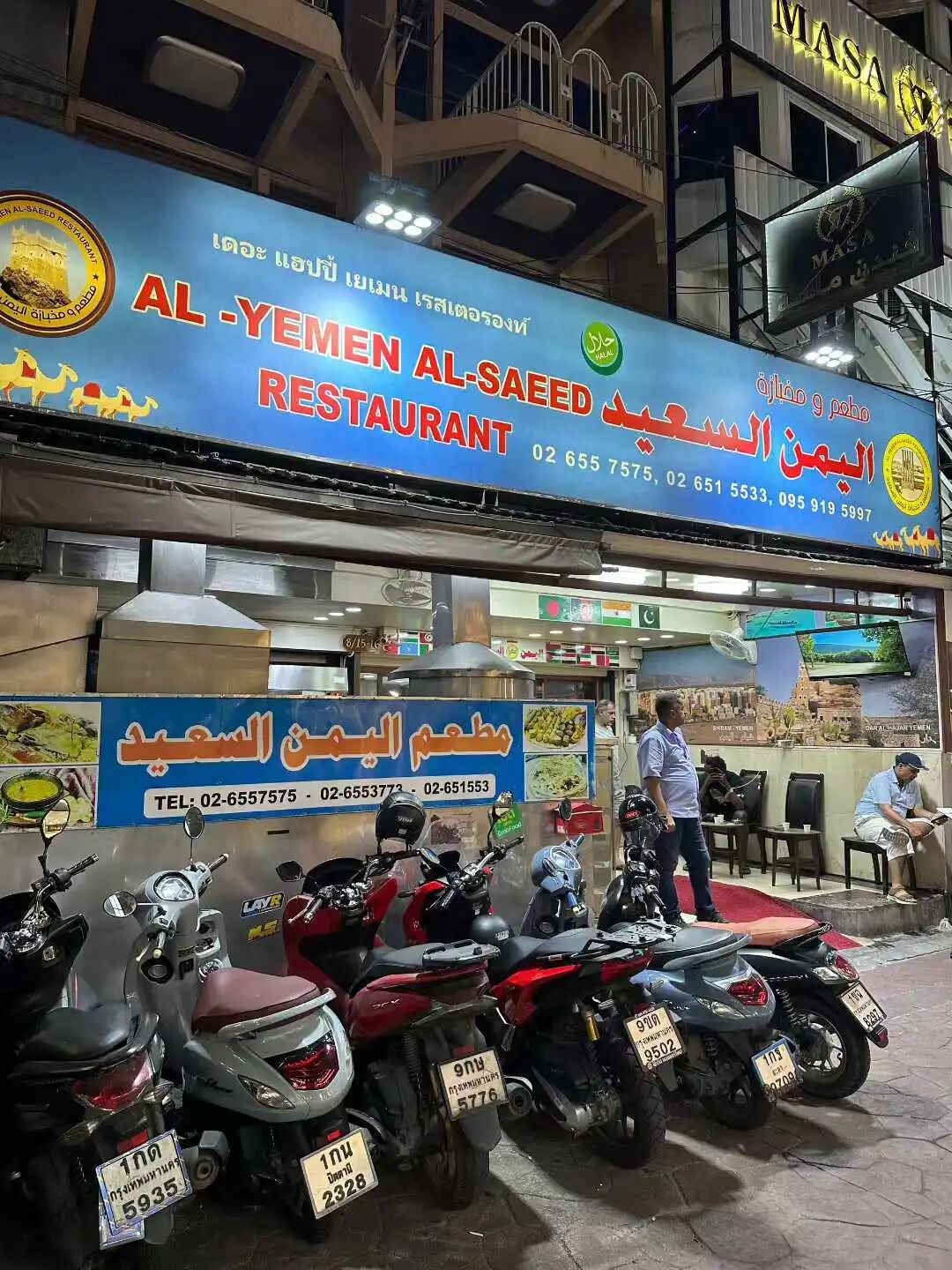
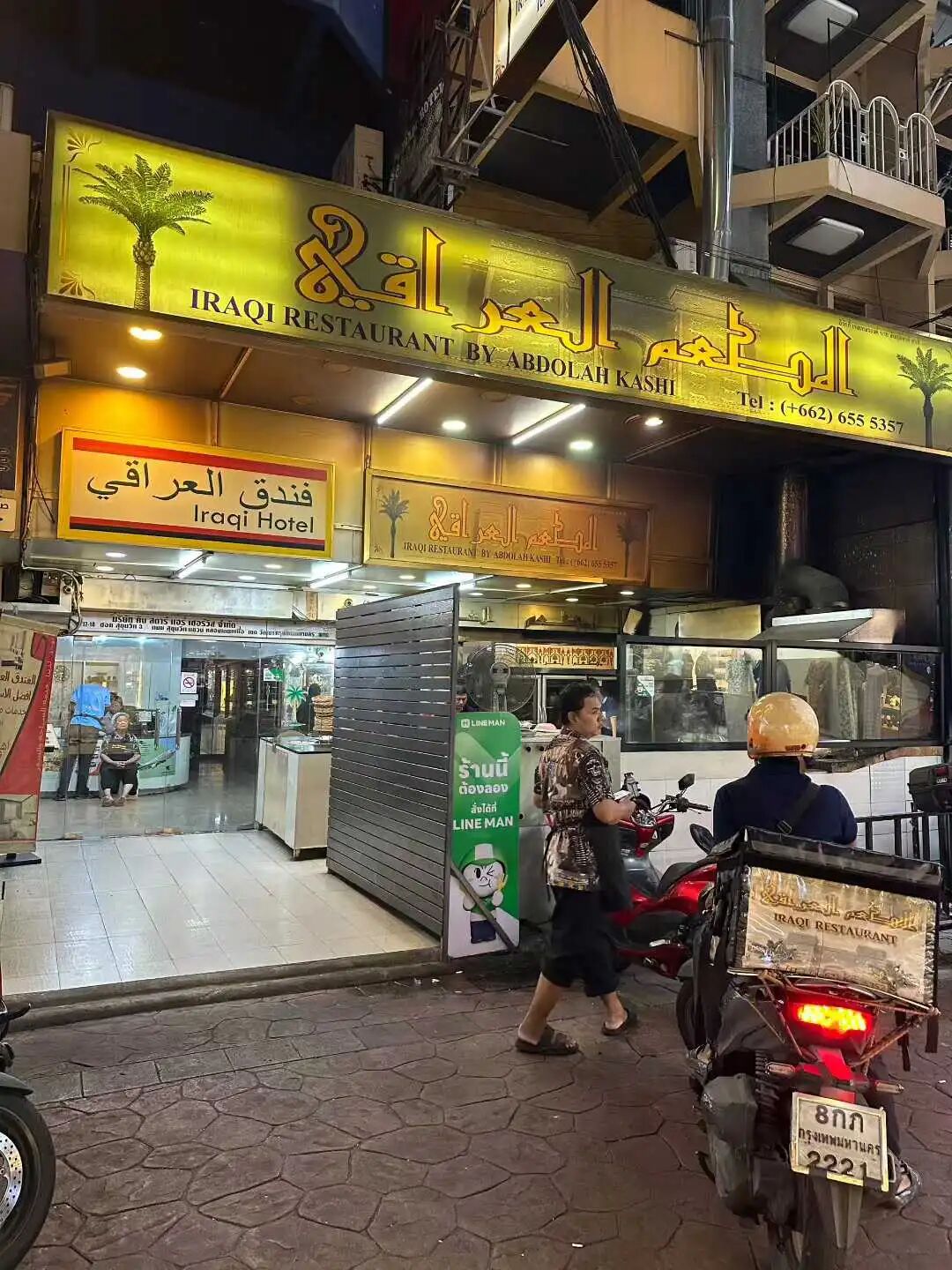
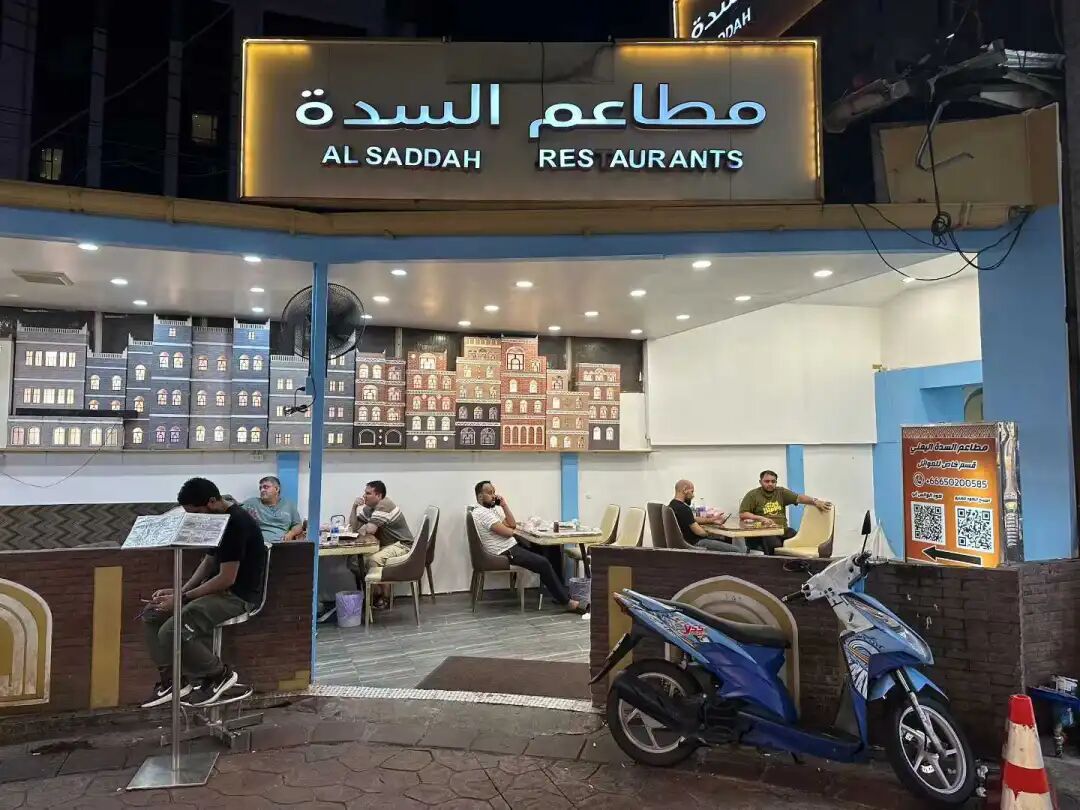
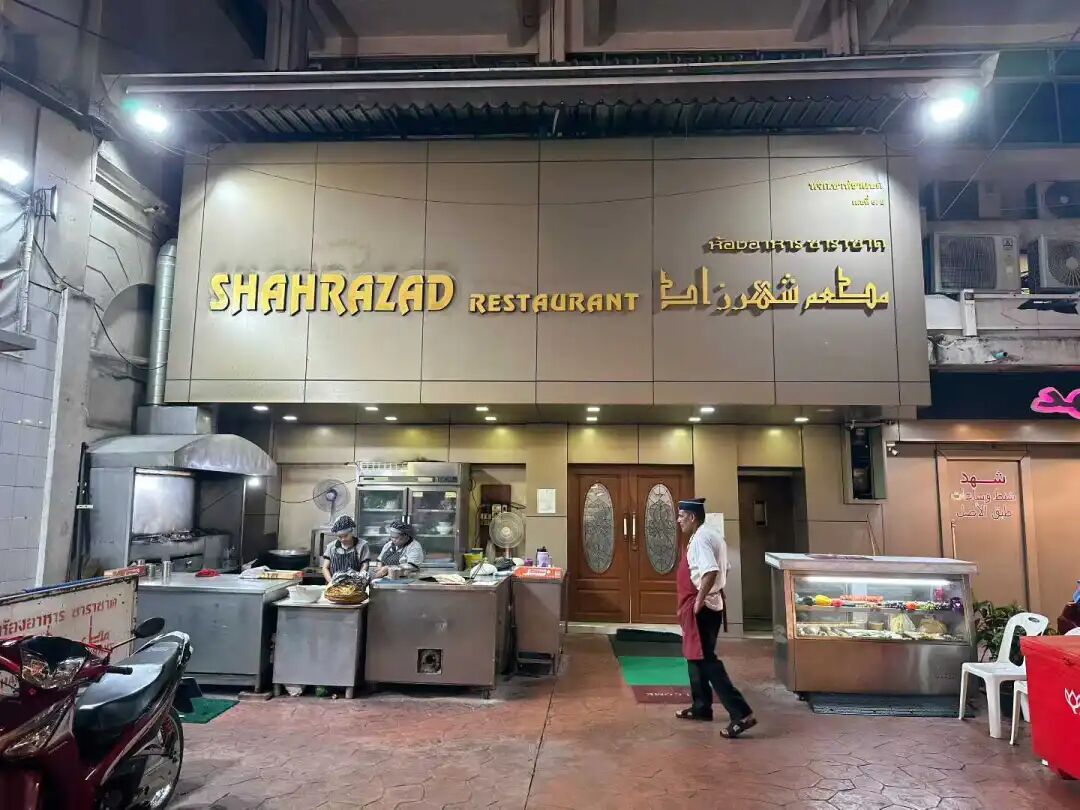
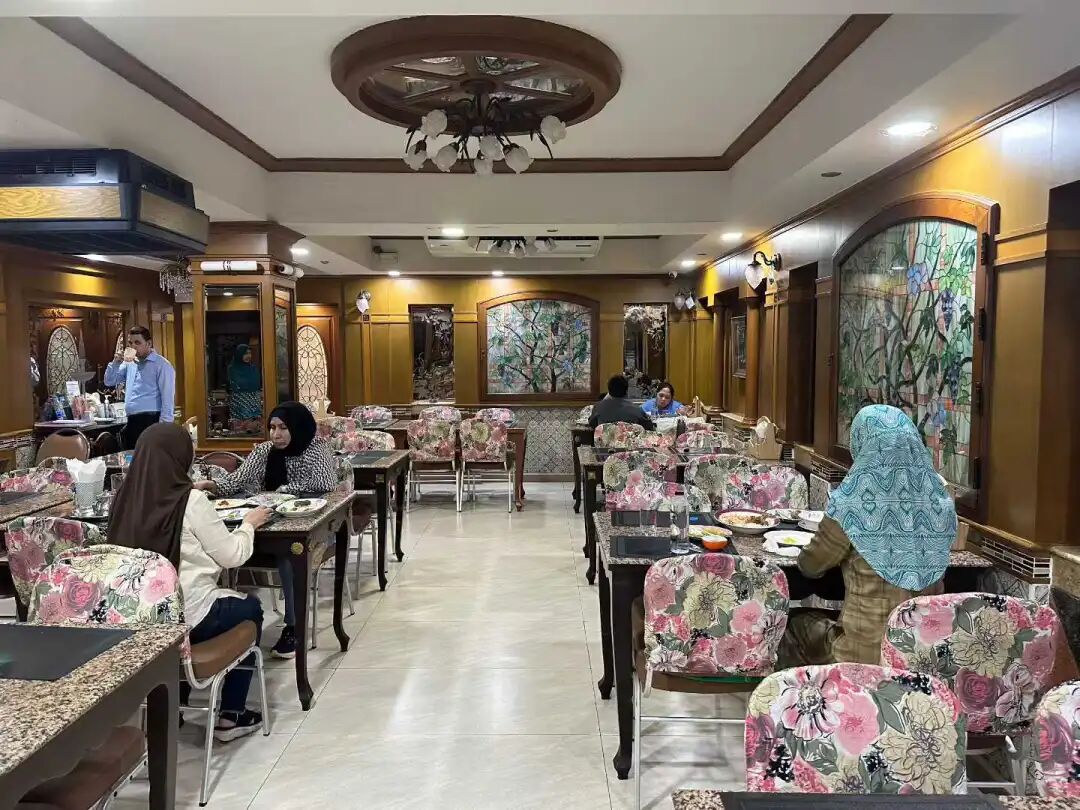
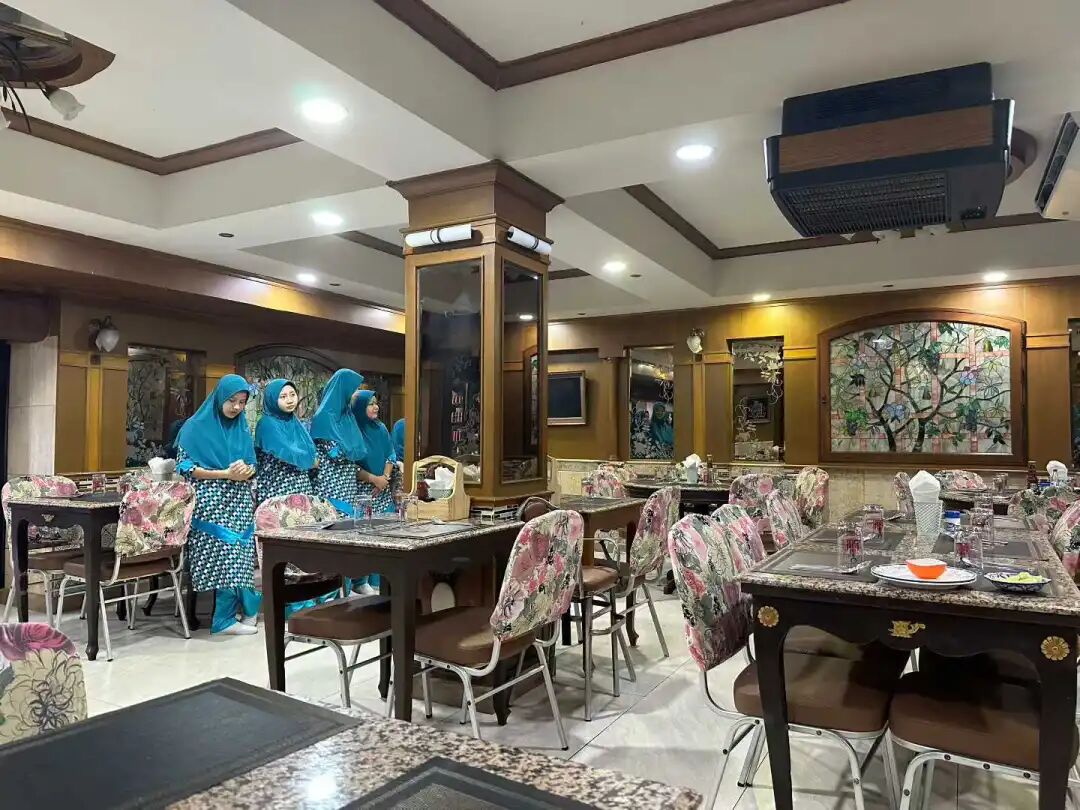
As the first Arab restaurant in Bangkok, Shahrazad on Arab Alley is definitely worth a try. This Egyptian restaurant, which opened in 1983, still keeps its 1980s decor. The storefront is low-key, the interior is clean, the waiters wear uniforms, and the Arab staff greeting guests are all smiles.
I ordered their lamb trotter soup, Egyptian lamb rice (Fatteh), and hummus (hummus), all of which were delicious. The white broth of the lamb trotter soup was very fresh; the meat must have been flown in. Lamb rice (Fatteh) is a classic holiday dish from the eastern Arab region. It mixes rice, flatbread, and chickpeas, and the lamb is fried until it smells amazing. It was so good I couldn't stop eating. Their hummus was very refreshing and easy for non-Arabs to enjoy.
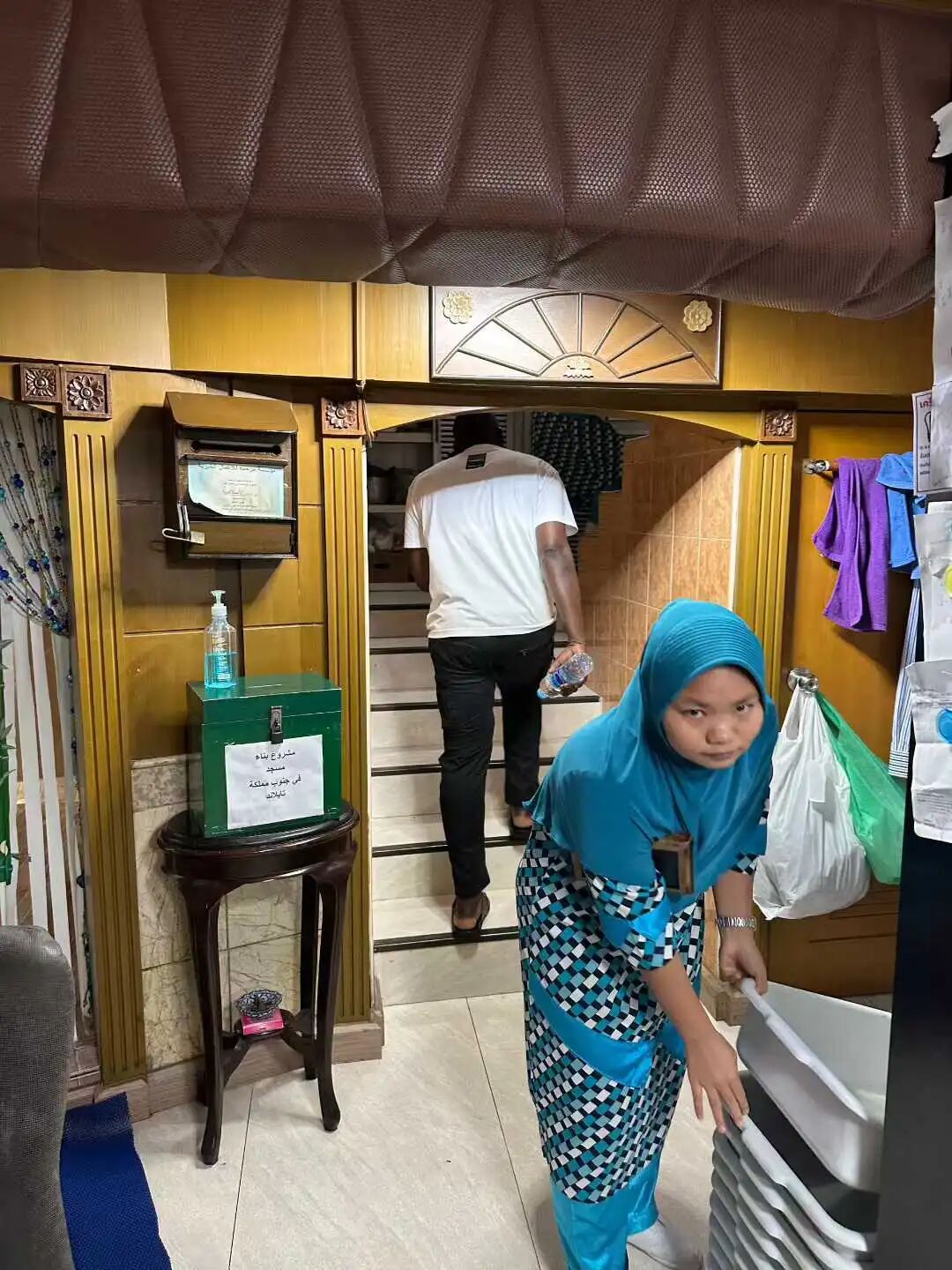
Above the Shahrazad restaurant is the Nana Mosque, one of the two mosques in Arab Alley. You have to go up a staircase next to the restaurant kitchen to reach the Nana Mosque. The location is hidden, but it is said to be very crowded during Jumu'ah.
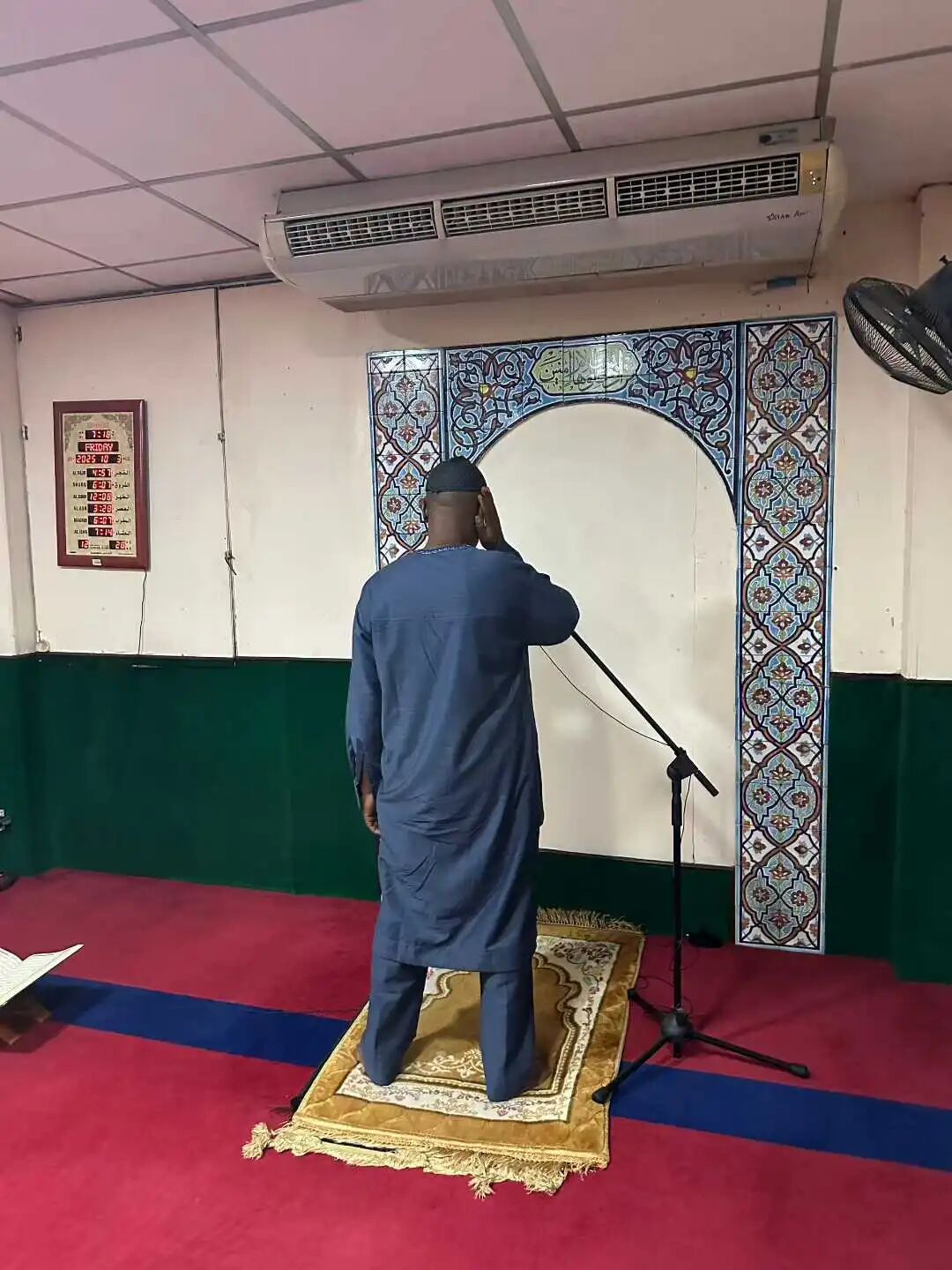
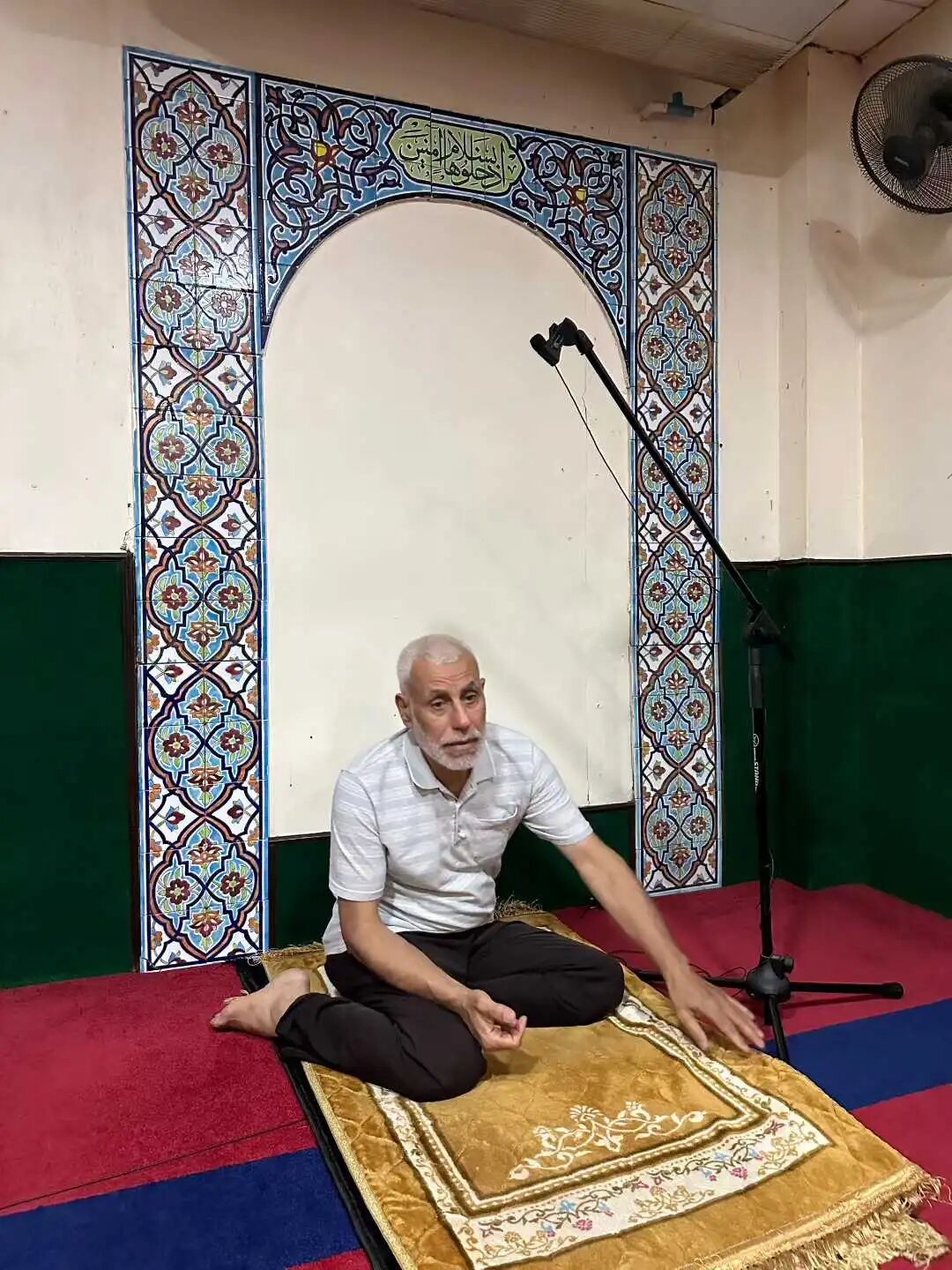
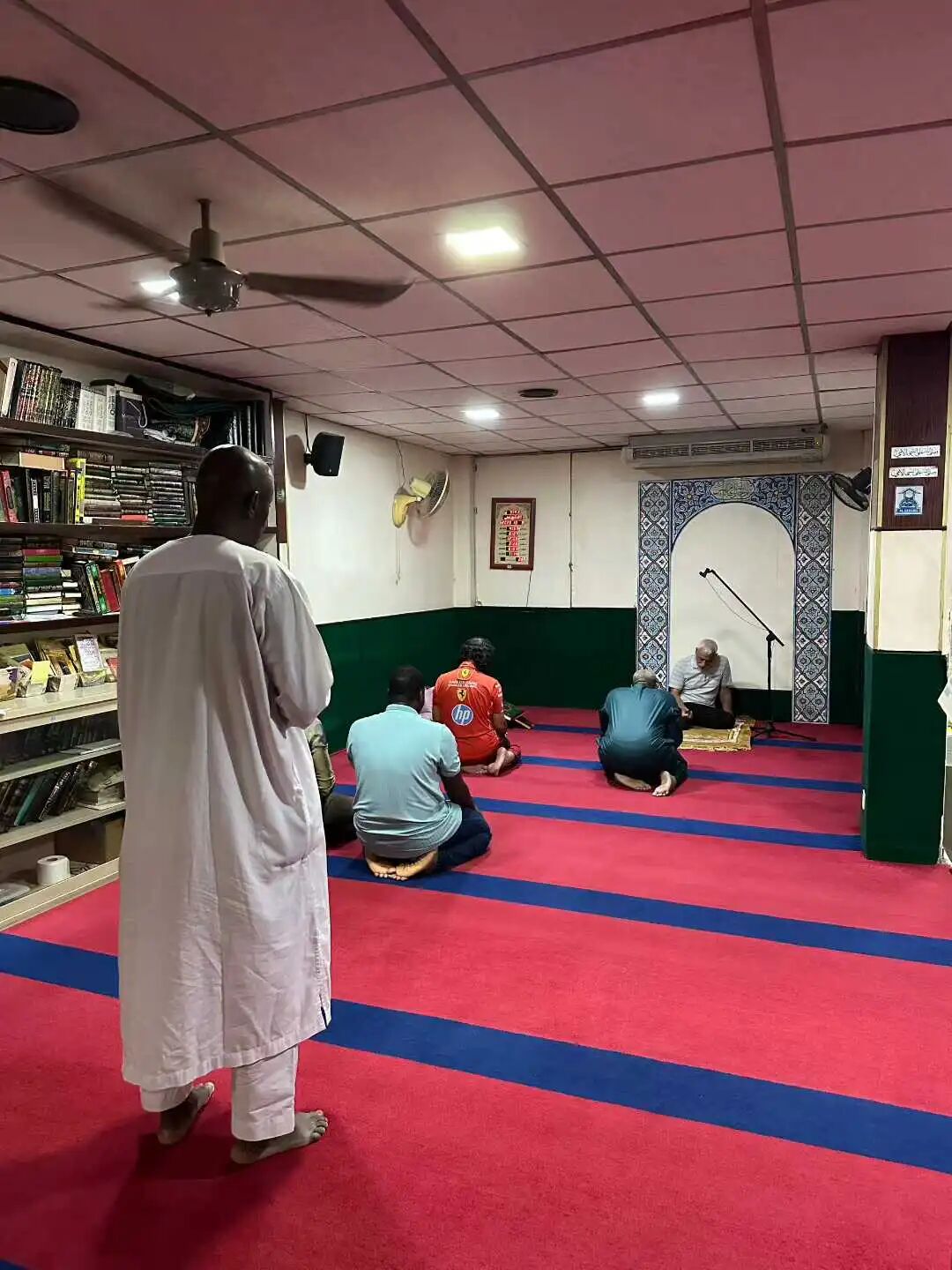
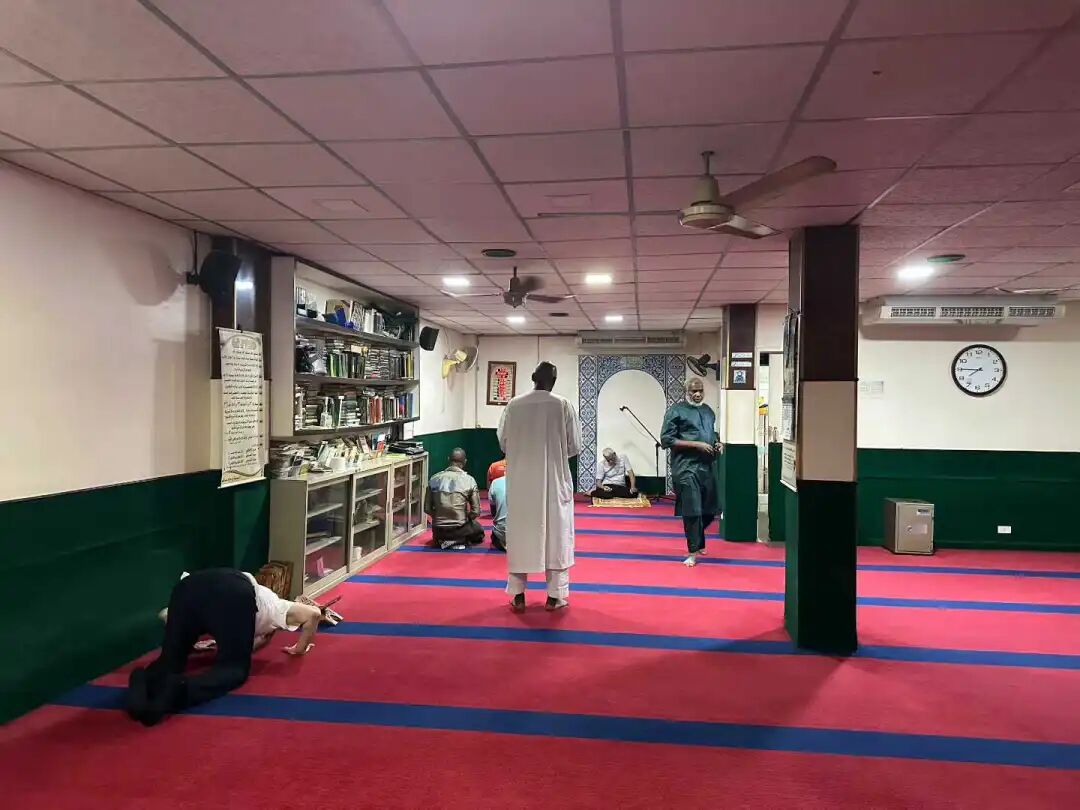
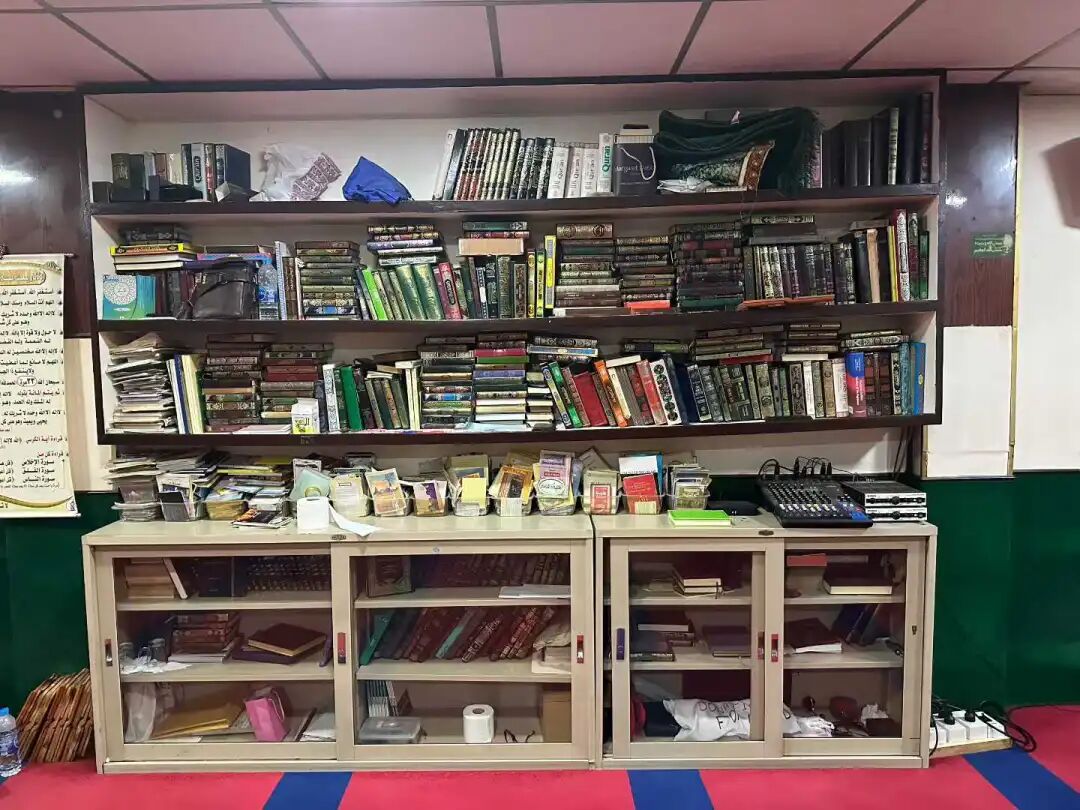
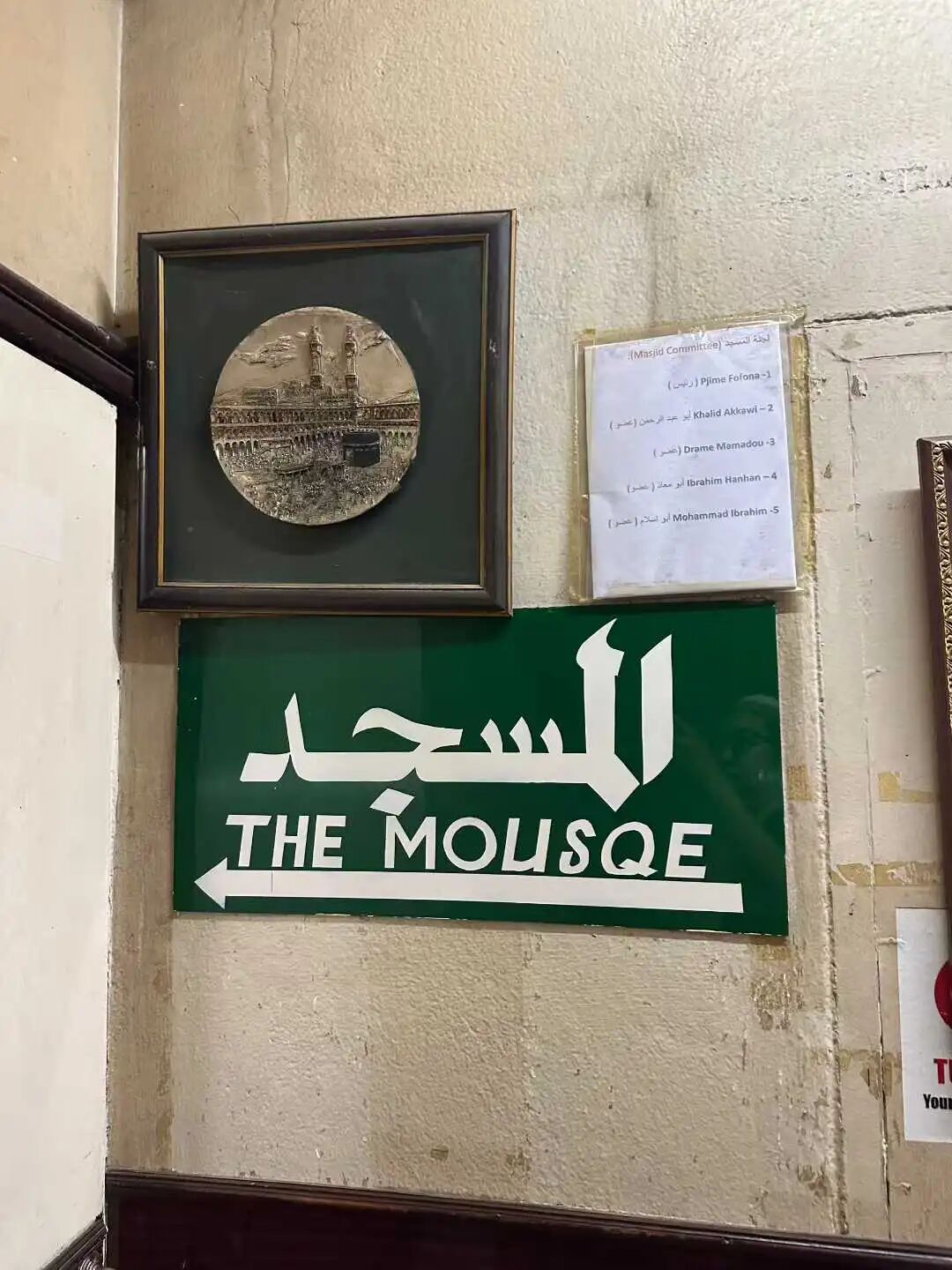
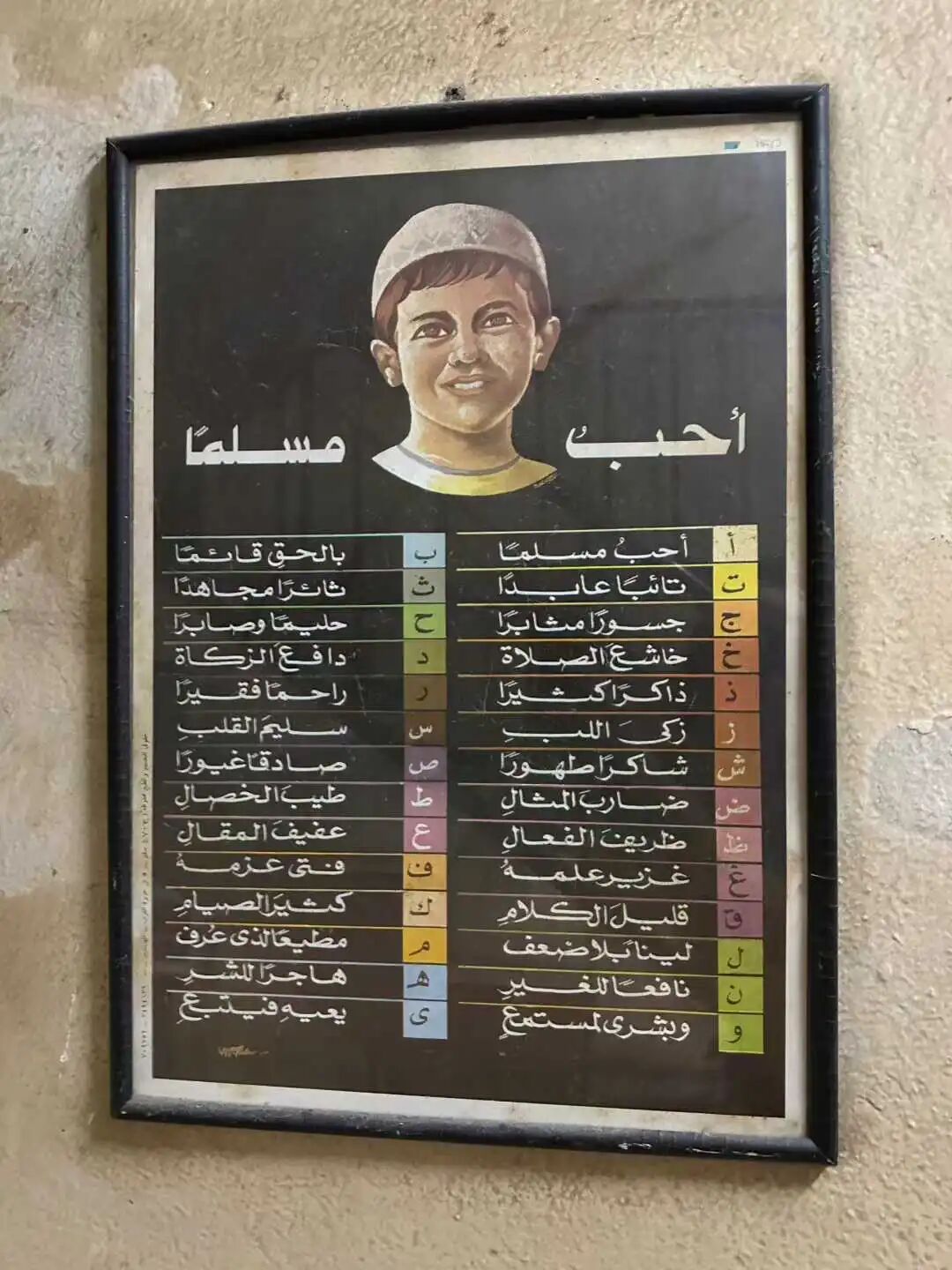
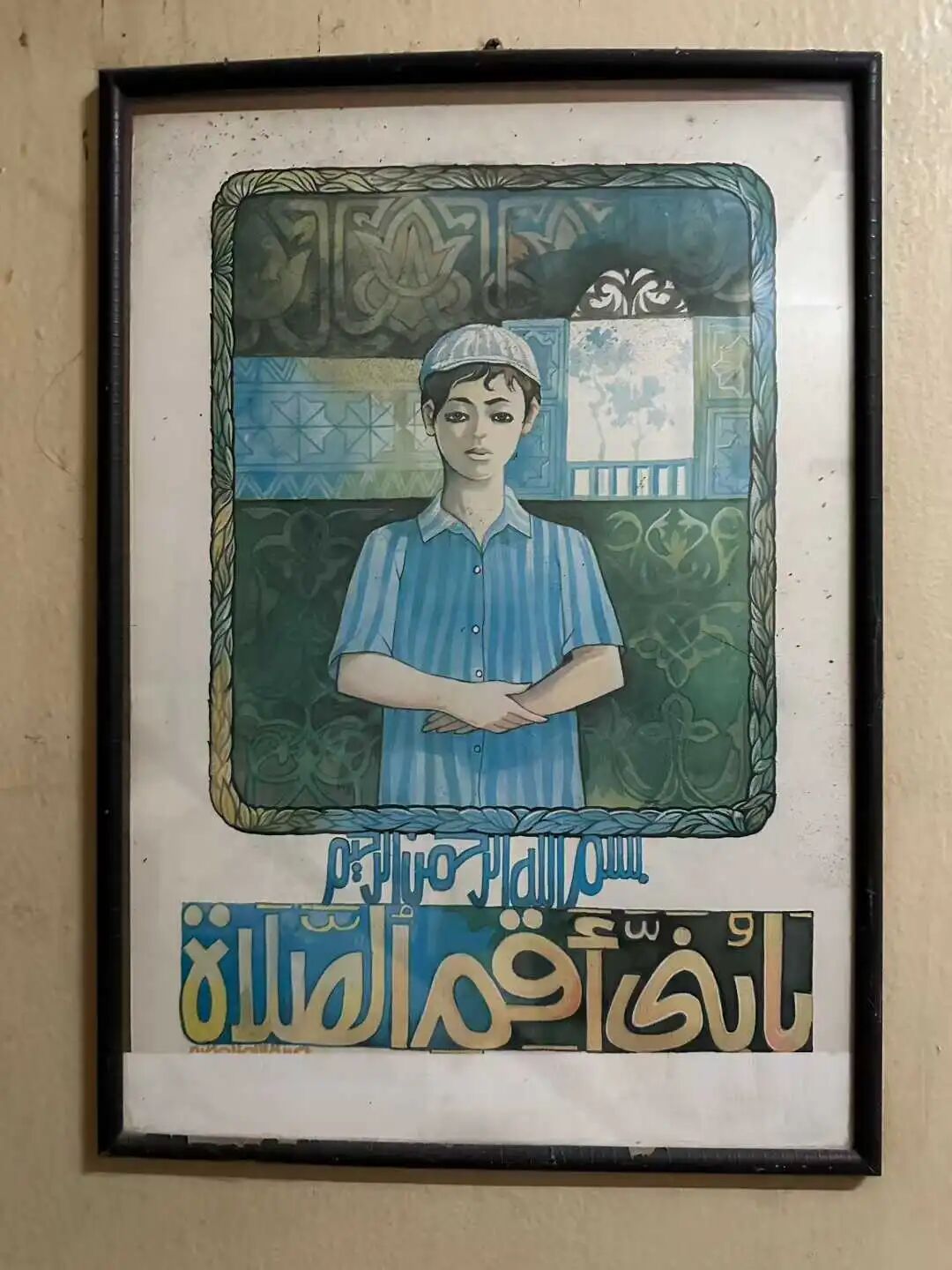
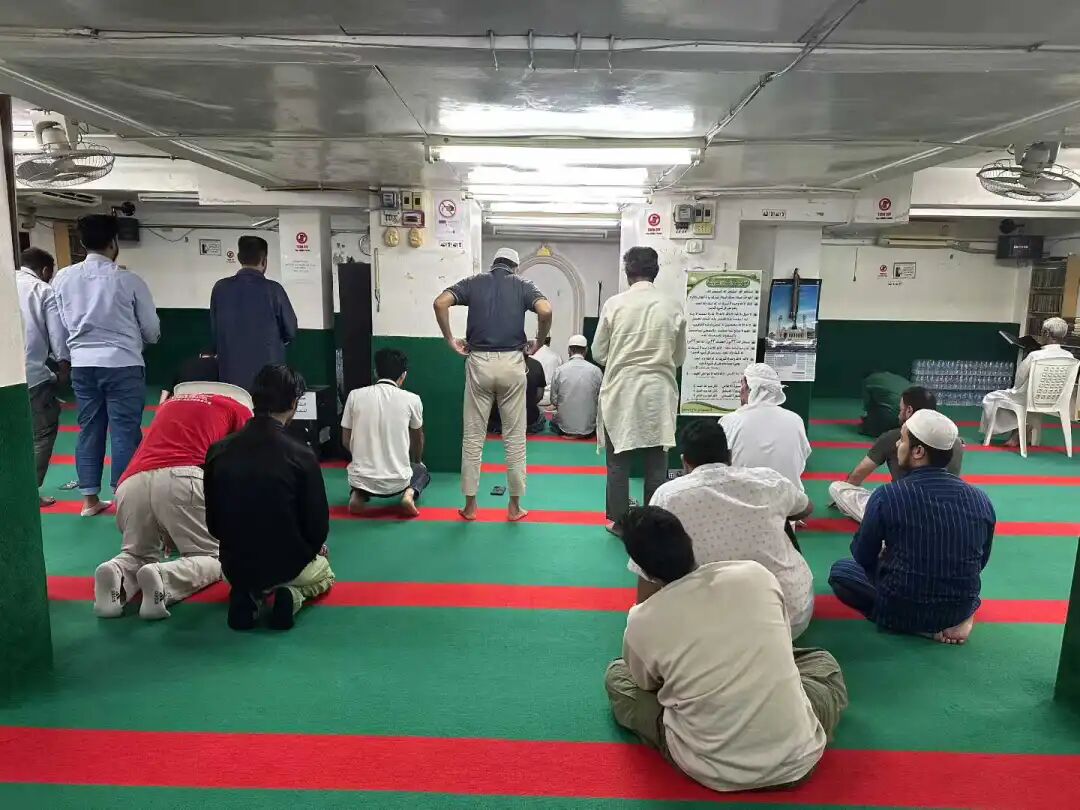
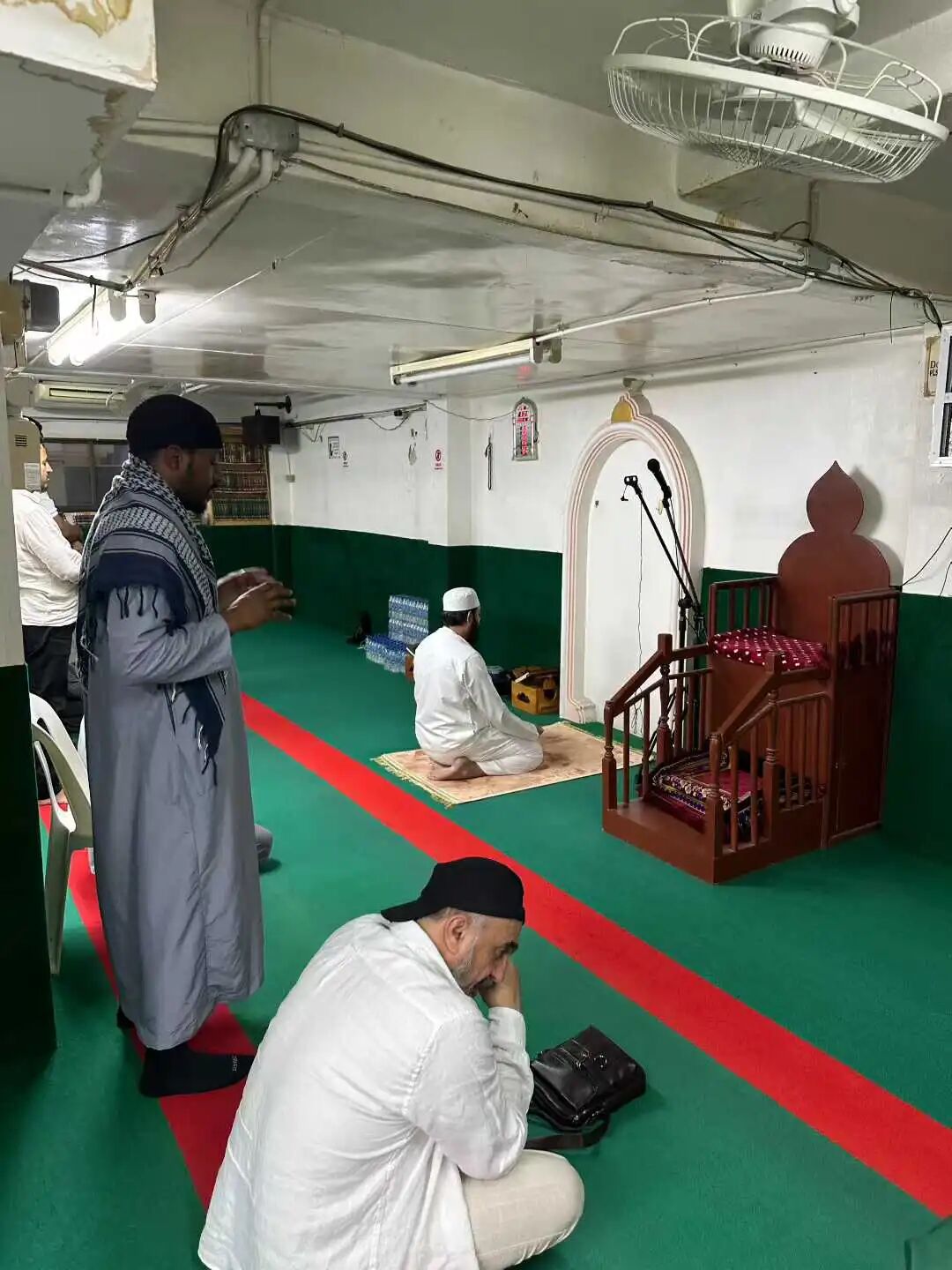
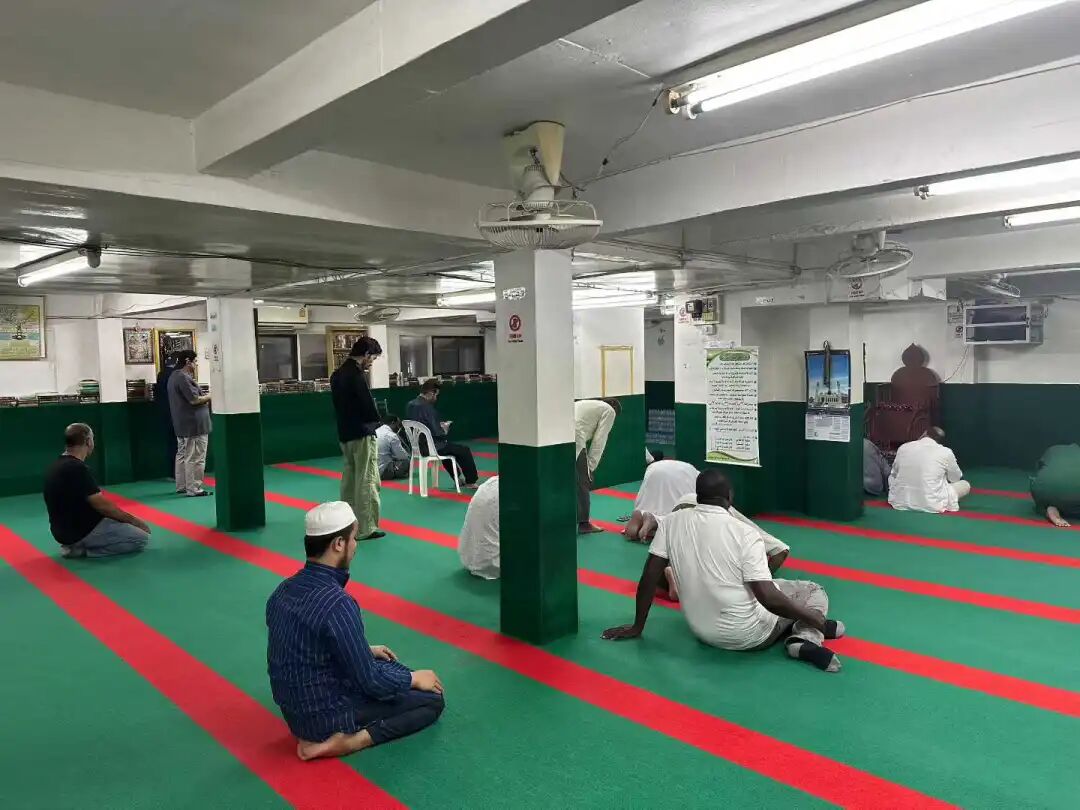
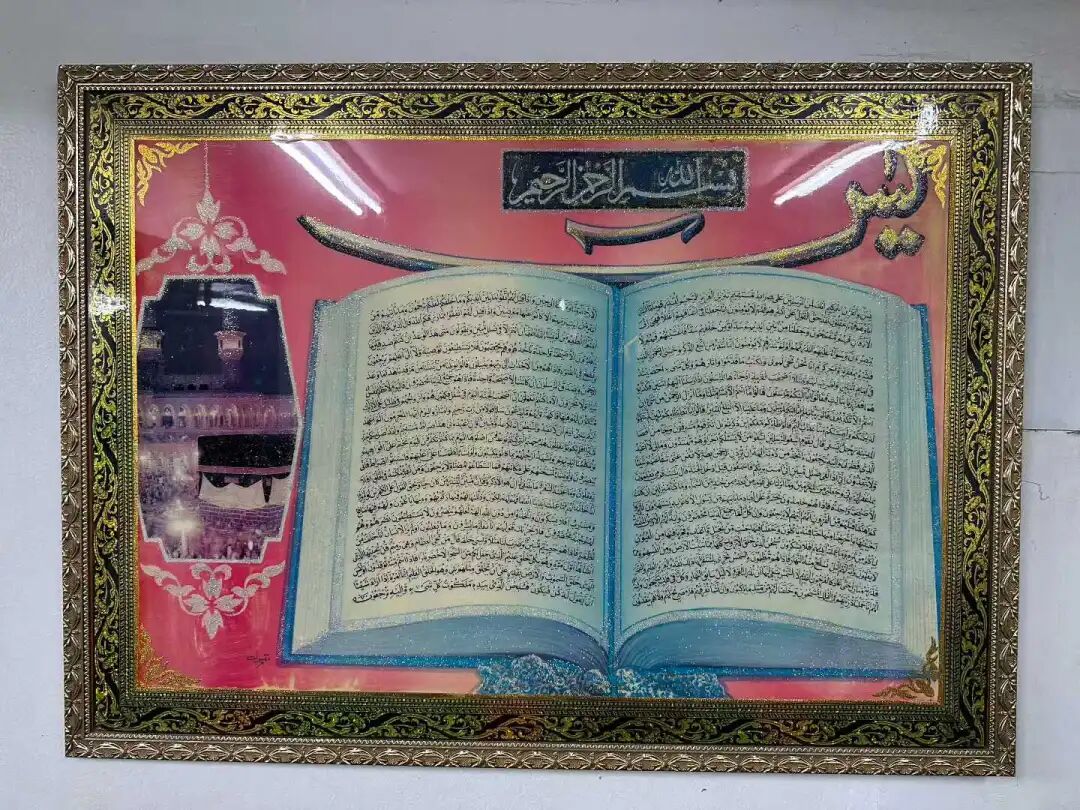
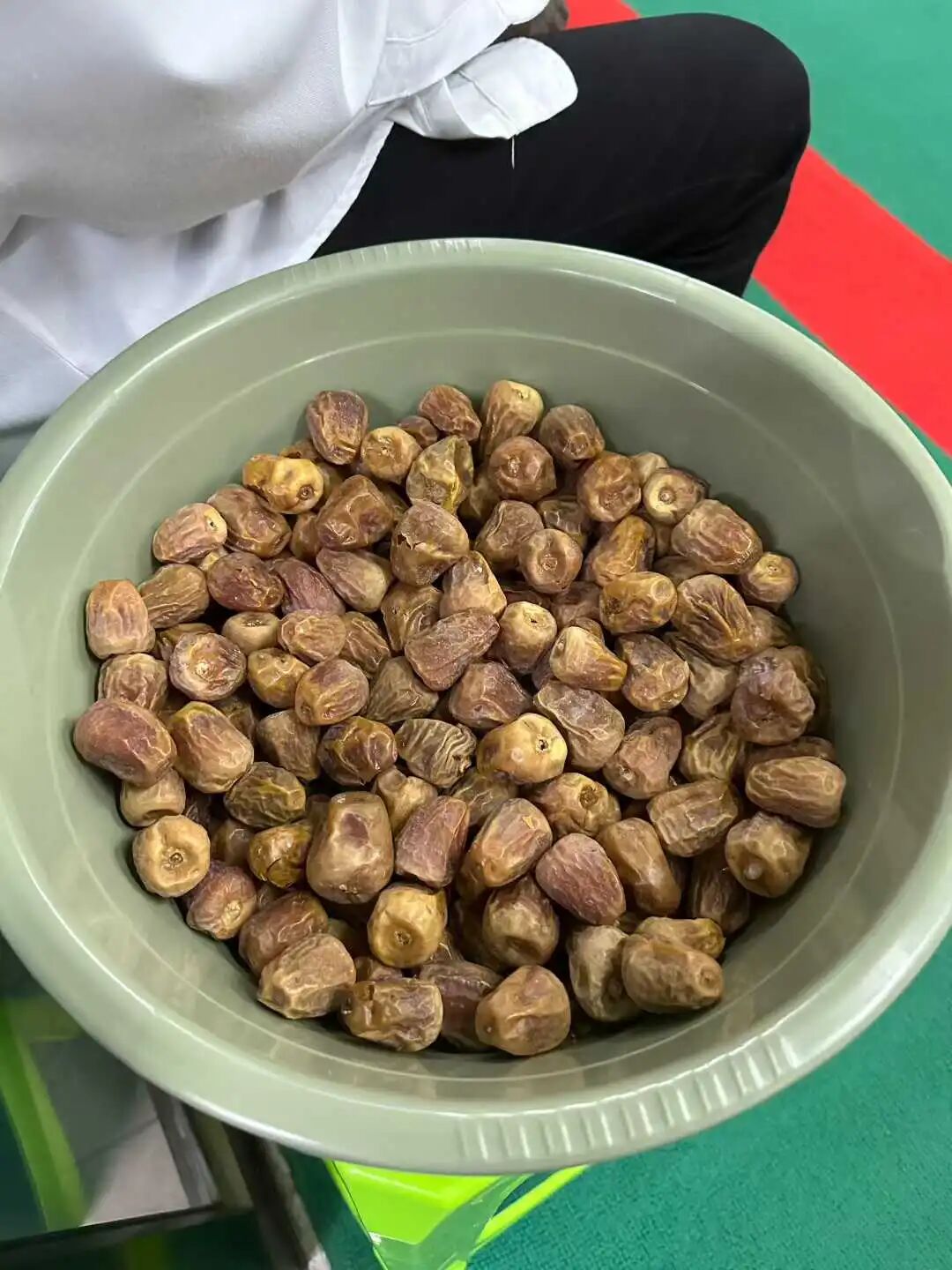
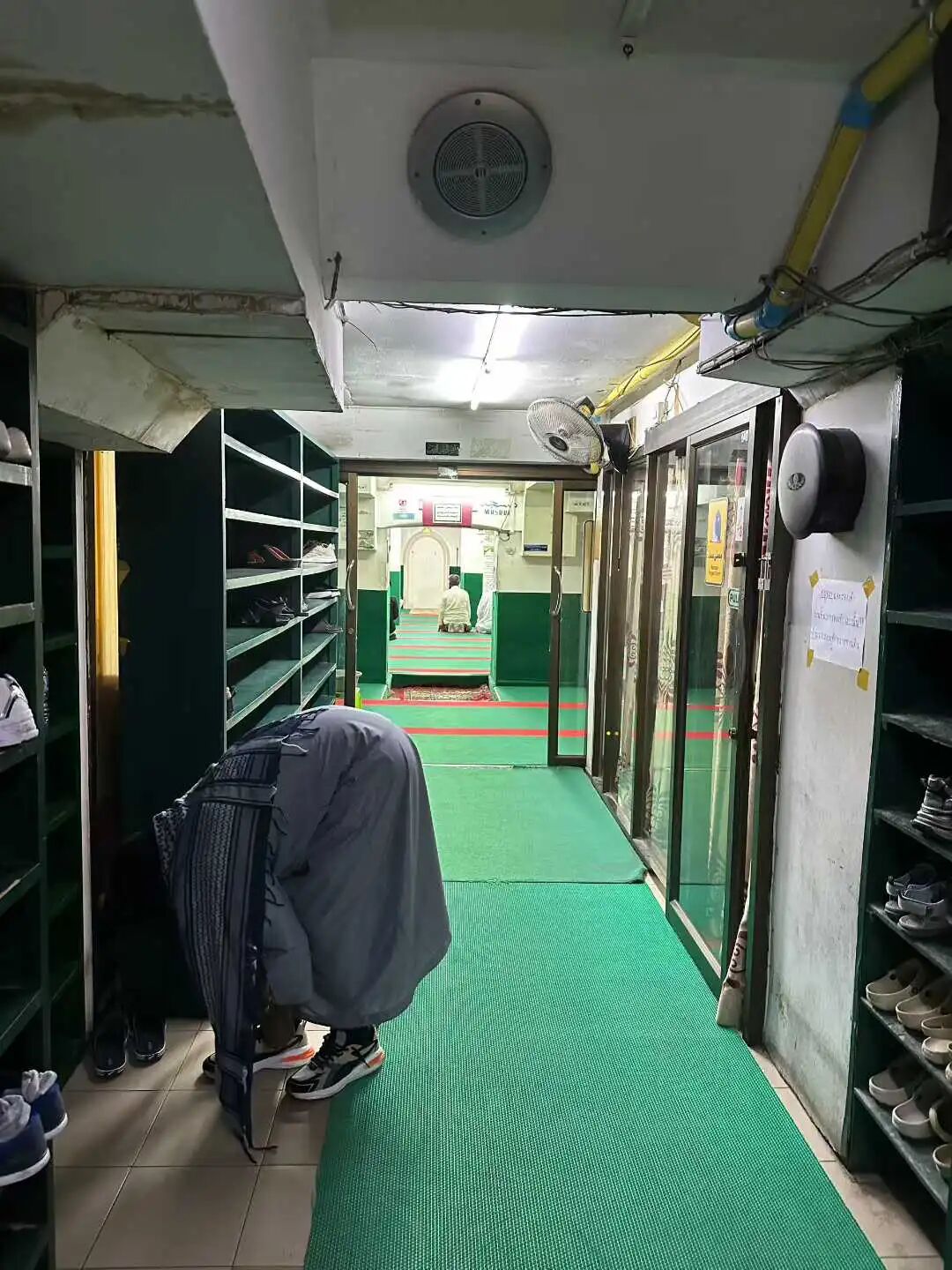
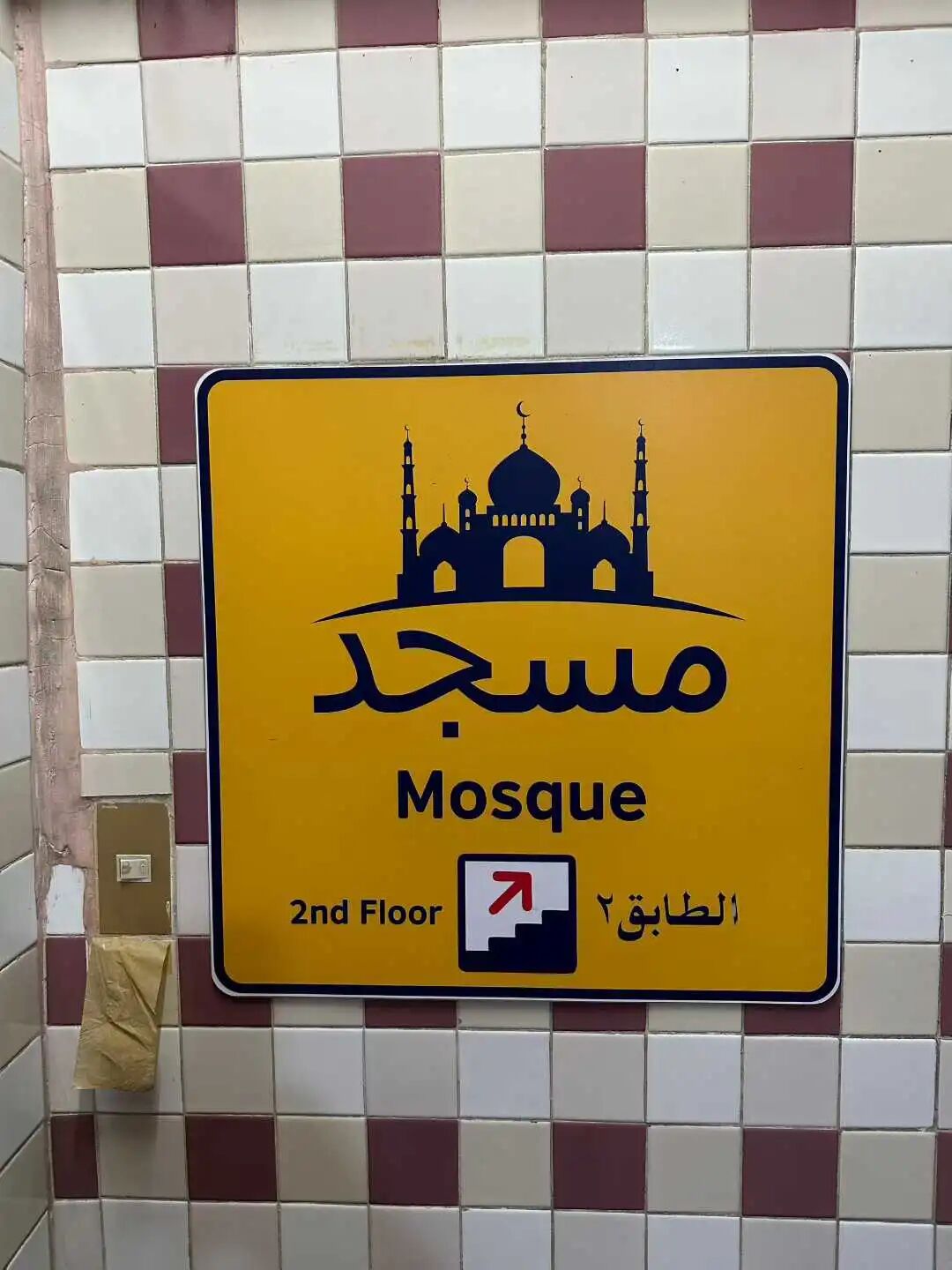
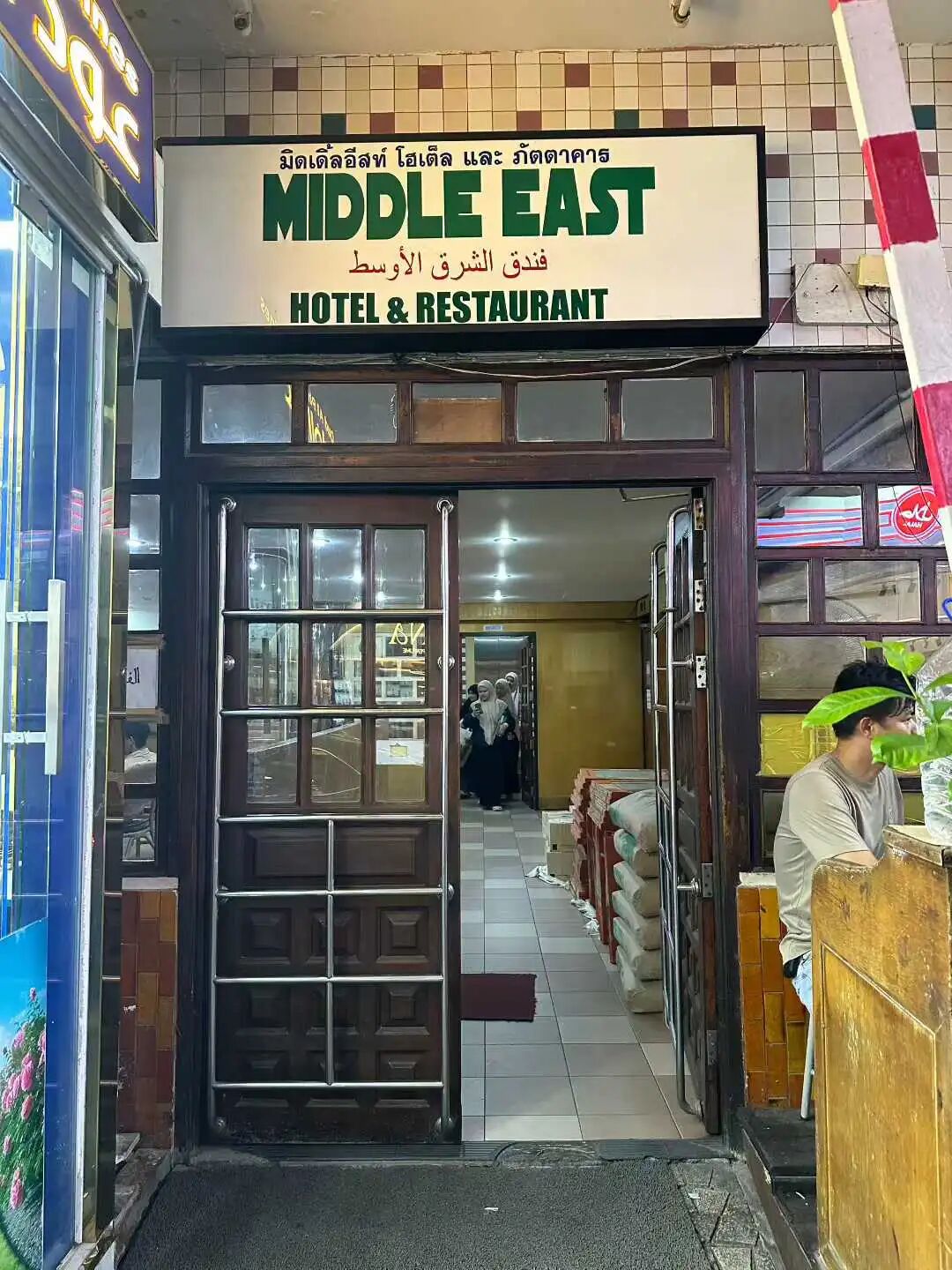
The other mosque in Arab Alley is the Sukhumvit Road Mosque, located above the Middle East Hotel. Sukhumvit Road is the main road extending southeast from Bangkok, and Arab Alley is right next to it. The Sukhumvit Road Mosque is larger than the Nana Mosque and has more people. When I went, I caught the prayer (salah). After the congregation (jama'ah) finished, those who arrived late spontaneously formed another jama'ah, which is quite rare in East and Southeast Asia. After the prayer, there were dates (tamr) given out as charity (sadaqah).
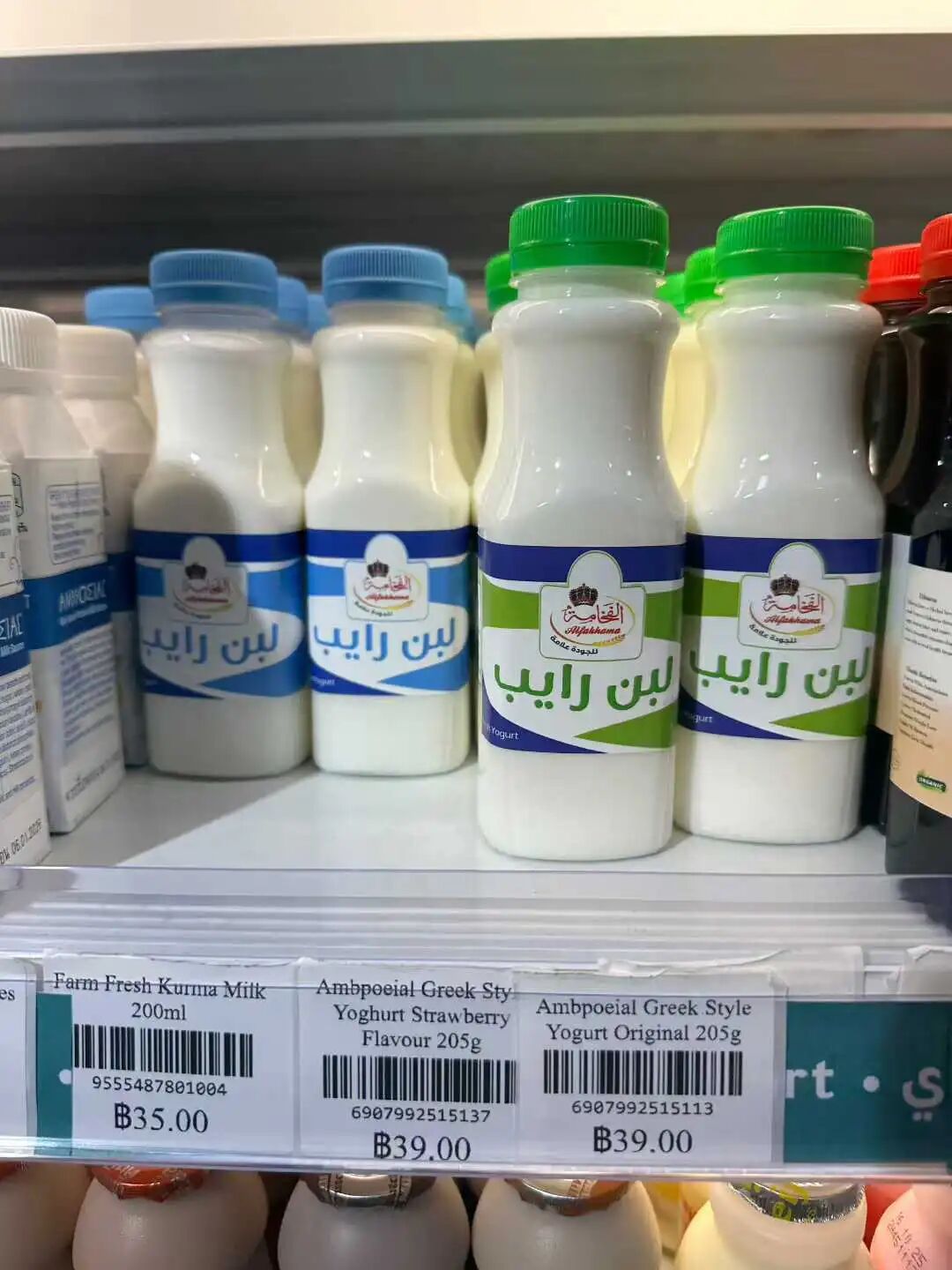
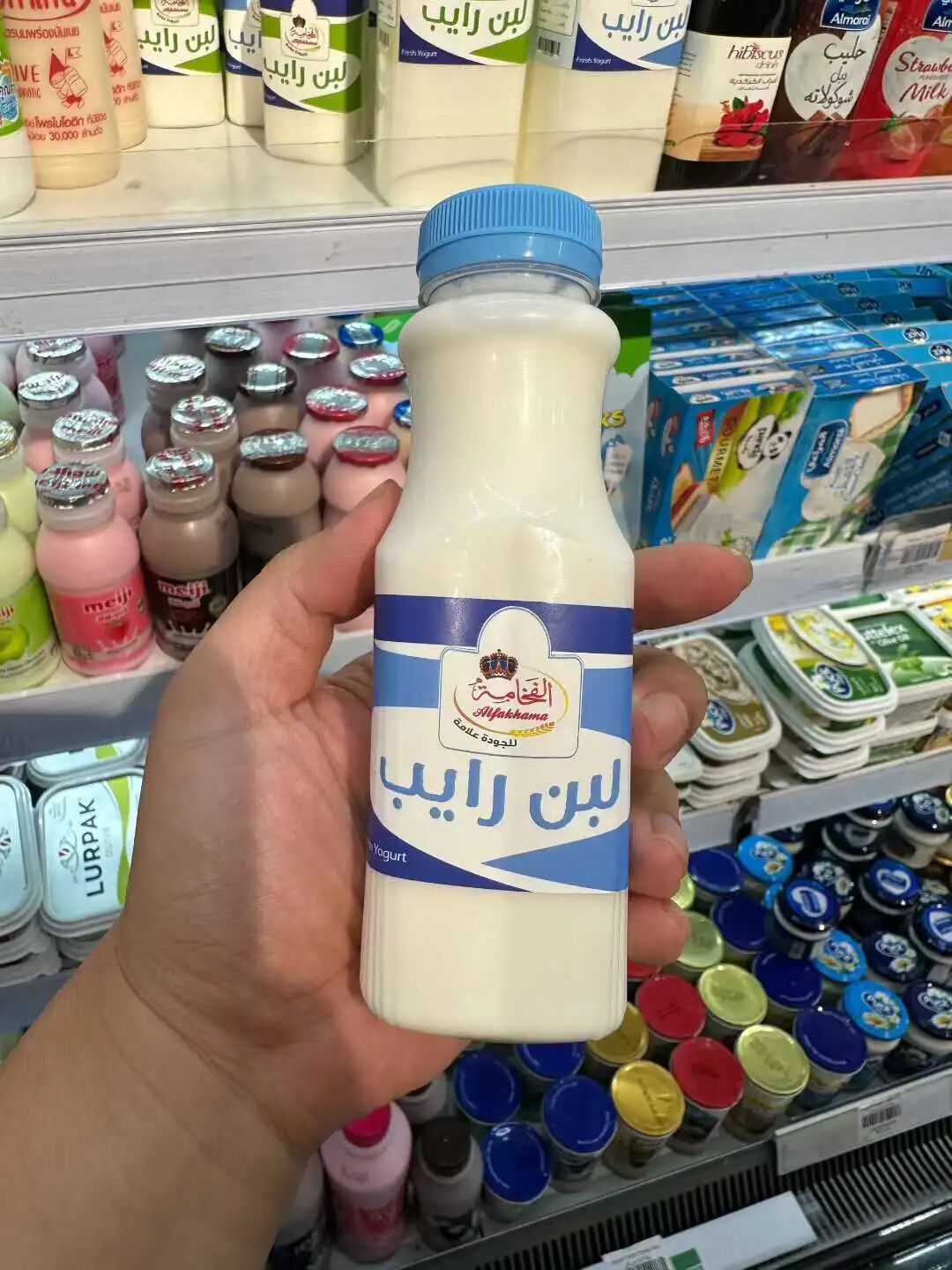
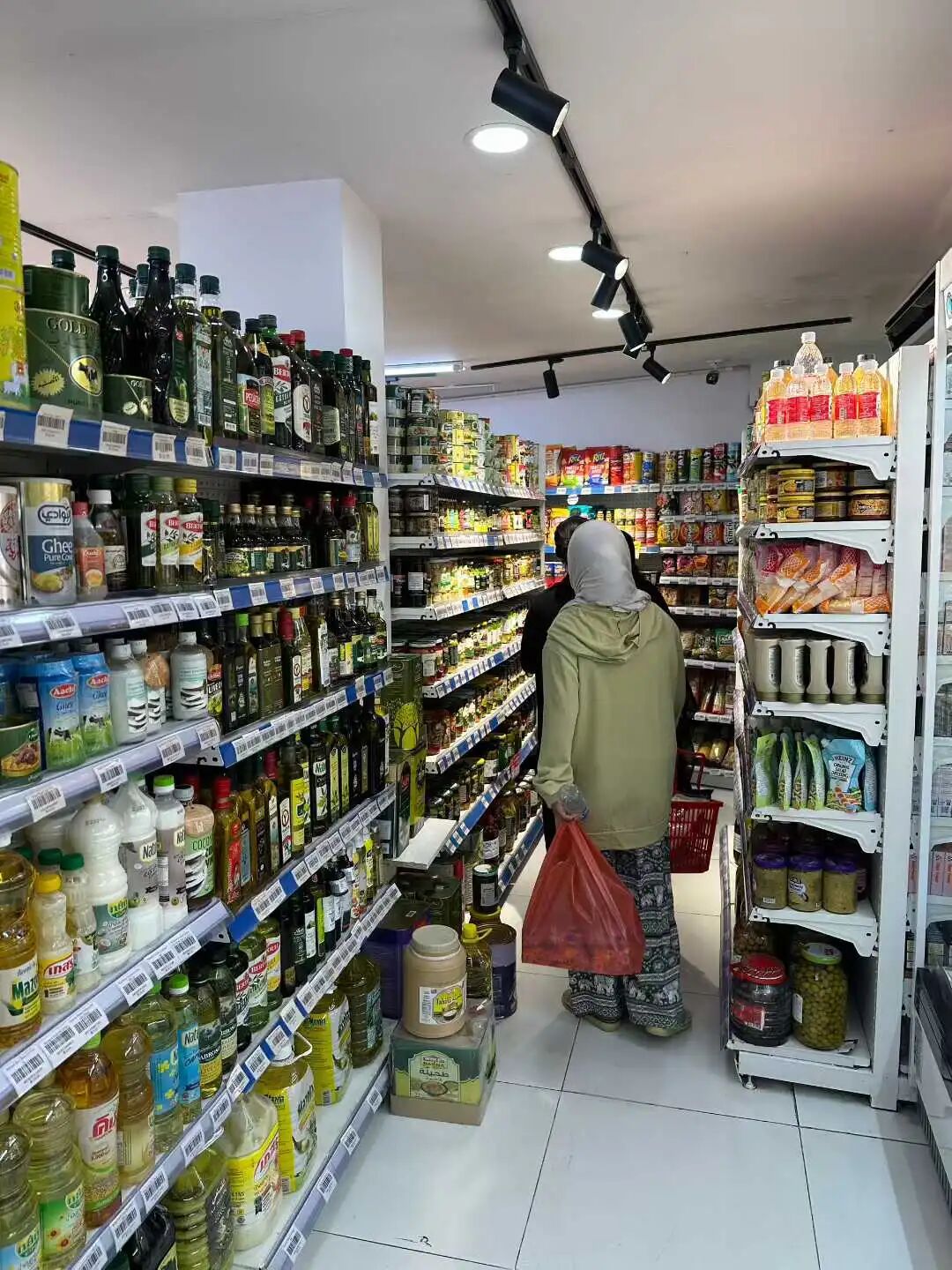
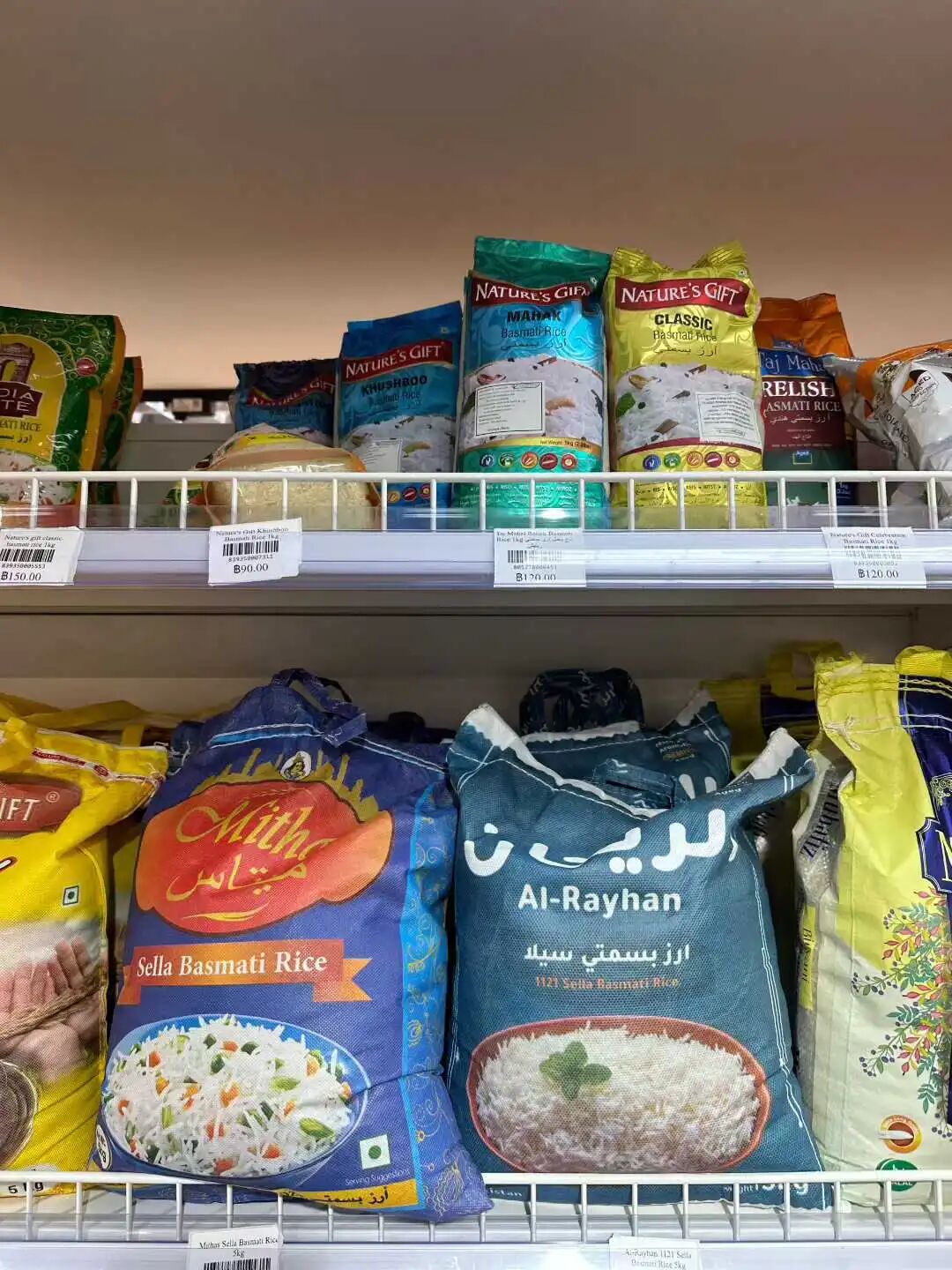
Arab Alley has several Middle Eastern import supermarkets where you can buy almost all the ingredients and spices for Arab food. You can also buy authentic, unsweetened yogurt with a strong sour taste, whereas in other Thai supermarkets, you can basically only find sweet yogurt.
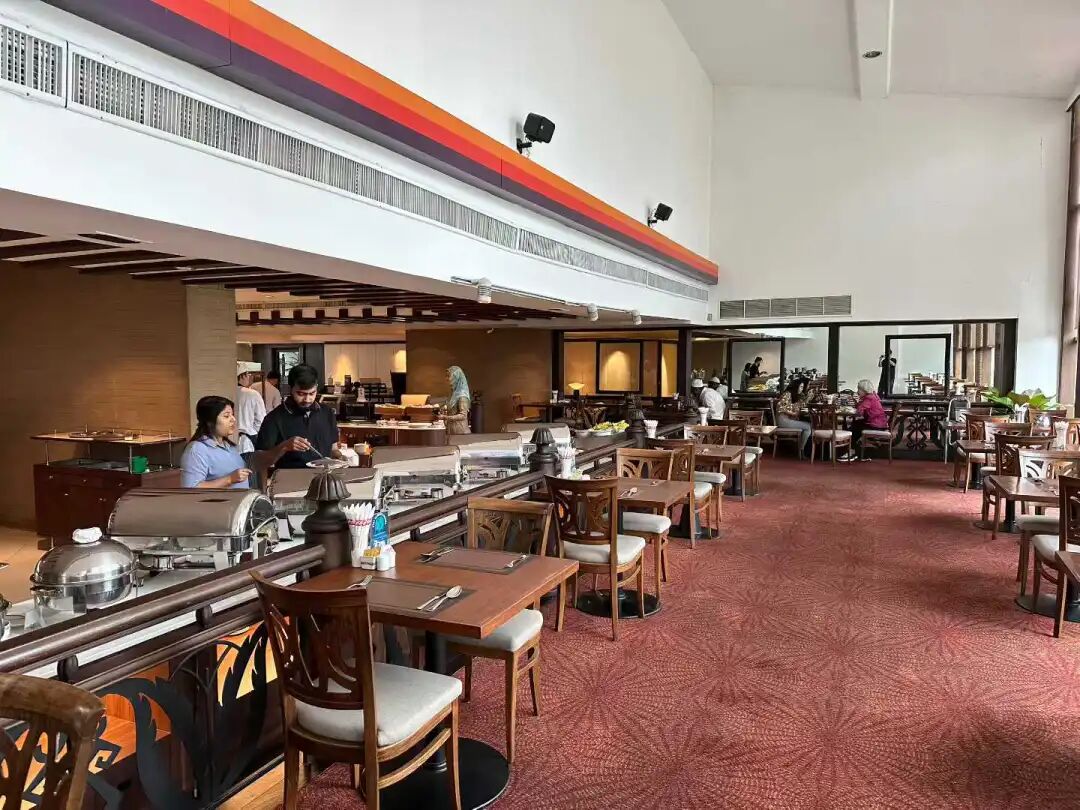
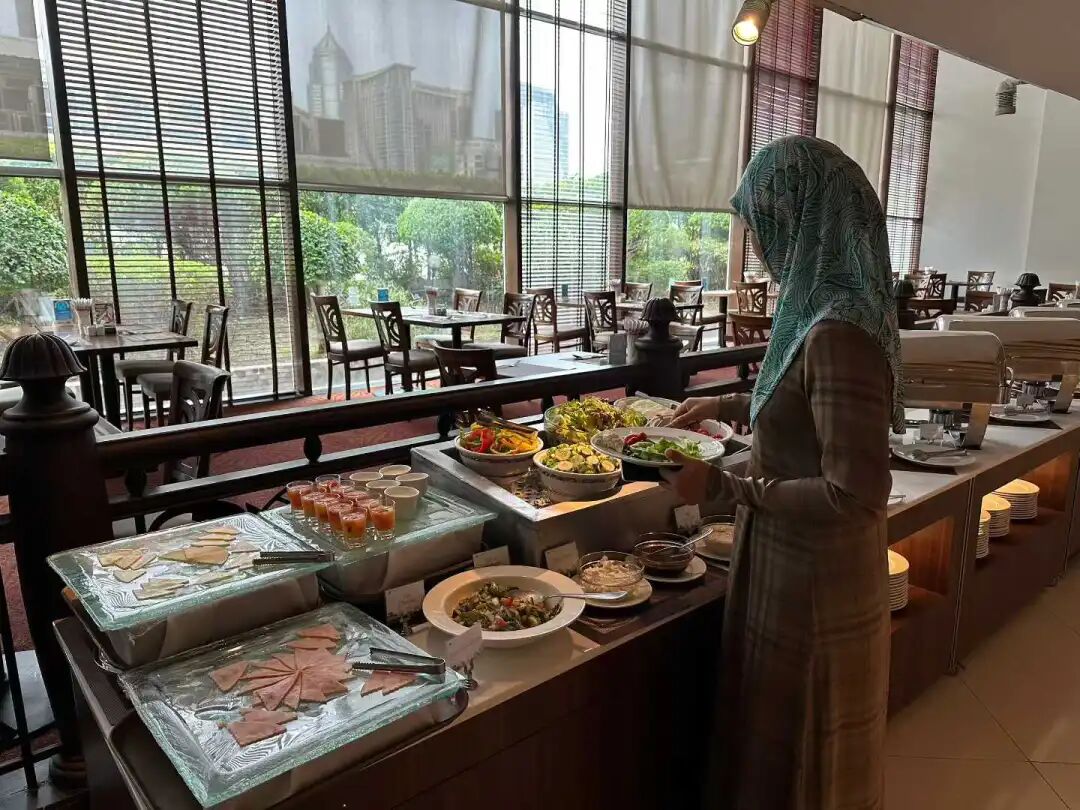
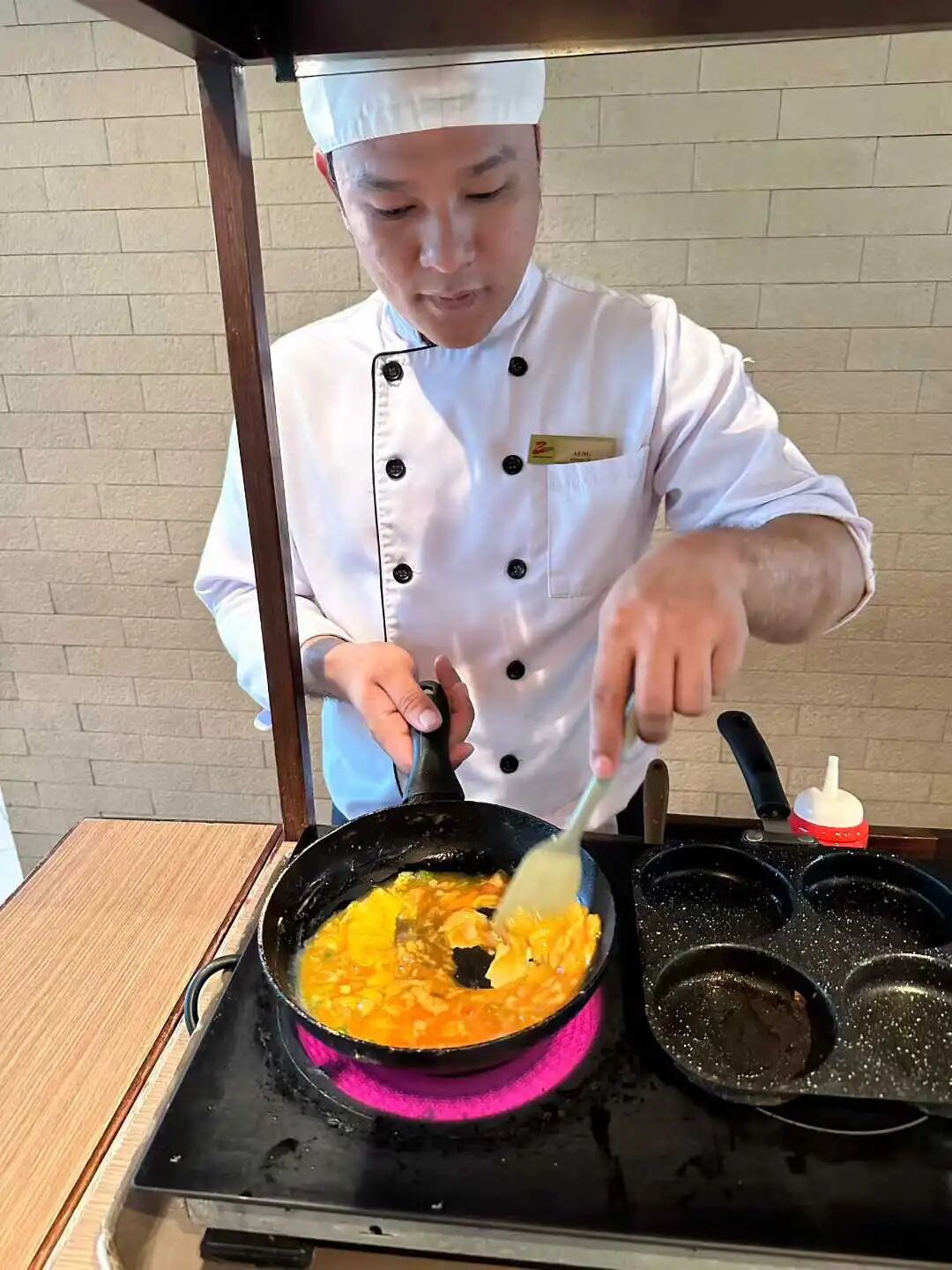
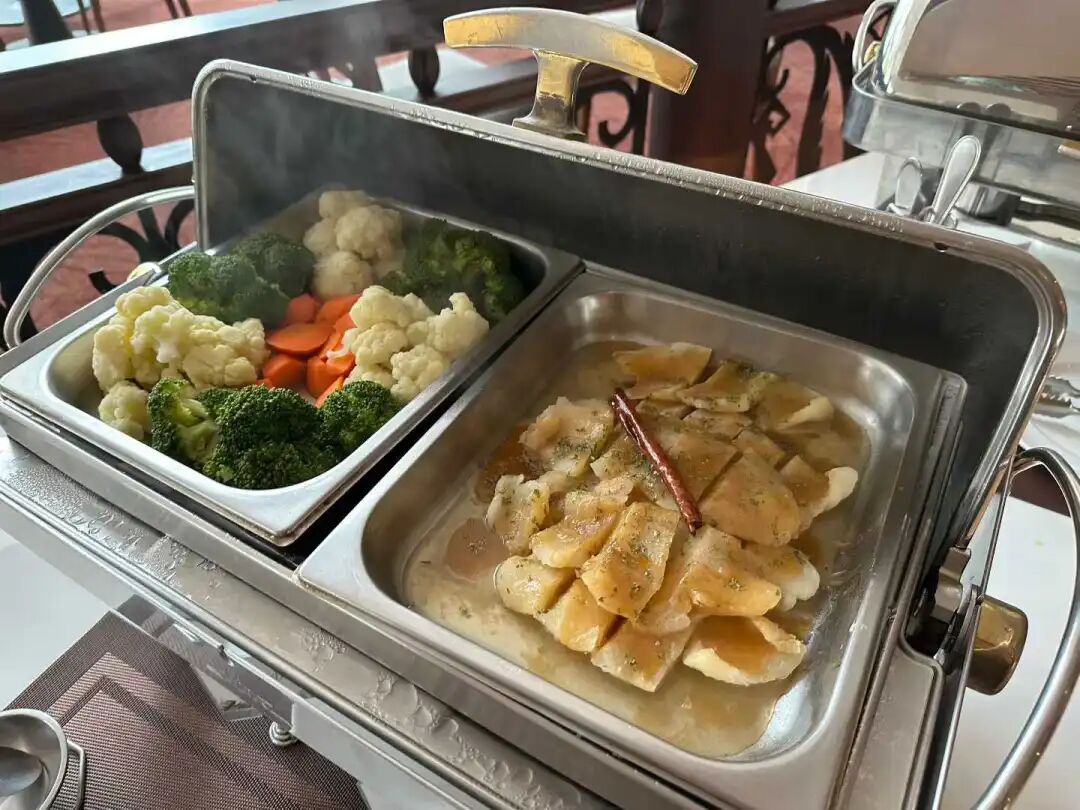
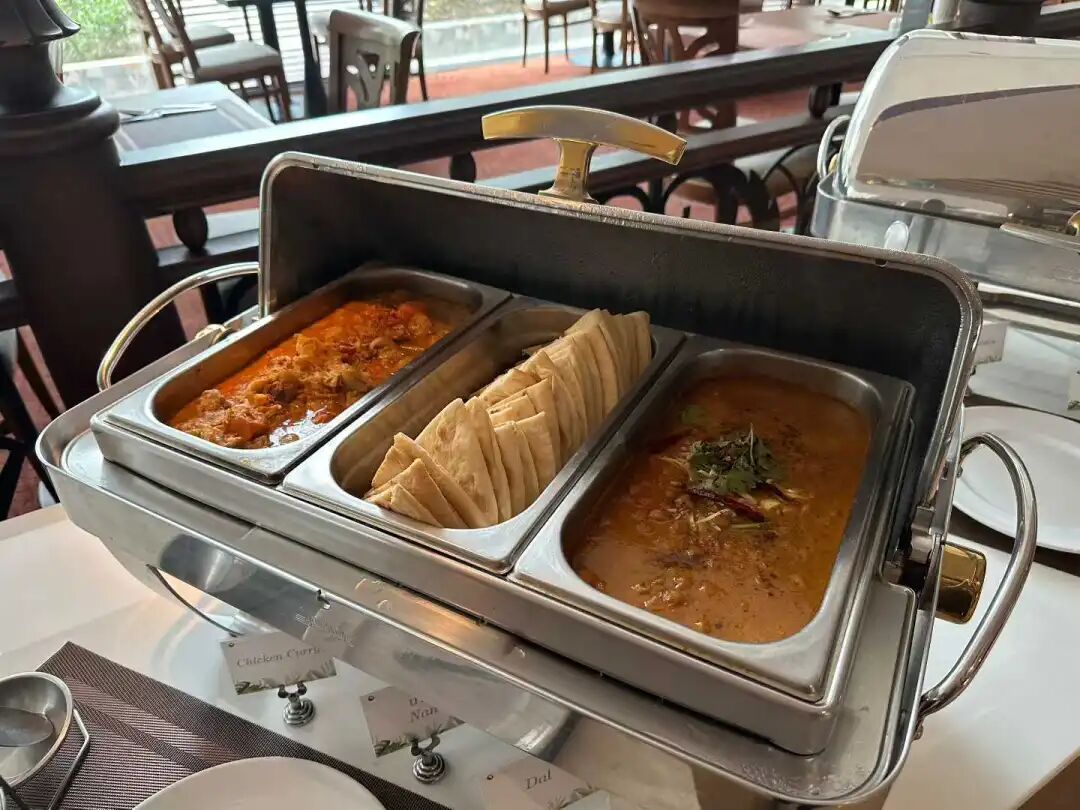
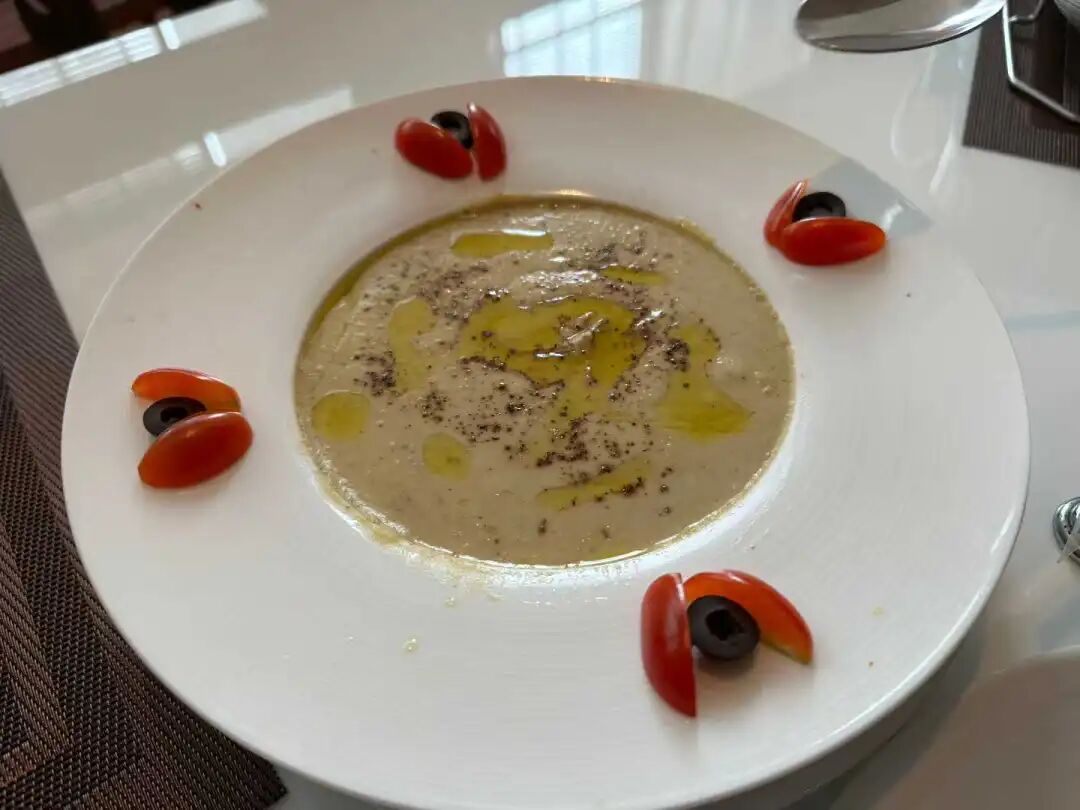
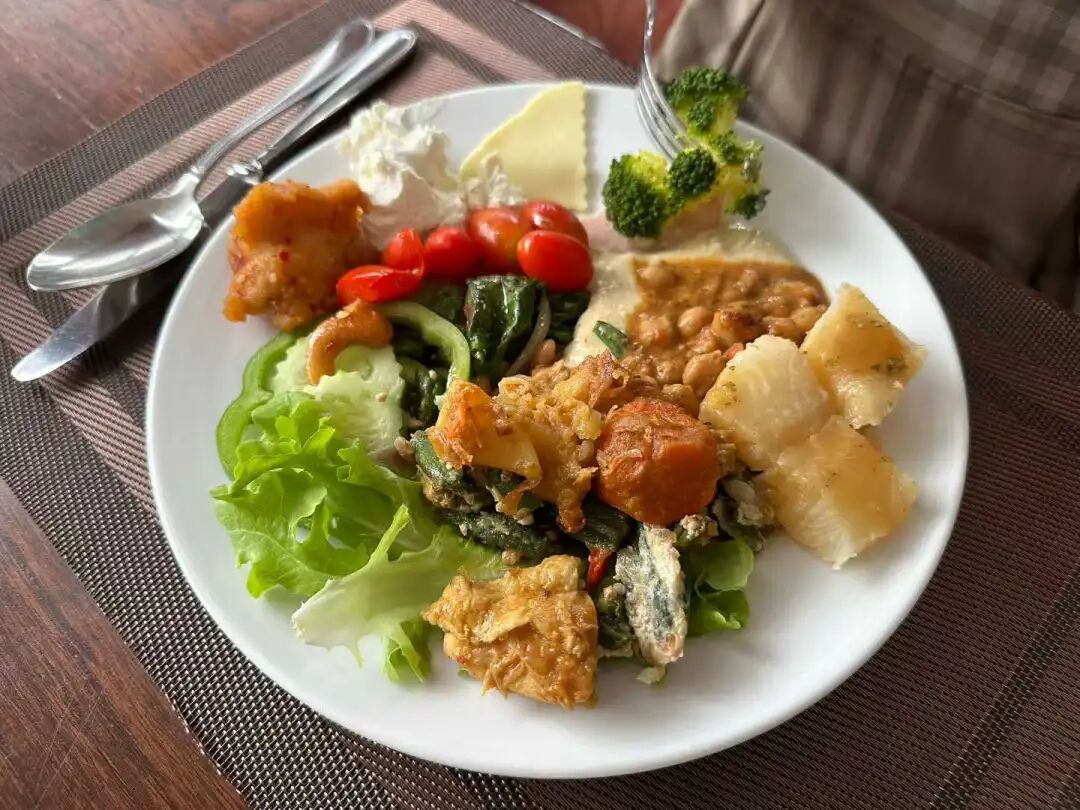
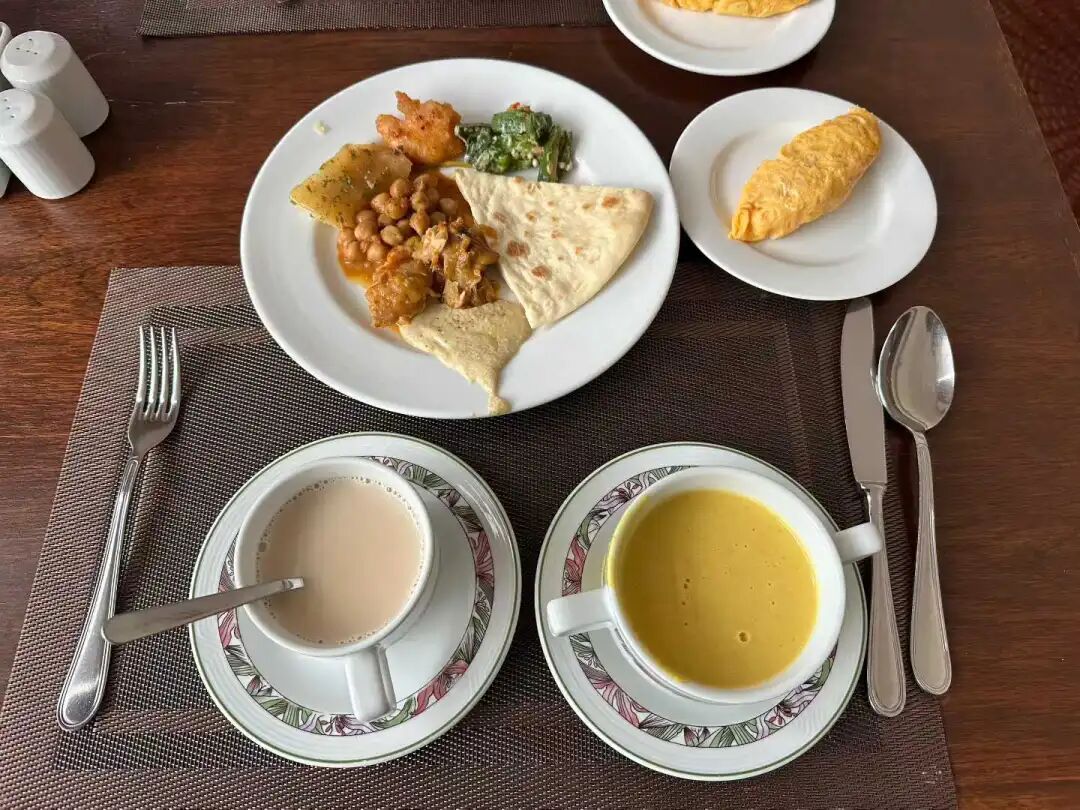
We stayed at the Zenith Sukhumvit Hotel near Arab Alley. There is a light rail to the south and a canal boat to the north, though the road in front is often congested. Their halal breakfast focuses on Arab and South Asian styles, catering to the Arab and South Asian tourists staying in Arab Alley. Breakfast includes hummus (humusi) and naan bread with curry. You can order eggs made to order, and the omelet (omelette) is packed with ingredients. Although omelets are found in many countries, they actually originated in ancient Persia and spread everywhere through Eurasian trade routes.

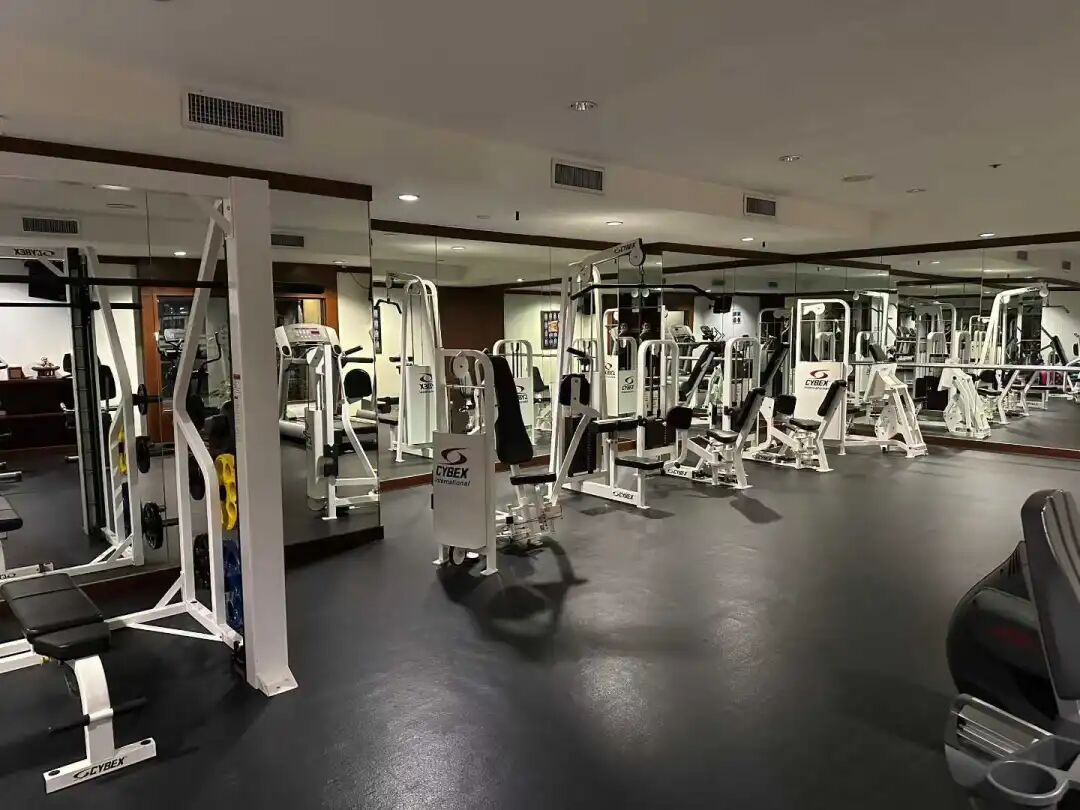
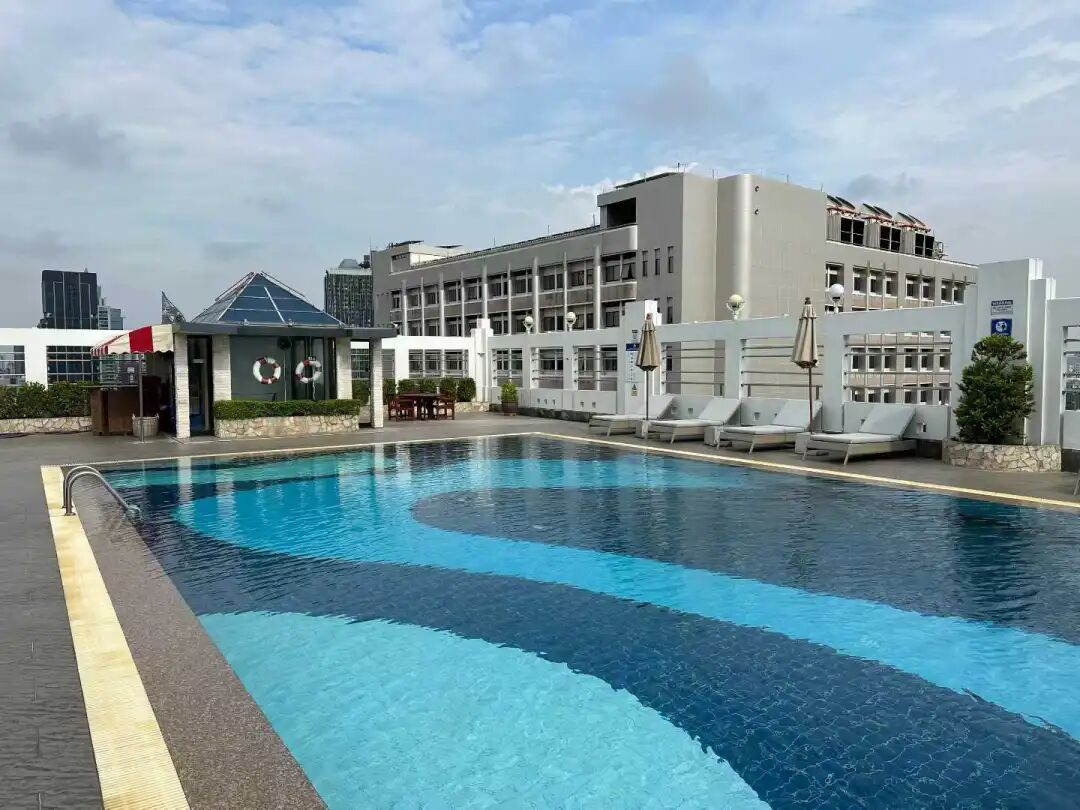
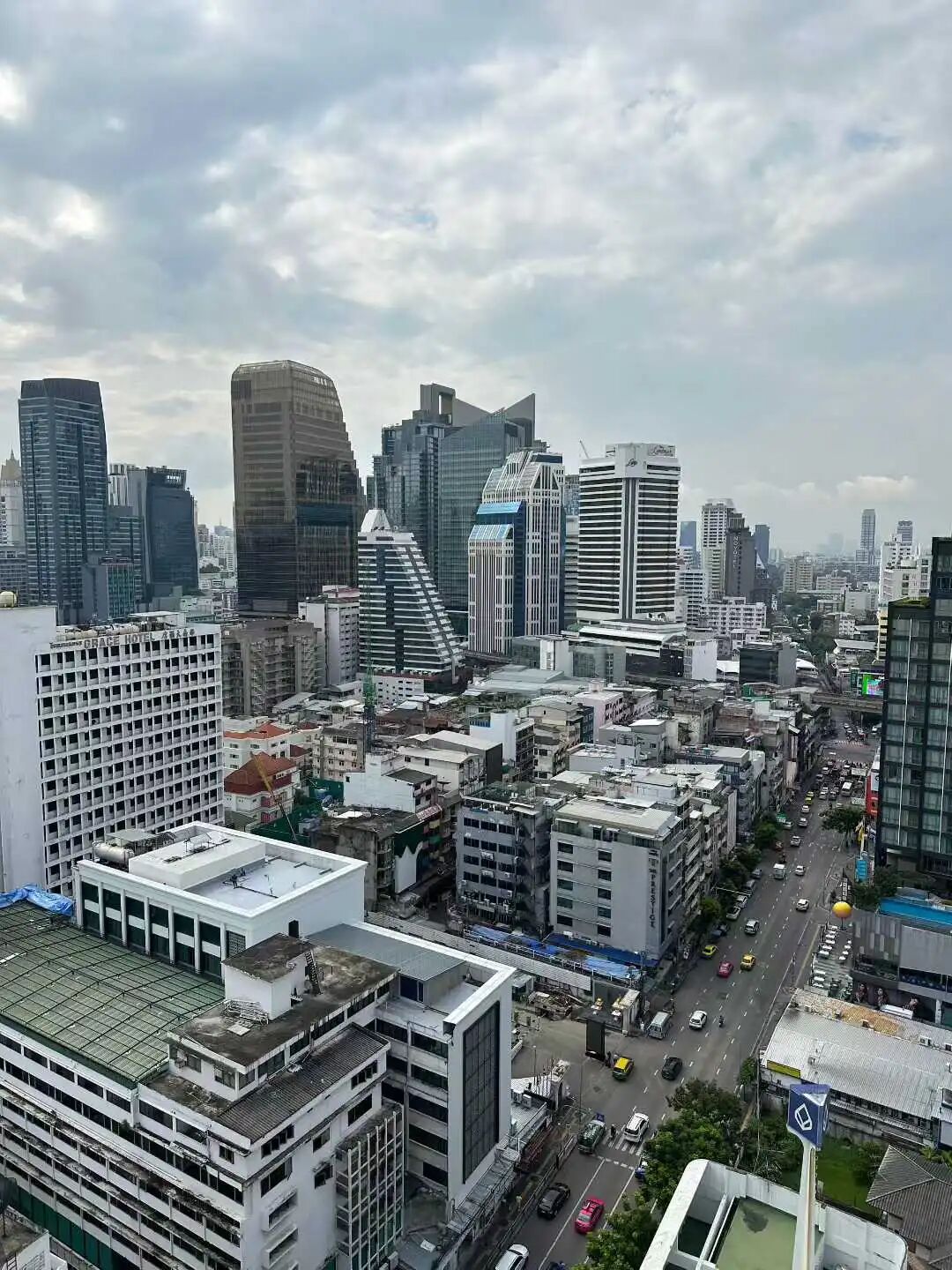
The Shengli Hotel has a gym and a rooftop pool. From the pool, you can look down over the entire Arab Street and see the Nana red-light district in the distance. The hotel has a private prayer room on the first floor. You need to ask the front desk staff to help you open it.
Summary: Bangkok's Arab Street sits beside the Nana area and serves Arab and South Asian Muslim travelers with halal restaurants, hotels, breakfast shops, and prayer spaces. This account keeps the source's route, food, hotel, mosque, and street details in clear English.
I only learned this year that Bangkok has an Arab neighborhood called Arab Alley (Soi Arab), and it is separated from Nana, Bangkok's most famous red-light district, by just one light rail line. On this trip to Bangkok, we stayed at a hotel near Arab Alley that is popular with Arab guests, just to experience the atmosphere of the area.
Stepping out of the Nana light rail station, you can see an interesting pattern: Europeans head south to the bars and nightclubs of Nana, while Arabs and other friends (dosti) head north to the Middle Eastern restaurants, agarwood shops, and import supermarkets of Arab Alley. At night, Arab Alley is brightly lit. Tourists from the Middle East and Africa keep their home routines, drinking tea, smoking shisha, and chatting late into the night, while many others shop for fruit and agarwood. The Middle Eastern restaurants in Arab Alley do not sell alcohol and are brightly lit. Many people visit with their whole families, which is a sharp contrast to Nana to the south.
The rise of Bangkok's Arab Alley started with the Grace Hotel. The Grace Hotel opened in 1966 and was a famous luxury hotel in early Bangkok. It was popular with expats, tourists, and American soldiers who had just left the Vietnam War, and many Arab tourists also chose to stay here when visiting Bangkok. In 1983, the Egyptian restaurant Shahrazad officially opened in Arab Alley. Afterward, more and more Middle Eastern restaurants opened, and Arab Alley officially became the first stop for Arab tourists visiting Bangkok. People come here to exchange money, buy SIM cards, and eat Middle Eastern breakfast to start their day of travel.
As the first Arab restaurant in Bangkok, Shahrazad on Arab Alley is definitely worth a try. This Egyptian restaurant, which opened in 1983, still keeps its 1980s decor. The storefront is low-key, the interior is clean, the waiters wear uniforms, and the Arab staff greeting guests are all smiles.
I ordered their lamb trotter soup, Egyptian lamb rice (Fatteh), and hummus (hummus), all of which were delicious. The white broth of the lamb trotter soup was very fresh; the meat must have been flown in. Lamb rice (Fatteh) is a classic holiday dish from the eastern Arab region. It mixes rice, flatbread, and chickpeas, and the lamb is fried until it smells amazing. It was so good I couldn't stop eating. Their hummus was very refreshing and easy for non-Arabs to enjoy.
Above the Shahrazad restaurant is the Nana Mosque, one of the two mosques in Arab Alley. You have to go up a staircase next to the restaurant kitchen to reach the Nana Mosque. The location is hidden, but it is said to be very crowded during Jumu'ah.
The other mosque in Arab Alley is the Sukhumvit Road Mosque, located above the Middle East Hotel. Sukhumvit Road is the main road extending southeast from Bangkok, and Arab Alley is right next to it. The Sukhumvit Road Mosque is larger than the Nana Mosque and has more people. When I went, I caught the prayer (salah). After the congregation (jama'ah) finished, those who arrived late spontaneously formed another jama'ah, which is quite rare in East and Southeast Asia. After the prayer, there were dates (tamr) given out as charity (sadaqah).
Arab Alley has several Middle Eastern import supermarkets where you can buy almost all the ingredients and spices for Arab food. You can also buy authentic, unsweetened yogurt with a strong sour taste, whereas in other Thai supermarkets, you can basically only find sweet yogurt.
We stayed at the Zenith Sukhumvit Hotel near Arab Alley. There is a light rail to the south and a canal boat to the north, though the road in front is often congested. Their halal breakfast focuses on Arab and South Asian styles, catering to the Arab and South Asian tourists staying in Arab Alley. Breakfast includes hummus (humusi) and naan bread with curry. You can order eggs made to order, and the omelet (omelette) is packed with ingredients. Although omelets are found in many countries, they actually originated in ancient Persia and spread everywhere through Eurasian trade routes.
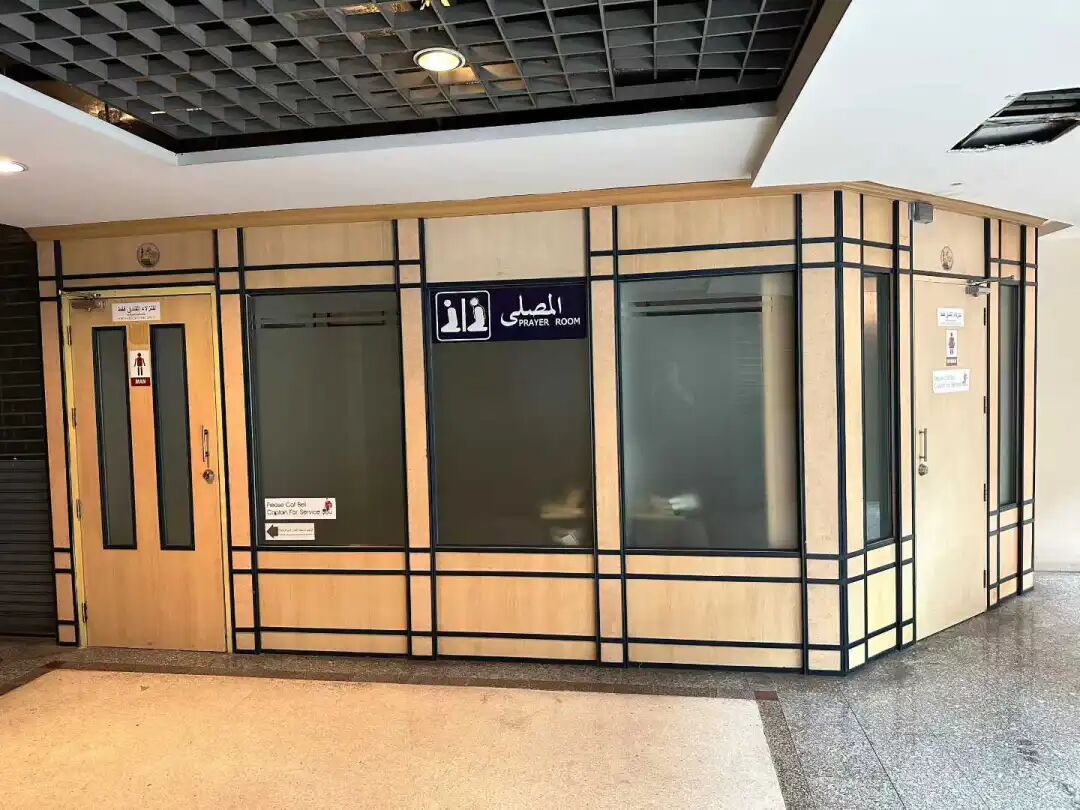
The Shengli Hotel has a gym and a rooftop pool. From the pool, you can look down over the entire Arab Street and see the Nana red-light district in the distance. The hotel has a private prayer room on the first floor. You need to ask the front desk staff to help you open it.
Halal Travel Guide: Bangkok Arab Street - Muslim Food, Hotels and Mosque Life
Articles • ali2007fr posted the article • 0 comments • 256 views • 2026-05-20 22:08
Reposted from the web
Summary: Bangkok's Arab Street sits beside the Nana area and serves Arab and South Asian Muslim travelers with halal restaurants, hotels, breakfast shops, and prayer spaces. This account keeps the source's route, food, hotel, mosque, and street details in clear English.
I only learned this year that Bangkok has an Arab neighborhood called Arab Alley (Soi Arab), and it is separated from Nana, Bangkok's most famous red-light district, by just one light rail line. On this trip to Bangkok, we stayed at a hotel near Arab Alley that is popular with Arab guests, just to experience the atmosphere of the area.
Stepping out of the Nana light rail station, you can see an interesting pattern: Europeans head south to the bars and nightclubs of Nana, while Arabs and other friends (dosti) head north to the Middle Eastern restaurants, agarwood shops, and import supermarkets of Arab Alley. At night, Arab Alley is brightly lit. Tourists from the Middle East and Africa keep their home routines, drinking tea, smoking shisha, and chatting late into the night, while many others shop for fruit and agarwood. The Middle Eastern restaurants in Arab Alley do not sell alcohol and are brightly lit. Many people visit with their whole families, which is a sharp contrast to Nana to the south.
The rise of Bangkok's Arab Alley started with the Grace Hotel. The Grace Hotel opened in 1966 and was a famous luxury hotel in early Bangkok. It was popular with expats, tourists, and American soldiers who had just left the Vietnam War, and many Arab tourists also chose to stay here when visiting Bangkok. In 1983, the Egyptian restaurant Shahrazad officially opened in Arab Alley. Afterward, more and more Middle Eastern restaurants opened, and Arab Alley officially became the first stop for Arab tourists visiting Bangkok. People come here to exchange money, buy SIM cards, and eat Middle Eastern breakfast to start their day of travel.
As the first Arab restaurant in Bangkok, Shahrazad on Arab Alley is definitely worth a try. This Egyptian restaurant, which opened in 1983, still keeps its 1980s decor. The storefront is low-key, the interior is clean, the waiters wear uniforms, and the Arab staff greeting guests are all smiles.
I ordered their lamb trotter soup, Egyptian lamb rice (Fatteh), and hummus (hummus), all of which were delicious. The white broth of the lamb trotter soup was very fresh; the meat must have been flown in. Lamb rice (Fatteh) is a classic holiday dish from the eastern Arab region. It mixes rice, flatbread, and chickpeas, and the lamb is fried until it smells amazing. It was so good I couldn't stop eating. Their hummus was very refreshing and easy for non-Arabs to enjoy.
Above the Shahrazad restaurant is the Nana Mosque, one of the two mosques in Arab Alley. You have to go up a staircase next to the restaurant kitchen to reach the Nana Mosque. The location is hidden, but it is said to be very crowded during Jumu'ah.
The other mosque in Arab Alley is the Sukhumvit Road Mosque, located above the Middle East Hotel. Sukhumvit Road is the main road extending southeast from Bangkok, and Arab Alley is right next to it. The Sukhumvit Road Mosque is larger than the Nana Mosque and has more people. When I went, I caught the prayer (salah). After the congregation (jama'ah) finished, those who arrived late spontaneously formed another jama'ah, which is quite rare in East and Southeast Asia. After the prayer, there were dates (tamr) given out as charity (sadaqah).
Arab Alley has several Middle Eastern import supermarkets where you can buy almost all the ingredients and spices for Arab food. You can also buy authentic, unsweetened yogurt with a strong sour taste, whereas in other Thai supermarkets, you can basically only find sweet yogurt.
We stayed at the Zenith Sukhumvit Hotel near Arab Alley. There is a light rail to the south and a canal boat to the north, though the road in front is often congested. Their halal breakfast focuses on Arab and South Asian styles, catering to the Arab and South Asian tourists staying in Arab Alley. Breakfast includes hummus (humusi) and naan bread with curry. You can order eggs made to order, and the omelet (omelette) is packed with ingredients. Although omelets are found in many countries, they actually originated in ancient Persia and spread everywhere through Eurasian trade routes.
The Shengli Hotel has a gym and a rooftop pool. From the pool, you can look down over the entire Arab Street and see the Nana red-light district in the distance. The hotel has a private prayer room on the first floor. You need to ask the front desk staff to help you open it. view all
Summary: Bangkok's Arab Street sits beside the Nana area and serves Arab and South Asian Muslim travelers with halal restaurants, hotels, breakfast shops, and prayer spaces. This account keeps the source's route, food, hotel, mosque, and street details in clear English.
I only learned this year that Bangkok has an Arab neighborhood called Arab Alley (Soi Arab), and it is separated from Nana, Bangkok's most famous red-light district, by just one light rail line. On this trip to Bangkok, we stayed at a hotel near Arab Alley that is popular with Arab guests, just to experience the atmosphere of the area.
Stepping out of the Nana light rail station, you can see an interesting pattern: Europeans head south to the bars and nightclubs of Nana, while Arabs and other friends (dosti) head north to the Middle Eastern restaurants, agarwood shops, and import supermarkets of Arab Alley. At night, Arab Alley is brightly lit. Tourists from the Middle East and Africa keep their home routines, drinking tea, smoking shisha, and chatting late into the night, while many others shop for fruit and agarwood. The Middle Eastern restaurants in Arab Alley do not sell alcohol and are brightly lit. Many people visit with their whole families, which is a sharp contrast to Nana to the south.
The rise of Bangkok's Arab Alley started with the Grace Hotel. The Grace Hotel opened in 1966 and was a famous luxury hotel in early Bangkok. It was popular with expats, tourists, and American soldiers who had just left the Vietnam War, and many Arab tourists also chose to stay here when visiting Bangkok. In 1983, the Egyptian restaurant Shahrazad officially opened in Arab Alley. Afterward, more and more Middle Eastern restaurants opened, and Arab Alley officially became the first stop for Arab tourists visiting Bangkok. People come here to exchange money, buy SIM cards, and eat Middle Eastern breakfast to start their day of travel.
As the first Arab restaurant in Bangkok, Shahrazad on Arab Alley is definitely worth a try. This Egyptian restaurant, which opened in 1983, still keeps its 1980s decor. The storefront is low-key, the interior is clean, the waiters wear uniforms, and the Arab staff greeting guests are all smiles.
I ordered their lamb trotter soup, Egyptian lamb rice (Fatteh), and hummus (hummus), all of which were delicious. The white broth of the lamb trotter soup was very fresh; the meat must have been flown in. Lamb rice (Fatteh) is a classic holiday dish from the eastern Arab region. It mixes rice, flatbread, and chickpeas, and the lamb is fried until it smells amazing. It was so good I couldn't stop eating. Their hummus was very refreshing and easy for non-Arabs to enjoy.
Above the Shahrazad restaurant is the Nana Mosque, one of the two mosques in Arab Alley. You have to go up a staircase next to the restaurant kitchen to reach the Nana Mosque. The location is hidden, but it is said to be very crowded during Jumu'ah.
The other mosque in Arab Alley is the Sukhumvit Road Mosque, located above the Middle East Hotel. Sukhumvit Road is the main road extending southeast from Bangkok, and Arab Alley is right next to it. The Sukhumvit Road Mosque is larger than the Nana Mosque and has more people. When I went, I caught the prayer (salah). After the congregation (jama'ah) finished, those who arrived late spontaneously formed another jama'ah, which is quite rare in East and Southeast Asia. After the prayer, there were dates (tamr) given out as charity (sadaqah).
Arab Alley has several Middle Eastern import supermarkets where you can buy almost all the ingredients and spices for Arab food. You can also buy authentic, unsweetened yogurt with a strong sour taste, whereas in other Thai supermarkets, you can basically only find sweet yogurt.
We stayed at the Zenith Sukhumvit Hotel near Arab Alley. There is a light rail to the south and a canal boat to the north, though the road in front is often congested. Their halal breakfast focuses on Arab and South Asian styles, catering to the Arab and South Asian tourists staying in Arab Alley. Breakfast includes hummus (humusi) and naan bread with curry. You can order eggs made to order, and the omelet (omelette) is packed with ingredients. Although omelets are found in many countries, they actually originated in ancient Persia and spread everywhere through Eurasian trade routes.
The Shengli Hotel has a gym and a rooftop pool. From the pool, you can look down over the entire Arab Street and see the Nana red-light district in the distance. The hotel has a private prayer room on the first floor. You need to ask the front desk staff to help you open it. view all
Reposted from the web
Summary: Bangkok's Arab Street sits beside the Nana area and serves Arab and South Asian Muslim travelers with halal restaurants, hotels, breakfast shops, and prayer spaces. This account keeps the source's route, food, hotel, mosque, and street details in clear English.
I only learned this year that Bangkok has an Arab neighborhood called Arab Alley (Soi Arab), and it is separated from Nana, Bangkok's most famous red-light district, by just one light rail line. On this trip to Bangkok, we stayed at a hotel near Arab Alley that is popular with Arab guests, just to experience the atmosphere of the area.
Stepping out of the Nana light rail station, you can see an interesting pattern: Europeans head south to the bars and nightclubs of Nana, while Arabs and other friends (dosti) head north to the Middle Eastern restaurants, agarwood shops, and import supermarkets of Arab Alley. At night, Arab Alley is brightly lit. Tourists from the Middle East and Africa keep their home routines, drinking tea, smoking shisha, and chatting late into the night, while many others shop for fruit and agarwood. The Middle Eastern restaurants in Arab Alley do not sell alcohol and are brightly lit. Many people visit with their whole families, which is a sharp contrast to Nana to the south.
The rise of Bangkok's Arab Alley started with the Grace Hotel. The Grace Hotel opened in 1966 and was a famous luxury hotel in early Bangkok. It was popular with expats, tourists, and American soldiers who had just left the Vietnam War, and many Arab tourists also chose to stay here when visiting Bangkok. In 1983, the Egyptian restaurant Shahrazad officially opened in Arab Alley. Afterward, more and more Middle Eastern restaurants opened, and Arab Alley officially became the first stop for Arab tourists visiting Bangkok. People come here to exchange money, buy SIM cards, and eat Middle Eastern breakfast to start their day of travel.
As the first Arab restaurant in Bangkok, Shahrazad on Arab Alley is definitely worth a try. This Egyptian restaurant, which opened in 1983, still keeps its 1980s decor. The storefront is low-key, the interior is clean, the waiters wear uniforms, and the Arab staff greeting guests are all smiles.
I ordered their lamb trotter soup, Egyptian lamb rice (Fatteh), and hummus (hummus), all of which were delicious. The white broth of the lamb trotter soup was very fresh; the meat must have been flown in. Lamb rice (Fatteh) is a classic holiday dish from the eastern Arab region. It mixes rice, flatbread, and chickpeas, and the lamb is fried until it smells amazing. It was so good I couldn't stop eating. Their hummus was very refreshing and easy for non-Arabs to enjoy.
Above the Shahrazad restaurant is the Nana Mosque, one of the two mosques in Arab Alley. You have to go up a staircase next to the restaurant kitchen to reach the Nana Mosque. The location is hidden, but it is said to be very crowded during Jumu'ah.
The other mosque in Arab Alley is the Sukhumvit Road Mosque, located above the Middle East Hotel. Sukhumvit Road is the main road extending southeast from Bangkok, and Arab Alley is right next to it. The Sukhumvit Road Mosque is larger than the Nana Mosque and has more people. When I went, I caught the prayer (salah). After the congregation (jama'ah) finished, those who arrived late spontaneously formed another jama'ah, which is quite rare in East and Southeast Asia. After the prayer, there were dates (tamr) given out as charity (sadaqah).
Arab Alley has several Middle Eastern import supermarkets where you can buy almost all the ingredients and spices for Arab food. You can also buy authentic, unsweetened yogurt with a strong sour taste, whereas in other Thai supermarkets, you can basically only find sweet yogurt.
We stayed at the Zenith Sukhumvit Hotel near Arab Alley. There is a light rail to the south and a canal boat to the north, though the road in front is often congested. Their halal breakfast focuses on Arab and South Asian styles, catering to the Arab and South Asian tourists staying in Arab Alley. Breakfast includes hummus (humusi) and naan bread with curry. You can order eggs made to order, and the omelet (omelette) is packed with ingredients. Although omelets are found in many countries, they actually originated in ancient Persia and spread everywhere through Eurasian trade routes.
The Shengli Hotel has a gym and a rooftop pool. From the pool, you can look down over the entire Arab Street and see the Nana red-light district in the distance. The hotel has a private prayer room on the first floor. You need to ask the front desk staff to help you open it.
Summary: Bangkok's Arab Street sits beside the Nana area and serves Arab and South Asian Muslim travelers with halal restaurants, hotels, breakfast shops, and prayer spaces. This account keeps the source's route, food, hotel, mosque, and street details in clear English.
I only learned this year that Bangkok has an Arab neighborhood called Arab Alley (Soi Arab), and it is separated from Nana, Bangkok's most famous red-light district, by just one light rail line. On this trip to Bangkok, we stayed at a hotel near Arab Alley that is popular with Arab guests, just to experience the atmosphere of the area.
Stepping out of the Nana light rail station, you can see an interesting pattern: Europeans head south to the bars and nightclubs of Nana, while Arabs and other friends (dosti) head north to the Middle Eastern restaurants, agarwood shops, and import supermarkets of Arab Alley. At night, Arab Alley is brightly lit. Tourists from the Middle East and Africa keep their home routines, drinking tea, smoking shisha, and chatting late into the night, while many others shop for fruit and agarwood. The Middle Eastern restaurants in Arab Alley do not sell alcohol and are brightly lit. Many people visit with their whole families, which is a sharp contrast to Nana to the south.
The rise of Bangkok's Arab Alley started with the Grace Hotel. The Grace Hotel opened in 1966 and was a famous luxury hotel in early Bangkok. It was popular with expats, tourists, and American soldiers who had just left the Vietnam War, and many Arab tourists also chose to stay here when visiting Bangkok. In 1983, the Egyptian restaurant Shahrazad officially opened in Arab Alley. Afterward, more and more Middle Eastern restaurants opened, and Arab Alley officially became the first stop for Arab tourists visiting Bangkok. People come here to exchange money, buy SIM cards, and eat Middle Eastern breakfast to start their day of travel.
As the first Arab restaurant in Bangkok, Shahrazad on Arab Alley is definitely worth a try. This Egyptian restaurant, which opened in 1983, still keeps its 1980s decor. The storefront is low-key, the interior is clean, the waiters wear uniforms, and the Arab staff greeting guests are all smiles.
I ordered their lamb trotter soup, Egyptian lamb rice (Fatteh), and hummus (hummus), all of which were delicious. The white broth of the lamb trotter soup was very fresh; the meat must have been flown in. Lamb rice (Fatteh) is a classic holiday dish from the eastern Arab region. It mixes rice, flatbread, and chickpeas, and the lamb is fried until it smells amazing. It was so good I couldn't stop eating. Their hummus was very refreshing and easy for non-Arabs to enjoy.
Above the Shahrazad restaurant is the Nana Mosque, one of the two mosques in Arab Alley. You have to go up a staircase next to the restaurant kitchen to reach the Nana Mosque. The location is hidden, but it is said to be very crowded during Jumu'ah.
The other mosque in Arab Alley is the Sukhumvit Road Mosque, located above the Middle East Hotel. Sukhumvit Road is the main road extending southeast from Bangkok, and Arab Alley is right next to it. The Sukhumvit Road Mosque is larger than the Nana Mosque and has more people. When I went, I caught the prayer (salah). After the congregation (jama'ah) finished, those who arrived late spontaneously formed another jama'ah, which is quite rare in East and Southeast Asia. After the prayer, there were dates (tamr) given out as charity (sadaqah).
Arab Alley has several Middle Eastern import supermarkets where you can buy almost all the ingredients and spices for Arab food. You can also buy authentic, unsweetened yogurt with a strong sour taste, whereas in other Thai supermarkets, you can basically only find sweet yogurt.
We stayed at the Zenith Sukhumvit Hotel near Arab Alley. There is a light rail to the south and a canal boat to the north, though the road in front is often congested. Their halal breakfast focuses on Arab and South Asian styles, catering to the Arab and South Asian tourists staying in Arab Alley. Breakfast includes hummus (humusi) and naan bread with curry. You can order eggs made to order, and the omelet (omelette) is packed with ingredients. Although omelets are found in many countries, they actually originated in ancient Persia and spread everywhere through Eurasian trade routes.
The Shengli Hotel has a gym and a rooftop pool. From the pool, you can look down over the entire Arab Street and see the Nana red-light district in the distance. The hotel has a private prayer room on the first floor. You need to ask the front desk staff to help you open it.