

Bangkok Muslims
Halal Travel Guide: Bangkok — Muslim Communities, Mosques and Local Food
Articles • ali2007fr posted the article • 0 comments • 182 views • 2026-05-18 22:07
Reposted from the web
Summary: Bangkok — Muslim Communities, Mosques and Local Food is presented here as a firsthand travel account in clear English, beginning with this scene: During the 2023 May Day holiday, I visited Muslim communities in Bangkok, Thailand. The account keeps its focus on Bangkok Muslims, Mosques, Muslim Travel while preserving the names, places, food, and historical details from the Chinese source.
During the 2023 May Day holiday, I visited Muslim communities in Bangkok, Thailand. In my previous article, Searching for Bangkok's Shia Communities, I introduced the Persian and Indian Shia communities. In this piece, I will continue by introducing several Cham, Indonesian, and Malay Sunni communities.
The diverse Muslim communities in the Siamese capital date back to the Ayutthaya period before 1767. At that time, Persian, Arab, and South Asian merchants were mostly Shia, and they were allowed to live in residential areas inside the city of Ayutthaya. Malay, Indonesian, and Cham people were mostly Sunni mercenaries and refugees, and they were only allowed to live outside the city walls. After the Siamese capital moved to Bangkok at the end of the 18th century, Muslims began to settle around the city, forming various mosque-centered neighborhoods.
From the move to Bangkok in 1782 until the early 20th century, Muslims from various places formed 26 mosque-centered neighborhoods outside the city. Among these, 8 belonged to Malay descendants, 7 to Indonesian descendants, 6 to the Cham people, 4 to South Asian descendants, 2 to Persian descendants, and 1 to Arab descendants. Except for a few that disappeared due to urban development, most of these neighborhoods have continued to the present day.
Cham Community
Champa was a country established by the Cham people in southern Vietnam. After the 15th century, the Malacca Sultanate became a major power in Southeast Asia, and Champa maintained close ties with it. Malay Muslims integrated with the Cham people through trade and marriage, leading many Cham to convert to the faith.
After Vietnam broke free from Mongol control in the 14th century, it began invading Champa to the south. In 1471, the Champa capital of Vijaya was captured, and many Cham royals and civilians fled to Cambodia for refuge. These Cambodian Cham people united with the Malays already living there, forming a military alliance in the 16th century.
Cham mercenary troops (krom asa Cham) began working for Siam in the early 17th century. Because of their excellent shipbuilding skills and naval combat strength, they were highly praised by the Siamese royal family. These Cham warriors were granted the honor of serving as rowers for the royal barges during Siamese royal processions.
In the 17th century, the Thonburi area of Bangkok was a transit port on the Chao Phraya River leading to the Siamese capital of Ayutthaya. At that time, important trade warehouses and customs stations were set up at the mouth of the Yai Canal, and Cham troops were stationed nearby. In 1688, the royal eunuch Chao Phraya Ratchawangsanseni Mahmud built Bangkok's first mosque here, which was called Kudi Yai because it was located along the Yai Canal.
The Yai Canal today.
The community is filled with waterways.
The original mosque was built entirely of teak and its architectural style resembled the halls of Buddhist temples. It was rebuilt as a brick structure in the early 19th century and rebuilt again in 1952 into the current steel and concrete building. Because the Siamese royal family gifted tropical pine trees (ton son) to the mosque in the 19th century, the mosque was renamed Ton Son Mosque.
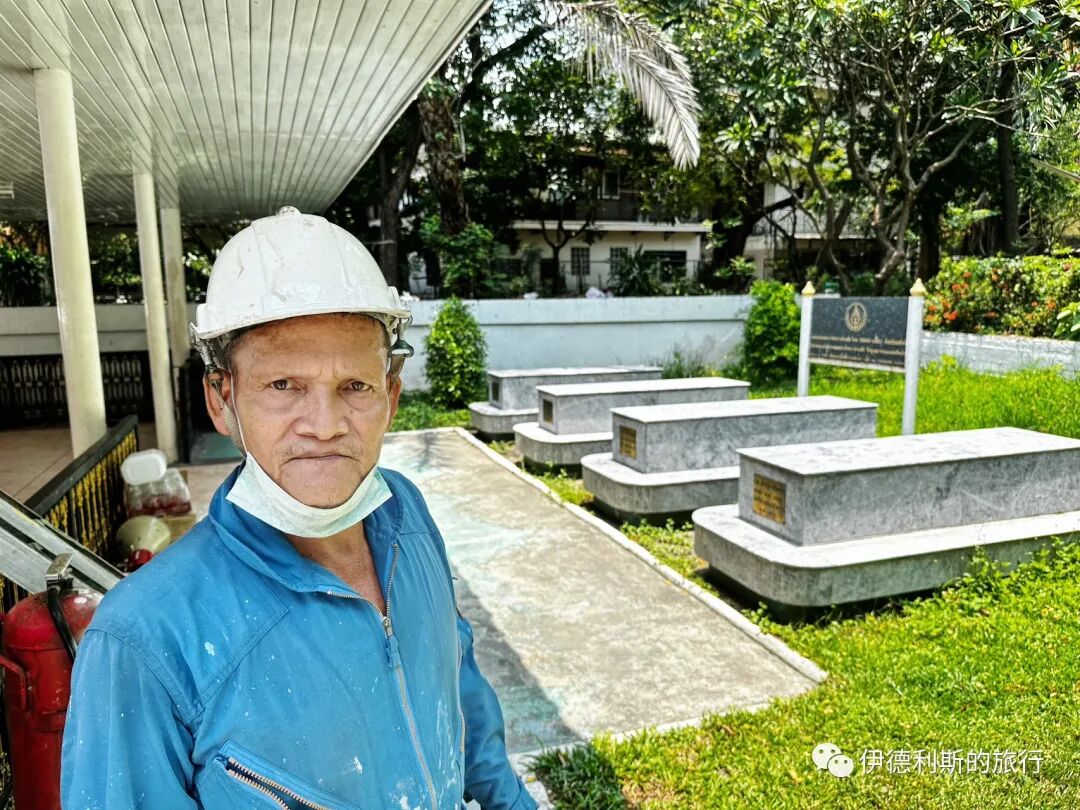
This is an old house built in 1941.
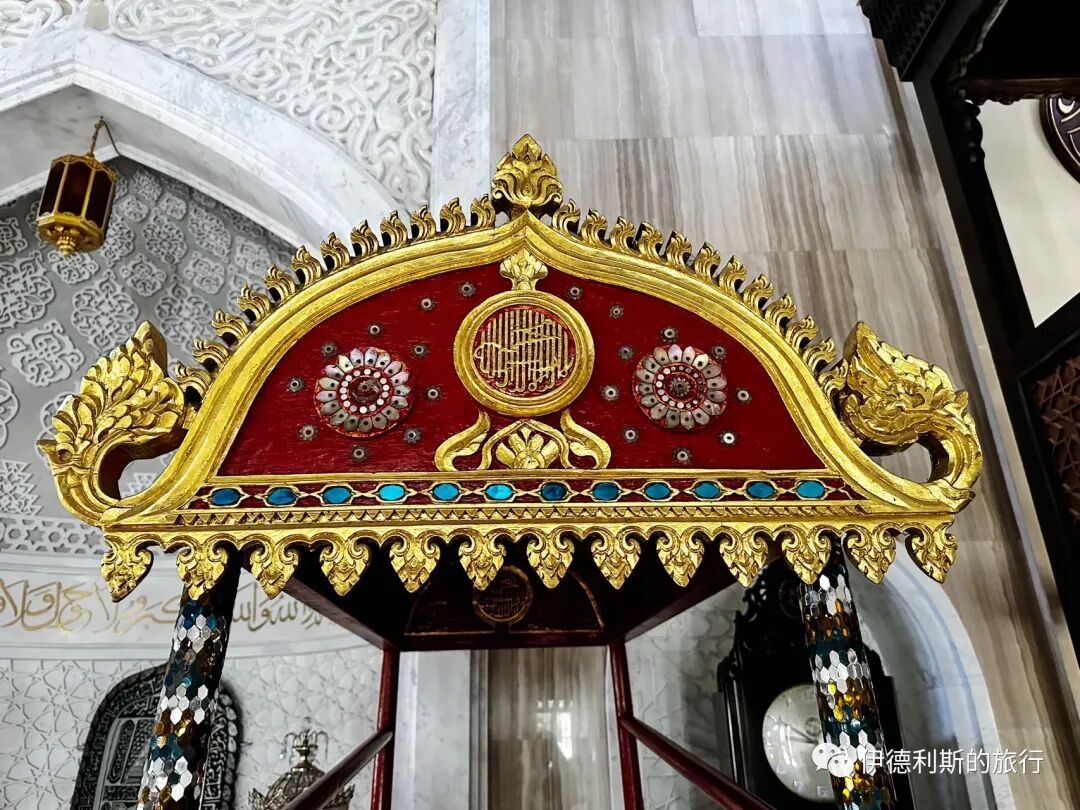
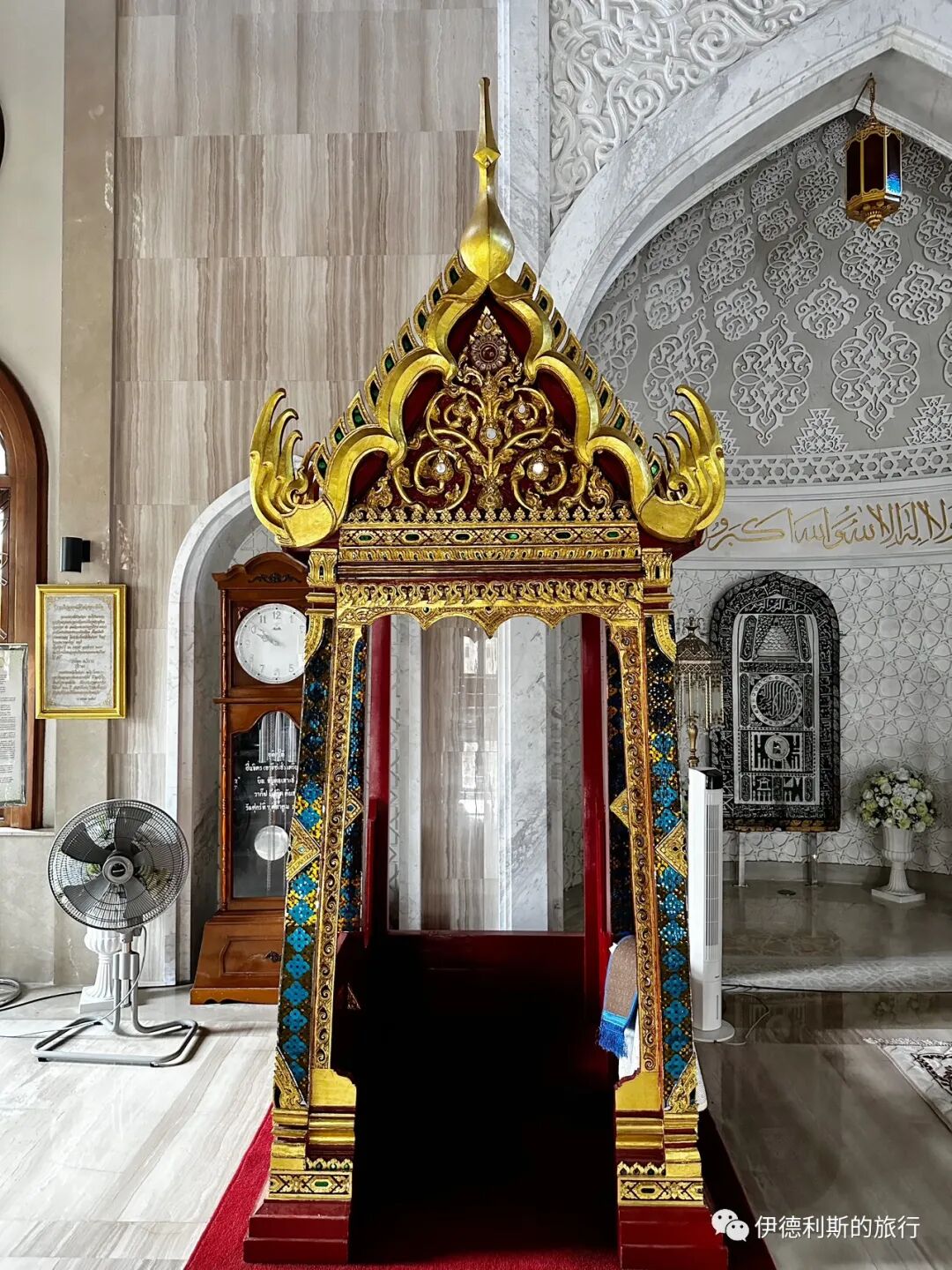
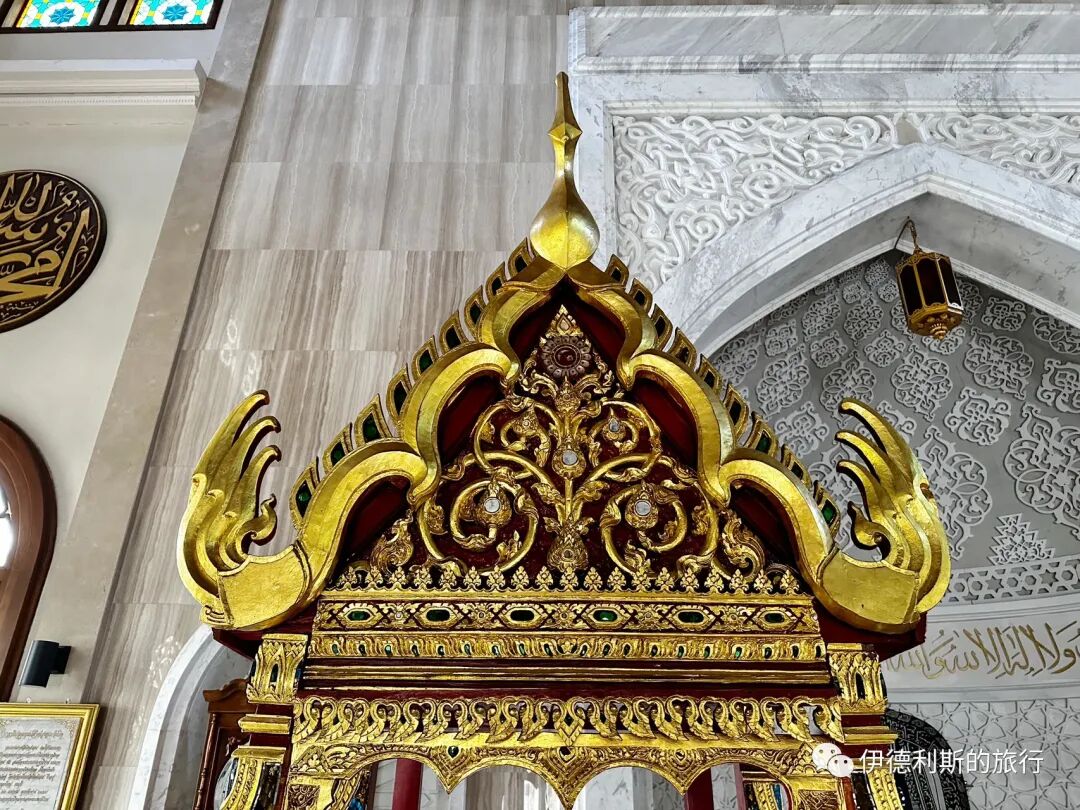
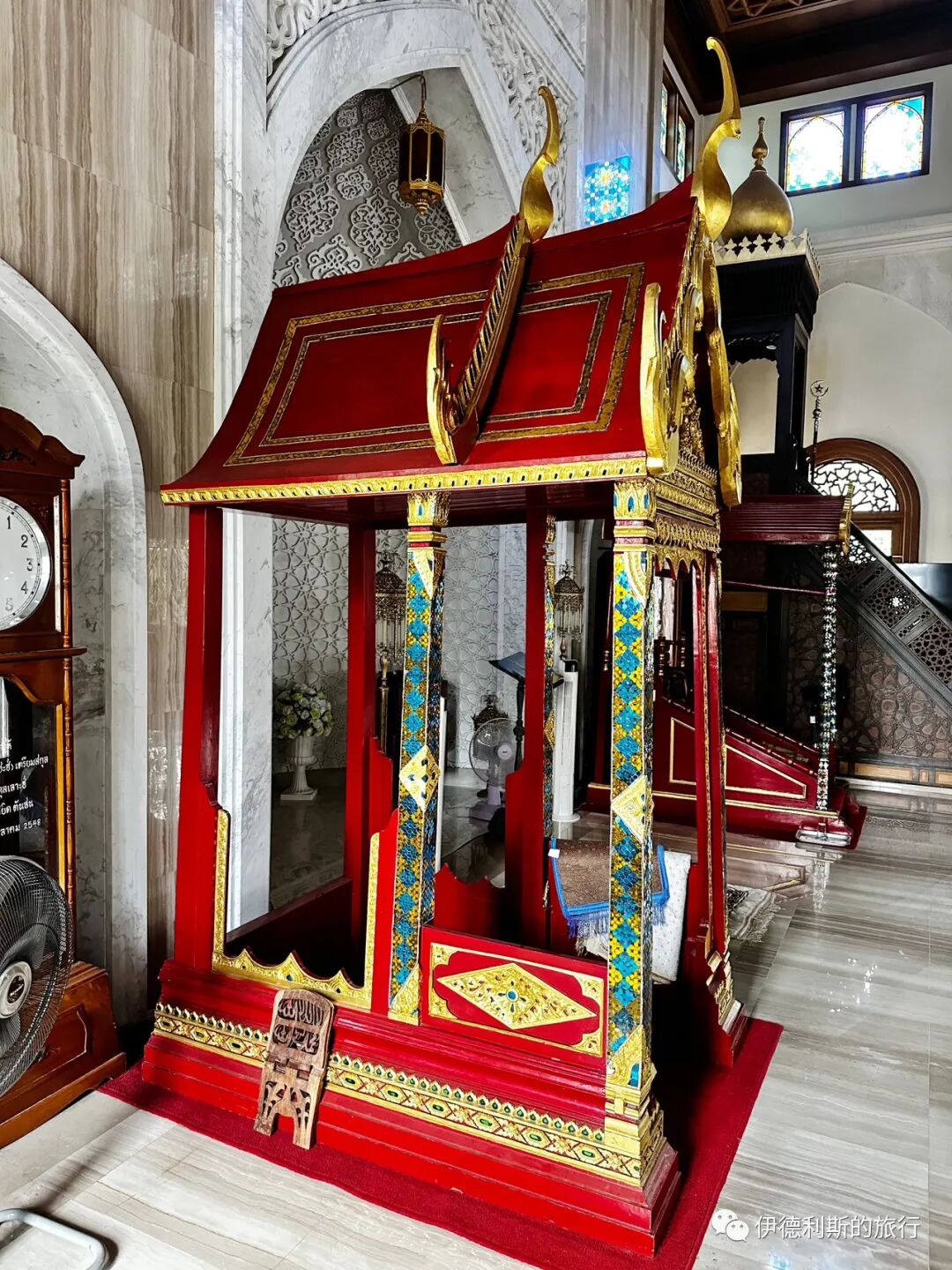
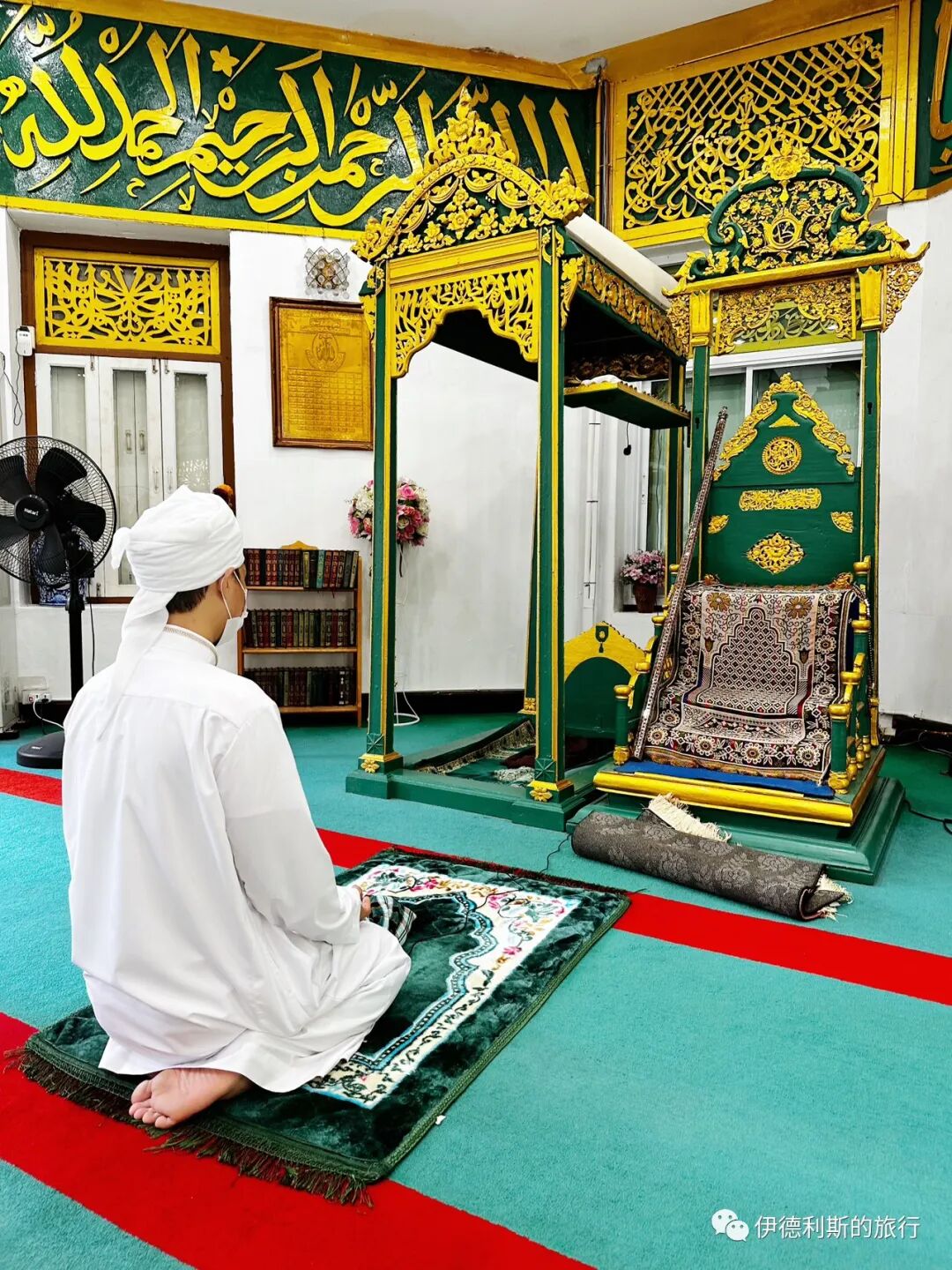
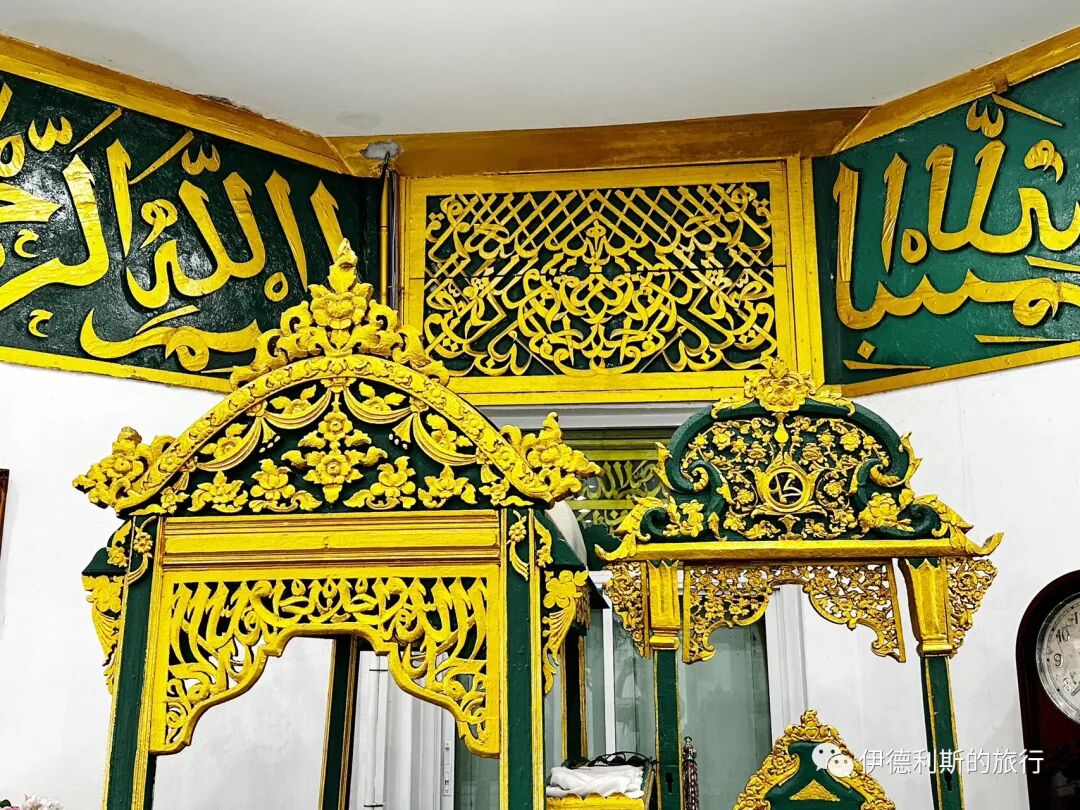
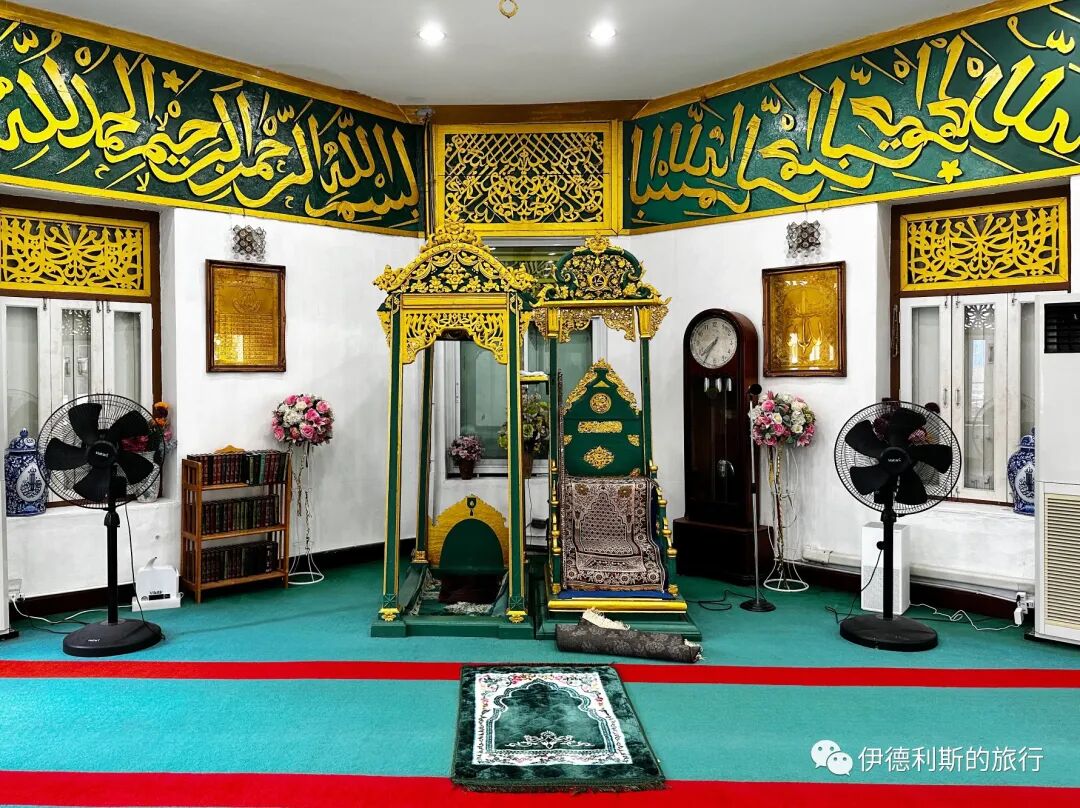
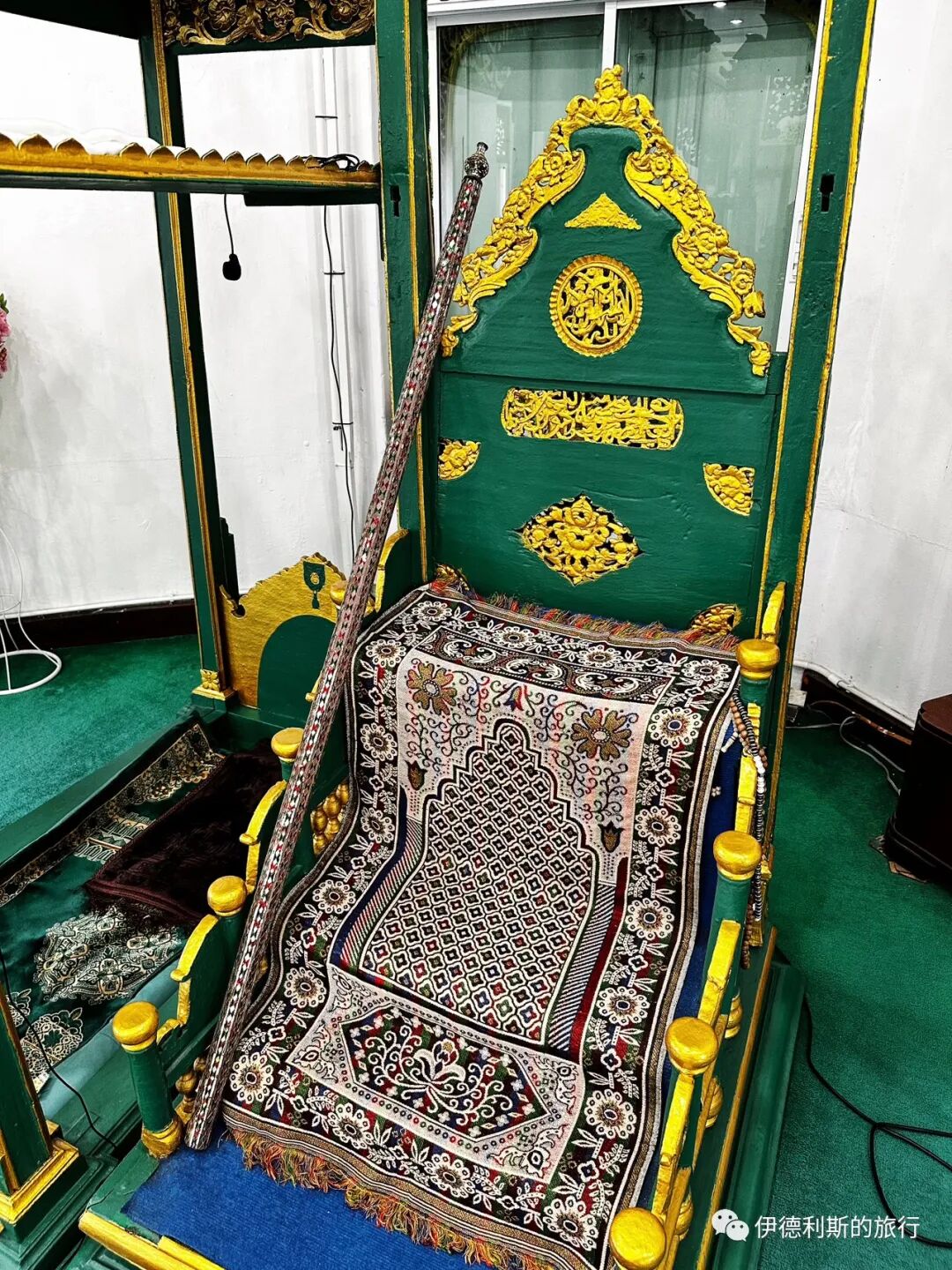
The minbar pulpit at Ton Son Mosque has a strong Siamese Ayutthaya style, and the mihrab was also preserved from the previous old building and is very beautifully crafted.
In 1767, Burma invaded Siam, the capital Ayutthaya fell, and the Cham military camp at the mouth of the Yai Canal was also destroyed. Soon after, Siam moved its capital to Thonburi, and the Cham people who had fled from Ayutthaya resettled around Ton Son Mosque, forming a new Cham community and continuing to serve in the Siamese navy. In 1782, Siam officially moved its capital to Bangkok on the east bank of the Chao Phraya River, and built a royal shipyard and dock opposite the Cham community, where many Cham people became royal sailors and shipbuilders.
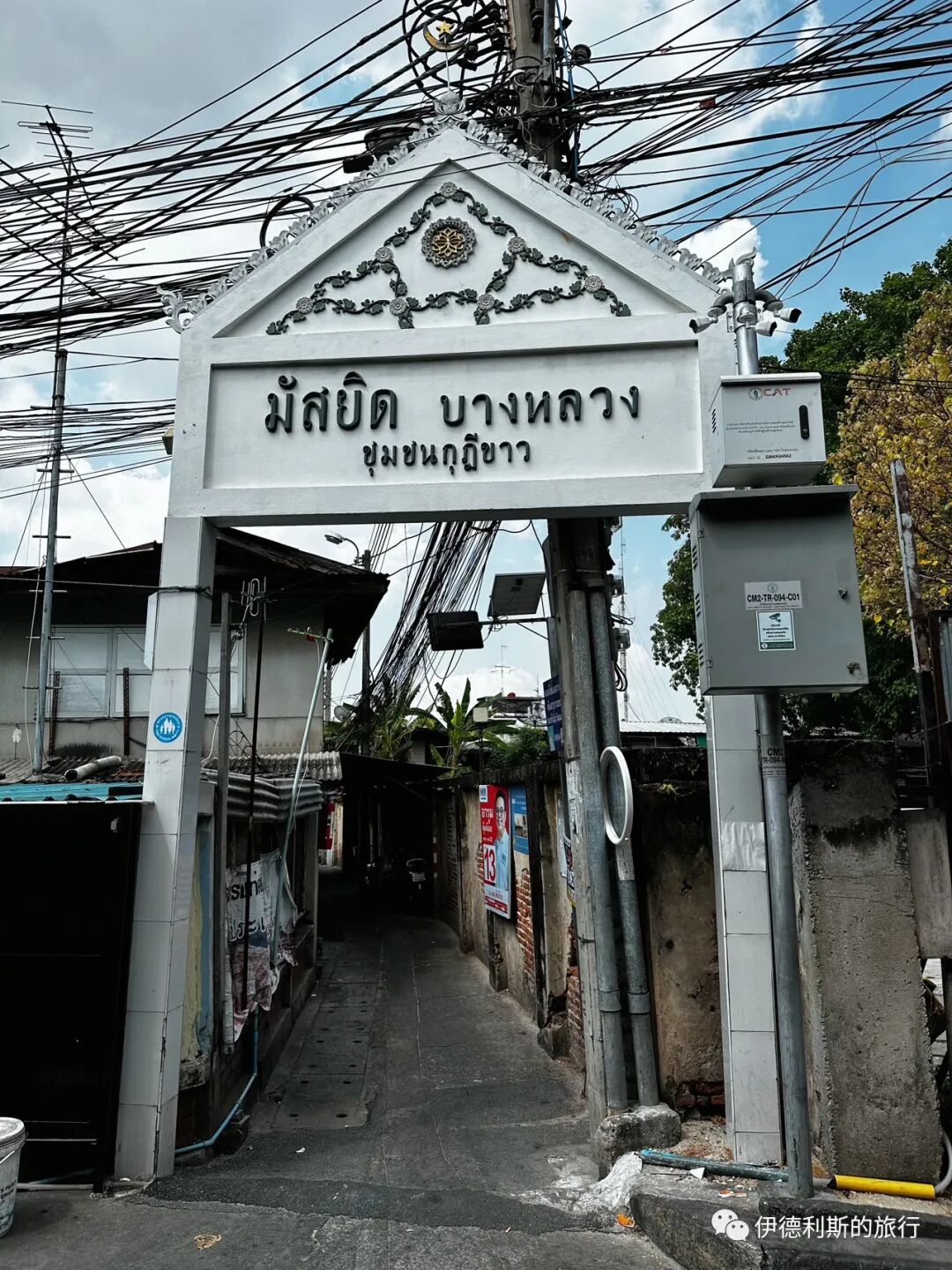
With the establishment of the royal shipyard and dock, some Cham people moved to live on the opposite bank of the Yai Canal. Malay Muslims who had migrated from Ayutthaya and Trat Province in the southeast originally lived here, making a living by rowing boats on the canal to sell goods. Around 1785, a Muslim merchant named Toh Yi led the construction of a new mosque, called Kudi Mai (New Mosque) or Bang Luang Mosque.
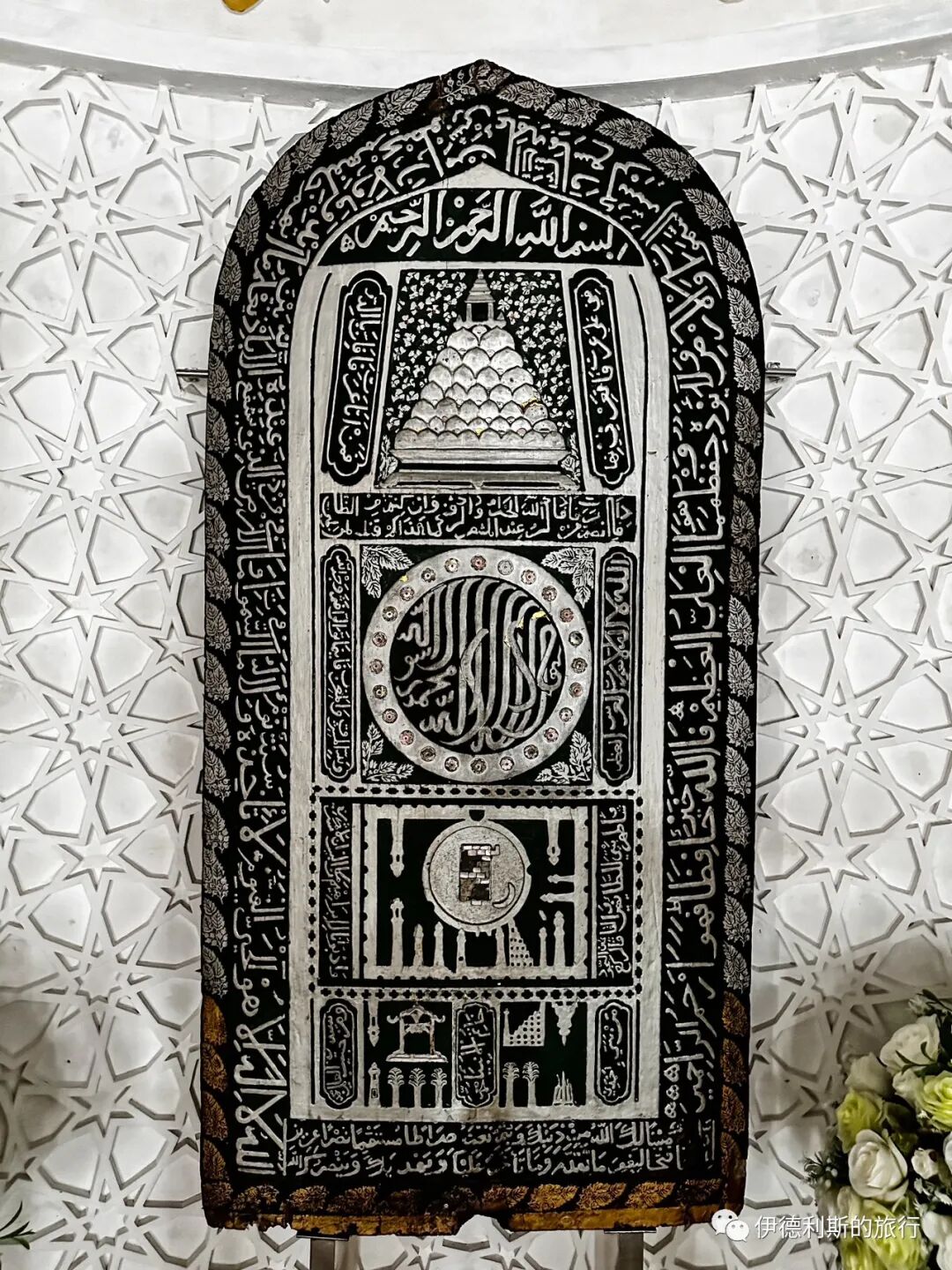
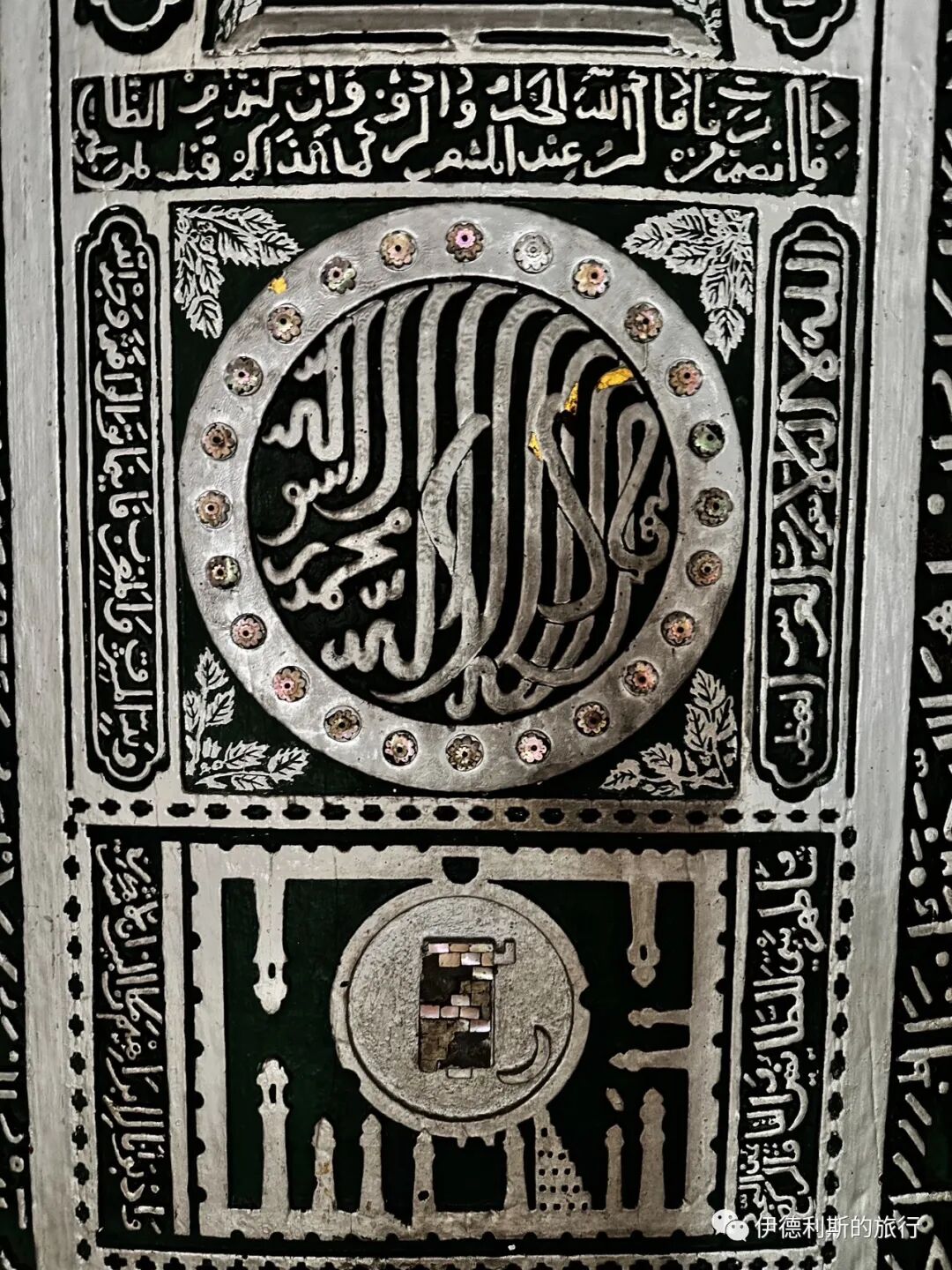
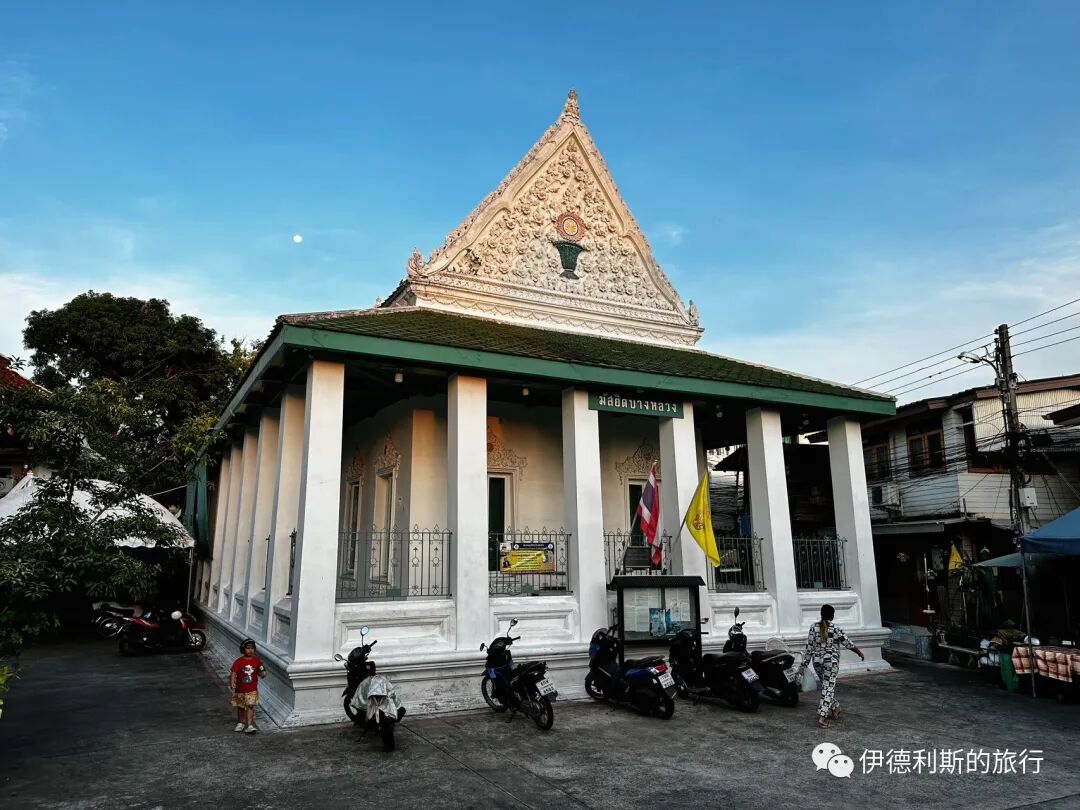
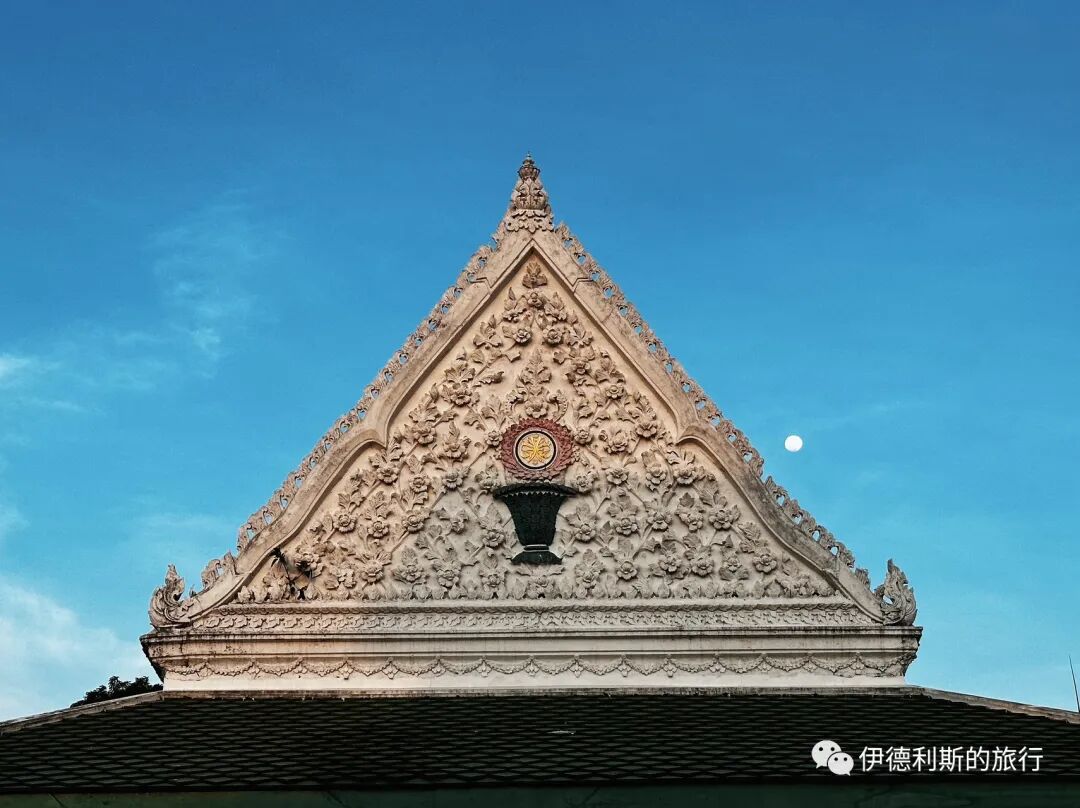
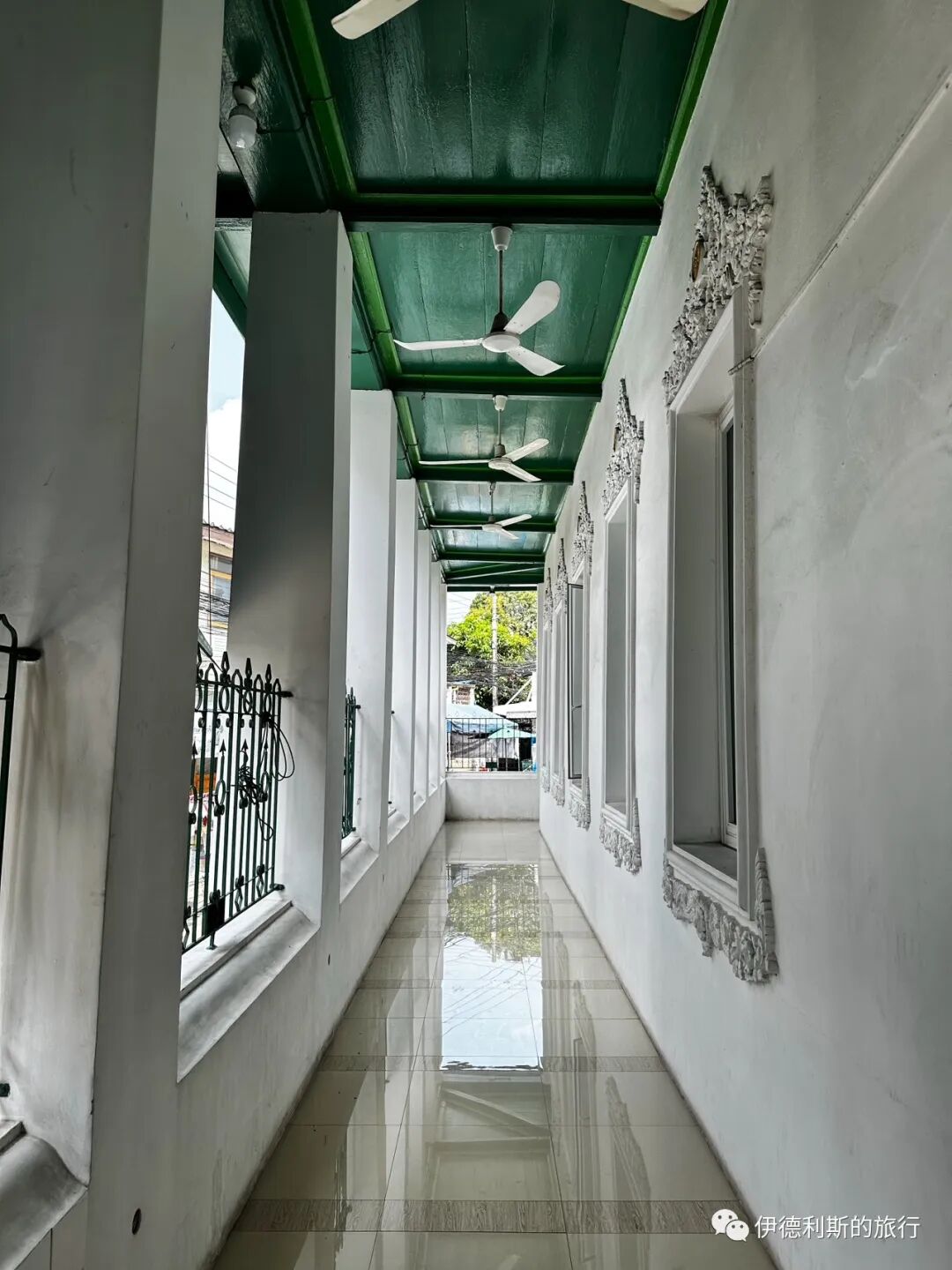
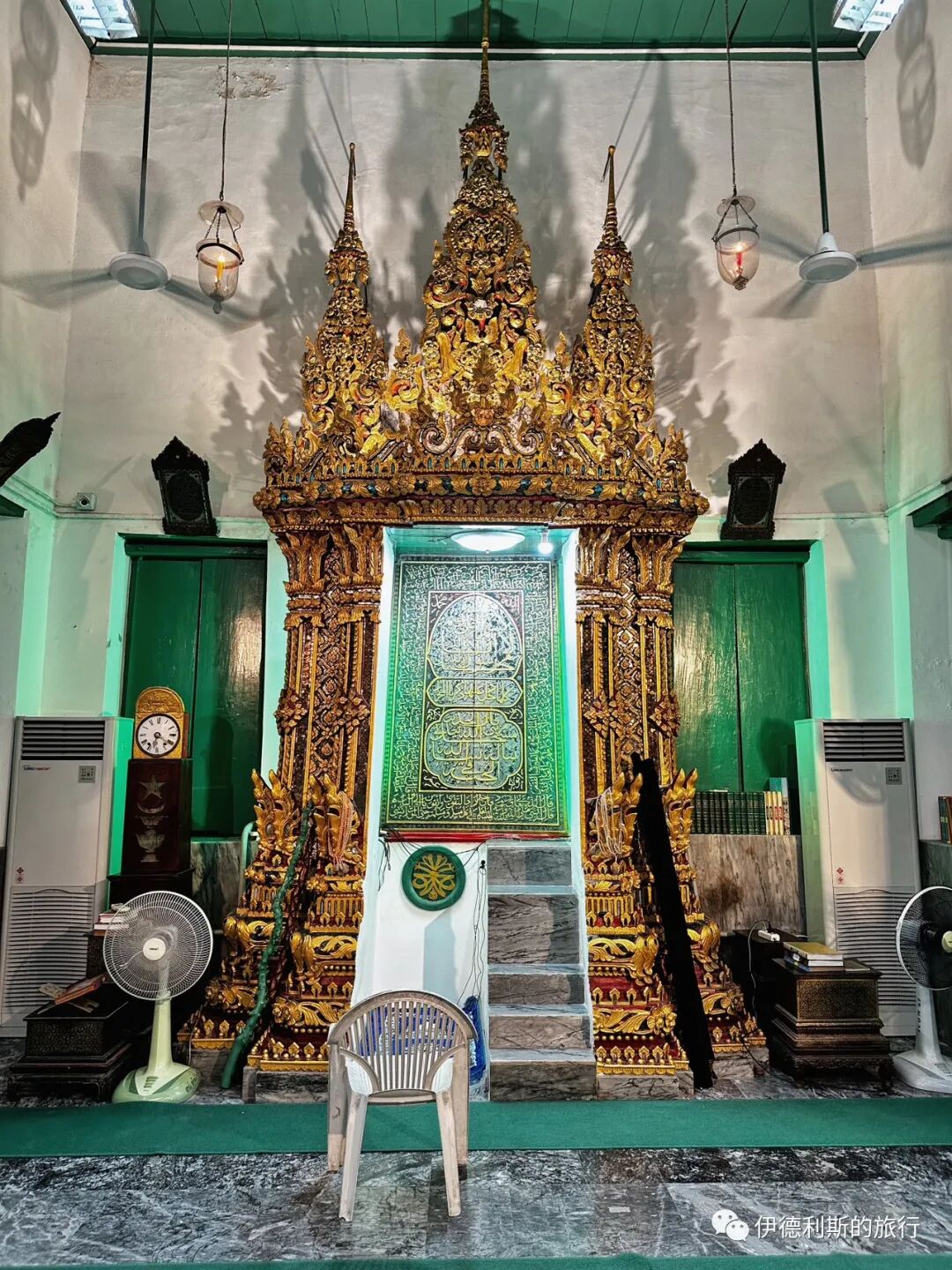
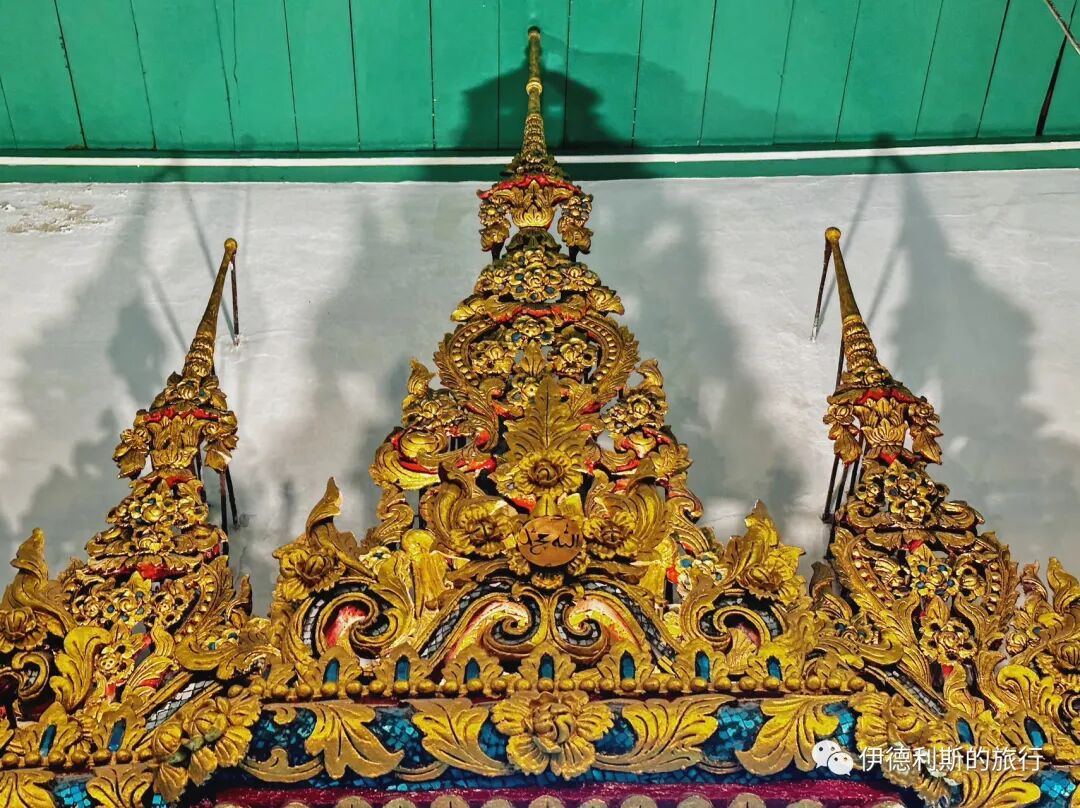
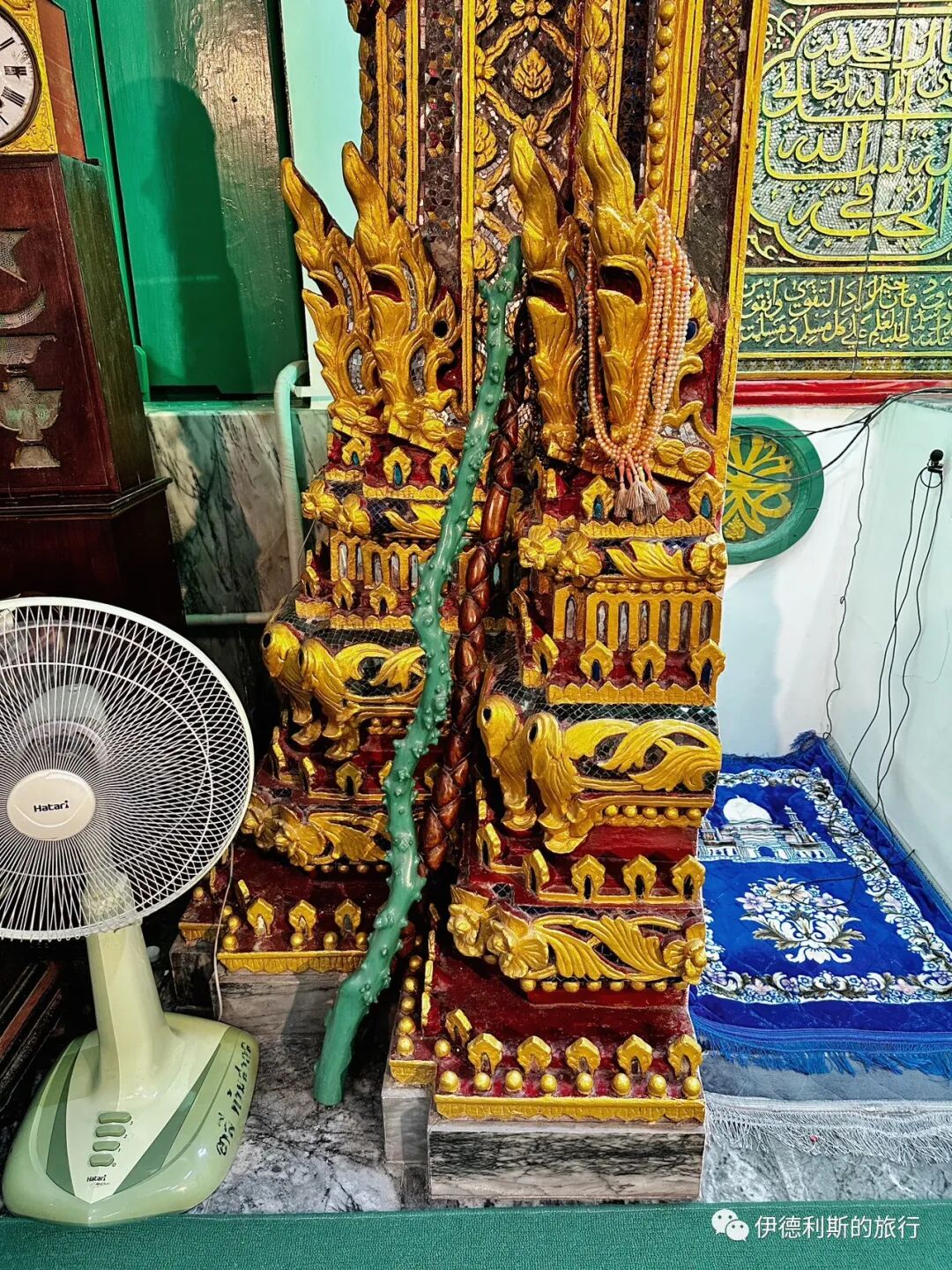
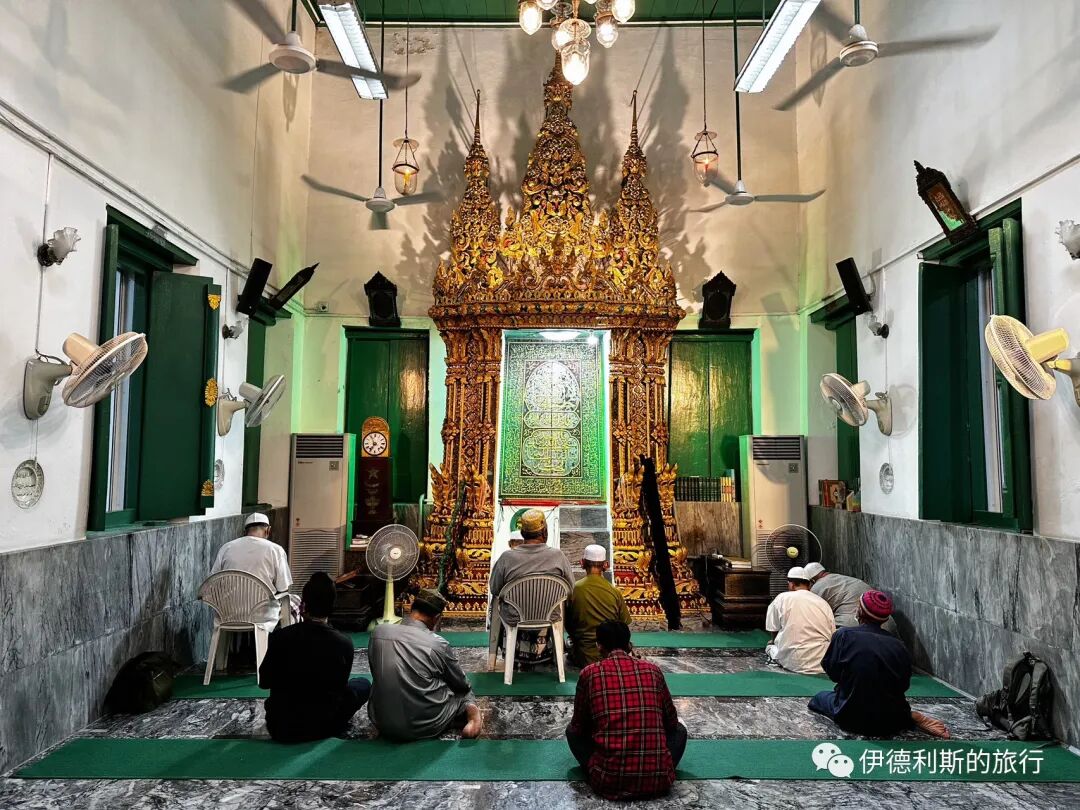
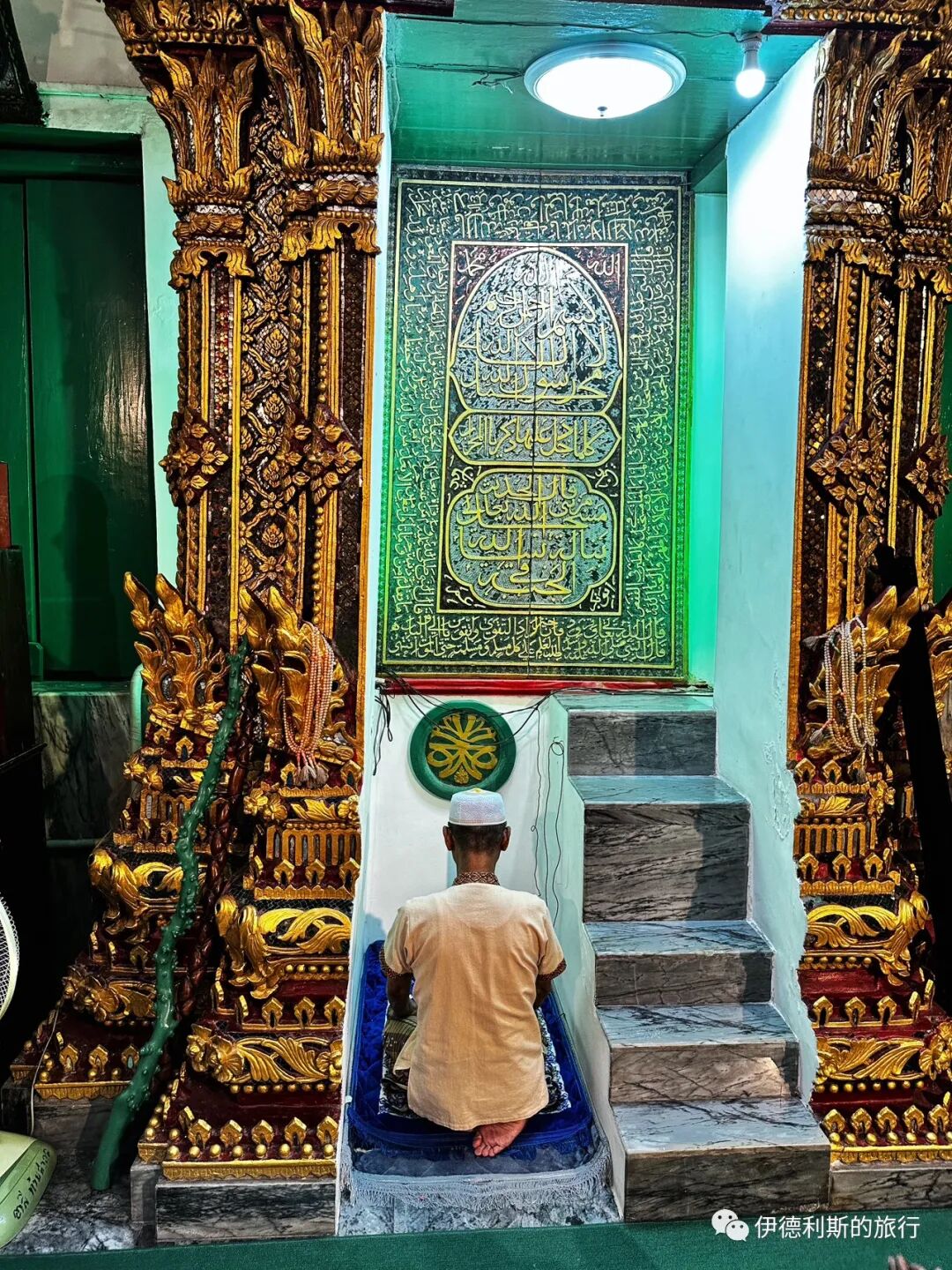
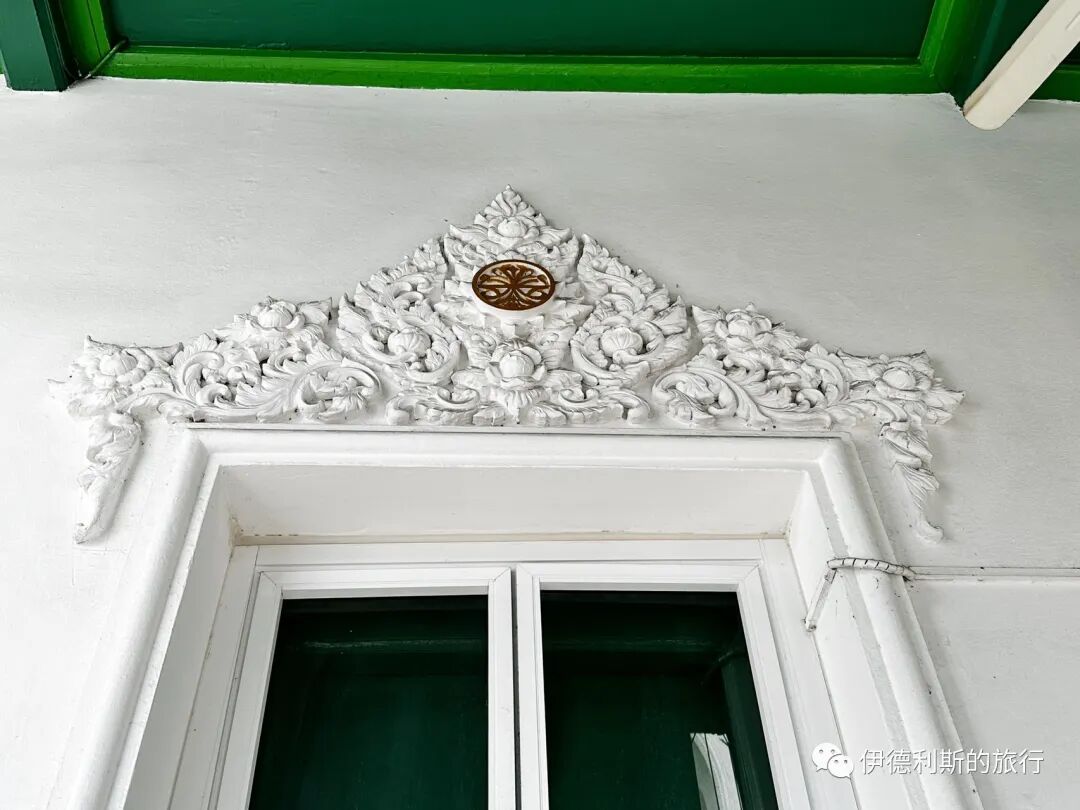
Bang Luang Mosque is the only remaining Thai-style mosque in Thailand, featuring Thai-style white stucco brick walls and decorative roofs that look very similar to those on Thai mosque buildings. The main hall is surrounded by a corridor with 30 pillars, representing the 30 parts of the Quran (Juz). The mihrab inside the main hall is the most beautiful part, featuring a purely Thai decorative style, including the Chofa roof ornaments found on Thai palace buildings. This shape is adapted from the Garuda in Hinduism and Buddhism, but it has been redesigned to fit Islamic traditions.
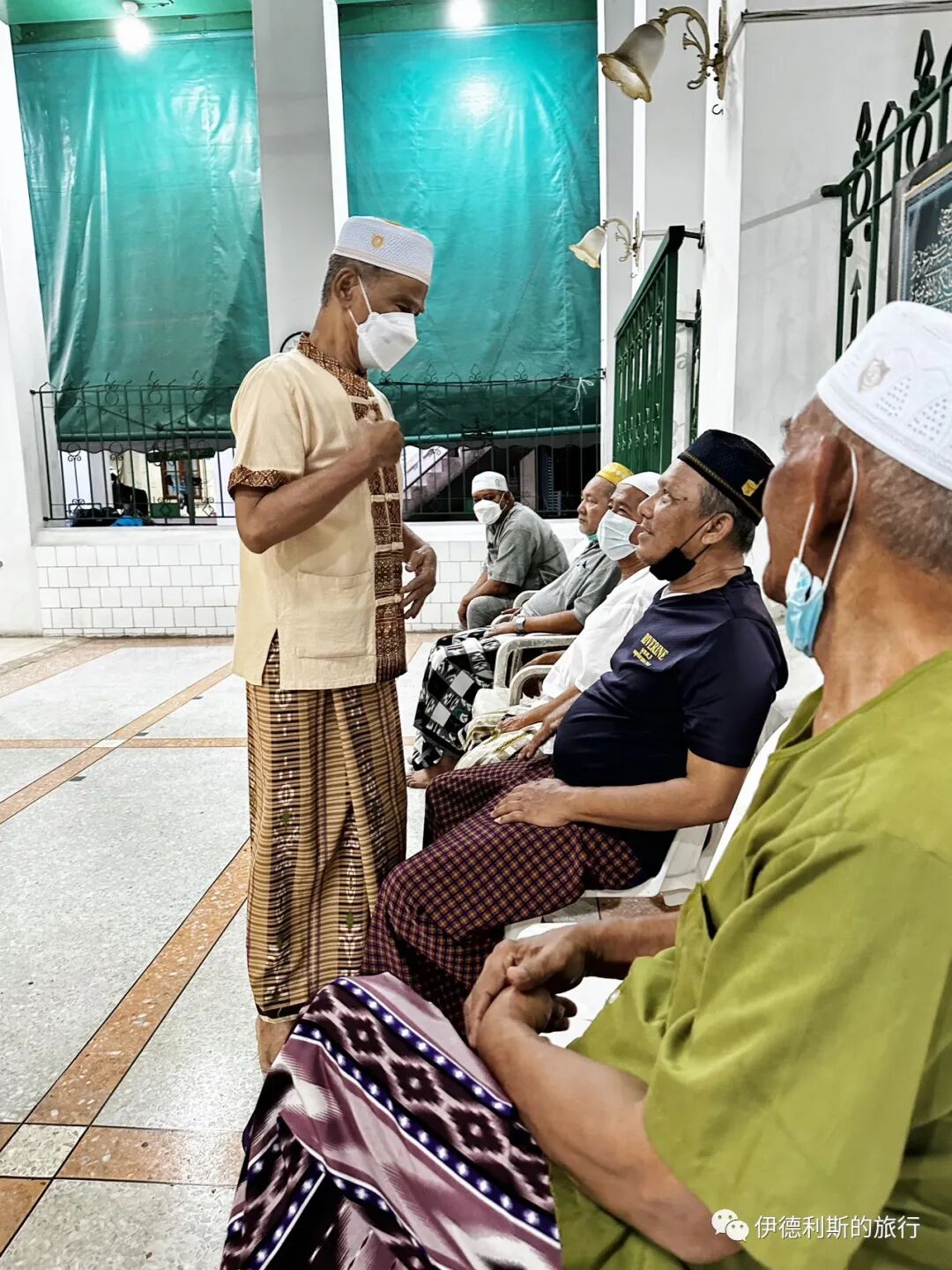
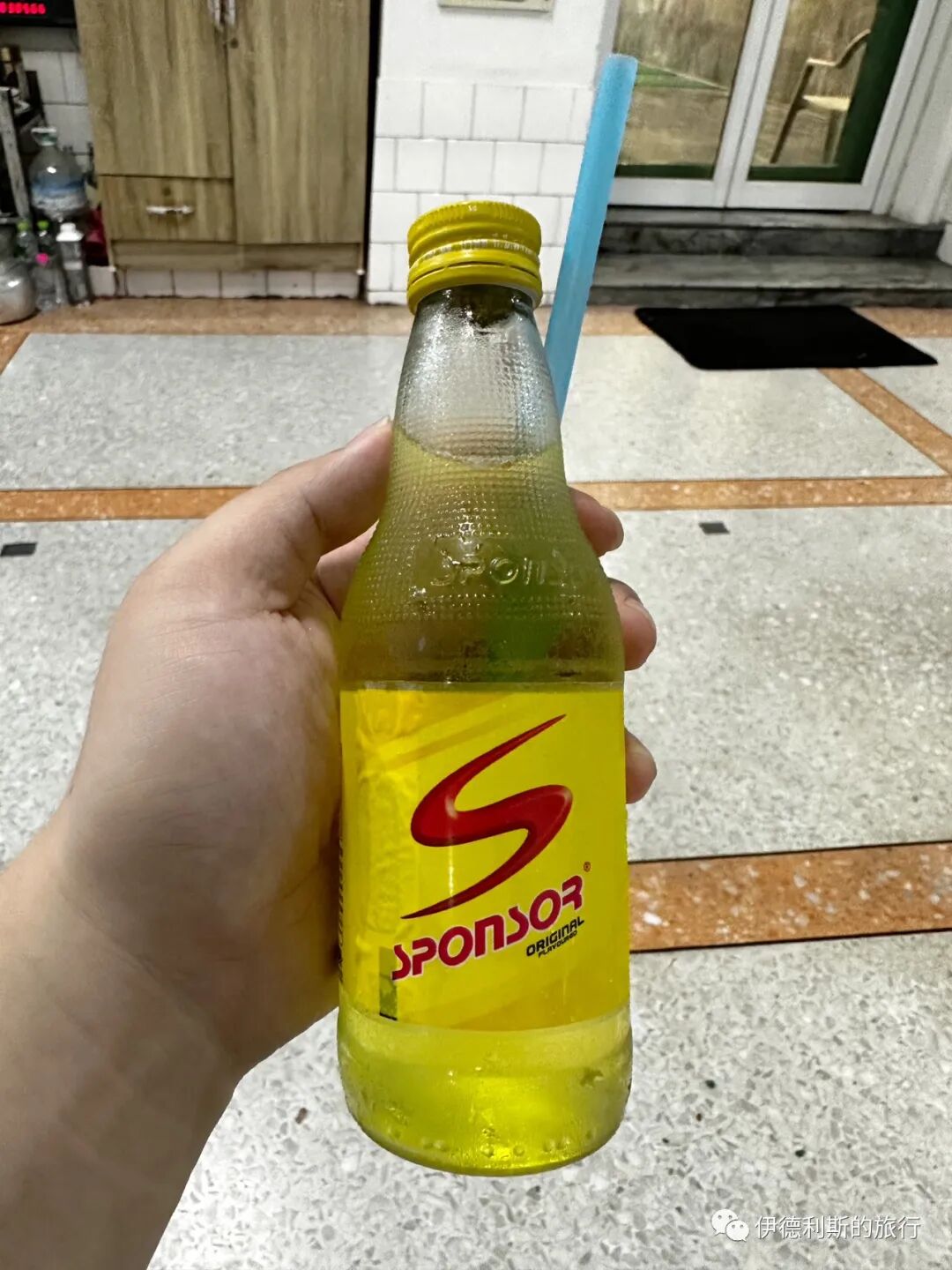
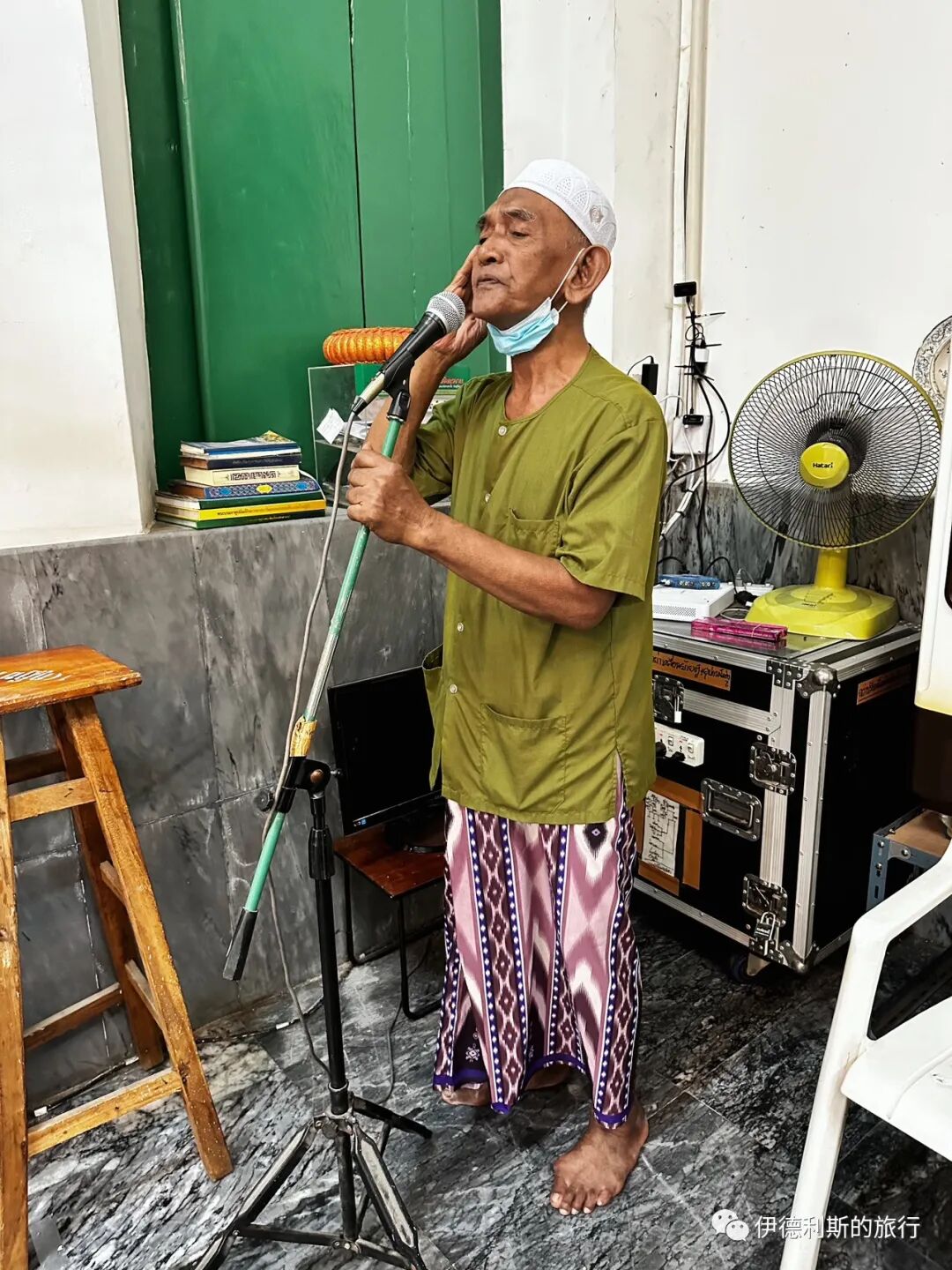
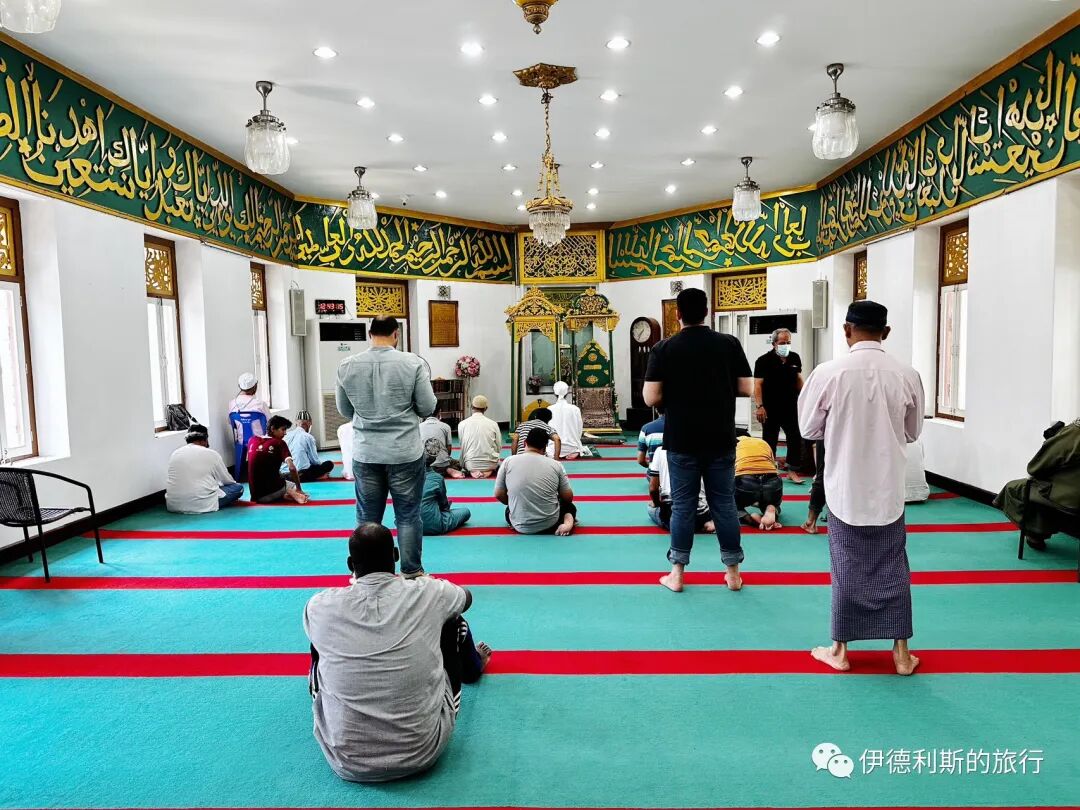
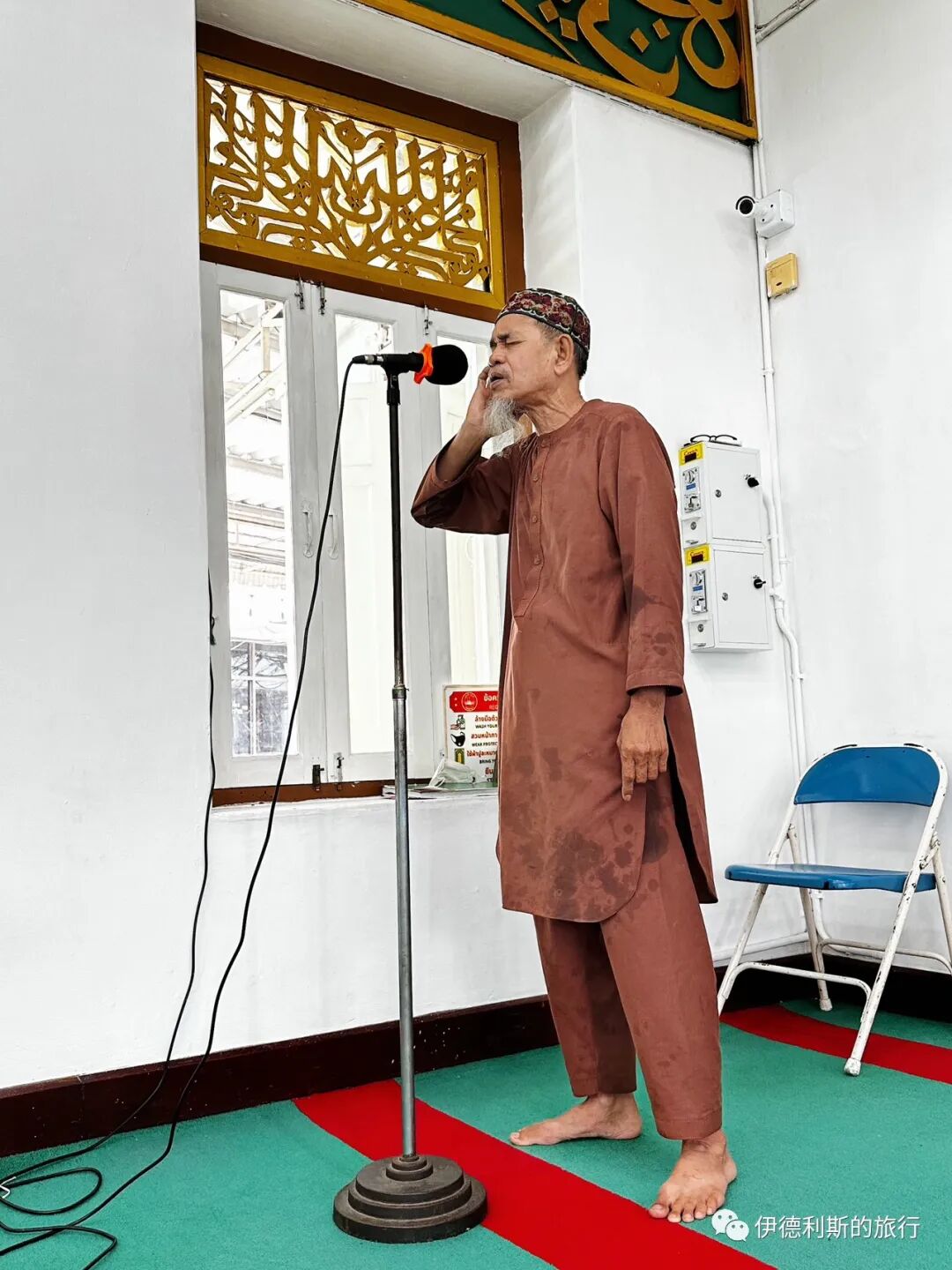
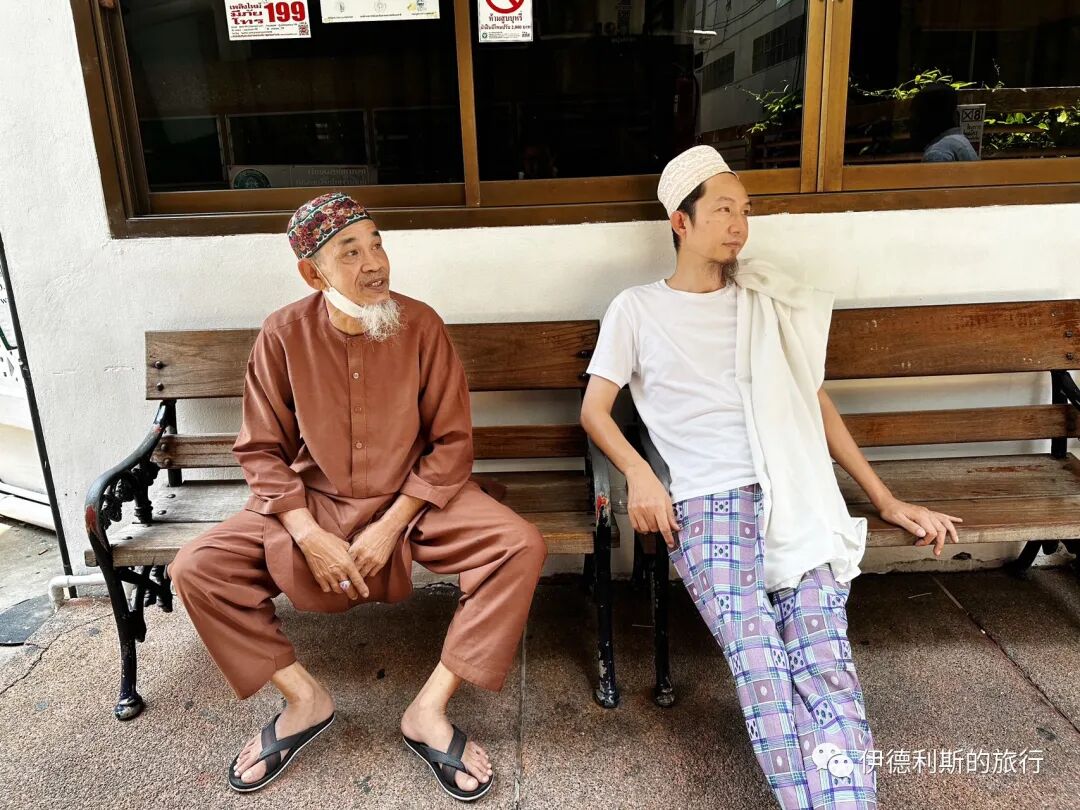
The atmosphere at Bang Luang Mosque for the Asr prayer is wonderful. Every elder who arrived shook hands with everyone, and one elder even gave me a drink. You can see everyone wearing a sarong (sarong) tube skirt, which means 'to cover' in Malay. This outfit is perfect for the humid and hot climate of Southeast Asia.
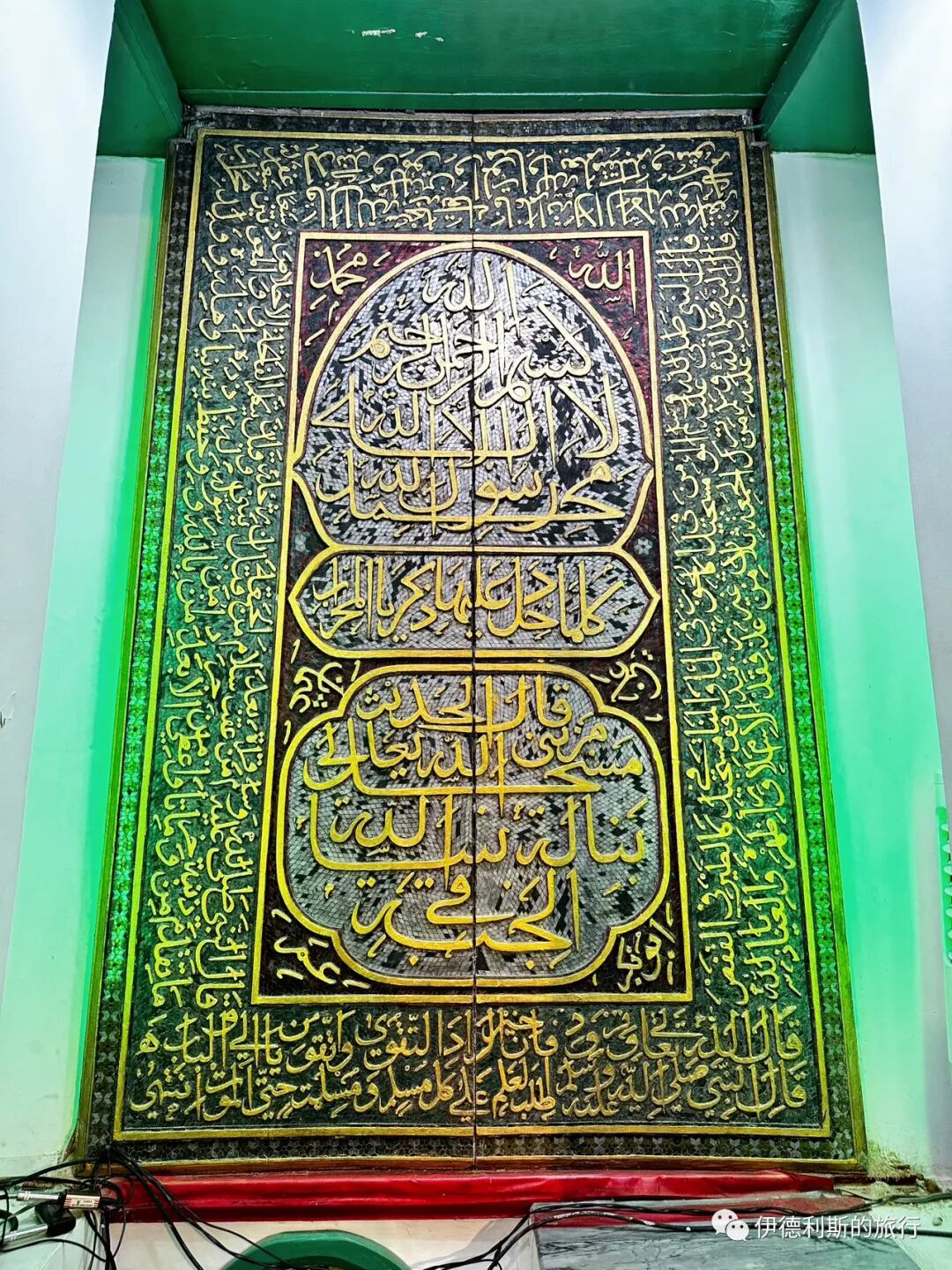
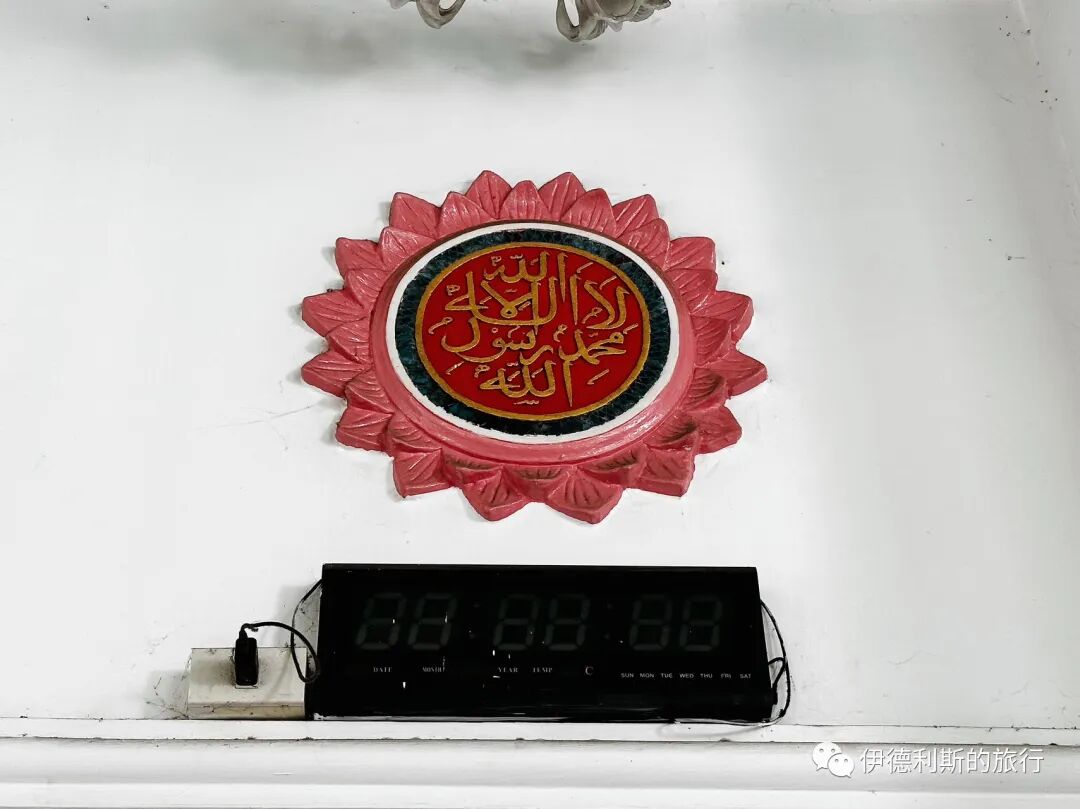
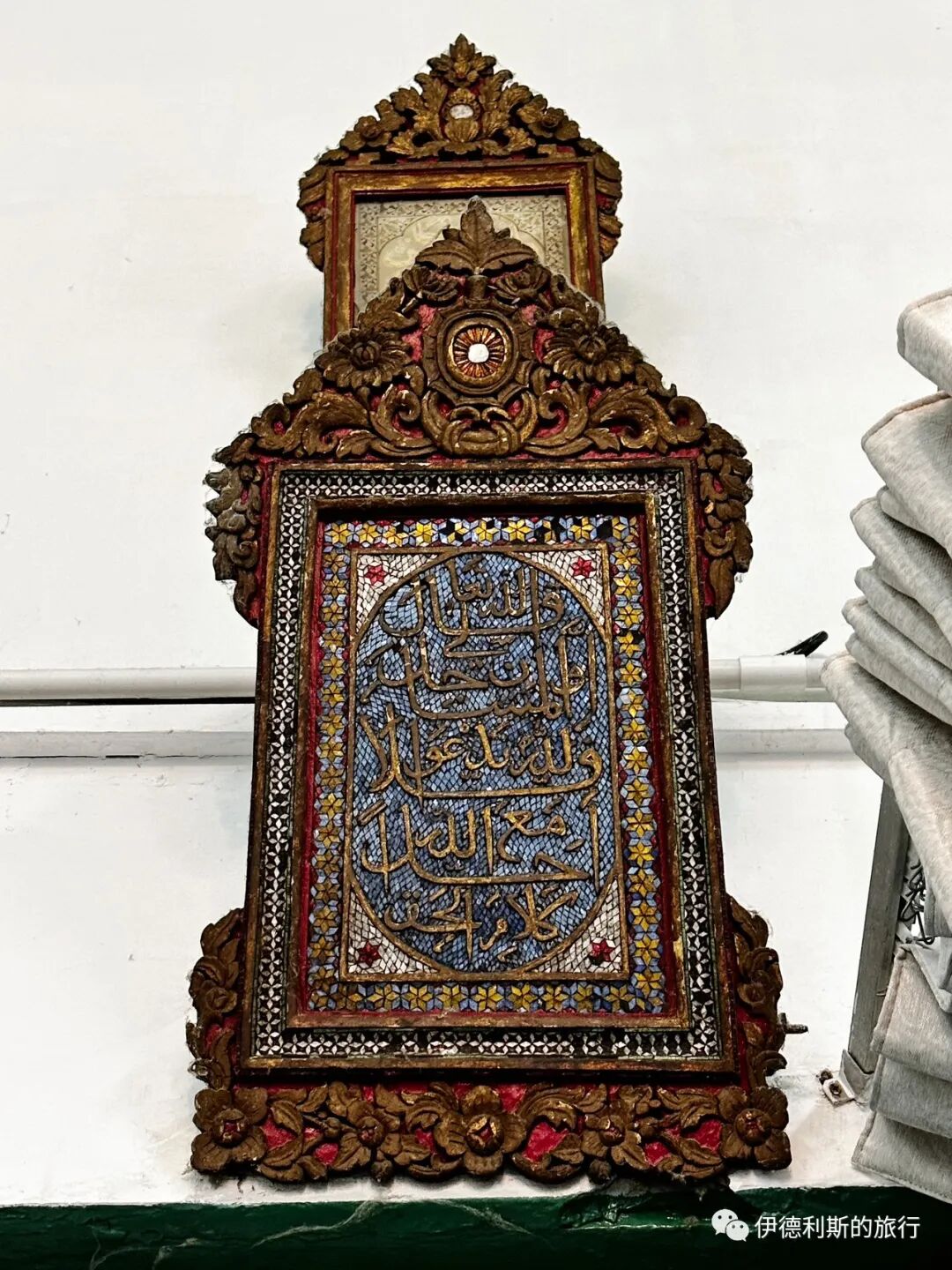
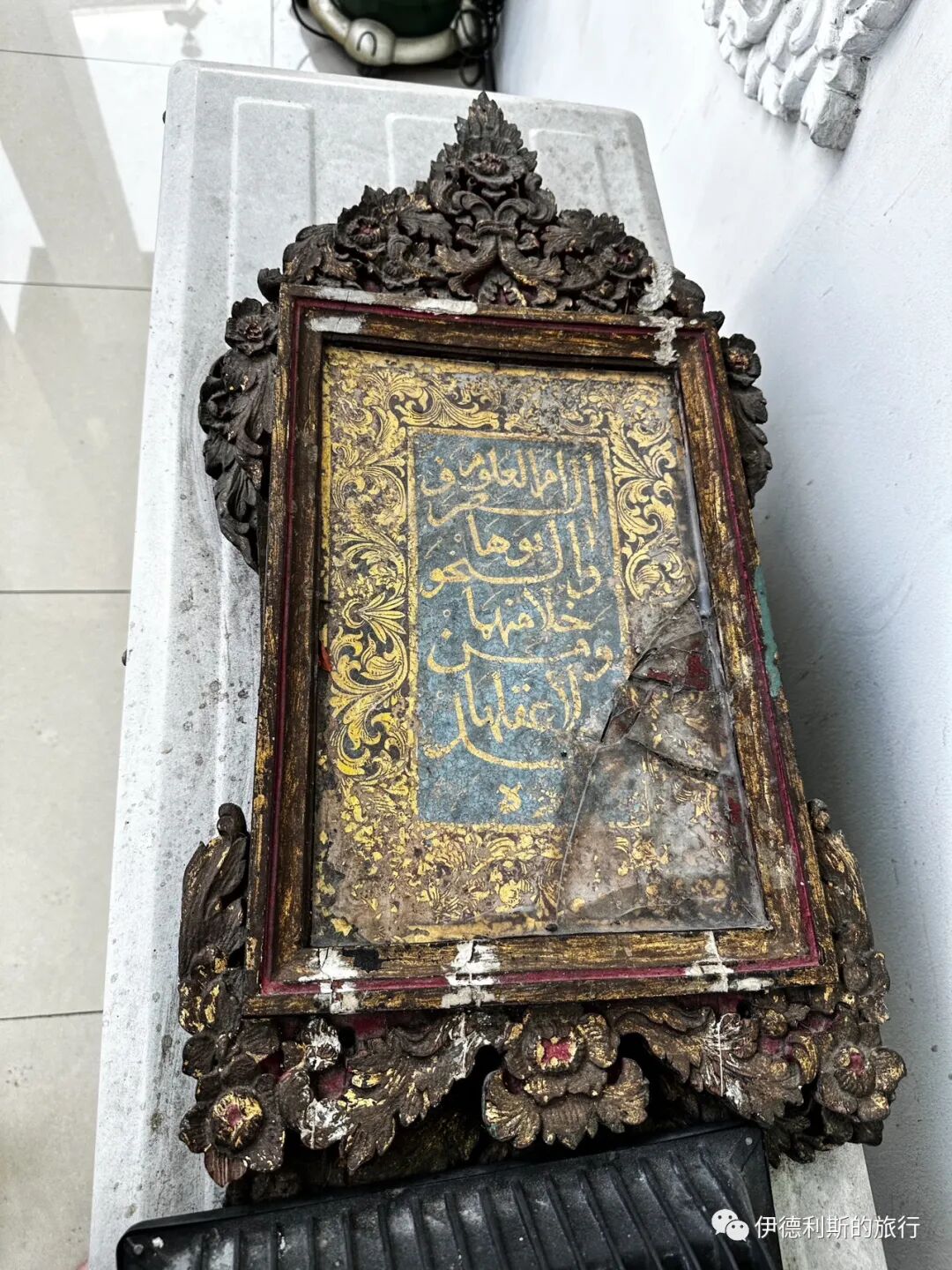
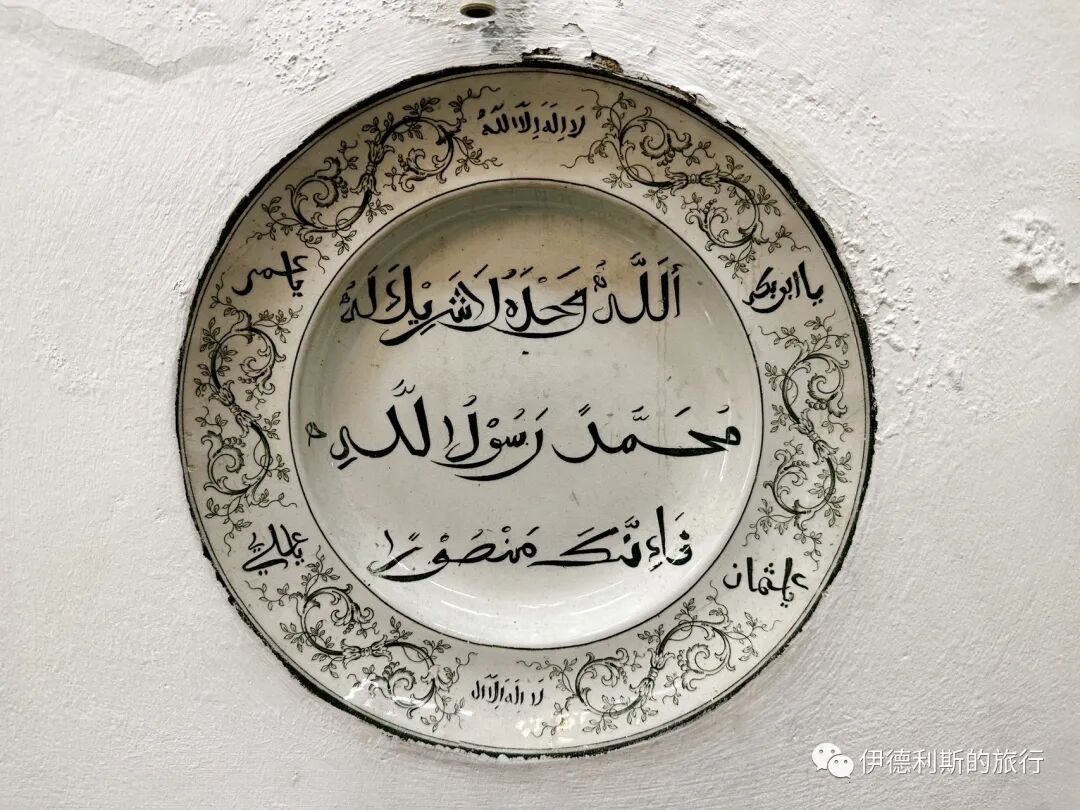
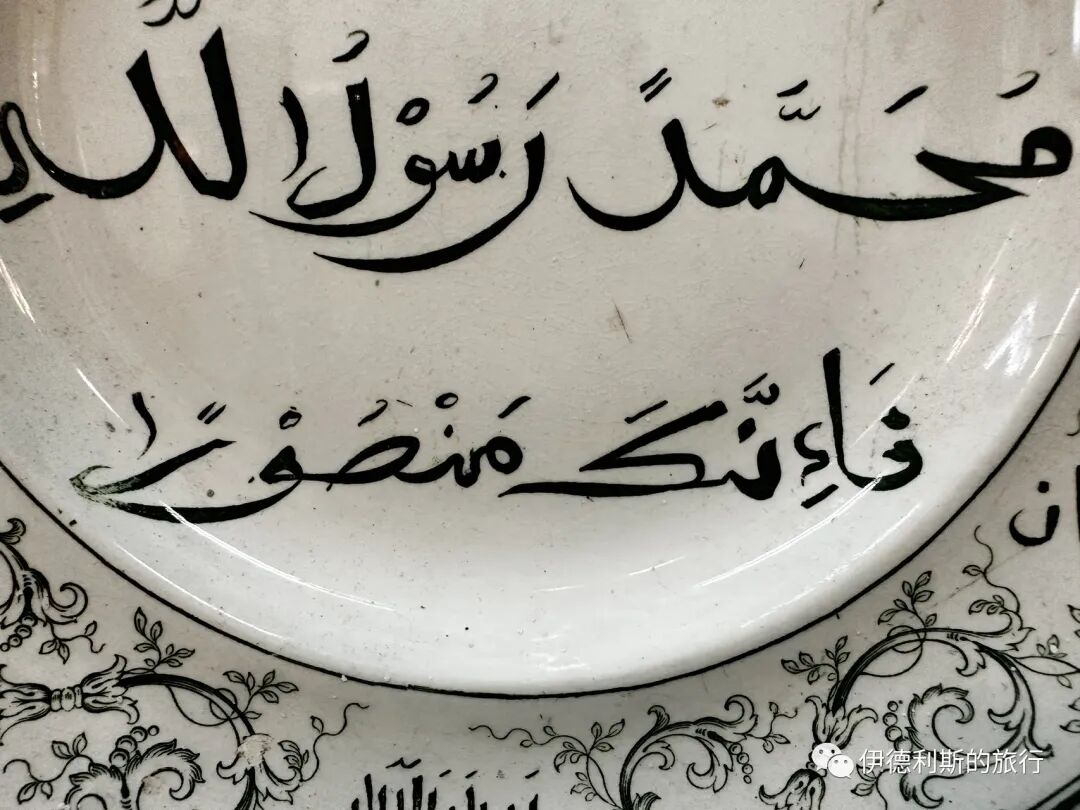
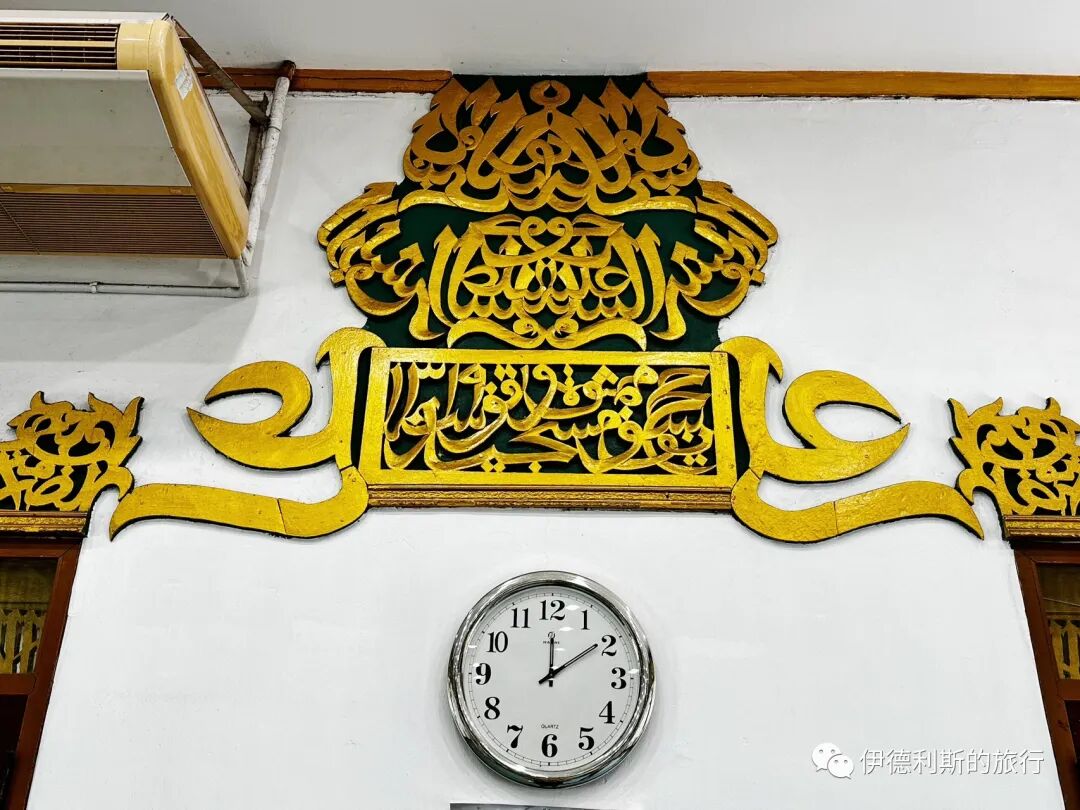
The wooden-framed scriptures hanging on the walls of Bang Luang Mosque and the porcelain plates embedded in the walls are both over a hundred years old.
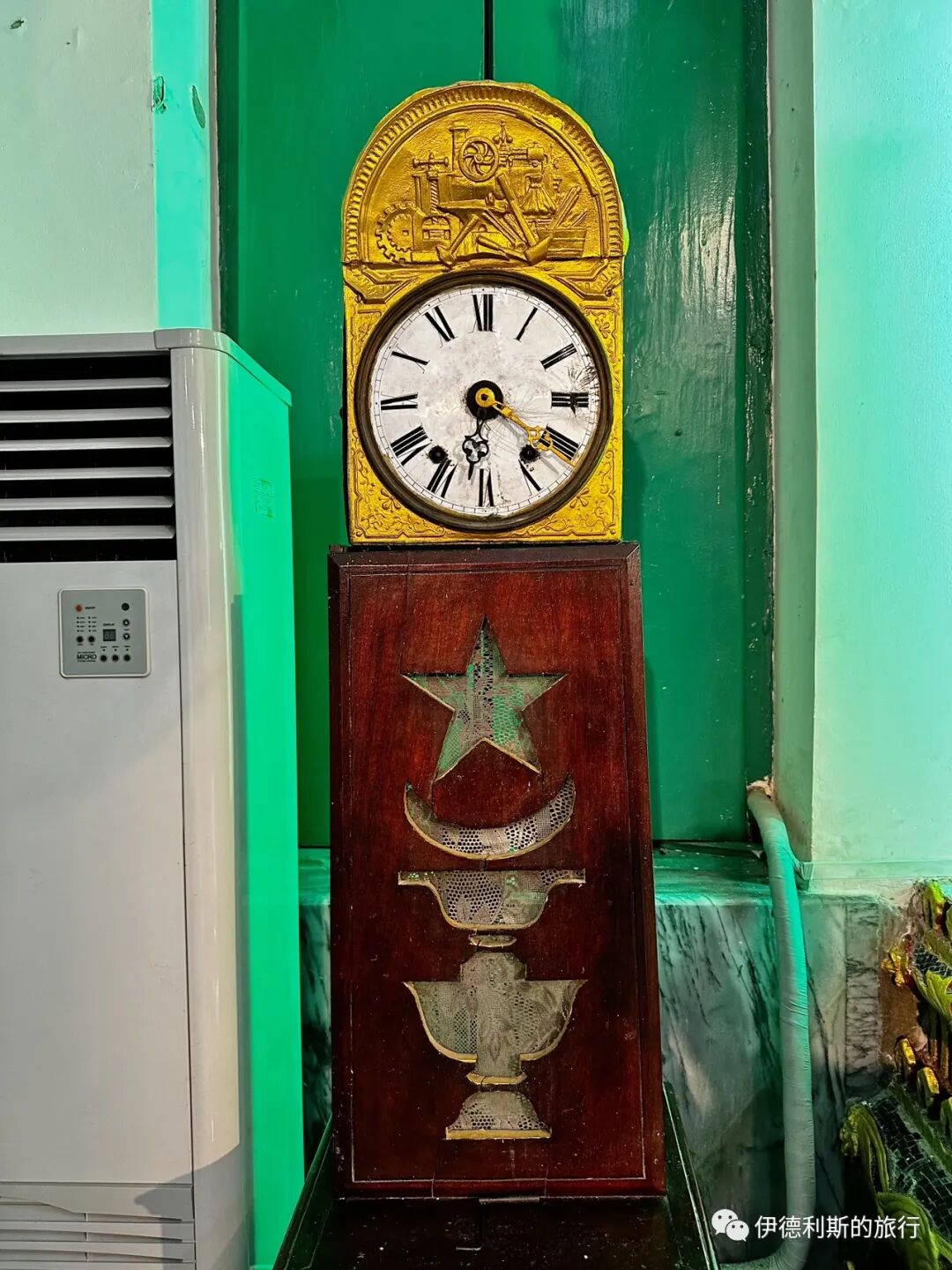
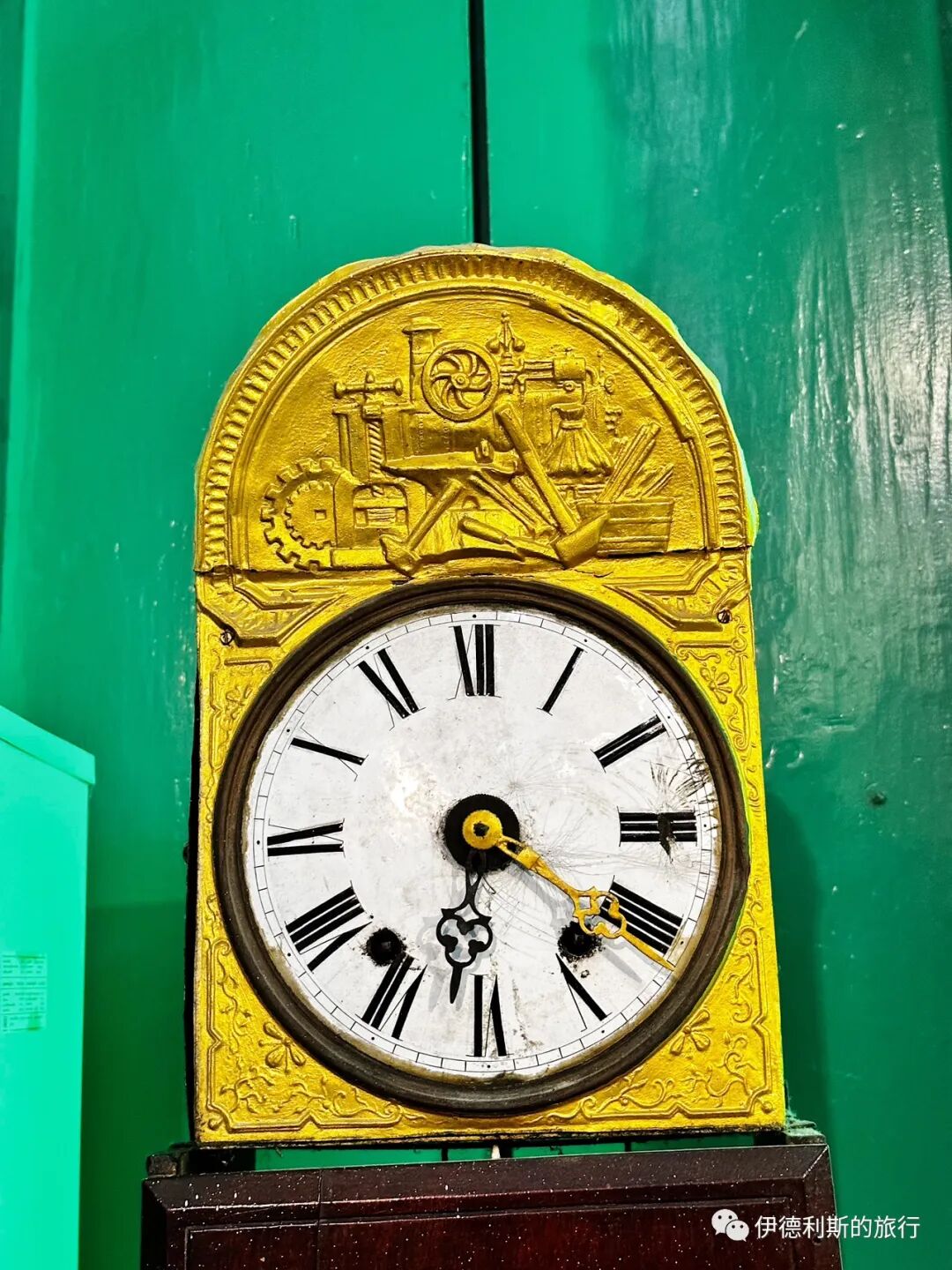
This bell feels like it has a lot of history.
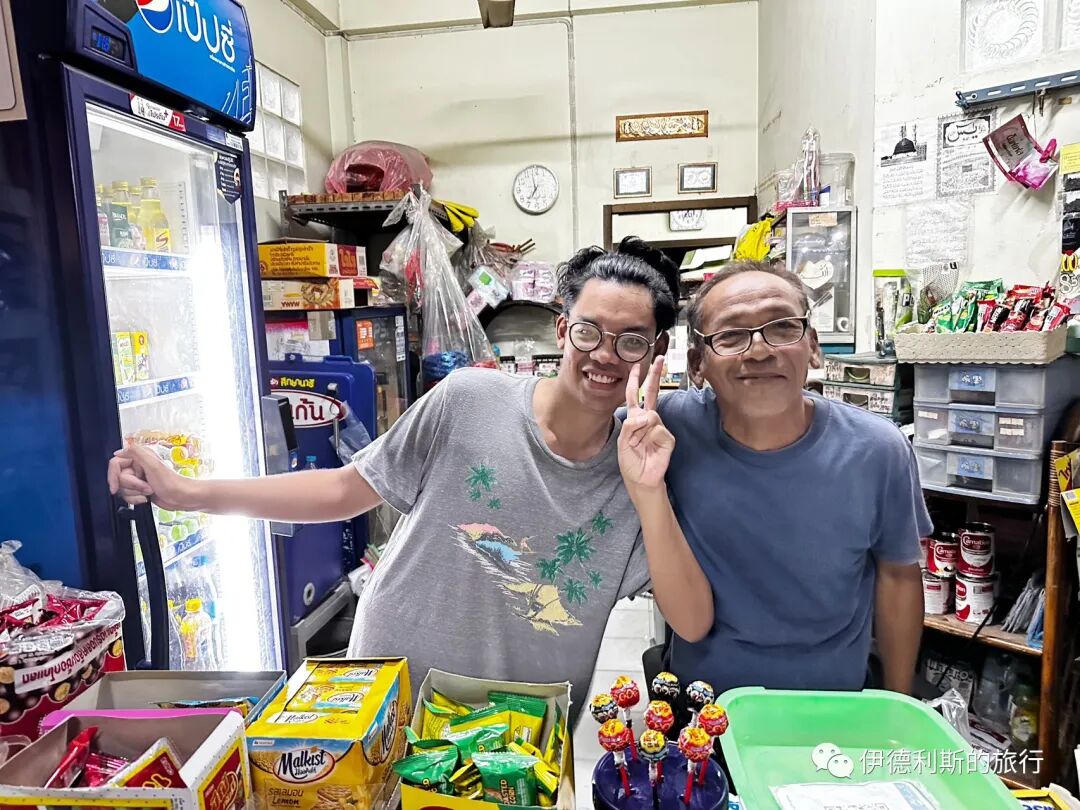
The area around Bang Luang Mosque is still mainly home to Cham and Malay descendants. We chatted for a while with the owner of a small shop across from the mosque. The owner's family is of Malay descent; the father speaks fluent Thai and Malay, and his son speaks very good English.
Indonesian community
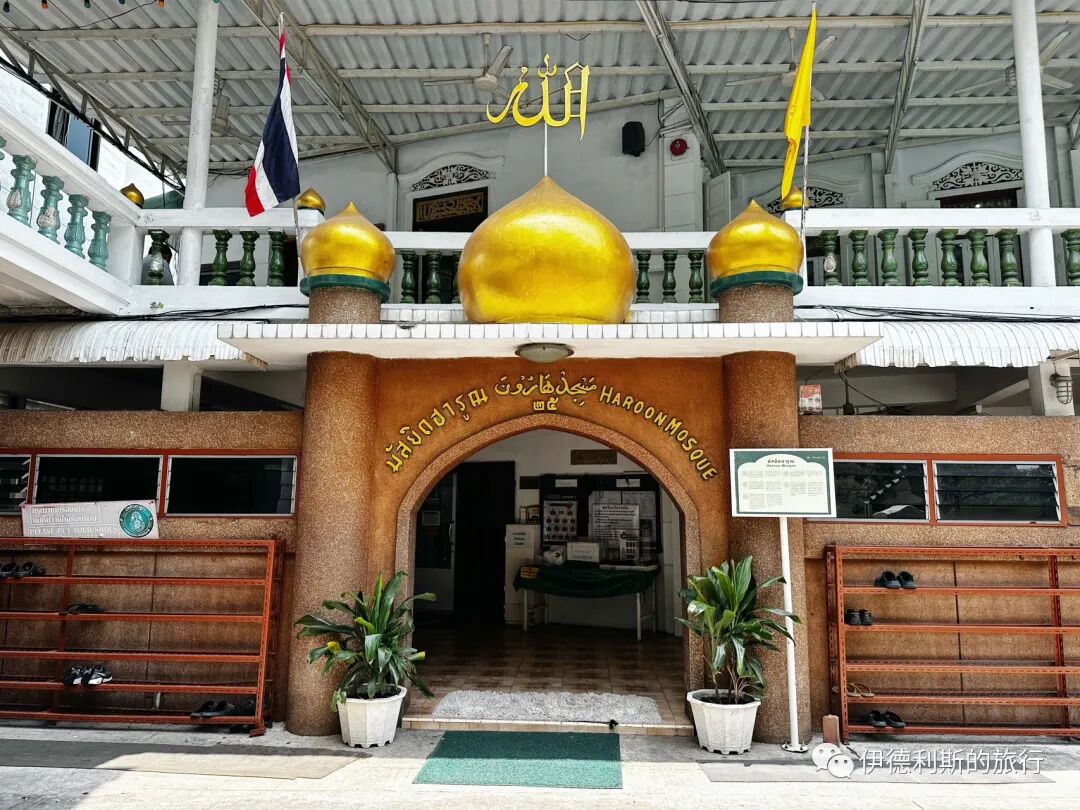
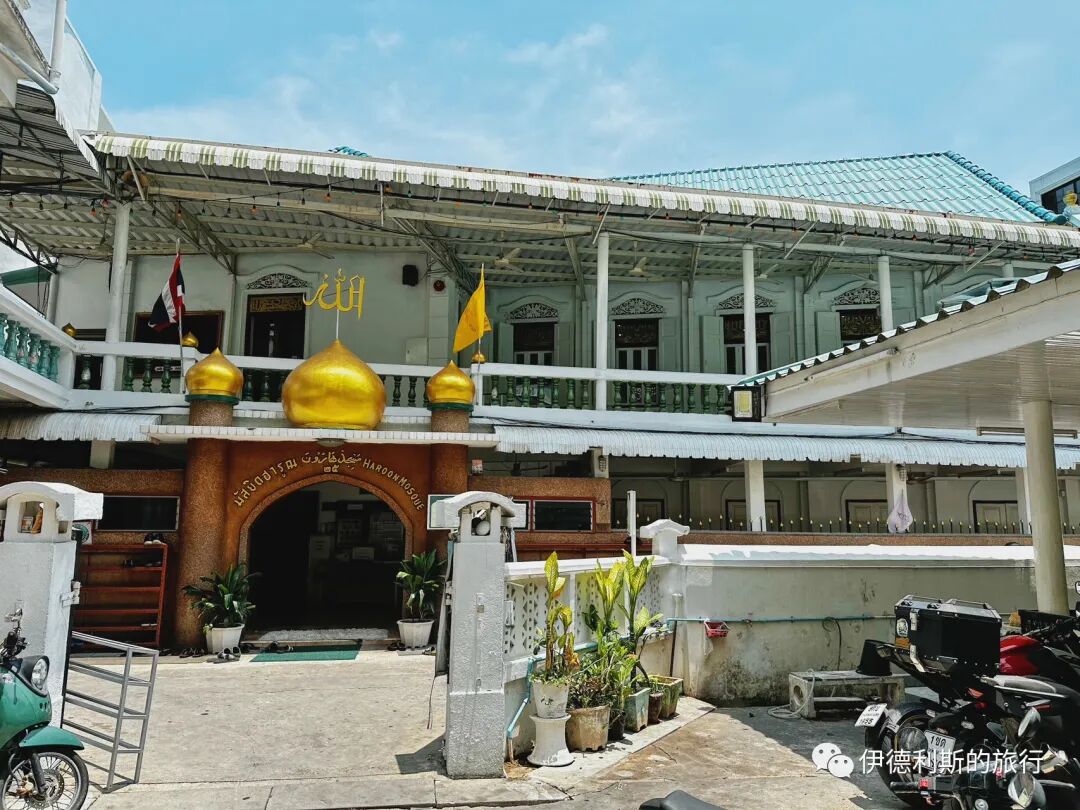
At noon, I attended the Dhuhr prayer at Haroon Mosque, located behind the Old Customs House in Bangkok. Haroon Mosque is named after the Indonesian Arab merchant Toh Haroon Bafaden. He came to Bangkok from Indonesia with his father to do business in 1828 (some say 1837), then married, had children, and settled down. He later built Haroon Mosque and became its first imam.
Haroon Mosque was originally by the Chao Phraya River and was a wooden building that combined Ayutthaya and Javanese styles. It moved to its current location in 1899 because of the construction of the Customs House. In 1934, the mosque was rebuilt into its current white brick and lime structure. It features neoclassical floral patterns, Roman-style columns, and wooden shutters, looking somewhat like the European townhouses of that time.
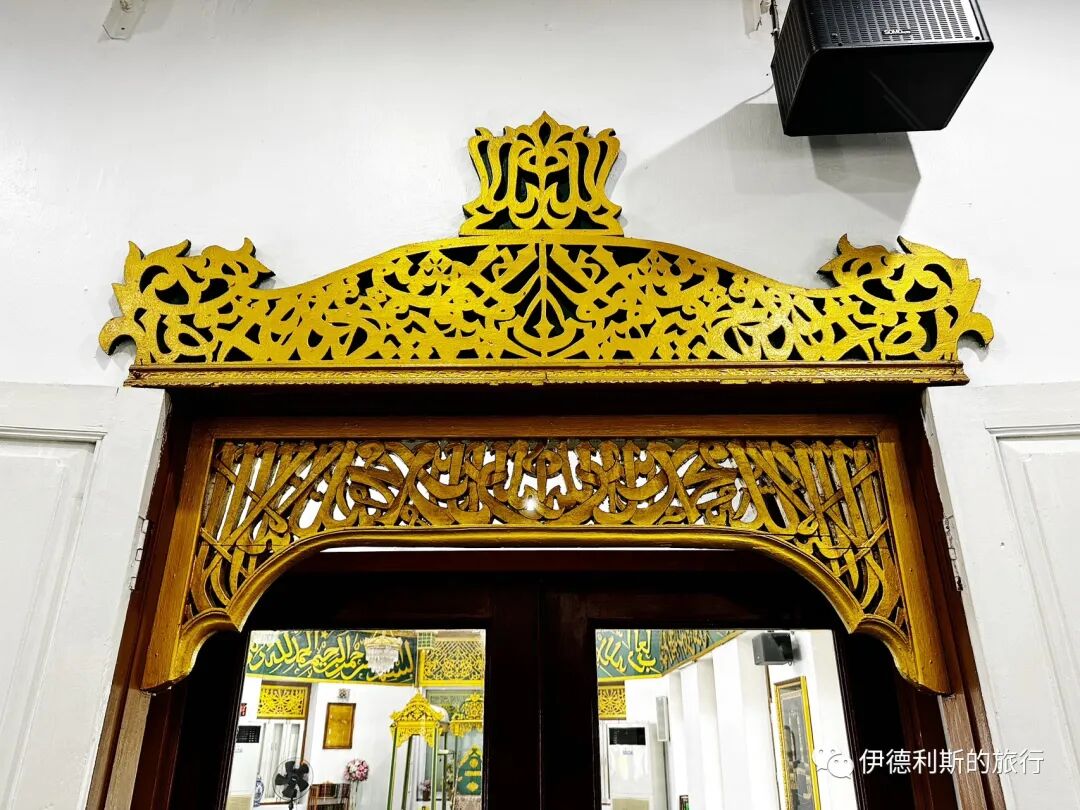
Today, the mosque preserves exquisite Javanese Jepara teak scripture carvings from the 19th-century old mosque building, created by Haji Said, a fellow Indonesian from Toh Haroon Bafaden's hometown.
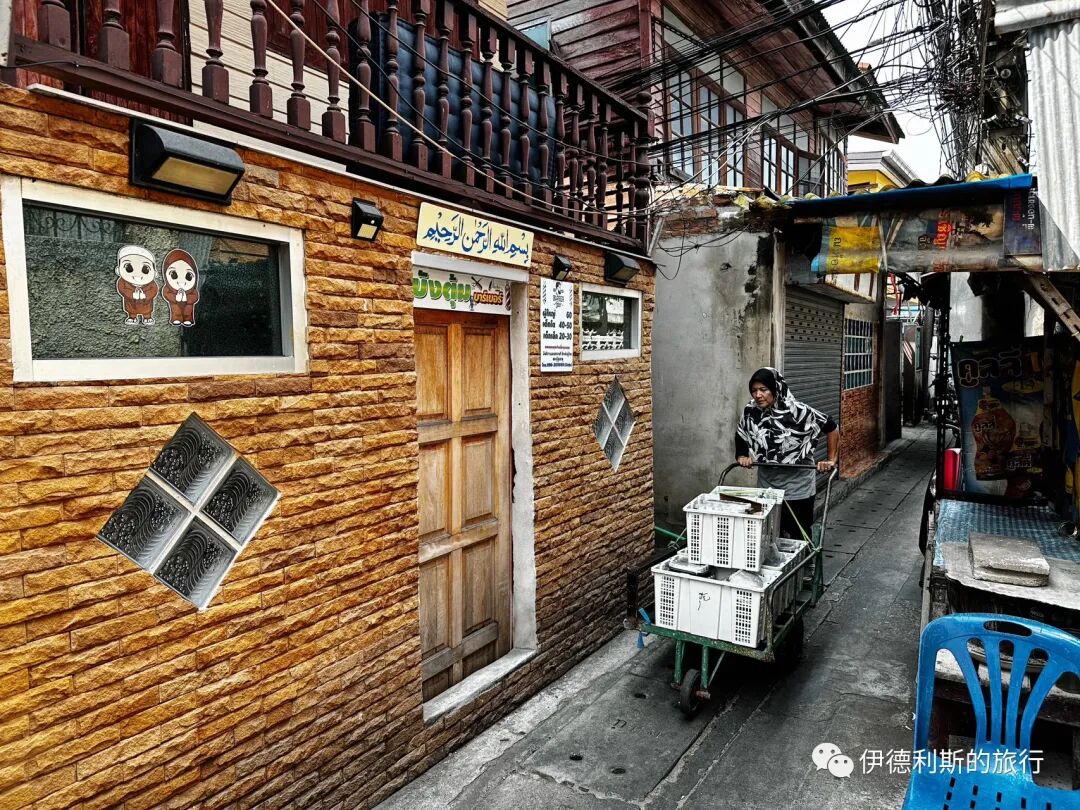
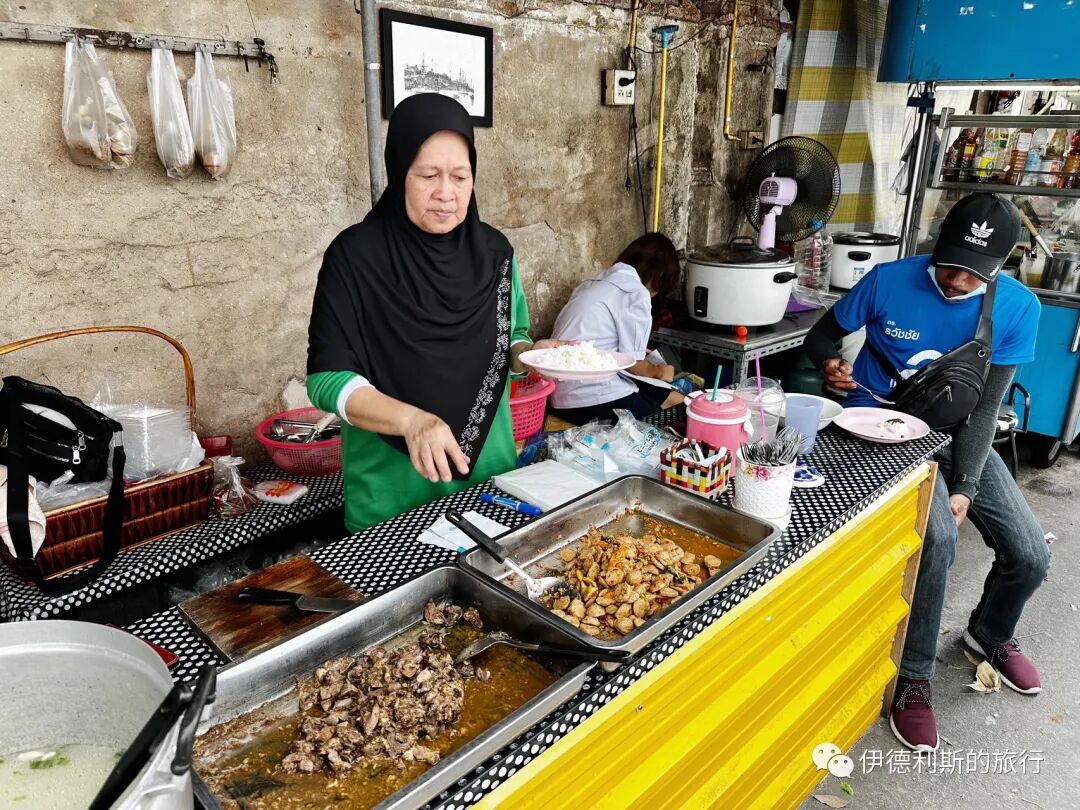
The neighborhood around Haroon Mosque.
In the afternoon, I attended the Maghrib prayer at Jawa Mosque in Bangkok. This is a mosque community made up of Javanese and Malay Muslims, and the imam position is held by Javanese and Malay descendants in turns. Jawa Mosque was built in 1906 on land owned by a Javanese Muslim named Haji Muhammad Saleh. Although it was expanded in 1927 and 1975, it still keeps its traditional Javanese style.
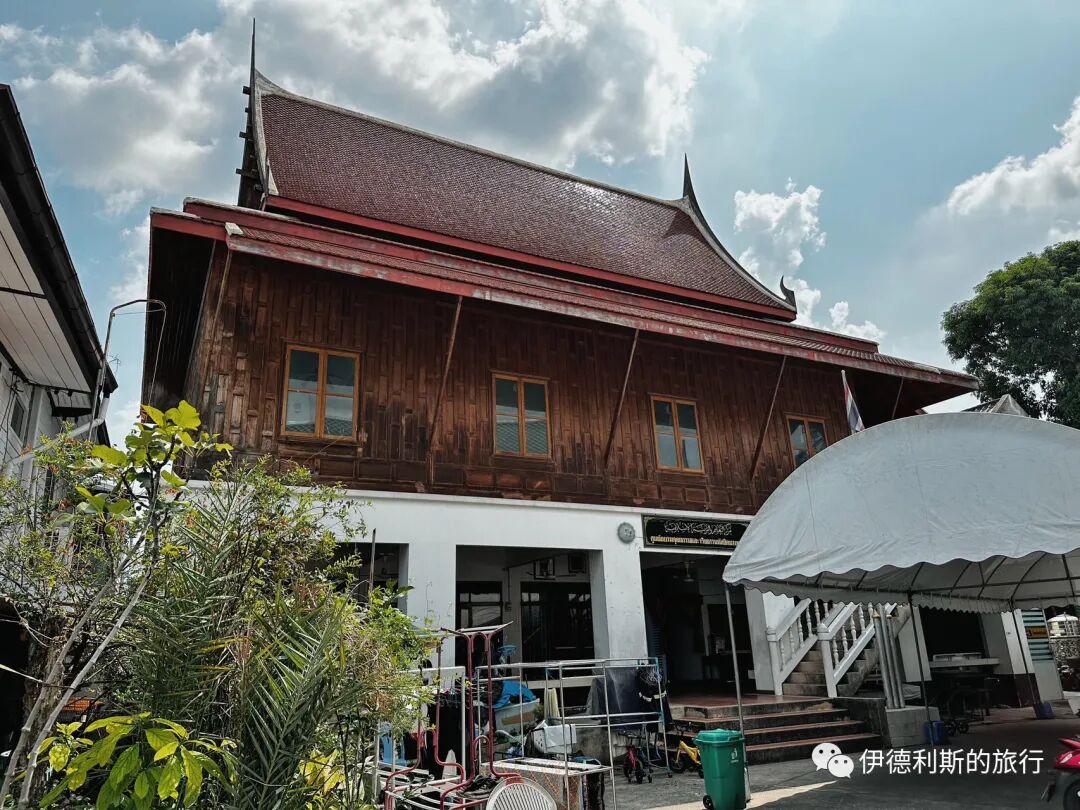
The mosque has a three-tiered pyramid roof called a Tajug, topped with a decorative Mustoko. The main prayer hall is supported by four pillars called Soko Guru instead of load-bearing walls. Inside the front porch of the hall sits a large drum called a Bedug used for the call to prayer. Traditional Javanese mosques rarely have minarets, so they use drums to call people to prayer and announce the end of the daily fast. Next to the main hall, there is a wooden stilt house used as a school that is over 60 years old.
In 1896, King Rama V of Siam visited the Dutch East Indies. He toured the summer palace and gardens built by the Dutch Governor-General in Bogor, Java (now the Bogor Botanical Gardens). He was so impressed by the beauty and variety of plants that he recruited a group of Javanese gardeners shortly after returning home to improve the grounds of the Grand Palace in Bangkok and the surrounding royal areas. After his second visit to the Dutch East Indies in 1901, King Rama V recruited a second group of Javanese gardeners to help design the newly built Dusit Palace. These Javanese people settled in Bangkok. After the 1920s, financial constraints led the Siamese royal family to reduce the number of gardeners, causing many people of Javanese descent to move to the southern suburbs of Bangkok.
The style of the mosque neighborhood.
Malay community.
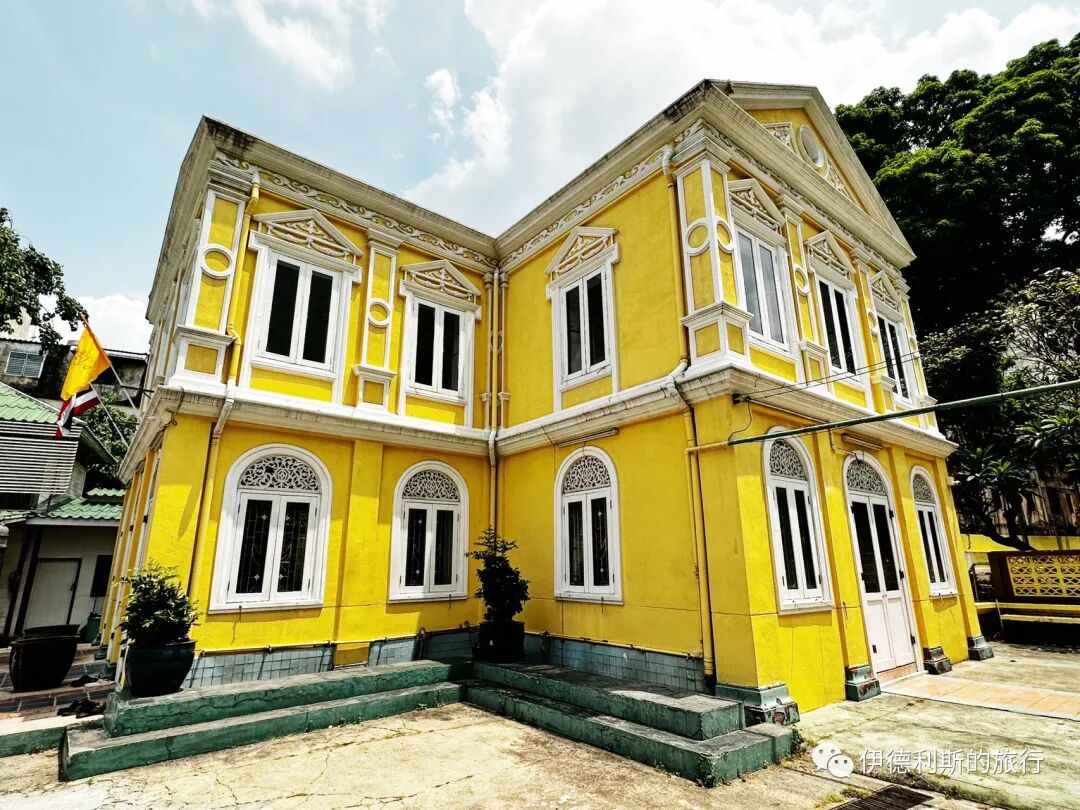
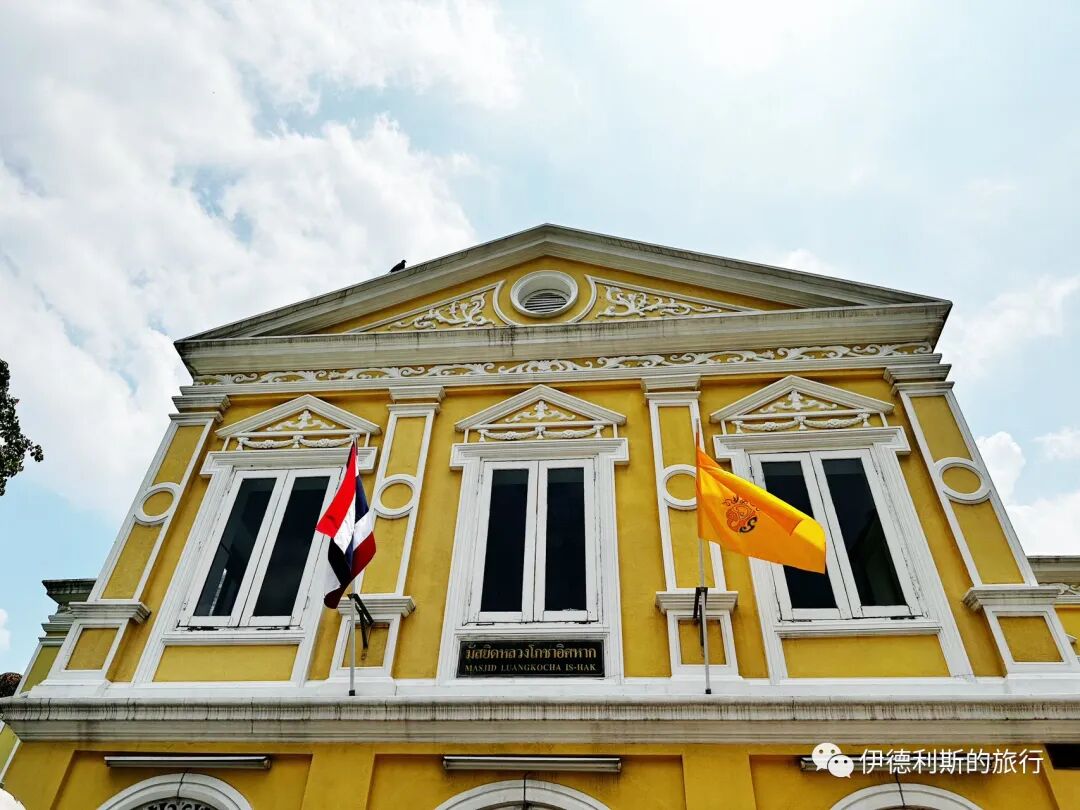
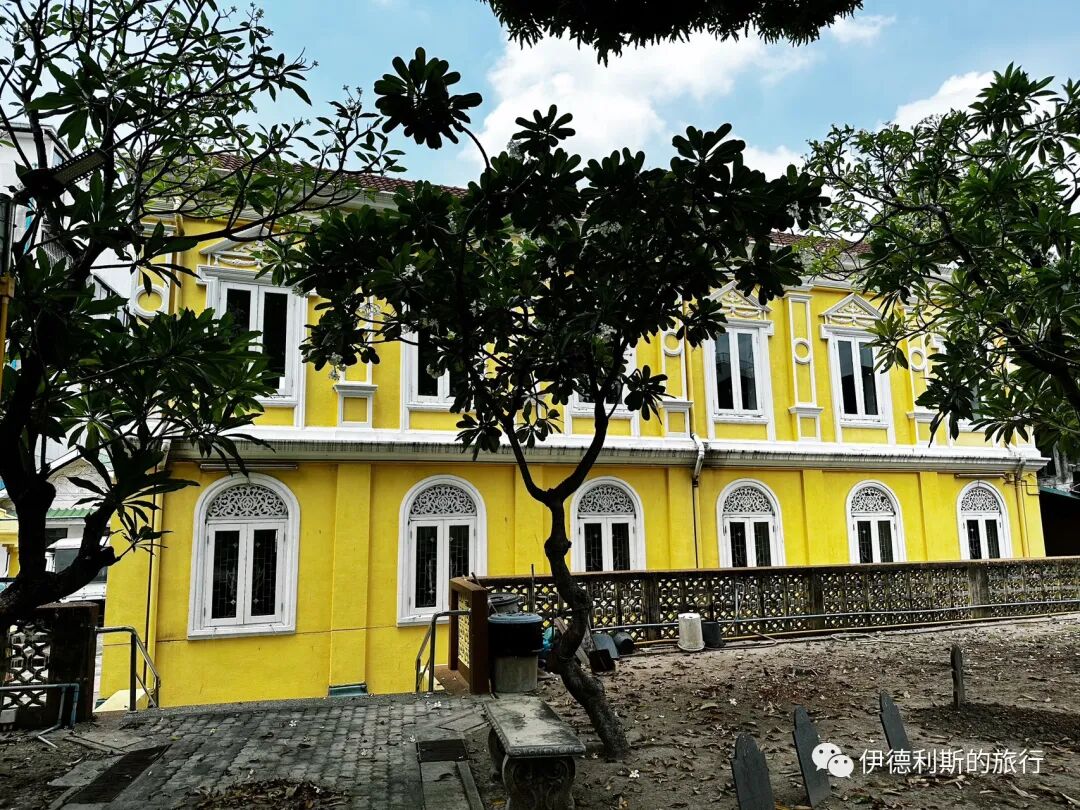
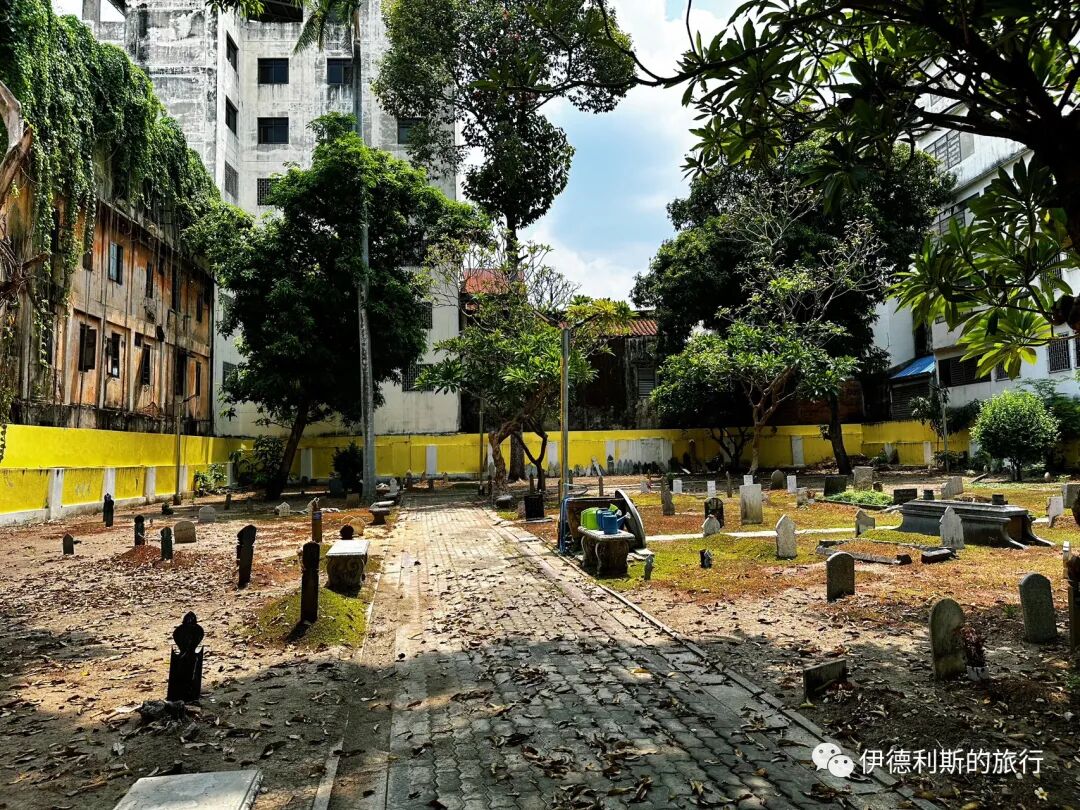
Near Sampeng Lane in Bangkok's Chinatown stands the European-style Kocha Itsahak Mosque, built in the late 19th century by a Siamese royal translator named Luang Kocha Itsahak.
Luang Kocha Itsahak was a descendant of Malay merchants. He worked for the Siamese Department of Western Trade (Krom Tha Khwa) as a translator for foreign ambassadors visiting the Siamese court. He was also responsible for liaising with rulers of Siamese vassal states on the Malay Peninsula and with Muslim merchants trading with Siam.
After Bangkok became the capital of Siam in 1782, an import and trade district dominated by Teochew merchants gradually formed near Sampeng Lane. Before Don Mueang Airport was built in 1914, people traveling from Bangkok to India, the Middle East, or Europe had to take a steamship from the Kong Long pier near Sampeng Lane to Singapore or Penang, then transfer to a cruise ship to continue westward. Because of this, the Kong Long pier was crowded with merchants from all over the world in the 19th century, and many Indian and Malay Muslims worked in the nearby warehouses and trading companies.
Seeing that there was no mosque in the Sampeng Lane area, Luang Kocha Itsahak donated a piece of his own land and had his children dismantle the bricks and stones from an old house he owned across the river in Thonburi to build this mosque. The mosque is still owned by the descendants of Kocha Itsahak today, serving the Muslims who work on Sampeng Street in Bangkok.
Islamic Center of Thailand Foundation
The Islamic Center of Thailand Foundation is a modernist building designed by a young Bangladeshi-Thai Muslim architect named Paichit Pongpunluk. Construction began in 1970, but due to budget issues, it took 11 years to complete. Once finished, it became a landmark building and activity center for Thai Muslims.
The Islamic Center of Thailand Foundation was formerly the Central Mosque of Thailand Foundation, founded in 1954 to unite Muslims across Thailand and help them move away from being marginalized. The architect Pongpunluk graduated from the Faculty of Architecture at Chulalongkorn University in Thailand, where he was influenced by the modernist architectural trends popular in the 1950s and 1960s. He designed the center to be a multi-functional building that includes a mosque, a cultural center, a library, a hotel, and educational facilities.
When designing, Pongpunluk avoided the dome structures common in the Middle East and instead used a series of geometric shapes to design a roof that looks like a flower with six petals. The 20-meter-high roof allows for natural ventilation, and the second-floor terrace expands the space, allowing the main hall to hold 5,000 people. The space under the main hall is flexible and can be used for various cultural activities. Based on modernist architectural principles, Pongpunluk overturned the traditional architectural style of Thai mosques, hoping to reshape the identity of Thai Muslims in modern society.
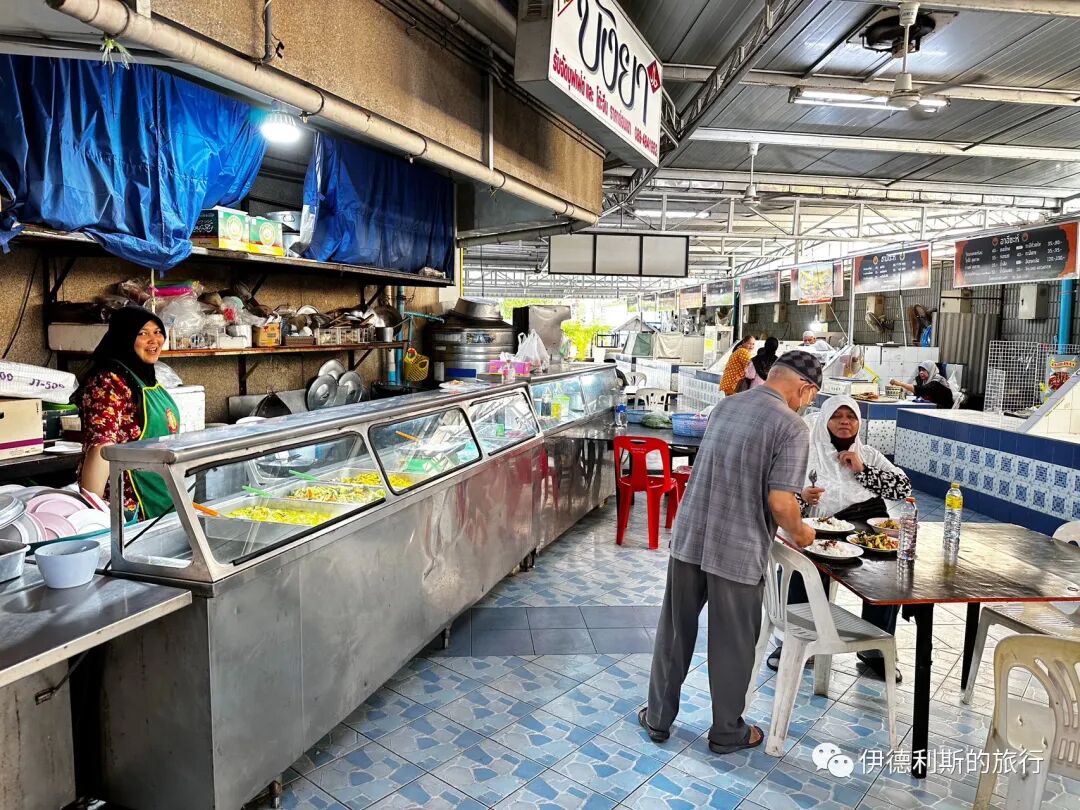
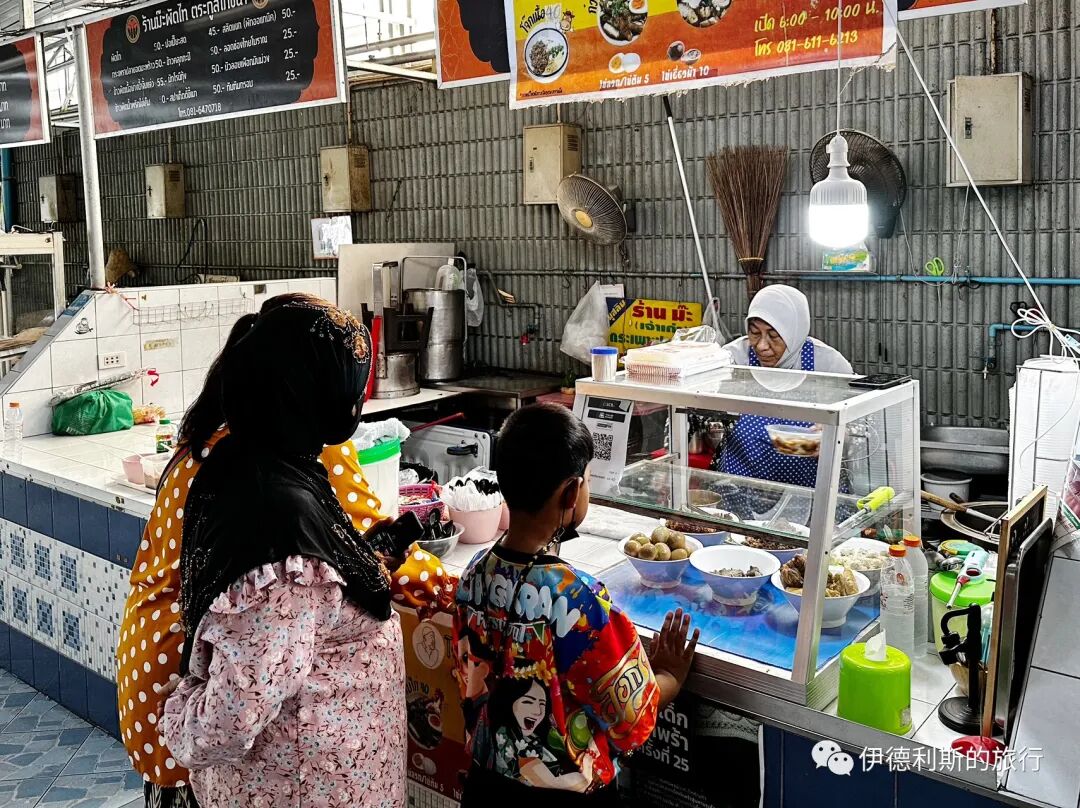
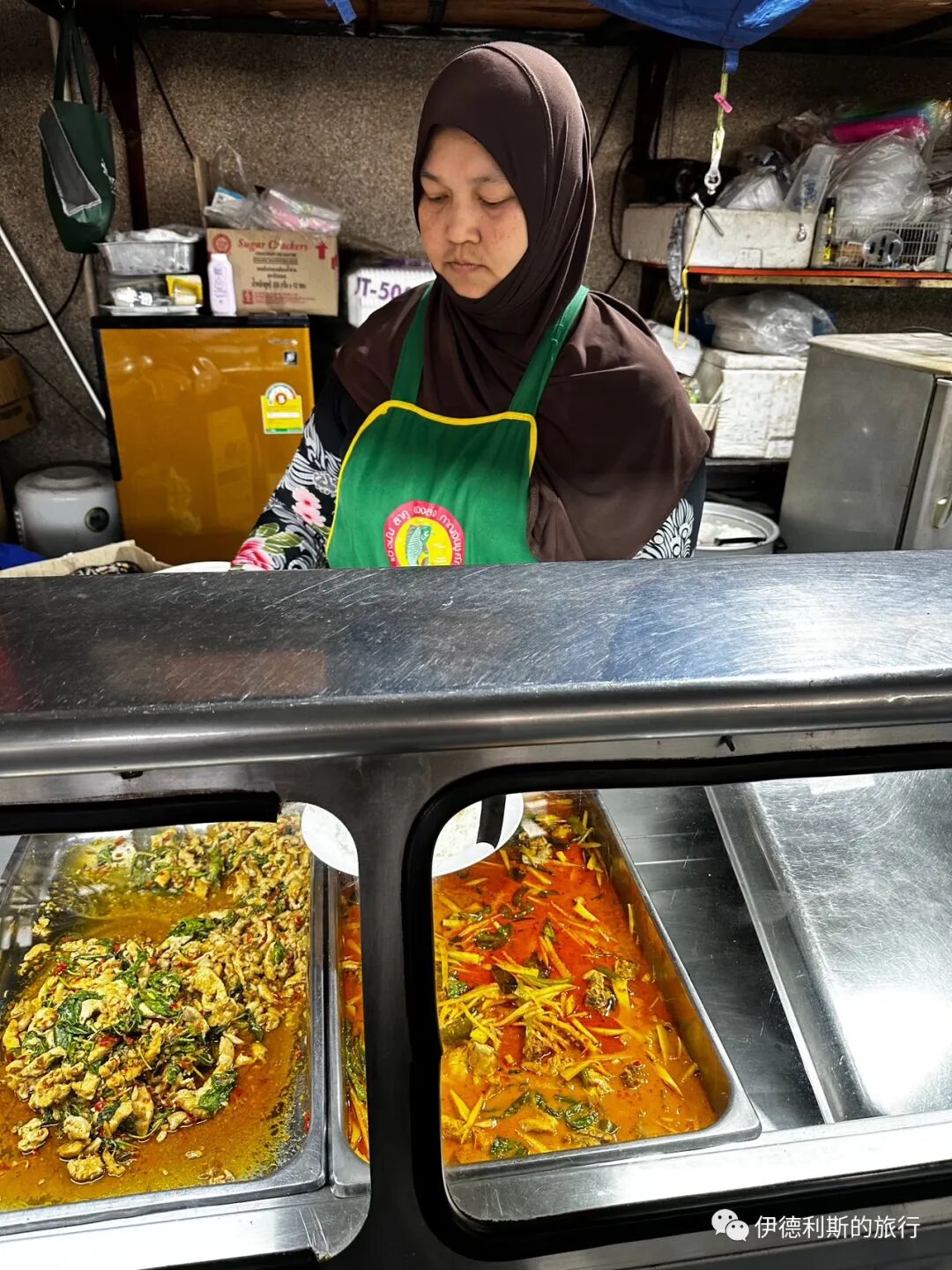
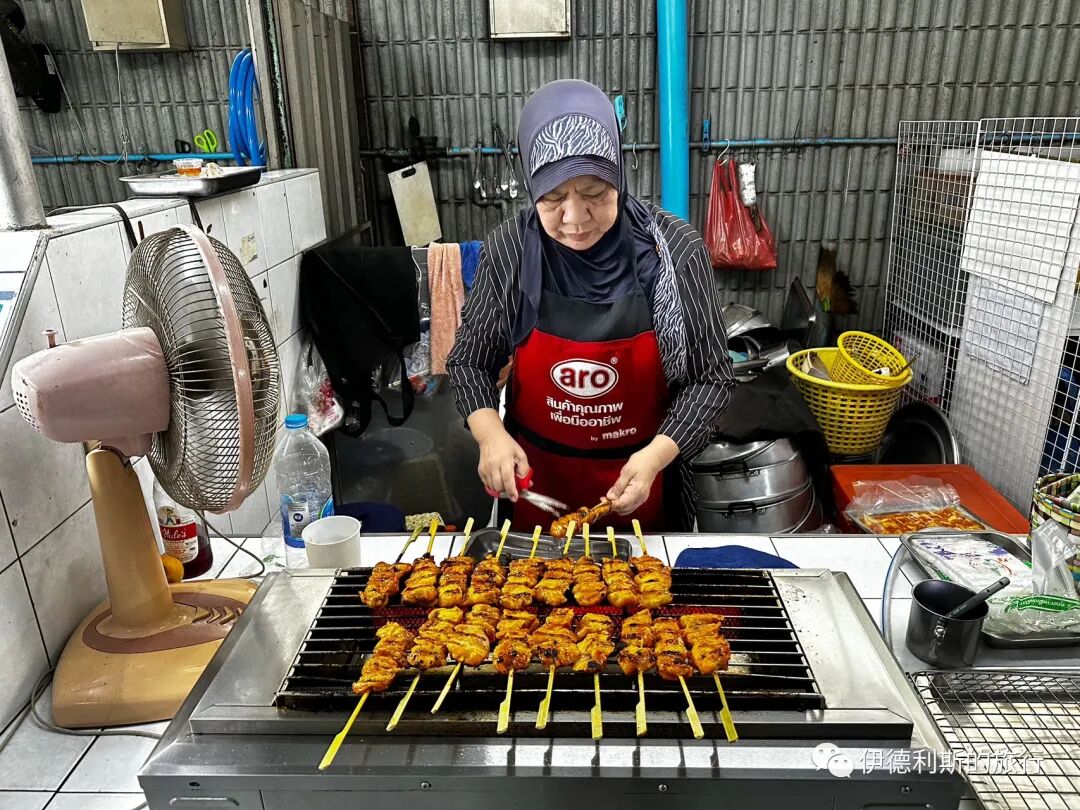
There are many halal stalls downstairs at the Islamic Center of Thailand, but we arrived early, so not all of them were open. Usually, there is not only food but also books, clothing, and various activities, making it well worth a visit. view all
Summary: Bangkok — Muslim Communities, Mosques and Local Food is presented here as a firsthand travel account in clear English, beginning with this scene: During the 2023 May Day holiday, I visited Muslim communities in Bangkok, Thailand. The account keeps its focus on Bangkok Muslims, Mosques, Muslim Travel while preserving the names, places, food, and historical details from the Chinese source.
During the 2023 May Day holiday, I visited Muslim communities in Bangkok, Thailand. In my previous article, Searching for Bangkok's Shia Communities, I introduced the Persian and Indian Shia communities. In this piece, I will continue by introducing several Cham, Indonesian, and Malay Sunni communities.
The diverse Muslim communities in the Siamese capital date back to the Ayutthaya period before 1767. At that time, Persian, Arab, and South Asian merchants were mostly Shia, and they were allowed to live in residential areas inside the city of Ayutthaya. Malay, Indonesian, and Cham people were mostly Sunni mercenaries and refugees, and they were only allowed to live outside the city walls. After the Siamese capital moved to Bangkok at the end of the 18th century, Muslims began to settle around the city, forming various mosque-centered neighborhoods.
From the move to Bangkok in 1782 until the early 20th century, Muslims from various places formed 26 mosque-centered neighborhoods outside the city. Among these, 8 belonged to Malay descendants, 7 to Indonesian descendants, 6 to the Cham people, 4 to South Asian descendants, 2 to Persian descendants, and 1 to Arab descendants. Except for a few that disappeared due to urban development, most of these neighborhoods have continued to the present day.
Cham Community
Champa was a country established by the Cham people in southern Vietnam. After the 15th century, the Malacca Sultanate became a major power in Southeast Asia, and Champa maintained close ties with it. Malay Muslims integrated with the Cham people through trade and marriage, leading many Cham to convert to the faith.
After Vietnam broke free from Mongol control in the 14th century, it began invading Champa to the south. In 1471, the Champa capital of Vijaya was captured, and many Cham royals and civilians fled to Cambodia for refuge. These Cambodian Cham people united with the Malays already living there, forming a military alliance in the 16th century.
Cham mercenary troops (krom asa Cham) began working for Siam in the early 17th century. Because of their excellent shipbuilding skills and naval combat strength, they were highly praised by the Siamese royal family. These Cham warriors were granted the honor of serving as rowers for the royal barges during Siamese royal processions.
In the 17th century, the Thonburi area of Bangkok was a transit port on the Chao Phraya River leading to the Siamese capital of Ayutthaya. At that time, important trade warehouses and customs stations were set up at the mouth of the Yai Canal, and Cham troops were stationed nearby. In 1688, the royal eunuch Chao Phraya Ratchawangsanseni Mahmud built Bangkok's first mosque here, which was called Kudi Yai because it was located along the Yai Canal.
The Yai Canal today.
The community is filled with waterways.
The original mosque was built entirely of teak and its architectural style resembled the halls of Buddhist temples. It was rebuilt as a brick structure in the early 19th century and rebuilt again in 1952 into the current steel and concrete building. Because the Siamese royal family gifted tropical pine trees (ton son) to the mosque in the 19th century, the mosque was renamed Ton Son Mosque.
This is an old house built in 1941.
The minbar pulpit at Ton Son Mosque has a strong Siamese Ayutthaya style, and the mihrab was also preserved from the previous old building and is very beautifully crafted.
In 1767, Burma invaded Siam, the capital Ayutthaya fell, and the Cham military camp at the mouth of the Yai Canal was also destroyed. Soon after, Siam moved its capital to Thonburi, and the Cham people who had fled from Ayutthaya resettled around Ton Son Mosque, forming a new Cham community and continuing to serve in the Siamese navy. In 1782, Siam officially moved its capital to Bangkok on the east bank of the Chao Phraya River, and built a royal shipyard and dock opposite the Cham community, where many Cham people became royal sailors and shipbuilders.
With the establishment of the royal shipyard and dock, some Cham people moved to live on the opposite bank of the Yai Canal. Malay Muslims who had migrated from Ayutthaya and Trat Province in the southeast originally lived here, making a living by rowing boats on the canal to sell goods. Around 1785, a Muslim merchant named Toh Yi led the construction of a new mosque, called Kudi Mai (New Mosque) or Bang Luang Mosque.
Bang Luang Mosque is the only remaining Thai-style mosque in Thailand, featuring Thai-style white stucco brick walls and decorative roofs that look very similar to those on Thai mosque buildings. The main hall is surrounded by a corridor with 30 pillars, representing the 30 parts of the Quran (Juz). The mihrab inside the main hall is the most beautiful part, featuring a purely Thai decorative style, including the Chofa roof ornaments found on Thai palace buildings. This shape is adapted from the Garuda in Hinduism and Buddhism, but it has been redesigned to fit Islamic traditions.
The atmosphere at Bang Luang Mosque for the Asr prayer is wonderful. Every elder who arrived shook hands with everyone, and one elder even gave me a drink. You can see everyone wearing a sarong (sarong) tube skirt, which means 'to cover' in Malay. This outfit is perfect for the humid and hot climate of Southeast Asia.
The wooden-framed scriptures hanging on the walls of Bang Luang Mosque and the porcelain plates embedded in the walls are both over a hundred years old.
This bell feels like it has a lot of history.
The area around Bang Luang Mosque is still mainly home to Cham and Malay descendants. We chatted for a while with the owner of a small shop across from the mosque. The owner's family is of Malay descent; the father speaks fluent Thai and Malay, and his son speaks very good English.
Indonesian community
At noon, I attended the Dhuhr prayer at Haroon Mosque, located behind the Old Customs House in Bangkok. Haroon Mosque is named after the Indonesian Arab merchant Toh Haroon Bafaden. He came to Bangkok from Indonesia with his father to do business in 1828 (some say 1837), then married, had children, and settled down. He later built Haroon Mosque and became its first imam.
Haroon Mosque was originally by the Chao Phraya River and was a wooden building that combined Ayutthaya and Javanese styles. It moved to its current location in 1899 because of the construction of the Customs House. In 1934, the mosque was rebuilt into its current white brick and lime structure. It features neoclassical floral patterns, Roman-style columns, and wooden shutters, looking somewhat like the European townhouses of that time.
Today, the mosque preserves exquisite Javanese Jepara teak scripture carvings from the 19th-century old mosque building, created by Haji Said, a fellow Indonesian from Toh Haroon Bafaden's hometown.
The neighborhood around Haroon Mosque.
In the afternoon, I attended the Maghrib prayer at Jawa Mosque in Bangkok. This is a mosque community made up of Javanese and Malay Muslims, and the imam position is held by Javanese and Malay descendants in turns. Jawa Mosque was built in 1906 on land owned by a Javanese Muslim named Haji Muhammad Saleh. Although it was expanded in 1927 and 1975, it still keeps its traditional Javanese style.
The mosque has a three-tiered pyramid roof called a Tajug, topped with a decorative Mustoko. The main prayer hall is supported by four pillars called Soko Guru instead of load-bearing walls. Inside the front porch of the hall sits a large drum called a Bedug used for the call to prayer. Traditional Javanese mosques rarely have minarets, so they use drums to call people to prayer and announce the end of the daily fast. Next to the main hall, there is a wooden stilt house used as a school that is over 60 years old.
In 1896, King Rama V of Siam visited the Dutch East Indies. He toured the summer palace and gardens built by the Dutch Governor-General in Bogor, Java (now the Bogor Botanical Gardens). He was so impressed by the beauty and variety of plants that he recruited a group of Javanese gardeners shortly after returning home to improve the grounds of the Grand Palace in Bangkok and the surrounding royal areas. After his second visit to the Dutch East Indies in 1901, King Rama V recruited a second group of Javanese gardeners to help design the newly built Dusit Palace. These Javanese people settled in Bangkok. After the 1920s, financial constraints led the Siamese royal family to reduce the number of gardeners, causing many people of Javanese descent to move to the southern suburbs of Bangkok.
The style of the mosque neighborhood.
Malay community.
Near Sampeng Lane in Bangkok's Chinatown stands the European-style Kocha Itsahak Mosque, built in the late 19th century by a Siamese royal translator named Luang Kocha Itsahak.
Luang Kocha Itsahak was a descendant of Malay merchants. He worked for the Siamese Department of Western Trade (Krom Tha Khwa) as a translator for foreign ambassadors visiting the Siamese court. He was also responsible for liaising with rulers of Siamese vassal states on the Malay Peninsula and with Muslim merchants trading with Siam.
After Bangkok became the capital of Siam in 1782, an import and trade district dominated by Teochew merchants gradually formed near Sampeng Lane. Before Don Mueang Airport was built in 1914, people traveling from Bangkok to India, the Middle East, or Europe had to take a steamship from the Kong Long pier near Sampeng Lane to Singapore or Penang, then transfer to a cruise ship to continue westward. Because of this, the Kong Long pier was crowded with merchants from all over the world in the 19th century, and many Indian and Malay Muslims worked in the nearby warehouses and trading companies.
Seeing that there was no mosque in the Sampeng Lane area, Luang Kocha Itsahak donated a piece of his own land and had his children dismantle the bricks and stones from an old house he owned across the river in Thonburi to build this mosque. The mosque is still owned by the descendants of Kocha Itsahak today, serving the Muslims who work on Sampeng Street in Bangkok.
Islamic Center of Thailand Foundation
The Islamic Center of Thailand Foundation is a modernist building designed by a young Bangladeshi-Thai Muslim architect named Paichit Pongpunluk. Construction began in 1970, but due to budget issues, it took 11 years to complete. Once finished, it became a landmark building and activity center for Thai Muslims.
The Islamic Center of Thailand Foundation was formerly the Central Mosque of Thailand Foundation, founded in 1954 to unite Muslims across Thailand and help them move away from being marginalized. The architect Pongpunluk graduated from the Faculty of Architecture at Chulalongkorn University in Thailand, where he was influenced by the modernist architectural trends popular in the 1950s and 1960s. He designed the center to be a multi-functional building that includes a mosque, a cultural center, a library, a hotel, and educational facilities.
When designing, Pongpunluk avoided the dome structures common in the Middle East and instead used a series of geometric shapes to design a roof that looks like a flower with six petals. The 20-meter-high roof allows for natural ventilation, and the second-floor terrace expands the space, allowing the main hall to hold 5,000 people. The space under the main hall is flexible and can be used for various cultural activities. Based on modernist architectural principles, Pongpunluk overturned the traditional architectural style of Thai mosques, hoping to reshape the identity of Thai Muslims in modern society.
There are many halal stalls downstairs at the Islamic Center of Thailand, but we arrived early, so not all of them were open. Usually, there is not only food but also books, clothing, and various activities, making it well worth a visit. view all
Reposted from the web
Summary: Bangkok — Muslim Communities, Mosques and Local Food is presented here as a firsthand travel account in clear English, beginning with this scene: During the 2023 May Day holiday, I visited Muslim communities in Bangkok, Thailand. The account keeps its focus on Bangkok Muslims, Mosques, Muslim Travel while preserving the names, places, food, and historical details from the Chinese source.
During the 2023 May Day holiday, I visited Muslim communities in Bangkok, Thailand. In my previous article, Searching for Bangkok's Shia Communities, I introduced the Persian and Indian Shia communities. In this piece, I will continue by introducing several Cham, Indonesian, and Malay Sunni communities.
The diverse Muslim communities in the Siamese capital date back to the Ayutthaya period before 1767. At that time, Persian, Arab, and South Asian merchants were mostly Shia, and they were allowed to live in residential areas inside the city of Ayutthaya. Malay, Indonesian, and Cham people were mostly Sunni mercenaries and refugees, and they were only allowed to live outside the city walls. After the Siamese capital moved to Bangkok at the end of the 18th century, Muslims began to settle around the city, forming various mosque-centered neighborhoods.
From the move to Bangkok in 1782 until the early 20th century, Muslims from various places formed 26 mosque-centered neighborhoods outside the city. Among these, 8 belonged to Malay descendants, 7 to Indonesian descendants, 6 to the Cham people, 4 to South Asian descendants, 2 to Persian descendants, and 1 to Arab descendants. Except for a few that disappeared due to urban development, most of these neighborhoods have continued to the present day.
Cham Community
Champa was a country established by the Cham people in southern Vietnam. After the 15th century, the Malacca Sultanate became a major power in Southeast Asia, and Champa maintained close ties with it. Malay Muslims integrated with the Cham people through trade and marriage, leading many Cham to convert to the faith.
After Vietnam broke free from Mongol control in the 14th century, it began invading Champa to the south. In 1471, the Champa capital of Vijaya was captured, and many Cham royals and civilians fled to Cambodia for refuge. These Cambodian Cham people united with the Malays already living there, forming a military alliance in the 16th century.
Cham mercenary troops (krom asa Cham) began working for Siam in the early 17th century. Because of their excellent shipbuilding skills and naval combat strength, they were highly praised by the Siamese royal family. These Cham warriors were granted the honor of serving as rowers for the royal barges during Siamese royal processions.
In the 17th century, the Thonburi area of Bangkok was a transit port on the Chao Phraya River leading to the Siamese capital of Ayutthaya. At that time, important trade warehouses and customs stations were set up at the mouth of the Yai Canal, and Cham troops were stationed nearby. In 1688, the royal eunuch Chao Phraya Ratchawangsanseni Mahmud built Bangkok's first mosque here, which was called Kudi Yai because it was located along the Yai Canal.
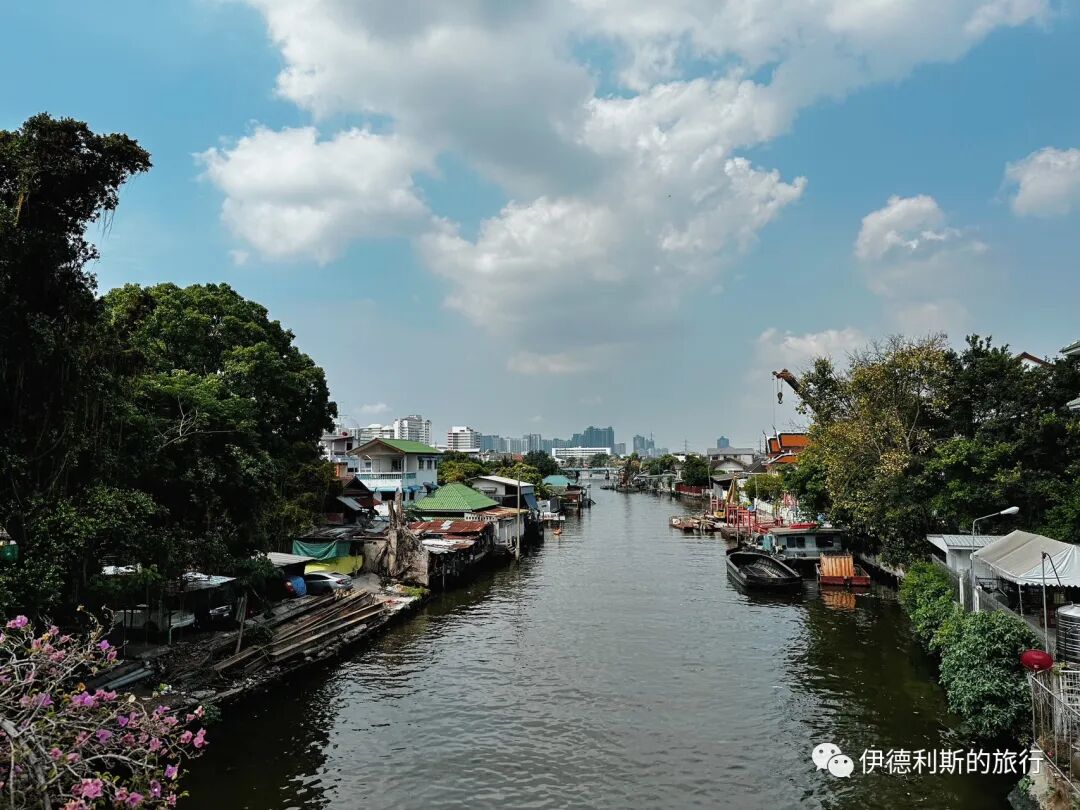
The Yai Canal today.
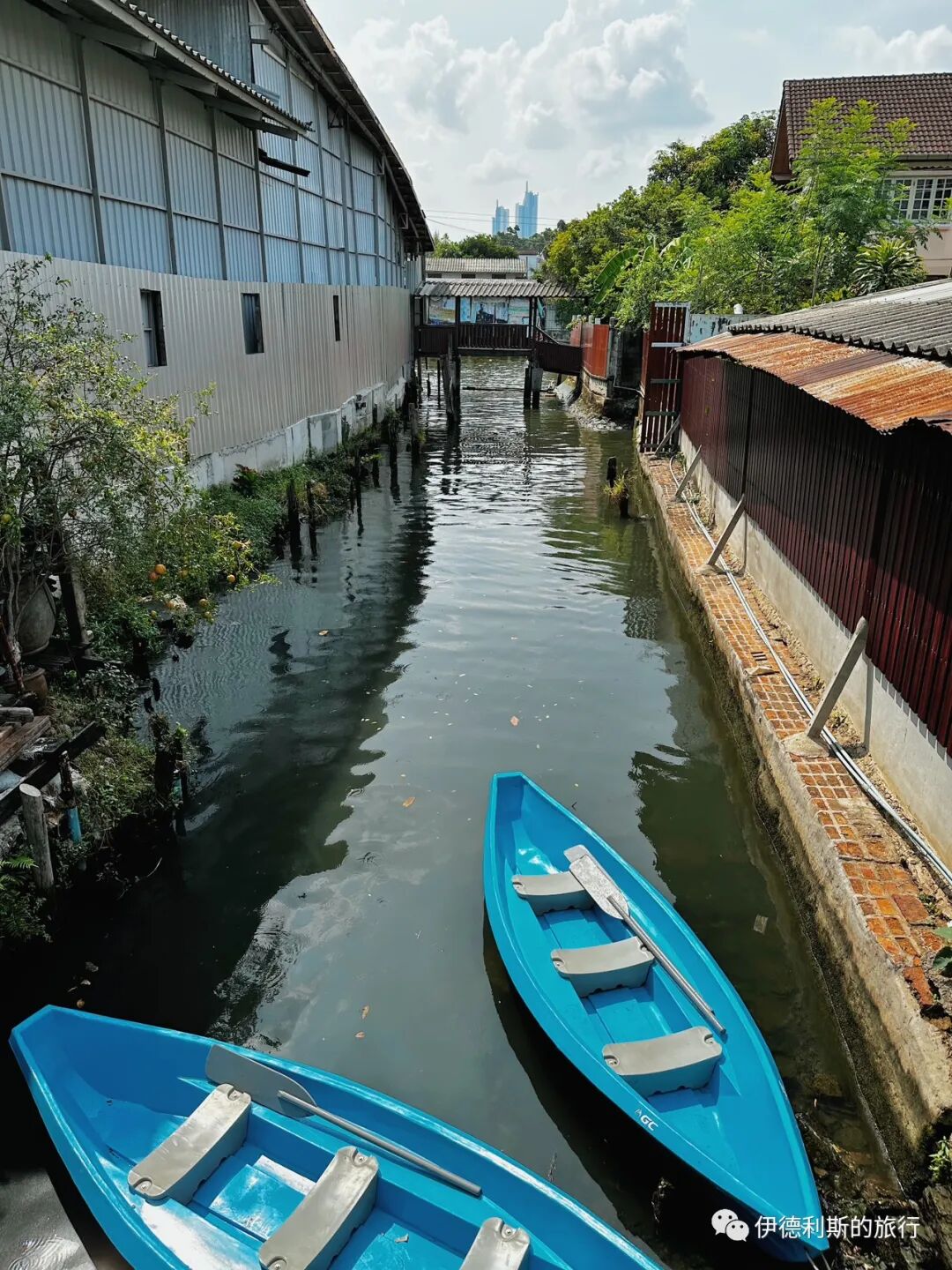
The community is filled with waterways.
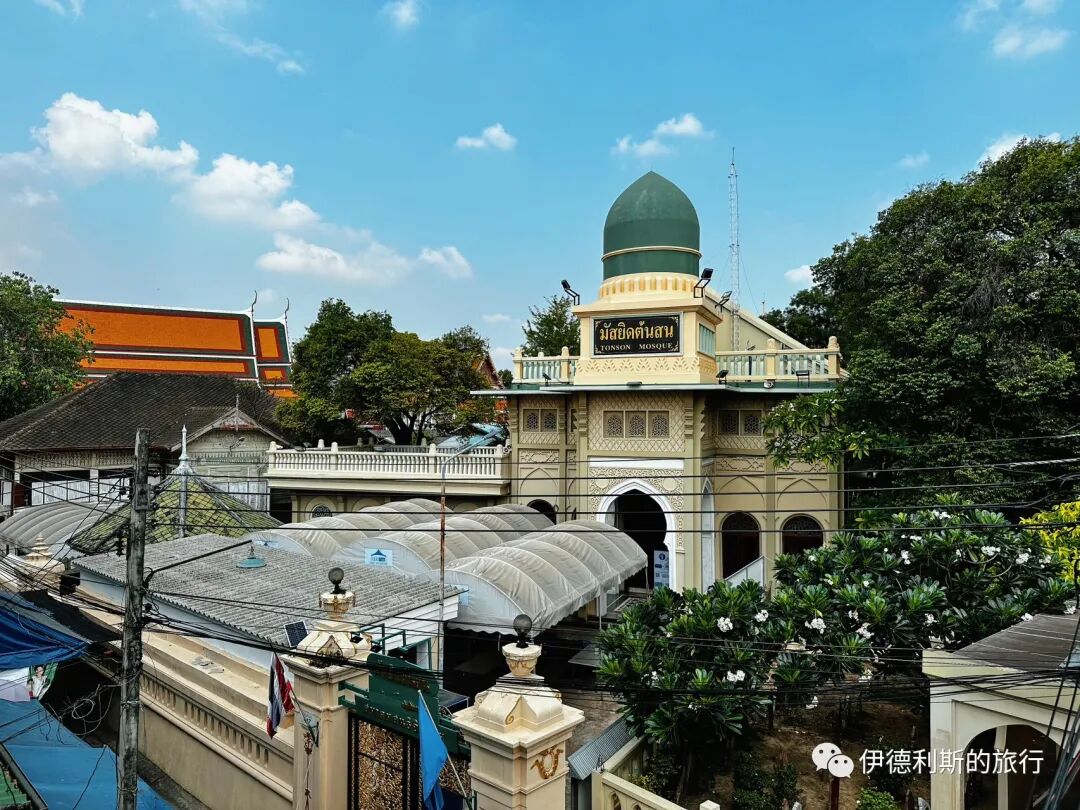
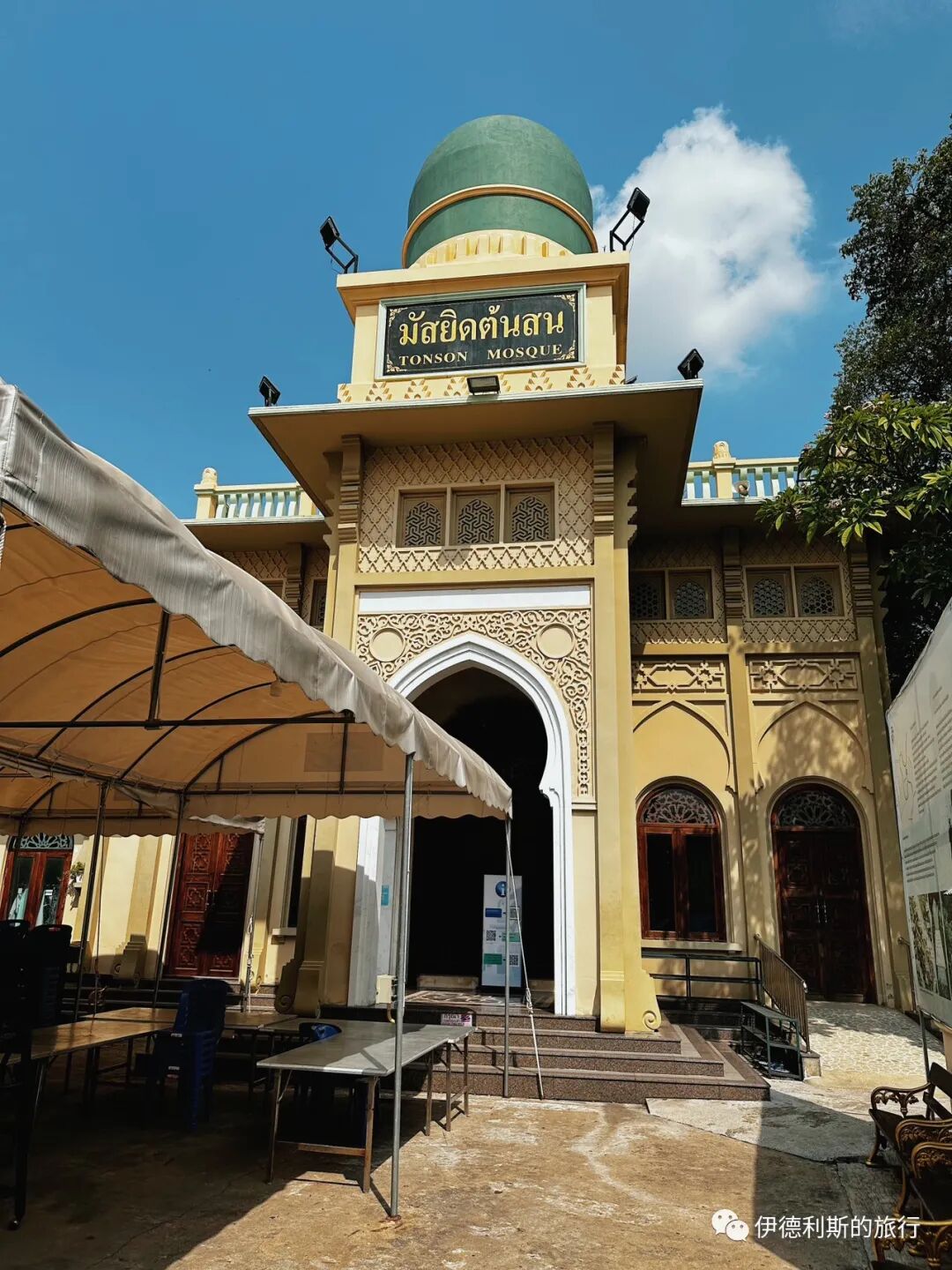
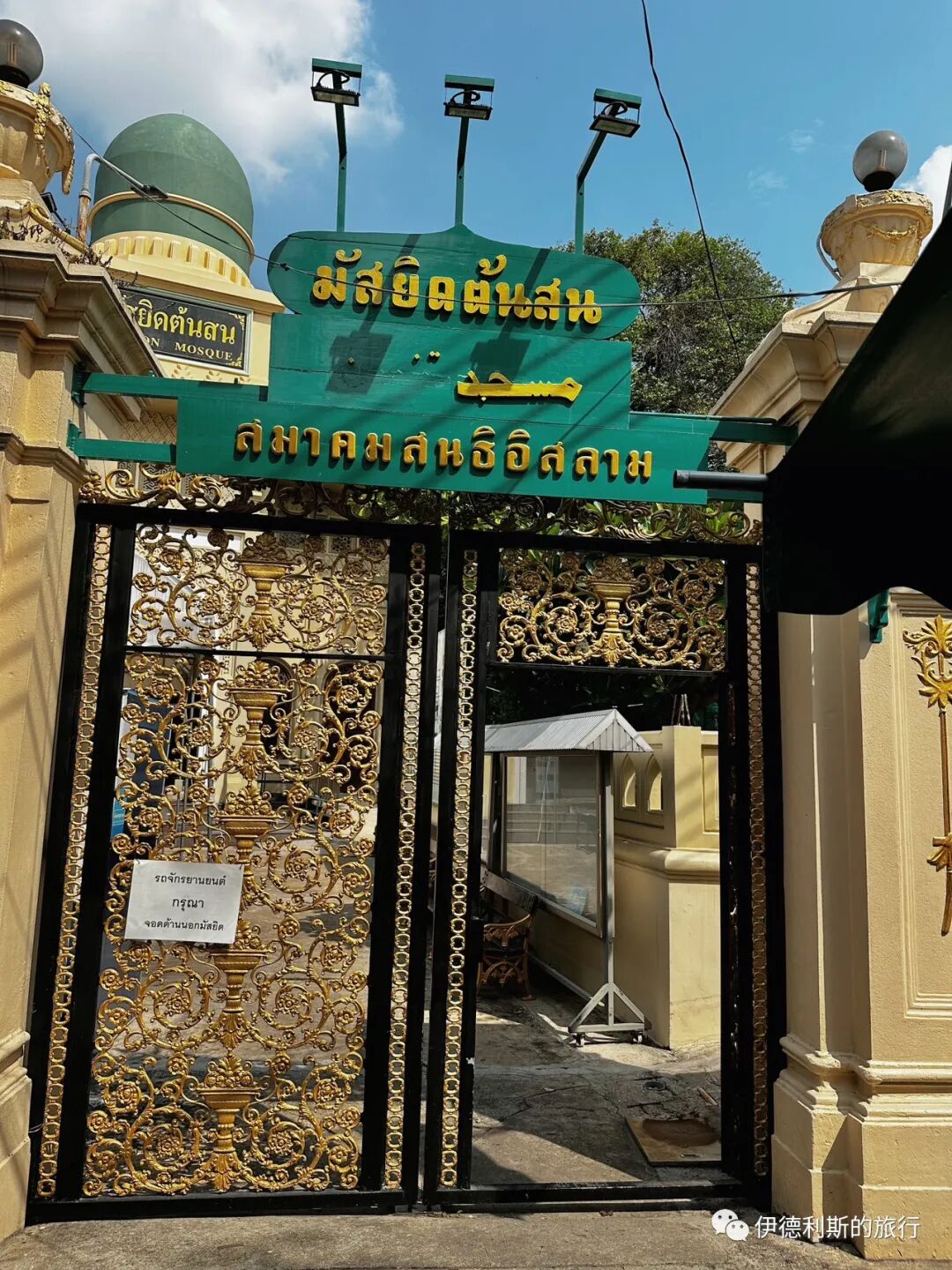
The original mosque was built entirely of teak and its architectural style resembled the halls of Buddhist temples. It was rebuilt as a brick structure in the early 19th century and rebuilt again in 1952 into the current steel and concrete building. Because the Siamese royal family gifted tropical pine trees (ton son) to the mosque in the 19th century, the mosque was renamed Ton Son Mosque.
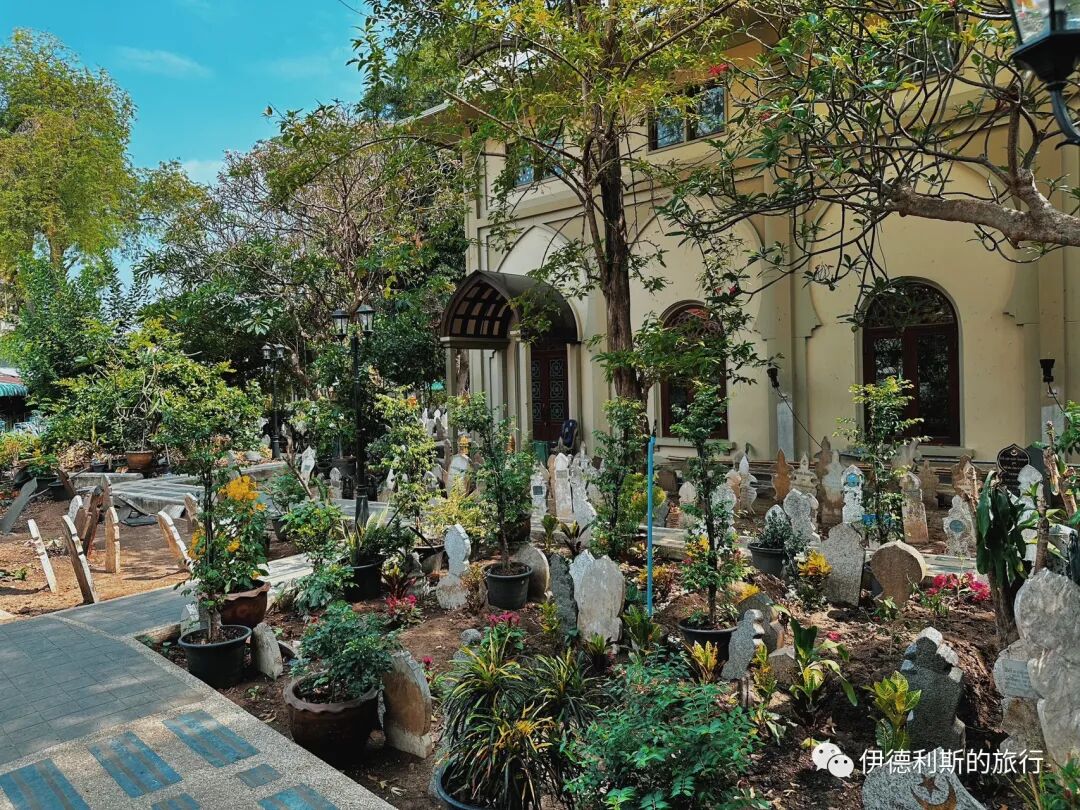
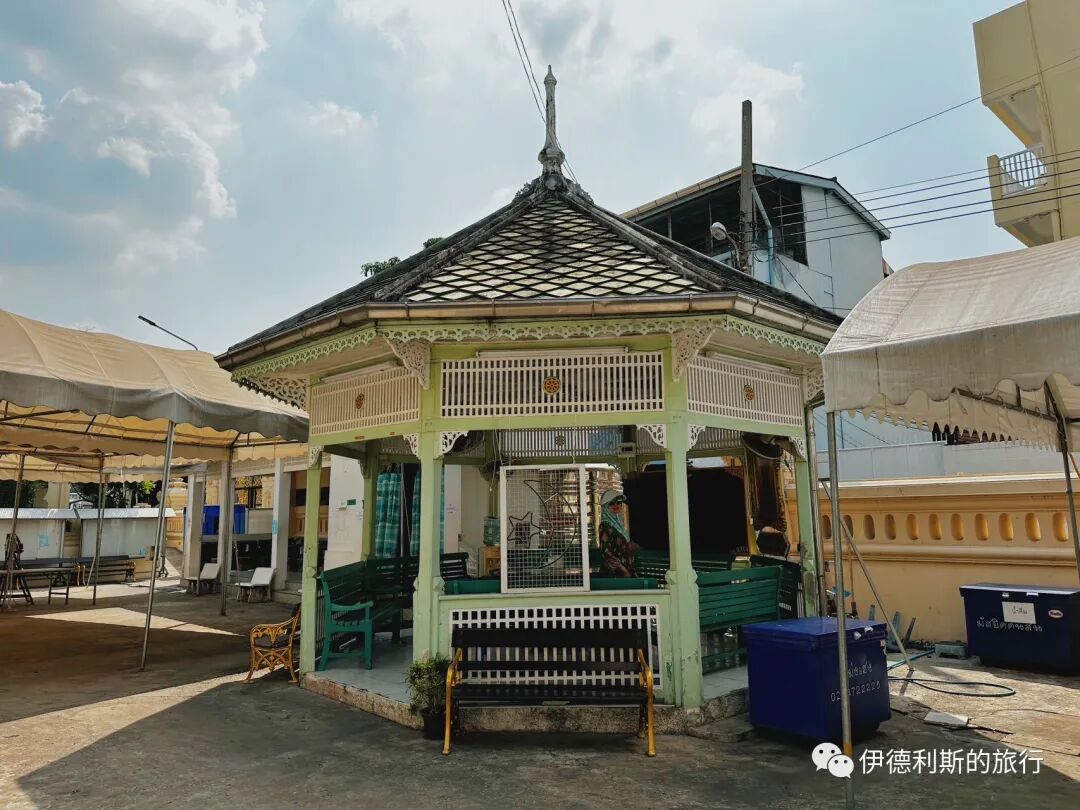
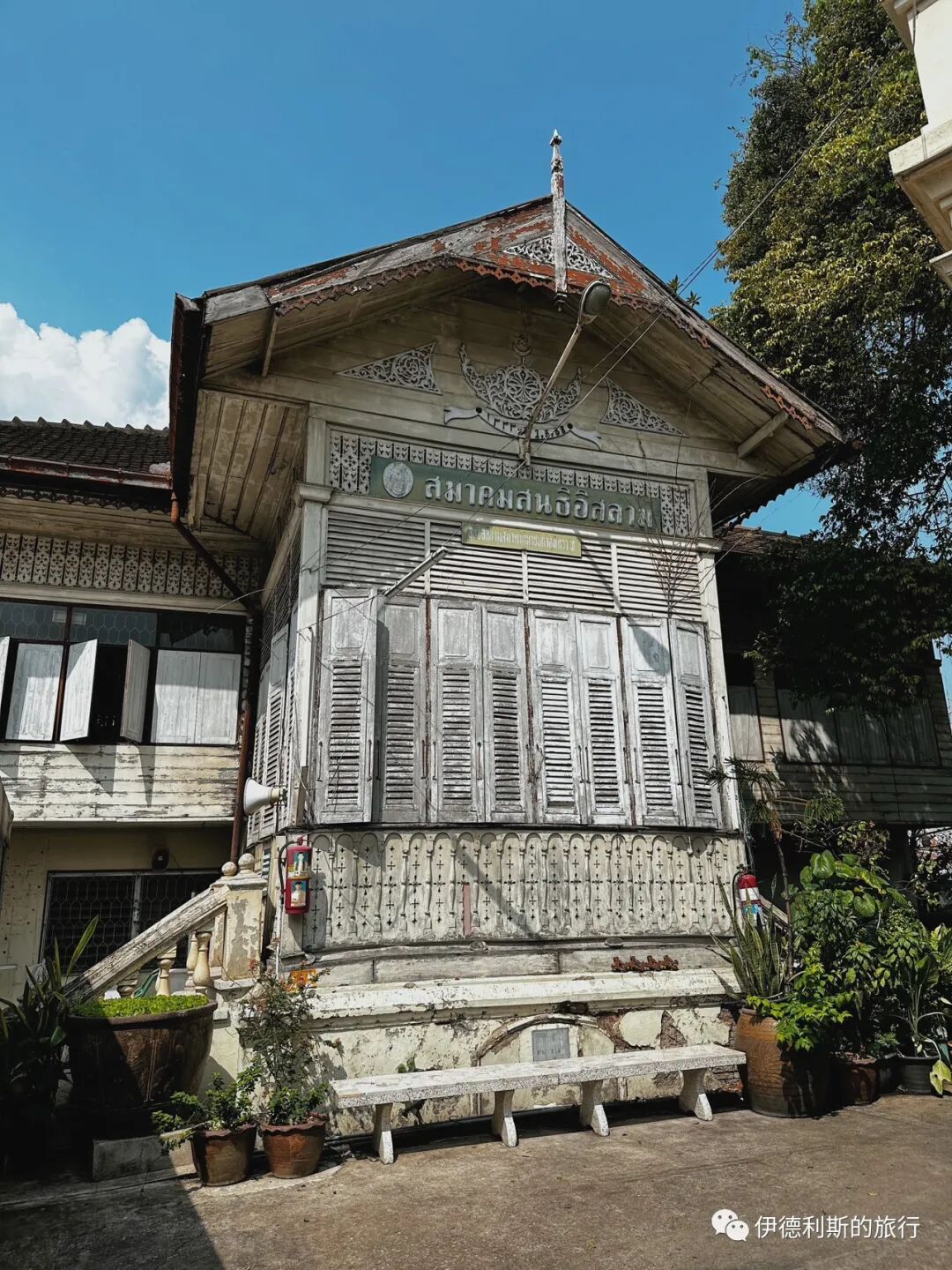
This is an old house built in 1941.
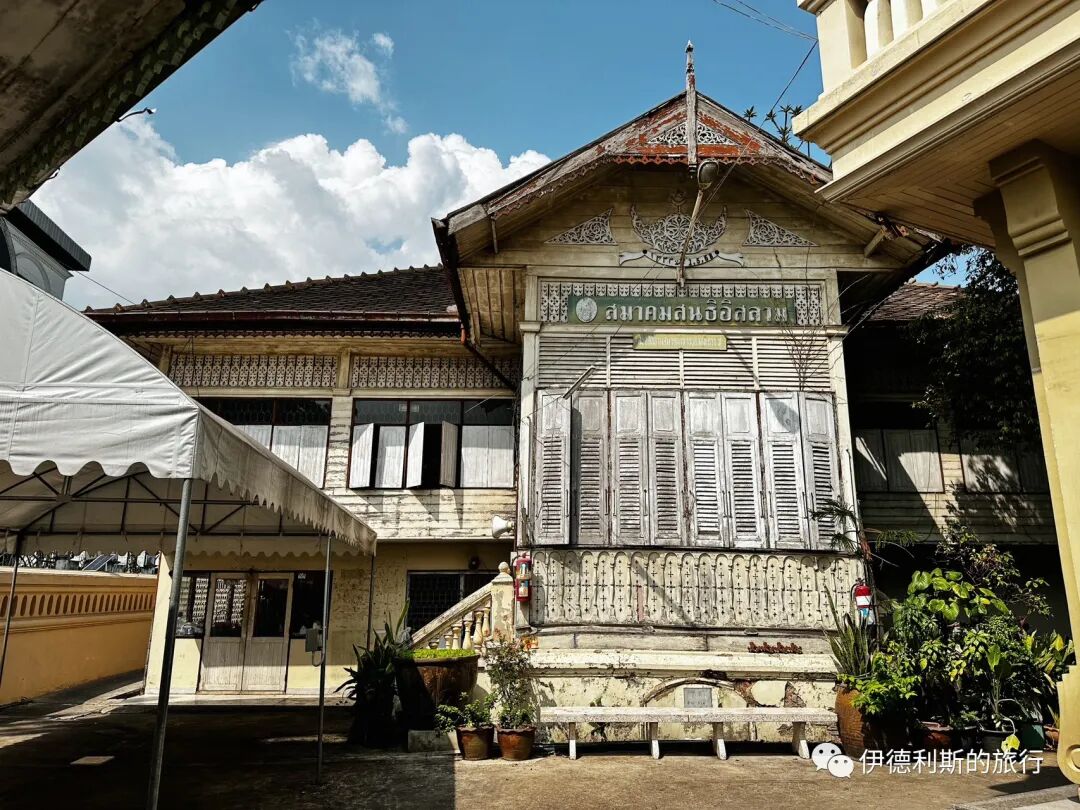
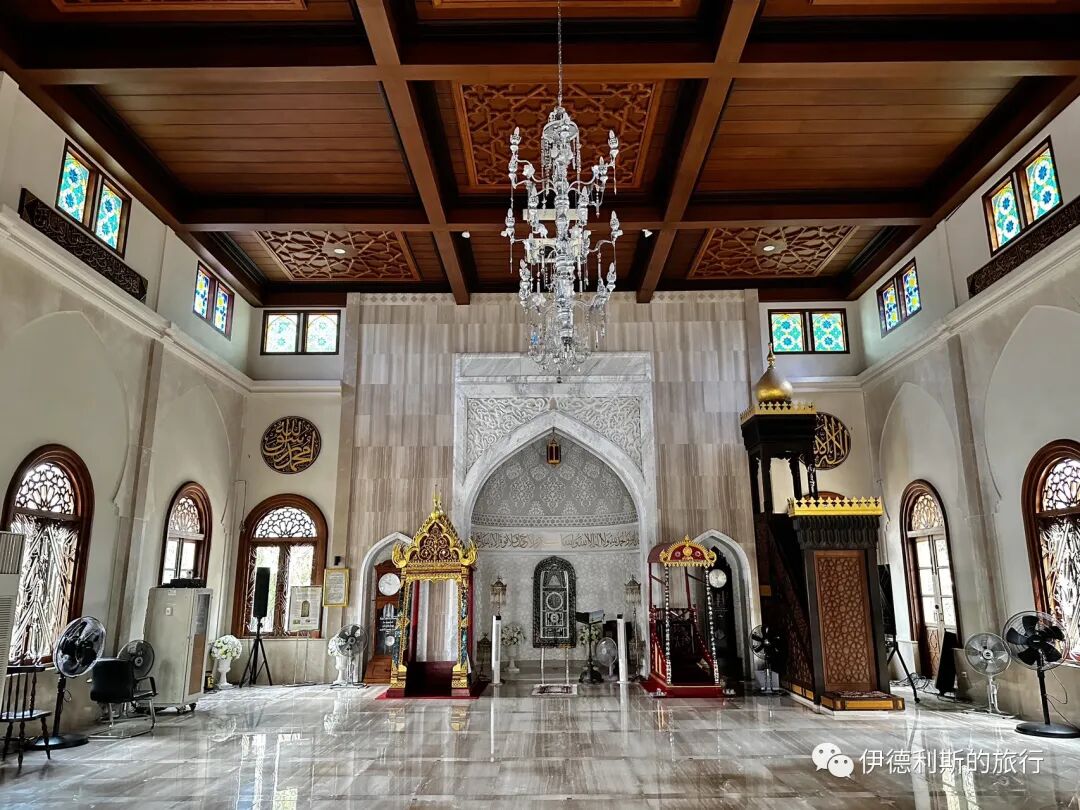
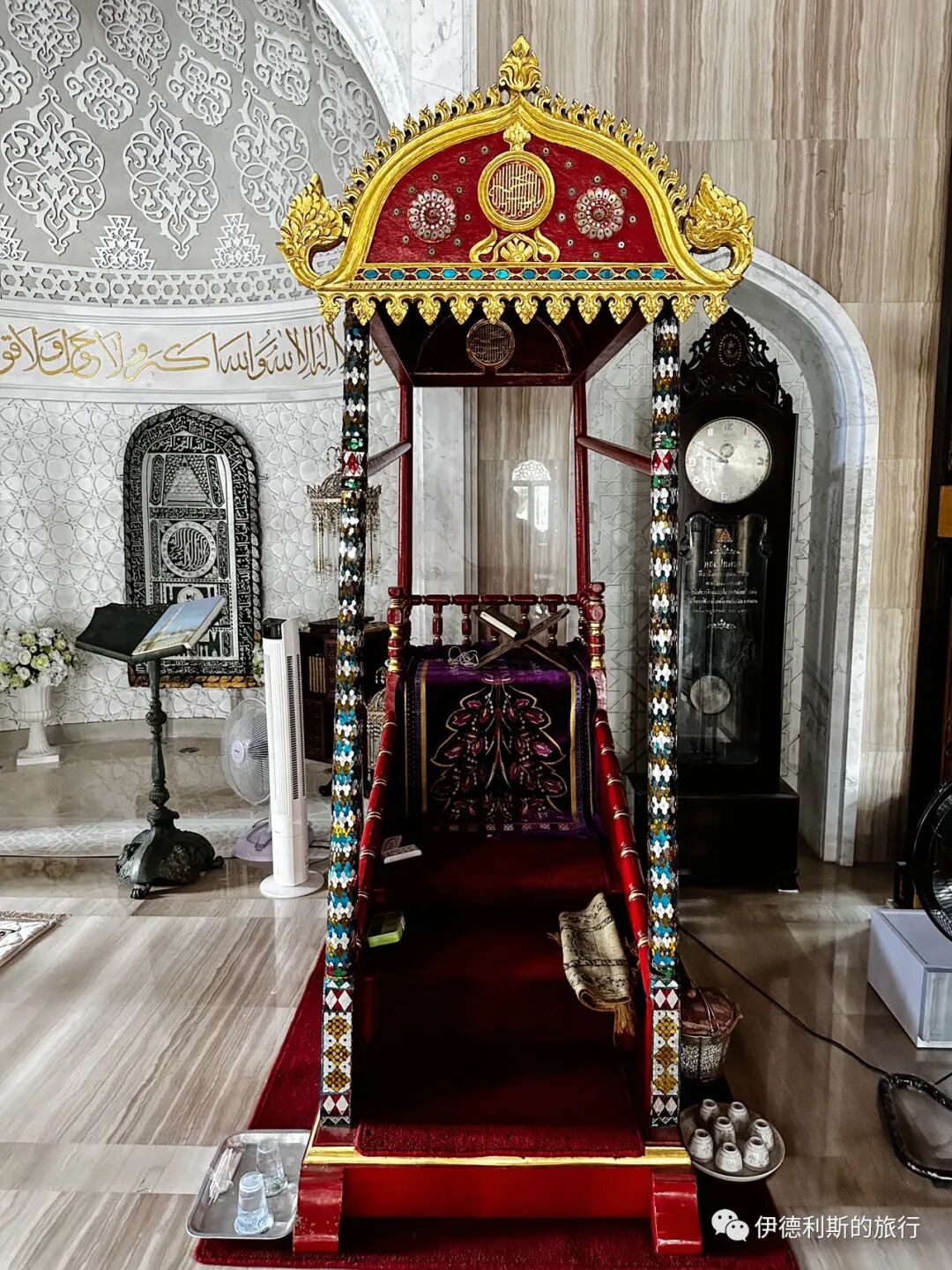
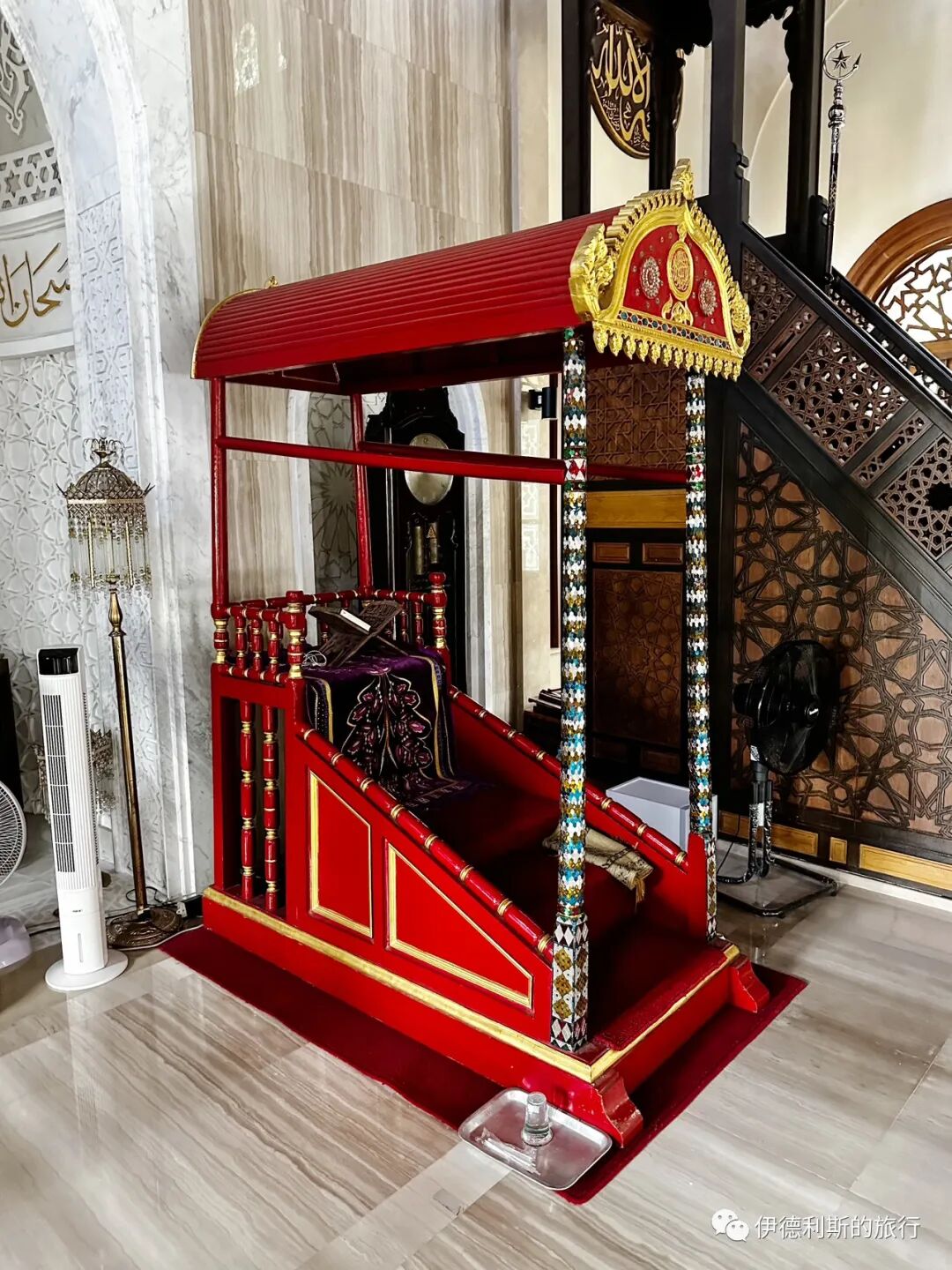
The minbar pulpit at Ton Son Mosque has a strong Siamese Ayutthaya style, and the mihrab was also preserved from the previous old building and is very beautifully crafted.
In 1767, Burma invaded Siam, the capital Ayutthaya fell, and the Cham military camp at the mouth of the Yai Canal was also destroyed. Soon after, Siam moved its capital to Thonburi, and the Cham people who had fled from Ayutthaya resettled around Ton Son Mosque, forming a new Cham community and continuing to serve in the Siamese navy. In 1782, Siam officially moved its capital to Bangkok on the east bank of the Chao Phraya River, and built a royal shipyard and dock opposite the Cham community, where many Cham people became royal sailors and shipbuilders.
With the establishment of the royal shipyard and dock, some Cham people moved to live on the opposite bank of the Yai Canal. Malay Muslims who had migrated from Ayutthaya and Trat Province in the southeast originally lived here, making a living by rowing boats on the canal to sell goods. Around 1785, a Muslim merchant named Toh Yi led the construction of a new mosque, called Kudi Mai (New Mosque) or Bang Luang Mosque.
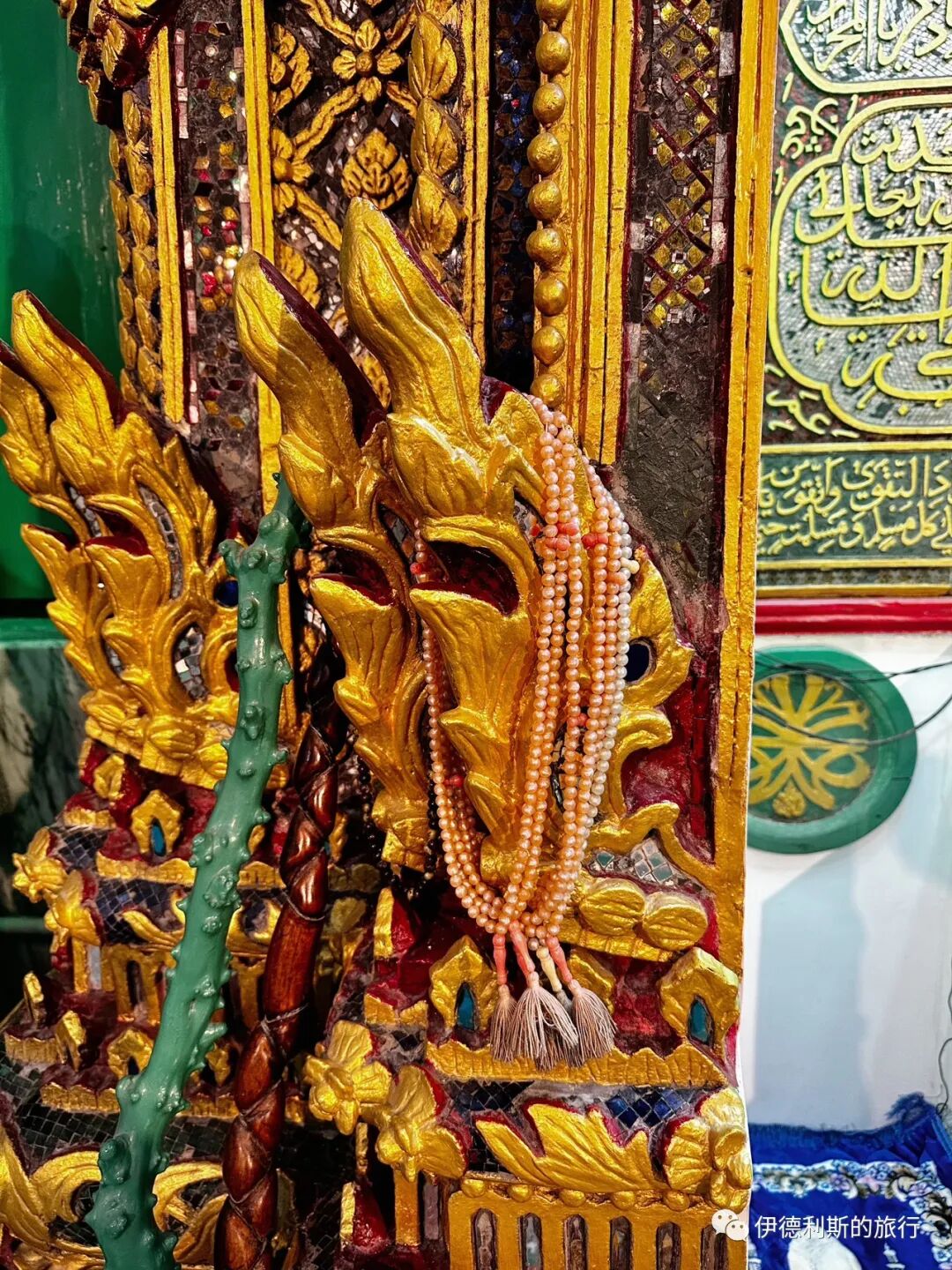
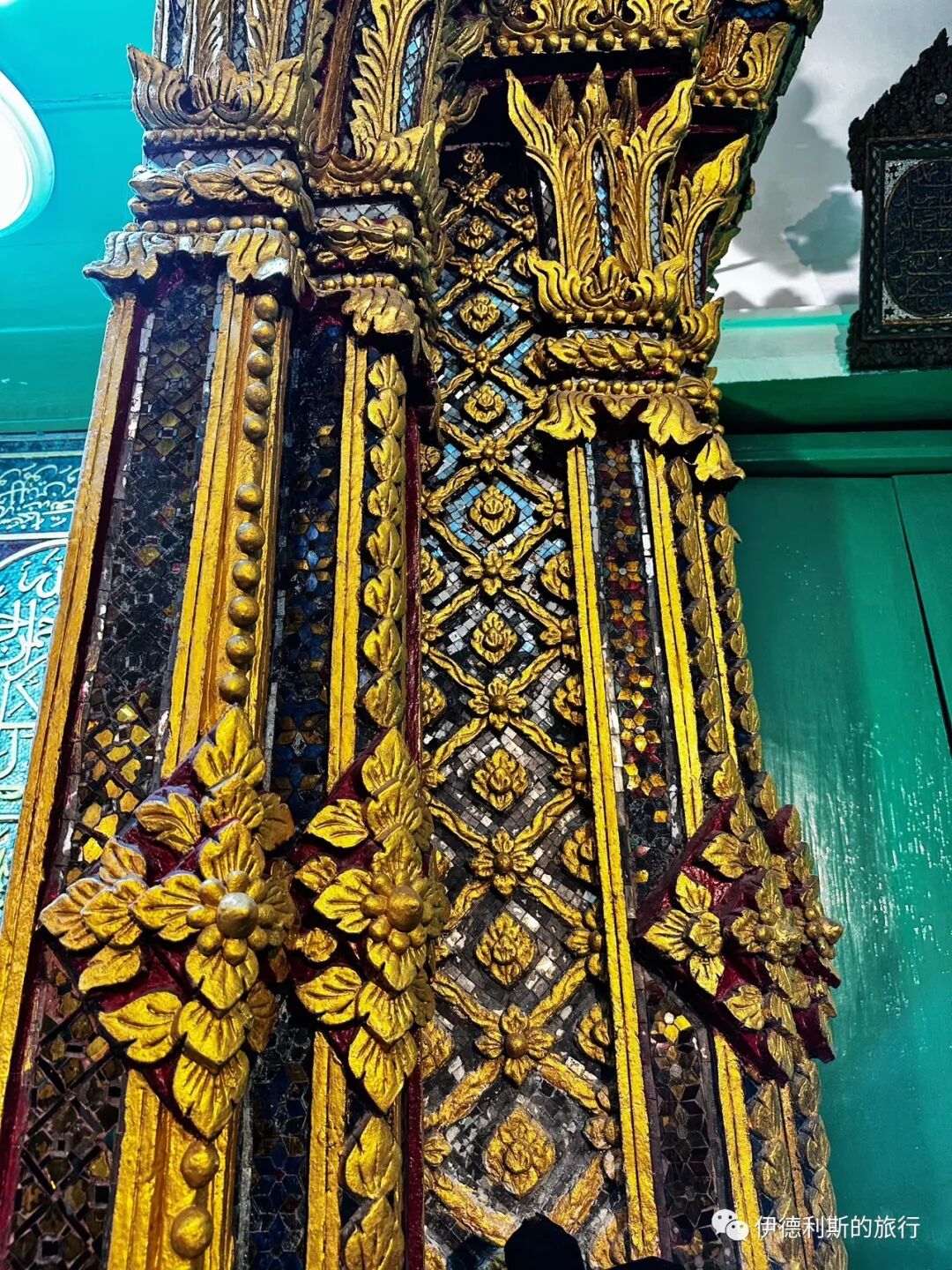
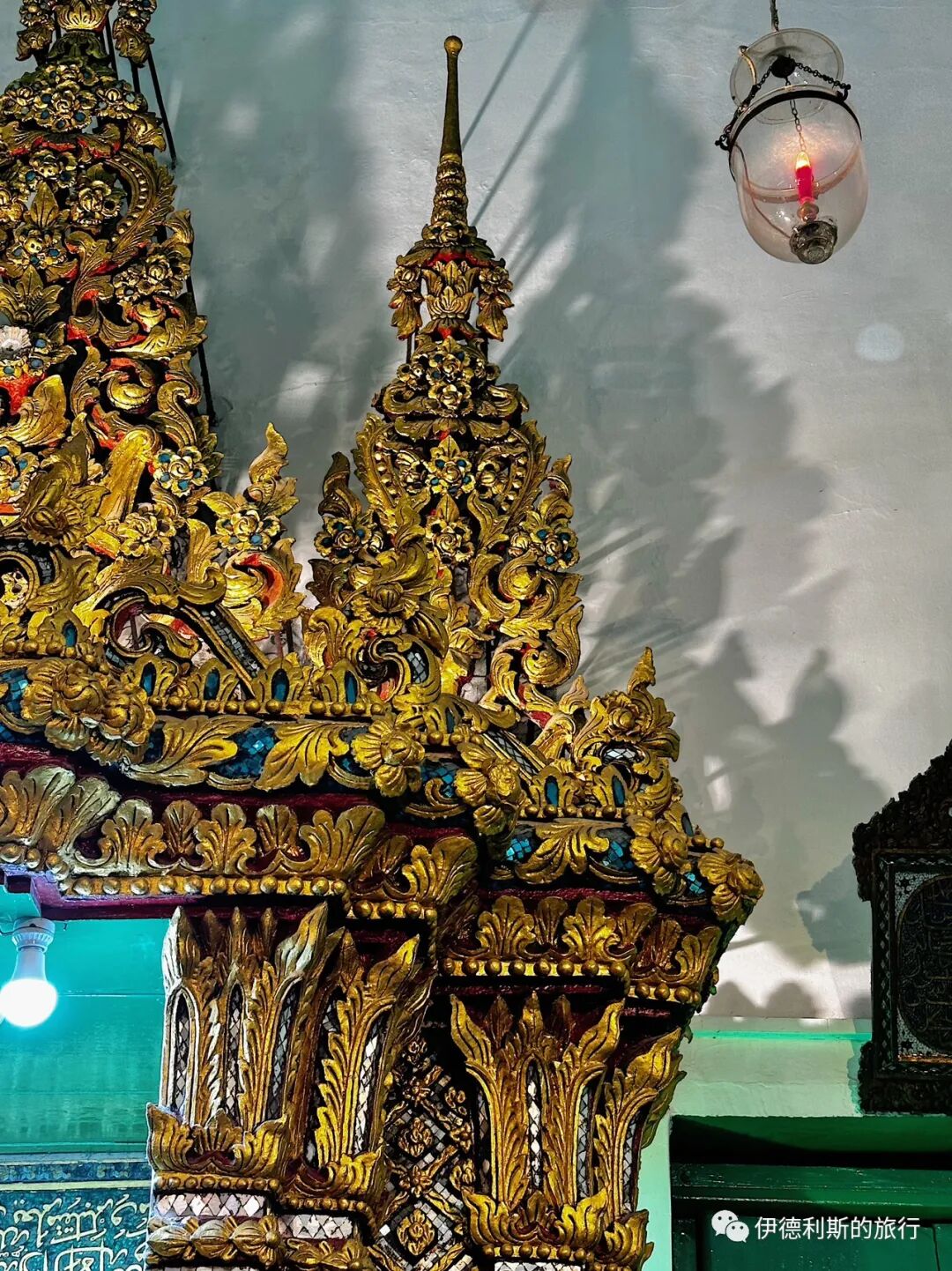
Bang Luang Mosque is the only remaining Thai-style mosque in Thailand, featuring Thai-style white stucco brick walls and decorative roofs that look very similar to those on Thai mosque buildings. The main hall is surrounded by a corridor with 30 pillars, representing the 30 parts of the Quran (Juz). The mihrab inside the main hall is the most beautiful part, featuring a purely Thai decorative style, including the Chofa roof ornaments found on Thai palace buildings. This shape is adapted from the Garuda in Hinduism and Buddhism, but it has been redesigned to fit Islamic traditions.
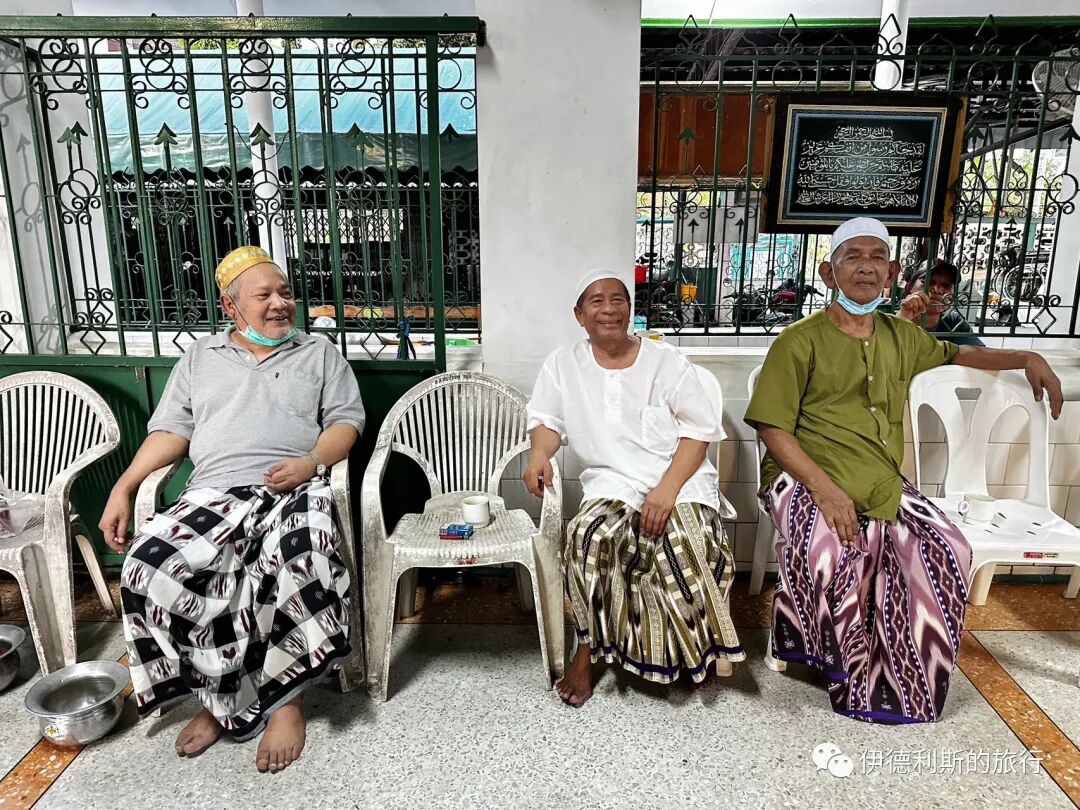
The atmosphere at Bang Luang Mosque for the Asr prayer is wonderful. Every elder who arrived shook hands with everyone, and one elder even gave me a drink. You can see everyone wearing a sarong (sarong) tube skirt, which means 'to cover' in Malay. This outfit is perfect for the humid and hot climate of Southeast Asia.
The wooden-framed scriptures hanging on the walls of Bang Luang Mosque and the porcelain plates embedded in the walls are both over a hundred years old.
This bell feels like it has a lot of history.
The area around Bang Luang Mosque is still mainly home to Cham and Malay descendants. We chatted for a while with the owner of a small shop across from the mosque. The owner's family is of Malay descent; the father speaks fluent Thai and Malay, and his son speaks very good English.
Indonesian community
At noon, I attended the Dhuhr prayer at Haroon Mosque, located behind the Old Customs House in Bangkok. Haroon Mosque is named after the Indonesian Arab merchant Toh Haroon Bafaden. He came to Bangkok from Indonesia with his father to do business in 1828 (some say 1837), then married, had children, and settled down. He later built Haroon Mosque and became its first imam.
Haroon Mosque was originally by the Chao Phraya River and was a wooden building that combined Ayutthaya and Javanese styles. It moved to its current location in 1899 because of the construction of the Customs House. In 1934, the mosque was rebuilt into its current white brick and lime structure. It features neoclassical floral patterns, Roman-style columns, and wooden shutters, looking somewhat like the European townhouses of that time.
Today, the mosque preserves exquisite Javanese Jepara teak scripture carvings from the 19th-century old mosque building, created by Haji Said, a fellow Indonesian from Toh Haroon Bafaden's hometown.
The neighborhood around Haroon Mosque.
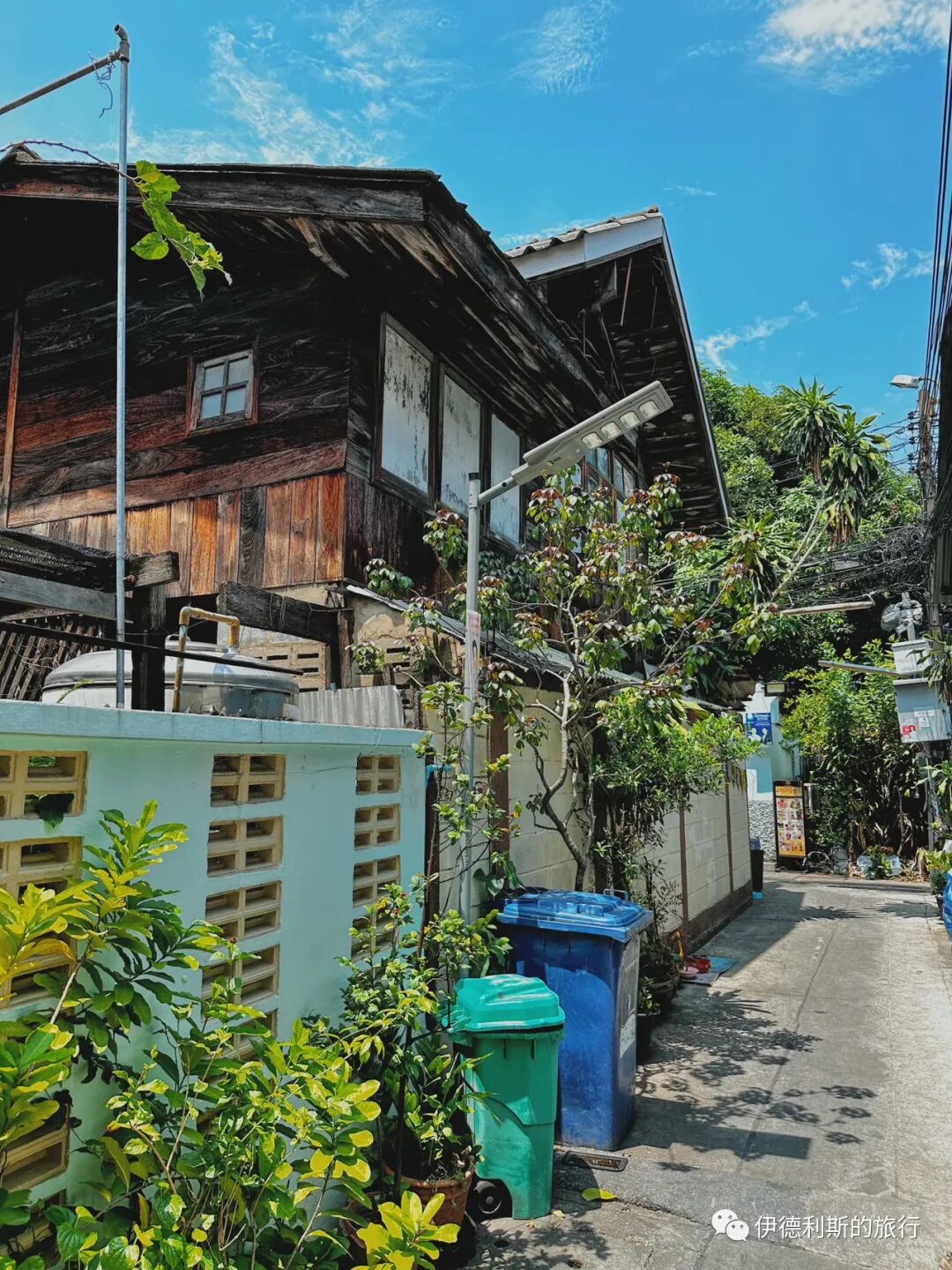
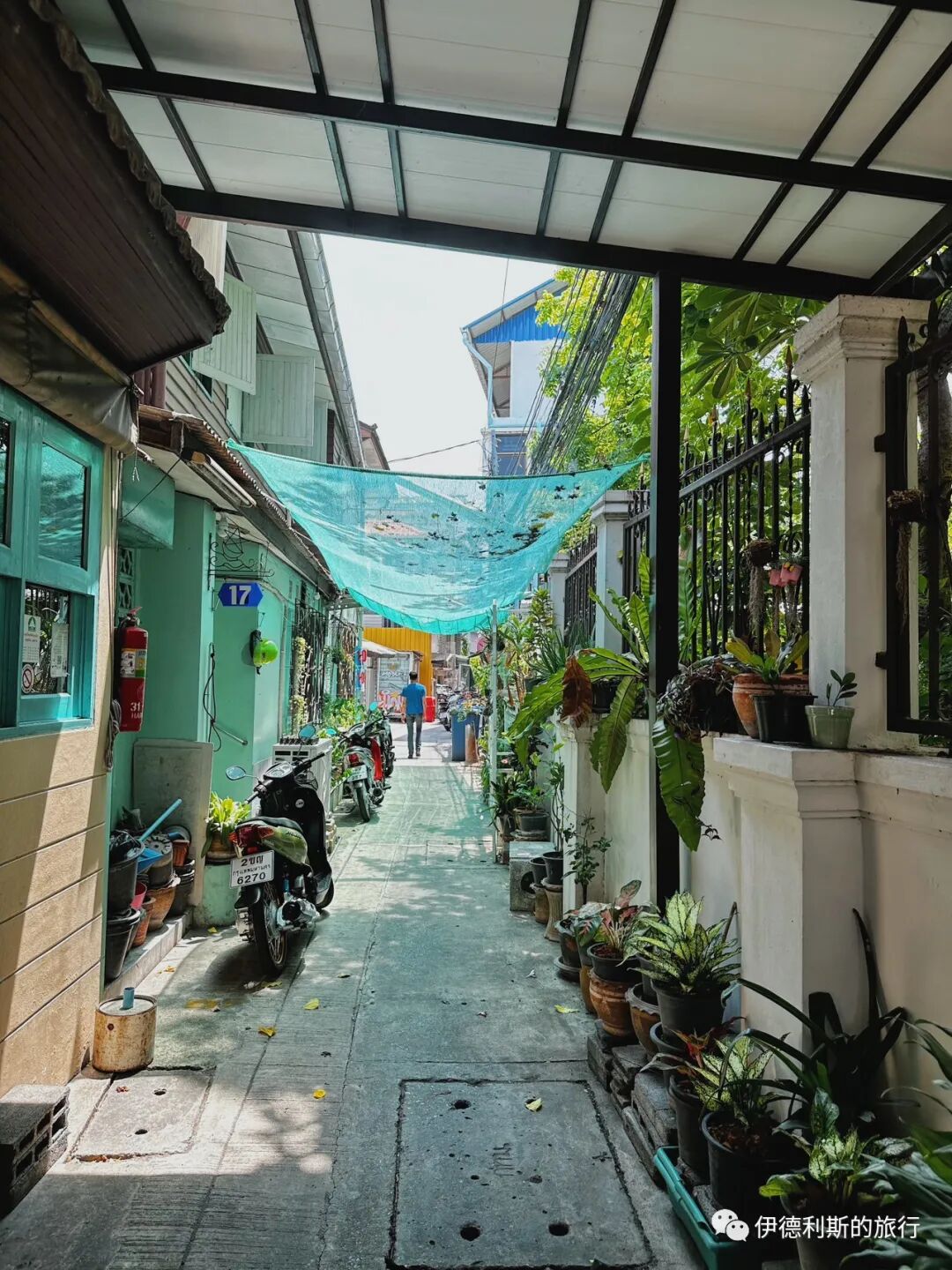
In the afternoon, I attended the Maghrib prayer at Jawa Mosque in Bangkok. This is a mosque community made up of Javanese and Malay Muslims, and the imam position is held by Javanese and Malay descendants in turns. Jawa Mosque was built in 1906 on land owned by a Javanese Muslim named Haji Muhammad Saleh. Although it was expanded in 1927 and 1975, it still keeps its traditional Javanese style.
The mosque has a three-tiered pyramid roof called a Tajug, topped with a decorative Mustoko. The main prayer hall is supported by four pillars called Soko Guru instead of load-bearing walls. Inside the front porch of the hall sits a large drum called a Bedug used for the call to prayer. Traditional Javanese mosques rarely have minarets, so they use drums to call people to prayer and announce the end of the daily fast. Next to the main hall, there is a wooden stilt house used as a school that is over 60 years old.
In 1896, King Rama V of Siam visited the Dutch East Indies. He toured the summer palace and gardens built by the Dutch Governor-General in Bogor, Java (now the Bogor Botanical Gardens). He was so impressed by the beauty and variety of plants that he recruited a group of Javanese gardeners shortly after returning home to improve the grounds of the Grand Palace in Bangkok and the surrounding royal areas. After his second visit to the Dutch East Indies in 1901, King Rama V recruited a second group of Javanese gardeners to help design the newly built Dusit Palace. These Javanese people settled in Bangkok. After the 1920s, financial constraints led the Siamese royal family to reduce the number of gardeners, causing many people of Javanese descent to move to the southern suburbs of Bangkok.
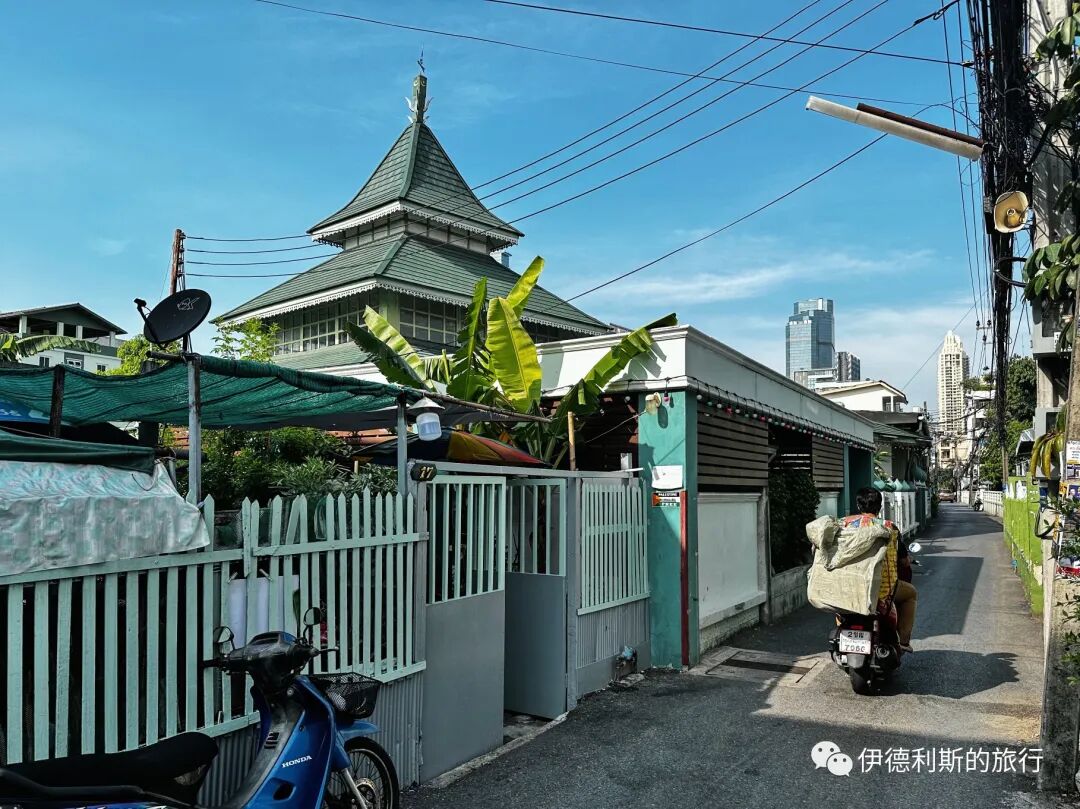
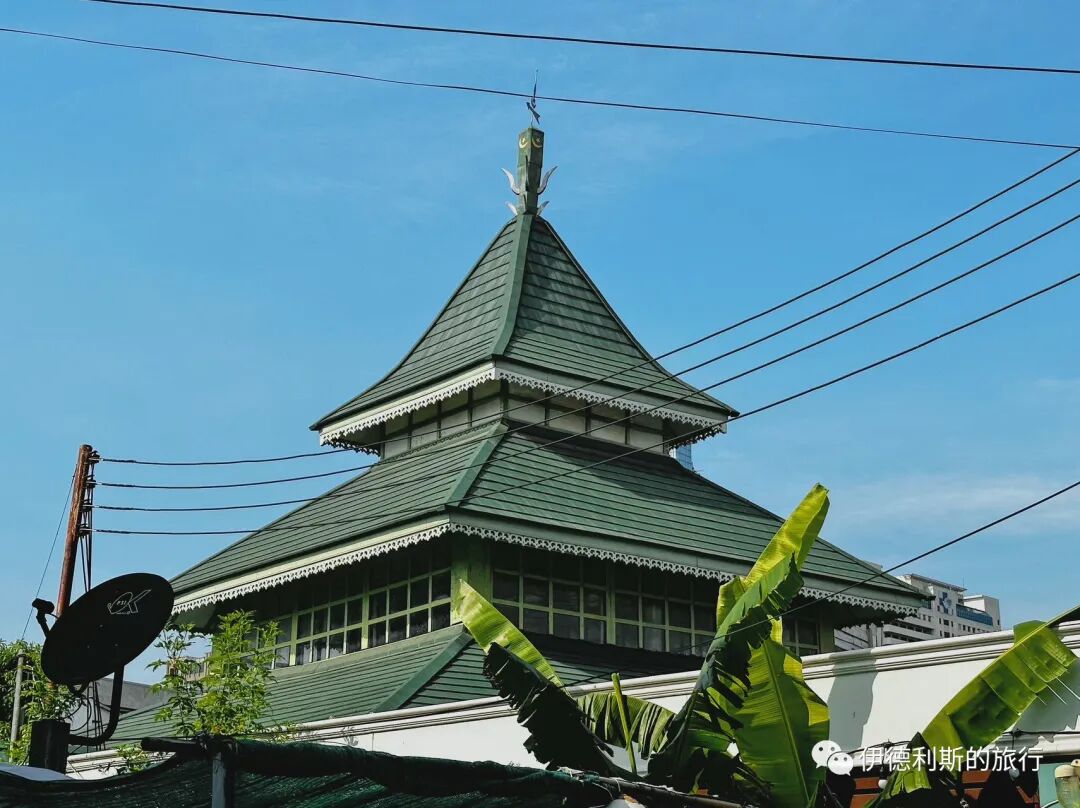
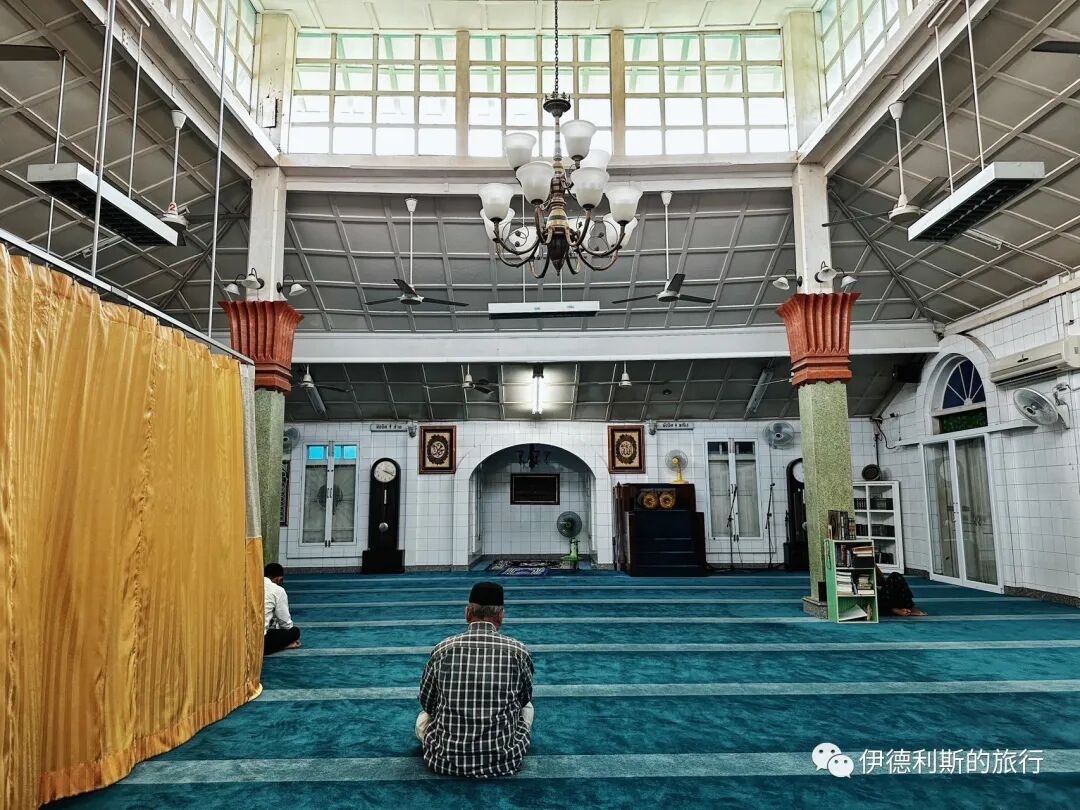
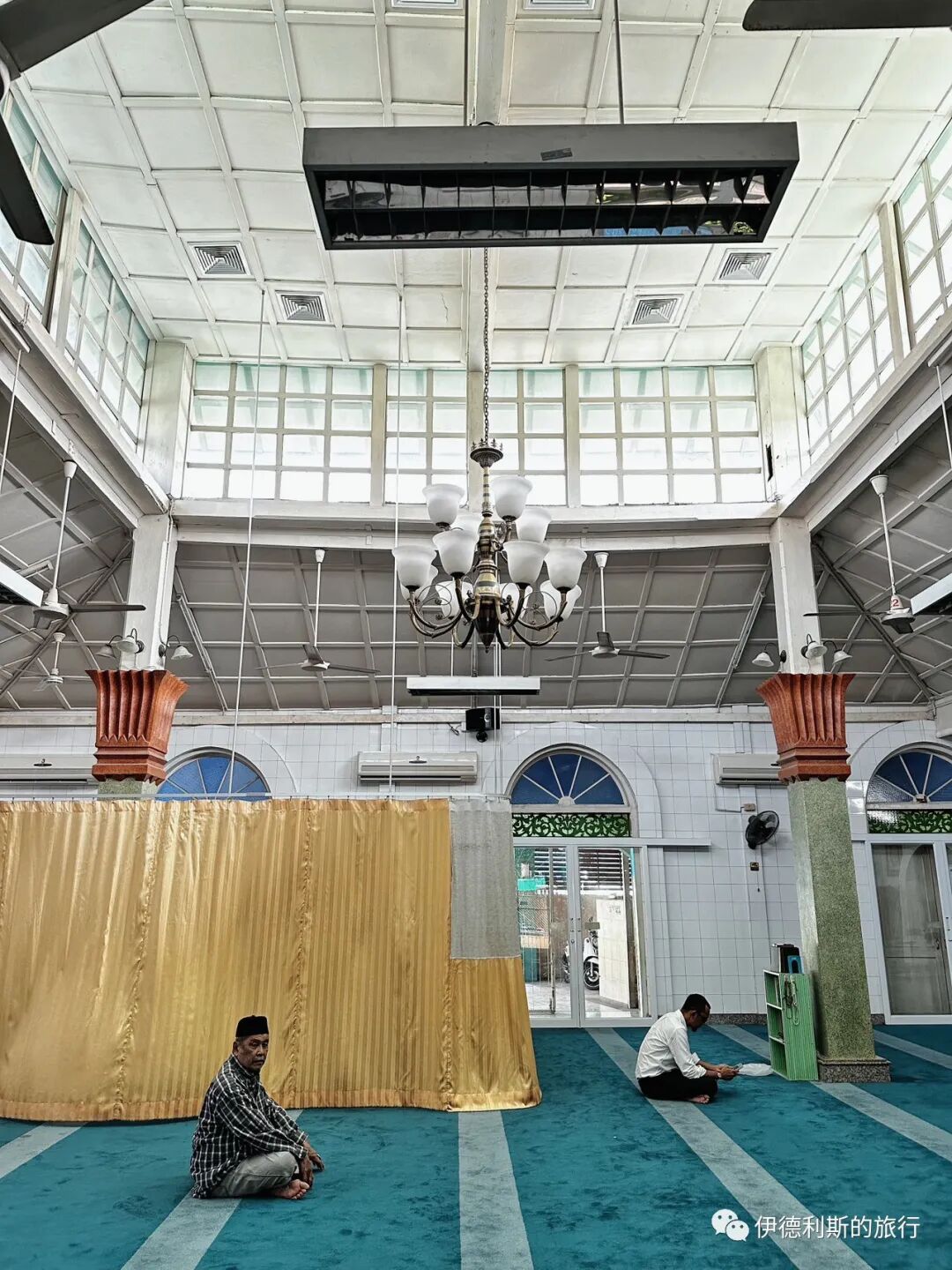
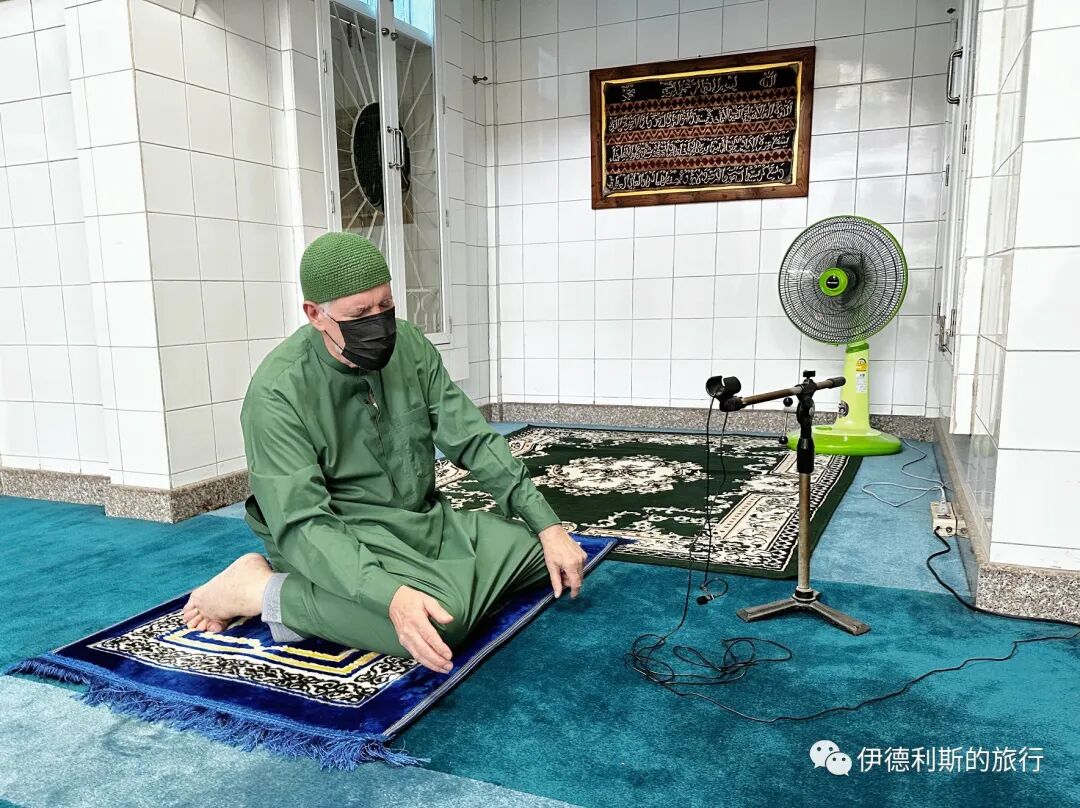
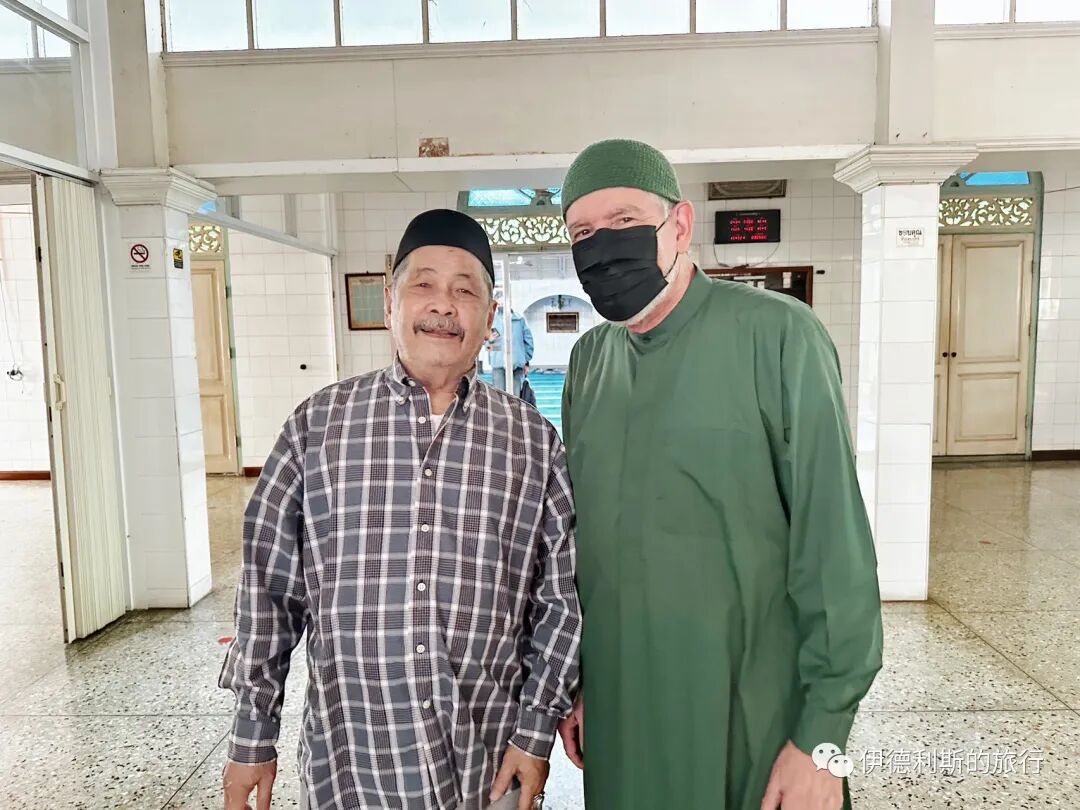
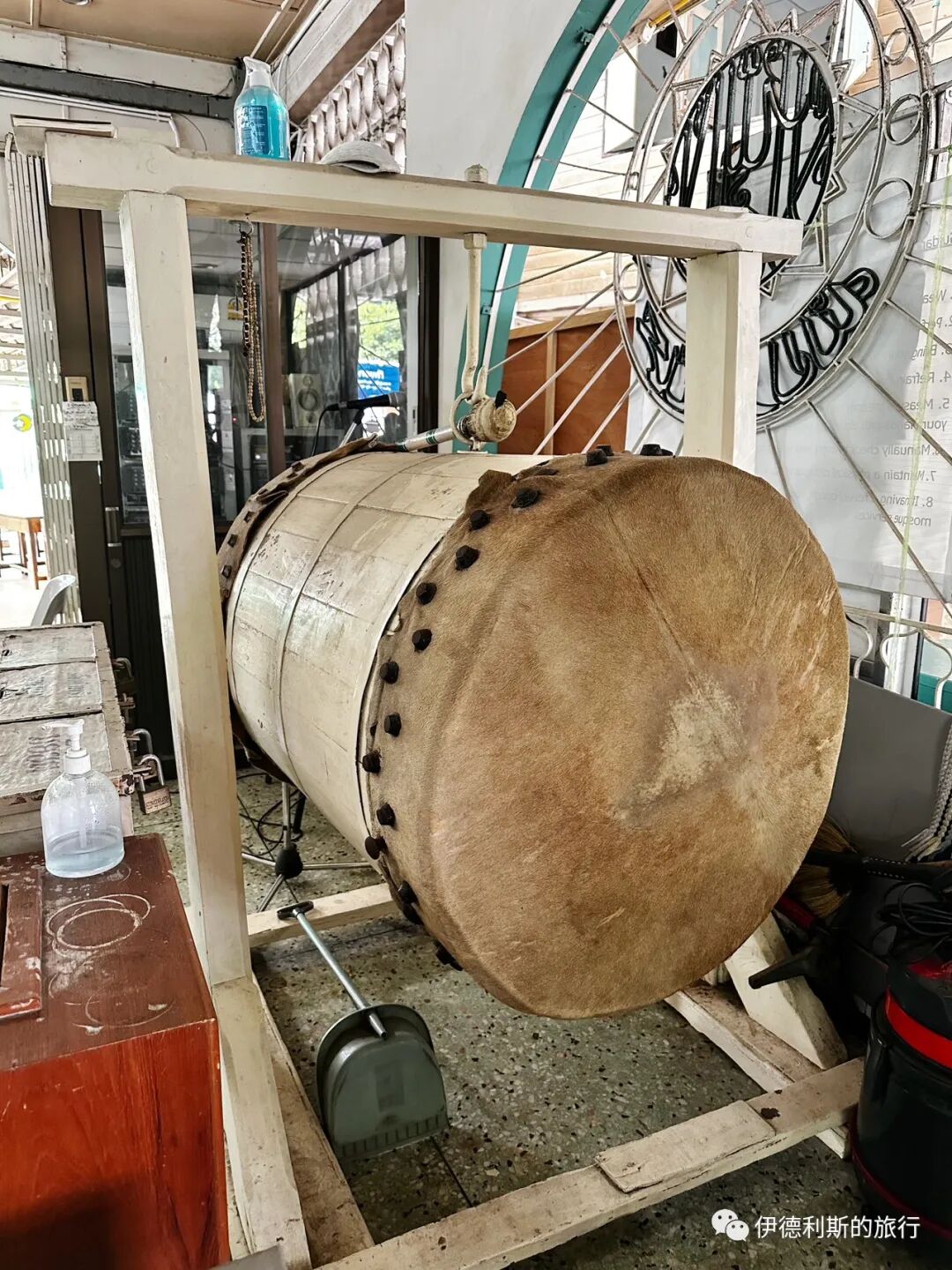
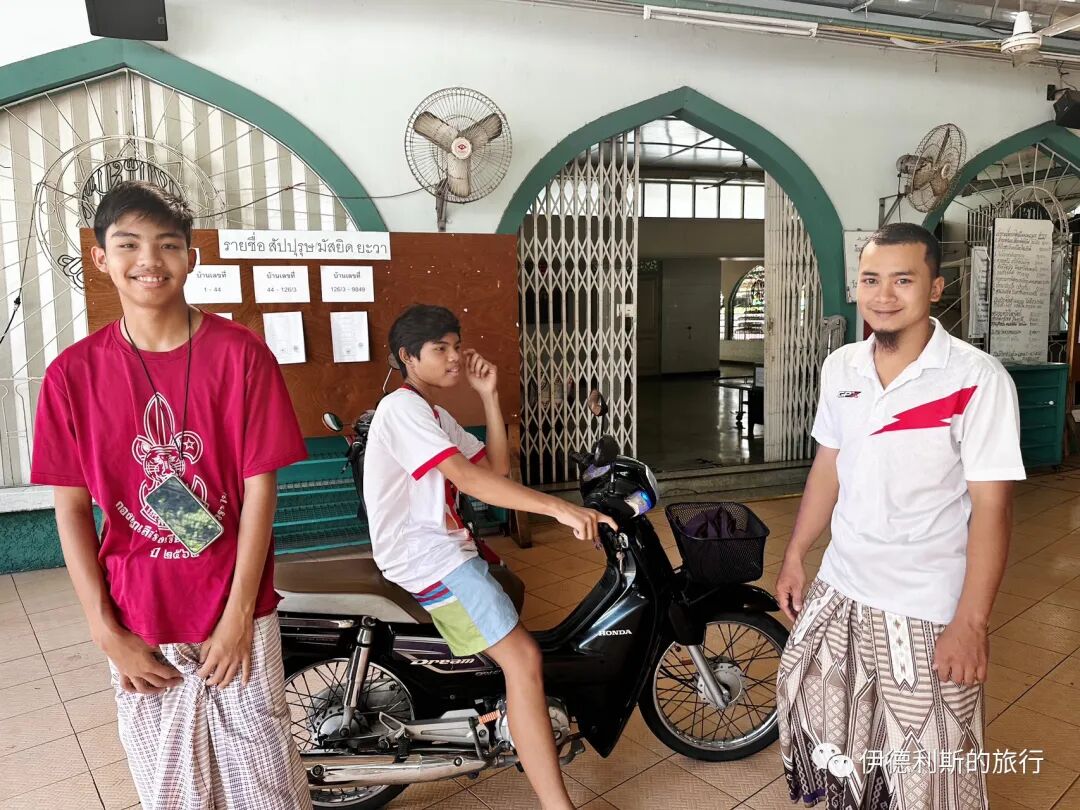
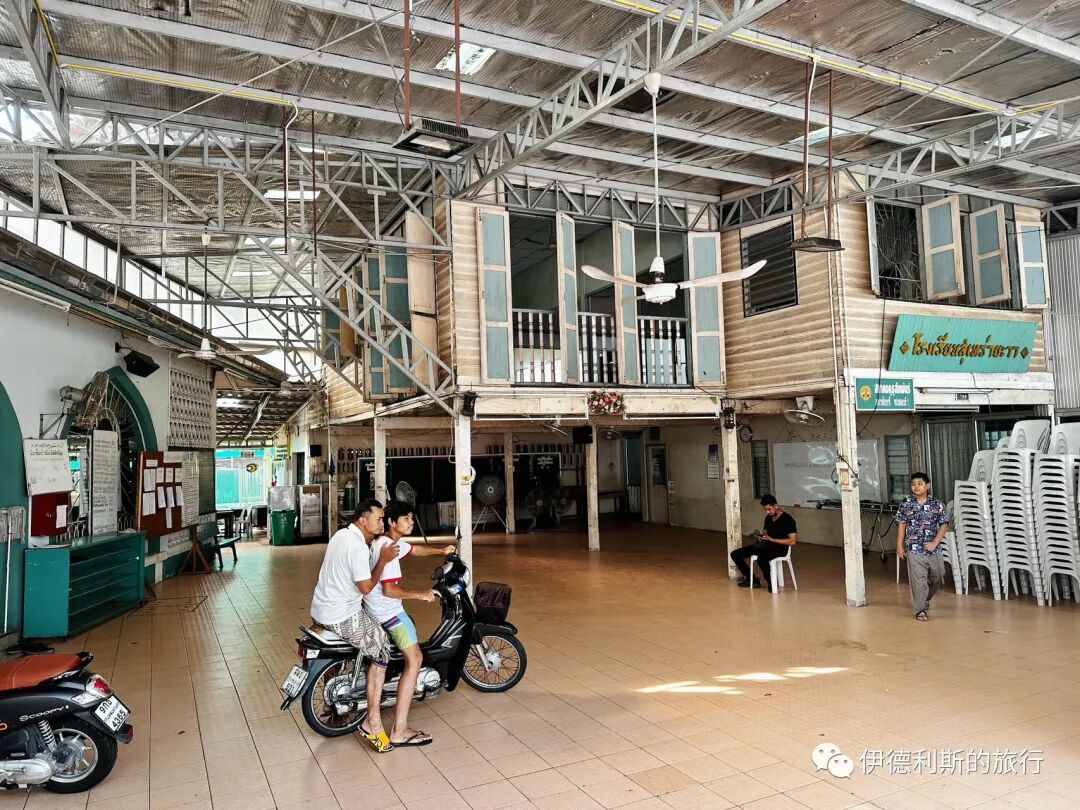
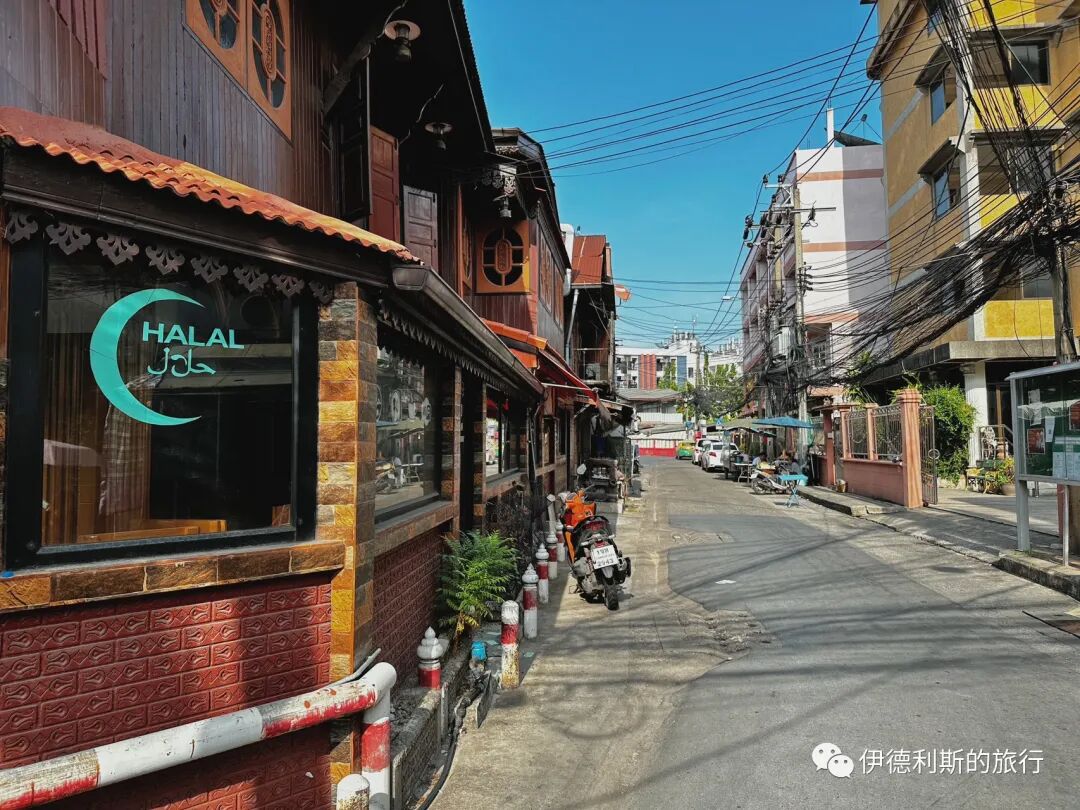
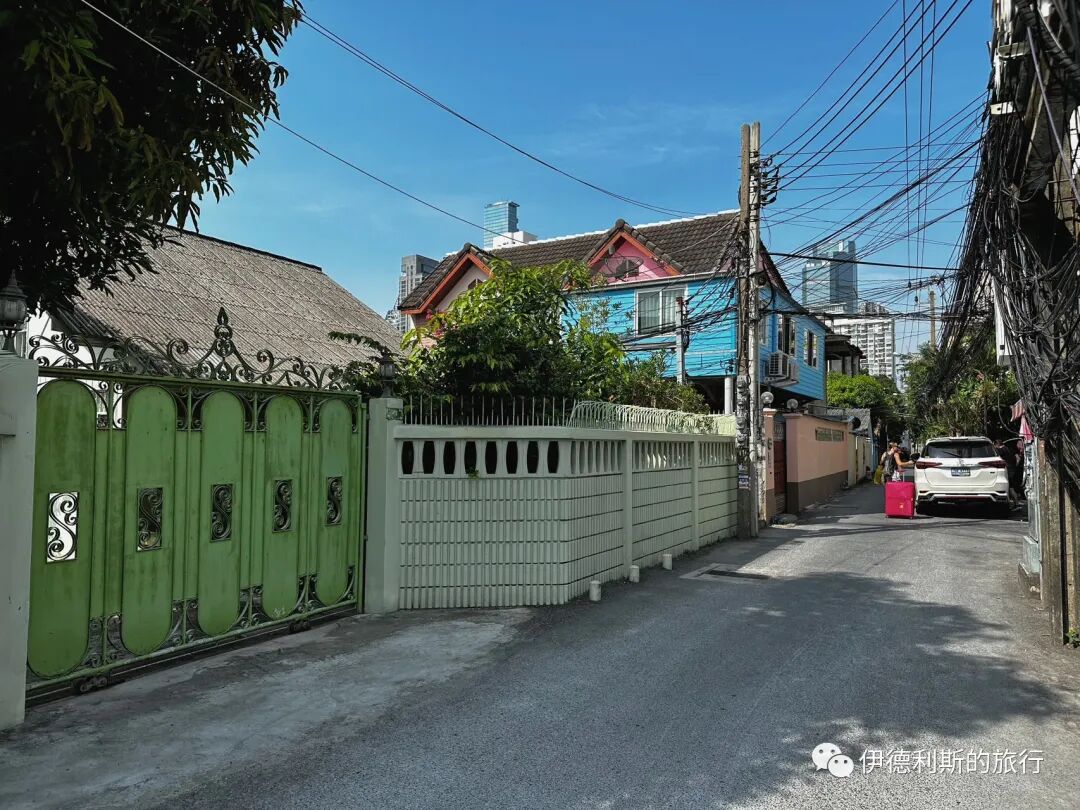
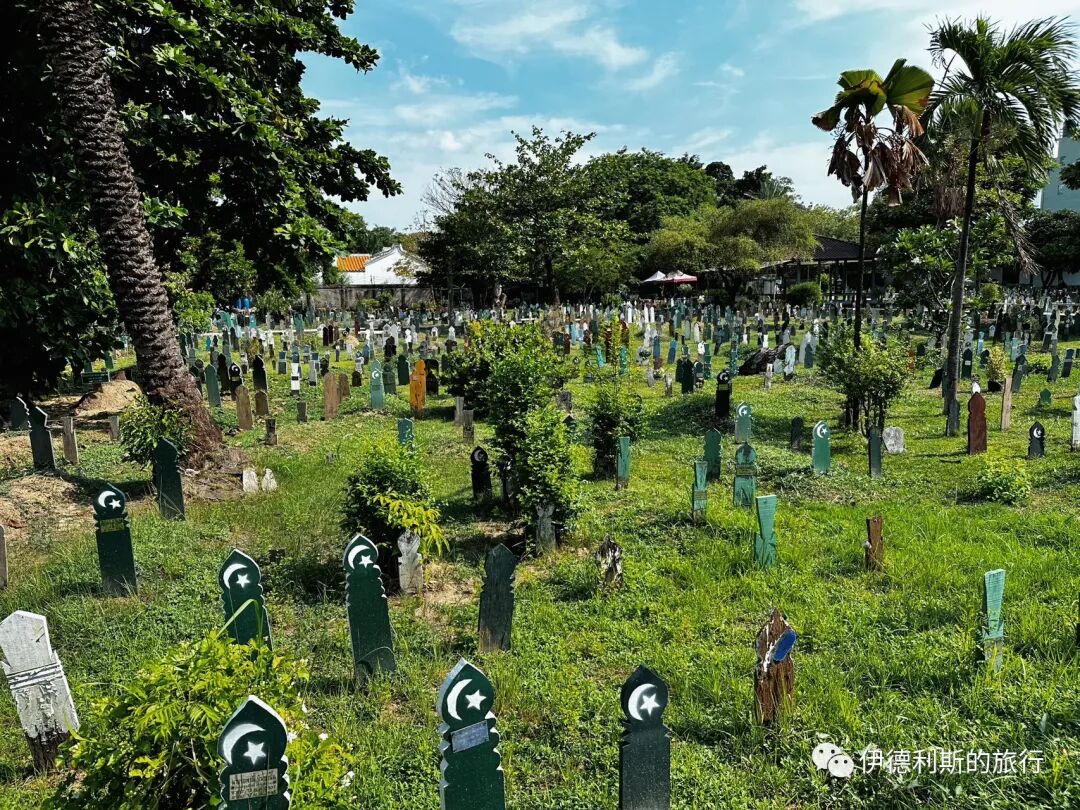
The style of the mosque neighborhood.
Malay community.
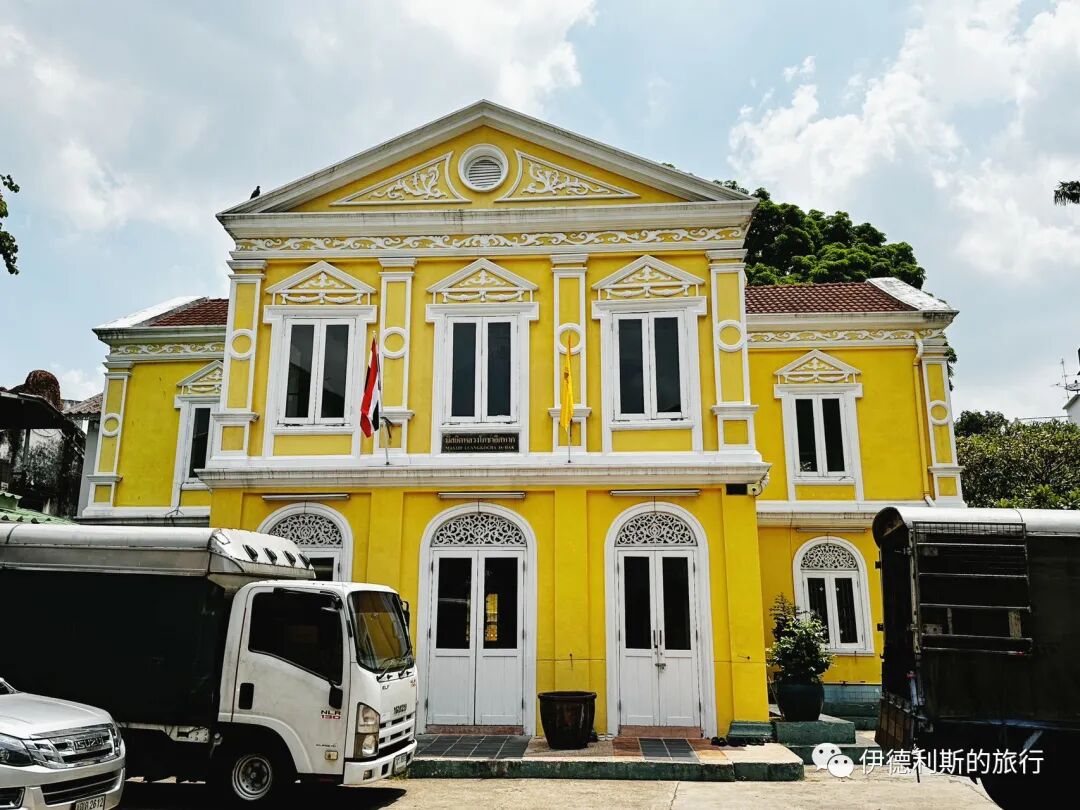
Near Sampeng Lane in Bangkok's Chinatown stands the European-style Kocha Itsahak Mosque, built in the late 19th century by a Siamese royal translator named Luang Kocha Itsahak.
Luang Kocha Itsahak was a descendant of Malay merchants. He worked for the Siamese Department of Western Trade (Krom Tha Khwa) as a translator for foreign ambassadors visiting the Siamese court. He was also responsible for liaising with rulers of Siamese vassal states on the Malay Peninsula and with Muslim merchants trading with Siam.
After Bangkok became the capital of Siam in 1782, an import and trade district dominated by Teochew merchants gradually formed near Sampeng Lane. Before Don Mueang Airport was built in 1914, people traveling from Bangkok to India, the Middle East, or Europe had to take a steamship from the Kong Long pier near Sampeng Lane to Singapore or Penang, then transfer to a cruise ship to continue westward. Because of this, the Kong Long pier was crowded with merchants from all over the world in the 19th century, and many Indian and Malay Muslims worked in the nearby warehouses and trading companies.
Seeing that there was no mosque in the Sampeng Lane area, Luang Kocha Itsahak donated a piece of his own land and had his children dismantle the bricks and stones from an old house he owned across the river in Thonburi to build this mosque. The mosque is still owned by the descendants of Kocha Itsahak today, serving the Muslims who work on Sampeng Street in Bangkok.
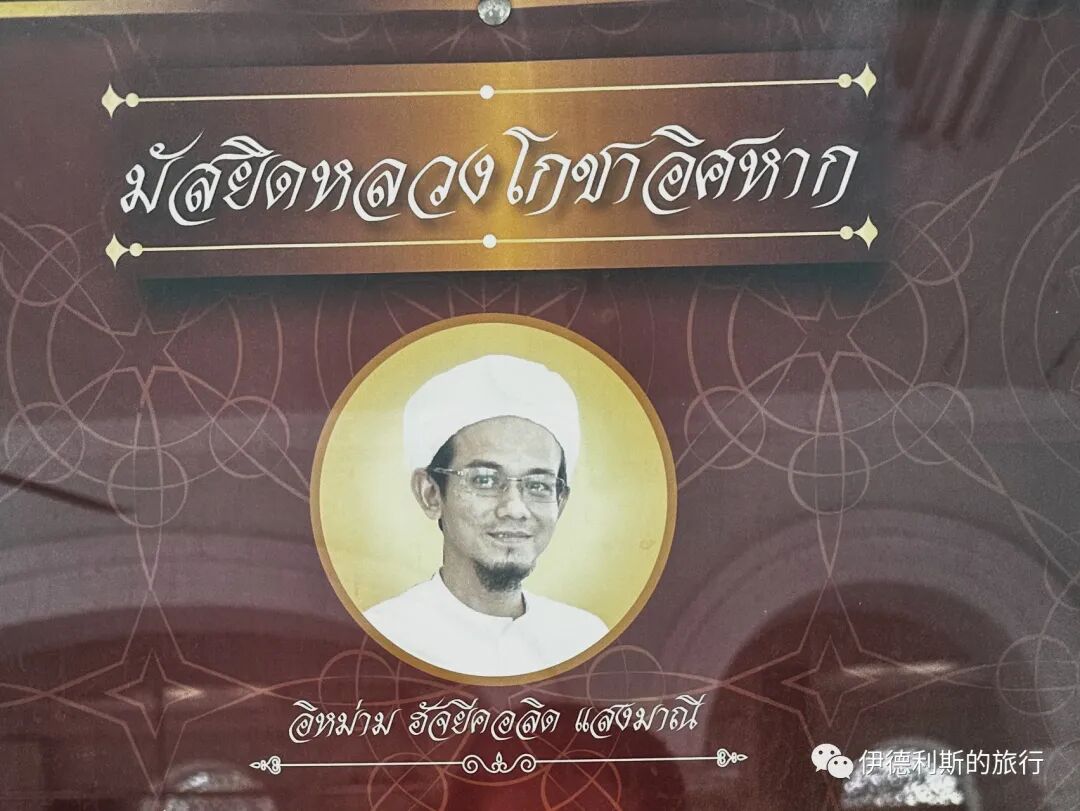
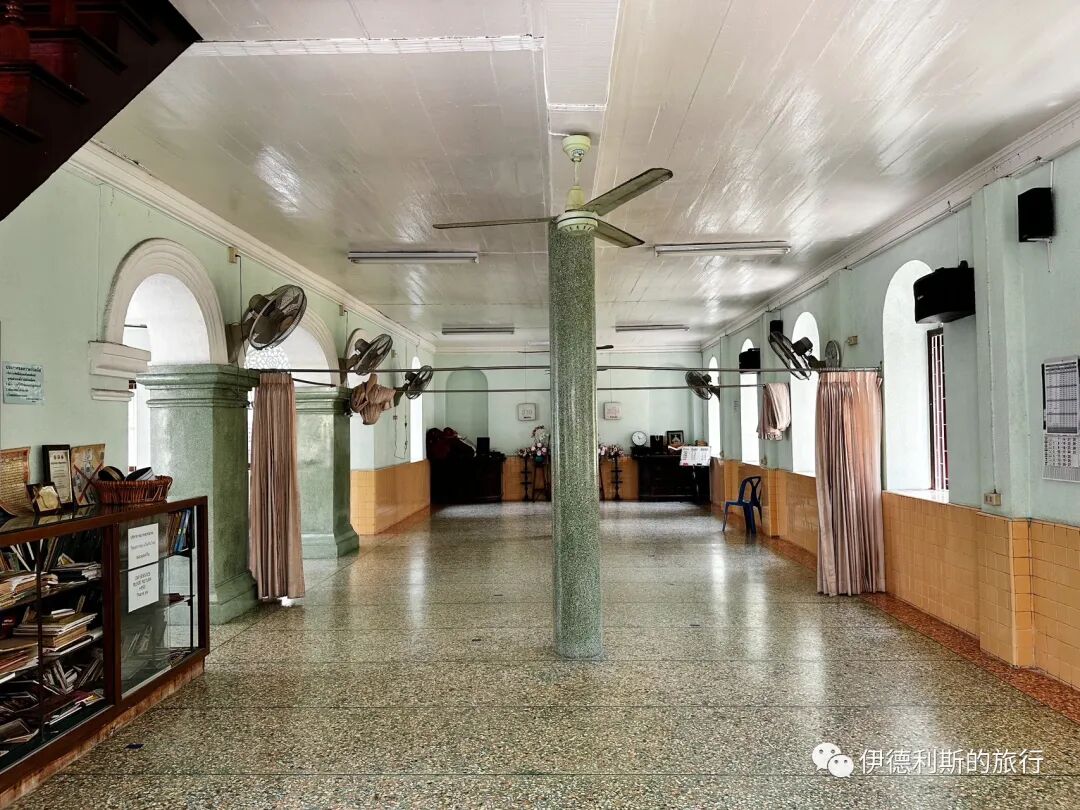
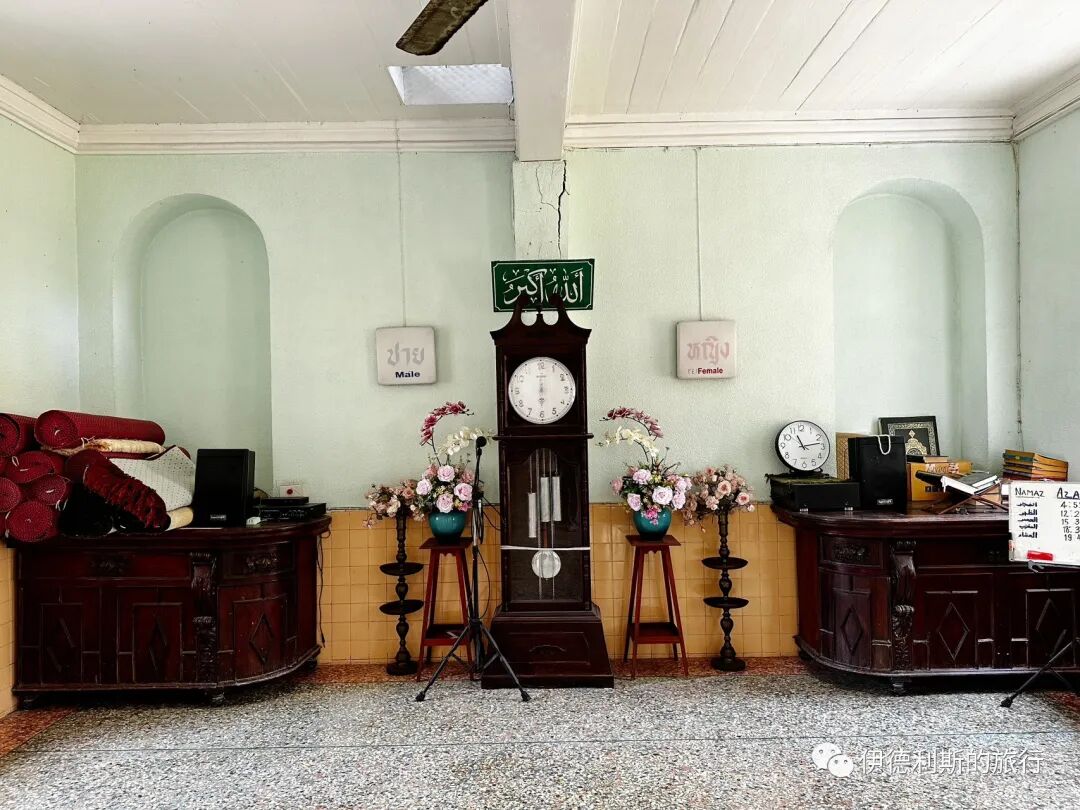
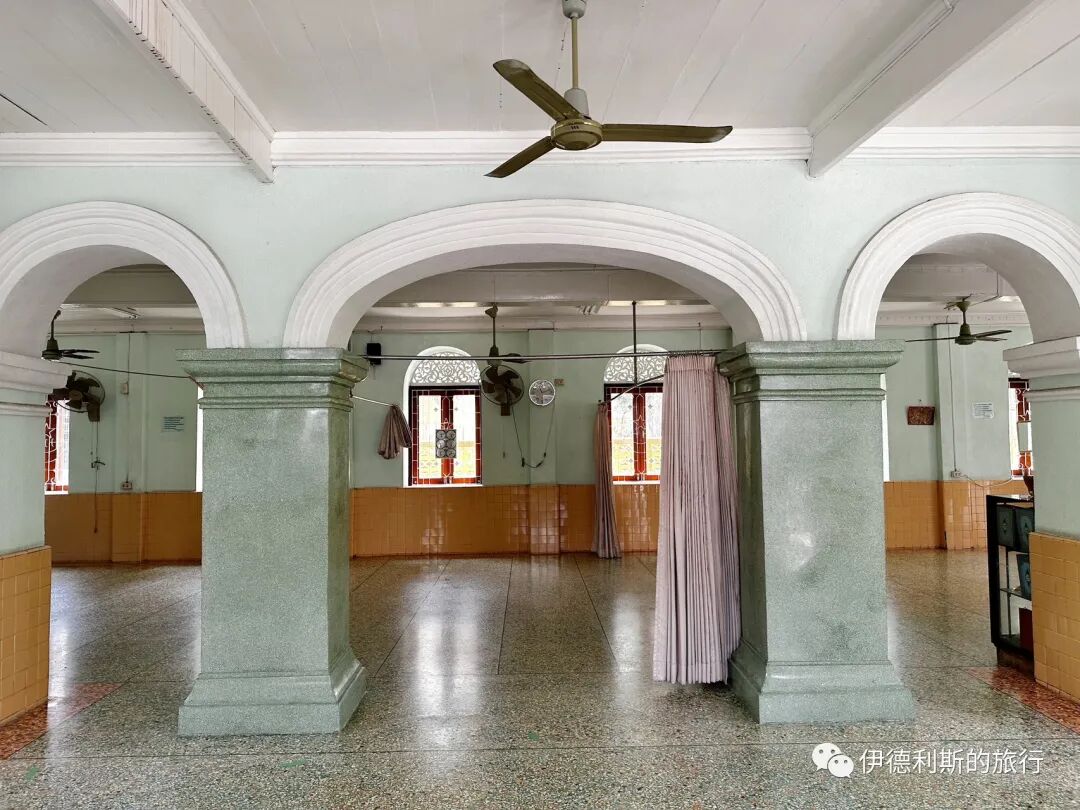
Islamic Center of Thailand Foundation
The Islamic Center of Thailand Foundation is a modernist building designed by a young Bangladeshi-Thai Muslim architect named Paichit Pongpunluk. Construction began in 1970, but due to budget issues, it took 11 years to complete. Once finished, it became a landmark building and activity center for Thai Muslims.
The Islamic Center of Thailand Foundation was formerly the Central Mosque of Thailand Foundation, founded in 1954 to unite Muslims across Thailand and help them move away from being marginalized. The architect Pongpunluk graduated from the Faculty of Architecture at Chulalongkorn University in Thailand, where he was influenced by the modernist architectural trends popular in the 1950s and 1960s. He designed the center to be a multi-functional building that includes a mosque, a cultural center, a library, a hotel, and educational facilities.
When designing, Pongpunluk avoided the dome structures common in the Middle East and instead used a series of geometric shapes to design a roof that looks like a flower with six petals. The 20-meter-high roof allows for natural ventilation, and the second-floor terrace expands the space, allowing the main hall to hold 5,000 people. The space under the main hall is flexible and can be used for various cultural activities. Based on modernist architectural principles, Pongpunluk overturned the traditional architectural style of Thai mosques, hoping to reshape the identity of Thai Muslims in modern society.
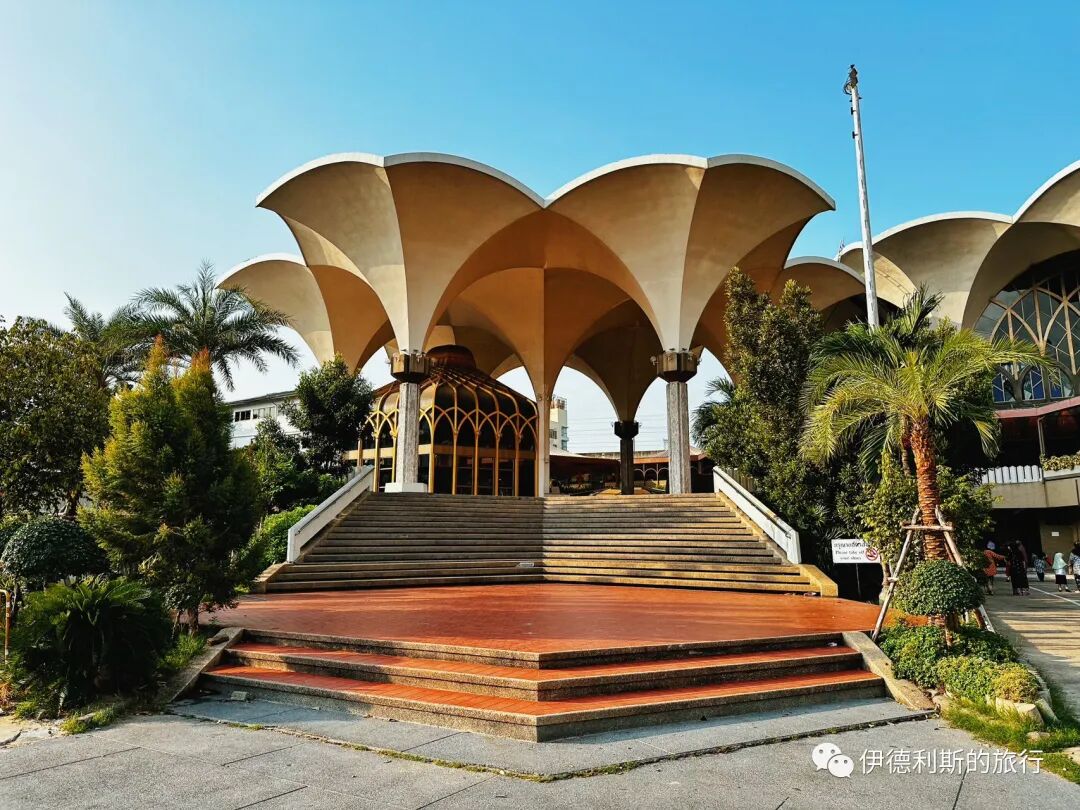
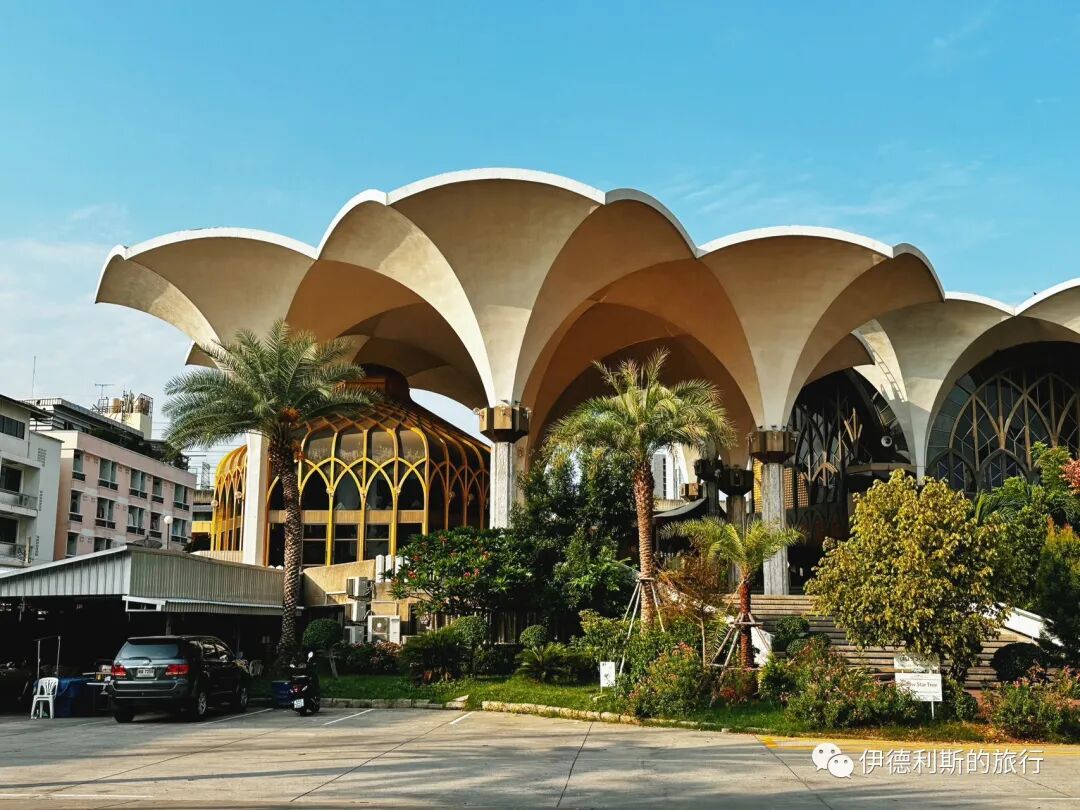
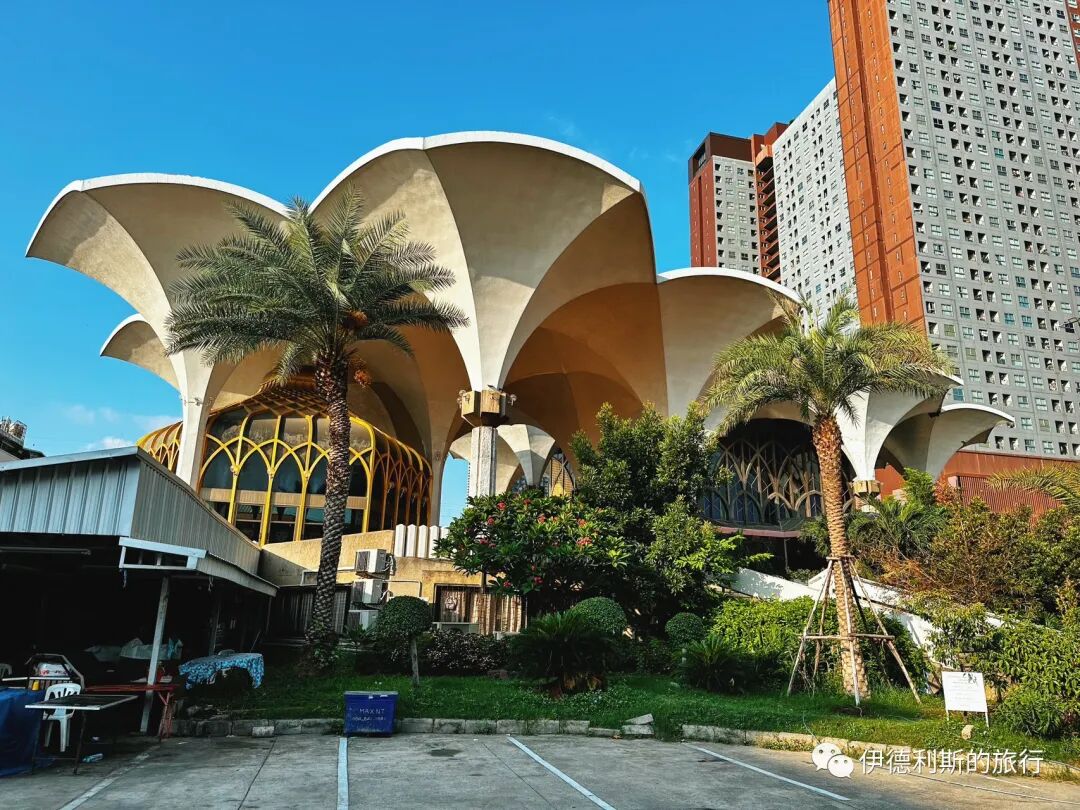
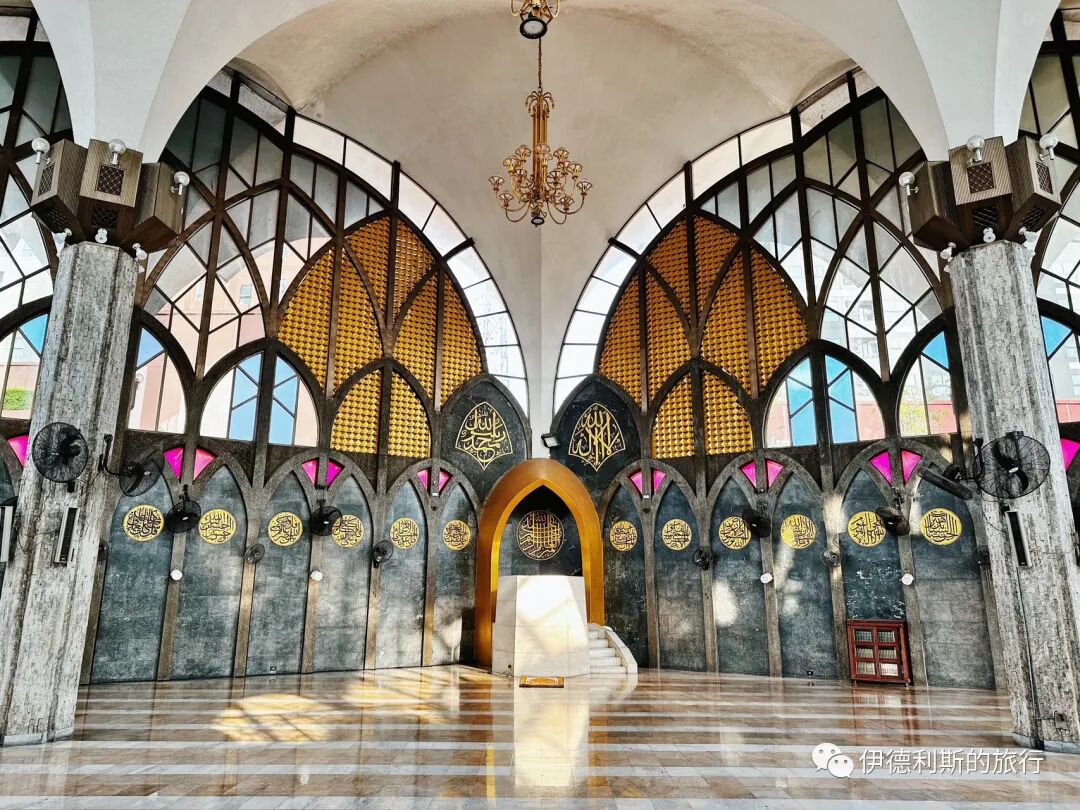
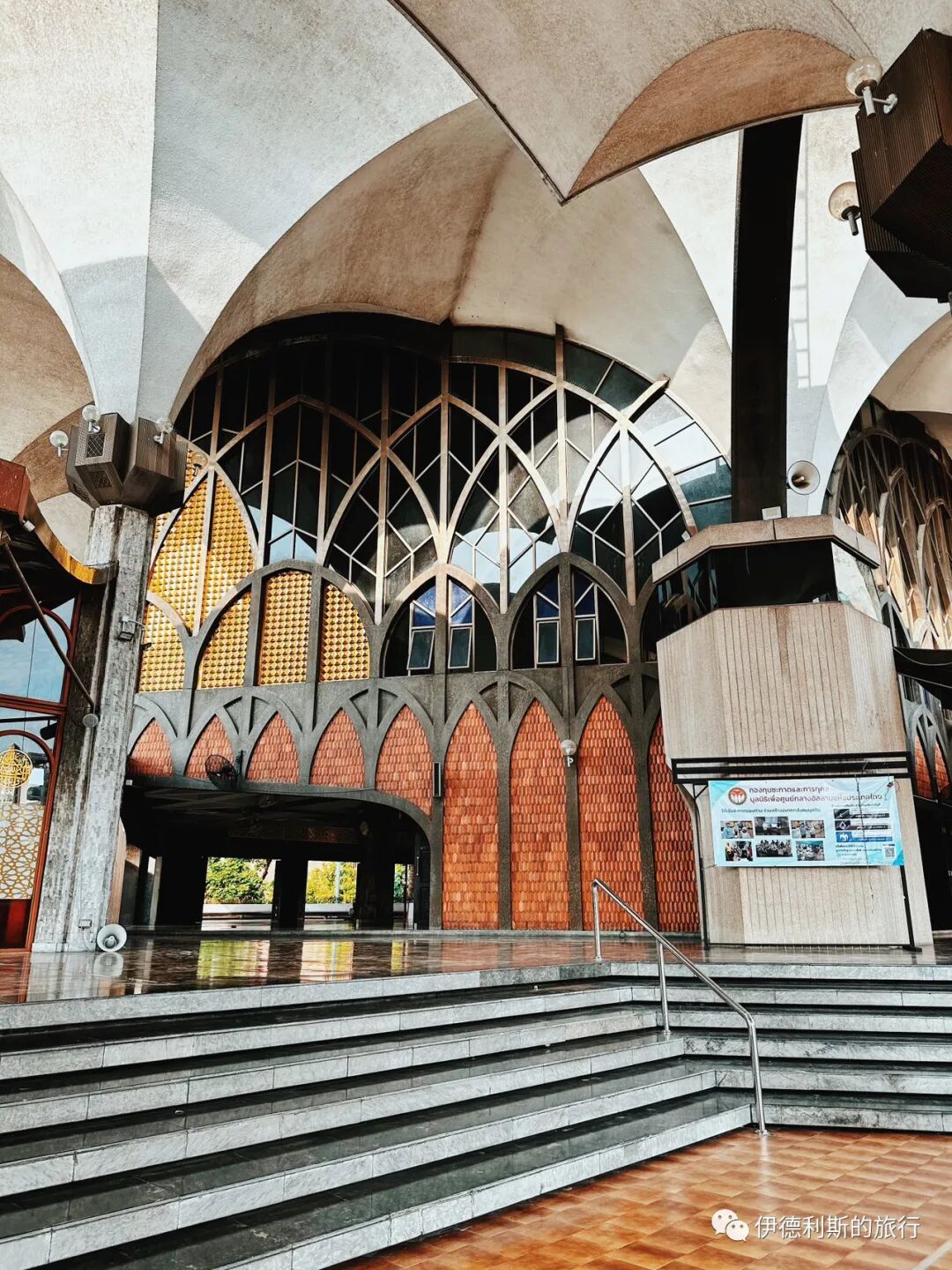
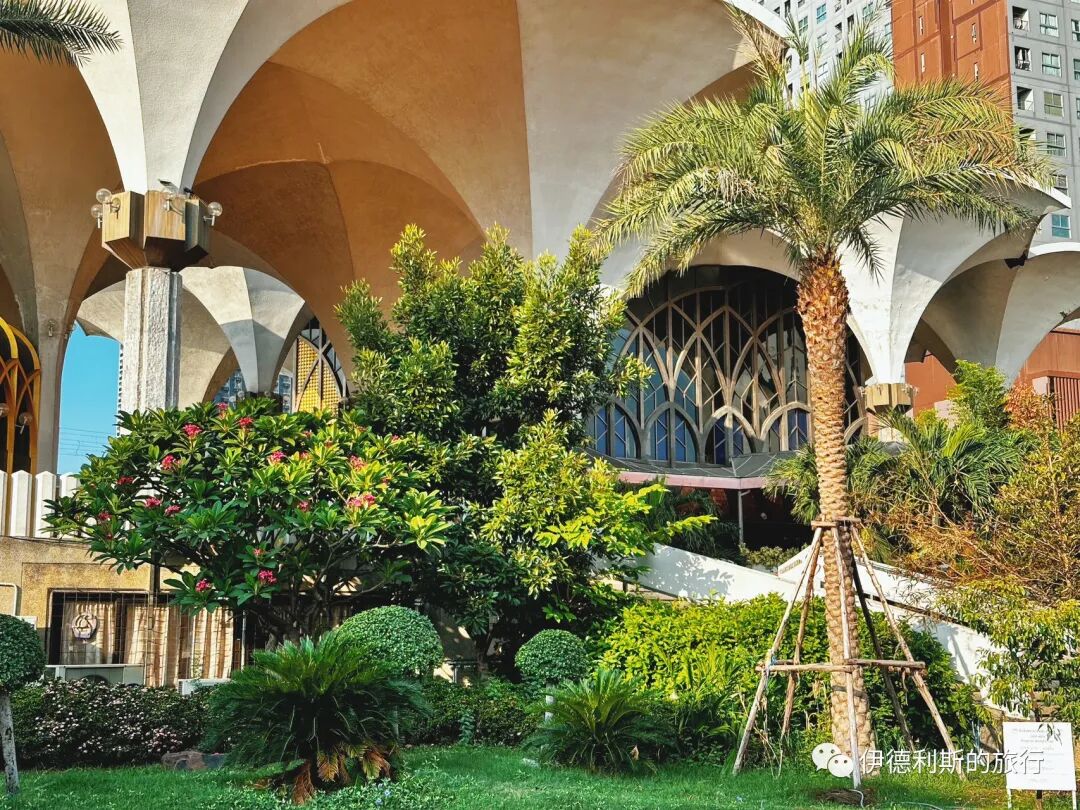
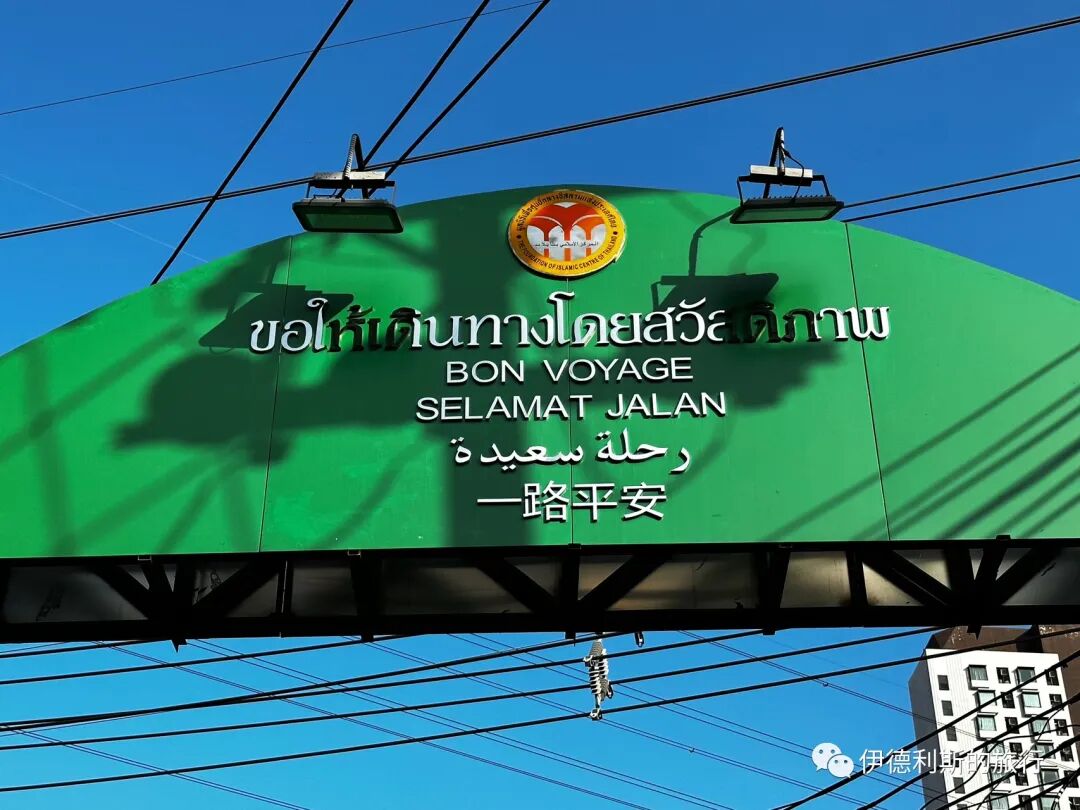
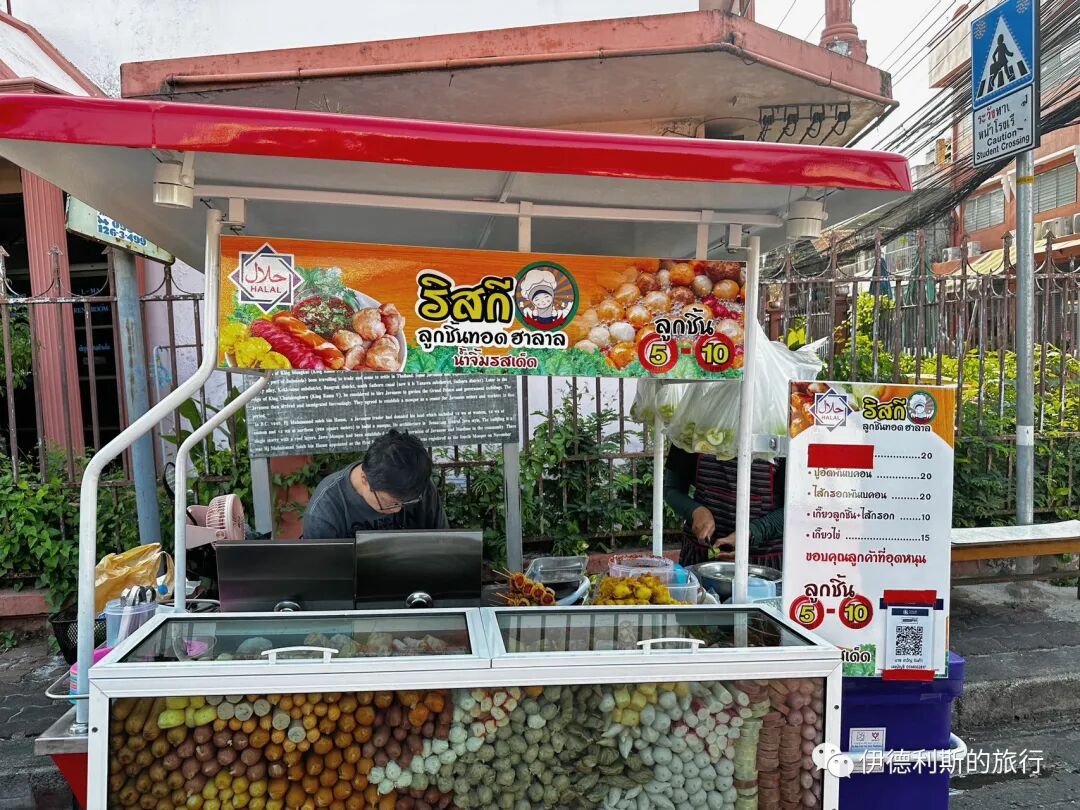
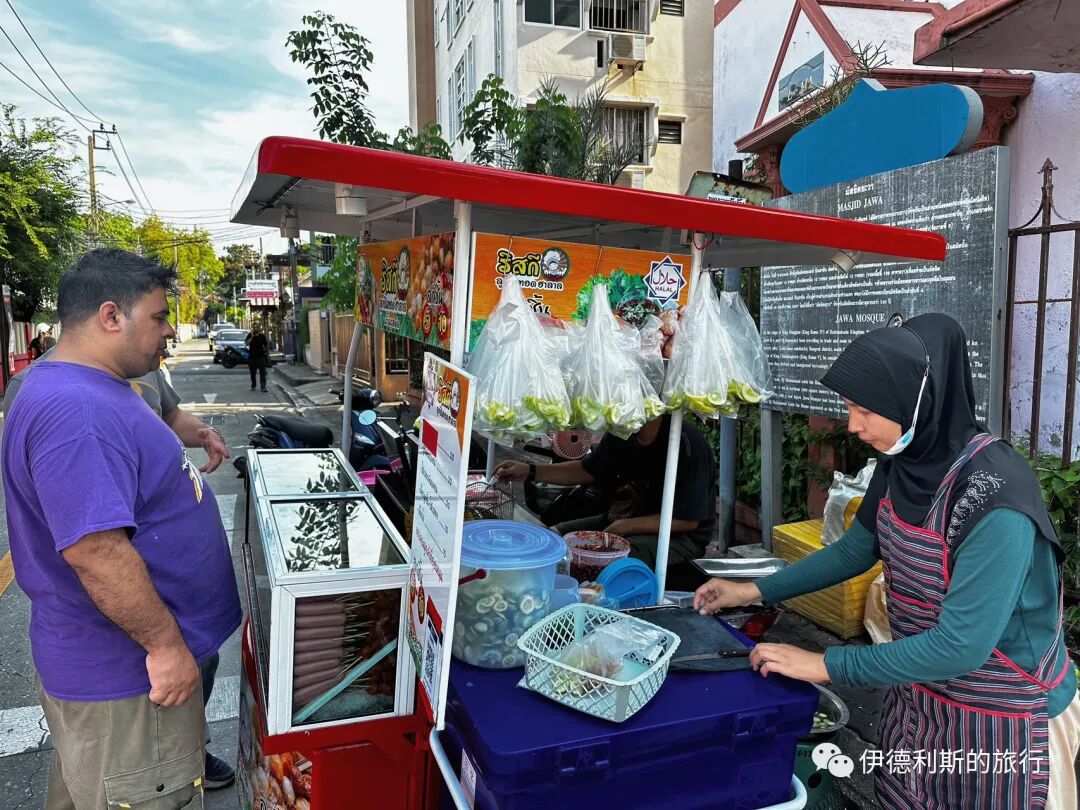
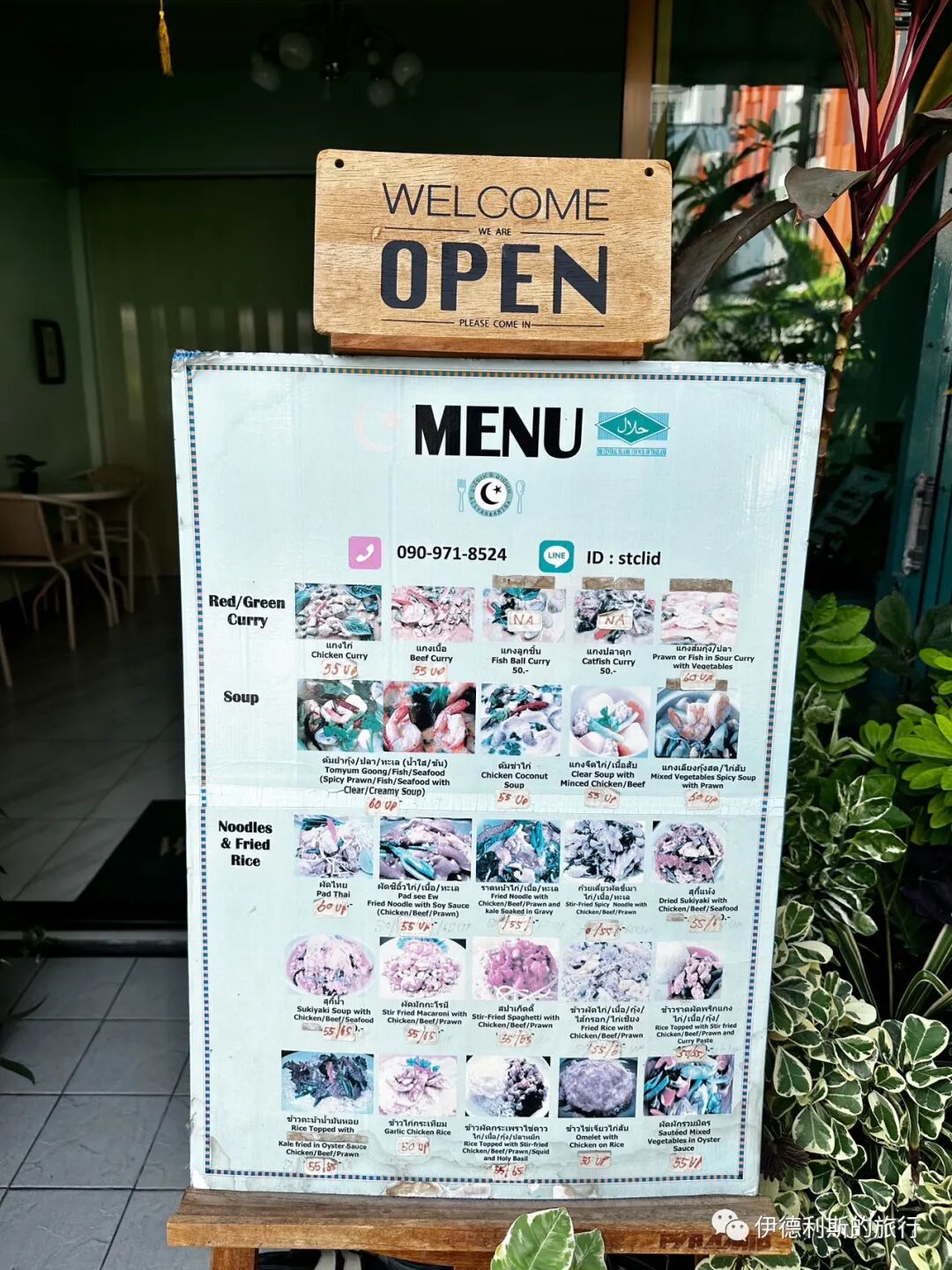
There are many halal stalls downstairs at the Islamic Center of Thailand, but we arrived early, so not all of them were open. Usually, there is not only food but also books, clothing, and various activities, making it well worth a visit.
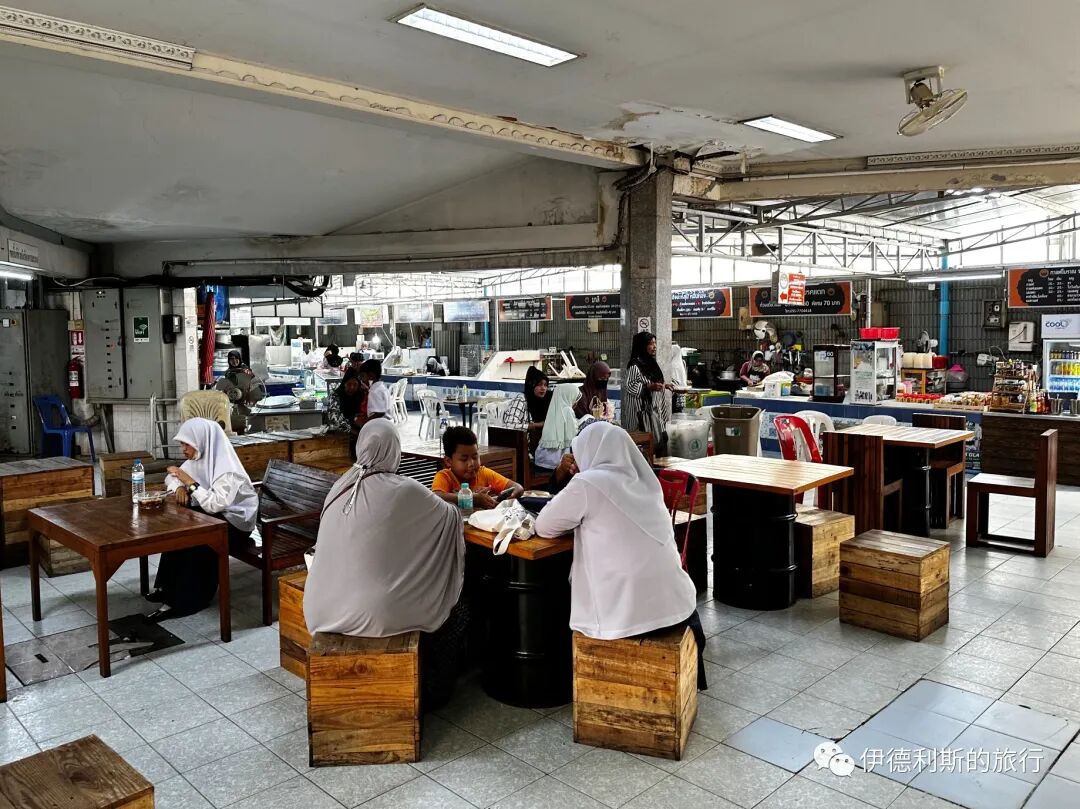
Summary: Bangkok — Muslim Communities, Mosques and Local Food is presented here as a firsthand travel account in clear English, beginning with this scene: During the 2023 May Day holiday, I visited Muslim communities in Bangkok, Thailand. The account keeps its focus on Bangkok Muslims, Mosques, Muslim Travel while preserving the names, places, food, and historical details from the Chinese source.
During the 2023 May Day holiday, I visited Muslim communities in Bangkok, Thailand. In my previous article, Searching for Bangkok's Shia Communities, I introduced the Persian and Indian Shia communities. In this piece, I will continue by introducing several Cham, Indonesian, and Malay Sunni communities.
The diverse Muslim communities in the Siamese capital date back to the Ayutthaya period before 1767. At that time, Persian, Arab, and South Asian merchants were mostly Shia, and they were allowed to live in residential areas inside the city of Ayutthaya. Malay, Indonesian, and Cham people were mostly Sunni mercenaries and refugees, and they were only allowed to live outside the city walls. After the Siamese capital moved to Bangkok at the end of the 18th century, Muslims began to settle around the city, forming various mosque-centered neighborhoods.
From the move to Bangkok in 1782 until the early 20th century, Muslims from various places formed 26 mosque-centered neighborhoods outside the city. Among these, 8 belonged to Malay descendants, 7 to Indonesian descendants, 6 to the Cham people, 4 to South Asian descendants, 2 to Persian descendants, and 1 to Arab descendants. Except for a few that disappeared due to urban development, most of these neighborhoods have continued to the present day.
Cham Community
Champa was a country established by the Cham people in southern Vietnam. After the 15th century, the Malacca Sultanate became a major power in Southeast Asia, and Champa maintained close ties with it. Malay Muslims integrated with the Cham people through trade and marriage, leading many Cham to convert to the faith.
After Vietnam broke free from Mongol control in the 14th century, it began invading Champa to the south. In 1471, the Champa capital of Vijaya was captured, and many Cham royals and civilians fled to Cambodia for refuge. These Cambodian Cham people united with the Malays already living there, forming a military alliance in the 16th century.
Cham mercenary troops (krom asa Cham) began working for Siam in the early 17th century. Because of their excellent shipbuilding skills and naval combat strength, they were highly praised by the Siamese royal family. These Cham warriors were granted the honor of serving as rowers for the royal barges during Siamese royal processions.
In the 17th century, the Thonburi area of Bangkok was a transit port on the Chao Phraya River leading to the Siamese capital of Ayutthaya. At that time, important trade warehouses and customs stations were set up at the mouth of the Yai Canal, and Cham troops were stationed nearby. In 1688, the royal eunuch Chao Phraya Ratchawangsanseni Mahmud built Bangkok's first mosque here, which was called Kudi Yai because it was located along the Yai Canal.
The Yai Canal today.
The community is filled with waterways.
The original mosque was built entirely of teak and its architectural style resembled the halls of Buddhist temples. It was rebuilt as a brick structure in the early 19th century and rebuilt again in 1952 into the current steel and concrete building. Because the Siamese royal family gifted tropical pine trees (ton son) to the mosque in the 19th century, the mosque was renamed Ton Son Mosque.
This is an old house built in 1941.
The minbar pulpit at Ton Son Mosque has a strong Siamese Ayutthaya style, and the mihrab was also preserved from the previous old building and is very beautifully crafted.
In 1767, Burma invaded Siam, the capital Ayutthaya fell, and the Cham military camp at the mouth of the Yai Canal was also destroyed. Soon after, Siam moved its capital to Thonburi, and the Cham people who had fled from Ayutthaya resettled around Ton Son Mosque, forming a new Cham community and continuing to serve in the Siamese navy. In 1782, Siam officially moved its capital to Bangkok on the east bank of the Chao Phraya River, and built a royal shipyard and dock opposite the Cham community, where many Cham people became royal sailors and shipbuilders.
With the establishment of the royal shipyard and dock, some Cham people moved to live on the opposite bank of the Yai Canal. Malay Muslims who had migrated from Ayutthaya and Trat Province in the southeast originally lived here, making a living by rowing boats on the canal to sell goods. Around 1785, a Muslim merchant named Toh Yi led the construction of a new mosque, called Kudi Mai (New Mosque) or Bang Luang Mosque.
Bang Luang Mosque is the only remaining Thai-style mosque in Thailand, featuring Thai-style white stucco brick walls and decorative roofs that look very similar to those on Thai mosque buildings. The main hall is surrounded by a corridor with 30 pillars, representing the 30 parts of the Quran (Juz). The mihrab inside the main hall is the most beautiful part, featuring a purely Thai decorative style, including the Chofa roof ornaments found on Thai palace buildings. This shape is adapted from the Garuda in Hinduism and Buddhism, but it has been redesigned to fit Islamic traditions.
The atmosphere at Bang Luang Mosque for the Asr prayer is wonderful. Every elder who arrived shook hands with everyone, and one elder even gave me a drink. You can see everyone wearing a sarong (sarong) tube skirt, which means 'to cover' in Malay. This outfit is perfect for the humid and hot climate of Southeast Asia.
The wooden-framed scriptures hanging on the walls of Bang Luang Mosque and the porcelain plates embedded in the walls are both over a hundred years old.
This bell feels like it has a lot of history.
The area around Bang Luang Mosque is still mainly home to Cham and Malay descendants. We chatted for a while with the owner of a small shop across from the mosque. The owner's family is of Malay descent; the father speaks fluent Thai and Malay, and his son speaks very good English.
Indonesian community
At noon, I attended the Dhuhr prayer at Haroon Mosque, located behind the Old Customs House in Bangkok. Haroon Mosque is named after the Indonesian Arab merchant Toh Haroon Bafaden. He came to Bangkok from Indonesia with his father to do business in 1828 (some say 1837), then married, had children, and settled down. He later built Haroon Mosque and became its first imam.
Haroon Mosque was originally by the Chao Phraya River and was a wooden building that combined Ayutthaya and Javanese styles. It moved to its current location in 1899 because of the construction of the Customs House. In 1934, the mosque was rebuilt into its current white brick and lime structure. It features neoclassical floral patterns, Roman-style columns, and wooden shutters, looking somewhat like the European townhouses of that time.
Today, the mosque preserves exquisite Javanese Jepara teak scripture carvings from the 19th-century old mosque building, created by Haji Said, a fellow Indonesian from Toh Haroon Bafaden's hometown.
The neighborhood around Haroon Mosque.
In the afternoon, I attended the Maghrib prayer at Jawa Mosque in Bangkok. This is a mosque community made up of Javanese and Malay Muslims, and the imam position is held by Javanese and Malay descendants in turns. Jawa Mosque was built in 1906 on land owned by a Javanese Muslim named Haji Muhammad Saleh. Although it was expanded in 1927 and 1975, it still keeps its traditional Javanese style.
The mosque has a three-tiered pyramid roof called a Tajug, topped with a decorative Mustoko. The main prayer hall is supported by four pillars called Soko Guru instead of load-bearing walls. Inside the front porch of the hall sits a large drum called a Bedug used for the call to prayer. Traditional Javanese mosques rarely have minarets, so they use drums to call people to prayer and announce the end of the daily fast. Next to the main hall, there is a wooden stilt house used as a school that is over 60 years old.
In 1896, King Rama V of Siam visited the Dutch East Indies. He toured the summer palace and gardens built by the Dutch Governor-General in Bogor, Java (now the Bogor Botanical Gardens). He was so impressed by the beauty and variety of plants that he recruited a group of Javanese gardeners shortly after returning home to improve the grounds of the Grand Palace in Bangkok and the surrounding royal areas. After his second visit to the Dutch East Indies in 1901, King Rama V recruited a second group of Javanese gardeners to help design the newly built Dusit Palace. These Javanese people settled in Bangkok. After the 1920s, financial constraints led the Siamese royal family to reduce the number of gardeners, causing many people of Javanese descent to move to the southern suburbs of Bangkok.
The style of the mosque neighborhood.
Malay community.
Near Sampeng Lane in Bangkok's Chinatown stands the European-style Kocha Itsahak Mosque, built in the late 19th century by a Siamese royal translator named Luang Kocha Itsahak.
Luang Kocha Itsahak was a descendant of Malay merchants. He worked for the Siamese Department of Western Trade (Krom Tha Khwa) as a translator for foreign ambassadors visiting the Siamese court. He was also responsible for liaising with rulers of Siamese vassal states on the Malay Peninsula and with Muslim merchants trading with Siam.
After Bangkok became the capital of Siam in 1782, an import and trade district dominated by Teochew merchants gradually formed near Sampeng Lane. Before Don Mueang Airport was built in 1914, people traveling from Bangkok to India, the Middle East, or Europe had to take a steamship from the Kong Long pier near Sampeng Lane to Singapore or Penang, then transfer to a cruise ship to continue westward. Because of this, the Kong Long pier was crowded with merchants from all over the world in the 19th century, and many Indian and Malay Muslims worked in the nearby warehouses and trading companies.
Seeing that there was no mosque in the Sampeng Lane area, Luang Kocha Itsahak donated a piece of his own land and had his children dismantle the bricks and stones from an old house he owned across the river in Thonburi to build this mosque. The mosque is still owned by the descendants of Kocha Itsahak today, serving the Muslims who work on Sampeng Street in Bangkok.
Islamic Center of Thailand Foundation
The Islamic Center of Thailand Foundation is a modernist building designed by a young Bangladeshi-Thai Muslim architect named Paichit Pongpunluk. Construction began in 1970, but due to budget issues, it took 11 years to complete. Once finished, it became a landmark building and activity center for Thai Muslims.
The Islamic Center of Thailand Foundation was formerly the Central Mosque of Thailand Foundation, founded in 1954 to unite Muslims across Thailand and help them move away from being marginalized. The architect Pongpunluk graduated from the Faculty of Architecture at Chulalongkorn University in Thailand, where he was influenced by the modernist architectural trends popular in the 1950s and 1960s. He designed the center to be a multi-functional building that includes a mosque, a cultural center, a library, a hotel, and educational facilities.
When designing, Pongpunluk avoided the dome structures common in the Middle East and instead used a series of geometric shapes to design a roof that looks like a flower with six petals. The 20-meter-high roof allows for natural ventilation, and the second-floor terrace expands the space, allowing the main hall to hold 5,000 people. The space under the main hall is flexible and can be used for various cultural activities. Based on modernist architectural principles, Pongpunluk overturned the traditional architectural style of Thai mosques, hoping to reshape the identity of Thai Muslims in modern society.
There are many halal stalls downstairs at the Islamic Center of Thailand, but we arrived early, so not all of them were open. Usually, there is not only food but also books, clothing, and various activities, making it well worth a visit.
Halal Travel Guide: Bangkok — Muslim Communities, Mosques and Local Food
Articles • ali2007fr posted the article • 0 comments • 182 views • 2026-05-18 22:07
Reposted from the web
Summary: Bangkok — Muslim Communities, Mosques and Local Food is presented here as a firsthand travel account in clear English, beginning with this scene: During the 2023 May Day holiday, I visited Muslim communities in Bangkok, Thailand. The account keeps its focus on Bangkok Muslims, Mosques, Muslim Travel while preserving the names, places, food, and historical details from the Chinese source.
During the 2023 May Day holiday, I visited Muslim communities in Bangkok, Thailand. In my previous article, Searching for Bangkok's Shia Communities, I introduced the Persian and Indian Shia communities. In this piece, I will continue by introducing several Cham, Indonesian, and Malay Sunni communities.
The diverse Muslim communities in the Siamese capital date back to the Ayutthaya period before 1767. At that time, Persian, Arab, and South Asian merchants were mostly Shia, and they were allowed to live in residential areas inside the city of Ayutthaya. Malay, Indonesian, and Cham people were mostly Sunni mercenaries and refugees, and they were only allowed to live outside the city walls. After the Siamese capital moved to Bangkok at the end of the 18th century, Muslims began to settle around the city, forming various mosque-centered neighborhoods.
From the move to Bangkok in 1782 until the early 20th century, Muslims from various places formed 26 mosque-centered neighborhoods outside the city. Among these, 8 belonged to Malay descendants, 7 to Indonesian descendants, 6 to the Cham people, 4 to South Asian descendants, 2 to Persian descendants, and 1 to Arab descendants. Except for a few that disappeared due to urban development, most of these neighborhoods have continued to the present day.
Cham Community
Champa was a country established by the Cham people in southern Vietnam. After the 15th century, the Malacca Sultanate became a major power in Southeast Asia, and Champa maintained close ties with it. Malay Muslims integrated with the Cham people through trade and marriage, leading many Cham to convert to the faith.
After Vietnam broke free from Mongol control in the 14th century, it began invading Champa to the south. In 1471, the Champa capital of Vijaya was captured, and many Cham royals and civilians fled to Cambodia for refuge. These Cambodian Cham people united with the Malays already living there, forming a military alliance in the 16th century.
Cham mercenary troops (krom asa Cham) began working for Siam in the early 17th century. Because of their excellent shipbuilding skills and naval combat strength, they were highly praised by the Siamese royal family. These Cham warriors were granted the honor of serving as rowers for the royal barges during Siamese royal processions.
In the 17th century, the Thonburi area of Bangkok was a transit port on the Chao Phraya River leading to the Siamese capital of Ayutthaya. At that time, important trade warehouses and customs stations were set up at the mouth of the Yai Canal, and Cham troops were stationed nearby. In 1688, the royal eunuch Chao Phraya Ratchawangsanseni Mahmud built Bangkok's first mosque here, which was called Kudi Yai because it was located along the Yai Canal.
The Yai Canal today.
The community is filled with waterways.
The original mosque was built entirely of teak and its architectural style resembled the halls of Buddhist temples. It was rebuilt as a brick structure in the early 19th century and rebuilt again in 1952 into the current steel and concrete building. Because the Siamese royal family gifted tropical pine trees (ton son) to the mosque in the 19th century, the mosque was renamed Ton Son Mosque.
This is an old house built in 1941.
The minbar pulpit at Ton Son Mosque has a strong Siamese Ayutthaya style, and the mihrab was also preserved from the previous old building and is very beautifully crafted.
In 1767, Burma invaded Siam, the capital Ayutthaya fell, and the Cham military camp at the mouth of the Yai Canal was also destroyed. Soon after, Siam moved its capital to Thonburi, and the Cham people who had fled from Ayutthaya resettled around Ton Son Mosque, forming a new Cham community and continuing to serve in the Siamese navy. In 1782, Siam officially moved its capital to Bangkok on the east bank of the Chao Phraya River, and built a royal shipyard and dock opposite the Cham community, where many Cham people became royal sailors and shipbuilders.
With the establishment of the royal shipyard and dock, some Cham people moved to live on the opposite bank of the Yai Canal. Malay Muslims who had migrated from Ayutthaya and Trat Province in the southeast originally lived here, making a living by rowing boats on the canal to sell goods. Around 1785, a Muslim merchant named Toh Yi led the construction of a new mosque, called Kudi Mai (New Mosque) or Bang Luang Mosque.
Bang Luang Mosque is the only remaining Thai-style mosque in Thailand, featuring Thai-style white stucco brick walls and decorative roofs that look very similar to those on Thai mosque buildings. The main hall is surrounded by a corridor with 30 pillars, representing the 30 parts of the Quran (Juz). The mihrab inside the main hall is the most beautiful part, featuring a purely Thai decorative style, including the Chofa roof ornaments found on Thai palace buildings. This shape is adapted from the Garuda in Hinduism and Buddhism, but it has been redesigned to fit Islamic traditions.
The atmosphere at Bang Luang Mosque for the Asr prayer is wonderful. Every elder who arrived shook hands with everyone, and one elder even gave me a drink. You can see everyone wearing a sarong (sarong) tube skirt, which means 'to cover' in Malay. This outfit is perfect for the humid and hot climate of Southeast Asia.
The wooden-framed scriptures hanging on the walls of Bang Luang Mosque and the porcelain plates embedded in the walls are both over a hundred years old.
This bell feels like it has a lot of history.
The area around Bang Luang Mosque is still mainly home to Cham and Malay descendants. We chatted for a while with the owner of a small shop across from the mosque. The owner's family is of Malay descent; the father speaks fluent Thai and Malay, and his son speaks very good English.
Indonesian community
At noon, I attended the Dhuhr prayer at Haroon Mosque, located behind the Old Customs House in Bangkok. Haroon Mosque is named after the Indonesian Arab merchant Toh Haroon Bafaden. He came to Bangkok from Indonesia with his father to do business in 1828 (some say 1837), then married, had children, and settled down. He later built Haroon Mosque and became its first imam.
Haroon Mosque was originally by the Chao Phraya River and was a wooden building that combined Ayutthaya and Javanese styles. It moved to its current location in 1899 because of the construction of the Customs House. In 1934, the mosque was rebuilt into its current white brick and lime structure. It features neoclassical floral patterns, Roman-style columns, and wooden shutters, looking somewhat like the European townhouses of that time.
Today, the mosque preserves exquisite Javanese Jepara teak scripture carvings from the 19th-century old mosque building, created by Haji Said, a fellow Indonesian from Toh Haroon Bafaden's hometown.
The neighborhood around Haroon Mosque.
In the afternoon, I attended the Maghrib prayer at Jawa Mosque in Bangkok. This is a mosque community made up of Javanese and Malay Muslims, and the imam position is held by Javanese and Malay descendants in turns. Jawa Mosque was built in 1906 on land owned by a Javanese Muslim named Haji Muhammad Saleh. Although it was expanded in 1927 and 1975, it still keeps its traditional Javanese style.
The mosque has a three-tiered pyramid roof called a Tajug, topped with a decorative Mustoko. The main prayer hall is supported by four pillars called Soko Guru instead of load-bearing walls. Inside the front porch of the hall sits a large drum called a Bedug used for the call to prayer. Traditional Javanese mosques rarely have minarets, so they use drums to call people to prayer and announce the end of the daily fast. Next to the main hall, there is a wooden stilt house used as a school that is over 60 years old.
In 1896, King Rama V of Siam visited the Dutch East Indies. He toured the summer palace and gardens built by the Dutch Governor-General in Bogor, Java (now the Bogor Botanical Gardens). He was so impressed by the beauty and variety of plants that he recruited a group of Javanese gardeners shortly after returning home to improve the grounds of the Grand Palace in Bangkok and the surrounding royal areas. After his second visit to the Dutch East Indies in 1901, King Rama V recruited a second group of Javanese gardeners to help design the newly built Dusit Palace. These Javanese people settled in Bangkok. After the 1920s, financial constraints led the Siamese royal family to reduce the number of gardeners, causing many people of Javanese descent to move to the southern suburbs of Bangkok.
The style of the mosque neighborhood.
Malay community.
Near Sampeng Lane in Bangkok's Chinatown stands the European-style Kocha Itsahak Mosque, built in the late 19th century by a Siamese royal translator named Luang Kocha Itsahak.
Luang Kocha Itsahak was a descendant of Malay merchants. He worked for the Siamese Department of Western Trade (Krom Tha Khwa) as a translator for foreign ambassadors visiting the Siamese court. He was also responsible for liaising with rulers of Siamese vassal states on the Malay Peninsula and with Muslim merchants trading with Siam.
After Bangkok became the capital of Siam in 1782, an import and trade district dominated by Teochew merchants gradually formed near Sampeng Lane. Before Don Mueang Airport was built in 1914, people traveling from Bangkok to India, the Middle East, or Europe had to take a steamship from the Kong Long pier near Sampeng Lane to Singapore or Penang, then transfer to a cruise ship to continue westward. Because of this, the Kong Long pier was crowded with merchants from all over the world in the 19th century, and many Indian and Malay Muslims worked in the nearby warehouses and trading companies.
Seeing that there was no mosque in the Sampeng Lane area, Luang Kocha Itsahak donated a piece of his own land and had his children dismantle the bricks and stones from an old house he owned across the river in Thonburi to build this mosque. The mosque is still owned by the descendants of Kocha Itsahak today, serving the Muslims who work on Sampeng Street in Bangkok.
Islamic Center of Thailand Foundation
The Islamic Center of Thailand Foundation is a modernist building designed by a young Bangladeshi-Thai Muslim architect named Paichit Pongpunluk. Construction began in 1970, but due to budget issues, it took 11 years to complete. Once finished, it became a landmark building and activity center for Thai Muslims.
The Islamic Center of Thailand Foundation was formerly the Central Mosque of Thailand Foundation, founded in 1954 to unite Muslims across Thailand and help them move away from being marginalized. The architect Pongpunluk graduated from the Faculty of Architecture at Chulalongkorn University in Thailand, where he was influenced by the modernist architectural trends popular in the 1950s and 1960s. He designed the center to be a multi-functional building that includes a mosque, a cultural center, a library, a hotel, and educational facilities.
When designing, Pongpunluk avoided the dome structures common in the Middle East and instead used a series of geometric shapes to design a roof that looks like a flower with six petals. The 20-meter-high roof allows for natural ventilation, and the second-floor terrace expands the space, allowing the main hall to hold 5,000 people. The space under the main hall is flexible and can be used for various cultural activities. Based on modernist architectural principles, Pongpunluk overturned the traditional architectural style of Thai mosques, hoping to reshape the identity of Thai Muslims in modern society.
There are many halal stalls downstairs at the Islamic Center of Thailand, but we arrived early, so not all of them were open. Usually, there is not only food but also books, clothing, and various activities, making it well worth a visit. view all
Summary: Bangkok — Muslim Communities, Mosques and Local Food is presented here as a firsthand travel account in clear English, beginning with this scene: During the 2023 May Day holiday, I visited Muslim communities in Bangkok, Thailand. The account keeps its focus on Bangkok Muslims, Mosques, Muslim Travel while preserving the names, places, food, and historical details from the Chinese source.
During the 2023 May Day holiday, I visited Muslim communities in Bangkok, Thailand. In my previous article, Searching for Bangkok's Shia Communities, I introduced the Persian and Indian Shia communities. In this piece, I will continue by introducing several Cham, Indonesian, and Malay Sunni communities.
The diverse Muslim communities in the Siamese capital date back to the Ayutthaya period before 1767. At that time, Persian, Arab, and South Asian merchants were mostly Shia, and they were allowed to live in residential areas inside the city of Ayutthaya. Malay, Indonesian, and Cham people were mostly Sunni mercenaries and refugees, and they were only allowed to live outside the city walls. After the Siamese capital moved to Bangkok at the end of the 18th century, Muslims began to settle around the city, forming various mosque-centered neighborhoods.
From the move to Bangkok in 1782 until the early 20th century, Muslims from various places formed 26 mosque-centered neighborhoods outside the city. Among these, 8 belonged to Malay descendants, 7 to Indonesian descendants, 6 to the Cham people, 4 to South Asian descendants, 2 to Persian descendants, and 1 to Arab descendants. Except for a few that disappeared due to urban development, most of these neighborhoods have continued to the present day.
Cham Community
Champa was a country established by the Cham people in southern Vietnam. After the 15th century, the Malacca Sultanate became a major power in Southeast Asia, and Champa maintained close ties with it. Malay Muslims integrated with the Cham people through trade and marriage, leading many Cham to convert to the faith.
After Vietnam broke free from Mongol control in the 14th century, it began invading Champa to the south. In 1471, the Champa capital of Vijaya was captured, and many Cham royals and civilians fled to Cambodia for refuge. These Cambodian Cham people united with the Malays already living there, forming a military alliance in the 16th century.
Cham mercenary troops (krom asa Cham) began working for Siam in the early 17th century. Because of their excellent shipbuilding skills and naval combat strength, they were highly praised by the Siamese royal family. These Cham warriors were granted the honor of serving as rowers for the royal barges during Siamese royal processions.
In the 17th century, the Thonburi area of Bangkok was a transit port on the Chao Phraya River leading to the Siamese capital of Ayutthaya. At that time, important trade warehouses and customs stations were set up at the mouth of the Yai Canal, and Cham troops were stationed nearby. In 1688, the royal eunuch Chao Phraya Ratchawangsanseni Mahmud built Bangkok's first mosque here, which was called Kudi Yai because it was located along the Yai Canal.
The Yai Canal today.
The community is filled with waterways.
The original mosque was built entirely of teak and its architectural style resembled the halls of Buddhist temples. It was rebuilt as a brick structure in the early 19th century and rebuilt again in 1952 into the current steel and concrete building. Because the Siamese royal family gifted tropical pine trees (ton son) to the mosque in the 19th century, the mosque was renamed Ton Son Mosque.
This is an old house built in 1941.
The minbar pulpit at Ton Son Mosque has a strong Siamese Ayutthaya style, and the mihrab was also preserved from the previous old building and is very beautifully crafted.
In 1767, Burma invaded Siam, the capital Ayutthaya fell, and the Cham military camp at the mouth of the Yai Canal was also destroyed. Soon after, Siam moved its capital to Thonburi, and the Cham people who had fled from Ayutthaya resettled around Ton Son Mosque, forming a new Cham community and continuing to serve in the Siamese navy. In 1782, Siam officially moved its capital to Bangkok on the east bank of the Chao Phraya River, and built a royal shipyard and dock opposite the Cham community, where many Cham people became royal sailors and shipbuilders.
With the establishment of the royal shipyard and dock, some Cham people moved to live on the opposite bank of the Yai Canal. Malay Muslims who had migrated from Ayutthaya and Trat Province in the southeast originally lived here, making a living by rowing boats on the canal to sell goods. Around 1785, a Muslim merchant named Toh Yi led the construction of a new mosque, called Kudi Mai (New Mosque) or Bang Luang Mosque.
Bang Luang Mosque is the only remaining Thai-style mosque in Thailand, featuring Thai-style white stucco brick walls and decorative roofs that look very similar to those on Thai mosque buildings. The main hall is surrounded by a corridor with 30 pillars, representing the 30 parts of the Quran (Juz). The mihrab inside the main hall is the most beautiful part, featuring a purely Thai decorative style, including the Chofa roof ornaments found on Thai palace buildings. This shape is adapted from the Garuda in Hinduism and Buddhism, but it has been redesigned to fit Islamic traditions.
The atmosphere at Bang Luang Mosque for the Asr prayer is wonderful. Every elder who arrived shook hands with everyone, and one elder even gave me a drink. You can see everyone wearing a sarong (sarong) tube skirt, which means 'to cover' in Malay. This outfit is perfect for the humid and hot climate of Southeast Asia.
The wooden-framed scriptures hanging on the walls of Bang Luang Mosque and the porcelain plates embedded in the walls are both over a hundred years old.
This bell feels like it has a lot of history.
The area around Bang Luang Mosque is still mainly home to Cham and Malay descendants. We chatted for a while with the owner of a small shop across from the mosque. The owner's family is of Malay descent; the father speaks fluent Thai and Malay, and his son speaks very good English.
Indonesian community
At noon, I attended the Dhuhr prayer at Haroon Mosque, located behind the Old Customs House in Bangkok. Haroon Mosque is named after the Indonesian Arab merchant Toh Haroon Bafaden. He came to Bangkok from Indonesia with his father to do business in 1828 (some say 1837), then married, had children, and settled down. He later built Haroon Mosque and became its first imam.
Haroon Mosque was originally by the Chao Phraya River and was a wooden building that combined Ayutthaya and Javanese styles. It moved to its current location in 1899 because of the construction of the Customs House. In 1934, the mosque was rebuilt into its current white brick and lime structure. It features neoclassical floral patterns, Roman-style columns, and wooden shutters, looking somewhat like the European townhouses of that time.
Today, the mosque preserves exquisite Javanese Jepara teak scripture carvings from the 19th-century old mosque building, created by Haji Said, a fellow Indonesian from Toh Haroon Bafaden's hometown.
The neighborhood around Haroon Mosque.
In the afternoon, I attended the Maghrib prayer at Jawa Mosque in Bangkok. This is a mosque community made up of Javanese and Malay Muslims, and the imam position is held by Javanese and Malay descendants in turns. Jawa Mosque was built in 1906 on land owned by a Javanese Muslim named Haji Muhammad Saleh. Although it was expanded in 1927 and 1975, it still keeps its traditional Javanese style.
The mosque has a three-tiered pyramid roof called a Tajug, topped with a decorative Mustoko. The main prayer hall is supported by four pillars called Soko Guru instead of load-bearing walls. Inside the front porch of the hall sits a large drum called a Bedug used for the call to prayer. Traditional Javanese mosques rarely have minarets, so they use drums to call people to prayer and announce the end of the daily fast. Next to the main hall, there is a wooden stilt house used as a school that is over 60 years old.
In 1896, King Rama V of Siam visited the Dutch East Indies. He toured the summer palace and gardens built by the Dutch Governor-General in Bogor, Java (now the Bogor Botanical Gardens). He was so impressed by the beauty and variety of plants that he recruited a group of Javanese gardeners shortly after returning home to improve the grounds of the Grand Palace in Bangkok and the surrounding royal areas. After his second visit to the Dutch East Indies in 1901, King Rama V recruited a second group of Javanese gardeners to help design the newly built Dusit Palace. These Javanese people settled in Bangkok. After the 1920s, financial constraints led the Siamese royal family to reduce the number of gardeners, causing many people of Javanese descent to move to the southern suburbs of Bangkok.
The style of the mosque neighborhood.
Malay community.
Near Sampeng Lane in Bangkok's Chinatown stands the European-style Kocha Itsahak Mosque, built in the late 19th century by a Siamese royal translator named Luang Kocha Itsahak.
Luang Kocha Itsahak was a descendant of Malay merchants. He worked for the Siamese Department of Western Trade (Krom Tha Khwa) as a translator for foreign ambassadors visiting the Siamese court. He was also responsible for liaising with rulers of Siamese vassal states on the Malay Peninsula and with Muslim merchants trading with Siam.
After Bangkok became the capital of Siam in 1782, an import and trade district dominated by Teochew merchants gradually formed near Sampeng Lane. Before Don Mueang Airport was built in 1914, people traveling from Bangkok to India, the Middle East, or Europe had to take a steamship from the Kong Long pier near Sampeng Lane to Singapore or Penang, then transfer to a cruise ship to continue westward. Because of this, the Kong Long pier was crowded with merchants from all over the world in the 19th century, and many Indian and Malay Muslims worked in the nearby warehouses and trading companies.
Seeing that there was no mosque in the Sampeng Lane area, Luang Kocha Itsahak donated a piece of his own land and had his children dismantle the bricks and stones from an old house he owned across the river in Thonburi to build this mosque. The mosque is still owned by the descendants of Kocha Itsahak today, serving the Muslims who work on Sampeng Street in Bangkok.
Islamic Center of Thailand Foundation
The Islamic Center of Thailand Foundation is a modernist building designed by a young Bangladeshi-Thai Muslim architect named Paichit Pongpunluk. Construction began in 1970, but due to budget issues, it took 11 years to complete. Once finished, it became a landmark building and activity center for Thai Muslims.
The Islamic Center of Thailand Foundation was formerly the Central Mosque of Thailand Foundation, founded in 1954 to unite Muslims across Thailand and help them move away from being marginalized. The architect Pongpunluk graduated from the Faculty of Architecture at Chulalongkorn University in Thailand, where he was influenced by the modernist architectural trends popular in the 1950s and 1960s. He designed the center to be a multi-functional building that includes a mosque, a cultural center, a library, a hotel, and educational facilities.
When designing, Pongpunluk avoided the dome structures common in the Middle East and instead used a series of geometric shapes to design a roof that looks like a flower with six petals. The 20-meter-high roof allows for natural ventilation, and the second-floor terrace expands the space, allowing the main hall to hold 5,000 people. The space under the main hall is flexible and can be used for various cultural activities. Based on modernist architectural principles, Pongpunluk overturned the traditional architectural style of Thai mosques, hoping to reshape the identity of Thai Muslims in modern society.
There are many halal stalls downstairs at the Islamic Center of Thailand, but we arrived early, so not all of them were open. Usually, there is not only food but also books, clothing, and various activities, making it well worth a visit. view all
Reposted from the web
Summary: Bangkok — Muslim Communities, Mosques and Local Food is presented here as a firsthand travel account in clear English, beginning with this scene: During the 2023 May Day holiday, I visited Muslim communities in Bangkok, Thailand. The account keeps its focus on Bangkok Muslims, Mosques, Muslim Travel while preserving the names, places, food, and historical details from the Chinese source.
During the 2023 May Day holiday, I visited Muslim communities in Bangkok, Thailand. In my previous article, Searching for Bangkok's Shia Communities, I introduced the Persian and Indian Shia communities. In this piece, I will continue by introducing several Cham, Indonesian, and Malay Sunni communities.
The diverse Muslim communities in the Siamese capital date back to the Ayutthaya period before 1767. At that time, Persian, Arab, and South Asian merchants were mostly Shia, and they were allowed to live in residential areas inside the city of Ayutthaya. Malay, Indonesian, and Cham people were mostly Sunni mercenaries and refugees, and they were only allowed to live outside the city walls. After the Siamese capital moved to Bangkok at the end of the 18th century, Muslims began to settle around the city, forming various mosque-centered neighborhoods.
From the move to Bangkok in 1782 until the early 20th century, Muslims from various places formed 26 mosque-centered neighborhoods outside the city. Among these, 8 belonged to Malay descendants, 7 to Indonesian descendants, 6 to the Cham people, 4 to South Asian descendants, 2 to Persian descendants, and 1 to Arab descendants. Except for a few that disappeared due to urban development, most of these neighborhoods have continued to the present day.
Cham Community
Champa was a country established by the Cham people in southern Vietnam. After the 15th century, the Malacca Sultanate became a major power in Southeast Asia, and Champa maintained close ties with it. Malay Muslims integrated with the Cham people through trade and marriage, leading many Cham to convert to the faith.
After Vietnam broke free from Mongol control in the 14th century, it began invading Champa to the south. In 1471, the Champa capital of Vijaya was captured, and many Cham royals and civilians fled to Cambodia for refuge. These Cambodian Cham people united with the Malays already living there, forming a military alliance in the 16th century.
Cham mercenary troops (krom asa Cham) began working for Siam in the early 17th century. Because of their excellent shipbuilding skills and naval combat strength, they were highly praised by the Siamese royal family. These Cham warriors were granted the honor of serving as rowers for the royal barges during Siamese royal processions.
In the 17th century, the Thonburi area of Bangkok was a transit port on the Chao Phraya River leading to the Siamese capital of Ayutthaya. At that time, important trade warehouses and customs stations were set up at the mouth of the Yai Canal, and Cham troops were stationed nearby. In 1688, the royal eunuch Chao Phraya Ratchawangsanseni Mahmud built Bangkok's first mosque here, which was called Kudi Yai because it was located along the Yai Canal.
The Yai Canal today.
The community is filled with waterways.
The original mosque was built entirely of teak and its architectural style resembled the halls of Buddhist temples. It was rebuilt as a brick structure in the early 19th century and rebuilt again in 1952 into the current steel and concrete building. Because the Siamese royal family gifted tropical pine trees (ton son) to the mosque in the 19th century, the mosque was renamed Ton Son Mosque.
This is an old house built in 1941.
The minbar pulpit at Ton Son Mosque has a strong Siamese Ayutthaya style, and the mihrab was also preserved from the previous old building and is very beautifully crafted.
In 1767, Burma invaded Siam, the capital Ayutthaya fell, and the Cham military camp at the mouth of the Yai Canal was also destroyed. Soon after, Siam moved its capital to Thonburi, and the Cham people who had fled from Ayutthaya resettled around Ton Son Mosque, forming a new Cham community and continuing to serve in the Siamese navy. In 1782, Siam officially moved its capital to Bangkok on the east bank of the Chao Phraya River, and built a royal shipyard and dock opposite the Cham community, where many Cham people became royal sailors and shipbuilders.
With the establishment of the royal shipyard and dock, some Cham people moved to live on the opposite bank of the Yai Canal. Malay Muslims who had migrated from Ayutthaya and Trat Province in the southeast originally lived here, making a living by rowing boats on the canal to sell goods. Around 1785, a Muslim merchant named Toh Yi led the construction of a new mosque, called Kudi Mai (New Mosque) or Bang Luang Mosque.
Bang Luang Mosque is the only remaining Thai-style mosque in Thailand, featuring Thai-style white stucco brick walls and decorative roofs that look very similar to those on Thai mosque buildings. The main hall is surrounded by a corridor with 30 pillars, representing the 30 parts of the Quran (Juz). The mihrab inside the main hall is the most beautiful part, featuring a purely Thai decorative style, including the Chofa roof ornaments found on Thai palace buildings. This shape is adapted from the Garuda in Hinduism and Buddhism, but it has been redesigned to fit Islamic traditions.
The atmosphere at Bang Luang Mosque for the Asr prayer is wonderful. Every elder who arrived shook hands with everyone, and one elder even gave me a drink. You can see everyone wearing a sarong (sarong) tube skirt, which means 'to cover' in Malay. This outfit is perfect for the humid and hot climate of Southeast Asia.
The wooden-framed scriptures hanging on the walls of Bang Luang Mosque and the porcelain plates embedded in the walls are both over a hundred years old.
This bell feels like it has a lot of history.
The area around Bang Luang Mosque is still mainly home to Cham and Malay descendants. We chatted for a while with the owner of a small shop across from the mosque. The owner's family is of Malay descent; the father speaks fluent Thai and Malay, and his son speaks very good English.
Indonesian community
At noon, I attended the Dhuhr prayer at Haroon Mosque, located behind the Old Customs House in Bangkok. Haroon Mosque is named after the Indonesian Arab merchant Toh Haroon Bafaden. He came to Bangkok from Indonesia with his father to do business in 1828 (some say 1837), then married, had children, and settled down. He later built Haroon Mosque and became its first imam.
Haroon Mosque was originally by the Chao Phraya River and was a wooden building that combined Ayutthaya and Javanese styles. It moved to its current location in 1899 because of the construction of the Customs House. In 1934, the mosque was rebuilt into its current white brick and lime structure. It features neoclassical floral patterns, Roman-style columns, and wooden shutters, looking somewhat like the European townhouses of that time.
Today, the mosque preserves exquisite Javanese Jepara teak scripture carvings from the 19th-century old mosque building, created by Haji Said, a fellow Indonesian from Toh Haroon Bafaden's hometown.
The neighborhood around Haroon Mosque.
In the afternoon, I attended the Maghrib prayer at Jawa Mosque in Bangkok. This is a mosque community made up of Javanese and Malay Muslims, and the imam position is held by Javanese and Malay descendants in turns. Jawa Mosque was built in 1906 on land owned by a Javanese Muslim named Haji Muhammad Saleh. Although it was expanded in 1927 and 1975, it still keeps its traditional Javanese style.
The mosque has a three-tiered pyramid roof called a Tajug, topped with a decorative Mustoko. The main prayer hall is supported by four pillars called Soko Guru instead of load-bearing walls. Inside the front porch of the hall sits a large drum called a Bedug used for the call to prayer. Traditional Javanese mosques rarely have minarets, so they use drums to call people to prayer and announce the end of the daily fast. Next to the main hall, there is a wooden stilt house used as a school that is over 60 years old.
In 1896, King Rama V of Siam visited the Dutch East Indies. He toured the summer palace and gardens built by the Dutch Governor-General in Bogor, Java (now the Bogor Botanical Gardens). He was so impressed by the beauty and variety of plants that he recruited a group of Javanese gardeners shortly after returning home to improve the grounds of the Grand Palace in Bangkok and the surrounding royal areas. After his second visit to the Dutch East Indies in 1901, King Rama V recruited a second group of Javanese gardeners to help design the newly built Dusit Palace. These Javanese people settled in Bangkok. After the 1920s, financial constraints led the Siamese royal family to reduce the number of gardeners, causing many people of Javanese descent to move to the southern suburbs of Bangkok.
The style of the mosque neighborhood.
Malay community.
Near Sampeng Lane in Bangkok's Chinatown stands the European-style Kocha Itsahak Mosque, built in the late 19th century by a Siamese royal translator named Luang Kocha Itsahak.
Luang Kocha Itsahak was a descendant of Malay merchants. He worked for the Siamese Department of Western Trade (Krom Tha Khwa) as a translator for foreign ambassadors visiting the Siamese court. He was also responsible for liaising with rulers of Siamese vassal states on the Malay Peninsula and with Muslim merchants trading with Siam.
After Bangkok became the capital of Siam in 1782, an import and trade district dominated by Teochew merchants gradually formed near Sampeng Lane. Before Don Mueang Airport was built in 1914, people traveling from Bangkok to India, the Middle East, or Europe had to take a steamship from the Kong Long pier near Sampeng Lane to Singapore or Penang, then transfer to a cruise ship to continue westward. Because of this, the Kong Long pier was crowded with merchants from all over the world in the 19th century, and many Indian and Malay Muslims worked in the nearby warehouses and trading companies.
Seeing that there was no mosque in the Sampeng Lane area, Luang Kocha Itsahak donated a piece of his own land and had his children dismantle the bricks and stones from an old house he owned across the river in Thonburi to build this mosque. The mosque is still owned by the descendants of Kocha Itsahak today, serving the Muslims who work on Sampeng Street in Bangkok.
Islamic Center of Thailand Foundation
The Islamic Center of Thailand Foundation is a modernist building designed by a young Bangladeshi-Thai Muslim architect named Paichit Pongpunluk. Construction began in 1970, but due to budget issues, it took 11 years to complete. Once finished, it became a landmark building and activity center for Thai Muslims.
The Islamic Center of Thailand Foundation was formerly the Central Mosque of Thailand Foundation, founded in 1954 to unite Muslims across Thailand and help them move away from being marginalized. The architect Pongpunluk graduated from the Faculty of Architecture at Chulalongkorn University in Thailand, where he was influenced by the modernist architectural trends popular in the 1950s and 1960s. He designed the center to be a multi-functional building that includes a mosque, a cultural center, a library, a hotel, and educational facilities.
When designing, Pongpunluk avoided the dome structures common in the Middle East and instead used a series of geometric shapes to design a roof that looks like a flower with six petals. The 20-meter-high roof allows for natural ventilation, and the second-floor terrace expands the space, allowing the main hall to hold 5,000 people. The space under the main hall is flexible and can be used for various cultural activities. Based on modernist architectural principles, Pongpunluk overturned the traditional architectural style of Thai mosques, hoping to reshape the identity of Thai Muslims in modern society.
There are many halal stalls downstairs at the Islamic Center of Thailand, but we arrived early, so not all of them were open. Usually, there is not only food but also books, clothing, and various activities, making it well worth a visit.
Summary: Bangkok — Muslim Communities, Mosques and Local Food is presented here as a firsthand travel account in clear English, beginning with this scene: During the 2023 May Day holiday, I visited Muslim communities in Bangkok, Thailand. The account keeps its focus on Bangkok Muslims, Mosques, Muslim Travel while preserving the names, places, food, and historical details from the Chinese source.
During the 2023 May Day holiday, I visited Muslim communities in Bangkok, Thailand. In my previous article, Searching for Bangkok's Shia Communities, I introduced the Persian and Indian Shia communities. In this piece, I will continue by introducing several Cham, Indonesian, and Malay Sunni communities.
The diverse Muslim communities in the Siamese capital date back to the Ayutthaya period before 1767. At that time, Persian, Arab, and South Asian merchants were mostly Shia, and they were allowed to live in residential areas inside the city of Ayutthaya. Malay, Indonesian, and Cham people were mostly Sunni mercenaries and refugees, and they were only allowed to live outside the city walls. After the Siamese capital moved to Bangkok at the end of the 18th century, Muslims began to settle around the city, forming various mosque-centered neighborhoods.
From the move to Bangkok in 1782 until the early 20th century, Muslims from various places formed 26 mosque-centered neighborhoods outside the city. Among these, 8 belonged to Malay descendants, 7 to Indonesian descendants, 6 to the Cham people, 4 to South Asian descendants, 2 to Persian descendants, and 1 to Arab descendants. Except for a few that disappeared due to urban development, most of these neighborhoods have continued to the present day.
Cham Community
Champa was a country established by the Cham people in southern Vietnam. After the 15th century, the Malacca Sultanate became a major power in Southeast Asia, and Champa maintained close ties with it. Malay Muslims integrated with the Cham people through trade and marriage, leading many Cham to convert to the faith.
After Vietnam broke free from Mongol control in the 14th century, it began invading Champa to the south. In 1471, the Champa capital of Vijaya was captured, and many Cham royals and civilians fled to Cambodia for refuge. These Cambodian Cham people united with the Malays already living there, forming a military alliance in the 16th century.
Cham mercenary troops (krom asa Cham) began working for Siam in the early 17th century. Because of their excellent shipbuilding skills and naval combat strength, they were highly praised by the Siamese royal family. These Cham warriors were granted the honor of serving as rowers for the royal barges during Siamese royal processions.
In the 17th century, the Thonburi area of Bangkok was a transit port on the Chao Phraya River leading to the Siamese capital of Ayutthaya. At that time, important trade warehouses and customs stations were set up at the mouth of the Yai Canal, and Cham troops were stationed nearby. In 1688, the royal eunuch Chao Phraya Ratchawangsanseni Mahmud built Bangkok's first mosque here, which was called Kudi Yai because it was located along the Yai Canal.
The Yai Canal today.
The community is filled with waterways.
The original mosque was built entirely of teak and its architectural style resembled the halls of Buddhist temples. It was rebuilt as a brick structure in the early 19th century and rebuilt again in 1952 into the current steel and concrete building. Because the Siamese royal family gifted tropical pine trees (ton son) to the mosque in the 19th century, the mosque was renamed Ton Son Mosque.
This is an old house built in 1941.
The minbar pulpit at Ton Son Mosque has a strong Siamese Ayutthaya style, and the mihrab was also preserved from the previous old building and is very beautifully crafted.
In 1767, Burma invaded Siam, the capital Ayutthaya fell, and the Cham military camp at the mouth of the Yai Canal was also destroyed. Soon after, Siam moved its capital to Thonburi, and the Cham people who had fled from Ayutthaya resettled around Ton Son Mosque, forming a new Cham community and continuing to serve in the Siamese navy. In 1782, Siam officially moved its capital to Bangkok on the east bank of the Chao Phraya River, and built a royal shipyard and dock opposite the Cham community, where many Cham people became royal sailors and shipbuilders.
With the establishment of the royal shipyard and dock, some Cham people moved to live on the opposite bank of the Yai Canal. Malay Muslims who had migrated from Ayutthaya and Trat Province in the southeast originally lived here, making a living by rowing boats on the canal to sell goods. Around 1785, a Muslim merchant named Toh Yi led the construction of a new mosque, called Kudi Mai (New Mosque) or Bang Luang Mosque.
Bang Luang Mosque is the only remaining Thai-style mosque in Thailand, featuring Thai-style white stucco brick walls and decorative roofs that look very similar to those on Thai mosque buildings. The main hall is surrounded by a corridor with 30 pillars, representing the 30 parts of the Quran (Juz). The mihrab inside the main hall is the most beautiful part, featuring a purely Thai decorative style, including the Chofa roof ornaments found on Thai palace buildings. This shape is adapted from the Garuda in Hinduism and Buddhism, but it has been redesigned to fit Islamic traditions.
The atmosphere at Bang Luang Mosque for the Asr prayer is wonderful. Every elder who arrived shook hands with everyone, and one elder even gave me a drink. You can see everyone wearing a sarong (sarong) tube skirt, which means 'to cover' in Malay. This outfit is perfect for the humid and hot climate of Southeast Asia.
The wooden-framed scriptures hanging on the walls of Bang Luang Mosque and the porcelain plates embedded in the walls are both over a hundred years old.
This bell feels like it has a lot of history.
The area around Bang Luang Mosque is still mainly home to Cham and Malay descendants. We chatted for a while with the owner of a small shop across from the mosque. The owner's family is of Malay descent; the father speaks fluent Thai and Malay, and his son speaks very good English.
Indonesian community
At noon, I attended the Dhuhr prayer at Haroon Mosque, located behind the Old Customs House in Bangkok. Haroon Mosque is named after the Indonesian Arab merchant Toh Haroon Bafaden. He came to Bangkok from Indonesia with his father to do business in 1828 (some say 1837), then married, had children, and settled down. He later built Haroon Mosque and became its first imam.
Haroon Mosque was originally by the Chao Phraya River and was a wooden building that combined Ayutthaya and Javanese styles. It moved to its current location in 1899 because of the construction of the Customs House. In 1934, the mosque was rebuilt into its current white brick and lime structure. It features neoclassical floral patterns, Roman-style columns, and wooden shutters, looking somewhat like the European townhouses of that time.
Today, the mosque preserves exquisite Javanese Jepara teak scripture carvings from the 19th-century old mosque building, created by Haji Said, a fellow Indonesian from Toh Haroon Bafaden's hometown.
The neighborhood around Haroon Mosque.
In the afternoon, I attended the Maghrib prayer at Jawa Mosque in Bangkok. This is a mosque community made up of Javanese and Malay Muslims, and the imam position is held by Javanese and Malay descendants in turns. Jawa Mosque was built in 1906 on land owned by a Javanese Muslim named Haji Muhammad Saleh. Although it was expanded in 1927 and 1975, it still keeps its traditional Javanese style.
The mosque has a three-tiered pyramid roof called a Tajug, topped with a decorative Mustoko. The main prayer hall is supported by four pillars called Soko Guru instead of load-bearing walls. Inside the front porch of the hall sits a large drum called a Bedug used for the call to prayer. Traditional Javanese mosques rarely have minarets, so they use drums to call people to prayer and announce the end of the daily fast. Next to the main hall, there is a wooden stilt house used as a school that is over 60 years old.
In 1896, King Rama V of Siam visited the Dutch East Indies. He toured the summer palace and gardens built by the Dutch Governor-General in Bogor, Java (now the Bogor Botanical Gardens). He was so impressed by the beauty and variety of plants that he recruited a group of Javanese gardeners shortly after returning home to improve the grounds of the Grand Palace in Bangkok and the surrounding royal areas. After his second visit to the Dutch East Indies in 1901, King Rama V recruited a second group of Javanese gardeners to help design the newly built Dusit Palace. These Javanese people settled in Bangkok. After the 1920s, financial constraints led the Siamese royal family to reduce the number of gardeners, causing many people of Javanese descent to move to the southern suburbs of Bangkok.
The style of the mosque neighborhood.
Malay community.
Near Sampeng Lane in Bangkok's Chinatown stands the European-style Kocha Itsahak Mosque, built in the late 19th century by a Siamese royal translator named Luang Kocha Itsahak.
Luang Kocha Itsahak was a descendant of Malay merchants. He worked for the Siamese Department of Western Trade (Krom Tha Khwa) as a translator for foreign ambassadors visiting the Siamese court. He was also responsible for liaising with rulers of Siamese vassal states on the Malay Peninsula and with Muslim merchants trading with Siam.
After Bangkok became the capital of Siam in 1782, an import and trade district dominated by Teochew merchants gradually formed near Sampeng Lane. Before Don Mueang Airport was built in 1914, people traveling from Bangkok to India, the Middle East, or Europe had to take a steamship from the Kong Long pier near Sampeng Lane to Singapore or Penang, then transfer to a cruise ship to continue westward. Because of this, the Kong Long pier was crowded with merchants from all over the world in the 19th century, and many Indian and Malay Muslims worked in the nearby warehouses and trading companies.
Seeing that there was no mosque in the Sampeng Lane area, Luang Kocha Itsahak donated a piece of his own land and had his children dismantle the bricks and stones from an old house he owned across the river in Thonburi to build this mosque. The mosque is still owned by the descendants of Kocha Itsahak today, serving the Muslims who work on Sampeng Street in Bangkok.
Islamic Center of Thailand Foundation
The Islamic Center of Thailand Foundation is a modernist building designed by a young Bangladeshi-Thai Muslim architect named Paichit Pongpunluk. Construction began in 1970, but due to budget issues, it took 11 years to complete. Once finished, it became a landmark building and activity center for Thai Muslims.
The Islamic Center of Thailand Foundation was formerly the Central Mosque of Thailand Foundation, founded in 1954 to unite Muslims across Thailand and help them move away from being marginalized. The architect Pongpunluk graduated from the Faculty of Architecture at Chulalongkorn University in Thailand, where he was influenced by the modernist architectural trends popular in the 1950s and 1960s. He designed the center to be a multi-functional building that includes a mosque, a cultural center, a library, a hotel, and educational facilities.
When designing, Pongpunluk avoided the dome structures common in the Middle East and instead used a series of geometric shapes to design a roof that looks like a flower with six petals. The 20-meter-high roof allows for natural ventilation, and the second-floor terrace expands the space, allowing the main hall to hold 5,000 people. The space under the main hall is flexible and can be used for various cultural activities. Based on modernist architectural principles, Pongpunluk overturned the traditional architectural style of Thai mosques, hoping to reshape the identity of Thai Muslims in modern society.
There are many halal stalls downstairs at the Islamic Center of Thailand, but we arrived early, so not all of them were open. Usually, there is not only food but also books, clothing, and various activities, making it well worth a visit.