

Baoding Mosques
Halal Travel Guide: Baoding — Historic Mosques and Hui Muslim Food
Articles • ali2007fr posted the article • 0 comments • 174 views • 2026-05-18 21:13
Reposted from the web
Summary: Baoding — Historic Mosques and Hui Muslim Food is presented here as a firsthand travel account in clear English, beginning with this scene: I visited Baoding, Hebei, on the morning of March 12, 2023. It was very convenient, taking just over 40 minutes by high-speed train from Beijing West Station. The account keeps its focus on Baoding Mosques, Hui Muslims, Halal Food while preserving the names, places, food, and historical details from the Chinese source.
I visited Baoding, Hebei, on the morning of March 12, 2023. It was very convenient, taking just over 40 minutes by high-speed train from Beijing West Station.
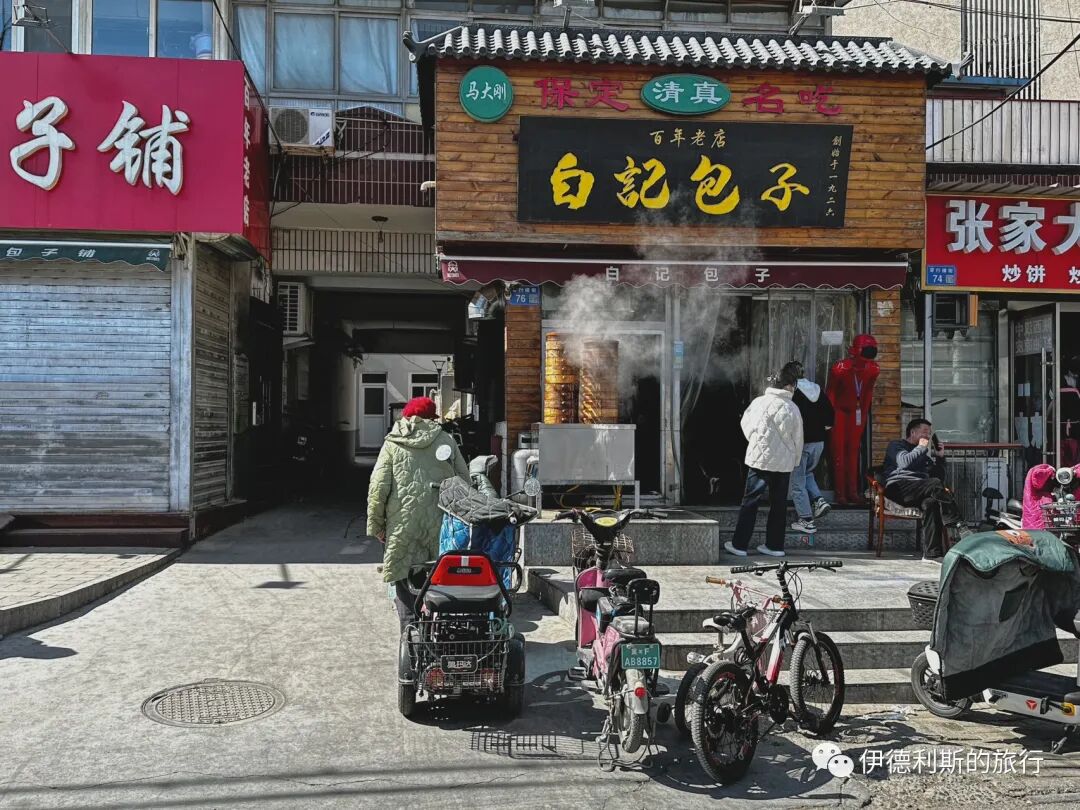
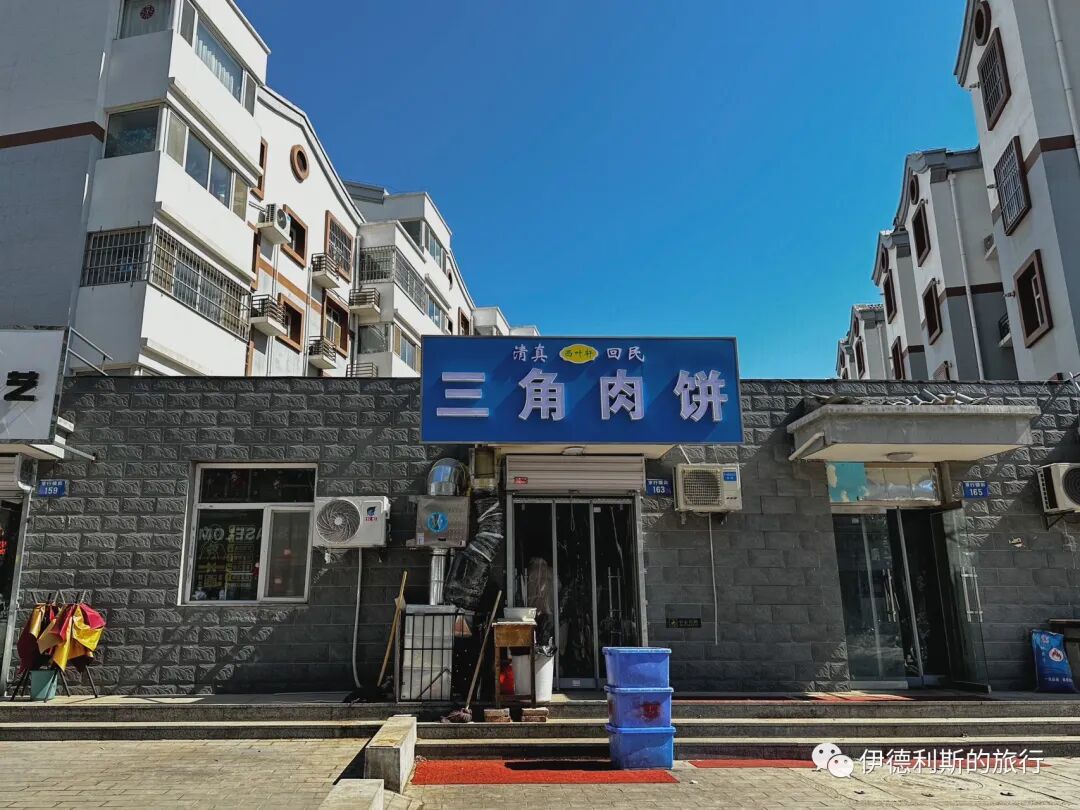
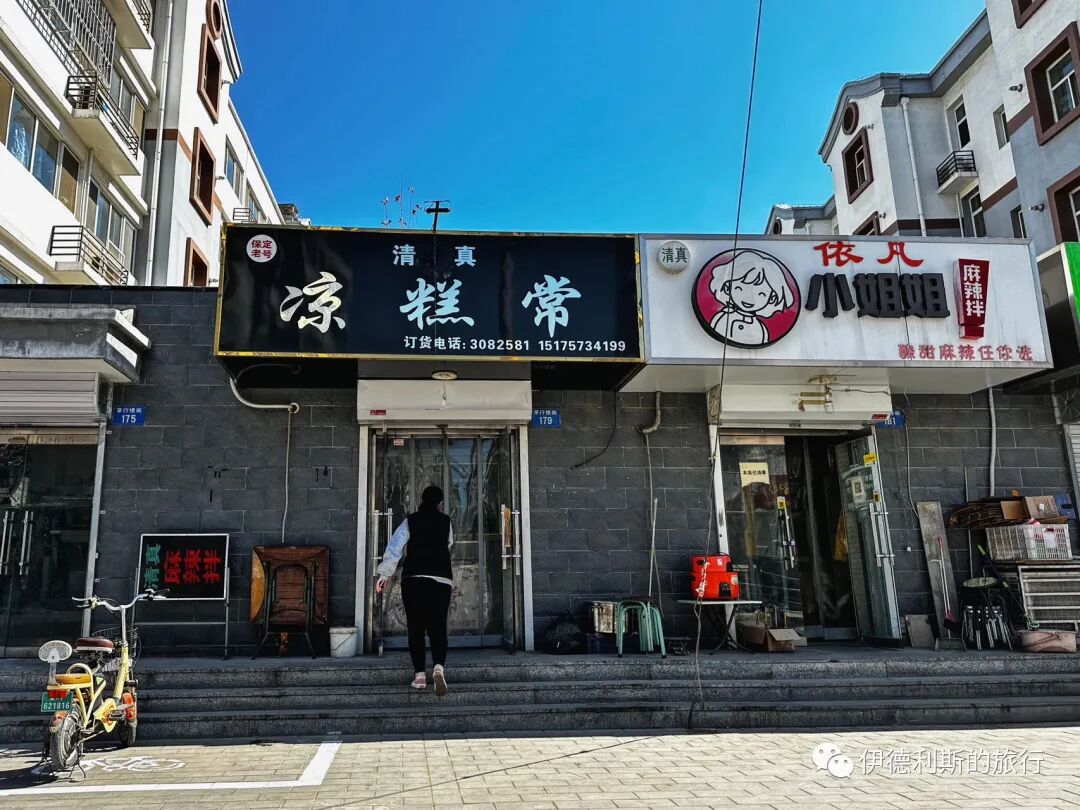
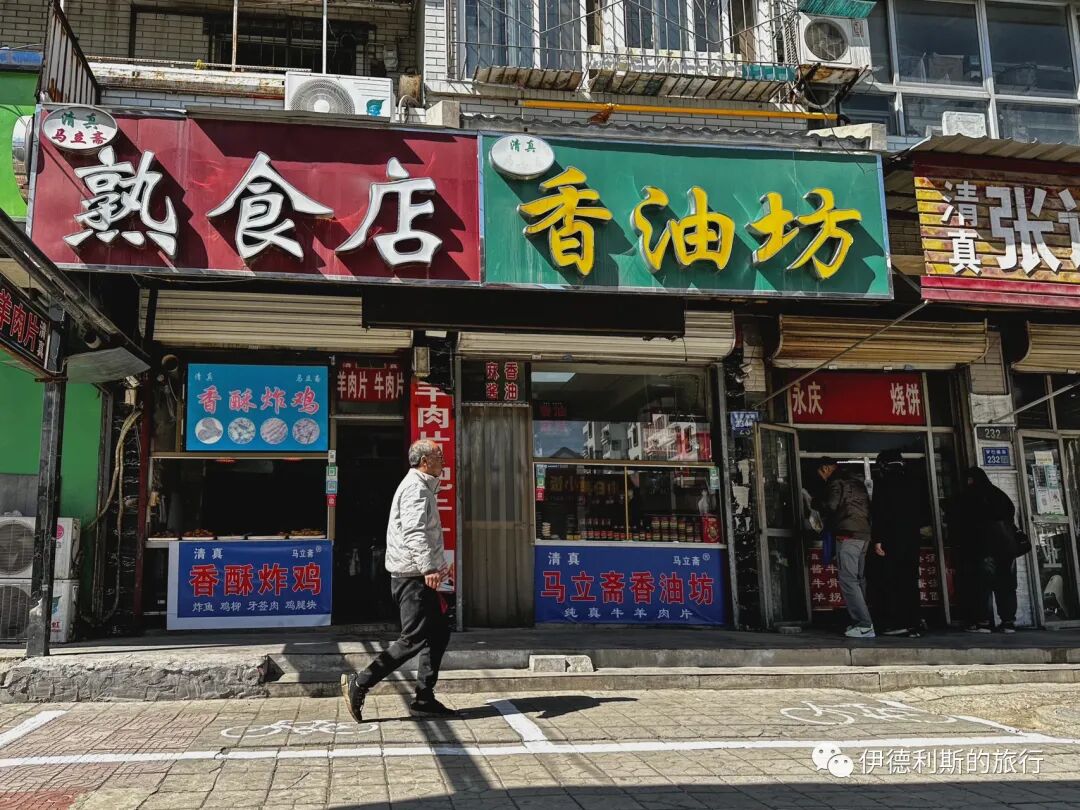
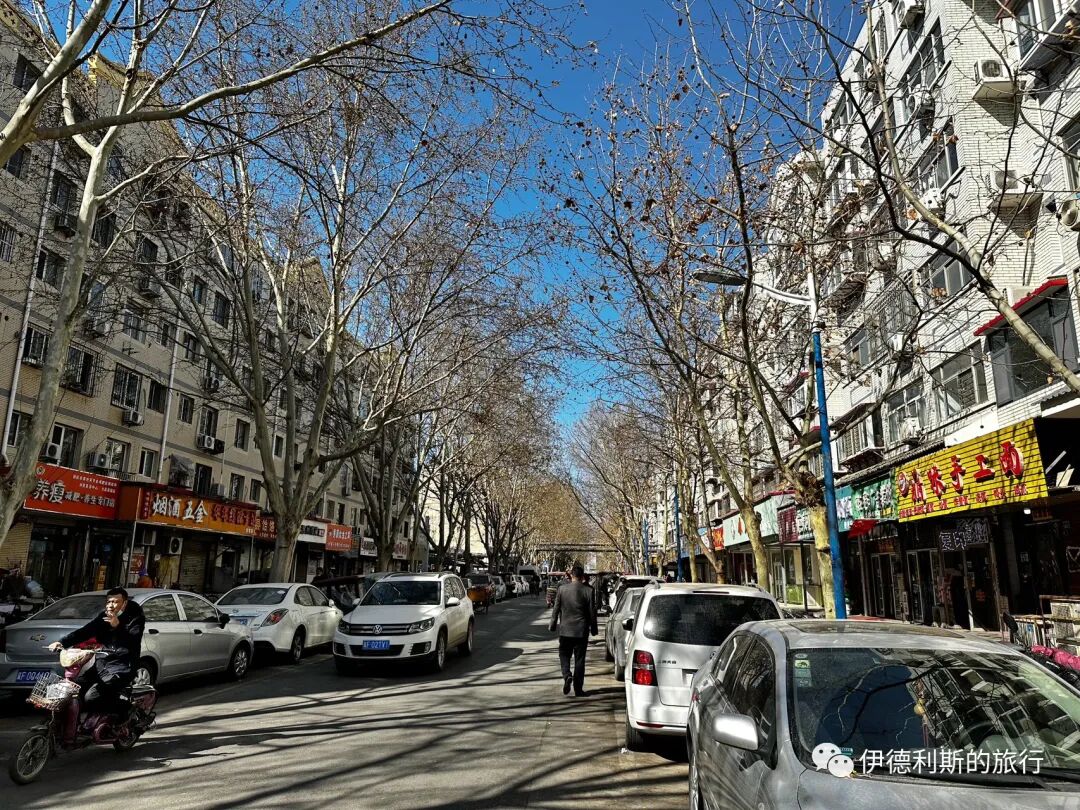
The Hui Muslim community in Baoding is in the southeast of the old city, commonly known as 'Dongtou.' It has three ancient mosques built during the Ming and Qing dynasties and the Republican era. Before the old city renovation, this area was full of crisscrossing streets and alleys, with many old homes of famous people tucked away inside. After the 2010 renovation, the Mosque Residential Area (Qingzhensi Xiaoqu) was built here. The layout of the mosque and its surrounding neighborhood was preserved, and the area is now very lively with halal snack shops all around.
The most common snack sold around the Mosque Residential Area is braised chicken (luzhuji). I bought one from a cart inside the neighborhood run by the Ma Family Brand (Majia Laohao). The chicken weighed a little over a pound and wasn't very big. The braised flavor was good and not as salty as in some other places, so it was perfect to eat on its own.
I had lunch at Yongshenghao on Fuxue Back Street, west of the Mosque Residential Area. The Baoding Antique Market is right next door, and it gets incredibly crowded and busy on weekends.
Yongshenghao is a typical old-town shop run by a husband and wife. It is small, and by 11 a.m., it was already full of local customers. Local halal food in Baoding follows the style of traditional North China halal cuisine but has its own unique character. The most interesting dish is the shredded pork with fish-flavored sauce (yuxiang rousi). Outsiders would never think to order it just by looking at the menu, but it is actually the most popular dish people order at halal restaurants in Baoding! The beef is shredded very thinly. The sweet and sour sauce doesn't have the dark color of soy sauce, and the plate is full of meat with almost no vegetables, making it very appetizing.
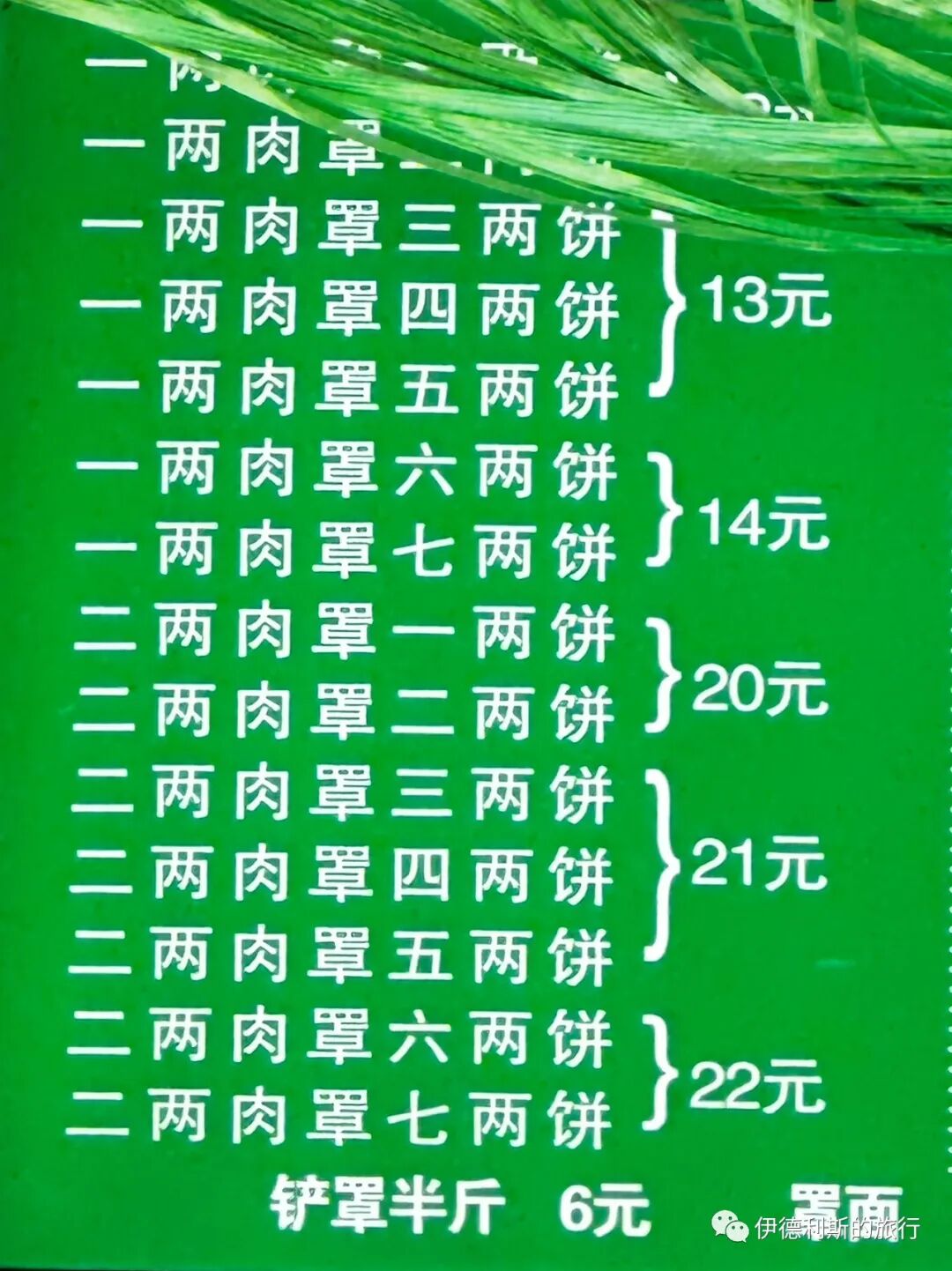
I also ordered the famous Baoding halal dish, beef covered flatbread (niurou zhaobing). After you order, the owner asks 'how much cover, how much bread,' which refers to how many liang of beef and how many liang of flatbread you want. The flavor of the covered flatbread comes mainly from the aged broth used to stew the meat. Every shop uses different meat ingredients, which are considered their secret recipes. The flatbread (laobing) soaked ladle by ladle in the aged broth is very fragrant and rich. Besides the meat and bread combinations, there is also 'shovel cover' (chanzhao), which is just the flatbread and green onions soaked in the aged broth. It is very affordable.
Another covered flatbread shop.
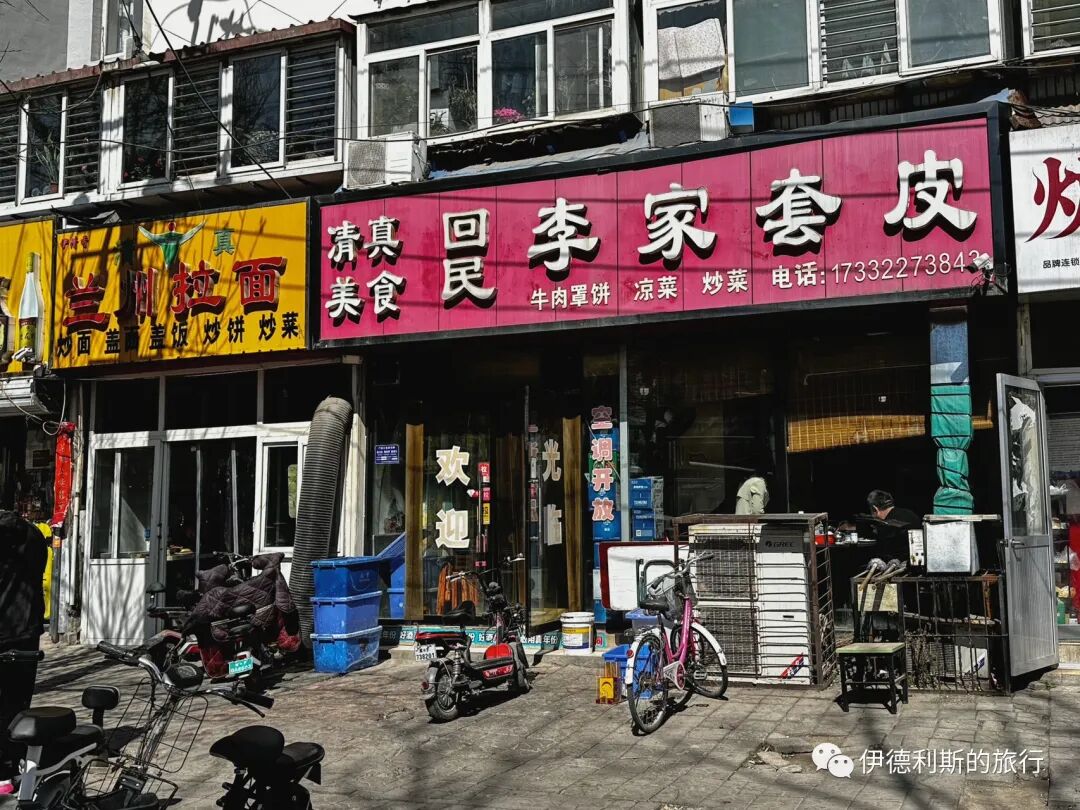
Stewed skin (taopi) is also a special halal delicacy in Baoding. The pot of stewing meat bubbles away, and you can use it to blanch vegetables or soak flatbread.
The Baoding West Mosque was first built in 1616 (the 44th year of the Wanli reign of the Ming Dynasty). According to the stone tablet in the mosque, a man named Fa from Hanji Village in Fangshan served as a military official in Baoding during the Wanli period. He saw there was no mosque in the city, and fellow Muslims had to go elsewhere for Eid prayers, so he bought 12 mu of land at the Wei Family Garden. Besides building the mosque, he allowed fellow Muslims to build houses on the surrounding land, which officially formed the mosque-centered neighborhood layout in Baoding. The West Mosque was renovated many times after the Qing Dynasty. The bathing room was rebuilt in 1906 (the 23rd year of the Guangxu reign), and the north and south lecture halls were rebuilt during the Republican era, forming the current layout.
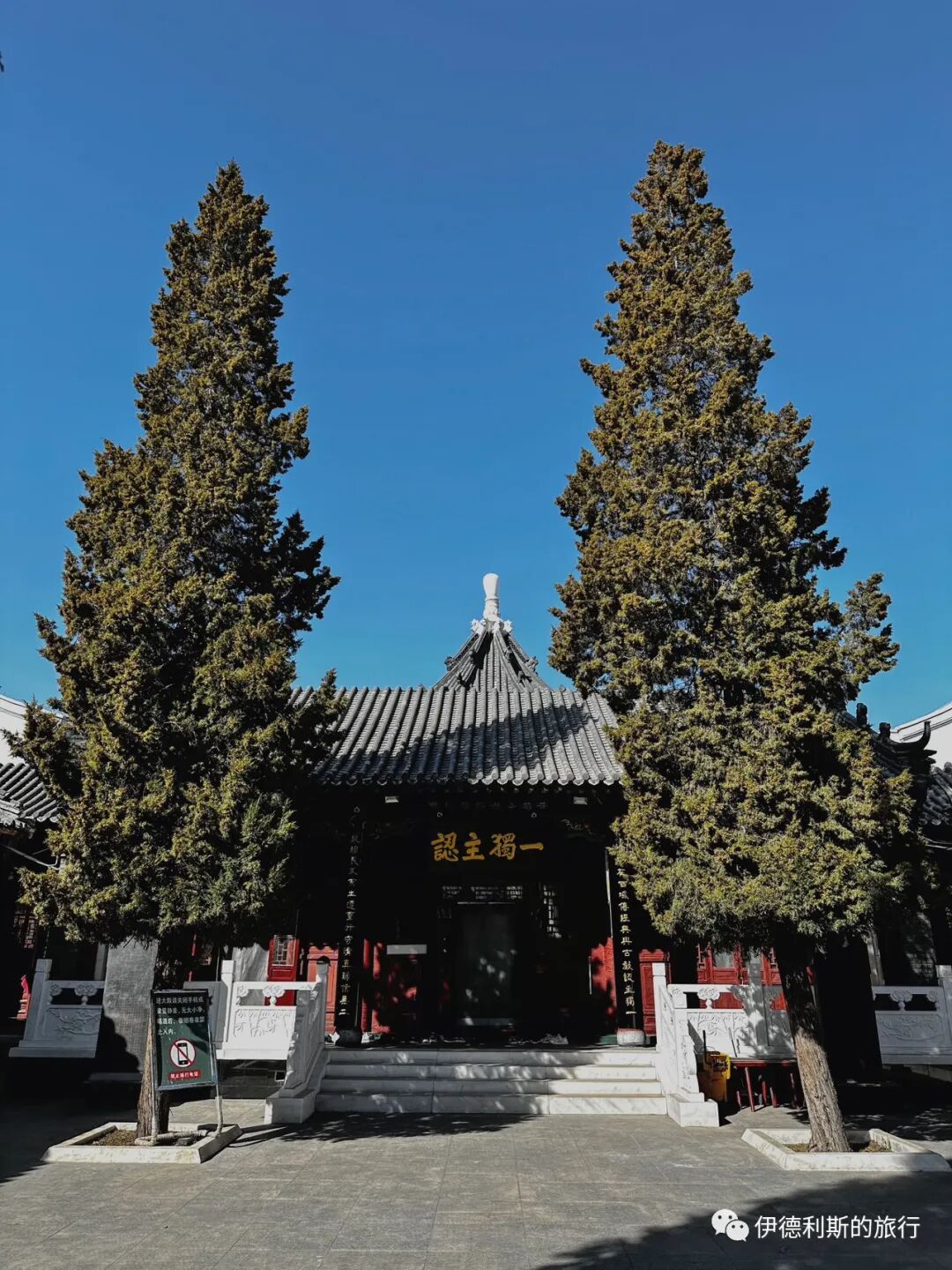
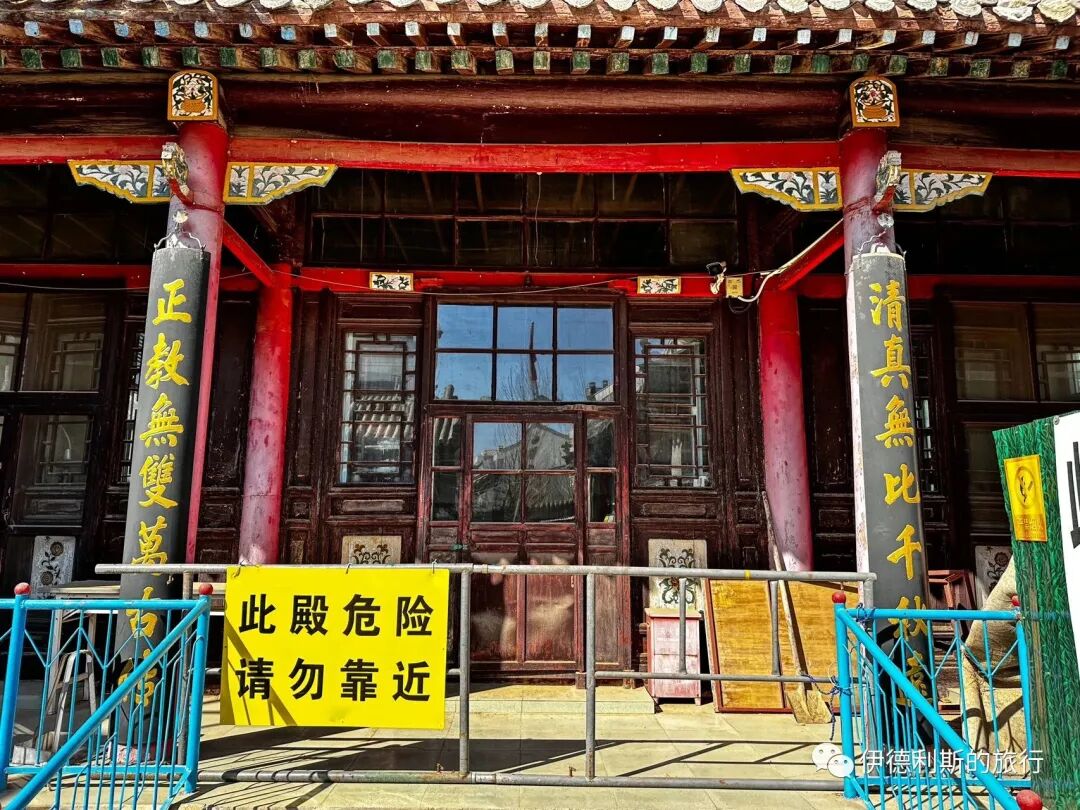
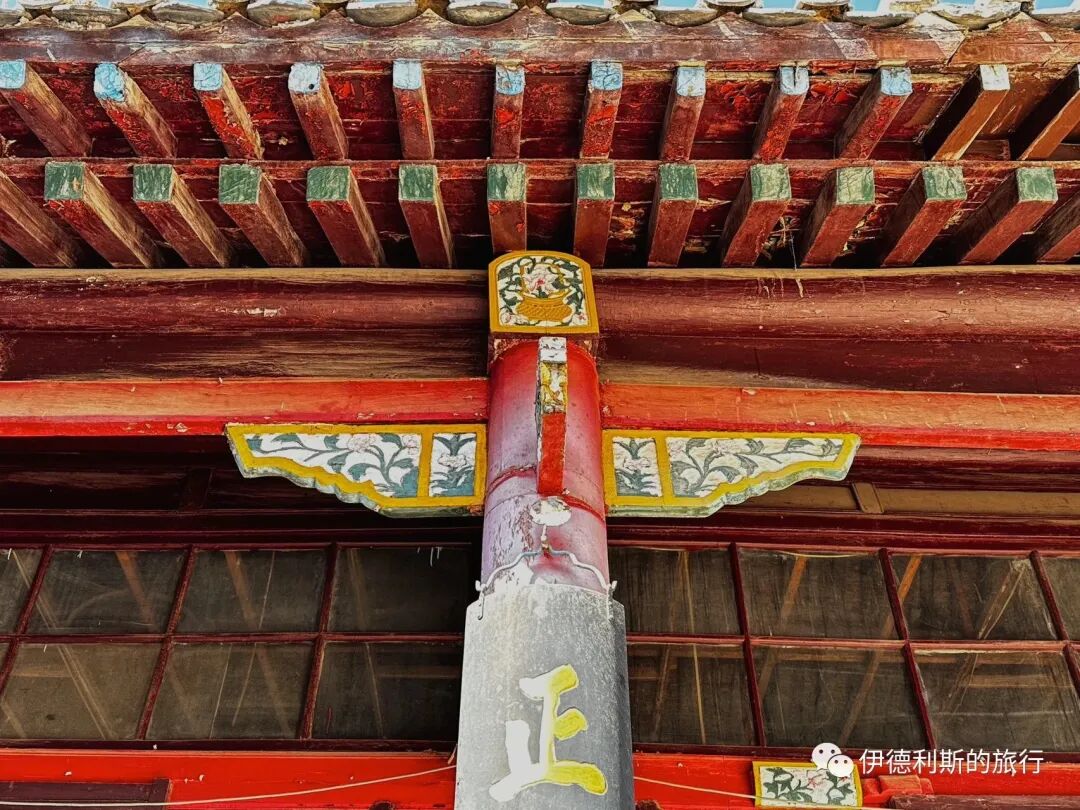
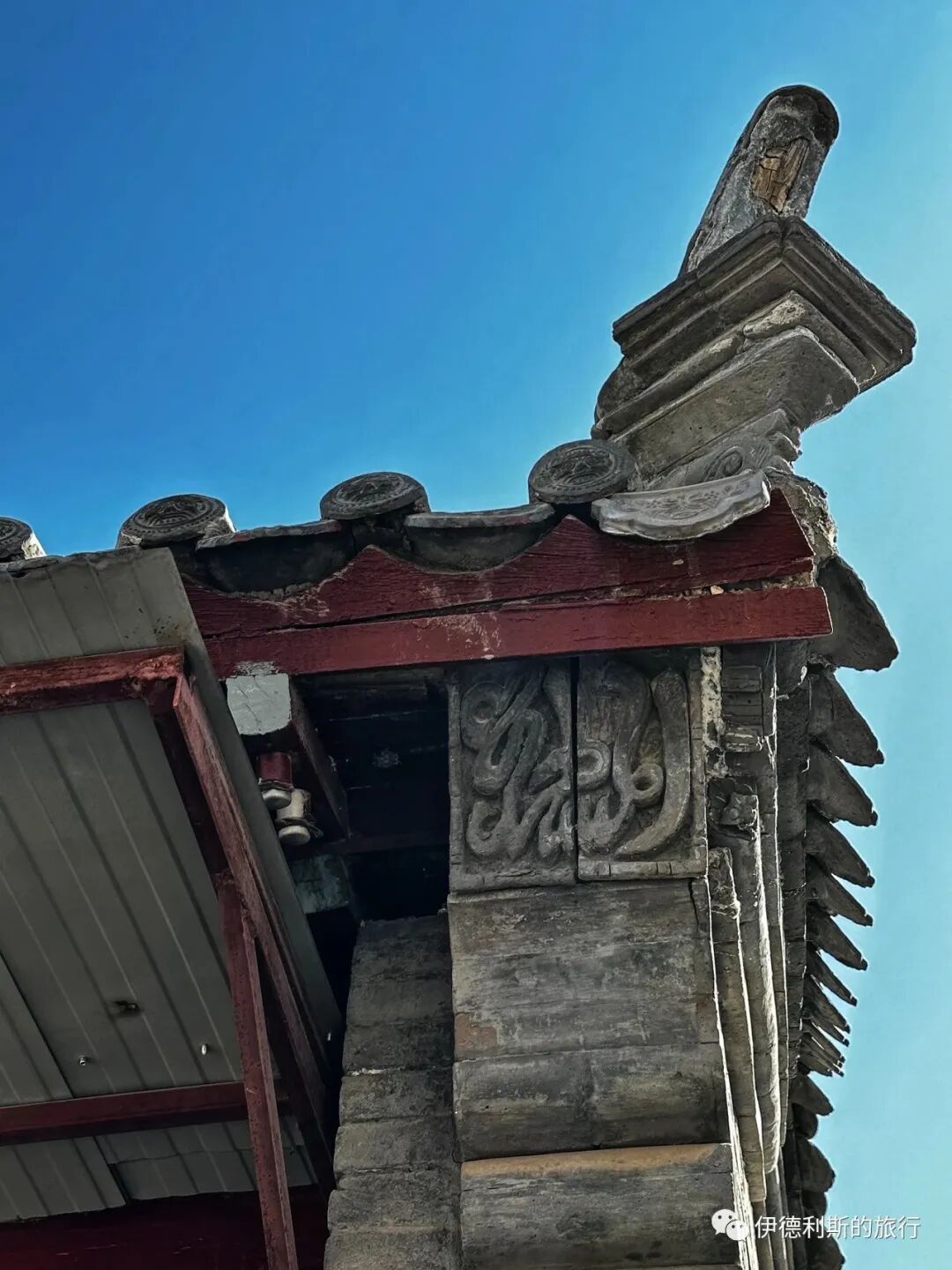
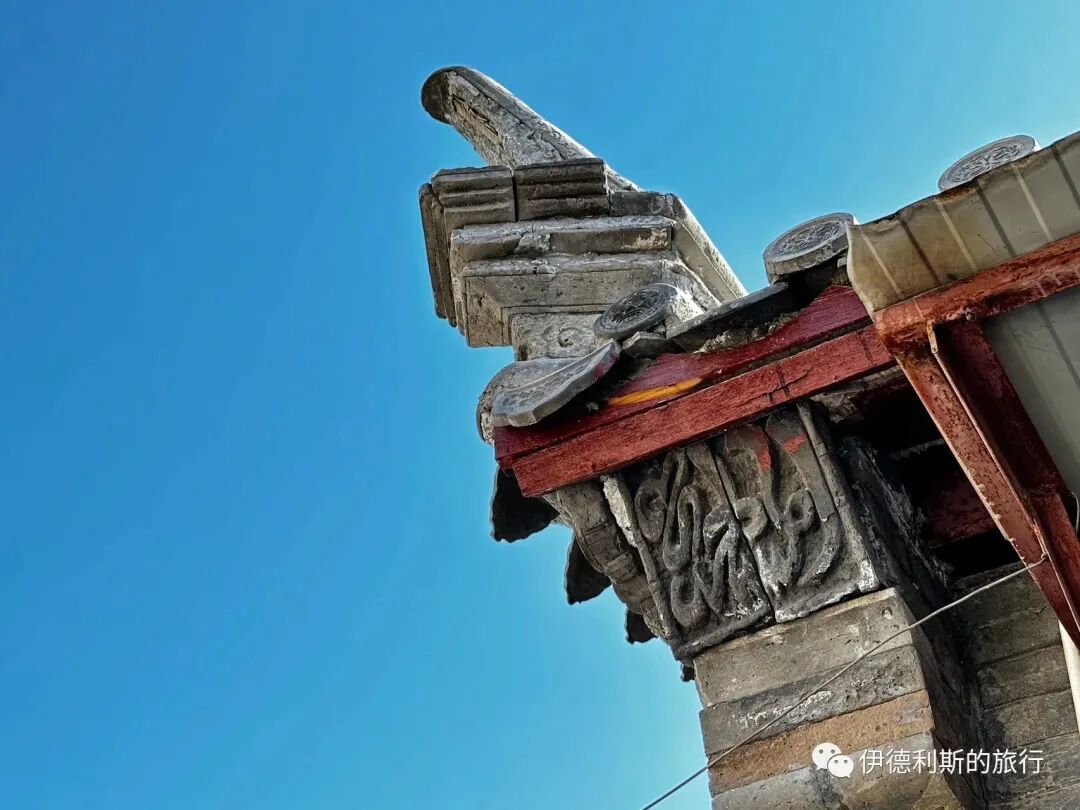
The main hall is divided into front and back sections. The kiln-style roof has an octagonal pavilion over 7 meters high, with a couplet that reads 'The Lord is formless, the heart can understand; leave room for retreat in affairs, the character is truly high,' and a horizontal plaque reading 'Mecca in Sight.' The roof ridges originally had animal statues, but during the Republican era, Bai Yunzhang, the owner of the famous Baoding halal shop Bai Yunzhang Steamed Bun Shop, paid to have them all replaced with flower and plant designs.
Components replaced during the renovation.
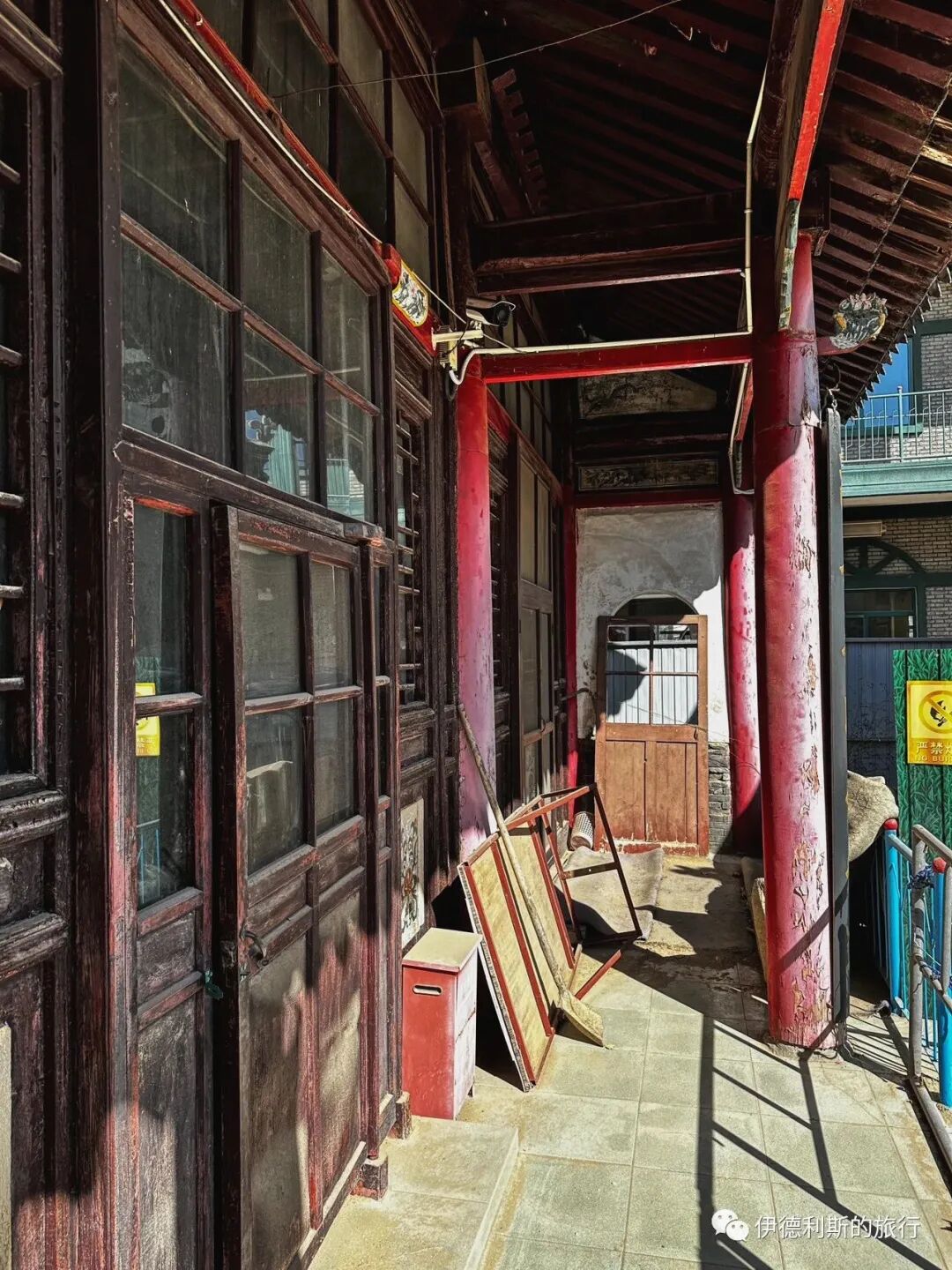
After 1966, the mosque was damaged. The main hall became a club, the lecture hall became a street factory, and the bathing room became a carpentry workshop. It was reclaimed in 1979 and renovated again in 1987.
As a famous mosque in North China, the Baoding West Mosque had a thriving religious life and trained many imams, including Xie Jinqing, Yang Yuzhen, An Shiwei, and Yang Yongchang. The mosque also once had a training ground that produced many famous wrestling masters and martial arts teachers.
During the Tongzhi reign, because the number of worshippers at the West Mosque increased and the main hall became too small, local residents Shi Xie and his son Shi Jun built a scripture room east of the West Mosque. A few years later, it was officially completed as the Baoding East Mosque under the leadership of the famous Imam Yan Mingpu. The East Mosque was renovated many times later. During the Guangxu reign, Imam Zhang Ziwen and Mr. Shi Tongshan led the construction of the south lecture hall and bathing room. During the Xuantong reign, Imam Xie Jinqing led the construction of the north lecture hall, and Shi Changchun and Shi Tongshan led a comprehensive renovation. In 1936, Imam Yang Baozhai led another renovation.
Although the East Mosque is not large, many famous imams like Wang Gui, Li Ba, Zhang Li, and Bai Da taught there and trained many excellent students.
After 1958, the East Mosque was occupied by a blueprint paper factory. In 1979, the property rights were returned to the West Mosque, and it is currently a warehouse for the Xinyue Halal Food Factory.
The Baoding Women's Mosque was founded in 1916 by Imam Yan Fengshan of the East Mosque in the alley north of the mosque, and the prayer leader was Jin Shiniang from Shandong. In 1932, the mosque hired Imam Sha Zhijun from Jilin to start a primary school for Muslim girls, but it closed in 1937 after the Japanese occupation. In 1940, Imam Sha and Mrs. Shi traveled to Beijing, Tianjin, and Jinan to raise money. With extra funds from local elders, they bought a house from Bai Yunzhang, the owner of the famous Baoding halal steamed bun shop (Bai Yunzhang baozi), to build the current women's mosque.
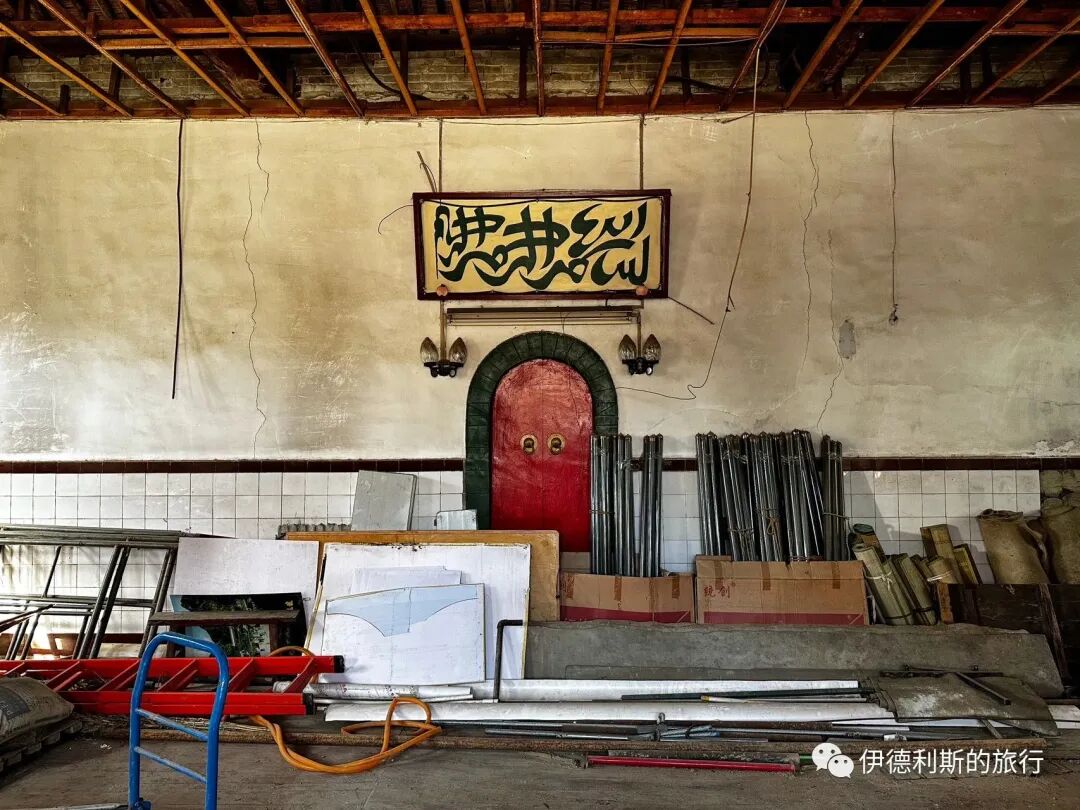
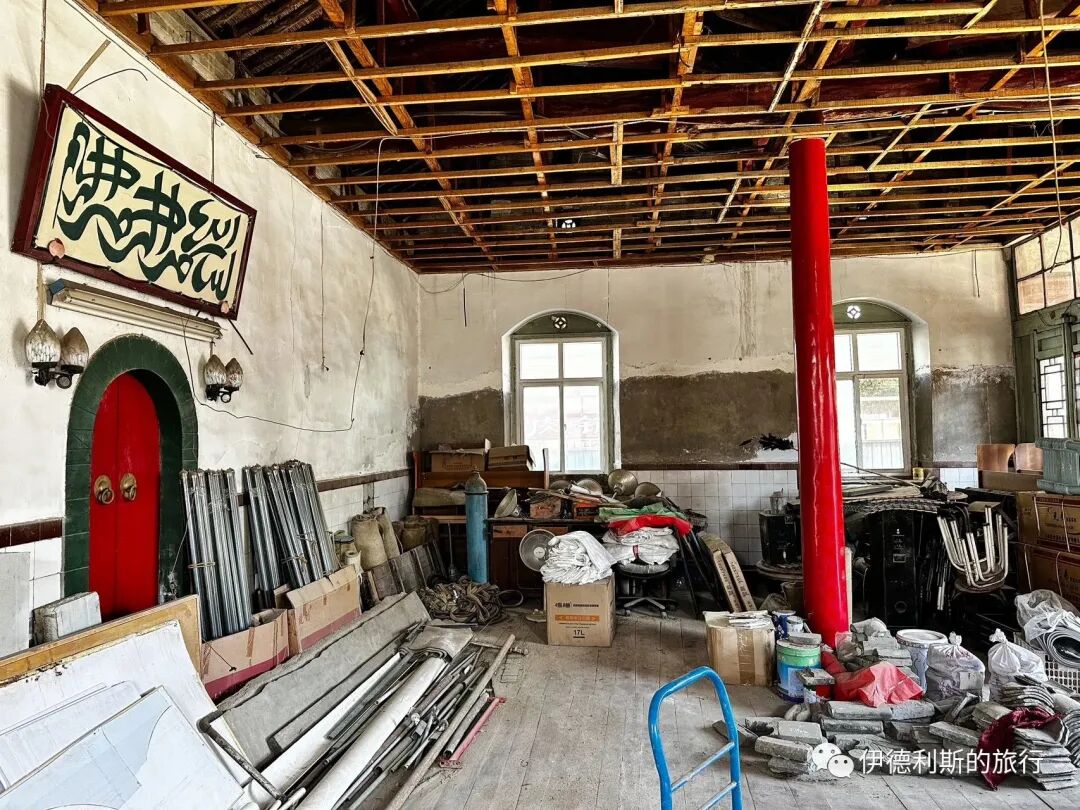
The women's mosque was taken over after 1958. In the 1970s, digging an air-raid shelter under the main prayer hall caused structural damage. The building was returned in 1982, but the walls slowly cracked. During the 2015 urban renewal project, a new building was added to the north side, and the old main hall is now used as a storage room.
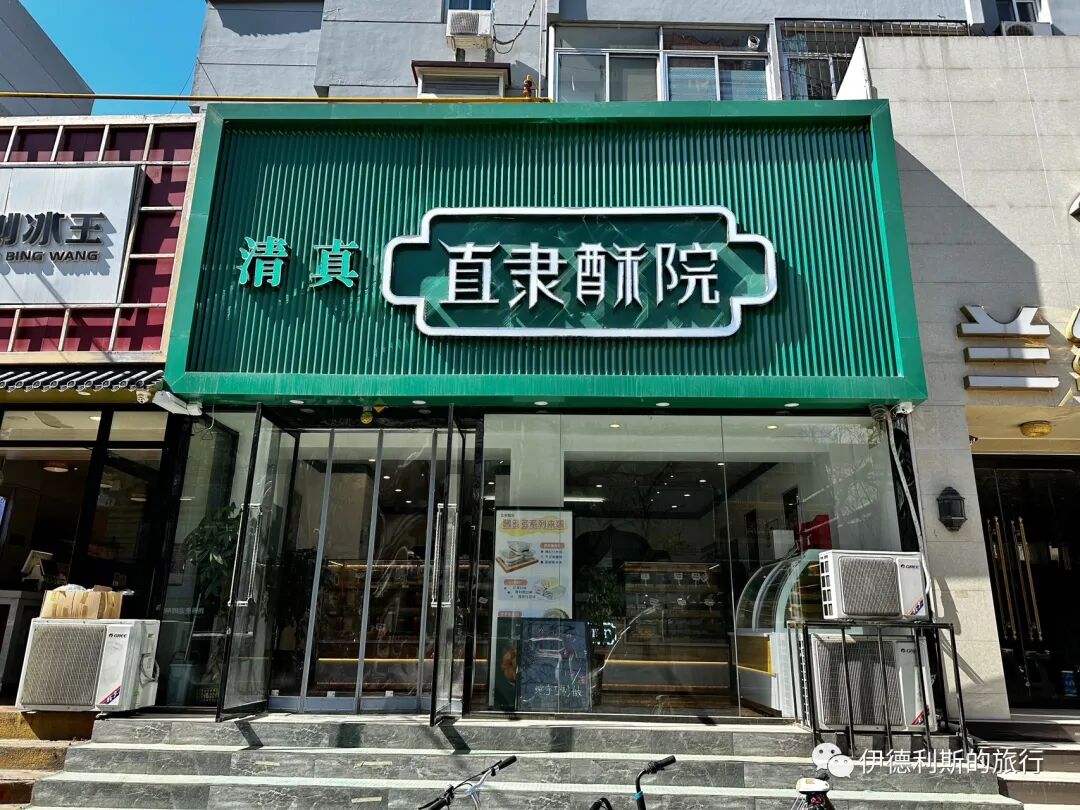
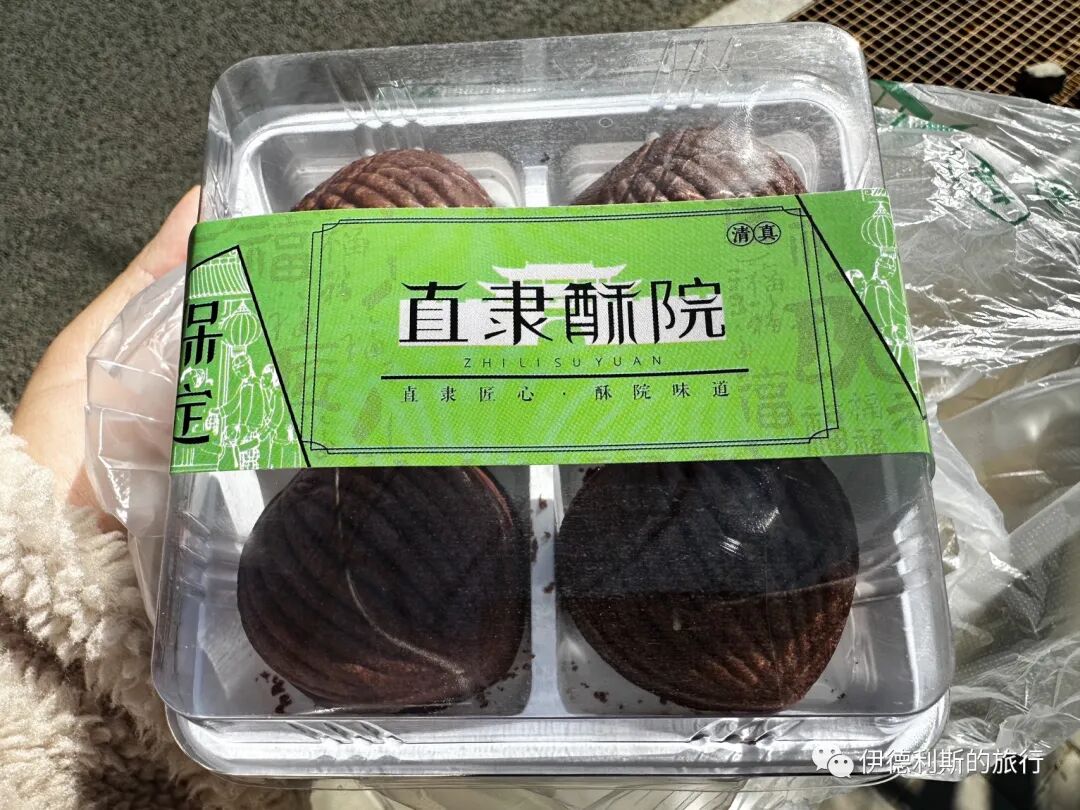
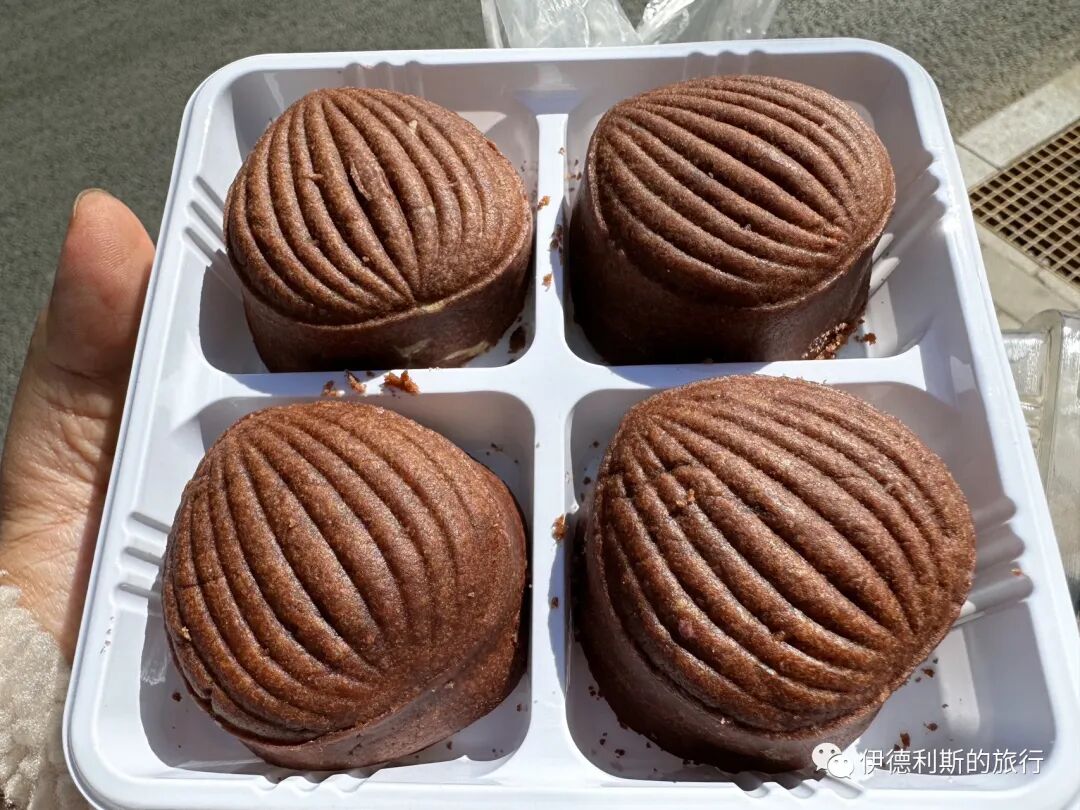
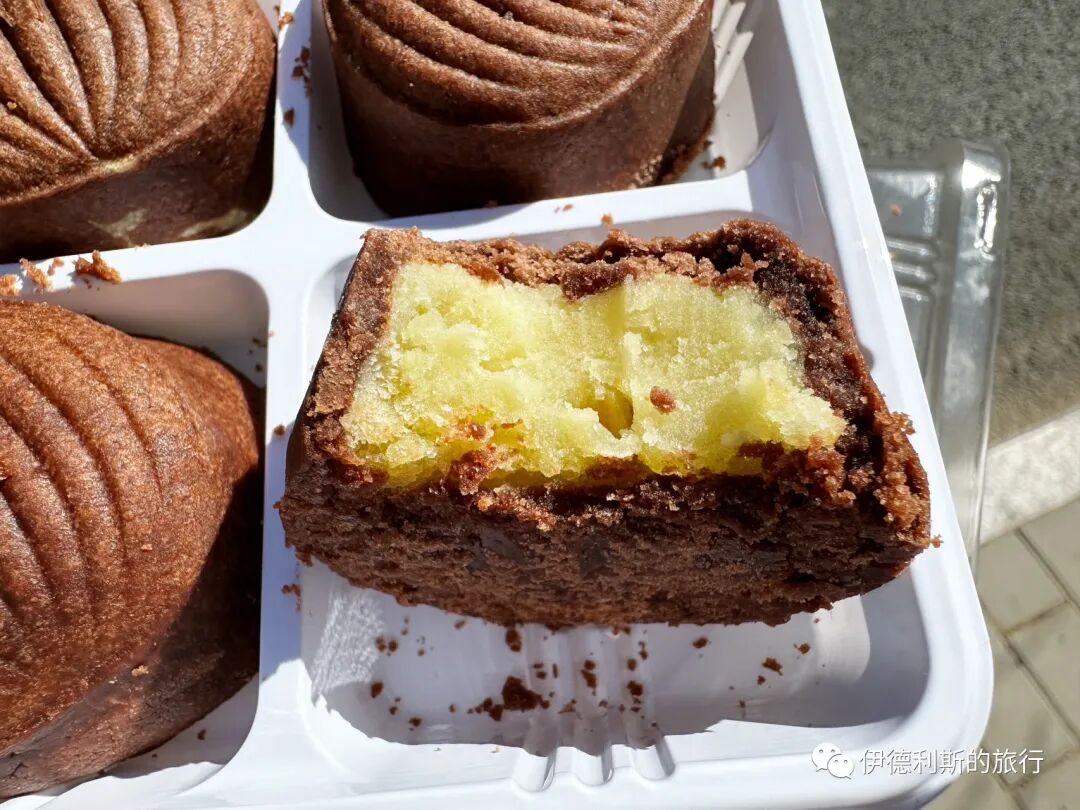
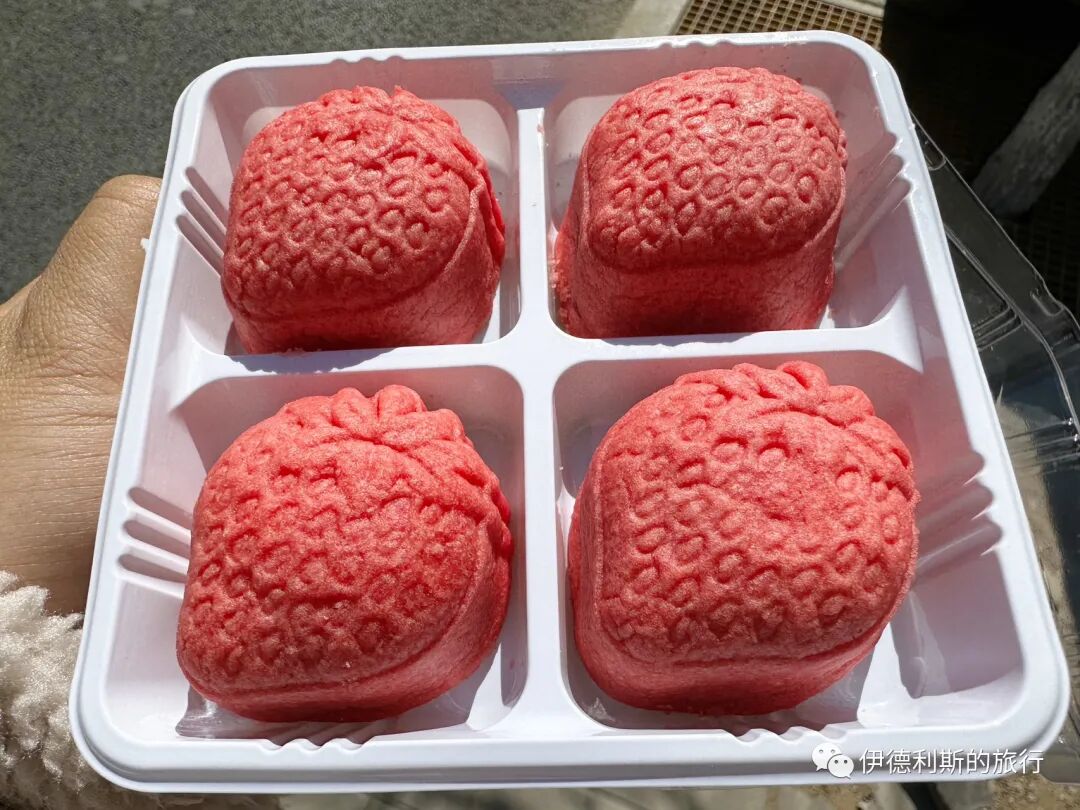
Before leaving, I bought chestnut pastries (banli su) and strawberry milk at Zhili Pastry Shop (Zhili Su Yuan) on Yonghua South Street. They sell both traditional and modern pastries. The kitchen is clean and tidy, and you can tell they put a lot of care into their work. I especially liked the chestnut pastries. They are not too sweet and have a strong chestnut flavor. I only bought one box at first, but after eating one piece at the door, I quickly went back inside to buy another. view all
Summary: Baoding — Historic Mosques and Hui Muslim Food is presented here as a firsthand travel account in clear English, beginning with this scene: I visited Baoding, Hebei, on the morning of March 12, 2023. It was very convenient, taking just over 40 minutes by high-speed train from Beijing West Station. The account keeps its focus on Baoding Mosques, Hui Muslims, Halal Food while preserving the names, places, food, and historical details from the Chinese source.
I visited Baoding, Hebei, on the morning of March 12, 2023. It was very convenient, taking just over 40 minutes by high-speed train from Beijing West Station.
The Hui Muslim community in Baoding is in the southeast of the old city, commonly known as 'Dongtou.' It has three ancient mosques built during the Ming and Qing dynasties and the Republican era. Before the old city renovation, this area was full of crisscrossing streets and alleys, with many old homes of famous people tucked away inside. After the 2010 renovation, the Mosque Residential Area (Qingzhensi Xiaoqu) was built here. The layout of the mosque and its surrounding neighborhood was preserved, and the area is now very lively with halal snack shops all around.
The most common snack sold around the Mosque Residential Area is braised chicken (luzhuji). I bought one from a cart inside the neighborhood run by the Ma Family Brand (Majia Laohao). The chicken weighed a little over a pound and wasn't very big. The braised flavor was good and not as salty as in some other places, so it was perfect to eat on its own.
I had lunch at Yongshenghao on Fuxue Back Street, west of the Mosque Residential Area. The Baoding Antique Market is right next door, and it gets incredibly crowded and busy on weekends.
Yongshenghao is a typical old-town shop run by a husband and wife. It is small, and by 11 a.m., it was already full of local customers. Local halal food in Baoding follows the style of traditional North China halal cuisine but has its own unique character. The most interesting dish is the shredded pork with fish-flavored sauce (yuxiang rousi). Outsiders would never think to order it just by looking at the menu, but it is actually the most popular dish people order at halal restaurants in Baoding! The beef is shredded very thinly. The sweet and sour sauce doesn't have the dark color of soy sauce, and the plate is full of meat with almost no vegetables, making it very appetizing.
I also ordered the famous Baoding halal dish, beef covered flatbread (niurou zhaobing). After you order, the owner asks 'how much cover, how much bread,' which refers to how many liang of beef and how many liang of flatbread you want. The flavor of the covered flatbread comes mainly from the aged broth used to stew the meat. Every shop uses different meat ingredients, which are considered their secret recipes. The flatbread (laobing) soaked ladle by ladle in the aged broth is very fragrant and rich. Besides the meat and bread combinations, there is also 'shovel cover' (chanzhao), which is just the flatbread and green onions soaked in the aged broth. It is very affordable.
Another covered flatbread shop.
Stewed skin (taopi) is also a special halal delicacy in Baoding. The pot of stewing meat bubbles away, and you can use it to blanch vegetables or soak flatbread.
The Baoding West Mosque was first built in 1616 (the 44th year of the Wanli reign of the Ming Dynasty). According to the stone tablet in the mosque, a man named Fa from Hanji Village in Fangshan served as a military official in Baoding during the Wanli period. He saw there was no mosque in the city, and fellow Muslims had to go elsewhere for Eid prayers, so he bought 12 mu of land at the Wei Family Garden. Besides building the mosque, he allowed fellow Muslims to build houses on the surrounding land, which officially formed the mosque-centered neighborhood layout in Baoding. The West Mosque was renovated many times after the Qing Dynasty. The bathing room was rebuilt in 1906 (the 23rd year of the Guangxu reign), and the north and south lecture halls were rebuilt during the Republican era, forming the current layout.
The main hall is divided into front and back sections. The kiln-style roof has an octagonal pavilion over 7 meters high, with a couplet that reads 'The Lord is formless, the heart can understand; leave room for retreat in affairs, the character is truly high,' and a horizontal plaque reading 'Mecca in Sight.' The roof ridges originally had animal statues, but during the Republican era, Bai Yunzhang, the owner of the famous Baoding halal shop Bai Yunzhang Steamed Bun Shop, paid to have them all replaced with flower and plant designs.
Components replaced during the renovation.
After 1966, the mosque was damaged. The main hall became a club, the lecture hall became a street factory, and the bathing room became a carpentry workshop. It was reclaimed in 1979 and renovated again in 1987.
As a famous mosque in North China, the Baoding West Mosque had a thriving religious life and trained many imams, including Xie Jinqing, Yang Yuzhen, An Shiwei, and Yang Yongchang. The mosque also once had a training ground that produced many famous wrestling masters and martial arts teachers.
During the Tongzhi reign, because the number of worshippers at the West Mosque increased and the main hall became too small, local residents Shi Xie and his son Shi Jun built a scripture room east of the West Mosque. A few years later, it was officially completed as the Baoding East Mosque under the leadership of the famous Imam Yan Mingpu. The East Mosque was renovated many times later. During the Guangxu reign, Imam Zhang Ziwen and Mr. Shi Tongshan led the construction of the south lecture hall and bathing room. During the Xuantong reign, Imam Xie Jinqing led the construction of the north lecture hall, and Shi Changchun and Shi Tongshan led a comprehensive renovation. In 1936, Imam Yang Baozhai led another renovation.
Although the East Mosque is not large, many famous imams like Wang Gui, Li Ba, Zhang Li, and Bai Da taught there and trained many excellent students.
After 1958, the East Mosque was occupied by a blueprint paper factory. In 1979, the property rights were returned to the West Mosque, and it is currently a warehouse for the Xinyue Halal Food Factory.
The Baoding Women's Mosque was founded in 1916 by Imam Yan Fengshan of the East Mosque in the alley north of the mosque, and the prayer leader was Jin Shiniang from Shandong. In 1932, the mosque hired Imam Sha Zhijun from Jilin to start a primary school for Muslim girls, but it closed in 1937 after the Japanese occupation. In 1940, Imam Sha and Mrs. Shi traveled to Beijing, Tianjin, and Jinan to raise money. With extra funds from local elders, they bought a house from Bai Yunzhang, the owner of the famous Baoding halal steamed bun shop (Bai Yunzhang baozi), to build the current women's mosque.
The women's mosque was taken over after 1958. In the 1970s, digging an air-raid shelter under the main prayer hall caused structural damage. The building was returned in 1982, but the walls slowly cracked. During the 2015 urban renewal project, a new building was added to the north side, and the old main hall is now used as a storage room.
Before leaving, I bought chestnut pastries (banli su) and strawberry milk at Zhili Pastry Shop (Zhili Su Yuan) on Yonghua South Street. They sell both traditional and modern pastries. The kitchen is clean and tidy, and you can tell they put a lot of care into their work. I especially liked the chestnut pastries. They are not too sweet and have a strong chestnut flavor. I only bought one box at first, but after eating one piece at the door, I quickly went back inside to buy another. view all
Reposted from the web
Summary: Baoding — Historic Mosques and Hui Muslim Food is presented here as a firsthand travel account in clear English, beginning with this scene: I visited Baoding, Hebei, on the morning of March 12, 2023. It was very convenient, taking just over 40 minutes by high-speed train from Beijing West Station. The account keeps its focus on Baoding Mosques, Hui Muslims, Halal Food while preserving the names, places, food, and historical details from the Chinese source.
I visited Baoding, Hebei, on the morning of March 12, 2023. It was very convenient, taking just over 40 minutes by high-speed train from Beijing West Station.
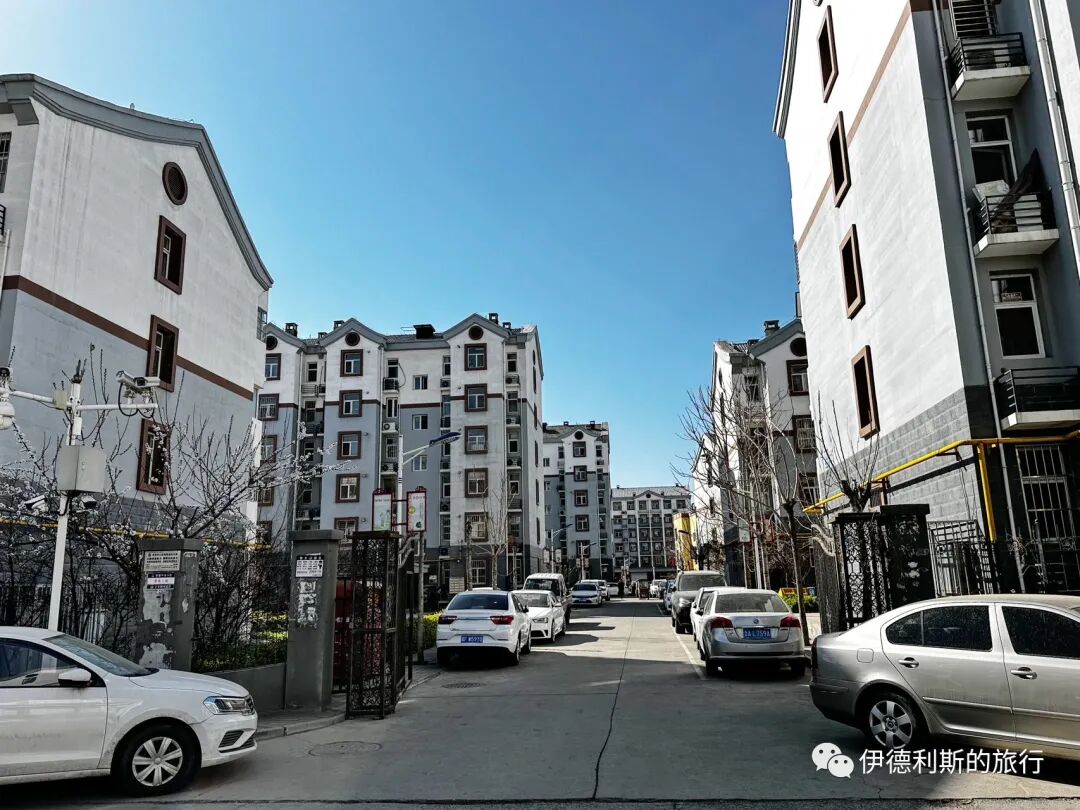
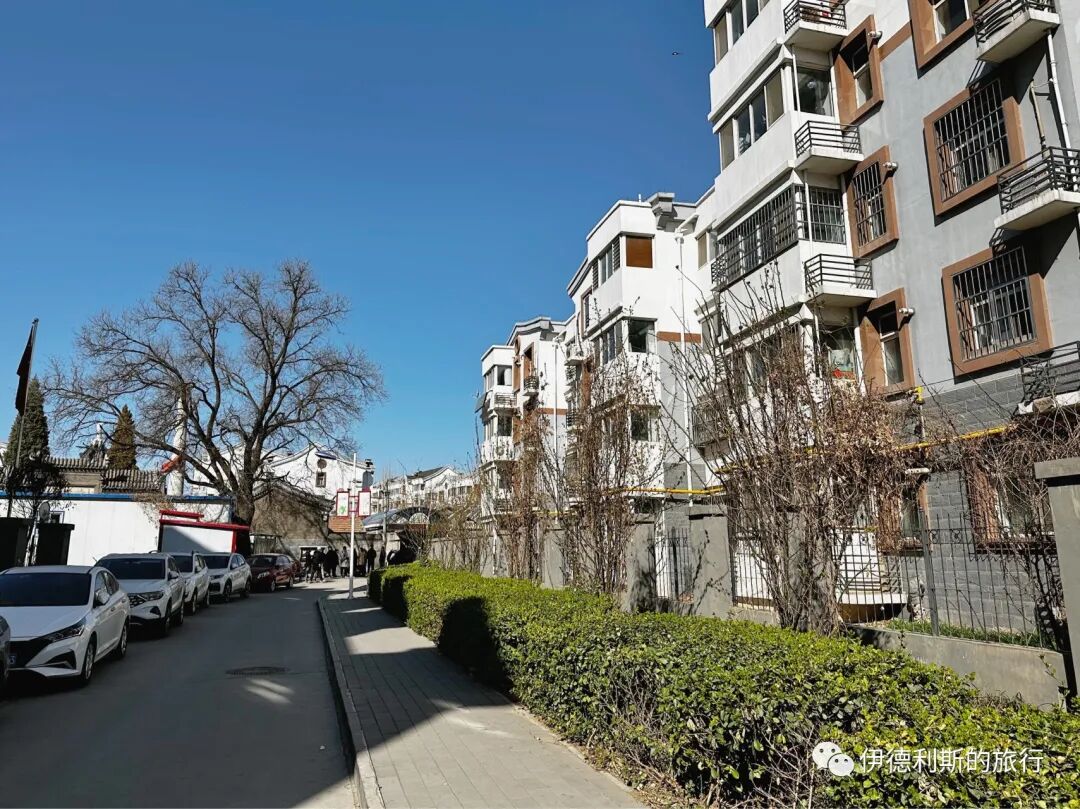
The Hui Muslim community in Baoding is in the southeast of the old city, commonly known as 'Dongtou.' It has three ancient mosques built during the Ming and Qing dynasties and the Republican era. Before the old city renovation, this area was full of crisscrossing streets and alleys, with many old homes of famous people tucked away inside. After the 2010 renovation, the Mosque Residential Area (Qingzhensi Xiaoqu) was built here. The layout of the mosque and its surrounding neighborhood was preserved, and the area is now very lively with halal snack shops all around.
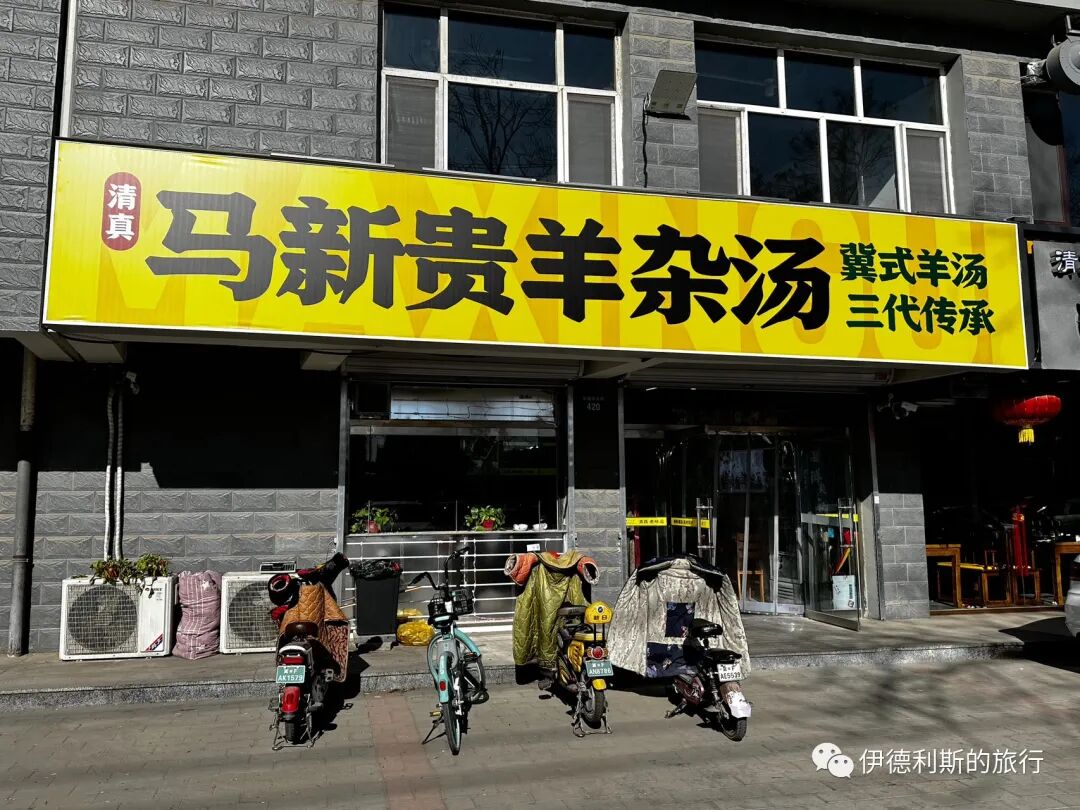
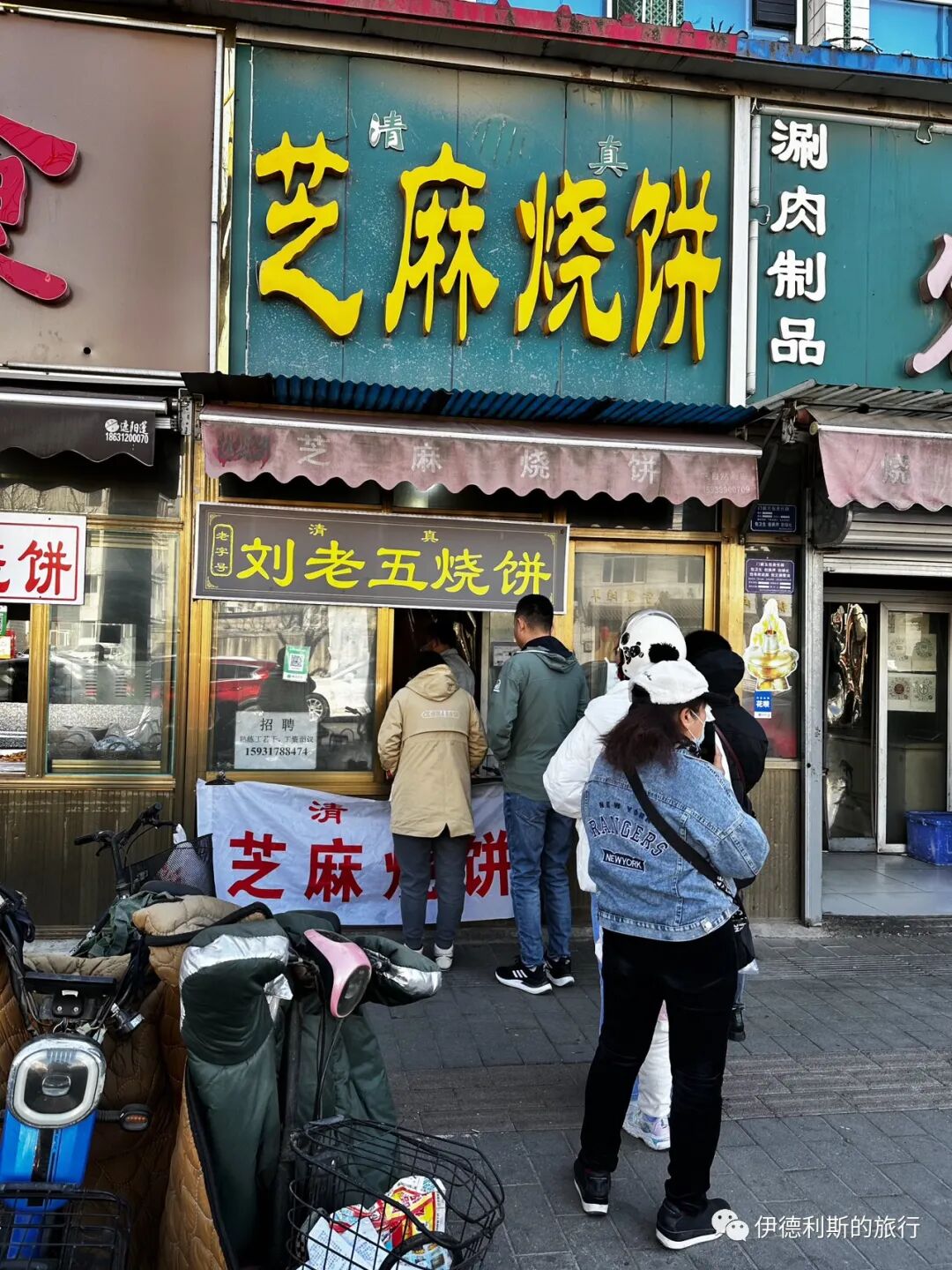
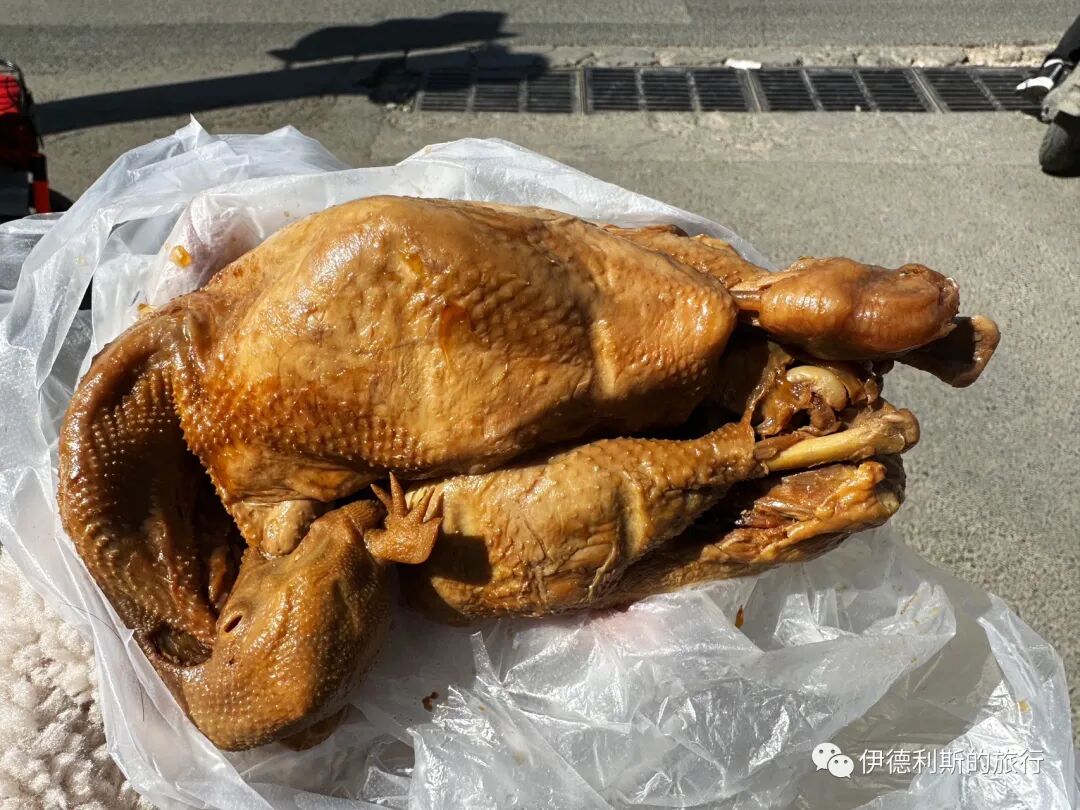
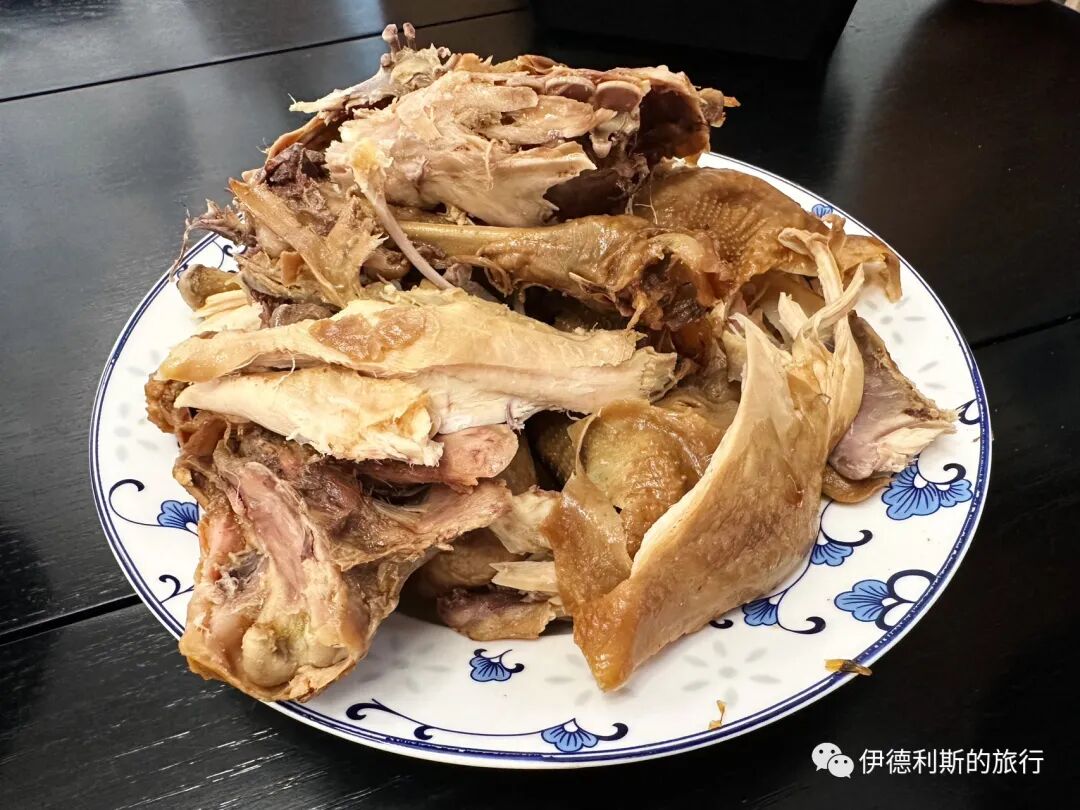
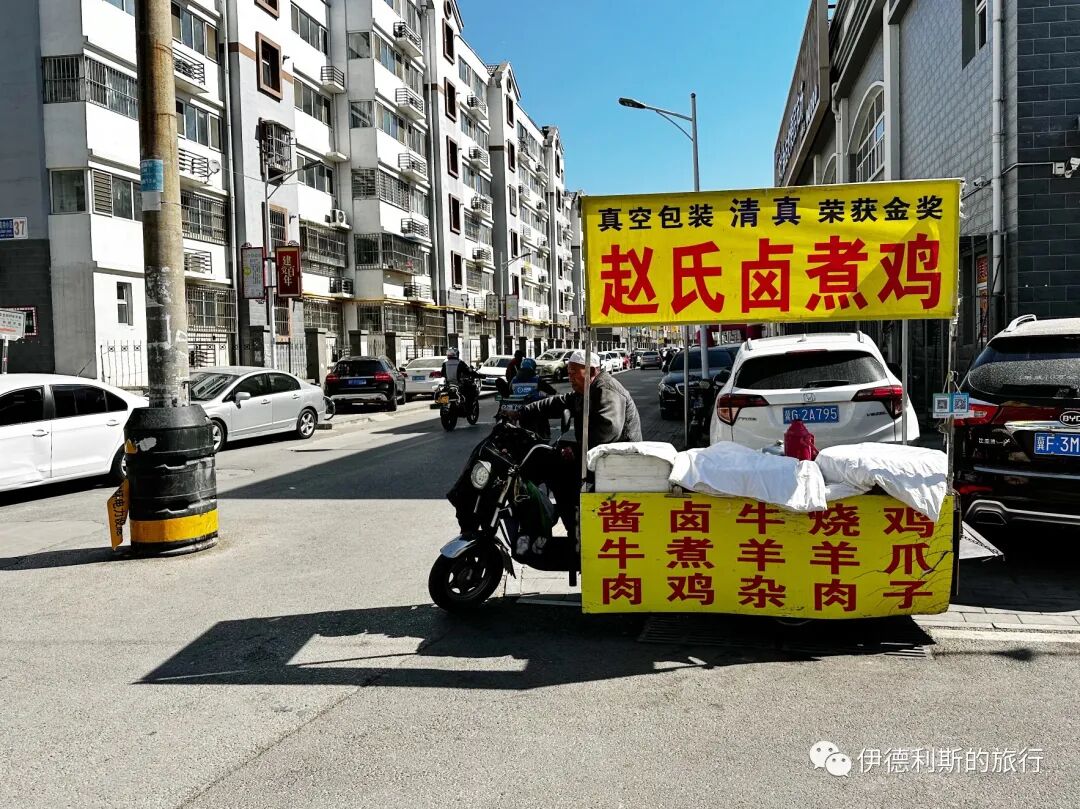
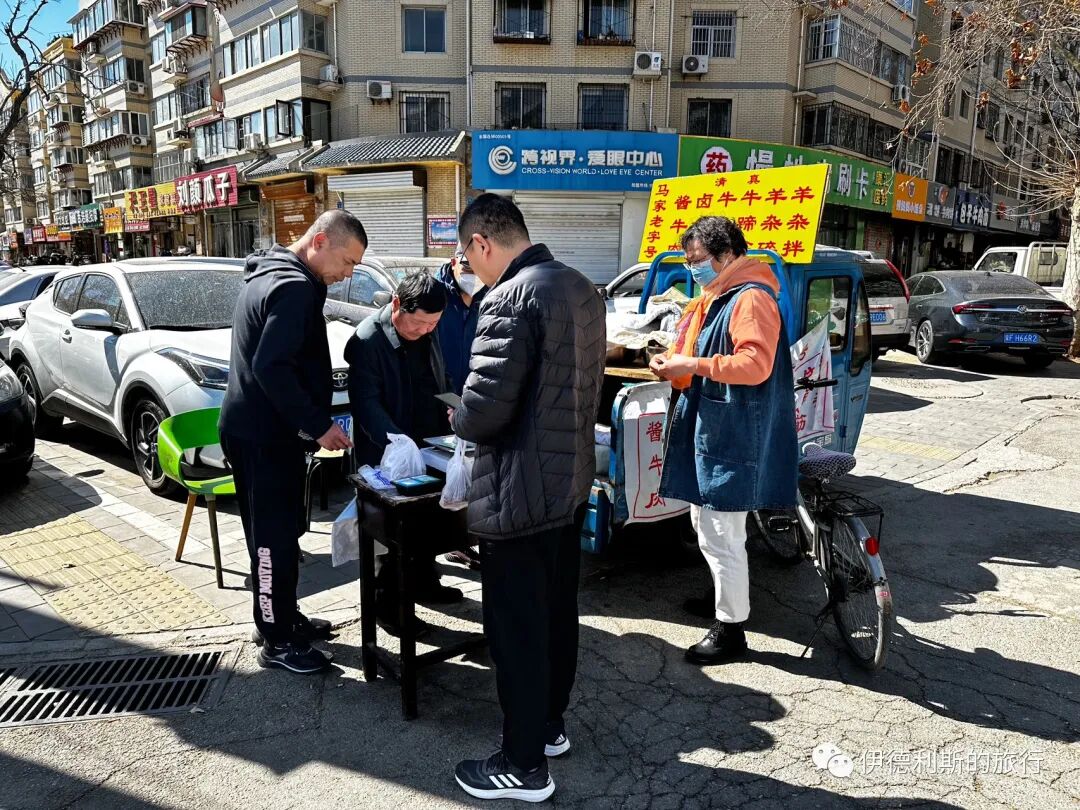
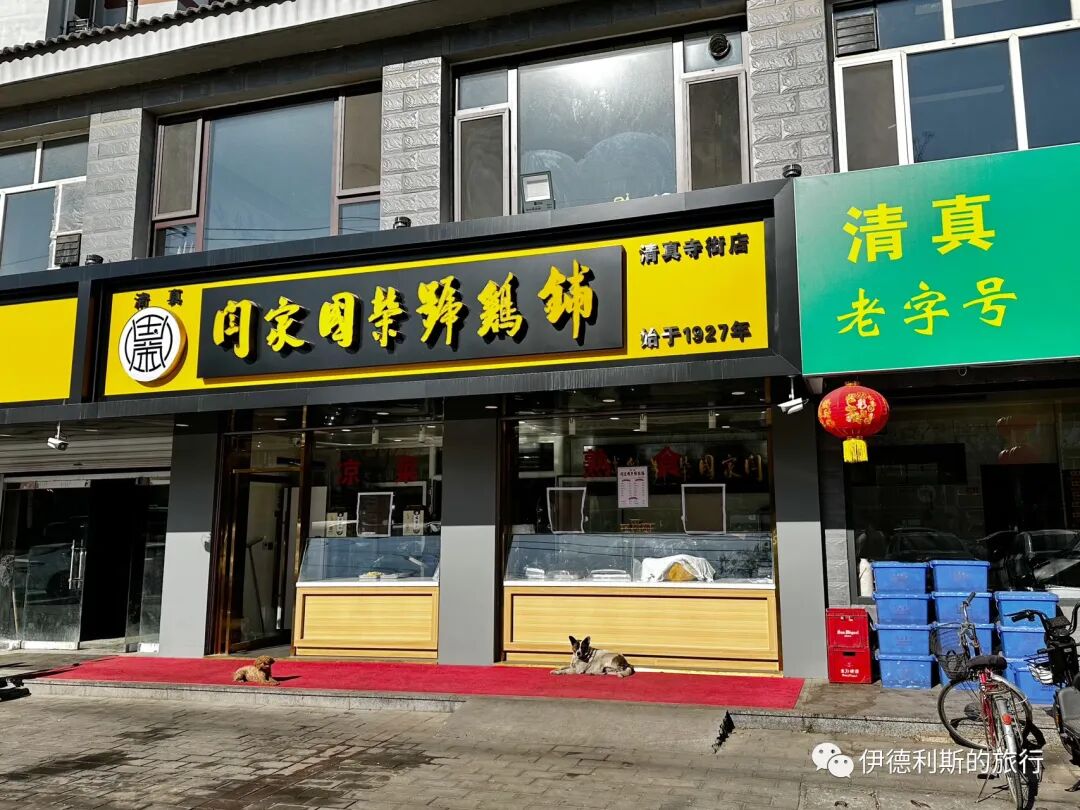
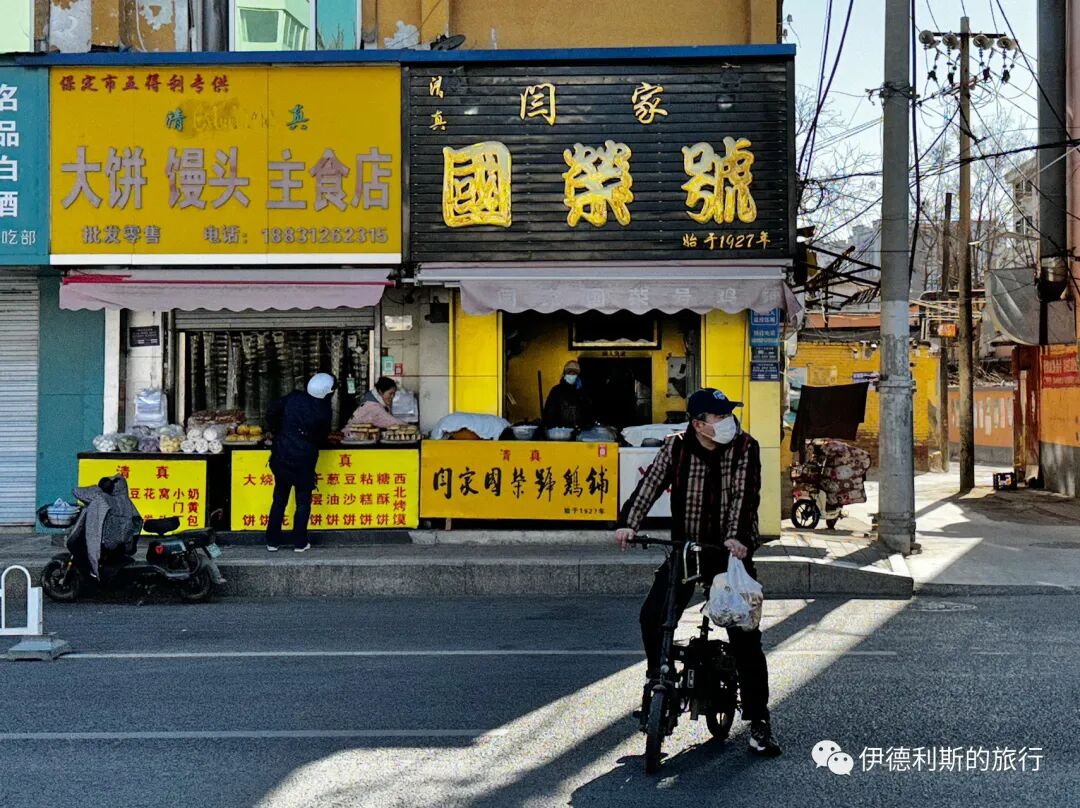
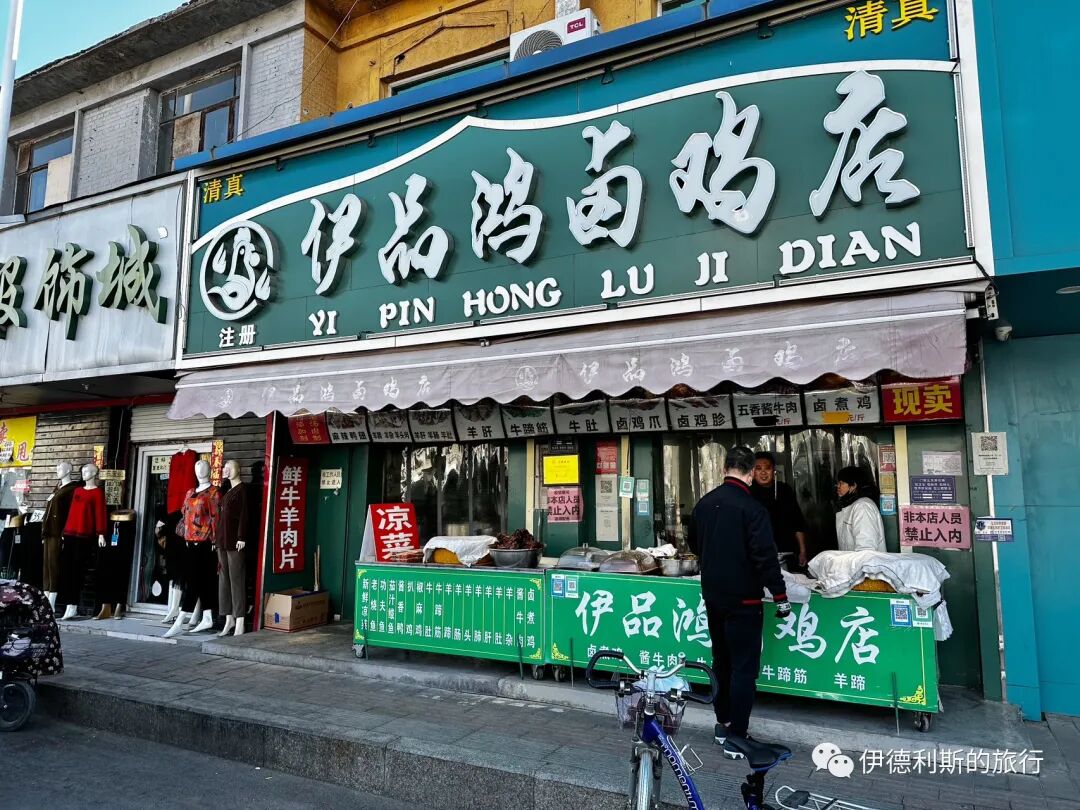
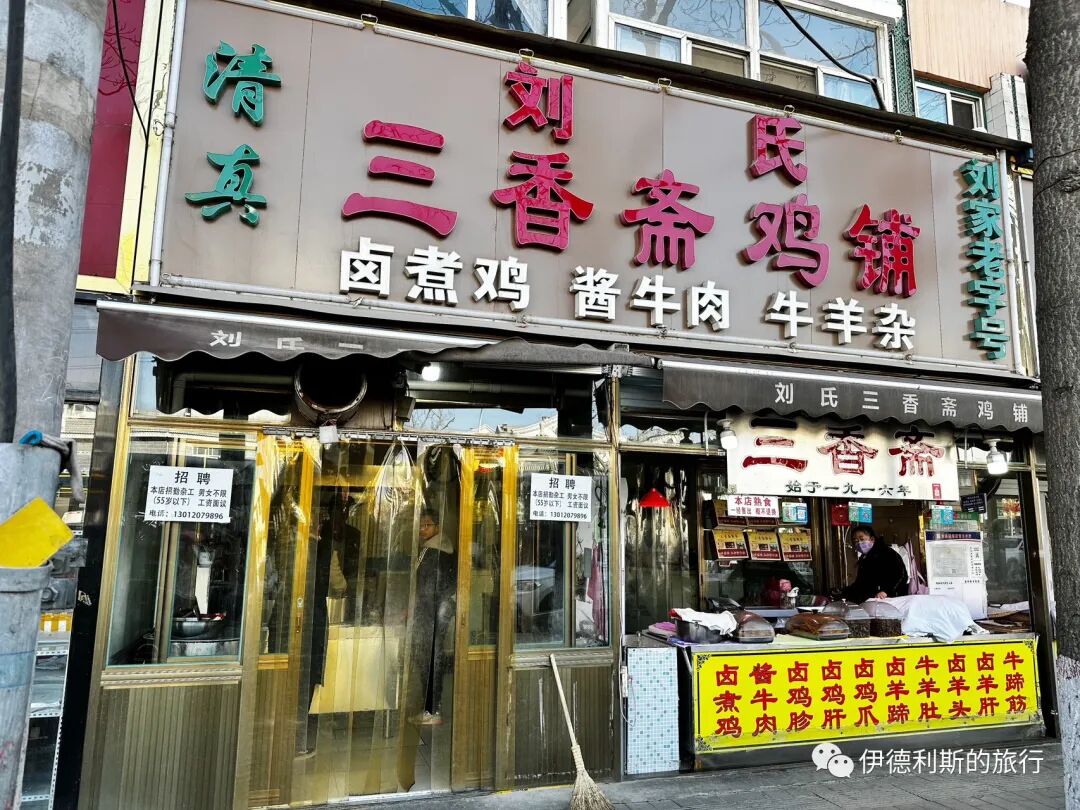
The most common snack sold around the Mosque Residential Area is braised chicken (luzhuji). I bought one from a cart inside the neighborhood run by the Ma Family Brand (Majia Laohao). The chicken weighed a little over a pound and wasn't very big. The braised flavor was good and not as salty as in some other places, so it was perfect to eat on its own.
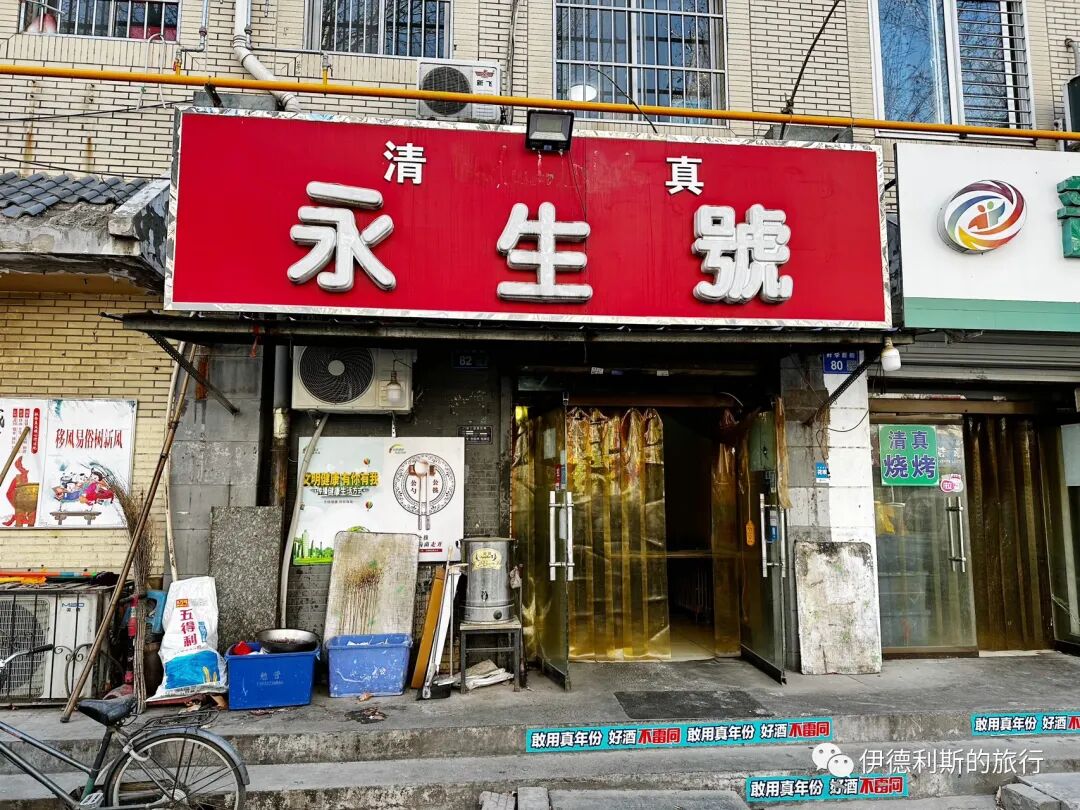
I had lunch at Yongshenghao on Fuxue Back Street, west of the Mosque Residential Area. The Baoding Antique Market is right next door, and it gets incredibly crowded and busy on weekends.
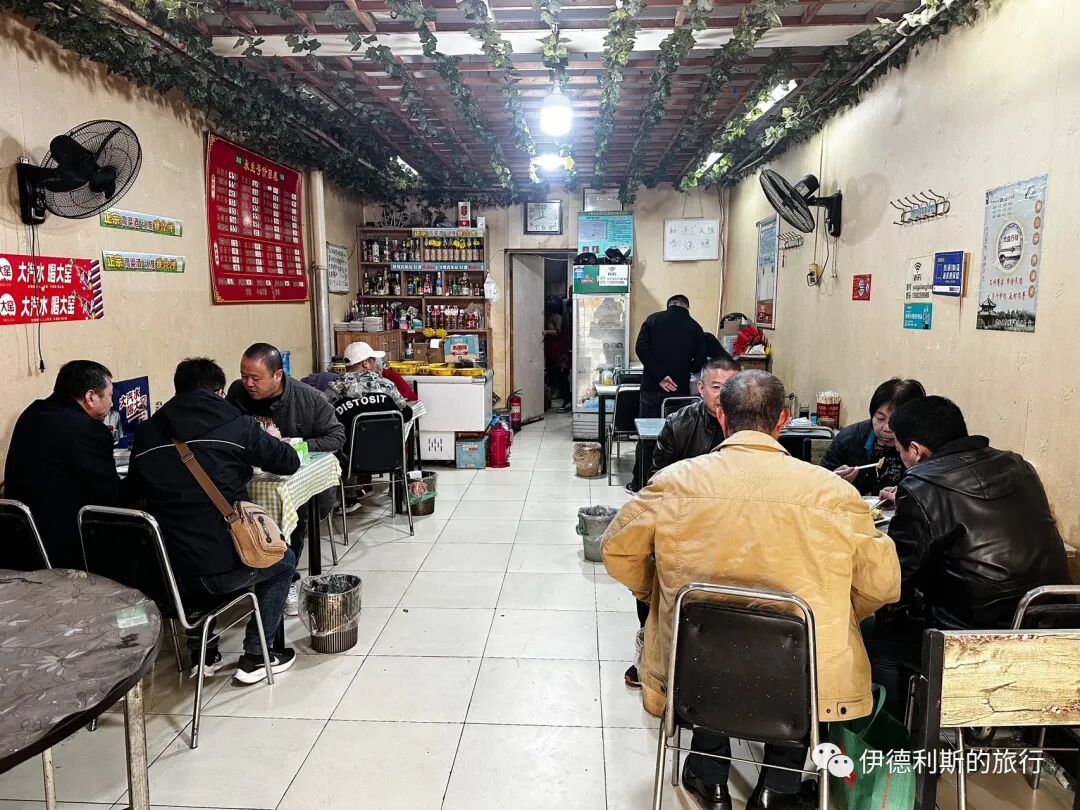
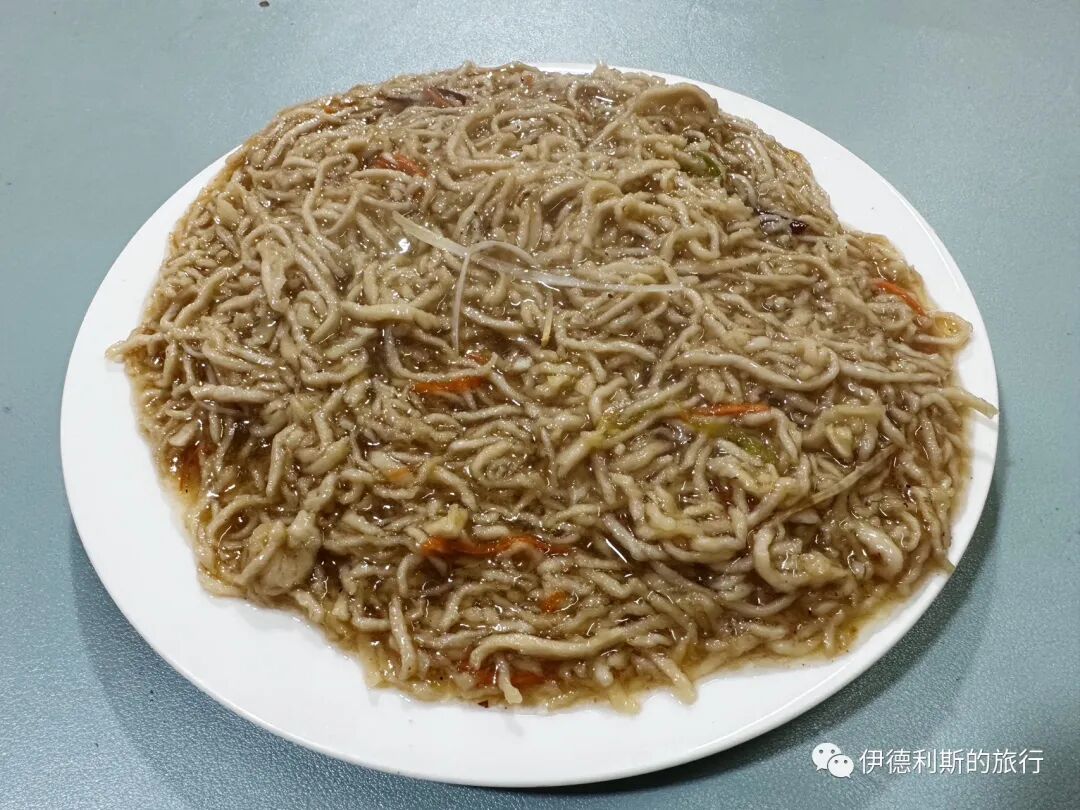
Yongshenghao is a typical old-town shop run by a husband and wife. It is small, and by 11 a.m., it was already full of local customers. Local halal food in Baoding follows the style of traditional North China halal cuisine but has its own unique character. The most interesting dish is the shredded pork with fish-flavored sauce (yuxiang rousi). Outsiders would never think to order it just by looking at the menu, but it is actually the most popular dish people order at halal restaurants in Baoding! The beef is shredded very thinly. The sweet and sour sauce doesn't have the dark color of soy sauce, and the plate is full of meat with almost no vegetables, making it very appetizing.
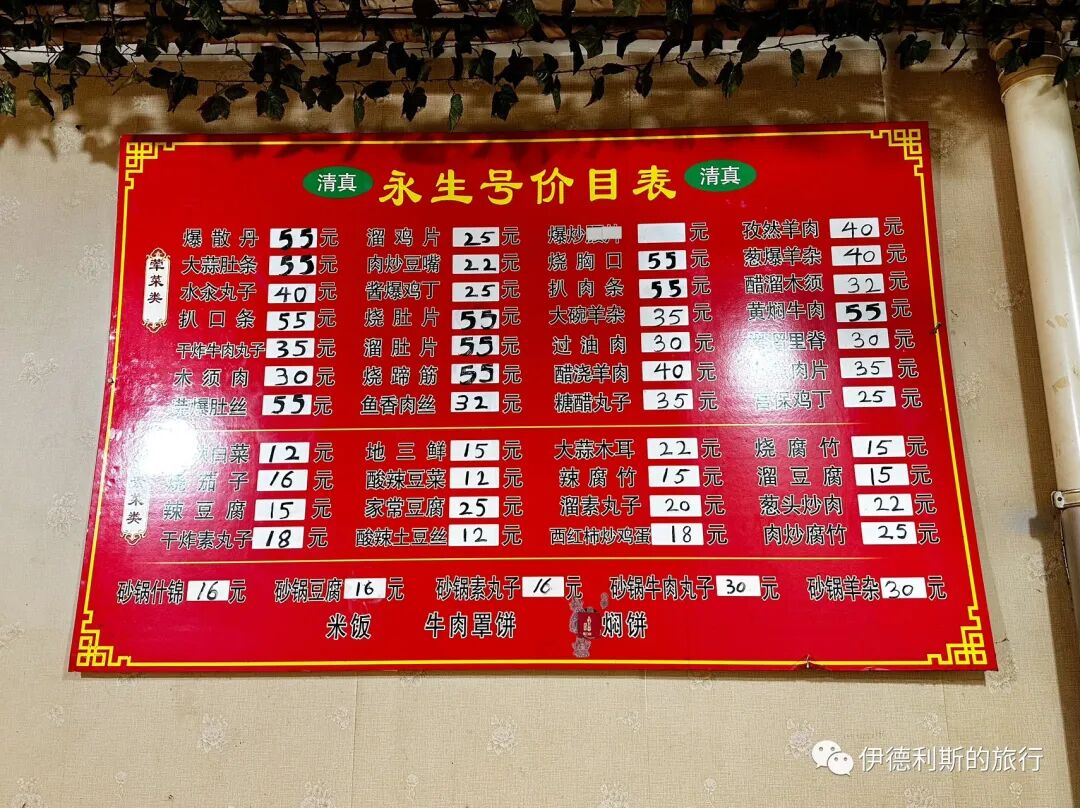
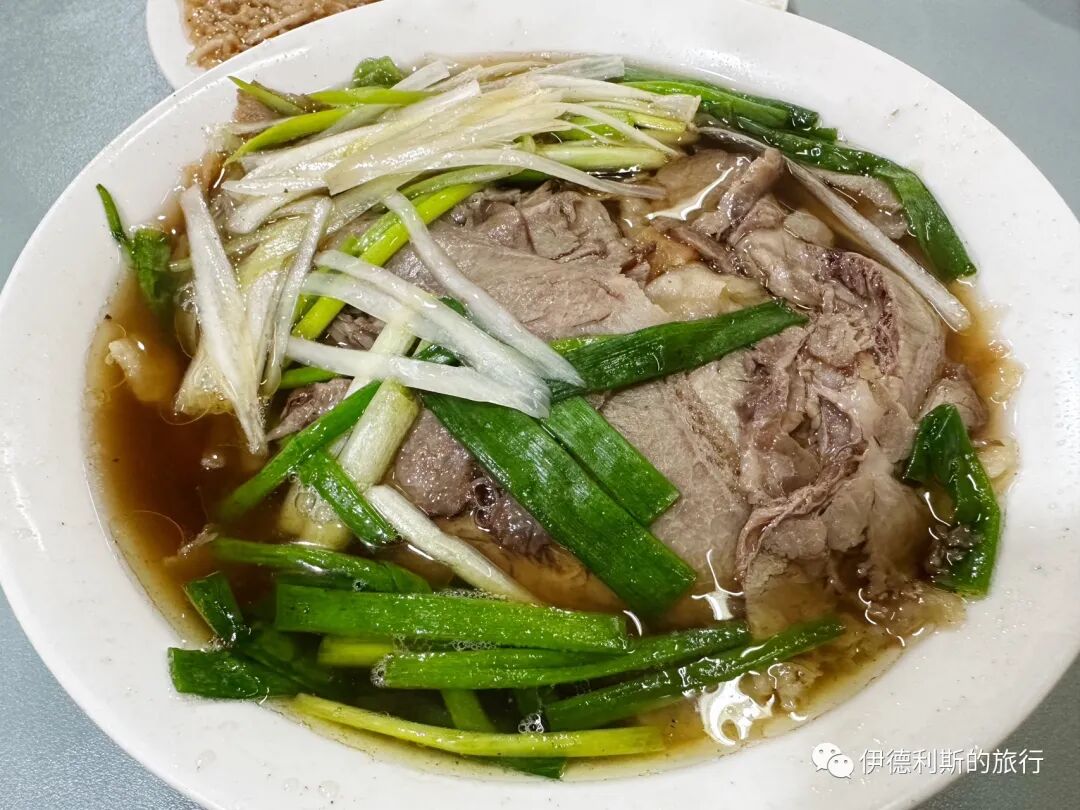
I also ordered the famous Baoding halal dish, beef covered flatbread (niurou zhaobing). After you order, the owner asks 'how much cover, how much bread,' which refers to how many liang of beef and how many liang of flatbread you want. The flavor of the covered flatbread comes mainly from the aged broth used to stew the meat. Every shop uses different meat ingredients, which are considered their secret recipes. The flatbread (laobing) soaked ladle by ladle in the aged broth is very fragrant and rich. Besides the meat and bread combinations, there is also 'shovel cover' (chanzhao), which is just the flatbread and green onions soaked in the aged broth. It is very affordable.
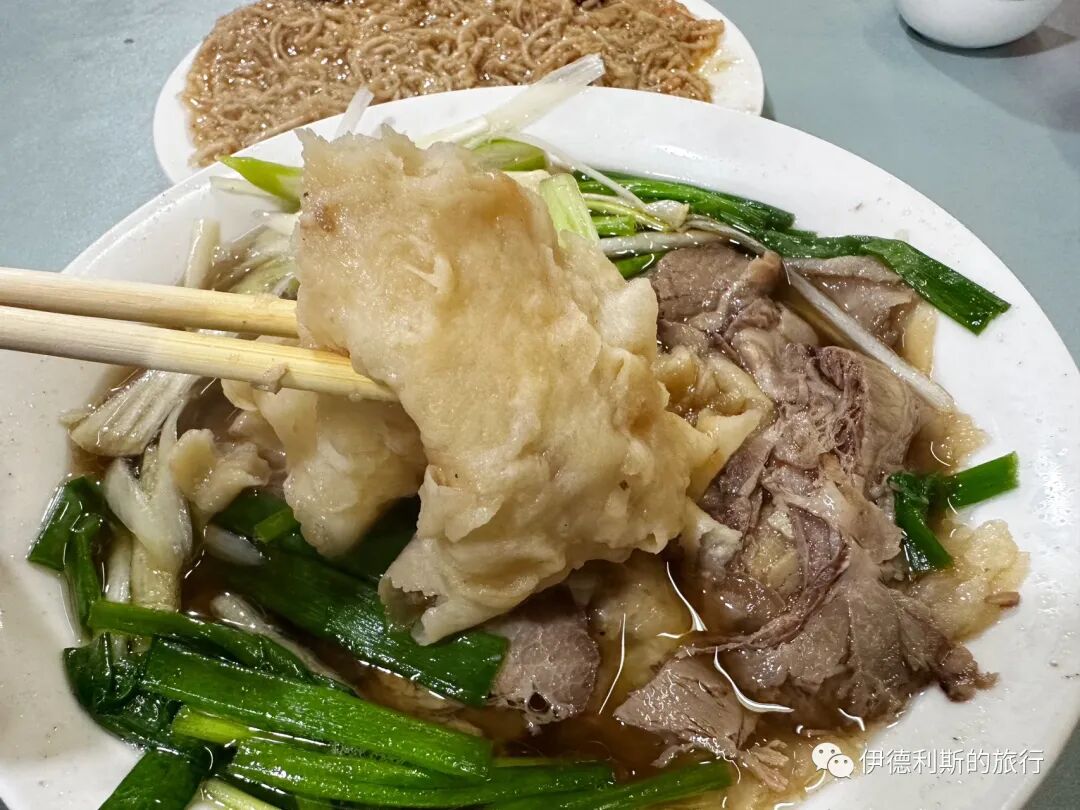
Another covered flatbread shop.
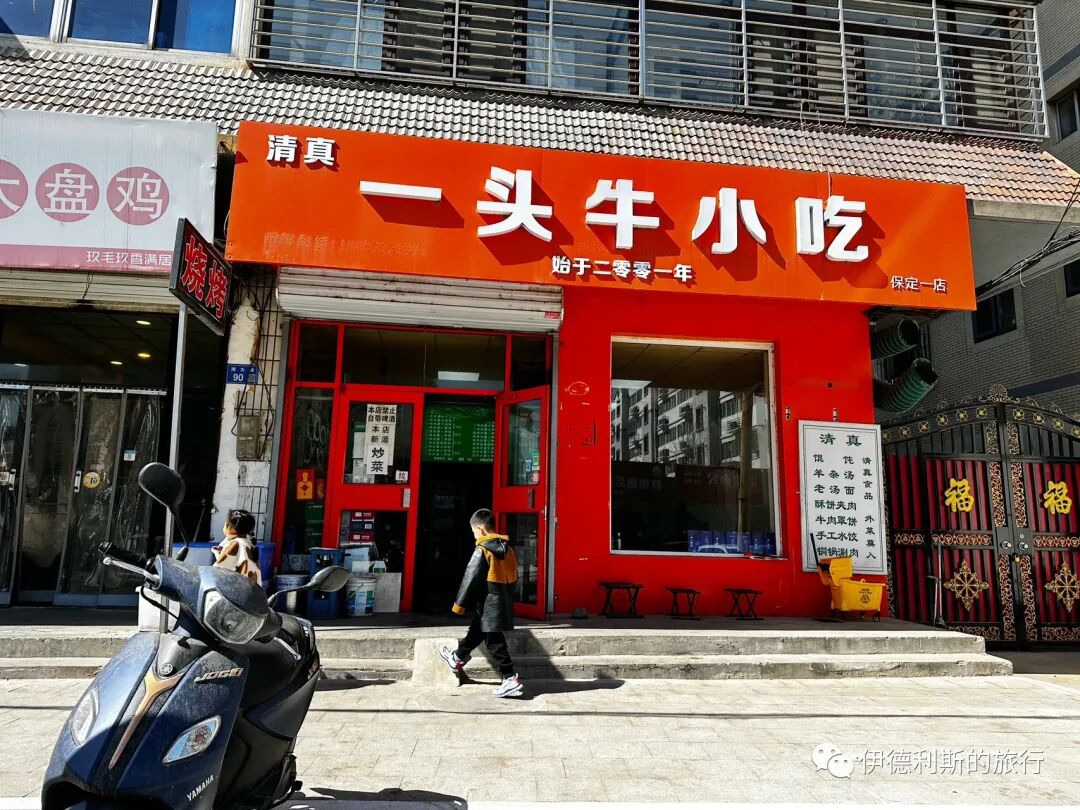
Stewed skin (taopi) is also a special halal delicacy in Baoding. The pot of stewing meat bubbles away, and you can use it to blanch vegetables or soak flatbread.
The Baoding West Mosque was first built in 1616 (the 44th year of the Wanli reign of the Ming Dynasty). According to the stone tablet in the mosque, a man named Fa from Hanji Village in Fangshan served as a military official in Baoding during the Wanli period. He saw there was no mosque in the city, and fellow Muslims had to go elsewhere for Eid prayers, so he bought 12 mu of land at the Wei Family Garden. Besides building the mosque, he allowed fellow Muslims to build houses on the surrounding land, which officially formed the mosque-centered neighborhood layout in Baoding. The West Mosque was renovated many times after the Qing Dynasty. The bathing room was rebuilt in 1906 (the 23rd year of the Guangxu reign), and the north and south lecture halls were rebuilt during the Republican era, forming the current layout.
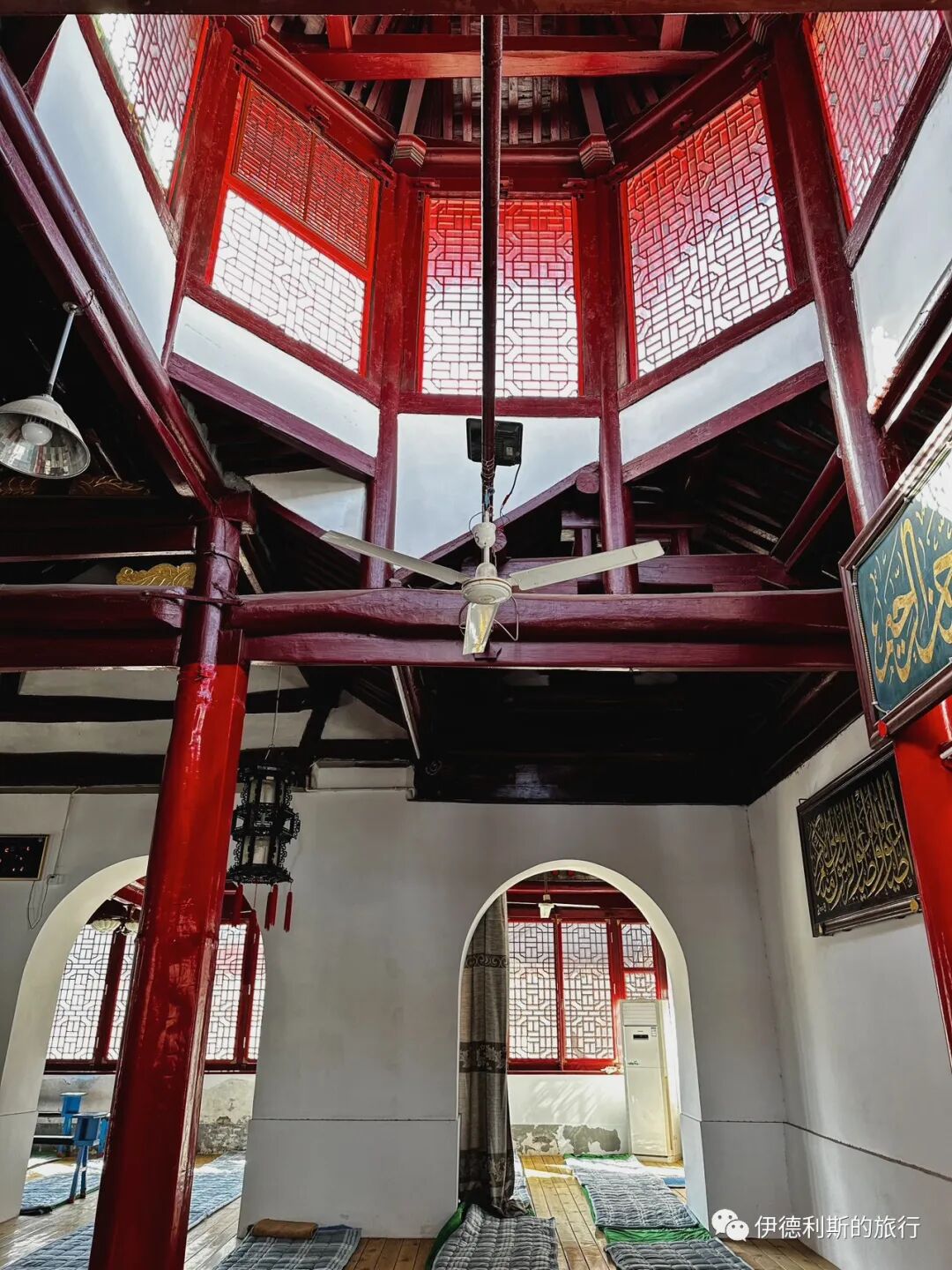
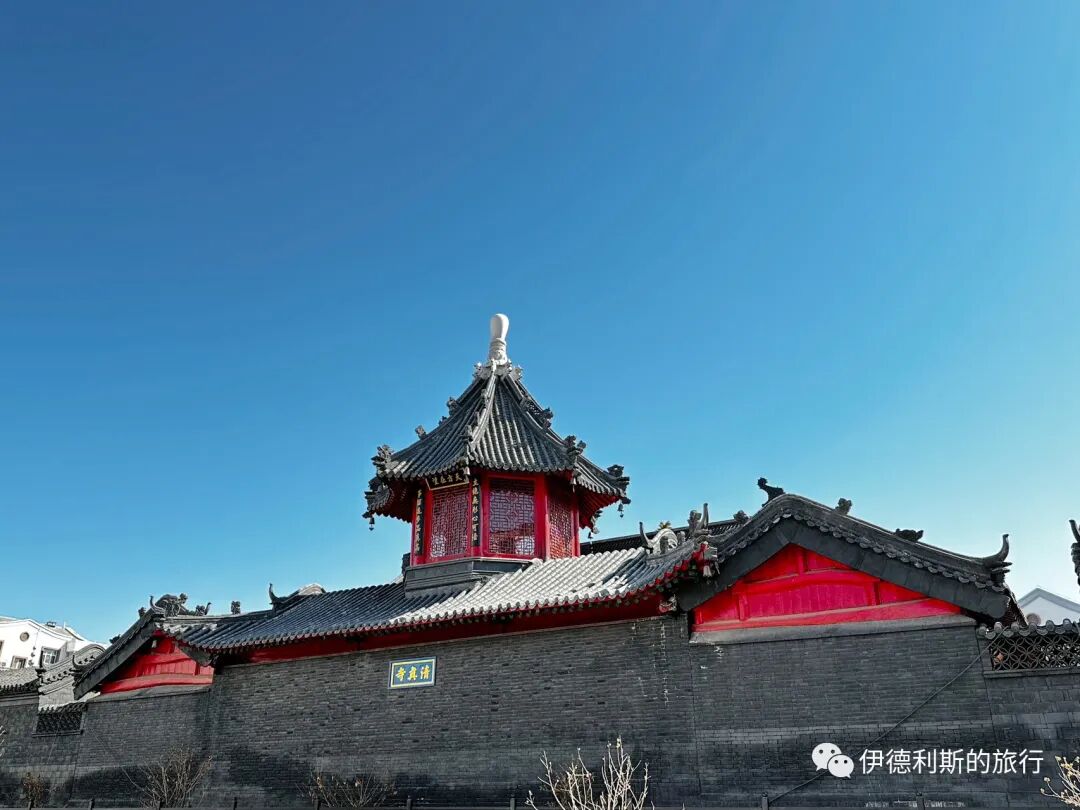
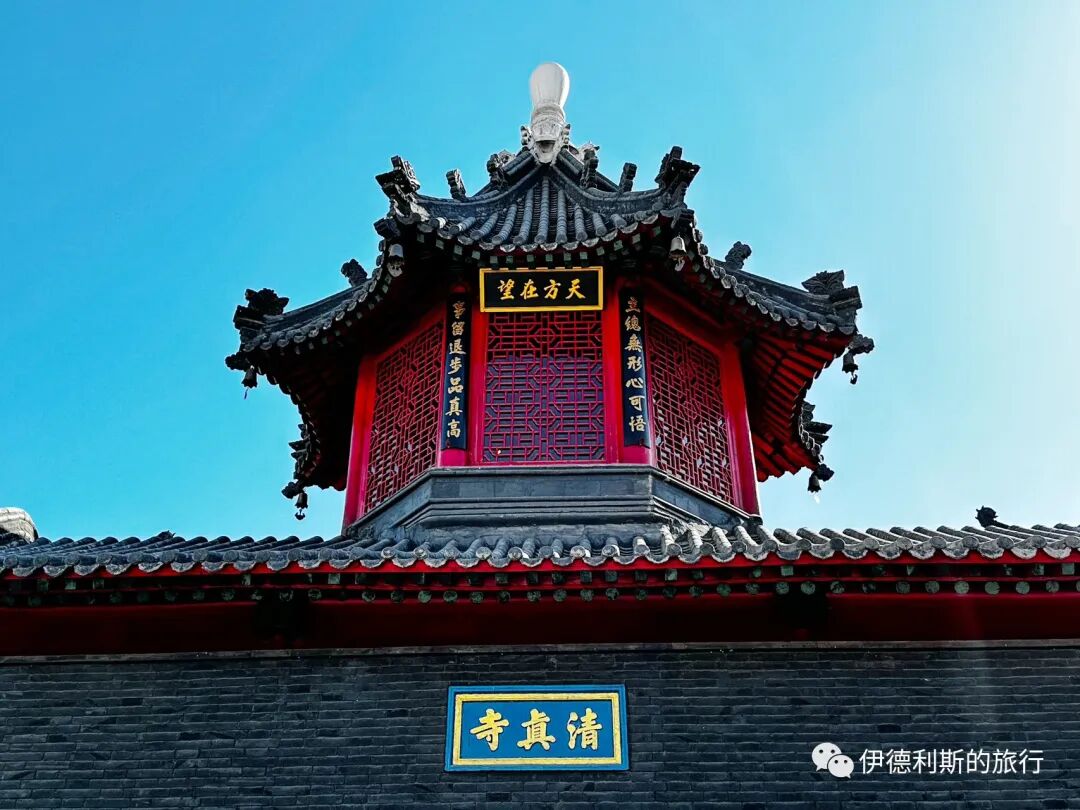
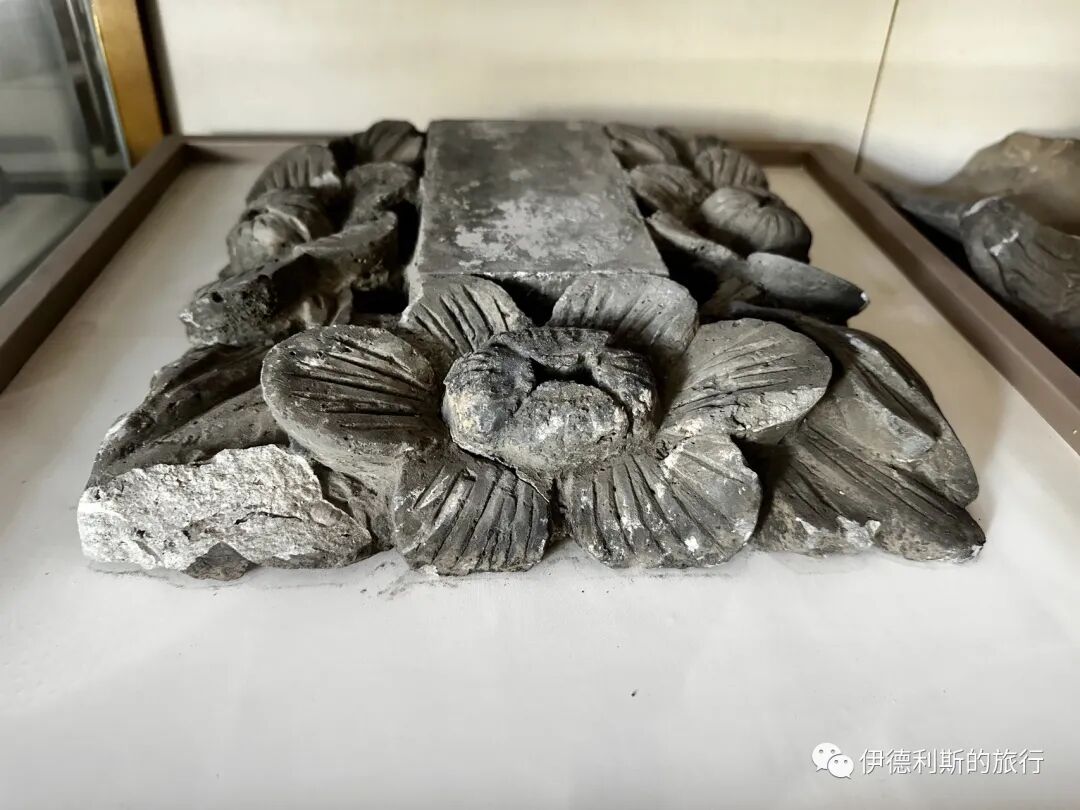
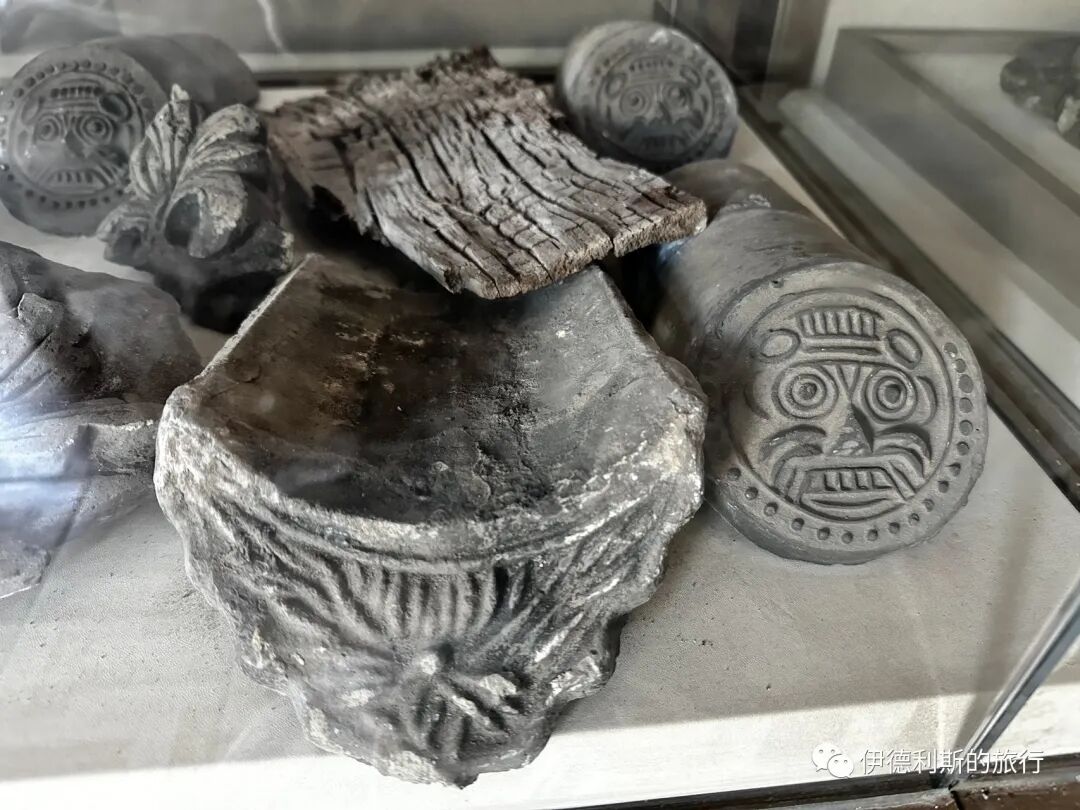
The main hall is divided into front and back sections. The kiln-style roof has an octagonal pavilion over 7 meters high, with a couplet that reads 'The Lord is formless, the heart can understand; leave room for retreat in affairs, the character is truly high,' and a horizontal plaque reading 'Mecca in Sight.' The roof ridges originally had animal statues, but during the Republican era, Bai Yunzhang, the owner of the famous Baoding halal shop Bai Yunzhang Steamed Bun Shop, paid to have them all replaced with flower and plant designs.
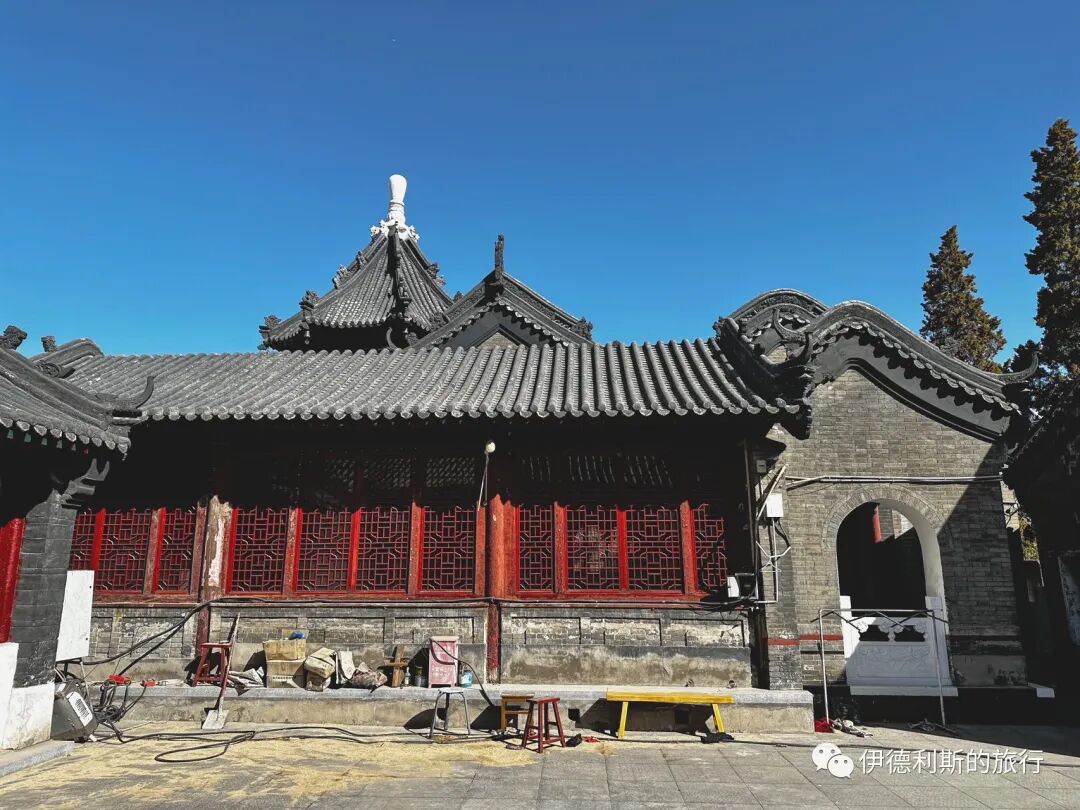
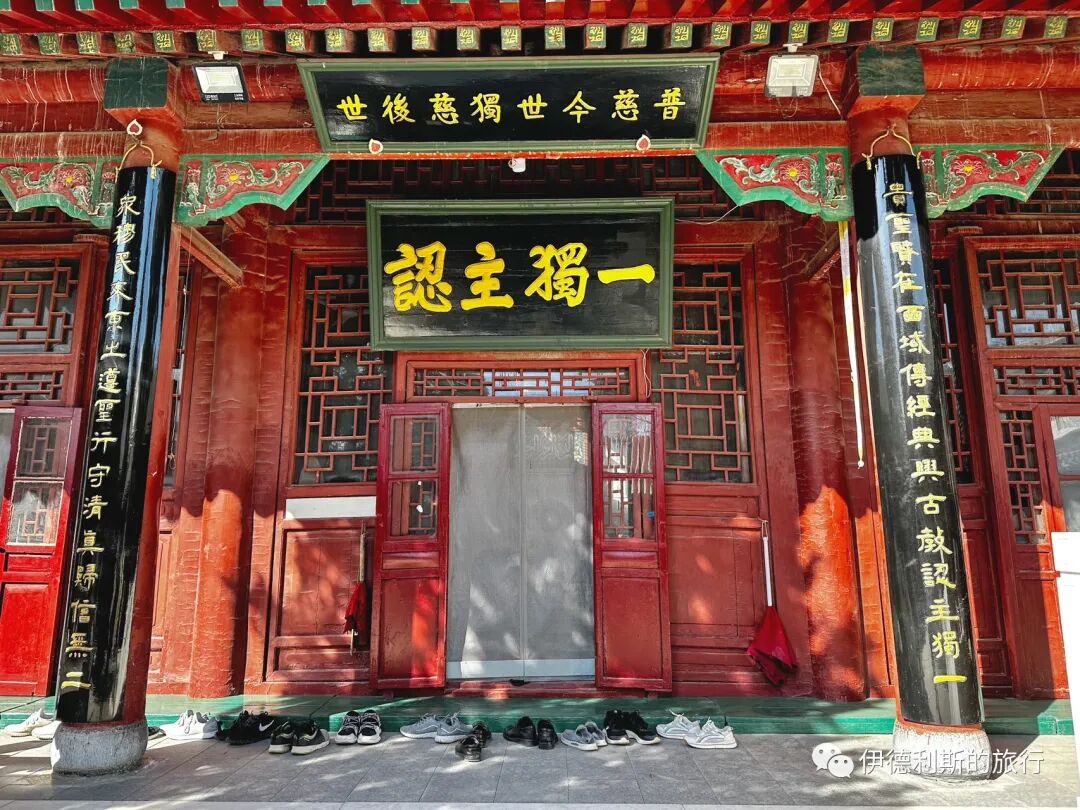
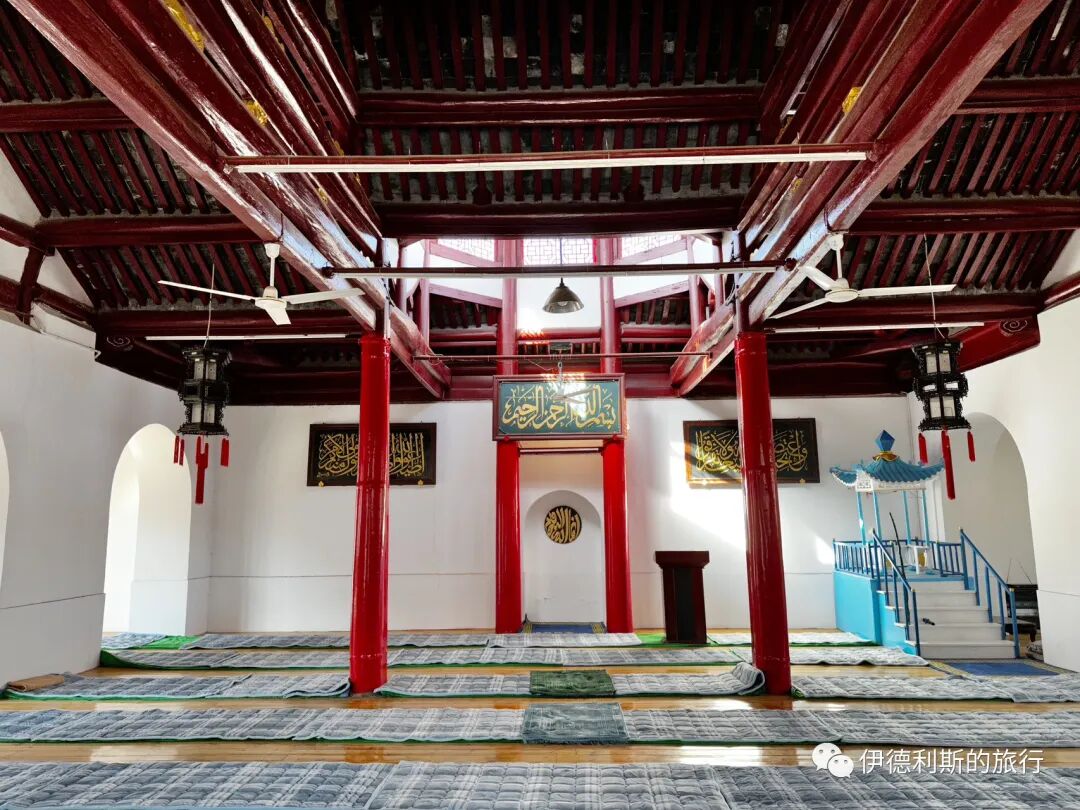
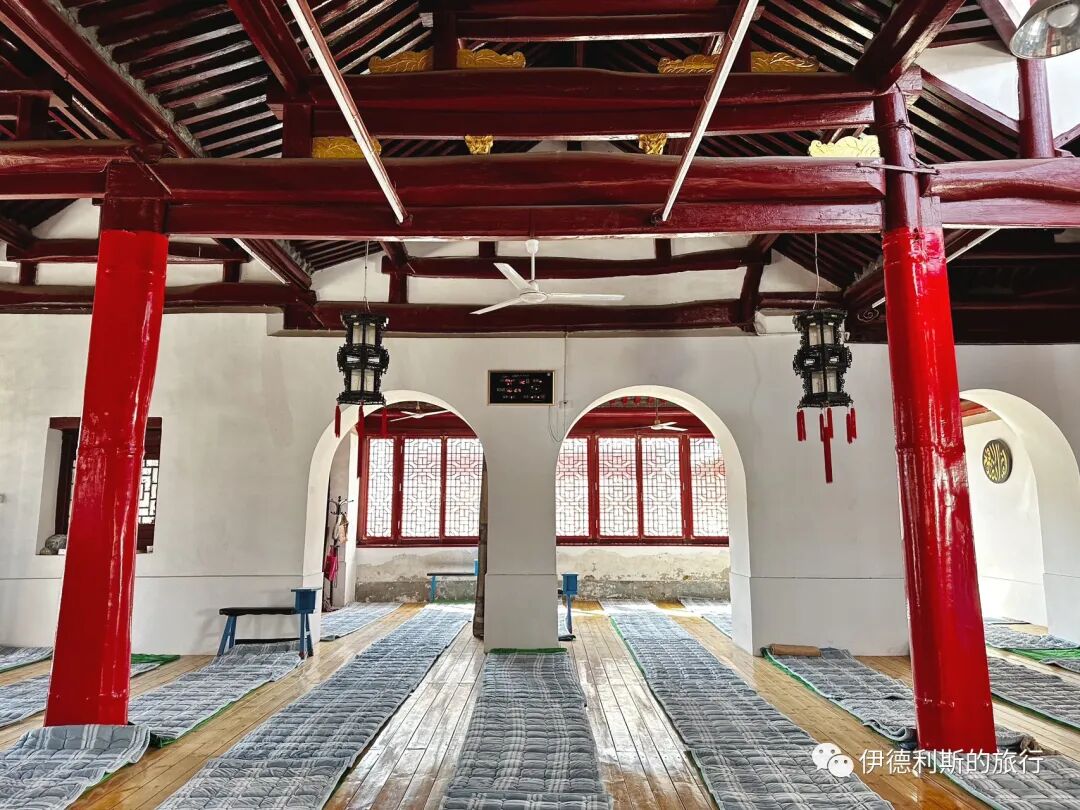
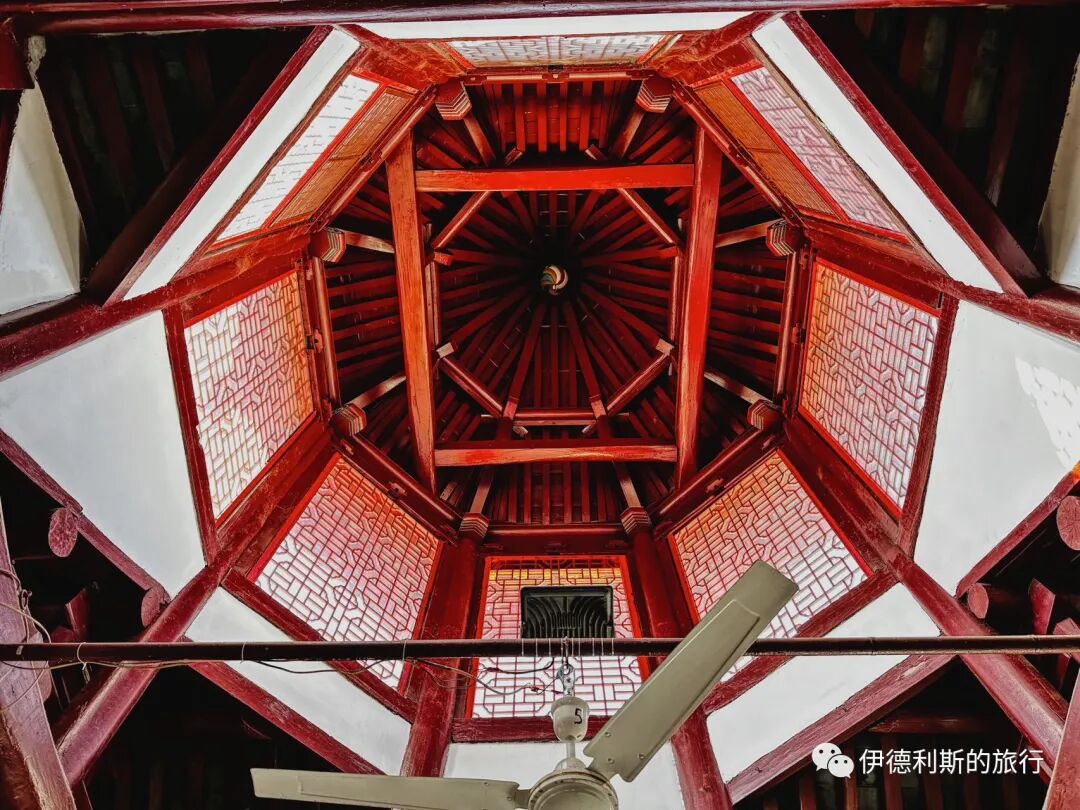
Components replaced during the renovation.
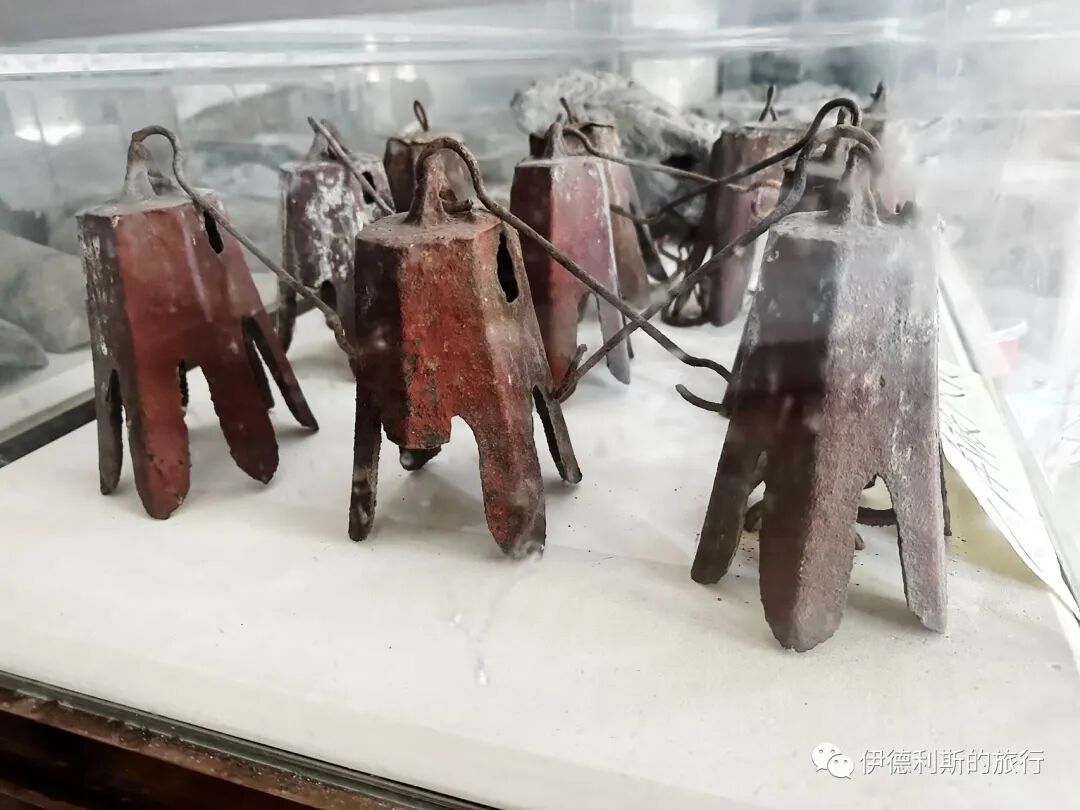
After 1966, the mosque was damaged. The main hall became a club, the lecture hall became a street factory, and the bathing room became a carpentry workshop. It was reclaimed in 1979 and renovated again in 1987.
As a famous mosque in North China, the Baoding West Mosque had a thriving religious life and trained many imams, including Xie Jinqing, Yang Yuzhen, An Shiwei, and Yang Yongchang. The mosque also once had a training ground that produced many famous wrestling masters and martial arts teachers.
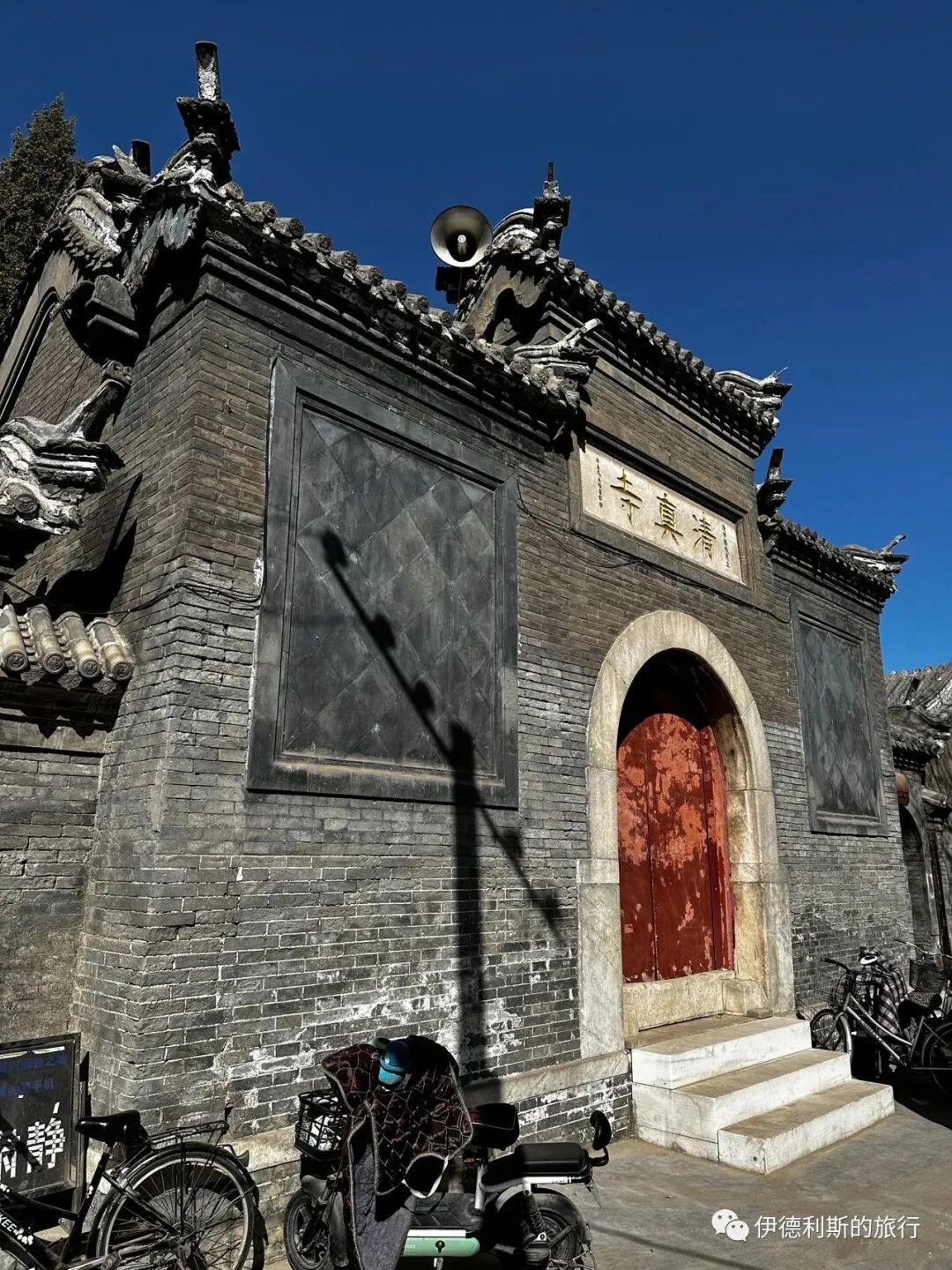
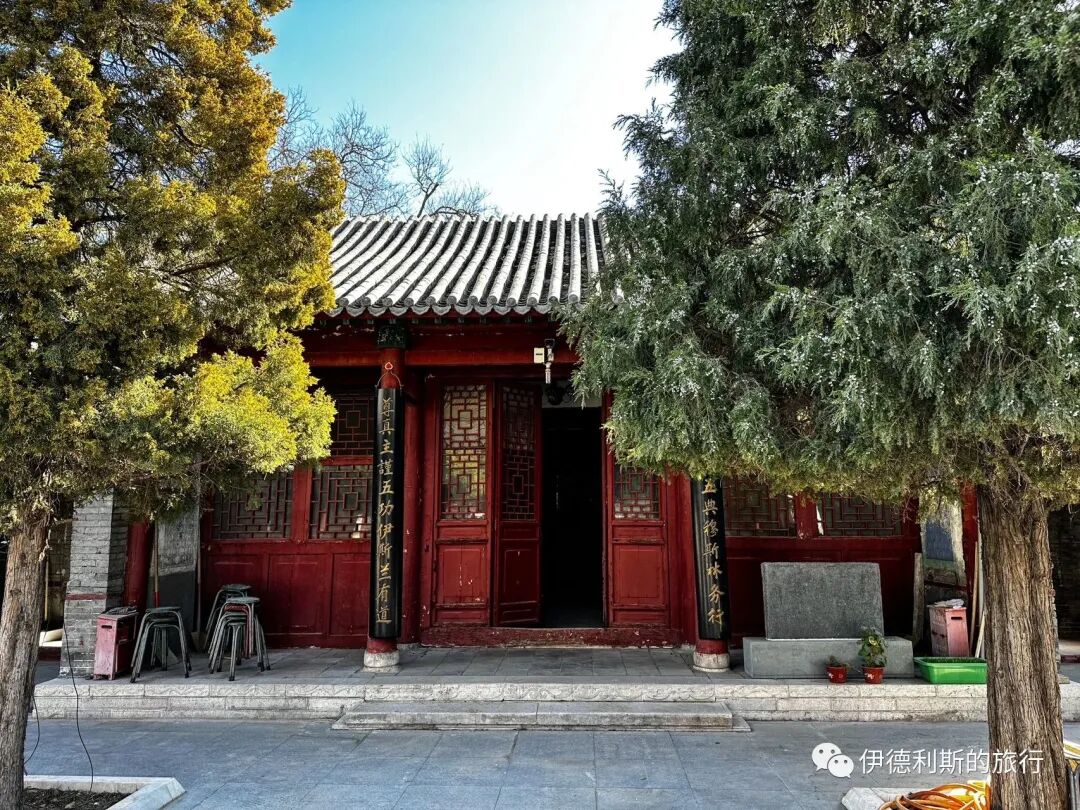
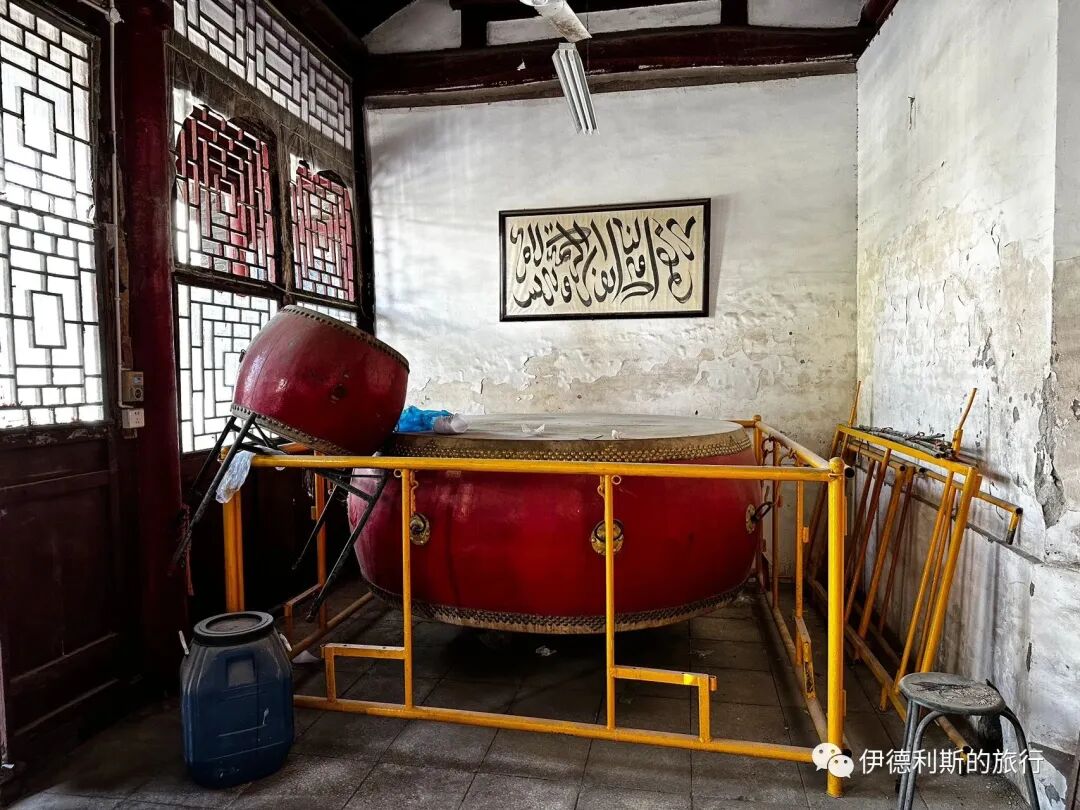
During the Tongzhi reign, because the number of worshippers at the West Mosque increased and the main hall became too small, local residents Shi Xie and his son Shi Jun built a scripture room east of the West Mosque. A few years later, it was officially completed as the Baoding East Mosque under the leadership of the famous Imam Yan Mingpu. The East Mosque was renovated many times later. During the Guangxu reign, Imam Zhang Ziwen and Mr. Shi Tongshan led the construction of the south lecture hall and bathing room. During the Xuantong reign, Imam Xie Jinqing led the construction of the north lecture hall, and Shi Changchun and Shi Tongshan led a comprehensive renovation. In 1936, Imam Yang Baozhai led another renovation.
Although the East Mosque is not large, many famous imams like Wang Gui, Li Ba, Zhang Li, and Bai Da taught there and trained many excellent students.
After 1958, the East Mosque was occupied by a blueprint paper factory. In 1979, the property rights were returned to the West Mosque, and it is currently a warehouse for the Xinyue Halal Food Factory.
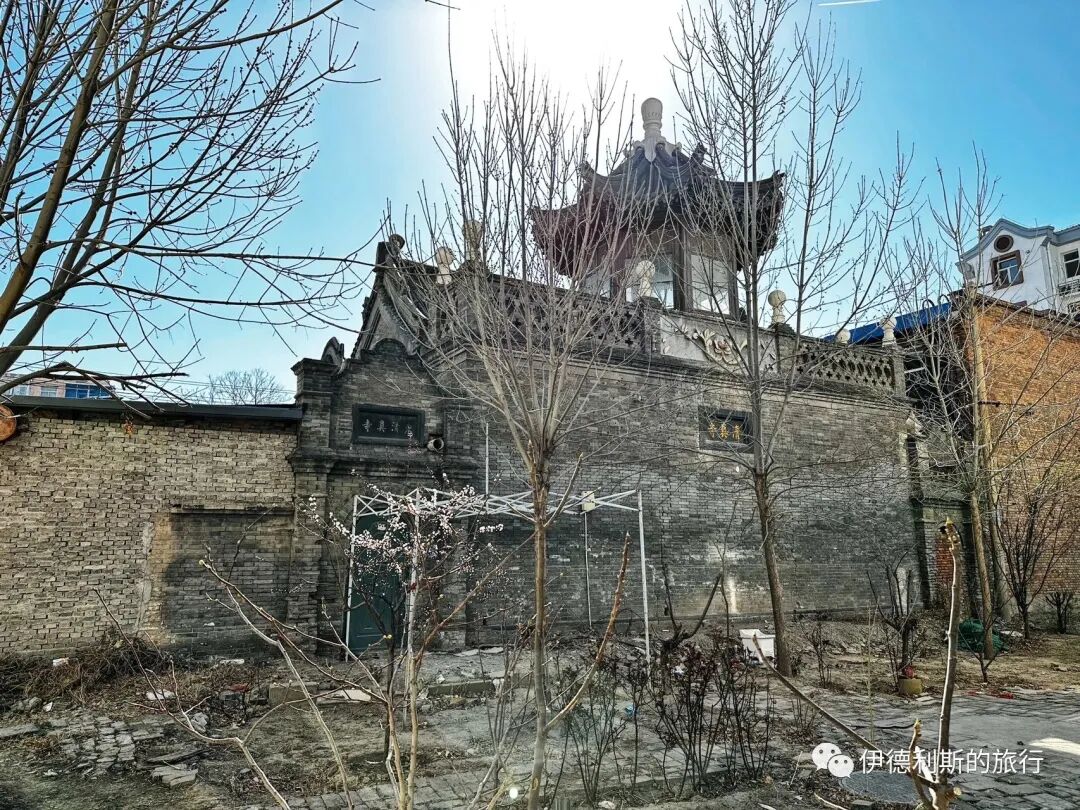
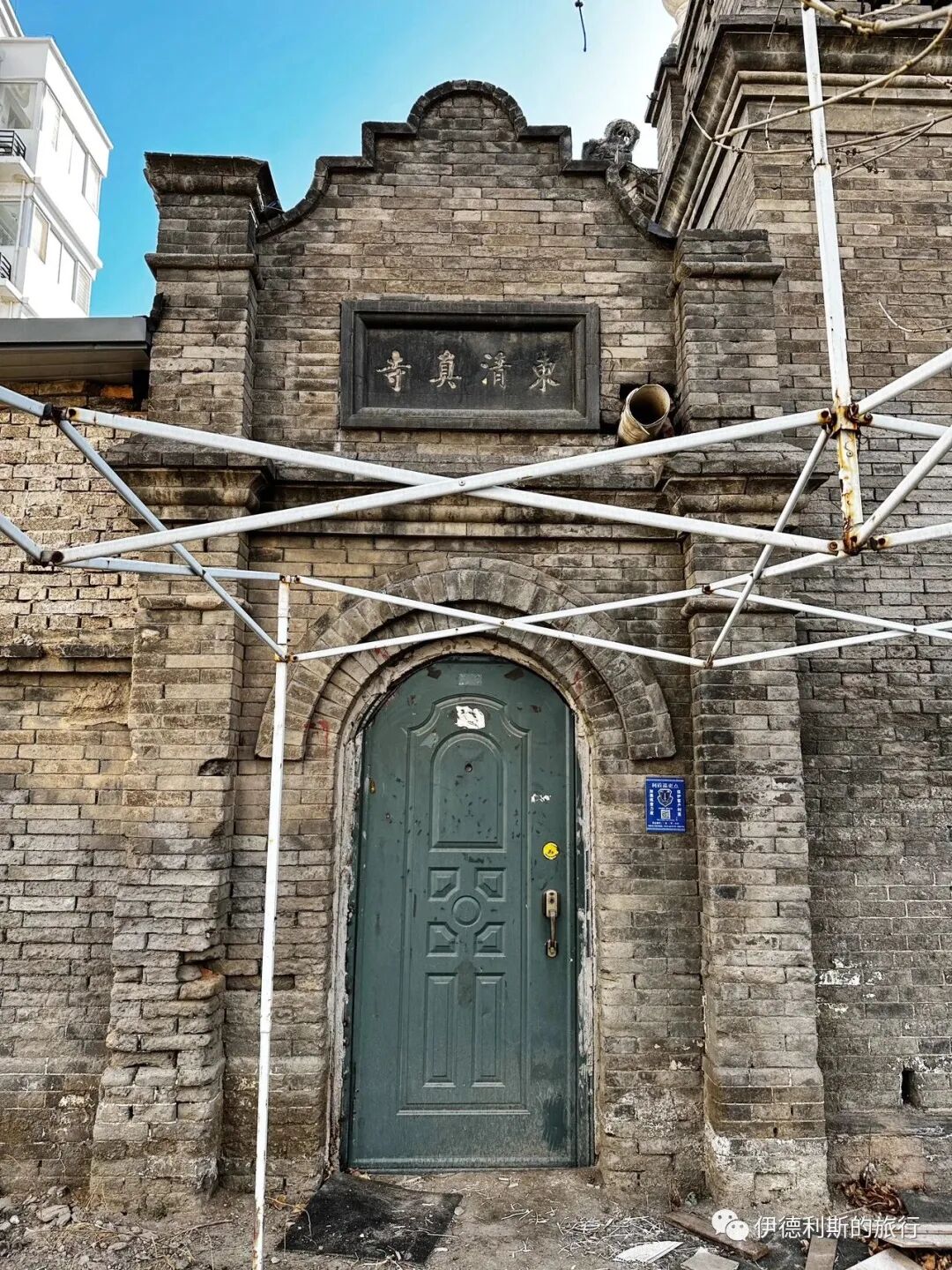
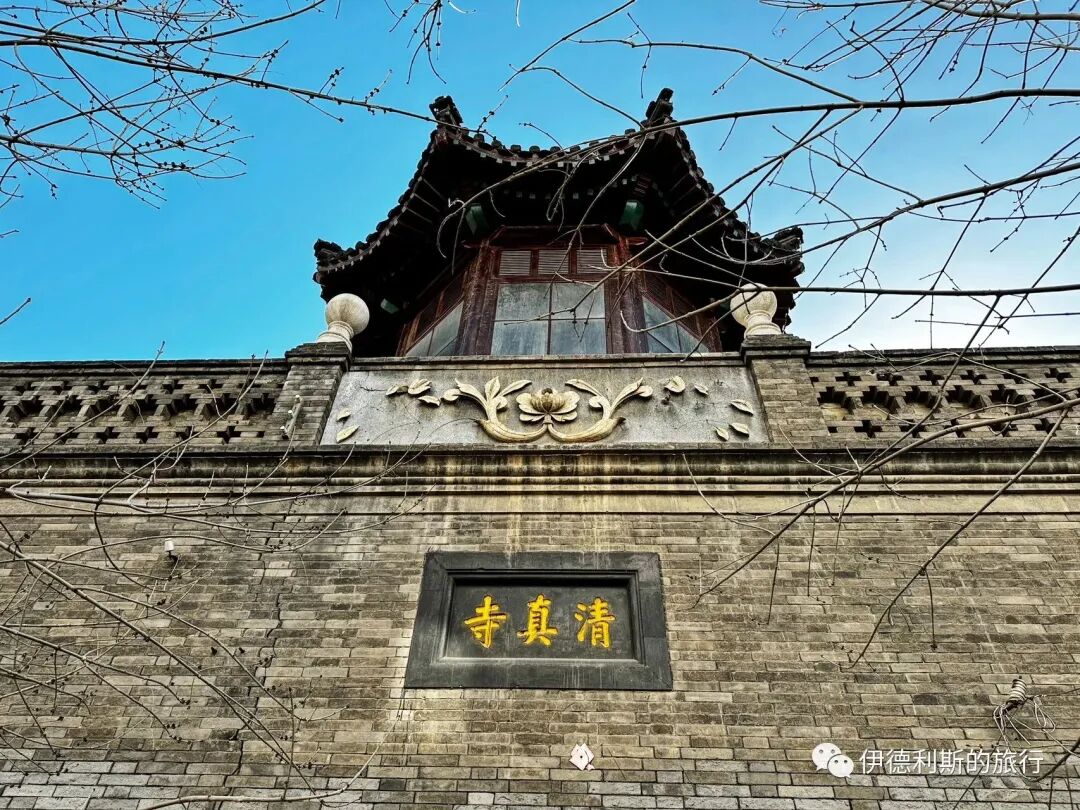
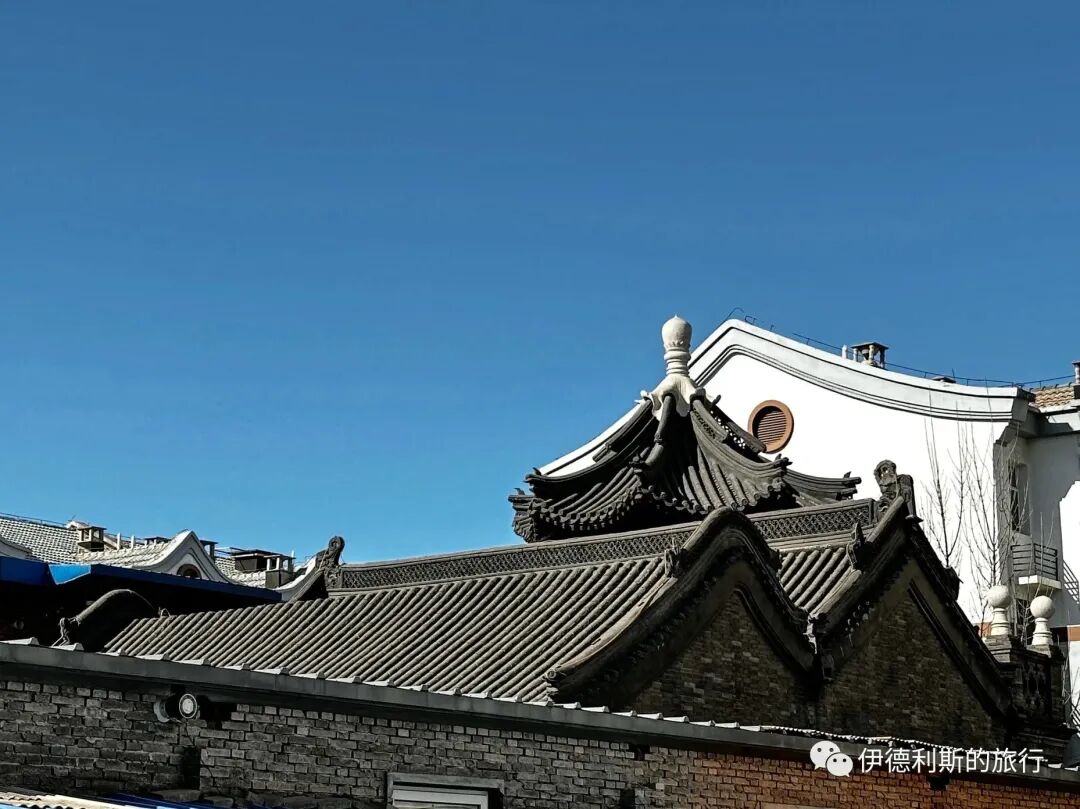
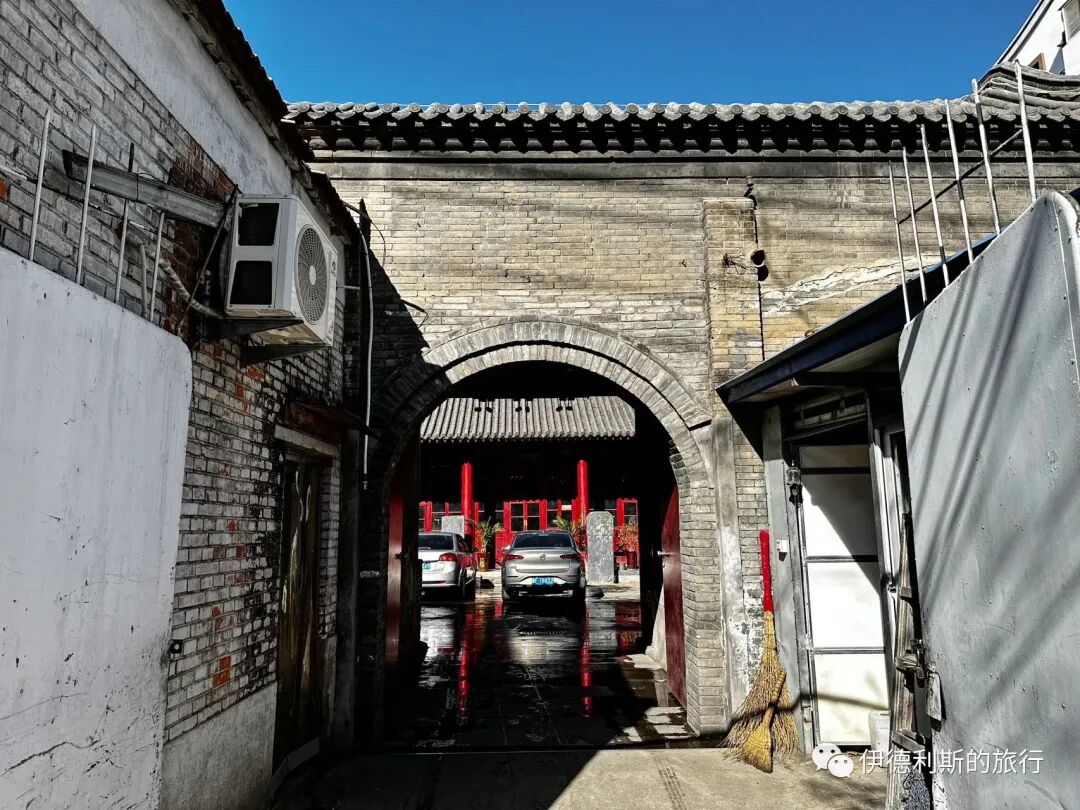
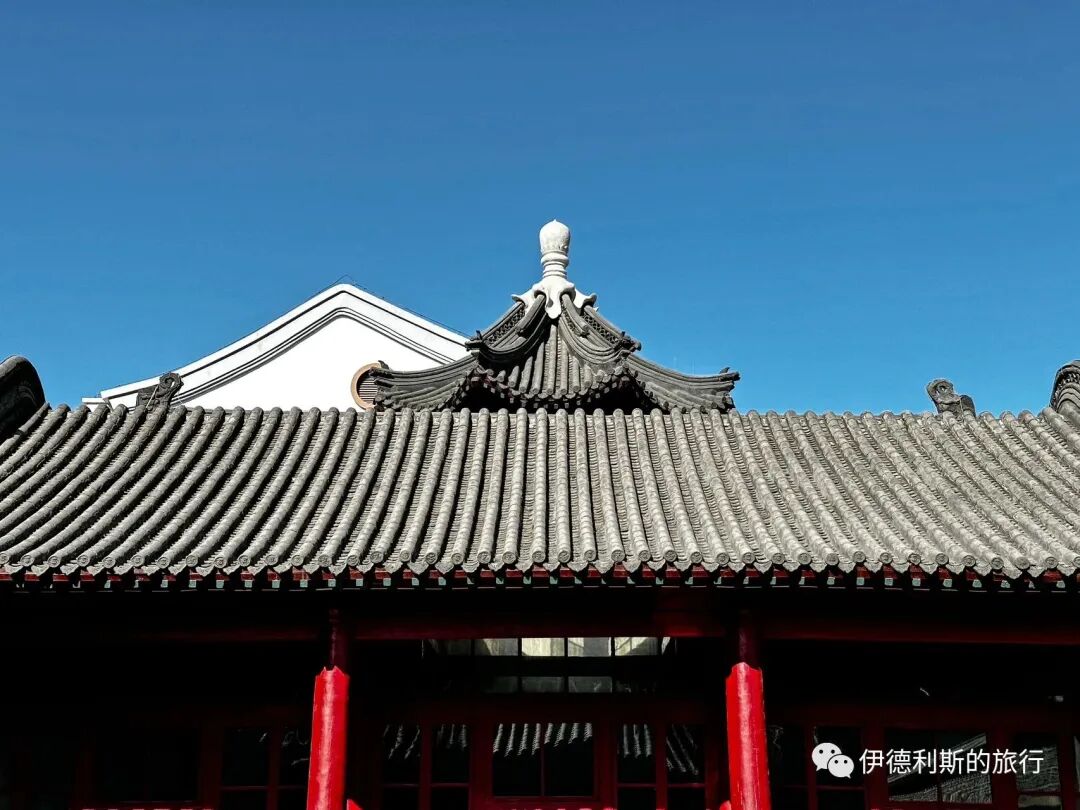
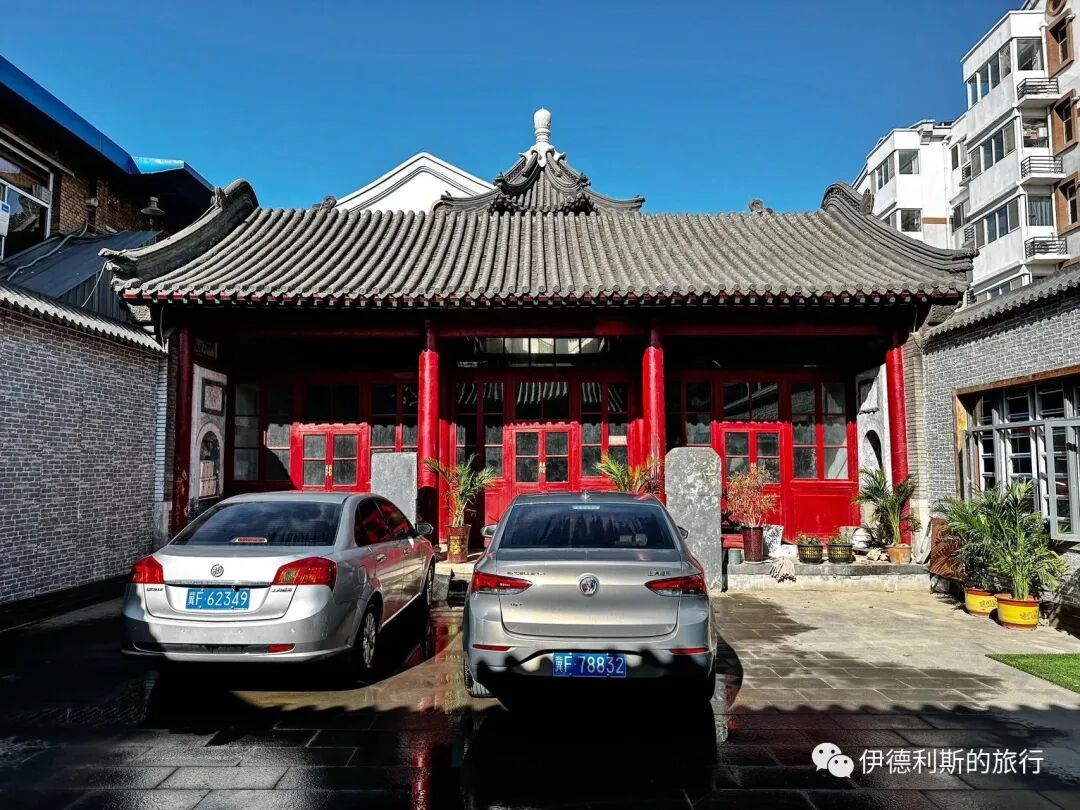
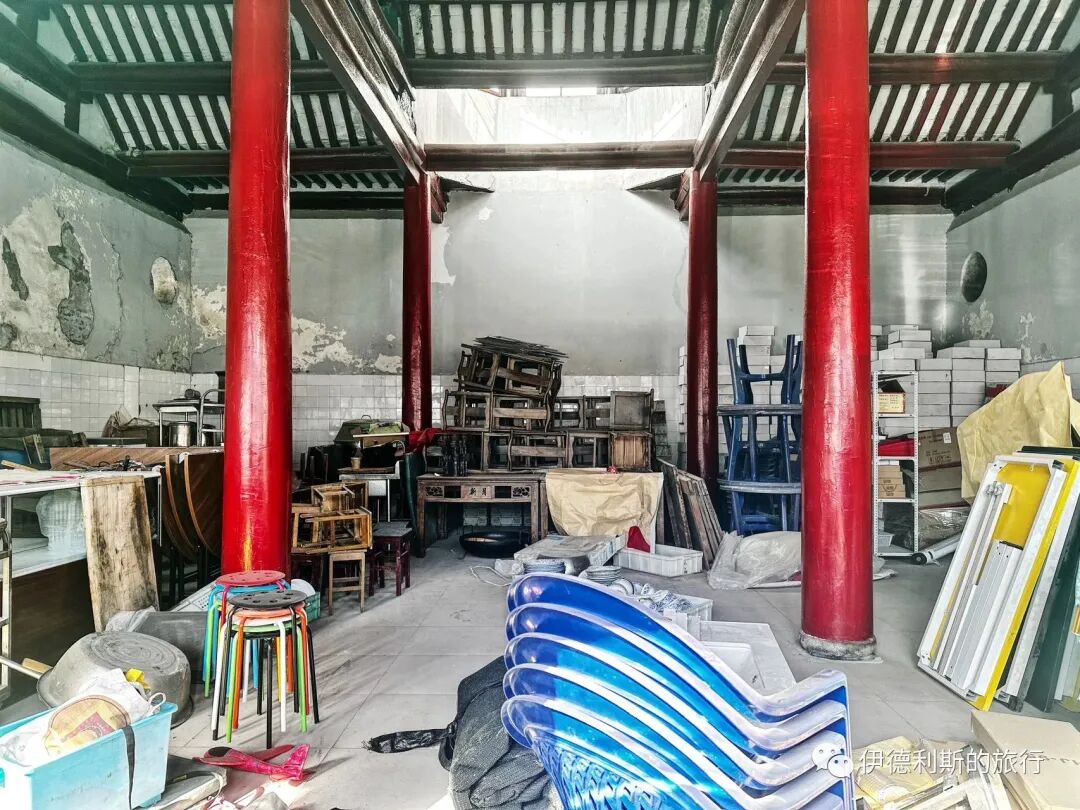
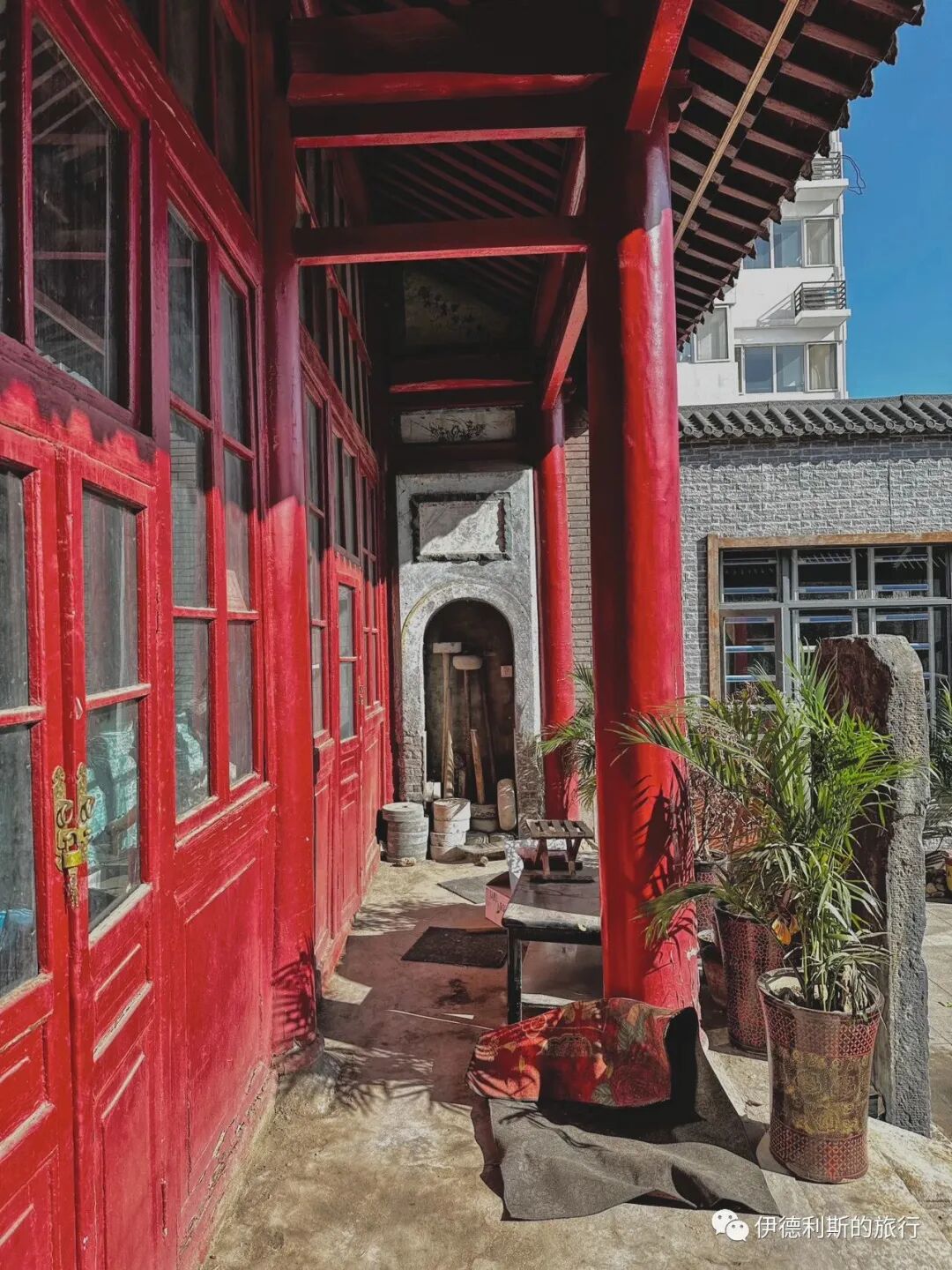
The Baoding Women's Mosque was founded in 1916 by Imam Yan Fengshan of the East Mosque in the alley north of the mosque, and the prayer leader was Jin Shiniang from Shandong. In 1932, the mosque hired Imam Sha Zhijun from Jilin to start a primary school for Muslim girls, but it closed in 1937 after the Japanese occupation. In 1940, Imam Sha and Mrs. Shi traveled to Beijing, Tianjin, and Jinan to raise money. With extra funds from local elders, they bought a house from Bai Yunzhang, the owner of the famous Baoding halal steamed bun shop (Bai Yunzhang baozi), to build the current women's mosque.
The women's mosque was taken over after 1958. In the 1970s, digging an air-raid shelter under the main prayer hall caused structural damage. The building was returned in 1982, but the walls slowly cracked. During the 2015 urban renewal project, a new building was added to the north side, and the old main hall is now used as a storage room.
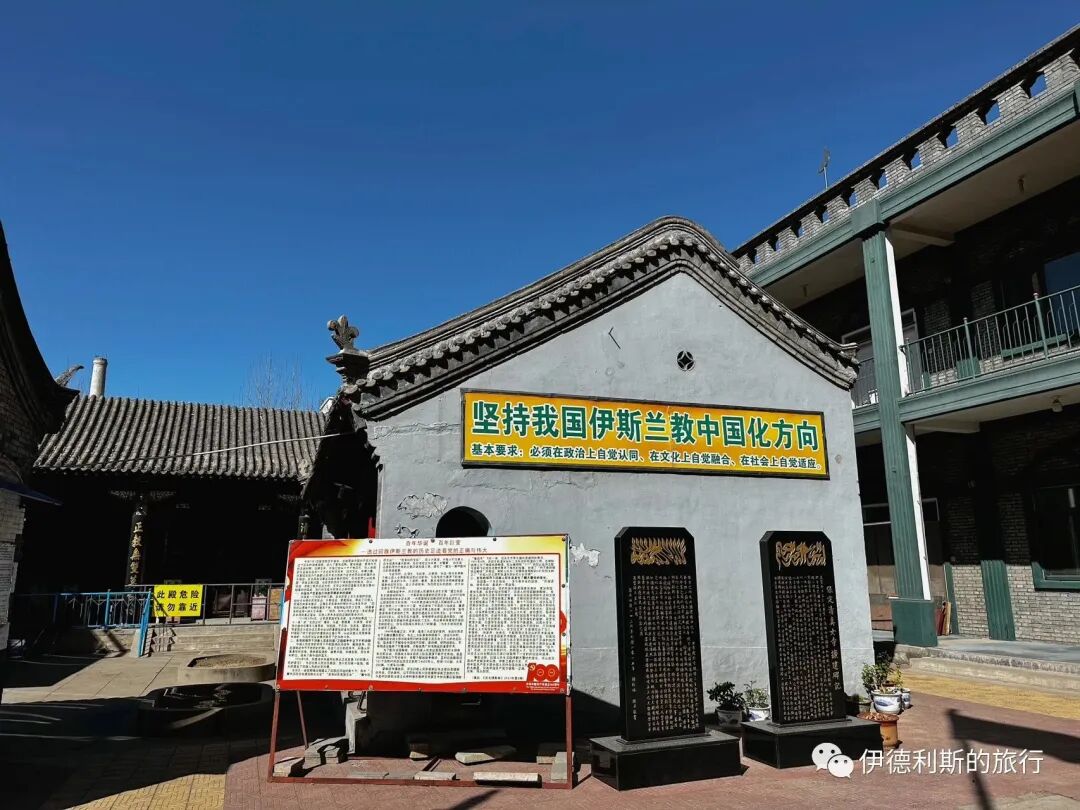
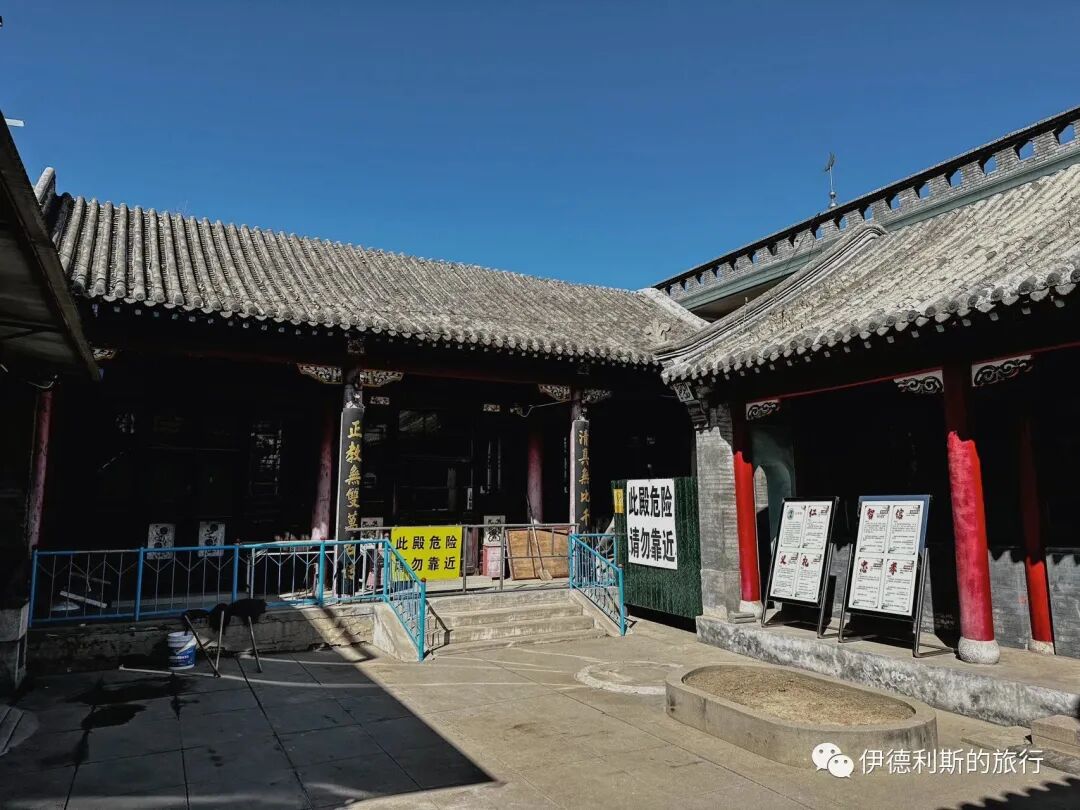
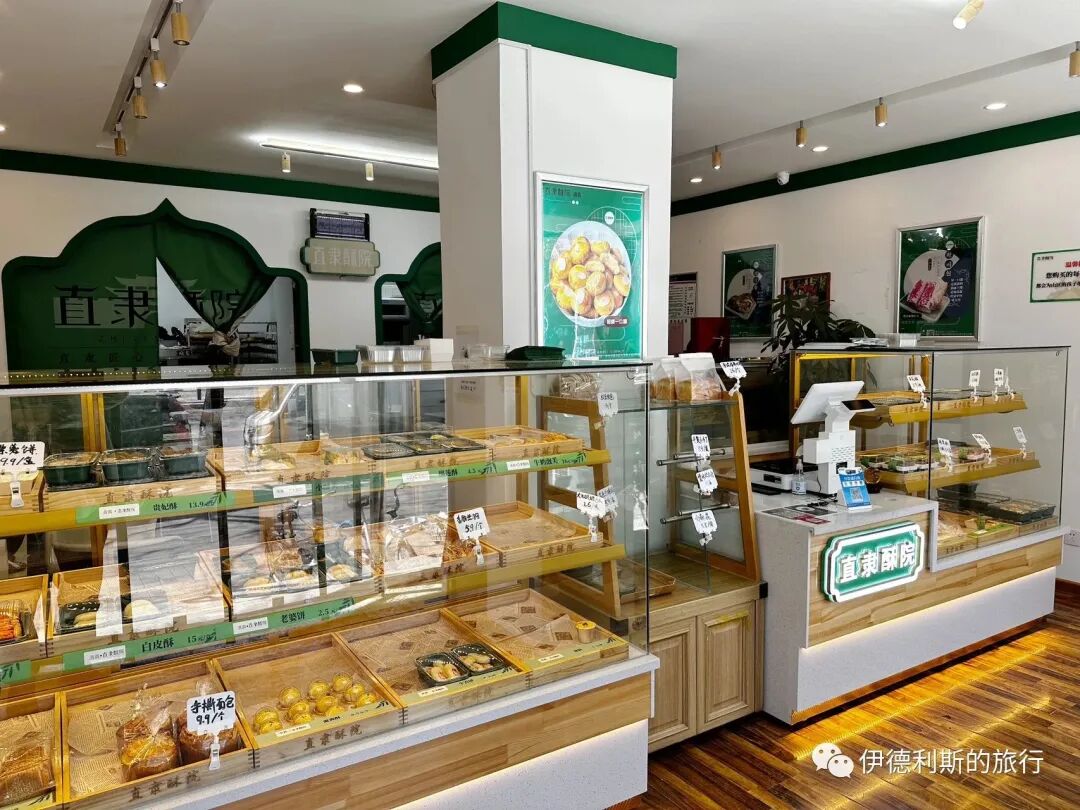
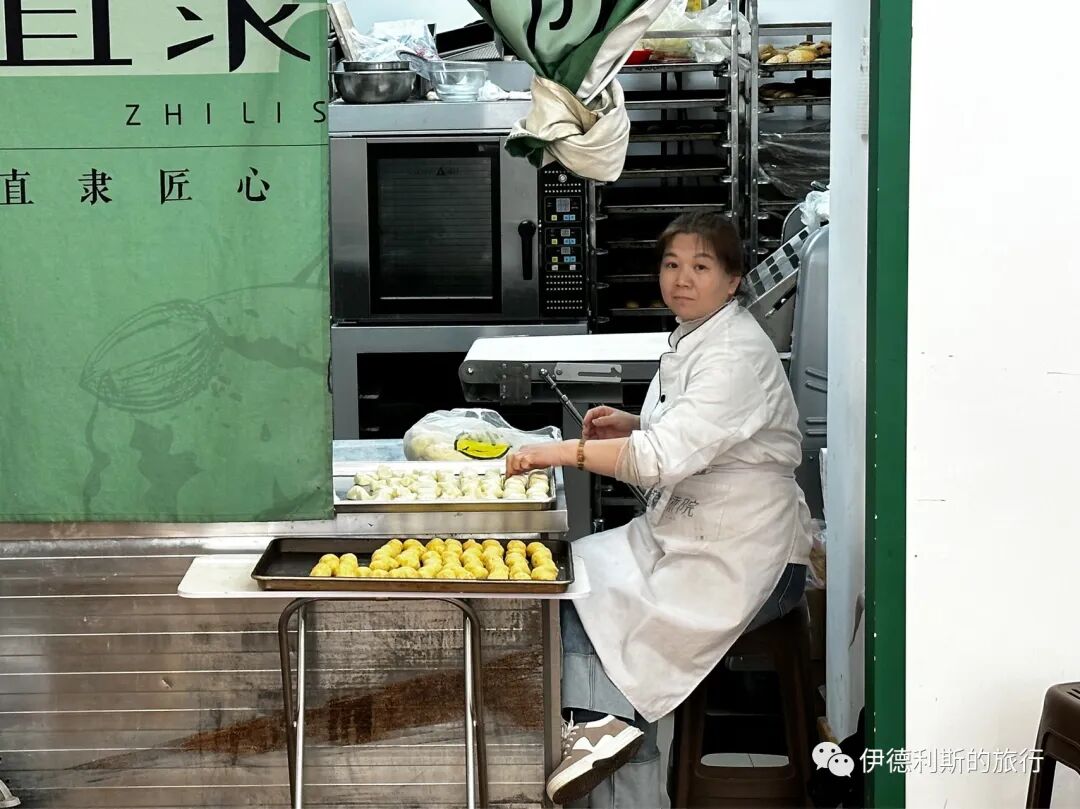
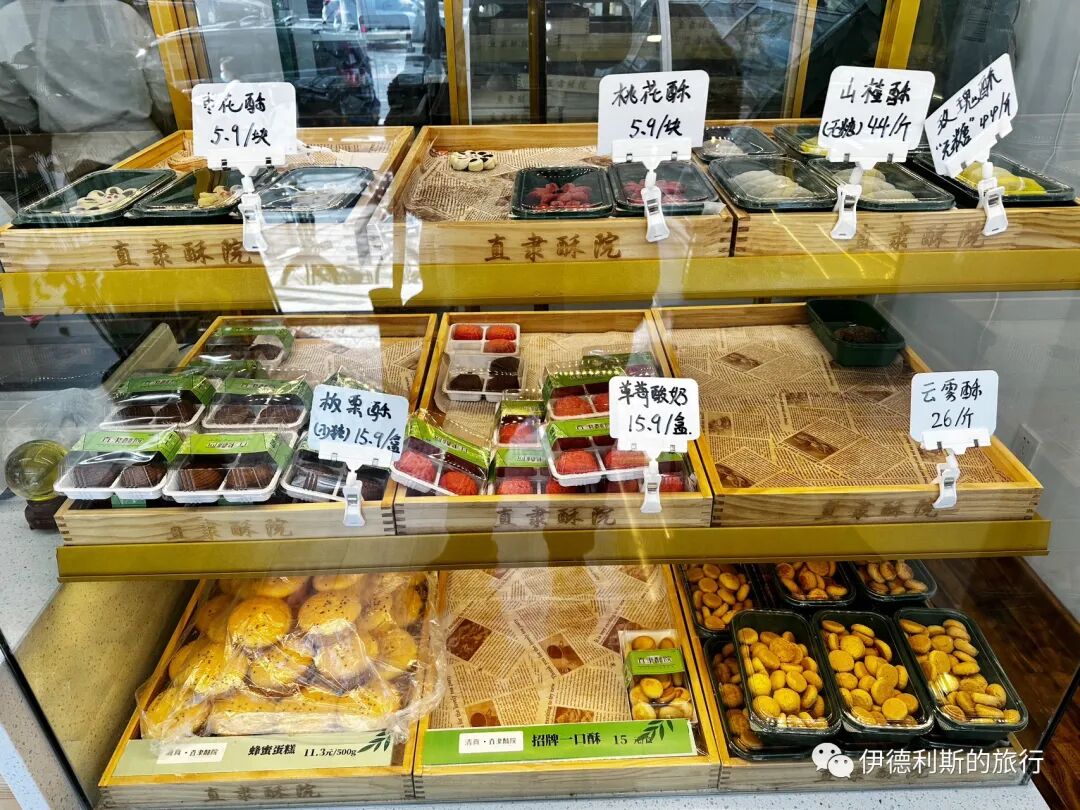
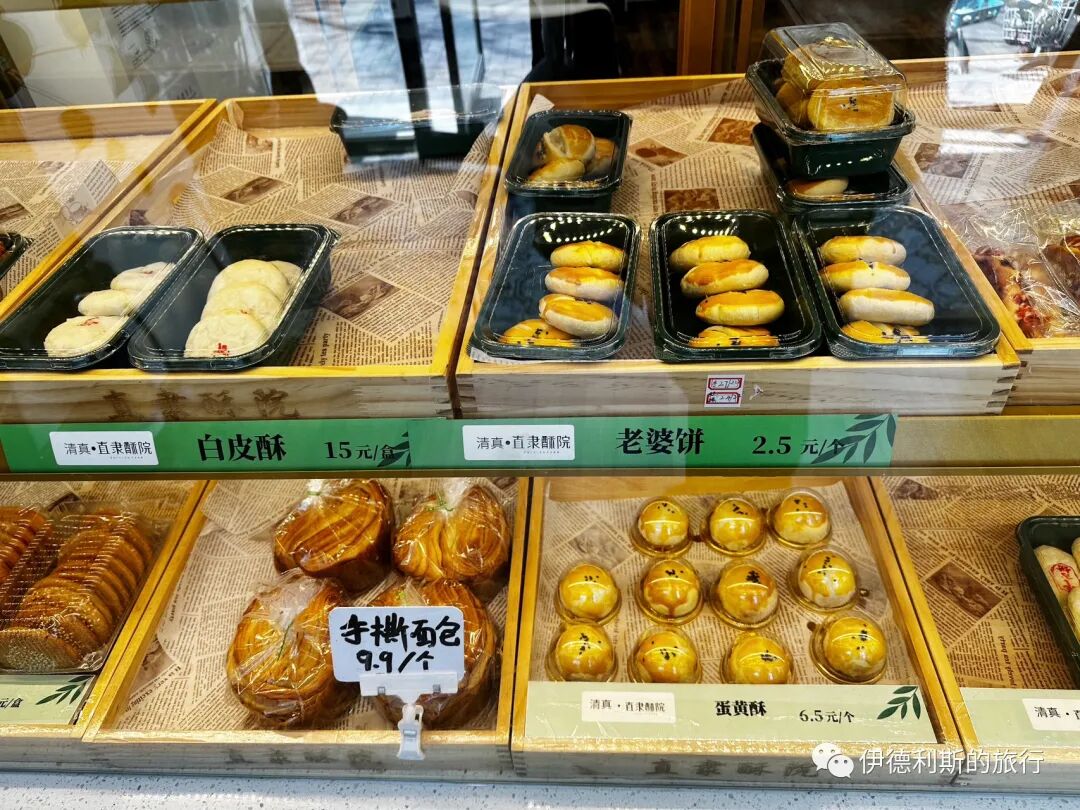
Before leaving, I bought chestnut pastries (banli su) and strawberry milk at Zhili Pastry Shop (Zhili Su Yuan) on Yonghua South Street. They sell both traditional and modern pastries. The kitchen is clean and tidy, and you can tell they put a lot of care into their work. I especially liked the chestnut pastries. They are not too sweet and have a strong chestnut flavor. I only bought one box at first, but after eating one piece at the door, I quickly went back inside to buy another.
Summary: Baoding — Historic Mosques and Hui Muslim Food is presented here as a firsthand travel account in clear English, beginning with this scene: I visited Baoding, Hebei, on the morning of March 12, 2023. It was very convenient, taking just over 40 minutes by high-speed train from Beijing West Station. The account keeps its focus on Baoding Mosques, Hui Muslims, Halal Food while preserving the names, places, food, and historical details from the Chinese source.
I visited Baoding, Hebei, on the morning of March 12, 2023. It was very convenient, taking just over 40 minutes by high-speed train from Beijing West Station.
The Hui Muslim community in Baoding is in the southeast of the old city, commonly known as 'Dongtou.' It has three ancient mosques built during the Ming and Qing dynasties and the Republican era. Before the old city renovation, this area was full of crisscrossing streets and alleys, with many old homes of famous people tucked away inside. After the 2010 renovation, the Mosque Residential Area (Qingzhensi Xiaoqu) was built here. The layout of the mosque and its surrounding neighborhood was preserved, and the area is now very lively with halal snack shops all around.
The most common snack sold around the Mosque Residential Area is braised chicken (luzhuji). I bought one from a cart inside the neighborhood run by the Ma Family Brand (Majia Laohao). The chicken weighed a little over a pound and wasn't very big. The braised flavor was good and not as salty as in some other places, so it was perfect to eat on its own.
I had lunch at Yongshenghao on Fuxue Back Street, west of the Mosque Residential Area. The Baoding Antique Market is right next door, and it gets incredibly crowded and busy on weekends.
Yongshenghao is a typical old-town shop run by a husband and wife. It is small, and by 11 a.m., it was already full of local customers. Local halal food in Baoding follows the style of traditional North China halal cuisine but has its own unique character. The most interesting dish is the shredded pork with fish-flavored sauce (yuxiang rousi). Outsiders would never think to order it just by looking at the menu, but it is actually the most popular dish people order at halal restaurants in Baoding! The beef is shredded very thinly. The sweet and sour sauce doesn't have the dark color of soy sauce, and the plate is full of meat with almost no vegetables, making it very appetizing.
I also ordered the famous Baoding halal dish, beef covered flatbread (niurou zhaobing). After you order, the owner asks 'how much cover, how much bread,' which refers to how many liang of beef and how many liang of flatbread you want. The flavor of the covered flatbread comes mainly from the aged broth used to stew the meat. Every shop uses different meat ingredients, which are considered their secret recipes. The flatbread (laobing) soaked ladle by ladle in the aged broth is very fragrant and rich. Besides the meat and bread combinations, there is also 'shovel cover' (chanzhao), which is just the flatbread and green onions soaked in the aged broth. It is very affordable.
Another covered flatbread shop.
Stewed skin (taopi) is also a special halal delicacy in Baoding. The pot of stewing meat bubbles away, and you can use it to blanch vegetables or soak flatbread.
The Baoding West Mosque was first built in 1616 (the 44th year of the Wanli reign of the Ming Dynasty). According to the stone tablet in the mosque, a man named Fa from Hanji Village in Fangshan served as a military official in Baoding during the Wanli period. He saw there was no mosque in the city, and fellow Muslims had to go elsewhere for Eid prayers, so he bought 12 mu of land at the Wei Family Garden. Besides building the mosque, he allowed fellow Muslims to build houses on the surrounding land, which officially formed the mosque-centered neighborhood layout in Baoding. The West Mosque was renovated many times after the Qing Dynasty. The bathing room was rebuilt in 1906 (the 23rd year of the Guangxu reign), and the north and south lecture halls were rebuilt during the Republican era, forming the current layout.
The main hall is divided into front and back sections. The kiln-style roof has an octagonal pavilion over 7 meters high, with a couplet that reads 'The Lord is formless, the heart can understand; leave room for retreat in affairs, the character is truly high,' and a horizontal plaque reading 'Mecca in Sight.' The roof ridges originally had animal statues, but during the Republican era, Bai Yunzhang, the owner of the famous Baoding halal shop Bai Yunzhang Steamed Bun Shop, paid to have them all replaced with flower and plant designs.
Components replaced during the renovation.
After 1966, the mosque was damaged. The main hall became a club, the lecture hall became a street factory, and the bathing room became a carpentry workshop. It was reclaimed in 1979 and renovated again in 1987.
As a famous mosque in North China, the Baoding West Mosque had a thriving religious life and trained many imams, including Xie Jinqing, Yang Yuzhen, An Shiwei, and Yang Yongchang. The mosque also once had a training ground that produced many famous wrestling masters and martial arts teachers.
During the Tongzhi reign, because the number of worshippers at the West Mosque increased and the main hall became too small, local residents Shi Xie and his son Shi Jun built a scripture room east of the West Mosque. A few years later, it was officially completed as the Baoding East Mosque under the leadership of the famous Imam Yan Mingpu. The East Mosque was renovated many times later. During the Guangxu reign, Imam Zhang Ziwen and Mr. Shi Tongshan led the construction of the south lecture hall and bathing room. During the Xuantong reign, Imam Xie Jinqing led the construction of the north lecture hall, and Shi Changchun and Shi Tongshan led a comprehensive renovation. In 1936, Imam Yang Baozhai led another renovation.
Although the East Mosque is not large, many famous imams like Wang Gui, Li Ba, Zhang Li, and Bai Da taught there and trained many excellent students.
After 1958, the East Mosque was occupied by a blueprint paper factory. In 1979, the property rights were returned to the West Mosque, and it is currently a warehouse for the Xinyue Halal Food Factory.
The Baoding Women's Mosque was founded in 1916 by Imam Yan Fengshan of the East Mosque in the alley north of the mosque, and the prayer leader was Jin Shiniang from Shandong. In 1932, the mosque hired Imam Sha Zhijun from Jilin to start a primary school for Muslim girls, but it closed in 1937 after the Japanese occupation. In 1940, Imam Sha and Mrs. Shi traveled to Beijing, Tianjin, and Jinan to raise money. With extra funds from local elders, they bought a house from Bai Yunzhang, the owner of the famous Baoding halal steamed bun shop (Bai Yunzhang baozi), to build the current women's mosque.
The women's mosque was taken over after 1958. In the 1970s, digging an air-raid shelter under the main prayer hall caused structural damage. The building was returned in 1982, but the walls slowly cracked. During the 2015 urban renewal project, a new building was added to the north side, and the old main hall is now used as a storage room.
Before leaving, I bought chestnut pastries (banli su) and strawberry milk at Zhili Pastry Shop (Zhili Su Yuan) on Yonghua South Street. They sell both traditional and modern pastries. The kitchen is clean and tidy, and you can tell they put a lot of care into their work. I especially liked the chestnut pastries. They are not too sweet and have a strong chestnut flavor. I only bought one box at first, but after eating one piece at the door, I quickly went back inside to buy another.
Halal Travel Guide: Baoding — Historic Mosques and Hui Muslim Food
Articles • ali2007fr posted the article • 0 comments • 174 views • 2026-05-18 21:13
Reposted from the web
Summary: Baoding — Historic Mosques and Hui Muslim Food is presented here as a firsthand travel account in clear English, beginning with this scene: I visited Baoding, Hebei, on the morning of March 12, 2023. It was very convenient, taking just over 40 minutes by high-speed train from Beijing West Station. The account keeps its focus on Baoding Mosques, Hui Muslims, Halal Food while preserving the names, places, food, and historical details from the Chinese source.
I visited Baoding, Hebei, on the morning of March 12, 2023. It was very convenient, taking just over 40 minutes by high-speed train from Beijing West Station.
The Hui Muslim community in Baoding is in the southeast of the old city, commonly known as 'Dongtou.' It has three ancient mosques built during the Ming and Qing dynasties and the Republican era. Before the old city renovation, this area was full of crisscrossing streets and alleys, with many old homes of famous people tucked away inside. After the 2010 renovation, the Mosque Residential Area (Qingzhensi Xiaoqu) was built here. The layout of the mosque and its surrounding neighborhood was preserved, and the area is now very lively with halal snack shops all around.
The most common snack sold around the Mosque Residential Area is braised chicken (luzhuji). I bought one from a cart inside the neighborhood run by the Ma Family Brand (Majia Laohao). The chicken weighed a little over a pound and wasn't very big. The braised flavor was good and not as salty as in some other places, so it was perfect to eat on its own.
I had lunch at Yongshenghao on Fuxue Back Street, west of the Mosque Residential Area. The Baoding Antique Market is right next door, and it gets incredibly crowded and busy on weekends.
Yongshenghao is a typical old-town shop run by a husband and wife. It is small, and by 11 a.m., it was already full of local customers. Local halal food in Baoding follows the style of traditional North China halal cuisine but has its own unique character. The most interesting dish is the shredded pork with fish-flavored sauce (yuxiang rousi). Outsiders would never think to order it just by looking at the menu, but it is actually the most popular dish people order at halal restaurants in Baoding! The beef is shredded very thinly. The sweet and sour sauce doesn't have the dark color of soy sauce, and the plate is full of meat with almost no vegetables, making it very appetizing.
I also ordered the famous Baoding halal dish, beef covered flatbread (niurou zhaobing). After you order, the owner asks 'how much cover, how much bread,' which refers to how many liang of beef and how many liang of flatbread you want. The flavor of the covered flatbread comes mainly from the aged broth used to stew the meat. Every shop uses different meat ingredients, which are considered their secret recipes. The flatbread (laobing) soaked ladle by ladle in the aged broth is very fragrant and rich. Besides the meat and bread combinations, there is also 'shovel cover' (chanzhao), which is just the flatbread and green onions soaked in the aged broth. It is very affordable.
Another covered flatbread shop.
Stewed skin (taopi) is also a special halal delicacy in Baoding. The pot of stewing meat bubbles away, and you can use it to blanch vegetables or soak flatbread.
The Baoding West Mosque was first built in 1616 (the 44th year of the Wanli reign of the Ming Dynasty). According to the stone tablet in the mosque, a man named Fa from Hanji Village in Fangshan served as a military official in Baoding during the Wanli period. He saw there was no mosque in the city, and fellow Muslims had to go elsewhere for Eid prayers, so he bought 12 mu of land at the Wei Family Garden. Besides building the mosque, he allowed fellow Muslims to build houses on the surrounding land, which officially formed the mosque-centered neighborhood layout in Baoding. The West Mosque was renovated many times after the Qing Dynasty. The bathing room was rebuilt in 1906 (the 23rd year of the Guangxu reign), and the north and south lecture halls were rebuilt during the Republican era, forming the current layout.
The main hall is divided into front and back sections. The kiln-style roof has an octagonal pavilion over 7 meters high, with a couplet that reads 'The Lord is formless, the heart can understand; leave room for retreat in affairs, the character is truly high,' and a horizontal plaque reading 'Mecca in Sight.' The roof ridges originally had animal statues, but during the Republican era, Bai Yunzhang, the owner of the famous Baoding halal shop Bai Yunzhang Steamed Bun Shop, paid to have them all replaced with flower and plant designs.
Components replaced during the renovation.
After 1966, the mosque was damaged. The main hall became a club, the lecture hall became a street factory, and the bathing room became a carpentry workshop. It was reclaimed in 1979 and renovated again in 1987.
As a famous mosque in North China, the Baoding West Mosque had a thriving religious life and trained many imams, including Xie Jinqing, Yang Yuzhen, An Shiwei, and Yang Yongchang. The mosque also once had a training ground that produced many famous wrestling masters and martial arts teachers.
During the Tongzhi reign, because the number of worshippers at the West Mosque increased and the main hall became too small, local residents Shi Xie and his son Shi Jun built a scripture room east of the West Mosque. A few years later, it was officially completed as the Baoding East Mosque under the leadership of the famous Imam Yan Mingpu. The East Mosque was renovated many times later. During the Guangxu reign, Imam Zhang Ziwen and Mr. Shi Tongshan led the construction of the south lecture hall and bathing room. During the Xuantong reign, Imam Xie Jinqing led the construction of the north lecture hall, and Shi Changchun and Shi Tongshan led a comprehensive renovation. In 1936, Imam Yang Baozhai led another renovation.
Although the East Mosque is not large, many famous imams like Wang Gui, Li Ba, Zhang Li, and Bai Da taught there and trained many excellent students.
After 1958, the East Mosque was occupied by a blueprint paper factory. In 1979, the property rights were returned to the West Mosque, and it is currently a warehouse for the Xinyue Halal Food Factory.
The Baoding Women's Mosque was founded in 1916 by Imam Yan Fengshan of the East Mosque in the alley north of the mosque, and the prayer leader was Jin Shiniang from Shandong. In 1932, the mosque hired Imam Sha Zhijun from Jilin to start a primary school for Muslim girls, but it closed in 1937 after the Japanese occupation. In 1940, Imam Sha and Mrs. Shi traveled to Beijing, Tianjin, and Jinan to raise money. With extra funds from local elders, they bought a house from Bai Yunzhang, the owner of the famous Baoding halal steamed bun shop (Bai Yunzhang baozi), to build the current women's mosque.
The women's mosque was taken over after 1958. In the 1970s, digging an air-raid shelter under the main prayer hall caused structural damage. The building was returned in 1982, but the walls slowly cracked. During the 2015 urban renewal project, a new building was added to the north side, and the old main hall is now used as a storage room.
Before leaving, I bought chestnut pastries (banli su) and strawberry milk at Zhili Pastry Shop (Zhili Su Yuan) on Yonghua South Street. They sell both traditional and modern pastries. The kitchen is clean and tidy, and you can tell they put a lot of care into their work. I especially liked the chestnut pastries. They are not too sweet and have a strong chestnut flavor. I only bought one box at first, but after eating one piece at the door, I quickly went back inside to buy another. view all
Summary: Baoding — Historic Mosques and Hui Muslim Food is presented here as a firsthand travel account in clear English, beginning with this scene: I visited Baoding, Hebei, on the morning of March 12, 2023. It was very convenient, taking just over 40 minutes by high-speed train from Beijing West Station. The account keeps its focus on Baoding Mosques, Hui Muslims, Halal Food while preserving the names, places, food, and historical details from the Chinese source.
I visited Baoding, Hebei, on the morning of March 12, 2023. It was very convenient, taking just over 40 minutes by high-speed train from Beijing West Station.
The Hui Muslim community in Baoding is in the southeast of the old city, commonly known as 'Dongtou.' It has three ancient mosques built during the Ming and Qing dynasties and the Republican era. Before the old city renovation, this area was full of crisscrossing streets and alleys, with many old homes of famous people tucked away inside. After the 2010 renovation, the Mosque Residential Area (Qingzhensi Xiaoqu) was built here. The layout of the mosque and its surrounding neighborhood was preserved, and the area is now very lively with halal snack shops all around.
The most common snack sold around the Mosque Residential Area is braised chicken (luzhuji). I bought one from a cart inside the neighborhood run by the Ma Family Brand (Majia Laohao). The chicken weighed a little over a pound and wasn't very big. The braised flavor was good and not as salty as in some other places, so it was perfect to eat on its own.
I had lunch at Yongshenghao on Fuxue Back Street, west of the Mosque Residential Area. The Baoding Antique Market is right next door, and it gets incredibly crowded and busy on weekends.
Yongshenghao is a typical old-town shop run by a husband and wife. It is small, and by 11 a.m., it was already full of local customers. Local halal food in Baoding follows the style of traditional North China halal cuisine but has its own unique character. The most interesting dish is the shredded pork with fish-flavored sauce (yuxiang rousi). Outsiders would never think to order it just by looking at the menu, but it is actually the most popular dish people order at halal restaurants in Baoding! The beef is shredded very thinly. The sweet and sour sauce doesn't have the dark color of soy sauce, and the plate is full of meat with almost no vegetables, making it very appetizing.
I also ordered the famous Baoding halal dish, beef covered flatbread (niurou zhaobing). After you order, the owner asks 'how much cover, how much bread,' which refers to how many liang of beef and how many liang of flatbread you want. The flavor of the covered flatbread comes mainly from the aged broth used to stew the meat. Every shop uses different meat ingredients, which are considered their secret recipes. The flatbread (laobing) soaked ladle by ladle in the aged broth is very fragrant and rich. Besides the meat and bread combinations, there is also 'shovel cover' (chanzhao), which is just the flatbread and green onions soaked in the aged broth. It is very affordable.
Another covered flatbread shop.
Stewed skin (taopi) is also a special halal delicacy in Baoding. The pot of stewing meat bubbles away, and you can use it to blanch vegetables or soak flatbread.
The Baoding West Mosque was first built in 1616 (the 44th year of the Wanli reign of the Ming Dynasty). According to the stone tablet in the mosque, a man named Fa from Hanji Village in Fangshan served as a military official in Baoding during the Wanli period. He saw there was no mosque in the city, and fellow Muslims had to go elsewhere for Eid prayers, so he bought 12 mu of land at the Wei Family Garden. Besides building the mosque, he allowed fellow Muslims to build houses on the surrounding land, which officially formed the mosque-centered neighborhood layout in Baoding. The West Mosque was renovated many times after the Qing Dynasty. The bathing room was rebuilt in 1906 (the 23rd year of the Guangxu reign), and the north and south lecture halls were rebuilt during the Republican era, forming the current layout.
The main hall is divided into front and back sections. The kiln-style roof has an octagonal pavilion over 7 meters high, with a couplet that reads 'The Lord is formless, the heart can understand; leave room for retreat in affairs, the character is truly high,' and a horizontal plaque reading 'Mecca in Sight.' The roof ridges originally had animal statues, but during the Republican era, Bai Yunzhang, the owner of the famous Baoding halal shop Bai Yunzhang Steamed Bun Shop, paid to have them all replaced with flower and plant designs.
Components replaced during the renovation.
After 1966, the mosque was damaged. The main hall became a club, the lecture hall became a street factory, and the bathing room became a carpentry workshop. It was reclaimed in 1979 and renovated again in 1987.
As a famous mosque in North China, the Baoding West Mosque had a thriving religious life and trained many imams, including Xie Jinqing, Yang Yuzhen, An Shiwei, and Yang Yongchang. The mosque also once had a training ground that produced many famous wrestling masters and martial arts teachers.
During the Tongzhi reign, because the number of worshippers at the West Mosque increased and the main hall became too small, local residents Shi Xie and his son Shi Jun built a scripture room east of the West Mosque. A few years later, it was officially completed as the Baoding East Mosque under the leadership of the famous Imam Yan Mingpu. The East Mosque was renovated many times later. During the Guangxu reign, Imam Zhang Ziwen and Mr. Shi Tongshan led the construction of the south lecture hall and bathing room. During the Xuantong reign, Imam Xie Jinqing led the construction of the north lecture hall, and Shi Changchun and Shi Tongshan led a comprehensive renovation. In 1936, Imam Yang Baozhai led another renovation.
Although the East Mosque is not large, many famous imams like Wang Gui, Li Ba, Zhang Li, and Bai Da taught there and trained many excellent students.
After 1958, the East Mosque was occupied by a blueprint paper factory. In 1979, the property rights were returned to the West Mosque, and it is currently a warehouse for the Xinyue Halal Food Factory.
The Baoding Women's Mosque was founded in 1916 by Imam Yan Fengshan of the East Mosque in the alley north of the mosque, and the prayer leader was Jin Shiniang from Shandong. In 1932, the mosque hired Imam Sha Zhijun from Jilin to start a primary school for Muslim girls, but it closed in 1937 after the Japanese occupation. In 1940, Imam Sha and Mrs. Shi traveled to Beijing, Tianjin, and Jinan to raise money. With extra funds from local elders, they bought a house from Bai Yunzhang, the owner of the famous Baoding halal steamed bun shop (Bai Yunzhang baozi), to build the current women's mosque.
The women's mosque was taken over after 1958. In the 1970s, digging an air-raid shelter under the main prayer hall caused structural damage. The building was returned in 1982, but the walls slowly cracked. During the 2015 urban renewal project, a new building was added to the north side, and the old main hall is now used as a storage room.
Before leaving, I bought chestnut pastries (banli su) and strawberry milk at Zhili Pastry Shop (Zhili Su Yuan) on Yonghua South Street. They sell both traditional and modern pastries. The kitchen is clean and tidy, and you can tell they put a lot of care into their work. I especially liked the chestnut pastries. They are not too sweet and have a strong chestnut flavor. I only bought one box at first, but after eating one piece at the door, I quickly went back inside to buy another. view all
Reposted from the web
Summary: Baoding — Historic Mosques and Hui Muslim Food is presented here as a firsthand travel account in clear English, beginning with this scene: I visited Baoding, Hebei, on the morning of March 12, 2023. It was very convenient, taking just over 40 minutes by high-speed train from Beijing West Station. The account keeps its focus on Baoding Mosques, Hui Muslims, Halal Food while preserving the names, places, food, and historical details from the Chinese source.
I visited Baoding, Hebei, on the morning of March 12, 2023. It was very convenient, taking just over 40 minutes by high-speed train from Beijing West Station.
The Hui Muslim community in Baoding is in the southeast of the old city, commonly known as 'Dongtou.' It has three ancient mosques built during the Ming and Qing dynasties and the Republican era. Before the old city renovation, this area was full of crisscrossing streets and alleys, with many old homes of famous people tucked away inside. After the 2010 renovation, the Mosque Residential Area (Qingzhensi Xiaoqu) was built here. The layout of the mosque and its surrounding neighborhood was preserved, and the area is now very lively with halal snack shops all around.
The most common snack sold around the Mosque Residential Area is braised chicken (luzhuji). I bought one from a cart inside the neighborhood run by the Ma Family Brand (Majia Laohao). The chicken weighed a little over a pound and wasn't very big. The braised flavor was good and not as salty as in some other places, so it was perfect to eat on its own.
I had lunch at Yongshenghao on Fuxue Back Street, west of the Mosque Residential Area. The Baoding Antique Market is right next door, and it gets incredibly crowded and busy on weekends.
Yongshenghao is a typical old-town shop run by a husband and wife. It is small, and by 11 a.m., it was already full of local customers. Local halal food in Baoding follows the style of traditional North China halal cuisine but has its own unique character. The most interesting dish is the shredded pork with fish-flavored sauce (yuxiang rousi). Outsiders would never think to order it just by looking at the menu, but it is actually the most popular dish people order at halal restaurants in Baoding! The beef is shredded very thinly. The sweet and sour sauce doesn't have the dark color of soy sauce, and the plate is full of meat with almost no vegetables, making it very appetizing.
I also ordered the famous Baoding halal dish, beef covered flatbread (niurou zhaobing). After you order, the owner asks 'how much cover, how much bread,' which refers to how many liang of beef and how many liang of flatbread you want. The flavor of the covered flatbread comes mainly from the aged broth used to stew the meat. Every shop uses different meat ingredients, which are considered their secret recipes. The flatbread (laobing) soaked ladle by ladle in the aged broth is very fragrant and rich. Besides the meat and bread combinations, there is also 'shovel cover' (chanzhao), which is just the flatbread and green onions soaked in the aged broth. It is very affordable.
Another covered flatbread shop.
Stewed skin (taopi) is also a special halal delicacy in Baoding. The pot of stewing meat bubbles away, and you can use it to blanch vegetables or soak flatbread.
The Baoding West Mosque was first built in 1616 (the 44th year of the Wanli reign of the Ming Dynasty). According to the stone tablet in the mosque, a man named Fa from Hanji Village in Fangshan served as a military official in Baoding during the Wanli period. He saw there was no mosque in the city, and fellow Muslims had to go elsewhere for Eid prayers, so he bought 12 mu of land at the Wei Family Garden. Besides building the mosque, he allowed fellow Muslims to build houses on the surrounding land, which officially formed the mosque-centered neighborhood layout in Baoding. The West Mosque was renovated many times after the Qing Dynasty. The bathing room was rebuilt in 1906 (the 23rd year of the Guangxu reign), and the north and south lecture halls were rebuilt during the Republican era, forming the current layout.
The main hall is divided into front and back sections. The kiln-style roof has an octagonal pavilion over 7 meters high, with a couplet that reads 'The Lord is formless, the heart can understand; leave room for retreat in affairs, the character is truly high,' and a horizontal plaque reading 'Mecca in Sight.' The roof ridges originally had animal statues, but during the Republican era, Bai Yunzhang, the owner of the famous Baoding halal shop Bai Yunzhang Steamed Bun Shop, paid to have them all replaced with flower and plant designs.
Components replaced during the renovation.
After 1966, the mosque was damaged. The main hall became a club, the lecture hall became a street factory, and the bathing room became a carpentry workshop. It was reclaimed in 1979 and renovated again in 1987.
As a famous mosque in North China, the Baoding West Mosque had a thriving religious life and trained many imams, including Xie Jinqing, Yang Yuzhen, An Shiwei, and Yang Yongchang. The mosque also once had a training ground that produced many famous wrestling masters and martial arts teachers.
During the Tongzhi reign, because the number of worshippers at the West Mosque increased and the main hall became too small, local residents Shi Xie and his son Shi Jun built a scripture room east of the West Mosque. A few years later, it was officially completed as the Baoding East Mosque under the leadership of the famous Imam Yan Mingpu. The East Mosque was renovated many times later. During the Guangxu reign, Imam Zhang Ziwen and Mr. Shi Tongshan led the construction of the south lecture hall and bathing room. During the Xuantong reign, Imam Xie Jinqing led the construction of the north lecture hall, and Shi Changchun and Shi Tongshan led a comprehensive renovation. In 1936, Imam Yang Baozhai led another renovation.
Although the East Mosque is not large, many famous imams like Wang Gui, Li Ba, Zhang Li, and Bai Da taught there and trained many excellent students.
After 1958, the East Mosque was occupied by a blueprint paper factory. In 1979, the property rights were returned to the West Mosque, and it is currently a warehouse for the Xinyue Halal Food Factory.
The Baoding Women's Mosque was founded in 1916 by Imam Yan Fengshan of the East Mosque in the alley north of the mosque, and the prayer leader was Jin Shiniang from Shandong. In 1932, the mosque hired Imam Sha Zhijun from Jilin to start a primary school for Muslim girls, but it closed in 1937 after the Japanese occupation. In 1940, Imam Sha and Mrs. Shi traveled to Beijing, Tianjin, and Jinan to raise money. With extra funds from local elders, they bought a house from Bai Yunzhang, the owner of the famous Baoding halal steamed bun shop (Bai Yunzhang baozi), to build the current women's mosque.
The women's mosque was taken over after 1958. In the 1970s, digging an air-raid shelter under the main prayer hall caused structural damage. The building was returned in 1982, but the walls slowly cracked. During the 2015 urban renewal project, a new building was added to the north side, and the old main hall is now used as a storage room.
Before leaving, I bought chestnut pastries (banli su) and strawberry milk at Zhili Pastry Shop (Zhili Su Yuan) on Yonghua South Street. They sell both traditional and modern pastries. The kitchen is clean and tidy, and you can tell they put a lot of care into their work. I especially liked the chestnut pastries. They are not too sweet and have a strong chestnut flavor. I only bought one box at first, but after eating one piece at the door, I quickly went back inside to buy another.
Summary: Baoding — Historic Mosques and Hui Muslim Food is presented here as a firsthand travel account in clear English, beginning with this scene: I visited Baoding, Hebei, on the morning of March 12, 2023. It was very convenient, taking just over 40 minutes by high-speed train from Beijing West Station. The account keeps its focus on Baoding Mosques, Hui Muslims, Halal Food while preserving the names, places, food, and historical details from the Chinese source.
I visited Baoding, Hebei, on the morning of March 12, 2023. It was very convenient, taking just over 40 minutes by high-speed train from Beijing West Station.
The Hui Muslim community in Baoding is in the southeast of the old city, commonly known as 'Dongtou.' It has three ancient mosques built during the Ming and Qing dynasties and the Republican era. Before the old city renovation, this area was full of crisscrossing streets and alleys, with many old homes of famous people tucked away inside. After the 2010 renovation, the Mosque Residential Area (Qingzhensi Xiaoqu) was built here. The layout of the mosque and its surrounding neighborhood was preserved, and the area is now very lively with halal snack shops all around.
The most common snack sold around the Mosque Residential Area is braised chicken (luzhuji). I bought one from a cart inside the neighborhood run by the Ma Family Brand (Majia Laohao). The chicken weighed a little over a pound and wasn't very big. The braised flavor was good and not as salty as in some other places, so it was perfect to eat on its own.
I had lunch at Yongshenghao on Fuxue Back Street, west of the Mosque Residential Area. The Baoding Antique Market is right next door, and it gets incredibly crowded and busy on weekends.
Yongshenghao is a typical old-town shop run by a husband and wife. It is small, and by 11 a.m., it was already full of local customers. Local halal food in Baoding follows the style of traditional North China halal cuisine but has its own unique character. The most interesting dish is the shredded pork with fish-flavored sauce (yuxiang rousi). Outsiders would never think to order it just by looking at the menu, but it is actually the most popular dish people order at halal restaurants in Baoding! The beef is shredded very thinly. The sweet and sour sauce doesn't have the dark color of soy sauce, and the plate is full of meat with almost no vegetables, making it very appetizing.
I also ordered the famous Baoding halal dish, beef covered flatbread (niurou zhaobing). After you order, the owner asks 'how much cover, how much bread,' which refers to how many liang of beef and how many liang of flatbread you want. The flavor of the covered flatbread comes mainly from the aged broth used to stew the meat. Every shop uses different meat ingredients, which are considered their secret recipes. The flatbread (laobing) soaked ladle by ladle in the aged broth is very fragrant and rich. Besides the meat and bread combinations, there is also 'shovel cover' (chanzhao), which is just the flatbread and green onions soaked in the aged broth. It is very affordable.
Another covered flatbread shop.
Stewed skin (taopi) is also a special halal delicacy in Baoding. The pot of stewing meat bubbles away, and you can use it to blanch vegetables or soak flatbread.
The Baoding West Mosque was first built in 1616 (the 44th year of the Wanli reign of the Ming Dynasty). According to the stone tablet in the mosque, a man named Fa from Hanji Village in Fangshan served as a military official in Baoding during the Wanli period. He saw there was no mosque in the city, and fellow Muslims had to go elsewhere for Eid prayers, so he bought 12 mu of land at the Wei Family Garden. Besides building the mosque, he allowed fellow Muslims to build houses on the surrounding land, which officially formed the mosque-centered neighborhood layout in Baoding. The West Mosque was renovated many times after the Qing Dynasty. The bathing room was rebuilt in 1906 (the 23rd year of the Guangxu reign), and the north and south lecture halls were rebuilt during the Republican era, forming the current layout.
The main hall is divided into front and back sections. The kiln-style roof has an octagonal pavilion over 7 meters high, with a couplet that reads 'The Lord is formless, the heart can understand; leave room for retreat in affairs, the character is truly high,' and a horizontal plaque reading 'Mecca in Sight.' The roof ridges originally had animal statues, but during the Republican era, Bai Yunzhang, the owner of the famous Baoding halal shop Bai Yunzhang Steamed Bun Shop, paid to have them all replaced with flower and plant designs.
Components replaced during the renovation.
After 1966, the mosque was damaged. The main hall became a club, the lecture hall became a street factory, and the bathing room became a carpentry workshop. It was reclaimed in 1979 and renovated again in 1987.
As a famous mosque in North China, the Baoding West Mosque had a thriving religious life and trained many imams, including Xie Jinqing, Yang Yuzhen, An Shiwei, and Yang Yongchang. The mosque also once had a training ground that produced many famous wrestling masters and martial arts teachers.
During the Tongzhi reign, because the number of worshippers at the West Mosque increased and the main hall became too small, local residents Shi Xie and his son Shi Jun built a scripture room east of the West Mosque. A few years later, it was officially completed as the Baoding East Mosque under the leadership of the famous Imam Yan Mingpu. The East Mosque was renovated many times later. During the Guangxu reign, Imam Zhang Ziwen and Mr. Shi Tongshan led the construction of the south lecture hall and bathing room. During the Xuantong reign, Imam Xie Jinqing led the construction of the north lecture hall, and Shi Changchun and Shi Tongshan led a comprehensive renovation. In 1936, Imam Yang Baozhai led another renovation.
Although the East Mosque is not large, many famous imams like Wang Gui, Li Ba, Zhang Li, and Bai Da taught there and trained many excellent students.
After 1958, the East Mosque was occupied by a blueprint paper factory. In 1979, the property rights were returned to the West Mosque, and it is currently a warehouse for the Xinyue Halal Food Factory.
The Baoding Women's Mosque was founded in 1916 by Imam Yan Fengshan of the East Mosque in the alley north of the mosque, and the prayer leader was Jin Shiniang from Shandong. In 1932, the mosque hired Imam Sha Zhijun from Jilin to start a primary school for Muslim girls, but it closed in 1937 after the Japanese occupation. In 1940, Imam Sha and Mrs. Shi traveled to Beijing, Tianjin, and Jinan to raise money. With extra funds from local elders, they bought a house from Bai Yunzhang, the owner of the famous Baoding halal steamed bun shop (Bai Yunzhang baozi), to build the current women's mosque.
The women's mosque was taken over after 1958. In the 1970s, digging an air-raid shelter under the main prayer hall caused structural damage. The building was returned in 1982, but the walls slowly cracked. During the 2015 urban renewal project, a new building was added to the north side, and the old main hall is now used as a storage room.
Before leaving, I bought chestnut pastries (banli su) and strawberry milk at Zhili Pastry Shop (Zhili Su Yuan) on Yonghua South Street. They sell both traditional and modern pastries. The kitchen is clean and tidy, and you can tell they put a lot of care into their work. I especially liked the chestnut pastries. They are not too sweet and have a strong chestnut flavor. I only bought one box at first, but after eating one piece at the door, I quickly went back inside to buy another.