

Bazaar Culture
Bukhara Old City Bazaar Guide: Miniature Art, Muslim Heritage and Local Crafts
Articles • ali2007fr posted the article • 0 comments • 192 views • 2026-05-17 07:16
Reposted from the web
Summary: This travel note introduces Bukhara Old City Bazaar Guide: Miniature Art, Muslim Heritage and Local Crafts. A record of my trip to the ancient city of Bukhara during the 2019 Spring Festival holiday to eat, shop, buy hats, and purchase miniature paintings. It is useful for readers interested in Bukhara Travel, Islamic Art, Bazaar Culture.
A record of my trip to the ancient city of Bukhara during the 2019 Spring Festival holiday to eat, shop, buy hats, and purchase miniature paintings.
Food
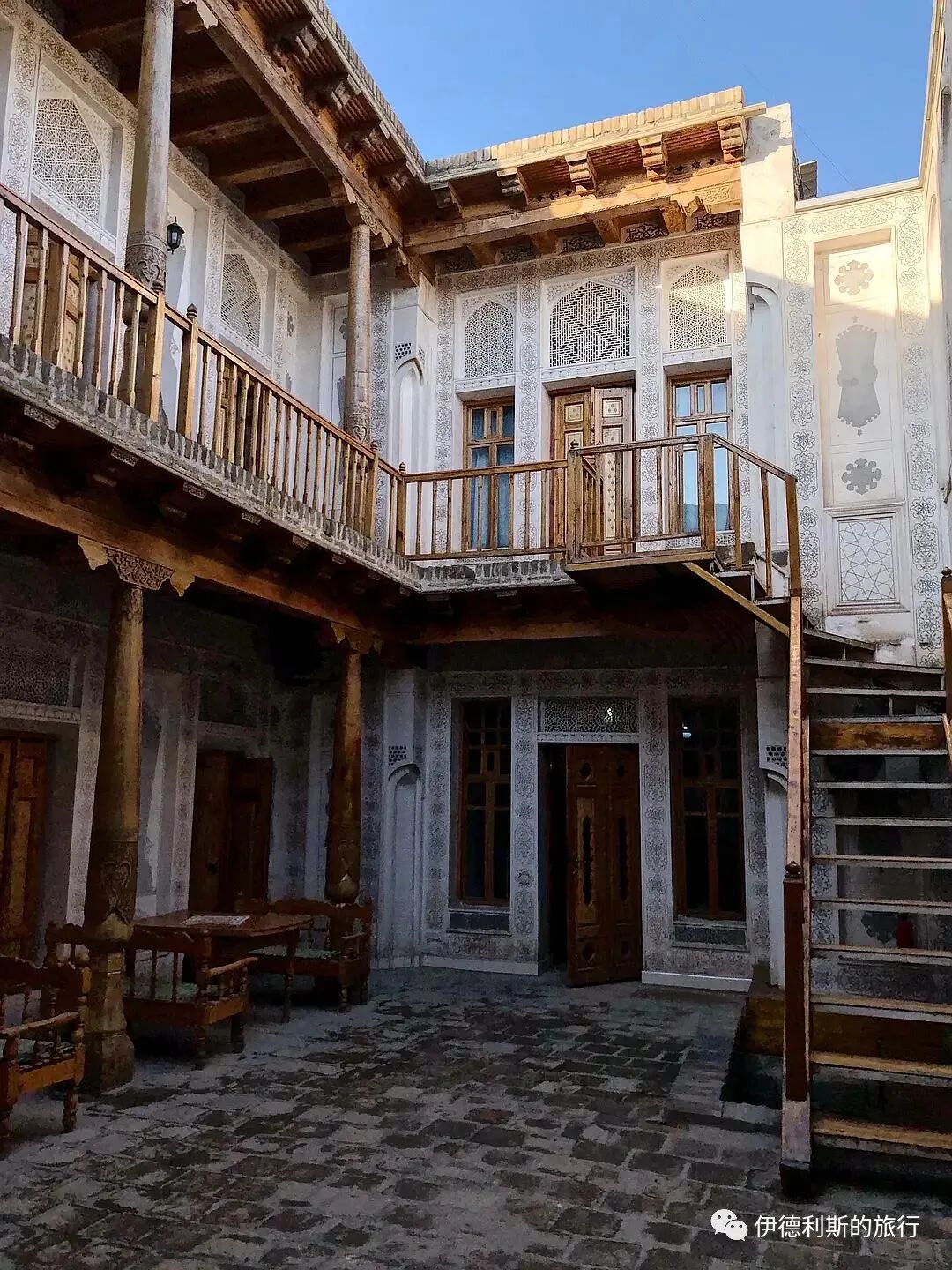
When I was in Bukhara, I stayed at the Komil Hotel, which is recommended by Lonely Planet. The hotel is located in an alley in the center of the ancient city. It was originally a wealthy merchant's residence built in the 19th century, purchased by Komil's grandfather 50 years ago, and opened as a hotel in 2000. The owner, Komil Kadirov, speaks fluent English and is very welcoming to guests.
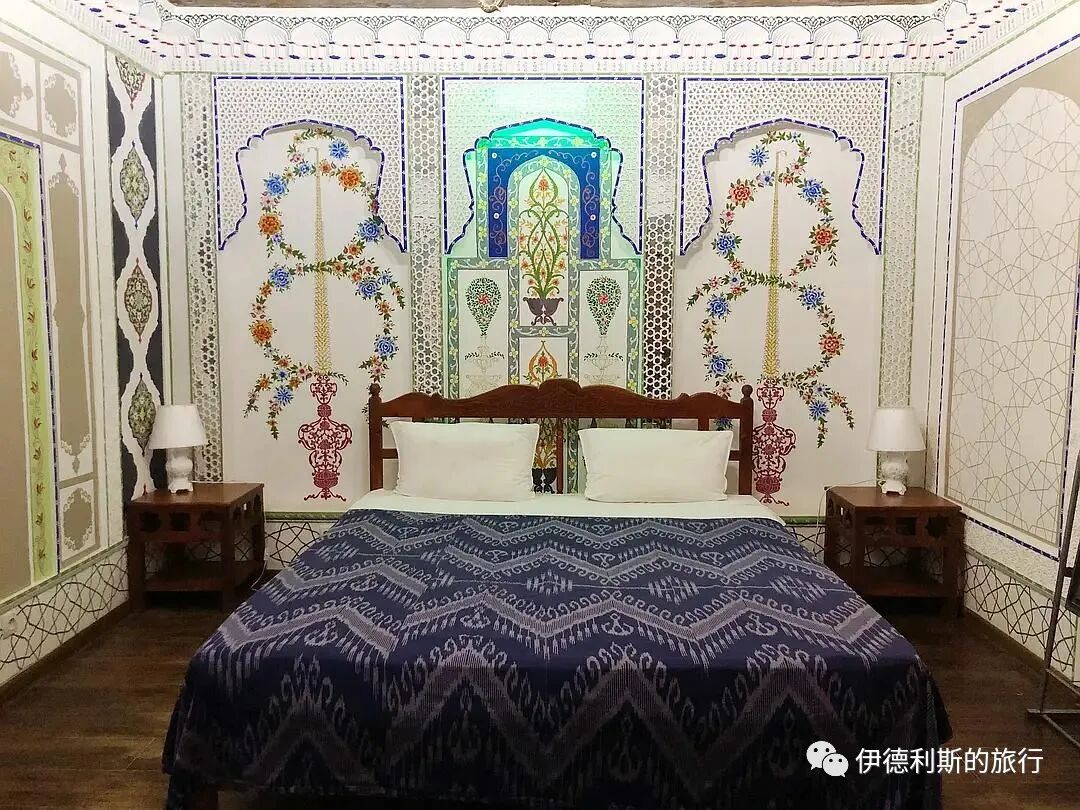
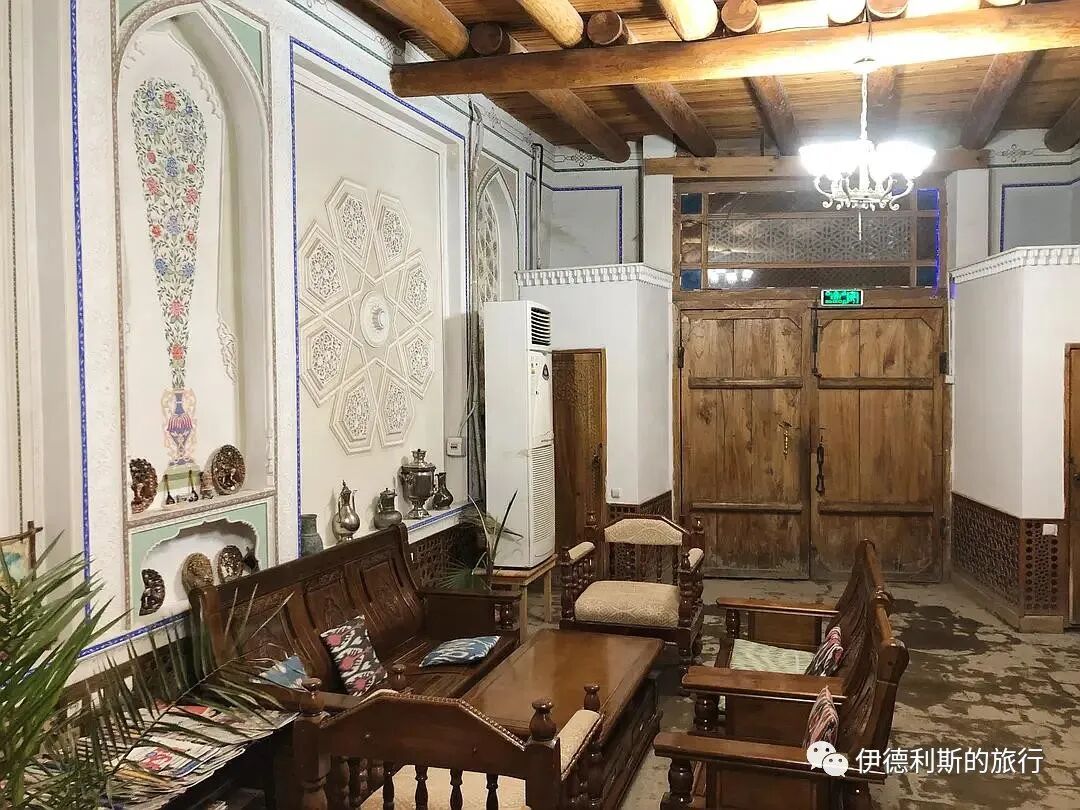
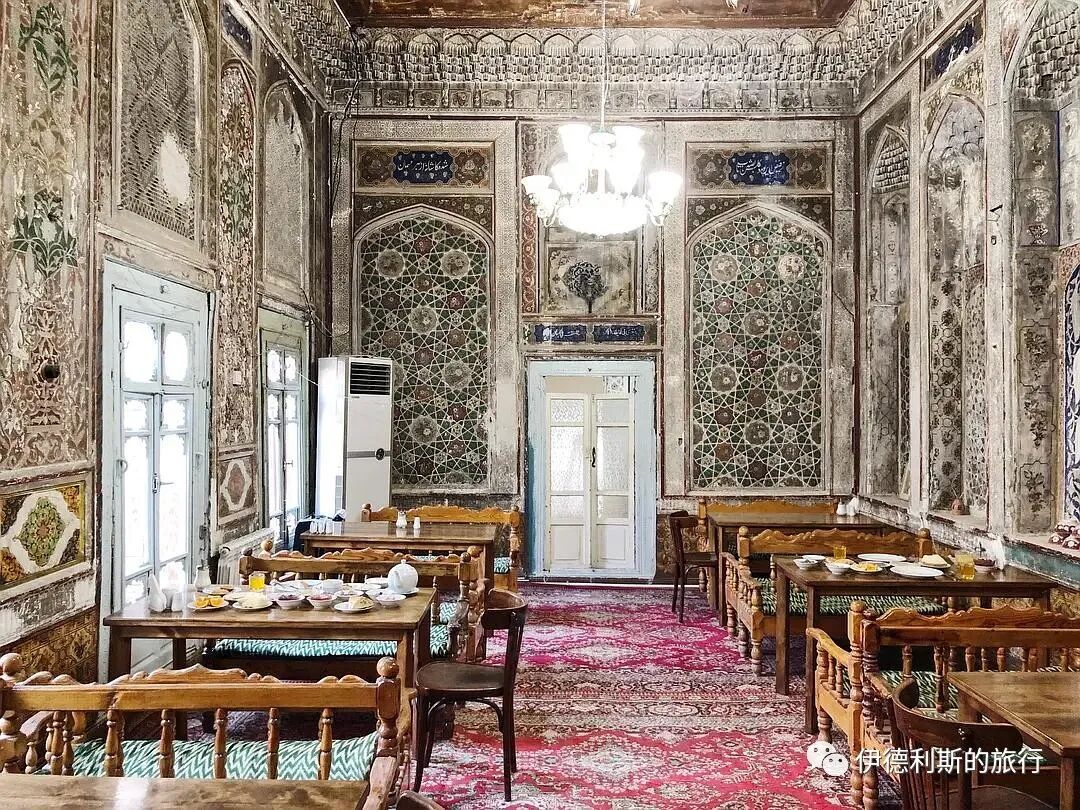
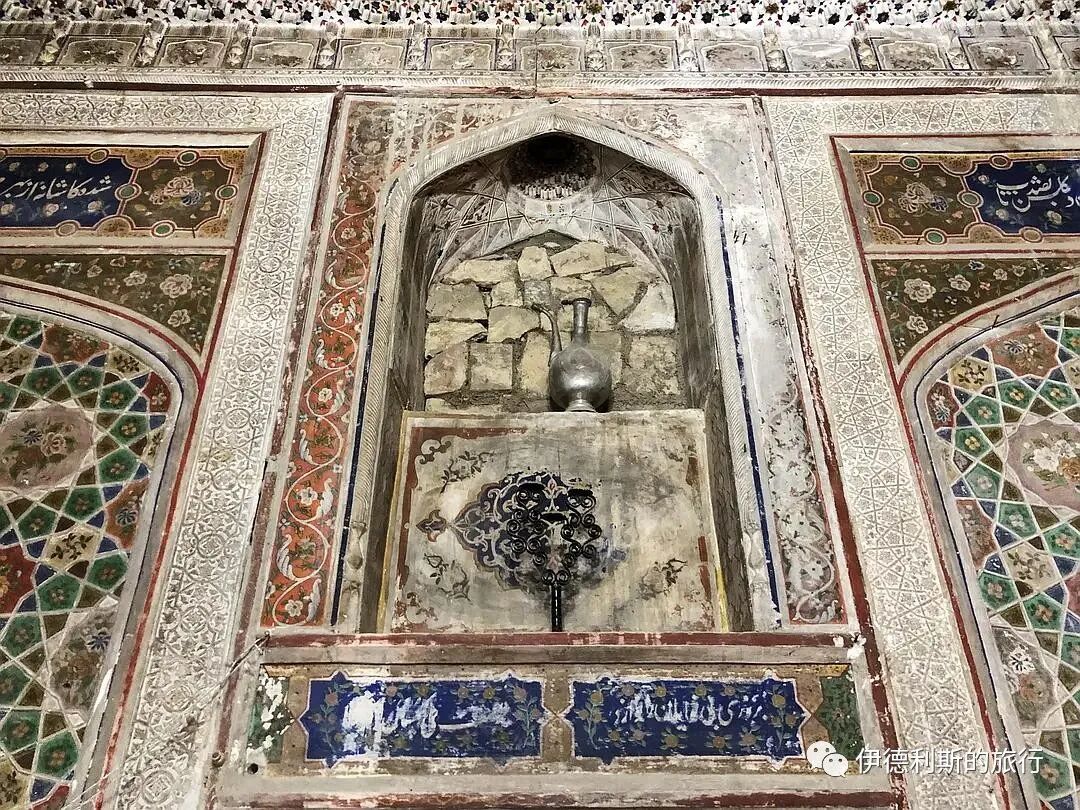
The hotel still retains the wood carvings and paintings of traditional 19th-century Bukhara architecture. The room I stayed in has been partially renovated, but the dining room where breakfast is served is very well preserved, as if I had traveled back to Bukhara over 100 years ago. Their breakfast is very hearty; even for one person, it fills the entire table, which made me feel a bit embarrassed. Breakfast was truly a highlight of my trip to Uzbekistan. Basically, every hotel prepares more than ten types of dishes and will ask if you want boiled or fried eggs, and black or green tea. The service attitude is really great.
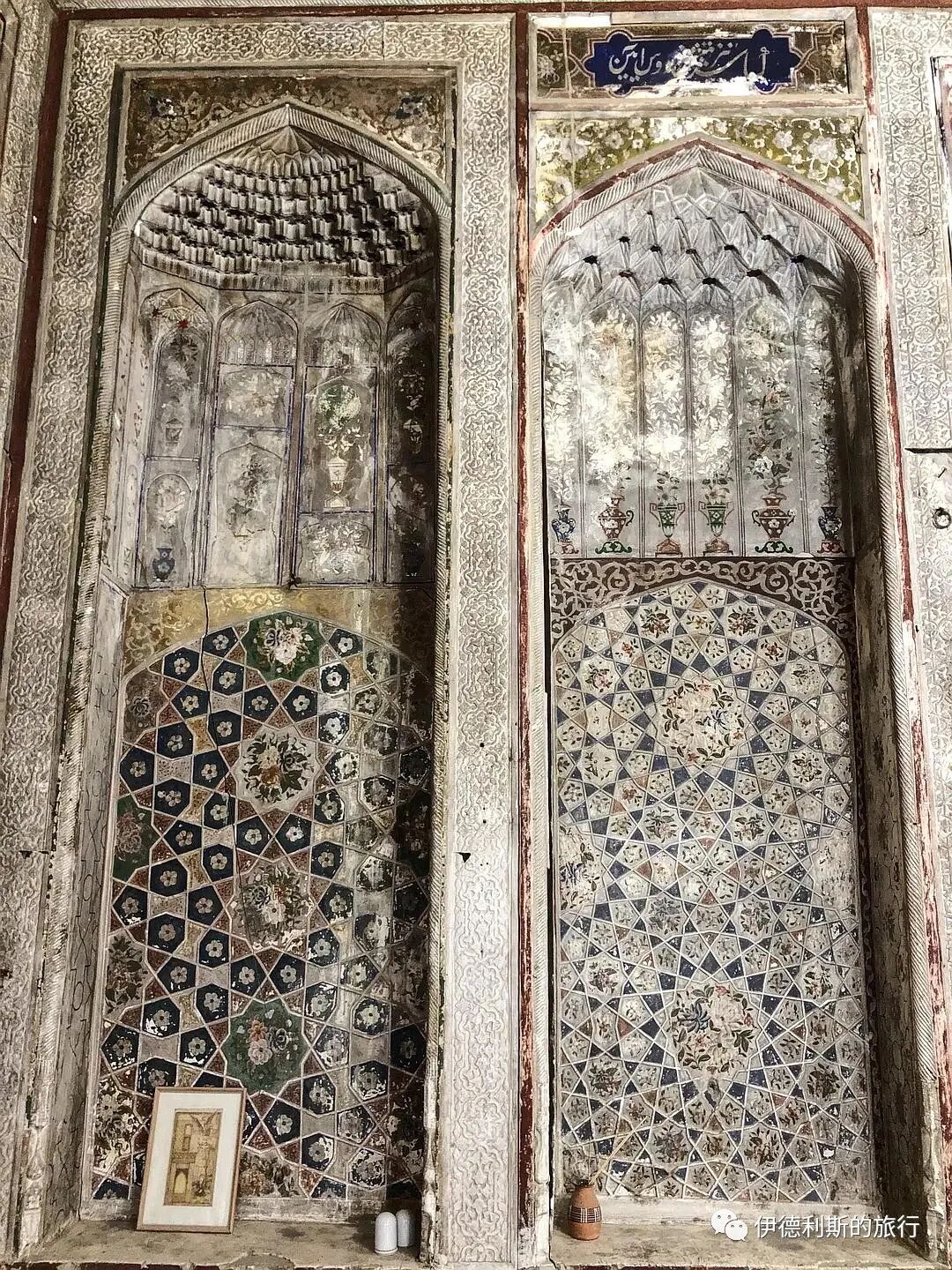
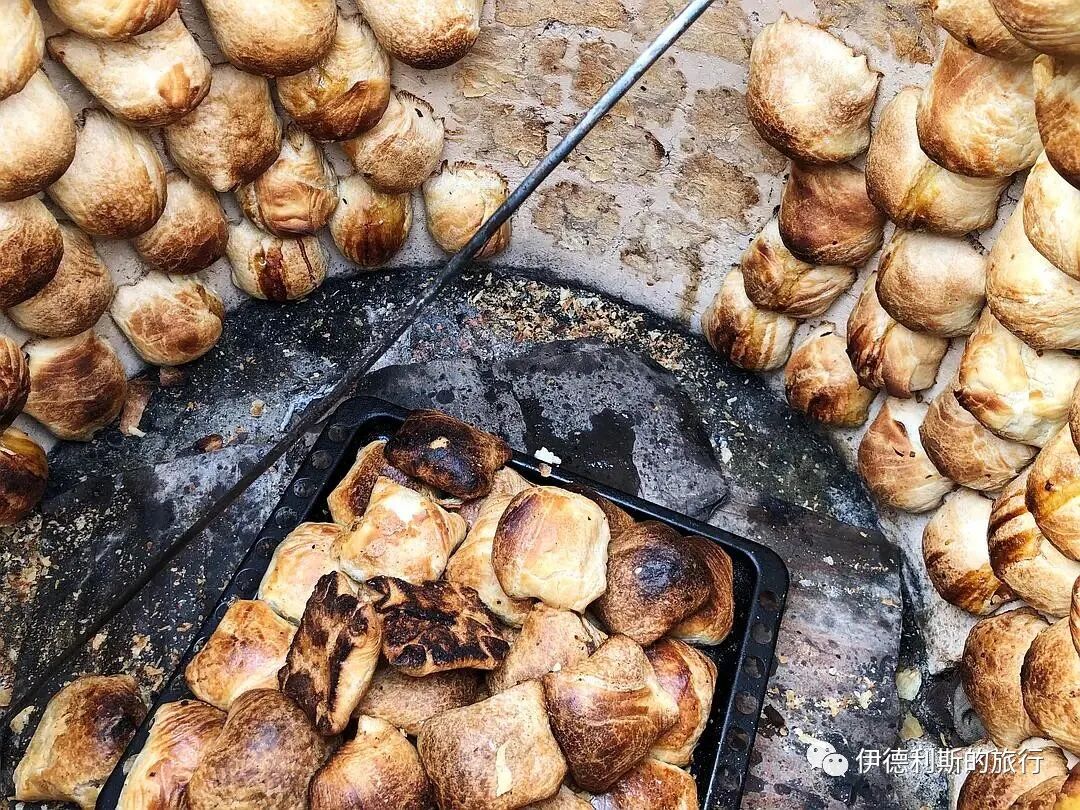
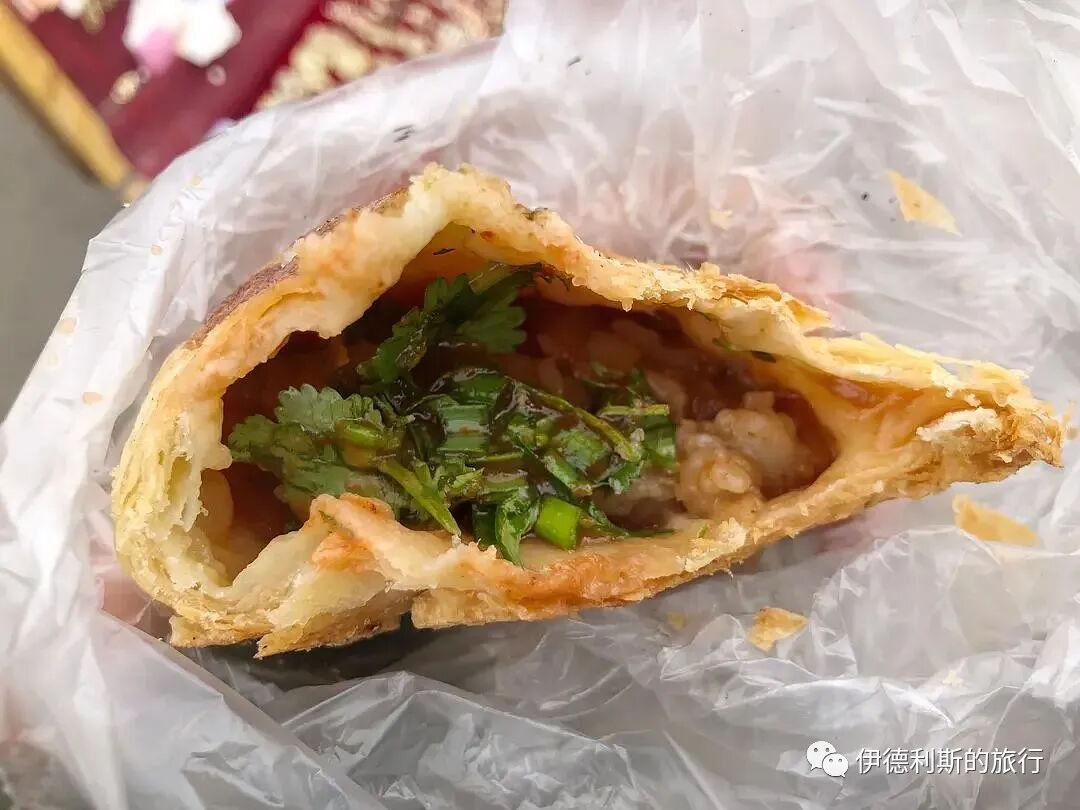
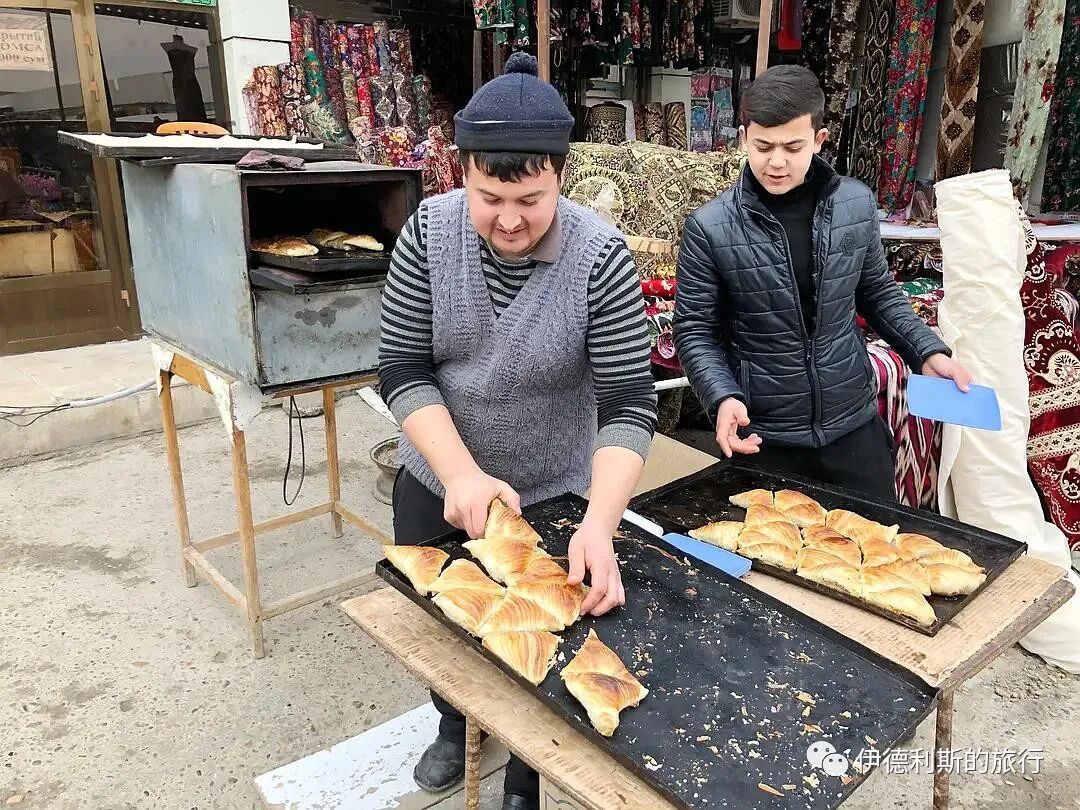
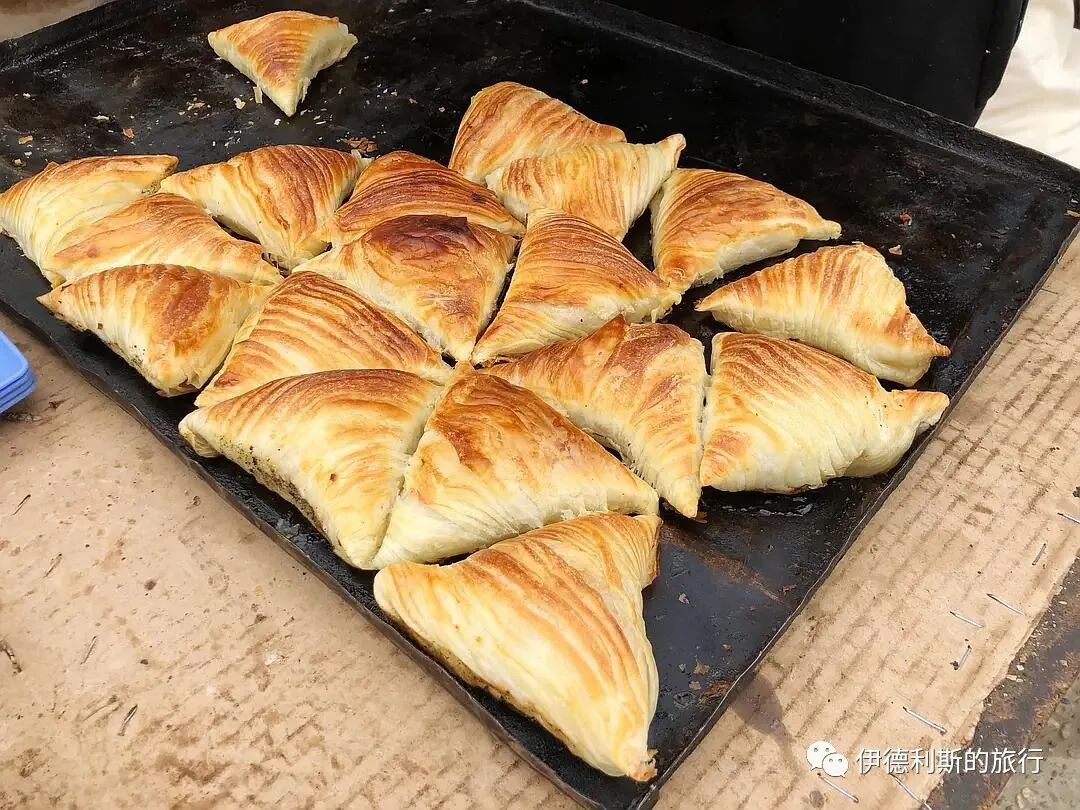
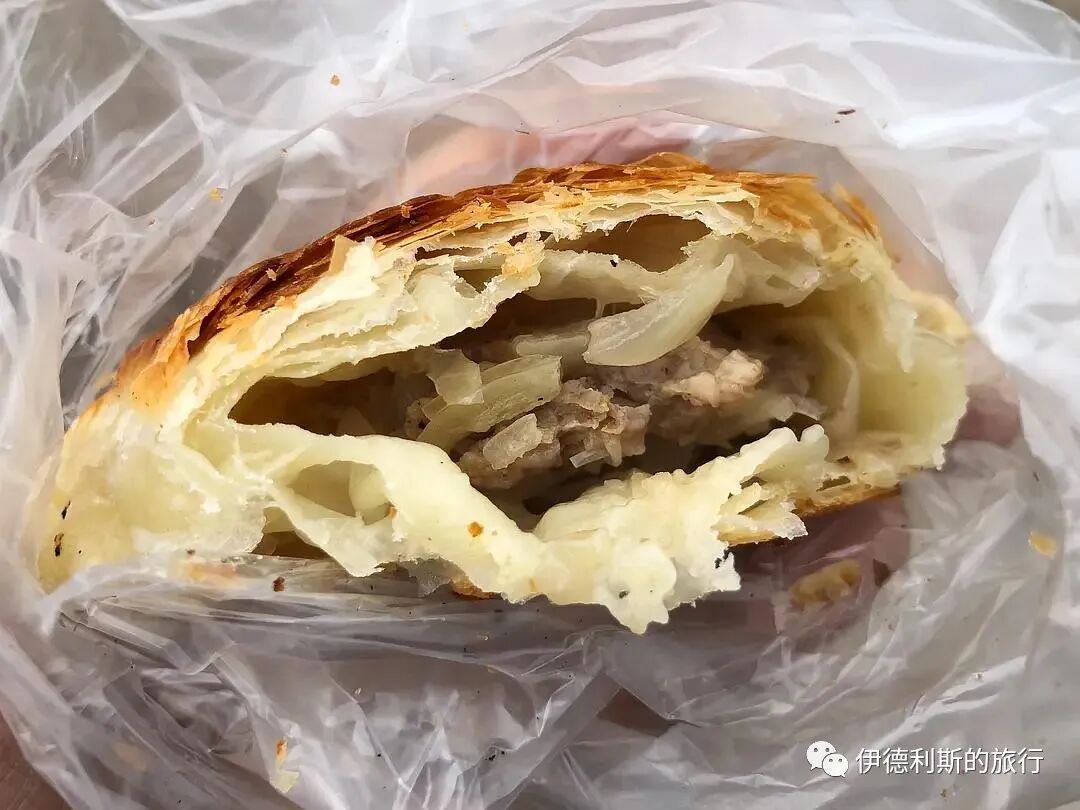
The Bukhara Central Bazaar (Buxoro markaziy bozori; the 'a' in Uyghur is pronounced as 'o' in Uzbek) is in the western part of the old city. It is very lively and sells everything. The best snack to eat in winter is, of course, the flaky somsa (baked meat buns; 'Samsa' in Uyghur)! Uzbek somsa is served with a homemade sauce, often containing fennel and onions, and sometimes cilantro.
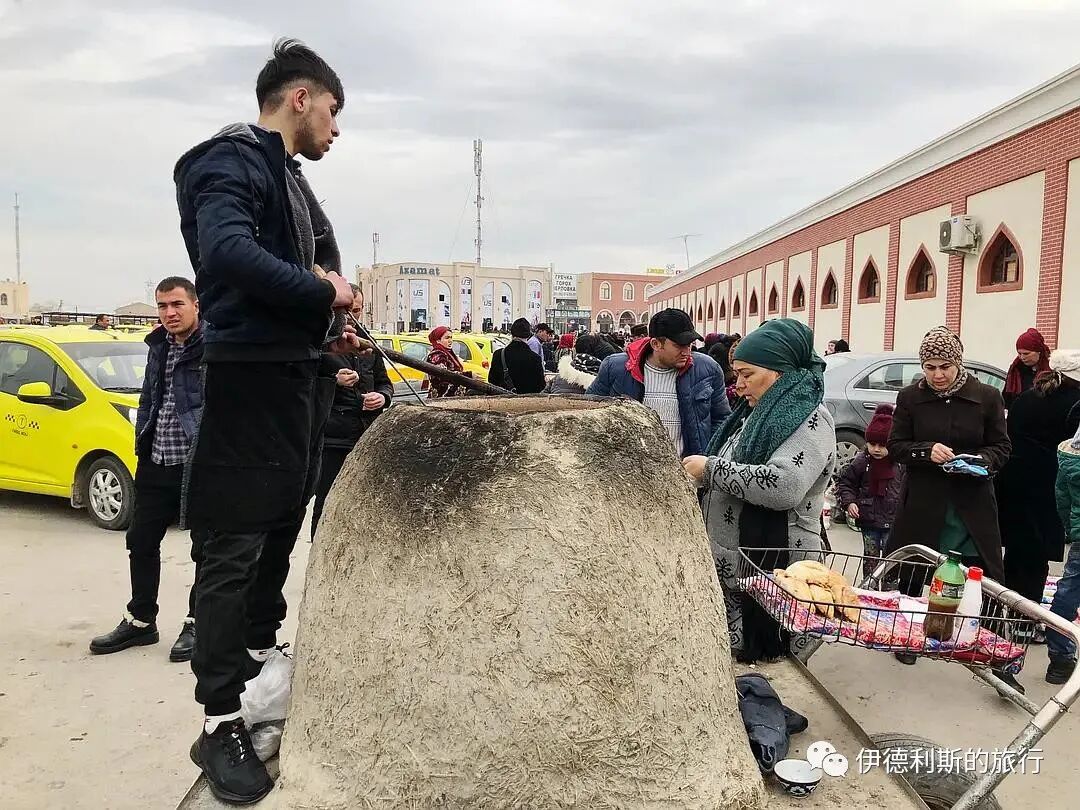
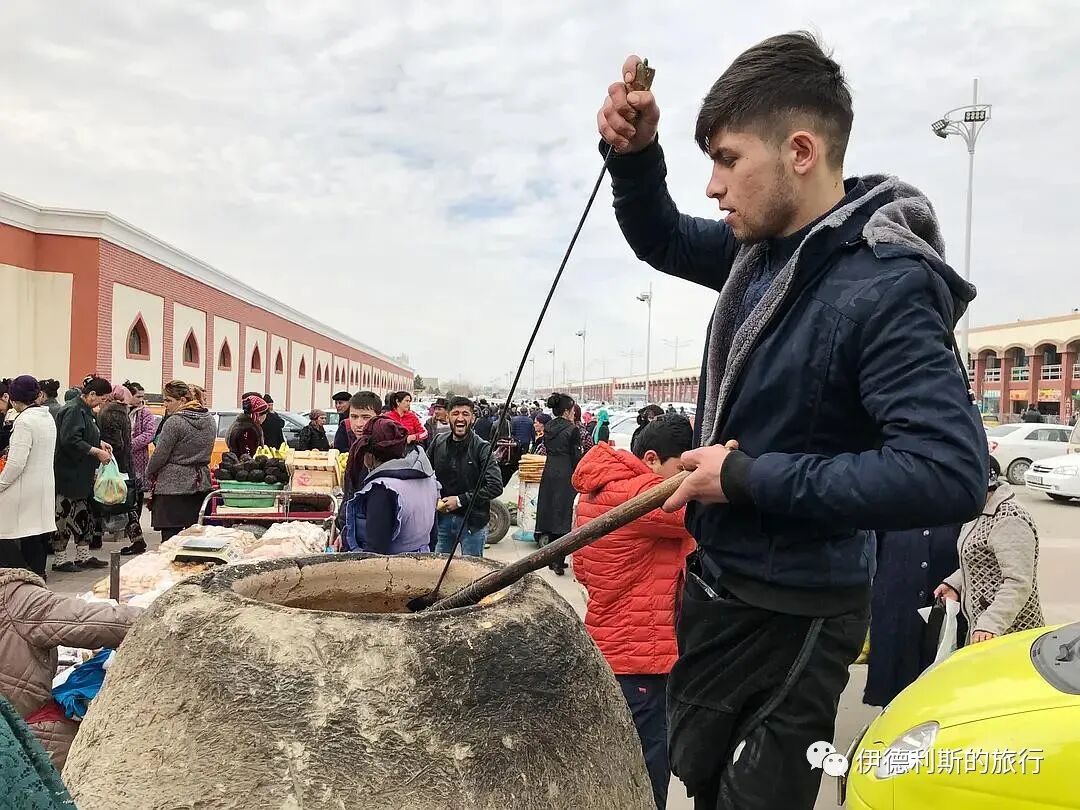
Naan stalls are the most common stalls in the bazaar.
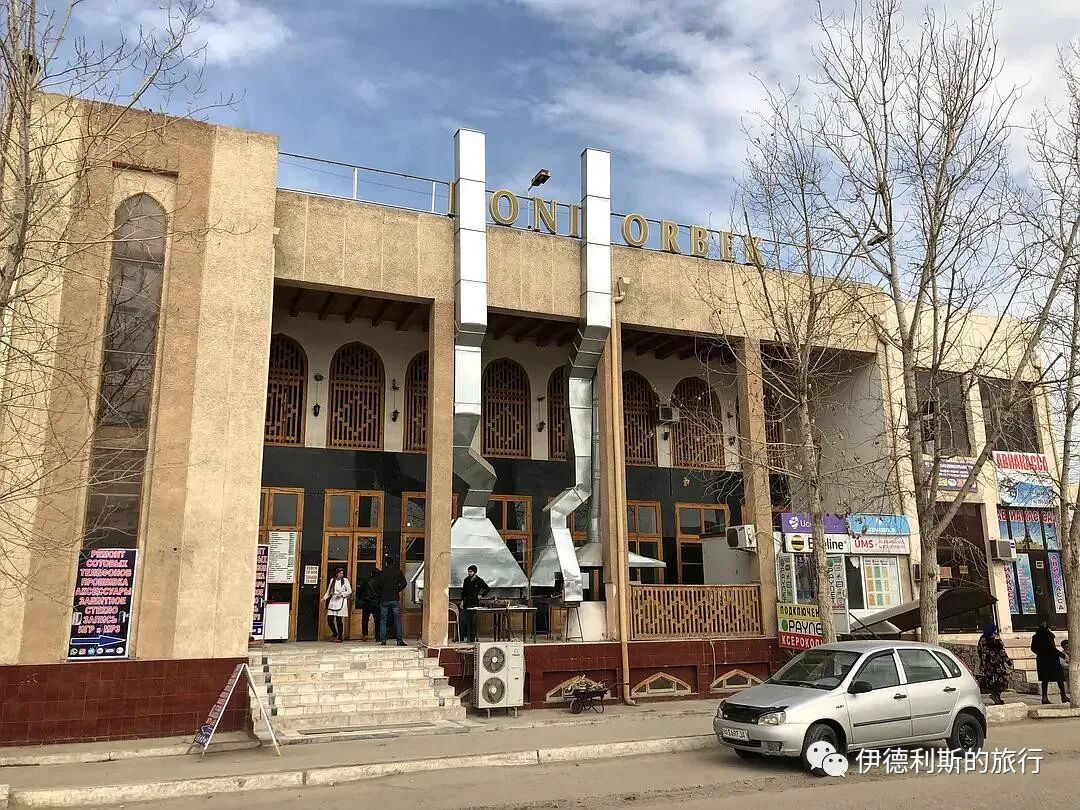
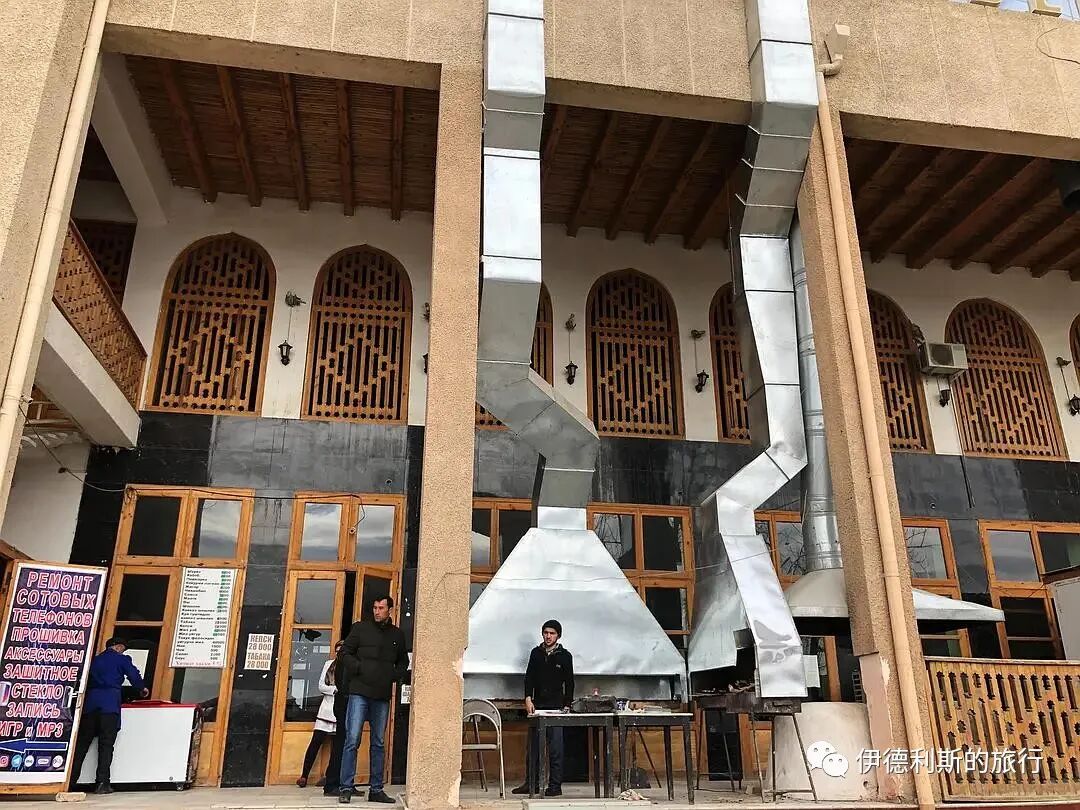
Eating kebabs at the Doniyorbek restaurant opposite the Bukhara Central Bazaar. While walking through the bazaar, I saw a very Soviet-style restaurant across the street. After going inside, I found it had such a great atmosphere—the green walls, the stove in the room, and the classic service window made it feel like I had returned to the Soviet Union.
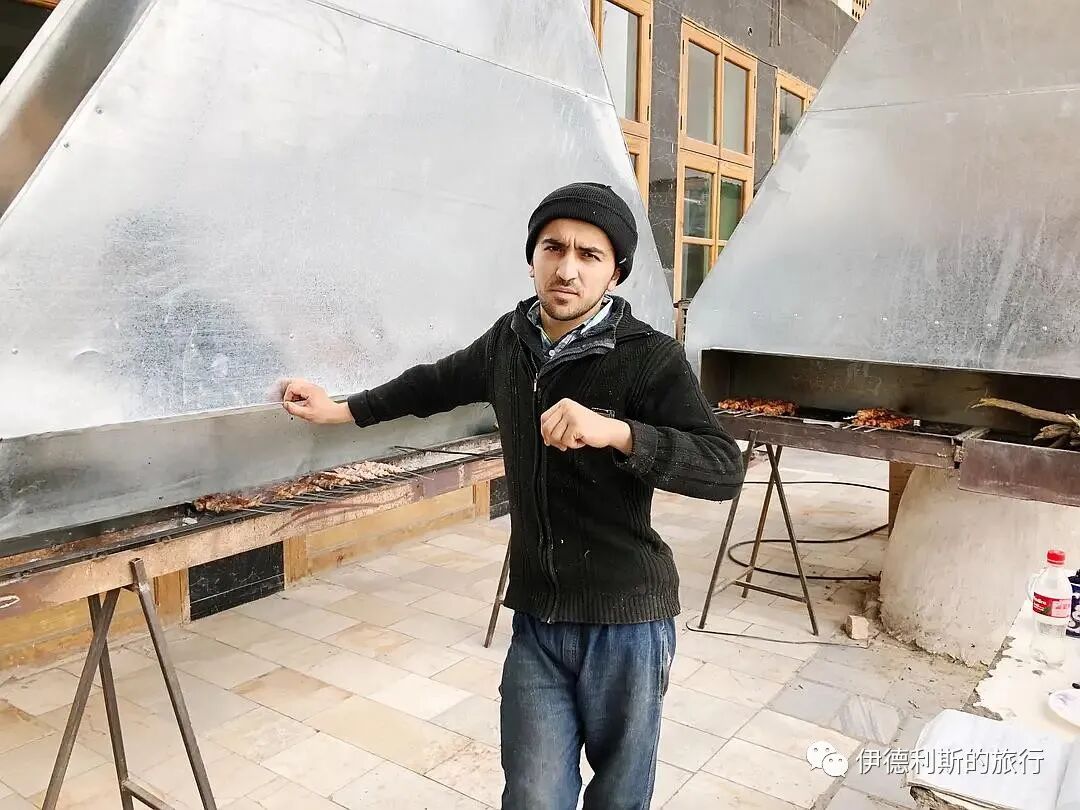
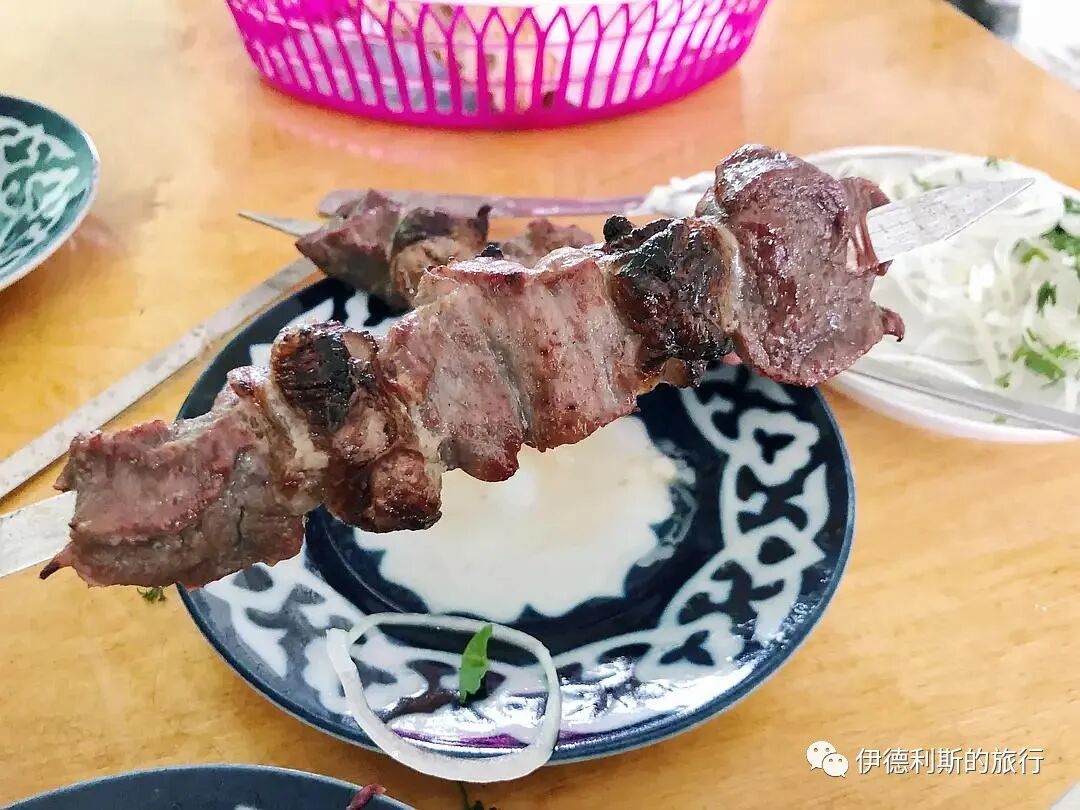
Note that in the former Soviet regions, when talking about eating kebabs, you should say 'Shashlik' instead of the Uyghur word 'Kewap'. The term 'Shashlik' originated from the Crimean Tatars and became popular throughout the Russian Empire after the 18th century. In Uzbekistan, saying 'Kebab' will get you Middle Eastern-style minced meat skewers; 'Shashlik' is the meat-chunk skewers we are familiar with.
In addition, the side dishes for the meat are very rich. I chose yogurt with small side dishes, which is very refreshing and cuts through the greasiness.
Eating Kifta Shurva (clear meatball soup), Manti (steamed dumplings), and grilled lamb chops at Temir's restaurant in the center of the old city of Bukhara. Their environment is nice, and it is the only place in the old city of Bukhara where you can withdraw cash using a Mastercard credit card.
Manti is believed to have been spread from East Asia to West Asia and even Eastern Europe by Mongol and Turkic peoples along the Silk Road during the Mongol Empire era. Now, Manti has become a traditional delicacy in Xinjiang, the former Soviet Union, Afghanistan, Turkey, and the Balkans. Central Asian Manti is generally eaten dipped in thick yogurt.
Their restaurant is right next to the famous Magoki Attor Mosque in Bukhara. This mosque, built in the 12th century, is a model of architecture from the Karakhanid dynasty period in Bukhara and even all of Central Asia.
Another meal of fried chuchvara (dumplings) and lamb soup.
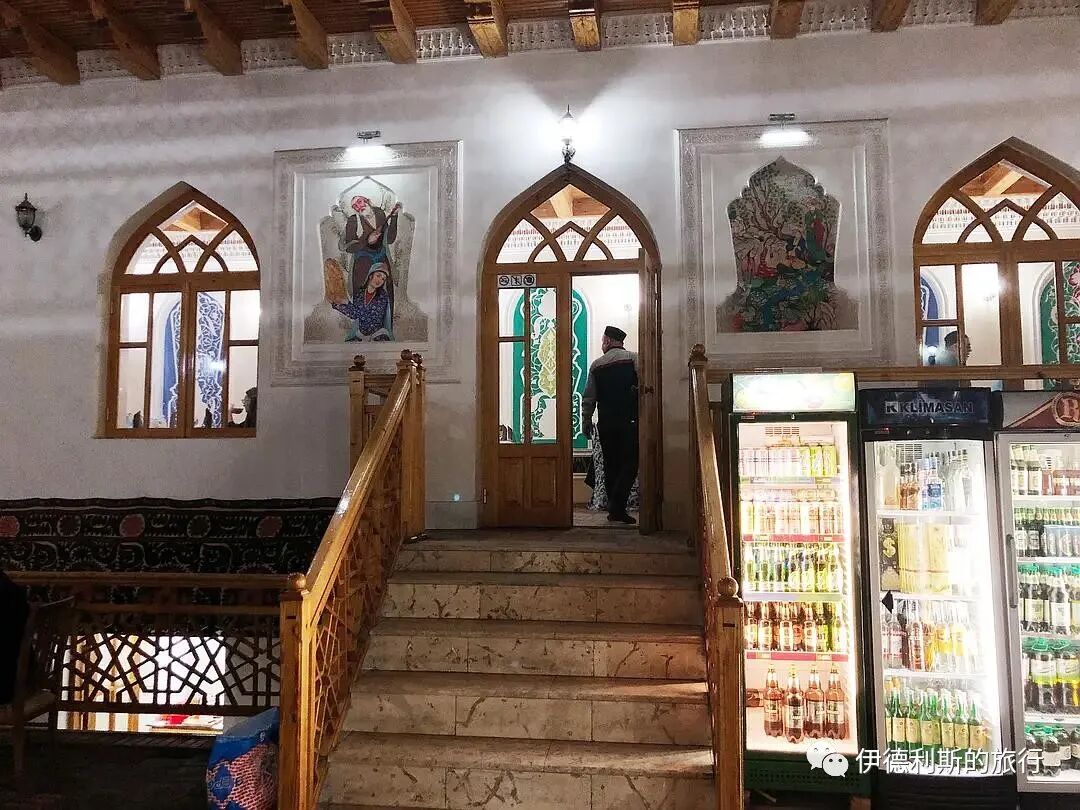
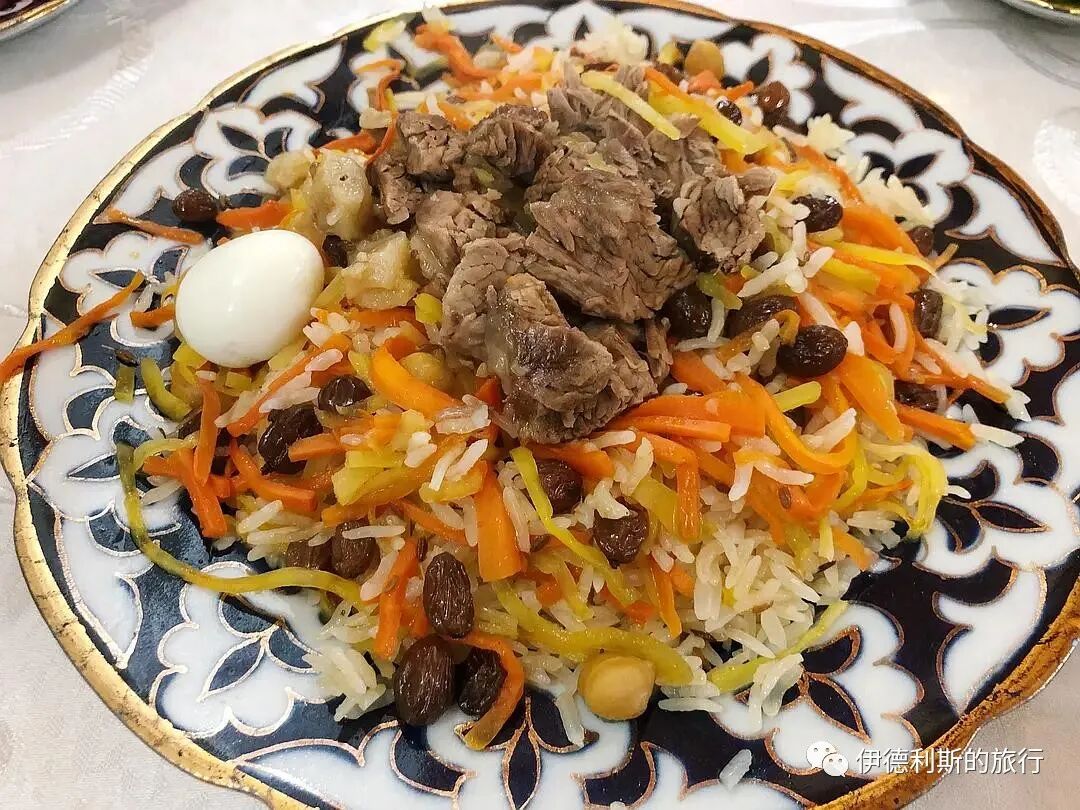
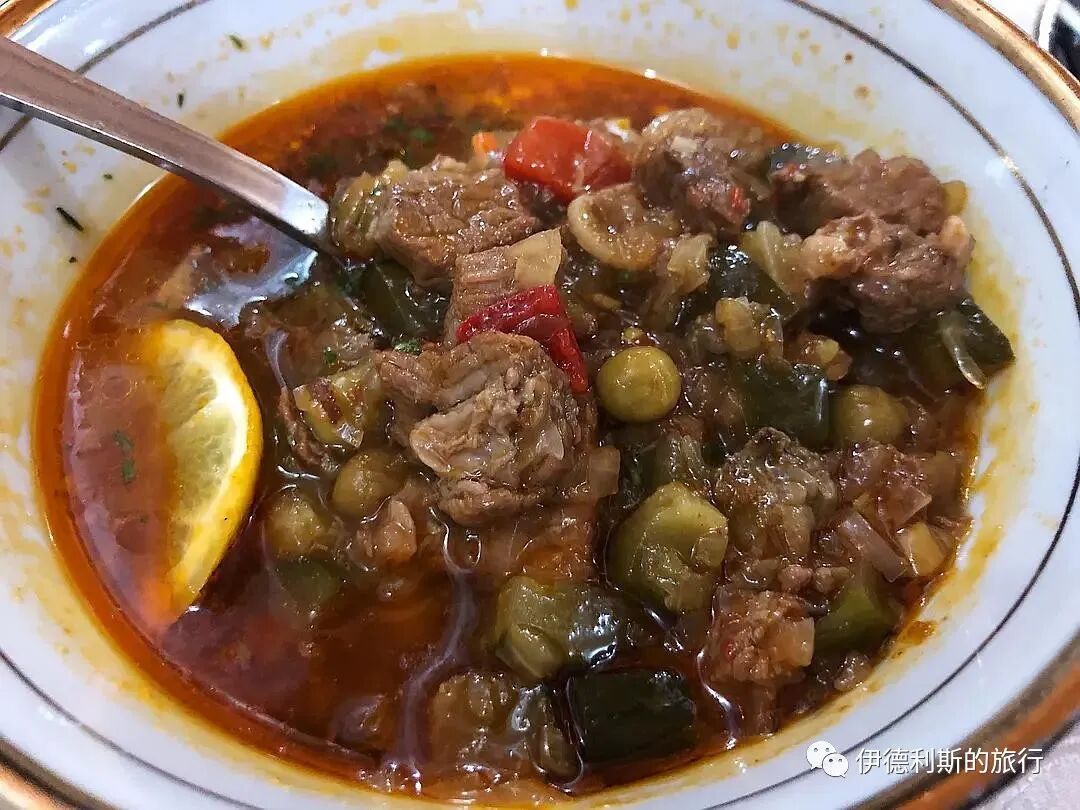
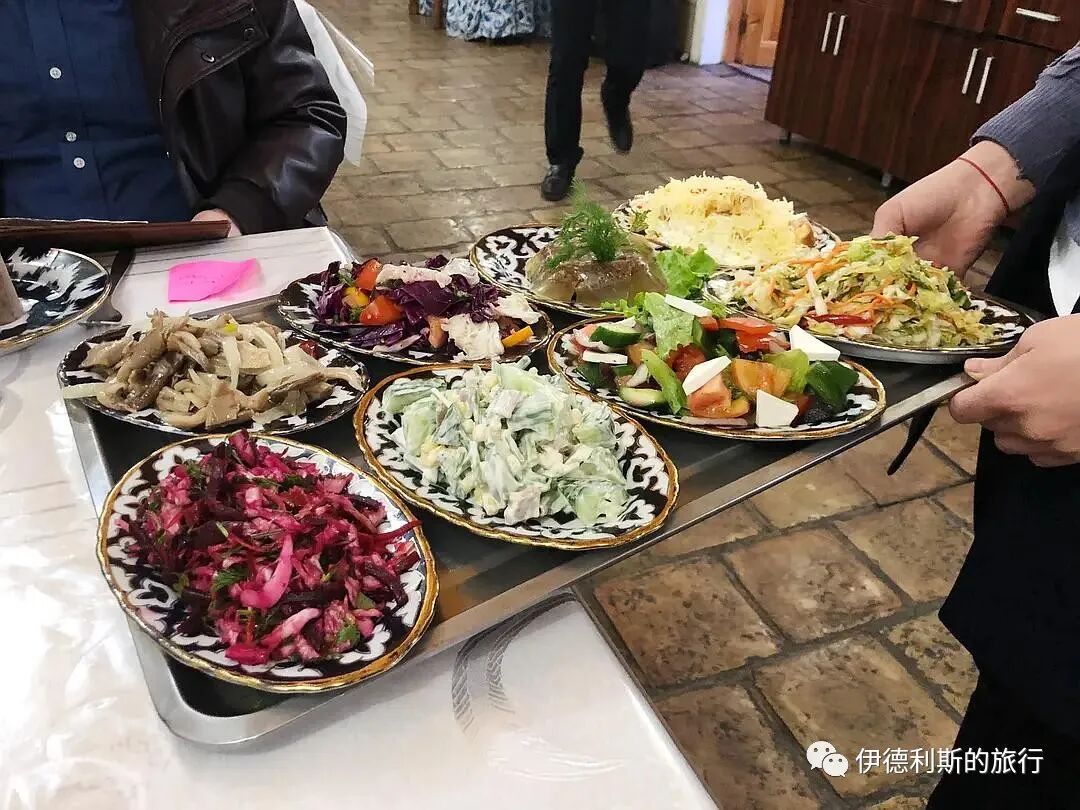
Eating plov (pilaf) and drinking meat soup, as well as having two types of salads, at the Chayxana chinar teahouse in the ancient city of Bukhara. Teahouses in Central Asia serve food and are also a type of public activity space.
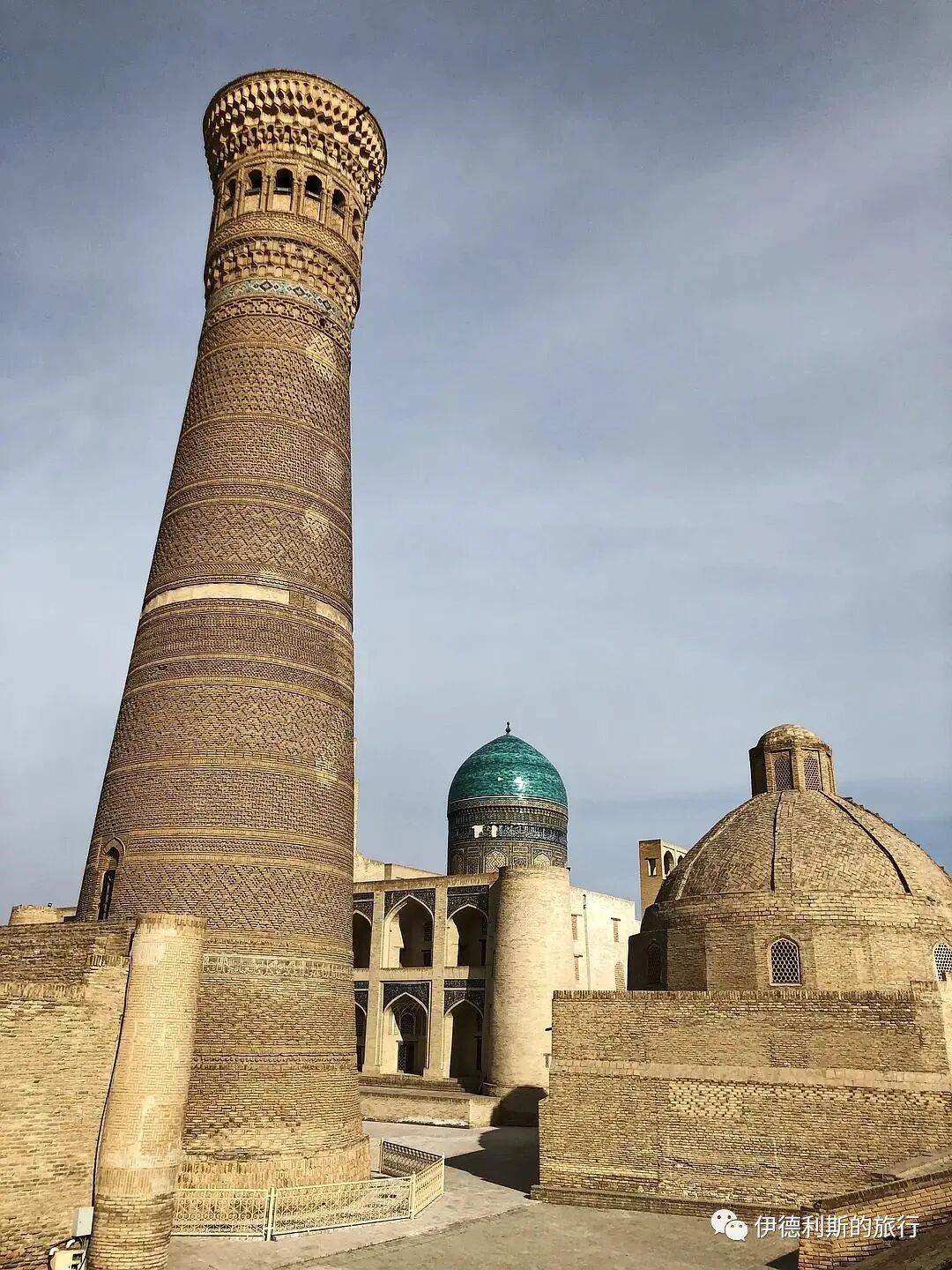
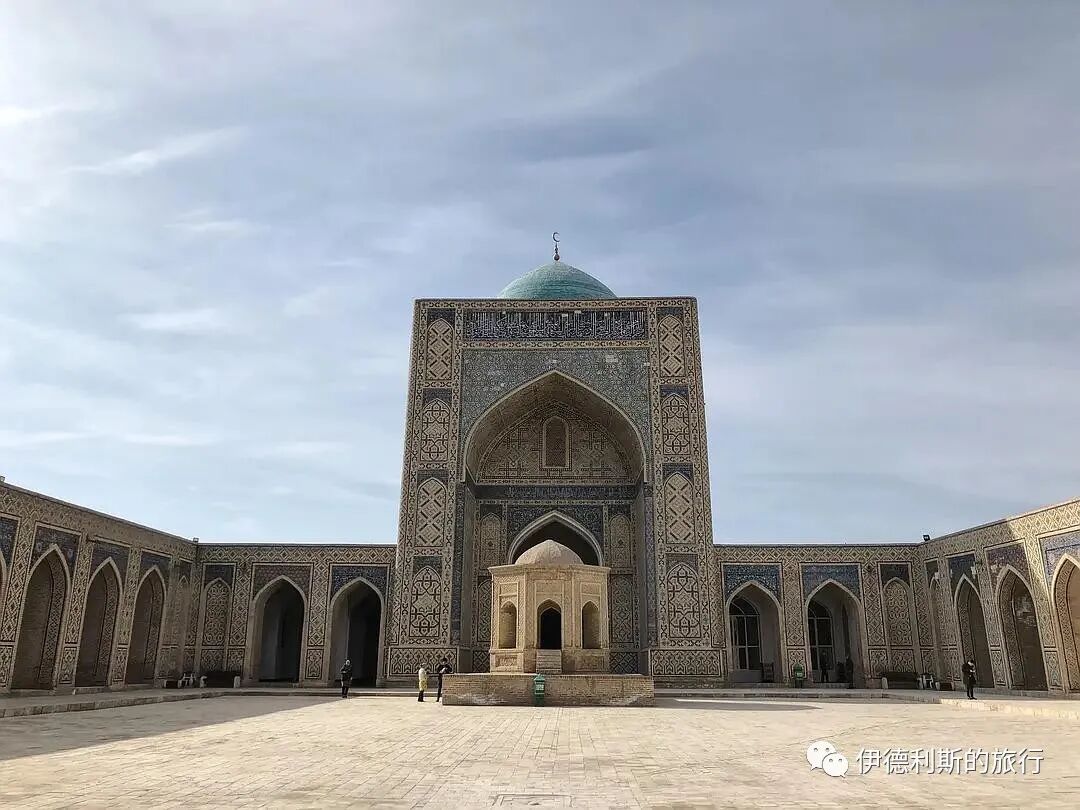
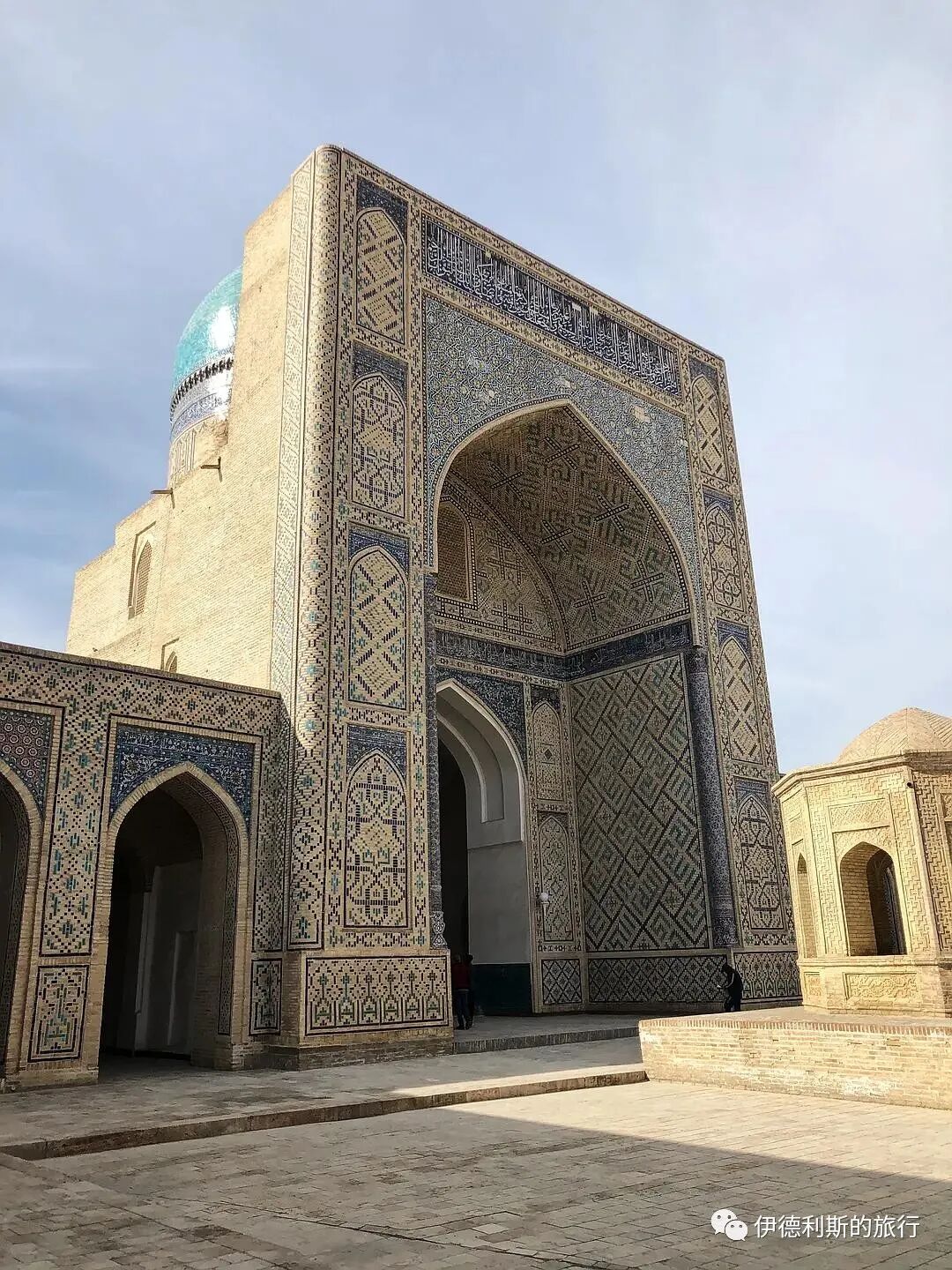
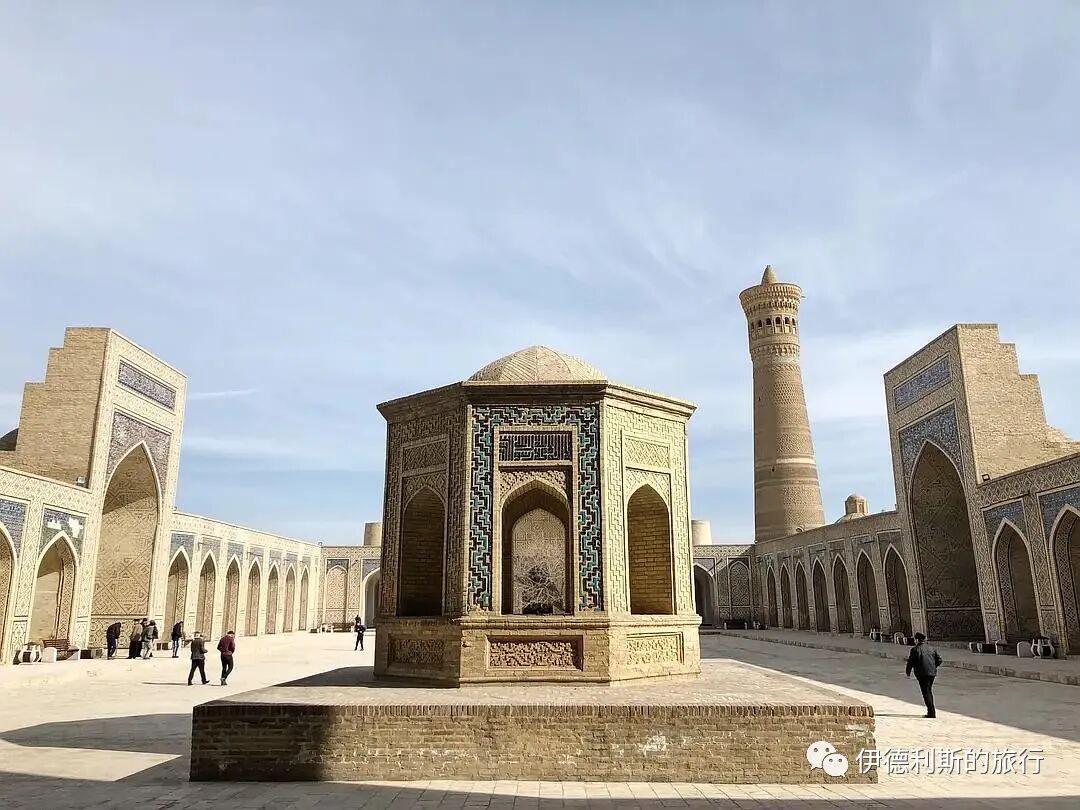
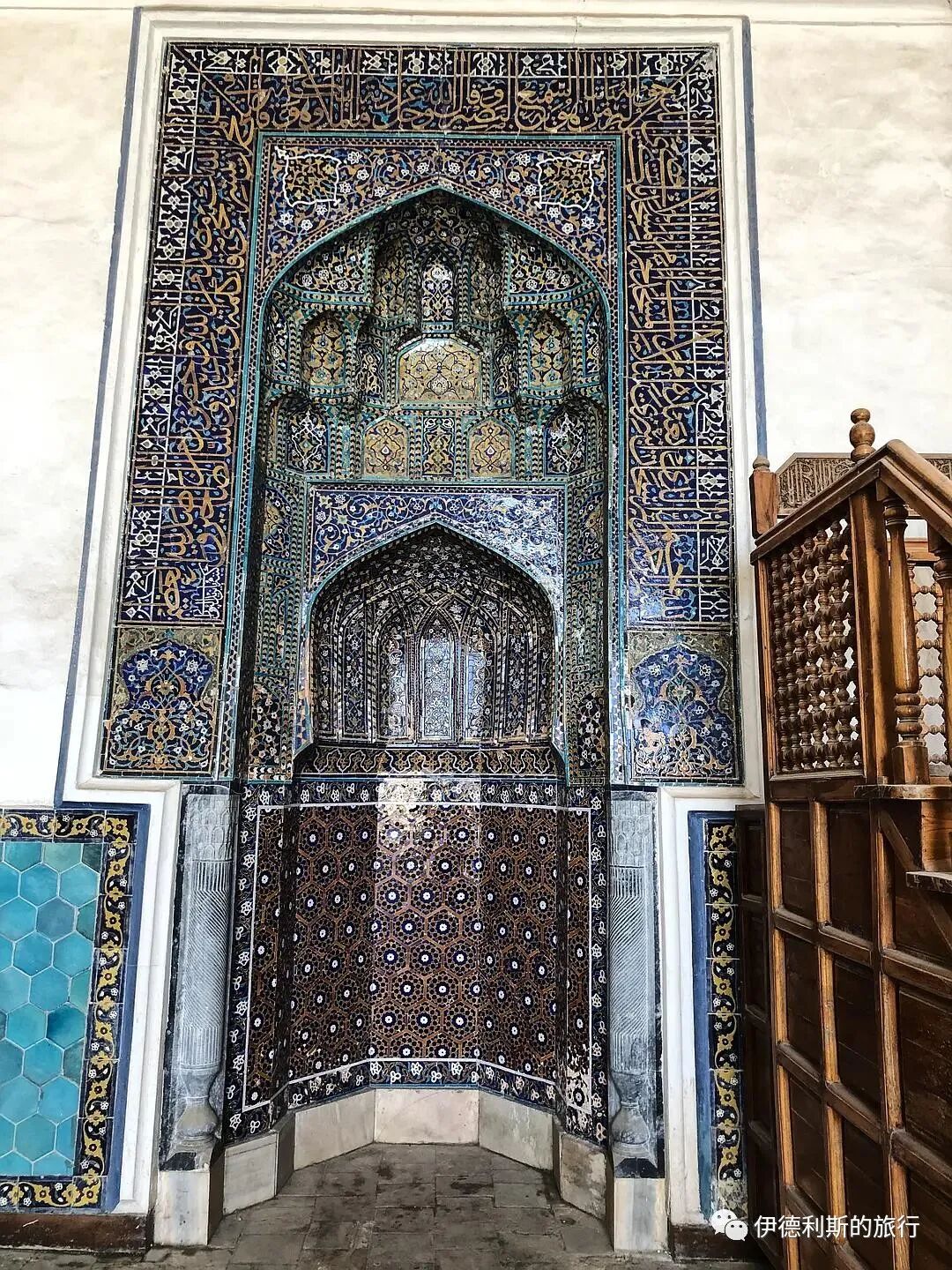
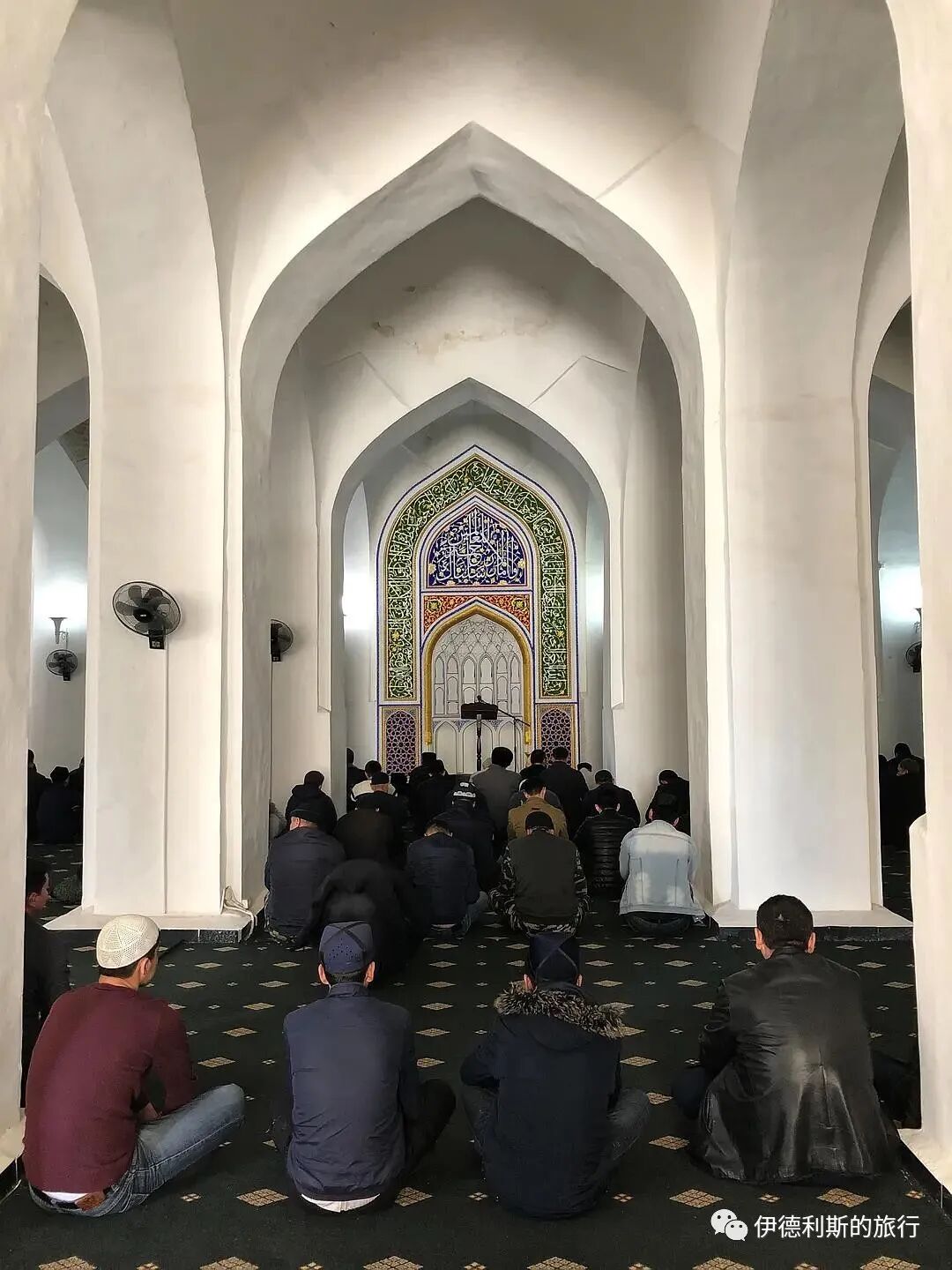
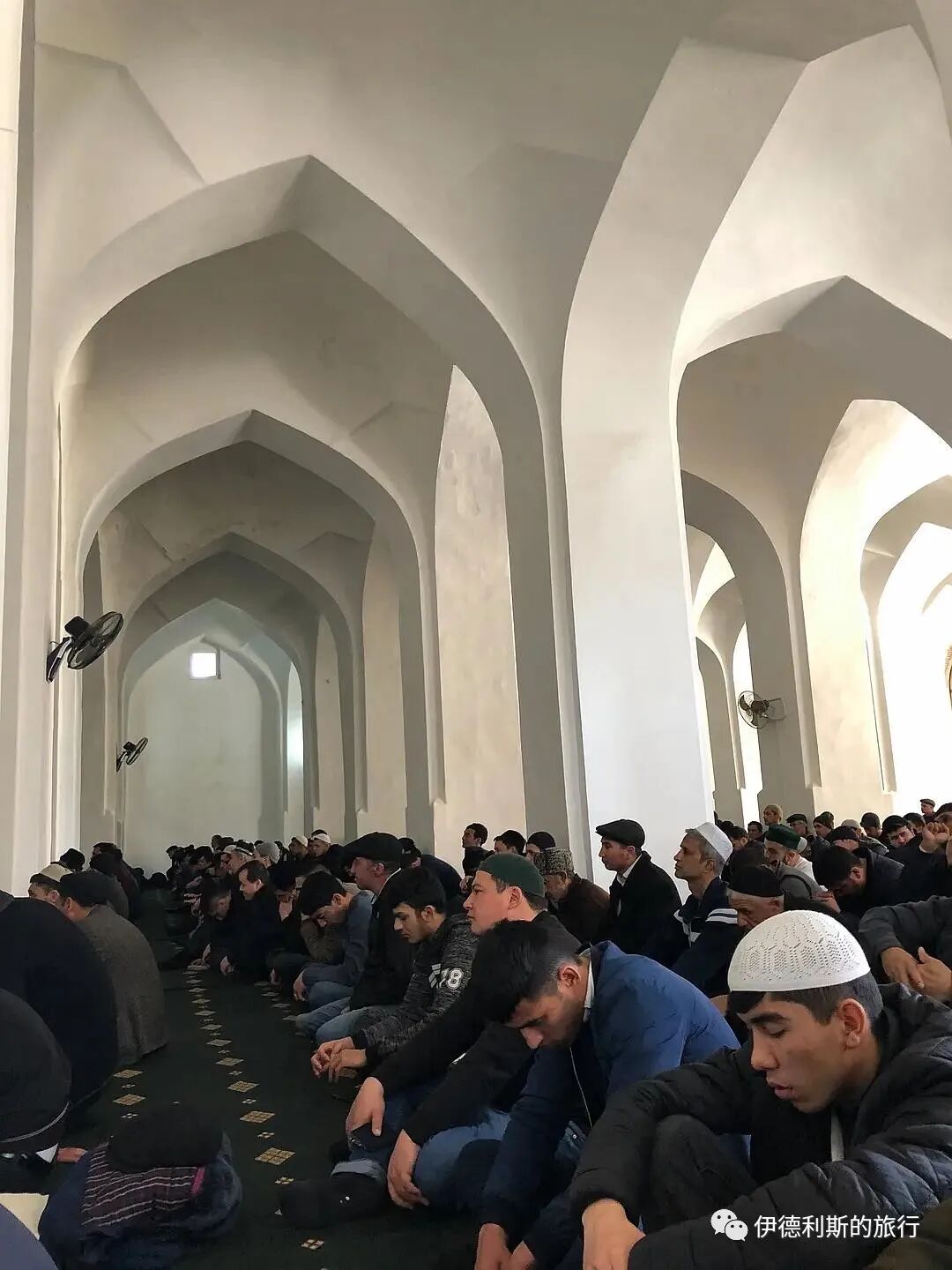
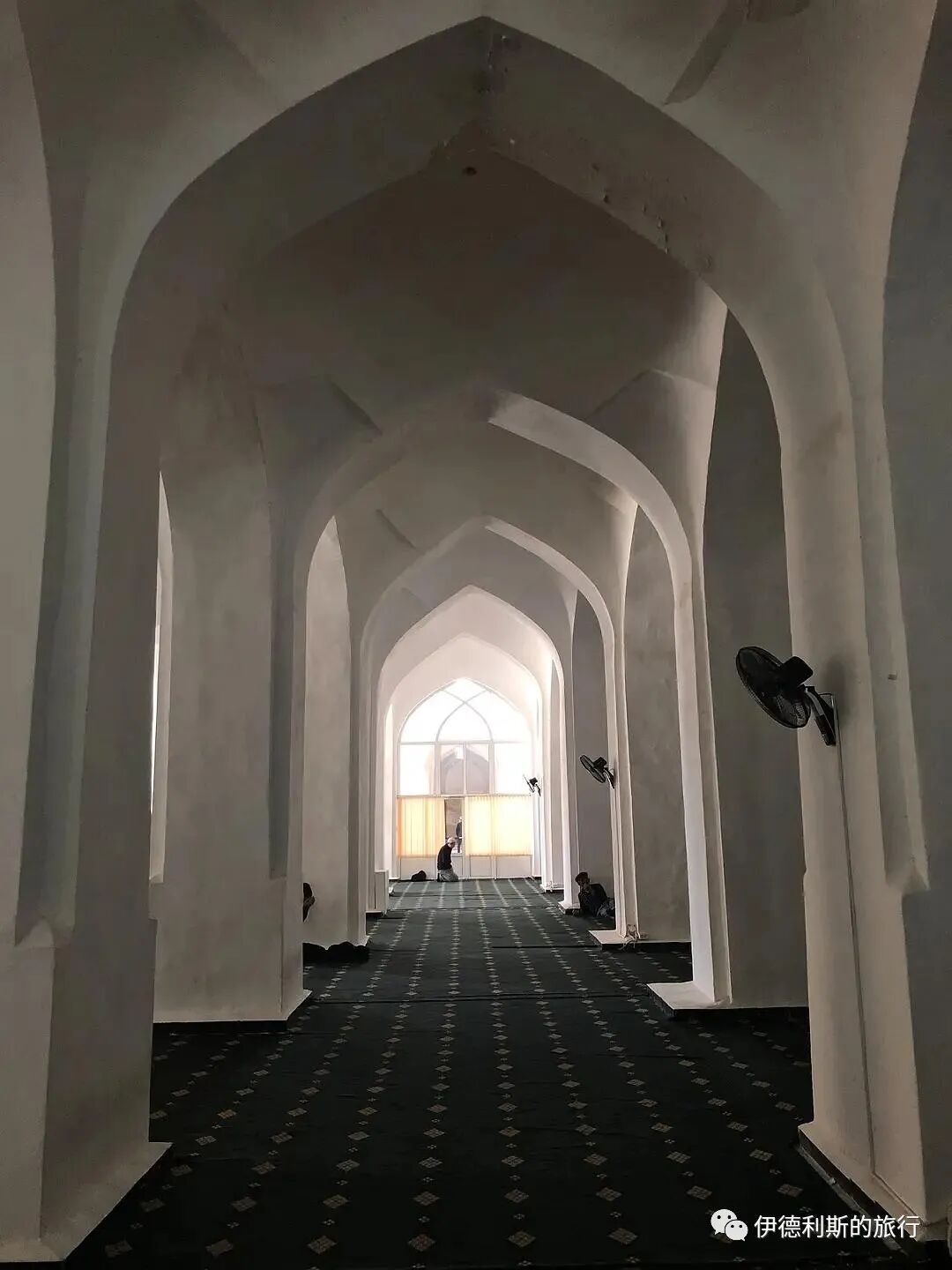
Performing Jumu'ah (Friday prayer) at the Po-i-Kalyan Mosque (Maedjid-i Kalan). The Kalyan Mosque was originally built in 1121 by Arslan Khan of the Karakhanid dynasty. It was later destroyed during Genghis Khan's siege of Bukhara, leaving only the minaret. The current mosque was built in 1514 during the Bukhara Khanate period. Today, the Kalyan Mosque is the most important Jumu'ah mosque in Bukhara. It consists of a rectangular courtyard with 288 domes and 208 pillars, with a tall Iwan (vaulted hall) gate in the center. The main hall can accommodate 12,000 people.
According to archaeological findings, there are two layers of mosque ruins buried beneath the current mosque. The bottom layer is a mosque from the Karakhanid dynasty in 1121, with the same scale as the current one, and the upper layer is a mosque built in the early 14th century during the Chagatai Khanate period, made entirely of brick.
Miniature painting
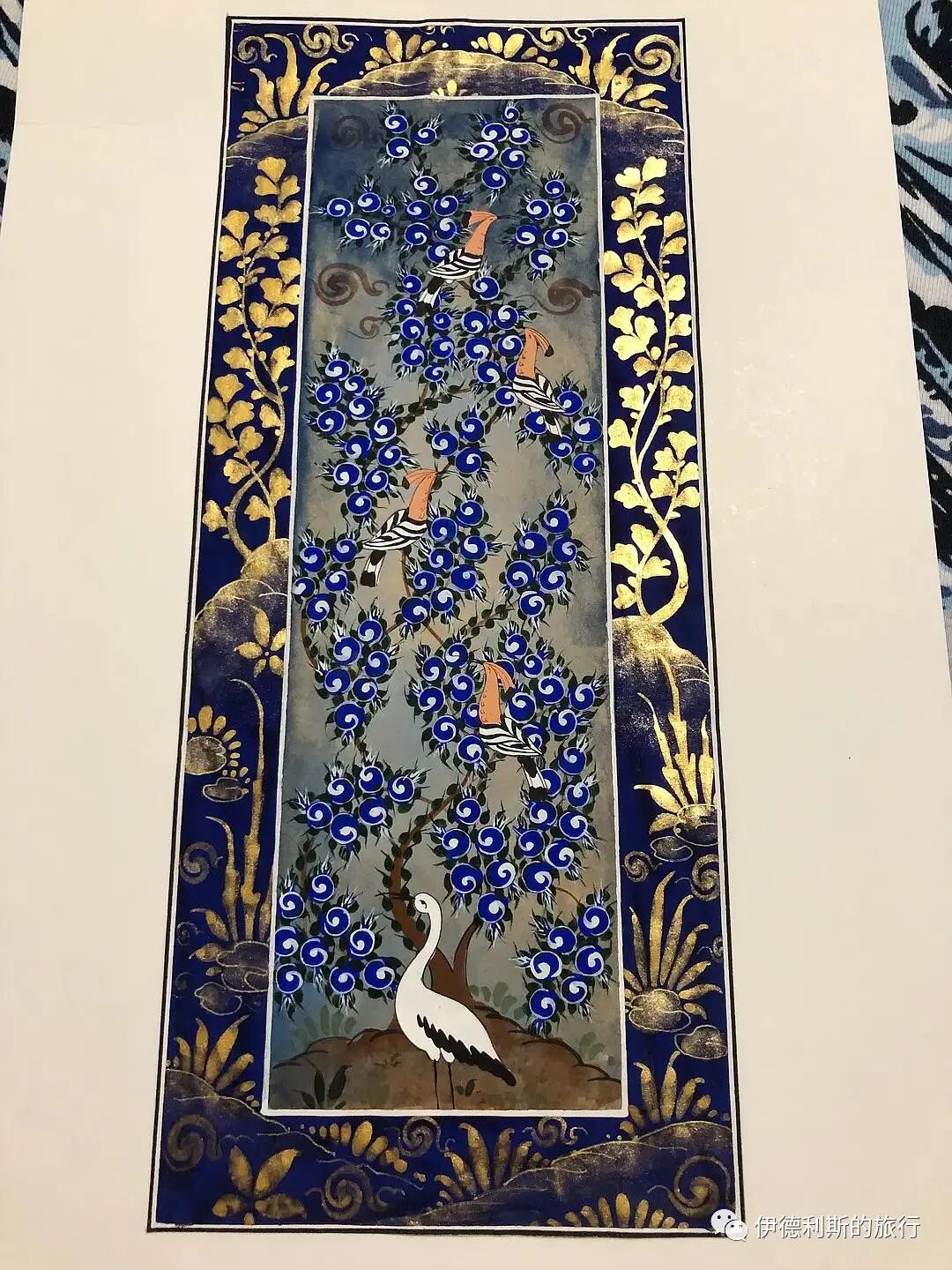
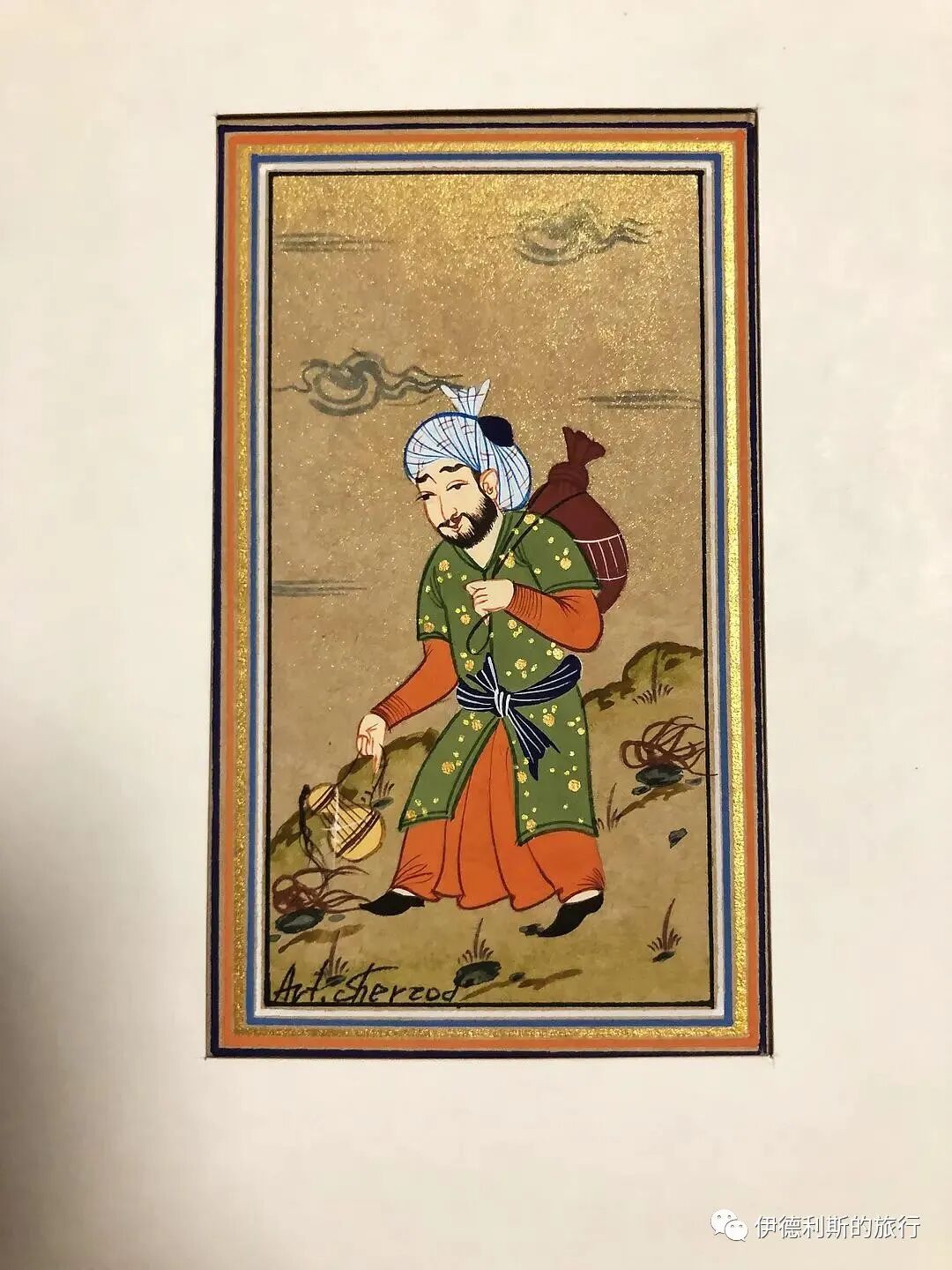
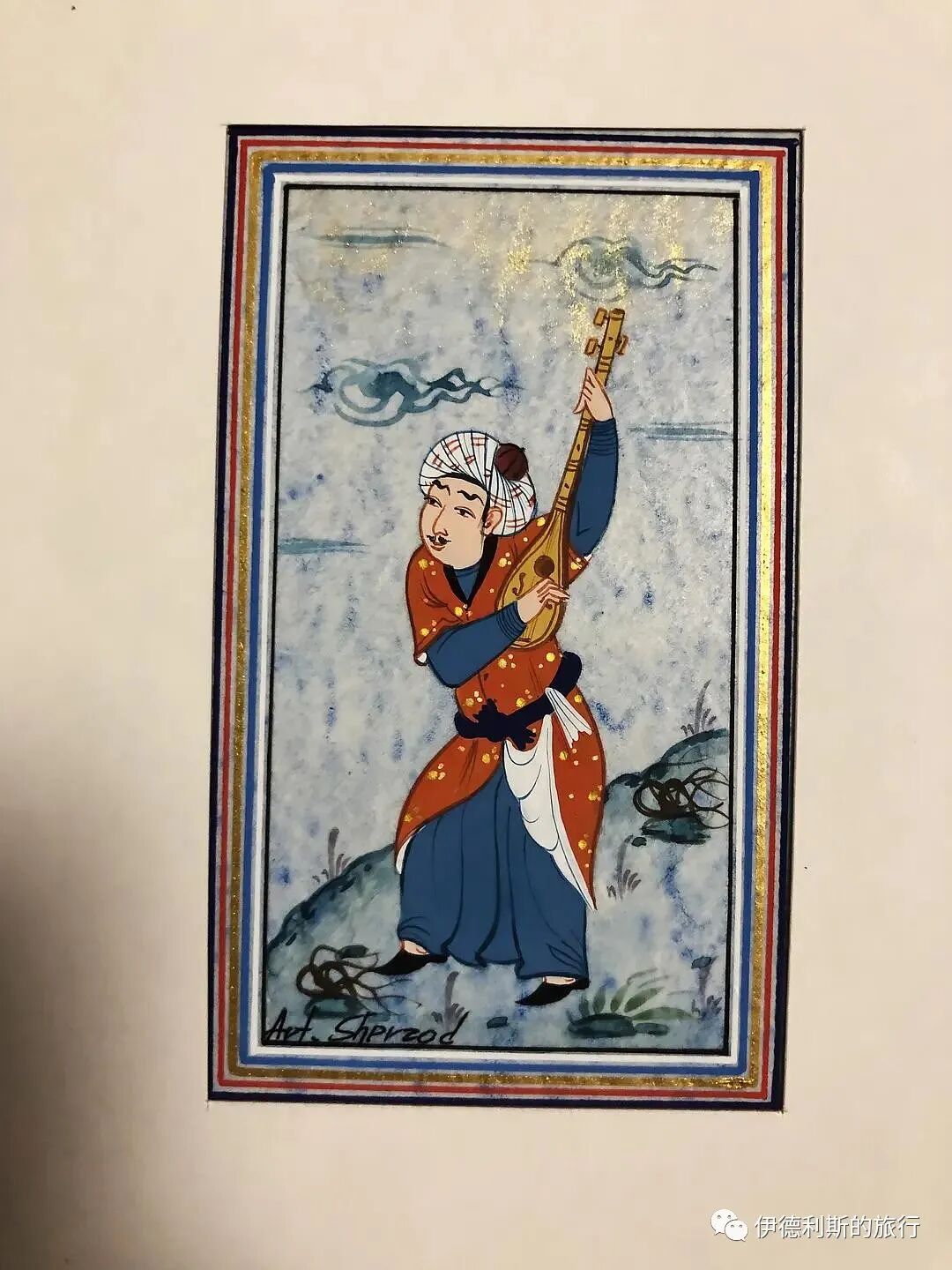
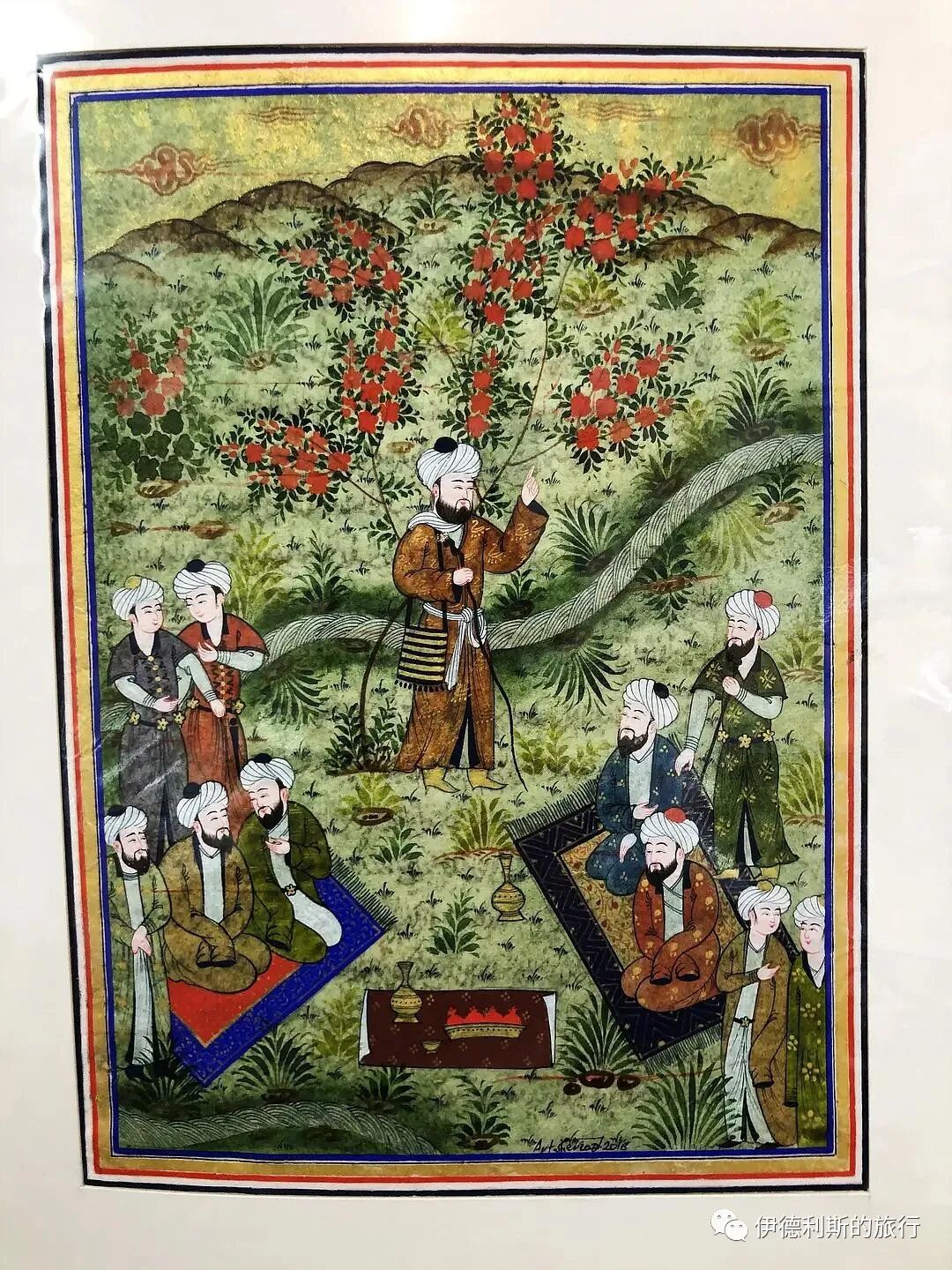
I visited the first miniature painting workshop in Bukhara and bought a few small miniature paintings.
The Tok-i-Zargaron (Jewelry Dome Market) was built in 1570. It is the largest of the four remaining dome markets from the Bukhara Khanate period in the ancient city of Bukhara and is the best witness to Bukhara's role as a trade center in Central Asia in the 16th century.
'Tok-i-Zargaron' means 'Dome of the Jewelers.' It has four arched passages for Silk Road trade caravans to pass through, as well as 16 domes on an octagonal base. During the Bukhara Khanate period, there were 36 jewelry workshops and shops under the dome, selling rings, earrings, necklaces, and various other jewelry.
Buying miniature paintings in the market.
The Toqi Telpak Furushon (Hat Dome Market), built at the end of the 16th century during the Bukhara Khanate, consists of a central dome and a hexagonal base, connecting five streets in the old city. This place was originally called the Kitab-Furushon (Book Market), but later gradually switched to selling various headscarves, fur hats, and skullcaps. Now it has become a place for selling tourist souvenirs.
I bought a miniature painting at a workshop in the market; this one was painted directly on old paper.
Hats
Some historical sites in the ancient city of Bukhara have shops selling traditional hats. This time, I bought several at the Abdulaziz Khan Madrasah (Islamic school), which was built in 1652.
As soon as you enter the gate of the madrasah, there is an auntie on the right selling antique jewelry.
I helped a friend purchase a 19th-century Uzbek Tilla Qash (gold brow headpiece) here.
Then I went to another auntie's shop in the madrasah.
I bought two Soviet-era almond-patterned doppa (traditional skullcaps). These colorful almond-patterned doppas are rare now; the ones worn on the street today are basically black and white.
There was also a traditional Central Asian hat; this pointed style is hard to find in Xinjiang.
I also bought a traditional tablecloth from her shop.
I helped a friend purchase five hats in the old city of Bukhara. The young girl selling the hats took a liking to my portable charger and wanted to trade it for a hat, but since I was still traveling, I didn't agree.
Streets of Bukhara view all
Summary: This travel note introduces Bukhara Old City Bazaar Guide: Miniature Art, Muslim Heritage and Local Crafts. A record of my trip to the ancient city of Bukhara during the 2019 Spring Festival holiday to eat, shop, buy hats, and purchase miniature paintings. It is useful for readers interested in Bukhara Travel, Islamic Art, Bazaar Culture.
A record of my trip to the ancient city of Bukhara during the 2019 Spring Festival holiday to eat, shop, buy hats, and purchase miniature paintings.
Food
When I was in Bukhara, I stayed at the Komil Hotel, which is recommended by Lonely Planet. The hotel is located in an alley in the center of the ancient city. It was originally a wealthy merchant's residence built in the 19th century, purchased by Komil's grandfather 50 years ago, and opened as a hotel in 2000. The owner, Komil Kadirov, speaks fluent English and is very welcoming to guests.
The hotel still retains the wood carvings and paintings of traditional 19th-century Bukhara architecture. The room I stayed in has been partially renovated, but the dining room where breakfast is served is very well preserved, as if I had traveled back to Bukhara over 100 years ago. Their breakfast is very hearty; even for one person, it fills the entire table, which made me feel a bit embarrassed. Breakfast was truly a highlight of my trip to Uzbekistan. Basically, every hotel prepares more than ten types of dishes and will ask if you want boiled or fried eggs, and black or green tea. The service attitude is really great.
The Bukhara Central Bazaar (Buxoro markaziy bozori; the 'a' in Uyghur is pronounced as 'o' in Uzbek) is in the western part of the old city. It is very lively and sells everything. The best snack to eat in winter is, of course, the flaky somsa (baked meat buns; 'Samsa' in Uyghur)! Uzbek somsa is served with a homemade sauce, often containing fennel and onions, and sometimes cilantro.
Naan stalls are the most common stalls in the bazaar.
Eating kebabs at the Doniyorbek restaurant opposite the Bukhara Central Bazaar. While walking through the bazaar, I saw a very Soviet-style restaurant across the street. After going inside, I found it had such a great atmosphere—the green walls, the stove in the room, and the classic service window made it feel like I had returned to the Soviet Union.
Note that in the former Soviet regions, when talking about eating kebabs, you should say 'Shashlik' instead of the Uyghur word 'Kewap'. The term 'Shashlik' originated from the Crimean Tatars and became popular throughout the Russian Empire after the 18th century. In Uzbekistan, saying 'Kebab' will get you Middle Eastern-style minced meat skewers; 'Shashlik' is the meat-chunk skewers we are familiar with.
In addition, the side dishes for the meat are very rich. I chose yogurt with small side dishes, which is very refreshing and cuts through the greasiness.
Eating Kifta Shurva (clear meatball soup), Manti (steamed dumplings), and grilled lamb chops at Temir's restaurant in the center of the old city of Bukhara. Their environment is nice, and it is the only place in the old city of Bukhara where you can withdraw cash using a Mastercard credit card.
Manti is believed to have been spread from East Asia to West Asia and even Eastern Europe by Mongol and Turkic peoples along the Silk Road during the Mongol Empire era. Now, Manti has become a traditional delicacy in Xinjiang, the former Soviet Union, Afghanistan, Turkey, and the Balkans. Central Asian Manti is generally eaten dipped in thick yogurt.
Their restaurant is right next to the famous Magoki Attor Mosque in Bukhara. This mosque, built in the 12th century, is a model of architecture from the Karakhanid dynasty period in Bukhara and even all of Central Asia.
Another meal of fried chuchvara (dumplings) and lamb soup.
Eating plov (pilaf) and drinking meat soup, as well as having two types of salads, at the Chayxana chinar teahouse in the ancient city of Bukhara. Teahouses in Central Asia serve food and are also a type of public activity space.
Performing Jumu'ah (Friday prayer) at the Po-i-Kalyan Mosque (Maedjid-i Kalan). The Kalyan Mosque was originally built in 1121 by Arslan Khan of the Karakhanid dynasty. It was later destroyed during Genghis Khan's siege of Bukhara, leaving only the minaret. The current mosque was built in 1514 during the Bukhara Khanate period. Today, the Kalyan Mosque is the most important Jumu'ah mosque in Bukhara. It consists of a rectangular courtyard with 288 domes and 208 pillars, with a tall Iwan (vaulted hall) gate in the center. The main hall can accommodate 12,000 people.
According to archaeological findings, there are two layers of mosque ruins buried beneath the current mosque. The bottom layer is a mosque from the Karakhanid dynasty in 1121, with the same scale as the current one, and the upper layer is a mosque built in the early 14th century during the Chagatai Khanate period, made entirely of brick.
Miniature painting
I visited the first miniature painting workshop in Bukhara and bought a few small miniature paintings.
The Tok-i-Zargaron (Jewelry Dome Market) was built in 1570. It is the largest of the four remaining dome markets from the Bukhara Khanate period in the ancient city of Bukhara and is the best witness to Bukhara's role as a trade center in Central Asia in the 16th century.
'Tok-i-Zargaron' means 'Dome of the Jewelers.' It has four arched passages for Silk Road trade caravans to pass through, as well as 16 domes on an octagonal base. During the Bukhara Khanate period, there were 36 jewelry workshops and shops under the dome, selling rings, earrings, necklaces, and various other jewelry.
Buying miniature paintings in the market.
The Toqi Telpak Furushon (Hat Dome Market), built at the end of the 16th century during the Bukhara Khanate, consists of a central dome and a hexagonal base, connecting five streets in the old city. This place was originally called the Kitab-Furushon (Book Market), but later gradually switched to selling various headscarves, fur hats, and skullcaps. Now it has become a place for selling tourist souvenirs.
I bought a miniature painting at a workshop in the market; this one was painted directly on old paper.
Hats
Some historical sites in the ancient city of Bukhara have shops selling traditional hats. This time, I bought several at the Abdulaziz Khan Madrasah (Islamic school), which was built in 1652.
As soon as you enter the gate of the madrasah, there is an auntie on the right selling antique jewelry.
I helped a friend purchase a 19th-century Uzbek Tilla Qash (gold brow headpiece) here.
Then I went to another auntie's shop in the madrasah.
I bought two Soviet-era almond-patterned doppa (traditional skullcaps). These colorful almond-patterned doppas are rare now; the ones worn on the street today are basically black and white.
There was also a traditional Central Asian hat; this pointed style is hard to find in Xinjiang.
I also bought a traditional tablecloth from her shop.
I helped a friend purchase five hats in the old city of Bukhara. The young girl selling the hats took a liking to my portable charger and wanted to trade it for a hat, but since I was still traveling, I didn't agree.
Streets of Bukhara view all
Reposted from the web
Summary: This travel note introduces Bukhara Old City Bazaar Guide: Miniature Art, Muslim Heritage and Local Crafts. A record of my trip to the ancient city of Bukhara during the 2019 Spring Festival holiday to eat, shop, buy hats, and purchase miniature paintings. It is useful for readers interested in Bukhara Travel, Islamic Art, Bazaar Culture.
A record of my trip to the ancient city of Bukhara during the 2019 Spring Festival holiday to eat, shop, buy hats, and purchase miniature paintings.
Food
When I was in Bukhara, I stayed at the Komil Hotel, which is recommended by Lonely Planet. The hotel is located in an alley in the center of the ancient city. It was originally a wealthy merchant's residence built in the 19th century, purchased by Komil's grandfather 50 years ago, and opened as a hotel in 2000. The owner, Komil Kadirov, speaks fluent English and is very welcoming to guests.
The hotel still retains the wood carvings and paintings of traditional 19th-century Bukhara architecture. The room I stayed in has been partially renovated, but the dining room where breakfast is served is very well preserved, as if I had traveled back to Bukhara over 100 years ago. Their breakfast is very hearty; even for one person, it fills the entire table, which made me feel a bit embarrassed. Breakfast was truly a highlight of my trip to Uzbekistan. Basically, every hotel prepares more than ten types of dishes and will ask if you want boiled or fried eggs, and black or green tea. The service attitude is really great.
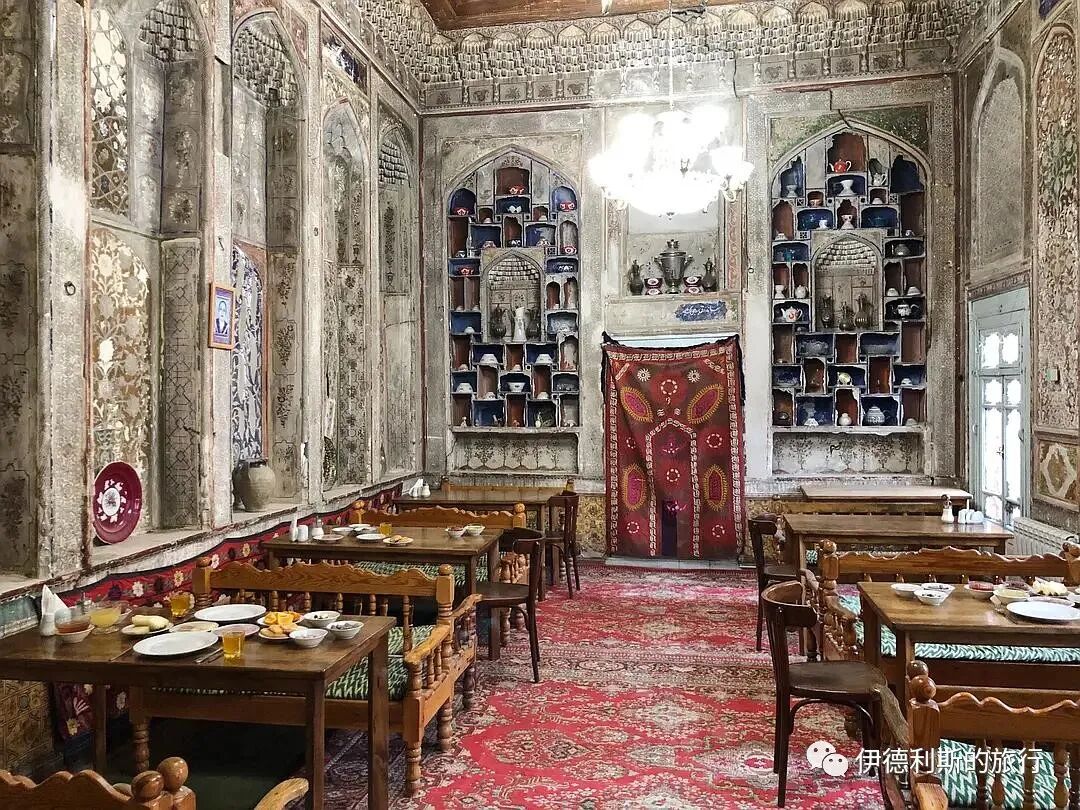
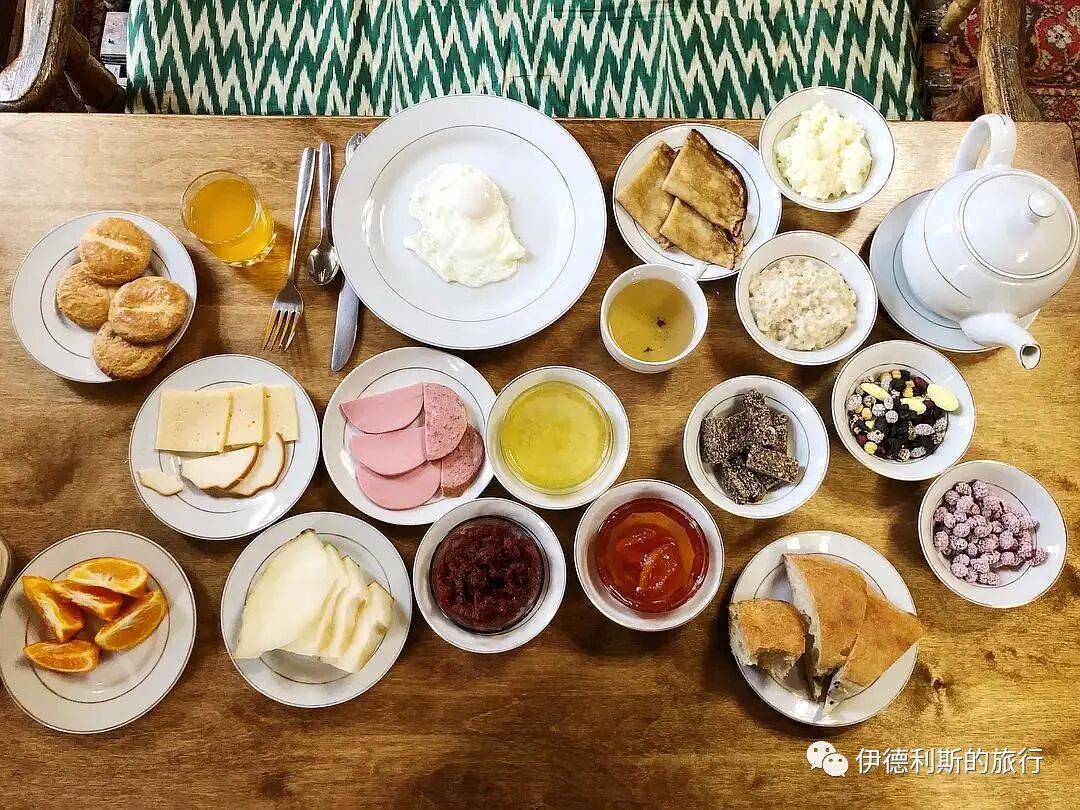
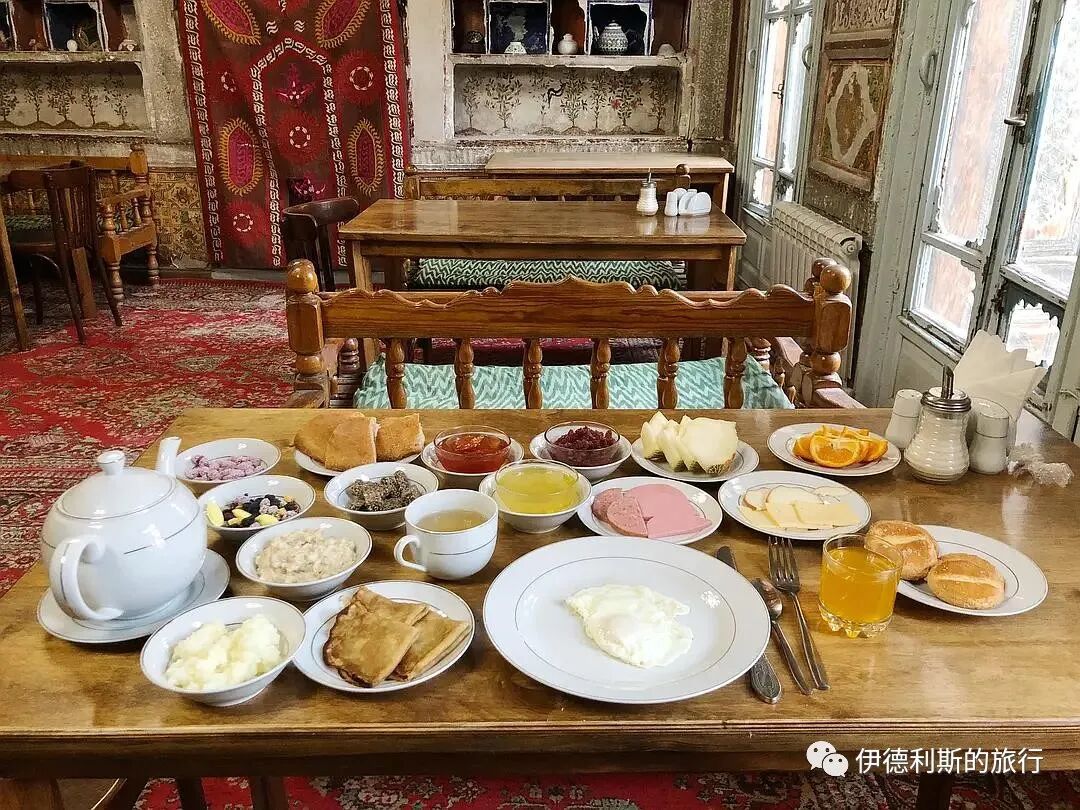
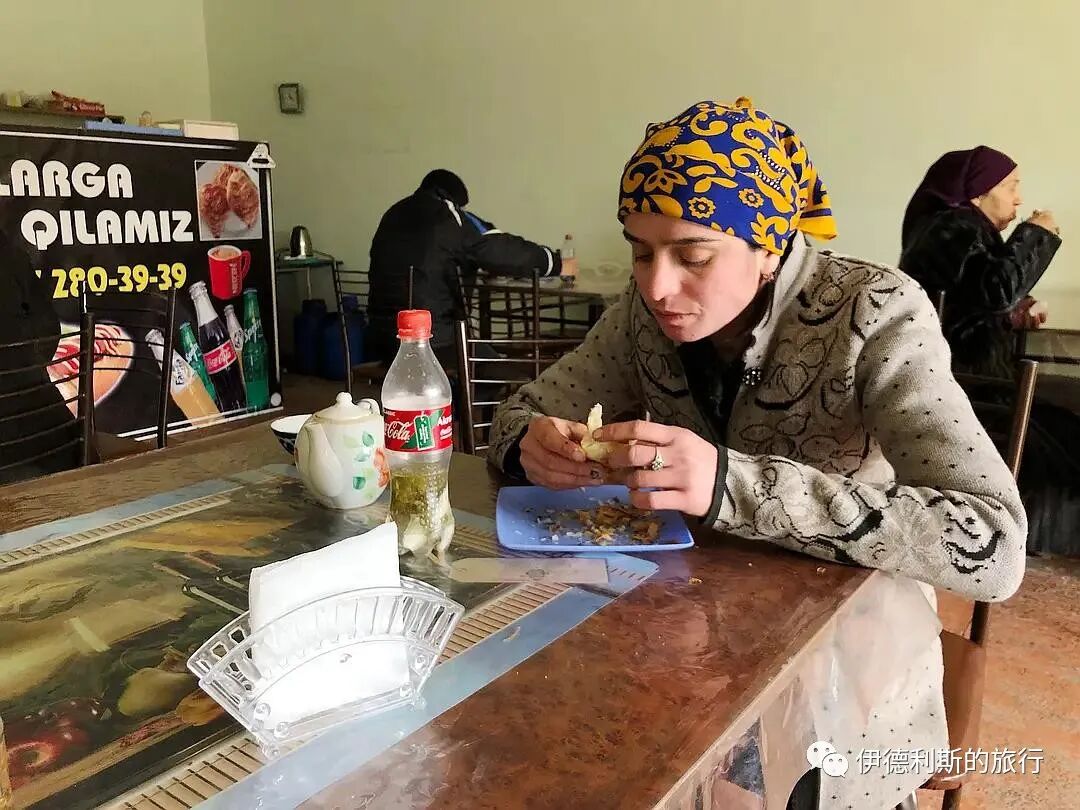
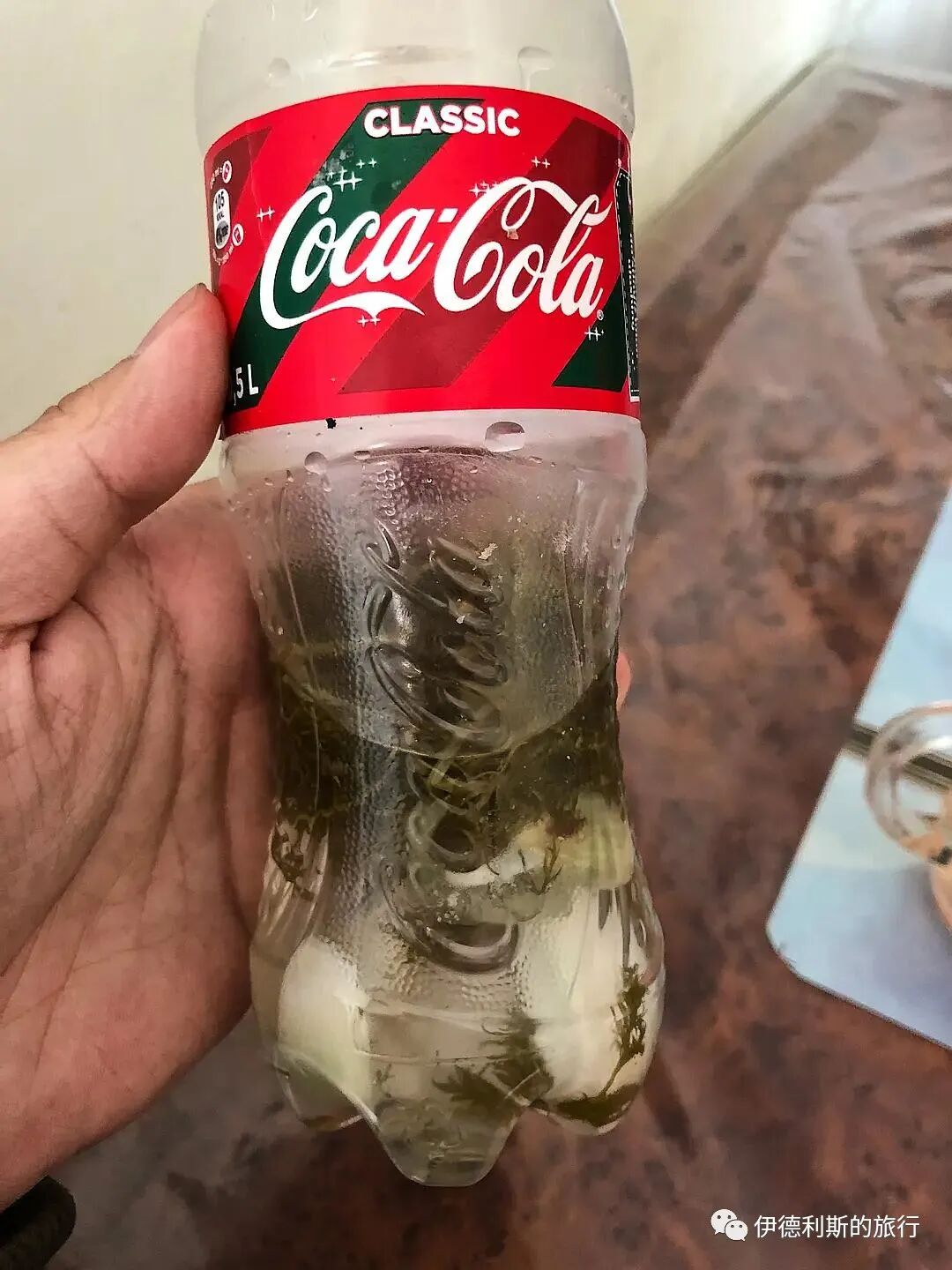
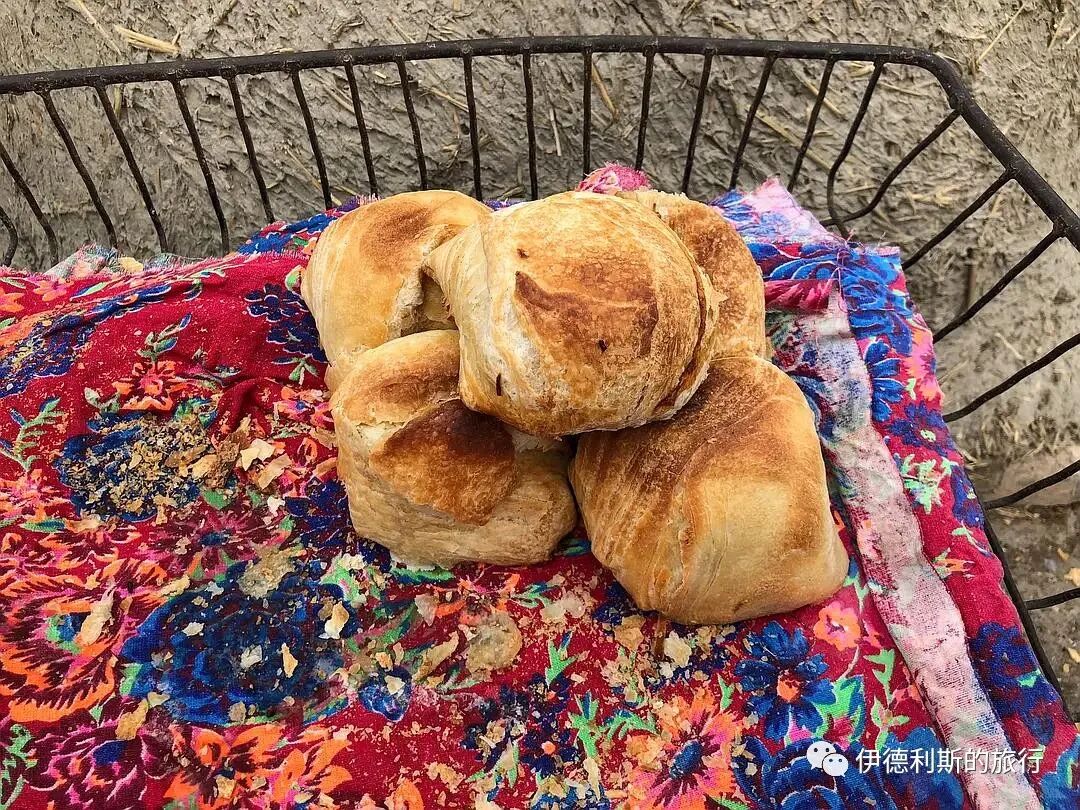
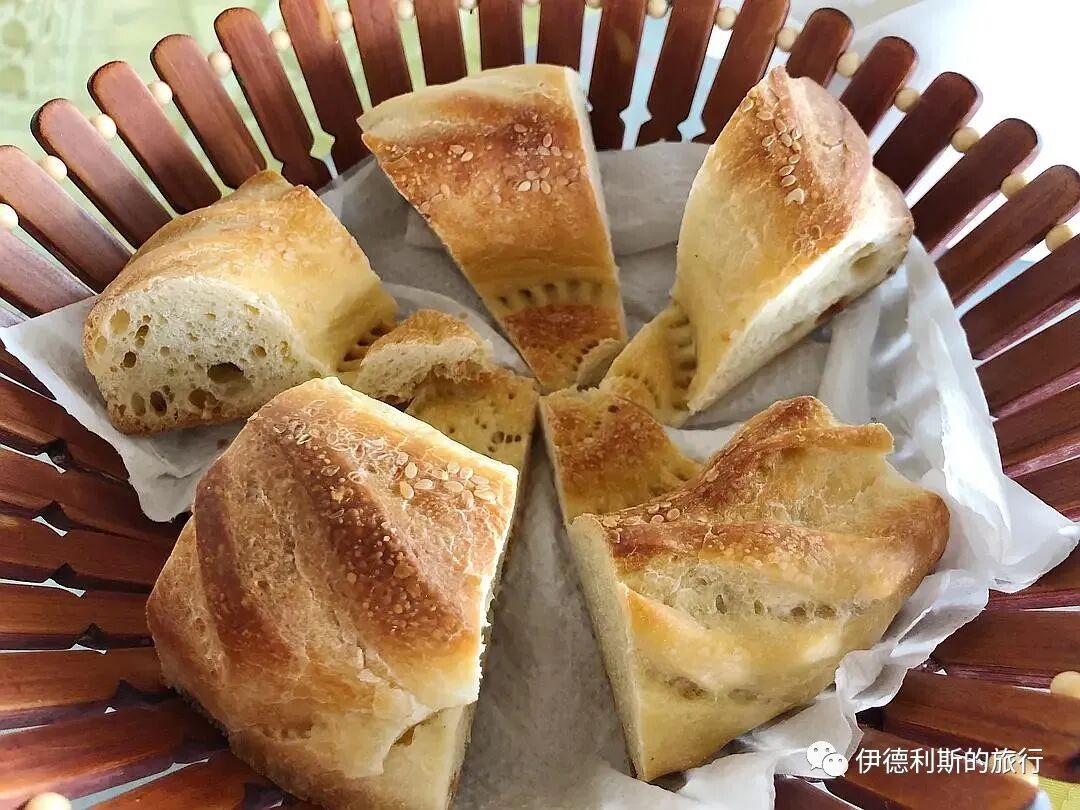
The Bukhara Central Bazaar (Buxoro markaziy bozori; the 'a' in Uyghur is pronounced as 'o' in Uzbek) is in the western part of the old city. It is very lively and sells everything. The best snack to eat in winter is, of course, the flaky somsa (baked meat buns; 'Samsa' in Uyghur)! Uzbek somsa is served with a homemade sauce, often containing fennel and onions, and sometimes cilantro.
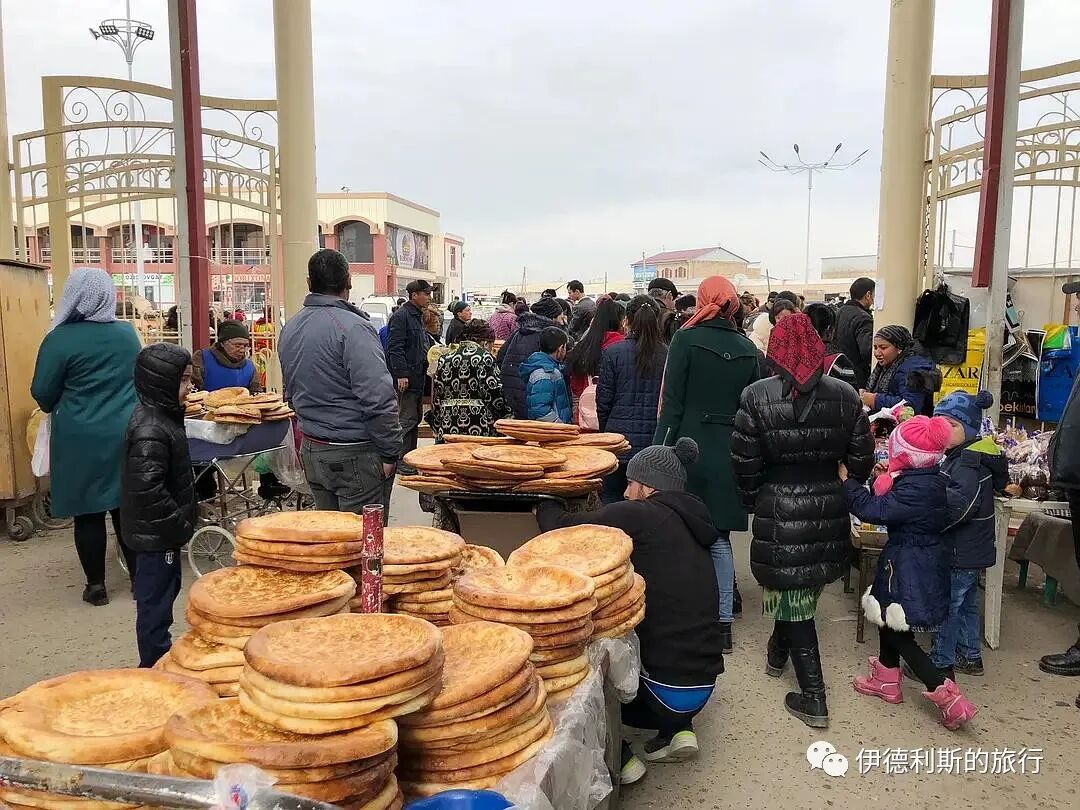
Naan stalls are the most common stalls in the bazaar.
Eating kebabs at the Doniyorbek restaurant opposite the Bukhara Central Bazaar. While walking through the bazaar, I saw a very Soviet-style restaurant across the street. After going inside, I found it had such a great atmosphere—the green walls, the stove in the room, and the classic service window made it feel like I had returned to the Soviet Union.
Note that in the former Soviet regions, when talking about eating kebabs, you should say 'Shashlik' instead of the Uyghur word 'Kewap'. The term 'Shashlik' originated from the Crimean Tatars and became popular throughout the Russian Empire after the 18th century. In Uzbekistan, saying 'Kebab' will get you Middle Eastern-style minced meat skewers; 'Shashlik' is the meat-chunk skewers we are familiar with.
In addition, the side dishes for the meat are very rich. I chose yogurt with small side dishes, which is very refreshing and cuts through the greasiness.
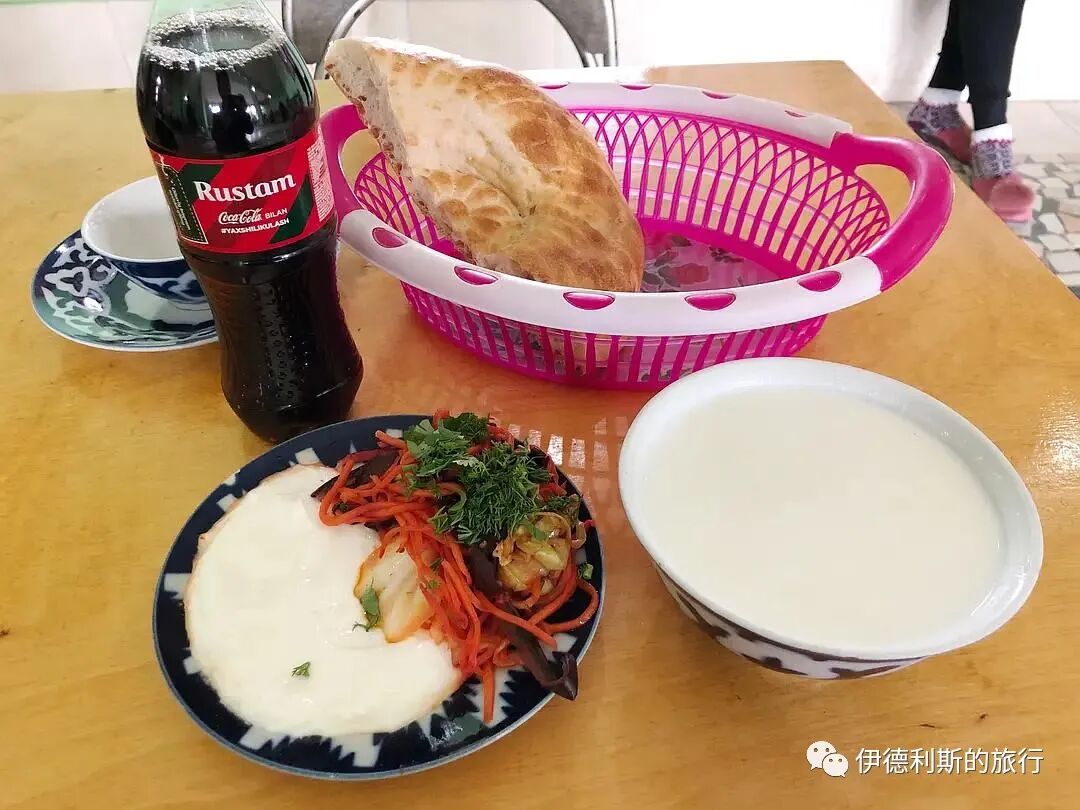
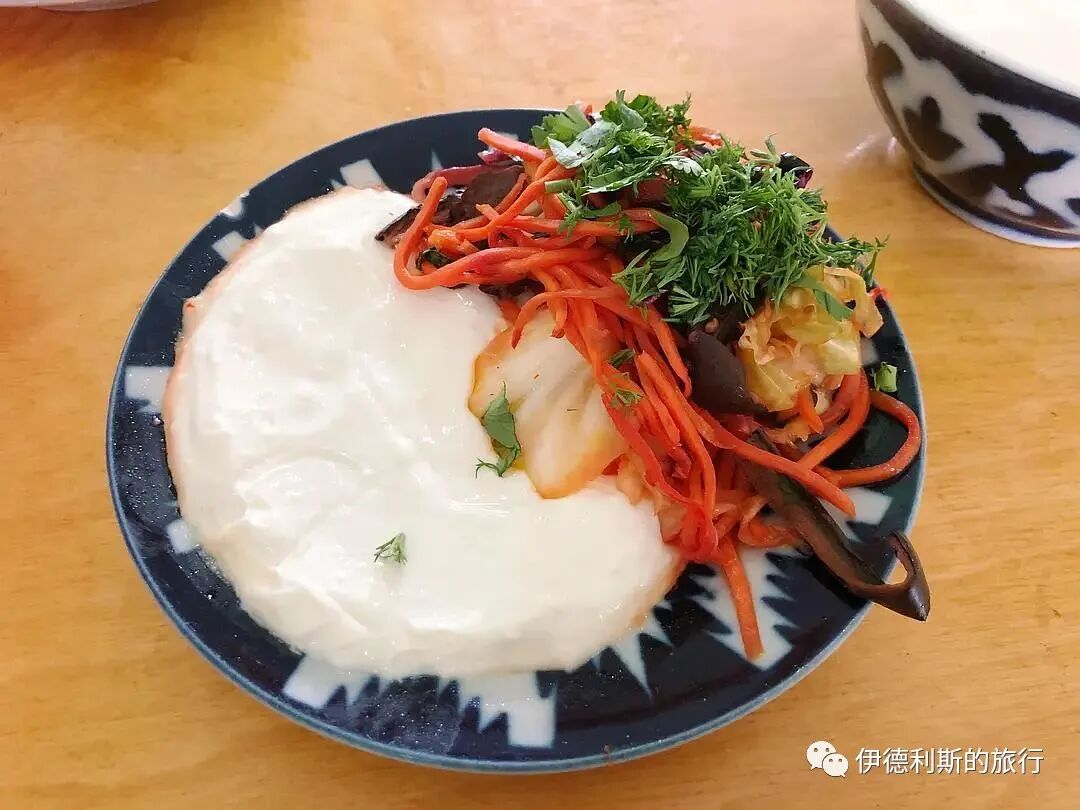
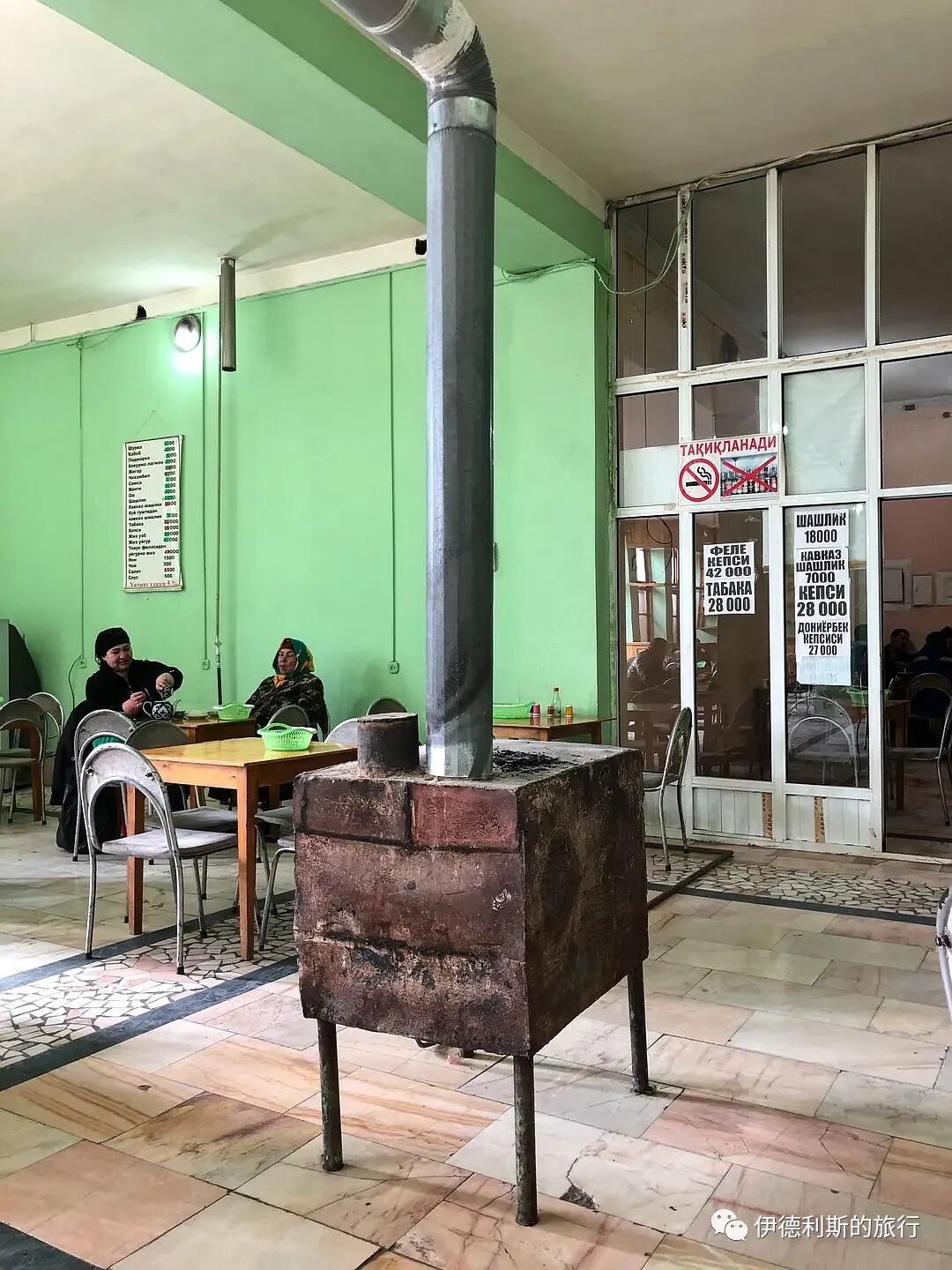
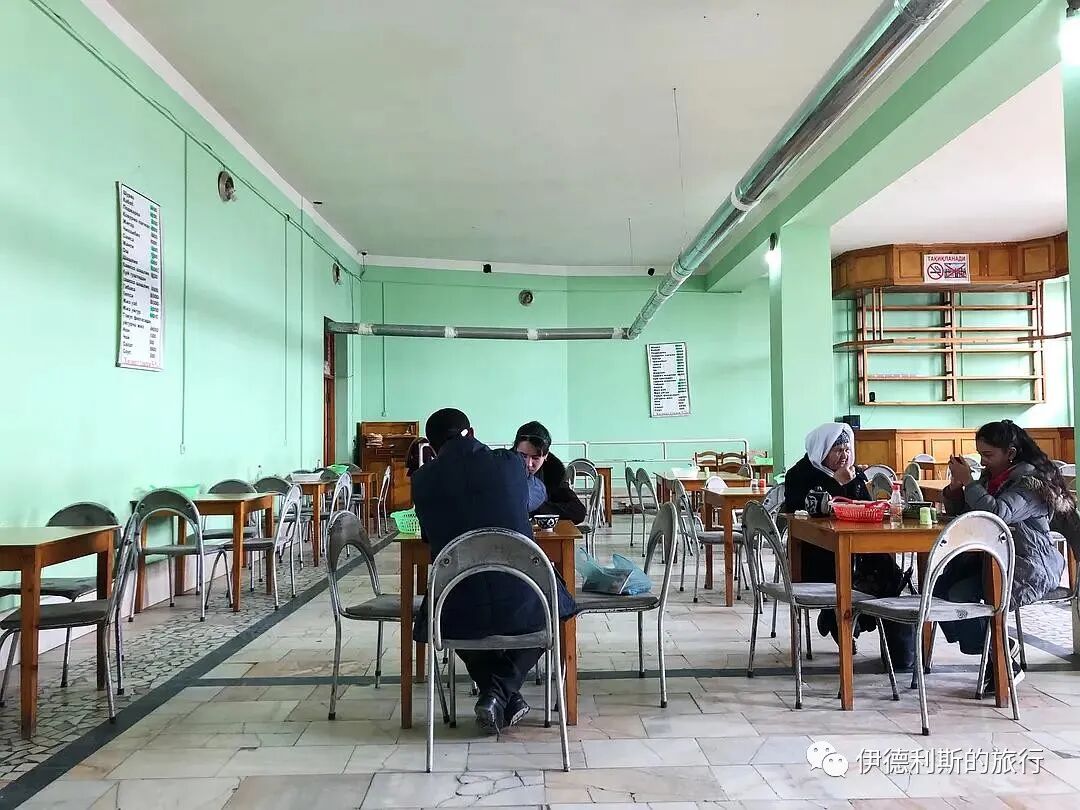
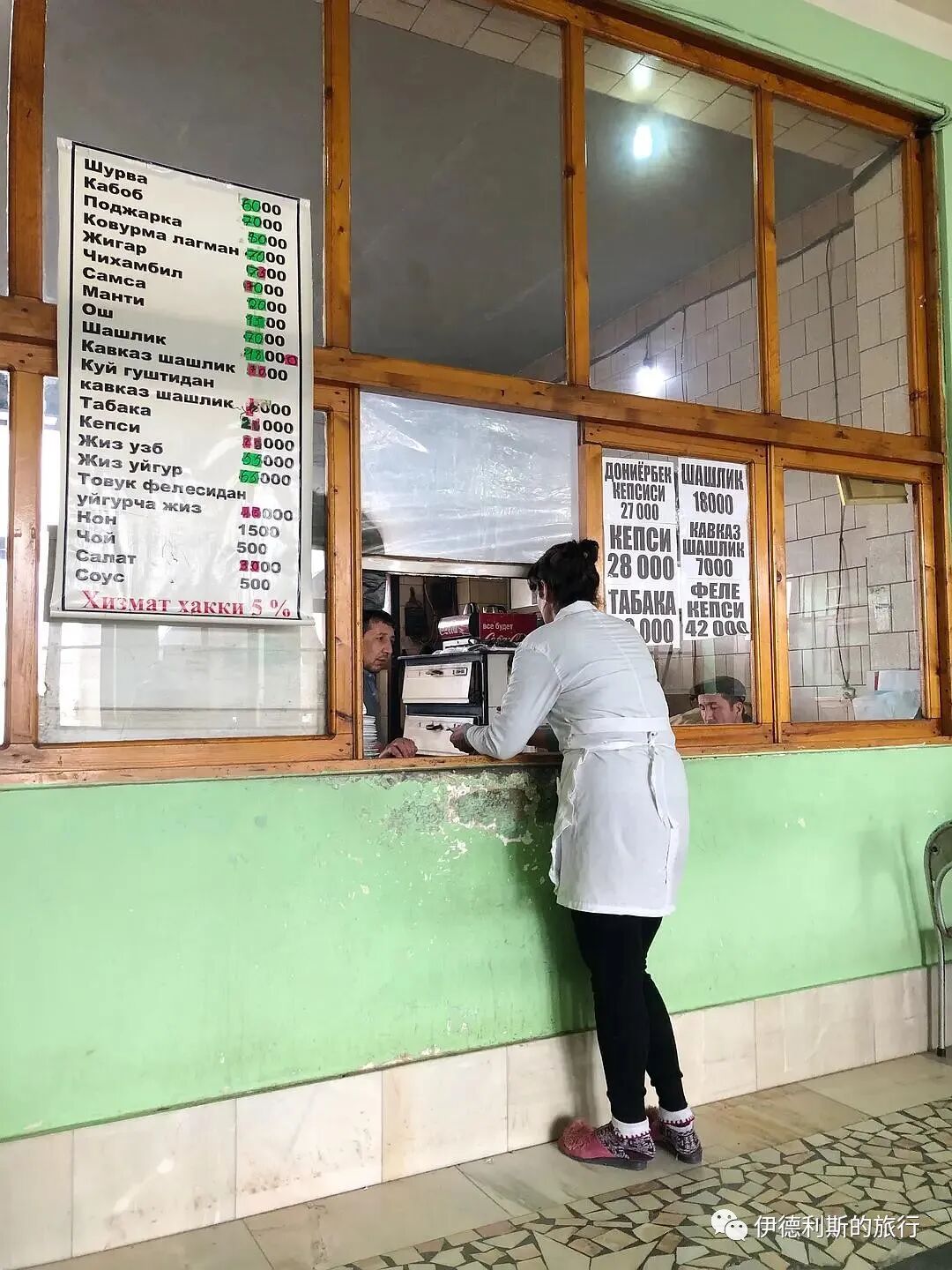
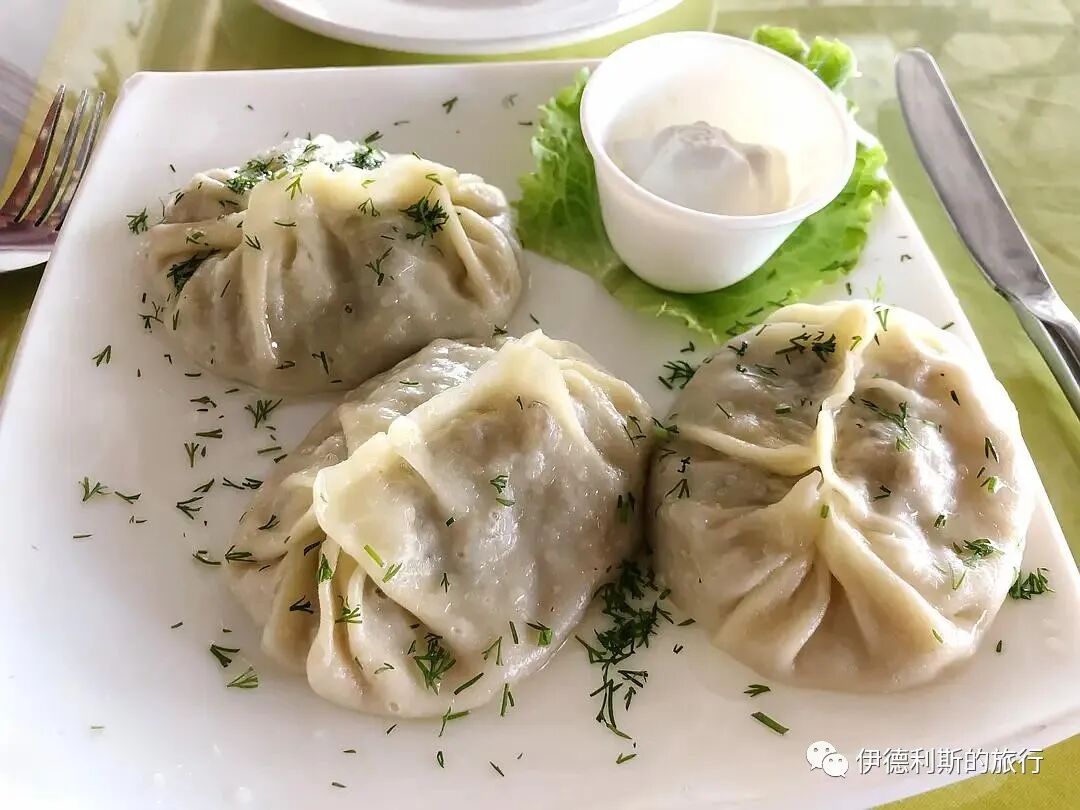
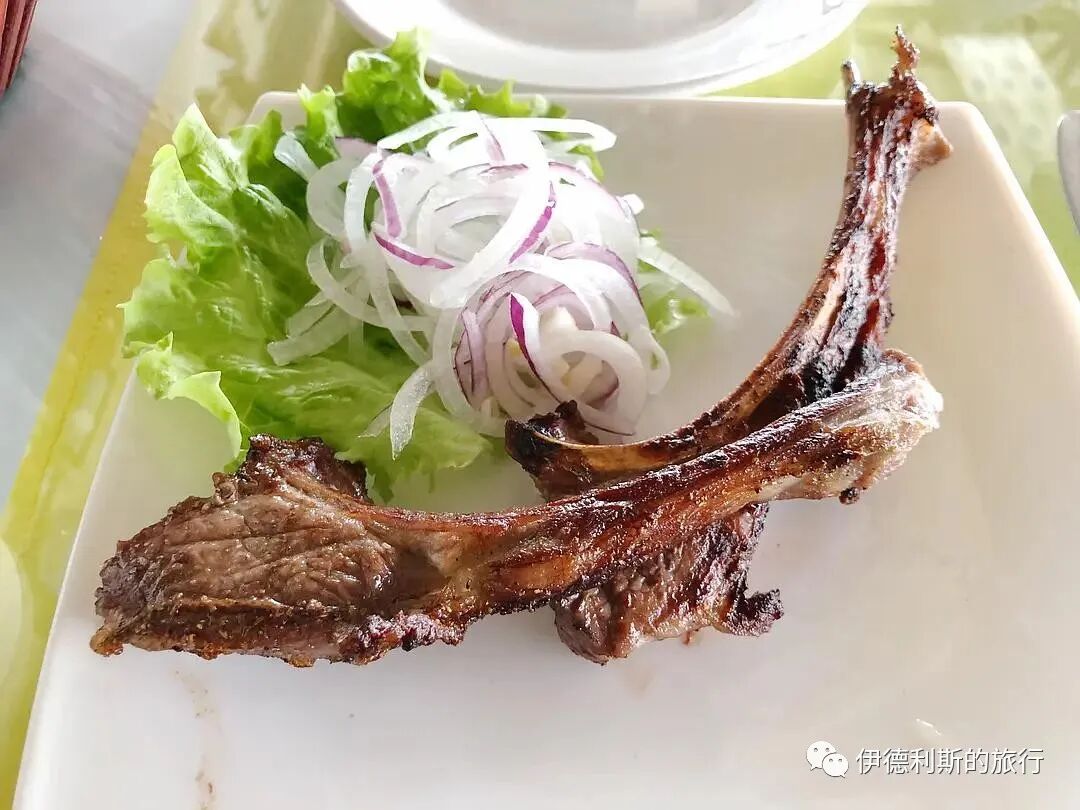
Eating Kifta Shurva (clear meatball soup), Manti (steamed dumplings), and grilled lamb chops at Temir's restaurant in the center of the old city of Bukhara. Their environment is nice, and it is the only place in the old city of Bukhara where you can withdraw cash using a Mastercard credit card.
Manti is believed to have been spread from East Asia to West Asia and even Eastern Europe by Mongol and Turkic peoples along the Silk Road during the Mongol Empire era. Now, Manti has become a traditional delicacy in Xinjiang, the former Soviet Union, Afghanistan, Turkey, and the Balkans. Central Asian Manti is generally eaten dipped in thick yogurt.
Their restaurant is right next to the famous Magoki Attor Mosque in Bukhara. This mosque, built in the 12th century, is a model of architecture from the Karakhanid dynasty period in Bukhara and even all of Central Asia.
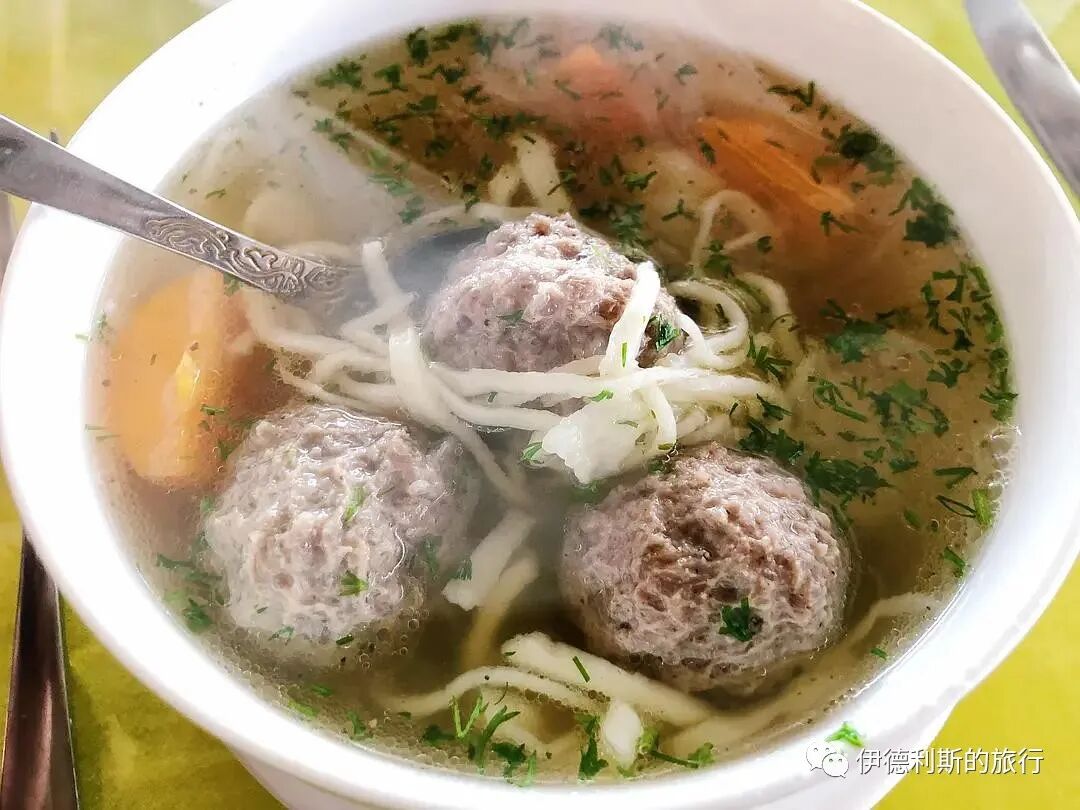
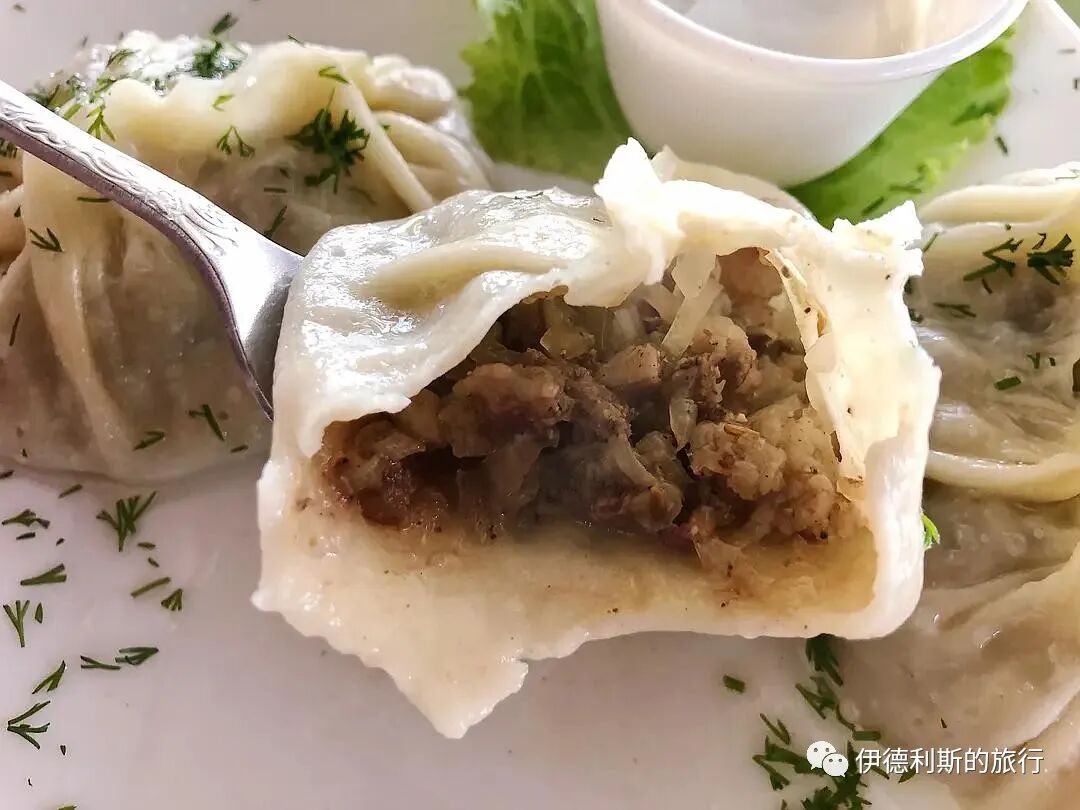
Another meal of fried chuchvara (dumplings) and lamb soup.
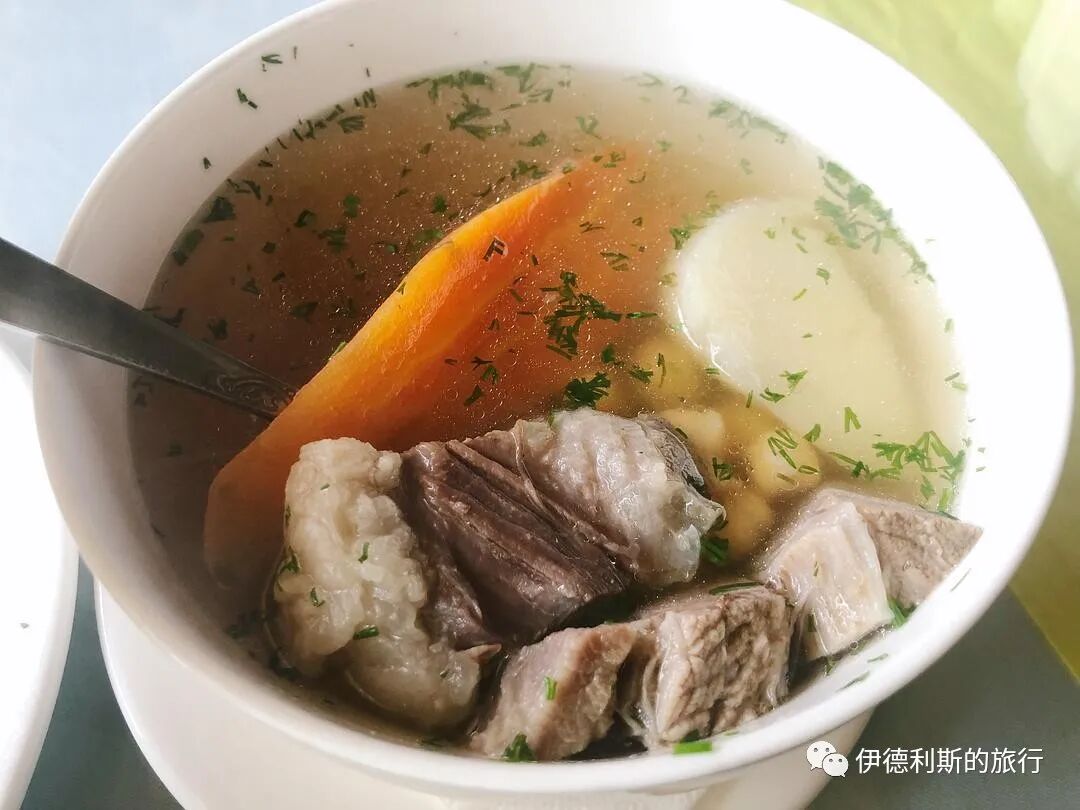
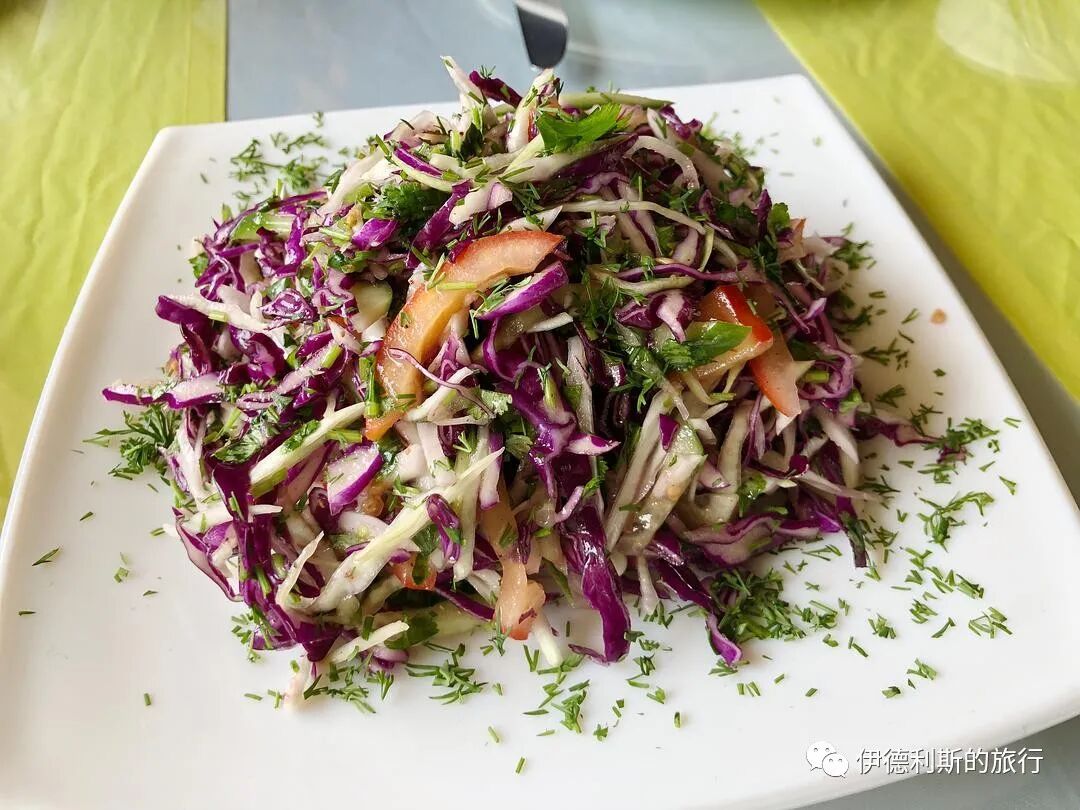
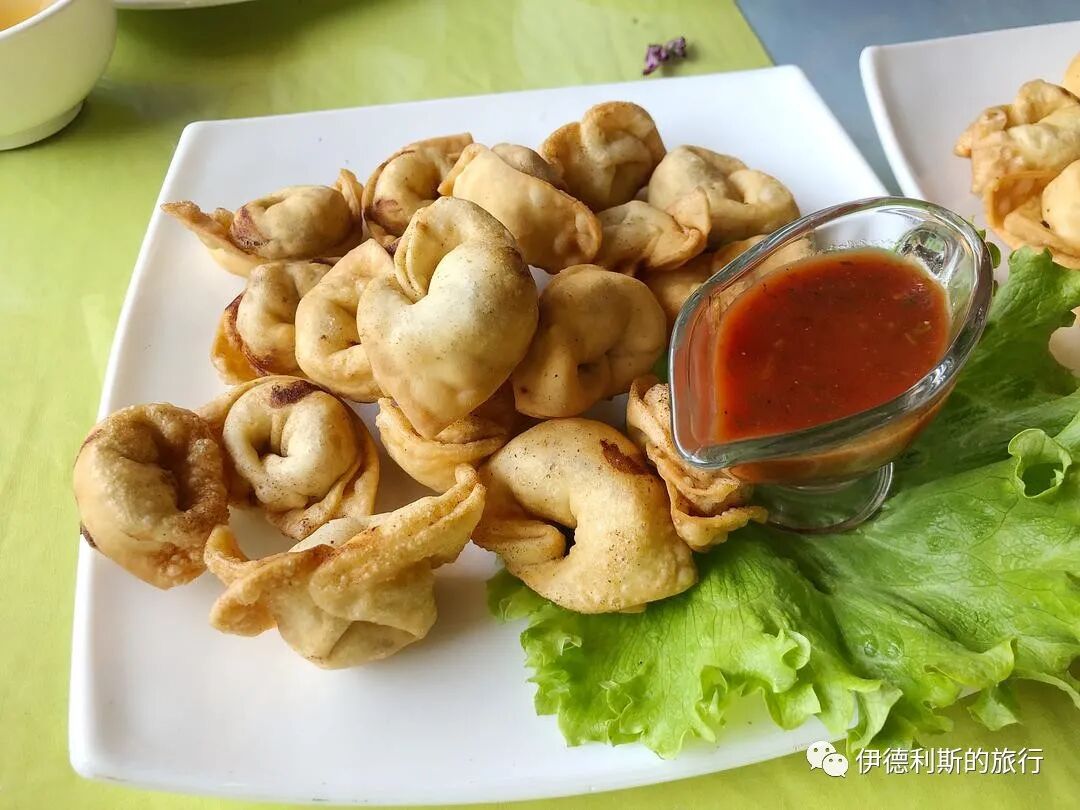
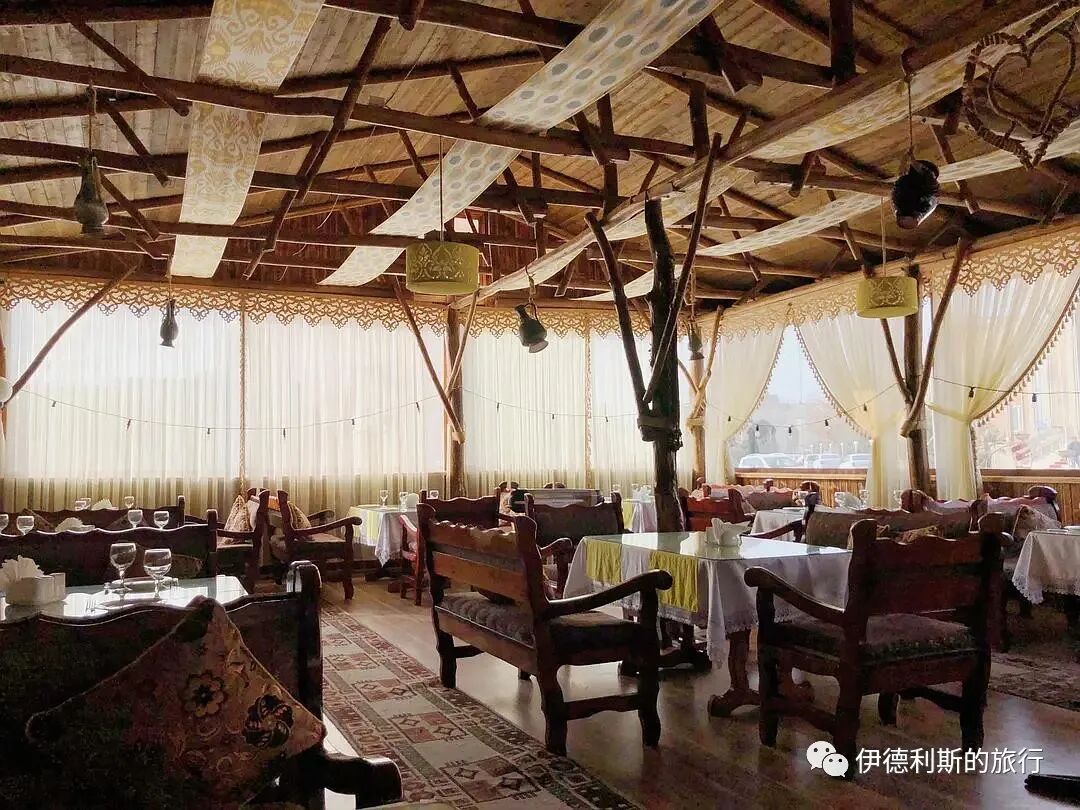
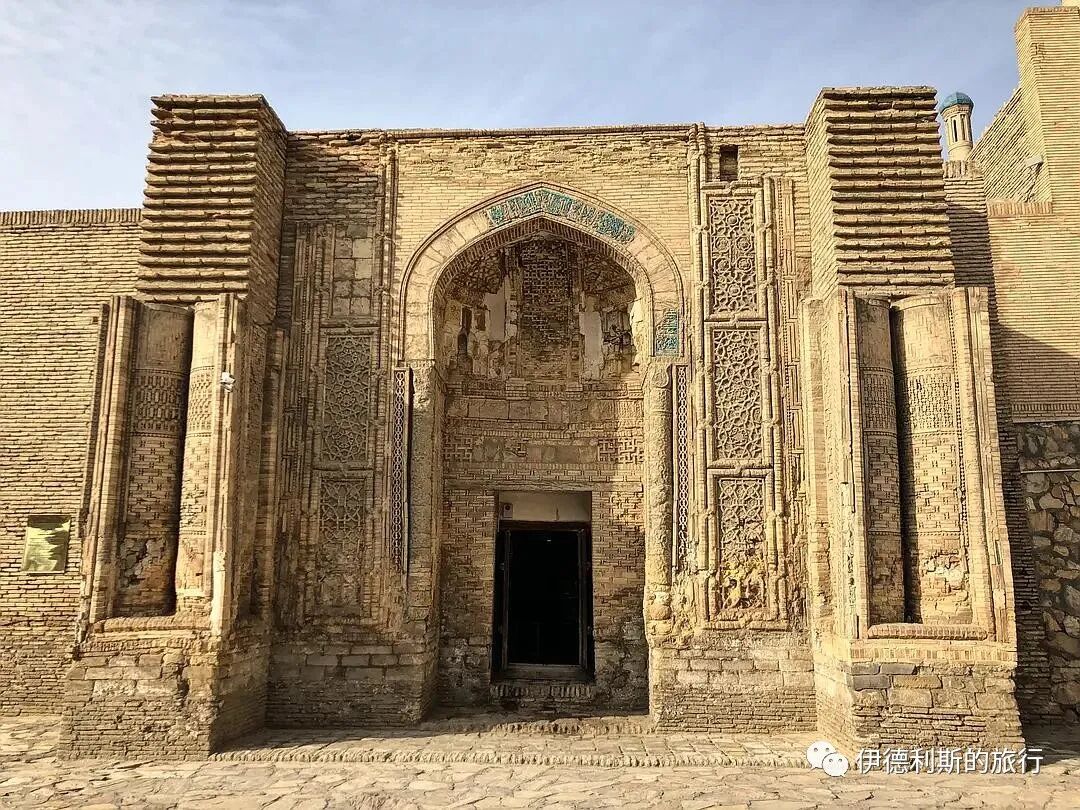
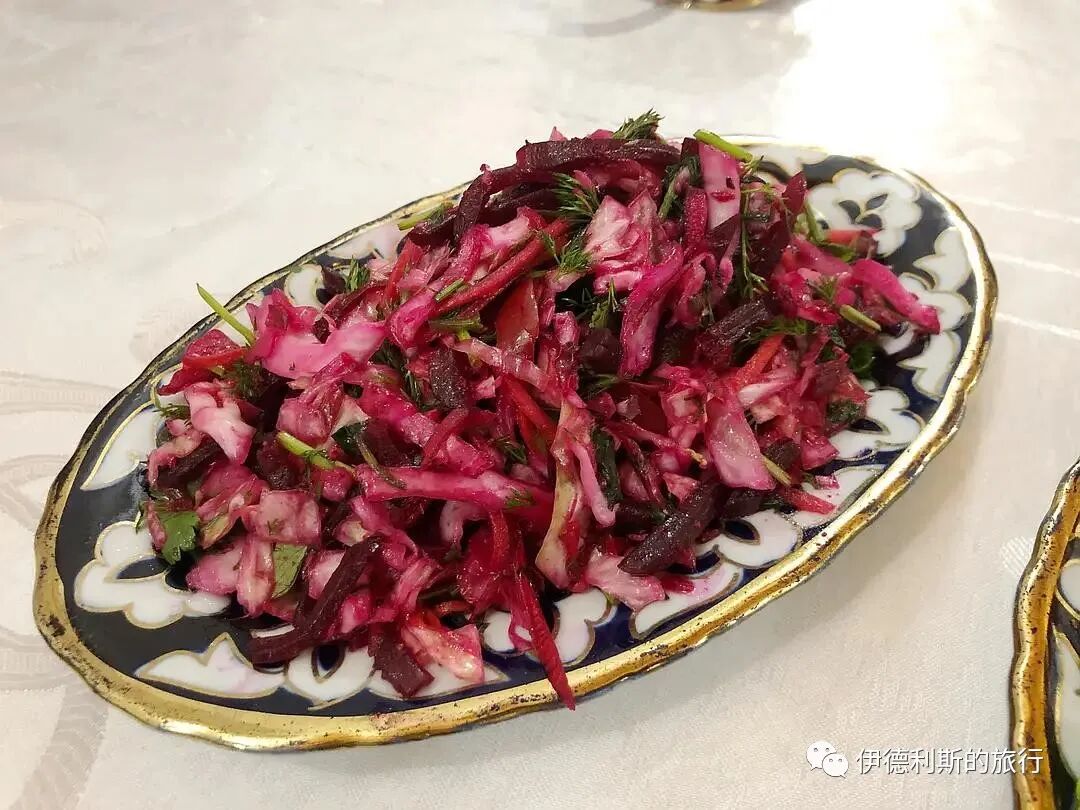
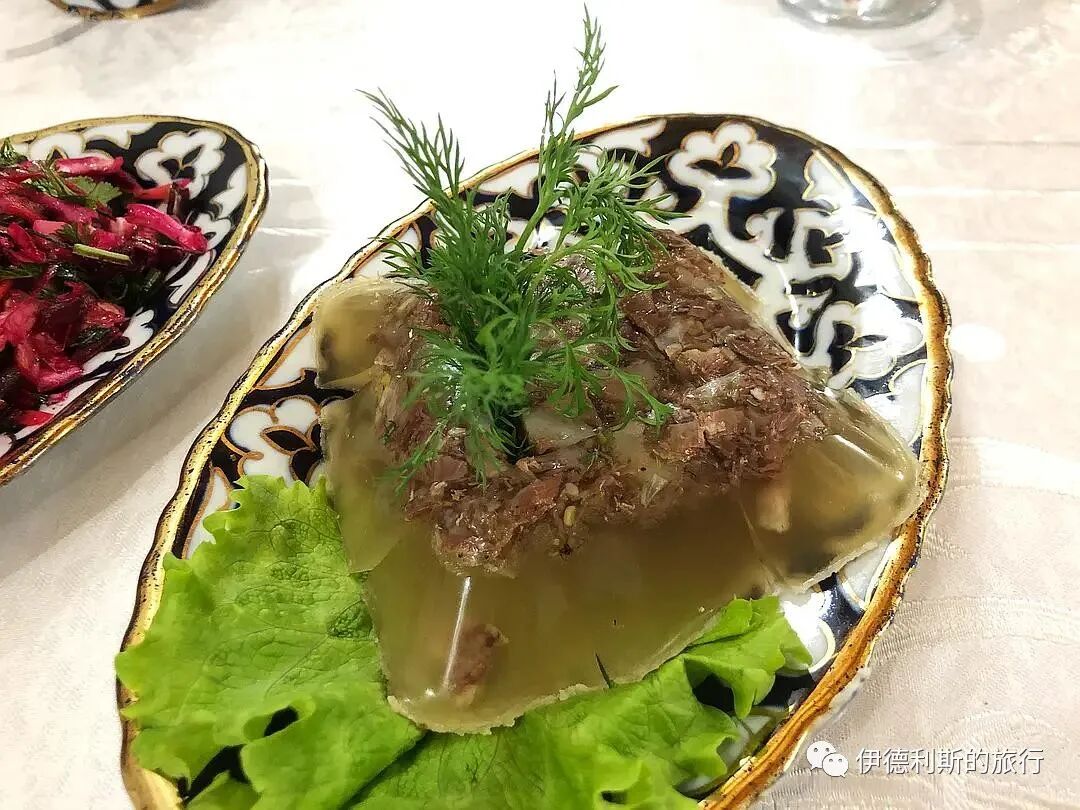
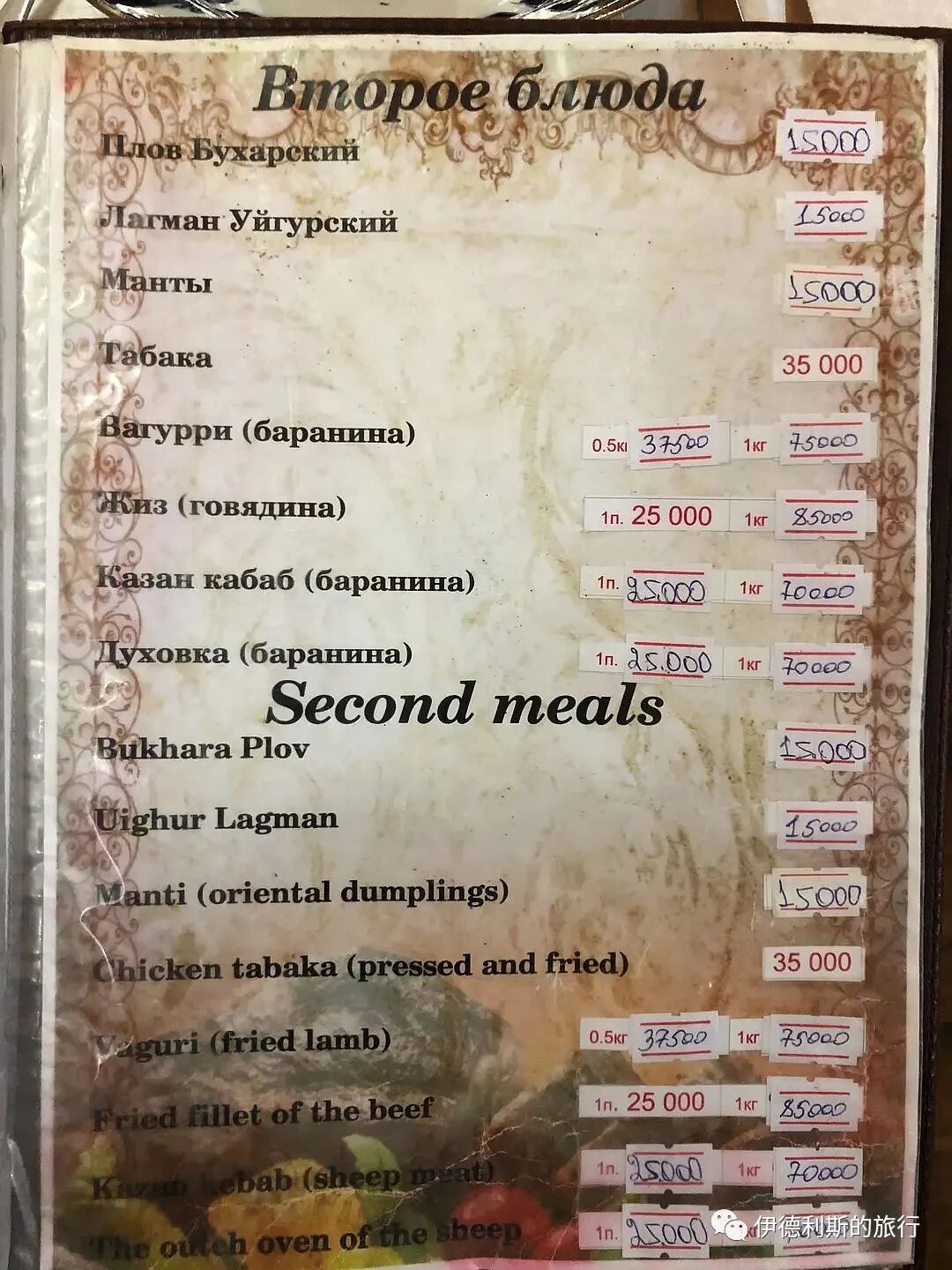
Eating plov (pilaf) and drinking meat soup, as well as having two types of salads, at the Chayxana chinar teahouse in the ancient city of Bukhara. Teahouses in Central Asia serve food and are also a type of public activity space.
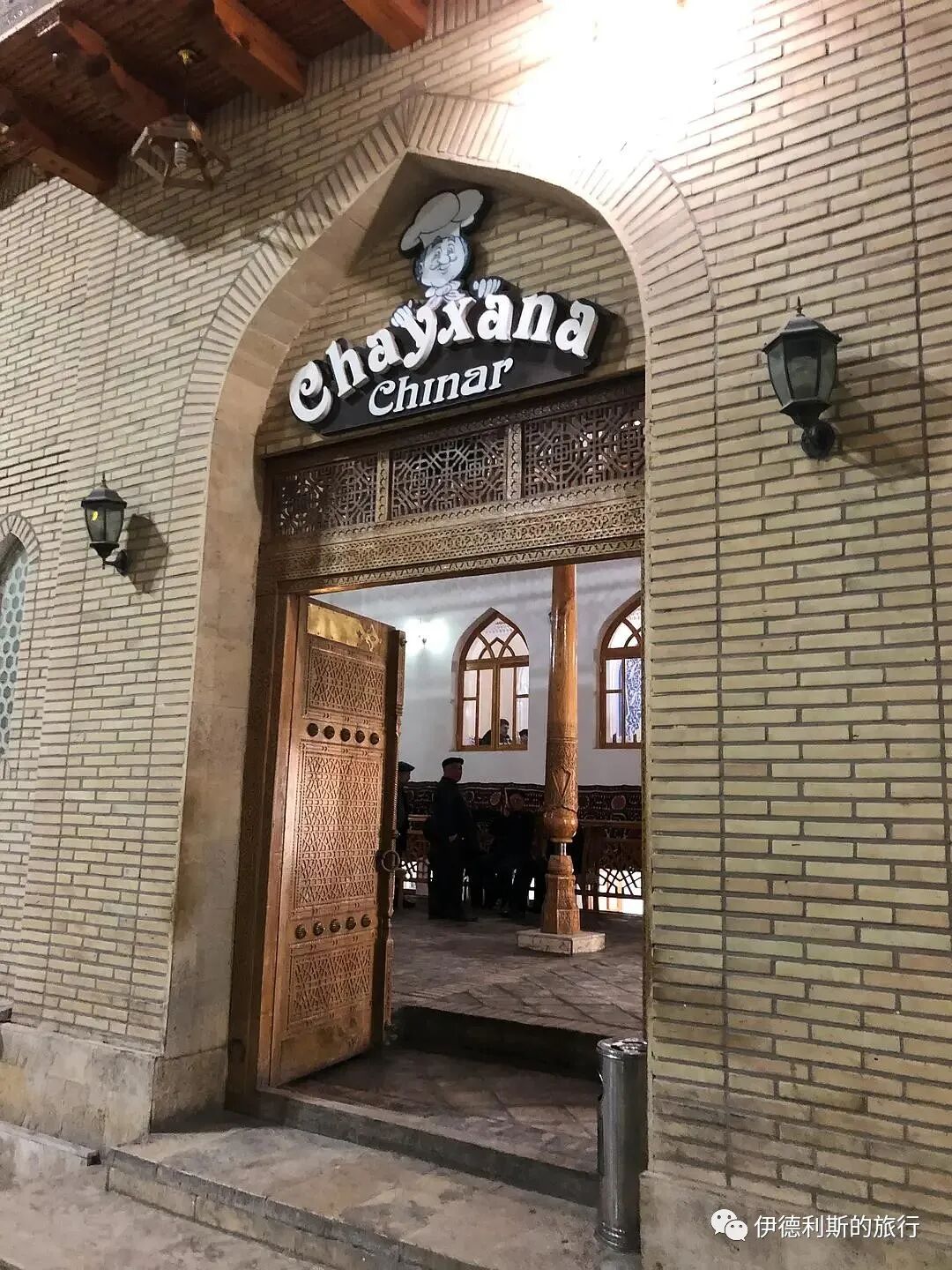
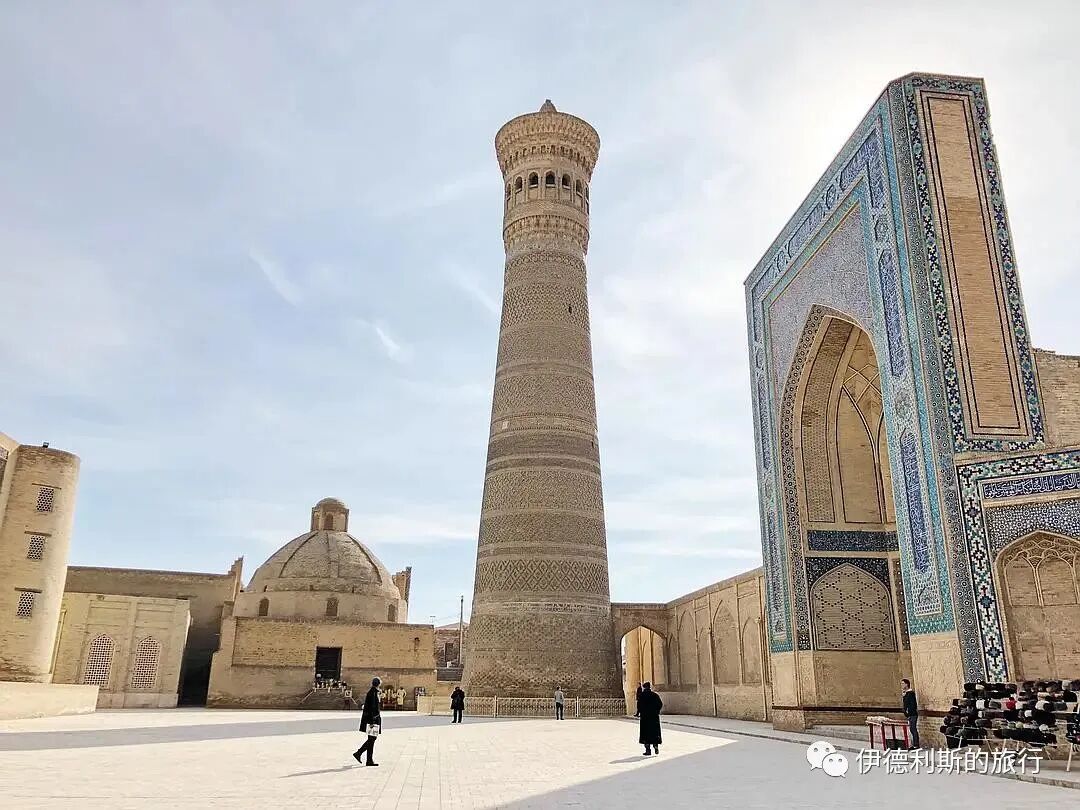
Performing Jumu'ah (Friday prayer) at the Po-i-Kalyan Mosque (Maedjid-i Kalan). The Kalyan Mosque was originally built in 1121 by Arslan Khan of the Karakhanid dynasty. It was later destroyed during Genghis Khan's siege of Bukhara, leaving only the minaret. The current mosque was built in 1514 during the Bukhara Khanate period. Today, the Kalyan Mosque is the most important Jumu'ah mosque in Bukhara. It consists of a rectangular courtyard with 288 domes and 208 pillars, with a tall Iwan (vaulted hall) gate in the center. The main hall can accommodate 12,000 people.
According to archaeological findings, there are two layers of mosque ruins buried beneath the current mosque. The bottom layer is a mosque from the Karakhanid dynasty in 1121, with the same scale as the current one, and the upper layer is a mosque built in the early 14th century during the Chagatai Khanate period, made entirely of brick.
Miniature painting
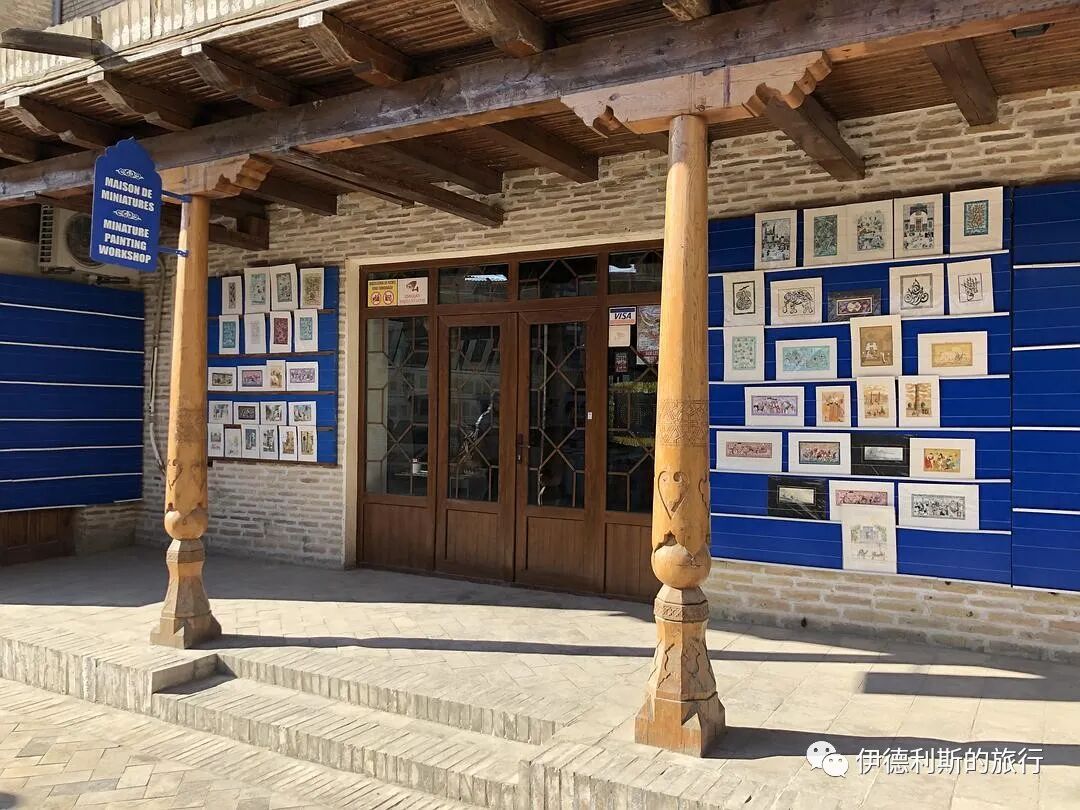
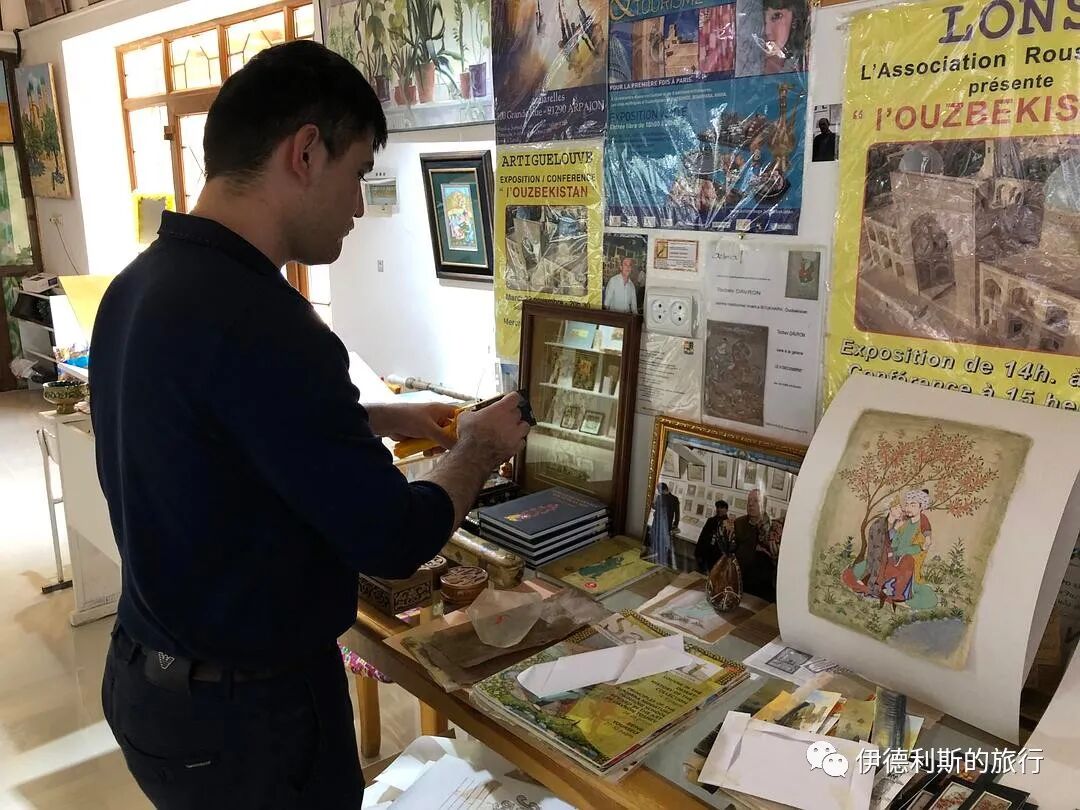
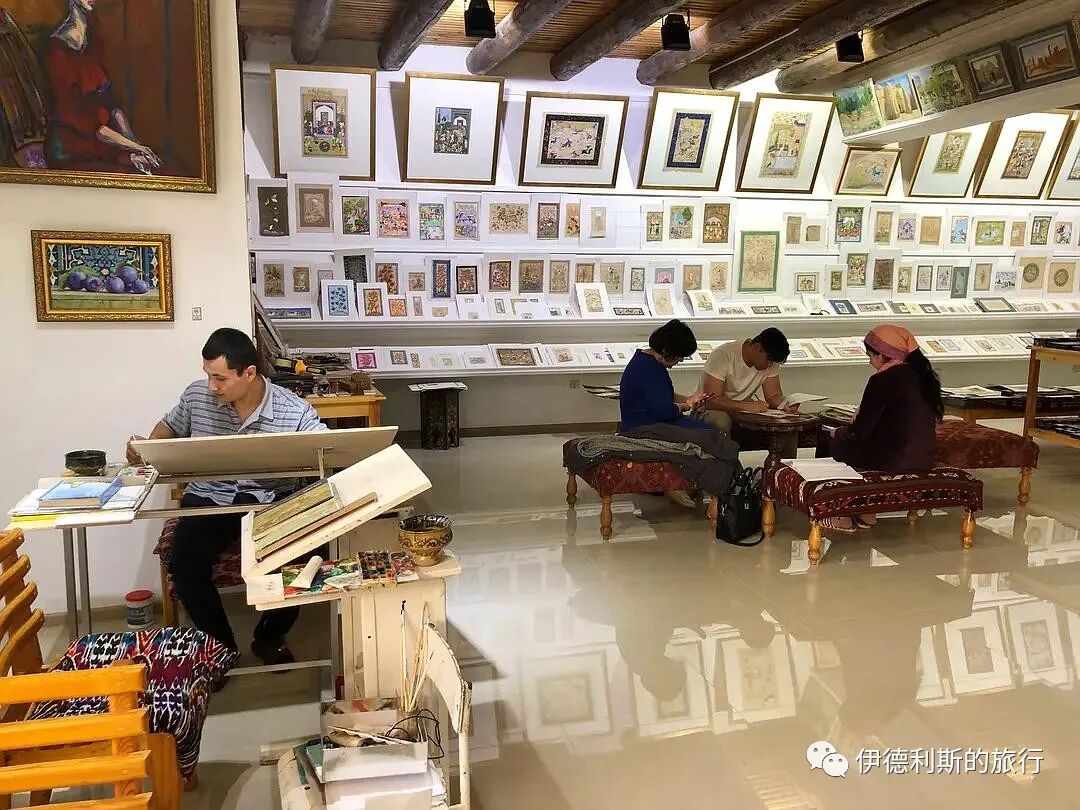
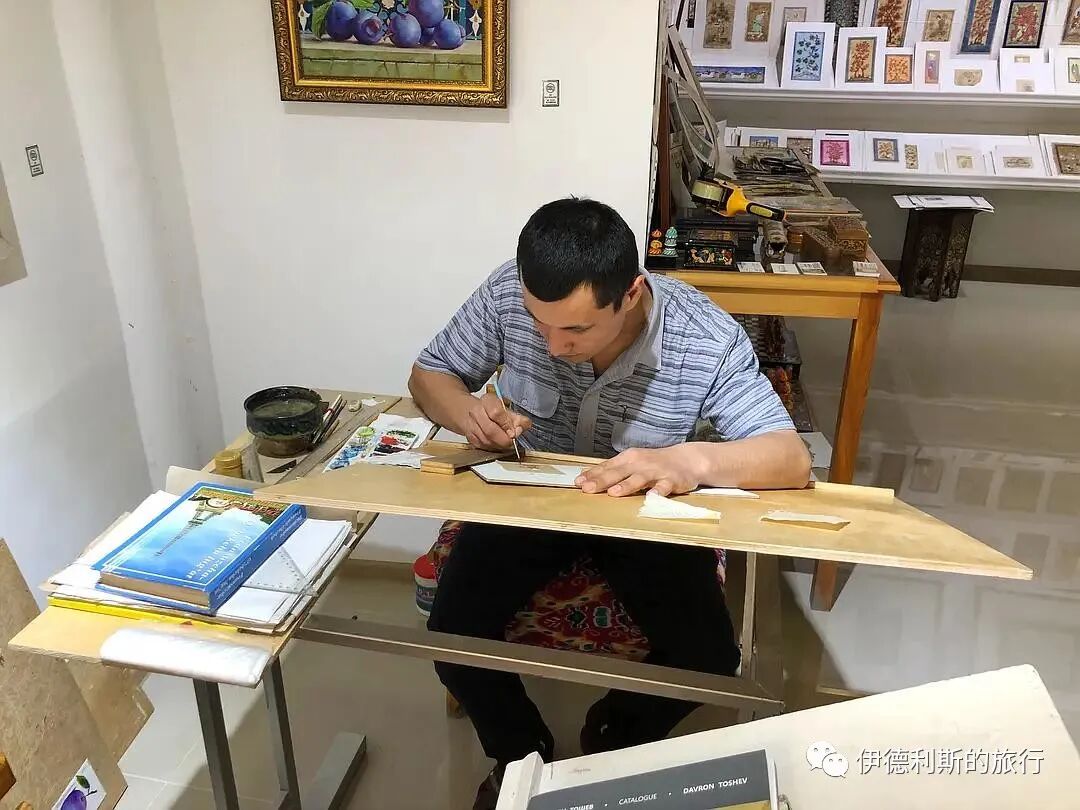
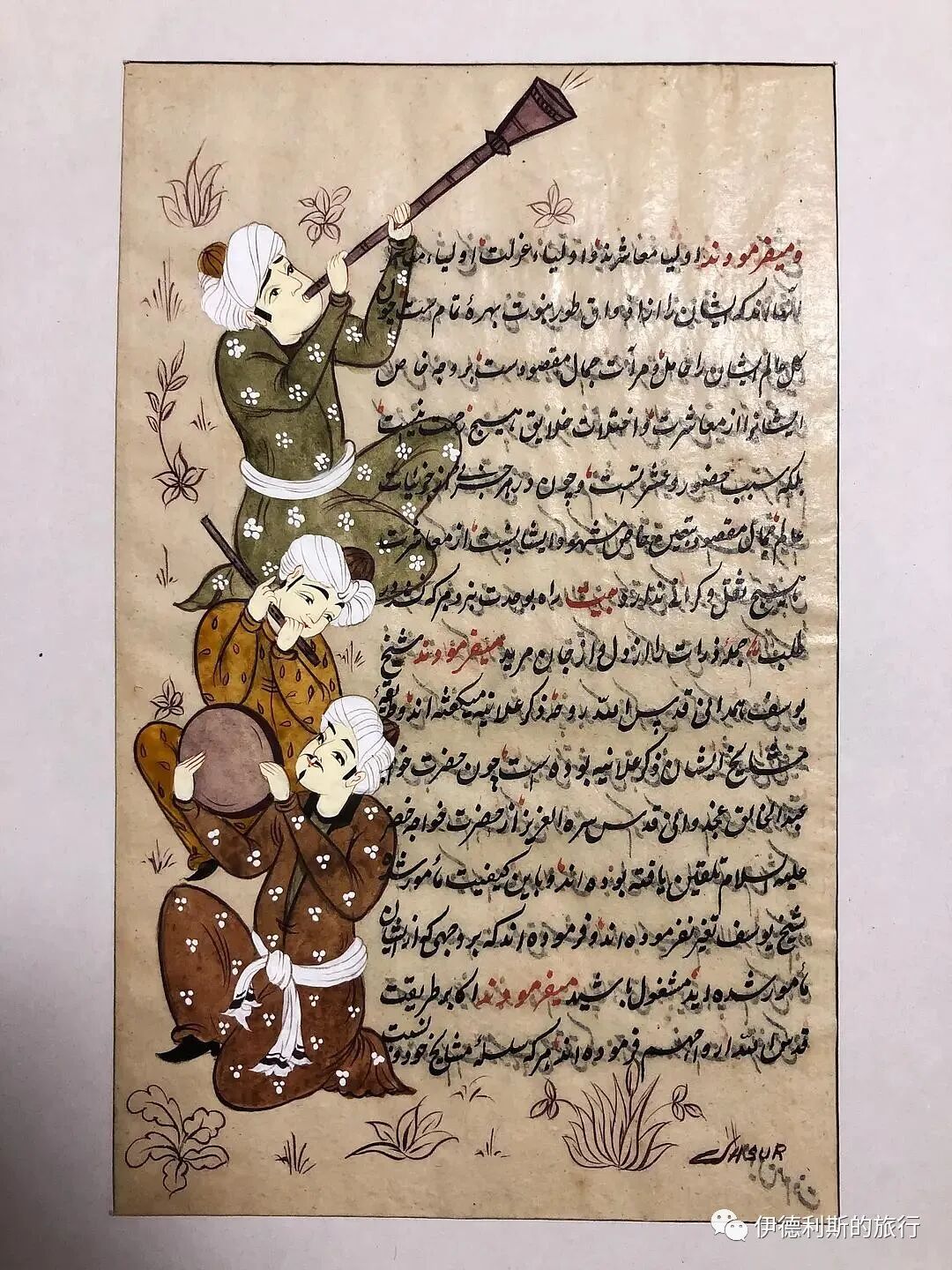
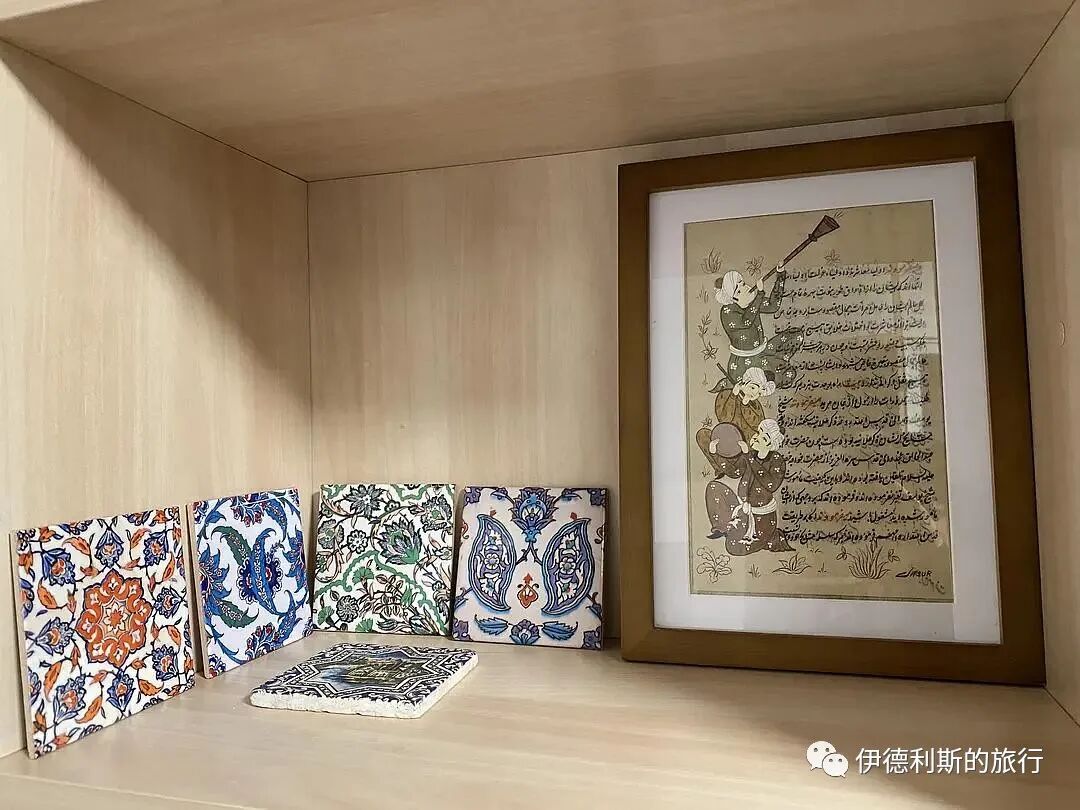
I visited the first miniature painting workshop in Bukhara and bought a few small miniature paintings.
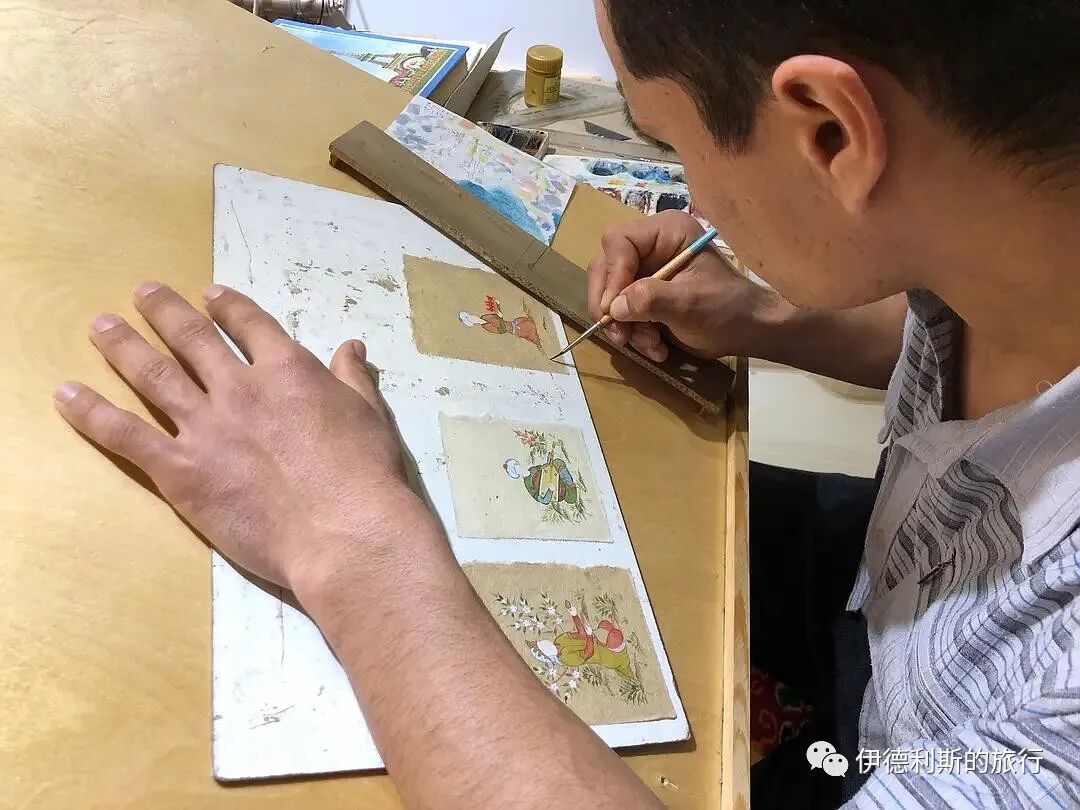
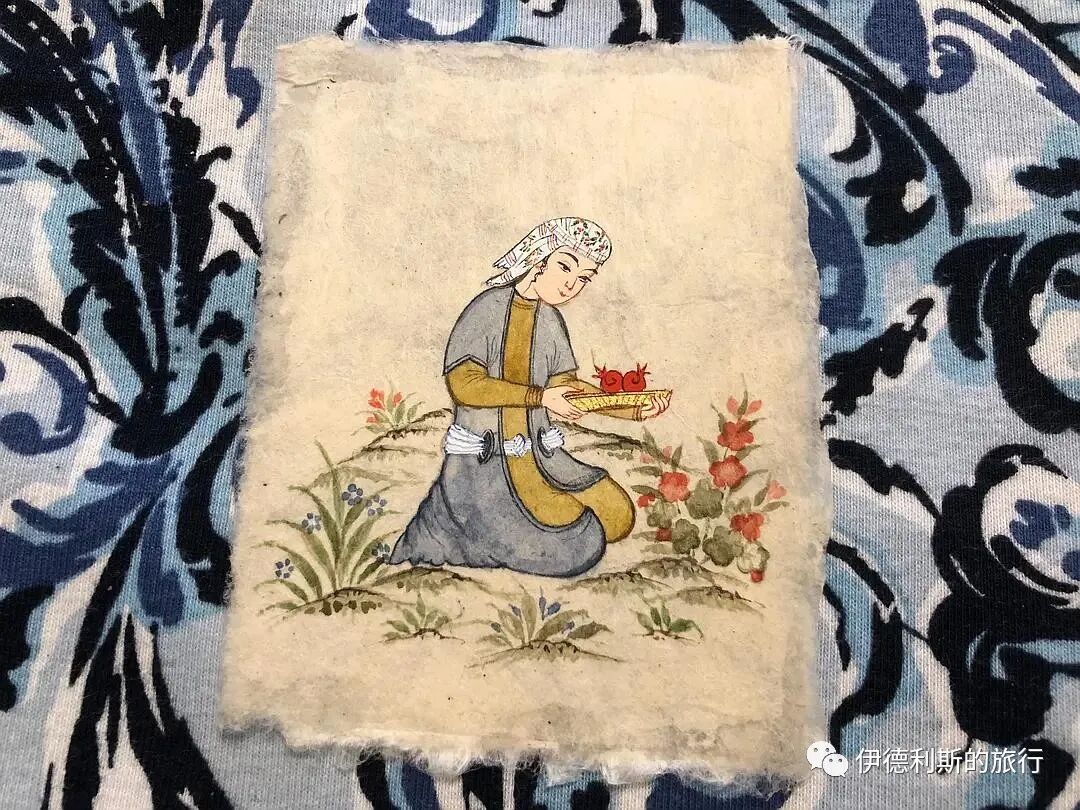
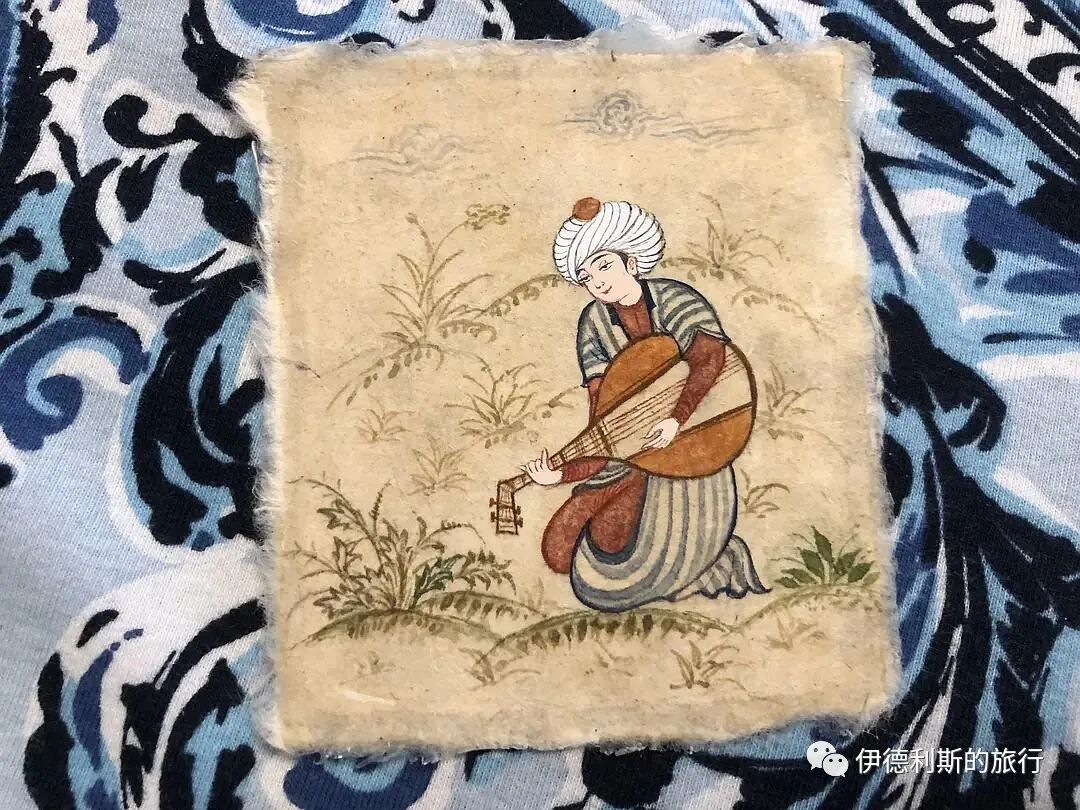
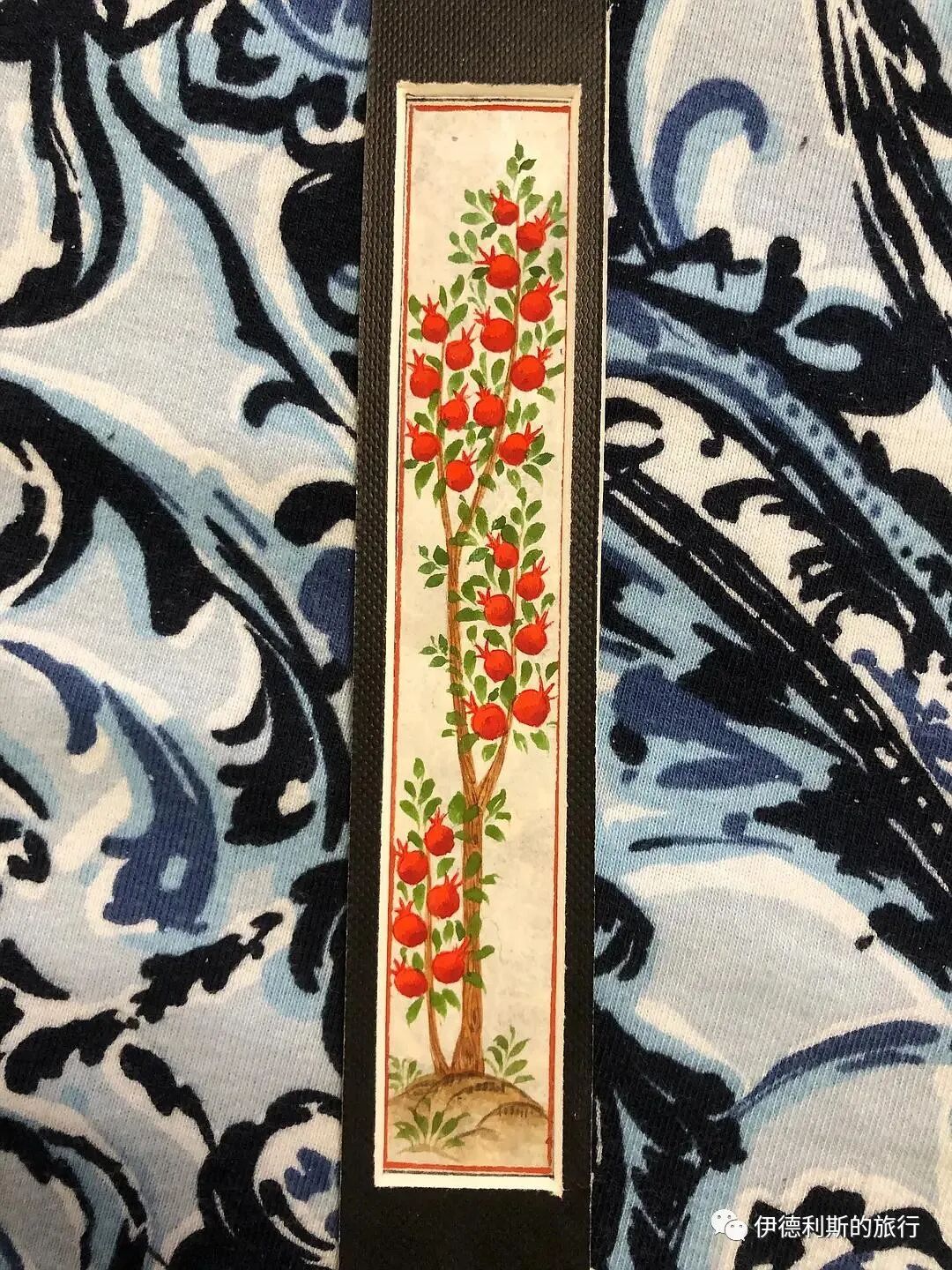
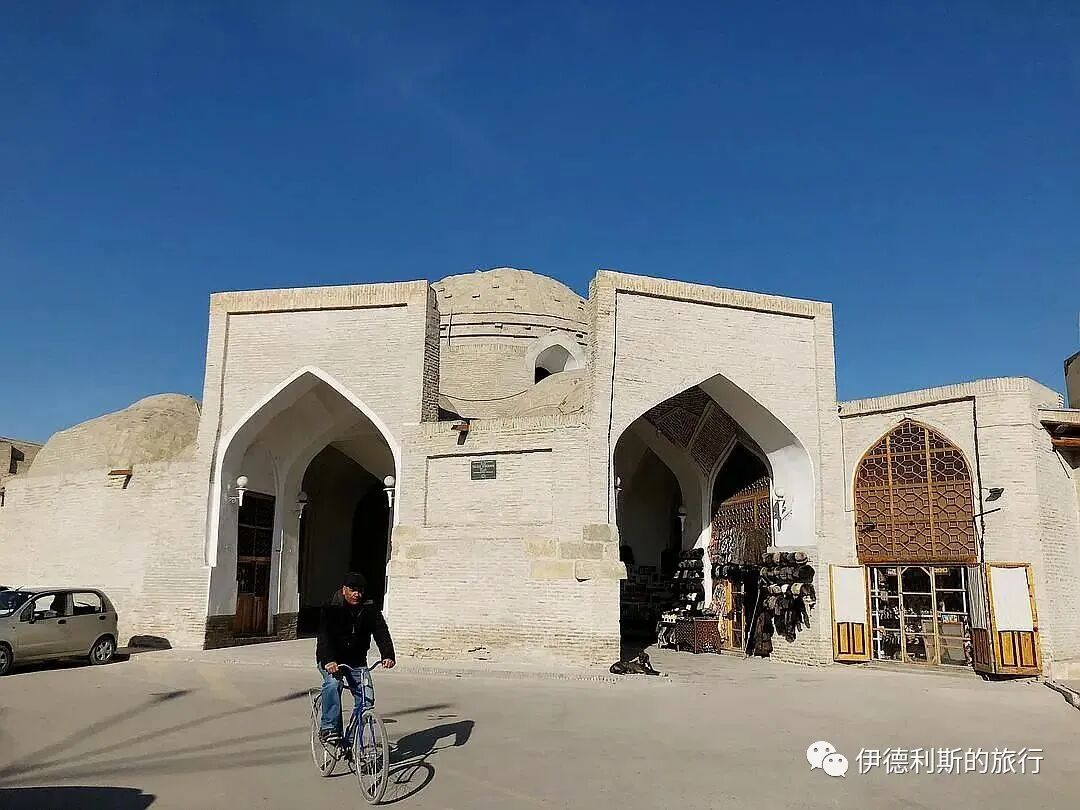
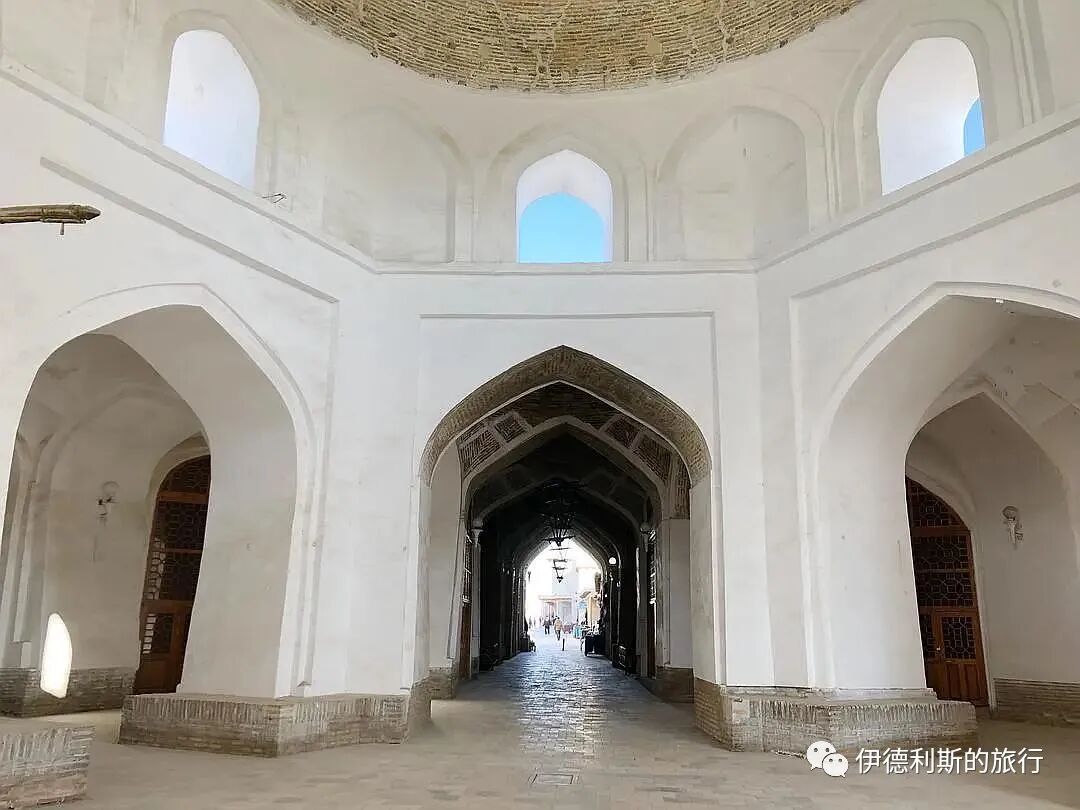
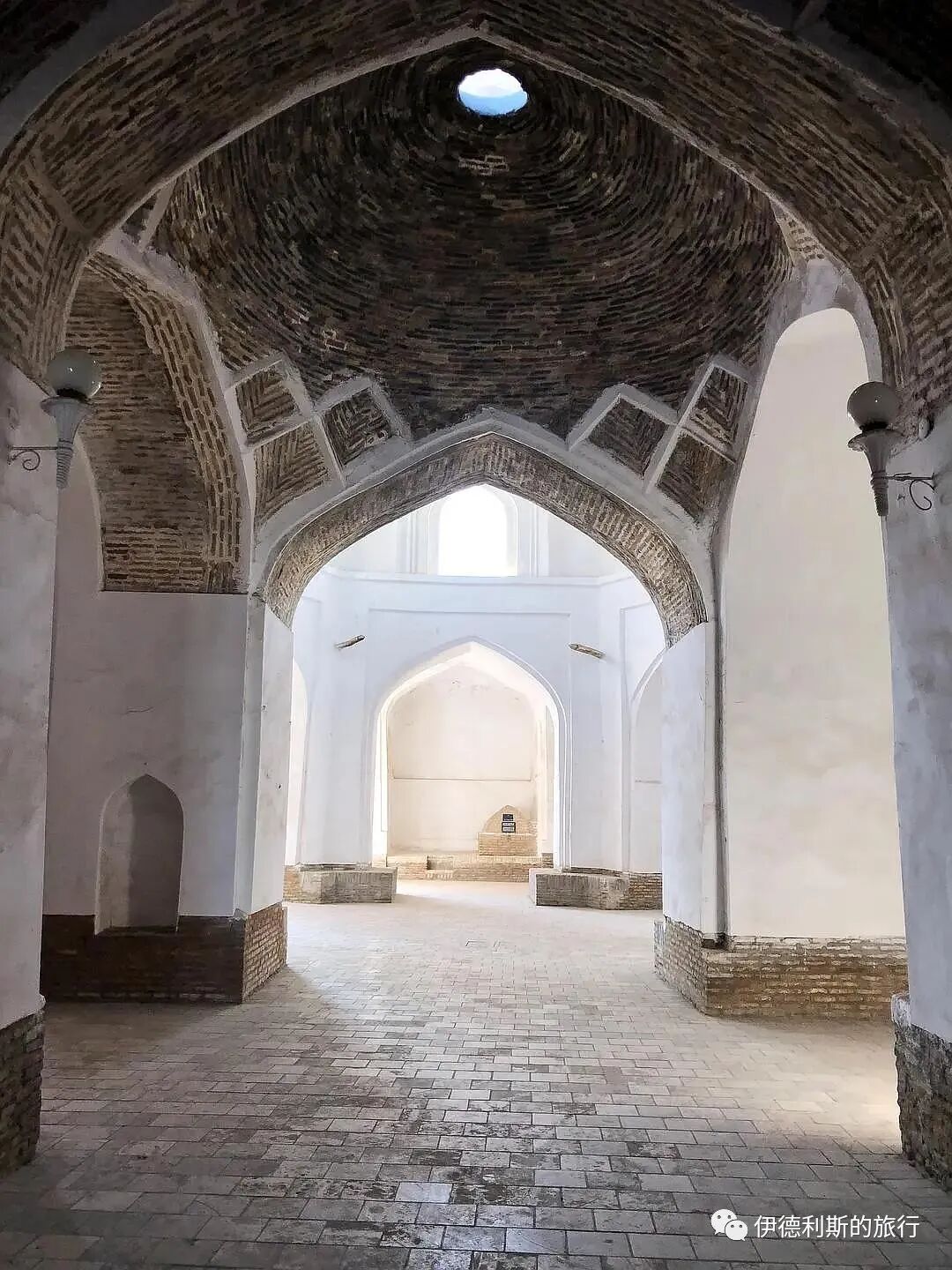
The Tok-i-Zargaron (Jewelry Dome Market) was built in 1570. It is the largest of the four remaining dome markets from the Bukhara Khanate period in the ancient city of Bukhara and is the best witness to Bukhara's role as a trade center in Central Asia in the 16th century.
'Tok-i-Zargaron' means 'Dome of the Jewelers.' It has four arched passages for Silk Road trade caravans to pass through, as well as 16 domes on an octagonal base. During the Bukhara Khanate period, there were 36 jewelry workshops and shops under the dome, selling rings, earrings, necklaces, and various other jewelry.
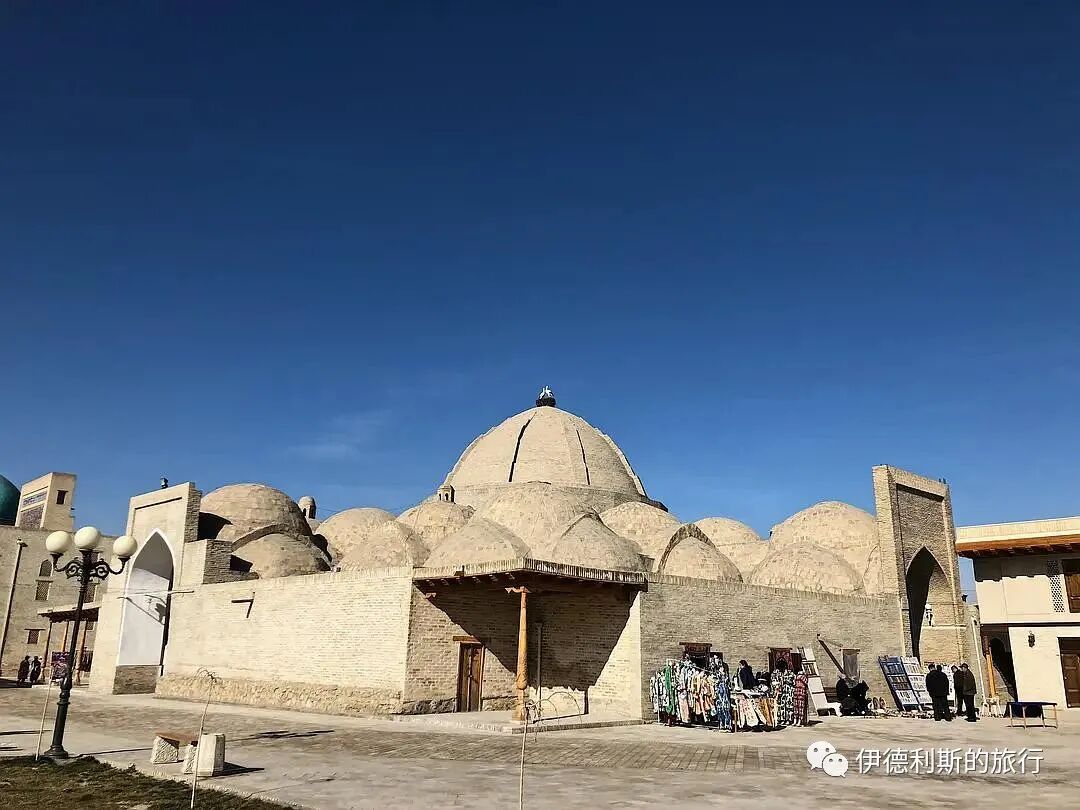
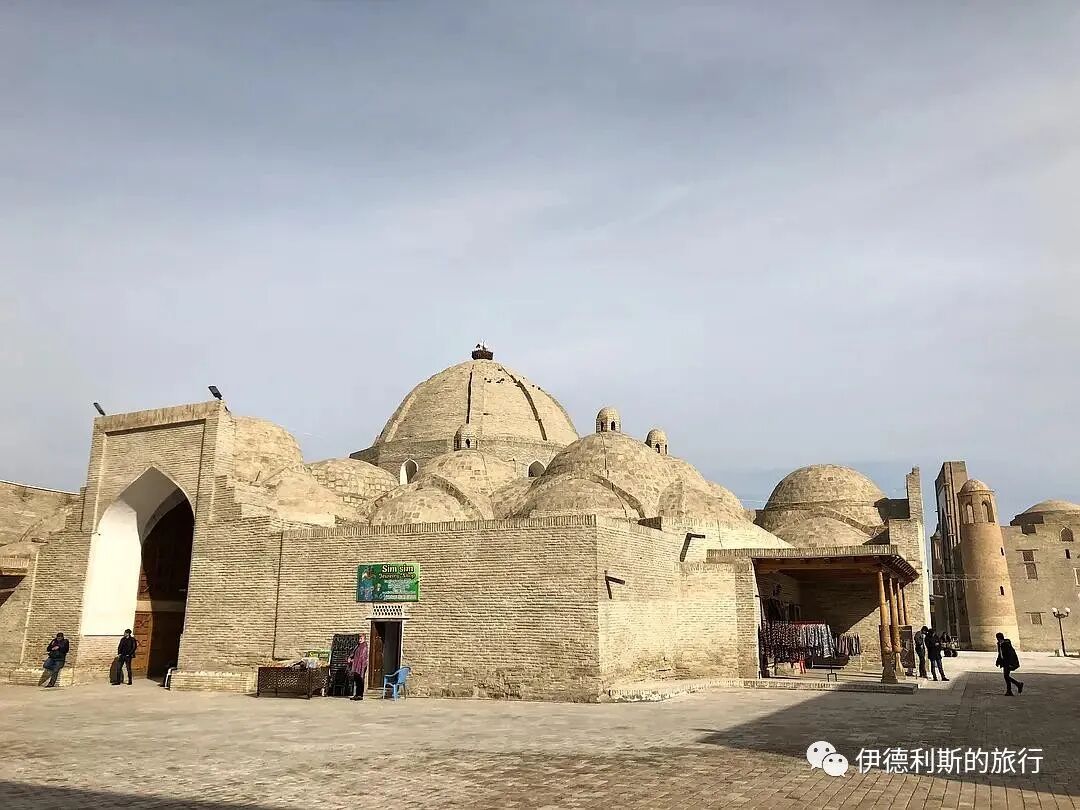
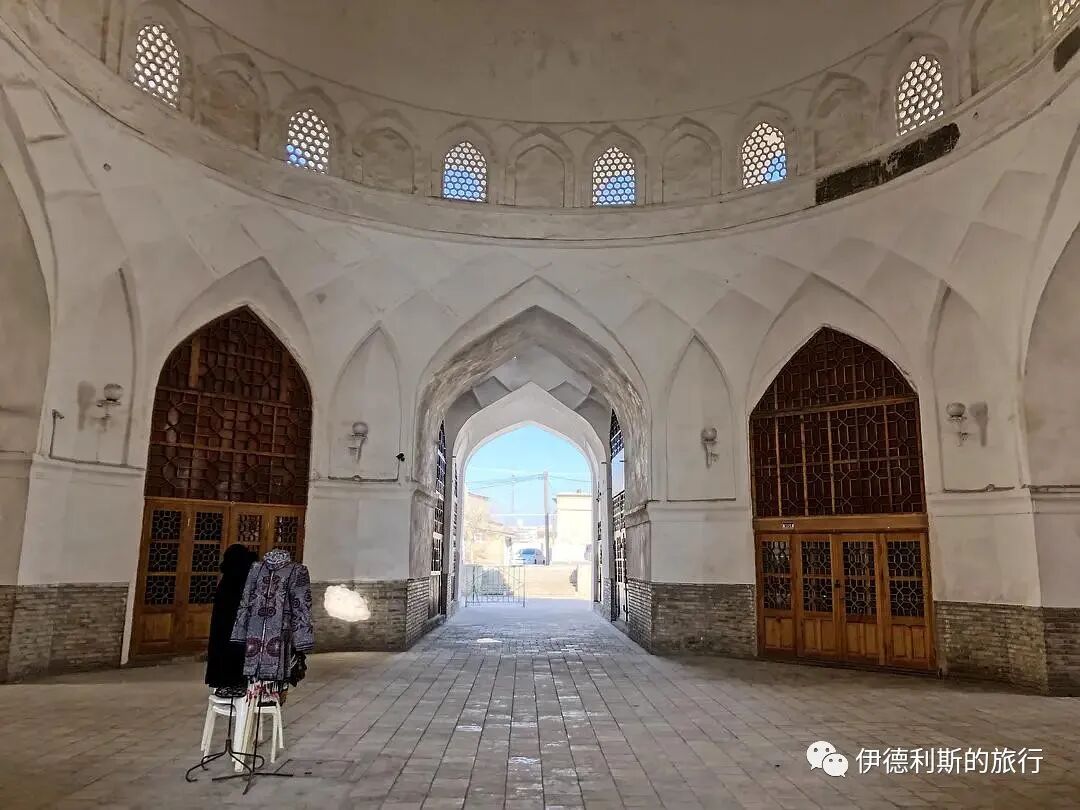
Buying miniature paintings in the market.
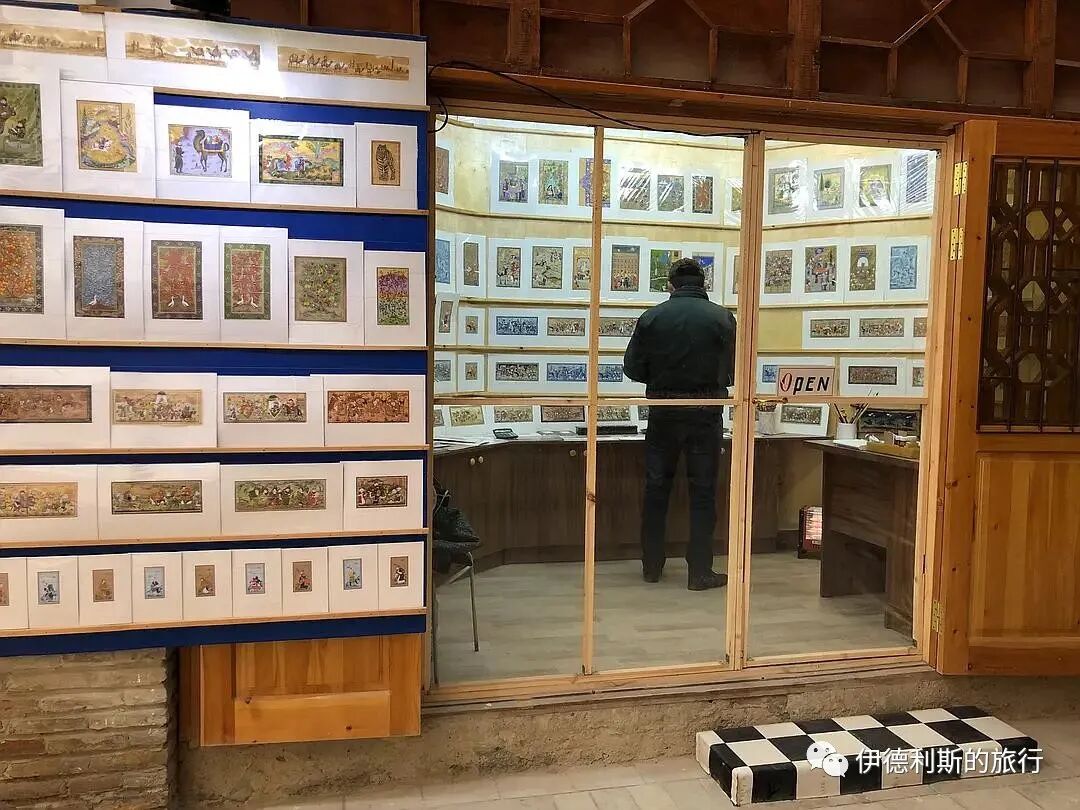
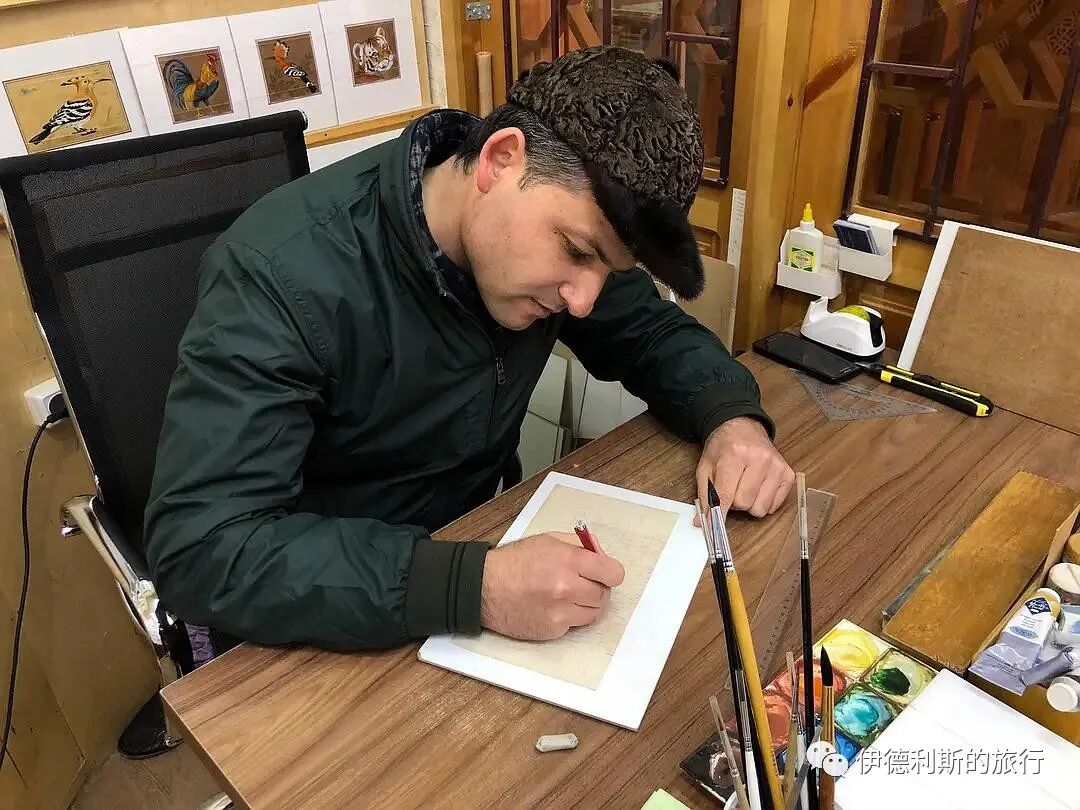
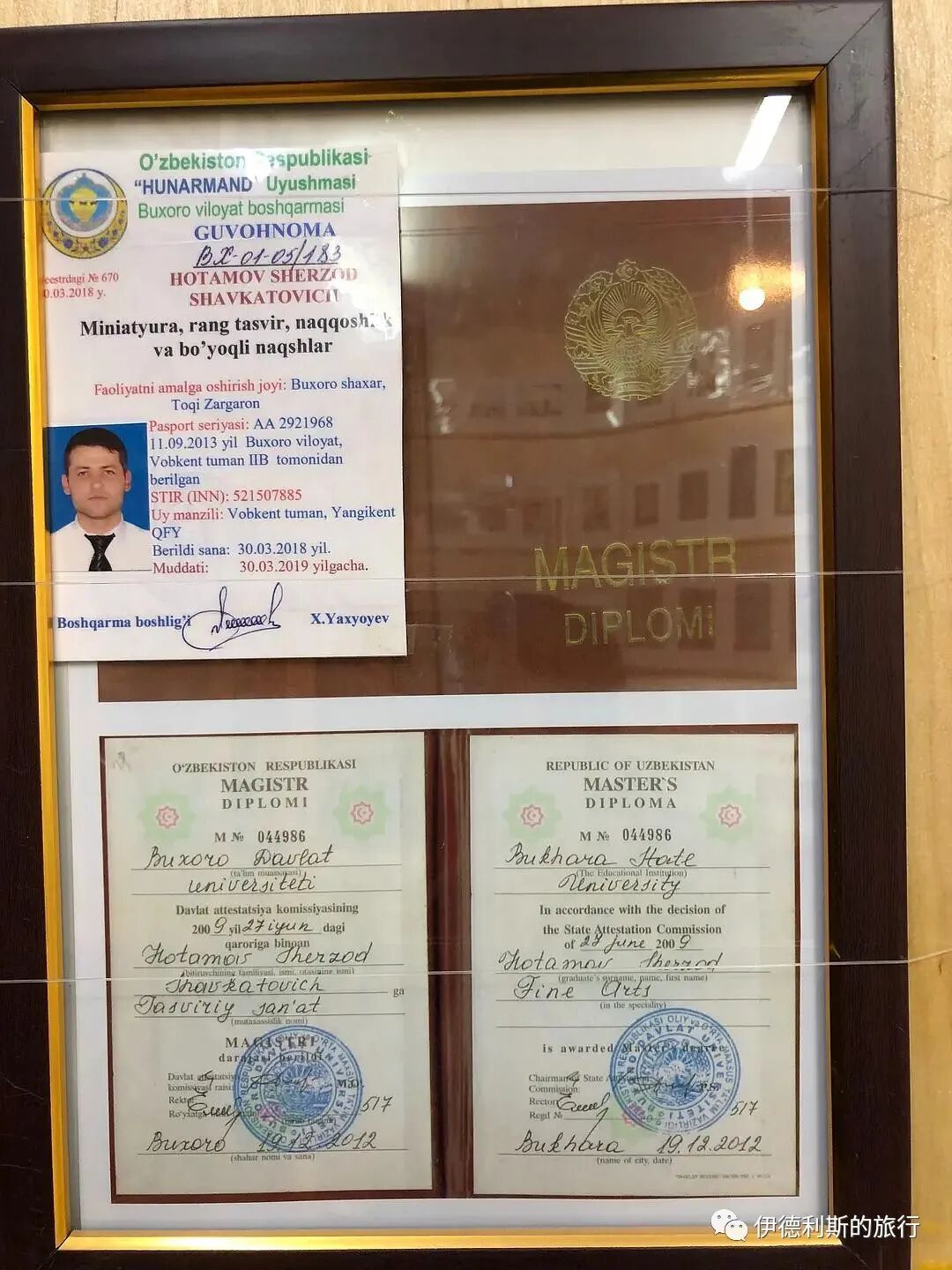
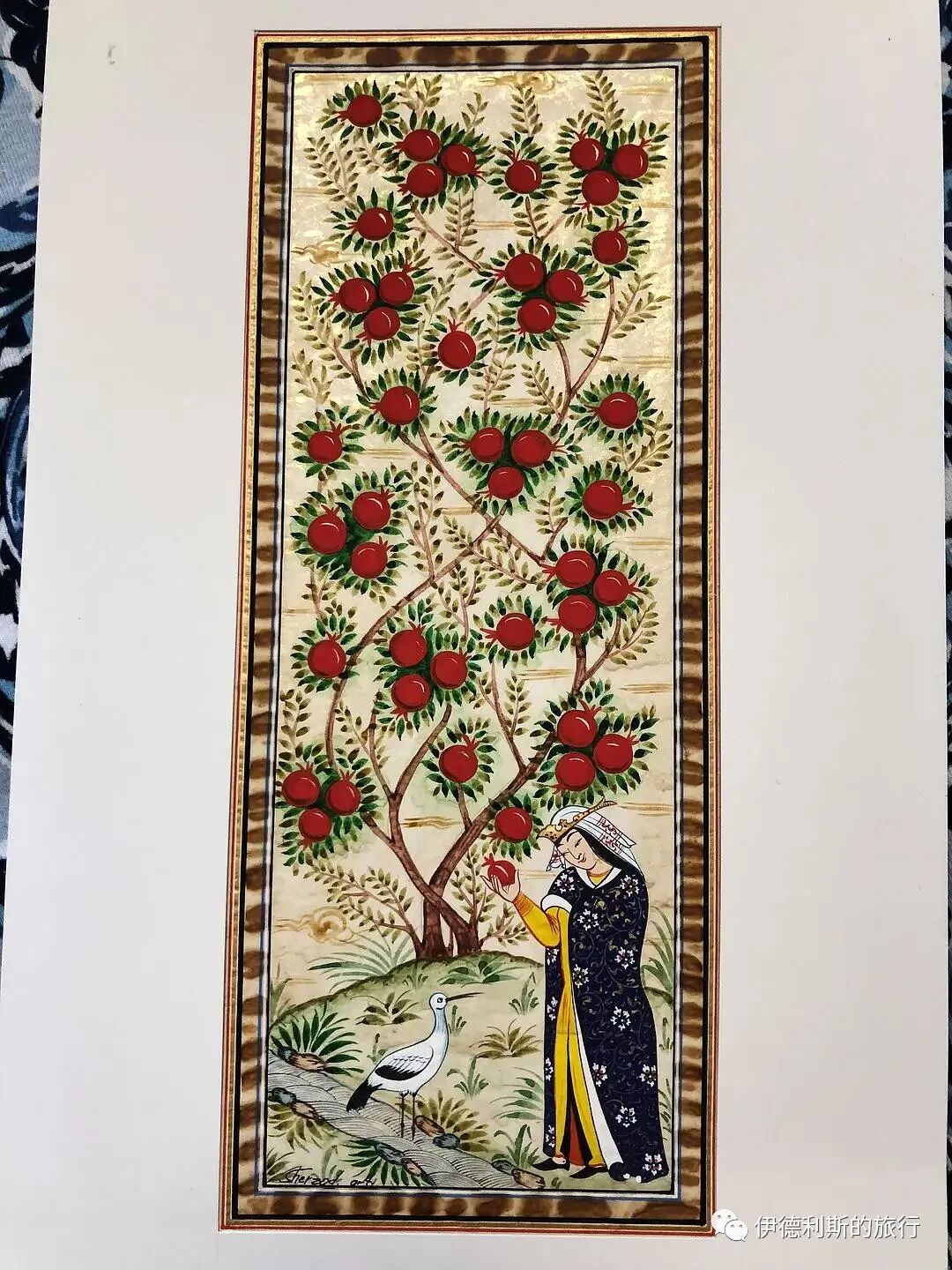
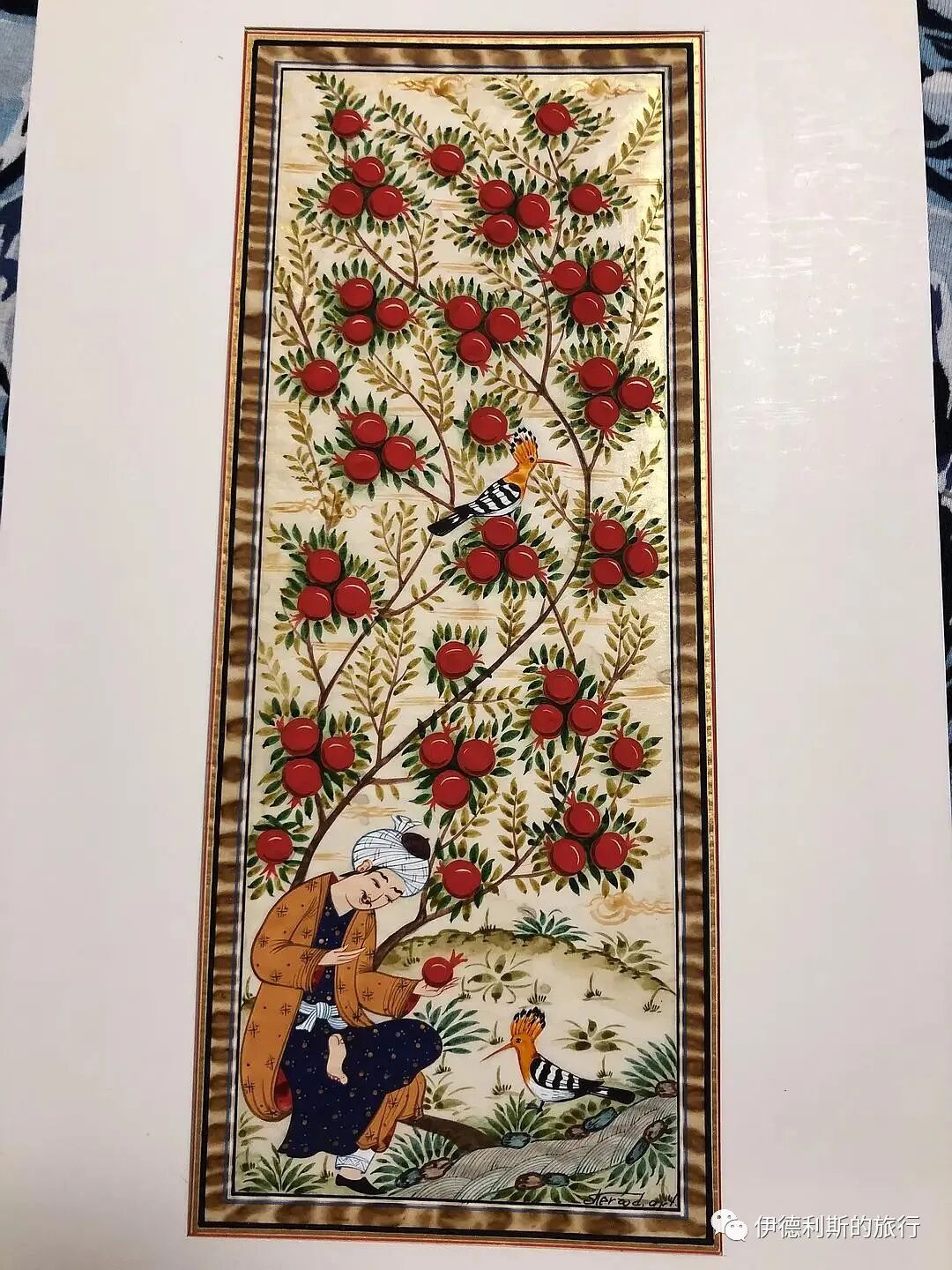
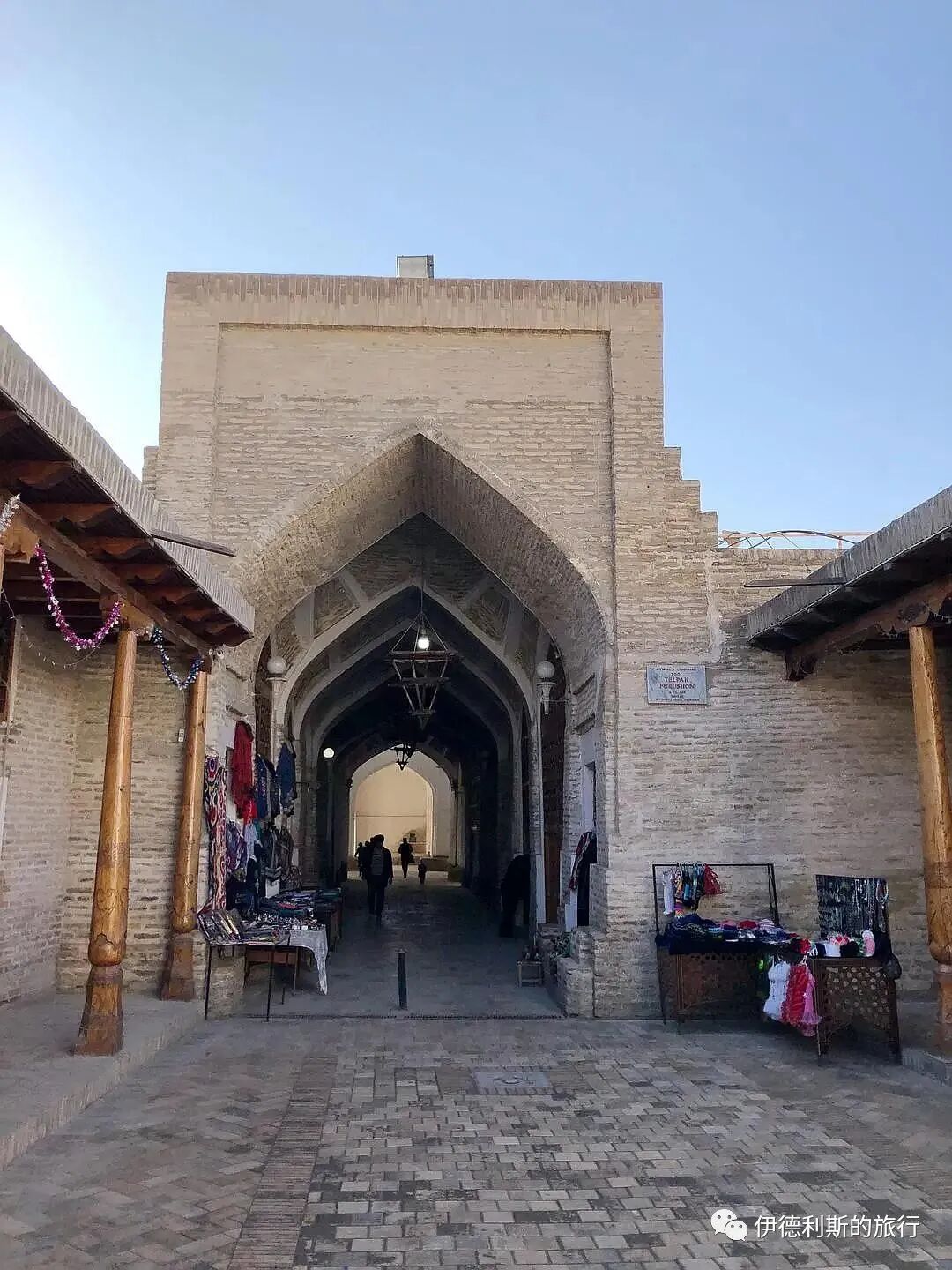
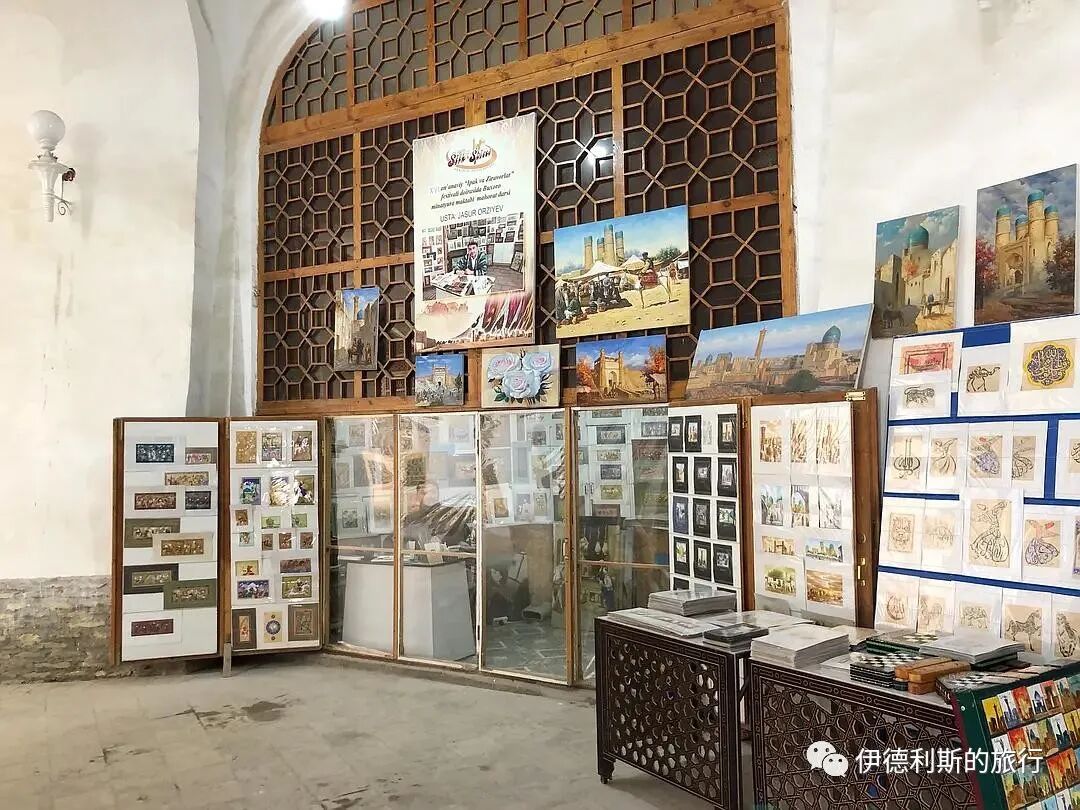
The Toqi Telpak Furushon (Hat Dome Market), built at the end of the 16th century during the Bukhara Khanate, consists of a central dome and a hexagonal base, connecting five streets in the old city. This place was originally called the Kitab-Furushon (Book Market), but later gradually switched to selling various headscarves, fur hats, and skullcaps. Now it has become a place for selling tourist souvenirs.
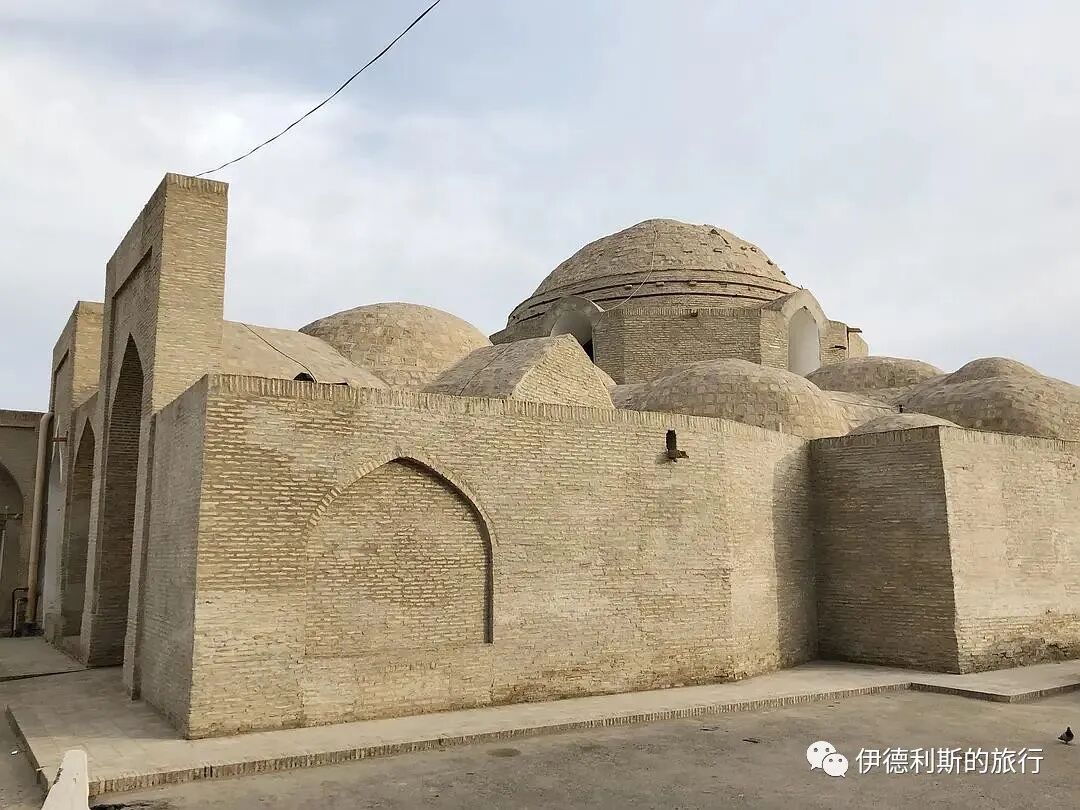
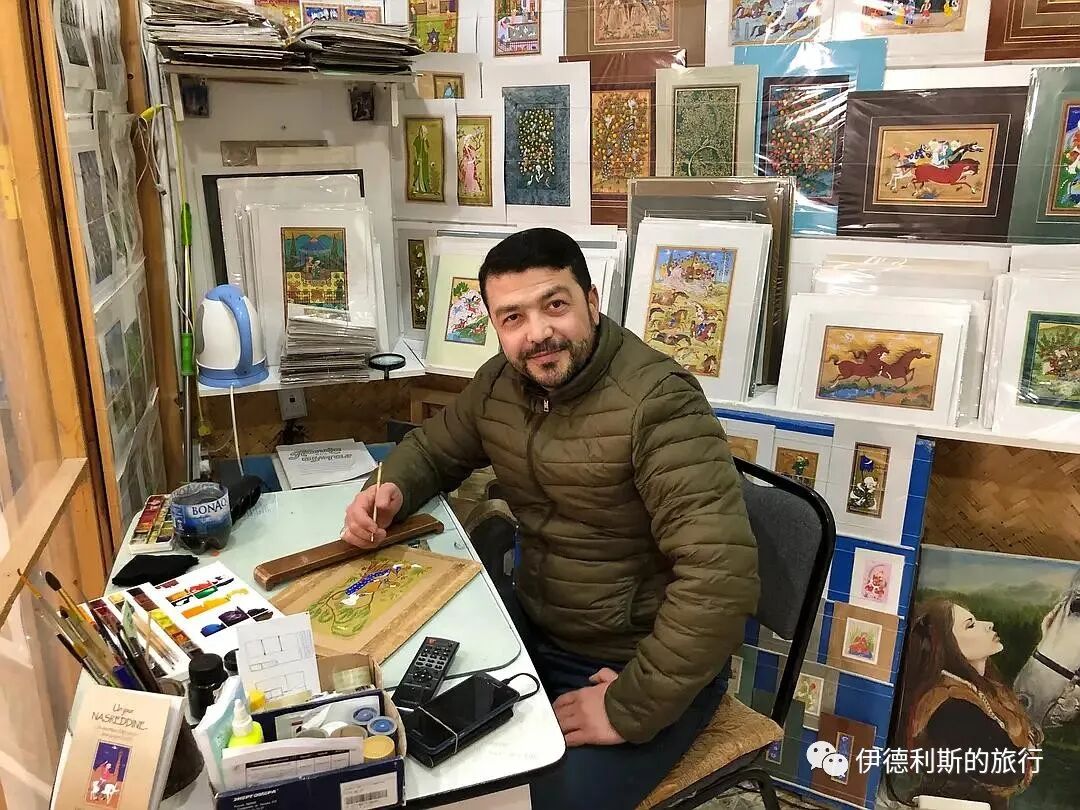
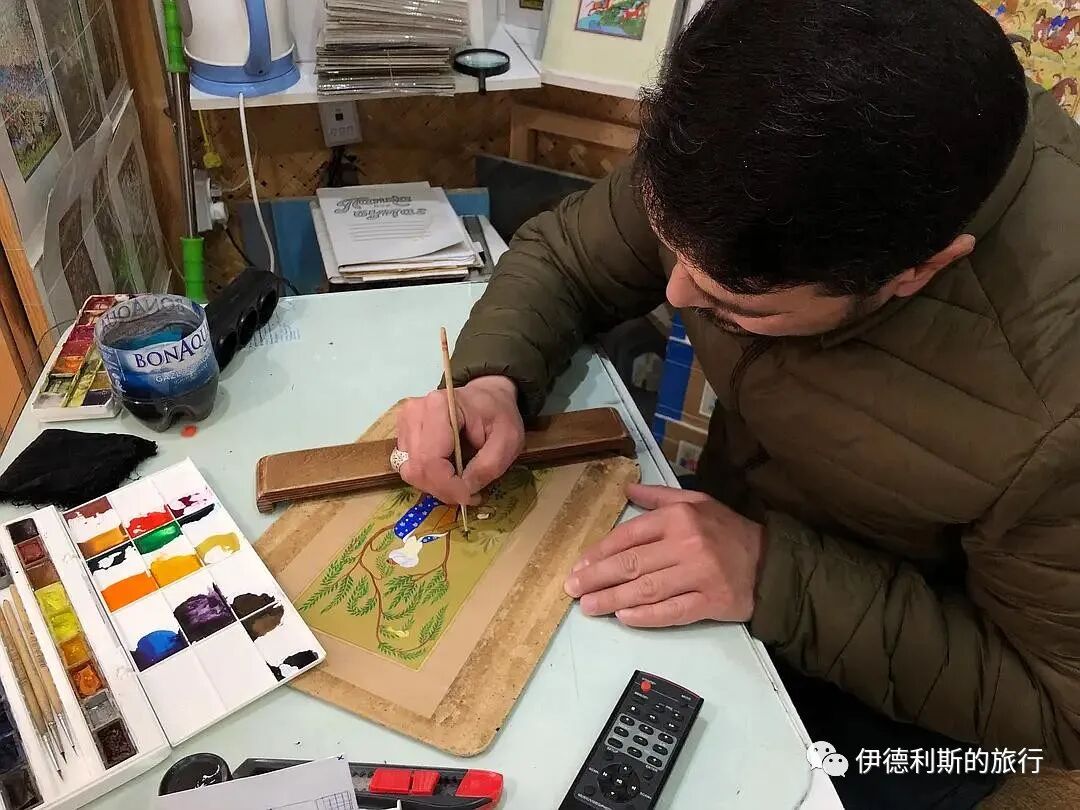
I bought a miniature painting at a workshop in the market; this one was painted directly on old paper.
Hats
Some historical sites in the ancient city of Bukhara have shops selling traditional hats. This time, I bought several at the Abdulaziz Khan Madrasah (Islamic school), which was built in 1652.
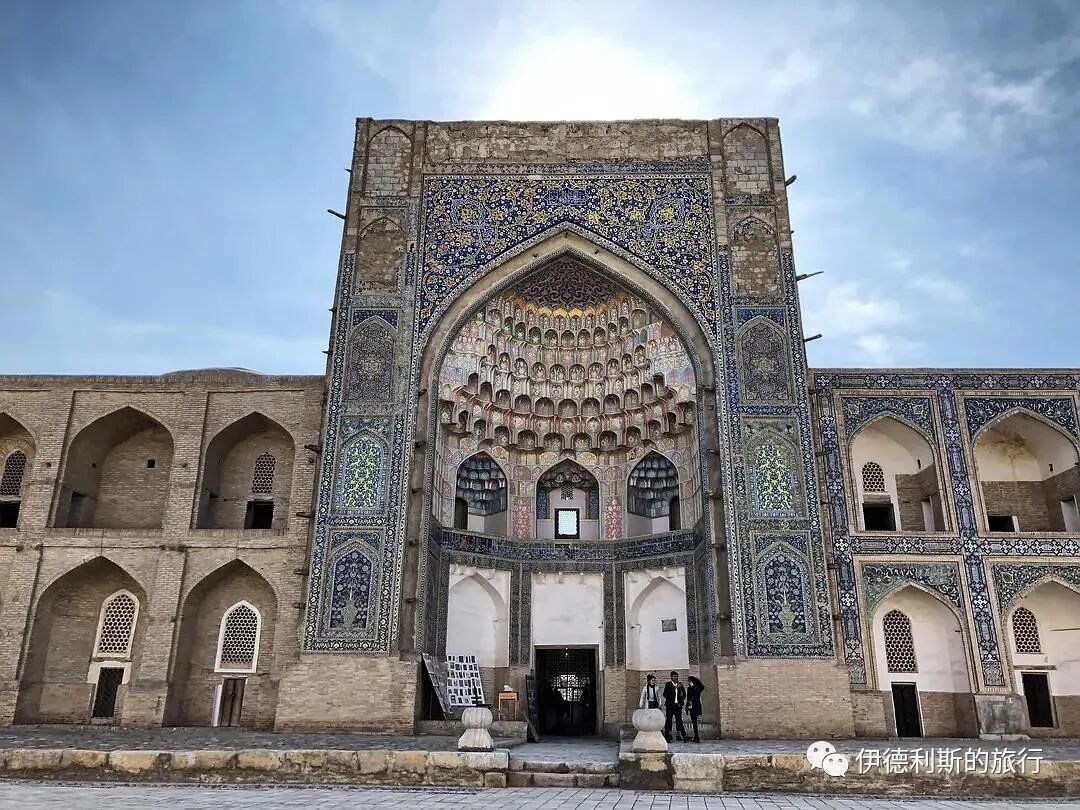
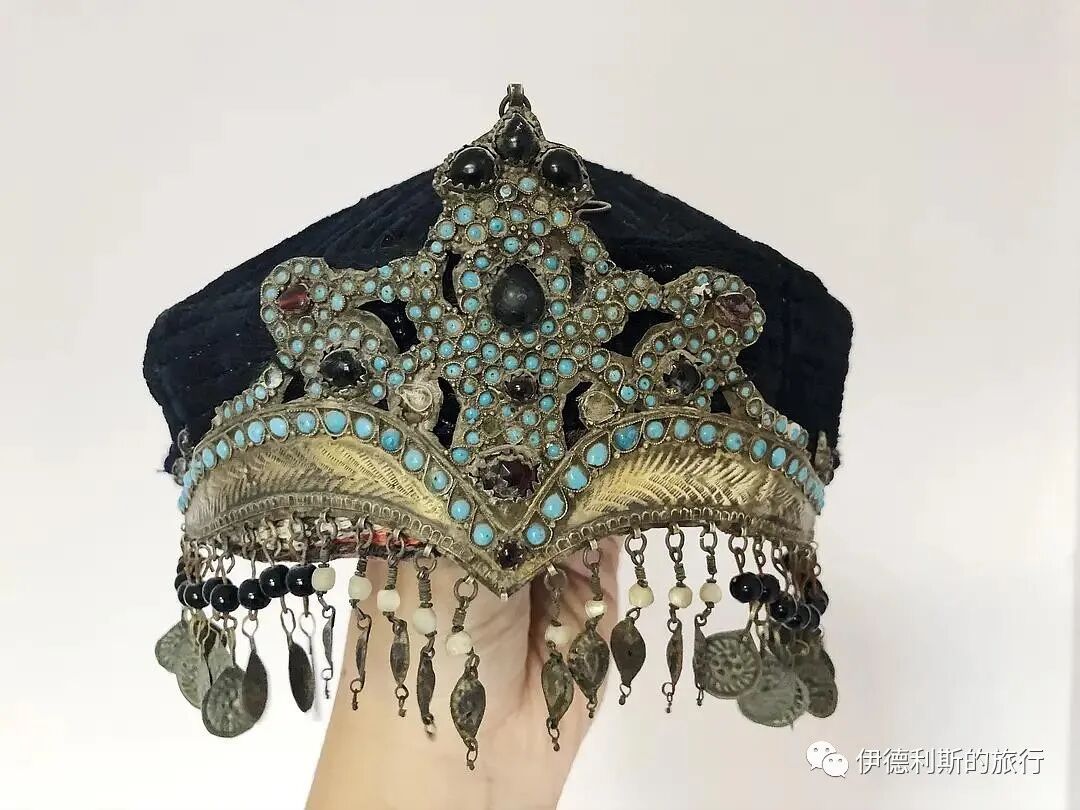
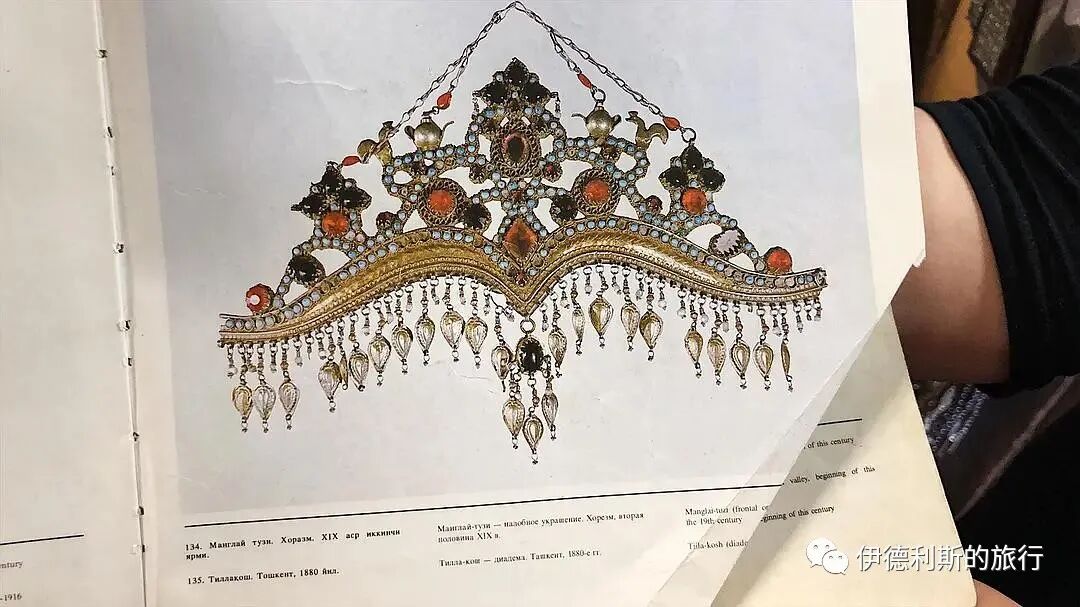
As soon as you enter the gate of the madrasah, there is an auntie on the right selling antique jewelry.
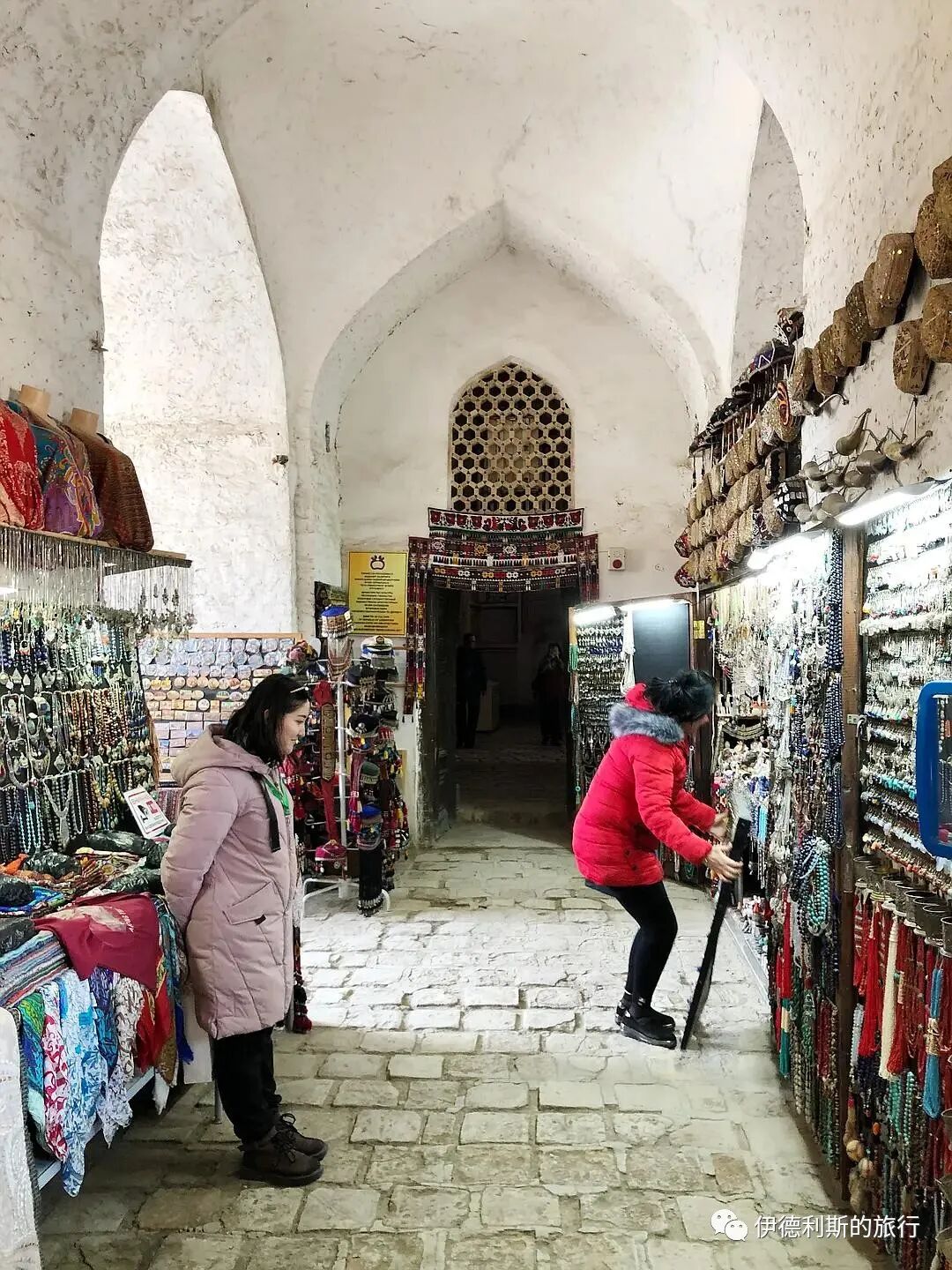
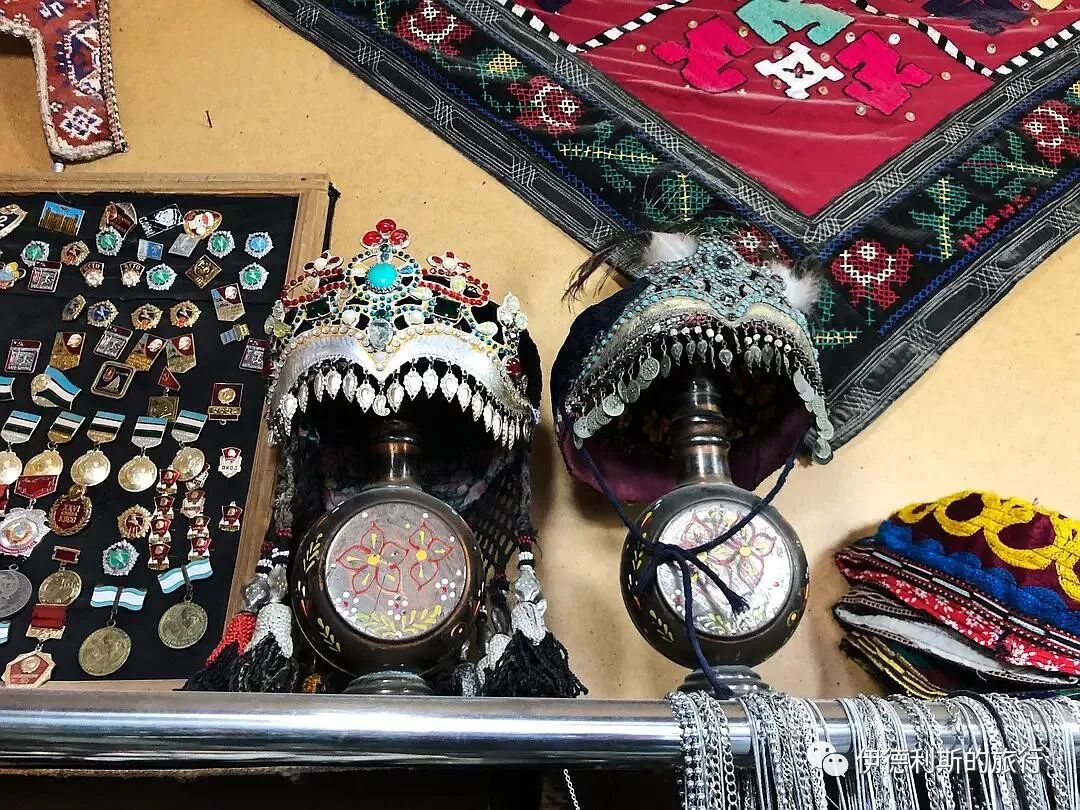
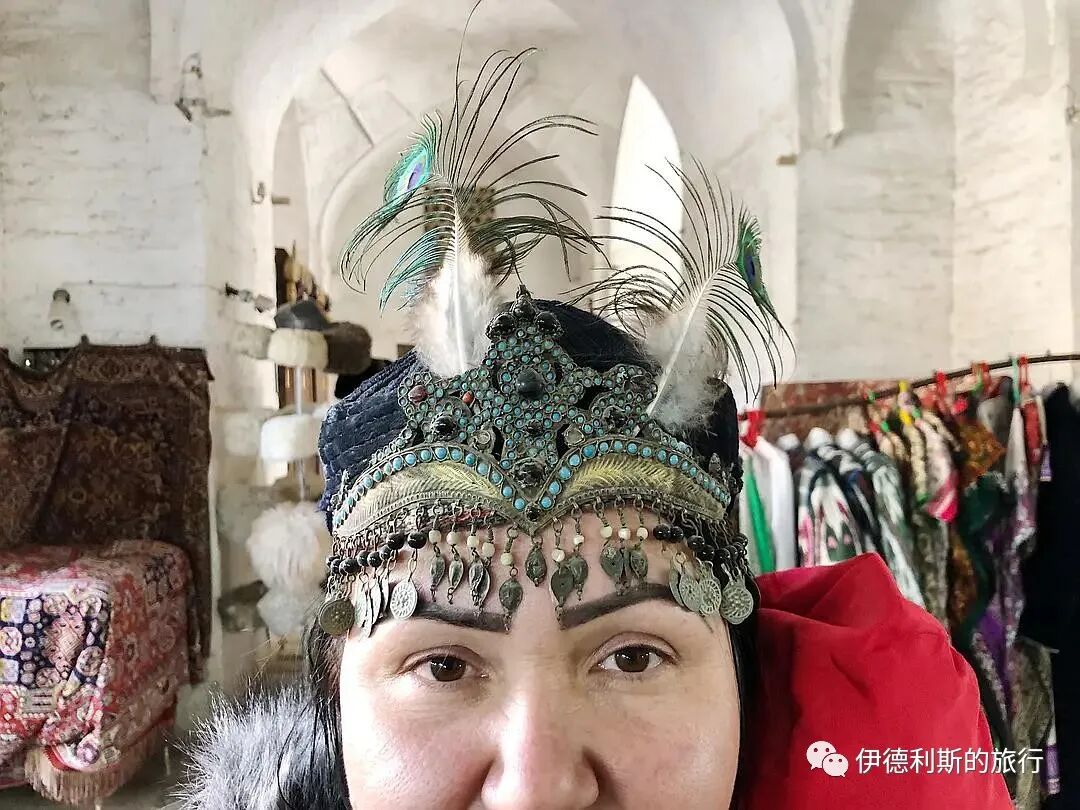
I helped a friend purchase a 19th-century Uzbek Tilla Qash (gold brow headpiece) here.
Then I went to another auntie's shop in the madrasah.
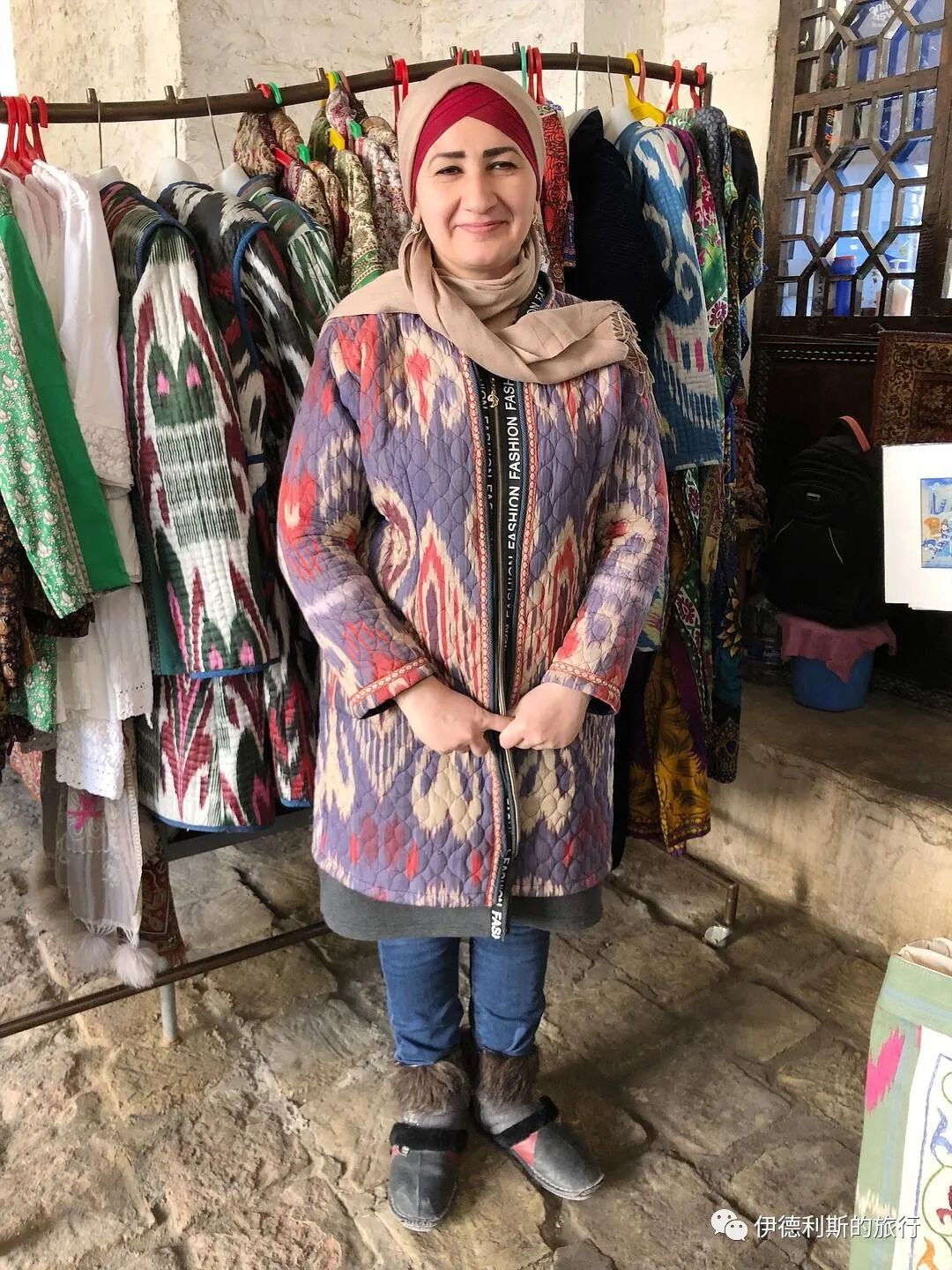
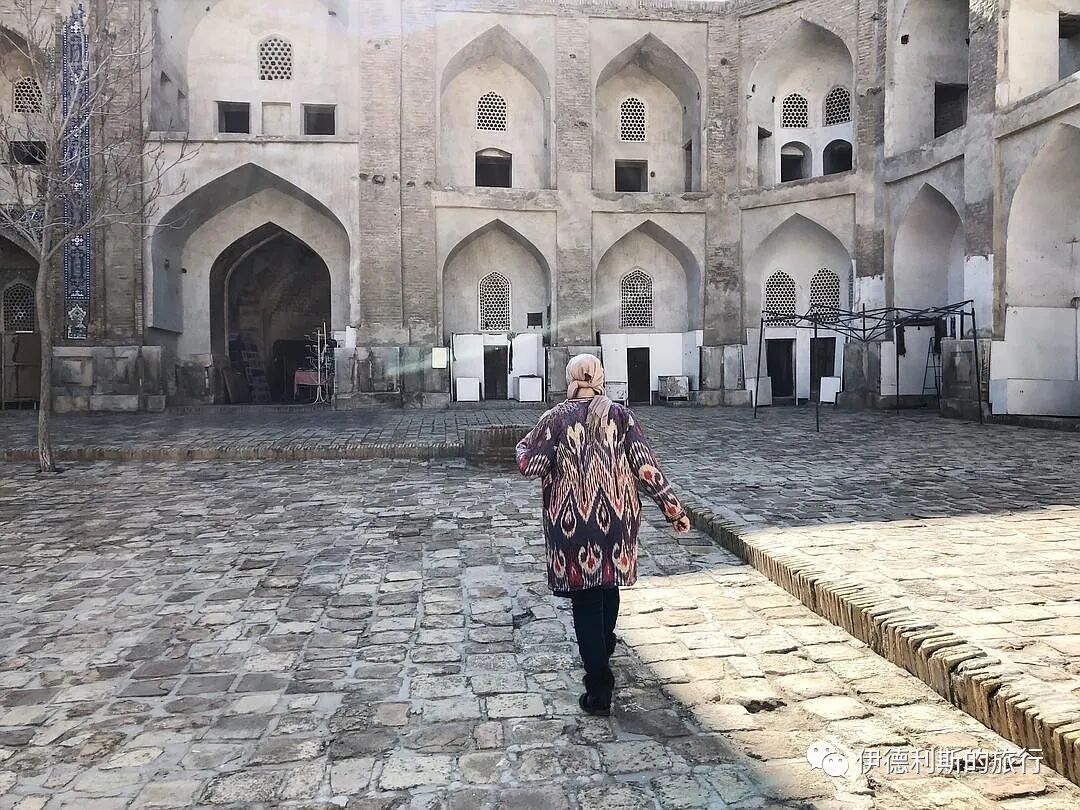
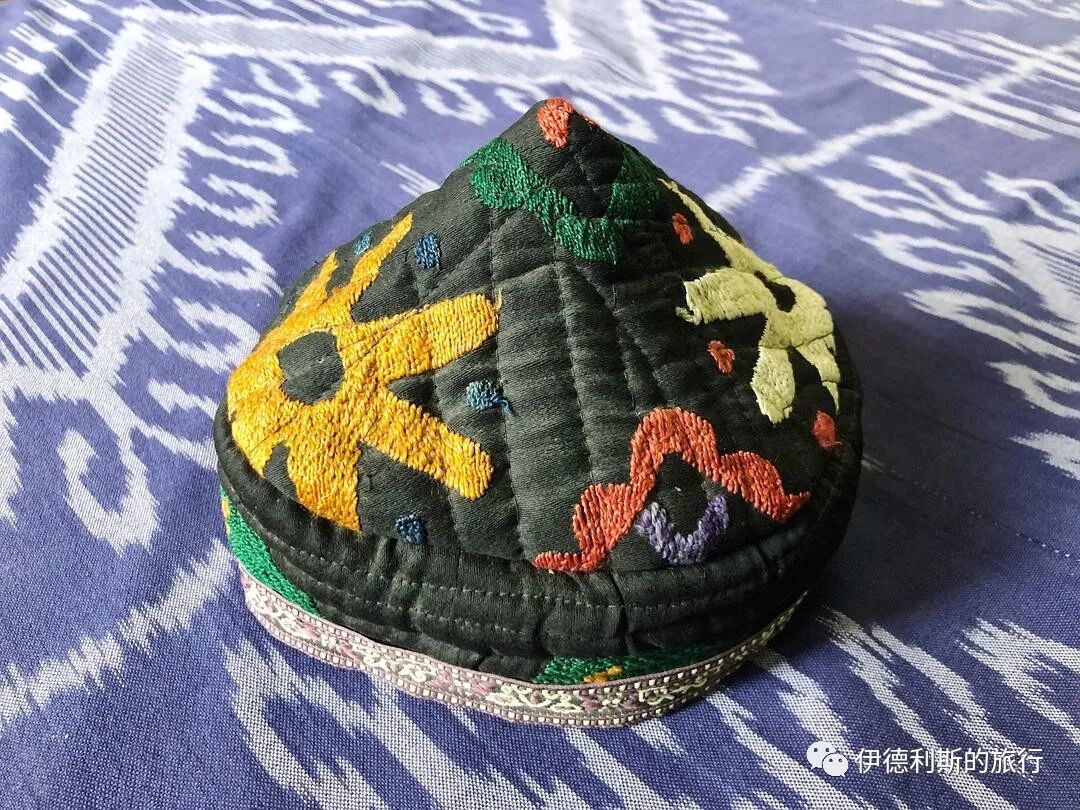
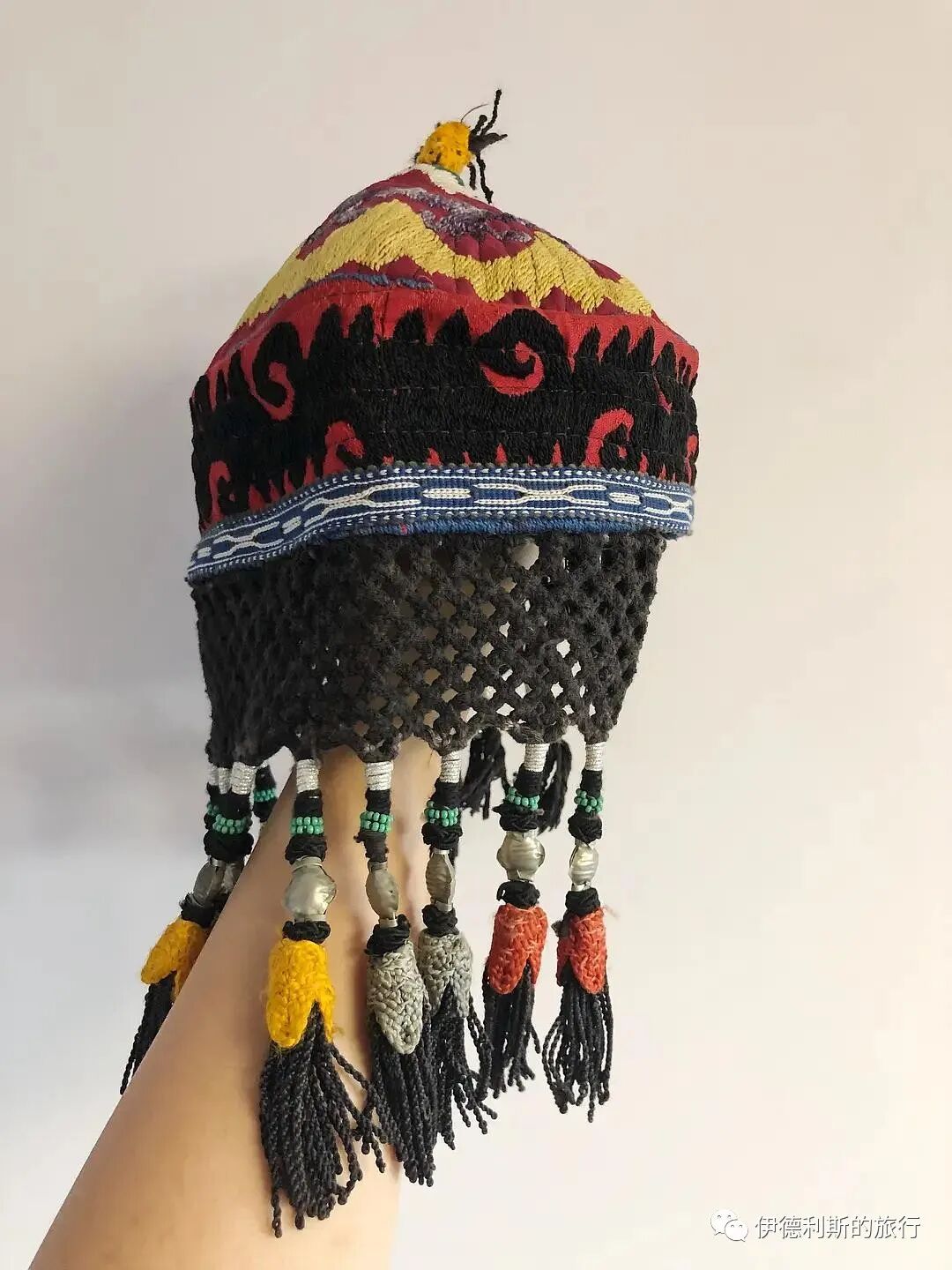
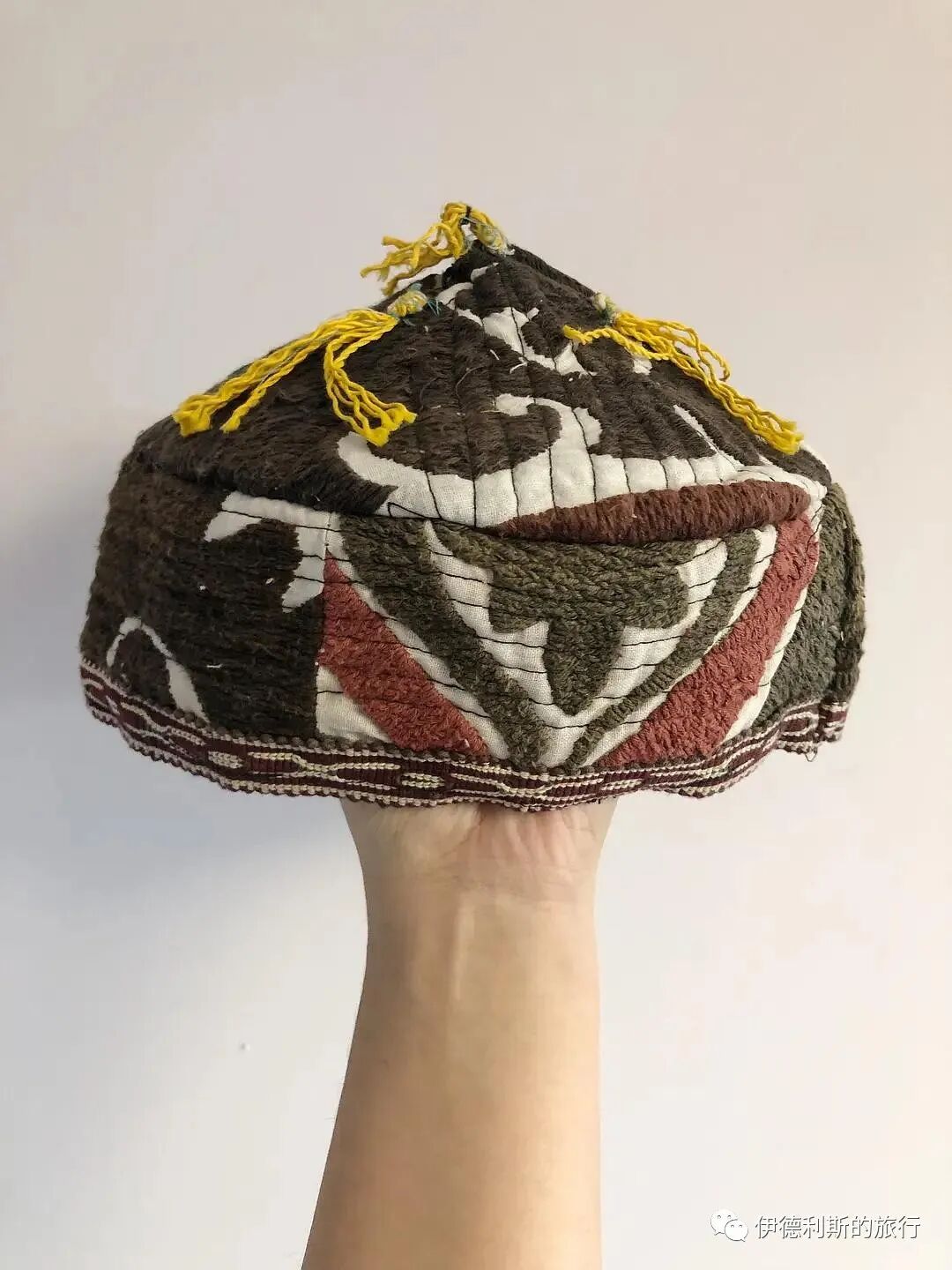
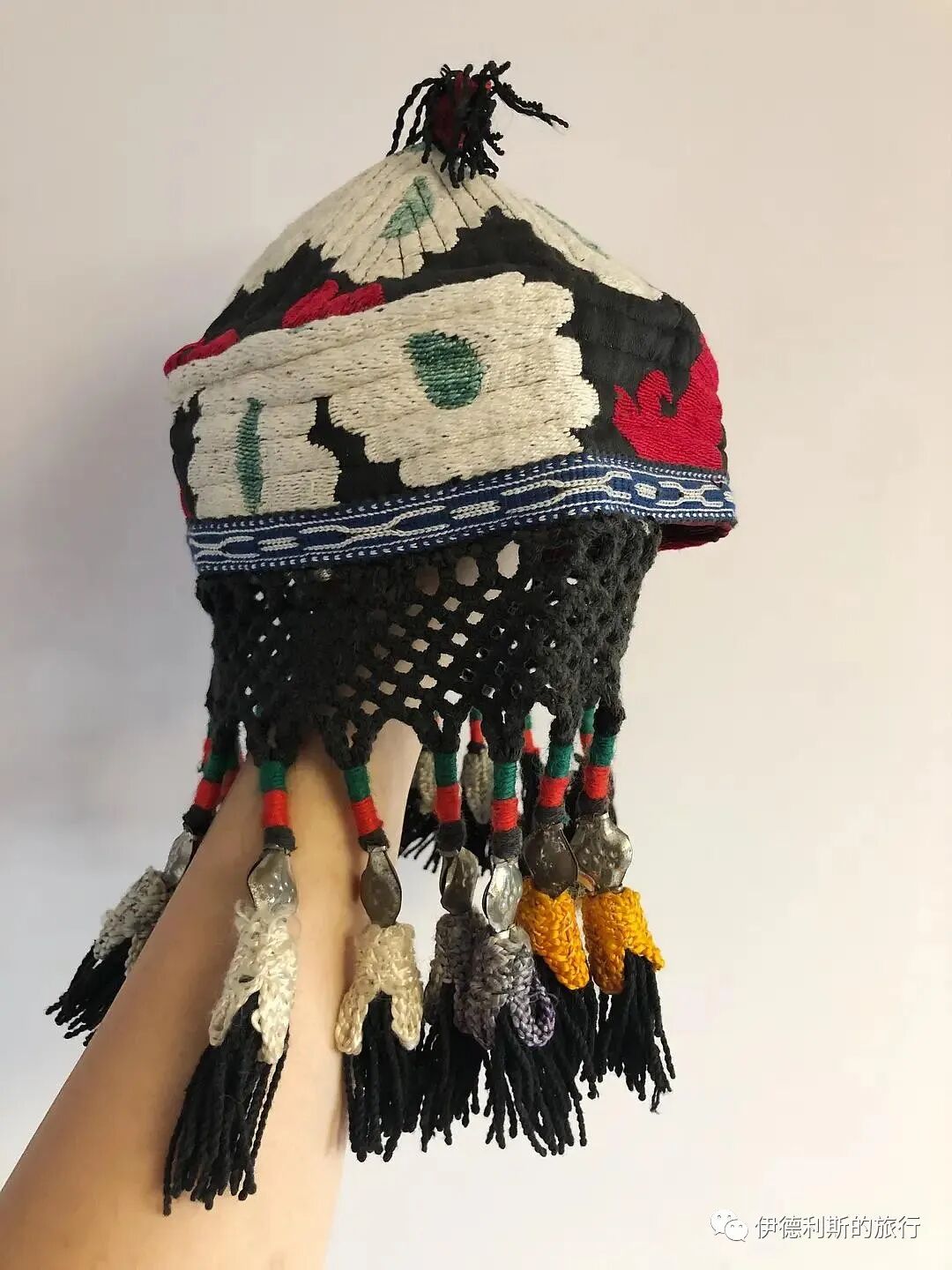
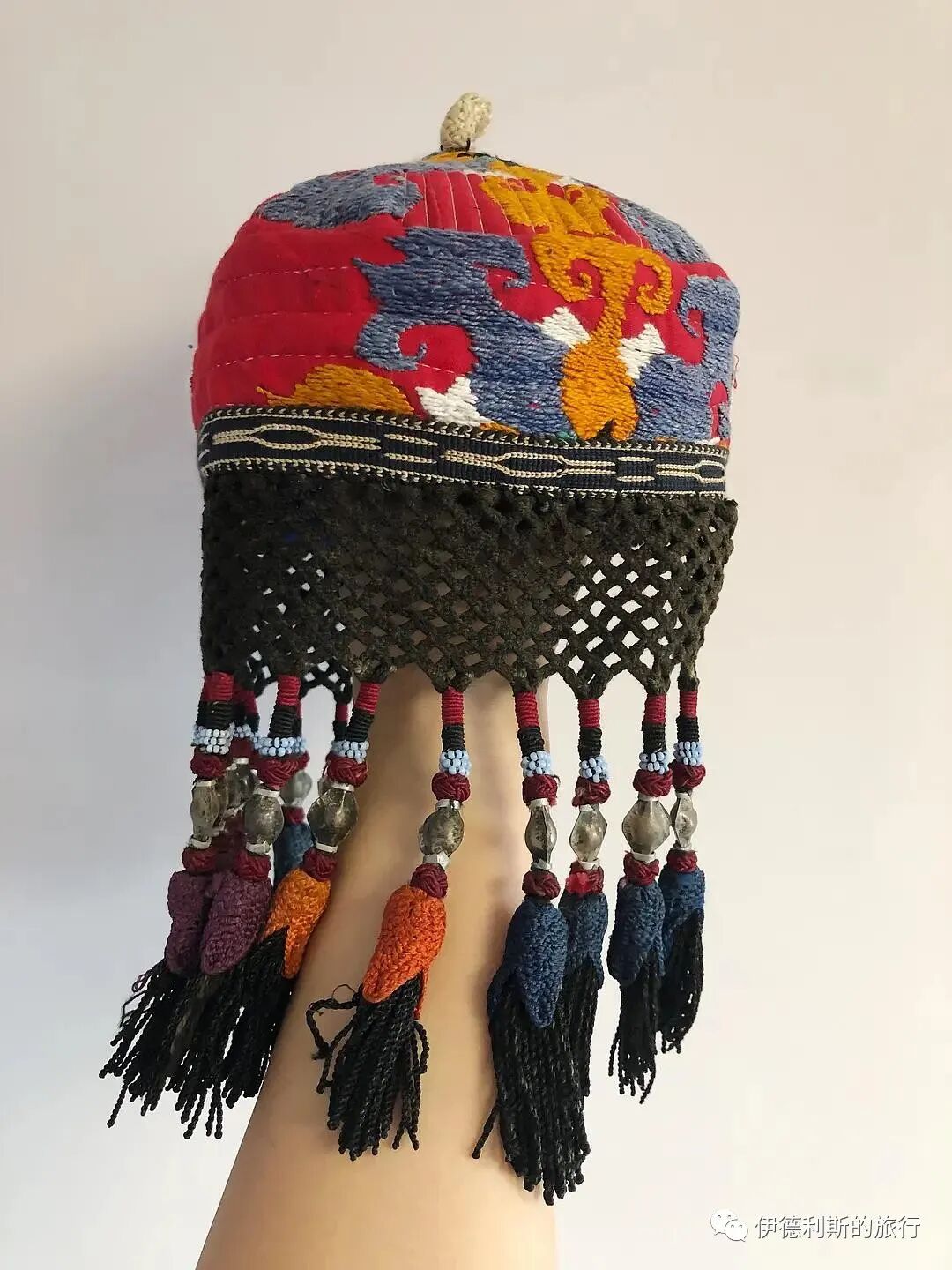
I bought two Soviet-era almond-patterned doppa (traditional skullcaps). These colorful almond-patterned doppas are rare now; the ones worn on the street today are basically black and white.
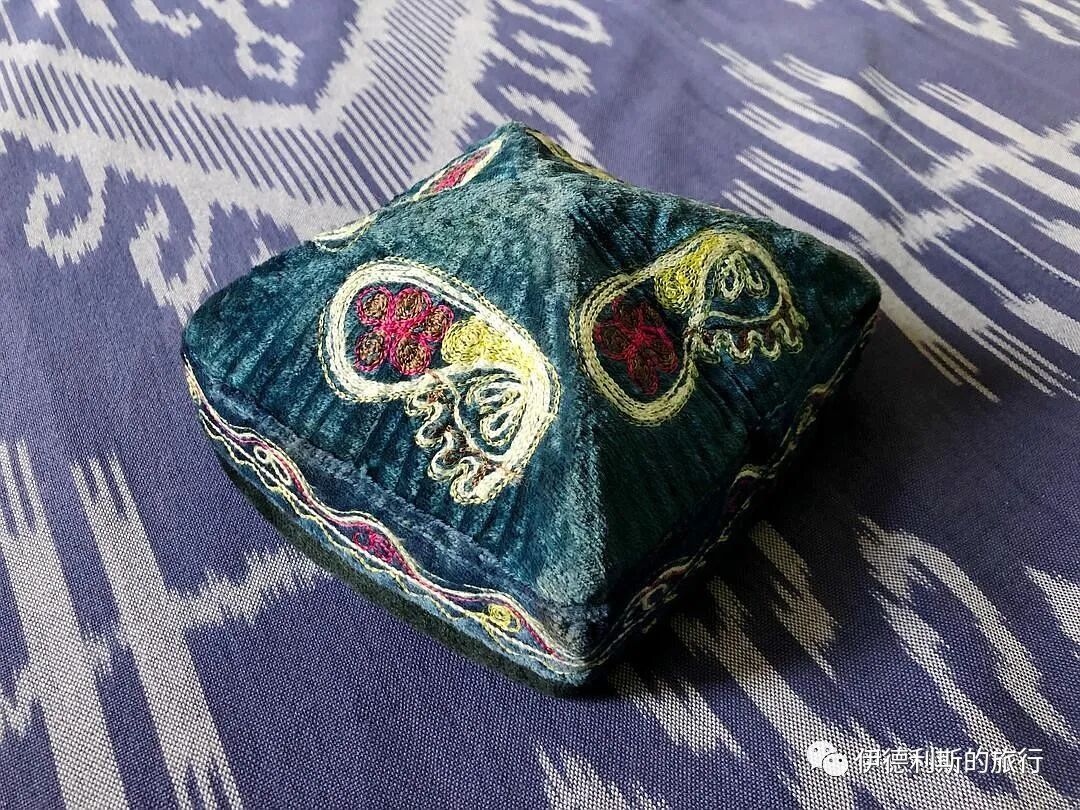
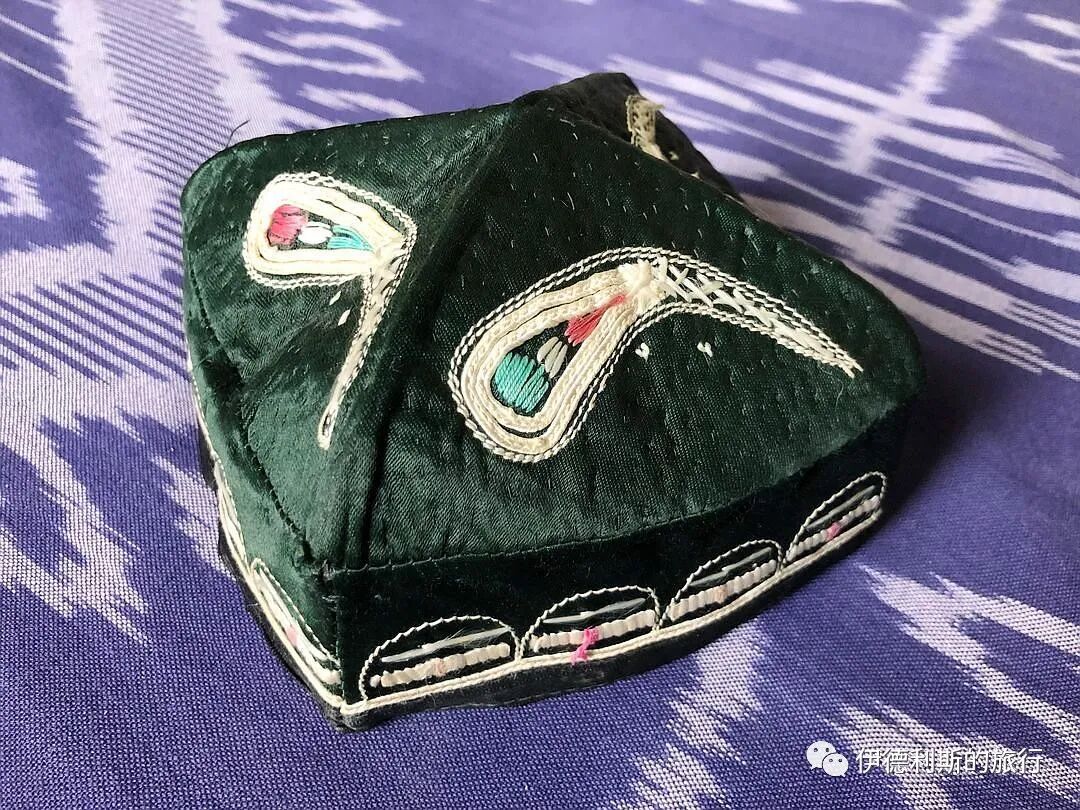
There was also a traditional Central Asian hat; this pointed style is hard to find in Xinjiang.
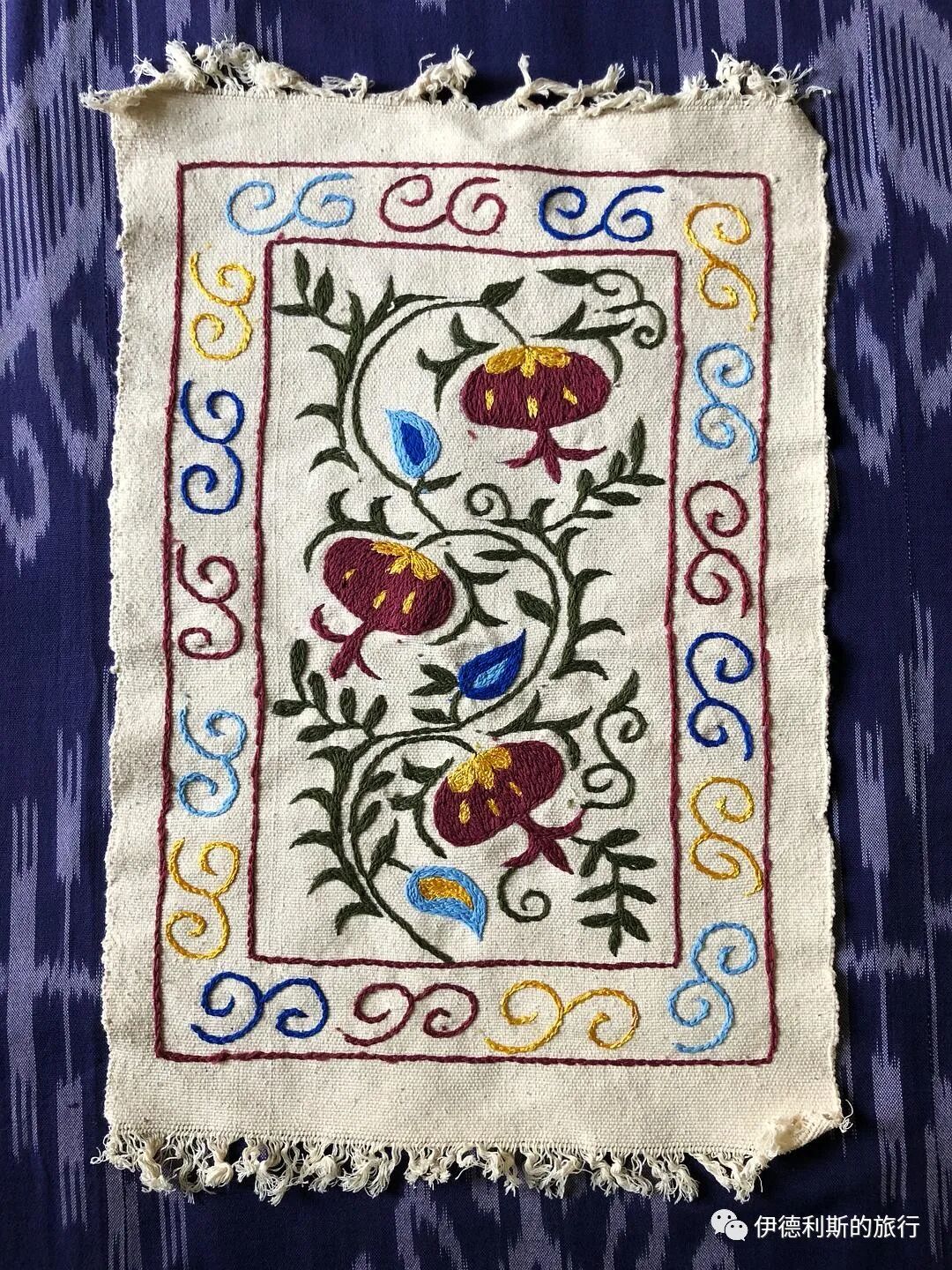
I also bought a traditional tablecloth from her shop.
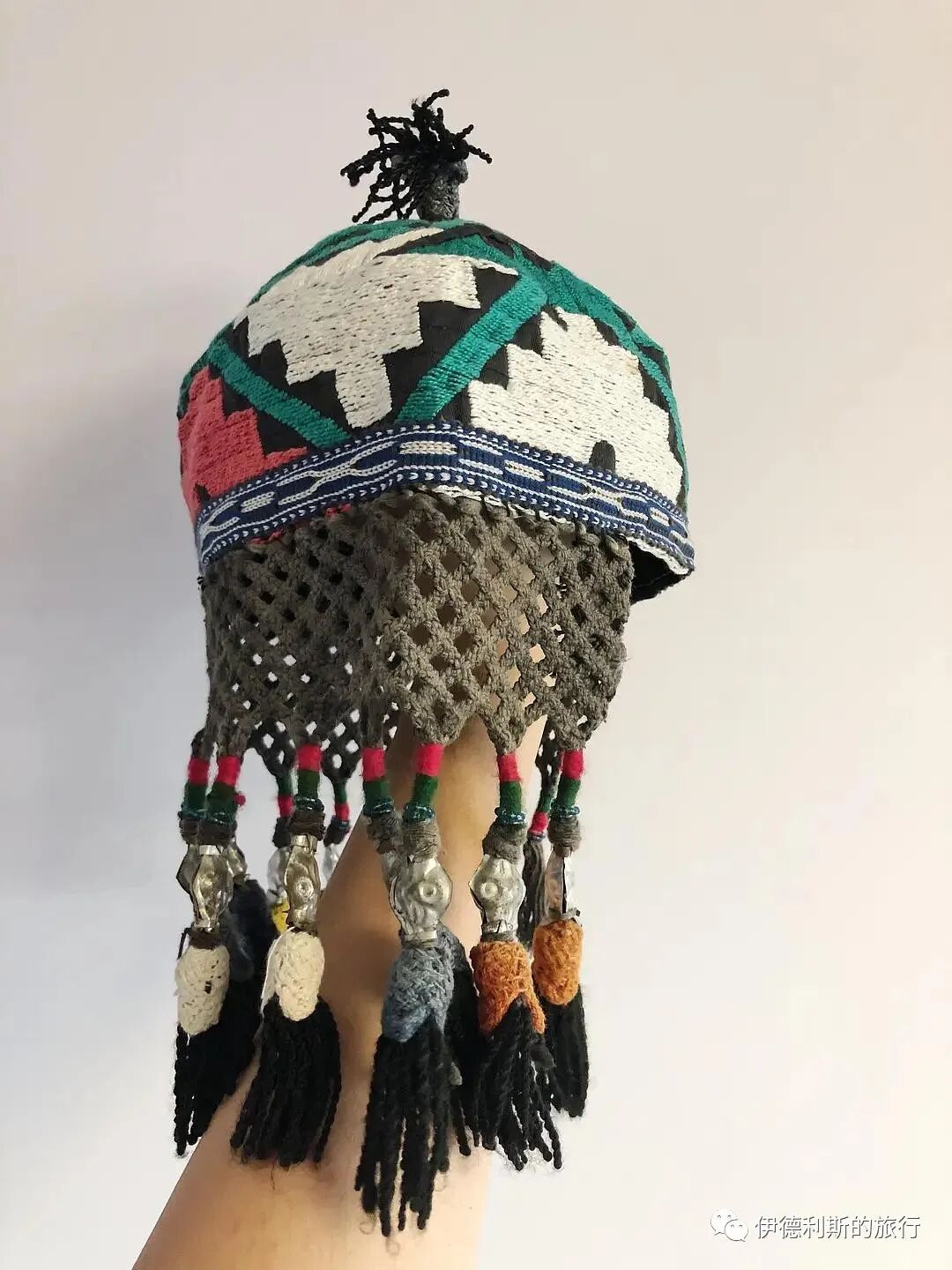
I helped a friend purchase five hats in the old city of Bukhara. The young girl selling the hats took a liking to my portable charger and wanted to trade it for a hat, but since I was still traveling, I didn't agree.
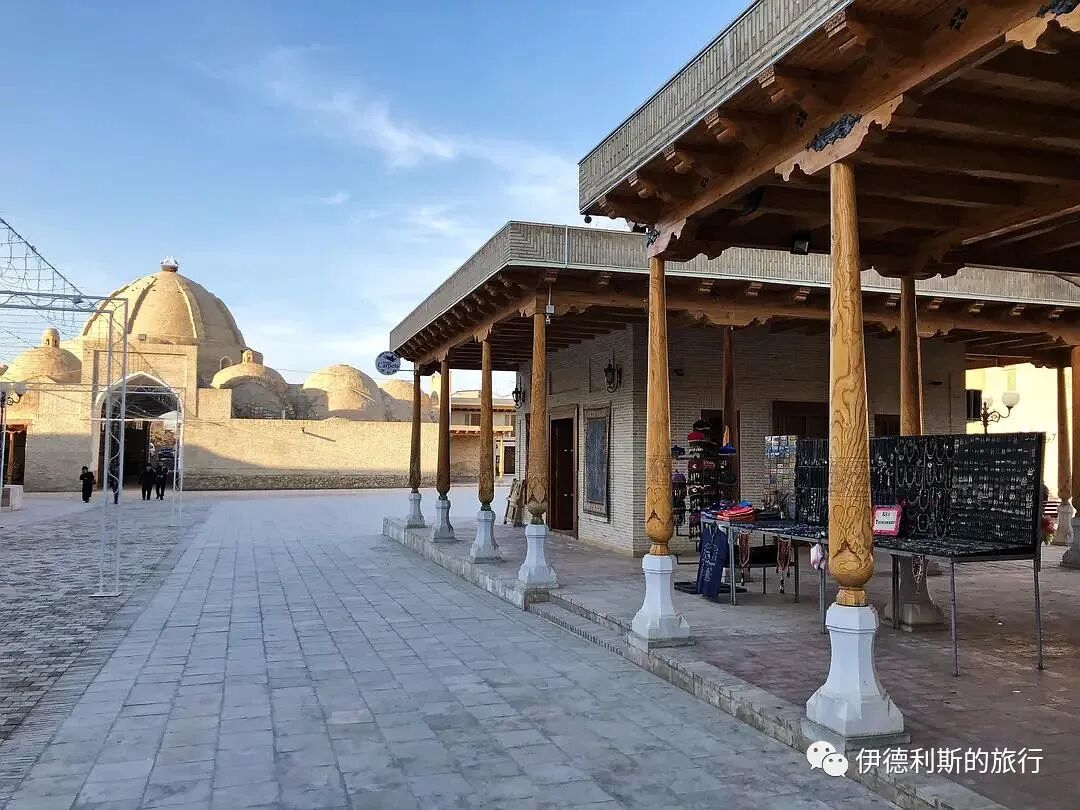
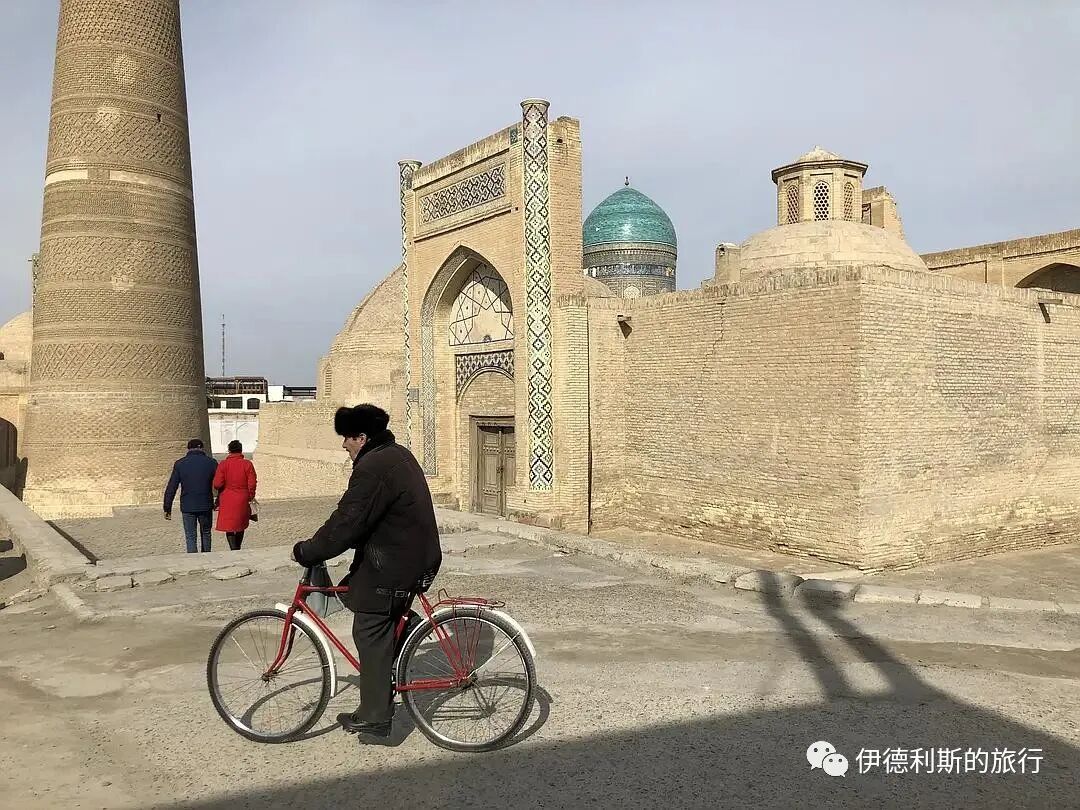
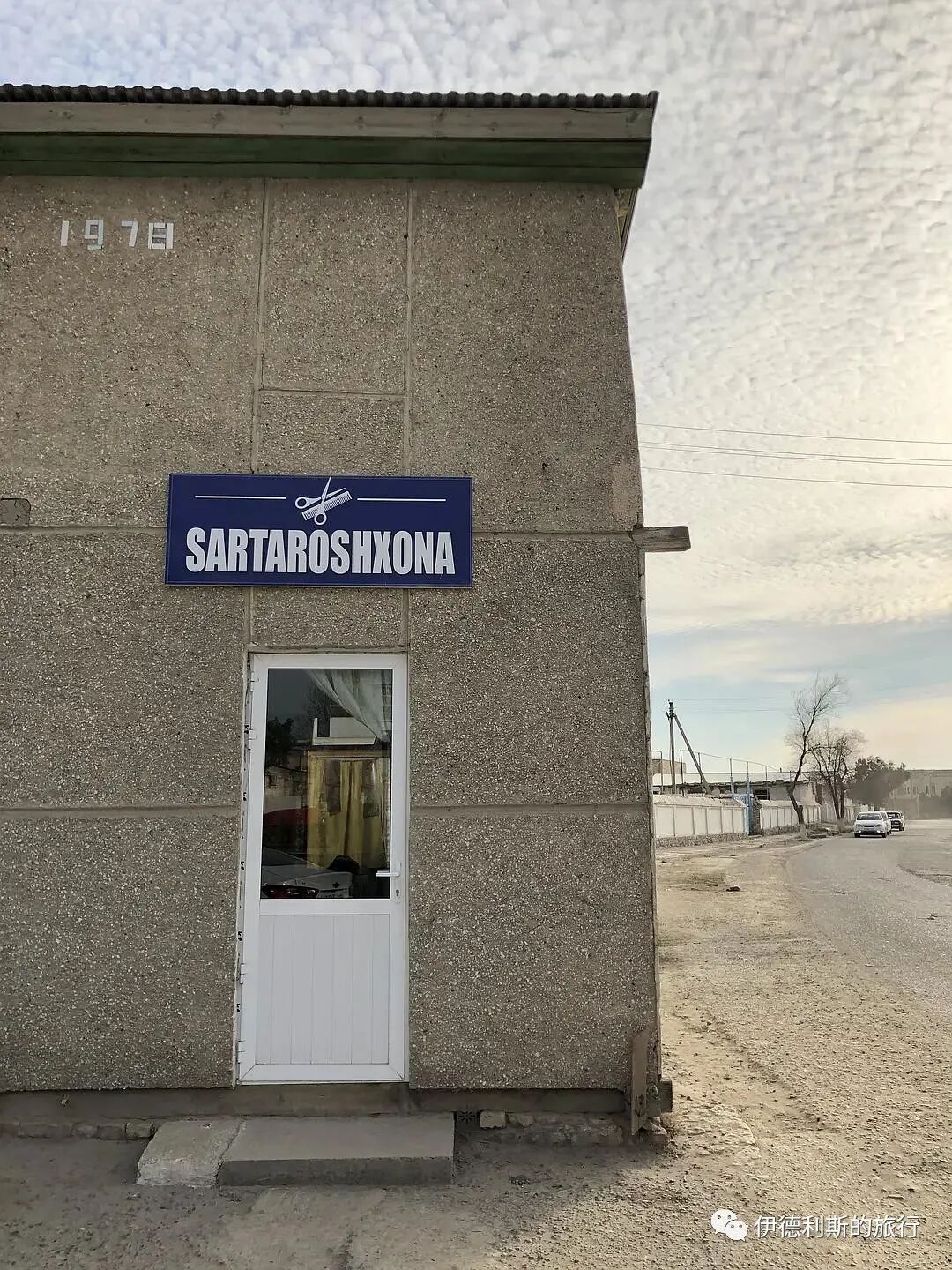
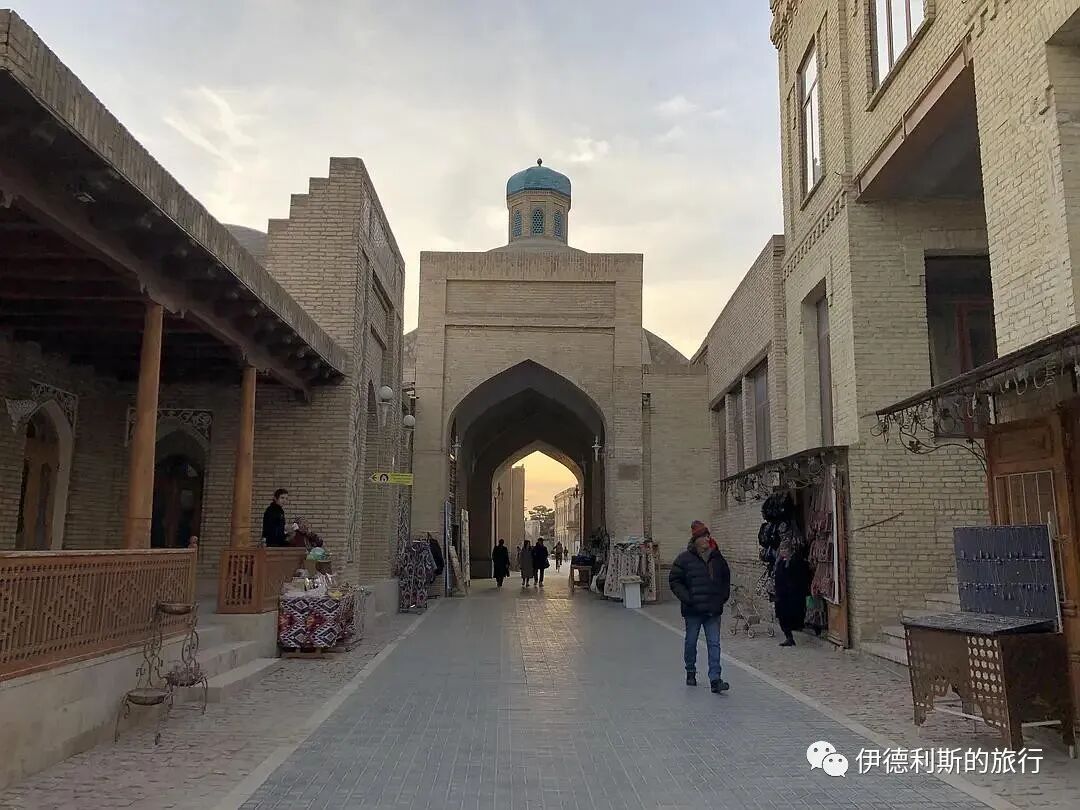
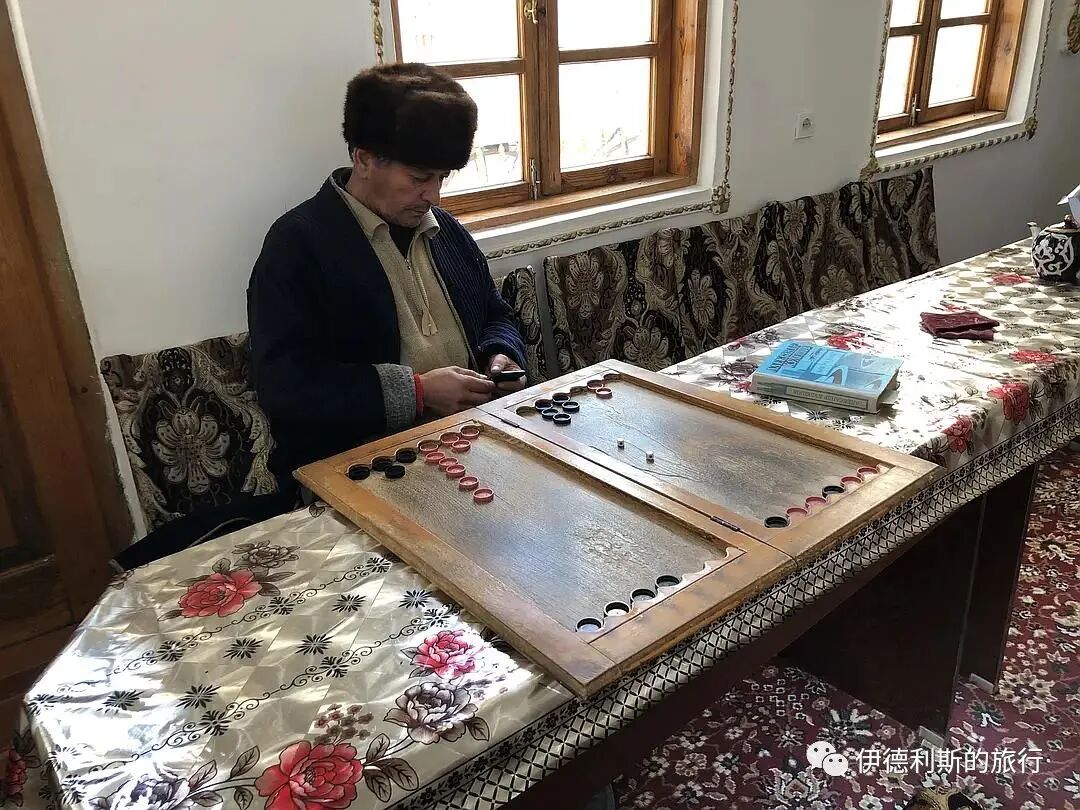
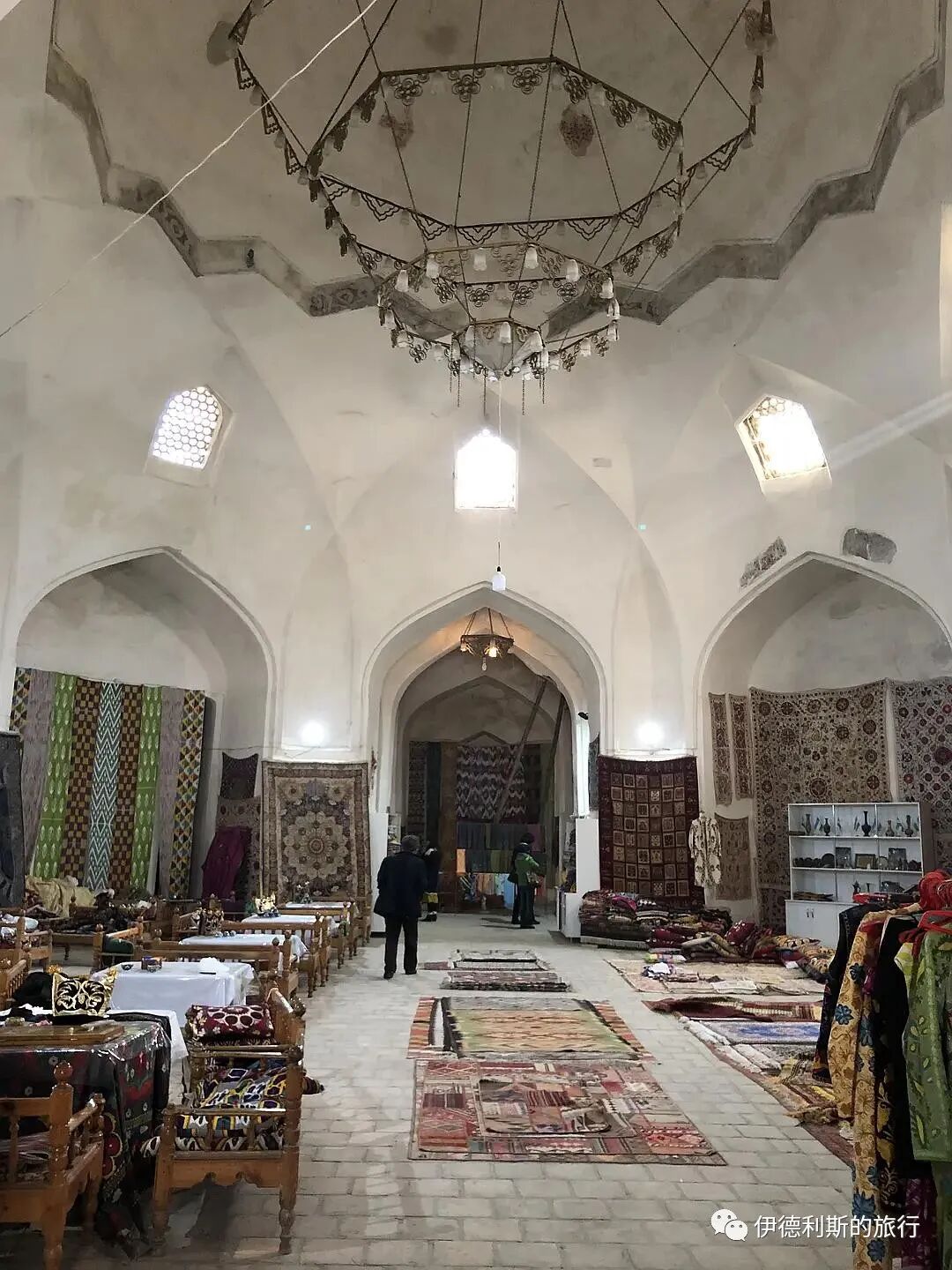
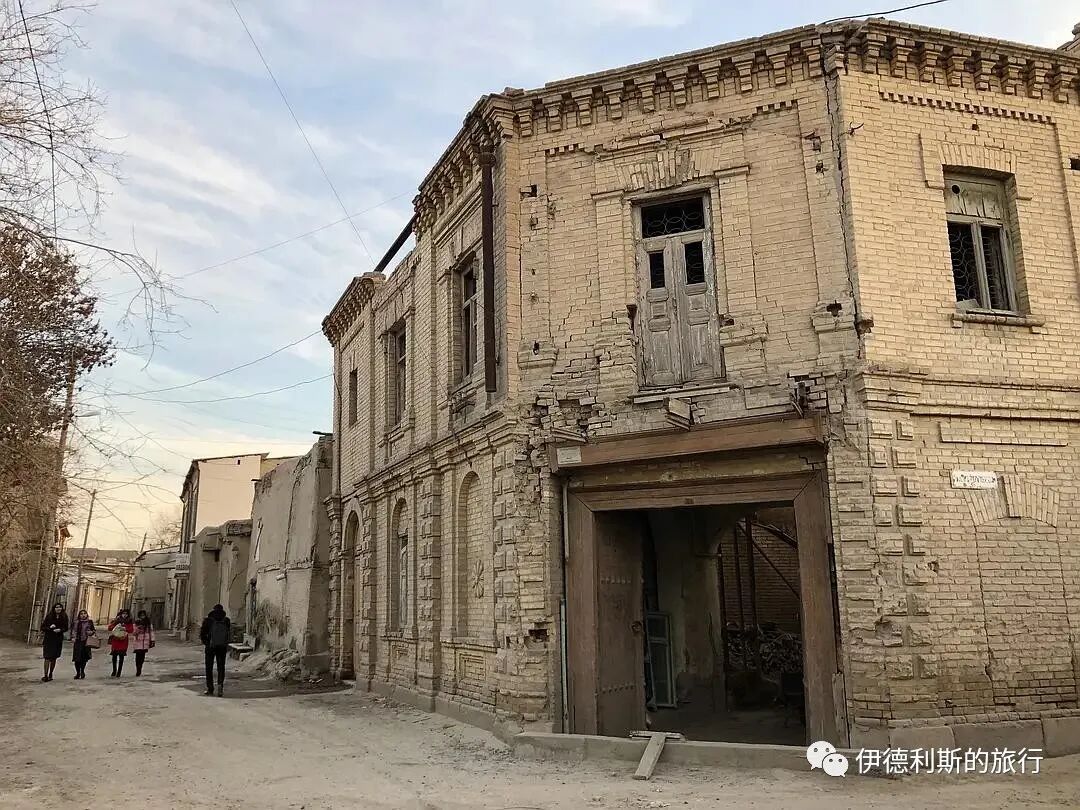
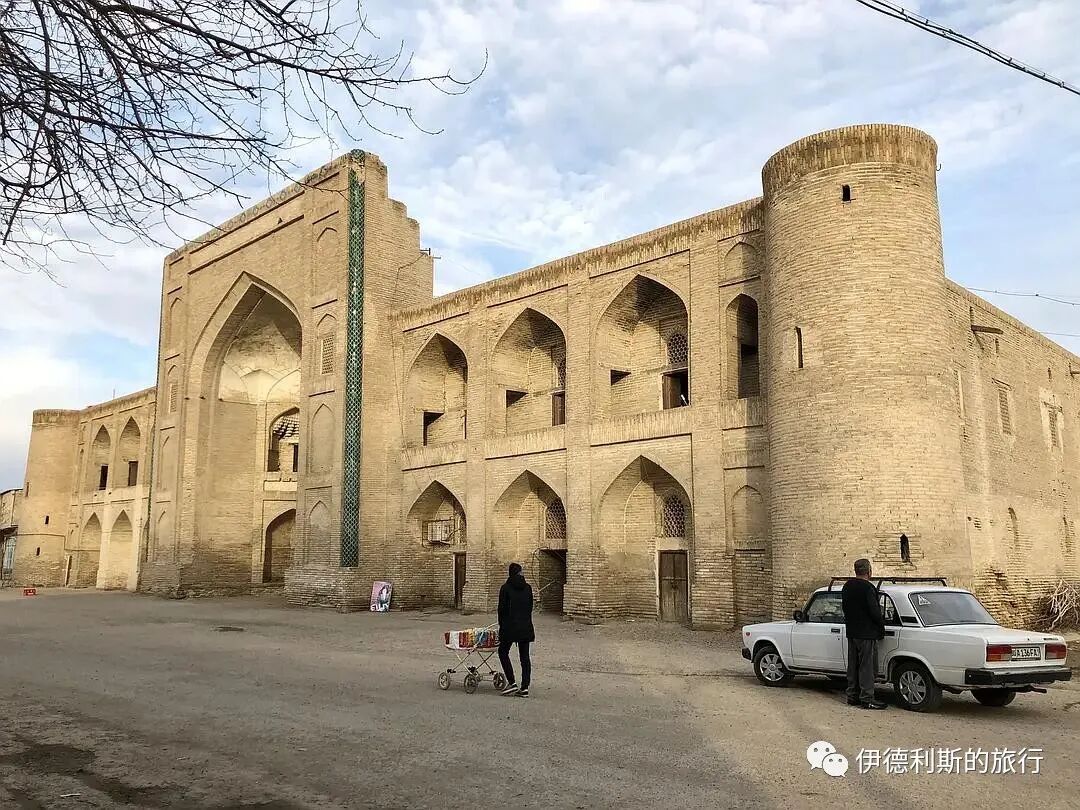
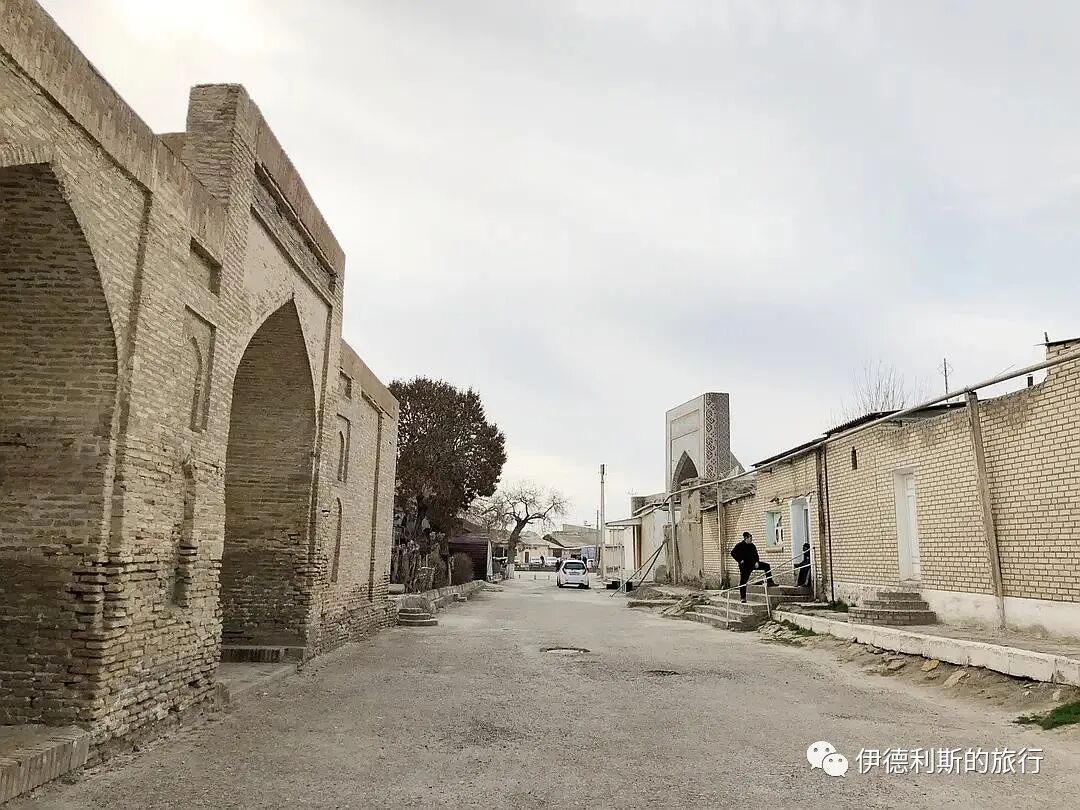
Streets of Bukhara
Summary: This travel note introduces Bukhara Old City Bazaar Guide: Miniature Art, Muslim Heritage and Local Crafts. A record of my trip to the ancient city of Bukhara during the 2019 Spring Festival holiday to eat, shop, buy hats, and purchase miniature paintings. It is useful for readers interested in Bukhara Travel, Islamic Art, Bazaar Culture.
A record of my trip to the ancient city of Bukhara during the 2019 Spring Festival holiday to eat, shop, buy hats, and purchase miniature paintings.
Food
When I was in Bukhara, I stayed at the Komil Hotel, which is recommended by Lonely Planet. The hotel is located in an alley in the center of the ancient city. It was originally a wealthy merchant's residence built in the 19th century, purchased by Komil's grandfather 50 years ago, and opened as a hotel in 2000. The owner, Komil Kadirov, speaks fluent English and is very welcoming to guests.
The hotel still retains the wood carvings and paintings of traditional 19th-century Bukhara architecture. The room I stayed in has been partially renovated, but the dining room where breakfast is served is very well preserved, as if I had traveled back to Bukhara over 100 years ago. Their breakfast is very hearty; even for one person, it fills the entire table, which made me feel a bit embarrassed. Breakfast was truly a highlight of my trip to Uzbekistan. Basically, every hotel prepares more than ten types of dishes and will ask if you want boiled or fried eggs, and black or green tea. The service attitude is really great.
The Bukhara Central Bazaar (Buxoro markaziy bozori; the 'a' in Uyghur is pronounced as 'o' in Uzbek) is in the western part of the old city. It is very lively and sells everything. The best snack to eat in winter is, of course, the flaky somsa (baked meat buns; 'Samsa' in Uyghur)! Uzbek somsa is served with a homemade sauce, often containing fennel and onions, and sometimes cilantro.
Naan stalls are the most common stalls in the bazaar.
Eating kebabs at the Doniyorbek restaurant opposite the Bukhara Central Bazaar. While walking through the bazaar, I saw a very Soviet-style restaurant across the street. After going inside, I found it had such a great atmosphere—the green walls, the stove in the room, and the classic service window made it feel like I had returned to the Soviet Union.
Note that in the former Soviet regions, when talking about eating kebabs, you should say 'Shashlik' instead of the Uyghur word 'Kewap'. The term 'Shashlik' originated from the Crimean Tatars and became popular throughout the Russian Empire after the 18th century. In Uzbekistan, saying 'Kebab' will get you Middle Eastern-style minced meat skewers; 'Shashlik' is the meat-chunk skewers we are familiar with.
In addition, the side dishes for the meat are very rich. I chose yogurt with small side dishes, which is very refreshing and cuts through the greasiness.
Eating Kifta Shurva (clear meatball soup), Manti (steamed dumplings), and grilled lamb chops at Temir's restaurant in the center of the old city of Bukhara. Their environment is nice, and it is the only place in the old city of Bukhara where you can withdraw cash using a Mastercard credit card.
Manti is believed to have been spread from East Asia to West Asia and even Eastern Europe by Mongol and Turkic peoples along the Silk Road during the Mongol Empire era. Now, Manti has become a traditional delicacy in Xinjiang, the former Soviet Union, Afghanistan, Turkey, and the Balkans. Central Asian Manti is generally eaten dipped in thick yogurt.
Their restaurant is right next to the famous Magoki Attor Mosque in Bukhara. This mosque, built in the 12th century, is a model of architecture from the Karakhanid dynasty period in Bukhara and even all of Central Asia.
Another meal of fried chuchvara (dumplings) and lamb soup.
Eating plov (pilaf) and drinking meat soup, as well as having two types of salads, at the Chayxana chinar teahouse in the ancient city of Bukhara. Teahouses in Central Asia serve food and are also a type of public activity space.
Performing Jumu'ah (Friday prayer) at the Po-i-Kalyan Mosque (Maedjid-i Kalan). The Kalyan Mosque was originally built in 1121 by Arslan Khan of the Karakhanid dynasty. It was later destroyed during Genghis Khan's siege of Bukhara, leaving only the minaret. The current mosque was built in 1514 during the Bukhara Khanate period. Today, the Kalyan Mosque is the most important Jumu'ah mosque in Bukhara. It consists of a rectangular courtyard with 288 domes and 208 pillars, with a tall Iwan (vaulted hall) gate in the center. The main hall can accommodate 12,000 people.
According to archaeological findings, there are two layers of mosque ruins buried beneath the current mosque. The bottom layer is a mosque from the Karakhanid dynasty in 1121, with the same scale as the current one, and the upper layer is a mosque built in the early 14th century during the Chagatai Khanate period, made entirely of brick.
Miniature painting
I visited the first miniature painting workshop in Bukhara and bought a few small miniature paintings.
The Tok-i-Zargaron (Jewelry Dome Market) was built in 1570. It is the largest of the four remaining dome markets from the Bukhara Khanate period in the ancient city of Bukhara and is the best witness to Bukhara's role as a trade center in Central Asia in the 16th century.
'Tok-i-Zargaron' means 'Dome of the Jewelers.' It has four arched passages for Silk Road trade caravans to pass through, as well as 16 domes on an octagonal base. During the Bukhara Khanate period, there were 36 jewelry workshops and shops under the dome, selling rings, earrings, necklaces, and various other jewelry.
Buying miniature paintings in the market.
The Toqi Telpak Furushon (Hat Dome Market), built at the end of the 16th century during the Bukhara Khanate, consists of a central dome and a hexagonal base, connecting five streets in the old city. This place was originally called the Kitab-Furushon (Book Market), but later gradually switched to selling various headscarves, fur hats, and skullcaps. Now it has become a place for selling tourist souvenirs.
I bought a miniature painting at a workshop in the market; this one was painted directly on old paper.
Hats
Some historical sites in the ancient city of Bukhara have shops selling traditional hats. This time, I bought several at the Abdulaziz Khan Madrasah (Islamic school), which was built in 1652.
As soon as you enter the gate of the madrasah, there is an auntie on the right selling antique jewelry.
I helped a friend purchase a 19th-century Uzbek Tilla Qash (gold brow headpiece) here.
Then I went to another auntie's shop in the madrasah.
I bought two Soviet-era almond-patterned doppa (traditional skullcaps). These colorful almond-patterned doppas are rare now; the ones worn on the street today are basically black and white.
There was also a traditional Central Asian hat; this pointed style is hard to find in Xinjiang.
I also bought a traditional tablecloth from her shop.
I helped a friend purchase five hats in the old city of Bukhara. The young girl selling the hats took a liking to my portable charger and wanted to trade it for a hat, but since I was still traveling, I didn't agree.
Streets of Bukhara
Bukhara Old City Bazaar Guide: Miniature Art, Muslim Heritage and Local Crafts
Articles • ali2007fr posted the article • 0 comments • 192 views • 2026-05-17 07:16
Reposted from the web
Summary: This travel note introduces Bukhara Old City Bazaar Guide: Miniature Art, Muslim Heritage and Local Crafts. A record of my trip to the ancient city of Bukhara during the 2019 Spring Festival holiday to eat, shop, buy hats, and purchase miniature paintings. It is useful for readers interested in Bukhara Travel, Islamic Art, Bazaar Culture.
A record of my trip to the ancient city of Bukhara during the 2019 Spring Festival holiday to eat, shop, buy hats, and purchase miniature paintings.
Food
When I was in Bukhara, I stayed at the Komil Hotel, which is recommended by Lonely Planet. The hotel is located in an alley in the center of the ancient city. It was originally a wealthy merchant's residence built in the 19th century, purchased by Komil's grandfather 50 years ago, and opened as a hotel in 2000. The owner, Komil Kadirov, speaks fluent English and is very welcoming to guests.
The hotel still retains the wood carvings and paintings of traditional 19th-century Bukhara architecture. The room I stayed in has been partially renovated, but the dining room where breakfast is served is very well preserved, as if I had traveled back to Bukhara over 100 years ago. Their breakfast is very hearty; even for one person, it fills the entire table, which made me feel a bit embarrassed. Breakfast was truly a highlight of my trip to Uzbekistan. Basically, every hotel prepares more than ten types of dishes and will ask if you want boiled or fried eggs, and black or green tea. The service attitude is really great.
The Bukhara Central Bazaar (Buxoro markaziy bozori; the 'a' in Uyghur is pronounced as 'o' in Uzbek) is in the western part of the old city. It is very lively and sells everything. The best snack to eat in winter is, of course, the flaky somsa (baked meat buns; 'Samsa' in Uyghur)! Uzbek somsa is served with a homemade sauce, often containing fennel and onions, and sometimes cilantro.
Naan stalls are the most common stalls in the bazaar.
Eating kebabs at the Doniyorbek restaurant opposite the Bukhara Central Bazaar. While walking through the bazaar, I saw a very Soviet-style restaurant across the street. After going inside, I found it had such a great atmosphere—the green walls, the stove in the room, and the classic service window made it feel like I had returned to the Soviet Union.
Note that in the former Soviet regions, when talking about eating kebabs, you should say 'Shashlik' instead of the Uyghur word 'Kewap'. The term 'Shashlik' originated from the Crimean Tatars and became popular throughout the Russian Empire after the 18th century. In Uzbekistan, saying 'Kebab' will get you Middle Eastern-style minced meat skewers; 'Shashlik' is the meat-chunk skewers we are familiar with.
In addition, the side dishes for the meat are very rich. I chose yogurt with small side dishes, which is very refreshing and cuts through the greasiness.
Eating Kifta Shurva (clear meatball soup), Manti (steamed dumplings), and grilled lamb chops at Temir's restaurant in the center of the old city of Bukhara. Their environment is nice, and it is the only place in the old city of Bukhara where you can withdraw cash using a Mastercard credit card.
Manti is believed to have been spread from East Asia to West Asia and even Eastern Europe by Mongol and Turkic peoples along the Silk Road during the Mongol Empire era. Now, Manti has become a traditional delicacy in Xinjiang, the former Soviet Union, Afghanistan, Turkey, and the Balkans. Central Asian Manti is generally eaten dipped in thick yogurt.
Their restaurant is right next to the famous Magoki Attor Mosque in Bukhara. This mosque, built in the 12th century, is a model of architecture from the Karakhanid dynasty period in Bukhara and even all of Central Asia.
Another meal of fried chuchvara (dumplings) and lamb soup.
Eating plov (pilaf) and drinking meat soup, as well as having two types of salads, at the Chayxana chinar teahouse in the ancient city of Bukhara. Teahouses in Central Asia serve food and are also a type of public activity space.
Performing Jumu'ah (Friday prayer) at the Po-i-Kalyan Mosque (Maedjid-i Kalan). The Kalyan Mosque was originally built in 1121 by Arslan Khan of the Karakhanid dynasty. It was later destroyed during Genghis Khan's siege of Bukhara, leaving only the minaret. The current mosque was built in 1514 during the Bukhara Khanate period. Today, the Kalyan Mosque is the most important Jumu'ah mosque in Bukhara. It consists of a rectangular courtyard with 288 domes and 208 pillars, with a tall Iwan (vaulted hall) gate in the center. The main hall can accommodate 12,000 people.
According to archaeological findings, there are two layers of mosque ruins buried beneath the current mosque. The bottom layer is a mosque from the Karakhanid dynasty in 1121, with the same scale as the current one, and the upper layer is a mosque built in the early 14th century during the Chagatai Khanate period, made entirely of brick.
Miniature painting
I visited the first miniature painting workshop in Bukhara and bought a few small miniature paintings.
The Tok-i-Zargaron (Jewelry Dome Market) was built in 1570. It is the largest of the four remaining dome markets from the Bukhara Khanate period in the ancient city of Bukhara and is the best witness to Bukhara's role as a trade center in Central Asia in the 16th century.
'Tok-i-Zargaron' means 'Dome of the Jewelers.' It has four arched passages for Silk Road trade caravans to pass through, as well as 16 domes on an octagonal base. During the Bukhara Khanate period, there were 36 jewelry workshops and shops under the dome, selling rings, earrings, necklaces, and various other jewelry.
Buying miniature paintings in the market.
The Toqi Telpak Furushon (Hat Dome Market), built at the end of the 16th century during the Bukhara Khanate, consists of a central dome and a hexagonal base, connecting five streets in the old city. This place was originally called the Kitab-Furushon (Book Market), but later gradually switched to selling various headscarves, fur hats, and skullcaps. Now it has become a place for selling tourist souvenirs.
I bought a miniature painting at a workshop in the market; this one was painted directly on old paper.
Hats
Some historical sites in the ancient city of Bukhara have shops selling traditional hats. This time, I bought several at the Abdulaziz Khan Madrasah (Islamic school), which was built in 1652.
As soon as you enter the gate of the madrasah, there is an auntie on the right selling antique jewelry.
I helped a friend purchase a 19th-century Uzbek Tilla Qash (gold brow headpiece) here.
Then I went to another auntie's shop in the madrasah.
I bought two Soviet-era almond-patterned doppa (traditional skullcaps). These colorful almond-patterned doppas are rare now; the ones worn on the street today are basically black and white.
There was also a traditional Central Asian hat; this pointed style is hard to find in Xinjiang.
I also bought a traditional tablecloth from her shop.
I helped a friend purchase five hats in the old city of Bukhara. The young girl selling the hats took a liking to my portable charger and wanted to trade it for a hat, but since I was still traveling, I didn't agree.
Streets of Bukhara view all
Summary: This travel note introduces Bukhara Old City Bazaar Guide: Miniature Art, Muslim Heritage and Local Crafts. A record of my trip to the ancient city of Bukhara during the 2019 Spring Festival holiday to eat, shop, buy hats, and purchase miniature paintings. It is useful for readers interested in Bukhara Travel, Islamic Art, Bazaar Culture.
A record of my trip to the ancient city of Bukhara during the 2019 Spring Festival holiday to eat, shop, buy hats, and purchase miniature paintings.
Food
When I was in Bukhara, I stayed at the Komil Hotel, which is recommended by Lonely Planet. The hotel is located in an alley in the center of the ancient city. It was originally a wealthy merchant's residence built in the 19th century, purchased by Komil's grandfather 50 years ago, and opened as a hotel in 2000. The owner, Komil Kadirov, speaks fluent English and is very welcoming to guests.
The hotel still retains the wood carvings and paintings of traditional 19th-century Bukhara architecture. The room I stayed in has been partially renovated, but the dining room where breakfast is served is very well preserved, as if I had traveled back to Bukhara over 100 years ago. Their breakfast is very hearty; even for one person, it fills the entire table, which made me feel a bit embarrassed. Breakfast was truly a highlight of my trip to Uzbekistan. Basically, every hotel prepares more than ten types of dishes and will ask if you want boiled or fried eggs, and black or green tea. The service attitude is really great.
The Bukhara Central Bazaar (Buxoro markaziy bozori; the 'a' in Uyghur is pronounced as 'o' in Uzbek) is in the western part of the old city. It is very lively and sells everything. The best snack to eat in winter is, of course, the flaky somsa (baked meat buns; 'Samsa' in Uyghur)! Uzbek somsa is served with a homemade sauce, often containing fennel and onions, and sometimes cilantro.
Naan stalls are the most common stalls in the bazaar.
Eating kebabs at the Doniyorbek restaurant opposite the Bukhara Central Bazaar. While walking through the bazaar, I saw a very Soviet-style restaurant across the street. After going inside, I found it had such a great atmosphere—the green walls, the stove in the room, and the classic service window made it feel like I had returned to the Soviet Union.
Note that in the former Soviet regions, when talking about eating kebabs, you should say 'Shashlik' instead of the Uyghur word 'Kewap'. The term 'Shashlik' originated from the Crimean Tatars and became popular throughout the Russian Empire after the 18th century. In Uzbekistan, saying 'Kebab' will get you Middle Eastern-style minced meat skewers; 'Shashlik' is the meat-chunk skewers we are familiar with.
In addition, the side dishes for the meat are very rich. I chose yogurt with small side dishes, which is very refreshing and cuts through the greasiness.
Eating Kifta Shurva (clear meatball soup), Manti (steamed dumplings), and grilled lamb chops at Temir's restaurant in the center of the old city of Bukhara. Their environment is nice, and it is the only place in the old city of Bukhara where you can withdraw cash using a Mastercard credit card.
Manti is believed to have been spread from East Asia to West Asia and even Eastern Europe by Mongol and Turkic peoples along the Silk Road during the Mongol Empire era. Now, Manti has become a traditional delicacy in Xinjiang, the former Soviet Union, Afghanistan, Turkey, and the Balkans. Central Asian Manti is generally eaten dipped in thick yogurt.
Their restaurant is right next to the famous Magoki Attor Mosque in Bukhara. This mosque, built in the 12th century, is a model of architecture from the Karakhanid dynasty period in Bukhara and even all of Central Asia.
Another meal of fried chuchvara (dumplings) and lamb soup.
Eating plov (pilaf) and drinking meat soup, as well as having two types of salads, at the Chayxana chinar teahouse in the ancient city of Bukhara. Teahouses in Central Asia serve food and are also a type of public activity space.
Performing Jumu'ah (Friday prayer) at the Po-i-Kalyan Mosque (Maedjid-i Kalan). The Kalyan Mosque was originally built in 1121 by Arslan Khan of the Karakhanid dynasty. It was later destroyed during Genghis Khan's siege of Bukhara, leaving only the minaret. The current mosque was built in 1514 during the Bukhara Khanate period. Today, the Kalyan Mosque is the most important Jumu'ah mosque in Bukhara. It consists of a rectangular courtyard with 288 domes and 208 pillars, with a tall Iwan (vaulted hall) gate in the center. The main hall can accommodate 12,000 people.
According to archaeological findings, there are two layers of mosque ruins buried beneath the current mosque. The bottom layer is a mosque from the Karakhanid dynasty in 1121, with the same scale as the current one, and the upper layer is a mosque built in the early 14th century during the Chagatai Khanate period, made entirely of brick.
Miniature painting
I visited the first miniature painting workshop in Bukhara and bought a few small miniature paintings.
The Tok-i-Zargaron (Jewelry Dome Market) was built in 1570. It is the largest of the four remaining dome markets from the Bukhara Khanate period in the ancient city of Bukhara and is the best witness to Bukhara's role as a trade center in Central Asia in the 16th century.
'Tok-i-Zargaron' means 'Dome of the Jewelers.' It has four arched passages for Silk Road trade caravans to pass through, as well as 16 domes on an octagonal base. During the Bukhara Khanate period, there were 36 jewelry workshops and shops under the dome, selling rings, earrings, necklaces, and various other jewelry.
Buying miniature paintings in the market.
The Toqi Telpak Furushon (Hat Dome Market), built at the end of the 16th century during the Bukhara Khanate, consists of a central dome and a hexagonal base, connecting five streets in the old city. This place was originally called the Kitab-Furushon (Book Market), but later gradually switched to selling various headscarves, fur hats, and skullcaps. Now it has become a place for selling tourist souvenirs.
I bought a miniature painting at a workshop in the market; this one was painted directly on old paper.
Hats
Some historical sites in the ancient city of Bukhara have shops selling traditional hats. This time, I bought several at the Abdulaziz Khan Madrasah (Islamic school), which was built in 1652.
As soon as you enter the gate of the madrasah, there is an auntie on the right selling antique jewelry.
I helped a friend purchase a 19th-century Uzbek Tilla Qash (gold brow headpiece) here.
Then I went to another auntie's shop in the madrasah.
I bought two Soviet-era almond-patterned doppa (traditional skullcaps). These colorful almond-patterned doppas are rare now; the ones worn on the street today are basically black and white.
There was also a traditional Central Asian hat; this pointed style is hard to find in Xinjiang.
I also bought a traditional tablecloth from her shop.
I helped a friend purchase five hats in the old city of Bukhara. The young girl selling the hats took a liking to my portable charger and wanted to trade it for a hat, but since I was still traveling, I didn't agree.
Streets of Bukhara view all
Reposted from the web
Summary: This travel note introduces Bukhara Old City Bazaar Guide: Miniature Art, Muslim Heritage and Local Crafts. A record of my trip to the ancient city of Bukhara during the 2019 Spring Festival holiday to eat, shop, buy hats, and purchase miniature paintings. It is useful for readers interested in Bukhara Travel, Islamic Art, Bazaar Culture.
A record of my trip to the ancient city of Bukhara during the 2019 Spring Festival holiday to eat, shop, buy hats, and purchase miniature paintings.
Food
When I was in Bukhara, I stayed at the Komil Hotel, which is recommended by Lonely Planet. The hotel is located in an alley in the center of the ancient city. It was originally a wealthy merchant's residence built in the 19th century, purchased by Komil's grandfather 50 years ago, and opened as a hotel in 2000. The owner, Komil Kadirov, speaks fluent English and is very welcoming to guests.
The hotel still retains the wood carvings and paintings of traditional 19th-century Bukhara architecture. The room I stayed in has been partially renovated, but the dining room where breakfast is served is very well preserved, as if I had traveled back to Bukhara over 100 years ago. Their breakfast is very hearty; even for one person, it fills the entire table, which made me feel a bit embarrassed. Breakfast was truly a highlight of my trip to Uzbekistan. Basically, every hotel prepares more than ten types of dishes and will ask if you want boiled or fried eggs, and black or green tea. The service attitude is really great.
The Bukhara Central Bazaar (Buxoro markaziy bozori; the 'a' in Uyghur is pronounced as 'o' in Uzbek) is in the western part of the old city. It is very lively and sells everything. The best snack to eat in winter is, of course, the flaky somsa (baked meat buns; 'Samsa' in Uyghur)! Uzbek somsa is served with a homemade sauce, often containing fennel and onions, and sometimes cilantro.
Naan stalls are the most common stalls in the bazaar.
Eating kebabs at the Doniyorbek restaurant opposite the Bukhara Central Bazaar. While walking through the bazaar, I saw a very Soviet-style restaurant across the street. After going inside, I found it had such a great atmosphere—the green walls, the stove in the room, and the classic service window made it feel like I had returned to the Soviet Union.
Note that in the former Soviet regions, when talking about eating kebabs, you should say 'Shashlik' instead of the Uyghur word 'Kewap'. The term 'Shashlik' originated from the Crimean Tatars and became popular throughout the Russian Empire after the 18th century. In Uzbekistan, saying 'Kebab' will get you Middle Eastern-style minced meat skewers; 'Shashlik' is the meat-chunk skewers we are familiar with.
In addition, the side dishes for the meat are very rich. I chose yogurt with small side dishes, which is very refreshing and cuts through the greasiness.
Eating Kifta Shurva (clear meatball soup), Manti (steamed dumplings), and grilled lamb chops at Temir's restaurant in the center of the old city of Bukhara. Their environment is nice, and it is the only place in the old city of Bukhara where you can withdraw cash using a Mastercard credit card.
Manti is believed to have been spread from East Asia to West Asia and even Eastern Europe by Mongol and Turkic peoples along the Silk Road during the Mongol Empire era. Now, Manti has become a traditional delicacy in Xinjiang, the former Soviet Union, Afghanistan, Turkey, and the Balkans. Central Asian Manti is generally eaten dipped in thick yogurt.
Their restaurant is right next to the famous Magoki Attor Mosque in Bukhara. This mosque, built in the 12th century, is a model of architecture from the Karakhanid dynasty period in Bukhara and even all of Central Asia.
Another meal of fried chuchvara (dumplings) and lamb soup.
Eating plov (pilaf) and drinking meat soup, as well as having two types of salads, at the Chayxana chinar teahouse in the ancient city of Bukhara. Teahouses in Central Asia serve food and are also a type of public activity space.
Performing Jumu'ah (Friday prayer) at the Po-i-Kalyan Mosque (Maedjid-i Kalan). The Kalyan Mosque was originally built in 1121 by Arslan Khan of the Karakhanid dynasty. It was later destroyed during Genghis Khan's siege of Bukhara, leaving only the minaret. The current mosque was built in 1514 during the Bukhara Khanate period. Today, the Kalyan Mosque is the most important Jumu'ah mosque in Bukhara. It consists of a rectangular courtyard with 288 domes and 208 pillars, with a tall Iwan (vaulted hall) gate in the center. The main hall can accommodate 12,000 people.
According to archaeological findings, there are two layers of mosque ruins buried beneath the current mosque. The bottom layer is a mosque from the Karakhanid dynasty in 1121, with the same scale as the current one, and the upper layer is a mosque built in the early 14th century during the Chagatai Khanate period, made entirely of brick.
Miniature painting
I visited the first miniature painting workshop in Bukhara and bought a few small miniature paintings.
The Tok-i-Zargaron (Jewelry Dome Market) was built in 1570. It is the largest of the four remaining dome markets from the Bukhara Khanate period in the ancient city of Bukhara and is the best witness to Bukhara's role as a trade center in Central Asia in the 16th century.
'Tok-i-Zargaron' means 'Dome of the Jewelers.' It has four arched passages for Silk Road trade caravans to pass through, as well as 16 domes on an octagonal base. During the Bukhara Khanate period, there were 36 jewelry workshops and shops under the dome, selling rings, earrings, necklaces, and various other jewelry.
Buying miniature paintings in the market.
The Toqi Telpak Furushon (Hat Dome Market), built at the end of the 16th century during the Bukhara Khanate, consists of a central dome and a hexagonal base, connecting five streets in the old city. This place was originally called the Kitab-Furushon (Book Market), but later gradually switched to selling various headscarves, fur hats, and skullcaps. Now it has become a place for selling tourist souvenirs.
I bought a miniature painting at a workshop in the market; this one was painted directly on old paper.
Hats
Some historical sites in the ancient city of Bukhara have shops selling traditional hats. This time, I bought several at the Abdulaziz Khan Madrasah (Islamic school), which was built in 1652.
As soon as you enter the gate of the madrasah, there is an auntie on the right selling antique jewelry.
I helped a friend purchase a 19th-century Uzbek Tilla Qash (gold brow headpiece) here.
Then I went to another auntie's shop in the madrasah.
I bought two Soviet-era almond-patterned doppa (traditional skullcaps). These colorful almond-patterned doppas are rare now; the ones worn on the street today are basically black and white.
There was also a traditional Central Asian hat; this pointed style is hard to find in Xinjiang.
I also bought a traditional tablecloth from her shop.
I helped a friend purchase five hats in the old city of Bukhara. The young girl selling the hats took a liking to my portable charger and wanted to trade it for a hat, but since I was still traveling, I didn't agree.
Streets of Bukhara
Summary: This travel note introduces Bukhara Old City Bazaar Guide: Miniature Art, Muslim Heritage and Local Crafts. A record of my trip to the ancient city of Bukhara during the 2019 Spring Festival holiday to eat, shop, buy hats, and purchase miniature paintings. It is useful for readers interested in Bukhara Travel, Islamic Art, Bazaar Culture.
A record of my trip to the ancient city of Bukhara during the 2019 Spring Festival holiday to eat, shop, buy hats, and purchase miniature paintings.
Food
When I was in Bukhara, I stayed at the Komil Hotel, which is recommended by Lonely Planet. The hotel is located in an alley in the center of the ancient city. It was originally a wealthy merchant's residence built in the 19th century, purchased by Komil's grandfather 50 years ago, and opened as a hotel in 2000. The owner, Komil Kadirov, speaks fluent English and is very welcoming to guests.
The hotel still retains the wood carvings and paintings of traditional 19th-century Bukhara architecture. The room I stayed in has been partially renovated, but the dining room where breakfast is served is very well preserved, as if I had traveled back to Bukhara over 100 years ago. Their breakfast is very hearty; even for one person, it fills the entire table, which made me feel a bit embarrassed. Breakfast was truly a highlight of my trip to Uzbekistan. Basically, every hotel prepares more than ten types of dishes and will ask if you want boiled or fried eggs, and black or green tea. The service attitude is really great.
The Bukhara Central Bazaar (Buxoro markaziy bozori; the 'a' in Uyghur is pronounced as 'o' in Uzbek) is in the western part of the old city. It is very lively and sells everything. The best snack to eat in winter is, of course, the flaky somsa (baked meat buns; 'Samsa' in Uyghur)! Uzbek somsa is served with a homemade sauce, often containing fennel and onions, and sometimes cilantro.
Naan stalls are the most common stalls in the bazaar.
Eating kebabs at the Doniyorbek restaurant opposite the Bukhara Central Bazaar. While walking through the bazaar, I saw a very Soviet-style restaurant across the street. After going inside, I found it had such a great atmosphere—the green walls, the stove in the room, and the classic service window made it feel like I had returned to the Soviet Union.
Note that in the former Soviet regions, when talking about eating kebabs, you should say 'Shashlik' instead of the Uyghur word 'Kewap'. The term 'Shashlik' originated from the Crimean Tatars and became popular throughout the Russian Empire after the 18th century. In Uzbekistan, saying 'Kebab' will get you Middle Eastern-style minced meat skewers; 'Shashlik' is the meat-chunk skewers we are familiar with.
In addition, the side dishes for the meat are very rich. I chose yogurt with small side dishes, which is very refreshing and cuts through the greasiness.
Eating Kifta Shurva (clear meatball soup), Manti (steamed dumplings), and grilled lamb chops at Temir's restaurant in the center of the old city of Bukhara. Their environment is nice, and it is the only place in the old city of Bukhara where you can withdraw cash using a Mastercard credit card.
Manti is believed to have been spread from East Asia to West Asia and even Eastern Europe by Mongol and Turkic peoples along the Silk Road during the Mongol Empire era. Now, Manti has become a traditional delicacy in Xinjiang, the former Soviet Union, Afghanistan, Turkey, and the Balkans. Central Asian Manti is generally eaten dipped in thick yogurt.
Their restaurant is right next to the famous Magoki Attor Mosque in Bukhara. This mosque, built in the 12th century, is a model of architecture from the Karakhanid dynasty period in Bukhara and even all of Central Asia.
Another meal of fried chuchvara (dumplings) and lamb soup.
Eating plov (pilaf) and drinking meat soup, as well as having two types of salads, at the Chayxana chinar teahouse in the ancient city of Bukhara. Teahouses in Central Asia serve food and are also a type of public activity space.
Performing Jumu'ah (Friday prayer) at the Po-i-Kalyan Mosque (Maedjid-i Kalan). The Kalyan Mosque was originally built in 1121 by Arslan Khan of the Karakhanid dynasty. It was later destroyed during Genghis Khan's siege of Bukhara, leaving only the minaret. The current mosque was built in 1514 during the Bukhara Khanate period. Today, the Kalyan Mosque is the most important Jumu'ah mosque in Bukhara. It consists of a rectangular courtyard with 288 domes and 208 pillars, with a tall Iwan (vaulted hall) gate in the center. The main hall can accommodate 12,000 people.
According to archaeological findings, there are two layers of mosque ruins buried beneath the current mosque. The bottom layer is a mosque from the Karakhanid dynasty in 1121, with the same scale as the current one, and the upper layer is a mosque built in the early 14th century during the Chagatai Khanate period, made entirely of brick.
Miniature painting
I visited the first miniature painting workshop in Bukhara and bought a few small miniature paintings.
The Tok-i-Zargaron (Jewelry Dome Market) was built in 1570. It is the largest of the four remaining dome markets from the Bukhara Khanate period in the ancient city of Bukhara and is the best witness to Bukhara's role as a trade center in Central Asia in the 16th century.
'Tok-i-Zargaron' means 'Dome of the Jewelers.' It has four arched passages for Silk Road trade caravans to pass through, as well as 16 domes on an octagonal base. During the Bukhara Khanate period, there were 36 jewelry workshops and shops under the dome, selling rings, earrings, necklaces, and various other jewelry.
Buying miniature paintings in the market.
The Toqi Telpak Furushon (Hat Dome Market), built at the end of the 16th century during the Bukhara Khanate, consists of a central dome and a hexagonal base, connecting five streets in the old city. This place was originally called the Kitab-Furushon (Book Market), but later gradually switched to selling various headscarves, fur hats, and skullcaps. Now it has become a place for selling tourist souvenirs.
I bought a miniature painting at a workshop in the market; this one was painted directly on old paper.
Hats
Some historical sites in the ancient city of Bukhara have shops selling traditional hats. This time, I bought several at the Abdulaziz Khan Madrasah (Islamic school), which was built in 1652.
As soon as you enter the gate of the madrasah, there is an auntie on the right selling antique jewelry.
I helped a friend purchase a 19th-century Uzbek Tilla Qash (gold brow headpiece) here.
Then I went to another auntie's shop in the madrasah.
I bought two Soviet-era almond-patterned doppa (traditional skullcaps). These colorful almond-patterned doppas are rare now; the ones worn on the street today are basically black and white.
There was also a traditional Central Asian hat; this pointed style is hard to find in Xinjiang.
I also bought a traditional tablecloth from her shop.
I helped a friend purchase five hats in the old city of Bukhara. The young girl selling the hats took a liking to my portable charger and wanted to trade it for a hat, but since I was still traveling, I didn't agree.
Streets of Bukhara