

Beijing Canal
Halal Travel Guide: Beijing Zhangjiawan — Canal Town, Mosques and Hui Food
Articles • ali2007fr posted the article • 0 comments • 236 views • 2026-05-18 09:21
Reposted from the web
Summary: Beijing Zhangjiawan — Canal Town, Mosques and Hui Food is presented here as a firsthand travel account in clear English, beginning with this scene: Zhangjiawan is now an ordinary village south of Tongzhou, Beijing, featuring an ancient Ming Dynasty bridge and a street for Hui Muslim food. The account keeps its focus on Zhangjiawan, Beijing Canal, Halal Food while preserving the names, places, food, and historical details from the Chinese source.
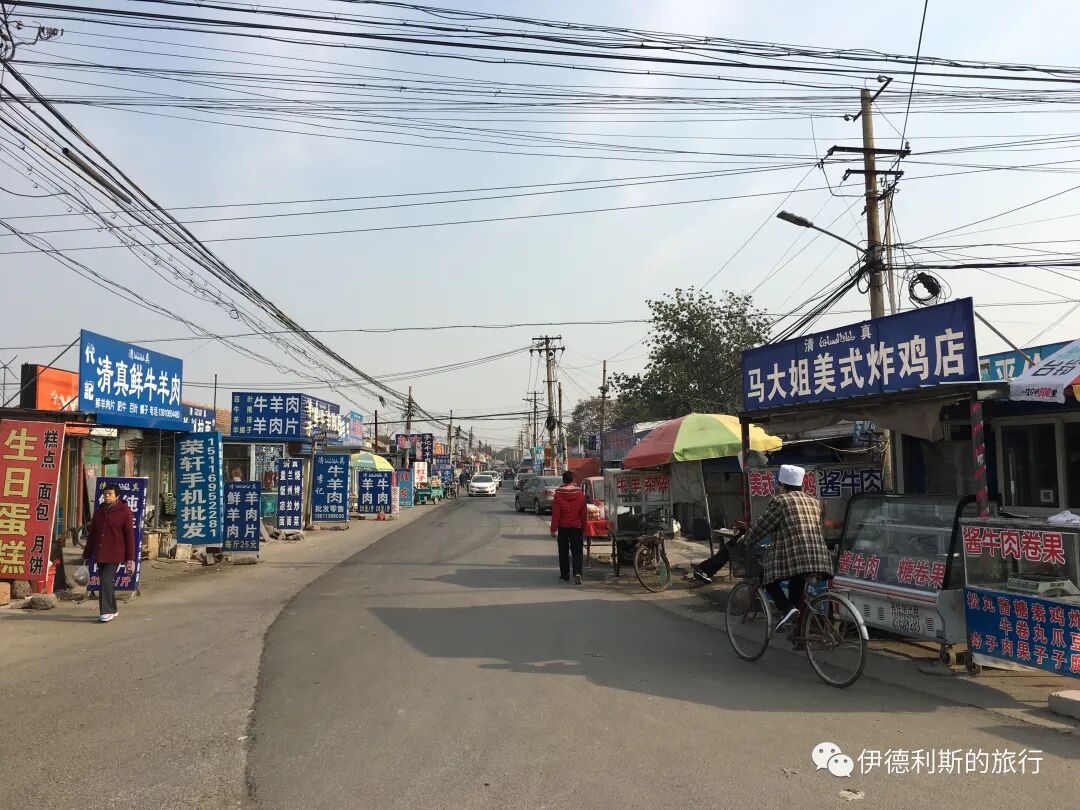
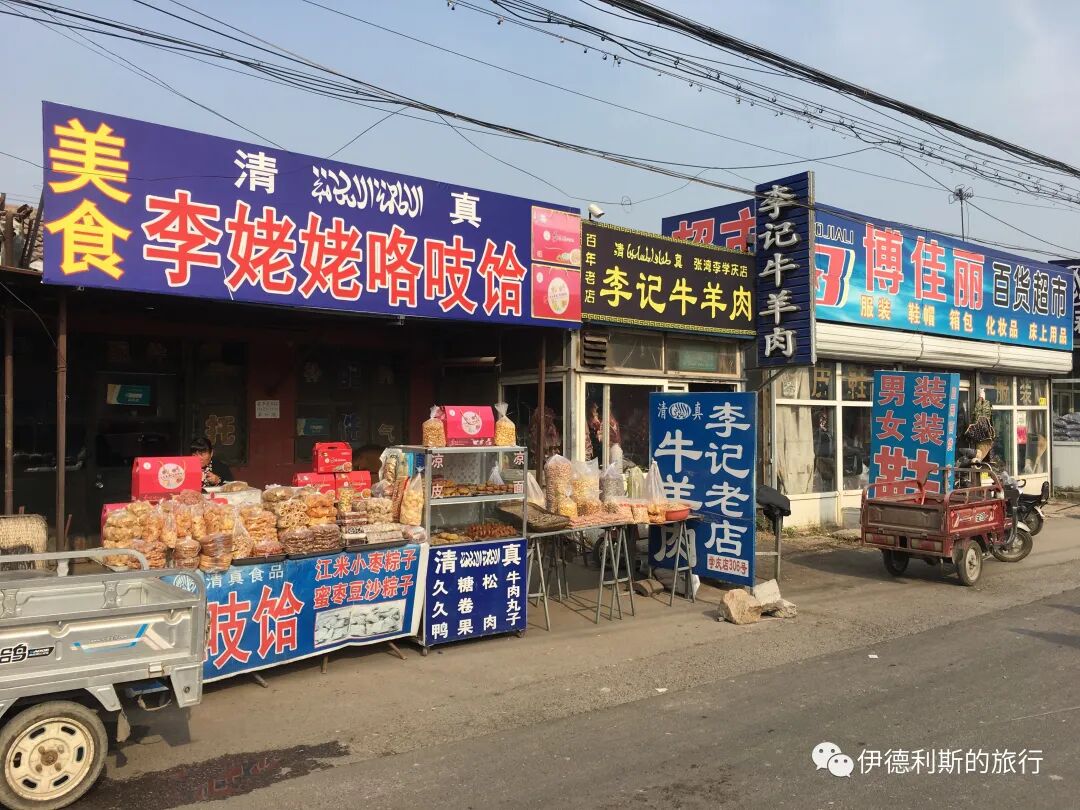
Zhangjiawan is now an ordinary village south of Tongzhou, Beijing, featuring an ancient Ming Dynasty bridge and a street for Hui Muslim food. But hundreds of years ago, this was a major wharf on the Grand Canal and the most important transport hub east of Beijing, holding a status similar to Beijing West or South railway stations today. I visited this place in November 2016.
The real rise of Zhangjiawan began when the famous Yuan Dynasty hydraulic engineer Guo Shoujing built the Tonghui River in 1292. The biggest difference between the Yuan Dynasty Tonghui River and the modern one is the eastern section. The modern Tonghui River flows east and joins the North Canal near the Tongzhou Beiguan station on Line 6, but the Yuan Dynasty river turned southeast at the Guanzhuang station on the Batong Line and flowed into the Lu River from Zhangjiawan.
Shortly before the Tonghui River was finished, Zhang Xuan, who was in charge of maritime transport for the Yuan Dynasty, opened a route for grain ships from the Yangtze River estuary along the coast to Zhigu (Tianjin). The opening of the Tonghui River allowed Zhang Xuan to guide grain ships along the Lu River into the Tonghui River, reaching Jishuitan, the lake inside the Yuan capital. Zhang Xuan built a wharf at the intersection of the Lu River and the Tonghui River, making it a key transport hub. Ming Dynasty historical records state that the "Marquis Zhang Xuan supervised maritime transport here," and later generations named this wharf Zhangjiawan.
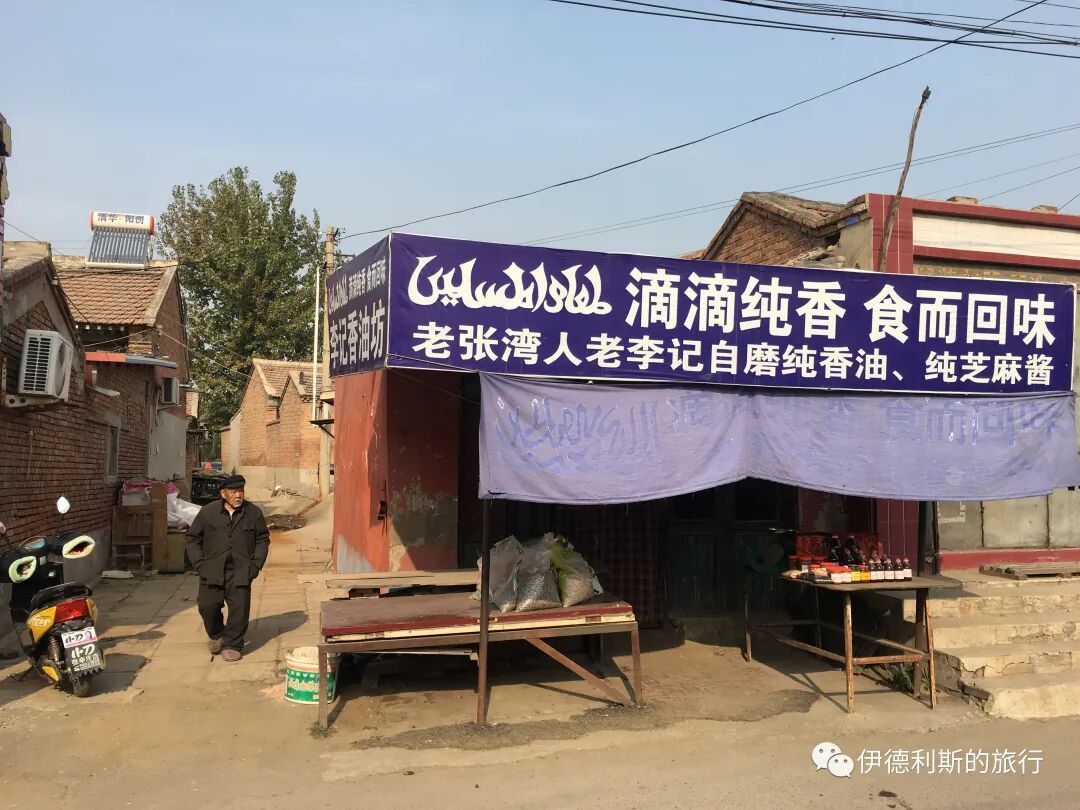
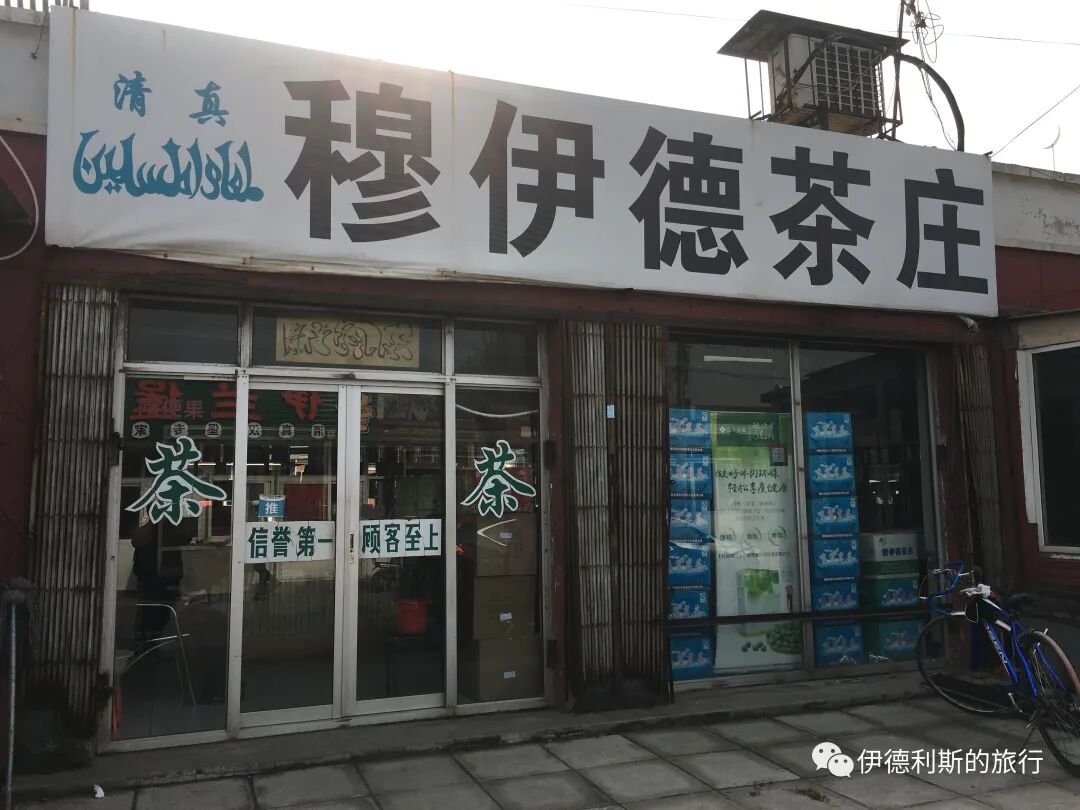
After Zhangjiawan became a canal transport wharf, merchants kept moving here, including many Hui Muslims. Starting in the early Ming Dynasty, a Hui Muslim community formed in Zhangjiawan, and they built the Zhangjiawan Mosque.
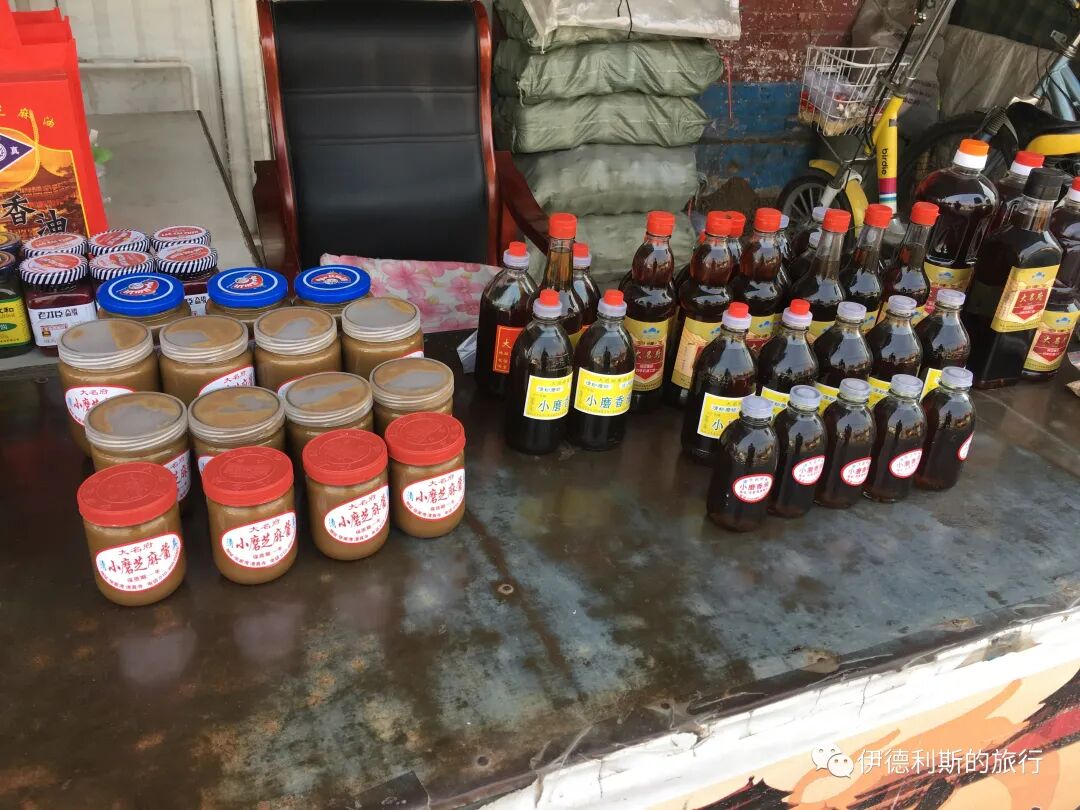
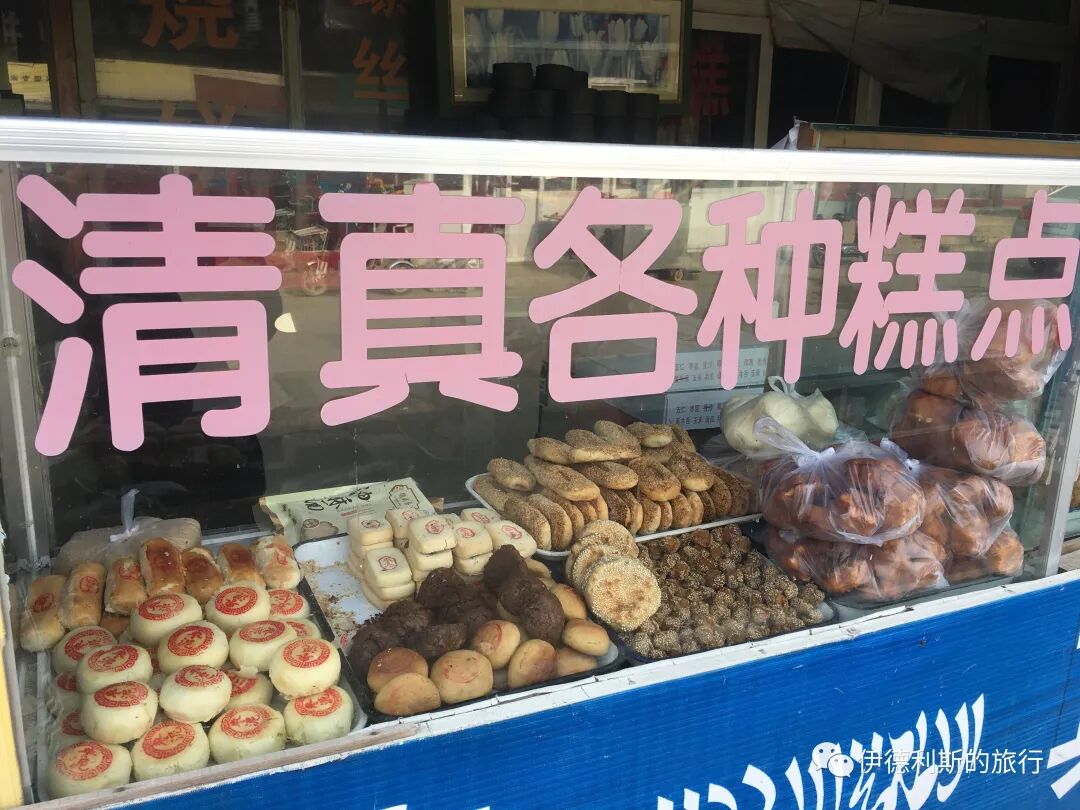
Fried dough crisps (gezhihe) are a local specialty east of Beijing. Since my grandmother lived on the border of Chaoyang and Tongzhou, I grew up eating them whenever her relatives brought them over.
Zhangjiawan Mosque
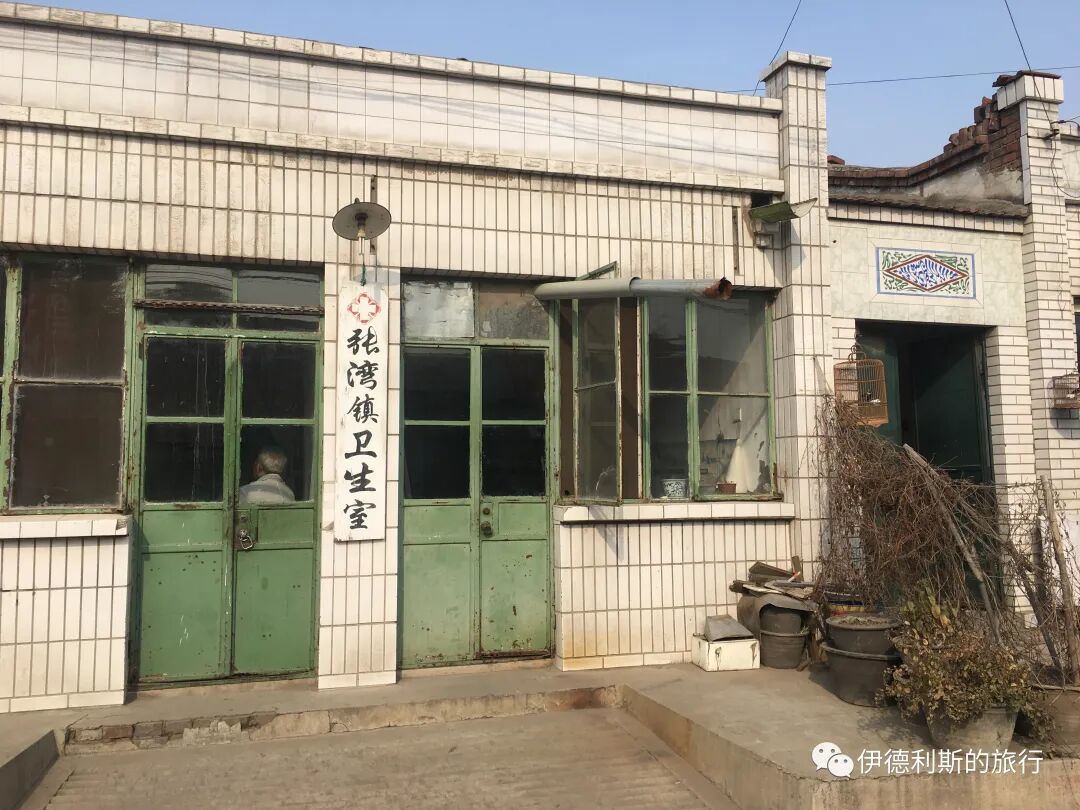
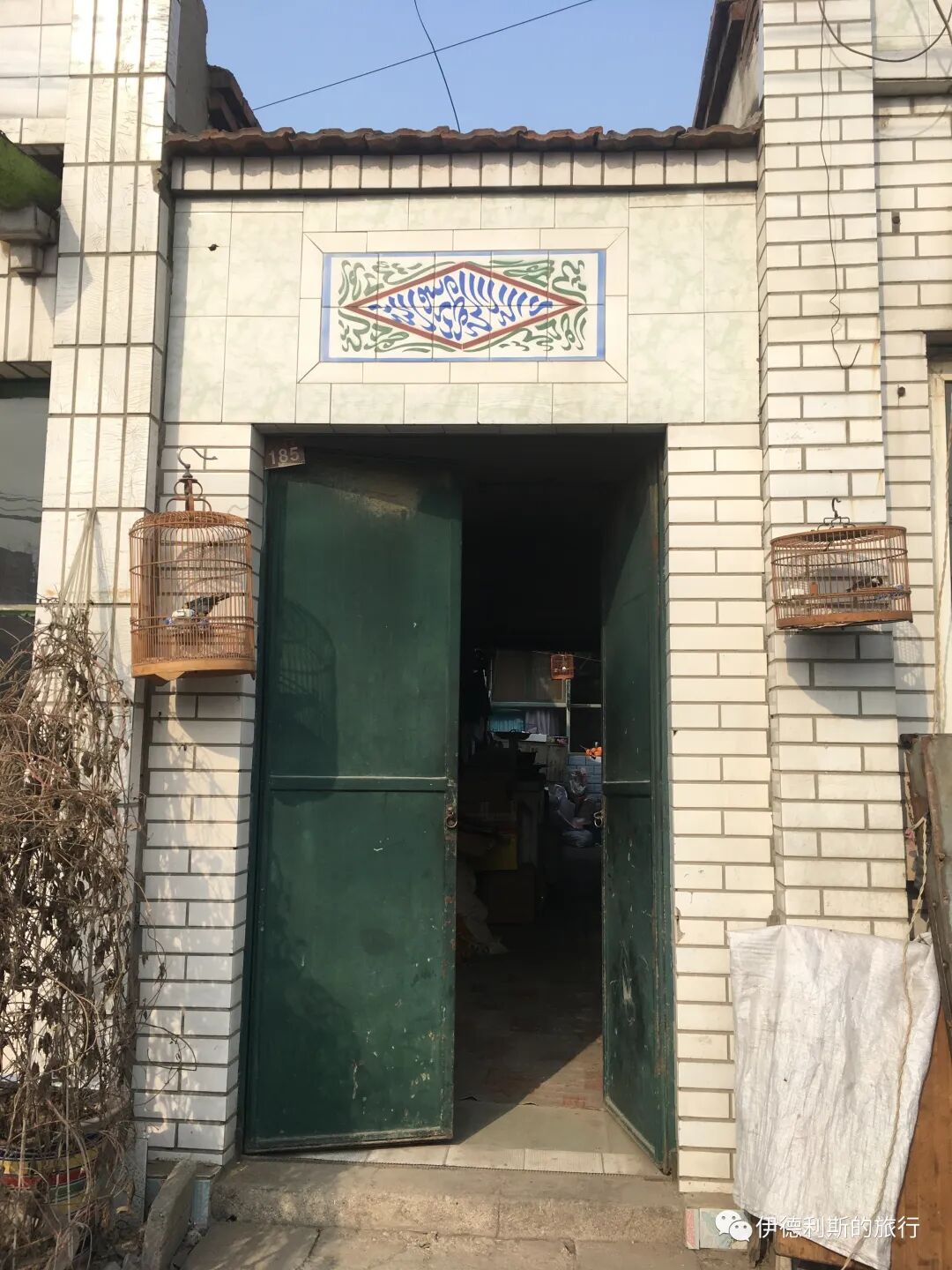
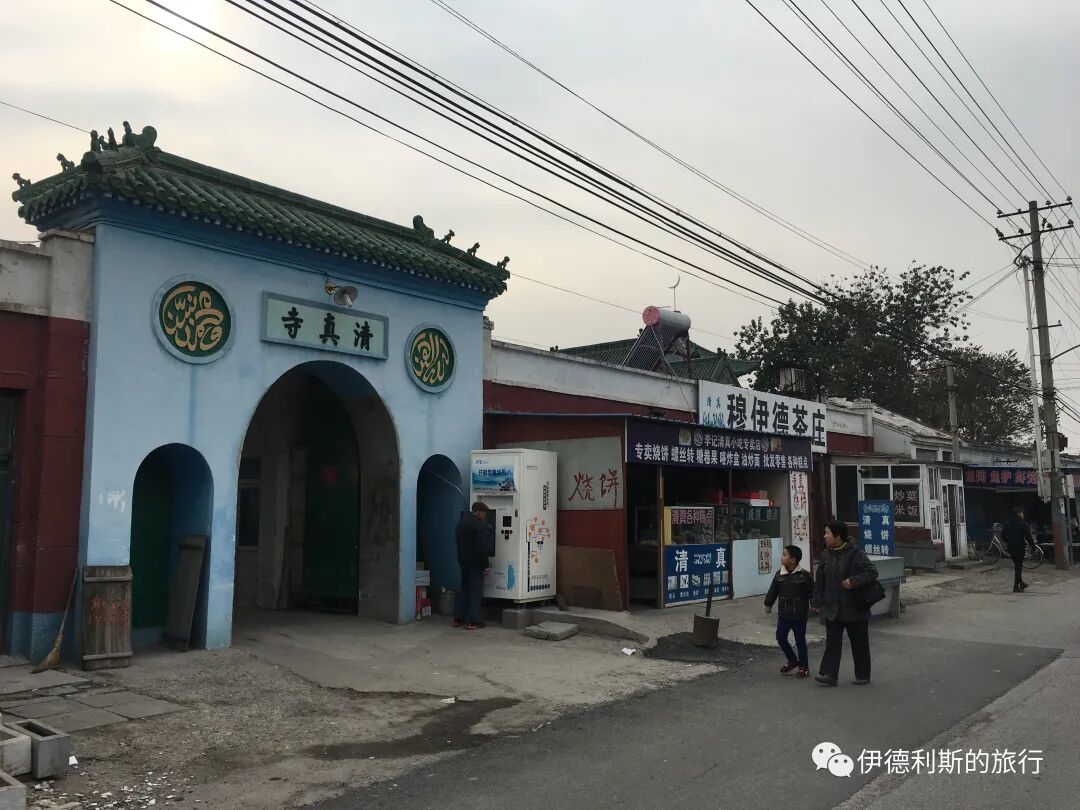
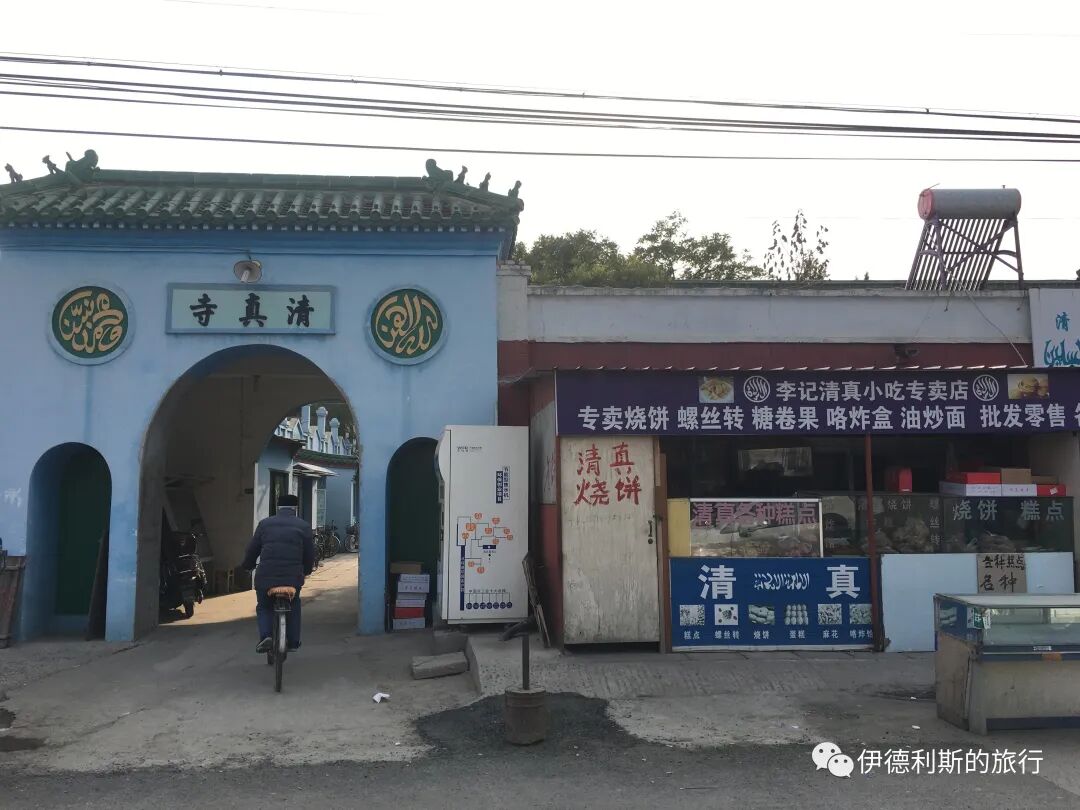
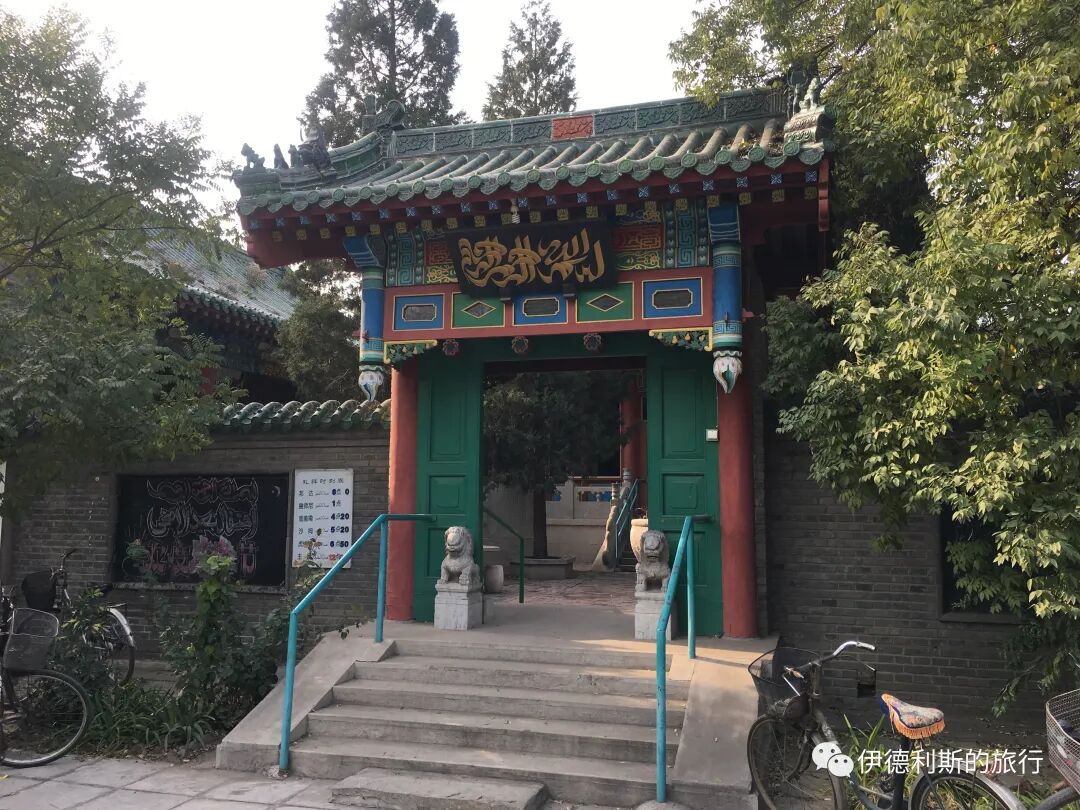
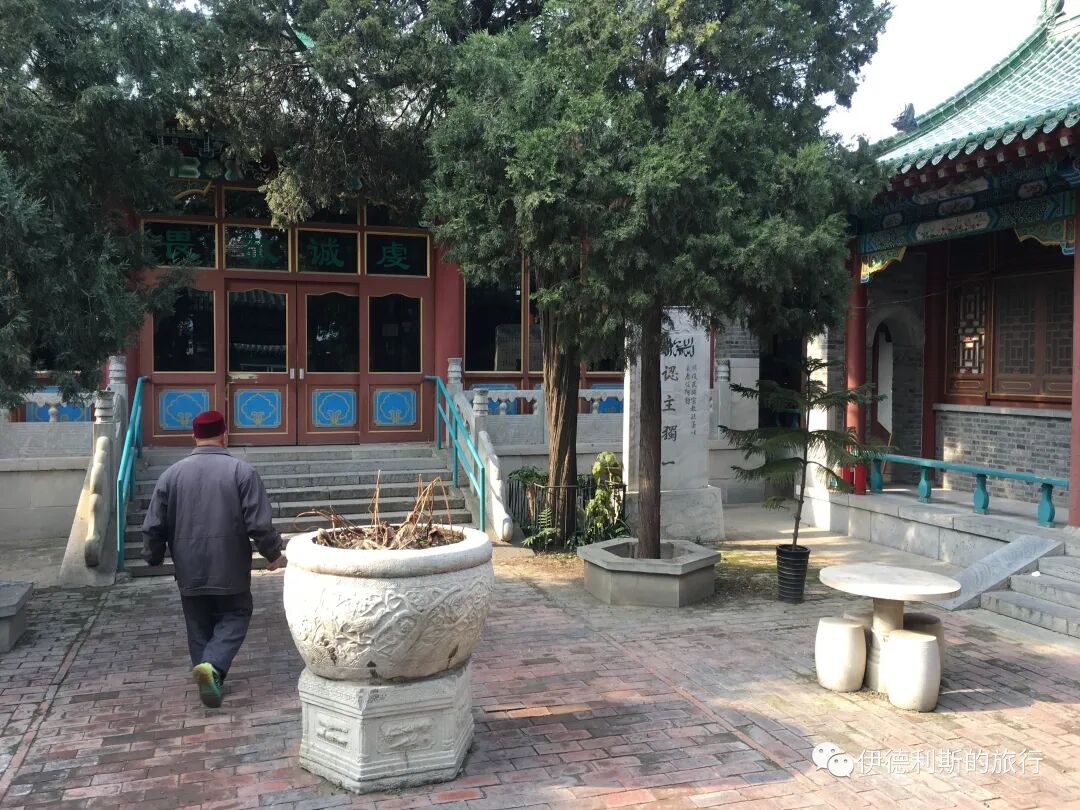
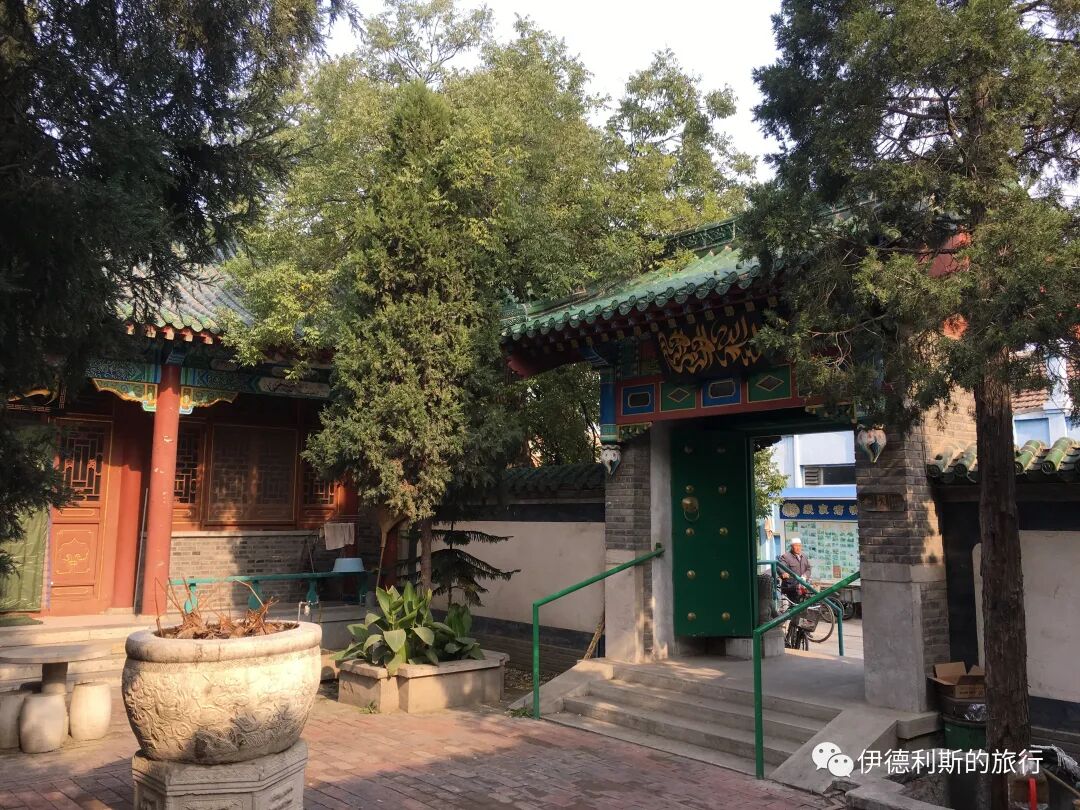
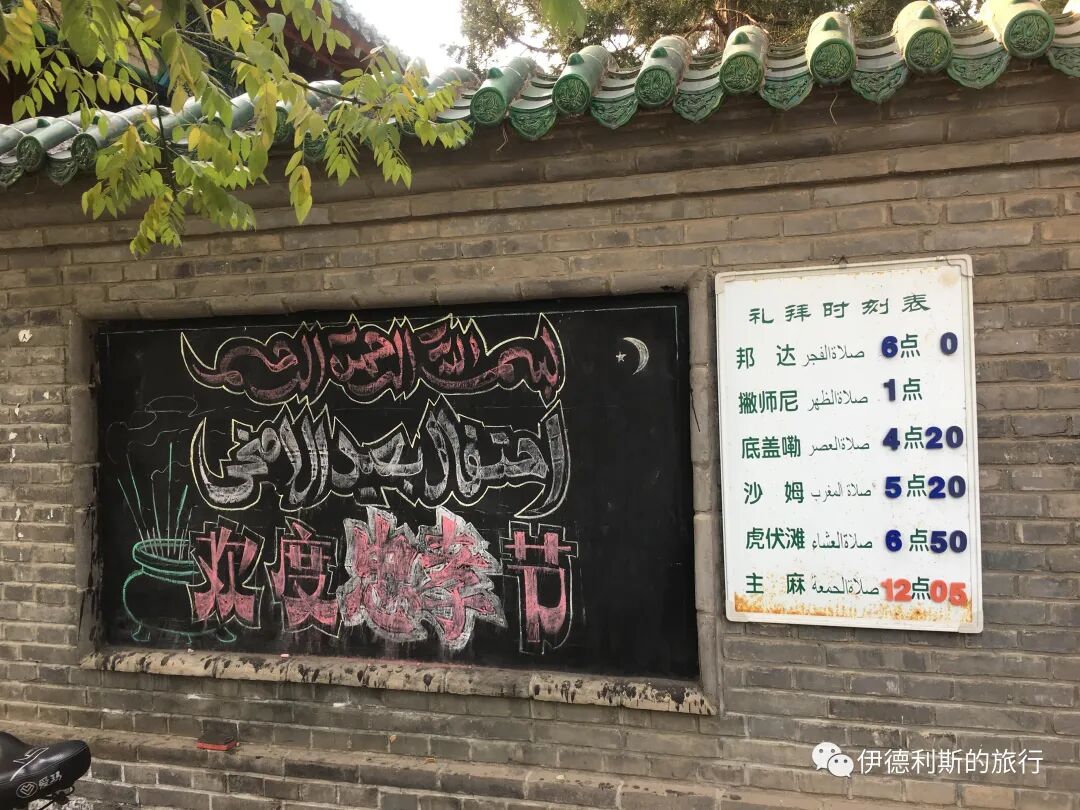
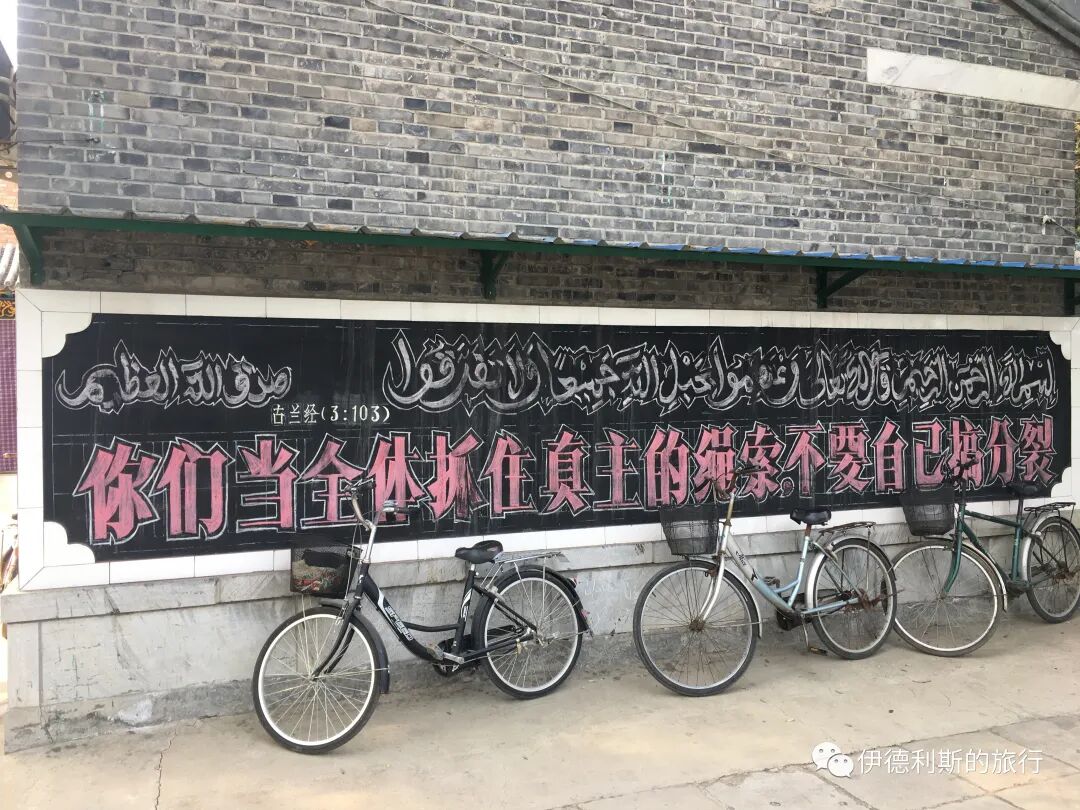
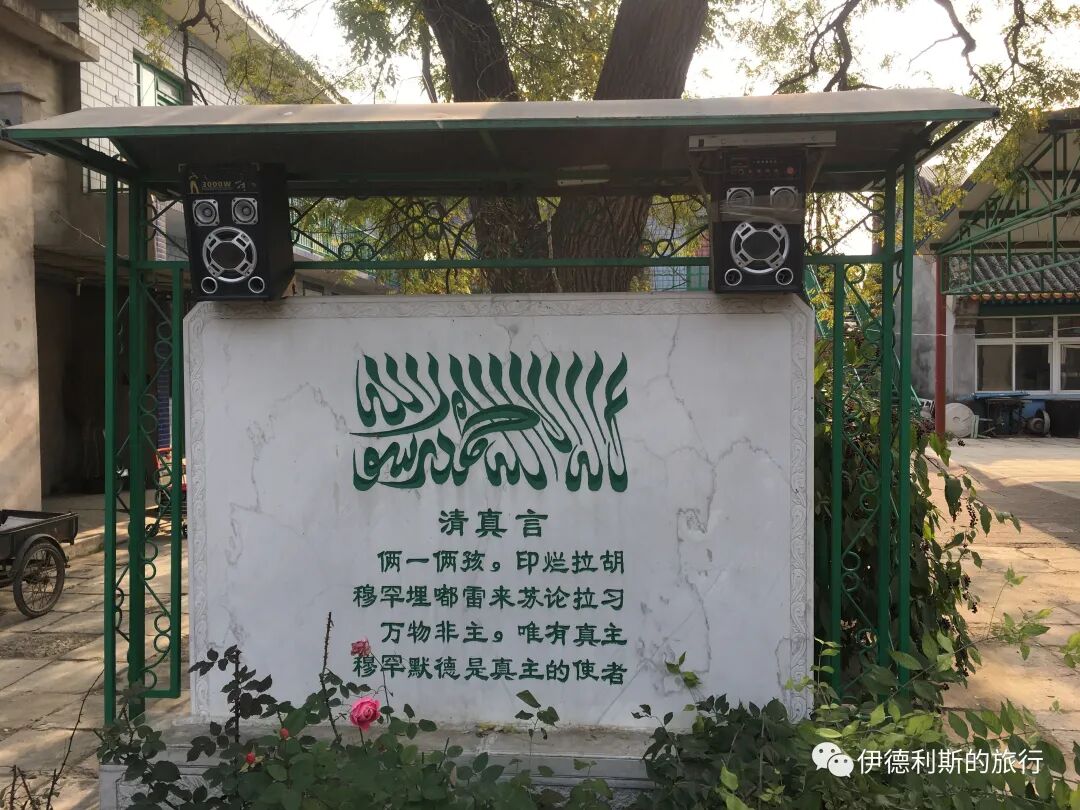
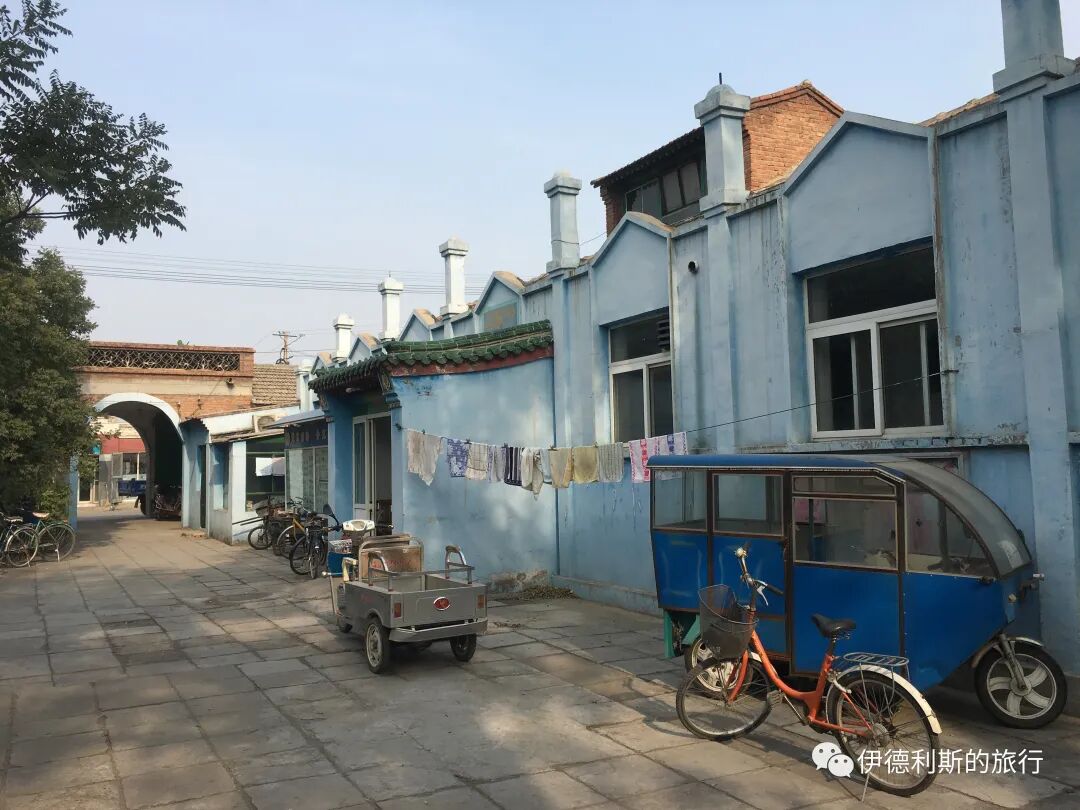
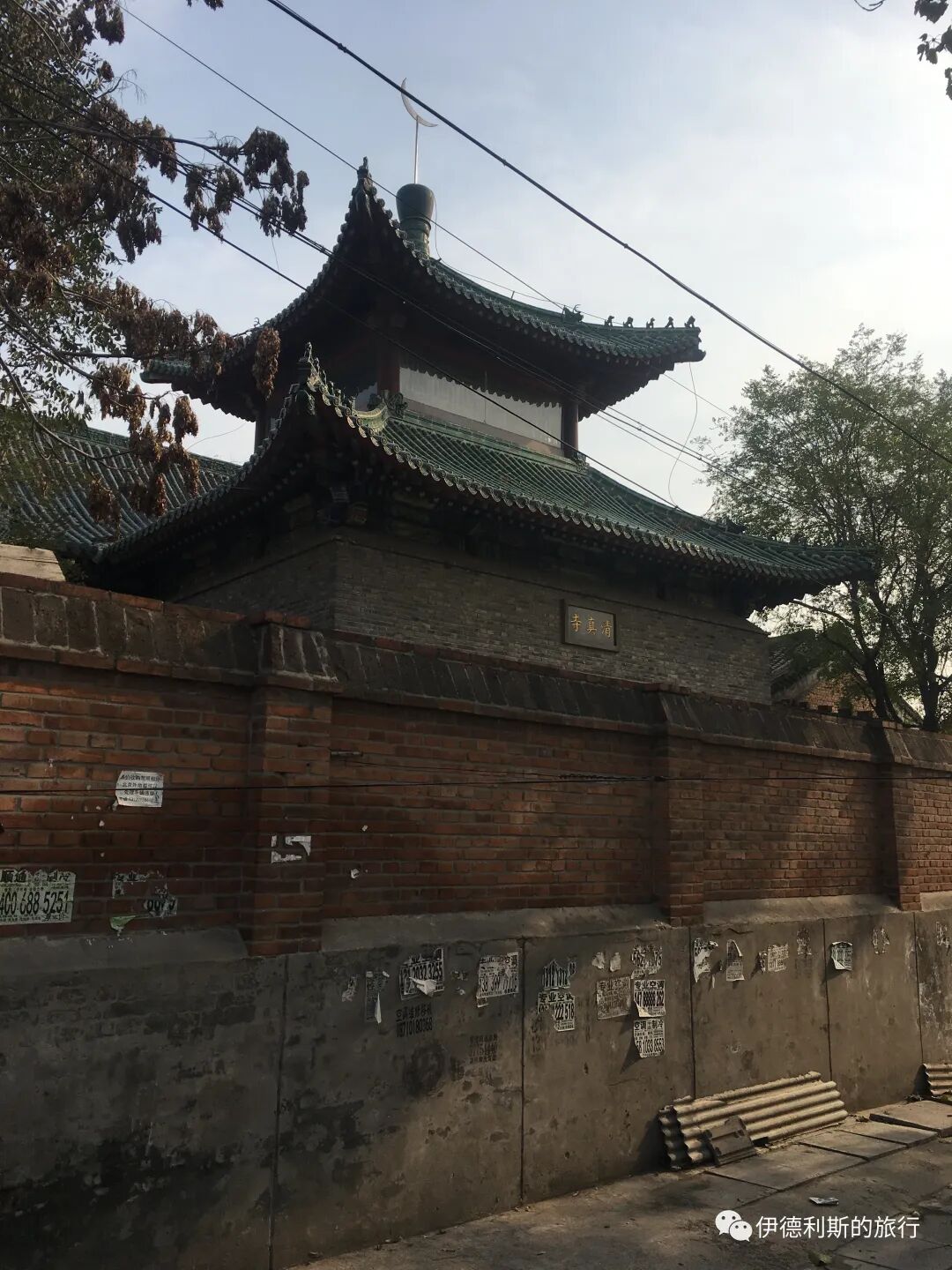
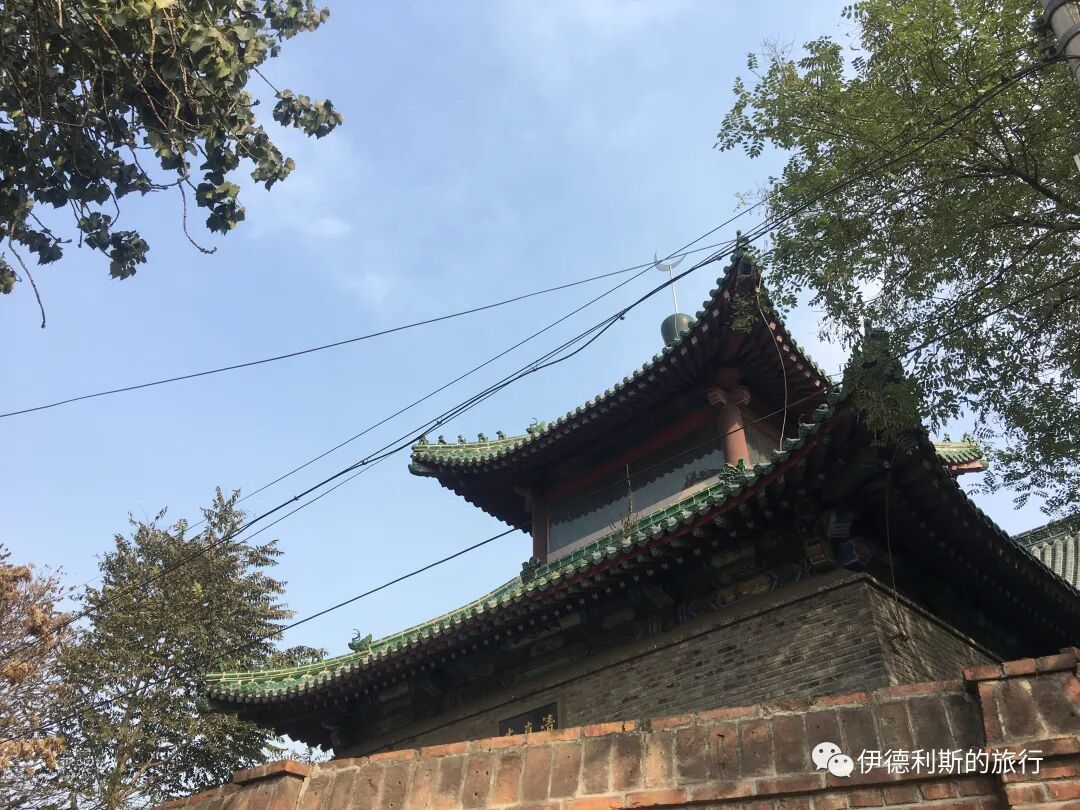
I arrived at the mosque just in time for the afternoon prayer (peshini). Grandfathers and grandmothers were walking in one after another, and the sound of "salam" echoed back and forth, which felt very warm. The Zhangjiawan Mosque was built in the early Ming Dynasty, renovated during the Daoguang period of the Qing Dynasty, and the fourth section of the prayer hall was expanded in 1956. In the 1960s and 70s, it became a primary school for Hui Muslims, and the south lecture hall and the mountain gate were demolished. The primary school moved out in 1982, and a new gate facing the street to the north was added. It was renovated in 1998, but the layout of the third and fourth sections of the prayer hall was swapped, and the south lecture hall and mountain gate were rebuilt.
The end of the Grand Canal
In the early Ming Dynasty (the 1430s), the Baifu Spring, which supplied the upper reaches of the Tonghui River, dried up due to the construction of the Ming Tombs. Water levels dropped, making canal transport difficult, and Zhangjiawan suddenly became the terminus of the Grand Canal. Ships from the south had to unload their cargo at Zhangjiawan to be moved onto carts for transport to Beijing, making Zhangjiawan a vital transport hub.
It wasn't until 1528, a century later, that the Jiajing Emperor approved the dredging of the Tonghui River, changing the eastern section so it flowed from Tongzhou Beiguan into the North Canal instead of Zhangjiawan. To ensure canal transport, regulations required cargo ships to continue docking at Zhangjiawan, so both Zhangjiawan and Tongzhou City served as important wharves on the northern section of the Grand Canal.
Beijing, Tongzhou, and Zhangjiawan in the Yongzheng edition of the "Map of the Canal's Origins"
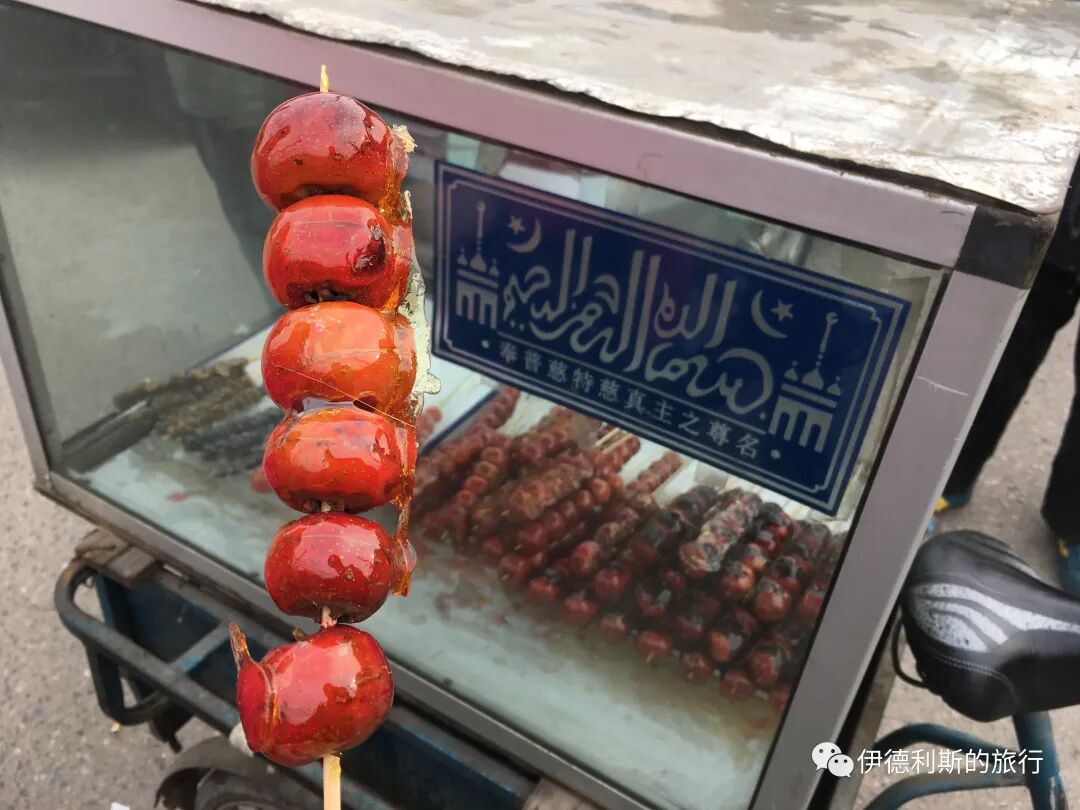
I bought some candied hawthorn (tanghulu) in Zhangjiawan, and it was delicious.
Empress Xiao Bridge (Xiao Taihou Qiao)
In 1550, Altan Khan led his Mongol cavalry to attack Beijing, an event known in history as the "Gengxu Incident." He set up his camp on the east bank of the Lu River, occupied Tongzhou, and raided areas outside Beijing and the Ming imperial tombs to the west. For over 20 years after the "Gengxu Incident," Altan Khan raided the south every year, forcing the Ming Dynasty to strengthen its northern border defenses. To protect the canal transport, Zhangjiawan City was built in 1564. Zhangjiawan City was built in a hurry, taking only three months. It had a perimeter of about 3,015 meters, with four city gates and three water gates. The south wall used the Empress Xiao grain transport river as a moat, the east wall used the Grand Canal as a moat, and the west and north walls had moats dug for protection.
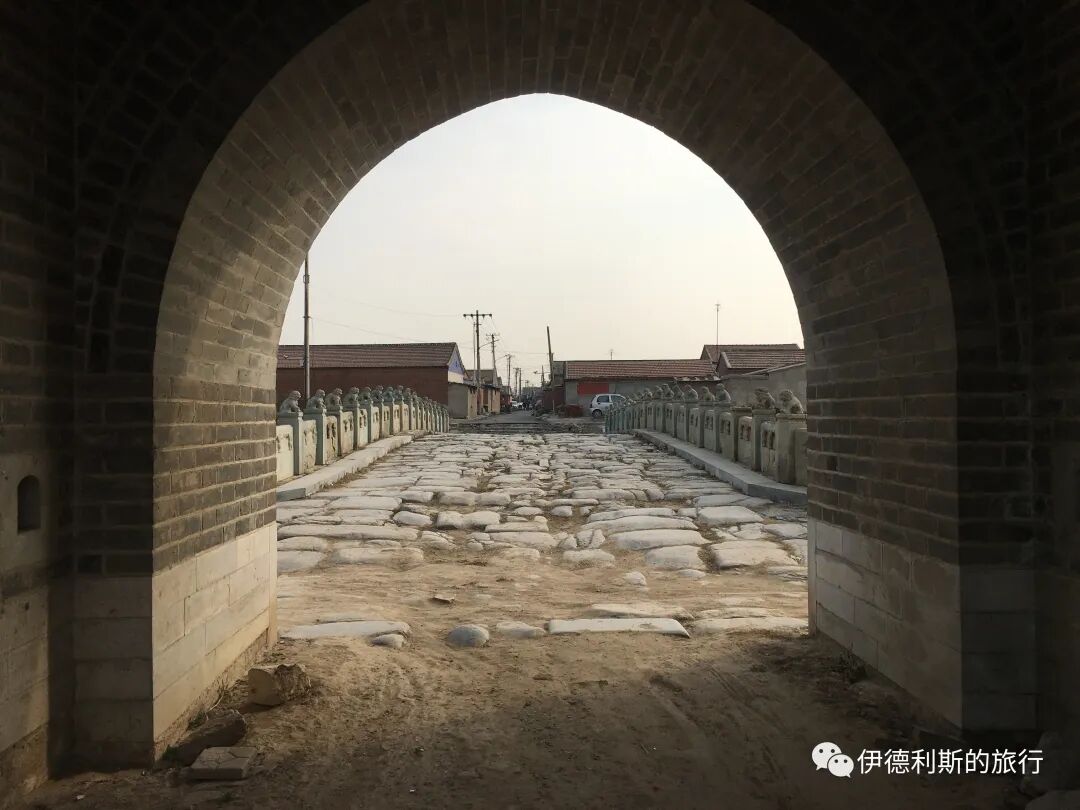
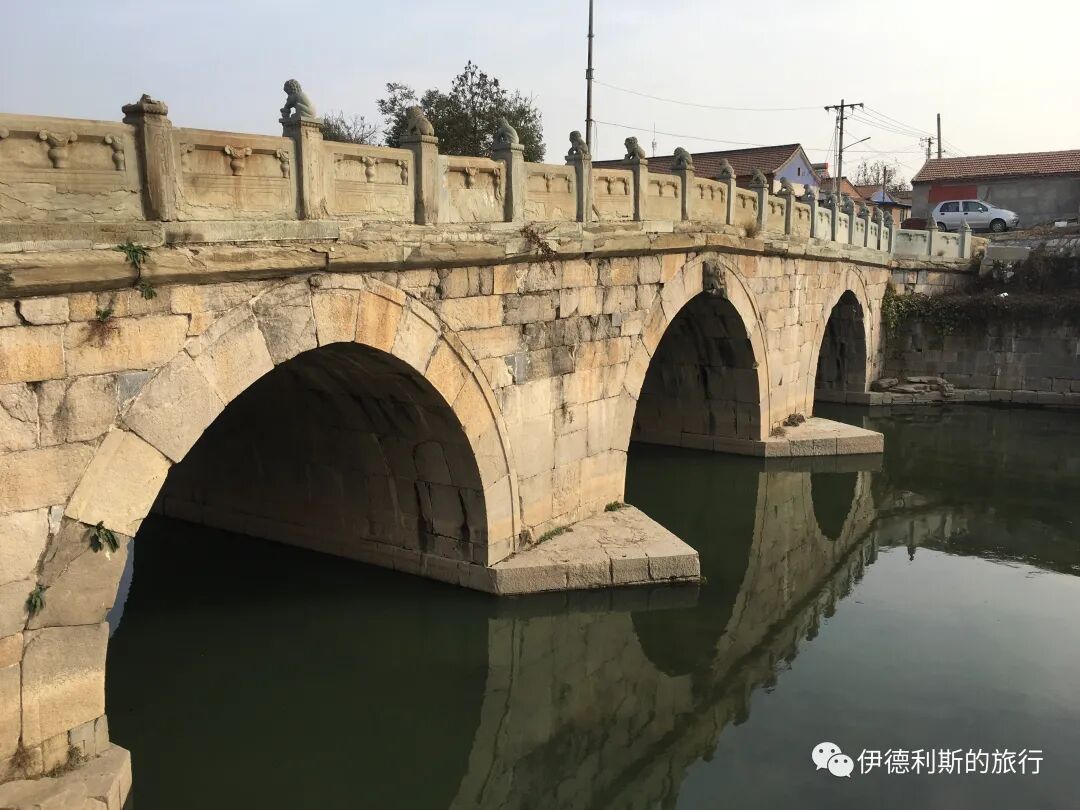
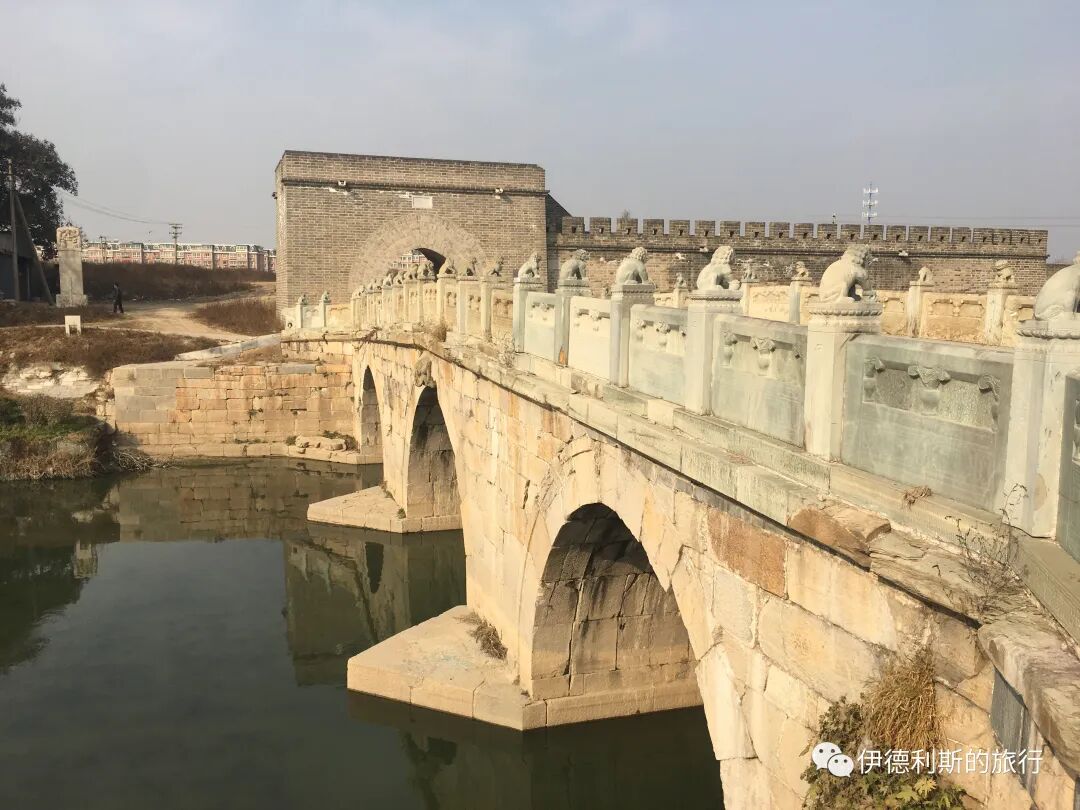
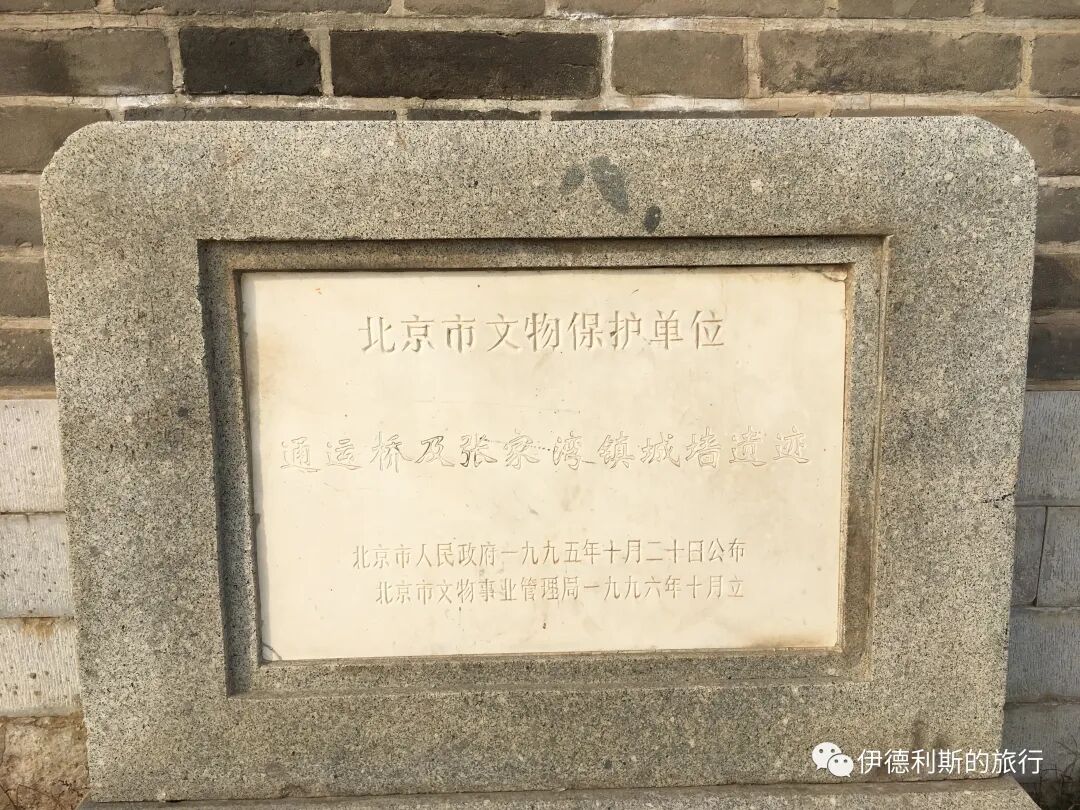
The area outside the south gate of Zhangjiawan became a busy market because it was near the canal docks. There was originally a wooden bridge over the Empress Xiao River outside the south gate, commonly known as Empress Xiao Bridge. After Zhangjiawan was built, the wooden bridge could not handle the traffic, so the Ming Emperor Shenzong ordered a three-arch stone bridge to be built in 1605 and named it Tongyun Bridge. Even though it had the official name Tongyun Bridge, people were still used to calling it Empress Xiao Bridge.
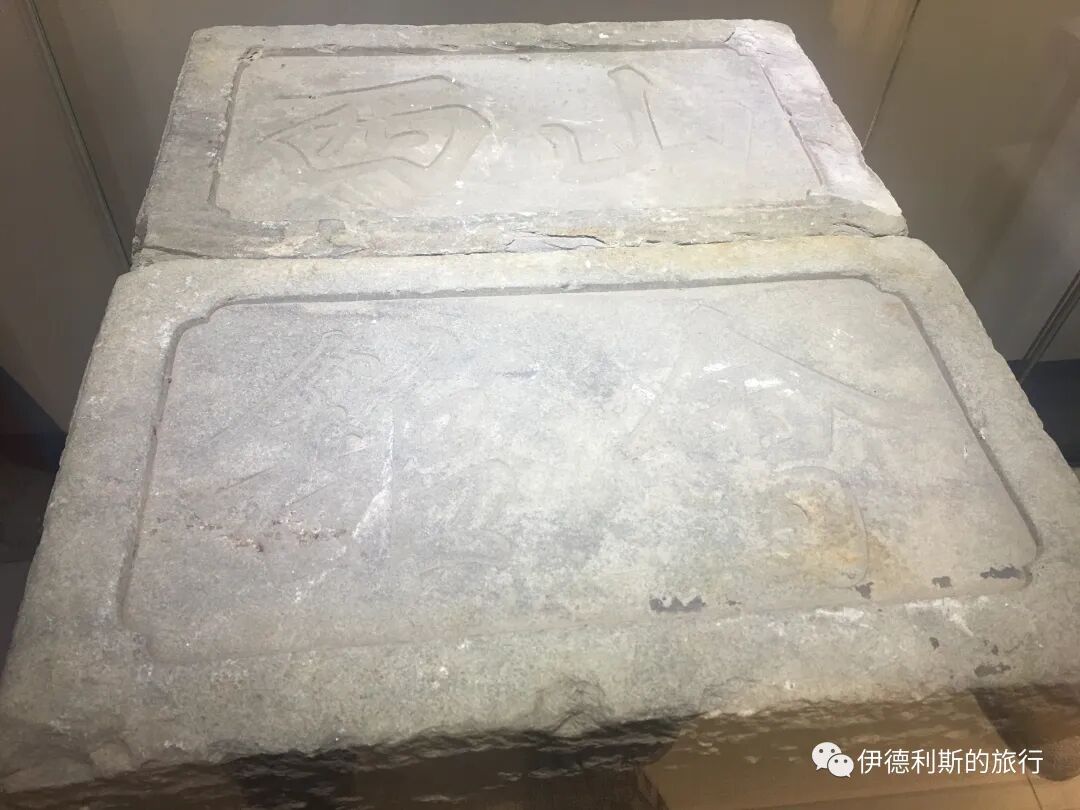
The Tongzhou District Museum keeps some relics from the ancient city of Zhangjiawan. The Shanxi Guild Hall is on the east side of Shili Street inside Zhangjiawan. It was a Guandi Temple in the Ming Dynasty and was rebuilt as the Shanxi Guild Hall during the Qianlong period of the Qing Dynasty.
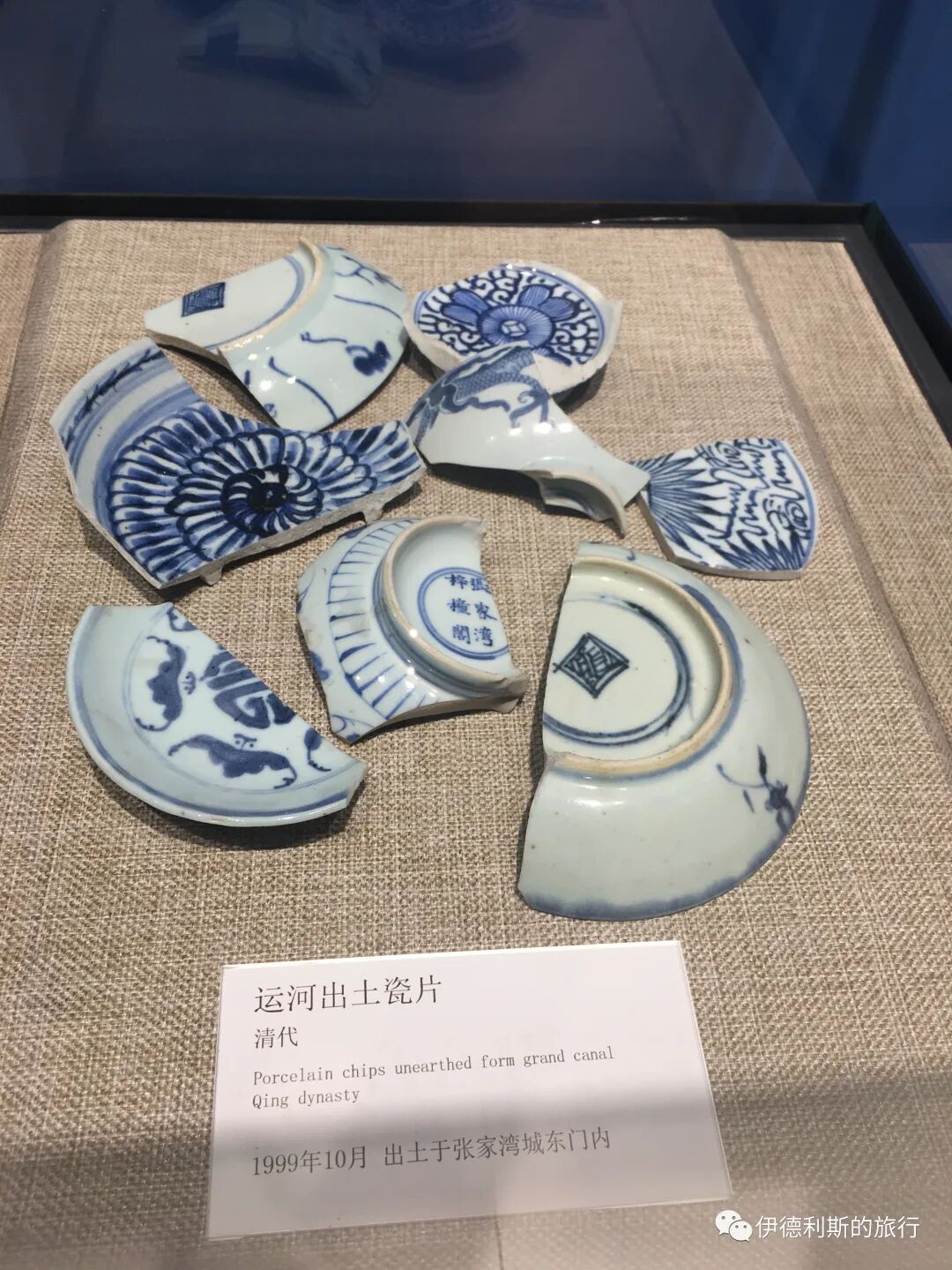
Porcelain shards unearthed inside the east gate of Zhangjiawan are kept in the Tongzhou Museum.
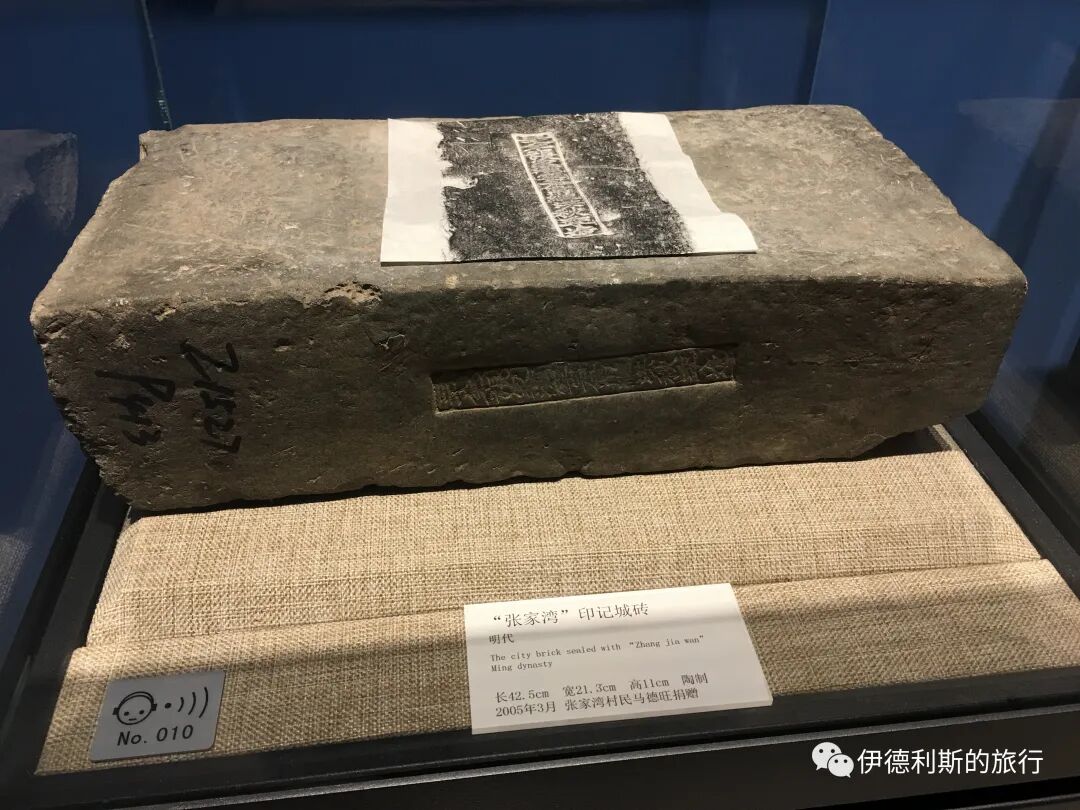
Ming Dynasty city bricks from Zhangjiawan are kept in the Tongzhou Museum. view all
Summary: Beijing Zhangjiawan — Canal Town, Mosques and Hui Food is presented here as a firsthand travel account in clear English, beginning with this scene: Zhangjiawan is now an ordinary village south of Tongzhou, Beijing, featuring an ancient Ming Dynasty bridge and a street for Hui Muslim food. The account keeps its focus on Zhangjiawan, Beijing Canal, Halal Food while preserving the names, places, food, and historical details from the Chinese source.
Zhangjiawan is now an ordinary village south of Tongzhou, Beijing, featuring an ancient Ming Dynasty bridge and a street for Hui Muslim food. But hundreds of years ago, this was a major wharf on the Grand Canal and the most important transport hub east of Beijing, holding a status similar to Beijing West or South railway stations today. I visited this place in November 2016.
The real rise of Zhangjiawan began when the famous Yuan Dynasty hydraulic engineer Guo Shoujing built the Tonghui River in 1292. The biggest difference between the Yuan Dynasty Tonghui River and the modern one is the eastern section. The modern Tonghui River flows east and joins the North Canal near the Tongzhou Beiguan station on Line 6, but the Yuan Dynasty river turned southeast at the Guanzhuang station on the Batong Line and flowed into the Lu River from Zhangjiawan.
Shortly before the Tonghui River was finished, Zhang Xuan, who was in charge of maritime transport for the Yuan Dynasty, opened a route for grain ships from the Yangtze River estuary along the coast to Zhigu (Tianjin). The opening of the Tonghui River allowed Zhang Xuan to guide grain ships along the Lu River into the Tonghui River, reaching Jishuitan, the lake inside the Yuan capital. Zhang Xuan built a wharf at the intersection of the Lu River and the Tonghui River, making it a key transport hub. Ming Dynasty historical records state that the "Marquis Zhang Xuan supervised maritime transport here," and later generations named this wharf Zhangjiawan.
After Zhangjiawan became a canal transport wharf, merchants kept moving here, including many Hui Muslims. Starting in the early Ming Dynasty, a Hui Muslim community formed in Zhangjiawan, and they built the Zhangjiawan Mosque.
Fried dough crisps (gezhihe) are a local specialty east of Beijing. Since my grandmother lived on the border of Chaoyang and Tongzhou, I grew up eating them whenever her relatives brought them over.
Zhangjiawan Mosque
I arrived at the mosque just in time for the afternoon prayer (peshini). Grandfathers and grandmothers were walking in one after another, and the sound of "salam" echoed back and forth, which felt very warm. The Zhangjiawan Mosque was built in the early Ming Dynasty, renovated during the Daoguang period of the Qing Dynasty, and the fourth section of the prayer hall was expanded in 1956. In the 1960s and 70s, it became a primary school for Hui Muslims, and the south lecture hall and the mountain gate were demolished. The primary school moved out in 1982, and a new gate facing the street to the north was added. It was renovated in 1998, but the layout of the third and fourth sections of the prayer hall was swapped, and the south lecture hall and mountain gate were rebuilt.
The end of the Grand Canal
In the early Ming Dynasty (the 1430s), the Baifu Spring, which supplied the upper reaches of the Tonghui River, dried up due to the construction of the Ming Tombs. Water levels dropped, making canal transport difficult, and Zhangjiawan suddenly became the terminus of the Grand Canal. Ships from the south had to unload their cargo at Zhangjiawan to be moved onto carts for transport to Beijing, making Zhangjiawan a vital transport hub.
It wasn't until 1528, a century later, that the Jiajing Emperor approved the dredging of the Tonghui River, changing the eastern section so it flowed from Tongzhou Beiguan into the North Canal instead of Zhangjiawan. To ensure canal transport, regulations required cargo ships to continue docking at Zhangjiawan, so both Zhangjiawan and Tongzhou City served as important wharves on the northern section of the Grand Canal.
Beijing, Tongzhou, and Zhangjiawan in the Yongzheng edition of the "Map of the Canal's Origins"
I bought some candied hawthorn (tanghulu) in Zhangjiawan, and it was delicious.
Empress Xiao Bridge (Xiao Taihou Qiao)
In 1550, Altan Khan led his Mongol cavalry to attack Beijing, an event known in history as the "Gengxu Incident." He set up his camp on the east bank of the Lu River, occupied Tongzhou, and raided areas outside Beijing and the Ming imperial tombs to the west. For over 20 years after the "Gengxu Incident," Altan Khan raided the south every year, forcing the Ming Dynasty to strengthen its northern border defenses. To protect the canal transport, Zhangjiawan City was built in 1564. Zhangjiawan City was built in a hurry, taking only three months. It had a perimeter of about 3,015 meters, with four city gates and three water gates. The south wall used the Empress Xiao grain transport river as a moat, the east wall used the Grand Canal as a moat, and the west and north walls had moats dug for protection.
The area outside the south gate of Zhangjiawan became a busy market because it was near the canal docks. There was originally a wooden bridge over the Empress Xiao River outside the south gate, commonly known as Empress Xiao Bridge. After Zhangjiawan was built, the wooden bridge could not handle the traffic, so the Ming Emperor Shenzong ordered a three-arch stone bridge to be built in 1605 and named it Tongyun Bridge. Even though it had the official name Tongyun Bridge, people were still used to calling it Empress Xiao Bridge.
The Tongzhou District Museum keeps some relics from the ancient city of Zhangjiawan. The Shanxi Guild Hall is on the east side of Shili Street inside Zhangjiawan. It was a Guandi Temple in the Ming Dynasty and was rebuilt as the Shanxi Guild Hall during the Qianlong period of the Qing Dynasty.
Porcelain shards unearthed inside the east gate of Zhangjiawan are kept in the Tongzhou Museum.
Ming Dynasty city bricks from Zhangjiawan are kept in the Tongzhou Museum. view all
Reposted from the web
Summary: Beijing Zhangjiawan — Canal Town, Mosques and Hui Food is presented here as a firsthand travel account in clear English, beginning with this scene: Zhangjiawan is now an ordinary village south of Tongzhou, Beijing, featuring an ancient Ming Dynasty bridge and a street for Hui Muslim food. The account keeps its focus on Zhangjiawan, Beijing Canal, Halal Food while preserving the names, places, food, and historical details from the Chinese source.
Zhangjiawan is now an ordinary village south of Tongzhou, Beijing, featuring an ancient Ming Dynasty bridge and a street for Hui Muslim food. But hundreds of years ago, this was a major wharf on the Grand Canal and the most important transport hub east of Beijing, holding a status similar to Beijing West or South railway stations today. I visited this place in November 2016.
The real rise of Zhangjiawan began when the famous Yuan Dynasty hydraulic engineer Guo Shoujing built the Tonghui River in 1292. The biggest difference between the Yuan Dynasty Tonghui River and the modern one is the eastern section. The modern Tonghui River flows east and joins the North Canal near the Tongzhou Beiguan station on Line 6, but the Yuan Dynasty river turned southeast at the Guanzhuang station on the Batong Line and flowed into the Lu River from Zhangjiawan.
Shortly before the Tonghui River was finished, Zhang Xuan, who was in charge of maritime transport for the Yuan Dynasty, opened a route for grain ships from the Yangtze River estuary along the coast to Zhigu (Tianjin). The opening of the Tonghui River allowed Zhang Xuan to guide grain ships along the Lu River into the Tonghui River, reaching Jishuitan, the lake inside the Yuan capital. Zhang Xuan built a wharf at the intersection of the Lu River and the Tonghui River, making it a key transport hub. Ming Dynasty historical records state that the "Marquis Zhang Xuan supervised maritime transport here," and later generations named this wharf Zhangjiawan.
After Zhangjiawan became a canal transport wharf, merchants kept moving here, including many Hui Muslims. Starting in the early Ming Dynasty, a Hui Muslim community formed in Zhangjiawan, and they built the Zhangjiawan Mosque.
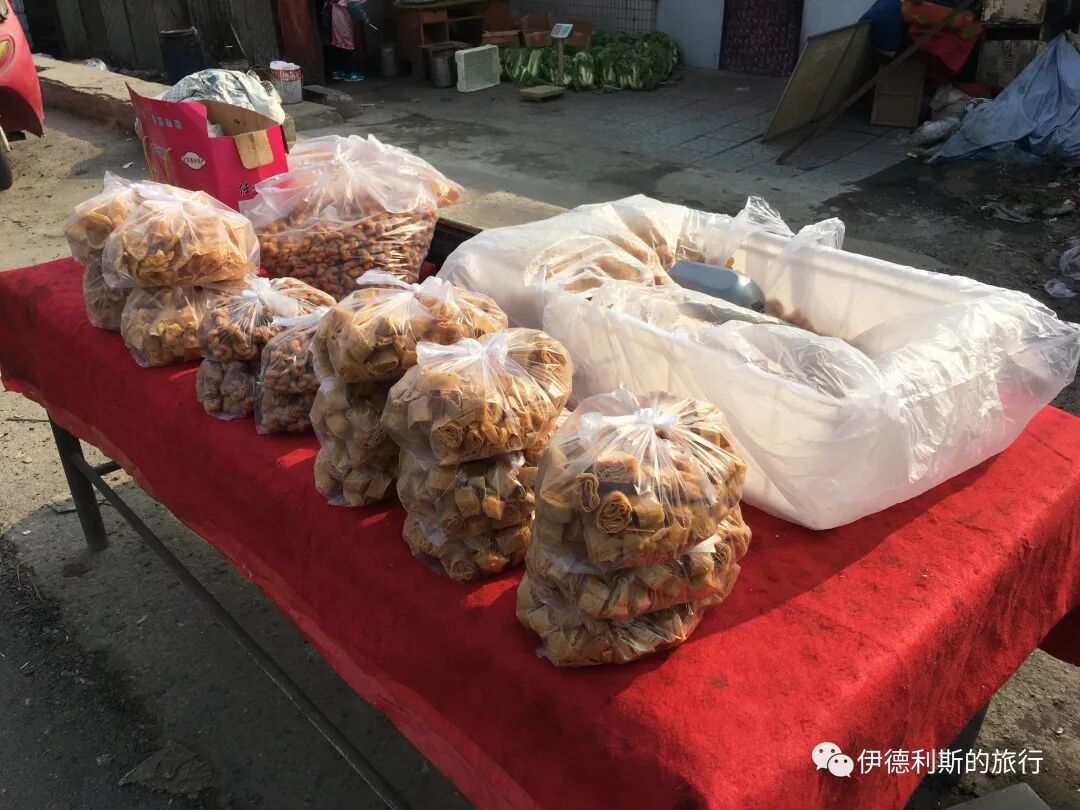
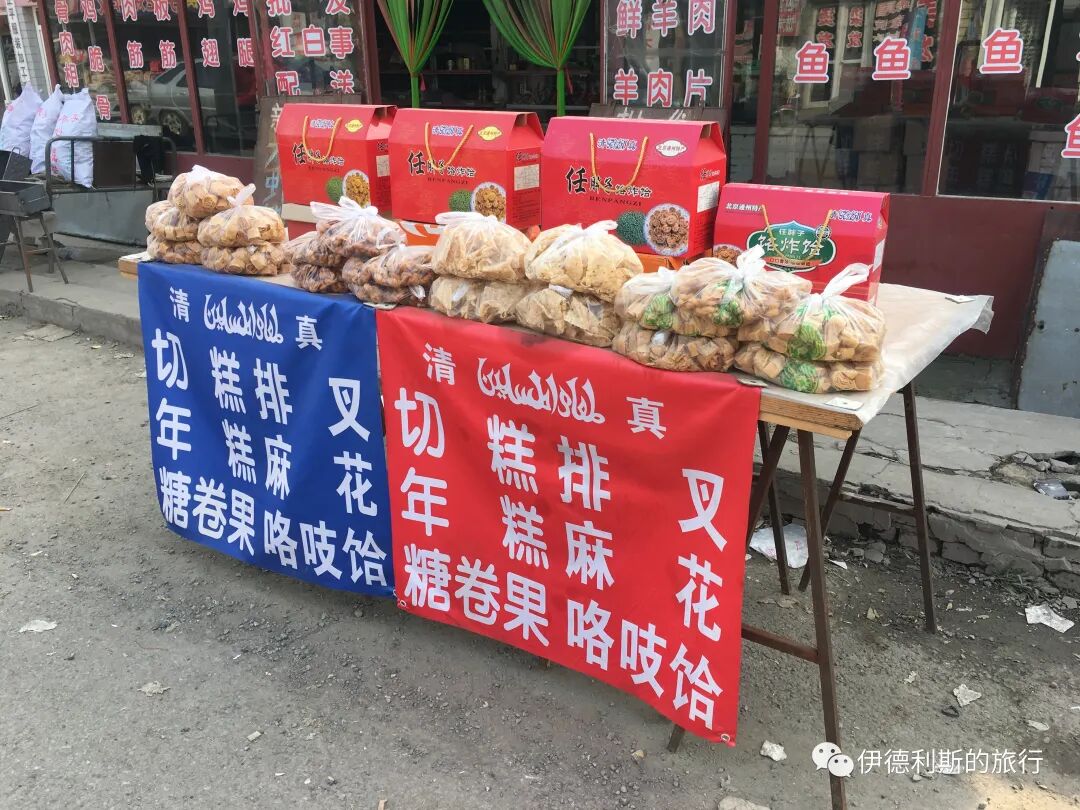
Fried dough crisps (gezhihe) are a local specialty east of Beijing. Since my grandmother lived on the border of Chaoyang and Tongzhou, I grew up eating them whenever her relatives brought them over.
Zhangjiawan Mosque
I arrived at the mosque just in time for the afternoon prayer (peshini). Grandfathers and grandmothers were walking in one after another, and the sound of "salam" echoed back and forth, which felt very warm. The Zhangjiawan Mosque was built in the early Ming Dynasty, renovated during the Daoguang period of the Qing Dynasty, and the fourth section of the prayer hall was expanded in 1956. In the 1960s and 70s, it became a primary school for Hui Muslims, and the south lecture hall and the mountain gate were demolished. The primary school moved out in 1982, and a new gate facing the street to the north was added. It was renovated in 1998, but the layout of the third and fourth sections of the prayer hall was swapped, and the south lecture hall and mountain gate were rebuilt.
The end of the Grand Canal
In the early Ming Dynasty (the 1430s), the Baifu Spring, which supplied the upper reaches of the Tonghui River, dried up due to the construction of the Ming Tombs. Water levels dropped, making canal transport difficult, and Zhangjiawan suddenly became the terminus of the Grand Canal. Ships from the south had to unload their cargo at Zhangjiawan to be moved onto carts for transport to Beijing, making Zhangjiawan a vital transport hub.
It wasn't until 1528, a century later, that the Jiajing Emperor approved the dredging of the Tonghui River, changing the eastern section so it flowed from Tongzhou Beiguan into the North Canal instead of Zhangjiawan. To ensure canal transport, regulations required cargo ships to continue docking at Zhangjiawan, so both Zhangjiawan and Tongzhou City served as important wharves on the northern section of the Grand Canal.
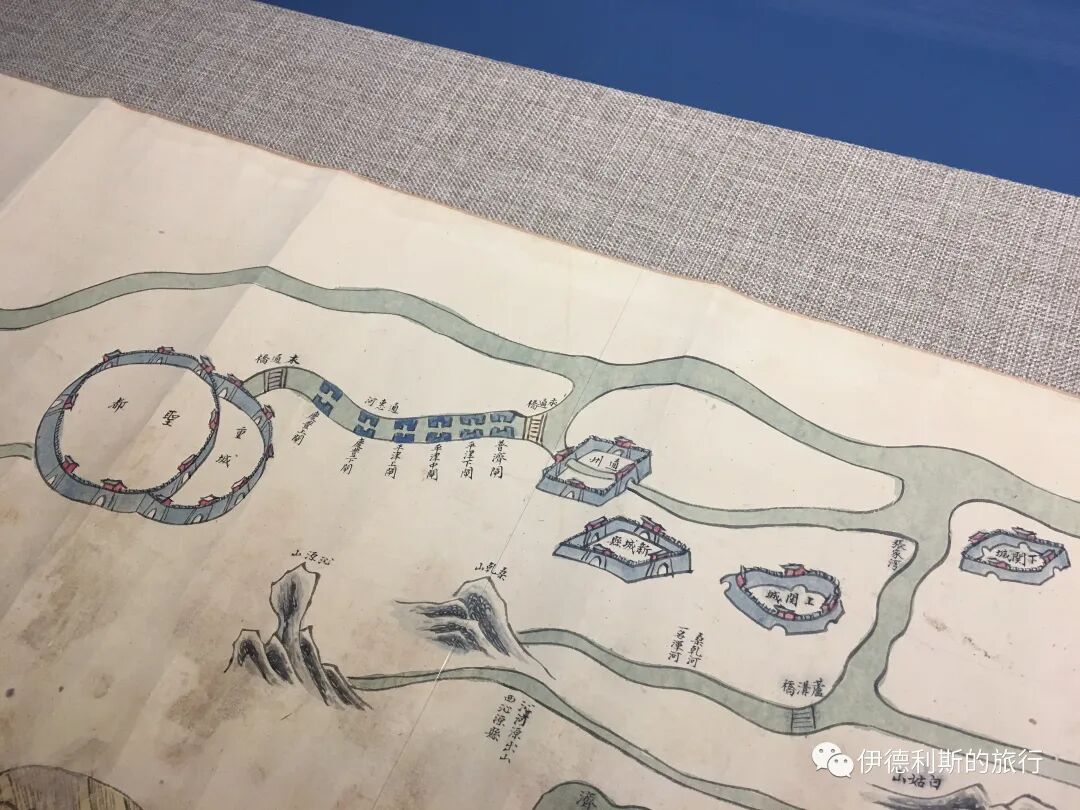
Beijing, Tongzhou, and Zhangjiawan in the Yongzheng edition of the "Map of the Canal's Origins"
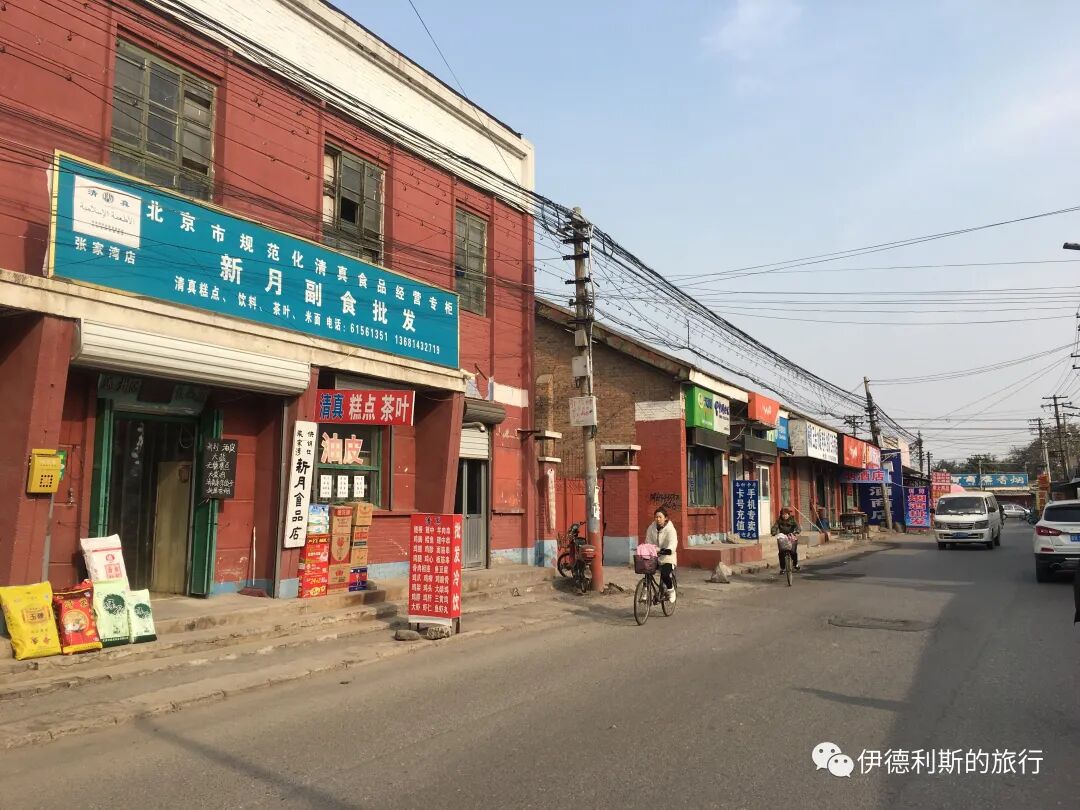
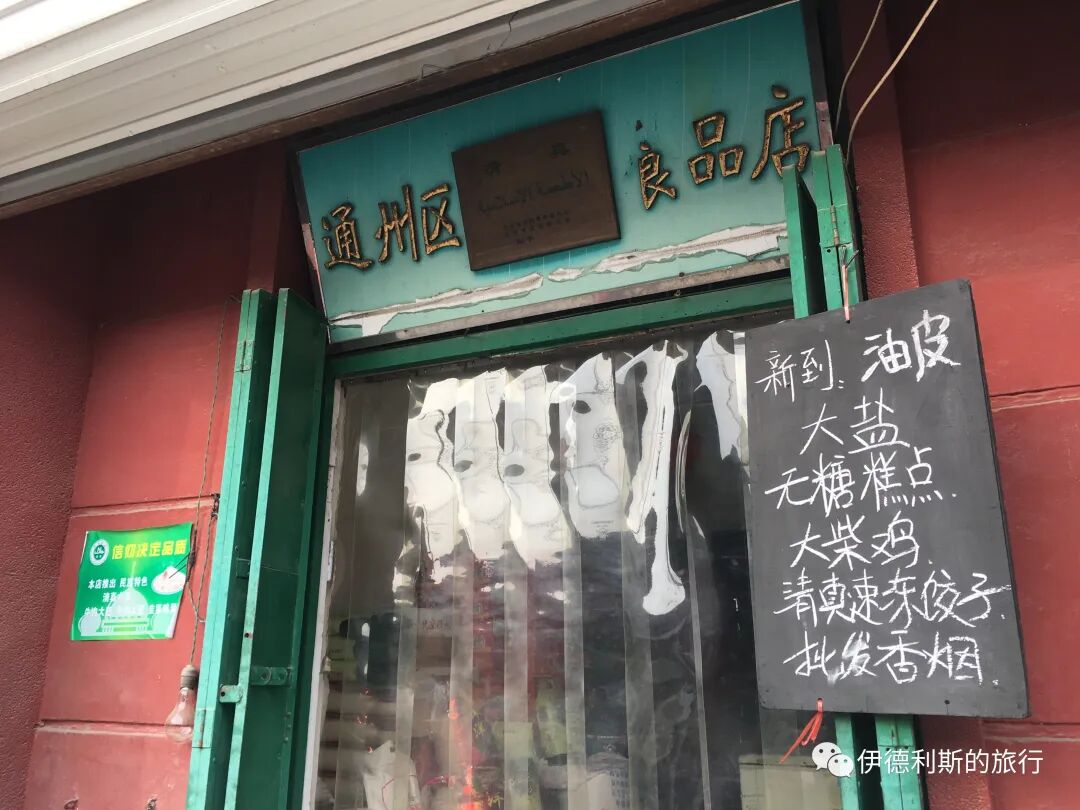
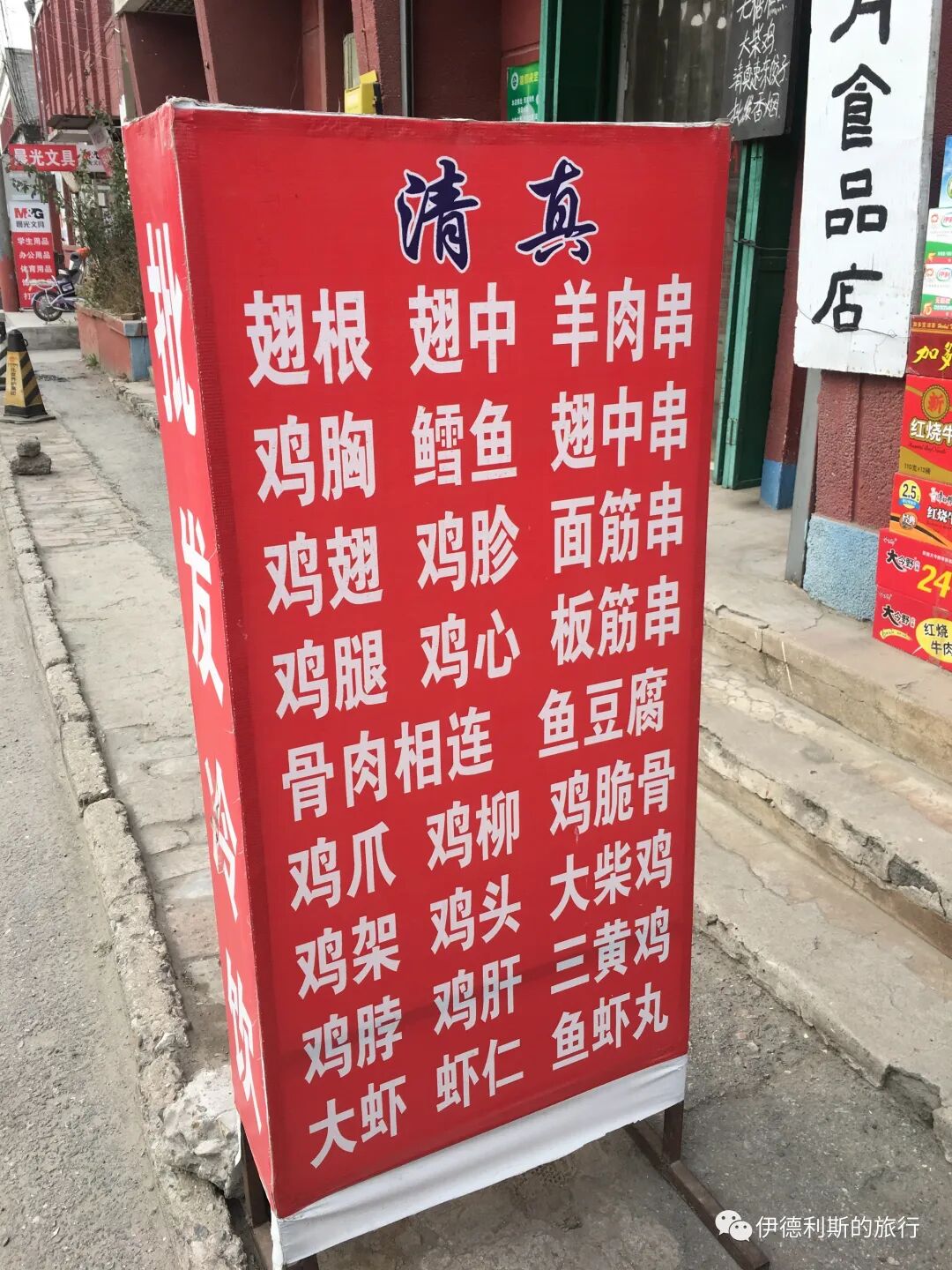
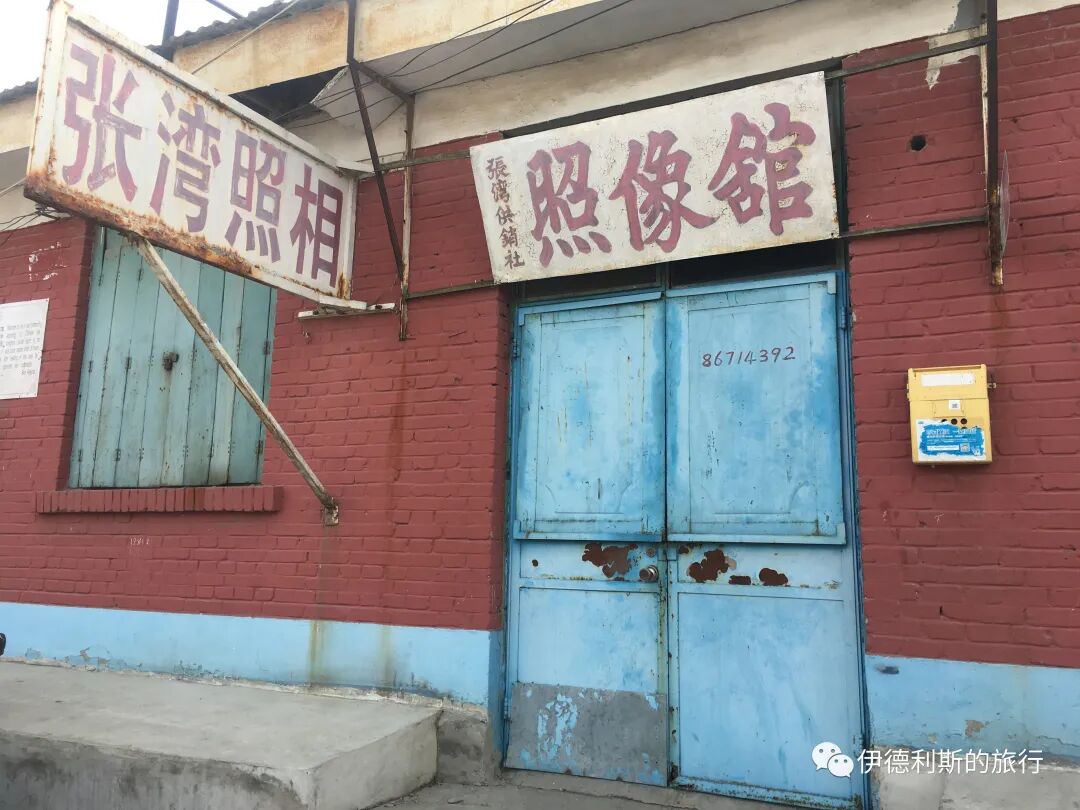
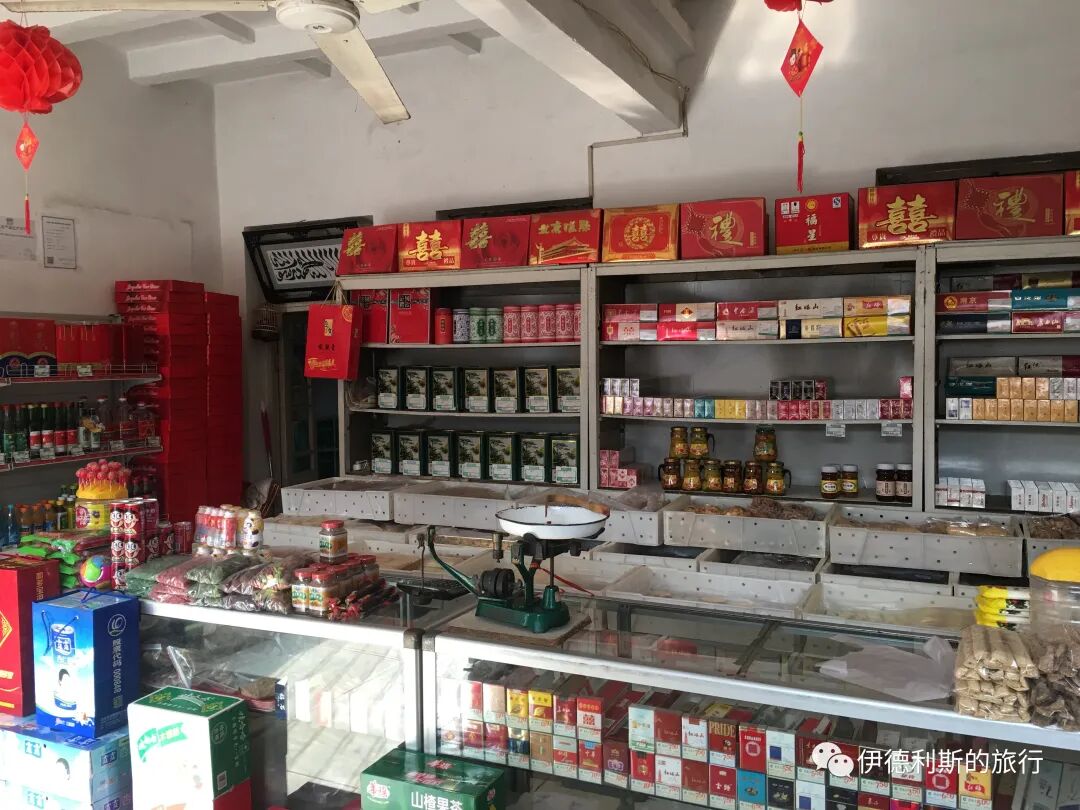
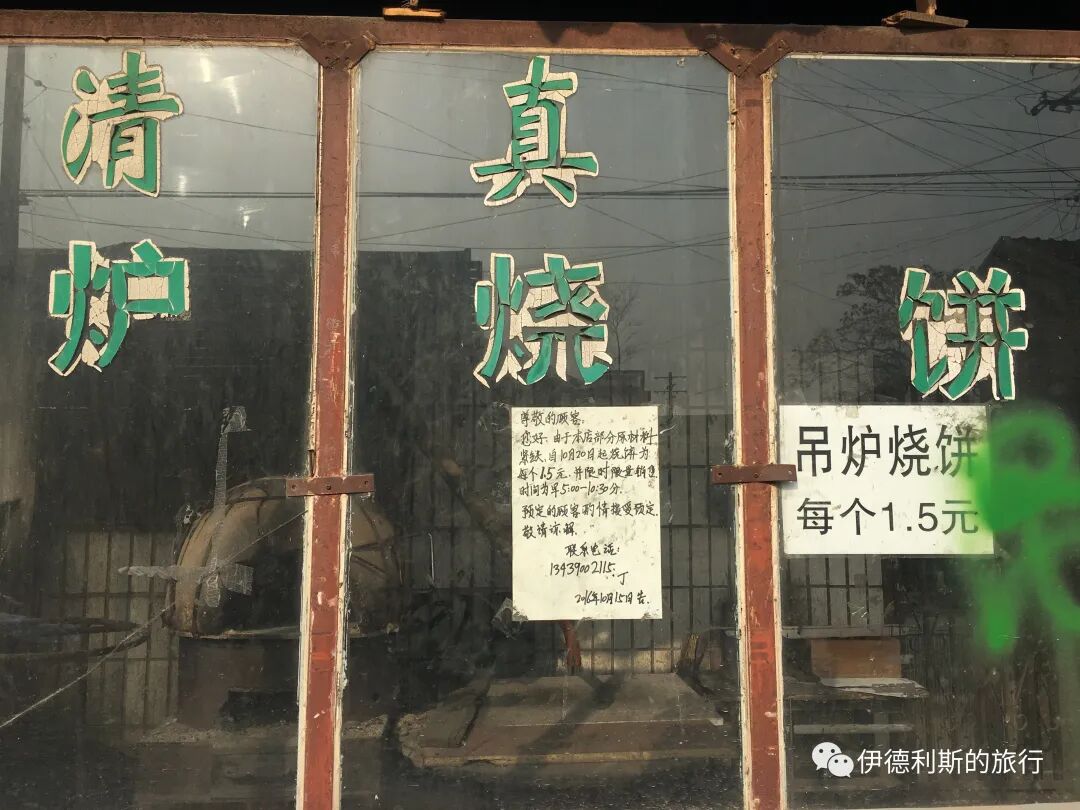
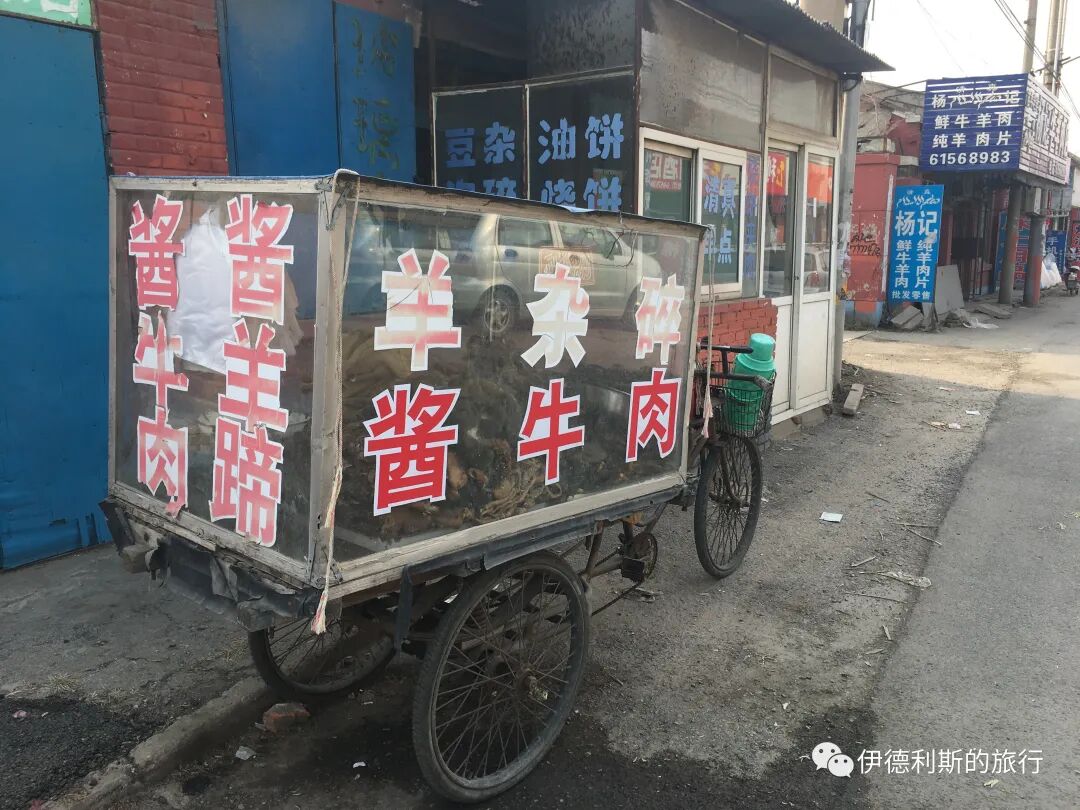
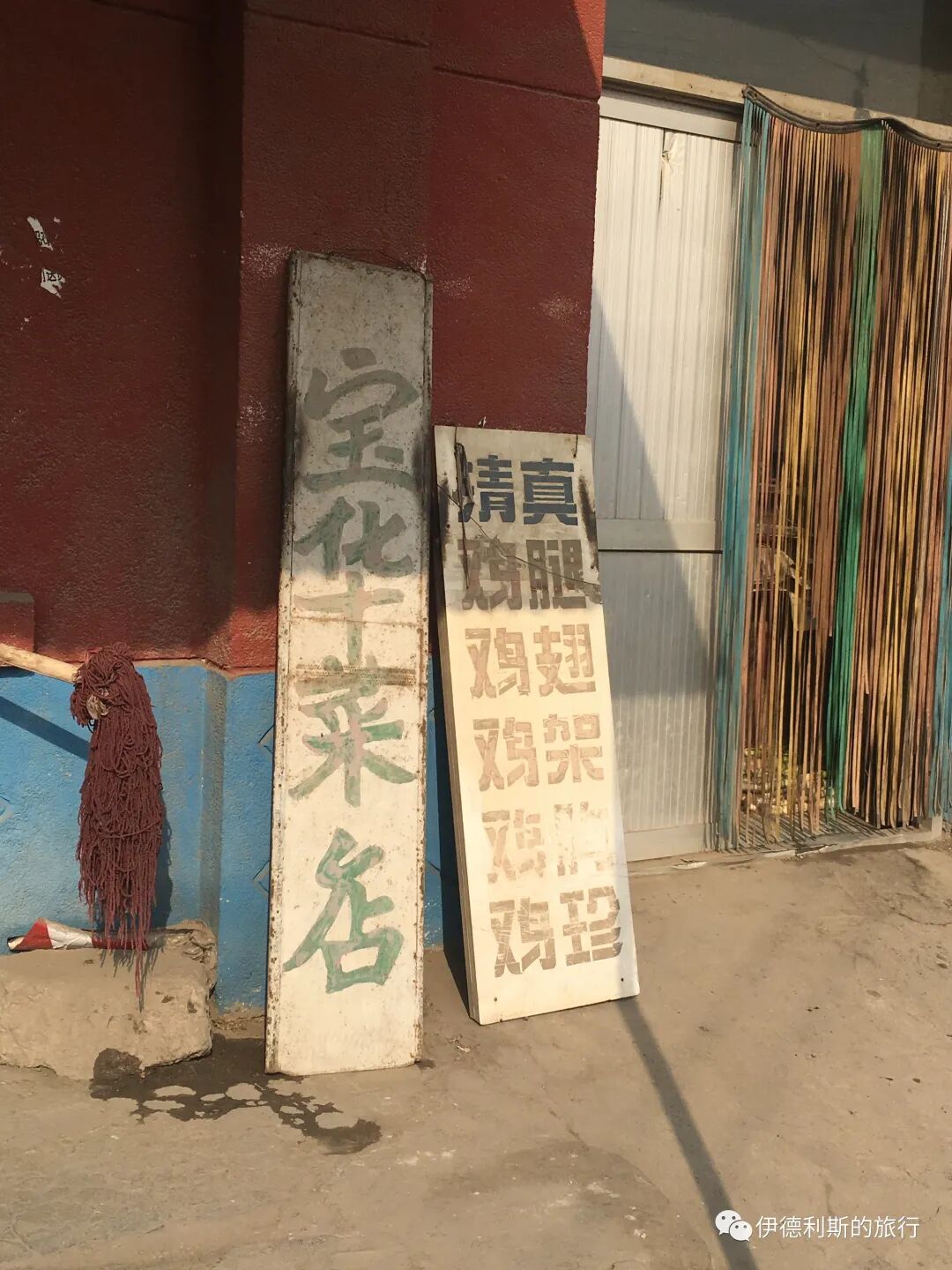
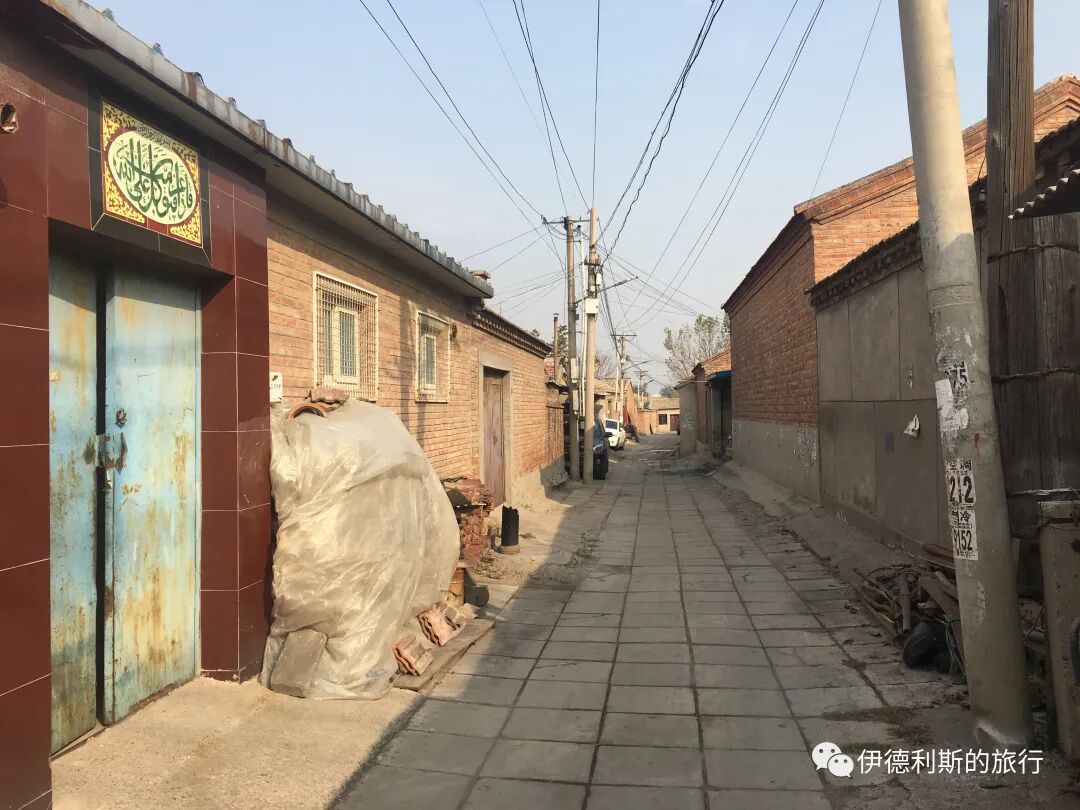
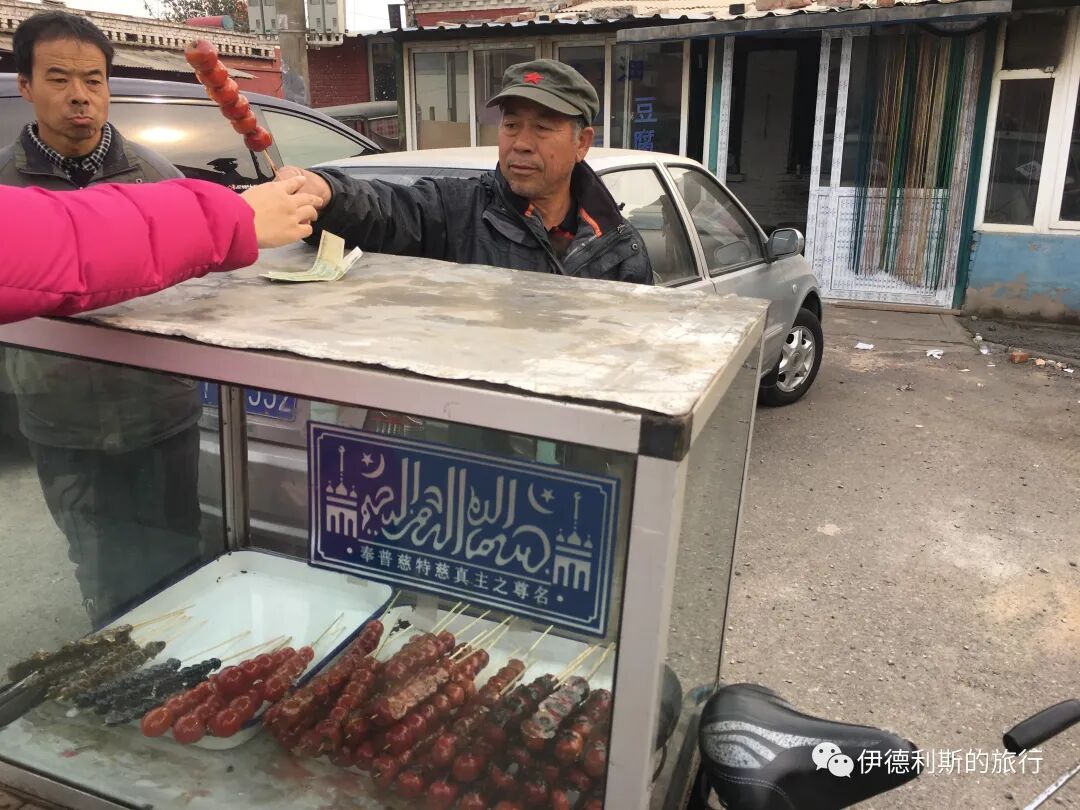
I bought some candied hawthorn (tanghulu) in Zhangjiawan, and it was delicious.
Empress Xiao Bridge (Xiao Taihou Qiao)
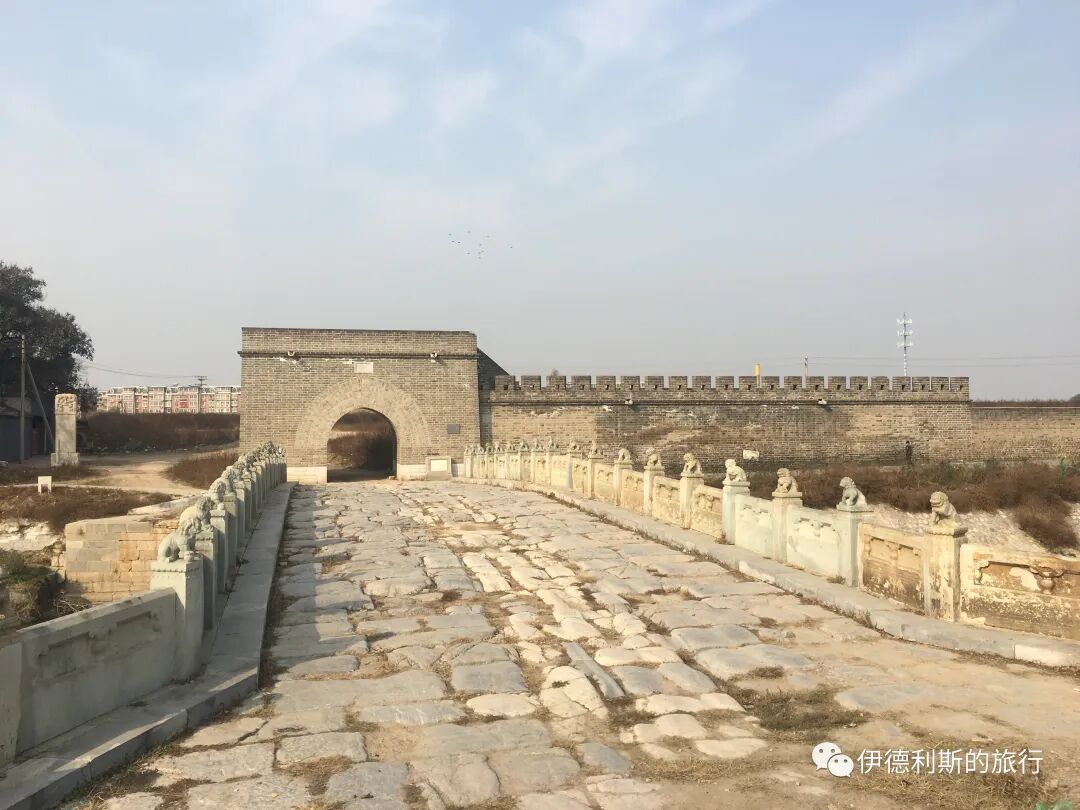
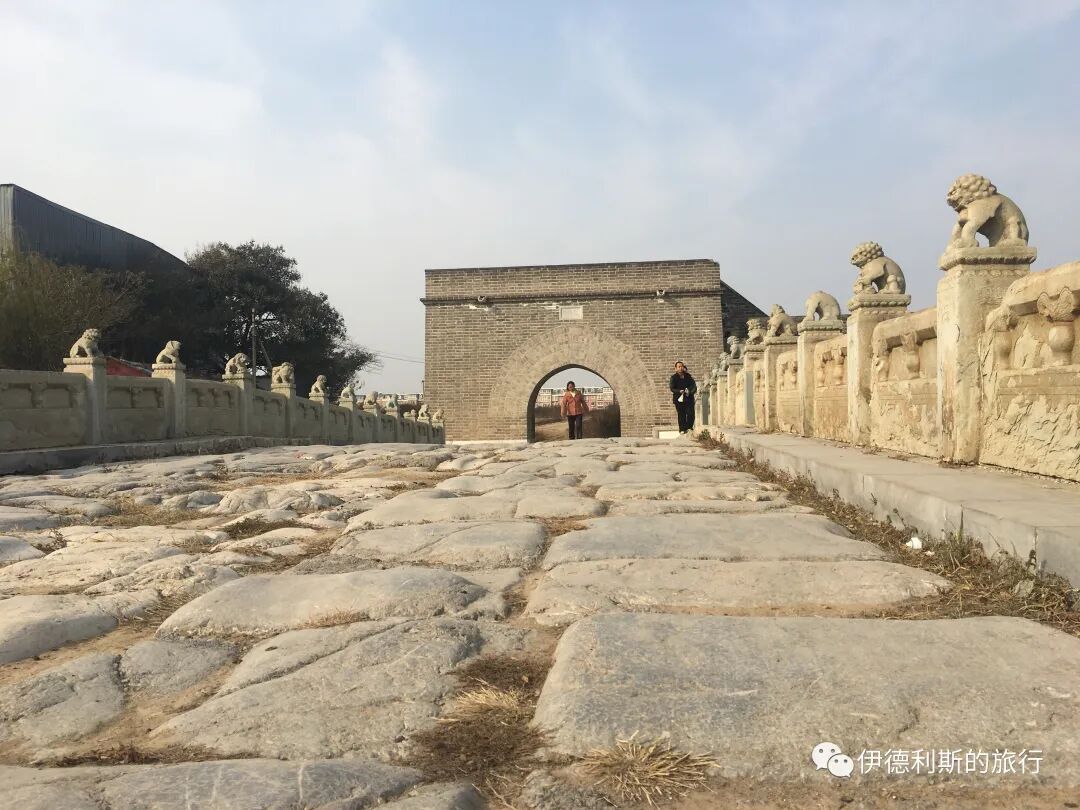
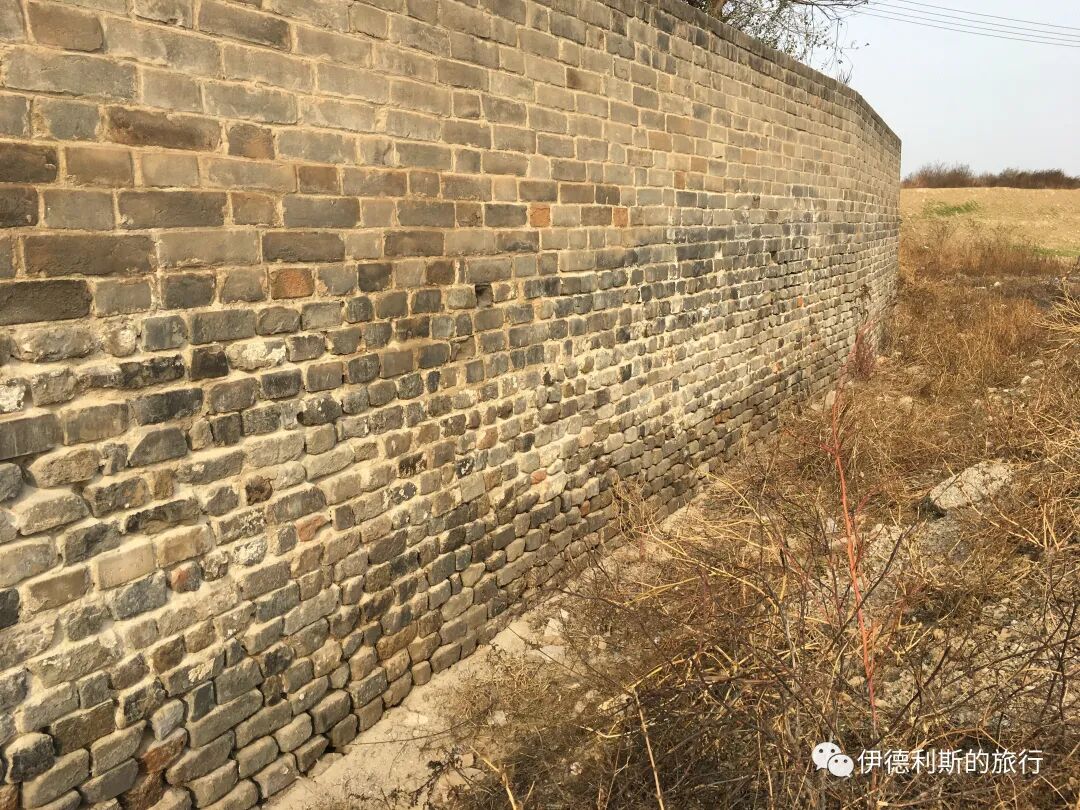
In 1550, Altan Khan led his Mongol cavalry to attack Beijing, an event known in history as the "Gengxu Incident." He set up his camp on the east bank of the Lu River, occupied Tongzhou, and raided areas outside Beijing and the Ming imperial tombs to the west. For over 20 years after the "Gengxu Incident," Altan Khan raided the south every year, forcing the Ming Dynasty to strengthen its northern border defenses. To protect the canal transport, Zhangjiawan City was built in 1564. Zhangjiawan City was built in a hurry, taking only three months. It had a perimeter of about 3,015 meters, with four city gates and three water gates. The south wall used the Empress Xiao grain transport river as a moat, the east wall used the Grand Canal as a moat, and the west and north walls had moats dug for protection.
The area outside the south gate of Zhangjiawan became a busy market because it was near the canal docks. There was originally a wooden bridge over the Empress Xiao River outside the south gate, commonly known as Empress Xiao Bridge. After Zhangjiawan was built, the wooden bridge could not handle the traffic, so the Ming Emperor Shenzong ordered a three-arch stone bridge to be built in 1605 and named it Tongyun Bridge. Even though it had the official name Tongyun Bridge, people were still used to calling it Empress Xiao Bridge.
The Tongzhou District Museum keeps some relics from the ancient city of Zhangjiawan. The Shanxi Guild Hall is on the east side of Shili Street inside Zhangjiawan. It was a Guandi Temple in the Ming Dynasty and was rebuilt as the Shanxi Guild Hall during the Qianlong period of the Qing Dynasty.
Porcelain shards unearthed inside the east gate of Zhangjiawan are kept in the Tongzhou Museum.
Ming Dynasty city bricks from Zhangjiawan are kept in the Tongzhou Museum.
Summary: Beijing Zhangjiawan — Canal Town, Mosques and Hui Food is presented here as a firsthand travel account in clear English, beginning with this scene: Zhangjiawan is now an ordinary village south of Tongzhou, Beijing, featuring an ancient Ming Dynasty bridge and a street for Hui Muslim food. The account keeps its focus on Zhangjiawan, Beijing Canal, Halal Food while preserving the names, places, food, and historical details from the Chinese source.
Zhangjiawan is now an ordinary village south of Tongzhou, Beijing, featuring an ancient Ming Dynasty bridge and a street for Hui Muslim food. But hundreds of years ago, this was a major wharf on the Grand Canal and the most important transport hub east of Beijing, holding a status similar to Beijing West or South railway stations today. I visited this place in November 2016.
The real rise of Zhangjiawan began when the famous Yuan Dynasty hydraulic engineer Guo Shoujing built the Tonghui River in 1292. The biggest difference between the Yuan Dynasty Tonghui River and the modern one is the eastern section. The modern Tonghui River flows east and joins the North Canal near the Tongzhou Beiguan station on Line 6, but the Yuan Dynasty river turned southeast at the Guanzhuang station on the Batong Line and flowed into the Lu River from Zhangjiawan.
Shortly before the Tonghui River was finished, Zhang Xuan, who was in charge of maritime transport for the Yuan Dynasty, opened a route for grain ships from the Yangtze River estuary along the coast to Zhigu (Tianjin). The opening of the Tonghui River allowed Zhang Xuan to guide grain ships along the Lu River into the Tonghui River, reaching Jishuitan, the lake inside the Yuan capital. Zhang Xuan built a wharf at the intersection of the Lu River and the Tonghui River, making it a key transport hub. Ming Dynasty historical records state that the "Marquis Zhang Xuan supervised maritime transport here," and later generations named this wharf Zhangjiawan.
After Zhangjiawan became a canal transport wharf, merchants kept moving here, including many Hui Muslims. Starting in the early Ming Dynasty, a Hui Muslim community formed in Zhangjiawan, and they built the Zhangjiawan Mosque.
Fried dough crisps (gezhihe) are a local specialty east of Beijing. Since my grandmother lived on the border of Chaoyang and Tongzhou, I grew up eating them whenever her relatives brought them over.
Zhangjiawan Mosque
I arrived at the mosque just in time for the afternoon prayer (peshini). Grandfathers and grandmothers were walking in one after another, and the sound of "salam" echoed back and forth, which felt very warm. The Zhangjiawan Mosque was built in the early Ming Dynasty, renovated during the Daoguang period of the Qing Dynasty, and the fourth section of the prayer hall was expanded in 1956. In the 1960s and 70s, it became a primary school for Hui Muslims, and the south lecture hall and the mountain gate were demolished. The primary school moved out in 1982, and a new gate facing the street to the north was added. It was renovated in 1998, but the layout of the third and fourth sections of the prayer hall was swapped, and the south lecture hall and mountain gate were rebuilt.
The end of the Grand Canal
In the early Ming Dynasty (the 1430s), the Baifu Spring, which supplied the upper reaches of the Tonghui River, dried up due to the construction of the Ming Tombs. Water levels dropped, making canal transport difficult, and Zhangjiawan suddenly became the terminus of the Grand Canal. Ships from the south had to unload their cargo at Zhangjiawan to be moved onto carts for transport to Beijing, making Zhangjiawan a vital transport hub.
It wasn't until 1528, a century later, that the Jiajing Emperor approved the dredging of the Tonghui River, changing the eastern section so it flowed from Tongzhou Beiguan into the North Canal instead of Zhangjiawan. To ensure canal transport, regulations required cargo ships to continue docking at Zhangjiawan, so both Zhangjiawan and Tongzhou City served as important wharves on the northern section of the Grand Canal.
Beijing, Tongzhou, and Zhangjiawan in the Yongzheng edition of the "Map of the Canal's Origins"
I bought some candied hawthorn (tanghulu) in Zhangjiawan, and it was delicious.
Empress Xiao Bridge (Xiao Taihou Qiao)
In 1550, Altan Khan led his Mongol cavalry to attack Beijing, an event known in history as the "Gengxu Incident." He set up his camp on the east bank of the Lu River, occupied Tongzhou, and raided areas outside Beijing and the Ming imperial tombs to the west. For over 20 years after the "Gengxu Incident," Altan Khan raided the south every year, forcing the Ming Dynasty to strengthen its northern border defenses. To protect the canal transport, Zhangjiawan City was built in 1564. Zhangjiawan City was built in a hurry, taking only three months. It had a perimeter of about 3,015 meters, with four city gates and three water gates. The south wall used the Empress Xiao grain transport river as a moat, the east wall used the Grand Canal as a moat, and the west and north walls had moats dug for protection.
The area outside the south gate of Zhangjiawan became a busy market because it was near the canal docks. There was originally a wooden bridge over the Empress Xiao River outside the south gate, commonly known as Empress Xiao Bridge. After Zhangjiawan was built, the wooden bridge could not handle the traffic, so the Ming Emperor Shenzong ordered a three-arch stone bridge to be built in 1605 and named it Tongyun Bridge. Even though it had the official name Tongyun Bridge, people were still used to calling it Empress Xiao Bridge.
The Tongzhou District Museum keeps some relics from the ancient city of Zhangjiawan. The Shanxi Guild Hall is on the east side of Shili Street inside Zhangjiawan. It was a Guandi Temple in the Ming Dynasty and was rebuilt as the Shanxi Guild Hall during the Qianlong period of the Qing Dynasty.
Porcelain shards unearthed inside the east gate of Zhangjiawan are kept in the Tongzhou Museum.
Ming Dynasty city bricks from Zhangjiawan are kept in the Tongzhou Museum.
Halal Travel Guide: Beijing Zhangjiawan — Canal Town, Mosques and Hui Food
Articles • ali2007fr posted the article • 0 comments • 236 views • 2026-05-18 09:21
Reposted from the web
Summary: Beijing Zhangjiawan — Canal Town, Mosques and Hui Food is presented here as a firsthand travel account in clear English, beginning with this scene: Zhangjiawan is now an ordinary village south of Tongzhou, Beijing, featuring an ancient Ming Dynasty bridge and a street for Hui Muslim food. The account keeps its focus on Zhangjiawan, Beijing Canal, Halal Food while preserving the names, places, food, and historical details from the Chinese source.
Zhangjiawan is now an ordinary village south of Tongzhou, Beijing, featuring an ancient Ming Dynasty bridge and a street for Hui Muslim food. But hundreds of years ago, this was a major wharf on the Grand Canal and the most important transport hub east of Beijing, holding a status similar to Beijing West or South railway stations today. I visited this place in November 2016.
The real rise of Zhangjiawan began when the famous Yuan Dynasty hydraulic engineer Guo Shoujing built the Tonghui River in 1292. The biggest difference between the Yuan Dynasty Tonghui River and the modern one is the eastern section. The modern Tonghui River flows east and joins the North Canal near the Tongzhou Beiguan station on Line 6, but the Yuan Dynasty river turned southeast at the Guanzhuang station on the Batong Line and flowed into the Lu River from Zhangjiawan.
Shortly before the Tonghui River was finished, Zhang Xuan, who was in charge of maritime transport for the Yuan Dynasty, opened a route for grain ships from the Yangtze River estuary along the coast to Zhigu (Tianjin). The opening of the Tonghui River allowed Zhang Xuan to guide grain ships along the Lu River into the Tonghui River, reaching Jishuitan, the lake inside the Yuan capital. Zhang Xuan built a wharf at the intersection of the Lu River and the Tonghui River, making it a key transport hub. Ming Dynasty historical records state that the "Marquis Zhang Xuan supervised maritime transport here," and later generations named this wharf Zhangjiawan.
After Zhangjiawan became a canal transport wharf, merchants kept moving here, including many Hui Muslims. Starting in the early Ming Dynasty, a Hui Muslim community formed in Zhangjiawan, and they built the Zhangjiawan Mosque.
Fried dough crisps (gezhihe) are a local specialty east of Beijing. Since my grandmother lived on the border of Chaoyang and Tongzhou, I grew up eating them whenever her relatives brought them over.
Zhangjiawan Mosque
I arrived at the mosque just in time for the afternoon prayer (peshini). Grandfathers and grandmothers were walking in one after another, and the sound of "salam" echoed back and forth, which felt very warm. The Zhangjiawan Mosque was built in the early Ming Dynasty, renovated during the Daoguang period of the Qing Dynasty, and the fourth section of the prayer hall was expanded in 1956. In the 1960s and 70s, it became a primary school for Hui Muslims, and the south lecture hall and the mountain gate were demolished. The primary school moved out in 1982, and a new gate facing the street to the north was added. It was renovated in 1998, but the layout of the third and fourth sections of the prayer hall was swapped, and the south lecture hall and mountain gate were rebuilt.
The end of the Grand Canal
In the early Ming Dynasty (the 1430s), the Baifu Spring, which supplied the upper reaches of the Tonghui River, dried up due to the construction of the Ming Tombs. Water levels dropped, making canal transport difficult, and Zhangjiawan suddenly became the terminus of the Grand Canal. Ships from the south had to unload their cargo at Zhangjiawan to be moved onto carts for transport to Beijing, making Zhangjiawan a vital transport hub.
It wasn't until 1528, a century later, that the Jiajing Emperor approved the dredging of the Tonghui River, changing the eastern section so it flowed from Tongzhou Beiguan into the North Canal instead of Zhangjiawan. To ensure canal transport, regulations required cargo ships to continue docking at Zhangjiawan, so both Zhangjiawan and Tongzhou City served as important wharves on the northern section of the Grand Canal.
Beijing, Tongzhou, and Zhangjiawan in the Yongzheng edition of the "Map of the Canal's Origins"
I bought some candied hawthorn (tanghulu) in Zhangjiawan, and it was delicious.
Empress Xiao Bridge (Xiao Taihou Qiao)
In 1550, Altan Khan led his Mongol cavalry to attack Beijing, an event known in history as the "Gengxu Incident." He set up his camp on the east bank of the Lu River, occupied Tongzhou, and raided areas outside Beijing and the Ming imperial tombs to the west. For over 20 years after the "Gengxu Incident," Altan Khan raided the south every year, forcing the Ming Dynasty to strengthen its northern border defenses. To protect the canal transport, Zhangjiawan City was built in 1564. Zhangjiawan City was built in a hurry, taking only three months. It had a perimeter of about 3,015 meters, with four city gates and three water gates. The south wall used the Empress Xiao grain transport river as a moat, the east wall used the Grand Canal as a moat, and the west and north walls had moats dug for protection.
The area outside the south gate of Zhangjiawan became a busy market because it was near the canal docks. There was originally a wooden bridge over the Empress Xiao River outside the south gate, commonly known as Empress Xiao Bridge. After Zhangjiawan was built, the wooden bridge could not handle the traffic, so the Ming Emperor Shenzong ordered a three-arch stone bridge to be built in 1605 and named it Tongyun Bridge. Even though it had the official name Tongyun Bridge, people were still used to calling it Empress Xiao Bridge.
The Tongzhou District Museum keeps some relics from the ancient city of Zhangjiawan. The Shanxi Guild Hall is on the east side of Shili Street inside Zhangjiawan. It was a Guandi Temple in the Ming Dynasty and was rebuilt as the Shanxi Guild Hall during the Qianlong period of the Qing Dynasty.
Porcelain shards unearthed inside the east gate of Zhangjiawan are kept in the Tongzhou Museum.
Ming Dynasty city bricks from Zhangjiawan are kept in the Tongzhou Museum. view all
Summary: Beijing Zhangjiawan — Canal Town, Mosques and Hui Food is presented here as a firsthand travel account in clear English, beginning with this scene: Zhangjiawan is now an ordinary village south of Tongzhou, Beijing, featuring an ancient Ming Dynasty bridge and a street for Hui Muslim food. The account keeps its focus on Zhangjiawan, Beijing Canal, Halal Food while preserving the names, places, food, and historical details from the Chinese source.
Zhangjiawan is now an ordinary village south of Tongzhou, Beijing, featuring an ancient Ming Dynasty bridge and a street for Hui Muslim food. But hundreds of years ago, this was a major wharf on the Grand Canal and the most important transport hub east of Beijing, holding a status similar to Beijing West or South railway stations today. I visited this place in November 2016.
The real rise of Zhangjiawan began when the famous Yuan Dynasty hydraulic engineer Guo Shoujing built the Tonghui River in 1292. The biggest difference between the Yuan Dynasty Tonghui River and the modern one is the eastern section. The modern Tonghui River flows east and joins the North Canal near the Tongzhou Beiguan station on Line 6, but the Yuan Dynasty river turned southeast at the Guanzhuang station on the Batong Line and flowed into the Lu River from Zhangjiawan.
Shortly before the Tonghui River was finished, Zhang Xuan, who was in charge of maritime transport for the Yuan Dynasty, opened a route for grain ships from the Yangtze River estuary along the coast to Zhigu (Tianjin). The opening of the Tonghui River allowed Zhang Xuan to guide grain ships along the Lu River into the Tonghui River, reaching Jishuitan, the lake inside the Yuan capital. Zhang Xuan built a wharf at the intersection of the Lu River and the Tonghui River, making it a key transport hub. Ming Dynasty historical records state that the "Marquis Zhang Xuan supervised maritime transport here," and later generations named this wharf Zhangjiawan.
After Zhangjiawan became a canal transport wharf, merchants kept moving here, including many Hui Muslims. Starting in the early Ming Dynasty, a Hui Muslim community formed in Zhangjiawan, and they built the Zhangjiawan Mosque.
Fried dough crisps (gezhihe) are a local specialty east of Beijing. Since my grandmother lived on the border of Chaoyang and Tongzhou, I grew up eating them whenever her relatives brought them over.
Zhangjiawan Mosque
I arrived at the mosque just in time for the afternoon prayer (peshini). Grandfathers and grandmothers were walking in one after another, and the sound of "salam" echoed back and forth, which felt very warm. The Zhangjiawan Mosque was built in the early Ming Dynasty, renovated during the Daoguang period of the Qing Dynasty, and the fourth section of the prayer hall was expanded in 1956. In the 1960s and 70s, it became a primary school for Hui Muslims, and the south lecture hall and the mountain gate were demolished. The primary school moved out in 1982, and a new gate facing the street to the north was added. It was renovated in 1998, but the layout of the third and fourth sections of the prayer hall was swapped, and the south lecture hall and mountain gate were rebuilt.
The end of the Grand Canal
In the early Ming Dynasty (the 1430s), the Baifu Spring, which supplied the upper reaches of the Tonghui River, dried up due to the construction of the Ming Tombs. Water levels dropped, making canal transport difficult, and Zhangjiawan suddenly became the terminus of the Grand Canal. Ships from the south had to unload their cargo at Zhangjiawan to be moved onto carts for transport to Beijing, making Zhangjiawan a vital transport hub.
It wasn't until 1528, a century later, that the Jiajing Emperor approved the dredging of the Tonghui River, changing the eastern section so it flowed from Tongzhou Beiguan into the North Canal instead of Zhangjiawan. To ensure canal transport, regulations required cargo ships to continue docking at Zhangjiawan, so both Zhangjiawan and Tongzhou City served as important wharves on the northern section of the Grand Canal.
Beijing, Tongzhou, and Zhangjiawan in the Yongzheng edition of the "Map of the Canal's Origins"
I bought some candied hawthorn (tanghulu) in Zhangjiawan, and it was delicious.
Empress Xiao Bridge (Xiao Taihou Qiao)
In 1550, Altan Khan led his Mongol cavalry to attack Beijing, an event known in history as the "Gengxu Incident." He set up his camp on the east bank of the Lu River, occupied Tongzhou, and raided areas outside Beijing and the Ming imperial tombs to the west. For over 20 years after the "Gengxu Incident," Altan Khan raided the south every year, forcing the Ming Dynasty to strengthen its northern border defenses. To protect the canal transport, Zhangjiawan City was built in 1564. Zhangjiawan City was built in a hurry, taking only three months. It had a perimeter of about 3,015 meters, with four city gates and three water gates. The south wall used the Empress Xiao grain transport river as a moat, the east wall used the Grand Canal as a moat, and the west and north walls had moats dug for protection.
The area outside the south gate of Zhangjiawan became a busy market because it was near the canal docks. There was originally a wooden bridge over the Empress Xiao River outside the south gate, commonly known as Empress Xiao Bridge. After Zhangjiawan was built, the wooden bridge could not handle the traffic, so the Ming Emperor Shenzong ordered a three-arch stone bridge to be built in 1605 and named it Tongyun Bridge. Even though it had the official name Tongyun Bridge, people were still used to calling it Empress Xiao Bridge.
The Tongzhou District Museum keeps some relics from the ancient city of Zhangjiawan. The Shanxi Guild Hall is on the east side of Shili Street inside Zhangjiawan. It was a Guandi Temple in the Ming Dynasty and was rebuilt as the Shanxi Guild Hall during the Qianlong period of the Qing Dynasty.
Porcelain shards unearthed inside the east gate of Zhangjiawan are kept in the Tongzhou Museum.
Ming Dynasty city bricks from Zhangjiawan are kept in the Tongzhou Museum. view all
Reposted from the web
Summary: Beijing Zhangjiawan — Canal Town, Mosques and Hui Food is presented here as a firsthand travel account in clear English, beginning with this scene: Zhangjiawan is now an ordinary village south of Tongzhou, Beijing, featuring an ancient Ming Dynasty bridge and a street for Hui Muslim food. The account keeps its focus on Zhangjiawan, Beijing Canal, Halal Food while preserving the names, places, food, and historical details from the Chinese source.
Zhangjiawan is now an ordinary village south of Tongzhou, Beijing, featuring an ancient Ming Dynasty bridge and a street for Hui Muslim food. But hundreds of years ago, this was a major wharf on the Grand Canal and the most important transport hub east of Beijing, holding a status similar to Beijing West or South railway stations today. I visited this place in November 2016.
The real rise of Zhangjiawan began when the famous Yuan Dynasty hydraulic engineer Guo Shoujing built the Tonghui River in 1292. The biggest difference between the Yuan Dynasty Tonghui River and the modern one is the eastern section. The modern Tonghui River flows east and joins the North Canal near the Tongzhou Beiguan station on Line 6, but the Yuan Dynasty river turned southeast at the Guanzhuang station on the Batong Line and flowed into the Lu River from Zhangjiawan.
Shortly before the Tonghui River was finished, Zhang Xuan, who was in charge of maritime transport for the Yuan Dynasty, opened a route for grain ships from the Yangtze River estuary along the coast to Zhigu (Tianjin). The opening of the Tonghui River allowed Zhang Xuan to guide grain ships along the Lu River into the Tonghui River, reaching Jishuitan, the lake inside the Yuan capital. Zhang Xuan built a wharf at the intersection of the Lu River and the Tonghui River, making it a key transport hub. Ming Dynasty historical records state that the "Marquis Zhang Xuan supervised maritime transport here," and later generations named this wharf Zhangjiawan.
After Zhangjiawan became a canal transport wharf, merchants kept moving here, including many Hui Muslims. Starting in the early Ming Dynasty, a Hui Muslim community formed in Zhangjiawan, and they built the Zhangjiawan Mosque.
Fried dough crisps (gezhihe) are a local specialty east of Beijing. Since my grandmother lived on the border of Chaoyang and Tongzhou, I grew up eating them whenever her relatives brought them over.
Zhangjiawan Mosque
I arrived at the mosque just in time for the afternoon prayer (peshini). Grandfathers and grandmothers were walking in one after another, and the sound of "salam" echoed back and forth, which felt very warm. The Zhangjiawan Mosque was built in the early Ming Dynasty, renovated during the Daoguang period of the Qing Dynasty, and the fourth section of the prayer hall was expanded in 1956. In the 1960s and 70s, it became a primary school for Hui Muslims, and the south lecture hall and the mountain gate were demolished. The primary school moved out in 1982, and a new gate facing the street to the north was added. It was renovated in 1998, but the layout of the third and fourth sections of the prayer hall was swapped, and the south lecture hall and mountain gate were rebuilt.
The end of the Grand Canal
In the early Ming Dynasty (the 1430s), the Baifu Spring, which supplied the upper reaches of the Tonghui River, dried up due to the construction of the Ming Tombs. Water levels dropped, making canal transport difficult, and Zhangjiawan suddenly became the terminus of the Grand Canal. Ships from the south had to unload their cargo at Zhangjiawan to be moved onto carts for transport to Beijing, making Zhangjiawan a vital transport hub.
It wasn't until 1528, a century later, that the Jiajing Emperor approved the dredging of the Tonghui River, changing the eastern section so it flowed from Tongzhou Beiguan into the North Canal instead of Zhangjiawan. To ensure canal transport, regulations required cargo ships to continue docking at Zhangjiawan, so both Zhangjiawan and Tongzhou City served as important wharves on the northern section of the Grand Canal.
Beijing, Tongzhou, and Zhangjiawan in the Yongzheng edition of the "Map of the Canal's Origins"
I bought some candied hawthorn (tanghulu) in Zhangjiawan, and it was delicious.
Empress Xiao Bridge (Xiao Taihou Qiao)
In 1550, Altan Khan led his Mongol cavalry to attack Beijing, an event known in history as the "Gengxu Incident." He set up his camp on the east bank of the Lu River, occupied Tongzhou, and raided areas outside Beijing and the Ming imperial tombs to the west. For over 20 years after the "Gengxu Incident," Altan Khan raided the south every year, forcing the Ming Dynasty to strengthen its northern border defenses. To protect the canal transport, Zhangjiawan City was built in 1564. Zhangjiawan City was built in a hurry, taking only three months. It had a perimeter of about 3,015 meters, with four city gates and three water gates. The south wall used the Empress Xiao grain transport river as a moat, the east wall used the Grand Canal as a moat, and the west and north walls had moats dug for protection.
The area outside the south gate of Zhangjiawan became a busy market because it was near the canal docks. There was originally a wooden bridge over the Empress Xiao River outside the south gate, commonly known as Empress Xiao Bridge. After Zhangjiawan was built, the wooden bridge could not handle the traffic, so the Ming Emperor Shenzong ordered a three-arch stone bridge to be built in 1605 and named it Tongyun Bridge. Even though it had the official name Tongyun Bridge, people were still used to calling it Empress Xiao Bridge.
The Tongzhou District Museum keeps some relics from the ancient city of Zhangjiawan. The Shanxi Guild Hall is on the east side of Shili Street inside Zhangjiawan. It was a Guandi Temple in the Ming Dynasty and was rebuilt as the Shanxi Guild Hall during the Qianlong period of the Qing Dynasty.
Porcelain shards unearthed inside the east gate of Zhangjiawan are kept in the Tongzhou Museum.
Ming Dynasty city bricks from Zhangjiawan are kept in the Tongzhou Museum.
Summary: Beijing Zhangjiawan — Canal Town, Mosques and Hui Food is presented here as a firsthand travel account in clear English, beginning with this scene: Zhangjiawan is now an ordinary village south of Tongzhou, Beijing, featuring an ancient Ming Dynasty bridge and a street for Hui Muslim food. The account keeps its focus on Zhangjiawan, Beijing Canal, Halal Food while preserving the names, places, food, and historical details from the Chinese source.
Zhangjiawan is now an ordinary village south of Tongzhou, Beijing, featuring an ancient Ming Dynasty bridge and a street for Hui Muslim food. But hundreds of years ago, this was a major wharf on the Grand Canal and the most important transport hub east of Beijing, holding a status similar to Beijing West or South railway stations today. I visited this place in November 2016.
The real rise of Zhangjiawan began when the famous Yuan Dynasty hydraulic engineer Guo Shoujing built the Tonghui River in 1292. The biggest difference between the Yuan Dynasty Tonghui River and the modern one is the eastern section. The modern Tonghui River flows east and joins the North Canal near the Tongzhou Beiguan station on Line 6, but the Yuan Dynasty river turned southeast at the Guanzhuang station on the Batong Line and flowed into the Lu River from Zhangjiawan.
Shortly before the Tonghui River was finished, Zhang Xuan, who was in charge of maritime transport for the Yuan Dynasty, opened a route for grain ships from the Yangtze River estuary along the coast to Zhigu (Tianjin). The opening of the Tonghui River allowed Zhang Xuan to guide grain ships along the Lu River into the Tonghui River, reaching Jishuitan, the lake inside the Yuan capital. Zhang Xuan built a wharf at the intersection of the Lu River and the Tonghui River, making it a key transport hub. Ming Dynasty historical records state that the "Marquis Zhang Xuan supervised maritime transport here," and later generations named this wharf Zhangjiawan.
After Zhangjiawan became a canal transport wharf, merchants kept moving here, including many Hui Muslims. Starting in the early Ming Dynasty, a Hui Muslim community formed in Zhangjiawan, and they built the Zhangjiawan Mosque.
Fried dough crisps (gezhihe) are a local specialty east of Beijing. Since my grandmother lived on the border of Chaoyang and Tongzhou, I grew up eating them whenever her relatives brought them over.
Zhangjiawan Mosque
I arrived at the mosque just in time for the afternoon prayer (peshini). Grandfathers and grandmothers were walking in one after another, and the sound of "salam" echoed back and forth, which felt very warm. The Zhangjiawan Mosque was built in the early Ming Dynasty, renovated during the Daoguang period of the Qing Dynasty, and the fourth section of the prayer hall was expanded in 1956. In the 1960s and 70s, it became a primary school for Hui Muslims, and the south lecture hall and the mountain gate were demolished. The primary school moved out in 1982, and a new gate facing the street to the north was added. It was renovated in 1998, but the layout of the third and fourth sections of the prayer hall was swapped, and the south lecture hall and mountain gate were rebuilt.
The end of the Grand Canal
In the early Ming Dynasty (the 1430s), the Baifu Spring, which supplied the upper reaches of the Tonghui River, dried up due to the construction of the Ming Tombs. Water levels dropped, making canal transport difficult, and Zhangjiawan suddenly became the terminus of the Grand Canal. Ships from the south had to unload their cargo at Zhangjiawan to be moved onto carts for transport to Beijing, making Zhangjiawan a vital transport hub.
It wasn't until 1528, a century later, that the Jiajing Emperor approved the dredging of the Tonghui River, changing the eastern section so it flowed from Tongzhou Beiguan into the North Canal instead of Zhangjiawan. To ensure canal transport, regulations required cargo ships to continue docking at Zhangjiawan, so both Zhangjiawan and Tongzhou City served as important wharves on the northern section of the Grand Canal.
Beijing, Tongzhou, and Zhangjiawan in the Yongzheng edition of the "Map of the Canal's Origins"
I bought some candied hawthorn (tanghulu) in Zhangjiawan, and it was delicious.
Empress Xiao Bridge (Xiao Taihou Qiao)
In 1550, Altan Khan led his Mongol cavalry to attack Beijing, an event known in history as the "Gengxu Incident." He set up his camp on the east bank of the Lu River, occupied Tongzhou, and raided areas outside Beijing and the Ming imperial tombs to the west. For over 20 years after the "Gengxu Incident," Altan Khan raided the south every year, forcing the Ming Dynasty to strengthen its northern border defenses. To protect the canal transport, Zhangjiawan City was built in 1564. Zhangjiawan City was built in a hurry, taking only three months. It had a perimeter of about 3,015 meters, with four city gates and three water gates. The south wall used the Empress Xiao grain transport river as a moat, the east wall used the Grand Canal as a moat, and the west and north walls had moats dug for protection.
The area outside the south gate of Zhangjiawan became a busy market because it was near the canal docks. There was originally a wooden bridge over the Empress Xiao River outside the south gate, commonly known as Empress Xiao Bridge. After Zhangjiawan was built, the wooden bridge could not handle the traffic, so the Ming Emperor Shenzong ordered a three-arch stone bridge to be built in 1605 and named it Tongyun Bridge. Even though it had the official name Tongyun Bridge, people were still used to calling it Empress Xiao Bridge.
The Tongzhou District Museum keeps some relics from the ancient city of Zhangjiawan. The Shanxi Guild Hall is on the east side of Shili Street inside Zhangjiawan. It was a Guandi Temple in the Ming Dynasty and was rebuilt as the Shanxi Guild Hall during the Qianlong period of the Qing Dynasty.
Porcelain shards unearthed inside the east gate of Zhangjiawan are kept in the Tongzhou Museum.
Ming Dynasty city bricks from Zhangjiawan are kept in the Tongzhou Museum.