

Beijing Halal Travel
Muslim Friendly Beijing: Miyun Gubei Water Town, Halal Hotpot and Mosque Travel
Articles • yusuf908 posted the article • 0 comments • 277 views • 2026-05-21 20:43
Reposted from the web
Summary: Muslim Friendly Beijing: Miyun Gubei Water Town, Halal Hotpot and Mosque Travel is presented here as a clear English account for Muslim readers, beginning with this scene: Before New Year's Day, I received an invitation from AXA Insurance Group to visit Gubei Water Town in Miyun. Because I sold a lot of AXA insurance last year, they rewarded their top-performing brokers with a trip to. The article keeps the original names, food details, mosque details, photographs, and cultural context while focusing on Beijing Halal Travel, Gubei Water Town, Halal Hotpot.
Before New Year's Day, I received an invitation from AXA Insurance Group to visit Gubei Water Town in Miyun. Because I sold a lot of AXA insurance last year, they rewarded their top-performing brokers with a trip to thank our agency channel. It is not because of this reward trip that I recommend their insurance. In fact, I did not know about the reward trip when I first recommended AXA products. I recommend them because they are one of the nine global insurance giants considered too big to fail. With over 200 years of history, AXA provides excellent products and services for cancer medical insurance for the elderly and accident insurance. That is why I recommend them. We insurance brokers represent products from more than one insurance company. We do not stand for any single company. As long as a product is good enough, it makes it onto our recommendation list.
— Hello, Travel —
Miyun currently has three mosques. The first is Gubeikou Mosque. Its founding date is unknown, but stone tablets found in the courtyard record that it was rebuilt in the second year of the Chongzhen reign of the Ming Dynasty (1629). We can infer it was built before then. In the 42nd year of the Kangxi reign (1703), Ma Jinliang from Gansu, who served as the Gubeikou commander, renovated the mosque. Gubeikou Mosque is currently a Miyun district-level cultural relic protection unit.
The second is Beimujiayu Mosque, located in the Hui Muslim village of Mujiayu, south of the Miyun Reservoir. The original mosque was built on a mountain. According to the Miyun County Annals, Beimujiayu Mosque had 21 rooms. It was once seized by the Kuomintang's Volunteer Militia to use as a barracks and was later destroyed by artillery fire. In the past, this was the main road from Beijing to the Chengde Mountain Resort. Many Hui Muslims in the village have the surname Mu and have a tradition of practicing martial arts. Some people from the Mu family served as adjutants under Zhang Zuolin. Beimujiayu Mosque and Gubeikou Mosque are quite far from Gubei Water Town, so I have not visited them yet.
The third mosque is on Nange Street in Miyun County, called Chengguan Mosque. I passed by it on the way to Gubei Water Town. According to the Miyun County Annals, the mosque was built in the county seat in the eighth year of the Tongzhi reign (1869). After expansion, it covered 8 mu of land. It was rebuilt at a new site in 1986 with government funding, and in 2006, urban planning moved the mosque to the southeast.
Chengguan Mosque
The main gate of Chengguan Mosque is the largest among all mosques in Beijing. The gate uses a three-bay side-by-side hanging flower gate (chuihuamen) style.
Nange Street
This is the archway on Nange Street, but this is an old photo. The renovated archway no longer has a dome.
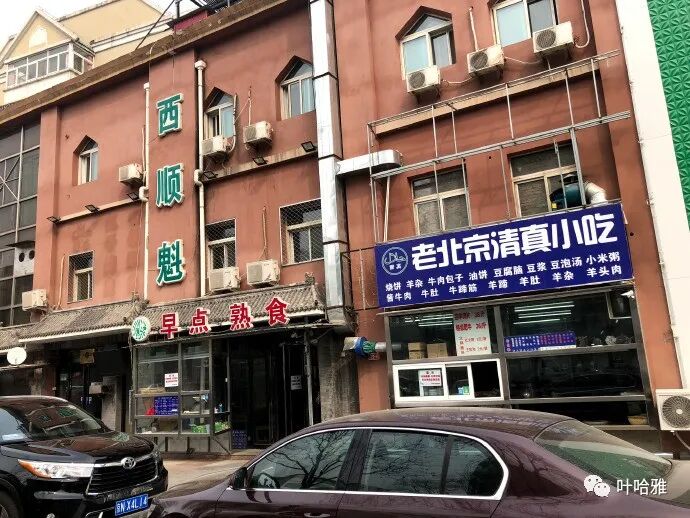
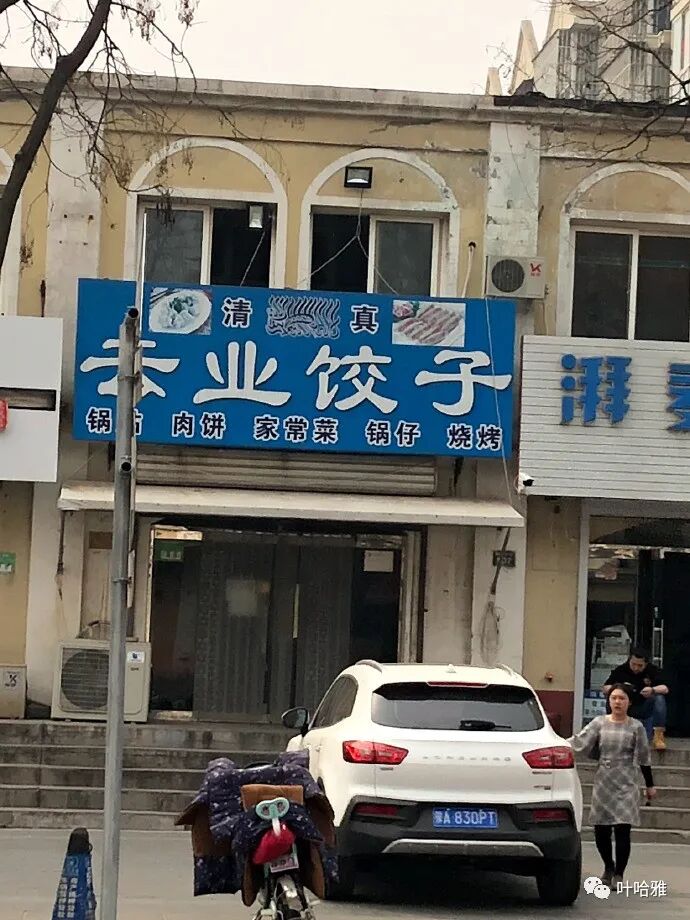
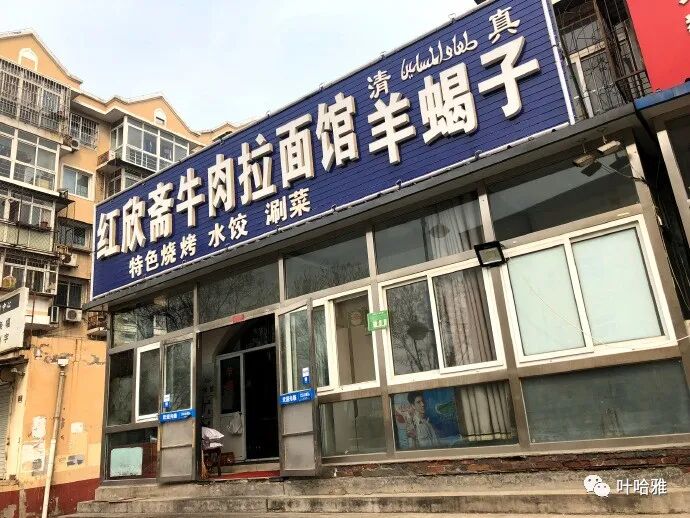
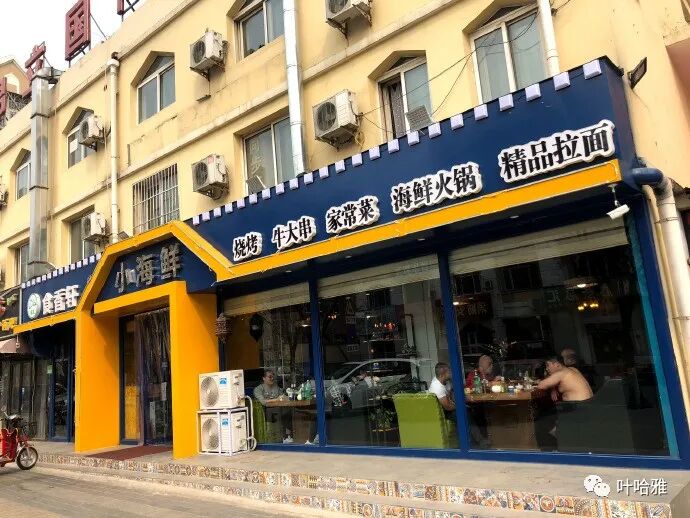
Nange Street, where Chengguan Mosque is located, is a halal food street. There are many different halal restaurants on the street. Besides some Beijing-style snacks, there is also seafood barbecue.
Gubei Light Hot Spring Resort Hotel
We were arranged to stay at the Gubei Light Hotel in Gubei Water Town. This is the largest hotel in the town. Besides hotels, Gubei Water Town has many high-quality guesthouses, but they are often fully booked during holidays, so remember to book in advance before you leave.
Hotel lobby
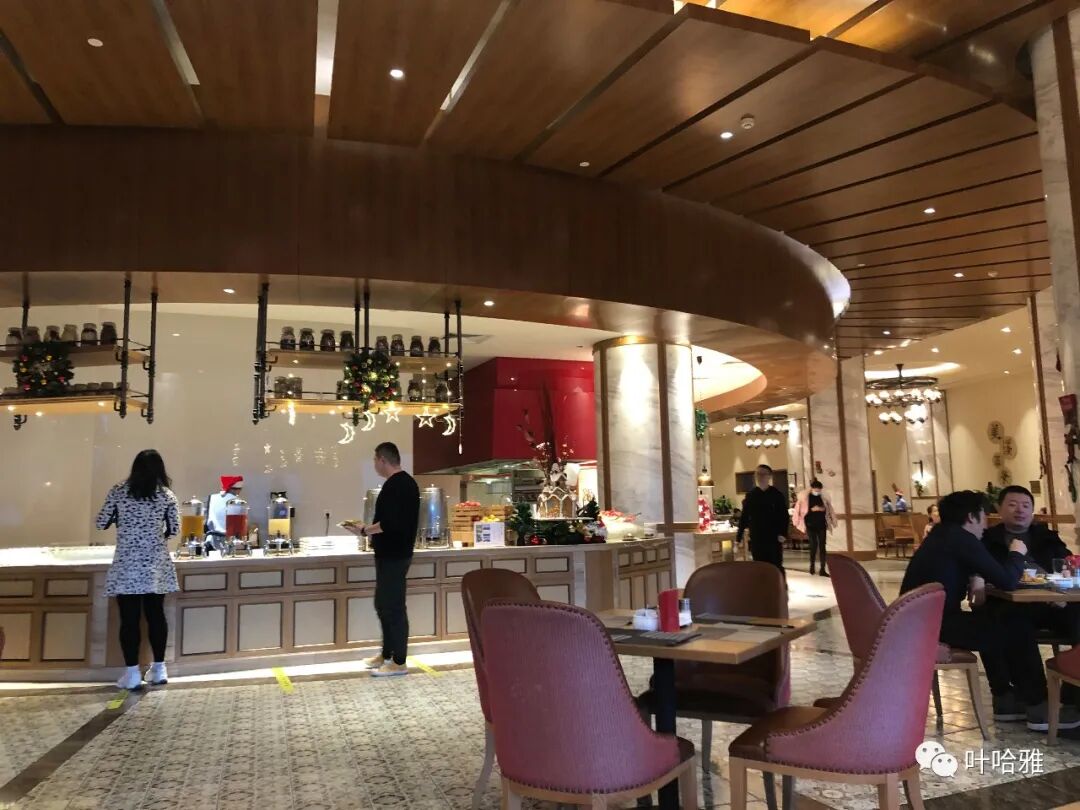
Breakfast restaurant
Swimming pool
Guests staying at the Gubei Light Hotel can use the hot springs for free, but both the hot springs and the swimming pool have capacity limits, so you need to book in advance.
We wandered around the ancient town together at night to enjoy the view. The nights in Miyun are very cold, so remember to wear a thick coat and warm shoes.
This Drum Tower is where the musical fountain opera is performed at night. After dark, there is a show where lights from a distance project a short play onto the outer wall of the tower, accompanied by a musical fountain. It is well worth seeing.
Enjoying the opera prelude
The Great Wall is on the mountain in the distance. You can take a cable car up to the Great Wall, which takes about three hours for a round trip.
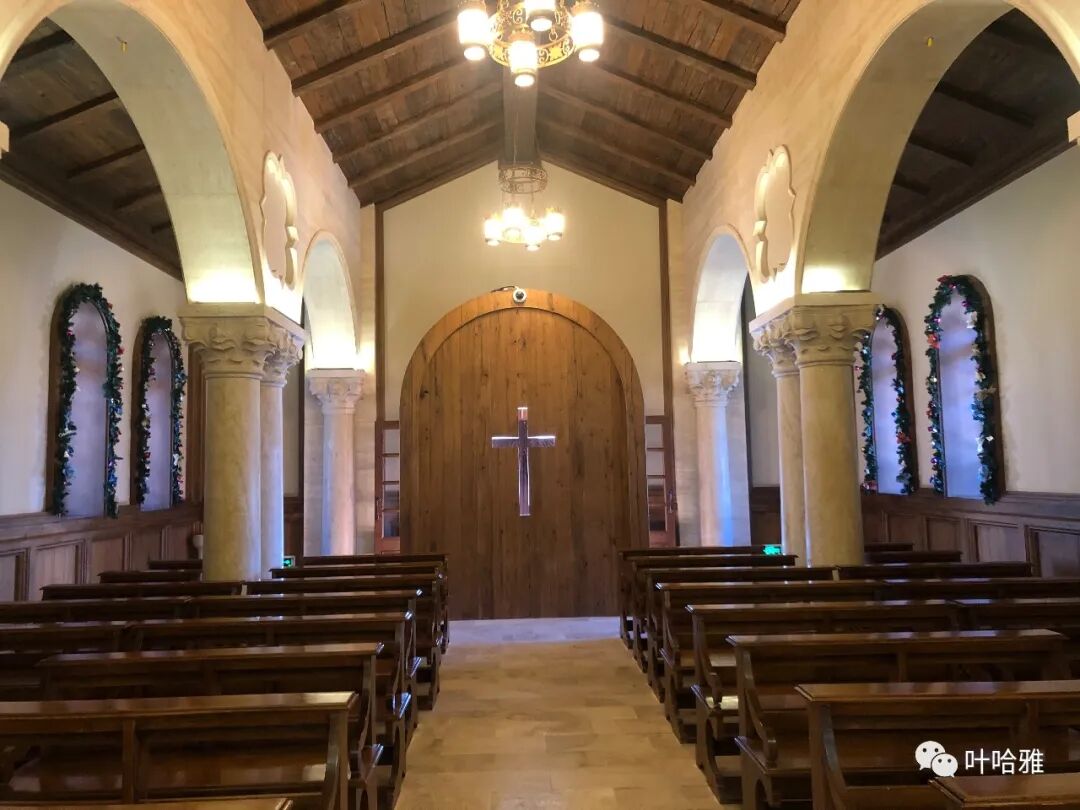
Church on the top of the ancient town mountain
There are Buddhist temples, Taoist temples, and churches in the ancient town, but there is no mosque.
Tanghe Halal Restaurant
Staying in the ancient town makes dining very convenient, as there are two nice halal restaurants to choose from. This Tanghe Halal Restaurant specializes in local stir-fried dishes, including Gubei roasted lamb (gubei shaoyangrou) and various river seafood. The prices are affordable, with an average cost of no more than 100 yuan per person.
Guguan Hot Pot Restaurant
Guguan Hot Pot Restaurant is a Beijing-style shabu-shabu place where you can have individual hot pots or stir-fried dishes. The prices are also quite cheap, staying the same as in the city even though it is inside a tourist area.
Individual small hot pots are clean and hygienic.
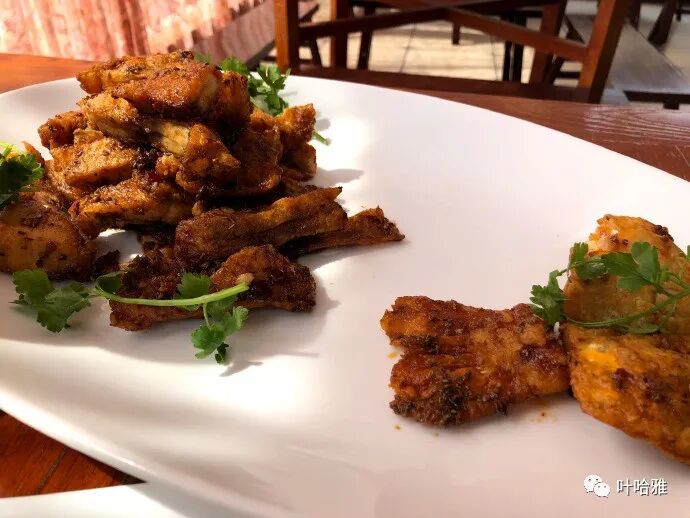
Deep-fried crispy pork (zha xiaosu rou)
Australian beef and lamb platter
Gubei Water Town has plenty of fun things to do. There are all kinds of folk performances. We watched shadow puppetry, listened to Beijing-style drum storytelling (jingyun dagu), and saw a magic show in the square. There are also various exhibitions of collectibles. The town is right next to the Simatai Great Wall, so you can wake up early and hike the wall for exercise. They recently added an ice lantern show, too. If you cannot go home for the New Year, come to Gubei Water Town to experience these local traditions. view all
Summary: Muslim Friendly Beijing: Miyun Gubei Water Town, Halal Hotpot and Mosque Travel is presented here as a clear English account for Muslim readers, beginning with this scene: Before New Year's Day, I received an invitation from AXA Insurance Group to visit Gubei Water Town in Miyun. Because I sold a lot of AXA insurance last year, they rewarded their top-performing brokers with a trip to. The article keeps the original names, food details, mosque details, photographs, and cultural context while focusing on Beijing Halal Travel, Gubei Water Town, Halal Hotpot.
Before New Year's Day, I received an invitation from AXA Insurance Group to visit Gubei Water Town in Miyun. Because I sold a lot of AXA insurance last year, they rewarded their top-performing brokers with a trip to thank our agency channel. It is not because of this reward trip that I recommend their insurance. In fact, I did not know about the reward trip when I first recommended AXA products. I recommend them because they are one of the nine global insurance giants considered too big to fail. With over 200 years of history, AXA provides excellent products and services for cancer medical insurance for the elderly and accident insurance. That is why I recommend them. We insurance brokers represent products from more than one insurance company. We do not stand for any single company. As long as a product is good enough, it makes it onto our recommendation list.
— Hello, Travel —
Miyun currently has three mosques. The first is Gubeikou Mosque. Its founding date is unknown, but stone tablets found in the courtyard record that it was rebuilt in the second year of the Chongzhen reign of the Ming Dynasty (1629). We can infer it was built before then. In the 42nd year of the Kangxi reign (1703), Ma Jinliang from Gansu, who served as the Gubeikou commander, renovated the mosque. Gubeikou Mosque is currently a Miyun district-level cultural relic protection unit.
The second is Beimujiayu Mosque, located in the Hui Muslim village of Mujiayu, south of the Miyun Reservoir. The original mosque was built on a mountain. According to the Miyun County Annals, Beimujiayu Mosque had 21 rooms. It was once seized by the Kuomintang's Volunteer Militia to use as a barracks and was later destroyed by artillery fire. In the past, this was the main road from Beijing to the Chengde Mountain Resort. Many Hui Muslims in the village have the surname Mu and have a tradition of practicing martial arts. Some people from the Mu family served as adjutants under Zhang Zuolin. Beimujiayu Mosque and Gubeikou Mosque are quite far from Gubei Water Town, so I have not visited them yet.
The third mosque is on Nange Street in Miyun County, called Chengguan Mosque. I passed by it on the way to Gubei Water Town. According to the Miyun County Annals, the mosque was built in the county seat in the eighth year of the Tongzhi reign (1869). After expansion, it covered 8 mu of land. It was rebuilt at a new site in 1986 with government funding, and in 2006, urban planning moved the mosque to the southeast.
Chengguan Mosque
The main gate of Chengguan Mosque is the largest among all mosques in Beijing. The gate uses a three-bay side-by-side hanging flower gate (chuihuamen) style.
Nange Street
This is the archway on Nange Street, but this is an old photo. The renovated archway no longer has a dome.
Nange Street, where Chengguan Mosque is located, is a halal food street. There are many different halal restaurants on the street. Besides some Beijing-style snacks, there is also seafood barbecue.
Gubei Light Hot Spring Resort Hotel
We were arranged to stay at the Gubei Light Hotel in Gubei Water Town. This is the largest hotel in the town. Besides hotels, Gubei Water Town has many high-quality guesthouses, but they are often fully booked during holidays, so remember to book in advance before you leave.
Hotel lobby
Breakfast restaurant
Swimming pool
Guests staying at the Gubei Light Hotel can use the hot springs for free, but both the hot springs and the swimming pool have capacity limits, so you need to book in advance.
We wandered around the ancient town together at night to enjoy the view. The nights in Miyun are very cold, so remember to wear a thick coat and warm shoes.
This Drum Tower is where the musical fountain opera is performed at night. After dark, there is a show where lights from a distance project a short play onto the outer wall of the tower, accompanied by a musical fountain. It is well worth seeing.
Enjoying the opera prelude
The Great Wall is on the mountain in the distance. You can take a cable car up to the Great Wall, which takes about three hours for a round trip.
Church on the top of the ancient town mountain
There are Buddhist temples, Taoist temples, and churches in the ancient town, but there is no mosque.
Tanghe Halal Restaurant
Staying in the ancient town makes dining very convenient, as there are two nice halal restaurants to choose from. This Tanghe Halal Restaurant specializes in local stir-fried dishes, including Gubei roasted lamb (gubei shaoyangrou) and various river seafood. The prices are affordable, with an average cost of no more than 100 yuan per person.
Guguan Hot Pot Restaurant
Guguan Hot Pot Restaurant is a Beijing-style shabu-shabu place where you can have individual hot pots or stir-fried dishes. The prices are also quite cheap, staying the same as in the city even though it is inside a tourist area.
Individual small hot pots are clean and hygienic.
Deep-fried crispy pork (zha xiaosu rou)
Australian beef and lamb platter
Gubei Water Town has plenty of fun things to do. There are all kinds of folk performances. We watched shadow puppetry, listened to Beijing-style drum storytelling (jingyun dagu), and saw a magic show in the square. There are also various exhibitions of collectibles. The town is right next to the Simatai Great Wall, so you can wake up early and hike the wall for exercise. They recently added an ice lantern show, too. If you cannot go home for the New Year, come to Gubei Water Town to experience these local traditions. view all
Reposted from the web
Summary: Muslim Friendly Beijing: Miyun Gubei Water Town, Halal Hotpot and Mosque Travel is presented here as a clear English account for Muslim readers, beginning with this scene: Before New Year's Day, I received an invitation from AXA Insurance Group to visit Gubei Water Town in Miyun. Because I sold a lot of AXA insurance last year, they rewarded their top-performing brokers with a trip to. The article keeps the original names, food details, mosque details, photographs, and cultural context while focusing on Beijing Halal Travel, Gubei Water Town, Halal Hotpot.
Before New Year's Day, I received an invitation from AXA Insurance Group to visit Gubei Water Town in Miyun. Because I sold a lot of AXA insurance last year, they rewarded their top-performing brokers with a trip to thank our agency channel. It is not because of this reward trip that I recommend their insurance. In fact, I did not know about the reward trip when I first recommended AXA products. I recommend them because they are one of the nine global insurance giants considered too big to fail. With over 200 years of history, AXA provides excellent products and services for cancer medical insurance for the elderly and accident insurance. That is why I recommend them. We insurance brokers represent products from more than one insurance company. We do not stand for any single company. As long as a product is good enough, it makes it onto our recommendation list.

— Hello, Travel —
Miyun currently has three mosques. The first is Gubeikou Mosque. Its founding date is unknown, but stone tablets found in the courtyard record that it was rebuilt in the second year of the Chongzhen reign of the Ming Dynasty (1629). We can infer it was built before then. In the 42nd year of the Kangxi reign (1703), Ma Jinliang from Gansu, who served as the Gubeikou commander, renovated the mosque. Gubeikou Mosque is currently a Miyun district-level cultural relic protection unit.
The second is Beimujiayu Mosque, located in the Hui Muslim village of Mujiayu, south of the Miyun Reservoir. The original mosque was built on a mountain. According to the Miyun County Annals, Beimujiayu Mosque had 21 rooms. It was once seized by the Kuomintang's Volunteer Militia to use as a barracks and was later destroyed by artillery fire. In the past, this was the main road from Beijing to the Chengde Mountain Resort. Many Hui Muslims in the village have the surname Mu and have a tradition of practicing martial arts. Some people from the Mu family served as adjutants under Zhang Zuolin. Beimujiayu Mosque and Gubeikou Mosque are quite far from Gubei Water Town, so I have not visited them yet.
The third mosque is on Nange Street in Miyun County, called Chengguan Mosque. I passed by it on the way to Gubei Water Town. According to the Miyun County Annals, the mosque was built in the county seat in the eighth year of the Tongzhi reign (1869). After expansion, it covered 8 mu of land. It was rebuilt at a new site in 1986 with government funding, and in 2006, urban planning moved the mosque to the southeast.
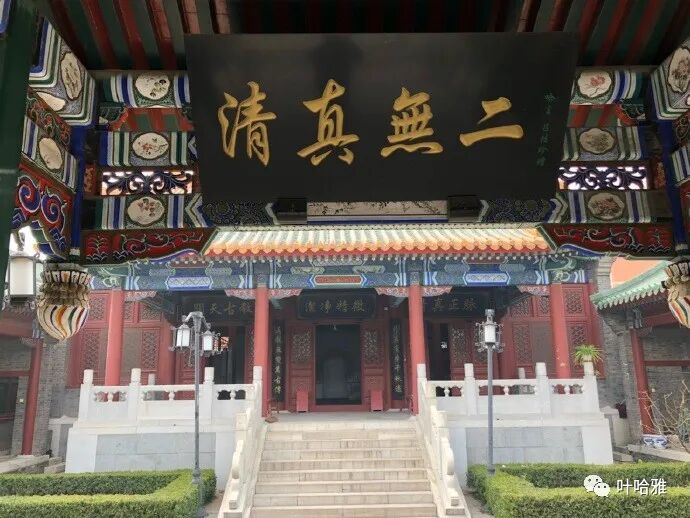
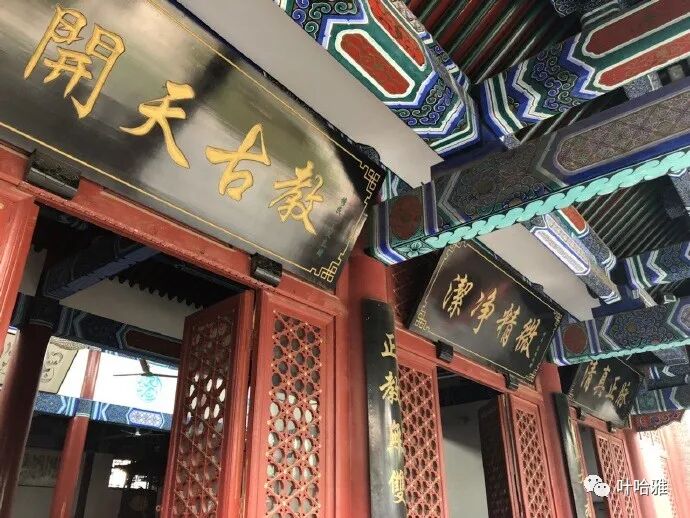
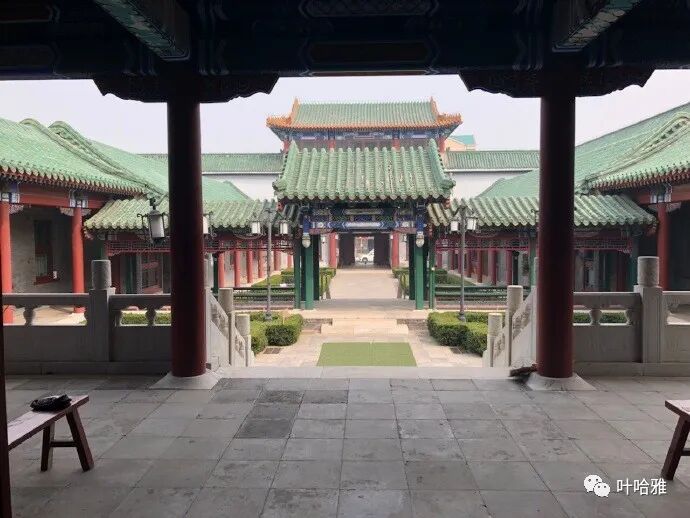
Chengguan Mosque
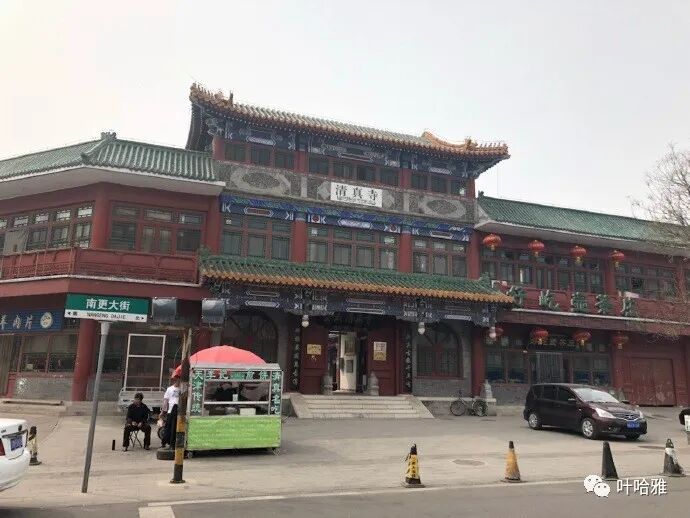
The main gate of Chengguan Mosque is the largest among all mosques in Beijing. The gate uses a three-bay side-by-side hanging flower gate (chuihuamen) style.
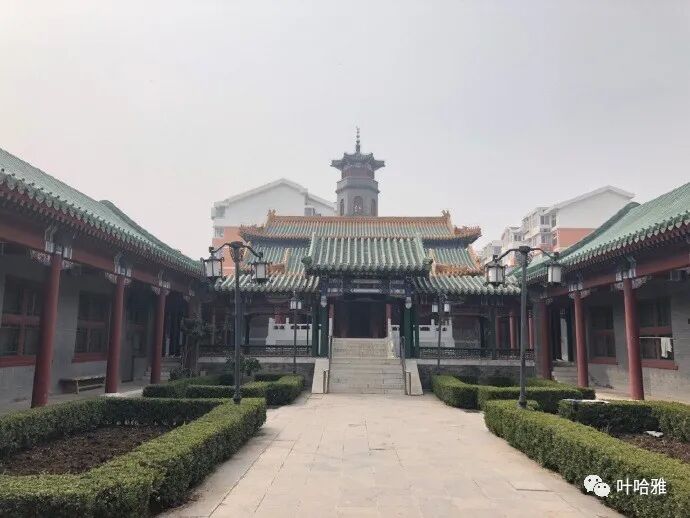
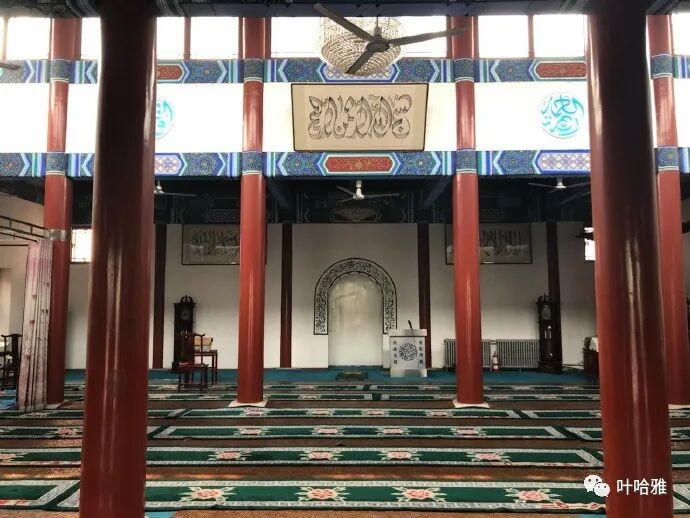
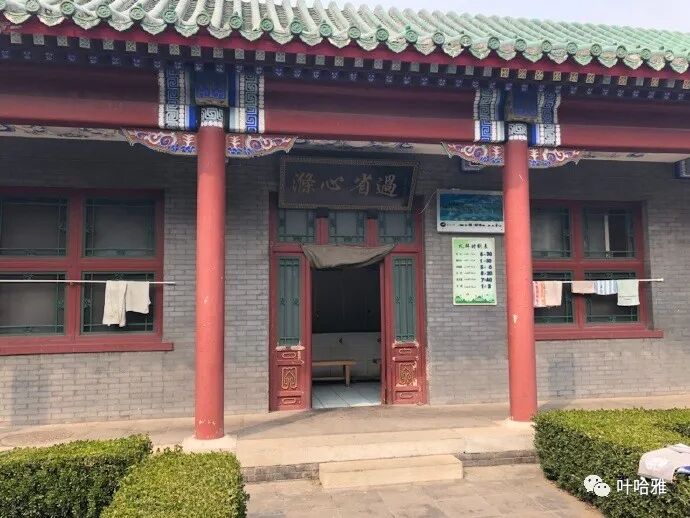
Nange Street
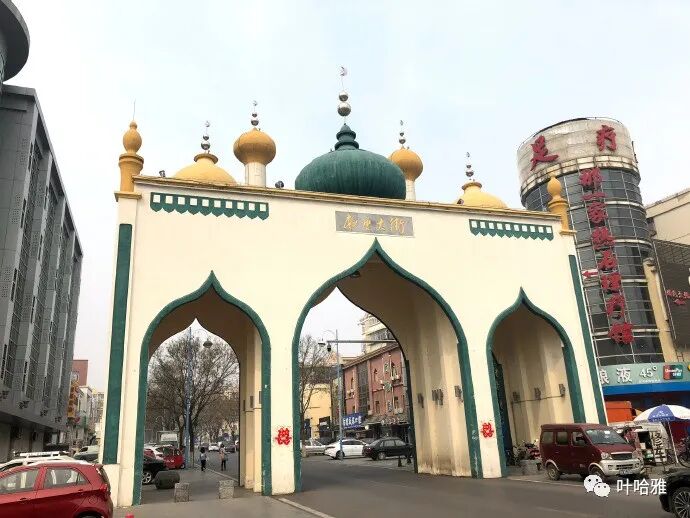
This is the archway on Nange Street, but this is an old photo. The renovated archway no longer has a dome.
Nange Street, where Chengguan Mosque is located, is a halal food street. There are many different halal restaurants on the street. Besides some Beijing-style snacks, there is also seafood barbecue.
Gubei Light Hot Spring Resort Hotel
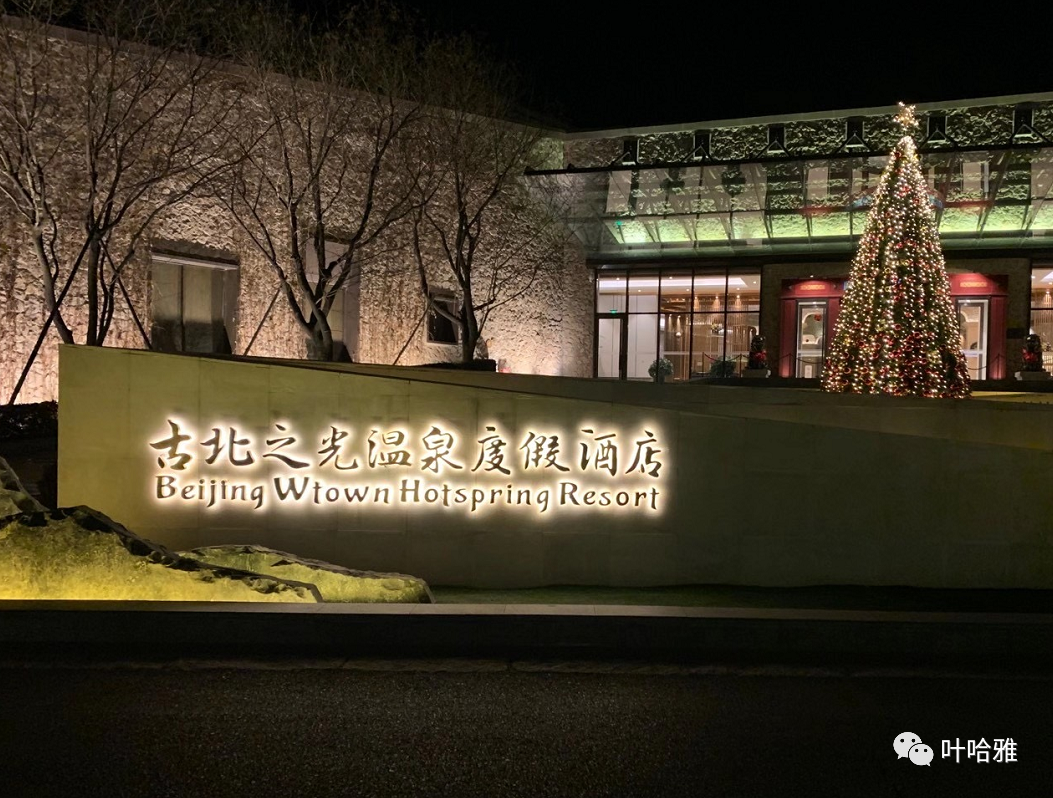
We were arranged to stay at the Gubei Light Hotel in Gubei Water Town. This is the largest hotel in the town. Besides hotels, Gubei Water Town has many high-quality guesthouses, but they are often fully booked during holidays, so remember to book in advance before you leave.
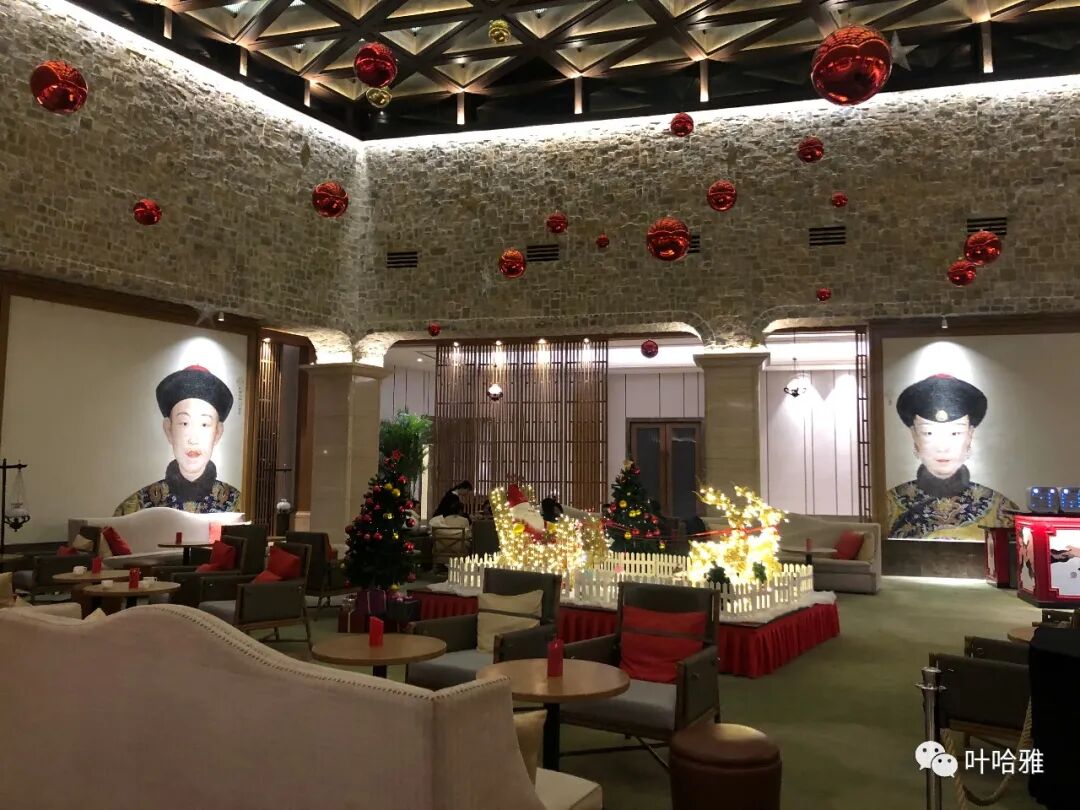
Hotel lobby
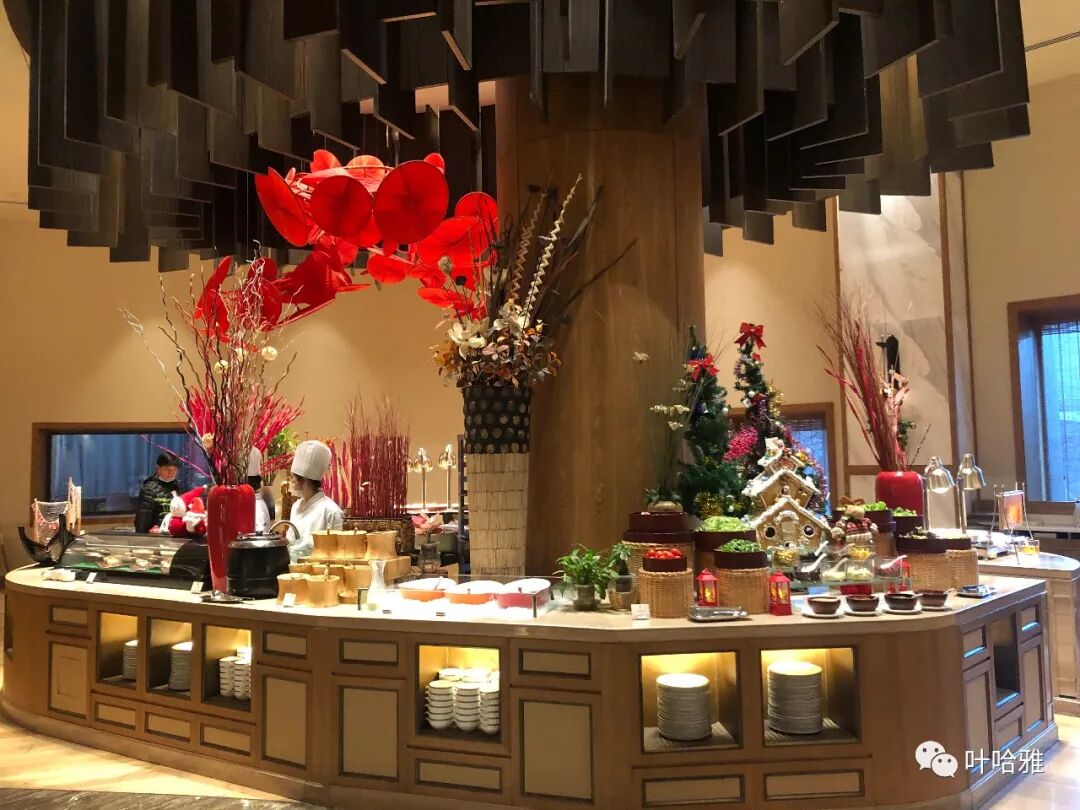
Breakfast restaurant
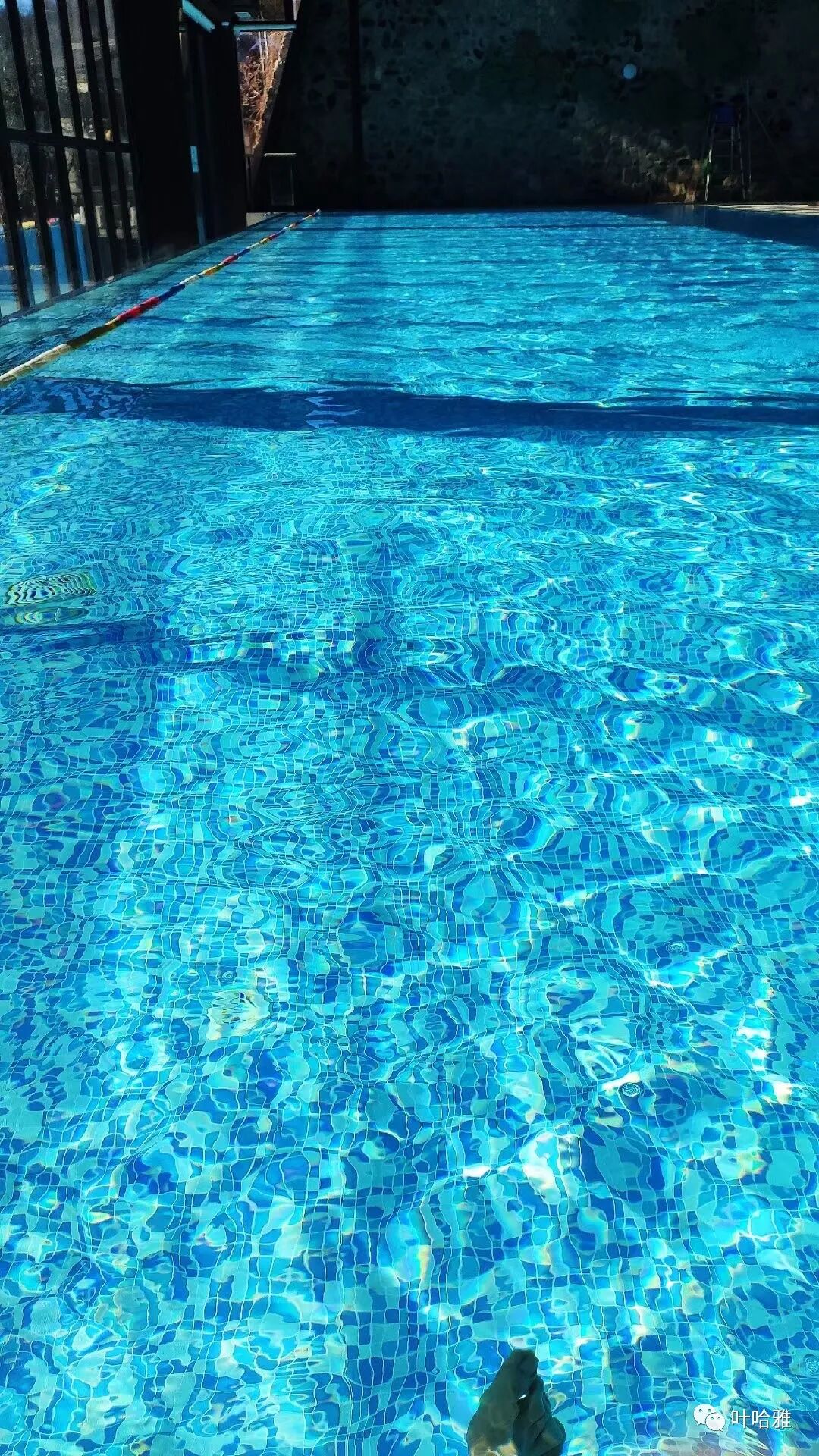
Swimming pool
Guests staying at the Gubei Light Hotel can use the hot springs for free, but both the hot springs and the swimming pool have capacity limits, so you need to book in advance.
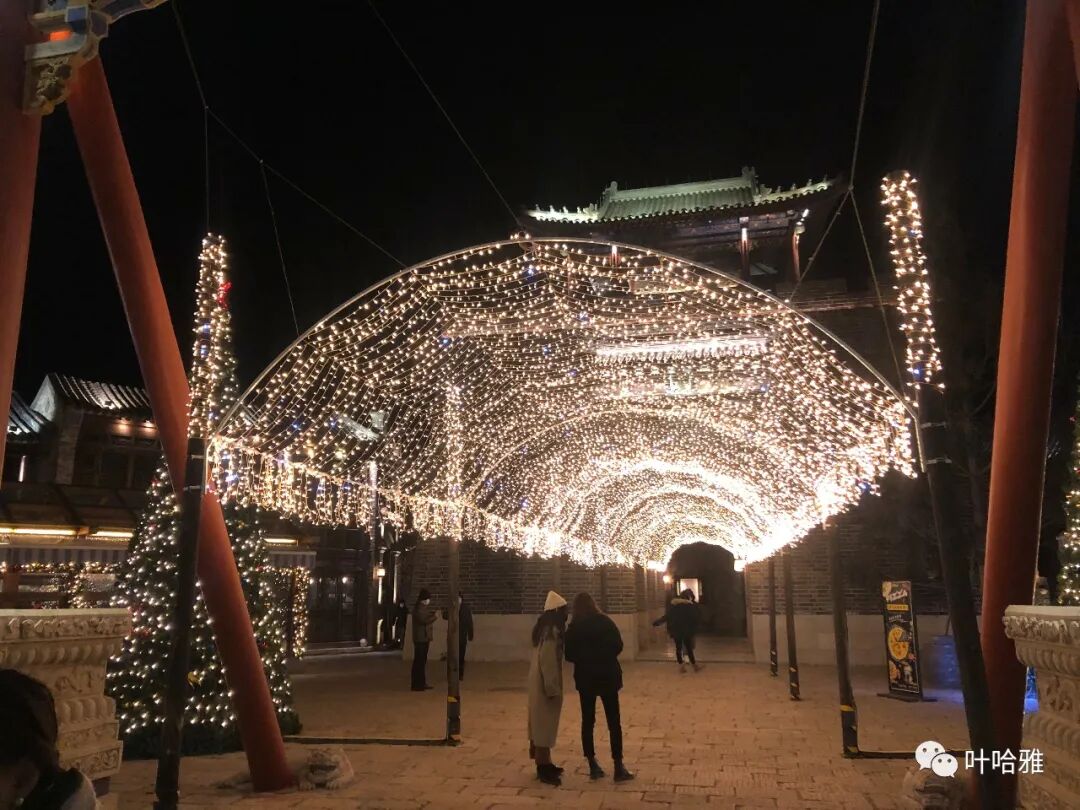
We wandered around the ancient town together at night to enjoy the view. The nights in Miyun are very cold, so remember to wear a thick coat and warm shoes.
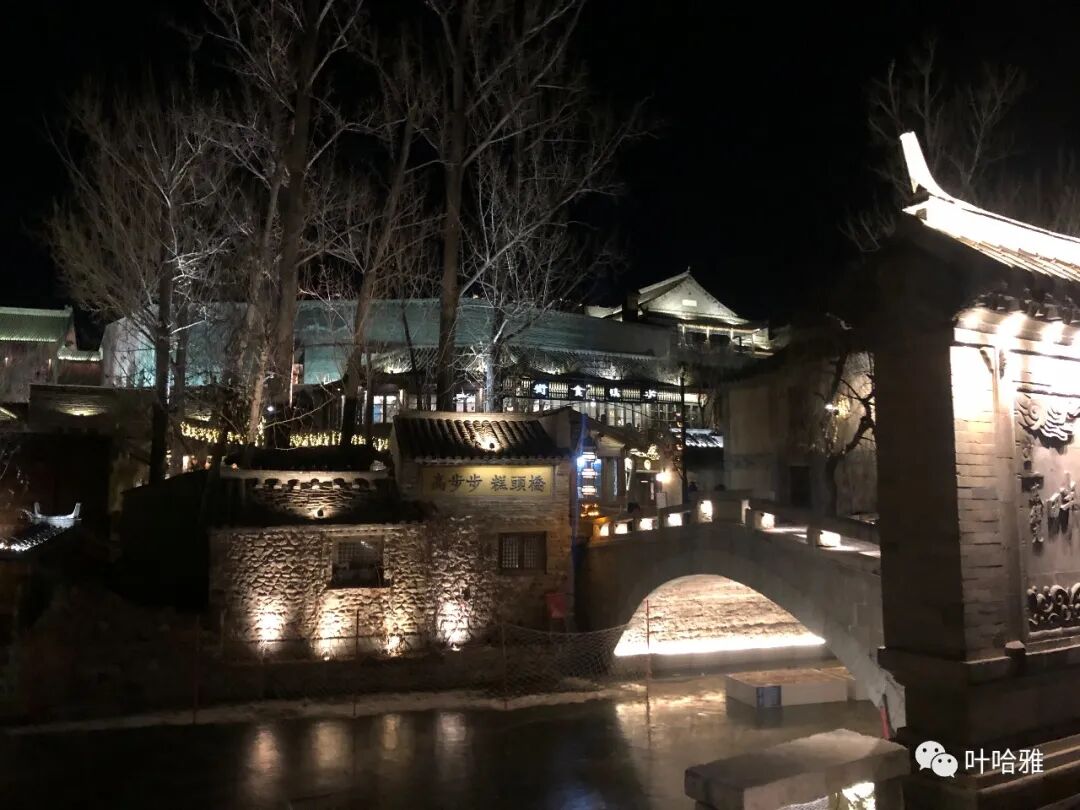
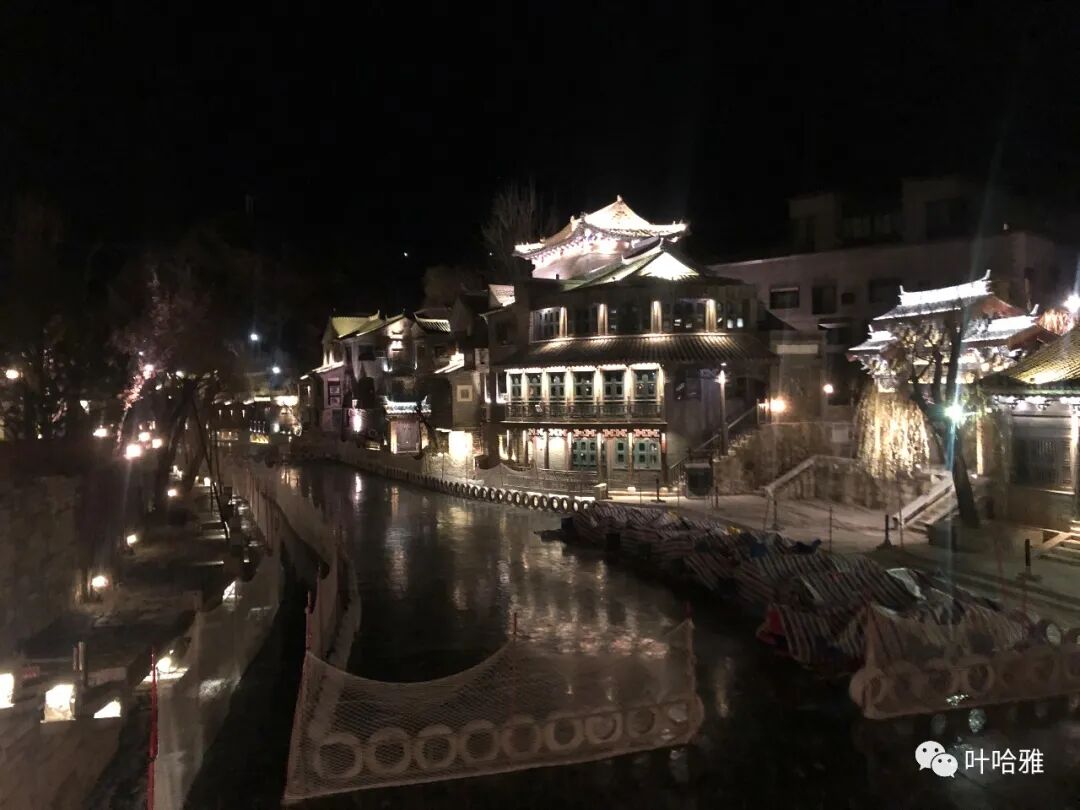
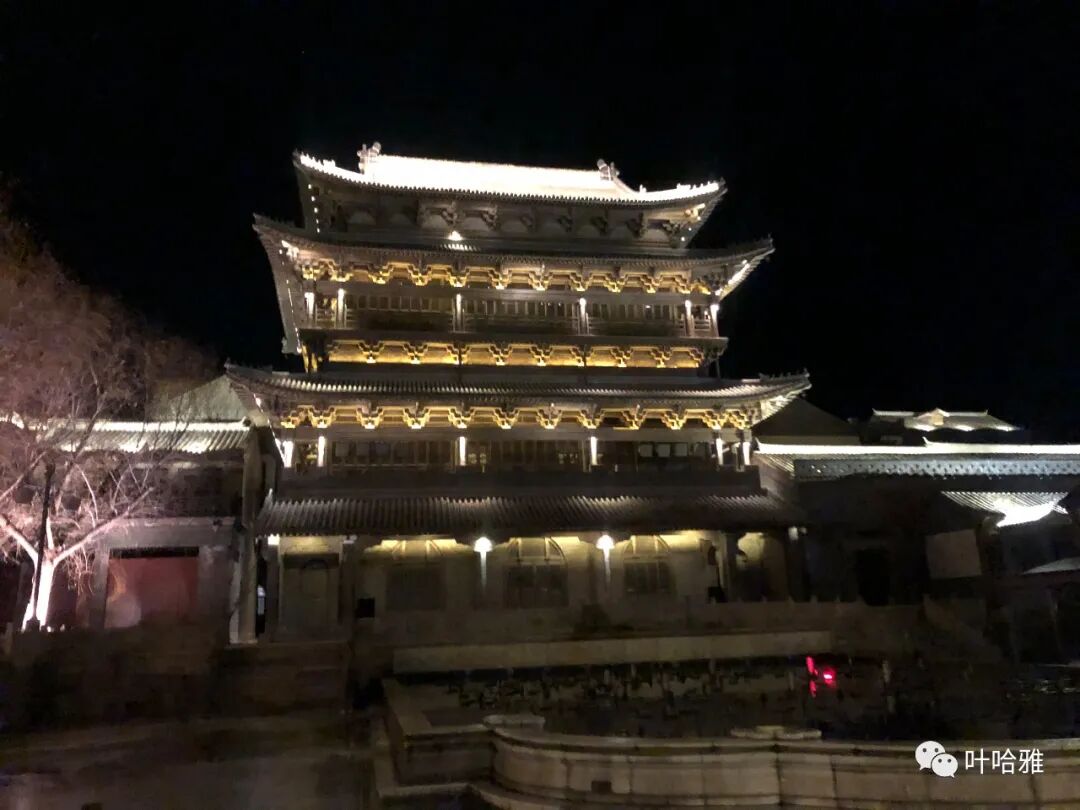
This Drum Tower is where the musical fountain opera is performed at night. After dark, there is a show where lights from a distance project a short play onto the outer wall of the tower, accompanied by a musical fountain. It is well worth seeing.
Enjoying the opera prelude
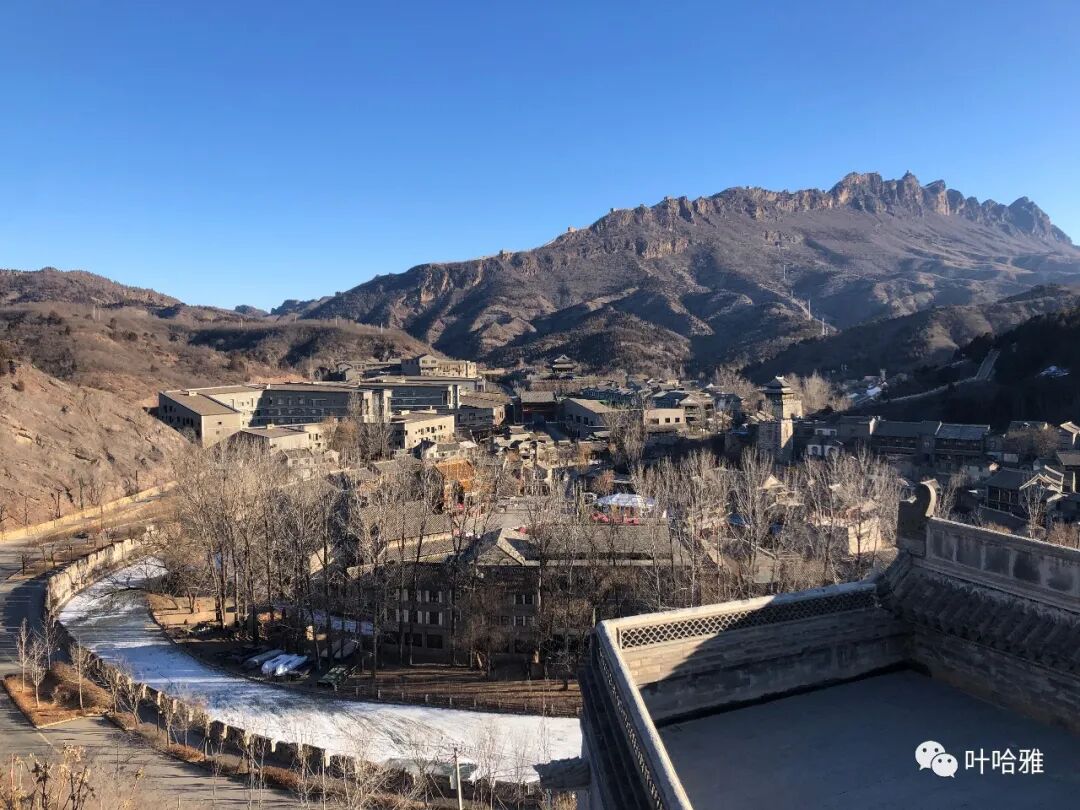
The Great Wall is on the mountain in the distance. You can take a cable car up to the Great Wall, which takes about three hours for a round trip.
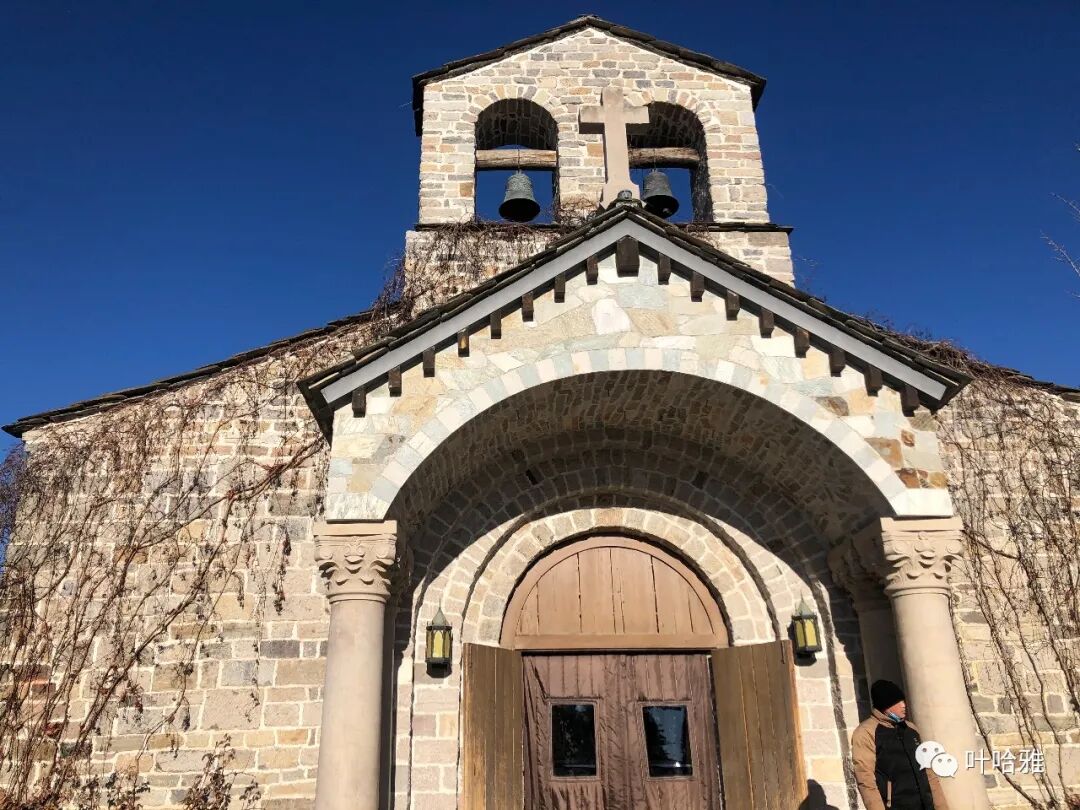
Church on the top of the ancient town mountain
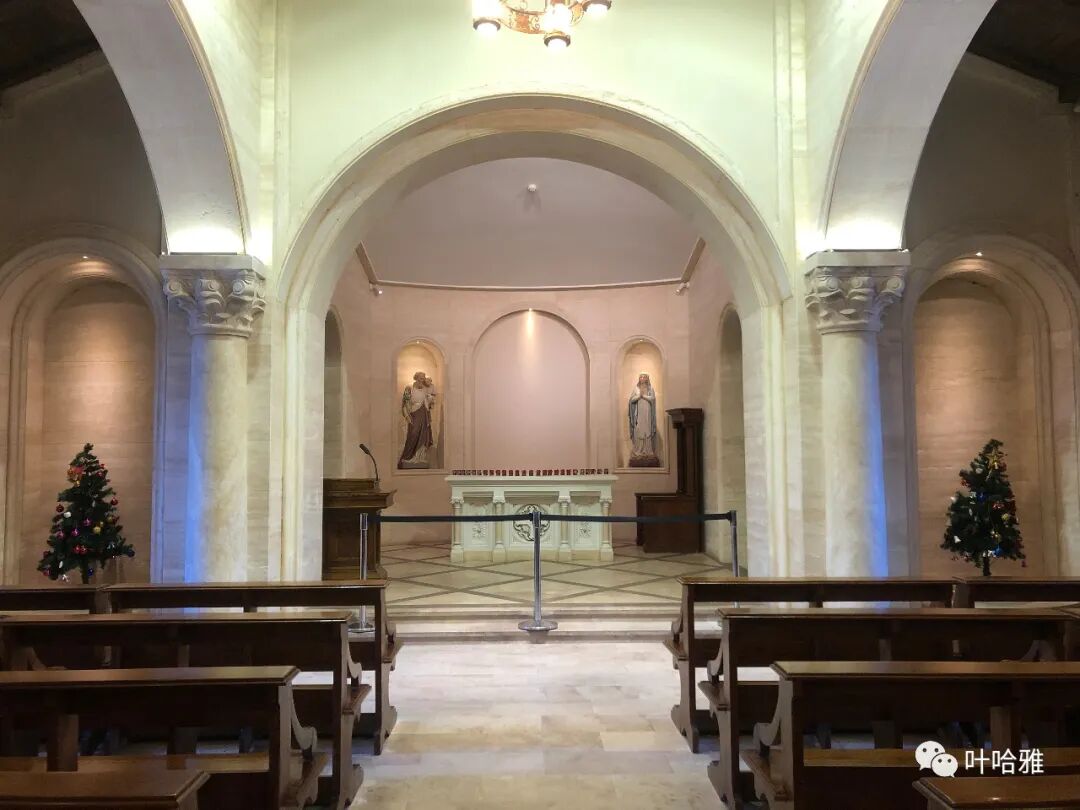
There are Buddhist temples, Taoist temples, and churches in the ancient town, but there is no mosque.
Tanghe Halal Restaurant
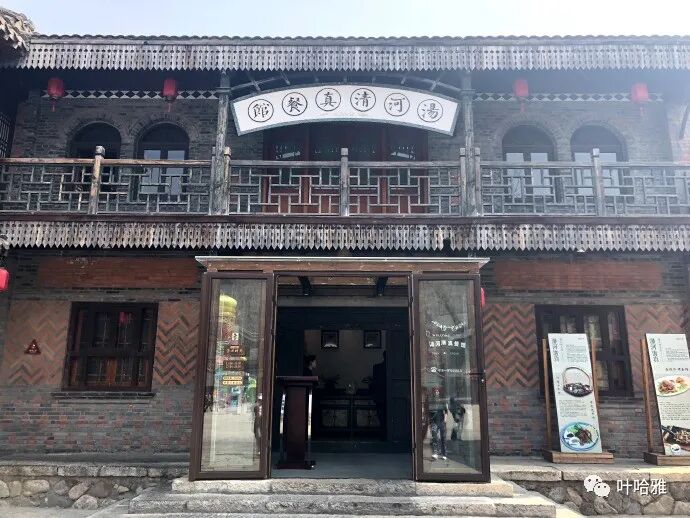
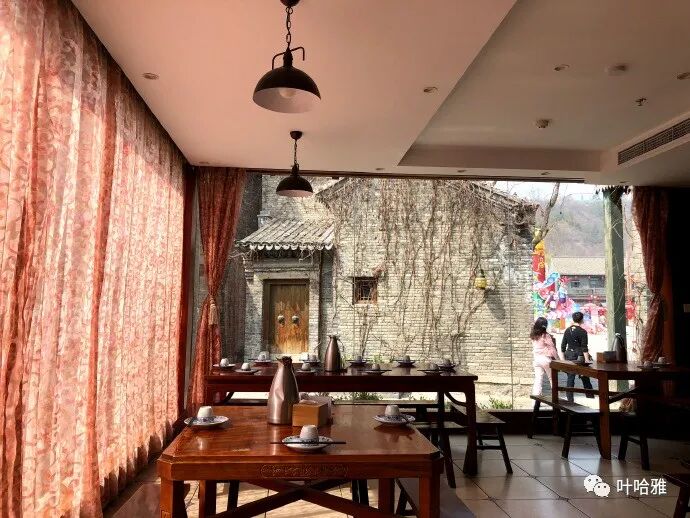
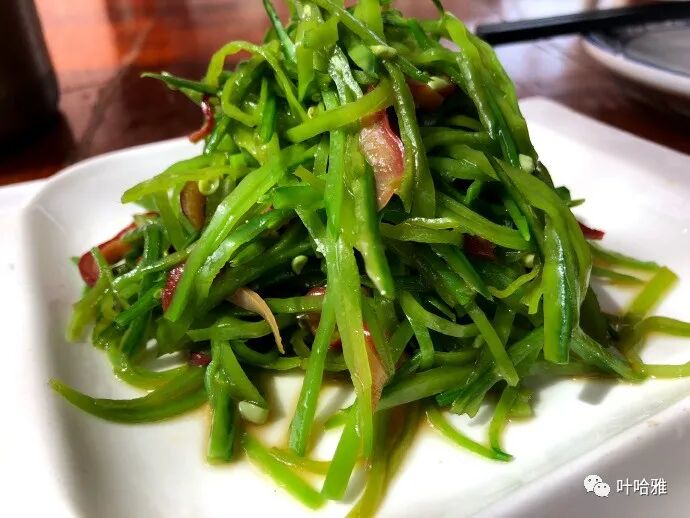
Staying in the ancient town makes dining very convenient, as there are two nice halal restaurants to choose from. This Tanghe Halal Restaurant specializes in local stir-fried dishes, including Gubei roasted lamb (gubei shaoyangrou) and various river seafood. The prices are affordable, with an average cost of no more than 100 yuan per person.
Guguan Hot Pot Restaurant
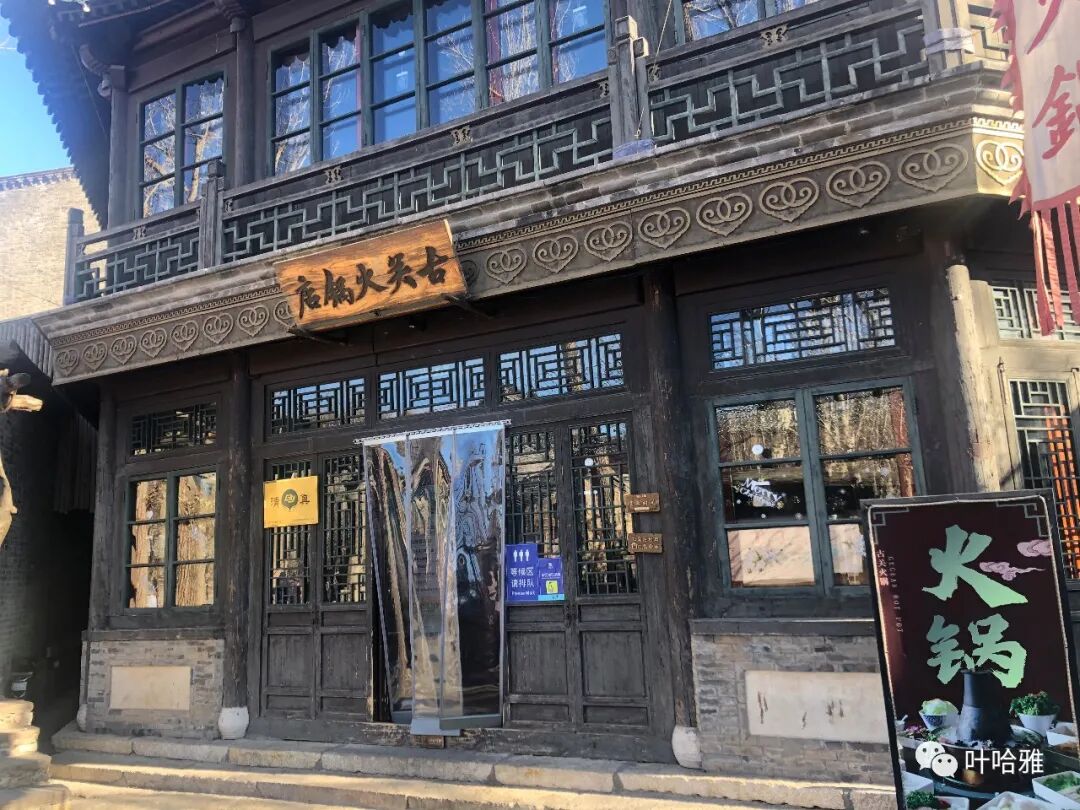
Guguan Hot Pot Restaurant is a Beijing-style shabu-shabu place where you can have individual hot pots or stir-fried dishes. The prices are also quite cheap, staying the same as in the city even though it is inside a tourist area.
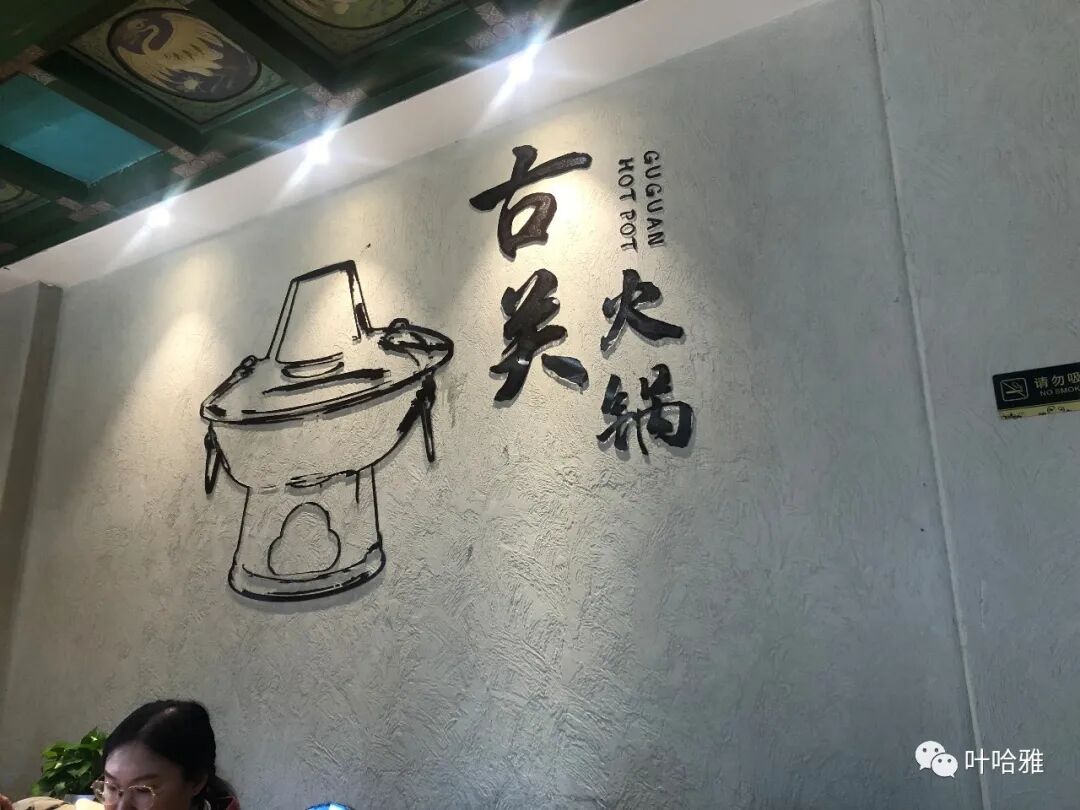
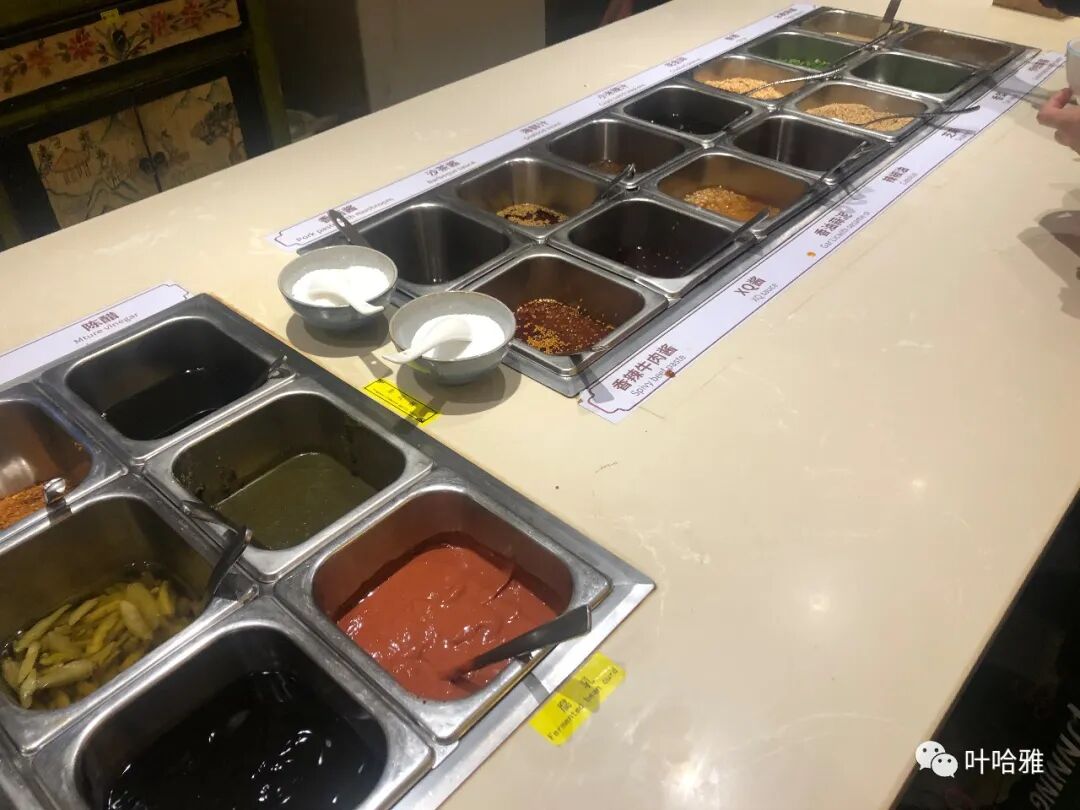
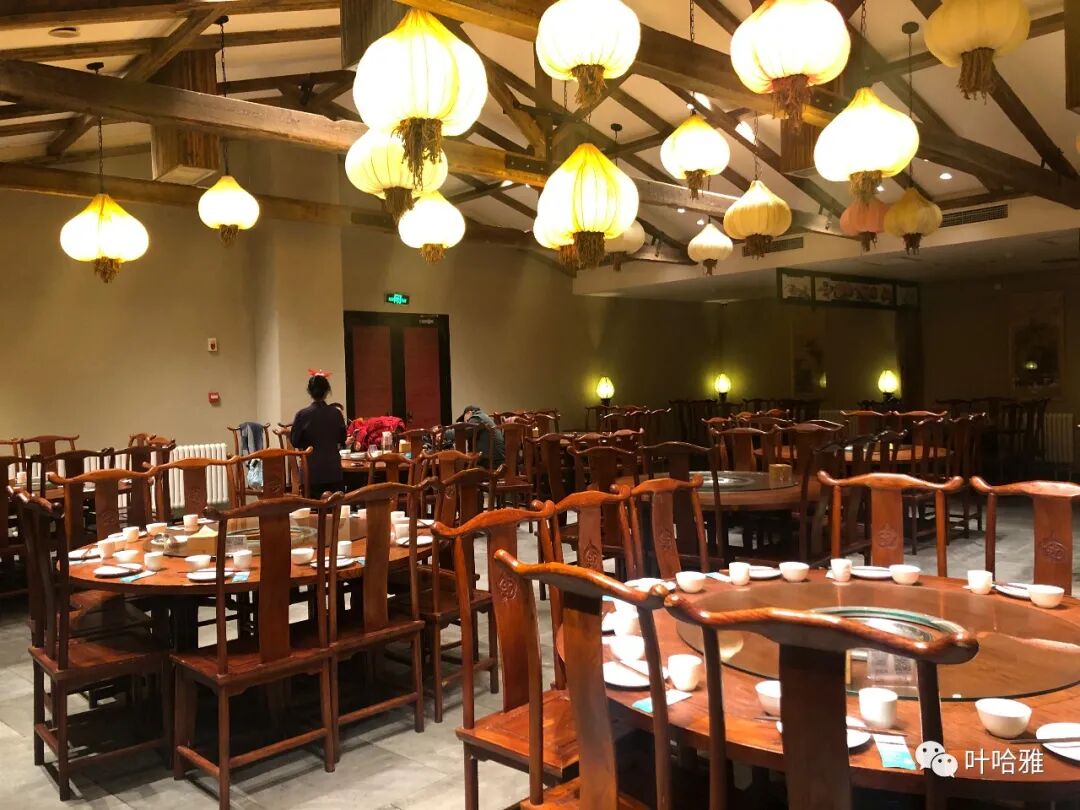
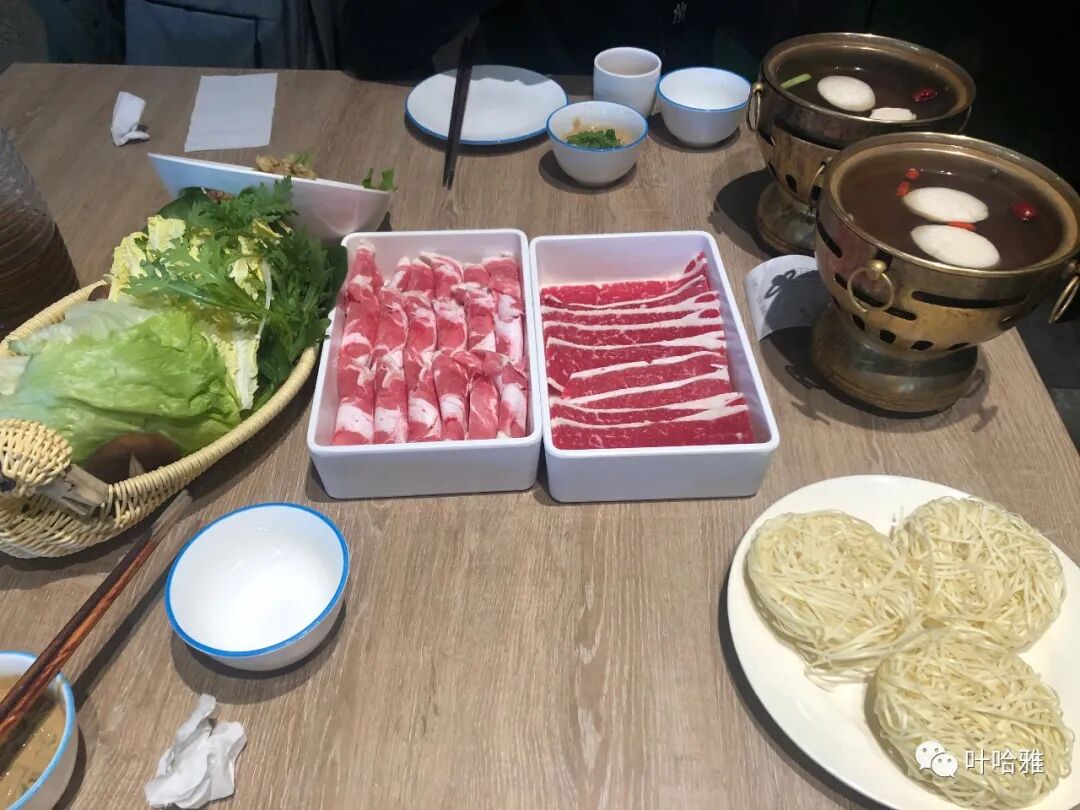
Individual small hot pots are clean and hygienic.
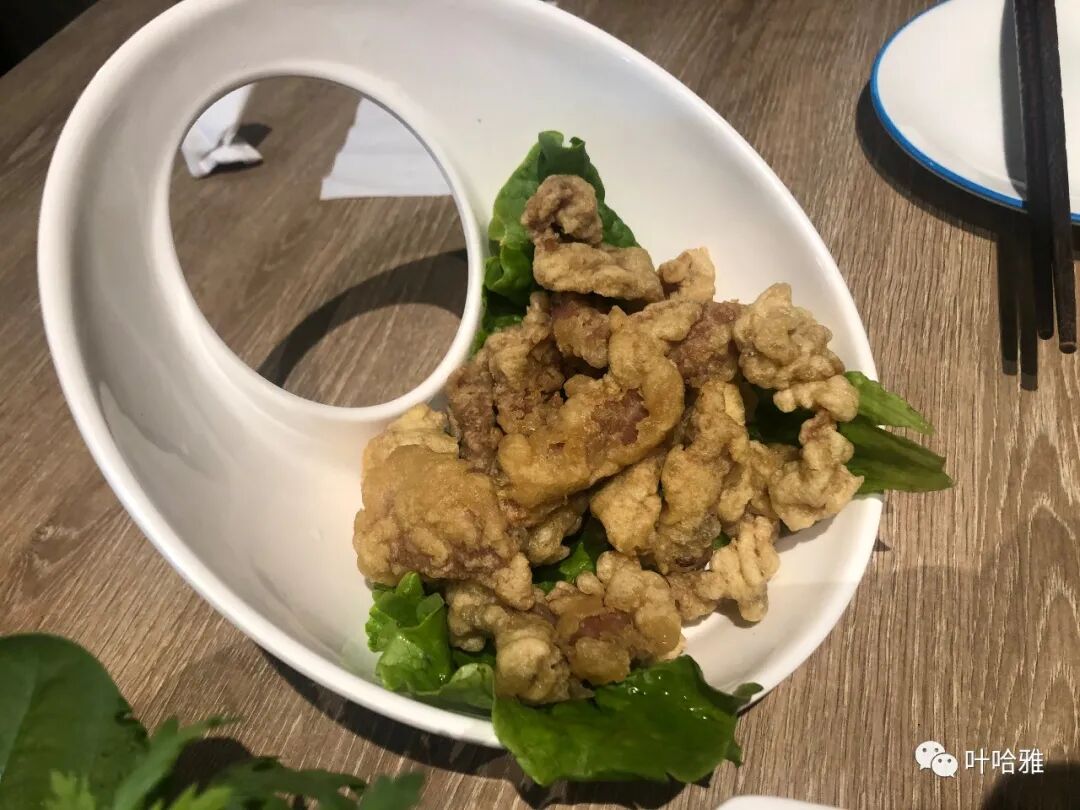
Deep-fried crispy pork (zha xiaosu rou)
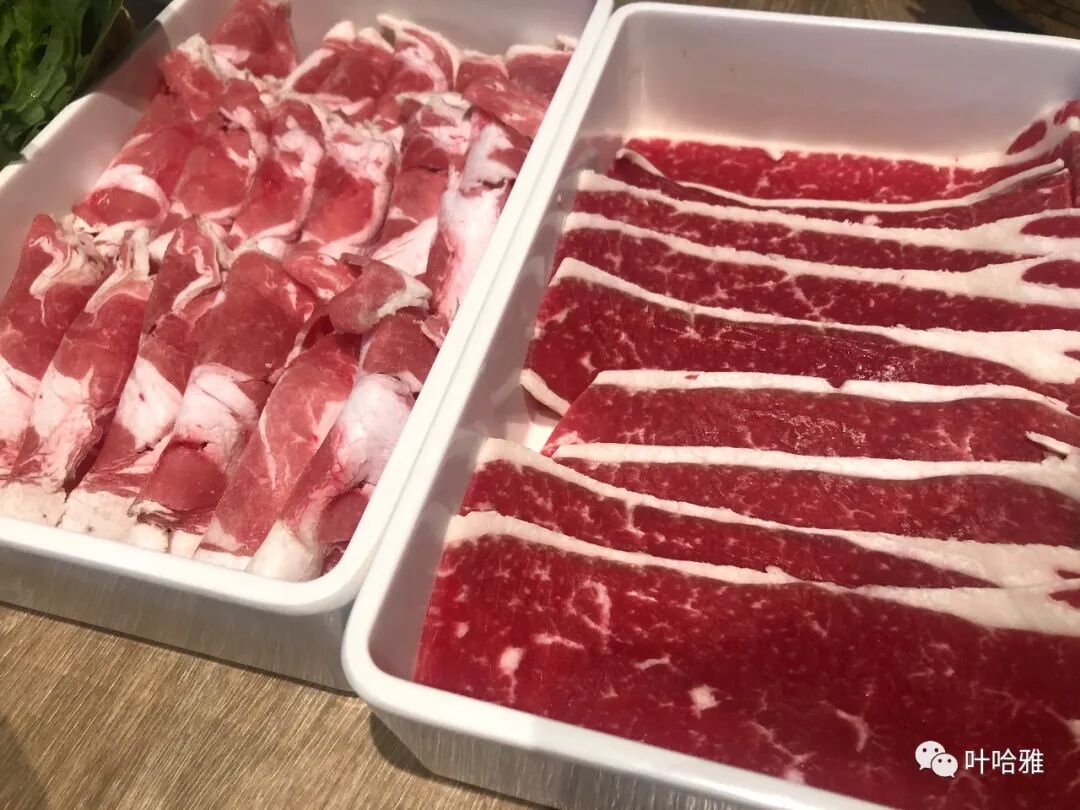
Australian beef and lamb platter
Gubei Water Town has plenty of fun things to do. There are all kinds of folk performances. We watched shadow puppetry, listened to Beijing-style drum storytelling (jingyun dagu), and saw a magic show in the square. There are also various exhibitions of collectibles. The town is right next to the Simatai Great Wall, so you can wake up early and hike the wall for exercise. They recently added an ice lantern show, too. If you cannot go home for the New Year, come to Gubei Water Town to experience these local traditions.
Summary: Muslim Friendly Beijing: Miyun Gubei Water Town, Halal Hotpot and Mosque Travel is presented here as a clear English account for Muslim readers, beginning with this scene: Before New Year's Day, I received an invitation from AXA Insurance Group to visit Gubei Water Town in Miyun. Because I sold a lot of AXA insurance last year, they rewarded their top-performing brokers with a trip to. The article keeps the original names, food details, mosque details, photographs, and cultural context while focusing on Beijing Halal Travel, Gubei Water Town, Halal Hotpot.
Before New Year's Day, I received an invitation from AXA Insurance Group to visit Gubei Water Town in Miyun. Because I sold a lot of AXA insurance last year, they rewarded their top-performing brokers with a trip to thank our agency channel. It is not because of this reward trip that I recommend their insurance. In fact, I did not know about the reward trip when I first recommended AXA products. I recommend them because they are one of the nine global insurance giants considered too big to fail. With over 200 years of history, AXA provides excellent products and services for cancer medical insurance for the elderly and accident insurance. That is why I recommend them. We insurance brokers represent products from more than one insurance company. We do not stand for any single company. As long as a product is good enough, it makes it onto our recommendation list.
— Hello, Travel —
Miyun currently has three mosques. The first is Gubeikou Mosque. Its founding date is unknown, but stone tablets found in the courtyard record that it was rebuilt in the second year of the Chongzhen reign of the Ming Dynasty (1629). We can infer it was built before then. In the 42nd year of the Kangxi reign (1703), Ma Jinliang from Gansu, who served as the Gubeikou commander, renovated the mosque. Gubeikou Mosque is currently a Miyun district-level cultural relic protection unit.
The second is Beimujiayu Mosque, located in the Hui Muslim village of Mujiayu, south of the Miyun Reservoir. The original mosque was built on a mountain. According to the Miyun County Annals, Beimujiayu Mosque had 21 rooms. It was once seized by the Kuomintang's Volunteer Militia to use as a barracks and was later destroyed by artillery fire. In the past, this was the main road from Beijing to the Chengde Mountain Resort. Many Hui Muslims in the village have the surname Mu and have a tradition of practicing martial arts. Some people from the Mu family served as adjutants under Zhang Zuolin. Beimujiayu Mosque and Gubeikou Mosque are quite far from Gubei Water Town, so I have not visited them yet.
The third mosque is on Nange Street in Miyun County, called Chengguan Mosque. I passed by it on the way to Gubei Water Town. According to the Miyun County Annals, the mosque was built in the county seat in the eighth year of the Tongzhi reign (1869). After expansion, it covered 8 mu of land. It was rebuilt at a new site in 1986 with government funding, and in 2006, urban planning moved the mosque to the southeast.
Chengguan Mosque
The main gate of Chengguan Mosque is the largest among all mosques in Beijing. The gate uses a three-bay side-by-side hanging flower gate (chuihuamen) style.
Nange Street
This is the archway on Nange Street, but this is an old photo. The renovated archway no longer has a dome.
Nange Street, where Chengguan Mosque is located, is a halal food street. There are many different halal restaurants on the street. Besides some Beijing-style snacks, there is also seafood barbecue.
Gubei Light Hot Spring Resort Hotel
We were arranged to stay at the Gubei Light Hotel in Gubei Water Town. This is the largest hotel in the town. Besides hotels, Gubei Water Town has many high-quality guesthouses, but they are often fully booked during holidays, so remember to book in advance before you leave.
Hotel lobby
Breakfast restaurant
Swimming pool
Guests staying at the Gubei Light Hotel can use the hot springs for free, but both the hot springs and the swimming pool have capacity limits, so you need to book in advance.
We wandered around the ancient town together at night to enjoy the view. The nights in Miyun are very cold, so remember to wear a thick coat and warm shoes.
This Drum Tower is where the musical fountain opera is performed at night. After dark, there is a show where lights from a distance project a short play onto the outer wall of the tower, accompanied by a musical fountain. It is well worth seeing.
Enjoying the opera prelude
The Great Wall is on the mountain in the distance. You can take a cable car up to the Great Wall, which takes about three hours for a round trip.
Church on the top of the ancient town mountain
There are Buddhist temples, Taoist temples, and churches in the ancient town, but there is no mosque.
Tanghe Halal Restaurant
Staying in the ancient town makes dining very convenient, as there are two nice halal restaurants to choose from. This Tanghe Halal Restaurant specializes in local stir-fried dishes, including Gubei roasted lamb (gubei shaoyangrou) and various river seafood. The prices are affordable, with an average cost of no more than 100 yuan per person.
Guguan Hot Pot Restaurant
Guguan Hot Pot Restaurant is a Beijing-style shabu-shabu place where you can have individual hot pots or stir-fried dishes. The prices are also quite cheap, staying the same as in the city even though it is inside a tourist area.
Individual small hot pots are clean and hygienic.
Deep-fried crispy pork (zha xiaosu rou)
Australian beef and lamb platter
Gubei Water Town has plenty of fun things to do. There are all kinds of folk performances. We watched shadow puppetry, listened to Beijing-style drum storytelling (jingyun dagu), and saw a magic show in the square. There are also various exhibitions of collectibles. The town is right next to the Simatai Great Wall, so you can wake up early and hike the wall for exercise. They recently added an ice lantern show, too. If you cannot go home for the New Year, come to Gubei Water Town to experience these local traditions.
Beijing Halal Travel Diary in Spring 2022: Mosques, Muslim Food and City Walks (Part 1)
Articles • ali2007fr posted the article • 0 comments • 153 views • 2026-05-17 07:58
Reposted from the web
Summary: This travel note introduces Beijing Halal Travel Diary in Spring 2022: Mosques, Muslim Food and City Walks (Part 1). I have been recording my Beijing Halal diary since 2016, and it has been 6 years now. It is useful for readers interested in Beijing Halal Travel, Beijing Mosques, Halal Food.
I have been recording my Beijing Halal diary since 2016, and it has been 6 years now. The Halal life in the spring of 2022 was still quite rich and colorful. In March, my mother-in-law came to Beijing and made us 15 types of Urumqi Hui Muslim delicacies. See the diaries '15 Urumqi Hui Muslim Delicacies Made by My Mother-in-law (Part 1)' and '15 Urumqi Hui Muslim Delicacies Made by My Mother-in-law (Part 2)'. April marked the beginning of Ramadan. We had Iftar (the meal to break the fast) buffets at four restaurants—Turkish, Tunisian, Jordanian, and Pakistani—which turned into a culinary tour of the Middle East and South Asia. See the diary 'Eating Turkish, Tunisian, Jordanian, and Pakistani Buffets in Beijing during Ramadan'. In May, dine-in services were suspended, so we ordered some takeout and cooked some home-style dishes. Fortunately, we finally made it through.
March 6, Hailiye at Jingguang Bridge
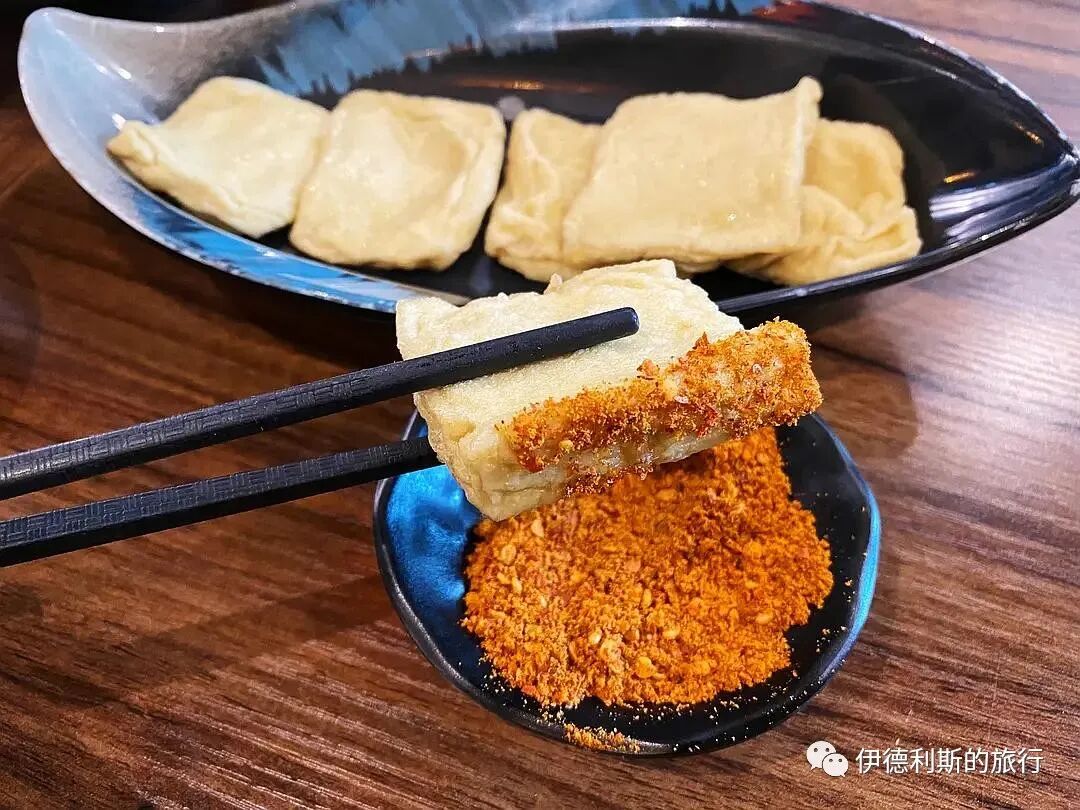
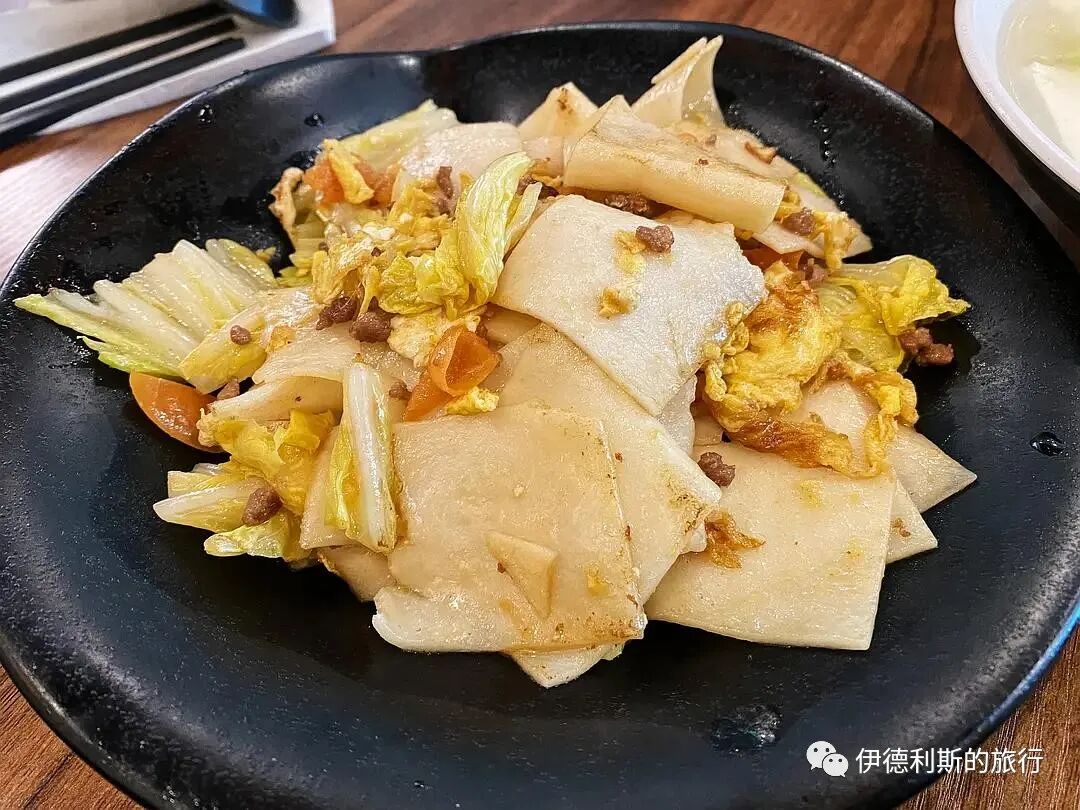
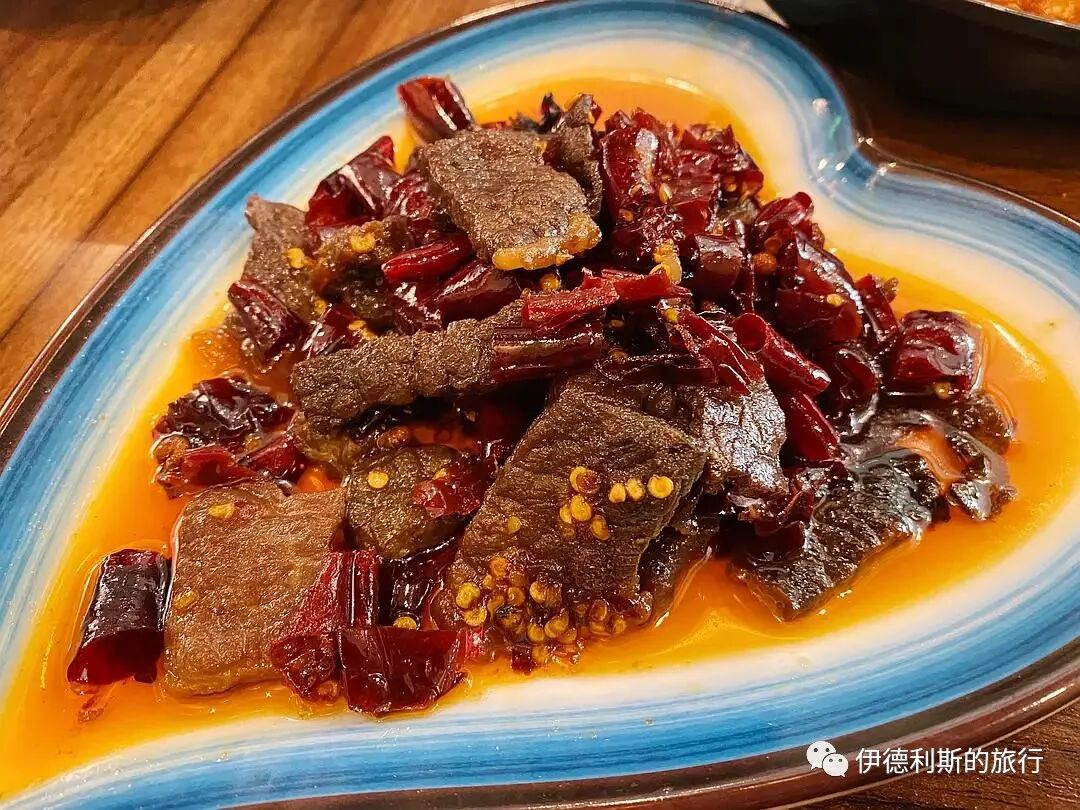
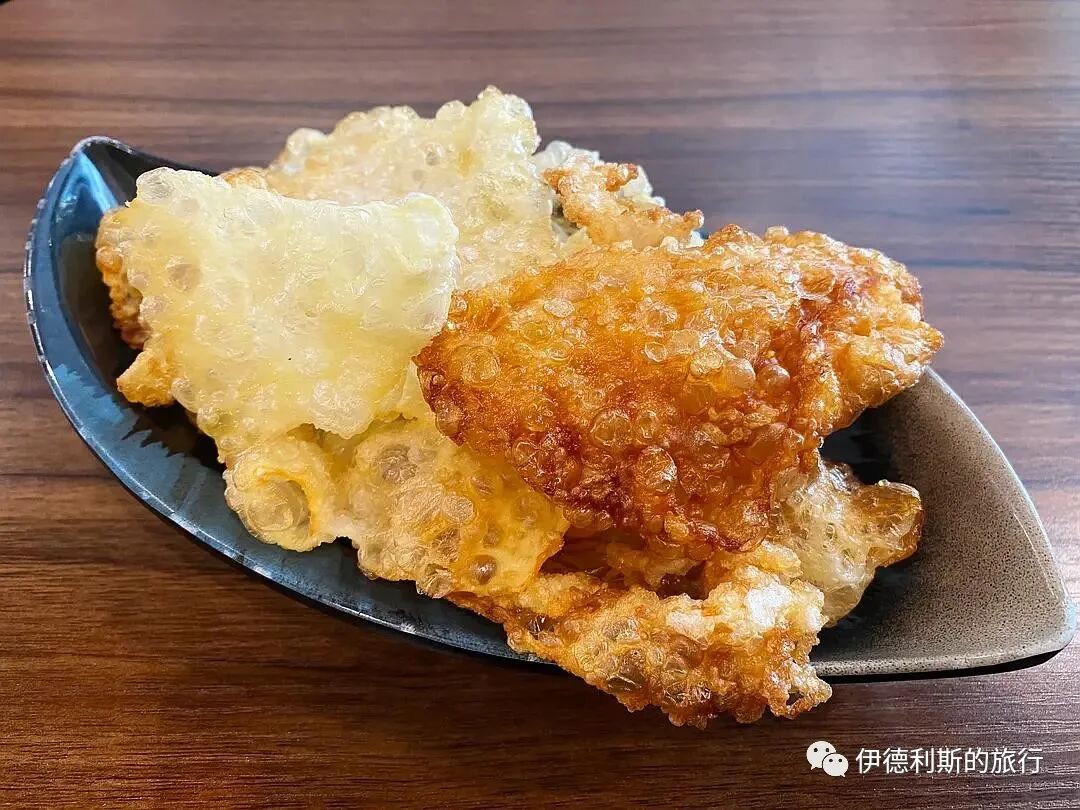
We ate at Hailiye next to Jingguang Bridge at noon. We had oil-drizzled beef jerky, fried rushan (a type of firm cheese), Shiping tofu, Dajiujia (a stir-fried rice noodle dish made with erkuai), braised beef, stir-fried porcini mushrooms, and Thai lime soda. Their place is always packed on weekday lunchtimes, haha, but there are very few people on weekends. It was my first time eating their stir-fried porcini mushrooms, and it tasted very fragrant.
March 8, Hot pot at home
We had hot pot at home today, using a special dipping sauce bought at the Niujie Halal Supermarket, the only one without MSG.
March 9, Chidao Yakiniku lunch set
I set aside one day every week to go to Chidao Yakiniku for a different lunch set. Today I had the beef curry set.
March 18, Chidao Yakiniku lunch set
Chidao Yakiniku's beef and egg rice set served with General's Order sushi, which has grilled eel on the outside and roasted sweet potato inside; it's very interesting.
March 23, Ali at Ritan Shangjie
I took my mother-in-law to test Ali's pilaf, rice sausage, and lung slices at Ritan Shangjie. It received her approval, and she immediately tasted that their lamb for the pilaf was shipped from Xinjiang, not local. In the end, we all enjoyed it very much. Also, their diluted yogurt, Ayran, is very authentic; one sip and I was back at a weekend bazaar in a Southern Xinjiang county. As a restaurant that can satisfy even local Xinjiang people, Ali is great~
March 27, Lili Yangke outside Guangqumen
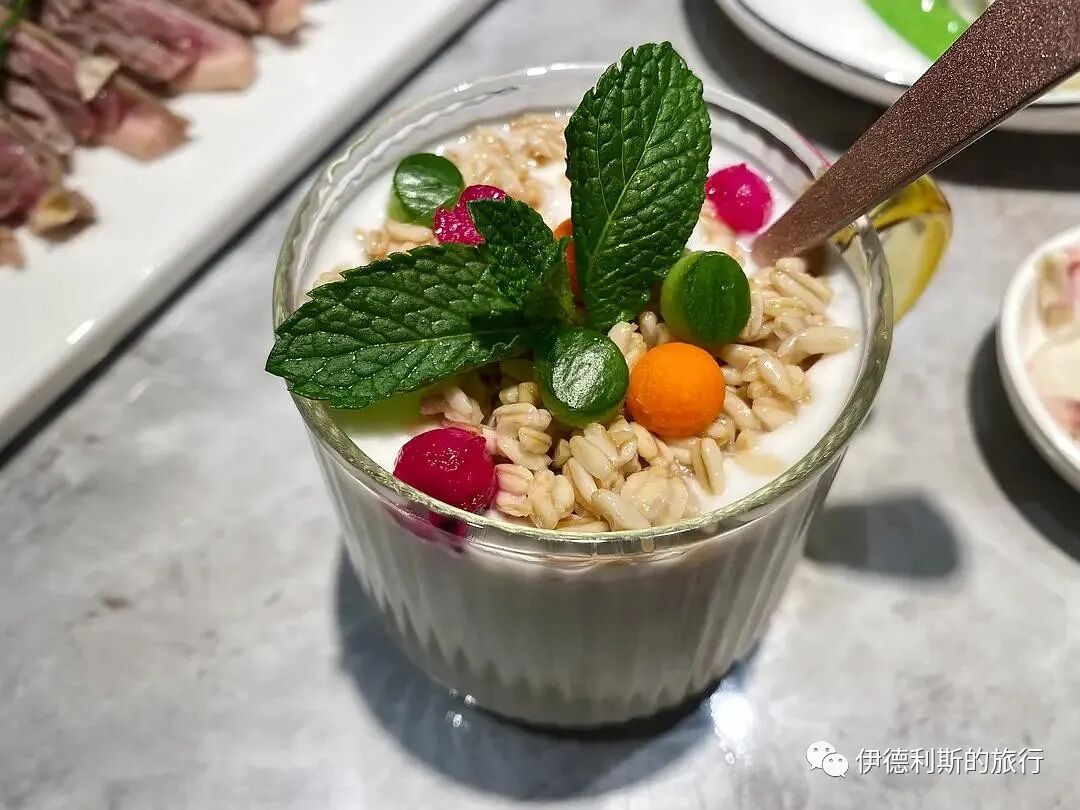
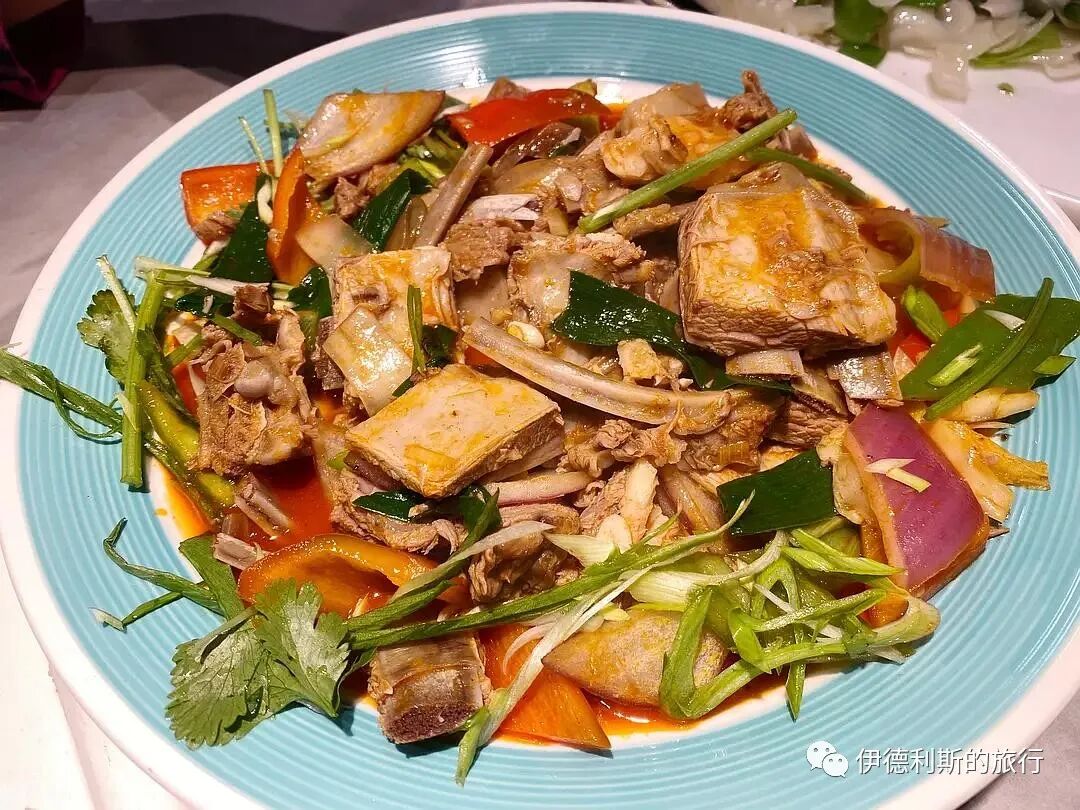
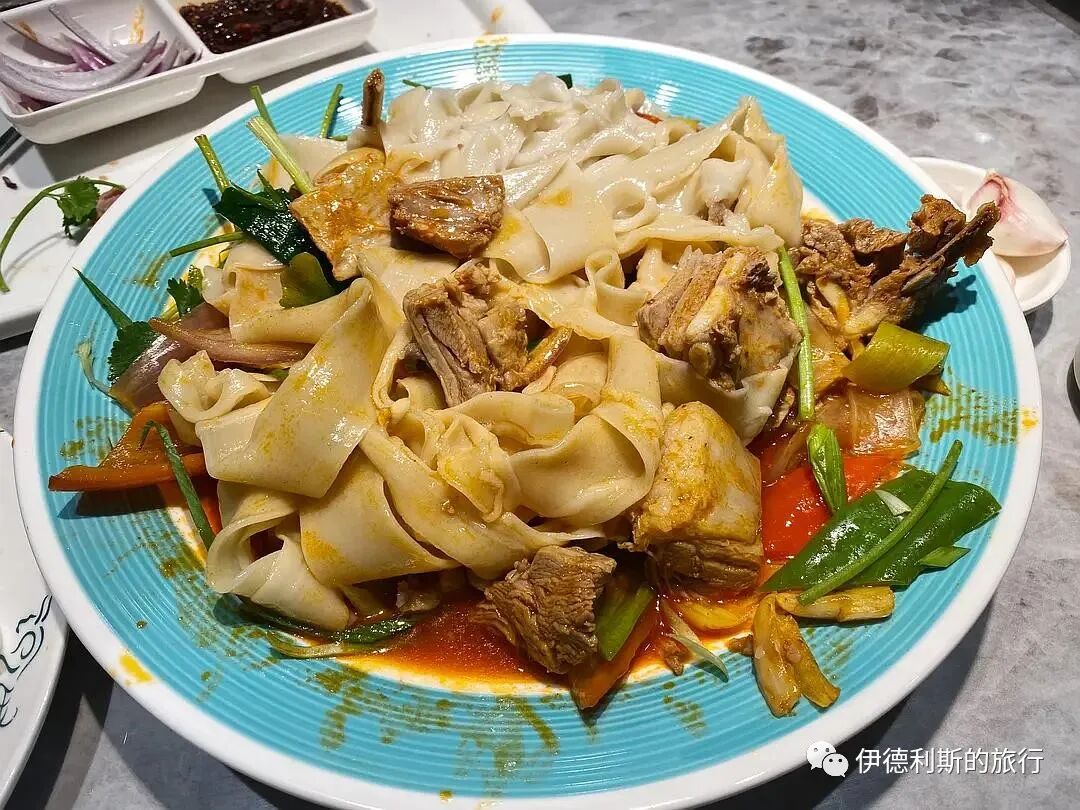
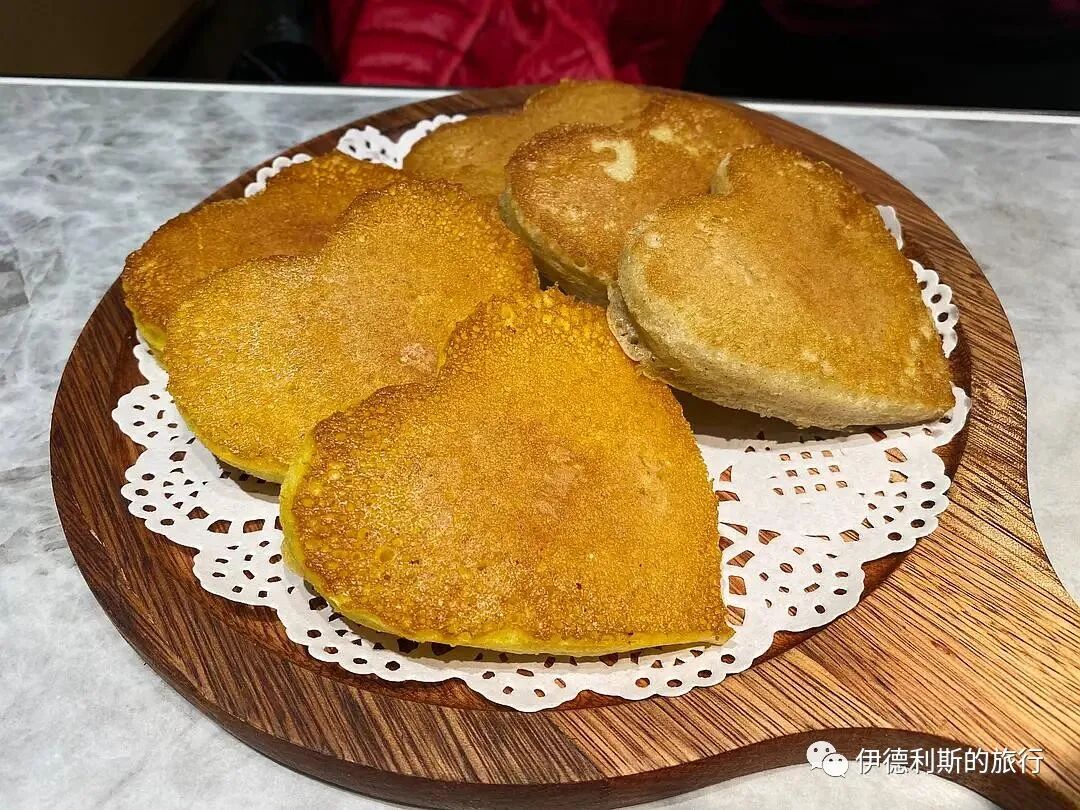
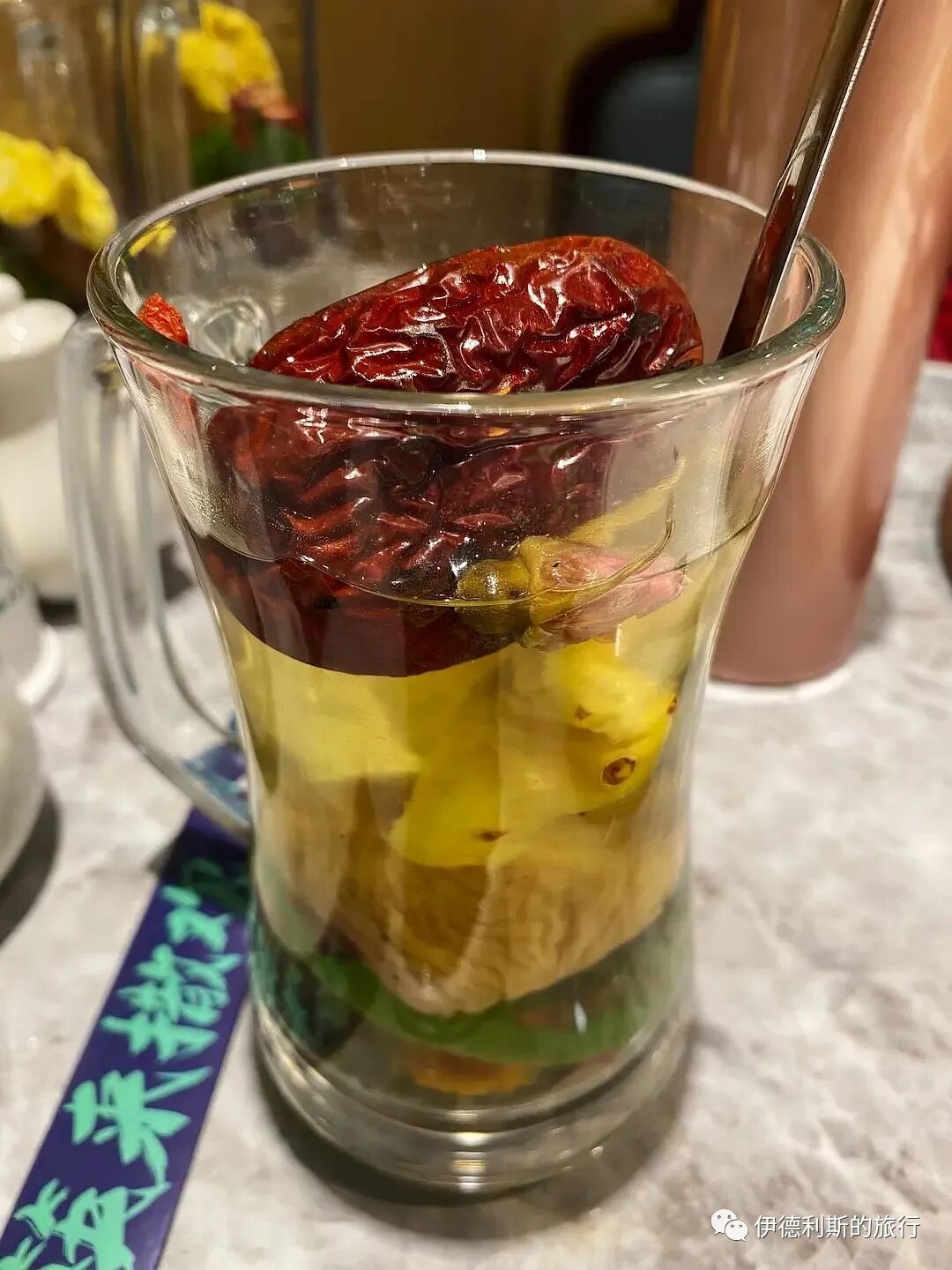
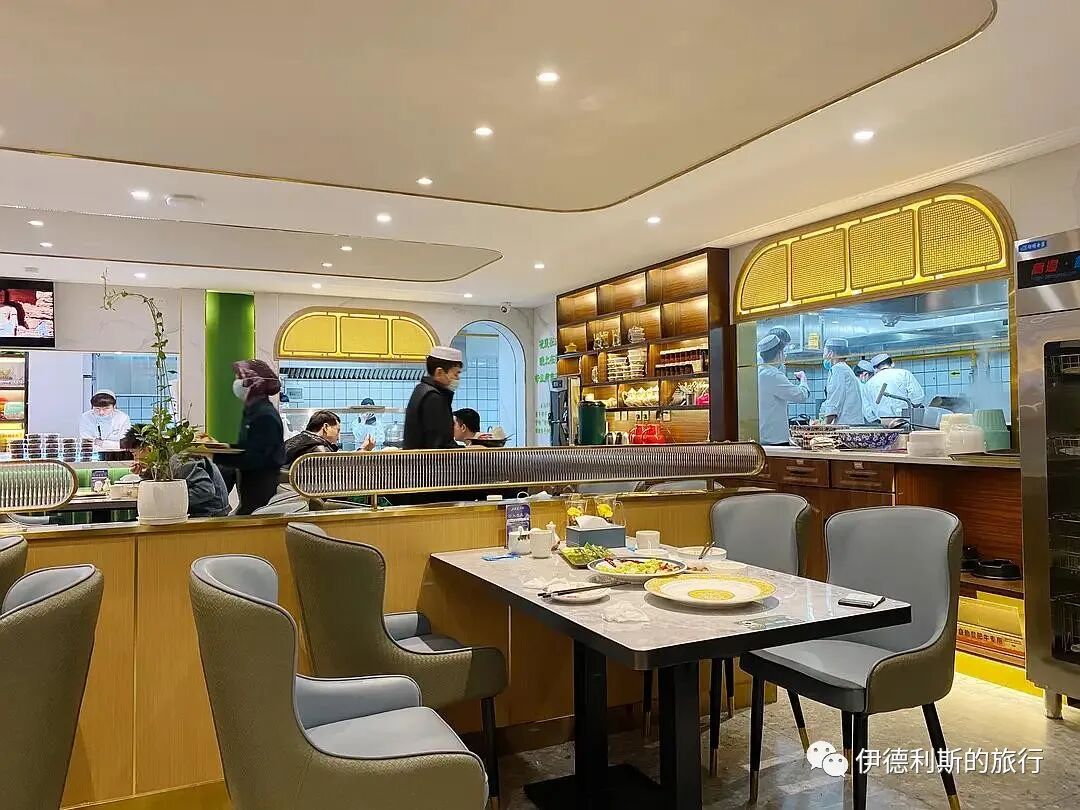
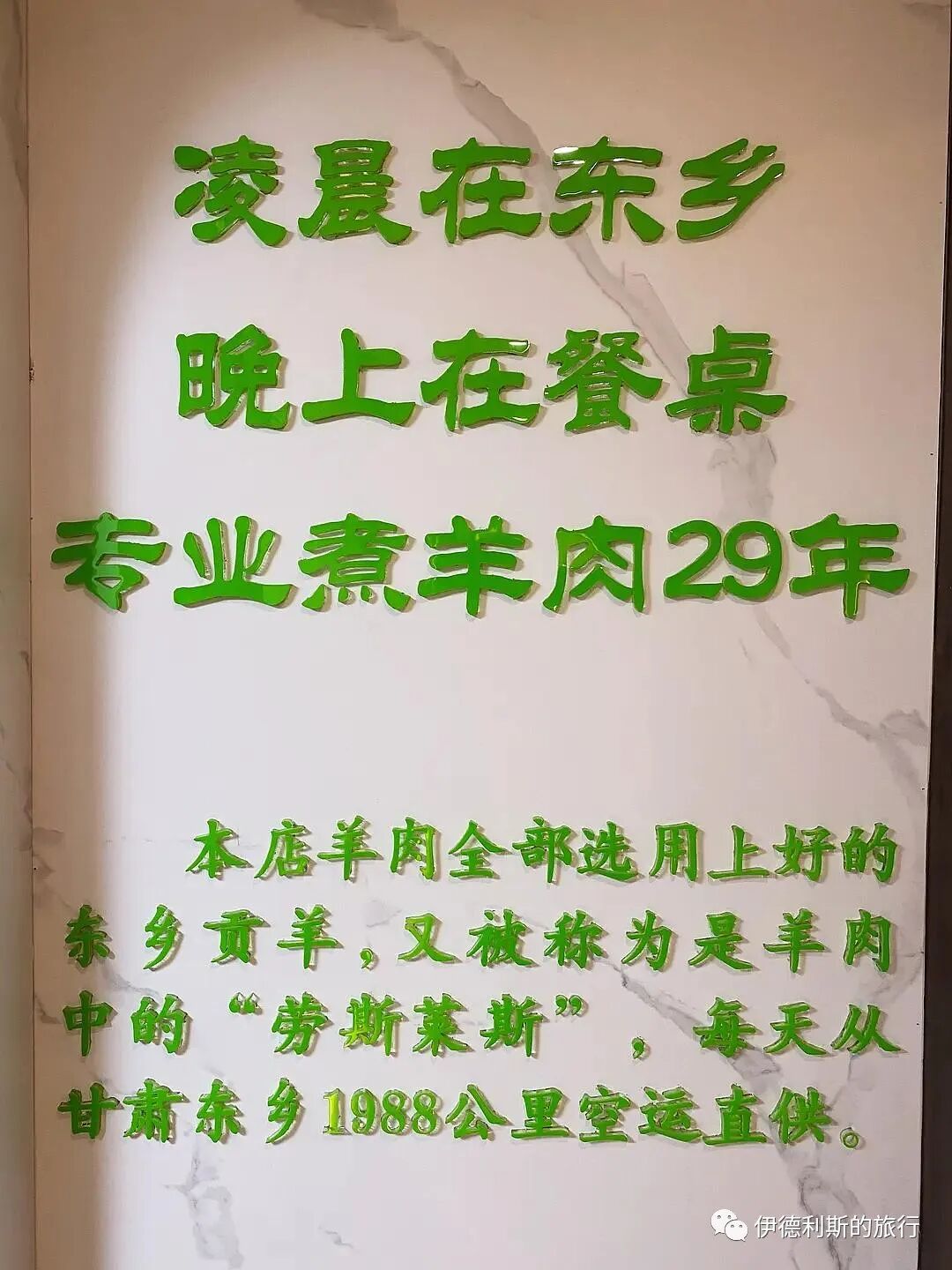
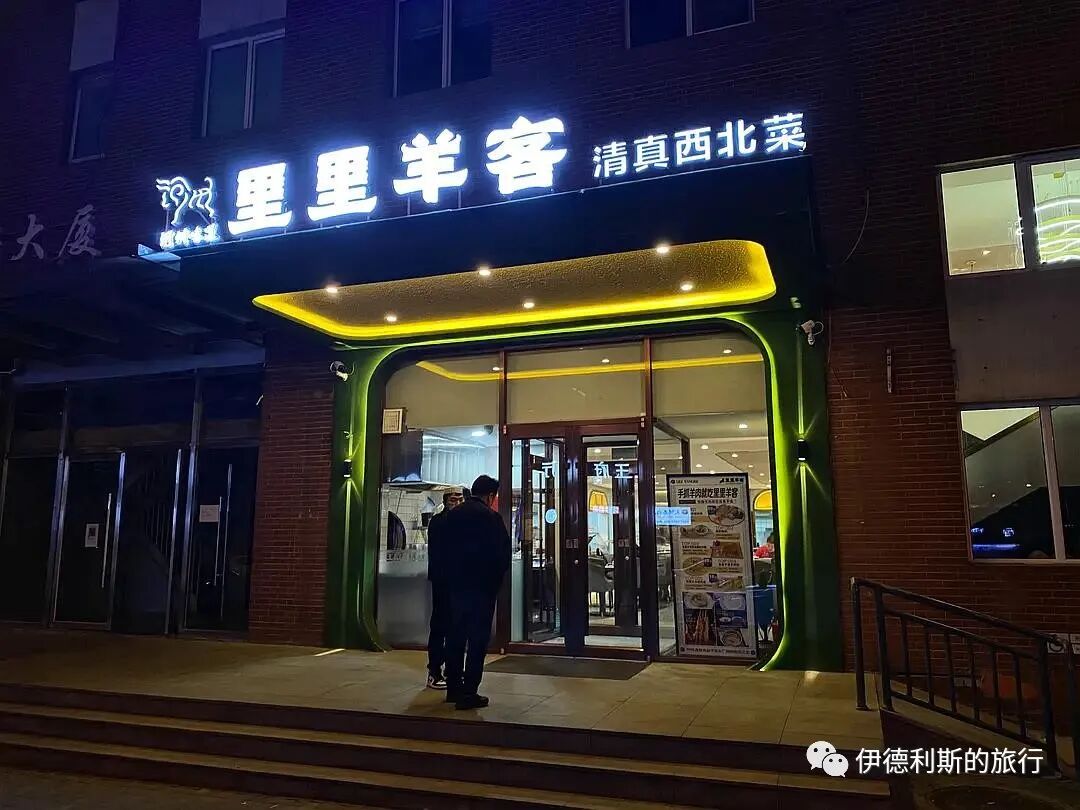
An old Hezhou-style restaurant outside Guangqumen has reopened as Lili Yangke, specializing in Dongxiang shouzhuo (hand-grabbed lamb), and the environment is excellent. We ordered Dongxiang shouzhuo, braised lamb, Lanzhou stir-fried lily bulbs, tianbeizi (fermented sweet wheat) yogurt, a mix of highland barley cakes and corn cakes, and a super luxurious eight-treasure tea. Unfortunately, the Dongxiang chicken was sold out, so we will try it next time.
The shouzhuo was quite good; as soon as you eat it, you get the taste of Dongxiang shouzhuo. The braised lamb was a bit salty, so we added a plate of white noodles, which was just right. I love drinking the tianbeizi yogurt. They also have tianbeizi milk tea and Sprite with tianbeizi, which I guess should be very popular with young people. The eight-treasure tea contained large slices of dried pineapple, dried peach, dried kiwi, and dried apricot. The dates used were also dense Hotan dates. It counts as the most luxurious eight-treasure tea I have ever had. The highland barley cakes were very fluffy and tasted good; our whole family loves them.
April 1, Chidao Yakiniku lunch set
Chidao Yakiniku's soy-braised beef set, baked potato with cod roe, and Hokkaido cheese; the cheese was especially delicious.
April 1, Hot pot chicken from Imam Ma's Cangzhou Muguang Eight Great Bowls
Thanks to a Dost (friend) for sending the hot pot chicken from Imam Ma's Cangzhou Muguang Eight Great Bowls; it was especially delicious! The braised flavor was slightly sweet, and I couldn't get enough of it.
April 3, Clear-stewed lamb with naan (flatbread)
April 4, Medina dates bought for Ramadan
On the left are Mabroom dates, which are slender and dark brown with a candy-like texture and moderate sweetness.
In the middle are Safawi dates, which are rectangular and dark black, and relatively soft. These are also the ones that Hajj pilgrims eat more often during their time in Hejaz.
On the right are Ajwa dates, which are round, dark black, chewy, and very sweet. This is also the most famous type of date, mentioned in the Hadith, and commonly known among Hui Muslims as 'Dua dates'. Because it is mentioned in the Hadith that the Messenger (peace and blessings of Allah be upon him) said: 'Whoever eats seven Ajwa dates every morning will not be harmed by poison or magic on that day.' ' [Sahih Bukhari] It is recorded that all Ajwa dates originally came from a date palm tree planted by the Prophet (peace and blessings of Allah be upon him).
April 5, Braised beef steak
April 7, Baizuan, a Kashgar restaurant in Shilihe
Iftar at Baizuan, a Kashgar restaurant in Shilihe. We ate lamb leg pilaf, mushrooms with wood ear fungus and meat, and freshly wrapped ququr (small dumplings). The ququr was served in lamb soup with pumpkin inside. As an authentic Xinjiang restaurant, their pilaf allows for unlimited refills. After adding more rice, pairing it with some grilled lamb and grilled lung is another kind of pleasure. Also, their pilaf side dish includes yellow carrots, which gets a thumbs up.
Before leaving, we bought Zaynab's favorite milk naan; the milky, slightly sweet, and soft naan is really too delicious.
April 16, Jinmaozhai Xilepu fried snacks
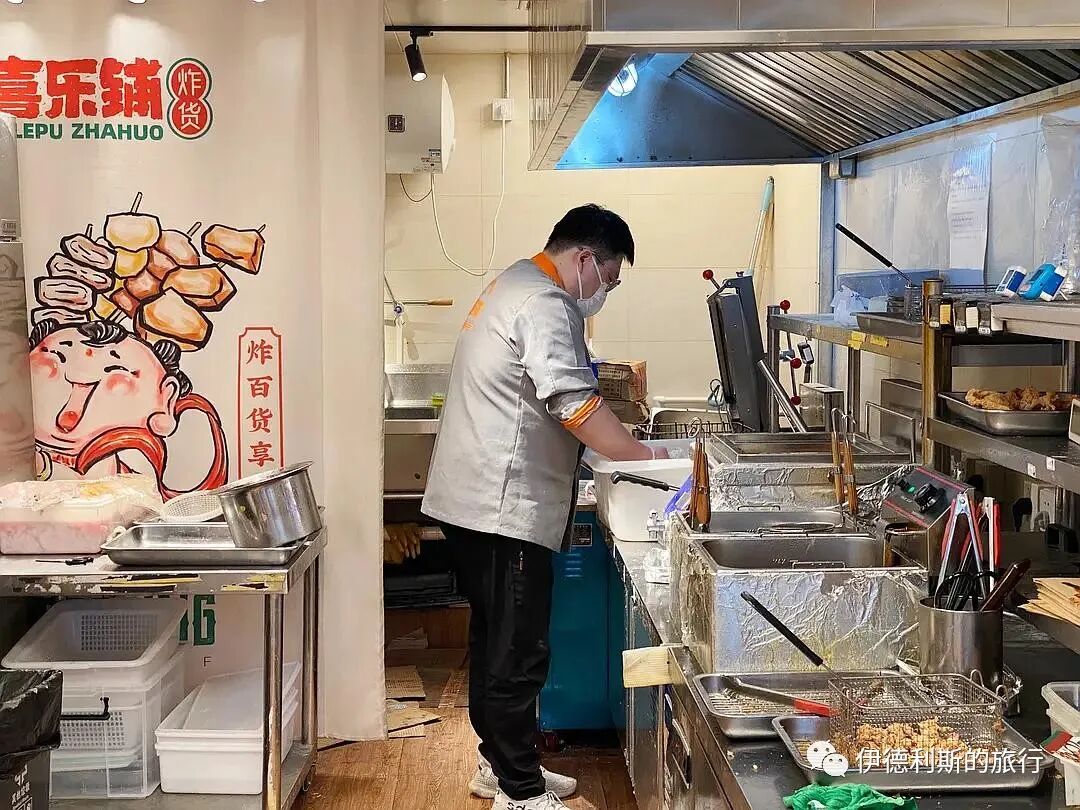
A new food court opened next to the Xianhui Supermarket on Dongsi Shitiao, and there is a Halal Jinmaozhai Xilepu fried snack shop inside, selling fried chicken, fried skewers, and so on. Yesterday I bought two skewers of fried lamb for Iftar. This shop was opened by the founder of Lao Jinji fried snacks after he was pushed out, and now it's closer to our home.
April 16, Uncle Hao's Iron Pot Stew at Changhong Bridge
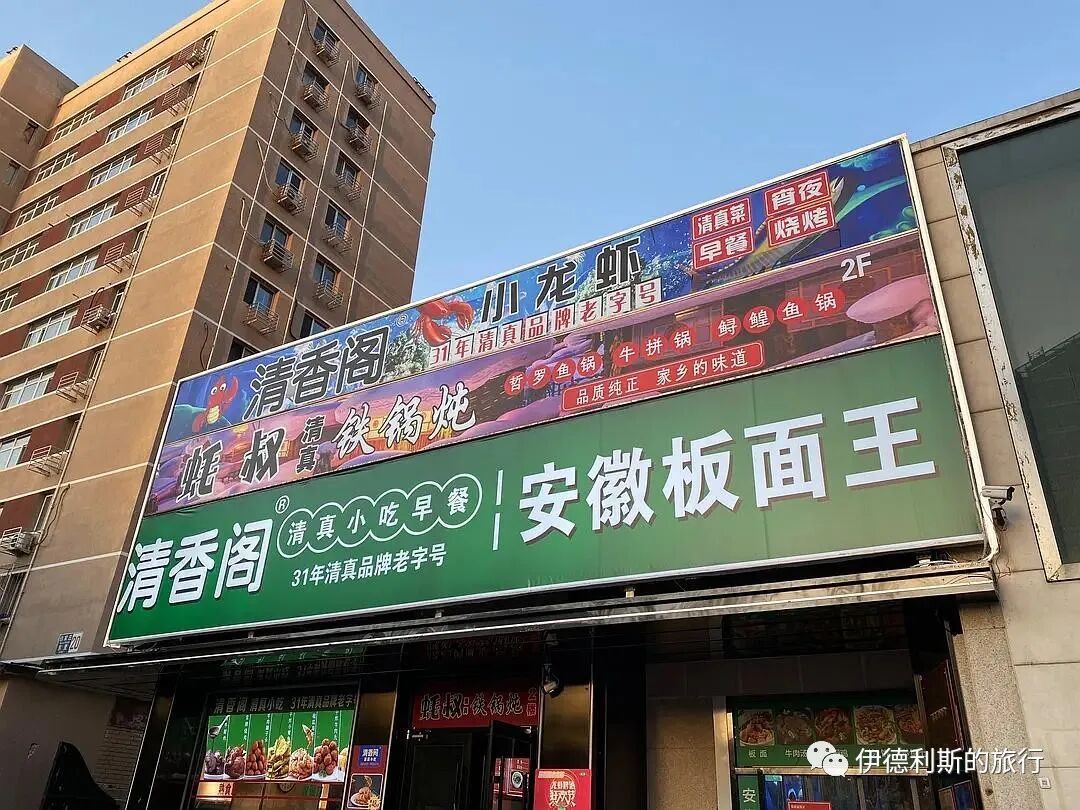
Iftar at Uncle Hao's Iron Pot Stew at Changhong Bridge, eating Northeast-style iron pot stewed taimen (Hucho taimen/Siberian salmon). The owner of Qingxiangge opened three shops in this building; the first floor sells crayfish and beef banmian (pulled noodles), and the second floor is for iron pot stew.
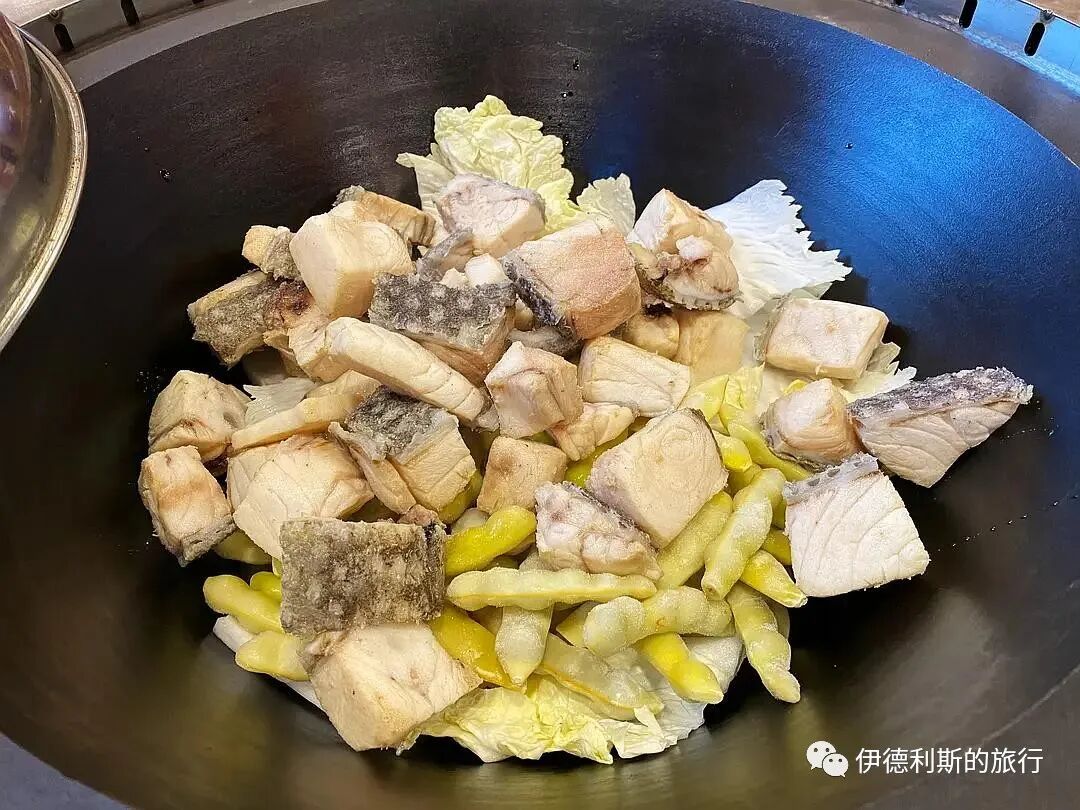
Taimen, also known as Siberian salmon, is a large cold-water predatory fish distributed in cold regions from the Volga River to Siberia, and mainly in the Heilongjiang area in China. Taimen are huge, with a body length of over 1 meter, or even reaching 2 meters, and a weight that can reach 50 kilograms. Uncle Hao usually uses 30-kilogram taimen, cut into fish chunks, without pre-marinating.
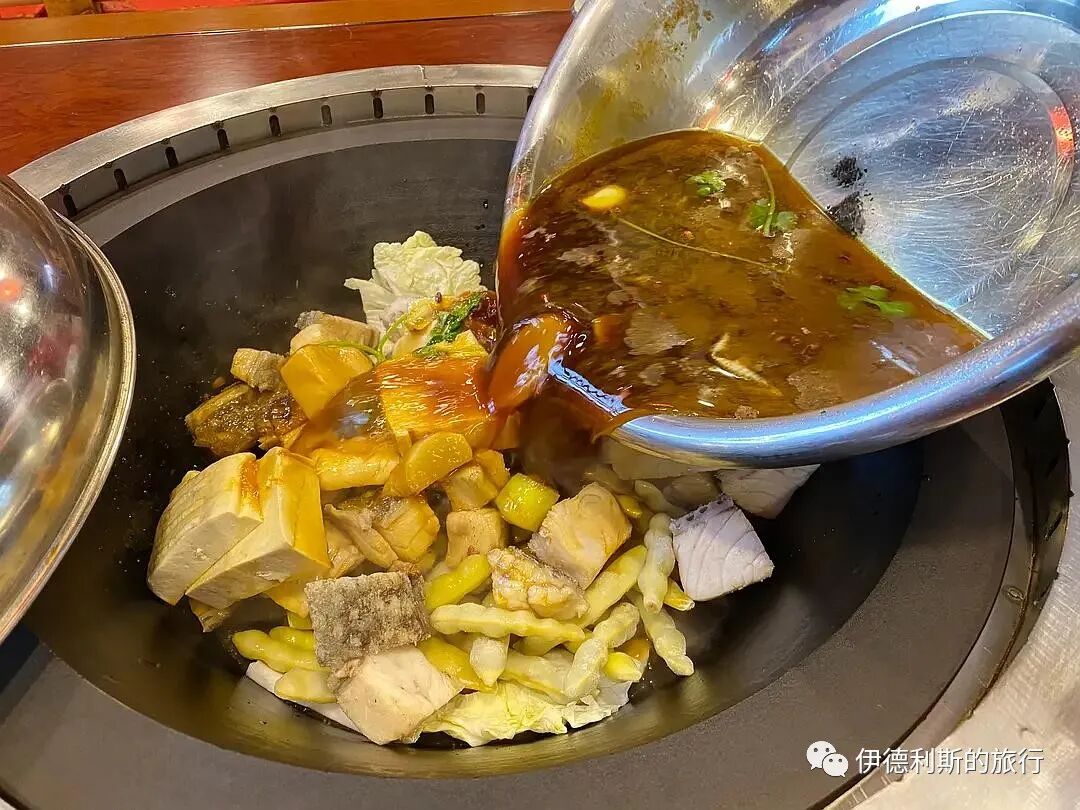
The stew broth is made by boiling chicken bones without adding chicken essence. We also chose side dishes like golden beans, fresh tofu, and Chinese cabbage, as well as Northeast-style dipping sauce vegetables. Stew for 5 minutes first, then put half a portion of huajuan (steamed flower rolls) on the rack, and stew for another 10 minutes before eating.
Also, their service attitude is really great. The Northeast lady who is the head waitress asks every table how the taste is and how the saltiness is. She is super enthusiastic, which makes one feel warm inside.
April 18, Iftar latiaozi (hand-pulled noodles)
April 21, Braised lamb rice from Baodu Man at the east entrance of Dongsi Wutiao
Iftar, braised lamb rice from Baodu Man at the east entrance of Dongsi Wutiao, with extra meat soup and half a jin of braised lamb; it was so satisfying. Their braised lamb is tougher than the one at Gulou Chimiantang, and the different texture makes for a different experience.
April 22, Family dinner
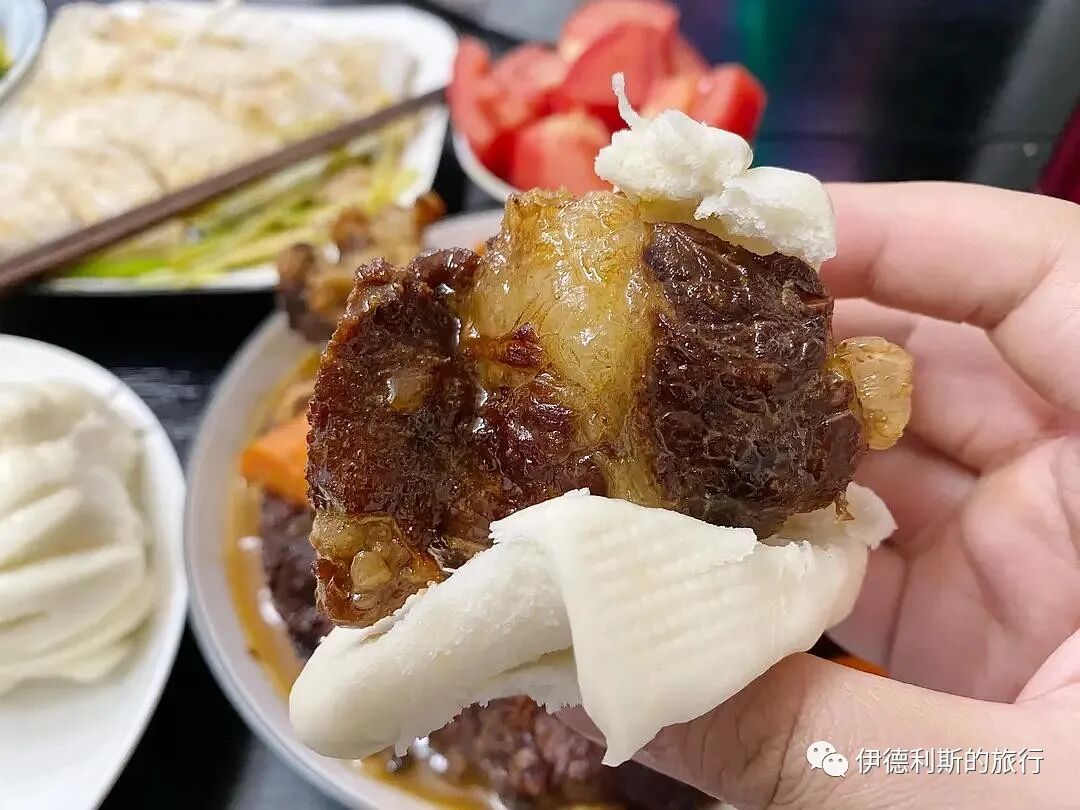
I made braised beef ribs, and my mom made steamed flatfish.
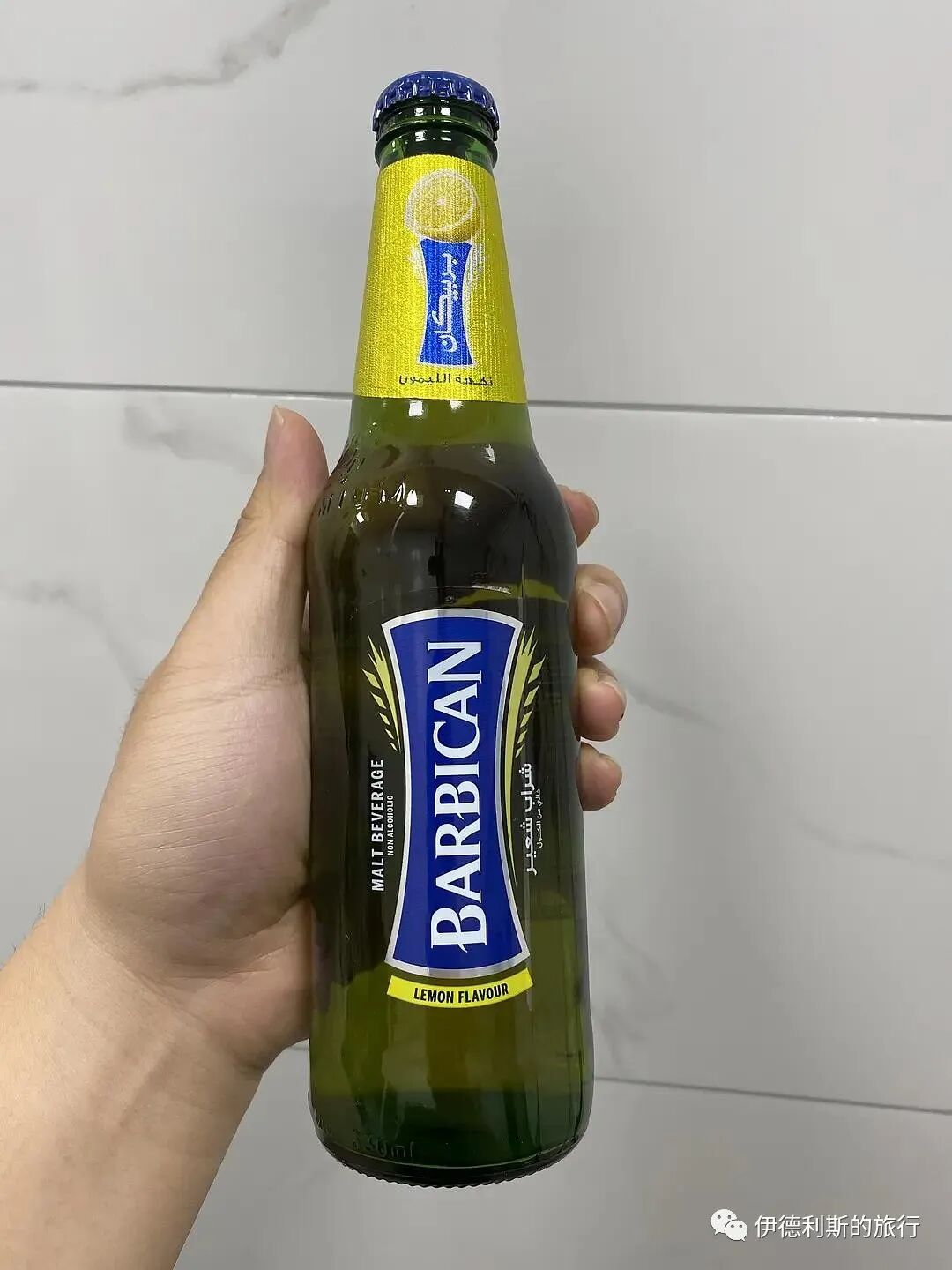
April 26, Barbican drink
Ten years ago, when I was in college in Wuhan, the summer was stiflingly hot. Besides the 5-mao bowl of osmanthus plum juice in the cafeteria, I would occasionally splurge and buy two bottles of Dubai malt drink at the Halal imported supermarket next to the International Exchange College. Holding the chilled glass bottle in my hand felt like it was cooling me down. In the blink of an eye, so many years have passed. I saw them for sale online this time and bought a few bottles. Unfortunately, there was no original flavor, so I only bought lemon flavor. I miss this feeling so much~ However, I don't want to experience the summer in Wuhan again, haha. Every time I go back to Wuhan after graduation, I choose to go in spring or autumn.
April 30, Visiting Changying
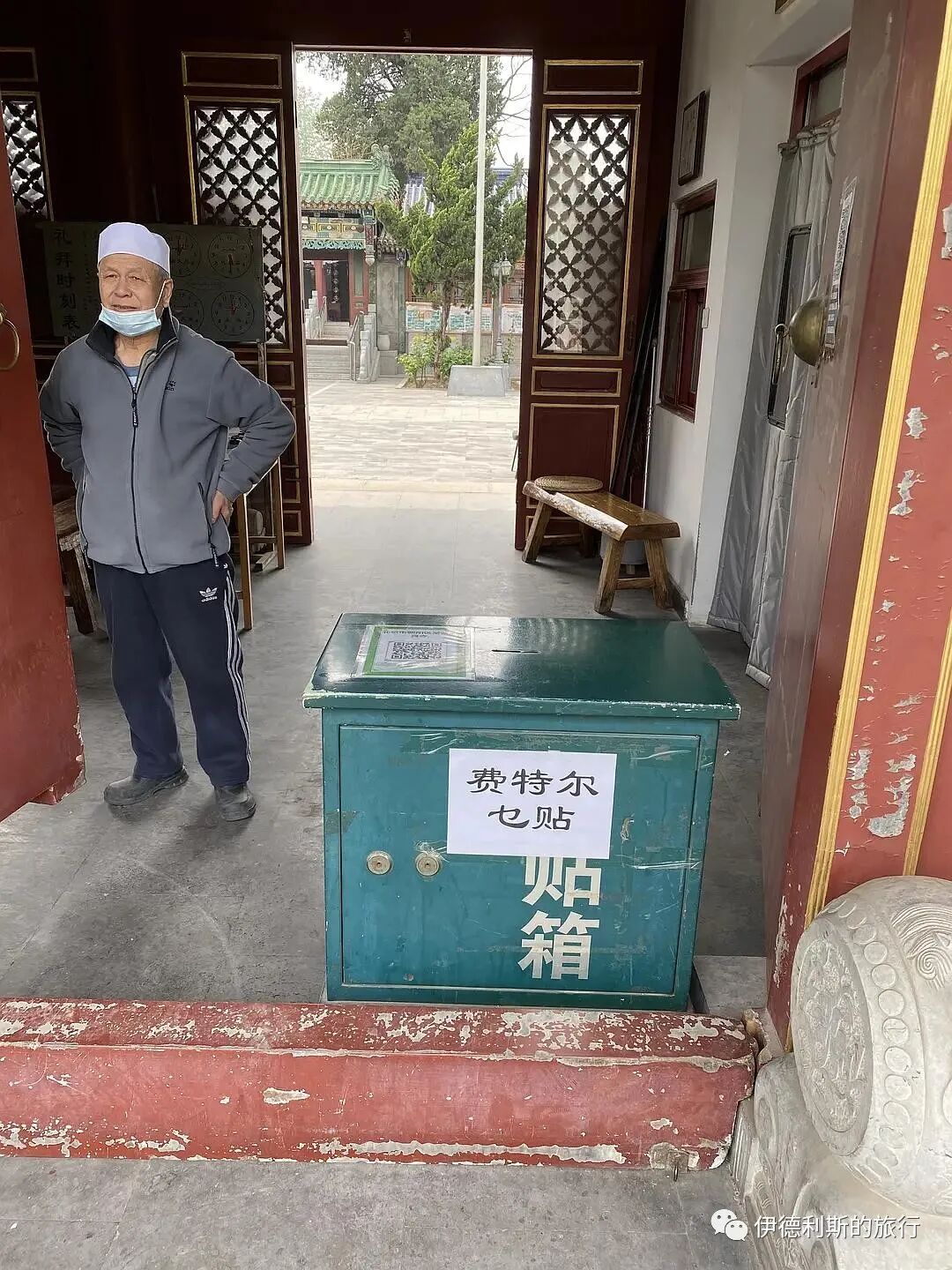
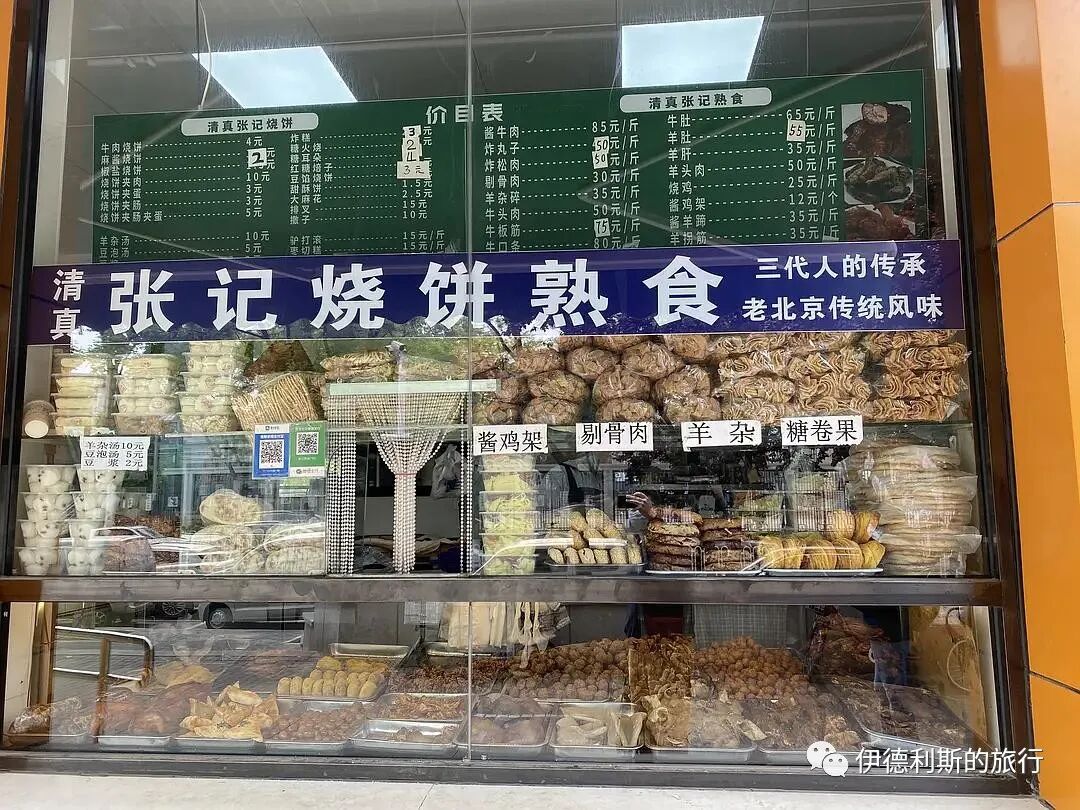
Giving out Fitr Zakat, and buying lamb heads at Zhangji.
May 1, Dost invited us for Iftar
Invited by a Dost for Iftar. The Dost's two children were super well-behaved, which increased my and Zaynab's confidence in raising children~ Alhamdulillah (Praise be to Allah).
May 2, Eid al-Fitr
Eid al-Fitr Mubarak!
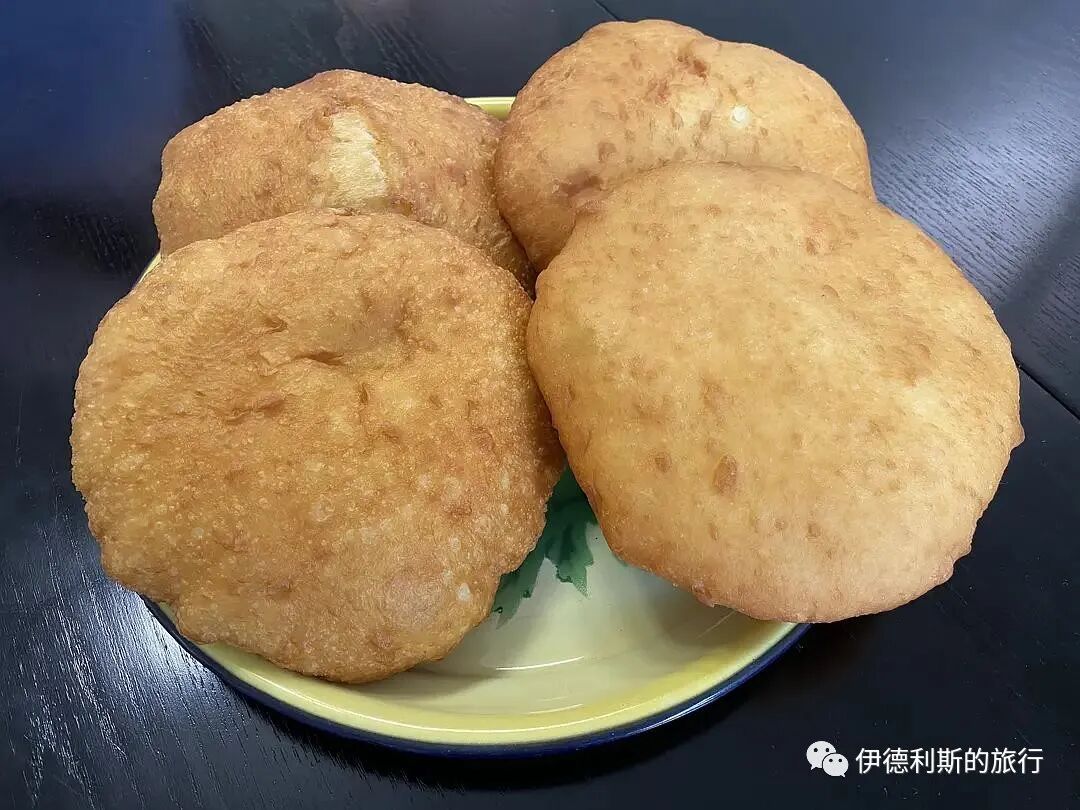
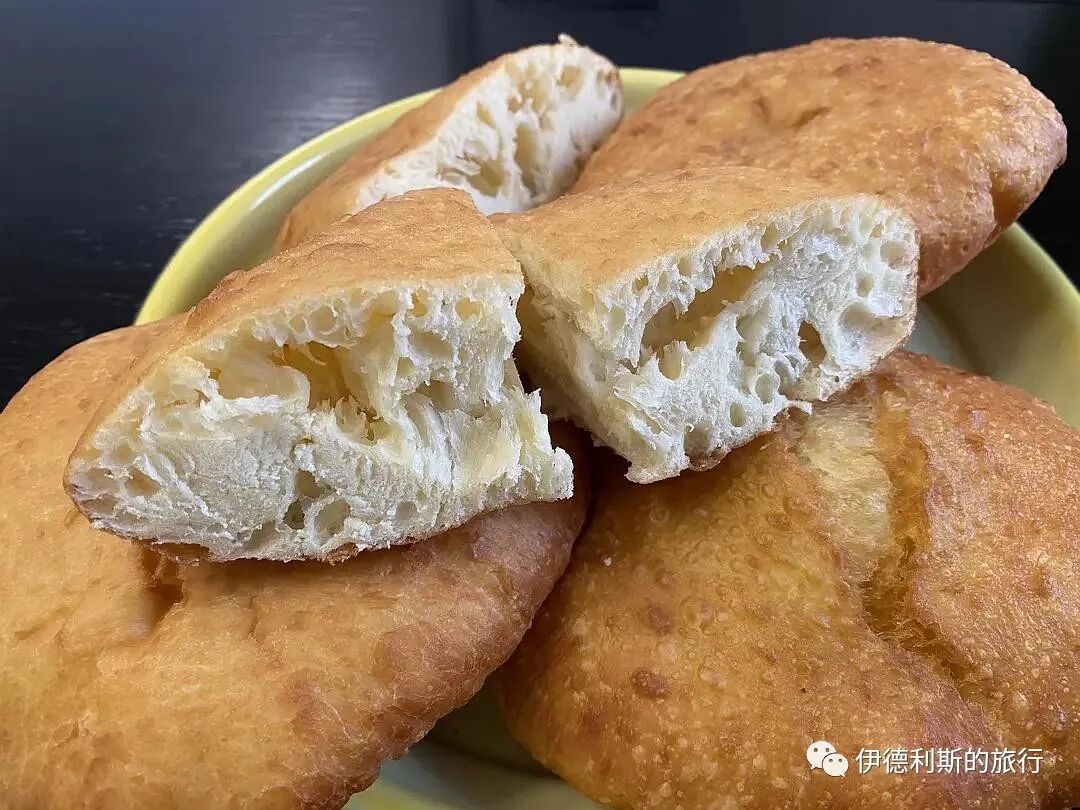
Freshly fried youxiang (fried dough) sent to Zaynab by a Dost from Niujie. Sharing the Barakah (blessing), it was very delicious!
May 3, Gulou Chimiantang takeout
Bought cold noodles and 'liver and intestines broken' (chicken liver and chicken sausage) from Gulou Chimiantang to take home, and also drank non-alcoholic wheat beverage. Summer is coming, it's time to eat their sesame paste noodles and scallion oil noodles.
May 6, Beimencang Jinmaozhai takeout
Fried chicken legs, chicken hearts, and chicken ankles from Beimencang Jinmaozhai, and also bought squid-filled samsa (pastry).
May 8, Home-cooked meal
May 8, Huashi Mosque Quanlaishun pancake
Pancake wrapped with beef from the backyard of Huashi Mosque, served with five-grain soy milk. You can't eat this fragrant beef pancake anywhere else.
May 8, Luzhuangzi Guishunzhai in Xihuashi
Bought caozigao (traditional sponge cake) and milk-skin pastries at Luzhuangzi Guishunzhai in Xihuashi to eat for breakfast.
May 8, Chongwenmen New World Maji Handmade Dumplings
I highly recommend Maji Handmade Dumplings in the supermarket on the basement floor of Chongwenmen New World. If I hadn't decided to go to the supermarket to buy something, I would never have discovered it!
Boss Ma is a Hui Muslim from Fushun, Liaoning. Besides selling handmade dumplings with various fillings, he also makes Northeast-style cold noodles and various hand-rolled noodles. What is most admirable is that Boss Ma rolls and cuts every bowl of noodles fresh, instead of preparing them in advance, because the texture of freshly rolled and boiled noodles is really better. I was a little worried about what Boss Ma would do if there were too many people, but because the supermarket is very deserted now, it is actually difficult to encounter a situation where he is too busy.
We bought a bowl of zhajiangmian (noodles with soybean paste), which is the traditional Northeast egg-based zhajiang. It wasn't made too salty, and it went very well with the hand-rolled noodles. We also packed some fennel dumplings to eat at home.
Because logistics are restricted and there are too few customers, many of their dishes have not been available these past few days. I am looking forward to their Northeast-style pancakes. These were brought by Northeast people who 'crossed the border' (migrated to the Northeast) from their hometown in Shandong. You can eat them plain, or take them home to roll with stir-fried potato shreds and bean sprouts, or roll them with dipping sauce vegetables. For dumplings, you can try the less common beef and sauerkraut filling and zucchini and egg filling. Besides zhajiang, the noodles also include braised beef, minced meat with eggplant, tomato sauce, and sesame paste cold noodles. I hope this wave of the epidemic ends soon, and Boss Ma can get everything started! view all
Summary: This travel note introduces Beijing Halal Travel Diary in Spring 2022: Mosques, Muslim Food and City Walks (Part 1). I have been recording my Beijing Halal diary since 2016, and it has been 6 years now. It is useful for readers interested in Beijing Halal Travel, Beijing Mosques, Halal Food.
I have been recording my Beijing Halal diary since 2016, and it has been 6 years now. The Halal life in the spring of 2022 was still quite rich and colorful. In March, my mother-in-law came to Beijing and made us 15 types of Urumqi Hui Muslim delicacies. See the diaries '15 Urumqi Hui Muslim Delicacies Made by My Mother-in-law (Part 1)' and '15 Urumqi Hui Muslim Delicacies Made by My Mother-in-law (Part 2)'. April marked the beginning of Ramadan. We had Iftar (the meal to break the fast) buffets at four restaurants—Turkish, Tunisian, Jordanian, and Pakistani—which turned into a culinary tour of the Middle East and South Asia. See the diary 'Eating Turkish, Tunisian, Jordanian, and Pakistani Buffets in Beijing during Ramadan'. In May, dine-in services were suspended, so we ordered some takeout and cooked some home-style dishes. Fortunately, we finally made it through.
March 6, Hailiye at Jingguang Bridge
We ate at Hailiye next to Jingguang Bridge at noon. We had oil-drizzled beef jerky, fried rushan (a type of firm cheese), Shiping tofu, Dajiujia (a stir-fried rice noodle dish made with erkuai), braised beef, stir-fried porcini mushrooms, and Thai lime soda. Their place is always packed on weekday lunchtimes, haha, but there are very few people on weekends. It was my first time eating their stir-fried porcini mushrooms, and it tasted very fragrant.
March 8, Hot pot at home
We had hot pot at home today, using a special dipping sauce bought at the Niujie Halal Supermarket, the only one without MSG.
March 9, Chidao Yakiniku lunch set
I set aside one day every week to go to Chidao Yakiniku for a different lunch set. Today I had the beef curry set.
March 18, Chidao Yakiniku lunch set
Chidao Yakiniku's beef and egg rice set served with General's Order sushi, which has grilled eel on the outside and roasted sweet potato inside; it's very interesting.
March 23, Ali at Ritan Shangjie
I took my mother-in-law to test Ali's pilaf, rice sausage, and lung slices at Ritan Shangjie. It received her approval, and she immediately tasted that their lamb for the pilaf was shipped from Xinjiang, not local. In the end, we all enjoyed it very much. Also, their diluted yogurt, Ayran, is very authentic; one sip and I was back at a weekend bazaar in a Southern Xinjiang county. As a restaurant that can satisfy even local Xinjiang people, Ali is great~
March 27, Lili Yangke outside Guangqumen
An old Hezhou-style restaurant outside Guangqumen has reopened as Lili Yangke, specializing in Dongxiang shouzhuo (hand-grabbed lamb), and the environment is excellent. We ordered Dongxiang shouzhuo, braised lamb, Lanzhou stir-fried lily bulbs, tianbeizi (fermented sweet wheat) yogurt, a mix of highland barley cakes and corn cakes, and a super luxurious eight-treasure tea. Unfortunately, the Dongxiang chicken was sold out, so we will try it next time.
The shouzhuo was quite good; as soon as you eat it, you get the taste of Dongxiang shouzhuo. The braised lamb was a bit salty, so we added a plate of white noodles, which was just right. I love drinking the tianbeizi yogurt. They also have tianbeizi milk tea and Sprite with tianbeizi, which I guess should be very popular with young people. The eight-treasure tea contained large slices of dried pineapple, dried peach, dried kiwi, and dried apricot. The dates used were also dense Hotan dates. It counts as the most luxurious eight-treasure tea I have ever had. The highland barley cakes were very fluffy and tasted good; our whole family loves them.
April 1, Chidao Yakiniku lunch set
Chidao Yakiniku's soy-braised beef set, baked potato with cod roe, and Hokkaido cheese; the cheese was especially delicious.
April 1, Hot pot chicken from Imam Ma's Cangzhou Muguang Eight Great Bowls
Thanks to a Dost (friend) for sending the hot pot chicken from Imam Ma's Cangzhou Muguang Eight Great Bowls; it was especially delicious! The braised flavor was slightly sweet, and I couldn't get enough of it.
April 3, Clear-stewed lamb with naan (flatbread)
April 4, Medina dates bought for Ramadan
On the left are Mabroom dates, which are slender and dark brown with a candy-like texture and moderate sweetness.
In the middle are Safawi dates, which are rectangular and dark black, and relatively soft. These are also the ones that Hajj pilgrims eat more often during their time in Hejaz.
On the right are Ajwa dates, which are round, dark black, chewy, and very sweet. This is also the most famous type of date, mentioned in the Hadith, and commonly known among Hui Muslims as 'Dua dates'. Because it is mentioned in the Hadith that the Messenger (peace and blessings of Allah be upon him) said: 'Whoever eats seven Ajwa dates every morning will not be harmed by poison or magic on that day.' ' [Sahih Bukhari] It is recorded that all Ajwa dates originally came from a date palm tree planted by the Prophet (peace and blessings of Allah be upon him).
April 5, Braised beef steak
April 7, Baizuan, a Kashgar restaurant in Shilihe
Iftar at Baizuan, a Kashgar restaurant in Shilihe. We ate lamb leg pilaf, mushrooms with wood ear fungus and meat, and freshly wrapped ququr (small dumplings). The ququr was served in lamb soup with pumpkin inside. As an authentic Xinjiang restaurant, their pilaf allows for unlimited refills. After adding more rice, pairing it with some grilled lamb and grilled lung is another kind of pleasure. Also, their pilaf side dish includes yellow carrots, which gets a thumbs up.
Before leaving, we bought Zaynab's favorite milk naan; the milky, slightly sweet, and soft naan is really too delicious.
April 16, Jinmaozhai Xilepu fried snacks
A new food court opened next to the Xianhui Supermarket on Dongsi Shitiao, and there is a Halal Jinmaozhai Xilepu fried snack shop inside, selling fried chicken, fried skewers, and so on. Yesterday I bought two skewers of fried lamb for Iftar. This shop was opened by the founder of Lao Jinji fried snacks after he was pushed out, and now it's closer to our home.
April 16, Uncle Hao's Iron Pot Stew at Changhong Bridge
Iftar at Uncle Hao's Iron Pot Stew at Changhong Bridge, eating Northeast-style iron pot stewed taimen (Hucho taimen/Siberian salmon). The owner of Qingxiangge opened three shops in this building; the first floor sells crayfish and beef banmian (pulled noodles), and the second floor is for iron pot stew.
Taimen, also known as Siberian salmon, is a large cold-water predatory fish distributed in cold regions from the Volga River to Siberia, and mainly in the Heilongjiang area in China. Taimen are huge, with a body length of over 1 meter, or even reaching 2 meters, and a weight that can reach 50 kilograms. Uncle Hao usually uses 30-kilogram taimen, cut into fish chunks, without pre-marinating.
The stew broth is made by boiling chicken bones without adding chicken essence. We also chose side dishes like golden beans, fresh tofu, and Chinese cabbage, as well as Northeast-style dipping sauce vegetables. Stew for 5 minutes first, then put half a portion of huajuan (steamed flower rolls) on the rack, and stew for another 10 minutes before eating.
Also, their service attitude is really great. The Northeast lady who is the head waitress asks every table how the taste is and how the saltiness is. She is super enthusiastic, which makes one feel warm inside.
April 18, Iftar latiaozi (hand-pulled noodles)
April 21, Braised lamb rice from Baodu Man at the east entrance of Dongsi Wutiao
Iftar, braised lamb rice from Baodu Man at the east entrance of Dongsi Wutiao, with extra meat soup and half a jin of braised lamb; it was so satisfying. Their braised lamb is tougher than the one at Gulou Chimiantang, and the different texture makes for a different experience.
April 22, Family dinner
I made braised beef ribs, and my mom made steamed flatfish.
April 26, Barbican drink
Ten years ago, when I was in college in Wuhan, the summer was stiflingly hot. Besides the 5-mao bowl of osmanthus plum juice in the cafeteria, I would occasionally splurge and buy two bottles of Dubai malt drink at the Halal imported supermarket next to the International Exchange College. Holding the chilled glass bottle in my hand felt like it was cooling me down. In the blink of an eye, so many years have passed. I saw them for sale online this time and bought a few bottles. Unfortunately, there was no original flavor, so I only bought lemon flavor. I miss this feeling so much~ However, I don't want to experience the summer in Wuhan again, haha. Every time I go back to Wuhan after graduation, I choose to go in spring or autumn.
April 30, Visiting Changying
Giving out Fitr Zakat, and buying lamb heads at Zhangji.
May 1, Dost invited us for Iftar
Invited by a Dost for Iftar. The Dost's two children were super well-behaved, which increased my and Zaynab's confidence in raising children~ Alhamdulillah (Praise be to Allah).
May 2, Eid al-Fitr
Eid al-Fitr Mubarak!
Freshly fried youxiang (fried dough) sent to Zaynab by a Dost from Niujie. Sharing the Barakah (blessing), it was very delicious!
May 3, Gulou Chimiantang takeout
Bought cold noodles and 'liver and intestines broken' (chicken liver and chicken sausage) from Gulou Chimiantang to take home, and also drank non-alcoholic wheat beverage. Summer is coming, it's time to eat their sesame paste noodles and scallion oil noodles.
May 6, Beimencang Jinmaozhai takeout
Fried chicken legs, chicken hearts, and chicken ankles from Beimencang Jinmaozhai, and also bought squid-filled samsa (pastry).
May 8, Home-cooked meal
May 8, Huashi Mosque Quanlaishun pancake
Pancake wrapped with beef from the backyard of Huashi Mosque, served with five-grain soy milk. You can't eat this fragrant beef pancake anywhere else.
May 8, Luzhuangzi Guishunzhai in Xihuashi
Bought caozigao (traditional sponge cake) and milk-skin pastries at Luzhuangzi Guishunzhai in Xihuashi to eat for breakfast.
May 8, Chongwenmen New World Maji Handmade Dumplings
I highly recommend Maji Handmade Dumplings in the supermarket on the basement floor of Chongwenmen New World. If I hadn't decided to go to the supermarket to buy something, I would never have discovered it!
Boss Ma is a Hui Muslim from Fushun, Liaoning. Besides selling handmade dumplings with various fillings, he also makes Northeast-style cold noodles and various hand-rolled noodles. What is most admirable is that Boss Ma rolls and cuts every bowl of noodles fresh, instead of preparing them in advance, because the texture of freshly rolled and boiled noodles is really better. I was a little worried about what Boss Ma would do if there were too many people, but because the supermarket is very deserted now, it is actually difficult to encounter a situation where he is too busy.
We bought a bowl of zhajiangmian (noodles with soybean paste), which is the traditional Northeast egg-based zhajiang. It wasn't made too salty, and it went very well with the hand-rolled noodles. We also packed some fennel dumplings to eat at home.
Because logistics are restricted and there are too few customers, many of their dishes have not been available these past few days. I am looking forward to their Northeast-style pancakes. These were brought by Northeast people who 'crossed the border' (migrated to the Northeast) from their hometown in Shandong. You can eat them plain, or take them home to roll with stir-fried potato shreds and bean sprouts, or roll them with dipping sauce vegetables. For dumplings, you can try the less common beef and sauerkraut filling and zucchini and egg filling. Besides zhajiang, the noodles also include braised beef, minced meat with eggplant, tomato sauce, and sesame paste cold noodles. I hope this wave of the epidemic ends soon, and Boss Ma can get everything started! view all
Reposted from the web
Summary: This travel note introduces Beijing Halal Travel Diary in Spring 2022: Mosques, Muslim Food and City Walks (Part 1). I have been recording my Beijing Halal diary since 2016, and it has been 6 years now. It is useful for readers interested in Beijing Halal Travel, Beijing Mosques, Halal Food.
I have been recording my Beijing Halal diary since 2016, and it has been 6 years now. The Halal life in the spring of 2022 was still quite rich and colorful. In March, my mother-in-law came to Beijing and made us 15 types of Urumqi Hui Muslim delicacies. See the diaries '15 Urumqi Hui Muslim Delicacies Made by My Mother-in-law (Part 1)' and '15 Urumqi Hui Muslim Delicacies Made by My Mother-in-law (Part 2)'. April marked the beginning of Ramadan. We had Iftar (the meal to break the fast) buffets at four restaurants—Turkish, Tunisian, Jordanian, and Pakistani—which turned into a culinary tour of the Middle East and South Asia. See the diary 'Eating Turkish, Tunisian, Jordanian, and Pakistani Buffets in Beijing during Ramadan'. In May, dine-in services were suspended, so we ordered some takeout and cooked some home-style dishes. Fortunately, we finally made it through.
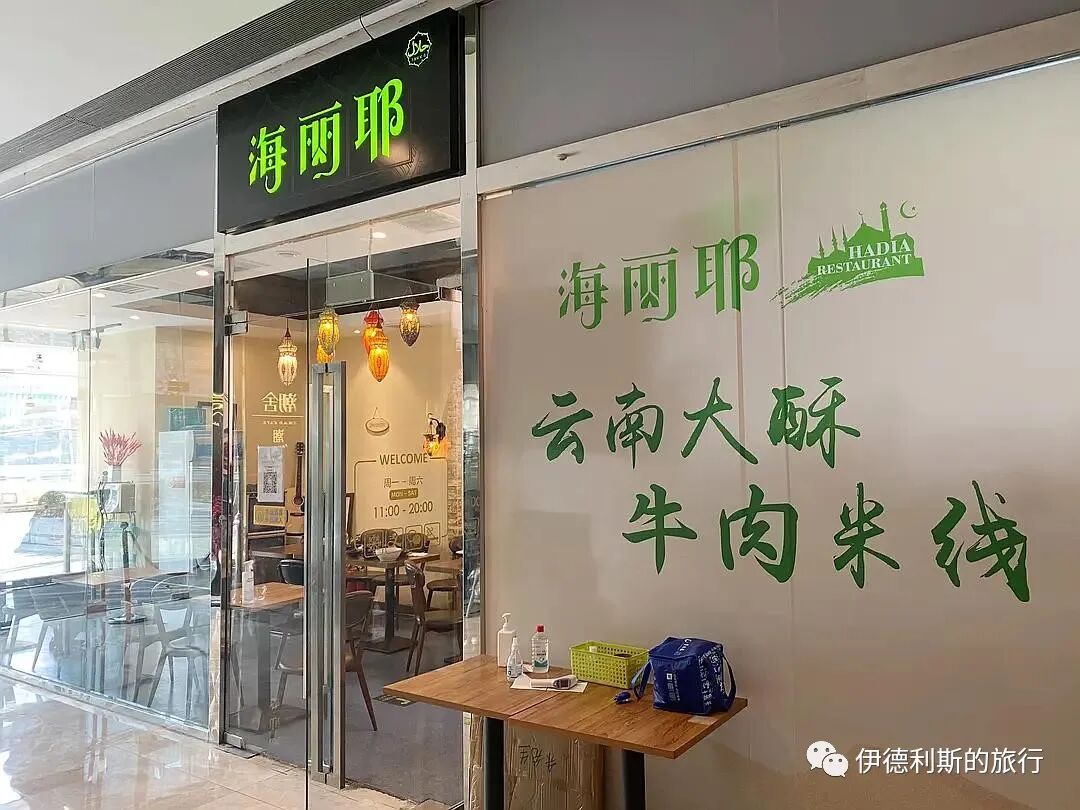
March 6, Hailiye at Jingguang Bridge
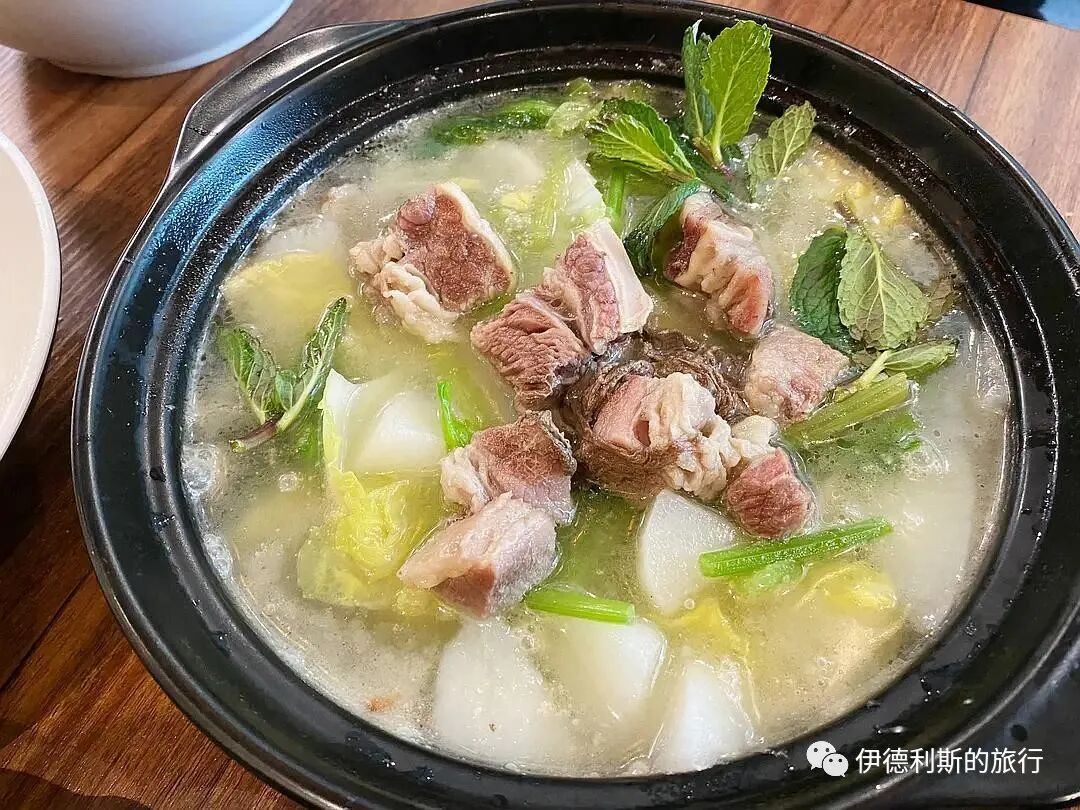
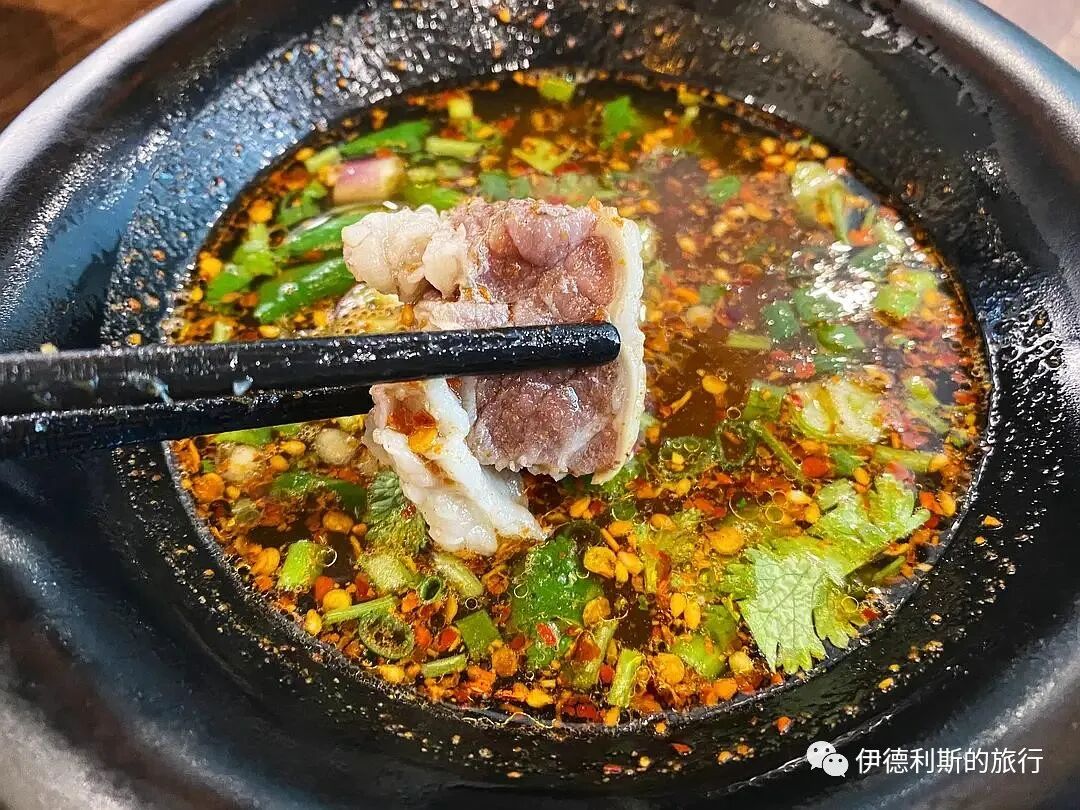
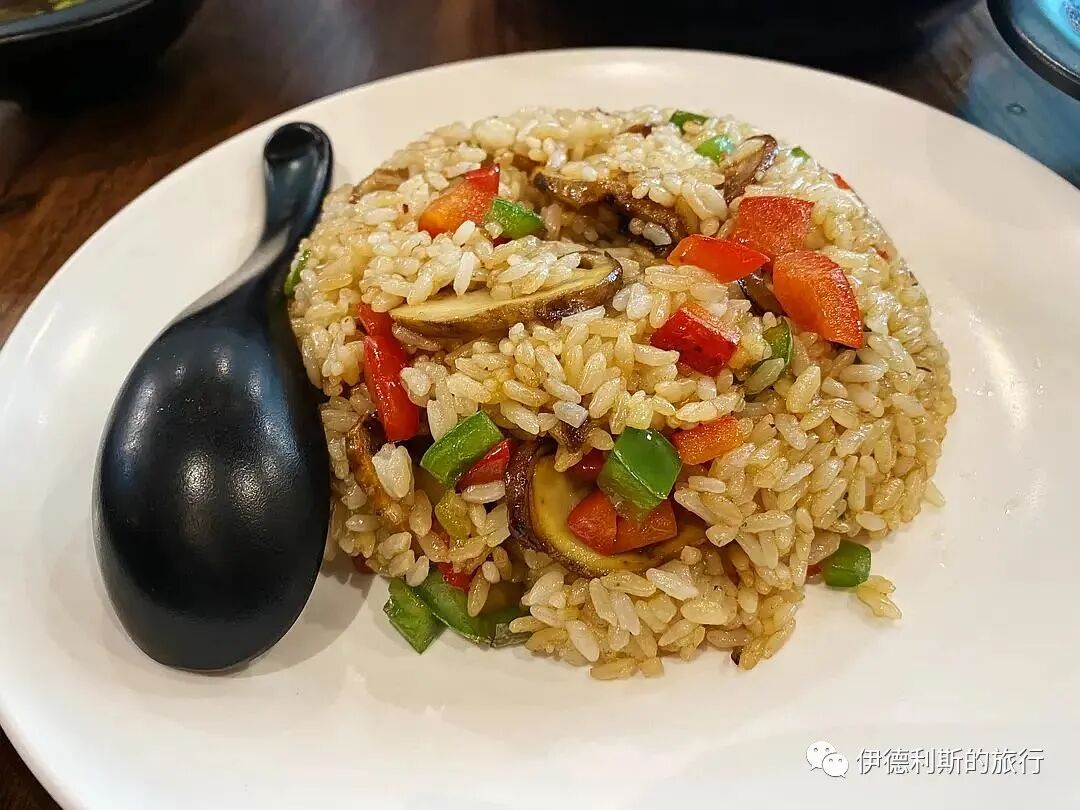
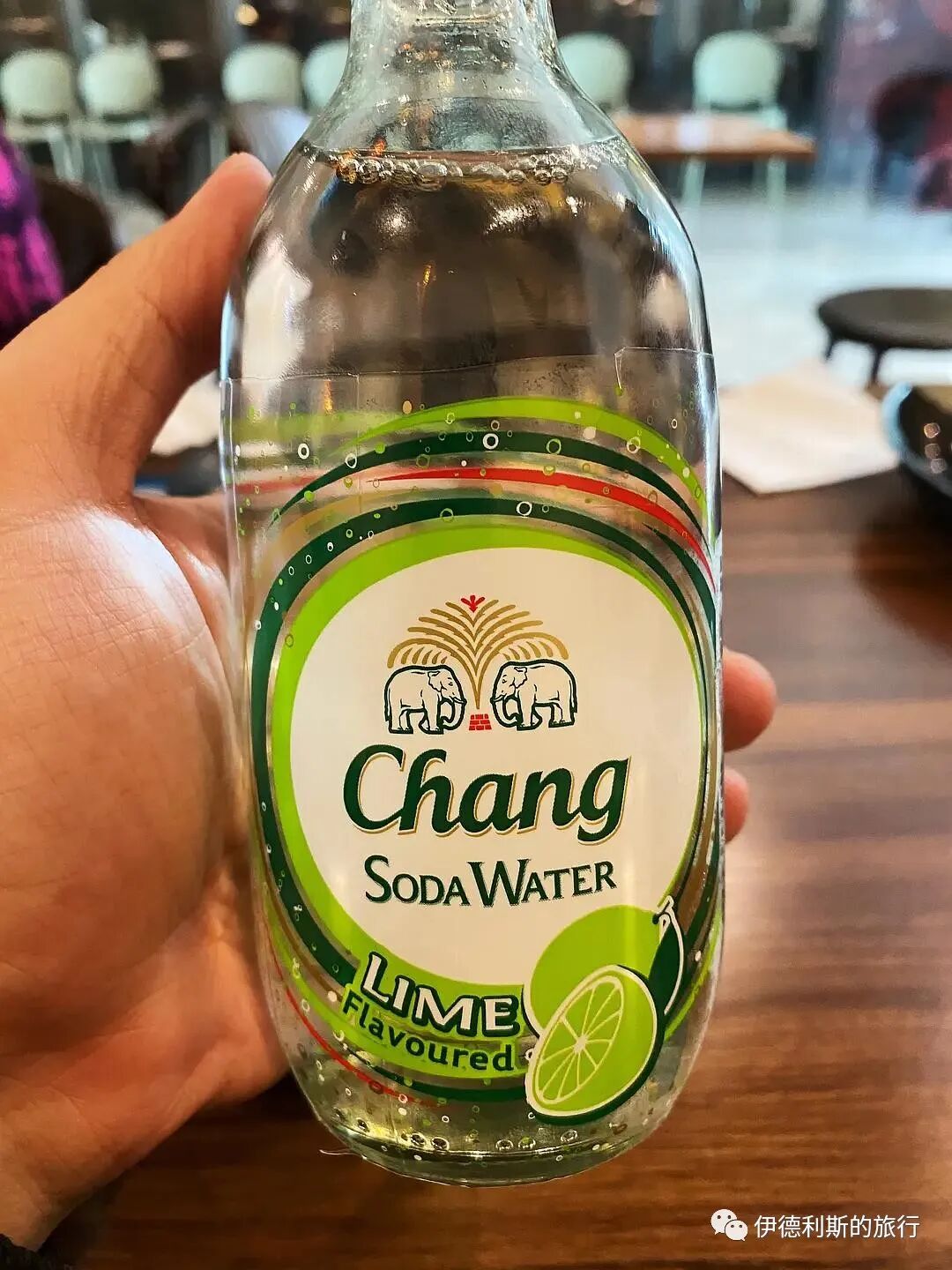
We ate at Hailiye next to Jingguang Bridge at noon. We had oil-drizzled beef jerky, fried rushan (a type of firm cheese), Shiping tofu, Dajiujia (a stir-fried rice noodle dish made with erkuai), braised beef, stir-fried porcini mushrooms, and Thai lime soda. Their place is always packed on weekday lunchtimes, haha, but there are very few people on weekends. It was my first time eating their stir-fried porcini mushrooms, and it tasted very fragrant.
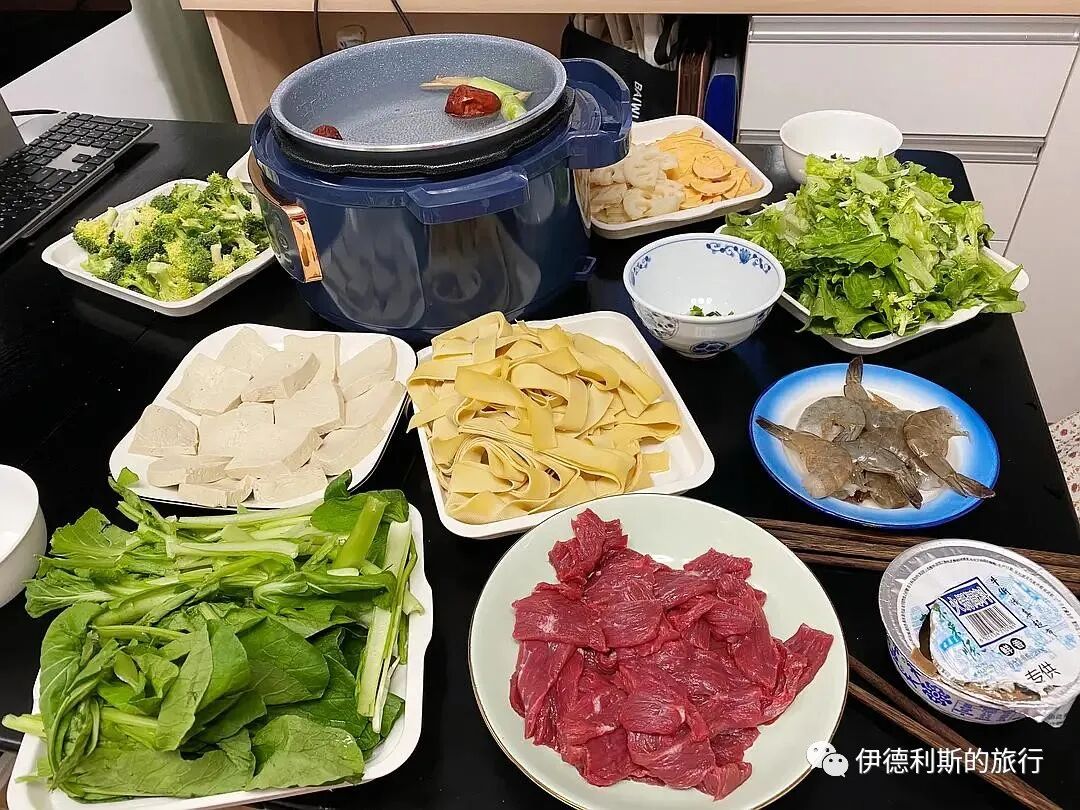
March 8, Hot pot at home
We had hot pot at home today, using a special dipping sauce bought at the Niujie Halal Supermarket, the only one without MSG.
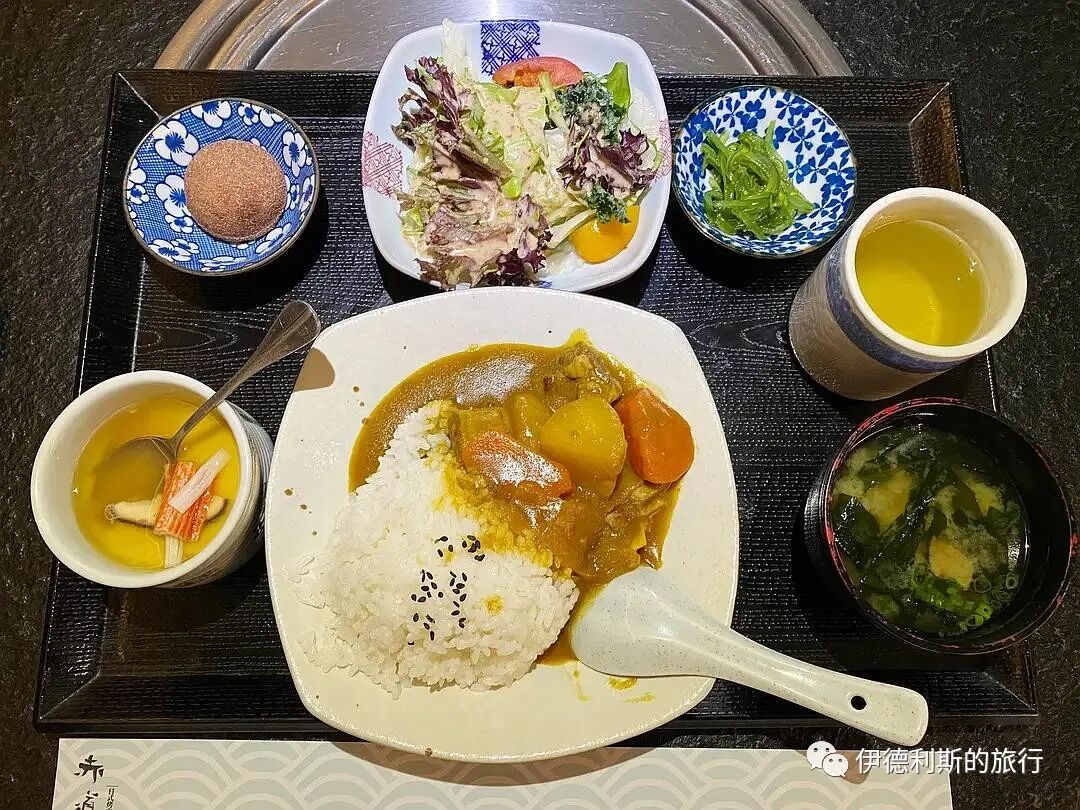
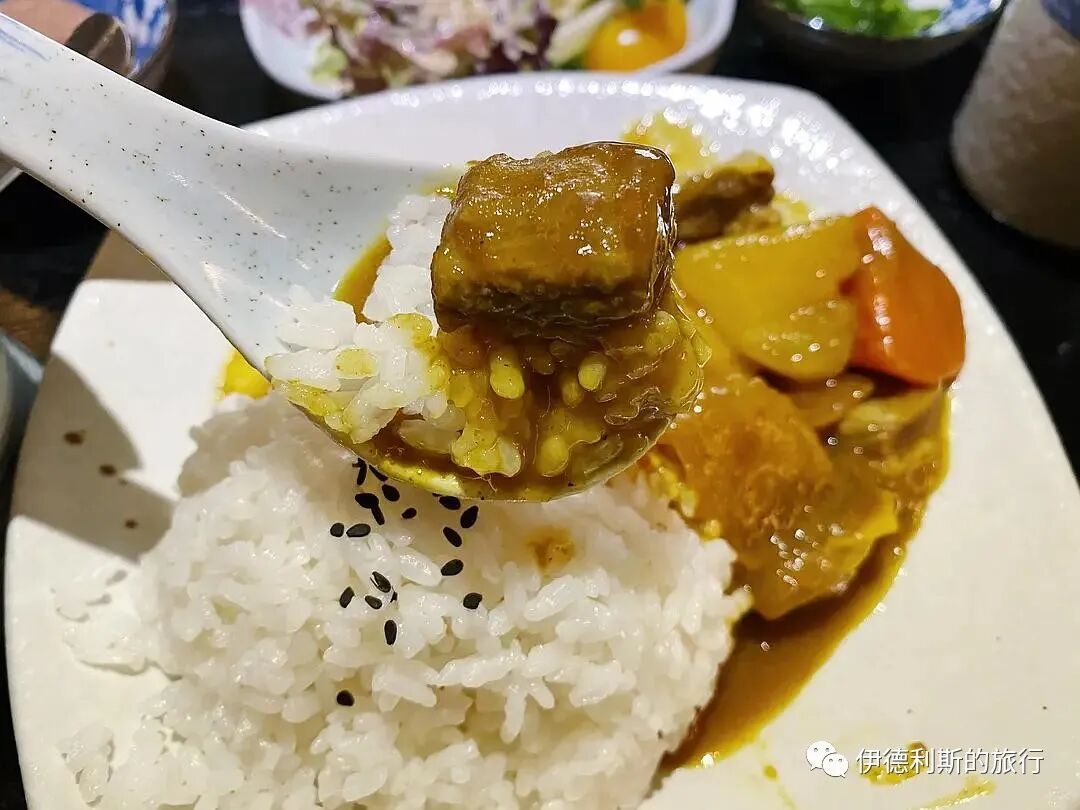
March 9, Chidao Yakiniku lunch set
I set aside one day every week to go to Chidao Yakiniku for a different lunch set. Today I had the beef curry set.
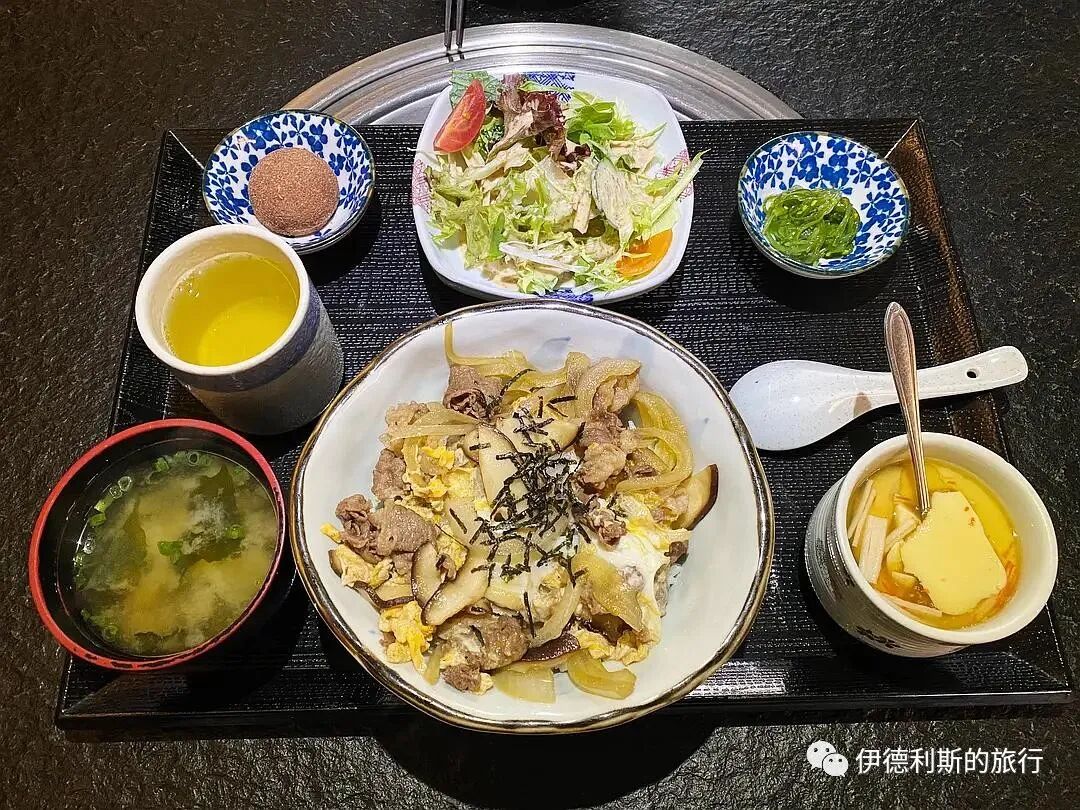
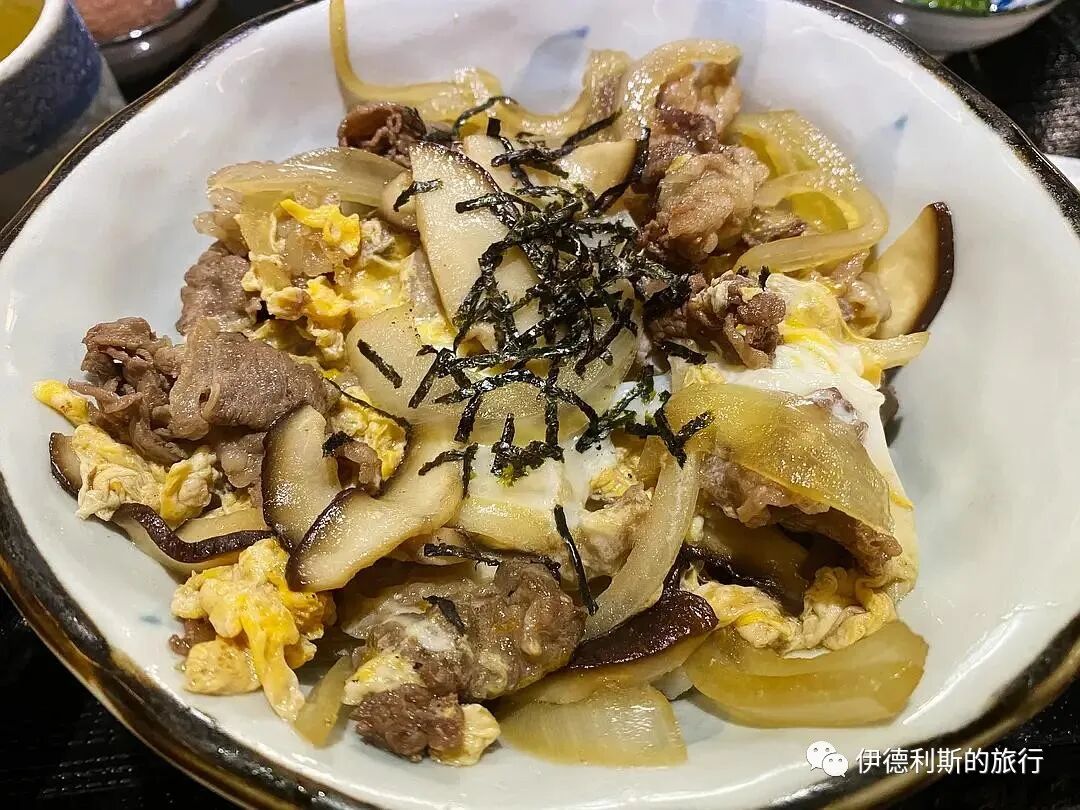
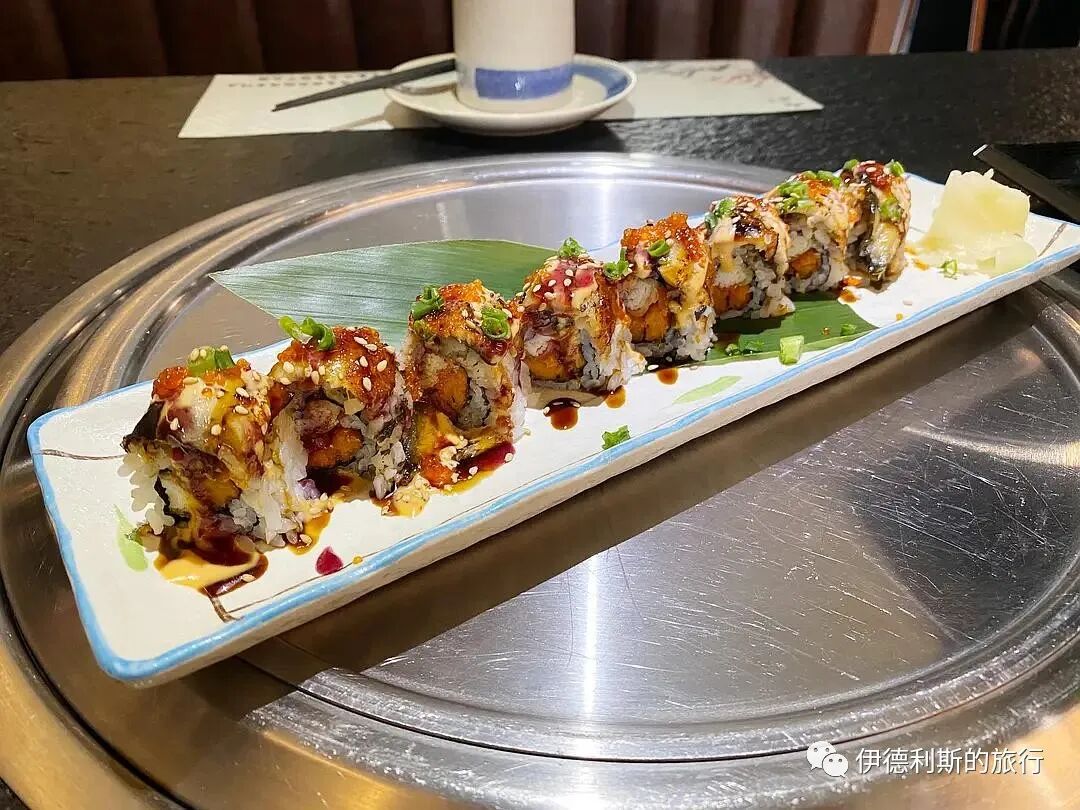
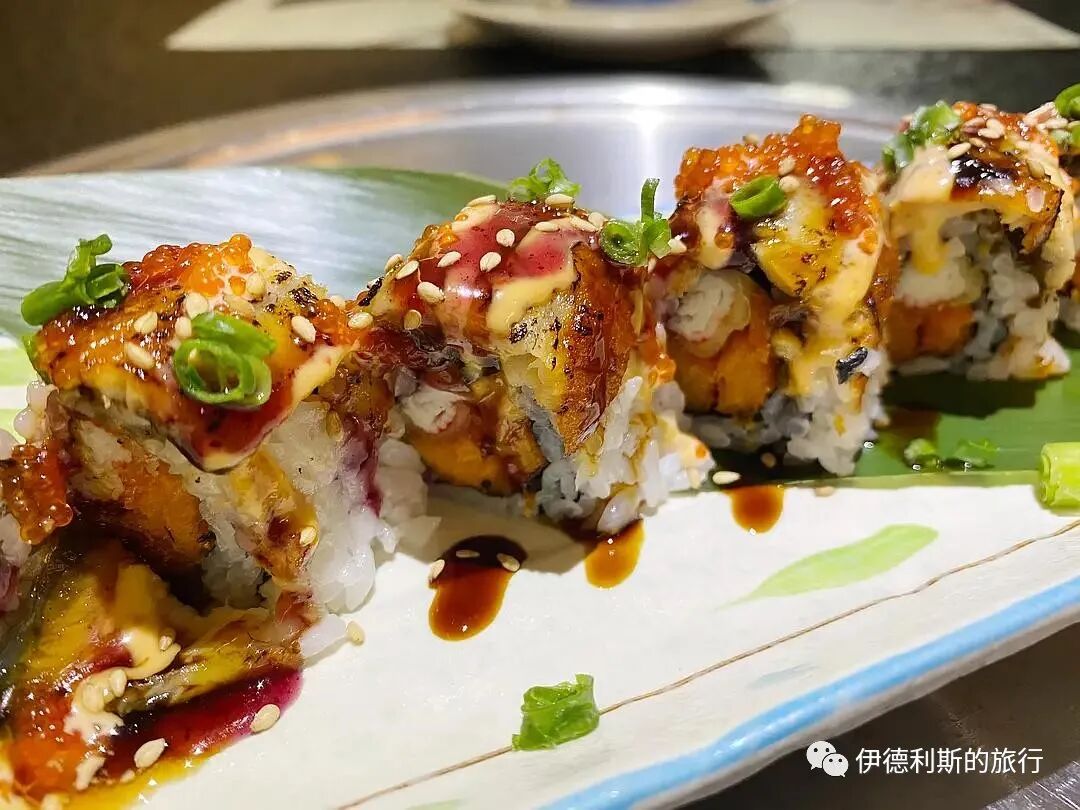
March 18, Chidao Yakiniku lunch set
Chidao Yakiniku's beef and egg rice set served with General's Order sushi, which has grilled eel on the outside and roasted sweet potato inside; it's very interesting.
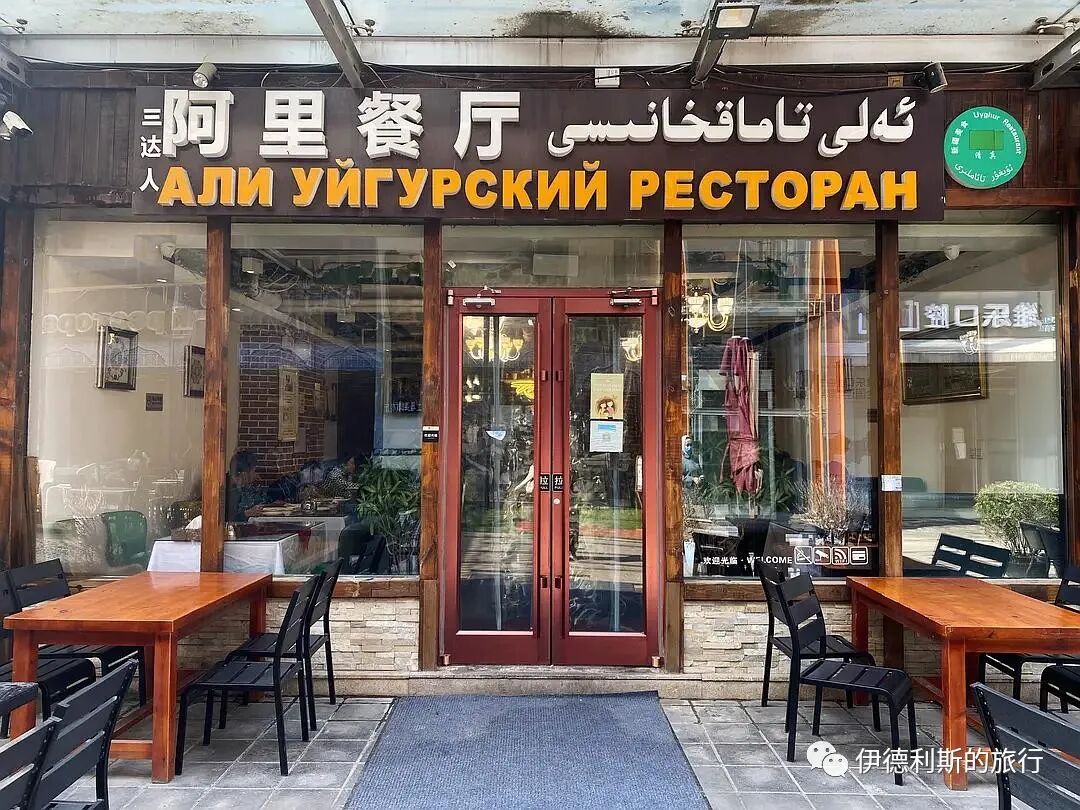
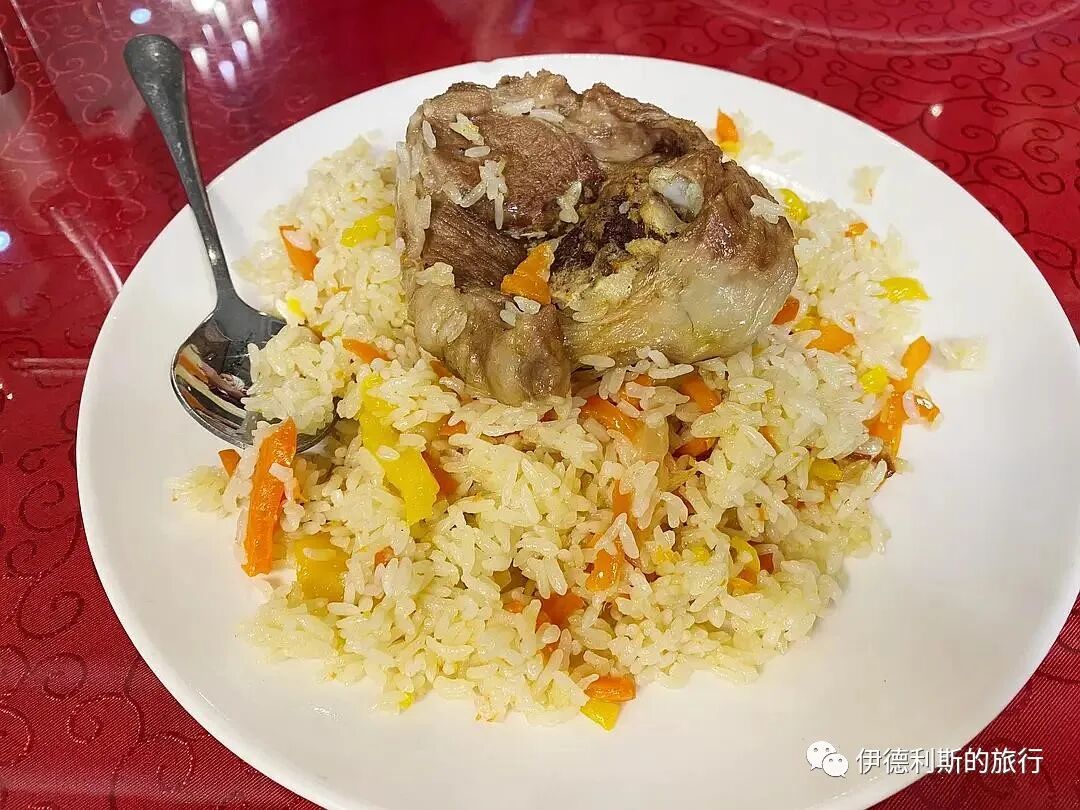
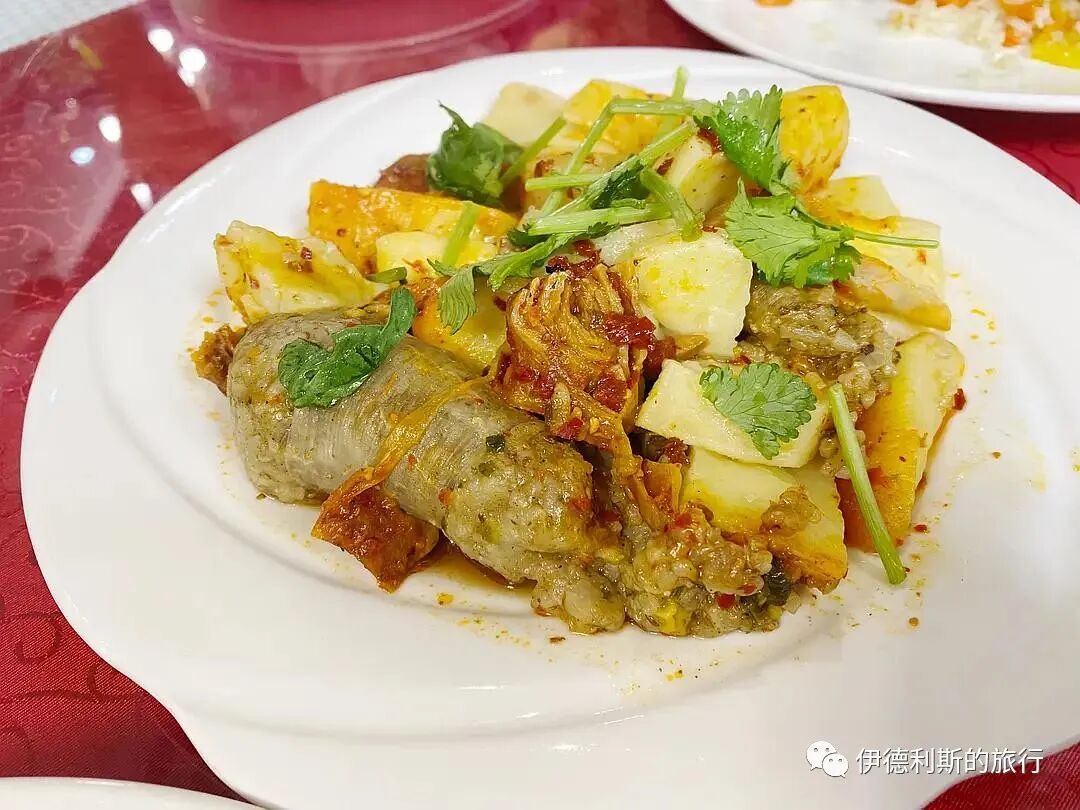
March 23, Ali at Ritan Shangjie
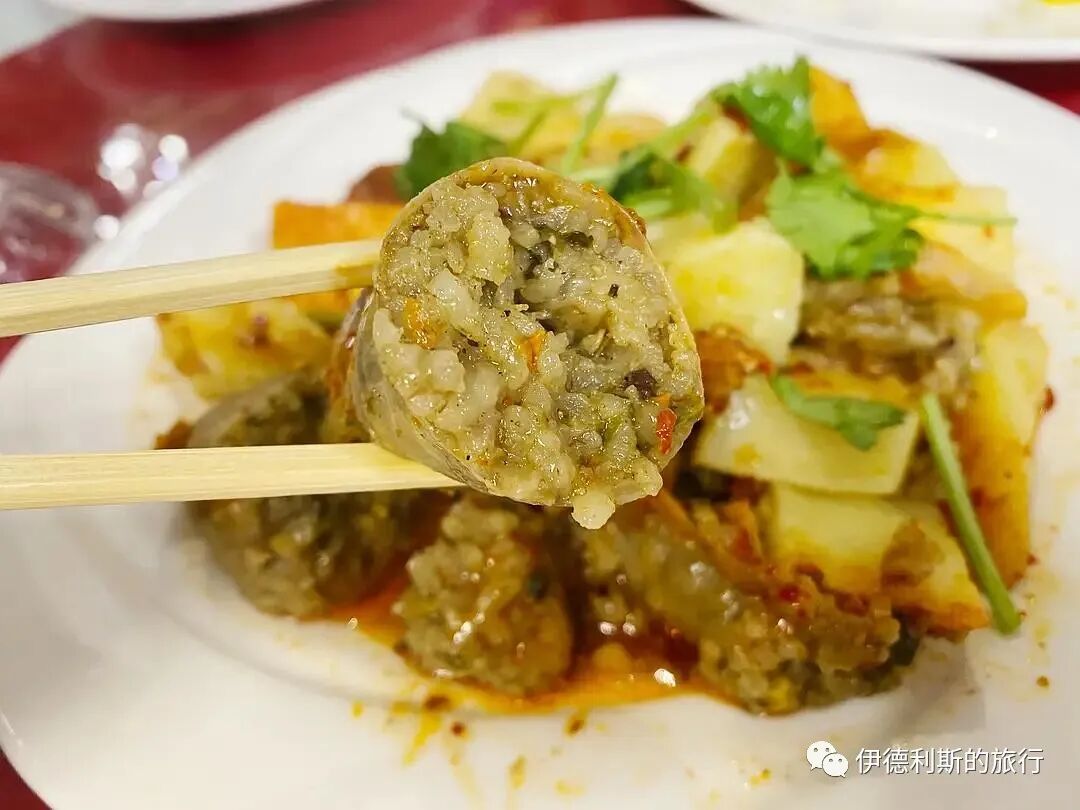
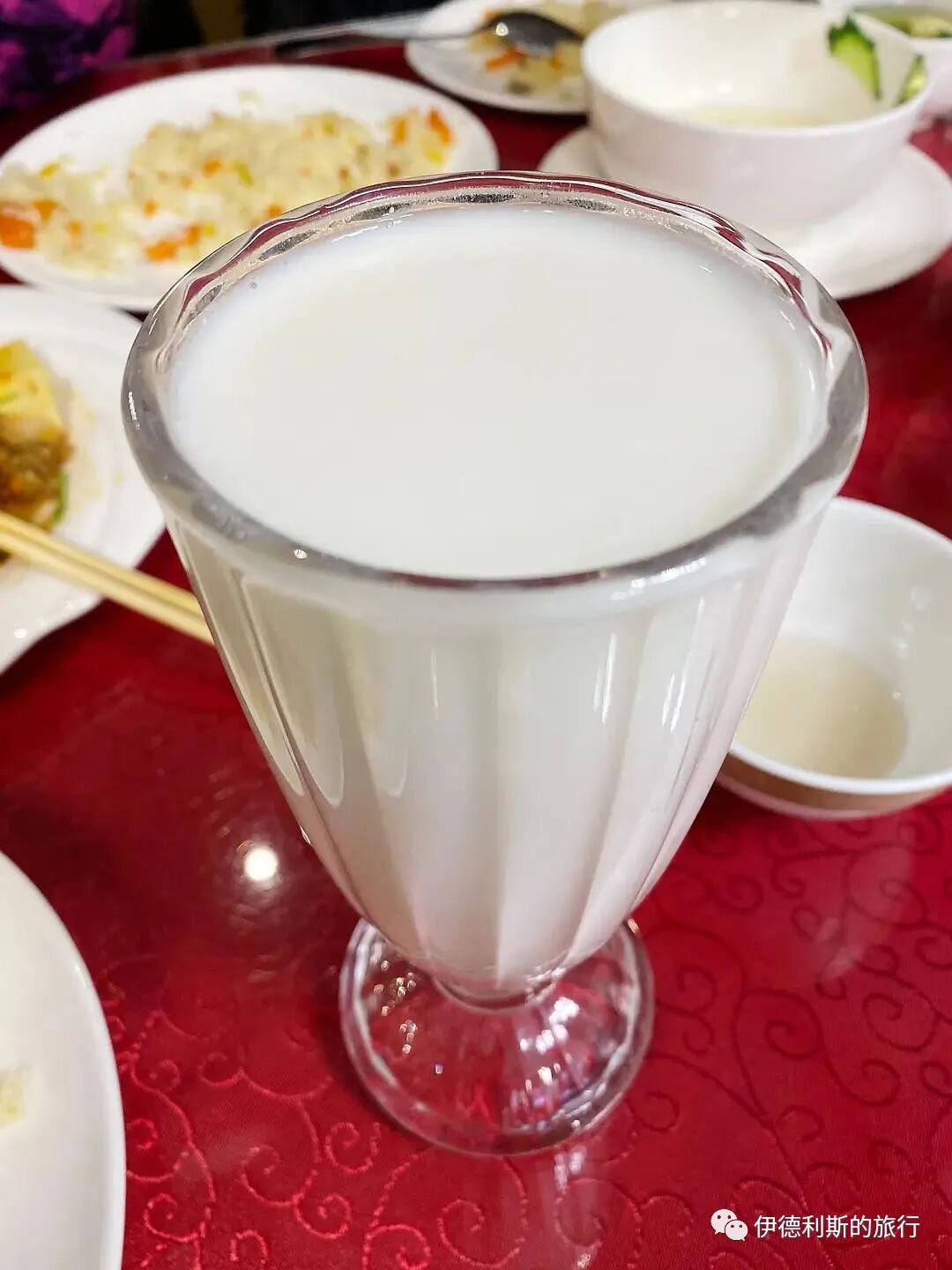
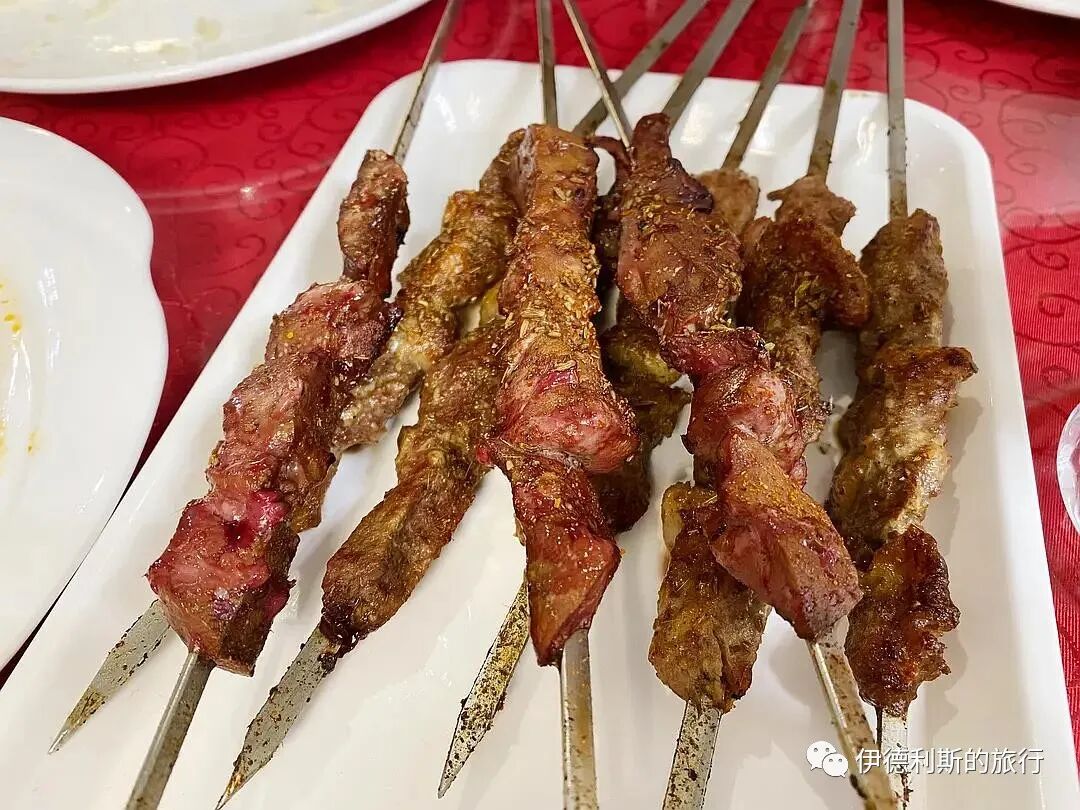
I took my mother-in-law to test Ali's pilaf, rice sausage, and lung slices at Ritan Shangjie. It received her approval, and she immediately tasted that their lamb for the pilaf was shipped from Xinjiang, not local. In the end, we all enjoyed it very much. Also, their diluted yogurt, Ayran, is very authentic; one sip and I was back at a weekend bazaar in a Southern Xinjiang county. As a restaurant that can satisfy even local Xinjiang people, Ali is great~
March 27, Lili Yangke outside Guangqumen
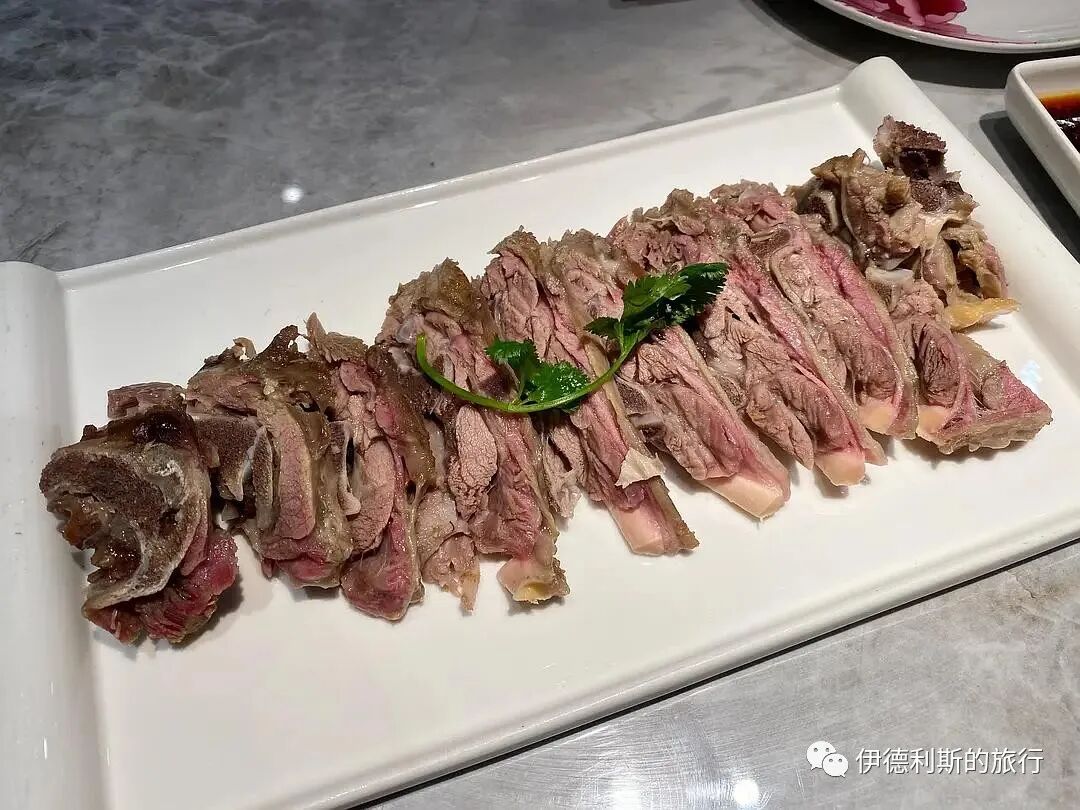
An old Hezhou-style restaurant outside Guangqumen has reopened as Lili Yangke, specializing in Dongxiang shouzhuo (hand-grabbed lamb), and the environment is excellent. We ordered Dongxiang shouzhuo, braised lamb, Lanzhou stir-fried lily bulbs, tianbeizi (fermented sweet wheat) yogurt, a mix of highland barley cakes and corn cakes, and a super luxurious eight-treasure tea. Unfortunately, the Dongxiang chicken was sold out, so we will try it next time.
The shouzhuo was quite good; as soon as you eat it, you get the taste of Dongxiang shouzhuo. The braised lamb was a bit salty, so we added a plate of white noodles, which was just right. I love drinking the tianbeizi yogurt. They also have tianbeizi milk tea and Sprite with tianbeizi, which I guess should be very popular with young people. The eight-treasure tea contained large slices of dried pineapple, dried peach, dried kiwi, and dried apricot. The dates used were also dense Hotan dates. It counts as the most luxurious eight-treasure tea I have ever had. The highland barley cakes were very fluffy and tasted good; our whole family loves them.
April 1, Chidao Yakiniku lunch set
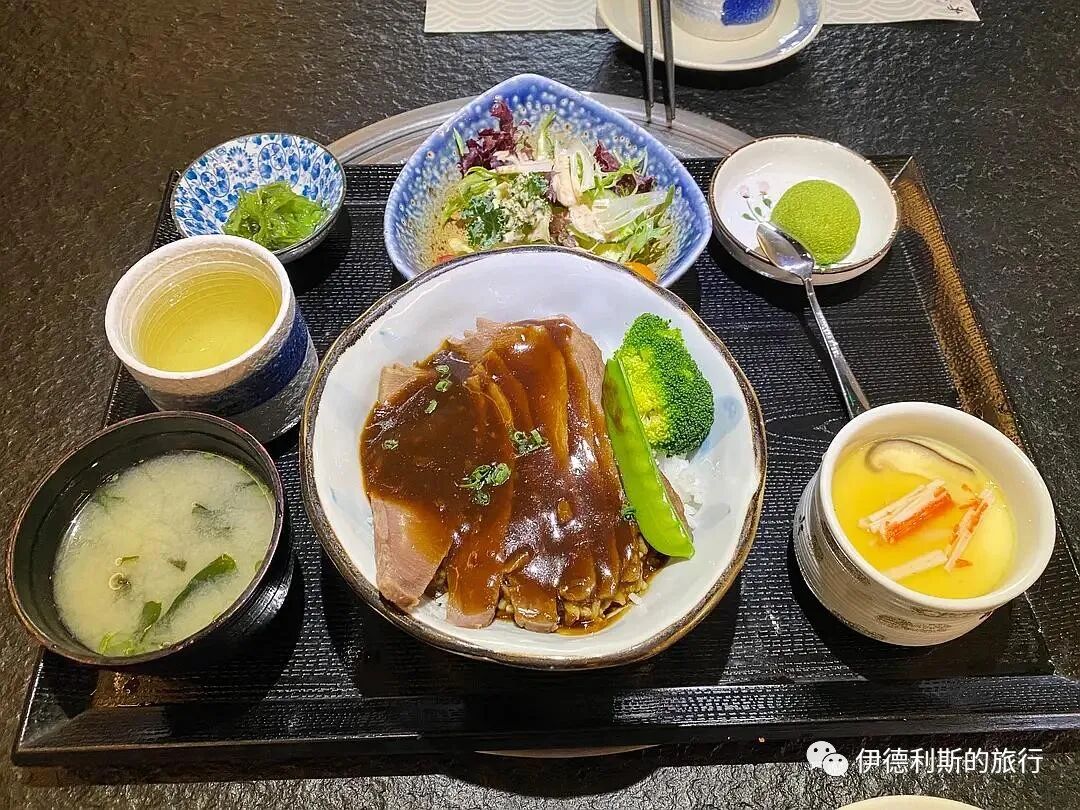
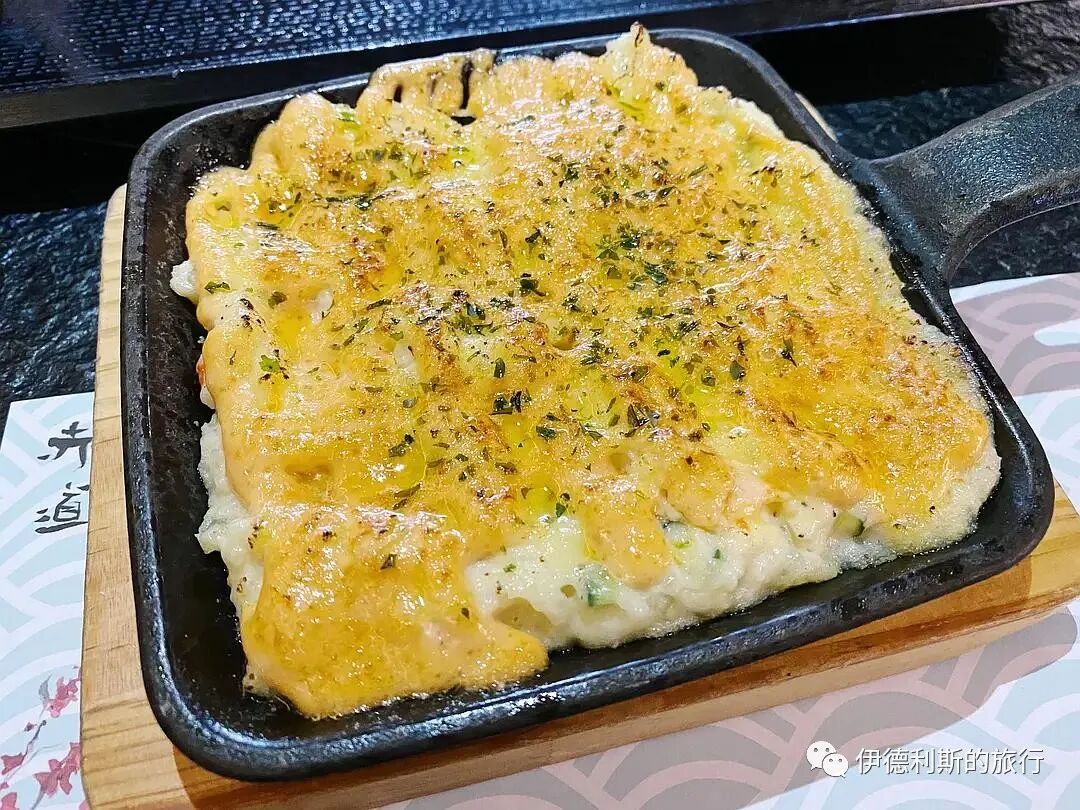
Chidao Yakiniku's soy-braised beef set, baked potato with cod roe, and Hokkaido cheese; the cheese was especially delicious.
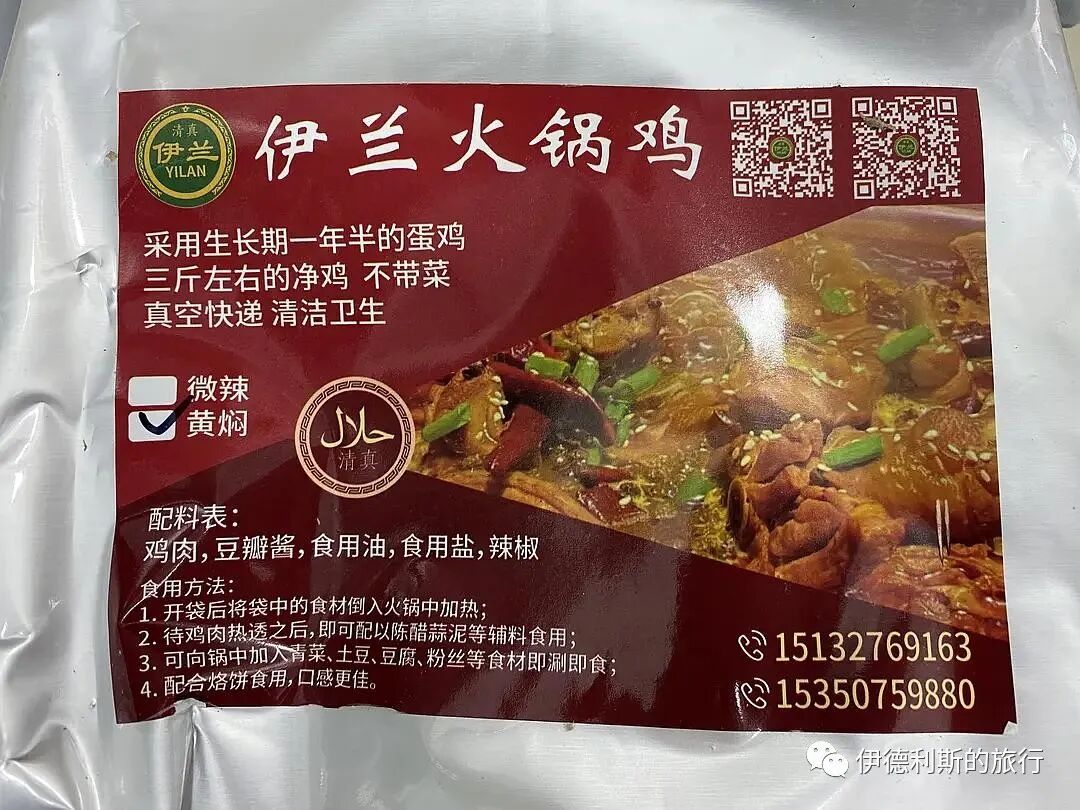
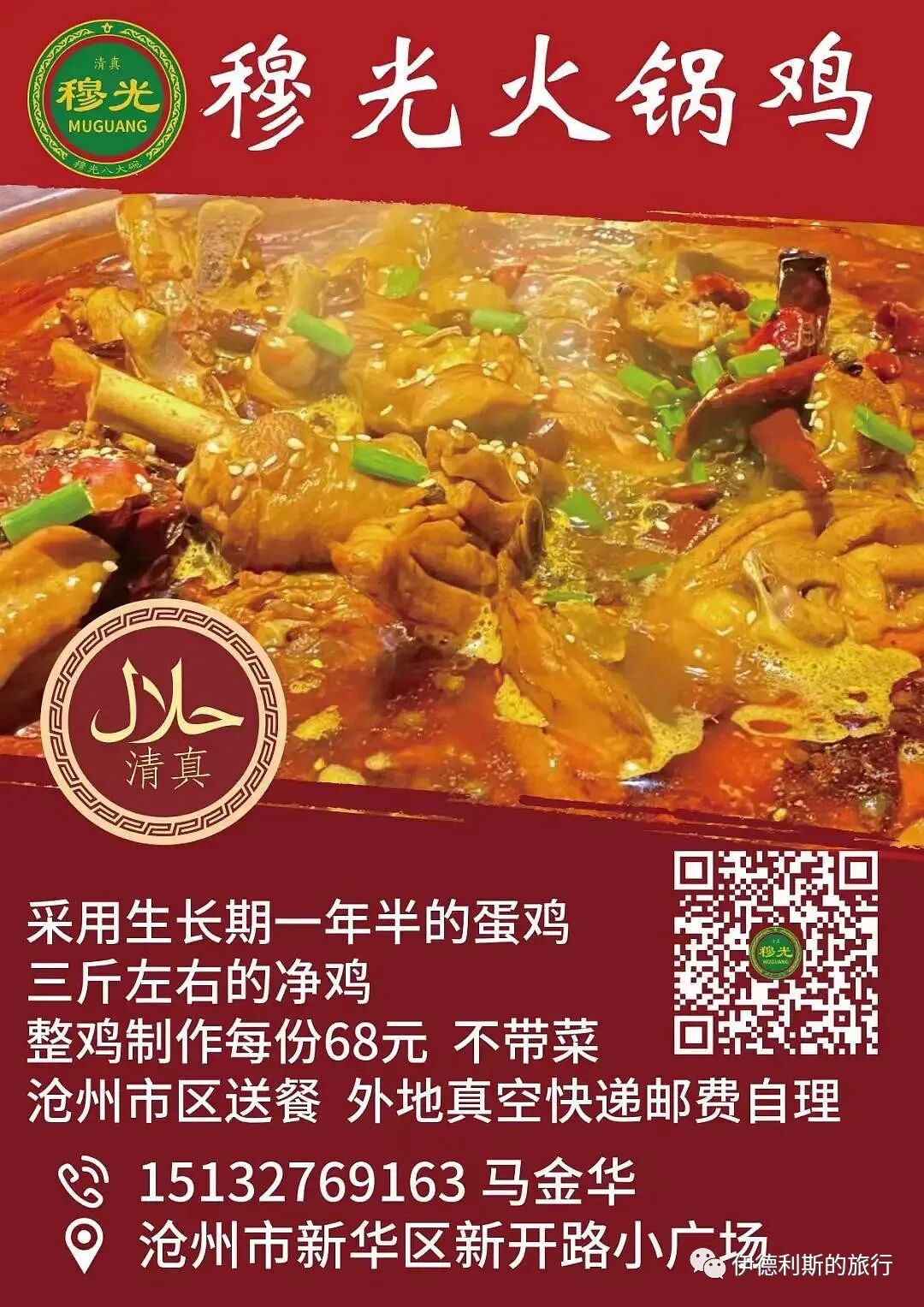
April 1, Hot pot chicken from Imam Ma's Cangzhou Muguang Eight Great Bowls
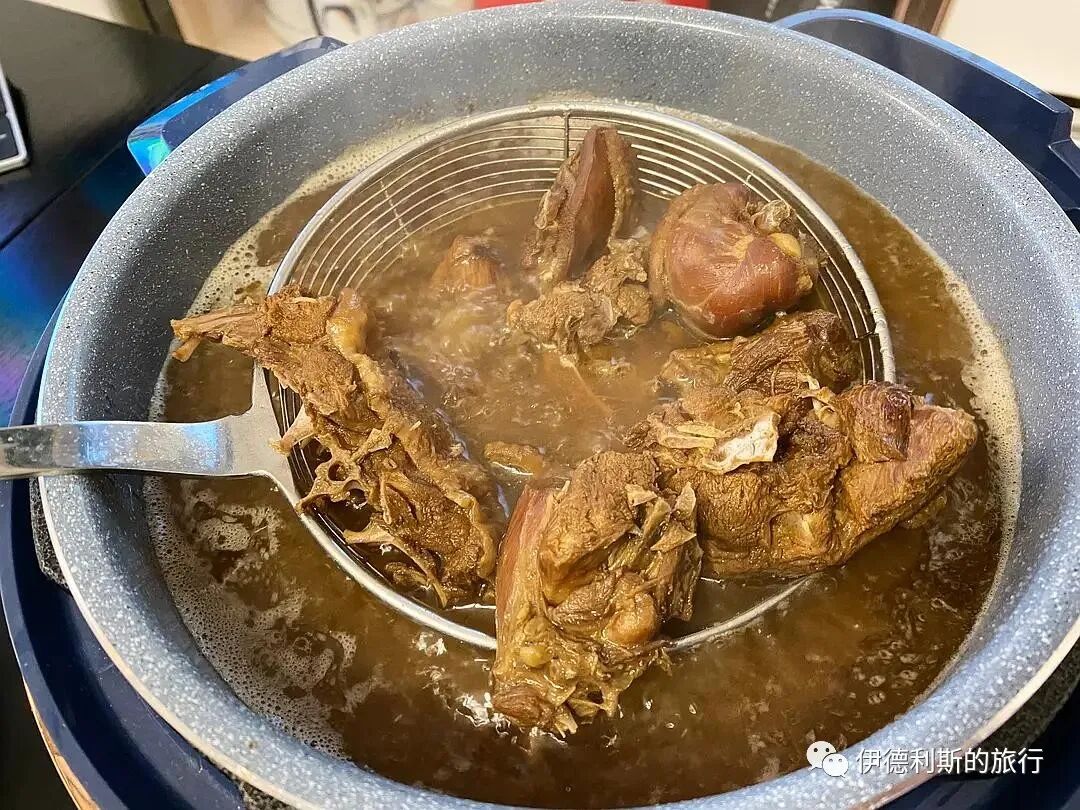
Thanks to a Dost (friend) for sending the hot pot chicken from Imam Ma's Cangzhou Muguang Eight Great Bowls; it was especially delicious! The braised flavor was slightly sweet, and I couldn't get enough of it.
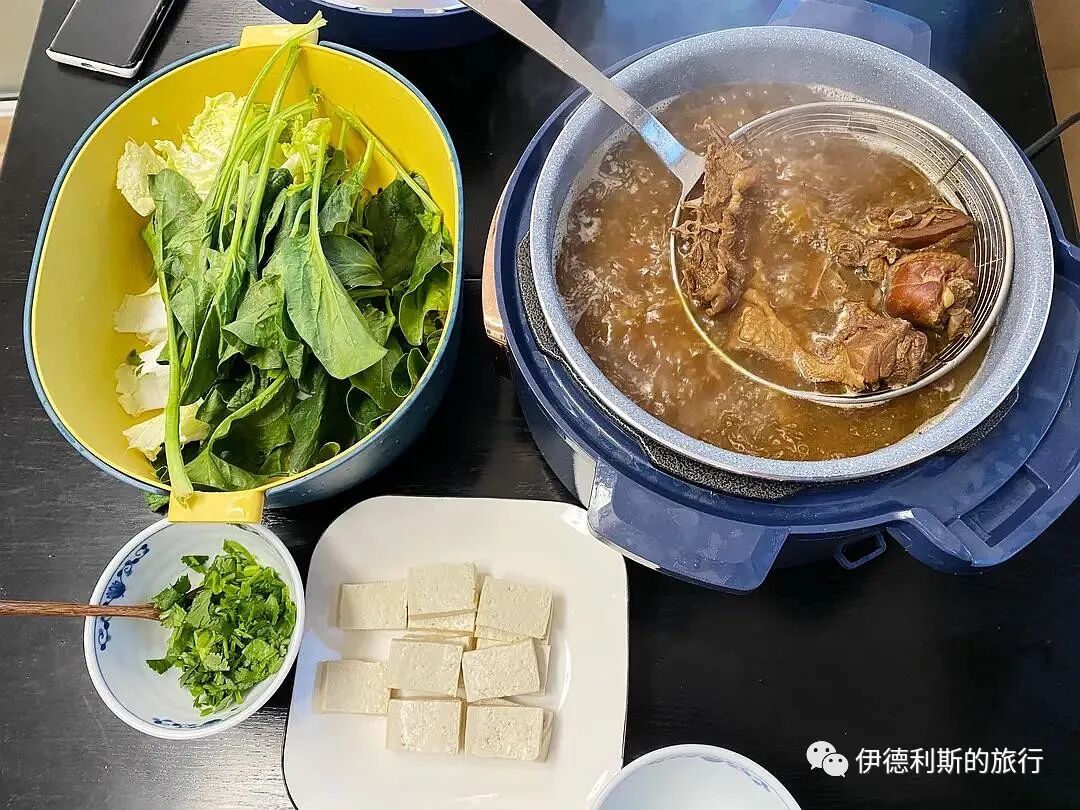
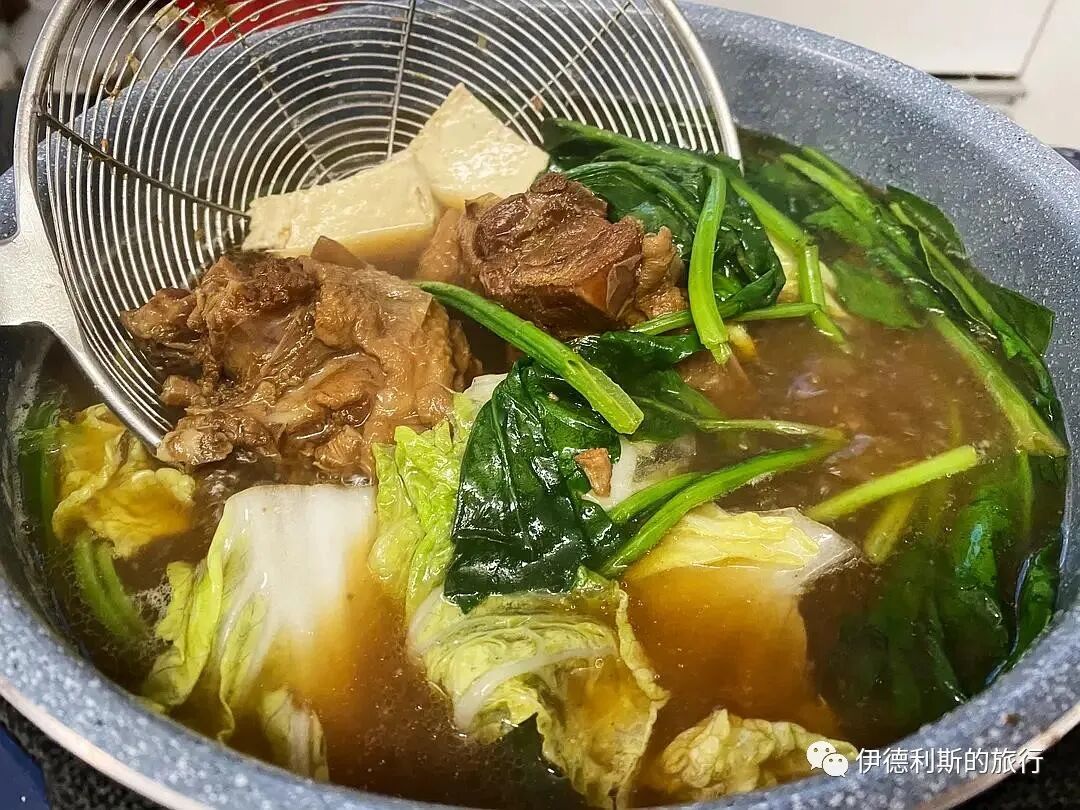
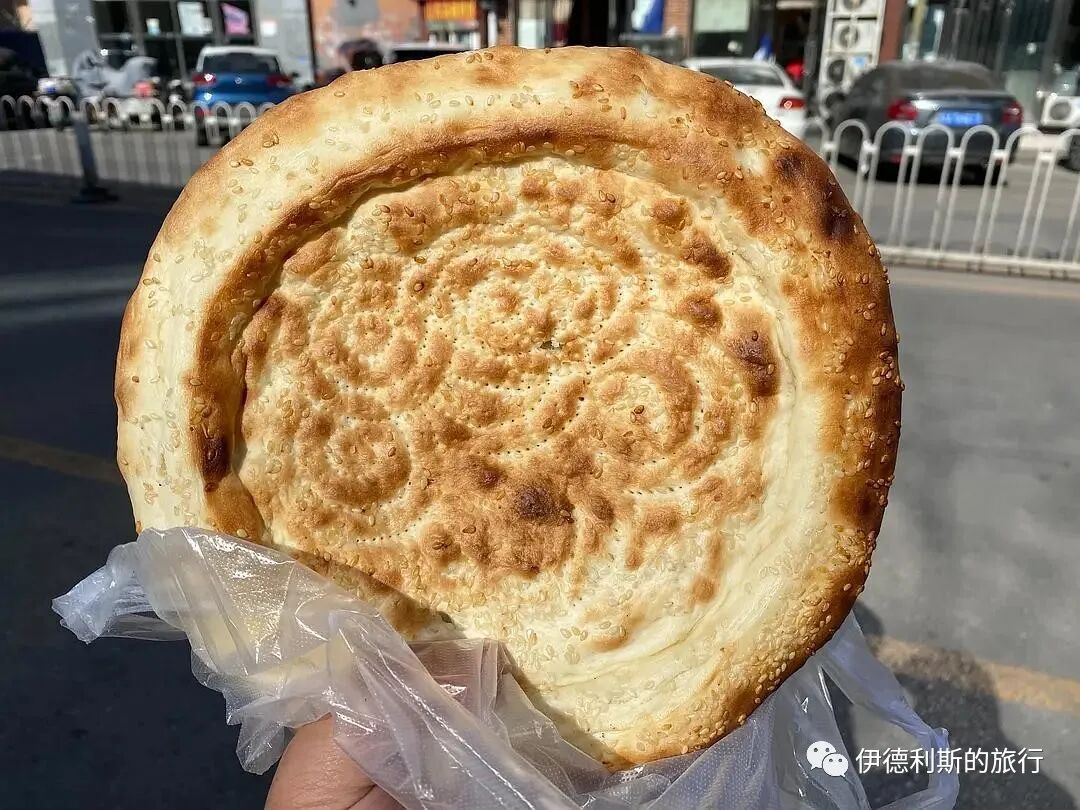
April 3, Clear-stewed lamb with naan (flatbread)
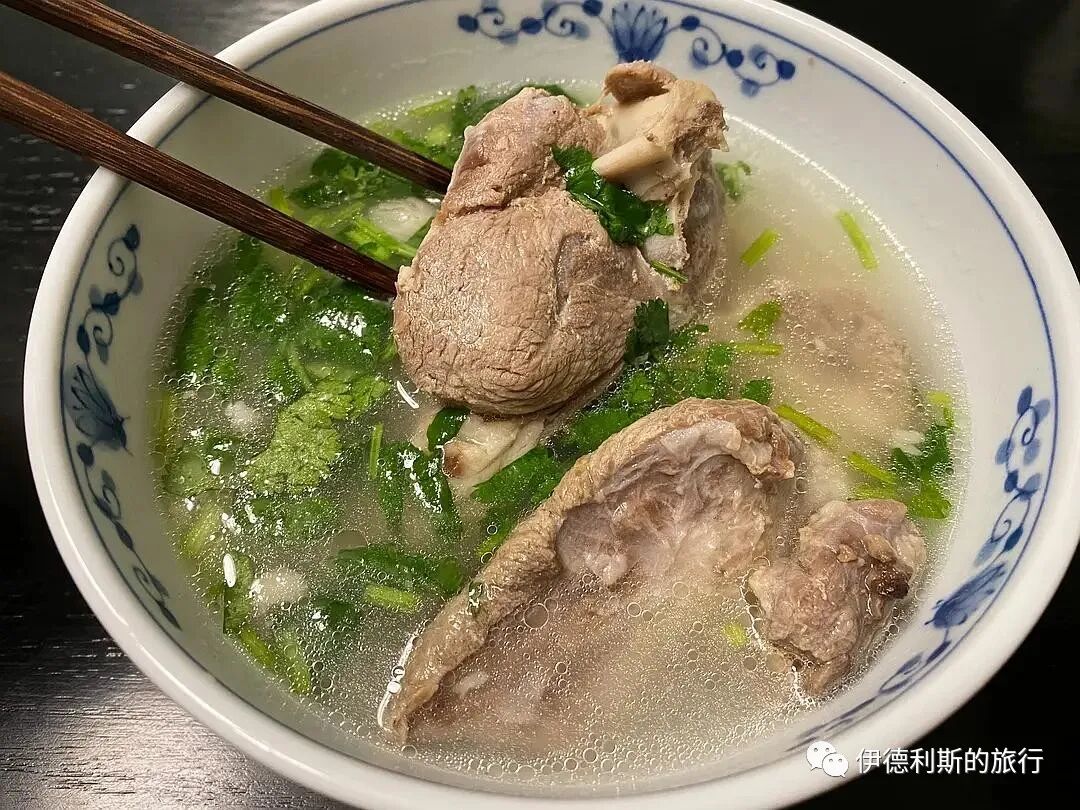
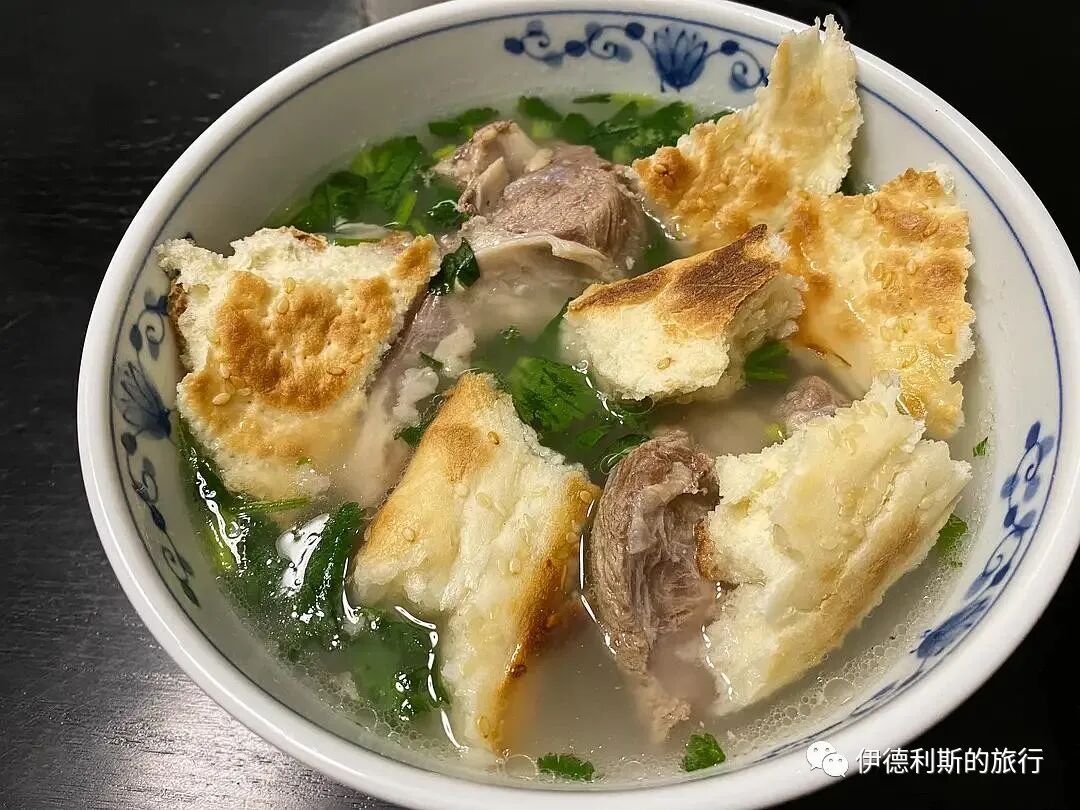
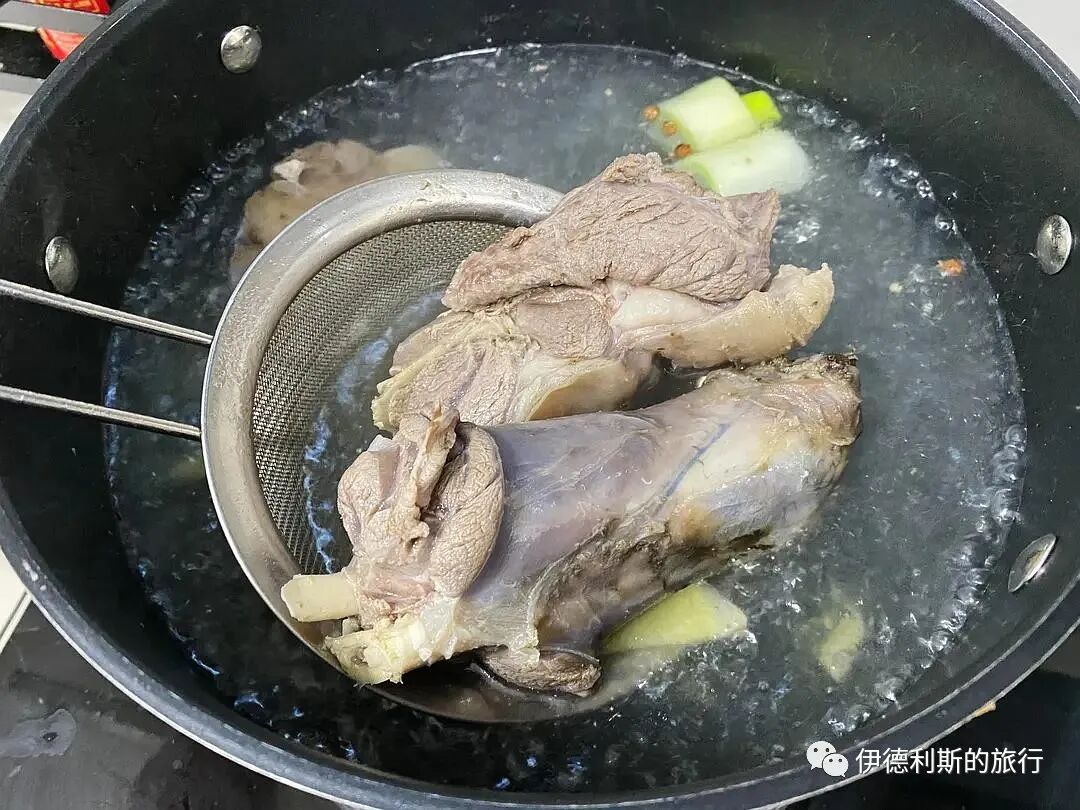
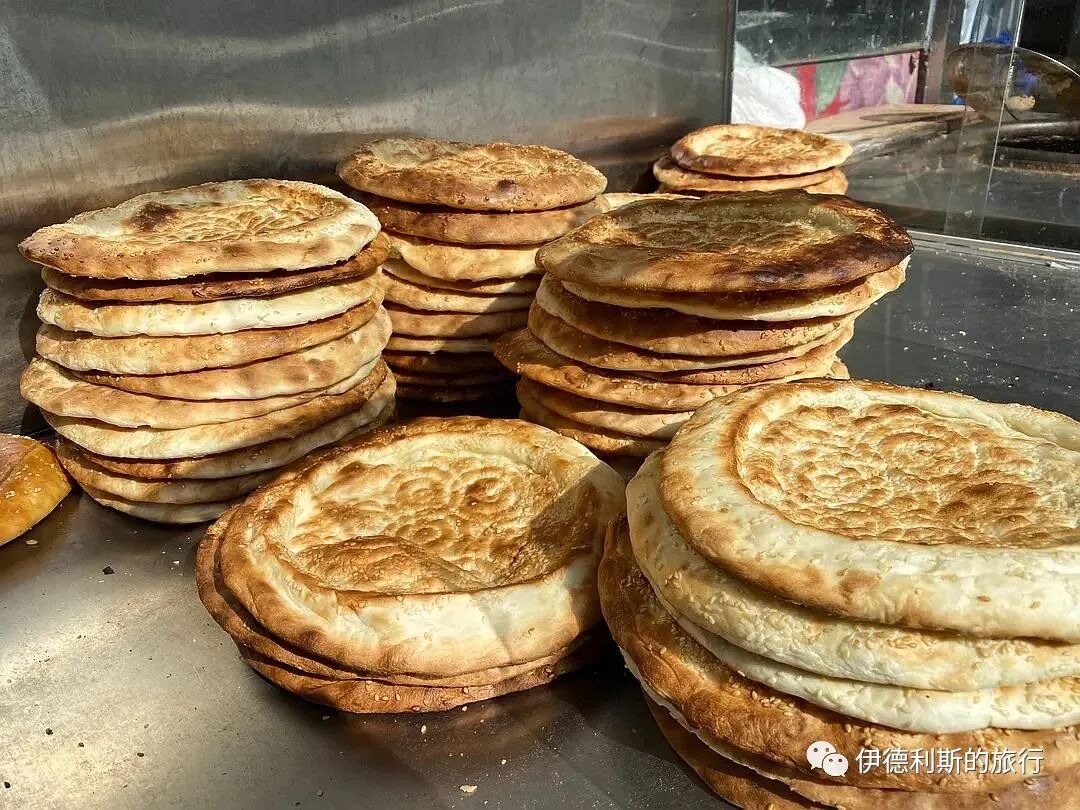
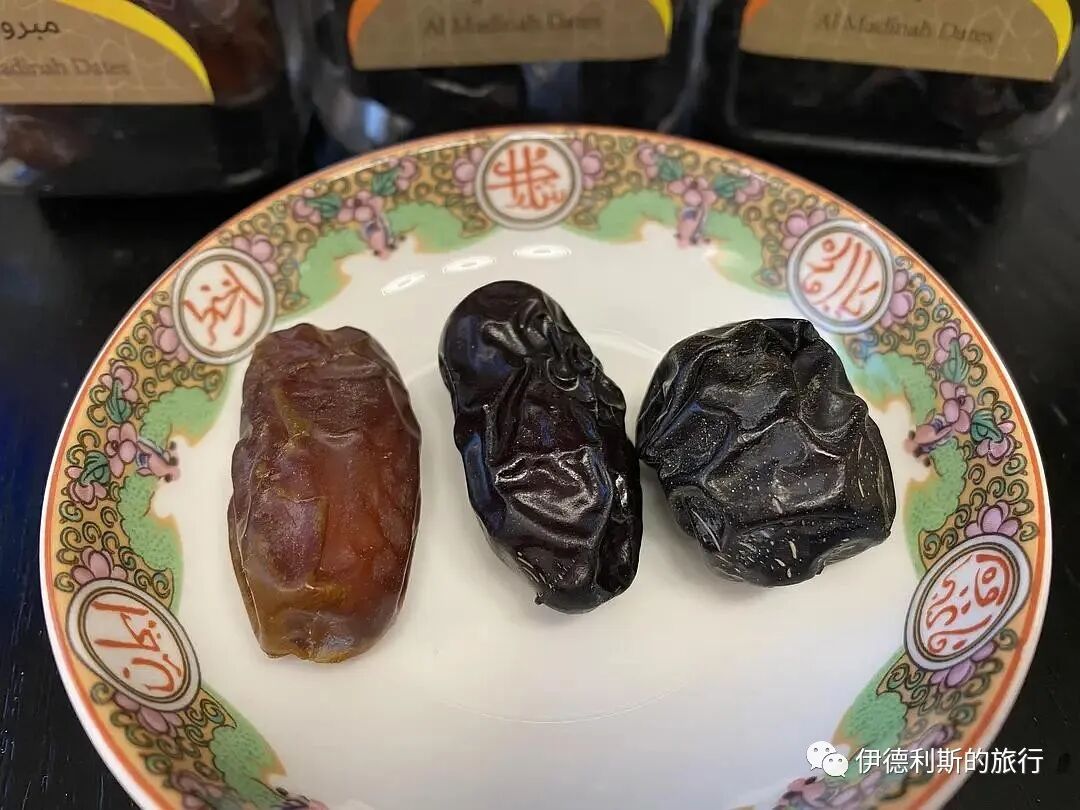
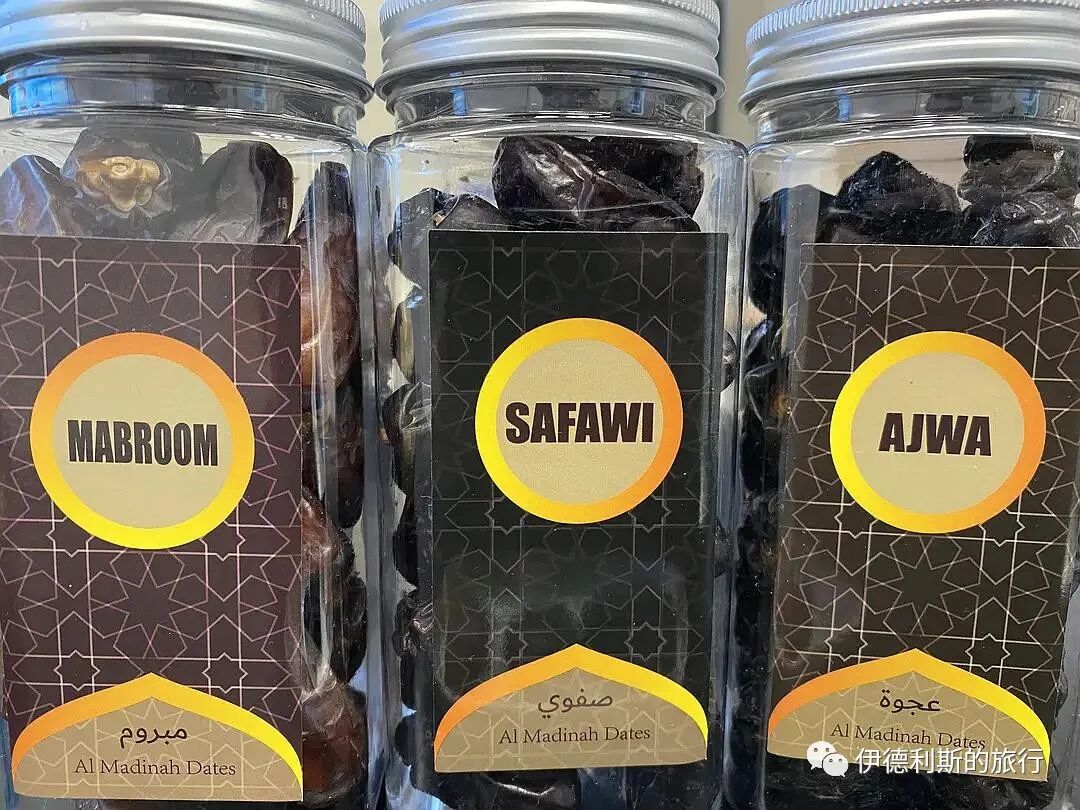
April 4, Medina dates bought for Ramadan
On the left are Mabroom dates, which are slender and dark brown with a candy-like texture and moderate sweetness.
In the middle are Safawi dates, which are rectangular and dark black, and relatively soft. These are also the ones that Hajj pilgrims eat more often during their time in Hejaz.
On the right are Ajwa dates, which are round, dark black, chewy, and very sweet. This is also the most famous type of date, mentioned in the Hadith, and commonly known among Hui Muslims as 'Dua dates'. Because it is mentioned in the Hadith that the Messenger (peace and blessings of Allah be upon him) said: 'Whoever eats seven Ajwa dates every morning will not be harmed by poison or magic on that day.' ' [Sahih Bukhari] It is recorded that all Ajwa dates originally came from a date palm tree planted by the Prophet (peace and blessings of Allah be upon him).
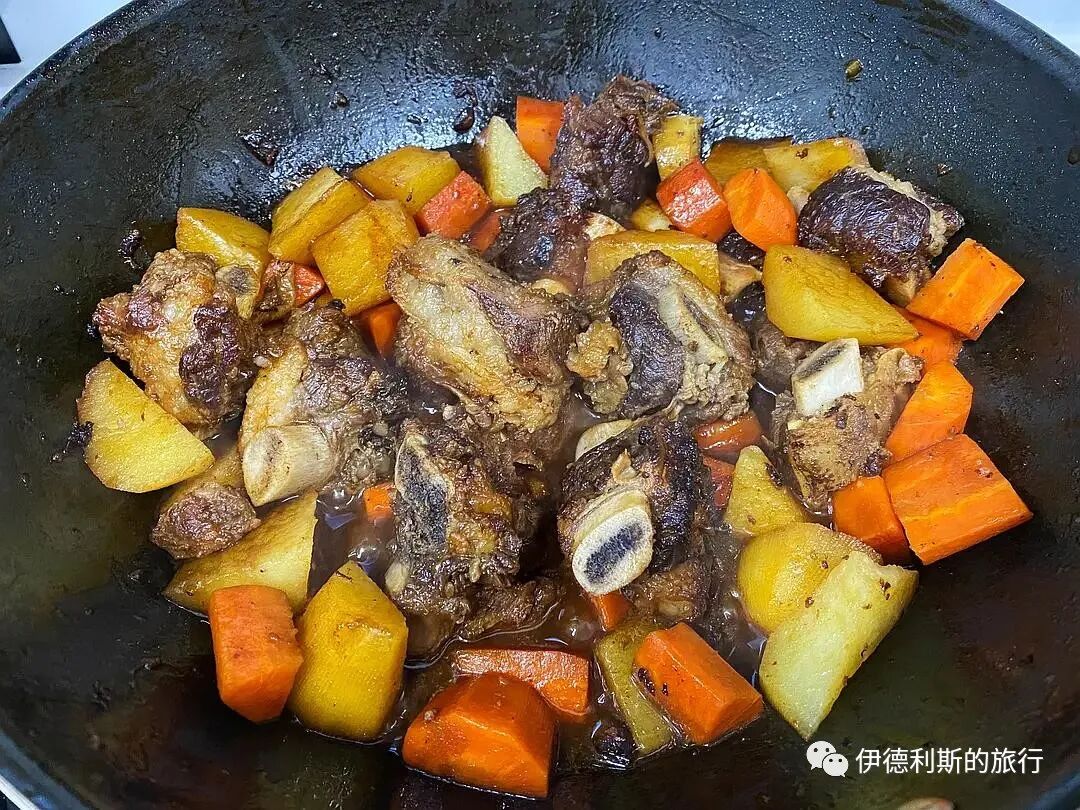
April 5, Braised beef steak
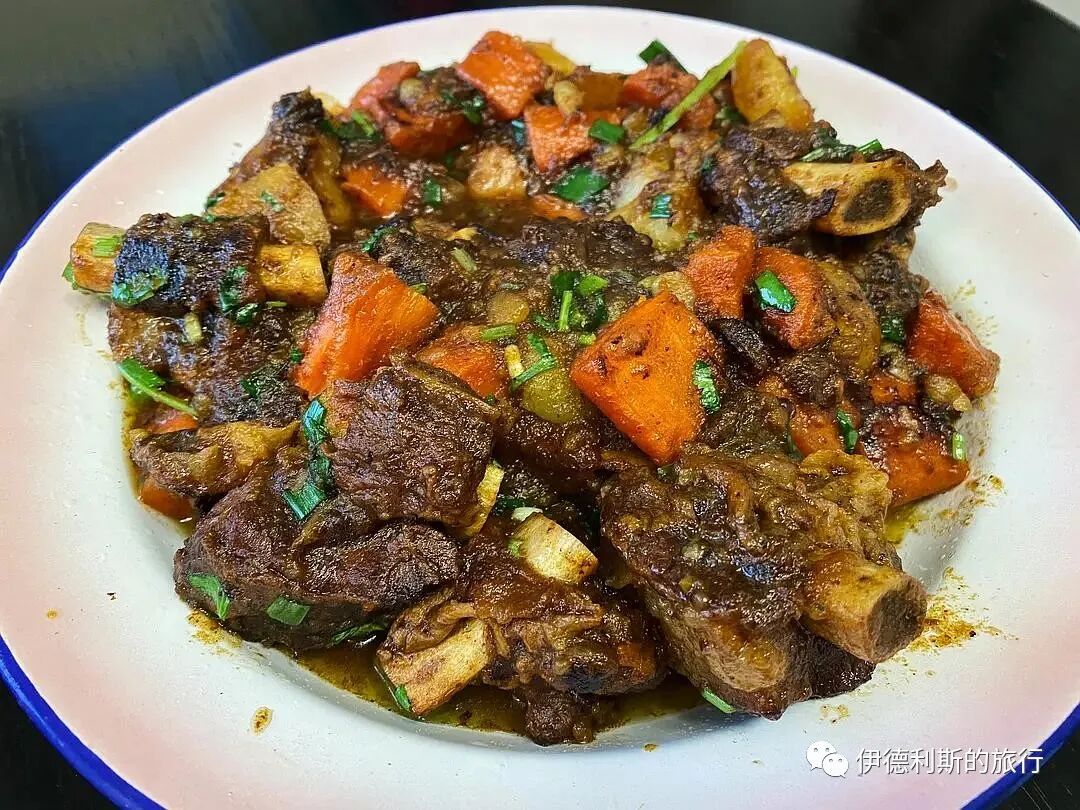
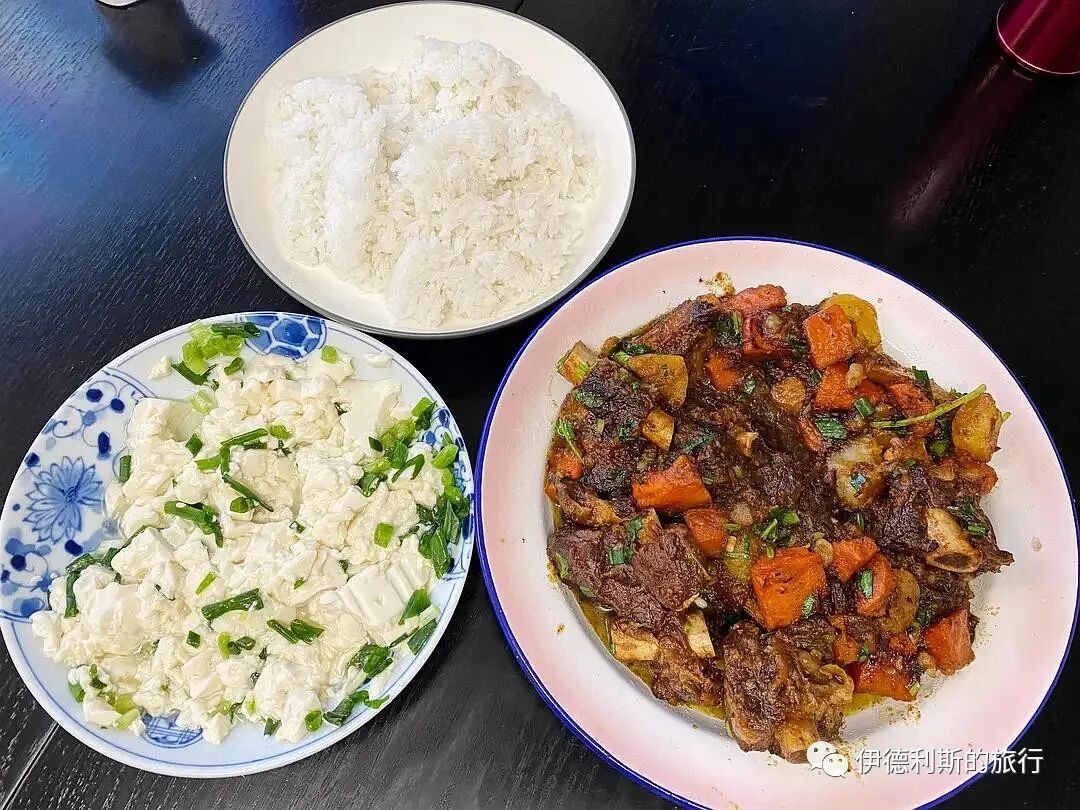
April 7, Baizuan, a Kashgar restaurant in Shilihe
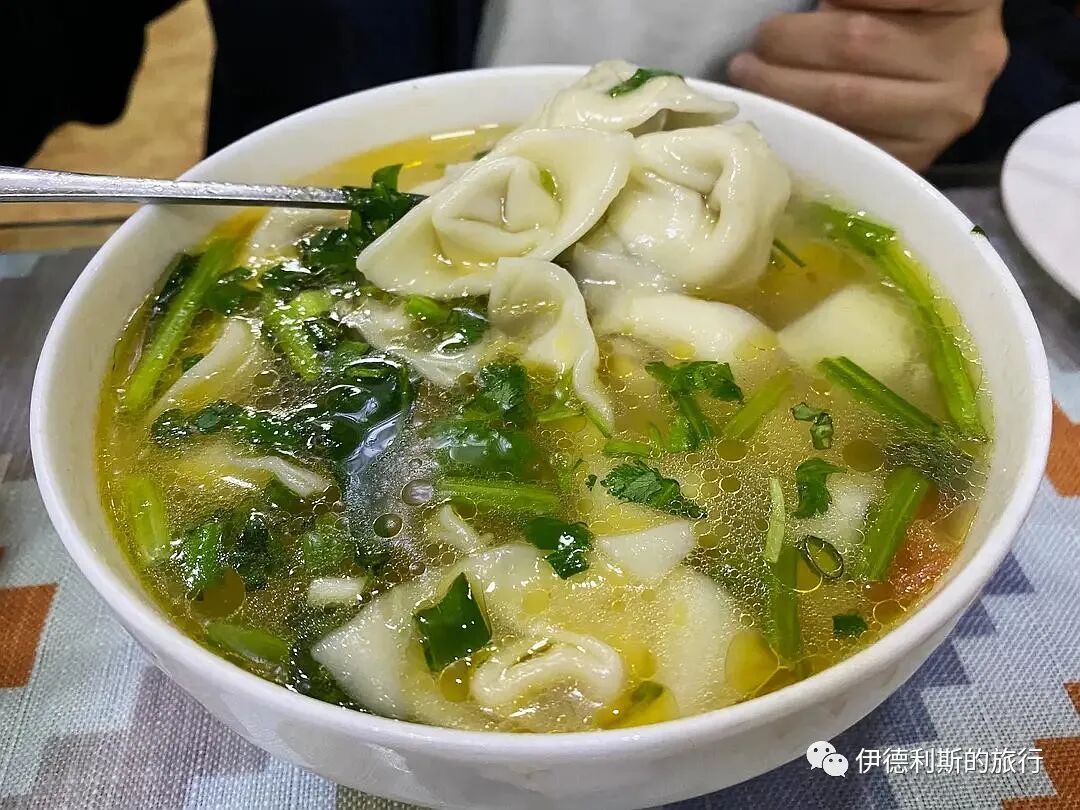
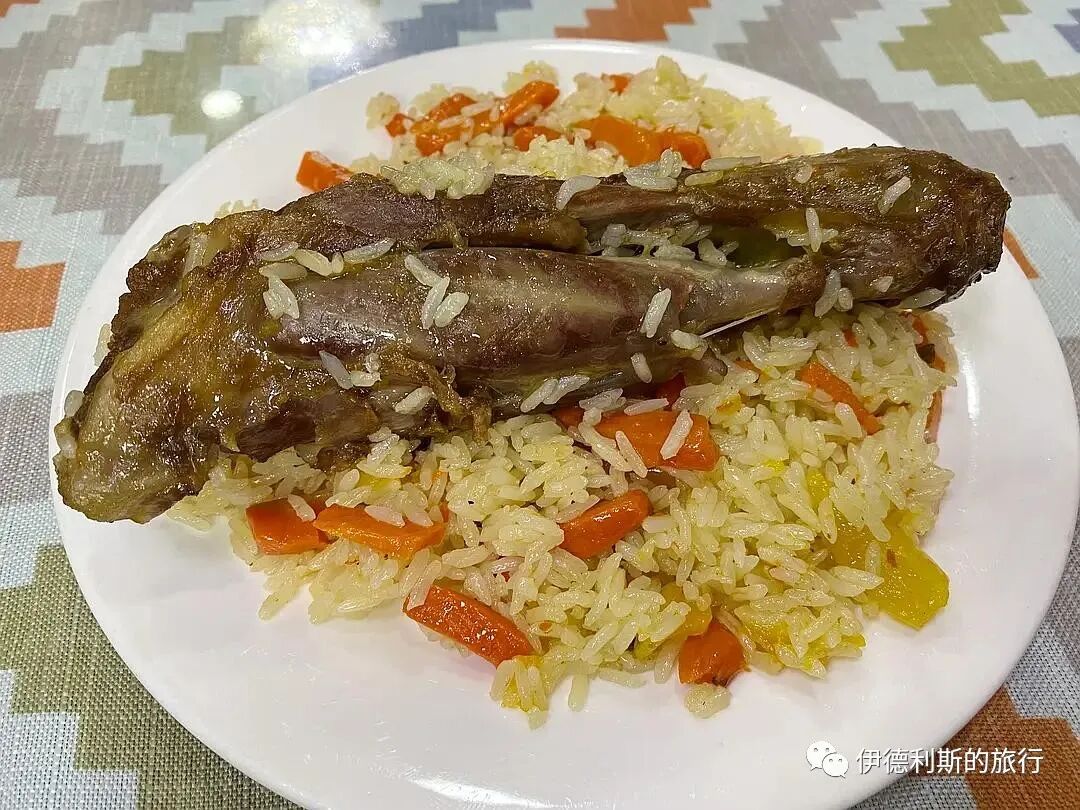
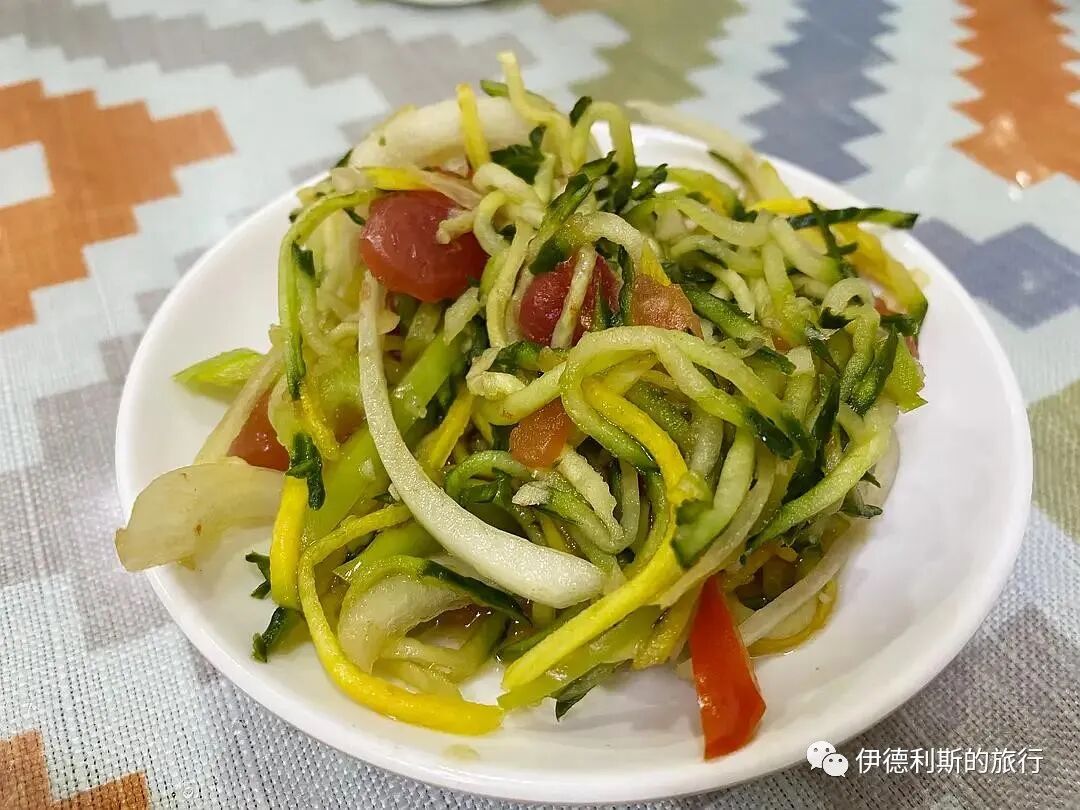
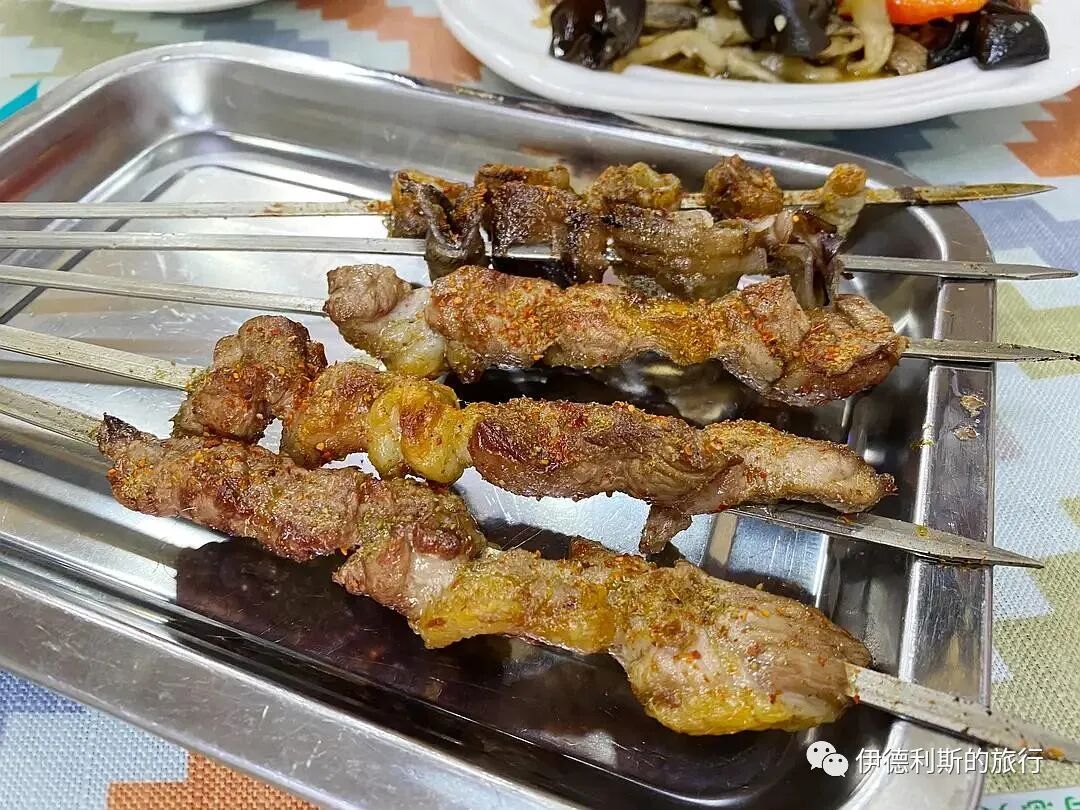
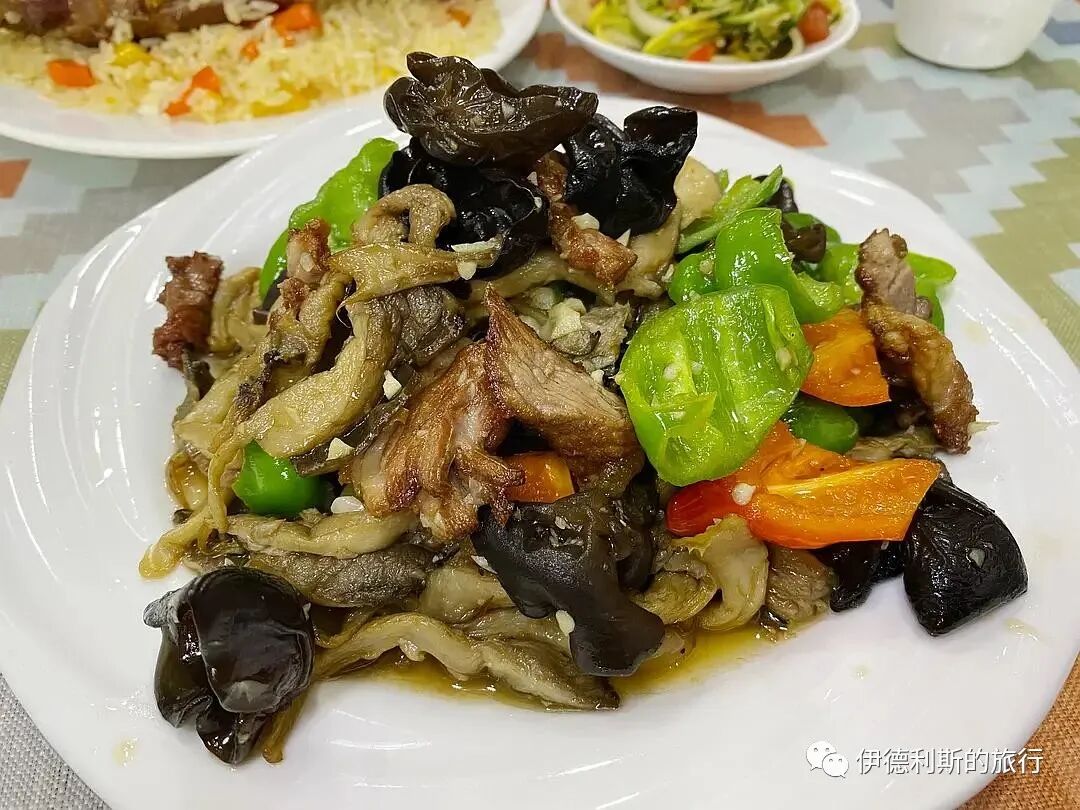
Iftar at Baizuan, a Kashgar restaurant in Shilihe. We ate lamb leg pilaf, mushrooms with wood ear fungus and meat, and freshly wrapped ququr (small dumplings). The ququr was served in lamb soup with pumpkin inside. As an authentic Xinjiang restaurant, their pilaf allows for unlimited refills. After adding more rice, pairing it with some grilled lamb and grilled lung is another kind of pleasure. Also, their pilaf side dish includes yellow carrots, which gets a thumbs up.
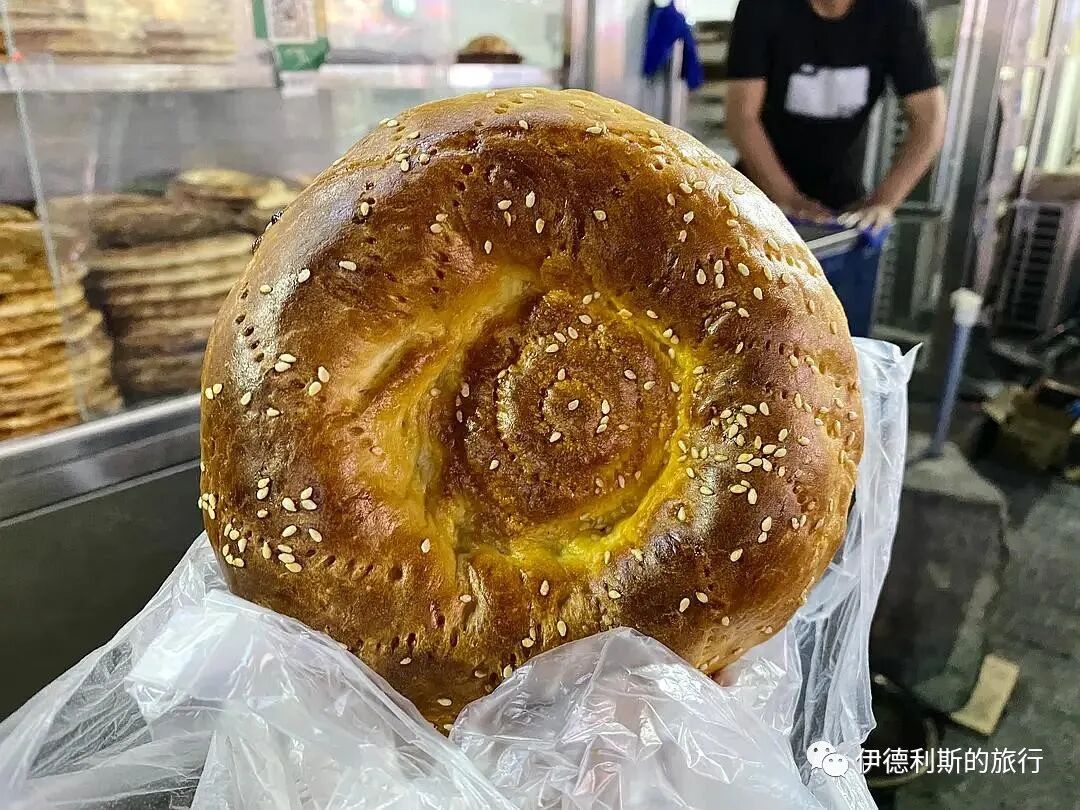
Before leaving, we bought Zaynab's favorite milk naan; the milky, slightly sweet, and soft naan is really too delicious.
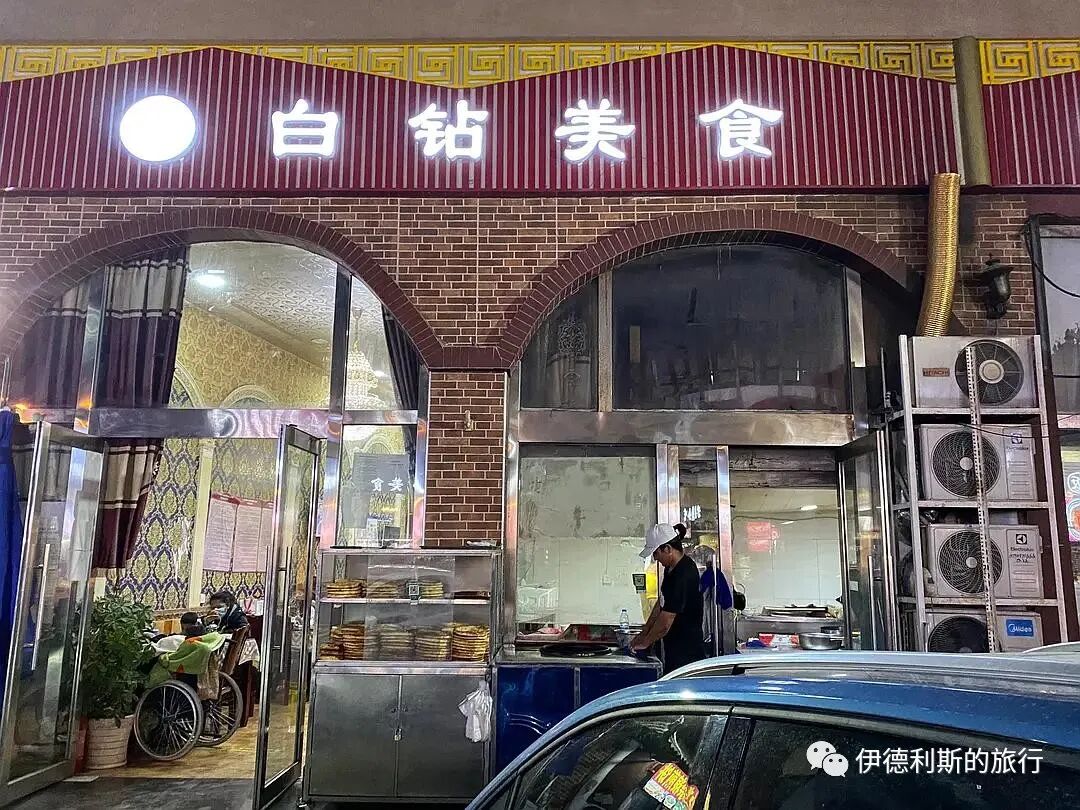
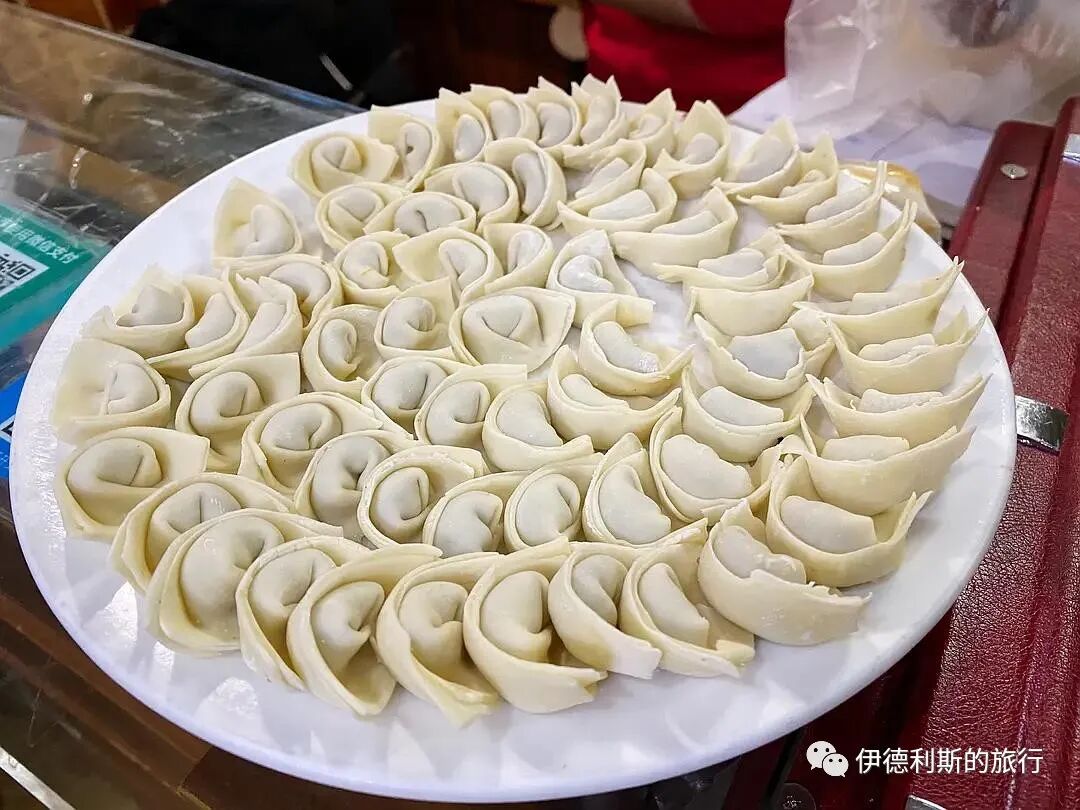
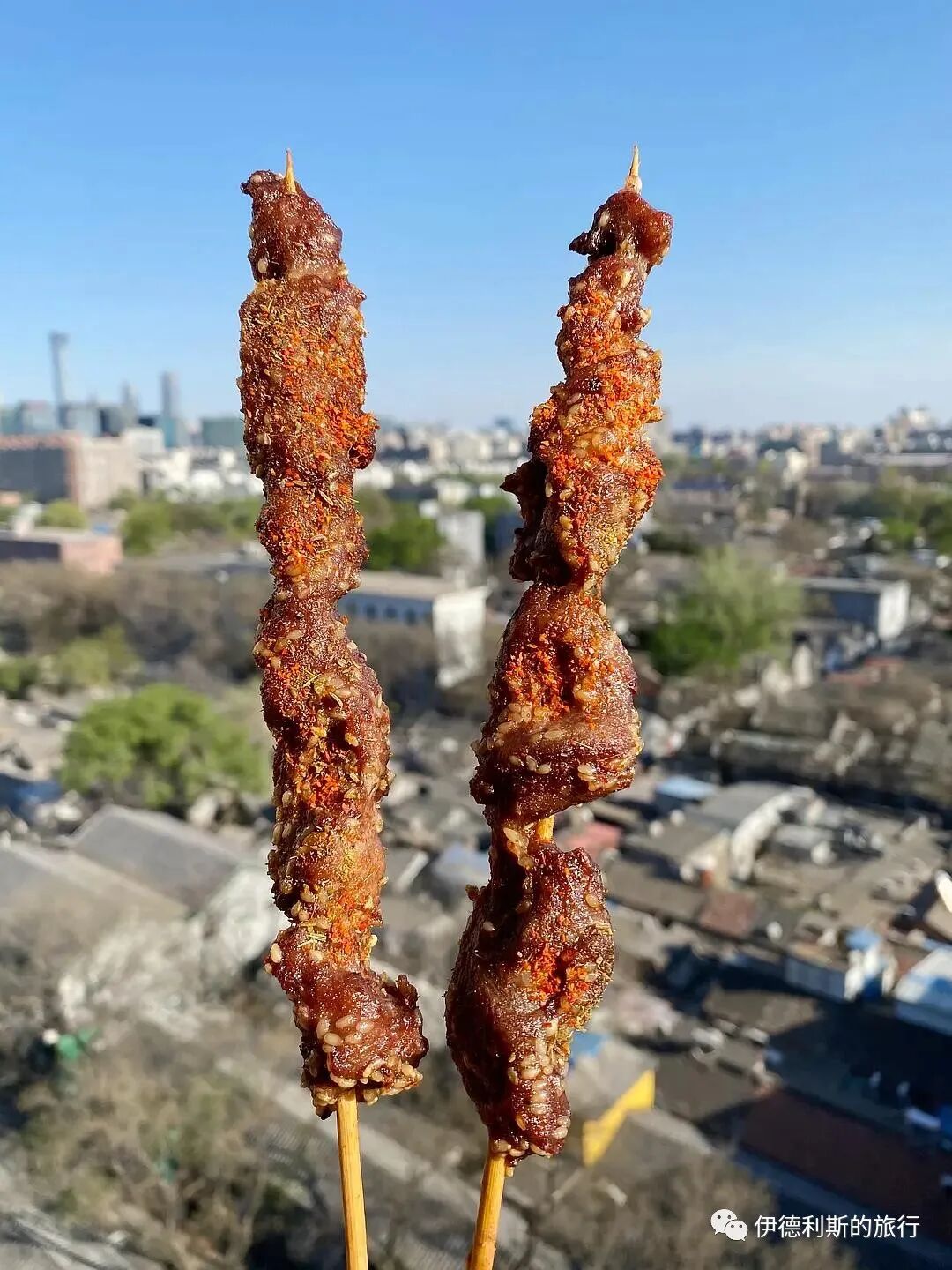
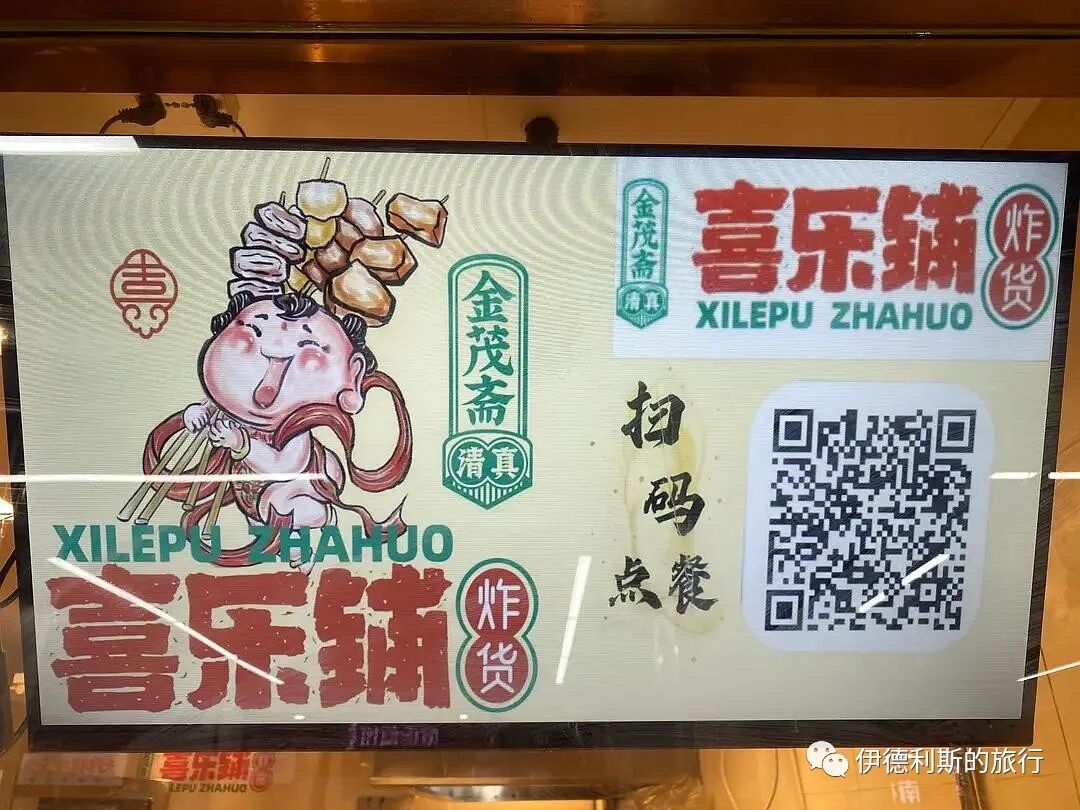
April 16, Jinmaozhai Xilepu fried snacks
A new food court opened next to the Xianhui Supermarket on Dongsi Shitiao, and there is a Halal Jinmaozhai Xilepu fried snack shop inside, selling fried chicken, fried skewers, and so on. Yesterday I bought two skewers of fried lamb for Iftar. This shop was opened by the founder of Lao Jinji fried snacks after he was pushed out, and now it's closer to our home.
April 16, Uncle Hao's Iron Pot Stew at Changhong Bridge
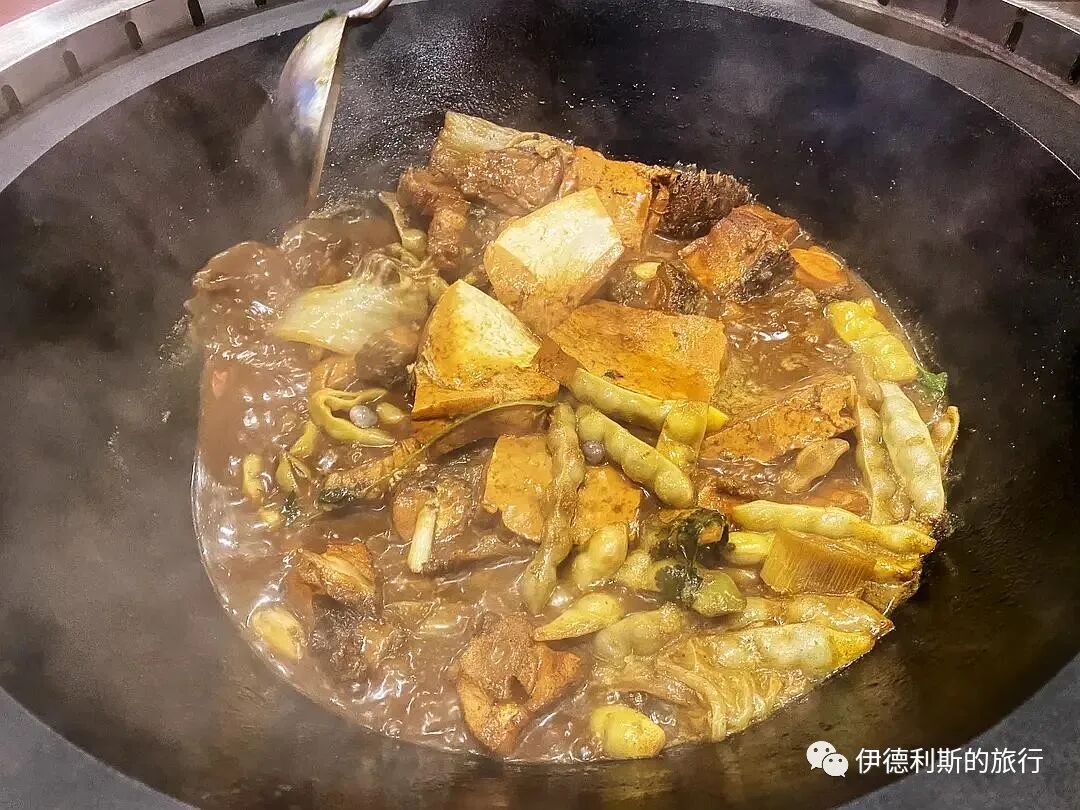
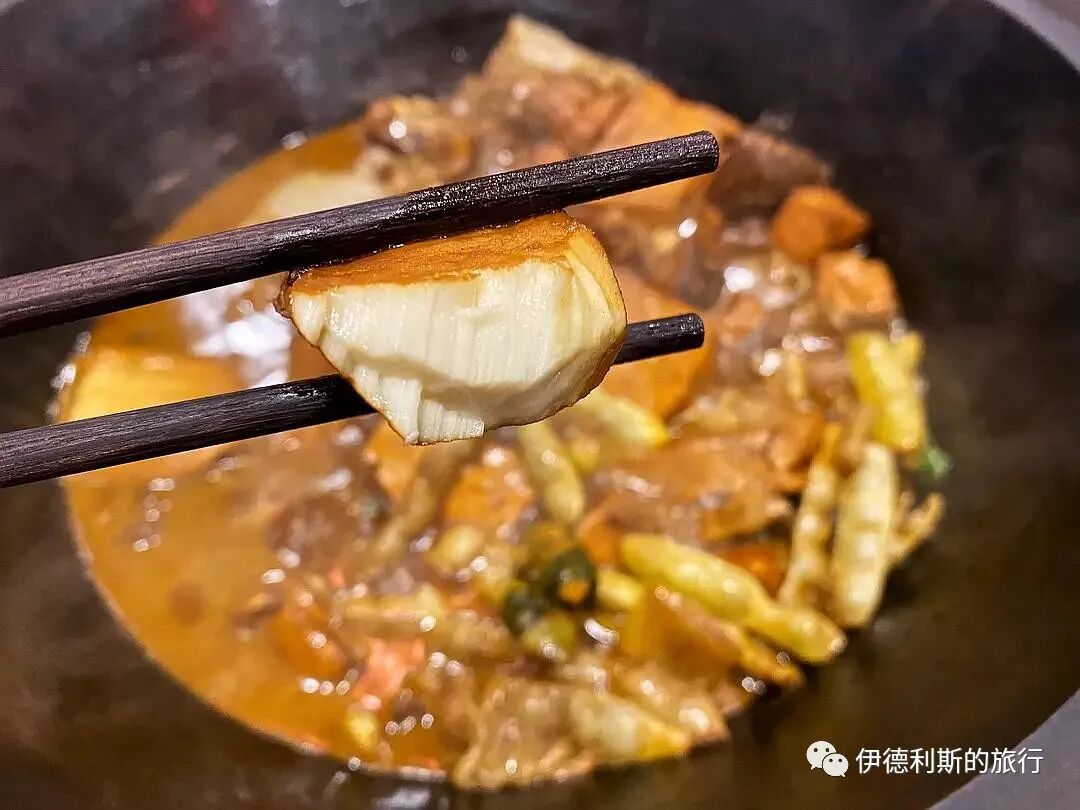
Iftar at Uncle Hao's Iron Pot Stew at Changhong Bridge, eating Northeast-style iron pot stewed taimen (Hucho taimen/Siberian salmon). The owner of Qingxiangge opened three shops in this building; the first floor sells crayfish and beef banmian (pulled noodles), and the second floor is for iron pot stew.
Taimen, also known as Siberian salmon, is a large cold-water predatory fish distributed in cold regions from the Volga River to Siberia, and mainly in the Heilongjiang area in China. Taimen are huge, with a body length of over 1 meter, or even reaching 2 meters, and a weight that can reach 50 kilograms. Uncle Hao usually uses 30-kilogram taimen, cut into fish chunks, without pre-marinating.
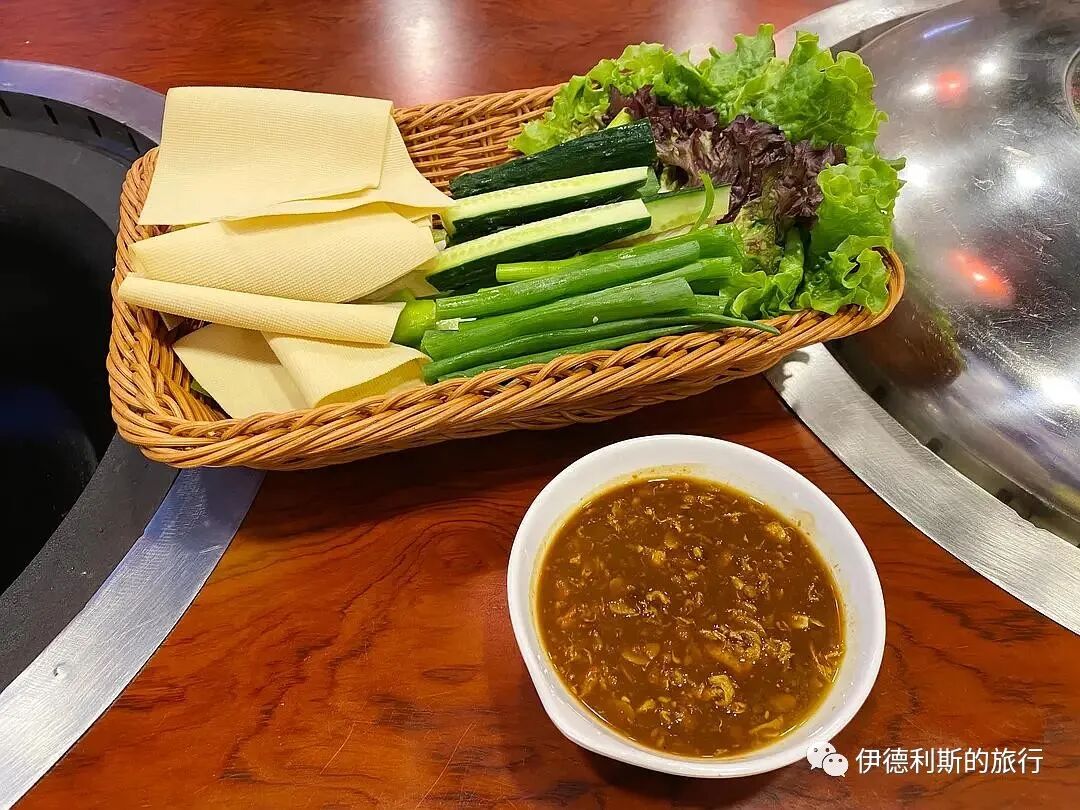
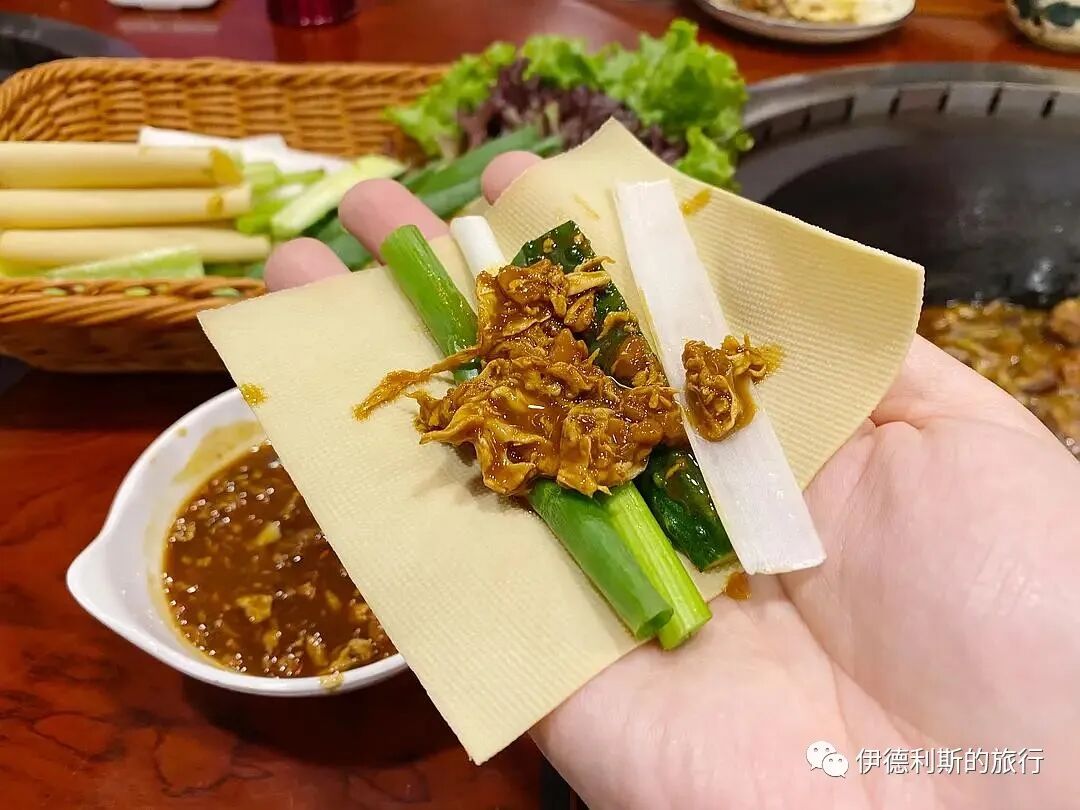
The stew broth is made by boiling chicken bones without adding chicken essence. We also chose side dishes like golden beans, fresh tofu, and Chinese cabbage, as well as Northeast-style dipping sauce vegetables. Stew for 5 minutes first, then put half a portion of huajuan (steamed flower rolls) on the rack, and stew for another 10 minutes before eating.
Also, their service attitude is really great. The Northeast lady who is the head waitress asks every table how the taste is and how the saltiness is. She is super enthusiastic, which makes one feel warm inside.
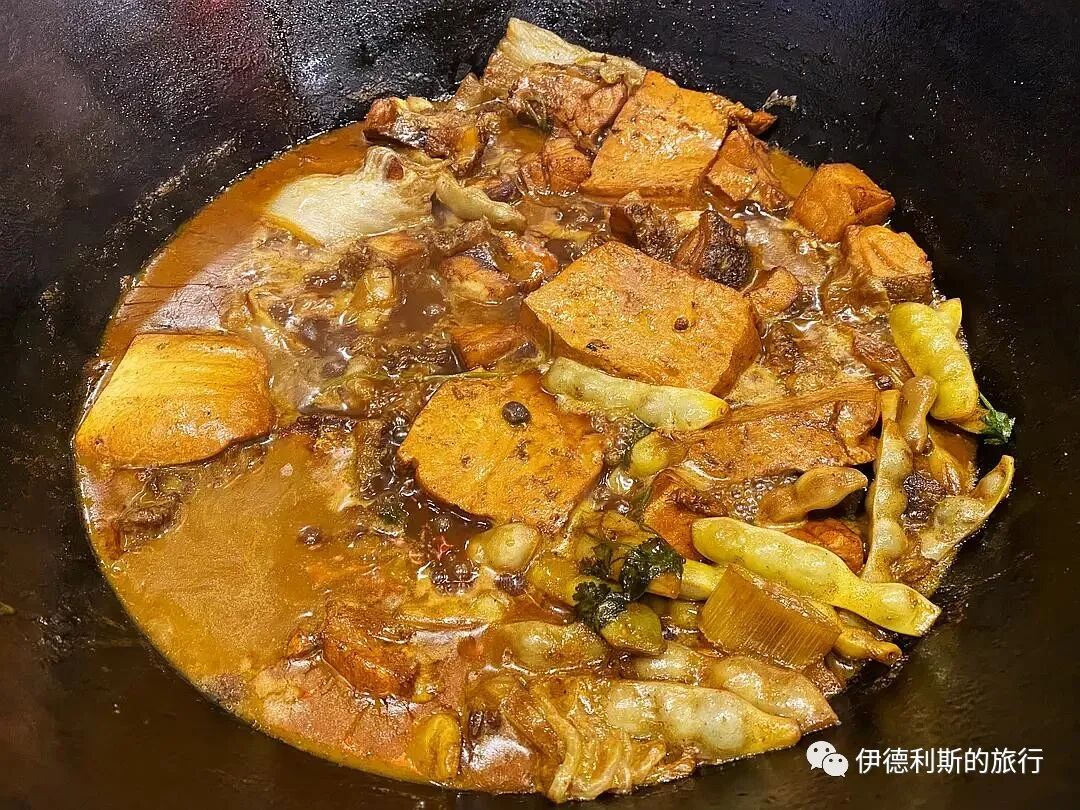
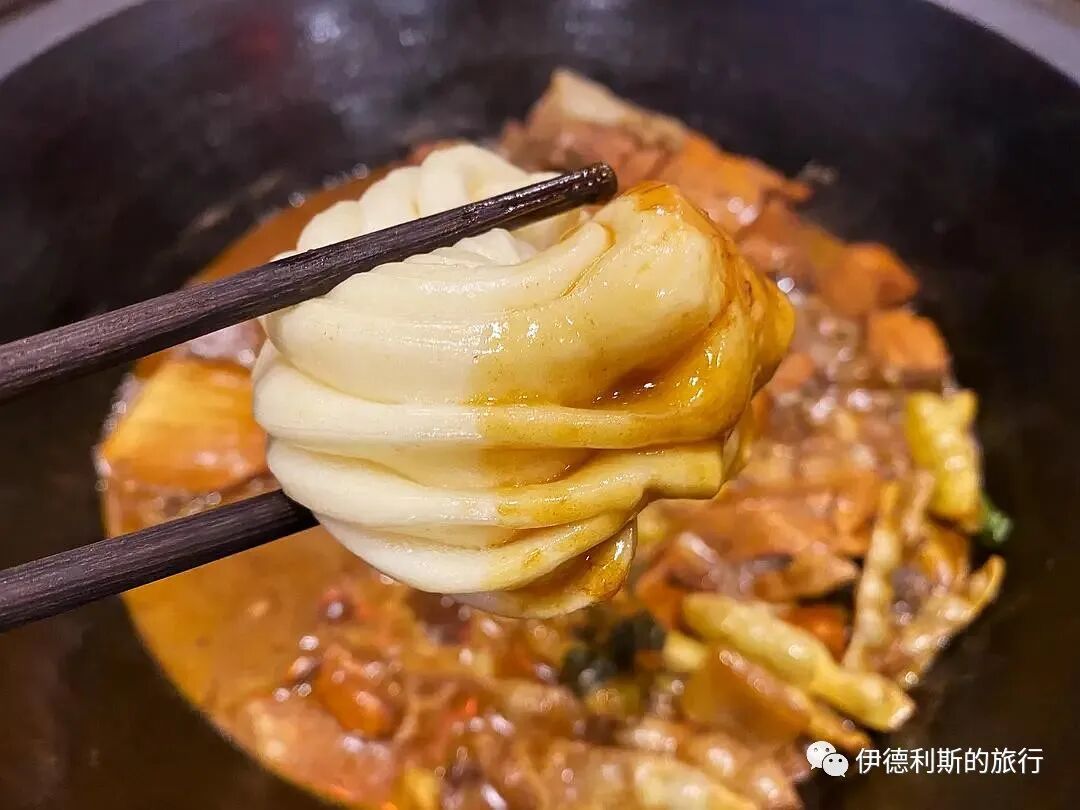
April 18, Iftar latiaozi (hand-pulled noodles)
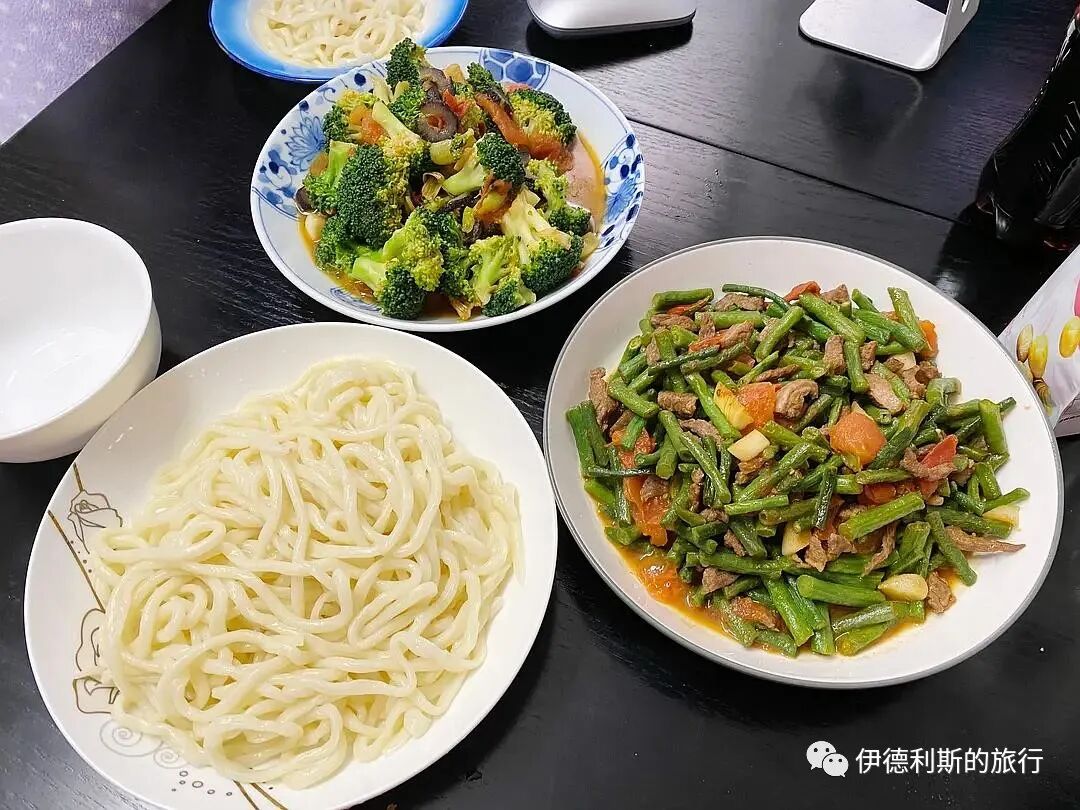
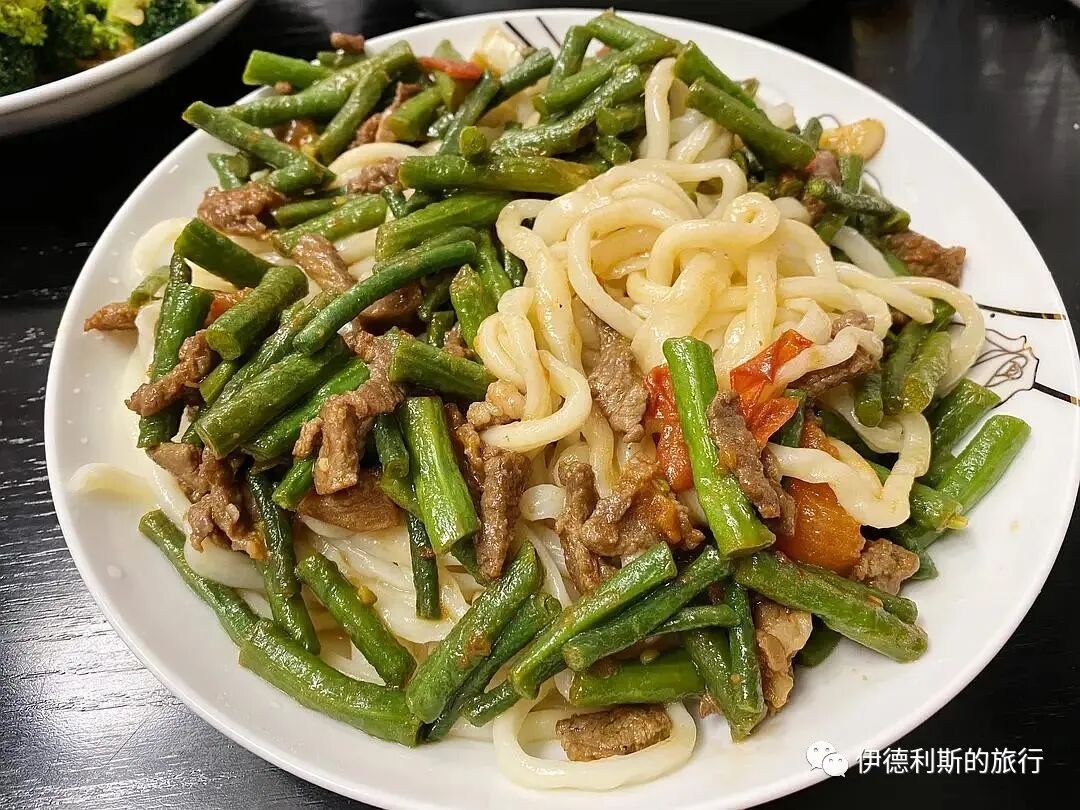
April 21, Braised lamb rice from Baodu Man at the east entrance of Dongsi Wutiao
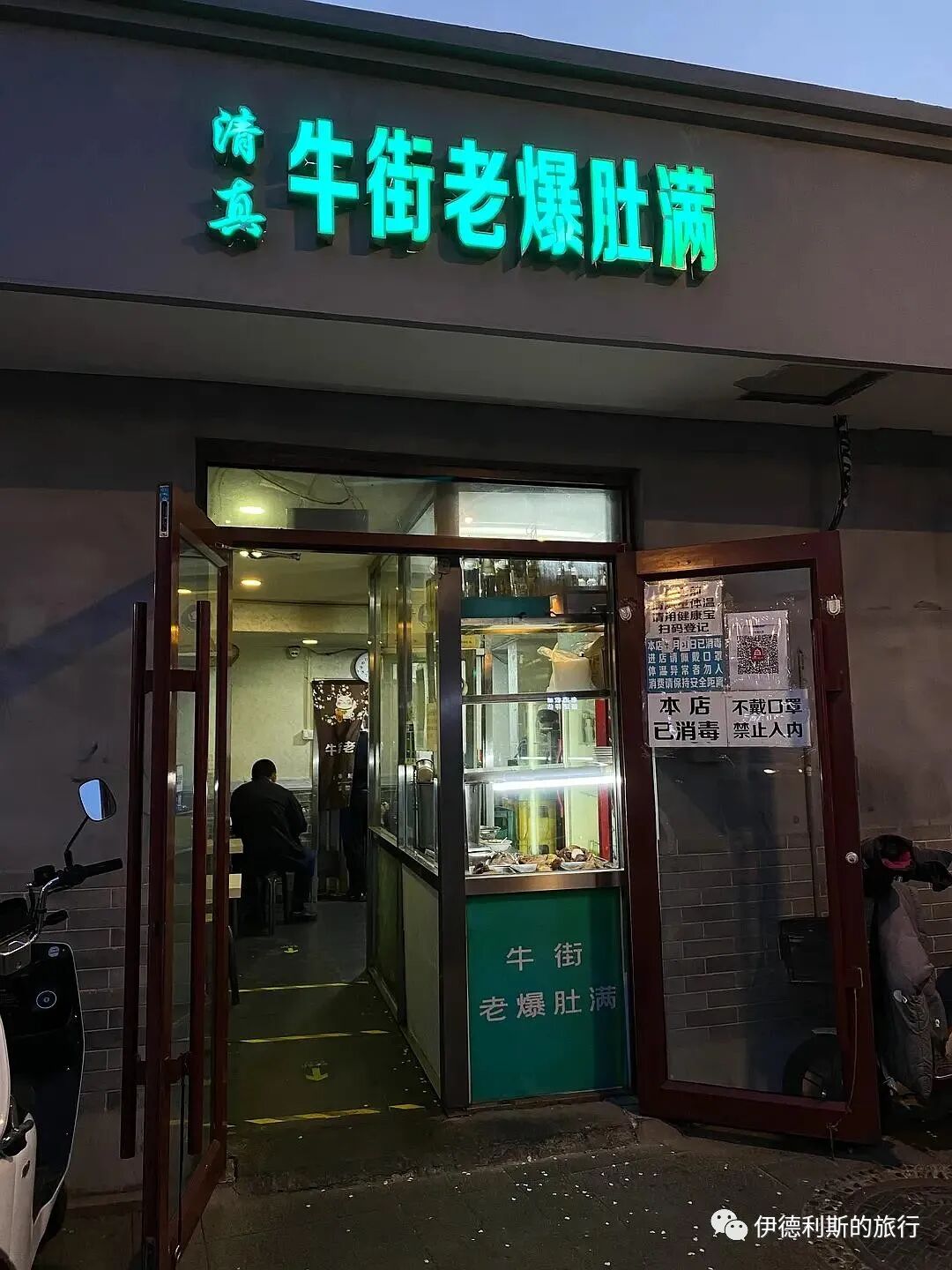
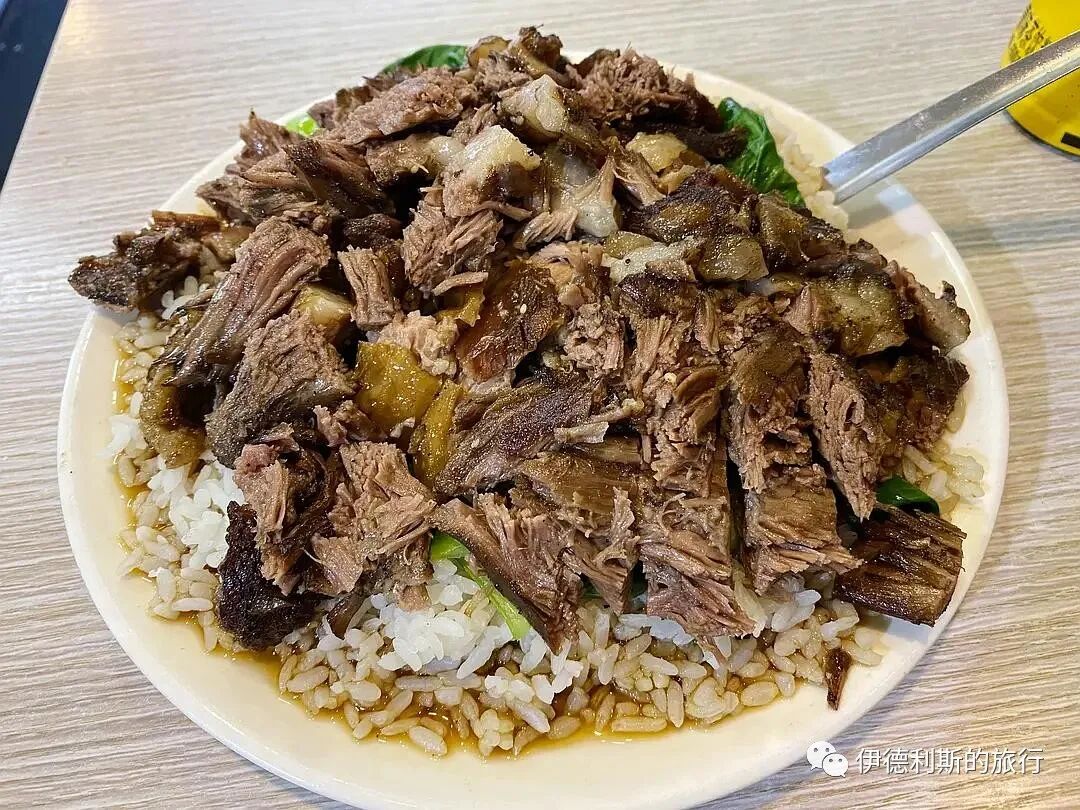
Iftar, braised lamb rice from Baodu Man at the east entrance of Dongsi Wutiao, with extra meat soup and half a jin of braised lamb; it was so satisfying. Their braised lamb is tougher than the one at Gulou Chimiantang, and the different texture makes for a different experience.
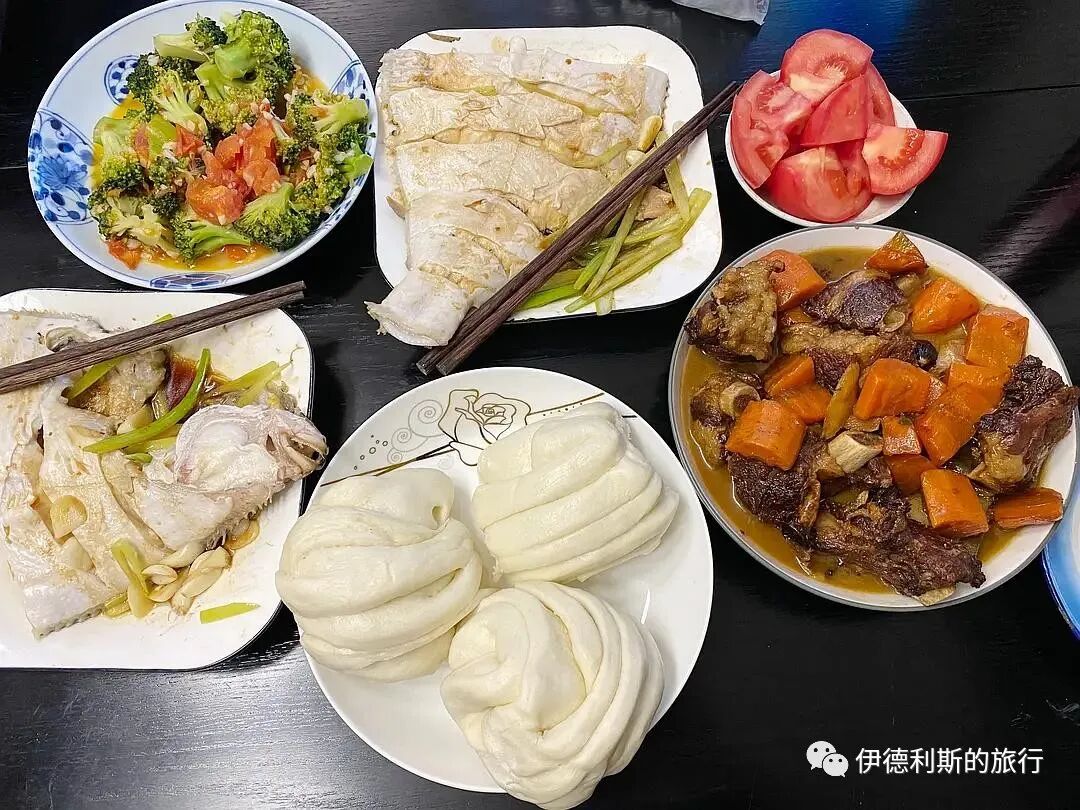
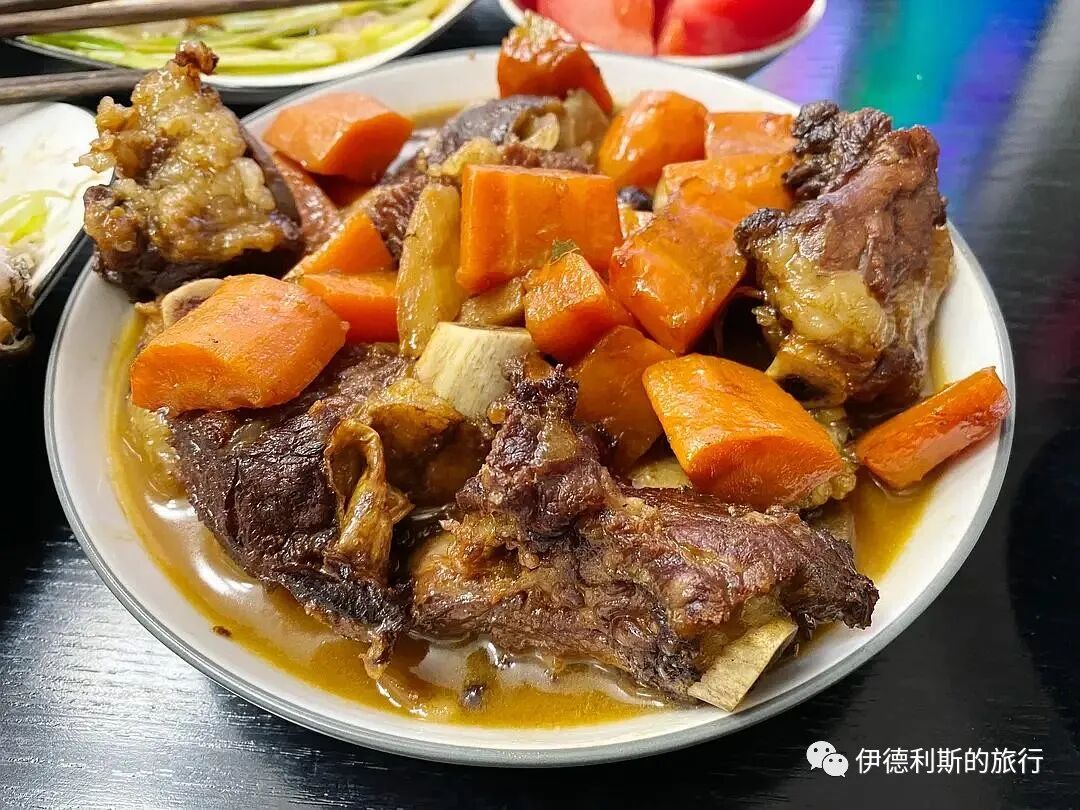
April 22, Family dinner
I made braised beef ribs, and my mom made steamed flatfish.
April 26, Barbican drink
Ten years ago, when I was in college in Wuhan, the summer was stiflingly hot. Besides the 5-mao bowl of osmanthus plum juice in the cafeteria, I would occasionally splurge and buy two bottles of Dubai malt drink at the Halal imported supermarket next to the International Exchange College. Holding the chilled glass bottle in my hand felt like it was cooling me down. In the blink of an eye, so many years have passed. I saw them for sale online this time and bought a few bottles. Unfortunately, there was no original flavor, so I only bought lemon flavor. I miss this feeling so much~ However, I don't want to experience the summer in Wuhan again, haha. Every time I go back to Wuhan after graduation, I choose to go in spring or autumn.
April 30, Visiting Changying
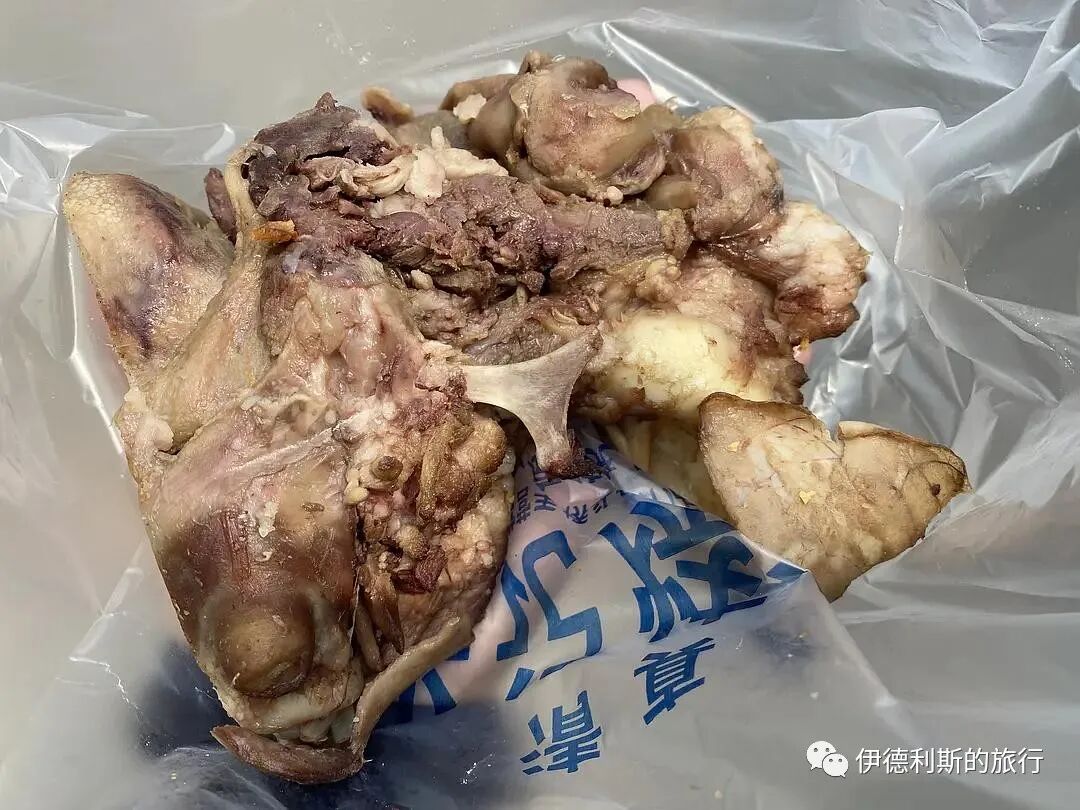
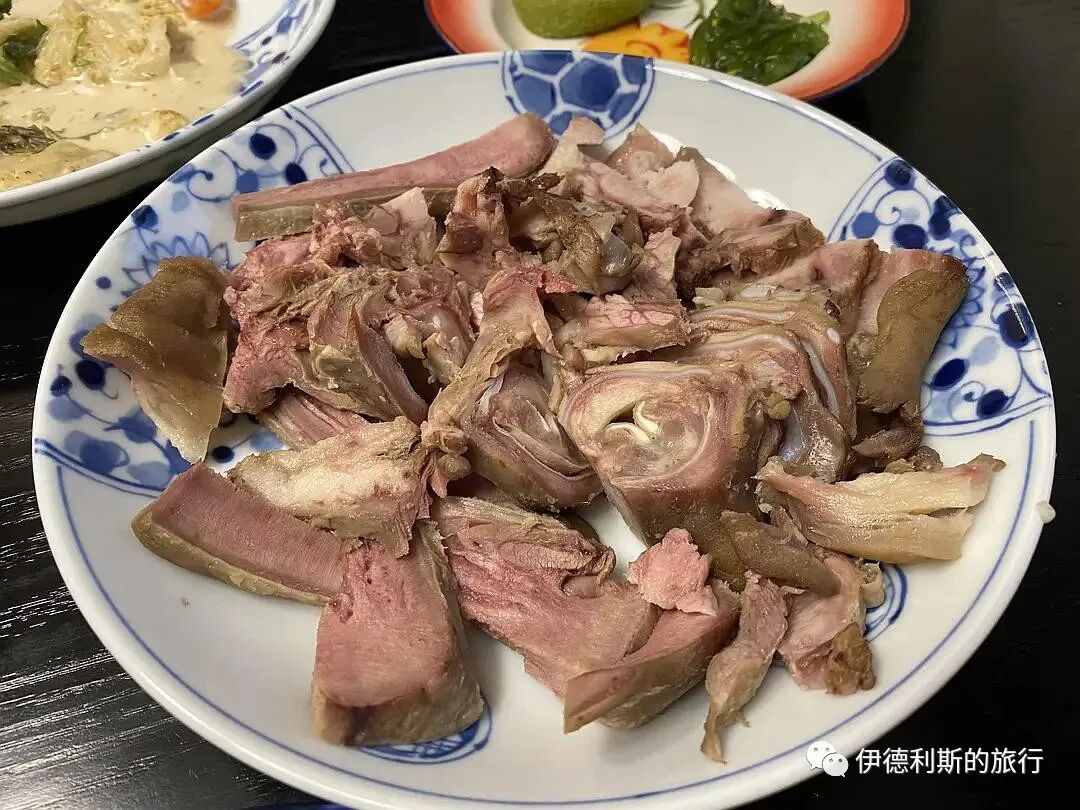
Giving out Fitr Zakat, and buying lamb heads at Zhangji.
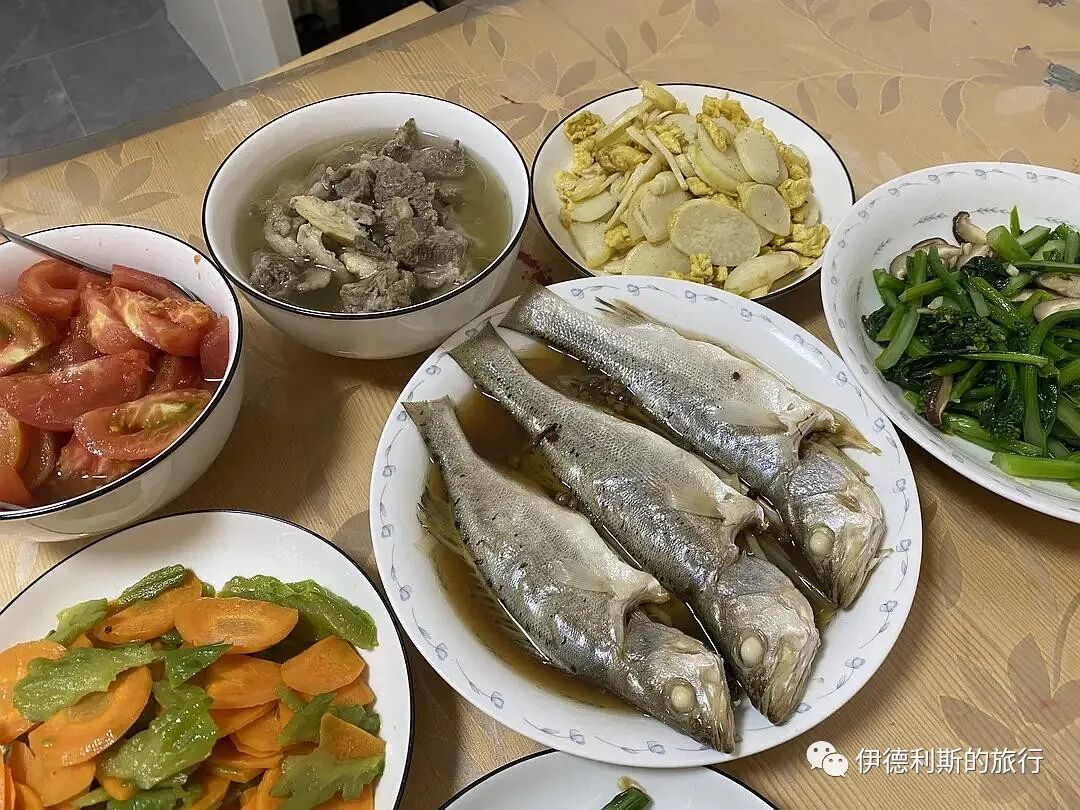
May 1, Dost invited us for Iftar
Invited by a Dost for Iftar. The Dost's two children were super well-behaved, which increased my and Zaynab's confidence in raising children~ Alhamdulillah (Praise be to Allah).
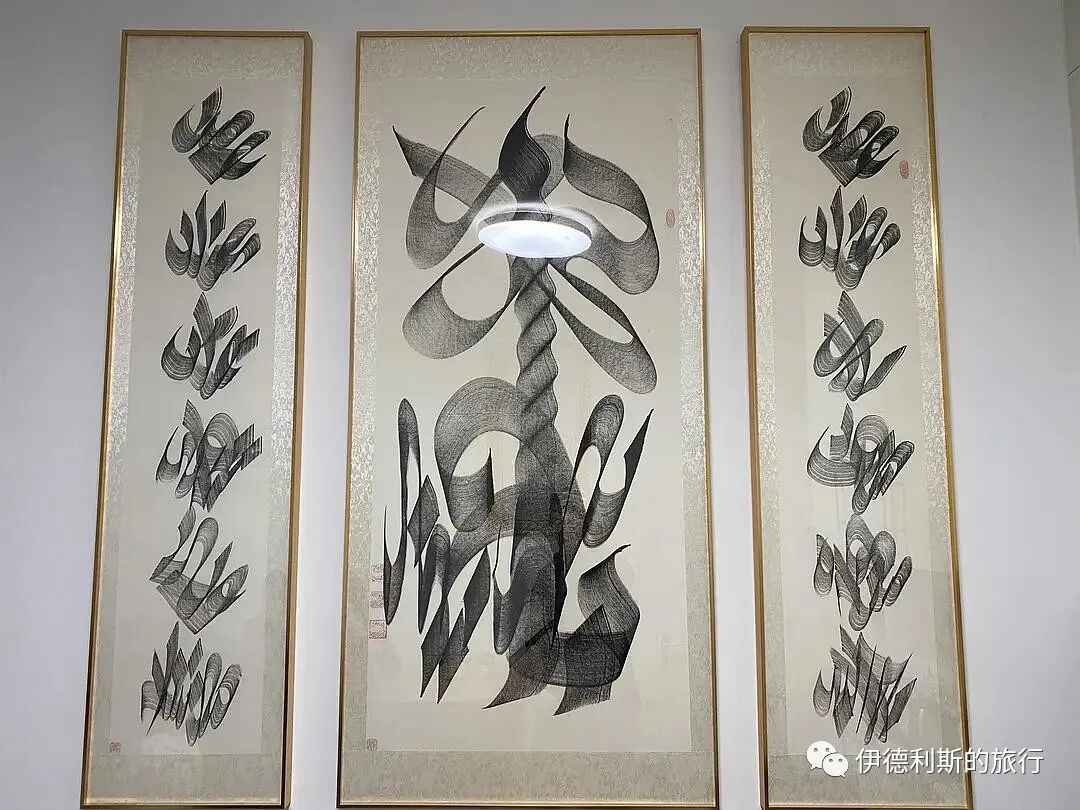
May 2, Eid al-Fitr
Eid al-Fitr Mubarak!
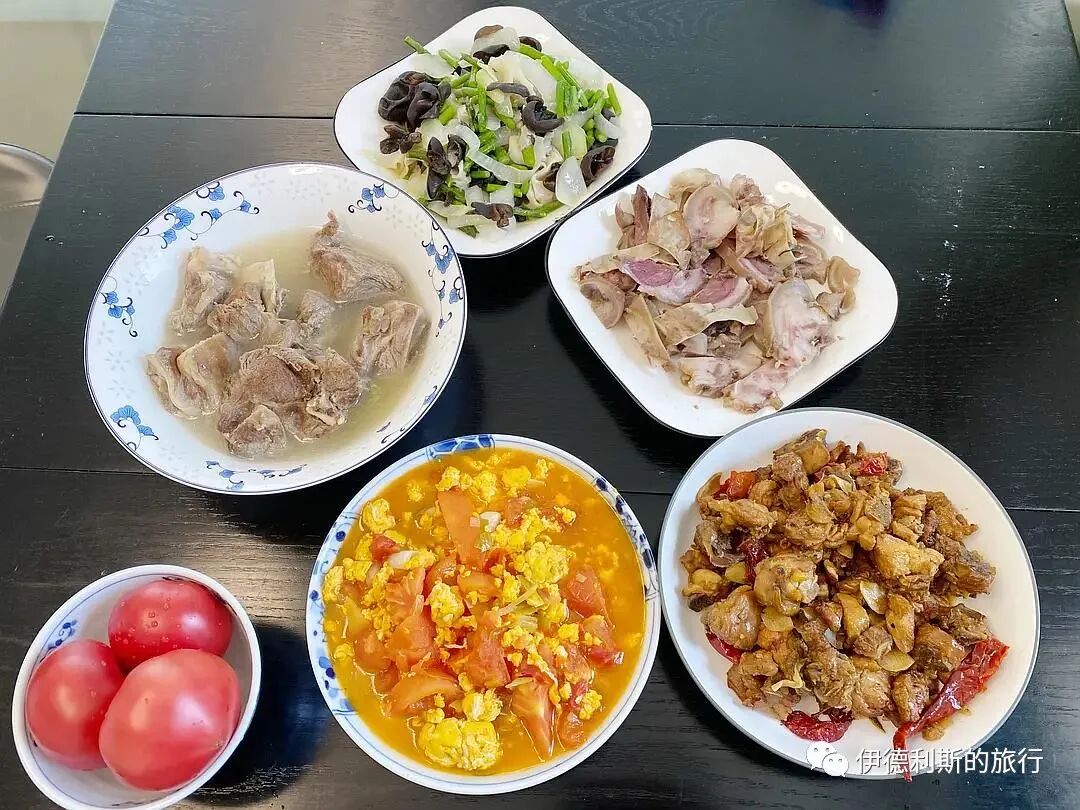
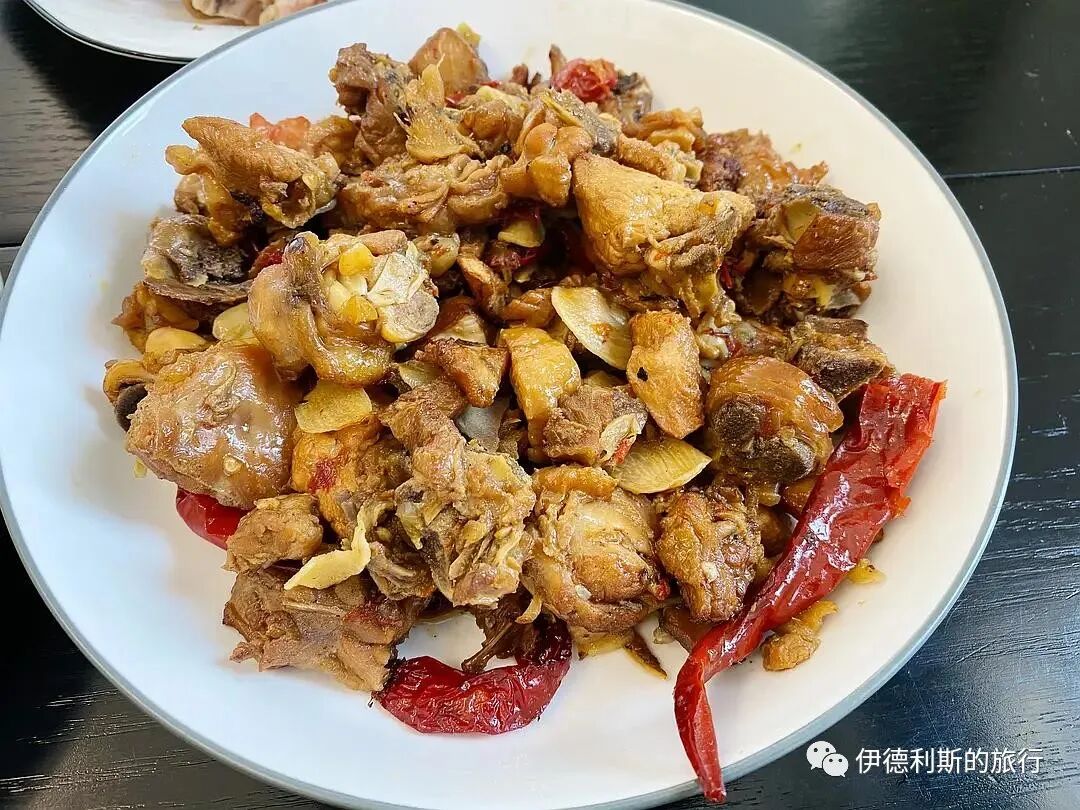
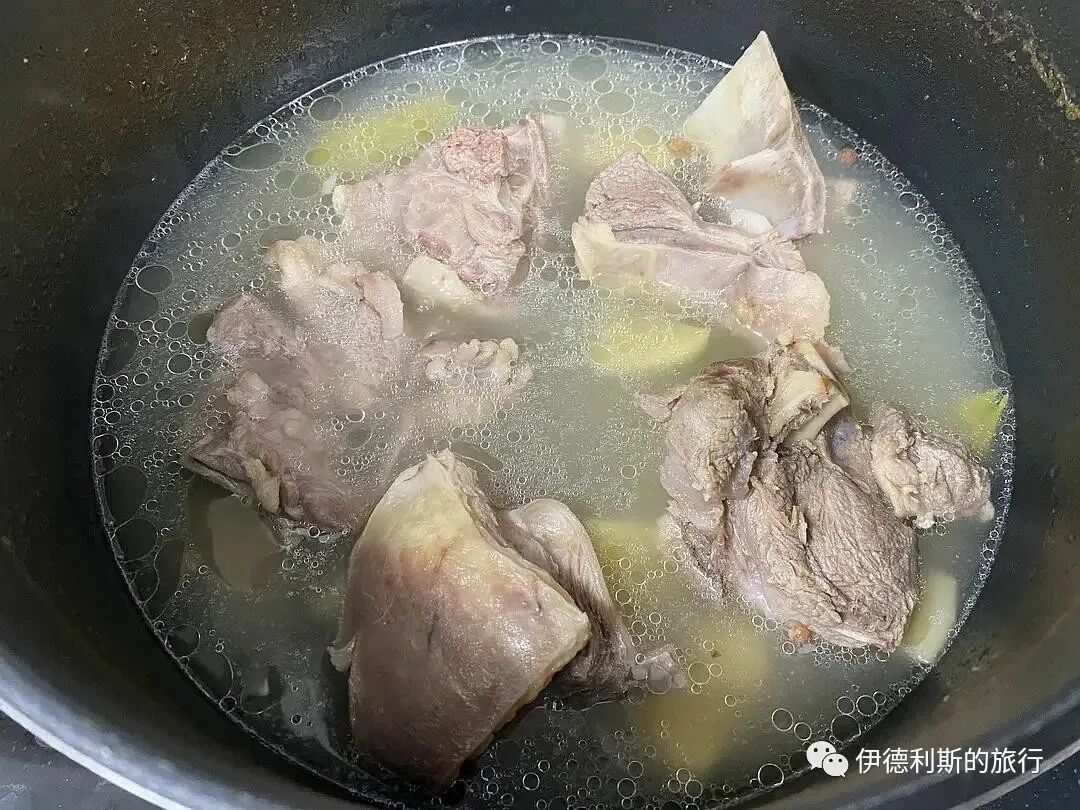
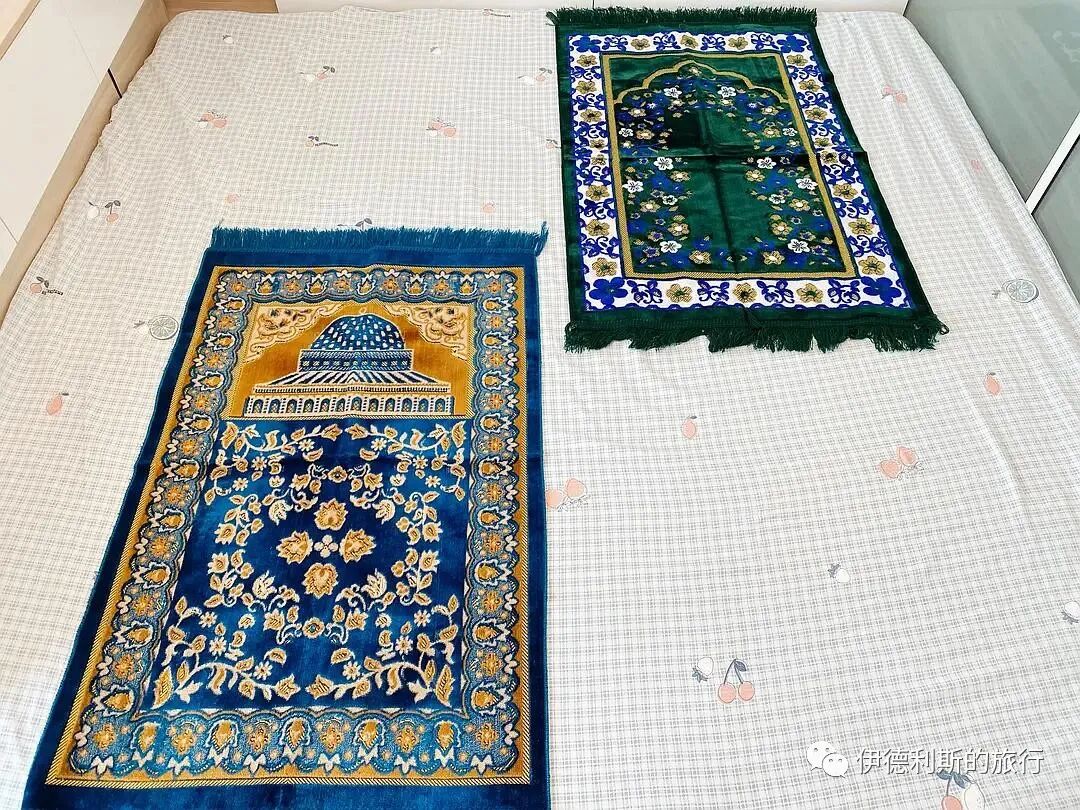
Freshly fried youxiang (fried dough) sent to Zaynab by a Dost from Niujie. Sharing the Barakah (blessing), it was very delicious!
May 3, Gulou Chimiantang takeout
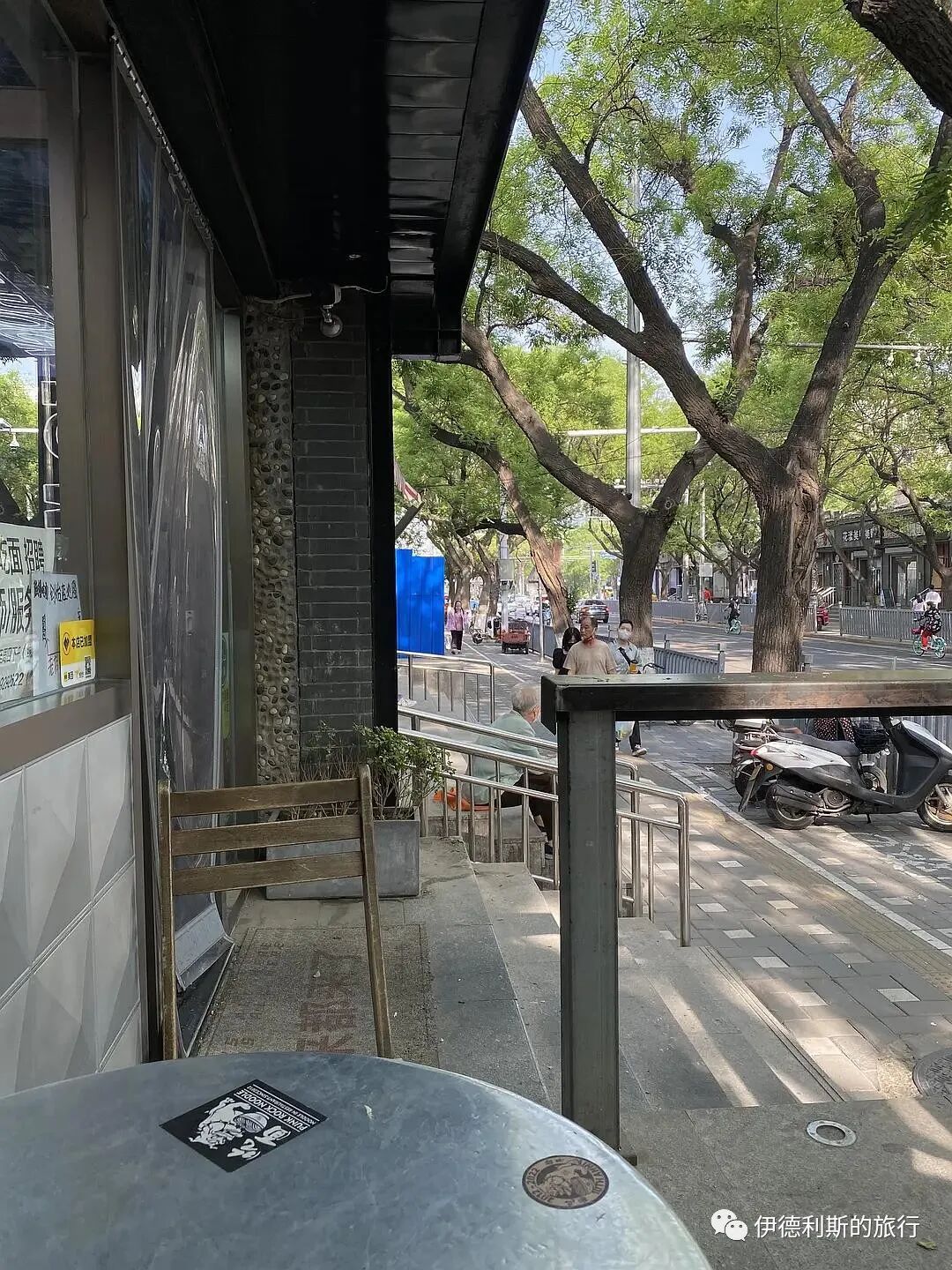
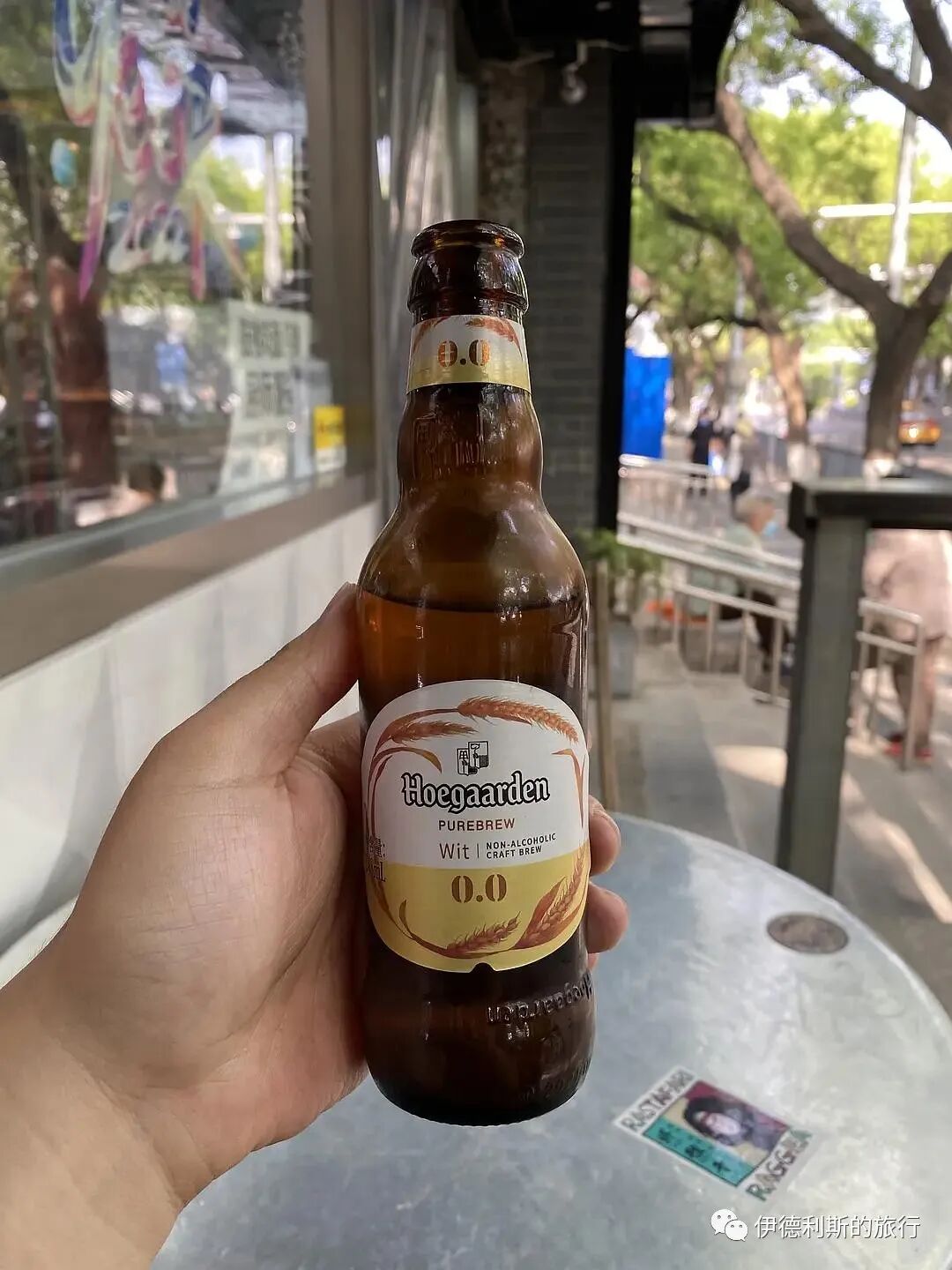
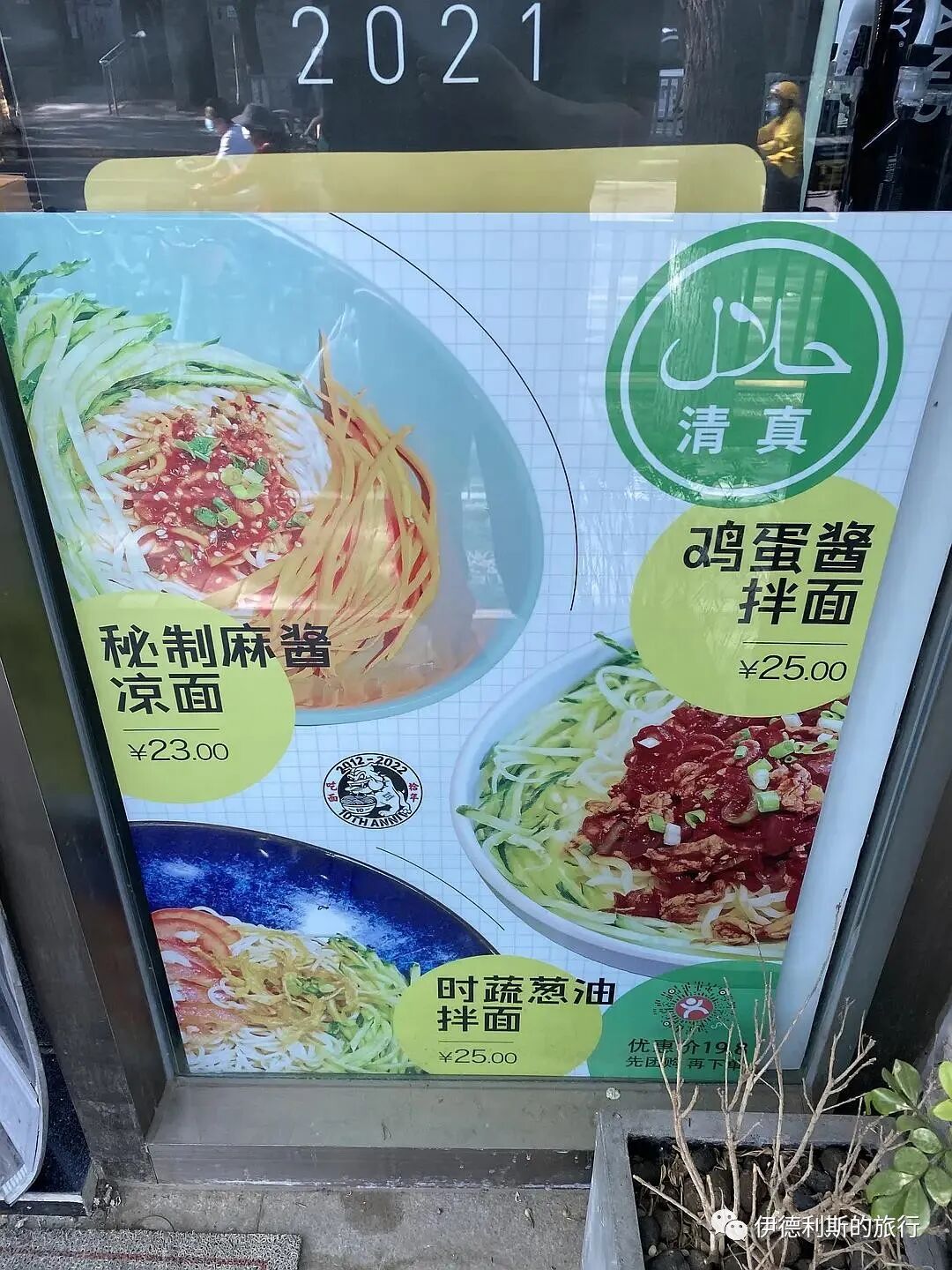
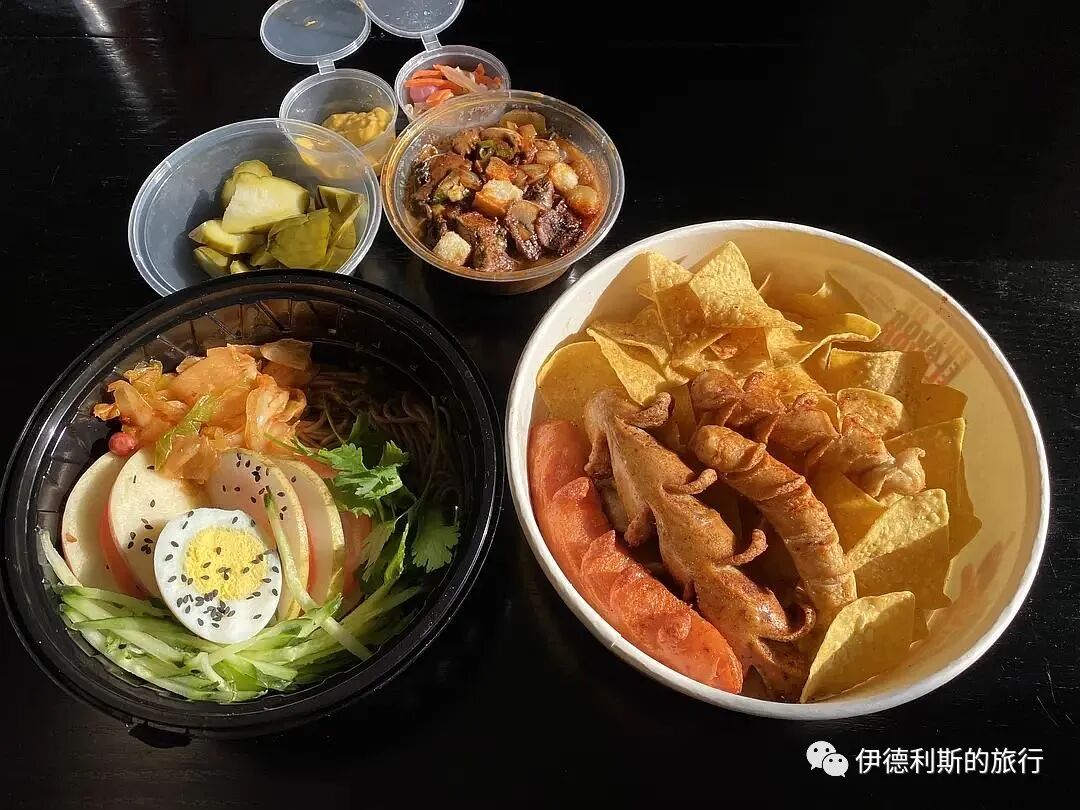
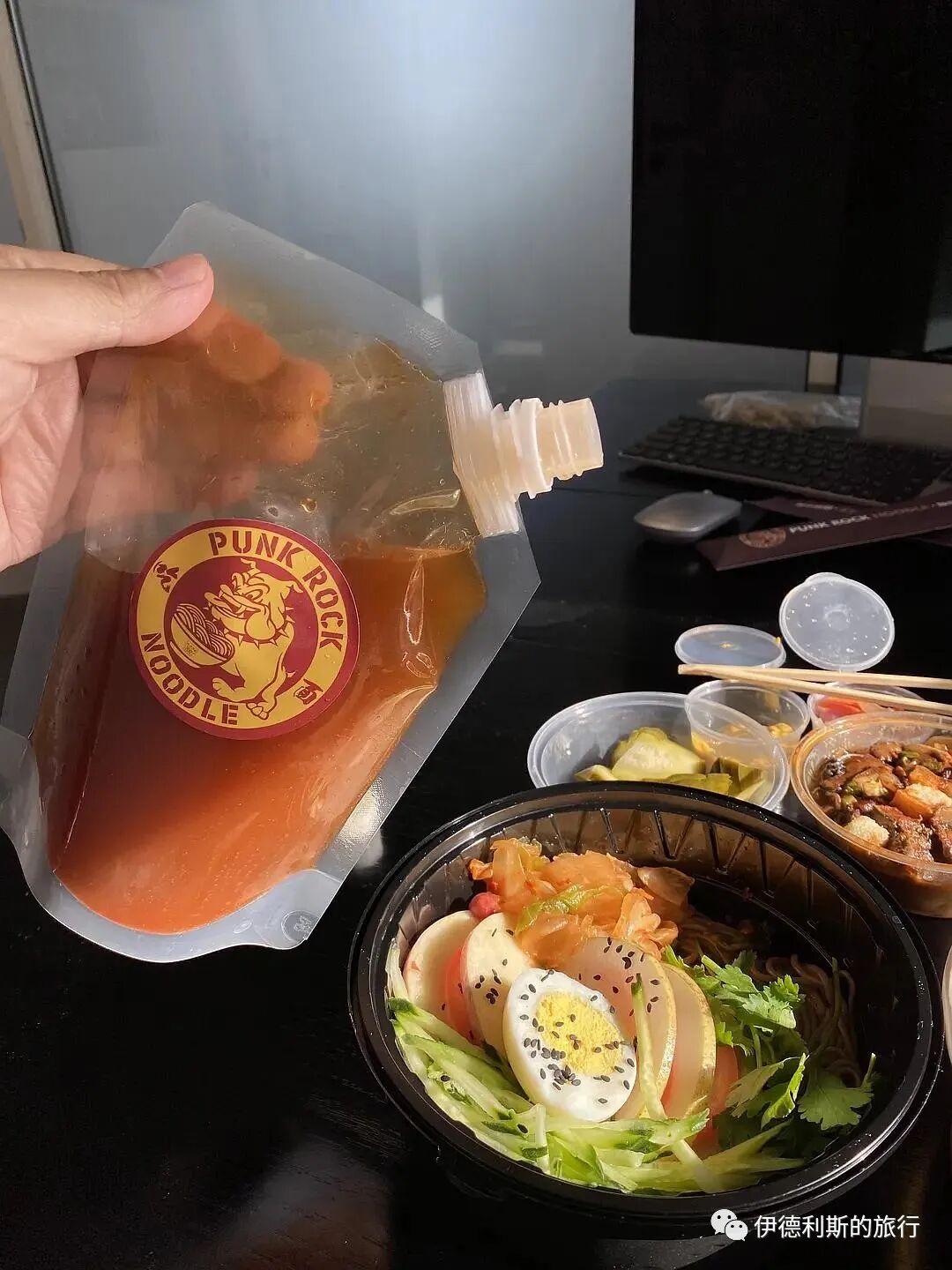
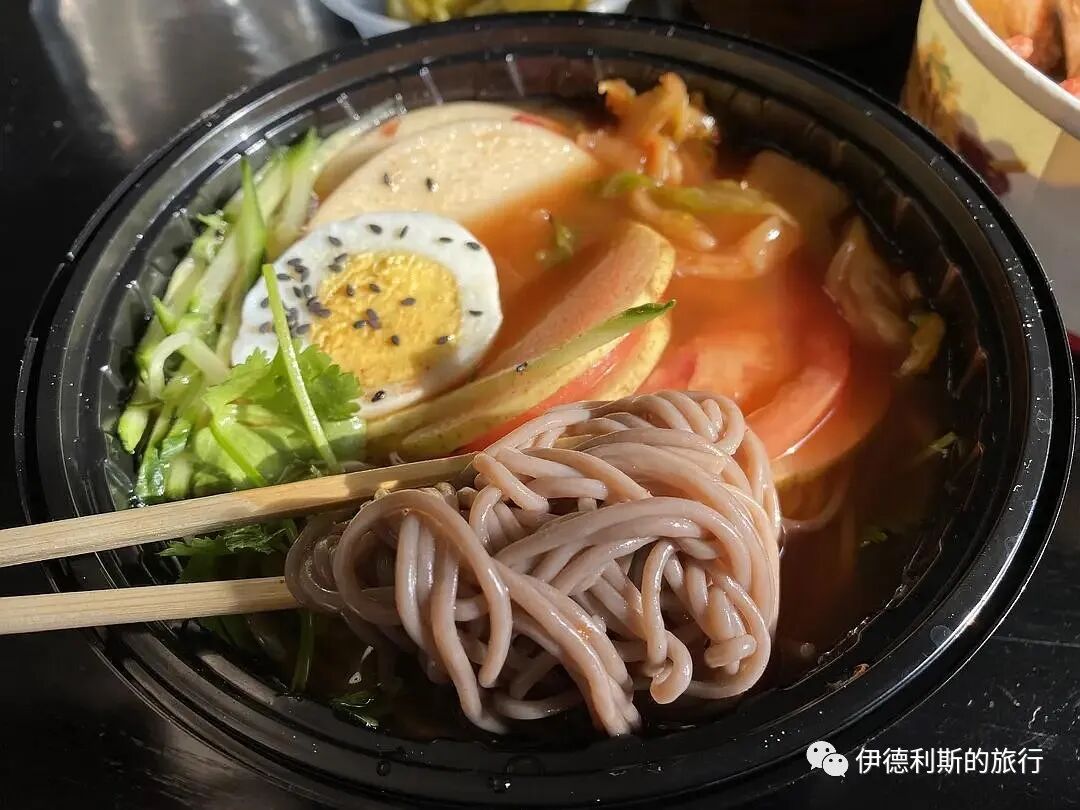
Bought cold noodles and 'liver and intestines broken' (chicken liver and chicken sausage) from Gulou Chimiantang to take home, and also drank non-alcoholic wheat beverage. Summer is coming, it's time to eat their sesame paste noodles and scallion oil noodles.
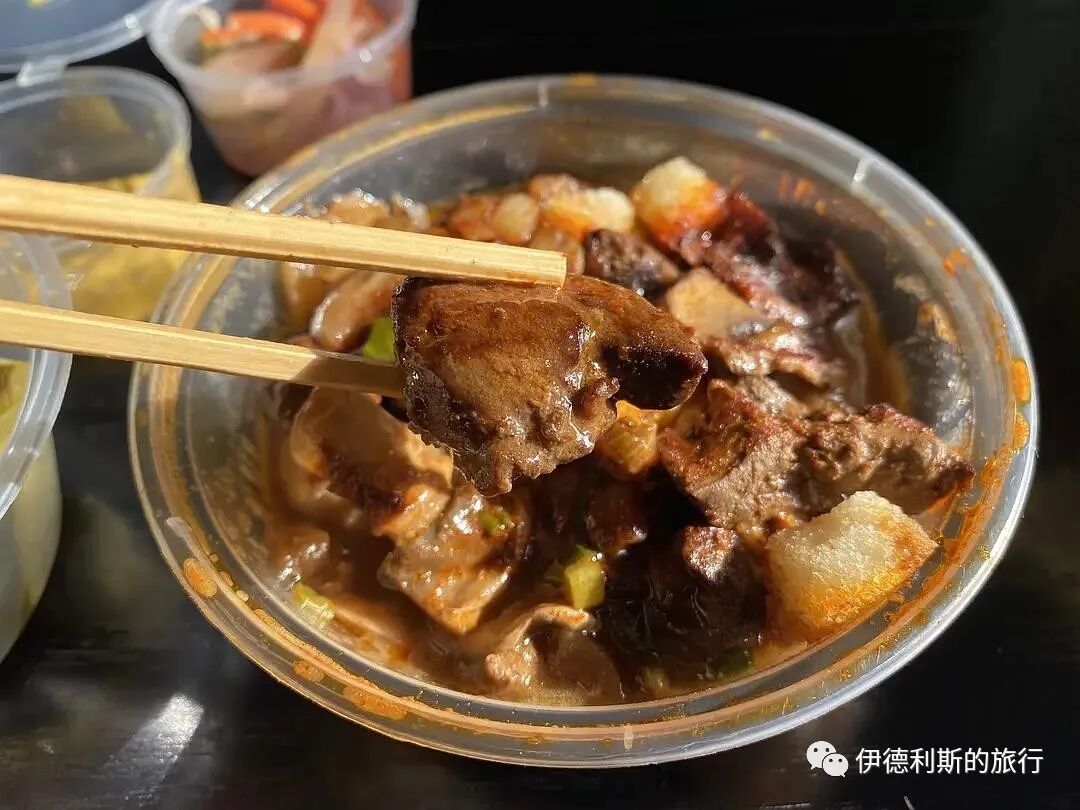
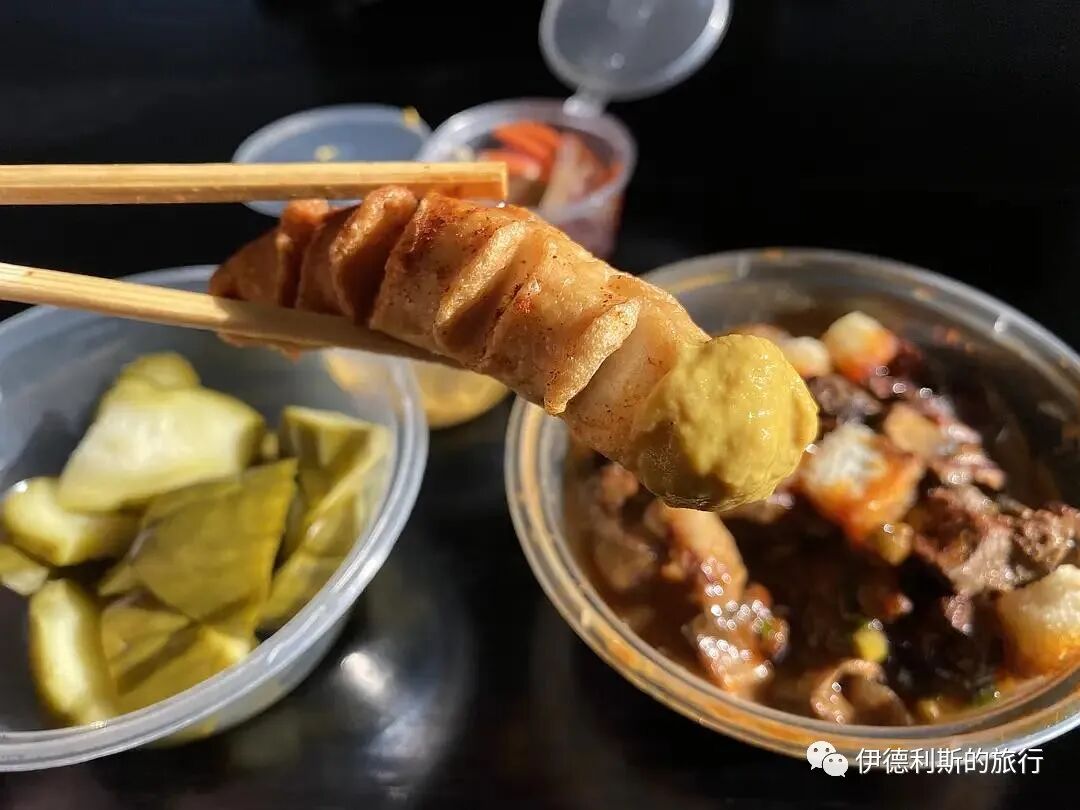
May 6, Beimencang Jinmaozhai takeout
Fried chicken legs, chicken hearts, and chicken ankles from Beimencang Jinmaozhai, and also bought squid-filled samsa (pastry).
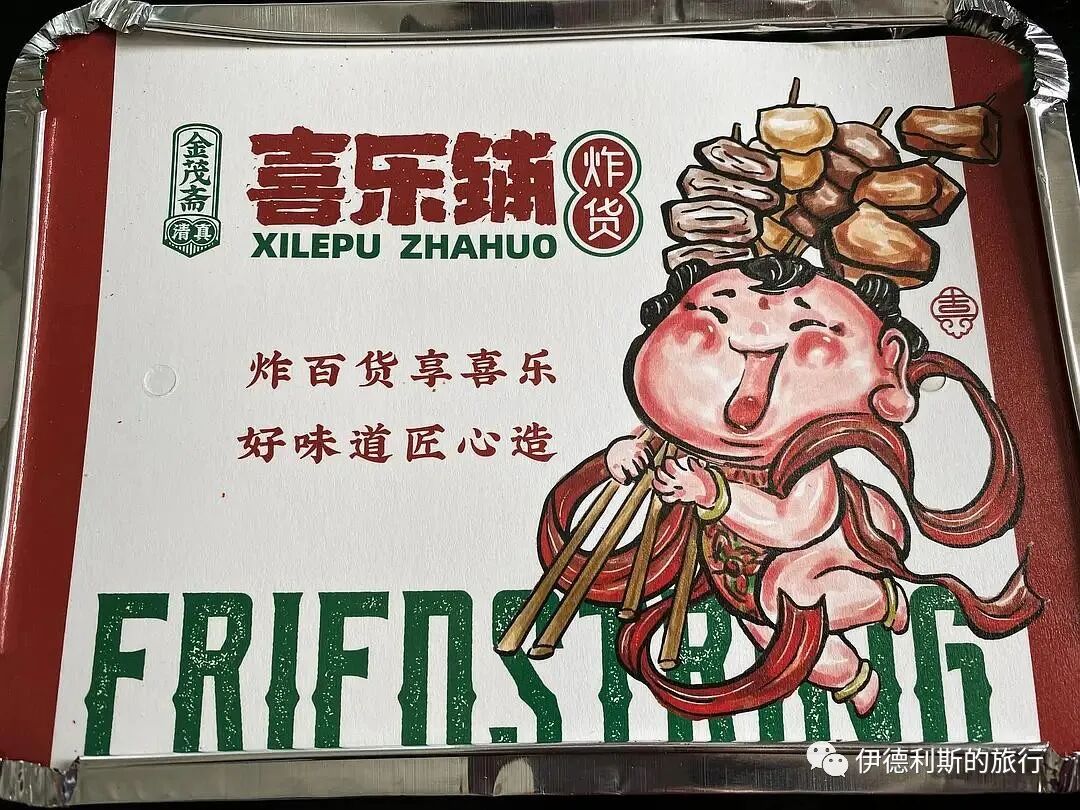
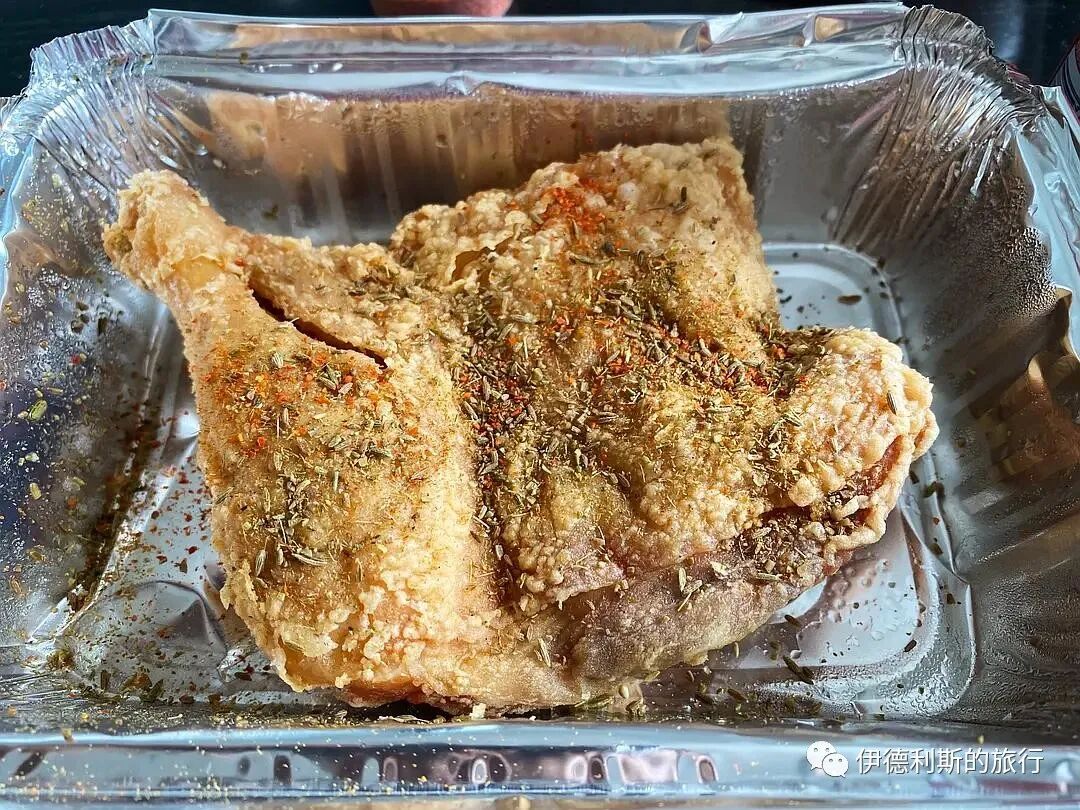
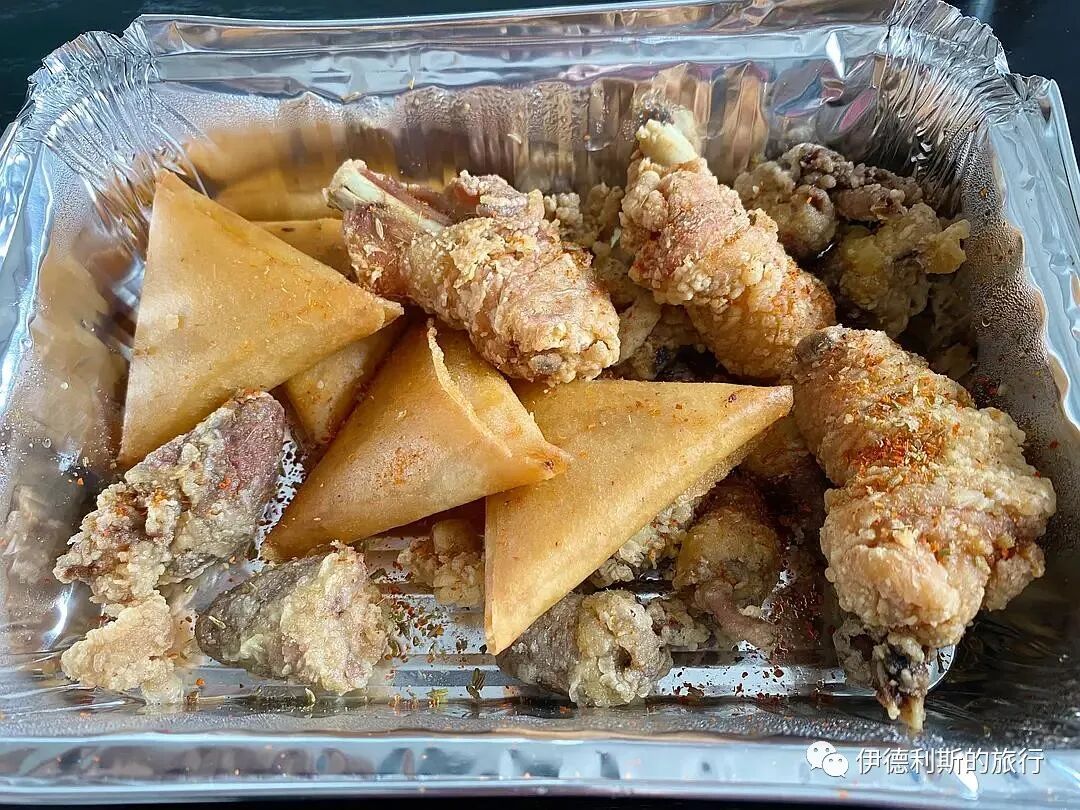
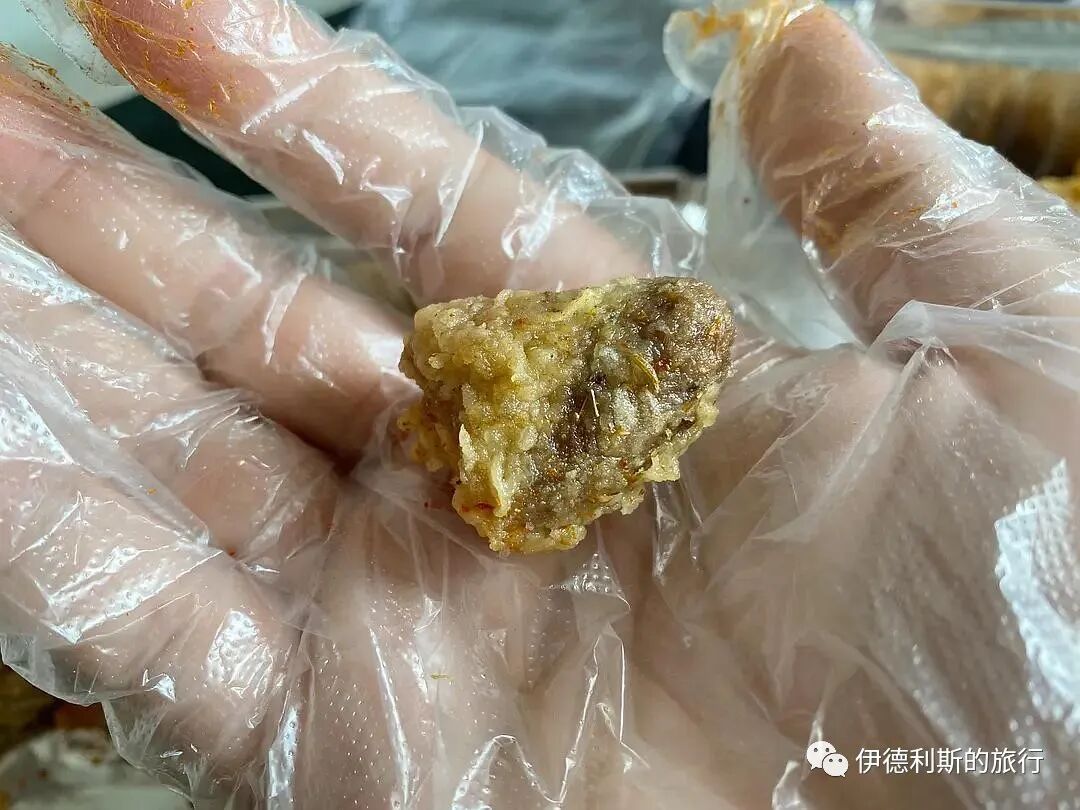
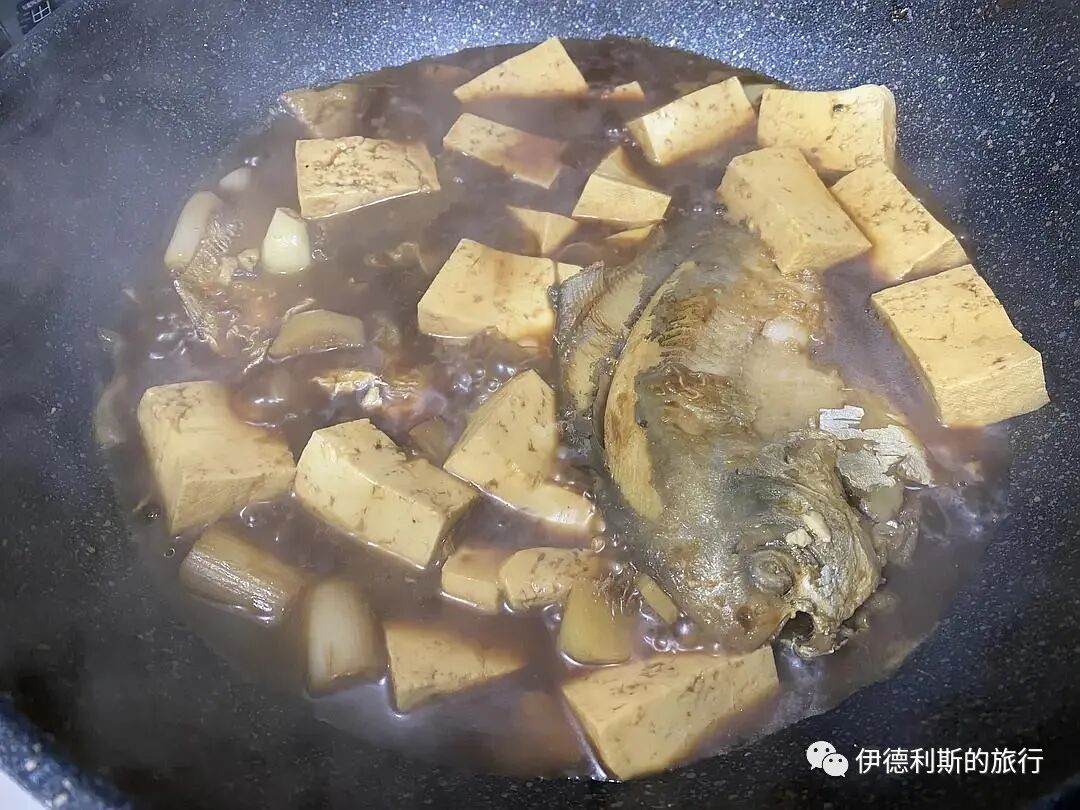
May 8, Home-cooked meal
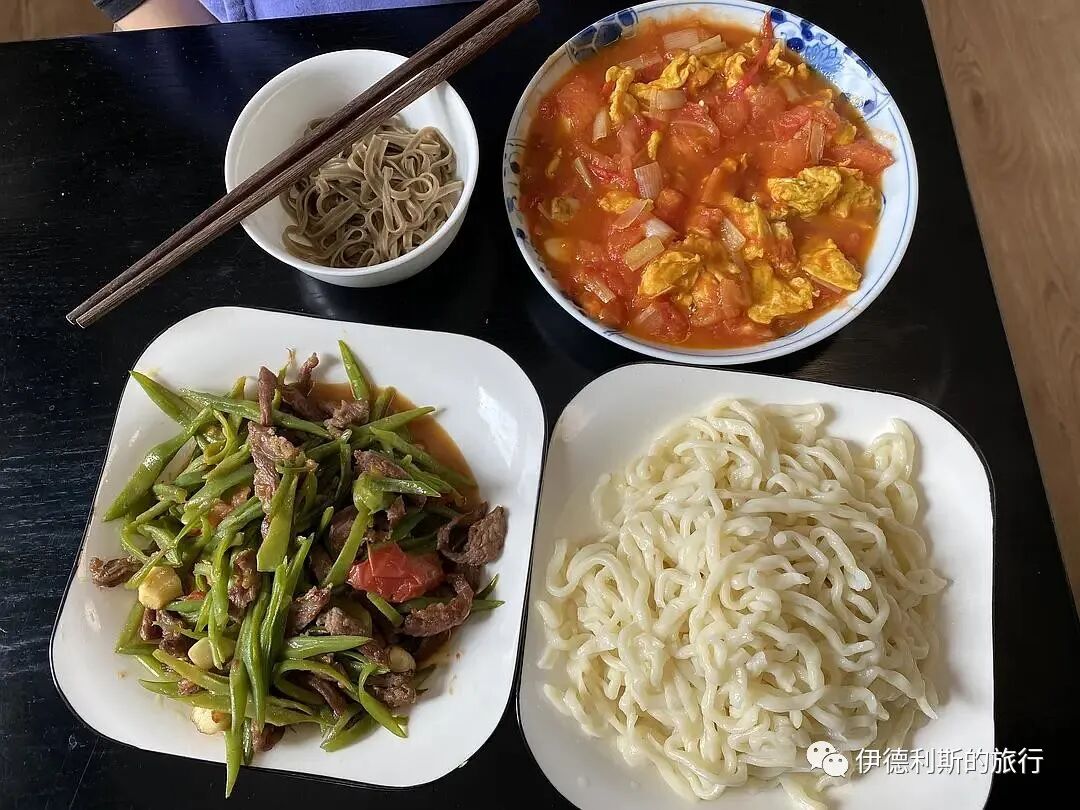
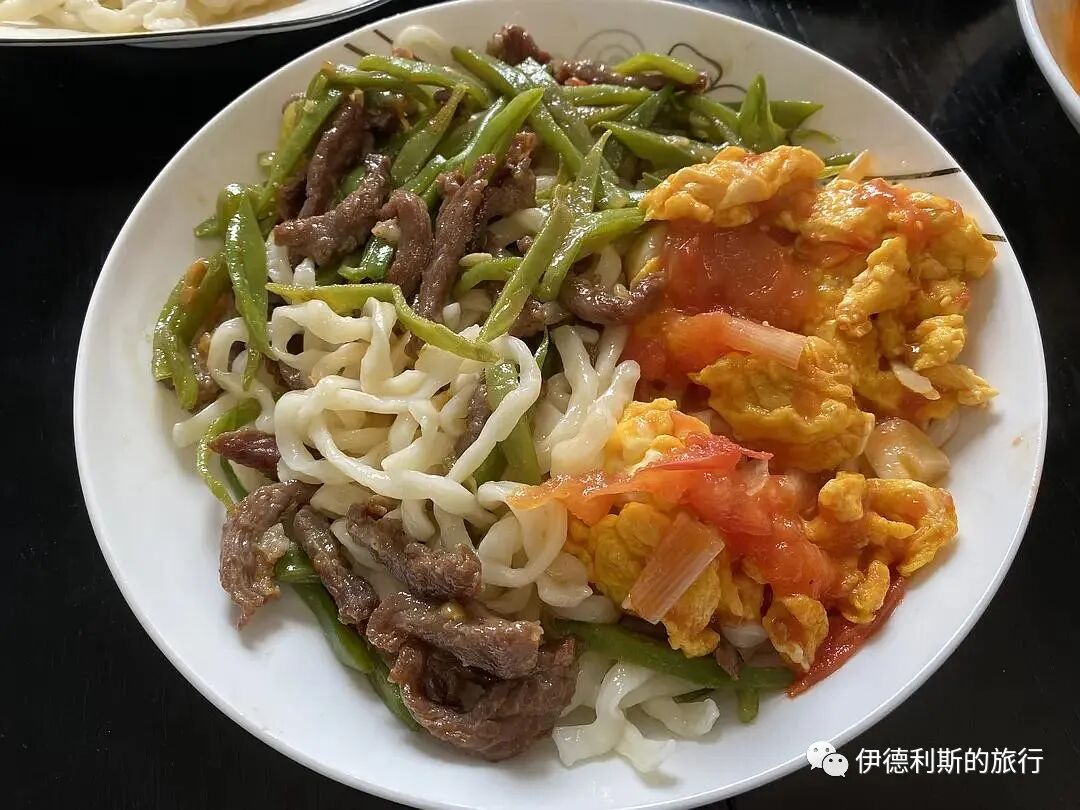
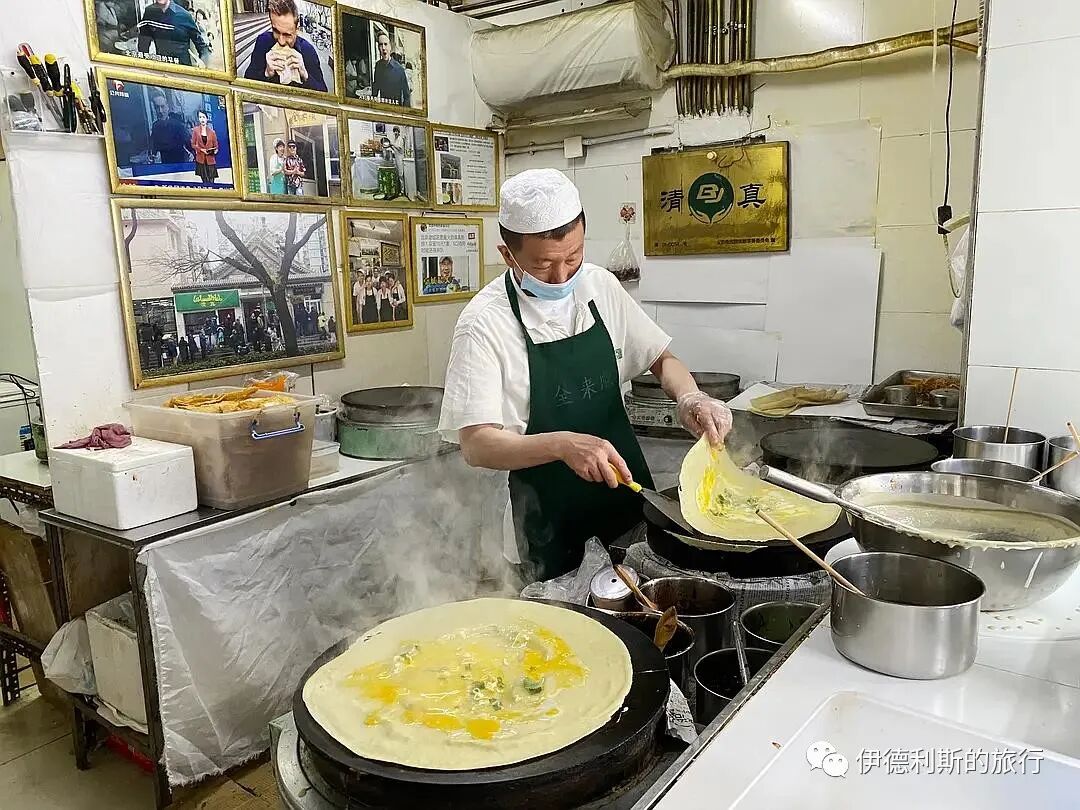
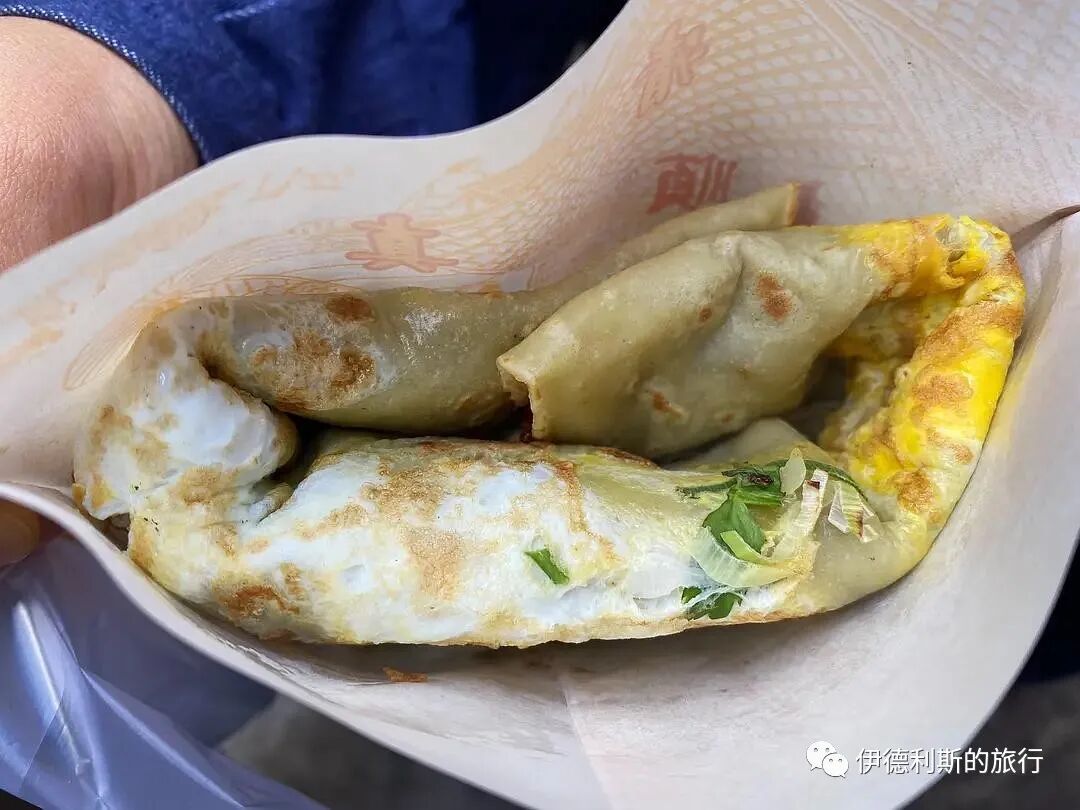
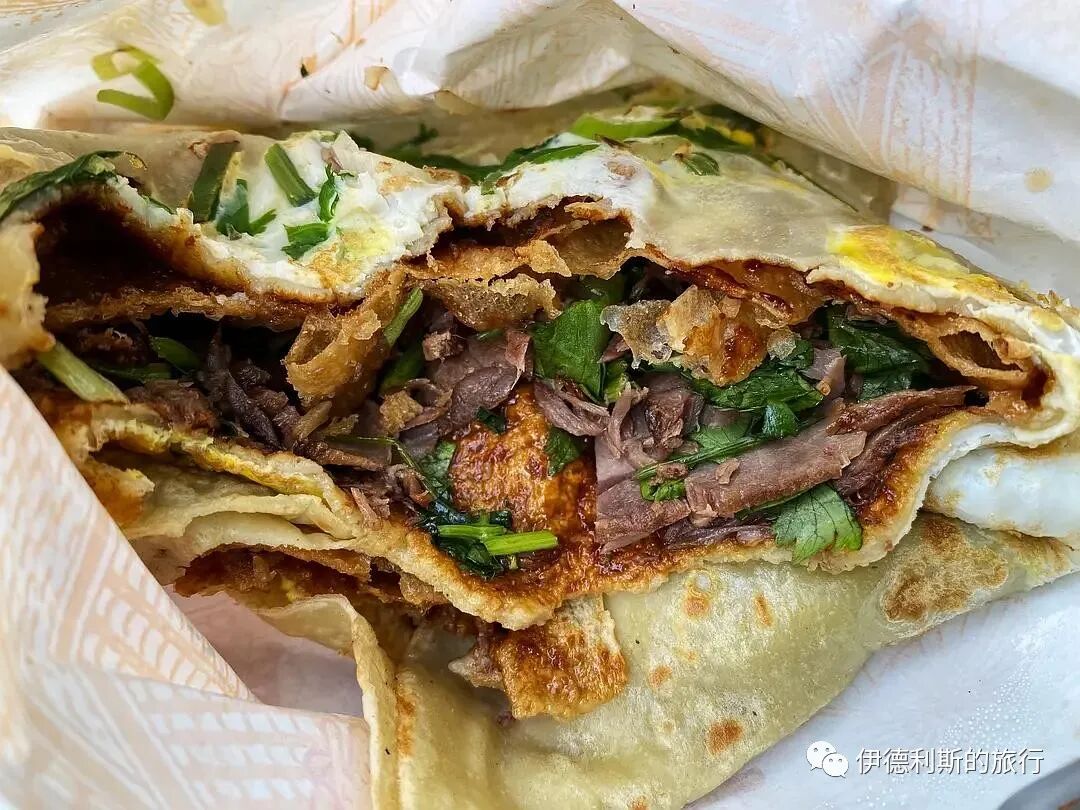
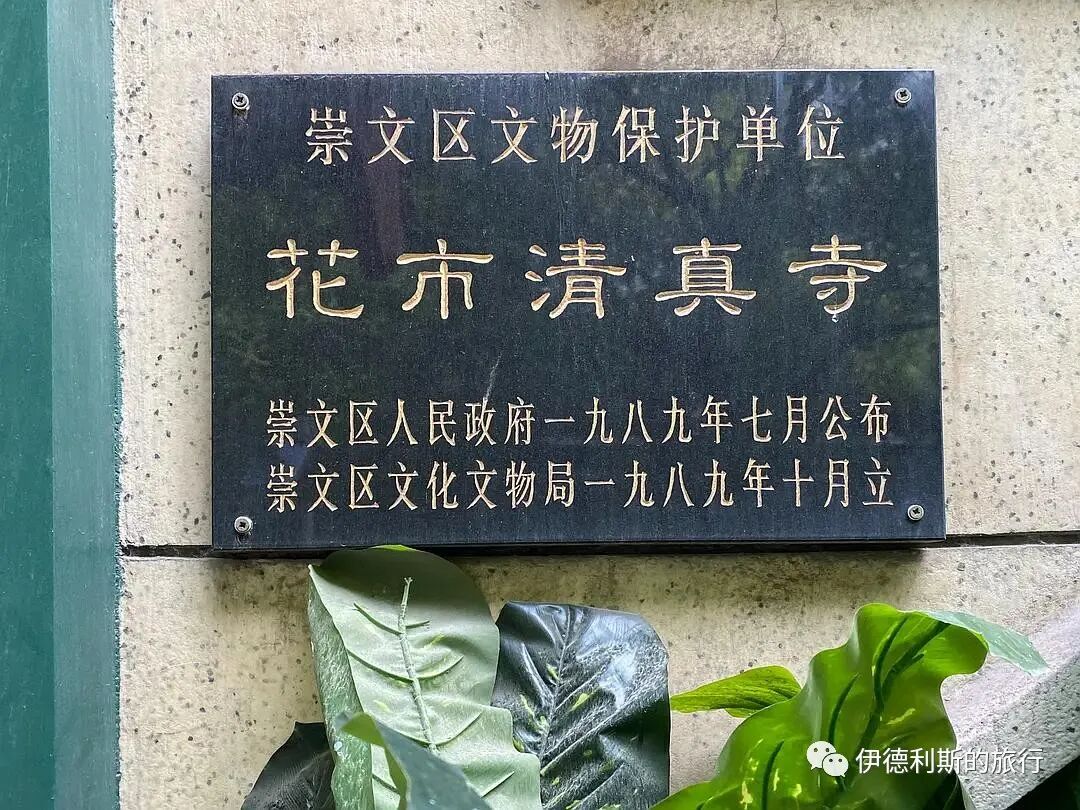
May 8, Huashi Mosque Quanlaishun pancake
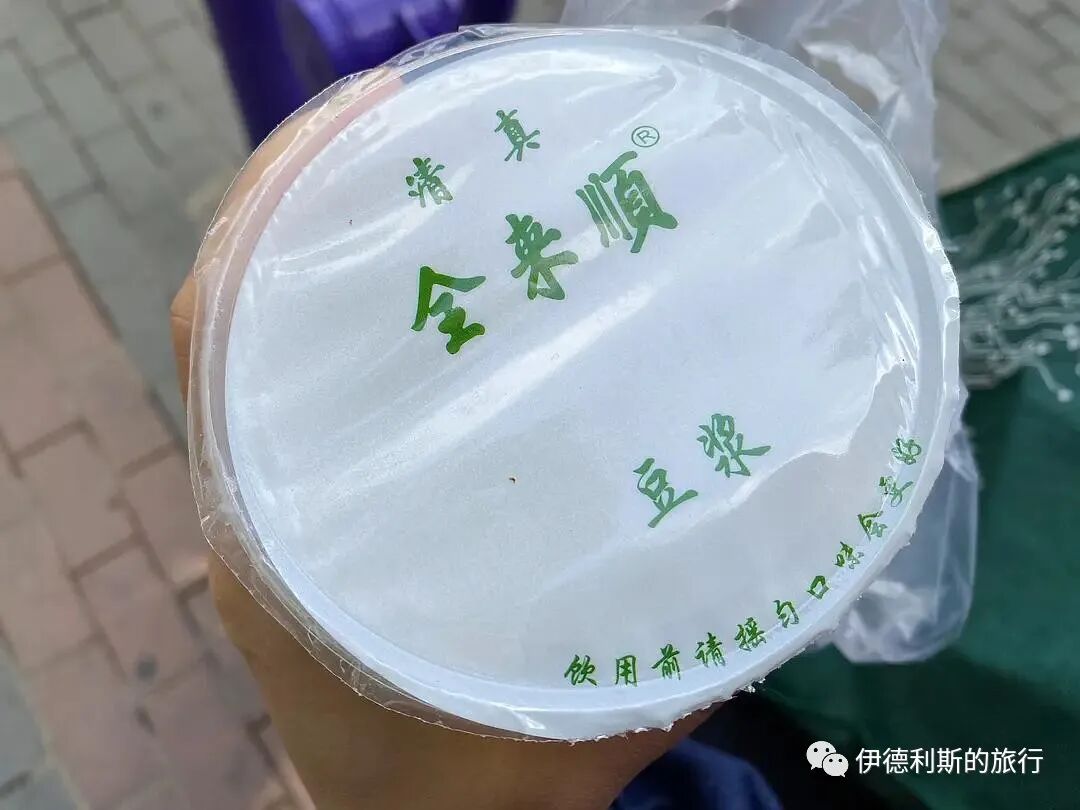
Pancake wrapped with beef from the backyard of Huashi Mosque, served with five-grain soy milk. You can't eat this fragrant beef pancake anywhere else.
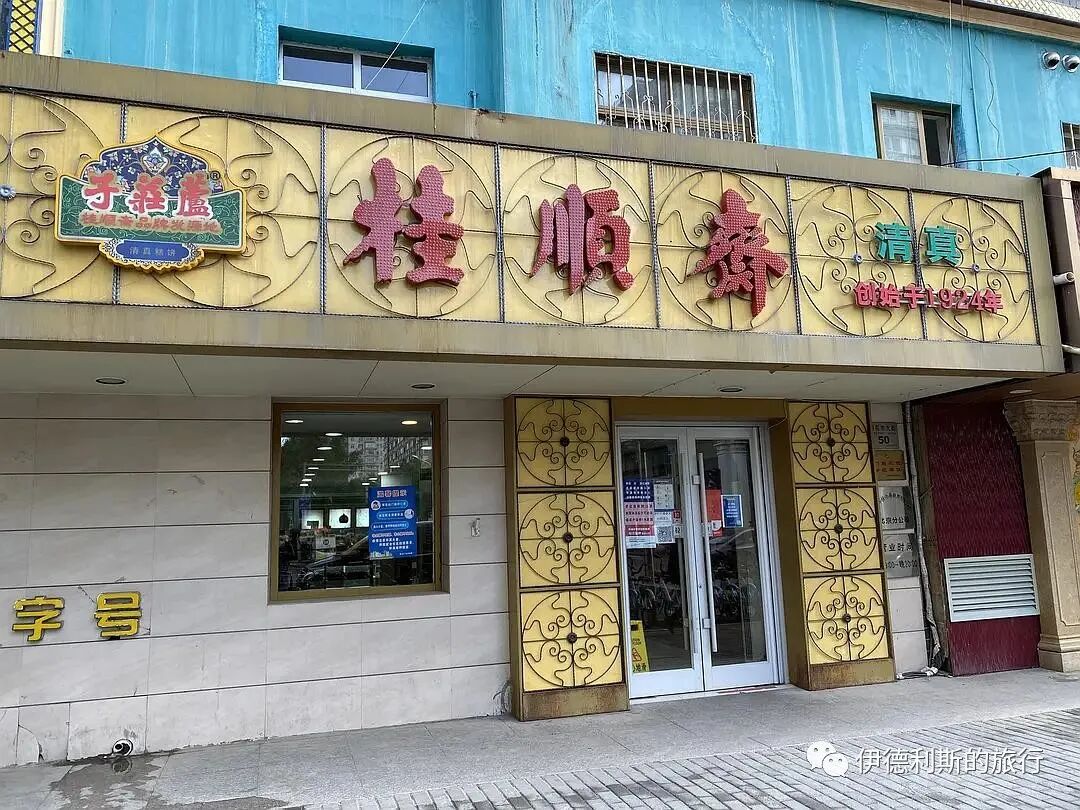
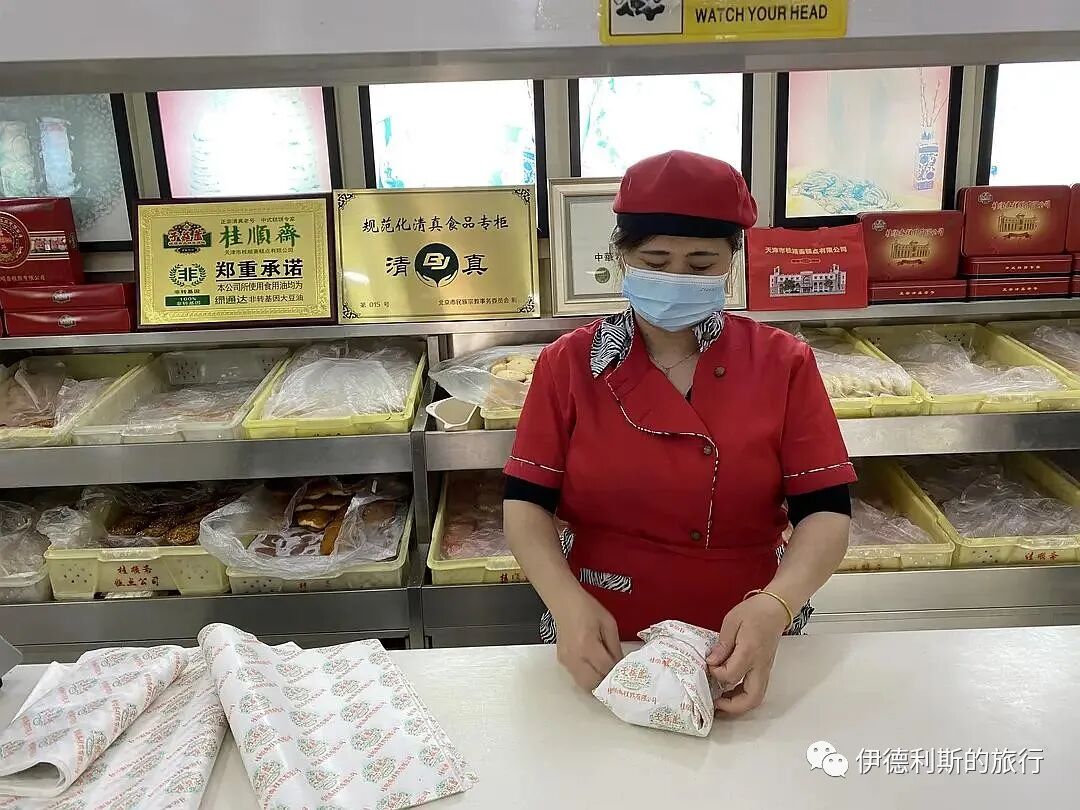
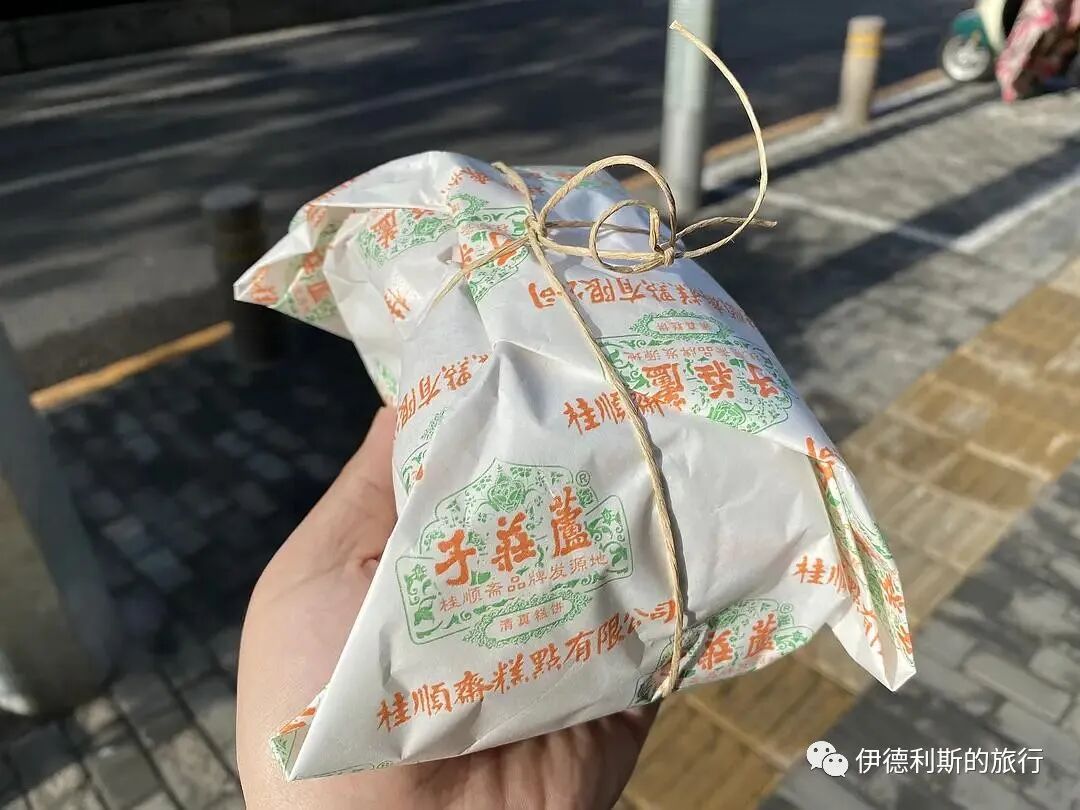
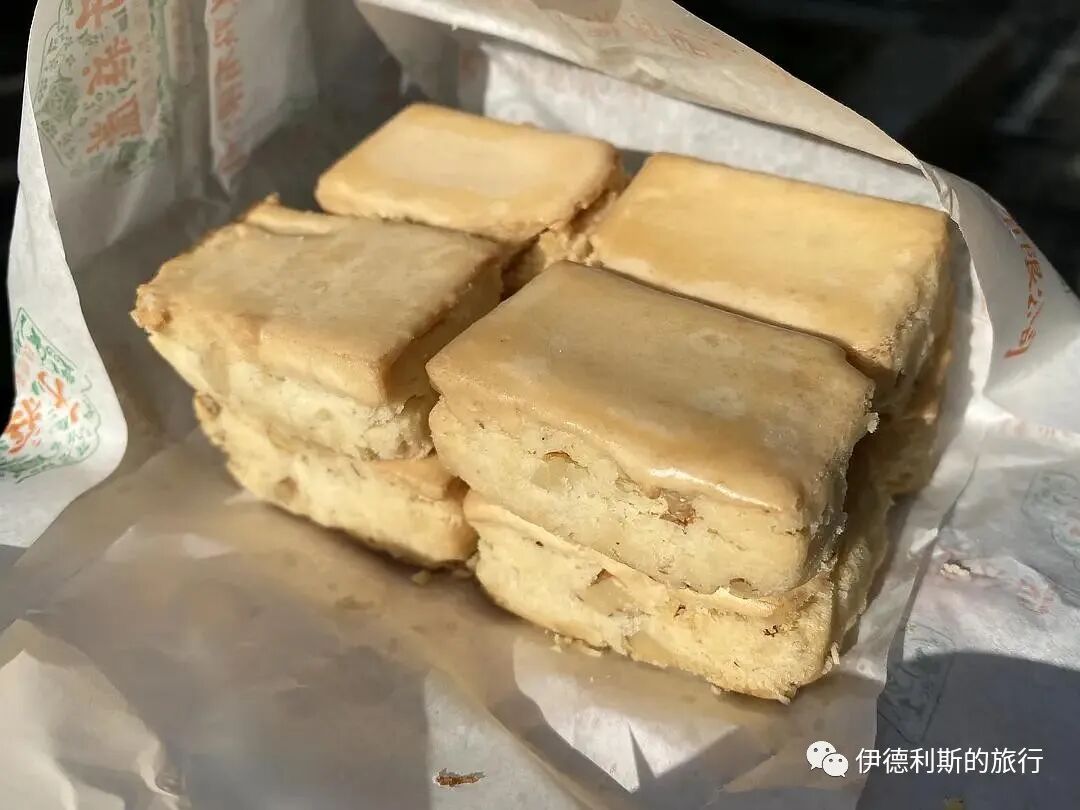
May 8, Luzhuangzi Guishunzhai in Xihuashi
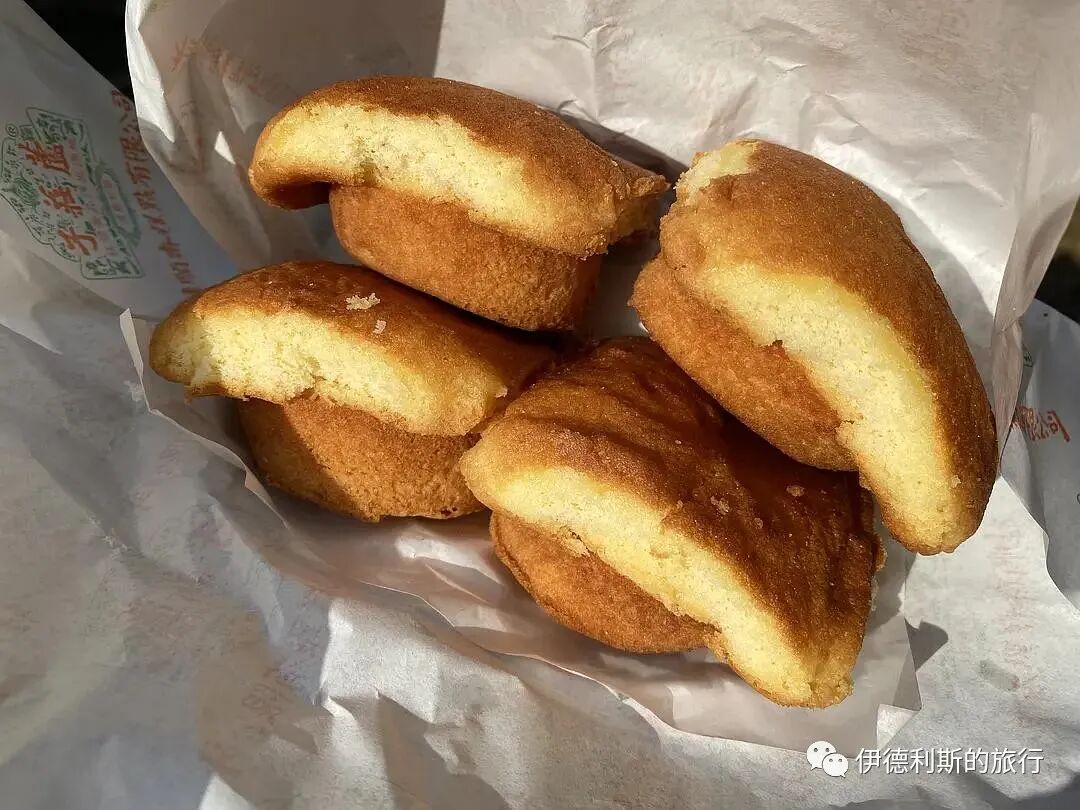
Bought caozigao (traditional sponge cake) and milk-skin pastries at Luzhuangzi Guishunzhai in Xihuashi to eat for breakfast.
May 8, Chongwenmen New World Maji Handmade Dumplings
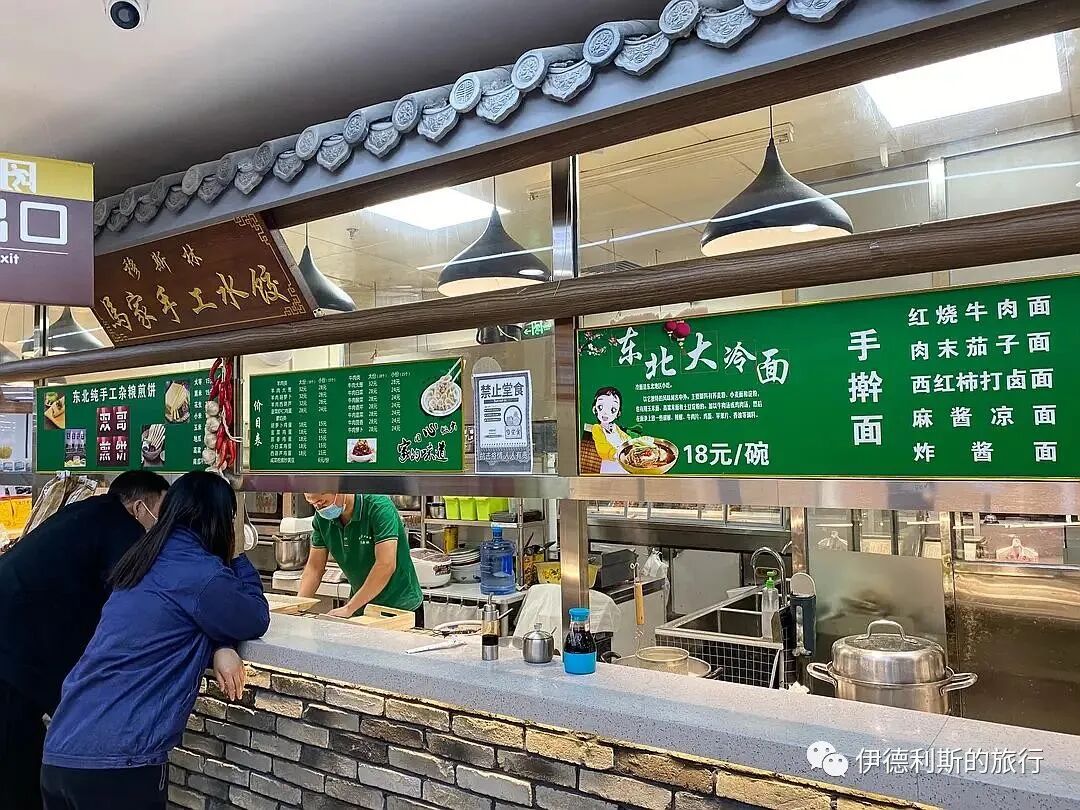
I highly recommend Maji Handmade Dumplings in the supermarket on the basement floor of Chongwenmen New World. If I hadn't decided to go to the supermarket to buy something, I would never have discovered it!
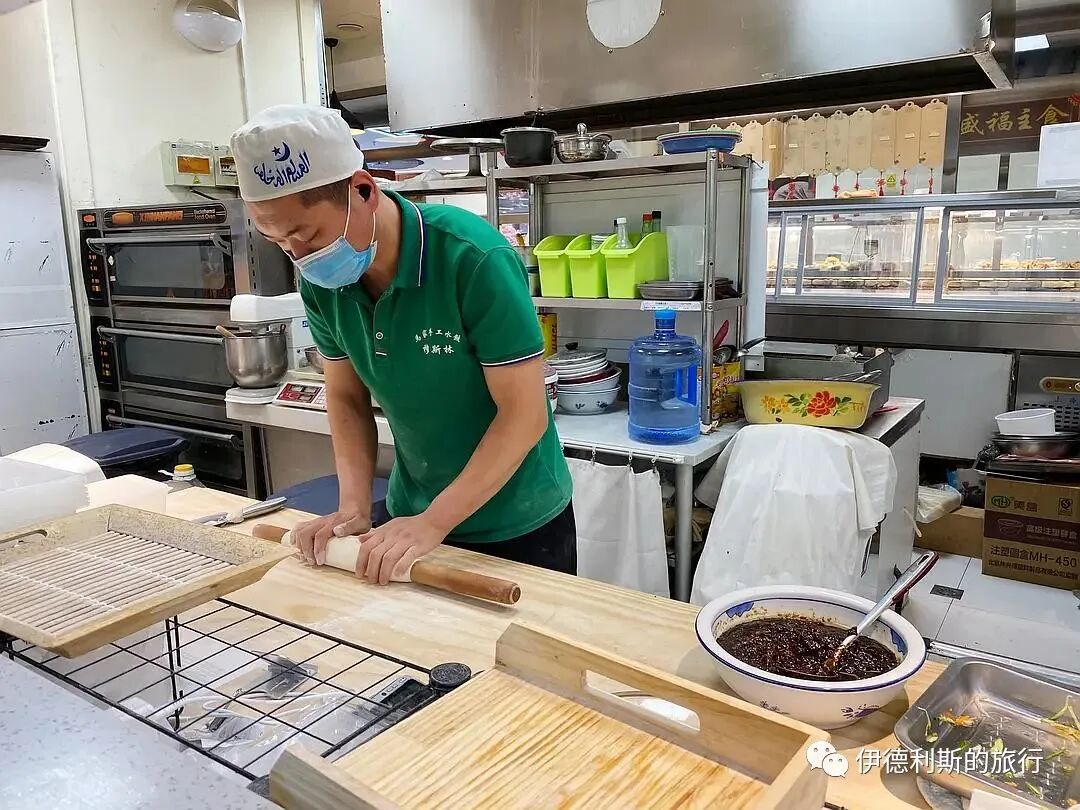
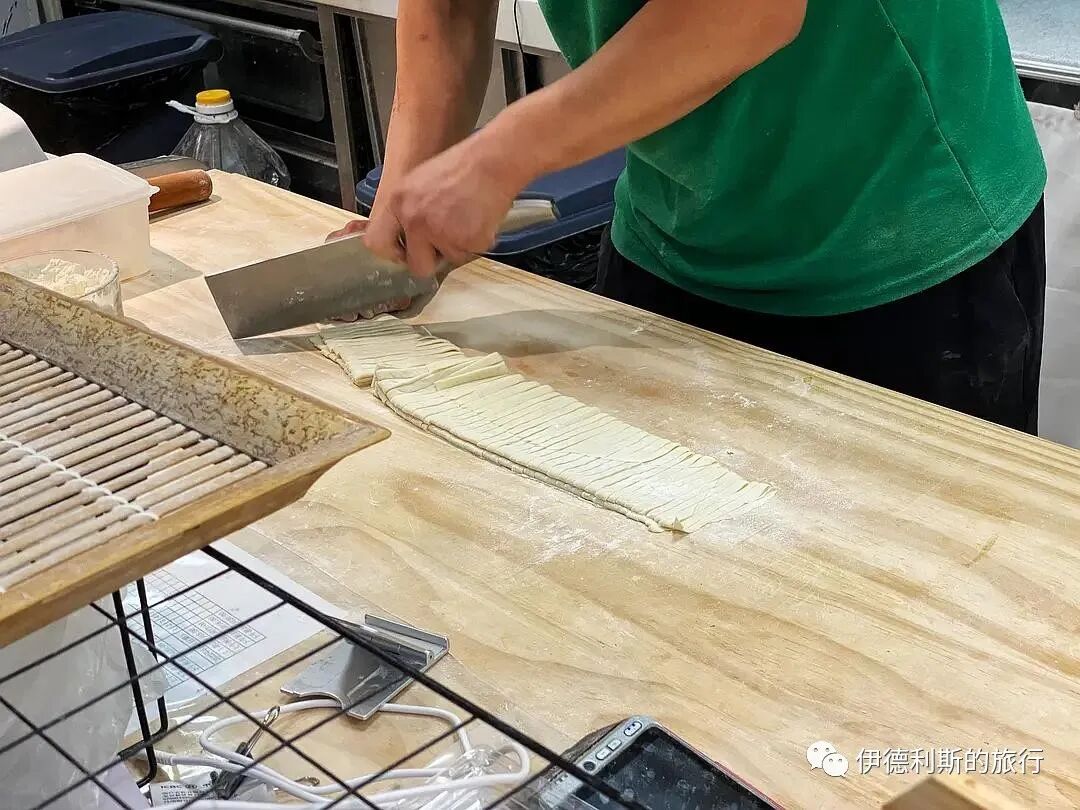
Boss Ma is a Hui Muslim from Fushun, Liaoning. Besides selling handmade dumplings with various fillings, he also makes Northeast-style cold noodles and various hand-rolled noodles. What is most admirable is that Boss Ma rolls and cuts every bowl of noodles fresh, instead of preparing them in advance, because the texture of freshly rolled and boiled noodles is really better. I was a little worried about what Boss Ma would do if there were too many people, but because the supermarket is very deserted now, it is actually difficult to encounter a situation where he is too busy.
We bought a bowl of zhajiangmian (noodles with soybean paste), which is the traditional Northeast egg-based zhajiang. It wasn't made too salty, and it went very well with the hand-rolled noodles. We also packed some fennel dumplings to eat at home.
Because logistics are restricted and there are too few customers, many of their dishes have not been available these past few days. I am looking forward to their Northeast-style pancakes. These were brought by Northeast people who 'crossed the border' (migrated to the Northeast) from their hometown in Shandong. You can eat them plain, or take them home to roll with stir-fried potato shreds and bean sprouts, or roll them with dipping sauce vegetables. For dumplings, you can try the less common beef and sauerkraut filling and zucchini and egg filling. Besides zhajiang, the noodles also include braised beef, minced meat with eggplant, tomato sauce, and sesame paste cold noodles. I hope this wave of the epidemic ends soon, and Boss Ma can get everything started!
Summary: This travel note introduces Beijing Halal Travel Diary in Spring 2022: Mosques, Muslim Food and City Walks (Part 1). I have been recording my Beijing Halal diary since 2016, and it has been 6 years now. It is useful for readers interested in Beijing Halal Travel, Beijing Mosques, Halal Food.
I have been recording my Beijing Halal diary since 2016, and it has been 6 years now. The Halal life in the spring of 2022 was still quite rich and colorful. In March, my mother-in-law came to Beijing and made us 15 types of Urumqi Hui Muslim delicacies. See the diaries '15 Urumqi Hui Muslim Delicacies Made by My Mother-in-law (Part 1)' and '15 Urumqi Hui Muslim Delicacies Made by My Mother-in-law (Part 2)'. April marked the beginning of Ramadan. We had Iftar (the meal to break the fast) buffets at four restaurants—Turkish, Tunisian, Jordanian, and Pakistani—which turned into a culinary tour of the Middle East and South Asia. See the diary 'Eating Turkish, Tunisian, Jordanian, and Pakistani Buffets in Beijing during Ramadan'. In May, dine-in services were suspended, so we ordered some takeout and cooked some home-style dishes. Fortunately, we finally made it through.
March 6, Hailiye at Jingguang Bridge
We ate at Hailiye next to Jingguang Bridge at noon. We had oil-drizzled beef jerky, fried rushan (a type of firm cheese), Shiping tofu, Dajiujia (a stir-fried rice noodle dish made with erkuai), braised beef, stir-fried porcini mushrooms, and Thai lime soda. Their place is always packed on weekday lunchtimes, haha, but there are very few people on weekends. It was my first time eating their stir-fried porcini mushrooms, and it tasted very fragrant.
March 8, Hot pot at home
We had hot pot at home today, using a special dipping sauce bought at the Niujie Halal Supermarket, the only one without MSG.
March 9, Chidao Yakiniku lunch set
I set aside one day every week to go to Chidao Yakiniku for a different lunch set. Today I had the beef curry set.
March 18, Chidao Yakiniku lunch set
Chidao Yakiniku's beef and egg rice set served with General's Order sushi, which has grilled eel on the outside and roasted sweet potato inside; it's very interesting.
March 23, Ali at Ritan Shangjie
I took my mother-in-law to test Ali's pilaf, rice sausage, and lung slices at Ritan Shangjie. It received her approval, and she immediately tasted that their lamb for the pilaf was shipped from Xinjiang, not local. In the end, we all enjoyed it very much. Also, their diluted yogurt, Ayran, is very authentic; one sip and I was back at a weekend bazaar in a Southern Xinjiang county. As a restaurant that can satisfy even local Xinjiang people, Ali is great~
March 27, Lili Yangke outside Guangqumen
An old Hezhou-style restaurant outside Guangqumen has reopened as Lili Yangke, specializing in Dongxiang shouzhuo (hand-grabbed lamb), and the environment is excellent. We ordered Dongxiang shouzhuo, braised lamb, Lanzhou stir-fried lily bulbs, tianbeizi (fermented sweet wheat) yogurt, a mix of highland barley cakes and corn cakes, and a super luxurious eight-treasure tea. Unfortunately, the Dongxiang chicken was sold out, so we will try it next time.
The shouzhuo was quite good; as soon as you eat it, you get the taste of Dongxiang shouzhuo. The braised lamb was a bit salty, so we added a plate of white noodles, which was just right. I love drinking the tianbeizi yogurt. They also have tianbeizi milk tea and Sprite with tianbeizi, which I guess should be very popular with young people. The eight-treasure tea contained large slices of dried pineapple, dried peach, dried kiwi, and dried apricot. The dates used were also dense Hotan dates. It counts as the most luxurious eight-treasure tea I have ever had. The highland barley cakes were very fluffy and tasted good; our whole family loves them.
April 1, Chidao Yakiniku lunch set
Chidao Yakiniku's soy-braised beef set, baked potato with cod roe, and Hokkaido cheese; the cheese was especially delicious.
April 1, Hot pot chicken from Imam Ma's Cangzhou Muguang Eight Great Bowls
Thanks to a Dost (friend) for sending the hot pot chicken from Imam Ma's Cangzhou Muguang Eight Great Bowls; it was especially delicious! The braised flavor was slightly sweet, and I couldn't get enough of it.
April 3, Clear-stewed lamb with naan (flatbread)
April 4, Medina dates bought for Ramadan
On the left are Mabroom dates, which are slender and dark brown with a candy-like texture and moderate sweetness.
In the middle are Safawi dates, which are rectangular and dark black, and relatively soft. These are also the ones that Hajj pilgrims eat more often during their time in Hejaz.
On the right are Ajwa dates, which are round, dark black, chewy, and very sweet. This is also the most famous type of date, mentioned in the Hadith, and commonly known among Hui Muslims as 'Dua dates'. Because it is mentioned in the Hadith that the Messenger (peace and blessings of Allah be upon him) said: 'Whoever eats seven Ajwa dates every morning will not be harmed by poison or magic on that day.' ' [Sahih Bukhari] It is recorded that all Ajwa dates originally came from a date palm tree planted by the Prophet (peace and blessings of Allah be upon him).
April 5, Braised beef steak
April 7, Baizuan, a Kashgar restaurant in Shilihe
Iftar at Baizuan, a Kashgar restaurant in Shilihe. We ate lamb leg pilaf, mushrooms with wood ear fungus and meat, and freshly wrapped ququr (small dumplings). The ququr was served in lamb soup with pumpkin inside. As an authentic Xinjiang restaurant, their pilaf allows for unlimited refills. After adding more rice, pairing it with some grilled lamb and grilled lung is another kind of pleasure. Also, their pilaf side dish includes yellow carrots, which gets a thumbs up.
Before leaving, we bought Zaynab's favorite milk naan; the milky, slightly sweet, and soft naan is really too delicious.
April 16, Jinmaozhai Xilepu fried snacks
A new food court opened next to the Xianhui Supermarket on Dongsi Shitiao, and there is a Halal Jinmaozhai Xilepu fried snack shop inside, selling fried chicken, fried skewers, and so on. Yesterday I bought two skewers of fried lamb for Iftar. This shop was opened by the founder of Lao Jinji fried snacks after he was pushed out, and now it's closer to our home.
April 16, Uncle Hao's Iron Pot Stew at Changhong Bridge
Iftar at Uncle Hao's Iron Pot Stew at Changhong Bridge, eating Northeast-style iron pot stewed taimen (Hucho taimen/Siberian salmon). The owner of Qingxiangge opened three shops in this building; the first floor sells crayfish and beef banmian (pulled noodles), and the second floor is for iron pot stew.
Taimen, also known as Siberian salmon, is a large cold-water predatory fish distributed in cold regions from the Volga River to Siberia, and mainly in the Heilongjiang area in China. Taimen are huge, with a body length of over 1 meter, or even reaching 2 meters, and a weight that can reach 50 kilograms. Uncle Hao usually uses 30-kilogram taimen, cut into fish chunks, without pre-marinating.
The stew broth is made by boiling chicken bones without adding chicken essence. We also chose side dishes like golden beans, fresh tofu, and Chinese cabbage, as well as Northeast-style dipping sauce vegetables. Stew for 5 minutes first, then put half a portion of huajuan (steamed flower rolls) on the rack, and stew for another 10 minutes before eating.
Also, their service attitude is really great. The Northeast lady who is the head waitress asks every table how the taste is and how the saltiness is. She is super enthusiastic, which makes one feel warm inside.
April 18, Iftar latiaozi (hand-pulled noodles)
April 21, Braised lamb rice from Baodu Man at the east entrance of Dongsi Wutiao
Iftar, braised lamb rice from Baodu Man at the east entrance of Dongsi Wutiao, with extra meat soup and half a jin of braised lamb; it was so satisfying. Their braised lamb is tougher than the one at Gulou Chimiantang, and the different texture makes for a different experience.
April 22, Family dinner
I made braised beef ribs, and my mom made steamed flatfish.
April 26, Barbican drink
Ten years ago, when I was in college in Wuhan, the summer was stiflingly hot. Besides the 5-mao bowl of osmanthus plum juice in the cafeteria, I would occasionally splurge and buy two bottles of Dubai malt drink at the Halal imported supermarket next to the International Exchange College. Holding the chilled glass bottle in my hand felt like it was cooling me down. In the blink of an eye, so many years have passed. I saw them for sale online this time and bought a few bottles. Unfortunately, there was no original flavor, so I only bought lemon flavor. I miss this feeling so much~ However, I don't want to experience the summer in Wuhan again, haha. Every time I go back to Wuhan after graduation, I choose to go in spring or autumn.
April 30, Visiting Changying
Giving out Fitr Zakat, and buying lamb heads at Zhangji.
May 1, Dost invited us for Iftar
Invited by a Dost for Iftar. The Dost's two children were super well-behaved, which increased my and Zaynab's confidence in raising children~ Alhamdulillah (Praise be to Allah).
May 2, Eid al-Fitr
Eid al-Fitr Mubarak!
Freshly fried youxiang (fried dough) sent to Zaynab by a Dost from Niujie. Sharing the Barakah (blessing), it was very delicious!
May 3, Gulou Chimiantang takeout
Bought cold noodles and 'liver and intestines broken' (chicken liver and chicken sausage) from Gulou Chimiantang to take home, and also drank non-alcoholic wheat beverage. Summer is coming, it's time to eat their sesame paste noodles and scallion oil noodles.
May 6, Beimencang Jinmaozhai takeout
Fried chicken legs, chicken hearts, and chicken ankles from Beimencang Jinmaozhai, and also bought squid-filled samsa (pastry).
May 8, Home-cooked meal
May 8, Huashi Mosque Quanlaishun pancake
Pancake wrapped with beef from the backyard of Huashi Mosque, served with five-grain soy milk. You can't eat this fragrant beef pancake anywhere else.
May 8, Luzhuangzi Guishunzhai in Xihuashi
Bought caozigao (traditional sponge cake) and milk-skin pastries at Luzhuangzi Guishunzhai in Xihuashi to eat for breakfast.
May 8, Chongwenmen New World Maji Handmade Dumplings
I highly recommend Maji Handmade Dumplings in the supermarket on the basement floor of Chongwenmen New World. If I hadn't decided to go to the supermarket to buy something, I would never have discovered it!
Boss Ma is a Hui Muslim from Fushun, Liaoning. Besides selling handmade dumplings with various fillings, he also makes Northeast-style cold noodles and various hand-rolled noodles. What is most admirable is that Boss Ma rolls and cuts every bowl of noodles fresh, instead of preparing them in advance, because the texture of freshly rolled and boiled noodles is really better. I was a little worried about what Boss Ma would do if there were too many people, but because the supermarket is very deserted now, it is actually difficult to encounter a situation where he is too busy.
We bought a bowl of zhajiangmian (noodles with soybean paste), which is the traditional Northeast egg-based zhajiang. It wasn't made too salty, and it went very well with the hand-rolled noodles. We also packed some fennel dumplings to eat at home.
Because logistics are restricted and there are too few customers, many of their dishes have not been available these past few days. I am looking forward to their Northeast-style pancakes. These were brought by Northeast people who 'crossed the border' (migrated to the Northeast) from their hometown in Shandong. You can eat them plain, or take them home to roll with stir-fried potato shreds and bean sprouts, or roll them with dipping sauce vegetables. For dumplings, you can try the less common beef and sauerkraut filling and zucchini and egg filling. Besides zhajiang, the noodles also include braised beef, minced meat with eggplant, tomato sauce, and sesame paste cold noodles. I hope this wave of the epidemic ends soon, and Boss Ma can get everything started!
Beijing Halal Travel Diary in Spring 2022: Mosques, Muslim Food and City Walks (Part 2)
Articles • ali2007fr posted the article • 0 comments • 150 views • 2026-05-17 07:58
Reposted from the web
Summary: This travel note introduces Beijing Halal Travel Diary in Spring 2022: Mosques, Muslim Food and City Walks (Part 2). Shouzhuafan (hand-grabbed rice) takeout from Yanlanlou at Dongsi Shitiao. It is useful for readers interested in Beijing Halal Travel, Beijing Mosques, Halal Food.
May 10, braised lamb leg.
May 11, Yanlanlou takeout.
Shouzhuafan (hand-grabbed rice) takeout from Yanlanlou at Dongsi Shitiao.
May 11, Gulou Chimian takeout.
Egg sauce noodles takeout from Gulou Chimian; you can choose to boil the noodles yourself.
May 15, Longxianghui takeout.
Semi-DIY yangrou paomo (crumbled flatbread in lamb soup) from Longxianghui, a Gansu Pingliang restaurant on Dongsi North Street. The vermicelli, lamb, broth, green onions, and cilantro are all packed separately. After bringing it home, boil the broth, add the vermicelli and lamb for 20 seconds, then serve and top with green onions, cilantro, and chili sauce. Also bought iced apricot skin tea, which is perfect for such nice weather in Beijing!
May 15, Dapanji (big plate chicken).
Before working from home, we bought a five-jin free-range black-clawed rooster from Changying. Zainabu used half of it to make Dapanji, using a secret seasoning passed down in her family for decades. Even I don't know the recipe, haha, but it is truly delicious.
May 24, Longxianghui takeout.
Summer cooling delicacies from Longxianghui on Dongsi North Street: cold-dressed beef, niujinmian (beef tendon noodles), liangpizi (cold skin noodles), tianbeizi (fermented oat dessert), and iced tianbeizi milk tea.
May 24, minced meat shouzhuafan.
Minced meat shouzhuafan made by Zainabu.
May 29, Jinying meatball soup takeout.
Beef marrow bones, jiaomaji (numbing spicy chicken), shouzhuafan, and meatball soup from Jinying. We had a great meal; their jiaomaji this time was excellent and very numbing. Ten years ago when I was in college, I would return to Beijing for summer break and go to the meatball soup shop several times a week for shouzhuafan; I could never get enough of it.
May 29, Roubingwan takeout.
Premium meat pie from Roubingwan in Niujie. From the crust to the meat and the flavor, it is the gold standard of Beijing meat pies. Every time we eat it, Zainabu and I can't stop praising it, but it must be eaten hot right out of the pan.
May 30, old Beijing beef stew noodles.
I made old Beijing beef stew noodles today using beef brisket I bought from Douban Maji earlier. Personally, I think it tastes even better than what I've had at Xinyuezhai or Baodu Xiaobaimao—and the method is actually quite simple.
May 31, homemade yogurt.
Zainabu's homemade yogurt, made with Xiyu Chun yogurt as a starter and Sanyuan fresh milk. The taste is just like Xiyu Chun, and it's thick and viscous. view all
Summary: This travel note introduces Beijing Halal Travel Diary in Spring 2022: Mosques, Muslim Food and City Walks (Part 2). Shouzhuafan (hand-grabbed rice) takeout from Yanlanlou at Dongsi Shitiao. It is useful for readers interested in Beijing Halal Travel, Beijing Mosques, Halal Food.
May 10, braised lamb leg.
May 11, Yanlanlou takeout.
Shouzhuafan (hand-grabbed rice) takeout from Yanlanlou at Dongsi Shitiao.
May 11, Gulou Chimian takeout.
Egg sauce noodles takeout from Gulou Chimian; you can choose to boil the noodles yourself.
May 15, Longxianghui takeout.
Semi-DIY yangrou paomo (crumbled flatbread in lamb soup) from Longxianghui, a Gansu Pingliang restaurant on Dongsi North Street. The vermicelli, lamb, broth, green onions, and cilantro are all packed separately. After bringing it home, boil the broth, add the vermicelli and lamb for 20 seconds, then serve and top with green onions, cilantro, and chili sauce. Also bought iced apricot skin tea, which is perfect for such nice weather in Beijing!
May 15, Dapanji (big plate chicken).
Before working from home, we bought a five-jin free-range black-clawed rooster from Changying. Zainabu used half of it to make Dapanji, using a secret seasoning passed down in her family for decades. Even I don't know the recipe, haha, but it is truly delicious.
May 24, Longxianghui takeout.
Summer cooling delicacies from Longxianghui on Dongsi North Street: cold-dressed beef, niujinmian (beef tendon noodles), liangpizi (cold skin noodles), tianbeizi (fermented oat dessert), and iced tianbeizi milk tea.
May 24, minced meat shouzhuafan.
Minced meat shouzhuafan made by Zainabu.
May 29, Jinying meatball soup takeout.
Beef marrow bones, jiaomaji (numbing spicy chicken), shouzhuafan, and meatball soup from Jinying. We had a great meal; their jiaomaji this time was excellent and very numbing. Ten years ago when I was in college, I would return to Beijing for summer break and go to the meatball soup shop several times a week for shouzhuafan; I could never get enough of it.
May 29, Roubingwan takeout.
Premium meat pie from Roubingwan in Niujie. From the crust to the meat and the flavor, it is the gold standard of Beijing meat pies. Every time we eat it, Zainabu and I can't stop praising it, but it must be eaten hot right out of the pan.
May 30, old Beijing beef stew noodles.
I made old Beijing beef stew noodles today using beef brisket I bought from Douban Maji earlier. Personally, I think it tastes even better than what I've had at Xinyuezhai or Baodu Xiaobaimao—and the method is actually quite simple.
May 31, homemade yogurt.
Zainabu's homemade yogurt, made with Xiyu Chun yogurt as a starter and Sanyuan fresh milk. The taste is just like Xiyu Chun, and it's thick and viscous. view all
Reposted from the web
Summary: This travel note introduces Beijing Halal Travel Diary in Spring 2022: Mosques, Muslim Food and City Walks (Part 2). Shouzhuafan (hand-grabbed rice) takeout from Yanlanlou at Dongsi Shitiao. It is useful for readers interested in Beijing Halal Travel, Beijing Mosques, Halal Food.
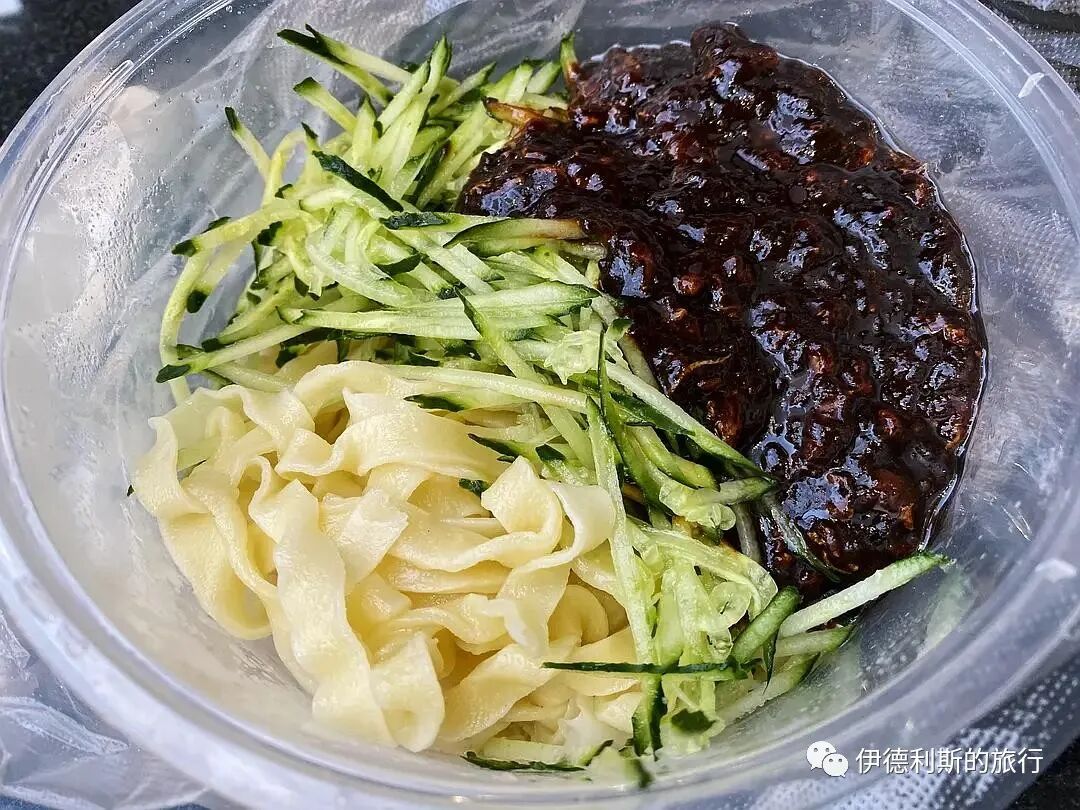
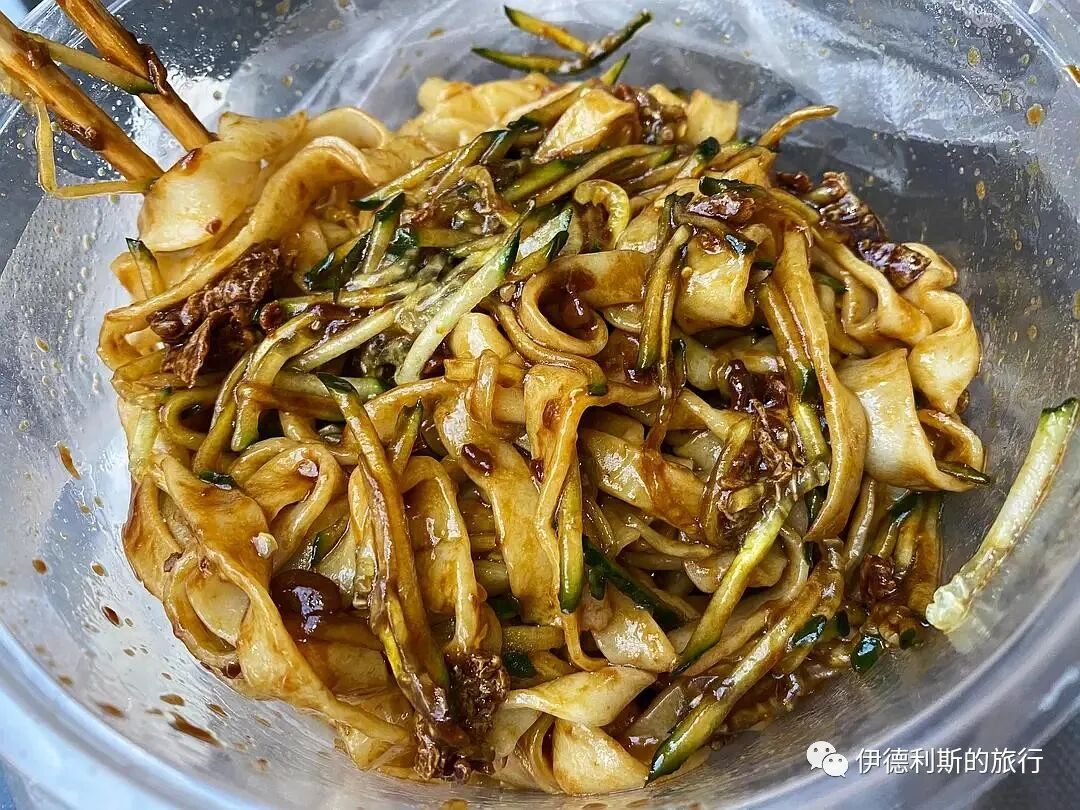
May 10, braised lamb leg.
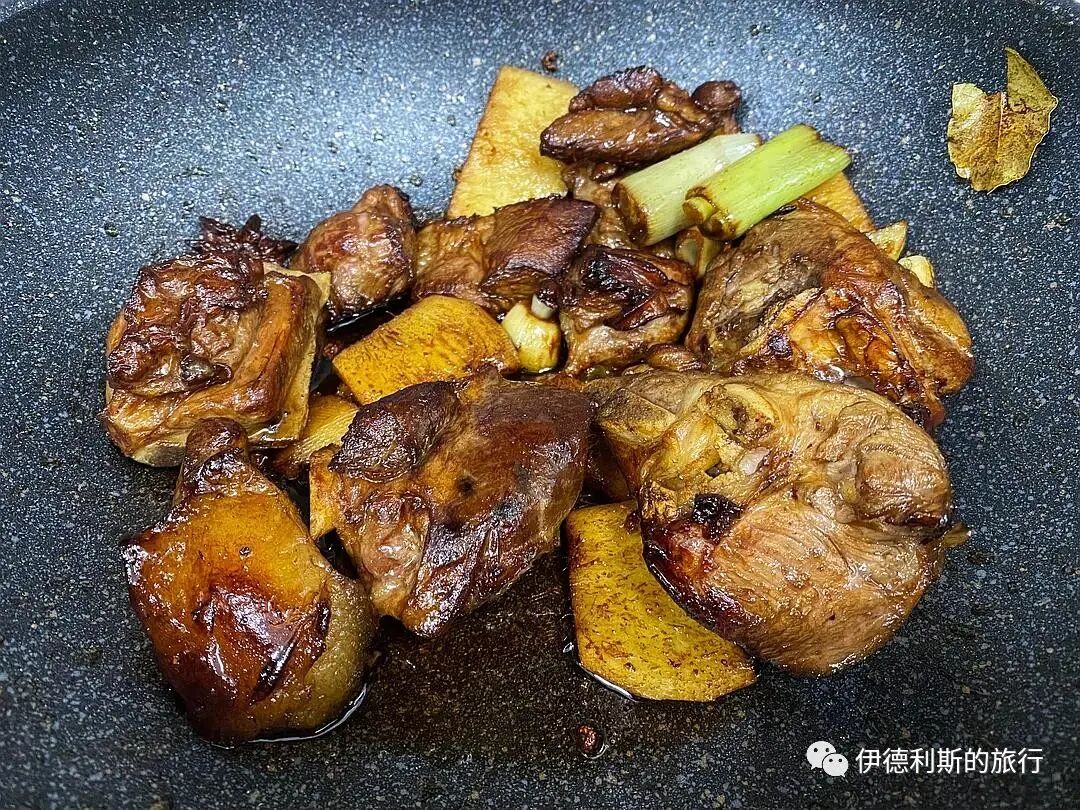
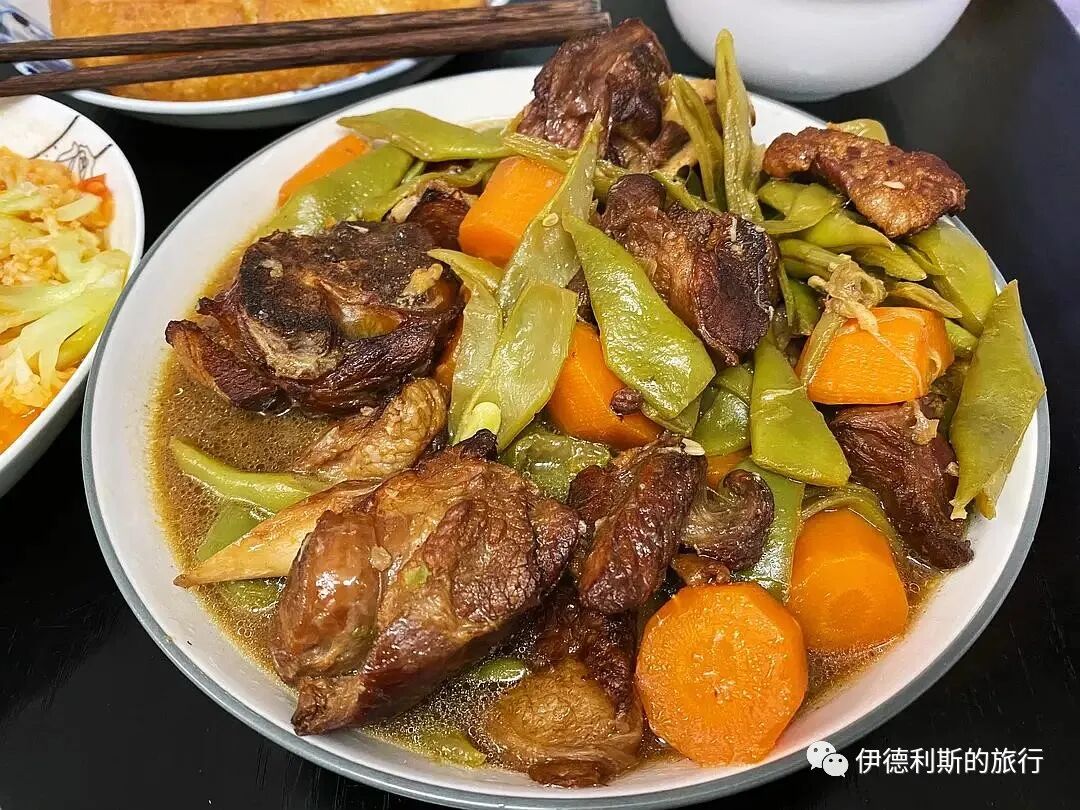
May 11, Yanlanlou takeout.
Shouzhuafan (hand-grabbed rice) takeout from Yanlanlou at Dongsi Shitiao.
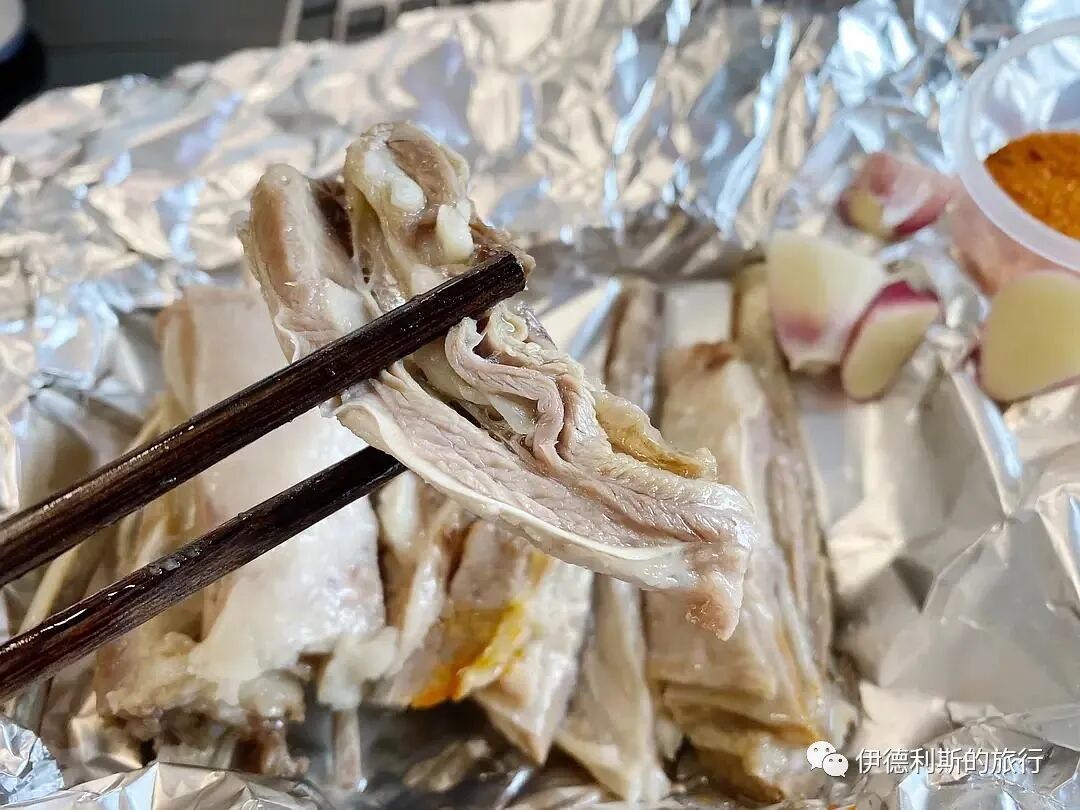
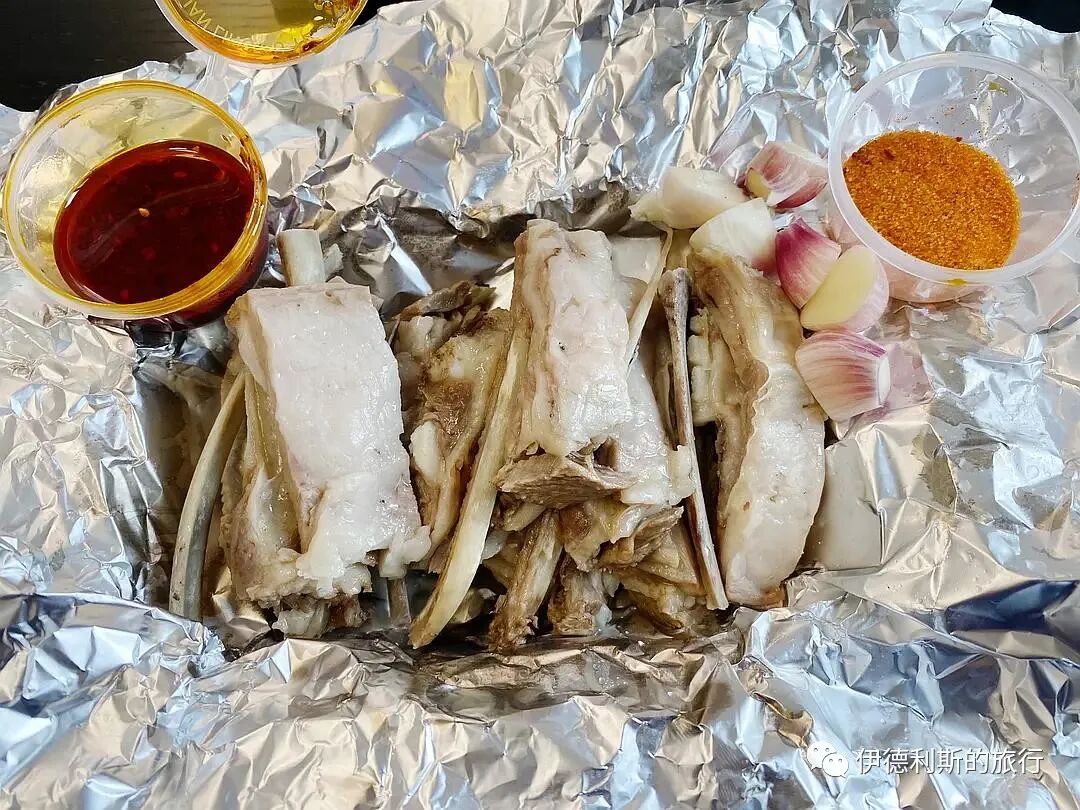
May 11, Gulou Chimian takeout.
Egg sauce noodles takeout from Gulou Chimian; you can choose to boil the noodles yourself.
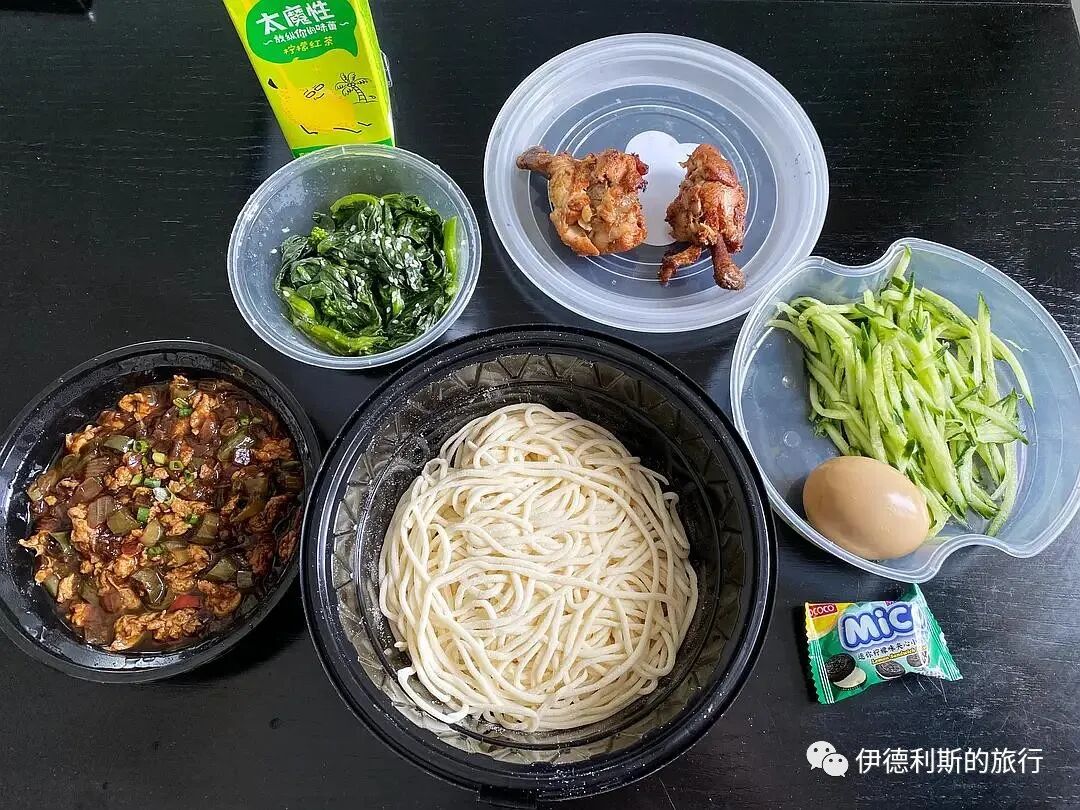
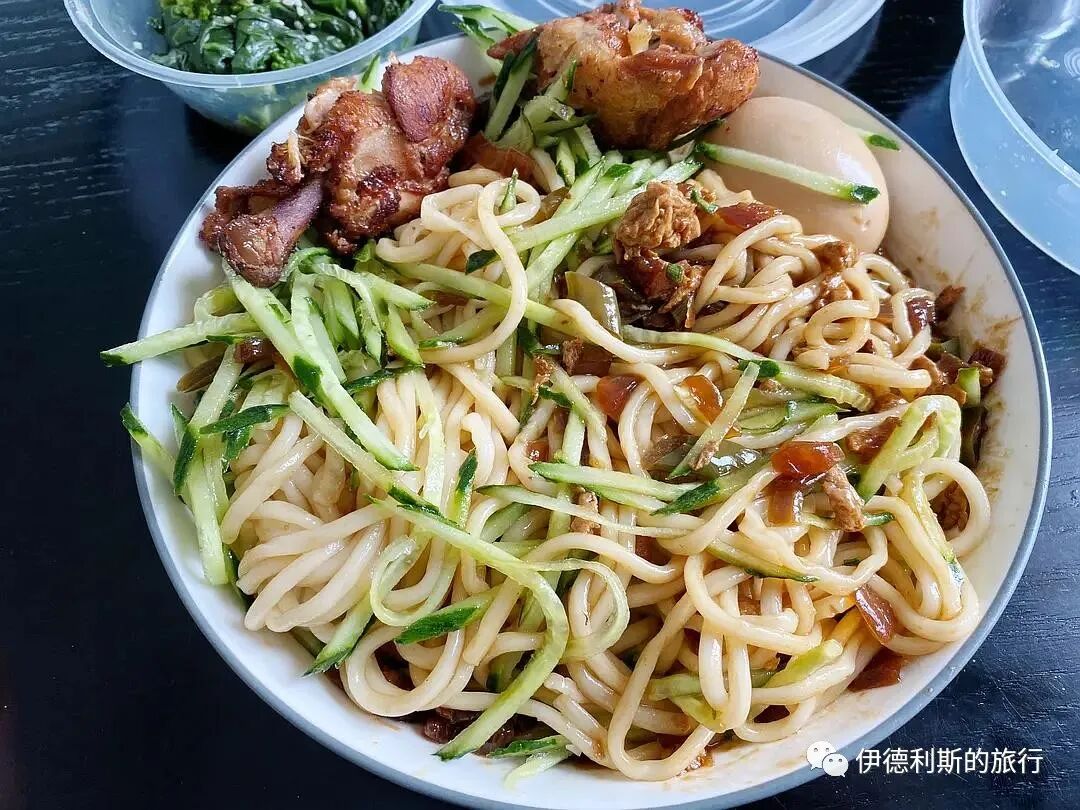
May 15, Longxianghui takeout.
Semi-DIY yangrou paomo (crumbled flatbread in lamb soup) from Longxianghui, a Gansu Pingliang restaurant on Dongsi North Street. The vermicelli, lamb, broth, green onions, and cilantro are all packed separately. After bringing it home, boil the broth, add the vermicelli and lamb for 20 seconds, then serve and top with green onions, cilantro, and chili sauce. Also bought iced apricot skin tea, which is perfect for such nice weather in Beijing!
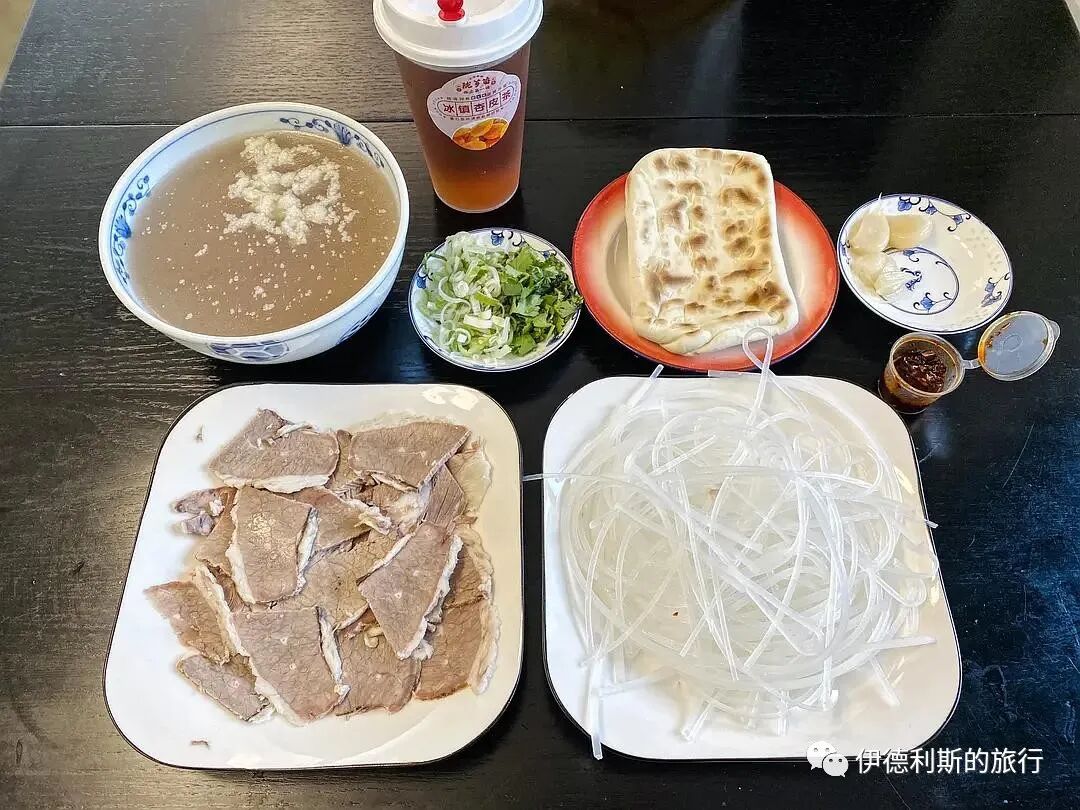
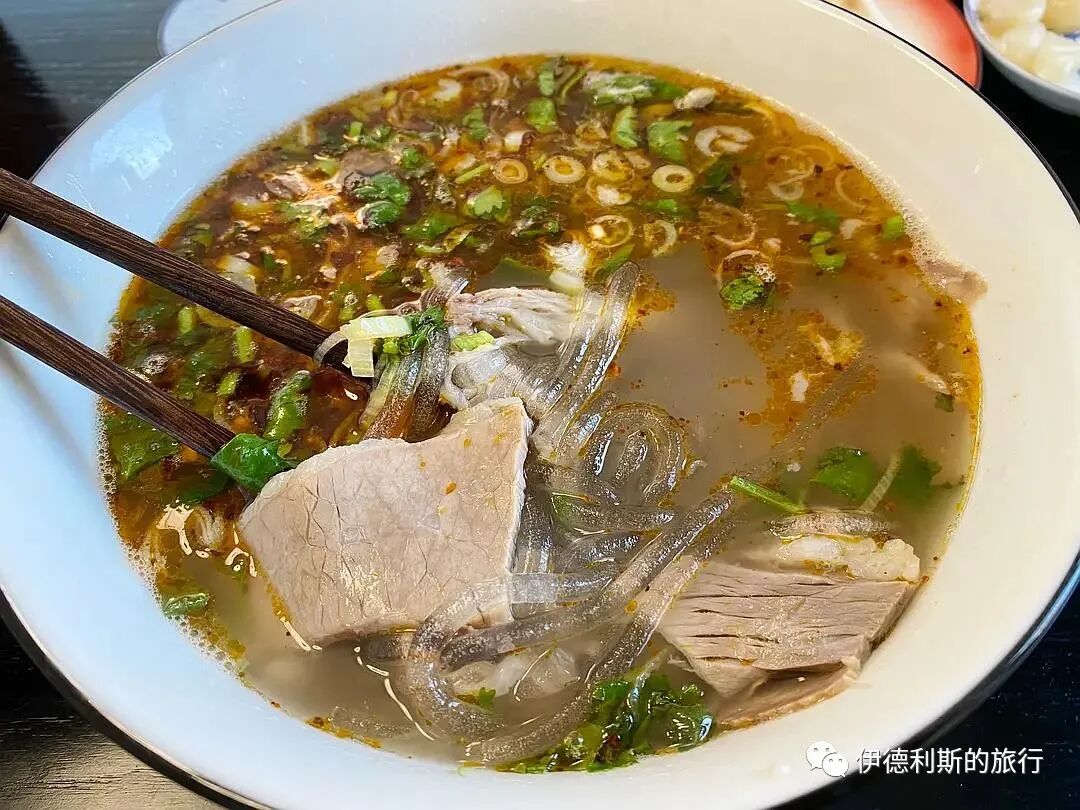
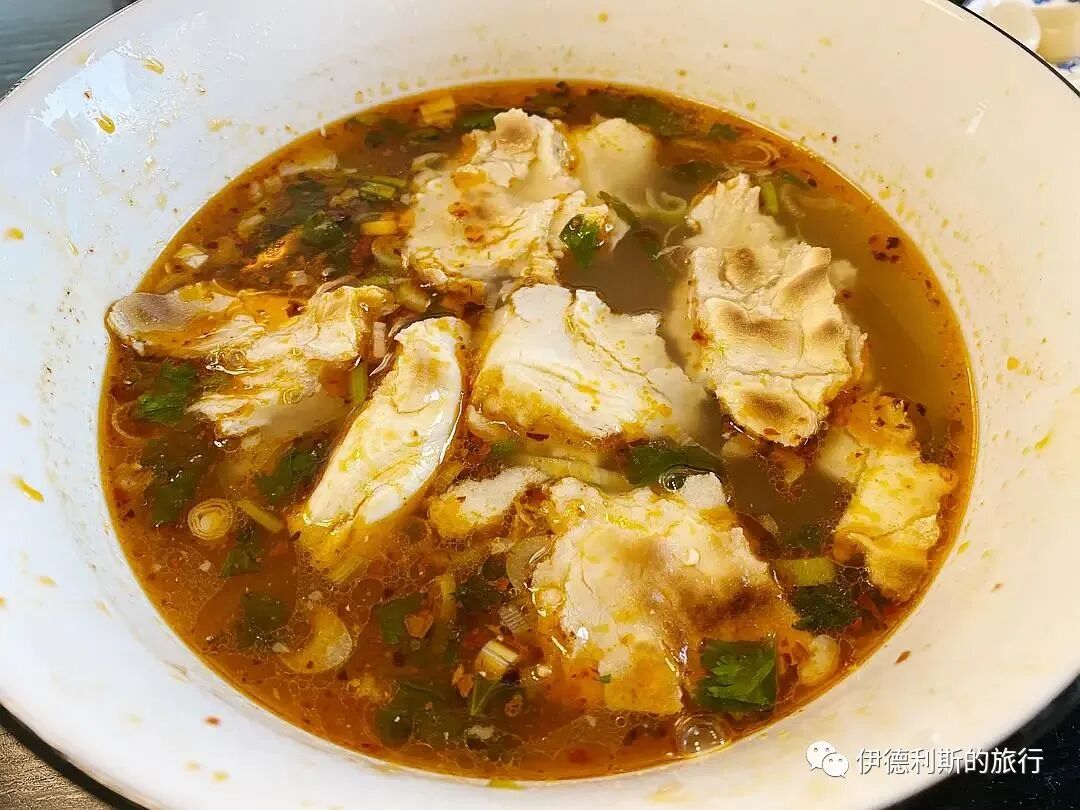
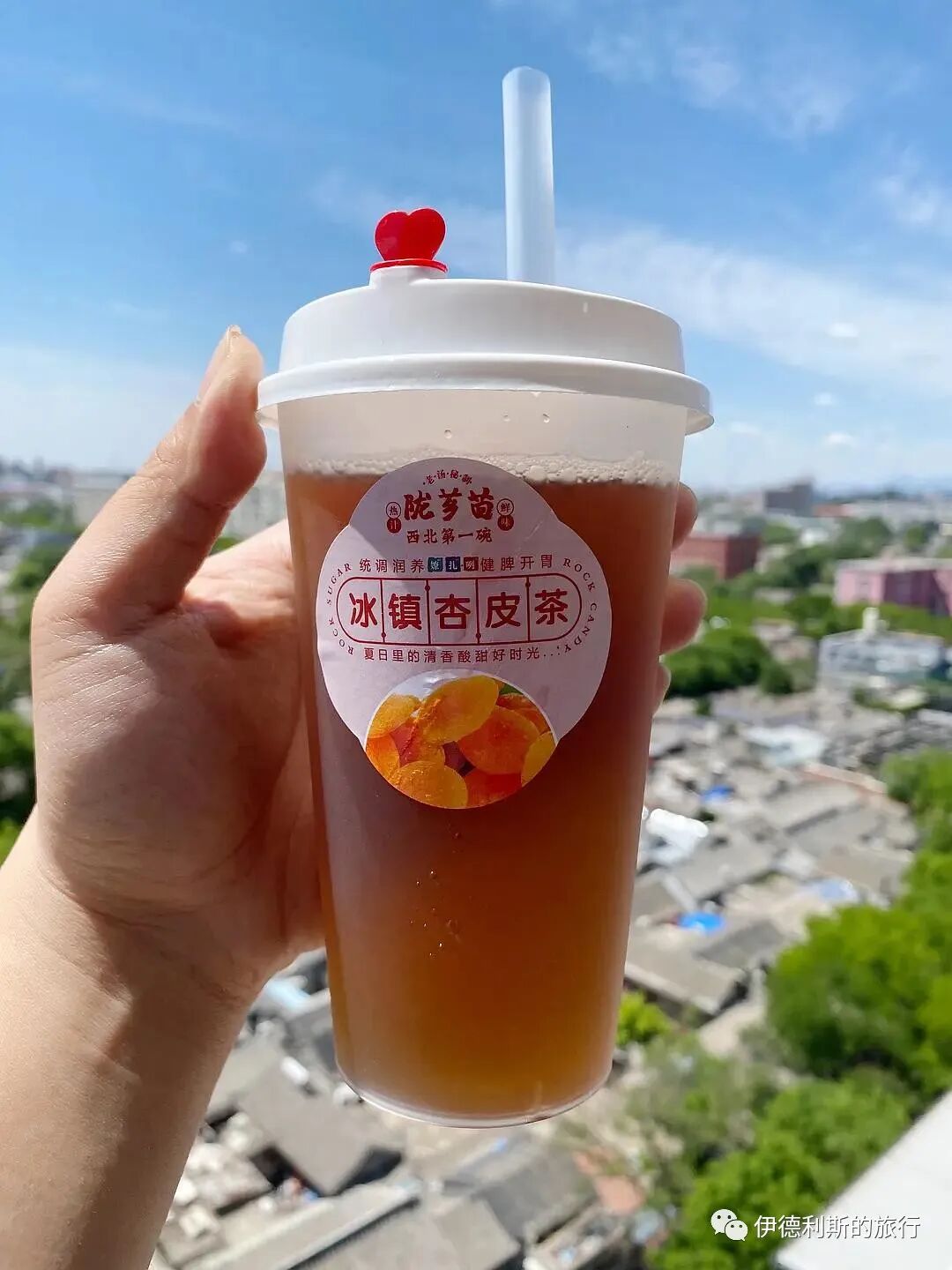
May 15, Dapanji (big plate chicken).
Before working from home, we bought a five-jin free-range black-clawed rooster from Changying. Zainabu used half of it to make Dapanji, using a secret seasoning passed down in her family for decades. Even I don't know the recipe, haha, but it is truly delicious.
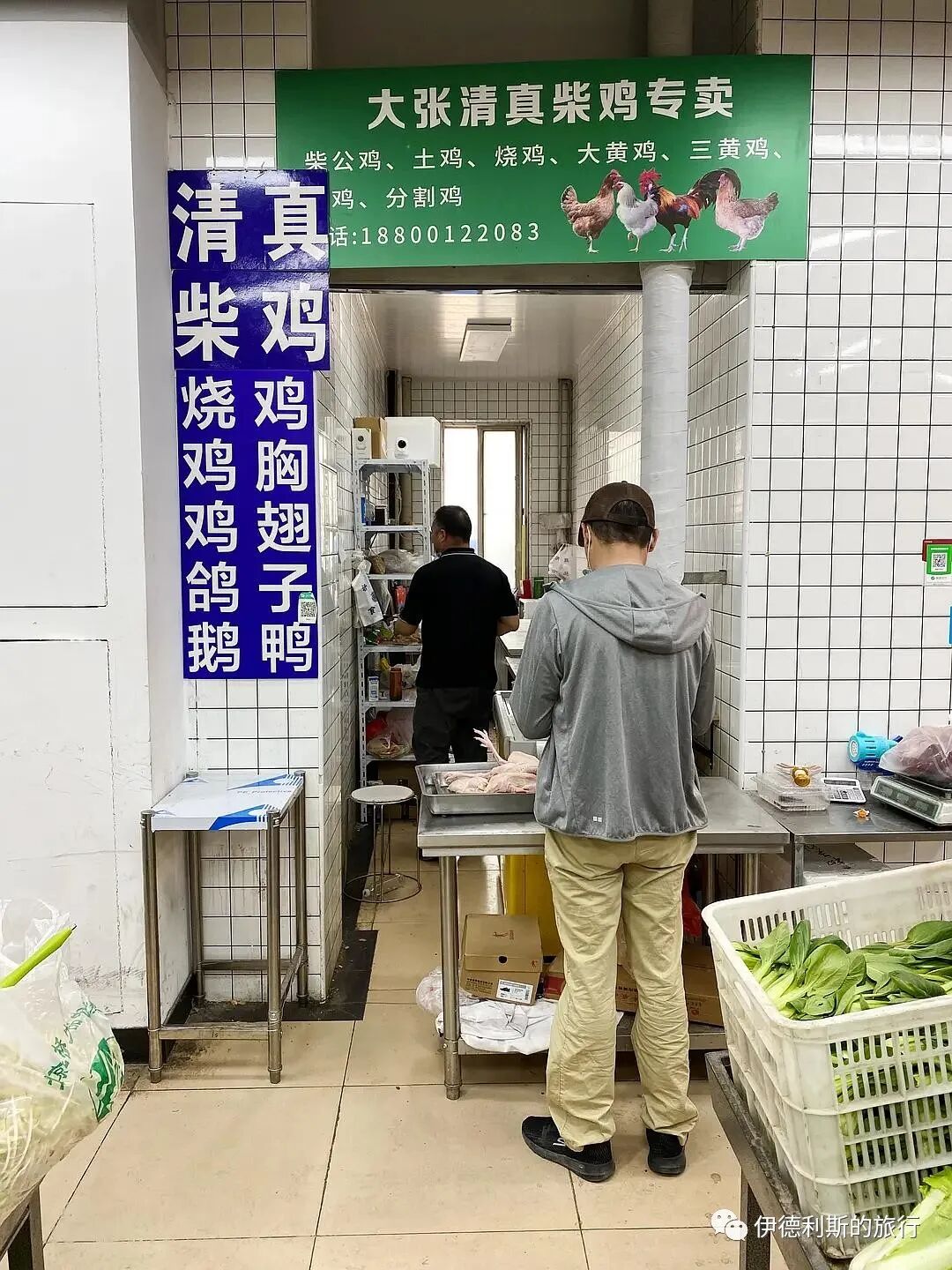
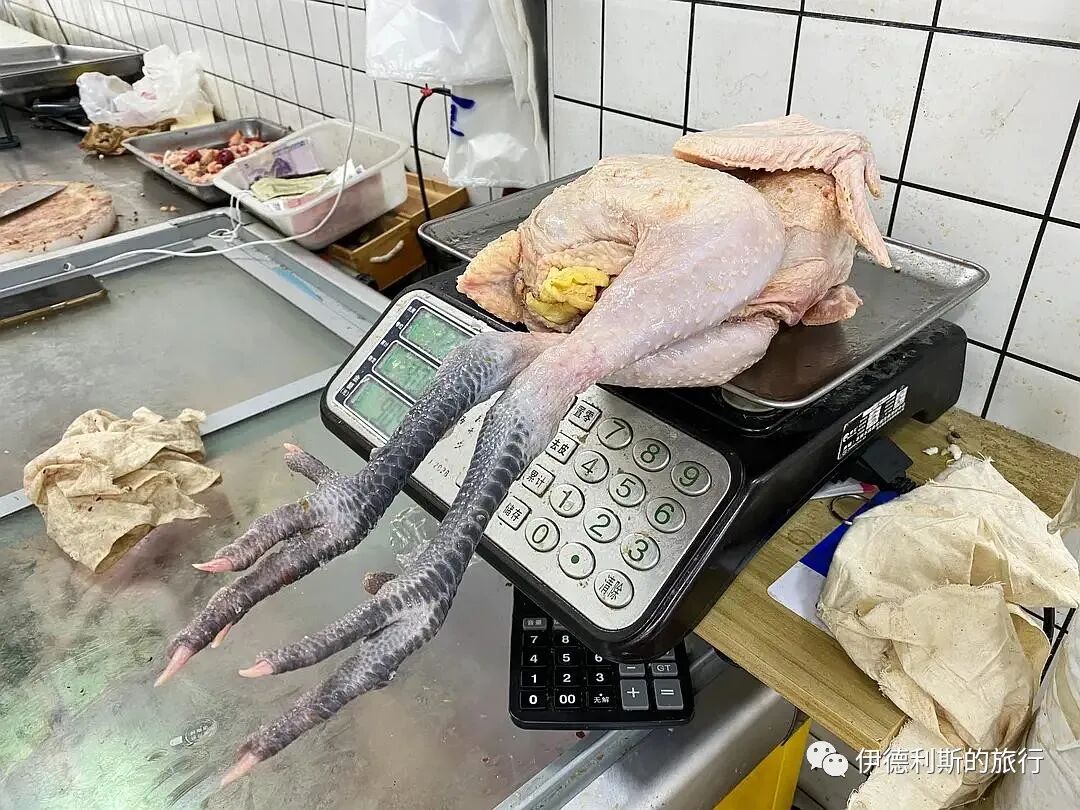
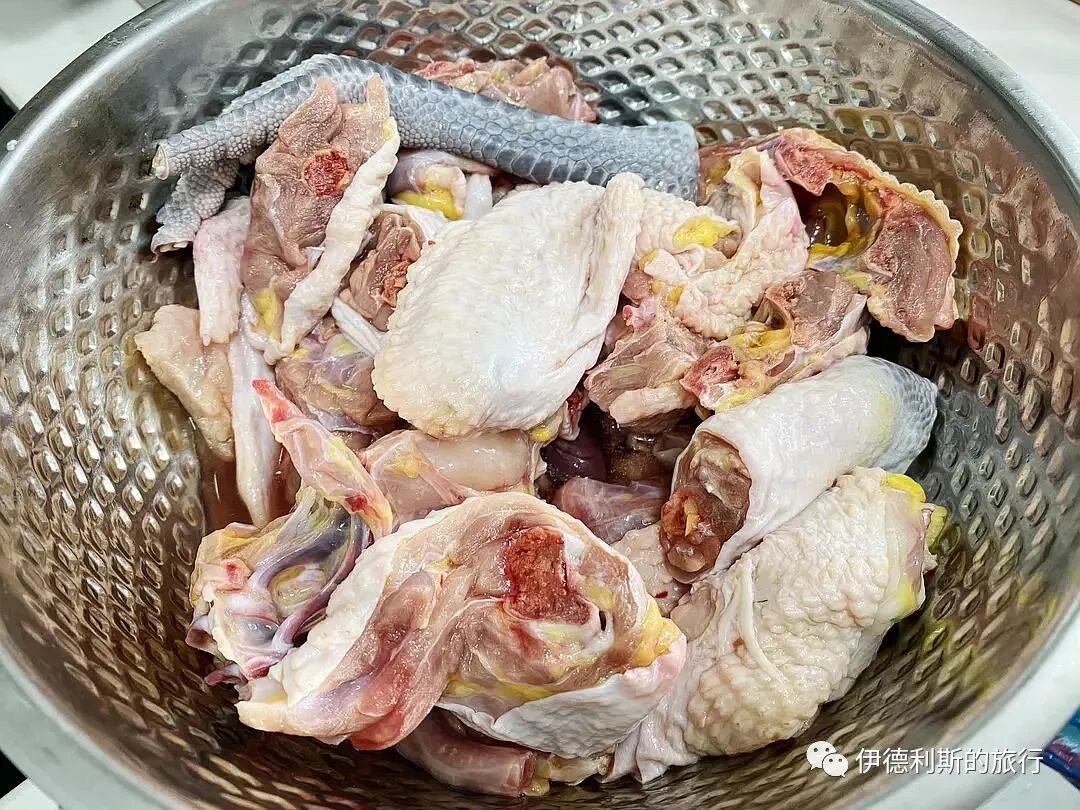
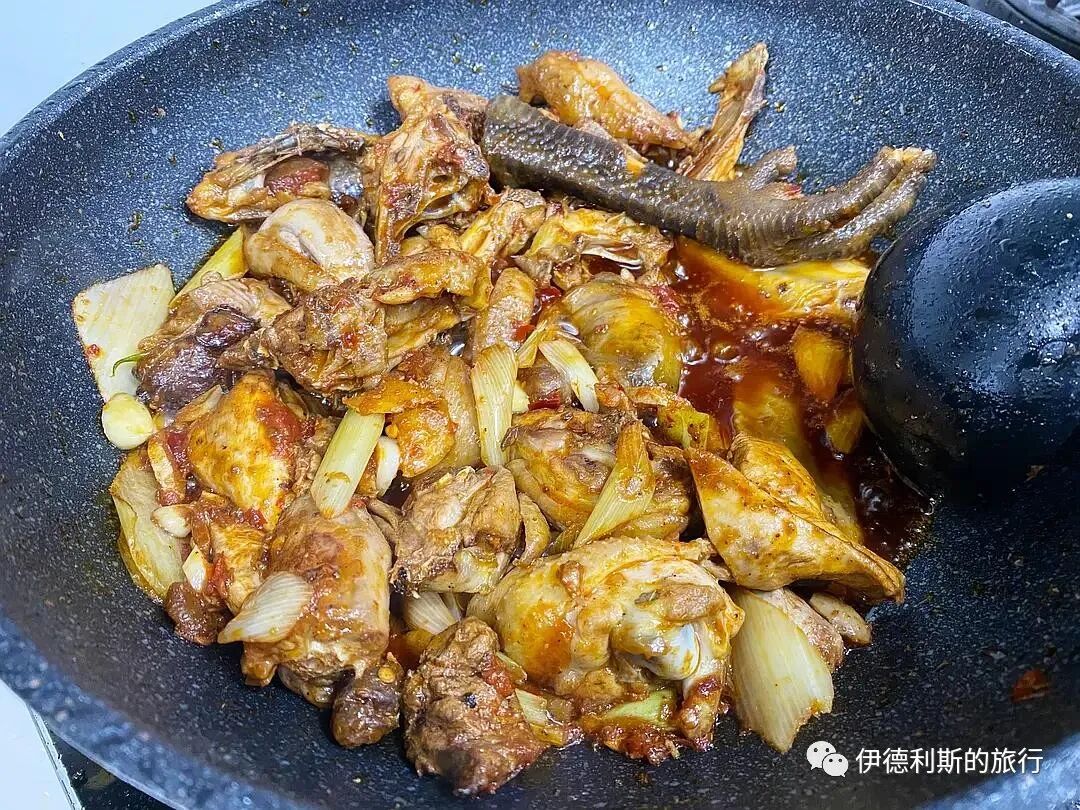
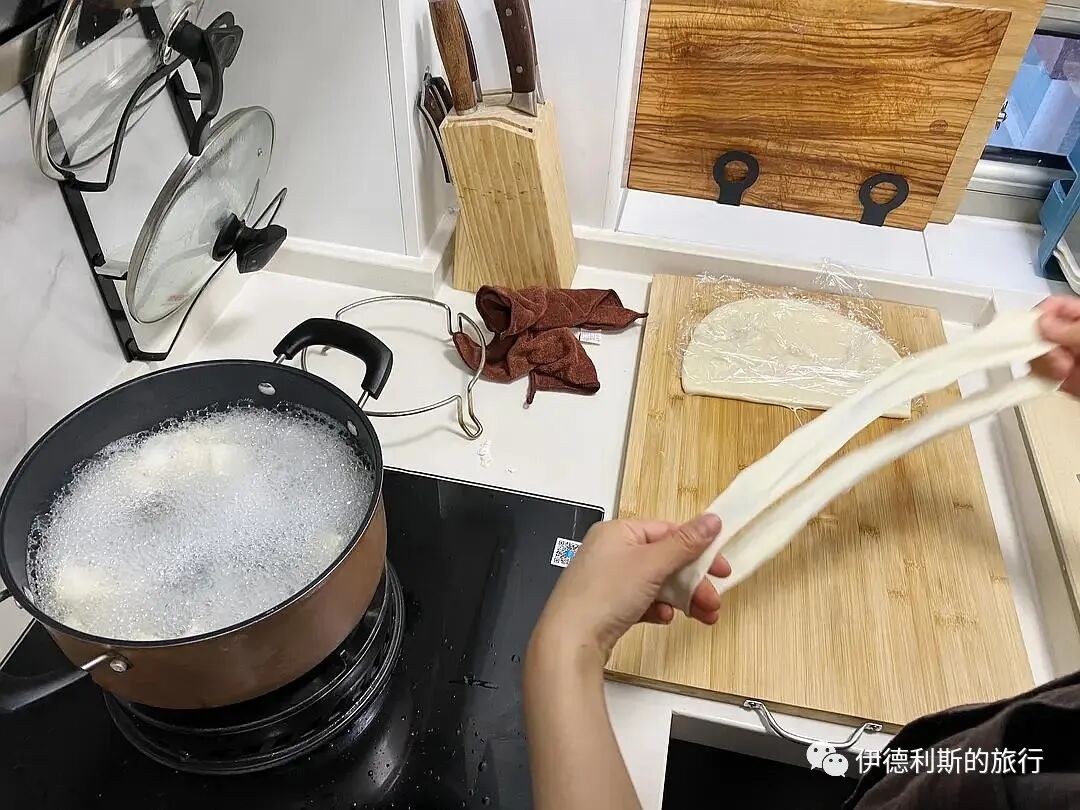
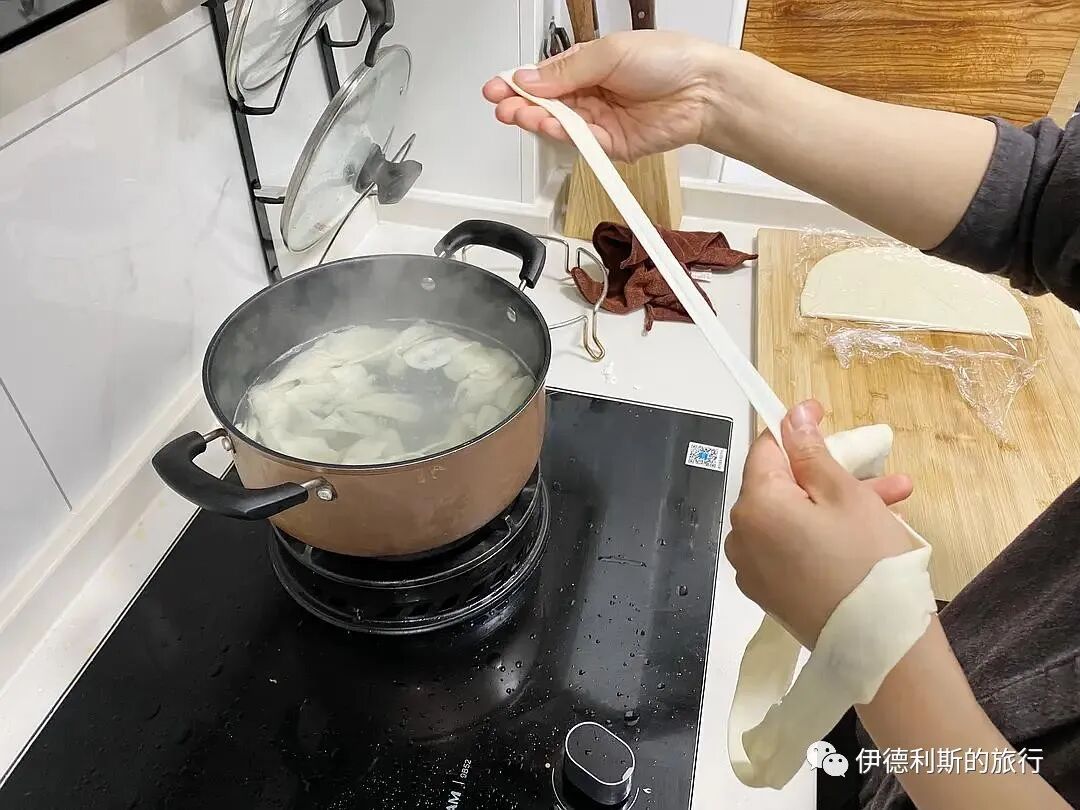
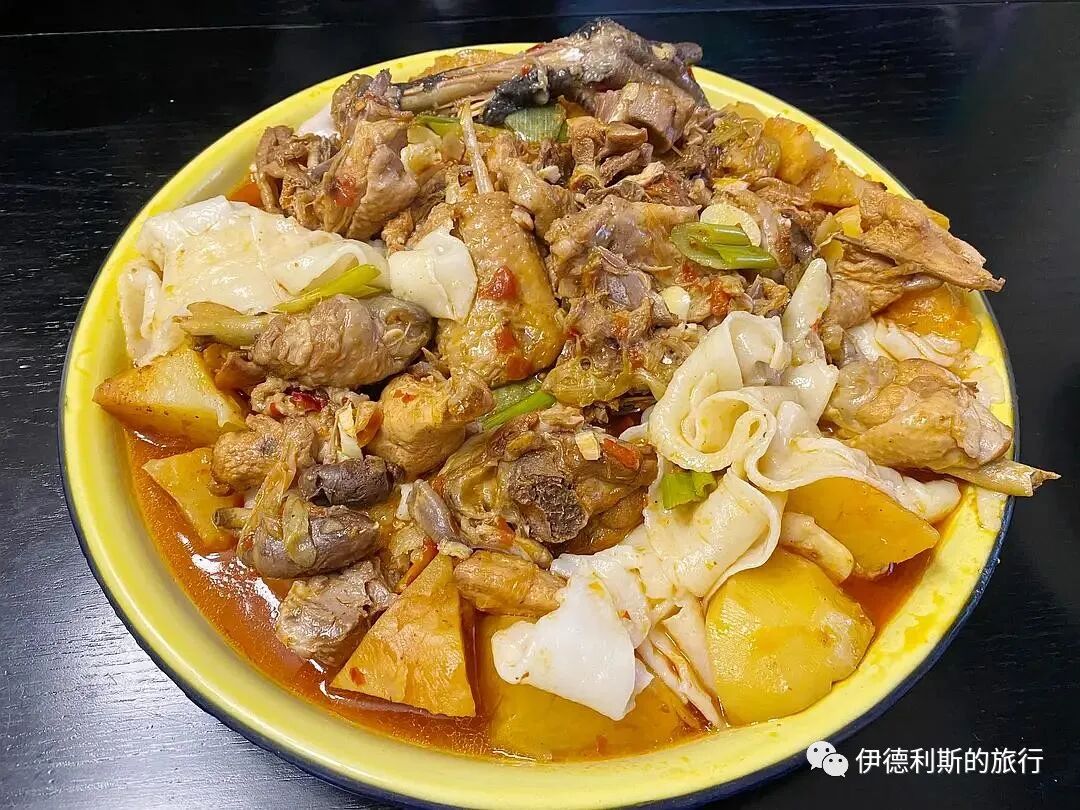
May 24, Longxianghui takeout.
Summer cooling delicacies from Longxianghui on Dongsi North Street: cold-dressed beef, niujinmian (beef tendon noodles), liangpizi (cold skin noodles), tianbeizi (fermented oat dessert), and iced tianbeizi milk tea.
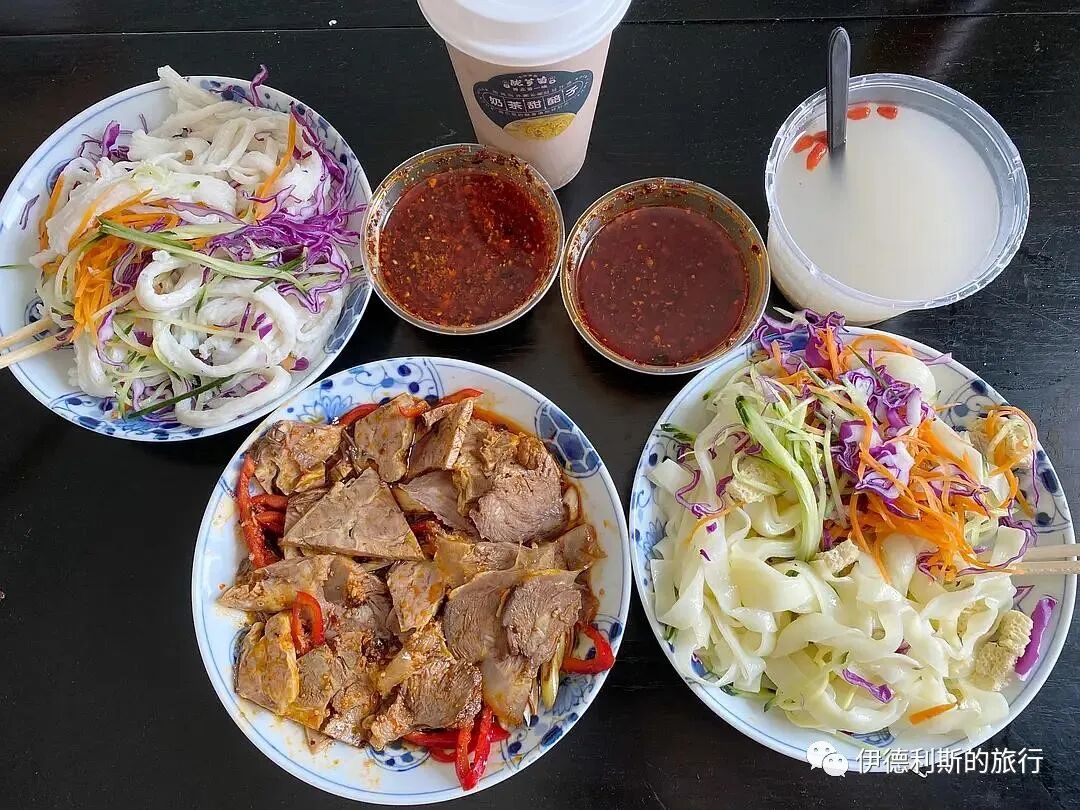
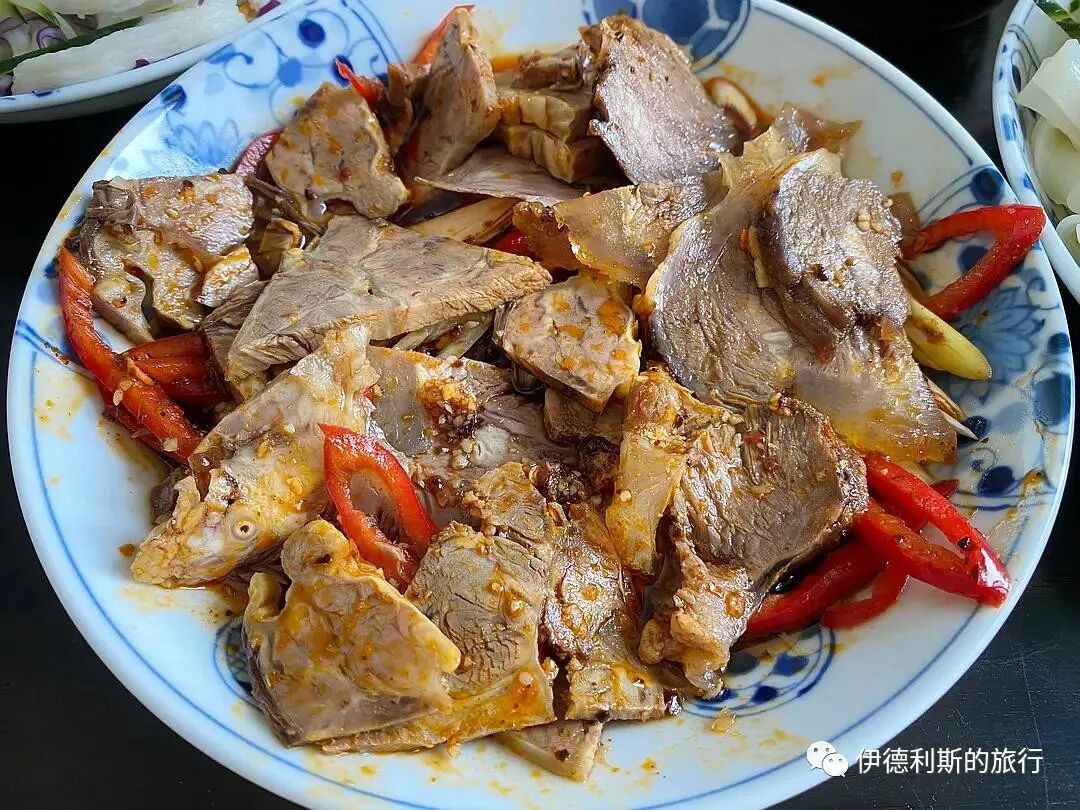
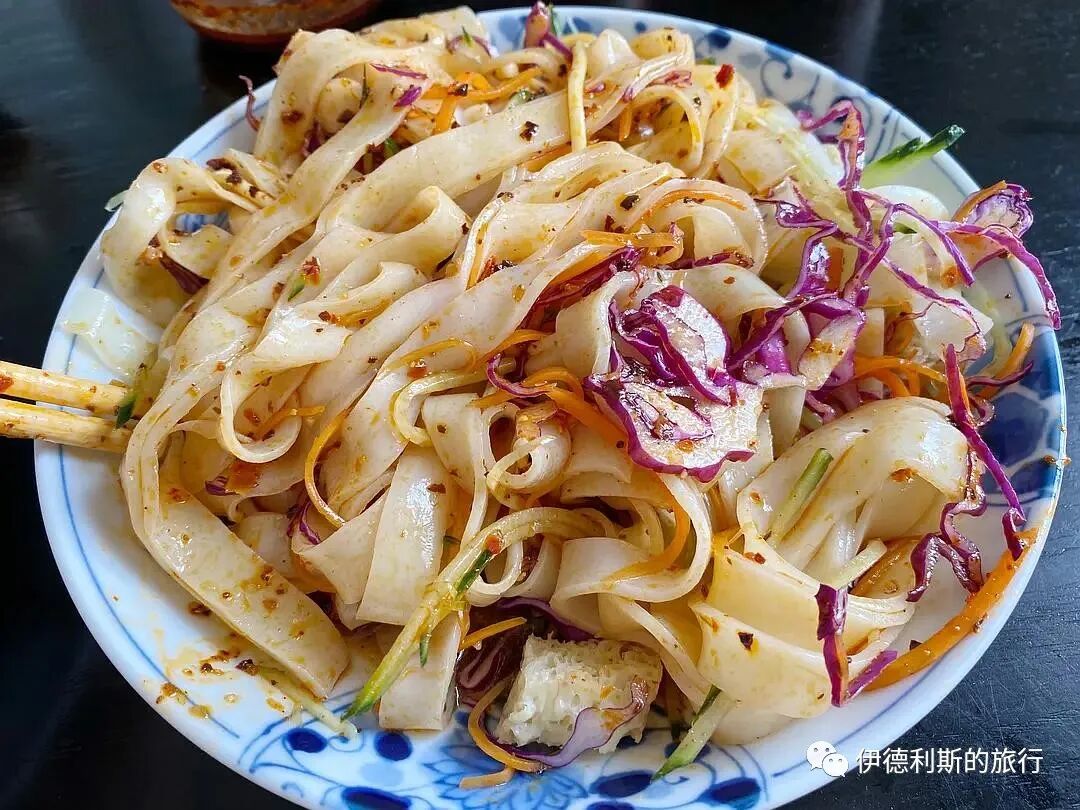
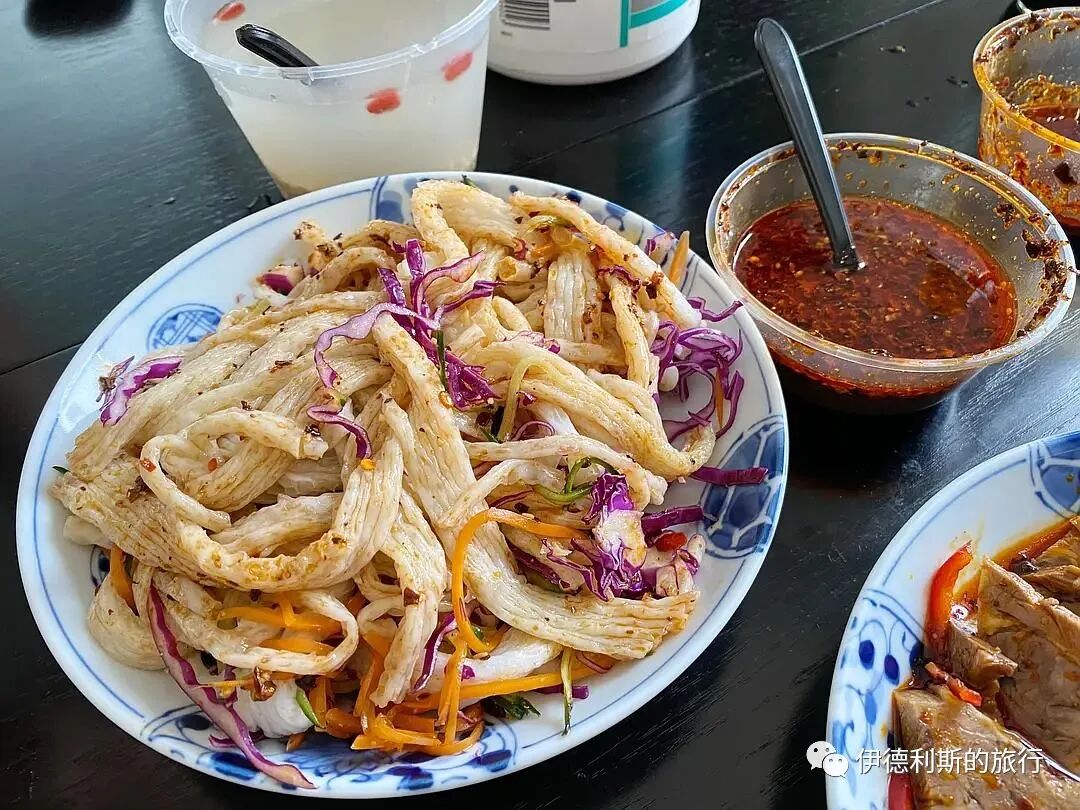
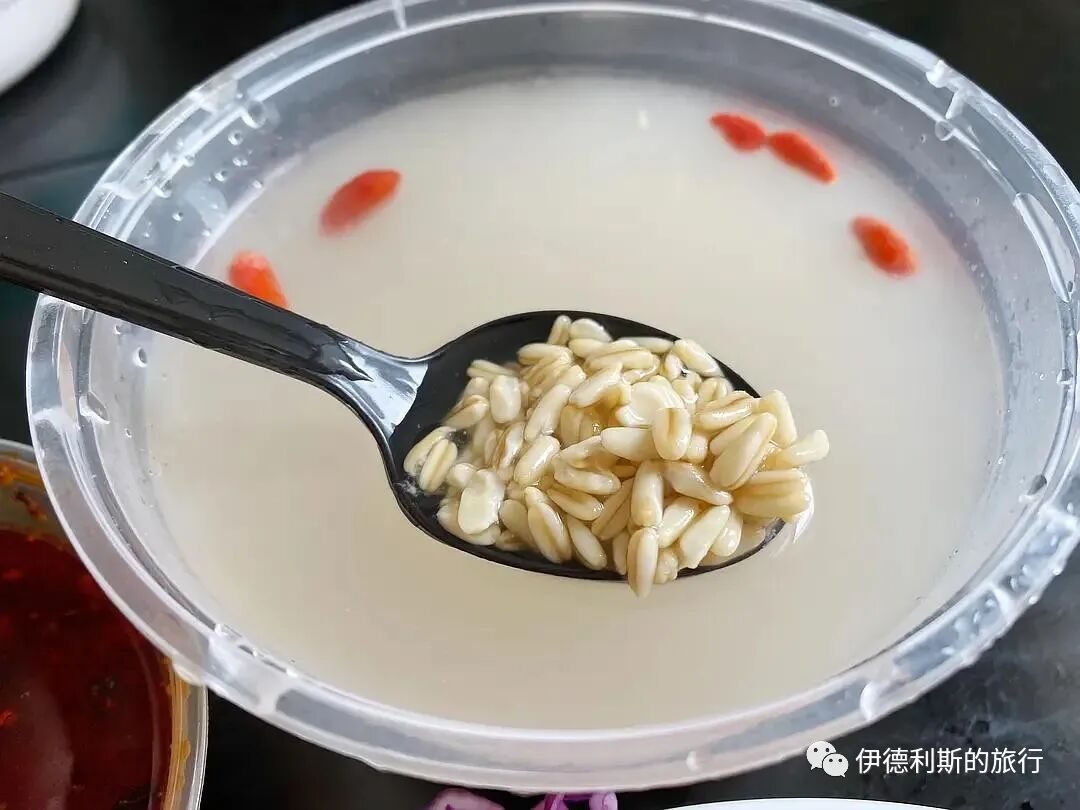
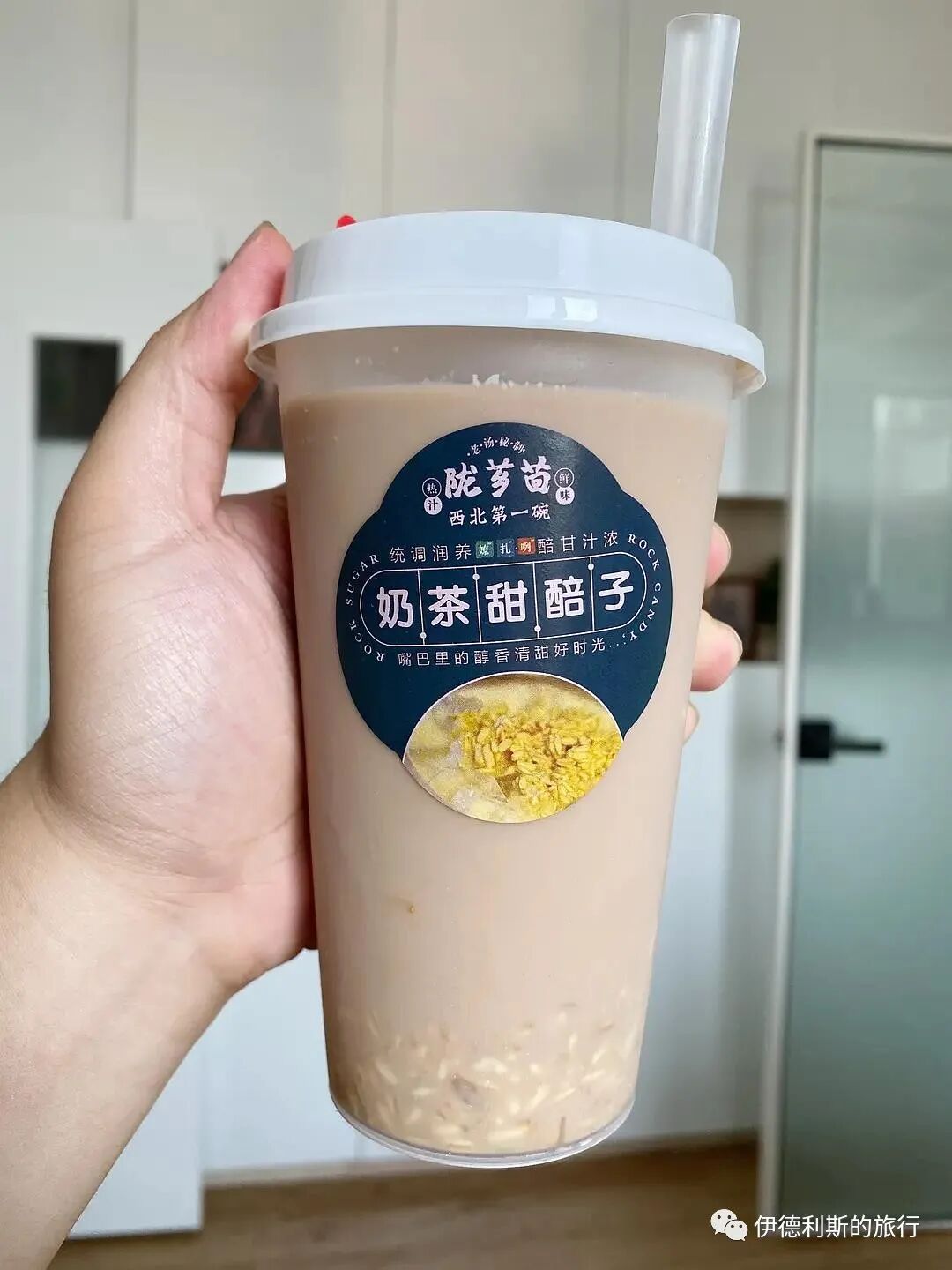
May 24, minced meat shouzhuafan.
Minced meat shouzhuafan made by Zainabu.
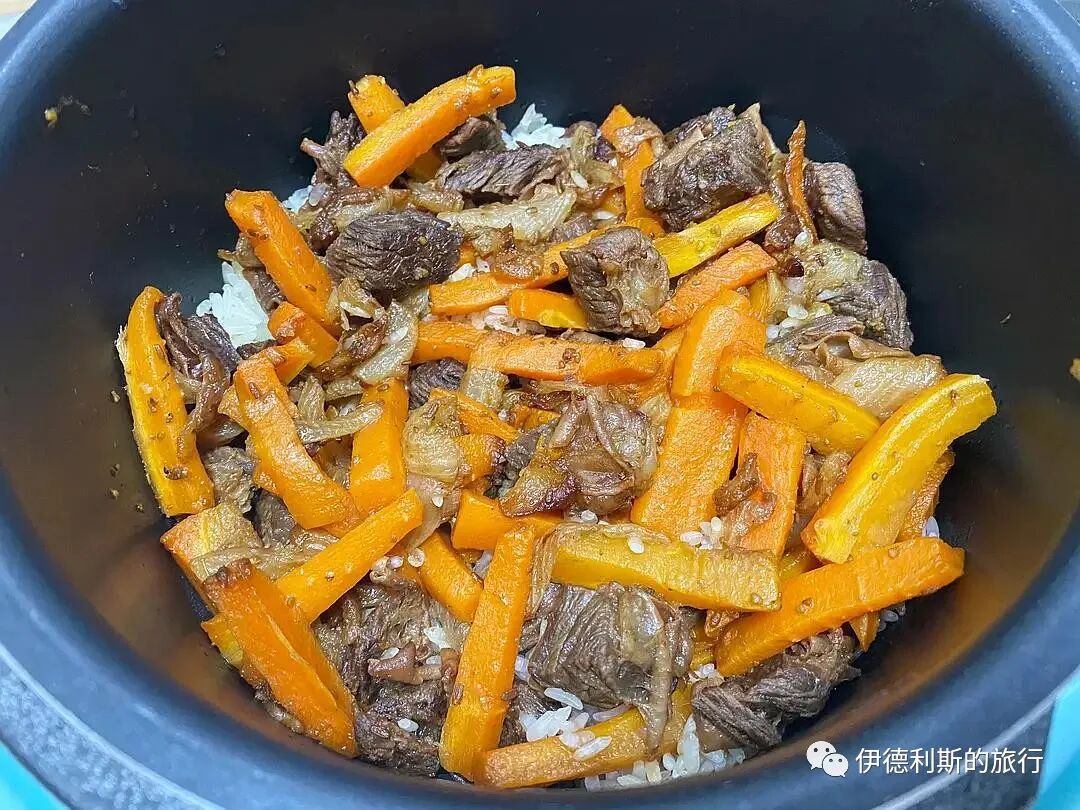
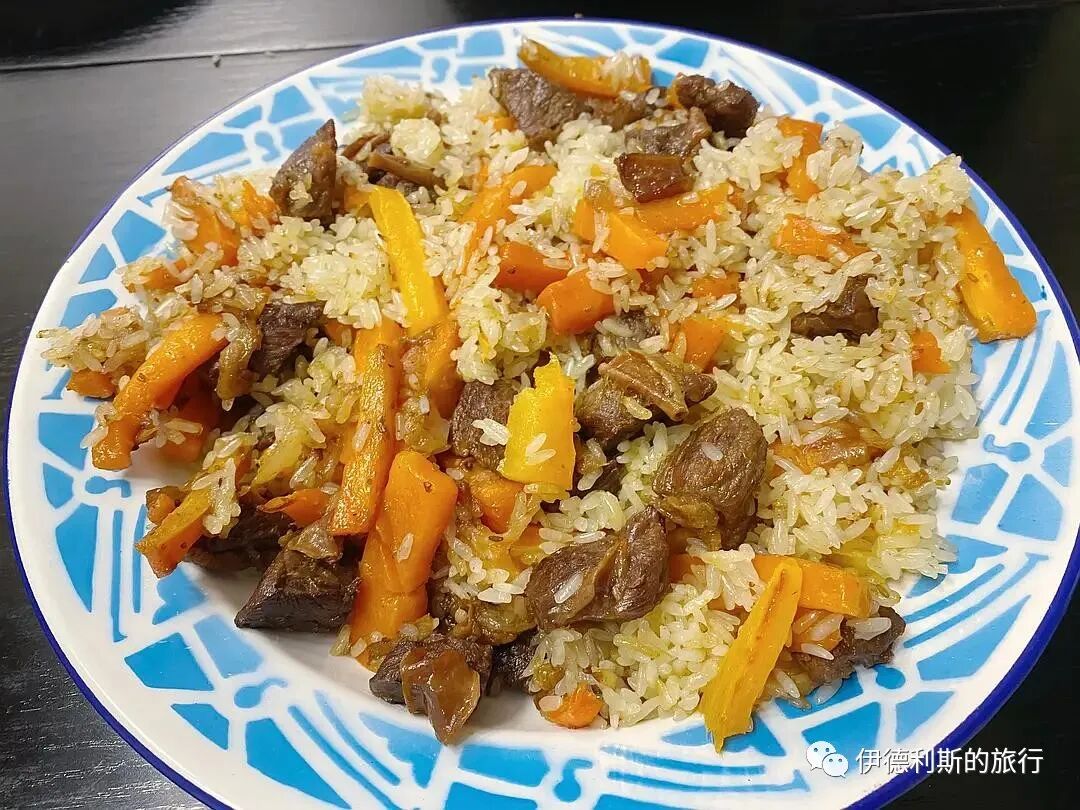
May 29, Jinying meatball soup takeout.
Beef marrow bones, jiaomaji (numbing spicy chicken), shouzhuafan, and meatball soup from Jinying. We had a great meal; their jiaomaji this time was excellent and very numbing. Ten years ago when I was in college, I would return to Beijing for summer break and go to the meatball soup shop several times a week for shouzhuafan; I could never get enough of it.
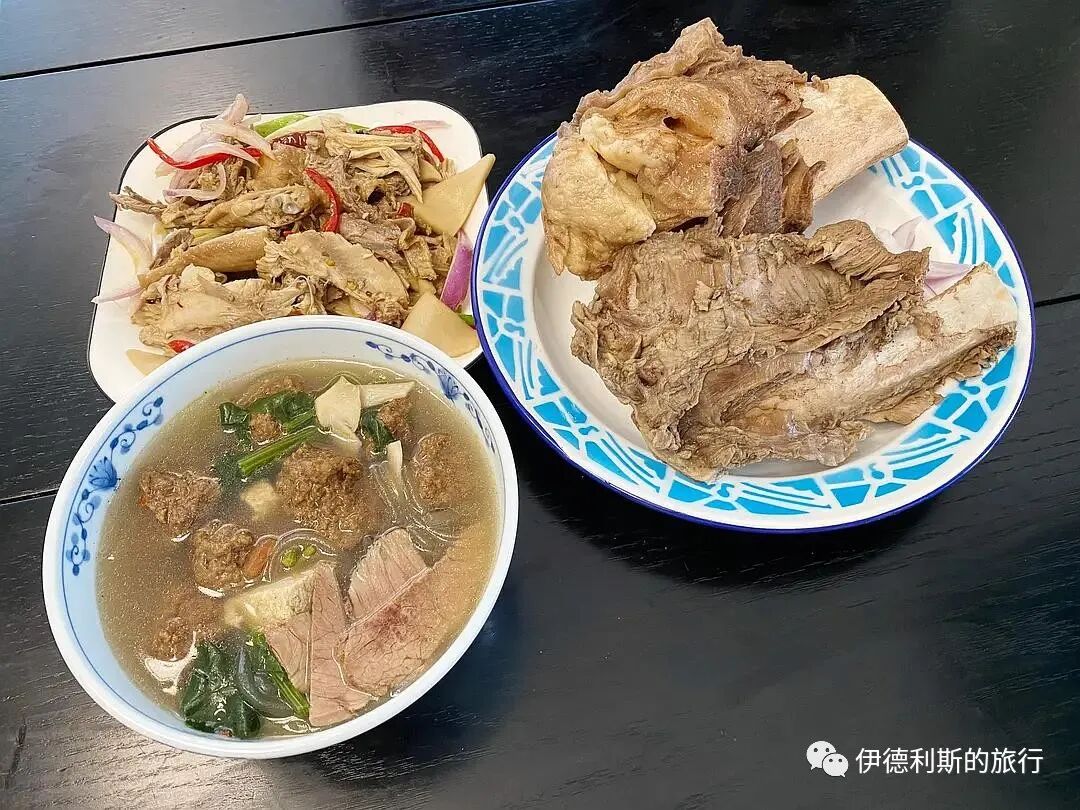
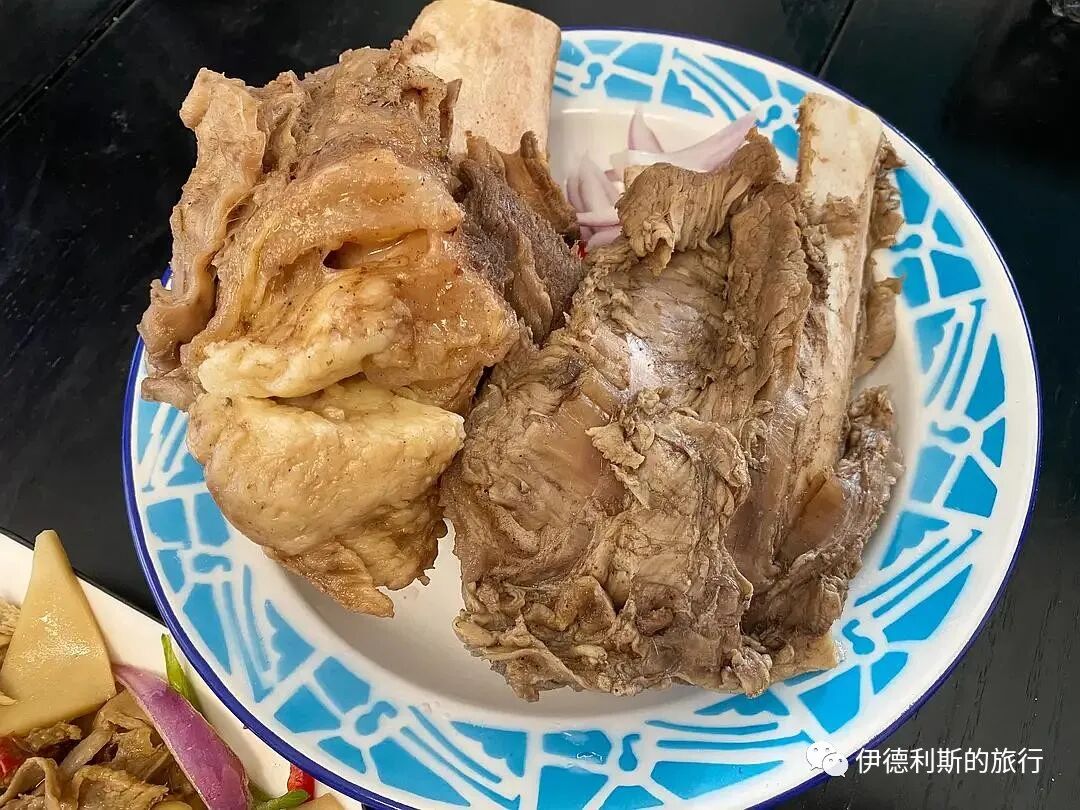
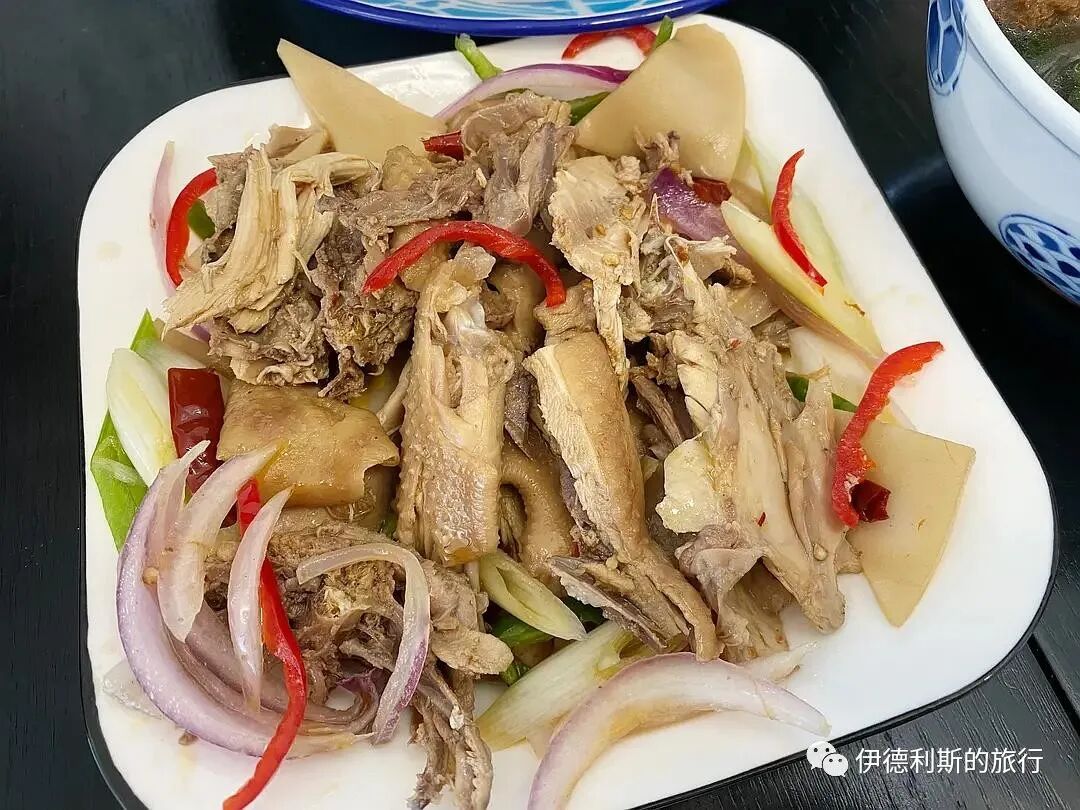
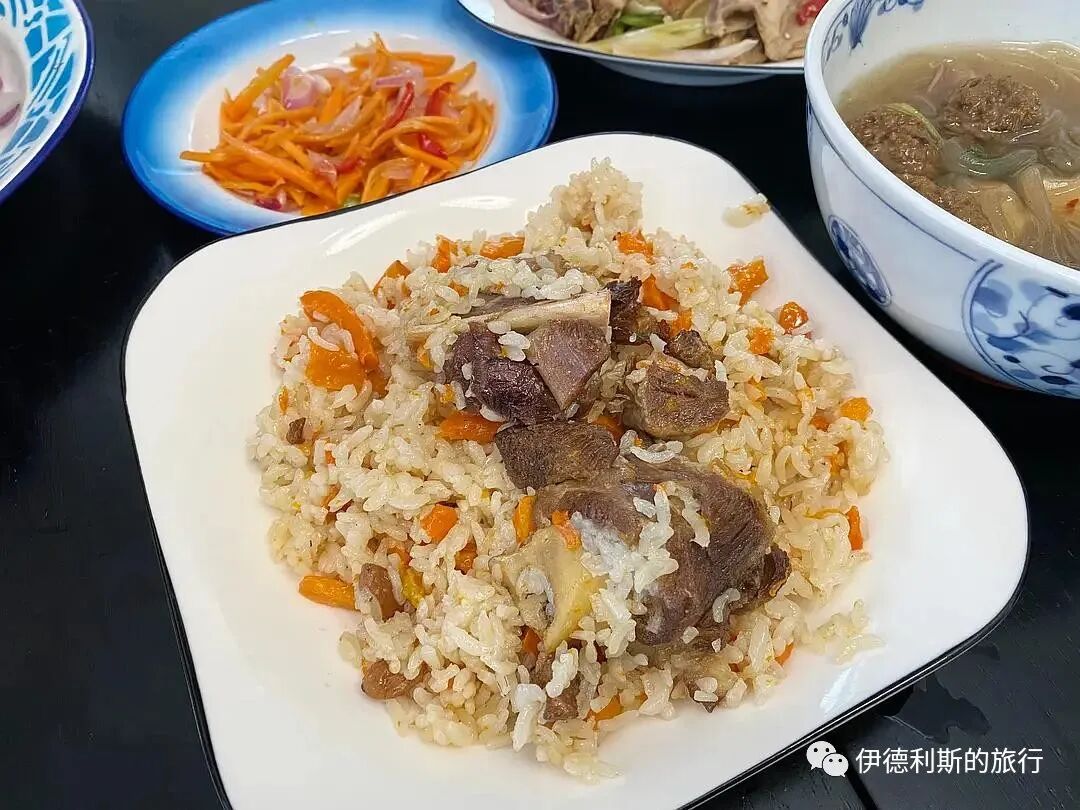
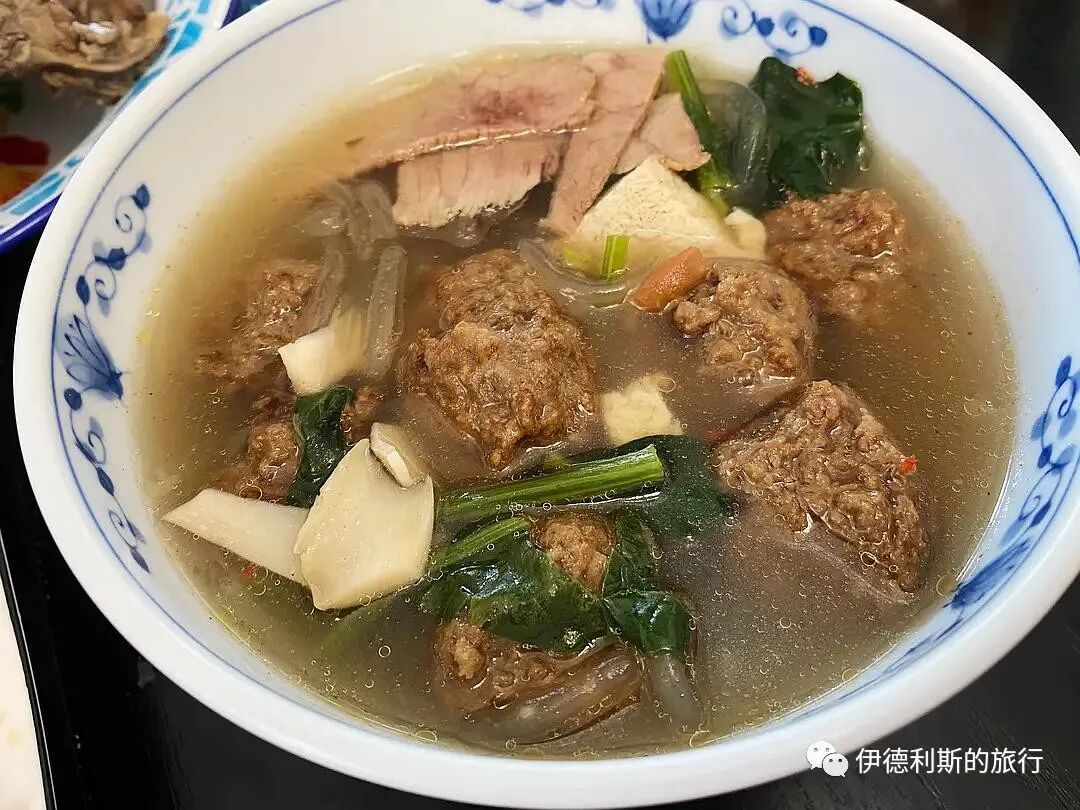
May 29, Roubingwan takeout.
Premium meat pie from Roubingwan in Niujie. From the crust to the meat and the flavor, it is the gold standard of Beijing meat pies. Every time we eat it, Zainabu and I can't stop praising it, but it must be eaten hot right out of the pan.
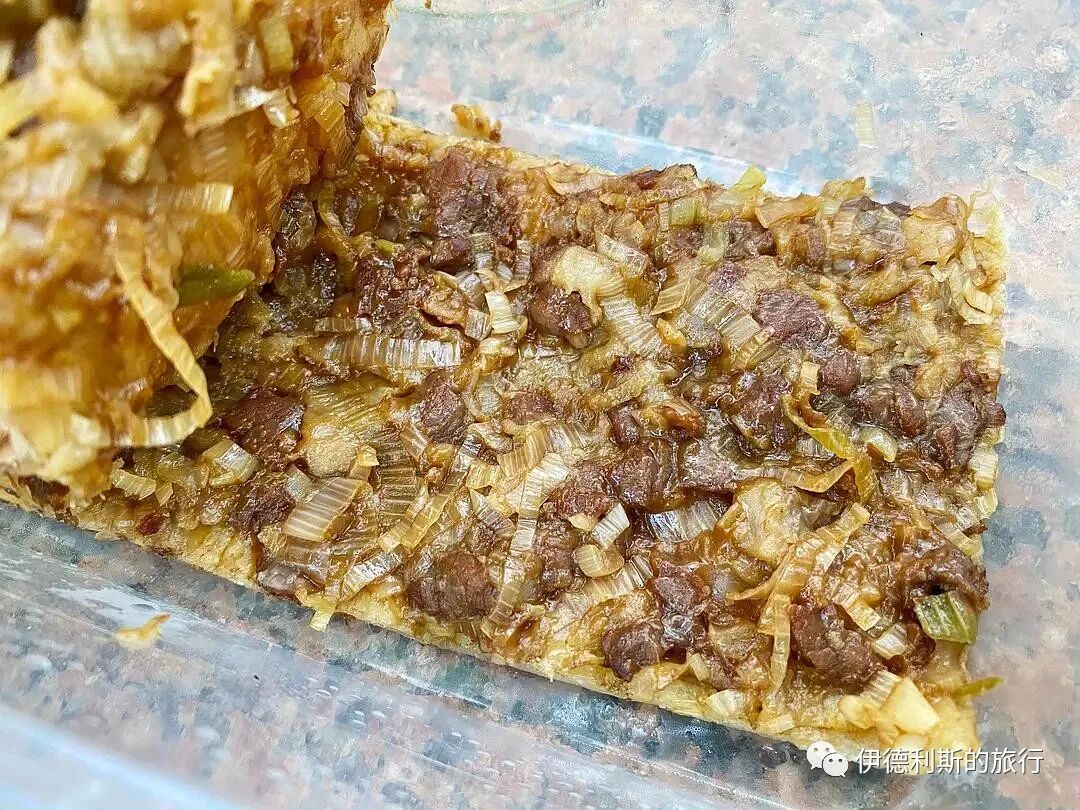
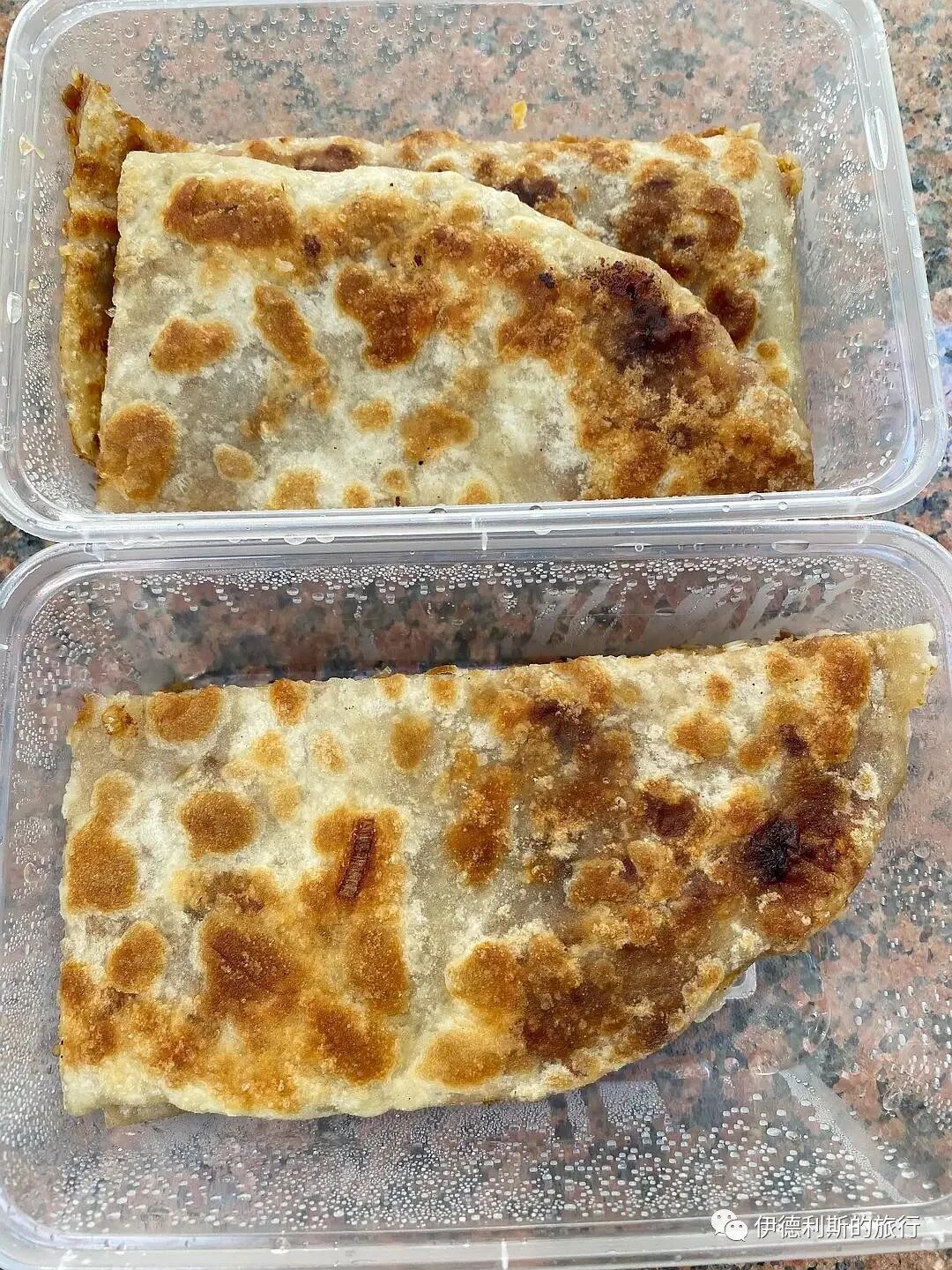
May 30, old Beijing beef stew noodles.
I made old Beijing beef stew noodles today using beef brisket I bought from Douban Maji earlier. Personally, I think it tastes even better than what I've had at Xinyuezhai or Baodu Xiaobaimao—and the method is actually quite simple.
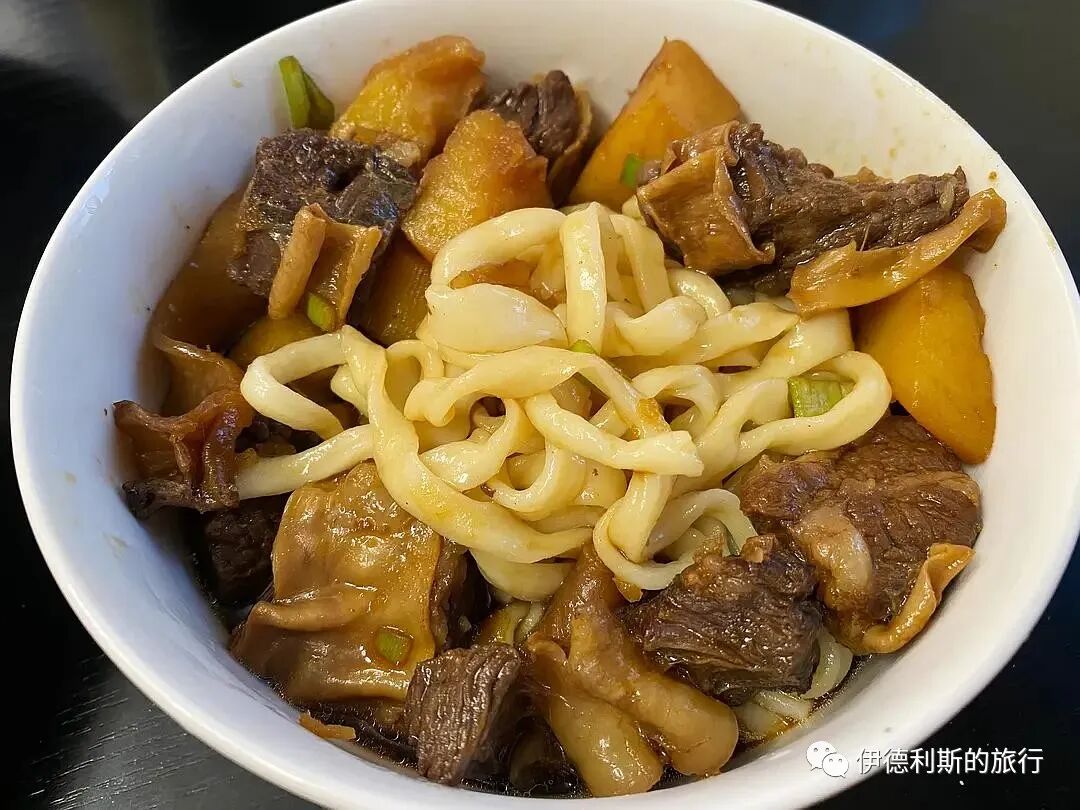
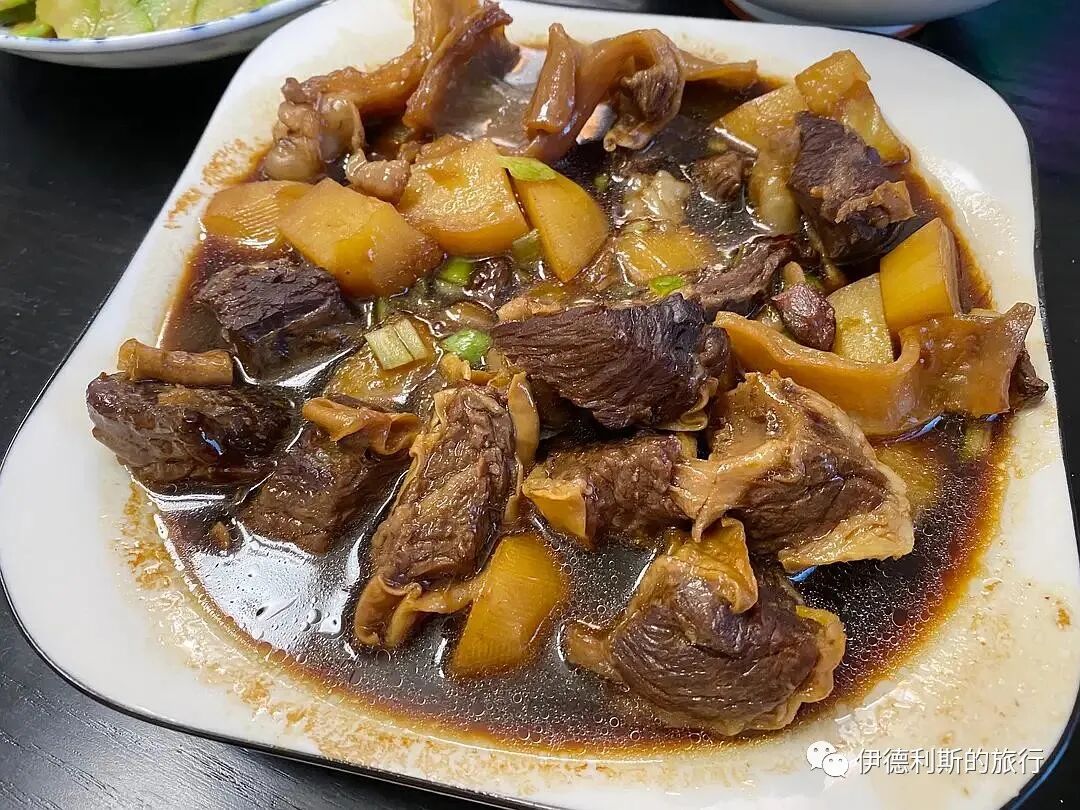
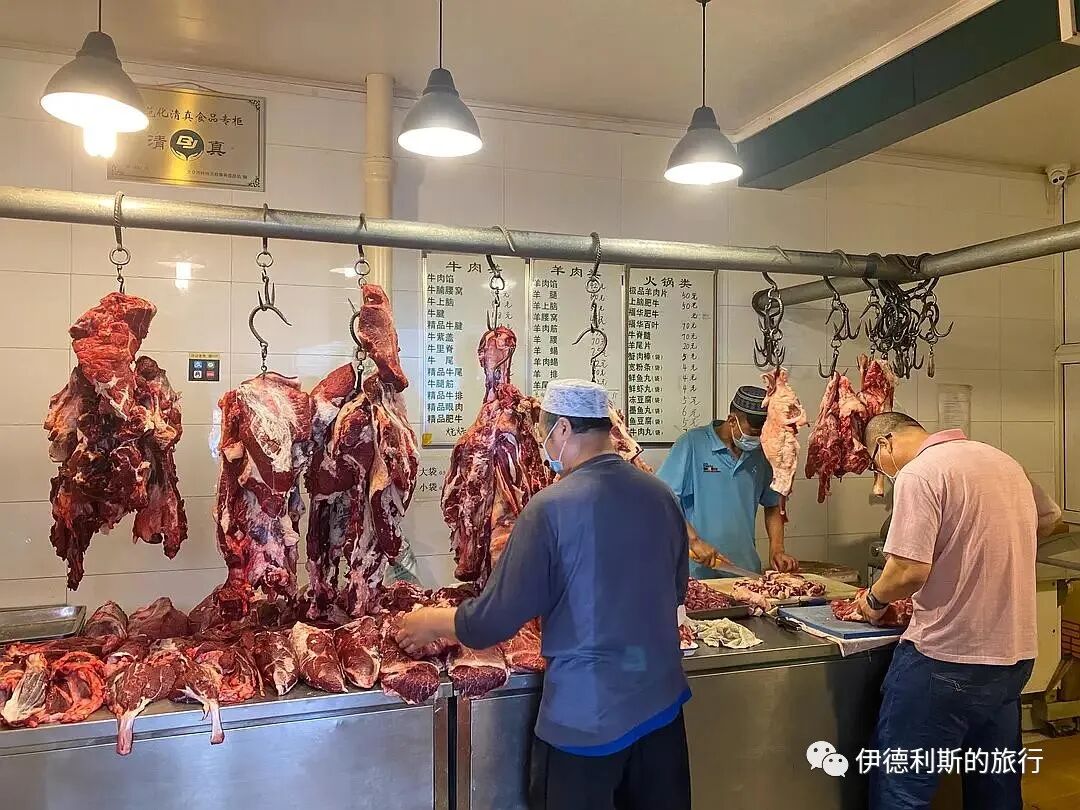
May 31, homemade yogurt.
Zainabu's homemade yogurt, made with Xiyu Chun yogurt as a starter and Sanyuan fresh milk. The taste is just like Xiyu Chun, and it's thick and viscous.
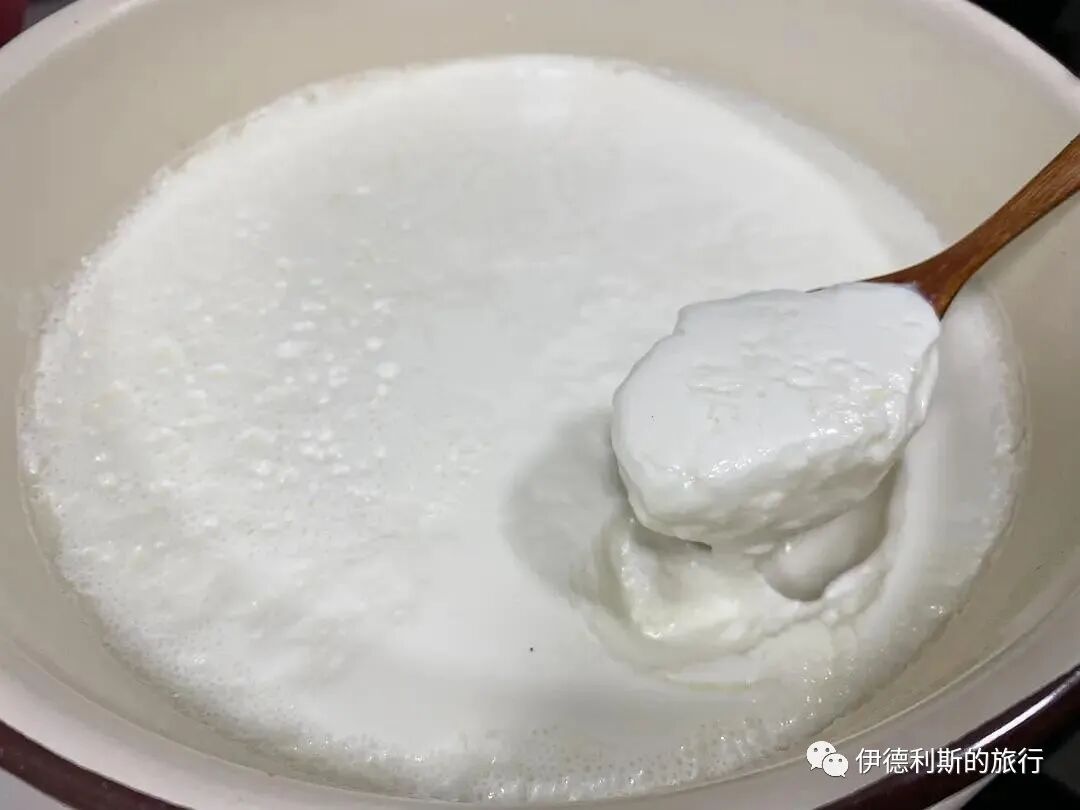
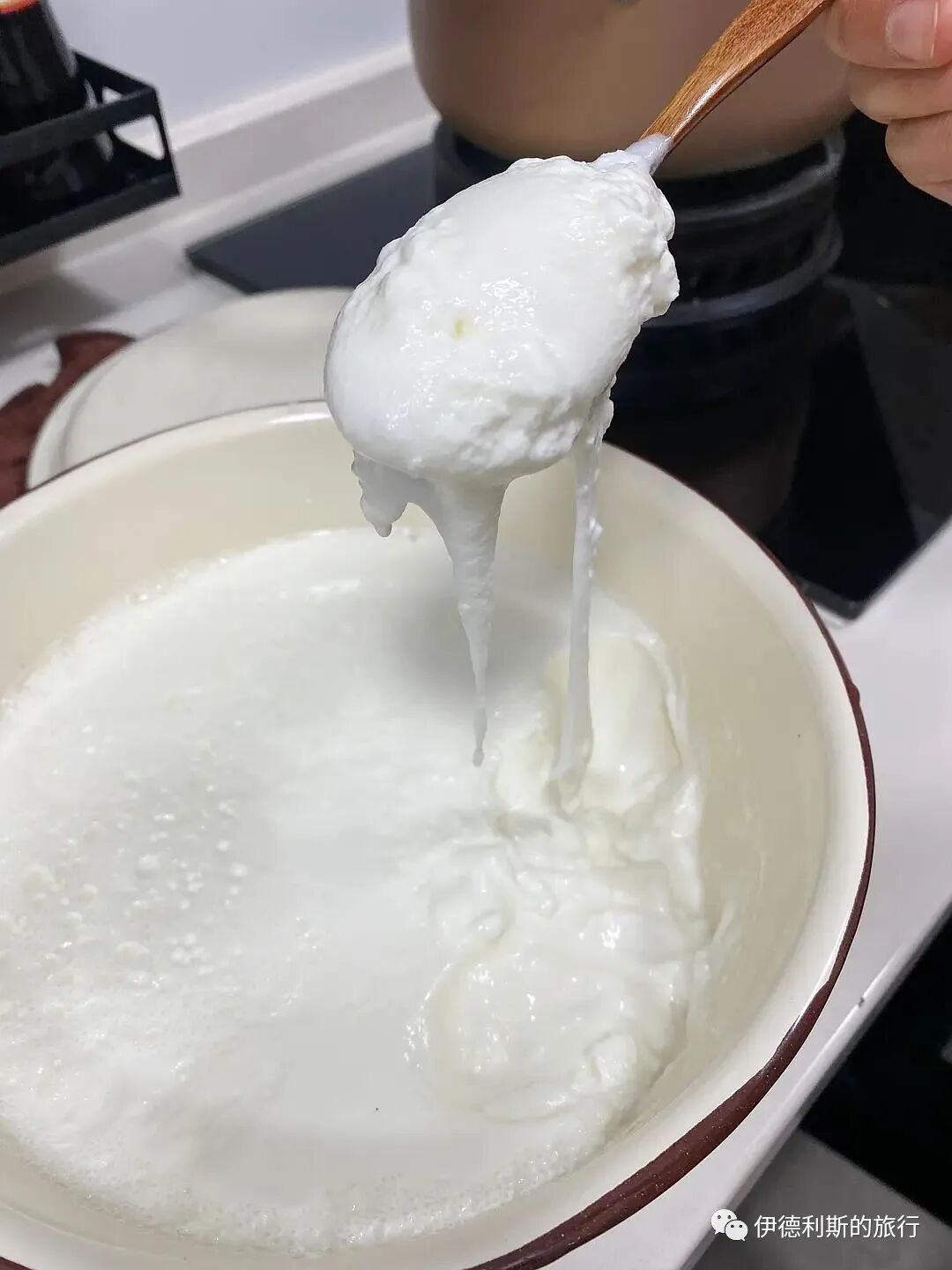
Summary: This travel note introduces Beijing Halal Travel Diary in Spring 2022: Mosques, Muslim Food and City Walks (Part 2). Shouzhuafan (hand-grabbed rice) takeout from Yanlanlou at Dongsi Shitiao. It is useful for readers interested in Beijing Halal Travel, Beijing Mosques, Halal Food.
May 10, braised lamb leg.
May 11, Yanlanlou takeout.
Shouzhuafan (hand-grabbed rice) takeout from Yanlanlou at Dongsi Shitiao.
May 11, Gulou Chimian takeout.
Egg sauce noodles takeout from Gulou Chimian; you can choose to boil the noodles yourself.
May 15, Longxianghui takeout.
Semi-DIY yangrou paomo (crumbled flatbread in lamb soup) from Longxianghui, a Gansu Pingliang restaurant on Dongsi North Street. The vermicelli, lamb, broth, green onions, and cilantro are all packed separately. After bringing it home, boil the broth, add the vermicelli and lamb for 20 seconds, then serve and top with green onions, cilantro, and chili sauce. Also bought iced apricot skin tea, which is perfect for such nice weather in Beijing!
May 15, Dapanji (big plate chicken).
Before working from home, we bought a five-jin free-range black-clawed rooster from Changying. Zainabu used half of it to make Dapanji, using a secret seasoning passed down in her family for decades. Even I don't know the recipe, haha, but it is truly delicious.
May 24, Longxianghui takeout.
Summer cooling delicacies from Longxianghui on Dongsi North Street: cold-dressed beef, niujinmian (beef tendon noodles), liangpizi (cold skin noodles), tianbeizi (fermented oat dessert), and iced tianbeizi milk tea.
May 24, minced meat shouzhuafan.
Minced meat shouzhuafan made by Zainabu.
May 29, Jinying meatball soup takeout.
Beef marrow bones, jiaomaji (numbing spicy chicken), shouzhuafan, and meatball soup from Jinying. We had a great meal; their jiaomaji this time was excellent and very numbing. Ten years ago when I was in college, I would return to Beijing for summer break and go to the meatball soup shop several times a week for shouzhuafan; I could never get enough of it.
May 29, Roubingwan takeout.
Premium meat pie from Roubingwan in Niujie. From the crust to the meat and the flavor, it is the gold standard of Beijing meat pies. Every time we eat it, Zainabu and I can't stop praising it, but it must be eaten hot right out of the pan.
May 30, old Beijing beef stew noodles.
I made old Beijing beef stew noodles today using beef brisket I bought from Douban Maji earlier. Personally, I think it tastes even better than what I've had at Xinyuezhai or Baodu Xiaobaimao—and the method is actually quite simple.
May 31, homemade yogurt.
Zainabu's homemade yogurt, made with Xiyu Chun yogurt as a starter and Sanyuan fresh milk. The taste is just like Xiyu Chun, and it's thick and viscous.
Muslim Friendly Beijing: Miyun Gubei Water Town, Halal Hotpot and Mosque Travel
Articles • yusuf908 posted the article • 0 comments • 277 views • 2026-05-21 20:43
Reposted from the web
Summary: Muslim Friendly Beijing: Miyun Gubei Water Town, Halal Hotpot and Mosque Travel is presented here as a clear English account for Muslim readers, beginning with this scene: Before New Year's Day, I received an invitation from AXA Insurance Group to visit Gubei Water Town in Miyun. Because I sold a lot of AXA insurance last year, they rewarded their top-performing brokers with a trip to. The article keeps the original names, food details, mosque details, photographs, and cultural context while focusing on Beijing Halal Travel, Gubei Water Town, Halal Hotpot.
Before New Year's Day, I received an invitation from AXA Insurance Group to visit Gubei Water Town in Miyun. Because I sold a lot of AXA insurance last year, they rewarded their top-performing brokers with a trip to thank our agency channel. It is not because of this reward trip that I recommend their insurance. In fact, I did not know about the reward trip when I first recommended AXA products. I recommend them because they are one of the nine global insurance giants considered too big to fail. With over 200 years of history, AXA provides excellent products and services for cancer medical insurance for the elderly and accident insurance. That is why I recommend them. We insurance brokers represent products from more than one insurance company. We do not stand for any single company. As long as a product is good enough, it makes it onto our recommendation list.
— Hello, Travel —
Miyun currently has three mosques. The first is Gubeikou Mosque. Its founding date is unknown, but stone tablets found in the courtyard record that it was rebuilt in the second year of the Chongzhen reign of the Ming Dynasty (1629). We can infer it was built before then. In the 42nd year of the Kangxi reign (1703), Ma Jinliang from Gansu, who served as the Gubeikou commander, renovated the mosque. Gubeikou Mosque is currently a Miyun district-level cultural relic protection unit.
The second is Beimujiayu Mosque, located in the Hui Muslim village of Mujiayu, south of the Miyun Reservoir. The original mosque was built on a mountain. According to the Miyun County Annals, Beimujiayu Mosque had 21 rooms. It was once seized by the Kuomintang's Volunteer Militia to use as a barracks and was later destroyed by artillery fire. In the past, this was the main road from Beijing to the Chengde Mountain Resort. Many Hui Muslims in the village have the surname Mu and have a tradition of practicing martial arts. Some people from the Mu family served as adjutants under Zhang Zuolin. Beimujiayu Mosque and Gubeikou Mosque are quite far from Gubei Water Town, so I have not visited them yet.
The third mosque is on Nange Street in Miyun County, called Chengguan Mosque. I passed by it on the way to Gubei Water Town. According to the Miyun County Annals, the mosque was built in the county seat in the eighth year of the Tongzhi reign (1869). After expansion, it covered 8 mu of land. It was rebuilt at a new site in 1986 with government funding, and in 2006, urban planning moved the mosque to the southeast.
Chengguan Mosque
The main gate of Chengguan Mosque is the largest among all mosques in Beijing. The gate uses a three-bay side-by-side hanging flower gate (chuihuamen) style.
Nange Street
This is the archway on Nange Street, but this is an old photo. The renovated archway no longer has a dome.
Nange Street, where Chengguan Mosque is located, is a halal food street. There are many different halal restaurants on the street. Besides some Beijing-style snacks, there is also seafood barbecue.
Gubei Light Hot Spring Resort Hotel
We were arranged to stay at the Gubei Light Hotel in Gubei Water Town. This is the largest hotel in the town. Besides hotels, Gubei Water Town has many high-quality guesthouses, but they are often fully booked during holidays, so remember to book in advance before you leave.
Hotel lobby
Breakfast restaurant
Swimming pool
Guests staying at the Gubei Light Hotel can use the hot springs for free, but both the hot springs and the swimming pool have capacity limits, so you need to book in advance.
We wandered around the ancient town together at night to enjoy the view. The nights in Miyun are very cold, so remember to wear a thick coat and warm shoes.
This Drum Tower is where the musical fountain opera is performed at night. After dark, there is a show where lights from a distance project a short play onto the outer wall of the tower, accompanied by a musical fountain. It is well worth seeing.
Enjoying the opera prelude
The Great Wall is on the mountain in the distance. You can take a cable car up to the Great Wall, which takes about three hours for a round trip.
Church on the top of the ancient town mountain
There are Buddhist temples, Taoist temples, and churches in the ancient town, but there is no mosque.
Tanghe Halal Restaurant
Staying in the ancient town makes dining very convenient, as there are two nice halal restaurants to choose from. This Tanghe Halal Restaurant specializes in local stir-fried dishes, including Gubei roasted lamb (gubei shaoyangrou) and various river seafood. The prices are affordable, with an average cost of no more than 100 yuan per person.
Guguan Hot Pot Restaurant
Guguan Hot Pot Restaurant is a Beijing-style shabu-shabu place where you can have individual hot pots or stir-fried dishes. The prices are also quite cheap, staying the same as in the city even though it is inside a tourist area.
Individual small hot pots are clean and hygienic.
Deep-fried crispy pork (zha xiaosu rou)
Australian beef and lamb platter
Gubei Water Town has plenty of fun things to do. There are all kinds of folk performances. We watched shadow puppetry, listened to Beijing-style drum storytelling (jingyun dagu), and saw a magic show in the square. There are also various exhibitions of collectibles. The town is right next to the Simatai Great Wall, so you can wake up early and hike the wall for exercise. They recently added an ice lantern show, too. If you cannot go home for the New Year, come to Gubei Water Town to experience these local traditions. view all
Summary: Muslim Friendly Beijing: Miyun Gubei Water Town, Halal Hotpot and Mosque Travel is presented here as a clear English account for Muslim readers, beginning with this scene: Before New Year's Day, I received an invitation from AXA Insurance Group to visit Gubei Water Town in Miyun. Because I sold a lot of AXA insurance last year, they rewarded their top-performing brokers with a trip to. The article keeps the original names, food details, mosque details, photographs, and cultural context while focusing on Beijing Halal Travel, Gubei Water Town, Halal Hotpot.
Before New Year's Day, I received an invitation from AXA Insurance Group to visit Gubei Water Town in Miyun. Because I sold a lot of AXA insurance last year, they rewarded their top-performing brokers with a trip to thank our agency channel. It is not because of this reward trip that I recommend their insurance. In fact, I did not know about the reward trip when I first recommended AXA products. I recommend them because they are one of the nine global insurance giants considered too big to fail. With over 200 years of history, AXA provides excellent products and services for cancer medical insurance for the elderly and accident insurance. That is why I recommend them. We insurance brokers represent products from more than one insurance company. We do not stand for any single company. As long as a product is good enough, it makes it onto our recommendation list.
— Hello, Travel —
Miyun currently has three mosques. The first is Gubeikou Mosque. Its founding date is unknown, but stone tablets found in the courtyard record that it was rebuilt in the second year of the Chongzhen reign of the Ming Dynasty (1629). We can infer it was built before then. In the 42nd year of the Kangxi reign (1703), Ma Jinliang from Gansu, who served as the Gubeikou commander, renovated the mosque. Gubeikou Mosque is currently a Miyun district-level cultural relic protection unit.
The second is Beimujiayu Mosque, located in the Hui Muslim village of Mujiayu, south of the Miyun Reservoir. The original mosque was built on a mountain. According to the Miyun County Annals, Beimujiayu Mosque had 21 rooms. It was once seized by the Kuomintang's Volunteer Militia to use as a barracks and was later destroyed by artillery fire. In the past, this was the main road from Beijing to the Chengde Mountain Resort. Many Hui Muslims in the village have the surname Mu and have a tradition of practicing martial arts. Some people from the Mu family served as adjutants under Zhang Zuolin. Beimujiayu Mosque and Gubeikou Mosque are quite far from Gubei Water Town, so I have not visited them yet.
The third mosque is on Nange Street in Miyun County, called Chengguan Mosque. I passed by it on the way to Gubei Water Town. According to the Miyun County Annals, the mosque was built in the county seat in the eighth year of the Tongzhi reign (1869). After expansion, it covered 8 mu of land. It was rebuilt at a new site in 1986 with government funding, and in 2006, urban planning moved the mosque to the southeast.
Chengguan Mosque
The main gate of Chengguan Mosque is the largest among all mosques in Beijing. The gate uses a three-bay side-by-side hanging flower gate (chuihuamen) style.
Nange Street
This is the archway on Nange Street, but this is an old photo. The renovated archway no longer has a dome.
Nange Street, where Chengguan Mosque is located, is a halal food street. There are many different halal restaurants on the street. Besides some Beijing-style snacks, there is also seafood barbecue.
Gubei Light Hot Spring Resort Hotel
We were arranged to stay at the Gubei Light Hotel in Gubei Water Town. This is the largest hotel in the town. Besides hotels, Gubei Water Town has many high-quality guesthouses, but they are often fully booked during holidays, so remember to book in advance before you leave.
Hotel lobby
Breakfast restaurant
Swimming pool
Guests staying at the Gubei Light Hotel can use the hot springs for free, but both the hot springs and the swimming pool have capacity limits, so you need to book in advance.
We wandered around the ancient town together at night to enjoy the view. The nights in Miyun are very cold, so remember to wear a thick coat and warm shoes.
This Drum Tower is where the musical fountain opera is performed at night. After dark, there is a show where lights from a distance project a short play onto the outer wall of the tower, accompanied by a musical fountain. It is well worth seeing.
Enjoying the opera prelude
The Great Wall is on the mountain in the distance. You can take a cable car up to the Great Wall, which takes about three hours for a round trip.
Church on the top of the ancient town mountain
There are Buddhist temples, Taoist temples, and churches in the ancient town, but there is no mosque.
Tanghe Halal Restaurant
Staying in the ancient town makes dining very convenient, as there are two nice halal restaurants to choose from. This Tanghe Halal Restaurant specializes in local stir-fried dishes, including Gubei roasted lamb (gubei shaoyangrou) and various river seafood. The prices are affordable, with an average cost of no more than 100 yuan per person.
Guguan Hot Pot Restaurant
Guguan Hot Pot Restaurant is a Beijing-style shabu-shabu place where you can have individual hot pots or stir-fried dishes. The prices are also quite cheap, staying the same as in the city even though it is inside a tourist area.
Individual small hot pots are clean and hygienic.
Deep-fried crispy pork (zha xiaosu rou)
Australian beef and lamb platter
Gubei Water Town has plenty of fun things to do. There are all kinds of folk performances. We watched shadow puppetry, listened to Beijing-style drum storytelling (jingyun dagu), and saw a magic show in the square. There are also various exhibitions of collectibles. The town is right next to the Simatai Great Wall, so you can wake up early and hike the wall for exercise. They recently added an ice lantern show, too. If you cannot go home for the New Year, come to Gubei Water Town to experience these local traditions. view all
Reposted from the web
Summary: Muslim Friendly Beijing: Miyun Gubei Water Town, Halal Hotpot and Mosque Travel is presented here as a clear English account for Muslim readers, beginning with this scene: Before New Year's Day, I received an invitation from AXA Insurance Group to visit Gubei Water Town in Miyun. Because I sold a lot of AXA insurance last year, they rewarded their top-performing brokers with a trip to. The article keeps the original names, food details, mosque details, photographs, and cultural context while focusing on Beijing Halal Travel, Gubei Water Town, Halal Hotpot.
Before New Year's Day, I received an invitation from AXA Insurance Group to visit Gubei Water Town in Miyun. Because I sold a lot of AXA insurance last year, they rewarded their top-performing brokers with a trip to thank our agency channel. It is not because of this reward trip that I recommend their insurance. In fact, I did not know about the reward trip when I first recommended AXA products. I recommend them because they are one of the nine global insurance giants considered too big to fail. With over 200 years of history, AXA provides excellent products and services for cancer medical insurance for the elderly and accident insurance. That is why I recommend them. We insurance brokers represent products from more than one insurance company. We do not stand for any single company. As long as a product is good enough, it makes it onto our recommendation list.
— Hello, Travel —
Miyun currently has three mosques. The first is Gubeikou Mosque. Its founding date is unknown, but stone tablets found in the courtyard record that it was rebuilt in the second year of the Chongzhen reign of the Ming Dynasty (1629). We can infer it was built before then. In the 42nd year of the Kangxi reign (1703), Ma Jinliang from Gansu, who served as the Gubeikou commander, renovated the mosque. Gubeikou Mosque is currently a Miyun district-level cultural relic protection unit.
The second is Beimujiayu Mosque, located in the Hui Muslim village of Mujiayu, south of the Miyun Reservoir. The original mosque was built on a mountain. According to the Miyun County Annals, Beimujiayu Mosque had 21 rooms. It was once seized by the Kuomintang's Volunteer Militia to use as a barracks and was later destroyed by artillery fire. In the past, this was the main road from Beijing to the Chengde Mountain Resort. Many Hui Muslims in the village have the surname Mu and have a tradition of practicing martial arts. Some people from the Mu family served as adjutants under Zhang Zuolin. Beimujiayu Mosque and Gubeikou Mosque are quite far from Gubei Water Town, so I have not visited them yet.
The third mosque is on Nange Street in Miyun County, called Chengguan Mosque. I passed by it on the way to Gubei Water Town. According to the Miyun County Annals, the mosque was built in the county seat in the eighth year of the Tongzhi reign (1869). After expansion, it covered 8 mu of land. It was rebuilt at a new site in 1986 with government funding, and in 2006, urban planning moved the mosque to the southeast.
Chengguan Mosque
The main gate of Chengguan Mosque is the largest among all mosques in Beijing. The gate uses a three-bay side-by-side hanging flower gate (chuihuamen) style.
Nange Street
This is the archway on Nange Street, but this is an old photo. The renovated archway no longer has a dome.
Nange Street, where Chengguan Mosque is located, is a halal food street. There are many different halal restaurants on the street. Besides some Beijing-style snacks, there is also seafood barbecue.
Gubei Light Hot Spring Resort Hotel
We were arranged to stay at the Gubei Light Hotel in Gubei Water Town. This is the largest hotel in the town. Besides hotels, Gubei Water Town has many high-quality guesthouses, but they are often fully booked during holidays, so remember to book in advance before you leave.
Hotel lobby
Breakfast restaurant
Swimming pool
Guests staying at the Gubei Light Hotel can use the hot springs for free, but both the hot springs and the swimming pool have capacity limits, so you need to book in advance.
We wandered around the ancient town together at night to enjoy the view. The nights in Miyun are very cold, so remember to wear a thick coat and warm shoes.
This Drum Tower is where the musical fountain opera is performed at night. After dark, there is a show where lights from a distance project a short play onto the outer wall of the tower, accompanied by a musical fountain. It is well worth seeing.
Enjoying the opera prelude
The Great Wall is on the mountain in the distance. You can take a cable car up to the Great Wall, which takes about three hours for a round trip.
Church on the top of the ancient town mountain
There are Buddhist temples, Taoist temples, and churches in the ancient town, but there is no mosque.
Tanghe Halal Restaurant
Staying in the ancient town makes dining very convenient, as there are two nice halal restaurants to choose from. This Tanghe Halal Restaurant specializes in local stir-fried dishes, including Gubei roasted lamb (gubei shaoyangrou) and various river seafood. The prices are affordable, with an average cost of no more than 100 yuan per person.
Guguan Hot Pot Restaurant
Guguan Hot Pot Restaurant is a Beijing-style shabu-shabu place where you can have individual hot pots or stir-fried dishes. The prices are also quite cheap, staying the same as in the city even though it is inside a tourist area.
Individual small hot pots are clean and hygienic.
Deep-fried crispy pork (zha xiaosu rou)
Australian beef and lamb platter
Gubei Water Town has plenty of fun things to do. There are all kinds of folk performances. We watched shadow puppetry, listened to Beijing-style drum storytelling (jingyun dagu), and saw a magic show in the square. There are also various exhibitions of collectibles. The town is right next to the Simatai Great Wall, so you can wake up early and hike the wall for exercise. They recently added an ice lantern show, too. If you cannot go home for the New Year, come to Gubei Water Town to experience these local traditions.
Summary: Muslim Friendly Beijing: Miyun Gubei Water Town, Halal Hotpot and Mosque Travel is presented here as a clear English account for Muslim readers, beginning with this scene: Before New Year's Day, I received an invitation from AXA Insurance Group to visit Gubei Water Town in Miyun. Because I sold a lot of AXA insurance last year, they rewarded their top-performing brokers with a trip to. The article keeps the original names, food details, mosque details, photographs, and cultural context while focusing on Beijing Halal Travel, Gubei Water Town, Halal Hotpot.
Before New Year's Day, I received an invitation from AXA Insurance Group to visit Gubei Water Town in Miyun. Because I sold a lot of AXA insurance last year, they rewarded their top-performing brokers with a trip to thank our agency channel. It is not because of this reward trip that I recommend their insurance. In fact, I did not know about the reward trip when I first recommended AXA products. I recommend them because they are one of the nine global insurance giants considered too big to fail. With over 200 years of history, AXA provides excellent products and services for cancer medical insurance for the elderly and accident insurance. That is why I recommend them. We insurance brokers represent products from more than one insurance company. We do not stand for any single company. As long as a product is good enough, it makes it onto our recommendation list.
— Hello, Travel —
Miyun currently has three mosques. The first is Gubeikou Mosque. Its founding date is unknown, but stone tablets found in the courtyard record that it was rebuilt in the second year of the Chongzhen reign of the Ming Dynasty (1629). We can infer it was built before then. In the 42nd year of the Kangxi reign (1703), Ma Jinliang from Gansu, who served as the Gubeikou commander, renovated the mosque. Gubeikou Mosque is currently a Miyun district-level cultural relic protection unit.
The second is Beimujiayu Mosque, located in the Hui Muslim village of Mujiayu, south of the Miyun Reservoir. The original mosque was built on a mountain. According to the Miyun County Annals, Beimujiayu Mosque had 21 rooms. It was once seized by the Kuomintang's Volunteer Militia to use as a barracks and was later destroyed by artillery fire. In the past, this was the main road from Beijing to the Chengde Mountain Resort. Many Hui Muslims in the village have the surname Mu and have a tradition of practicing martial arts. Some people from the Mu family served as adjutants under Zhang Zuolin. Beimujiayu Mosque and Gubeikou Mosque are quite far from Gubei Water Town, so I have not visited them yet.
The third mosque is on Nange Street in Miyun County, called Chengguan Mosque. I passed by it on the way to Gubei Water Town. According to the Miyun County Annals, the mosque was built in the county seat in the eighth year of the Tongzhi reign (1869). After expansion, it covered 8 mu of land. It was rebuilt at a new site in 1986 with government funding, and in 2006, urban planning moved the mosque to the southeast.
Chengguan Mosque
The main gate of Chengguan Mosque is the largest among all mosques in Beijing. The gate uses a three-bay side-by-side hanging flower gate (chuihuamen) style.
Nange Street
This is the archway on Nange Street, but this is an old photo. The renovated archway no longer has a dome.
Nange Street, where Chengguan Mosque is located, is a halal food street. There are many different halal restaurants on the street. Besides some Beijing-style snacks, there is also seafood barbecue.
Gubei Light Hot Spring Resort Hotel
We were arranged to stay at the Gubei Light Hotel in Gubei Water Town. This is the largest hotel in the town. Besides hotels, Gubei Water Town has many high-quality guesthouses, but they are often fully booked during holidays, so remember to book in advance before you leave.
Hotel lobby
Breakfast restaurant
Swimming pool
Guests staying at the Gubei Light Hotel can use the hot springs for free, but both the hot springs and the swimming pool have capacity limits, so you need to book in advance.
We wandered around the ancient town together at night to enjoy the view. The nights in Miyun are very cold, so remember to wear a thick coat and warm shoes.
This Drum Tower is where the musical fountain opera is performed at night. After dark, there is a show where lights from a distance project a short play onto the outer wall of the tower, accompanied by a musical fountain. It is well worth seeing.
Enjoying the opera prelude
The Great Wall is on the mountain in the distance. You can take a cable car up to the Great Wall, which takes about three hours for a round trip.
Church on the top of the ancient town mountain
There are Buddhist temples, Taoist temples, and churches in the ancient town, but there is no mosque.
Tanghe Halal Restaurant
Staying in the ancient town makes dining very convenient, as there are two nice halal restaurants to choose from. This Tanghe Halal Restaurant specializes in local stir-fried dishes, including Gubei roasted lamb (gubei shaoyangrou) and various river seafood. The prices are affordable, with an average cost of no more than 100 yuan per person.
Guguan Hot Pot Restaurant
Guguan Hot Pot Restaurant is a Beijing-style shabu-shabu place where you can have individual hot pots or stir-fried dishes. The prices are also quite cheap, staying the same as in the city even though it is inside a tourist area.
Individual small hot pots are clean and hygienic.
Deep-fried crispy pork (zha xiaosu rou)
Australian beef and lamb platter
Gubei Water Town has plenty of fun things to do. There are all kinds of folk performances. We watched shadow puppetry, listened to Beijing-style drum storytelling (jingyun dagu), and saw a magic show in the square. There are also various exhibitions of collectibles. The town is right next to the Simatai Great Wall, so you can wake up early and hike the wall for exercise. They recently added an ice lantern show, too. If you cannot go home for the New Year, come to Gubei Water Town to experience these local traditions.
Beijing Halal Travel Diary in Spring 2022: Mosques, Muslim Food and City Walks (Part 1)
Articles • ali2007fr posted the article • 0 comments • 153 views • 2026-05-17 07:58
Reposted from the web
Summary: This travel note introduces Beijing Halal Travel Diary in Spring 2022: Mosques, Muslim Food and City Walks (Part 1). I have been recording my Beijing Halal diary since 2016, and it has been 6 years now. It is useful for readers interested in Beijing Halal Travel, Beijing Mosques, Halal Food.
I have been recording my Beijing Halal diary since 2016, and it has been 6 years now. The Halal life in the spring of 2022 was still quite rich and colorful. In March, my mother-in-law came to Beijing and made us 15 types of Urumqi Hui Muslim delicacies. See the diaries '15 Urumqi Hui Muslim Delicacies Made by My Mother-in-law (Part 1)' and '15 Urumqi Hui Muslim Delicacies Made by My Mother-in-law (Part 2)'. April marked the beginning of Ramadan. We had Iftar (the meal to break the fast) buffets at four restaurants—Turkish, Tunisian, Jordanian, and Pakistani—which turned into a culinary tour of the Middle East and South Asia. See the diary 'Eating Turkish, Tunisian, Jordanian, and Pakistani Buffets in Beijing during Ramadan'. In May, dine-in services were suspended, so we ordered some takeout and cooked some home-style dishes. Fortunately, we finally made it through.
March 6, Hailiye at Jingguang Bridge
We ate at Hailiye next to Jingguang Bridge at noon. We had oil-drizzled beef jerky, fried rushan (a type of firm cheese), Shiping tofu, Dajiujia (a stir-fried rice noodle dish made with erkuai), braised beef, stir-fried porcini mushrooms, and Thai lime soda. Their place is always packed on weekday lunchtimes, haha, but there are very few people on weekends. It was my first time eating their stir-fried porcini mushrooms, and it tasted very fragrant.
March 8, Hot pot at home
We had hot pot at home today, using a special dipping sauce bought at the Niujie Halal Supermarket, the only one without MSG.
March 9, Chidao Yakiniku lunch set
I set aside one day every week to go to Chidao Yakiniku for a different lunch set. Today I had the beef curry set.
March 18, Chidao Yakiniku lunch set
Chidao Yakiniku's beef and egg rice set served with General's Order sushi, which has grilled eel on the outside and roasted sweet potato inside; it's very interesting.
March 23, Ali at Ritan Shangjie
I took my mother-in-law to test Ali's pilaf, rice sausage, and lung slices at Ritan Shangjie. It received her approval, and she immediately tasted that their lamb for the pilaf was shipped from Xinjiang, not local. In the end, we all enjoyed it very much. Also, their diluted yogurt, Ayran, is very authentic; one sip and I was back at a weekend bazaar in a Southern Xinjiang county. As a restaurant that can satisfy even local Xinjiang people, Ali is great~
March 27, Lili Yangke outside Guangqumen
An old Hezhou-style restaurant outside Guangqumen has reopened as Lili Yangke, specializing in Dongxiang shouzhuo (hand-grabbed lamb), and the environment is excellent. We ordered Dongxiang shouzhuo, braised lamb, Lanzhou stir-fried lily bulbs, tianbeizi (fermented sweet wheat) yogurt, a mix of highland barley cakes and corn cakes, and a super luxurious eight-treasure tea. Unfortunately, the Dongxiang chicken was sold out, so we will try it next time.
The shouzhuo was quite good; as soon as you eat it, you get the taste of Dongxiang shouzhuo. The braised lamb was a bit salty, so we added a plate of white noodles, which was just right. I love drinking the tianbeizi yogurt. They also have tianbeizi milk tea and Sprite with tianbeizi, which I guess should be very popular with young people. The eight-treasure tea contained large slices of dried pineapple, dried peach, dried kiwi, and dried apricot. The dates used were also dense Hotan dates. It counts as the most luxurious eight-treasure tea I have ever had. The highland barley cakes were very fluffy and tasted good; our whole family loves them.
April 1, Chidao Yakiniku lunch set
Chidao Yakiniku's soy-braised beef set, baked potato with cod roe, and Hokkaido cheese; the cheese was especially delicious.
April 1, Hot pot chicken from Imam Ma's Cangzhou Muguang Eight Great Bowls
Thanks to a Dost (friend) for sending the hot pot chicken from Imam Ma's Cangzhou Muguang Eight Great Bowls; it was especially delicious! The braised flavor was slightly sweet, and I couldn't get enough of it.
April 3, Clear-stewed lamb with naan (flatbread)
April 4, Medina dates bought for Ramadan
On the left are Mabroom dates, which are slender and dark brown with a candy-like texture and moderate sweetness.
In the middle are Safawi dates, which are rectangular and dark black, and relatively soft. These are also the ones that Hajj pilgrims eat more often during their time in Hejaz.
On the right are Ajwa dates, which are round, dark black, chewy, and very sweet. This is also the most famous type of date, mentioned in the Hadith, and commonly known among Hui Muslims as 'Dua dates'. Because it is mentioned in the Hadith that the Messenger (peace and blessings of Allah be upon him) said: 'Whoever eats seven Ajwa dates every morning will not be harmed by poison or magic on that day.' ' [Sahih Bukhari] It is recorded that all Ajwa dates originally came from a date palm tree planted by the Prophet (peace and blessings of Allah be upon him).
April 5, Braised beef steak
April 7, Baizuan, a Kashgar restaurant in Shilihe
Iftar at Baizuan, a Kashgar restaurant in Shilihe. We ate lamb leg pilaf, mushrooms with wood ear fungus and meat, and freshly wrapped ququr (small dumplings). The ququr was served in lamb soup with pumpkin inside. As an authentic Xinjiang restaurant, their pilaf allows for unlimited refills. After adding more rice, pairing it with some grilled lamb and grilled lung is another kind of pleasure. Also, their pilaf side dish includes yellow carrots, which gets a thumbs up.
Before leaving, we bought Zaynab's favorite milk naan; the milky, slightly sweet, and soft naan is really too delicious.
April 16, Jinmaozhai Xilepu fried snacks
A new food court opened next to the Xianhui Supermarket on Dongsi Shitiao, and there is a Halal Jinmaozhai Xilepu fried snack shop inside, selling fried chicken, fried skewers, and so on. Yesterday I bought two skewers of fried lamb for Iftar. This shop was opened by the founder of Lao Jinji fried snacks after he was pushed out, and now it's closer to our home.
April 16, Uncle Hao's Iron Pot Stew at Changhong Bridge
Iftar at Uncle Hao's Iron Pot Stew at Changhong Bridge, eating Northeast-style iron pot stewed taimen (Hucho taimen/Siberian salmon). The owner of Qingxiangge opened three shops in this building; the first floor sells crayfish and beef banmian (pulled noodles), and the second floor is for iron pot stew.
Taimen, also known as Siberian salmon, is a large cold-water predatory fish distributed in cold regions from the Volga River to Siberia, and mainly in the Heilongjiang area in China. Taimen are huge, with a body length of over 1 meter, or even reaching 2 meters, and a weight that can reach 50 kilograms. Uncle Hao usually uses 30-kilogram taimen, cut into fish chunks, without pre-marinating.
The stew broth is made by boiling chicken bones without adding chicken essence. We also chose side dishes like golden beans, fresh tofu, and Chinese cabbage, as well as Northeast-style dipping sauce vegetables. Stew for 5 minutes first, then put half a portion of huajuan (steamed flower rolls) on the rack, and stew for another 10 minutes before eating.
Also, their service attitude is really great. The Northeast lady who is the head waitress asks every table how the taste is and how the saltiness is. She is super enthusiastic, which makes one feel warm inside.
April 18, Iftar latiaozi (hand-pulled noodles)
April 21, Braised lamb rice from Baodu Man at the east entrance of Dongsi Wutiao
Iftar, braised lamb rice from Baodu Man at the east entrance of Dongsi Wutiao, with extra meat soup and half a jin of braised lamb; it was so satisfying. Their braised lamb is tougher than the one at Gulou Chimiantang, and the different texture makes for a different experience.
April 22, Family dinner
I made braised beef ribs, and my mom made steamed flatfish.
April 26, Barbican drink
Ten years ago, when I was in college in Wuhan, the summer was stiflingly hot. Besides the 5-mao bowl of osmanthus plum juice in the cafeteria, I would occasionally splurge and buy two bottles of Dubai malt drink at the Halal imported supermarket next to the International Exchange College. Holding the chilled glass bottle in my hand felt like it was cooling me down. In the blink of an eye, so many years have passed. I saw them for sale online this time and bought a few bottles. Unfortunately, there was no original flavor, so I only bought lemon flavor. I miss this feeling so much~ However, I don't want to experience the summer in Wuhan again, haha. Every time I go back to Wuhan after graduation, I choose to go in spring or autumn.
April 30, Visiting Changying
Giving out Fitr Zakat, and buying lamb heads at Zhangji.
May 1, Dost invited us for Iftar
Invited by a Dost for Iftar. The Dost's two children were super well-behaved, which increased my and Zaynab's confidence in raising children~ Alhamdulillah (Praise be to Allah).
May 2, Eid al-Fitr
Eid al-Fitr Mubarak!
Freshly fried youxiang (fried dough) sent to Zaynab by a Dost from Niujie. Sharing the Barakah (blessing), it was very delicious!
May 3, Gulou Chimiantang takeout
Bought cold noodles and 'liver and intestines broken' (chicken liver and chicken sausage) from Gulou Chimiantang to take home, and also drank non-alcoholic wheat beverage. Summer is coming, it's time to eat their sesame paste noodles and scallion oil noodles.
May 6, Beimencang Jinmaozhai takeout
Fried chicken legs, chicken hearts, and chicken ankles from Beimencang Jinmaozhai, and also bought squid-filled samsa (pastry).
May 8, Home-cooked meal
May 8, Huashi Mosque Quanlaishun pancake
Pancake wrapped with beef from the backyard of Huashi Mosque, served with five-grain soy milk. You can't eat this fragrant beef pancake anywhere else.
May 8, Luzhuangzi Guishunzhai in Xihuashi
Bought caozigao (traditional sponge cake) and milk-skin pastries at Luzhuangzi Guishunzhai in Xihuashi to eat for breakfast.
May 8, Chongwenmen New World Maji Handmade Dumplings
I highly recommend Maji Handmade Dumplings in the supermarket on the basement floor of Chongwenmen New World. If I hadn't decided to go to the supermarket to buy something, I would never have discovered it!
Boss Ma is a Hui Muslim from Fushun, Liaoning. Besides selling handmade dumplings with various fillings, he also makes Northeast-style cold noodles and various hand-rolled noodles. What is most admirable is that Boss Ma rolls and cuts every bowl of noodles fresh, instead of preparing them in advance, because the texture of freshly rolled and boiled noodles is really better. I was a little worried about what Boss Ma would do if there were too many people, but because the supermarket is very deserted now, it is actually difficult to encounter a situation where he is too busy.
We bought a bowl of zhajiangmian (noodles with soybean paste), which is the traditional Northeast egg-based zhajiang. It wasn't made too salty, and it went very well with the hand-rolled noodles. We also packed some fennel dumplings to eat at home.
Because logistics are restricted and there are too few customers, many of their dishes have not been available these past few days. I am looking forward to their Northeast-style pancakes. These were brought by Northeast people who 'crossed the border' (migrated to the Northeast) from their hometown in Shandong. You can eat them plain, or take them home to roll with stir-fried potato shreds and bean sprouts, or roll them with dipping sauce vegetables. For dumplings, you can try the less common beef and sauerkraut filling and zucchini and egg filling. Besides zhajiang, the noodles also include braised beef, minced meat with eggplant, tomato sauce, and sesame paste cold noodles. I hope this wave of the epidemic ends soon, and Boss Ma can get everything started! view all
Summary: This travel note introduces Beijing Halal Travel Diary in Spring 2022: Mosques, Muslim Food and City Walks (Part 1). I have been recording my Beijing Halal diary since 2016, and it has been 6 years now. It is useful for readers interested in Beijing Halal Travel, Beijing Mosques, Halal Food.
I have been recording my Beijing Halal diary since 2016, and it has been 6 years now. The Halal life in the spring of 2022 was still quite rich and colorful. In March, my mother-in-law came to Beijing and made us 15 types of Urumqi Hui Muslim delicacies. See the diaries '15 Urumqi Hui Muslim Delicacies Made by My Mother-in-law (Part 1)' and '15 Urumqi Hui Muslim Delicacies Made by My Mother-in-law (Part 2)'. April marked the beginning of Ramadan. We had Iftar (the meal to break the fast) buffets at four restaurants—Turkish, Tunisian, Jordanian, and Pakistani—which turned into a culinary tour of the Middle East and South Asia. See the diary 'Eating Turkish, Tunisian, Jordanian, and Pakistani Buffets in Beijing during Ramadan'. In May, dine-in services were suspended, so we ordered some takeout and cooked some home-style dishes. Fortunately, we finally made it through.
March 6, Hailiye at Jingguang Bridge
We ate at Hailiye next to Jingguang Bridge at noon. We had oil-drizzled beef jerky, fried rushan (a type of firm cheese), Shiping tofu, Dajiujia (a stir-fried rice noodle dish made with erkuai), braised beef, stir-fried porcini mushrooms, and Thai lime soda. Their place is always packed on weekday lunchtimes, haha, but there are very few people on weekends. It was my first time eating their stir-fried porcini mushrooms, and it tasted very fragrant.
March 8, Hot pot at home
We had hot pot at home today, using a special dipping sauce bought at the Niujie Halal Supermarket, the only one without MSG.
March 9, Chidao Yakiniku lunch set
I set aside one day every week to go to Chidao Yakiniku for a different lunch set. Today I had the beef curry set.
March 18, Chidao Yakiniku lunch set
Chidao Yakiniku's beef and egg rice set served with General's Order sushi, which has grilled eel on the outside and roasted sweet potato inside; it's very interesting.
March 23, Ali at Ritan Shangjie
I took my mother-in-law to test Ali's pilaf, rice sausage, and lung slices at Ritan Shangjie. It received her approval, and she immediately tasted that their lamb for the pilaf was shipped from Xinjiang, not local. In the end, we all enjoyed it very much. Also, their diluted yogurt, Ayran, is very authentic; one sip and I was back at a weekend bazaar in a Southern Xinjiang county. As a restaurant that can satisfy even local Xinjiang people, Ali is great~
March 27, Lili Yangke outside Guangqumen
An old Hezhou-style restaurant outside Guangqumen has reopened as Lili Yangke, specializing in Dongxiang shouzhuo (hand-grabbed lamb), and the environment is excellent. We ordered Dongxiang shouzhuo, braised lamb, Lanzhou stir-fried lily bulbs, tianbeizi (fermented sweet wheat) yogurt, a mix of highland barley cakes and corn cakes, and a super luxurious eight-treasure tea. Unfortunately, the Dongxiang chicken was sold out, so we will try it next time.
The shouzhuo was quite good; as soon as you eat it, you get the taste of Dongxiang shouzhuo. The braised lamb was a bit salty, so we added a plate of white noodles, which was just right. I love drinking the tianbeizi yogurt. They also have tianbeizi milk tea and Sprite with tianbeizi, which I guess should be very popular with young people. The eight-treasure tea contained large slices of dried pineapple, dried peach, dried kiwi, and dried apricot. The dates used were also dense Hotan dates. It counts as the most luxurious eight-treasure tea I have ever had. The highland barley cakes were very fluffy and tasted good; our whole family loves them.
April 1, Chidao Yakiniku lunch set
Chidao Yakiniku's soy-braised beef set, baked potato with cod roe, and Hokkaido cheese; the cheese was especially delicious.
April 1, Hot pot chicken from Imam Ma's Cangzhou Muguang Eight Great Bowls
Thanks to a Dost (friend) for sending the hot pot chicken from Imam Ma's Cangzhou Muguang Eight Great Bowls; it was especially delicious! The braised flavor was slightly sweet, and I couldn't get enough of it.
April 3, Clear-stewed lamb with naan (flatbread)
April 4, Medina dates bought for Ramadan
On the left are Mabroom dates, which are slender and dark brown with a candy-like texture and moderate sweetness.
In the middle are Safawi dates, which are rectangular and dark black, and relatively soft. These are also the ones that Hajj pilgrims eat more often during their time in Hejaz.
On the right are Ajwa dates, which are round, dark black, chewy, and very sweet. This is also the most famous type of date, mentioned in the Hadith, and commonly known among Hui Muslims as 'Dua dates'. Because it is mentioned in the Hadith that the Messenger (peace and blessings of Allah be upon him) said: 'Whoever eats seven Ajwa dates every morning will not be harmed by poison or magic on that day.' ' [Sahih Bukhari] It is recorded that all Ajwa dates originally came from a date palm tree planted by the Prophet (peace and blessings of Allah be upon him).
April 5, Braised beef steak
April 7, Baizuan, a Kashgar restaurant in Shilihe
Iftar at Baizuan, a Kashgar restaurant in Shilihe. We ate lamb leg pilaf, mushrooms with wood ear fungus and meat, and freshly wrapped ququr (small dumplings). The ququr was served in lamb soup with pumpkin inside. As an authentic Xinjiang restaurant, their pilaf allows for unlimited refills. After adding more rice, pairing it with some grilled lamb and grilled lung is another kind of pleasure. Also, their pilaf side dish includes yellow carrots, which gets a thumbs up.
Before leaving, we bought Zaynab's favorite milk naan; the milky, slightly sweet, and soft naan is really too delicious.
April 16, Jinmaozhai Xilepu fried snacks
A new food court opened next to the Xianhui Supermarket on Dongsi Shitiao, and there is a Halal Jinmaozhai Xilepu fried snack shop inside, selling fried chicken, fried skewers, and so on. Yesterday I bought two skewers of fried lamb for Iftar. This shop was opened by the founder of Lao Jinji fried snacks after he was pushed out, and now it's closer to our home.
April 16, Uncle Hao's Iron Pot Stew at Changhong Bridge
Iftar at Uncle Hao's Iron Pot Stew at Changhong Bridge, eating Northeast-style iron pot stewed taimen (Hucho taimen/Siberian salmon). The owner of Qingxiangge opened three shops in this building; the first floor sells crayfish and beef banmian (pulled noodles), and the second floor is for iron pot stew.
Taimen, also known as Siberian salmon, is a large cold-water predatory fish distributed in cold regions from the Volga River to Siberia, and mainly in the Heilongjiang area in China. Taimen are huge, with a body length of over 1 meter, or even reaching 2 meters, and a weight that can reach 50 kilograms. Uncle Hao usually uses 30-kilogram taimen, cut into fish chunks, without pre-marinating.
The stew broth is made by boiling chicken bones without adding chicken essence. We also chose side dishes like golden beans, fresh tofu, and Chinese cabbage, as well as Northeast-style dipping sauce vegetables. Stew for 5 minutes first, then put half a portion of huajuan (steamed flower rolls) on the rack, and stew for another 10 minutes before eating.
Also, their service attitude is really great. The Northeast lady who is the head waitress asks every table how the taste is and how the saltiness is. She is super enthusiastic, which makes one feel warm inside.
April 18, Iftar latiaozi (hand-pulled noodles)
April 21, Braised lamb rice from Baodu Man at the east entrance of Dongsi Wutiao
Iftar, braised lamb rice from Baodu Man at the east entrance of Dongsi Wutiao, with extra meat soup and half a jin of braised lamb; it was so satisfying. Their braised lamb is tougher than the one at Gulou Chimiantang, and the different texture makes for a different experience.
April 22, Family dinner
I made braised beef ribs, and my mom made steamed flatfish.
April 26, Barbican drink
Ten years ago, when I was in college in Wuhan, the summer was stiflingly hot. Besides the 5-mao bowl of osmanthus plum juice in the cafeteria, I would occasionally splurge and buy two bottles of Dubai malt drink at the Halal imported supermarket next to the International Exchange College. Holding the chilled glass bottle in my hand felt like it was cooling me down. In the blink of an eye, so many years have passed. I saw them for sale online this time and bought a few bottles. Unfortunately, there was no original flavor, so I only bought lemon flavor. I miss this feeling so much~ However, I don't want to experience the summer in Wuhan again, haha. Every time I go back to Wuhan after graduation, I choose to go in spring or autumn.
April 30, Visiting Changying
Giving out Fitr Zakat, and buying lamb heads at Zhangji.
May 1, Dost invited us for Iftar
Invited by a Dost for Iftar. The Dost's two children were super well-behaved, which increased my and Zaynab's confidence in raising children~ Alhamdulillah (Praise be to Allah).
May 2, Eid al-Fitr
Eid al-Fitr Mubarak!
Freshly fried youxiang (fried dough) sent to Zaynab by a Dost from Niujie. Sharing the Barakah (blessing), it was very delicious!
May 3, Gulou Chimiantang takeout
Bought cold noodles and 'liver and intestines broken' (chicken liver and chicken sausage) from Gulou Chimiantang to take home, and also drank non-alcoholic wheat beverage. Summer is coming, it's time to eat their sesame paste noodles and scallion oil noodles.
May 6, Beimencang Jinmaozhai takeout
Fried chicken legs, chicken hearts, and chicken ankles from Beimencang Jinmaozhai, and also bought squid-filled samsa (pastry).
May 8, Home-cooked meal
May 8, Huashi Mosque Quanlaishun pancake
Pancake wrapped with beef from the backyard of Huashi Mosque, served with five-grain soy milk. You can't eat this fragrant beef pancake anywhere else.
May 8, Luzhuangzi Guishunzhai in Xihuashi
Bought caozigao (traditional sponge cake) and milk-skin pastries at Luzhuangzi Guishunzhai in Xihuashi to eat for breakfast.
May 8, Chongwenmen New World Maji Handmade Dumplings
I highly recommend Maji Handmade Dumplings in the supermarket on the basement floor of Chongwenmen New World. If I hadn't decided to go to the supermarket to buy something, I would never have discovered it!
Boss Ma is a Hui Muslim from Fushun, Liaoning. Besides selling handmade dumplings with various fillings, he also makes Northeast-style cold noodles and various hand-rolled noodles. What is most admirable is that Boss Ma rolls and cuts every bowl of noodles fresh, instead of preparing them in advance, because the texture of freshly rolled and boiled noodles is really better. I was a little worried about what Boss Ma would do if there were too many people, but because the supermarket is very deserted now, it is actually difficult to encounter a situation where he is too busy.
We bought a bowl of zhajiangmian (noodles with soybean paste), which is the traditional Northeast egg-based zhajiang. It wasn't made too salty, and it went very well with the hand-rolled noodles. We also packed some fennel dumplings to eat at home.
Because logistics are restricted and there are too few customers, many of their dishes have not been available these past few days. I am looking forward to their Northeast-style pancakes. These were brought by Northeast people who 'crossed the border' (migrated to the Northeast) from their hometown in Shandong. You can eat them plain, or take them home to roll with stir-fried potato shreds and bean sprouts, or roll them with dipping sauce vegetables. For dumplings, you can try the less common beef and sauerkraut filling and zucchini and egg filling. Besides zhajiang, the noodles also include braised beef, minced meat with eggplant, tomato sauce, and sesame paste cold noodles. I hope this wave of the epidemic ends soon, and Boss Ma can get everything started! view all
Reposted from the web
Summary: This travel note introduces Beijing Halal Travel Diary in Spring 2022: Mosques, Muslim Food and City Walks (Part 1). I have been recording my Beijing Halal diary since 2016, and it has been 6 years now. It is useful for readers interested in Beijing Halal Travel, Beijing Mosques, Halal Food.
I have been recording my Beijing Halal diary since 2016, and it has been 6 years now. The Halal life in the spring of 2022 was still quite rich and colorful. In March, my mother-in-law came to Beijing and made us 15 types of Urumqi Hui Muslim delicacies. See the diaries '15 Urumqi Hui Muslim Delicacies Made by My Mother-in-law (Part 1)' and '15 Urumqi Hui Muslim Delicacies Made by My Mother-in-law (Part 2)'. April marked the beginning of Ramadan. We had Iftar (the meal to break the fast) buffets at four restaurants—Turkish, Tunisian, Jordanian, and Pakistani—which turned into a culinary tour of the Middle East and South Asia. See the diary 'Eating Turkish, Tunisian, Jordanian, and Pakistani Buffets in Beijing during Ramadan'. In May, dine-in services were suspended, so we ordered some takeout and cooked some home-style dishes. Fortunately, we finally made it through.
March 6, Hailiye at Jingguang Bridge
We ate at Hailiye next to Jingguang Bridge at noon. We had oil-drizzled beef jerky, fried rushan (a type of firm cheese), Shiping tofu, Dajiujia (a stir-fried rice noodle dish made with erkuai), braised beef, stir-fried porcini mushrooms, and Thai lime soda. Their place is always packed on weekday lunchtimes, haha, but there are very few people on weekends. It was my first time eating their stir-fried porcini mushrooms, and it tasted very fragrant.
March 8, Hot pot at home
We had hot pot at home today, using a special dipping sauce bought at the Niujie Halal Supermarket, the only one without MSG.
March 9, Chidao Yakiniku lunch set
I set aside one day every week to go to Chidao Yakiniku for a different lunch set. Today I had the beef curry set.
March 18, Chidao Yakiniku lunch set
Chidao Yakiniku's beef and egg rice set served with General's Order sushi, which has grilled eel on the outside and roasted sweet potato inside; it's very interesting.
March 23, Ali at Ritan Shangjie
I took my mother-in-law to test Ali's pilaf, rice sausage, and lung slices at Ritan Shangjie. It received her approval, and she immediately tasted that their lamb for the pilaf was shipped from Xinjiang, not local. In the end, we all enjoyed it very much. Also, their diluted yogurt, Ayran, is very authentic; one sip and I was back at a weekend bazaar in a Southern Xinjiang county. As a restaurant that can satisfy even local Xinjiang people, Ali is great~
March 27, Lili Yangke outside Guangqumen
An old Hezhou-style restaurant outside Guangqumen has reopened as Lili Yangke, specializing in Dongxiang shouzhuo (hand-grabbed lamb), and the environment is excellent. We ordered Dongxiang shouzhuo, braised lamb, Lanzhou stir-fried lily bulbs, tianbeizi (fermented sweet wheat) yogurt, a mix of highland barley cakes and corn cakes, and a super luxurious eight-treasure tea. Unfortunately, the Dongxiang chicken was sold out, so we will try it next time.
The shouzhuo was quite good; as soon as you eat it, you get the taste of Dongxiang shouzhuo. The braised lamb was a bit salty, so we added a plate of white noodles, which was just right. I love drinking the tianbeizi yogurt. They also have tianbeizi milk tea and Sprite with tianbeizi, which I guess should be very popular with young people. The eight-treasure tea contained large slices of dried pineapple, dried peach, dried kiwi, and dried apricot. The dates used were also dense Hotan dates. It counts as the most luxurious eight-treasure tea I have ever had. The highland barley cakes were very fluffy and tasted good; our whole family loves them.
April 1, Chidao Yakiniku lunch set
Chidao Yakiniku's soy-braised beef set, baked potato with cod roe, and Hokkaido cheese; the cheese was especially delicious.
April 1, Hot pot chicken from Imam Ma's Cangzhou Muguang Eight Great Bowls
Thanks to a Dost (friend) for sending the hot pot chicken from Imam Ma's Cangzhou Muguang Eight Great Bowls; it was especially delicious! The braised flavor was slightly sweet, and I couldn't get enough of it.
April 3, Clear-stewed lamb with naan (flatbread)
April 4, Medina dates bought for Ramadan
On the left are Mabroom dates, which are slender and dark brown with a candy-like texture and moderate sweetness.
In the middle are Safawi dates, which are rectangular and dark black, and relatively soft. These are also the ones that Hajj pilgrims eat more often during their time in Hejaz.
On the right are Ajwa dates, which are round, dark black, chewy, and very sweet. This is also the most famous type of date, mentioned in the Hadith, and commonly known among Hui Muslims as 'Dua dates'. Because it is mentioned in the Hadith that the Messenger (peace and blessings of Allah be upon him) said: 'Whoever eats seven Ajwa dates every morning will not be harmed by poison or magic on that day.' ' [Sahih Bukhari] It is recorded that all Ajwa dates originally came from a date palm tree planted by the Prophet (peace and blessings of Allah be upon him).
April 5, Braised beef steak
April 7, Baizuan, a Kashgar restaurant in Shilihe
Iftar at Baizuan, a Kashgar restaurant in Shilihe. We ate lamb leg pilaf, mushrooms with wood ear fungus and meat, and freshly wrapped ququr (small dumplings). The ququr was served in lamb soup with pumpkin inside. As an authentic Xinjiang restaurant, their pilaf allows for unlimited refills. After adding more rice, pairing it with some grilled lamb and grilled lung is another kind of pleasure. Also, their pilaf side dish includes yellow carrots, which gets a thumbs up.
Before leaving, we bought Zaynab's favorite milk naan; the milky, slightly sweet, and soft naan is really too delicious.
April 16, Jinmaozhai Xilepu fried snacks
A new food court opened next to the Xianhui Supermarket on Dongsi Shitiao, and there is a Halal Jinmaozhai Xilepu fried snack shop inside, selling fried chicken, fried skewers, and so on. Yesterday I bought two skewers of fried lamb for Iftar. This shop was opened by the founder of Lao Jinji fried snacks after he was pushed out, and now it's closer to our home.
April 16, Uncle Hao's Iron Pot Stew at Changhong Bridge
Iftar at Uncle Hao's Iron Pot Stew at Changhong Bridge, eating Northeast-style iron pot stewed taimen (Hucho taimen/Siberian salmon). The owner of Qingxiangge opened three shops in this building; the first floor sells crayfish and beef banmian (pulled noodles), and the second floor is for iron pot stew.
Taimen, also known as Siberian salmon, is a large cold-water predatory fish distributed in cold regions from the Volga River to Siberia, and mainly in the Heilongjiang area in China. Taimen are huge, with a body length of over 1 meter, or even reaching 2 meters, and a weight that can reach 50 kilograms. Uncle Hao usually uses 30-kilogram taimen, cut into fish chunks, without pre-marinating.
The stew broth is made by boiling chicken bones without adding chicken essence. We also chose side dishes like golden beans, fresh tofu, and Chinese cabbage, as well as Northeast-style dipping sauce vegetables. Stew for 5 minutes first, then put half a portion of huajuan (steamed flower rolls) on the rack, and stew for another 10 minutes before eating.
Also, their service attitude is really great. The Northeast lady who is the head waitress asks every table how the taste is and how the saltiness is. She is super enthusiastic, which makes one feel warm inside.
April 18, Iftar latiaozi (hand-pulled noodles)
April 21, Braised lamb rice from Baodu Man at the east entrance of Dongsi Wutiao
Iftar, braised lamb rice from Baodu Man at the east entrance of Dongsi Wutiao, with extra meat soup and half a jin of braised lamb; it was so satisfying. Their braised lamb is tougher than the one at Gulou Chimiantang, and the different texture makes for a different experience.
April 22, Family dinner
I made braised beef ribs, and my mom made steamed flatfish.
April 26, Barbican drink
Ten years ago, when I was in college in Wuhan, the summer was stiflingly hot. Besides the 5-mao bowl of osmanthus plum juice in the cafeteria, I would occasionally splurge and buy two bottles of Dubai malt drink at the Halal imported supermarket next to the International Exchange College. Holding the chilled glass bottle in my hand felt like it was cooling me down. In the blink of an eye, so many years have passed. I saw them for sale online this time and bought a few bottles. Unfortunately, there was no original flavor, so I only bought lemon flavor. I miss this feeling so much~ However, I don't want to experience the summer in Wuhan again, haha. Every time I go back to Wuhan after graduation, I choose to go in spring or autumn.
April 30, Visiting Changying
Giving out Fitr Zakat, and buying lamb heads at Zhangji.
May 1, Dost invited us for Iftar
Invited by a Dost for Iftar. The Dost's two children were super well-behaved, which increased my and Zaynab's confidence in raising children~ Alhamdulillah (Praise be to Allah).
May 2, Eid al-Fitr
Eid al-Fitr Mubarak!
Freshly fried youxiang (fried dough) sent to Zaynab by a Dost from Niujie. Sharing the Barakah (blessing), it was very delicious!
May 3, Gulou Chimiantang takeout
Bought cold noodles and 'liver and intestines broken' (chicken liver and chicken sausage) from Gulou Chimiantang to take home, and also drank non-alcoholic wheat beverage. Summer is coming, it's time to eat their sesame paste noodles and scallion oil noodles.
May 6, Beimencang Jinmaozhai takeout
Fried chicken legs, chicken hearts, and chicken ankles from Beimencang Jinmaozhai, and also bought squid-filled samsa (pastry).
May 8, Home-cooked meal
May 8, Huashi Mosque Quanlaishun pancake
Pancake wrapped with beef from the backyard of Huashi Mosque, served with five-grain soy milk. You can't eat this fragrant beef pancake anywhere else.
May 8, Luzhuangzi Guishunzhai in Xihuashi
Bought caozigao (traditional sponge cake) and milk-skin pastries at Luzhuangzi Guishunzhai in Xihuashi to eat for breakfast.
May 8, Chongwenmen New World Maji Handmade Dumplings
I highly recommend Maji Handmade Dumplings in the supermarket on the basement floor of Chongwenmen New World. If I hadn't decided to go to the supermarket to buy something, I would never have discovered it!
Boss Ma is a Hui Muslim from Fushun, Liaoning. Besides selling handmade dumplings with various fillings, he also makes Northeast-style cold noodles and various hand-rolled noodles. What is most admirable is that Boss Ma rolls and cuts every bowl of noodles fresh, instead of preparing them in advance, because the texture of freshly rolled and boiled noodles is really better. I was a little worried about what Boss Ma would do if there were too many people, but because the supermarket is very deserted now, it is actually difficult to encounter a situation where he is too busy.
We bought a bowl of zhajiangmian (noodles with soybean paste), which is the traditional Northeast egg-based zhajiang. It wasn't made too salty, and it went very well with the hand-rolled noodles. We also packed some fennel dumplings to eat at home.
Because logistics are restricted and there are too few customers, many of their dishes have not been available these past few days. I am looking forward to their Northeast-style pancakes. These were brought by Northeast people who 'crossed the border' (migrated to the Northeast) from their hometown in Shandong. You can eat them plain, or take them home to roll with stir-fried potato shreds and bean sprouts, or roll them with dipping sauce vegetables. For dumplings, you can try the less common beef and sauerkraut filling and zucchini and egg filling. Besides zhajiang, the noodles also include braised beef, minced meat with eggplant, tomato sauce, and sesame paste cold noodles. I hope this wave of the epidemic ends soon, and Boss Ma can get everything started!
Summary: This travel note introduces Beijing Halal Travel Diary in Spring 2022: Mosques, Muslim Food and City Walks (Part 1). I have been recording my Beijing Halal diary since 2016, and it has been 6 years now. It is useful for readers interested in Beijing Halal Travel, Beijing Mosques, Halal Food.
I have been recording my Beijing Halal diary since 2016, and it has been 6 years now. The Halal life in the spring of 2022 was still quite rich and colorful. In March, my mother-in-law came to Beijing and made us 15 types of Urumqi Hui Muslim delicacies. See the diaries '15 Urumqi Hui Muslim Delicacies Made by My Mother-in-law (Part 1)' and '15 Urumqi Hui Muslim Delicacies Made by My Mother-in-law (Part 2)'. April marked the beginning of Ramadan. We had Iftar (the meal to break the fast) buffets at four restaurants—Turkish, Tunisian, Jordanian, and Pakistani—which turned into a culinary tour of the Middle East and South Asia. See the diary 'Eating Turkish, Tunisian, Jordanian, and Pakistani Buffets in Beijing during Ramadan'. In May, dine-in services were suspended, so we ordered some takeout and cooked some home-style dishes. Fortunately, we finally made it through.
March 6, Hailiye at Jingguang Bridge
We ate at Hailiye next to Jingguang Bridge at noon. We had oil-drizzled beef jerky, fried rushan (a type of firm cheese), Shiping tofu, Dajiujia (a stir-fried rice noodle dish made with erkuai), braised beef, stir-fried porcini mushrooms, and Thai lime soda. Their place is always packed on weekday lunchtimes, haha, but there are very few people on weekends. It was my first time eating their stir-fried porcini mushrooms, and it tasted very fragrant.
March 8, Hot pot at home
We had hot pot at home today, using a special dipping sauce bought at the Niujie Halal Supermarket, the only one without MSG.
March 9, Chidao Yakiniku lunch set
I set aside one day every week to go to Chidao Yakiniku for a different lunch set. Today I had the beef curry set.
March 18, Chidao Yakiniku lunch set
Chidao Yakiniku's beef and egg rice set served with General's Order sushi, which has grilled eel on the outside and roasted sweet potato inside; it's very interesting.
March 23, Ali at Ritan Shangjie
I took my mother-in-law to test Ali's pilaf, rice sausage, and lung slices at Ritan Shangjie. It received her approval, and she immediately tasted that their lamb for the pilaf was shipped from Xinjiang, not local. In the end, we all enjoyed it very much. Also, their diluted yogurt, Ayran, is very authentic; one sip and I was back at a weekend bazaar in a Southern Xinjiang county. As a restaurant that can satisfy even local Xinjiang people, Ali is great~
March 27, Lili Yangke outside Guangqumen
An old Hezhou-style restaurant outside Guangqumen has reopened as Lili Yangke, specializing in Dongxiang shouzhuo (hand-grabbed lamb), and the environment is excellent. We ordered Dongxiang shouzhuo, braised lamb, Lanzhou stir-fried lily bulbs, tianbeizi (fermented sweet wheat) yogurt, a mix of highland barley cakes and corn cakes, and a super luxurious eight-treasure tea. Unfortunately, the Dongxiang chicken was sold out, so we will try it next time.
The shouzhuo was quite good; as soon as you eat it, you get the taste of Dongxiang shouzhuo. The braised lamb was a bit salty, so we added a plate of white noodles, which was just right. I love drinking the tianbeizi yogurt. They also have tianbeizi milk tea and Sprite with tianbeizi, which I guess should be very popular with young people. The eight-treasure tea contained large slices of dried pineapple, dried peach, dried kiwi, and dried apricot. The dates used were also dense Hotan dates. It counts as the most luxurious eight-treasure tea I have ever had. The highland barley cakes were very fluffy and tasted good; our whole family loves them.
April 1, Chidao Yakiniku lunch set
Chidao Yakiniku's soy-braised beef set, baked potato with cod roe, and Hokkaido cheese; the cheese was especially delicious.
April 1, Hot pot chicken from Imam Ma's Cangzhou Muguang Eight Great Bowls
Thanks to a Dost (friend) for sending the hot pot chicken from Imam Ma's Cangzhou Muguang Eight Great Bowls; it was especially delicious! The braised flavor was slightly sweet, and I couldn't get enough of it.
April 3, Clear-stewed lamb with naan (flatbread)
April 4, Medina dates bought for Ramadan
On the left are Mabroom dates, which are slender and dark brown with a candy-like texture and moderate sweetness.
In the middle are Safawi dates, which are rectangular and dark black, and relatively soft. These are also the ones that Hajj pilgrims eat more often during their time in Hejaz.
On the right are Ajwa dates, which are round, dark black, chewy, and very sweet. This is also the most famous type of date, mentioned in the Hadith, and commonly known among Hui Muslims as 'Dua dates'. Because it is mentioned in the Hadith that the Messenger (peace and blessings of Allah be upon him) said: 'Whoever eats seven Ajwa dates every morning will not be harmed by poison or magic on that day.' ' [Sahih Bukhari] It is recorded that all Ajwa dates originally came from a date palm tree planted by the Prophet (peace and blessings of Allah be upon him).
April 5, Braised beef steak
April 7, Baizuan, a Kashgar restaurant in Shilihe
Iftar at Baizuan, a Kashgar restaurant in Shilihe. We ate lamb leg pilaf, mushrooms with wood ear fungus and meat, and freshly wrapped ququr (small dumplings). The ququr was served in lamb soup with pumpkin inside. As an authentic Xinjiang restaurant, their pilaf allows for unlimited refills. After adding more rice, pairing it with some grilled lamb and grilled lung is another kind of pleasure. Also, their pilaf side dish includes yellow carrots, which gets a thumbs up.
Before leaving, we bought Zaynab's favorite milk naan; the milky, slightly sweet, and soft naan is really too delicious.
April 16, Jinmaozhai Xilepu fried snacks
A new food court opened next to the Xianhui Supermarket on Dongsi Shitiao, and there is a Halal Jinmaozhai Xilepu fried snack shop inside, selling fried chicken, fried skewers, and so on. Yesterday I bought two skewers of fried lamb for Iftar. This shop was opened by the founder of Lao Jinji fried snacks after he was pushed out, and now it's closer to our home.
April 16, Uncle Hao's Iron Pot Stew at Changhong Bridge
Iftar at Uncle Hao's Iron Pot Stew at Changhong Bridge, eating Northeast-style iron pot stewed taimen (Hucho taimen/Siberian salmon). The owner of Qingxiangge opened three shops in this building; the first floor sells crayfish and beef banmian (pulled noodles), and the second floor is for iron pot stew.
Taimen, also known as Siberian salmon, is a large cold-water predatory fish distributed in cold regions from the Volga River to Siberia, and mainly in the Heilongjiang area in China. Taimen are huge, with a body length of over 1 meter, or even reaching 2 meters, and a weight that can reach 50 kilograms. Uncle Hao usually uses 30-kilogram taimen, cut into fish chunks, without pre-marinating.
The stew broth is made by boiling chicken bones without adding chicken essence. We also chose side dishes like golden beans, fresh tofu, and Chinese cabbage, as well as Northeast-style dipping sauce vegetables. Stew for 5 minutes first, then put half a portion of huajuan (steamed flower rolls) on the rack, and stew for another 10 minutes before eating.
Also, their service attitude is really great. The Northeast lady who is the head waitress asks every table how the taste is and how the saltiness is. She is super enthusiastic, which makes one feel warm inside.
April 18, Iftar latiaozi (hand-pulled noodles)
April 21, Braised lamb rice from Baodu Man at the east entrance of Dongsi Wutiao
Iftar, braised lamb rice from Baodu Man at the east entrance of Dongsi Wutiao, with extra meat soup and half a jin of braised lamb; it was so satisfying. Their braised lamb is tougher than the one at Gulou Chimiantang, and the different texture makes for a different experience.
April 22, Family dinner
I made braised beef ribs, and my mom made steamed flatfish.
April 26, Barbican drink
Ten years ago, when I was in college in Wuhan, the summer was stiflingly hot. Besides the 5-mao bowl of osmanthus plum juice in the cafeteria, I would occasionally splurge and buy two bottles of Dubai malt drink at the Halal imported supermarket next to the International Exchange College. Holding the chilled glass bottle in my hand felt like it was cooling me down. In the blink of an eye, so many years have passed. I saw them for sale online this time and bought a few bottles. Unfortunately, there was no original flavor, so I only bought lemon flavor. I miss this feeling so much~ However, I don't want to experience the summer in Wuhan again, haha. Every time I go back to Wuhan after graduation, I choose to go in spring or autumn.
April 30, Visiting Changying
Giving out Fitr Zakat, and buying lamb heads at Zhangji.
May 1, Dost invited us for Iftar
Invited by a Dost for Iftar. The Dost's two children were super well-behaved, which increased my and Zaynab's confidence in raising children~ Alhamdulillah (Praise be to Allah).
May 2, Eid al-Fitr
Eid al-Fitr Mubarak!
Freshly fried youxiang (fried dough) sent to Zaynab by a Dost from Niujie. Sharing the Barakah (blessing), it was very delicious!
May 3, Gulou Chimiantang takeout
Bought cold noodles and 'liver and intestines broken' (chicken liver and chicken sausage) from Gulou Chimiantang to take home, and also drank non-alcoholic wheat beverage. Summer is coming, it's time to eat their sesame paste noodles and scallion oil noodles.
May 6, Beimencang Jinmaozhai takeout
Fried chicken legs, chicken hearts, and chicken ankles from Beimencang Jinmaozhai, and also bought squid-filled samsa (pastry).
May 8, Home-cooked meal
May 8, Huashi Mosque Quanlaishun pancake
Pancake wrapped with beef from the backyard of Huashi Mosque, served with five-grain soy milk. You can't eat this fragrant beef pancake anywhere else.
May 8, Luzhuangzi Guishunzhai in Xihuashi
Bought caozigao (traditional sponge cake) and milk-skin pastries at Luzhuangzi Guishunzhai in Xihuashi to eat for breakfast.
May 8, Chongwenmen New World Maji Handmade Dumplings
I highly recommend Maji Handmade Dumplings in the supermarket on the basement floor of Chongwenmen New World. If I hadn't decided to go to the supermarket to buy something, I would never have discovered it!
Boss Ma is a Hui Muslim from Fushun, Liaoning. Besides selling handmade dumplings with various fillings, he also makes Northeast-style cold noodles and various hand-rolled noodles. What is most admirable is that Boss Ma rolls and cuts every bowl of noodles fresh, instead of preparing them in advance, because the texture of freshly rolled and boiled noodles is really better. I was a little worried about what Boss Ma would do if there were too many people, but because the supermarket is very deserted now, it is actually difficult to encounter a situation where he is too busy.
We bought a bowl of zhajiangmian (noodles with soybean paste), which is the traditional Northeast egg-based zhajiang. It wasn't made too salty, and it went very well with the hand-rolled noodles. We also packed some fennel dumplings to eat at home.
Because logistics are restricted and there are too few customers, many of their dishes have not been available these past few days. I am looking forward to their Northeast-style pancakes. These were brought by Northeast people who 'crossed the border' (migrated to the Northeast) from their hometown in Shandong. You can eat them plain, or take them home to roll with stir-fried potato shreds and bean sprouts, or roll them with dipping sauce vegetables. For dumplings, you can try the less common beef and sauerkraut filling and zucchini and egg filling. Besides zhajiang, the noodles also include braised beef, minced meat with eggplant, tomato sauce, and sesame paste cold noodles. I hope this wave of the epidemic ends soon, and Boss Ma can get everything started!
Beijing Halal Travel Diary in Spring 2022: Mosques, Muslim Food and City Walks (Part 2)
Articles • ali2007fr posted the article • 0 comments • 150 views • 2026-05-17 07:58
Reposted from the web
Summary: This travel note introduces Beijing Halal Travel Diary in Spring 2022: Mosques, Muslim Food and City Walks (Part 2). Shouzhuafan (hand-grabbed rice) takeout from Yanlanlou at Dongsi Shitiao. It is useful for readers interested in Beijing Halal Travel, Beijing Mosques, Halal Food.
May 10, braised lamb leg.
May 11, Yanlanlou takeout.
Shouzhuafan (hand-grabbed rice) takeout from Yanlanlou at Dongsi Shitiao.
May 11, Gulou Chimian takeout.
Egg sauce noodles takeout from Gulou Chimian; you can choose to boil the noodles yourself.
May 15, Longxianghui takeout.
Semi-DIY yangrou paomo (crumbled flatbread in lamb soup) from Longxianghui, a Gansu Pingliang restaurant on Dongsi North Street. The vermicelli, lamb, broth, green onions, and cilantro are all packed separately. After bringing it home, boil the broth, add the vermicelli and lamb for 20 seconds, then serve and top with green onions, cilantro, and chili sauce. Also bought iced apricot skin tea, which is perfect for such nice weather in Beijing!
May 15, Dapanji (big plate chicken).
Before working from home, we bought a five-jin free-range black-clawed rooster from Changying. Zainabu used half of it to make Dapanji, using a secret seasoning passed down in her family for decades. Even I don't know the recipe, haha, but it is truly delicious.
May 24, Longxianghui takeout.
Summer cooling delicacies from Longxianghui on Dongsi North Street: cold-dressed beef, niujinmian (beef tendon noodles), liangpizi (cold skin noodles), tianbeizi (fermented oat dessert), and iced tianbeizi milk tea.
May 24, minced meat shouzhuafan.
Minced meat shouzhuafan made by Zainabu.
May 29, Jinying meatball soup takeout.
Beef marrow bones, jiaomaji (numbing spicy chicken), shouzhuafan, and meatball soup from Jinying. We had a great meal; their jiaomaji this time was excellent and very numbing. Ten years ago when I was in college, I would return to Beijing for summer break and go to the meatball soup shop several times a week for shouzhuafan; I could never get enough of it.
May 29, Roubingwan takeout.
Premium meat pie from Roubingwan in Niujie. From the crust to the meat and the flavor, it is the gold standard of Beijing meat pies. Every time we eat it, Zainabu and I can't stop praising it, but it must be eaten hot right out of the pan.
May 30, old Beijing beef stew noodles.
I made old Beijing beef stew noodles today using beef brisket I bought from Douban Maji earlier. Personally, I think it tastes even better than what I've had at Xinyuezhai or Baodu Xiaobaimao—and the method is actually quite simple.
May 31, homemade yogurt.
Zainabu's homemade yogurt, made with Xiyu Chun yogurt as a starter and Sanyuan fresh milk. The taste is just like Xiyu Chun, and it's thick and viscous. view all
Summary: This travel note introduces Beijing Halal Travel Diary in Spring 2022: Mosques, Muslim Food and City Walks (Part 2). Shouzhuafan (hand-grabbed rice) takeout from Yanlanlou at Dongsi Shitiao. It is useful for readers interested in Beijing Halal Travel, Beijing Mosques, Halal Food.
May 10, braised lamb leg.
May 11, Yanlanlou takeout.
Shouzhuafan (hand-grabbed rice) takeout from Yanlanlou at Dongsi Shitiao.
May 11, Gulou Chimian takeout.
Egg sauce noodles takeout from Gulou Chimian; you can choose to boil the noodles yourself.
May 15, Longxianghui takeout.
Semi-DIY yangrou paomo (crumbled flatbread in lamb soup) from Longxianghui, a Gansu Pingliang restaurant on Dongsi North Street. The vermicelli, lamb, broth, green onions, and cilantro are all packed separately. After bringing it home, boil the broth, add the vermicelli and lamb for 20 seconds, then serve and top with green onions, cilantro, and chili sauce. Also bought iced apricot skin tea, which is perfect for such nice weather in Beijing!
May 15, Dapanji (big plate chicken).
Before working from home, we bought a five-jin free-range black-clawed rooster from Changying. Zainabu used half of it to make Dapanji, using a secret seasoning passed down in her family for decades. Even I don't know the recipe, haha, but it is truly delicious.
May 24, Longxianghui takeout.
Summer cooling delicacies from Longxianghui on Dongsi North Street: cold-dressed beef, niujinmian (beef tendon noodles), liangpizi (cold skin noodles), tianbeizi (fermented oat dessert), and iced tianbeizi milk tea.
May 24, minced meat shouzhuafan.
Minced meat shouzhuafan made by Zainabu.
May 29, Jinying meatball soup takeout.
Beef marrow bones, jiaomaji (numbing spicy chicken), shouzhuafan, and meatball soup from Jinying. We had a great meal; their jiaomaji this time was excellent and very numbing. Ten years ago when I was in college, I would return to Beijing for summer break and go to the meatball soup shop several times a week for shouzhuafan; I could never get enough of it.
May 29, Roubingwan takeout.
Premium meat pie from Roubingwan in Niujie. From the crust to the meat and the flavor, it is the gold standard of Beijing meat pies. Every time we eat it, Zainabu and I can't stop praising it, but it must be eaten hot right out of the pan.
May 30, old Beijing beef stew noodles.
I made old Beijing beef stew noodles today using beef brisket I bought from Douban Maji earlier. Personally, I think it tastes even better than what I've had at Xinyuezhai or Baodu Xiaobaimao—and the method is actually quite simple.
May 31, homemade yogurt.
Zainabu's homemade yogurt, made with Xiyu Chun yogurt as a starter and Sanyuan fresh milk. The taste is just like Xiyu Chun, and it's thick and viscous. view all
Reposted from the web
Summary: This travel note introduces Beijing Halal Travel Diary in Spring 2022: Mosques, Muslim Food and City Walks (Part 2). Shouzhuafan (hand-grabbed rice) takeout from Yanlanlou at Dongsi Shitiao. It is useful for readers interested in Beijing Halal Travel, Beijing Mosques, Halal Food.
May 10, braised lamb leg.
May 11, Yanlanlou takeout.
Shouzhuafan (hand-grabbed rice) takeout from Yanlanlou at Dongsi Shitiao.
May 11, Gulou Chimian takeout.
Egg sauce noodles takeout from Gulou Chimian; you can choose to boil the noodles yourself.
May 15, Longxianghui takeout.
Semi-DIY yangrou paomo (crumbled flatbread in lamb soup) from Longxianghui, a Gansu Pingliang restaurant on Dongsi North Street. The vermicelli, lamb, broth, green onions, and cilantro are all packed separately. After bringing it home, boil the broth, add the vermicelli and lamb for 20 seconds, then serve and top with green onions, cilantro, and chili sauce. Also bought iced apricot skin tea, which is perfect for such nice weather in Beijing!
May 15, Dapanji (big plate chicken).
Before working from home, we bought a five-jin free-range black-clawed rooster from Changying. Zainabu used half of it to make Dapanji, using a secret seasoning passed down in her family for decades. Even I don't know the recipe, haha, but it is truly delicious.
May 24, Longxianghui takeout.
Summer cooling delicacies from Longxianghui on Dongsi North Street: cold-dressed beef, niujinmian (beef tendon noodles), liangpizi (cold skin noodles), tianbeizi (fermented oat dessert), and iced tianbeizi milk tea.
May 24, minced meat shouzhuafan.
Minced meat shouzhuafan made by Zainabu.
May 29, Jinying meatball soup takeout.
Beef marrow bones, jiaomaji (numbing spicy chicken), shouzhuafan, and meatball soup from Jinying. We had a great meal; their jiaomaji this time was excellent and very numbing. Ten years ago when I was in college, I would return to Beijing for summer break and go to the meatball soup shop several times a week for shouzhuafan; I could never get enough of it.
May 29, Roubingwan takeout.
Premium meat pie from Roubingwan in Niujie. From the crust to the meat and the flavor, it is the gold standard of Beijing meat pies. Every time we eat it, Zainabu and I can't stop praising it, but it must be eaten hot right out of the pan.
May 30, old Beijing beef stew noodles.
I made old Beijing beef stew noodles today using beef brisket I bought from Douban Maji earlier. Personally, I think it tastes even better than what I've had at Xinyuezhai or Baodu Xiaobaimao—and the method is actually quite simple.
May 31, homemade yogurt.
Zainabu's homemade yogurt, made with Xiyu Chun yogurt as a starter and Sanyuan fresh milk. The taste is just like Xiyu Chun, and it's thick and viscous.
Summary: This travel note introduces Beijing Halal Travel Diary in Spring 2022: Mosques, Muslim Food and City Walks (Part 2). Shouzhuafan (hand-grabbed rice) takeout from Yanlanlou at Dongsi Shitiao. It is useful for readers interested in Beijing Halal Travel, Beijing Mosques, Halal Food.
May 10, braised lamb leg.
May 11, Yanlanlou takeout.
Shouzhuafan (hand-grabbed rice) takeout from Yanlanlou at Dongsi Shitiao.
May 11, Gulou Chimian takeout.
Egg sauce noodles takeout from Gulou Chimian; you can choose to boil the noodles yourself.
May 15, Longxianghui takeout.
Semi-DIY yangrou paomo (crumbled flatbread in lamb soup) from Longxianghui, a Gansu Pingliang restaurant on Dongsi North Street. The vermicelli, lamb, broth, green onions, and cilantro are all packed separately. After bringing it home, boil the broth, add the vermicelli and lamb for 20 seconds, then serve and top with green onions, cilantro, and chili sauce. Also bought iced apricot skin tea, which is perfect for such nice weather in Beijing!
May 15, Dapanji (big plate chicken).
Before working from home, we bought a five-jin free-range black-clawed rooster from Changying. Zainabu used half of it to make Dapanji, using a secret seasoning passed down in her family for decades. Even I don't know the recipe, haha, but it is truly delicious.
May 24, Longxianghui takeout.
Summer cooling delicacies from Longxianghui on Dongsi North Street: cold-dressed beef, niujinmian (beef tendon noodles), liangpizi (cold skin noodles), tianbeizi (fermented oat dessert), and iced tianbeizi milk tea.
May 24, minced meat shouzhuafan.
Minced meat shouzhuafan made by Zainabu.
May 29, Jinying meatball soup takeout.
Beef marrow bones, jiaomaji (numbing spicy chicken), shouzhuafan, and meatball soup from Jinying. We had a great meal; their jiaomaji this time was excellent and very numbing. Ten years ago when I was in college, I would return to Beijing for summer break and go to the meatball soup shop several times a week for shouzhuafan; I could never get enough of it.
May 29, Roubingwan takeout.
Premium meat pie from Roubingwan in Niujie. From the crust to the meat and the flavor, it is the gold standard of Beijing meat pies. Every time we eat it, Zainabu and I can't stop praising it, but it must be eaten hot right out of the pan.
May 30, old Beijing beef stew noodles.
I made old Beijing beef stew noodles today using beef brisket I bought from Douban Maji earlier. Personally, I think it tastes even better than what I've had at Xinyuezhai or Baodu Xiaobaimao—and the method is actually quite simple.
May 31, homemade yogurt.
Zainabu's homemade yogurt, made with Xiyu Chun yogurt as a starter and Sanyuan fresh milk. The taste is just like Xiyu Chun, and it's thick and viscous.