

Beijing Mosque
Searching for Jiaochangkou Mosque Outside Beijing's Fuchengmen
Articles • ali2007fr posted the article • 0 comments • 159 views • 2026-05-17 08:19
Reposted from the web
Summary: This travel note introduces Searching for Jiaochangkou Mosque Outside Beijing's Fuchengmen. A friend told me that there is a stone tablet named "Record of the Fuchengmen Guan Mosque" in the mosque of Emperors of Successive Dynasties in Beijing, which is the only relic of the Fuchengmen Guan Mosque. It is useful for readers interested in Beijing Mosque, Hui Muslims, Muslim Heritage.
A friend told me that there is a stone tablet named "Record of the Fuchengmen Guan Mosque" in the mosque of Emperors of Successive Dynasties in Beijing, which is the only relic of the Fuchengmen Guan Mosque. Upon hearing the news, I immediately went to the Temple of Emperors of Successive Dynasties to check it, but unfortunately, the inscription was blurred and unclear, and apart from the signature "39th Year of the Qianlong Reign of the Great Qing Dynasty," I could not identify any other information.
The top of the tablet reads "Gu Zhi Xian Xing" (Ancient System and Former Model), which is quite rare.
After returning home, I began to search for information about this mosque. Regrettably, the information about the Fuchengmen Guan Mosque is very limited, far less than that of the more famous Sanlihe Mosque outside Fuchengmen. The most valuable record comes from the "Draft of Beijing City Annals" written in the 1930s: "The Qingzhen Zhengyuan Mosque is located at No. 5 Jiaochangkou outside Fuchengmen. The mosque was built in the 39th year of the Qianlong reign of the Qing Dynasty. The cemeteries belonging to the Hui Muslims are generally located in the areas outside Fuchengmen and Xibianmen. The "39th year of the Qianlong reign" here is consistent with the signature on the tablet, which is 1774, so it is speculated that the tablet in the Mosque of Emperors of Successive Dynasties may have been written when the mosque was built.
In addition, according to an advertisement for the throat medicine "Wanying San" (all-purpose powder) by the Hui Muslim Yang Youxin during the Republic of China period, the production site of Yang Youxin's Wanying San was located at "No. 3, Libaisi Hutong (Mosque Alley), Guanxiang, outside Fuchengmen." It is not yet clear what the positional relationship is between Libaisi Hutong and Jiaochangkou, but the mosque mentioned here definitely refers to the Fuchengmen Guan Mosque.
According to the data, we can know that the Fuchengmen Guan Mosque was located at Jiaochangkou, south of the Zhenghong Banner barracks outside Fuchengmen, so it is also called the Jiaochangkou Mosque. Jiaochangkou was originally a place for the soldiers of the Zhenghong Banner to drill, and after 1965, it was merged with the main road crossing the barracks on the north side, collectively known as Beiyingfang Middle Street. The location of the Fuchengmen Guan Mosque was in the middle section of Beiyingfang Middle Street, which is now the west wall of the Fuwai Hospital.
In addition, the 5th issue of "Yugong" magazine in 1937 mentioned that the Ahong (Imam) of the mosque at that time was named Ma Zirong. Another dost (friend/fellow Muslim) mentioned that an elder from the Beigouyan Mosque had studied the Quran at the Fuchengmen Guan Mosque when he was a child, and said that the Ahong at that time was surnamed Hong. Interestingly, after the Beigouyan Mosque was demolished and rebuilt in 1997, it was renamed Zhengyuan Mosque, which is exactly the name of the Fuchengmen Guan Mosque recorded in the "Draft of Beijing City Annals."
If any dost knows more information about the Fuchengmen Guan Mosque, please leave a message on my official account, may you receive thawab (divine reward). view all
Summary: This travel note introduces Searching for Jiaochangkou Mosque Outside Beijing's Fuchengmen. A friend told me that there is a stone tablet named "Record of the Fuchengmen Guan Mosque" in the mosque of Emperors of Successive Dynasties in Beijing, which is the only relic of the Fuchengmen Guan Mosque. It is useful for readers interested in Beijing Mosque, Hui Muslims, Muslim Heritage.
A friend told me that there is a stone tablet named "Record of the Fuchengmen Guan Mosque" in the mosque of Emperors of Successive Dynasties in Beijing, which is the only relic of the Fuchengmen Guan Mosque. Upon hearing the news, I immediately went to the Temple of Emperors of Successive Dynasties to check it, but unfortunately, the inscription was blurred and unclear, and apart from the signature "39th Year of the Qianlong Reign of the Great Qing Dynasty," I could not identify any other information.
The top of the tablet reads "Gu Zhi Xian Xing" (Ancient System and Former Model), which is quite rare.
After returning home, I began to search for information about this mosque. Regrettably, the information about the Fuchengmen Guan Mosque is very limited, far less than that of the more famous Sanlihe Mosque outside Fuchengmen. The most valuable record comes from the "Draft of Beijing City Annals" written in the 1930s: "The Qingzhen Zhengyuan Mosque is located at No. 5 Jiaochangkou outside Fuchengmen. The mosque was built in the 39th year of the Qianlong reign of the Qing Dynasty. The cemeteries belonging to the Hui Muslims are generally located in the areas outside Fuchengmen and Xibianmen. The "39th year of the Qianlong reign" here is consistent with the signature on the tablet, which is 1774, so it is speculated that the tablet in the Mosque of Emperors of Successive Dynasties may have been written when the mosque was built.
In addition, according to an advertisement for the throat medicine "Wanying San" (all-purpose powder) by the Hui Muslim Yang Youxin during the Republic of China period, the production site of Yang Youxin's Wanying San was located at "No. 3, Libaisi Hutong (Mosque Alley), Guanxiang, outside Fuchengmen." It is not yet clear what the positional relationship is between Libaisi Hutong and Jiaochangkou, but the mosque mentioned here definitely refers to the Fuchengmen Guan Mosque.
According to the data, we can know that the Fuchengmen Guan Mosque was located at Jiaochangkou, south of the Zhenghong Banner barracks outside Fuchengmen, so it is also called the Jiaochangkou Mosque. Jiaochangkou was originally a place for the soldiers of the Zhenghong Banner to drill, and after 1965, it was merged with the main road crossing the barracks on the north side, collectively known as Beiyingfang Middle Street. The location of the Fuchengmen Guan Mosque was in the middle section of Beiyingfang Middle Street, which is now the west wall of the Fuwai Hospital.
In addition, the 5th issue of "Yugong" magazine in 1937 mentioned that the Ahong (Imam) of the mosque at that time was named Ma Zirong. Another dost (friend/fellow Muslim) mentioned that an elder from the Beigouyan Mosque had studied the Quran at the Fuchengmen Guan Mosque when he was a child, and said that the Ahong at that time was surnamed Hong. Interestingly, after the Beigouyan Mosque was demolished and rebuilt in 1997, it was renamed Zhengyuan Mosque, which is exactly the name of the Fuchengmen Guan Mosque recorded in the "Draft of Beijing City Annals."
If any dost knows more information about the Fuchengmen Guan Mosque, please leave a message on my official account, may you receive thawab (divine reward). view all
Reposted from the web
Summary: This travel note introduces Searching for Jiaochangkou Mosque Outside Beijing's Fuchengmen. A friend told me that there is a stone tablet named "Record of the Fuchengmen Guan Mosque" in the mosque of Emperors of Successive Dynasties in Beijing, which is the only relic of the Fuchengmen Guan Mosque. It is useful for readers interested in Beijing Mosque, Hui Muslims, Muslim Heritage.
A friend told me that there is a stone tablet named "Record of the Fuchengmen Guan Mosque" in the mosque of Emperors of Successive Dynasties in Beijing, which is the only relic of the Fuchengmen Guan Mosque. Upon hearing the news, I immediately went to the Temple of Emperors of Successive Dynasties to check it, but unfortunately, the inscription was blurred and unclear, and apart from the signature "39th Year of the Qianlong Reign of the Great Qing Dynasty," I could not identify any other information.
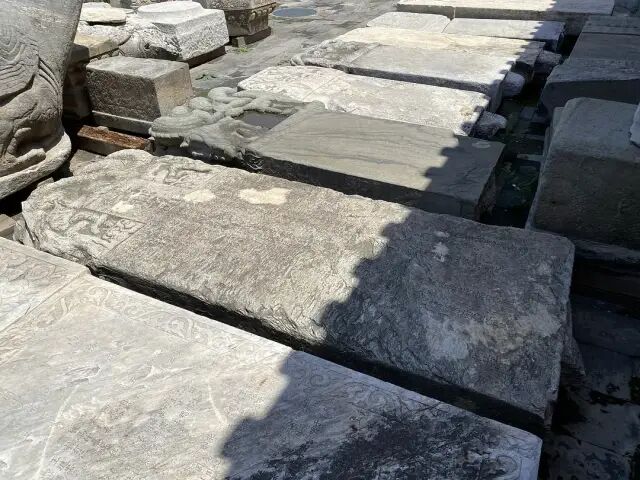
The top of the tablet reads "Gu Zhi Xian Xing" (Ancient System and Former Model), which is quite rare.
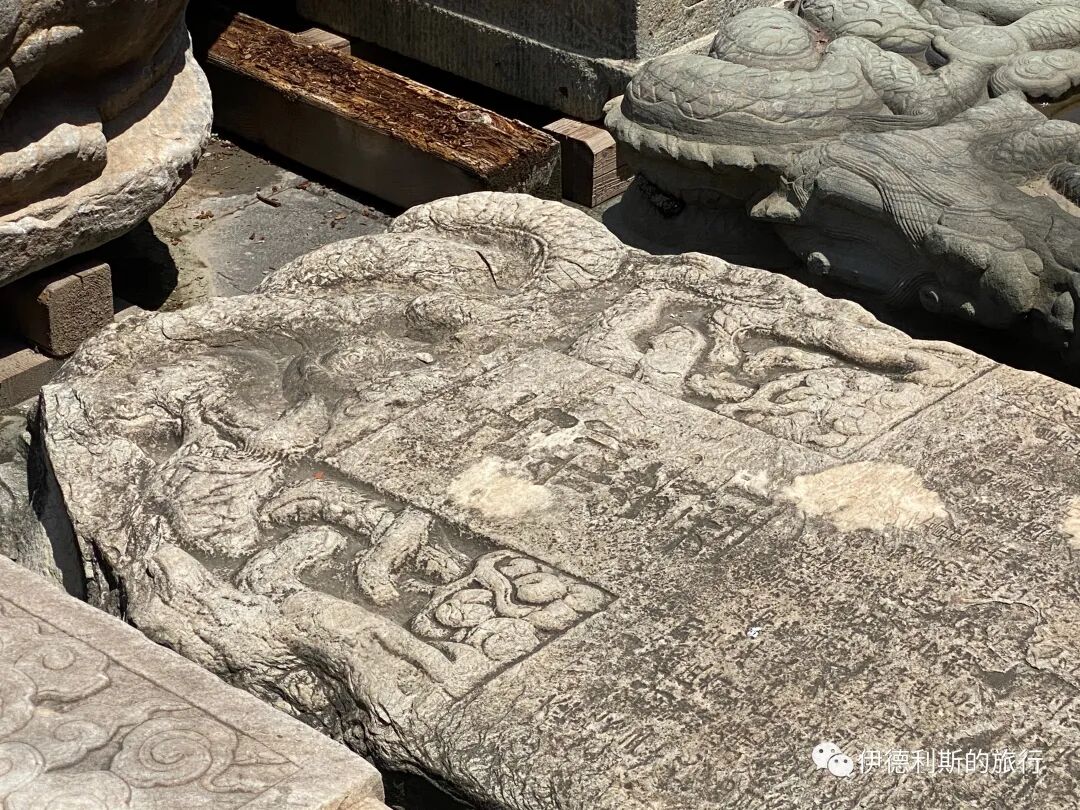
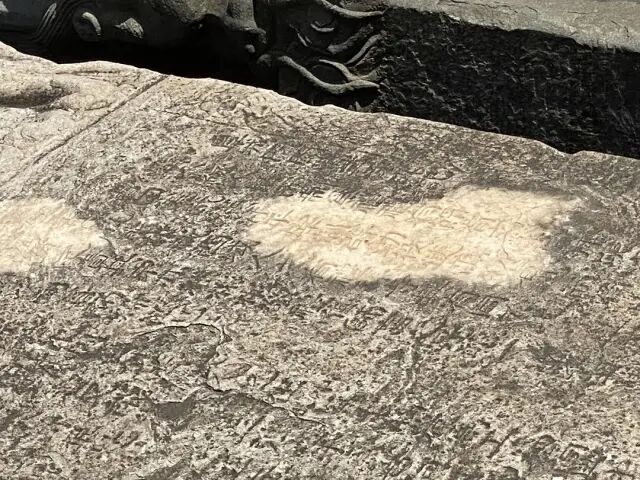
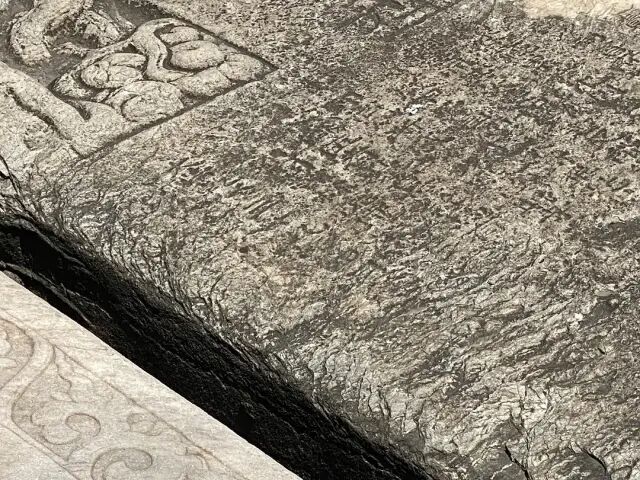
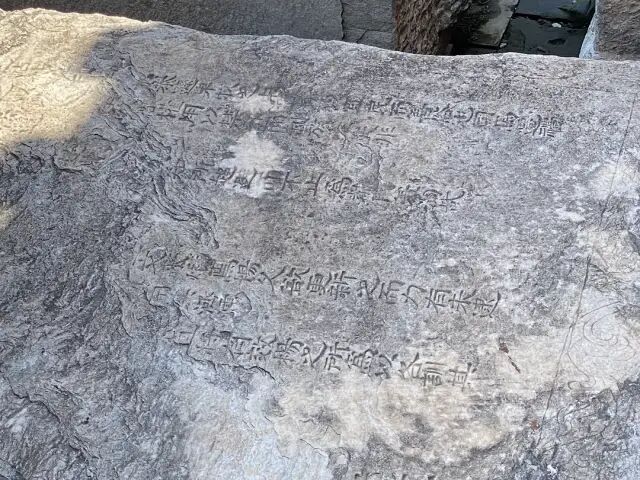
After returning home, I began to search for information about this mosque. Regrettably, the information about the Fuchengmen Guan Mosque is very limited, far less than that of the more famous Sanlihe Mosque outside Fuchengmen. The most valuable record comes from the "Draft of Beijing City Annals" written in the 1930s: "The Qingzhen Zhengyuan Mosque is located at No. 5 Jiaochangkou outside Fuchengmen. The mosque was built in the 39th year of the Qianlong reign of the Qing Dynasty. The cemeteries belonging to the Hui Muslims are generally located in the areas outside Fuchengmen and Xibianmen. The "39th year of the Qianlong reign" here is consistent with the signature on the tablet, which is 1774, so it is speculated that the tablet in the Mosque of Emperors of Successive Dynasties may have been written when the mosque was built.
In addition, according to an advertisement for the throat medicine "Wanying San" (all-purpose powder) by the Hui Muslim Yang Youxin during the Republic of China period, the production site of Yang Youxin's Wanying San was located at "No. 3, Libaisi Hutong (Mosque Alley), Guanxiang, outside Fuchengmen." It is not yet clear what the positional relationship is between Libaisi Hutong and Jiaochangkou, but the mosque mentioned here definitely refers to the Fuchengmen Guan Mosque.
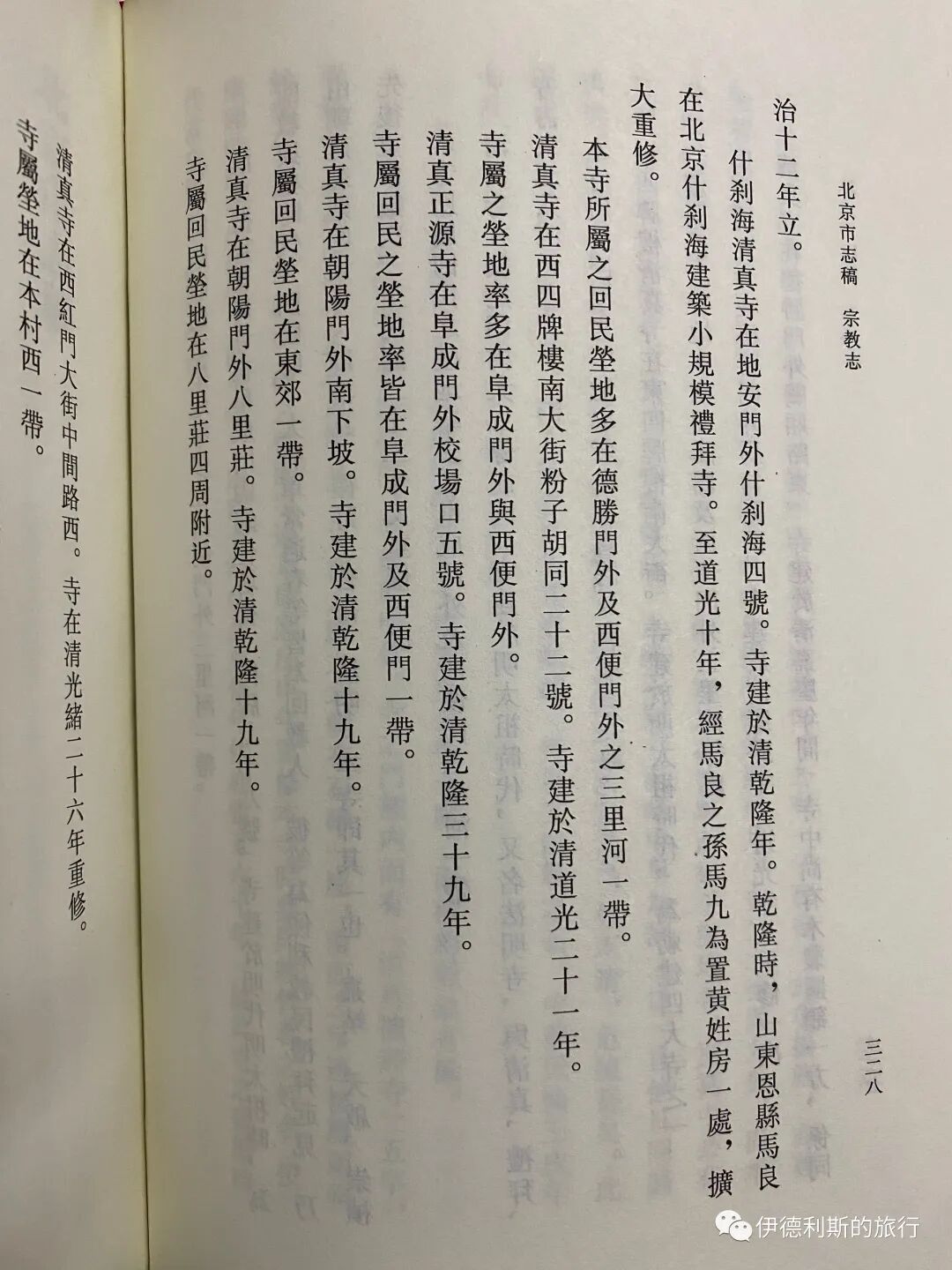
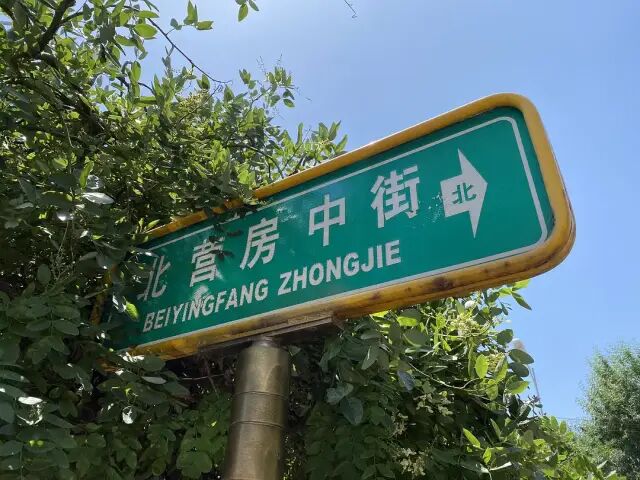
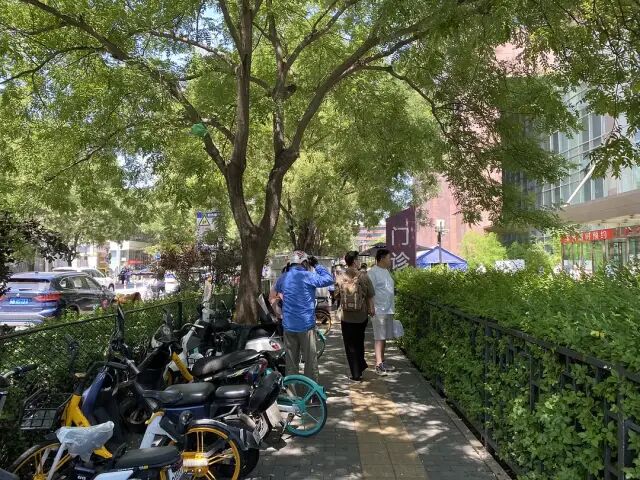
According to the data, we can know that the Fuchengmen Guan Mosque was located at Jiaochangkou, south of the Zhenghong Banner barracks outside Fuchengmen, so it is also called the Jiaochangkou Mosque. Jiaochangkou was originally a place for the soldiers of the Zhenghong Banner to drill, and after 1965, it was merged with the main road crossing the barracks on the north side, collectively known as Beiyingfang Middle Street. The location of the Fuchengmen Guan Mosque was in the middle section of Beiyingfang Middle Street, which is now the west wall of the Fuwai Hospital.
In addition, the 5th issue of "Yugong" magazine in 1937 mentioned that the Ahong (Imam) of the mosque at that time was named Ma Zirong. Another dost (friend/fellow Muslim) mentioned that an elder from the Beigouyan Mosque had studied the Quran at the Fuchengmen Guan Mosque when he was a child, and said that the Ahong at that time was surnamed Hong. Interestingly, after the Beigouyan Mosque was demolished and rebuilt in 1997, it was renamed Zhengyuan Mosque, which is exactly the name of the Fuchengmen Guan Mosque recorded in the "Draft of Beijing City Annals."
If any dost knows more information about the Fuchengmen Guan Mosque, please leave a message on my official account, may you receive thawab (divine reward).
Summary: This travel note introduces Searching for Jiaochangkou Mosque Outside Beijing's Fuchengmen. A friend told me that there is a stone tablet named "Record of the Fuchengmen Guan Mosque" in the mosque of Emperors of Successive Dynasties in Beijing, which is the only relic of the Fuchengmen Guan Mosque. It is useful for readers interested in Beijing Mosque, Hui Muslims, Muslim Heritage.
A friend told me that there is a stone tablet named "Record of the Fuchengmen Guan Mosque" in the mosque of Emperors of Successive Dynasties in Beijing, which is the only relic of the Fuchengmen Guan Mosque. Upon hearing the news, I immediately went to the Temple of Emperors of Successive Dynasties to check it, but unfortunately, the inscription was blurred and unclear, and apart from the signature "39th Year of the Qianlong Reign of the Great Qing Dynasty," I could not identify any other information.
The top of the tablet reads "Gu Zhi Xian Xing" (Ancient System and Former Model), which is quite rare.
After returning home, I began to search for information about this mosque. Regrettably, the information about the Fuchengmen Guan Mosque is very limited, far less than that of the more famous Sanlihe Mosque outside Fuchengmen. The most valuable record comes from the "Draft of Beijing City Annals" written in the 1930s: "The Qingzhen Zhengyuan Mosque is located at No. 5 Jiaochangkou outside Fuchengmen. The mosque was built in the 39th year of the Qianlong reign of the Qing Dynasty. The cemeteries belonging to the Hui Muslims are generally located in the areas outside Fuchengmen and Xibianmen. The "39th year of the Qianlong reign" here is consistent with the signature on the tablet, which is 1774, so it is speculated that the tablet in the Mosque of Emperors of Successive Dynasties may have been written when the mosque was built.
In addition, according to an advertisement for the throat medicine "Wanying San" (all-purpose powder) by the Hui Muslim Yang Youxin during the Republic of China period, the production site of Yang Youxin's Wanying San was located at "No. 3, Libaisi Hutong (Mosque Alley), Guanxiang, outside Fuchengmen." It is not yet clear what the positional relationship is between Libaisi Hutong and Jiaochangkou, but the mosque mentioned here definitely refers to the Fuchengmen Guan Mosque.
According to the data, we can know that the Fuchengmen Guan Mosque was located at Jiaochangkou, south of the Zhenghong Banner barracks outside Fuchengmen, so it is also called the Jiaochangkou Mosque. Jiaochangkou was originally a place for the soldiers of the Zhenghong Banner to drill, and after 1965, it was merged with the main road crossing the barracks on the north side, collectively known as Beiyingfang Middle Street. The location of the Fuchengmen Guan Mosque was in the middle section of Beiyingfang Middle Street, which is now the west wall of the Fuwai Hospital.
In addition, the 5th issue of "Yugong" magazine in 1937 mentioned that the Ahong (Imam) of the mosque at that time was named Ma Zirong. Another dost (friend/fellow Muslim) mentioned that an elder from the Beigouyan Mosque had studied the Quran at the Fuchengmen Guan Mosque when he was a child, and said that the Ahong at that time was surnamed Hong. Interestingly, after the Beigouyan Mosque was demolished and rebuilt in 1997, it was renamed Zhengyuan Mosque, which is exactly the name of the Fuchengmen Guan Mosque recorded in the "Draft of Beijing City Annals."
If any dost knows more information about the Fuchengmen Guan Mosque, please leave a message on my official account, may you receive thawab (divine reward).
A Qing-Dynasty Salar Muslim Minaret in Beijing: Hidden Muslim Heritage
Articles • ali2007fr posted the article • 0 comments • 149 views • 2026-05-17 07:58
Reposted from the web
Summary: This travel note introduces A Qing-Dynasty Salar Muslim Minaret in Beijing: Hidden Muslim Heritage. I went for a walk at the Beijing Chinese Ethnic Culture Park (Zhonghua Minzu Yuan) last weekend and was surprised to find a Qing Dynasty minaret of the Salar people in the North Park. It is useful for readers interested in Salar Muslims, Beijing Mosque, Minaret.
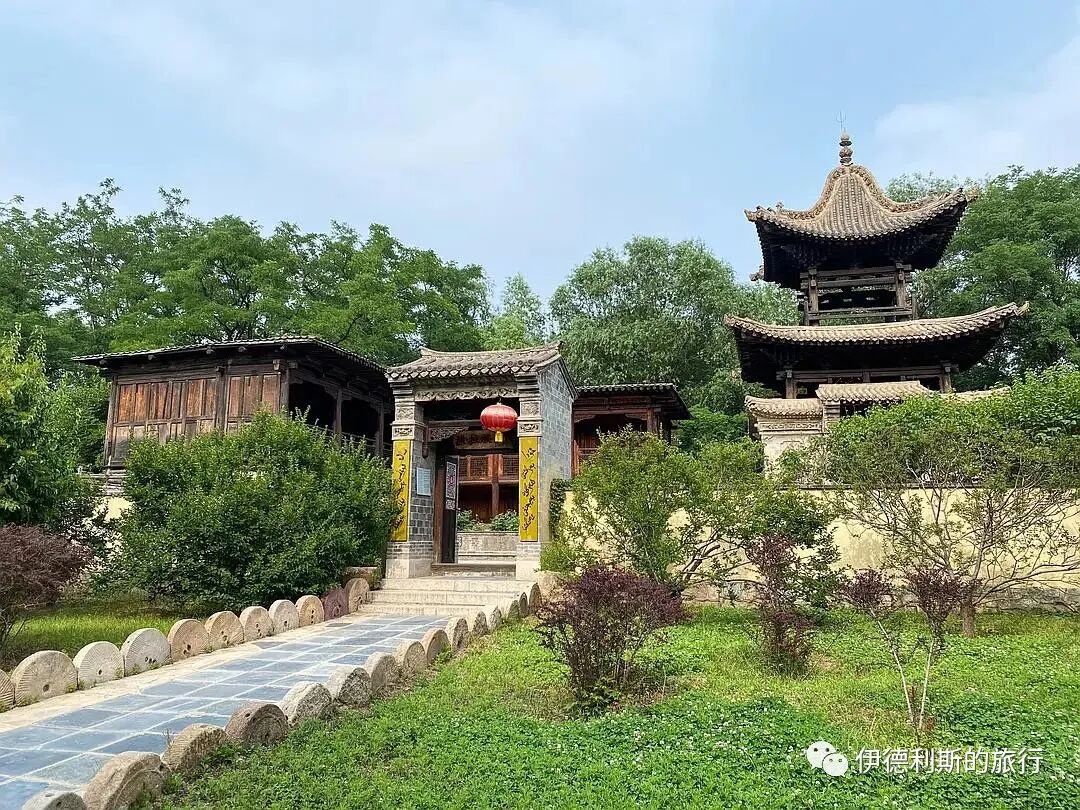
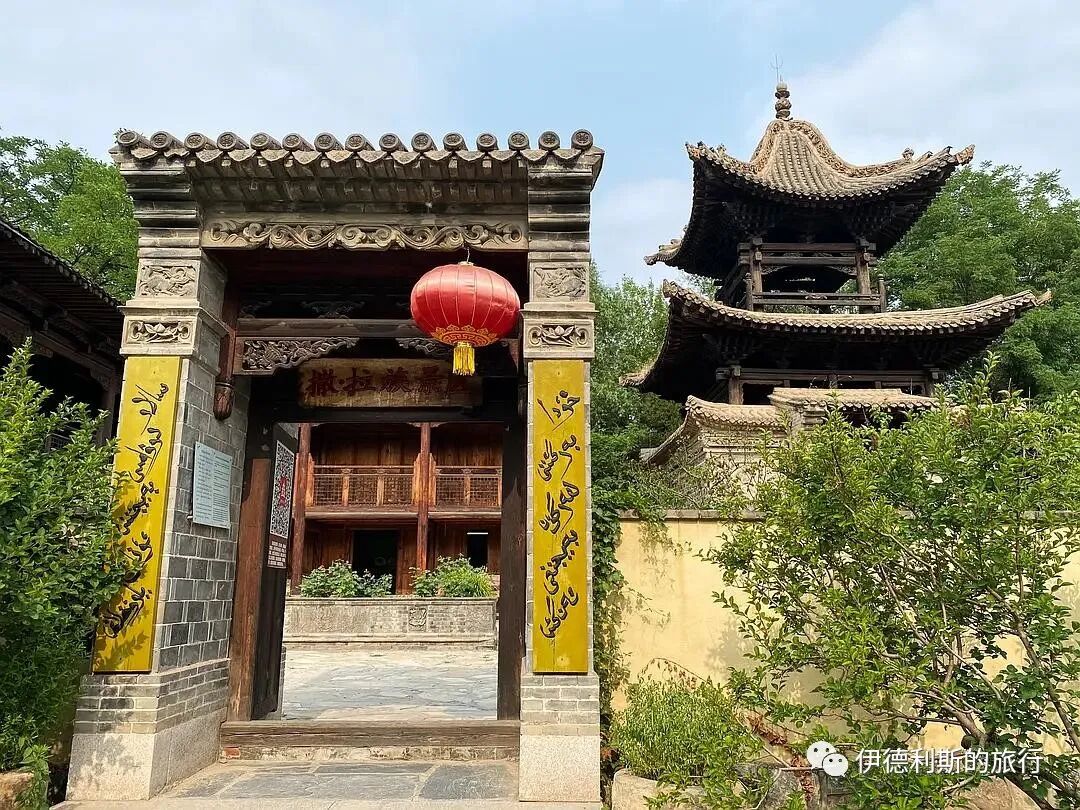
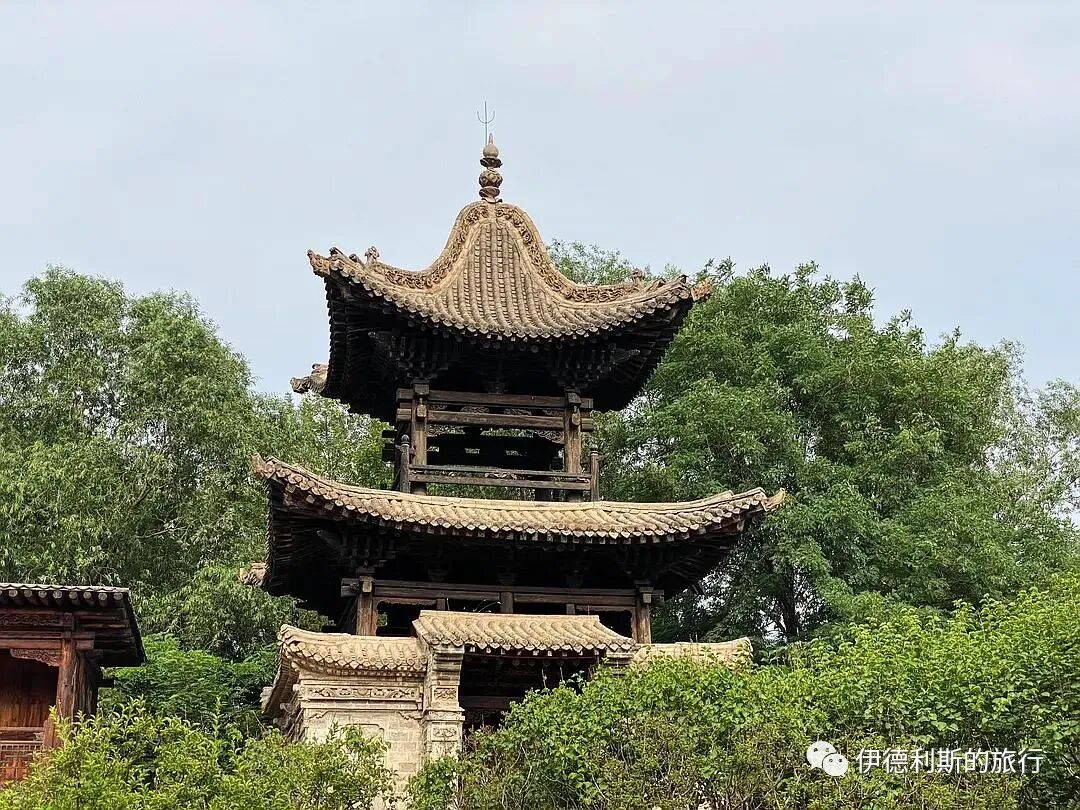
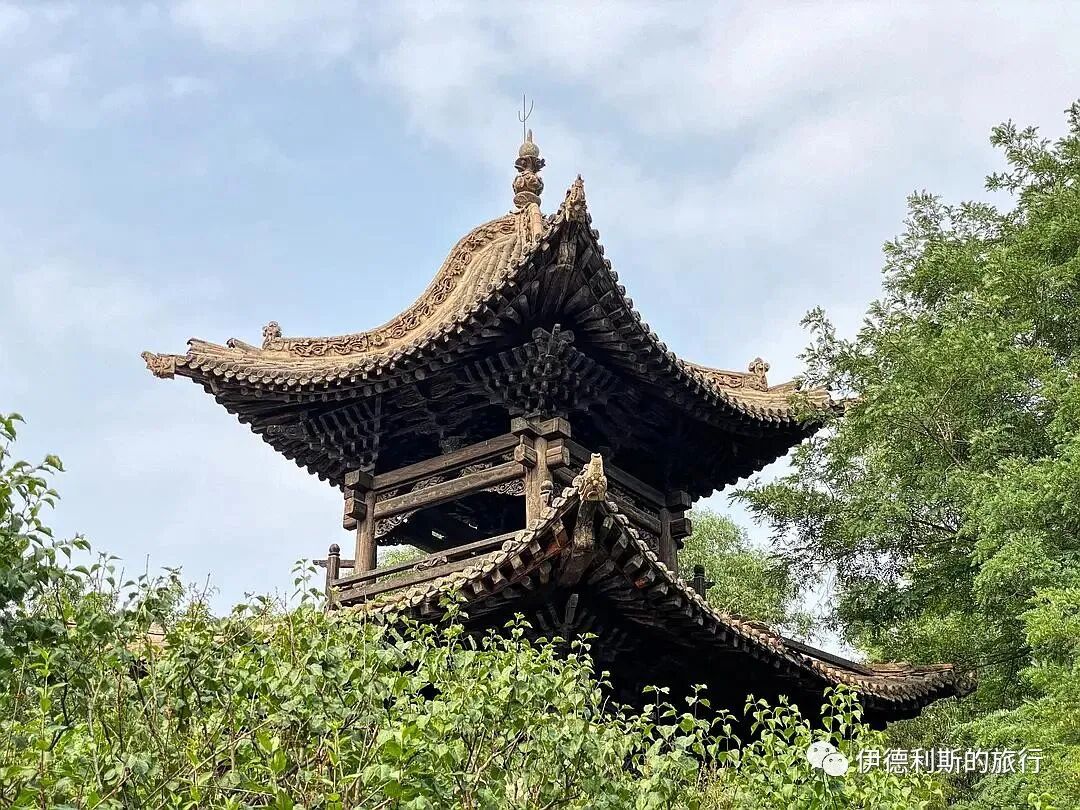
I went for a walk at the Beijing Chinese Ethnic Culture Park (Zhonghua Minzu Yuan) last weekend and was surprised to find a Qing Dynasty minaret of the Salar people in the North Park. I read the introduction, which says it was relocated from Shangbaizhuang Village, Baizhuang Township, Xunhua in 2003. This practice violates the principles of protecting immovable cultural relics, causing the loss of the historical information and cultural significance of the immovable relics, and I personally do not agree with it. However, looking at the reality, before the Salar mosque architectural complex was selected as a national protected site in 2013, some Qing Dynasty mosque historical buildings were successively demolished and rebuilt by the local community; if this minaret had not been relocated, it might have also faced the possibility of being demolished.
I am sharing here the Salar minarets I photographed previously.
The minaret of Qingshuihe East Mosque
The minaret of Mengda Mosque
The minaret of Tashapo Mosque
The minaret of Labian Mosque
The minaret of Zhangga Mosque
The minaret of Kewa Mosque
The minaret of Ahetan Mosque
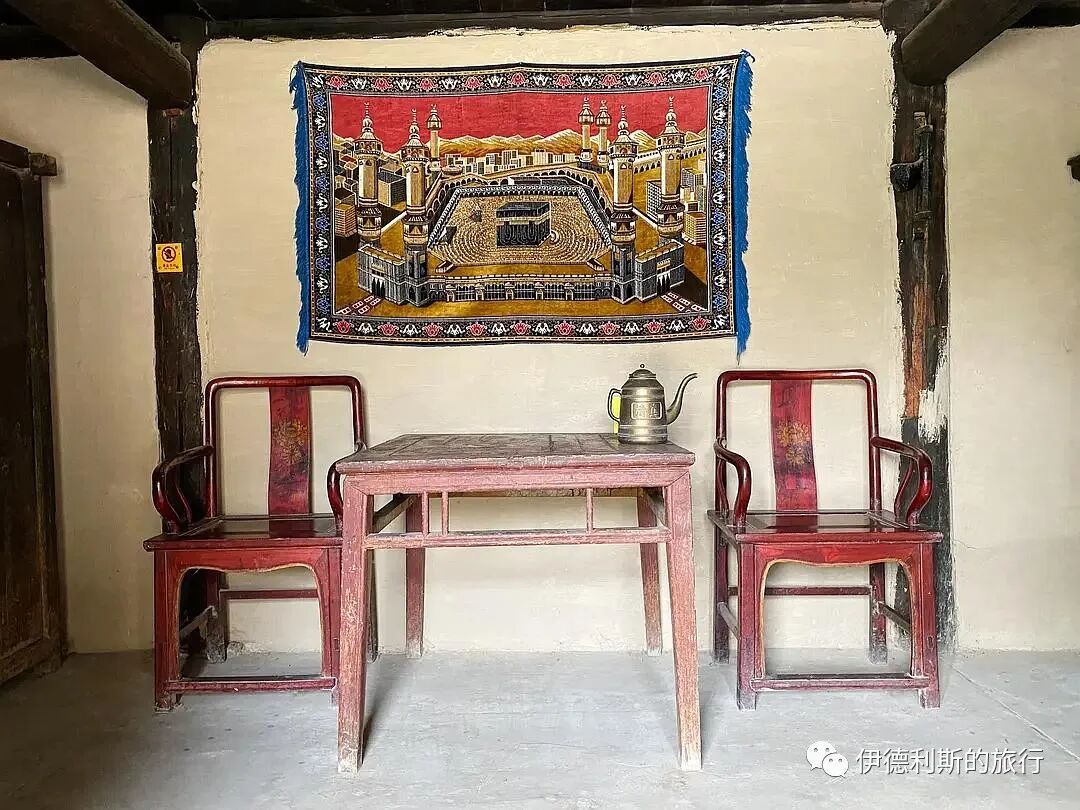
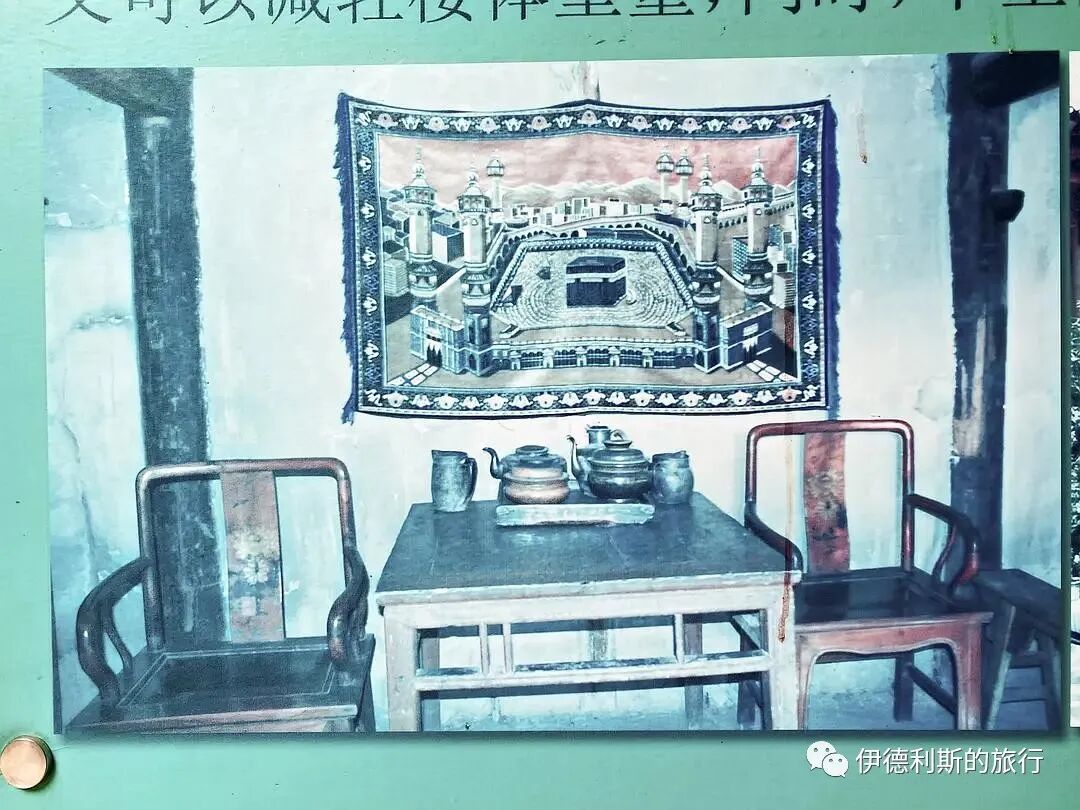
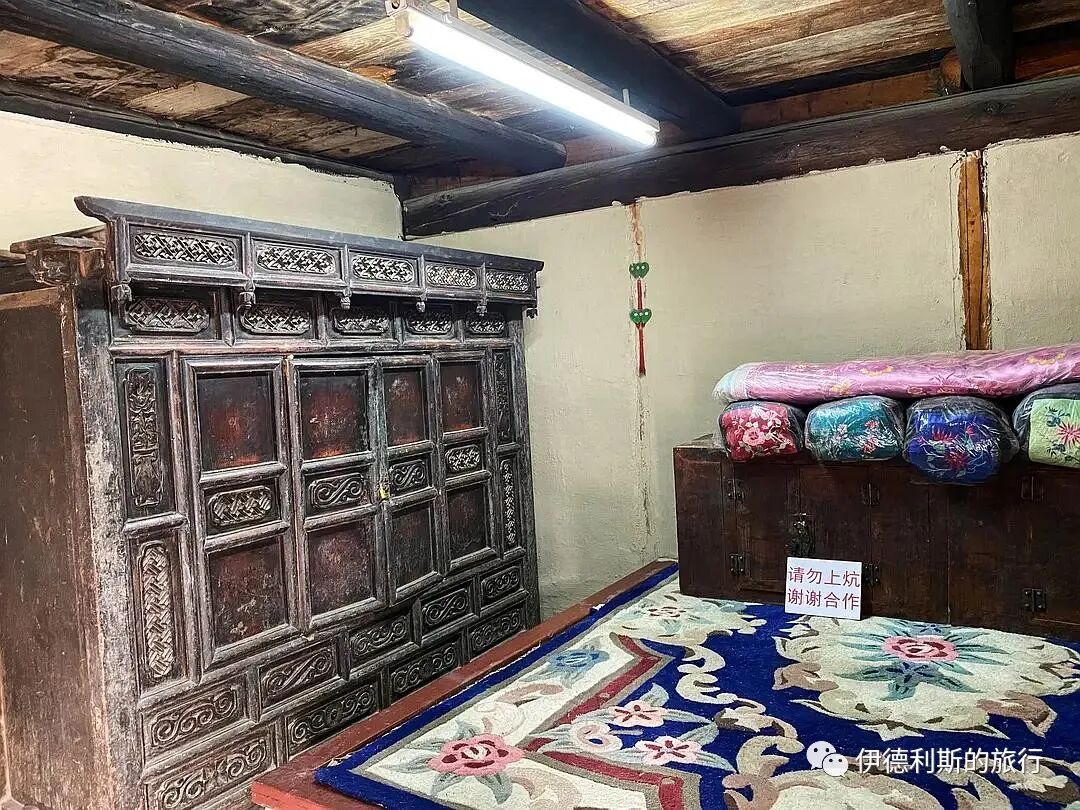
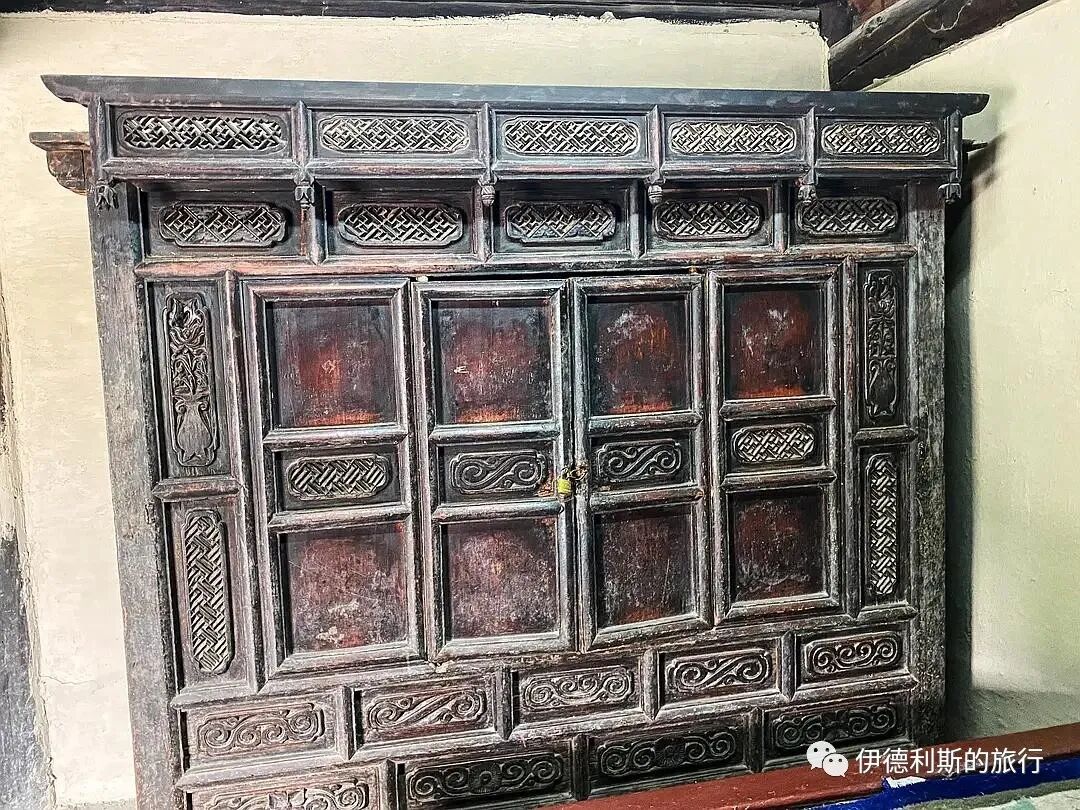
In 2003, the Chinese Ethnic Culture Park also relocated a Qing Dynasty Salar libalou (fence-style building) from Mengda Village in Xunhua, moving it along with the furniture. Now the west side is the original building, and the east side is a new construction modeled after the west side. However, placing a tangping (a traditional Islamic ewer for ritual washing) on the table seems out of place; there should be an incense burner on the table instead. view all
Summary: This travel note introduces A Qing-Dynasty Salar Muslim Minaret in Beijing: Hidden Muslim Heritage. I went for a walk at the Beijing Chinese Ethnic Culture Park (Zhonghua Minzu Yuan) last weekend and was surprised to find a Qing Dynasty minaret of the Salar people in the North Park. It is useful for readers interested in Salar Muslims, Beijing Mosque, Minaret.
I went for a walk at the Beijing Chinese Ethnic Culture Park (Zhonghua Minzu Yuan) last weekend and was surprised to find a Qing Dynasty minaret of the Salar people in the North Park. I read the introduction, which says it was relocated from Shangbaizhuang Village, Baizhuang Township, Xunhua in 2003. This practice violates the principles of protecting immovable cultural relics, causing the loss of the historical information and cultural significance of the immovable relics, and I personally do not agree with it. However, looking at the reality, before the Salar mosque architectural complex was selected as a national protected site in 2013, some Qing Dynasty mosque historical buildings were successively demolished and rebuilt by the local community; if this minaret had not been relocated, it might have also faced the possibility of being demolished.
I am sharing here the Salar minarets I photographed previously.
The minaret of Qingshuihe East Mosque
The minaret of Mengda Mosque
The minaret of Tashapo Mosque
The minaret of Labian Mosque
The minaret of Zhangga Mosque
The minaret of Kewa Mosque
The minaret of Ahetan Mosque
In 2003, the Chinese Ethnic Culture Park also relocated a Qing Dynasty Salar libalou (fence-style building) from Mengda Village in Xunhua, moving it along with the furniture. Now the west side is the original building, and the east side is a new construction modeled after the west side. However, placing a tangping (a traditional Islamic ewer for ritual washing) on the table seems out of place; there should be an incense burner on the table instead. view all
Reposted from the web
Summary: This travel note introduces A Qing-Dynasty Salar Muslim Minaret in Beijing: Hidden Muslim Heritage. I went for a walk at the Beijing Chinese Ethnic Culture Park (Zhonghua Minzu Yuan) last weekend and was surprised to find a Qing Dynasty minaret of the Salar people in the North Park. It is useful for readers interested in Salar Muslims, Beijing Mosque, Minaret.
I went for a walk at the Beijing Chinese Ethnic Culture Park (Zhonghua Minzu Yuan) last weekend and was surprised to find a Qing Dynasty minaret of the Salar people in the North Park. I read the introduction, which says it was relocated from Shangbaizhuang Village, Baizhuang Township, Xunhua in 2003. This practice violates the principles of protecting immovable cultural relics, causing the loss of the historical information and cultural significance of the immovable relics, and I personally do not agree with it. However, looking at the reality, before the Salar mosque architectural complex was selected as a national protected site in 2013, some Qing Dynasty mosque historical buildings were successively demolished and rebuilt by the local community; if this minaret had not been relocated, it might have also faced the possibility of being demolished.
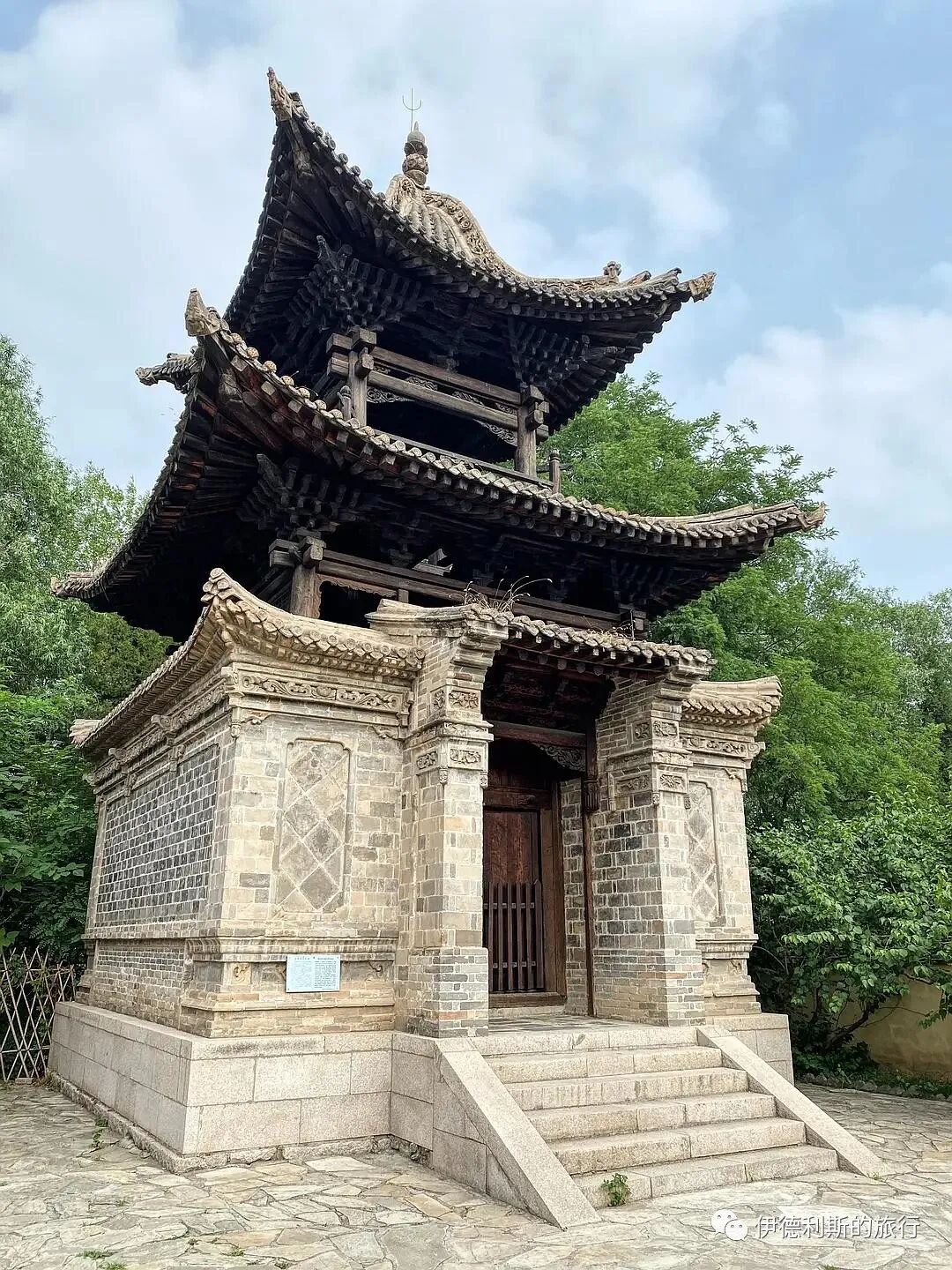
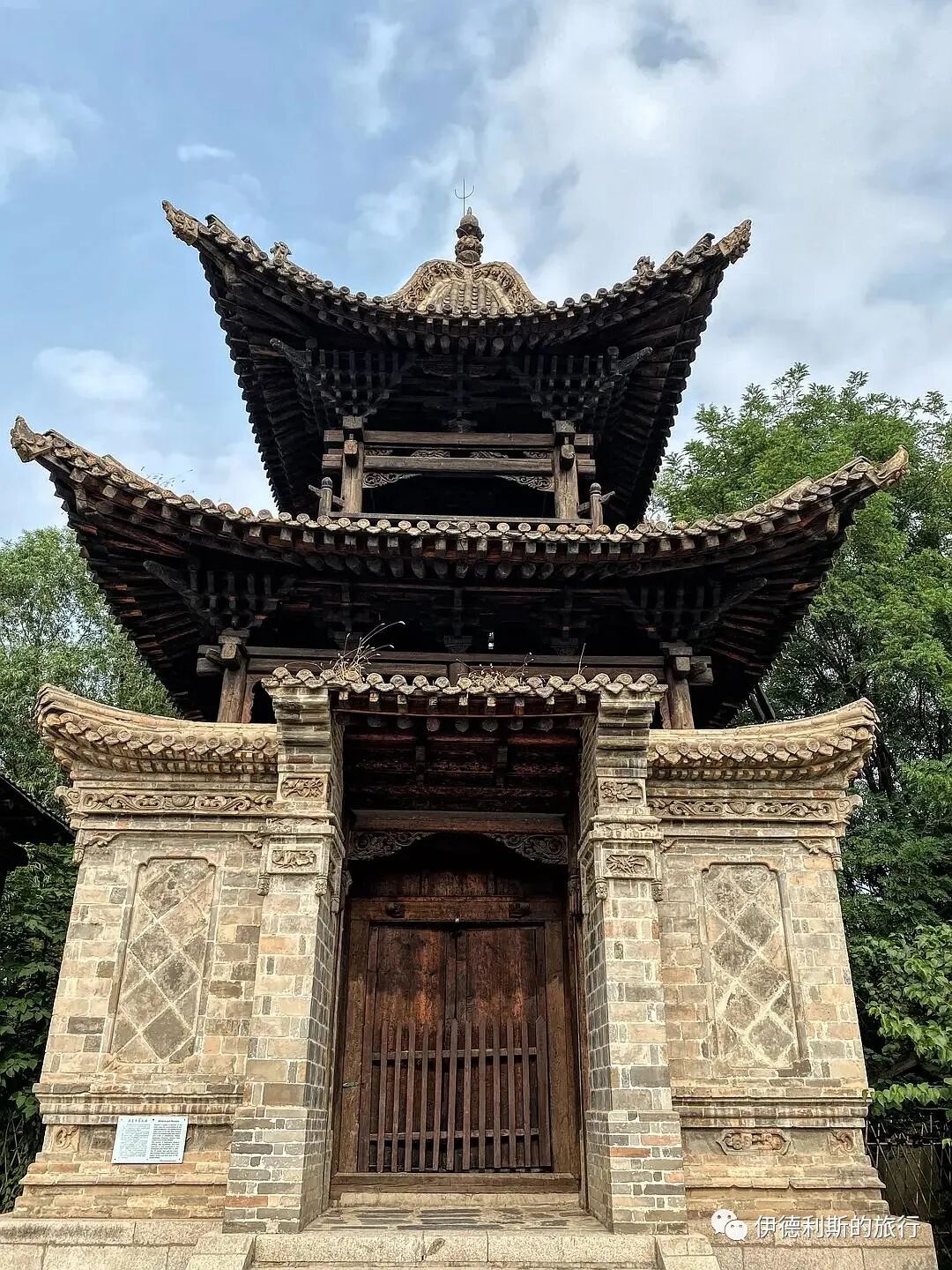
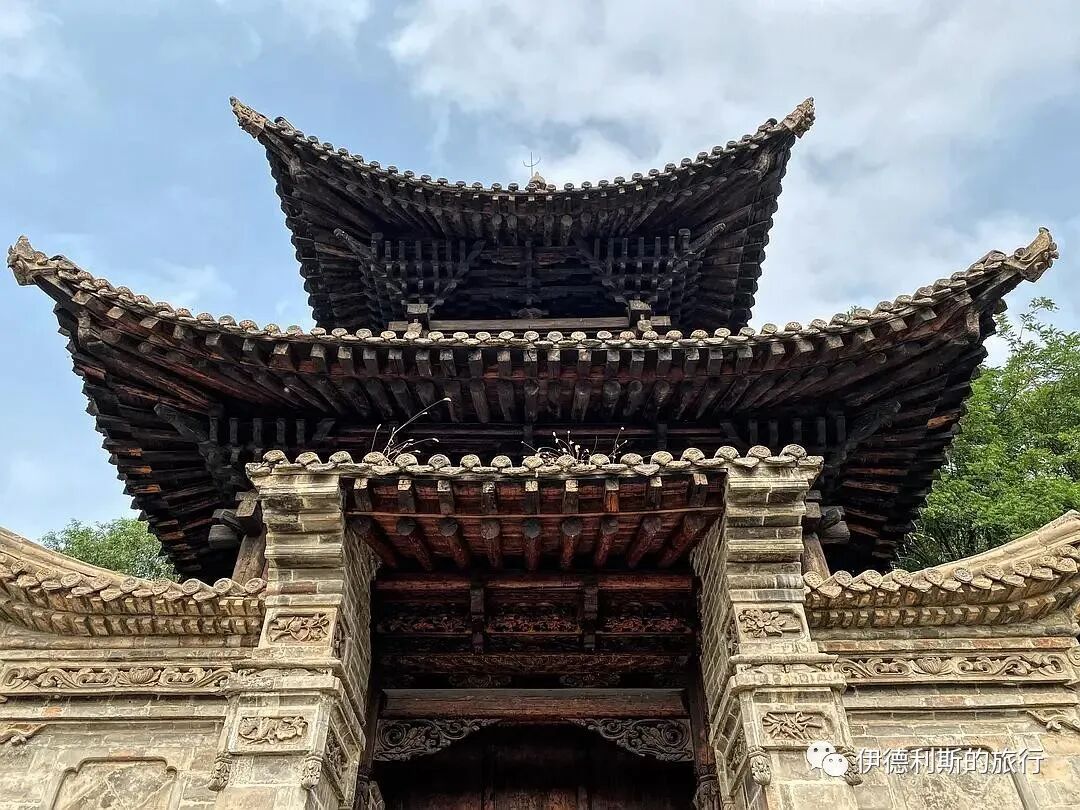
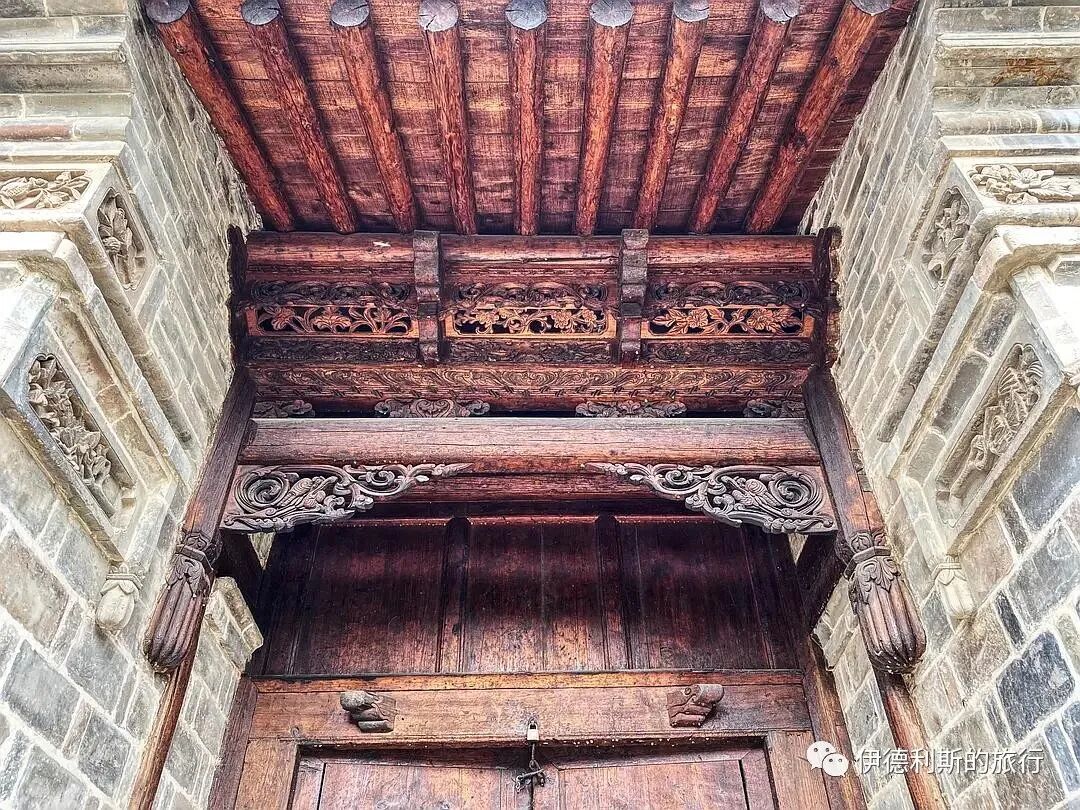
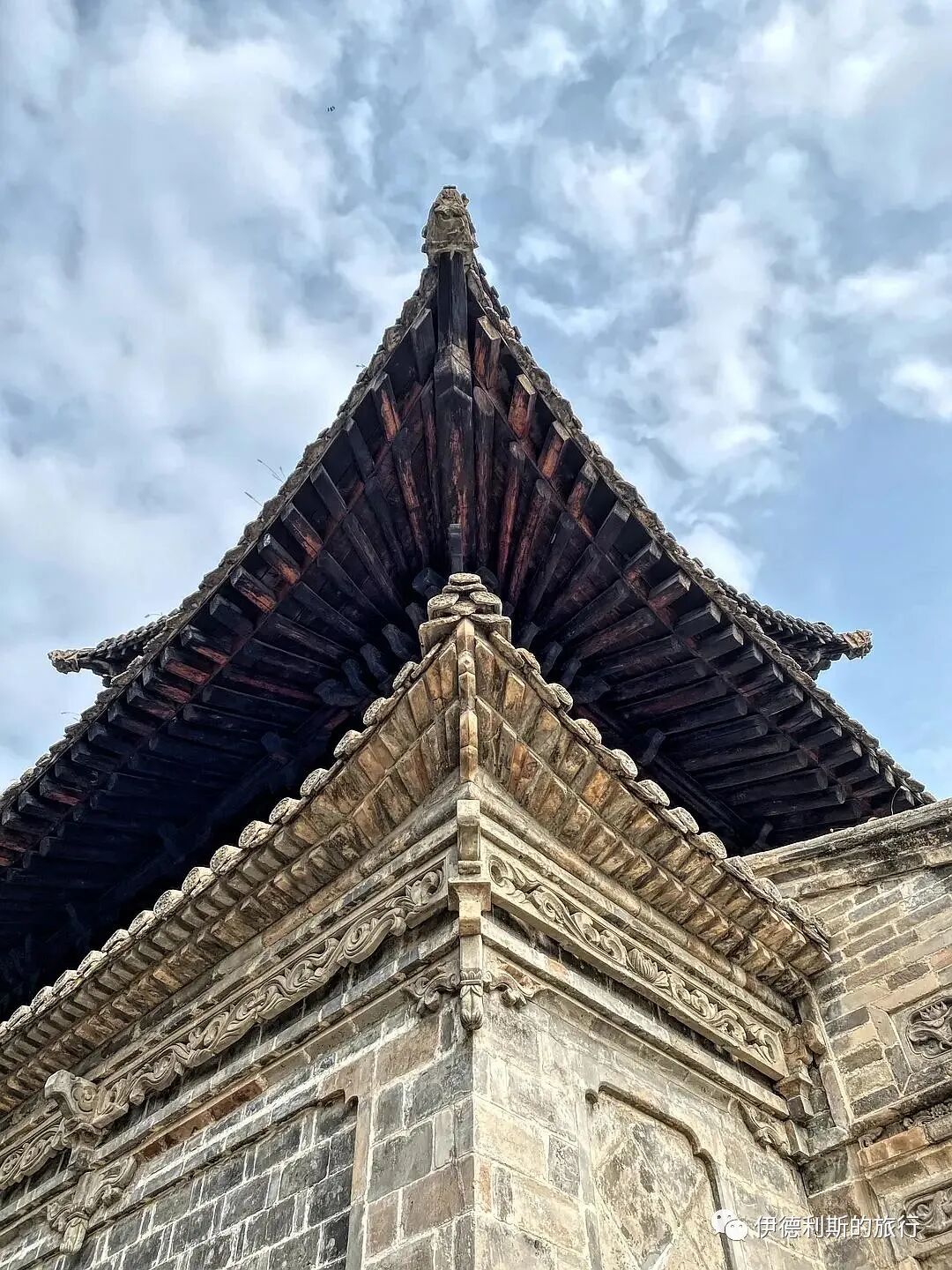
I am sharing here the Salar minarets I photographed previously.
The minaret of Qingshuihe East Mosque
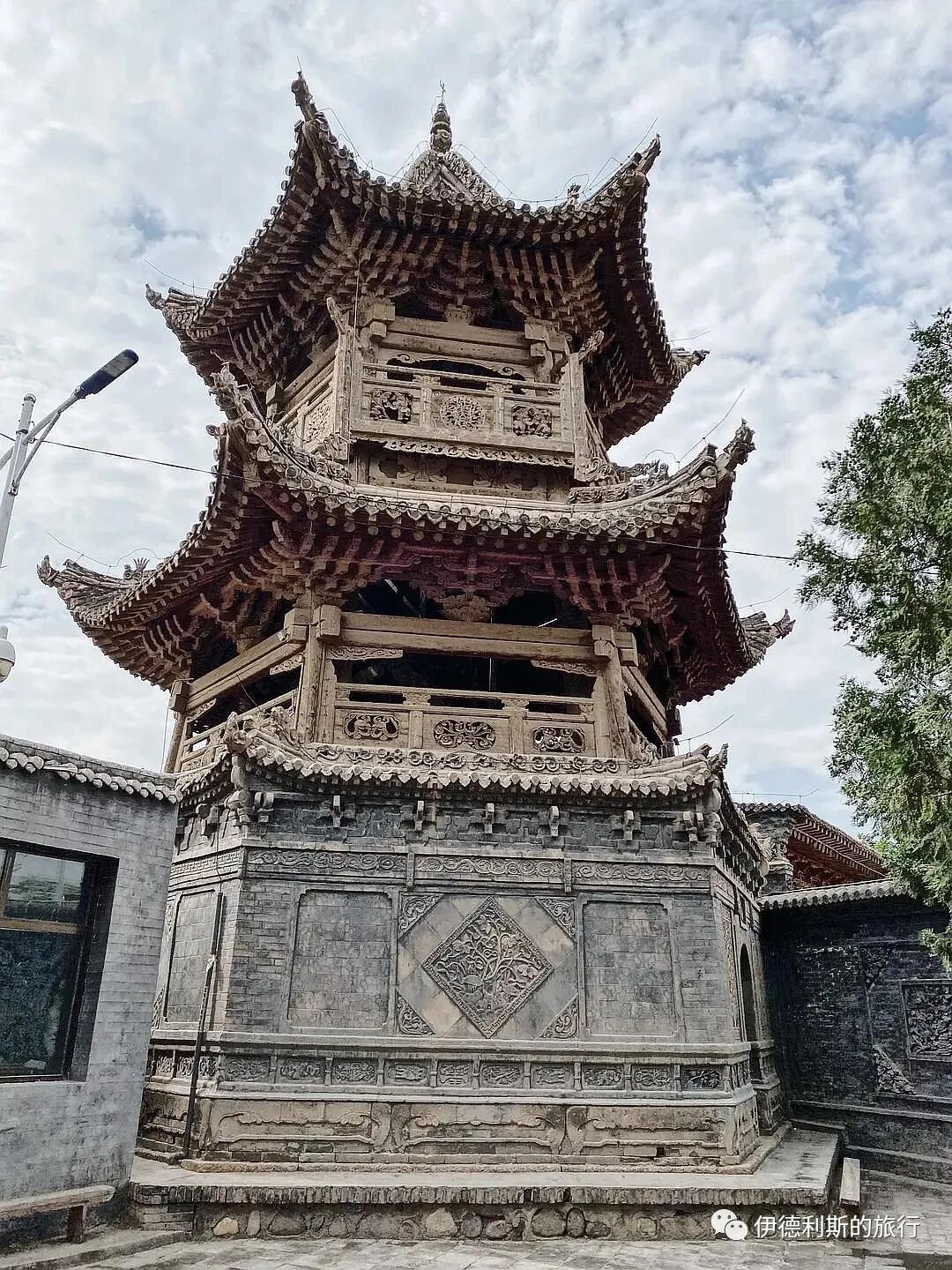
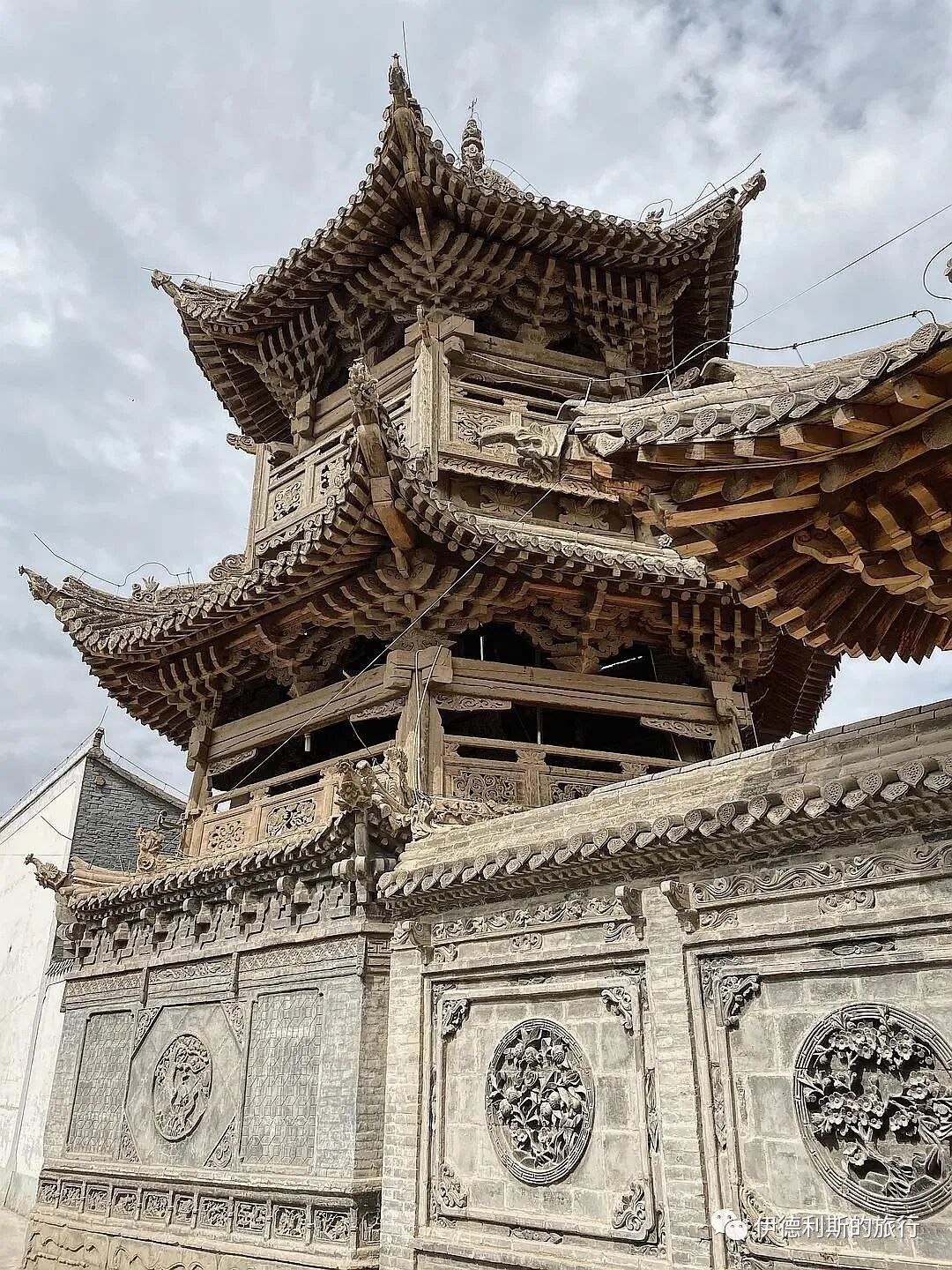
The minaret of Mengda Mosque
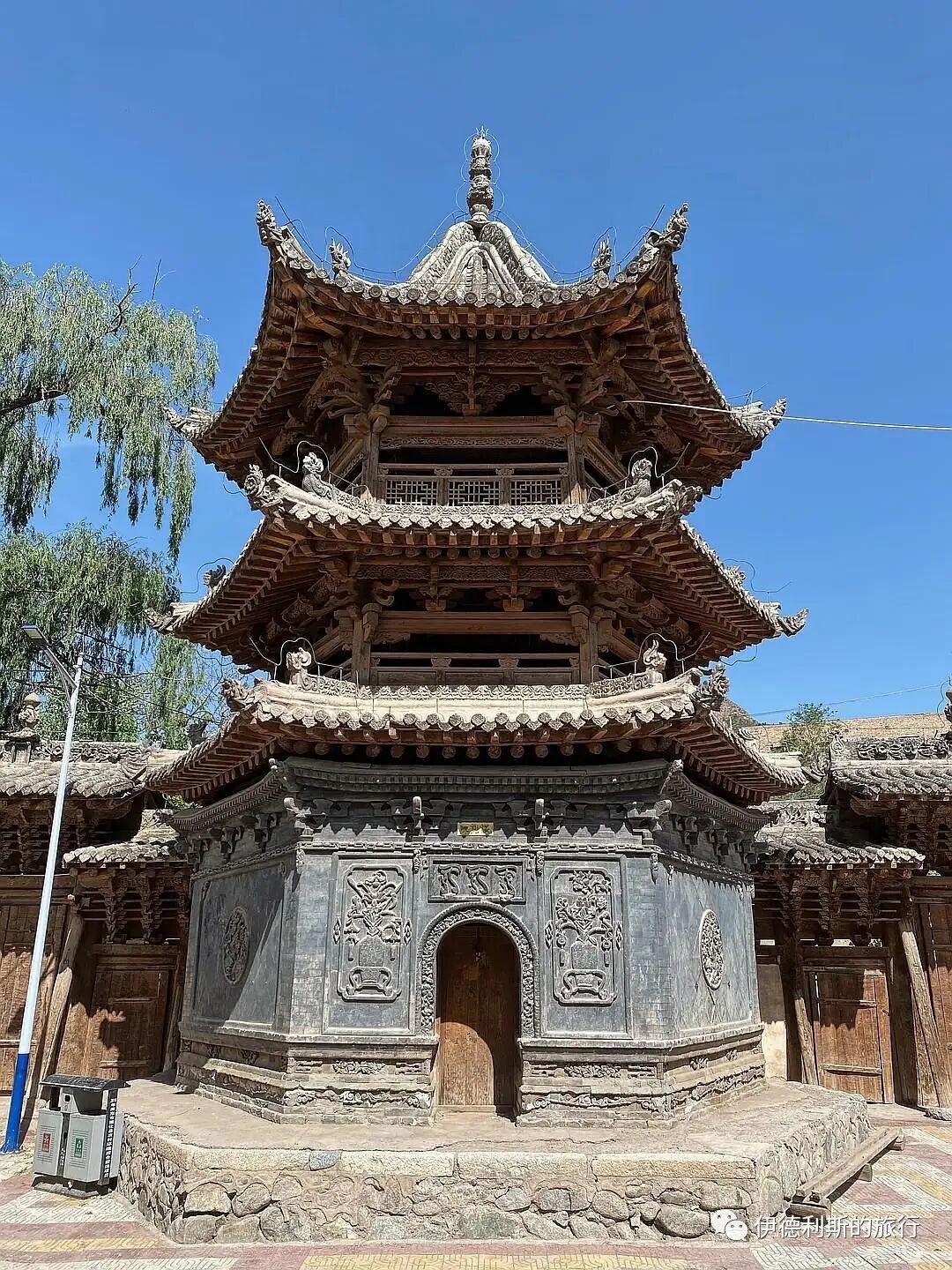
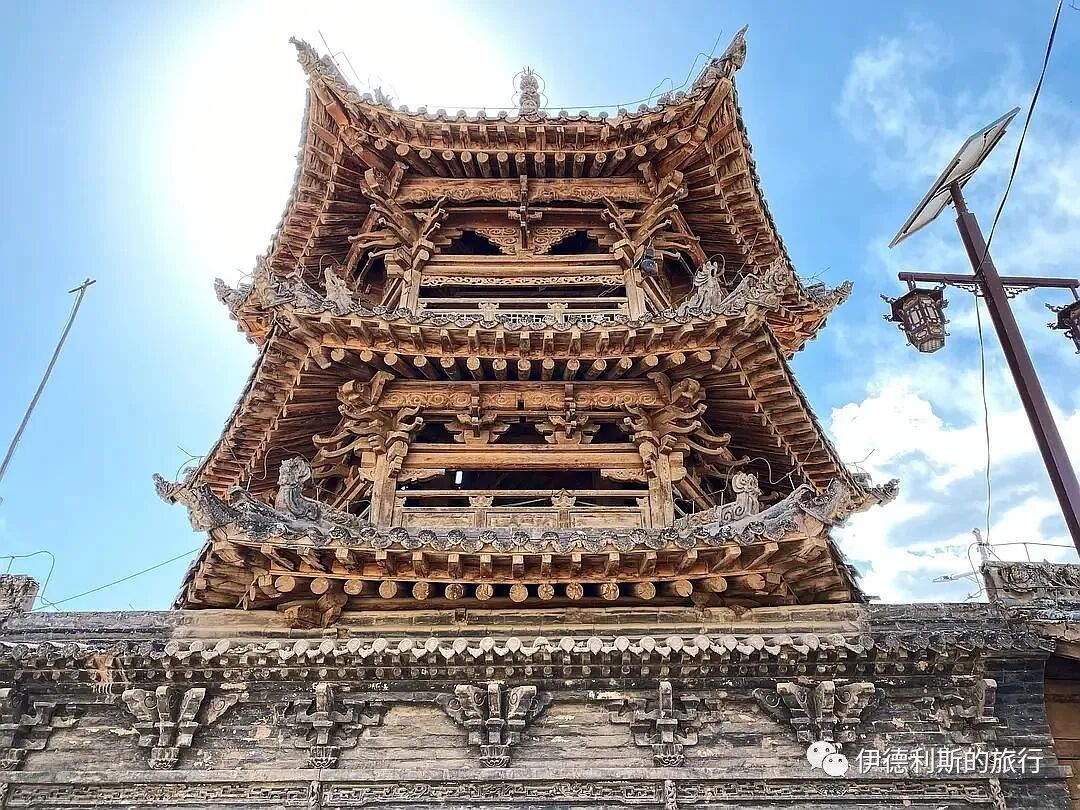
The minaret of Tashapo Mosque
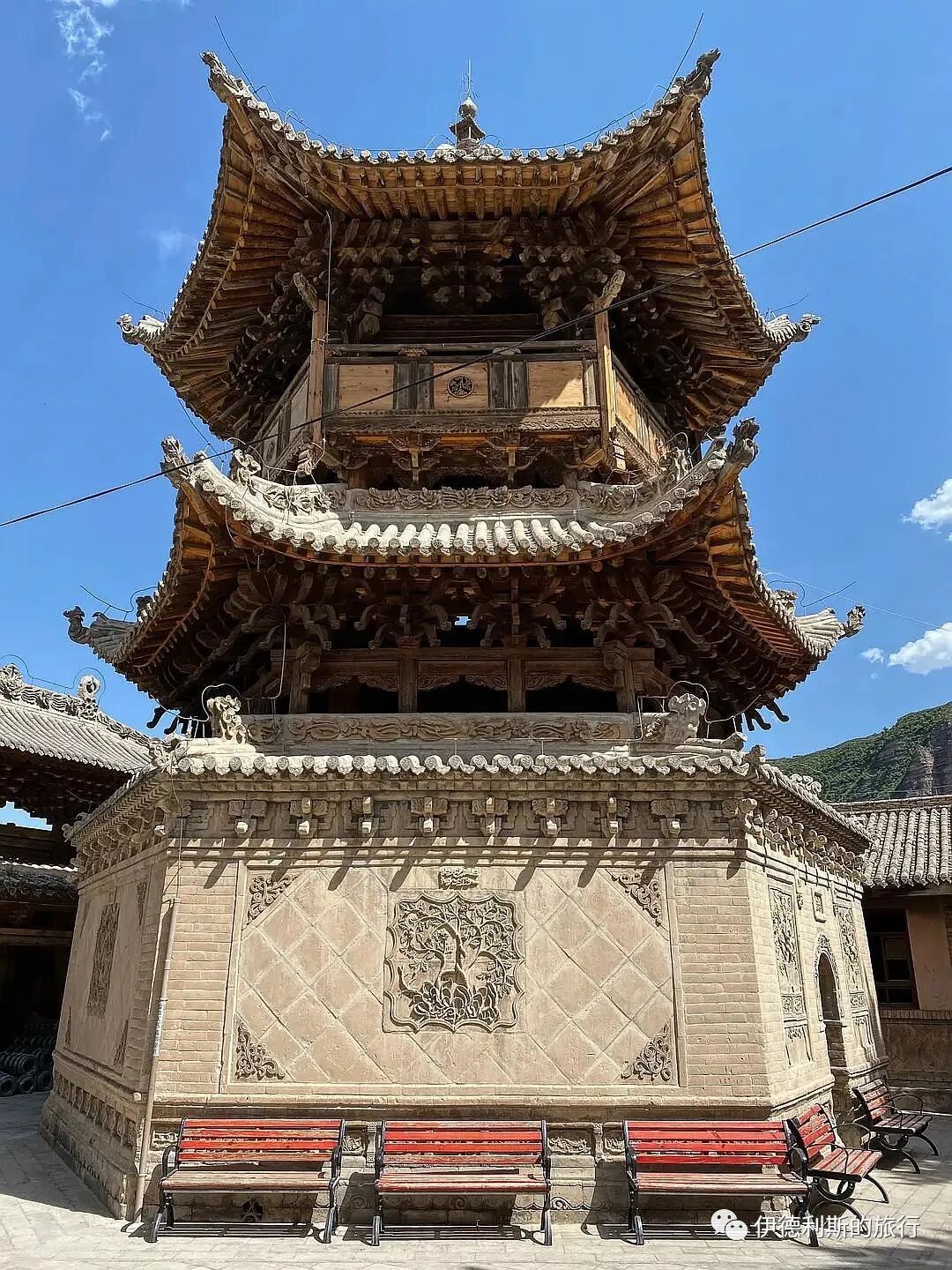
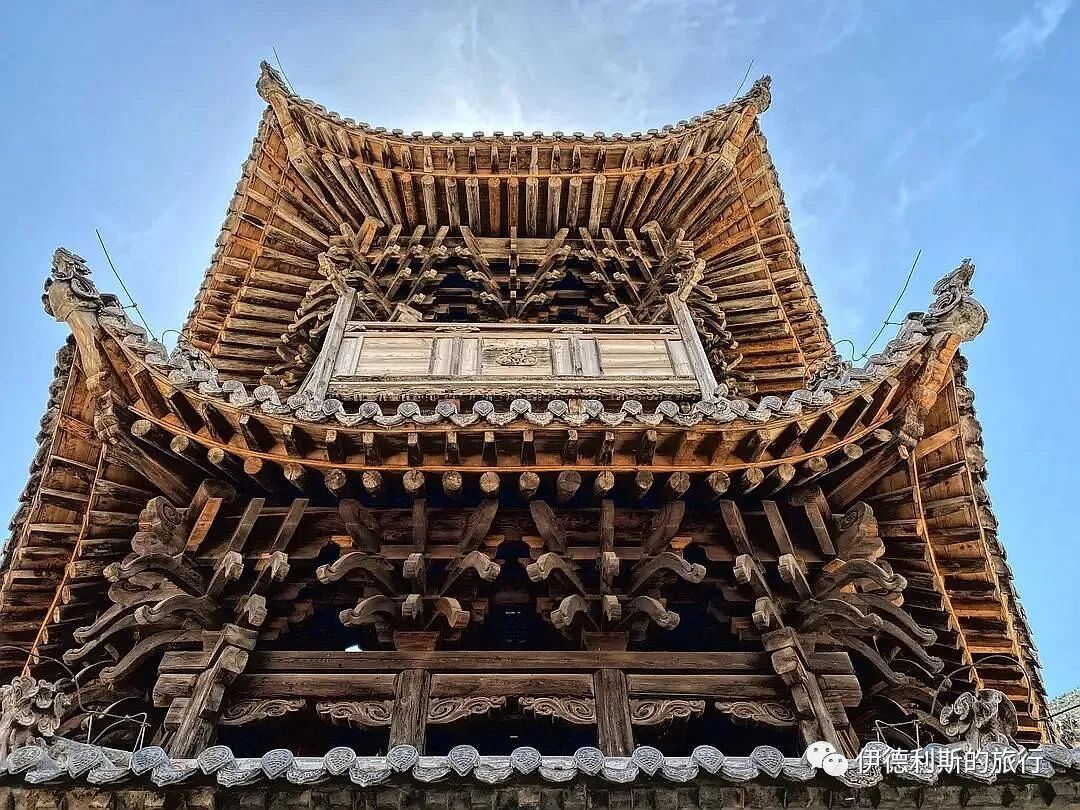
The minaret of Labian Mosque
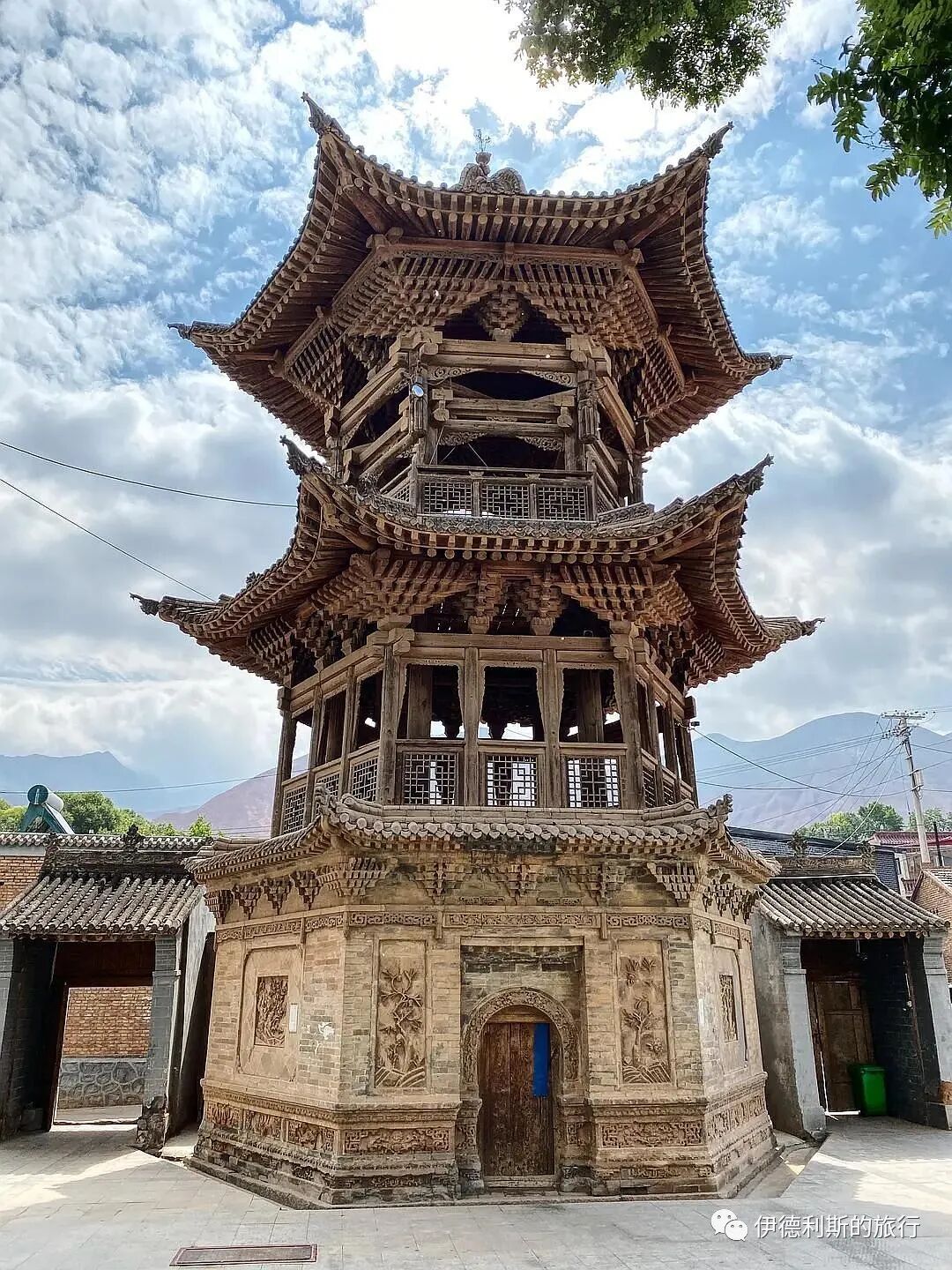
The minaret of Zhangga Mosque
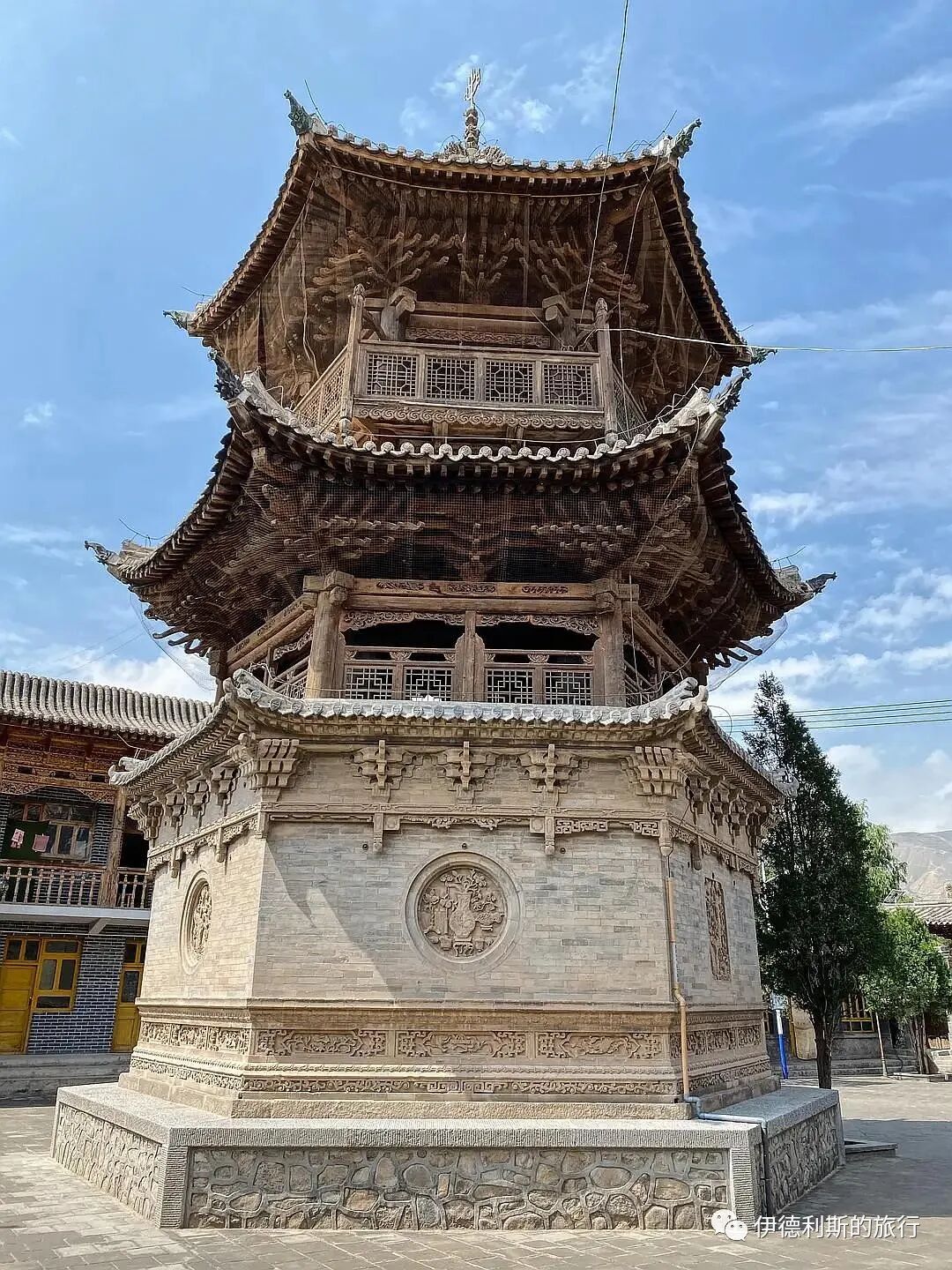
The minaret of Kewa Mosque
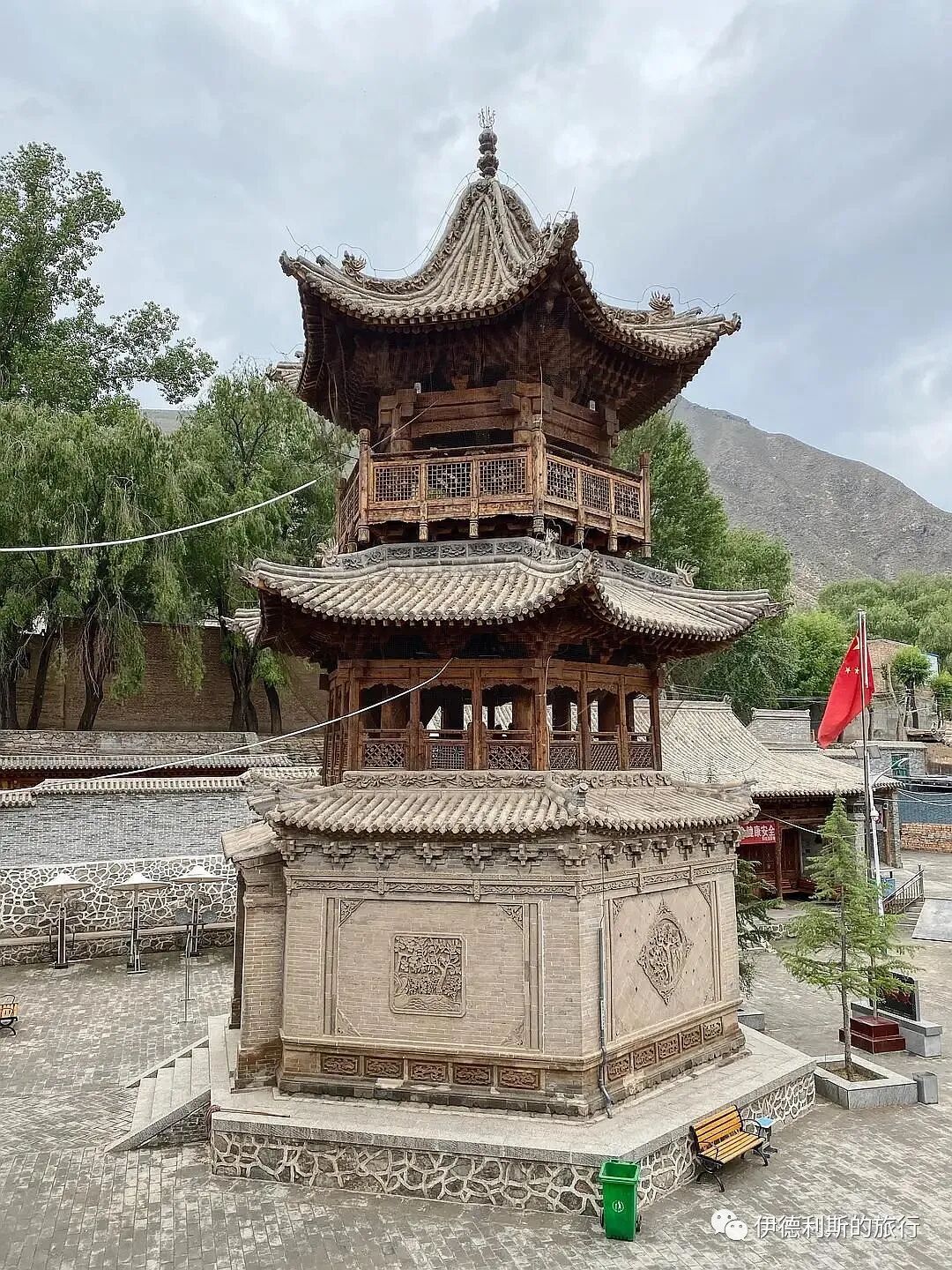
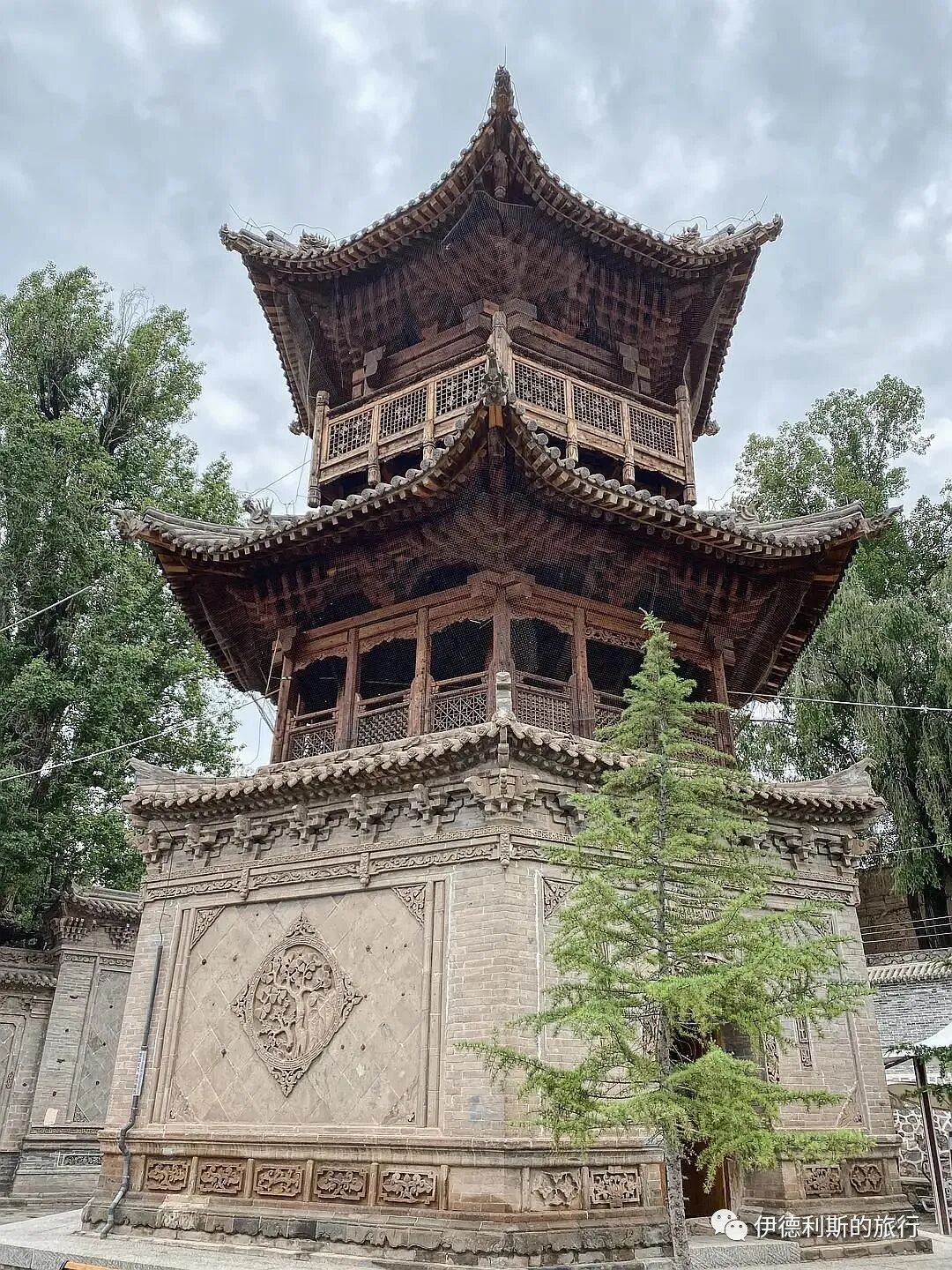
The minaret of Ahetan Mosque
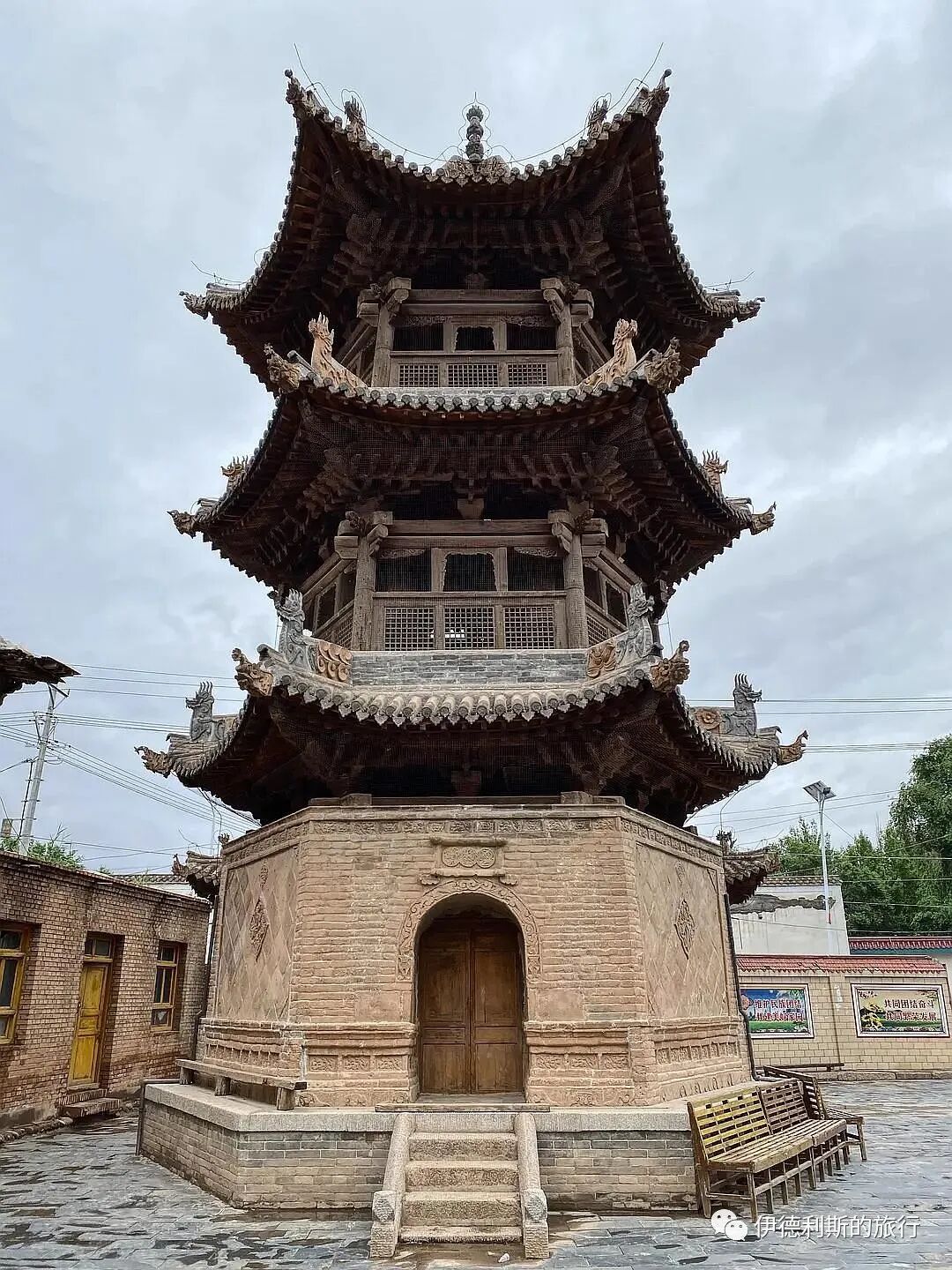
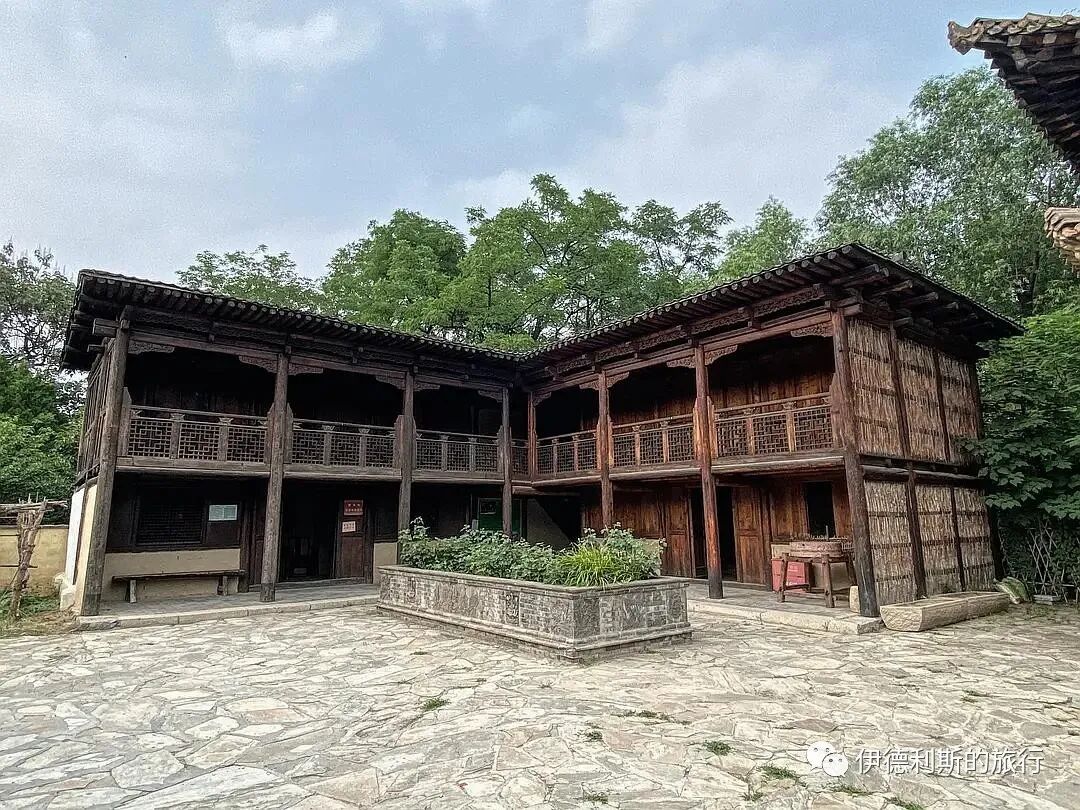
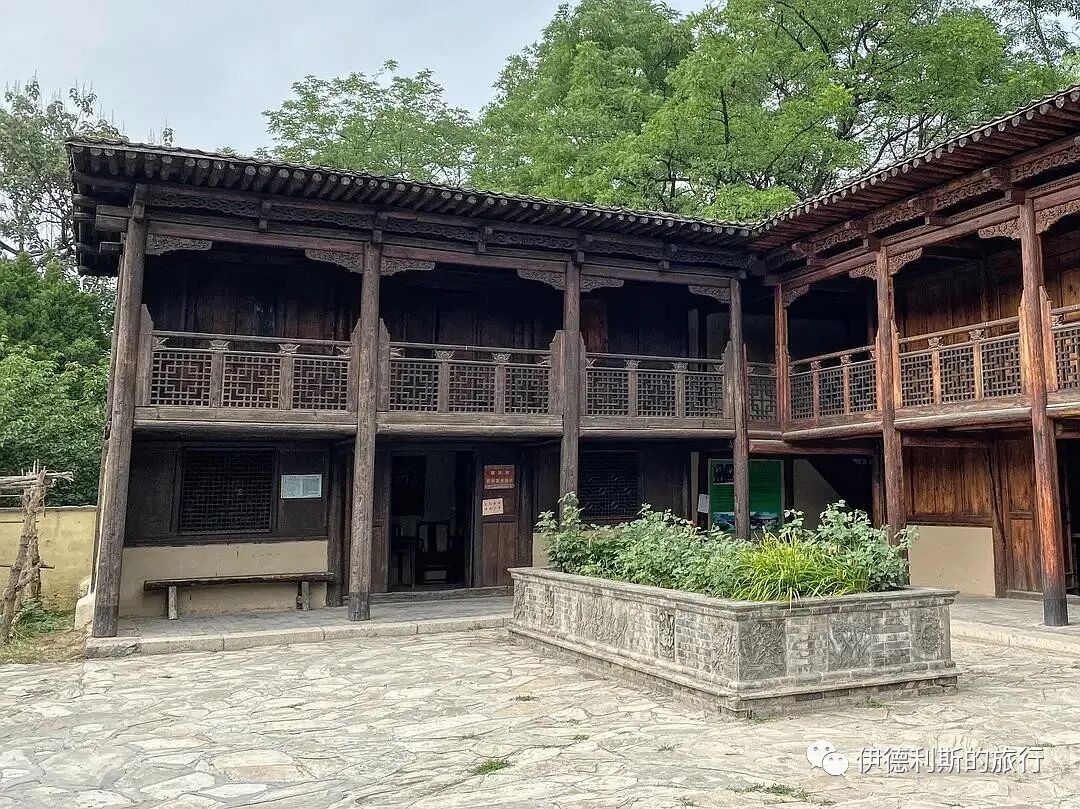
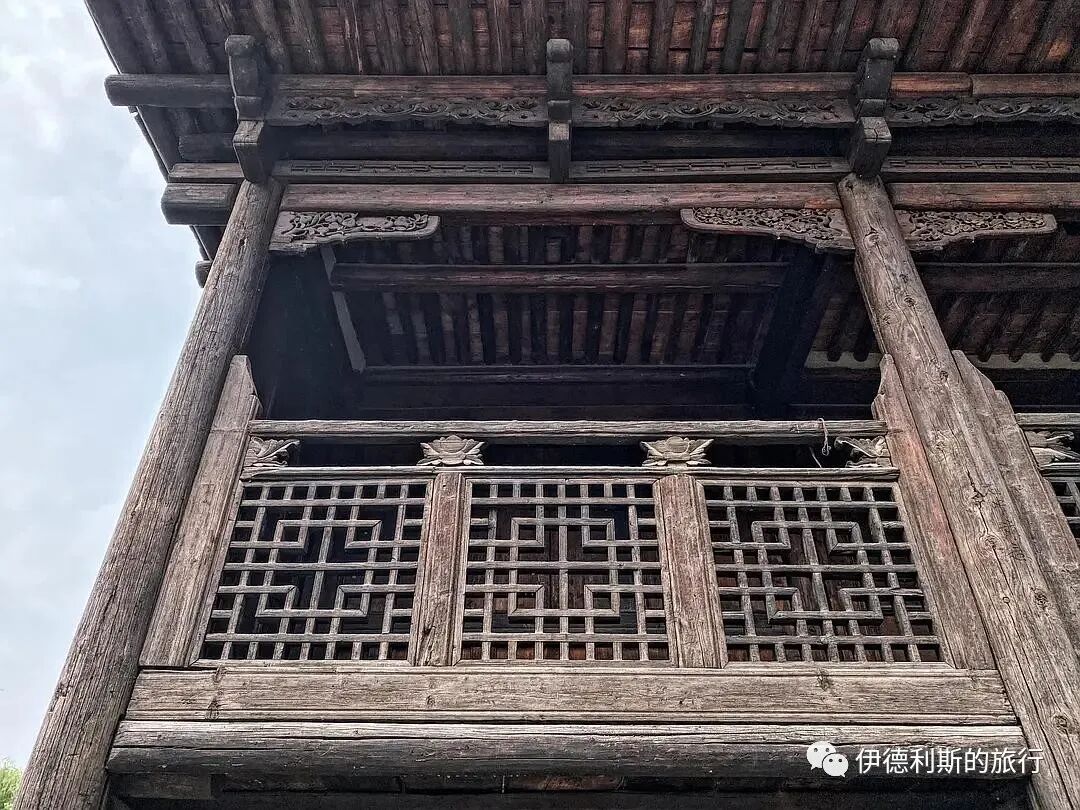
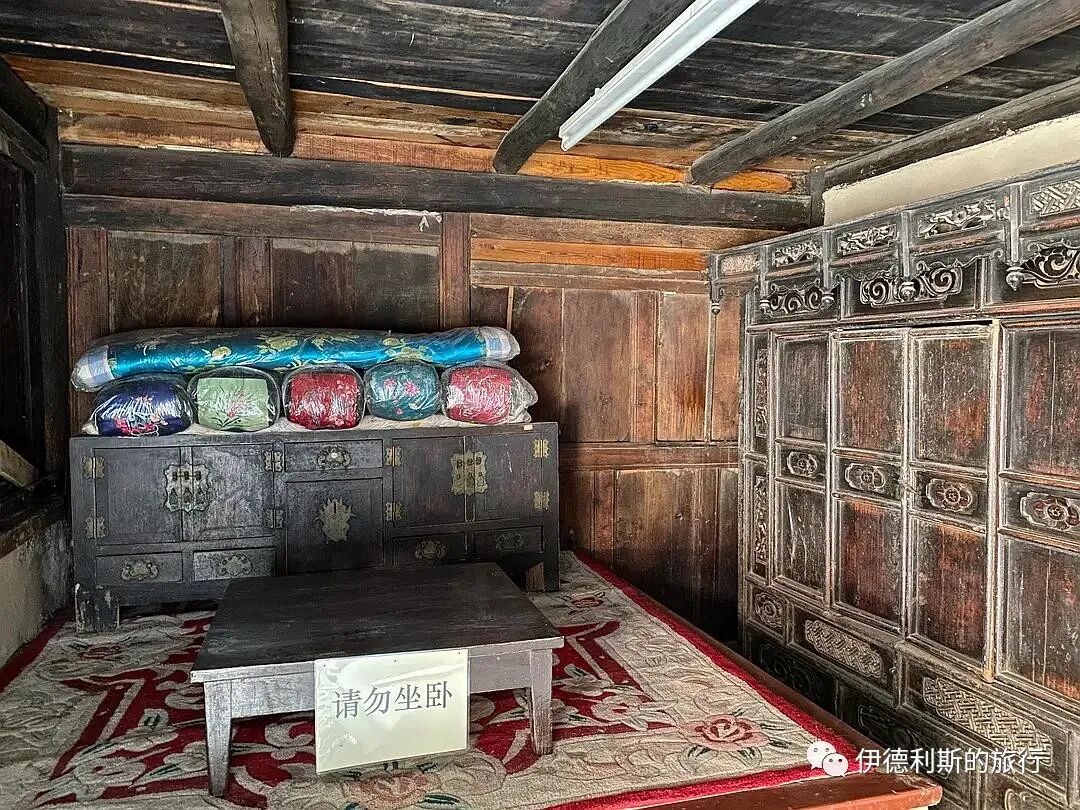
In 2003, the Chinese Ethnic Culture Park also relocated a Qing Dynasty Salar libalou (fence-style building) from Mengda Village in Xunhua, moving it along with the furniture. Now the west side is the original building, and the east side is a new construction modeled after the west side. However, placing a tangping (a traditional Islamic ewer for ritual washing) on the table seems out of place; there should be an incense burner on the table instead.
Summary: This travel note introduces A Qing-Dynasty Salar Muslim Minaret in Beijing: Hidden Muslim Heritage. I went for a walk at the Beijing Chinese Ethnic Culture Park (Zhonghua Minzu Yuan) last weekend and was surprised to find a Qing Dynasty minaret of the Salar people in the North Park. It is useful for readers interested in Salar Muslims, Beijing Mosque, Minaret.
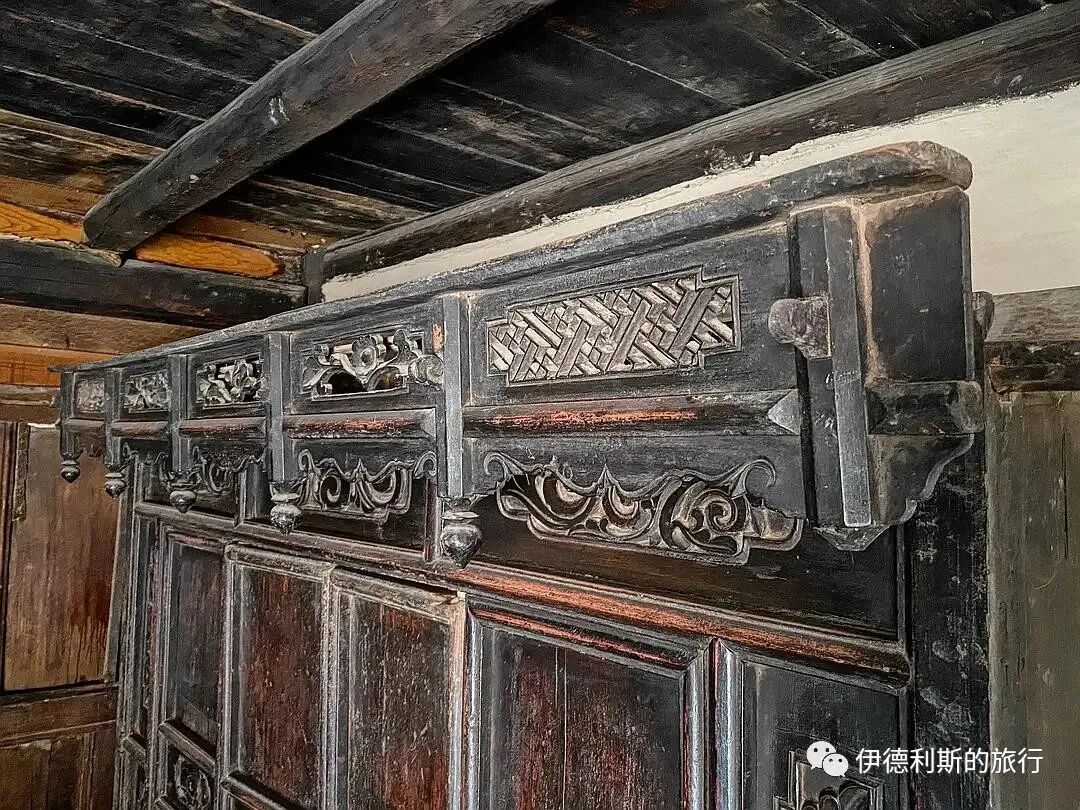
I went for a walk at the Beijing Chinese Ethnic Culture Park (Zhonghua Minzu Yuan) last weekend and was surprised to find a Qing Dynasty minaret of the Salar people in the North Park. I read the introduction, which says it was relocated from Shangbaizhuang Village, Baizhuang Township, Xunhua in 2003. This practice violates the principles of protecting immovable cultural relics, causing the loss of the historical information and cultural significance of the immovable relics, and I personally do not agree with it. However, looking at the reality, before the Salar mosque architectural complex was selected as a national protected site in 2013, some Qing Dynasty mosque historical buildings were successively demolished and rebuilt by the local community; if this minaret had not been relocated, it might have also faced the possibility of being demolished.
I am sharing here the Salar minarets I photographed previously.
The minaret of Qingshuihe East Mosque
The minaret of Mengda Mosque
The minaret of Tashapo Mosque
The minaret of Labian Mosque
The minaret of Zhangga Mosque
The minaret of Kewa Mosque
The minaret of Ahetan Mosque
In 2003, the Chinese Ethnic Culture Park also relocated a Qing Dynasty Salar libalou (fence-style building) from Mengda Village in Xunhua, moving it along with the furniture. Now the west side is the original building, and the east side is a new construction modeled after the west side. However, placing a tangping (a traditional Islamic ewer for ritual washing) on the table seems out of place; there should be an incense burner on the table instead.
Beihai Park Huihuiying Mosque: A Beijing Muslim Heritage Travel Note
Articles • ali2007fr posted the article • 0 comments • 191 views • 2026-05-17 07:58
Reposted from the web
Summary: This travel note introduces Beihai Park Huihuiying Mosque: A Beijing Muslim Heritage Travel Note. During the Qing Dynasty, there was a mosque in Beijing built by imperial decree: the Huihuiying Mosque located on West Chang'an Street, which was also the only mosque built by the Qing government. It is useful for readers interested in Beihai Park, Beijing Mosque, Hui Muslims.
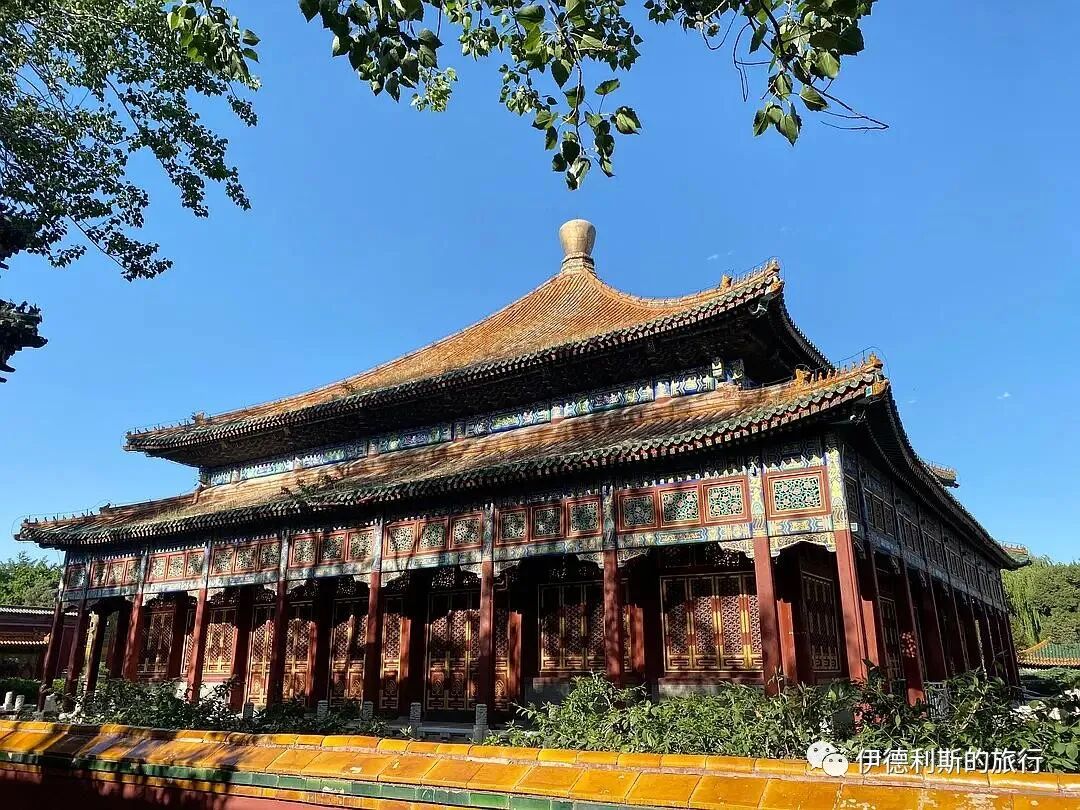
During the Qing Dynasty, there was a mosque in Beijing built by imperial decree: the Huihuiying Mosque located on West Chang'an Street, which was also the only mosque built by the Qing government. Regrettably, the main hall of the Huihuiying Mosque collapsed due to disrepair in the 1900s and was completely demolished by Yuan Shikai in the early years of the Republic of China. However, in Beihai Park, there is a building with a shape and era very similar to the main hall of the Huihuiying Mosque, which allows us to imagine the former magnificence of the Huihuiying Mosque: the Hall of Ultimate Bliss (Jile Shijie Dian) in Xiaoxitian.
In 1759, after the Qianlong Emperor pacified the Great and Small Khojas of the White Mountain Sect, he summoned the Hui Muslims who had surrendered, led by the 'Eight Peers of the Hui Region', to the capital. The high-ranking nobles and beks (local officials) among these people were managed by the Lifanyuan (Court of Colonial Affairs) and lived in exclusive residences, while the ordinary Hui Muslims were organized into the 'Hui People's Zuo Ling' (Hui Muslim Company) under the Left Wing Fifth Regiment of the Plain White Banner of the Imperial Household Department, known in Manchu as 'hoise niru', and were settled in the Huiying (Hui Muslim Camp) outside the West Chang'an Gate.
Construction of the Huiying began in 1759; it originally had 147 rooms, and later, as more Hui Muslim craftsmen and artisans arrived in the capital, it was expanded in 1763 to reach 310 rooms. After the Huiying was built, the Qianlong Emperor had a mosque built on its west side, which was completed in 1764. The Qianlong Emperor inscribed the 'Stele Record of the Imperial-Built Hui mosque' and placed it in the mosque, writing: 'The Hui Muslims gather here at the appointed times, and the beks who come to the capital for their annual audience all worship with joy, marveling at something never seen before in the Western Regions.' Until the bek system was abolished in 1884, this was the place where beks from all over Xinjiang completed their worship during their annual visits to the capital.
Regarding photographs of the main hall of the Huihuiying Mosque, the earliest one currently available was taken in 1870 by the Scottish physician Dr. John Dudgeon. The mosque's main hall in the photo is a square pavilion building with a double-eaved, four-cornered pyramidal roof, which is unique among all the mosques in Beijing.
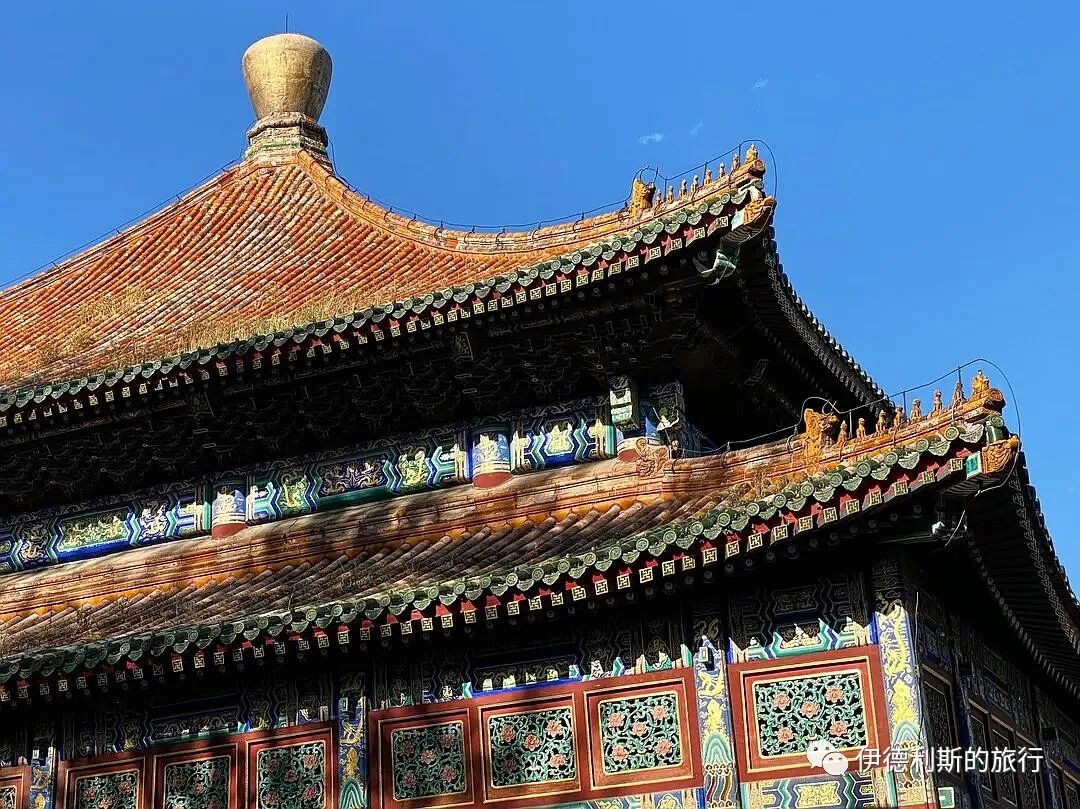
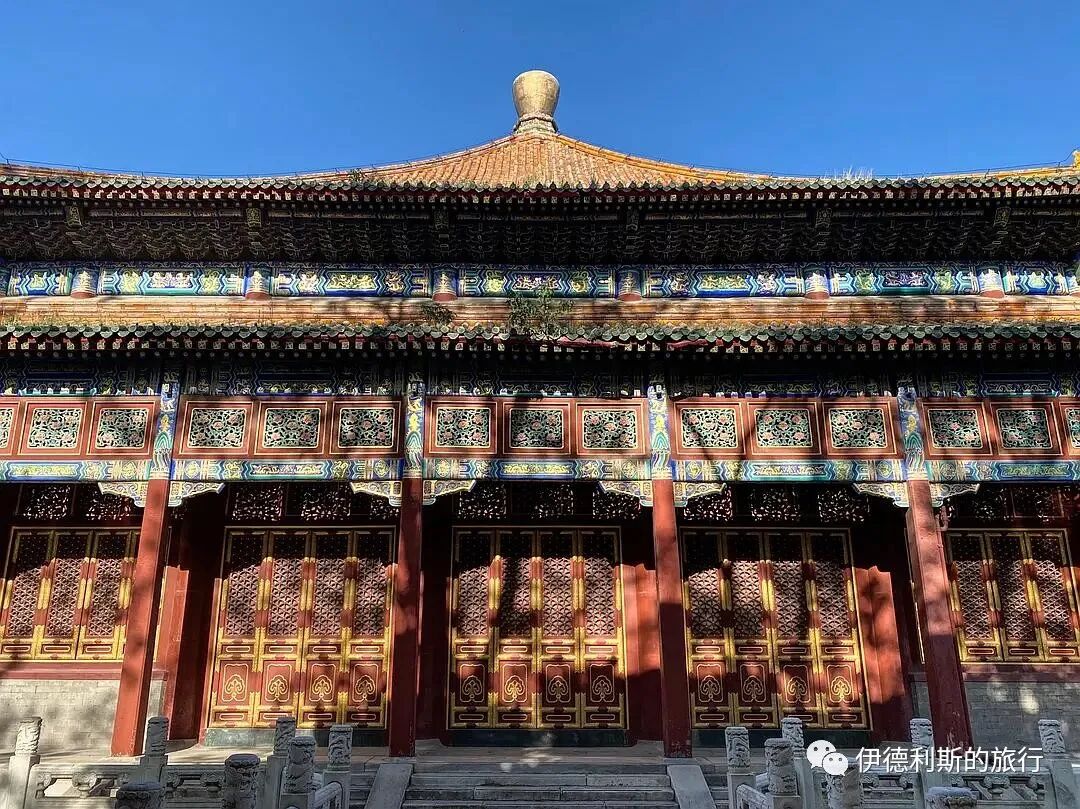
According to records, the Qianlong Emperor had several double-eaved, four-cornered pyramidal roof square pavilion buildings built in Beijing. Among them, the Hall of Ultimate Bliss in Beihai and the Huihuiying Mosque were almost identical in shape, both being 'nine open bays with seven hidden', meaning they had ten pillars and nine bays, with the outermost two bays being a veranda, making the actual building seven bays wide. Furthermore, the eras of the two buildings are also very close. The Hall of Ultimate Bliss was built in 1768, only four years after the completion of the Huihuiying Mosque, and it is possible that they even shared the same construction team.
However, there are still some differences between the two buildings. As a building constructed by the Qianlong Emperor to celebrate his mother's birthday, the Hall of Ultimate Bliss stands 26.9 meters tall and is the largest square pavilion palace building in China, while the Huihuiying Mosque was slightly smaller in scale. The Hall of Ultimate Bliss is covered with yellow glazed tiles with green edges and features high-ranking golden dragon and seal-style paintings between the beams, while the Huihuiying Mosque had green glazed tiles, and the grade of its paintings was likely relatively lower.
In short, if you happen to be taking a stroll in Beihai Park, you can still go see the Hall of Ultimate Bliss and imagine the building that was once very similar to it—the main hall of the Huihuiying Mosque.
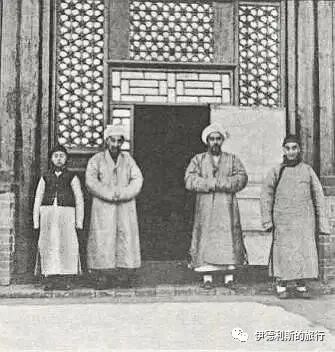
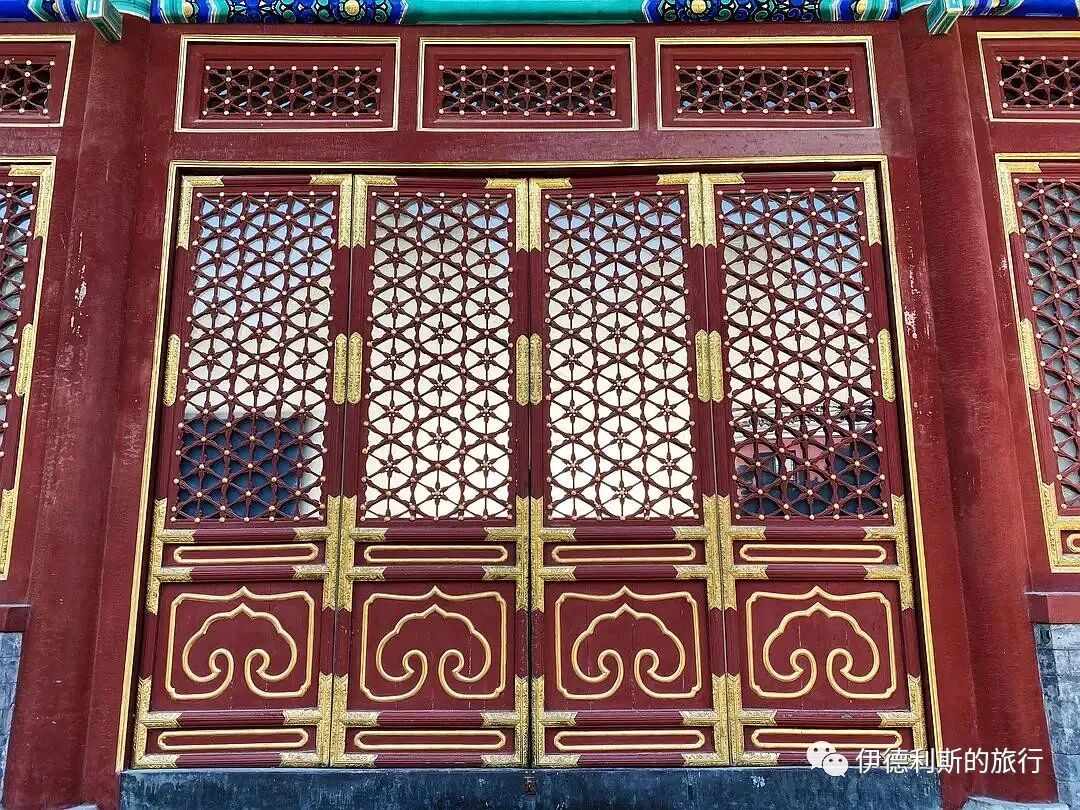
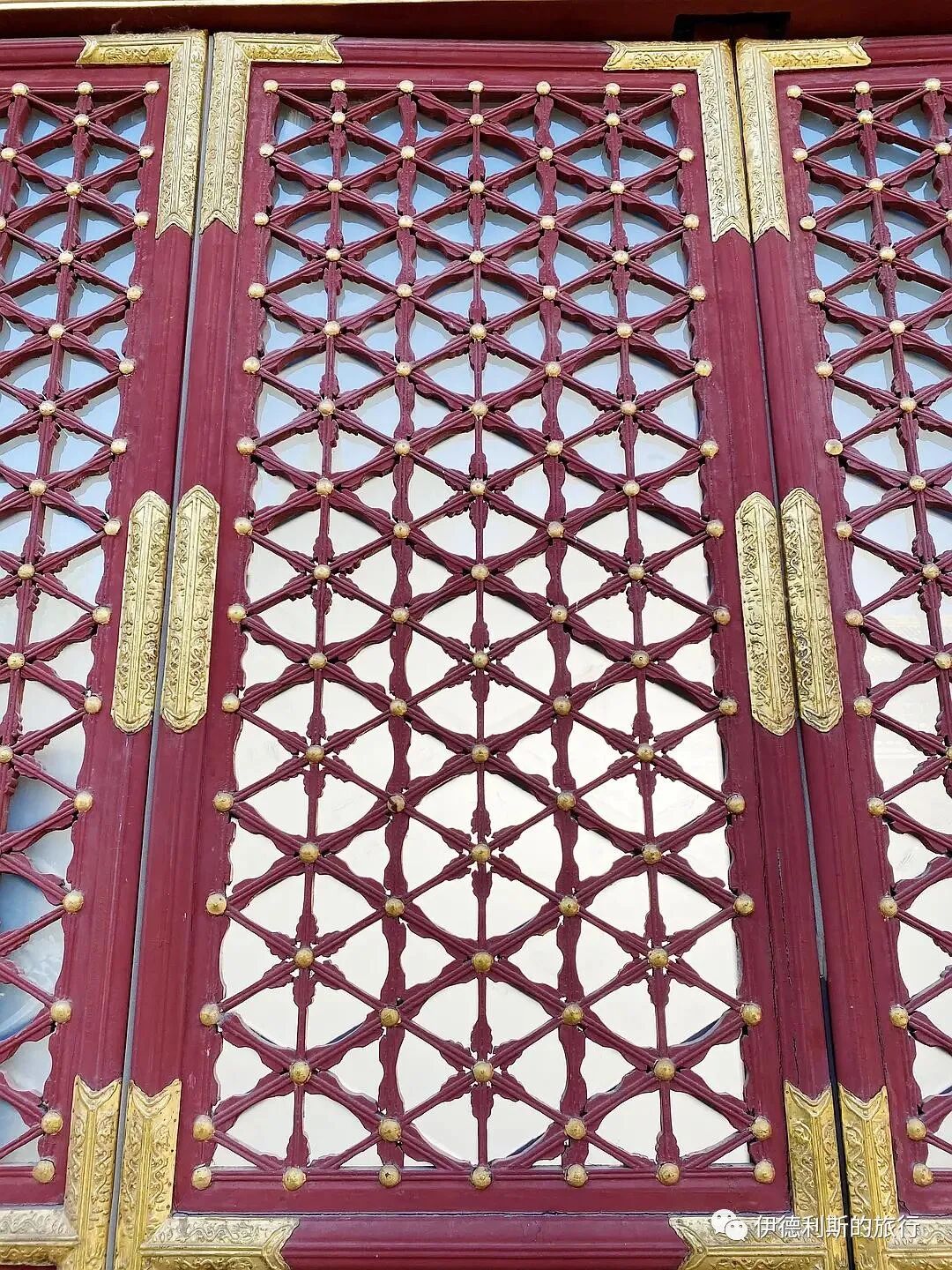
Additionally, from an old photograph taken in front of the north gate of the Huihuiying Mosque's main hall, one can see exquisite openwork window lattices, which are also very close to the window lattices of the Hall of Ultimate Bliss.
In 1912, Yuan Shikai was elected President and chose Zhongnanhai as the Presidential Palace. Soon after, Zhu Qiqian, Minister of the Interior, presided over the renovation of the Baoyue Tower at the southern end of Zhongnanhai into the new gate of the Presidential Palace, Xinhua Gate, while also expanding the street in front of the palace and building a decorative wall across the street. Because it was adjacent to the Baoyue Tower, both the gate and the main hall of the Huihuiying Mosque were forced to be demolished. After the main hall was demolished, the congregants had nowhere to pray, so they rebuilt a small hall on the original site.
Because the Republic of China stopped issuing stipends to the Banner people in its early years, the Huihuiying community lived in poverty. The rebuilt main hall was very small, consisting of two connected shed-roofed rooms, and the rear mihrab (niche indicating the direction of prayer) also had a shed roof, lacking the traditional dome of a mosque. Since the original north gate was blocked by the decorative wall, the mosque had to change its entrance to face south, and the stone arch carved with continuous lotus patterns from the original gate was placed above the new gate.
After the liberation, the Huihuiying Mosque was occupied by the guard regiment for a long time until the demolition began on the south side of West Chang'an Street in 2009. On June 8, 2010, the Republic-era main hall and gate of the Huihuiying Mosque were demolished. In 2011, the Xicheng District Cultural Committee rebuilt the mosque 200 meters west of the original site, and the 'Stele Record of the Imperial-Built Hui mosque' inscribed by the Qianlong Emperor was placed back in the courtyard. Regrettably, the new mosque was not built according to the original design, and the only remaining stone arch was placed on the mihrab of the main hall. Today, the new mosque has been built for more than ten years, but it has never been opened.
Although we cannot enter the Huihuiying Mosque to see the stone arch, we can still see very similar continuous lotus stone arches on the glazed archways around the Hall of Ultimate Bliss in Beihai, although because the Hall of Ultimate Bliss is a Buddhist building, the lotus carvings on the stone arches have a few more of the Eight Buddhist Treasures. view all
Summary: This travel note introduces Beihai Park Huihuiying Mosque: A Beijing Muslim Heritage Travel Note. During the Qing Dynasty, there was a mosque in Beijing built by imperial decree: the Huihuiying Mosque located on West Chang'an Street, which was also the only mosque built by the Qing government. It is useful for readers interested in Beihai Park, Beijing Mosque, Hui Muslims.
During the Qing Dynasty, there was a mosque in Beijing built by imperial decree: the Huihuiying Mosque located on West Chang'an Street, which was also the only mosque built by the Qing government. Regrettably, the main hall of the Huihuiying Mosque collapsed due to disrepair in the 1900s and was completely demolished by Yuan Shikai in the early years of the Republic of China. However, in Beihai Park, there is a building with a shape and era very similar to the main hall of the Huihuiying Mosque, which allows us to imagine the former magnificence of the Huihuiying Mosque: the Hall of Ultimate Bliss (Jile Shijie Dian) in Xiaoxitian.
In 1759, after the Qianlong Emperor pacified the Great and Small Khojas of the White Mountain Sect, he summoned the Hui Muslims who had surrendered, led by the 'Eight Peers of the Hui Region', to the capital. The high-ranking nobles and beks (local officials) among these people were managed by the Lifanyuan (Court of Colonial Affairs) and lived in exclusive residences, while the ordinary Hui Muslims were organized into the 'Hui People's Zuo Ling' (Hui Muslim Company) under the Left Wing Fifth Regiment of the Plain White Banner of the Imperial Household Department, known in Manchu as 'hoise niru', and were settled in the Huiying (Hui Muslim Camp) outside the West Chang'an Gate.
Construction of the Huiying began in 1759; it originally had 147 rooms, and later, as more Hui Muslim craftsmen and artisans arrived in the capital, it was expanded in 1763 to reach 310 rooms. After the Huiying was built, the Qianlong Emperor had a mosque built on its west side, which was completed in 1764. The Qianlong Emperor inscribed the 'Stele Record of the Imperial-Built Hui mosque' and placed it in the mosque, writing: 'The Hui Muslims gather here at the appointed times, and the beks who come to the capital for their annual audience all worship with joy, marveling at something never seen before in the Western Regions.' Until the bek system was abolished in 1884, this was the place where beks from all over Xinjiang completed their worship during their annual visits to the capital.
Regarding photographs of the main hall of the Huihuiying Mosque, the earliest one currently available was taken in 1870 by the Scottish physician Dr. John Dudgeon. The mosque's main hall in the photo is a square pavilion building with a double-eaved, four-cornered pyramidal roof, which is unique among all the mosques in Beijing.
According to records, the Qianlong Emperor had several double-eaved, four-cornered pyramidal roof square pavilion buildings built in Beijing. Among them, the Hall of Ultimate Bliss in Beihai and the Huihuiying Mosque were almost identical in shape, both being 'nine open bays with seven hidden', meaning they had ten pillars and nine bays, with the outermost two bays being a veranda, making the actual building seven bays wide. Furthermore, the eras of the two buildings are also very close. The Hall of Ultimate Bliss was built in 1768, only four years after the completion of the Huihuiying Mosque, and it is possible that they even shared the same construction team.
However, there are still some differences between the two buildings. As a building constructed by the Qianlong Emperor to celebrate his mother's birthday, the Hall of Ultimate Bliss stands 26.9 meters tall and is the largest square pavilion palace building in China, while the Huihuiying Mosque was slightly smaller in scale. The Hall of Ultimate Bliss is covered with yellow glazed tiles with green edges and features high-ranking golden dragon and seal-style paintings between the beams, while the Huihuiying Mosque had green glazed tiles, and the grade of its paintings was likely relatively lower.
In short, if you happen to be taking a stroll in Beihai Park, you can still go see the Hall of Ultimate Bliss and imagine the building that was once very similar to it—the main hall of the Huihuiying Mosque.
Additionally, from an old photograph taken in front of the north gate of the Huihuiying Mosque's main hall, one can see exquisite openwork window lattices, which are also very close to the window lattices of the Hall of Ultimate Bliss.
In 1912, Yuan Shikai was elected President and chose Zhongnanhai as the Presidential Palace. Soon after, Zhu Qiqian, Minister of the Interior, presided over the renovation of the Baoyue Tower at the southern end of Zhongnanhai into the new gate of the Presidential Palace, Xinhua Gate, while also expanding the street in front of the palace and building a decorative wall across the street. Because it was adjacent to the Baoyue Tower, both the gate and the main hall of the Huihuiying Mosque were forced to be demolished. After the main hall was demolished, the congregants had nowhere to pray, so they rebuilt a small hall on the original site.
Because the Republic of China stopped issuing stipends to the Banner people in its early years, the Huihuiying community lived in poverty. The rebuilt main hall was very small, consisting of two connected shed-roofed rooms, and the rear mihrab (niche indicating the direction of prayer) also had a shed roof, lacking the traditional dome of a mosque. Since the original north gate was blocked by the decorative wall, the mosque had to change its entrance to face south, and the stone arch carved with continuous lotus patterns from the original gate was placed above the new gate.
After the liberation, the Huihuiying Mosque was occupied by the guard regiment for a long time until the demolition began on the south side of West Chang'an Street in 2009. On June 8, 2010, the Republic-era main hall and gate of the Huihuiying Mosque were demolished. In 2011, the Xicheng District Cultural Committee rebuilt the mosque 200 meters west of the original site, and the 'Stele Record of the Imperial-Built Hui mosque' inscribed by the Qianlong Emperor was placed back in the courtyard. Regrettably, the new mosque was not built according to the original design, and the only remaining stone arch was placed on the mihrab of the main hall. Today, the new mosque has been built for more than ten years, but it has never been opened.
Although we cannot enter the Huihuiying Mosque to see the stone arch, we can still see very similar continuous lotus stone arches on the glazed archways around the Hall of Ultimate Bliss in Beihai, although because the Hall of Ultimate Bliss is a Buddhist building, the lotus carvings on the stone arches have a few more of the Eight Buddhist Treasures. view all
Reposted from the web
Summary: This travel note introduces Beihai Park Huihuiying Mosque: A Beijing Muslim Heritage Travel Note. During the Qing Dynasty, there was a mosque in Beijing built by imperial decree: the Huihuiying Mosque located on West Chang'an Street, which was also the only mosque built by the Qing government. It is useful for readers interested in Beihai Park, Beijing Mosque, Hui Muslims.
During the Qing Dynasty, there was a mosque in Beijing built by imperial decree: the Huihuiying Mosque located on West Chang'an Street, which was also the only mosque built by the Qing government. Regrettably, the main hall of the Huihuiying Mosque collapsed due to disrepair in the 1900s and was completely demolished by Yuan Shikai in the early years of the Republic of China. However, in Beihai Park, there is a building with a shape and era very similar to the main hall of the Huihuiying Mosque, which allows us to imagine the former magnificence of the Huihuiying Mosque: the Hall of Ultimate Bliss (Jile Shijie Dian) in Xiaoxitian.
In 1759, after the Qianlong Emperor pacified the Great and Small Khojas of the White Mountain Sect, he summoned the Hui Muslims who had surrendered, led by the 'Eight Peers of the Hui Region', to the capital. The high-ranking nobles and beks (local officials) among these people were managed by the Lifanyuan (Court of Colonial Affairs) and lived in exclusive residences, while the ordinary Hui Muslims were organized into the 'Hui People's Zuo Ling' (Hui Muslim Company) under the Left Wing Fifth Regiment of the Plain White Banner of the Imperial Household Department, known in Manchu as 'hoise niru', and were settled in the Huiying (Hui Muslim Camp) outside the West Chang'an Gate.
Construction of the Huiying began in 1759; it originally had 147 rooms, and later, as more Hui Muslim craftsmen and artisans arrived in the capital, it was expanded in 1763 to reach 310 rooms. After the Huiying was built, the Qianlong Emperor had a mosque built on its west side, which was completed in 1764. The Qianlong Emperor inscribed the 'Stele Record of the Imperial-Built Hui mosque' and placed it in the mosque, writing: 'The Hui Muslims gather here at the appointed times, and the beks who come to the capital for their annual audience all worship with joy, marveling at something never seen before in the Western Regions.' Until the bek system was abolished in 1884, this was the place where beks from all over Xinjiang completed their worship during their annual visits to the capital.
Regarding photographs of the main hall of the Huihuiying Mosque, the earliest one currently available was taken in 1870 by the Scottish physician Dr. John Dudgeon. The mosque's main hall in the photo is a square pavilion building with a double-eaved, four-cornered pyramidal roof, which is unique among all the mosques in Beijing.
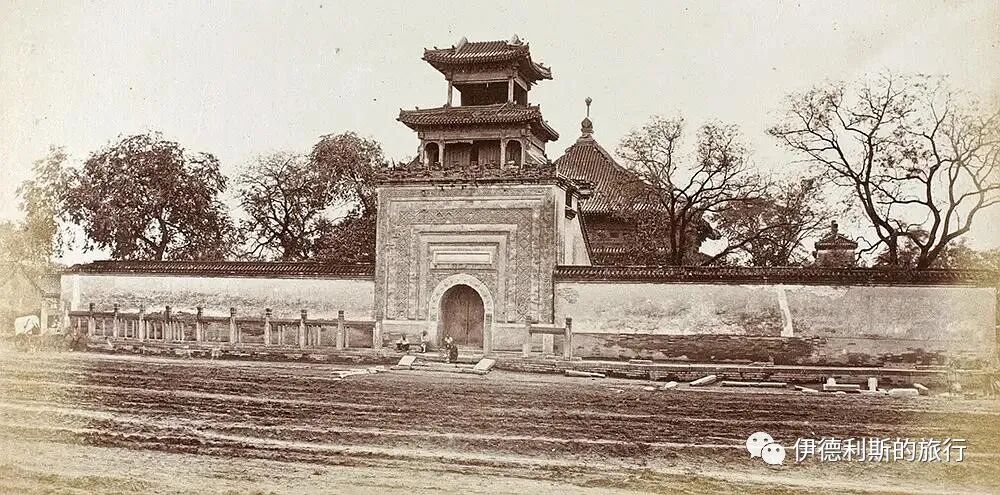
According to records, the Qianlong Emperor had several double-eaved, four-cornered pyramidal roof square pavilion buildings built in Beijing. Among them, the Hall of Ultimate Bliss in Beihai and the Huihuiying Mosque were almost identical in shape, both being 'nine open bays with seven hidden', meaning they had ten pillars and nine bays, with the outermost two bays being a veranda, making the actual building seven bays wide. Furthermore, the eras of the two buildings are also very close. The Hall of Ultimate Bliss was built in 1768, only four years after the completion of the Huihuiying Mosque, and it is possible that they even shared the same construction team.
However, there are still some differences between the two buildings. As a building constructed by the Qianlong Emperor to celebrate his mother's birthday, the Hall of Ultimate Bliss stands 26.9 meters tall and is the largest square pavilion palace building in China, while the Huihuiying Mosque was slightly smaller in scale. The Hall of Ultimate Bliss is covered with yellow glazed tiles with green edges and features high-ranking golden dragon and seal-style paintings between the beams, while the Huihuiying Mosque had green glazed tiles, and the grade of its paintings was likely relatively lower.
In short, if you happen to be taking a stroll in Beihai Park, you can still go see the Hall of Ultimate Bliss and imagine the building that was once very similar to it—the main hall of the Huihuiying Mosque.
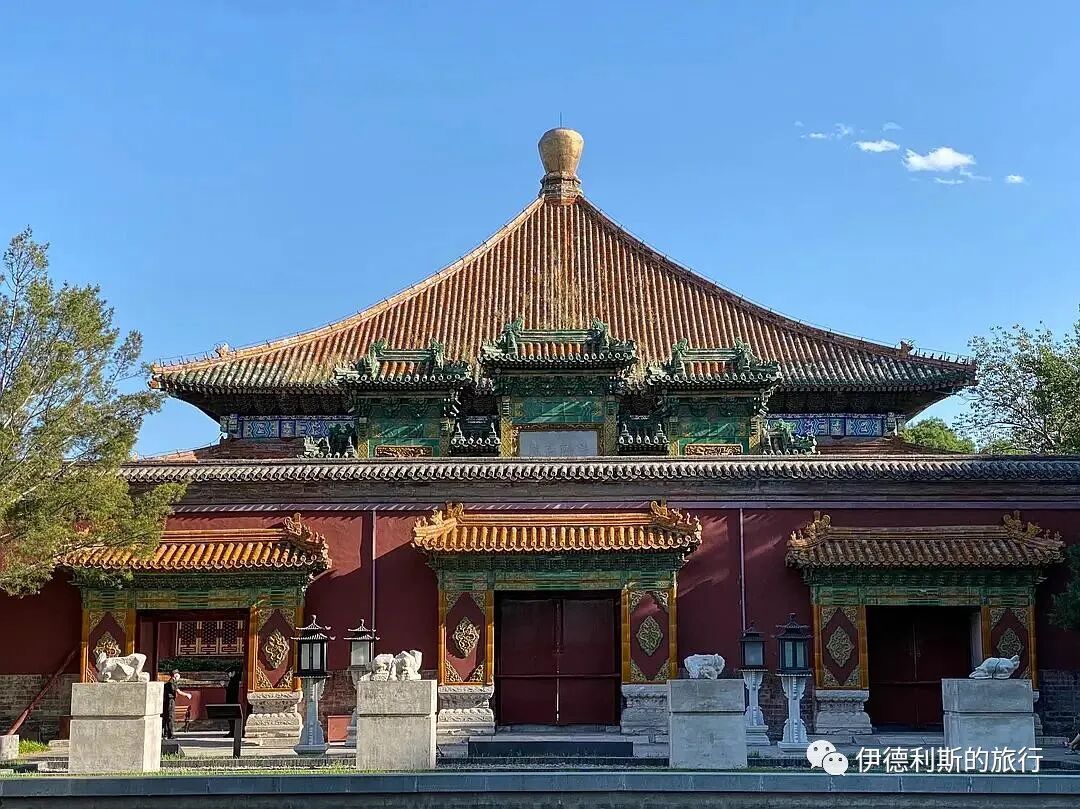
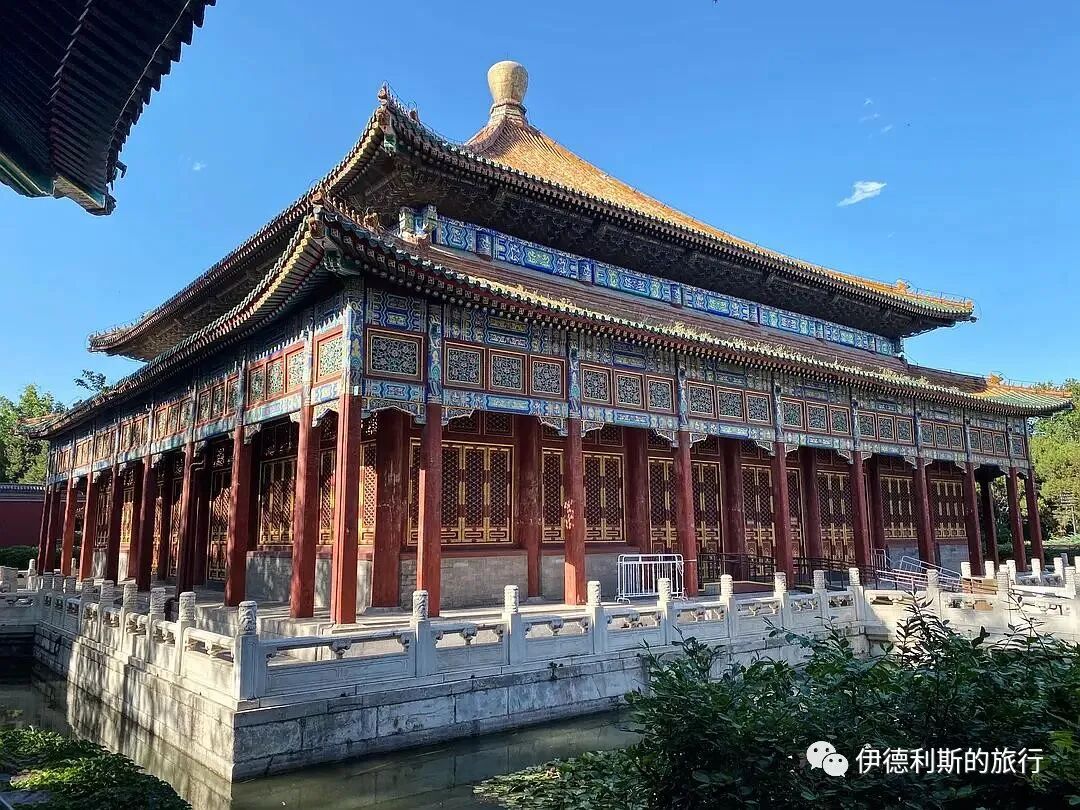
Additionally, from an old photograph taken in front of the north gate of the Huihuiying Mosque's main hall, one can see exquisite openwork window lattices, which are also very close to the window lattices of the Hall of Ultimate Bliss.
In 1912, Yuan Shikai was elected President and chose Zhongnanhai as the Presidential Palace. Soon after, Zhu Qiqian, Minister of the Interior, presided over the renovation of the Baoyue Tower at the southern end of Zhongnanhai into the new gate of the Presidential Palace, Xinhua Gate, while also expanding the street in front of the palace and building a decorative wall across the street. Because it was adjacent to the Baoyue Tower, both the gate and the main hall of the Huihuiying Mosque were forced to be demolished. After the main hall was demolished, the congregants had nowhere to pray, so they rebuilt a small hall on the original site.
Because the Republic of China stopped issuing stipends to the Banner people in its early years, the Huihuiying community lived in poverty. The rebuilt main hall was very small, consisting of two connected shed-roofed rooms, and the rear mihrab (niche indicating the direction of prayer) also had a shed roof, lacking the traditional dome of a mosque. Since the original north gate was blocked by the decorative wall, the mosque had to change its entrance to face south, and the stone arch carved with continuous lotus patterns from the original gate was placed above the new gate.
After the liberation, the Huihuiying Mosque was occupied by the guard regiment for a long time until the demolition began on the south side of West Chang'an Street in 2009. On June 8, 2010, the Republic-era main hall and gate of the Huihuiying Mosque were demolished. In 2011, the Xicheng District Cultural Committee rebuilt the mosque 200 meters west of the original site, and the 'Stele Record of the Imperial-Built Hui mosque' inscribed by the Qianlong Emperor was placed back in the courtyard. Regrettably, the new mosque was not built according to the original design, and the only remaining stone arch was placed on the mihrab of the main hall. Today, the new mosque has been built for more than ten years, but it has never been opened.
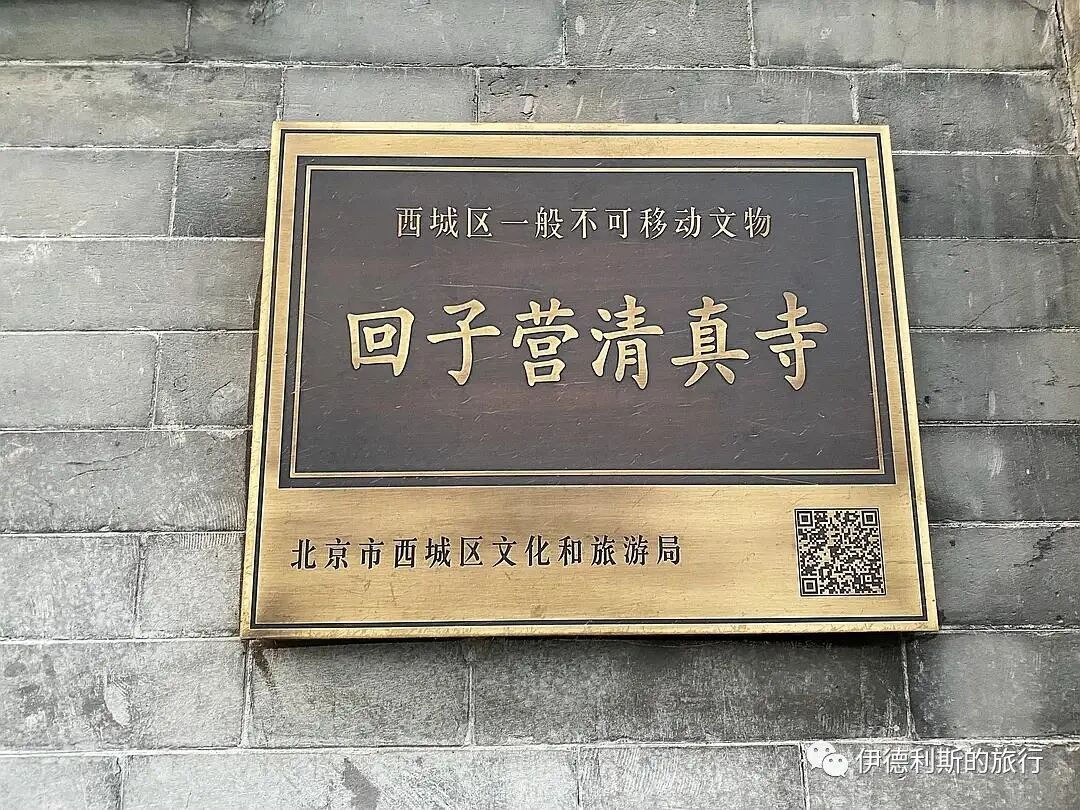
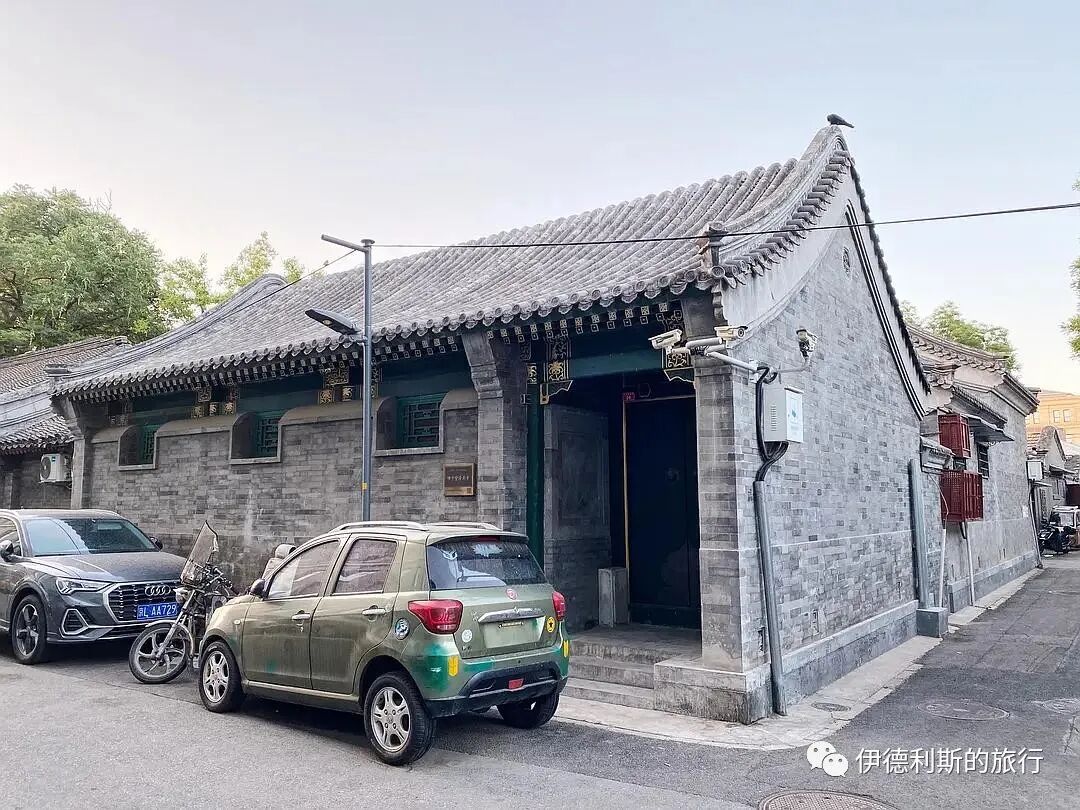
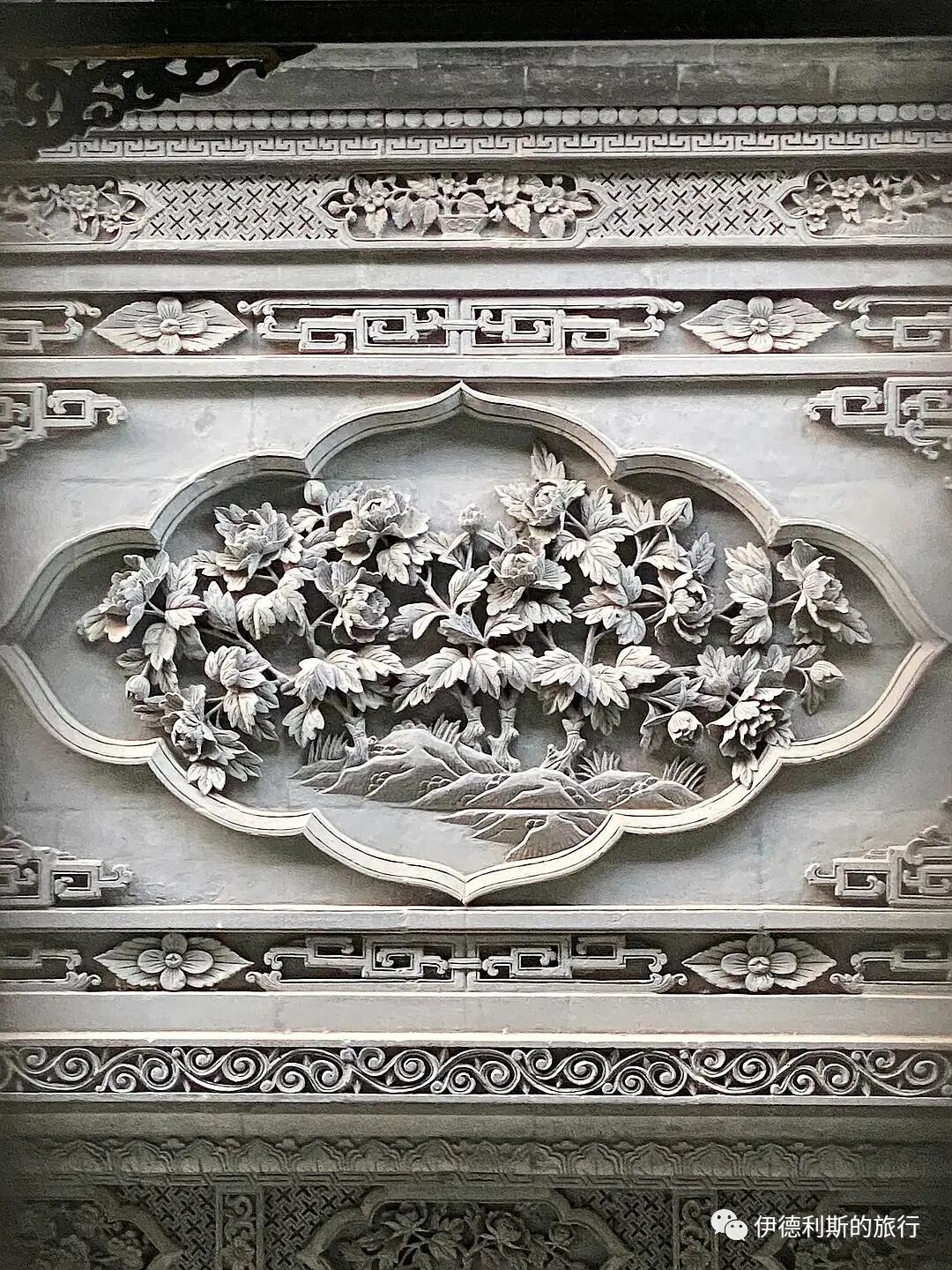
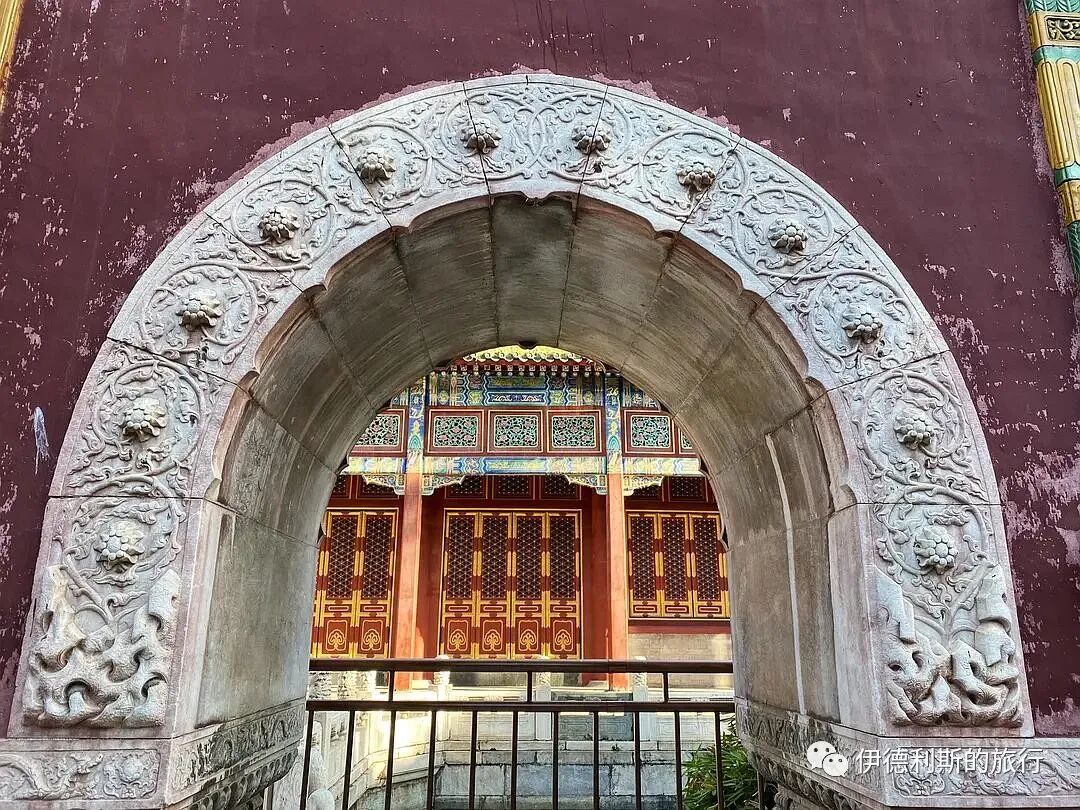
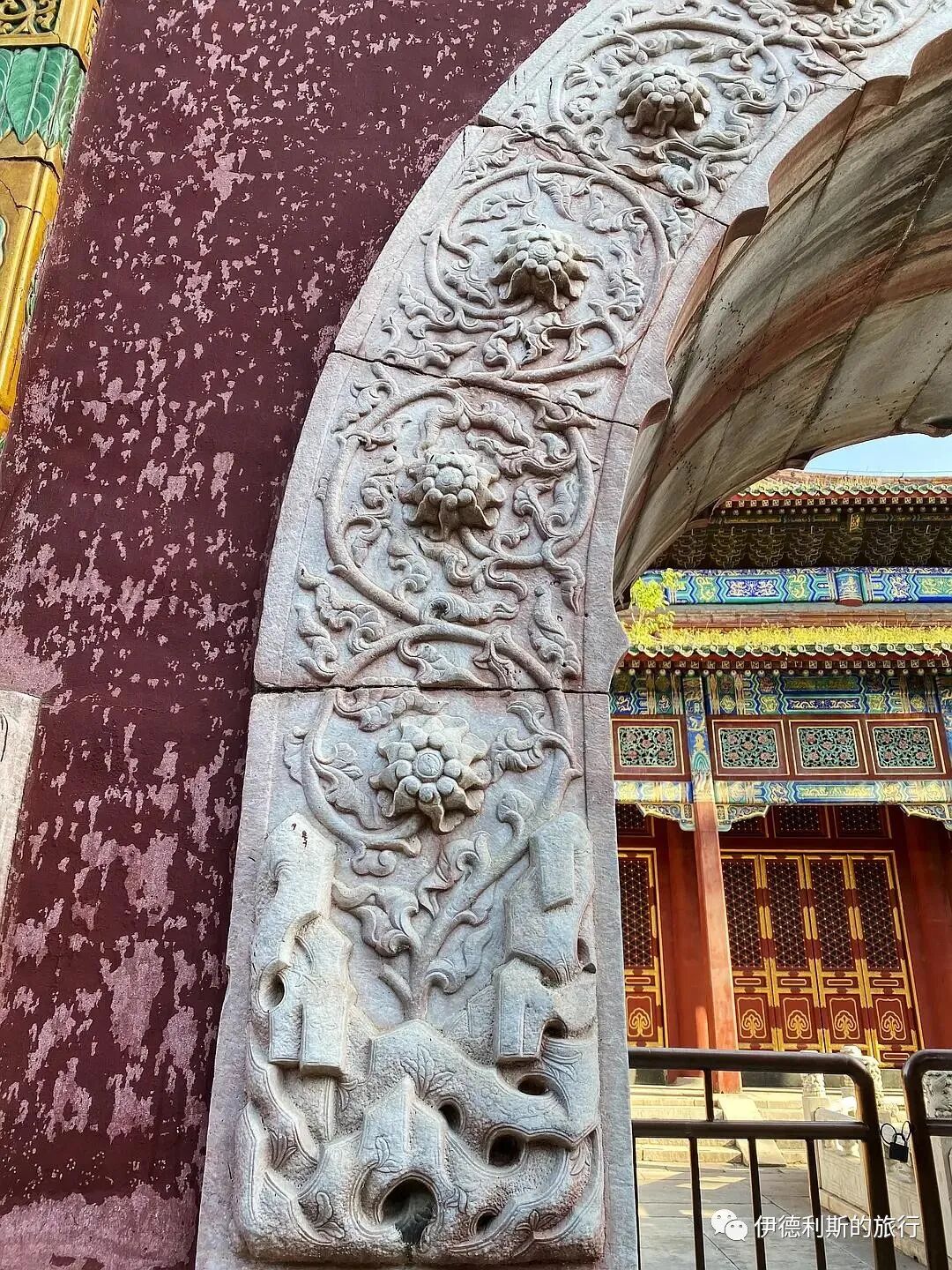
Although we cannot enter the Huihuiying Mosque to see the stone arch, we can still see very similar continuous lotus stone arches on the glazed archways around the Hall of Ultimate Bliss in Beihai, although because the Hall of Ultimate Bliss is a Buddhist building, the lotus carvings on the stone arches have a few more of the Eight Buddhist Treasures.
Summary: This travel note introduces Beihai Park Huihuiying Mosque: A Beijing Muslim Heritage Travel Note. During the Qing Dynasty, there was a mosque in Beijing built by imperial decree: the Huihuiying Mosque located on West Chang'an Street, which was also the only mosque built by the Qing government. It is useful for readers interested in Beihai Park, Beijing Mosque, Hui Muslims.
During the Qing Dynasty, there was a mosque in Beijing built by imperial decree: the Huihuiying Mosque located on West Chang'an Street, which was also the only mosque built by the Qing government. Regrettably, the main hall of the Huihuiying Mosque collapsed due to disrepair in the 1900s and was completely demolished by Yuan Shikai in the early years of the Republic of China. However, in Beihai Park, there is a building with a shape and era very similar to the main hall of the Huihuiying Mosque, which allows us to imagine the former magnificence of the Huihuiying Mosque: the Hall of Ultimate Bliss (Jile Shijie Dian) in Xiaoxitian.
In 1759, after the Qianlong Emperor pacified the Great and Small Khojas of the White Mountain Sect, he summoned the Hui Muslims who had surrendered, led by the 'Eight Peers of the Hui Region', to the capital. The high-ranking nobles and beks (local officials) among these people were managed by the Lifanyuan (Court of Colonial Affairs) and lived in exclusive residences, while the ordinary Hui Muslims were organized into the 'Hui People's Zuo Ling' (Hui Muslim Company) under the Left Wing Fifth Regiment of the Plain White Banner of the Imperial Household Department, known in Manchu as 'hoise niru', and were settled in the Huiying (Hui Muslim Camp) outside the West Chang'an Gate.
Construction of the Huiying began in 1759; it originally had 147 rooms, and later, as more Hui Muslim craftsmen and artisans arrived in the capital, it was expanded in 1763 to reach 310 rooms. After the Huiying was built, the Qianlong Emperor had a mosque built on its west side, which was completed in 1764. The Qianlong Emperor inscribed the 'Stele Record of the Imperial-Built Hui mosque' and placed it in the mosque, writing: 'The Hui Muslims gather here at the appointed times, and the beks who come to the capital for their annual audience all worship with joy, marveling at something never seen before in the Western Regions.' Until the bek system was abolished in 1884, this was the place where beks from all over Xinjiang completed their worship during their annual visits to the capital.
Regarding photographs of the main hall of the Huihuiying Mosque, the earliest one currently available was taken in 1870 by the Scottish physician Dr. John Dudgeon. The mosque's main hall in the photo is a square pavilion building with a double-eaved, four-cornered pyramidal roof, which is unique among all the mosques in Beijing.
According to records, the Qianlong Emperor had several double-eaved, four-cornered pyramidal roof square pavilion buildings built in Beijing. Among them, the Hall of Ultimate Bliss in Beihai and the Huihuiying Mosque were almost identical in shape, both being 'nine open bays with seven hidden', meaning they had ten pillars and nine bays, with the outermost two bays being a veranda, making the actual building seven bays wide. Furthermore, the eras of the two buildings are also very close. The Hall of Ultimate Bliss was built in 1768, only four years after the completion of the Huihuiying Mosque, and it is possible that they even shared the same construction team.
However, there are still some differences between the two buildings. As a building constructed by the Qianlong Emperor to celebrate his mother's birthday, the Hall of Ultimate Bliss stands 26.9 meters tall and is the largest square pavilion palace building in China, while the Huihuiying Mosque was slightly smaller in scale. The Hall of Ultimate Bliss is covered with yellow glazed tiles with green edges and features high-ranking golden dragon and seal-style paintings between the beams, while the Huihuiying Mosque had green glazed tiles, and the grade of its paintings was likely relatively lower.
In short, if you happen to be taking a stroll in Beihai Park, you can still go see the Hall of Ultimate Bliss and imagine the building that was once very similar to it—the main hall of the Huihuiying Mosque.
Additionally, from an old photograph taken in front of the north gate of the Huihuiying Mosque's main hall, one can see exquisite openwork window lattices, which are also very close to the window lattices of the Hall of Ultimate Bliss.
In 1912, Yuan Shikai was elected President and chose Zhongnanhai as the Presidential Palace. Soon after, Zhu Qiqian, Minister of the Interior, presided over the renovation of the Baoyue Tower at the southern end of Zhongnanhai into the new gate of the Presidential Palace, Xinhua Gate, while also expanding the street in front of the palace and building a decorative wall across the street. Because it was adjacent to the Baoyue Tower, both the gate and the main hall of the Huihuiying Mosque were forced to be demolished. After the main hall was demolished, the congregants had nowhere to pray, so they rebuilt a small hall on the original site.
Because the Republic of China stopped issuing stipends to the Banner people in its early years, the Huihuiying community lived in poverty. The rebuilt main hall was very small, consisting of two connected shed-roofed rooms, and the rear mihrab (niche indicating the direction of prayer) also had a shed roof, lacking the traditional dome of a mosque. Since the original north gate was blocked by the decorative wall, the mosque had to change its entrance to face south, and the stone arch carved with continuous lotus patterns from the original gate was placed above the new gate.
After the liberation, the Huihuiying Mosque was occupied by the guard regiment for a long time until the demolition began on the south side of West Chang'an Street in 2009. On June 8, 2010, the Republic-era main hall and gate of the Huihuiying Mosque were demolished. In 2011, the Xicheng District Cultural Committee rebuilt the mosque 200 meters west of the original site, and the 'Stele Record of the Imperial-Built Hui mosque' inscribed by the Qianlong Emperor was placed back in the courtyard. Regrettably, the new mosque was not built according to the original design, and the only remaining stone arch was placed on the mihrab of the main hall. Today, the new mosque has been built for more than ten years, but it has never been opened.
Although we cannot enter the Huihuiying Mosque to see the stone arch, we can still see very similar continuous lotus stone arches on the glazed archways around the Hall of Ultimate Bliss in Beihai, although because the Hall of Ultimate Bliss is a Buddhist building, the lotus carvings on the stone arches have a few more of the Eight Buddhist Treasures.
Searching for Jiaochangkou Mosque Outside Beijing's Fuchengmen
Articles • ali2007fr posted the article • 0 comments • 159 views • 2026-05-17 08:19
Reposted from the web
Summary: This travel note introduces Searching for Jiaochangkou Mosque Outside Beijing's Fuchengmen. A friend told me that there is a stone tablet named "Record of the Fuchengmen Guan Mosque" in the mosque of Emperors of Successive Dynasties in Beijing, which is the only relic of the Fuchengmen Guan Mosque. It is useful for readers interested in Beijing Mosque, Hui Muslims, Muslim Heritage.
A friend told me that there is a stone tablet named "Record of the Fuchengmen Guan Mosque" in the mosque of Emperors of Successive Dynasties in Beijing, which is the only relic of the Fuchengmen Guan Mosque. Upon hearing the news, I immediately went to the Temple of Emperors of Successive Dynasties to check it, but unfortunately, the inscription was blurred and unclear, and apart from the signature "39th Year of the Qianlong Reign of the Great Qing Dynasty," I could not identify any other information.
The top of the tablet reads "Gu Zhi Xian Xing" (Ancient System and Former Model), which is quite rare.
After returning home, I began to search for information about this mosque. Regrettably, the information about the Fuchengmen Guan Mosque is very limited, far less than that of the more famous Sanlihe Mosque outside Fuchengmen. The most valuable record comes from the "Draft of Beijing City Annals" written in the 1930s: "The Qingzhen Zhengyuan Mosque is located at No. 5 Jiaochangkou outside Fuchengmen. The mosque was built in the 39th year of the Qianlong reign of the Qing Dynasty. The cemeteries belonging to the Hui Muslims are generally located in the areas outside Fuchengmen and Xibianmen. The "39th year of the Qianlong reign" here is consistent with the signature on the tablet, which is 1774, so it is speculated that the tablet in the Mosque of Emperors of Successive Dynasties may have been written when the mosque was built.
In addition, according to an advertisement for the throat medicine "Wanying San" (all-purpose powder) by the Hui Muslim Yang Youxin during the Republic of China period, the production site of Yang Youxin's Wanying San was located at "No. 3, Libaisi Hutong (Mosque Alley), Guanxiang, outside Fuchengmen." It is not yet clear what the positional relationship is between Libaisi Hutong and Jiaochangkou, but the mosque mentioned here definitely refers to the Fuchengmen Guan Mosque.
According to the data, we can know that the Fuchengmen Guan Mosque was located at Jiaochangkou, south of the Zhenghong Banner barracks outside Fuchengmen, so it is also called the Jiaochangkou Mosque. Jiaochangkou was originally a place for the soldiers of the Zhenghong Banner to drill, and after 1965, it was merged with the main road crossing the barracks on the north side, collectively known as Beiyingfang Middle Street. The location of the Fuchengmen Guan Mosque was in the middle section of Beiyingfang Middle Street, which is now the west wall of the Fuwai Hospital.
In addition, the 5th issue of "Yugong" magazine in 1937 mentioned that the Ahong (Imam) of the mosque at that time was named Ma Zirong. Another dost (friend/fellow Muslim) mentioned that an elder from the Beigouyan Mosque had studied the Quran at the Fuchengmen Guan Mosque when he was a child, and said that the Ahong at that time was surnamed Hong. Interestingly, after the Beigouyan Mosque was demolished and rebuilt in 1997, it was renamed Zhengyuan Mosque, which is exactly the name of the Fuchengmen Guan Mosque recorded in the "Draft of Beijing City Annals."
If any dost knows more information about the Fuchengmen Guan Mosque, please leave a message on my official account, may you receive thawab (divine reward). view all
Summary: This travel note introduces Searching for Jiaochangkou Mosque Outside Beijing's Fuchengmen. A friend told me that there is a stone tablet named "Record of the Fuchengmen Guan Mosque" in the mosque of Emperors of Successive Dynasties in Beijing, which is the only relic of the Fuchengmen Guan Mosque. It is useful for readers interested in Beijing Mosque, Hui Muslims, Muslim Heritage.
A friend told me that there is a stone tablet named "Record of the Fuchengmen Guan Mosque" in the mosque of Emperors of Successive Dynasties in Beijing, which is the only relic of the Fuchengmen Guan Mosque. Upon hearing the news, I immediately went to the Temple of Emperors of Successive Dynasties to check it, but unfortunately, the inscription was blurred and unclear, and apart from the signature "39th Year of the Qianlong Reign of the Great Qing Dynasty," I could not identify any other information.
The top of the tablet reads "Gu Zhi Xian Xing" (Ancient System and Former Model), which is quite rare.
After returning home, I began to search for information about this mosque. Regrettably, the information about the Fuchengmen Guan Mosque is very limited, far less than that of the more famous Sanlihe Mosque outside Fuchengmen. The most valuable record comes from the "Draft of Beijing City Annals" written in the 1930s: "The Qingzhen Zhengyuan Mosque is located at No. 5 Jiaochangkou outside Fuchengmen. The mosque was built in the 39th year of the Qianlong reign of the Qing Dynasty. The cemeteries belonging to the Hui Muslims are generally located in the areas outside Fuchengmen and Xibianmen. The "39th year of the Qianlong reign" here is consistent with the signature on the tablet, which is 1774, so it is speculated that the tablet in the Mosque of Emperors of Successive Dynasties may have been written when the mosque was built.
In addition, according to an advertisement for the throat medicine "Wanying San" (all-purpose powder) by the Hui Muslim Yang Youxin during the Republic of China period, the production site of Yang Youxin's Wanying San was located at "No. 3, Libaisi Hutong (Mosque Alley), Guanxiang, outside Fuchengmen." It is not yet clear what the positional relationship is between Libaisi Hutong and Jiaochangkou, but the mosque mentioned here definitely refers to the Fuchengmen Guan Mosque.
According to the data, we can know that the Fuchengmen Guan Mosque was located at Jiaochangkou, south of the Zhenghong Banner barracks outside Fuchengmen, so it is also called the Jiaochangkou Mosque. Jiaochangkou was originally a place for the soldiers of the Zhenghong Banner to drill, and after 1965, it was merged with the main road crossing the barracks on the north side, collectively known as Beiyingfang Middle Street. The location of the Fuchengmen Guan Mosque was in the middle section of Beiyingfang Middle Street, which is now the west wall of the Fuwai Hospital.
In addition, the 5th issue of "Yugong" magazine in 1937 mentioned that the Ahong (Imam) of the mosque at that time was named Ma Zirong. Another dost (friend/fellow Muslim) mentioned that an elder from the Beigouyan Mosque had studied the Quran at the Fuchengmen Guan Mosque when he was a child, and said that the Ahong at that time was surnamed Hong. Interestingly, after the Beigouyan Mosque was demolished and rebuilt in 1997, it was renamed Zhengyuan Mosque, which is exactly the name of the Fuchengmen Guan Mosque recorded in the "Draft of Beijing City Annals."
If any dost knows more information about the Fuchengmen Guan Mosque, please leave a message on my official account, may you receive thawab (divine reward). view all
Reposted from the web
Summary: This travel note introduces Searching for Jiaochangkou Mosque Outside Beijing's Fuchengmen. A friend told me that there is a stone tablet named "Record of the Fuchengmen Guan Mosque" in the mosque of Emperors of Successive Dynasties in Beijing, which is the only relic of the Fuchengmen Guan Mosque. It is useful for readers interested in Beijing Mosque, Hui Muslims, Muslim Heritage.
A friend told me that there is a stone tablet named "Record of the Fuchengmen Guan Mosque" in the mosque of Emperors of Successive Dynasties in Beijing, which is the only relic of the Fuchengmen Guan Mosque. Upon hearing the news, I immediately went to the Temple of Emperors of Successive Dynasties to check it, but unfortunately, the inscription was blurred and unclear, and apart from the signature "39th Year of the Qianlong Reign of the Great Qing Dynasty," I could not identify any other information.
The top of the tablet reads "Gu Zhi Xian Xing" (Ancient System and Former Model), which is quite rare.
After returning home, I began to search for information about this mosque. Regrettably, the information about the Fuchengmen Guan Mosque is very limited, far less than that of the more famous Sanlihe Mosque outside Fuchengmen. The most valuable record comes from the "Draft of Beijing City Annals" written in the 1930s: "The Qingzhen Zhengyuan Mosque is located at No. 5 Jiaochangkou outside Fuchengmen. The mosque was built in the 39th year of the Qianlong reign of the Qing Dynasty. The cemeteries belonging to the Hui Muslims are generally located in the areas outside Fuchengmen and Xibianmen. The "39th year of the Qianlong reign" here is consistent with the signature on the tablet, which is 1774, so it is speculated that the tablet in the Mosque of Emperors of Successive Dynasties may have been written when the mosque was built.
In addition, according to an advertisement for the throat medicine "Wanying San" (all-purpose powder) by the Hui Muslim Yang Youxin during the Republic of China period, the production site of Yang Youxin's Wanying San was located at "No. 3, Libaisi Hutong (Mosque Alley), Guanxiang, outside Fuchengmen." It is not yet clear what the positional relationship is between Libaisi Hutong and Jiaochangkou, but the mosque mentioned here definitely refers to the Fuchengmen Guan Mosque.
According to the data, we can know that the Fuchengmen Guan Mosque was located at Jiaochangkou, south of the Zhenghong Banner barracks outside Fuchengmen, so it is also called the Jiaochangkou Mosque. Jiaochangkou was originally a place for the soldiers of the Zhenghong Banner to drill, and after 1965, it was merged with the main road crossing the barracks on the north side, collectively known as Beiyingfang Middle Street. The location of the Fuchengmen Guan Mosque was in the middle section of Beiyingfang Middle Street, which is now the west wall of the Fuwai Hospital.
In addition, the 5th issue of "Yugong" magazine in 1937 mentioned that the Ahong (Imam) of the mosque at that time was named Ma Zirong. Another dost (friend/fellow Muslim) mentioned that an elder from the Beigouyan Mosque had studied the Quran at the Fuchengmen Guan Mosque when he was a child, and said that the Ahong at that time was surnamed Hong. Interestingly, after the Beigouyan Mosque was demolished and rebuilt in 1997, it was renamed Zhengyuan Mosque, which is exactly the name of the Fuchengmen Guan Mosque recorded in the "Draft of Beijing City Annals."
If any dost knows more information about the Fuchengmen Guan Mosque, please leave a message on my official account, may you receive thawab (divine reward).
Summary: This travel note introduces Searching for Jiaochangkou Mosque Outside Beijing's Fuchengmen. A friend told me that there is a stone tablet named "Record of the Fuchengmen Guan Mosque" in the mosque of Emperors of Successive Dynasties in Beijing, which is the only relic of the Fuchengmen Guan Mosque. It is useful for readers interested in Beijing Mosque, Hui Muslims, Muslim Heritage.
A friend told me that there is a stone tablet named "Record of the Fuchengmen Guan Mosque" in the mosque of Emperors of Successive Dynasties in Beijing, which is the only relic of the Fuchengmen Guan Mosque. Upon hearing the news, I immediately went to the Temple of Emperors of Successive Dynasties to check it, but unfortunately, the inscription was blurred and unclear, and apart from the signature "39th Year of the Qianlong Reign of the Great Qing Dynasty," I could not identify any other information.
The top of the tablet reads "Gu Zhi Xian Xing" (Ancient System and Former Model), which is quite rare.
After returning home, I began to search for information about this mosque. Regrettably, the information about the Fuchengmen Guan Mosque is very limited, far less than that of the more famous Sanlihe Mosque outside Fuchengmen. The most valuable record comes from the "Draft of Beijing City Annals" written in the 1930s: "The Qingzhen Zhengyuan Mosque is located at No. 5 Jiaochangkou outside Fuchengmen. The mosque was built in the 39th year of the Qianlong reign of the Qing Dynasty. The cemeteries belonging to the Hui Muslims are generally located in the areas outside Fuchengmen and Xibianmen. The "39th year of the Qianlong reign" here is consistent with the signature on the tablet, which is 1774, so it is speculated that the tablet in the Mosque of Emperors of Successive Dynasties may have been written when the mosque was built.
In addition, according to an advertisement for the throat medicine "Wanying San" (all-purpose powder) by the Hui Muslim Yang Youxin during the Republic of China period, the production site of Yang Youxin's Wanying San was located at "No. 3, Libaisi Hutong (Mosque Alley), Guanxiang, outside Fuchengmen." It is not yet clear what the positional relationship is between Libaisi Hutong and Jiaochangkou, but the mosque mentioned here definitely refers to the Fuchengmen Guan Mosque.
According to the data, we can know that the Fuchengmen Guan Mosque was located at Jiaochangkou, south of the Zhenghong Banner barracks outside Fuchengmen, so it is also called the Jiaochangkou Mosque. Jiaochangkou was originally a place for the soldiers of the Zhenghong Banner to drill, and after 1965, it was merged with the main road crossing the barracks on the north side, collectively known as Beiyingfang Middle Street. The location of the Fuchengmen Guan Mosque was in the middle section of Beiyingfang Middle Street, which is now the west wall of the Fuwai Hospital.
In addition, the 5th issue of "Yugong" magazine in 1937 mentioned that the Ahong (Imam) of the mosque at that time was named Ma Zirong. Another dost (friend/fellow Muslim) mentioned that an elder from the Beigouyan Mosque had studied the Quran at the Fuchengmen Guan Mosque when he was a child, and said that the Ahong at that time was surnamed Hong. Interestingly, after the Beigouyan Mosque was demolished and rebuilt in 1997, it was renamed Zhengyuan Mosque, which is exactly the name of the Fuchengmen Guan Mosque recorded in the "Draft of Beijing City Annals."
If any dost knows more information about the Fuchengmen Guan Mosque, please leave a message on my official account, may you receive thawab (divine reward).
A Qing-Dynasty Salar Muslim Minaret in Beijing: Hidden Muslim Heritage
Articles • ali2007fr posted the article • 0 comments • 149 views • 2026-05-17 07:58
Reposted from the web
Summary: This travel note introduces A Qing-Dynasty Salar Muslim Minaret in Beijing: Hidden Muslim Heritage. I went for a walk at the Beijing Chinese Ethnic Culture Park (Zhonghua Minzu Yuan) last weekend and was surprised to find a Qing Dynasty minaret of the Salar people in the North Park. It is useful for readers interested in Salar Muslims, Beijing Mosque, Minaret.
I went for a walk at the Beijing Chinese Ethnic Culture Park (Zhonghua Minzu Yuan) last weekend and was surprised to find a Qing Dynasty minaret of the Salar people in the North Park. I read the introduction, which says it was relocated from Shangbaizhuang Village, Baizhuang Township, Xunhua in 2003. This practice violates the principles of protecting immovable cultural relics, causing the loss of the historical information and cultural significance of the immovable relics, and I personally do not agree with it. However, looking at the reality, before the Salar mosque architectural complex was selected as a national protected site in 2013, some Qing Dynasty mosque historical buildings were successively demolished and rebuilt by the local community; if this minaret had not been relocated, it might have also faced the possibility of being demolished.
I am sharing here the Salar minarets I photographed previously.
The minaret of Qingshuihe East Mosque
The minaret of Mengda Mosque
The minaret of Tashapo Mosque
The minaret of Labian Mosque
The minaret of Zhangga Mosque
The minaret of Kewa Mosque
The minaret of Ahetan Mosque
In 2003, the Chinese Ethnic Culture Park also relocated a Qing Dynasty Salar libalou (fence-style building) from Mengda Village in Xunhua, moving it along with the furniture. Now the west side is the original building, and the east side is a new construction modeled after the west side. However, placing a tangping (a traditional Islamic ewer for ritual washing) on the table seems out of place; there should be an incense burner on the table instead. view all
Summary: This travel note introduces A Qing-Dynasty Salar Muslim Minaret in Beijing: Hidden Muslim Heritage. I went for a walk at the Beijing Chinese Ethnic Culture Park (Zhonghua Minzu Yuan) last weekend and was surprised to find a Qing Dynasty minaret of the Salar people in the North Park. It is useful for readers interested in Salar Muslims, Beijing Mosque, Minaret.
I went for a walk at the Beijing Chinese Ethnic Culture Park (Zhonghua Minzu Yuan) last weekend and was surprised to find a Qing Dynasty minaret of the Salar people in the North Park. I read the introduction, which says it was relocated from Shangbaizhuang Village, Baizhuang Township, Xunhua in 2003. This practice violates the principles of protecting immovable cultural relics, causing the loss of the historical information and cultural significance of the immovable relics, and I personally do not agree with it. However, looking at the reality, before the Salar mosque architectural complex was selected as a national protected site in 2013, some Qing Dynasty mosque historical buildings were successively demolished and rebuilt by the local community; if this minaret had not been relocated, it might have also faced the possibility of being demolished.
I am sharing here the Salar minarets I photographed previously.
The minaret of Qingshuihe East Mosque
The minaret of Mengda Mosque
The minaret of Tashapo Mosque
The minaret of Labian Mosque
The minaret of Zhangga Mosque
The minaret of Kewa Mosque
The minaret of Ahetan Mosque
In 2003, the Chinese Ethnic Culture Park also relocated a Qing Dynasty Salar libalou (fence-style building) from Mengda Village in Xunhua, moving it along with the furniture. Now the west side is the original building, and the east side is a new construction modeled after the west side. However, placing a tangping (a traditional Islamic ewer for ritual washing) on the table seems out of place; there should be an incense burner on the table instead. view all
Reposted from the web
Summary: This travel note introduces A Qing-Dynasty Salar Muslim Minaret in Beijing: Hidden Muslim Heritage. I went for a walk at the Beijing Chinese Ethnic Culture Park (Zhonghua Minzu Yuan) last weekend and was surprised to find a Qing Dynasty minaret of the Salar people in the North Park. It is useful for readers interested in Salar Muslims, Beijing Mosque, Minaret.
I went for a walk at the Beijing Chinese Ethnic Culture Park (Zhonghua Minzu Yuan) last weekend and was surprised to find a Qing Dynasty minaret of the Salar people in the North Park. I read the introduction, which says it was relocated from Shangbaizhuang Village, Baizhuang Township, Xunhua in 2003. This practice violates the principles of protecting immovable cultural relics, causing the loss of the historical information and cultural significance of the immovable relics, and I personally do not agree with it. However, looking at the reality, before the Salar mosque architectural complex was selected as a national protected site in 2013, some Qing Dynasty mosque historical buildings were successively demolished and rebuilt by the local community; if this minaret had not been relocated, it might have also faced the possibility of being demolished.
I am sharing here the Salar minarets I photographed previously.
The minaret of Qingshuihe East Mosque
The minaret of Mengda Mosque
The minaret of Tashapo Mosque
The minaret of Labian Mosque
The minaret of Zhangga Mosque
The minaret of Kewa Mosque
The minaret of Ahetan Mosque
In 2003, the Chinese Ethnic Culture Park also relocated a Qing Dynasty Salar libalou (fence-style building) from Mengda Village in Xunhua, moving it along with the furniture. Now the west side is the original building, and the east side is a new construction modeled after the west side. However, placing a tangping (a traditional Islamic ewer for ritual washing) on the table seems out of place; there should be an incense burner on the table instead.
Summary: This travel note introduces A Qing-Dynasty Salar Muslim Minaret in Beijing: Hidden Muslim Heritage. I went for a walk at the Beijing Chinese Ethnic Culture Park (Zhonghua Minzu Yuan) last weekend and was surprised to find a Qing Dynasty minaret of the Salar people in the North Park. It is useful for readers interested in Salar Muslims, Beijing Mosque, Minaret.
I went for a walk at the Beijing Chinese Ethnic Culture Park (Zhonghua Minzu Yuan) last weekend and was surprised to find a Qing Dynasty minaret of the Salar people in the North Park. I read the introduction, which says it was relocated from Shangbaizhuang Village, Baizhuang Township, Xunhua in 2003. This practice violates the principles of protecting immovable cultural relics, causing the loss of the historical information and cultural significance of the immovable relics, and I personally do not agree with it. However, looking at the reality, before the Salar mosque architectural complex was selected as a national protected site in 2013, some Qing Dynasty mosque historical buildings were successively demolished and rebuilt by the local community; if this minaret had not been relocated, it might have also faced the possibility of being demolished.
I am sharing here the Salar minarets I photographed previously.
The minaret of Qingshuihe East Mosque
The minaret of Mengda Mosque
The minaret of Tashapo Mosque
The minaret of Labian Mosque
The minaret of Zhangga Mosque
The minaret of Kewa Mosque
The minaret of Ahetan Mosque
In 2003, the Chinese Ethnic Culture Park also relocated a Qing Dynasty Salar libalou (fence-style building) from Mengda Village in Xunhua, moving it along with the furniture. Now the west side is the original building, and the east side is a new construction modeled after the west side. However, placing a tangping (a traditional Islamic ewer for ritual washing) on the table seems out of place; there should be an incense burner on the table instead.
Beihai Park Huihuiying Mosque: A Beijing Muslim Heritage Travel Note
Articles • ali2007fr posted the article • 0 comments • 191 views • 2026-05-17 07:58
Reposted from the web
Summary: This travel note introduces Beihai Park Huihuiying Mosque: A Beijing Muslim Heritage Travel Note. During the Qing Dynasty, there was a mosque in Beijing built by imperial decree: the Huihuiying Mosque located on West Chang'an Street, which was also the only mosque built by the Qing government. It is useful for readers interested in Beihai Park, Beijing Mosque, Hui Muslims.
During the Qing Dynasty, there was a mosque in Beijing built by imperial decree: the Huihuiying Mosque located on West Chang'an Street, which was also the only mosque built by the Qing government. Regrettably, the main hall of the Huihuiying Mosque collapsed due to disrepair in the 1900s and was completely demolished by Yuan Shikai in the early years of the Republic of China. However, in Beihai Park, there is a building with a shape and era very similar to the main hall of the Huihuiying Mosque, which allows us to imagine the former magnificence of the Huihuiying Mosque: the Hall of Ultimate Bliss (Jile Shijie Dian) in Xiaoxitian.
In 1759, after the Qianlong Emperor pacified the Great and Small Khojas of the White Mountain Sect, he summoned the Hui Muslims who had surrendered, led by the 'Eight Peers of the Hui Region', to the capital. The high-ranking nobles and beks (local officials) among these people were managed by the Lifanyuan (Court of Colonial Affairs) and lived in exclusive residences, while the ordinary Hui Muslims were organized into the 'Hui People's Zuo Ling' (Hui Muslim Company) under the Left Wing Fifth Regiment of the Plain White Banner of the Imperial Household Department, known in Manchu as 'hoise niru', and were settled in the Huiying (Hui Muslim Camp) outside the West Chang'an Gate.
Construction of the Huiying began in 1759; it originally had 147 rooms, and later, as more Hui Muslim craftsmen and artisans arrived in the capital, it was expanded in 1763 to reach 310 rooms. After the Huiying was built, the Qianlong Emperor had a mosque built on its west side, which was completed in 1764. The Qianlong Emperor inscribed the 'Stele Record of the Imperial-Built Hui mosque' and placed it in the mosque, writing: 'The Hui Muslims gather here at the appointed times, and the beks who come to the capital for their annual audience all worship with joy, marveling at something never seen before in the Western Regions.' Until the bek system was abolished in 1884, this was the place where beks from all over Xinjiang completed their worship during their annual visits to the capital.
Regarding photographs of the main hall of the Huihuiying Mosque, the earliest one currently available was taken in 1870 by the Scottish physician Dr. John Dudgeon. The mosque's main hall in the photo is a square pavilion building with a double-eaved, four-cornered pyramidal roof, which is unique among all the mosques in Beijing.
According to records, the Qianlong Emperor had several double-eaved, four-cornered pyramidal roof square pavilion buildings built in Beijing. Among them, the Hall of Ultimate Bliss in Beihai and the Huihuiying Mosque were almost identical in shape, both being 'nine open bays with seven hidden', meaning they had ten pillars and nine bays, with the outermost two bays being a veranda, making the actual building seven bays wide. Furthermore, the eras of the two buildings are also very close. The Hall of Ultimate Bliss was built in 1768, only four years after the completion of the Huihuiying Mosque, and it is possible that they even shared the same construction team.
However, there are still some differences between the two buildings. As a building constructed by the Qianlong Emperor to celebrate his mother's birthday, the Hall of Ultimate Bliss stands 26.9 meters tall and is the largest square pavilion palace building in China, while the Huihuiying Mosque was slightly smaller in scale. The Hall of Ultimate Bliss is covered with yellow glazed tiles with green edges and features high-ranking golden dragon and seal-style paintings between the beams, while the Huihuiying Mosque had green glazed tiles, and the grade of its paintings was likely relatively lower.
In short, if you happen to be taking a stroll in Beihai Park, you can still go see the Hall of Ultimate Bliss and imagine the building that was once very similar to it—the main hall of the Huihuiying Mosque.
Additionally, from an old photograph taken in front of the north gate of the Huihuiying Mosque's main hall, one can see exquisite openwork window lattices, which are also very close to the window lattices of the Hall of Ultimate Bliss.
In 1912, Yuan Shikai was elected President and chose Zhongnanhai as the Presidential Palace. Soon after, Zhu Qiqian, Minister of the Interior, presided over the renovation of the Baoyue Tower at the southern end of Zhongnanhai into the new gate of the Presidential Palace, Xinhua Gate, while also expanding the street in front of the palace and building a decorative wall across the street. Because it was adjacent to the Baoyue Tower, both the gate and the main hall of the Huihuiying Mosque were forced to be demolished. After the main hall was demolished, the congregants had nowhere to pray, so they rebuilt a small hall on the original site.
Because the Republic of China stopped issuing stipends to the Banner people in its early years, the Huihuiying community lived in poverty. The rebuilt main hall was very small, consisting of two connected shed-roofed rooms, and the rear mihrab (niche indicating the direction of prayer) also had a shed roof, lacking the traditional dome of a mosque. Since the original north gate was blocked by the decorative wall, the mosque had to change its entrance to face south, and the stone arch carved with continuous lotus patterns from the original gate was placed above the new gate.
After the liberation, the Huihuiying Mosque was occupied by the guard regiment for a long time until the demolition began on the south side of West Chang'an Street in 2009. On June 8, 2010, the Republic-era main hall and gate of the Huihuiying Mosque were demolished. In 2011, the Xicheng District Cultural Committee rebuilt the mosque 200 meters west of the original site, and the 'Stele Record of the Imperial-Built Hui mosque' inscribed by the Qianlong Emperor was placed back in the courtyard. Regrettably, the new mosque was not built according to the original design, and the only remaining stone arch was placed on the mihrab of the main hall. Today, the new mosque has been built for more than ten years, but it has never been opened.
Although we cannot enter the Huihuiying Mosque to see the stone arch, we can still see very similar continuous lotus stone arches on the glazed archways around the Hall of Ultimate Bliss in Beihai, although because the Hall of Ultimate Bliss is a Buddhist building, the lotus carvings on the stone arches have a few more of the Eight Buddhist Treasures. view all
Summary: This travel note introduces Beihai Park Huihuiying Mosque: A Beijing Muslim Heritage Travel Note. During the Qing Dynasty, there was a mosque in Beijing built by imperial decree: the Huihuiying Mosque located on West Chang'an Street, which was also the only mosque built by the Qing government. It is useful for readers interested in Beihai Park, Beijing Mosque, Hui Muslims.
During the Qing Dynasty, there was a mosque in Beijing built by imperial decree: the Huihuiying Mosque located on West Chang'an Street, which was also the only mosque built by the Qing government. Regrettably, the main hall of the Huihuiying Mosque collapsed due to disrepair in the 1900s and was completely demolished by Yuan Shikai in the early years of the Republic of China. However, in Beihai Park, there is a building with a shape and era very similar to the main hall of the Huihuiying Mosque, which allows us to imagine the former magnificence of the Huihuiying Mosque: the Hall of Ultimate Bliss (Jile Shijie Dian) in Xiaoxitian.
In 1759, after the Qianlong Emperor pacified the Great and Small Khojas of the White Mountain Sect, he summoned the Hui Muslims who had surrendered, led by the 'Eight Peers of the Hui Region', to the capital. The high-ranking nobles and beks (local officials) among these people were managed by the Lifanyuan (Court of Colonial Affairs) and lived in exclusive residences, while the ordinary Hui Muslims were organized into the 'Hui People's Zuo Ling' (Hui Muslim Company) under the Left Wing Fifth Regiment of the Plain White Banner of the Imperial Household Department, known in Manchu as 'hoise niru', and were settled in the Huiying (Hui Muslim Camp) outside the West Chang'an Gate.
Construction of the Huiying began in 1759; it originally had 147 rooms, and later, as more Hui Muslim craftsmen and artisans arrived in the capital, it was expanded in 1763 to reach 310 rooms. After the Huiying was built, the Qianlong Emperor had a mosque built on its west side, which was completed in 1764. The Qianlong Emperor inscribed the 'Stele Record of the Imperial-Built Hui mosque' and placed it in the mosque, writing: 'The Hui Muslims gather here at the appointed times, and the beks who come to the capital for their annual audience all worship with joy, marveling at something never seen before in the Western Regions.' Until the bek system was abolished in 1884, this was the place where beks from all over Xinjiang completed their worship during their annual visits to the capital.
Regarding photographs of the main hall of the Huihuiying Mosque, the earliest one currently available was taken in 1870 by the Scottish physician Dr. John Dudgeon. The mosque's main hall in the photo is a square pavilion building with a double-eaved, four-cornered pyramidal roof, which is unique among all the mosques in Beijing.
According to records, the Qianlong Emperor had several double-eaved, four-cornered pyramidal roof square pavilion buildings built in Beijing. Among them, the Hall of Ultimate Bliss in Beihai and the Huihuiying Mosque were almost identical in shape, both being 'nine open bays with seven hidden', meaning they had ten pillars and nine bays, with the outermost two bays being a veranda, making the actual building seven bays wide. Furthermore, the eras of the two buildings are also very close. The Hall of Ultimate Bliss was built in 1768, only four years after the completion of the Huihuiying Mosque, and it is possible that they even shared the same construction team.
However, there are still some differences between the two buildings. As a building constructed by the Qianlong Emperor to celebrate his mother's birthday, the Hall of Ultimate Bliss stands 26.9 meters tall and is the largest square pavilion palace building in China, while the Huihuiying Mosque was slightly smaller in scale. The Hall of Ultimate Bliss is covered with yellow glazed tiles with green edges and features high-ranking golden dragon and seal-style paintings between the beams, while the Huihuiying Mosque had green glazed tiles, and the grade of its paintings was likely relatively lower.
In short, if you happen to be taking a stroll in Beihai Park, you can still go see the Hall of Ultimate Bliss and imagine the building that was once very similar to it—the main hall of the Huihuiying Mosque.
Additionally, from an old photograph taken in front of the north gate of the Huihuiying Mosque's main hall, one can see exquisite openwork window lattices, which are also very close to the window lattices of the Hall of Ultimate Bliss.
In 1912, Yuan Shikai was elected President and chose Zhongnanhai as the Presidential Palace. Soon after, Zhu Qiqian, Minister of the Interior, presided over the renovation of the Baoyue Tower at the southern end of Zhongnanhai into the new gate of the Presidential Palace, Xinhua Gate, while also expanding the street in front of the palace and building a decorative wall across the street. Because it was adjacent to the Baoyue Tower, both the gate and the main hall of the Huihuiying Mosque were forced to be demolished. After the main hall was demolished, the congregants had nowhere to pray, so they rebuilt a small hall on the original site.
Because the Republic of China stopped issuing stipends to the Banner people in its early years, the Huihuiying community lived in poverty. The rebuilt main hall was very small, consisting of two connected shed-roofed rooms, and the rear mihrab (niche indicating the direction of prayer) also had a shed roof, lacking the traditional dome of a mosque. Since the original north gate was blocked by the decorative wall, the mosque had to change its entrance to face south, and the stone arch carved with continuous lotus patterns from the original gate was placed above the new gate.
After the liberation, the Huihuiying Mosque was occupied by the guard regiment for a long time until the demolition began on the south side of West Chang'an Street in 2009. On June 8, 2010, the Republic-era main hall and gate of the Huihuiying Mosque were demolished. In 2011, the Xicheng District Cultural Committee rebuilt the mosque 200 meters west of the original site, and the 'Stele Record of the Imperial-Built Hui mosque' inscribed by the Qianlong Emperor was placed back in the courtyard. Regrettably, the new mosque was not built according to the original design, and the only remaining stone arch was placed on the mihrab of the main hall. Today, the new mosque has been built for more than ten years, but it has never been opened.
Although we cannot enter the Huihuiying Mosque to see the stone arch, we can still see very similar continuous lotus stone arches on the glazed archways around the Hall of Ultimate Bliss in Beihai, although because the Hall of Ultimate Bliss is a Buddhist building, the lotus carvings on the stone arches have a few more of the Eight Buddhist Treasures. view all
Reposted from the web
Summary: This travel note introduces Beihai Park Huihuiying Mosque: A Beijing Muslim Heritage Travel Note. During the Qing Dynasty, there was a mosque in Beijing built by imperial decree: the Huihuiying Mosque located on West Chang'an Street, which was also the only mosque built by the Qing government. It is useful for readers interested in Beihai Park, Beijing Mosque, Hui Muslims.
During the Qing Dynasty, there was a mosque in Beijing built by imperial decree: the Huihuiying Mosque located on West Chang'an Street, which was also the only mosque built by the Qing government. Regrettably, the main hall of the Huihuiying Mosque collapsed due to disrepair in the 1900s and was completely demolished by Yuan Shikai in the early years of the Republic of China. However, in Beihai Park, there is a building with a shape and era very similar to the main hall of the Huihuiying Mosque, which allows us to imagine the former magnificence of the Huihuiying Mosque: the Hall of Ultimate Bliss (Jile Shijie Dian) in Xiaoxitian.
In 1759, after the Qianlong Emperor pacified the Great and Small Khojas of the White Mountain Sect, he summoned the Hui Muslims who had surrendered, led by the 'Eight Peers of the Hui Region', to the capital. The high-ranking nobles and beks (local officials) among these people were managed by the Lifanyuan (Court of Colonial Affairs) and lived in exclusive residences, while the ordinary Hui Muslims were organized into the 'Hui People's Zuo Ling' (Hui Muslim Company) under the Left Wing Fifth Regiment of the Plain White Banner of the Imperial Household Department, known in Manchu as 'hoise niru', and were settled in the Huiying (Hui Muslim Camp) outside the West Chang'an Gate.
Construction of the Huiying began in 1759; it originally had 147 rooms, and later, as more Hui Muslim craftsmen and artisans arrived in the capital, it was expanded in 1763 to reach 310 rooms. After the Huiying was built, the Qianlong Emperor had a mosque built on its west side, which was completed in 1764. The Qianlong Emperor inscribed the 'Stele Record of the Imperial-Built Hui mosque' and placed it in the mosque, writing: 'The Hui Muslims gather here at the appointed times, and the beks who come to the capital for their annual audience all worship with joy, marveling at something never seen before in the Western Regions.' Until the bek system was abolished in 1884, this was the place where beks from all over Xinjiang completed their worship during their annual visits to the capital.
Regarding photographs of the main hall of the Huihuiying Mosque, the earliest one currently available was taken in 1870 by the Scottish physician Dr. John Dudgeon. The mosque's main hall in the photo is a square pavilion building with a double-eaved, four-cornered pyramidal roof, which is unique among all the mosques in Beijing.
According to records, the Qianlong Emperor had several double-eaved, four-cornered pyramidal roof square pavilion buildings built in Beijing. Among them, the Hall of Ultimate Bliss in Beihai and the Huihuiying Mosque were almost identical in shape, both being 'nine open bays with seven hidden', meaning they had ten pillars and nine bays, with the outermost two bays being a veranda, making the actual building seven bays wide. Furthermore, the eras of the two buildings are also very close. The Hall of Ultimate Bliss was built in 1768, only four years after the completion of the Huihuiying Mosque, and it is possible that they even shared the same construction team.
However, there are still some differences between the two buildings. As a building constructed by the Qianlong Emperor to celebrate his mother's birthday, the Hall of Ultimate Bliss stands 26.9 meters tall and is the largest square pavilion palace building in China, while the Huihuiying Mosque was slightly smaller in scale. The Hall of Ultimate Bliss is covered with yellow glazed tiles with green edges and features high-ranking golden dragon and seal-style paintings between the beams, while the Huihuiying Mosque had green glazed tiles, and the grade of its paintings was likely relatively lower.
In short, if you happen to be taking a stroll in Beihai Park, you can still go see the Hall of Ultimate Bliss and imagine the building that was once very similar to it—the main hall of the Huihuiying Mosque.
Additionally, from an old photograph taken in front of the north gate of the Huihuiying Mosque's main hall, one can see exquisite openwork window lattices, which are also very close to the window lattices of the Hall of Ultimate Bliss.
In 1912, Yuan Shikai was elected President and chose Zhongnanhai as the Presidential Palace. Soon after, Zhu Qiqian, Minister of the Interior, presided over the renovation of the Baoyue Tower at the southern end of Zhongnanhai into the new gate of the Presidential Palace, Xinhua Gate, while also expanding the street in front of the palace and building a decorative wall across the street. Because it was adjacent to the Baoyue Tower, both the gate and the main hall of the Huihuiying Mosque were forced to be demolished. After the main hall was demolished, the congregants had nowhere to pray, so they rebuilt a small hall on the original site.
Because the Republic of China stopped issuing stipends to the Banner people in its early years, the Huihuiying community lived in poverty. The rebuilt main hall was very small, consisting of two connected shed-roofed rooms, and the rear mihrab (niche indicating the direction of prayer) also had a shed roof, lacking the traditional dome of a mosque. Since the original north gate was blocked by the decorative wall, the mosque had to change its entrance to face south, and the stone arch carved with continuous lotus patterns from the original gate was placed above the new gate.
After the liberation, the Huihuiying Mosque was occupied by the guard regiment for a long time until the demolition began on the south side of West Chang'an Street in 2009. On June 8, 2010, the Republic-era main hall and gate of the Huihuiying Mosque were demolished. In 2011, the Xicheng District Cultural Committee rebuilt the mosque 200 meters west of the original site, and the 'Stele Record of the Imperial-Built Hui mosque' inscribed by the Qianlong Emperor was placed back in the courtyard. Regrettably, the new mosque was not built according to the original design, and the only remaining stone arch was placed on the mihrab of the main hall. Today, the new mosque has been built for more than ten years, but it has never been opened.
Although we cannot enter the Huihuiying Mosque to see the stone arch, we can still see very similar continuous lotus stone arches on the glazed archways around the Hall of Ultimate Bliss in Beihai, although because the Hall of Ultimate Bliss is a Buddhist building, the lotus carvings on the stone arches have a few more of the Eight Buddhist Treasures.
Summary: This travel note introduces Beihai Park Huihuiying Mosque: A Beijing Muslim Heritage Travel Note. During the Qing Dynasty, there was a mosque in Beijing built by imperial decree: the Huihuiying Mosque located on West Chang'an Street, which was also the only mosque built by the Qing government. It is useful for readers interested in Beihai Park, Beijing Mosque, Hui Muslims.
During the Qing Dynasty, there was a mosque in Beijing built by imperial decree: the Huihuiying Mosque located on West Chang'an Street, which was also the only mosque built by the Qing government. Regrettably, the main hall of the Huihuiying Mosque collapsed due to disrepair in the 1900s and was completely demolished by Yuan Shikai in the early years of the Republic of China. However, in Beihai Park, there is a building with a shape and era very similar to the main hall of the Huihuiying Mosque, which allows us to imagine the former magnificence of the Huihuiying Mosque: the Hall of Ultimate Bliss (Jile Shijie Dian) in Xiaoxitian.
In 1759, after the Qianlong Emperor pacified the Great and Small Khojas of the White Mountain Sect, he summoned the Hui Muslims who had surrendered, led by the 'Eight Peers of the Hui Region', to the capital. The high-ranking nobles and beks (local officials) among these people were managed by the Lifanyuan (Court of Colonial Affairs) and lived in exclusive residences, while the ordinary Hui Muslims were organized into the 'Hui People's Zuo Ling' (Hui Muslim Company) under the Left Wing Fifth Regiment of the Plain White Banner of the Imperial Household Department, known in Manchu as 'hoise niru', and were settled in the Huiying (Hui Muslim Camp) outside the West Chang'an Gate.
Construction of the Huiying began in 1759; it originally had 147 rooms, and later, as more Hui Muslim craftsmen and artisans arrived in the capital, it was expanded in 1763 to reach 310 rooms. After the Huiying was built, the Qianlong Emperor had a mosque built on its west side, which was completed in 1764. The Qianlong Emperor inscribed the 'Stele Record of the Imperial-Built Hui mosque' and placed it in the mosque, writing: 'The Hui Muslims gather here at the appointed times, and the beks who come to the capital for their annual audience all worship with joy, marveling at something never seen before in the Western Regions.' Until the bek system was abolished in 1884, this was the place where beks from all over Xinjiang completed their worship during their annual visits to the capital.
Regarding photographs of the main hall of the Huihuiying Mosque, the earliest one currently available was taken in 1870 by the Scottish physician Dr. John Dudgeon. The mosque's main hall in the photo is a square pavilion building with a double-eaved, four-cornered pyramidal roof, which is unique among all the mosques in Beijing.
According to records, the Qianlong Emperor had several double-eaved, four-cornered pyramidal roof square pavilion buildings built in Beijing. Among them, the Hall of Ultimate Bliss in Beihai and the Huihuiying Mosque were almost identical in shape, both being 'nine open bays with seven hidden', meaning they had ten pillars and nine bays, with the outermost two bays being a veranda, making the actual building seven bays wide. Furthermore, the eras of the two buildings are also very close. The Hall of Ultimate Bliss was built in 1768, only four years after the completion of the Huihuiying Mosque, and it is possible that they even shared the same construction team.
However, there are still some differences between the two buildings. As a building constructed by the Qianlong Emperor to celebrate his mother's birthday, the Hall of Ultimate Bliss stands 26.9 meters tall and is the largest square pavilion palace building in China, while the Huihuiying Mosque was slightly smaller in scale. The Hall of Ultimate Bliss is covered with yellow glazed tiles with green edges and features high-ranking golden dragon and seal-style paintings between the beams, while the Huihuiying Mosque had green glazed tiles, and the grade of its paintings was likely relatively lower.
In short, if you happen to be taking a stroll in Beihai Park, you can still go see the Hall of Ultimate Bliss and imagine the building that was once very similar to it—the main hall of the Huihuiying Mosque.
Additionally, from an old photograph taken in front of the north gate of the Huihuiying Mosque's main hall, one can see exquisite openwork window lattices, which are also very close to the window lattices of the Hall of Ultimate Bliss.
In 1912, Yuan Shikai was elected President and chose Zhongnanhai as the Presidential Palace. Soon after, Zhu Qiqian, Minister of the Interior, presided over the renovation of the Baoyue Tower at the southern end of Zhongnanhai into the new gate of the Presidential Palace, Xinhua Gate, while also expanding the street in front of the palace and building a decorative wall across the street. Because it was adjacent to the Baoyue Tower, both the gate and the main hall of the Huihuiying Mosque were forced to be demolished. After the main hall was demolished, the congregants had nowhere to pray, so they rebuilt a small hall on the original site.
Because the Republic of China stopped issuing stipends to the Banner people in its early years, the Huihuiying community lived in poverty. The rebuilt main hall was very small, consisting of two connected shed-roofed rooms, and the rear mihrab (niche indicating the direction of prayer) also had a shed roof, lacking the traditional dome of a mosque. Since the original north gate was blocked by the decorative wall, the mosque had to change its entrance to face south, and the stone arch carved with continuous lotus patterns from the original gate was placed above the new gate.
After the liberation, the Huihuiying Mosque was occupied by the guard regiment for a long time until the demolition began on the south side of West Chang'an Street in 2009. On June 8, 2010, the Republic-era main hall and gate of the Huihuiying Mosque were demolished. In 2011, the Xicheng District Cultural Committee rebuilt the mosque 200 meters west of the original site, and the 'Stele Record of the Imperial-Built Hui mosque' inscribed by the Qianlong Emperor was placed back in the courtyard. Regrettably, the new mosque was not built according to the original design, and the only remaining stone arch was placed on the mihrab of the main hall. Today, the new mosque has been built for more than ten years, but it has never been opened.
Although we cannot enter the Huihuiying Mosque to see the stone arch, we can still see very similar continuous lotus stone arches on the glazed archways around the Hall of Ultimate Bliss in Beihai, although because the Hall of Ultimate Bliss is a Buddhist building, the lotus carvings on the stone arches have a few more of the Eight Buddhist Treasures.