

Beijing Travel
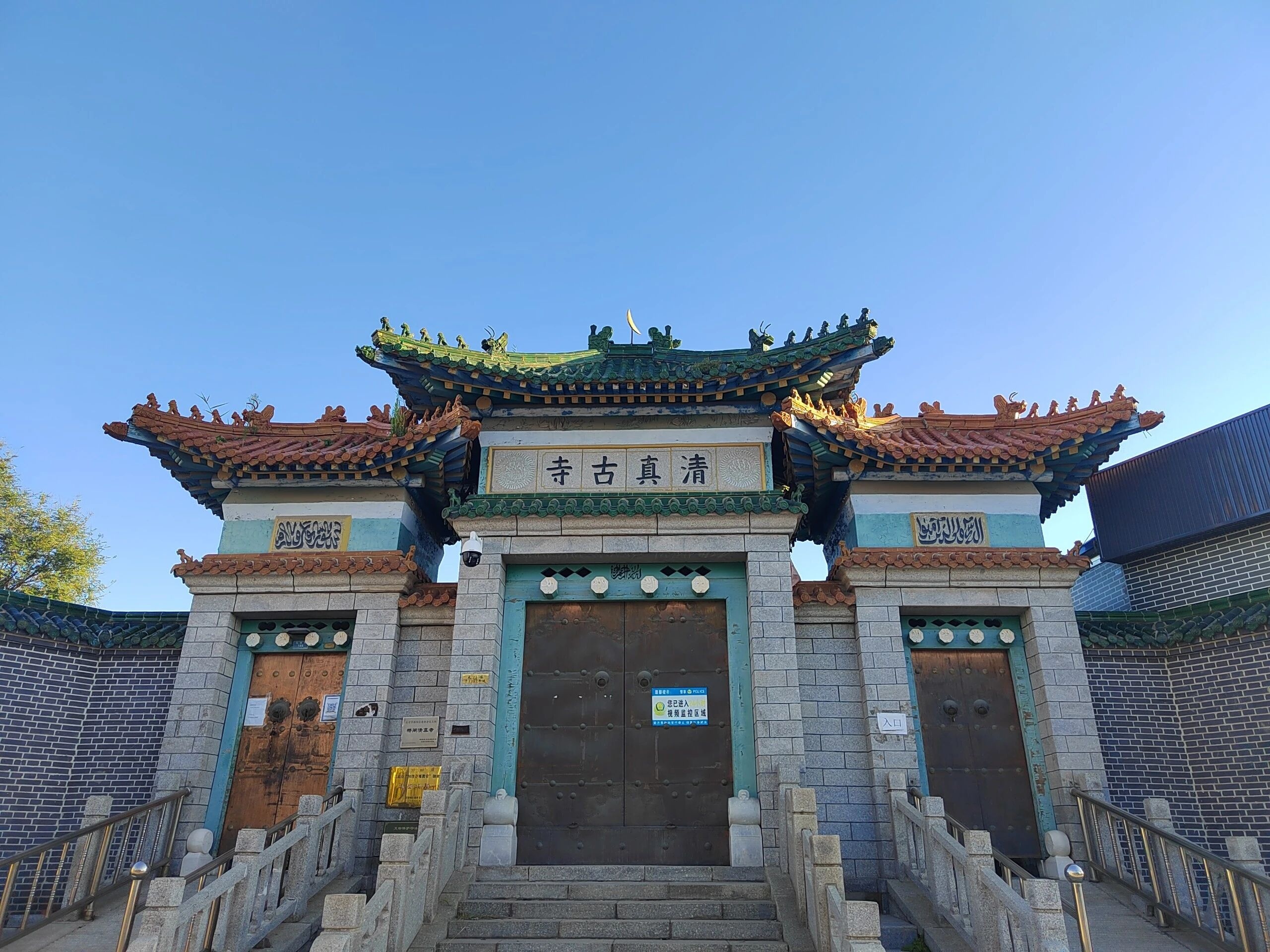
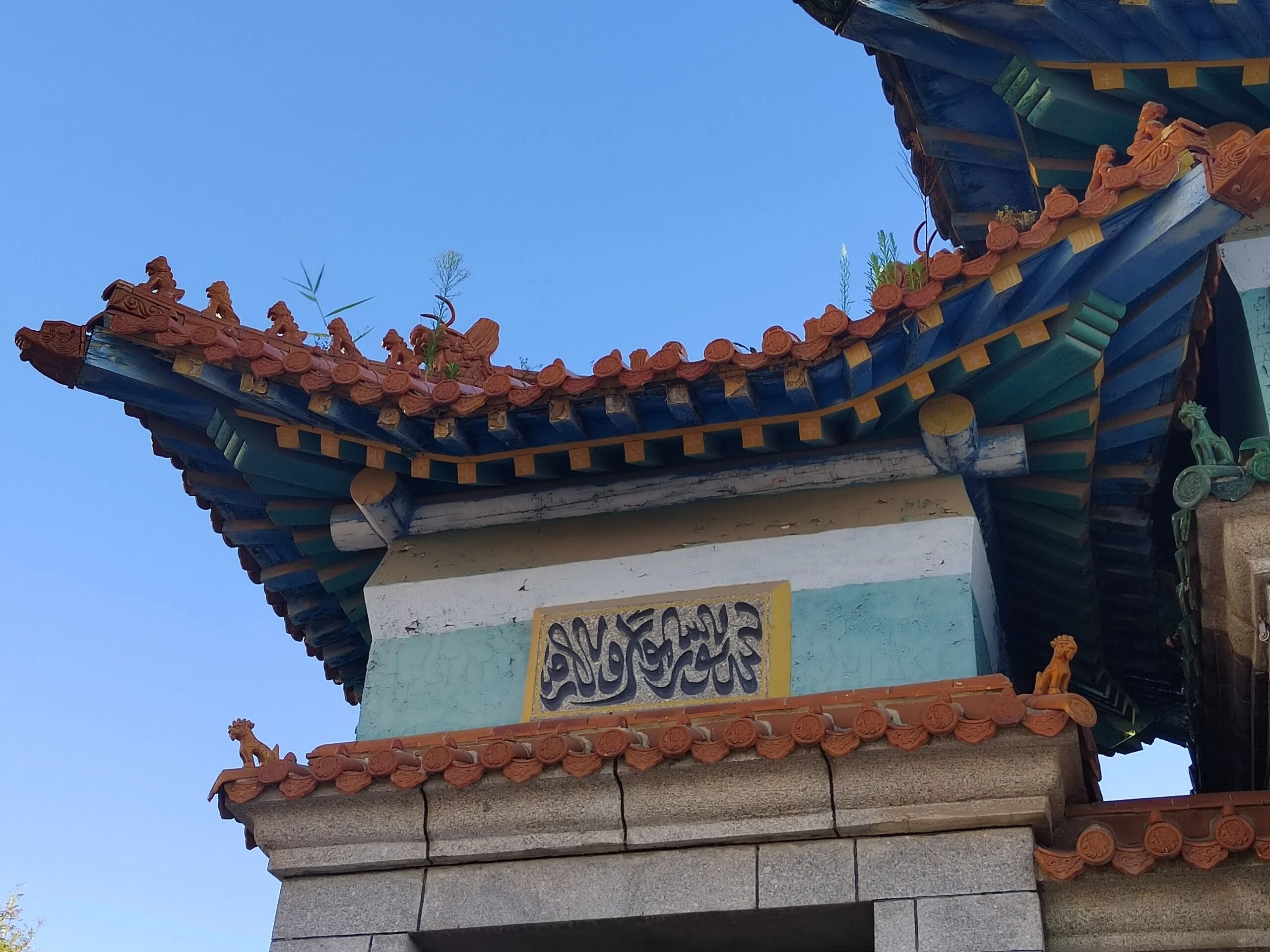
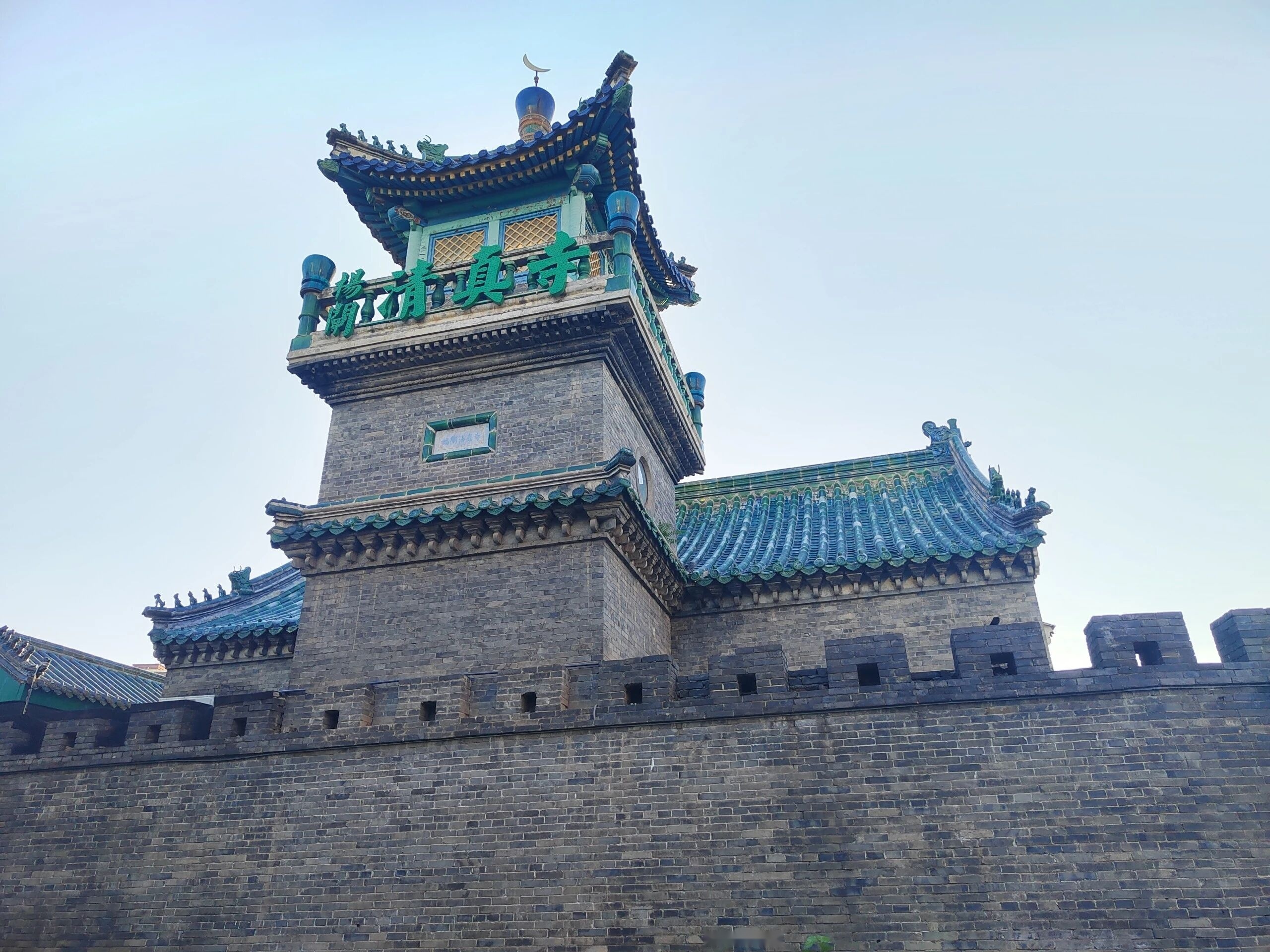
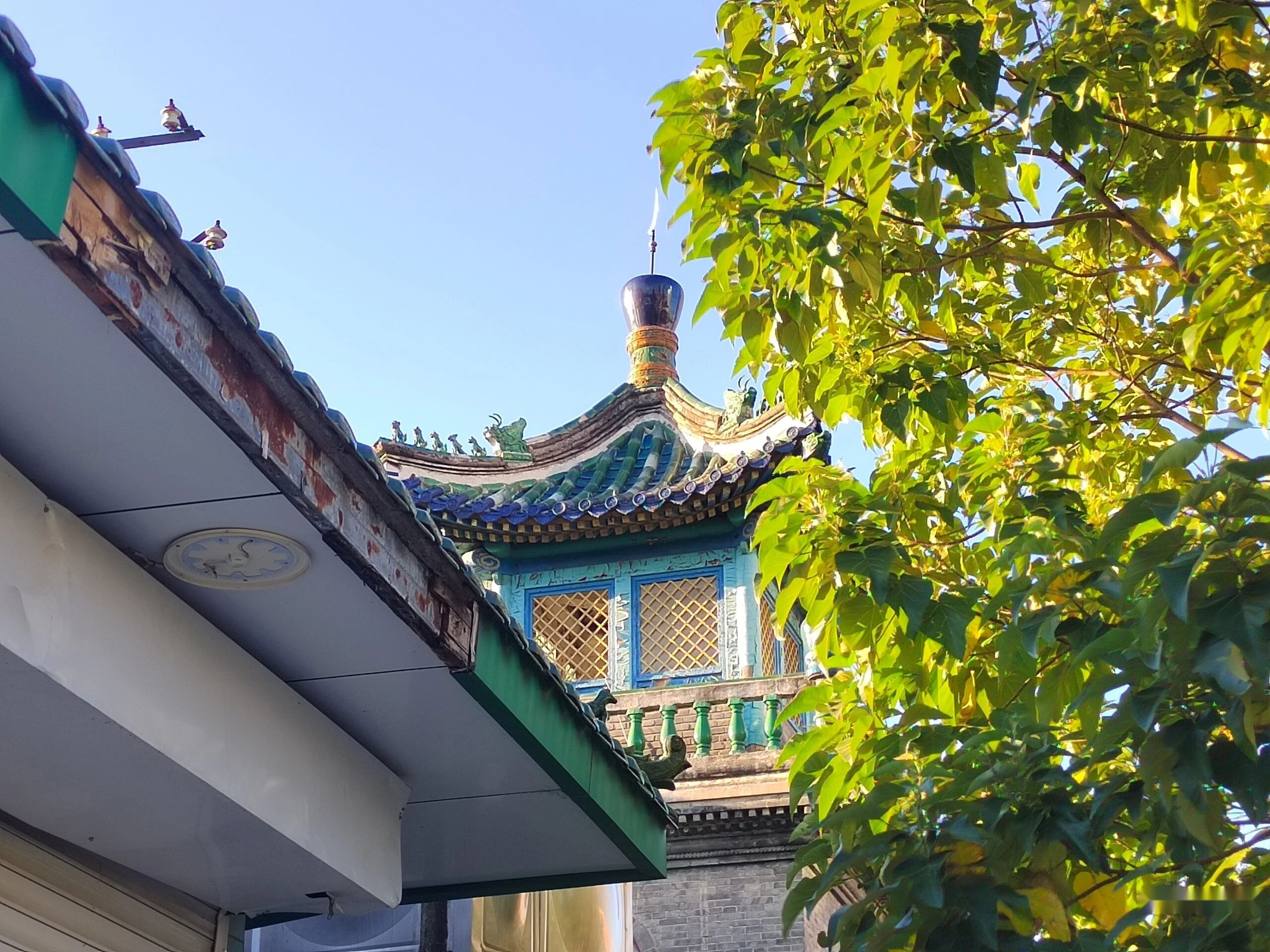
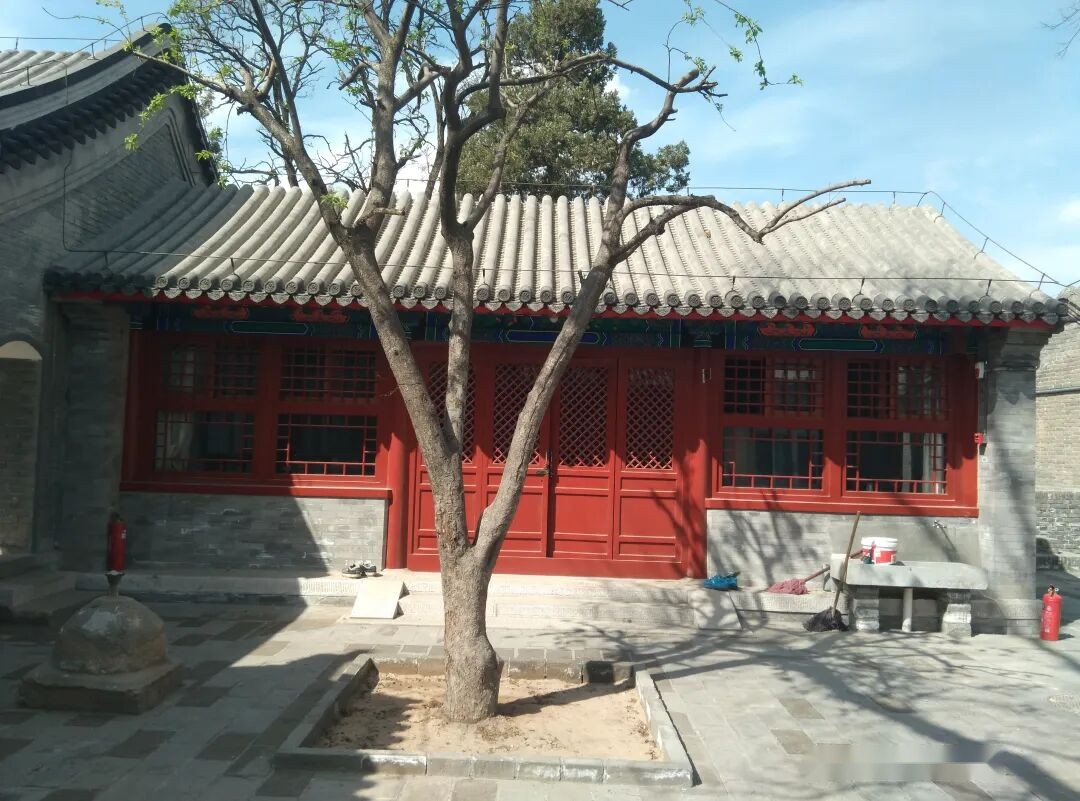
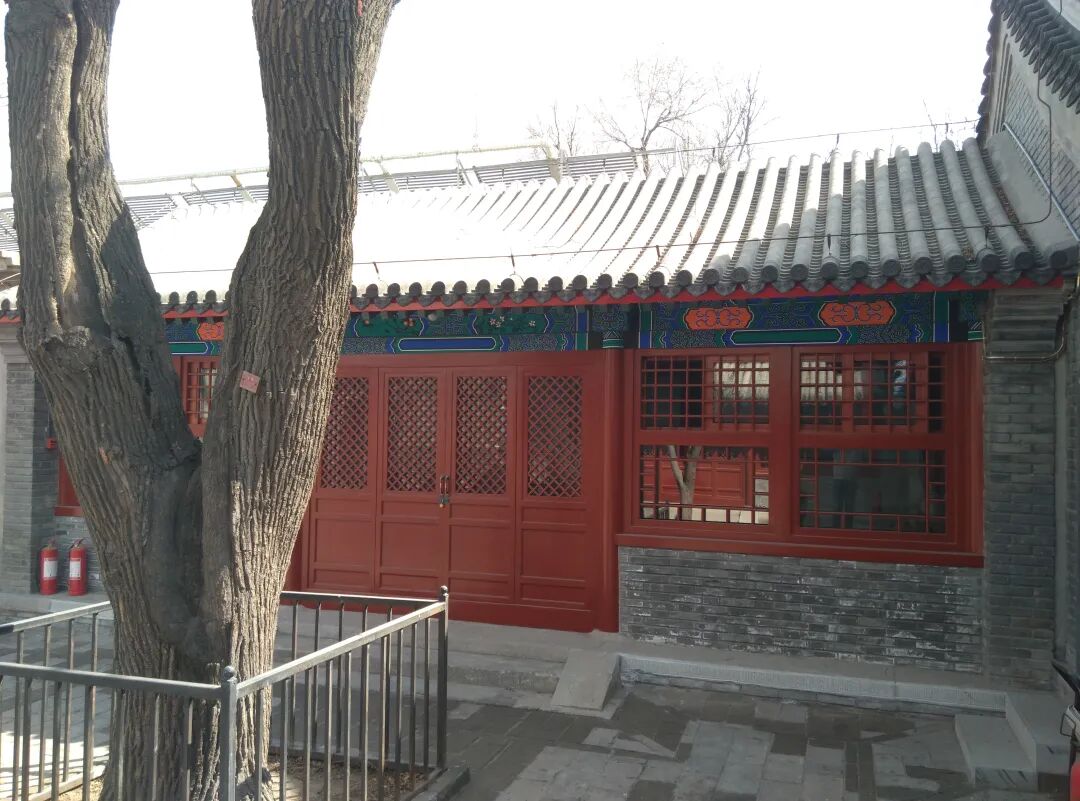
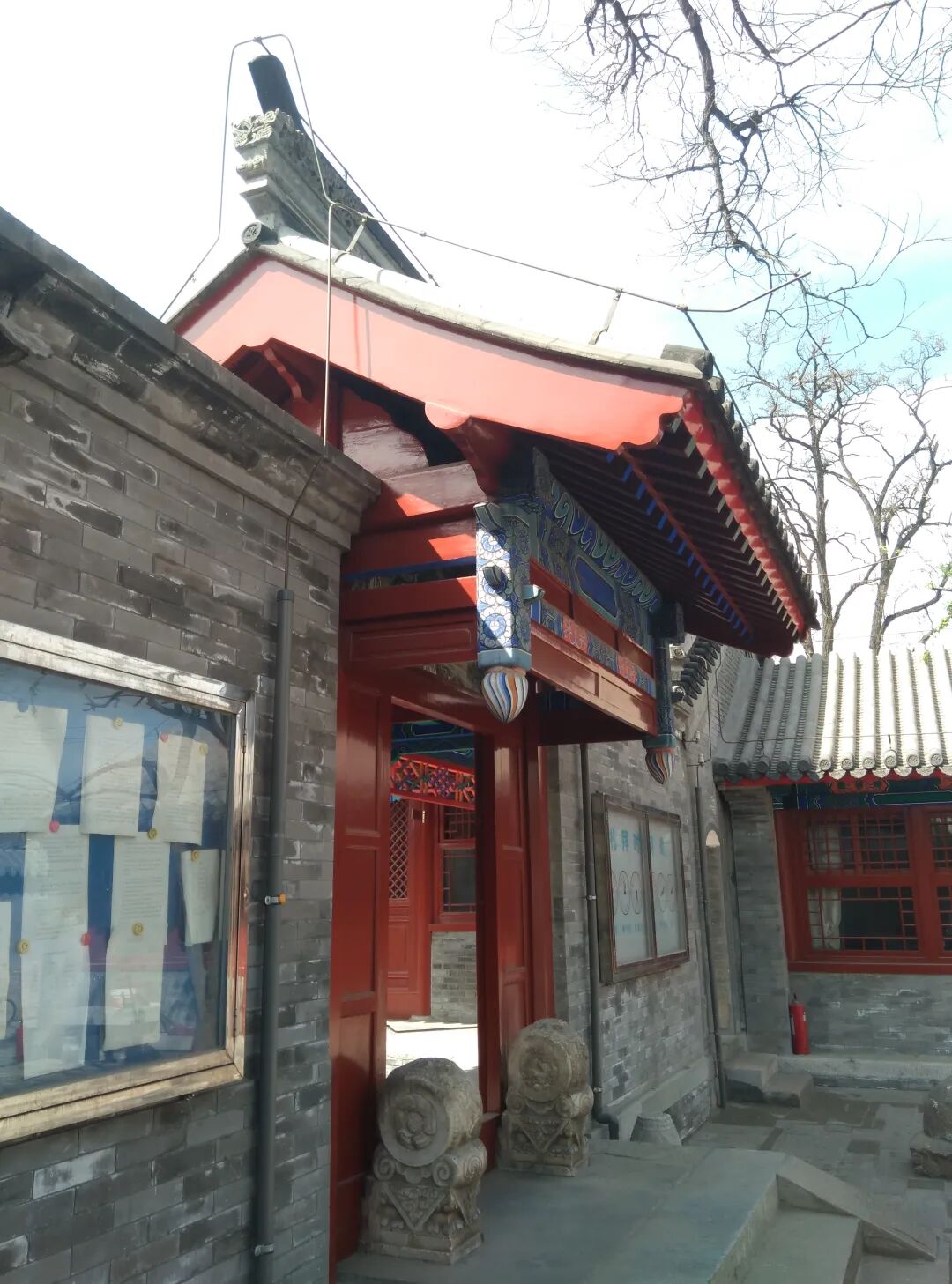
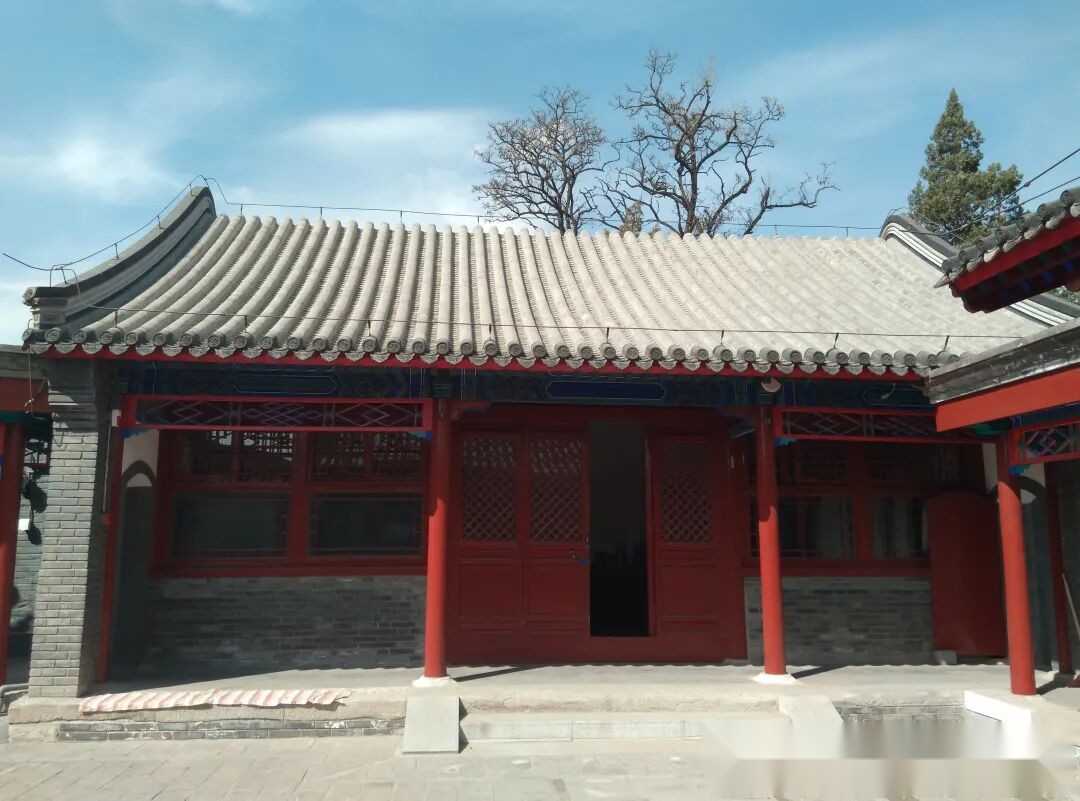
Exploring Yangzha Mosque in Beijing: A Look at Traditional Islamic Architecture on the Chaoyang-Tongzhou Border
Articles • Hasan09 posted the article • 0 comments • 23 views • 1 days ago
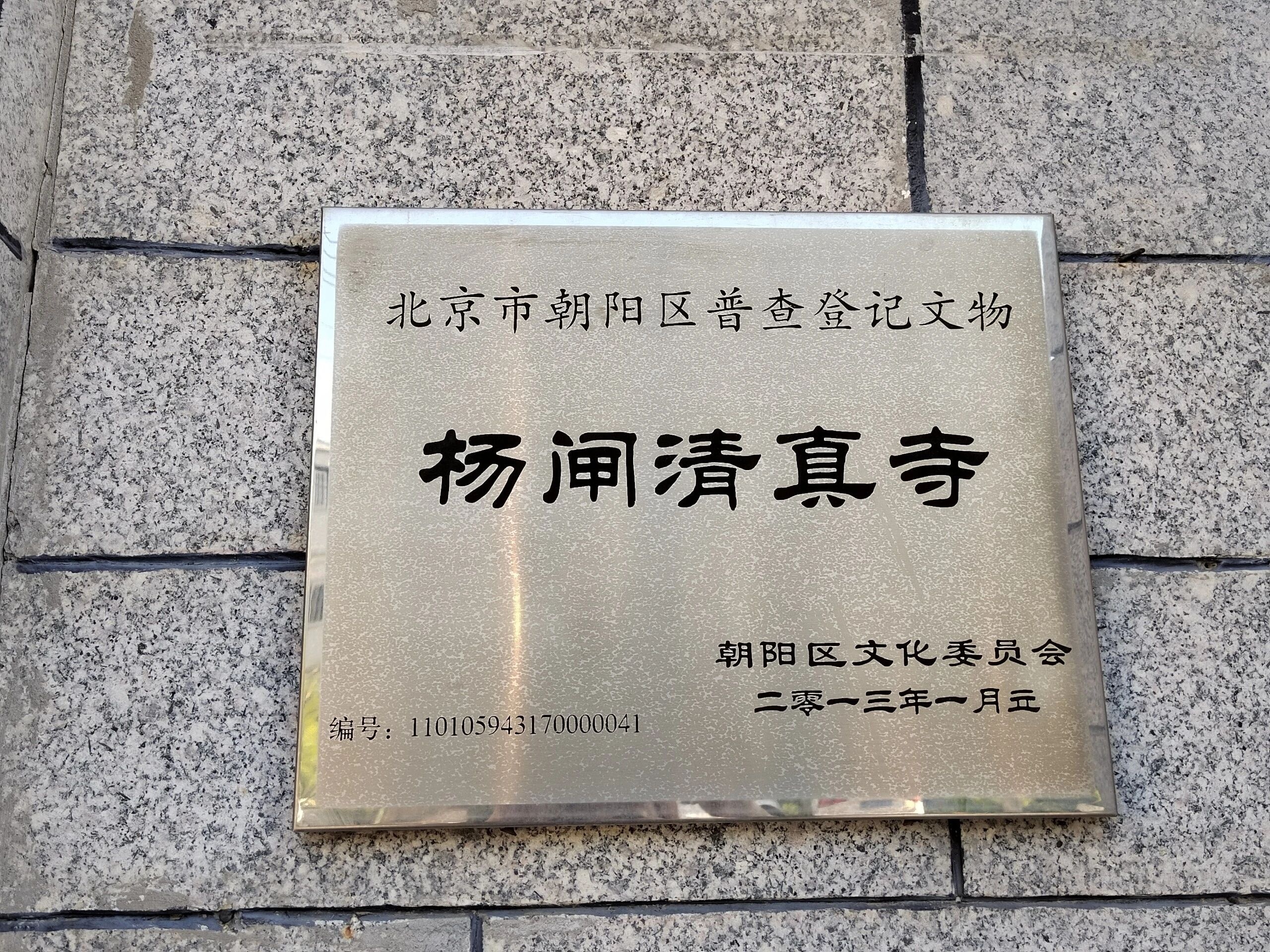
Yangzha Historic Mosque
On-site photos view all
Yangzha Historic Mosque
On-site photos
Best Halal Food in Beijing 2026: Ultimate Guide to Authentic Muslim Restaurants and Traditional Hot Pot
Articles • Hasan09 posted the article • 0 comments • 86 views • 2026-11-09 10:56
I’ve personally tested and compiled this 2026 edition of the ultimate guide to the best halal restaurants across Beijing. It’s categorized by districts like Dongcheng, Xicheng, Chaoyang, Haidian, Fengtai, and Tongzhou, covering everything from classic Beijing-style halal stir-fry and zhizi kaorou (barbecue grilled on a solid iron grate) to copper pot hot pot and famous northwestern flavors found in the city.
I’ve updated this list since my 2024 version, and honestly, it’s wild how many spots have closed down in just two years. Looking at the patterns, more places in the outer suburbs have shut their doors, while spots in the city center—where the rent is way higher—have actually been more stable. I only included places I’ve personally eaten at; if it’s not on here, I haven’t tried it. Feel free to drop a comment with your own recs and I'll keep updating this list.
I didn't include the specific addresses because you can just copy and paste the restaurant names into Baidu Maps, Amap, or Dazhong Dianping to grab the exact location and contact info.
No.
District
Restaurant Name
1 Xicheng District: Mabei'er Xiaoguan
2
Yelushahan Silk Road Cuisine
3
Jiangweiyuan Aisha Cuisine
4
Heji Beef Noodles & Handcrafted Burgers
5
Shengbaozhai Niujie Alley Noodle Shop (Linyi, Shandong style)
6
Xingyuelou: 18-Year-Old Hot Pot Shop
7
Tianqiao Laojin Hot Pot (Niujie Branch)
8
Jianbing Tianxia (Jianbing/savory crepe snacks)
9
Dexiangshun Halal Small Eatery
10
Mr. Jiu Halal Restaurant (Beijing-style snacks)
11
Dalübao Roasted Lamb Leg
12
Youmu Qiyuan Flagship Store (Hulunbuir style)
13
Daquan Feizai Braised Beef Noodles
14
Heiyaochang Tangyoubing (fried dough with brown sugar)
15
Ritan Hot Pot
16
Lianying Shaomai (steamed dumplings)
17
Kashgar Knight Flavors
18
Tongye Laobeijing Zhizi Kaorou (Traditional Beijing-style iron griddle BBQ)
19
Uncle Hao Tieguodun (Iron pot stew)
20
Silu Yilan Beef Noodles & Malatang (Spicy numb hot pot skewers)
21
Haolaiwu Gansu Malatang (Spicy numb hot pot skewers)
22
Yilan Liyuan Handcrafted Burgers
23
Xunji Gulou Courtyard
24
Helanshan Ningxia Restaurant & Revolving Hot Pot
25
Jiaqing Xiaoyuan (Beijing-style BBQ)
26
Fenyuanyuan (Hunan-style rice noodles)
27
Chaishi Fuhai Halal Cuisine
28
Sala Hua Western Region Cuisine
29
Zhangji Spiced Beef
30
Xi'an Jasan Guantangbao (Soup-filled steamed buns)
31
Baoyuelou Fragrant Concubine's Family Banquet
32
Xinjiang Kashgar Maimaiti Restaurant
33
Roubing Wan (Meat pie specialist)
34
Kaorou Liu Zhizi Kaorou (Traditional Beijing-style iron griddle BBQ)
35
Houweiju Zhizi Kaorou (Traditional Beijing-style iron griddle BBQ)
36
Jingchaowei Beef Hot Pot (Chaoshan-style)
37
Diyi Shuan (Beijing-style hot pot)
38
Desanyuan Zhizi Kaorou (traditional iron-plate grilled meat)
39
Laochengyi Yangxiezi (spicy lamb spine hot pot)
40
Dashuntang Shifu (Traditional Beijing Cuisine)
41
Tiankelai Restaurant (Traditional Beijing Cuisine)
42
Shandong Shada Whole Grain Jianbing (savory Chinese crepes)
43
Muyixuan Yangxiezi (spicy lamb spine hot pot)
44
Hongji Halal Snack Shop
45
Kaorouji (historic grilled meat restaurant)
46
Hongyuan Nanmen Shuanrou (Beijing-style hot pot)
47
Baiji Siji Shuanrou (Beijing-style hot pot)
48
Manhengji Shuanrou (Beijing-style hot pot)
49
Hongshenghao Charcoal Grilled Lamb Leg
50
Nailao Wei (traditional Beijing dairy snacks)
51
Mudelou (Traditional Beijing Cuisine)
52
Tulufan Restaurant
53
Ziguangyuan
54
Hongbinlou (Traditional Beijing Cuisine)
55
Xibu Mahua
56
Xinjiang Fanzhuang (Urumqi Government Liaison Office Restaurant)
57
Bingtuan Shifu (Xinjiang style cuisine)
58
59
60
61
62
63
64
65
66
Fangzhongshan Hulatang (spicy peppery soup)
Sanwanghu Light Meals & Coffee (Niujie Branch)
Guxiangzhai Tianjin Baobing (shaved ice)
Mashi Muxiangyuan (Northeastern Chinese cuisine)
Bage Guotie (pot-stickers)
JM cafe & bakery
Niuniu Bread & Coffee
Diji Mending Roubing (nail-shaped beef pancakes)
Lahore Indo-Pak Restaurant
67
Gulou Chimi Hot Dog & Burger (Dongcheng District)
68
Gulou Chimi Roukenrou (meat-on-meat specialty)
69
Yoohee Cafe
70
Muwenxuan Yunnan-style Hot Pot
71
Mufu Lanzhou Beef Noodles
72
Wanhe Feiniu (fatty beef hot pot)
73
Yaliji Restaurant (Temple of Heaven Branch)
74
Mulu
75
Zhang Xiucai Chuan-chuan (skewer hot pot)
76
Love Curry Indian Cuisine
77
Liji Baishui Yangtou (boiled lamb head meat)
78
Lianshou Signature BBQ Skewers
79
Feitian Building Gansu Provincial Office in Beijing
80
Ningxia Mansion
81
Yindu Restaurant (Yinchuan Provincial Office in Beijing)
82
Jinfang Snacks
83
Youyishun
84
Xilaishun
85
Wanwan Yueliang (Crescent Moon) Xinjiang Restaurant
86
Qianyuan Hotel Buffet Restaurant
87
Heiji Shuangheshun Restaurant
88
Suzhou Hui Muslim Restaurant
89
Xinyuezhai
90
Yuezhen Yayuan
91
Baikui Laohao Restaurant
92
Saduli Indian Restaurant
93
94
Sailankun Xinjiang Cuisine
Subuha Electric Grilled Skewers
95
Zhuage Fanfan (Grab-a-Rice) in Chaoyang District
96
Tribe Garden (Ghanaian Cuisine)
97
Uncle Wu’s Tianjin Halal Bistro
98
Shaikh Classic Lanzhou Beef Noodles
99
Turkish Cafe
100
Shusheng Chuan-Chuan Hot Pot (Sichuan style)
101
Xihan Meatball Soup
102
Samosa China-Pakistan Friendship Restaurant
103
Azerbaijan National Pavilion - Maiden Tower Restaurant
104
Jingyu Contemporary Halal Cuisine
105
Xunji Qingnian Road Courtyard
106
BRBR Syrian Restaurant
107
024 Ocean String Music Western Restaurant
108
Chicken Tender Master (Hopson One Mall branch)
109
Annei Old Ma Shaomai (steamed dumplings) (Dongba branch)
110
Dastan Indian Restaurant
111
One Thousand and One Nights Arabic Restaurant
112
Jianglai Xinjiang Restaurant
113
Gulf Mandi Restaurant
114
Taiba Sharama Turkish Kebabs
115
Muhelan Ningxia Tanyang Shouzhua (hand-grabbed lamb)
116
Bayi Laoye Gongti Flagship Store
117
Halal Tongjuyuan Barbecue
118
Huiwei Gong Ningxia Tan-Yang Restaurant (specializing in high-quality Ningxia desert sheep)
119
Hotan Restaurant
120
Turkish Canakkale Restaurant
121
Manpengxuan (a fusion of Beijing-style cuisine)
122
Qingyanfang (traditional Beijing-style cuisine)
123
Bollywood Stories Indian Restaurant
124
Resuli Northwest Restaurant
125
Yak Meat Qinghai Lamian (hand-pulled noodles)
126
Bai Xiaobei Halal Dongbei (Northeast Chinese) BBQ
127
Fang Zhongshan Hulatang (spicy peppery soup)
128
La Medina Tunisian Arabic Restaurant
129
CODED Nigerian Restaurant
130
Sultan Turkish Restaurant
131
Zai Tianshan Xinjiang Super-Sized Laziji (spicy stir-fried chicken)
132
Niushi Japanese-Style Yakiniku (grilled meat)
133
Taihelou Roast Duck Restaurant
134
Lan Jiushiqi Snacks
135
Lahore Indian and Pakistani Restaurant
136
Jinjia Laosan Restaurant
137
Liangtaoxuan Hezhou Noodle House
138
Best Halal Food in Beijing: 2026 Guide to Authentic Muslim Restaurants and Top-Rated Spots Across the City
Chai Shi Fengwei Zhai
139
Rose City Mediterranean Restaurant
140
Xiting Xiuse Turkish Restaurant
141
Lianshou Signature BBQ Skewers
142
Xia Puna Xinjiang Restaurant
143
Nanmen Xiaoguan (South Gate Bistro)
144
Jinying Xinjiang Wanzi Tang (Xinjiang-style meatball soup)
145
Xinjiang Ali Restaurant
146
Halal Suhaha Yunnan-Guizhou-Sichuan Style Rice Noodles
147
Al Safir Arabic Restaurant
148
Huawei Roubing (Meat Pie)
149
Xifentang Xinjiang Rice Noodles
150
Musefeilin Xinjiang Restaurant
151
Yidai Yilu Xinjiang Cuisine
152
Ganges Legend Indian Restaurant
153
Hongyun Lou Huaiyang Cuisine
154
Jianghu Xinjiang Restaurant
155
Doner Turkish Coffee and Kebab
156
Dardanelles Turkish Restaurant
157
KAVKAZ Ruilin Restaurant 158
Djezzy (Algerian cuisine)
159
Raz Indian Music Restaurant
160
Alameen Arabic Restaurant
161
Khan Baba Pakistani Restaurant
162
Zitengxuan Restaurant
163
Hongbinlou Restaurant
164
Changying Brothers
165
Benjamin Indian and Afghan Restaurant
166
Qijia Qiqihar BBQ
167
Desert Rose Turkish Restaurant
168
Wali Shan Restaurant (Indonesian)
169
Zhang Chuan Ren Malatang (spicy numbing hotpot)
170
Gameizi Ningxia Tanyang (Ningxia grass-fed lamb)
171
Miaozai Kitchen (Halal cakes and pastries)
172
Ding's Gushi Ekuai (braised goose chunks)
173
174
175
176
177
178
179
180
181
182
183
184
185
186
187
188
189
190
191
192
Haiji Xiaohuo Halal New-Style Malatang (spicy numbing hot pot)
LIQA Turkish Restaurant
Yige Huangluobo Xinjiang Homestyle Cuisine
Cinnara Sri Lankan Restaurant
Bazaar Sweetheart Yili Shaved Ice
Eli Falafel Lebanese Cuisine
Yihexian Halal Dumplings
Changying Halal Roujiamo (meat burger/pita sandwich)
Xi'an Laolan Family Barbecue
Xiaoyu Barbecue and Fried Chicken
Hotan Barbecue
Huixiangyun Sichuan-Hunan Stir-fry (Hunan cuisine)
Zanjin Lanzhou Spicy Lamb Skewers
Shilixiang Claypot Rice Noodles
Silk Road Legend Master Ma's Milk and Egg Lauzao (sweet fermented rice soup)
Mayila Xinjiang BBQ House
Luiyuan Malatang and Mala Xiangguo (spicy dry pot)
Hulun Aile Halal Mongolian Cuisine
Sumac Lebanese Restaurant
Nazilan Xinjiang Restaurant
193 Haidian District Yiqinglan Rotating Hot Pot
194
Habibi Pakistani Buffet Restaurant
195
Saishang Mingyang Ningxia Famous Tanyang (special breed of sheep) Shouzhua Yangrou (hand-grabbed lamb)
196
Halal Danaodai Copper Pot Shuanrou (traditional Mongolian-style hot pot)
197
Xinjiang Building Pinyue Grand Bazaar Buffet Restaurant
198
AIIB Executive Restaurant
199
Aisileze 1982 Xinjiang Style Fried Rice Noodles
200
Junbang Hot Pot (Sichuan Style)
201
BRBR Syrian Restaurant
202
Saiyiruier Silk Road Cuisine
203
Uncle Oyster's Iron Pot Stew
204
Niububi Clear Oil Tripe Hot Pot
205
Samarkand Silk Road Cuisine
206
Xiangyicheng Old Beijing Copper Pot Shabu-Shabu and Zhizi Kaorou (traditional iron-plate BBQ)
207
Muhejia Revolving Mini Hot Pot
208
Zamzam Indian-Pakistani Cuisine
209
Azhen Flavor Rice Noodles
210
Jinmanlou Tianjin Cuisine
211
Maimaihong Knife-Cut Noodles (Henan Style)
212
Jiaoming Peppery and Numbing Bistro
213
Yilanlou
214
Axiya Restaurant
215
216
217
218
219
Yanlanlou
Ali Northwest BBQ and Roujiamo (meat burger)
Shunhexiang Harbin Halal Eatery
Best Halal Food in Beijing: 2026 Ultimate Guide to Authentic Muslim Restaurants and Traditional Hui Specialties
Xinjiang Aimaier BBQ
Yangji Qiqihar BBQ
220
Changping District Chengcheng Chongbin Shuipen Yangrou (lamb soup with shredded bread)
221
Jiangyu Qing Silk Road Cuisine
222
ASIAN FOOD Turkmenistan Restaurant
223
Xinjiang Saimimi Restaurant
224
Yangfang Shuanrou (traditional copper pot mutton hot pot)
225
Heqingzhai Yangxiezi (lamb spine hot pot)
226
Liangji Huimian (braised lamb noodle soup)
227
Ruizi Jiaozi (dumplings) and Shaomai (steamed dumplings) House
228
Xiguanshi Market Beizi (baked wheat cakes) Shop
229
Dacao yuan Halal Restaurant
230
Lao Yang Jia Restaurant
231
Limin Restaurant
232
Huayunlou Shaomai (steamed dumplings) Restaurant
233
Yuelangzhai Shuanrou (traditional copper pot mutton hot pot)
234 Daxing District Moyan Dunhuang Restaurant
235
Habibi Shawarma Arabic Restaurant
236
Wanfu Halal Tieguodun (iron pot braised stew)
237
Yangzhilian Fusion Restaurant
238
Choulixiang (stinky tofu snack) 239
Yilangé (Halal Restaurant)
240
Shangshui Dabin Juan Niurou (Scallion pancake rolls with beef)
241
Shiji Jiayuan BBQ and Marinated Meats
242
Xingjude Hot Pot, Baodu (quick-boiled tripe), and Dingmen Roubing (nail-shaped meat pies)
243
Zhenming Yihuazhai Restaurant
244
Ziyuan Xinjiang Cuisine
245
Niandai Hot Pot and BBQ (Cantonese-style hot pot)
246
Mengdameng Signature Roasted Lamb Leg
247
Maji Qibaozhai
248
Sichongzou Lanzhou Spicy Beef Noodles
249
Xiaoqing Restaurant
250
Xiaoma Halal Steamed Bun Shop
251
Rundexuan Halal Restaurant
252
Xueying Heshunzhai Hot Pot
253
Dianxinyuan Yunnan Restaurant
254
Chengji Shanxian Lamb Soup House
255
Hotan Xinjiang Rose Pilaf
256
257
Jingdong Meat Pie Shop
Baoding Beef Zhaobing (stewed beef over flatbread)
258 Shunyi District Ganges Impression Indian Restaurant
259
Sixiang Rice Noodles (Xinjiang style)
260
Fushouzhai Shuanrou (Hot Pot)
261
Shalima Indian-Pakistani-Bengali Restaurant
262
Victor`s Place Indian & Thai Restaurant
263
Anji Xiaochu (Japanese Cuisine)
264
Flame&Feast Pakistani Steakhouse
265
Tanyang Puzi (Tan Sheep Specialty Shop)
266
Fenghong Old Beijing Style Halal Roast Duck Restaurant
267 Fengtai District Pinyilan Baozi (Steamed Stuffed Buns) and Malatang (Spicy Hot Pot) (Qinghai Style)
268
Anajiang Xinjiang Cuisine and BBQ
269
Yili Talanchi Xinjiang Restaurant
270
Fangji Snack Shop
271
Qingzhen Liangde Chuandian (Halal Skewer Shop)
272
Wanping Liji Snacks
273
Qingzhen Aoji BBQ and Hot Pot
274
Decheng Li Halal Shaomai (Steamed Dumplings) Restaurant (Chengde Style)
275
Samarkand Silk Road Cuisine
276
Jinmen Zhenweizhai
277
Qingzhen Xiaochi (Halal Snacks)
278
Shangdu Hotel Yufu Shenchu (Zhengzhou Office in Beijing)
279
Tangwoju (Charcoal Pot Restaurant)
280
Ultimate 2026 Beijing Halal Dining Guide: Discover the best authentic Muslim-owned restaurants across Dongcheng, Xicheng, Chaoyang, and Haidian districts for a delicious culinary tour.
281
Laomenkuang Baodu Shuanrou (Traditional Beijing-style tripe and hot pot)
282
Harbin Baiyang Baozi (Steamed buns)
283
284
285
286
Hecheng Xiaoerjia Qiqihar Jiating Kaorou (Home-style Qiqihar barbecue)
Laoma Jia Yangtang Niurou Zhengjiao (Lamb soup and beef steamed dumplings)
Sailimai Niurou Lamian (Beef hand-pulled noodles)
Tianjin Fengwei Huangtang Lamian (Yellow-broth hand-pulled noodles)
287 Shijingshan Yuanyuan Xibei Minzu Fengwei (Authentic Northwest ethnic flavors)
288
Ximen Dafei Lanzhou Lazi Kaorou (Lanzhou-style spicy lamb skewers)
289
Qingmuxuan (Traditional Beijing Halal cuisine)
290
Yuanzhou Yinxiang Guyuan Weidao (Authentic tastes from Guyuan)
291 Tongzhou District Xinjiang Ganmianpi (Cold skin noodles) & Lingling Mifen (Rice noodles)
292
Huiwei Xiaoguan (Spicy dry pot and barbecue)
293
Dun Yishou Halal Tieguodun (Braised meat in a traditional iron pot)
294
Laosan Niurou Banmian (Beef flat noodles)
295
Majia Shaomai (Steamed dumplings)
296
Tonghaoge Seafood Barbecue
297
Zhangji Guotie (Pan-fried dumplings)
298
Yipin Shaomai Yangza Guan (Steamed dumplings and lamb offal soup house)
299
Xinbaowang (Halal burger house)
300
Masala Zhixiang Indian Restaurant
301
Hai Yi Wan Huimian (braised pulled noodles)
302
Haibin Roubing (meat-filled flatbread)
303
Xiaolou Restaurant
304
305
306
307
308
309
310
311
Jujingyuan Restaurant
Dashan Snacks
Ma Ji Northeast Halal Cuisine
Grand Canal Silk Road Flavors: Persian Halal BBQ
Mutong Renjia: Fangniuwa Braised Beef Feast and Beef Paomo (crumbled flatbread in beef soup)
Northeast Halal Charcoal Ground-Oven BBQ
Tongxinzhai Tengzhou Caijianbing (savory vegetable-filled pancake)
Wenzhutang Halal Restaurant
312
Fangshan District Mulaixuan Sturgeon Feast
313
Jishengke Burgers
314
Lao Xie Shaobing (baked sesame flatbread)
315
Yinsha Halal Restaurant (Xinjiang cuisine)
316
Lujinyuan (traditional Beijing cuisine)
317
Pangzi Old-School Quality Shuijianbao (pan-fried buns)
318
Doulashun (traditional Beijing cuisine)
319
Changzhuang Longshunzhai Shaobing: Local Specialty Snacks
320
Zhangji Dayangshu Restaurant
321
Dongge Shanyuan Halal Restaurant
322
Tongshunzhai Restaurant's famous niutouyan (braised beef head feast)
323
Jingzhenxuan (specializing in traditional Beijing-style cuisine)
324
Mentougou Tanyang Puzi (a specialty shop featuring lamb from northern and southern Xinjiang regions)
325
Xiannai Xiaozhen (Fresh Milk Town)
326
Miyun District Shanshui Tianyuan Folk Restaurant
327
Tanghe Halal Restaurant
328
Run'gesheng Restaurant
329
Haixinzhai
330
Guangjuzhai Meat Pie Shop
331
Niurou Zhaobing (beef and shredded pancake soup)
332
333
334
Xishunkui
Fuhua Zhengxing Folk Restaurant
Hexingzhai Restaurant
335 Huairou District Masala Pakistani Restaurant
336
Xingyuanzhai Ethnic Restaurant
337
Sudan Pakistani Restaurant
338
Xiangyu Halal Restaurant and Lodging
339
340
Ziguangyuan
Ya'er Liji Courtyard
341
Pinggu District Halal Silk Road Cuisine Lanzhou Old Ma Lamian (hand-pulled noodle) Restaurant
342 Yanqing District Halal Jintuoyuan Restaurant: Discover authentic Halal dining in Yanqing, Beijing, featuring top-rated local cuisine and traditional dishes. view all
I’ve personally tested and compiled this 2026 edition of the ultimate guide to the best halal restaurants across Beijing. It’s categorized by districts like Dongcheng, Xicheng, Chaoyang, Haidian, Fengtai, and Tongzhou, covering everything from classic Beijing-style halal stir-fry and zhizi kaorou (barbecue grilled on a solid iron grate) to copper pot hot pot and famous northwestern flavors found in the city.
I’ve updated this list since my 2024 version, and honestly, it’s wild how many spots have closed down in just two years. Looking at the patterns, more places in the outer suburbs have shut their doors, while spots in the city center—where the rent is way higher—have actually been more stable. I only included places I’ve personally eaten at; if it’s not on here, I haven’t tried it. Feel free to drop a comment with your own recs and I'll keep updating this list.
I didn't include the specific addresses because you can just copy and paste the restaurant names into Baidu Maps, Amap, or Dazhong Dianping to grab the exact location and contact info.
No.
District
Restaurant Name
1 Xicheng District: Mabei'er Xiaoguan
2
Yelushahan Silk Road Cuisine
3
Jiangweiyuan Aisha Cuisine
4
Heji Beef Noodles & Handcrafted Burgers
5
Shengbaozhai Niujie Alley Noodle Shop (Linyi, Shandong style)
6
Xingyuelou: 18-Year-Old Hot Pot Shop
7
Tianqiao Laojin Hot Pot (Niujie Branch)
8
Jianbing Tianxia (Jianbing/savory crepe snacks)
9
Dexiangshun Halal Small Eatery
10
Mr. Jiu Halal Restaurant (Beijing-style snacks)
11
Dalübao Roasted Lamb Leg
12
Youmu Qiyuan Flagship Store (Hulunbuir style)
13
Daquan Feizai Braised Beef Noodles
14
Heiyaochang Tangyoubing (fried dough with brown sugar)
15
Ritan Hot Pot
16
Lianying Shaomai (steamed dumplings)
17
Kashgar Knight Flavors
18
Tongye Laobeijing Zhizi Kaorou (Traditional Beijing-style iron griddle BBQ)
19
Uncle Hao Tieguodun (Iron pot stew)
20
Silu Yilan Beef Noodles & Malatang (Spicy numb hot pot skewers)
21
Haolaiwu Gansu Malatang (Spicy numb hot pot skewers)
22
Yilan Liyuan Handcrafted Burgers
23
Xunji Gulou Courtyard
24
Helanshan Ningxia Restaurant & Revolving Hot Pot
25
Jiaqing Xiaoyuan (Beijing-style BBQ)
26
Fenyuanyuan (Hunan-style rice noodles)
27
Chaishi Fuhai Halal Cuisine
28
Sala Hua Western Region Cuisine
29
Zhangji Spiced Beef
30
Xi'an Jasan Guantangbao (Soup-filled steamed buns)
31
Baoyuelou Fragrant Concubine's Family Banquet
32
Xinjiang Kashgar Maimaiti Restaurant
33
Roubing Wan (Meat pie specialist)
34
Kaorou Liu Zhizi Kaorou (Traditional Beijing-style iron griddle BBQ)
35
Houweiju Zhizi Kaorou (Traditional Beijing-style iron griddle BBQ)
36
Jingchaowei Beef Hot Pot (Chaoshan-style)
37
Diyi Shuan (Beijing-style hot pot)
38
Desanyuan Zhizi Kaorou (traditional iron-plate grilled meat)
39
Laochengyi Yangxiezi (spicy lamb spine hot pot)
40
Dashuntang Shifu (Traditional Beijing Cuisine)
41
Tiankelai Restaurant (Traditional Beijing Cuisine)
42
Shandong Shada Whole Grain Jianbing (savory Chinese crepes)
43
Muyixuan Yangxiezi (spicy lamb spine hot pot)
44
Hongji Halal Snack Shop
45
Kaorouji (historic grilled meat restaurant)
46
Hongyuan Nanmen Shuanrou (Beijing-style hot pot)
47
Baiji Siji Shuanrou (Beijing-style hot pot)
48
Manhengji Shuanrou (Beijing-style hot pot)
49
Hongshenghao Charcoal Grilled Lamb Leg
50
Nailao Wei (traditional Beijing dairy snacks)
51
Mudelou (Traditional Beijing Cuisine)
52
Tulufan Restaurant
53
Ziguangyuan
54
Hongbinlou (Traditional Beijing Cuisine)
55
Xibu Mahua
56
Xinjiang Fanzhuang (Urumqi Government Liaison Office Restaurant)
57
Bingtuan Shifu (Xinjiang style cuisine)
58
59
60
61
62
63
64
65
66
Fangzhongshan Hulatang (spicy peppery soup)
Sanwanghu Light Meals & Coffee (Niujie Branch)
Guxiangzhai Tianjin Baobing (shaved ice)
Mashi Muxiangyuan (Northeastern Chinese cuisine)
Bage Guotie (pot-stickers)
JM cafe & bakery
Niuniu Bread & Coffee
Diji Mending Roubing (nail-shaped beef pancakes)
Lahore Indo-Pak Restaurant
67
Gulou Chimi Hot Dog & Burger (Dongcheng District)
68
Gulou Chimi Roukenrou (meat-on-meat specialty)
69
Yoohee Cafe
70
Muwenxuan Yunnan-style Hot Pot
71
Mufu Lanzhou Beef Noodles
72
Wanhe Feiniu (fatty beef hot pot)
73
Yaliji Restaurant (Temple of Heaven Branch)
74
Mulu
75
Zhang Xiucai Chuan-chuan (skewer hot pot)
76
Love Curry Indian Cuisine
77
Liji Baishui Yangtou (boiled lamb head meat)
78
Lianshou Signature BBQ Skewers
79
Feitian Building Gansu Provincial Office in Beijing
80
Ningxia Mansion
81
Yindu Restaurant (Yinchuan Provincial Office in Beijing)
82
Jinfang Snacks
83
Youyishun
84
Xilaishun
85
Wanwan Yueliang (Crescent Moon) Xinjiang Restaurant
86
Qianyuan Hotel Buffet Restaurant
87
Heiji Shuangheshun Restaurant
88
Suzhou Hui Muslim Restaurant
89
Xinyuezhai
90
Yuezhen Yayuan
91
Baikui Laohao Restaurant
92
Saduli Indian Restaurant
93
94
Sailankun Xinjiang Cuisine
Subuha Electric Grilled Skewers
95
Zhuage Fanfan (Grab-a-Rice) in Chaoyang District
96
Tribe Garden (Ghanaian Cuisine)
97
Uncle Wu’s Tianjin Halal Bistro
98
Shaikh Classic Lanzhou Beef Noodles
99
Turkish Cafe
100
Shusheng Chuan-Chuan Hot Pot (Sichuan style)
101
Xihan Meatball Soup
102
Samosa China-Pakistan Friendship Restaurant
103
Azerbaijan National Pavilion - Maiden Tower Restaurant
104
Jingyu Contemporary Halal Cuisine
105
Xunji Qingnian Road Courtyard
106
BRBR Syrian Restaurant
107
024 Ocean String Music Western Restaurant
108
Chicken Tender Master (Hopson One Mall branch)
109
Annei Old Ma Shaomai (steamed dumplings) (Dongba branch)
110
Dastan Indian Restaurant
111
One Thousand and One Nights Arabic Restaurant
112
Jianglai Xinjiang Restaurant
113
Gulf Mandi Restaurant
114
Taiba Sharama Turkish Kebabs
115
Muhelan Ningxia Tanyang Shouzhua (hand-grabbed lamb)
116
Bayi Laoye Gongti Flagship Store
117
Halal Tongjuyuan Barbecue
118
Huiwei Gong Ningxia Tan-Yang Restaurant (specializing in high-quality Ningxia desert sheep)
119
Hotan Restaurant
120
Turkish Canakkale Restaurant
121
Manpengxuan (a fusion of Beijing-style cuisine)
122
Qingyanfang (traditional Beijing-style cuisine)
123
Bollywood Stories Indian Restaurant
124
Resuli Northwest Restaurant
125
Yak Meat Qinghai Lamian (hand-pulled noodles)
126
Bai Xiaobei Halal Dongbei (Northeast Chinese) BBQ
127
Fang Zhongshan Hulatang (spicy peppery soup)
128
La Medina Tunisian Arabic Restaurant
129
CODED Nigerian Restaurant
130
Sultan Turkish Restaurant
131
Zai Tianshan Xinjiang Super-Sized Laziji (spicy stir-fried chicken)
132
Niushi Japanese-Style Yakiniku (grilled meat)
133
Taihelou Roast Duck Restaurant
134
Lan Jiushiqi Snacks
135
Lahore Indian and Pakistani Restaurant
136
Jinjia Laosan Restaurant
137
Liangtaoxuan Hezhou Noodle House
138
Best Halal Food in Beijing: 2026 Guide to Authentic Muslim Restaurants and Top-Rated Spots Across the City
Chai Shi Fengwei Zhai
139
Rose City Mediterranean Restaurant
140
Xiting Xiuse Turkish Restaurant
141
Lianshou Signature BBQ Skewers
142
Xia Puna Xinjiang Restaurant
143
Nanmen Xiaoguan (South Gate Bistro)
144
Jinying Xinjiang Wanzi Tang (Xinjiang-style meatball soup)
145
Xinjiang Ali Restaurant
146
Halal Suhaha Yunnan-Guizhou-Sichuan Style Rice Noodles
147
Al Safir Arabic Restaurant
148
Huawei Roubing (Meat Pie)
149
Xifentang Xinjiang Rice Noodles
150
Musefeilin Xinjiang Restaurant
151
Yidai Yilu Xinjiang Cuisine
152
Ganges Legend Indian Restaurant
153
Hongyun Lou Huaiyang Cuisine
154
Jianghu Xinjiang Restaurant
155
Doner Turkish Coffee and Kebab
156
Dardanelles Turkish Restaurant
157
KAVKAZ Ruilin Restaurant 158
Djezzy (Algerian cuisine)
159
Raz Indian Music Restaurant
160
Alameen Arabic Restaurant
161
Khan Baba Pakistani Restaurant
162
Zitengxuan Restaurant
163
Hongbinlou Restaurant
164
Changying Brothers
165
Benjamin Indian and Afghan Restaurant
166
Qijia Qiqihar BBQ
167
Desert Rose Turkish Restaurant
168
Wali Shan Restaurant (Indonesian)
169
Zhang Chuan Ren Malatang (spicy numbing hotpot)
170
Gameizi Ningxia Tanyang (Ningxia grass-fed lamb)
171
Miaozai Kitchen (Halal cakes and pastries)
172
Ding's Gushi Ekuai (braised goose chunks)
173
174
175
176
177
178
179
180
181
182
183
184
185
186
187
188
189
190
191
192
Haiji Xiaohuo Halal New-Style Malatang (spicy numbing hot pot)
LIQA Turkish Restaurant
Yige Huangluobo Xinjiang Homestyle Cuisine
Cinnara Sri Lankan Restaurant
Bazaar Sweetheart Yili Shaved Ice
Eli Falafel Lebanese Cuisine
Yihexian Halal Dumplings
Changying Halal Roujiamo (meat burger/pita sandwich)
Xi'an Laolan Family Barbecue
Xiaoyu Barbecue and Fried Chicken
Hotan Barbecue
Huixiangyun Sichuan-Hunan Stir-fry (Hunan cuisine)
Zanjin Lanzhou Spicy Lamb Skewers
Shilixiang Claypot Rice Noodles
Silk Road Legend Master Ma's Milk and Egg Lauzao (sweet fermented rice soup)
Mayila Xinjiang BBQ House
Luiyuan Malatang and Mala Xiangguo (spicy dry pot)
Hulun Aile Halal Mongolian Cuisine
Sumac Lebanese Restaurant
Nazilan Xinjiang Restaurant
193 Haidian District Yiqinglan Rotating Hot Pot
194
Habibi Pakistani Buffet Restaurant
195
Saishang Mingyang Ningxia Famous Tanyang (special breed of sheep) Shouzhua Yangrou (hand-grabbed lamb)
196
Halal Danaodai Copper Pot Shuanrou (traditional Mongolian-style hot pot)
197
Xinjiang Building Pinyue Grand Bazaar Buffet Restaurant
198
AIIB Executive Restaurant
199
Aisileze 1982 Xinjiang Style Fried Rice Noodles
200
Junbang Hot Pot (Sichuan Style)
201
BRBR Syrian Restaurant
202
Saiyiruier Silk Road Cuisine
203
Uncle Oyster's Iron Pot Stew
204
Niububi Clear Oil Tripe Hot Pot
205
Samarkand Silk Road Cuisine
206
Xiangyicheng Old Beijing Copper Pot Shabu-Shabu and Zhizi Kaorou (traditional iron-plate BBQ)
207
Muhejia Revolving Mini Hot Pot
208
Zamzam Indian-Pakistani Cuisine
209
Azhen Flavor Rice Noodles
210
Jinmanlou Tianjin Cuisine
211
Maimaihong Knife-Cut Noodles (Henan Style)
212
Jiaoming Peppery and Numbing Bistro
213
Yilanlou
214
Axiya Restaurant
215
216
217
218
219
Yanlanlou
Ali Northwest BBQ and Roujiamo (meat burger)
Shunhexiang Harbin Halal Eatery
Best Halal Food in Beijing: 2026 Ultimate Guide to Authentic Muslim Restaurants and Traditional Hui Specialties
Xinjiang Aimaier BBQ
Yangji Qiqihar BBQ
220
Changping District Chengcheng Chongbin Shuipen Yangrou (lamb soup with shredded bread)
221
Jiangyu Qing Silk Road Cuisine
222
ASIAN FOOD Turkmenistan Restaurant
223
Xinjiang Saimimi Restaurant
224
Yangfang Shuanrou (traditional copper pot mutton hot pot)
225
Heqingzhai Yangxiezi (lamb spine hot pot)
226
Liangji Huimian (braised lamb noodle soup)
227
Ruizi Jiaozi (dumplings) and Shaomai (steamed dumplings) House
228
Xiguanshi Market Beizi (baked wheat cakes) Shop
229
Dacao yuan Halal Restaurant
230
Lao Yang Jia Restaurant
231
Limin Restaurant
232
Huayunlou Shaomai (steamed dumplings) Restaurant
233
Yuelangzhai Shuanrou (traditional copper pot mutton hot pot)
234 Daxing District Moyan Dunhuang Restaurant
235
Habibi Shawarma Arabic Restaurant
236
Wanfu Halal Tieguodun (iron pot braised stew)
237
Yangzhilian Fusion Restaurant
238
Choulixiang (stinky tofu snack) 239
Yilangé (Halal Restaurant)
240
Shangshui Dabin Juan Niurou (Scallion pancake rolls with beef)
241
Shiji Jiayuan BBQ and Marinated Meats
242
Xingjude Hot Pot, Baodu (quick-boiled tripe), and Dingmen Roubing (nail-shaped meat pies)
243
Zhenming Yihuazhai Restaurant
244
Ziyuan Xinjiang Cuisine
245
Niandai Hot Pot and BBQ (Cantonese-style hot pot)
246
Mengdameng Signature Roasted Lamb Leg
247
Maji Qibaozhai
248
Sichongzou Lanzhou Spicy Beef Noodles
249
Xiaoqing Restaurant
250
Xiaoma Halal Steamed Bun Shop
251
Rundexuan Halal Restaurant
252
Xueying Heshunzhai Hot Pot
253
Dianxinyuan Yunnan Restaurant
254
Chengji Shanxian Lamb Soup House
255
Hotan Xinjiang Rose Pilaf
256
257
Jingdong Meat Pie Shop
Baoding Beef Zhaobing (stewed beef over flatbread)
258 Shunyi District Ganges Impression Indian Restaurant
259
Sixiang Rice Noodles (Xinjiang style)
260
Fushouzhai Shuanrou (Hot Pot)
261
Shalima Indian-Pakistani-Bengali Restaurant
262
Victor`s Place Indian & Thai Restaurant
263
Anji Xiaochu (Japanese Cuisine)
264
Flame&Feast Pakistani Steakhouse
265
Tanyang Puzi (Tan Sheep Specialty Shop)
266
Fenghong Old Beijing Style Halal Roast Duck Restaurant
267 Fengtai District Pinyilan Baozi (Steamed Stuffed Buns) and Malatang (Spicy Hot Pot) (Qinghai Style)
268
Anajiang Xinjiang Cuisine and BBQ
269
Yili Talanchi Xinjiang Restaurant
270
Fangji Snack Shop
271
Qingzhen Liangde Chuandian (Halal Skewer Shop)
272
Wanping Liji Snacks
273
Qingzhen Aoji BBQ and Hot Pot
274
Decheng Li Halal Shaomai (Steamed Dumplings) Restaurant (Chengde Style)
275
Samarkand Silk Road Cuisine
276
Jinmen Zhenweizhai
277
Qingzhen Xiaochi (Halal Snacks)
278
Shangdu Hotel Yufu Shenchu (Zhengzhou Office in Beijing)
279
Tangwoju (Charcoal Pot Restaurant)
280
Ultimate 2026 Beijing Halal Dining Guide: Discover the best authentic Muslim-owned restaurants across Dongcheng, Xicheng, Chaoyang, and Haidian districts for a delicious culinary tour.
281
Laomenkuang Baodu Shuanrou (Traditional Beijing-style tripe and hot pot)
282
Harbin Baiyang Baozi (Steamed buns)
283
284
285
286
Hecheng Xiaoerjia Qiqihar Jiating Kaorou (Home-style Qiqihar barbecue)
Laoma Jia Yangtang Niurou Zhengjiao (Lamb soup and beef steamed dumplings)
Sailimai Niurou Lamian (Beef hand-pulled noodles)
Tianjin Fengwei Huangtang Lamian (Yellow-broth hand-pulled noodles)
287 Shijingshan Yuanyuan Xibei Minzu Fengwei (Authentic Northwest ethnic flavors)
288
Ximen Dafei Lanzhou Lazi Kaorou (Lanzhou-style spicy lamb skewers)
289
Qingmuxuan (Traditional Beijing Halal cuisine)
290
Yuanzhou Yinxiang Guyuan Weidao (Authentic tastes from Guyuan)
291 Tongzhou District Xinjiang Ganmianpi (Cold skin noodles) & Lingling Mifen (Rice noodles)
292
Huiwei Xiaoguan (Spicy dry pot and barbecue)
293
Dun Yishou Halal Tieguodun (Braised meat in a traditional iron pot)
294
Laosan Niurou Banmian (Beef flat noodles)
295
Majia Shaomai (Steamed dumplings)
296
Tonghaoge Seafood Barbecue
297
Zhangji Guotie (Pan-fried dumplings)
298
Yipin Shaomai Yangza Guan (Steamed dumplings and lamb offal soup house)
299
Xinbaowang (Halal burger house)
300
Masala Zhixiang Indian Restaurant
301
Hai Yi Wan Huimian (braised pulled noodles)
302
Haibin Roubing (meat-filled flatbread)
303
Xiaolou Restaurant
304
305
306
307
308
309
310
311
Jujingyuan Restaurant
Dashan Snacks
Ma Ji Northeast Halal Cuisine
Grand Canal Silk Road Flavors: Persian Halal BBQ
Mutong Renjia: Fangniuwa Braised Beef Feast and Beef Paomo (crumbled flatbread in beef soup)
Northeast Halal Charcoal Ground-Oven BBQ
Tongxinzhai Tengzhou Caijianbing (savory vegetable-filled pancake)
Wenzhutang Halal Restaurant
312
Fangshan District Mulaixuan Sturgeon Feast
313
Jishengke Burgers
314
Lao Xie Shaobing (baked sesame flatbread)
315
Yinsha Halal Restaurant (Xinjiang cuisine)
316
Lujinyuan (traditional Beijing cuisine)
317
Pangzi Old-School Quality Shuijianbao (pan-fried buns)
318
Doulashun (traditional Beijing cuisine)
319
Changzhuang Longshunzhai Shaobing: Local Specialty Snacks
320
Zhangji Dayangshu Restaurant
321
Dongge Shanyuan Halal Restaurant
322
Tongshunzhai Restaurant's famous niutouyan (braised beef head feast)
323
Jingzhenxuan (specializing in traditional Beijing-style cuisine)
324
Mentougou Tanyang Puzi (a specialty shop featuring lamb from northern and southern Xinjiang regions)
325
Xiannai Xiaozhen (Fresh Milk Town)
326
Miyun District Shanshui Tianyuan Folk Restaurant
327
Tanghe Halal Restaurant
328
Run'gesheng Restaurant
329
Haixinzhai
330
Guangjuzhai Meat Pie Shop
331
Niurou Zhaobing (beef and shredded pancake soup)
332
333
334
Xishunkui
Fuhua Zhengxing Folk Restaurant
Hexingzhai Restaurant
335 Huairou District Masala Pakistani Restaurant
336
Xingyuanzhai Ethnic Restaurant
337
Sudan Pakistani Restaurant
338
Xiangyu Halal Restaurant and Lodging
339
340
Ziguangyuan
Ya'er Liji Courtyard
341
Pinggu District Halal Silk Road Cuisine Lanzhou Old Ma Lamian (hand-pulled noodle) Restaurant
342 Yanqing District Halal Jintuoyuan Restaurant: Discover authentic Halal dining in Yanqing, Beijing, featuring top-rated local cuisine and traditional dishes.
Beijing Mosque Guide: Exploring the Hidden Nanyi Village Masjid in Changping for Authentic Islamic Heritage
Articles • Hasan09 posted the article • 0 comments • 38 views • 2026-11-09 10:41
Head about a kilometer south from the Guandi Temple, and you’ll spot the mosque sitting right on the side of the road.
The mosque is located in Nanyi Village, Shahe Town, right on the north bank of the South Shahe River. It sits just east of the G6 Beijing-Tibet Expressway, right across from the popular Shahe Street Market, making it super easy to find and reach.
Since I live nearby, I’m pretty familiar with the North and South Shahe area. I’m always biking around here, and I pass by this mosque almost every time I head east.
I got lucky one day when the doors were wide open, so I was finally able to head inside and look around; normally, it’s not open to the public.
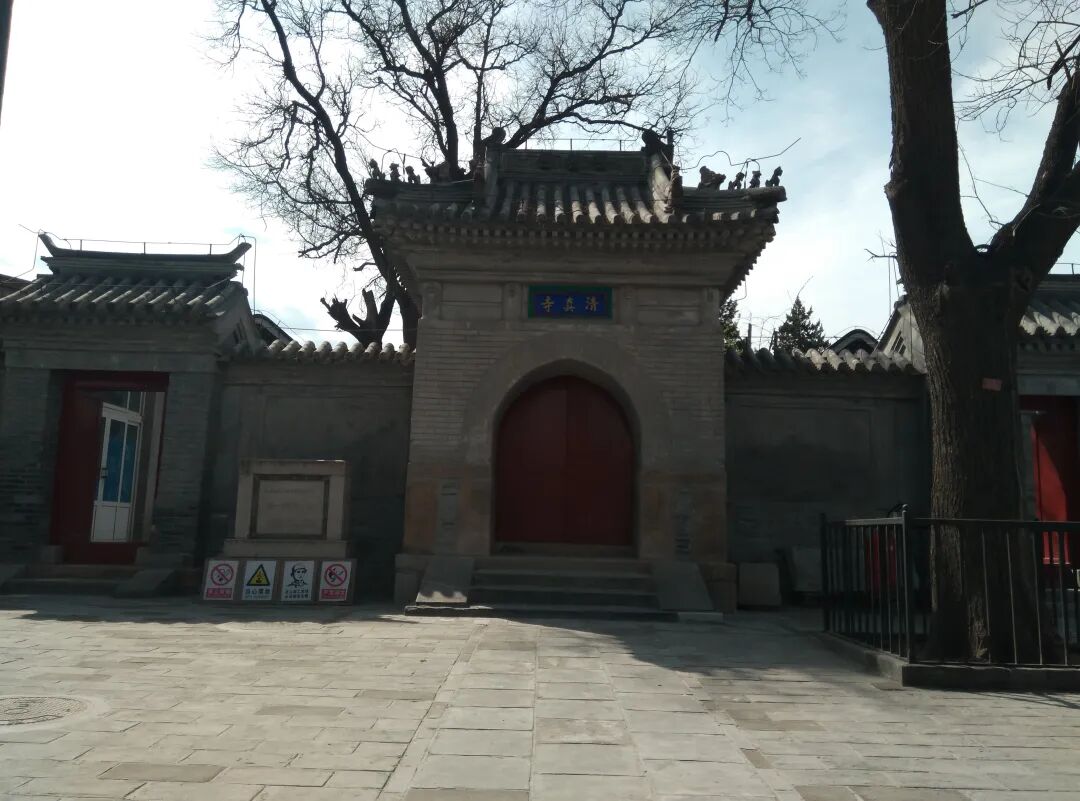
The Nanyi Mosque faces east and dates back to the Ming Dynasty, featuring three main courtyards. From east to west, you’ll find the main gate, the entrance gate, and a second-level chuihuamen (hanging flower gate). The prayer hall is the highlight, and there are three side halls on the north and south sides of the second and third courtyards. Under the eaves of the prayer hall, there are stone tablets from the late Qing Dynasty and the Republican era that document the history of the mosque’s renovations.
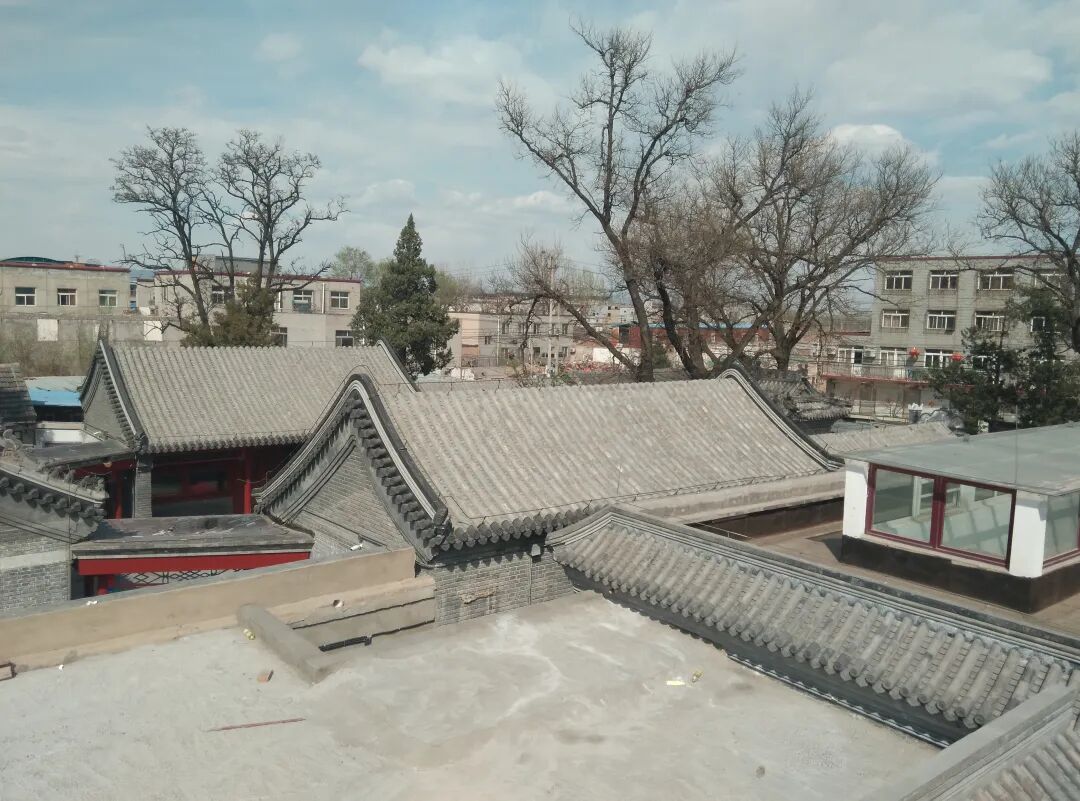
The whole place has two standout features: the main gate, which has a distinct, exotic architectural style, and the wangyuelou (moon-sighting tower) perched on the prayer hall, topped with a four-cornered pavilion roof covered in classic yellow glazed tiles.
Because the mosque is right next to the expressway, you can actually get an amazing bird’s-eye view of the entire complex from the pedestrian overpass. It’s a great vantage point, especially if you can’t get inside, offering a little bit of comfort for curious visitors. view all
Head about a kilometer south from the Guandi Temple, and you’ll spot the mosque sitting right on the side of the road.
The mosque is located in Nanyi Village, Shahe Town, right on the north bank of the South Shahe River. It sits just east of the G6 Beijing-Tibet Expressway, right across from the popular Shahe Street Market, making it super easy to find and reach.
Since I live nearby, I’m pretty familiar with the North and South Shahe area. I’m always biking around here, and I pass by this mosque almost every time I head east.
I got lucky one day when the doors were wide open, so I was finally able to head inside and look around; normally, it’s not open to the public.
The Nanyi Mosque faces east and dates back to the Ming Dynasty, featuring three main courtyards. From east to west, you’ll find the main gate, the entrance gate, and a second-level chuihuamen (hanging flower gate). The prayer hall is the highlight, and there are three side halls on the north and south sides of the second and third courtyards. Under the eaves of the prayer hall, there are stone tablets from the late Qing Dynasty and the Republican era that document the history of the mosque’s renovations.
The whole place has two standout features: the main gate, which has a distinct, exotic architectural style, and the wangyuelou (moon-sighting tower) perched on the prayer hall, topped with a four-cornered pavilion roof covered in classic yellow glazed tiles.
Because the mosque is right next to the expressway, you can actually get an amazing bird’s-eye view of the entire complex from the pedestrian overpass. It’s a great vantage point, especially if you can’t get inside, offering a little bit of comfort for curious visitors.

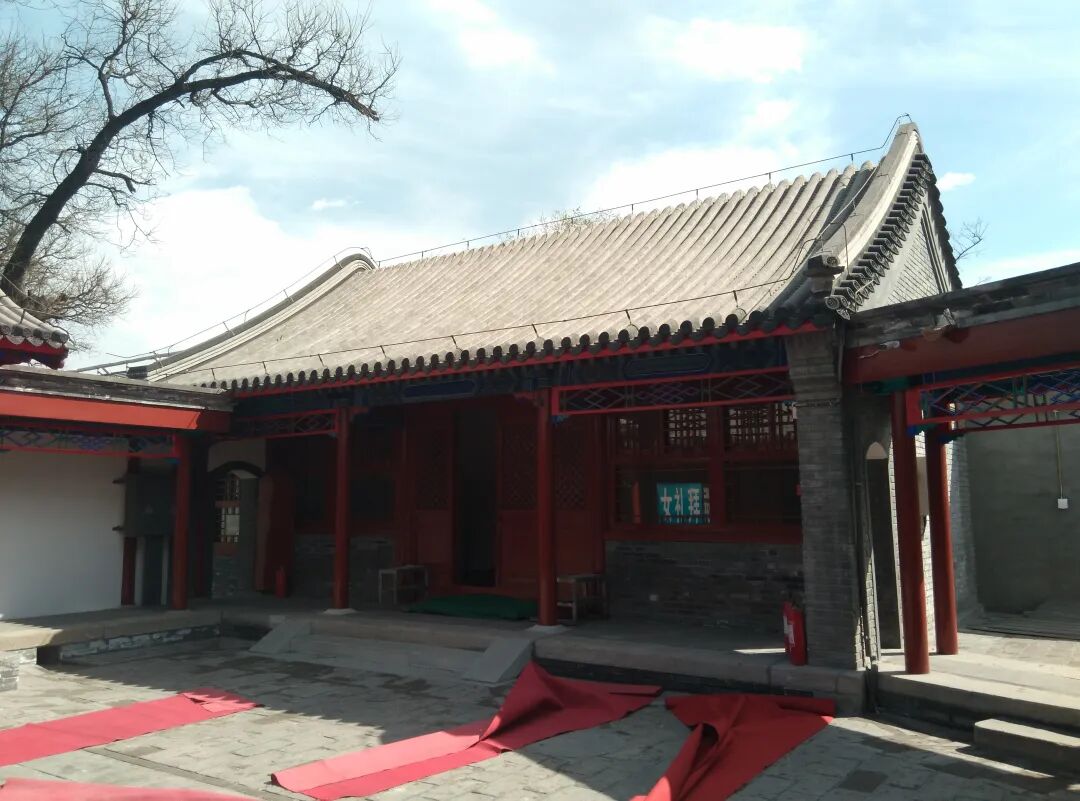

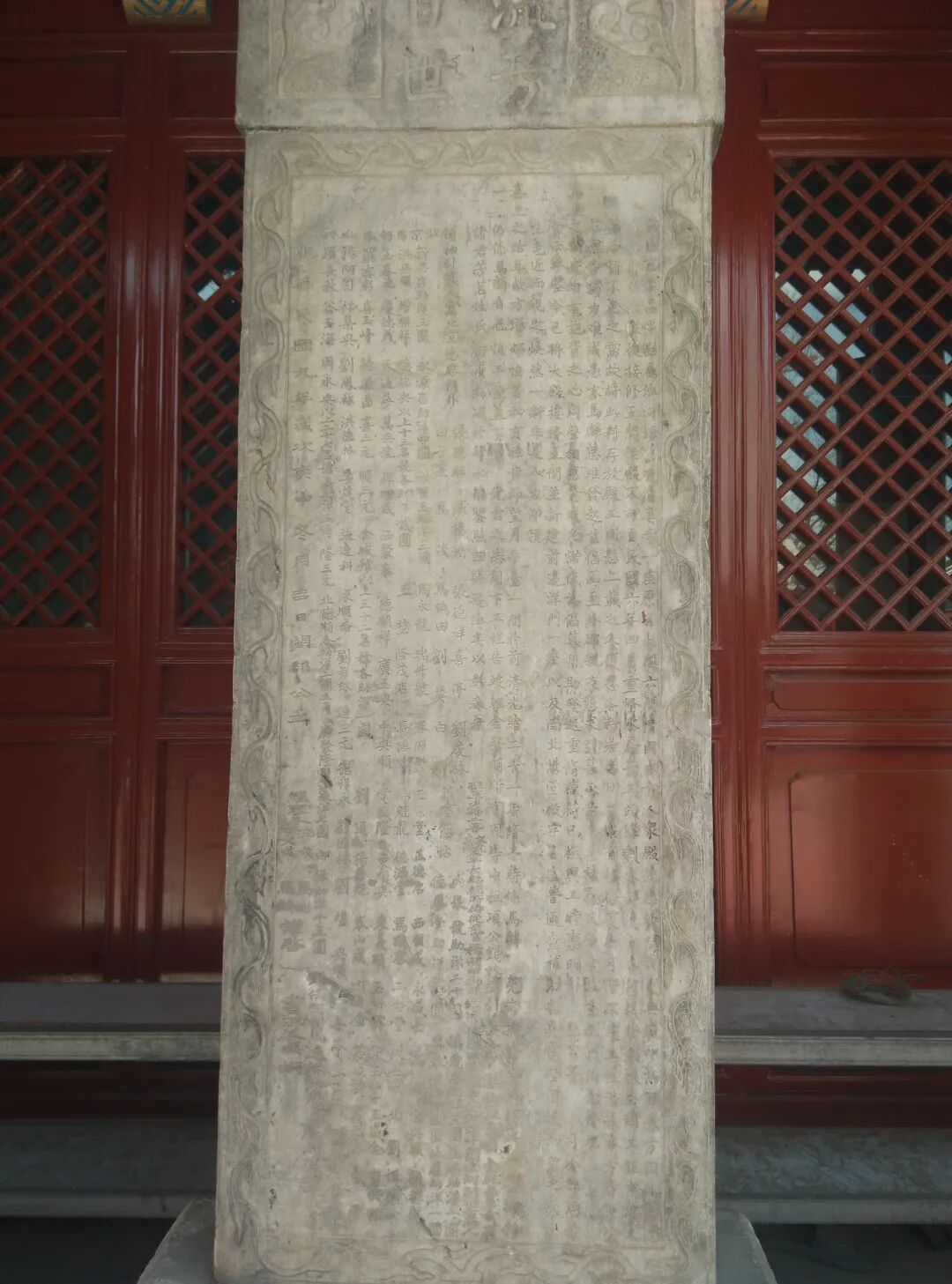
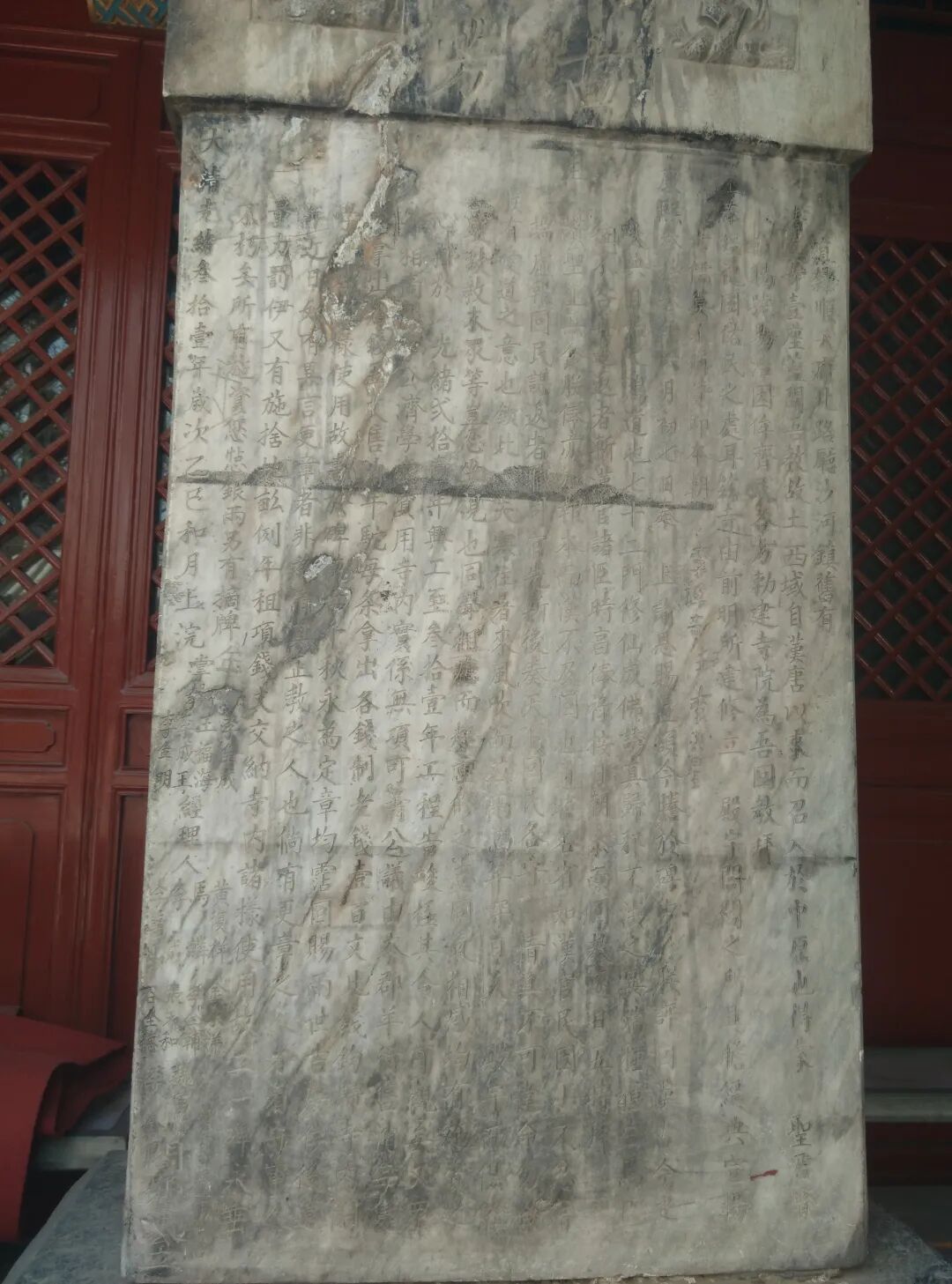
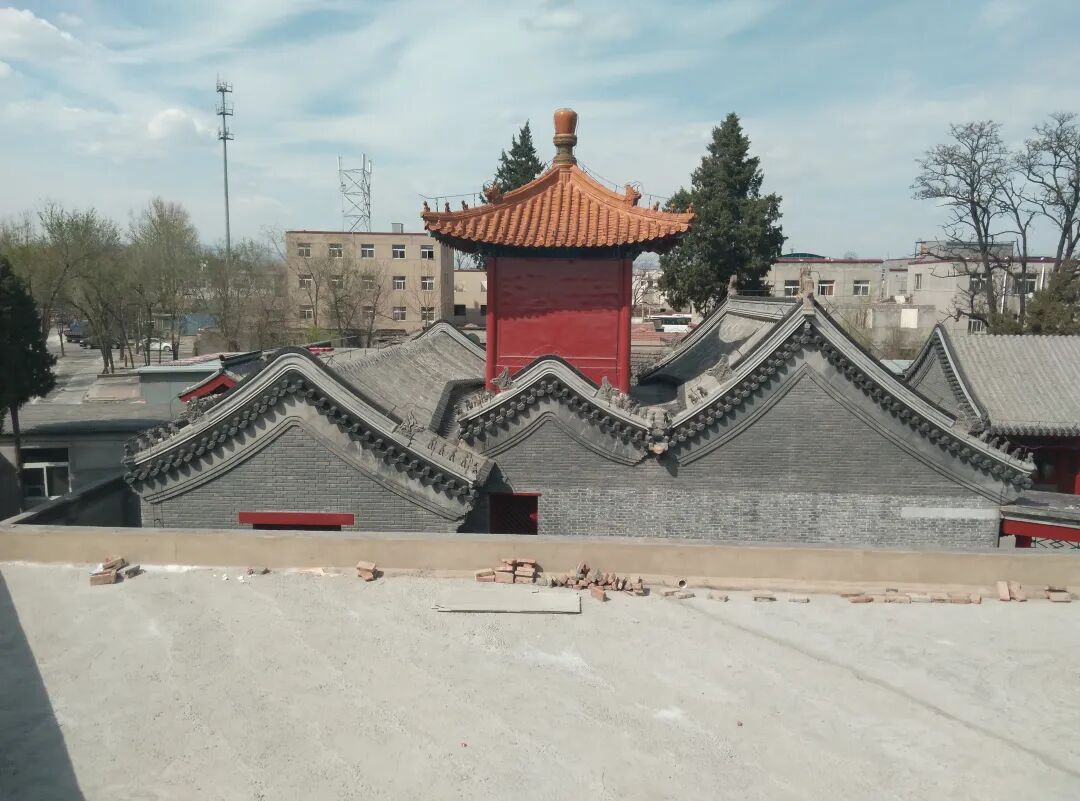
Beijing Niu Jie Guide: Authentic Halal Food, Historic Mosque and Traditional Hui Muslim Snacks
Articles • Hasan09 posted the article • 0 comments • 120 views • 2026-10-30 01:33
This 18-photo guide breaks down the thousand-year history of Beijing's Niu Jie in Xicheng District, from the construction of the Niu Jie Mosque in 996 AD and its transformation from 'Liu Jie' (Pomegranate Street) into a major Hui Muslim hub, to a deep dive into iconic Halal eats like douzhier (fermented mung bean milk) with jiaoquan (fried dough rings), ludagun (rolling donkey/glutinous rice rolls), aiwowo (steamed rice cakes), baodu (quick-boiled tripe), and beef and lamb shaomai (steamed dumplings).
Niu Jie in Beijing's Xicheng District is the city's most famous Hui Muslim neighborhood and a legendary street for Halal food, where deep historical roots meet a vibrant, everyday local vibe.
From 'Liu Jie' to 'Niu Jie'
Niu Jie is the oldest Hui Muslim enclave in Beijing, taking shape during the Song and Yuan dynasties. Its heart, the Niu Jie Mosque, dates all the way back to 996 AD, marking a thousand years of history.
It was originally called 'Liu Jie' (Pomegranate Street) because of the pomegranate orchards that used to grow there. Over time, the name shifted due to similar pronunciation and the fact that many local Hui Muslims worked in the butchery trade, leading to the name 'Niu Jie' (Ox/Beef Street).
Must-Try Snacks and Heritage Shops
This area is packed with top-tier Halal food, so definitely show up on an empty stomach.
Hongji Snack Shop: Their beef/lamb and green onion baozi (steamed buns) are the star of the show at about 2.5 yuan each—they’ve got super thin skin, tons of filling, and are incredibly juicy. They also serve dozens of other snacks like zhagao (deep-fried cakes) and yaqianrou (meat on toothpicks).
Jubaoyuan: Famous for their charcoal copper-pot hot pot. The hand-sliced lamb stays tender no matter how long you boil it, and their sesame paste shao bing (baked flatbread) is a total game-changer. During meal times, expect lines for their beef baozi, baodu fun (tripe with vermicelli), and grilled lamb skewers.
Baoji Douzhier: A classic spot for authentic Beijing douzhier (fermented mung bean milk). Known for its sharp, tangy, and thick profile, it’s best enjoyed with jiaoquan (fried dough rings) and shredded pickled vegetables. It’s a go-to experience for anyone wanting to taste real traditional Beijing snack culture.
Baiji Niangao: They specialize in ludagun (glutinous rice rolls coated in soybean flour), wandouhuang (pea flour cakes), and all kinds of niangao (sticky rice cakes). Everything is soft, chewy, and sweet, with generous bean paste fillings that hit the spot without being too sugary.
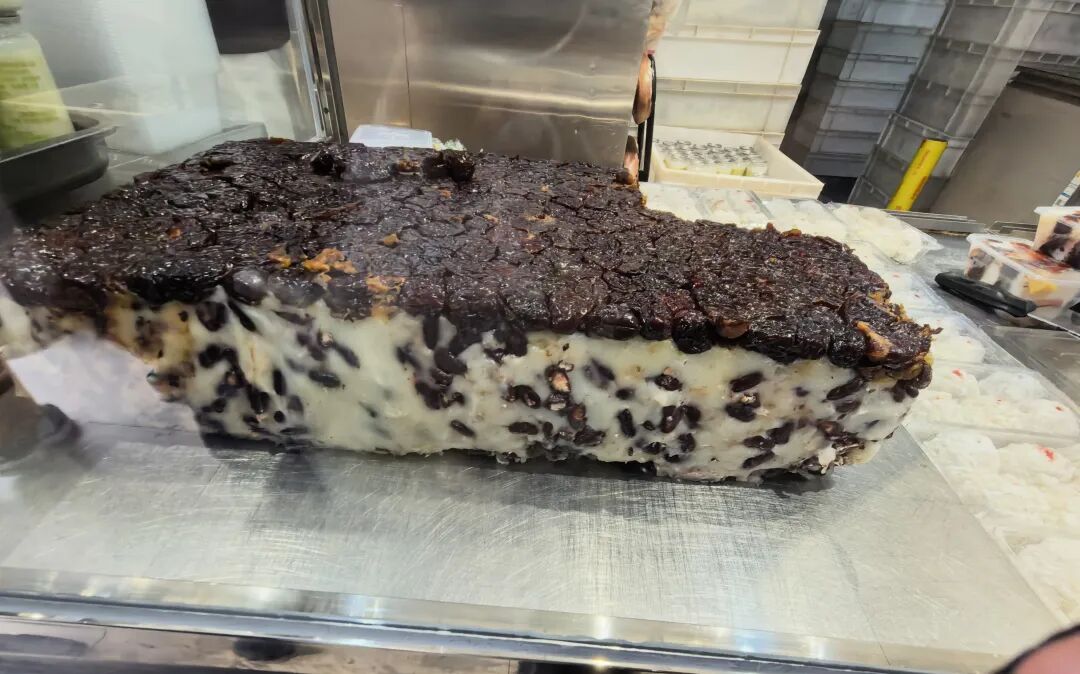
Yibao Heyezenggao: Their zenggao (steamed rice cake) is made with red dates, honey beans, and sticky rice. It’s got a rich, aromatic date flavor and is best eaten warm while soft and chewy.
Other recommendations: Laochengyi’s yangxiezi (lamb spine hot pot), Xiangyunxuan’s men ding rou bing (nail-head shaped meat pies with thin skin and juicy filling), and Manji’s beef shao bing (baked flatbread) and fried chicken are all totally worth checking out.
Best time to go: Try to head over on a weekday or early in the morning to dodge the weekend crowds. Just make sure you save plenty of room in your stomach—one trip to Niu Jie is never enough to try everything.
Getting there: You can take Subway Line 19 to Niu Jie Station; the street is right outside the exit. If you’re driving, just plug 'Niu Jie' into your GPS, but be prepared—parking is tight.
A quick reminder: Please be respectful of Hui Muslim customs and don’t bring any non-Halal food into the area.
If you’re a tourist and you find douzhier a bit much at first, you can grab a douzhier combo set at Hongji Snack Shop or pick up canned versions at Baoji Douzhier to try on your own time.
Once you can handle the taste of douzhier, you’re basically a 'true Beijinger'!
The real charm of Niu Jie isn’t just in the food—it’s in the bustling, down-to-earth atmosphere and the genuine energy of the people living here.
(All photos above were taken with a Huawei phone.) view all
This 18-photo guide breaks down the thousand-year history of Beijing's Niu Jie in Xicheng District, from the construction of the Niu Jie Mosque in 996 AD and its transformation from 'Liu Jie' (Pomegranate Street) into a major Hui Muslim hub, to a deep dive into iconic Halal eats like douzhier (fermented mung bean milk) with jiaoquan (fried dough rings), ludagun (rolling donkey/glutinous rice rolls), aiwowo (steamed rice cakes), baodu (quick-boiled tripe), and beef and lamb shaomai (steamed dumplings).
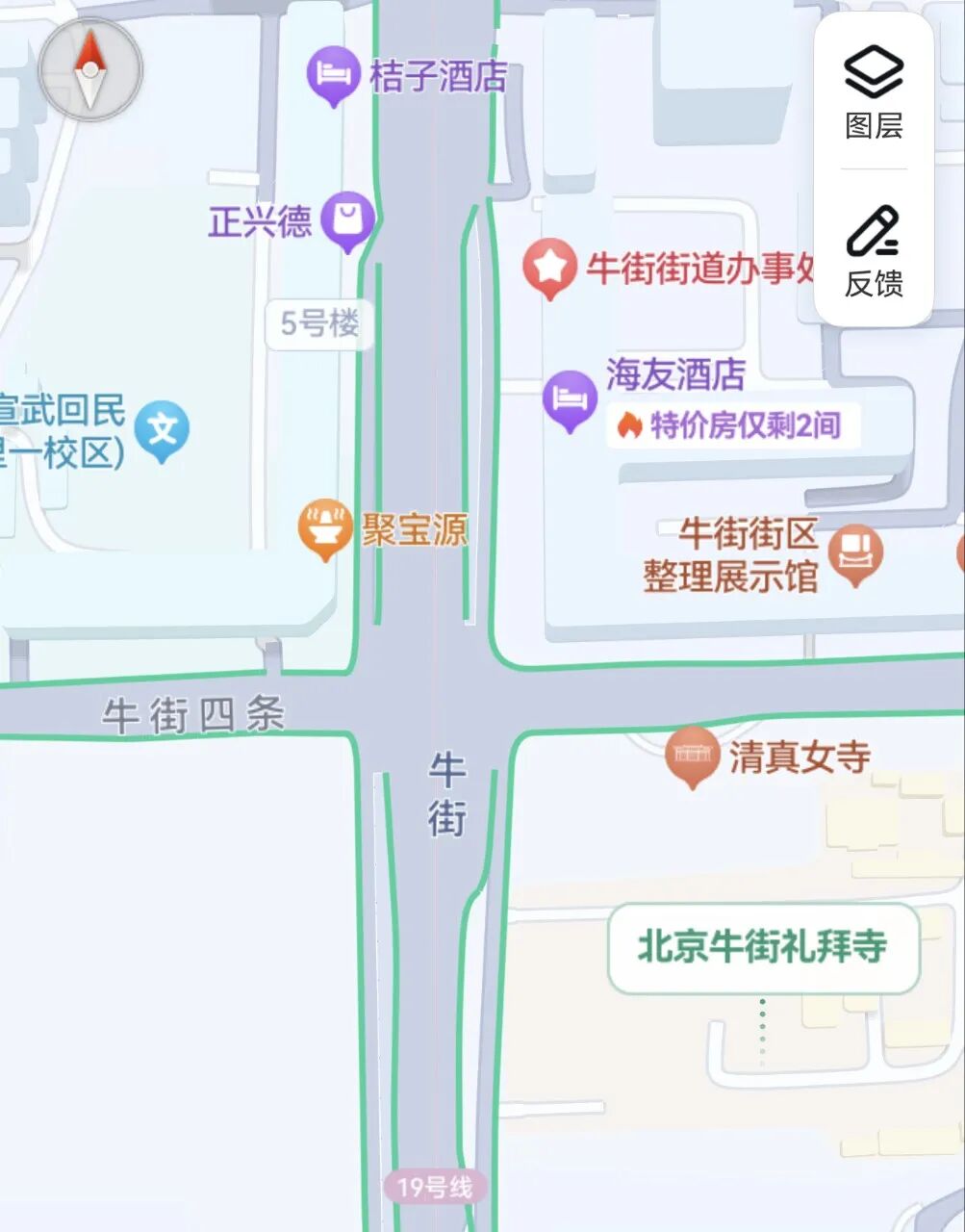
Niu Jie in Beijing's Xicheng District is the city's most famous Hui Muslim neighborhood and a legendary street for Halal food, where deep historical roots meet a vibrant, everyday local vibe.
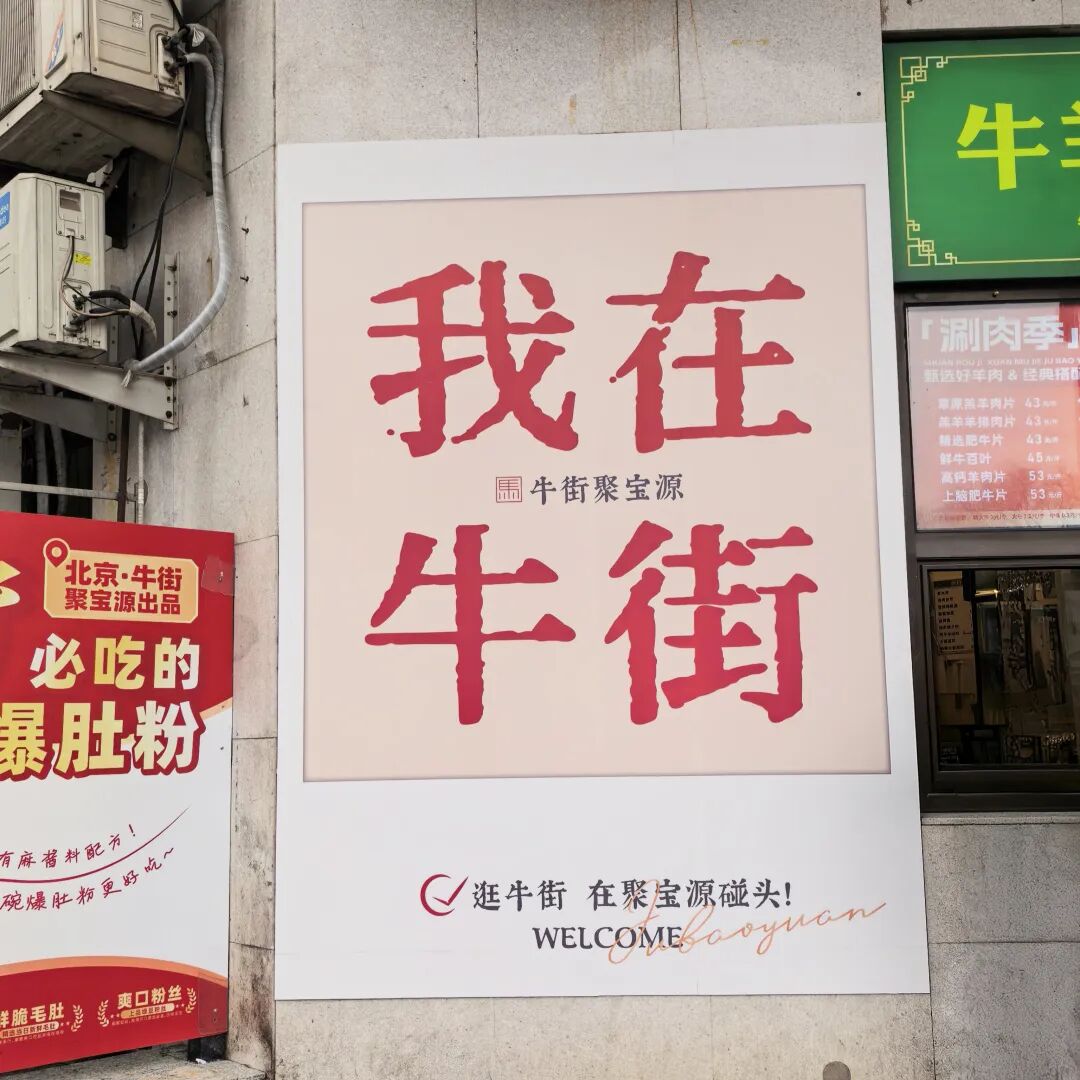
From 'Liu Jie' to 'Niu Jie'
Niu Jie is the oldest Hui Muslim enclave in Beijing, taking shape during the Song and Yuan dynasties. Its heart, the Niu Jie Mosque, dates all the way back to 996 AD, marking a thousand years of history.
It was originally called 'Liu Jie' (Pomegranate Street) because of the pomegranate orchards that used to grow there. Over time, the name shifted due to similar pronunciation and the fact that many local Hui Muslims worked in the butchery trade, leading to the name 'Niu Jie' (Ox/Beef Street).
Must-Try Snacks and Heritage Shops
This area is packed with top-tier Halal food, so definitely show up on an empty stomach.
Hongji Snack Shop: Their beef/lamb and green onion baozi (steamed buns) are the star of the show at about 2.5 yuan each—they’ve got super thin skin, tons of filling, and are incredibly juicy. They also serve dozens of other snacks like zhagao (deep-fried cakes) and yaqianrou (meat on toothpicks).
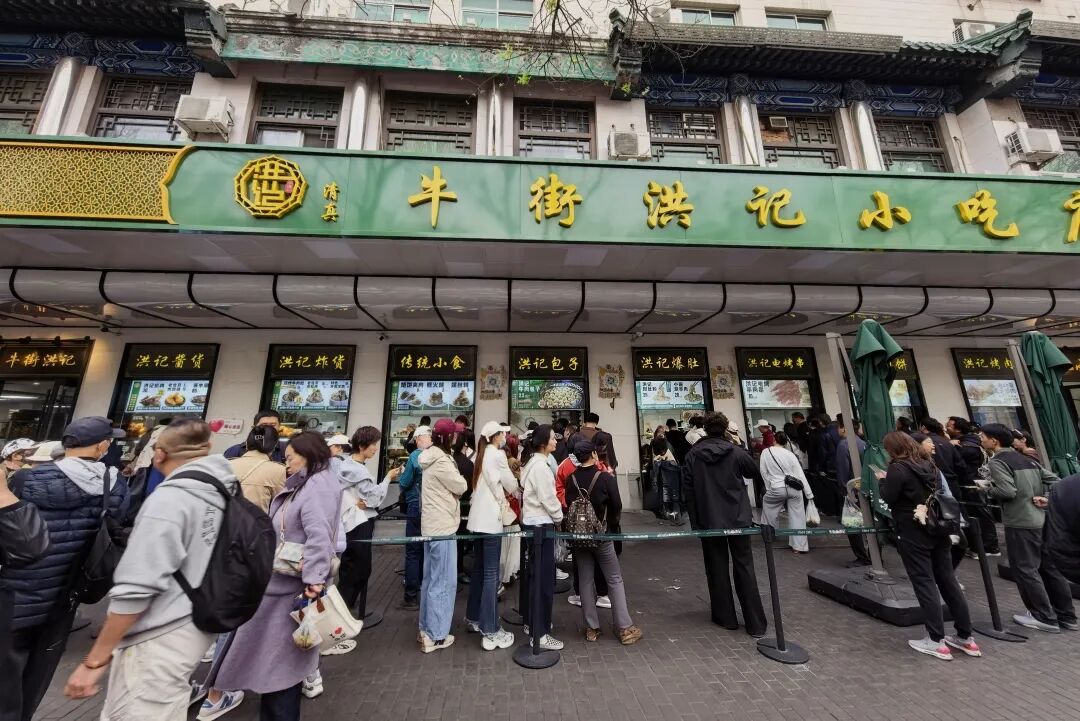
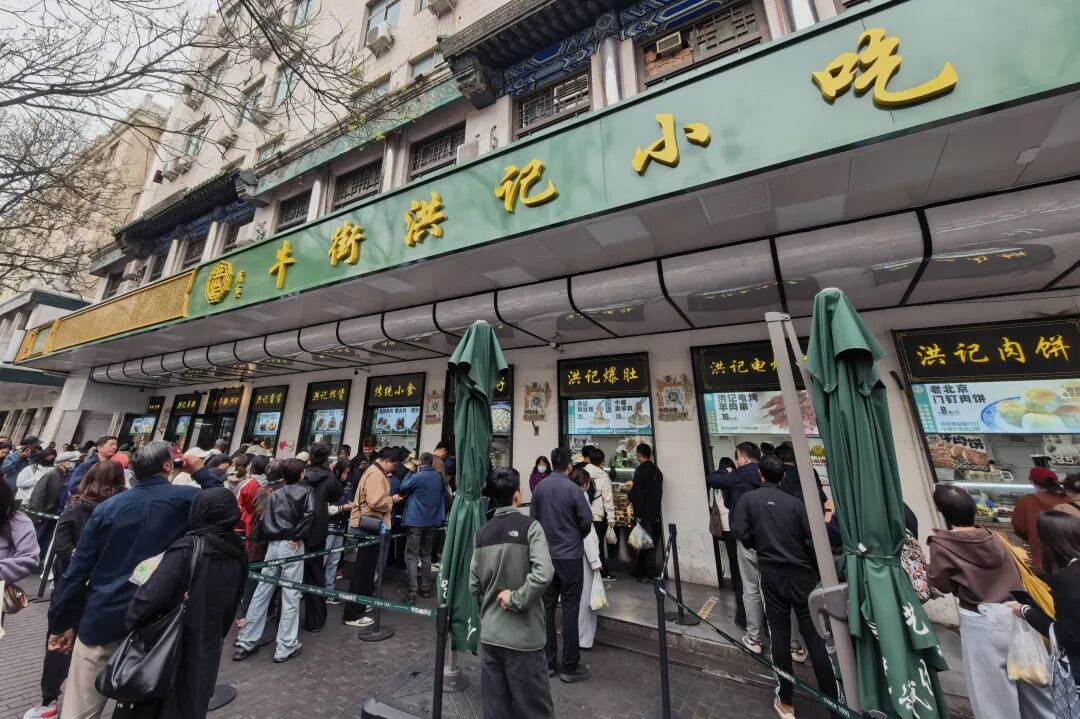
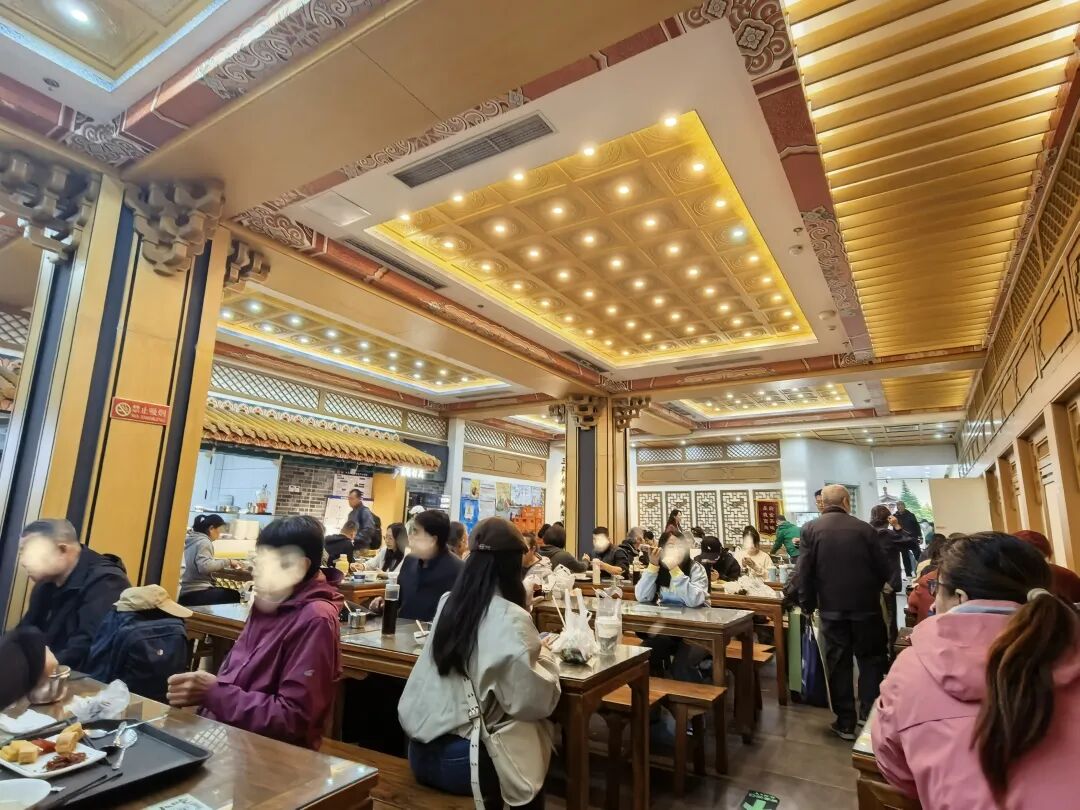
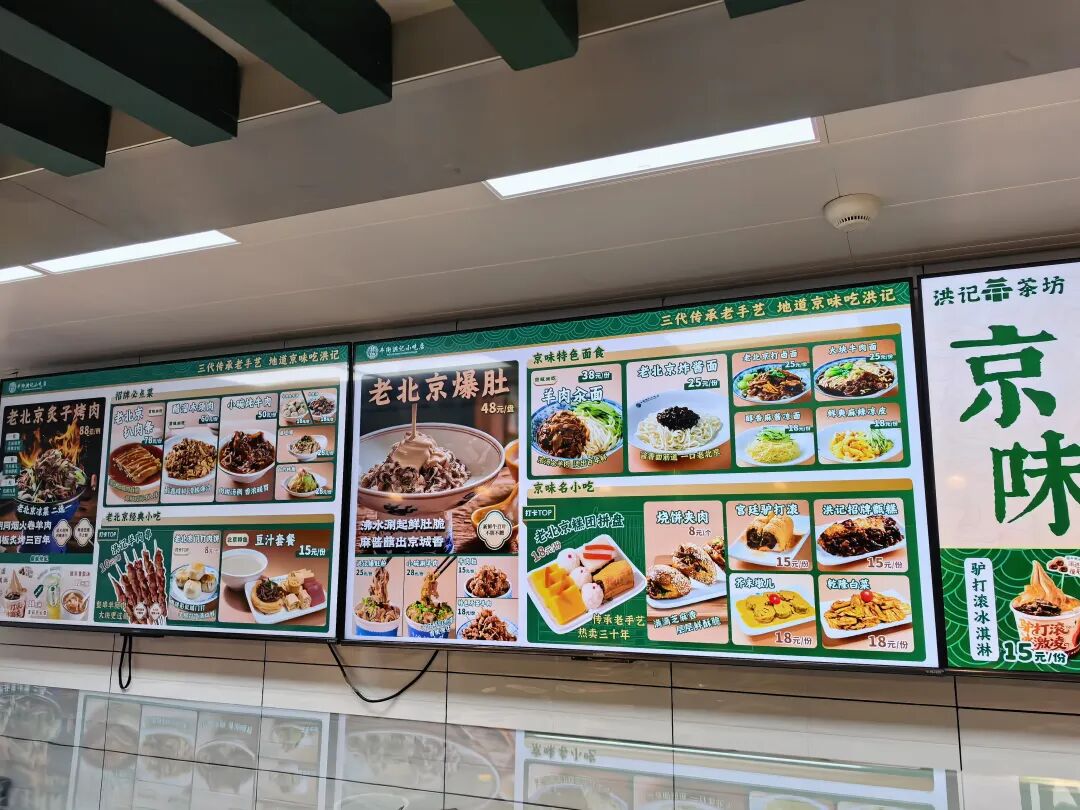
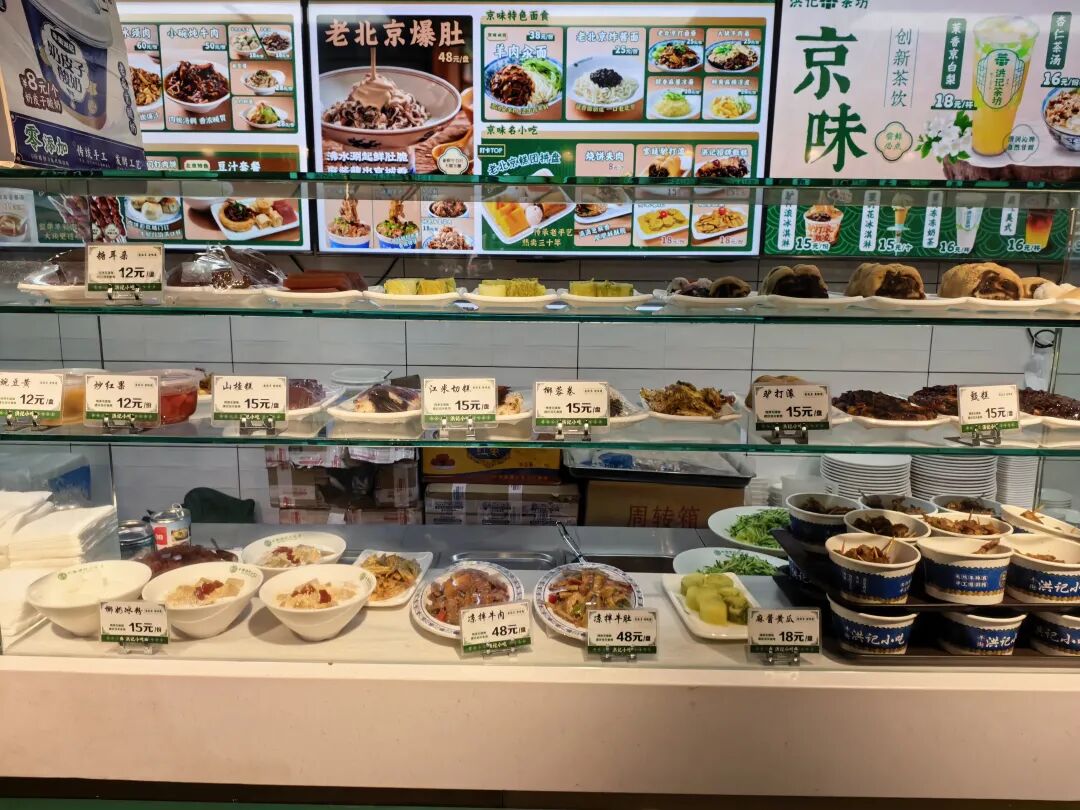
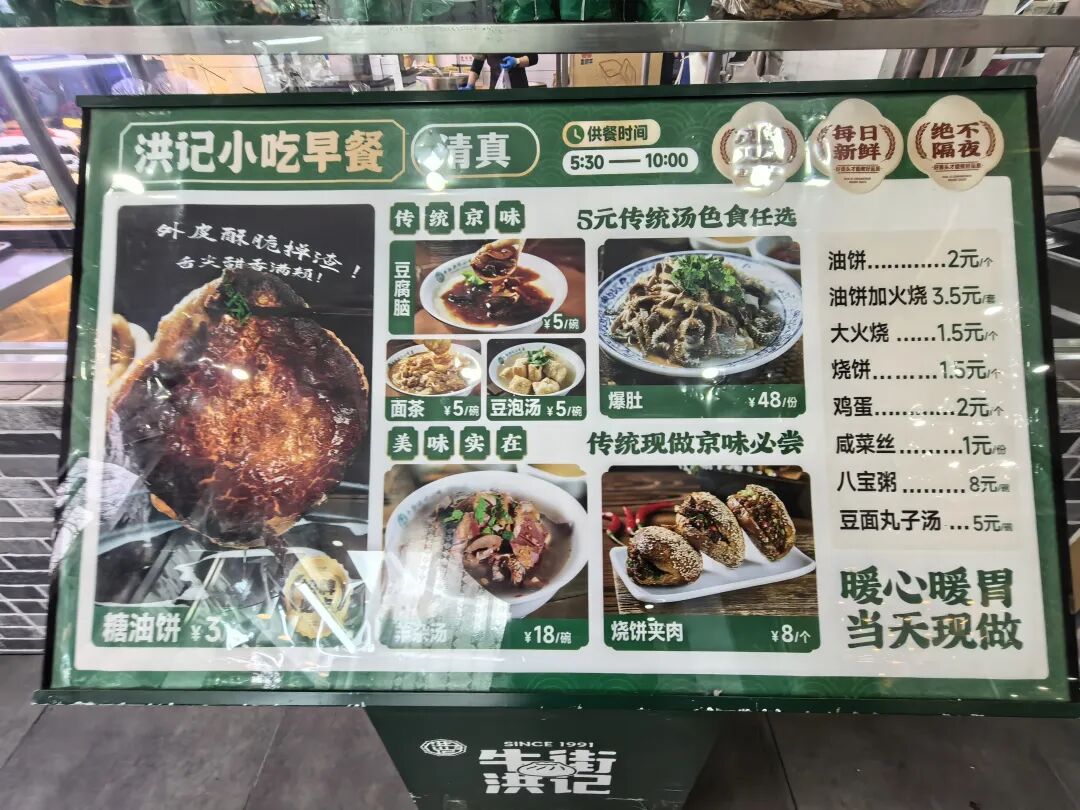
Jubaoyuan: Famous for their charcoal copper-pot hot pot. The hand-sliced lamb stays tender no matter how long you boil it, and their sesame paste shao bing (baked flatbread) is a total game-changer. During meal times, expect lines for their beef baozi, baodu fun (tripe with vermicelli), and grilled lamb skewers.
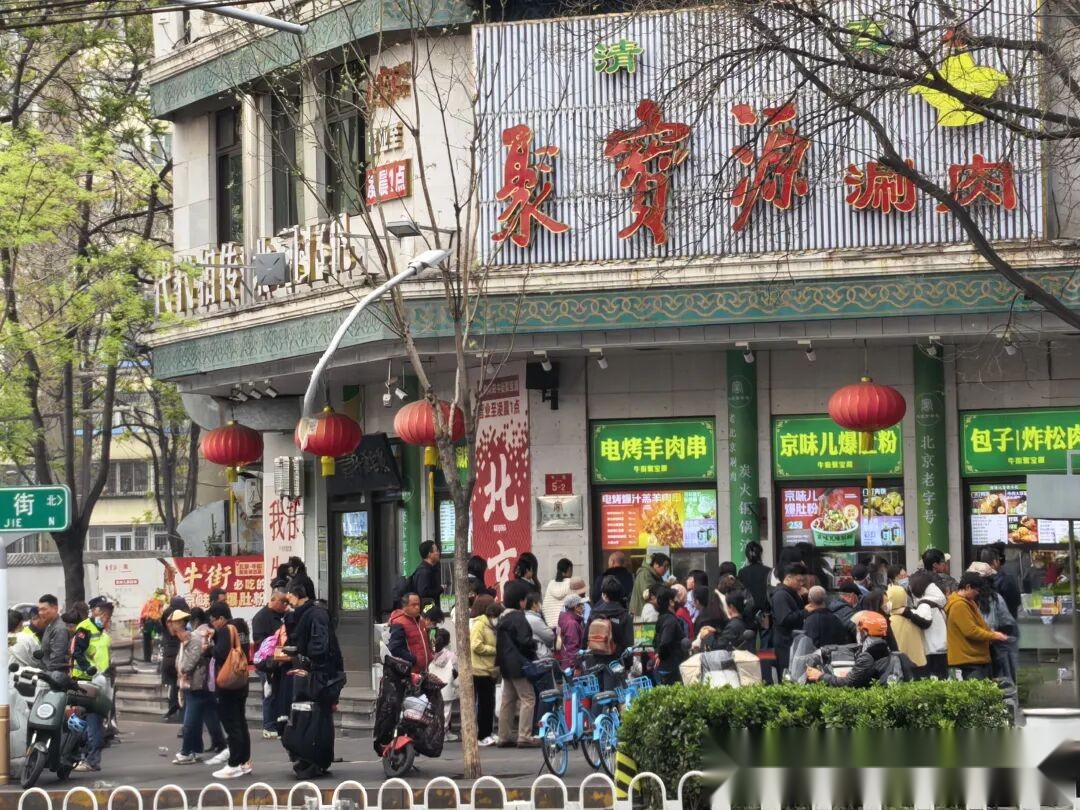
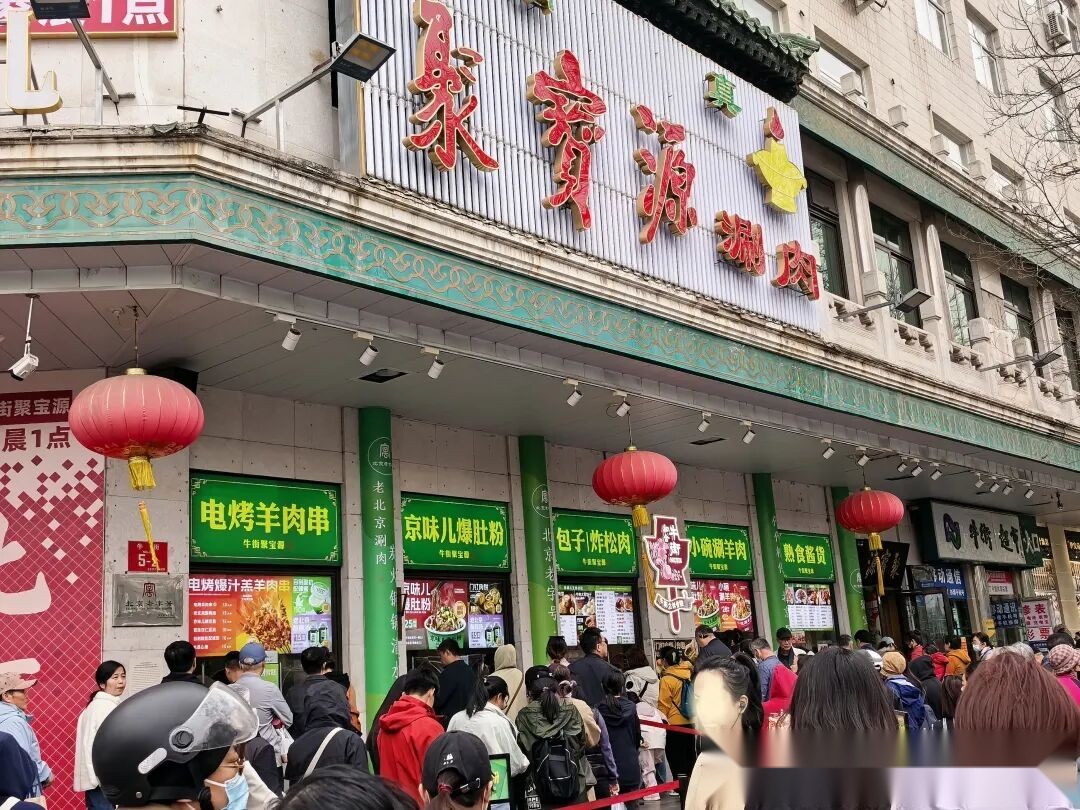
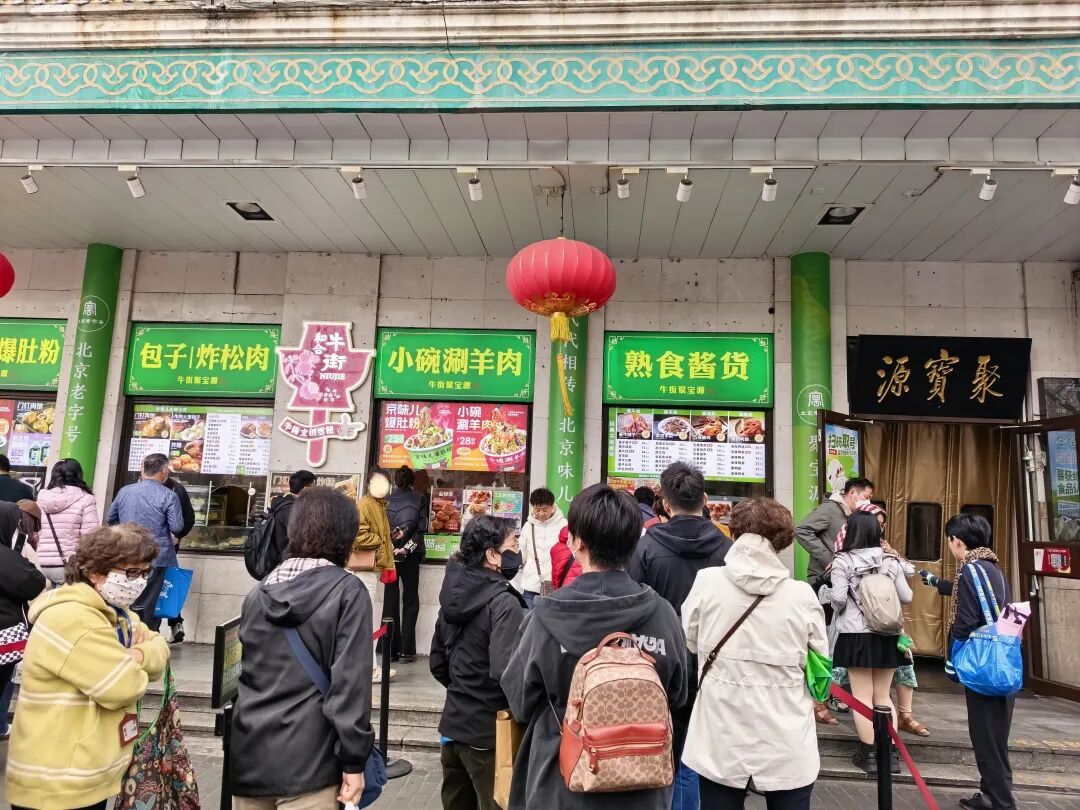
Baoji Douzhier: A classic spot for authentic Beijing douzhier (fermented mung bean milk). Known for its sharp, tangy, and thick profile, it’s best enjoyed with jiaoquan (fried dough rings) and shredded pickled vegetables. It’s a go-to experience for anyone wanting to taste real traditional Beijing snack culture.
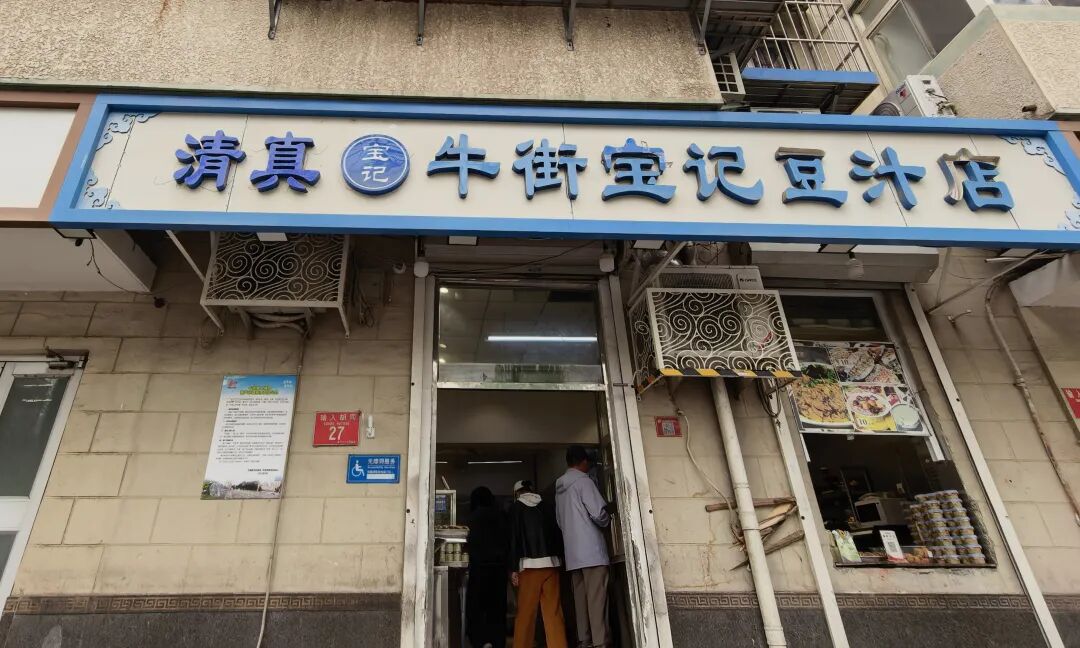
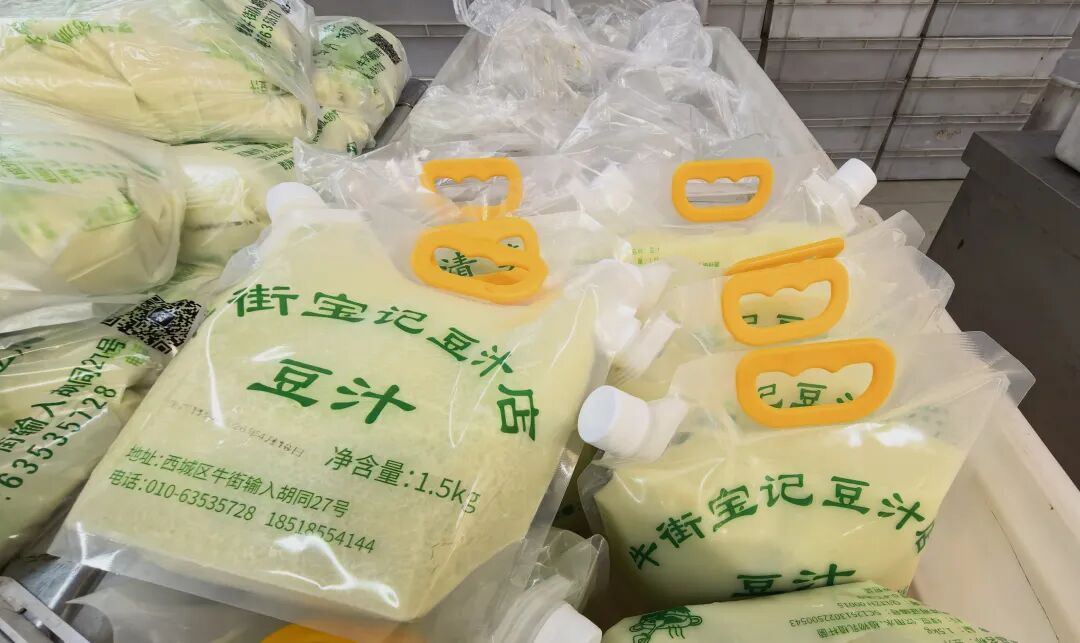
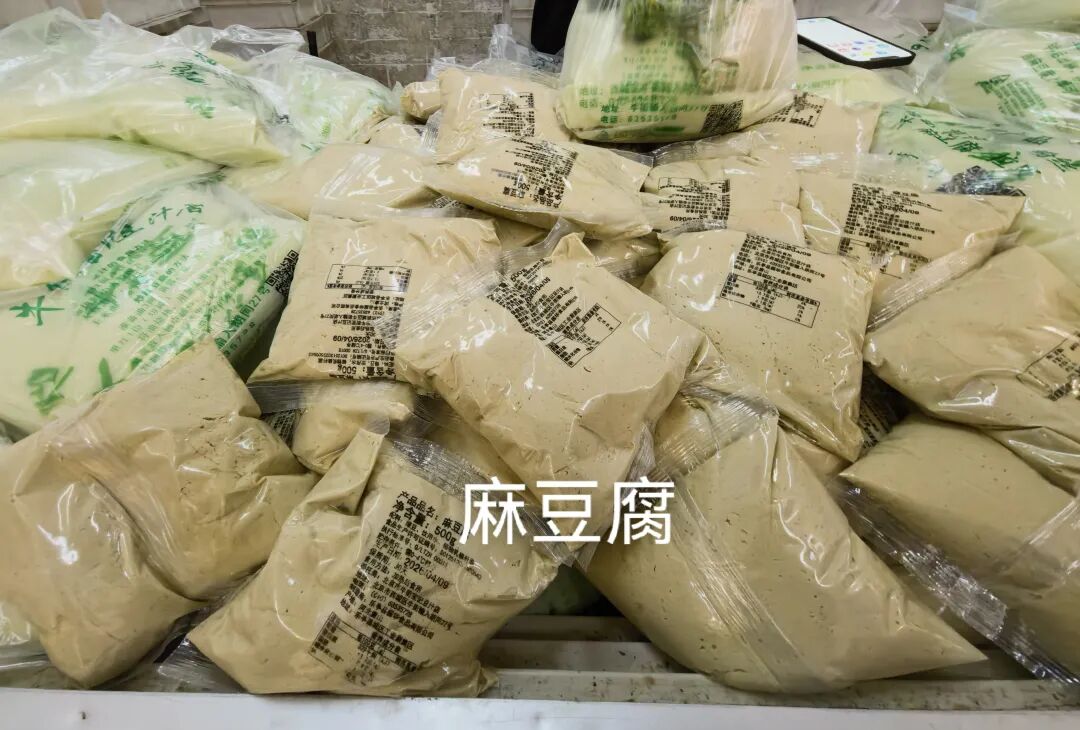
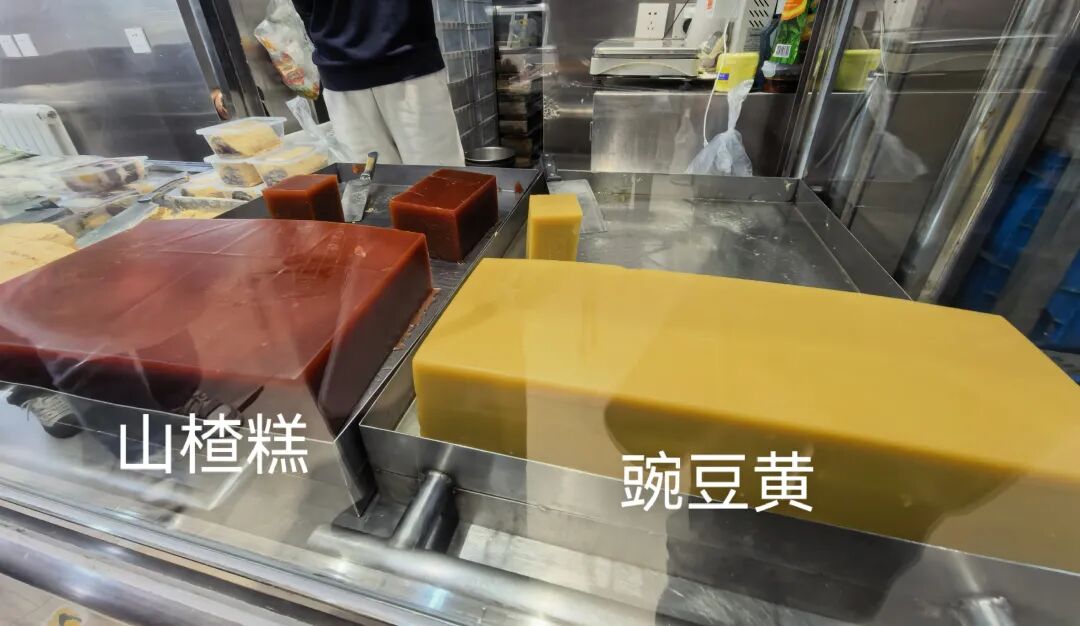
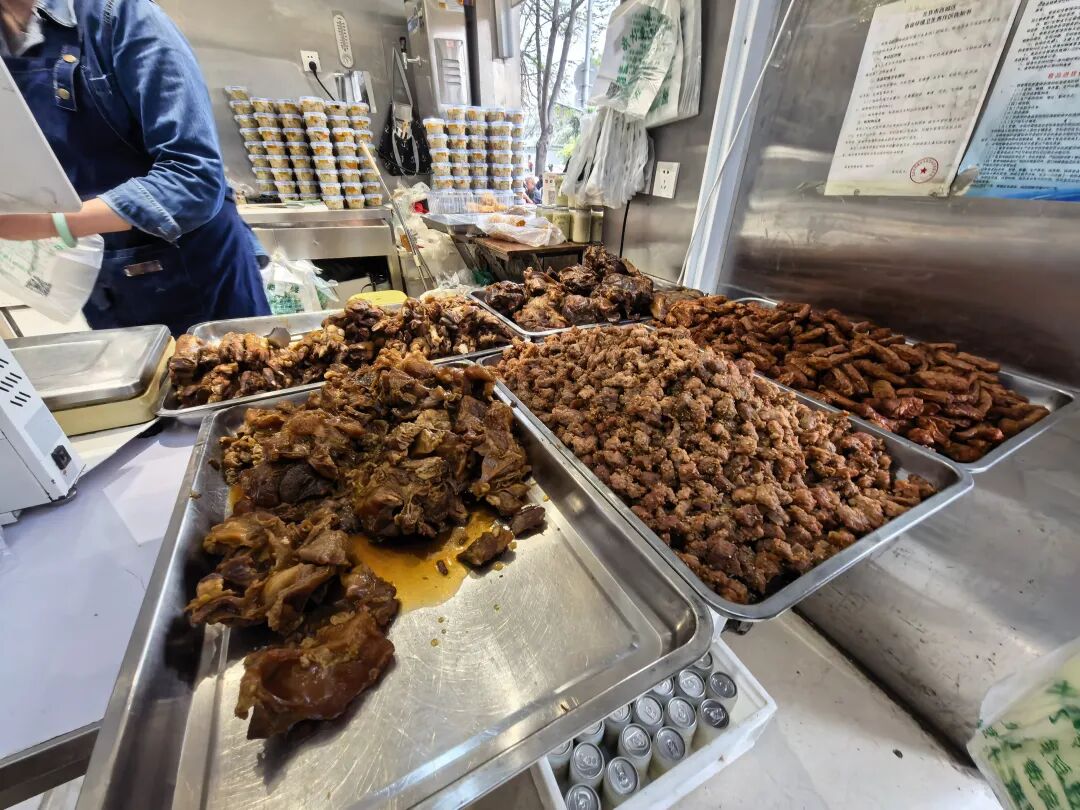
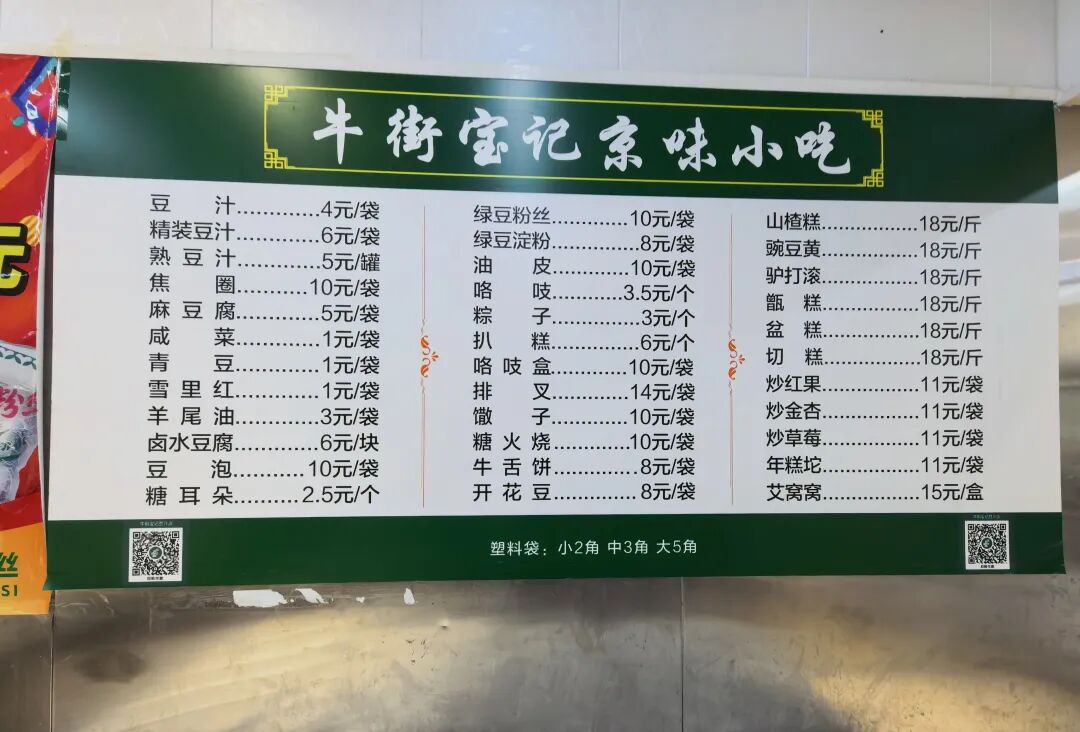
Baiji Niangao: They specialize in ludagun (glutinous rice rolls coated in soybean flour), wandouhuang (pea flour cakes), and all kinds of niangao (sticky rice cakes). Everything is soft, chewy, and sweet, with generous bean paste fillings that hit the spot without being too sugary.
Yibao Heyezenggao: Their zenggao (steamed rice cake) is made with red dates, honey beans, and sticky rice. It’s got a rich, aromatic date flavor and is best eaten warm while soft and chewy.
Other recommendations: Laochengyi’s yangxiezi (lamb spine hot pot), Xiangyunxuan’s men ding rou bing (nail-head shaped meat pies with thin skin and juicy filling), and Manji’s beef shao bing (baked flatbread) and fried chicken are all totally worth checking out.
Best time to go: Try to head over on a weekday or early in the morning to dodge the weekend crowds. Just make sure you save plenty of room in your stomach—one trip to Niu Jie is never enough to try everything.
Getting there: You can take Subway Line 19 to Niu Jie Station; the street is right outside the exit. If you’re driving, just plug 'Niu Jie' into your GPS, but be prepared—parking is tight.
A quick reminder: Please be respectful of Hui Muslim customs and don’t bring any non-Halal food into the area.
If you’re a tourist and you find douzhier a bit much at first, you can grab a douzhier combo set at Hongji Snack Shop or pick up canned versions at Baoji Douzhier to try on your own time.
Once you can handle the taste of douzhier, you’re basically a 'true Beijinger'!
The real charm of Niu Jie isn’t just in the food—it’s in the bustling, down-to-earth atmosphere and the genuine energy of the people living here.
(All photos above were taken with a Huawei phone.)
Huashi Mosque Beijing: Explore a 600-Year-Old Ming Dynasty Landmark with Imperial Tablets
Articles • Hasan09 posted the article • 0 comments • 115 views • 2026-10-30 01:20
Check out these 12 stunning photos of the Huashi Mosque, a Ming Dynasty gem tucked away near Chongwenmen in Beijing’s Dongcheng District. Originally built in the 13th year of the Yongle Emperor’s reign, this historic spot features an original 'Qingzhen' (pure and true) wooden plaque gifted by Emperor Kangxi, a 'Zhen Yi Wu Er' (The One and Only Truth) tablet from Emperor Qianlong, and vibrant Ming Dynasty xuanzi (swirling pattern) paintings, all showing off a beautiful blend of Chinese and Islamic architecture.
The Huashi Mosque has been standing tall in Beijing for 600 years. Founded in the 13th year of the Ming Yongle era, its graceful, solemn Qing-style architecture covers 2,000 square meters. It’s way more than just a place for dua; it’s like stepping through a time portal to see how Beijing’s history and faith have intertwined over the centuries.
As you walk inside, you’re greeted by the Kangxi and Qianlong imperial plaques, which are packed with cool calligraphy and religious history. The paintings in the main prayer hall are still as vibrant as ever, and the poetic couplets lining the walls really stand out. It’s an amazing collision of Chinese and Islamic vibes where you can still feel the craftsmanship of the artisans from hundreds of years ago.
The main hall spans over 1,000 square meters with a brilliant, massive layout. What makes it even cooler is that it’s open 24/7 all year round. Whether it’s early morning or late at night, you can just walk in and find some peace. If you’re into ancient architecture and culture, this mosque is just waiting for you to come and soak in the echoes of the past.
#BeijingWeekend #History #IslamicHeritage view all
Check out these 12 stunning photos of the Huashi Mosque, a Ming Dynasty gem tucked away near Chongwenmen in Beijing’s Dongcheng District. Originally built in the 13th year of the Yongle Emperor’s reign, this historic spot features an original 'Qingzhen' (pure and true) wooden plaque gifted by Emperor Kangxi, a 'Zhen Yi Wu Er' (The One and Only Truth) tablet from Emperor Qianlong, and vibrant Ming Dynasty xuanzi (swirling pattern) paintings, all showing off a beautiful blend of Chinese and Islamic architecture.
The Huashi Mosque has been standing tall in Beijing for 600 years. Founded in the 13th year of the Ming Yongle era, its graceful, solemn Qing-style architecture covers 2,000 square meters. It’s way more than just a place for dua; it’s like stepping through a time portal to see how Beijing’s history and faith have intertwined over the centuries.
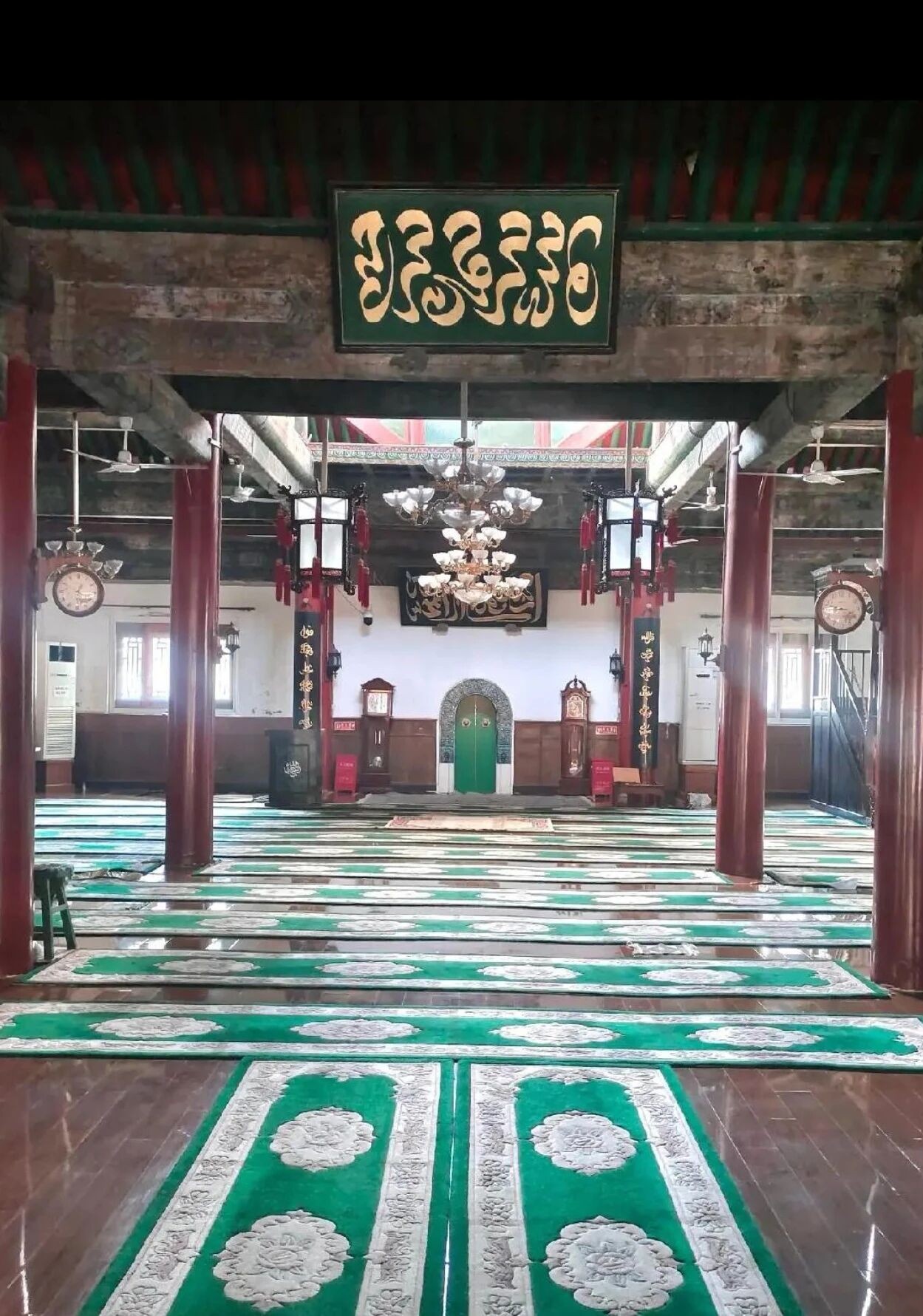
As you walk inside, you’re greeted by the Kangxi and Qianlong imperial plaques, which are packed with cool calligraphy and religious history. The paintings in the main prayer hall are still as vibrant as ever, and the poetic couplets lining the walls really stand out. It’s an amazing collision of Chinese and Islamic vibes where you can still feel the craftsmanship of the artisans from hundreds of years ago.
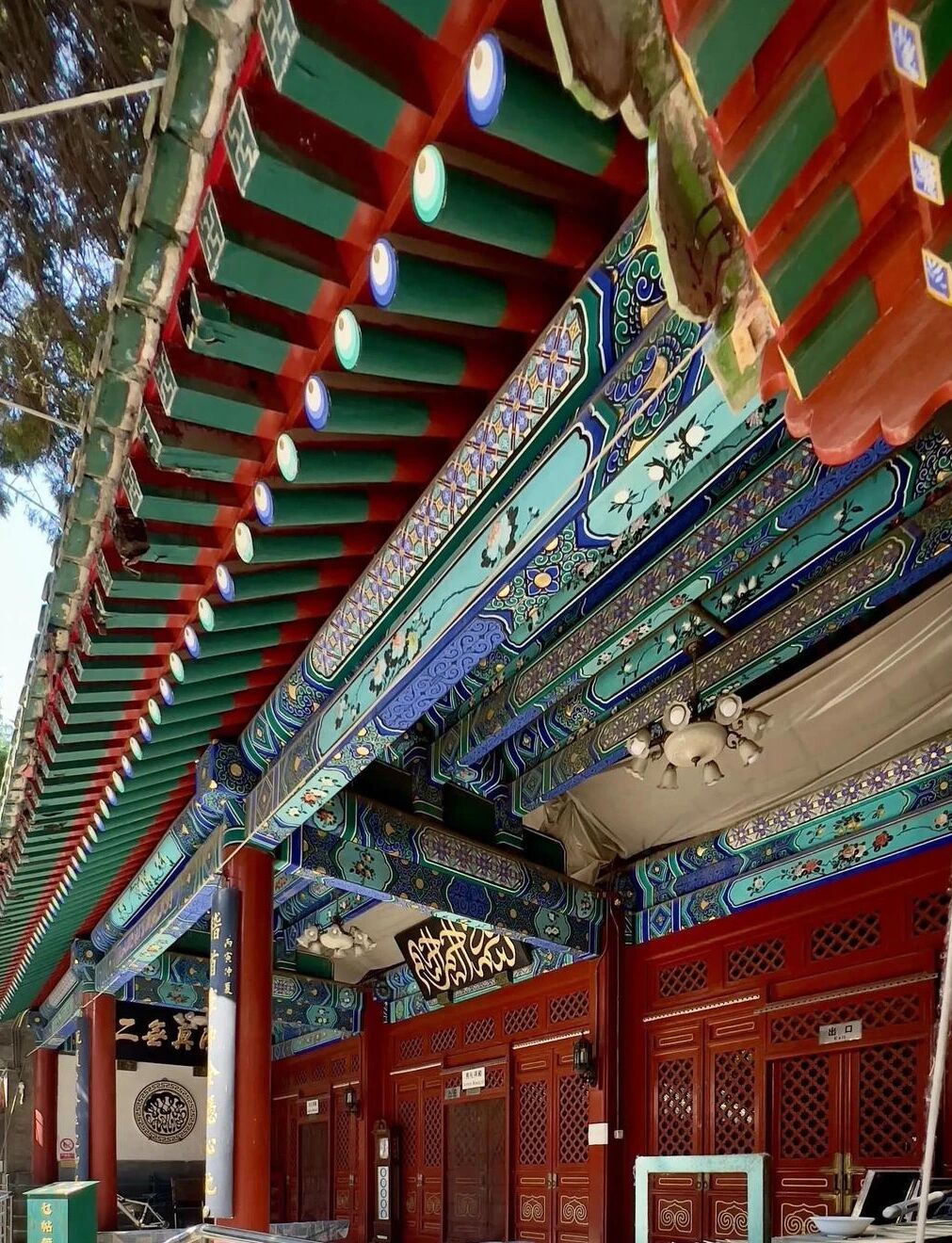
The main hall spans over 1,000 square meters with a brilliant, massive layout. What makes it even cooler is that it’s open 24/7 all year round. Whether it’s early morning or late at night, you can just walk in and find some peace. If you’re into ancient architecture and culture, this mosque is just waiting for you to come and soak in the echoes of the past.
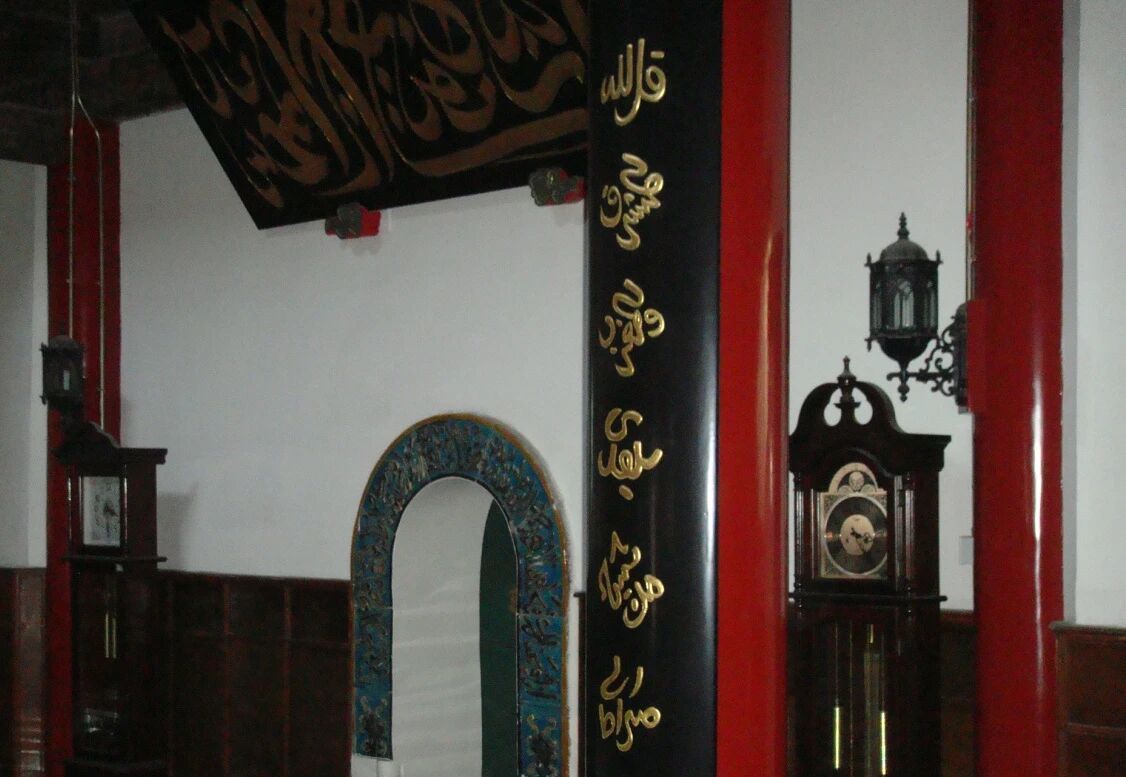
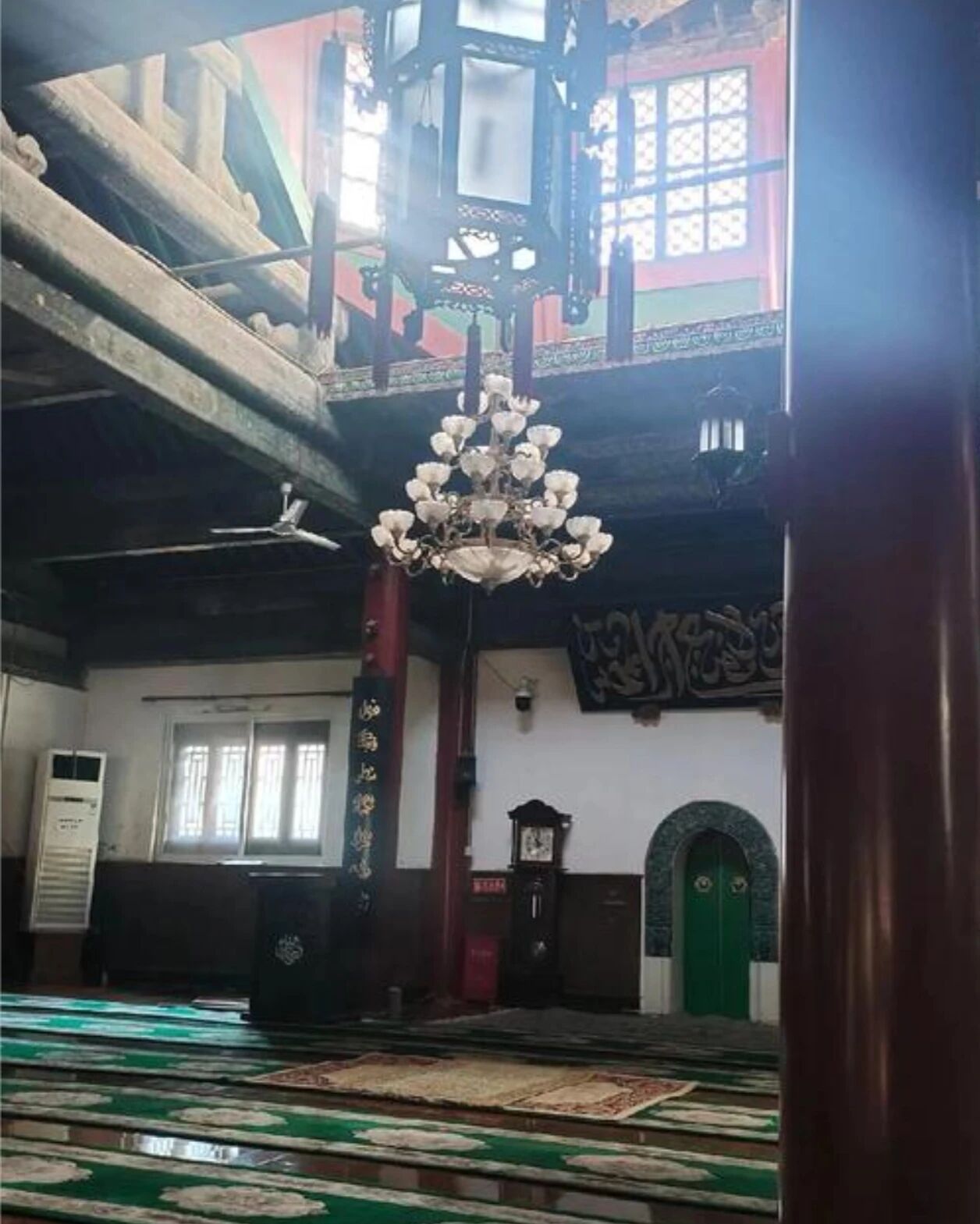
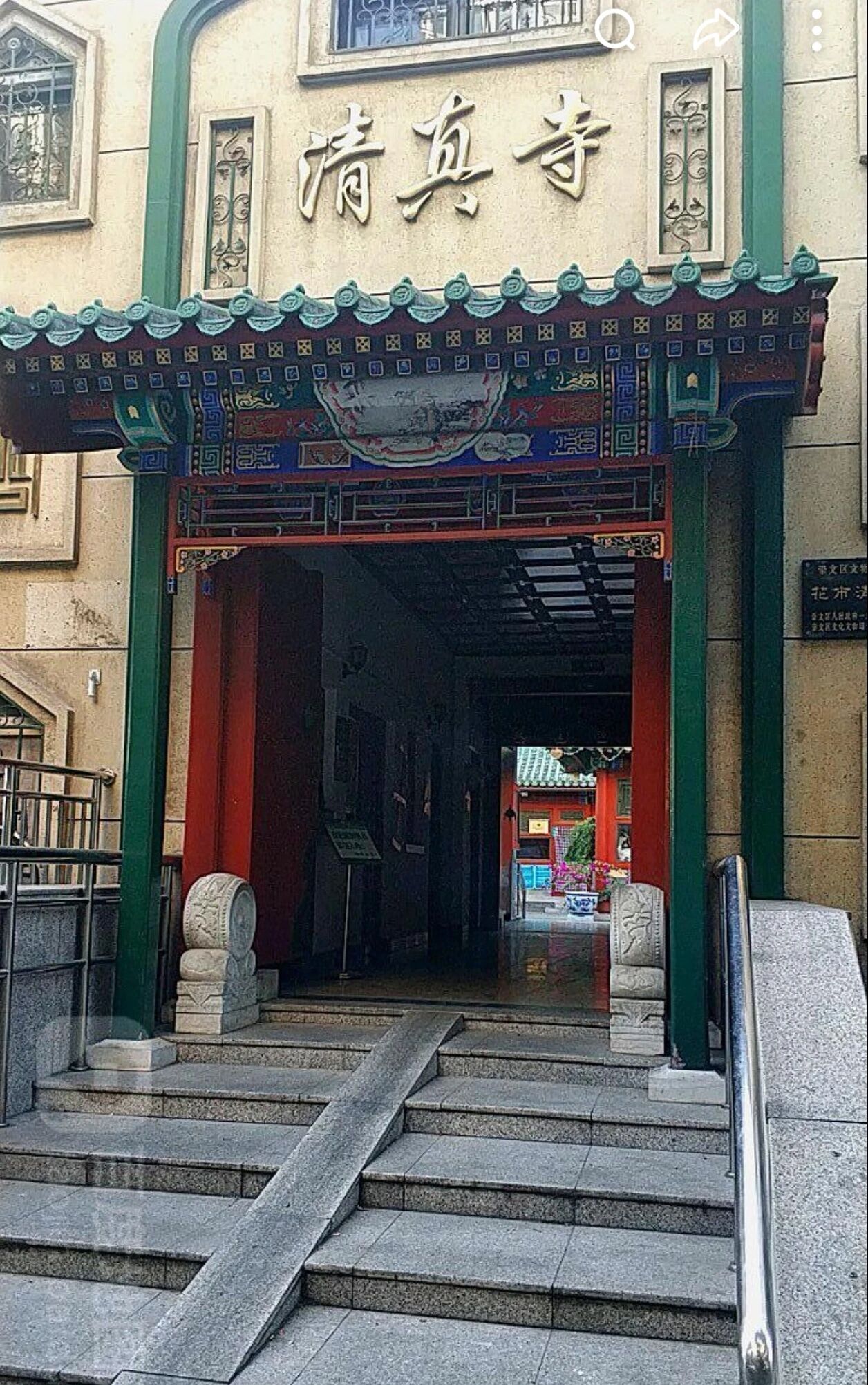
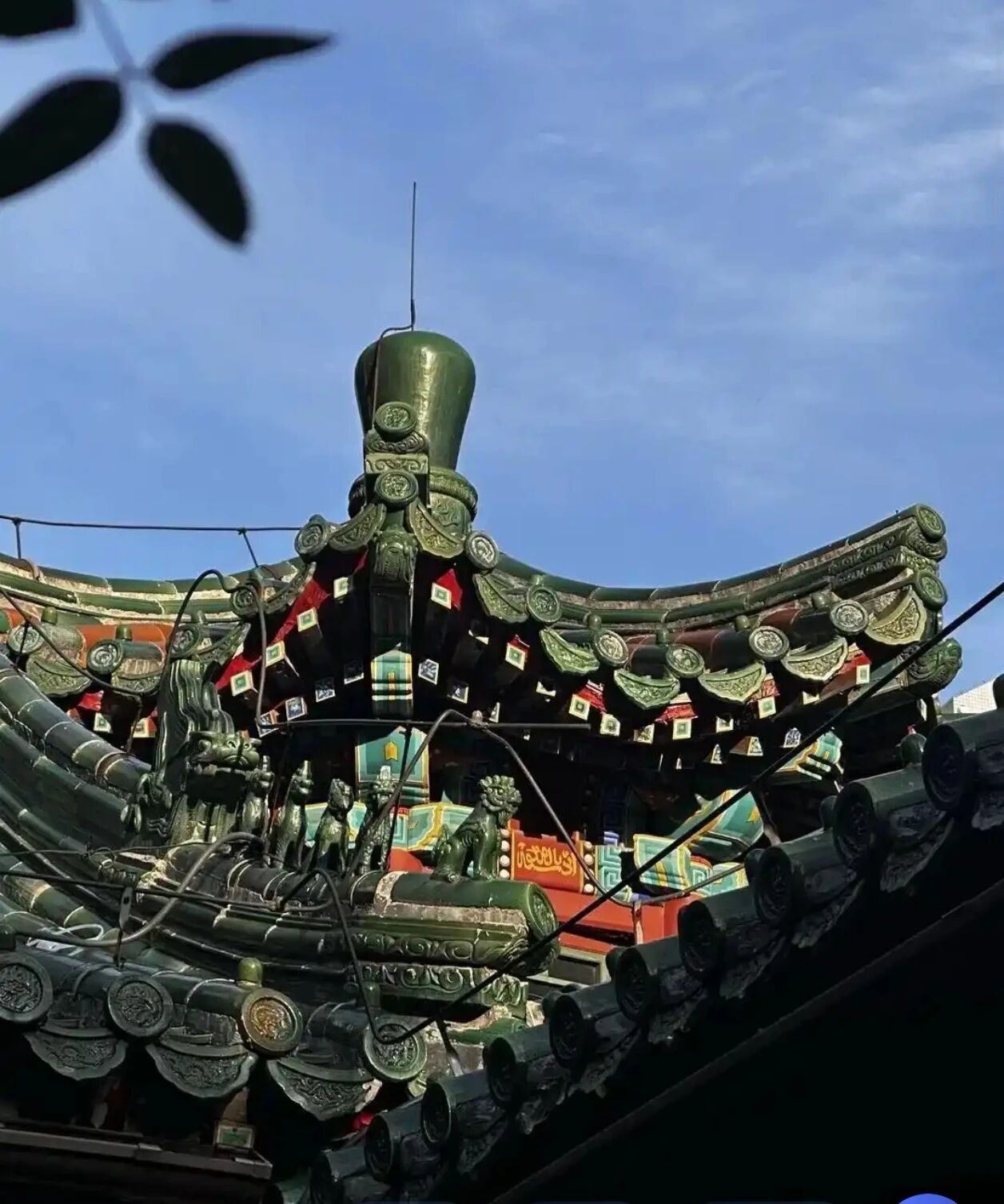
#BeijingWeekend #History #IslamicHeritage
Historic Beijing Mosque Guide: Exploring the 500-Year-Old Changying Mosque and Authentic Halal Food
Articles • Hasan09 posted the article • 0 comments • 127 views • 2026-10-26 09:42
Come check out the Changying Mosque in Beijing's Chaoyang District, a historic site dating back to the Ming Dynasty with over 500 years of history. This guide covers everything from its three-courtyard layout, ancient trees, and stone tablets to the intricate architectural paintings, how to register for a free visit, and a look at the surrounding Halal food scene.
While biking over to the Huangqu subway station, I happened to pass by the Changying Mosque and noticed the front gate was open. I decided to try my luck and asked the older gentleman at the entrance if visitors were allowed inside.
The man was super friendly and gave me a smile, telling me I was welcome to look around as long as I signed in at the desk, though he noted I shouldn't go inside the main prayer hall.
I honestly thought mosques were usually closed to the public, so this was a total win. It’s actually the second mosque I’ve visited in Beijing.
01
Overview
The Changying Mosque is located on the north side of Chaoyang North Road, about 700 meters west of the Huangqu subway station.
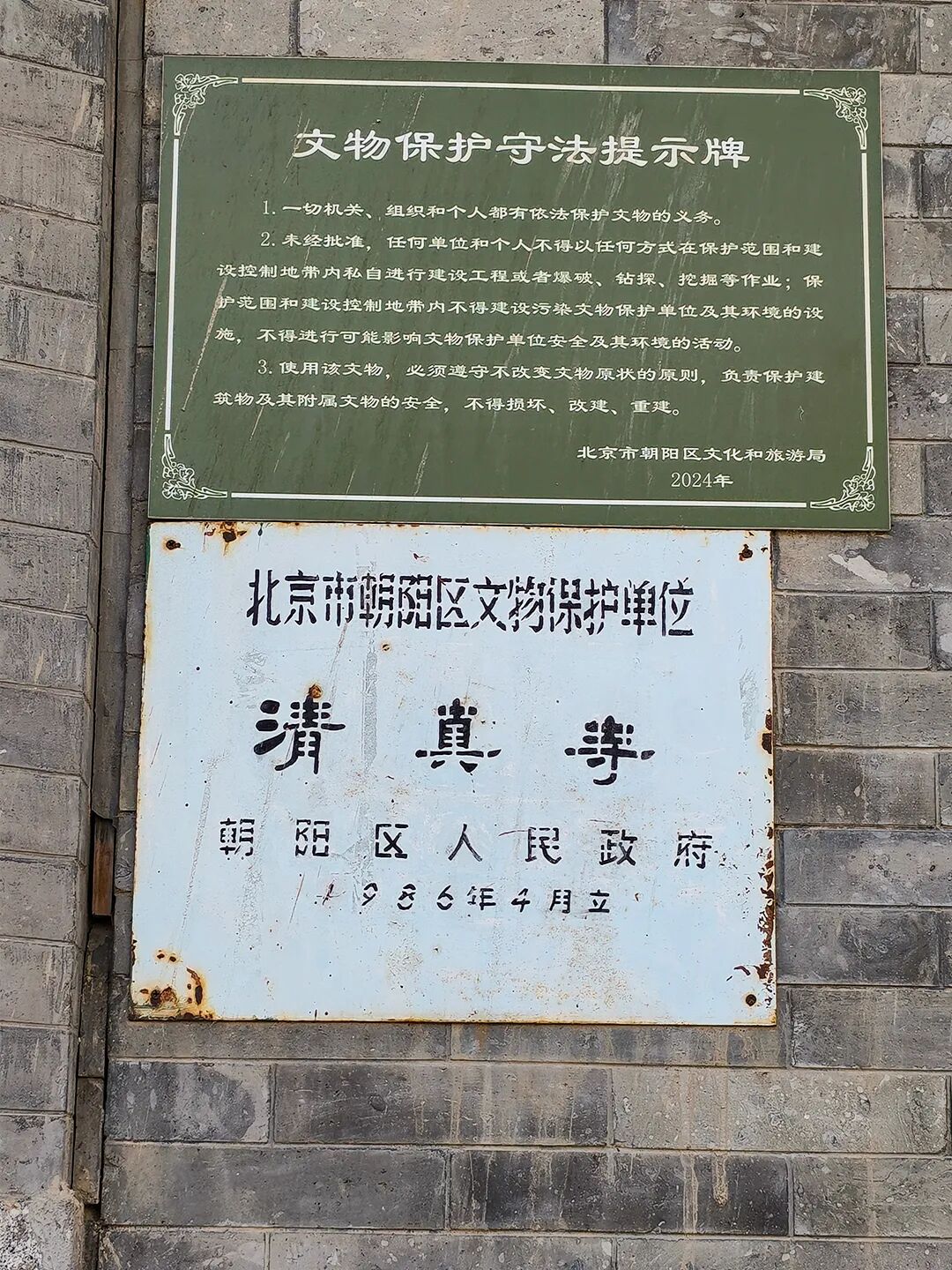
It was first built during the Zhengde period of the Ming Dynasty (1506–1521), making it over five centuries old. It underwent a major renovation during the Jiaqing period of the Qing Dynasty, and the original monument, the 'Record of the Reconstruction of the Changying Village Mosque in Tongzhou,' is still there today. It was designated as a cultural heritage site in Chaoyang District in 1986, and after several rounds of repairs and expansions, it saw a massive renovation in 2002.
Spanning over 8,400 square meters, it is the largest mosque in the suburbs of Beijing.
02
Architectural Layout
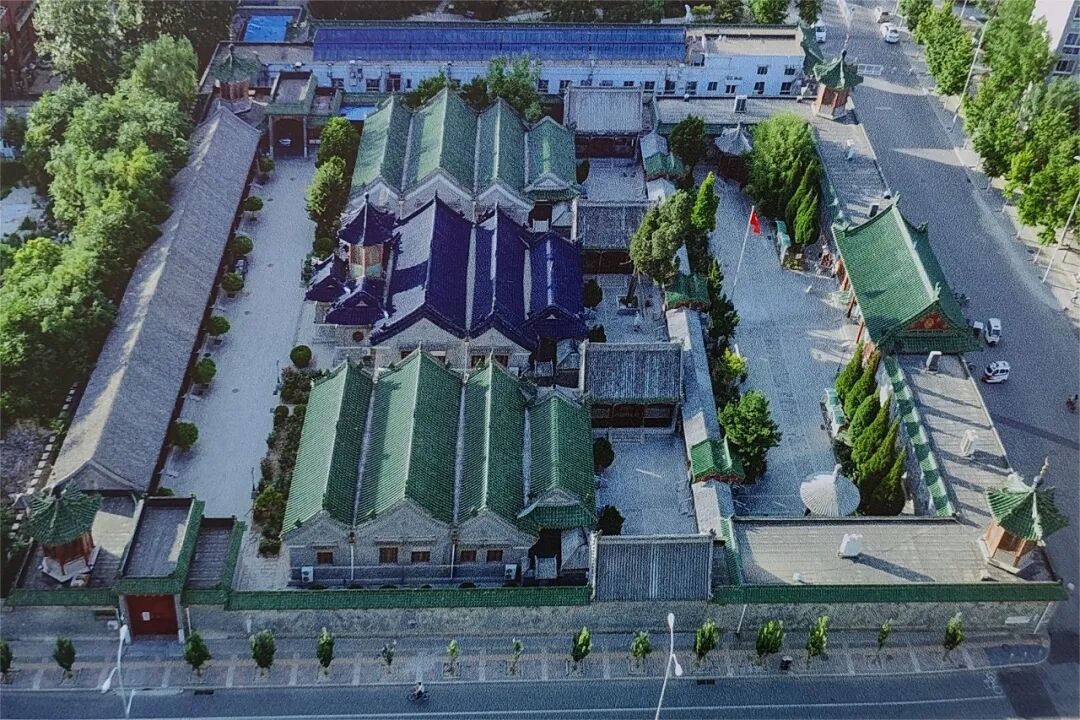
The Changying Mosque is quite spacious and consists of three courtyards. It faces east, and each of the four corners of the perimeter wall features a small hexagonal pavilion with a pointed roof.
The east-facing front gate is built in a traditional 'Wangfu' (Prince’s Mansion) style with five bays and three doorways, which is really impressive.
Once you walk in, you'll find the washing rooms (wudu areas) on both sides, with prayer schedules and charts explaining the rules for minor and major ablutions posted on the walls.
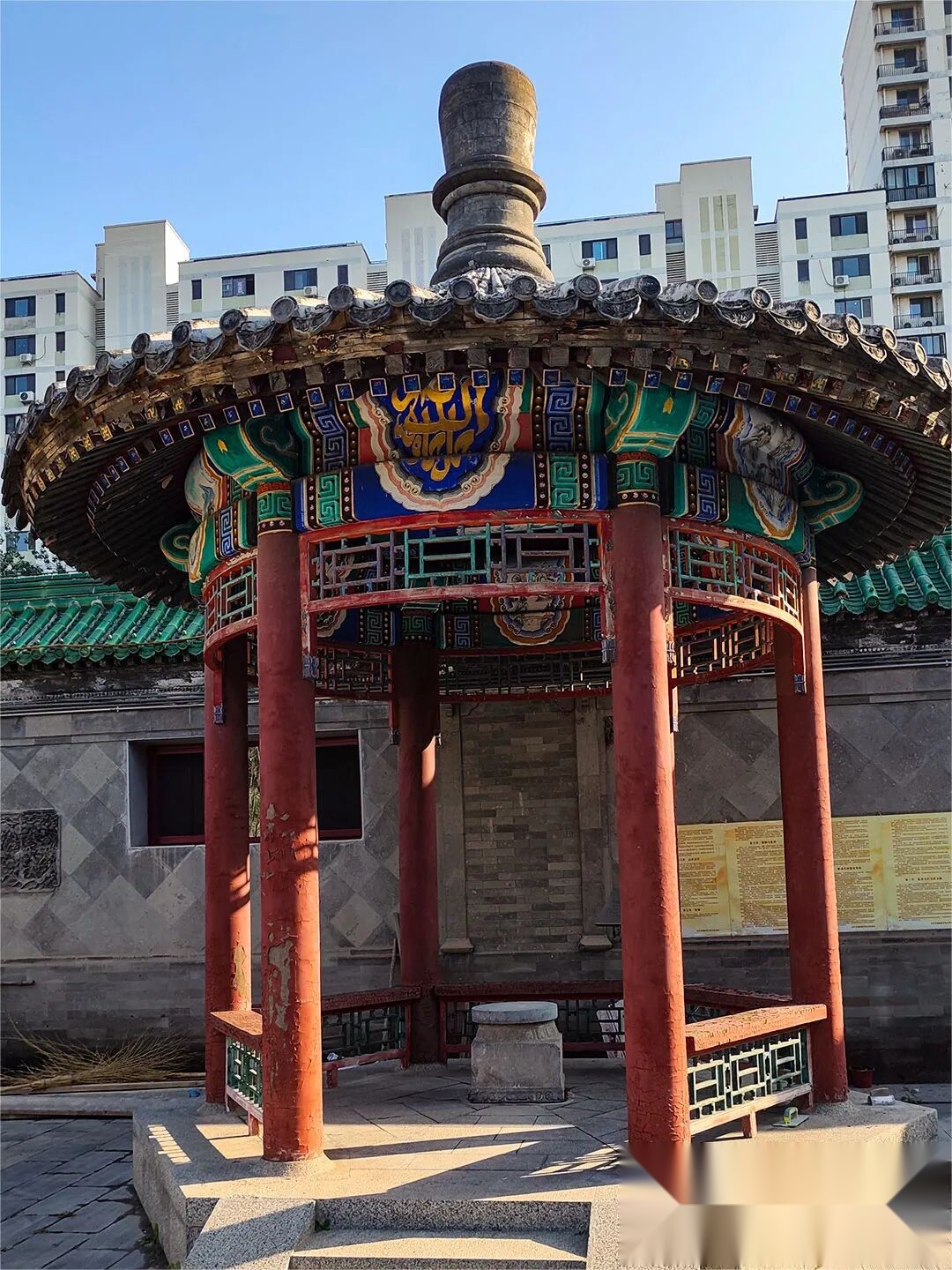
Inside the front gate, there are two pavilions: one housing stone tablets and the other enclosing a well.
The tablet pavilion mentions that this is the largest mosque in Beijing, but I remember hearing that Niujie Mosque held that title. After checking with Yuanbao, I realized that after the Changying Mosque was renovated, the Niujie Mosque underwent its own expansion in 2005, surpassing Changying in size. So, at the time the monument was carved, this place was indeed the largest.
The well inside the well pavilion is over 500 years old.
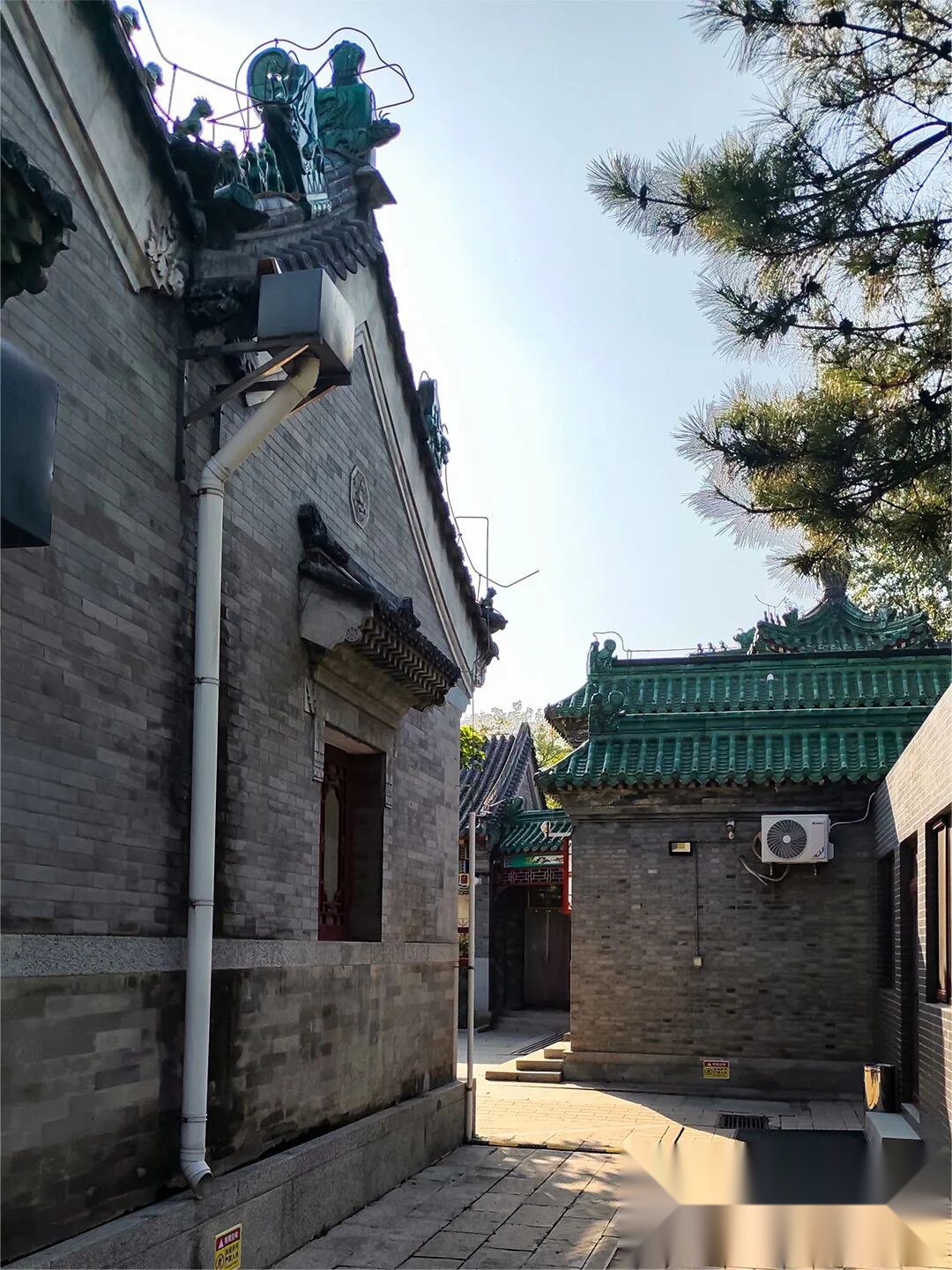
On the west side of the front courtyard, there are three side-by-side 'chuihuamen' (hanging flower gates) that lead to the three main halls and courtyards, all connected by an ornately carved and painted corridor.
The three courtyards are laid out similarly, and the middle one features a 500-year-old ancient tree that is roughly as old as the mosque itself.
From south to north, you have the women’s prayer hall, the main prayer hall, and the men’s prayer hall. They all follow the traditional Ming and Qing dynasty architectural style, consisting of three sections: the front porch, the main hall body, and the rear kiln-style chamber.
The central main hall is covered in blue glazed tiles, and there is a hexagonal pavilion (bangke lou, or minaret/call to prayer tower) on the roof of the rear chamber.
The two side halls are slightly smaller than the main hall, have no pavilion, and are covered in green glazed tiles.
On the north side of the main hall, there is a stone tablet dedicated to the record of the mosque's reconstruction in Changying, Tongzhou.
The back courtyard seems to be the administrative area for the mosque, and there are several hawthorn trees filled with fruit.
03
The Neighborhood
Right outside the mosque's main gate, you'll find a street packed with Halal eats—it's basically known as the 'Little Niujie' (a famous street in Beijing known for its Muslim community and food) of the area. I was in a rush and couldn't check it out myself, but rumor has it the flagship store for the famous Lixiaolao Shaobing (baked sesame flatbread) is located right here.
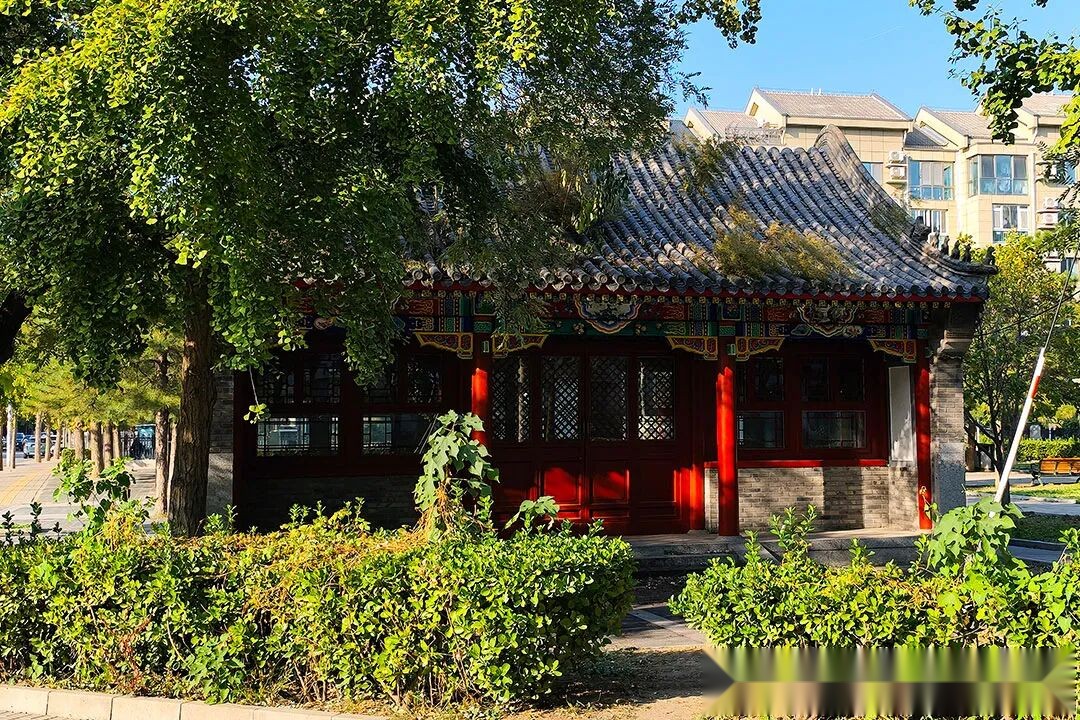
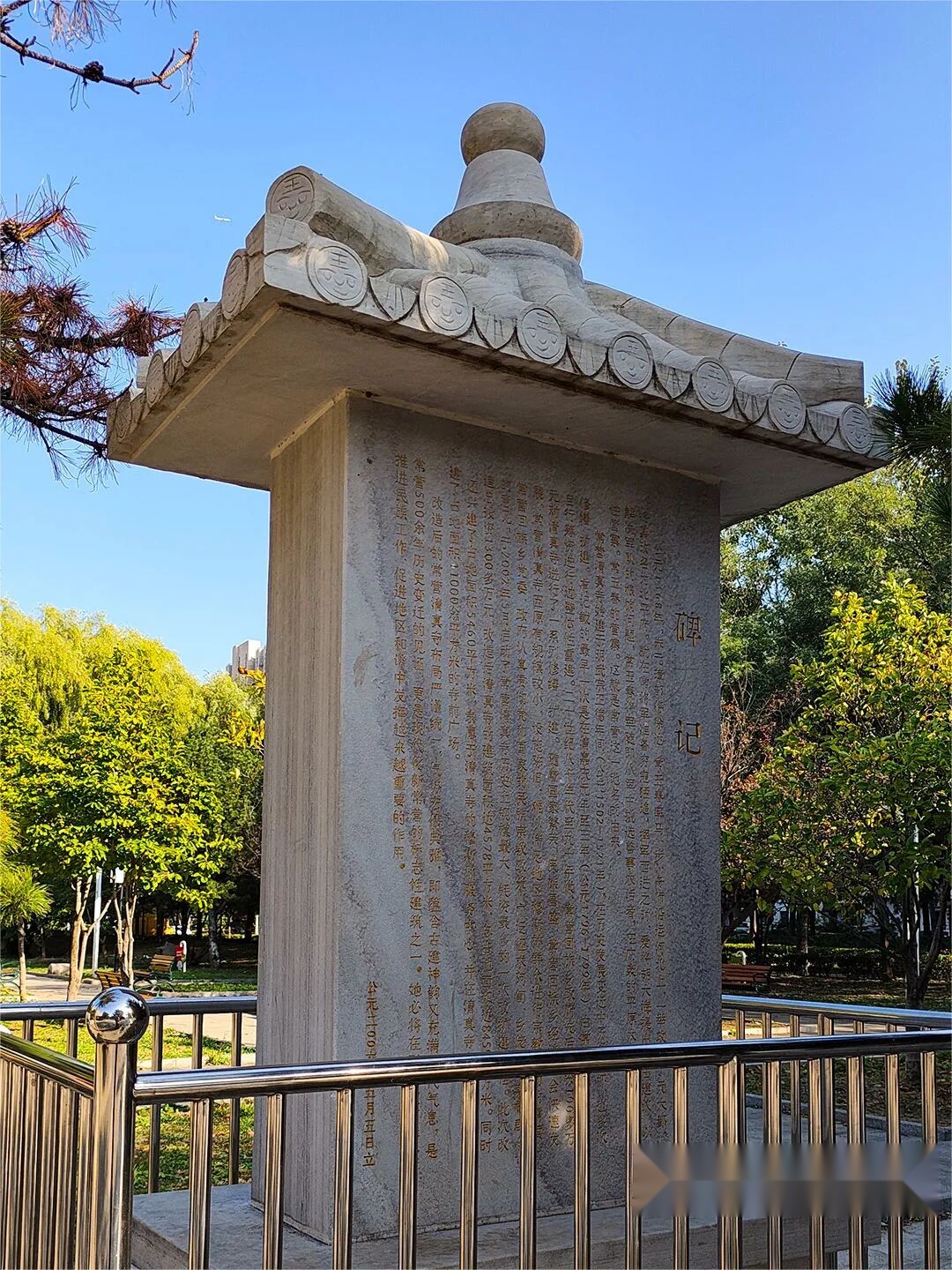
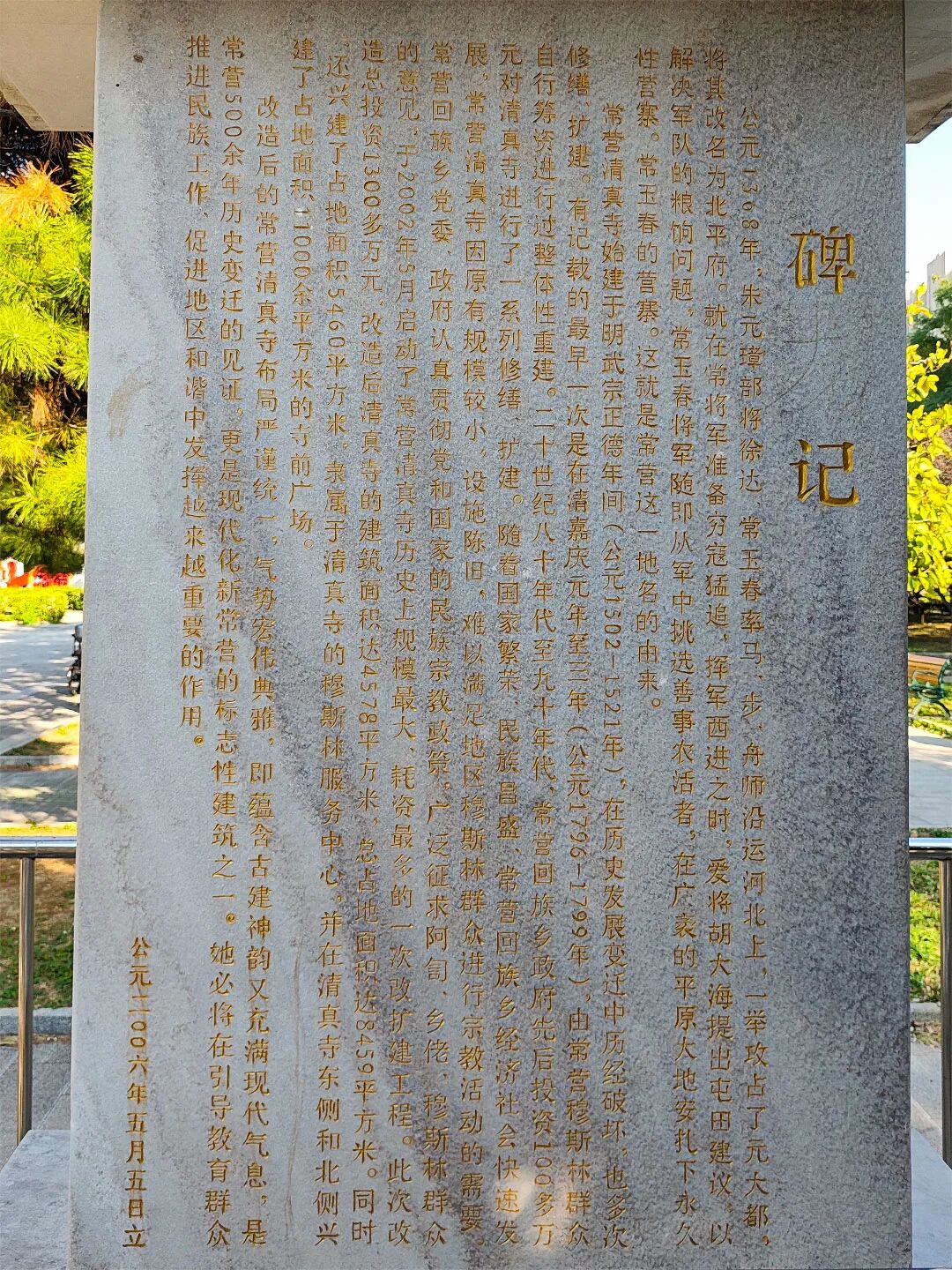
Across from the main entrance, there’s a square featuring a traditional-style building and a stone tablet. The inscription explains the origins of the mosque, noting that Changying was a permanent garrison established by the Ming Dynasty general Chang Yuchun after he captured Beijing—which is exactly how the area got its name, 'Changying' (literally 'Chang's Camp').
I was just biking by when I caught sight of the tablet. I made a habit of stopping to read these kinds of markers, and when I saw it mentioned the Changying Mosque, I turned around and realized this massive mosque was right there across the street.
04
Practical Info
Address: Changying Mosque, Minzu Jiayuan East Road, Chaoyang District, Beijing.
Opening Hours: No set hours, but generally open during the day; just be sure to avoid times when congregants are busy with their salah (obligatory prayer).
Admission: Free and no reservation required; just sign in when you enter.
Public Transport: Huangqu Subway Station or Changying West Bus Stop.
Suggested Itinerary: Changying Mosque to the Three Temples and One Pagoda Scenic Area.
Estimated Time: About two hours to explore the mosque and the surrounding area.
P.S. Since I work outdoors and spend all my time running around Beijing, I've passed by the Niujie Mosque countless times. Thanks to this experience, next time I’m in the area, I’m definitely going to ask if I can go inside for a visit.
The mosque doesn't have official visitor hours, but I’d say visiting between 9:00 AM and 4:00 PM is a safe bet.
Guides for nearby attractions:
Date of visit: October 7, 2026. view all
Come check out the Changying Mosque in Beijing's Chaoyang District, a historic site dating back to the Ming Dynasty with over 500 years of history. This guide covers everything from its three-courtyard layout, ancient trees, and stone tablets to the intricate architectural paintings, how to register for a free visit, and a look at the surrounding Halal food scene.

While biking over to the Huangqu subway station, I happened to pass by the Changying Mosque and noticed the front gate was open. I decided to try my luck and asked the older gentleman at the entrance if visitors were allowed inside.
The man was super friendly and gave me a smile, telling me I was welcome to look around as long as I signed in at the desk, though he noted I shouldn't go inside the main prayer hall.
I honestly thought mosques were usually closed to the public, so this was a total win. It’s actually the second mosque I’ve visited in Beijing.

01
Overview
The Changying Mosque is located on the north side of Chaoyang North Road, about 700 meters west of the Huangqu subway station.
It was first built during the Zhengde period of the Ming Dynasty (1506–1521), making it over five centuries old. It underwent a major renovation during the Jiaqing period of the Qing Dynasty, and the original monument, the 'Record of the Reconstruction of the Changying Village Mosque in Tongzhou,' is still there today. It was designated as a cultural heritage site in Chaoyang District in 1986, and after several rounds of repairs and expansions, it saw a massive renovation in 2002.
Spanning over 8,400 square meters, it is the largest mosque in the suburbs of Beijing.

02
Architectural Layout
The Changying Mosque is quite spacious and consists of three courtyards. It faces east, and each of the four corners of the perimeter wall features a small hexagonal pavilion with a pointed roof.


The east-facing front gate is built in a traditional 'Wangfu' (Prince’s Mansion) style with five bays and three doorways, which is really impressive.


Once you walk in, you'll find the washing rooms (wudu areas) on both sides, with prayer schedules and charts explaining the rules for minor and major ablutions posted on the walls.


Inside the front gate, there are two pavilions: one housing stone tablets and the other enclosing a well.
The tablet pavilion mentions that this is the largest mosque in Beijing, but I remember hearing that Niujie Mosque held that title. After checking with Yuanbao, I realized that after the Changying Mosque was renovated, the Niujie Mosque underwent its own expansion in 2005, surpassing Changying in size. So, at the time the monument was carved, this place was indeed the largest.
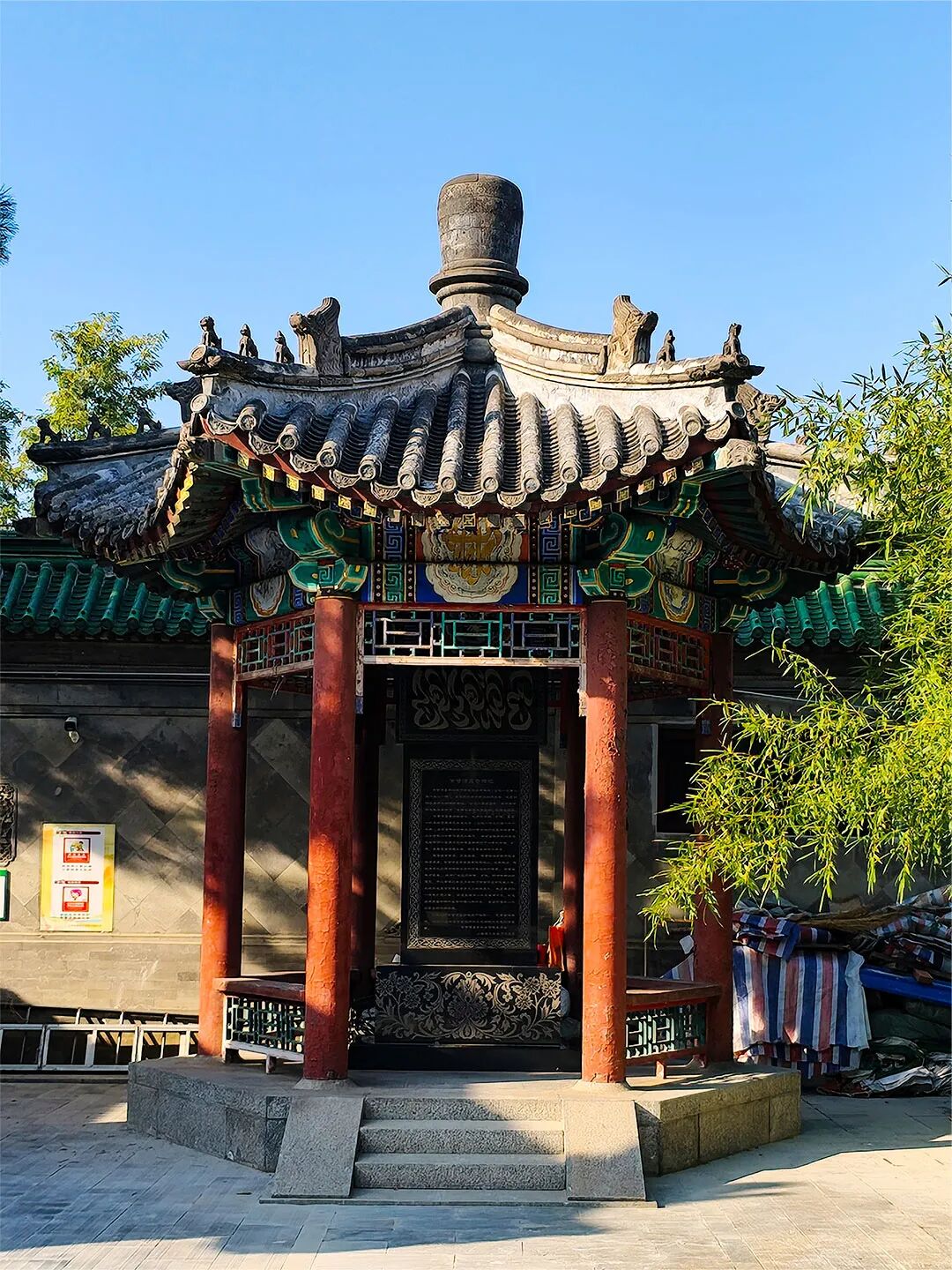
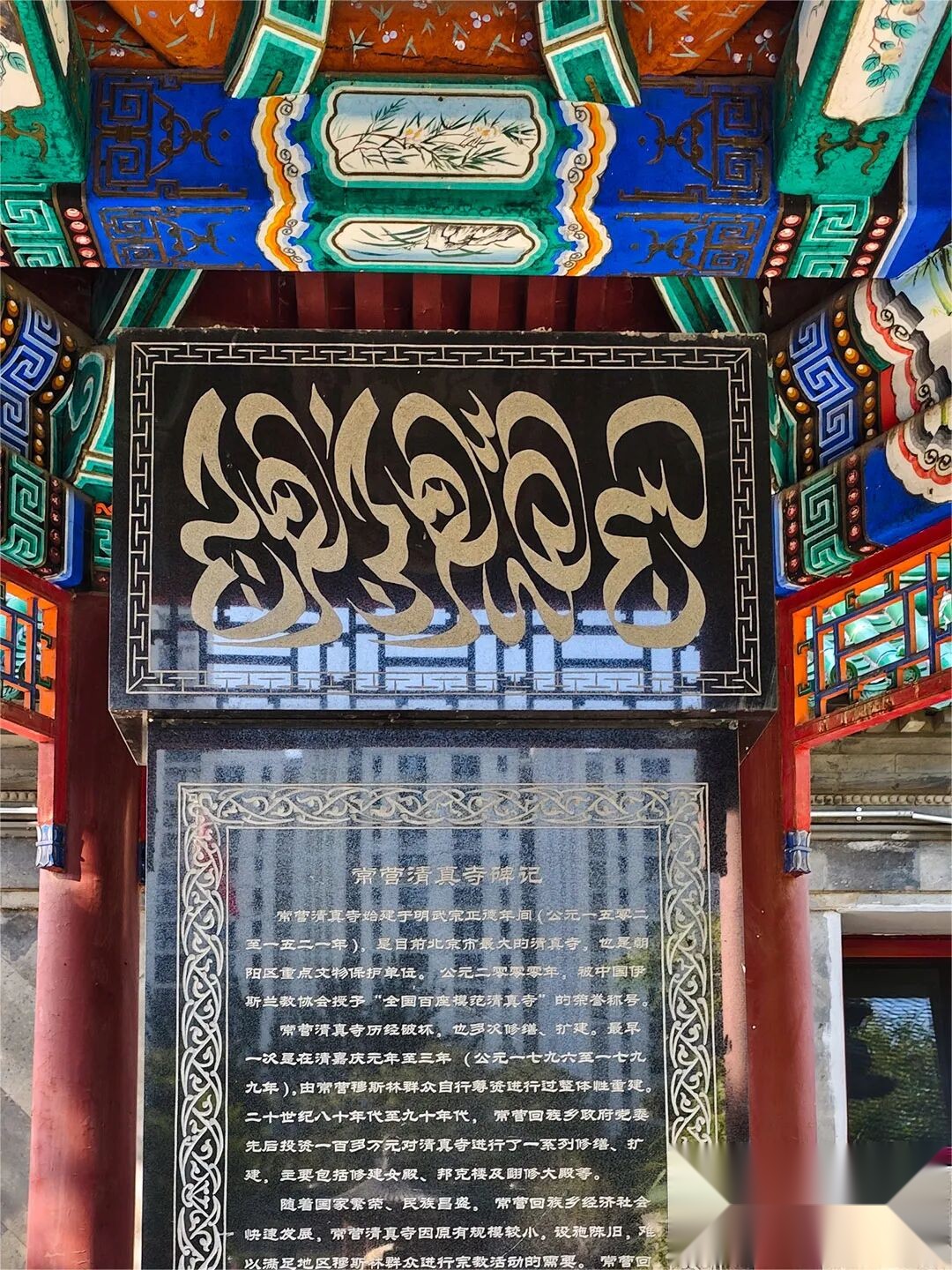
The well inside the well pavilion is over 500 years old.

On the west side of the front courtyard, there are three side-by-side 'chuihuamen' (hanging flower gates) that lead to the three main halls and courtyards, all connected by an ornately carved and painted corridor.


The three courtyards are laid out similarly, and the middle one features a 500-year-old ancient tree that is roughly as old as the mosque itself.


From south to north, you have the women’s prayer hall, the main prayer hall, and the men’s prayer hall. They all follow the traditional Ming and Qing dynasty architectural style, consisting of three sections: the front porch, the main hall body, and the rear kiln-style chamber.
The central main hall is covered in blue glazed tiles, and there is a hexagonal pavilion (bangke lou, or minaret/call to prayer tower) on the roof of the rear chamber.
The two side halls are slightly smaller than the main hall, have no pavilion, and are covered in green glazed tiles.


On the north side of the main hall, there is a stone tablet dedicated to the record of the mosque's reconstruction in Changying, Tongzhou.

The back courtyard seems to be the administrative area for the mosque, and there are several hawthorn trees filled with fruit.
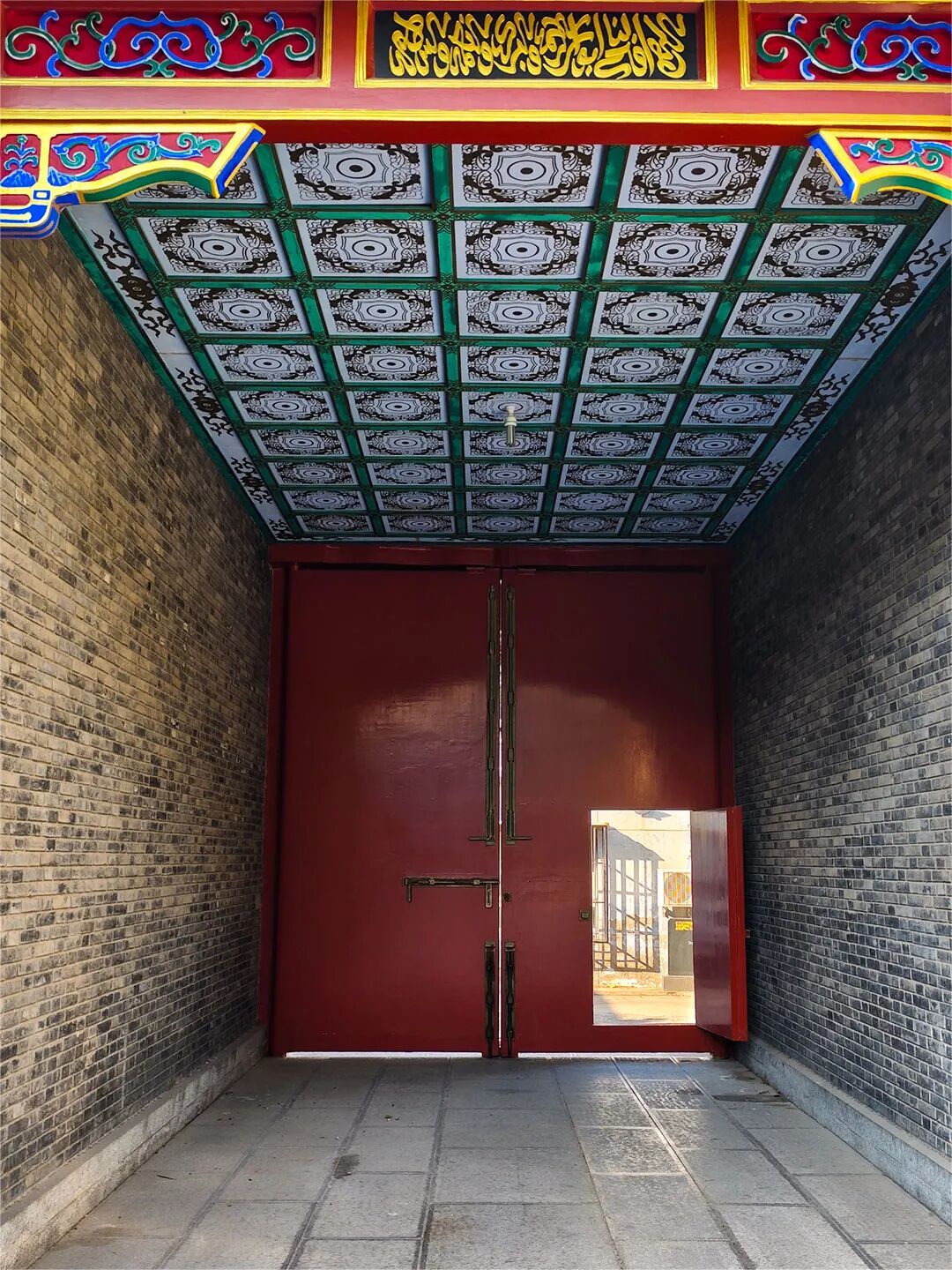
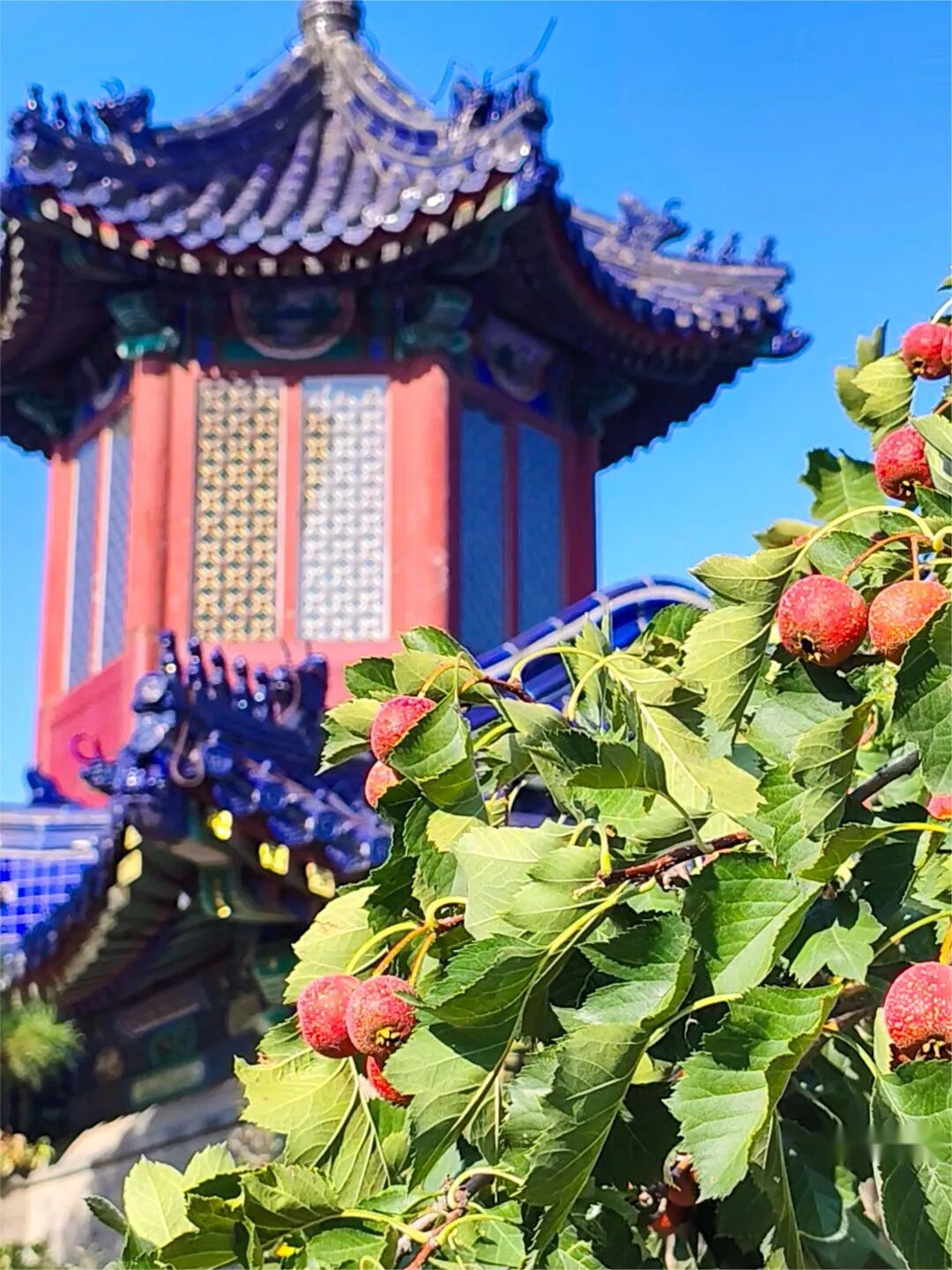
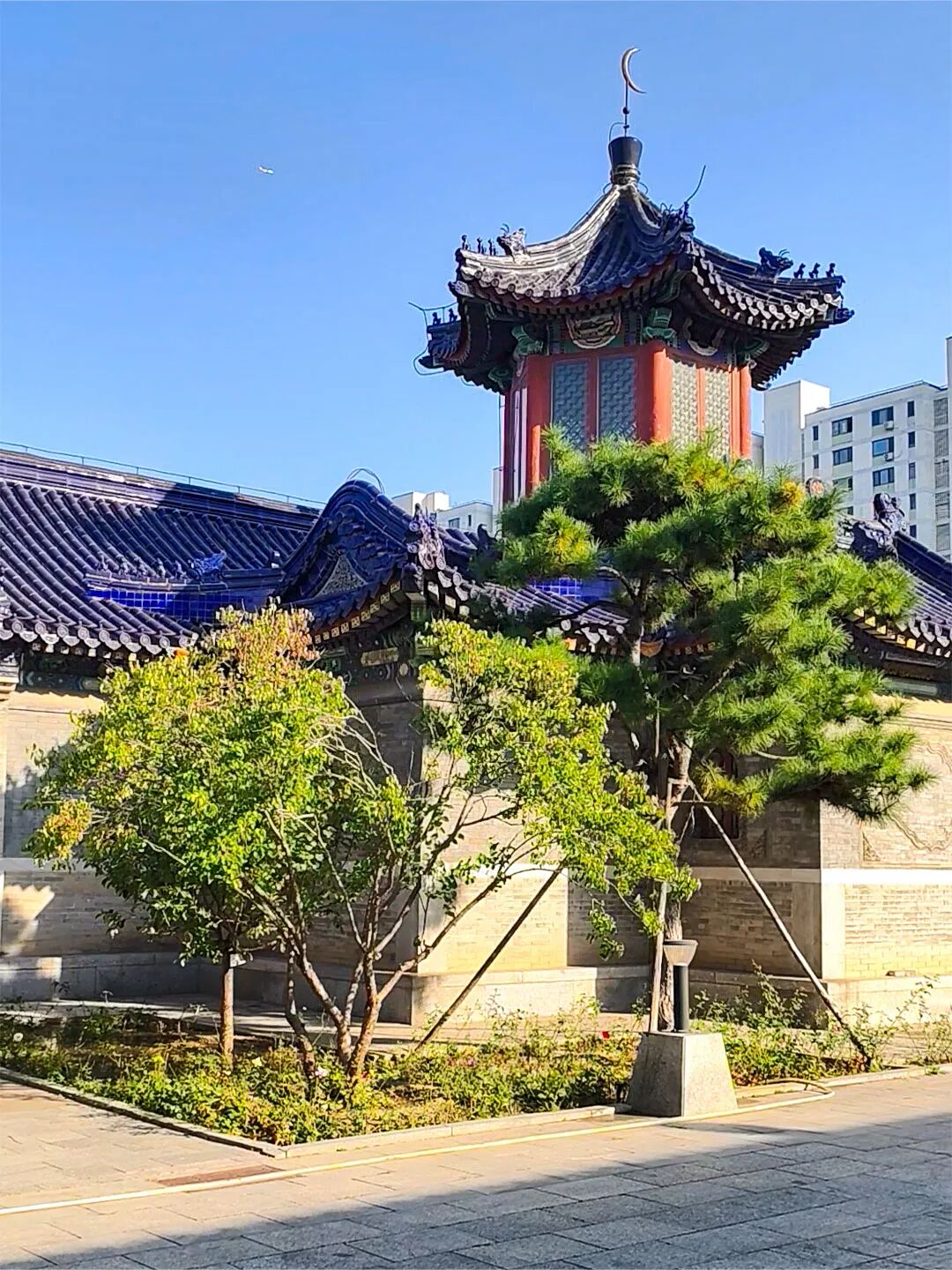
03
The Neighborhood
Right outside the mosque's main gate, you'll find a street packed with Halal eats—it's basically known as the 'Little Niujie' (a famous street in Beijing known for its Muslim community and food) of the area. I was in a rush and couldn't check it out myself, but rumor has it the flagship store for the famous Lixiaolao Shaobing (baked sesame flatbread) is located right here.
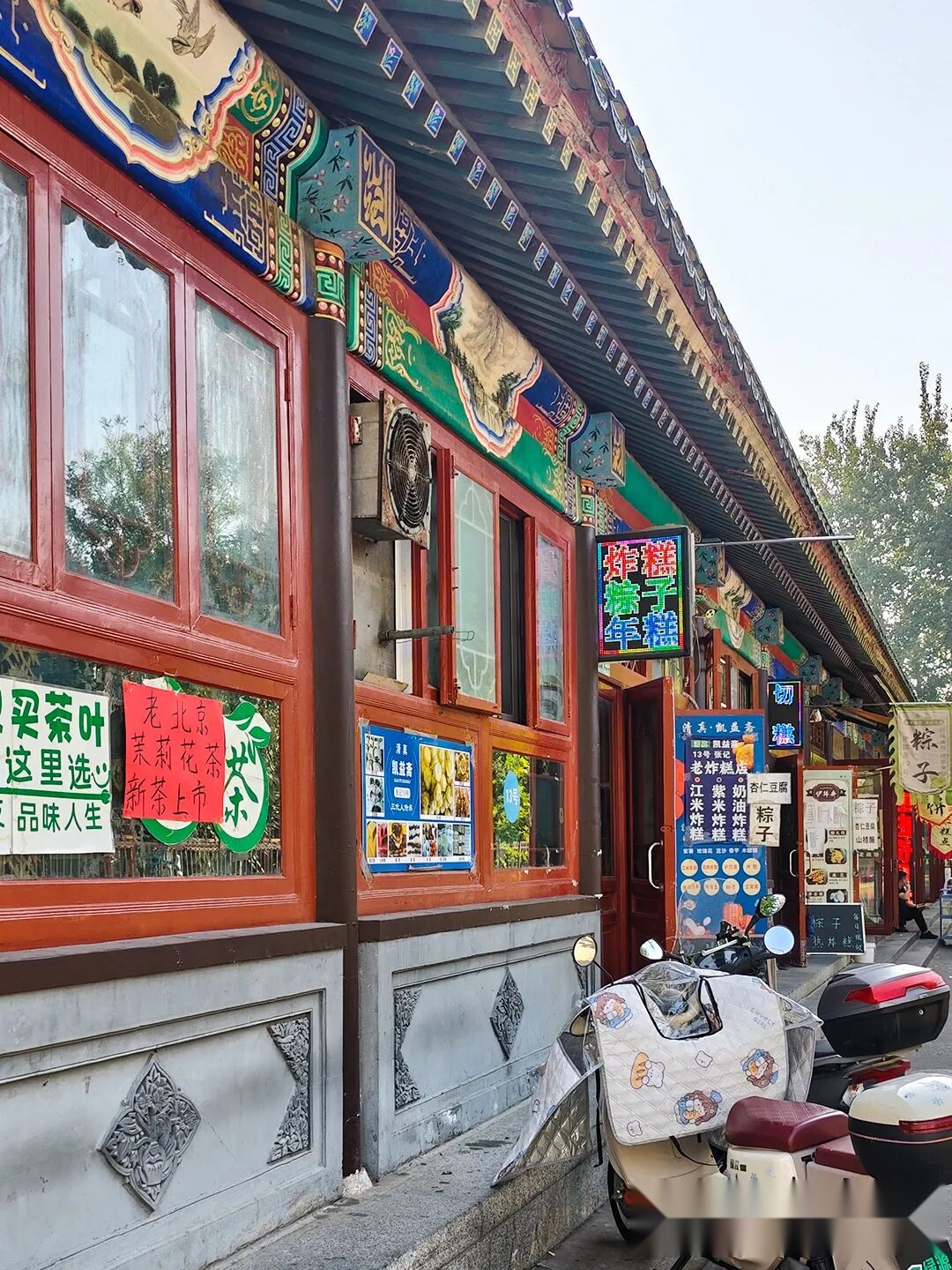
Across from the main entrance, there’s a square featuring a traditional-style building and a stone tablet. The inscription explains the origins of the mosque, noting that Changying was a permanent garrison established by the Ming Dynasty general Chang Yuchun after he captured Beijing—which is exactly how the area got its name, 'Changying' (literally 'Chang's Camp').
I was just biking by when I caught sight of the tablet. I made a habit of stopping to read these kinds of markers, and when I saw it mentioned the Changying Mosque, I turned around and realized this massive mosque was right there across the street.
04
Practical Info
Address: Changying Mosque, Minzu Jiayuan East Road, Chaoyang District, Beijing.
Opening Hours: No set hours, but generally open during the day; just be sure to avoid times when congregants are busy with their salah (obligatory prayer).
Admission: Free and no reservation required; just sign in when you enter.
Public Transport: Huangqu Subway Station or Changying West Bus Stop.
Suggested Itinerary: Changying Mosque to the Three Temples and One Pagoda Scenic Area.
Estimated Time: About two hours to explore the mosque and the surrounding area.
P.S. Since I work outdoors and spend all my time running around Beijing, I've passed by the Niujie Mosque countless times. Thanks to this experience, next time I’m in the area, I’m definitely going to ask if I can go inside for a visit.
The mosque doesn't have official visitor hours, but I’d say visiting between 9:00 AM and 4:00 PM is a safe bet.
Guides for nearby attractions:
Date of visit: October 7, 2026.
Muslim-Friendly Mountain Stays Near Beijing: Two Hui Guesthouses for Spring Trips
Articles • ali2007fr posted the article • 0 comments • 268 views • 2026-05-21 08:03
Summary: This spring travel account visits two Hui Muslim guesthouses in Beijing’s mountain areas, with notes on meals, family trips, local scenery, and Muslim-friendly countryside stays.
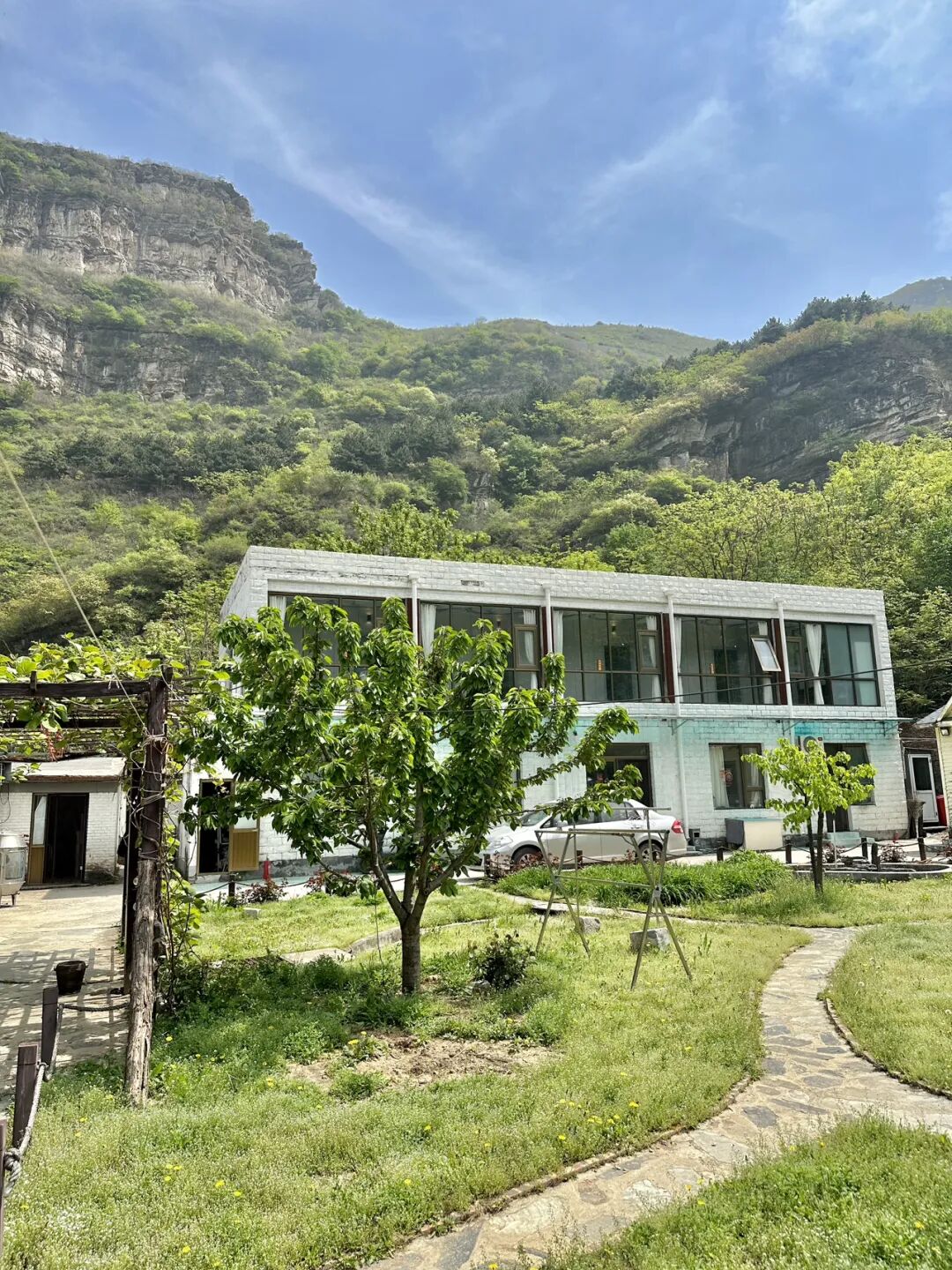
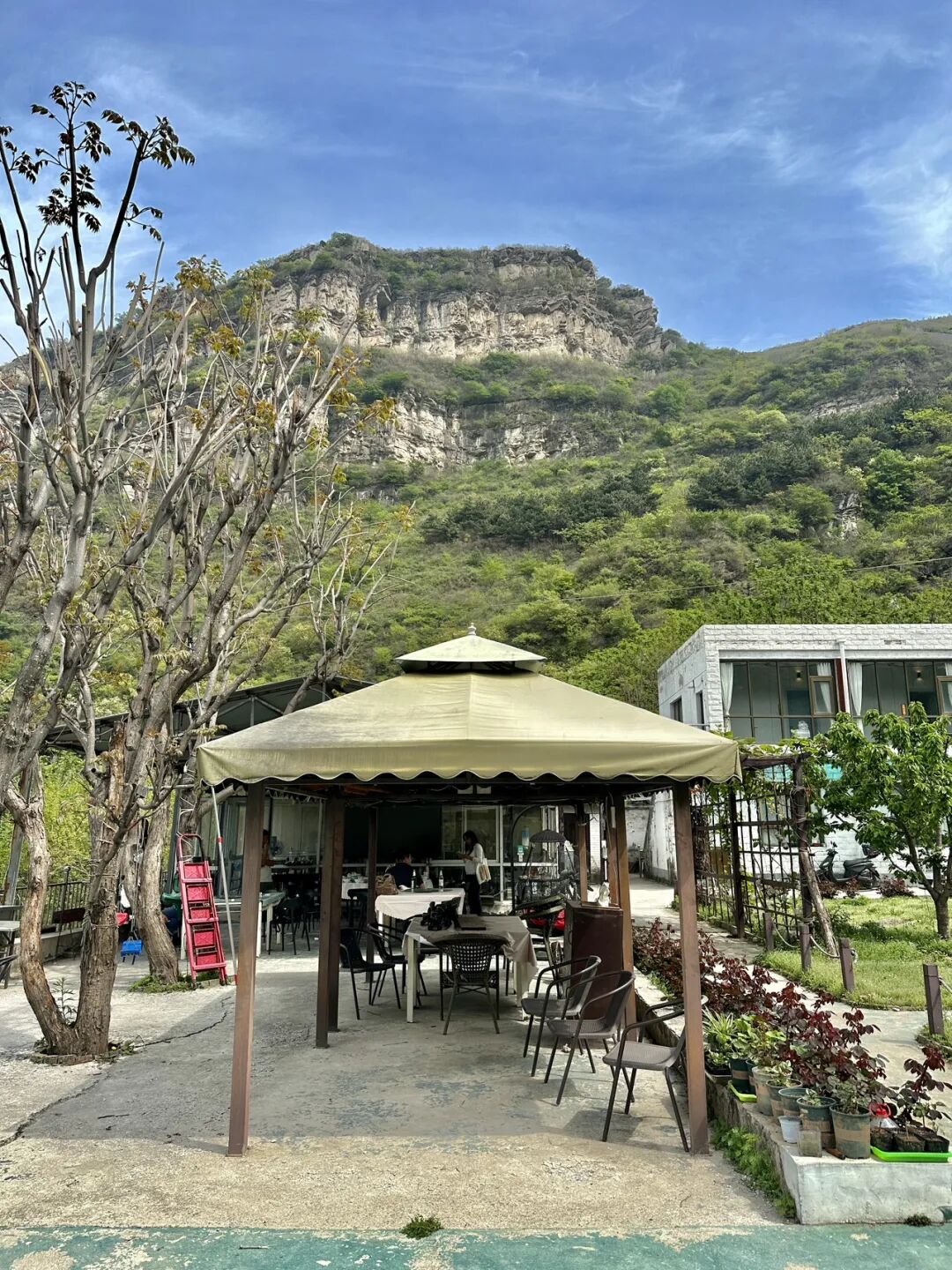
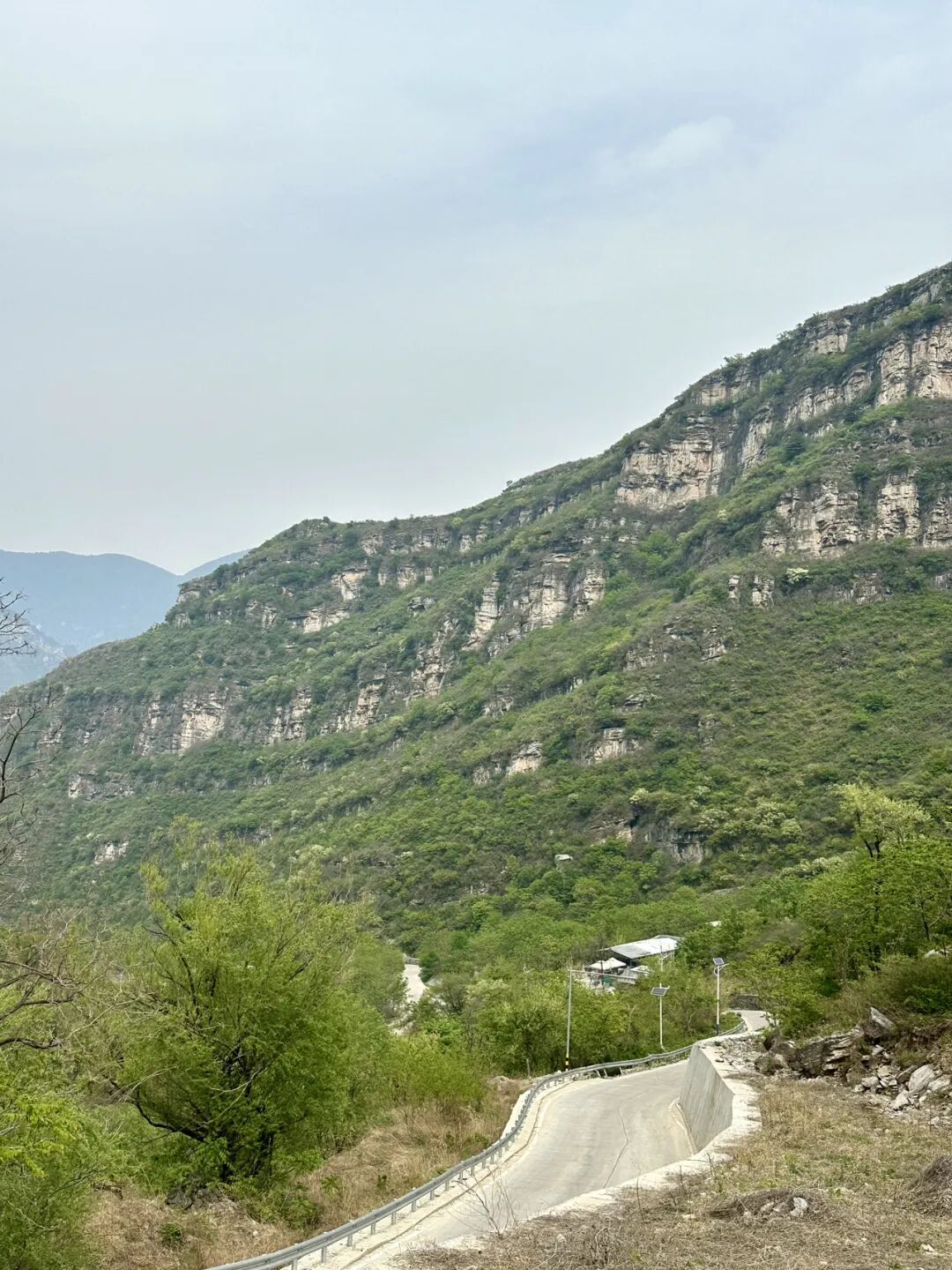
At the end of April, we had lunch at Dongge Shanyuan Farmhouse, located deep in the mountains of Shengshuiyu, Fangshan. The farmhouse is very close to Shangfangshan National Forest Park. The mountains here are rugged, making this the steepest Hui Muslim farmhouse I have visited in Beijing. Driving to the farmhouse is fine, but electric cars cannot make it further up the mountain, so please be aware of this.
It is run by a Hui Muslim man from Haidian, and they specialize in Chinese toon (xiangchun) feasts and whole roasted lamb. The guest rooms are newly renovated and very clean, making it a great place to escape the summer heat. The courtyard sits on a platform atop a cliff. There are chickens and pigeons in the yard, along with many Chinese toon trees, which is why it is also called 'Chunxiang Valley'.
We ordered roasted lamb chops, scrambled eggs with Chinese toon, magnolia buds (mulanya), free-range chicken, stir-fried river shrimp with chives, shredded pork with garlic sprouts, and braised tofu with green onions. The Chinese toon was picked fresh from the trees, and the magnolia buds are the tender spring shoots of the goldenrain tree, a classic wild vegetable in the Beijing suburbs.
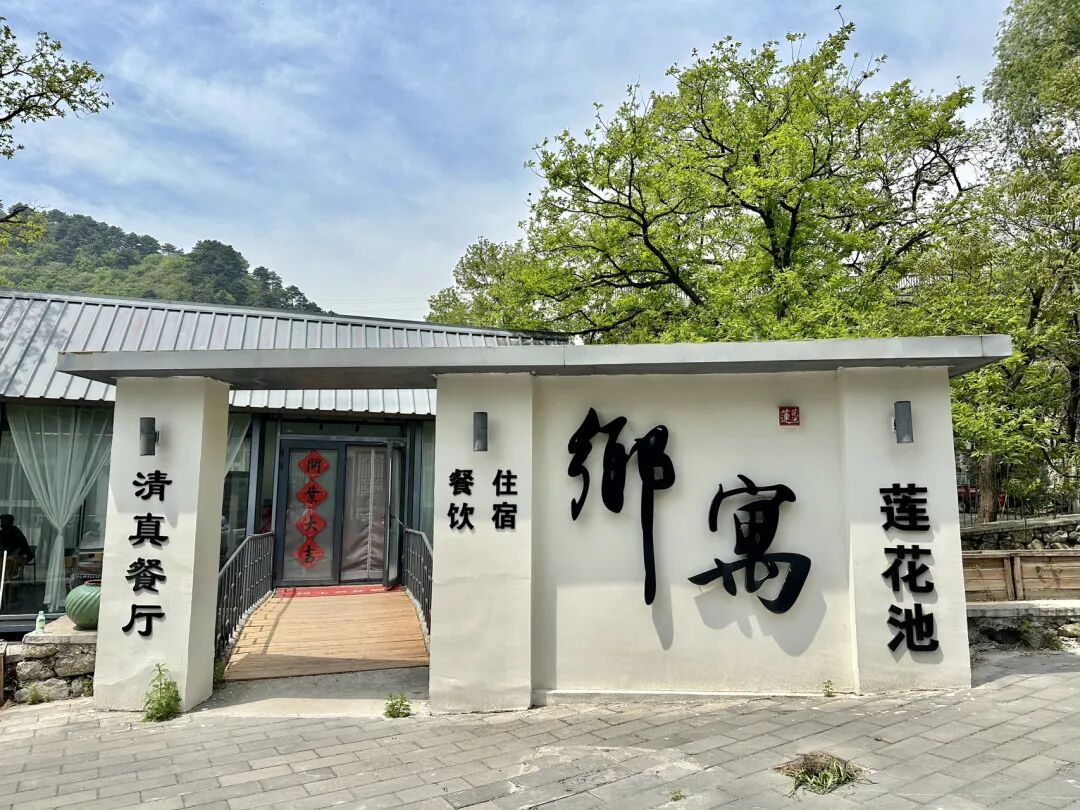
On May 5th, we went to Huairou for a post-holiday gathering at Xiangyu Homestay in Lianhuachi Village. It is run by Hui Muslims from the Tongzhou Great Mosque, and they specialize in rainbow trout and farmhouse dishes.
The homestay is in Lianhuachi Village, Huairou, right behind Mutianyu. You follow the valley from Yanqi Lake and pass Shentangyu to get there. I heard there was a huge traffic jam here on May 4th, but it was much less crowded when we went.
You must eat rainbow trout when you come to Huairou. Rainbow trout only survive in running water, so it is hard to find in the city. Their roasted fish is very well-made and has a great texture. For our meal, we had braised beef with potatoes, spicy stir-fried chicken, boiled beef, scrambled eggs with Chinese toon, celery with dried tofu, stewed tofu, stewed meatballs, mixed wild vegetables, and deep-fried prickly ash buds (huajiaoya), with green onion pancakes (conghuabing) as our staple food. The meatballs served at the start were a bit salty, but they adjusted immediately after we mentioned it, and the following dishes were all light. The Chinese toon and prickly ash buds were picked fresh from the trees; the main reason to eat in the mountains is for that fresh taste. The green onion pancakes were also pan-fried to order, which made them quite fragrant. The spicy chicken was a bit like fried chicken; it was tender inside but the flavor didn't soak in. The braised beef was cooked until very tender, and I thought it tasted good.
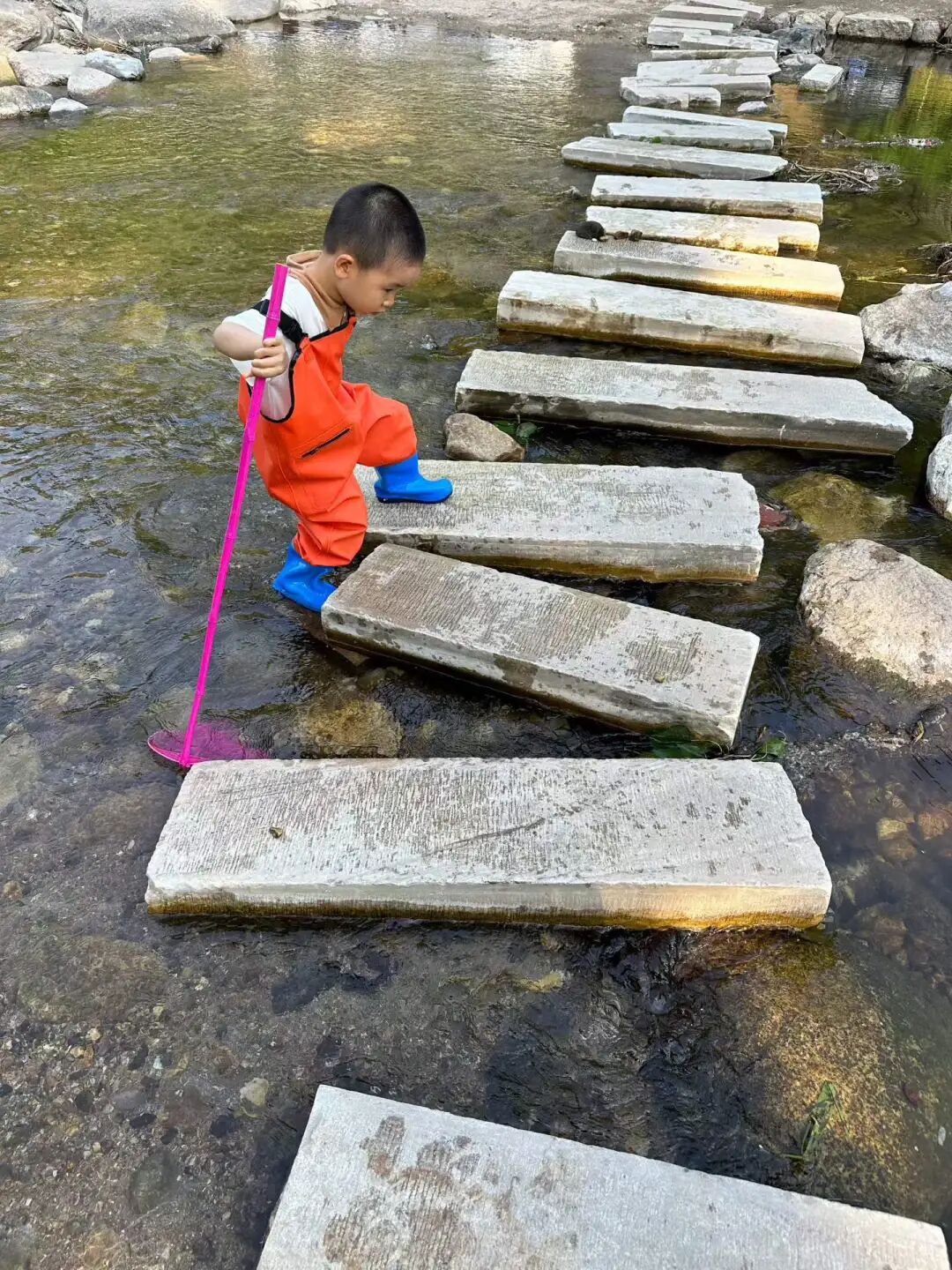
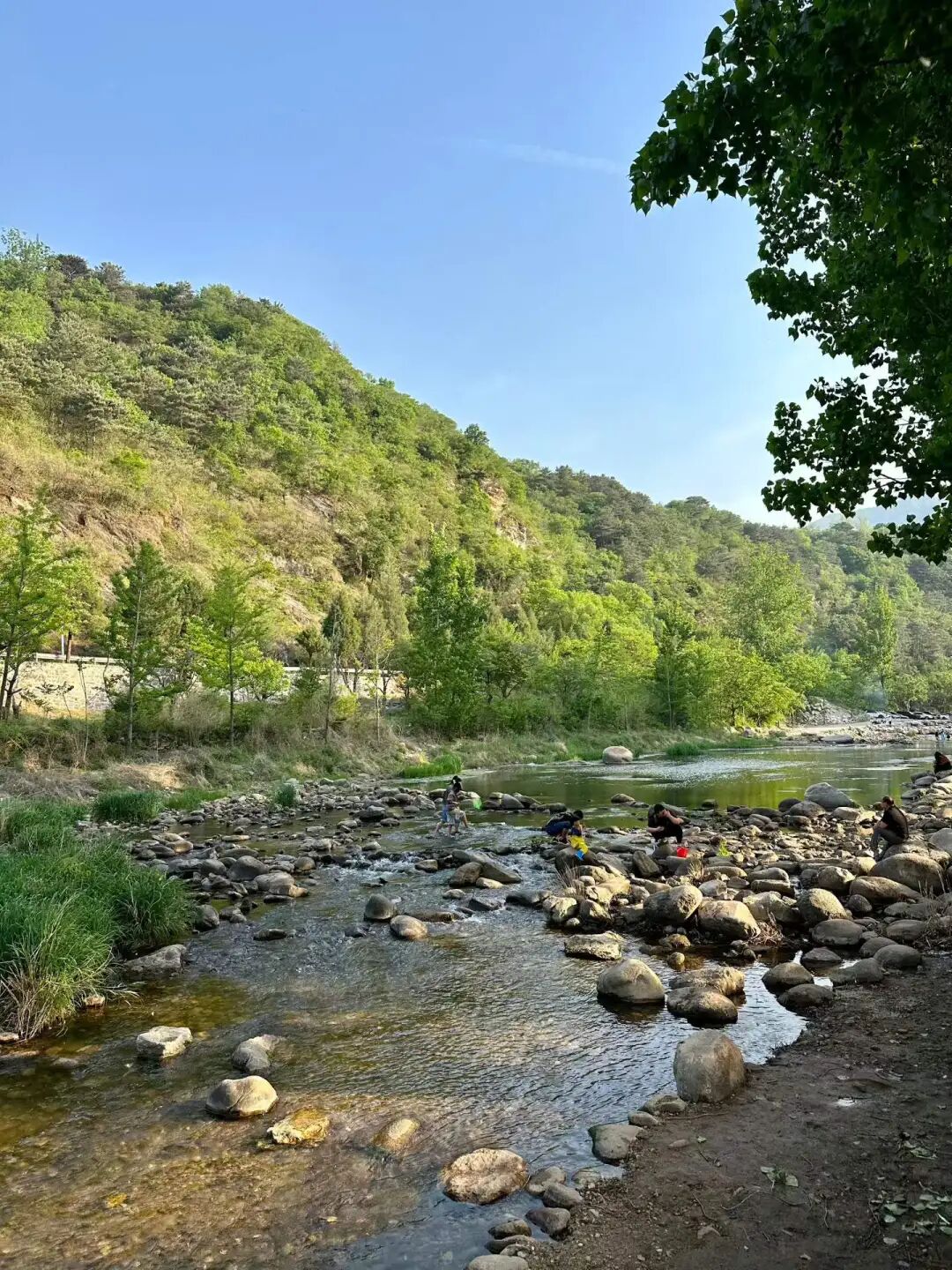
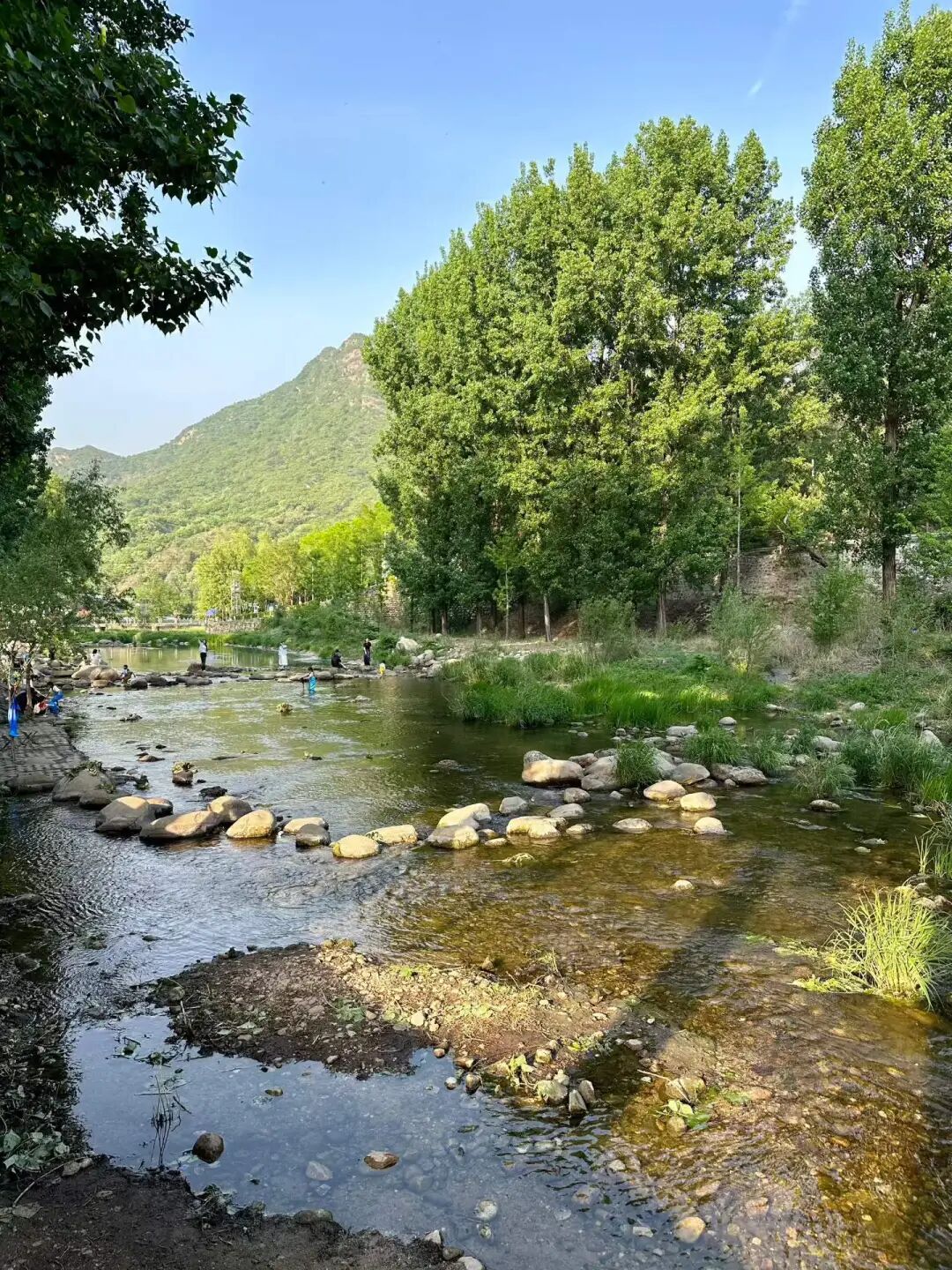
After eating, we went to play in the water at Shentangyu Village in Huairou. Parking in the village costs 20 yuan for anything over 30 minutes. There is a row of poplar trees by the water that provides shade, so it is not too sunny. We bought water clothes for the kids on the spot, but they still got quite wet sitting in the water, so I suggest bringing an extra set of clothes for the children. The water temperature in May is still a bit cool, but the sun is warm, making it perfect for outdoor activities. view all
Summary: This spring travel account visits two Hui Muslim guesthouses in Beijing’s mountain areas, with notes on meals, family trips, local scenery, and Muslim-friendly countryside stays.
At the end of April, we had lunch at Dongge Shanyuan Farmhouse, located deep in the mountains of Shengshuiyu, Fangshan. The farmhouse is very close to Shangfangshan National Forest Park. The mountains here are rugged, making this the steepest Hui Muslim farmhouse I have visited in Beijing. Driving to the farmhouse is fine, but electric cars cannot make it further up the mountain, so please be aware of this.
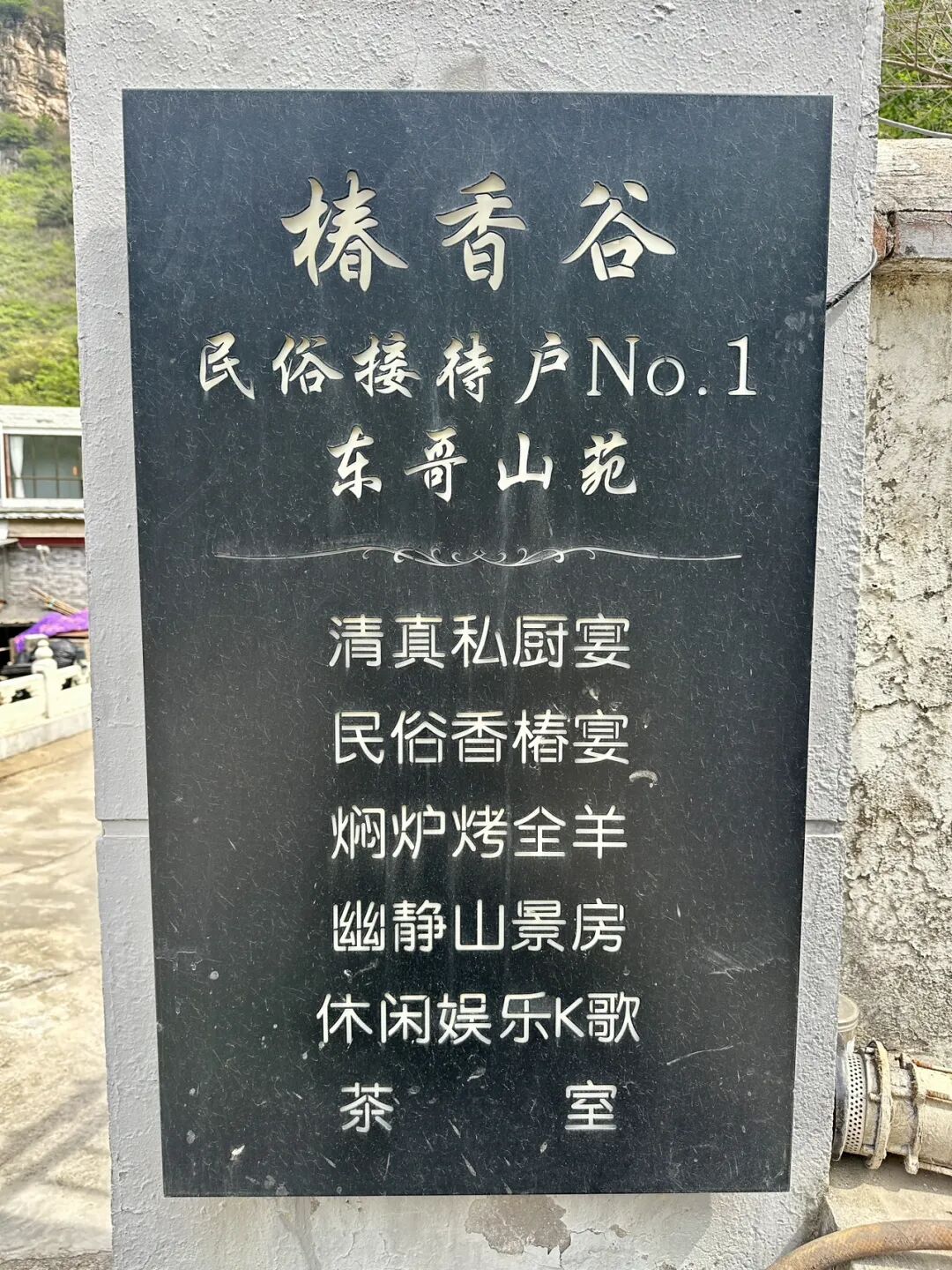
It is run by a Hui Muslim man from Haidian, and they specialize in Chinese toon (xiangchun) feasts and whole roasted lamb. The guest rooms are newly renovated and very clean, making it a great place to escape the summer heat. The courtyard sits on a platform atop a cliff. There are chickens and pigeons in the yard, along with many Chinese toon trees, which is why it is also called 'Chunxiang Valley'.
We ordered roasted lamb chops, scrambled eggs with Chinese toon, magnolia buds (mulanya), free-range chicken, stir-fried river shrimp with chives, shredded pork with garlic sprouts, and braised tofu with green onions. The Chinese toon was picked fresh from the trees, and the magnolia buds are the tender spring shoots of the goldenrain tree, a classic wild vegetable in the Beijing suburbs.
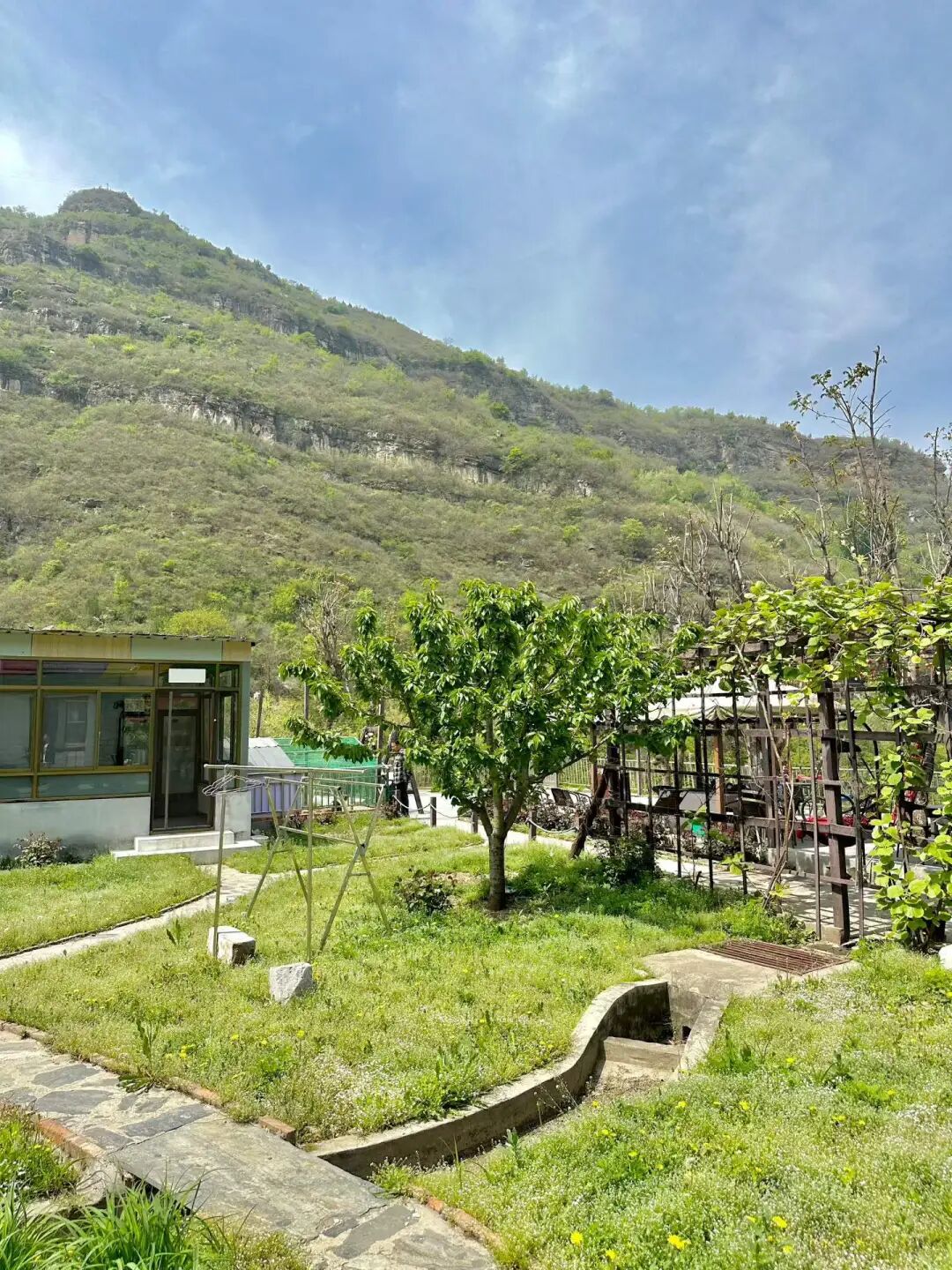
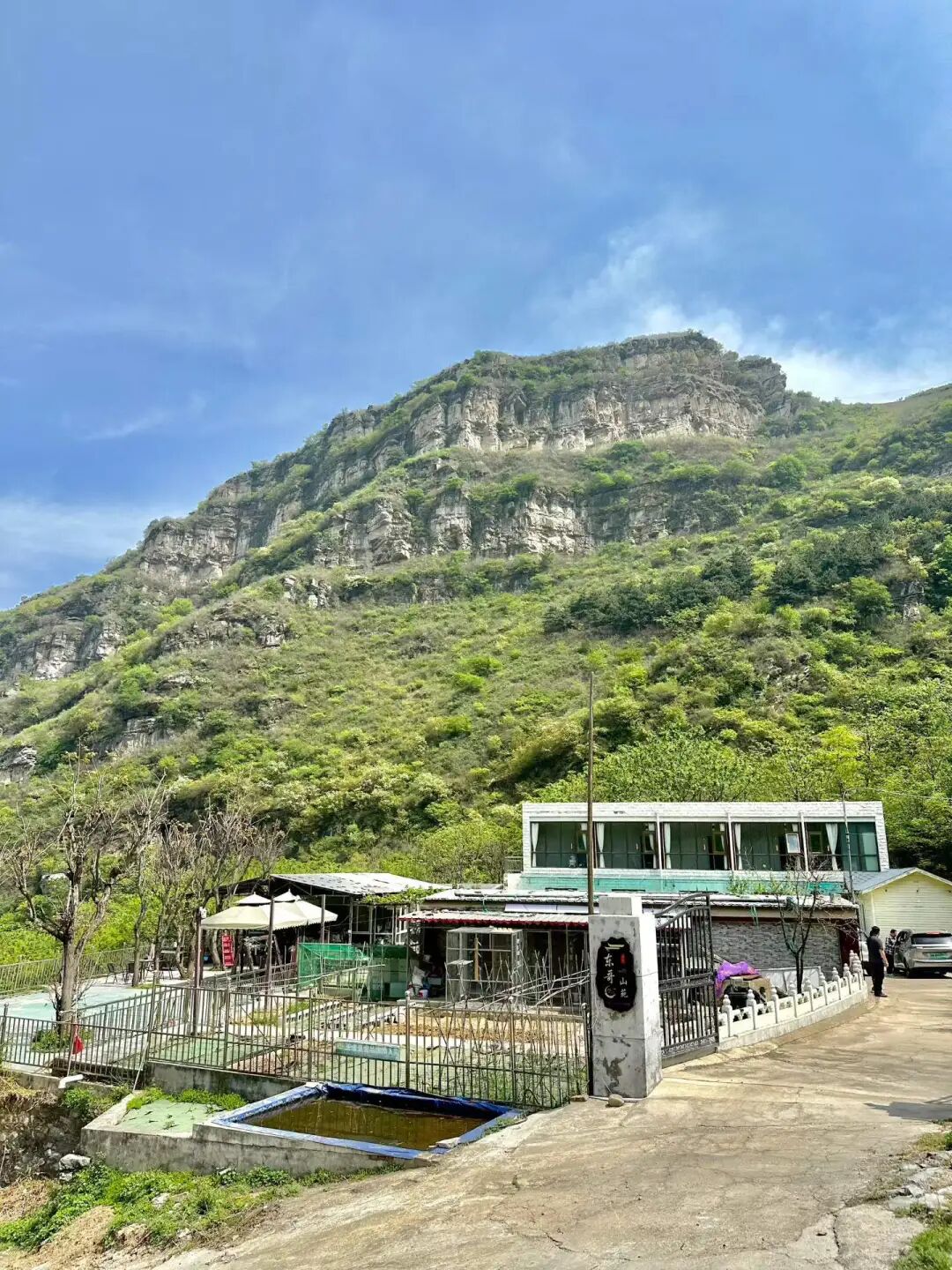
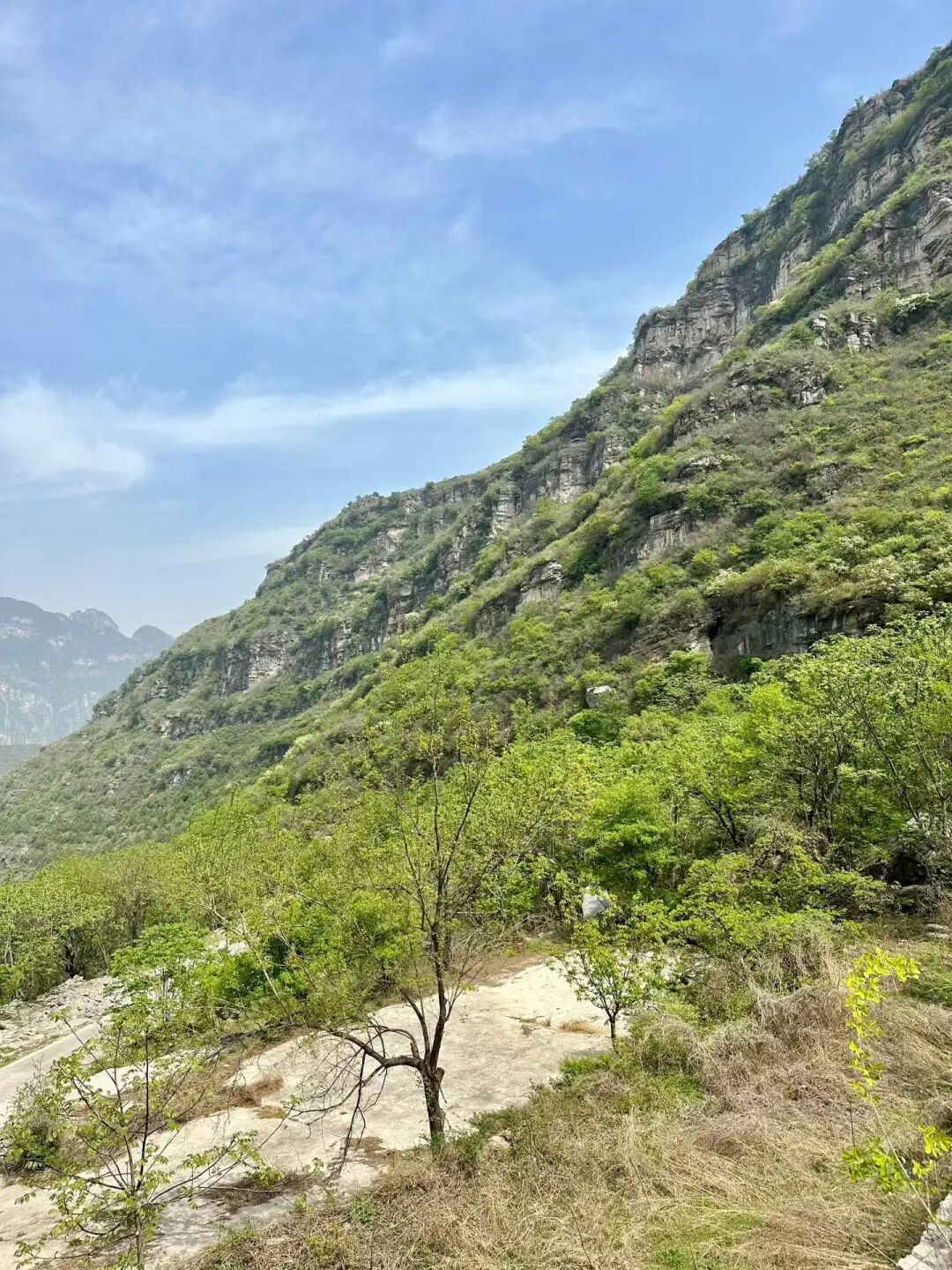
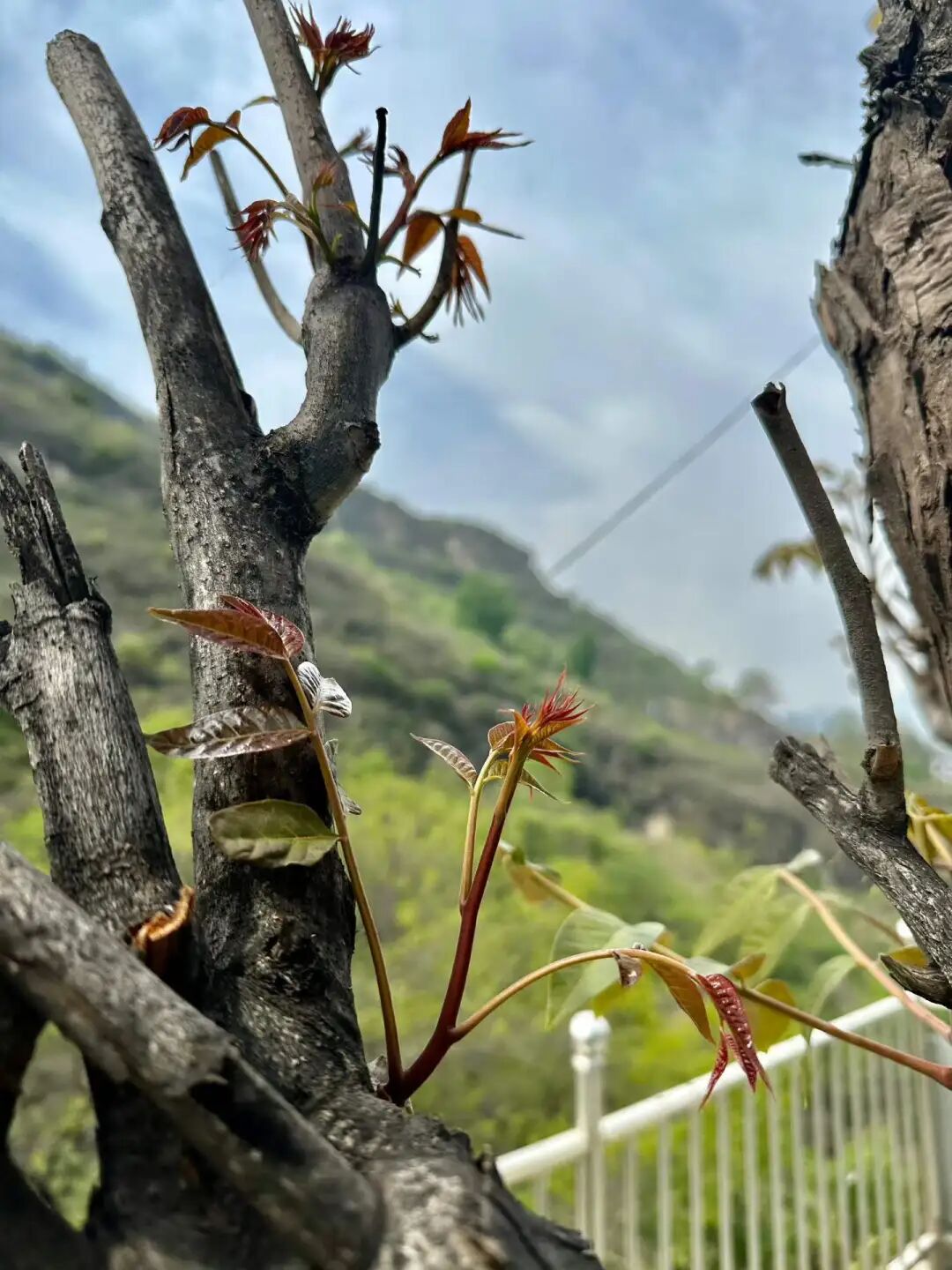
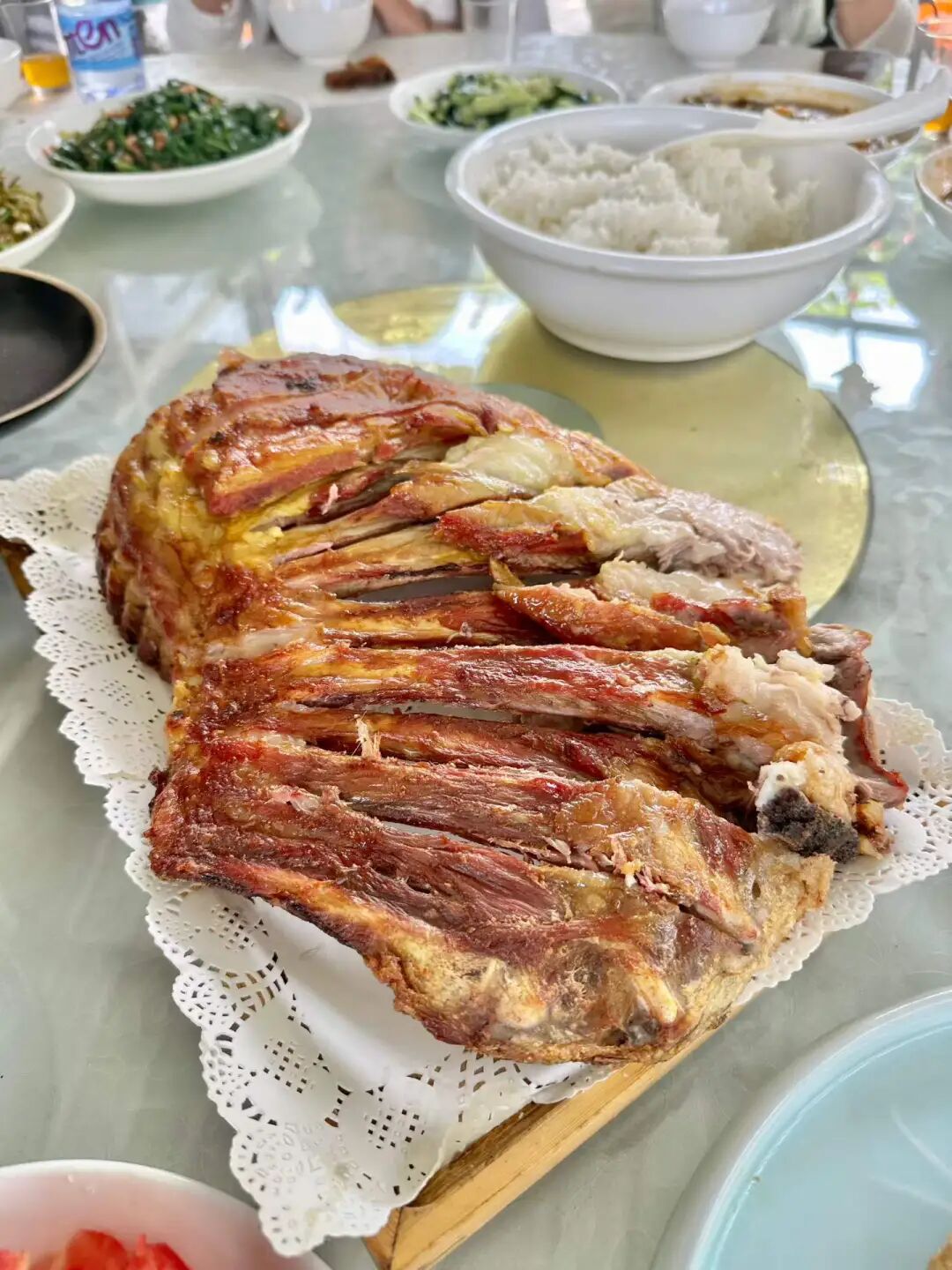
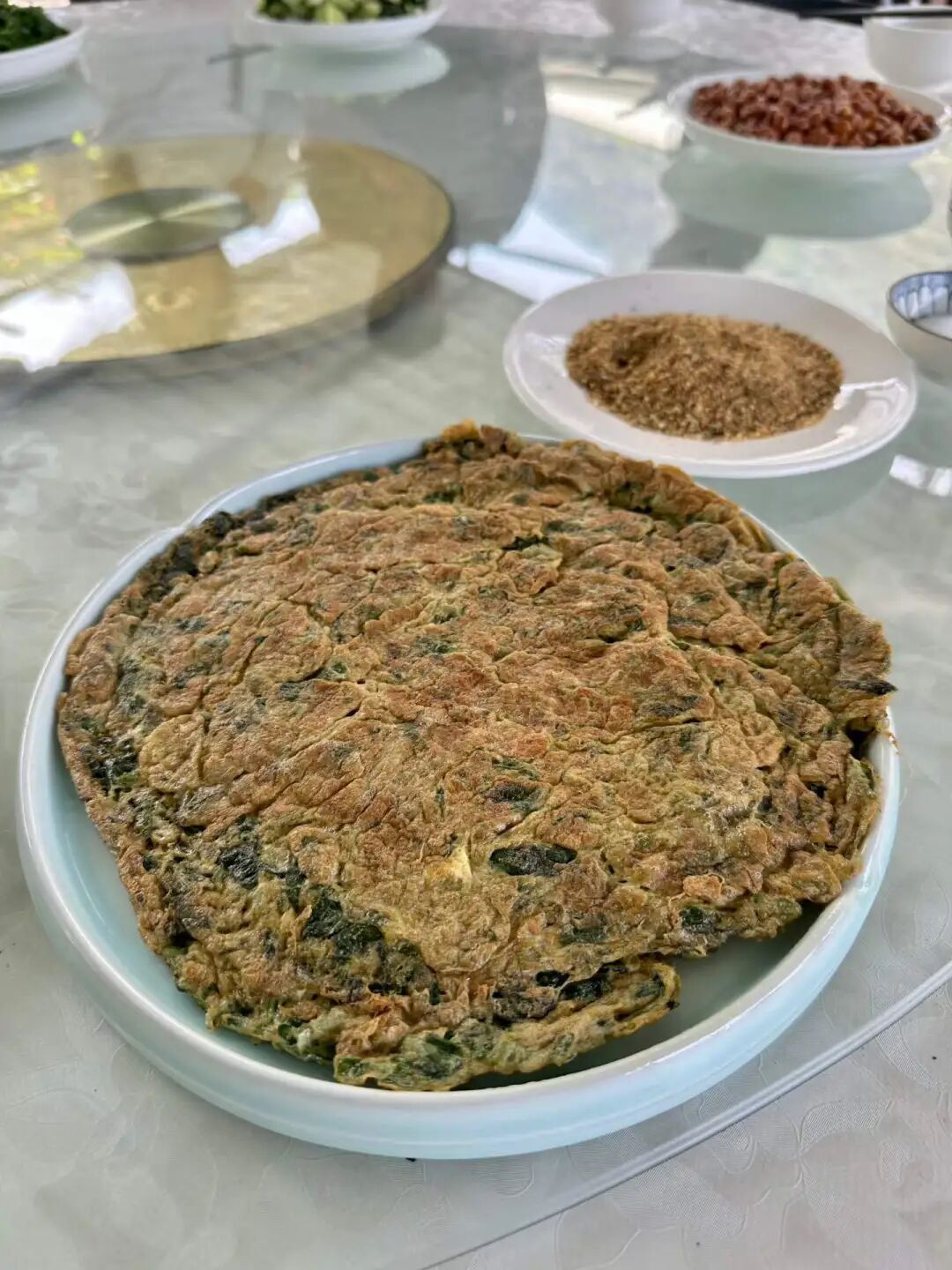
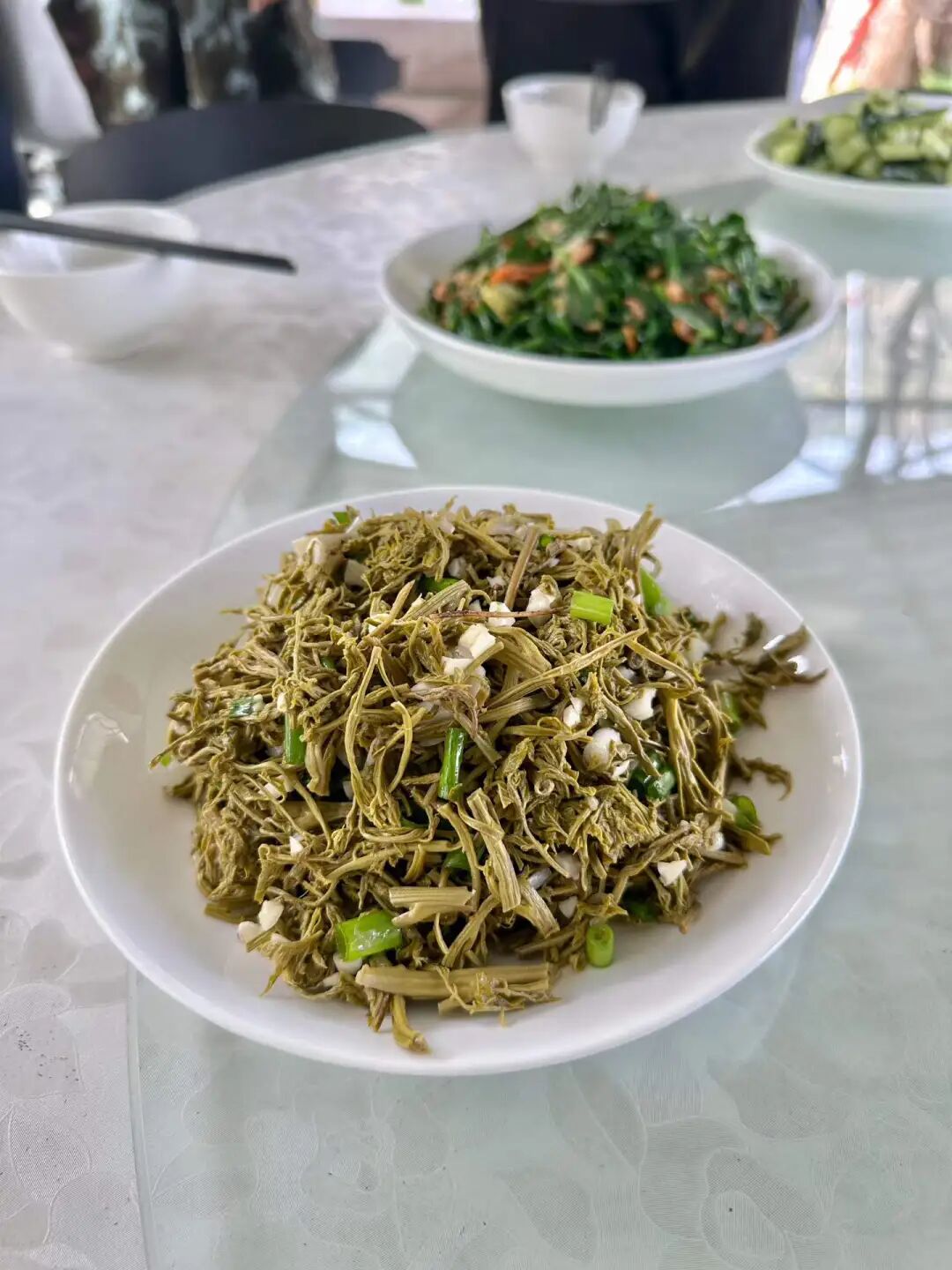
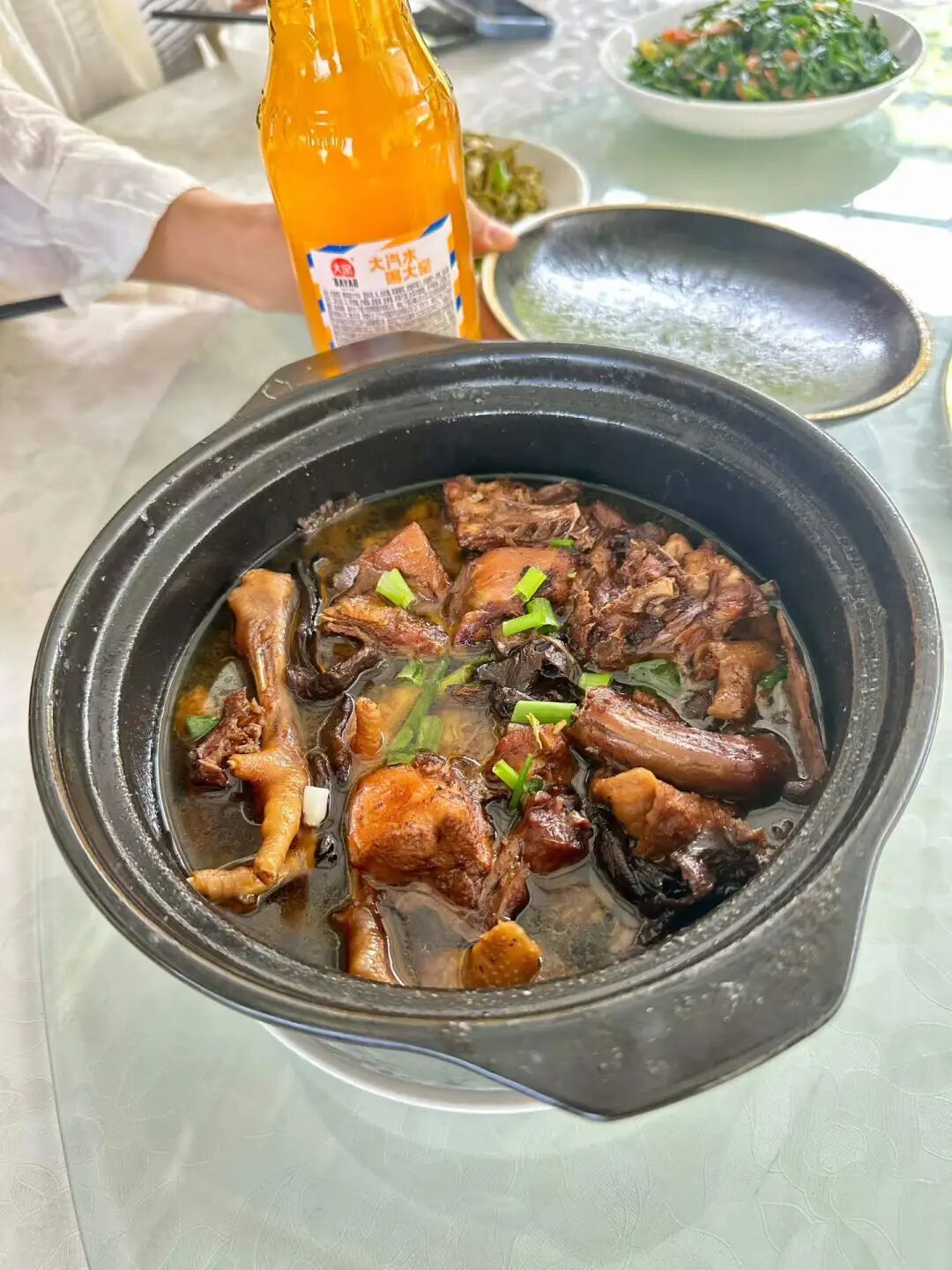
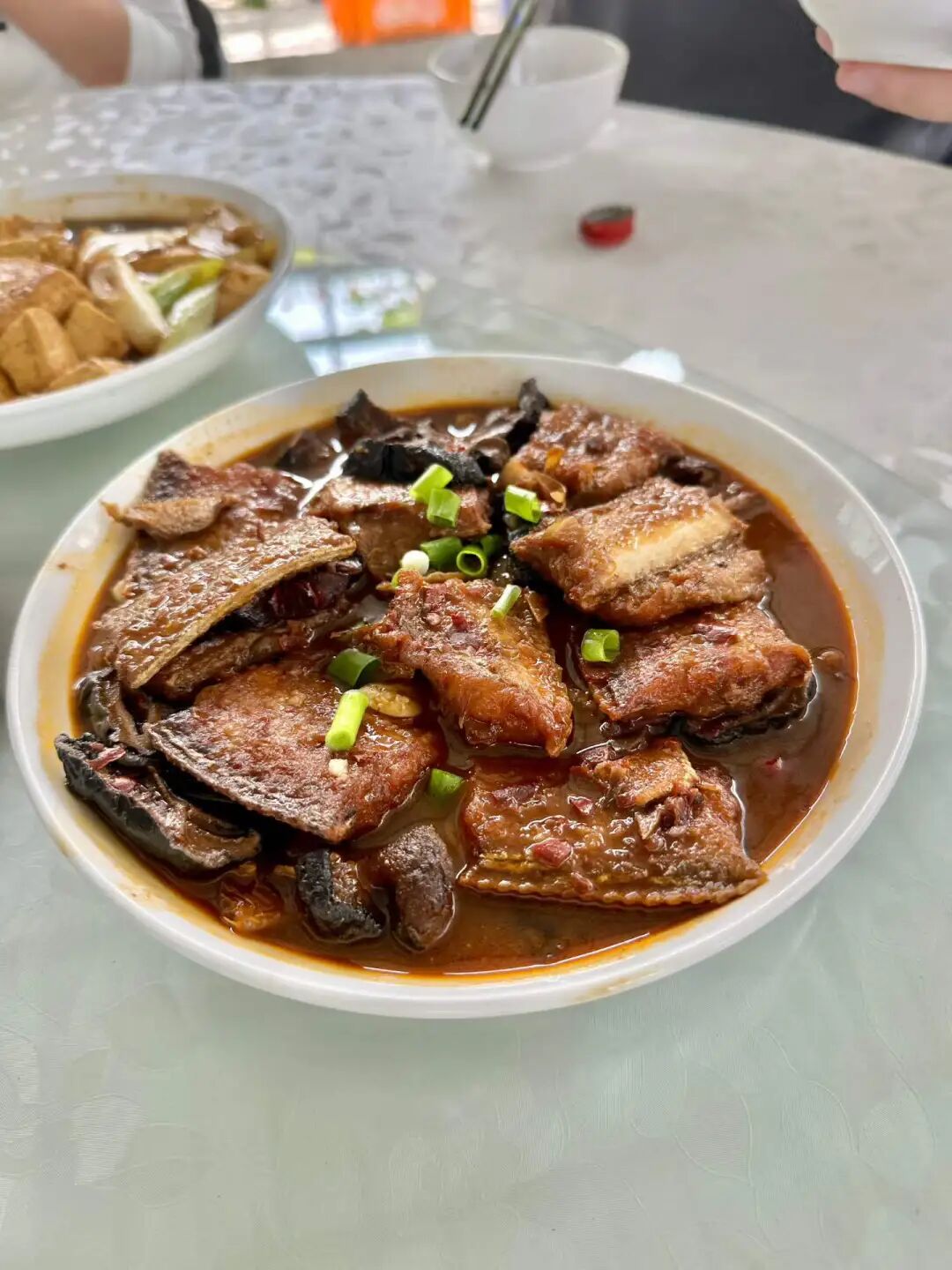
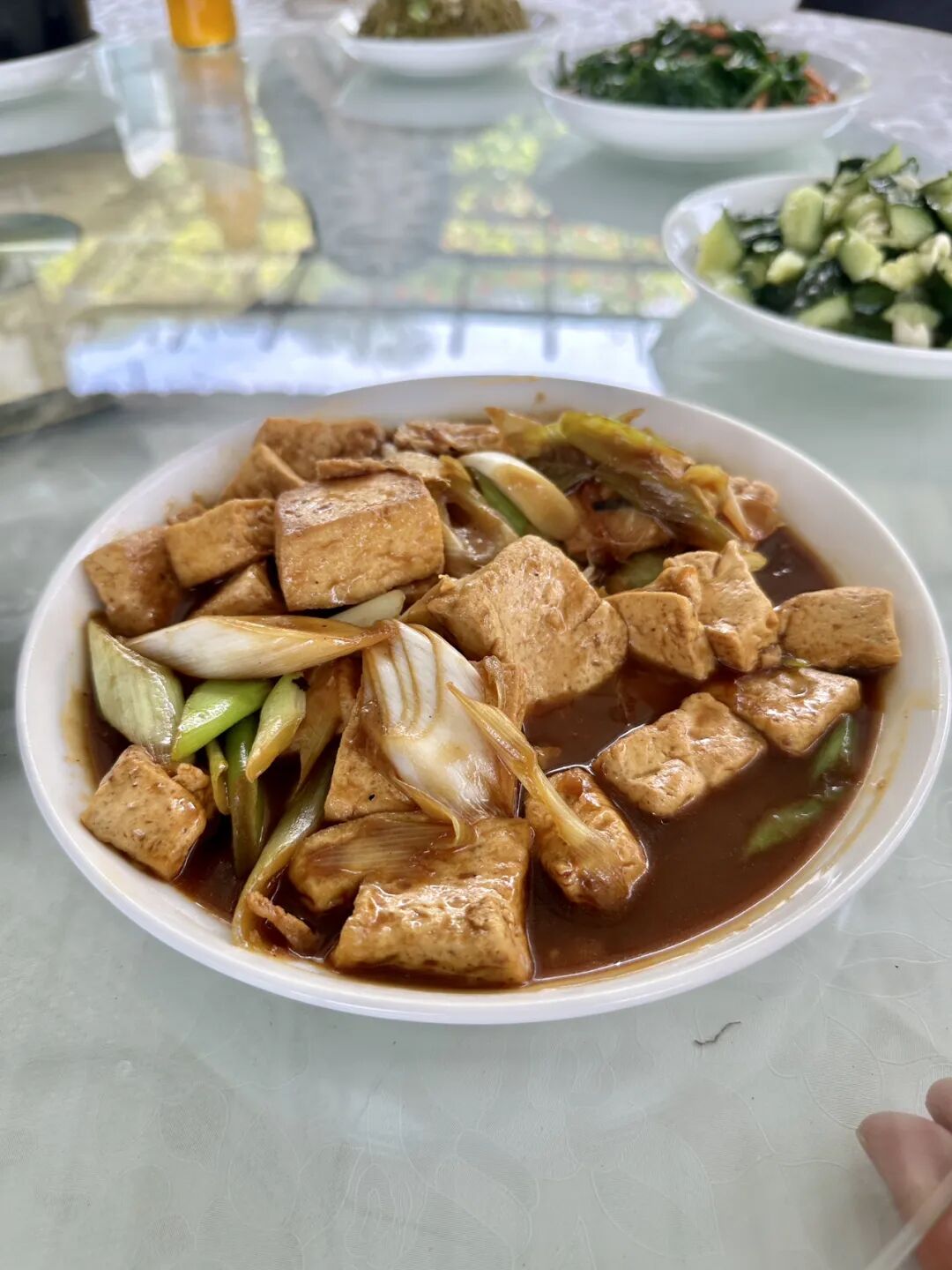
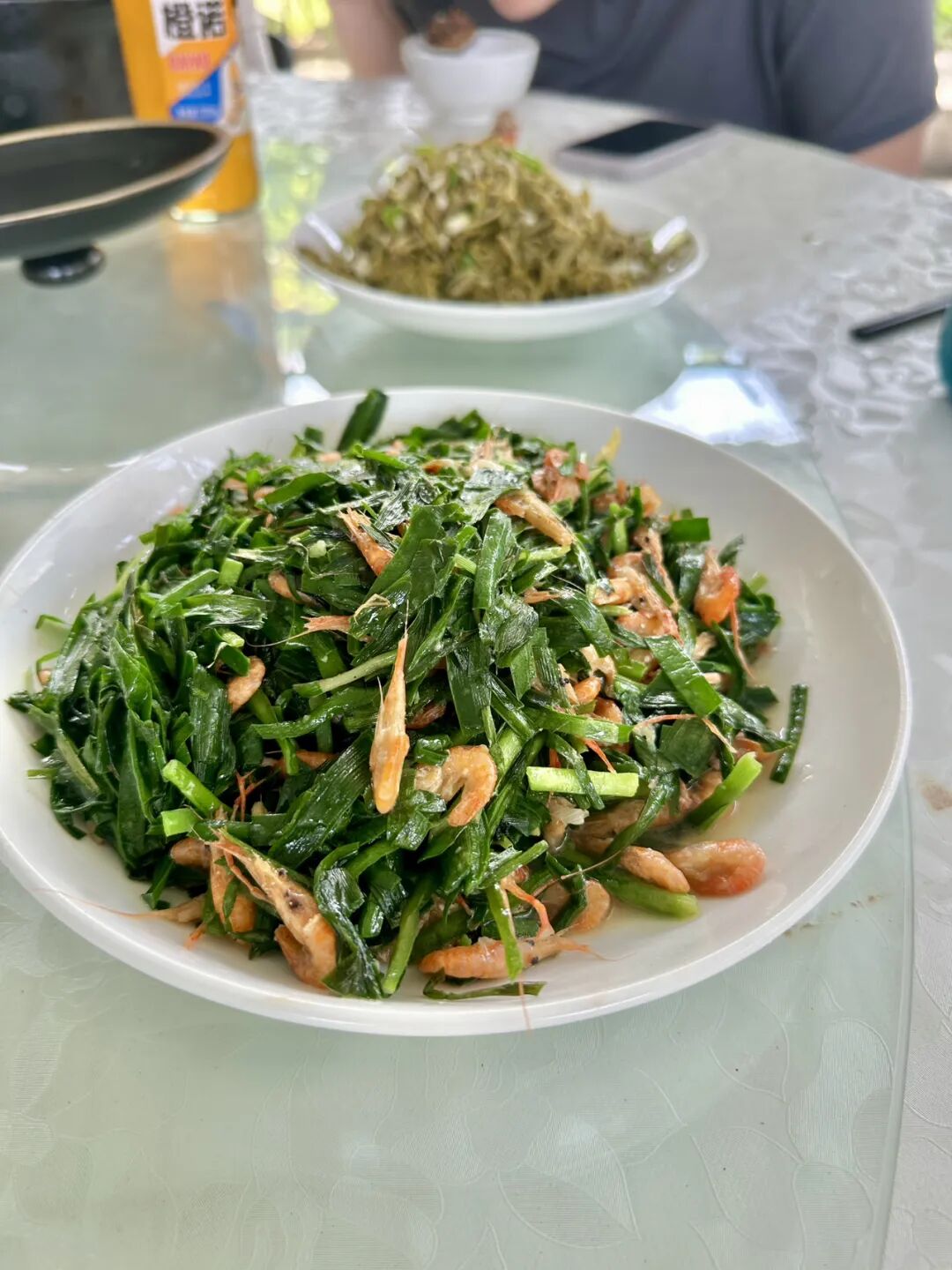
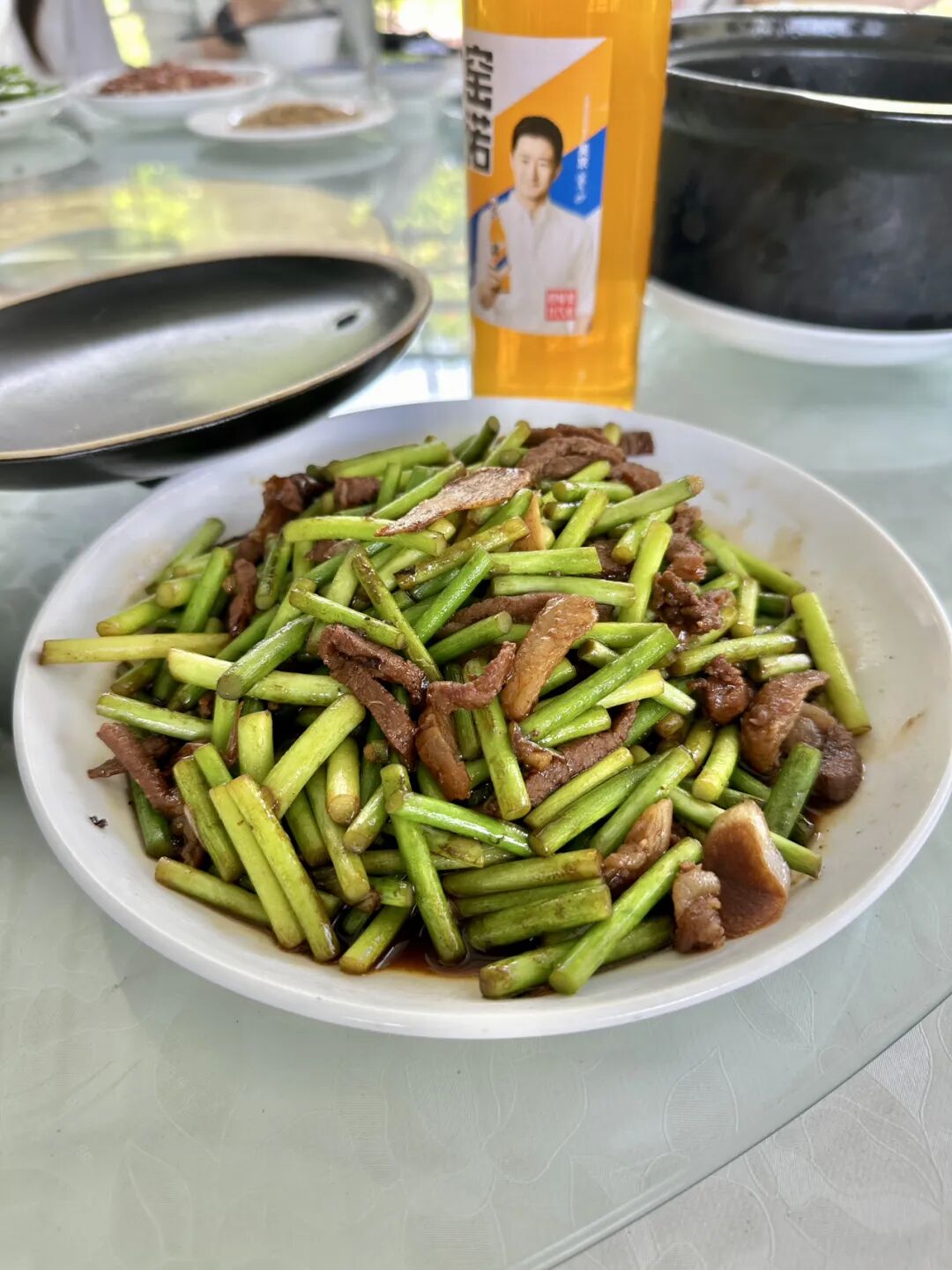
On May 5th, we went to Huairou for a post-holiday gathering at Xiangyu Homestay in Lianhuachi Village. It is run by Hui Muslims from the Tongzhou Great Mosque, and they specialize in rainbow trout and farmhouse dishes.
The homestay is in Lianhuachi Village, Huairou, right behind Mutianyu. You follow the valley from Yanqi Lake and pass Shentangyu to get there. I heard there was a huge traffic jam here on May 4th, but it was much less crowded when we went.
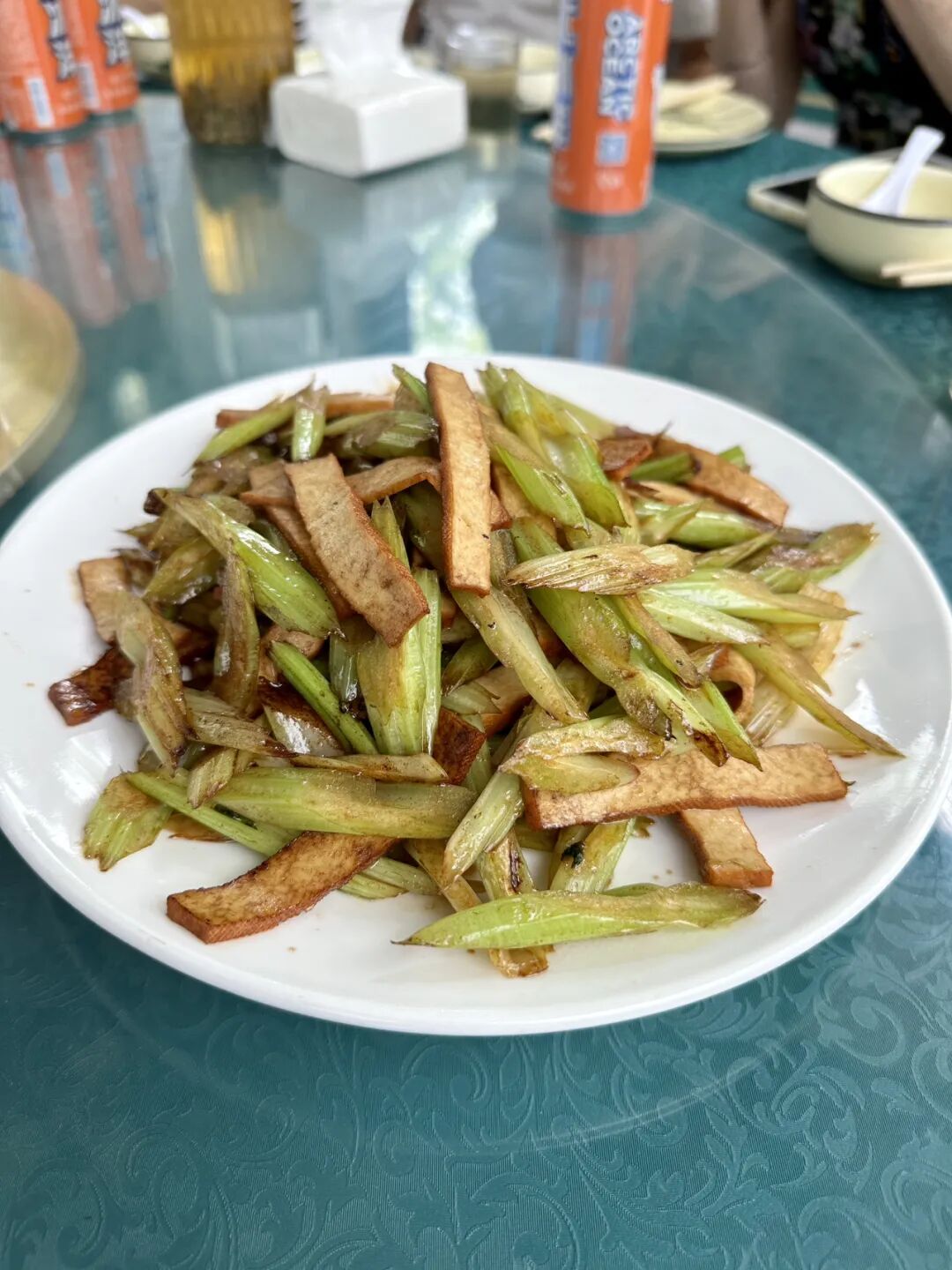
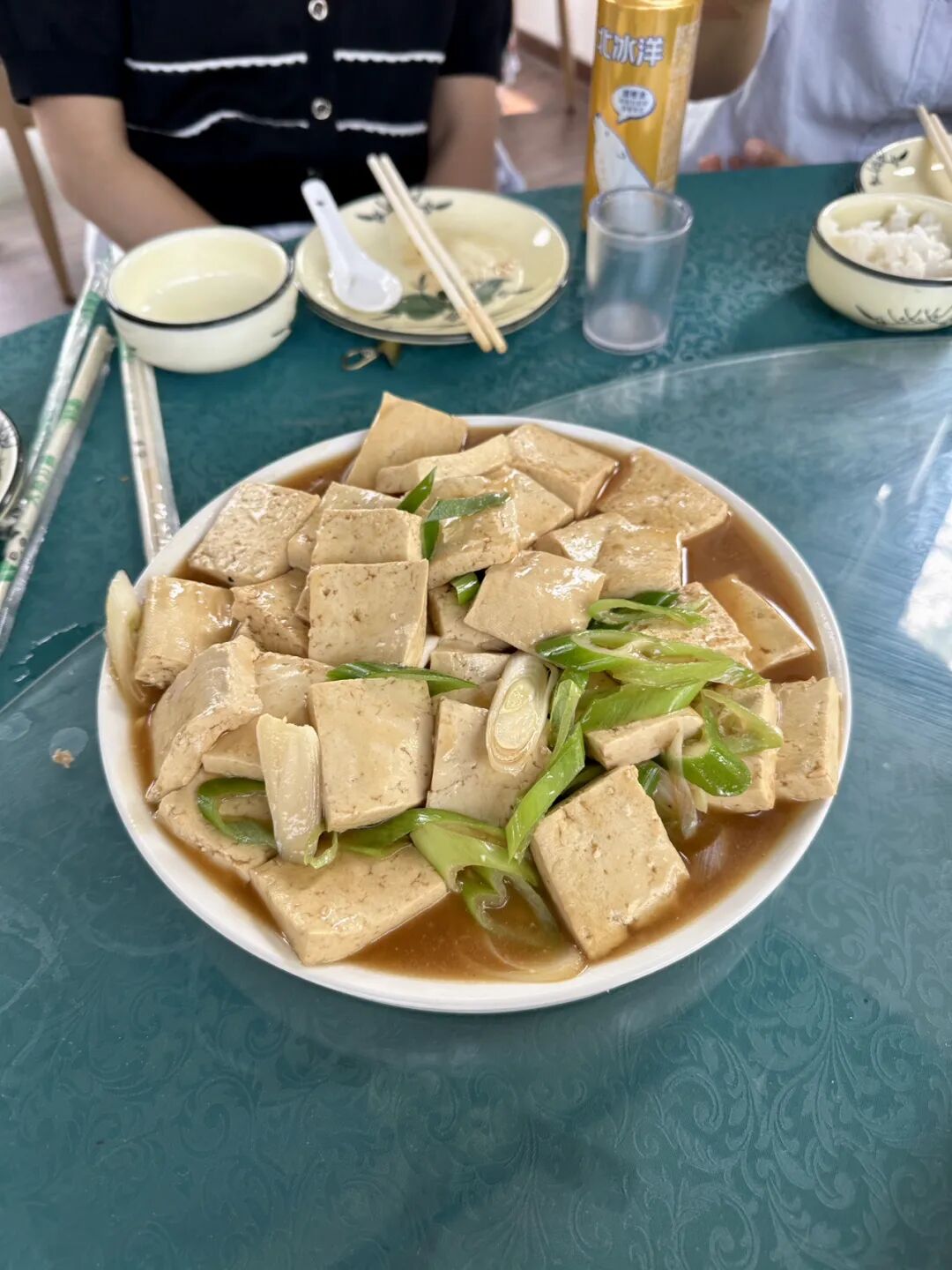
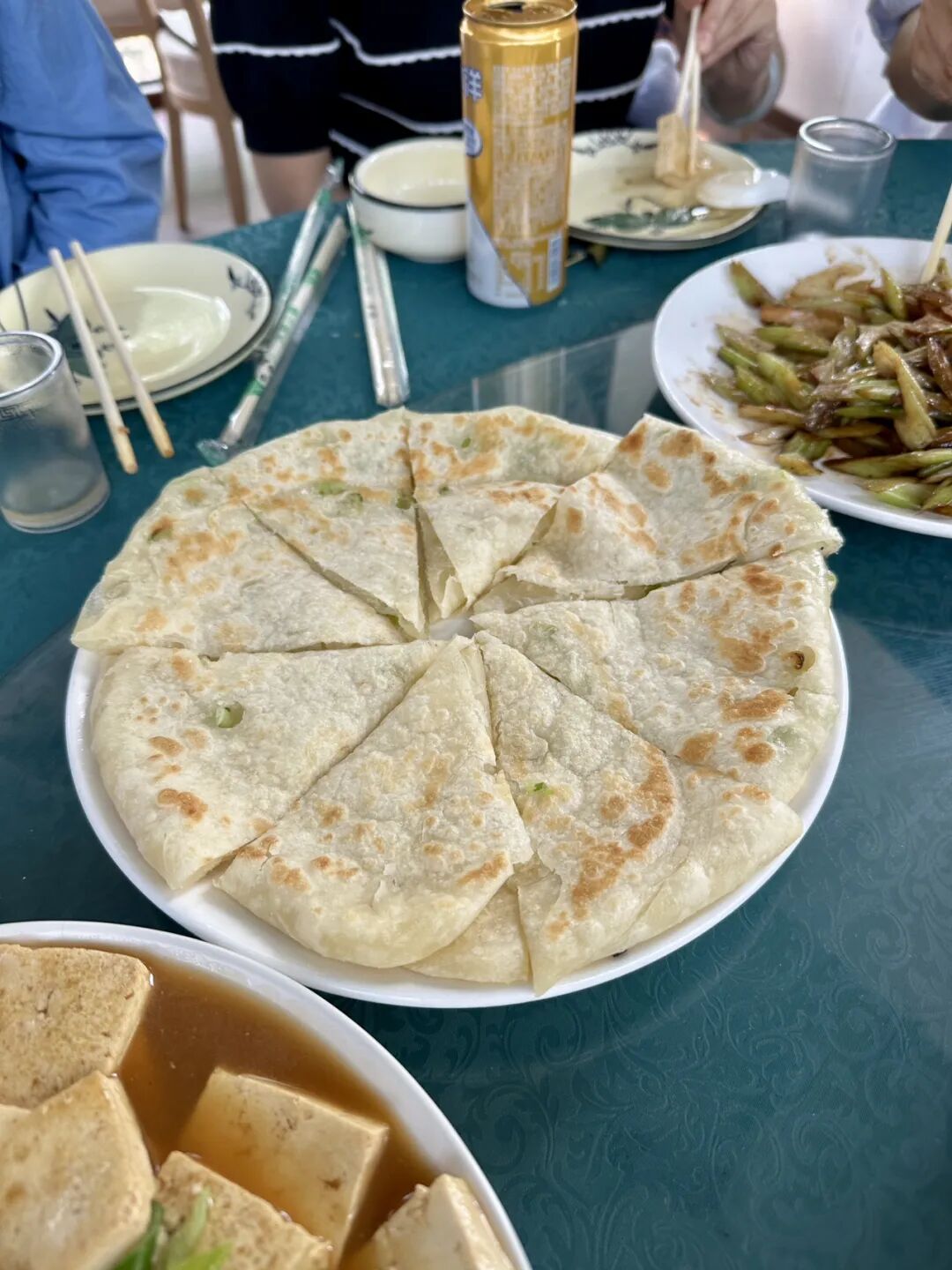
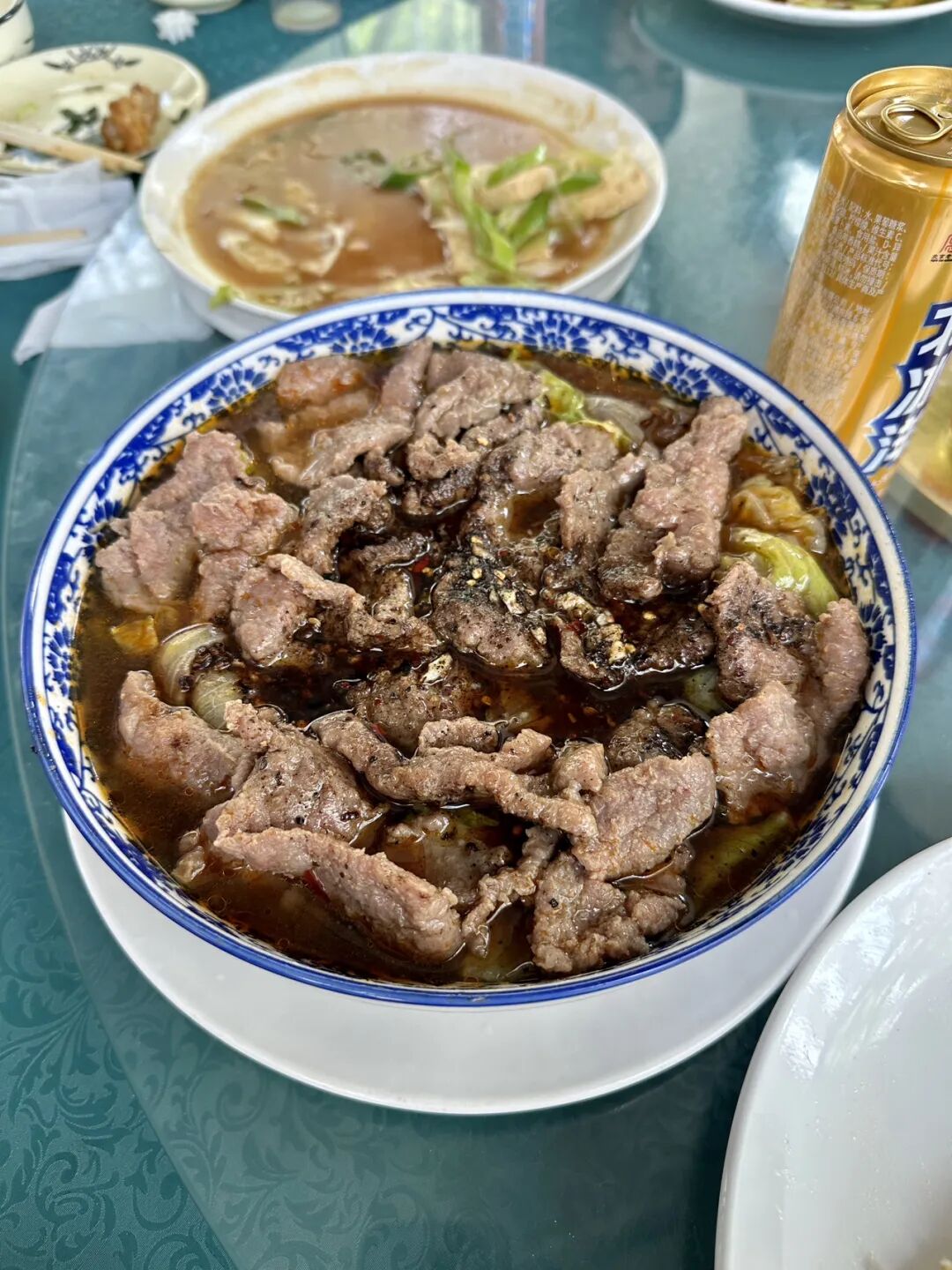
You must eat rainbow trout when you come to Huairou. Rainbow trout only survive in running water, so it is hard to find in the city. Their roasted fish is very well-made and has a great texture. For our meal, we had braised beef with potatoes, spicy stir-fried chicken, boiled beef, scrambled eggs with Chinese toon, celery with dried tofu, stewed tofu, stewed meatballs, mixed wild vegetables, and deep-fried prickly ash buds (huajiaoya), with green onion pancakes (conghuabing) as our staple food. The meatballs served at the start were a bit salty, but they adjusted immediately after we mentioned it, and the following dishes were all light. The Chinese toon and prickly ash buds were picked fresh from the trees; the main reason to eat in the mountains is for that fresh taste. The green onion pancakes were also pan-fried to order, which made them quite fragrant. The spicy chicken was a bit like fried chicken; it was tender inside but the flavor didn't soak in. The braised beef was cooked until very tender, and I thought it tasted good.
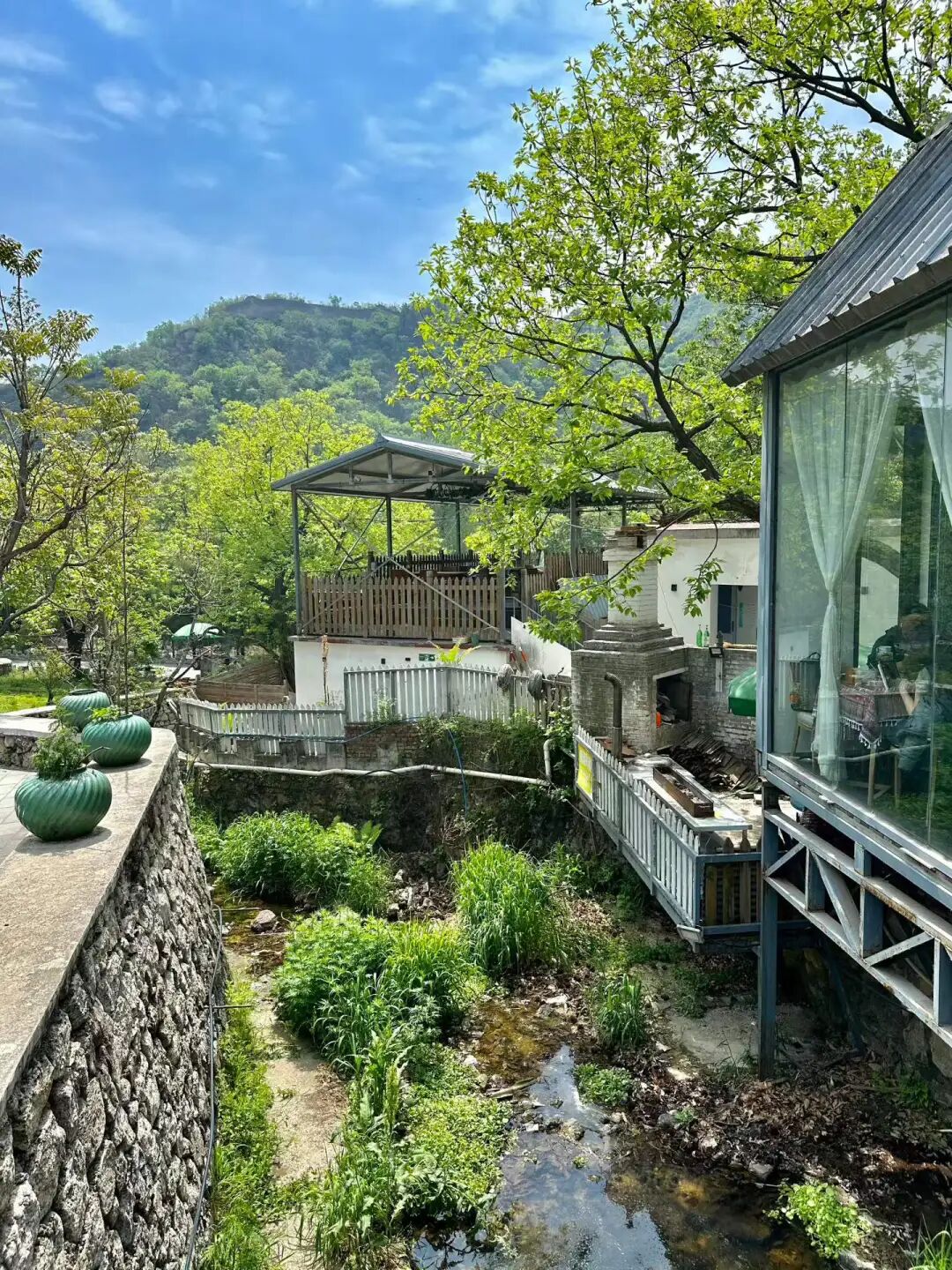
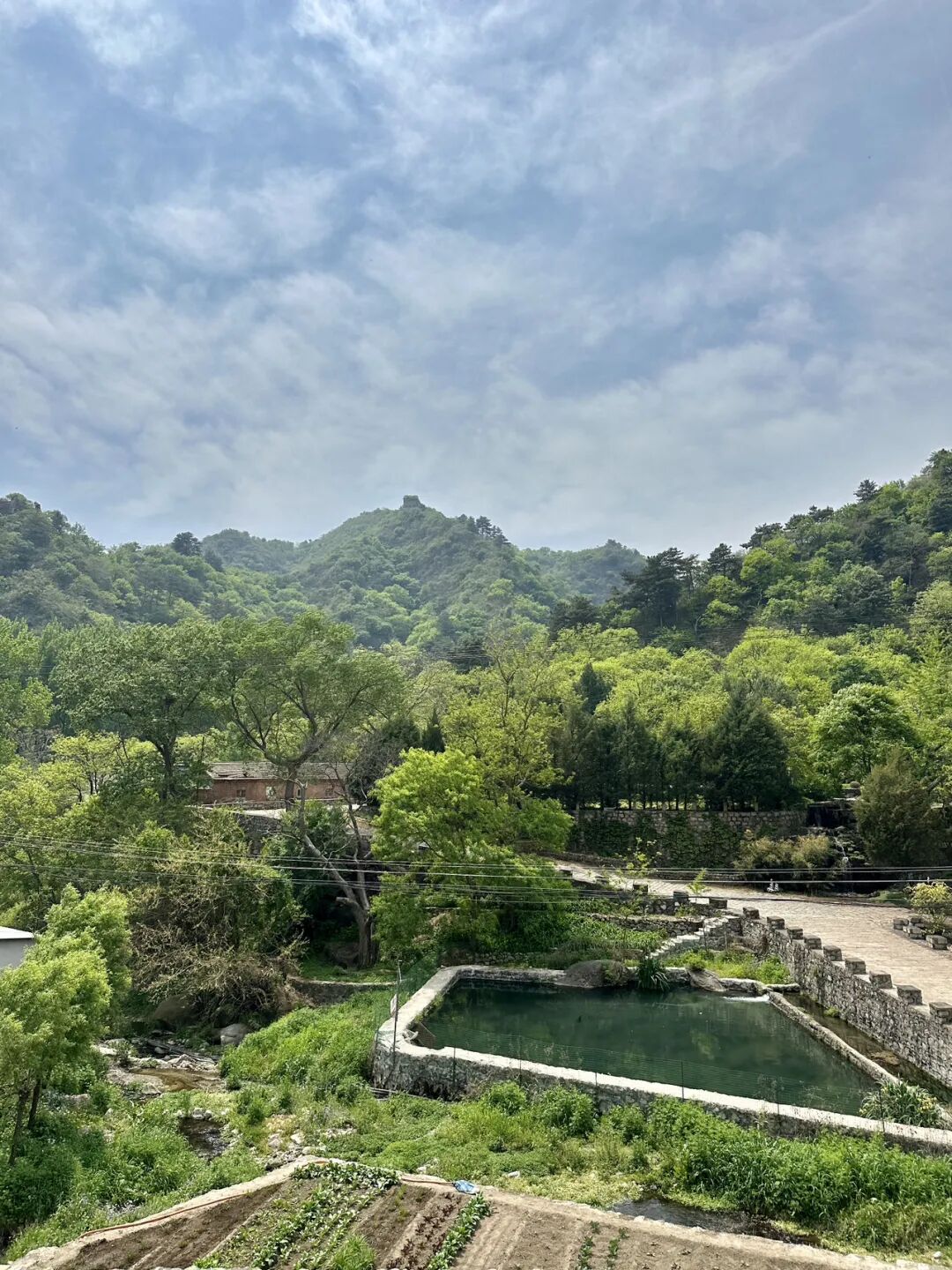
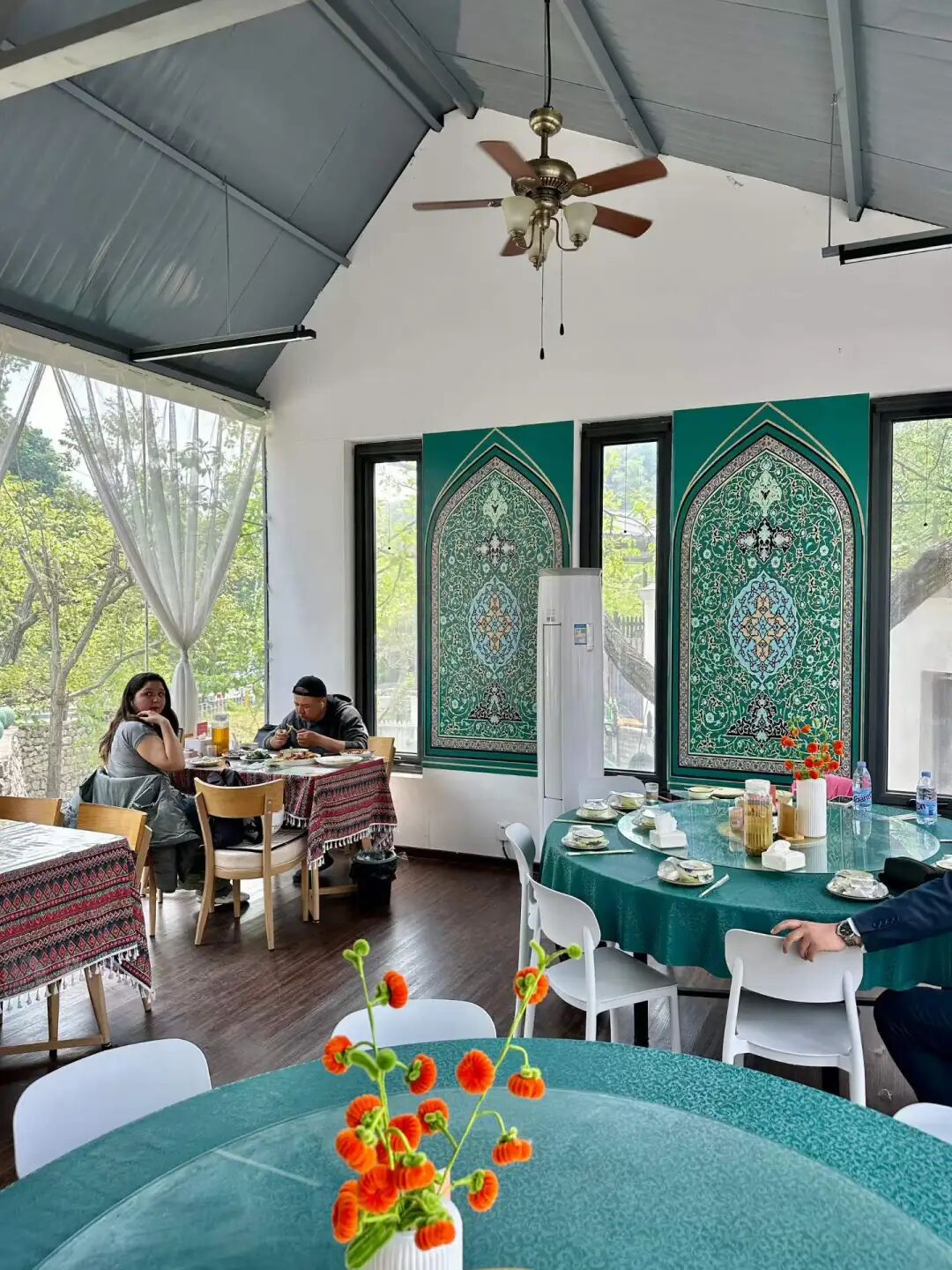
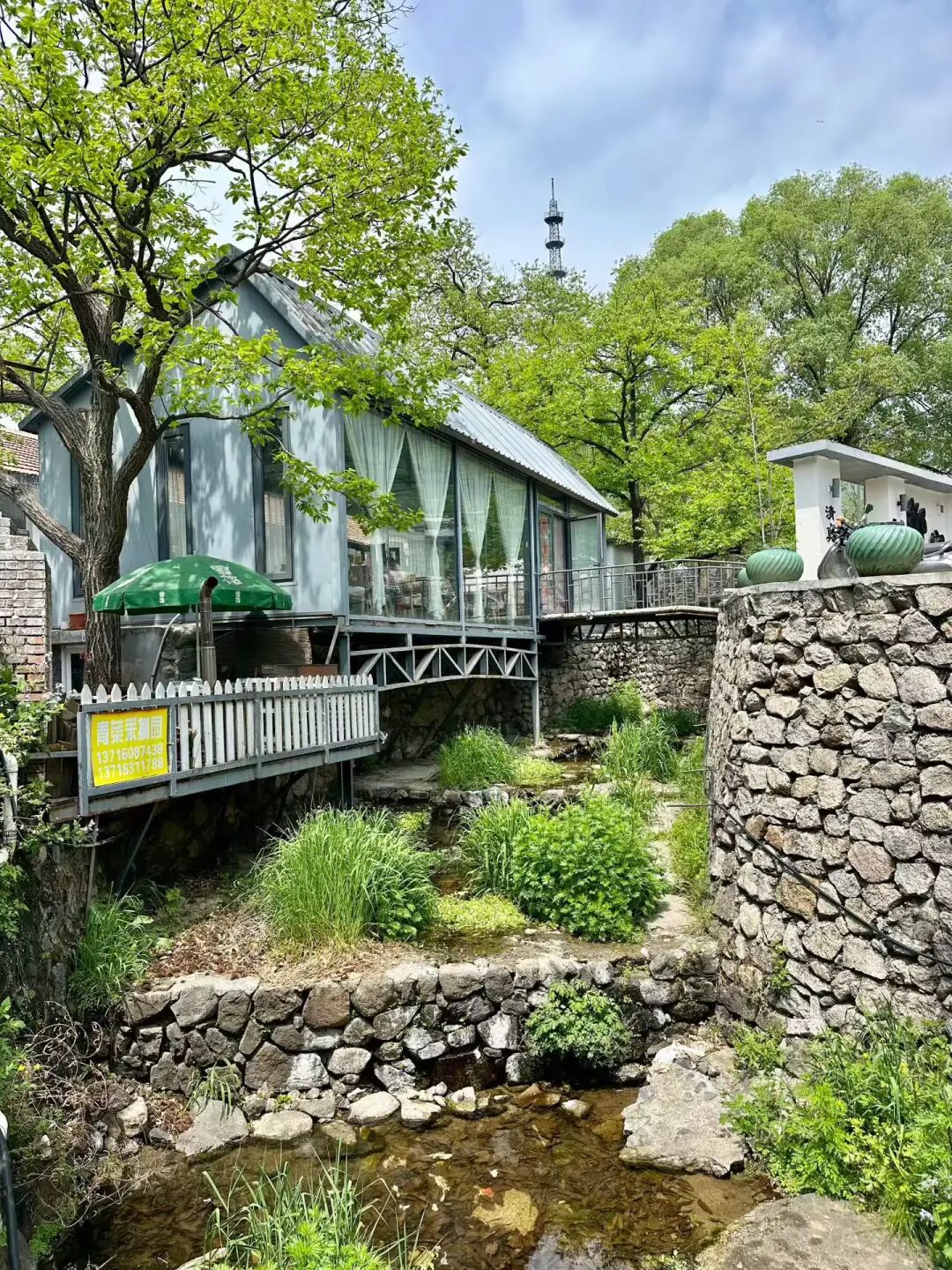
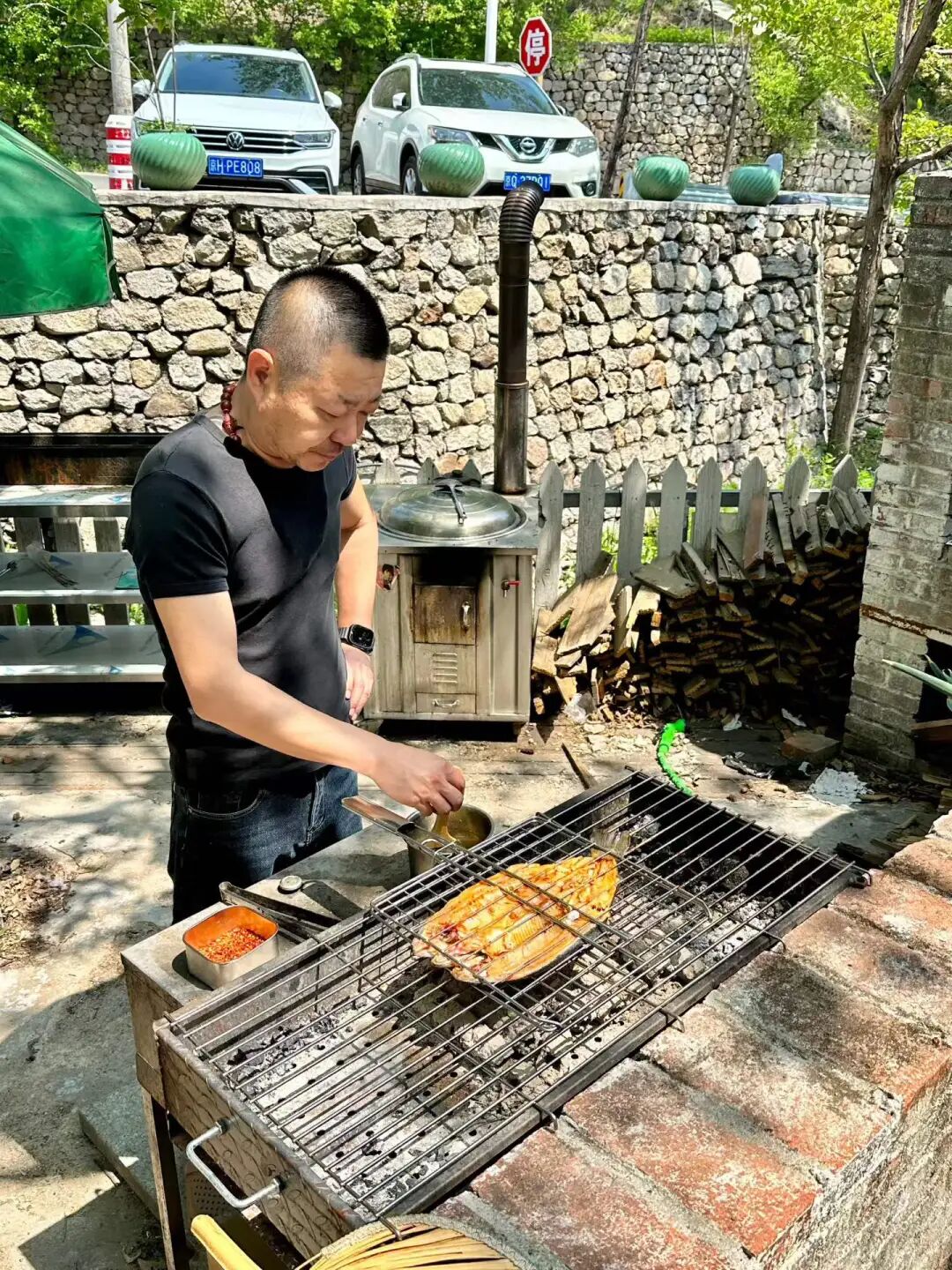
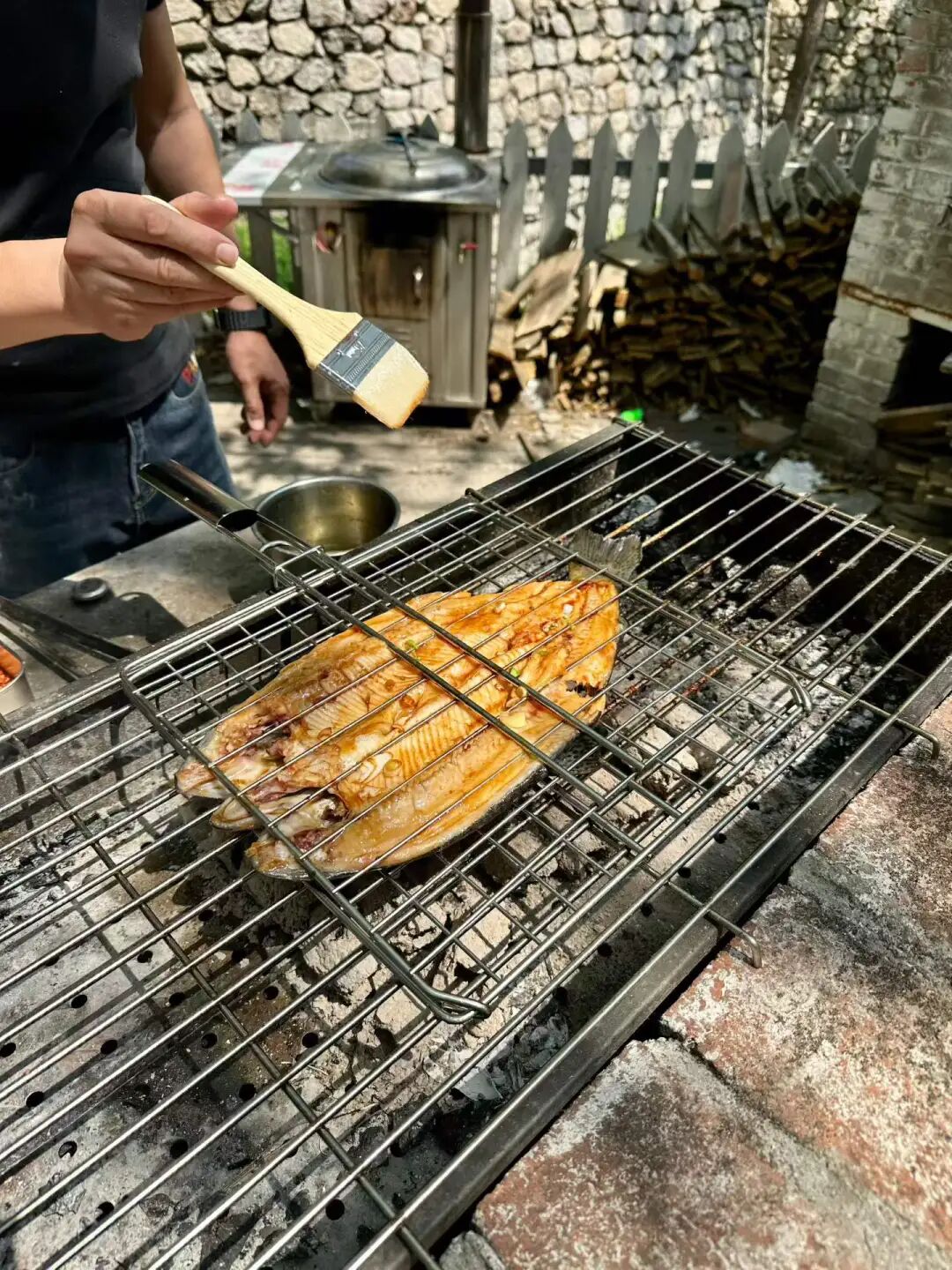
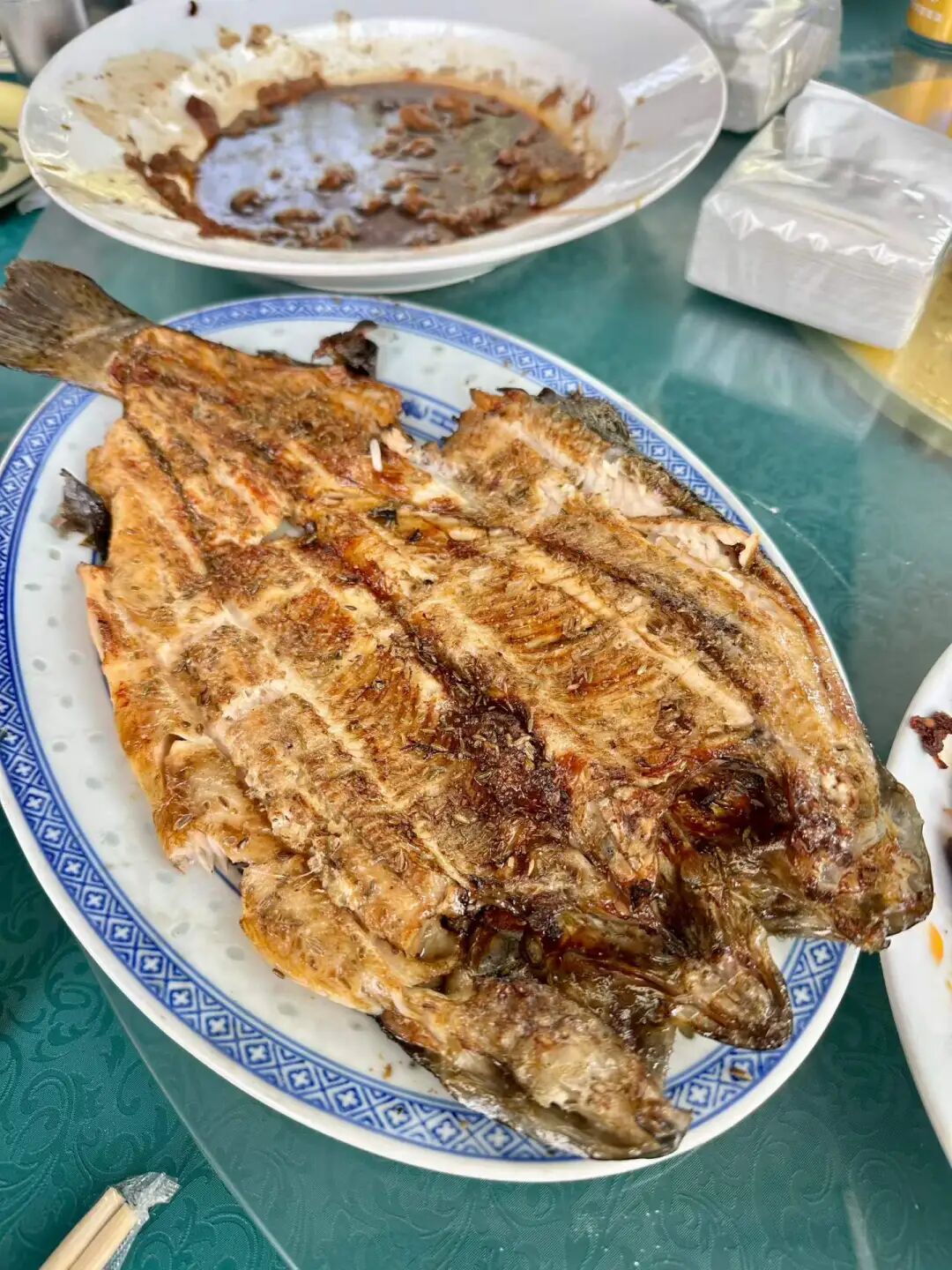
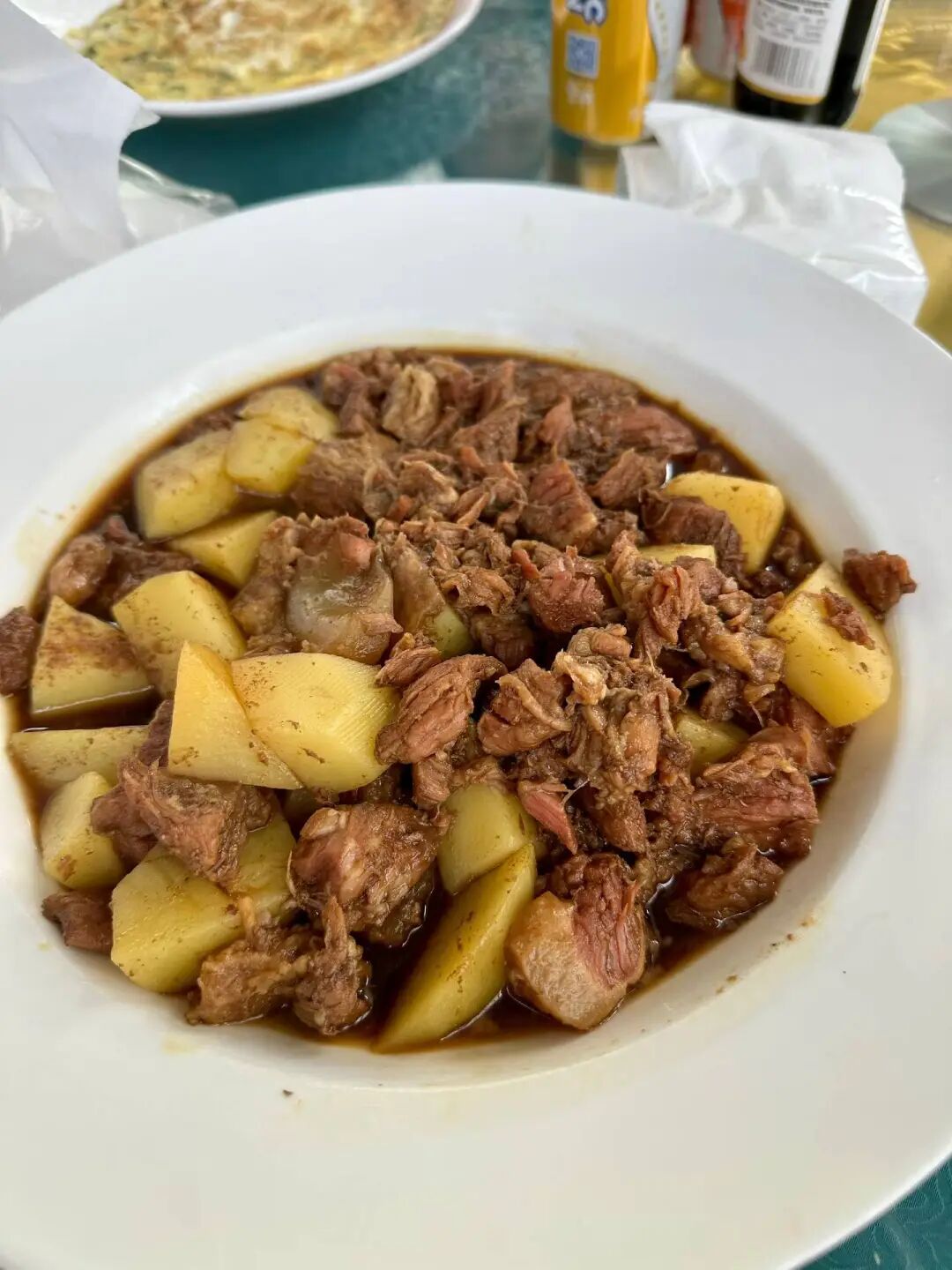
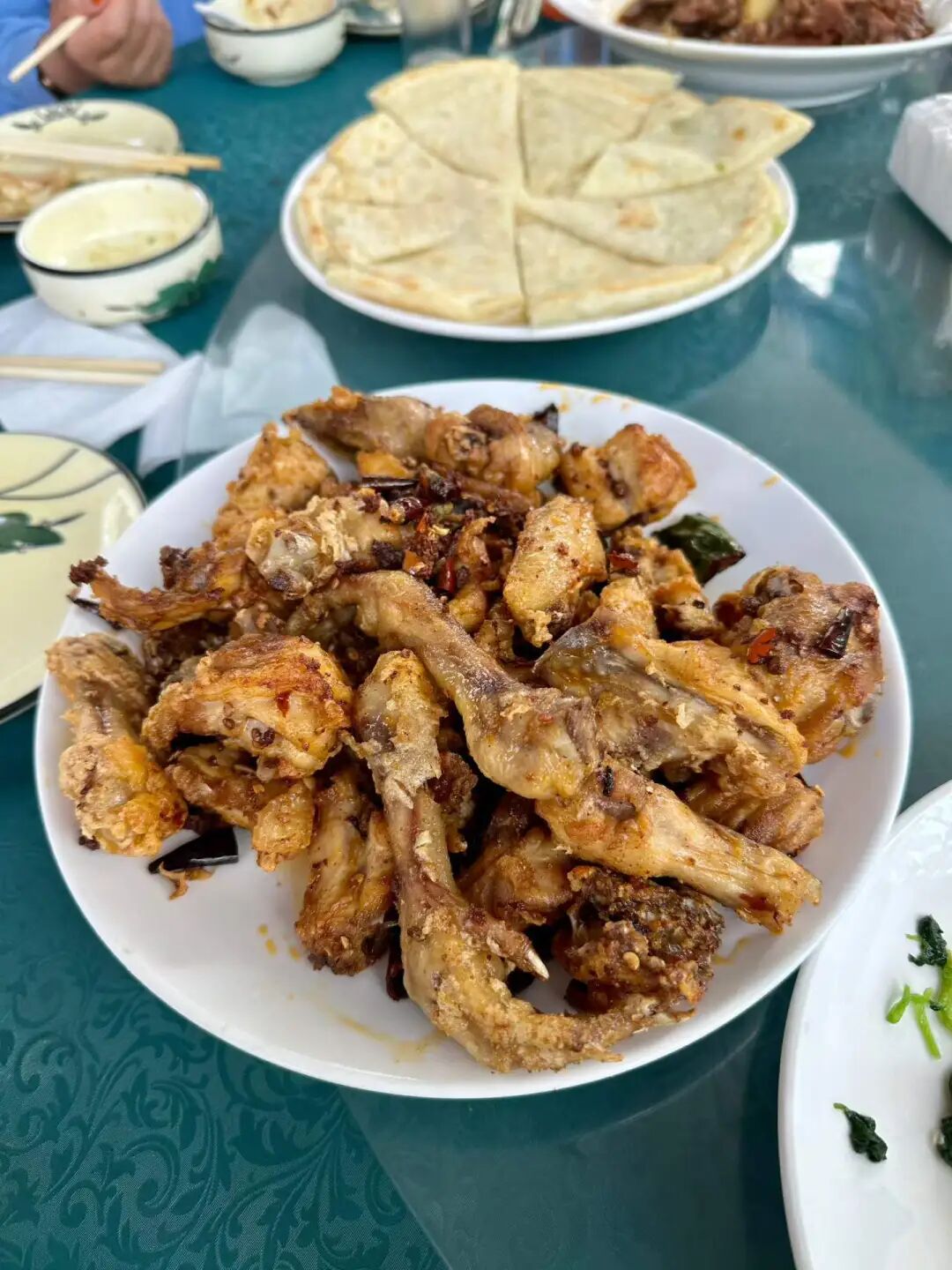
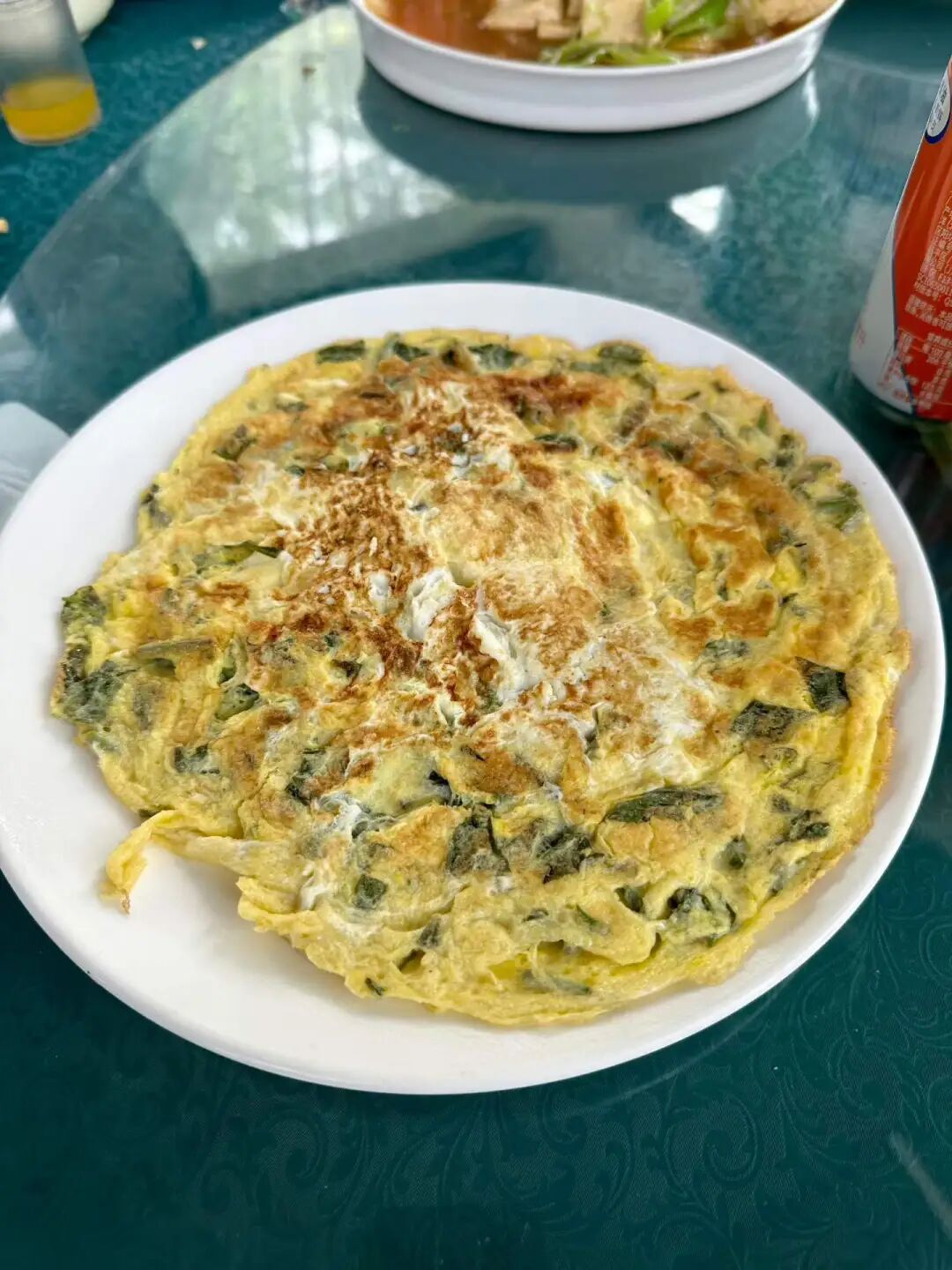
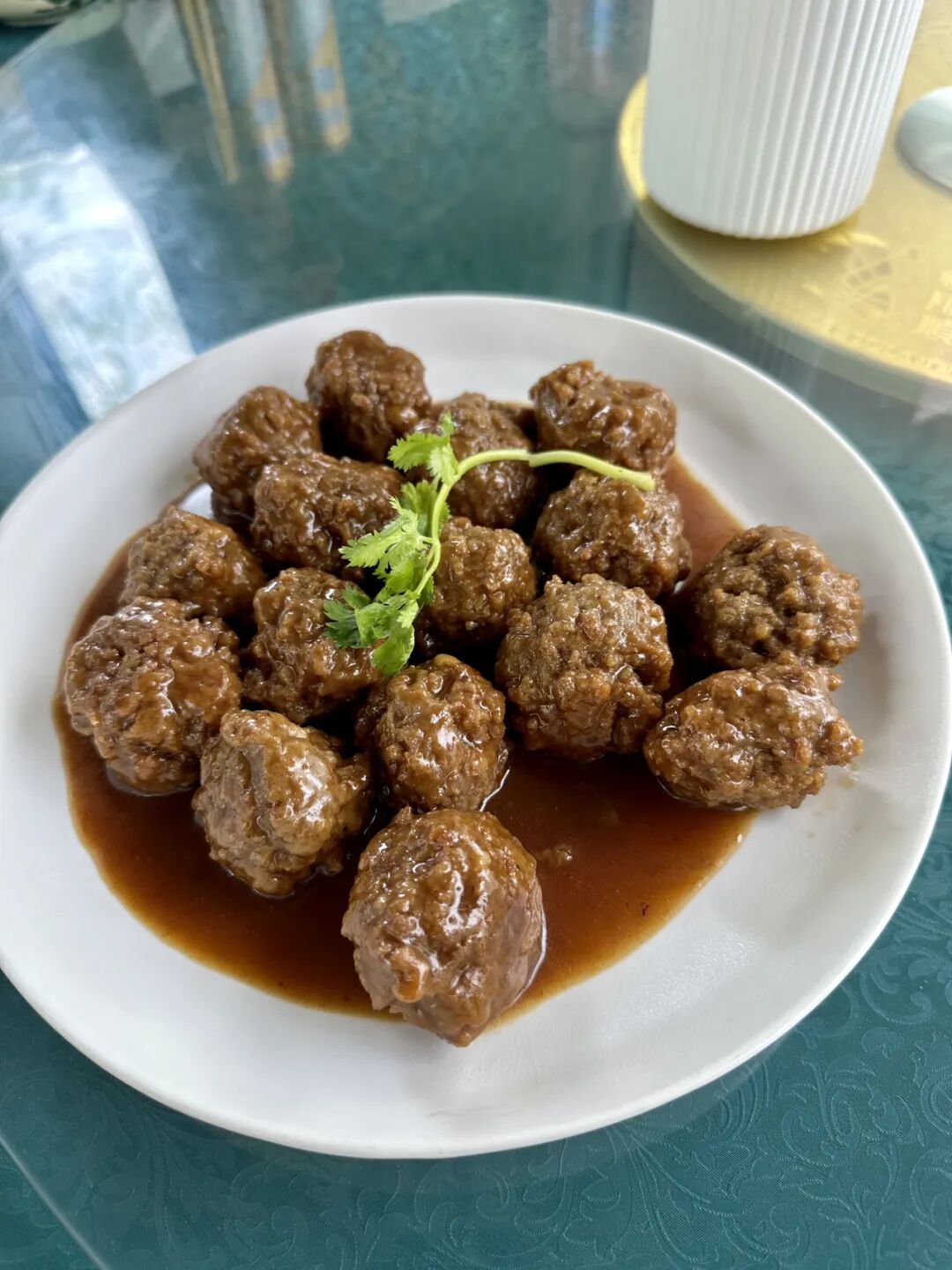
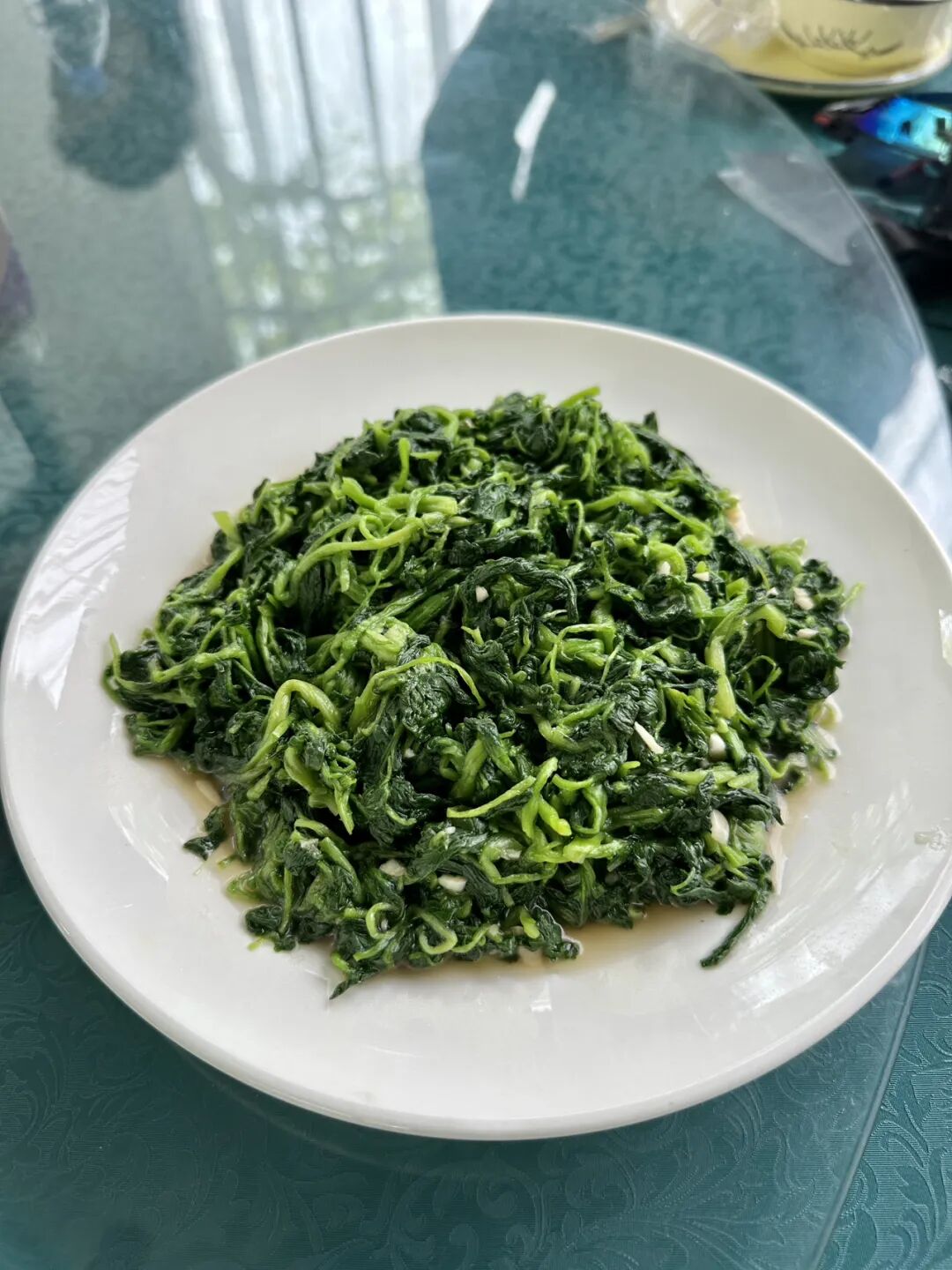
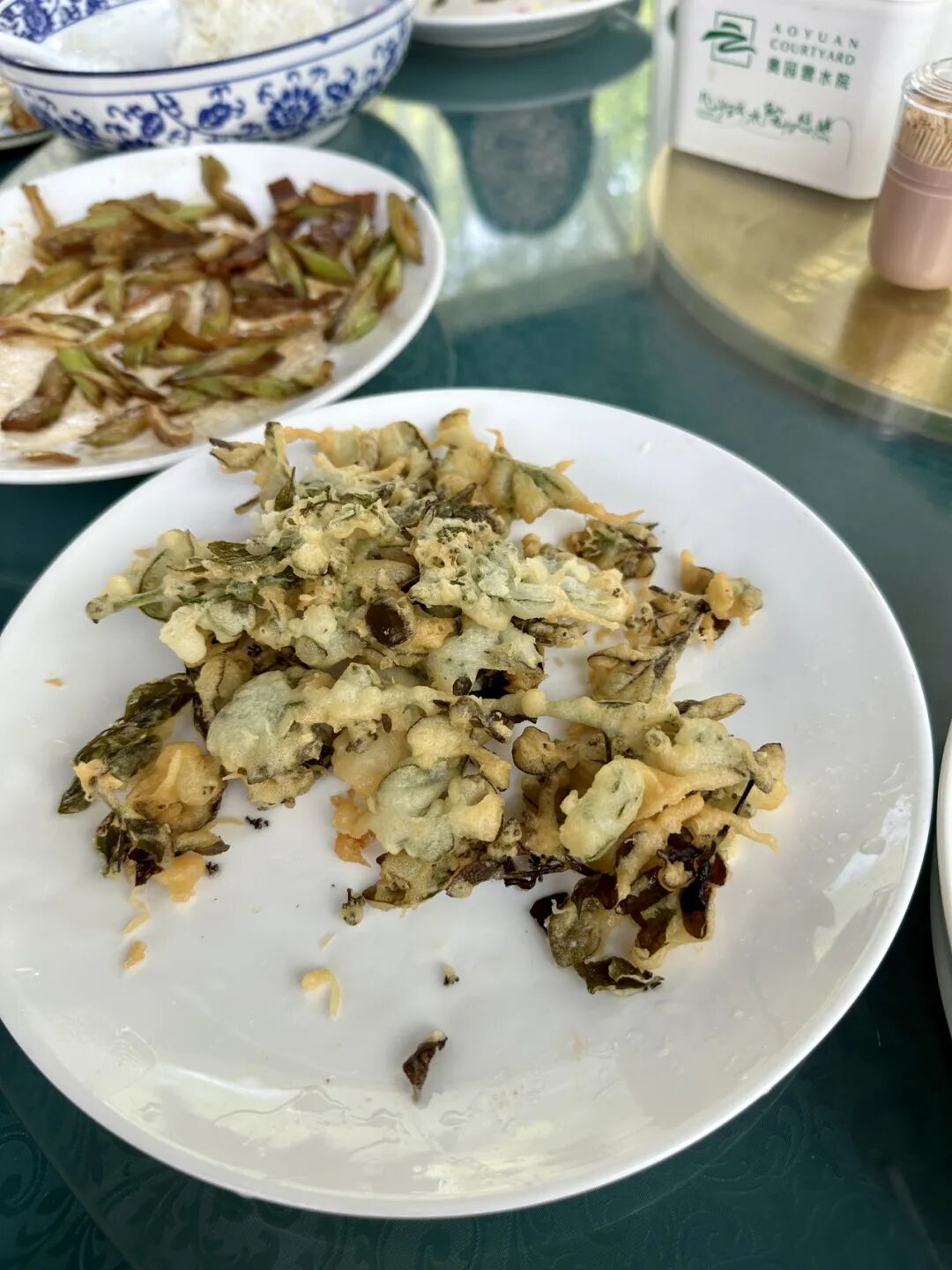
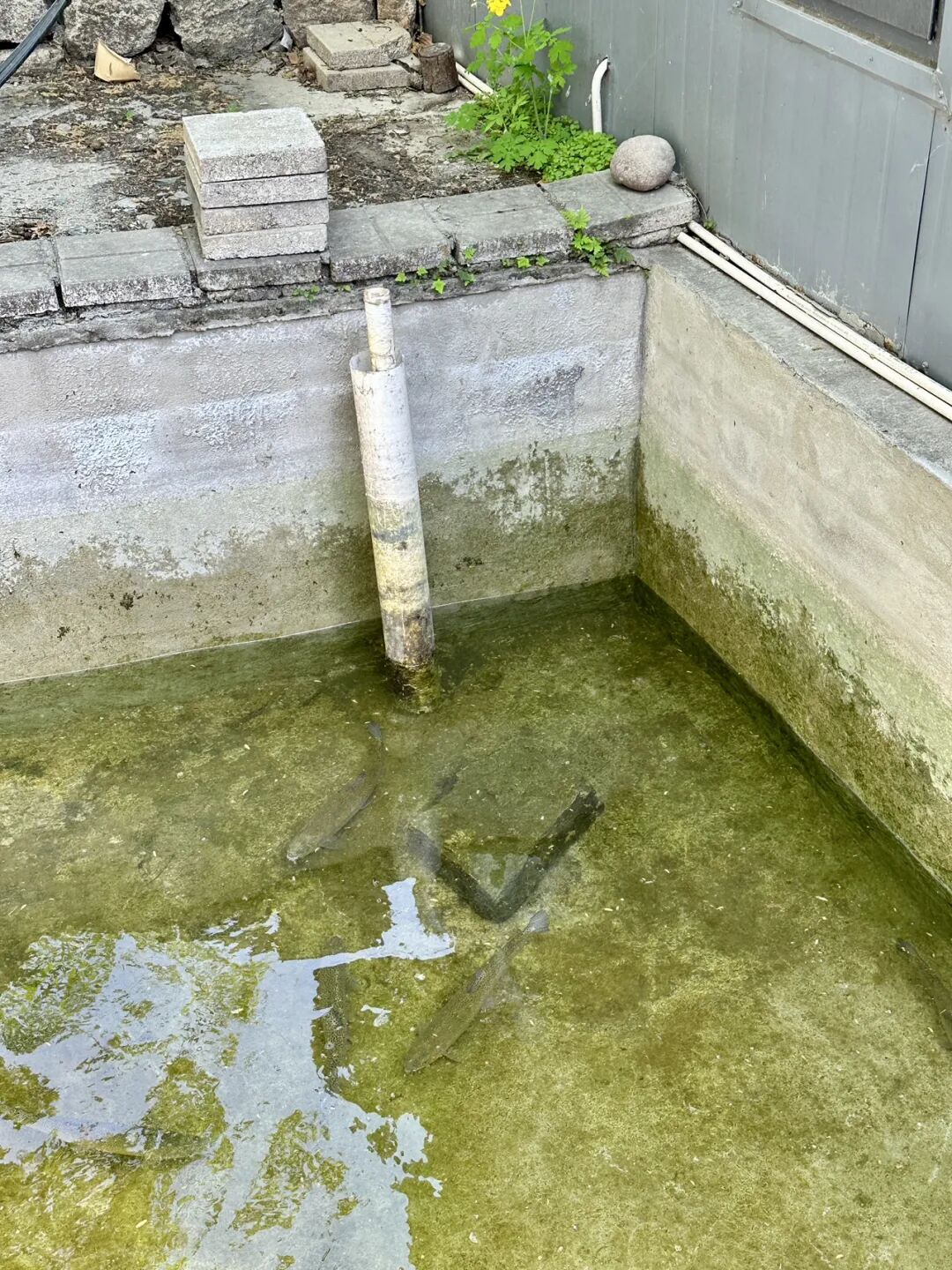
After eating, we went to play in the water at Shentangyu Village in Huairou. Parking in the village costs 20 yuan for anything over 30 minutes. There is a row of poplar trees by the water that provides shade, so it is not too sunny. We bought water clothes for the kids on the spot, but they still got quite wet sitting in the water, so I suggest bringing an extra set of clothes for the children. The water temperature in May is still a bit cool, but the sun is warm, making it perfect for outdoor activities.
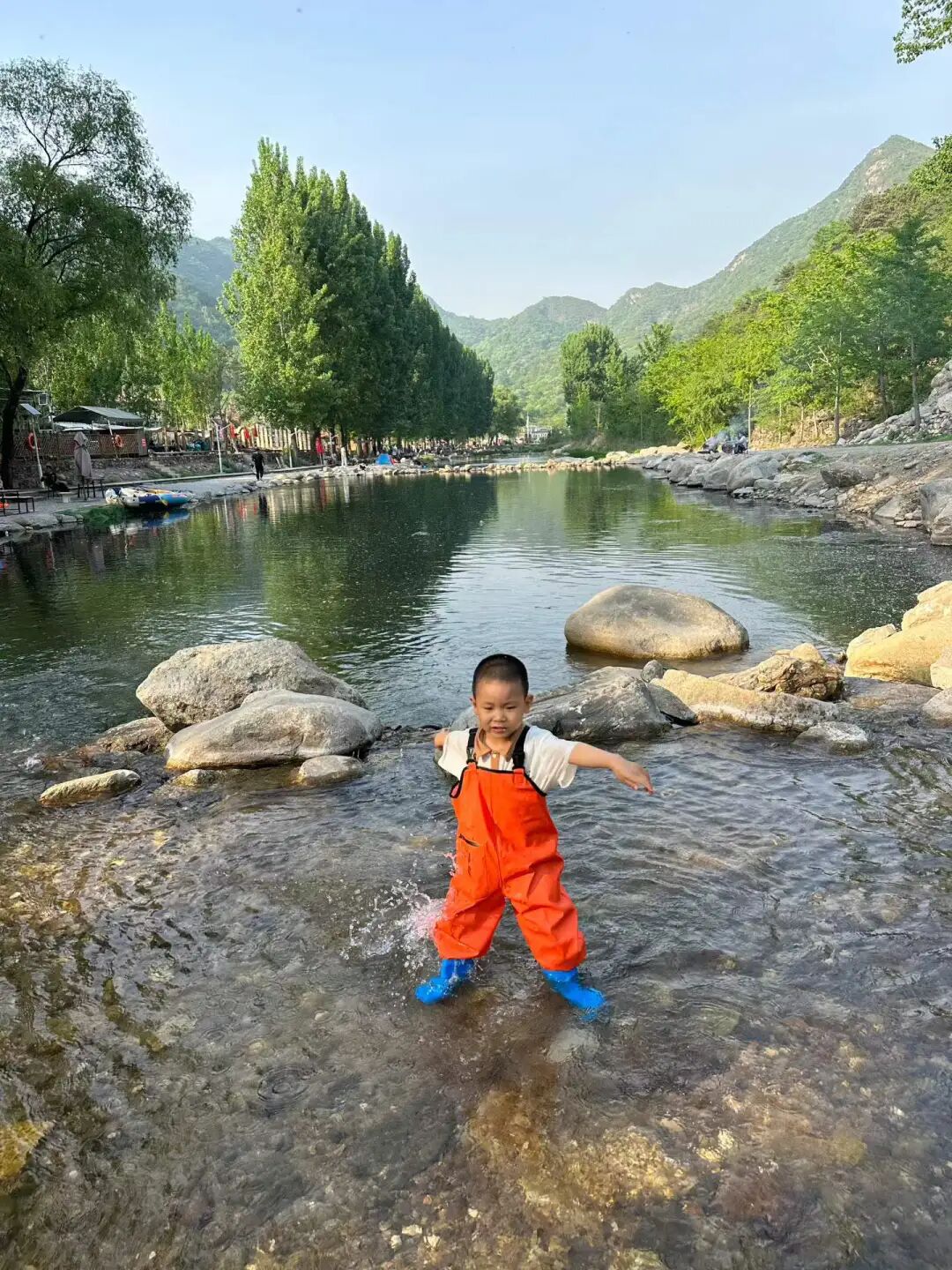
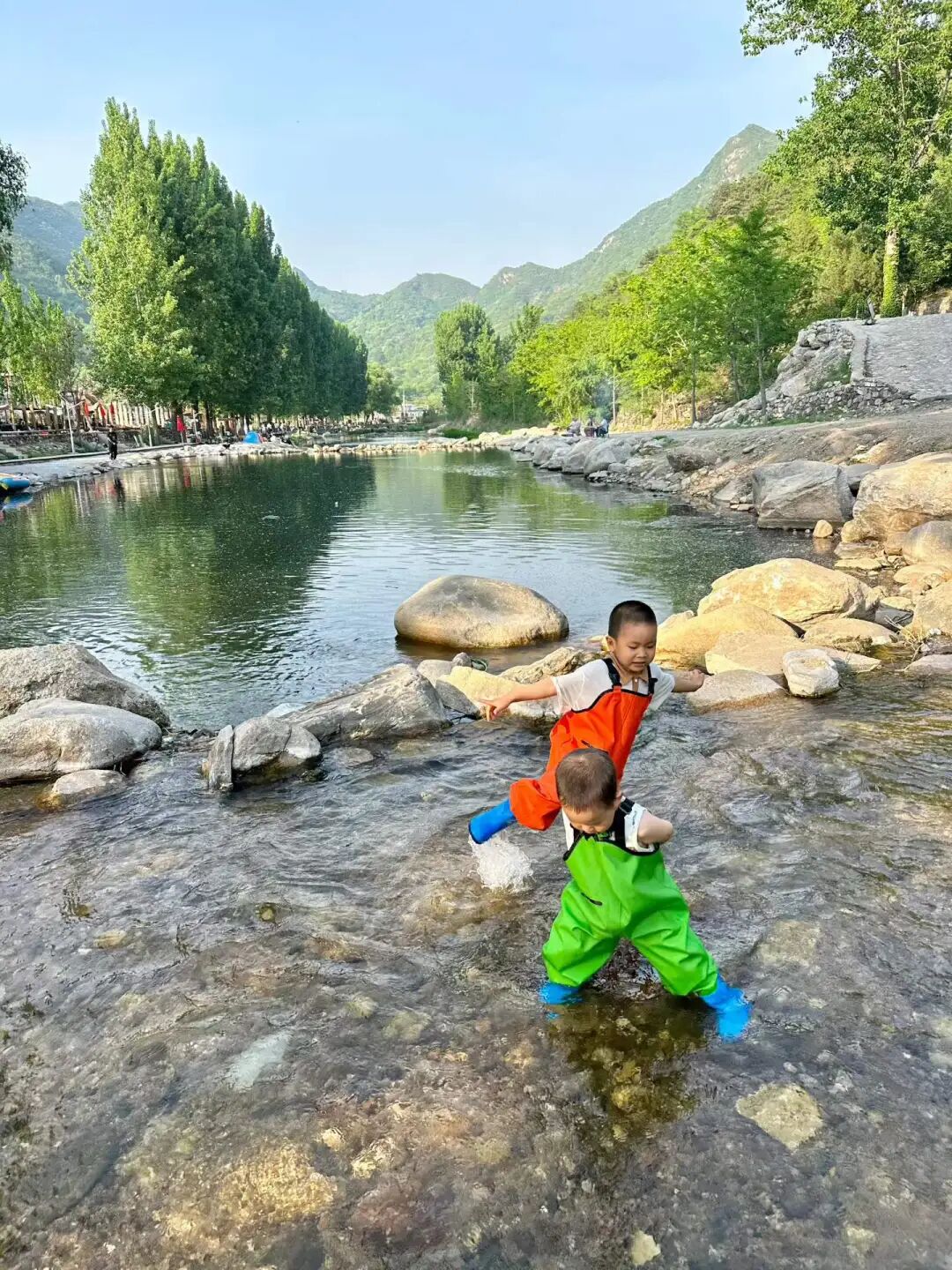
Halal Food Guide: Huairou - Ya'er Li Ji Courtyard in the Mountains
Articles • ali2007fr posted the article • 0 comments • 281 views • 2026-05-19 10:00
Summary: Halal Food Guide: Huairou - Ya'er Li Ji Courtyard in the Mountains is presented here as a firsthand travel account in clear, natural English. The account focuses on Huairou, Halal Food, Beijing Travel while preserving the names, places, food, photos, and historical details from the Chinese source.
Last weekend, our family of three went to the Yarliji courtyard by the Shayukou Reservoir in Huairou. The courtyard is a little over an hour from the city by highway. If you take the bus, take the 924 express from outside Dongzhimen to the final stop, Chawu Railway Station, then transfer to the H27. The H27 runs very rarely, but we caught the 11:50 bus on our way back.
The courtyard has two rooms with large beds and two rooms with large heated brick beds (kang). It gets busy on Saturday nights, so you need to book in advance. The courtyard provides breakfast, which consists of corn, fried steamed bun slices (mantou), porridge, eggs, and pickled vegetables. For lunch and dinner, they serve stewed pots, hot pot meat (shuanrou), and barbecue, but there are very few stir-fried dishes.
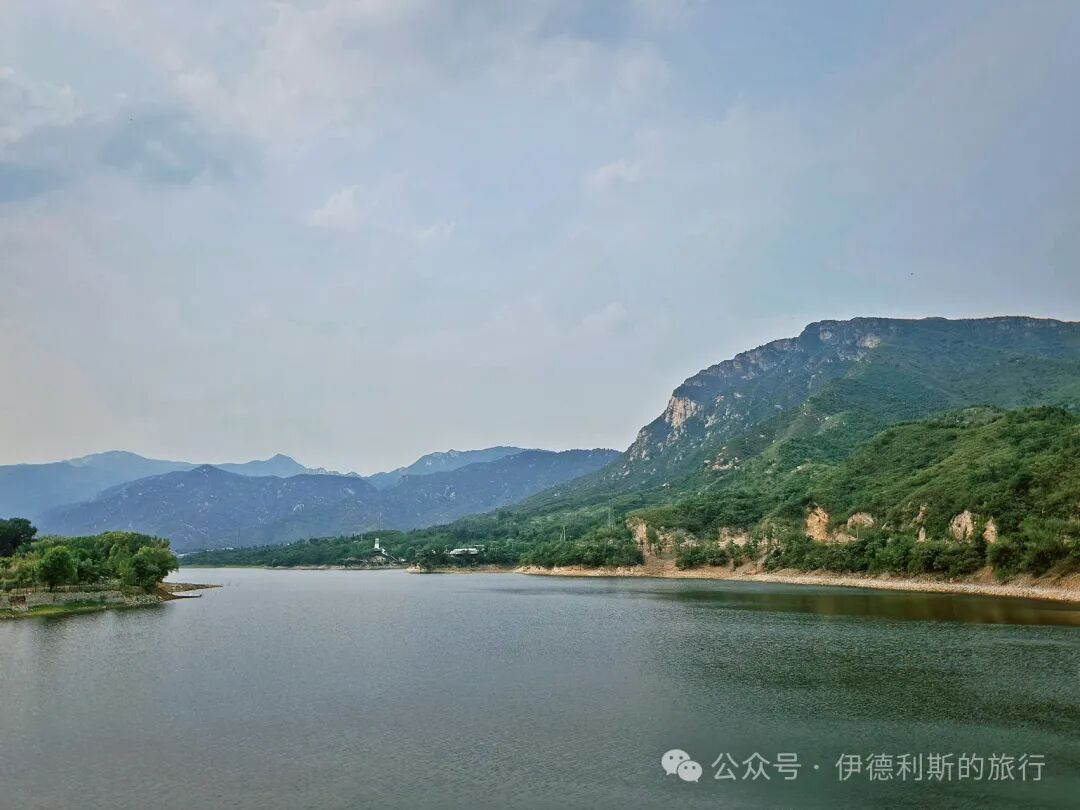
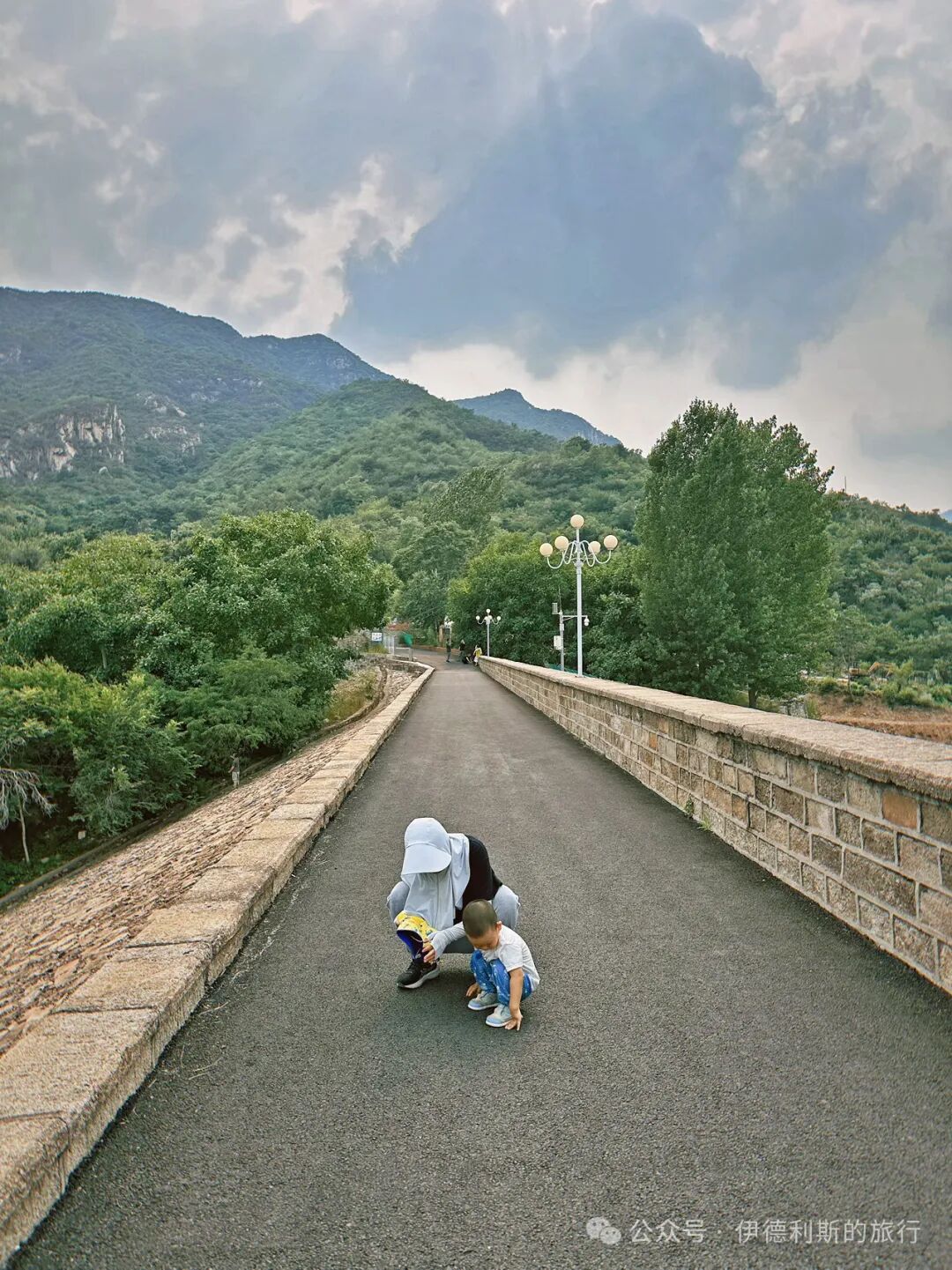
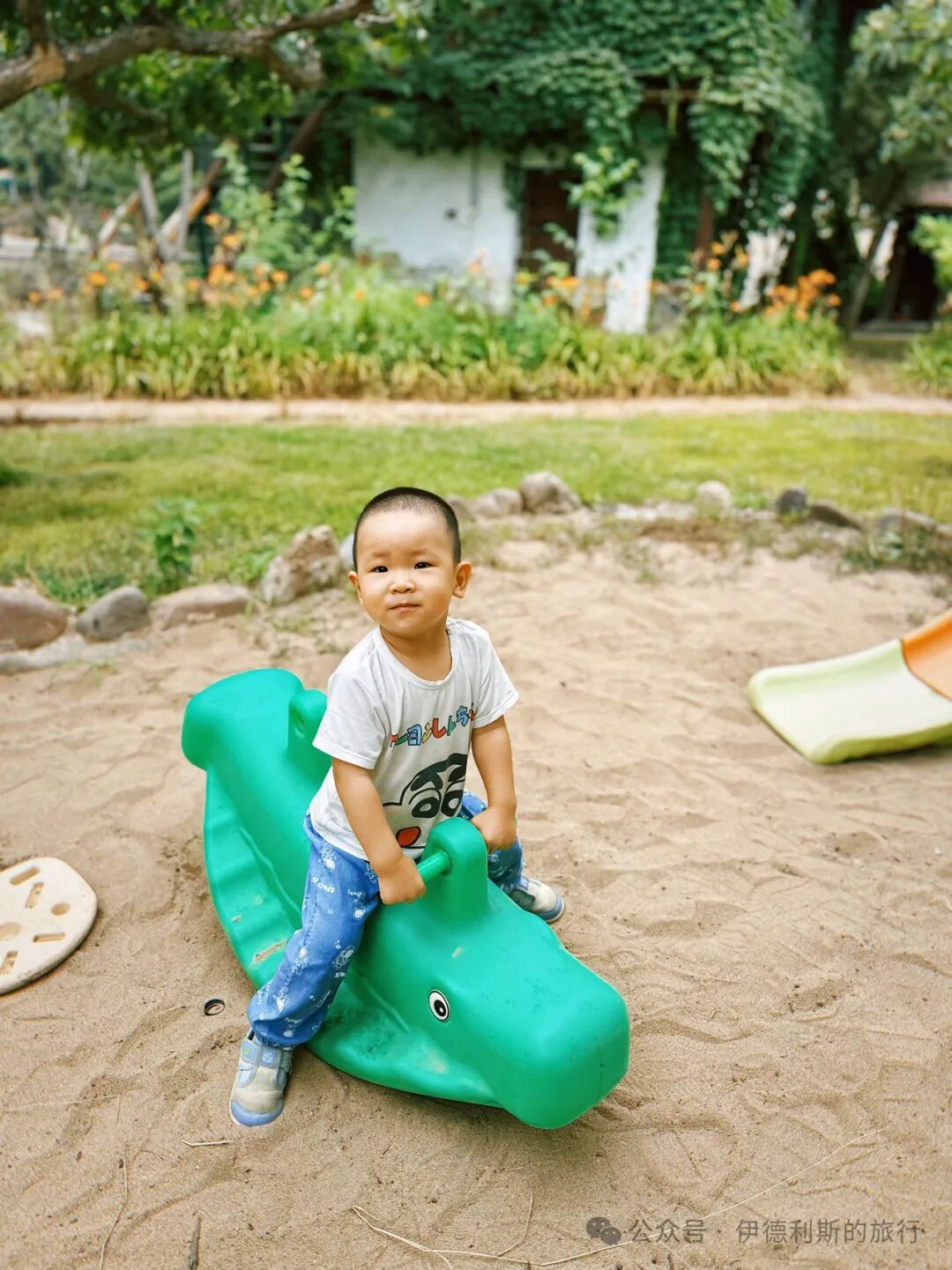
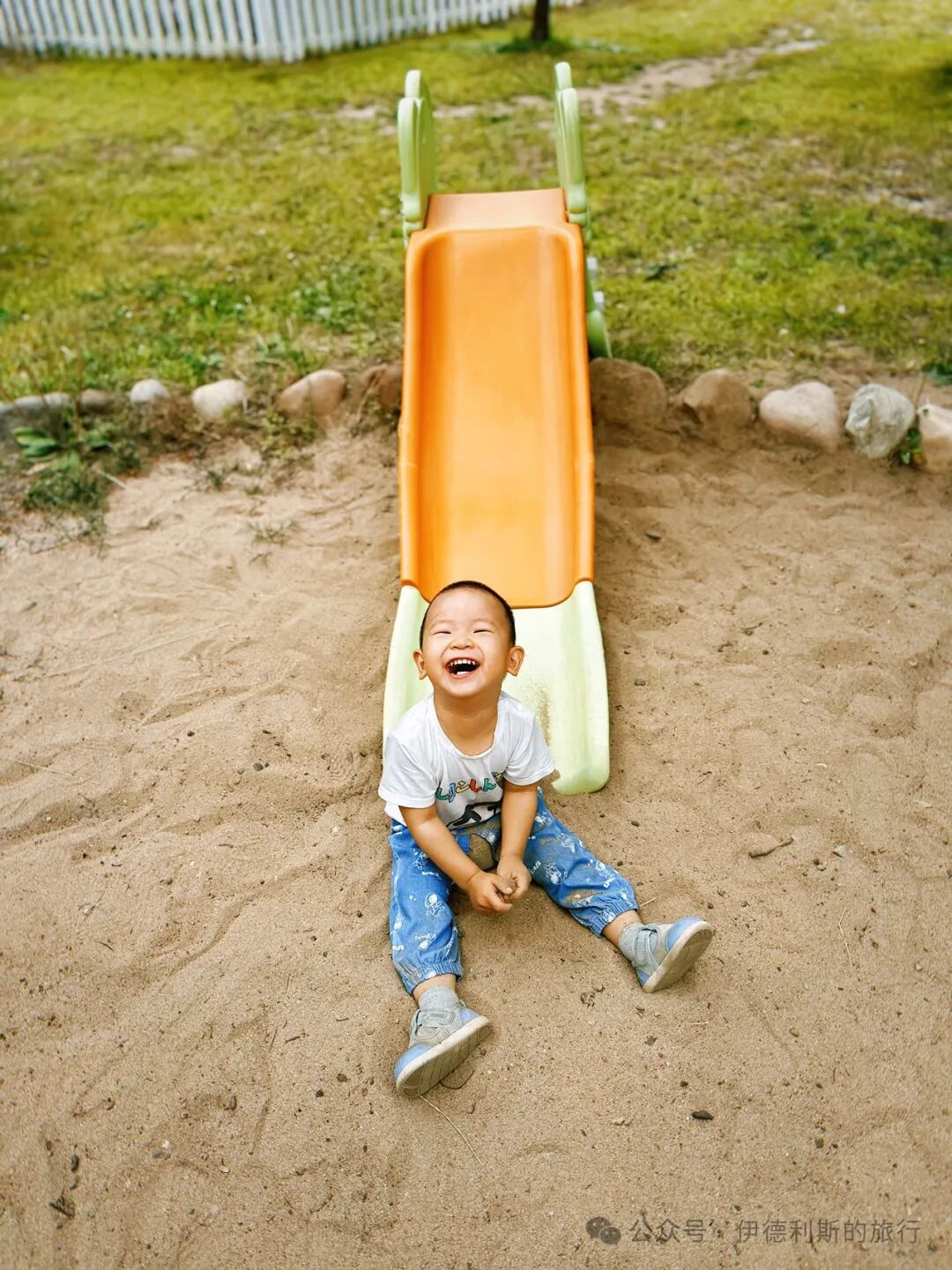
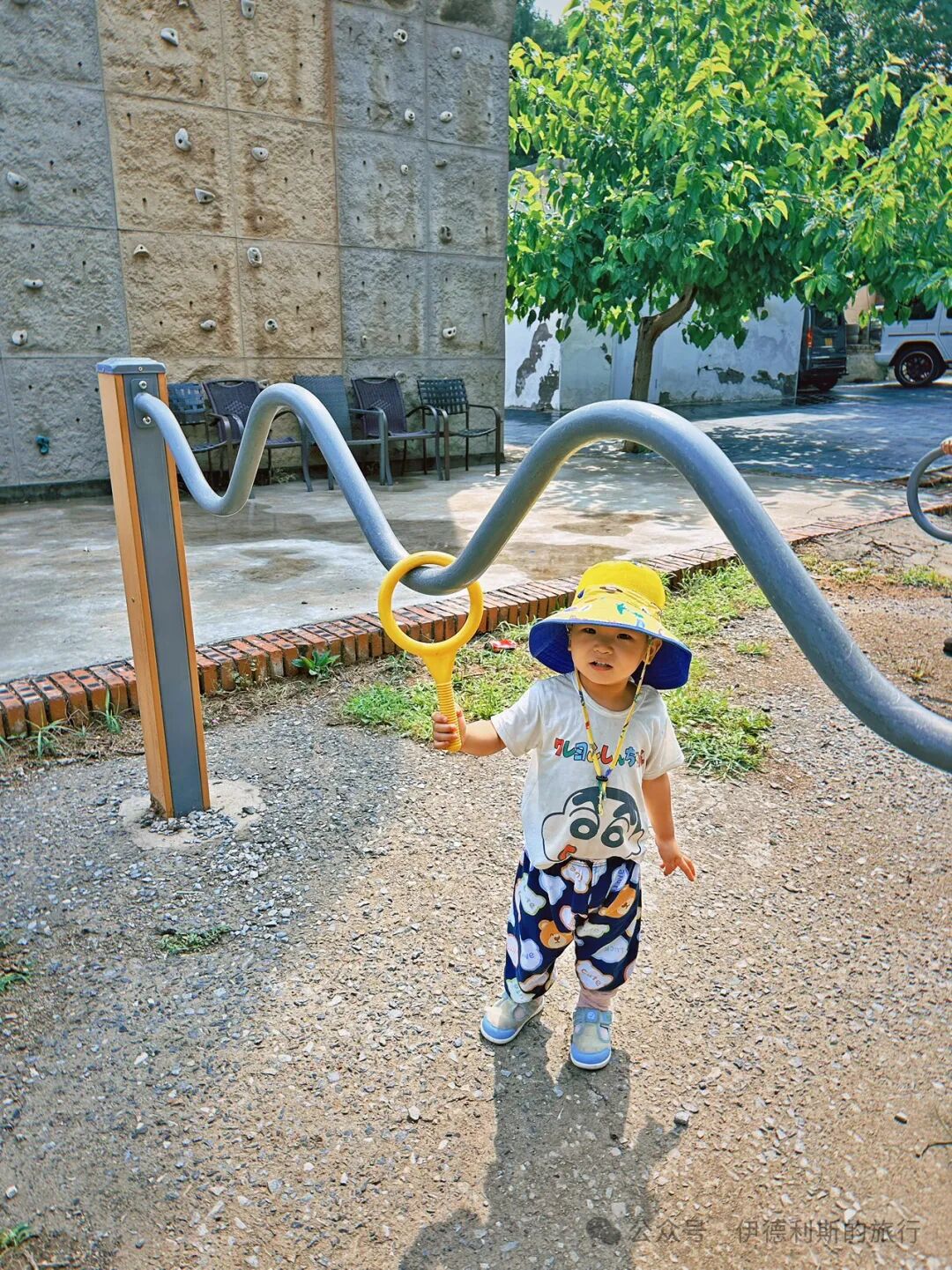
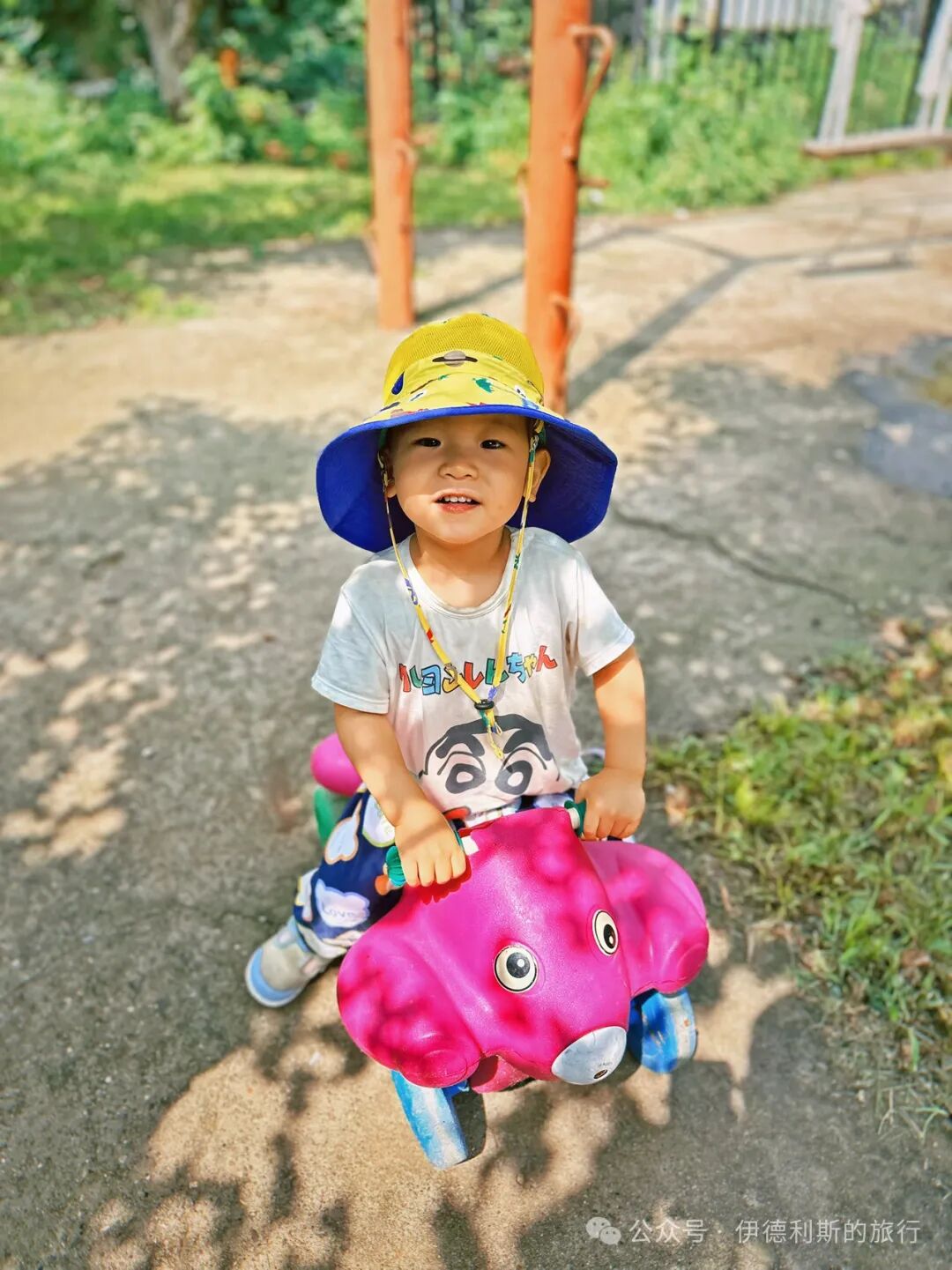
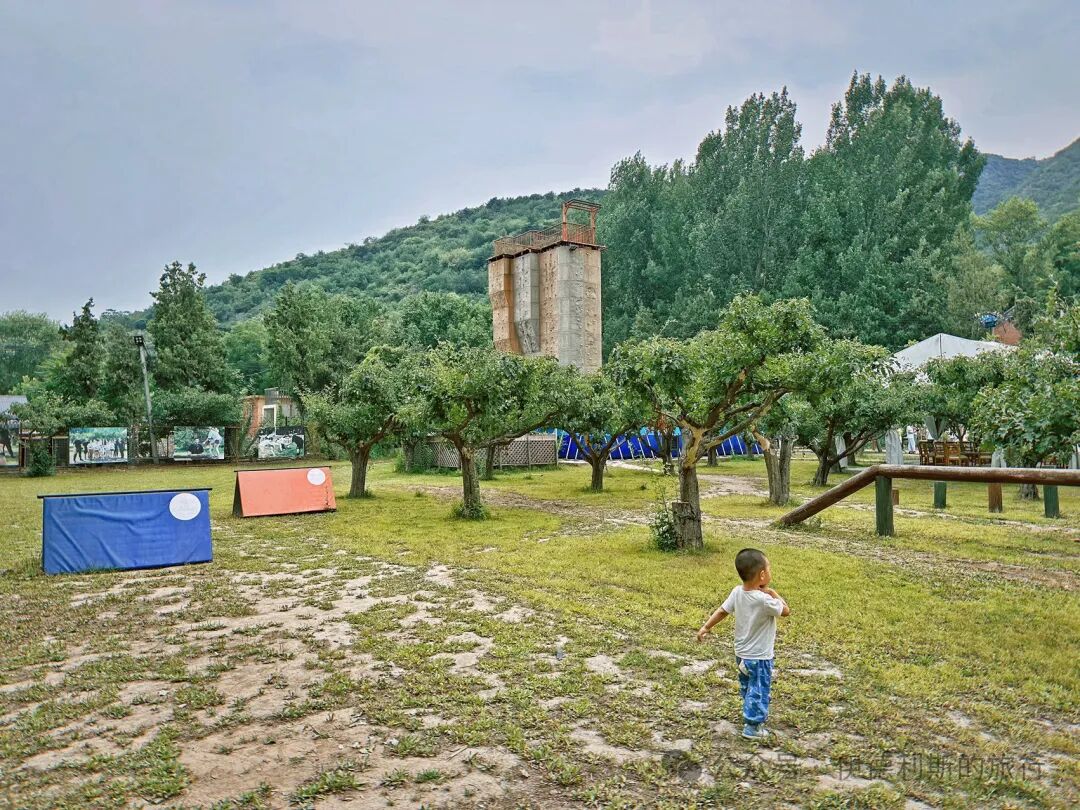
The courtyard is right next to the Shanba Resort. Inside, there is all kinds of fitness equipment, small slides, and swings, which Suleiman loved playing on. Behind the resort, you can climb up to the Shayukou Reservoir dam to see the view. The stone path was a bit slippery on the way down, and Suleiman took a tumble. I guess that counts as his first memorable fall while hiking. view all
Summary: Halal Food Guide: Huairou - Ya'er Li Ji Courtyard in the Mountains is presented here as a firsthand travel account in clear, natural English. The account focuses on Huairou, Halal Food, Beijing Travel while preserving the names, places, food, photos, and historical details from the Chinese source.
Last weekend, our family of three went to the Yarliji courtyard by the Shayukou Reservoir in Huairou. The courtyard is a little over an hour from the city by highway. If you take the bus, take the 924 express from outside Dongzhimen to the final stop, Chawu Railway Station, then transfer to the H27. The H27 runs very rarely, but we caught the 11:50 bus on our way back.
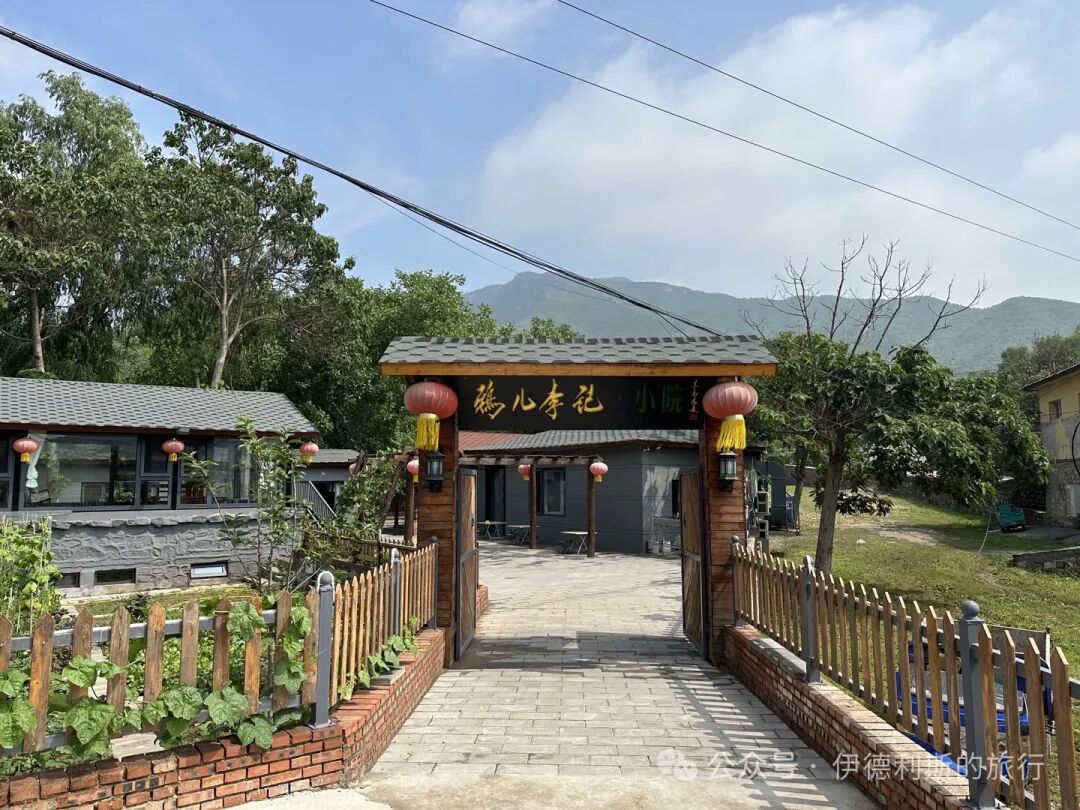
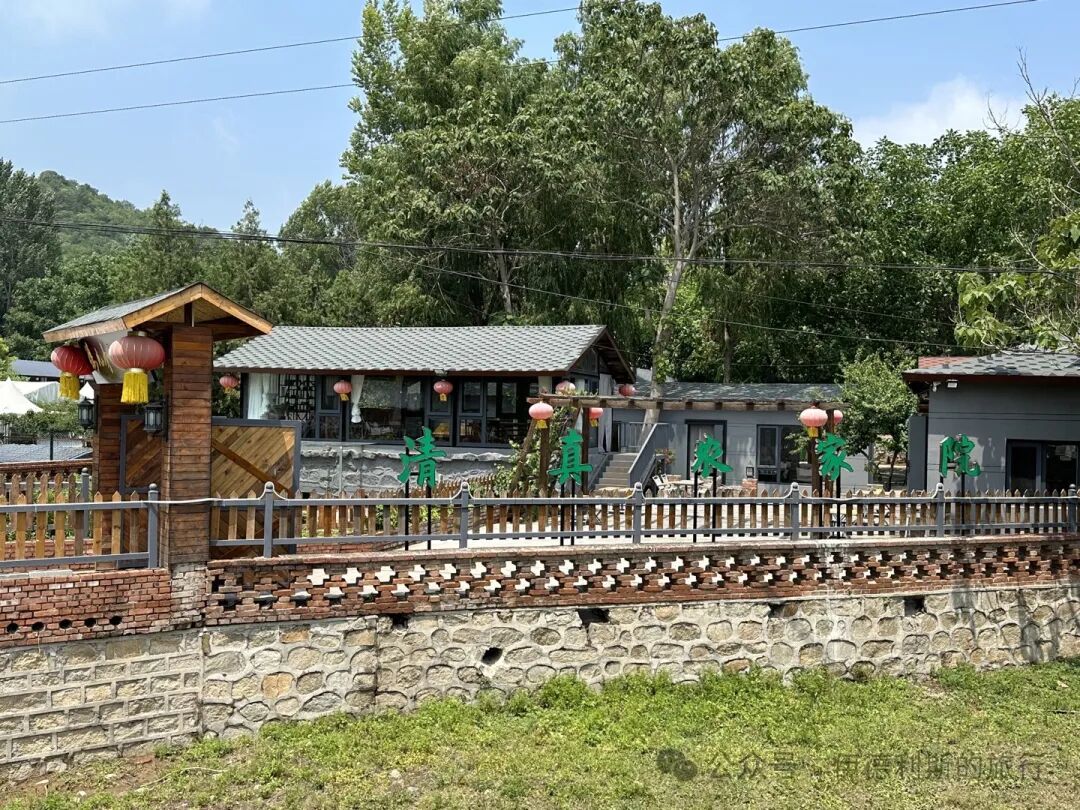
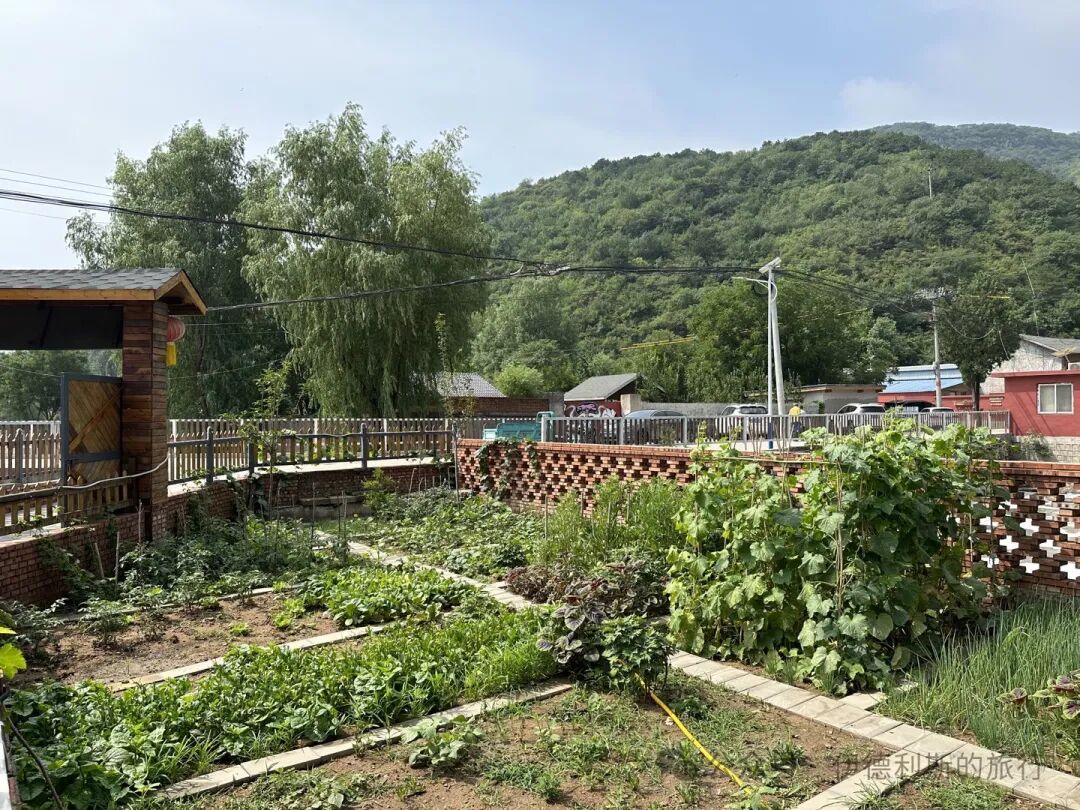
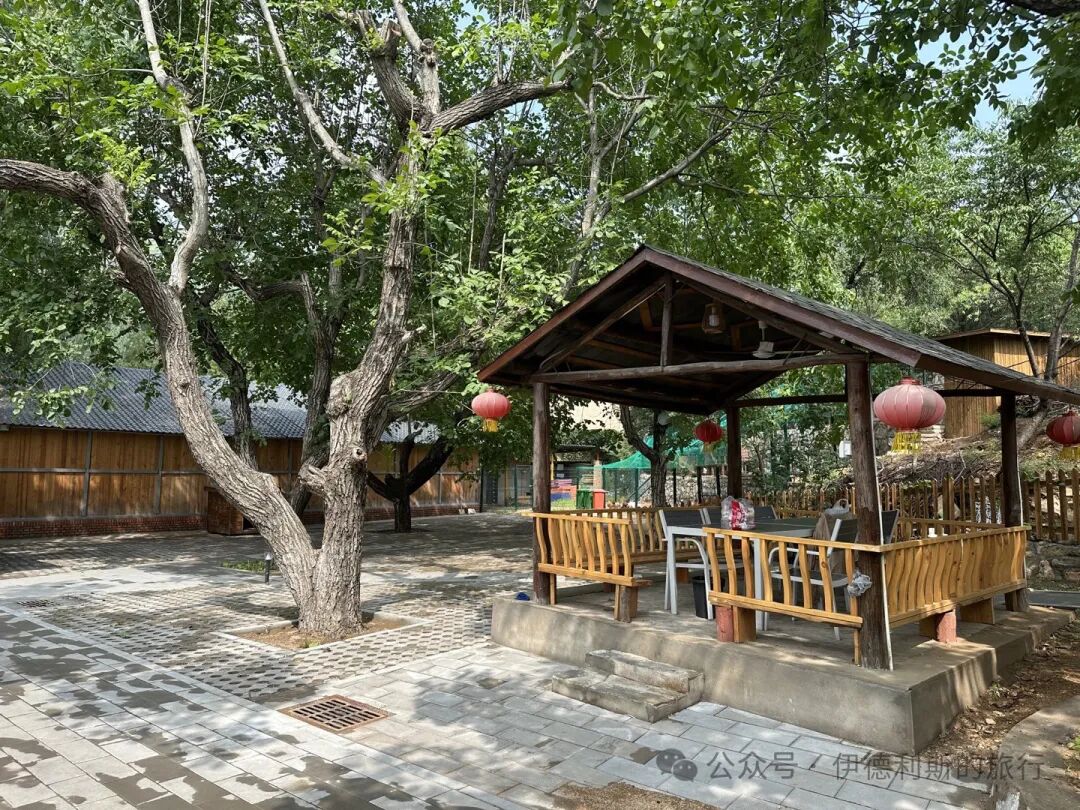
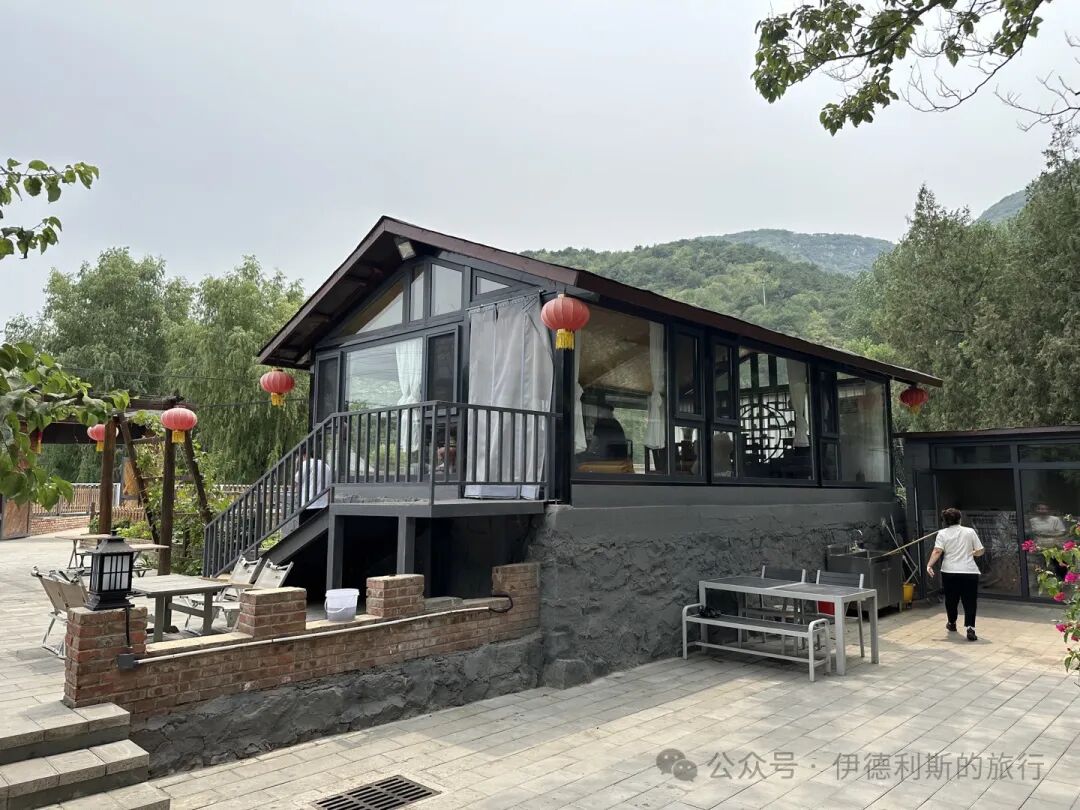
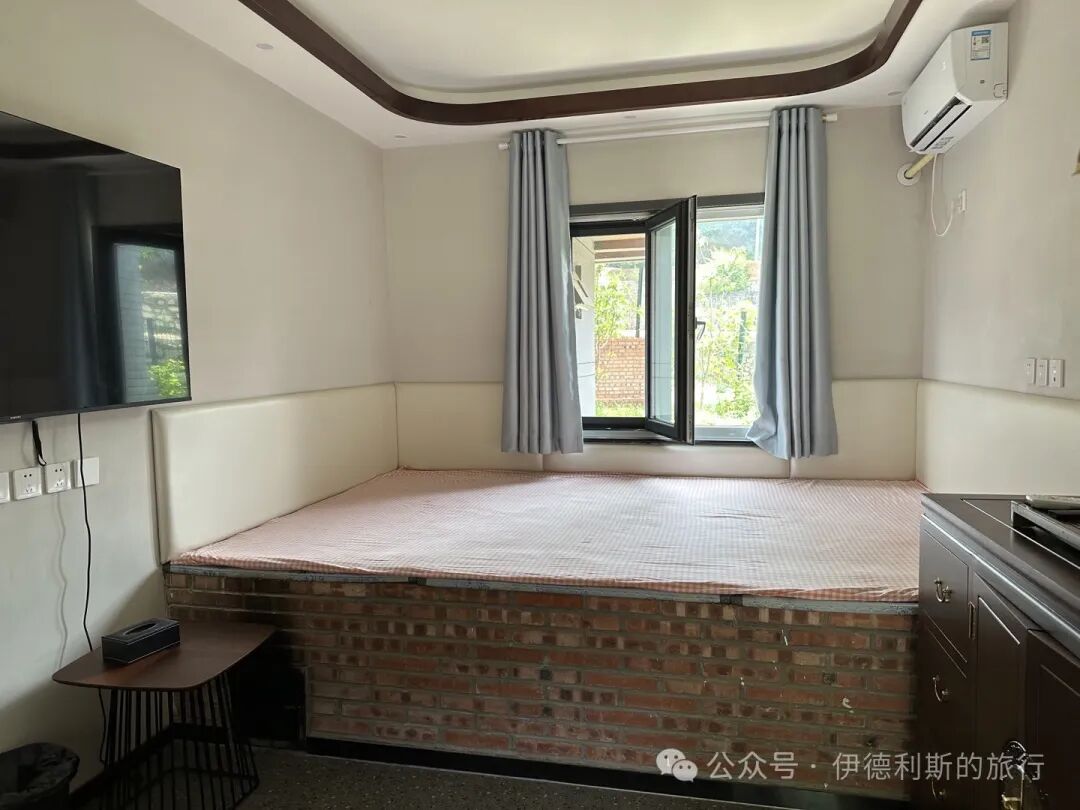
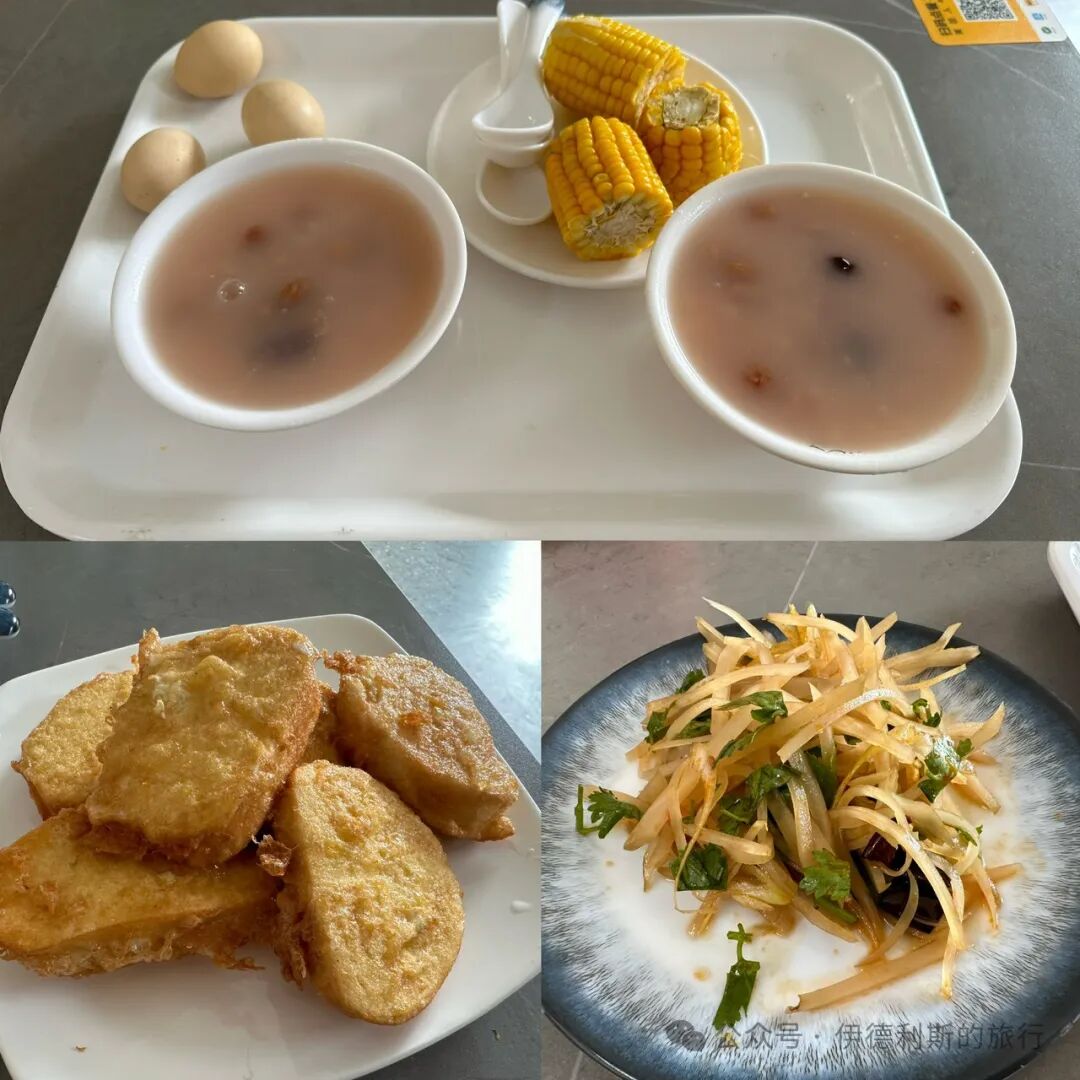
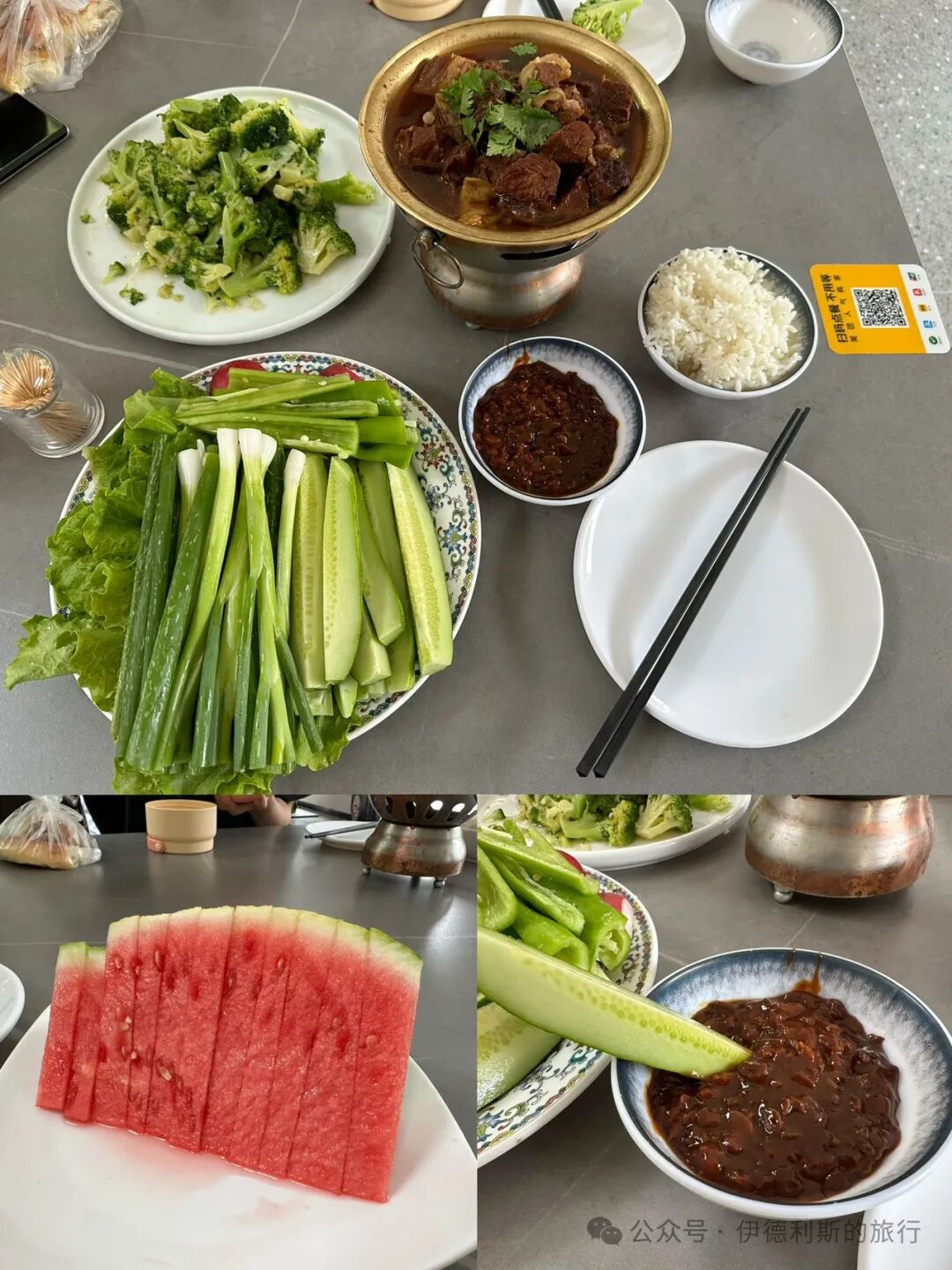
The courtyard has two rooms with large beds and two rooms with large heated brick beds (kang). It gets busy on Saturday nights, so you need to book in advance. The courtyard provides breakfast, which consists of corn, fried steamed bun slices (mantou), porridge, eggs, and pickled vegetables. For lunch and dinner, they serve stewed pots, hot pot meat (shuanrou), and barbecue, but there are very few stir-fried dishes.
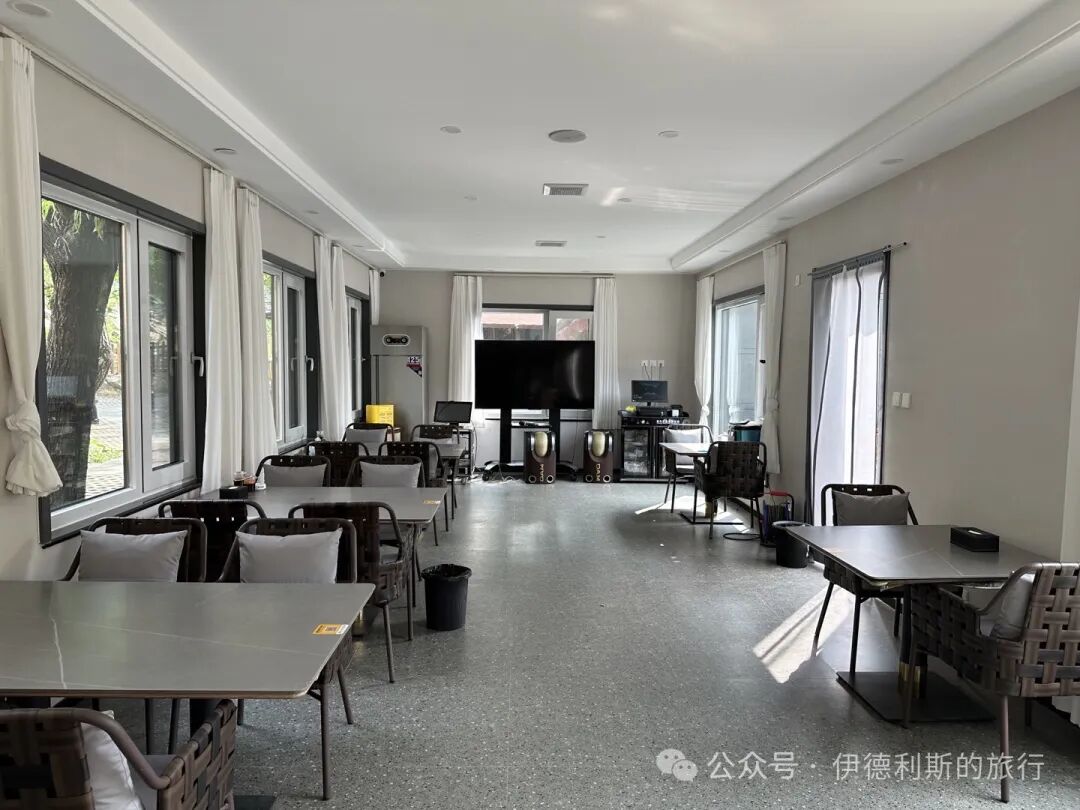
The courtyard is right next to the Shanba Resort. Inside, there is all kinds of fitness equipment, small slides, and swings, which Suleiman loved playing on. Behind the resort, you can climb up to the Shayukou Reservoir dam to see the view. The stone path was a bit slippery on the way down, and Suleiman took a tumble. I guess that counts as his first memorable fall while hiking.
Exploring Yangzha Mosque in Beijing: A Look at Traditional Islamic Architecture on the Chaoyang-Tongzhou Border
Articles • Hasan09 posted the article • 0 comments • 23 views • 1 days ago
Yangzha Historic Mosque
On-site photos view all
Yangzha Historic Mosque
On-site photos
Best Halal Food in Beijing 2026: Ultimate Guide to Authentic Muslim Restaurants and Traditional Hot Pot
Articles • Hasan09 posted the article • 0 comments • 86 views • 2026-11-09 10:56
I’ve personally tested and compiled this 2026 edition of the ultimate guide to the best halal restaurants across Beijing. It’s categorized by districts like Dongcheng, Xicheng, Chaoyang, Haidian, Fengtai, and Tongzhou, covering everything from classic Beijing-style halal stir-fry and zhizi kaorou (barbecue grilled on a solid iron grate) to copper pot hot pot and famous northwestern flavors found in the city.
I’ve updated this list since my 2024 version, and honestly, it’s wild how many spots have closed down in just two years. Looking at the patterns, more places in the outer suburbs have shut their doors, while spots in the city center—where the rent is way higher—have actually been more stable. I only included places I’ve personally eaten at; if it’s not on here, I haven’t tried it. Feel free to drop a comment with your own recs and I'll keep updating this list.
I didn't include the specific addresses because you can just copy and paste the restaurant names into Baidu Maps, Amap, or Dazhong Dianping to grab the exact location and contact info.
No.
District
Restaurant Name
1 Xicheng District: Mabei'er Xiaoguan
2
Yelushahan Silk Road Cuisine
3
Jiangweiyuan Aisha Cuisine
4
Heji Beef Noodles & Handcrafted Burgers
5
Shengbaozhai Niujie Alley Noodle Shop (Linyi, Shandong style)
6
Xingyuelou: 18-Year-Old Hot Pot Shop
7
Tianqiao Laojin Hot Pot (Niujie Branch)
8
Jianbing Tianxia (Jianbing/savory crepe snacks)
9
Dexiangshun Halal Small Eatery
10
Mr. Jiu Halal Restaurant (Beijing-style snacks)
11
Dalübao Roasted Lamb Leg
12
Youmu Qiyuan Flagship Store (Hulunbuir style)
13
Daquan Feizai Braised Beef Noodles
14
Heiyaochang Tangyoubing (fried dough with brown sugar)
15
Ritan Hot Pot
16
Lianying Shaomai (steamed dumplings)
17
Kashgar Knight Flavors
18
Tongye Laobeijing Zhizi Kaorou (Traditional Beijing-style iron griddle BBQ)
19
Uncle Hao Tieguodun (Iron pot stew)
20
Silu Yilan Beef Noodles & Malatang (Spicy numb hot pot skewers)
21
Haolaiwu Gansu Malatang (Spicy numb hot pot skewers)
22
Yilan Liyuan Handcrafted Burgers
23
Xunji Gulou Courtyard
24
Helanshan Ningxia Restaurant & Revolving Hot Pot
25
Jiaqing Xiaoyuan (Beijing-style BBQ)
26
Fenyuanyuan (Hunan-style rice noodles)
27
Chaishi Fuhai Halal Cuisine
28
Sala Hua Western Region Cuisine
29
Zhangji Spiced Beef
30
Xi'an Jasan Guantangbao (Soup-filled steamed buns)
31
Baoyuelou Fragrant Concubine's Family Banquet
32
Xinjiang Kashgar Maimaiti Restaurant
33
Roubing Wan (Meat pie specialist)
34
Kaorou Liu Zhizi Kaorou (Traditional Beijing-style iron griddle BBQ)
35
Houweiju Zhizi Kaorou (Traditional Beijing-style iron griddle BBQ)
36
Jingchaowei Beef Hot Pot (Chaoshan-style)
37
Diyi Shuan (Beijing-style hot pot)
38
Desanyuan Zhizi Kaorou (traditional iron-plate grilled meat)
39
Laochengyi Yangxiezi (spicy lamb spine hot pot)
40
Dashuntang Shifu (Traditional Beijing Cuisine)
41
Tiankelai Restaurant (Traditional Beijing Cuisine)
42
Shandong Shada Whole Grain Jianbing (savory Chinese crepes)
43
Muyixuan Yangxiezi (spicy lamb spine hot pot)
44
Hongji Halal Snack Shop
45
Kaorouji (historic grilled meat restaurant)
46
Hongyuan Nanmen Shuanrou (Beijing-style hot pot)
47
Baiji Siji Shuanrou (Beijing-style hot pot)
48
Manhengji Shuanrou (Beijing-style hot pot)
49
Hongshenghao Charcoal Grilled Lamb Leg
50
Nailao Wei (traditional Beijing dairy snacks)
51
Mudelou (Traditional Beijing Cuisine)
52
Tulufan Restaurant
53
Ziguangyuan
54
Hongbinlou (Traditional Beijing Cuisine)
55
Xibu Mahua
56
Xinjiang Fanzhuang (Urumqi Government Liaison Office Restaurant)
57
Bingtuan Shifu (Xinjiang style cuisine)
58
59
60
61
62
63
64
65
66
Fangzhongshan Hulatang (spicy peppery soup)
Sanwanghu Light Meals & Coffee (Niujie Branch)
Guxiangzhai Tianjin Baobing (shaved ice)
Mashi Muxiangyuan (Northeastern Chinese cuisine)
Bage Guotie (pot-stickers)
JM cafe & bakery
Niuniu Bread & Coffee
Diji Mending Roubing (nail-shaped beef pancakes)
Lahore Indo-Pak Restaurant
67
Gulou Chimi Hot Dog & Burger (Dongcheng District)
68
Gulou Chimi Roukenrou (meat-on-meat specialty)
69
Yoohee Cafe
70
Muwenxuan Yunnan-style Hot Pot
71
Mufu Lanzhou Beef Noodles
72
Wanhe Feiniu (fatty beef hot pot)
73
Yaliji Restaurant (Temple of Heaven Branch)
74
Mulu
75
Zhang Xiucai Chuan-chuan (skewer hot pot)
76
Love Curry Indian Cuisine
77
Liji Baishui Yangtou (boiled lamb head meat)
78
Lianshou Signature BBQ Skewers
79
Feitian Building Gansu Provincial Office in Beijing
80
Ningxia Mansion
81
Yindu Restaurant (Yinchuan Provincial Office in Beijing)
82
Jinfang Snacks
83
Youyishun
84
Xilaishun
85
Wanwan Yueliang (Crescent Moon) Xinjiang Restaurant
86
Qianyuan Hotel Buffet Restaurant
87
Heiji Shuangheshun Restaurant
88
Suzhou Hui Muslim Restaurant
89
Xinyuezhai
90
Yuezhen Yayuan
91
Baikui Laohao Restaurant
92
Saduli Indian Restaurant
93
94
Sailankun Xinjiang Cuisine
Subuha Electric Grilled Skewers
95
Zhuage Fanfan (Grab-a-Rice) in Chaoyang District
96
Tribe Garden (Ghanaian Cuisine)
97
Uncle Wu’s Tianjin Halal Bistro
98
Shaikh Classic Lanzhou Beef Noodles
99
Turkish Cafe
100
Shusheng Chuan-Chuan Hot Pot (Sichuan style)
101
Xihan Meatball Soup
102
Samosa China-Pakistan Friendship Restaurant
103
Azerbaijan National Pavilion - Maiden Tower Restaurant
104
Jingyu Contemporary Halal Cuisine
105
Xunji Qingnian Road Courtyard
106
BRBR Syrian Restaurant
107
024 Ocean String Music Western Restaurant
108
Chicken Tender Master (Hopson One Mall branch)
109
Annei Old Ma Shaomai (steamed dumplings) (Dongba branch)
110
Dastan Indian Restaurant
111
One Thousand and One Nights Arabic Restaurant
112
Jianglai Xinjiang Restaurant
113
Gulf Mandi Restaurant
114
Taiba Sharama Turkish Kebabs
115
Muhelan Ningxia Tanyang Shouzhua (hand-grabbed lamb)
116
Bayi Laoye Gongti Flagship Store
117
Halal Tongjuyuan Barbecue
118
Huiwei Gong Ningxia Tan-Yang Restaurant (specializing in high-quality Ningxia desert sheep)
119
Hotan Restaurant
120
Turkish Canakkale Restaurant
121
Manpengxuan (a fusion of Beijing-style cuisine)
122
Qingyanfang (traditional Beijing-style cuisine)
123
Bollywood Stories Indian Restaurant
124
Resuli Northwest Restaurant
125
Yak Meat Qinghai Lamian (hand-pulled noodles)
126
Bai Xiaobei Halal Dongbei (Northeast Chinese) BBQ
127
Fang Zhongshan Hulatang (spicy peppery soup)
128
La Medina Tunisian Arabic Restaurant
129
CODED Nigerian Restaurant
130
Sultan Turkish Restaurant
131
Zai Tianshan Xinjiang Super-Sized Laziji (spicy stir-fried chicken)
132
Niushi Japanese-Style Yakiniku (grilled meat)
133
Taihelou Roast Duck Restaurant
134
Lan Jiushiqi Snacks
135
Lahore Indian and Pakistani Restaurant
136
Jinjia Laosan Restaurant
137
Liangtaoxuan Hezhou Noodle House
138
Best Halal Food in Beijing: 2026 Guide to Authentic Muslim Restaurants and Top-Rated Spots Across the City
Chai Shi Fengwei Zhai
139
Rose City Mediterranean Restaurant
140
Xiting Xiuse Turkish Restaurant
141
Lianshou Signature BBQ Skewers
142
Xia Puna Xinjiang Restaurant
143
Nanmen Xiaoguan (South Gate Bistro)
144
Jinying Xinjiang Wanzi Tang (Xinjiang-style meatball soup)
145
Xinjiang Ali Restaurant
146
Halal Suhaha Yunnan-Guizhou-Sichuan Style Rice Noodles
147
Al Safir Arabic Restaurant
148
Huawei Roubing (Meat Pie)
149
Xifentang Xinjiang Rice Noodles
150
Musefeilin Xinjiang Restaurant
151
Yidai Yilu Xinjiang Cuisine
152
Ganges Legend Indian Restaurant
153
Hongyun Lou Huaiyang Cuisine
154
Jianghu Xinjiang Restaurant
155
Doner Turkish Coffee and Kebab
156
Dardanelles Turkish Restaurant
157
KAVKAZ Ruilin Restaurant 158
Djezzy (Algerian cuisine)
159
Raz Indian Music Restaurant
160
Alameen Arabic Restaurant
161
Khan Baba Pakistani Restaurant
162
Zitengxuan Restaurant
163
Hongbinlou Restaurant
164
Changying Brothers
165
Benjamin Indian and Afghan Restaurant
166
Qijia Qiqihar BBQ
167
Desert Rose Turkish Restaurant
168
Wali Shan Restaurant (Indonesian)
169
Zhang Chuan Ren Malatang (spicy numbing hotpot)
170
Gameizi Ningxia Tanyang (Ningxia grass-fed lamb)
171
Miaozai Kitchen (Halal cakes and pastries)
172
Ding's Gushi Ekuai (braised goose chunks)
173
174
175
176
177
178
179
180
181
182
183
184
185
186
187
188
189
190
191
192
Haiji Xiaohuo Halal New-Style Malatang (spicy numbing hot pot)
LIQA Turkish Restaurant
Yige Huangluobo Xinjiang Homestyle Cuisine
Cinnara Sri Lankan Restaurant
Bazaar Sweetheart Yili Shaved Ice
Eli Falafel Lebanese Cuisine
Yihexian Halal Dumplings
Changying Halal Roujiamo (meat burger/pita sandwich)
Xi'an Laolan Family Barbecue
Xiaoyu Barbecue and Fried Chicken
Hotan Barbecue
Huixiangyun Sichuan-Hunan Stir-fry (Hunan cuisine)
Zanjin Lanzhou Spicy Lamb Skewers
Shilixiang Claypot Rice Noodles
Silk Road Legend Master Ma's Milk and Egg Lauzao (sweet fermented rice soup)
Mayila Xinjiang BBQ House
Luiyuan Malatang and Mala Xiangguo (spicy dry pot)
Hulun Aile Halal Mongolian Cuisine
Sumac Lebanese Restaurant
Nazilan Xinjiang Restaurant
193 Haidian District Yiqinglan Rotating Hot Pot
194
Habibi Pakistani Buffet Restaurant
195
Saishang Mingyang Ningxia Famous Tanyang (special breed of sheep) Shouzhua Yangrou (hand-grabbed lamb)
196
Halal Danaodai Copper Pot Shuanrou (traditional Mongolian-style hot pot)
197
Xinjiang Building Pinyue Grand Bazaar Buffet Restaurant
198
AIIB Executive Restaurant
199
Aisileze 1982 Xinjiang Style Fried Rice Noodles
200
Junbang Hot Pot (Sichuan Style)
201
BRBR Syrian Restaurant
202
Saiyiruier Silk Road Cuisine
203
Uncle Oyster's Iron Pot Stew
204
Niububi Clear Oil Tripe Hot Pot
205
Samarkand Silk Road Cuisine
206
Xiangyicheng Old Beijing Copper Pot Shabu-Shabu and Zhizi Kaorou (traditional iron-plate BBQ)
207
Muhejia Revolving Mini Hot Pot
208
Zamzam Indian-Pakistani Cuisine
209
Azhen Flavor Rice Noodles
210
Jinmanlou Tianjin Cuisine
211
Maimaihong Knife-Cut Noodles (Henan Style)
212
Jiaoming Peppery and Numbing Bistro
213
Yilanlou
214
Axiya Restaurant
215
216
217
218
219
Yanlanlou
Ali Northwest BBQ and Roujiamo (meat burger)
Shunhexiang Harbin Halal Eatery
Best Halal Food in Beijing: 2026 Ultimate Guide to Authentic Muslim Restaurants and Traditional Hui Specialties
Xinjiang Aimaier BBQ
Yangji Qiqihar BBQ
220
Changping District Chengcheng Chongbin Shuipen Yangrou (lamb soup with shredded bread)
221
Jiangyu Qing Silk Road Cuisine
222
ASIAN FOOD Turkmenistan Restaurant
223
Xinjiang Saimimi Restaurant
224
Yangfang Shuanrou (traditional copper pot mutton hot pot)
225
Heqingzhai Yangxiezi (lamb spine hot pot)
226
Liangji Huimian (braised lamb noodle soup)
227
Ruizi Jiaozi (dumplings) and Shaomai (steamed dumplings) House
228
Xiguanshi Market Beizi (baked wheat cakes) Shop
229
Dacao yuan Halal Restaurant
230
Lao Yang Jia Restaurant
231
Limin Restaurant
232
Huayunlou Shaomai (steamed dumplings) Restaurant
233
Yuelangzhai Shuanrou (traditional copper pot mutton hot pot)
234 Daxing District Moyan Dunhuang Restaurant
235
Habibi Shawarma Arabic Restaurant
236
Wanfu Halal Tieguodun (iron pot braised stew)
237
Yangzhilian Fusion Restaurant
238
Choulixiang (stinky tofu snack) 239
Yilangé (Halal Restaurant)
240
Shangshui Dabin Juan Niurou (Scallion pancake rolls with beef)
241
Shiji Jiayuan BBQ and Marinated Meats
242
Xingjude Hot Pot, Baodu (quick-boiled tripe), and Dingmen Roubing (nail-shaped meat pies)
243
Zhenming Yihuazhai Restaurant
244
Ziyuan Xinjiang Cuisine
245
Niandai Hot Pot and BBQ (Cantonese-style hot pot)
246
Mengdameng Signature Roasted Lamb Leg
247
Maji Qibaozhai
248
Sichongzou Lanzhou Spicy Beef Noodles
249
Xiaoqing Restaurant
250
Xiaoma Halal Steamed Bun Shop
251
Rundexuan Halal Restaurant
252
Xueying Heshunzhai Hot Pot
253
Dianxinyuan Yunnan Restaurant
254
Chengji Shanxian Lamb Soup House
255
Hotan Xinjiang Rose Pilaf
256
257
Jingdong Meat Pie Shop
Baoding Beef Zhaobing (stewed beef over flatbread)
258 Shunyi District Ganges Impression Indian Restaurant
259
Sixiang Rice Noodles (Xinjiang style)
260
Fushouzhai Shuanrou (Hot Pot)
261
Shalima Indian-Pakistani-Bengali Restaurant
262
Victor`s Place Indian & Thai Restaurant
263
Anji Xiaochu (Japanese Cuisine)
264
Flame&Feast Pakistani Steakhouse
265
Tanyang Puzi (Tan Sheep Specialty Shop)
266
Fenghong Old Beijing Style Halal Roast Duck Restaurant
267 Fengtai District Pinyilan Baozi (Steamed Stuffed Buns) and Malatang (Spicy Hot Pot) (Qinghai Style)
268
Anajiang Xinjiang Cuisine and BBQ
269
Yili Talanchi Xinjiang Restaurant
270
Fangji Snack Shop
271
Qingzhen Liangde Chuandian (Halal Skewer Shop)
272
Wanping Liji Snacks
273
Qingzhen Aoji BBQ and Hot Pot
274
Decheng Li Halal Shaomai (Steamed Dumplings) Restaurant (Chengde Style)
275
Samarkand Silk Road Cuisine
276
Jinmen Zhenweizhai
277
Qingzhen Xiaochi (Halal Snacks)
278
Shangdu Hotel Yufu Shenchu (Zhengzhou Office in Beijing)
279
Tangwoju (Charcoal Pot Restaurant)
280
Ultimate 2026 Beijing Halal Dining Guide: Discover the best authentic Muslim-owned restaurants across Dongcheng, Xicheng, Chaoyang, and Haidian districts for a delicious culinary tour.
281
Laomenkuang Baodu Shuanrou (Traditional Beijing-style tripe and hot pot)
282
Harbin Baiyang Baozi (Steamed buns)
283
284
285
286
Hecheng Xiaoerjia Qiqihar Jiating Kaorou (Home-style Qiqihar barbecue)
Laoma Jia Yangtang Niurou Zhengjiao (Lamb soup and beef steamed dumplings)
Sailimai Niurou Lamian (Beef hand-pulled noodles)
Tianjin Fengwei Huangtang Lamian (Yellow-broth hand-pulled noodles)
287 Shijingshan Yuanyuan Xibei Minzu Fengwei (Authentic Northwest ethnic flavors)
288
Ximen Dafei Lanzhou Lazi Kaorou (Lanzhou-style spicy lamb skewers)
289
Qingmuxuan (Traditional Beijing Halal cuisine)
290
Yuanzhou Yinxiang Guyuan Weidao (Authentic tastes from Guyuan)
291 Tongzhou District Xinjiang Ganmianpi (Cold skin noodles) & Lingling Mifen (Rice noodles)
292
Huiwei Xiaoguan (Spicy dry pot and barbecue)
293
Dun Yishou Halal Tieguodun (Braised meat in a traditional iron pot)
294
Laosan Niurou Banmian (Beef flat noodles)
295
Majia Shaomai (Steamed dumplings)
296
Tonghaoge Seafood Barbecue
297
Zhangji Guotie (Pan-fried dumplings)
298
Yipin Shaomai Yangza Guan (Steamed dumplings and lamb offal soup house)
299
Xinbaowang (Halal burger house)
300
Masala Zhixiang Indian Restaurant
301
Hai Yi Wan Huimian (braised pulled noodles)
302
Haibin Roubing (meat-filled flatbread)
303
Xiaolou Restaurant
304
305
306
307
308
309
310
311
Jujingyuan Restaurant
Dashan Snacks
Ma Ji Northeast Halal Cuisine
Grand Canal Silk Road Flavors: Persian Halal BBQ
Mutong Renjia: Fangniuwa Braised Beef Feast and Beef Paomo (crumbled flatbread in beef soup)
Northeast Halal Charcoal Ground-Oven BBQ
Tongxinzhai Tengzhou Caijianbing (savory vegetable-filled pancake)
Wenzhutang Halal Restaurant
312
Fangshan District Mulaixuan Sturgeon Feast
313
Jishengke Burgers
314
Lao Xie Shaobing (baked sesame flatbread)
315
Yinsha Halal Restaurant (Xinjiang cuisine)
316
Lujinyuan (traditional Beijing cuisine)
317
Pangzi Old-School Quality Shuijianbao (pan-fried buns)
318
Doulashun (traditional Beijing cuisine)
319
Changzhuang Longshunzhai Shaobing: Local Specialty Snacks
320
Zhangji Dayangshu Restaurant
321
Dongge Shanyuan Halal Restaurant
322
Tongshunzhai Restaurant's famous niutouyan (braised beef head feast)
323
Jingzhenxuan (specializing in traditional Beijing-style cuisine)
324
Mentougou Tanyang Puzi (a specialty shop featuring lamb from northern and southern Xinjiang regions)
325
Xiannai Xiaozhen (Fresh Milk Town)
326
Miyun District Shanshui Tianyuan Folk Restaurant
327
Tanghe Halal Restaurant
328
Run'gesheng Restaurant
329
Haixinzhai
330
Guangjuzhai Meat Pie Shop
331
Niurou Zhaobing (beef and shredded pancake soup)
332
333
334
Xishunkui
Fuhua Zhengxing Folk Restaurant
Hexingzhai Restaurant
335 Huairou District Masala Pakistani Restaurant
336
Xingyuanzhai Ethnic Restaurant
337
Sudan Pakistani Restaurant
338
Xiangyu Halal Restaurant and Lodging
339
340
Ziguangyuan
Ya'er Liji Courtyard
341
Pinggu District Halal Silk Road Cuisine Lanzhou Old Ma Lamian (hand-pulled noodle) Restaurant
342 Yanqing District Halal Jintuoyuan Restaurant: Discover authentic Halal dining in Yanqing, Beijing, featuring top-rated local cuisine and traditional dishes. view all
I’ve personally tested and compiled this 2026 edition of the ultimate guide to the best halal restaurants across Beijing. It’s categorized by districts like Dongcheng, Xicheng, Chaoyang, Haidian, Fengtai, and Tongzhou, covering everything from classic Beijing-style halal stir-fry and zhizi kaorou (barbecue grilled on a solid iron grate) to copper pot hot pot and famous northwestern flavors found in the city.
I’ve updated this list since my 2024 version, and honestly, it’s wild how many spots have closed down in just two years. Looking at the patterns, more places in the outer suburbs have shut their doors, while spots in the city center—where the rent is way higher—have actually been more stable. I only included places I’ve personally eaten at; if it’s not on here, I haven’t tried it. Feel free to drop a comment with your own recs and I'll keep updating this list.
I didn't include the specific addresses because you can just copy and paste the restaurant names into Baidu Maps, Amap, or Dazhong Dianping to grab the exact location and contact info.
No.
District
Restaurant Name
1 Xicheng District: Mabei'er Xiaoguan
2
Yelushahan Silk Road Cuisine
3
Jiangweiyuan Aisha Cuisine
4
Heji Beef Noodles & Handcrafted Burgers
5
Shengbaozhai Niujie Alley Noodle Shop (Linyi, Shandong style)
6
Xingyuelou: 18-Year-Old Hot Pot Shop
7
Tianqiao Laojin Hot Pot (Niujie Branch)
8
Jianbing Tianxia (Jianbing/savory crepe snacks)
9
Dexiangshun Halal Small Eatery
10
Mr. Jiu Halal Restaurant (Beijing-style snacks)
11
Dalübao Roasted Lamb Leg
12
Youmu Qiyuan Flagship Store (Hulunbuir style)
13
Daquan Feizai Braised Beef Noodles
14
Heiyaochang Tangyoubing (fried dough with brown sugar)
15
Ritan Hot Pot
16
Lianying Shaomai (steamed dumplings)
17
Kashgar Knight Flavors
18
Tongye Laobeijing Zhizi Kaorou (Traditional Beijing-style iron griddle BBQ)
19
Uncle Hao Tieguodun (Iron pot stew)
20
Silu Yilan Beef Noodles & Malatang (Spicy numb hot pot skewers)
21
Haolaiwu Gansu Malatang (Spicy numb hot pot skewers)
22
Yilan Liyuan Handcrafted Burgers
23
Xunji Gulou Courtyard
24
Helanshan Ningxia Restaurant & Revolving Hot Pot
25
Jiaqing Xiaoyuan (Beijing-style BBQ)
26
Fenyuanyuan (Hunan-style rice noodles)
27
Chaishi Fuhai Halal Cuisine
28
Sala Hua Western Region Cuisine
29
Zhangji Spiced Beef
30
Xi'an Jasan Guantangbao (Soup-filled steamed buns)
31
Baoyuelou Fragrant Concubine's Family Banquet
32
Xinjiang Kashgar Maimaiti Restaurant
33
Roubing Wan (Meat pie specialist)
34
Kaorou Liu Zhizi Kaorou (Traditional Beijing-style iron griddle BBQ)
35
Houweiju Zhizi Kaorou (Traditional Beijing-style iron griddle BBQ)
36
Jingchaowei Beef Hot Pot (Chaoshan-style)
37
Diyi Shuan (Beijing-style hot pot)
38
Desanyuan Zhizi Kaorou (traditional iron-plate grilled meat)
39
Laochengyi Yangxiezi (spicy lamb spine hot pot)
40
Dashuntang Shifu (Traditional Beijing Cuisine)
41
Tiankelai Restaurant (Traditional Beijing Cuisine)
42
Shandong Shada Whole Grain Jianbing (savory Chinese crepes)
43
Muyixuan Yangxiezi (spicy lamb spine hot pot)
44
Hongji Halal Snack Shop
45
Kaorouji (historic grilled meat restaurant)
46
Hongyuan Nanmen Shuanrou (Beijing-style hot pot)
47
Baiji Siji Shuanrou (Beijing-style hot pot)
48
Manhengji Shuanrou (Beijing-style hot pot)
49
Hongshenghao Charcoal Grilled Lamb Leg
50
Nailao Wei (traditional Beijing dairy snacks)
51
Mudelou (Traditional Beijing Cuisine)
52
Tulufan Restaurant
53
Ziguangyuan
54
Hongbinlou (Traditional Beijing Cuisine)
55
Xibu Mahua
56
Xinjiang Fanzhuang (Urumqi Government Liaison Office Restaurant)
57
Bingtuan Shifu (Xinjiang style cuisine)
58
59
60
61
62
63
64
65
66
Fangzhongshan Hulatang (spicy peppery soup)
Sanwanghu Light Meals & Coffee (Niujie Branch)
Guxiangzhai Tianjin Baobing (shaved ice)
Mashi Muxiangyuan (Northeastern Chinese cuisine)
Bage Guotie (pot-stickers)
JM cafe & bakery
Niuniu Bread & Coffee
Diji Mending Roubing (nail-shaped beef pancakes)
Lahore Indo-Pak Restaurant
67
Gulou Chimi Hot Dog & Burger (Dongcheng District)
68
Gulou Chimi Roukenrou (meat-on-meat specialty)
69
Yoohee Cafe
70
Muwenxuan Yunnan-style Hot Pot
71
Mufu Lanzhou Beef Noodles
72
Wanhe Feiniu (fatty beef hot pot)
73
Yaliji Restaurant (Temple of Heaven Branch)
74
Mulu
75
Zhang Xiucai Chuan-chuan (skewer hot pot)
76
Love Curry Indian Cuisine
77
Liji Baishui Yangtou (boiled lamb head meat)
78
Lianshou Signature BBQ Skewers
79
Feitian Building Gansu Provincial Office in Beijing
80
Ningxia Mansion
81
Yindu Restaurant (Yinchuan Provincial Office in Beijing)
82
Jinfang Snacks
83
Youyishun
84
Xilaishun
85
Wanwan Yueliang (Crescent Moon) Xinjiang Restaurant
86
Qianyuan Hotel Buffet Restaurant
87
Heiji Shuangheshun Restaurant
88
Suzhou Hui Muslim Restaurant
89
Xinyuezhai
90
Yuezhen Yayuan
91
Baikui Laohao Restaurant
92
Saduli Indian Restaurant
93
94
Sailankun Xinjiang Cuisine
Subuha Electric Grilled Skewers
95
Zhuage Fanfan (Grab-a-Rice) in Chaoyang District
96
Tribe Garden (Ghanaian Cuisine)
97
Uncle Wu’s Tianjin Halal Bistro
98
Shaikh Classic Lanzhou Beef Noodles
99
Turkish Cafe
100
Shusheng Chuan-Chuan Hot Pot (Sichuan style)
101
Xihan Meatball Soup
102
Samosa China-Pakistan Friendship Restaurant
103
Azerbaijan National Pavilion - Maiden Tower Restaurant
104
Jingyu Contemporary Halal Cuisine
105
Xunji Qingnian Road Courtyard
106
BRBR Syrian Restaurant
107
024 Ocean String Music Western Restaurant
108
Chicken Tender Master (Hopson One Mall branch)
109
Annei Old Ma Shaomai (steamed dumplings) (Dongba branch)
110
Dastan Indian Restaurant
111
One Thousand and One Nights Arabic Restaurant
112
Jianglai Xinjiang Restaurant
113
Gulf Mandi Restaurant
114
Taiba Sharama Turkish Kebabs
115
Muhelan Ningxia Tanyang Shouzhua (hand-grabbed lamb)
116
Bayi Laoye Gongti Flagship Store
117
Halal Tongjuyuan Barbecue
118
Huiwei Gong Ningxia Tan-Yang Restaurant (specializing in high-quality Ningxia desert sheep)
119
Hotan Restaurant
120
Turkish Canakkale Restaurant
121
Manpengxuan (a fusion of Beijing-style cuisine)
122
Qingyanfang (traditional Beijing-style cuisine)
123
Bollywood Stories Indian Restaurant
124
Resuli Northwest Restaurant
125
Yak Meat Qinghai Lamian (hand-pulled noodles)
126
Bai Xiaobei Halal Dongbei (Northeast Chinese) BBQ
127
Fang Zhongshan Hulatang (spicy peppery soup)
128
La Medina Tunisian Arabic Restaurant
129
CODED Nigerian Restaurant
130
Sultan Turkish Restaurant
131
Zai Tianshan Xinjiang Super-Sized Laziji (spicy stir-fried chicken)
132
Niushi Japanese-Style Yakiniku (grilled meat)
133
Taihelou Roast Duck Restaurant
134
Lan Jiushiqi Snacks
135
Lahore Indian and Pakistani Restaurant
136
Jinjia Laosan Restaurant
137
Liangtaoxuan Hezhou Noodle House
138
Best Halal Food in Beijing: 2026 Guide to Authentic Muslim Restaurants and Top-Rated Spots Across the City
Chai Shi Fengwei Zhai
139
Rose City Mediterranean Restaurant
140
Xiting Xiuse Turkish Restaurant
141
Lianshou Signature BBQ Skewers
142
Xia Puna Xinjiang Restaurant
143
Nanmen Xiaoguan (South Gate Bistro)
144
Jinying Xinjiang Wanzi Tang (Xinjiang-style meatball soup)
145
Xinjiang Ali Restaurant
146
Halal Suhaha Yunnan-Guizhou-Sichuan Style Rice Noodles
147
Al Safir Arabic Restaurant
148
Huawei Roubing (Meat Pie)
149
Xifentang Xinjiang Rice Noodles
150
Musefeilin Xinjiang Restaurant
151
Yidai Yilu Xinjiang Cuisine
152
Ganges Legend Indian Restaurant
153
Hongyun Lou Huaiyang Cuisine
154
Jianghu Xinjiang Restaurant
155
Doner Turkish Coffee and Kebab
156
Dardanelles Turkish Restaurant
157
KAVKAZ Ruilin Restaurant 158
Djezzy (Algerian cuisine)
159
Raz Indian Music Restaurant
160
Alameen Arabic Restaurant
161
Khan Baba Pakistani Restaurant
162
Zitengxuan Restaurant
163
Hongbinlou Restaurant
164
Changying Brothers
165
Benjamin Indian and Afghan Restaurant
166
Qijia Qiqihar BBQ
167
Desert Rose Turkish Restaurant
168
Wali Shan Restaurant (Indonesian)
169
Zhang Chuan Ren Malatang (spicy numbing hotpot)
170
Gameizi Ningxia Tanyang (Ningxia grass-fed lamb)
171
Miaozai Kitchen (Halal cakes and pastries)
172
Ding's Gushi Ekuai (braised goose chunks)
173
174
175
176
177
178
179
180
181
182
183
184
185
186
187
188
189
190
191
192
Haiji Xiaohuo Halal New-Style Malatang (spicy numbing hot pot)
LIQA Turkish Restaurant
Yige Huangluobo Xinjiang Homestyle Cuisine
Cinnara Sri Lankan Restaurant
Bazaar Sweetheart Yili Shaved Ice
Eli Falafel Lebanese Cuisine
Yihexian Halal Dumplings
Changying Halal Roujiamo (meat burger/pita sandwich)
Xi'an Laolan Family Barbecue
Xiaoyu Barbecue and Fried Chicken
Hotan Barbecue
Huixiangyun Sichuan-Hunan Stir-fry (Hunan cuisine)
Zanjin Lanzhou Spicy Lamb Skewers
Shilixiang Claypot Rice Noodles
Silk Road Legend Master Ma's Milk and Egg Lauzao (sweet fermented rice soup)
Mayila Xinjiang BBQ House
Luiyuan Malatang and Mala Xiangguo (spicy dry pot)
Hulun Aile Halal Mongolian Cuisine
Sumac Lebanese Restaurant
Nazilan Xinjiang Restaurant
193 Haidian District Yiqinglan Rotating Hot Pot
194
Habibi Pakistani Buffet Restaurant
195
Saishang Mingyang Ningxia Famous Tanyang (special breed of sheep) Shouzhua Yangrou (hand-grabbed lamb)
196
Halal Danaodai Copper Pot Shuanrou (traditional Mongolian-style hot pot)
197
Xinjiang Building Pinyue Grand Bazaar Buffet Restaurant
198
AIIB Executive Restaurant
199
Aisileze 1982 Xinjiang Style Fried Rice Noodles
200
Junbang Hot Pot (Sichuan Style)
201
BRBR Syrian Restaurant
202
Saiyiruier Silk Road Cuisine
203
Uncle Oyster's Iron Pot Stew
204
Niububi Clear Oil Tripe Hot Pot
205
Samarkand Silk Road Cuisine
206
Xiangyicheng Old Beijing Copper Pot Shabu-Shabu and Zhizi Kaorou (traditional iron-plate BBQ)
207
Muhejia Revolving Mini Hot Pot
208
Zamzam Indian-Pakistani Cuisine
209
Azhen Flavor Rice Noodles
210
Jinmanlou Tianjin Cuisine
211
Maimaihong Knife-Cut Noodles (Henan Style)
212
Jiaoming Peppery and Numbing Bistro
213
Yilanlou
214
Axiya Restaurant
215
216
217
218
219
Yanlanlou
Ali Northwest BBQ and Roujiamo (meat burger)
Shunhexiang Harbin Halal Eatery
Best Halal Food in Beijing: 2026 Ultimate Guide to Authentic Muslim Restaurants and Traditional Hui Specialties
Xinjiang Aimaier BBQ
Yangji Qiqihar BBQ
220
Changping District Chengcheng Chongbin Shuipen Yangrou (lamb soup with shredded bread)
221
Jiangyu Qing Silk Road Cuisine
222
ASIAN FOOD Turkmenistan Restaurant
223
Xinjiang Saimimi Restaurant
224
Yangfang Shuanrou (traditional copper pot mutton hot pot)
225
Heqingzhai Yangxiezi (lamb spine hot pot)
226
Liangji Huimian (braised lamb noodle soup)
227
Ruizi Jiaozi (dumplings) and Shaomai (steamed dumplings) House
228
Xiguanshi Market Beizi (baked wheat cakes) Shop
229
Dacao yuan Halal Restaurant
230
Lao Yang Jia Restaurant
231
Limin Restaurant
232
Huayunlou Shaomai (steamed dumplings) Restaurant
233
Yuelangzhai Shuanrou (traditional copper pot mutton hot pot)
234 Daxing District Moyan Dunhuang Restaurant
235
Habibi Shawarma Arabic Restaurant
236
Wanfu Halal Tieguodun (iron pot braised stew)
237
Yangzhilian Fusion Restaurant
238
Choulixiang (stinky tofu snack) 239
Yilangé (Halal Restaurant)
240
Shangshui Dabin Juan Niurou (Scallion pancake rolls with beef)
241
Shiji Jiayuan BBQ and Marinated Meats
242
Xingjude Hot Pot, Baodu (quick-boiled tripe), and Dingmen Roubing (nail-shaped meat pies)
243
Zhenming Yihuazhai Restaurant
244
Ziyuan Xinjiang Cuisine
245
Niandai Hot Pot and BBQ (Cantonese-style hot pot)
246
Mengdameng Signature Roasted Lamb Leg
247
Maji Qibaozhai
248
Sichongzou Lanzhou Spicy Beef Noodles
249
Xiaoqing Restaurant
250
Xiaoma Halal Steamed Bun Shop
251
Rundexuan Halal Restaurant
252
Xueying Heshunzhai Hot Pot
253
Dianxinyuan Yunnan Restaurant
254
Chengji Shanxian Lamb Soup House
255
Hotan Xinjiang Rose Pilaf
256
257
Jingdong Meat Pie Shop
Baoding Beef Zhaobing (stewed beef over flatbread)
258 Shunyi District Ganges Impression Indian Restaurant
259
Sixiang Rice Noodles (Xinjiang style)
260
Fushouzhai Shuanrou (Hot Pot)
261
Shalima Indian-Pakistani-Bengali Restaurant
262
Victor`s Place Indian & Thai Restaurant
263
Anji Xiaochu (Japanese Cuisine)
264
Flame&Feast Pakistani Steakhouse
265
Tanyang Puzi (Tan Sheep Specialty Shop)
266
Fenghong Old Beijing Style Halal Roast Duck Restaurant
267 Fengtai District Pinyilan Baozi (Steamed Stuffed Buns) and Malatang (Spicy Hot Pot) (Qinghai Style)
268
Anajiang Xinjiang Cuisine and BBQ
269
Yili Talanchi Xinjiang Restaurant
270
Fangji Snack Shop
271
Qingzhen Liangde Chuandian (Halal Skewer Shop)
272
Wanping Liji Snacks
273
Qingzhen Aoji BBQ and Hot Pot
274
Decheng Li Halal Shaomai (Steamed Dumplings) Restaurant (Chengde Style)
275
Samarkand Silk Road Cuisine
276
Jinmen Zhenweizhai
277
Qingzhen Xiaochi (Halal Snacks)
278
Shangdu Hotel Yufu Shenchu (Zhengzhou Office in Beijing)
279
Tangwoju (Charcoal Pot Restaurant)
280
Ultimate 2026 Beijing Halal Dining Guide: Discover the best authentic Muslim-owned restaurants across Dongcheng, Xicheng, Chaoyang, and Haidian districts for a delicious culinary tour.
281
Laomenkuang Baodu Shuanrou (Traditional Beijing-style tripe and hot pot)
282
Harbin Baiyang Baozi (Steamed buns)
283
284
285
286
Hecheng Xiaoerjia Qiqihar Jiating Kaorou (Home-style Qiqihar barbecue)
Laoma Jia Yangtang Niurou Zhengjiao (Lamb soup and beef steamed dumplings)
Sailimai Niurou Lamian (Beef hand-pulled noodles)
Tianjin Fengwei Huangtang Lamian (Yellow-broth hand-pulled noodles)
287 Shijingshan Yuanyuan Xibei Minzu Fengwei (Authentic Northwest ethnic flavors)
288
Ximen Dafei Lanzhou Lazi Kaorou (Lanzhou-style spicy lamb skewers)
289
Qingmuxuan (Traditional Beijing Halal cuisine)
290
Yuanzhou Yinxiang Guyuan Weidao (Authentic tastes from Guyuan)
291 Tongzhou District Xinjiang Ganmianpi (Cold skin noodles) & Lingling Mifen (Rice noodles)
292
Huiwei Xiaoguan (Spicy dry pot and barbecue)
293
Dun Yishou Halal Tieguodun (Braised meat in a traditional iron pot)
294
Laosan Niurou Banmian (Beef flat noodles)
295
Majia Shaomai (Steamed dumplings)
296
Tonghaoge Seafood Barbecue
297
Zhangji Guotie (Pan-fried dumplings)
298
Yipin Shaomai Yangza Guan (Steamed dumplings and lamb offal soup house)
299
Xinbaowang (Halal burger house)
300
Masala Zhixiang Indian Restaurant
301
Hai Yi Wan Huimian (braised pulled noodles)
302
Haibin Roubing (meat-filled flatbread)
303
Xiaolou Restaurant
304
305
306
307
308
309
310
311
Jujingyuan Restaurant
Dashan Snacks
Ma Ji Northeast Halal Cuisine
Grand Canal Silk Road Flavors: Persian Halal BBQ
Mutong Renjia: Fangniuwa Braised Beef Feast and Beef Paomo (crumbled flatbread in beef soup)
Northeast Halal Charcoal Ground-Oven BBQ
Tongxinzhai Tengzhou Caijianbing (savory vegetable-filled pancake)
Wenzhutang Halal Restaurant
312
Fangshan District Mulaixuan Sturgeon Feast
313
Jishengke Burgers
314
Lao Xie Shaobing (baked sesame flatbread)
315
Yinsha Halal Restaurant (Xinjiang cuisine)
316
Lujinyuan (traditional Beijing cuisine)
317
Pangzi Old-School Quality Shuijianbao (pan-fried buns)
318
Doulashun (traditional Beijing cuisine)
319
Changzhuang Longshunzhai Shaobing: Local Specialty Snacks
320
Zhangji Dayangshu Restaurant
321
Dongge Shanyuan Halal Restaurant
322
Tongshunzhai Restaurant's famous niutouyan (braised beef head feast)
323
Jingzhenxuan (specializing in traditional Beijing-style cuisine)
324
Mentougou Tanyang Puzi (a specialty shop featuring lamb from northern and southern Xinjiang regions)
325
Xiannai Xiaozhen (Fresh Milk Town)
326
Miyun District Shanshui Tianyuan Folk Restaurant
327
Tanghe Halal Restaurant
328
Run'gesheng Restaurant
329
Haixinzhai
330
Guangjuzhai Meat Pie Shop
331
Niurou Zhaobing (beef and shredded pancake soup)
332
333
334
Xishunkui
Fuhua Zhengxing Folk Restaurant
Hexingzhai Restaurant
335 Huairou District Masala Pakistani Restaurant
336
Xingyuanzhai Ethnic Restaurant
337
Sudan Pakistani Restaurant
338
Xiangyu Halal Restaurant and Lodging
339
340
Ziguangyuan
Ya'er Liji Courtyard
341
Pinggu District Halal Silk Road Cuisine Lanzhou Old Ma Lamian (hand-pulled noodle) Restaurant
342 Yanqing District Halal Jintuoyuan Restaurant: Discover authentic Halal dining in Yanqing, Beijing, featuring top-rated local cuisine and traditional dishes.
Beijing Mosque Guide: Exploring the Hidden Nanyi Village Masjid in Changping for Authentic Islamic Heritage
Articles • Hasan09 posted the article • 0 comments • 38 views • 2026-11-09 10:41
Head about a kilometer south from the Guandi Temple, and you’ll spot the mosque sitting right on the side of the road.
The mosque is located in Nanyi Village, Shahe Town, right on the north bank of the South Shahe River. It sits just east of the G6 Beijing-Tibet Expressway, right across from the popular Shahe Street Market, making it super easy to find and reach.
Since I live nearby, I’m pretty familiar with the North and South Shahe area. I’m always biking around here, and I pass by this mosque almost every time I head east.
I got lucky one day when the doors were wide open, so I was finally able to head inside and look around; normally, it’s not open to the public.
The Nanyi Mosque faces east and dates back to the Ming Dynasty, featuring three main courtyards. From east to west, you’ll find the main gate, the entrance gate, and a second-level chuihuamen (hanging flower gate). The prayer hall is the highlight, and there are three side halls on the north and south sides of the second and third courtyards. Under the eaves of the prayer hall, there are stone tablets from the late Qing Dynasty and the Republican era that document the history of the mosque’s renovations.
The whole place has two standout features: the main gate, which has a distinct, exotic architectural style, and the wangyuelou (moon-sighting tower) perched on the prayer hall, topped with a four-cornered pavilion roof covered in classic yellow glazed tiles.
Because the mosque is right next to the expressway, you can actually get an amazing bird’s-eye view of the entire complex from the pedestrian overpass. It’s a great vantage point, especially if you can’t get inside, offering a little bit of comfort for curious visitors. view all
Head about a kilometer south from the Guandi Temple, and you’ll spot the mosque sitting right on the side of the road.
The mosque is located in Nanyi Village, Shahe Town, right on the north bank of the South Shahe River. It sits just east of the G6 Beijing-Tibet Expressway, right across from the popular Shahe Street Market, making it super easy to find and reach.
Since I live nearby, I’m pretty familiar with the North and South Shahe area. I’m always biking around here, and I pass by this mosque almost every time I head east.
I got lucky one day when the doors were wide open, so I was finally able to head inside and look around; normally, it’s not open to the public.
The Nanyi Mosque faces east and dates back to the Ming Dynasty, featuring three main courtyards. From east to west, you’ll find the main gate, the entrance gate, and a second-level chuihuamen (hanging flower gate). The prayer hall is the highlight, and there are three side halls on the north and south sides of the second and third courtyards. Under the eaves of the prayer hall, there are stone tablets from the late Qing Dynasty and the Republican era that document the history of the mosque’s renovations.
The whole place has two standout features: the main gate, which has a distinct, exotic architectural style, and the wangyuelou (moon-sighting tower) perched on the prayer hall, topped with a four-cornered pavilion roof covered in classic yellow glazed tiles.
Because the mosque is right next to the expressway, you can actually get an amazing bird’s-eye view of the entire complex from the pedestrian overpass. It’s a great vantage point, especially if you can’t get inside, offering a little bit of comfort for curious visitors.
Beijing Niu Jie Guide: Authentic Halal Food, Historic Mosque and Traditional Hui Muslim Snacks
Articles • Hasan09 posted the article • 0 comments • 120 views • 2026-10-30 01:33
This 18-photo guide breaks down the thousand-year history of Beijing's Niu Jie in Xicheng District, from the construction of the Niu Jie Mosque in 996 AD and its transformation from 'Liu Jie' (Pomegranate Street) into a major Hui Muslim hub, to a deep dive into iconic Halal eats like douzhier (fermented mung bean milk) with jiaoquan (fried dough rings), ludagun (rolling donkey/glutinous rice rolls), aiwowo (steamed rice cakes), baodu (quick-boiled tripe), and beef and lamb shaomai (steamed dumplings).
Niu Jie in Beijing's Xicheng District is the city's most famous Hui Muslim neighborhood and a legendary street for Halal food, where deep historical roots meet a vibrant, everyday local vibe.
From 'Liu Jie' to 'Niu Jie'
Niu Jie is the oldest Hui Muslim enclave in Beijing, taking shape during the Song and Yuan dynasties. Its heart, the Niu Jie Mosque, dates all the way back to 996 AD, marking a thousand years of history.
It was originally called 'Liu Jie' (Pomegranate Street) because of the pomegranate orchards that used to grow there. Over time, the name shifted due to similar pronunciation and the fact that many local Hui Muslims worked in the butchery trade, leading to the name 'Niu Jie' (Ox/Beef Street).
Must-Try Snacks and Heritage Shops
This area is packed with top-tier Halal food, so definitely show up on an empty stomach.
Hongji Snack Shop: Their beef/lamb and green onion baozi (steamed buns) are the star of the show at about 2.5 yuan each—they’ve got super thin skin, tons of filling, and are incredibly juicy. They also serve dozens of other snacks like zhagao (deep-fried cakes) and yaqianrou (meat on toothpicks).
Jubaoyuan: Famous for their charcoal copper-pot hot pot. The hand-sliced lamb stays tender no matter how long you boil it, and their sesame paste shao bing (baked flatbread) is a total game-changer. During meal times, expect lines for their beef baozi, baodu fun (tripe with vermicelli), and grilled lamb skewers.
Baoji Douzhier: A classic spot for authentic Beijing douzhier (fermented mung bean milk). Known for its sharp, tangy, and thick profile, it’s best enjoyed with jiaoquan (fried dough rings) and shredded pickled vegetables. It’s a go-to experience for anyone wanting to taste real traditional Beijing snack culture.
Baiji Niangao: They specialize in ludagun (glutinous rice rolls coated in soybean flour), wandouhuang (pea flour cakes), and all kinds of niangao (sticky rice cakes). Everything is soft, chewy, and sweet, with generous bean paste fillings that hit the spot without being too sugary.
Yibao Heyezenggao: Their zenggao (steamed rice cake) is made with red dates, honey beans, and sticky rice. It’s got a rich, aromatic date flavor and is best eaten warm while soft and chewy.
Other recommendations: Laochengyi’s yangxiezi (lamb spine hot pot), Xiangyunxuan’s men ding rou bing (nail-head shaped meat pies with thin skin and juicy filling), and Manji’s beef shao bing (baked flatbread) and fried chicken are all totally worth checking out.
Best time to go: Try to head over on a weekday or early in the morning to dodge the weekend crowds. Just make sure you save plenty of room in your stomach—one trip to Niu Jie is never enough to try everything.
Getting there: You can take Subway Line 19 to Niu Jie Station; the street is right outside the exit. If you’re driving, just plug 'Niu Jie' into your GPS, but be prepared—parking is tight.
A quick reminder: Please be respectful of Hui Muslim customs and don’t bring any non-Halal food into the area.
If you’re a tourist and you find douzhier a bit much at first, you can grab a douzhier combo set at Hongji Snack Shop or pick up canned versions at Baoji Douzhier to try on your own time.
Once you can handle the taste of douzhier, you’re basically a 'true Beijinger'!
The real charm of Niu Jie isn’t just in the food—it’s in the bustling, down-to-earth atmosphere and the genuine energy of the people living here.
(All photos above were taken with a Huawei phone.) view all
This 18-photo guide breaks down the thousand-year history of Beijing's Niu Jie in Xicheng District, from the construction of the Niu Jie Mosque in 996 AD and its transformation from 'Liu Jie' (Pomegranate Street) into a major Hui Muslim hub, to a deep dive into iconic Halal eats like douzhier (fermented mung bean milk) with jiaoquan (fried dough rings), ludagun (rolling donkey/glutinous rice rolls), aiwowo (steamed rice cakes), baodu (quick-boiled tripe), and beef and lamb shaomai (steamed dumplings).
Niu Jie in Beijing's Xicheng District is the city's most famous Hui Muslim neighborhood and a legendary street for Halal food, where deep historical roots meet a vibrant, everyday local vibe.
From 'Liu Jie' to 'Niu Jie'
Niu Jie is the oldest Hui Muslim enclave in Beijing, taking shape during the Song and Yuan dynasties. Its heart, the Niu Jie Mosque, dates all the way back to 996 AD, marking a thousand years of history.
It was originally called 'Liu Jie' (Pomegranate Street) because of the pomegranate orchards that used to grow there. Over time, the name shifted due to similar pronunciation and the fact that many local Hui Muslims worked in the butchery trade, leading to the name 'Niu Jie' (Ox/Beef Street).
Must-Try Snacks and Heritage Shops
This area is packed with top-tier Halal food, so definitely show up on an empty stomach.
Hongji Snack Shop: Their beef/lamb and green onion baozi (steamed buns) are the star of the show at about 2.5 yuan each—they’ve got super thin skin, tons of filling, and are incredibly juicy. They also serve dozens of other snacks like zhagao (deep-fried cakes) and yaqianrou (meat on toothpicks).
Jubaoyuan: Famous for their charcoal copper-pot hot pot. The hand-sliced lamb stays tender no matter how long you boil it, and their sesame paste shao bing (baked flatbread) is a total game-changer. During meal times, expect lines for their beef baozi, baodu fun (tripe with vermicelli), and grilled lamb skewers.
Baoji Douzhier: A classic spot for authentic Beijing douzhier (fermented mung bean milk). Known for its sharp, tangy, and thick profile, it’s best enjoyed with jiaoquan (fried dough rings) and shredded pickled vegetables. It’s a go-to experience for anyone wanting to taste real traditional Beijing snack culture.
Baiji Niangao: They specialize in ludagun (glutinous rice rolls coated in soybean flour), wandouhuang (pea flour cakes), and all kinds of niangao (sticky rice cakes). Everything is soft, chewy, and sweet, with generous bean paste fillings that hit the spot without being too sugary.
Yibao Heyezenggao: Their zenggao (steamed rice cake) is made with red dates, honey beans, and sticky rice. It’s got a rich, aromatic date flavor and is best eaten warm while soft and chewy.
Other recommendations: Laochengyi’s yangxiezi (lamb spine hot pot), Xiangyunxuan’s men ding rou bing (nail-head shaped meat pies with thin skin and juicy filling), and Manji’s beef shao bing (baked flatbread) and fried chicken are all totally worth checking out.
Best time to go: Try to head over on a weekday or early in the morning to dodge the weekend crowds. Just make sure you save plenty of room in your stomach—one trip to Niu Jie is never enough to try everything.
Getting there: You can take Subway Line 19 to Niu Jie Station; the street is right outside the exit. If you’re driving, just plug 'Niu Jie' into your GPS, but be prepared—parking is tight.
A quick reminder: Please be respectful of Hui Muslim customs and don’t bring any non-Halal food into the area.
If you’re a tourist and you find douzhier a bit much at first, you can grab a douzhier combo set at Hongji Snack Shop or pick up canned versions at Baoji Douzhier to try on your own time.
Once you can handle the taste of douzhier, you’re basically a 'true Beijinger'!
The real charm of Niu Jie isn’t just in the food—it’s in the bustling, down-to-earth atmosphere and the genuine energy of the people living here.
(All photos above were taken with a Huawei phone.)
Huashi Mosque Beijing: Explore a 600-Year-Old Ming Dynasty Landmark with Imperial Tablets
Articles • Hasan09 posted the article • 0 comments • 115 views • 2026-10-30 01:20
Check out these 12 stunning photos of the Huashi Mosque, a Ming Dynasty gem tucked away near Chongwenmen in Beijing’s Dongcheng District. Originally built in the 13th year of the Yongle Emperor’s reign, this historic spot features an original 'Qingzhen' (pure and true) wooden plaque gifted by Emperor Kangxi, a 'Zhen Yi Wu Er' (The One and Only Truth) tablet from Emperor Qianlong, and vibrant Ming Dynasty xuanzi (swirling pattern) paintings, all showing off a beautiful blend of Chinese and Islamic architecture.
The Huashi Mosque has been standing tall in Beijing for 600 years. Founded in the 13th year of the Ming Yongle era, its graceful, solemn Qing-style architecture covers 2,000 square meters. It’s way more than just a place for dua; it’s like stepping through a time portal to see how Beijing’s history and faith have intertwined over the centuries.
As you walk inside, you’re greeted by the Kangxi and Qianlong imperial plaques, which are packed with cool calligraphy and religious history. The paintings in the main prayer hall are still as vibrant as ever, and the poetic couplets lining the walls really stand out. It’s an amazing collision of Chinese and Islamic vibes where you can still feel the craftsmanship of the artisans from hundreds of years ago.
The main hall spans over 1,000 square meters with a brilliant, massive layout. What makes it even cooler is that it’s open 24/7 all year round. Whether it’s early morning or late at night, you can just walk in and find some peace. If you’re into ancient architecture and culture, this mosque is just waiting for you to come and soak in the echoes of the past.
#BeijingWeekend #History #IslamicHeritage view all
Check out these 12 stunning photos of the Huashi Mosque, a Ming Dynasty gem tucked away near Chongwenmen in Beijing’s Dongcheng District. Originally built in the 13th year of the Yongle Emperor’s reign, this historic spot features an original 'Qingzhen' (pure and true) wooden plaque gifted by Emperor Kangxi, a 'Zhen Yi Wu Er' (The One and Only Truth) tablet from Emperor Qianlong, and vibrant Ming Dynasty xuanzi (swirling pattern) paintings, all showing off a beautiful blend of Chinese and Islamic architecture.
The Huashi Mosque has been standing tall in Beijing for 600 years. Founded in the 13th year of the Ming Yongle era, its graceful, solemn Qing-style architecture covers 2,000 square meters. It’s way more than just a place for dua; it’s like stepping through a time portal to see how Beijing’s history and faith have intertwined over the centuries.
As you walk inside, you’re greeted by the Kangxi and Qianlong imperial plaques, which are packed with cool calligraphy and religious history. The paintings in the main prayer hall are still as vibrant as ever, and the poetic couplets lining the walls really stand out. It’s an amazing collision of Chinese and Islamic vibes where you can still feel the craftsmanship of the artisans from hundreds of years ago.
The main hall spans over 1,000 square meters with a brilliant, massive layout. What makes it even cooler is that it’s open 24/7 all year round. Whether it’s early morning or late at night, you can just walk in and find some peace. If you’re into ancient architecture and culture, this mosque is just waiting for you to come and soak in the echoes of the past.
#BeijingWeekend #History #IslamicHeritage
Historic Beijing Mosque Guide: Exploring the 500-Year-Old Changying Mosque and Authentic Halal Food
Articles • Hasan09 posted the article • 0 comments • 127 views • 2026-10-26 09:42
Come check out the Changying Mosque in Beijing's Chaoyang District, a historic site dating back to the Ming Dynasty with over 500 years of history. This guide covers everything from its three-courtyard layout, ancient trees, and stone tablets to the intricate architectural paintings, how to register for a free visit, and a look at the surrounding Halal food scene.
While biking over to the Huangqu subway station, I happened to pass by the Changying Mosque and noticed the front gate was open. I decided to try my luck and asked the older gentleman at the entrance if visitors were allowed inside.
The man was super friendly and gave me a smile, telling me I was welcome to look around as long as I signed in at the desk, though he noted I shouldn't go inside the main prayer hall.
I honestly thought mosques were usually closed to the public, so this was a total win. It’s actually the second mosque I’ve visited in Beijing.
01
Overview
The Changying Mosque is located on the north side of Chaoyang North Road, about 700 meters west of the Huangqu subway station.
It was first built during the Zhengde period of the Ming Dynasty (1506–1521), making it over five centuries old. It underwent a major renovation during the Jiaqing period of the Qing Dynasty, and the original monument, the 'Record of the Reconstruction of the Changying Village Mosque in Tongzhou,' is still there today. It was designated as a cultural heritage site in Chaoyang District in 1986, and after several rounds of repairs and expansions, it saw a massive renovation in 2002.
Spanning over 8,400 square meters, it is the largest mosque in the suburbs of Beijing.
02
Architectural Layout
The Changying Mosque is quite spacious and consists of three courtyards. It faces east, and each of the four corners of the perimeter wall features a small hexagonal pavilion with a pointed roof.
The east-facing front gate is built in a traditional 'Wangfu' (Prince’s Mansion) style with five bays and three doorways, which is really impressive.
Once you walk in, you'll find the washing rooms (wudu areas) on both sides, with prayer schedules and charts explaining the rules for minor and major ablutions posted on the walls.
Inside the front gate, there are two pavilions: one housing stone tablets and the other enclosing a well.
The tablet pavilion mentions that this is the largest mosque in Beijing, but I remember hearing that Niujie Mosque held that title. After checking with Yuanbao, I realized that after the Changying Mosque was renovated, the Niujie Mosque underwent its own expansion in 2005, surpassing Changying in size. So, at the time the monument was carved, this place was indeed the largest.
The well inside the well pavilion is over 500 years old.
On the west side of the front courtyard, there are three side-by-side 'chuihuamen' (hanging flower gates) that lead to the three main halls and courtyards, all connected by an ornately carved and painted corridor.
The three courtyards are laid out similarly, and the middle one features a 500-year-old ancient tree that is roughly as old as the mosque itself.
From south to north, you have the women’s prayer hall, the main prayer hall, and the men’s prayer hall. They all follow the traditional Ming and Qing dynasty architectural style, consisting of three sections: the front porch, the main hall body, and the rear kiln-style chamber.
The central main hall is covered in blue glazed tiles, and there is a hexagonal pavilion (bangke lou, or minaret/call to prayer tower) on the roof of the rear chamber.
The two side halls are slightly smaller than the main hall, have no pavilion, and are covered in green glazed tiles.
On the north side of the main hall, there is a stone tablet dedicated to the record of the mosque's reconstruction in Changying, Tongzhou.
The back courtyard seems to be the administrative area for the mosque, and there are several hawthorn trees filled with fruit.
03
The Neighborhood
Right outside the mosque's main gate, you'll find a street packed with Halal eats—it's basically known as the 'Little Niujie' (a famous street in Beijing known for its Muslim community and food) of the area. I was in a rush and couldn't check it out myself, but rumor has it the flagship store for the famous Lixiaolao Shaobing (baked sesame flatbread) is located right here.
Across from the main entrance, there’s a square featuring a traditional-style building and a stone tablet. The inscription explains the origins of the mosque, noting that Changying was a permanent garrison established by the Ming Dynasty general Chang Yuchun after he captured Beijing—which is exactly how the area got its name, 'Changying' (literally 'Chang's Camp').
I was just biking by when I caught sight of the tablet. I made a habit of stopping to read these kinds of markers, and when I saw it mentioned the Changying Mosque, I turned around and realized this massive mosque was right there across the street.
04
Practical Info
Address: Changying Mosque, Minzu Jiayuan East Road, Chaoyang District, Beijing.
Opening Hours: No set hours, but generally open during the day; just be sure to avoid times when congregants are busy with their salah (obligatory prayer).
Admission: Free and no reservation required; just sign in when you enter.
Public Transport: Huangqu Subway Station or Changying West Bus Stop.
Suggested Itinerary: Changying Mosque to the Three Temples and One Pagoda Scenic Area.
Estimated Time: About two hours to explore the mosque and the surrounding area.
P.S. Since I work outdoors and spend all my time running around Beijing, I've passed by the Niujie Mosque countless times. Thanks to this experience, next time I’m in the area, I’m definitely going to ask if I can go inside for a visit.
The mosque doesn't have official visitor hours, but I’d say visiting between 9:00 AM and 4:00 PM is a safe bet.
Guides for nearby attractions:
Date of visit: October 7, 2026. view all
Come check out the Changying Mosque in Beijing's Chaoyang District, a historic site dating back to the Ming Dynasty with over 500 years of history. This guide covers everything from its three-courtyard layout, ancient trees, and stone tablets to the intricate architectural paintings, how to register for a free visit, and a look at the surrounding Halal food scene.
While biking over to the Huangqu subway station, I happened to pass by the Changying Mosque and noticed the front gate was open. I decided to try my luck and asked the older gentleman at the entrance if visitors were allowed inside.
The man was super friendly and gave me a smile, telling me I was welcome to look around as long as I signed in at the desk, though he noted I shouldn't go inside the main prayer hall.
I honestly thought mosques were usually closed to the public, so this was a total win. It’s actually the second mosque I’ve visited in Beijing.
01
Overview
The Changying Mosque is located on the north side of Chaoyang North Road, about 700 meters west of the Huangqu subway station.
It was first built during the Zhengde period of the Ming Dynasty (1506–1521), making it over five centuries old. It underwent a major renovation during the Jiaqing period of the Qing Dynasty, and the original monument, the 'Record of the Reconstruction of the Changying Village Mosque in Tongzhou,' is still there today. It was designated as a cultural heritage site in Chaoyang District in 1986, and after several rounds of repairs and expansions, it saw a massive renovation in 2002.
Spanning over 8,400 square meters, it is the largest mosque in the suburbs of Beijing.
02
Architectural Layout
The Changying Mosque is quite spacious and consists of three courtyards. It faces east, and each of the four corners of the perimeter wall features a small hexagonal pavilion with a pointed roof.
The east-facing front gate is built in a traditional 'Wangfu' (Prince’s Mansion) style with five bays and three doorways, which is really impressive.
Once you walk in, you'll find the washing rooms (wudu areas) on both sides, with prayer schedules and charts explaining the rules for minor and major ablutions posted on the walls.
Inside the front gate, there are two pavilions: one housing stone tablets and the other enclosing a well.
The tablet pavilion mentions that this is the largest mosque in Beijing, but I remember hearing that Niujie Mosque held that title. After checking with Yuanbao, I realized that after the Changying Mosque was renovated, the Niujie Mosque underwent its own expansion in 2005, surpassing Changying in size. So, at the time the monument was carved, this place was indeed the largest.
The well inside the well pavilion is over 500 years old.
On the west side of the front courtyard, there are three side-by-side 'chuihuamen' (hanging flower gates) that lead to the three main halls and courtyards, all connected by an ornately carved and painted corridor.
The three courtyards are laid out similarly, and the middle one features a 500-year-old ancient tree that is roughly as old as the mosque itself.
From south to north, you have the women’s prayer hall, the main prayer hall, and the men’s prayer hall. They all follow the traditional Ming and Qing dynasty architectural style, consisting of three sections: the front porch, the main hall body, and the rear kiln-style chamber.
The central main hall is covered in blue glazed tiles, and there is a hexagonal pavilion (bangke lou, or minaret/call to prayer tower) on the roof of the rear chamber.
The two side halls are slightly smaller than the main hall, have no pavilion, and are covered in green glazed tiles.
On the north side of the main hall, there is a stone tablet dedicated to the record of the mosque's reconstruction in Changying, Tongzhou.
The back courtyard seems to be the administrative area for the mosque, and there are several hawthorn trees filled with fruit.
03
The Neighborhood
Right outside the mosque's main gate, you'll find a street packed with Halal eats—it's basically known as the 'Little Niujie' (a famous street in Beijing known for its Muslim community and food) of the area. I was in a rush and couldn't check it out myself, but rumor has it the flagship store for the famous Lixiaolao Shaobing (baked sesame flatbread) is located right here.
Across from the main entrance, there’s a square featuring a traditional-style building and a stone tablet. The inscription explains the origins of the mosque, noting that Changying was a permanent garrison established by the Ming Dynasty general Chang Yuchun after he captured Beijing—which is exactly how the area got its name, 'Changying' (literally 'Chang's Camp').
I was just biking by when I caught sight of the tablet. I made a habit of stopping to read these kinds of markers, and when I saw it mentioned the Changying Mosque, I turned around and realized this massive mosque was right there across the street.
04
Practical Info
Address: Changying Mosque, Minzu Jiayuan East Road, Chaoyang District, Beijing.
Opening Hours: No set hours, but generally open during the day; just be sure to avoid times when congregants are busy with their salah (obligatory prayer).
Admission: Free and no reservation required; just sign in when you enter.
Public Transport: Huangqu Subway Station or Changying West Bus Stop.
Suggested Itinerary: Changying Mosque to the Three Temples and One Pagoda Scenic Area.
Estimated Time: About two hours to explore the mosque and the surrounding area.
P.S. Since I work outdoors and spend all my time running around Beijing, I've passed by the Niujie Mosque countless times. Thanks to this experience, next time I’m in the area, I’m definitely going to ask if I can go inside for a visit.
The mosque doesn't have official visitor hours, but I’d say visiting between 9:00 AM and 4:00 PM is a safe bet.
Guides for nearby attractions:
Date of visit: October 7, 2026.
Muslim-Friendly Mountain Stays Near Beijing: Two Hui Guesthouses for Spring Trips
Articles • ali2007fr posted the article • 0 comments • 268 views • 2026-05-21 08:03
Summary: This spring travel account visits two Hui Muslim guesthouses in Beijing’s mountain areas, with notes on meals, family trips, local scenery, and Muslim-friendly countryside stays.
At the end of April, we had lunch at Dongge Shanyuan Farmhouse, located deep in the mountains of Shengshuiyu, Fangshan. The farmhouse is very close to Shangfangshan National Forest Park. The mountains here are rugged, making this the steepest Hui Muslim farmhouse I have visited in Beijing. Driving to the farmhouse is fine, but electric cars cannot make it further up the mountain, so please be aware of this.
It is run by a Hui Muslim man from Haidian, and they specialize in Chinese toon (xiangchun) feasts and whole roasted lamb. The guest rooms are newly renovated and very clean, making it a great place to escape the summer heat. The courtyard sits on a platform atop a cliff. There are chickens and pigeons in the yard, along with many Chinese toon trees, which is why it is also called 'Chunxiang Valley'.
We ordered roasted lamb chops, scrambled eggs with Chinese toon, magnolia buds (mulanya), free-range chicken, stir-fried river shrimp with chives, shredded pork with garlic sprouts, and braised tofu with green onions. The Chinese toon was picked fresh from the trees, and the magnolia buds are the tender spring shoots of the goldenrain tree, a classic wild vegetable in the Beijing suburbs.
On May 5th, we went to Huairou for a post-holiday gathering at Xiangyu Homestay in Lianhuachi Village. It is run by Hui Muslims from the Tongzhou Great Mosque, and they specialize in rainbow trout and farmhouse dishes.
The homestay is in Lianhuachi Village, Huairou, right behind Mutianyu. You follow the valley from Yanqi Lake and pass Shentangyu to get there. I heard there was a huge traffic jam here on May 4th, but it was much less crowded when we went.
You must eat rainbow trout when you come to Huairou. Rainbow trout only survive in running water, so it is hard to find in the city. Their roasted fish is very well-made and has a great texture. For our meal, we had braised beef with potatoes, spicy stir-fried chicken, boiled beef, scrambled eggs with Chinese toon, celery with dried tofu, stewed tofu, stewed meatballs, mixed wild vegetables, and deep-fried prickly ash buds (huajiaoya), with green onion pancakes (conghuabing) as our staple food. The meatballs served at the start were a bit salty, but they adjusted immediately after we mentioned it, and the following dishes were all light. The Chinese toon and prickly ash buds were picked fresh from the trees; the main reason to eat in the mountains is for that fresh taste. The green onion pancakes were also pan-fried to order, which made them quite fragrant. The spicy chicken was a bit like fried chicken; it was tender inside but the flavor didn't soak in. The braised beef was cooked until very tender, and I thought it tasted good.
After eating, we went to play in the water at Shentangyu Village in Huairou. Parking in the village costs 20 yuan for anything over 30 minutes. There is a row of poplar trees by the water that provides shade, so it is not too sunny. We bought water clothes for the kids on the spot, but they still got quite wet sitting in the water, so I suggest bringing an extra set of clothes for the children. The water temperature in May is still a bit cool, but the sun is warm, making it perfect for outdoor activities. view all
Summary: This spring travel account visits two Hui Muslim guesthouses in Beijing’s mountain areas, with notes on meals, family trips, local scenery, and Muslim-friendly countryside stays.
At the end of April, we had lunch at Dongge Shanyuan Farmhouse, located deep in the mountains of Shengshuiyu, Fangshan. The farmhouse is very close to Shangfangshan National Forest Park. The mountains here are rugged, making this the steepest Hui Muslim farmhouse I have visited in Beijing. Driving to the farmhouse is fine, but electric cars cannot make it further up the mountain, so please be aware of this.
It is run by a Hui Muslim man from Haidian, and they specialize in Chinese toon (xiangchun) feasts and whole roasted lamb. The guest rooms are newly renovated and very clean, making it a great place to escape the summer heat. The courtyard sits on a platform atop a cliff. There are chickens and pigeons in the yard, along with many Chinese toon trees, which is why it is also called 'Chunxiang Valley'.
We ordered roasted lamb chops, scrambled eggs with Chinese toon, magnolia buds (mulanya), free-range chicken, stir-fried river shrimp with chives, shredded pork with garlic sprouts, and braised tofu with green onions. The Chinese toon was picked fresh from the trees, and the magnolia buds are the tender spring shoots of the goldenrain tree, a classic wild vegetable in the Beijing suburbs.
On May 5th, we went to Huairou for a post-holiday gathering at Xiangyu Homestay in Lianhuachi Village. It is run by Hui Muslims from the Tongzhou Great Mosque, and they specialize in rainbow trout and farmhouse dishes.
The homestay is in Lianhuachi Village, Huairou, right behind Mutianyu. You follow the valley from Yanqi Lake and pass Shentangyu to get there. I heard there was a huge traffic jam here on May 4th, but it was much less crowded when we went.
You must eat rainbow trout when you come to Huairou. Rainbow trout only survive in running water, so it is hard to find in the city. Their roasted fish is very well-made and has a great texture. For our meal, we had braised beef with potatoes, spicy stir-fried chicken, boiled beef, scrambled eggs with Chinese toon, celery with dried tofu, stewed tofu, stewed meatballs, mixed wild vegetables, and deep-fried prickly ash buds (huajiaoya), with green onion pancakes (conghuabing) as our staple food. The meatballs served at the start were a bit salty, but they adjusted immediately after we mentioned it, and the following dishes were all light. The Chinese toon and prickly ash buds were picked fresh from the trees; the main reason to eat in the mountains is for that fresh taste. The green onion pancakes were also pan-fried to order, which made them quite fragrant. The spicy chicken was a bit like fried chicken; it was tender inside but the flavor didn't soak in. The braised beef was cooked until very tender, and I thought it tasted good.
After eating, we went to play in the water at Shentangyu Village in Huairou. Parking in the village costs 20 yuan for anything over 30 minutes. There is a row of poplar trees by the water that provides shade, so it is not too sunny. We bought water clothes for the kids on the spot, but they still got quite wet sitting in the water, so I suggest bringing an extra set of clothes for the children. The water temperature in May is still a bit cool, but the sun is warm, making it perfect for outdoor activities.
Halal Food Guide: Huairou - Ya'er Li Ji Courtyard in the Mountains
Articles • ali2007fr posted the article • 0 comments • 281 views • 2026-05-19 10:00
Summary: Halal Food Guide: Huairou - Ya'er Li Ji Courtyard in the Mountains is presented here as a firsthand travel account in clear, natural English. The account focuses on Huairou, Halal Food, Beijing Travel while preserving the names, places, food, photos, and historical details from the Chinese source.
Last weekend, our family of three went to the Yarliji courtyard by the Shayukou Reservoir in Huairou. The courtyard is a little over an hour from the city by highway. If you take the bus, take the 924 express from outside Dongzhimen to the final stop, Chawu Railway Station, then transfer to the H27. The H27 runs very rarely, but we caught the 11:50 bus on our way back.
The courtyard has two rooms with large beds and two rooms with large heated brick beds (kang). It gets busy on Saturday nights, so you need to book in advance. The courtyard provides breakfast, which consists of corn, fried steamed bun slices (mantou), porridge, eggs, and pickled vegetables. For lunch and dinner, they serve stewed pots, hot pot meat (shuanrou), and barbecue, but there are very few stir-fried dishes.
The courtyard is right next to the Shanba Resort. Inside, there is all kinds of fitness equipment, small slides, and swings, which Suleiman loved playing on. Behind the resort, you can climb up to the Shayukou Reservoir dam to see the view. The stone path was a bit slippery on the way down, and Suleiman took a tumble. I guess that counts as his first memorable fall while hiking. view all
Summary: Halal Food Guide: Huairou - Ya'er Li Ji Courtyard in the Mountains is presented here as a firsthand travel account in clear, natural English. The account focuses on Huairou, Halal Food, Beijing Travel while preserving the names, places, food, photos, and historical details from the Chinese source.
Last weekend, our family of three went to the Yarliji courtyard by the Shayukou Reservoir in Huairou. The courtyard is a little over an hour from the city by highway. If you take the bus, take the 924 express from outside Dongzhimen to the final stop, Chawu Railway Station, then transfer to the H27. The H27 runs very rarely, but we caught the 11:50 bus on our way back.
The courtyard has two rooms with large beds and two rooms with large heated brick beds (kang). It gets busy on Saturday nights, so you need to book in advance. The courtyard provides breakfast, which consists of corn, fried steamed bun slices (mantou), porridge, eggs, and pickled vegetables. For lunch and dinner, they serve stewed pots, hot pot meat (shuanrou), and barbecue, but there are very few stir-fried dishes.
The courtyard is right next to the Shanba Resort. Inside, there is all kinds of fitness equipment, small slides, and swings, which Suleiman loved playing on. Behind the resort, you can climb up to the Shayukou Reservoir dam to see the view. The stone path was a bit slippery on the way down, and Suleiman took a tumble. I guess that counts as his first memorable fall while hiking.