

Bitcoin Halal
Muslim Knowledge Guide Abu Dhabi: Is Bitcoin Halal, Riba-Free Money and Islamic Finance Debate
Articles • yusuf908 posted the article • 0 comments • 228 views • 2026-05-23 06:09
Reposted from the web
Summary: This Muslim knowledge guide discusses whether Bitcoin can be halal, drawing on an Abu Dhabi Bitcoin conference, hadith about spot exchange, fiat money, Islamic banking, riba, debt, fractional reserve banking, and the debate over Bitcoin as money.
Bitcoin could be the most Islamic form of money ever invented, according to a conference in Abu Dhabi.
Speakers argued that Islam allows anything considered money to be exchanged at spot value, which applies to Bitcoin.
According to the group, Muslim scholars who oppose Bitcoin say money must have intrinsic value and be exchanged equally to be lawful, citing a hadith from the Prophet Muhammad:
Ubadah ibn al-Samit reported: The Messenger of Allah (peace and blessings of Allah be upon him) said: Gold for gold, like for like; Silver for silver, like for like; Barley for barley, wheat for wheat; Dates for dates; Salt for salt. They must be equal in weight and exchanged hand-to-hand. Whoever gives more or asks for more has engaged in usury (riba). If you exchange gold for silver, or wheat for barley, you may vary the amounts, but the exchange must be hand-to-hand and immediate, not on credit. (Sahih) (See Sahih Muslim, Sunan Abi Dawud).
People often misunderstand this hadith, thinking these are the only types of currency allowed, said Harris Irfan, CEO of Cordoba Capital, while speaking at the Bitcoin MENA conference.
In fact, it says that things considered money should be traded at spot value, rather than at a so-called future value.
Economist, author, and Bitcoin supporter Saifedean Ammous agreed that the hadith does not necessarily mean literal equivalent exchange, but refers to spot trading—final cash settlement or a trade where both parties agree on the value at the time of exchange.
On the other hand, some speakers said that regularly issued cash is built entirely on the process of riba, but people do not consider it religiously forbidden because it was once the only means of currency exchange.
Islam forbids selling the time value of money. Most people just take this for granted and think it is an outdated aspect of Islam because we cannot live without fiat currency in the modern world, Amos said.
Fiat currency is created when new loans are issued. This means money must go through an interest-bearing process to exist. But this is something most people do not think about because it is so common around us, and the harm of not using it is much more serious, he added.
Another expert said the concept of Islamic banking itself does not completely reject money injected with interest.
Ivan said: What we are doing is just reverse engineering traditional debt and fractional reserve banking based on fiat currency. Every time an Islamic bank signs a financing contract with a client, it is creating new money in exactly the same way that regular banks create money.
He said some Islamic scholars believe Bitcoin is haram because it has no government backing and no intrinsic value. But actually, nothing has intrinsic value. Value is subjective, and we can assign value to things, he added.
He further explained: There was a time when oil was a negative asset. You had to pay people to take it off your land so you could build houses on it. Now it is very valuable, but nothing has changed inside the oil; it is still a liquid substance.
He added that there is no room for disagreement regarding ownership with Bitcoin, unlike fiat currency, where bankers double-spend funds by providing the same money to both lenders and borrowers.
Ivan stated that many people claim Bitcoin is very volatile, yet fiat currency is more volatile, and banks act like gatekeepers of people's funds.
Individuals may also face complications when withdrawing large amounts of money from banks or trying to transfer funds to high-risk areas.
The only way I can send money to Gaza now to buy medicine and local aid is through Bitcoin. Every time I try to send money through normal banking channels, it gets blocked somehow. This is why Bitcoin is a more real currency than anything else in our world right now, Ivan said.
History has many examples of scholars who took the easy way out and labeled new innovations as illegal.
Ammous said one example is when the internet first appeared and was initially considered illegal. In the past, some people even thought photography was forbidden in religion, but as time passed, these inventions became more common, negative views disappeared, and they became widely accepted.
The Muslim world is missing out on the Bitcoin revolution, he said.
How much people benefit from Bitcoin depends heavily on when they start buying it.
Ten years ago, 1 dollar could buy 100,000 satoshis, but today, 1 dollar can only buy 1,000 satoshis, so the user experience is completely different depending on when you start.
For 10 years, I have heard people issue fatwas saying Bitcoin is illegal, but what will happen if we are still here in another 10 years? The price of Bitcoin will go up 100 times, and people who want to get into Bitcoin today will get 1% of the units they could have bought 10 years ago. view all
Summary: This Muslim knowledge guide discusses whether Bitcoin can be halal, drawing on an Abu Dhabi Bitcoin conference, hadith about spot exchange, fiat money, Islamic banking, riba, debt, fractional reserve banking, and the debate over Bitcoin as money.
Bitcoin could be the most Islamic form of money ever invented, according to a conference in Abu Dhabi.
Speakers argued that Islam allows anything considered money to be exchanged at spot value, which applies to Bitcoin.
According to the group, Muslim scholars who oppose Bitcoin say money must have intrinsic value and be exchanged equally to be lawful, citing a hadith from the Prophet Muhammad:
Ubadah ibn al-Samit reported: The Messenger of Allah (peace and blessings of Allah be upon him) said: Gold for gold, like for like; Silver for silver, like for like; Barley for barley, wheat for wheat; Dates for dates; Salt for salt. They must be equal in weight and exchanged hand-to-hand. Whoever gives more or asks for more has engaged in usury (riba). If you exchange gold for silver, or wheat for barley, you may vary the amounts, but the exchange must be hand-to-hand and immediate, not on credit. (Sahih) (See Sahih Muslim, Sunan Abi Dawud).
People often misunderstand this hadith, thinking these are the only types of currency allowed, said Harris Irfan, CEO of Cordoba Capital, while speaking at the Bitcoin MENA conference.
In fact, it says that things considered money should be traded at spot value, rather than at a so-called future value.
Economist, author, and Bitcoin supporter Saifedean Ammous agreed that the hadith does not necessarily mean literal equivalent exchange, but refers to spot trading—final cash settlement or a trade where both parties agree on the value at the time of exchange.
On the other hand, some speakers said that regularly issued cash is built entirely on the process of riba, but people do not consider it religiously forbidden because it was once the only means of currency exchange.
Islam forbids selling the time value of money. Most people just take this for granted and think it is an outdated aspect of Islam because we cannot live without fiat currency in the modern world, Amos said.
Fiat currency is created when new loans are issued. This means money must go through an interest-bearing process to exist. But this is something most people do not think about because it is so common around us, and the harm of not using it is much more serious, he added.
Another expert said the concept of Islamic banking itself does not completely reject money injected with interest.
Ivan said: What we are doing is just reverse engineering traditional debt and fractional reserve banking based on fiat currency. Every time an Islamic bank signs a financing contract with a client, it is creating new money in exactly the same way that regular banks create money.
He said some Islamic scholars believe Bitcoin is haram because it has no government backing and no intrinsic value. But actually, nothing has intrinsic value. Value is subjective, and we can assign value to things, he added.
He further explained: There was a time when oil was a negative asset. You had to pay people to take it off your land so you could build houses on it. Now it is very valuable, but nothing has changed inside the oil; it is still a liquid substance.
He added that there is no room for disagreement regarding ownership with Bitcoin, unlike fiat currency, where bankers double-spend funds by providing the same money to both lenders and borrowers.
Ivan stated that many people claim Bitcoin is very volatile, yet fiat currency is more volatile, and banks act like gatekeepers of people's funds.
Individuals may also face complications when withdrawing large amounts of money from banks or trying to transfer funds to high-risk areas.
The only way I can send money to Gaza now to buy medicine and local aid is through Bitcoin. Every time I try to send money through normal banking channels, it gets blocked somehow. This is why Bitcoin is a more real currency than anything else in our world right now, Ivan said.
History has many examples of scholars who took the easy way out and labeled new innovations as illegal.
Ammous said one example is when the internet first appeared and was initially considered illegal. In the past, some people even thought photography was forbidden in religion, but as time passed, these inventions became more common, negative views disappeared, and they became widely accepted.
The Muslim world is missing out on the Bitcoin revolution, he said.
How much people benefit from Bitcoin depends heavily on when they start buying it.
Ten years ago, 1 dollar could buy 100,000 satoshis, but today, 1 dollar can only buy 1,000 satoshis, so the user experience is completely different depending on when you start.
For 10 years, I have heard people issue fatwas saying Bitcoin is illegal, but what will happen if we are still here in another 10 years? The price of Bitcoin will go up 100 times, and people who want to get into Bitcoin today will get 1% of the units they could have bought 10 years ago. view all
Reposted from the web
Summary: This Muslim knowledge guide discusses whether Bitcoin can be halal, drawing on an Abu Dhabi Bitcoin conference, hadith about spot exchange, fiat money, Islamic banking, riba, debt, fractional reserve banking, and the debate over Bitcoin as money.
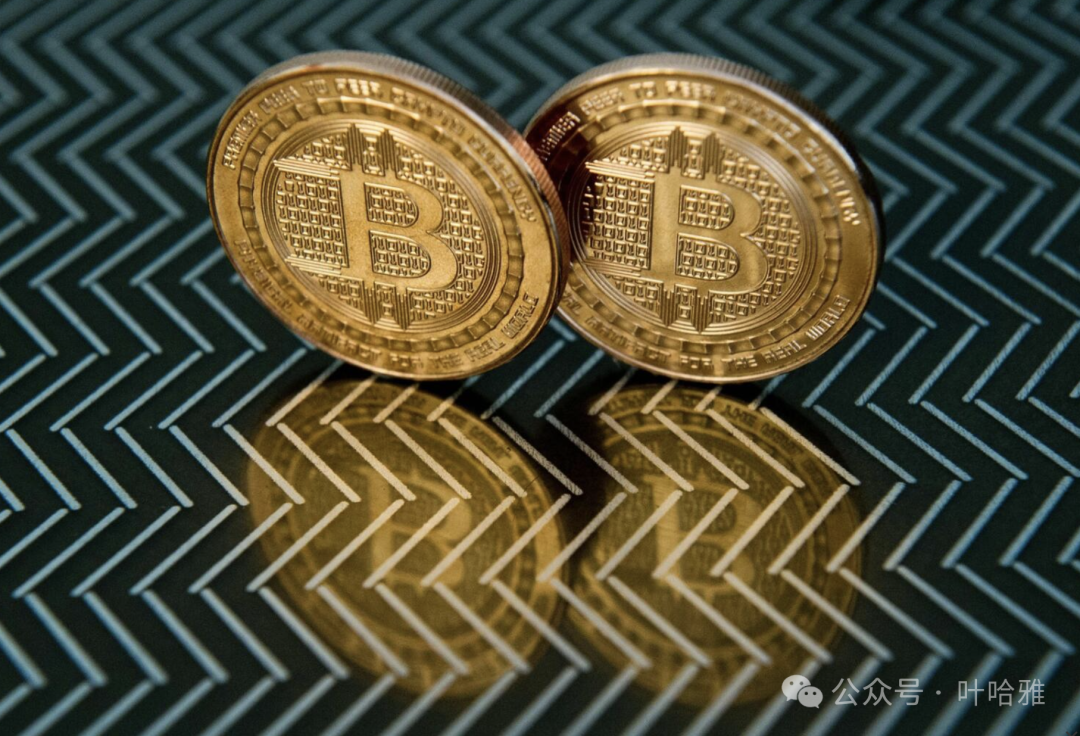
Bitcoin could be the most Islamic form of money ever invented, according to a conference in Abu Dhabi.
Speakers argued that Islam allows anything considered money to be exchanged at spot value, which applies to Bitcoin.
According to the group, Muslim scholars who oppose Bitcoin say money must have intrinsic value and be exchanged equally to be lawful, citing a hadith from the Prophet Muhammad:
Ubadah ibn al-Samit reported: The Messenger of Allah (peace and blessings of Allah be upon him) said: Gold for gold, like for like; Silver for silver, like for like; Barley for barley, wheat for wheat; Dates for dates; Salt for salt. They must be equal in weight and exchanged hand-to-hand. Whoever gives more or asks for more has engaged in usury (riba). If you exchange gold for silver, or wheat for barley, you may vary the amounts, but the exchange must be hand-to-hand and immediate, not on credit. (Sahih) (See Sahih Muslim, Sunan Abi Dawud).
People often misunderstand this hadith, thinking these are the only types of currency allowed, said Harris Irfan, CEO of Cordoba Capital, while speaking at the Bitcoin MENA conference.
In fact, it says that things considered money should be traded at spot value, rather than at a so-called future value.
Economist, author, and Bitcoin supporter Saifedean Ammous agreed that the hadith does not necessarily mean literal equivalent exchange, but refers to spot trading—final cash settlement or a trade where both parties agree on the value at the time of exchange.
On the other hand, some speakers said that regularly issued cash is built entirely on the process of riba, but people do not consider it religiously forbidden because it was once the only means of currency exchange.
Islam forbids selling the time value of money. Most people just take this for granted and think it is an outdated aspect of Islam because we cannot live without fiat currency in the modern world, Amos said.
Fiat currency is created when new loans are issued. This means money must go through an interest-bearing process to exist. But this is something most people do not think about because it is so common around us, and the harm of not using it is much more serious, he added.
Another expert said the concept of Islamic banking itself does not completely reject money injected with interest.
Ivan said: What we are doing is just reverse engineering traditional debt and fractional reserve banking based on fiat currency. Every time an Islamic bank signs a financing contract with a client, it is creating new money in exactly the same way that regular banks create money.
He said some Islamic scholars believe Bitcoin is haram because it has no government backing and no intrinsic value. But actually, nothing has intrinsic value. Value is subjective, and we can assign value to things, he added.
He further explained: There was a time when oil was a negative asset. You had to pay people to take it off your land so you could build houses on it. Now it is very valuable, but nothing has changed inside the oil; it is still a liquid substance.
He added that there is no room for disagreement regarding ownership with Bitcoin, unlike fiat currency, where bankers double-spend funds by providing the same money to both lenders and borrowers.
Ivan stated that many people claim Bitcoin is very volatile, yet fiat currency is more volatile, and banks act like gatekeepers of people's funds.
Individuals may also face complications when withdrawing large amounts of money from banks or trying to transfer funds to high-risk areas.
The only way I can send money to Gaza now to buy medicine and local aid is through Bitcoin. Every time I try to send money through normal banking channels, it gets blocked somehow. This is why Bitcoin is a more real currency than anything else in our world right now, Ivan said.
History has many examples of scholars who took the easy way out and labeled new innovations as illegal.
Ammous said one example is when the internet first appeared and was initially considered illegal. In the past, some people even thought photography was forbidden in religion, but as time passed, these inventions became more common, negative views disappeared, and they became widely accepted.
The Muslim world is missing out on the Bitcoin revolution, he said.
How much people benefit from Bitcoin depends heavily on when they start buying it.
Ten years ago, 1 dollar could buy 100,000 satoshis, but today, 1 dollar can only buy 1,000 satoshis, so the user experience is completely different depending on when you start.
For 10 years, I have heard people issue fatwas saying Bitcoin is illegal, but what will happen if we are still here in another 10 years? The price of Bitcoin will go up 100 times, and people who want to get into Bitcoin today will get 1% of the units they could have bought 10 years ago.
Summary: This Muslim knowledge guide discusses whether Bitcoin can be halal, drawing on an Abu Dhabi Bitcoin conference, hadith about spot exchange, fiat money, Islamic banking, riba, debt, fractional reserve banking, and the debate over Bitcoin as money.
Bitcoin could be the most Islamic form of money ever invented, according to a conference in Abu Dhabi.
Speakers argued that Islam allows anything considered money to be exchanged at spot value, which applies to Bitcoin.
According to the group, Muslim scholars who oppose Bitcoin say money must have intrinsic value and be exchanged equally to be lawful, citing a hadith from the Prophet Muhammad:
Ubadah ibn al-Samit reported: The Messenger of Allah (peace and blessings of Allah be upon him) said: Gold for gold, like for like; Silver for silver, like for like; Barley for barley, wheat for wheat; Dates for dates; Salt for salt. They must be equal in weight and exchanged hand-to-hand. Whoever gives more or asks for more has engaged in usury (riba). If you exchange gold for silver, or wheat for barley, you may vary the amounts, but the exchange must be hand-to-hand and immediate, not on credit. (Sahih) (See Sahih Muslim, Sunan Abi Dawud).
People often misunderstand this hadith, thinking these are the only types of currency allowed, said Harris Irfan, CEO of Cordoba Capital, while speaking at the Bitcoin MENA conference.
In fact, it says that things considered money should be traded at spot value, rather than at a so-called future value.
Economist, author, and Bitcoin supporter Saifedean Ammous agreed that the hadith does not necessarily mean literal equivalent exchange, but refers to spot trading—final cash settlement or a trade where both parties agree on the value at the time of exchange.
On the other hand, some speakers said that regularly issued cash is built entirely on the process of riba, but people do not consider it religiously forbidden because it was once the only means of currency exchange.
Islam forbids selling the time value of money. Most people just take this for granted and think it is an outdated aspect of Islam because we cannot live without fiat currency in the modern world, Amos said.
Fiat currency is created when new loans are issued. This means money must go through an interest-bearing process to exist. But this is something most people do not think about because it is so common around us, and the harm of not using it is much more serious, he added.
Another expert said the concept of Islamic banking itself does not completely reject money injected with interest.
Ivan said: What we are doing is just reverse engineering traditional debt and fractional reserve banking based on fiat currency. Every time an Islamic bank signs a financing contract with a client, it is creating new money in exactly the same way that regular banks create money.
He said some Islamic scholars believe Bitcoin is haram because it has no government backing and no intrinsic value. But actually, nothing has intrinsic value. Value is subjective, and we can assign value to things, he added.
He further explained: There was a time when oil was a negative asset. You had to pay people to take it off your land so you could build houses on it. Now it is very valuable, but nothing has changed inside the oil; it is still a liquid substance.
He added that there is no room for disagreement regarding ownership with Bitcoin, unlike fiat currency, where bankers double-spend funds by providing the same money to both lenders and borrowers.
Ivan stated that many people claim Bitcoin is very volatile, yet fiat currency is more volatile, and banks act like gatekeepers of people's funds.
Individuals may also face complications when withdrawing large amounts of money from banks or trying to transfer funds to high-risk areas.
The only way I can send money to Gaza now to buy medicine and local aid is through Bitcoin. Every time I try to send money through normal banking channels, it gets blocked somehow. This is why Bitcoin is a more real currency than anything else in our world right now, Ivan said.
History has many examples of scholars who took the easy way out and labeled new innovations as illegal.
Ammous said one example is when the internet first appeared and was initially considered illegal. In the past, some people even thought photography was forbidden in religion, but as time passed, these inventions became more common, negative views disappeared, and they became widely accepted.
The Muslim world is missing out on the Bitcoin revolution, he said.
How much people benefit from Bitcoin depends heavily on when they start buying it.
Ten years ago, 1 dollar could buy 100,000 satoshis, but today, 1 dollar can only buy 1,000 satoshis, so the user experience is completely different depending on when you start.
For 10 years, I have heard people issue fatwas saying Bitcoin is illegal, but what will happen if we are still here in another 10 years? The price of Bitcoin will go up 100 times, and people who want to get into Bitcoin today will get 1% of the units they could have bought 10 years ago.
Muslim Knowledge Guide Abu Dhabi: Is Bitcoin Halal, Riba-Free Money and Islamic Finance Debate
Articles • yusuf908 posted the article • 0 comments • 228 views • 2026-05-23 06:09
Reposted from the web
Summary: This Muslim knowledge guide discusses whether Bitcoin can be halal, drawing on an Abu Dhabi Bitcoin conference, hadith about spot exchange, fiat money, Islamic banking, riba, debt, fractional reserve banking, and the debate over Bitcoin as money.
Bitcoin could be the most Islamic form of money ever invented, according to a conference in Abu Dhabi.
Speakers argued that Islam allows anything considered money to be exchanged at spot value, which applies to Bitcoin.
According to the group, Muslim scholars who oppose Bitcoin say money must have intrinsic value and be exchanged equally to be lawful, citing a hadith from the Prophet Muhammad:
Ubadah ibn al-Samit reported: The Messenger of Allah (peace and blessings of Allah be upon him) said: Gold for gold, like for like; Silver for silver, like for like; Barley for barley, wheat for wheat; Dates for dates; Salt for salt. They must be equal in weight and exchanged hand-to-hand. Whoever gives more or asks for more has engaged in usury (riba). If you exchange gold for silver, or wheat for barley, you may vary the amounts, but the exchange must be hand-to-hand and immediate, not on credit. (Sahih) (See Sahih Muslim, Sunan Abi Dawud).
People often misunderstand this hadith, thinking these are the only types of currency allowed, said Harris Irfan, CEO of Cordoba Capital, while speaking at the Bitcoin MENA conference.
In fact, it says that things considered money should be traded at spot value, rather than at a so-called future value.
Economist, author, and Bitcoin supporter Saifedean Ammous agreed that the hadith does not necessarily mean literal equivalent exchange, but refers to spot trading—final cash settlement or a trade where both parties agree on the value at the time of exchange.
On the other hand, some speakers said that regularly issued cash is built entirely on the process of riba, but people do not consider it religiously forbidden because it was once the only means of currency exchange.
Islam forbids selling the time value of money. Most people just take this for granted and think it is an outdated aspect of Islam because we cannot live without fiat currency in the modern world, Amos said.
Fiat currency is created when new loans are issued. This means money must go through an interest-bearing process to exist. But this is something most people do not think about because it is so common around us, and the harm of not using it is much more serious, he added.
Another expert said the concept of Islamic banking itself does not completely reject money injected with interest.
Ivan said: What we are doing is just reverse engineering traditional debt and fractional reserve banking based on fiat currency. Every time an Islamic bank signs a financing contract with a client, it is creating new money in exactly the same way that regular banks create money.
He said some Islamic scholars believe Bitcoin is haram because it has no government backing and no intrinsic value. But actually, nothing has intrinsic value. Value is subjective, and we can assign value to things, he added.
He further explained: There was a time when oil was a negative asset. You had to pay people to take it off your land so you could build houses on it. Now it is very valuable, but nothing has changed inside the oil; it is still a liquid substance.
He added that there is no room for disagreement regarding ownership with Bitcoin, unlike fiat currency, where bankers double-spend funds by providing the same money to both lenders and borrowers.
Ivan stated that many people claim Bitcoin is very volatile, yet fiat currency is more volatile, and banks act like gatekeepers of people's funds.
Individuals may also face complications when withdrawing large amounts of money from banks or trying to transfer funds to high-risk areas.
The only way I can send money to Gaza now to buy medicine and local aid is through Bitcoin. Every time I try to send money through normal banking channels, it gets blocked somehow. This is why Bitcoin is a more real currency than anything else in our world right now, Ivan said.
History has many examples of scholars who took the easy way out and labeled new innovations as illegal.
Ammous said one example is when the internet first appeared and was initially considered illegal. In the past, some people even thought photography was forbidden in religion, but as time passed, these inventions became more common, negative views disappeared, and they became widely accepted.
The Muslim world is missing out on the Bitcoin revolution, he said.
How much people benefit from Bitcoin depends heavily on when they start buying it.
Ten years ago, 1 dollar could buy 100,000 satoshis, but today, 1 dollar can only buy 1,000 satoshis, so the user experience is completely different depending on when you start.
For 10 years, I have heard people issue fatwas saying Bitcoin is illegal, but what will happen if we are still here in another 10 years? The price of Bitcoin will go up 100 times, and people who want to get into Bitcoin today will get 1% of the units they could have bought 10 years ago. view all
Summary: This Muslim knowledge guide discusses whether Bitcoin can be halal, drawing on an Abu Dhabi Bitcoin conference, hadith about spot exchange, fiat money, Islamic banking, riba, debt, fractional reserve banking, and the debate over Bitcoin as money.
Bitcoin could be the most Islamic form of money ever invented, according to a conference in Abu Dhabi.
Speakers argued that Islam allows anything considered money to be exchanged at spot value, which applies to Bitcoin.
According to the group, Muslim scholars who oppose Bitcoin say money must have intrinsic value and be exchanged equally to be lawful, citing a hadith from the Prophet Muhammad:
Ubadah ibn al-Samit reported: The Messenger of Allah (peace and blessings of Allah be upon him) said: Gold for gold, like for like; Silver for silver, like for like; Barley for barley, wheat for wheat; Dates for dates; Salt for salt. They must be equal in weight and exchanged hand-to-hand. Whoever gives more or asks for more has engaged in usury (riba). If you exchange gold for silver, or wheat for barley, you may vary the amounts, but the exchange must be hand-to-hand and immediate, not on credit. (Sahih) (See Sahih Muslim, Sunan Abi Dawud).
People often misunderstand this hadith, thinking these are the only types of currency allowed, said Harris Irfan, CEO of Cordoba Capital, while speaking at the Bitcoin MENA conference.
In fact, it says that things considered money should be traded at spot value, rather than at a so-called future value.
Economist, author, and Bitcoin supporter Saifedean Ammous agreed that the hadith does not necessarily mean literal equivalent exchange, but refers to spot trading—final cash settlement or a trade where both parties agree on the value at the time of exchange.
On the other hand, some speakers said that regularly issued cash is built entirely on the process of riba, but people do not consider it religiously forbidden because it was once the only means of currency exchange.
Islam forbids selling the time value of money. Most people just take this for granted and think it is an outdated aspect of Islam because we cannot live without fiat currency in the modern world, Amos said.
Fiat currency is created when new loans are issued. This means money must go through an interest-bearing process to exist. But this is something most people do not think about because it is so common around us, and the harm of not using it is much more serious, he added.
Another expert said the concept of Islamic banking itself does not completely reject money injected with interest.
Ivan said: What we are doing is just reverse engineering traditional debt and fractional reserve banking based on fiat currency. Every time an Islamic bank signs a financing contract with a client, it is creating new money in exactly the same way that regular banks create money.
He said some Islamic scholars believe Bitcoin is haram because it has no government backing and no intrinsic value. But actually, nothing has intrinsic value. Value is subjective, and we can assign value to things, he added.
He further explained: There was a time when oil was a negative asset. You had to pay people to take it off your land so you could build houses on it. Now it is very valuable, but nothing has changed inside the oil; it is still a liquid substance.
He added that there is no room for disagreement regarding ownership with Bitcoin, unlike fiat currency, where bankers double-spend funds by providing the same money to both lenders and borrowers.
Ivan stated that many people claim Bitcoin is very volatile, yet fiat currency is more volatile, and banks act like gatekeepers of people's funds.
Individuals may also face complications when withdrawing large amounts of money from banks or trying to transfer funds to high-risk areas.
The only way I can send money to Gaza now to buy medicine and local aid is through Bitcoin. Every time I try to send money through normal banking channels, it gets blocked somehow. This is why Bitcoin is a more real currency than anything else in our world right now, Ivan said.
History has many examples of scholars who took the easy way out and labeled new innovations as illegal.
Ammous said one example is when the internet first appeared and was initially considered illegal. In the past, some people even thought photography was forbidden in religion, but as time passed, these inventions became more common, negative views disappeared, and they became widely accepted.
The Muslim world is missing out on the Bitcoin revolution, he said.
How much people benefit from Bitcoin depends heavily on when they start buying it.
Ten years ago, 1 dollar could buy 100,000 satoshis, but today, 1 dollar can only buy 1,000 satoshis, so the user experience is completely different depending on when you start.
For 10 years, I have heard people issue fatwas saying Bitcoin is illegal, but what will happen if we are still here in another 10 years? The price of Bitcoin will go up 100 times, and people who want to get into Bitcoin today will get 1% of the units they could have bought 10 years ago. view all
Reposted from the web
Summary: This Muslim knowledge guide discusses whether Bitcoin can be halal, drawing on an Abu Dhabi Bitcoin conference, hadith about spot exchange, fiat money, Islamic banking, riba, debt, fractional reserve banking, and the debate over Bitcoin as money.
Bitcoin could be the most Islamic form of money ever invented, according to a conference in Abu Dhabi.
Speakers argued that Islam allows anything considered money to be exchanged at spot value, which applies to Bitcoin.
According to the group, Muslim scholars who oppose Bitcoin say money must have intrinsic value and be exchanged equally to be lawful, citing a hadith from the Prophet Muhammad:
Ubadah ibn al-Samit reported: The Messenger of Allah (peace and blessings of Allah be upon him) said: Gold for gold, like for like; Silver for silver, like for like; Barley for barley, wheat for wheat; Dates for dates; Salt for salt. They must be equal in weight and exchanged hand-to-hand. Whoever gives more or asks for more has engaged in usury (riba). If you exchange gold for silver, or wheat for barley, you may vary the amounts, but the exchange must be hand-to-hand and immediate, not on credit. (Sahih) (See Sahih Muslim, Sunan Abi Dawud).
People often misunderstand this hadith, thinking these are the only types of currency allowed, said Harris Irfan, CEO of Cordoba Capital, while speaking at the Bitcoin MENA conference.
In fact, it says that things considered money should be traded at spot value, rather than at a so-called future value.
Economist, author, and Bitcoin supporter Saifedean Ammous agreed that the hadith does not necessarily mean literal equivalent exchange, but refers to spot trading—final cash settlement or a trade where both parties agree on the value at the time of exchange.
On the other hand, some speakers said that regularly issued cash is built entirely on the process of riba, but people do not consider it religiously forbidden because it was once the only means of currency exchange.
Islam forbids selling the time value of money. Most people just take this for granted and think it is an outdated aspect of Islam because we cannot live without fiat currency in the modern world, Amos said.
Fiat currency is created when new loans are issued. This means money must go through an interest-bearing process to exist. But this is something most people do not think about because it is so common around us, and the harm of not using it is much more serious, he added.
Another expert said the concept of Islamic banking itself does not completely reject money injected with interest.
Ivan said: What we are doing is just reverse engineering traditional debt and fractional reserve banking based on fiat currency. Every time an Islamic bank signs a financing contract with a client, it is creating new money in exactly the same way that regular banks create money.
He said some Islamic scholars believe Bitcoin is haram because it has no government backing and no intrinsic value. But actually, nothing has intrinsic value. Value is subjective, and we can assign value to things, he added.
He further explained: There was a time when oil was a negative asset. You had to pay people to take it off your land so you could build houses on it. Now it is very valuable, but nothing has changed inside the oil; it is still a liquid substance.
He added that there is no room for disagreement regarding ownership with Bitcoin, unlike fiat currency, where bankers double-spend funds by providing the same money to both lenders and borrowers.
Ivan stated that many people claim Bitcoin is very volatile, yet fiat currency is more volatile, and banks act like gatekeepers of people's funds.
Individuals may also face complications when withdrawing large amounts of money from banks or trying to transfer funds to high-risk areas.
The only way I can send money to Gaza now to buy medicine and local aid is through Bitcoin. Every time I try to send money through normal banking channels, it gets blocked somehow. This is why Bitcoin is a more real currency than anything else in our world right now, Ivan said.
History has many examples of scholars who took the easy way out and labeled new innovations as illegal.
Ammous said one example is when the internet first appeared and was initially considered illegal. In the past, some people even thought photography was forbidden in religion, but as time passed, these inventions became more common, negative views disappeared, and they became widely accepted.
The Muslim world is missing out on the Bitcoin revolution, he said.
How much people benefit from Bitcoin depends heavily on when they start buying it.
Ten years ago, 1 dollar could buy 100,000 satoshis, but today, 1 dollar can only buy 1,000 satoshis, so the user experience is completely different depending on when you start.
For 10 years, I have heard people issue fatwas saying Bitcoin is illegal, but what will happen if we are still here in another 10 years? The price of Bitcoin will go up 100 times, and people who want to get into Bitcoin today will get 1% of the units they could have bought 10 years ago.
Summary: This Muslim knowledge guide discusses whether Bitcoin can be halal, drawing on an Abu Dhabi Bitcoin conference, hadith about spot exchange, fiat money, Islamic banking, riba, debt, fractional reserve banking, and the debate over Bitcoin as money.
Bitcoin could be the most Islamic form of money ever invented, according to a conference in Abu Dhabi.
Speakers argued that Islam allows anything considered money to be exchanged at spot value, which applies to Bitcoin.
According to the group, Muslim scholars who oppose Bitcoin say money must have intrinsic value and be exchanged equally to be lawful, citing a hadith from the Prophet Muhammad:
Ubadah ibn al-Samit reported: The Messenger of Allah (peace and blessings of Allah be upon him) said: Gold for gold, like for like; Silver for silver, like for like; Barley for barley, wheat for wheat; Dates for dates; Salt for salt. They must be equal in weight and exchanged hand-to-hand. Whoever gives more or asks for more has engaged in usury (riba). If you exchange gold for silver, or wheat for barley, you may vary the amounts, but the exchange must be hand-to-hand and immediate, not on credit. (Sahih) (See Sahih Muslim, Sunan Abi Dawud).
People often misunderstand this hadith, thinking these are the only types of currency allowed, said Harris Irfan, CEO of Cordoba Capital, while speaking at the Bitcoin MENA conference.
In fact, it says that things considered money should be traded at spot value, rather than at a so-called future value.
Economist, author, and Bitcoin supporter Saifedean Ammous agreed that the hadith does not necessarily mean literal equivalent exchange, but refers to spot trading—final cash settlement or a trade where both parties agree on the value at the time of exchange.
On the other hand, some speakers said that regularly issued cash is built entirely on the process of riba, but people do not consider it religiously forbidden because it was once the only means of currency exchange.
Islam forbids selling the time value of money. Most people just take this for granted and think it is an outdated aspect of Islam because we cannot live without fiat currency in the modern world, Amos said.
Fiat currency is created when new loans are issued. This means money must go through an interest-bearing process to exist. But this is something most people do not think about because it is so common around us, and the harm of not using it is much more serious, he added.
Another expert said the concept of Islamic banking itself does not completely reject money injected with interest.
Ivan said: What we are doing is just reverse engineering traditional debt and fractional reserve banking based on fiat currency. Every time an Islamic bank signs a financing contract with a client, it is creating new money in exactly the same way that regular banks create money.
He said some Islamic scholars believe Bitcoin is haram because it has no government backing and no intrinsic value. But actually, nothing has intrinsic value. Value is subjective, and we can assign value to things, he added.
He further explained: There was a time when oil was a negative asset. You had to pay people to take it off your land so you could build houses on it. Now it is very valuable, but nothing has changed inside the oil; it is still a liquid substance.
He added that there is no room for disagreement regarding ownership with Bitcoin, unlike fiat currency, where bankers double-spend funds by providing the same money to both lenders and borrowers.
Ivan stated that many people claim Bitcoin is very volatile, yet fiat currency is more volatile, and banks act like gatekeepers of people's funds.
Individuals may also face complications when withdrawing large amounts of money from banks or trying to transfer funds to high-risk areas.
The only way I can send money to Gaza now to buy medicine and local aid is through Bitcoin. Every time I try to send money through normal banking channels, it gets blocked somehow. This is why Bitcoin is a more real currency than anything else in our world right now, Ivan said.
History has many examples of scholars who took the easy way out and labeled new innovations as illegal.
Ammous said one example is when the internet first appeared and was initially considered illegal. In the past, some people even thought photography was forbidden in religion, but as time passed, these inventions became more common, negative views disappeared, and they became widely accepted.
The Muslim world is missing out on the Bitcoin revolution, he said.
How much people benefit from Bitcoin depends heavily on when they start buying it.
Ten years ago, 1 dollar could buy 100,000 satoshis, but today, 1 dollar can only buy 1,000 satoshis, so the user experience is completely different depending on when you start.
For 10 years, I have heard people issue fatwas saying Bitcoin is illegal, but what will happen if we are still here in another 10 years? The price of Bitcoin will go up 100 times, and people who want to get into Bitcoin today will get 1% of the units they could have bought 10 years ago.