

Bolgar Travel
Bolgar on the Volga: A Thousand-Year Muslim Capital and Tatar Heritage
Articles • ali2007fr posted the article • 0 comments • 153 views • 2026-05-17 08:19
Reposted from the web
Summary: This travel note introduces Bolgar on the Volga: A Thousand-Year Muslim Capital and Tatar Heritage. The ancient city of Bolghar is located on the banks of the Volga River, south of Kazan, the capital of Tatarstan, and was the capital of Volga Bulgaria in the 10th and 11th centuries. It is useful for readers interested in Bolgar Travel, Tatar Muslims, Islamic Heritage.
The ancient city of Bolghar is located on the banks of the Volga River, south of Kazan, the capital of Tatarstan, and was the capital of Volga Bulgaria in the 10th and 11th centuries. The Volga Bulgars accepted Islam in 922, and this year marks exactly the 1100th anniversary.
Before the Crusades, the city of Bolghar was an important trade hub between Europe and Asia, and one of the wealthiest cities in the Islamic world at that time. In 1236, the Mongol army led by Batu Khan launched an expedition to Europe, completely destroying Volga Bulgaria and the city of Bolghar. After this, the city of Bolghar was rebuilt into an important economic, commercial, cultural, and religious center of the Golden Horde. Under the influence of the Bolghars, the Mongol rulers of the Golden Horde also began to believe in Islam, building a series of mosques, minarets, and Muslim mausoleums in the city. Coupled with secular palaces and bathhouses, most of the existing ruins in the city of Bolghar belong to this period.
After the decline of the Golden Horde, the ancient city of Bolghar remained a religious center for Muslims until the mid-16th century. After Ivan the Terrible of Russia conquered the Khanate of Kazan in 1552, the ancient city fell into complete decline.
After the 18th century, the center of the ancient city was occupied by the Orthodox Church; an Orthodox church was built on the site of the Great Mosque, and Muslim mausoleums were converted into chapels and wine cellars. Due to the construction of monasteries and surrounding villages, the architectural ruins within the ancient city decreased rapidly. In the early 18th century, there were more than 70 buildings within the ancient city ruins, including 9 minarets, but only 1 minaret has been preserved to this day.
During the Soviet era, because they could not travel to Mecca, Muslims in Tatarstan and other parts of the Soviet Union chose to travel to the ancient city of Bolghar for a "minor Hajj" (pilgrimage).
Today, the ancient city of Bolghar holds an important place in the hearts of the Volga Tatars, who view the Volga Bulgars as one of their ancestors and consider the ancient city of Bolghar their historical and religious capital. In 2014, the ancient city of Bolghar was included in the UNESCO World Heritage List.
Table of Contents
I. Arrival
1. Volga River Speedboat
2. Bolghar Pier
3. Tatar Snack Bar
II. Great Mosque Architectural Complex
1. Great Mosque
2. Great Minaret
3. Eastern Mausoleum
4. Northern Mausoleum
5. Khan's Palace
6. Eastern House
III. Black House
IV. Khan's Mausoleum and Small Minaret
1. Khan's Mausoleum
2. Small Minaret
V. White House
VI. Small Tombs
VII. Southern Small City
VIII. Unearthed Artifacts
I. Arrival
1. Volga River Speedboat
The most convenient and interesting way to travel from Kazan to the ancient city of Bolghar is to take a Volga River speedboat from the Kazan pier. For information on the Kazan pier, you can visit the website https://douc.cc/1vFyDm; tickets can only be purchased on-site. The lady at the ticket window does not speak English, but you just need to show her the destination and date of the boat trip translated into Russian, and she will gesture to ask if you want a one-way or round-trip ticket; you can just gesture for a round-trip.
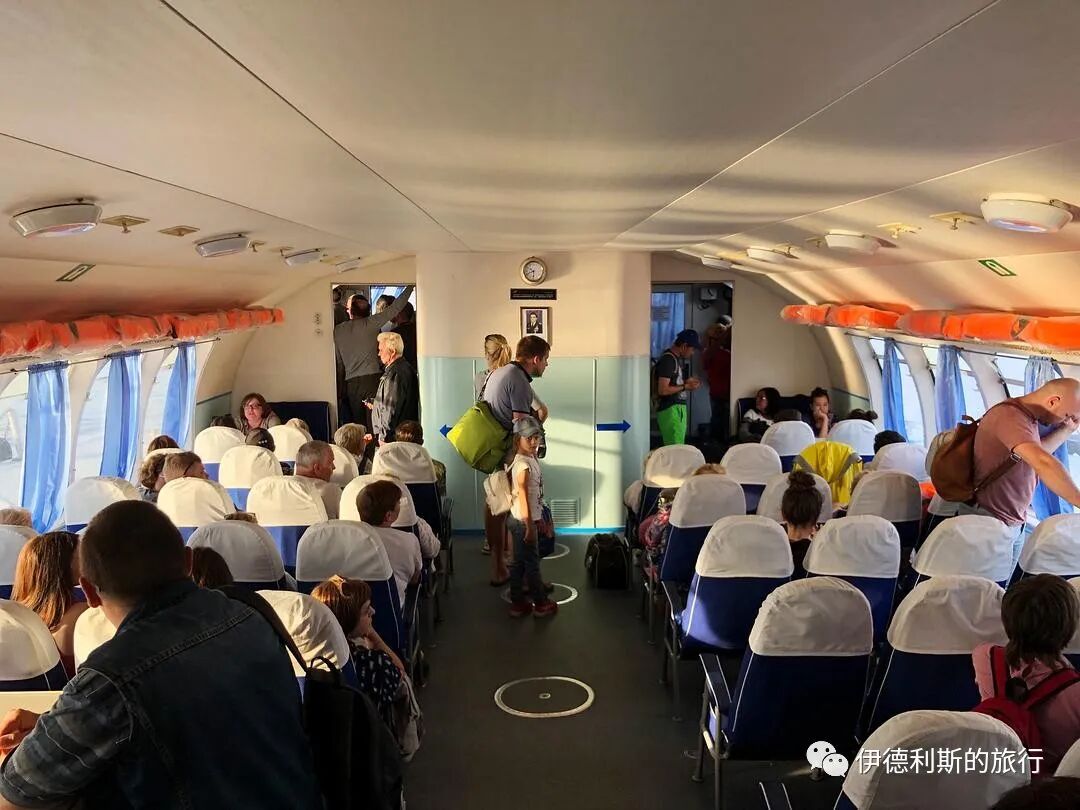
I bought a ticket departing from Kazan at 8:00 AM, arriving in Bolghar around 10:00 AM, and returning at 3:40 PM, arriving back in Kazan around 5:40 PM, leaving me with five hours and forty minutes to stay. Many of the passengers on the boat are middle-aged and elderly tour groups, with a small number of individual tourists.
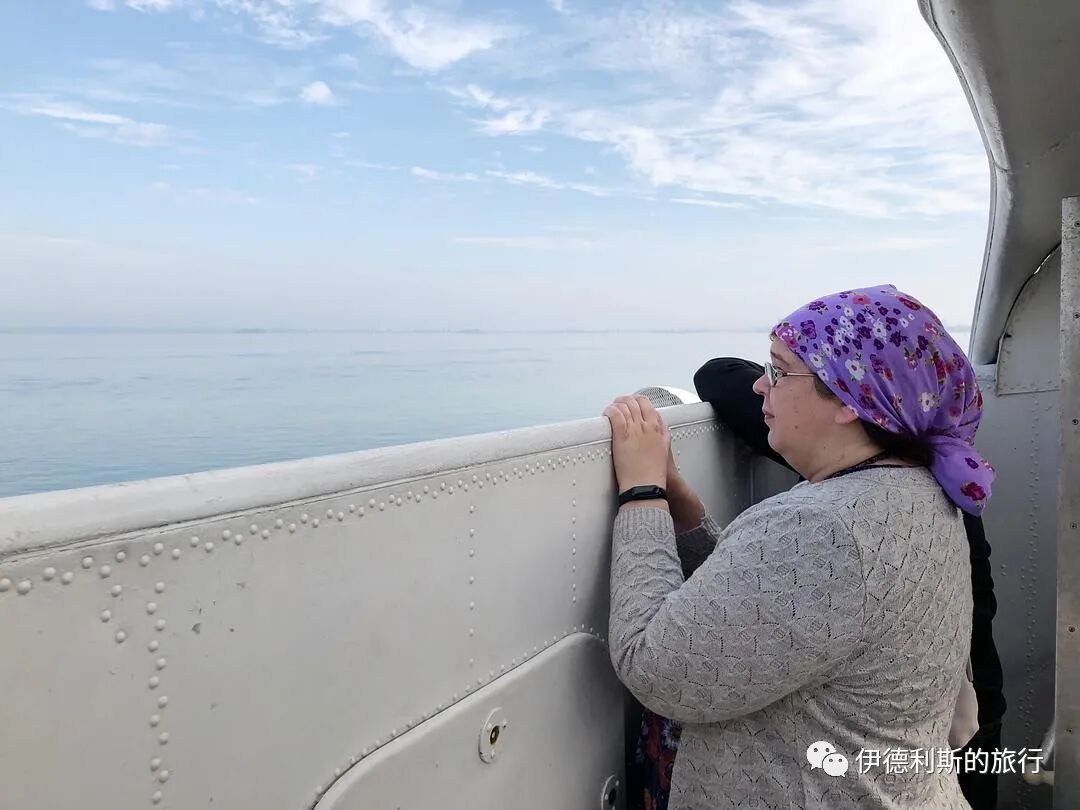
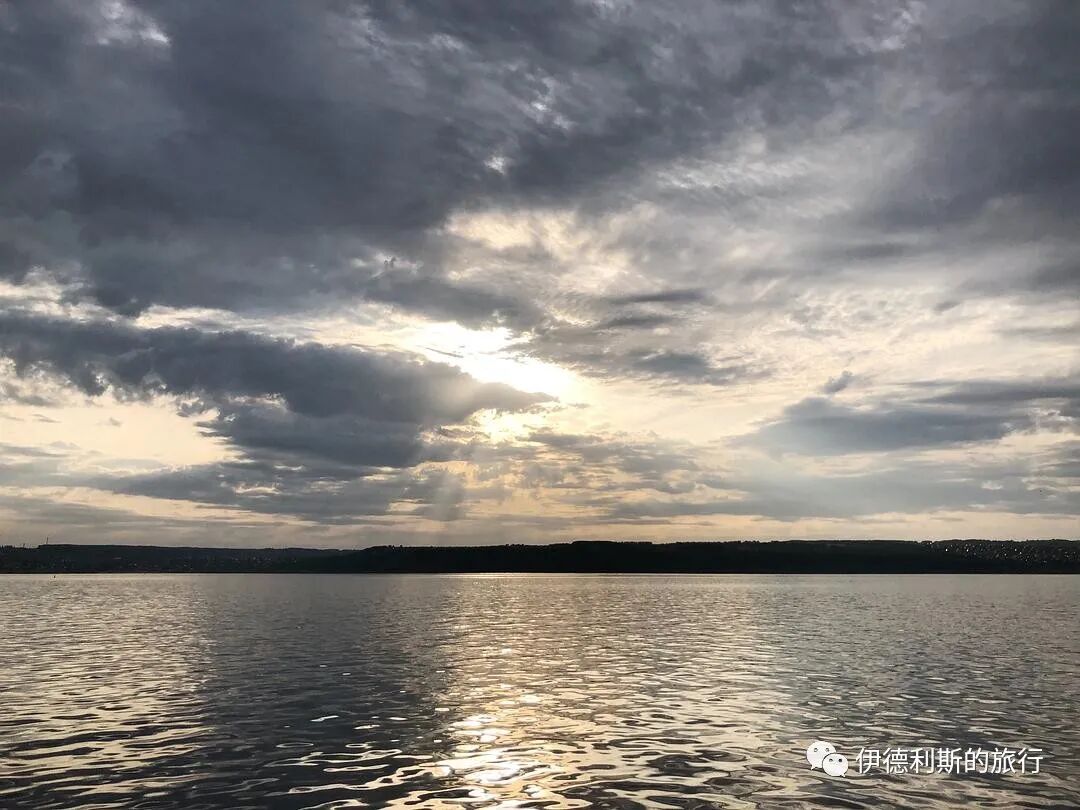
The boat travels on the Volga River, and at its widest point, you can barely see the opposite bank. It is very windy on the boat, which is quite exhilarating.
2. Bolghar Pier
The boat did not stop at the entrance of the Bolghar Civilization Museum as written in the Lonely Planet Russia volume, but instead stopped at the Bolghar Pier to the west; from the pier, you still need to take a vehicle to the heritage area of the ancient city.
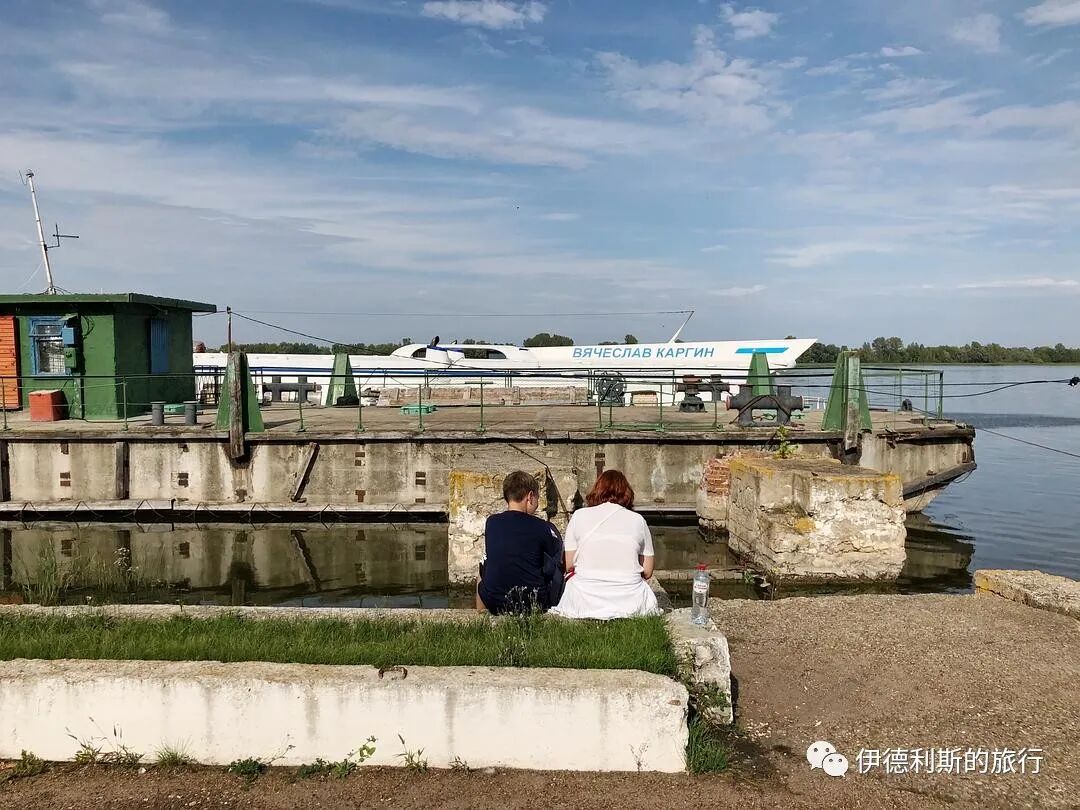
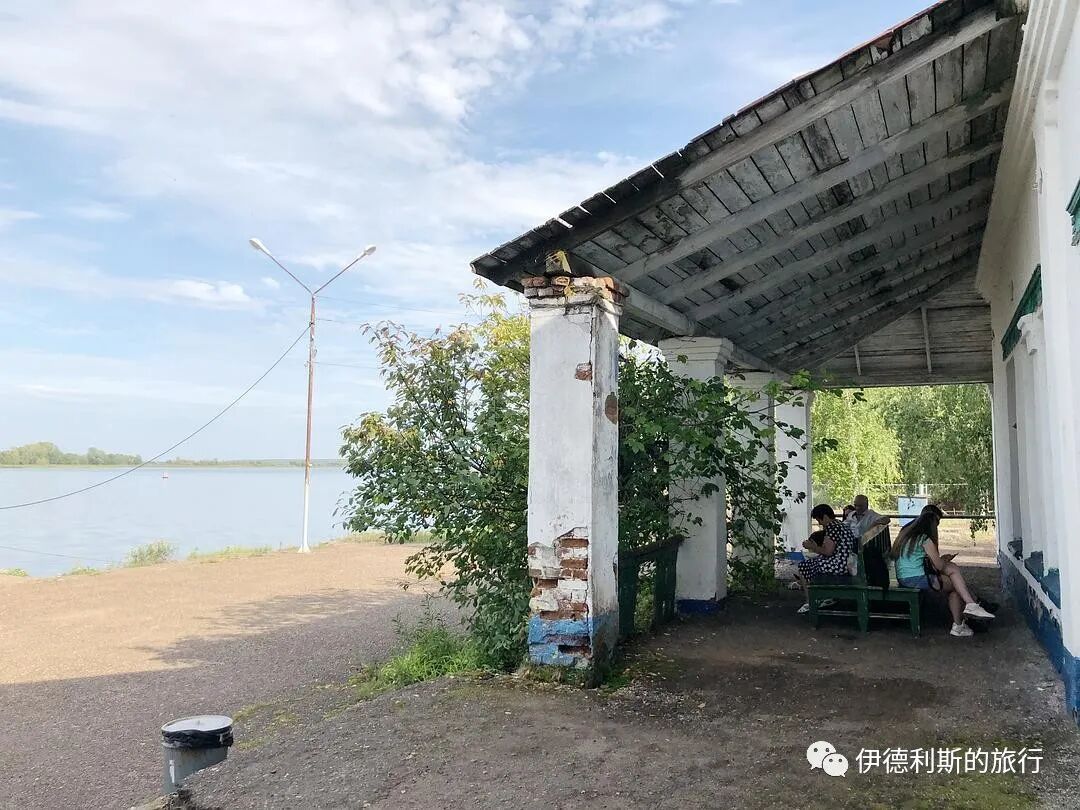
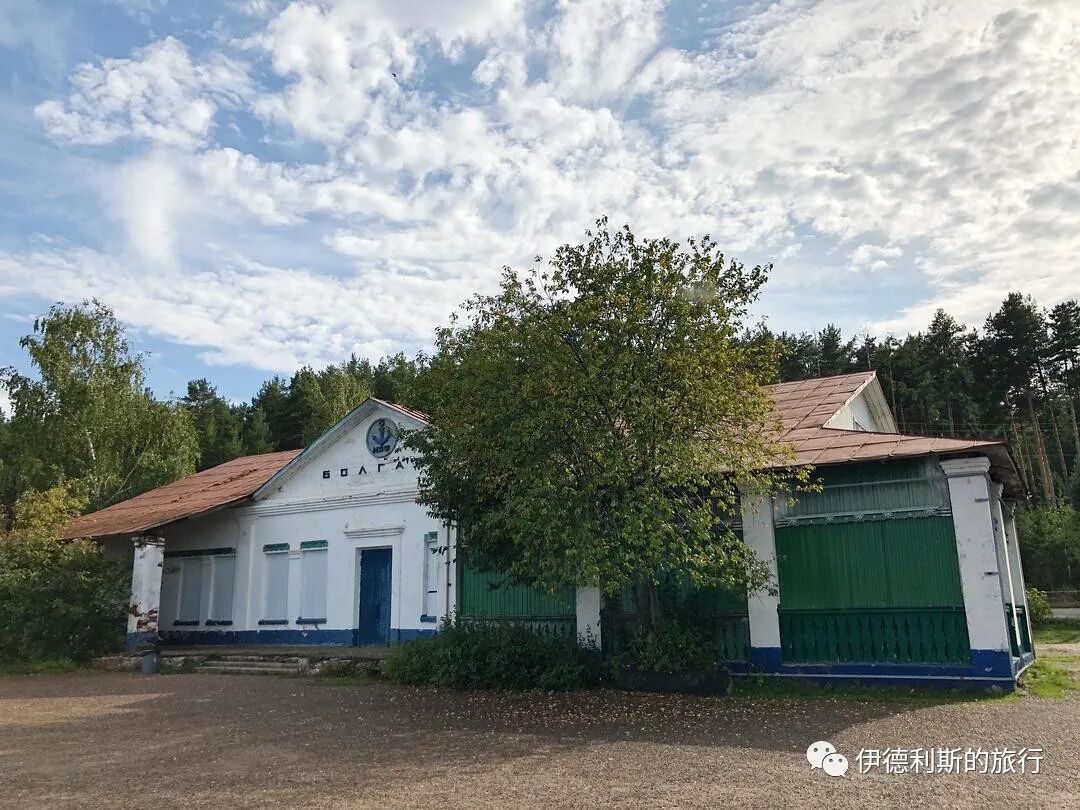
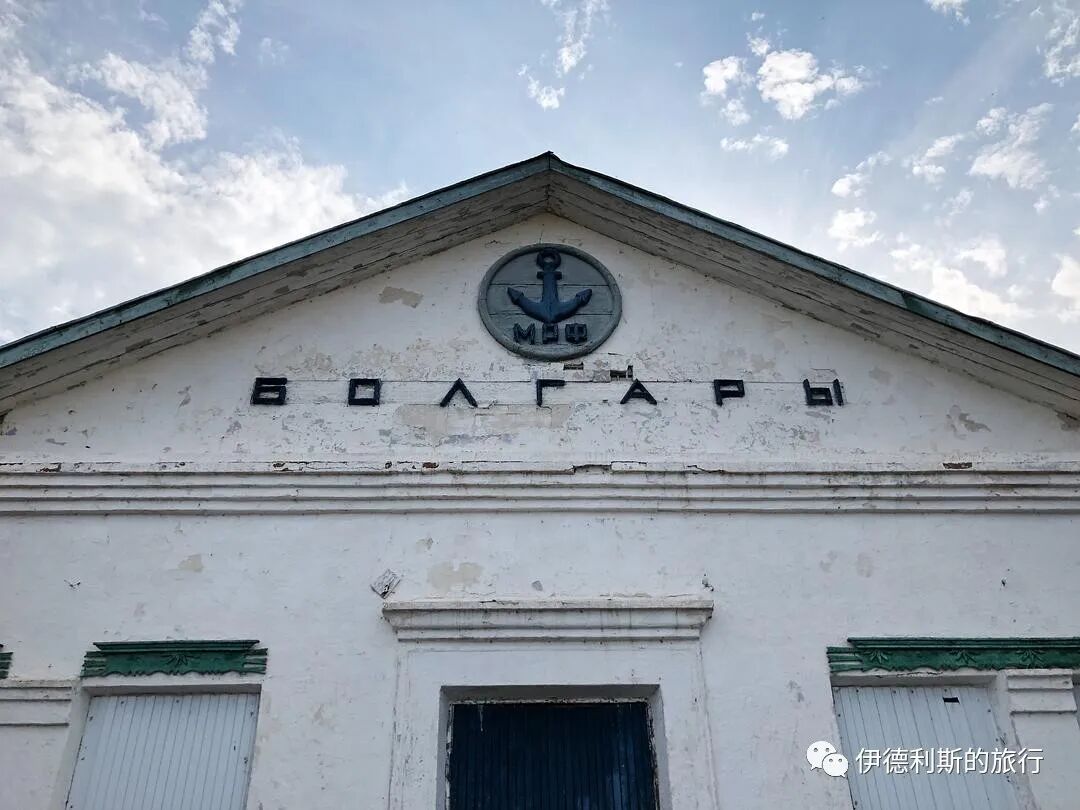
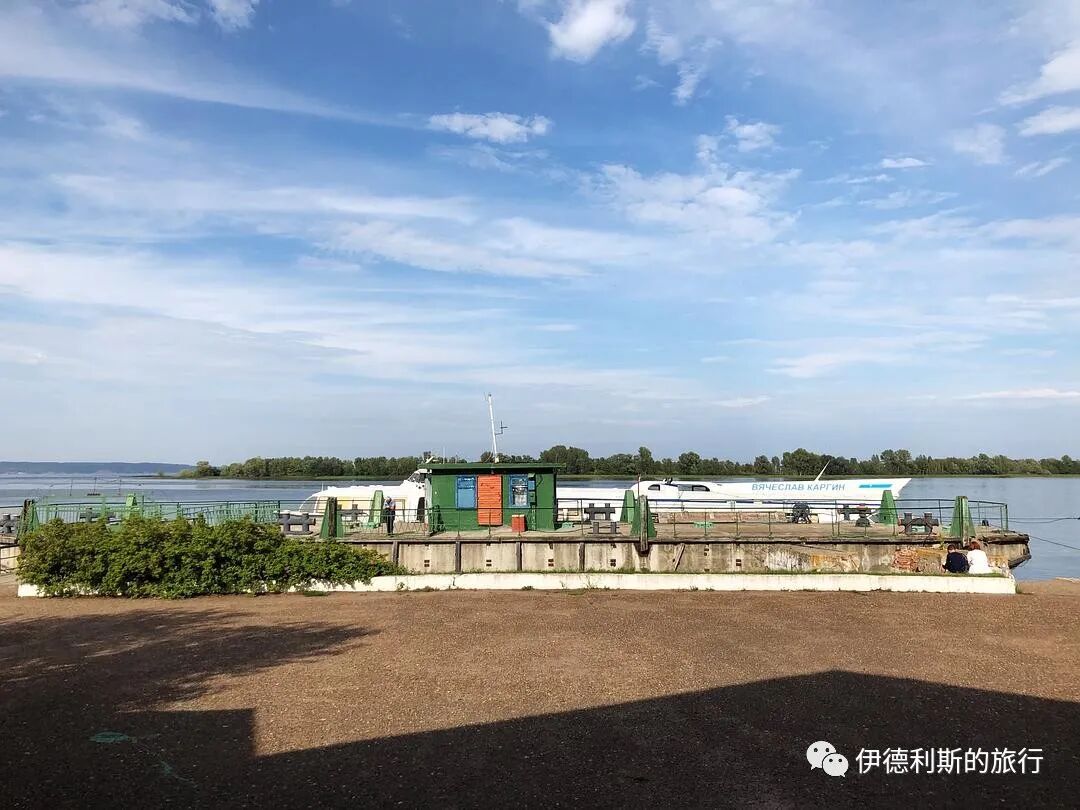
Bolghar Pier is a quiet little pier with a great atmosphere; waiting for the boat here on the return trip felt like being in a Russian movie.
3. Tatar Snack Bar
There are some souvenir shops and snack bars around the ancient city ruins area. I ate pilaf and the traditional Volga Tatar pie elesh (a savory pastry) at this Volga Tatar traditional fast-food chain Tubatay (Тюбетей). Elesh is made with sour cream and yeast dough, and the filling is chicken, potatoes, and onions.
II. Great Mosque Architectural Complex
After the Golden Horde rebuilt the city of Bolghar in the 13th century, they built a series of buildings centered on the Great Mosque.
1. Great Mosque
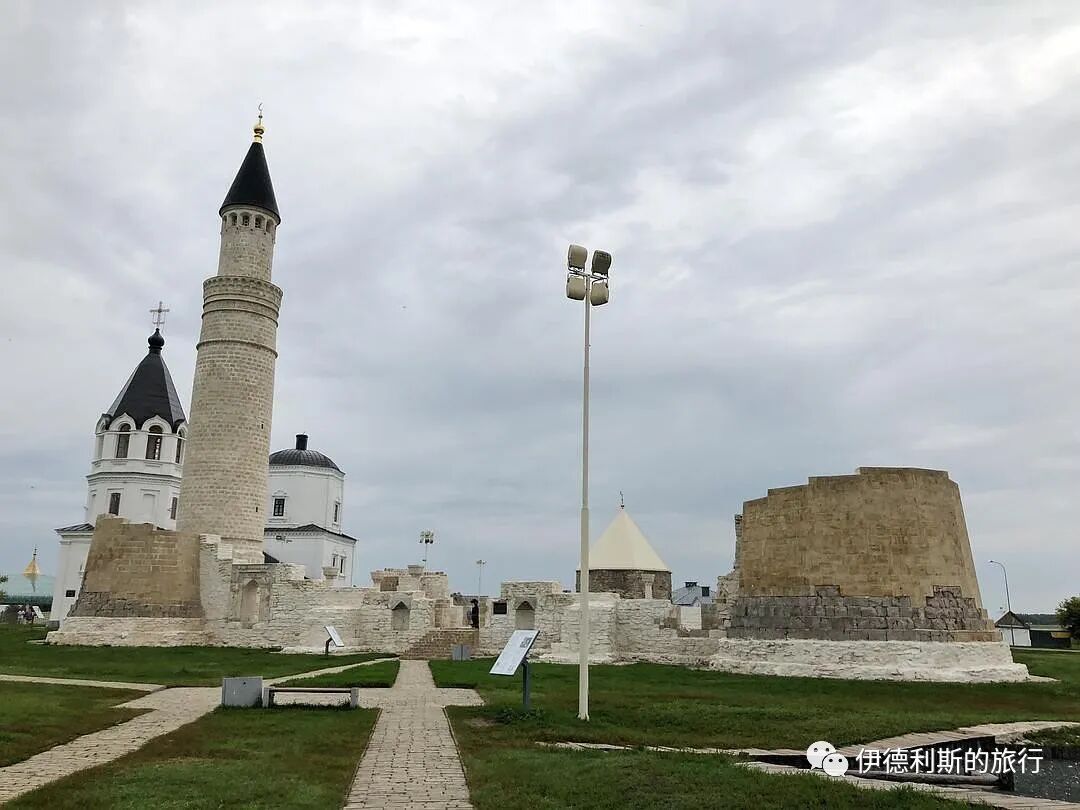
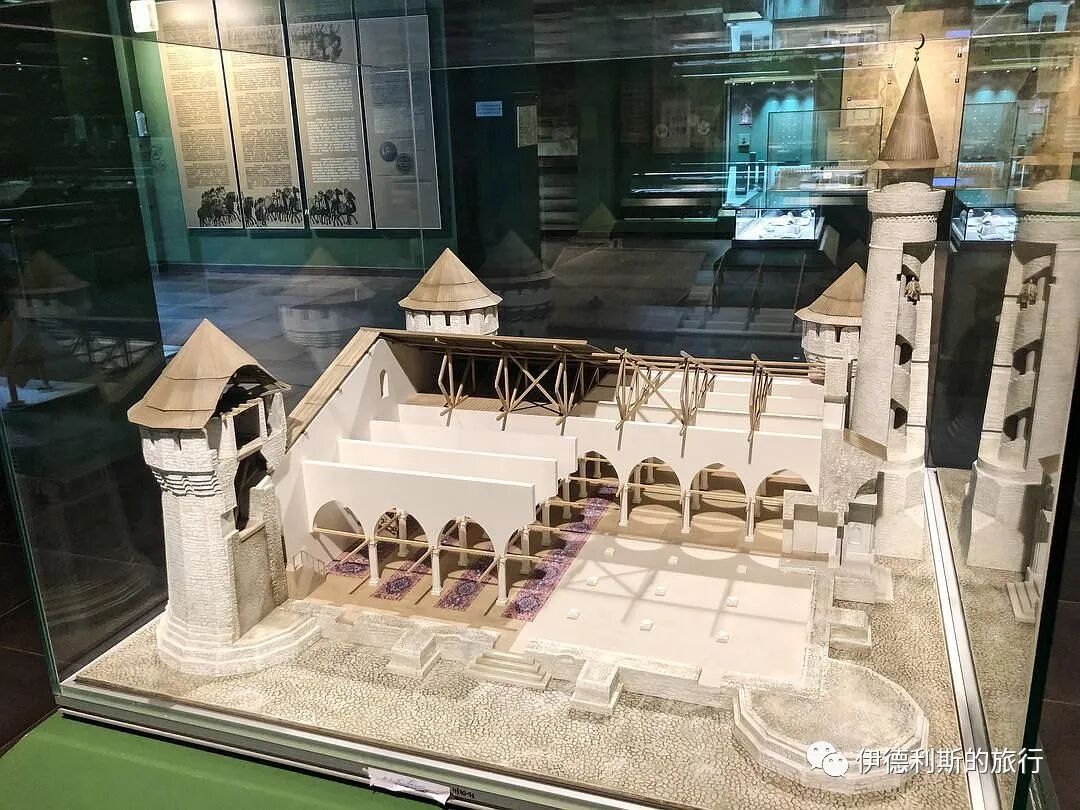
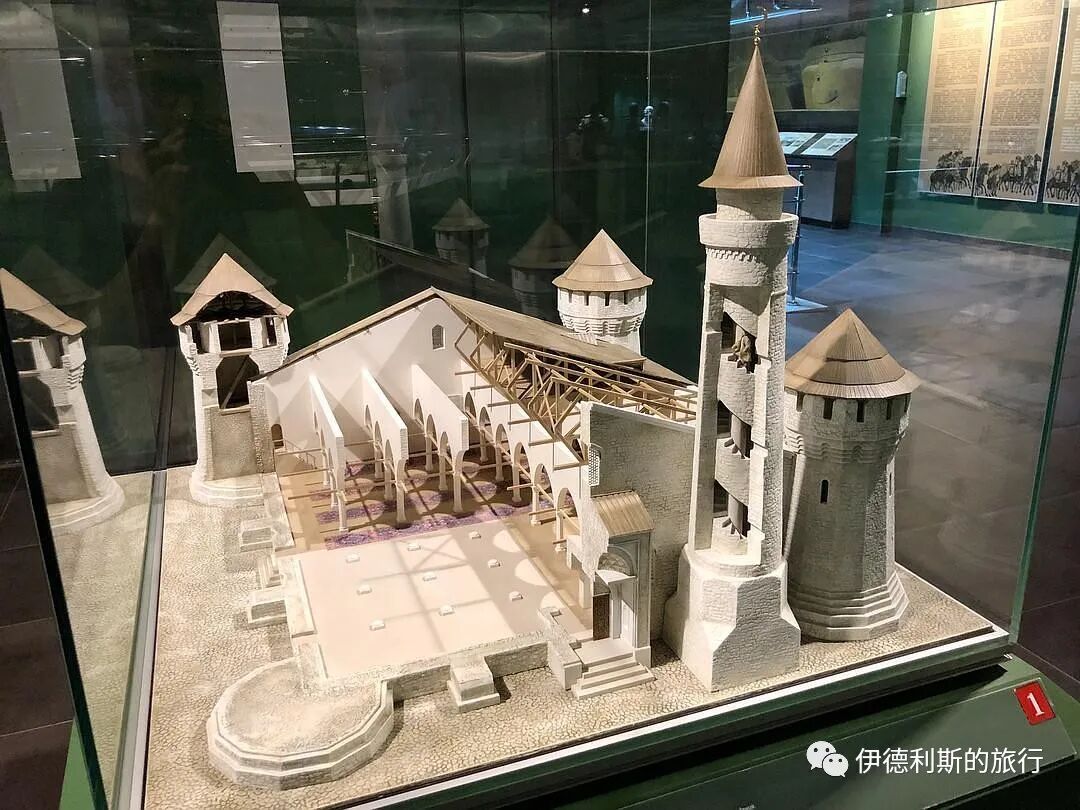
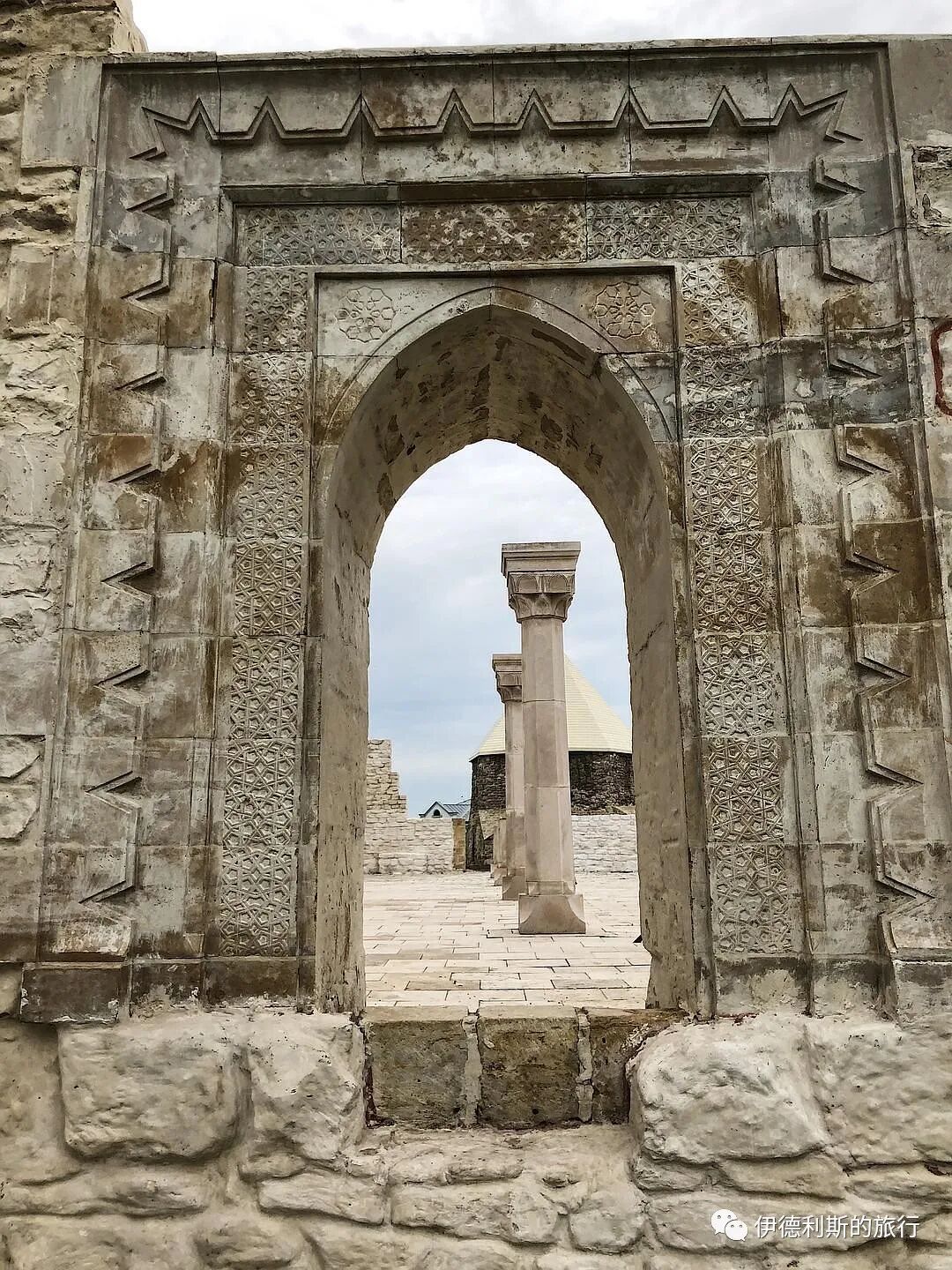
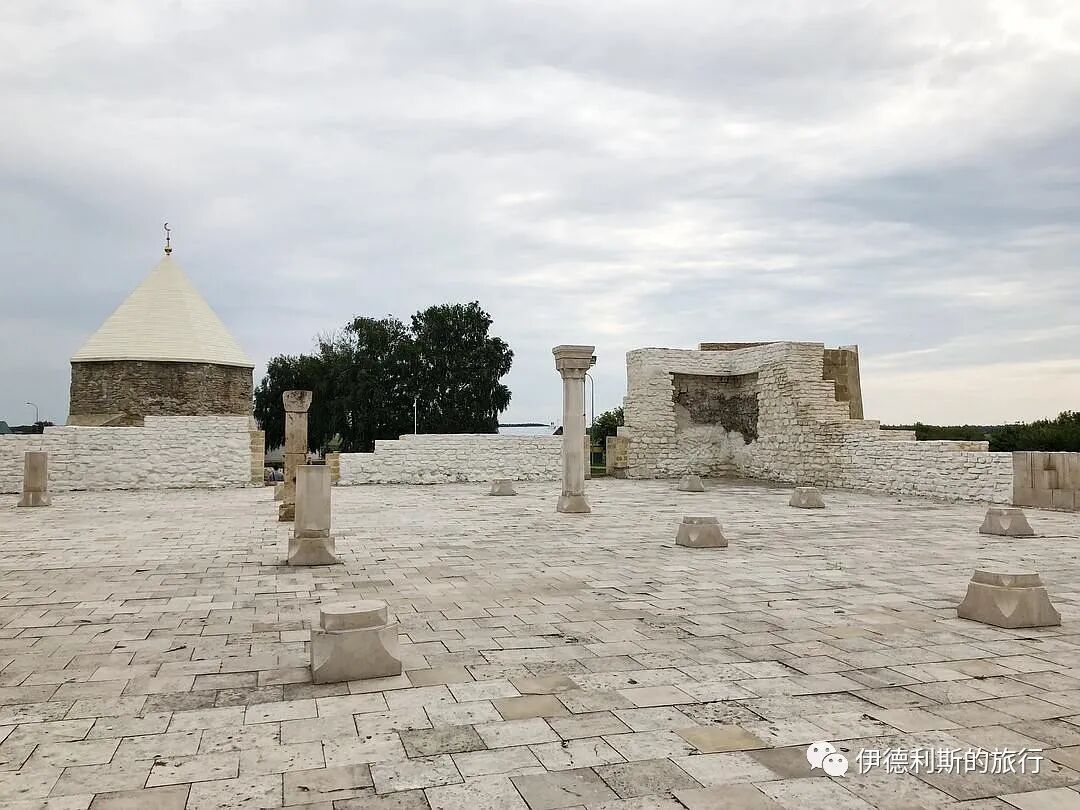
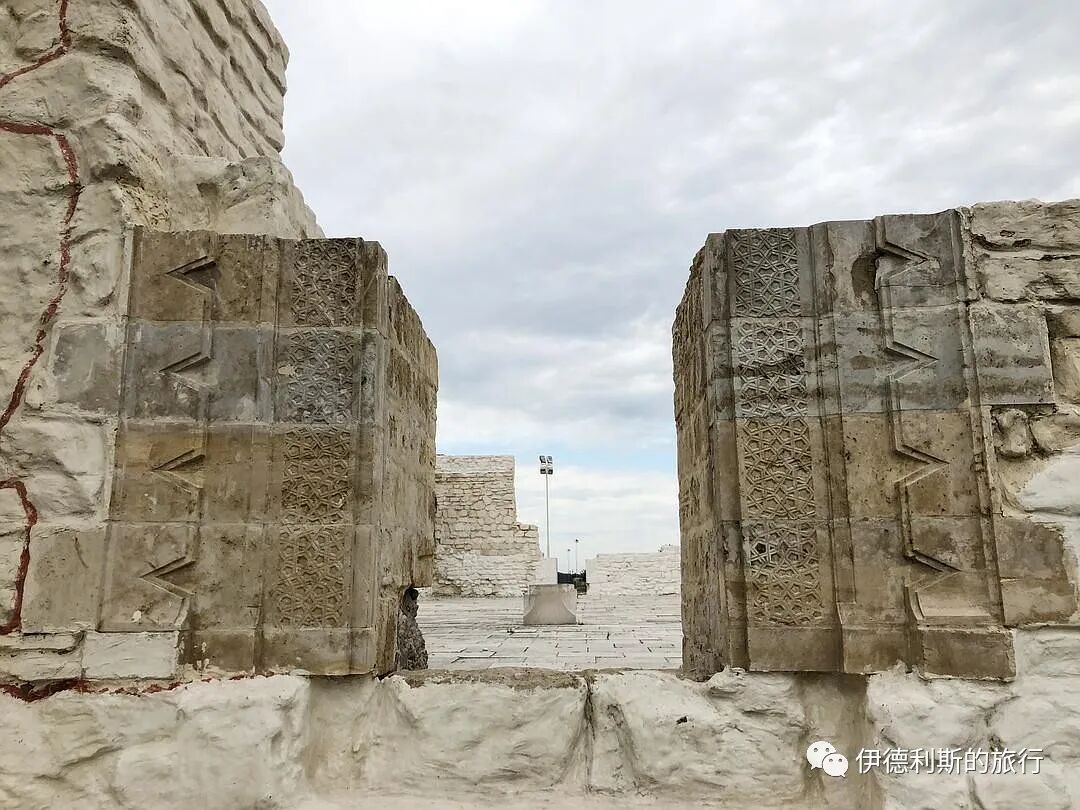
The Great Mosque is the most important architectural ruin of the ancient city of Bolghar preserved from the Golden Horde era, and it was the city center of Bolghar in the 13th and 14th centuries, featuring the typical architectural style of the Golden Horde period.
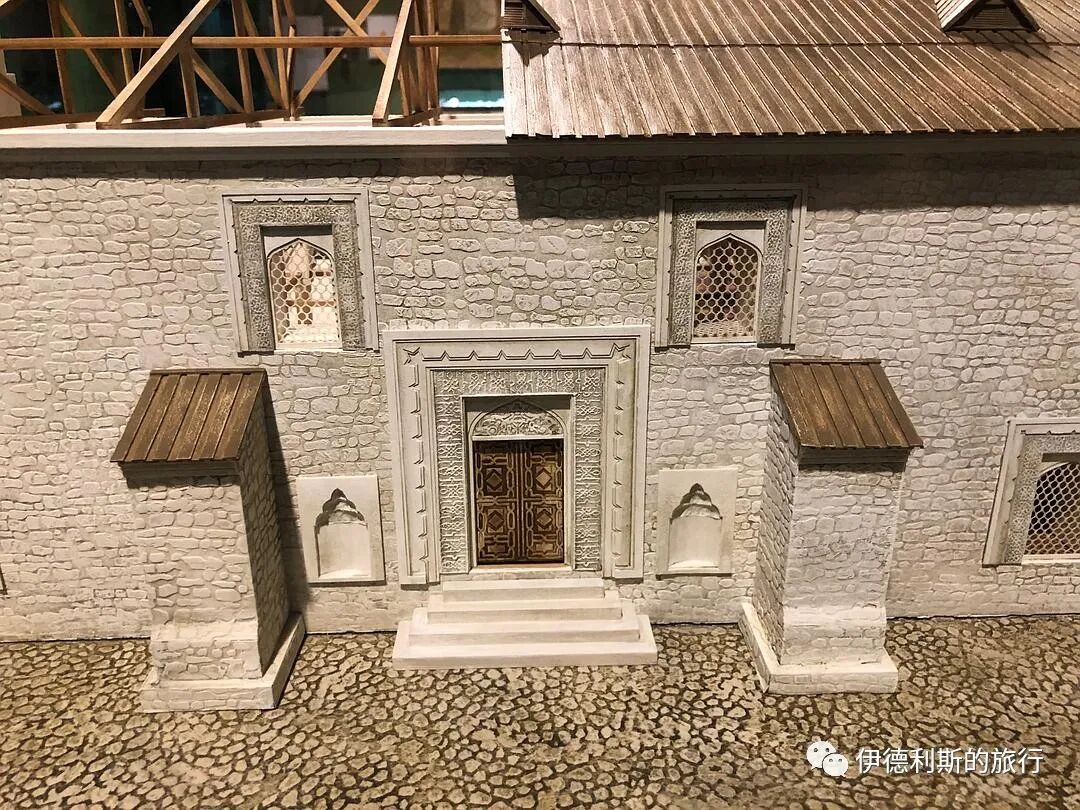
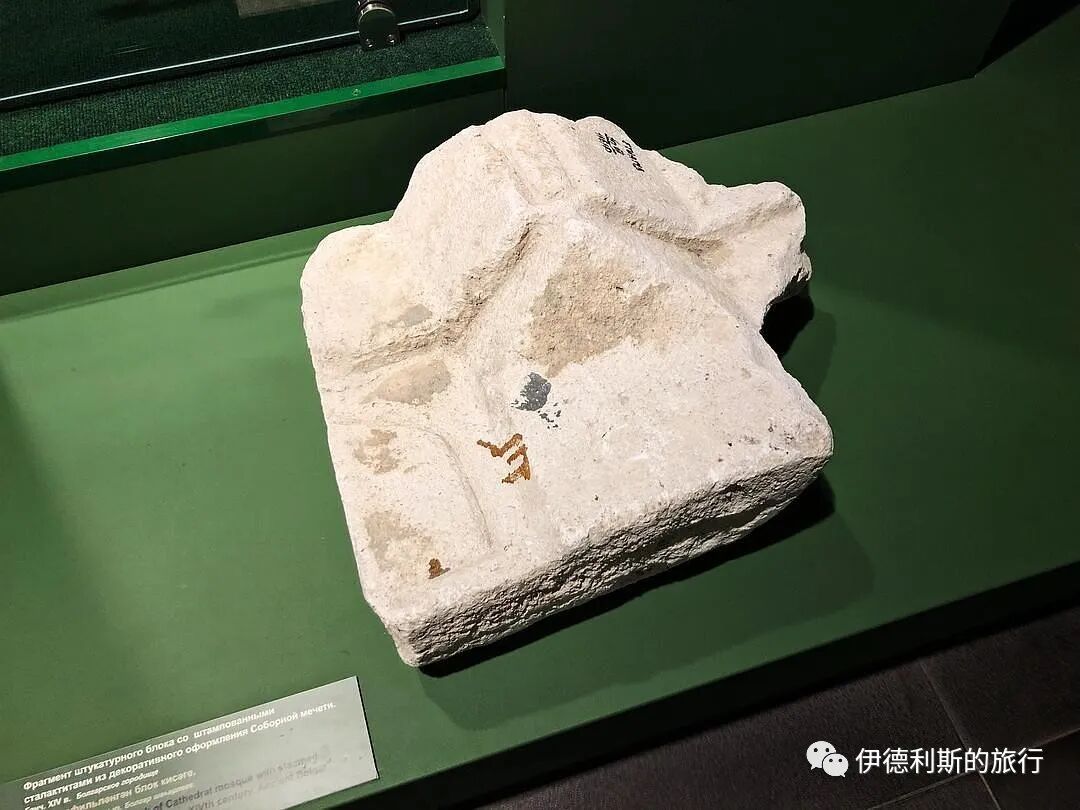
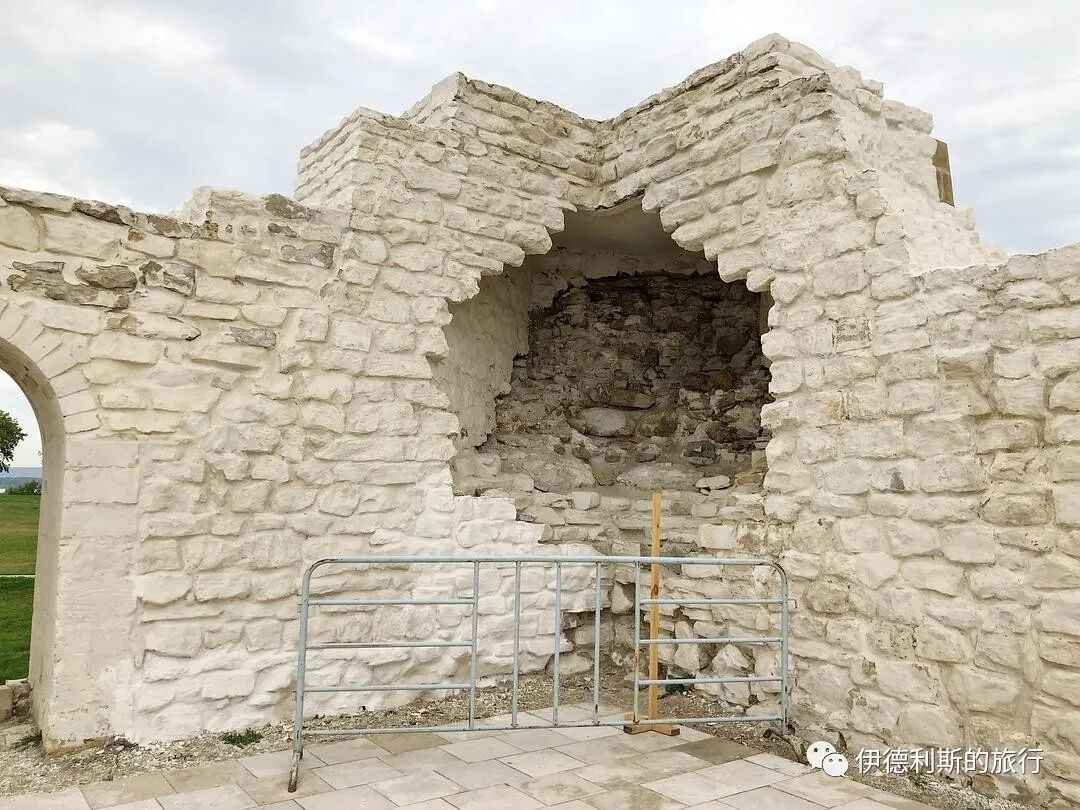
The Great Mosque is made of limestone, 34 meters long and 32 meters wide, with 20 columns and a wooden gable roof. The walls are plastered on all four sides and reinforced with buttresses. On the north side of the mosque, there is an arched gate and a minaret, and on the south side, there is a mihrab (a niche in the wall of a mosque that indicates the direction of Mecca) with exquisite carvings. The Great Mosque was renovated in the early 14th century, and corner towers were added in the 1440s.
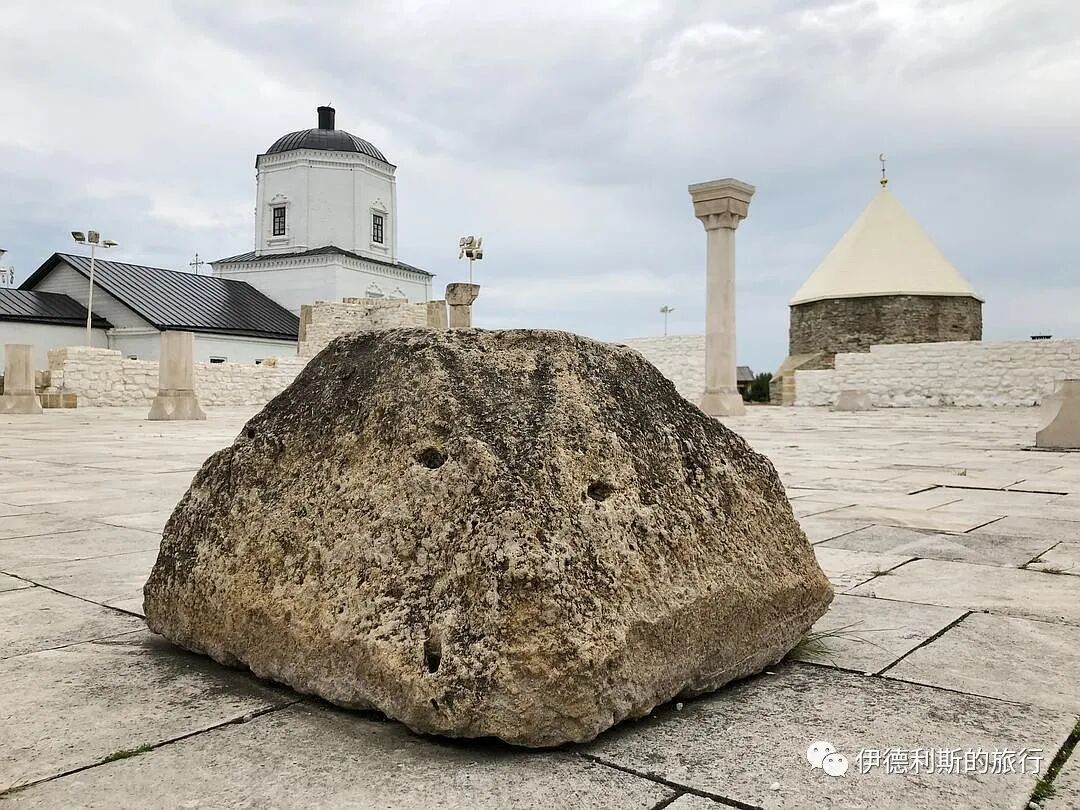
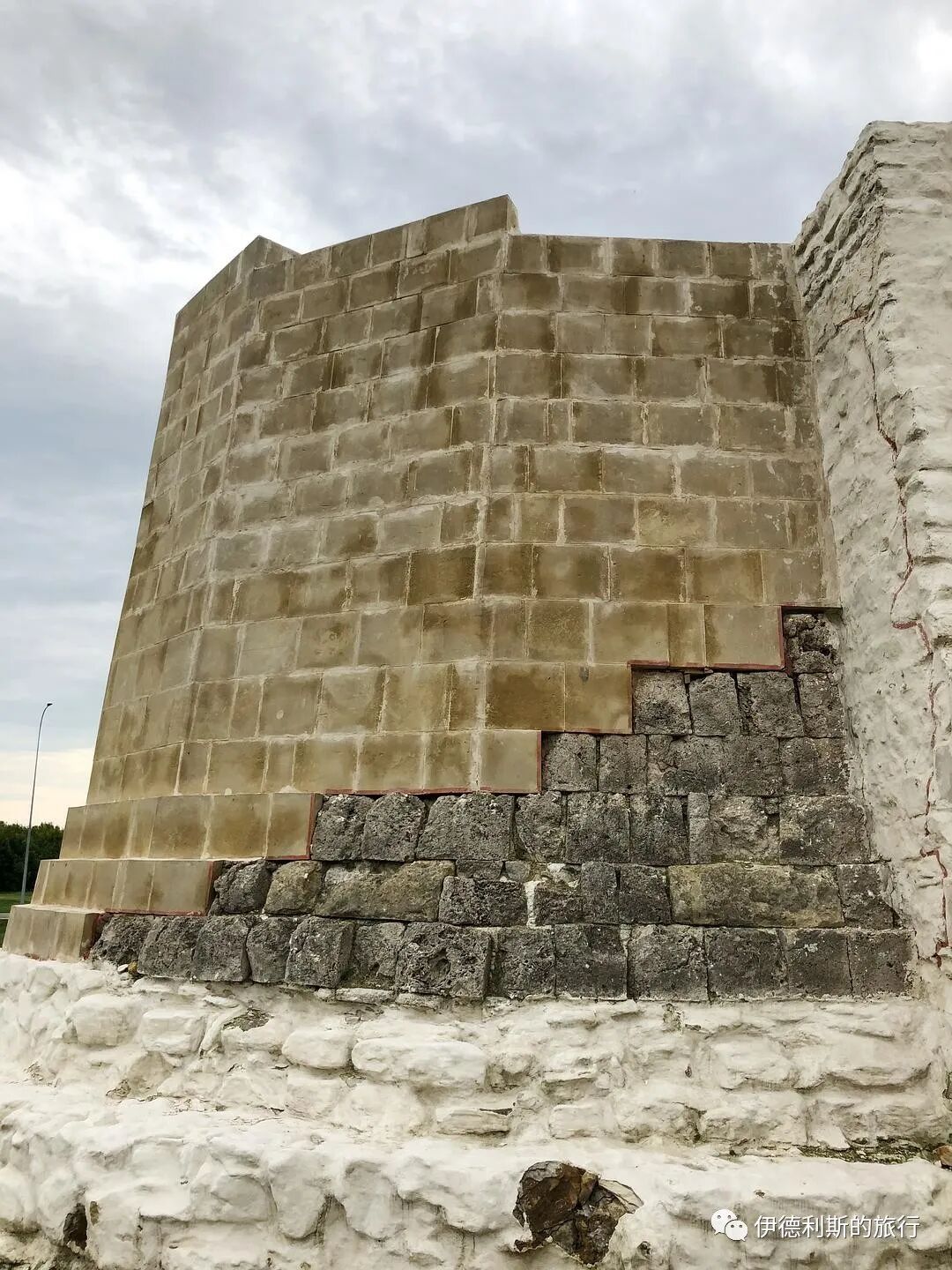
The Great Mosque underwent three archaeological excavations in 1892, 1915, and 1946, and two restorations in 1964-1966 and 2003-2005. The limestone walls were covered with a protective material, the ground was paved with white flooring, walkways were set up, and drainage ditches were built.
2. Great Minaret
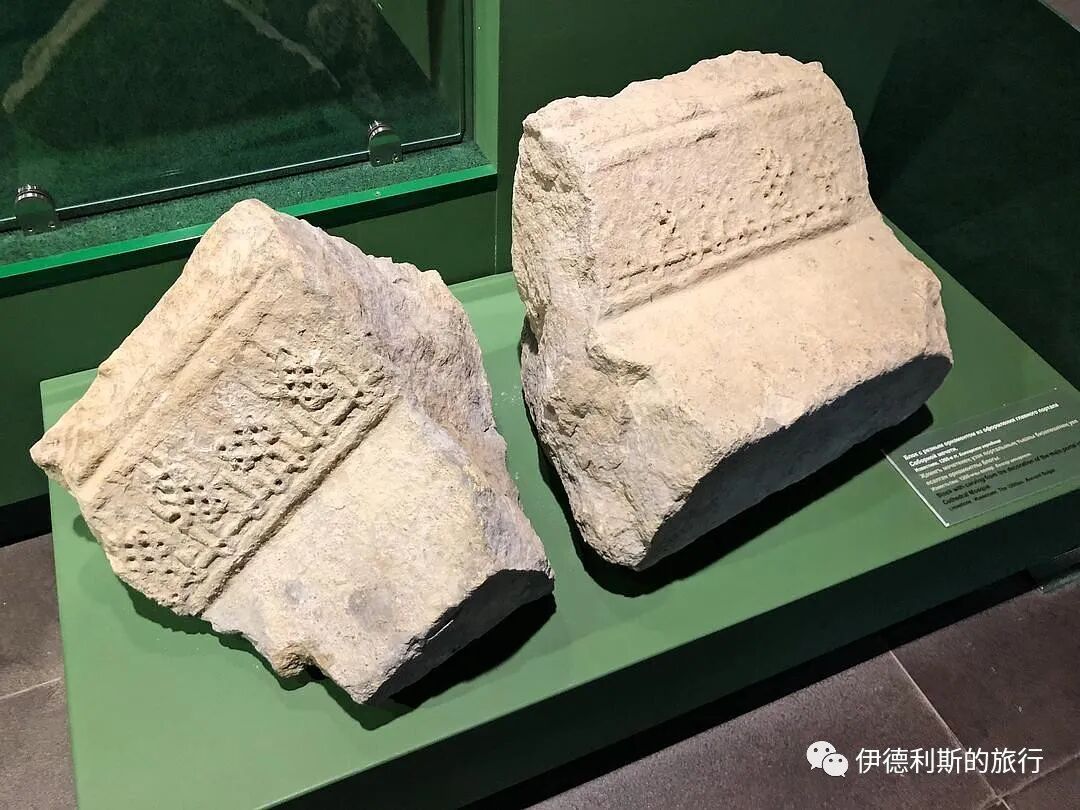
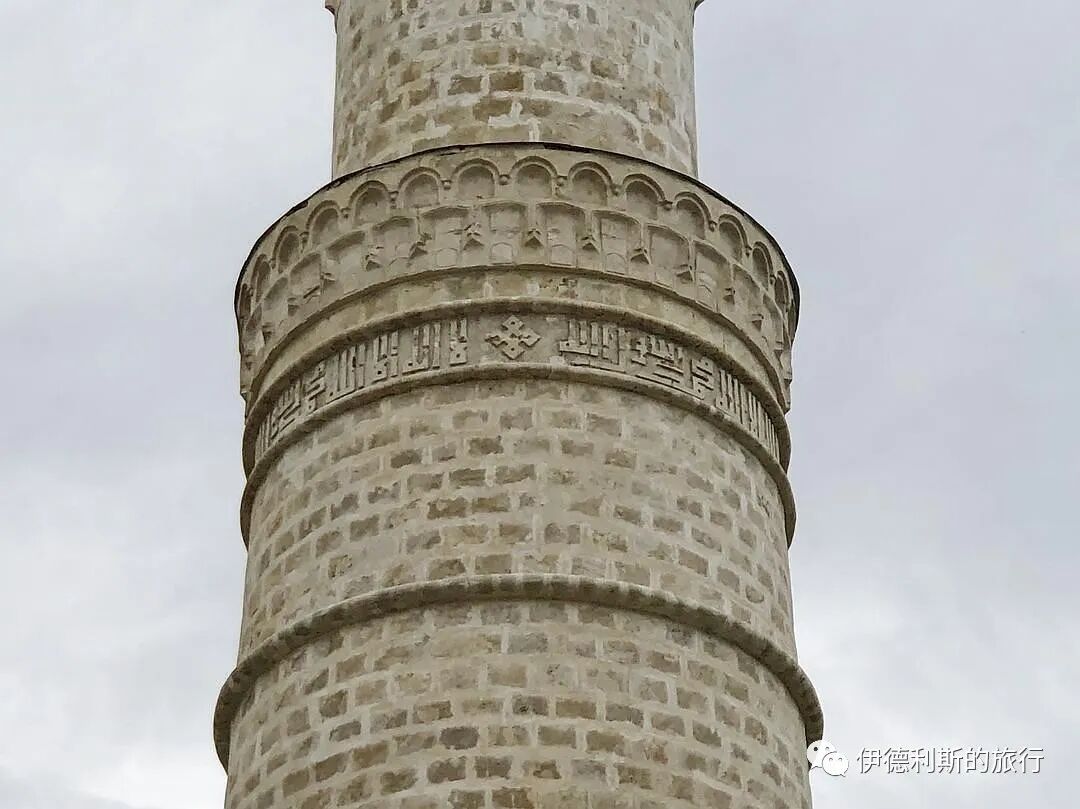
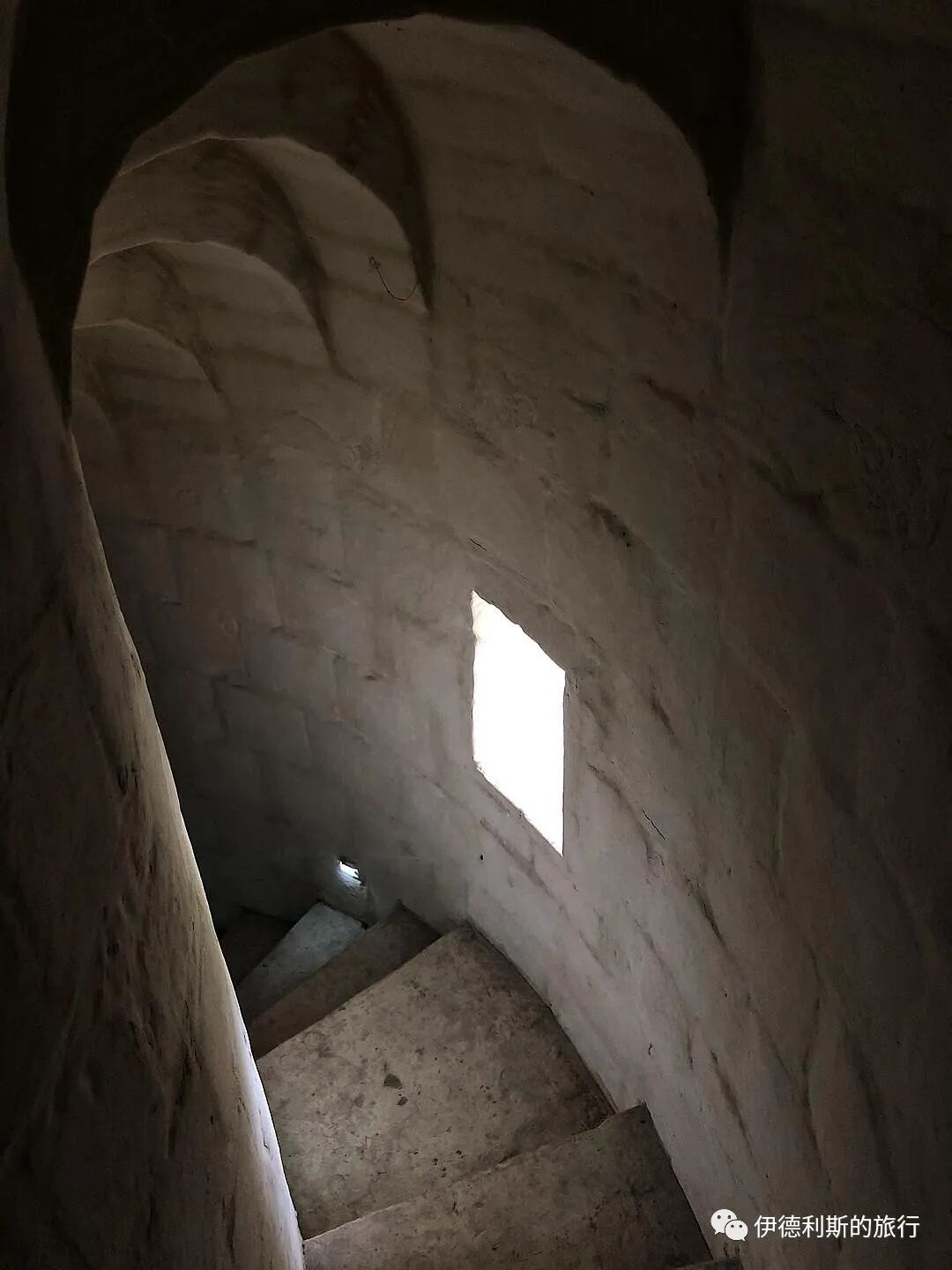
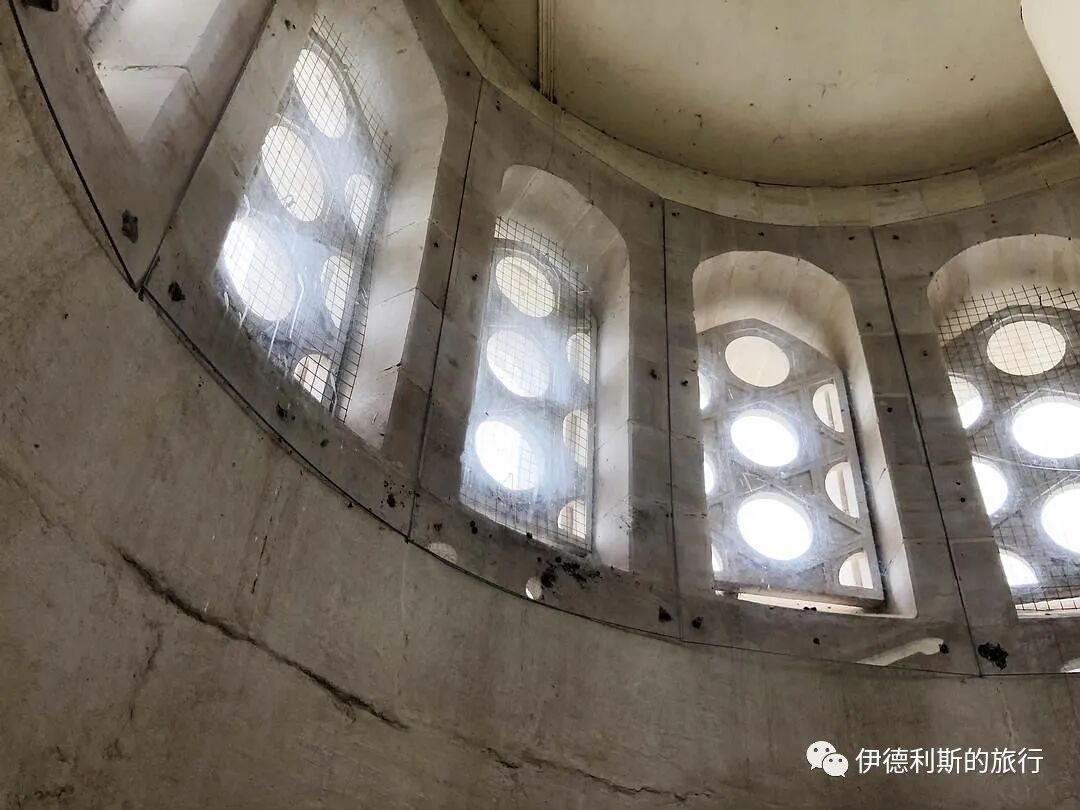
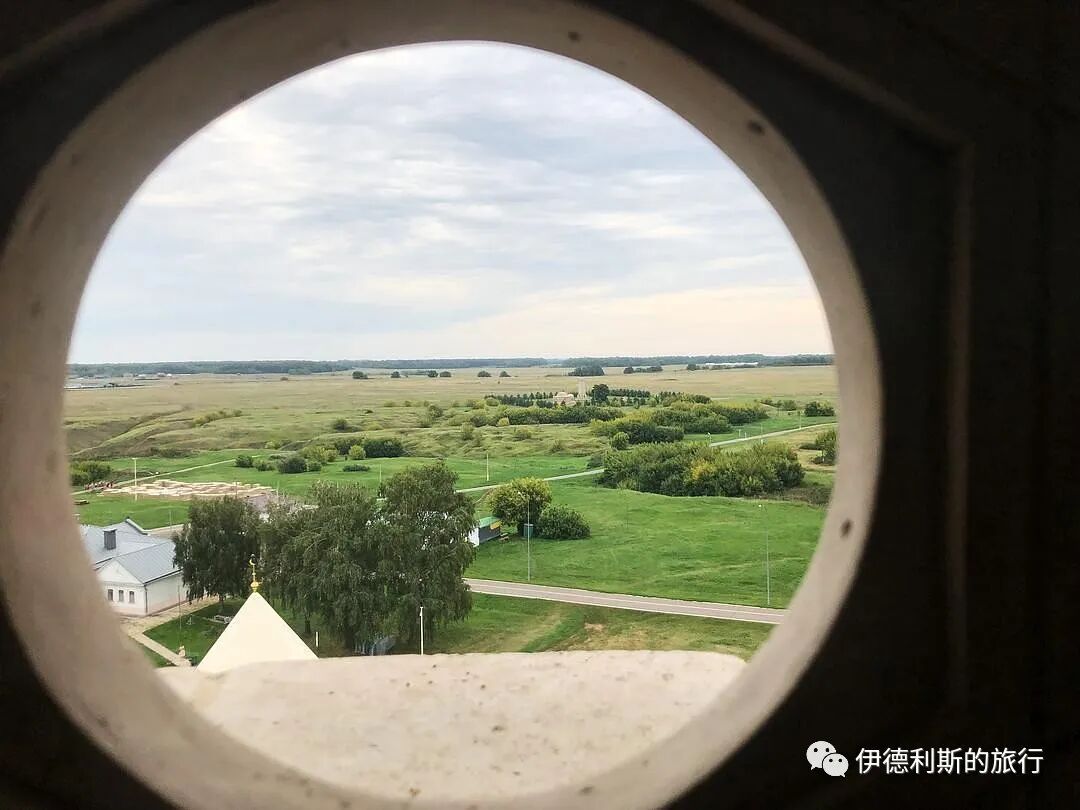
There used to be a 24-meter-high Great Minaret on the north side of the Bolghar Great Mosque, which collapsed in 1841, and the stone materials were taken away by locals. When Kazan University professor I. Berezin passed through Bolghar in 1846, he saw several stone carvings with Quranic verses on the site of the Great Minaret.
Based on a series of 18th and 19th-century graphic materials, the Great Minaret was rebuilt in 2000.
3. Eastern Mausoleum
The Eastern Mausoleum is located on the east side of the Great Mosque and was built in the 1330s during the Golden Horde period, when the Great Mosque underwent its second renovation and the central square of the ancient city of Bolghar was further developed.
The Northern Mausoleum was originally the family mausoleum of the Bolghar noble Burashbeks, and later became the Church of St. Nicholas in the early 18th century, with an onion dome and a cross added.
Archaeological excavations in 1964-1966 and 1991 unearthed 7 tombs from the Golden Horde period in the mausoleum. The roof was damaged by a strong wind in 1965, and the mausoleum was restored in 1967-1968.
The tombstone with an inscription in the mausoleum came from Sabar-llchzhi, the daughter of Prince Burash; it was discovered during the renovation of the Church of St. Nicholas between 1889 and 1890, and was transported to Kazan in 1994. A replica is currently on display in the mausoleum.
4. Northern Mausoleum
The Northern Mausoleum is located on the north side of the Great Mosque and, like the Eastern Mausoleum, was built in the 1330s during the Golden Horde period.
The Northern Mausoleum was originally a family mausoleum for Bolghar nobles and later became the cellar of a monastery in the early 18th century. Two archaeological excavations were conducted here in 1964 and 1966, and partial restoration was carried out between 1968 and 1969.
When I visited, the interior of the mausoleum was not open, so I only saw the exterior.
5. Khan's Palace
The Khan's Palace is located east of the Great Mosque and was built in the mid-13th century during the early Golden Horde period. Since 1994, more than 1,000 square meters of archaeological excavations have been conducted, and 30% of the coins unearthed belong to the period between 1240 and 1259.
6. Eastern House
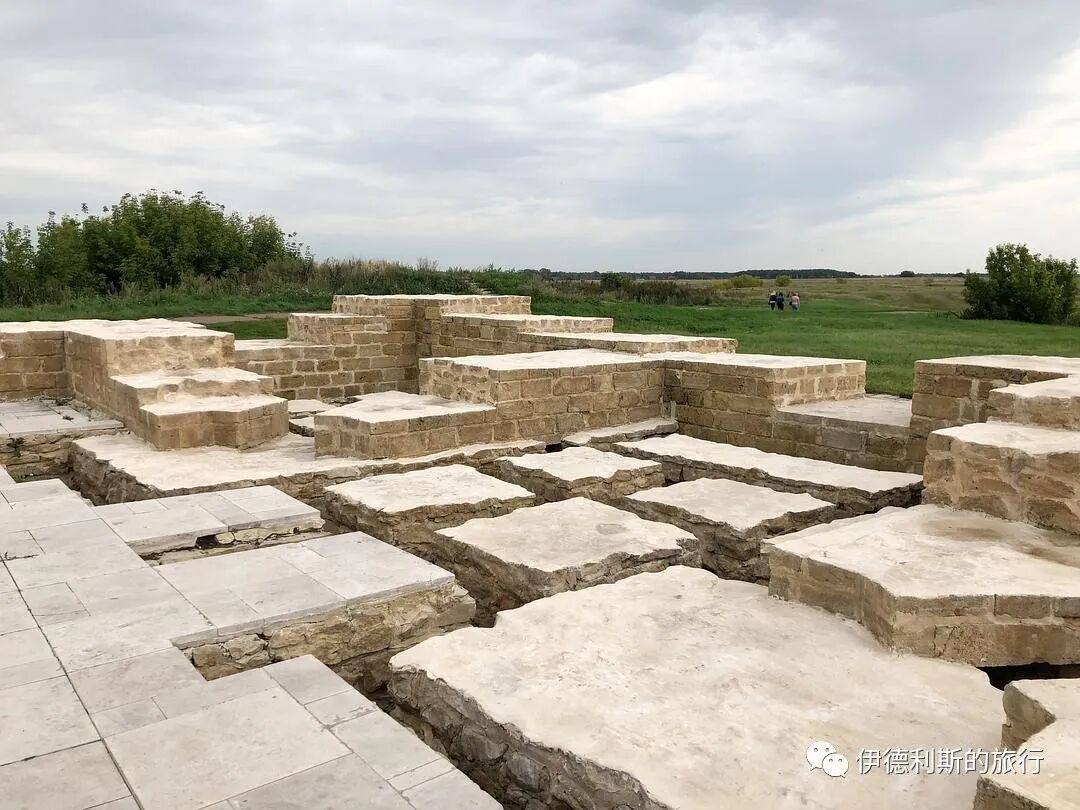
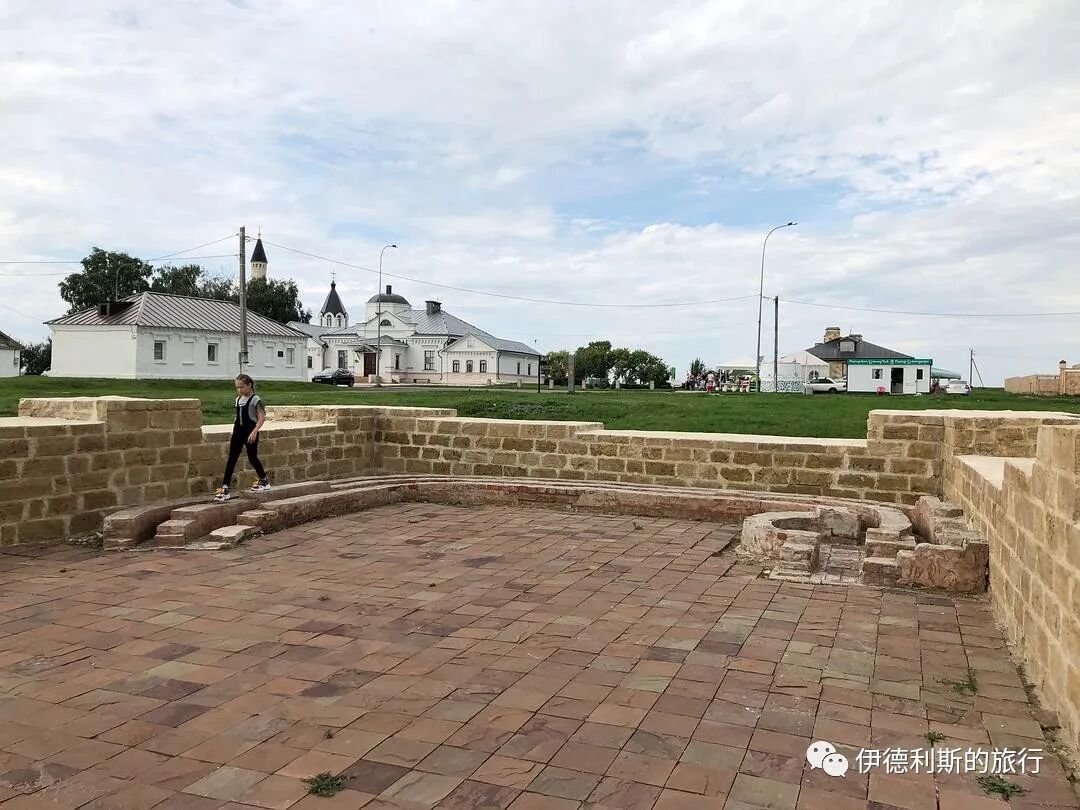
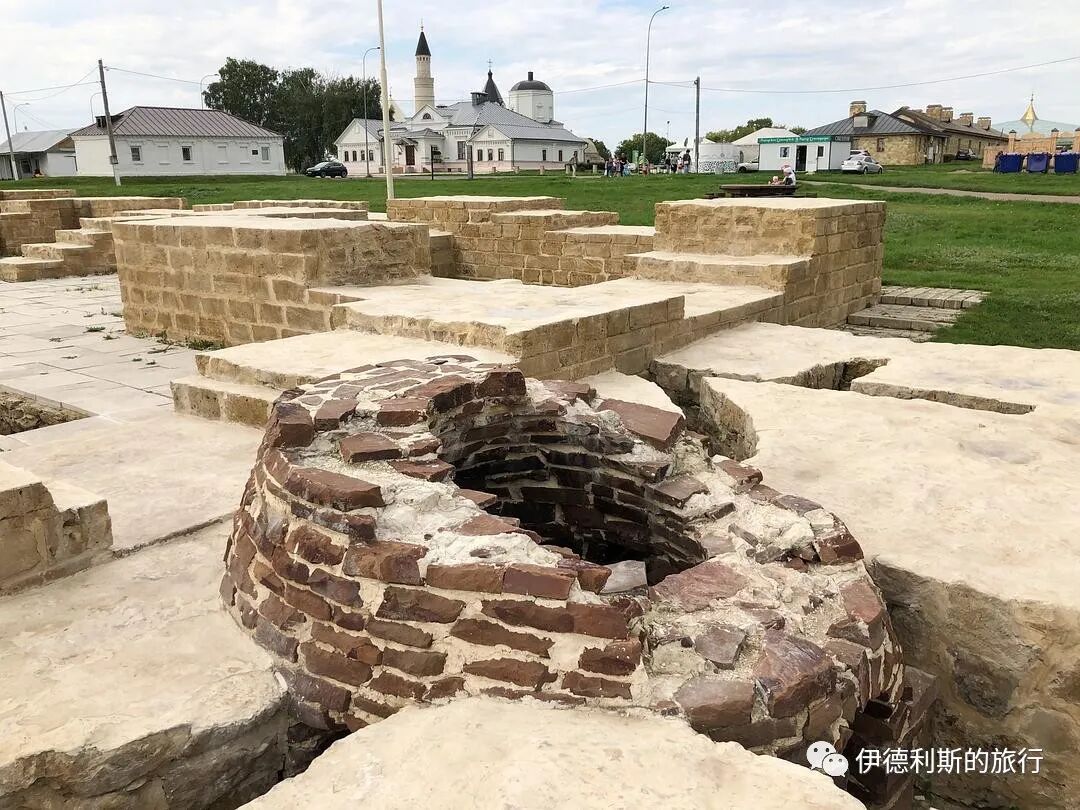
The Eastern House is the ruin of a public bathhouse built in the 1290s during the Golden Horde period, and it is the earliest and largest public bathhouse ruin existing in the ancient city of Bolghar. The entire bathhouse consists of three parts; the central space includes a heated changing room, a central cross-shaped hall, and four bathrooms. The western space includes a heated changing room and a boiler room; the boiler room consists of a furnace and two hot air ducts. The eastern space consists of a boiler with three air ducts.
From 1984 to 1992, a series of archaeological excavations were conducted on the bathhouse. From the unearthed coins, it is known that the bathhouse was used from approximately the 1290s to the 1340s.
III. Black House
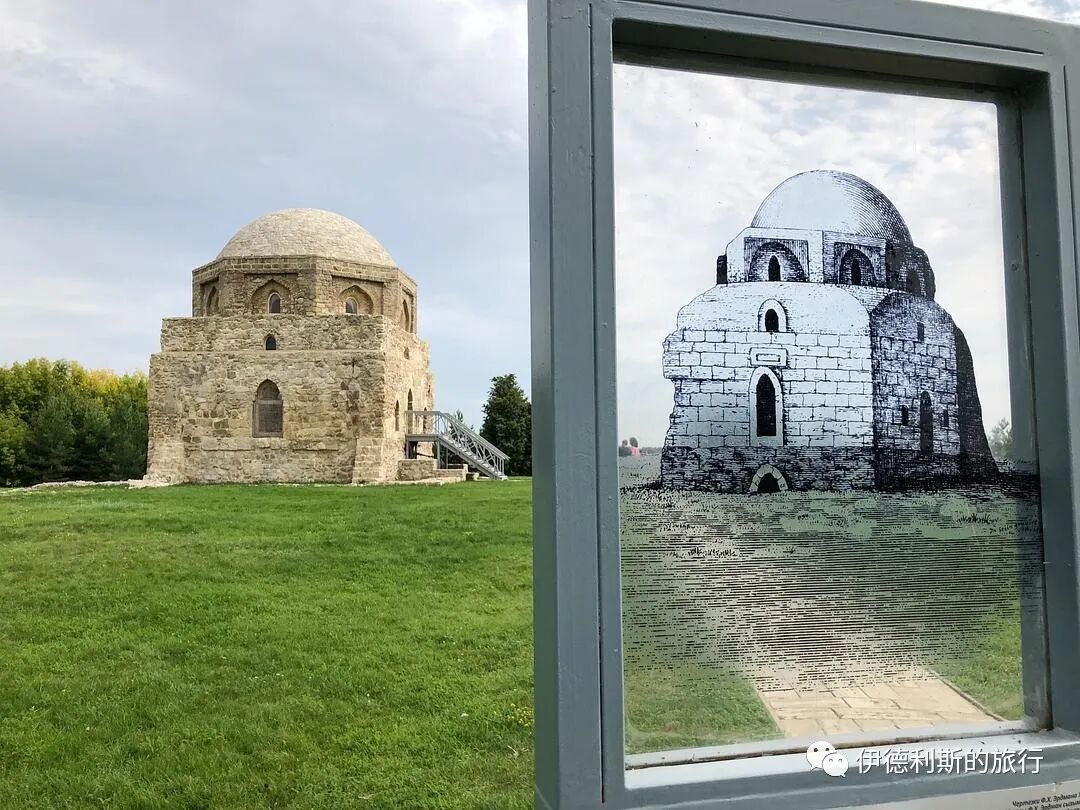
The Black House was built in the mid-14th century during the Golden Horde period and is constructed of white limestone. The Black House is the only 14th-century civil building in the ancient city that has been preserved to this day; its specific purpose remains undetermined, but it is speculated to have been a courthouse or a pilgrim hostel. Archaeological excavations were conducted here twice in 1957 and 1966, and it was discovered that there used to be a veranda built around the building.
IV. Khan's Mausoleum and Small Minaret
The Small Minaret and the Khan's Mausoleum are located 500 meters south of the Great Mosque architectural complex.
1. Khan's Mausoleum
The Khan's Mausoleum was built in the early 14th century during the Golden Horde period; before this, there was a stone bathhouse here. The mausoleum was rebuilt in the mid-14th century. There are 8 tombs inside the mausoleum, some with tombstones. The archaeological monument was studied in 1968.
Protection and partial restoration were carried out in 1971, 1990, and 2006, respectively.
2. Small Minaret
The Small Minaret was built in the late 14th century during the Golden Horde period; it is similar in shape to the Great Minaret of the Great Mosque and is the only minaret in the ancient city that has been preserved to this day. Two archaeological excavations were conducted here in 1914 and 1968-1969, and it was repaired between 1968 and 1970.
V. White House
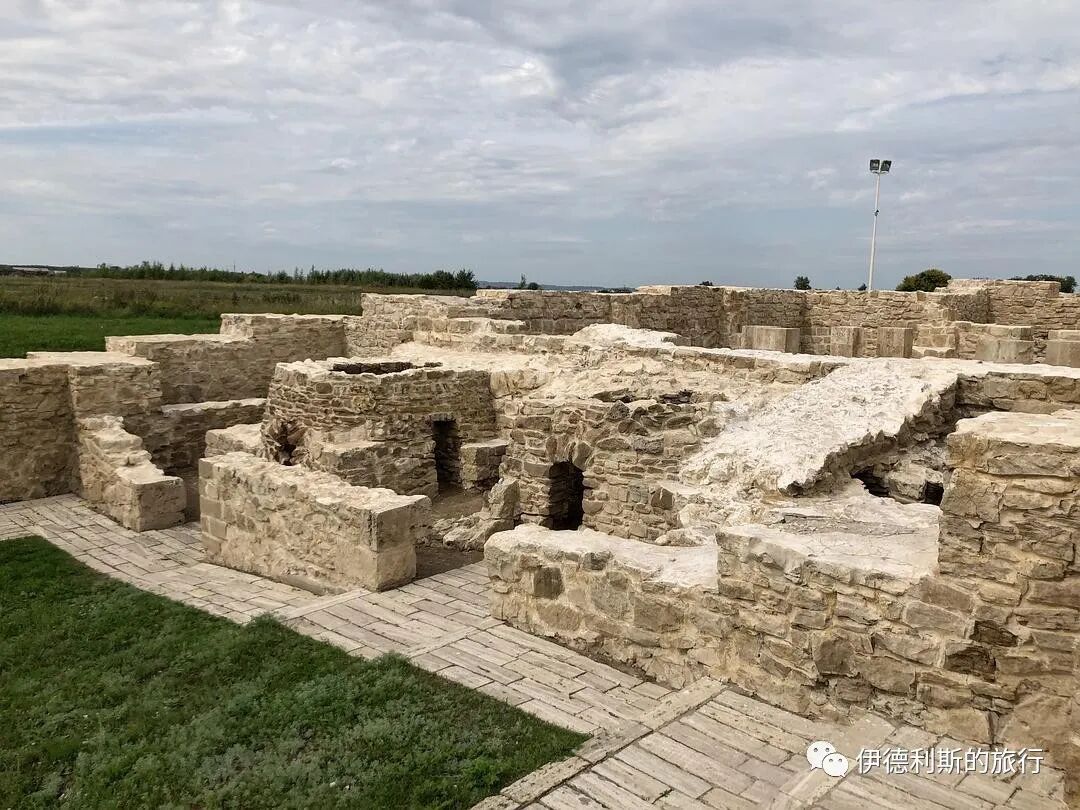
The White House is located 250 meters southeast of the Black House; it is a public bathhouse built in the 1340s during the Golden Horde period and was abandoned in the 1460s.
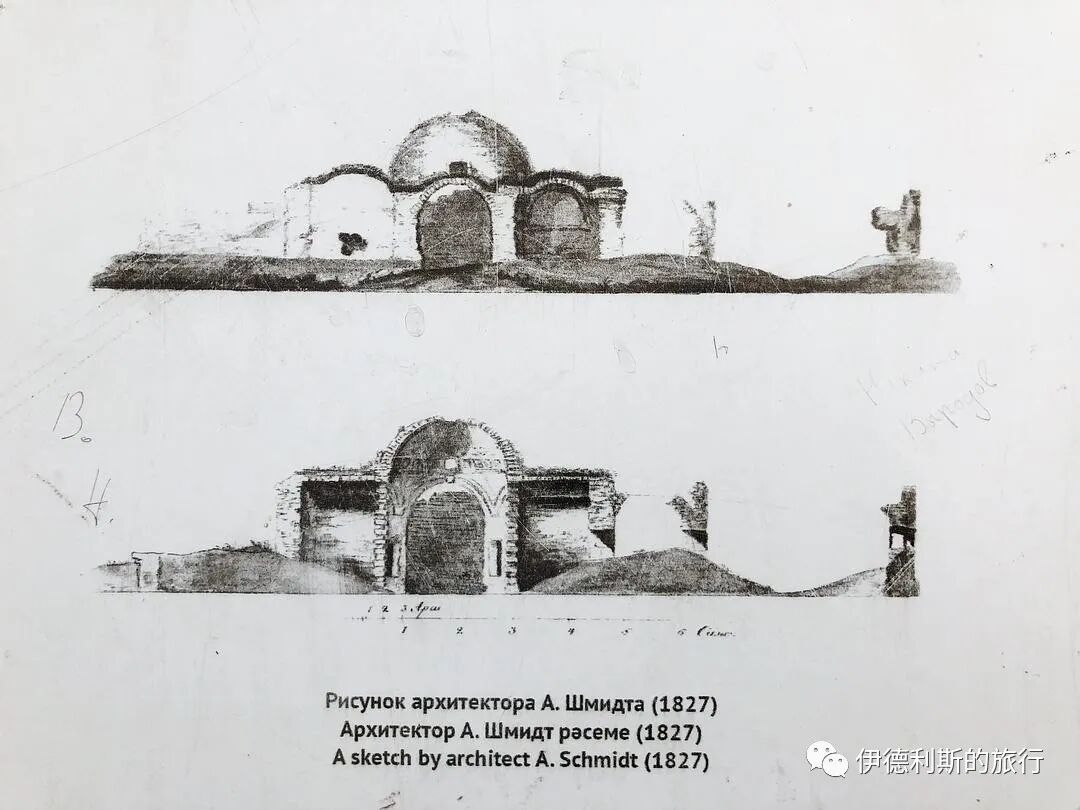
The bathhouse consists of several rectangular spaces of different sizes; the cross-shaped central hall once had a dome, and the ruins of the washing area consisting of pools, fountains, and soap rooms have been preserved, where you can clearly see the network of heating pipes, sewage, and well water facilities underneath.
The bathhouse was heated by two circular furnaces, which were also covered by domes; the furnaces and air ducts were made of sandstone, and the causeway under the furnaces was made of limestone.
The White House as seen today is how it looked after restoration and protection in 2011.
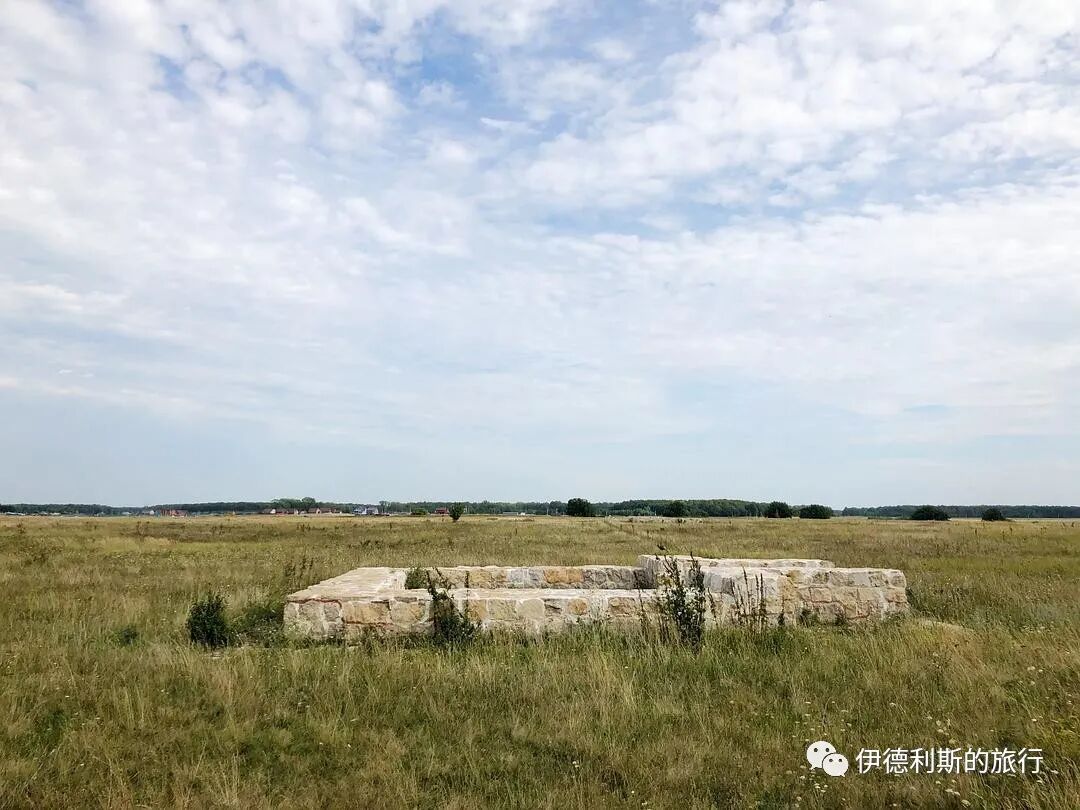
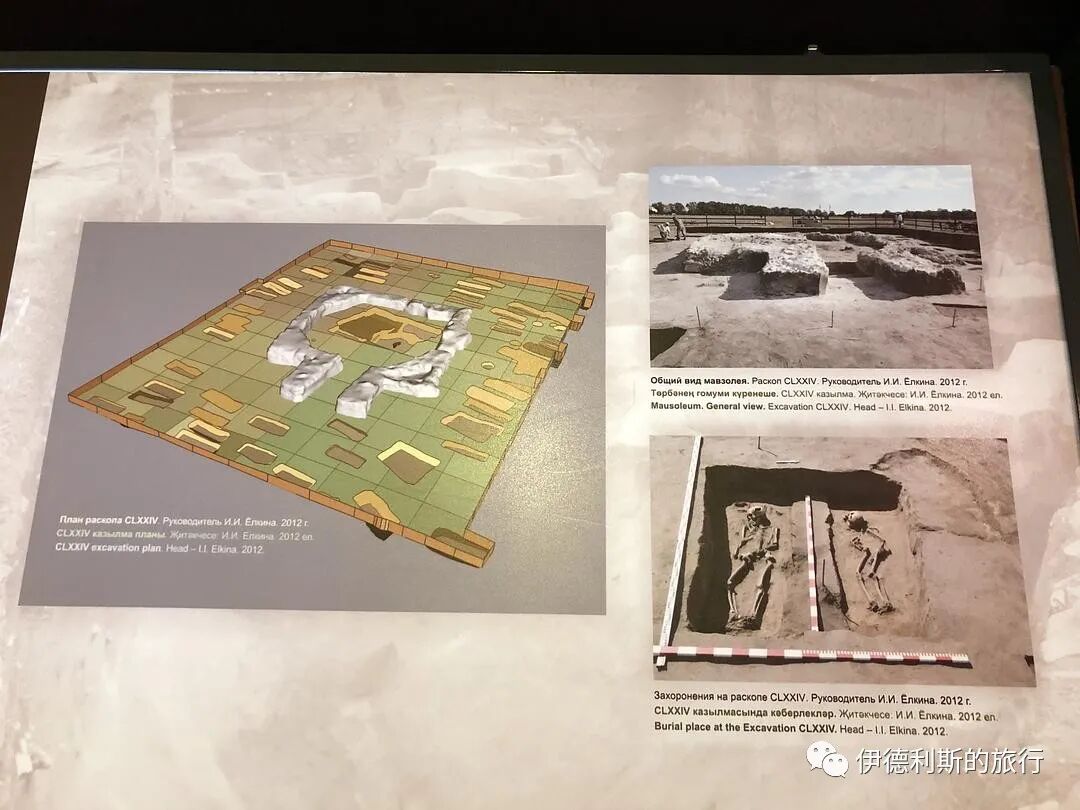
VI. Small Tombs
There are several tombs from the mid-14th to early 15th century Golden Horde period scattered throughout the ancient city of Bolghar. These tombs were archaeologically excavated between the 1970s and 1980s.
VII. Southern Small City
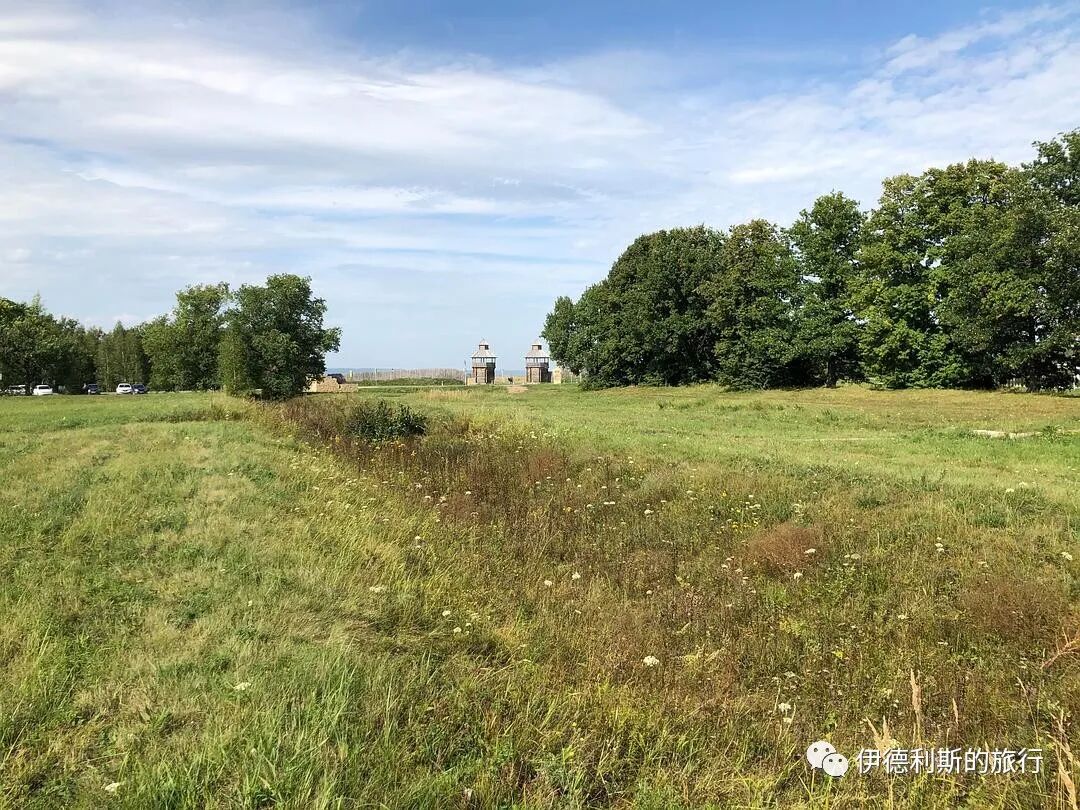
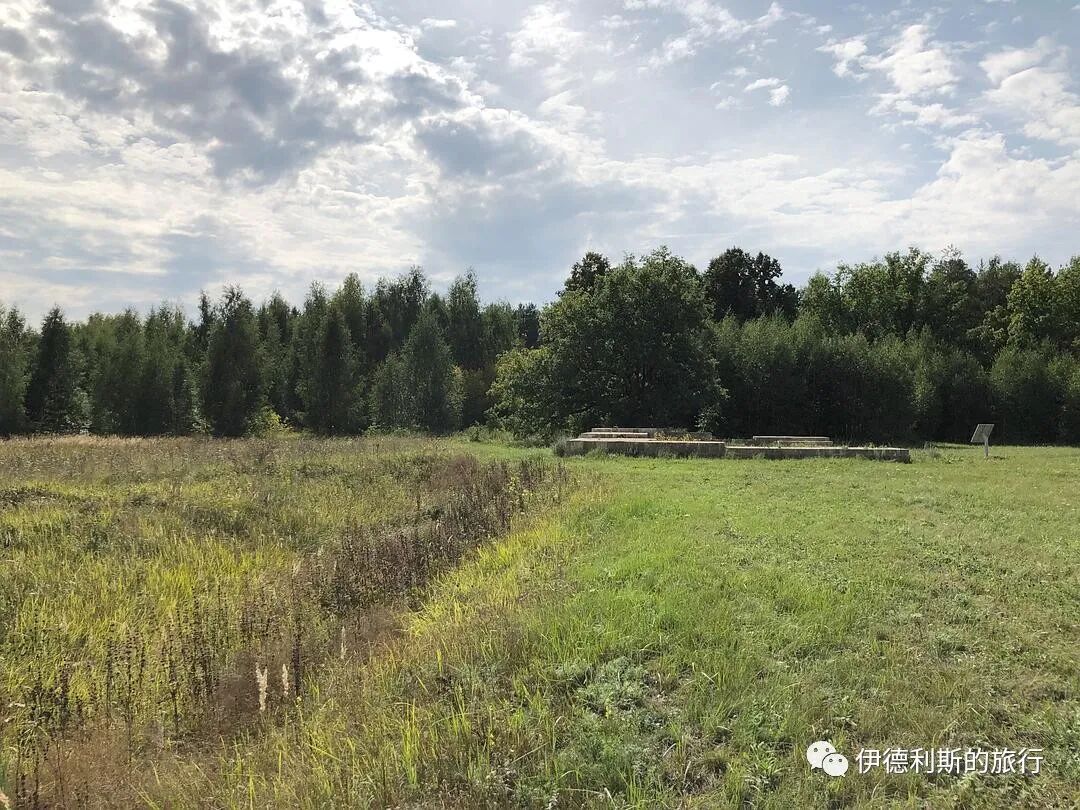
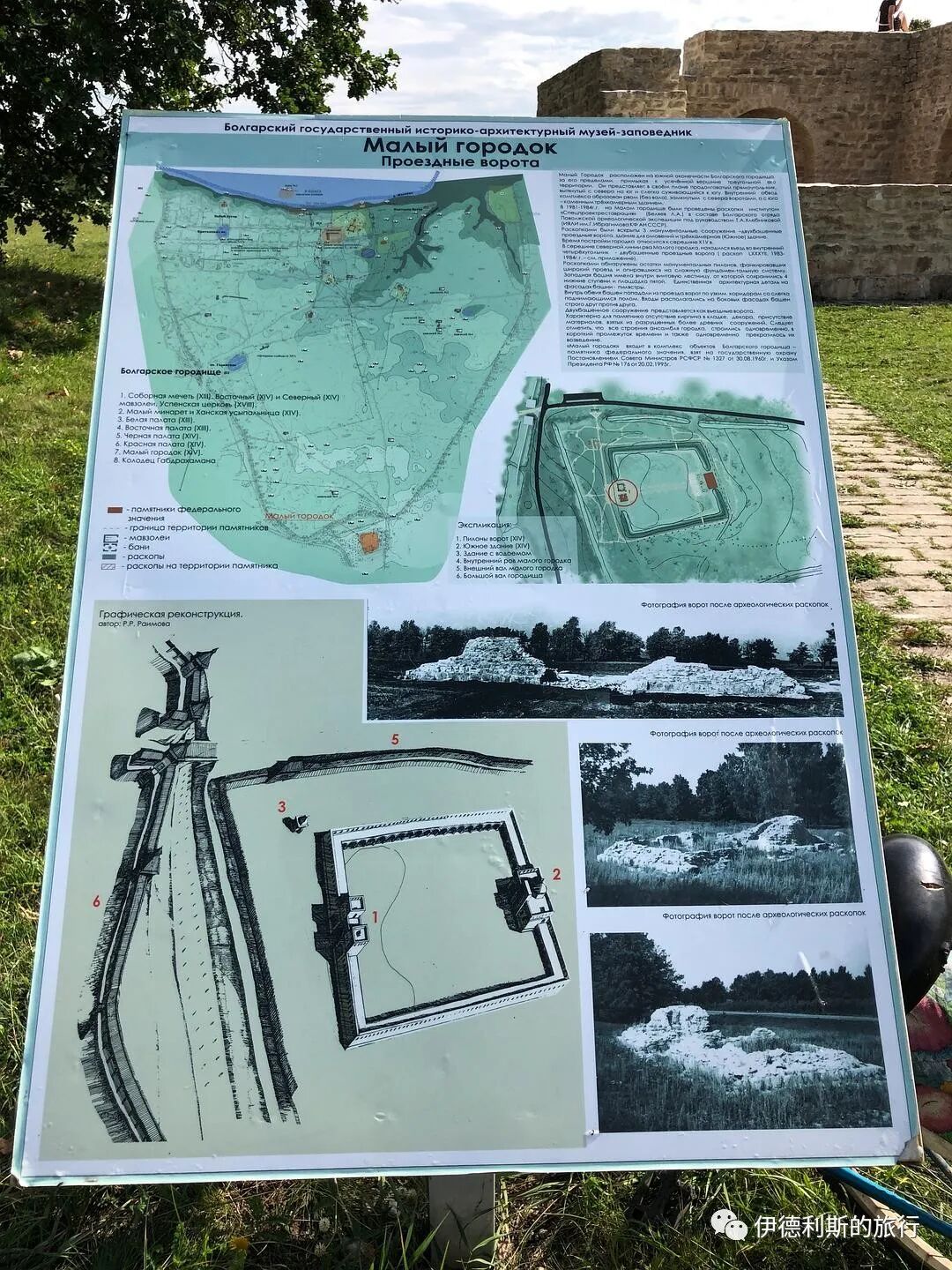
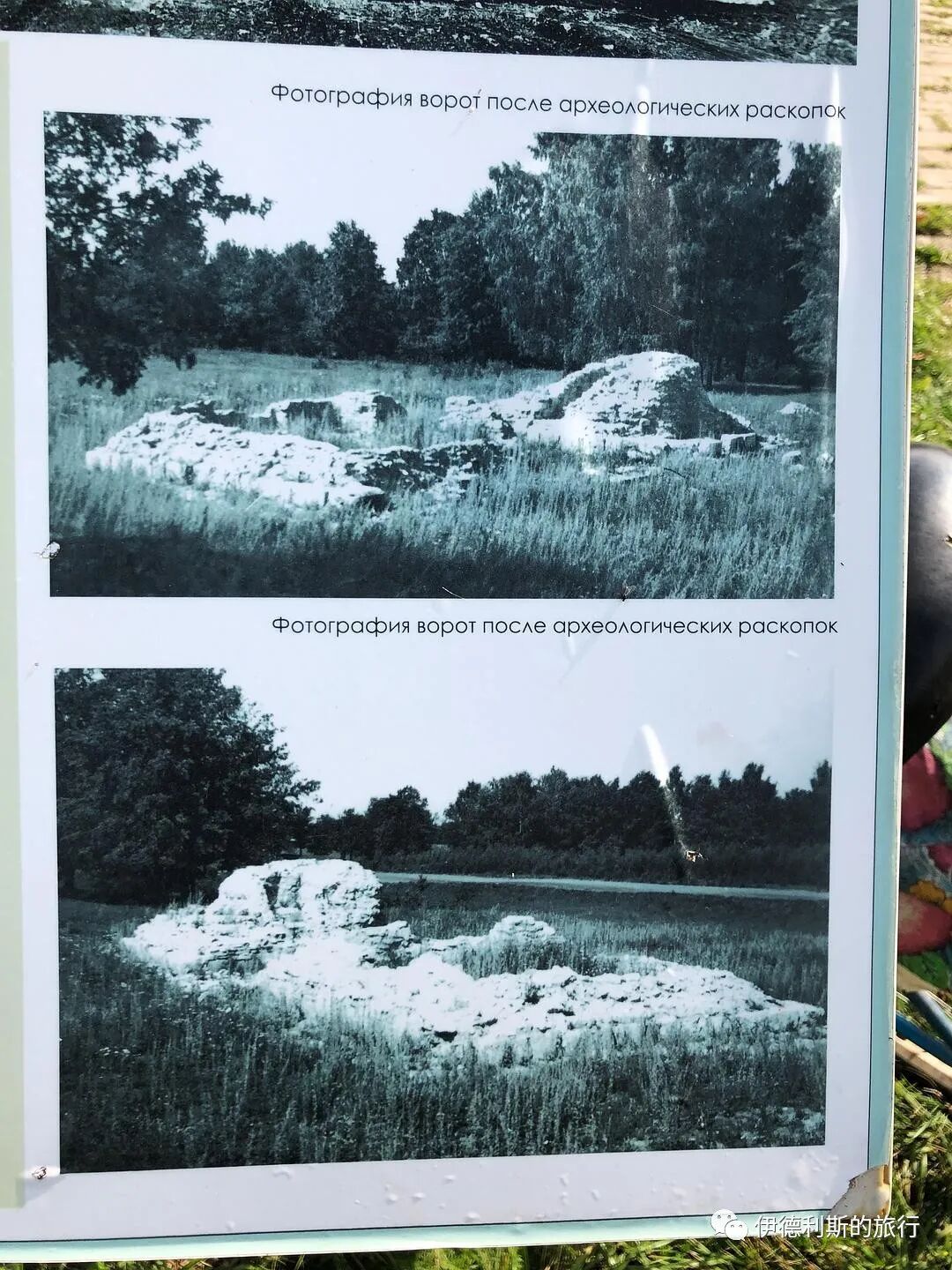
Outside the south gate of the ancient city of Bolghar, there is a small city ruin from the 13th to 14th century Golden Horde period; it is speculated that this was built to strengthen the defense of the south gate of Bolghar city.
VIII. Unearthed Artifacts
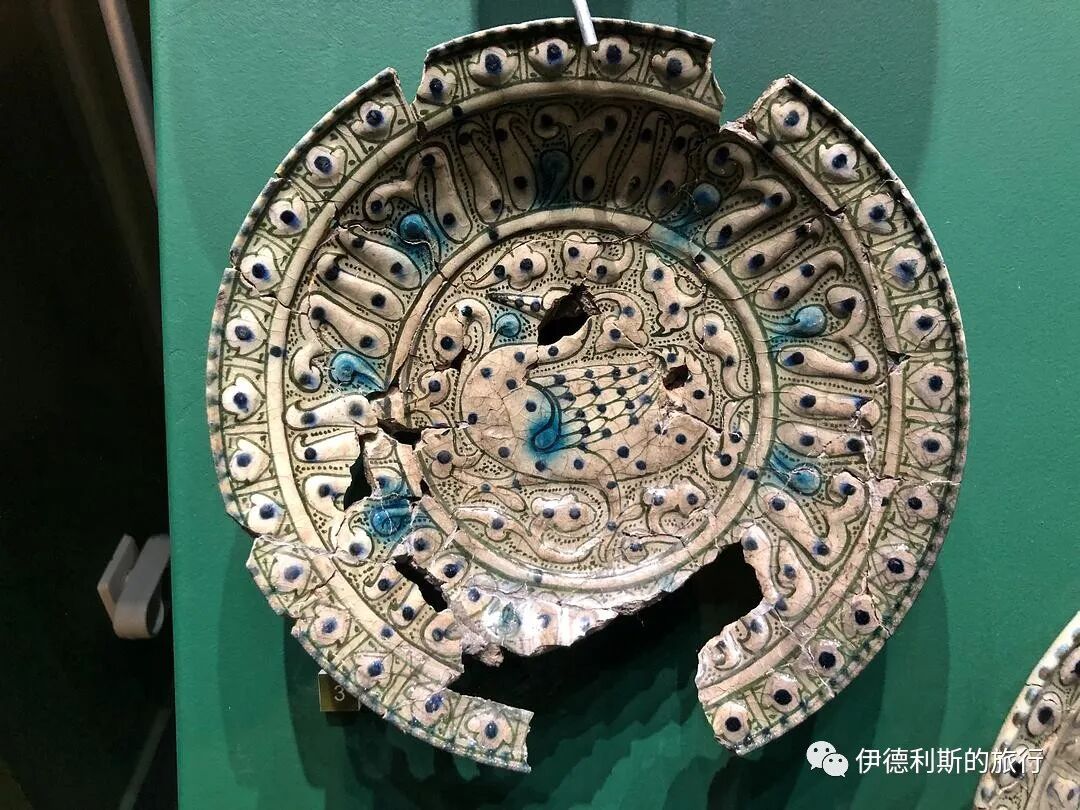
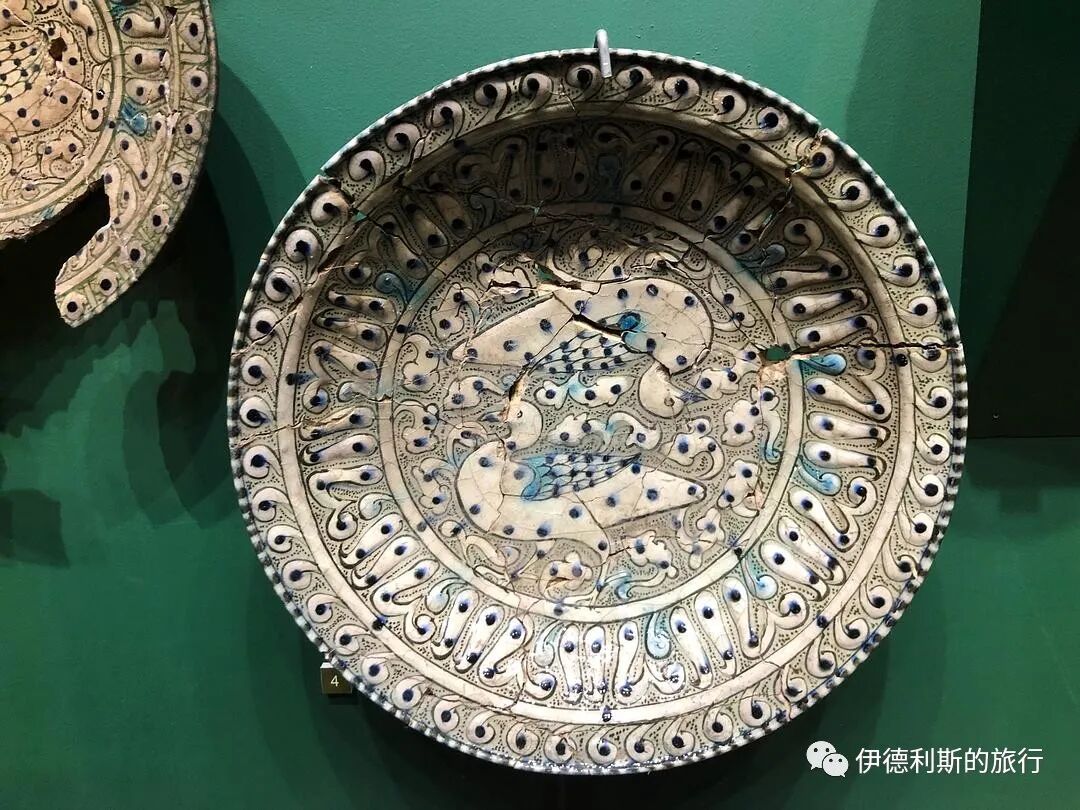
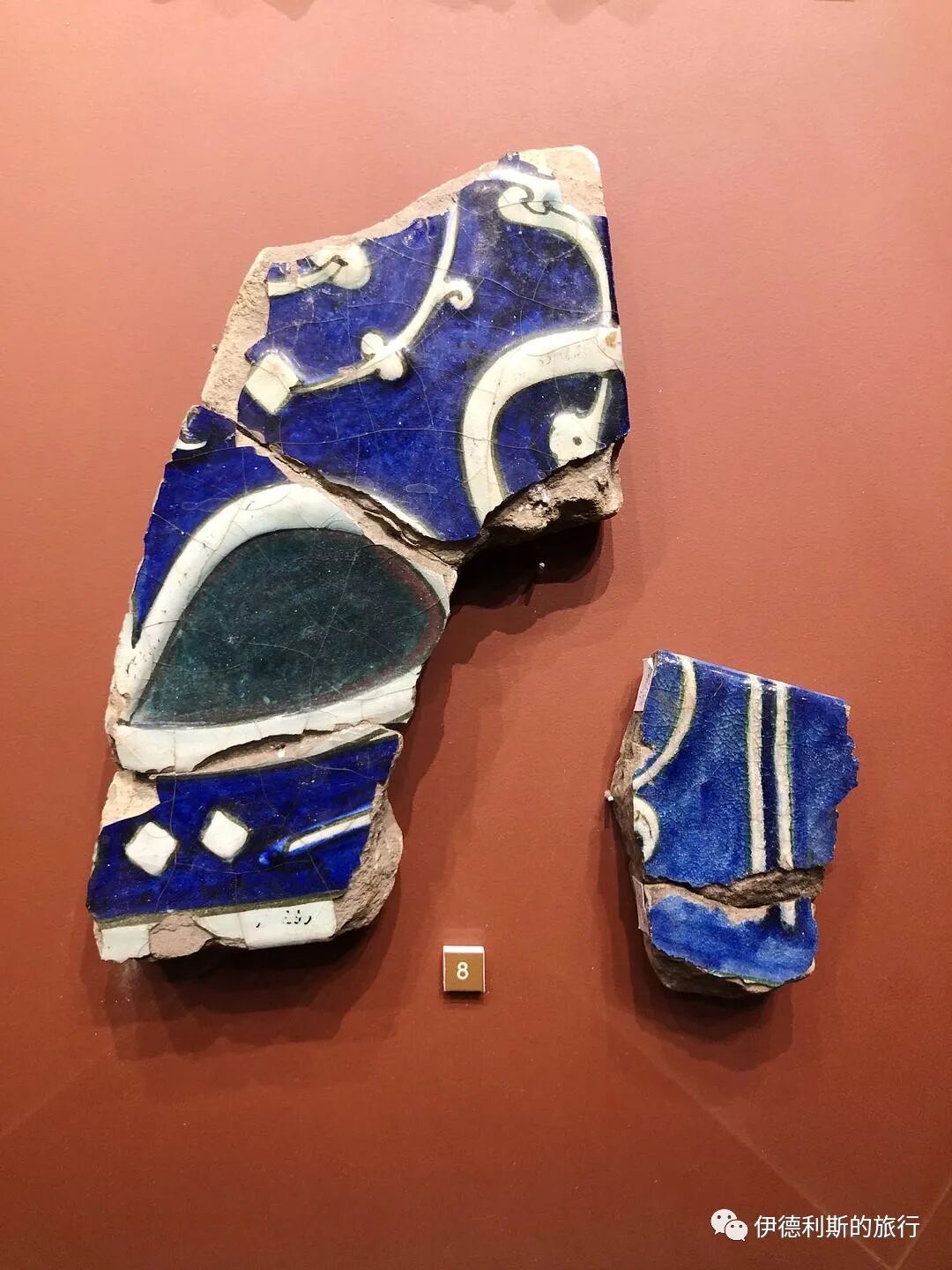
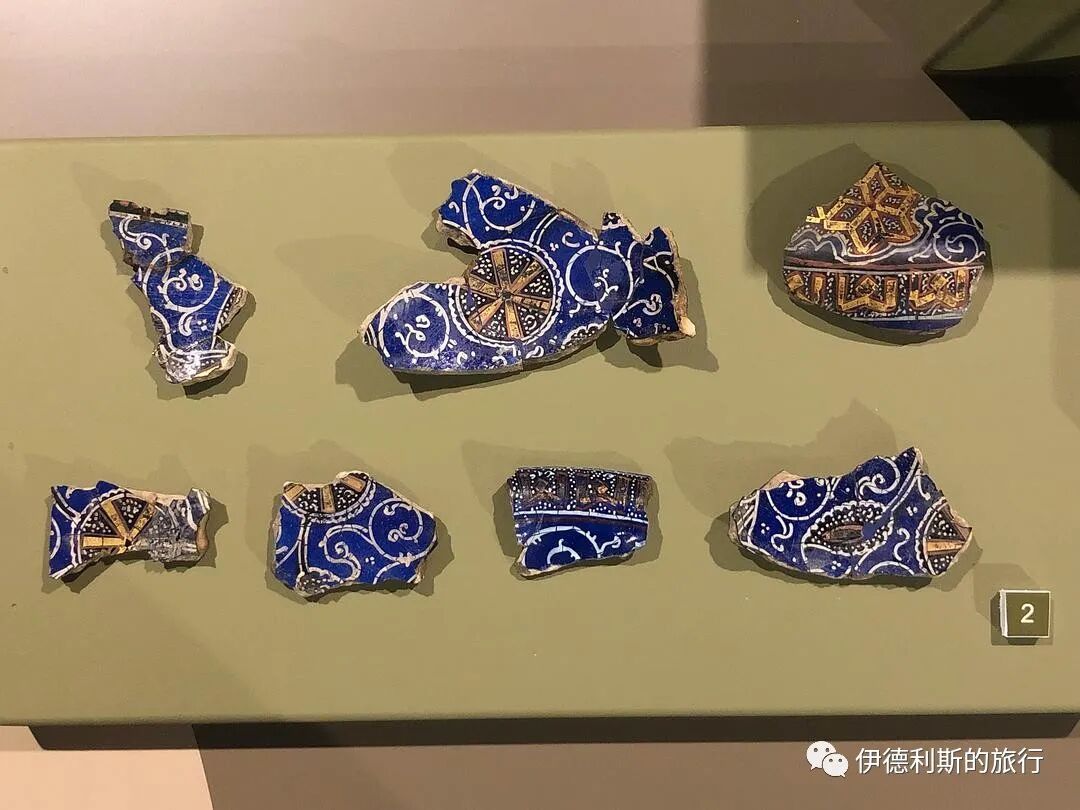
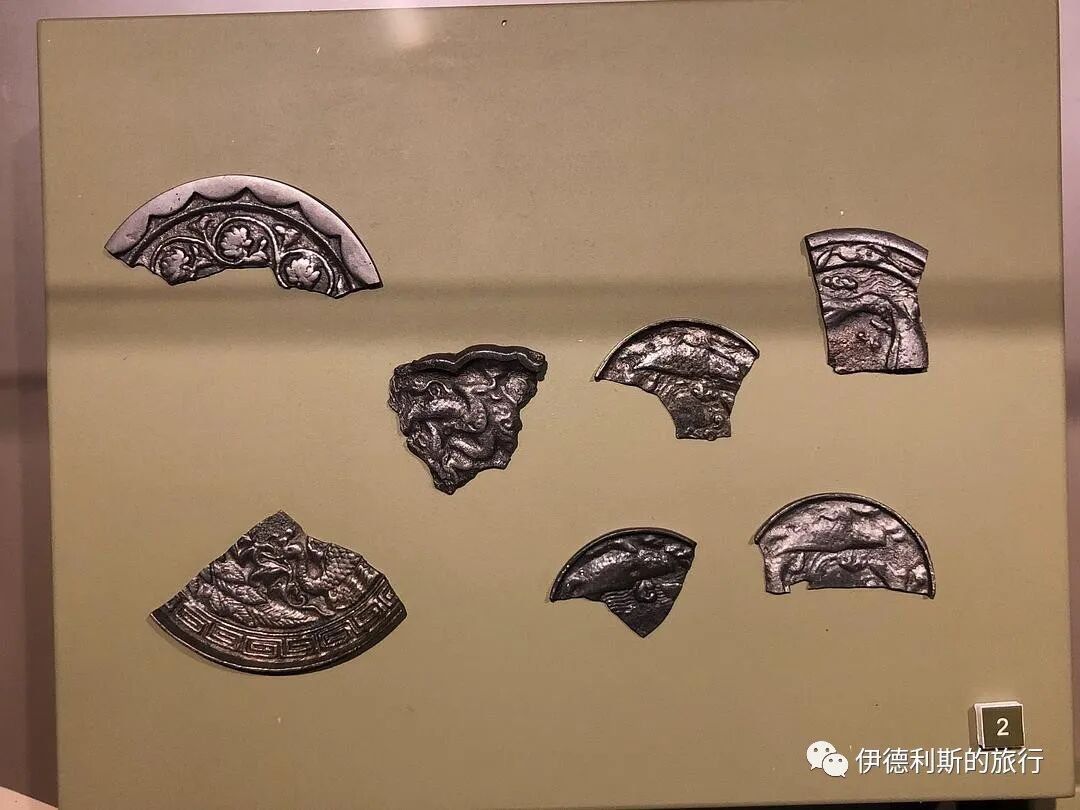
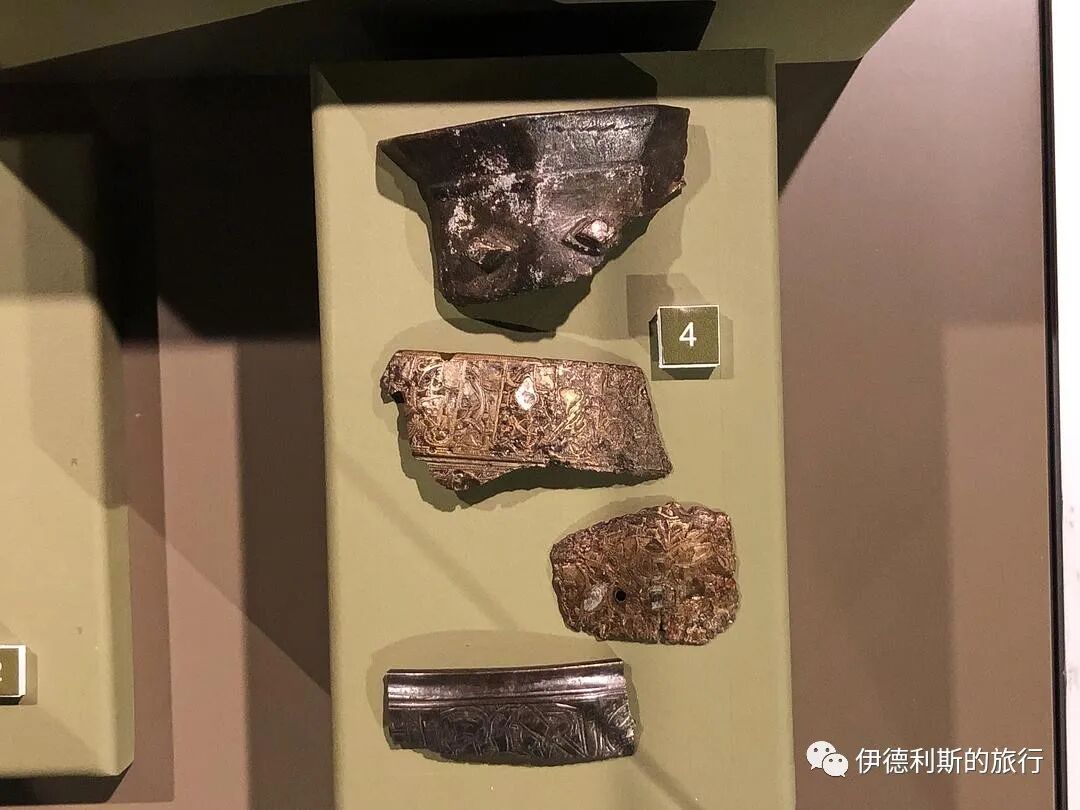
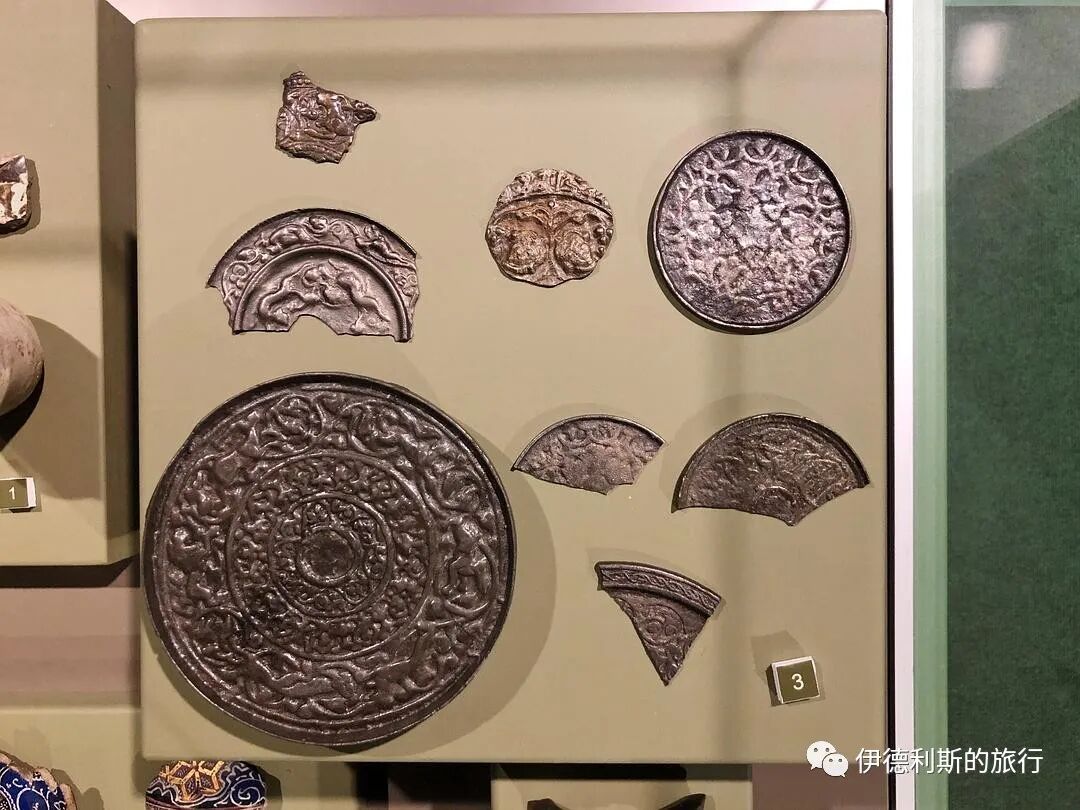
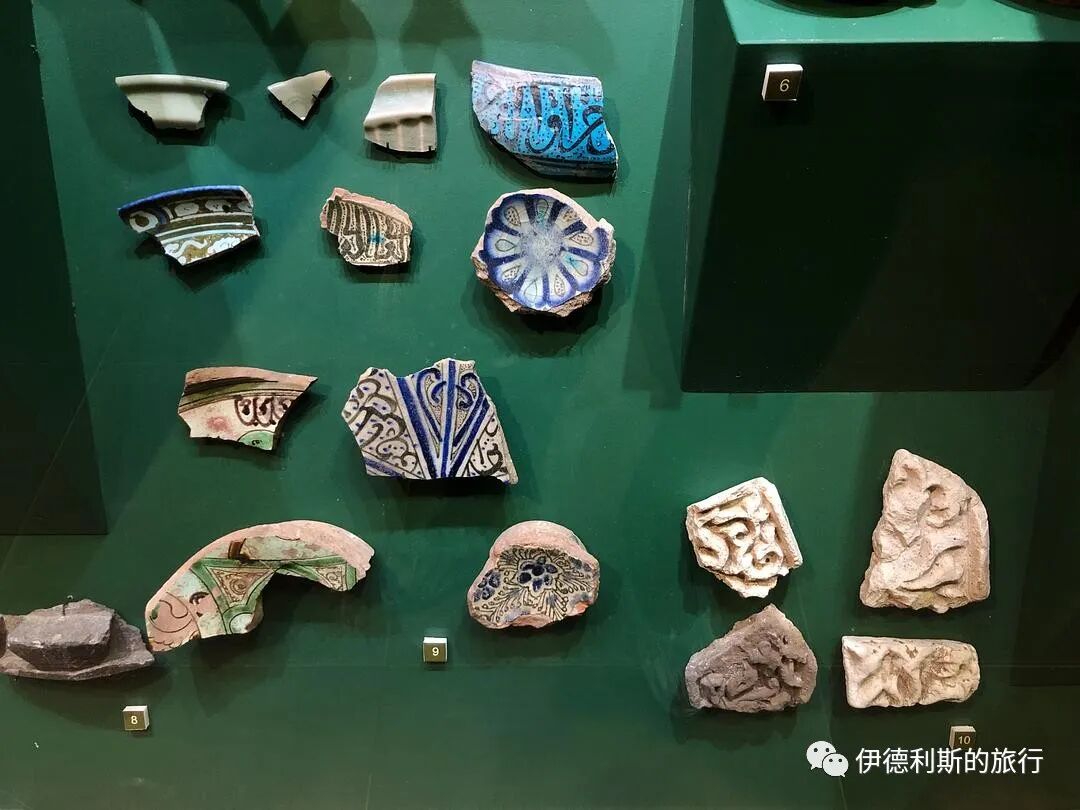
The Bolghar Civilization Museum displays artifacts from the Golden Horde period unearthed from the ancient city of Bolghar, where you can see artifacts with Chinese and Iranian styles.
Finally, here are some photos of the ancient city scenery. view all
Summary: This travel note introduces Bolgar on the Volga: A Thousand-Year Muslim Capital and Tatar Heritage. The ancient city of Bolghar is located on the banks of the Volga River, south of Kazan, the capital of Tatarstan, and was the capital of Volga Bulgaria in the 10th and 11th centuries. It is useful for readers interested in Bolgar Travel, Tatar Muslims, Islamic Heritage.
The ancient city of Bolghar is located on the banks of the Volga River, south of Kazan, the capital of Tatarstan, and was the capital of Volga Bulgaria in the 10th and 11th centuries. The Volga Bulgars accepted Islam in 922, and this year marks exactly the 1100th anniversary.
Before the Crusades, the city of Bolghar was an important trade hub between Europe and Asia, and one of the wealthiest cities in the Islamic world at that time. In 1236, the Mongol army led by Batu Khan launched an expedition to Europe, completely destroying Volga Bulgaria and the city of Bolghar. After this, the city of Bolghar was rebuilt into an important economic, commercial, cultural, and religious center of the Golden Horde. Under the influence of the Bolghars, the Mongol rulers of the Golden Horde also began to believe in Islam, building a series of mosques, minarets, and Muslim mausoleums in the city. Coupled with secular palaces and bathhouses, most of the existing ruins in the city of Bolghar belong to this period.
After the decline of the Golden Horde, the ancient city of Bolghar remained a religious center for Muslims until the mid-16th century. After Ivan the Terrible of Russia conquered the Khanate of Kazan in 1552, the ancient city fell into complete decline.
After the 18th century, the center of the ancient city was occupied by the Orthodox Church; an Orthodox church was built on the site of the Great Mosque, and Muslim mausoleums were converted into chapels and wine cellars. Due to the construction of monasteries and surrounding villages, the architectural ruins within the ancient city decreased rapidly. In the early 18th century, there were more than 70 buildings within the ancient city ruins, including 9 minarets, but only 1 minaret has been preserved to this day.
During the Soviet era, because they could not travel to Mecca, Muslims in Tatarstan and other parts of the Soviet Union chose to travel to the ancient city of Bolghar for a "minor Hajj" (pilgrimage).
Today, the ancient city of Bolghar holds an important place in the hearts of the Volga Tatars, who view the Volga Bulgars as one of their ancestors and consider the ancient city of Bolghar their historical and religious capital. In 2014, the ancient city of Bolghar was included in the UNESCO World Heritage List.
Table of Contents
I. Arrival
1. Volga River Speedboat
2. Bolghar Pier
3. Tatar Snack Bar
II. Great Mosque Architectural Complex
1. Great Mosque
2. Great Minaret
3. Eastern Mausoleum
4. Northern Mausoleum
5. Khan's Palace
6. Eastern House
III. Black House
IV. Khan's Mausoleum and Small Minaret
1. Khan's Mausoleum
2. Small Minaret
V. White House
VI. Small Tombs
VII. Southern Small City
VIII. Unearthed Artifacts
I. Arrival
1. Volga River Speedboat
The most convenient and interesting way to travel from Kazan to the ancient city of Bolghar is to take a Volga River speedboat from the Kazan pier. For information on the Kazan pier, you can visit the website https://douc.cc/1vFyDm; tickets can only be purchased on-site. The lady at the ticket window does not speak English, but you just need to show her the destination and date of the boat trip translated into Russian, and she will gesture to ask if you want a one-way or round-trip ticket; you can just gesture for a round-trip.
I bought a ticket departing from Kazan at 8:00 AM, arriving in Bolghar around 10:00 AM, and returning at 3:40 PM, arriving back in Kazan around 5:40 PM, leaving me with five hours and forty minutes to stay. Many of the passengers on the boat are middle-aged and elderly tour groups, with a small number of individual tourists.
The boat travels on the Volga River, and at its widest point, you can barely see the opposite bank. It is very windy on the boat, which is quite exhilarating.
2. Bolghar Pier
The boat did not stop at the entrance of the Bolghar Civilization Museum as written in the Lonely Planet Russia volume, but instead stopped at the Bolghar Pier to the west; from the pier, you still need to take a vehicle to the heritage area of the ancient city.
Bolghar Pier is a quiet little pier with a great atmosphere; waiting for the boat here on the return trip felt like being in a Russian movie.
3. Tatar Snack Bar
There are some souvenir shops and snack bars around the ancient city ruins area. I ate pilaf and the traditional Volga Tatar pie elesh (a savory pastry) at this Volga Tatar traditional fast-food chain Tubatay (Тюбетей). Elesh is made with sour cream and yeast dough, and the filling is chicken, potatoes, and onions.
II. Great Mosque Architectural Complex
After the Golden Horde rebuilt the city of Bolghar in the 13th century, they built a series of buildings centered on the Great Mosque.
1. Great Mosque
The Great Mosque is the most important architectural ruin of the ancient city of Bolghar preserved from the Golden Horde era, and it was the city center of Bolghar in the 13th and 14th centuries, featuring the typical architectural style of the Golden Horde period.
The Great Mosque is made of limestone, 34 meters long and 32 meters wide, with 20 columns and a wooden gable roof. The walls are plastered on all four sides and reinforced with buttresses. On the north side of the mosque, there is an arched gate and a minaret, and on the south side, there is a mihrab (a niche in the wall of a mosque that indicates the direction of Mecca) with exquisite carvings. The Great Mosque was renovated in the early 14th century, and corner towers were added in the 1440s.
The Great Mosque underwent three archaeological excavations in 1892, 1915, and 1946, and two restorations in 1964-1966 and 2003-2005. The limestone walls were covered with a protective material, the ground was paved with white flooring, walkways were set up, and drainage ditches were built.
2. Great Minaret
There used to be a 24-meter-high Great Minaret on the north side of the Bolghar Great Mosque, which collapsed in 1841, and the stone materials were taken away by locals. When Kazan University professor I. Berezin passed through Bolghar in 1846, he saw several stone carvings with Quranic verses on the site of the Great Minaret.
Based on a series of 18th and 19th-century graphic materials, the Great Minaret was rebuilt in 2000.
3. Eastern Mausoleum
The Eastern Mausoleum is located on the east side of the Great Mosque and was built in the 1330s during the Golden Horde period, when the Great Mosque underwent its second renovation and the central square of the ancient city of Bolghar was further developed.
The Northern Mausoleum was originally the family mausoleum of the Bolghar noble Burashbeks, and later became the Church of St. Nicholas in the early 18th century, with an onion dome and a cross added.
Archaeological excavations in 1964-1966 and 1991 unearthed 7 tombs from the Golden Horde period in the mausoleum. The roof was damaged by a strong wind in 1965, and the mausoleum was restored in 1967-1968.
The tombstone with an inscription in the mausoleum came from Sabar-llchzhi, the daughter of Prince Burash; it was discovered during the renovation of the Church of St. Nicholas between 1889 and 1890, and was transported to Kazan in 1994. A replica is currently on display in the mausoleum.
4. Northern Mausoleum
The Northern Mausoleum is located on the north side of the Great Mosque and, like the Eastern Mausoleum, was built in the 1330s during the Golden Horde period.
The Northern Mausoleum was originally a family mausoleum for Bolghar nobles and later became the cellar of a monastery in the early 18th century. Two archaeological excavations were conducted here in 1964 and 1966, and partial restoration was carried out between 1968 and 1969.
When I visited, the interior of the mausoleum was not open, so I only saw the exterior.
5. Khan's Palace
The Khan's Palace is located east of the Great Mosque and was built in the mid-13th century during the early Golden Horde period. Since 1994, more than 1,000 square meters of archaeological excavations have been conducted, and 30% of the coins unearthed belong to the period between 1240 and 1259.
6. Eastern House
The Eastern House is the ruin of a public bathhouse built in the 1290s during the Golden Horde period, and it is the earliest and largest public bathhouse ruin existing in the ancient city of Bolghar. The entire bathhouse consists of three parts; the central space includes a heated changing room, a central cross-shaped hall, and four bathrooms. The western space includes a heated changing room and a boiler room; the boiler room consists of a furnace and two hot air ducts. The eastern space consists of a boiler with three air ducts.
From 1984 to 1992, a series of archaeological excavations were conducted on the bathhouse. From the unearthed coins, it is known that the bathhouse was used from approximately the 1290s to the 1340s.
III. Black House
The Black House was built in the mid-14th century during the Golden Horde period and is constructed of white limestone. The Black House is the only 14th-century civil building in the ancient city that has been preserved to this day; its specific purpose remains undetermined, but it is speculated to have been a courthouse or a pilgrim hostel. Archaeological excavations were conducted here twice in 1957 and 1966, and it was discovered that there used to be a veranda built around the building.
IV. Khan's Mausoleum and Small Minaret
The Small Minaret and the Khan's Mausoleum are located 500 meters south of the Great Mosque architectural complex.
1. Khan's Mausoleum
The Khan's Mausoleum was built in the early 14th century during the Golden Horde period; before this, there was a stone bathhouse here. The mausoleum was rebuilt in the mid-14th century. There are 8 tombs inside the mausoleum, some with tombstones. The archaeological monument was studied in 1968.
Protection and partial restoration were carried out in 1971, 1990, and 2006, respectively.
2. Small Minaret
The Small Minaret was built in the late 14th century during the Golden Horde period; it is similar in shape to the Great Minaret of the Great Mosque and is the only minaret in the ancient city that has been preserved to this day. Two archaeological excavations were conducted here in 1914 and 1968-1969, and it was repaired between 1968 and 1970.
V. White House
The White House is located 250 meters southeast of the Black House; it is a public bathhouse built in the 1340s during the Golden Horde period and was abandoned in the 1460s.
The bathhouse consists of several rectangular spaces of different sizes; the cross-shaped central hall once had a dome, and the ruins of the washing area consisting of pools, fountains, and soap rooms have been preserved, where you can clearly see the network of heating pipes, sewage, and well water facilities underneath.
The bathhouse was heated by two circular furnaces, which were also covered by domes; the furnaces and air ducts were made of sandstone, and the causeway under the furnaces was made of limestone.
The White House as seen today is how it looked after restoration and protection in 2011.
VI. Small Tombs
There are several tombs from the mid-14th to early 15th century Golden Horde period scattered throughout the ancient city of Bolghar. These tombs were archaeologically excavated between the 1970s and 1980s.
VII. Southern Small City
Outside the south gate of the ancient city of Bolghar, there is a small city ruin from the 13th to 14th century Golden Horde period; it is speculated that this was built to strengthen the defense of the south gate of Bolghar city.
VIII. Unearthed Artifacts
The Bolghar Civilization Museum displays artifacts from the Golden Horde period unearthed from the ancient city of Bolghar, where you can see artifacts with Chinese and Iranian styles.
Finally, here are some photos of the ancient city scenery. view all
Reposted from the web
Summary: This travel note introduces Bolgar on the Volga: A Thousand-Year Muslim Capital and Tatar Heritage. The ancient city of Bolghar is located on the banks of the Volga River, south of Kazan, the capital of Tatarstan, and was the capital of Volga Bulgaria in the 10th and 11th centuries. It is useful for readers interested in Bolgar Travel, Tatar Muslims, Islamic Heritage.
The ancient city of Bolghar is located on the banks of the Volga River, south of Kazan, the capital of Tatarstan, and was the capital of Volga Bulgaria in the 10th and 11th centuries. The Volga Bulgars accepted Islam in 922, and this year marks exactly the 1100th anniversary.
Before the Crusades, the city of Bolghar was an important trade hub between Europe and Asia, and one of the wealthiest cities in the Islamic world at that time. In 1236, the Mongol army led by Batu Khan launched an expedition to Europe, completely destroying Volga Bulgaria and the city of Bolghar. After this, the city of Bolghar was rebuilt into an important economic, commercial, cultural, and religious center of the Golden Horde. Under the influence of the Bolghars, the Mongol rulers of the Golden Horde also began to believe in Islam, building a series of mosques, minarets, and Muslim mausoleums in the city. Coupled with secular palaces and bathhouses, most of the existing ruins in the city of Bolghar belong to this period.
After the decline of the Golden Horde, the ancient city of Bolghar remained a religious center for Muslims until the mid-16th century. After Ivan the Terrible of Russia conquered the Khanate of Kazan in 1552, the ancient city fell into complete decline.
After the 18th century, the center of the ancient city was occupied by the Orthodox Church; an Orthodox church was built on the site of the Great Mosque, and Muslim mausoleums were converted into chapels and wine cellars. Due to the construction of monasteries and surrounding villages, the architectural ruins within the ancient city decreased rapidly. In the early 18th century, there were more than 70 buildings within the ancient city ruins, including 9 minarets, but only 1 minaret has been preserved to this day.
During the Soviet era, because they could not travel to Mecca, Muslims in Tatarstan and other parts of the Soviet Union chose to travel to the ancient city of Bolghar for a "minor Hajj" (pilgrimage).
Today, the ancient city of Bolghar holds an important place in the hearts of the Volga Tatars, who view the Volga Bulgars as one of their ancestors and consider the ancient city of Bolghar their historical and religious capital. In 2014, the ancient city of Bolghar was included in the UNESCO World Heritage List.
Table of Contents
I. Arrival
1. Volga River Speedboat
2. Bolghar Pier
3. Tatar Snack Bar
II. Great Mosque Architectural Complex
1. Great Mosque
2. Great Minaret
3. Eastern Mausoleum
4. Northern Mausoleum
5. Khan's Palace
6. Eastern House
III. Black House
IV. Khan's Mausoleum and Small Minaret
1. Khan's Mausoleum
2. Small Minaret
V. White House
VI. Small Tombs
VII. Southern Small City
VIII. Unearthed Artifacts
I. Arrival
1. Volga River Speedboat
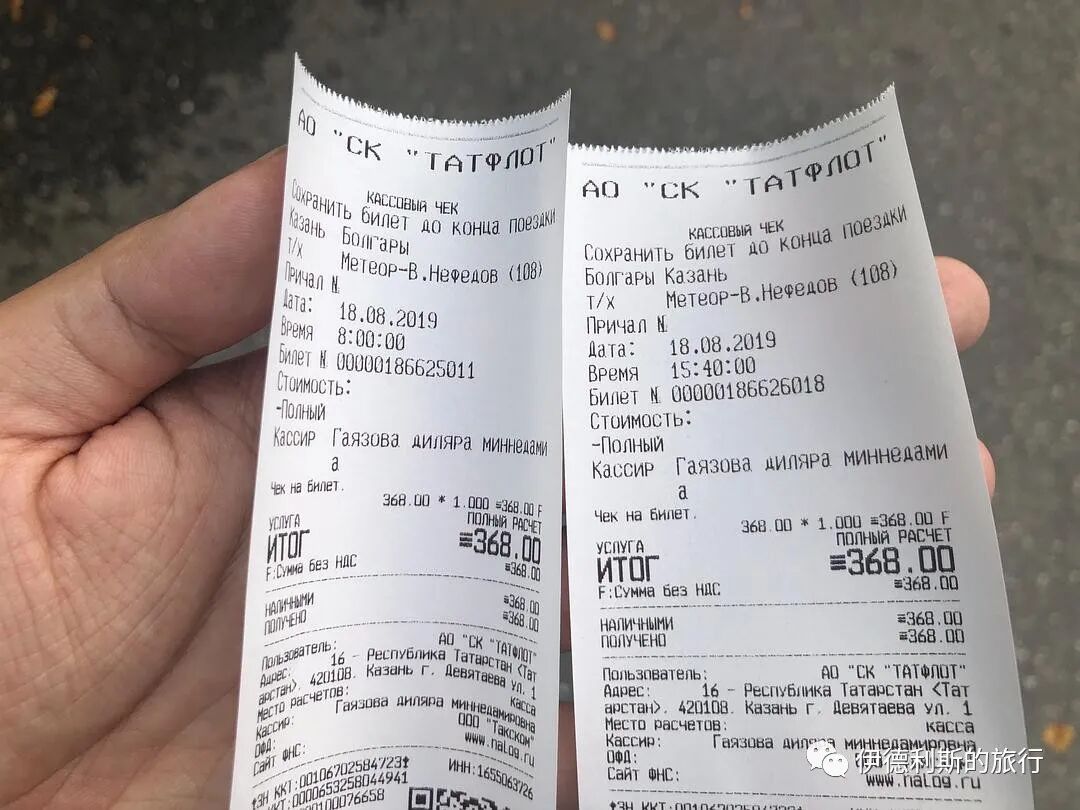
The most convenient and interesting way to travel from Kazan to the ancient city of Bolghar is to take a Volga River speedboat from the Kazan pier. For information on the Kazan pier, you can visit the website https://douc.cc/1vFyDm; tickets can only be purchased on-site. The lady at the ticket window does not speak English, but you just need to show her the destination and date of the boat trip translated into Russian, and she will gesture to ask if you want a one-way or round-trip ticket; you can just gesture for a round-trip.
I bought a ticket departing from Kazan at 8:00 AM, arriving in Bolghar around 10:00 AM, and returning at 3:40 PM, arriving back in Kazan around 5:40 PM, leaving me with five hours and forty minutes to stay. Many of the passengers on the boat are middle-aged and elderly tour groups, with a small number of individual tourists.
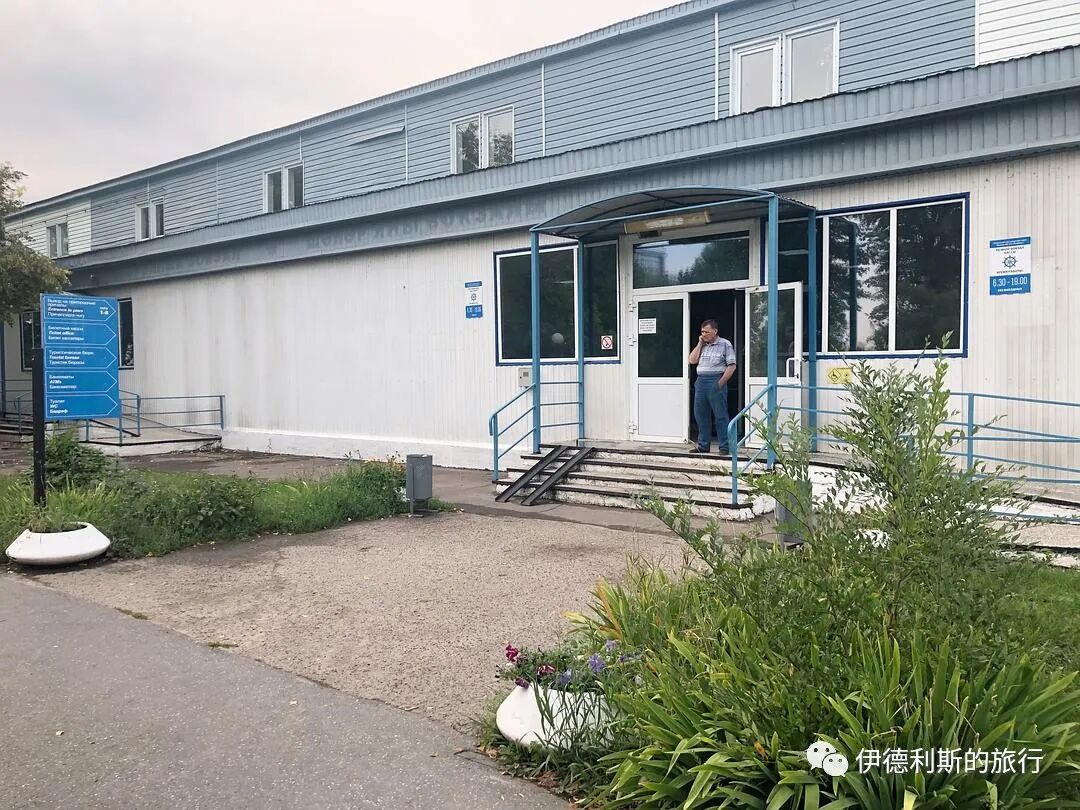
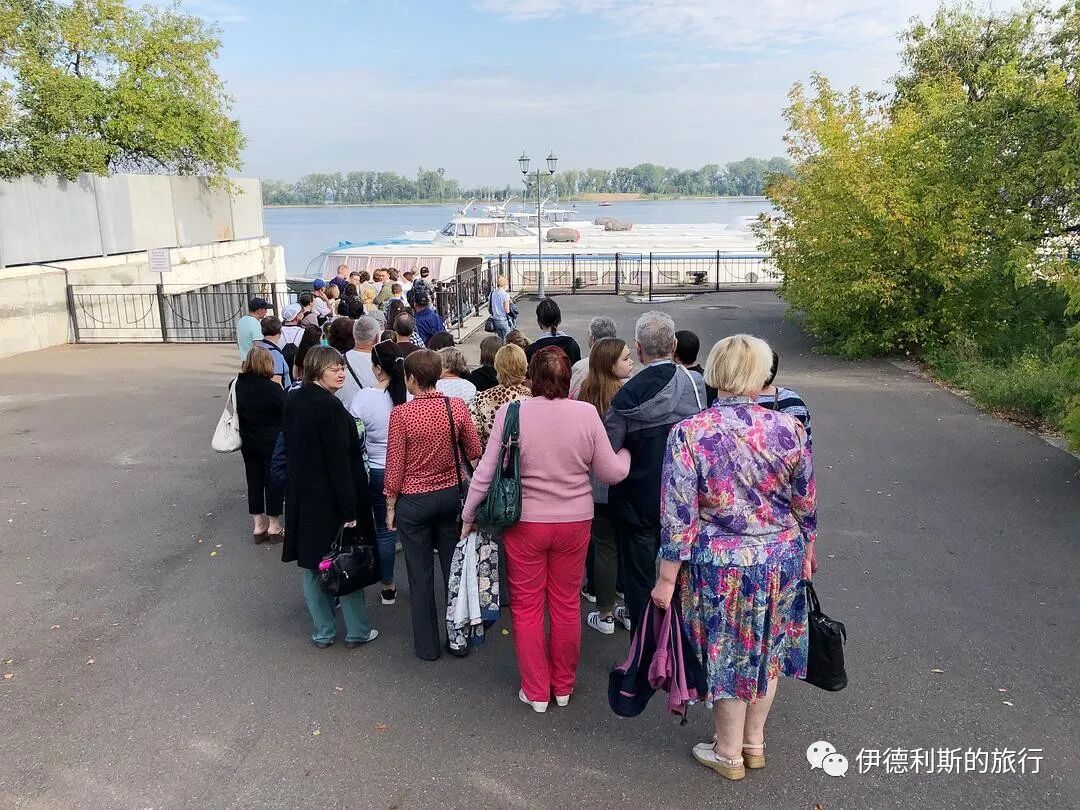
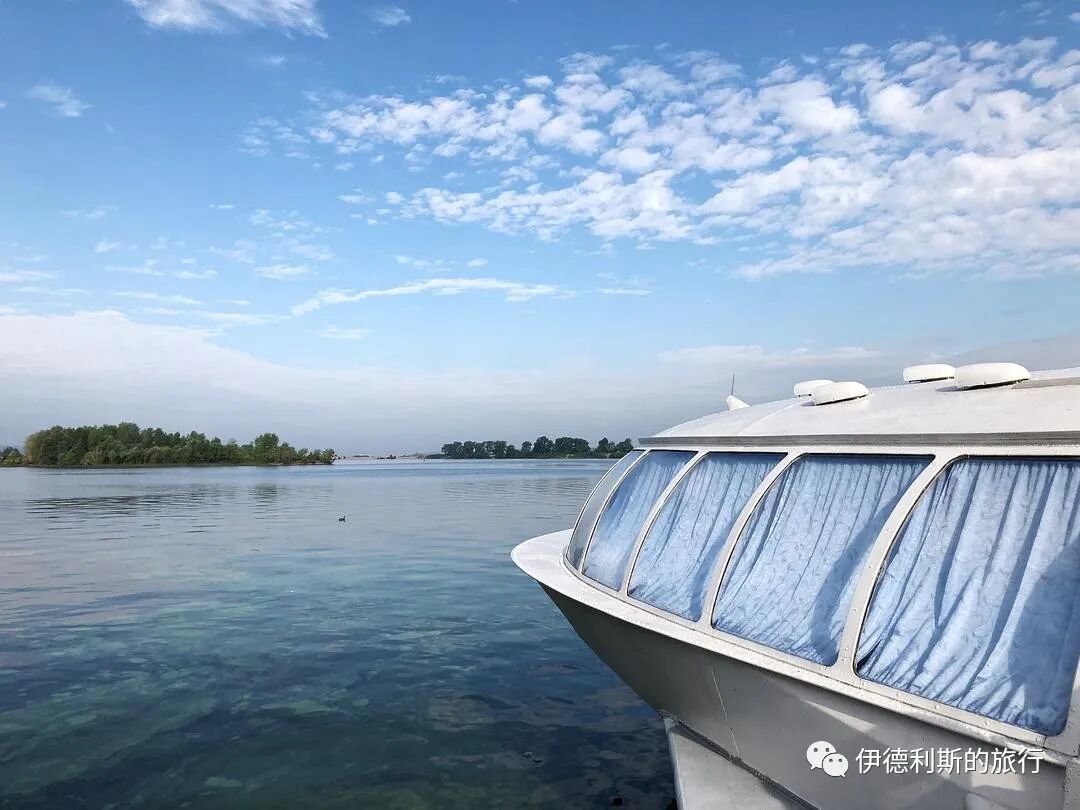
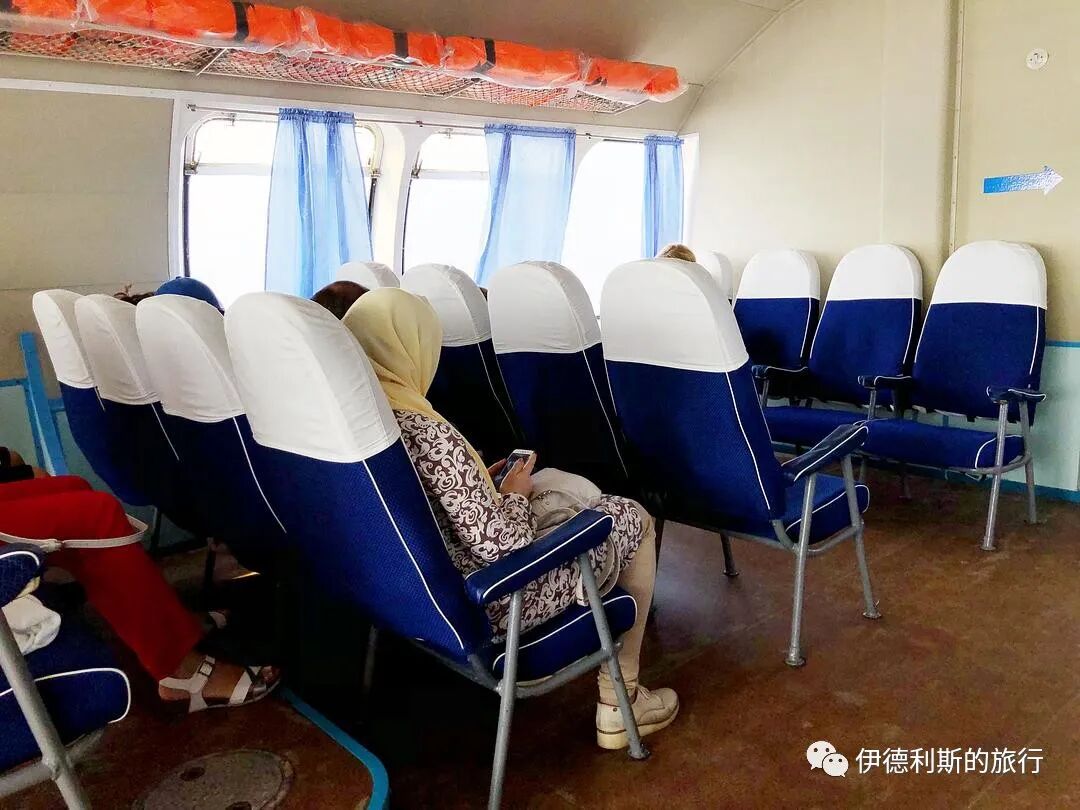
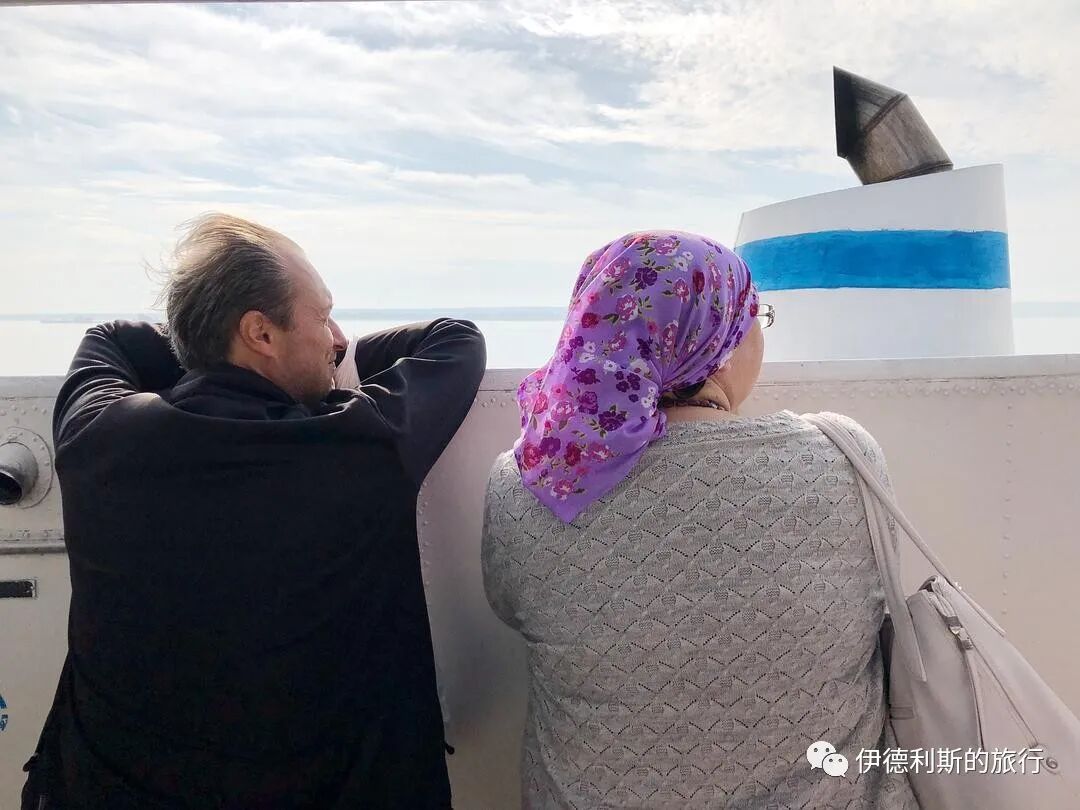
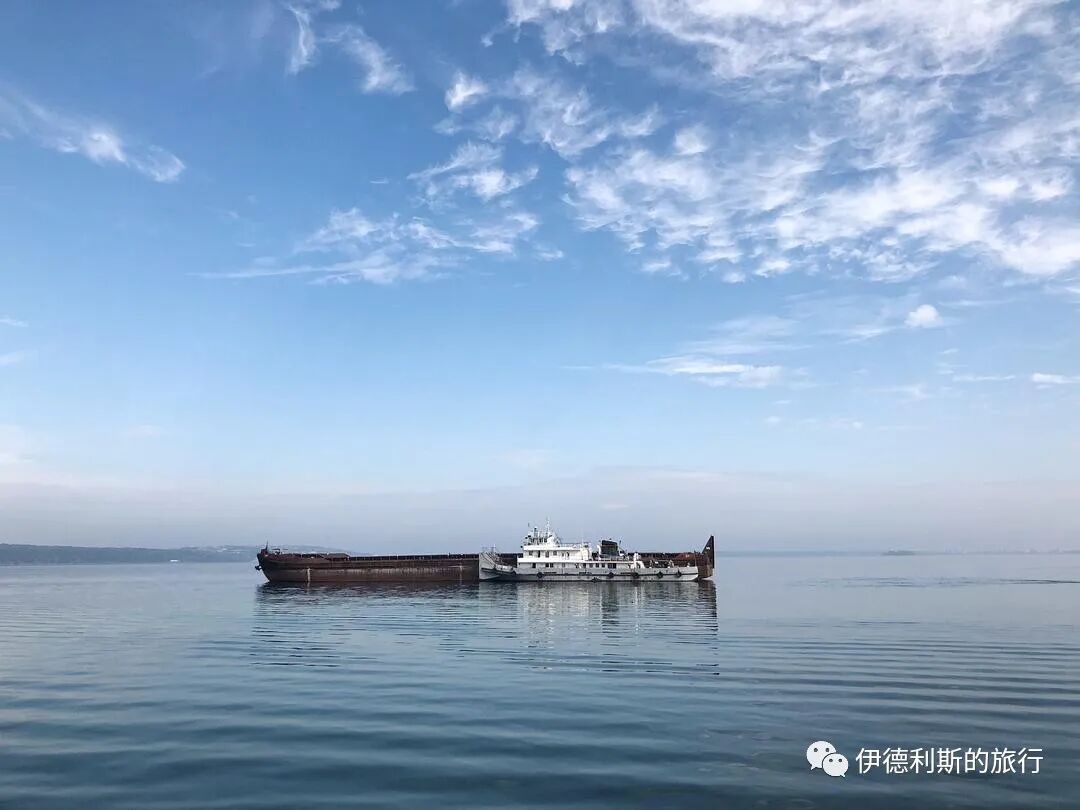
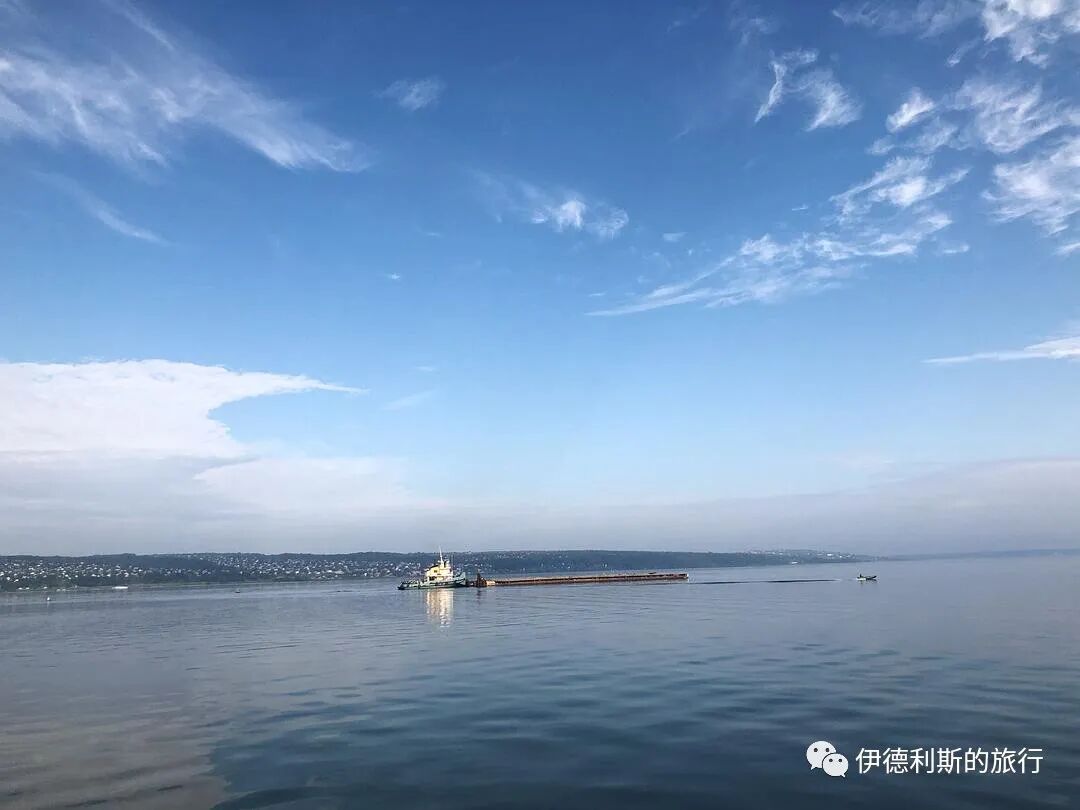
The boat travels on the Volga River, and at its widest point, you can barely see the opposite bank. It is very windy on the boat, which is quite exhilarating.

2. Bolghar Pier
The boat did not stop at the entrance of the Bolghar Civilization Museum as written in the Lonely Planet Russia volume, but instead stopped at the Bolghar Pier to the west; from the pier, you still need to take a vehicle to the heritage area of the ancient city.
Bolghar Pier is a quiet little pier with a great atmosphere; waiting for the boat here on the return trip felt like being in a Russian movie.
3. Tatar Snack Bar
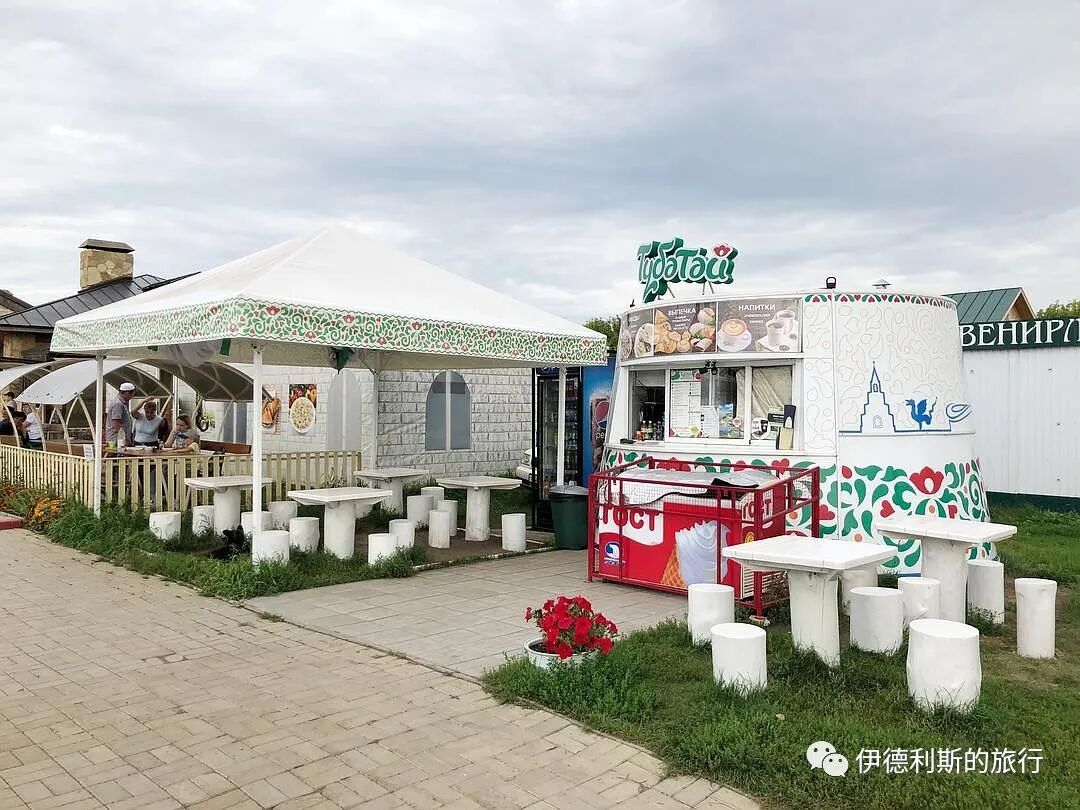
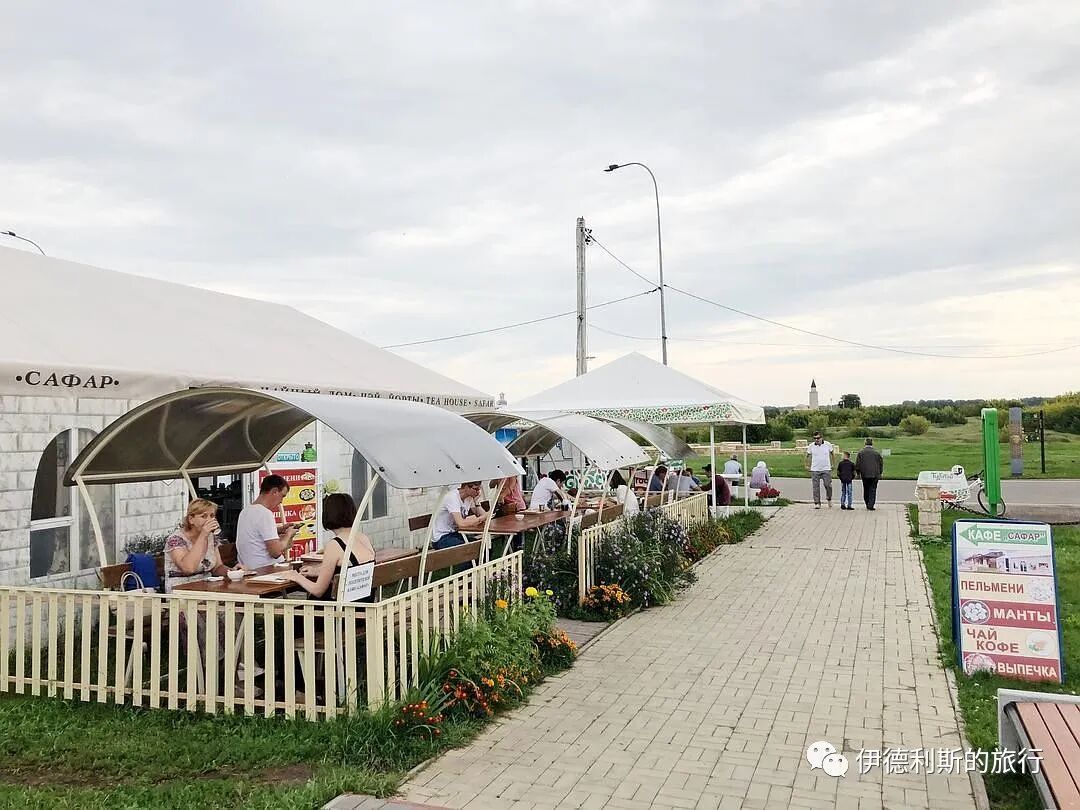
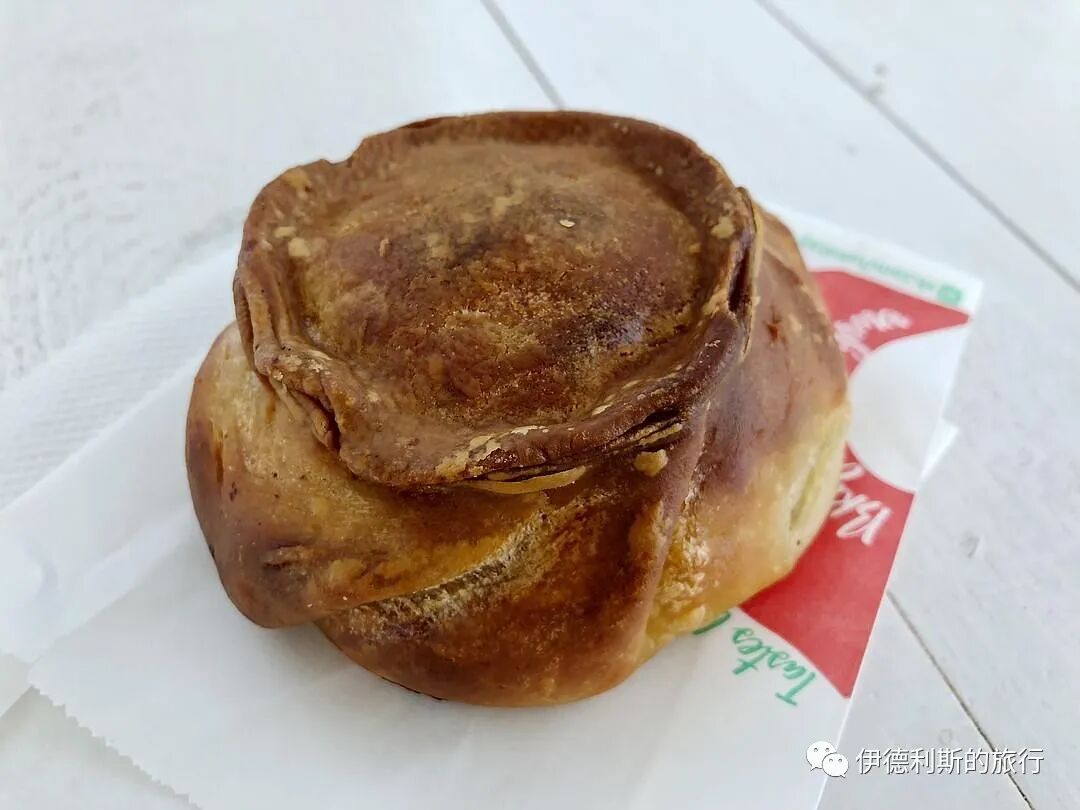
There are some souvenir shops and snack bars around the ancient city ruins area. I ate pilaf and the traditional Volga Tatar pie elesh (a savory pastry) at this Volga Tatar traditional fast-food chain Tubatay (Тюбетей). Elesh is made with sour cream and yeast dough, and the filling is chicken, potatoes, and onions.


II. Great Mosque Architectural Complex
After the Golden Horde rebuilt the city of Bolghar in the 13th century, they built a series of buildings centered on the Great Mosque.
1. Great Mosque
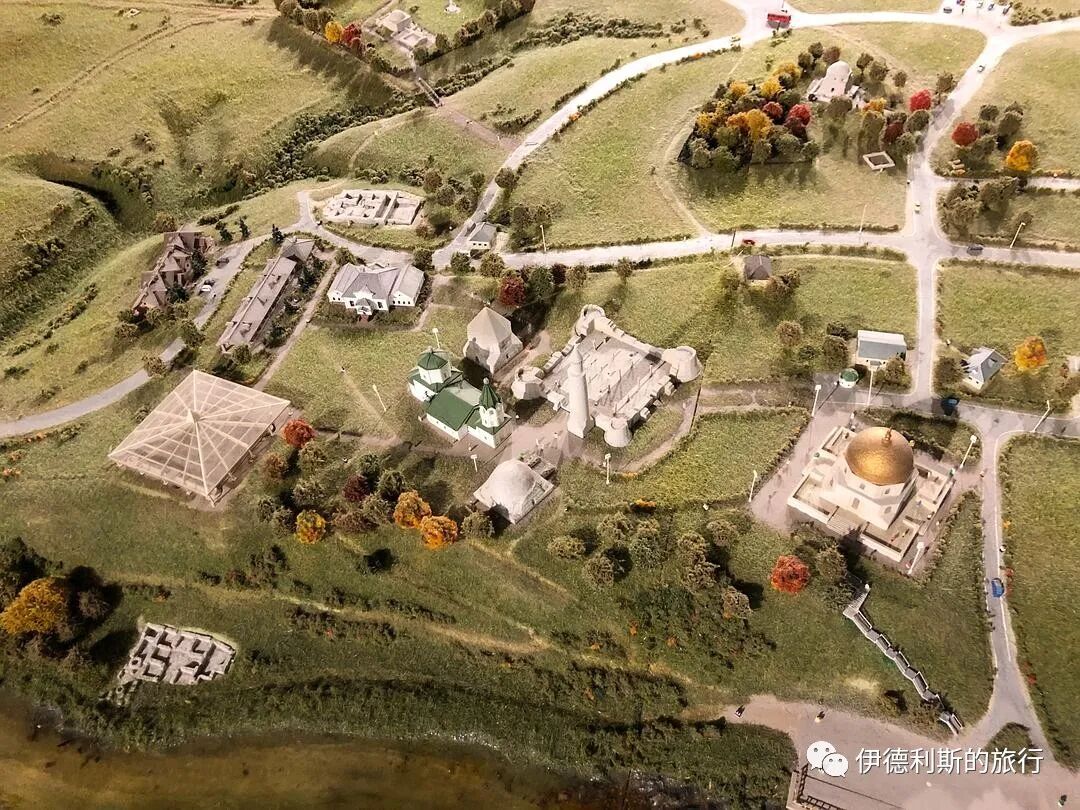
The Great Mosque is the most important architectural ruin of the ancient city of Bolghar preserved from the Golden Horde era, and it was the city center of Bolghar in the 13th and 14th centuries, featuring the typical architectural style of the Golden Horde period.
The Great Mosque is made of limestone, 34 meters long and 32 meters wide, with 20 columns and a wooden gable roof. The walls are plastered on all four sides and reinforced with buttresses. On the north side of the mosque, there is an arched gate and a minaret, and on the south side, there is a mihrab (a niche in the wall of a mosque that indicates the direction of Mecca) with exquisite carvings. The Great Mosque was renovated in the early 14th century, and corner towers were added in the 1440s.
The Great Mosque underwent three archaeological excavations in 1892, 1915, and 1946, and two restorations in 1964-1966 and 2003-2005. The limestone walls were covered with a protective material, the ground was paved with white flooring, walkways were set up, and drainage ditches were built.
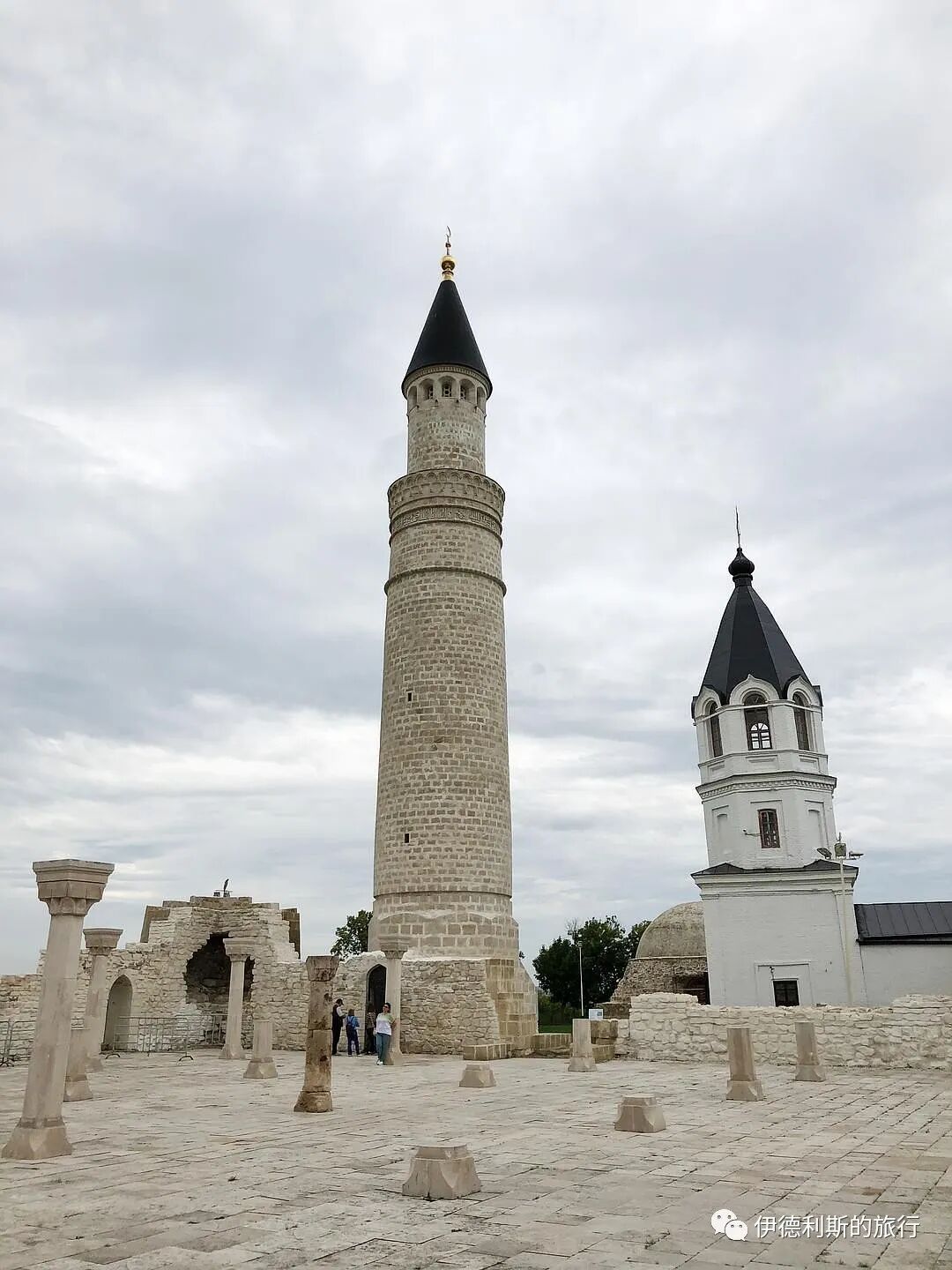
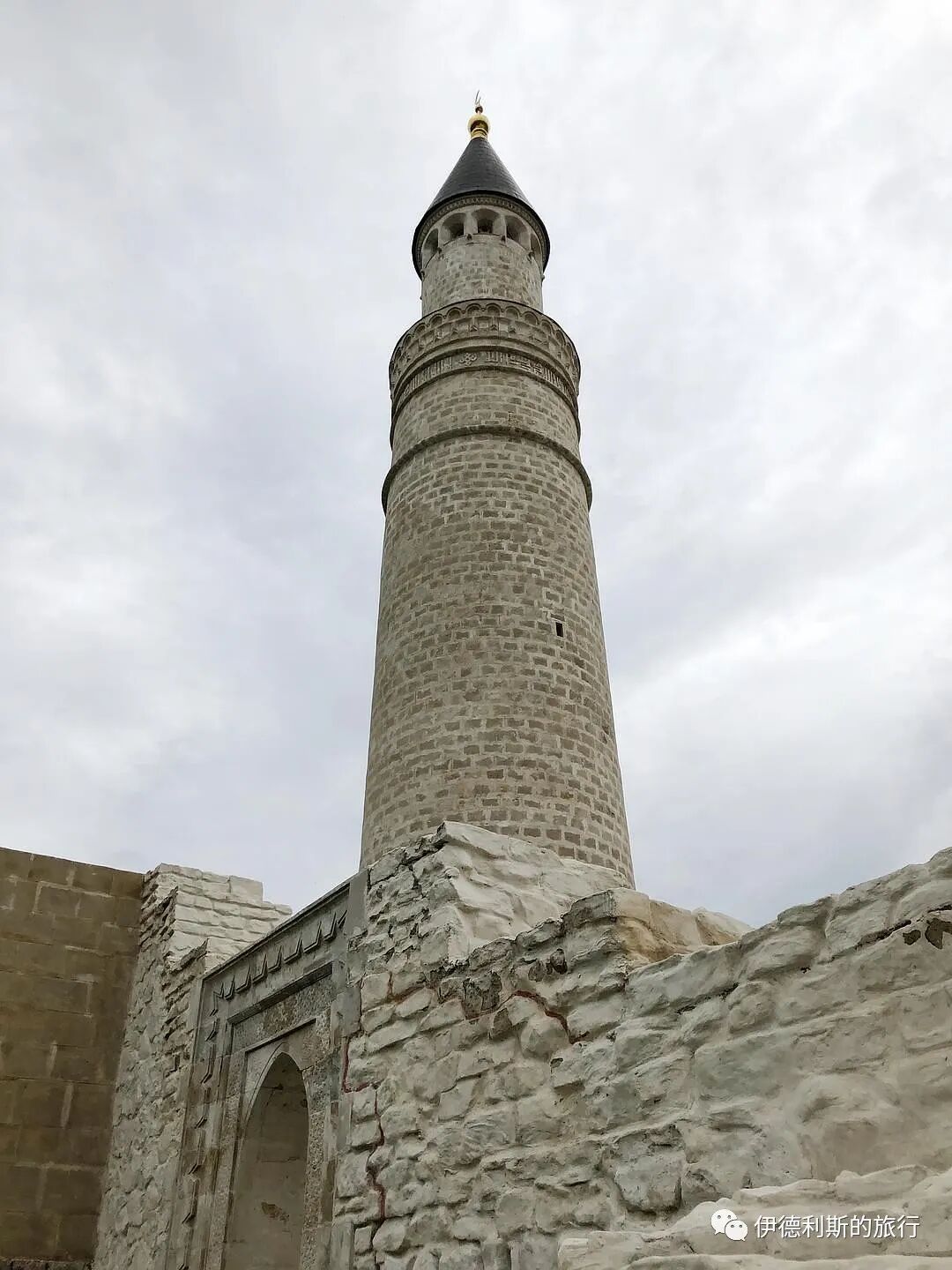
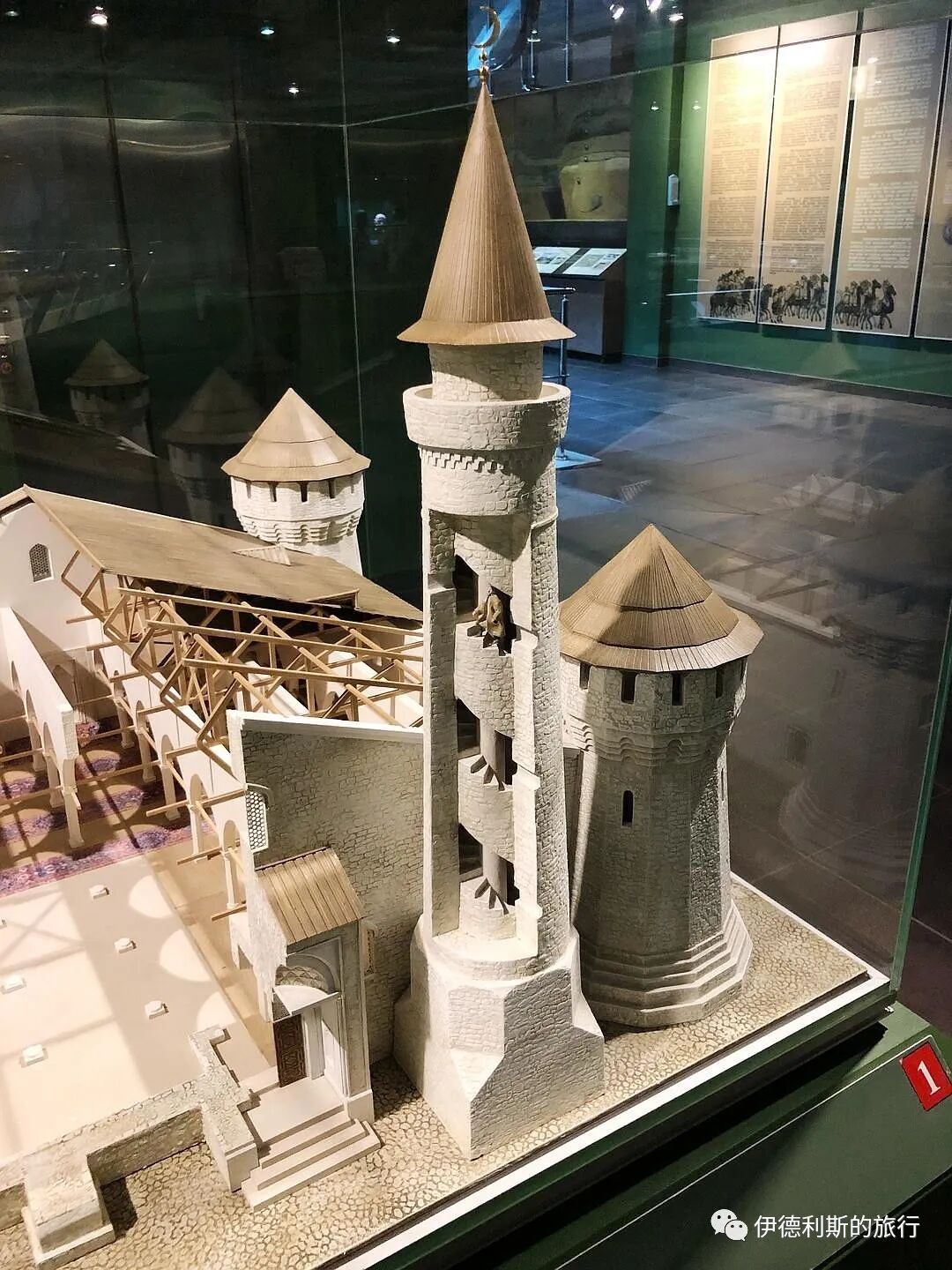
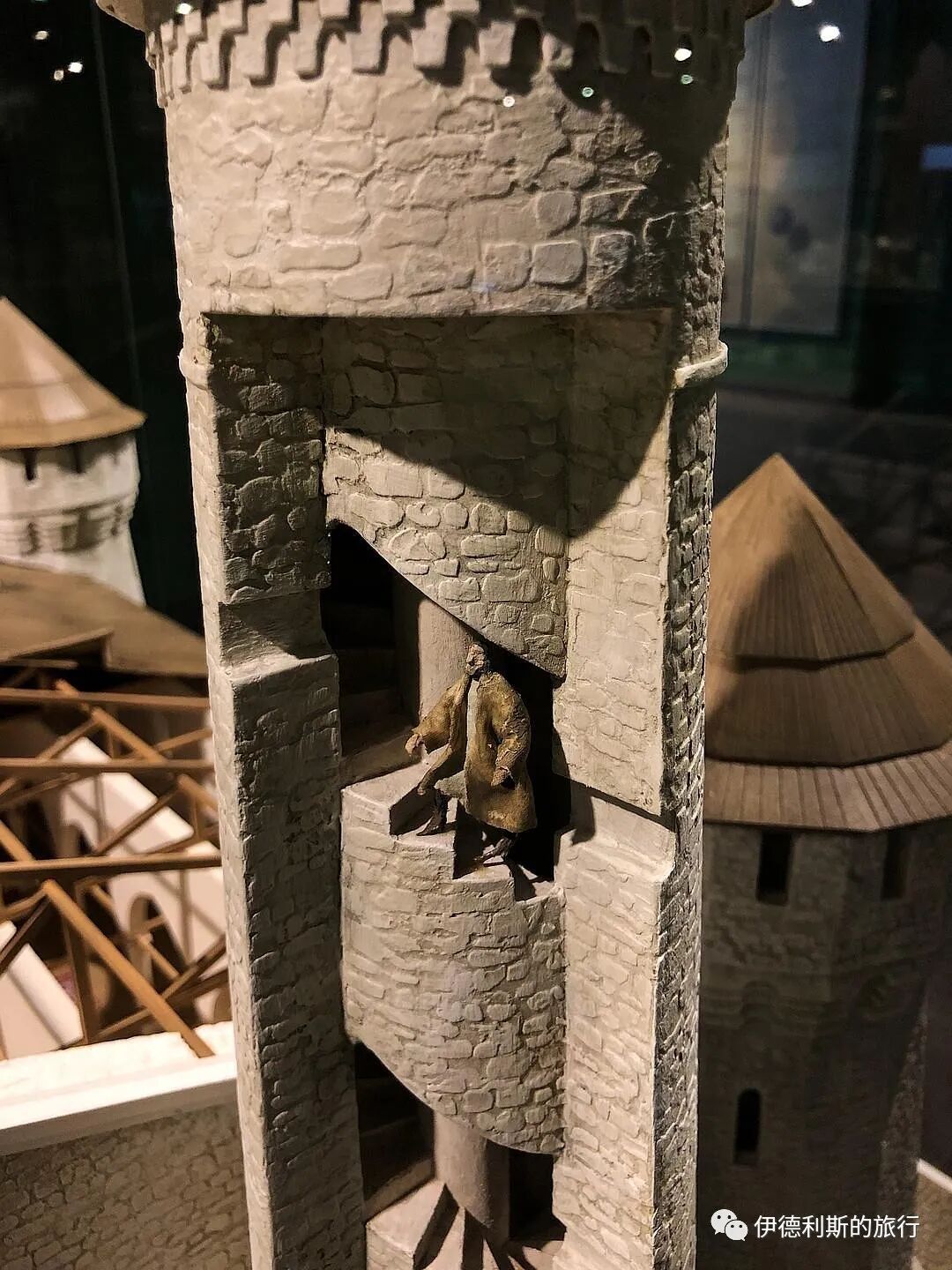
2. Great Minaret
There used to be a 24-meter-high Great Minaret on the north side of the Bolghar Great Mosque, which collapsed in 1841, and the stone materials were taken away by locals. When Kazan University professor I. Berezin passed through Bolghar in 1846, he saw several stone carvings with Quranic verses on the site of the Great Minaret.
Based on a series of 18th and 19th-century graphic materials, the Great Minaret was rebuilt in 2000.
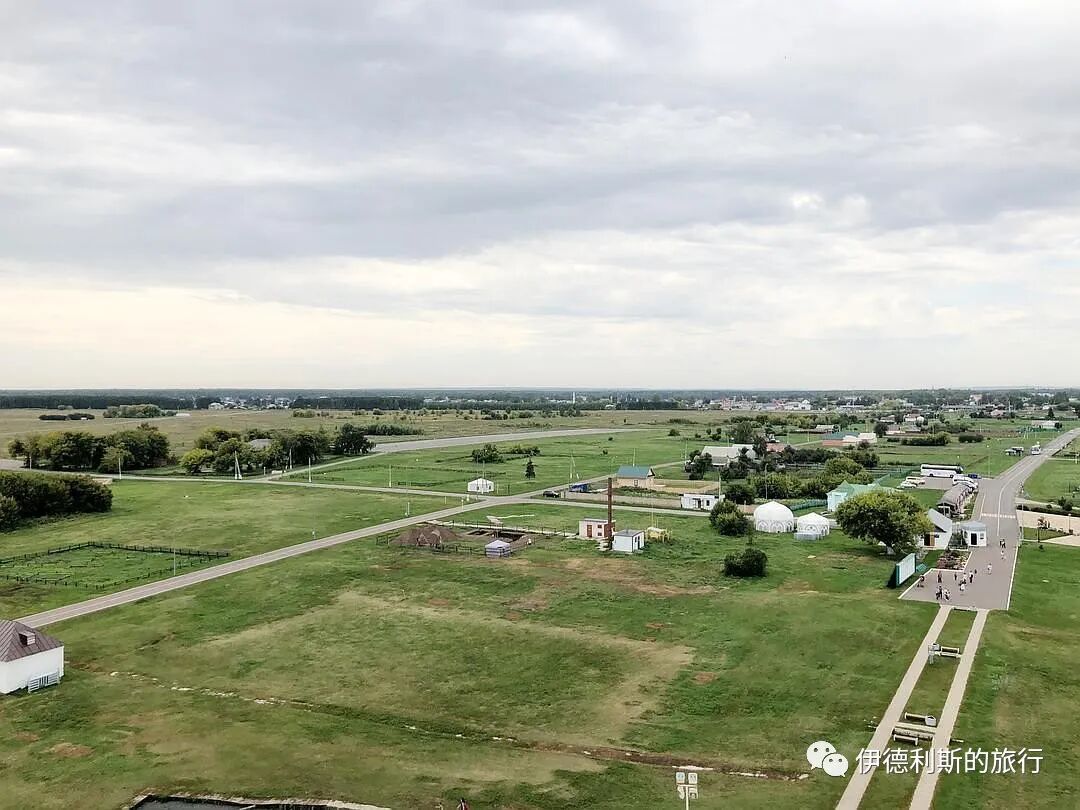
3. Eastern Mausoleum
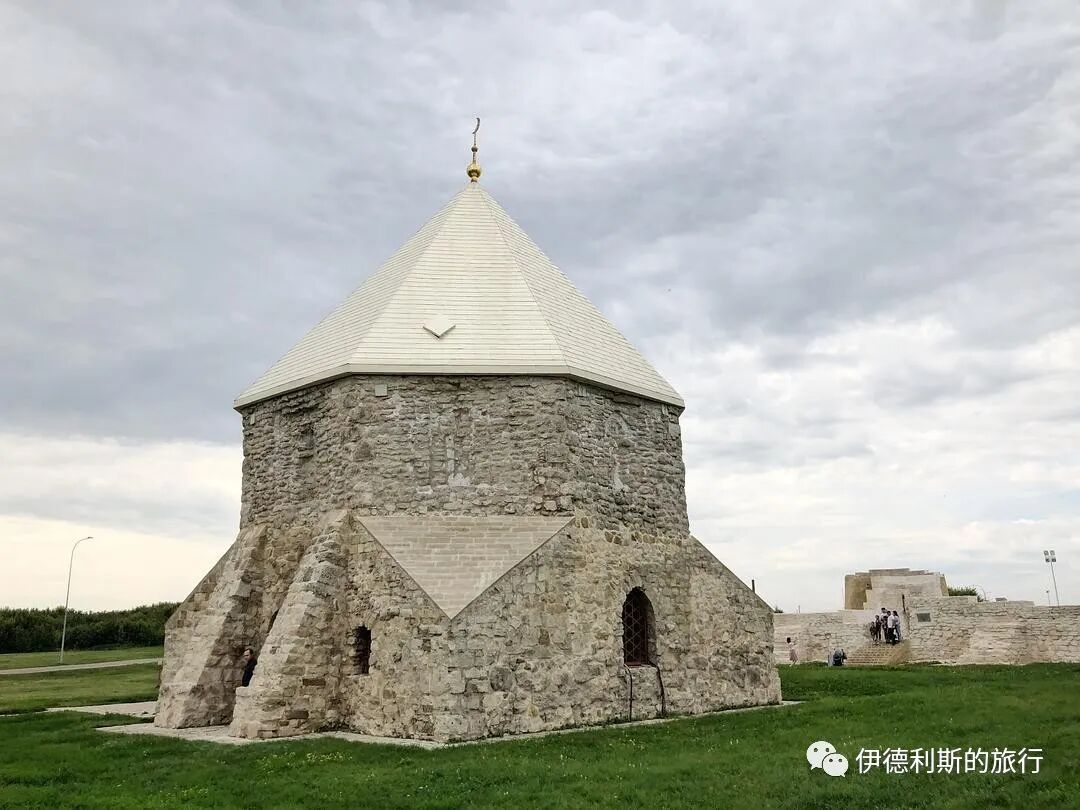
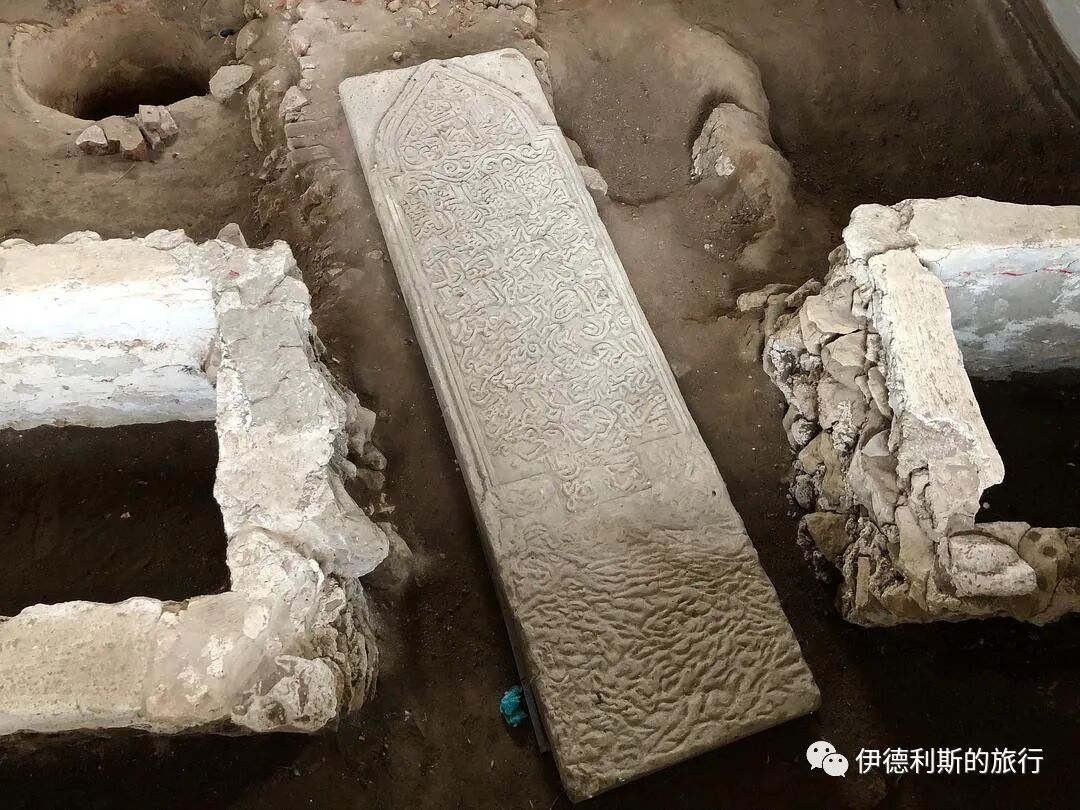
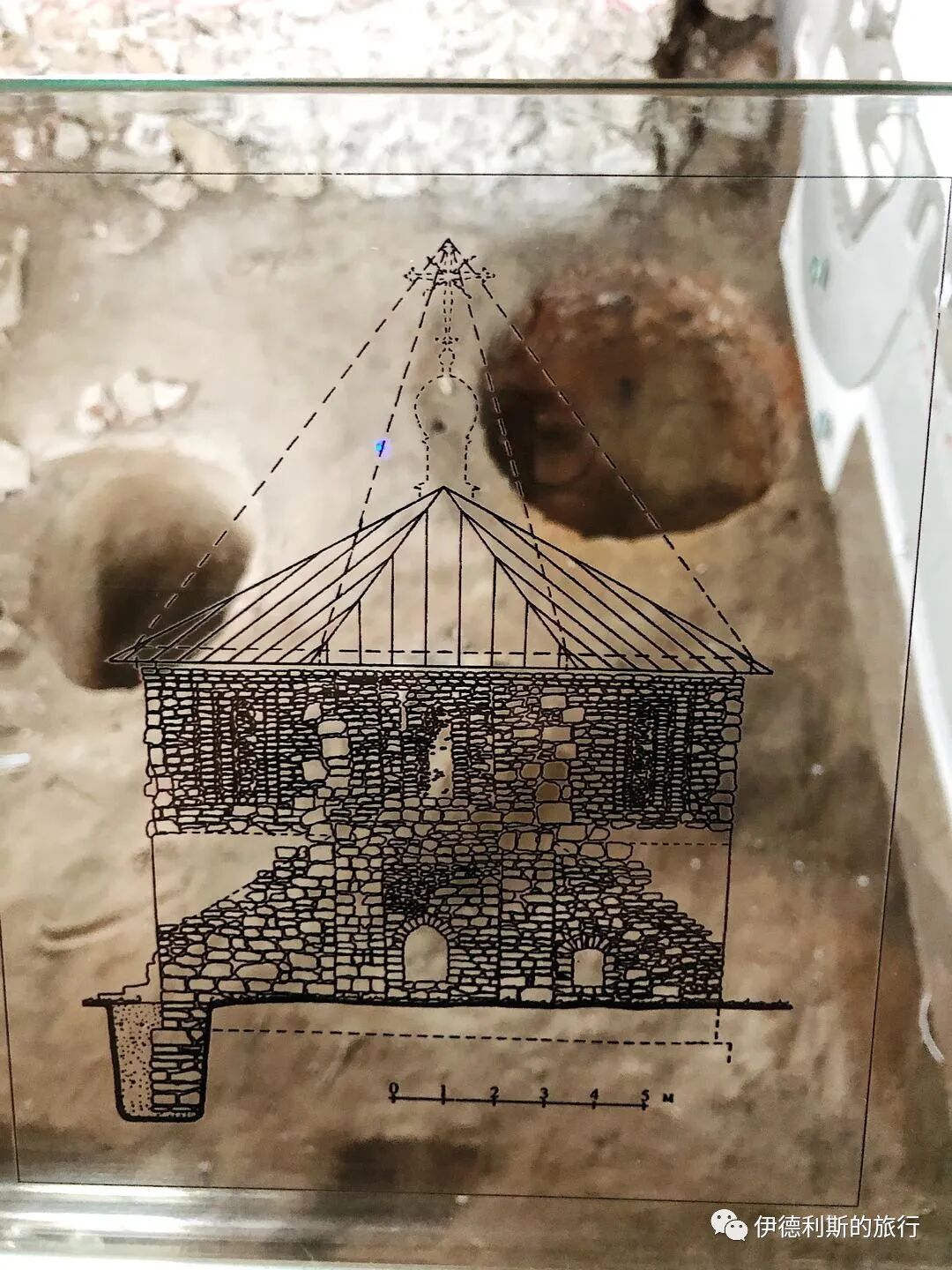
The Eastern Mausoleum is located on the east side of the Great Mosque and was built in the 1330s during the Golden Horde period, when the Great Mosque underwent its second renovation and the central square of the ancient city of Bolghar was further developed.
The Northern Mausoleum was originally the family mausoleum of the Bolghar noble Burashbeks, and later became the Church of St. Nicholas in the early 18th century, with an onion dome and a cross added.
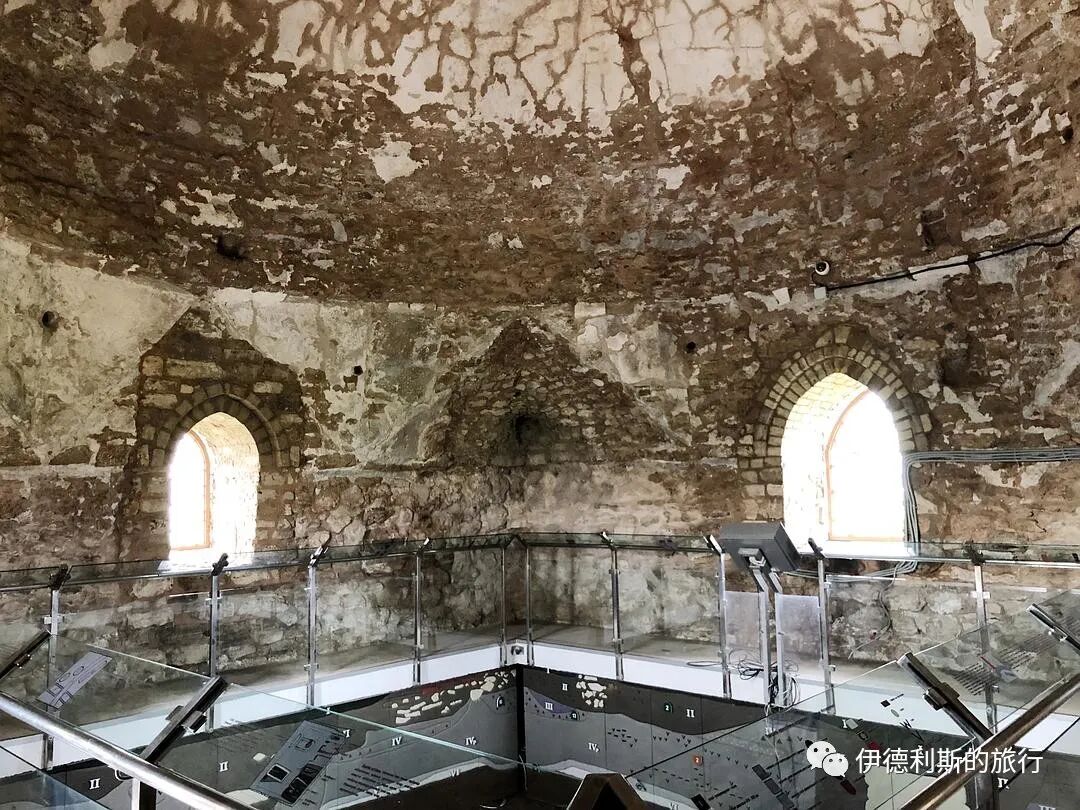
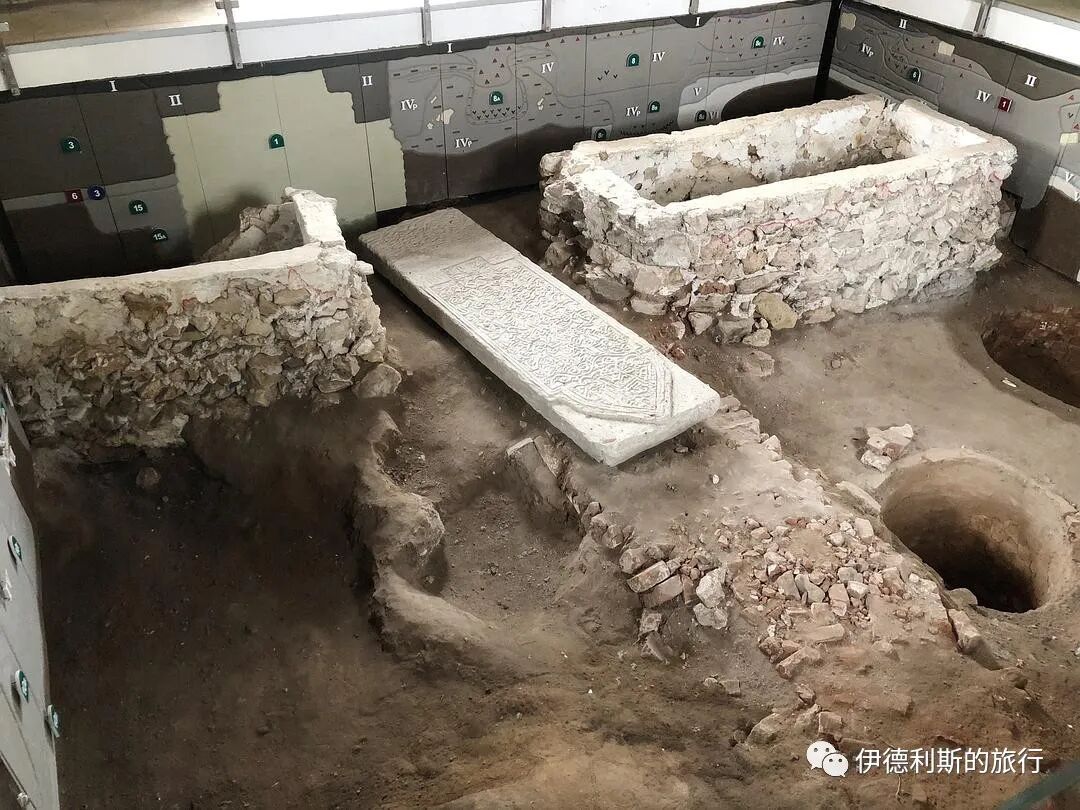
Archaeological excavations in 1964-1966 and 1991 unearthed 7 tombs from the Golden Horde period in the mausoleum. The roof was damaged by a strong wind in 1965, and the mausoleum was restored in 1967-1968.
The tombstone with an inscription in the mausoleum came from Sabar-llchzhi, the daughter of Prince Burash; it was discovered during the renovation of the Church of St. Nicholas between 1889 and 1890, and was transported to Kazan in 1994. A replica is currently on display in the mausoleum.
4. Northern Mausoleum
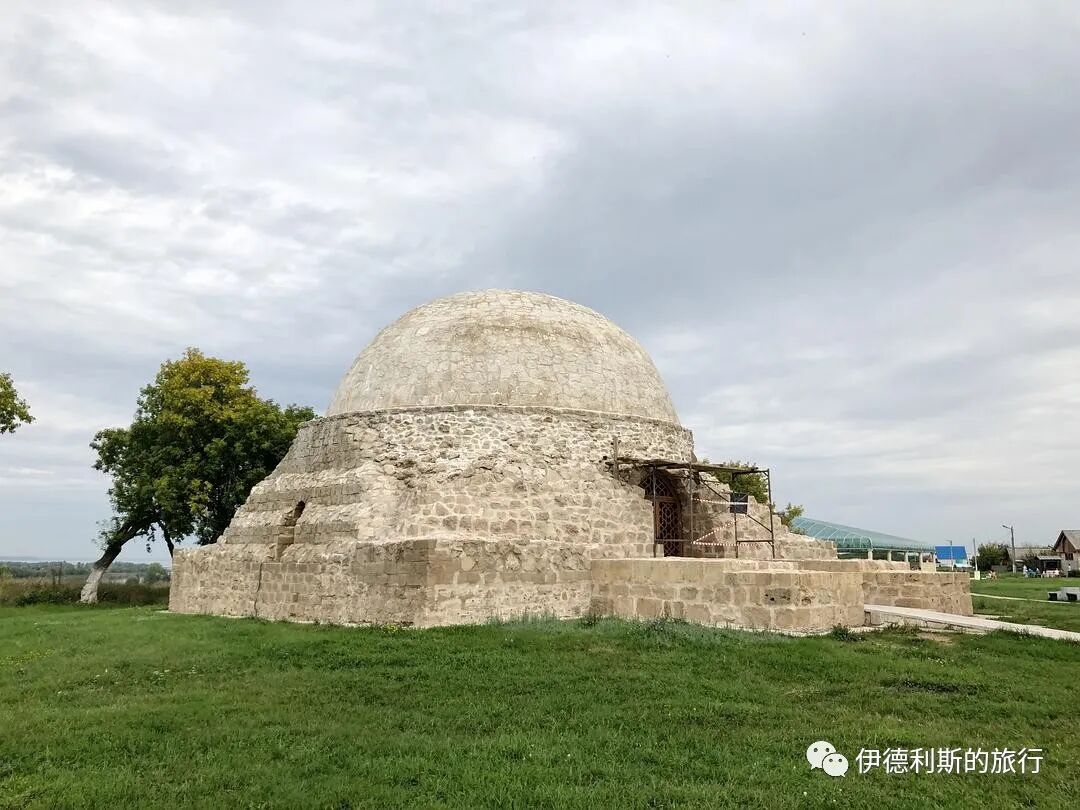
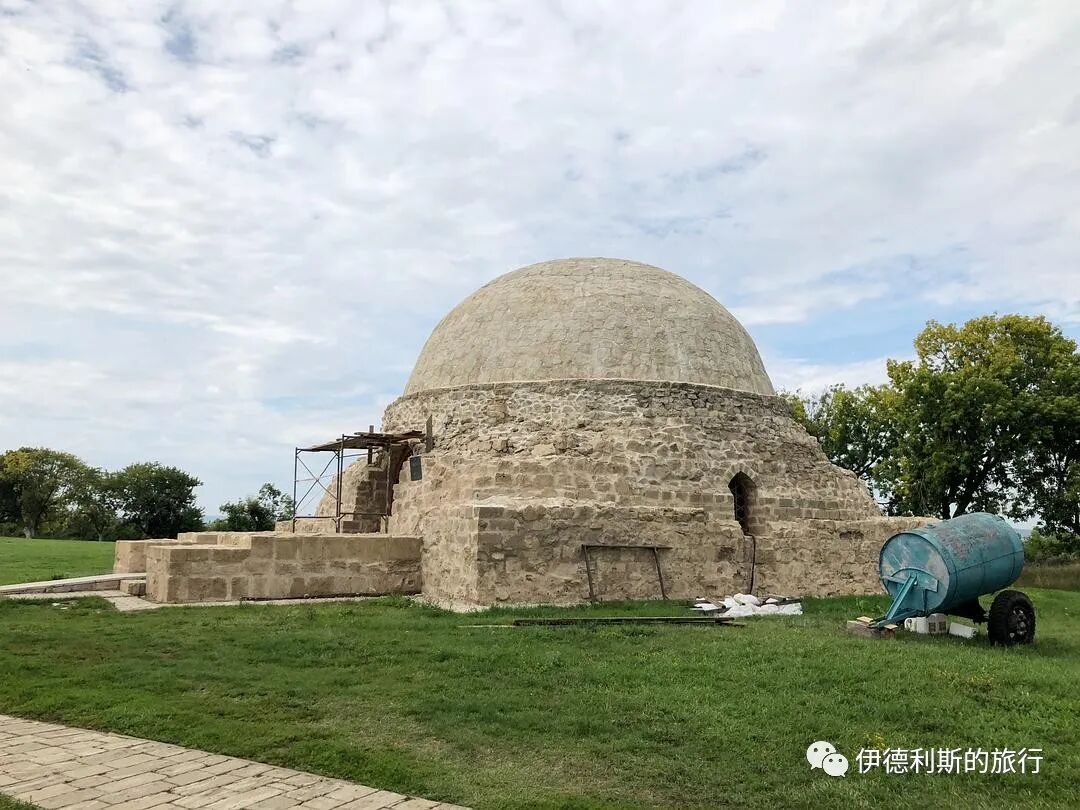
The Northern Mausoleum is located on the north side of the Great Mosque and, like the Eastern Mausoleum, was built in the 1330s during the Golden Horde period.
The Northern Mausoleum was originally a family mausoleum for Bolghar nobles and later became the cellar of a monastery in the early 18th century. Two archaeological excavations were conducted here in 1964 and 1966, and partial restoration was carried out between 1968 and 1969.
When I visited, the interior of the mausoleum was not open, so I only saw the exterior.
5. Khan's Palace
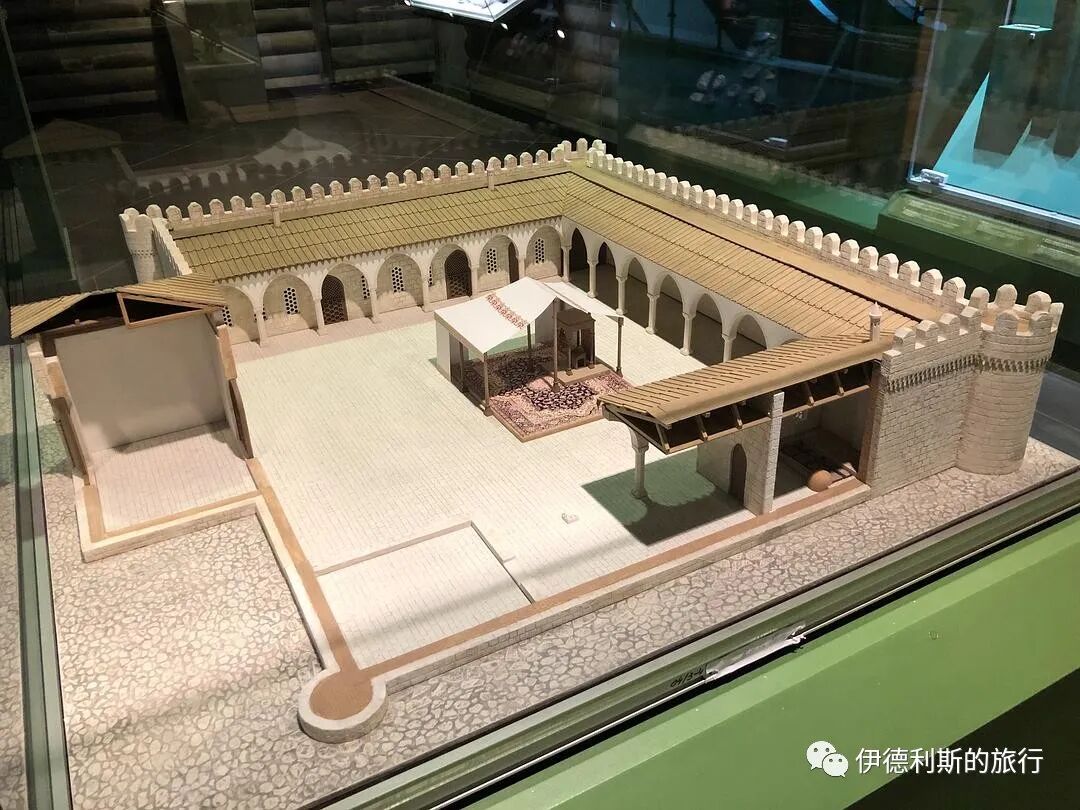
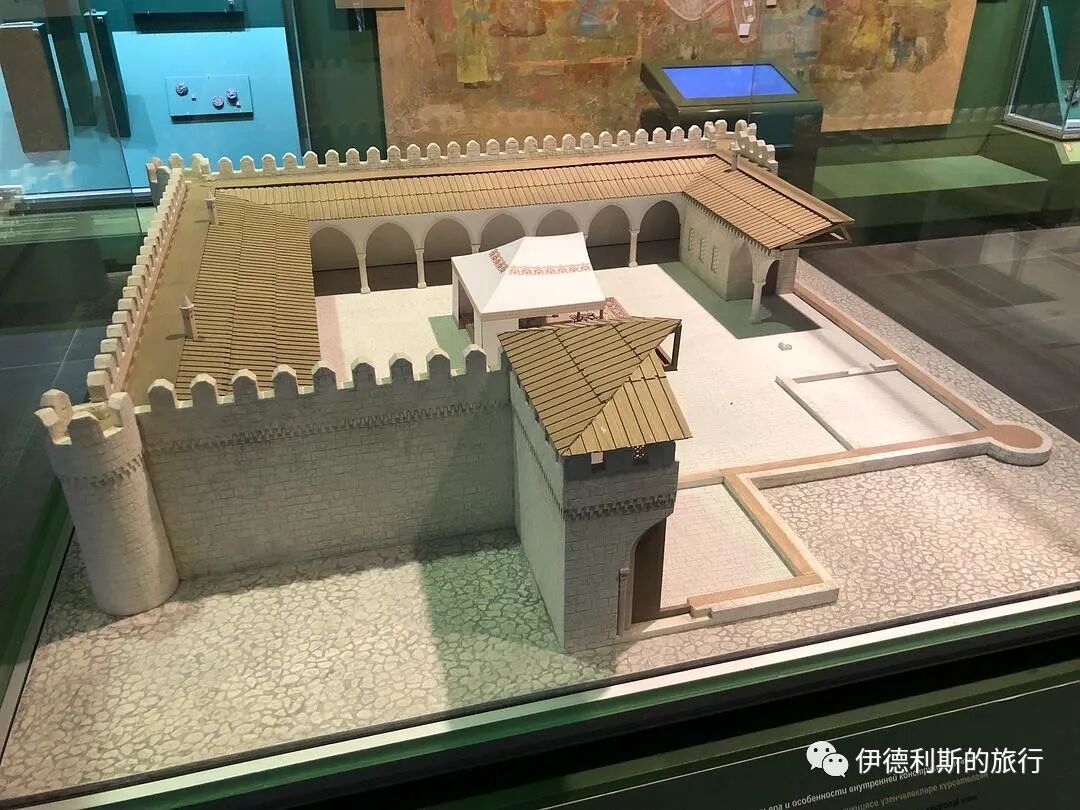
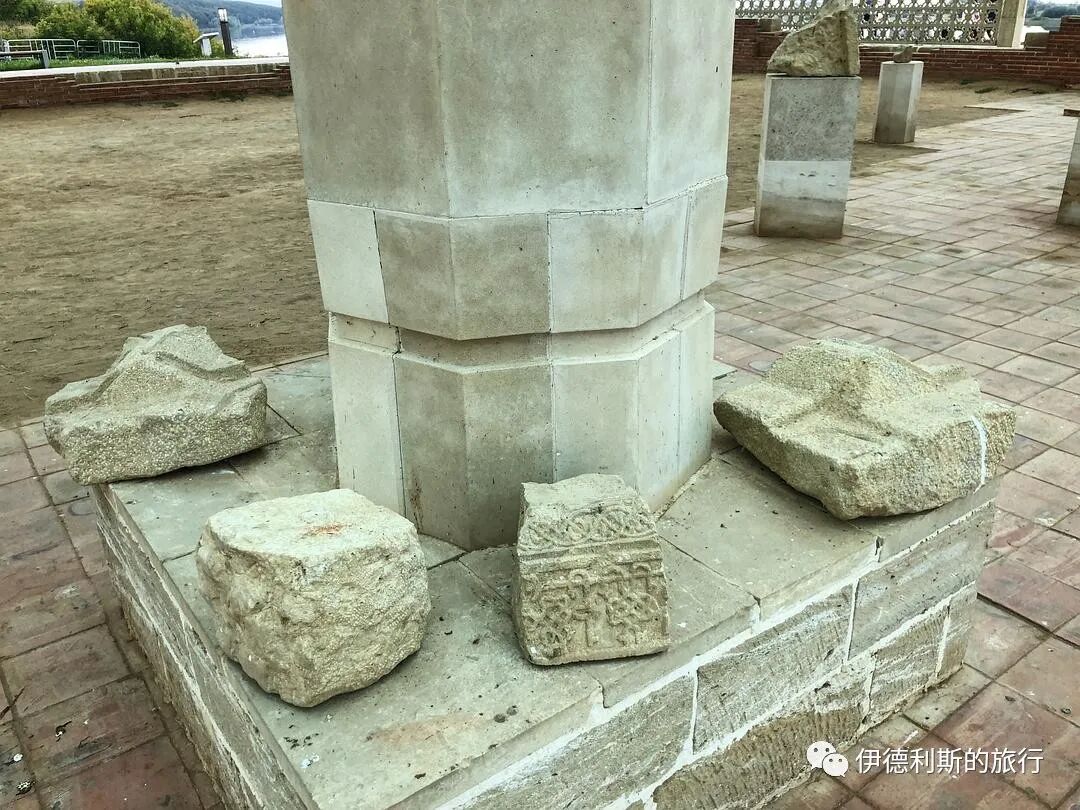
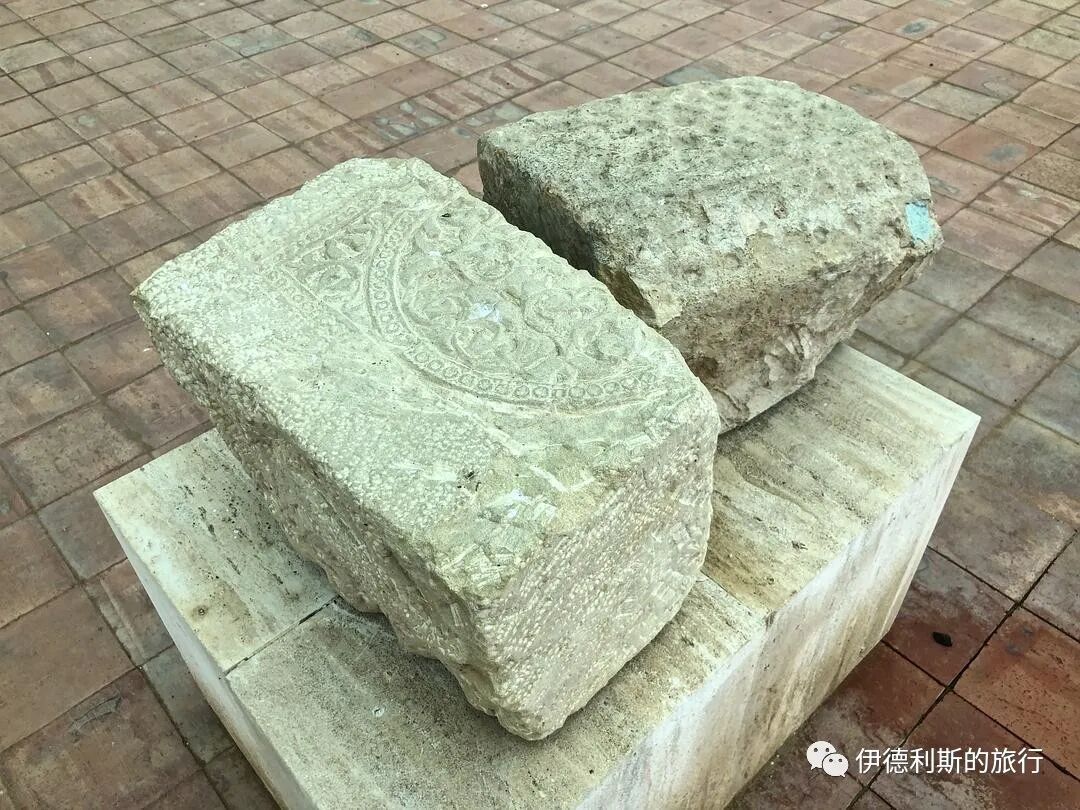
The Khan's Palace is located east of the Great Mosque and was built in the mid-13th century during the early Golden Horde period. Since 1994, more than 1,000 square meters of archaeological excavations have been conducted, and 30% of the coins unearthed belong to the period between 1240 and 1259.
6. Eastern House
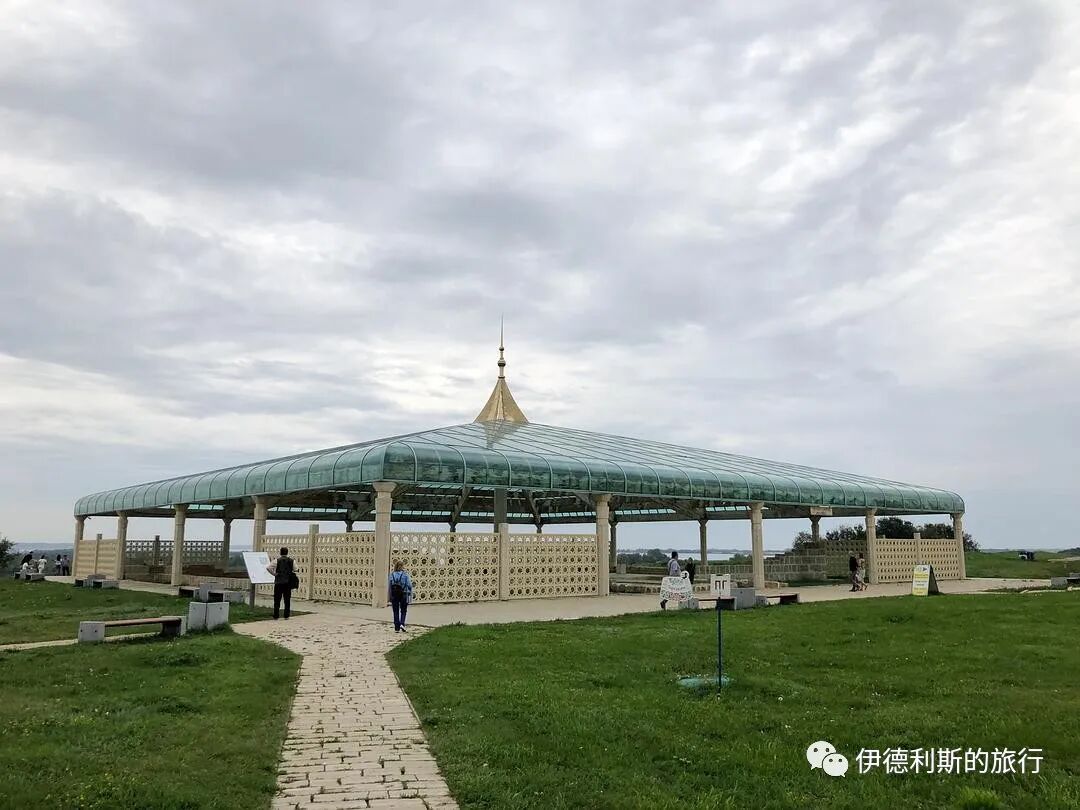
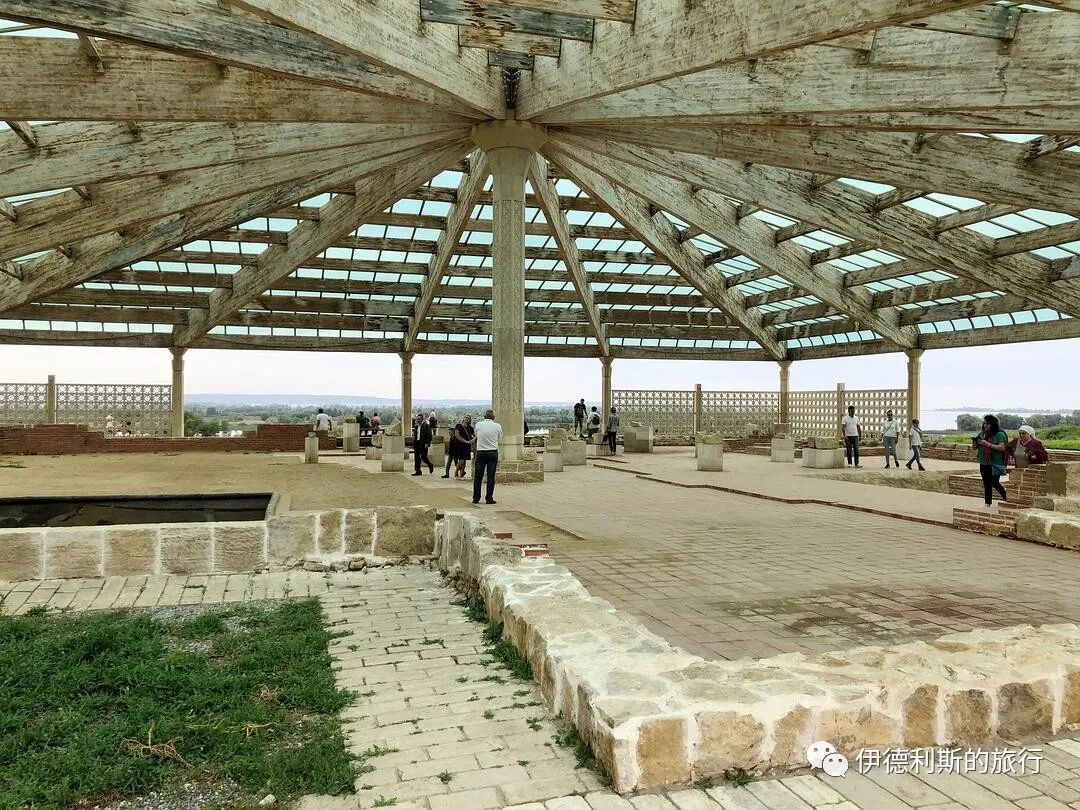
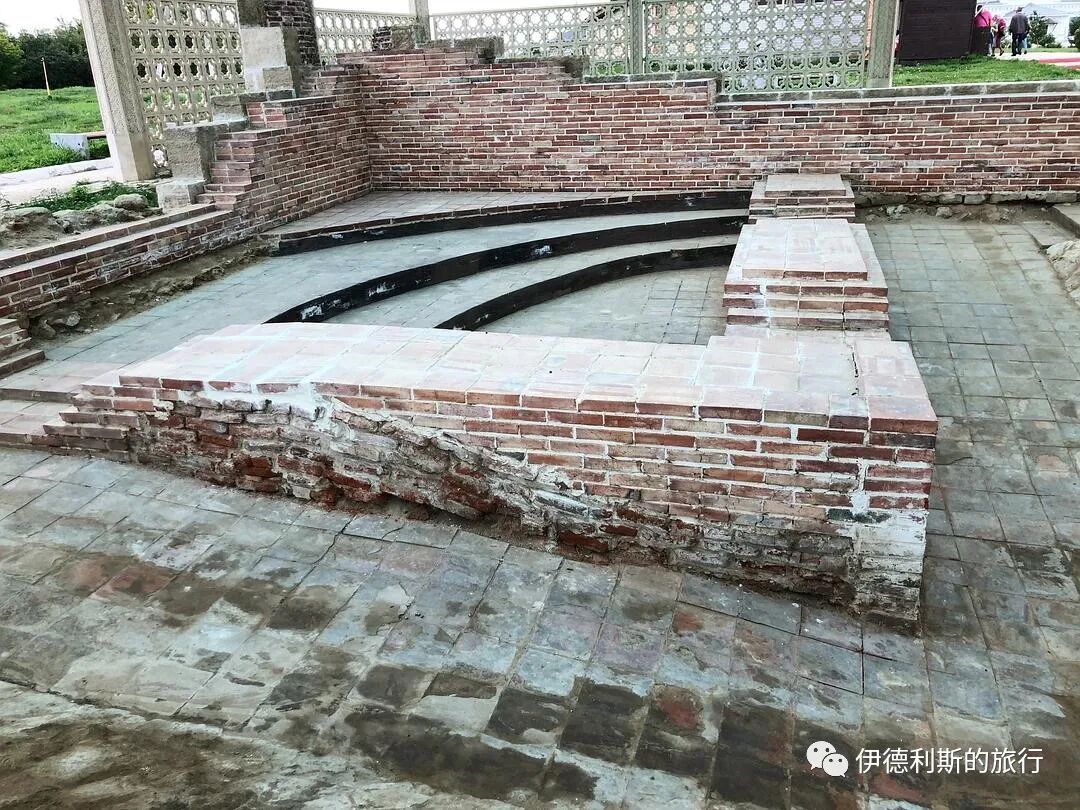
The Eastern House is the ruin of a public bathhouse built in the 1290s during the Golden Horde period, and it is the earliest and largest public bathhouse ruin existing in the ancient city of Bolghar. The entire bathhouse consists of three parts; the central space includes a heated changing room, a central cross-shaped hall, and four bathrooms. The western space includes a heated changing room and a boiler room; the boiler room consists of a furnace and two hot air ducts. The eastern space consists of a boiler with three air ducts.
From 1984 to 1992, a series of archaeological excavations were conducted on the bathhouse. From the unearthed coins, it is known that the bathhouse was used from approximately the 1290s to the 1340s.
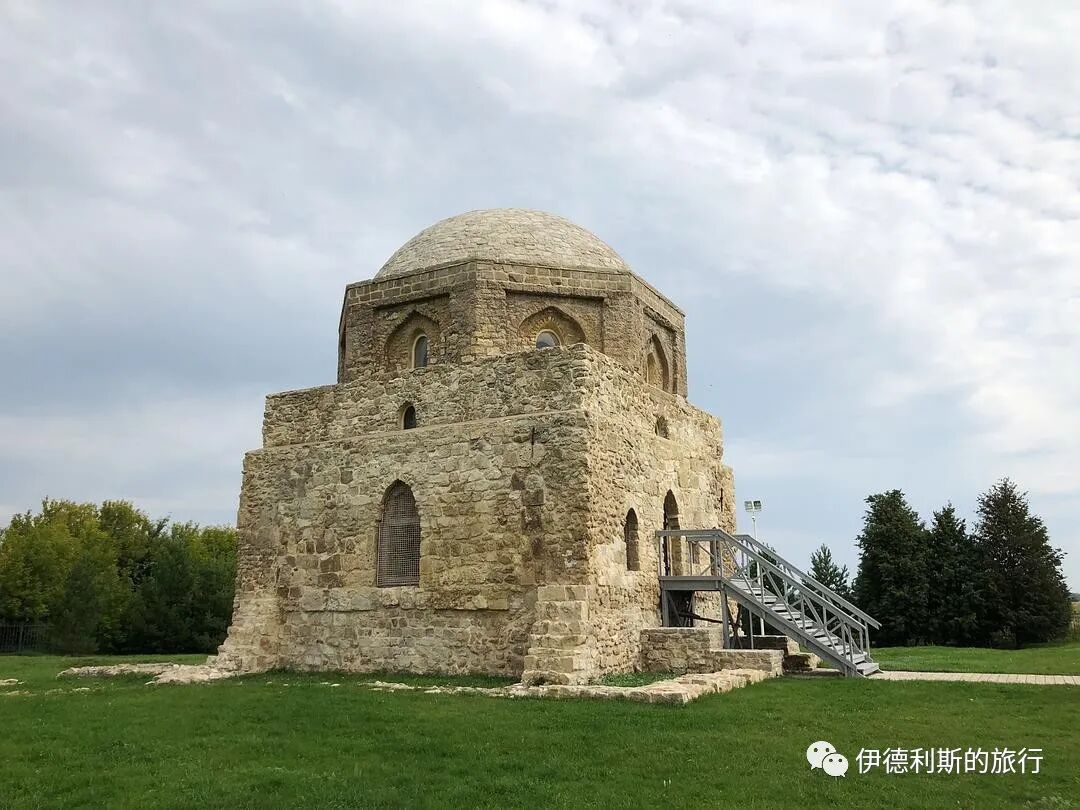
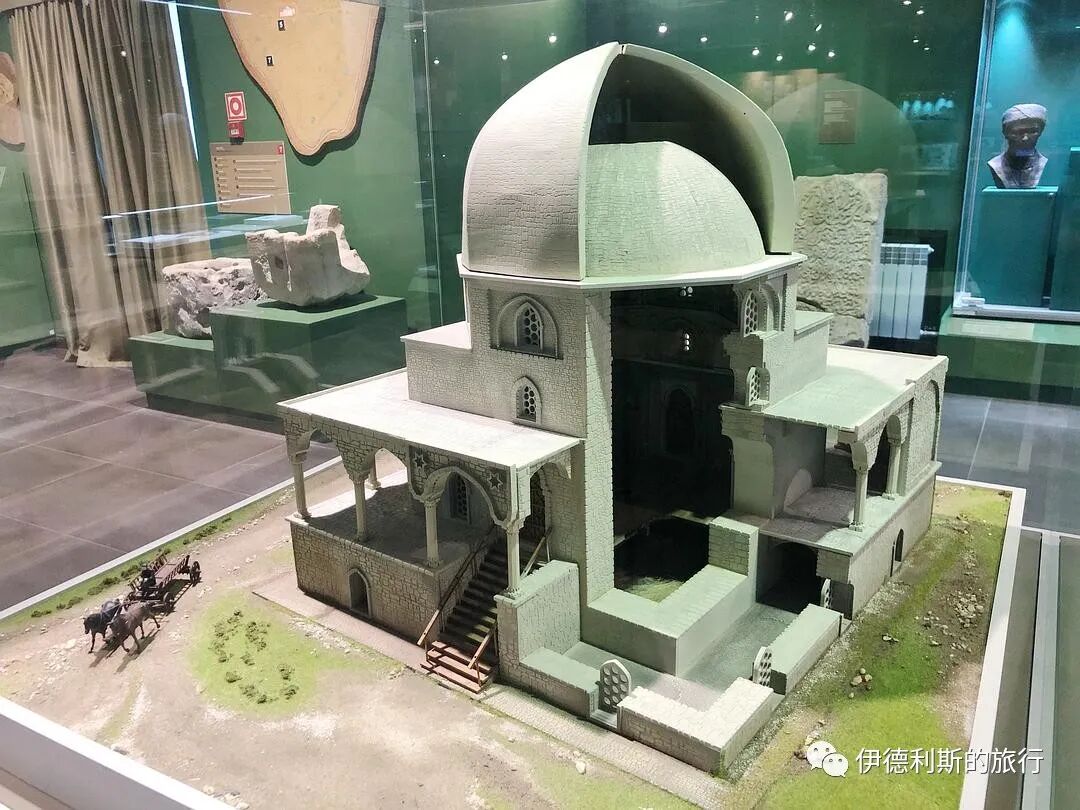
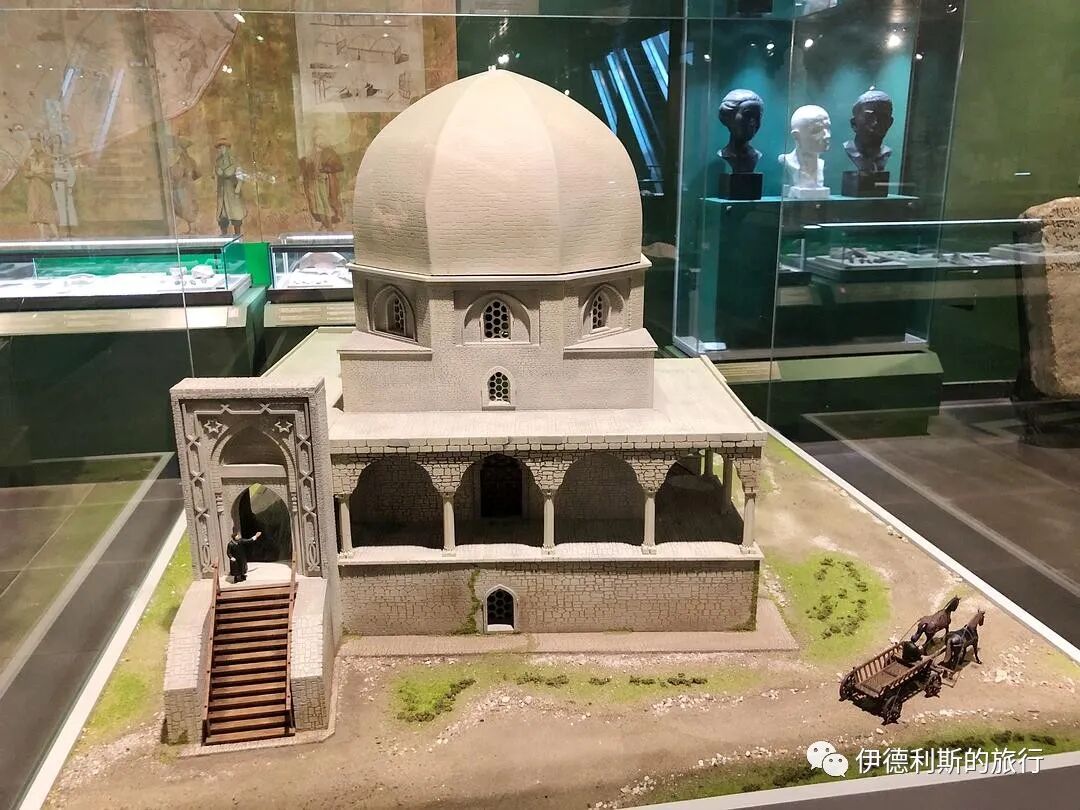
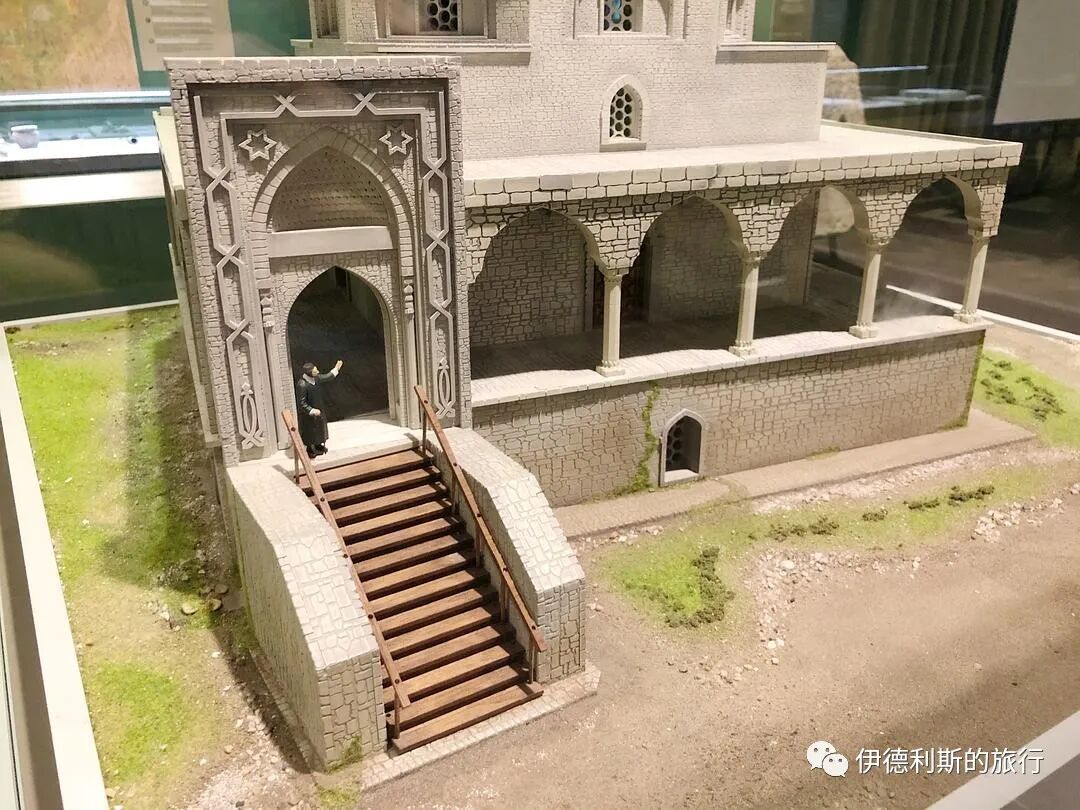
III. Black House
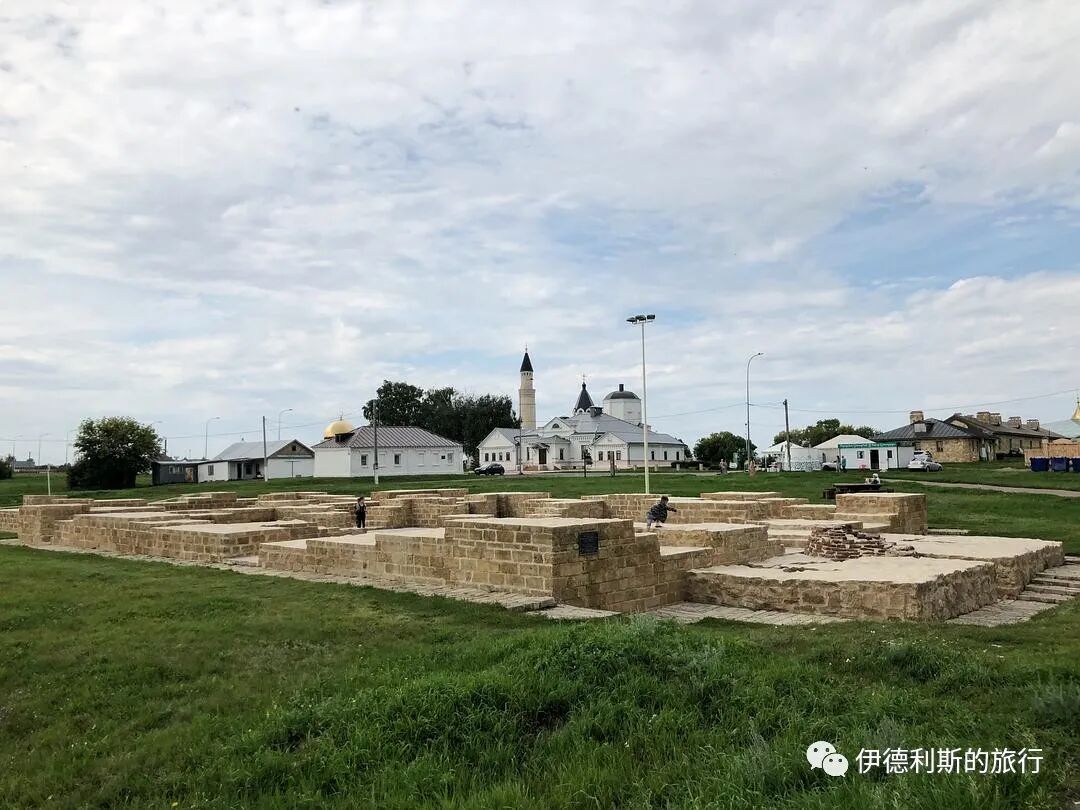
The Black House was built in the mid-14th century during the Golden Horde period and is constructed of white limestone. The Black House is the only 14th-century civil building in the ancient city that has been preserved to this day; its specific purpose remains undetermined, but it is speculated to have been a courthouse or a pilgrim hostel. Archaeological excavations were conducted here twice in 1957 and 1966, and it was discovered that there used to be a veranda built around the building.
IV. Khan's Mausoleum and Small Minaret
The Small Minaret and the Khan's Mausoleum are located 500 meters south of the Great Mosque architectural complex.
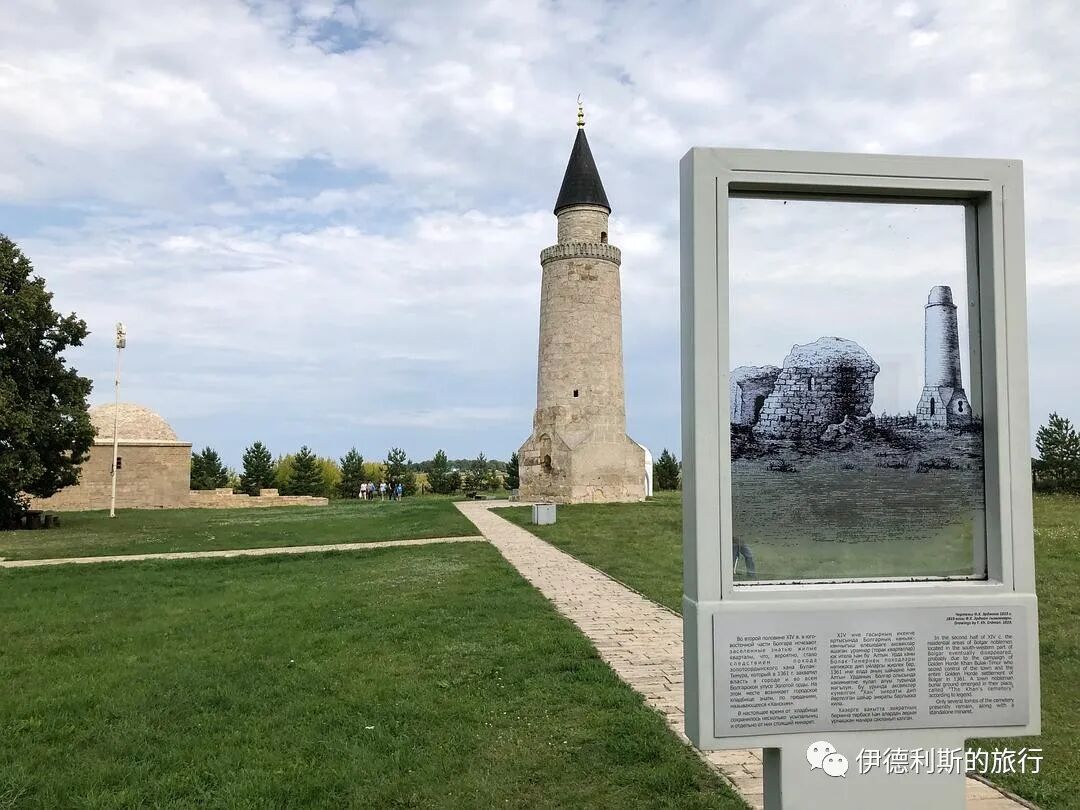
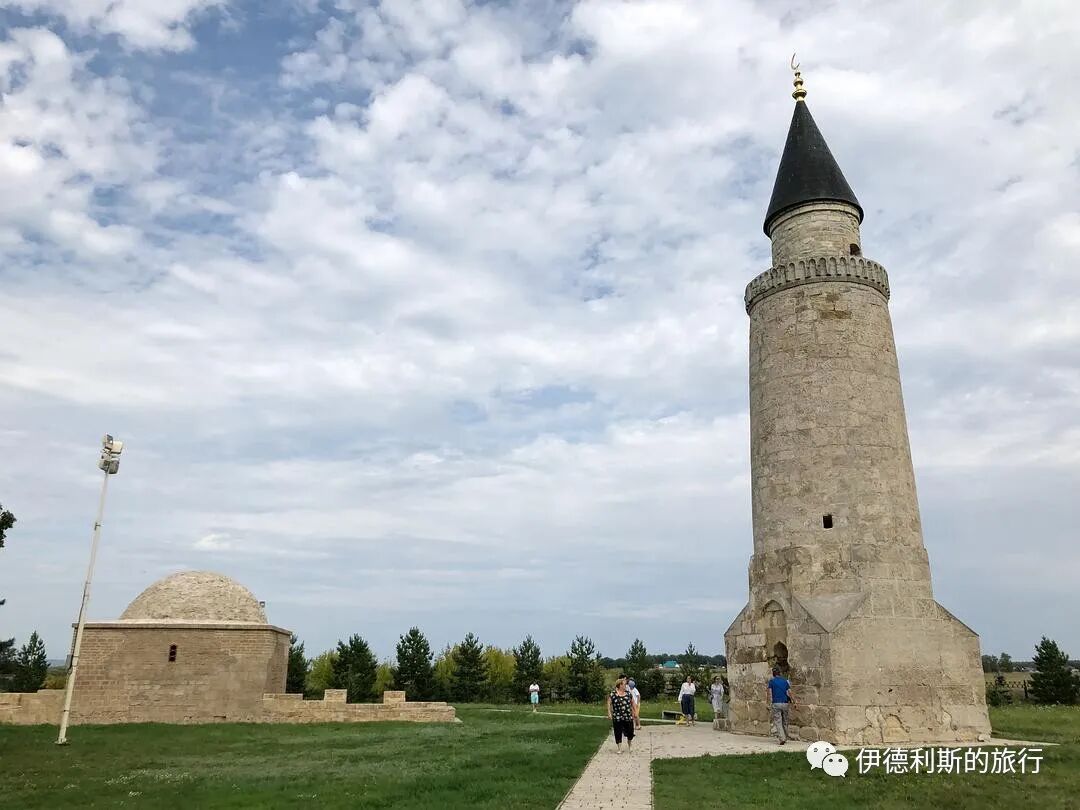
1. Khan's Mausoleum
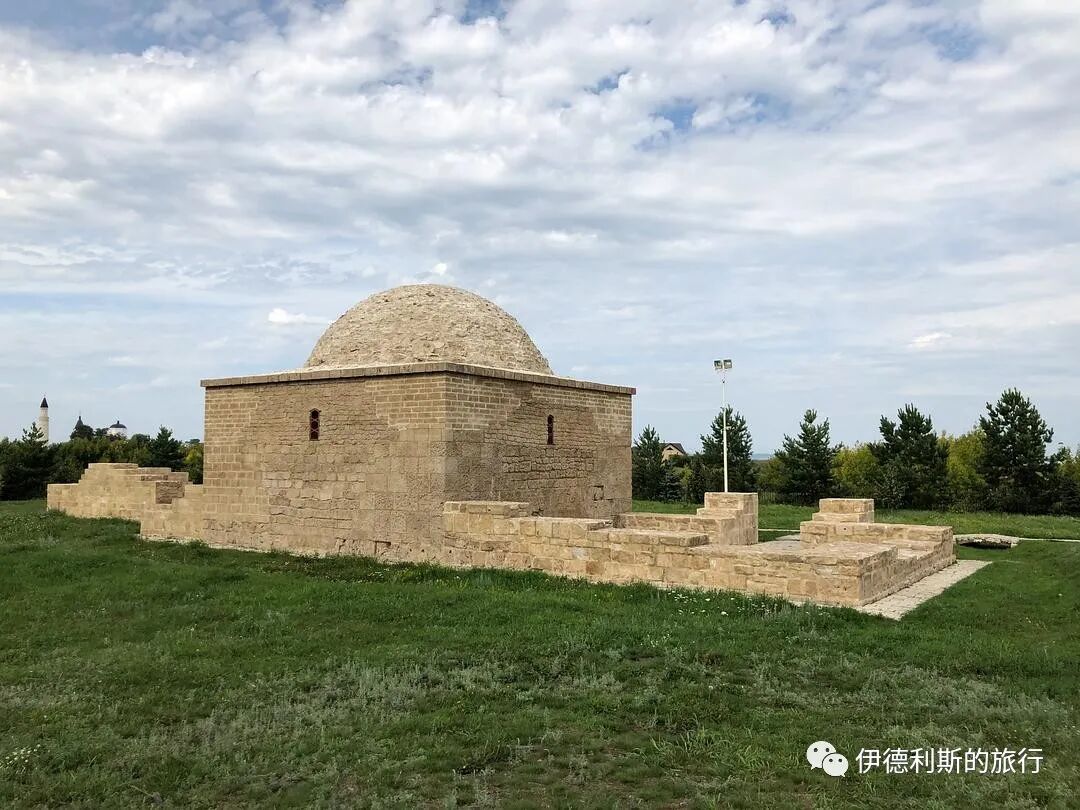
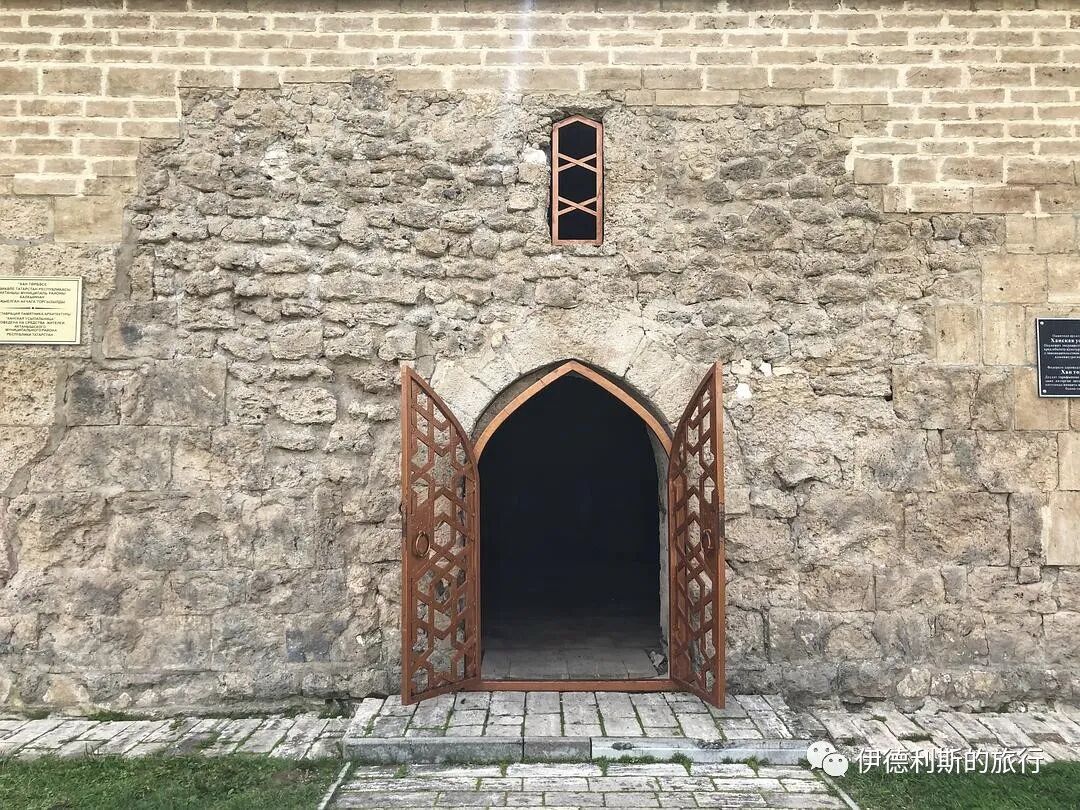
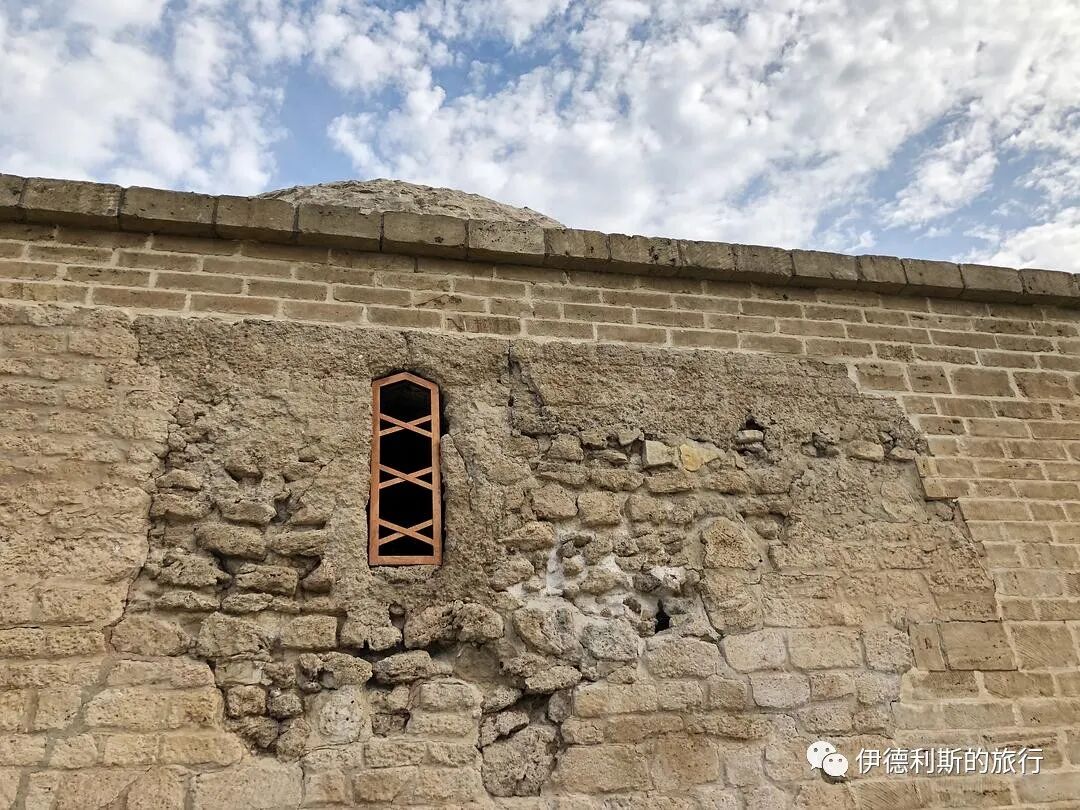
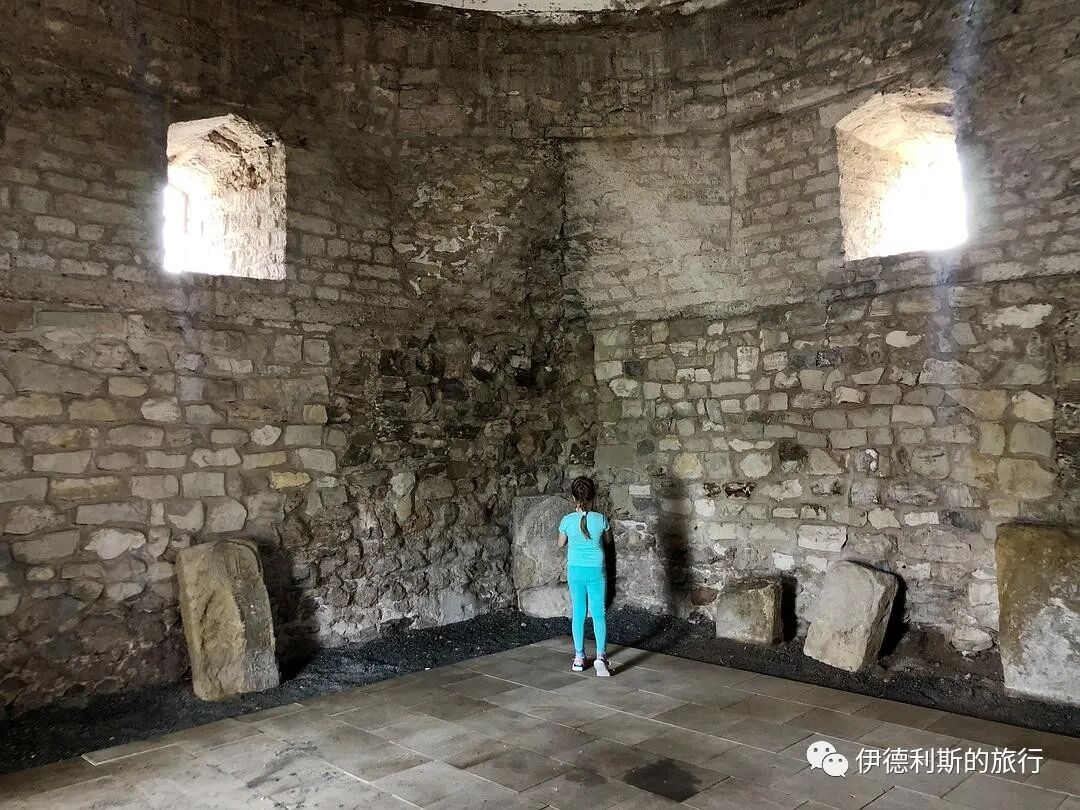
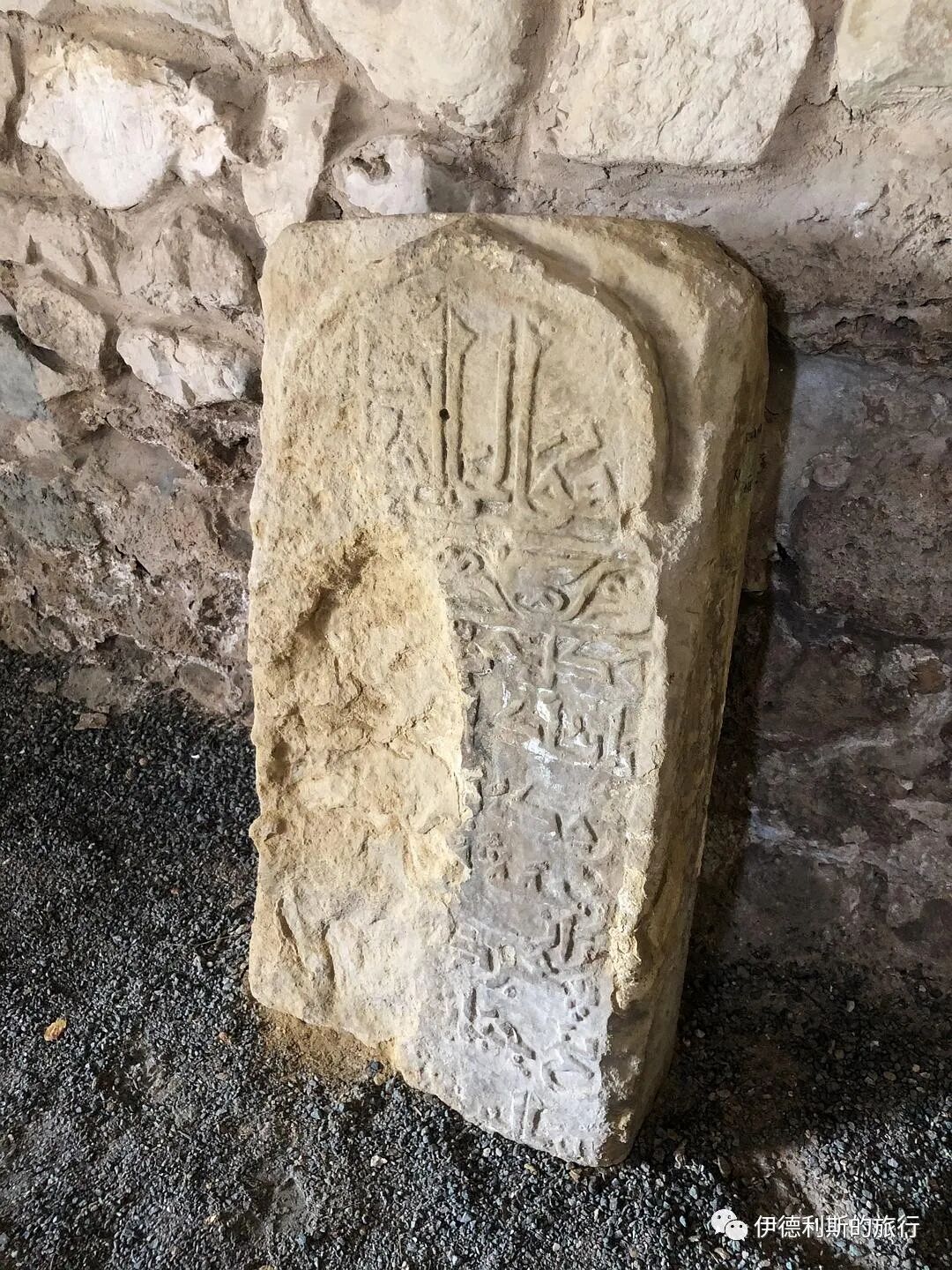
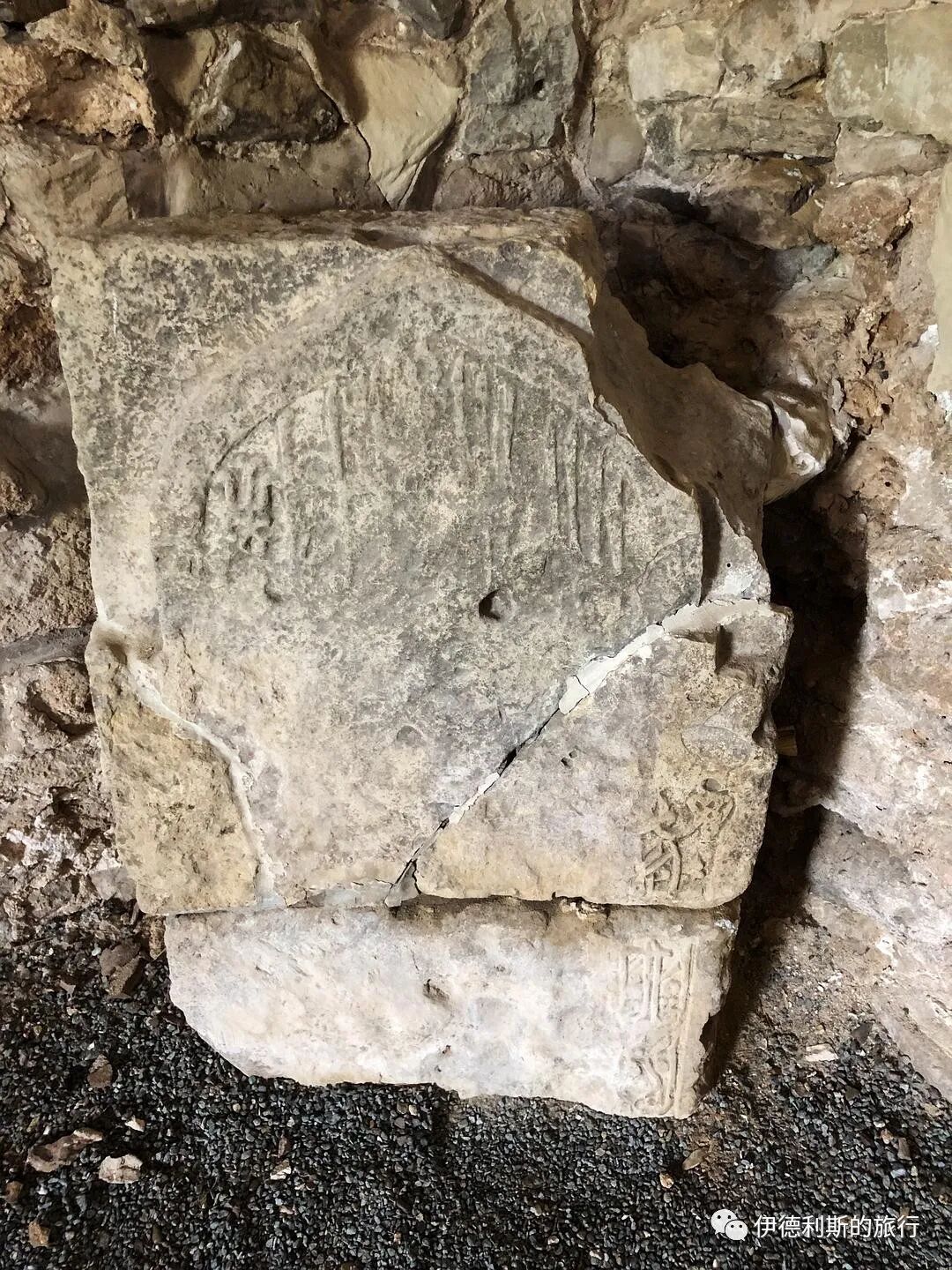
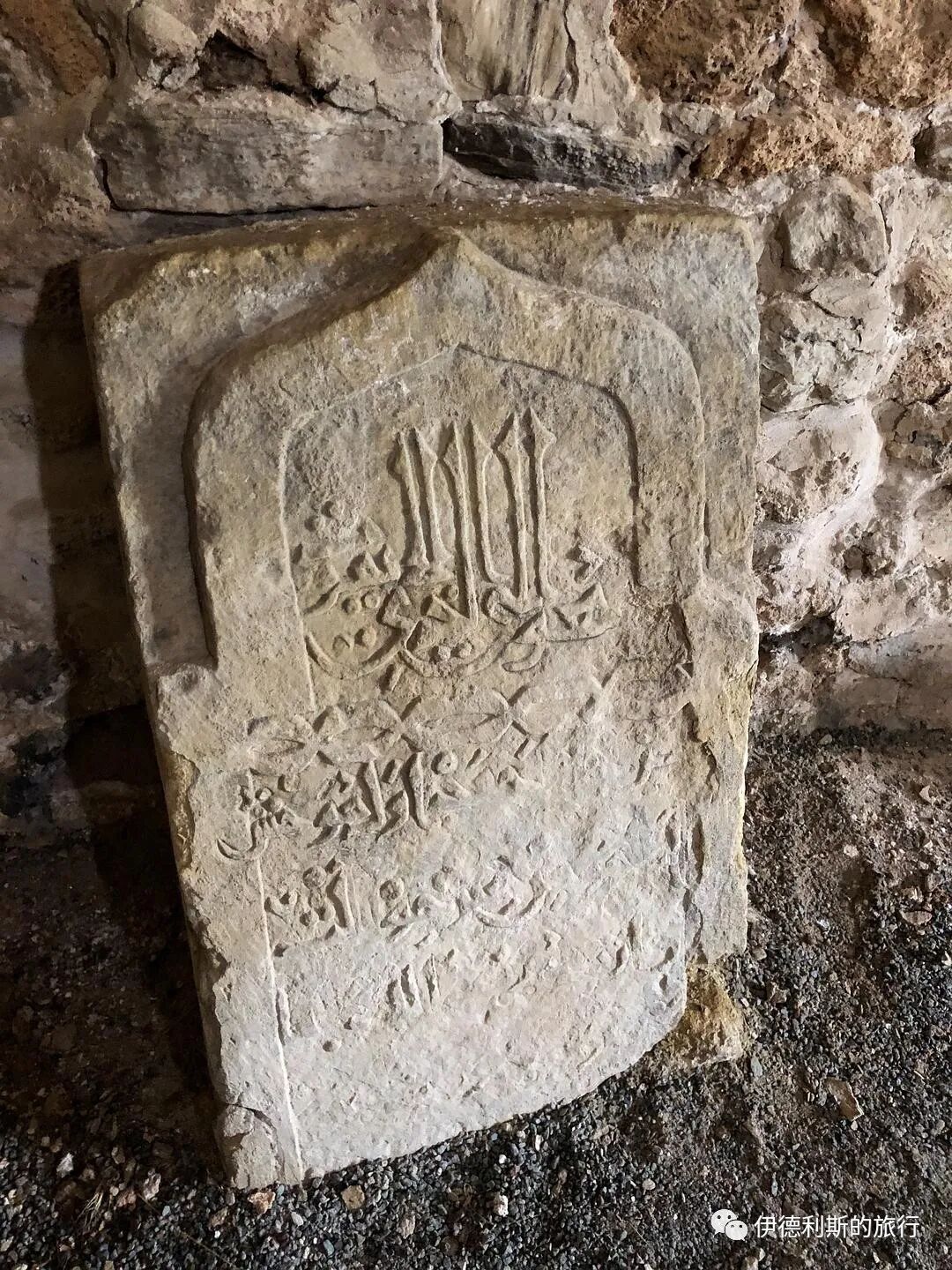
The Khan's Mausoleum was built in the early 14th century during the Golden Horde period; before this, there was a stone bathhouse here. The mausoleum was rebuilt in the mid-14th century. There are 8 tombs inside the mausoleum, some with tombstones. The archaeological monument was studied in 1968.
Protection and partial restoration were carried out in 1971, 1990, and 2006, respectively.
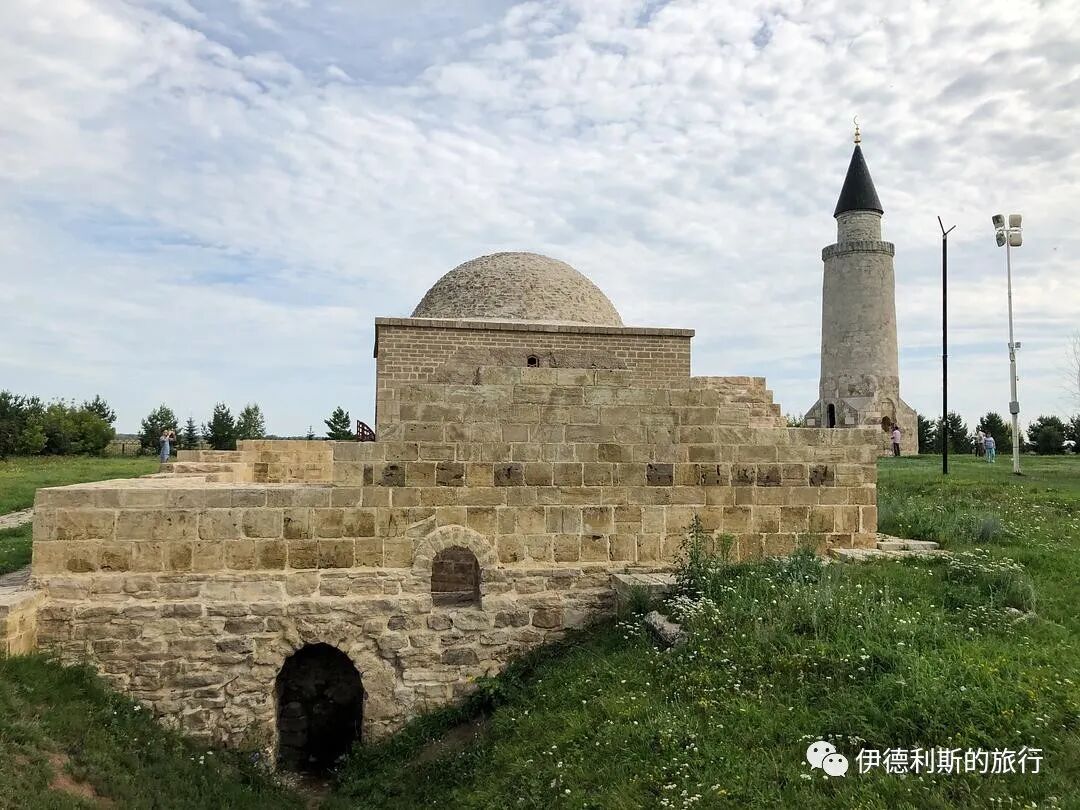
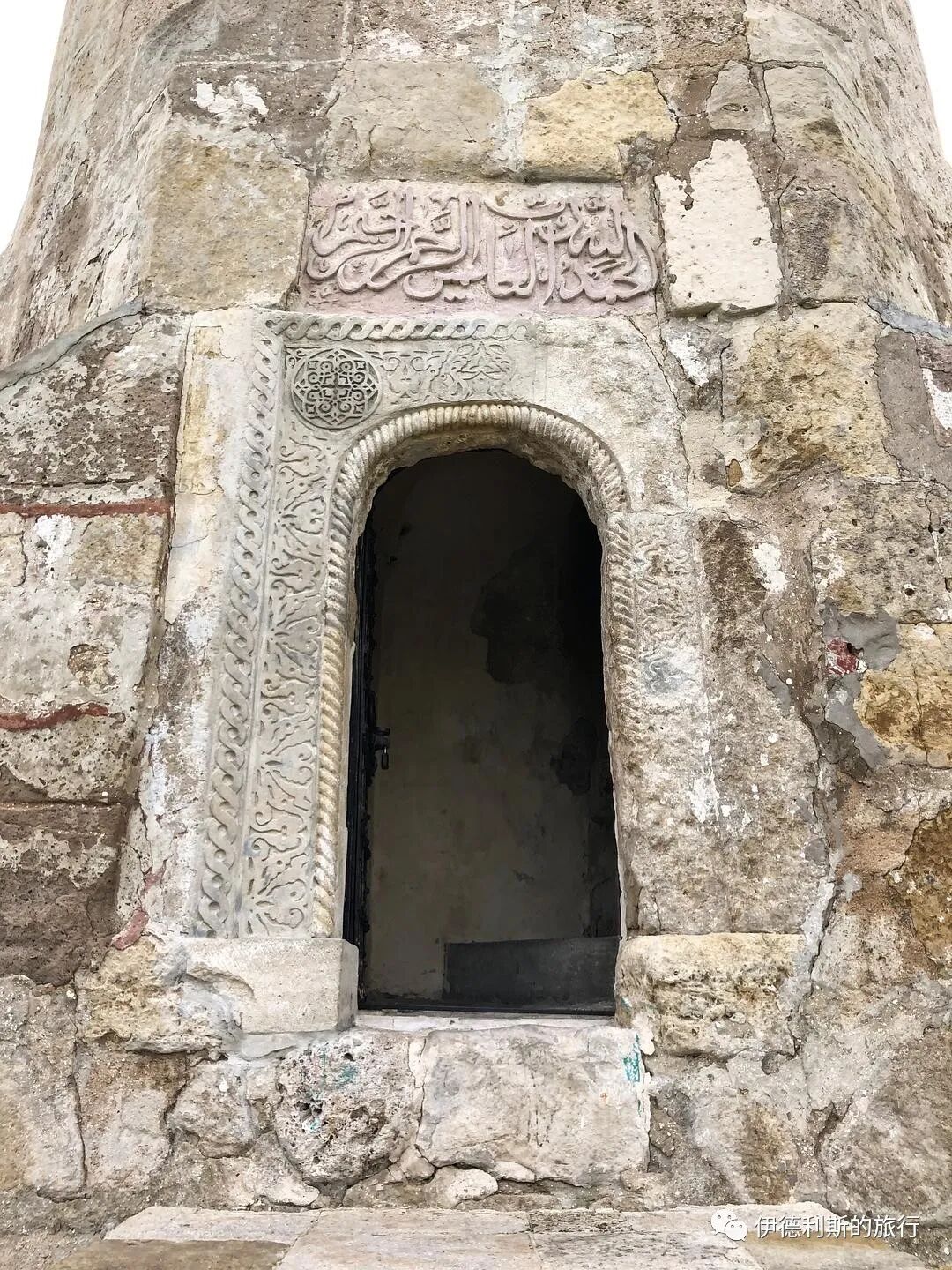
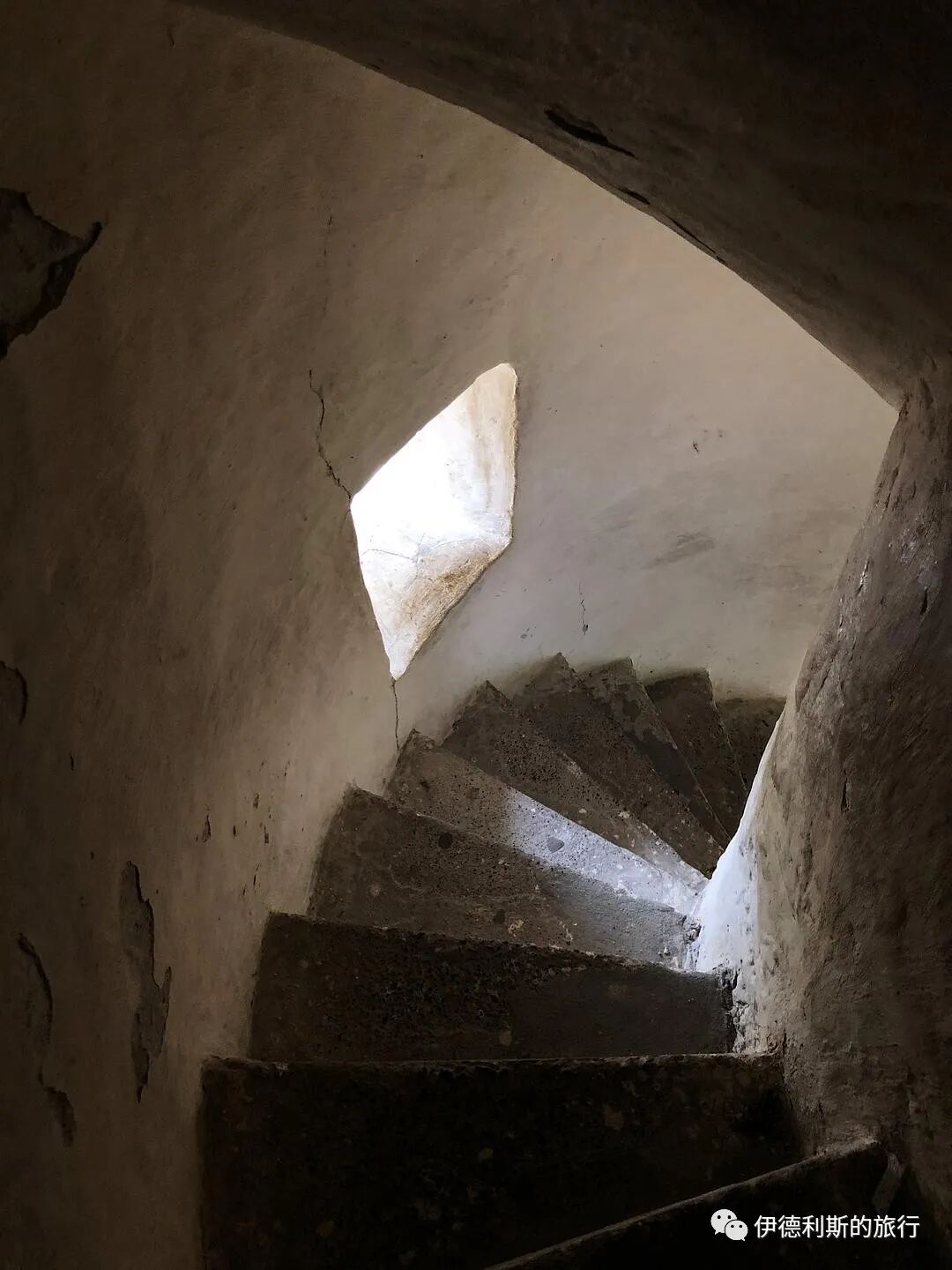
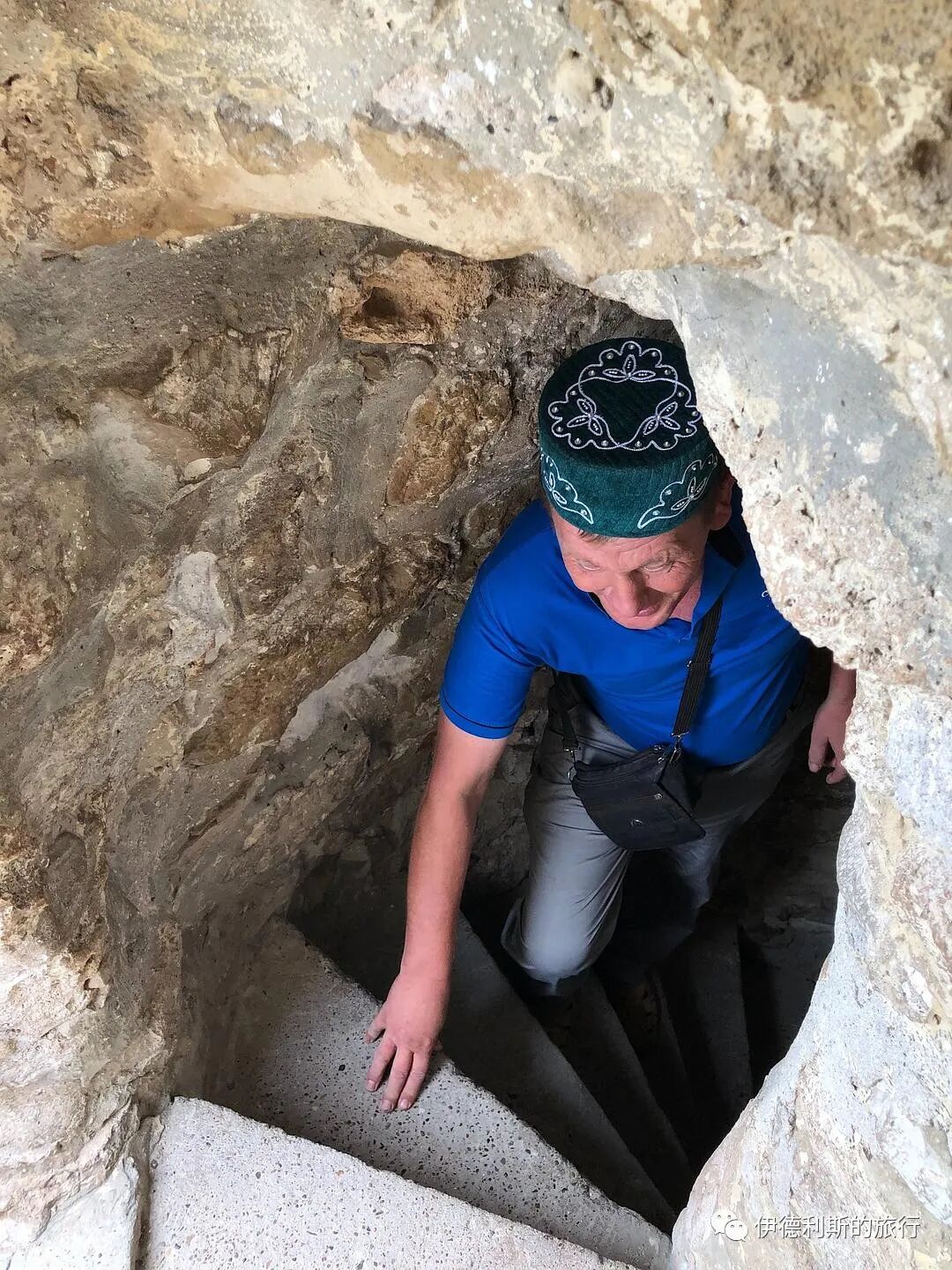
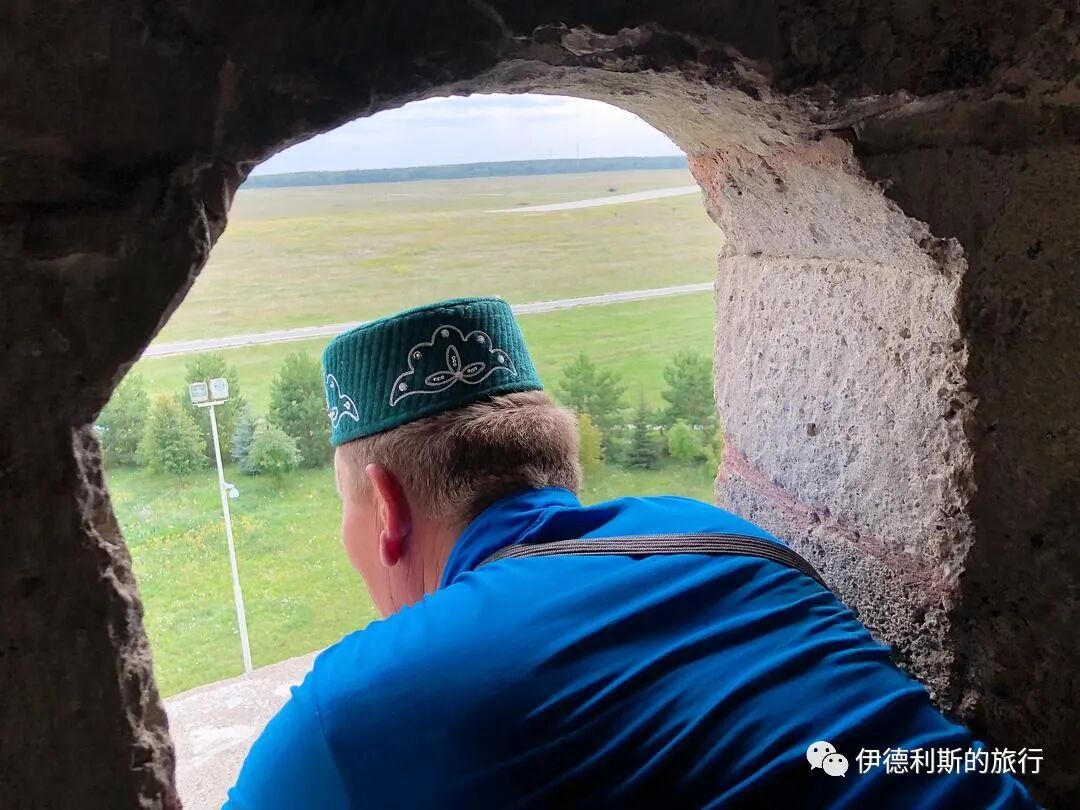
2. Small Minaret
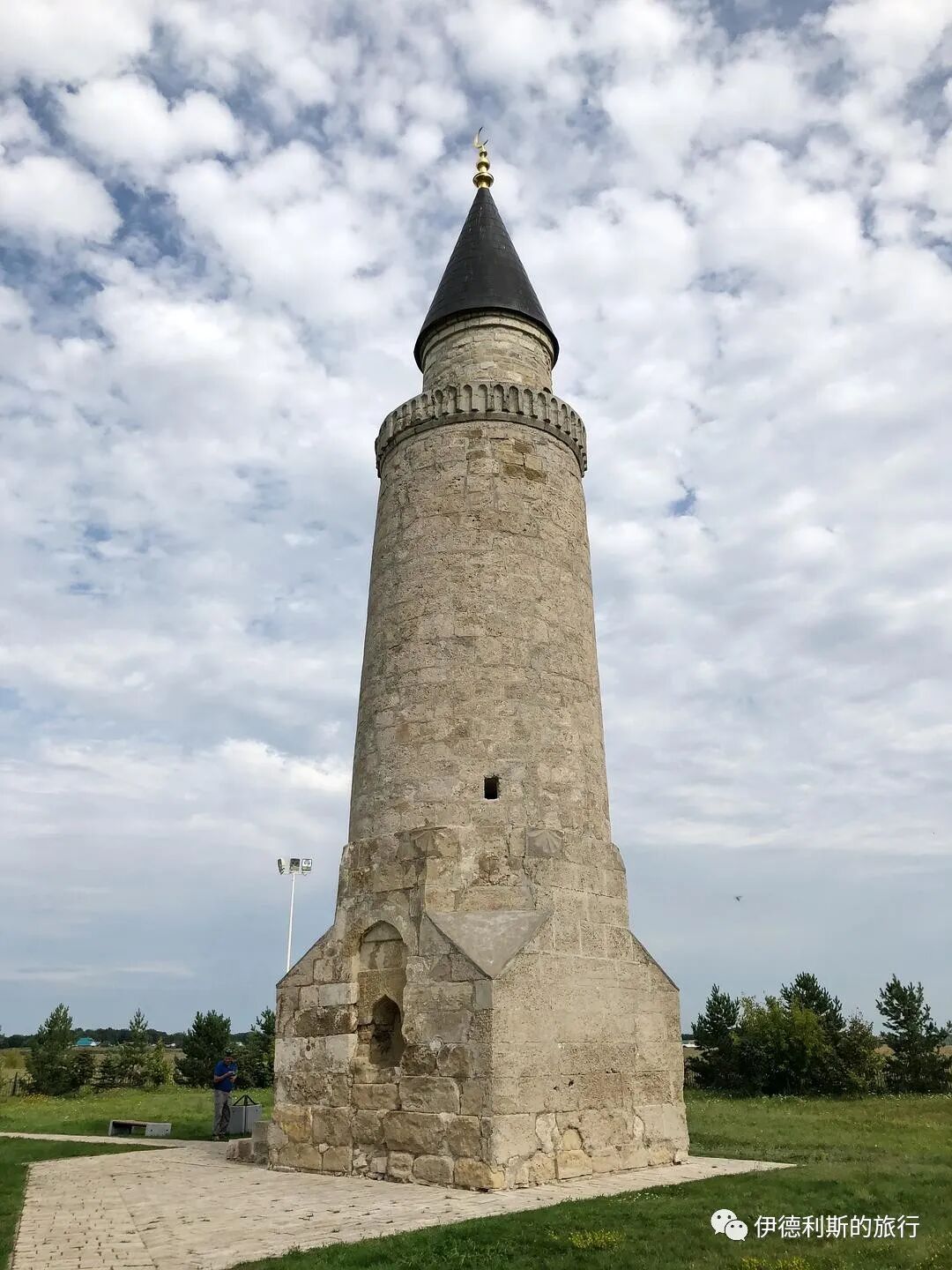
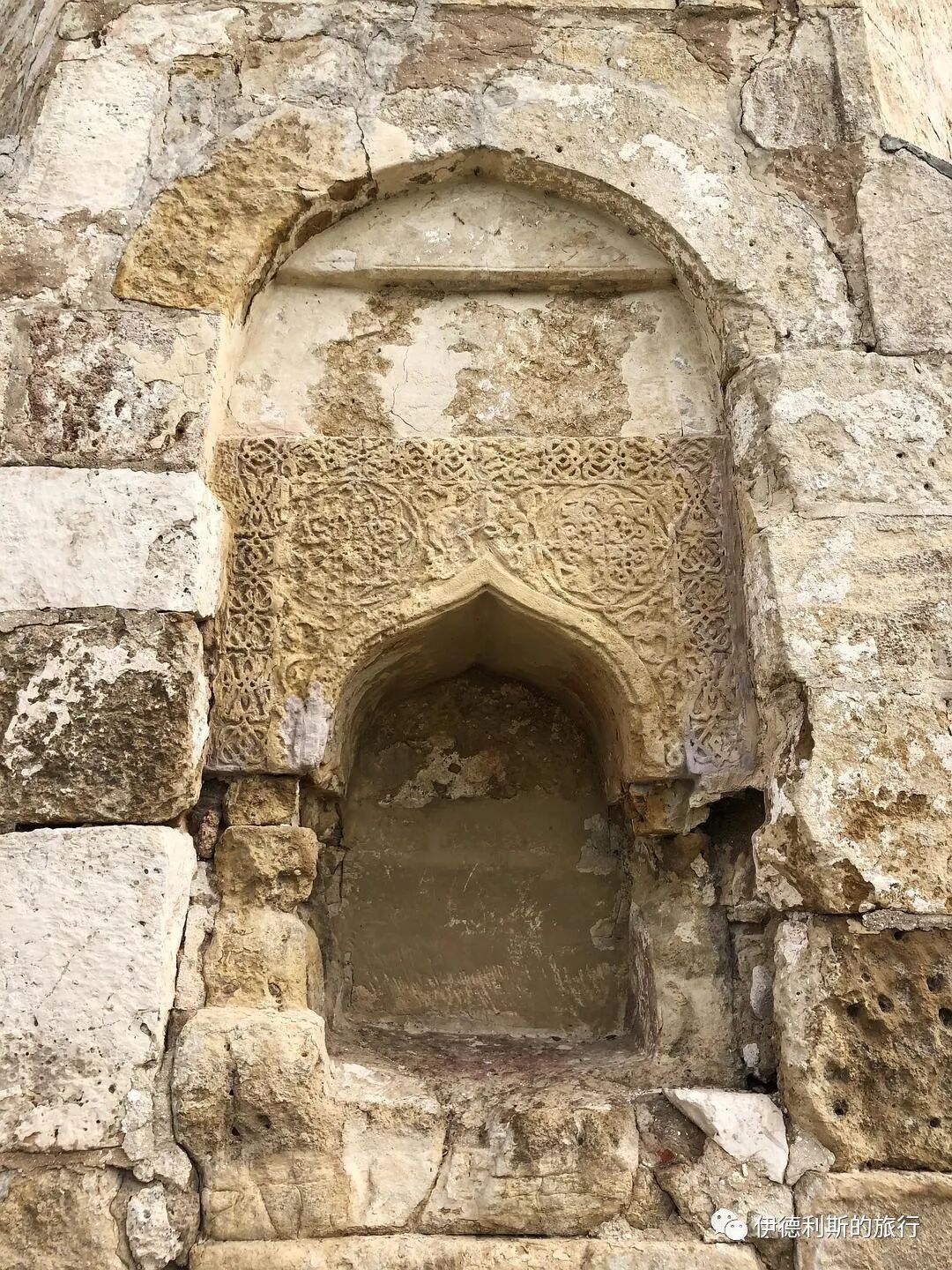
The Small Minaret was built in the late 14th century during the Golden Horde period; it is similar in shape to the Great Minaret of the Great Mosque and is the only minaret in the ancient city that has been preserved to this day. Two archaeological excavations were conducted here in 1914 and 1968-1969, and it was repaired between 1968 and 1970.
V. White House
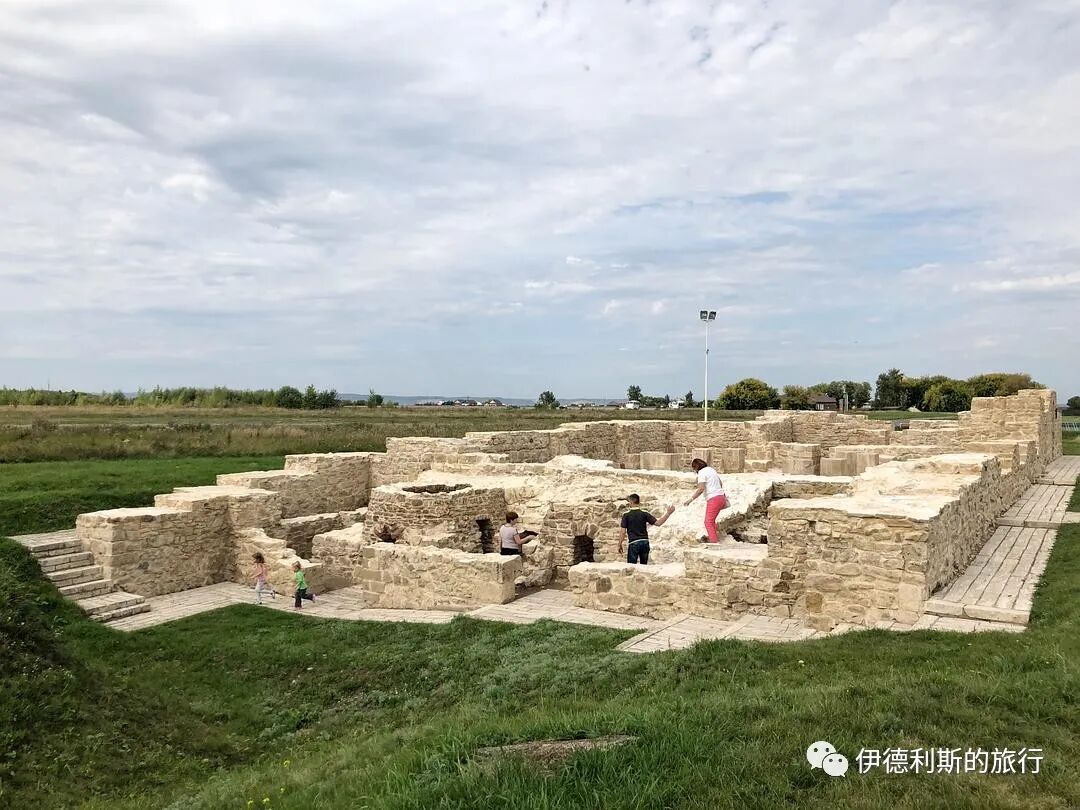
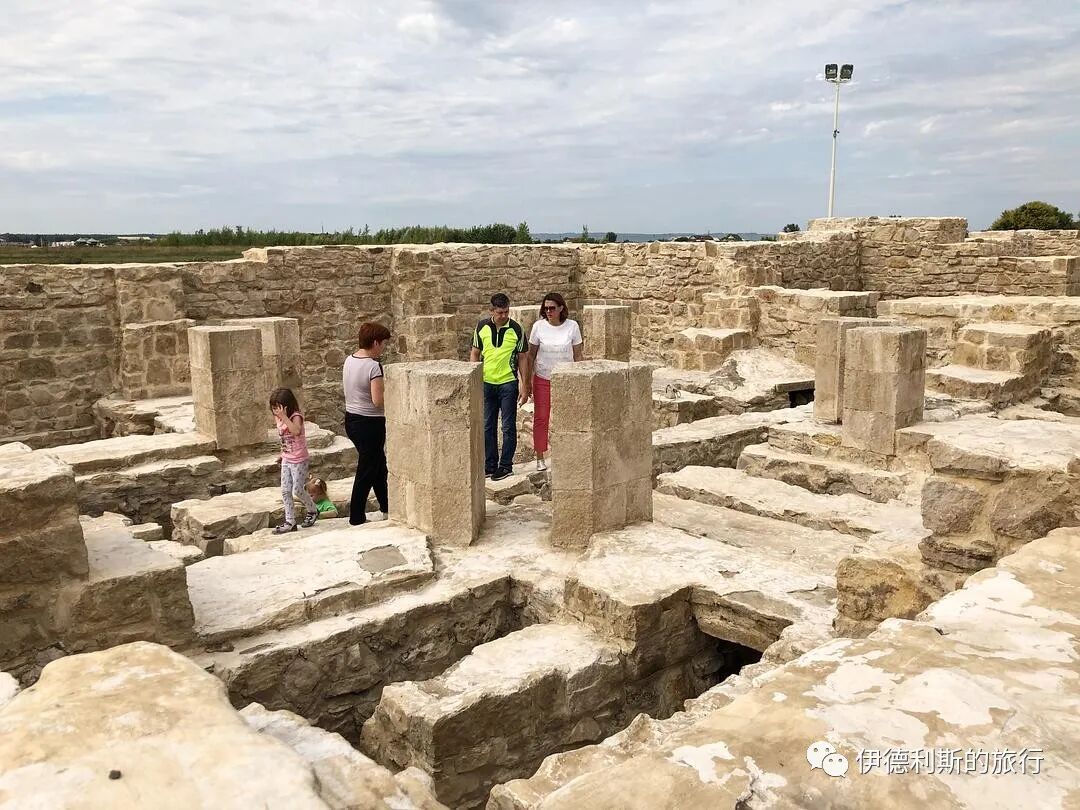
The White House is located 250 meters southeast of the Black House; it is a public bathhouse built in the 1340s during the Golden Horde period and was abandoned in the 1460s.
The bathhouse consists of several rectangular spaces of different sizes; the cross-shaped central hall once had a dome, and the ruins of the washing area consisting of pools, fountains, and soap rooms have been preserved, where you can clearly see the network of heating pipes, sewage, and well water facilities underneath.
The bathhouse was heated by two circular furnaces, which were also covered by domes; the furnaces and air ducts were made of sandstone, and the causeway under the furnaces was made of limestone.
The White House as seen today is how it looked after restoration and protection in 2011.
VI. Small Tombs
There are several tombs from the mid-14th to early 15th century Golden Horde period scattered throughout the ancient city of Bolghar. These tombs were archaeologically excavated between the 1970s and 1980s.
VII. Southern Small City
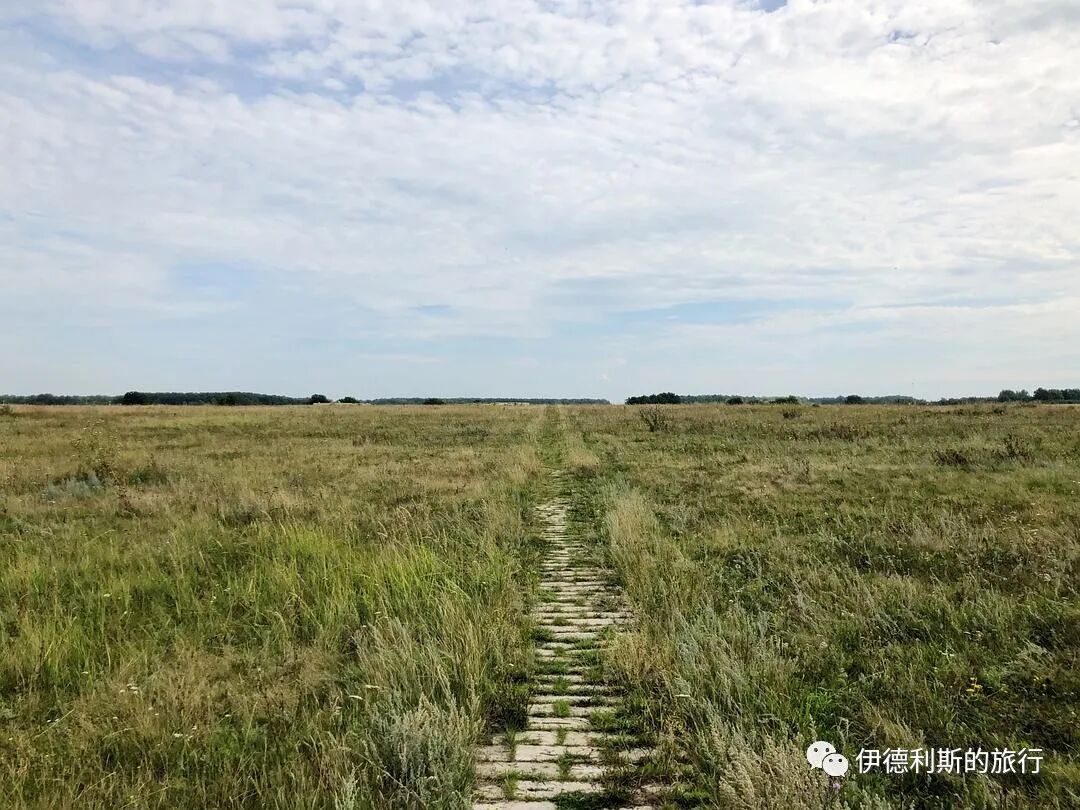
Outside the south gate of the ancient city of Bolghar, there is a small city ruin from the 13th to 14th century Golden Horde period; it is speculated that this was built to strengthen the defense of the south gate of Bolghar city.
VIII. Unearthed Artifacts
The Bolghar Civilization Museum displays artifacts from the Golden Horde period unearthed from the ancient city of Bolghar, where you can see artifacts with Chinese and Iranian styles.
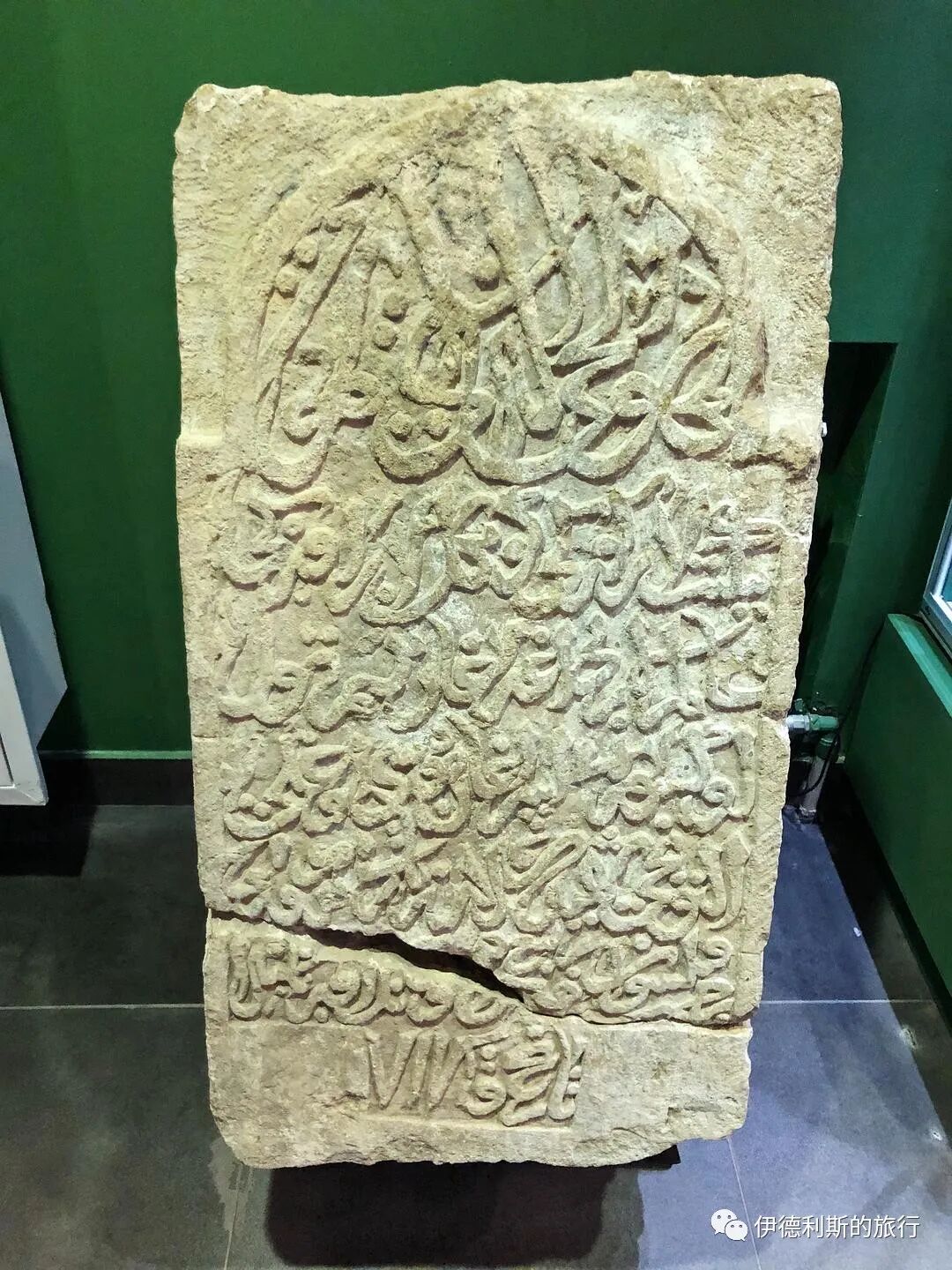
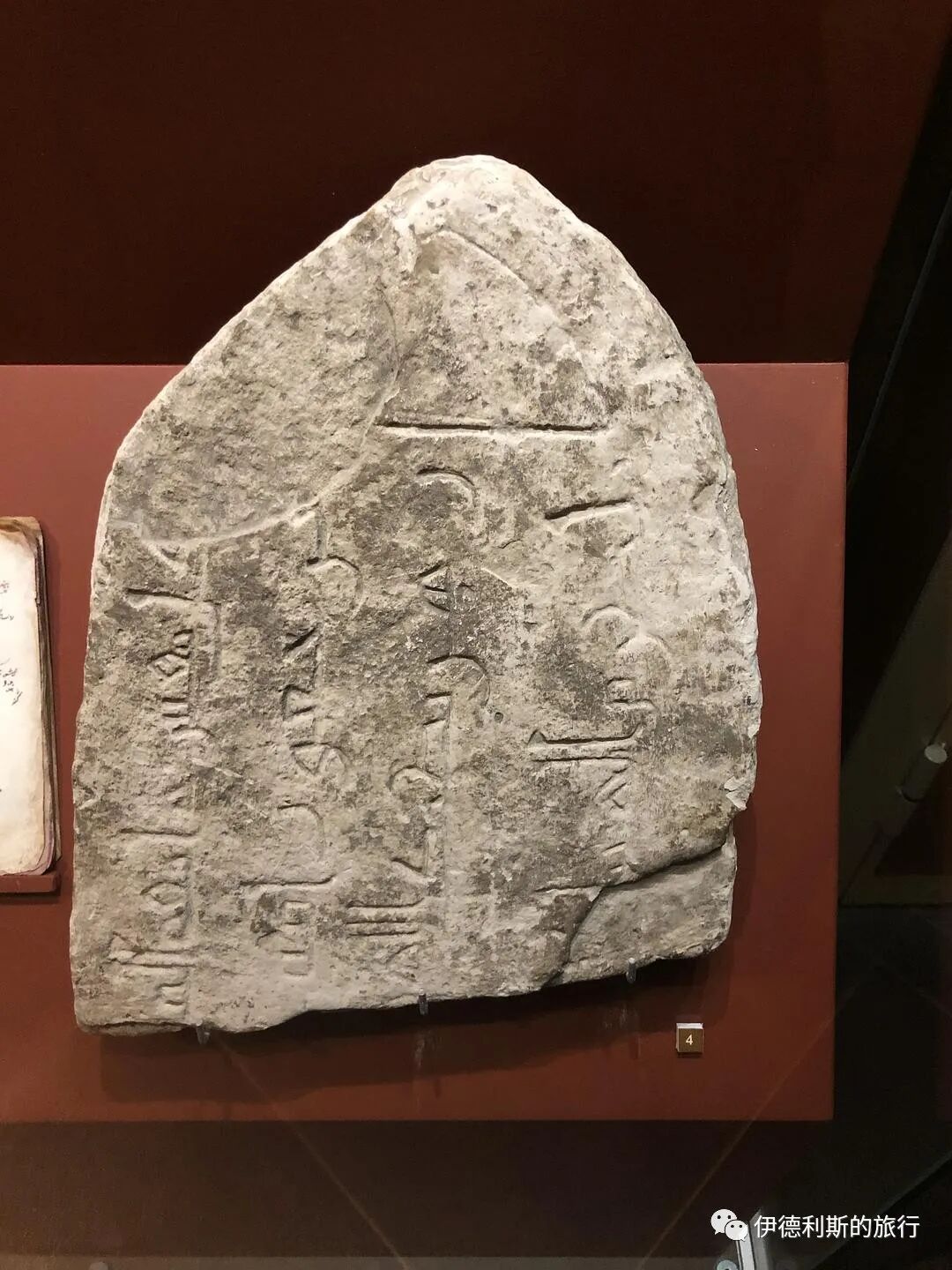
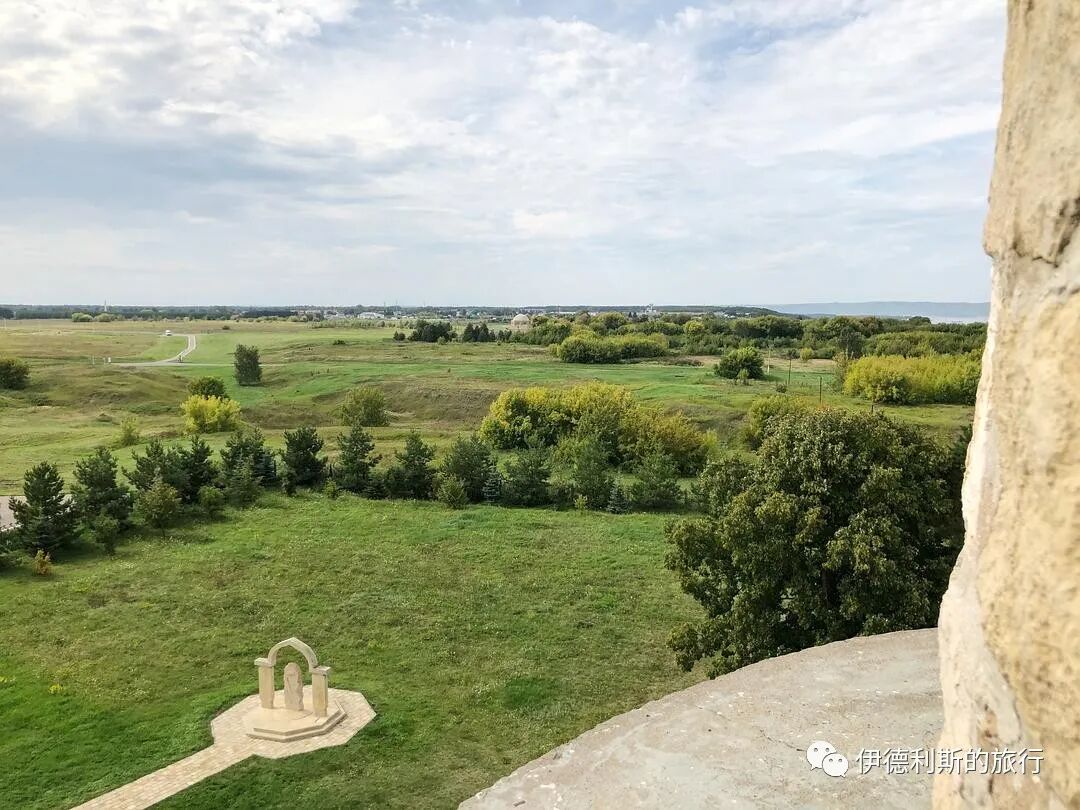
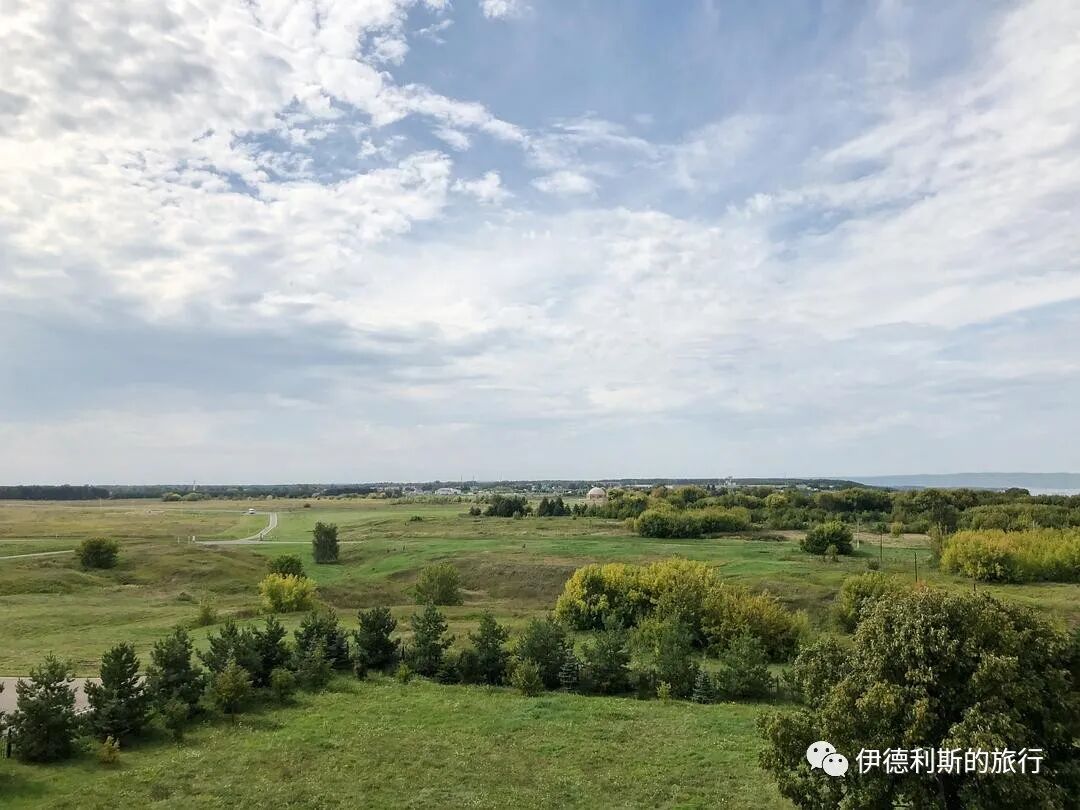
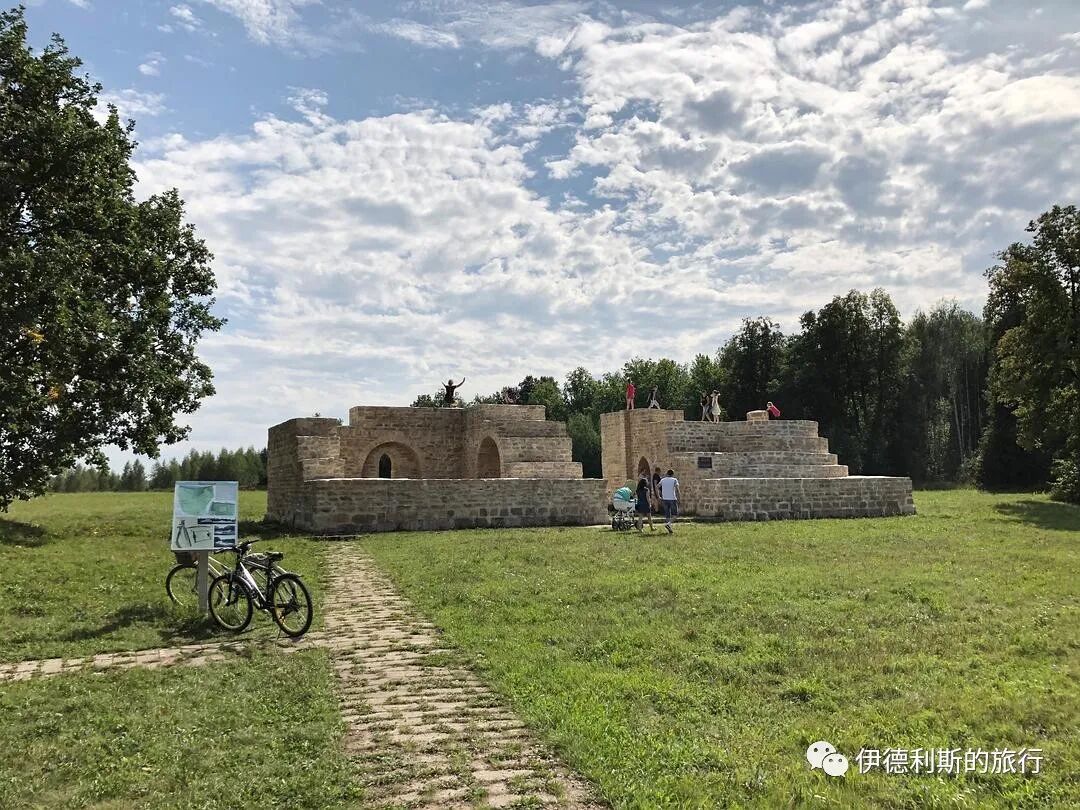
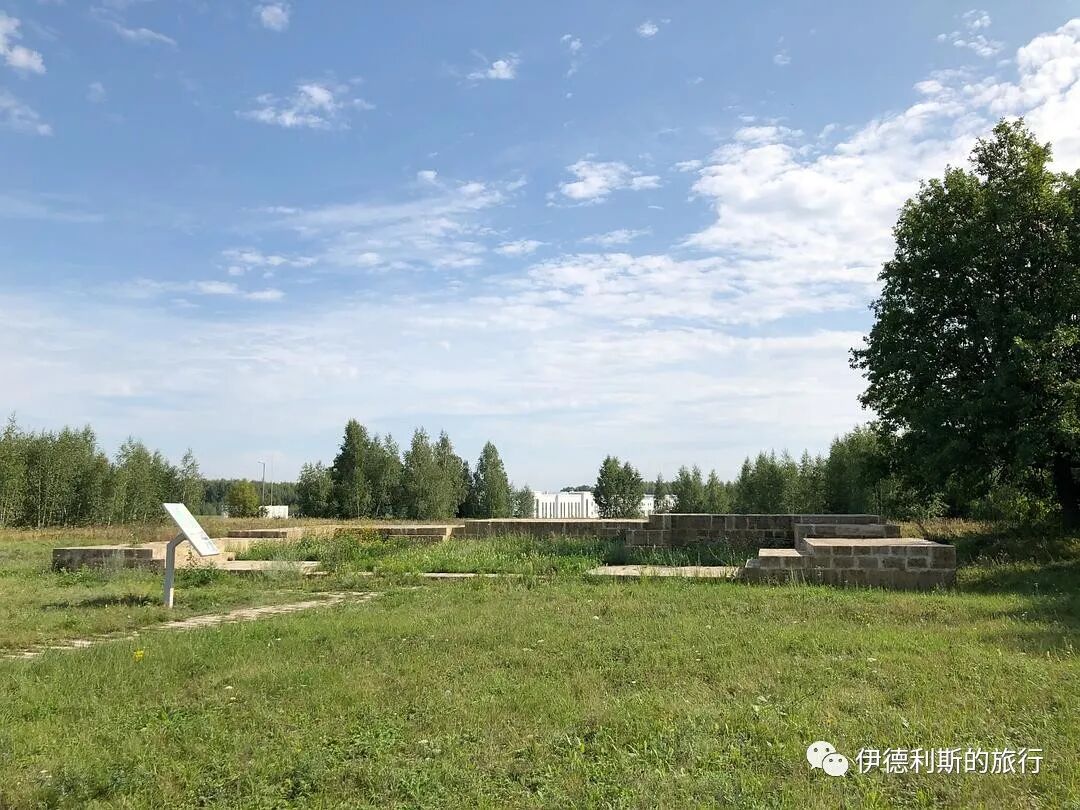
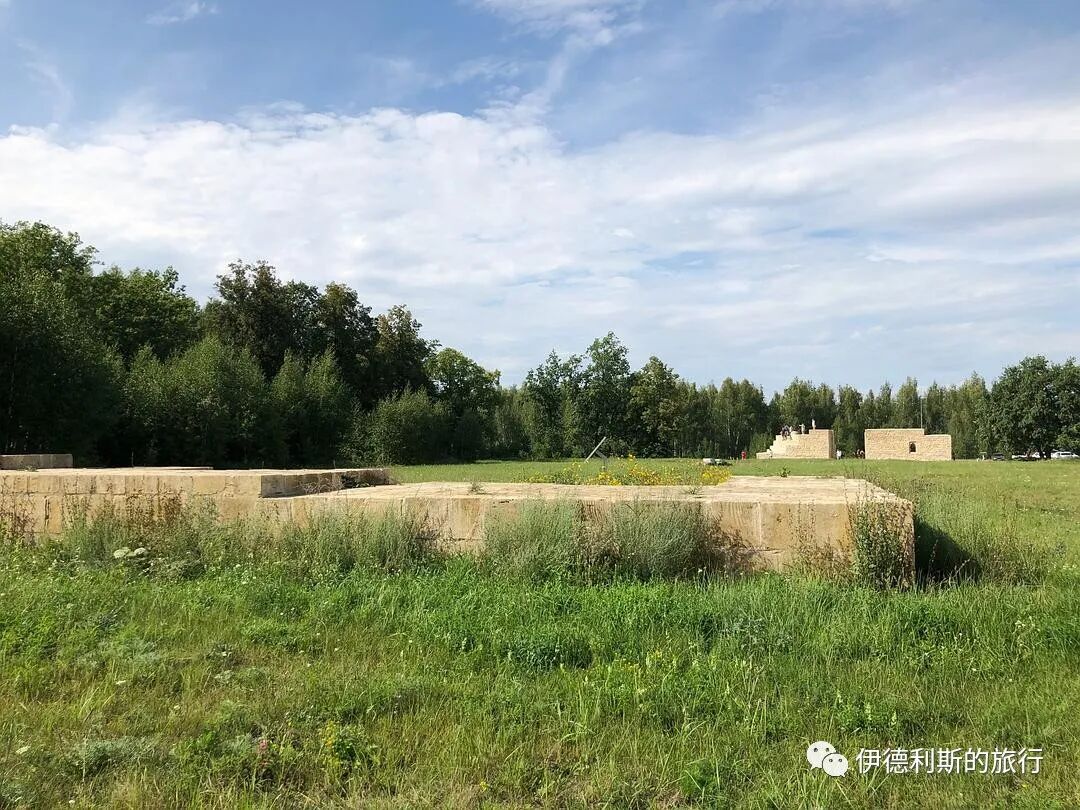
Finally, here are some photos of the ancient city scenery.
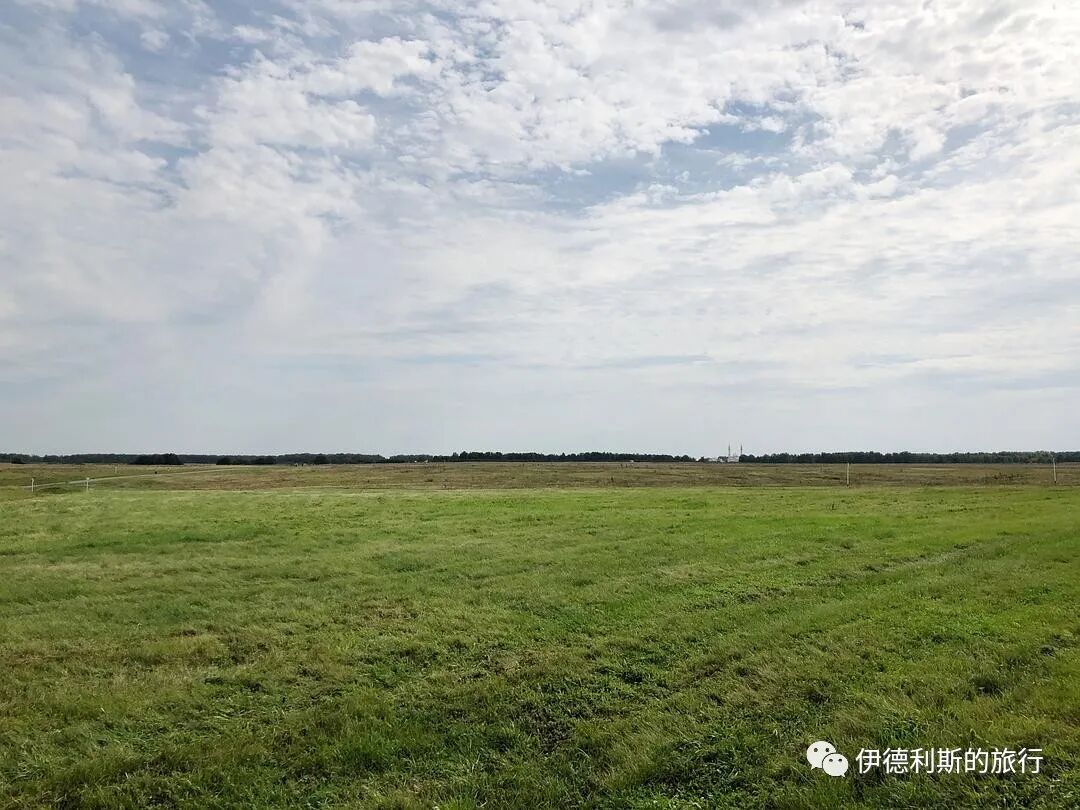
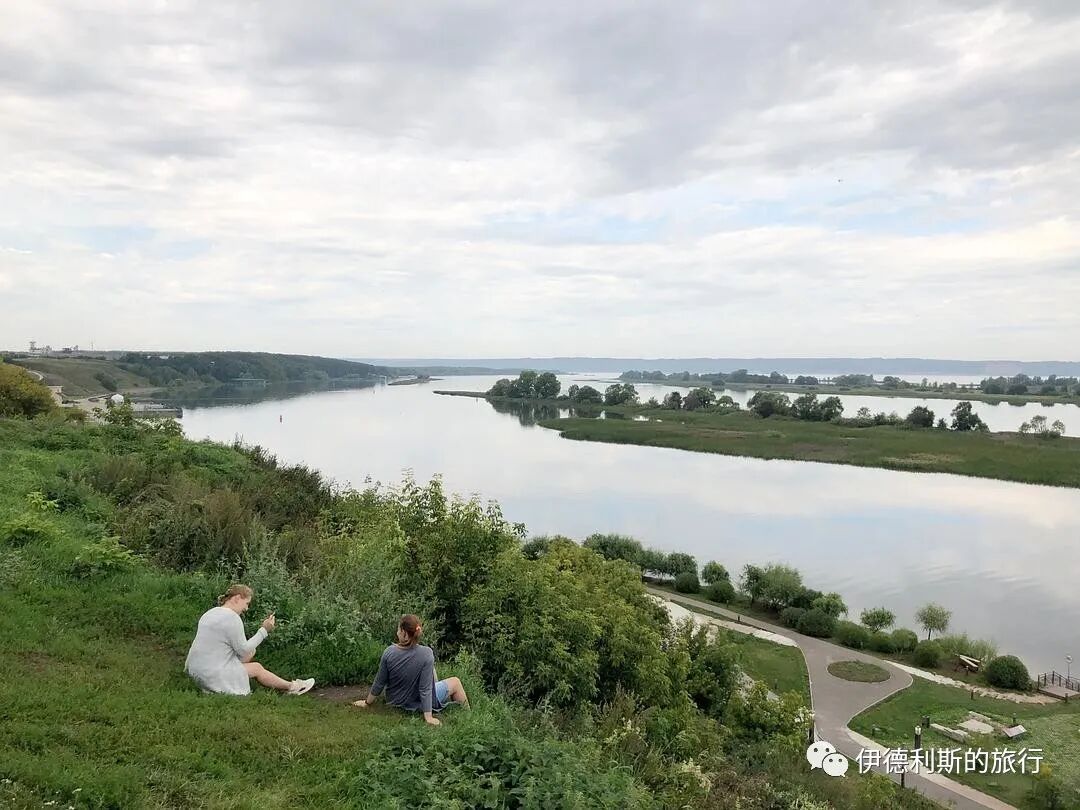
Summary: This travel note introduces Bolgar on the Volga: A Thousand-Year Muslim Capital and Tatar Heritage. The ancient city of Bolghar is located on the banks of the Volga River, south of Kazan, the capital of Tatarstan, and was the capital of Volga Bulgaria in the 10th and 11th centuries. It is useful for readers interested in Bolgar Travel, Tatar Muslims, Islamic Heritage.
The ancient city of Bolghar is located on the banks of the Volga River, south of Kazan, the capital of Tatarstan, and was the capital of Volga Bulgaria in the 10th and 11th centuries. The Volga Bulgars accepted Islam in 922, and this year marks exactly the 1100th anniversary.
Before the Crusades, the city of Bolghar was an important trade hub between Europe and Asia, and one of the wealthiest cities in the Islamic world at that time. In 1236, the Mongol army led by Batu Khan launched an expedition to Europe, completely destroying Volga Bulgaria and the city of Bolghar. After this, the city of Bolghar was rebuilt into an important economic, commercial, cultural, and religious center of the Golden Horde. Under the influence of the Bolghars, the Mongol rulers of the Golden Horde also began to believe in Islam, building a series of mosques, minarets, and Muslim mausoleums in the city. Coupled with secular palaces and bathhouses, most of the existing ruins in the city of Bolghar belong to this period.
After the decline of the Golden Horde, the ancient city of Bolghar remained a religious center for Muslims until the mid-16th century. After Ivan the Terrible of Russia conquered the Khanate of Kazan in 1552, the ancient city fell into complete decline.
After the 18th century, the center of the ancient city was occupied by the Orthodox Church; an Orthodox church was built on the site of the Great Mosque, and Muslim mausoleums were converted into chapels and wine cellars. Due to the construction of monasteries and surrounding villages, the architectural ruins within the ancient city decreased rapidly. In the early 18th century, there were more than 70 buildings within the ancient city ruins, including 9 minarets, but only 1 minaret has been preserved to this day.
During the Soviet era, because they could not travel to Mecca, Muslims in Tatarstan and other parts of the Soviet Union chose to travel to the ancient city of Bolghar for a "minor Hajj" (pilgrimage).
Today, the ancient city of Bolghar holds an important place in the hearts of the Volga Tatars, who view the Volga Bulgars as one of their ancestors and consider the ancient city of Bolghar their historical and religious capital. In 2014, the ancient city of Bolghar was included in the UNESCO World Heritage List.
Table of Contents
I. Arrival
1. Volga River Speedboat
2. Bolghar Pier
3. Tatar Snack Bar
II. Great Mosque Architectural Complex
1. Great Mosque
2. Great Minaret
3. Eastern Mausoleum
4. Northern Mausoleum
5. Khan's Palace
6. Eastern House
III. Black House
IV. Khan's Mausoleum and Small Minaret
1. Khan's Mausoleum
2. Small Minaret
V. White House
VI. Small Tombs
VII. Southern Small City
VIII. Unearthed Artifacts
I. Arrival
1. Volga River Speedboat
The most convenient and interesting way to travel from Kazan to the ancient city of Bolghar is to take a Volga River speedboat from the Kazan pier. For information on the Kazan pier, you can visit the website https://douc.cc/1vFyDm; tickets can only be purchased on-site. The lady at the ticket window does not speak English, but you just need to show her the destination and date of the boat trip translated into Russian, and she will gesture to ask if you want a one-way or round-trip ticket; you can just gesture for a round-trip.
I bought a ticket departing from Kazan at 8:00 AM, arriving in Bolghar around 10:00 AM, and returning at 3:40 PM, arriving back in Kazan around 5:40 PM, leaving me with five hours and forty minutes to stay. Many of the passengers on the boat are middle-aged and elderly tour groups, with a small number of individual tourists.
The boat travels on the Volga River, and at its widest point, you can barely see the opposite bank. It is very windy on the boat, which is quite exhilarating.
2. Bolghar Pier
The boat did not stop at the entrance of the Bolghar Civilization Museum as written in the Lonely Planet Russia volume, but instead stopped at the Bolghar Pier to the west; from the pier, you still need to take a vehicle to the heritage area of the ancient city.
Bolghar Pier is a quiet little pier with a great atmosphere; waiting for the boat here on the return trip felt like being in a Russian movie.
3. Tatar Snack Bar
There are some souvenir shops and snack bars around the ancient city ruins area. I ate pilaf and the traditional Volga Tatar pie elesh (a savory pastry) at this Volga Tatar traditional fast-food chain Tubatay (Тюбетей). Elesh is made with sour cream and yeast dough, and the filling is chicken, potatoes, and onions.
II. Great Mosque Architectural Complex
After the Golden Horde rebuilt the city of Bolghar in the 13th century, they built a series of buildings centered on the Great Mosque.
1. Great Mosque
The Great Mosque is the most important architectural ruin of the ancient city of Bolghar preserved from the Golden Horde era, and it was the city center of Bolghar in the 13th and 14th centuries, featuring the typical architectural style of the Golden Horde period.
The Great Mosque is made of limestone, 34 meters long and 32 meters wide, with 20 columns and a wooden gable roof. The walls are plastered on all four sides and reinforced with buttresses. On the north side of the mosque, there is an arched gate and a minaret, and on the south side, there is a mihrab (a niche in the wall of a mosque that indicates the direction of Mecca) with exquisite carvings. The Great Mosque was renovated in the early 14th century, and corner towers were added in the 1440s.
The Great Mosque underwent three archaeological excavations in 1892, 1915, and 1946, and two restorations in 1964-1966 and 2003-2005. The limestone walls were covered with a protective material, the ground was paved with white flooring, walkways were set up, and drainage ditches were built.
2. Great Minaret
There used to be a 24-meter-high Great Minaret on the north side of the Bolghar Great Mosque, which collapsed in 1841, and the stone materials were taken away by locals. When Kazan University professor I. Berezin passed through Bolghar in 1846, he saw several stone carvings with Quranic verses on the site of the Great Minaret.
Based on a series of 18th and 19th-century graphic materials, the Great Minaret was rebuilt in 2000.
3. Eastern Mausoleum
The Eastern Mausoleum is located on the east side of the Great Mosque and was built in the 1330s during the Golden Horde period, when the Great Mosque underwent its second renovation and the central square of the ancient city of Bolghar was further developed.
The Northern Mausoleum was originally the family mausoleum of the Bolghar noble Burashbeks, and later became the Church of St. Nicholas in the early 18th century, with an onion dome and a cross added.
Archaeological excavations in 1964-1966 and 1991 unearthed 7 tombs from the Golden Horde period in the mausoleum. The roof was damaged by a strong wind in 1965, and the mausoleum was restored in 1967-1968.
The tombstone with an inscription in the mausoleum came from Sabar-llchzhi, the daughter of Prince Burash; it was discovered during the renovation of the Church of St. Nicholas between 1889 and 1890, and was transported to Kazan in 1994. A replica is currently on display in the mausoleum.
4. Northern Mausoleum
The Northern Mausoleum is located on the north side of the Great Mosque and, like the Eastern Mausoleum, was built in the 1330s during the Golden Horde period.
The Northern Mausoleum was originally a family mausoleum for Bolghar nobles and later became the cellar of a monastery in the early 18th century. Two archaeological excavations were conducted here in 1964 and 1966, and partial restoration was carried out between 1968 and 1969.
When I visited, the interior of the mausoleum was not open, so I only saw the exterior.
5. Khan's Palace
The Khan's Palace is located east of the Great Mosque and was built in the mid-13th century during the early Golden Horde period. Since 1994, more than 1,000 square meters of archaeological excavations have been conducted, and 30% of the coins unearthed belong to the period between 1240 and 1259.
6. Eastern House
The Eastern House is the ruin of a public bathhouse built in the 1290s during the Golden Horde period, and it is the earliest and largest public bathhouse ruin existing in the ancient city of Bolghar. The entire bathhouse consists of three parts; the central space includes a heated changing room, a central cross-shaped hall, and four bathrooms. The western space includes a heated changing room and a boiler room; the boiler room consists of a furnace and two hot air ducts. The eastern space consists of a boiler with three air ducts.
From 1984 to 1992, a series of archaeological excavations were conducted on the bathhouse. From the unearthed coins, it is known that the bathhouse was used from approximately the 1290s to the 1340s.
III. Black House
The Black House was built in the mid-14th century during the Golden Horde period and is constructed of white limestone. The Black House is the only 14th-century civil building in the ancient city that has been preserved to this day; its specific purpose remains undetermined, but it is speculated to have been a courthouse or a pilgrim hostel. Archaeological excavations were conducted here twice in 1957 and 1966, and it was discovered that there used to be a veranda built around the building.
IV. Khan's Mausoleum and Small Minaret
The Small Minaret and the Khan's Mausoleum are located 500 meters south of the Great Mosque architectural complex.
1. Khan's Mausoleum
The Khan's Mausoleum was built in the early 14th century during the Golden Horde period; before this, there was a stone bathhouse here. The mausoleum was rebuilt in the mid-14th century. There are 8 tombs inside the mausoleum, some with tombstones. The archaeological monument was studied in 1968.
Protection and partial restoration were carried out in 1971, 1990, and 2006, respectively.
2. Small Minaret
The Small Minaret was built in the late 14th century during the Golden Horde period; it is similar in shape to the Great Minaret of the Great Mosque and is the only minaret in the ancient city that has been preserved to this day. Two archaeological excavations were conducted here in 1914 and 1968-1969, and it was repaired between 1968 and 1970.
V. White House
The White House is located 250 meters southeast of the Black House; it is a public bathhouse built in the 1340s during the Golden Horde period and was abandoned in the 1460s.
The bathhouse consists of several rectangular spaces of different sizes; the cross-shaped central hall once had a dome, and the ruins of the washing area consisting of pools, fountains, and soap rooms have been preserved, where you can clearly see the network of heating pipes, sewage, and well water facilities underneath.
The bathhouse was heated by two circular furnaces, which were also covered by domes; the furnaces and air ducts were made of sandstone, and the causeway under the furnaces was made of limestone.
The White House as seen today is how it looked after restoration and protection in 2011.
VI. Small Tombs
There are several tombs from the mid-14th to early 15th century Golden Horde period scattered throughout the ancient city of Bolghar. These tombs were archaeologically excavated between the 1970s and 1980s.
VII. Southern Small City
Outside the south gate of the ancient city of Bolghar, there is a small city ruin from the 13th to 14th century Golden Horde period; it is speculated that this was built to strengthen the defense of the south gate of Bolghar city.
VIII. Unearthed Artifacts
The Bolghar Civilization Museum displays artifacts from the Golden Horde period unearthed from the ancient city of Bolghar, where you can see artifacts with Chinese and Iranian styles.
Finally, here are some photos of the ancient city scenery.
Bolgar on the Volga: A Thousand-Year Muslim Capital and Tatar Heritage
Articles • ali2007fr posted the article • 0 comments • 153 views • 2026-05-17 08:19
Reposted from the web
Summary: This travel note introduces Bolgar on the Volga: A Thousand-Year Muslim Capital and Tatar Heritage. The ancient city of Bolghar is located on the banks of the Volga River, south of Kazan, the capital of Tatarstan, and was the capital of Volga Bulgaria in the 10th and 11th centuries. It is useful for readers interested in Bolgar Travel, Tatar Muslims, Islamic Heritage.
The ancient city of Bolghar is located on the banks of the Volga River, south of Kazan, the capital of Tatarstan, and was the capital of Volga Bulgaria in the 10th and 11th centuries. The Volga Bulgars accepted Islam in 922, and this year marks exactly the 1100th anniversary.
Before the Crusades, the city of Bolghar was an important trade hub between Europe and Asia, and one of the wealthiest cities in the Islamic world at that time. In 1236, the Mongol army led by Batu Khan launched an expedition to Europe, completely destroying Volga Bulgaria and the city of Bolghar. After this, the city of Bolghar was rebuilt into an important economic, commercial, cultural, and religious center of the Golden Horde. Under the influence of the Bolghars, the Mongol rulers of the Golden Horde also began to believe in Islam, building a series of mosques, minarets, and Muslim mausoleums in the city. Coupled with secular palaces and bathhouses, most of the existing ruins in the city of Bolghar belong to this period.
After the decline of the Golden Horde, the ancient city of Bolghar remained a religious center for Muslims until the mid-16th century. After Ivan the Terrible of Russia conquered the Khanate of Kazan in 1552, the ancient city fell into complete decline.
After the 18th century, the center of the ancient city was occupied by the Orthodox Church; an Orthodox church was built on the site of the Great Mosque, and Muslim mausoleums were converted into chapels and wine cellars. Due to the construction of monasteries and surrounding villages, the architectural ruins within the ancient city decreased rapidly. In the early 18th century, there were more than 70 buildings within the ancient city ruins, including 9 minarets, but only 1 minaret has been preserved to this day.
During the Soviet era, because they could not travel to Mecca, Muslims in Tatarstan and other parts of the Soviet Union chose to travel to the ancient city of Bolghar for a "minor Hajj" (pilgrimage).
Today, the ancient city of Bolghar holds an important place in the hearts of the Volga Tatars, who view the Volga Bulgars as one of their ancestors and consider the ancient city of Bolghar their historical and religious capital. In 2014, the ancient city of Bolghar was included in the UNESCO World Heritage List.
Table of Contents
I. Arrival
1. Volga River Speedboat
2. Bolghar Pier
3. Tatar Snack Bar
II. Great Mosque Architectural Complex
1. Great Mosque
2. Great Minaret
3. Eastern Mausoleum
4. Northern Mausoleum
5. Khan's Palace
6. Eastern House
III. Black House
IV. Khan's Mausoleum and Small Minaret
1. Khan's Mausoleum
2. Small Minaret
V. White House
VI. Small Tombs
VII. Southern Small City
VIII. Unearthed Artifacts
I. Arrival
1. Volga River Speedboat
The most convenient and interesting way to travel from Kazan to the ancient city of Bolghar is to take a Volga River speedboat from the Kazan pier. For information on the Kazan pier, you can visit the website https://douc.cc/1vFyDm; tickets can only be purchased on-site. The lady at the ticket window does not speak English, but you just need to show her the destination and date of the boat trip translated into Russian, and she will gesture to ask if you want a one-way or round-trip ticket; you can just gesture for a round-trip.
I bought a ticket departing from Kazan at 8:00 AM, arriving in Bolghar around 10:00 AM, and returning at 3:40 PM, arriving back in Kazan around 5:40 PM, leaving me with five hours and forty minutes to stay. Many of the passengers on the boat are middle-aged and elderly tour groups, with a small number of individual tourists.
The boat travels on the Volga River, and at its widest point, you can barely see the opposite bank. It is very windy on the boat, which is quite exhilarating.
2. Bolghar Pier
The boat did not stop at the entrance of the Bolghar Civilization Museum as written in the Lonely Planet Russia volume, but instead stopped at the Bolghar Pier to the west; from the pier, you still need to take a vehicle to the heritage area of the ancient city.
Bolghar Pier is a quiet little pier with a great atmosphere; waiting for the boat here on the return trip felt like being in a Russian movie.
3. Tatar Snack Bar
There are some souvenir shops and snack bars around the ancient city ruins area. I ate pilaf and the traditional Volga Tatar pie elesh (a savory pastry) at this Volga Tatar traditional fast-food chain Tubatay (Тюбетей). Elesh is made with sour cream and yeast dough, and the filling is chicken, potatoes, and onions.
II. Great Mosque Architectural Complex
After the Golden Horde rebuilt the city of Bolghar in the 13th century, they built a series of buildings centered on the Great Mosque.
1. Great Mosque
The Great Mosque is the most important architectural ruin of the ancient city of Bolghar preserved from the Golden Horde era, and it was the city center of Bolghar in the 13th and 14th centuries, featuring the typical architectural style of the Golden Horde period.
The Great Mosque is made of limestone, 34 meters long and 32 meters wide, with 20 columns and a wooden gable roof. The walls are plastered on all four sides and reinforced with buttresses. On the north side of the mosque, there is an arched gate and a minaret, and on the south side, there is a mihrab (a niche in the wall of a mosque that indicates the direction of Mecca) with exquisite carvings. The Great Mosque was renovated in the early 14th century, and corner towers were added in the 1440s.
The Great Mosque underwent three archaeological excavations in 1892, 1915, and 1946, and two restorations in 1964-1966 and 2003-2005. The limestone walls were covered with a protective material, the ground was paved with white flooring, walkways were set up, and drainage ditches were built.
2. Great Minaret
There used to be a 24-meter-high Great Minaret on the north side of the Bolghar Great Mosque, which collapsed in 1841, and the stone materials were taken away by locals. When Kazan University professor I. Berezin passed through Bolghar in 1846, he saw several stone carvings with Quranic verses on the site of the Great Minaret.
Based on a series of 18th and 19th-century graphic materials, the Great Minaret was rebuilt in 2000.
3. Eastern Mausoleum
The Eastern Mausoleum is located on the east side of the Great Mosque and was built in the 1330s during the Golden Horde period, when the Great Mosque underwent its second renovation and the central square of the ancient city of Bolghar was further developed.
The Northern Mausoleum was originally the family mausoleum of the Bolghar noble Burashbeks, and later became the Church of St. Nicholas in the early 18th century, with an onion dome and a cross added.
Archaeological excavations in 1964-1966 and 1991 unearthed 7 tombs from the Golden Horde period in the mausoleum. The roof was damaged by a strong wind in 1965, and the mausoleum was restored in 1967-1968.
The tombstone with an inscription in the mausoleum came from Sabar-llchzhi, the daughter of Prince Burash; it was discovered during the renovation of the Church of St. Nicholas between 1889 and 1890, and was transported to Kazan in 1994. A replica is currently on display in the mausoleum.
4. Northern Mausoleum
The Northern Mausoleum is located on the north side of the Great Mosque and, like the Eastern Mausoleum, was built in the 1330s during the Golden Horde period.
The Northern Mausoleum was originally a family mausoleum for Bolghar nobles and later became the cellar of a monastery in the early 18th century. Two archaeological excavations were conducted here in 1964 and 1966, and partial restoration was carried out between 1968 and 1969.
When I visited, the interior of the mausoleum was not open, so I only saw the exterior.
5. Khan's Palace
The Khan's Palace is located east of the Great Mosque and was built in the mid-13th century during the early Golden Horde period. Since 1994, more than 1,000 square meters of archaeological excavations have been conducted, and 30% of the coins unearthed belong to the period between 1240 and 1259.
6. Eastern House
The Eastern House is the ruin of a public bathhouse built in the 1290s during the Golden Horde period, and it is the earliest and largest public bathhouse ruin existing in the ancient city of Bolghar. The entire bathhouse consists of three parts; the central space includes a heated changing room, a central cross-shaped hall, and four bathrooms. The western space includes a heated changing room and a boiler room; the boiler room consists of a furnace and two hot air ducts. The eastern space consists of a boiler with three air ducts.
From 1984 to 1992, a series of archaeological excavations were conducted on the bathhouse. From the unearthed coins, it is known that the bathhouse was used from approximately the 1290s to the 1340s.
III. Black House
The Black House was built in the mid-14th century during the Golden Horde period and is constructed of white limestone. The Black House is the only 14th-century civil building in the ancient city that has been preserved to this day; its specific purpose remains undetermined, but it is speculated to have been a courthouse or a pilgrim hostel. Archaeological excavations were conducted here twice in 1957 and 1966, and it was discovered that there used to be a veranda built around the building.
IV. Khan's Mausoleum and Small Minaret
The Small Minaret and the Khan's Mausoleum are located 500 meters south of the Great Mosque architectural complex.
1. Khan's Mausoleum
The Khan's Mausoleum was built in the early 14th century during the Golden Horde period; before this, there was a stone bathhouse here. The mausoleum was rebuilt in the mid-14th century. There are 8 tombs inside the mausoleum, some with tombstones. The archaeological monument was studied in 1968.
Protection and partial restoration were carried out in 1971, 1990, and 2006, respectively.
2. Small Minaret
The Small Minaret was built in the late 14th century during the Golden Horde period; it is similar in shape to the Great Minaret of the Great Mosque and is the only minaret in the ancient city that has been preserved to this day. Two archaeological excavations were conducted here in 1914 and 1968-1969, and it was repaired between 1968 and 1970.
V. White House
The White House is located 250 meters southeast of the Black House; it is a public bathhouse built in the 1340s during the Golden Horde period and was abandoned in the 1460s.
The bathhouse consists of several rectangular spaces of different sizes; the cross-shaped central hall once had a dome, and the ruins of the washing area consisting of pools, fountains, and soap rooms have been preserved, where you can clearly see the network of heating pipes, sewage, and well water facilities underneath.
The bathhouse was heated by two circular furnaces, which were also covered by domes; the furnaces and air ducts were made of sandstone, and the causeway under the furnaces was made of limestone.
The White House as seen today is how it looked after restoration and protection in 2011.
VI. Small Tombs
There are several tombs from the mid-14th to early 15th century Golden Horde period scattered throughout the ancient city of Bolghar. These tombs were archaeologically excavated between the 1970s and 1980s.
VII. Southern Small City
Outside the south gate of the ancient city of Bolghar, there is a small city ruin from the 13th to 14th century Golden Horde period; it is speculated that this was built to strengthen the defense of the south gate of Bolghar city.
VIII. Unearthed Artifacts
The Bolghar Civilization Museum displays artifacts from the Golden Horde period unearthed from the ancient city of Bolghar, where you can see artifacts with Chinese and Iranian styles.
Finally, here are some photos of the ancient city scenery. view all
Summary: This travel note introduces Bolgar on the Volga: A Thousand-Year Muslim Capital and Tatar Heritage. The ancient city of Bolghar is located on the banks of the Volga River, south of Kazan, the capital of Tatarstan, and was the capital of Volga Bulgaria in the 10th and 11th centuries. It is useful for readers interested in Bolgar Travel, Tatar Muslims, Islamic Heritage.
The ancient city of Bolghar is located on the banks of the Volga River, south of Kazan, the capital of Tatarstan, and was the capital of Volga Bulgaria in the 10th and 11th centuries. The Volga Bulgars accepted Islam in 922, and this year marks exactly the 1100th anniversary.
Before the Crusades, the city of Bolghar was an important trade hub between Europe and Asia, and one of the wealthiest cities in the Islamic world at that time. In 1236, the Mongol army led by Batu Khan launched an expedition to Europe, completely destroying Volga Bulgaria and the city of Bolghar. After this, the city of Bolghar was rebuilt into an important economic, commercial, cultural, and religious center of the Golden Horde. Under the influence of the Bolghars, the Mongol rulers of the Golden Horde also began to believe in Islam, building a series of mosques, minarets, and Muslim mausoleums in the city. Coupled with secular palaces and bathhouses, most of the existing ruins in the city of Bolghar belong to this period.
After the decline of the Golden Horde, the ancient city of Bolghar remained a religious center for Muslims until the mid-16th century. After Ivan the Terrible of Russia conquered the Khanate of Kazan in 1552, the ancient city fell into complete decline.
After the 18th century, the center of the ancient city was occupied by the Orthodox Church; an Orthodox church was built on the site of the Great Mosque, and Muslim mausoleums were converted into chapels and wine cellars. Due to the construction of monasteries and surrounding villages, the architectural ruins within the ancient city decreased rapidly. In the early 18th century, there were more than 70 buildings within the ancient city ruins, including 9 minarets, but only 1 minaret has been preserved to this day.
During the Soviet era, because they could not travel to Mecca, Muslims in Tatarstan and other parts of the Soviet Union chose to travel to the ancient city of Bolghar for a "minor Hajj" (pilgrimage).
Today, the ancient city of Bolghar holds an important place in the hearts of the Volga Tatars, who view the Volga Bulgars as one of their ancestors and consider the ancient city of Bolghar their historical and religious capital. In 2014, the ancient city of Bolghar was included in the UNESCO World Heritage List.
Table of Contents
I. Arrival
1. Volga River Speedboat
2. Bolghar Pier
3. Tatar Snack Bar
II. Great Mosque Architectural Complex
1. Great Mosque
2. Great Minaret
3. Eastern Mausoleum
4. Northern Mausoleum
5. Khan's Palace
6. Eastern House
III. Black House
IV. Khan's Mausoleum and Small Minaret
1. Khan's Mausoleum
2. Small Minaret
V. White House
VI. Small Tombs
VII. Southern Small City
VIII. Unearthed Artifacts
I. Arrival
1. Volga River Speedboat
The most convenient and interesting way to travel from Kazan to the ancient city of Bolghar is to take a Volga River speedboat from the Kazan pier. For information on the Kazan pier, you can visit the website https://douc.cc/1vFyDm; tickets can only be purchased on-site. The lady at the ticket window does not speak English, but you just need to show her the destination and date of the boat trip translated into Russian, and she will gesture to ask if you want a one-way or round-trip ticket; you can just gesture for a round-trip.
I bought a ticket departing from Kazan at 8:00 AM, arriving in Bolghar around 10:00 AM, and returning at 3:40 PM, arriving back in Kazan around 5:40 PM, leaving me with five hours and forty minutes to stay. Many of the passengers on the boat are middle-aged and elderly tour groups, with a small number of individual tourists.
The boat travels on the Volga River, and at its widest point, you can barely see the opposite bank. It is very windy on the boat, which is quite exhilarating.
2. Bolghar Pier
The boat did not stop at the entrance of the Bolghar Civilization Museum as written in the Lonely Planet Russia volume, but instead stopped at the Bolghar Pier to the west; from the pier, you still need to take a vehicle to the heritage area of the ancient city.
Bolghar Pier is a quiet little pier with a great atmosphere; waiting for the boat here on the return trip felt like being in a Russian movie.
3. Tatar Snack Bar
There are some souvenir shops and snack bars around the ancient city ruins area. I ate pilaf and the traditional Volga Tatar pie elesh (a savory pastry) at this Volga Tatar traditional fast-food chain Tubatay (Тюбетей). Elesh is made with sour cream and yeast dough, and the filling is chicken, potatoes, and onions.
II. Great Mosque Architectural Complex
After the Golden Horde rebuilt the city of Bolghar in the 13th century, they built a series of buildings centered on the Great Mosque.
1. Great Mosque
The Great Mosque is the most important architectural ruin of the ancient city of Bolghar preserved from the Golden Horde era, and it was the city center of Bolghar in the 13th and 14th centuries, featuring the typical architectural style of the Golden Horde period.
The Great Mosque is made of limestone, 34 meters long and 32 meters wide, with 20 columns and a wooden gable roof. The walls are plastered on all four sides and reinforced with buttresses. On the north side of the mosque, there is an arched gate and a minaret, and on the south side, there is a mihrab (a niche in the wall of a mosque that indicates the direction of Mecca) with exquisite carvings. The Great Mosque was renovated in the early 14th century, and corner towers were added in the 1440s.
The Great Mosque underwent three archaeological excavations in 1892, 1915, and 1946, and two restorations in 1964-1966 and 2003-2005. The limestone walls were covered with a protective material, the ground was paved with white flooring, walkways were set up, and drainage ditches were built.
2. Great Minaret
There used to be a 24-meter-high Great Minaret on the north side of the Bolghar Great Mosque, which collapsed in 1841, and the stone materials were taken away by locals. When Kazan University professor I. Berezin passed through Bolghar in 1846, he saw several stone carvings with Quranic verses on the site of the Great Minaret.
Based on a series of 18th and 19th-century graphic materials, the Great Minaret was rebuilt in 2000.
3. Eastern Mausoleum
The Eastern Mausoleum is located on the east side of the Great Mosque and was built in the 1330s during the Golden Horde period, when the Great Mosque underwent its second renovation and the central square of the ancient city of Bolghar was further developed.
The Northern Mausoleum was originally the family mausoleum of the Bolghar noble Burashbeks, and later became the Church of St. Nicholas in the early 18th century, with an onion dome and a cross added.
Archaeological excavations in 1964-1966 and 1991 unearthed 7 tombs from the Golden Horde period in the mausoleum. The roof was damaged by a strong wind in 1965, and the mausoleum was restored in 1967-1968.
The tombstone with an inscription in the mausoleum came from Sabar-llchzhi, the daughter of Prince Burash; it was discovered during the renovation of the Church of St. Nicholas between 1889 and 1890, and was transported to Kazan in 1994. A replica is currently on display in the mausoleum.
4. Northern Mausoleum
The Northern Mausoleum is located on the north side of the Great Mosque and, like the Eastern Mausoleum, was built in the 1330s during the Golden Horde period.
The Northern Mausoleum was originally a family mausoleum for Bolghar nobles and later became the cellar of a monastery in the early 18th century. Two archaeological excavations were conducted here in 1964 and 1966, and partial restoration was carried out between 1968 and 1969.
When I visited, the interior of the mausoleum was not open, so I only saw the exterior.
5. Khan's Palace
The Khan's Palace is located east of the Great Mosque and was built in the mid-13th century during the early Golden Horde period. Since 1994, more than 1,000 square meters of archaeological excavations have been conducted, and 30% of the coins unearthed belong to the period between 1240 and 1259.
6. Eastern House
The Eastern House is the ruin of a public bathhouse built in the 1290s during the Golden Horde period, and it is the earliest and largest public bathhouse ruin existing in the ancient city of Bolghar. The entire bathhouse consists of three parts; the central space includes a heated changing room, a central cross-shaped hall, and four bathrooms. The western space includes a heated changing room and a boiler room; the boiler room consists of a furnace and two hot air ducts. The eastern space consists of a boiler with three air ducts.
From 1984 to 1992, a series of archaeological excavations were conducted on the bathhouse. From the unearthed coins, it is known that the bathhouse was used from approximately the 1290s to the 1340s.
III. Black House
The Black House was built in the mid-14th century during the Golden Horde period and is constructed of white limestone. The Black House is the only 14th-century civil building in the ancient city that has been preserved to this day; its specific purpose remains undetermined, but it is speculated to have been a courthouse or a pilgrim hostel. Archaeological excavations were conducted here twice in 1957 and 1966, and it was discovered that there used to be a veranda built around the building.
IV. Khan's Mausoleum and Small Minaret
The Small Minaret and the Khan's Mausoleum are located 500 meters south of the Great Mosque architectural complex.
1. Khan's Mausoleum
The Khan's Mausoleum was built in the early 14th century during the Golden Horde period; before this, there was a stone bathhouse here. The mausoleum was rebuilt in the mid-14th century. There are 8 tombs inside the mausoleum, some with tombstones. The archaeological monument was studied in 1968.
Protection and partial restoration were carried out in 1971, 1990, and 2006, respectively.
2. Small Minaret
The Small Minaret was built in the late 14th century during the Golden Horde period; it is similar in shape to the Great Minaret of the Great Mosque and is the only minaret in the ancient city that has been preserved to this day. Two archaeological excavations were conducted here in 1914 and 1968-1969, and it was repaired between 1968 and 1970.
V. White House
The White House is located 250 meters southeast of the Black House; it is a public bathhouse built in the 1340s during the Golden Horde period and was abandoned in the 1460s.
The bathhouse consists of several rectangular spaces of different sizes; the cross-shaped central hall once had a dome, and the ruins of the washing area consisting of pools, fountains, and soap rooms have been preserved, where you can clearly see the network of heating pipes, sewage, and well water facilities underneath.
The bathhouse was heated by two circular furnaces, which were also covered by domes; the furnaces and air ducts were made of sandstone, and the causeway under the furnaces was made of limestone.
The White House as seen today is how it looked after restoration and protection in 2011.
VI. Small Tombs
There are several tombs from the mid-14th to early 15th century Golden Horde period scattered throughout the ancient city of Bolghar. These tombs were archaeologically excavated between the 1970s and 1980s.
VII. Southern Small City
Outside the south gate of the ancient city of Bolghar, there is a small city ruin from the 13th to 14th century Golden Horde period; it is speculated that this was built to strengthen the defense of the south gate of Bolghar city.
VIII. Unearthed Artifacts
The Bolghar Civilization Museum displays artifacts from the Golden Horde period unearthed from the ancient city of Bolghar, where you can see artifacts with Chinese and Iranian styles.
Finally, here are some photos of the ancient city scenery. view all
Reposted from the web
Summary: This travel note introduces Bolgar on the Volga: A Thousand-Year Muslim Capital and Tatar Heritage. The ancient city of Bolghar is located on the banks of the Volga River, south of Kazan, the capital of Tatarstan, and was the capital of Volga Bulgaria in the 10th and 11th centuries. It is useful for readers interested in Bolgar Travel, Tatar Muslims, Islamic Heritage.
The ancient city of Bolghar is located on the banks of the Volga River, south of Kazan, the capital of Tatarstan, and was the capital of Volga Bulgaria in the 10th and 11th centuries. The Volga Bulgars accepted Islam in 922, and this year marks exactly the 1100th anniversary.
Before the Crusades, the city of Bolghar was an important trade hub between Europe and Asia, and one of the wealthiest cities in the Islamic world at that time. In 1236, the Mongol army led by Batu Khan launched an expedition to Europe, completely destroying Volga Bulgaria and the city of Bolghar. After this, the city of Bolghar was rebuilt into an important economic, commercial, cultural, and religious center of the Golden Horde. Under the influence of the Bolghars, the Mongol rulers of the Golden Horde also began to believe in Islam, building a series of mosques, minarets, and Muslim mausoleums in the city. Coupled with secular palaces and bathhouses, most of the existing ruins in the city of Bolghar belong to this period.
After the decline of the Golden Horde, the ancient city of Bolghar remained a religious center for Muslims until the mid-16th century. After Ivan the Terrible of Russia conquered the Khanate of Kazan in 1552, the ancient city fell into complete decline.
After the 18th century, the center of the ancient city was occupied by the Orthodox Church; an Orthodox church was built on the site of the Great Mosque, and Muslim mausoleums were converted into chapels and wine cellars. Due to the construction of monasteries and surrounding villages, the architectural ruins within the ancient city decreased rapidly. In the early 18th century, there were more than 70 buildings within the ancient city ruins, including 9 minarets, but only 1 minaret has been preserved to this day.
During the Soviet era, because they could not travel to Mecca, Muslims in Tatarstan and other parts of the Soviet Union chose to travel to the ancient city of Bolghar for a "minor Hajj" (pilgrimage).
Today, the ancient city of Bolghar holds an important place in the hearts of the Volga Tatars, who view the Volga Bulgars as one of their ancestors and consider the ancient city of Bolghar their historical and religious capital. In 2014, the ancient city of Bolghar was included in the UNESCO World Heritage List.
Table of Contents
I. Arrival
1. Volga River Speedboat
2. Bolghar Pier
3. Tatar Snack Bar
II. Great Mosque Architectural Complex
1. Great Mosque
2. Great Minaret
3. Eastern Mausoleum
4. Northern Mausoleum
5. Khan's Palace
6. Eastern House
III. Black House
IV. Khan's Mausoleum and Small Minaret
1. Khan's Mausoleum
2. Small Minaret
V. White House
VI. Small Tombs
VII. Southern Small City
VIII. Unearthed Artifacts
I. Arrival
1. Volga River Speedboat
The most convenient and interesting way to travel from Kazan to the ancient city of Bolghar is to take a Volga River speedboat from the Kazan pier. For information on the Kazan pier, you can visit the website https://douc.cc/1vFyDm; tickets can only be purchased on-site. The lady at the ticket window does not speak English, but you just need to show her the destination and date of the boat trip translated into Russian, and she will gesture to ask if you want a one-way or round-trip ticket; you can just gesture for a round-trip.
I bought a ticket departing from Kazan at 8:00 AM, arriving in Bolghar around 10:00 AM, and returning at 3:40 PM, arriving back in Kazan around 5:40 PM, leaving me with five hours and forty minutes to stay. Many of the passengers on the boat are middle-aged and elderly tour groups, with a small number of individual tourists.
The boat travels on the Volga River, and at its widest point, you can barely see the opposite bank. It is very windy on the boat, which is quite exhilarating.
2. Bolghar Pier
The boat did not stop at the entrance of the Bolghar Civilization Museum as written in the Lonely Planet Russia volume, but instead stopped at the Bolghar Pier to the west; from the pier, you still need to take a vehicle to the heritage area of the ancient city.
Bolghar Pier is a quiet little pier with a great atmosphere; waiting for the boat here on the return trip felt like being in a Russian movie.
3. Tatar Snack Bar
There are some souvenir shops and snack bars around the ancient city ruins area. I ate pilaf and the traditional Volga Tatar pie elesh (a savory pastry) at this Volga Tatar traditional fast-food chain Tubatay (Тюбетей). Elesh is made with sour cream and yeast dough, and the filling is chicken, potatoes, and onions.
II. Great Mosque Architectural Complex
After the Golden Horde rebuilt the city of Bolghar in the 13th century, they built a series of buildings centered on the Great Mosque.
1. Great Mosque
The Great Mosque is the most important architectural ruin of the ancient city of Bolghar preserved from the Golden Horde era, and it was the city center of Bolghar in the 13th and 14th centuries, featuring the typical architectural style of the Golden Horde period.
The Great Mosque is made of limestone, 34 meters long and 32 meters wide, with 20 columns and a wooden gable roof. The walls are plastered on all four sides and reinforced with buttresses. On the north side of the mosque, there is an arched gate and a minaret, and on the south side, there is a mihrab (a niche in the wall of a mosque that indicates the direction of Mecca) with exquisite carvings. The Great Mosque was renovated in the early 14th century, and corner towers were added in the 1440s.
The Great Mosque underwent three archaeological excavations in 1892, 1915, and 1946, and two restorations in 1964-1966 and 2003-2005. The limestone walls were covered with a protective material, the ground was paved with white flooring, walkways were set up, and drainage ditches were built.
2. Great Minaret
There used to be a 24-meter-high Great Minaret on the north side of the Bolghar Great Mosque, which collapsed in 1841, and the stone materials were taken away by locals. When Kazan University professor I. Berezin passed through Bolghar in 1846, he saw several stone carvings with Quranic verses on the site of the Great Minaret.
Based on a series of 18th and 19th-century graphic materials, the Great Minaret was rebuilt in 2000.
3. Eastern Mausoleum
The Eastern Mausoleum is located on the east side of the Great Mosque and was built in the 1330s during the Golden Horde period, when the Great Mosque underwent its second renovation and the central square of the ancient city of Bolghar was further developed.
The Northern Mausoleum was originally the family mausoleum of the Bolghar noble Burashbeks, and later became the Church of St. Nicholas in the early 18th century, with an onion dome and a cross added.
Archaeological excavations in 1964-1966 and 1991 unearthed 7 tombs from the Golden Horde period in the mausoleum. The roof was damaged by a strong wind in 1965, and the mausoleum was restored in 1967-1968.
The tombstone with an inscription in the mausoleum came from Sabar-llchzhi, the daughter of Prince Burash; it was discovered during the renovation of the Church of St. Nicholas between 1889 and 1890, and was transported to Kazan in 1994. A replica is currently on display in the mausoleum.
4. Northern Mausoleum
The Northern Mausoleum is located on the north side of the Great Mosque and, like the Eastern Mausoleum, was built in the 1330s during the Golden Horde period.
The Northern Mausoleum was originally a family mausoleum for Bolghar nobles and later became the cellar of a monastery in the early 18th century. Two archaeological excavations were conducted here in 1964 and 1966, and partial restoration was carried out between 1968 and 1969.
When I visited, the interior of the mausoleum was not open, so I only saw the exterior.
5. Khan's Palace
The Khan's Palace is located east of the Great Mosque and was built in the mid-13th century during the early Golden Horde period. Since 1994, more than 1,000 square meters of archaeological excavations have been conducted, and 30% of the coins unearthed belong to the period between 1240 and 1259.
6. Eastern House
The Eastern House is the ruin of a public bathhouse built in the 1290s during the Golden Horde period, and it is the earliest and largest public bathhouse ruin existing in the ancient city of Bolghar. The entire bathhouse consists of three parts; the central space includes a heated changing room, a central cross-shaped hall, and four bathrooms. The western space includes a heated changing room and a boiler room; the boiler room consists of a furnace and two hot air ducts. The eastern space consists of a boiler with three air ducts.
From 1984 to 1992, a series of archaeological excavations were conducted on the bathhouse. From the unearthed coins, it is known that the bathhouse was used from approximately the 1290s to the 1340s.
III. Black House
The Black House was built in the mid-14th century during the Golden Horde period and is constructed of white limestone. The Black House is the only 14th-century civil building in the ancient city that has been preserved to this day; its specific purpose remains undetermined, but it is speculated to have been a courthouse or a pilgrim hostel. Archaeological excavations were conducted here twice in 1957 and 1966, and it was discovered that there used to be a veranda built around the building.
IV. Khan's Mausoleum and Small Minaret
The Small Minaret and the Khan's Mausoleum are located 500 meters south of the Great Mosque architectural complex.
1. Khan's Mausoleum
The Khan's Mausoleum was built in the early 14th century during the Golden Horde period; before this, there was a stone bathhouse here. The mausoleum was rebuilt in the mid-14th century. There are 8 tombs inside the mausoleum, some with tombstones. The archaeological monument was studied in 1968.
Protection and partial restoration were carried out in 1971, 1990, and 2006, respectively.
2. Small Minaret
The Small Minaret was built in the late 14th century during the Golden Horde period; it is similar in shape to the Great Minaret of the Great Mosque and is the only minaret in the ancient city that has been preserved to this day. Two archaeological excavations were conducted here in 1914 and 1968-1969, and it was repaired between 1968 and 1970.
V. White House
The White House is located 250 meters southeast of the Black House; it is a public bathhouse built in the 1340s during the Golden Horde period and was abandoned in the 1460s.
The bathhouse consists of several rectangular spaces of different sizes; the cross-shaped central hall once had a dome, and the ruins of the washing area consisting of pools, fountains, and soap rooms have been preserved, where you can clearly see the network of heating pipes, sewage, and well water facilities underneath.
The bathhouse was heated by two circular furnaces, which were also covered by domes; the furnaces and air ducts were made of sandstone, and the causeway under the furnaces was made of limestone.
The White House as seen today is how it looked after restoration and protection in 2011.
VI. Small Tombs
There are several tombs from the mid-14th to early 15th century Golden Horde period scattered throughout the ancient city of Bolghar. These tombs were archaeologically excavated between the 1970s and 1980s.
VII. Southern Small City
Outside the south gate of the ancient city of Bolghar, there is a small city ruin from the 13th to 14th century Golden Horde period; it is speculated that this was built to strengthen the defense of the south gate of Bolghar city.
VIII. Unearthed Artifacts
The Bolghar Civilization Museum displays artifacts from the Golden Horde period unearthed from the ancient city of Bolghar, where you can see artifacts with Chinese and Iranian styles.
Finally, here are some photos of the ancient city scenery.
Summary: This travel note introduces Bolgar on the Volga: A Thousand-Year Muslim Capital and Tatar Heritage. The ancient city of Bolghar is located on the banks of the Volga River, south of Kazan, the capital of Tatarstan, and was the capital of Volga Bulgaria in the 10th and 11th centuries. It is useful for readers interested in Bolgar Travel, Tatar Muslims, Islamic Heritage.
The ancient city of Bolghar is located on the banks of the Volga River, south of Kazan, the capital of Tatarstan, and was the capital of Volga Bulgaria in the 10th and 11th centuries. The Volga Bulgars accepted Islam in 922, and this year marks exactly the 1100th anniversary.
Before the Crusades, the city of Bolghar was an important trade hub between Europe and Asia, and one of the wealthiest cities in the Islamic world at that time. In 1236, the Mongol army led by Batu Khan launched an expedition to Europe, completely destroying Volga Bulgaria and the city of Bolghar. After this, the city of Bolghar was rebuilt into an important economic, commercial, cultural, and religious center of the Golden Horde. Under the influence of the Bolghars, the Mongol rulers of the Golden Horde also began to believe in Islam, building a series of mosques, minarets, and Muslim mausoleums in the city. Coupled with secular palaces and bathhouses, most of the existing ruins in the city of Bolghar belong to this period.
After the decline of the Golden Horde, the ancient city of Bolghar remained a religious center for Muslims until the mid-16th century. After Ivan the Terrible of Russia conquered the Khanate of Kazan in 1552, the ancient city fell into complete decline.
After the 18th century, the center of the ancient city was occupied by the Orthodox Church; an Orthodox church was built on the site of the Great Mosque, and Muslim mausoleums were converted into chapels and wine cellars. Due to the construction of monasteries and surrounding villages, the architectural ruins within the ancient city decreased rapidly. In the early 18th century, there were more than 70 buildings within the ancient city ruins, including 9 minarets, but only 1 minaret has been preserved to this day.
During the Soviet era, because they could not travel to Mecca, Muslims in Tatarstan and other parts of the Soviet Union chose to travel to the ancient city of Bolghar for a "minor Hajj" (pilgrimage).
Today, the ancient city of Bolghar holds an important place in the hearts of the Volga Tatars, who view the Volga Bulgars as one of their ancestors and consider the ancient city of Bolghar their historical and religious capital. In 2014, the ancient city of Bolghar was included in the UNESCO World Heritage List.
Table of Contents
I. Arrival
1. Volga River Speedboat
2. Bolghar Pier
3. Tatar Snack Bar
II. Great Mosque Architectural Complex
1. Great Mosque
2. Great Minaret
3. Eastern Mausoleum
4. Northern Mausoleum
5. Khan's Palace
6. Eastern House
III. Black House
IV. Khan's Mausoleum and Small Minaret
1. Khan's Mausoleum
2. Small Minaret
V. White House
VI. Small Tombs
VII. Southern Small City
VIII. Unearthed Artifacts
I. Arrival
1. Volga River Speedboat
The most convenient and interesting way to travel from Kazan to the ancient city of Bolghar is to take a Volga River speedboat from the Kazan pier. For information on the Kazan pier, you can visit the website https://douc.cc/1vFyDm; tickets can only be purchased on-site. The lady at the ticket window does not speak English, but you just need to show her the destination and date of the boat trip translated into Russian, and she will gesture to ask if you want a one-way or round-trip ticket; you can just gesture for a round-trip.
I bought a ticket departing from Kazan at 8:00 AM, arriving in Bolghar around 10:00 AM, and returning at 3:40 PM, arriving back in Kazan around 5:40 PM, leaving me with five hours and forty minutes to stay. Many of the passengers on the boat are middle-aged and elderly tour groups, with a small number of individual tourists.
The boat travels on the Volga River, and at its widest point, you can barely see the opposite bank. It is very windy on the boat, which is quite exhilarating.
2. Bolghar Pier
The boat did not stop at the entrance of the Bolghar Civilization Museum as written in the Lonely Planet Russia volume, but instead stopped at the Bolghar Pier to the west; from the pier, you still need to take a vehicle to the heritage area of the ancient city.
Bolghar Pier is a quiet little pier with a great atmosphere; waiting for the boat here on the return trip felt like being in a Russian movie.
3. Tatar Snack Bar
There are some souvenir shops and snack bars around the ancient city ruins area. I ate pilaf and the traditional Volga Tatar pie elesh (a savory pastry) at this Volga Tatar traditional fast-food chain Tubatay (Тюбетей). Elesh is made with sour cream and yeast dough, and the filling is chicken, potatoes, and onions.
II. Great Mosque Architectural Complex
After the Golden Horde rebuilt the city of Bolghar in the 13th century, they built a series of buildings centered on the Great Mosque.
1. Great Mosque
The Great Mosque is the most important architectural ruin of the ancient city of Bolghar preserved from the Golden Horde era, and it was the city center of Bolghar in the 13th and 14th centuries, featuring the typical architectural style of the Golden Horde period.
The Great Mosque is made of limestone, 34 meters long and 32 meters wide, with 20 columns and a wooden gable roof. The walls are plastered on all four sides and reinforced with buttresses. On the north side of the mosque, there is an arched gate and a minaret, and on the south side, there is a mihrab (a niche in the wall of a mosque that indicates the direction of Mecca) with exquisite carvings. The Great Mosque was renovated in the early 14th century, and corner towers were added in the 1440s.
The Great Mosque underwent three archaeological excavations in 1892, 1915, and 1946, and two restorations in 1964-1966 and 2003-2005. The limestone walls were covered with a protective material, the ground was paved with white flooring, walkways were set up, and drainage ditches were built.
2. Great Minaret
There used to be a 24-meter-high Great Minaret on the north side of the Bolghar Great Mosque, which collapsed in 1841, and the stone materials were taken away by locals. When Kazan University professor I. Berezin passed through Bolghar in 1846, he saw several stone carvings with Quranic verses on the site of the Great Minaret.
Based on a series of 18th and 19th-century graphic materials, the Great Minaret was rebuilt in 2000.
3. Eastern Mausoleum
The Eastern Mausoleum is located on the east side of the Great Mosque and was built in the 1330s during the Golden Horde period, when the Great Mosque underwent its second renovation and the central square of the ancient city of Bolghar was further developed.
The Northern Mausoleum was originally the family mausoleum of the Bolghar noble Burashbeks, and later became the Church of St. Nicholas in the early 18th century, with an onion dome and a cross added.
Archaeological excavations in 1964-1966 and 1991 unearthed 7 tombs from the Golden Horde period in the mausoleum. The roof was damaged by a strong wind in 1965, and the mausoleum was restored in 1967-1968.
The tombstone with an inscription in the mausoleum came from Sabar-llchzhi, the daughter of Prince Burash; it was discovered during the renovation of the Church of St. Nicholas between 1889 and 1890, and was transported to Kazan in 1994. A replica is currently on display in the mausoleum.
4. Northern Mausoleum
The Northern Mausoleum is located on the north side of the Great Mosque and, like the Eastern Mausoleum, was built in the 1330s during the Golden Horde period.
The Northern Mausoleum was originally a family mausoleum for Bolghar nobles and later became the cellar of a monastery in the early 18th century. Two archaeological excavations were conducted here in 1964 and 1966, and partial restoration was carried out between 1968 and 1969.
When I visited, the interior of the mausoleum was not open, so I only saw the exterior.
5. Khan's Palace
The Khan's Palace is located east of the Great Mosque and was built in the mid-13th century during the early Golden Horde period. Since 1994, more than 1,000 square meters of archaeological excavations have been conducted, and 30% of the coins unearthed belong to the period between 1240 and 1259.
6. Eastern House
The Eastern House is the ruin of a public bathhouse built in the 1290s during the Golden Horde period, and it is the earliest and largest public bathhouse ruin existing in the ancient city of Bolghar. The entire bathhouse consists of three parts; the central space includes a heated changing room, a central cross-shaped hall, and four bathrooms. The western space includes a heated changing room and a boiler room; the boiler room consists of a furnace and two hot air ducts. The eastern space consists of a boiler with three air ducts.
From 1984 to 1992, a series of archaeological excavations were conducted on the bathhouse. From the unearthed coins, it is known that the bathhouse was used from approximately the 1290s to the 1340s.
III. Black House
The Black House was built in the mid-14th century during the Golden Horde period and is constructed of white limestone. The Black House is the only 14th-century civil building in the ancient city that has been preserved to this day; its specific purpose remains undetermined, but it is speculated to have been a courthouse or a pilgrim hostel. Archaeological excavations were conducted here twice in 1957 and 1966, and it was discovered that there used to be a veranda built around the building.
IV. Khan's Mausoleum and Small Minaret
The Small Minaret and the Khan's Mausoleum are located 500 meters south of the Great Mosque architectural complex.
1. Khan's Mausoleum
The Khan's Mausoleum was built in the early 14th century during the Golden Horde period; before this, there was a stone bathhouse here. The mausoleum was rebuilt in the mid-14th century. There are 8 tombs inside the mausoleum, some with tombstones. The archaeological monument was studied in 1968.
Protection and partial restoration were carried out in 1971, 1990, and 2006, respectively.
2. Small Minaret
The Small Minaret was built in the late 14th century during the Golden Horde period; it is similar in shape to the Great Minaret of the Great Mosque and is the only minaret in the ancient city that has been preserved to this day. Two archaeological excavations were conducted here in 1914 and 1968-1969, and it was repaired between 1968 and 1970.
V. White House
The White House is located 250 meters southeast of the Black House; it is a public bathhouse built in the 1340s during the Golden Horde period and was abandoned in the 1460s.
The bathhouse consists of several rectangular spaces of different sizes; the cross-shaped central hall once had a dome, and the ruins of the washing area consisting of pools, fountains, and soap rooms have been preserved, where you can clearly see the network of heating pipes, sewage, and well water facilities underneath.
The bathhouse was heated by two circular furnaces, which were also covered by domes; the furnaces and air ducts were made of sandstone, and the causeway under the furnaces was made of limestone.
The White House as seen today is how it looked after restoration and protection in 2011.
VI. Small Tombs
There are several tombs from the mid-14th to early 15th century Golden Horde period scattered throughout the ancient city of Bolghar. These tombs were archaeologically excavated between the 1970s and 1980s.
VII. Southern Small City
Outside the south gate of the ancient city of Bolghar, there is a small city ruin from the 13th to 14th century Golden Horde period; it is speculated that this was built to strengthen the defense of the south gate of Bolghar city.
VIII. Unearthed Artifacts
The Bolghar Civilization Museum displays artifacts from the Golden Horde period unearthed from the ancient city of Bolghar, where you can see artifacts with Chinese and Iranian styles.
Finally, here are some photos of the ancient city scenery.