

Calligraphy
Qur'anic Manuscripts in Foreign Libraries: Islamic Calligraphy and Art
Articles • ali2007fr posted the article • 0 comments • 175 views • 2026-05-18 02:27
Reposted from the web
Summary: Qur'anic Manuscripts in Foreign Libraries: Islamic Calligraphy and Art is presented here as a firsthand travel account in clear English, beginning with this scene: You can view beautiful ancient Quran manuscripts from various library and museum collections online at the Library of Congress website. The account keeps its focus on Quran Manuscripts, Islamic Art, Calligraphy while preserving the names, places, food, and historical details from the Chinese source.
You can view beautiful ancient Quran manuscripts from various library and museum collections online at the Library of Congress website.
Online address: www.loc.gov/search/? fa=subject%3Akoran&st=list&c=150
9th-century Damascus
This Quran manuscript held by the Bavarian State Library originally came from a private library in Damascus and is one of the most important and oldest Quran manuscripts preserved in the West. This manuscript uses verse separation marks that originated in the 8th century, and the consonants lack diacritical marks, so it is estimated to be from the 9th century.
11th-12th century Seljuk Empire
This Quran manuscript held by the Bavarian State Library was produced in Iran or Iraq during the 11th-12th century Seljuk Empire and is written in Naskhi script on gilded pages. The manuscript was heavily trimmed when the cover was made in the 18th century, causing losses to the titles and margins.
11th-12th century Eastern Iran
This Quran manuscript held by the Bavarian State Library is believed to come from Eastern Iran and dates to the 11th-12th century Samanid period based on its calligraphy and decoration.
1226 Seville, Spain
This Quran manuscript in the Bavarian State Library was made in Seville, Spain, in 1226. It is a very rare surviving Andalusian Quran manuscript, written in Andalusian script on parchment. During the Reconquista, exiled Andalusians took this manuscript to North Africa. In 1535, Holy Roman Emperor Charles V seized it from Tunis while on an expedition against Barbary pirates. It later made its way into the Munich Court Library.
1306 Morocco
This Quran manuscript in the Bavarian State Library was commissioned in 1306 by a Moroccan ruler, Abu Ya'qub Yusuf Ibn Ya'qub (reigned 1286-1307). The main text is written in black Maghrebi script, and the headings are in gold Kufic ink.
13th-15th century Andalusia, Spain
This is a wooden board from the National Library of Spain, used by students at a madrasa in Andalusia between the 13th and 15th centuries. Students wrote surahs on it for practice, and teachers corrected their work.
14th-century Mamluk Egypt
This Quran manuscript in the Bavarian State Library was made during the 14th-century Mamluk dynasty in Egypt. It is written in large, golden Muhaqqaq script, a style commonly used during the Mamluk period. The lotus patterns on the manuscript were introduced to the Middle East by the Mongols in the 13th century.
15th-century Northern India
This Quran manuscript in the Walters Art Museum is believed to have been made in northern India in the 15th century. The seal of Ottoman Sultan Bayezid II (reigned 1481-1512) appears on the eighth page. The manuscript is written in Muhaqqaq script, with some explanations in Naskh and Thuluth scripts.
18th-century Maghreb
This Quran manuscript in the Walters Art Museum collection contains surahs 19 through 23. It was made in the 19th-century Maghreb region, which includes Mauritania, Algeria, Libya, Morocco, and Tunisia. The manuscript is written in Maghrebi script, while the titles are in New Abbasid script written with gold ink.
1714 Iran
This Quran manuscript in the Bavarian State Library was made in 1714 during the Persian Safavid dynasty. It uses a tiny but clear Naskh script. The golden cloud swirls on the edges are typical of Shia style, and the floral decorations are written in beautiful Persian.
Late 19th-century Malay Peninsula
This Quran manuscript in the British Library is believed to be from the east coast of the Malay Peninsula in the late 19th century. The manuscript has features typical of the Pattani region in southern Thailand, including black backing paper made in Thailand and wave patterns in the Pattani style. However, the paintings and decorative patterns are more typical of the Kelantan region in Malaysia, and it likely belonged to the Sultan's court in Terengganu.
1852 Iran
This Quran manuscript in the National Library of Iran was made in 1852 in the ancient Persian city of Shiraz. The scribe was the calligrapher Abdol-Vahhab Naghmeh.
1945 Oman
This Quran manuscript in the Sultan Qaboos University library was made in Oman in 1945. It was copied by Sayf ibn Muhammad ibn Salim al-Tawqi and Abdulkarīm ibn ʻUmar ibn Mūsā al-Nawfalī. This Quran contains the first six surahs. The first chapter, Al-Fatiha, is decorated to look like a door, which symbolizes that Al-Fatiha is the entrance to the Quran. The script in this manuscript is very unique. While it has some elements of cursive script (naskh) and thuluth script (thuluth), the overall style is different from any other font. view all
Summary: Qur'anic Manuscripts in Foreign Libraries: Islamic Calligraphy and Art is presented here as a firsthand travel account in clear English, beginning with this scene: You can view beautiful ancient Quran manuscripts from various library and museum collections online at the Library of Congress website. The account keeps its focus on Quran Manuscripts, Islamic Art, Calligraphy while preserving the names, places, food, and historical details from the Chinese source.
You can view beautiful ancient Quran manuscripts from various library and museum collections online at the Library of Congress website.
Online address: www.loc.gov/search/? fa=subject%3Akoran&st=list&c=150
9th-century Damascus
This Quran manuscript held by the Bavarian State Library originally came from a private library in Damascus and is one of the most important and oldest Quran manuscripts preserved in the West. This manuscript uses verse separation marks that originated in the 8th century, and the consonants lack diacritical marks, so it is estimated to be from the 9th century.
11th-12th century Seljuk Empire
This Quran manuscript held by the Bavarian State Library was produced in Iran or Iraq during the 11th-12th century Seljuk Empire and is written in Naskhi script on gilded pages. The manuscript was heavily trimmed when the cover was made in the 18th century, causing losses to the titles and margins.
11th-12th century Eastern Iran
This Quran manuscript held by the Bavarian State Library is believed to come from Eastern Iran and dates to the 11th-12th century Samanid period based on its calligraphy and decoration.
1226 Seville, Spain
This Quran manuscript in the Bavarian State Library was made in Seville, Spain, in 1226. It is a very rare surviving Andalusian Quran manuscript, written in Andalusian script on parchment. During the Reconquista, exiled Andalusians took this manuscript to North Africa. In 1535, Holy Roman Emperor Charles V seized it from Tunis while on an expedition against Barbary pirates. It later made its way into the Munich Court Library.
1306 Morocco
This Quran manuscript in the Bavarian State Library was commissioned in 1306 by a Moroccan ruler, Abu Ya'qub Yusuf Ibn Ya'qub (reigned 1286-1307). The main text is written in black Maghrebi script, and the headings are in gold Kufic ink.
13th-15th century Andalusia, Spain
This is a wooden board from the National Library of Spain, used by students at a madrasa in Andalusia between the 13th and 15th centuries. Students wrote surahs on it for practice, and teachers corrected their work.
14th-century Mamluk Egypt
This Quran manuscript in the Bavarian State Library was made during the 14th-century Mamluk dynasty in Egypt. It is written in large, golden Muhaqqaq script, a style commonly used during the Mamluk period. The lotus patterns on the manuscript were introduced to the Middle East by the Mongols in the 13th century.
15th-century Northern India
This Quran manuscript in the Walters Art Museum is believed to have been made in northern India in the 15th century. The seal of Ottoman Sultan Bayezid II (reigned 1481-1512) appears on the eighth page. The manuscript is written in Muhaqqaq script, with some explanations in Naskh and Thuluth scripts.
18th-century Maghreb
This Quran manuscript in the Walters Art Museum collection contains surahs 19 through 23. It was made in the 19th-century Maghreb region, which includes Mauritania, Algeria, Libya, Morocco, and Tunisia. The manuscript is written in Maghrebi script, while the titles are in New Abbasid script written with gold ink.
1714 Iran
This Quran manuscript in the Bavarian State Library was made in 1714 during the Persian Safavid dynasty. It uses a tiny but clear Naskh script. The golden cloud swirls on the edges are typical of Shia style, and the floral decorations are written in beautiful Persian.
Late 19th-century Malay Peninsula
This Quran manuscript in the British Library is believed to be from the east coast of the Malay Peninsula in the late 19th century. The manuscript has features typical of the Pattani region in southern Thailand, including black backing paper made in Thailand and wave patterns in the Pattani style. However, the paintings and decorative patterns are more typical of the Kelantan region in Malaysia, and it likely belonged to the Sultan's court in Terengganu.
1852 Iran
This Quran manuscript in the National Library of Iran was made in 1852 in the ancient Persian city of Shiraz. The scribe was the calligrapher Abdol-Vahhab Naghmeh.
1945 Oman
This Quran manuscript in the Sultan Qaboos University library was made in Oman in 1945. It was copied by Sayf ibn Muhammad ibn Salim al-Tawqi and Abdulkarīm ibn ʻUmar ibn Mūsā al-Nawfalī. This Quran contains the first six surahs. The first chapter, Al-Fatiha, is decorated to look like a door, which symbolizes that Al-Fatiha is the entrance to the Quran. The script in this manuscript is very unique. While it has some elements of cursive script (naskh) and thuluth script (thuluth), the overall style is different from any other font. view all
Reposted from the web
Summary: Qur'anic Manuscripts in Foreign Libraries: Islamic Calligraphy and Art is presented here as a firsthand travel account in clear English, beginning with this scene: You can view beautiful ancient Quran manuscripts from various library and museum collections online at the Library of Congress website. The account keeps its focus on Quran Manuscripts, Islamic Art, Calligraphy while preserving the names, places, food, and historical details from the Chinese source.
You can view beautiful ancient Quran manuscripts from various library and museum collections online at the Library of Congress website.
Online address: www.loc.gov/search/? fa=subject%3Akoran&st=list&c=150
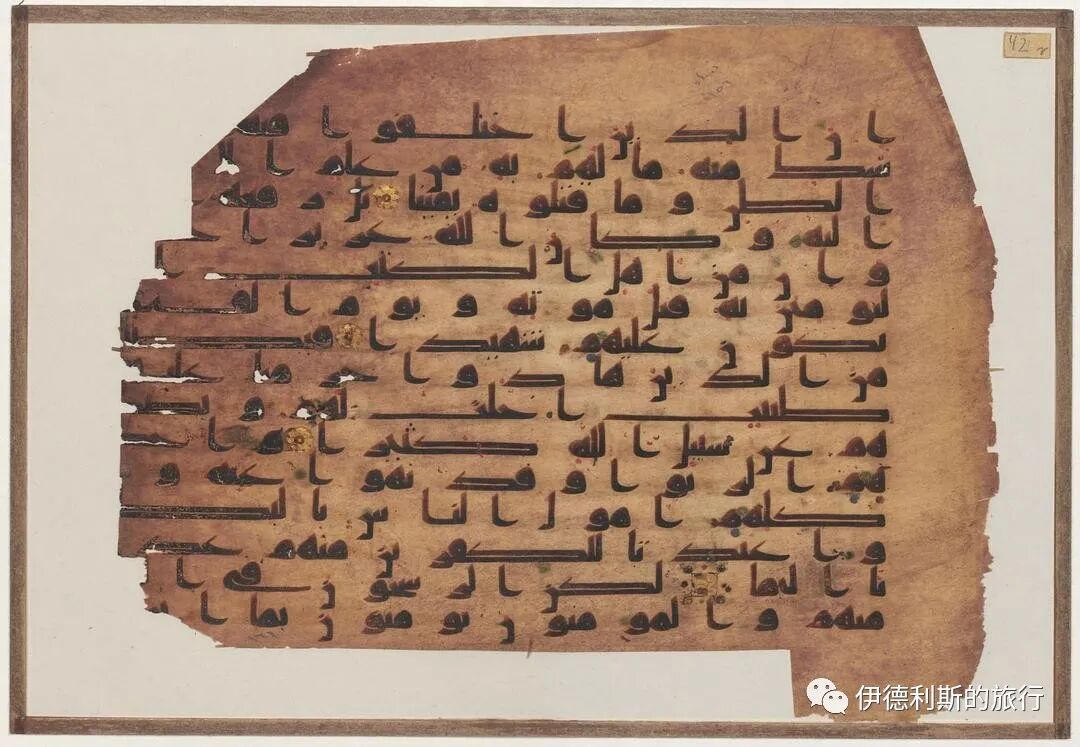
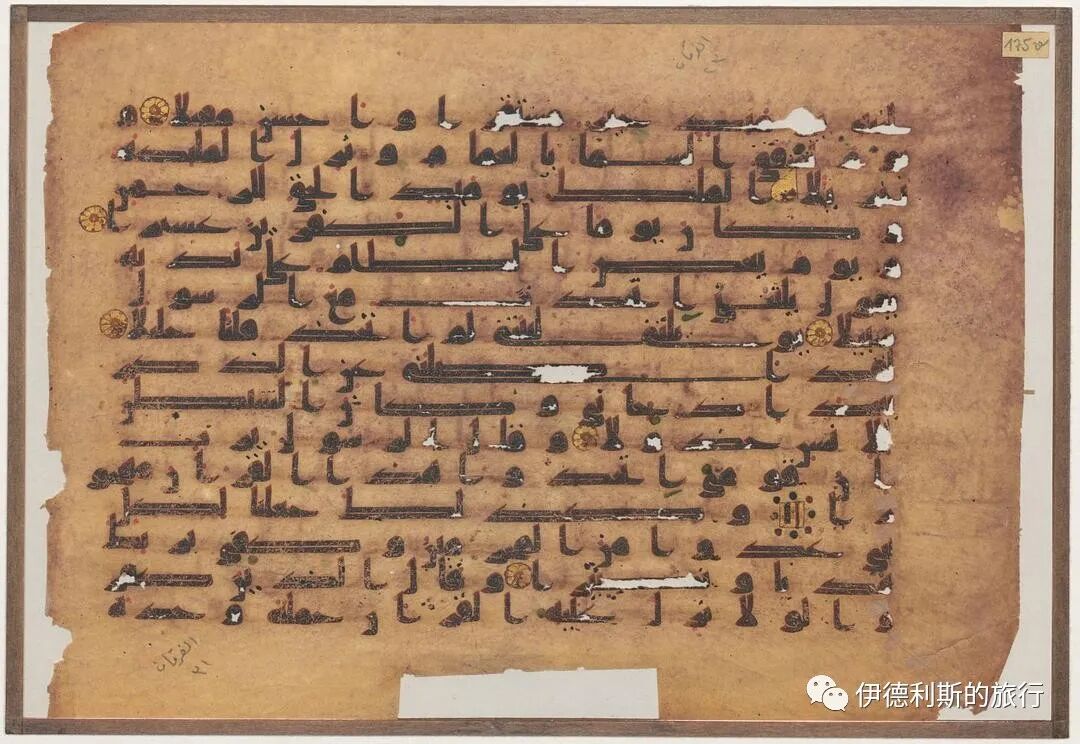
9th-century Damascus
This Quran manuscript held by the Bavarian State Library originally came from a private library in Damascus and is one of the most important and oldest Quran manuscripts preserved in the West. This manuscript uses verse separation marks that originated in the 8th century, and the consonants lack diacritical marks, so it is estimated to be from the 9th century.
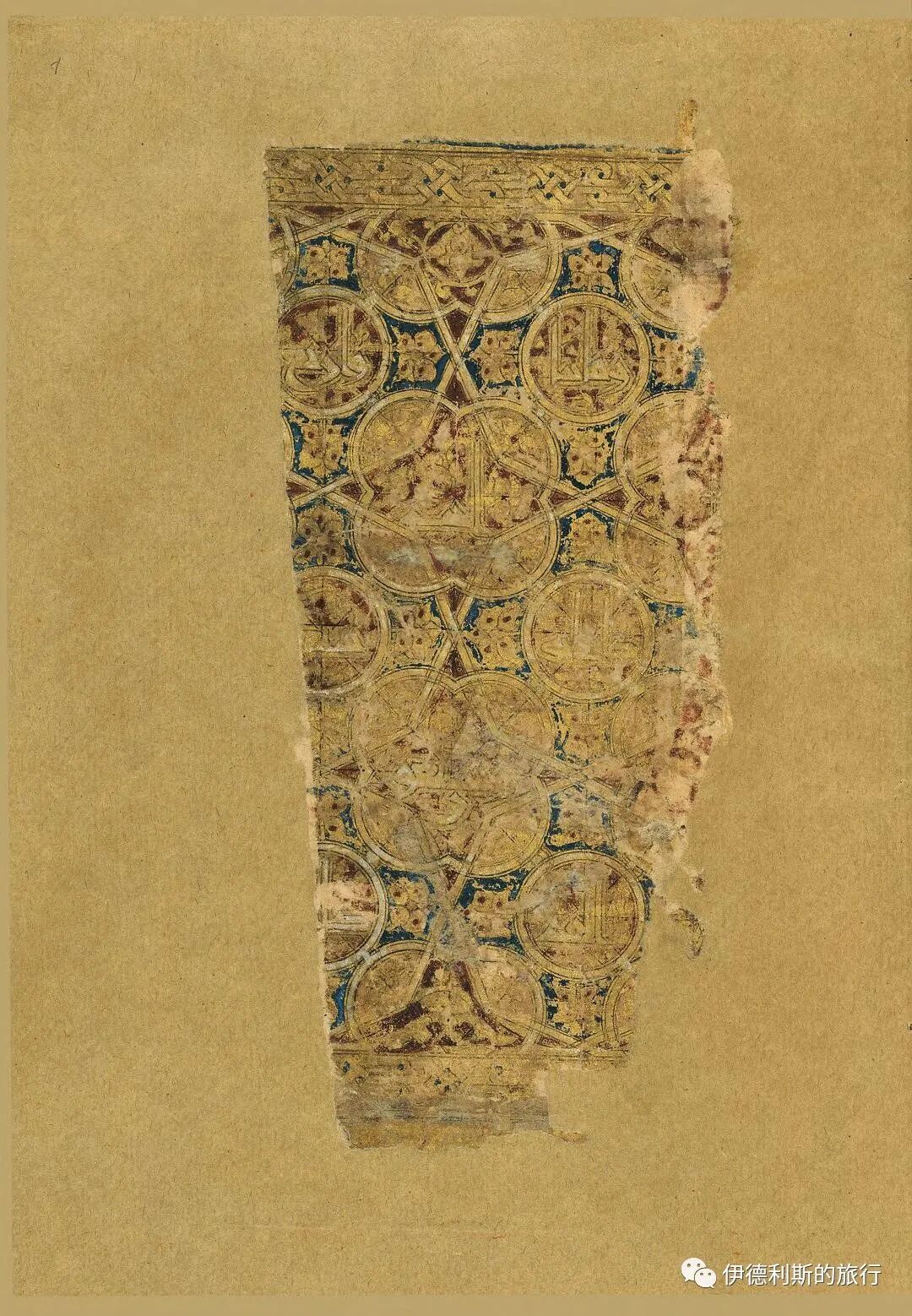
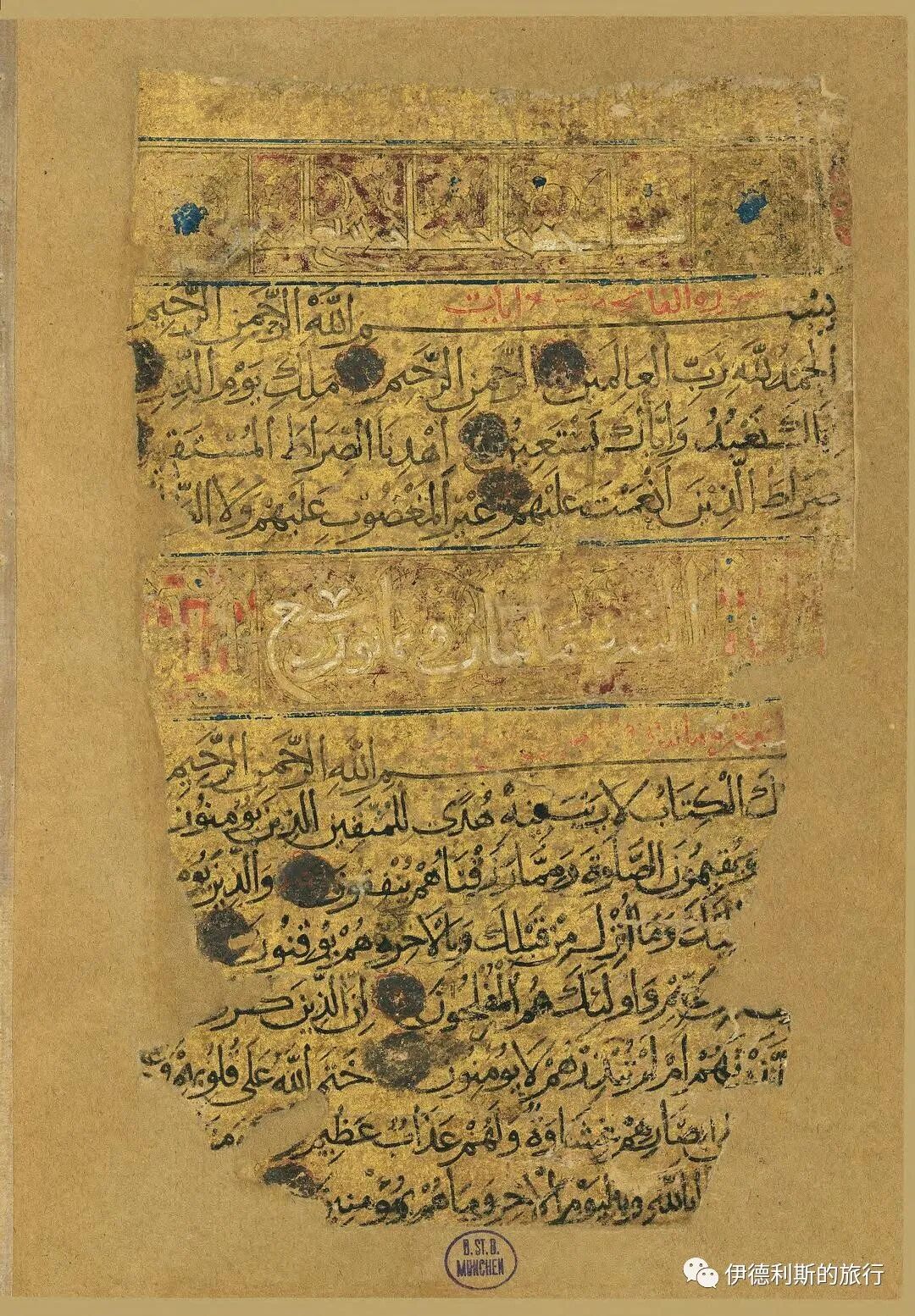
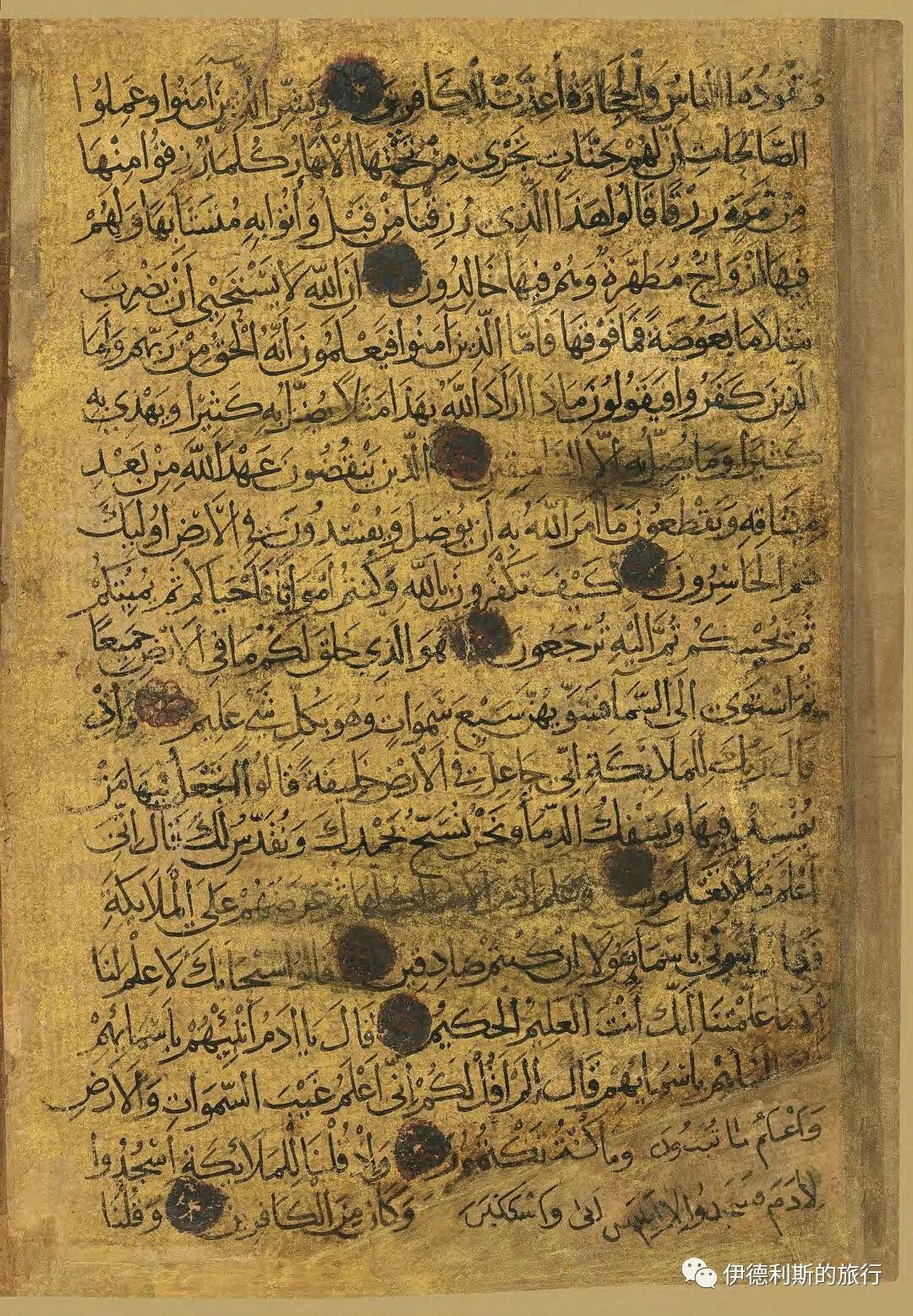
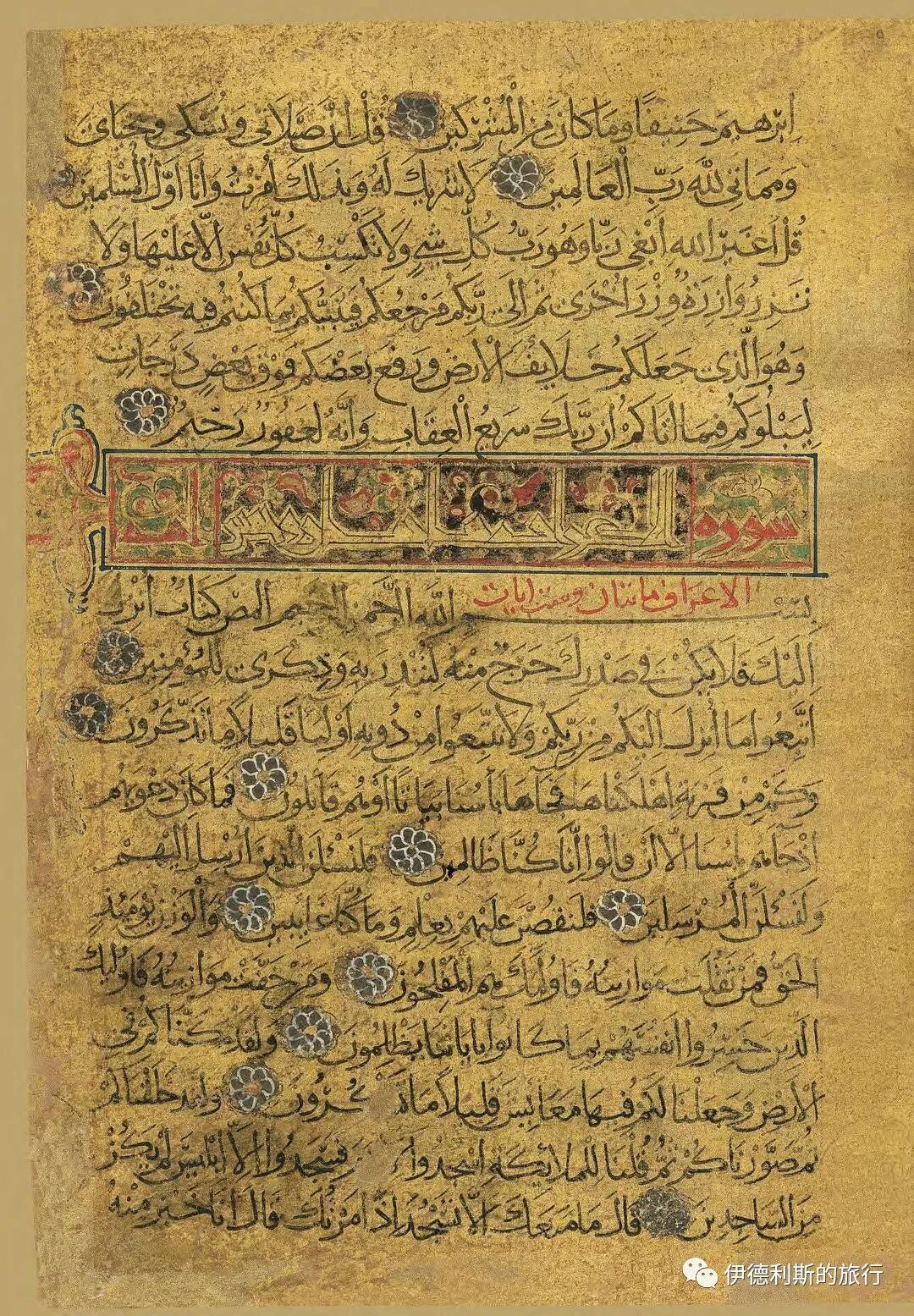
11th-12th century Seljuk Empire
This Quran manuscript held by the Bavarian State Library was produced in Iran or Iraq during the 11th-12th century Seljuk Empire and is written in Naskhi script on gilded pages. The manuscript was heavily trimmed when the cover was made in the 18th century, causing losses to the titles and margins.
11th-12th century Eastern Iran
This Quran manuscript held by the Bavarian State Library is believed to come from Eastern Iran and dates to the 11th-12th century Samanid period based on its calligraphy and decoration.
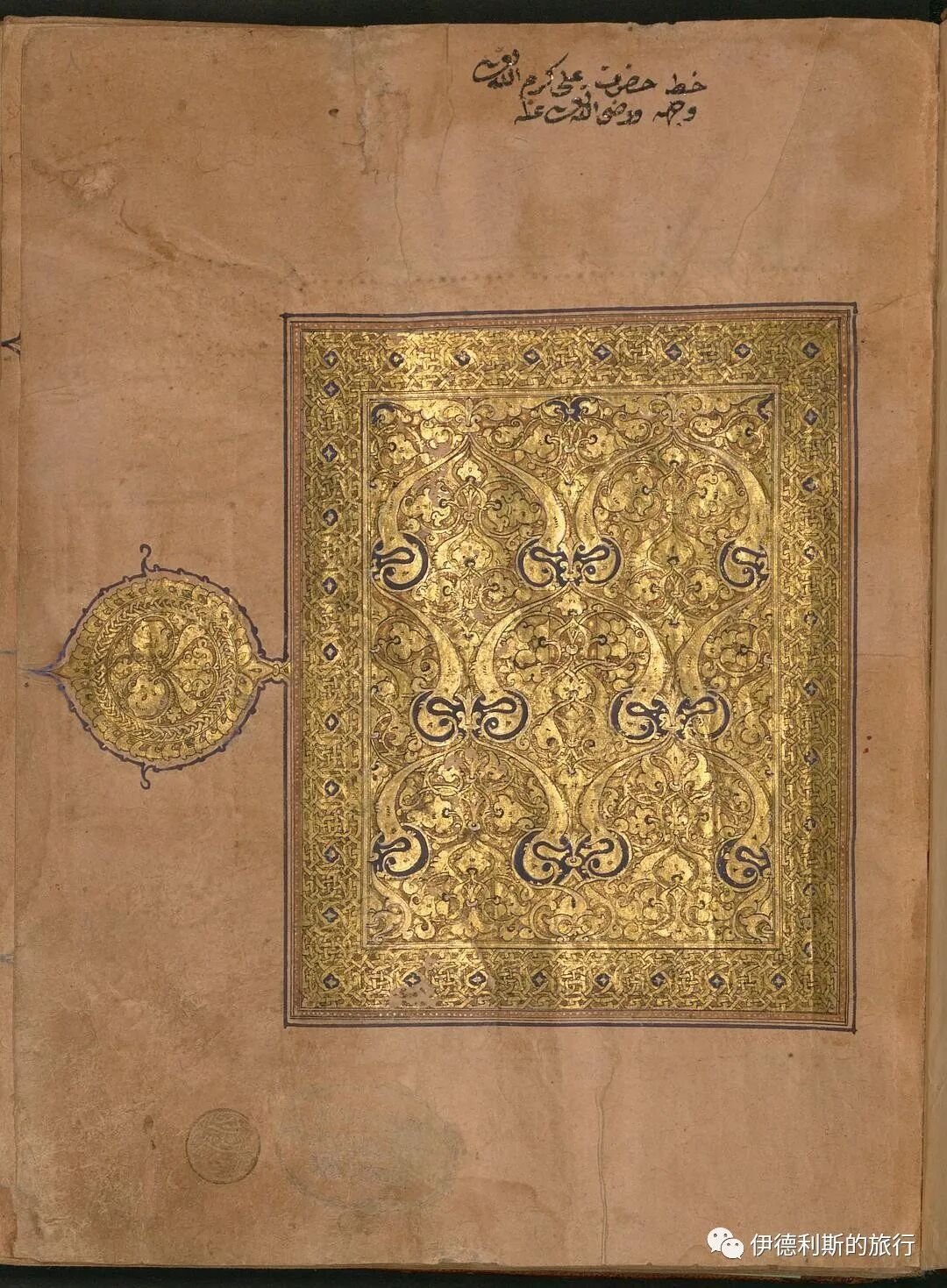
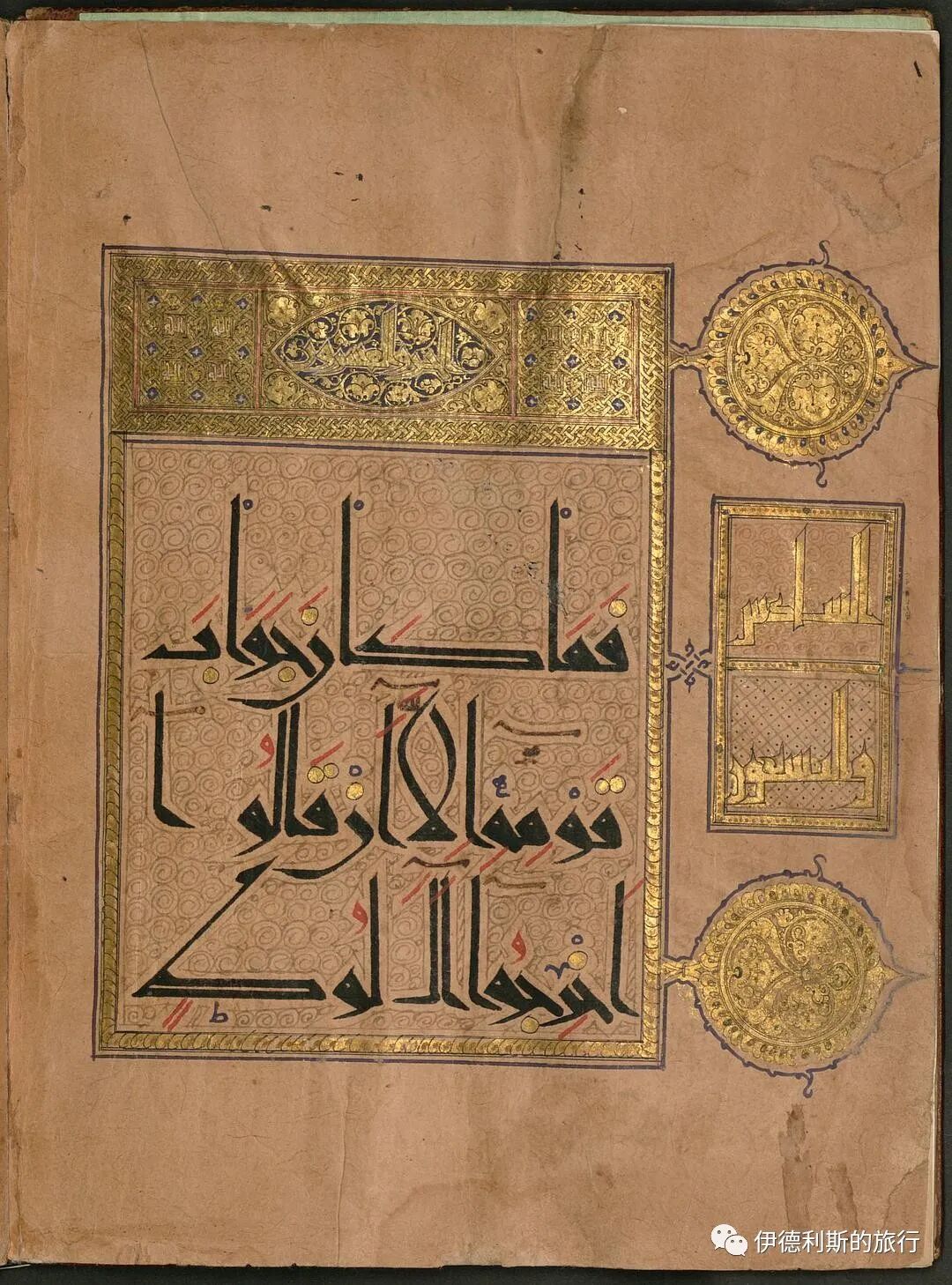
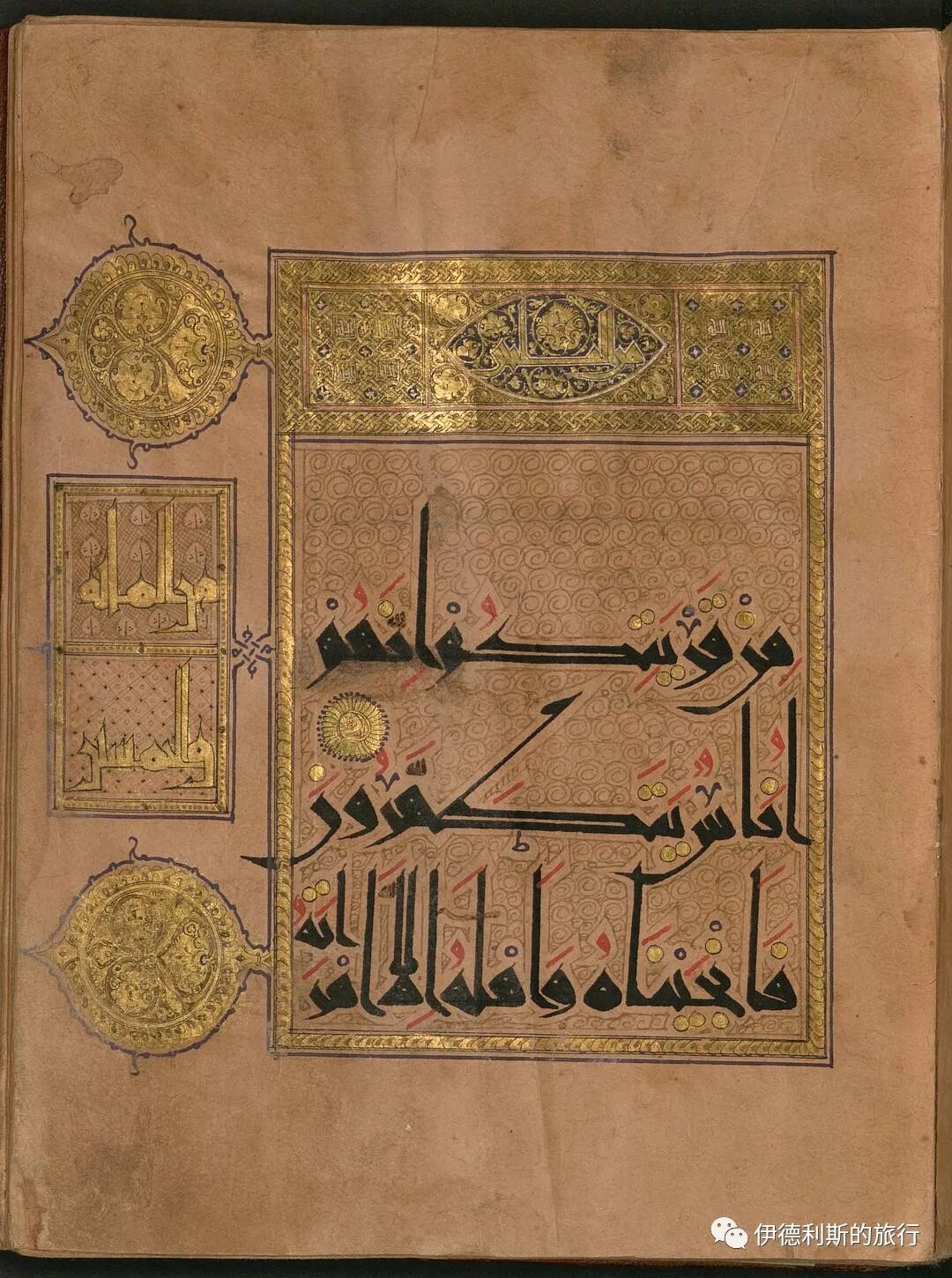
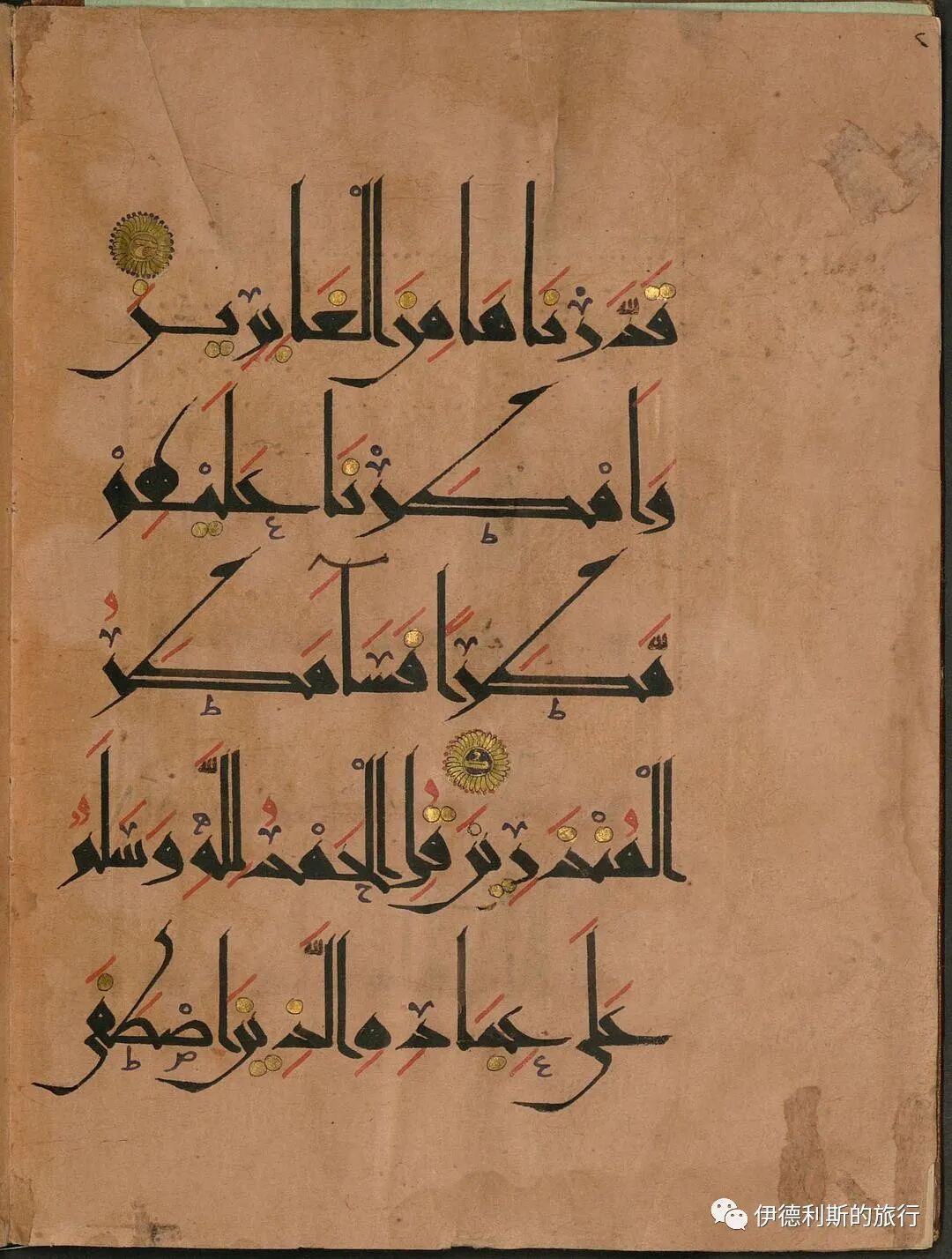
1226 Seville, Spain
This Quran manuscript in the Bavarian State Library was made in Seville, Spain, in 1226. It is a very rare surviving Andalusian Quran manuscript, written in Andalusian script on parchment. During the Reconquista, exiled Andalusians took this manuscript to North Africa. In 1535, Holy Roman Emperor Charles V seized it from Tunis while on an expedition against Barbary pirates. It later made its way into the Munich Court Library.
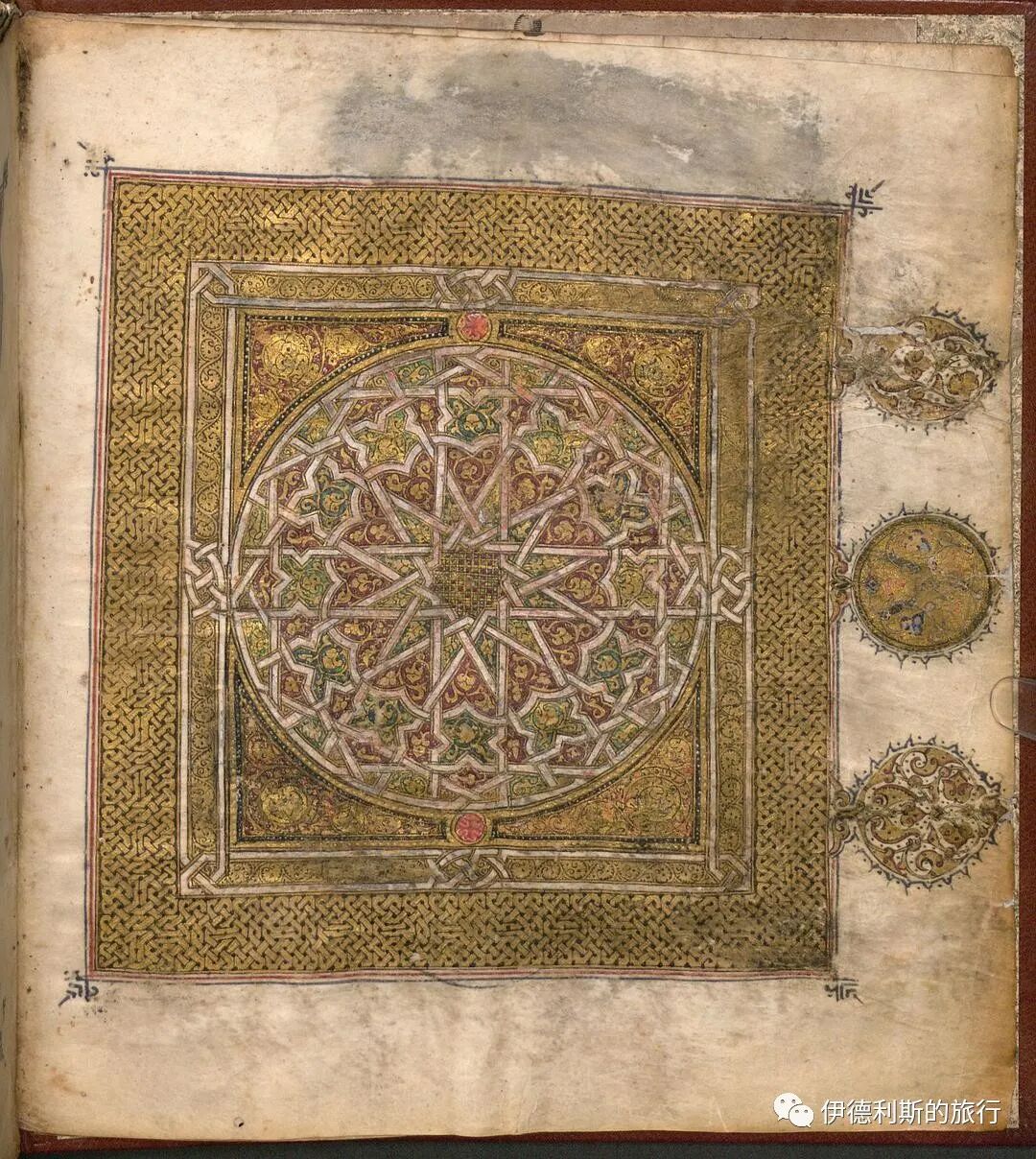
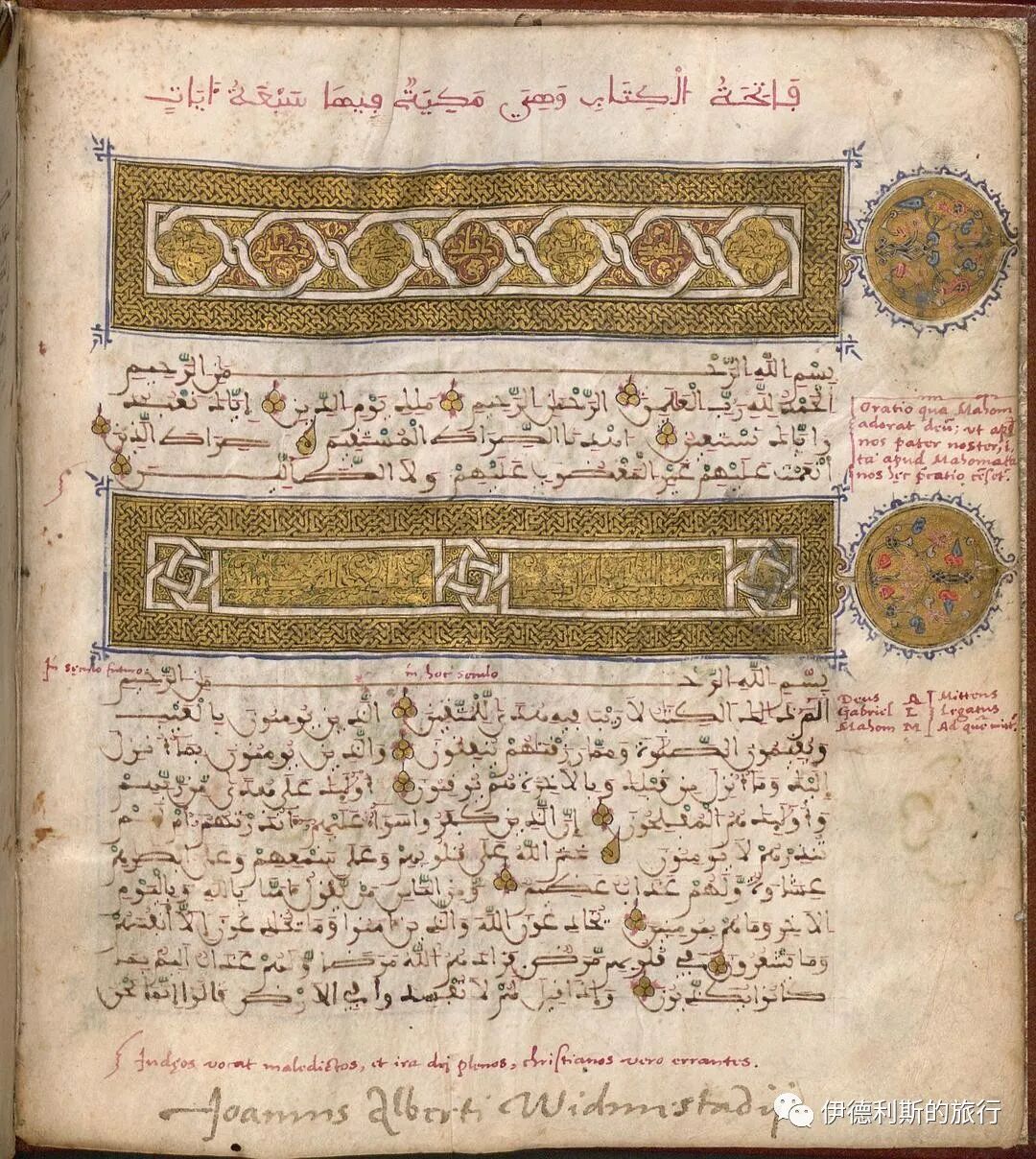
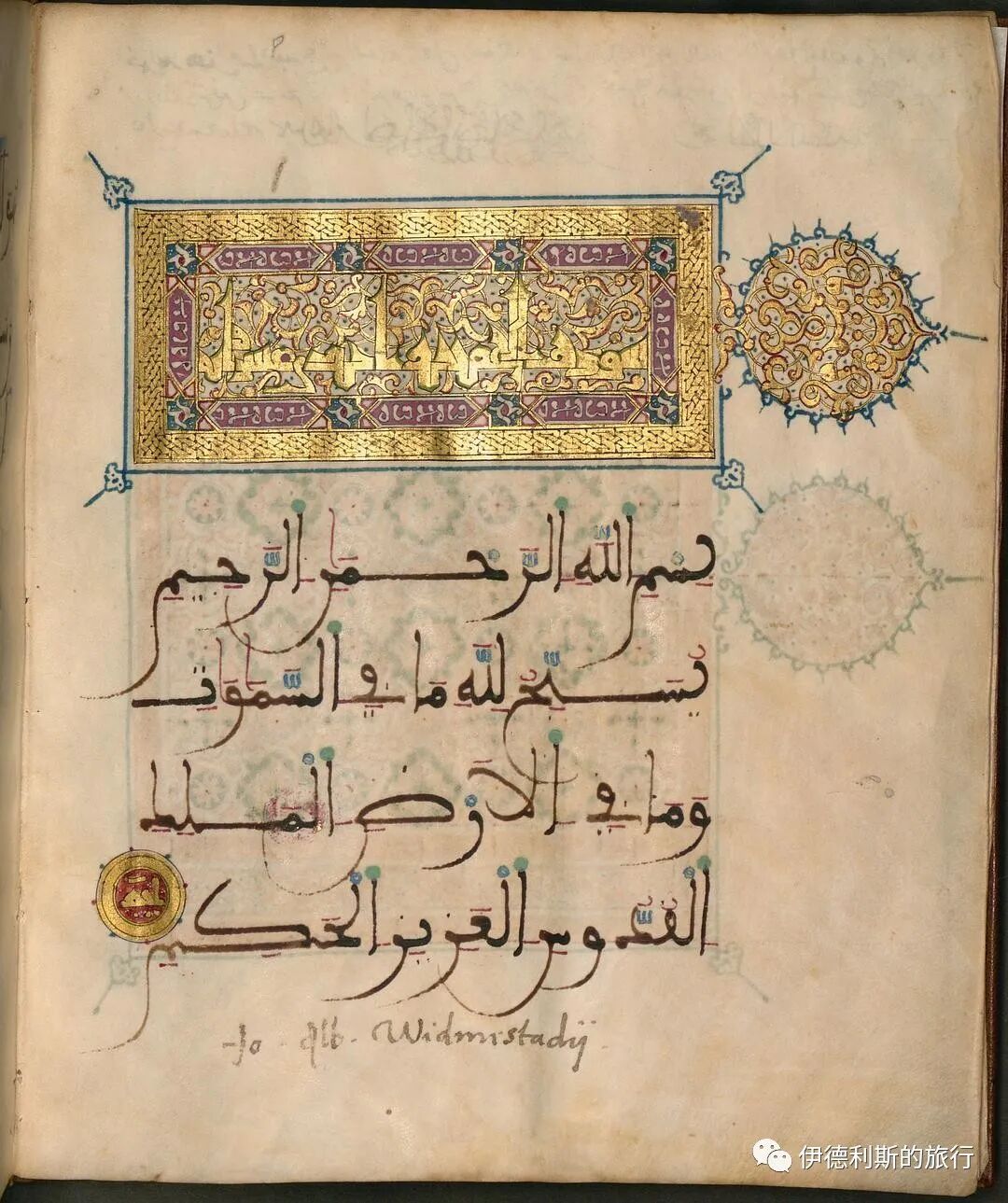
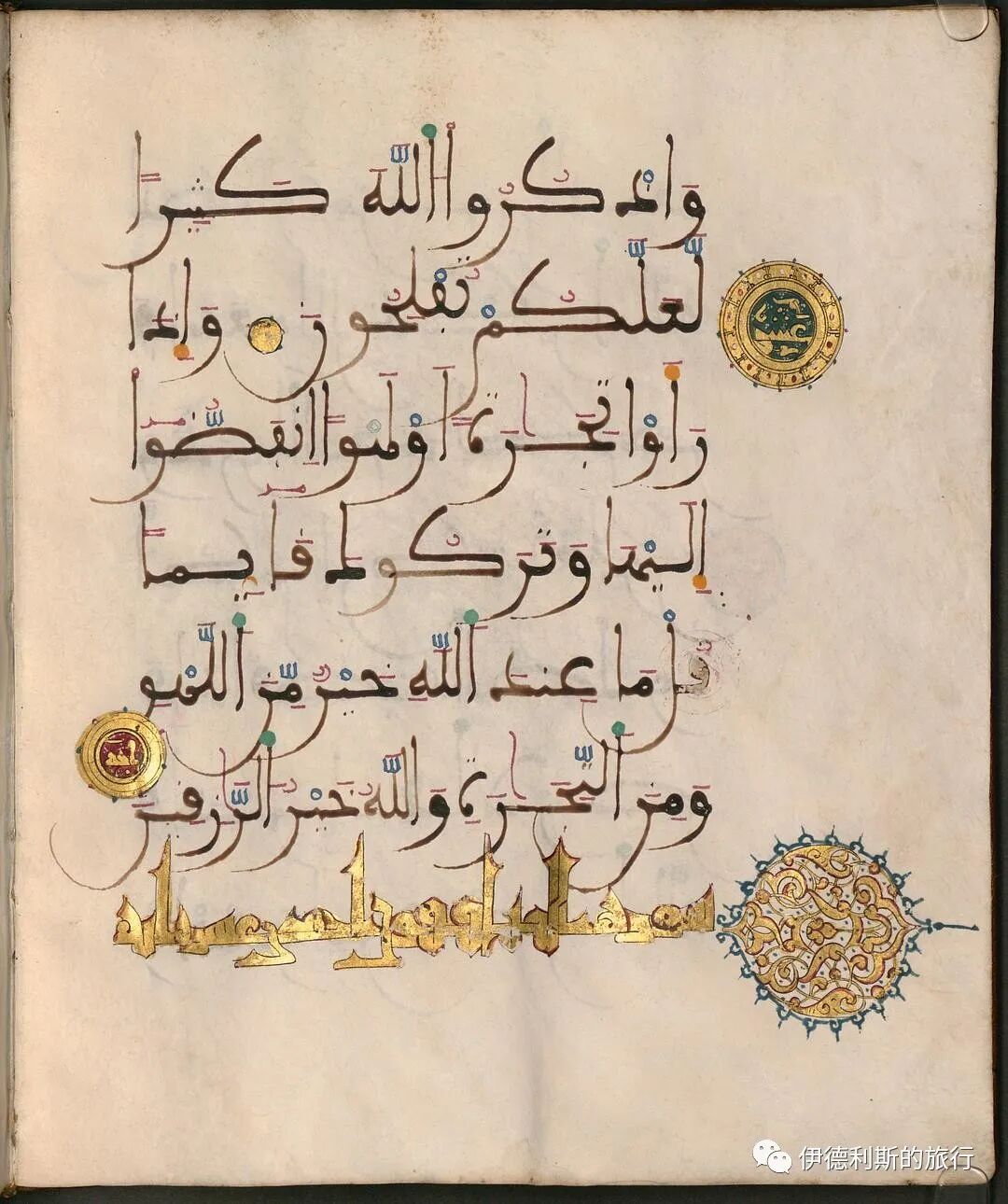
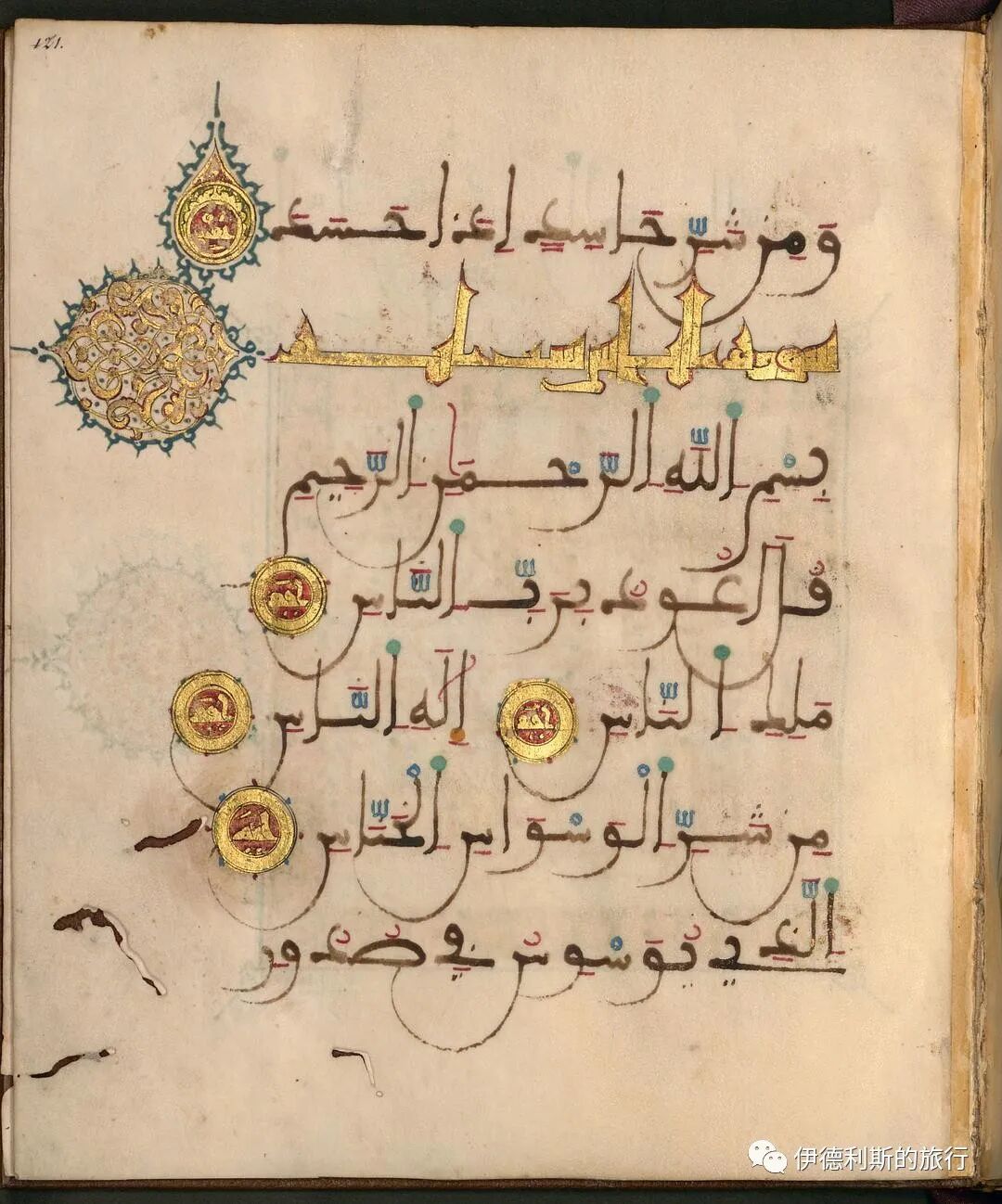
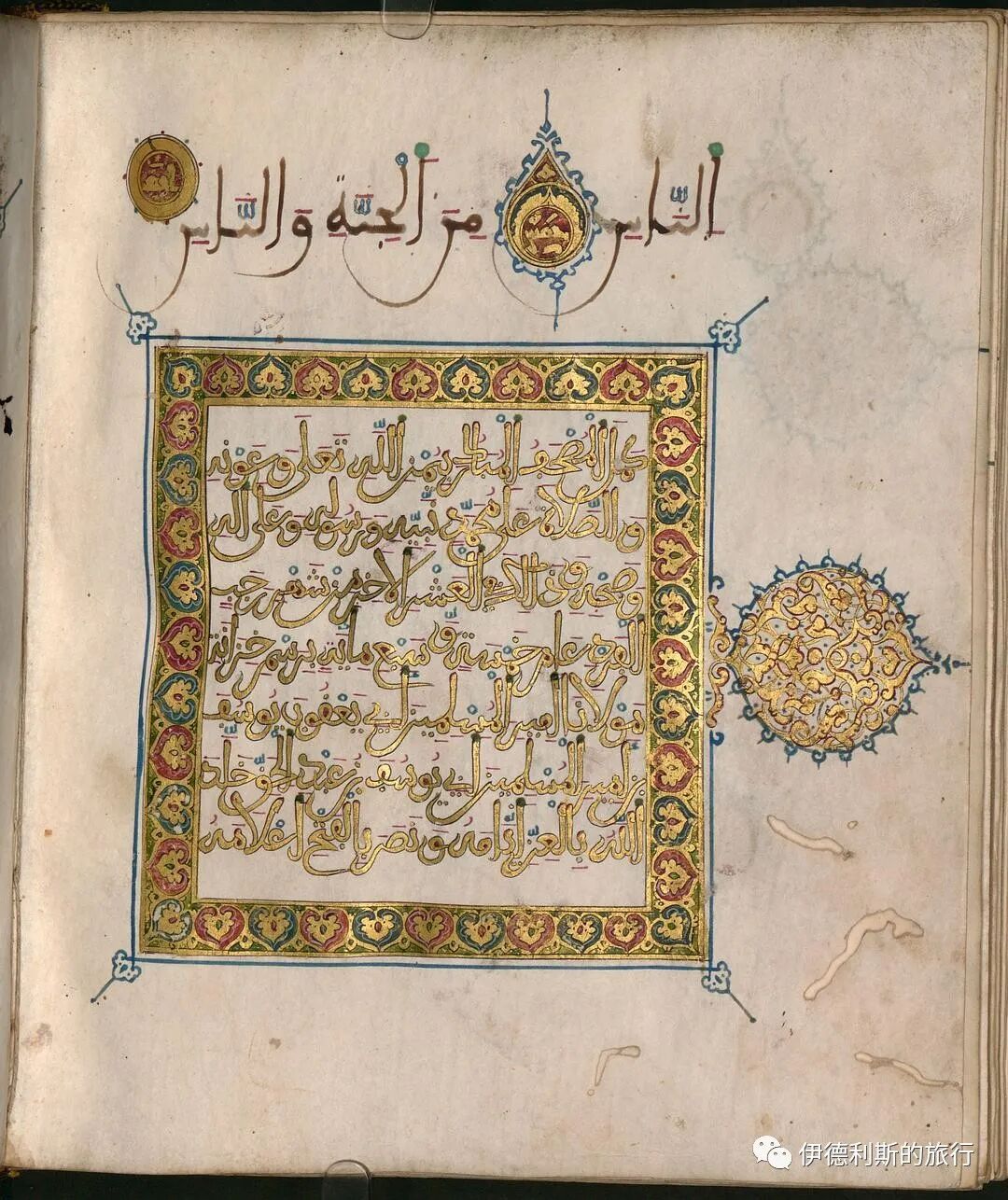
1306 Morocco
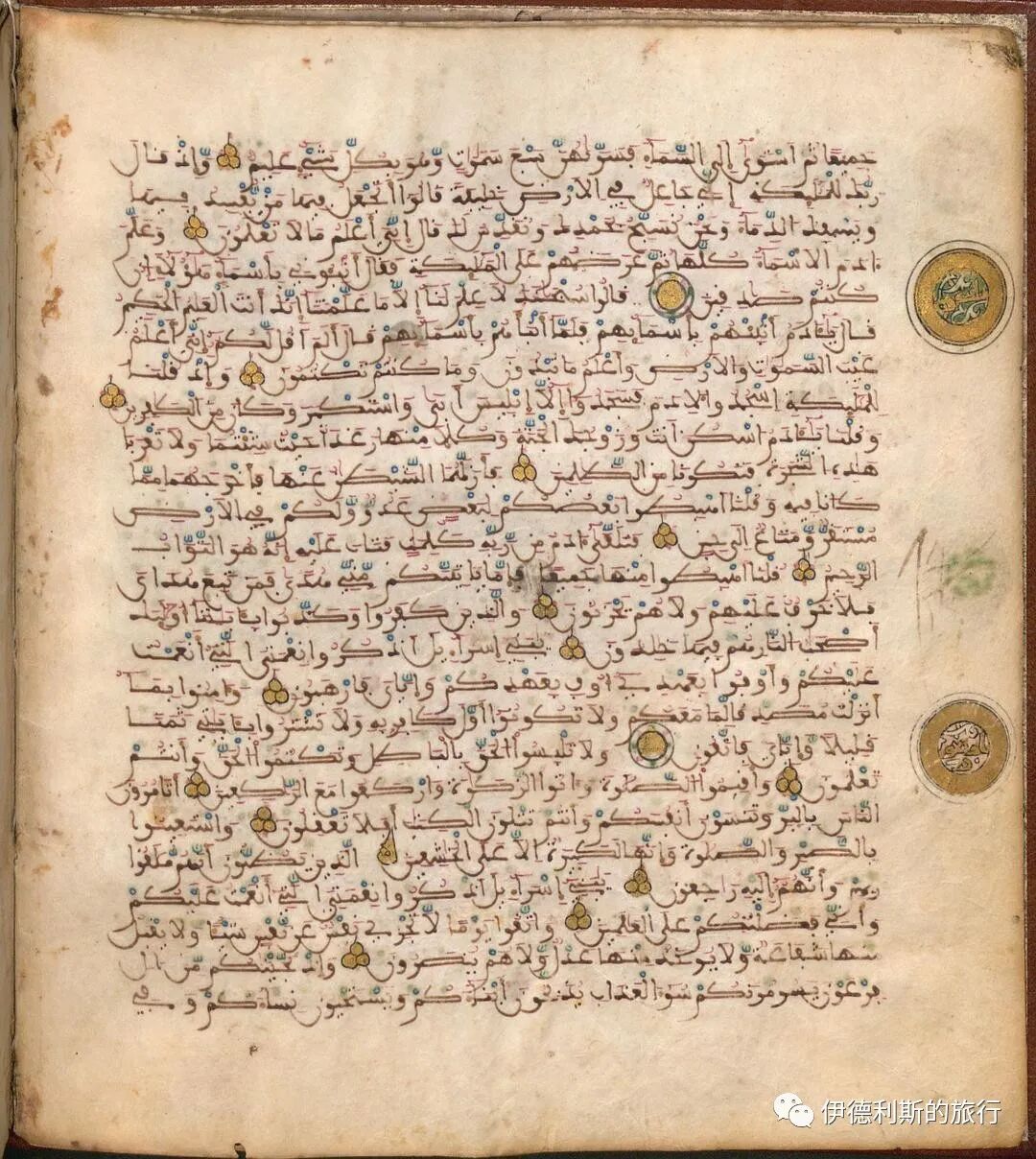
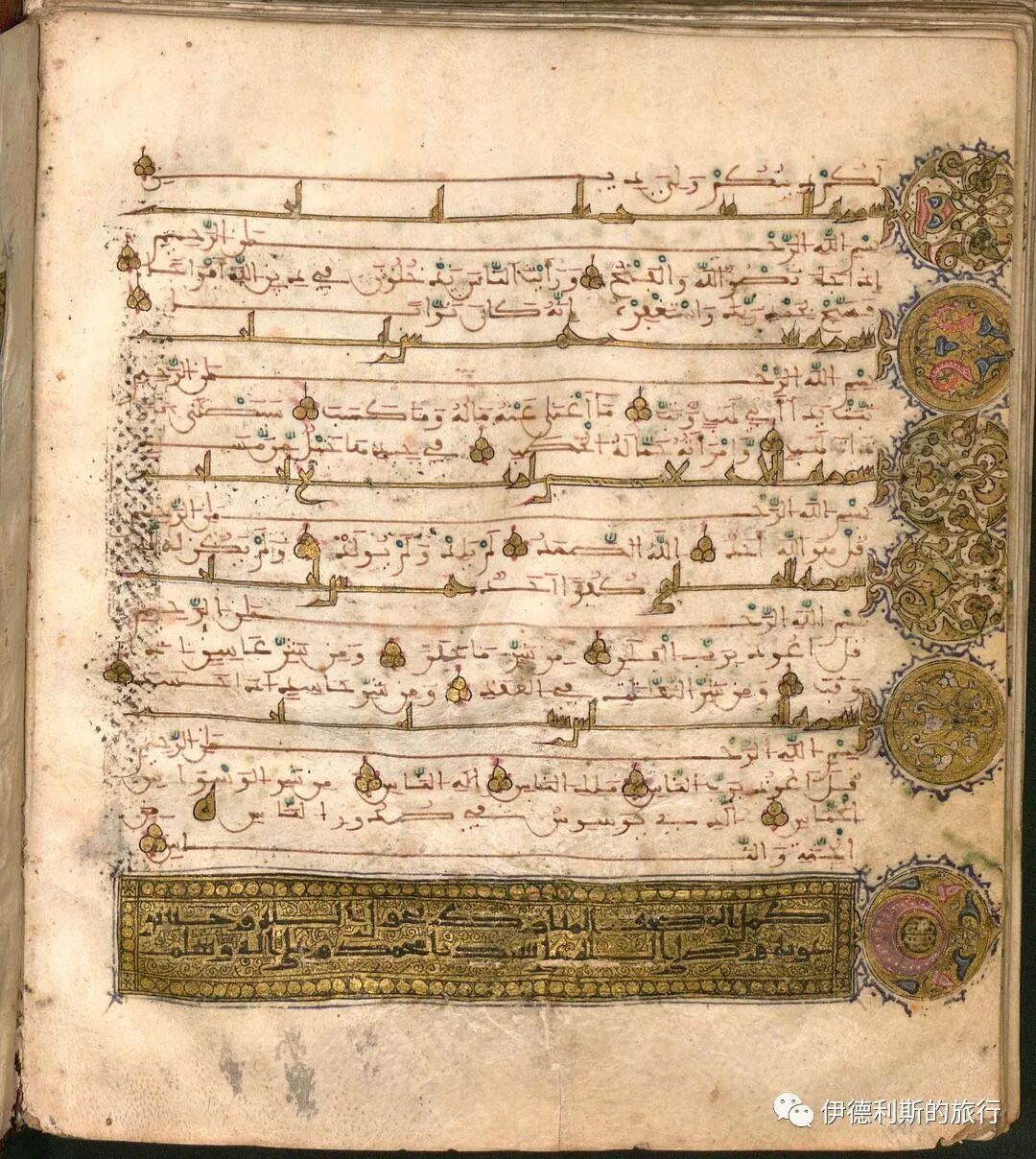
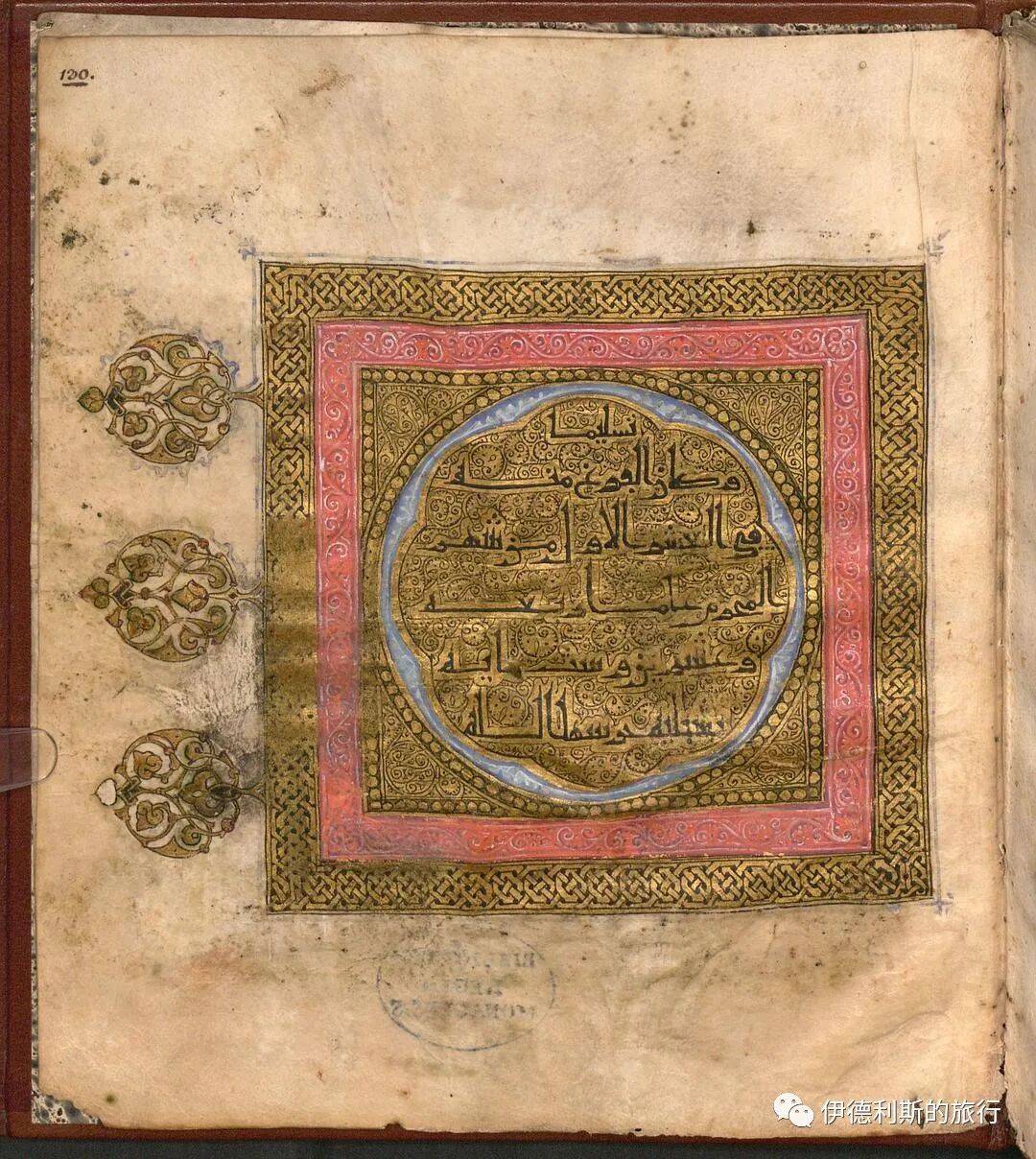
This Quran manuscript in the Bavarian State Library was commissioned in 1306 by a Moroccan ruler, Abu Ya'qub Yusuf Ibn Ya'qub (reigned 1286-1307). The main text is written in black Maghrebi script, and the headings are in gold Kufic ink.
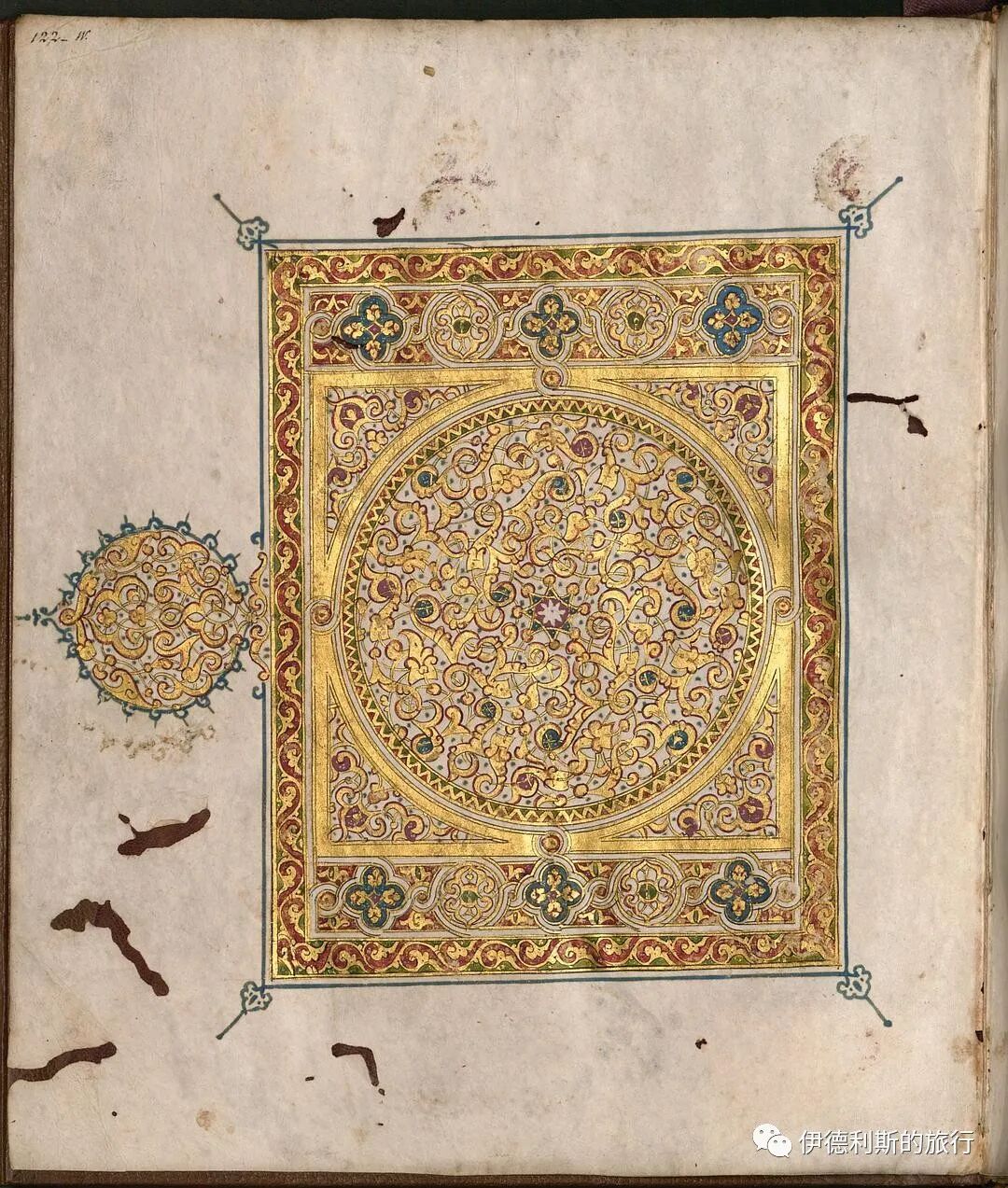
13th-15th century Andalusia, Spain
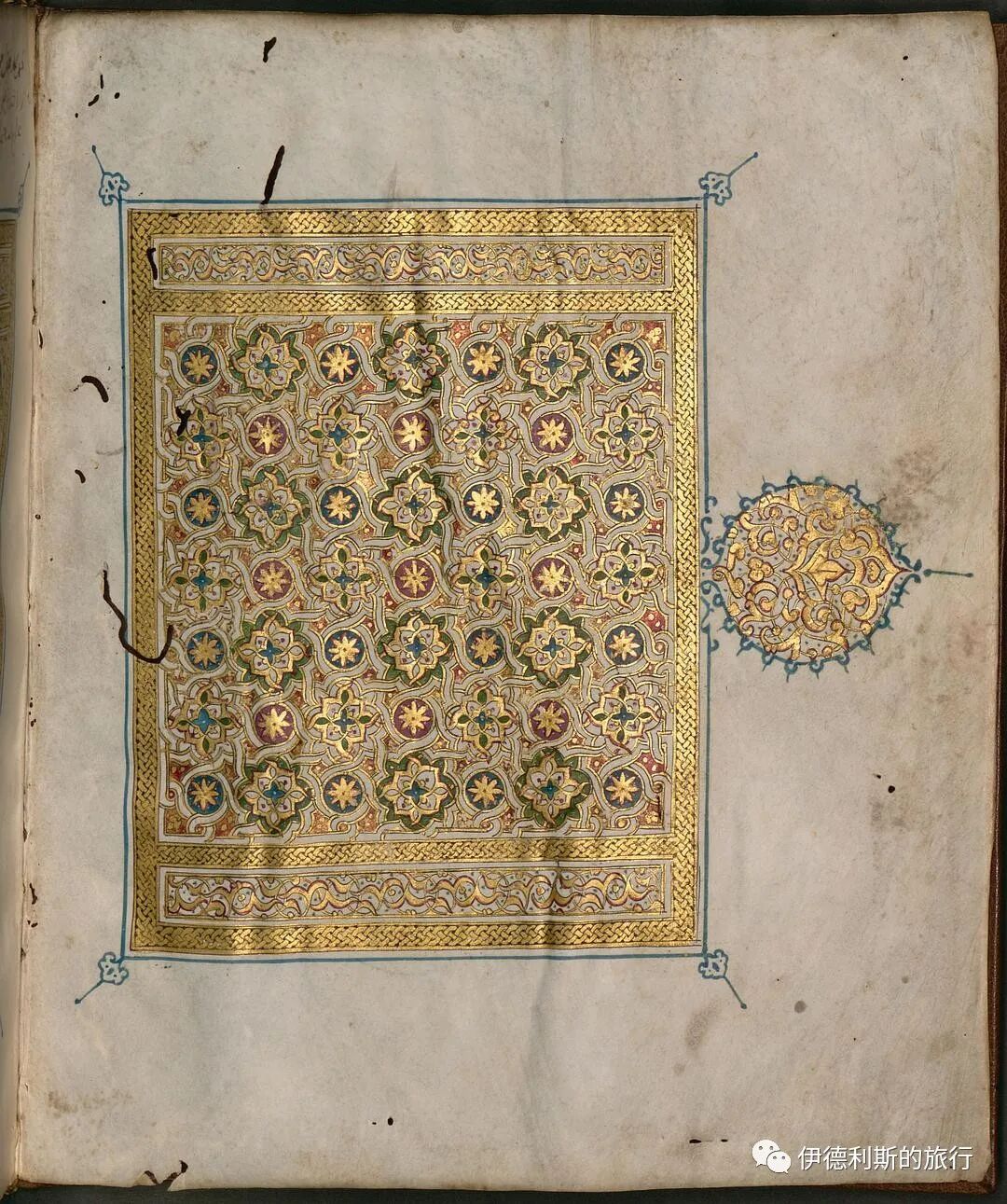
This is a wooden board from the National Library of Spain, used by students at a madrasa in Andalusia between the 13th and 15th centuries. Students wrote surahs on it for practice, and teachers corrected their work.
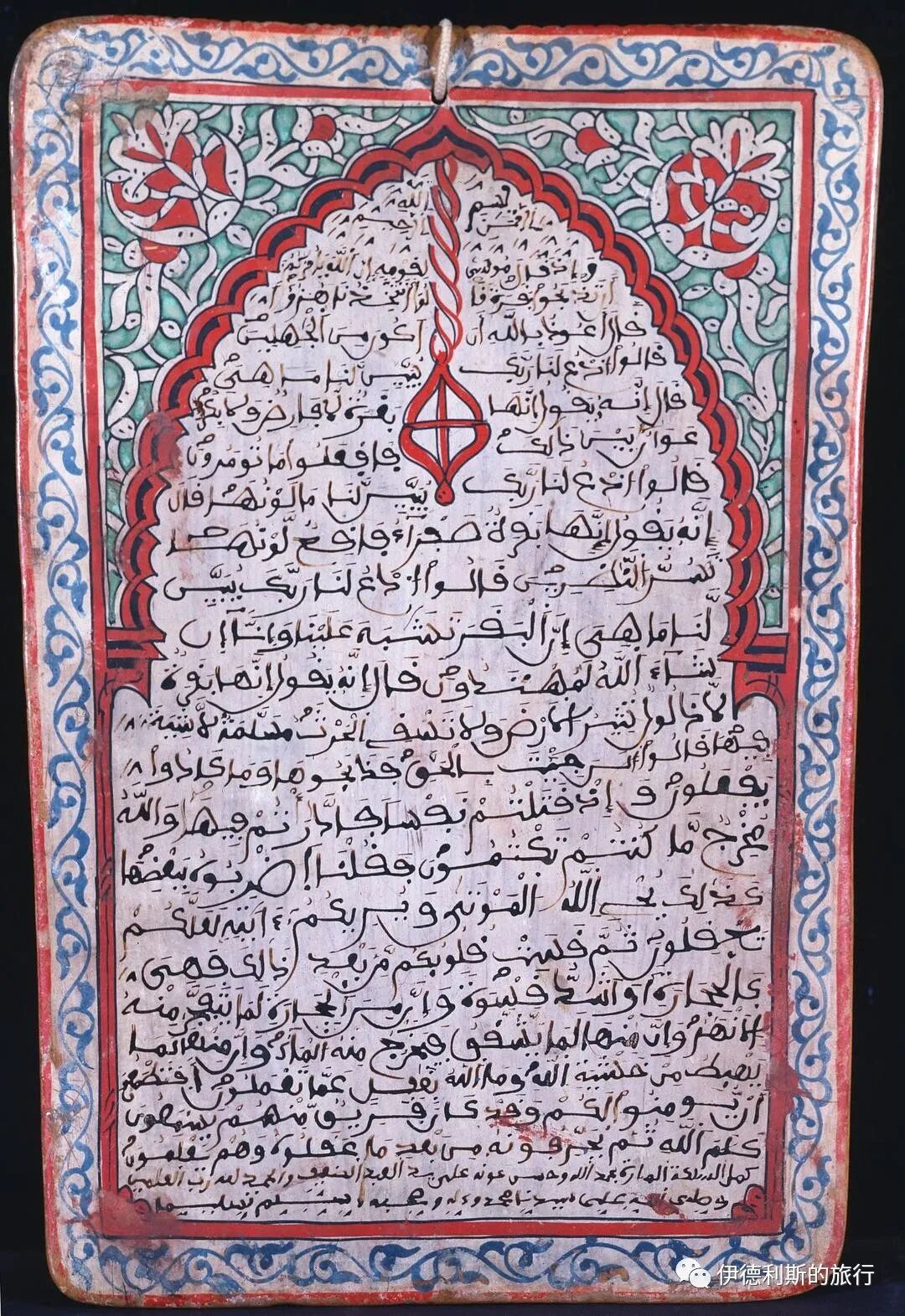
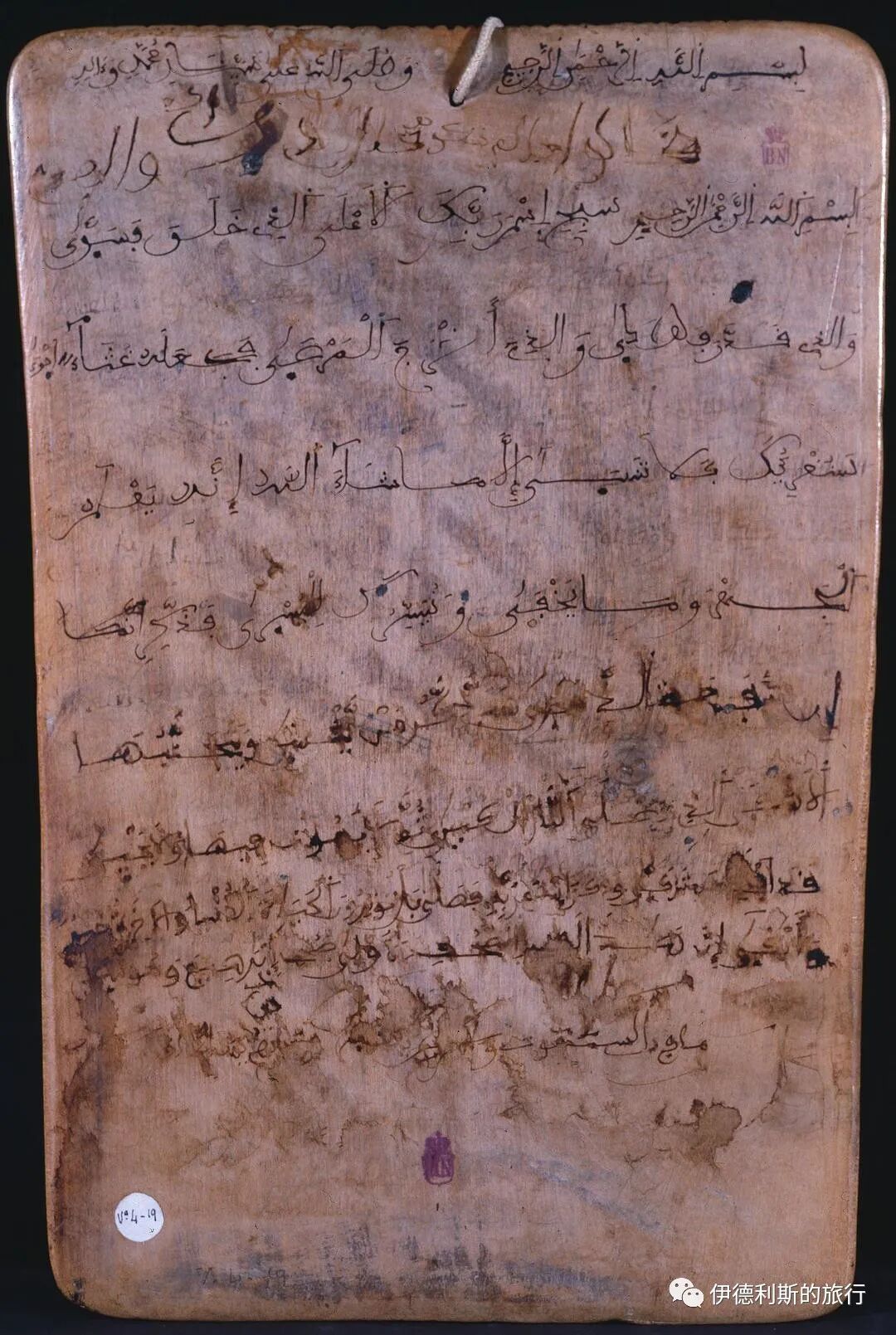
14th-century Mamluk Egypt
This Quran manuscript in the Bavarian State Library was made during the 14th-century Mamluk dynasty in Egypt. It is written in large, golden Muhaqqaq script, a style commonly used during the Mamluk period. The lotus patterns on the manuscript were introduced to the Middle East by the Mongols in the 13th century.
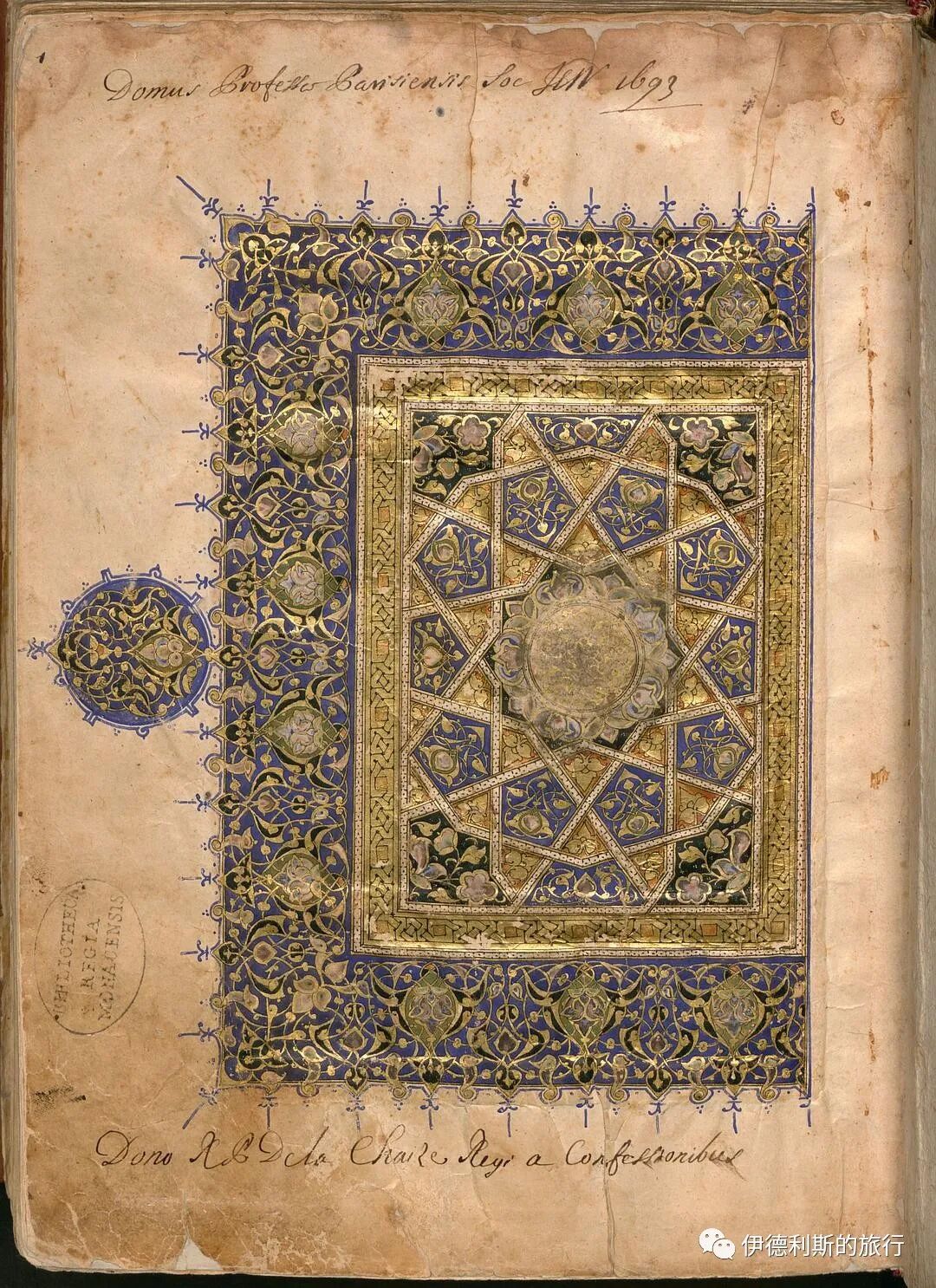
15th-century Northern India
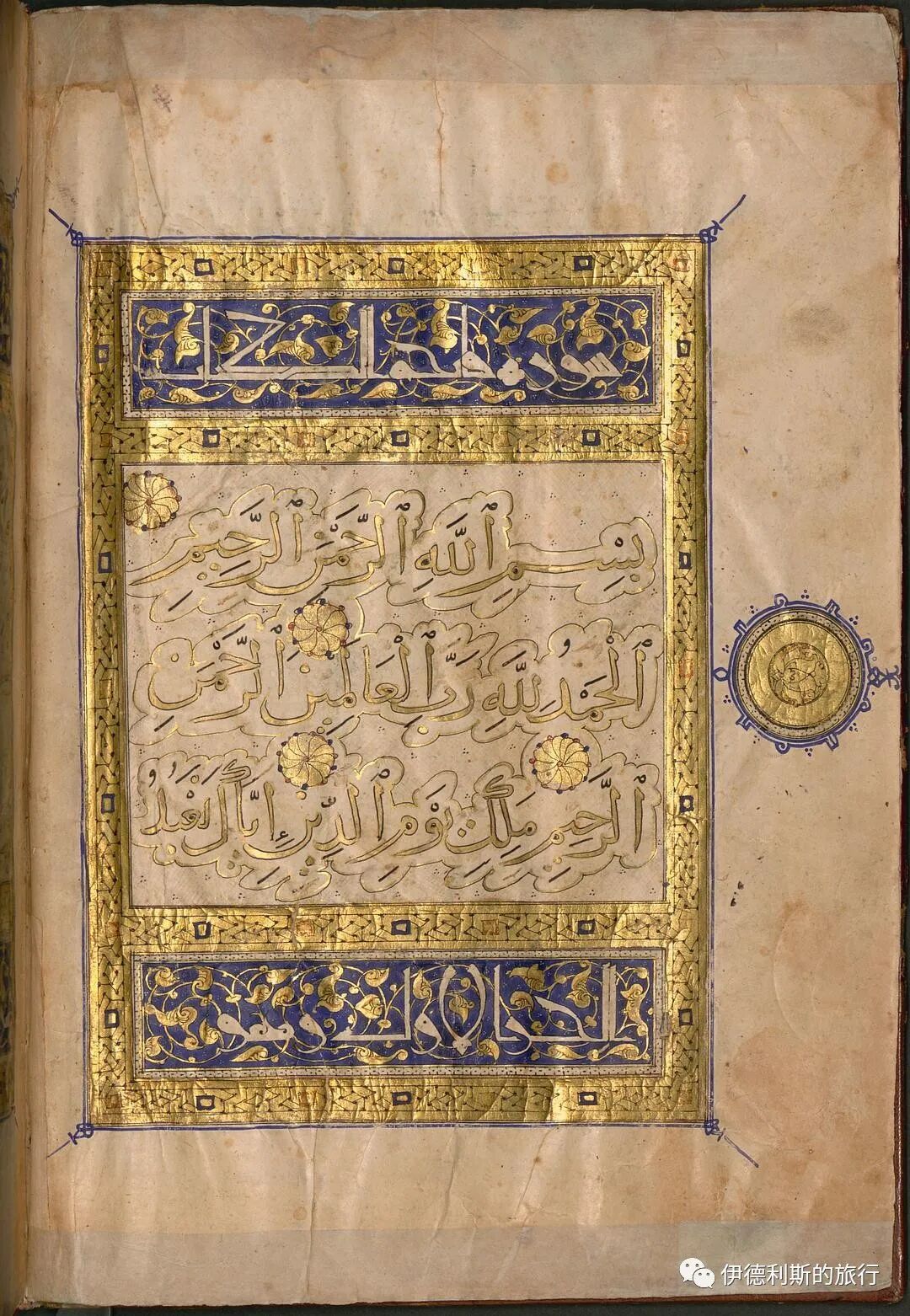
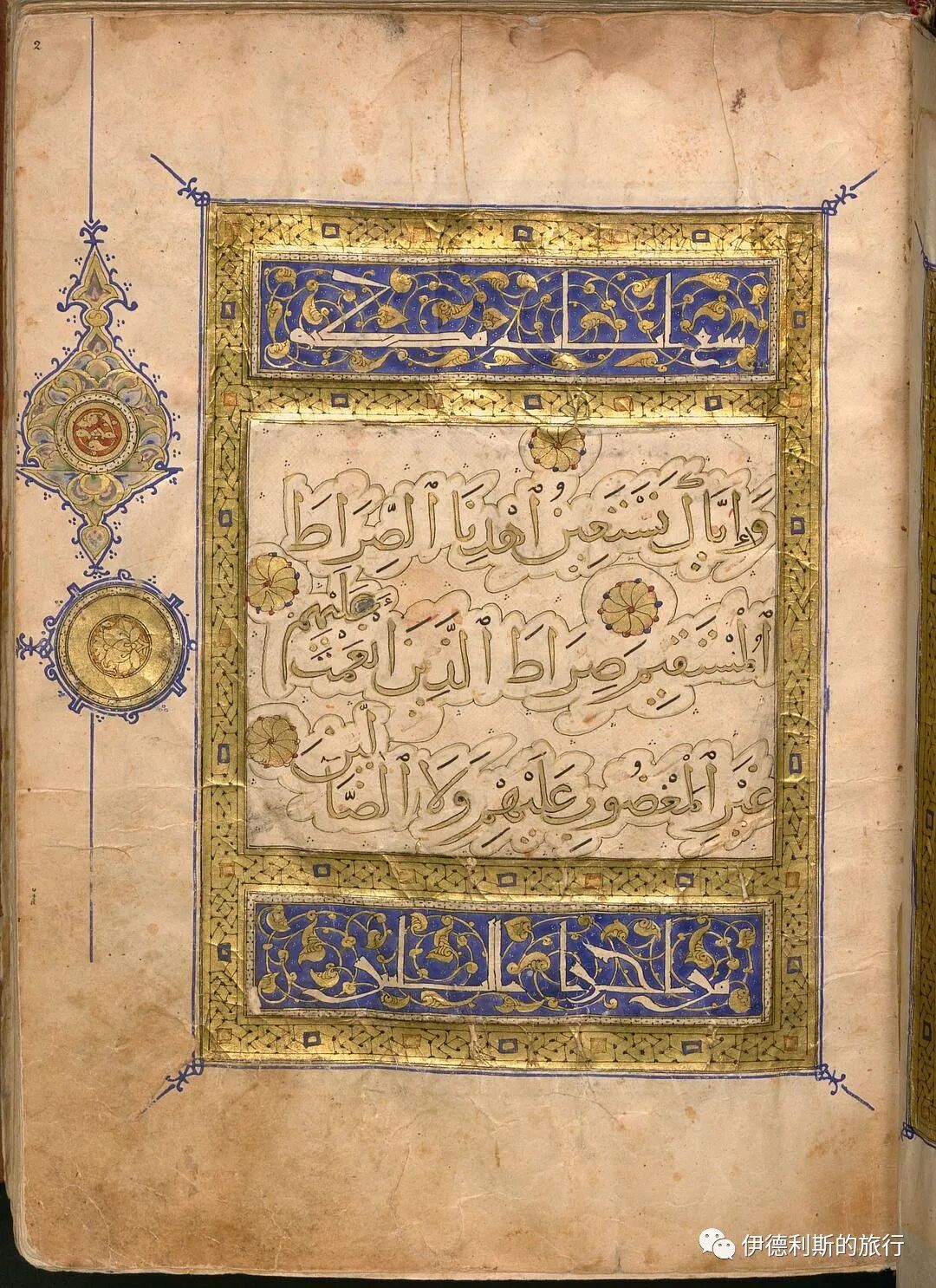
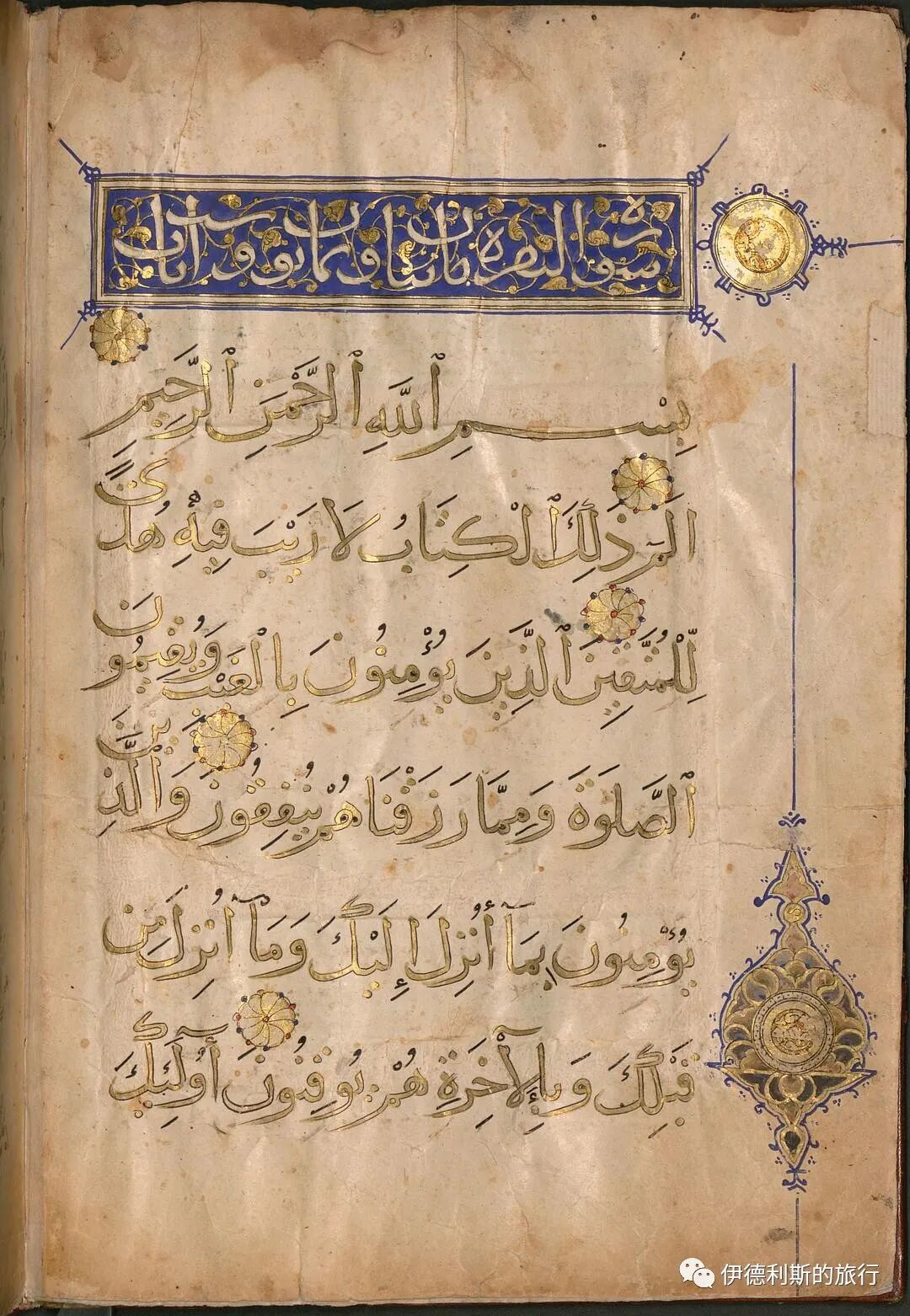
This Quran manuscript in the Walters Art Museum is believed to have been made in northern India in the 15th century. The seal of Ottoman Sultan Bayezid II (reigned 1481-1512) appears on the eighth page. The manuscript is written in Muhaqqaq script, with some explanations in Naskh and Thuluth scripts.
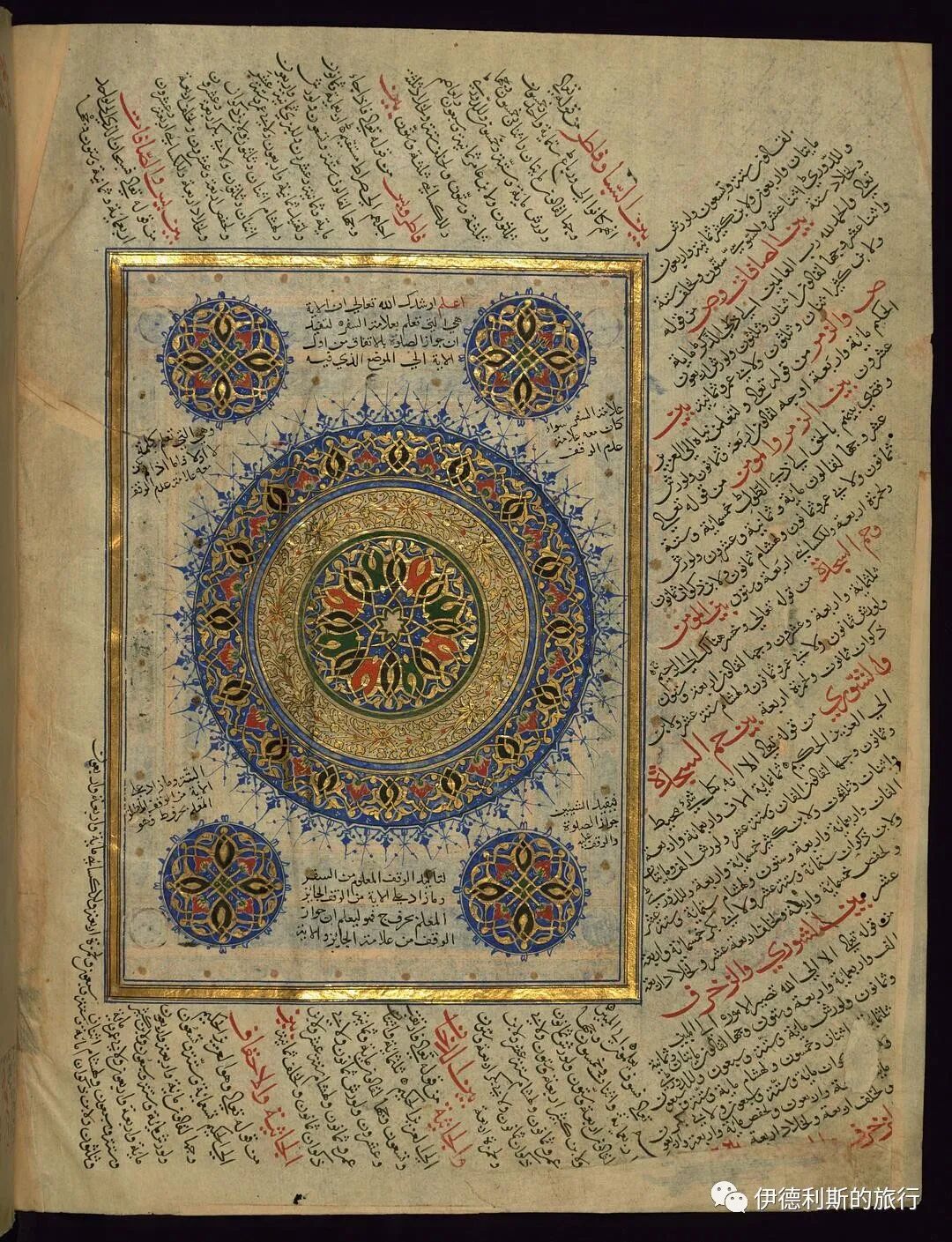
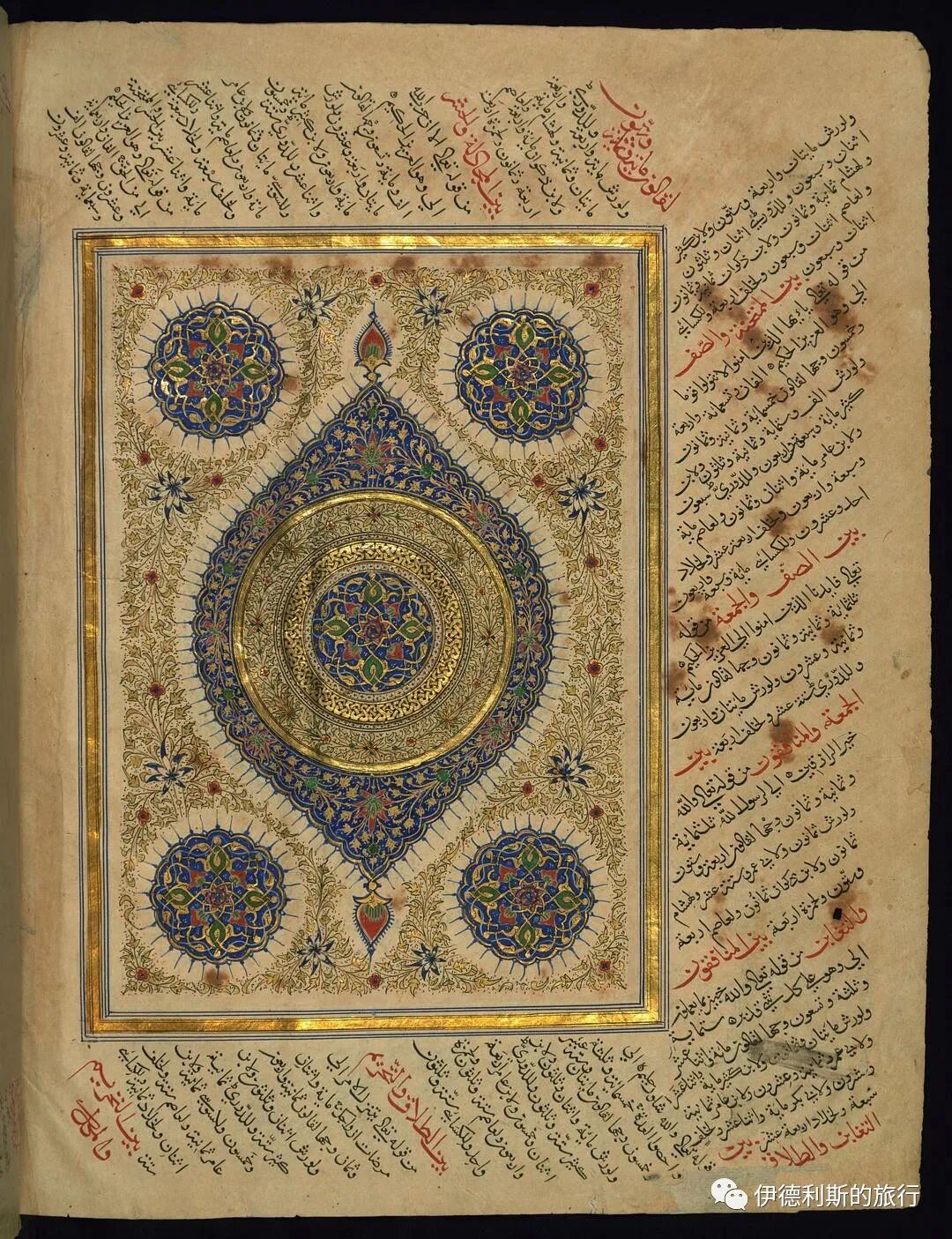
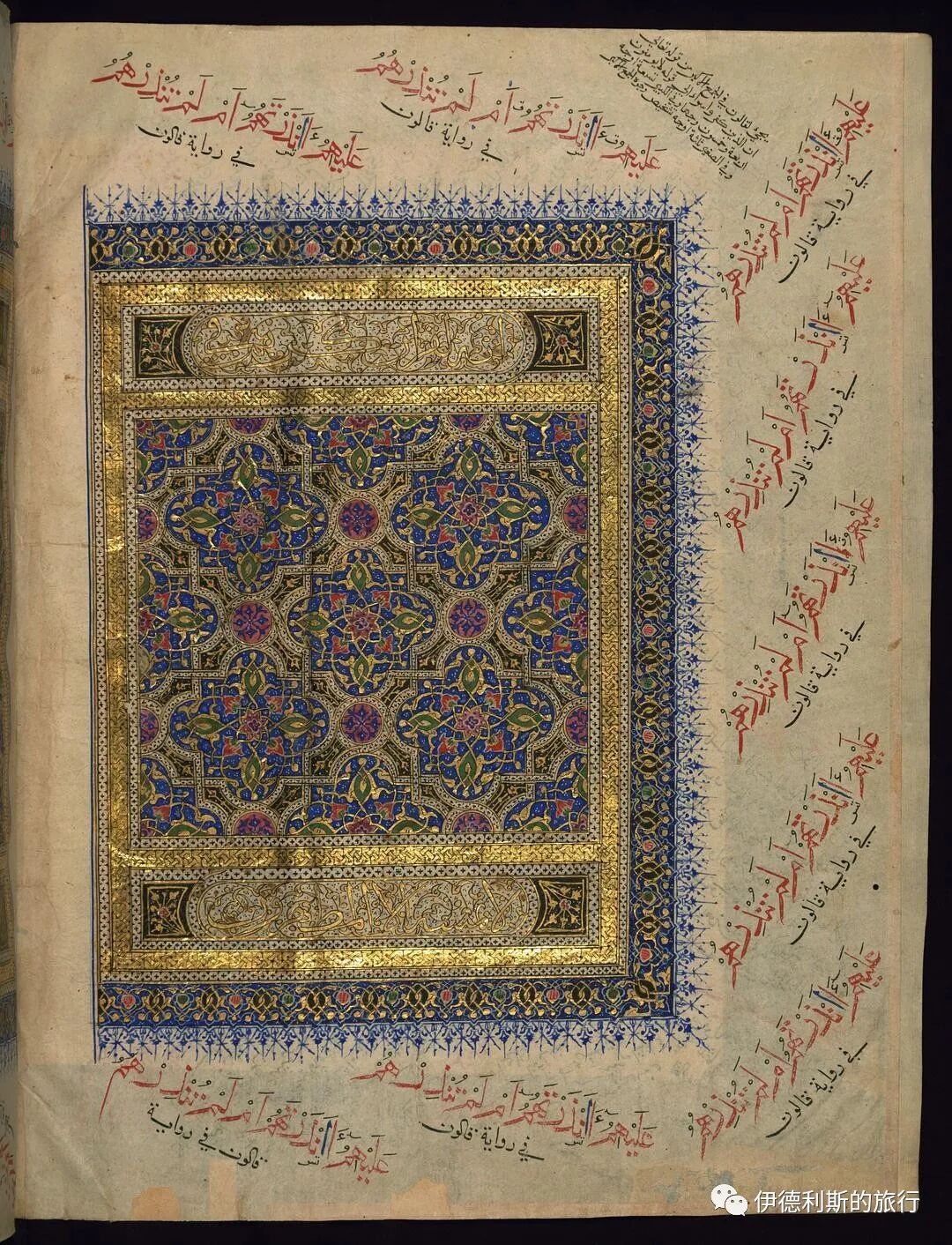
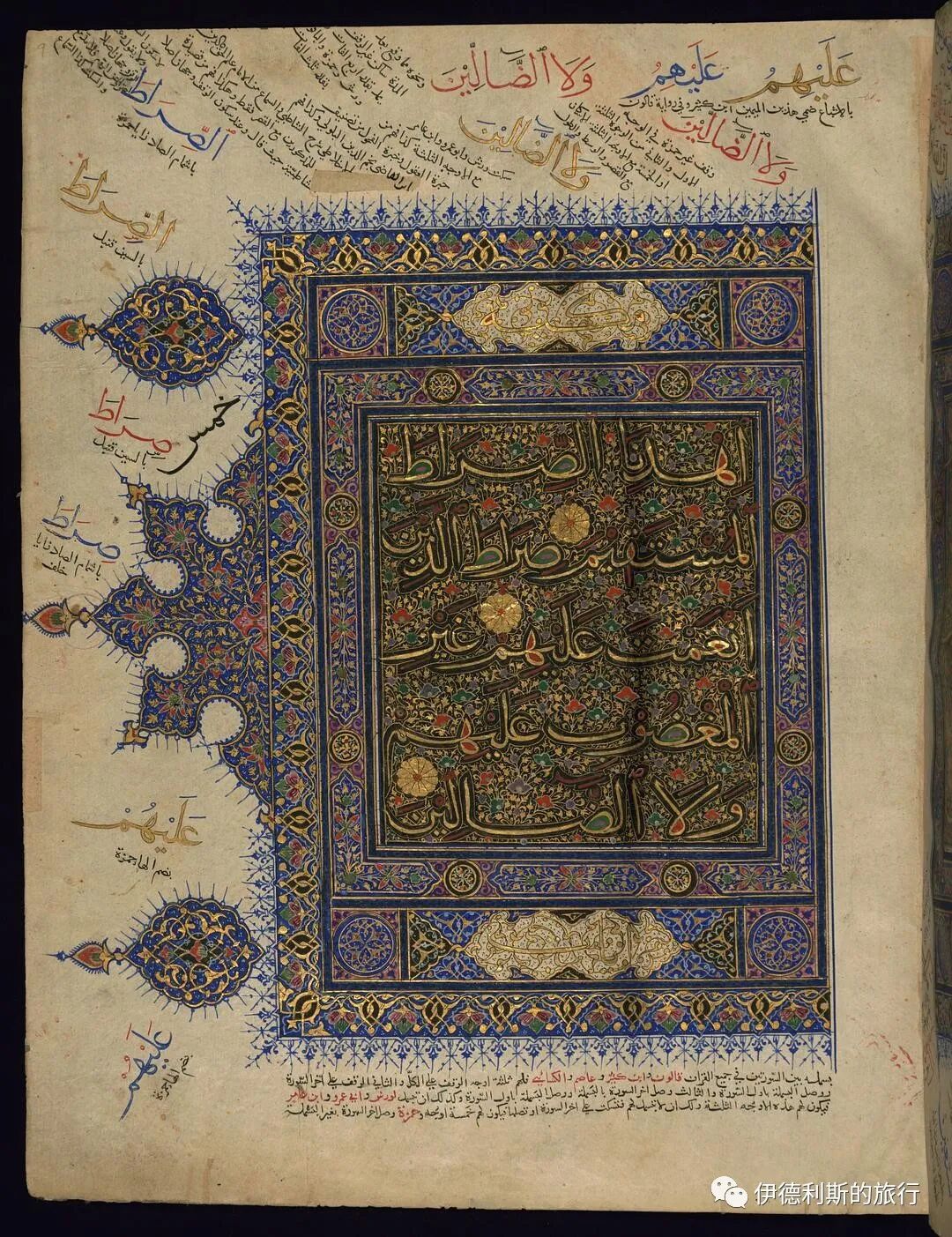
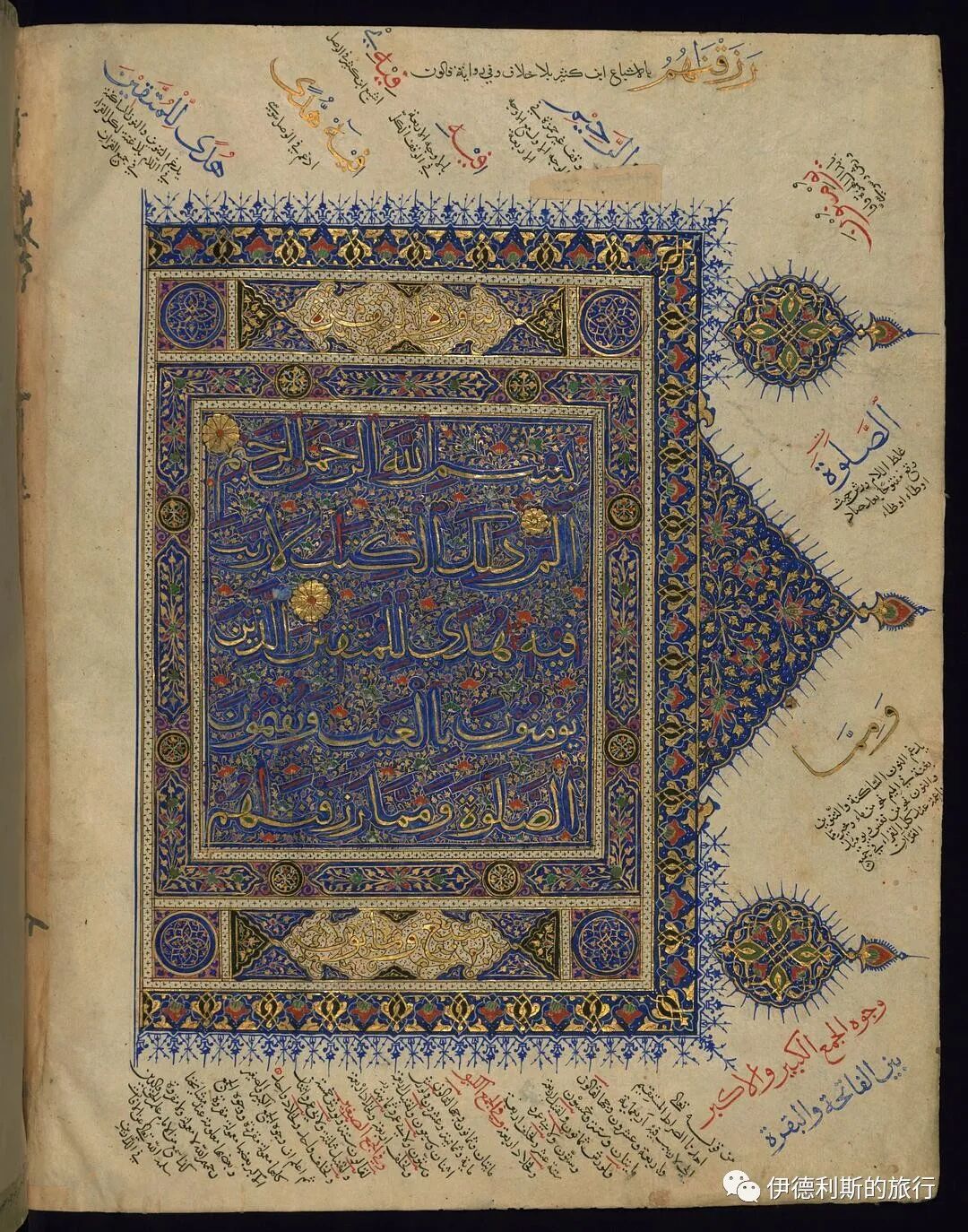
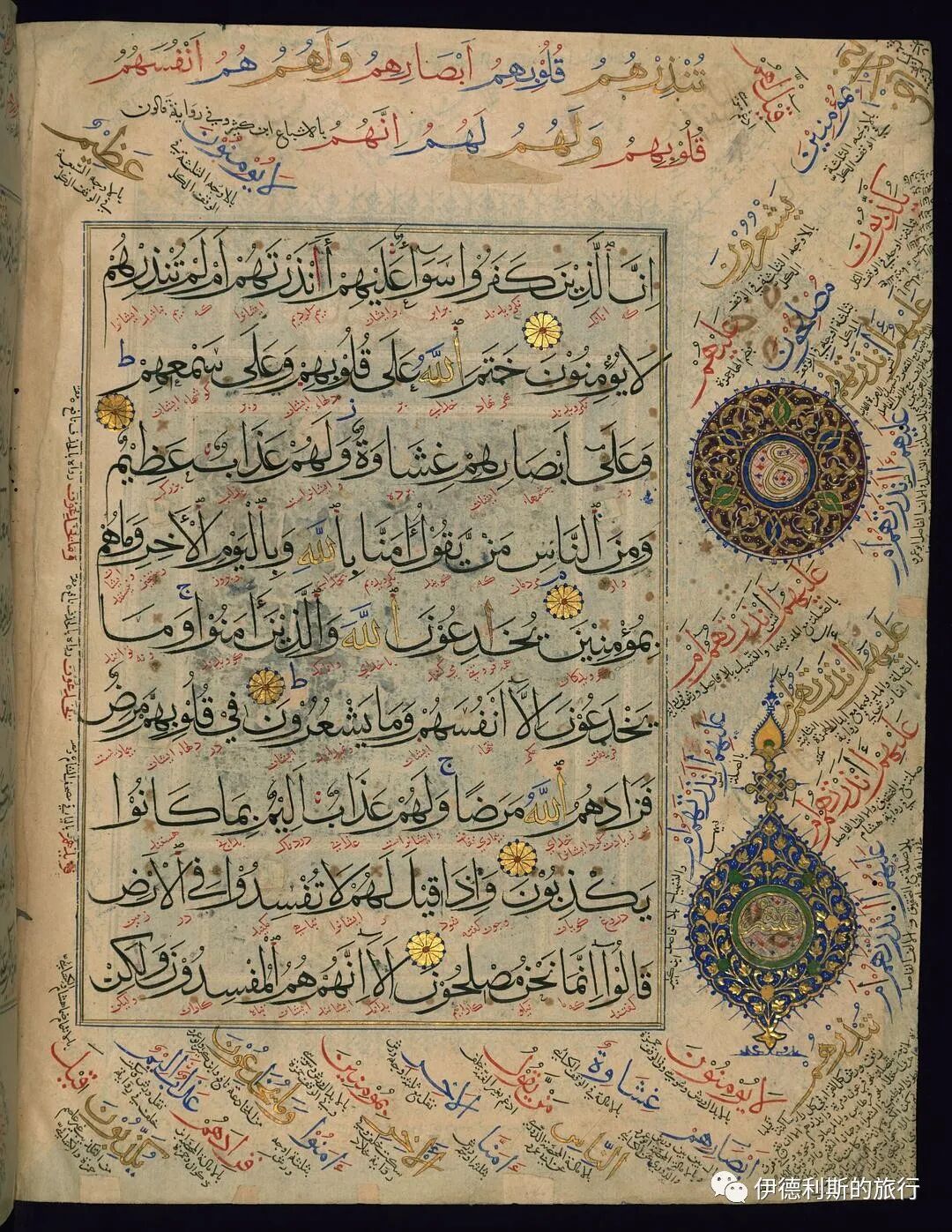
18th-century Maghreb
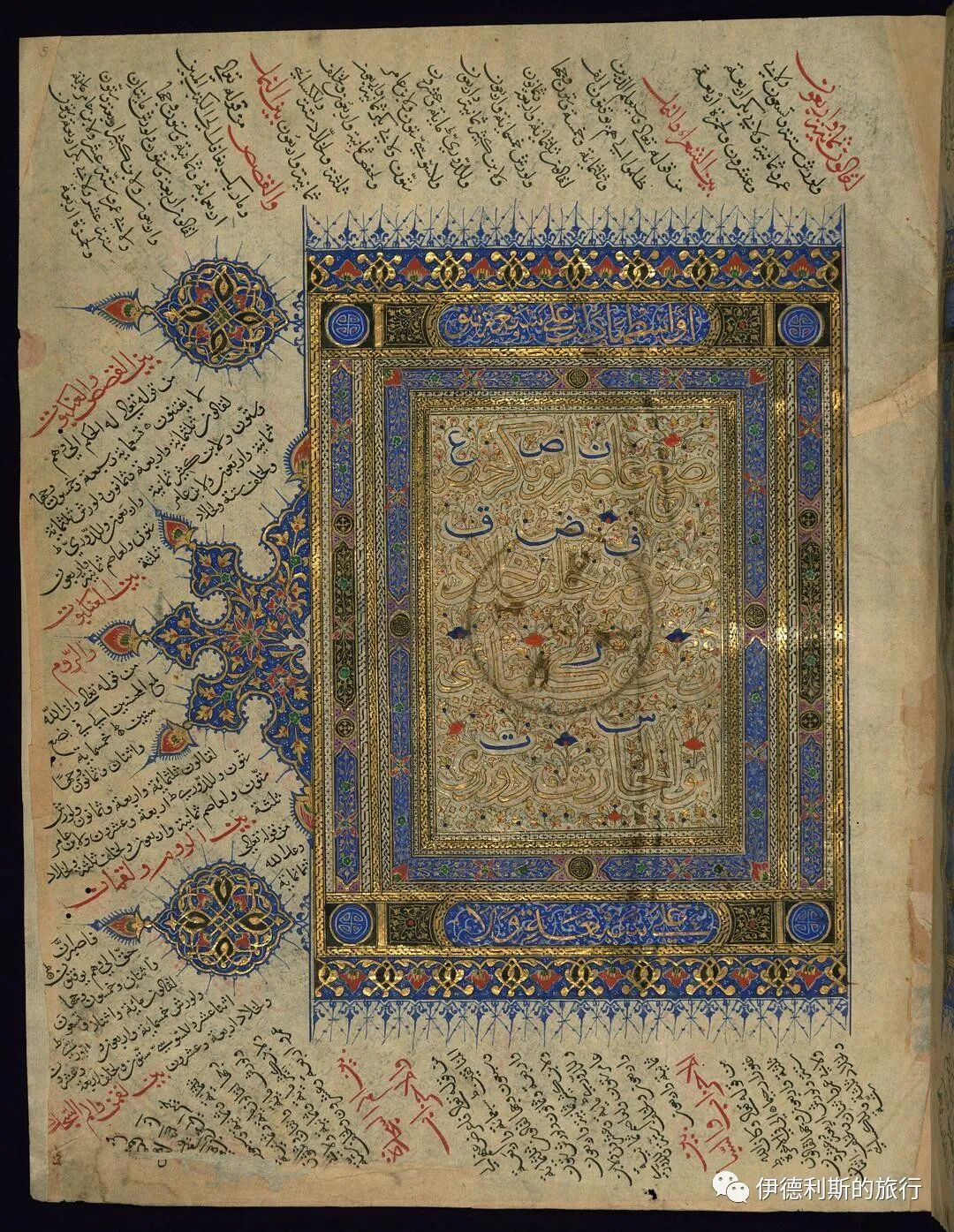
This Quran manuscript in the Walters Art Museum collection contains surahs 19 through 23. It was made in the 19th-century Maghreb region, which includes Mauritania, Algeria, Libya, Morocco, and Tunisia. The manuscript is written in Maghrebi script, while the titles are in New Abbasid script written with gold ink.
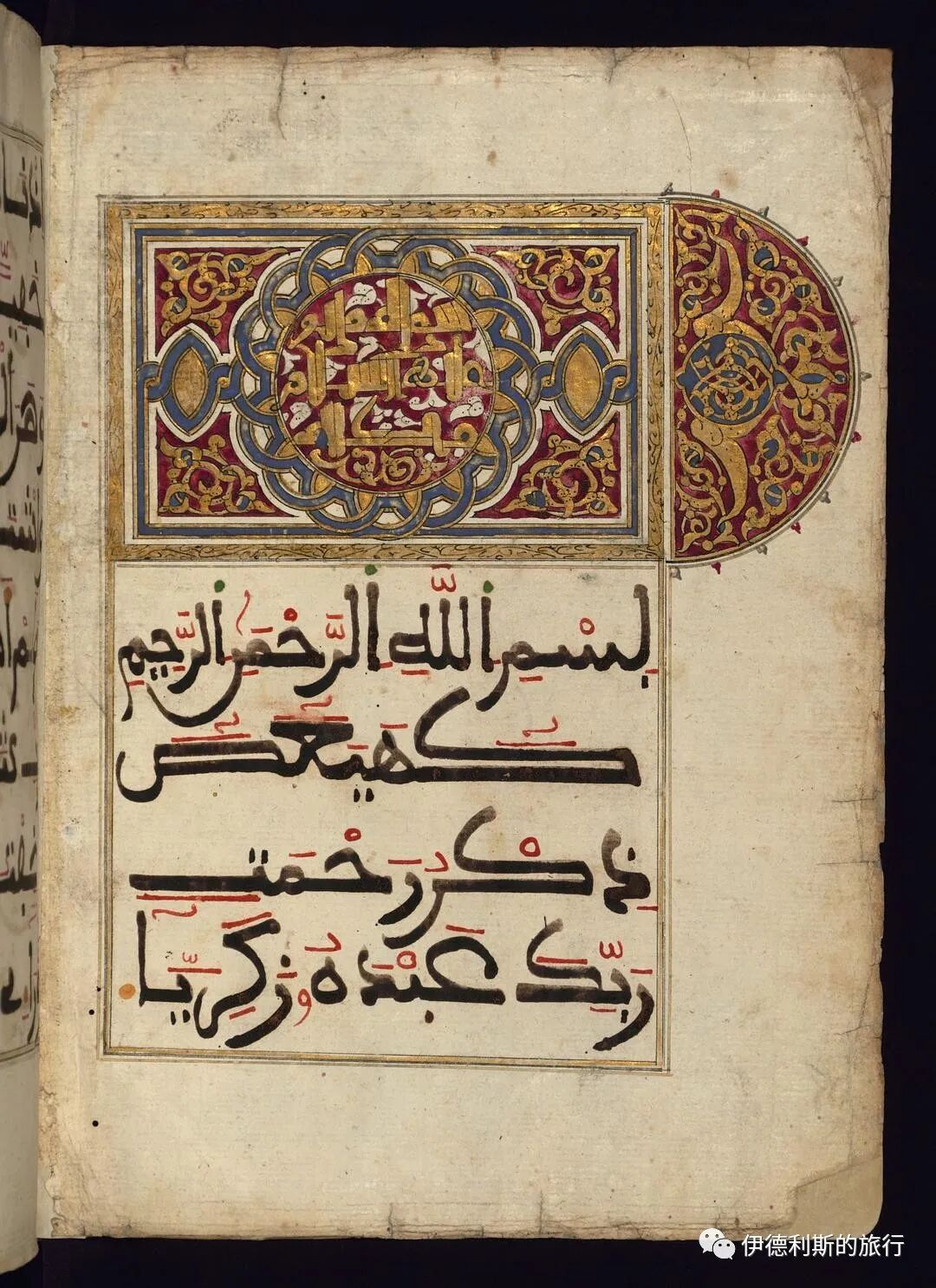
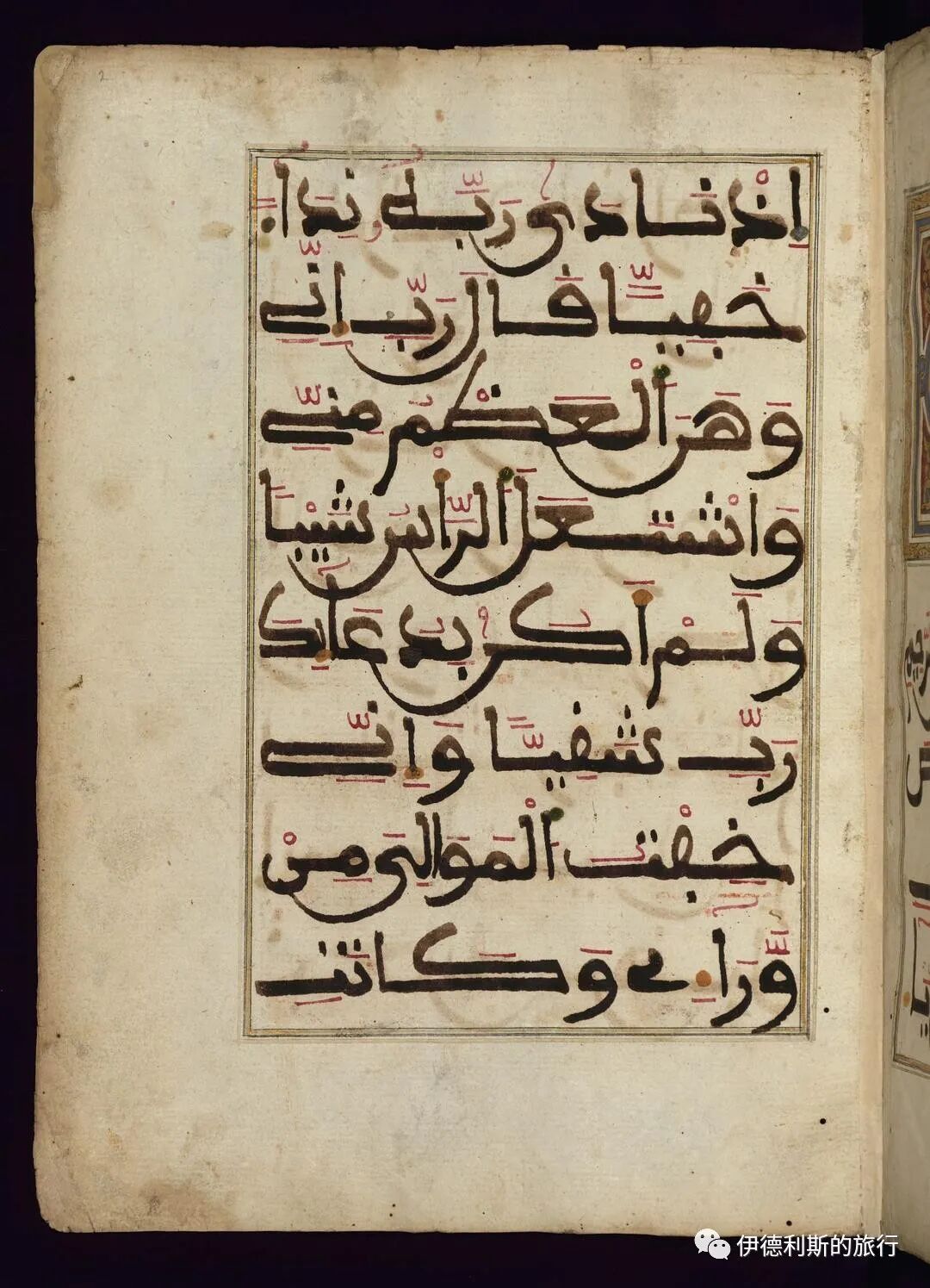
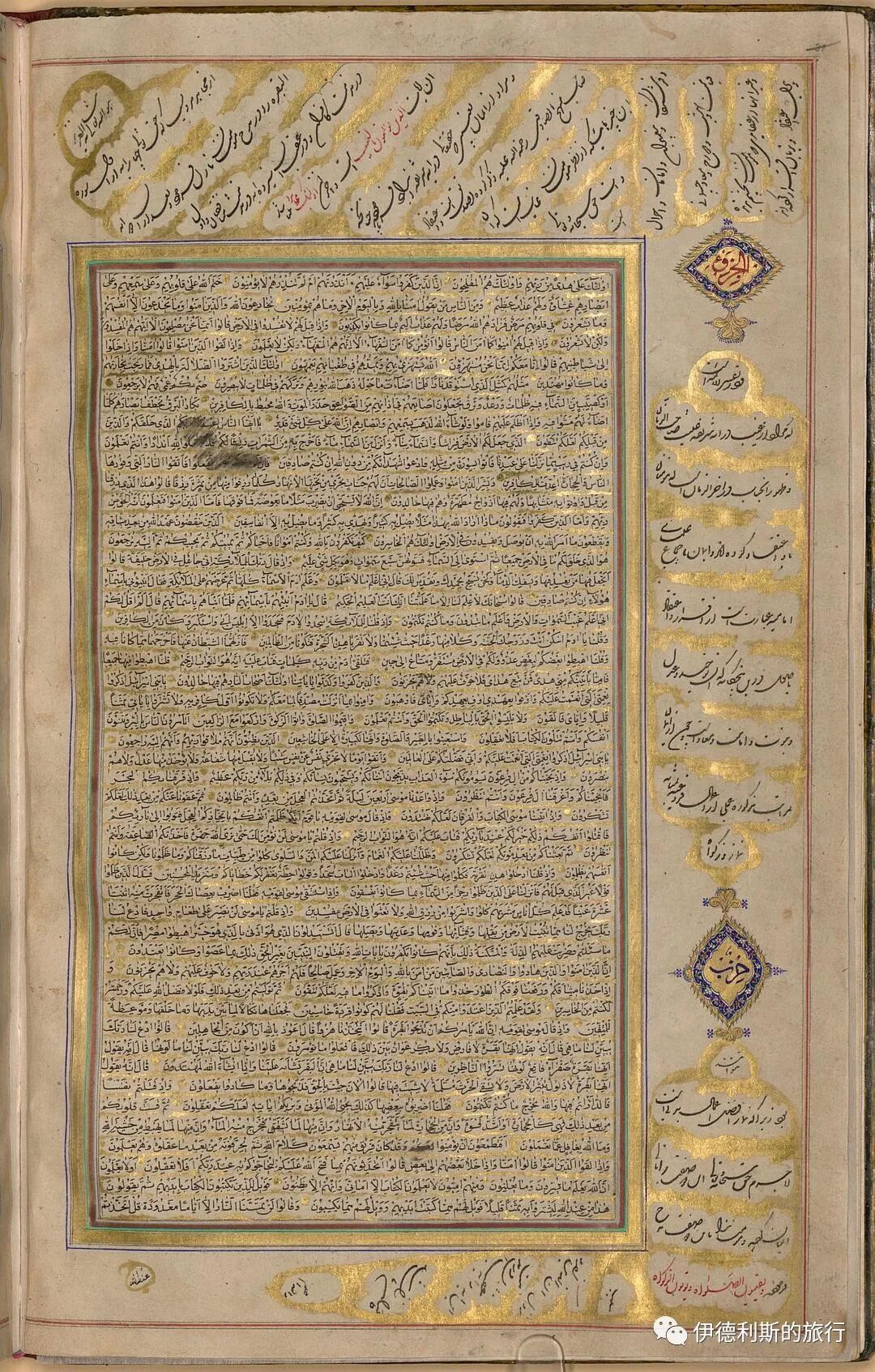
1714 Iran
This Quran manuscript in the Bavarian State Library was made in 1714 during the Persian Safavid dynasty. It uses a tiny but clear Naskh script. The golden cloud swirls on the edges are typical of Shia style, and the floral decorations are written in beautiful Persian.
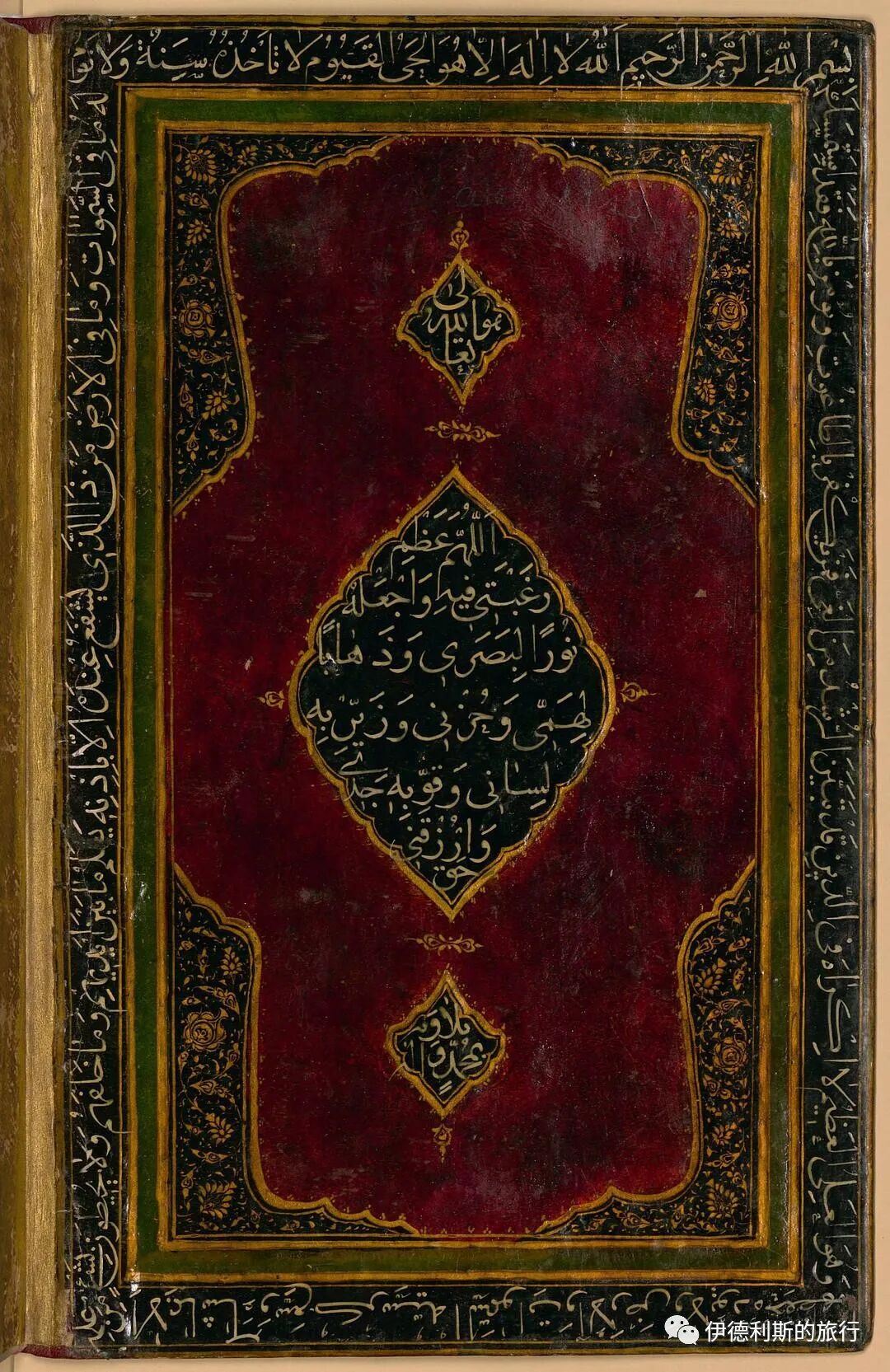
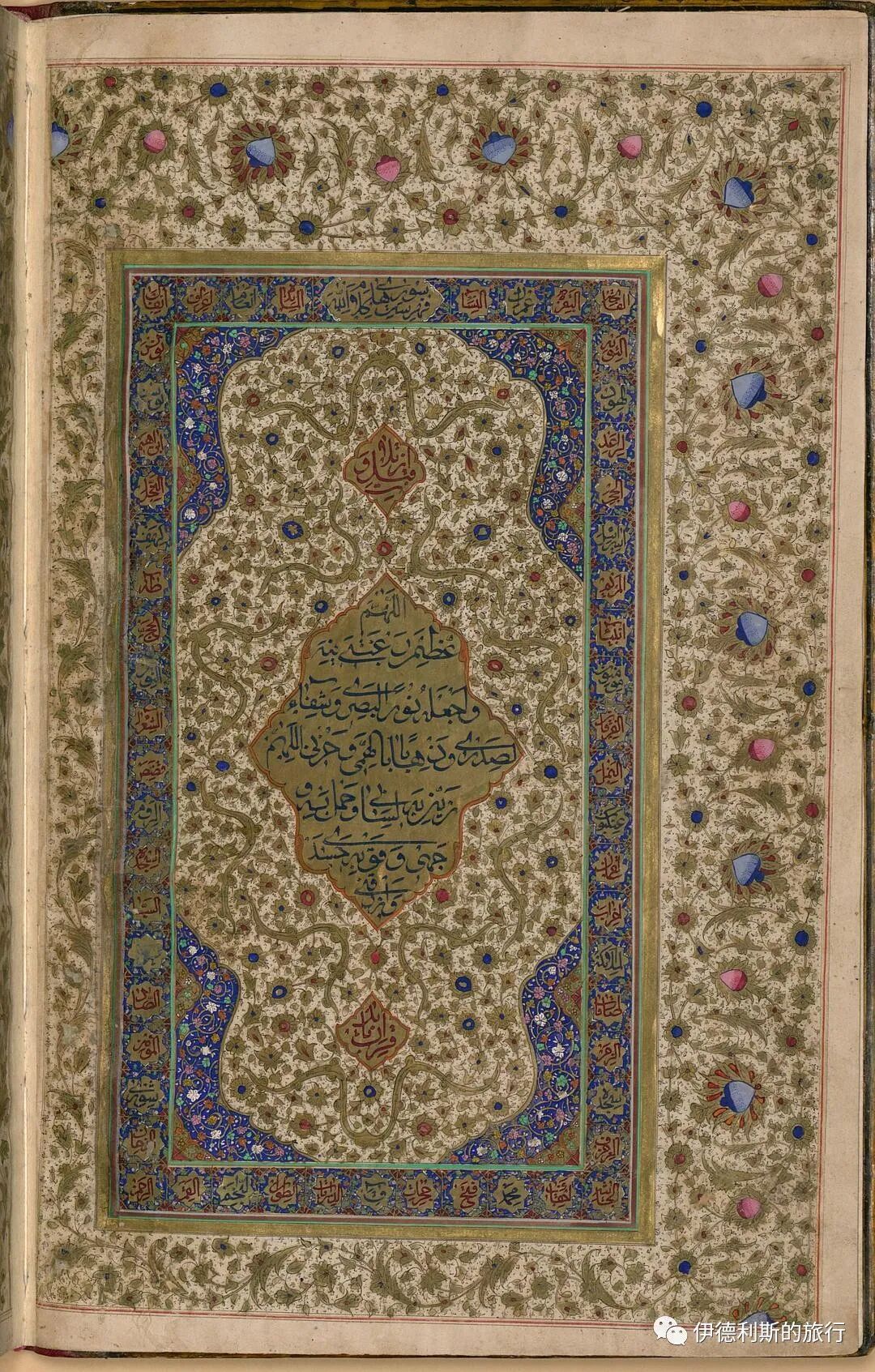
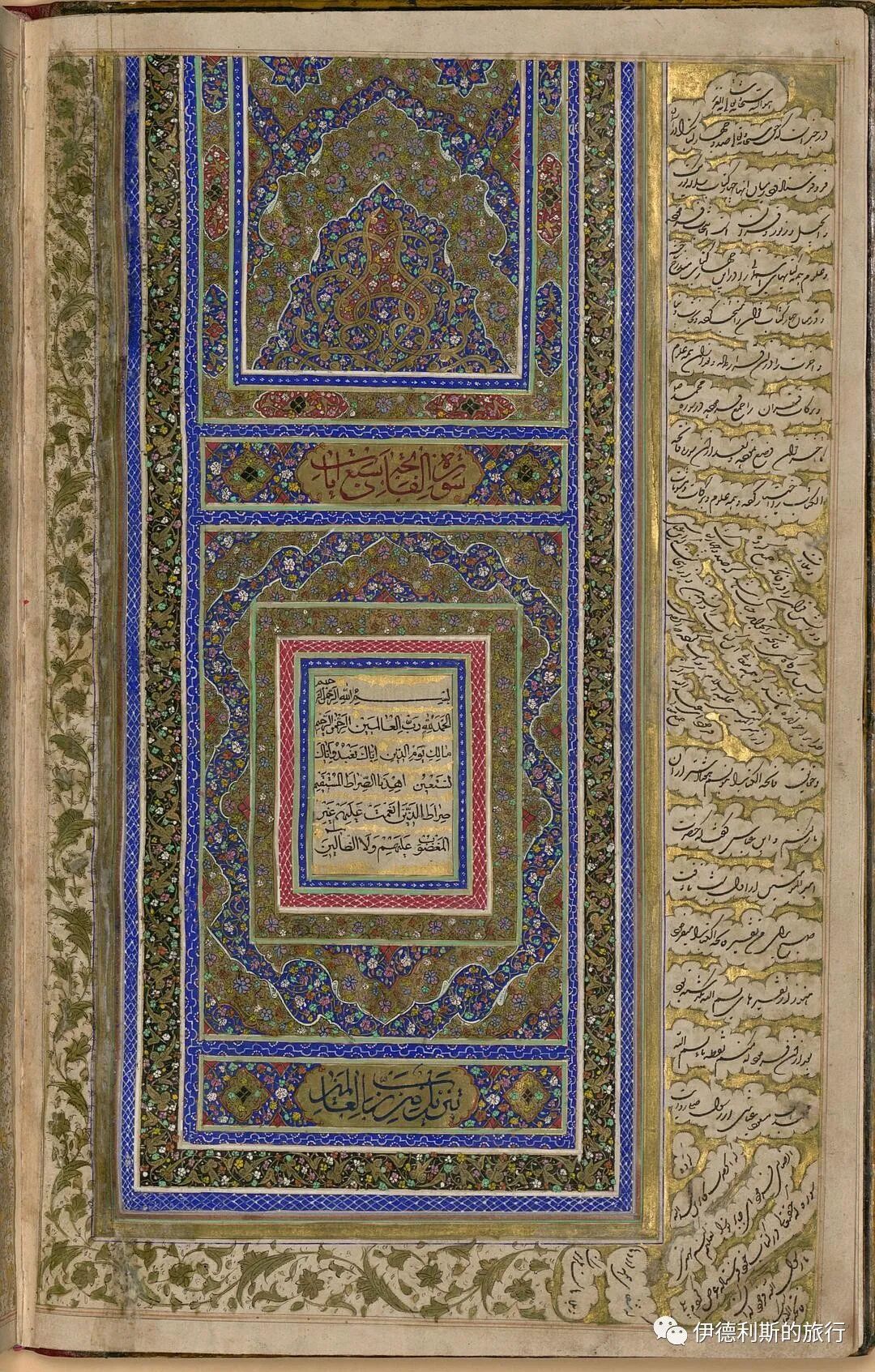
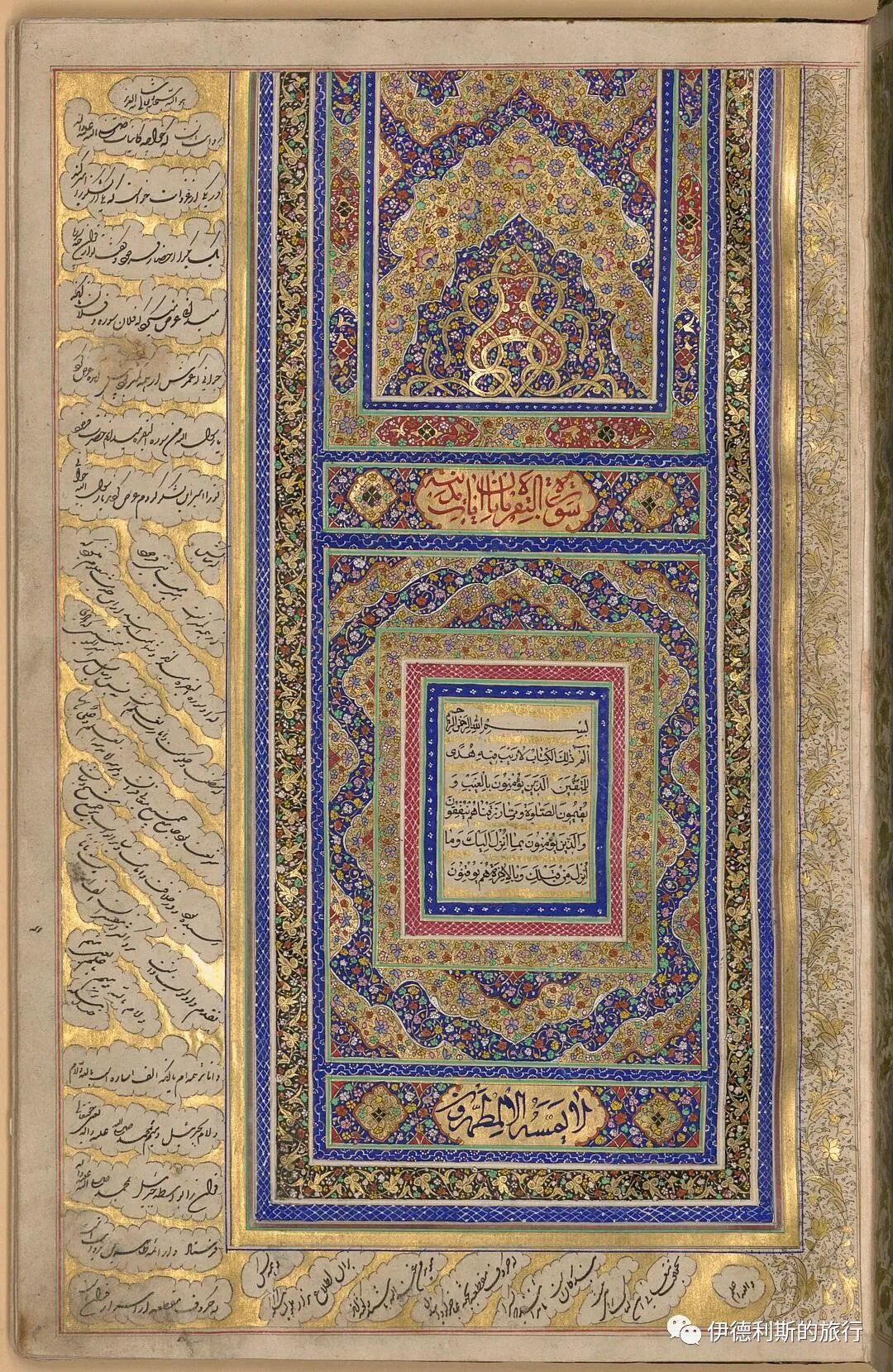
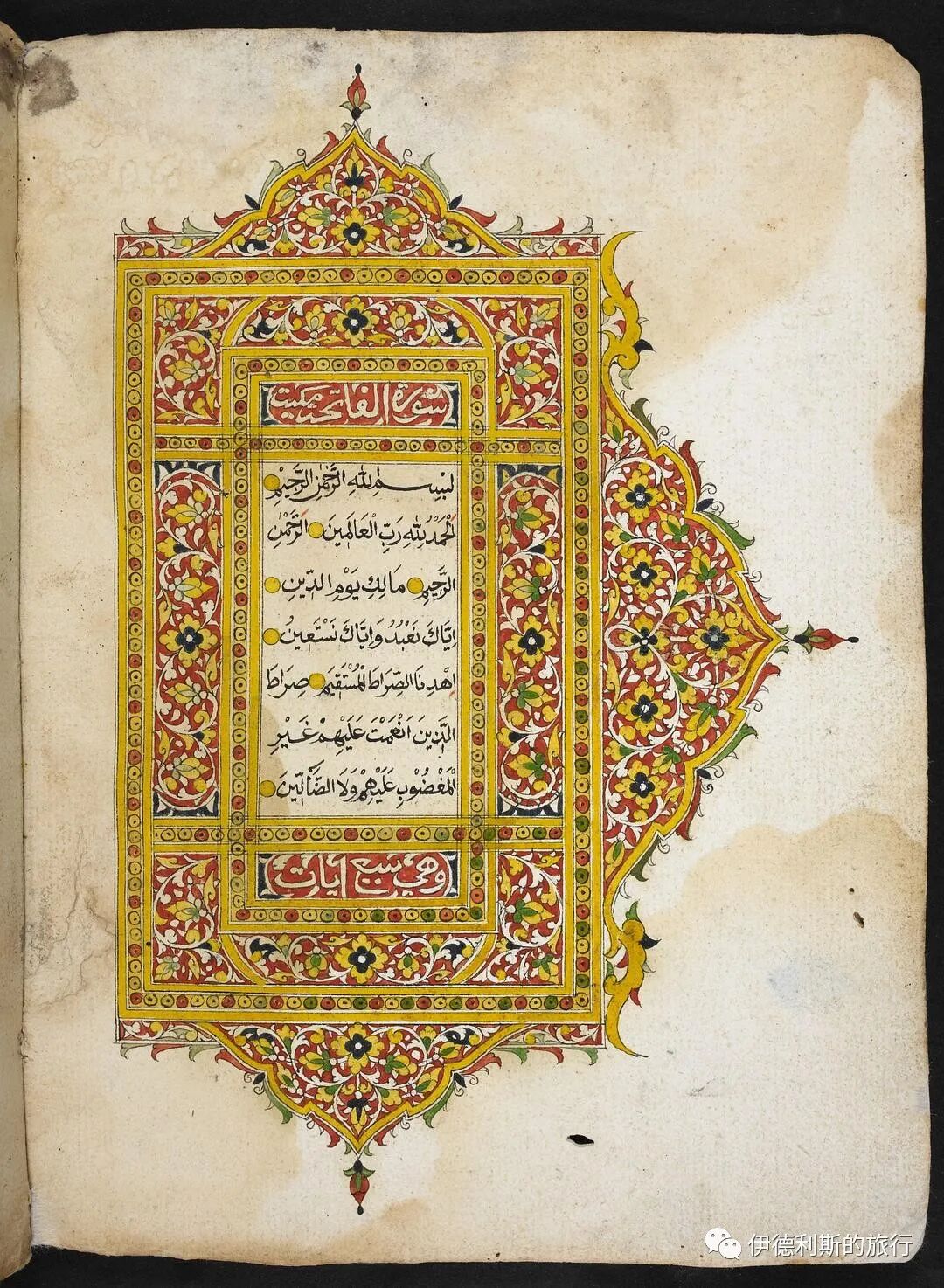
Late 19th-century Malay Peninsula
This Quran manuscript in the British Library is believed to be from the east coast of the Malay Peninsula in the late 19th century. The manuscript has features typical of the Pattani region in southern Thailand, including black backing paper made in Thailand and wave patterns in the Pattani style. However, the paintings and decorative patterns are more typical of the Kelantan region in Malaysia, and it likely belonged to the Sultan's court in Terengganu.
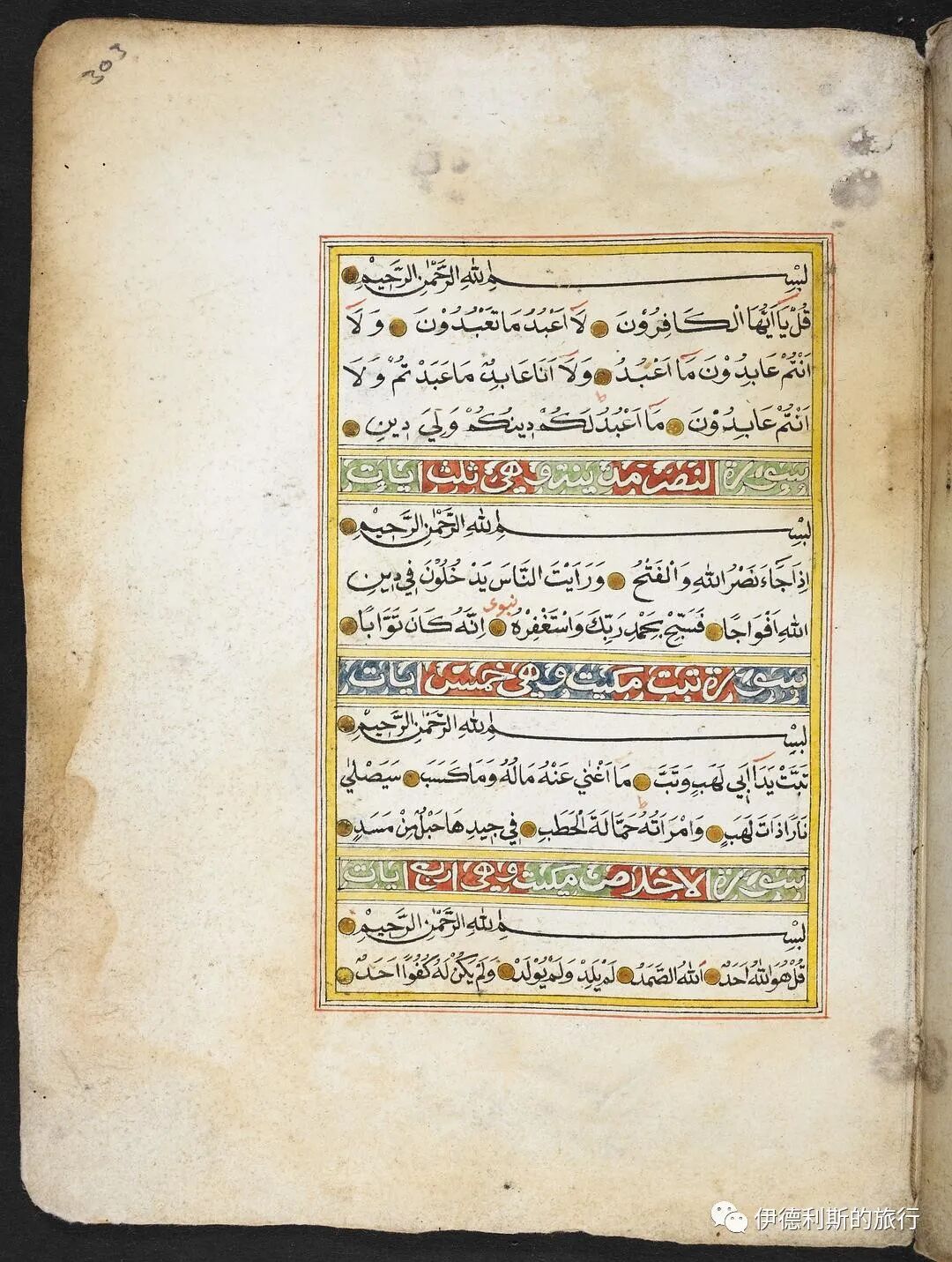
1852 Iran
This Quran manuscript in the National Library of Iran was made in 1852 in the ancient Persian city of Shiraz. The scribe was the calligrapher Abdol-Vahhab Naghmeh.
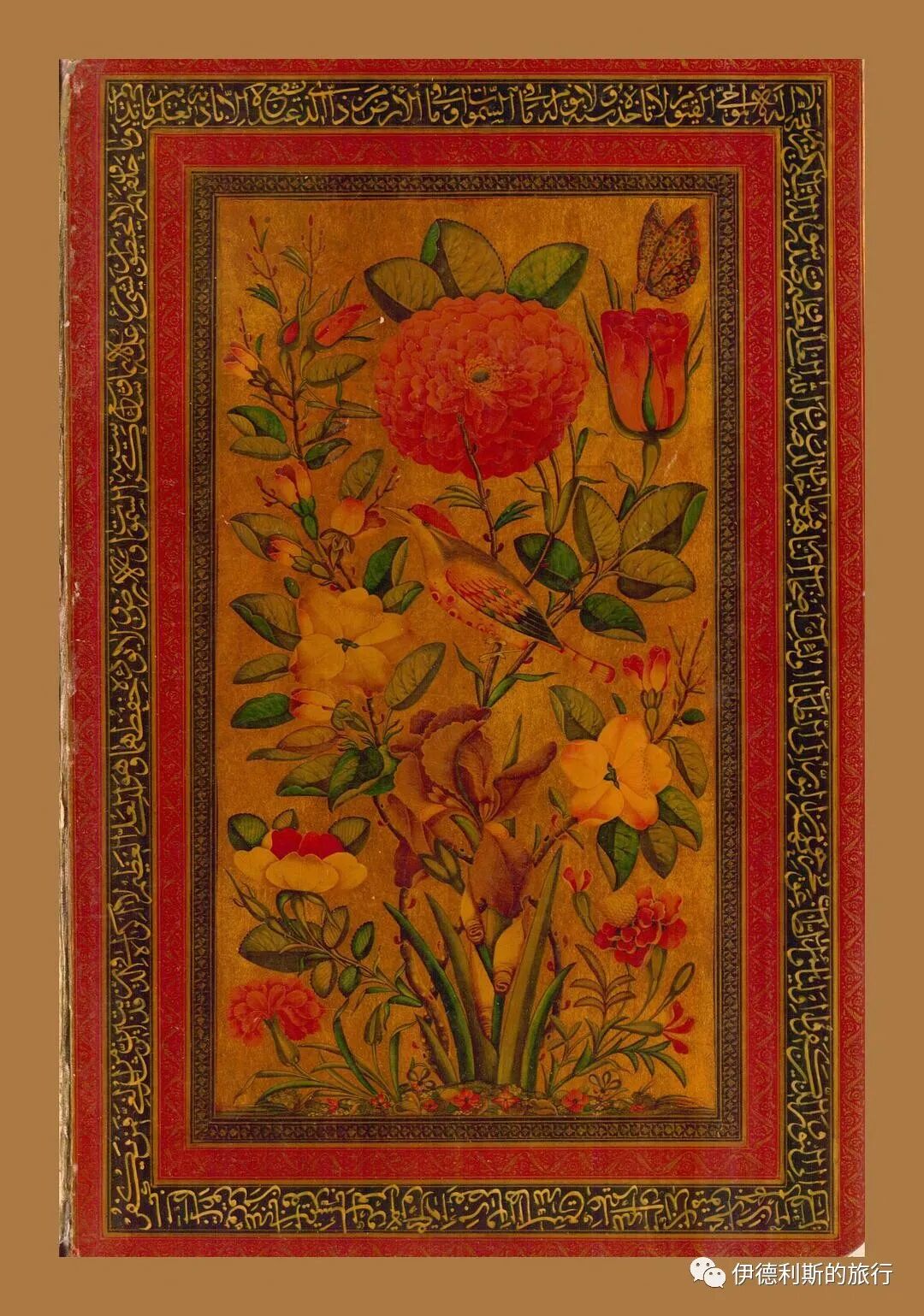
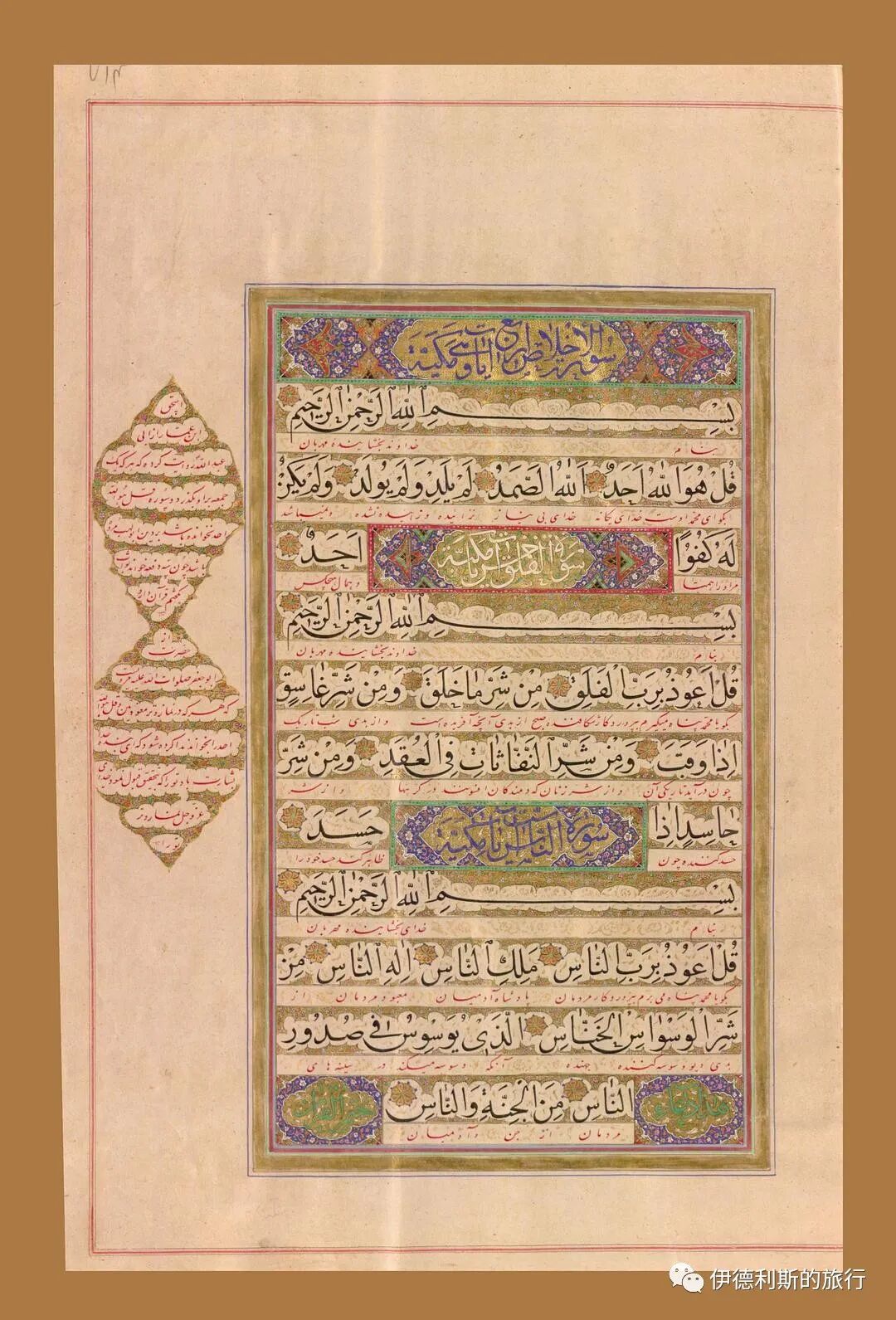
1945 Oman
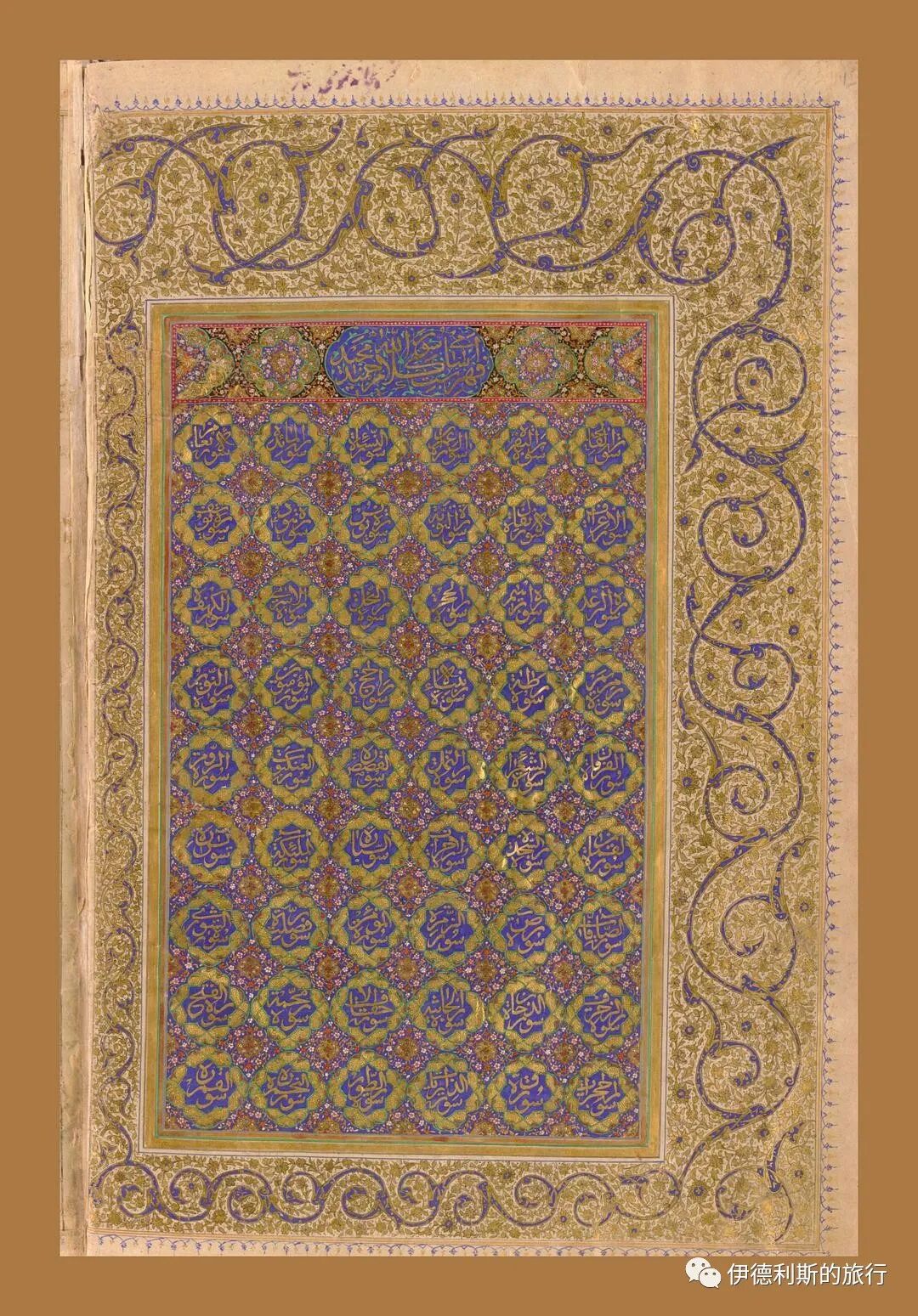
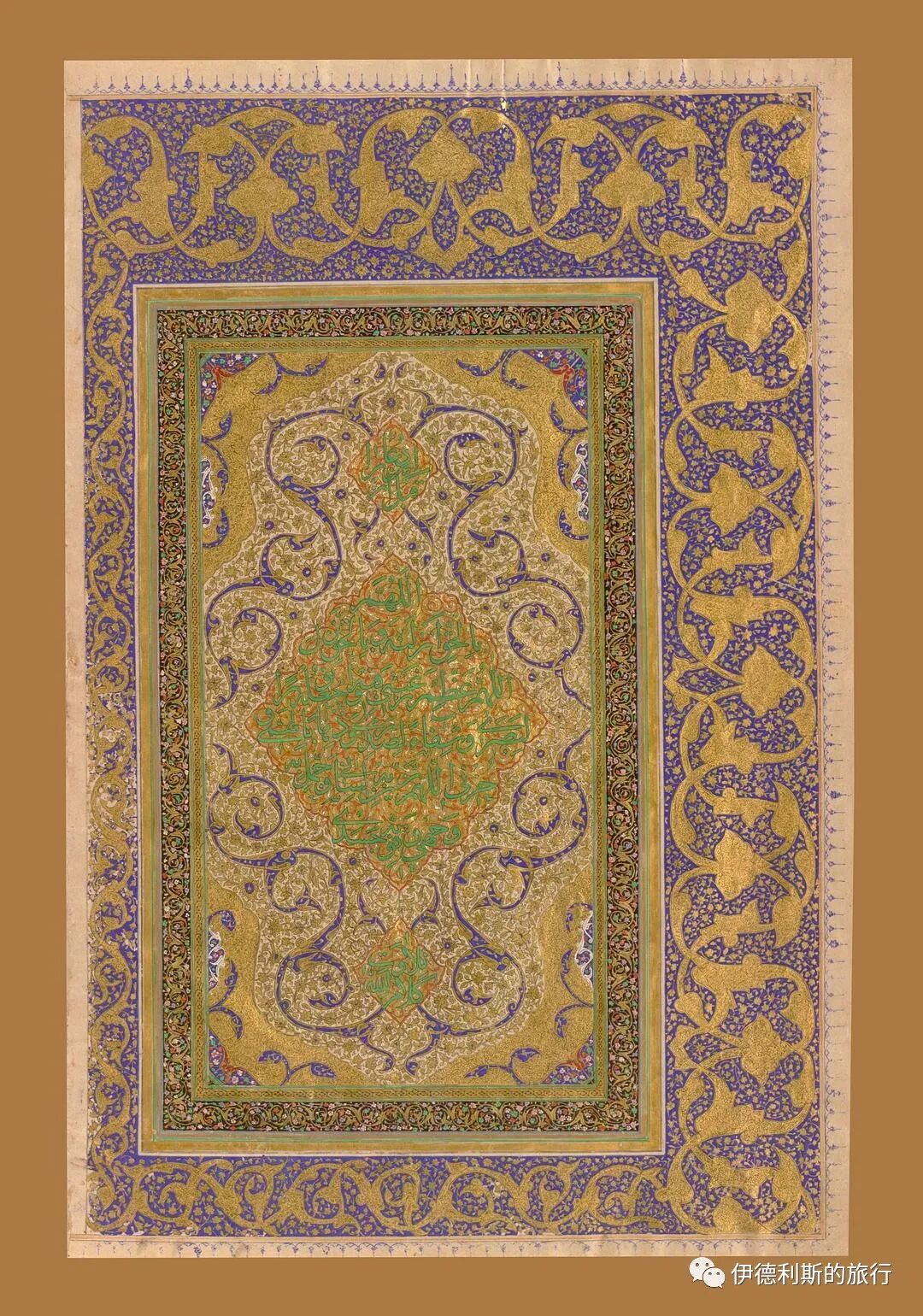
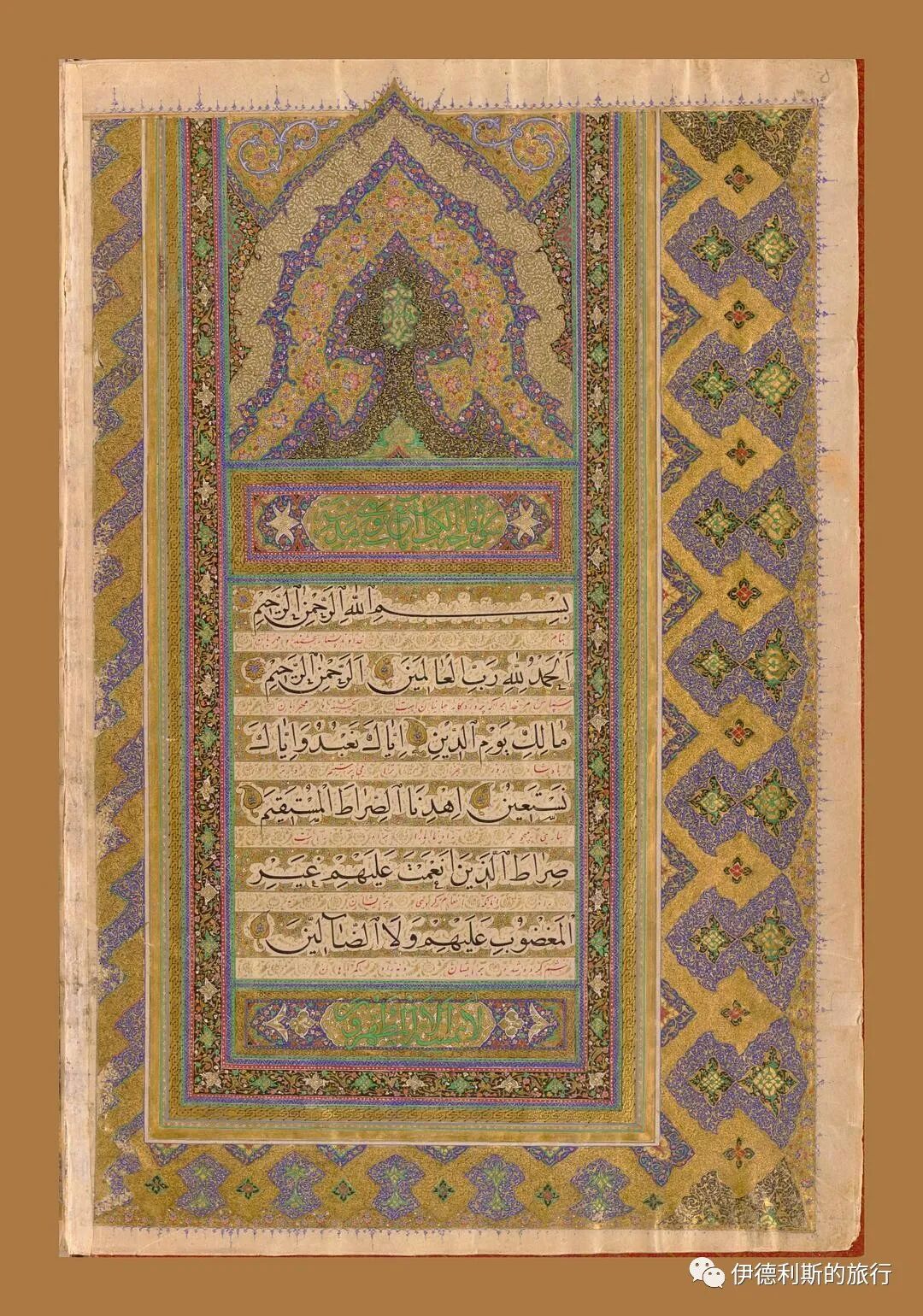
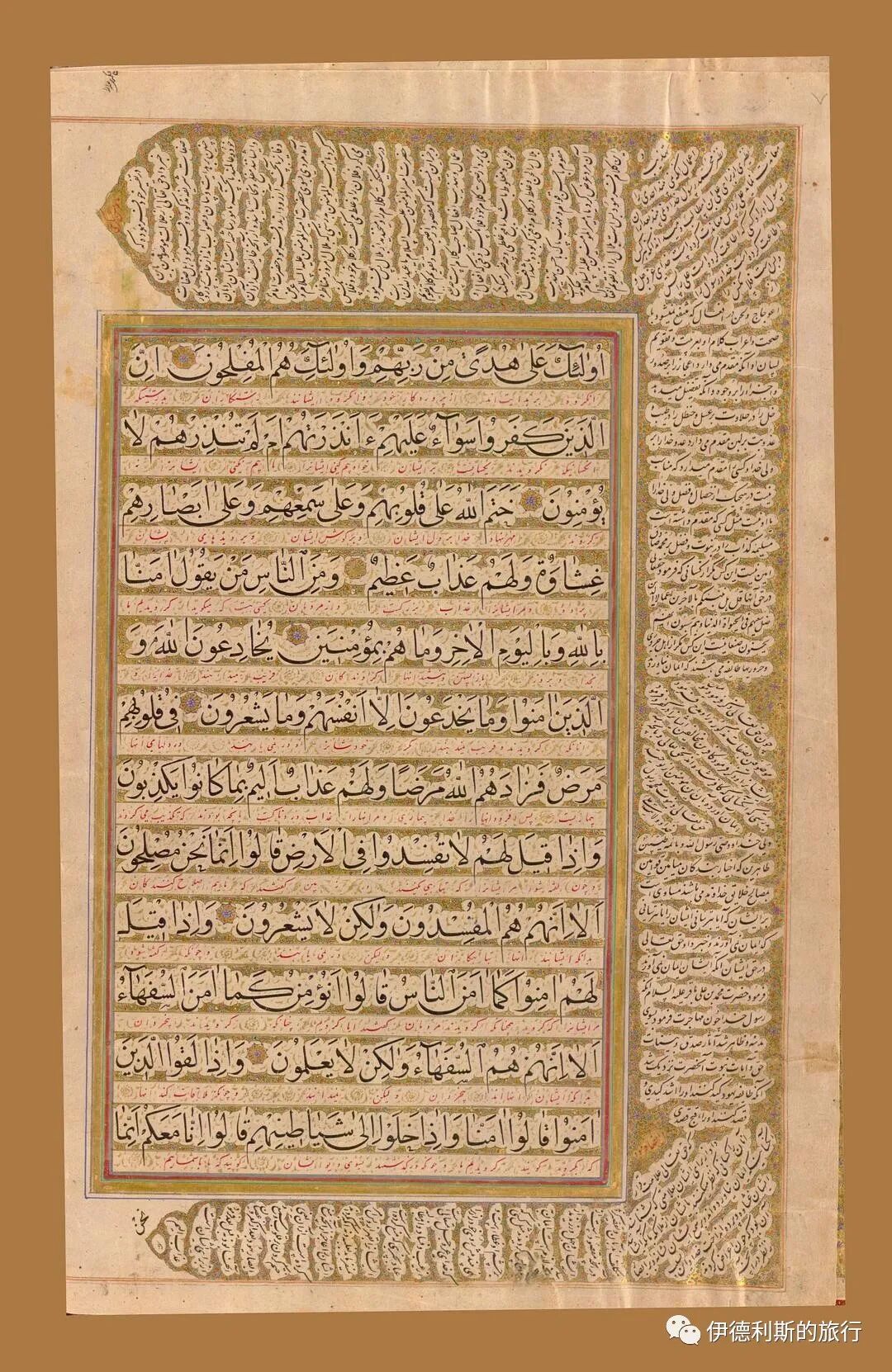
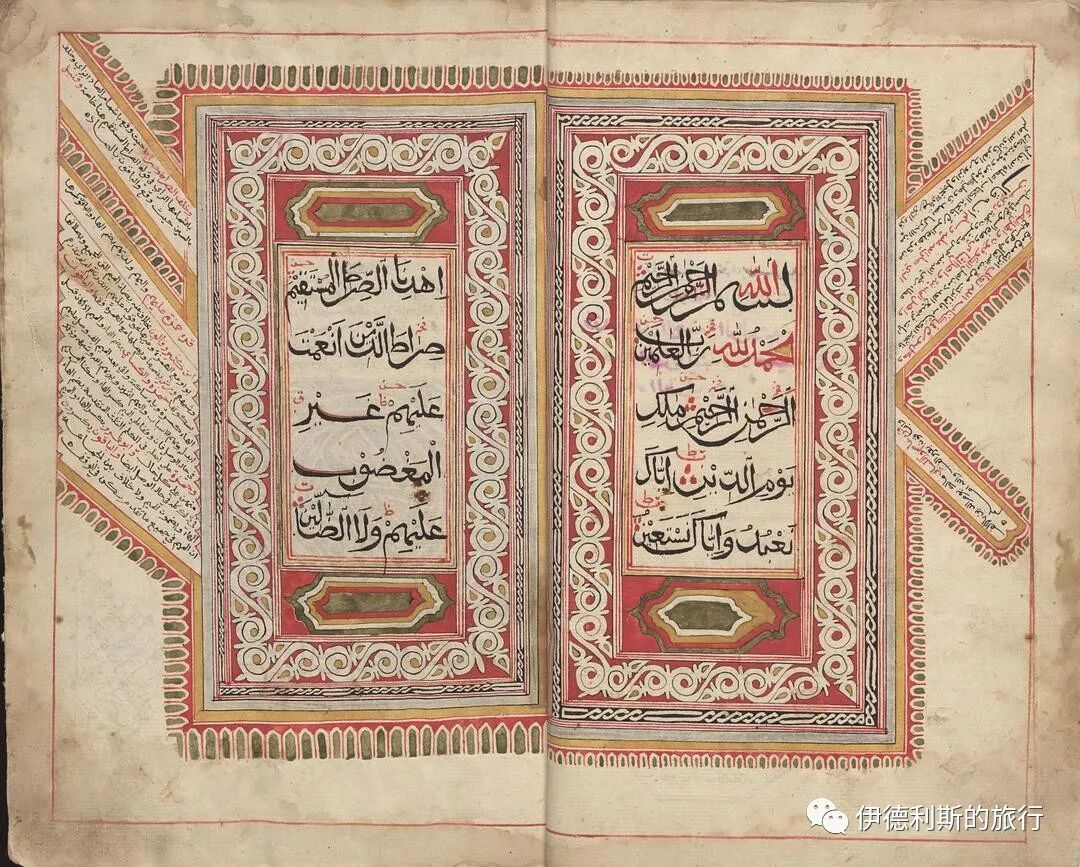
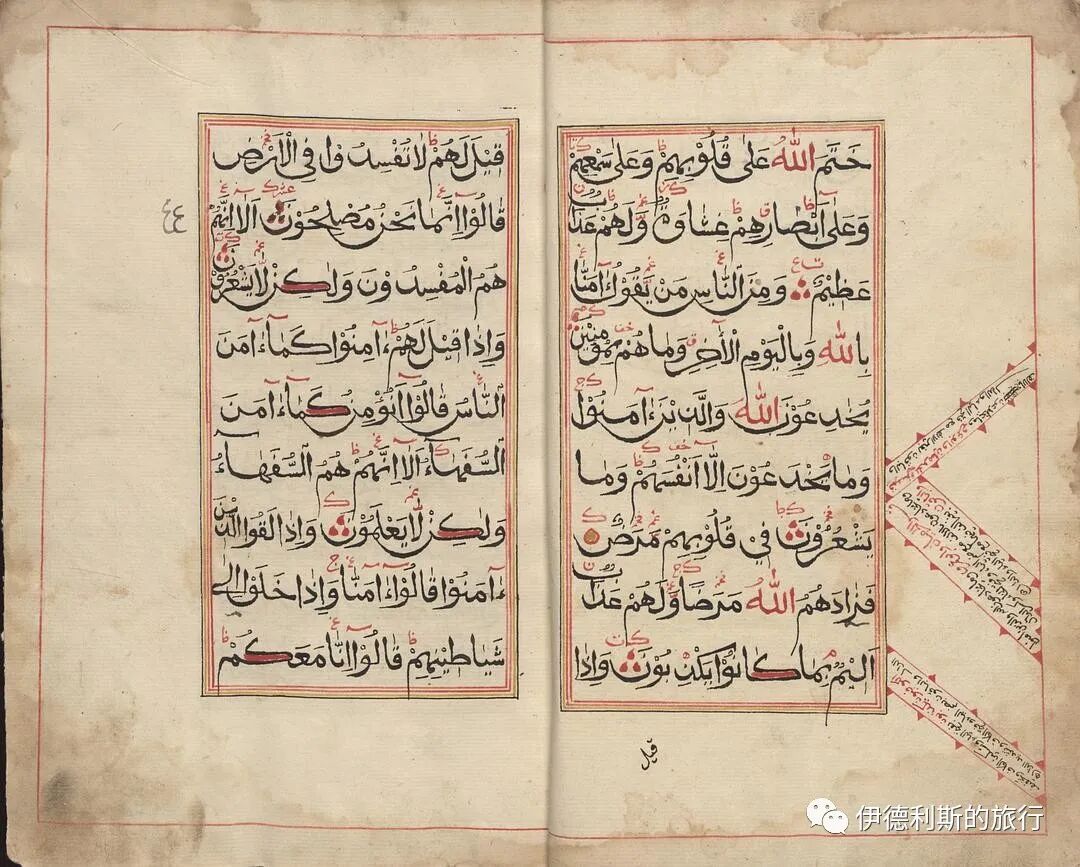
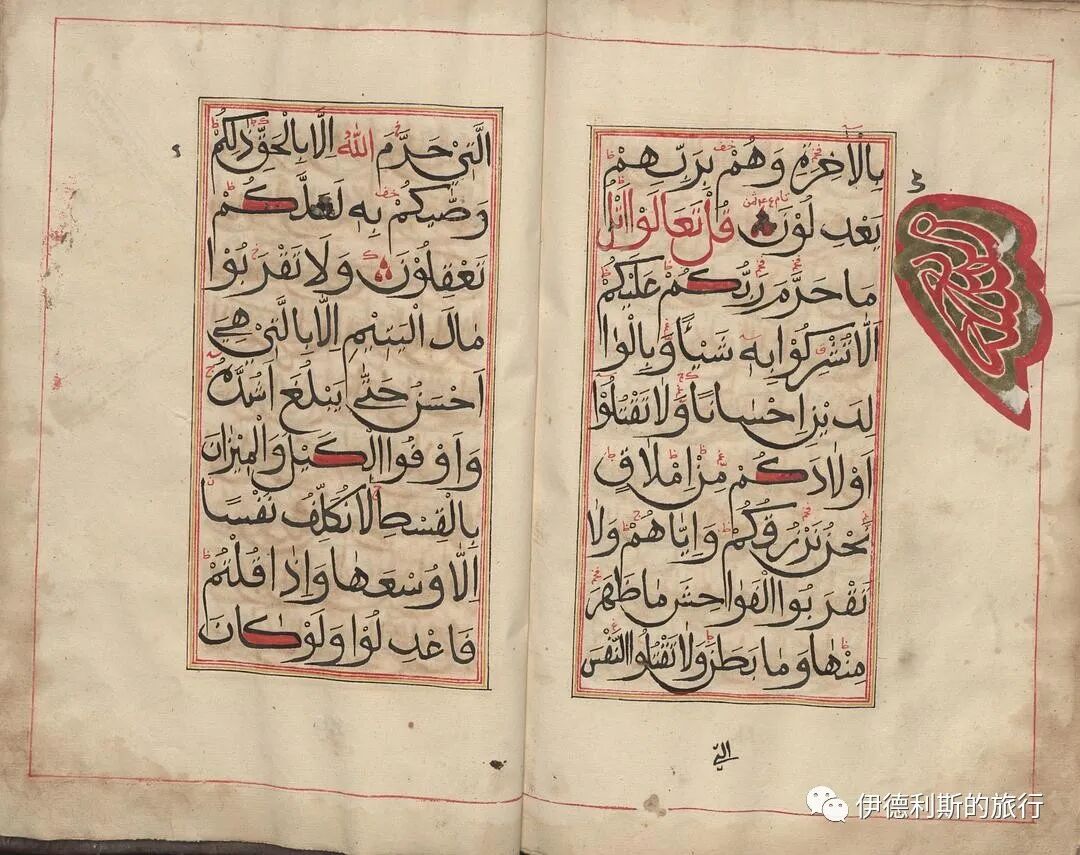
This Quran manuscript in the Sultan Qaboos University library was made in Oman in 1945. It was copied by Sayf ibn Muhammad ibn Salim al-Tawqi and Abdulkarīm ibn ʻUmar ibn Mūsā al-Nawfalī. This Quran contains the first six surahs. The first chapter, Al-Fatiha, is decorated to look like a door, which symbolizes that Al-Fatiha is the entrance to the Quran. The script in this manuscript is very unique. While it has some elements of cursive script (naskh) and thuluth script (thuluth), the overall style is different from any other font.
Summary: Qur'anic Manuscripts in Foreign Libraries: Islamic Calligraphy and Art is presented here as a firsthand travel account in clear English, beginning with this scene: You can view beautiful ancient Quran manuscripts from various library and museum collections online at the Library of Congress website. The account keeps its focus on Quran Manuscripts, Islamic Art, Calligraphy while preserving the names, places, food, and historical details from the Chinese source.
You can view beautiful ancient Quran manuscripts from various library and museum collections online at the Library of Congress website.
Online address: www.loc.gov/search/? fa=subject%3Akoran&st=list&c=150
9th-century Damascus
This Quran manuscript held by the Bavarian State Library originally came from a private library in Damascus and is one of the most important and oldest Quran manuscripts preserved in the West. This manuscript uses verse separation marks that originated in the 8th century, and the consonants lack diacritical marks, so it is estimated to be from the 9th century.
11th-12th century Seljuk Empire
This Quran manuscript held by the Bavarian State Library was produced in Iran or Iraq during the 11th-12th century Seljuk Empire and is written in Naskhi script on gilded pages. The manuscript was heavily trimmed when the cover was made in the 18th century, causing losses to the titles and margins.
11th-12th century Eastern Iran
This Quran manuscript held by the Bavarian State Library is believed to come from Eastern Iran and dates to the 11th-12th century Samanid period based on its calligraphy and decoration.
1226 Seville, Spain
This Quran manuscript in the Bavarian State Library was made in Seville, Spain, in 1226. It is a very rare surviving Andalusian Quran manuscript, written in Andalusian script on parchment. During the Reconquista, exiled Andalusians took this manuscript to North Africa. In 1535, Holy Roman Emperor Charles V seized it from Tunis while on an expedition against Barbary pirates. It later made its way into the Munich Court Library.
1306 Morocco
This Quran manuscript in the Bavarian State Library was commissioned in 1306 by a Moroccan ruler, Abu Ya'qub Yusuf Ibn Ya'qub (reigned 1286-1307). The main text is written in black Maghrebi script, and the headings are in gold Kufic ink.
13th-15th century Andalusia, Spain
This is a wooden board from the National Library of Spain, used by students at a madrasa in Andalusia between the 13th and 15th centuries. Students wrote surahs on it for practice, and teachers corrected their work.
14th-century Mamluk Egypt
This Quran manuscript in the Bavarian State Library was made during the 14th-century Mamluk dynasty in Egypt. It is written in large, golden Muhaqqaq script, a style commonly used during the Mamluk period. The lotus patterns on the manuscript were introduced to the Middle East by the Mongols in the 13th century.
15th-century Northern India
This Quran manuscript in the Walters Art Museum is believed to have been made in northern India in the 15th century. The seal of Ottoman Sultan Bayezid II (reigned 1481-1512) appears on the eighth page. The manuscript is written in Muhaqqaq script, with some explanations in Naskh and Thuluth scripts.
18th-century Maghreb
This Quran manuscript in the Walters Art Museum collection contains surahs 19 through 23. It was made in the 19th-century Maghreb region, which includes Mauritania, Algeria, Libya, Morocco, and Tunisia. The manuscript is written in Maghrebi script, while the titles are in New Abbasid script written with gold ink.
1714 Iran
This Quran manuscript in the Bavarian State Library was made in 1714 during the Persian Safavid dynasty. It uses a tiny but clear Naskh script. The golden cloud swirls on the edges are typical of Shia style, and the floral decorations are written in beautiful Persian.
Late 19th-century Malay Peninsula
This Quran manuscript in the British Library is believed to be from the east coast of the Malay Peninsula in the late 19th century. The manuscript has features typical of the Pattani region in southern Thailand, including black backing paper made in Thailand and wave patterns in the Pattani style. However, the paintings and decorative patterns are more typical of the Kelantan region in Malaysia, and it likely belonged to the Sultan's court in Terengganu.
1852 Iran
This Quran manuscript in the National Library of Iran was made in 1852 in the ancient Persian city of Shiraz. The scribe was the calligrapher Abdol-Vahhab Naghmeh.
1945 Oman
This Quran manuscript in the Sultan Qaboos University library was made in Oman in 1945. It was copied by Sayf ibn Muhammad ibn Salim al-Tawqi and Abdulkarīm ibn ʻUmar ibn Mūsā al-Nawfalī. This Quran contains the first six surahs. The first chapter, Al-Fatiha, is decorated to look like a door, which symbolizes that Al-Fatiha is the entrance to the Quran. The script in this manuscript is very unique. While it has some elements of cursive script (naskh) and thuluth script (thuluth), the overall style is different from any other font.
Qur'anic Manuscripts in Foreign Libraries: Islamic Calligraphy and Art
Articles • ali2007fr posted the article • 0 comments • 175 views • 2026-05-18 02:27
Reposted from the web
Summary: Qur'anic Manuscripts in Foreign Libraries: Islamic Calligraphy and Art is presented here as a firsthand travel account in clear English, beginning with this scene: You can view beautiful ancient Quran manuscripts from various library and museum collections online at the Library of Congress website. The account keeps its focus on Quran Manuscripts, Islamic Art, Calligraphy while preserving the names, places, food, and historical details from the Chinese source.
You can view beautiful ancient Quran manuscripts from various library and museum collections online at the Library of Congress website.
Online address: www.loc.gov/search/? fa=subject%3Akoran&st=list&c=150
9th-century Damascus
This Quran manuscript held by the Bavarian State Library originally came from a private library in Damascus and is one of the most important and oldest Quran manuscripts preserved in the West. This manuscript uses verse separation marks that originated in the 8th century, and the consonants lack diacritical marks, so it is estimated to be from the 9th century.
11th-12th century Seljuk Empire
This Quran manuscript held by the Bavarian State Library was produced in Iran or Iraq during the 11th-12th century Seljuk Empire and is written in Naskhi script on gilded pages. The manuscript was heavily trimmed when the cover was made in the 18th century, causing losses to the titles and margins.
11th-12th century Eastern Iran
This Quran manuscript held by the Bavarian State Library is believed to come from Eastern Iran and dates to the 11th-12th century Samanid period based on its calligraphy and decoration.
1226 Seville, Spain
This Quran manuscript in the Bavarian State Library was made in Seville, Spain, in 1226. It is a very rare surviving Andalusian Quran manuscript, written in Andalusian script on parchment. During the Reconquista, exiled Andalusians took this manuscript to North Africa. In 1535, Holy Roman Emperor Charles V seized it from Tunis while on an expedition against Barbary pirates. It later made its way into the Munich Court Library.
1306 Morocco
This Quran manuscript in the Bavarian State Library was commissioned in 1306 by a Moroccan ruler, Abu Ya'qub Yusuf Ibn Ya'qub (reigned 1286-1307). The main text is written in black Maghrebi script, and the headings are in gold Kufic ink.
13th-15th century Andalusia, Spain
This is a wooden board from the National Library of Spain, used by students at a madrasa in Andalusia between the 13th and 15th centuries. Students wrote surahs on it for practice, and teachers corrected their work.
14th-century Mamluk Egypt
This Quran manuscript in the Bavarian State Library was made during the 14th-century Mamluk dynasty in Egypt. It is written in large, golden Muhaqqaq script, a style commonly used during the Mamluk period. The lotus patterns on the manuscript were introduced to the Middle East by the Mongols in the 13th century.
15th-century Northern India
This Quran manuscript in the Walters Art Museum is believed to have been made in northern India in the 15th century. The seal of Ottoman Sultan Bayezid II (reigned 1481-1512) appears on the eighth page. The manuscript is written in Muhaqqaq script, with some explanations in Naskh and Thuluth scripts.
18th-century Maghreb
This Quran manuscript in the Walters Art Museum collection contains surahs 19 through 23. It was made in the 19th-century Maghreb region, which includes Mauritania, Algeria, Libya, Morocco, and Tunisia. The manuscript is written in Maghrebi script, while the titles are in New Abbasid script written with gold ink.
1714 Iran
This Quran manuscript in the Bavarian State Library was made in 1714 during the Persian Safavid dynasty. It uses a tiny but clear Naskh script. The golden cloud swirls on the edges are typical of Shia style, and the floral decorations are written in beautiful Persian.
Late 19th-century Malay Peninsula
This Quran manuscript in the British Library is believed to be from the east coast of the Malay Peninsula in the late 19th century. The manuscript has features typical of the Pattani region in southern Thailand, including black backing paper made in Thailand and wave patterns in the Pattani style. However, the paintings and decorative patterns are more typical of the Kelantan region in Malaysia, and it likely belonged to the Sultan's court in Terengganu.
1852 Iran
This Quran manuscript in the National Library of Iran was made in 1852 in the ancient Persian city of Shiraz. The scribe was the calligrapher Abdol-Vahhab Naghmeh.
1945 Oman
This Quran manuscript in the Sultan Qaboos University library was made in Oman in 1945. It was copied by Sayf ibn Muhammad ibn Salim al-Tawqi and Abdulkarīm ibn ʻUmar ibn Mūsā al-Nawfalī. This Quran contains the first six surahs. The first chapter, Al-Fatiha, is decorated to look like a door, which symbolizes that Al-Fatiha is the entrance to the Quran. The script in this manuscript is very unique. While it has some elements of cursive script (naskh) and thuluth script (thuluth), the overall style is different from any other font. view all
Summary: Qur'anic Manuscripts in Foreign Libraries: Islamic Calligraphy and Art is presented here as a firsthand travel account in clear English, beginning with this scene: You can view beautiful ancient Quran manuscripts from various library and museum collections online at the Library of Congress website. The account keeps its focus on Quran Manuscripts, Islamic Art, Calligraphy while preserving the names, places, food, and historical details from the Chinese source.
You can view beautiful ancient Quran manuscripts from various library and museum collections online at the Library of Congress website.
Online address: www.loc.gov/search/? fa=subject%3Akoran&st=list&c=150
9th-century Damascus
This Quran manuscript held by the Bavarian State Library originally came from a private library in Damascus and is one of the most important and oldest Quran manuscripts preserved in the West. This manuscript uses verse separation marks that originated in the 8th century, and the consonants lack diacritical marks, so it is estimated to be from the 9th century.
11th-12th century Seljuk Empire
This Quran manuscript held by the Bavarian State Library was produced in Iran or Iraq during the 11th-12th century Seljuk Empire and is written in Naskhi script on gilded pages. The manuscript was heavily trimmed when the cover was made in the 18th century, causing losses to the titles and margins.
11th-12th century Eastern Iran
This Quran manuscript held by the Bavarian State Library is believed to come from Eastern Iran and dates to the 11th-12th century Samanid period based on its calligraphy and decoration.
1226 Seville, Spain
This Quran manuscript in the Bavarian State Library was made in Seville, Spain, in 1226. It is a very rare surviving Andalusian Quran manuscript, written in Andalusian script on parchment. During the Reconquista, exiled Andalusians took this manuscript to North Africa. In 1535, Holy Roman Emperor Charles V seized it from Tunis while on an expedition against Barbary pirates. It later made its way into the Munich Court Library.
1306 Morocco
This Quran manuscript in the Bavarian State Library was commissioned in 1306 by a Moroccan ruler, Abu Ya'qub Yusuf Ibn Ya'qub (reigned 1286-1307). The main text is written in black Maghrebi script, and the headings are in gold Kufic ink.
13th-15th century Andalusia, Spain
This is a wooden board from the National Library of Spain, used by students at a madrasa in Andalusia between the 13th and 15th centuries. Students wrote surahs on it for practice, and teachers corrected their work.
14th-century Mamluk Egypt
This Quran manuscript in the Bavarian State Library was made during the 14th-century Mamluk dynasty in Egypt. It is written in large, golden Muhaqqaq script, a style commonly used during the Mamluk period. The lotus patterns on the manuscript were introduced to the Middle East by the Mongols in the 13th century.
15th-century Northern India
This Quran manuscript in the Walters Art Museum is believed to have been made in northern India in the 15th century. The seal of Ottoman Sultan Bayezid II (reigned 1481-1512) appears on the eighth page. The manuscript is written in Muhaqqaq script, with some explanations in Naskh and Thuluth scripts.
18th-century Maghreb
This Quran manuscript in the Walters Art Museum collection contains surahs 19 through 23. It was made in the 19th-century Maghreb region, which includes Mauritania, Algeria, Libya, Morocco, and Tunisia. The manuscript is written in Maghrebi script, while the titles are in New Abbasid script written with gold ink.
1714 Iran
This Quran manuscript in the Bavarian State Library was made in 1714 during the Persian Safavid dynasty. It uses a tiny but clear Naskh script. The golden cloud swirls on the edges are typical of Shia style, and the floral decorations are written in beautiful Persian.
Late 19th-century Malay Peninsula
This Quran manuscript in the British Library is believed to be from the east coast of the Malay Peninsula in the late 19th century. The manuscript has features typical of the Pattani region in southern Thailand, including black backing paper made in Thailand and wave patterns in the Pattani style. However, the paintings and decorative patterns are more typical of the Kelantan region in Malaysia, and it likely belonged to the Sultan's court in Terengganu.
1852 Iran
This Quran manuscript in the National Library of Iran was made in 1852 in the ancient Persian city of Shiraz. The scribe was the calligrapher Abdol-Vahhab Naghmeh.
1945 Oman
This Quran manuscript in the Sultan Qaboos University library was made in Oman in 1945. It was copied by Sayf ibn Muhammad ibn Salim al-Tawqi and Abdulkarīm ibn ʻUmar ibn Mūsā al-Nawfalī. This Quran contains the first six surahs. The first chapter, Al-Fatiha, is decorated to look like a door, which symbolizes that Al-Fatiha is the entrance to the Quran. The script in this manuscript is very unique. While it has some elements of cursive script (naskh) and thuluth script (thuluth), the overall style is different from any other font. view all
Reposted from the web
Summary: Qur'anic Manuscripts in Foreign Libraries: Islamic Calligraphy and Art is presented here as a firsthand travel account in clear English, beginning with this scene: You can view beautiful ancient Quran manuscripts from various library and museum collections online at the Library of Congress website. The account keeps its focus on Quran Manuscripts, Islamic Art, Calligraphy while preserving the names, places, food, and historical details from the Chinese source.
You can view beautiful ancient Quran manuscripts from various library and museum collections online at the Library of Congress website.
Online address: www.loc.gov/search/? fa=subject%3Akoran&st=list&c=150
9th-century Damascus
This Quran manuscript held by the Bavarian State Library originally came from a private library in Damascus and is one of the most important and oldest Quran manuscripts preserved in the West. This manuscript uses verse separation marks that originated in the 8th century, and the consonants lack diacritical marks, so it is estimated to be from the 9th century.
11th-12th century Seljuk Empire
This Quran manuscript held by the Bavarian State Library was produced in Iran or Iraq during the 11th-12th century Seljuk Empire and is written in Naskhi script on gilded pages. The manuscript was heavily trimmed when the cover was made in the 18th century, causing losses to the titles and margins.
11th-12th century Eastern Iran
This Quran manuscript held by the Bavarian State Library is believed to come from Eastern Iran and dates to the 11th-12th century Samanid period based on its calligraphy and decoration.
1226 Seville, Spain
This Quran manuscript in the Bavarian State Library was made in Seville, Spain, in 1226. It is a very rare surviving Andalusian Quran manuscript, written in Andalusian script on parchment. During the Reconquista, exiled Andalusians took this manuscript to North Africa. In 1535, Holy Roman Emperor Charles V seized it from Tunis while on an expedition against Barbary pirates. It later made its way into the Munich Court Library.
1306 Morocco
This Quran manuscript in the Bavarian State Library was commissioned in 1306 by a Moroccan ruler, Abu Ya'qub Yusuf Ibn Ya'qub (reigned 1286-1307). The main text is written in black Maghrebi script, and the headings are in gold Kufic ink.
13th-15th century Andalusia, Spain
This is a wooden board from the National Library of Spain, used by students at a madrasa in Andalusia between the 13th and 15th centuries. Students wrote surahs on it for practice, and teachers corrected their work.
14th-century Mamluk Egypt
This Quran manuscript in the Bavarian State Library was made during the 14th-century Mamluk dynasty in Egypt. It is written in large, golden Muhaqqaq script, a style commonly used during the Mamluk period. The lotus patterns on the manuscript were introduced to the Middle East by the Mongols in the 13th century.
15th-century Northern India
This Quran manuscript in the Walters Art Museum is believed to have been made in northern India in the 15th century. The seal of Ottoman Sultan Bayezid II (reigned 1481-1512) appears on the eighth page. The manuscript is written in Muhaqqaq script, with some explanations in Naskh and Thuluth scripts.
18th-century Maghreb
This Quran manuscript in the Walters Art Museum collection contains surahs 19 through 23. It was made in the 19th-century Maghreb region, which includes Mauritania, Algeria, Libya, Morocco, and Tunisia. The manuscript is written in Maghrebi script, while the titles are in New Abbasid script written with gold ink.
1714 Iran
This Quran manuscript in the Bavarian State Library was made in 1714 during the Persian Safavid dynasty. It uses a tiny but clear Naskh script. The golden cloud swirls on the edges are typical of Shia style, and the floral decorations are written in beautiful Persian.
Late 19th-century Malay Peninsula
This Quran manuscript in the British Library is believed to be from the east coast of the Malay Peninsula in the late 19th century. The manuscript has features typical of the Pattani region in southern Thailand, including black backing paper made in Thailand and wave patterns in the Pattani style. However, the paintings and decorative patterns are more typical of the Kelantan region in Malaysia, and it likely belonged to the Sultan's court in Terengganu.
1852 Iran
This Quran manuscript in the National Library of Iran was made in 1852 in the ancient Persian city of Shiraz. The scribe was the calligrapher Abdol-Vahhab Naghmeh.
1945 Oman
This Quran manuscript in the Sultan Qaboos University library was made in Oman in 1945. It was copied by Sayf ibn Muhammad ibn Salim al-Tawqi and Abdulkarīm ibn ʻUmar ibn Mūsā al-Nawfalī. This Quran contains the first six surahs. The first chapter, Al-Fatiha, is decorated to look like a door, which symbolizes that Al-Fatiha is the entrance to the Quran. The script in this manuscript is very unique. While it has some elements of cursive script (naskh) and thuluth script (thuluth), the overall style is different from any other font.
Summary: Qur'anic Manuscripts in Foreign Libraries: Islamic Calligraphy and Art is presented here as a firsthand travel account in clear English, beginning with this scene: You can view beautiful ancient Quran manuscripts from various library and museum collections online at the Library of Congress website. The account keeps its focus on Quran Manuscripts, Islamic Art, Calligraphy while preserving the names, places, food, and historical details from the Chinese source.
You can view beautiful ancient Quran manuscripts from various library and museum collections online at the Library of Congress website.
Online address: www.loc.gov/search/? fa=subject%3Akoran&st=list&c=150
9th-century Damascus
This Quran manuscript held by the Bavarian State Library originally came from a private library in Damascus and is one of the most important and oldest Quran manuscripts preserved in the West. This manuscript uses verse separation marks that originated in the 8th century, and the consonants lack diacritical marks, so it is estimated to be from the 9th century.
11th-12th century Seljuk Empire
This Quran manuscript held by the Bavarian State Library was produced in Iran or Iraq during the 11th-12th century Seljuk Empire and is written in Naskhi script on gilded pages. The manuscript was heavily trimmed when the cover was made in the 18th century, causing losses to the titles and margins.
11th-12th century Eastern Iran
This Quran manuscript held by the Bavarian State Library is believed to come from Eastern Iran and dates to the 11th-12th century Samanid period based on its calligraphy and decoration.
1226 Seville, Spain
This Quran manuscript in the Bavarian State Library was made in Seville, Spain, in 1226. It is a very rare surviving Andalusian Quran manuscript, written in Andalusian script on parchment. During the Reconquista, exiled Andalusians took this manuscript to North Africa. In 1535, Holy Roman Emperor Charles V seized it from Tunis while on an expedition against Barbary pirates. It later made its way into the Munich Court Library.
1306 Morocco
This Quran manuscript in the Bavarian State Library was commissioned in 1306 by a Moroccan ruler, Abu Ya'qub Yusuf Ibn Ya'qub (reigned 1286-1307). The main text is written in black Maghrebi script, and the headings are in gold Kufic ink.
13th-15th century Andalusia, Spain
This is a wooden board from the National Library of Spain, used by students at a madrasa in Andalusia between the 13th and 15th centuries. Students wrote surahs on it for practice, and teachers corrected their work.
14th-century Mamluk Egypt
This Quran manuscript in the Bavarian State Library was made during the 14th-century Mamluk dynasty in Egypt. It is written in large, golden Muhaqqaq script, a style commonly used during the Mamluk period. The lotus patterns on the manuscript were introduced to the Middle East by the Mongols in the 13th century.
15th-century Northern India
This Quran manuscript in the Walters Art Museum is believed to have been made in northern India in the 15th century. The seal of Ottoman Sultan Bayezid II (reigned 1481-1512) appears on the eighth page. The manuscript is written in Muhaqqaq script, with some explanations in Naskh and Thuluth scripts.
18th-century Maghreb
This Quran manuscript in the Walters Art Museum collection contains surahs 19 through 23. It was made in the 19th-century Maghreb region, which includes Mauritania, Algeria, Libya, Morocco, and Tunisia. The manuscript is written in Maghrebi script, while the titles are in New Abbasid script written with gold ink.
1714 Iran
This Quran manuscript in the Bavarian State Library was made in 1714 during the Persian Safavid dynasty. It uses a tiny but clear Naskh script. The golden cloud swirls on the edges are typical of Shia style, and the floral decorations are written in beautiful Persian.
Late 19th-century Malay Peninsula
This Quran manuscript in the British Library is believed to be from the east coast of the Malay Peninsula in the late 19th century. The manuscript has features typical of the Pattani region in southern Thailand, including black backing paper made in Thailand and wave patterns in the Pattani style. However, the paintings and decorative patterns are more typical of the Kelantan region in Malaysia, and it likely belonged to the Sultan's court in Terengganu.
1852 Iran
This Quran manuscript in the National Library of Iran was made in 1852 in the ancient Persian city of Shiraz. The scribe was the calligrapher Abdol-Vahhab Naghmeh.
1945 Oman
This Quran manuscript in the Sultan Qaboos University library was made in Oman in 1945. It was copied by Sayf ibn Muhammad ibn Salim al-Tawqi and Abdulkarīm ibn ʻUmar ibn Mūsā al-Nawfalī. This Quran contains the first six surahs. The first chapter, Al-Fatiha, is decorated to look like a door, which symbolizes that Al-Fatiha is the entrance to the Quran. The script in this manuscript is very unique. While it has some elements of cursive script (naskh) and thuluth script (thuluth), the overall style is different from any other font.