

Canada Mosques
Halal Food Guide Vancouver: Uyghur Restaurant, Halal Fast Food, Mosques and Muslim Community
Articles • yusuf908 posted the article • 0 comments • 163 views • 2026-05-23 01:19
Reposted from the web
Summary: This Vancouver halal food and mosque guide covers Uyghur food, halal fast-food chains, Chinese community areas, Richmond, city views, Shia and Pakistani prayer spaces, Baitur Rahman Mosque, and the author's first impressions of Muslim life in Vancouver.
Vancouver is Canada's third-largest port city and the closest Canadian city to China, separated only by the Pacific Ocean. It also has the largest Chinese population in Canada, with Chinese residents making up nearly one-fifth of the total.
Vancouver has been named one of the world's most livable cities for many years. This is mainly because of its pleasant climate. Its geography is similar to Yili in China, but with the addition of the ocean, which makes it more humid. Summers are not hot, and winters are not too cold.
Cruise ships sailing from Vancouver to Alaska.
Vancouver is next to Seattle in the United States. I visited Seattle in the autumn and was captivated by its beautiful fall scenery. I imagine Vancouver's autumn views are just as good. The daytime sun in Vancouver is very strong, just like in Xinjiang, so I suggest wearing sunglasses.
Bahawan Uyghur Cuisine.
I found at least two Xinjiang restaurants on Google Maps. This is one of them, and it is not far from the Vancouver Convention Centre where I am staying.
It has been a long time since I saw a halal restaurant run by Uyghurs, and they have a halal sign hanging up.
I saw Chinese written on the blackboard: Xinjiang rice noodles (xinjiang mifen) and stir-fried rice cakes (chao niangao).
The server was a slim young Uyghur girl. She spoke fluent English and Uyghur but did not speak Chinese. Most young Uyghurs I have met in Europe and America are like this; they do not speak Chinese, though the older generation can still speak it.
I ordered stir-fried meat with noodles (guoyou rou banmian) and a cold shredded vegetable salad (liangban sansi). The meat dish was 25 dollars and the cold dish was 12 dollars. With a 15% tip, it came to over 200 yuan. While Vancouver's climate is pleasant, the prices are not, making it a place better suited for the wealthy to move to.
A Chinese church in Vancouver. The Chinese population is mainly concentrated in Richmond.
The most common food trucks in Europe and America are basically all halal. In Vancouver, you never have to worry about not finding a halal restaurant; you could say there are halal fast-food shops everywhere.
FATBURGER is a halal burger chain from the United States, and the Beijing locations are also halal.
The Halal Guys is a very popular halal fast-food chain in North America, with a status similar to Lanzhou hand-pulled noodles (Lanzhou lamian).
The waiter suggested I choose the large drink because it cost the same as the small one. I saw it was a Canadian specialty and tried it, but it was not good. After trying many new drinks, I realized that if those unfamiliar drinks were actually tasty, they would have been sold in China long ago.
The small chili peppers served with fast food here are extremely spicy. Remember to tell the staff you do not want them. This kind of heat just makes your mouth hurt; it is not as delicious as the fragrant spice we have in Northwest China.
See that? I even have to tip for a fast-food meal, and this small portion cost over 150 yuan.
After that, I visited another Xinjiang restaurant called Beautiful Urumqi. It used to be called Lovely Xinjiang, and I do not know why they changed the name.
The lady in the shop speaks Chinese. She said they arrived in Vancouver three years ago and think it feels a lot like Altay in Northern Xinjiang. When I asked if she wanted to go back, she just gave a helpless smile.
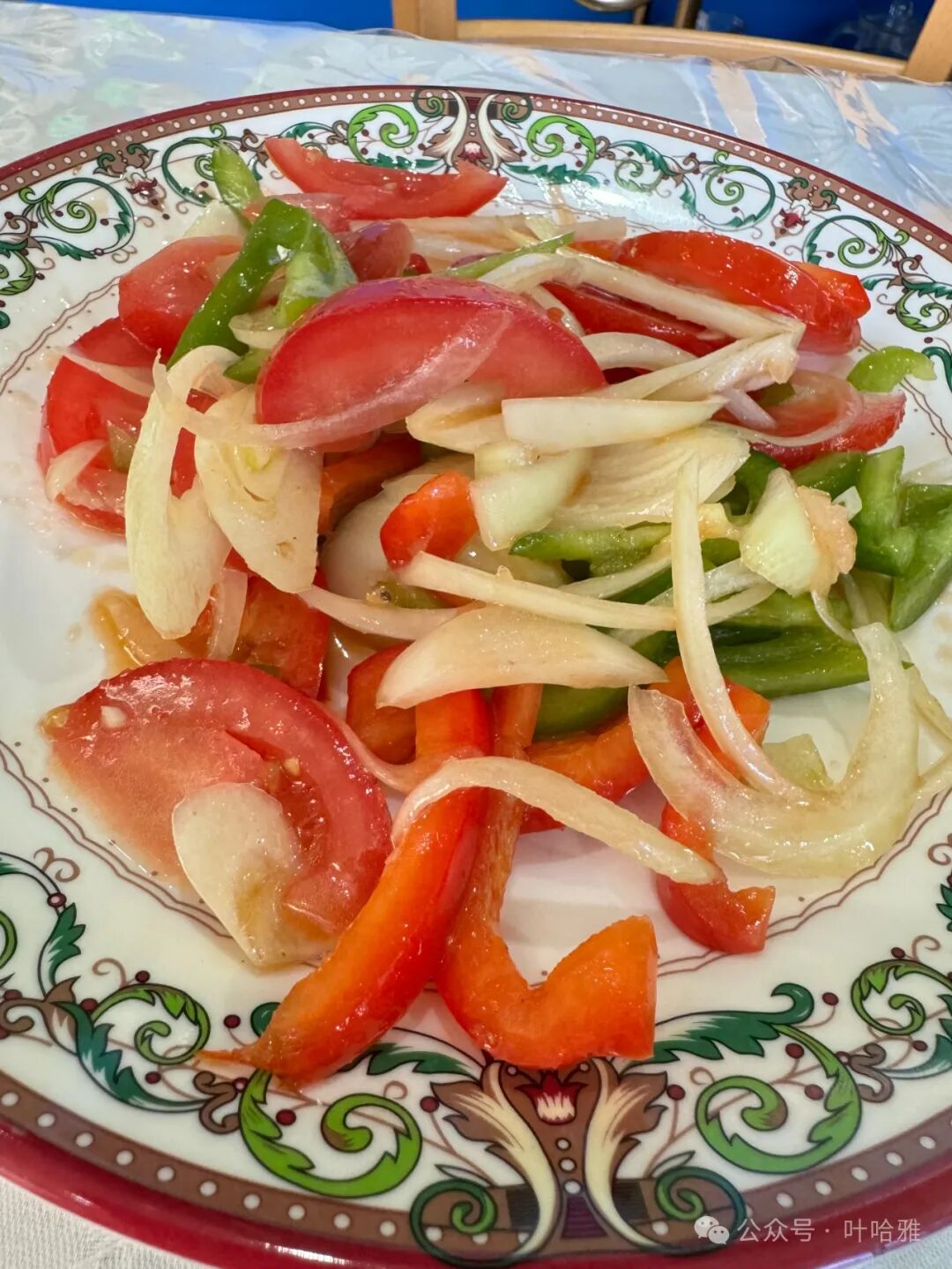
The restaurant does not have many dishes. I ordered a serving of mixed noodles (banmian) and a salad of onions, peppers, and tomatoes (pilahong). The taste was not exactly authentic, but the prices are very cheap; this bowl of noodles only cost me a little over 4 dollars.
I stayed in Vancouver for four days and went to the WE GRILL shown in the picture below for breakfast every day.
The guy at the shop is very friendly. I saw on Google that the shop was halal, but I did not see a sign when I arrived, so I asked him. He told me with full confidence, 'Everything is halal!'
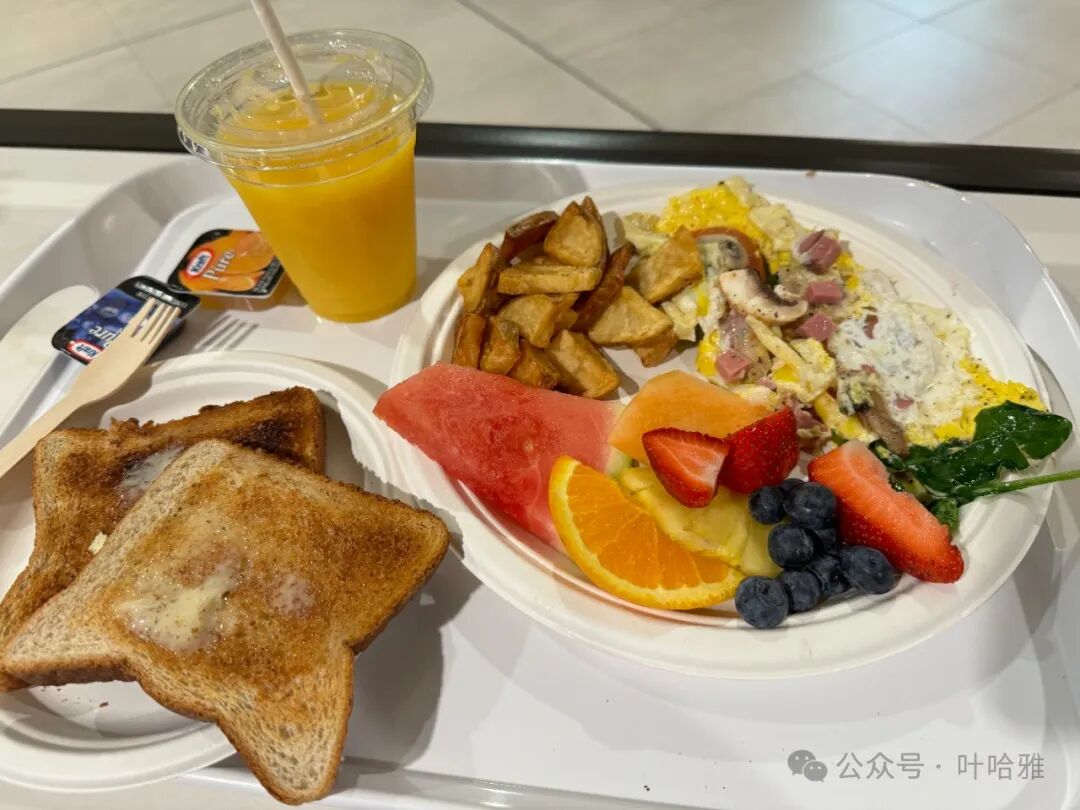
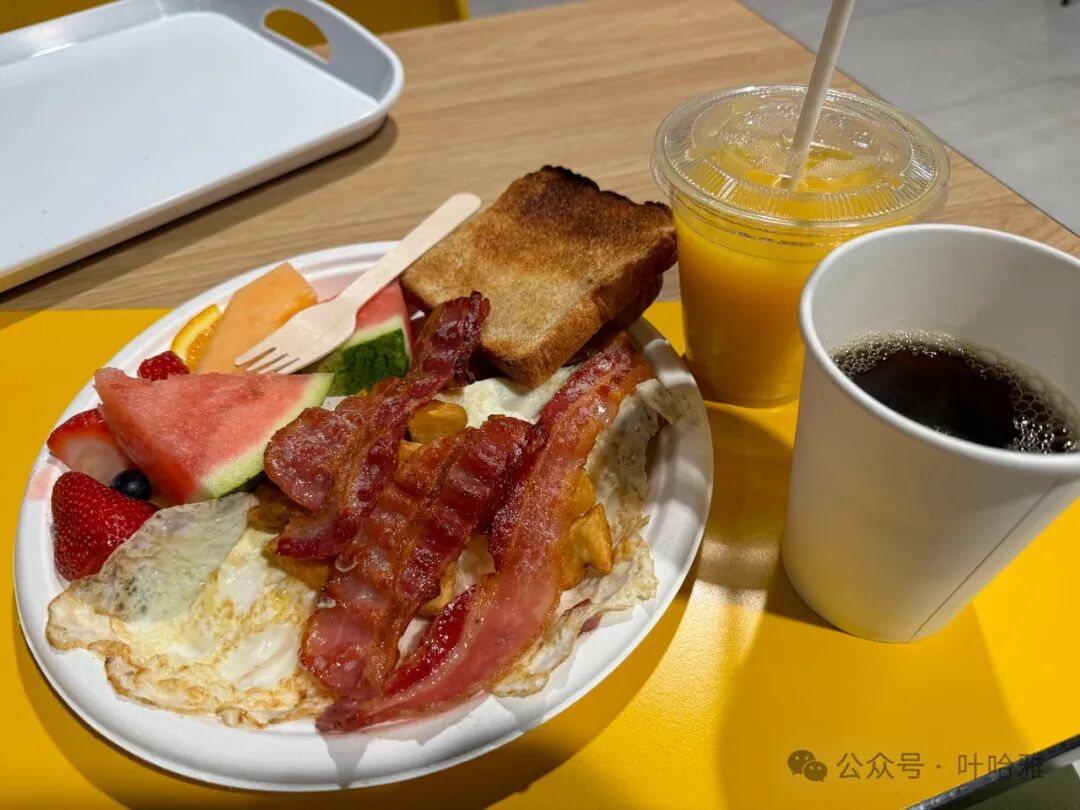
I like this place for two reasons. First, the food is healthy with a good balance of fruits, vegetables, and protein. Second, it opens early at 6:00 AM. My conference in Vancouver started at 7:00 AM, so this was the only place I could eat breakfast beforehand.
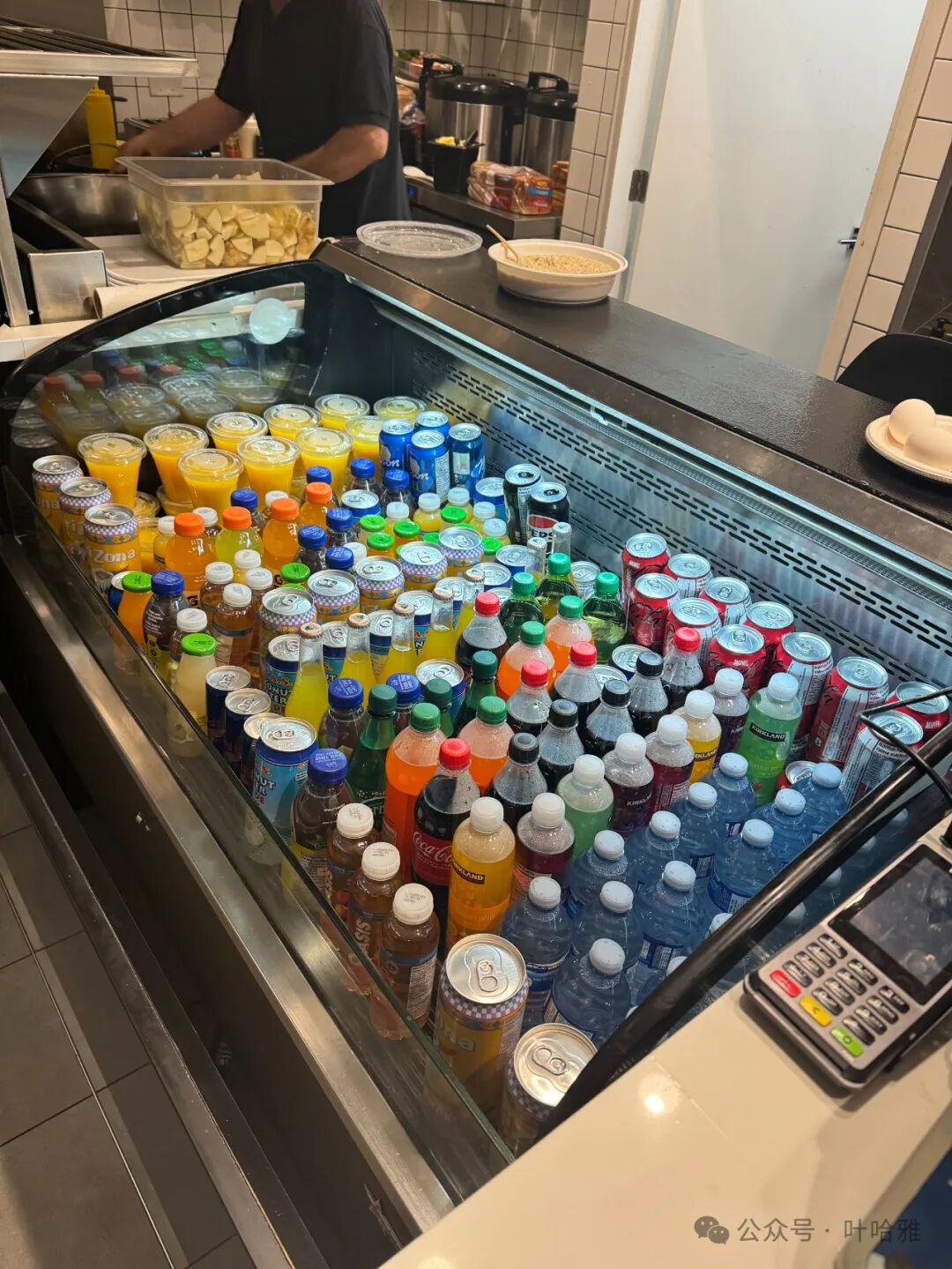
Because there are so many choices, I ate something different every day. A meal costs 20 dollars, which is quite expensive for a local breakfast in Canada, but it is nutritious and delicious. After the old guy saw me come in for the second day in a row, he started giving me free coffee every day with unlimited refills.
I sat right across from him and watched him greet the customers coming and going. Whether they bought food or not, he always greeted them with a smile and stayed full of energy every day. After leaving Vancouver, I never found another healthy breakfast shop like that one. I will miss my old friend.
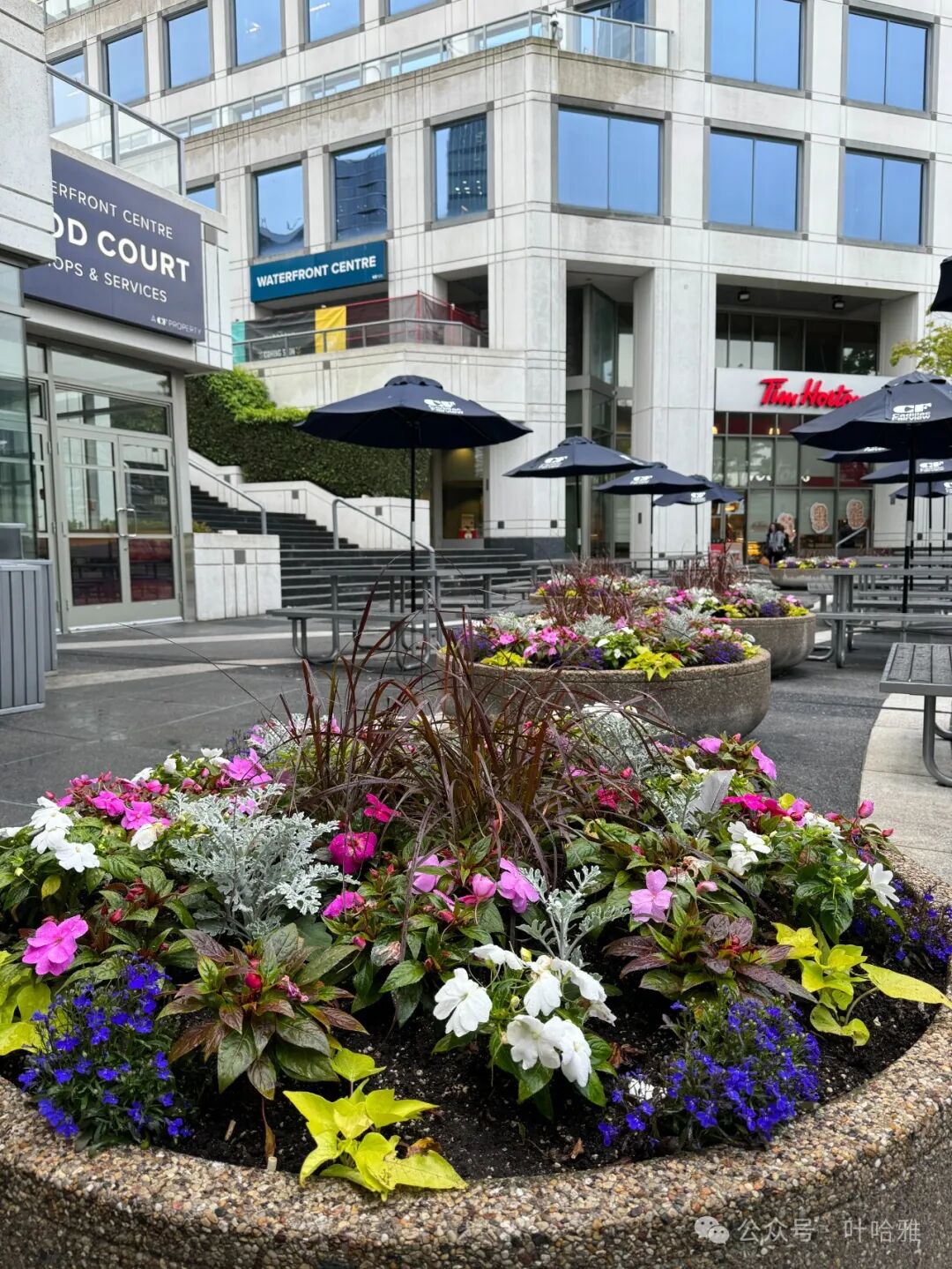
Canadians go to cafes for breakfast, like the Tim Hortons in the distance in the photo below. This brand is more popular in Canada than Starbucks, mainly because it is cheaper. For white people, a cup of coffee and a piece of bread is a typical breakfast, but the cafes in the city have long lines every morning.
PICADO Pizza
This Turkish pizza shop is also just a few hundred meters from where I stayed. I met my colleague who lives in Vancouver here. We are both from Beijing, and hearing a Beijing accent in a foreign land feels especially warm.
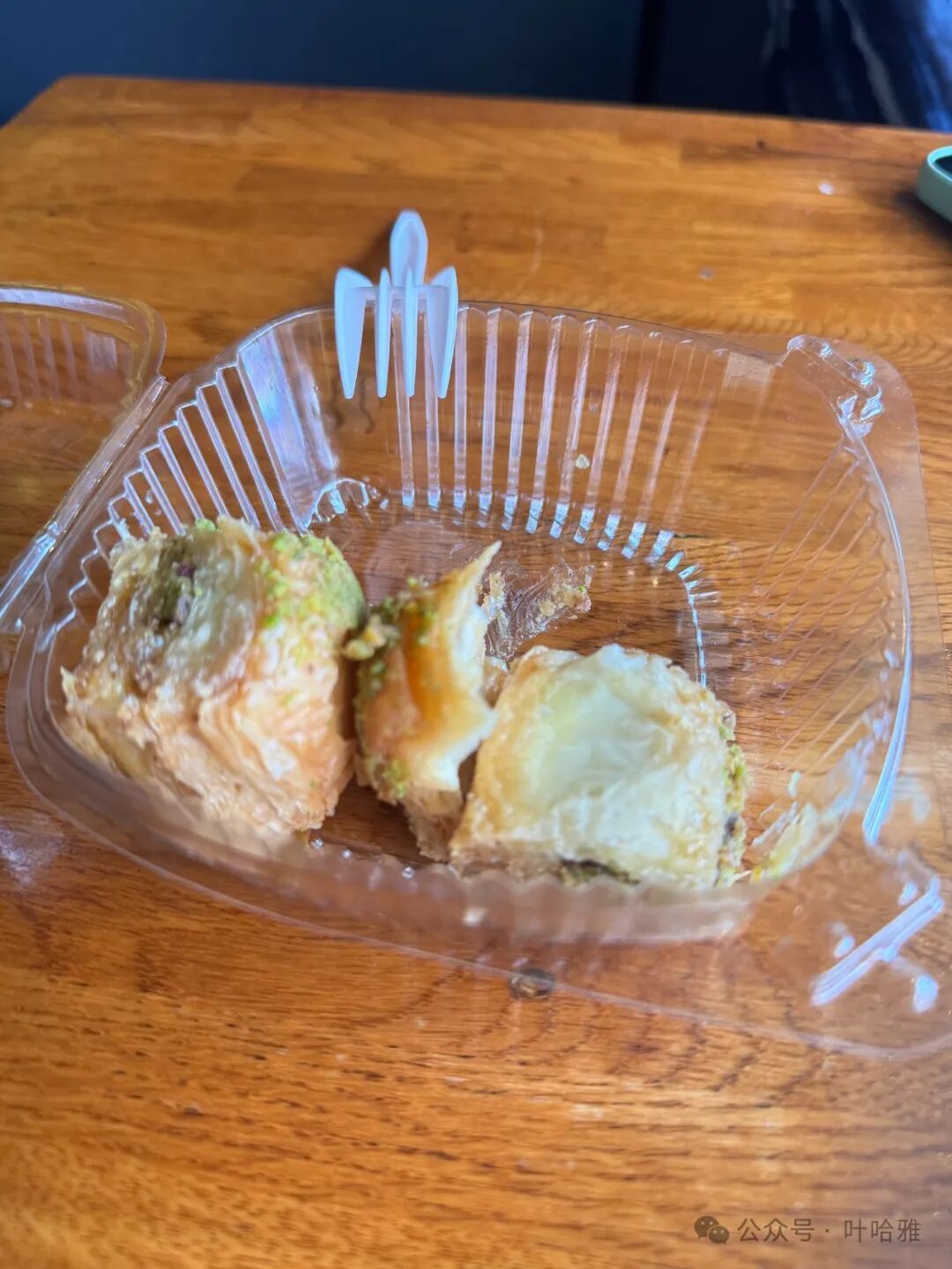
A cup of yogurt drink (ayran) with a slice of pizza, plus two pieces of sweet pastry (baklava).
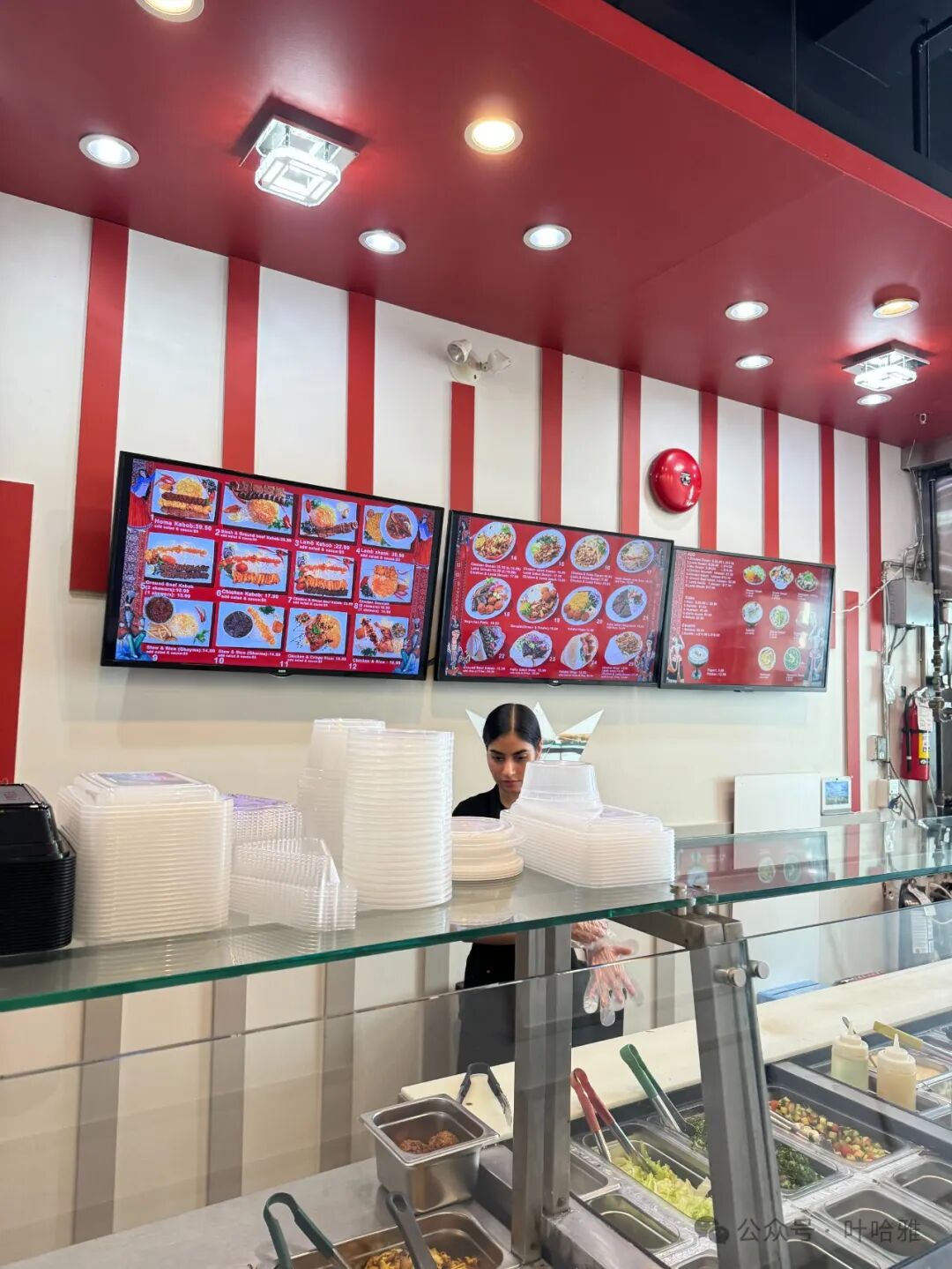
I met another colleague who has lived in Vancouver for a long time at this Iranian restaurant. There are many Shia activities in Vancouver, and I will introduce a Shia mosque later.
This grilled chicken set meal suited my taste quite well, and you can find it in Beijing too.
The young lady in the middle and the girl in the headscarf next to her look like the same person. The other three are a Black person, a South Asian, and an East Asian.
Masjid Al Salaam & Education Centre
Al-Salaam Islamic Center in Vancouver.
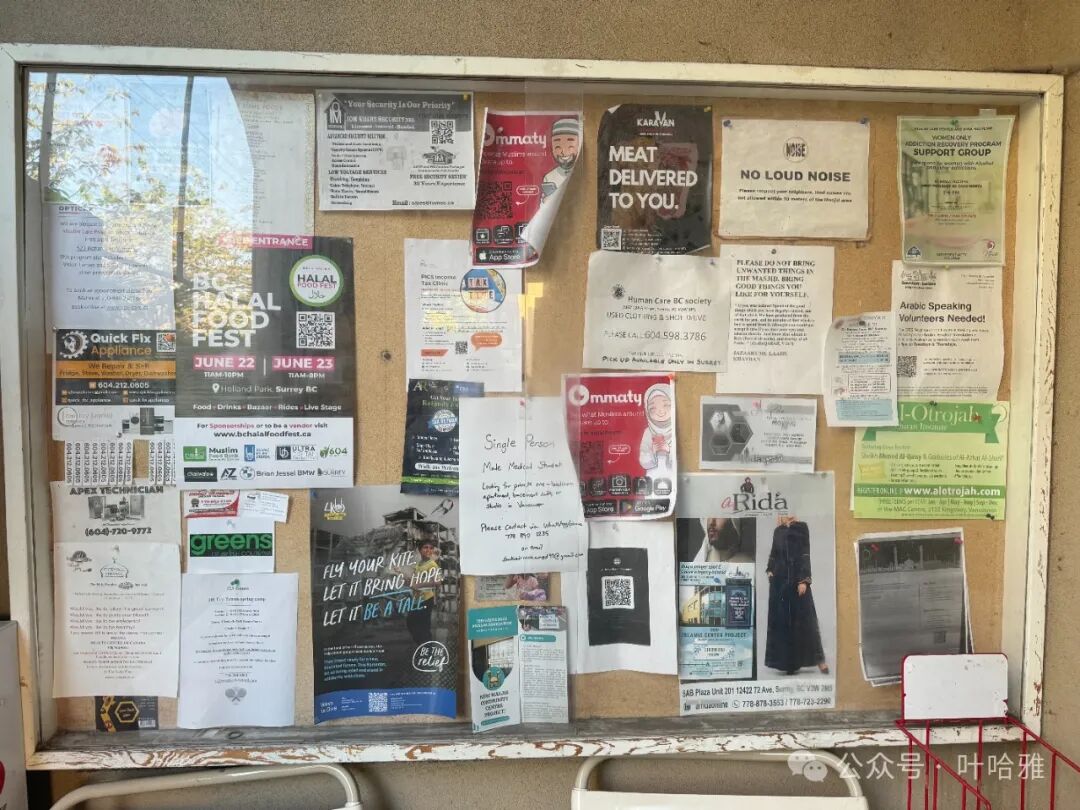
There is a poster for a halal food festival posted in front of the mosque.
This mosque even has its own app.
Women's prayer hall
Wudu pitcher (wudu hu) used in North America
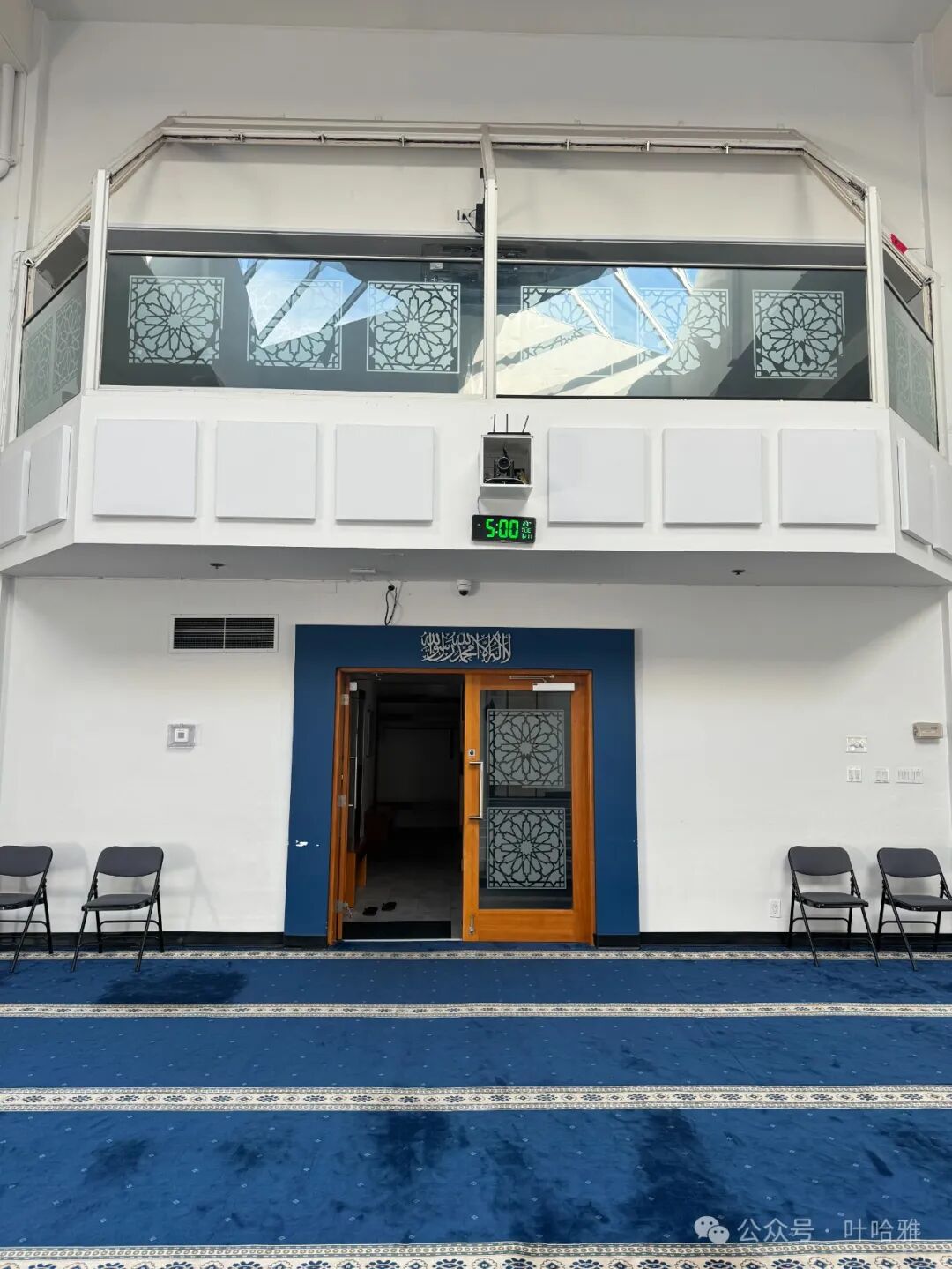
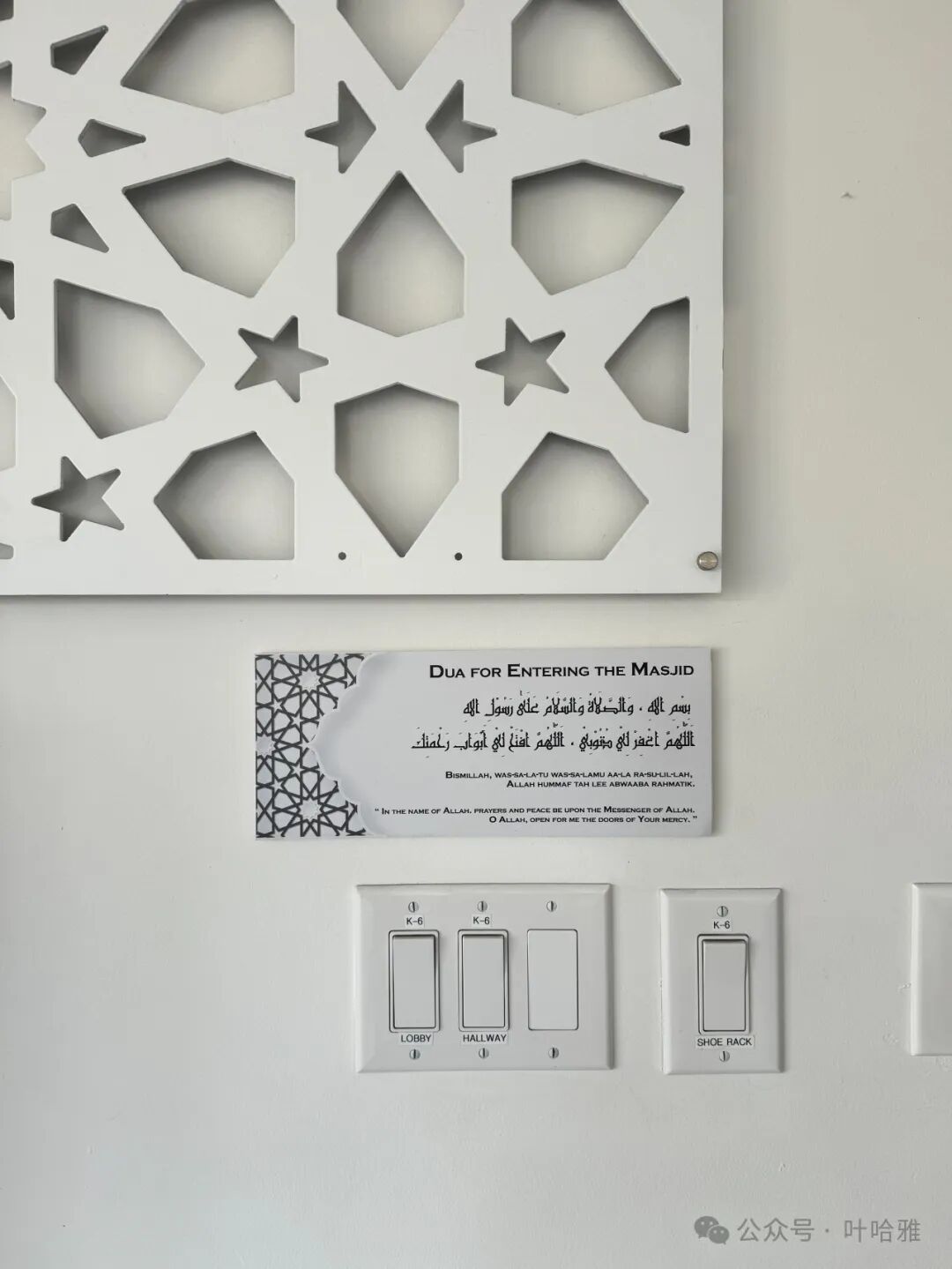
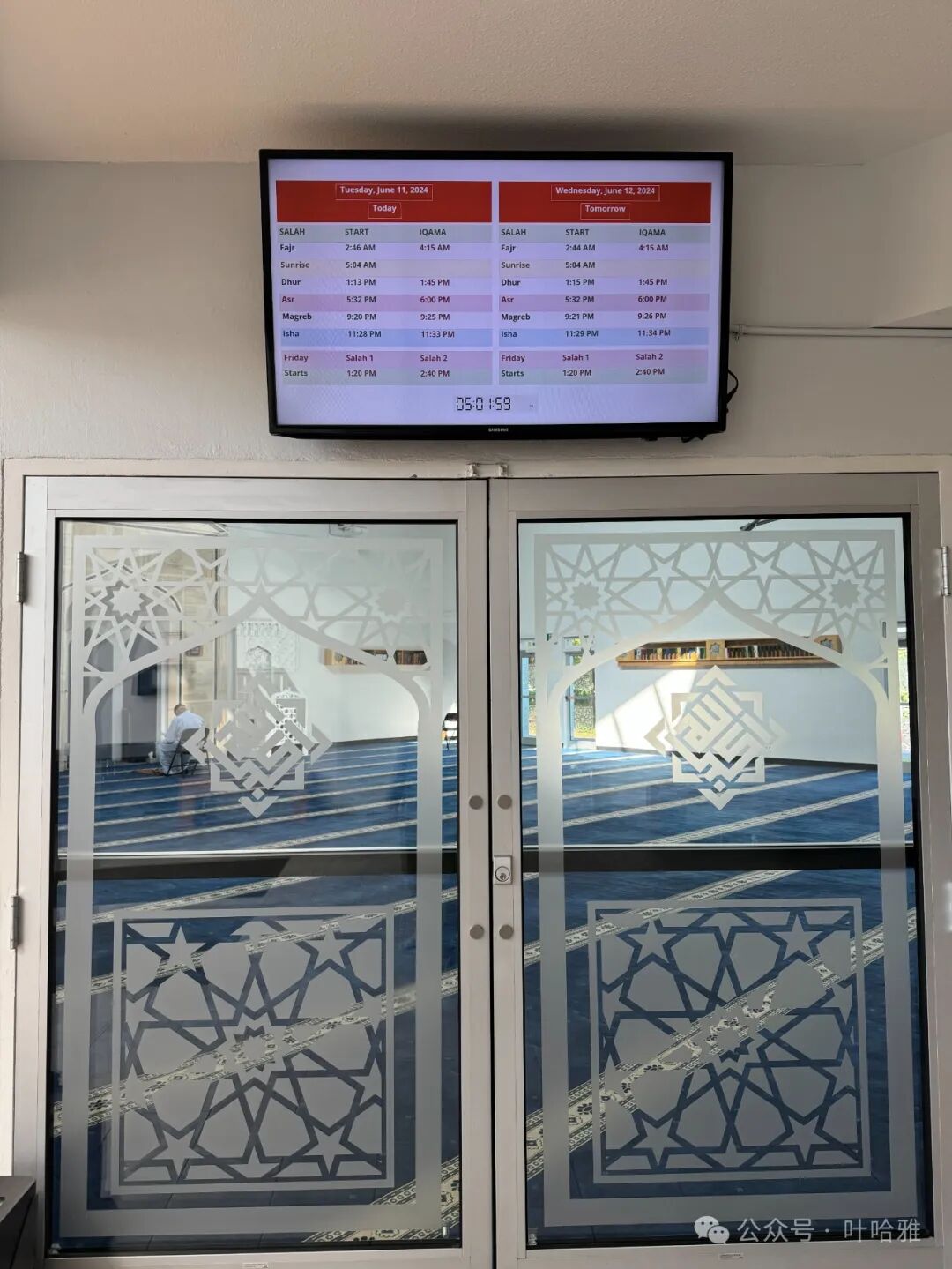
This mosque has a very modern design with geometric cutouts that let in plenty of light.
The wall facing the direction of prayer in the main hall is made of glass, which is a rare design style. I think this is the most beautiful mosque in Canada.
Behind the women's hall on the second floor is a children's area. This is a very thoughtful feature that lets mothers pray in peace while their children play nearby, and moms can see them through the glass.
Az-Zahraa Islamic Centre
Shia mosque
This is a large Shia Islamic center in Vancouver.
The architectural style clearly features Iranian influences.
The gate to the mosque was locked, so I rang the bell and explained why I was there. The older man watching the door was very welcoming and opened it for me.
He told me this is a Shia mosque and that he is a Shia believer. He reminded me not to get it mixed up, as the Sunni mosque is nearby in a different location.
I saw the stone where the imam stands and told him I recognized it. Shia Muslims believe that during namaz, you cannot pray on a carpet but must be close to the earth or something that grows from it. They use this stone to represent the earth, so when they prostrate, touching the stone means they are close to the earth. I once wrote about why Iran chose the Shia branch of Islam.
List of mosque management staff.
Poster for a scholar's lecture.
The older man watching the door said he had things to do and told me to look around on my own, just making sure to close the door when I left.
Right next to the Shia mosque is a Sikh mosque. I realized this area is like a religious street with all kinds of churches clustered together, as if the government set aside this land specifically for different religions to use.
I saw another Chinese Gospel church.
A Tibetan Buddhist mosque in Richmond.
Richmond is also called Lichiman, and this is a Chinese church by the side of the road.
Another Chinese Christian church right next to the Richmond mosque.
THE B. C. Muslim Association Richmond Branch-Sadaqa
Another Sunni mosque located closest to the Shia mosque in Richmond.
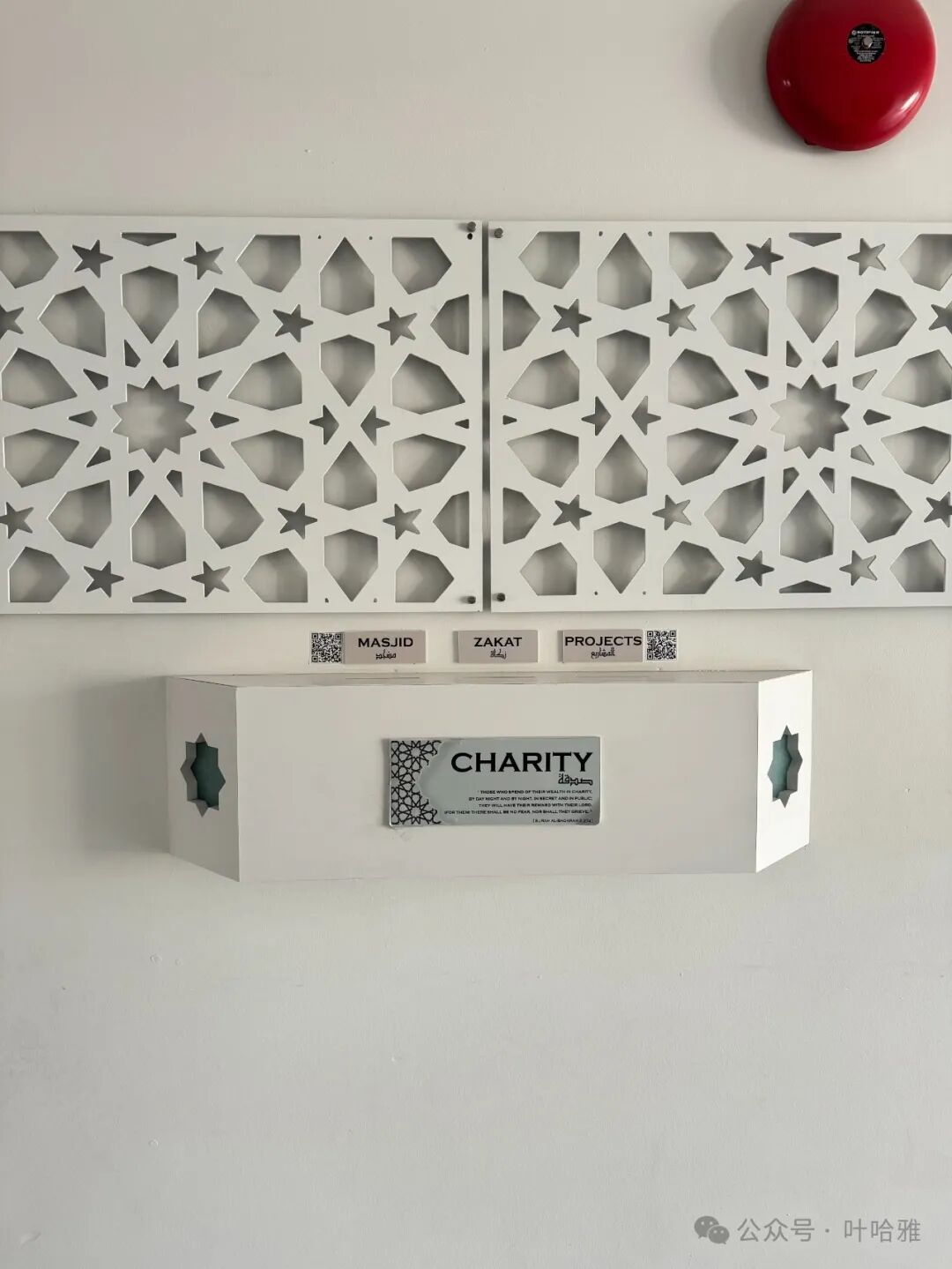
The most eye-catching thing in the mosque is always the QR code for donations; you can complete your charitable duty just by scanning it.
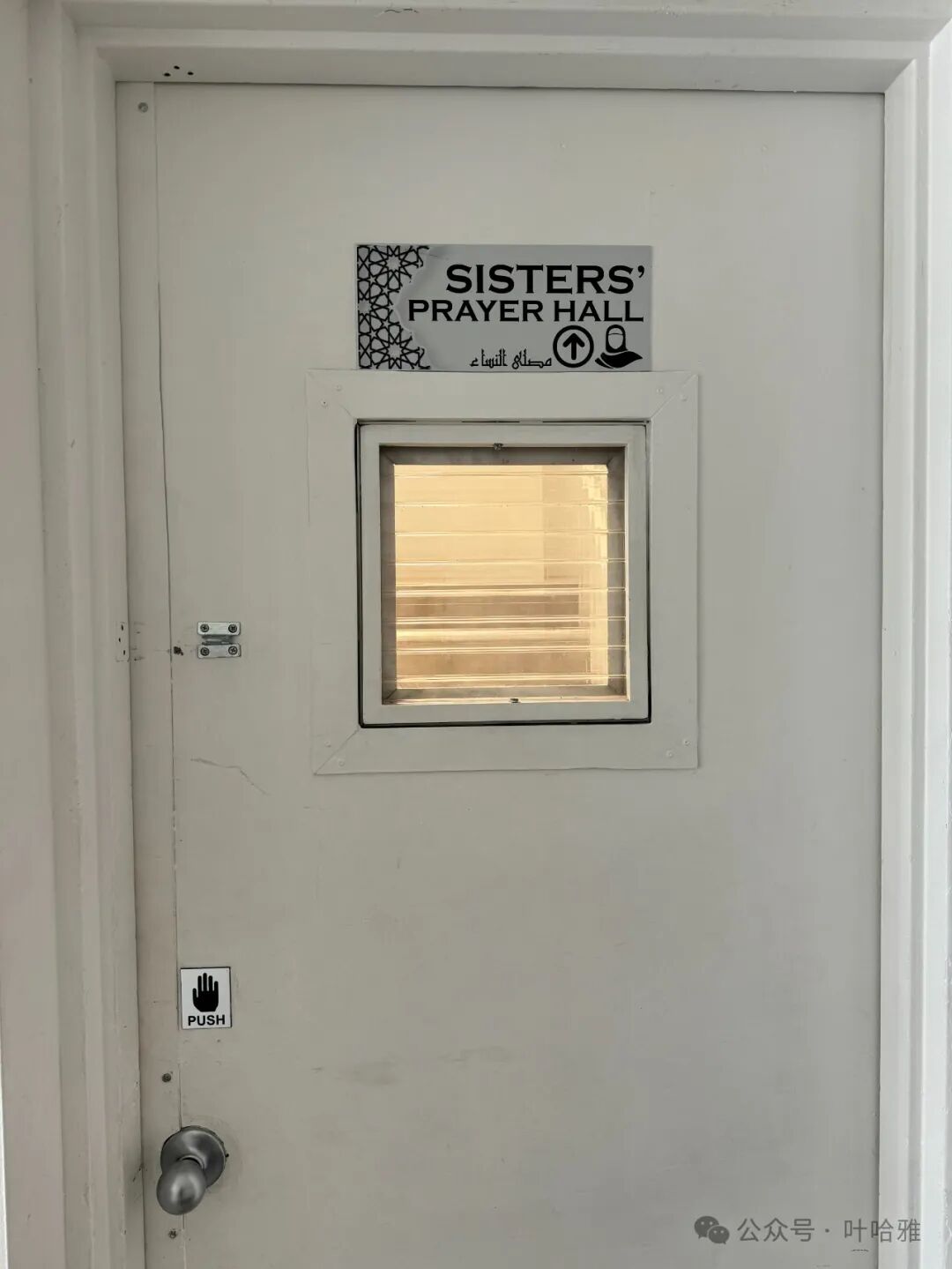
Mosques in Pakistan like to call the women's prayer hall the sisters' hall and the men's prayer hall the brothers' hall.
Silk Road Halal Restaurant
Silk Road Halal Restaurant
This is a halal Ningxia restaurant in the Richmond area, and the owner is from Ningxia.
The menu includes an introduction to the history and culture of the Hui Muslims in Ningxia.
The restaurant is decorated in a Chinese style and is very clean.
The menu has a good variety, and I wanted to try everything. Since I usually eat fast-food kebabs in Canada, it gets boring, and I really miss Chinese food. Besides, it is hard to find a decent halal restaurant in Canada that does not feel like a fast-food joint.
After looking for a while, I chose a beef sandwich (niurou jiamo) and pickled cabbage lamb noodles (suancai yangrou mian). The taste was just okay, and it cost over 200 yuan, which is not expensive.
Pickled cabbage lamb noodles (suancai yangrou mian)
I do not know what the problem is, but I always feel that lamb in Europe and America does not taste as good as it does back home. The lamb I have had in the UK and Canada does not taste as good as the lamb from Northwest China.
After eating, I walked around a nearby mall. Richmond is definitely a place where many Chinese people live. You can get by here without speaking English, as store signs and ATMs have Chinese instructions.
Richmond is translated as Liezhiwen, and it is the largest Chinese community in Canada.
A garden-style building appeared ahead, which is called the Ismaili Centre.
I was moved by the beautiful scenery in front of me, so I really wanted to go inside and take a look.
I saw a few workers at the entrance, and they told me the entrance was at the back door.
I entered the office area from the back door and met an elderly volunteer inside. He told me this is a Shia aid station, not a mosque, and it is a place that provides help to immigrants.
The old man was very kind. He is Indian and said if I wanted to pray, I could go to the Sunni mosque not far away, and he walked out of the building to show me the way.
The volunteers I met at the Shia mosque were not Iranian, but South Asian.
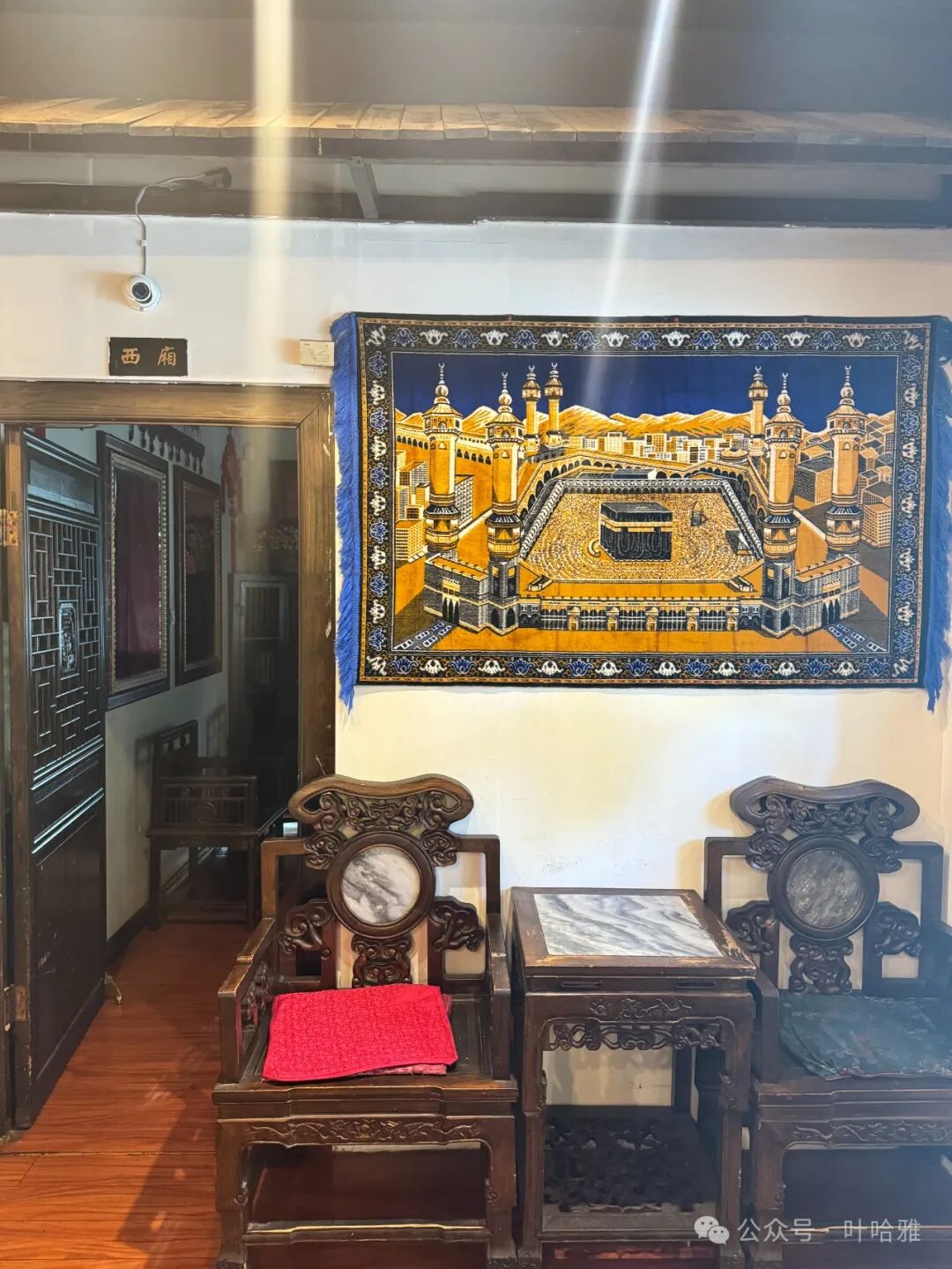
The tapestry hanging on the wall was very beautiful, and the entire room was covered with carpet.
After leaving this aid station, I went to the small mosque below.
Vancouver Jamea Mosque
I happened to come across a small mosque, which seemed to be run by Pakistani people.
There should be dozens of such small mosques in Vancouver.
Baitur Rahman Mosque
Ahmadiyya mosques have clear features. Their names often include 'Baitur,' which means House of Victory, and they are also identified as Ahmadiyya. The largest Ahmadiyya mosque in the UK is in London. This mosque in Vancouver is the third largest in Canada, with the second largest in Calgary and the biggest in Toronto. The silver-white color of the mosque has a special meaning. According to prophecies in the Hadith, the Mahdi will descend in a white mosque when the end times arrive. view all
Summary: This Vancouver halal food and mosque guide covers Uyghur food, halal fast-food chains, Chinese community areas, Richmond, city views, Shia and Pakistani prayer spaces, Baitur Rahman Mosque, and the author's first impressions of Muslim life in Vancouver.
Vancouver is Canada's third-largest port city and the closest Canadian city to China, separated only by the Pacific Ocean. It also has the largest Chinese population in Canada, with Chinese residents making up nearly one-fifth of the total.
Vancouver has been named one of the world's most livable cities for many years. This is mainly because of its pleasant climate. Its geography is similar to Yili in China, but with the addition of the ocean, which makes it more humid. Summers are not hot, and winters are not too cold.
Cruise ships sailing from Vancouver to Alaska.
Vancouver is next to Seattle in the United States. I visited Seattle in the autumn and was captivated by its beautiful fall scenery. I imagine Vancouver's autumn views are just as good. The daytime sun in Vancouver is very strong, just like in Xinjiang, so I suggest wearing sunglasses.
Bahawan Uyghur Cuisine.
I found at least two Xinjiang restaurants on Google Maps. This is one of them, and it is not far from the Vancouver Convention Centre where I am staying.
It has been a long time since I saw a halal restaurant run by Uyghurs, and they have a halal sign hanging up.
I saw Chinese written on the blackboard: Xinjiang rice noodles (xinjiang mifen) and stir-fried rice cakes (chao niangao).
The server was a slim young Uyghur girl. She spoke fluent English and Uyghur but did not speak Chinese. Most young Uyghurs I have met in Europe and America are like this; they do not speak Chinese, though the older generation can still speak it.
I ordered stir-fried meat with noodles (guoyou rou banmian) and a cold shredded vegetable salad (liangban sansi). The meat dish was 25 dollars and the cold dish was 12 dollars. With a 15% tip, it came to over 200 yuan. While Vancouver's climate is pleasant, the prices are not, making it a place better suited for the wealthy to move to.
A Chinese church in Vancouver. The Chinese population is mainly concentrated in Richmond.
The most common food trucks in Europe and America are basically all halal. In Vancouver, you never have to worry about not finding a halal restaurant; you could say there are halal fast-food shops everywhere.
FATBURGER is a halal burger chain from the United States, and the Beijing locations are also halal.
The Halal Guys is a very popular halal fast-food chain in North America, with a status similar to Lanzhou hand-pulled noodles (Lanzhou lamian).
The waiter suggested I choose the large drink because it cost the same as the small one. I saw it was a Canadian specialty and tried it, but it was not good. After trying many new drinks, I realized that if those unfamiliar drinks were actually tasty, they would have been sold in China long ago.
The small chili peppers served with fast food here are extremely spicy. Remember to tell the staff you do not want them. This kind of heat just makes your mouth hurt; it is not as delicious as the fragrant spice we have in Northwest China.
See that? I even have to tip for a fast-food meal, and this small portion cost over 150 yuan.
After that, I visited another Xinjiang restaurant called Beautiful Urumqi. It used to be called Lovely Xinjiang, and I do not know why they changed the name.
The lady in the shop speaks Chinese. She said they arrived in Vancouver three years ago and think it feels a lot like Altay in Northern Xinjiang. When I asked if she wanted to go back, she just gave a helpless smile.
The restaurant does not have many dishes. I ordered a serving of mixed noodles (banmian) and a salad of onions, peppers, and tomatoes (pilahong). The taste was not exactly authentic, but the prices are very cheap; this bowl of noodles only cost me a little over 4 dollars.
I stayed in Vancouver for four days and went to the WE GRILL shown in the picture below for breakfast every day.
The guy at the shop is very friendly. I saw on Google that the shop was halal, but I did not see a sign when I arrived, so I asked him. He told me with full confidence, 'Everything is halal!'
I like this place for two reasons. First, the food is healthy with a good balance of fruits, vegetables, and protein. Second, it opens early at 6:00 AM. My conference in Vancouver started at 7:00 AM, so this was the only place I could eat breakfast beforehand.
Because there are so many choices, I ate something different every day. A meal costs 20 dollars, which is quite expensive for a local breakfast in Canada, but it is nutritious and delicious. After the old guy saw me come in for the second day in a row, he started giving me free coffee every day with unlimited refills.
I sat right across from him and watched him greet the customers coming and going. Whether they bought food or not, he always greeted them with a smile and stayed full of energy every day. After leaving Vancouver, I never found another healthy breakfast shop like that one. I will miss my old friend.
Canadians go to cafes for breakfast, like the Tim Hortons in the distance in the photo below. This brand is more popular in Canada than Starbucks, mainly because it is cheaper. For white people, a cup of coffee and a piece of bread is a typical breakfast, but the cafes in the city have long lines every morning.
PICADO Pizza
This Turkish pizza shop is also just a few hundred meters from where I stayed. I met my colleague who lives in Vancouver here. We are both from Beijing, and hearing a Beijing accent in a foreign land feels especially warm.
A cup of yogurt drink (ayran) with a slice of pizza, plus two pieces of sweet pastry (baklava).
I met another colleague who has lived in Vancouver for a long time at this Iranian restaurant. There are many Shia activities in Vancouver, and I will introduce a Shia mosque later.
This grilled chicken set meal suited my taste quite well, and you can find it in Beijing too.
The young lady in the middle and the girl in the headscarf next to her look like the same person. The other three are a Black person, a South Asian, and an East Asian.
Masjid Al Salaam & Education Centre
Al-Salaam Islamic Center in Vancouver.
There is a poster for a halal food festival posted in front of the mosque.
This mosque even has its own app.
Women's prayer hall
Wudu pitcher (wudu hu) used in North America
This mosque has a very modern design with geometric cutouts that let in plenty of light.
The wall facing the direction of prayer in the main hall is made of glass, which is a rare design style. I think this is the most beautiful mosque in Canada.
Behind the women's hall on the second floor is a children's area. This is a very thoughtful feature that lets mothers pray in peace while their children play nearby, and moms can see them through the glass.
Az-Zahraa Islamic Centre
Shia mosque
This is a large Shia Islamic center in Vancouver.
The architectural style clearly features Iranian influences.
The gate to the mosque was locked, so I rang the bell and explained why I was there. The older man watching the door was very welcoming and opened it for me.
He told me this is a Shia mosque and that he is a Shia believer. He reminded me not to get it mixed up, as the Sunni mosque is nearby in a different location.
I saw the stone where the imam stands and told him I recognized it. Shia Muslims believe that during namaz, you cannot pray on a carpet but must be close to the earth or something that grows from it. They use this stone to represent the earth, so when they prostrate, touching the stone means they are close to the earth. I once wrote about why Iran chose the Shia branch of Islam.
List of mosque management staff.
Poster for a scholar's lecture.
The older man watching the door said he had things to do and told me to look around on my own, just making sure to close the door when I left.
Right next to the Shia mosque is a Sikh mosque. I realized this area is like a religious street with all kinds of churches clustered together, as if the government set aside this land specifically for different religions to use.
I saw another Chinese Gospel church.
A Tibetan Buddhist mosque in Richmond.
Richmond is also called Lichiman, and this is a Chinese church by the side of the road.
Another Chinese Christian church right next to the Richmond mosque.
THE B. C. Muslim Association Richmond Branch-Sadaqa
Another Sunni mosque located closest to the Shia mosque in Richmond.
The most eye-catching thing in the mosque is always the QR code for donations; you can complete your charitable duty just by scanning it.
Mosques in Pakistan like to call the women's prayer hall the sisters' hall and the men's prayer hall the brothers' hall.
Silk Road Halal Restaurant
Silk Road Halal Restaurant
This is a halal Ningxia restaurant in the Richmond area, and the owner is from Ningxia.
The menu includes an introduction to the history and culture of the Hui Muslims in Ningxia.
The restaurant is decorated in a Chinese style and is very clean.
The menu has a good variety, and I wanted to try everything. Since I usually eat fast-food kebabs in Canada, it gets boring, and I really miss Chinese food. Besides, it is hard to find a decent halal restaurant in Canada that does not feel like a fast-food joint.
After looking for a while, I chose a beef sandwich (niurou jiamo) and pickled cabbage lamb noodles (suancai yangrou mian). The taste was just okay, and it cost over 200 yuan, which is not expensive.
Pickled cabbage lamb noodles (suancai yangrou mian)
I do not know what the problem is, but I always feel that lamb in Europe and America does not taste as good as it does back home. The lamb I have had in the UK and Canada does not taste as good as the lamb from Northwest China.
After eating, I walked around a nearby mall. Richmond is definitely a place where many Chinese people live. You can get by here without speaking English, as store signs and ATMs have Chinese instructions.
Richmond is translated as Liezhiwen, and it is the largest Chinese community in Canada.
A garden-style building appeared ahead, which is called the Ismaili Centre.
I was moved by the beautiful scenery in front of me, so I really wanted to go inside and take a look.
I saw a few workers at the entrance, and they told me the entrance was at the back door.
I entered the office area from the back door and met an elderly volunteer inside. He told me this is a Shia aid station, not a mosque, and it is a place that provides help to immigrants.
The old man was very kind. He is Indian and said if I wanted to pray, I could go to the Sunni mosque not far away, and he walked out of the building to show me the way.
The volunteers I met at the Shia mosque were not Iranian, but South Asian.
The tapestry hanging on the wall was very beautiful, and the entire room was covered with carpet.
After leaving this aid station, I went to the small mosque below.
Vancouver Jamea Mosque
I happened to come across a small mosque, which seemed to be run by Pakistani people.
There should be dozens of such small mosques in Vancouver.
Baitur Rahman Mosque
Ahmadiyya mosques have clear features. Their names often include 'Baitur,' which means House of Victory, and they are also identified as Ahmadiyya. The largest Ahmadiyya mosque in the UK is in London. This mosque in Vancouver is the third largest in Canada, with the second largest in Calgary and the biggest in Toronto. The silver-white color of the mosque has a special meaning. According to prophecies in the Hadith, the Mahdi will descend in a white mosque when the end times arrive. view all
Reposted from the web
Summary: This Vancouver halal food and mosque guide covers Uyghur food, halal fast-food chains, Chinese community areas, Richmond, city views, Shia and Pakistani prayer spaces, Baitur Rahman Mosque, and the author's first impressions of Muslim life in Vancouver.
Vancouver is Canada's third-largest port city and the closest Canadian city to China, separated only by the Pacific Ocean. It also has the largest Chinese population in Canada, with Chinese residents making up nearly one-fifth of the total.
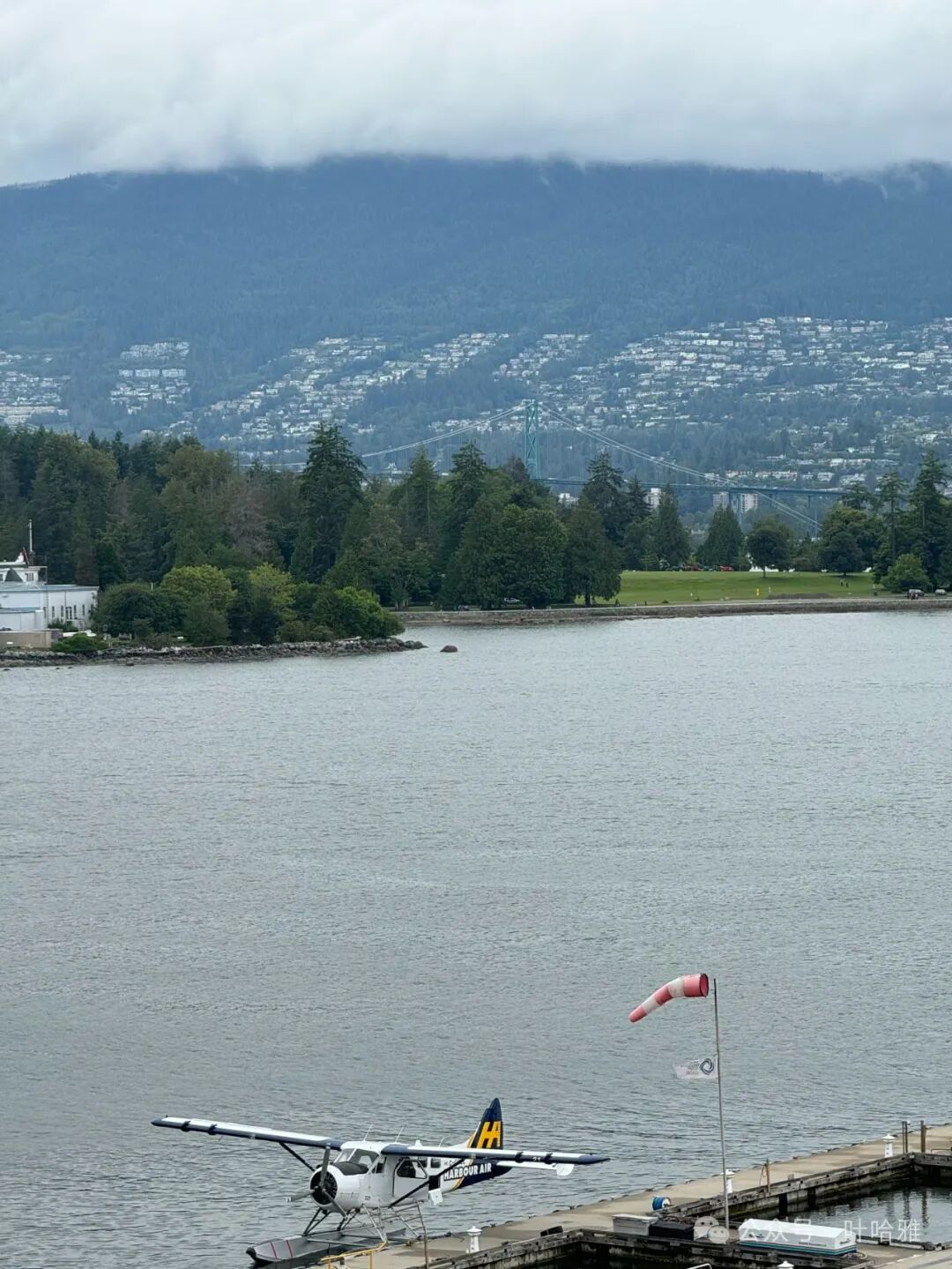
Vancouver has been named one of the world's most livable cities for many years. This is mainly because of its pleasant climate. Its geography is similar to Yili in China, but with the addition of the ocean, which makes it more humid. Summers are not hot, and winters are not too cold.
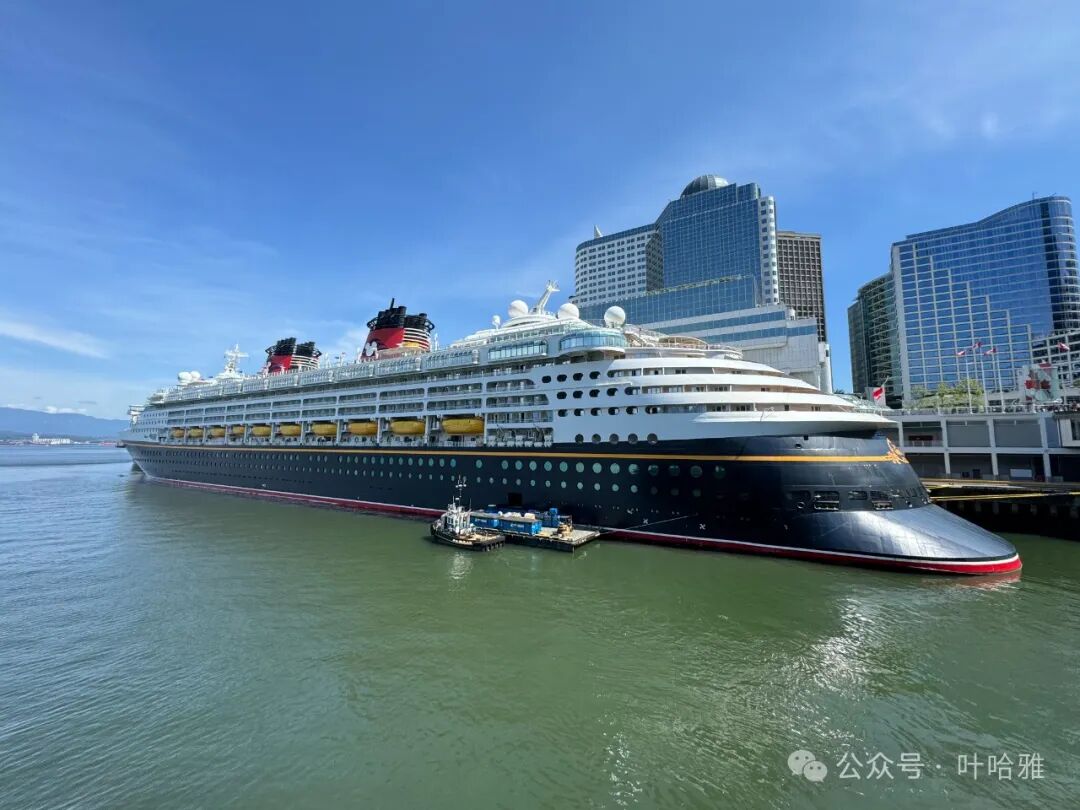
Cruise ships sailing from Vancouver to Alaska.
Vancouver is next to Seattle in the United States. I visited Seattle in the autumn and was captivated by its beautiful fall scenery. I imagine Vancouver's autumn views are just as good. The daytime sun in Vancouver is very strong, just like in Xinjiang, so I suggest wearing sunglasses.
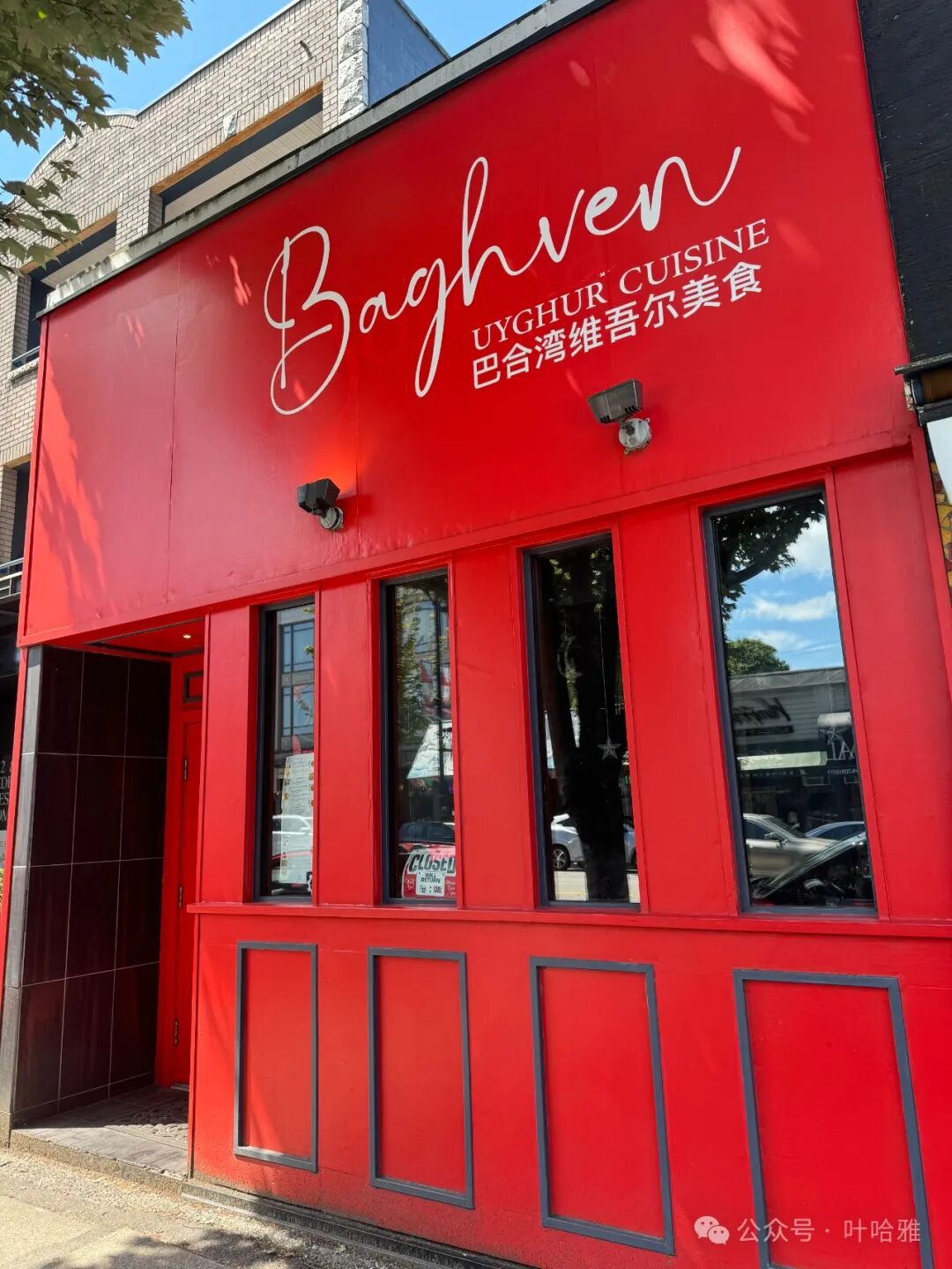
Bahawan Uyghur Cuisine.
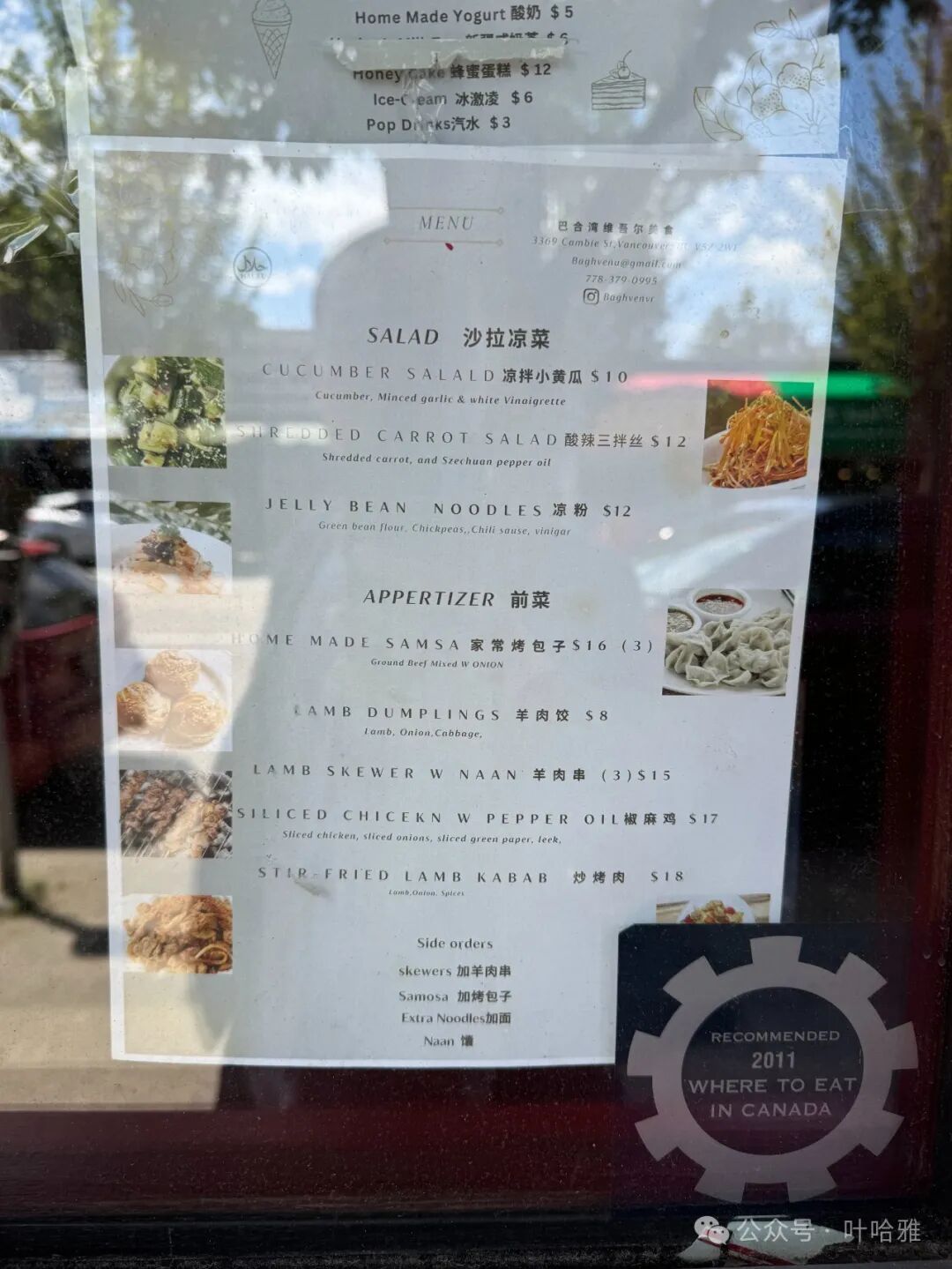
I found at least two Xinjiang restaurants on Google Maps. This is one of them, and it is not far from the Vancouver Convention Centre where I am staying.
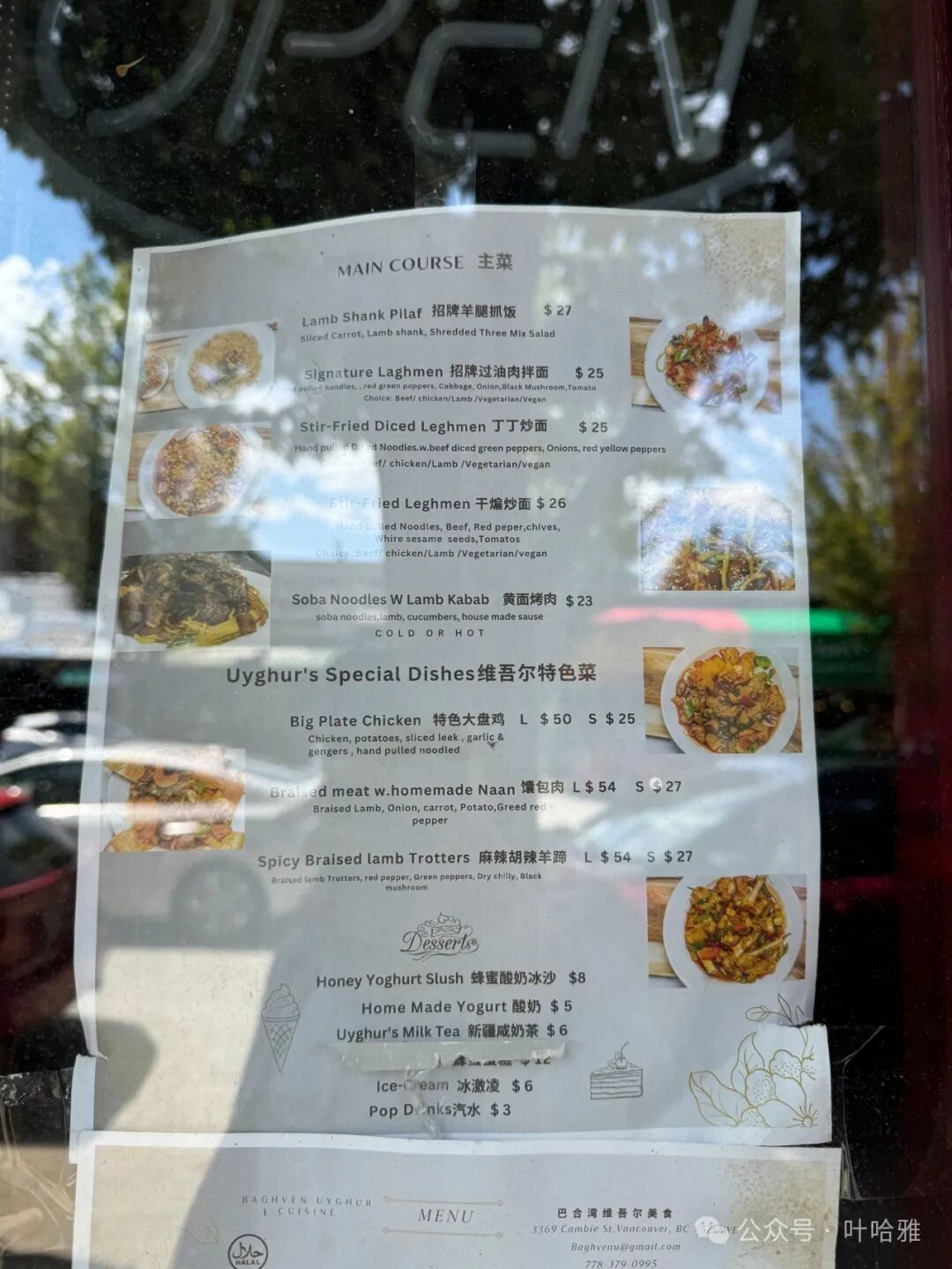
It has been a long time since I saw a halal restaurant run by Uyghurs, and they have a halal sign hanging up.
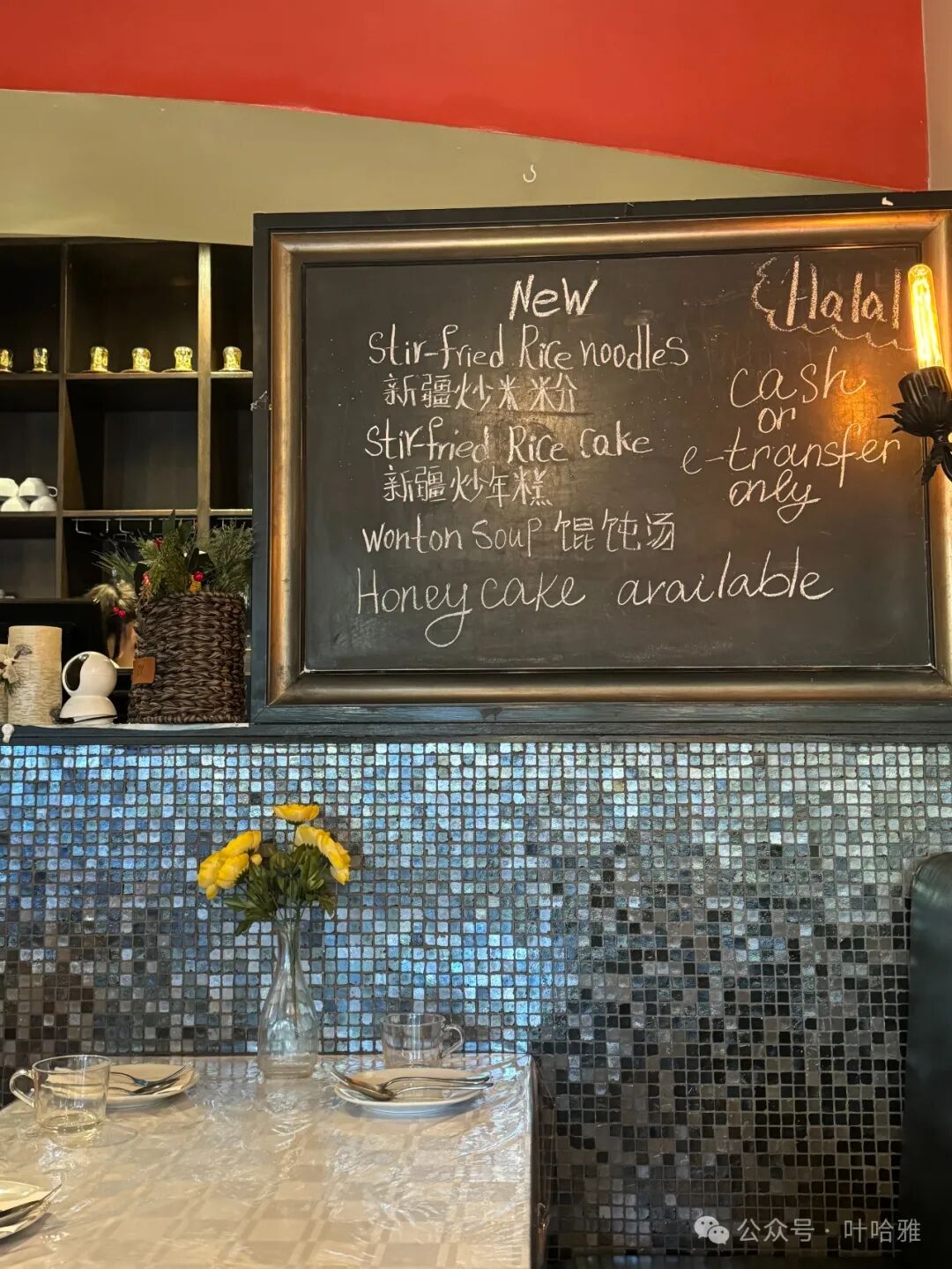
I saw Chinese written on the blackboard: Xinjiang rice noodles (xinjiang mifen) and stir-fried rice cakes (chao niangao).
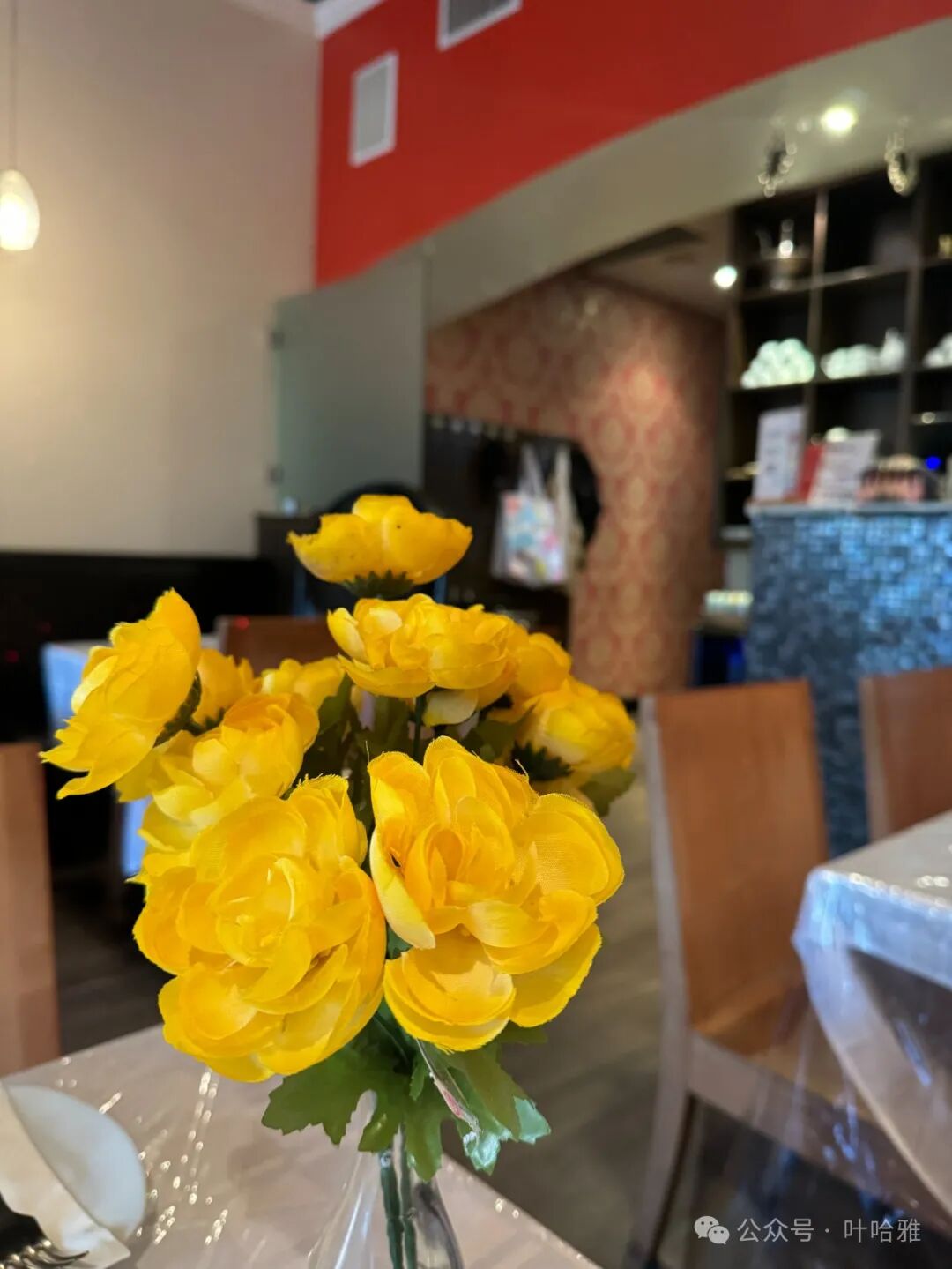
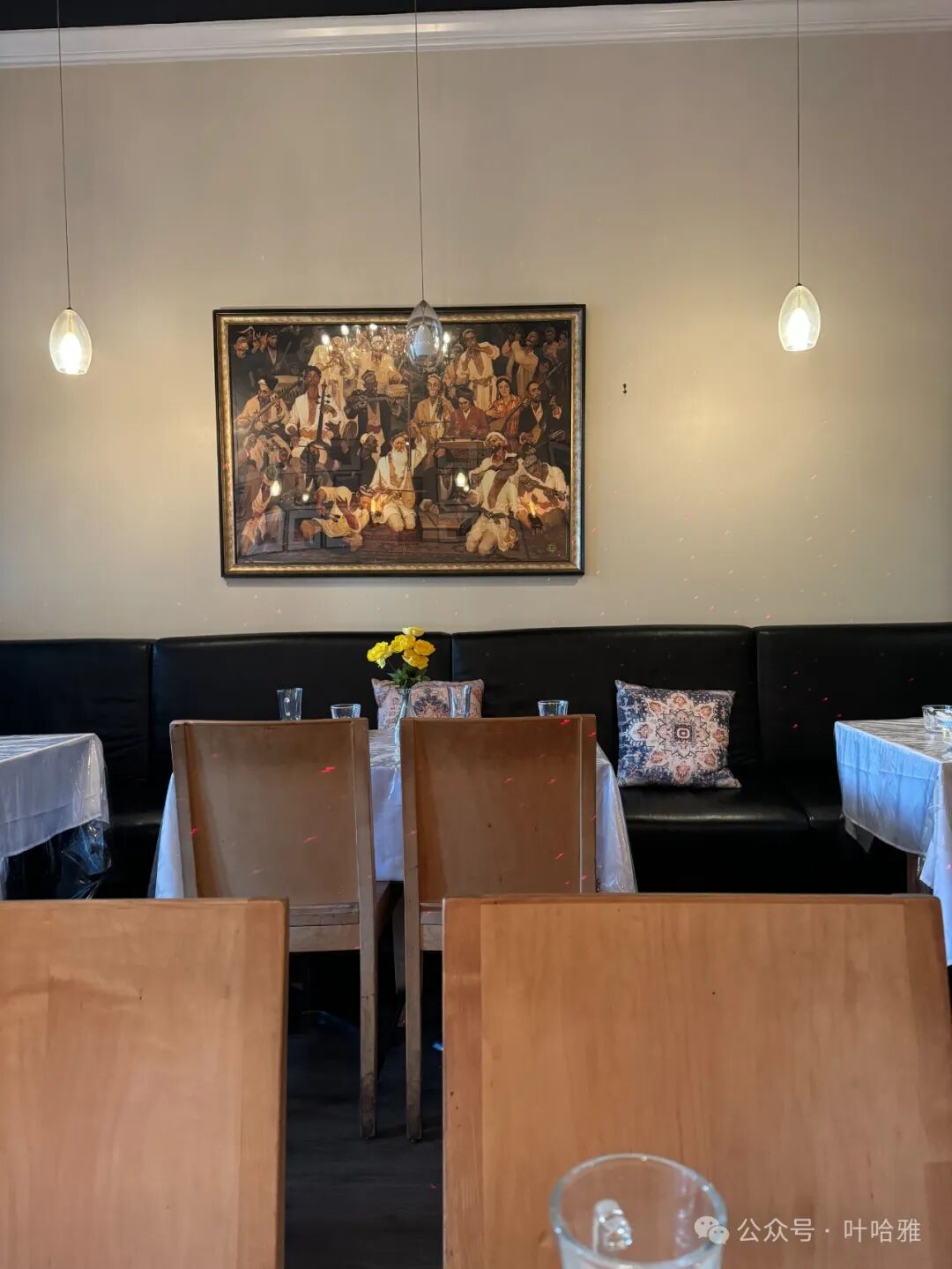
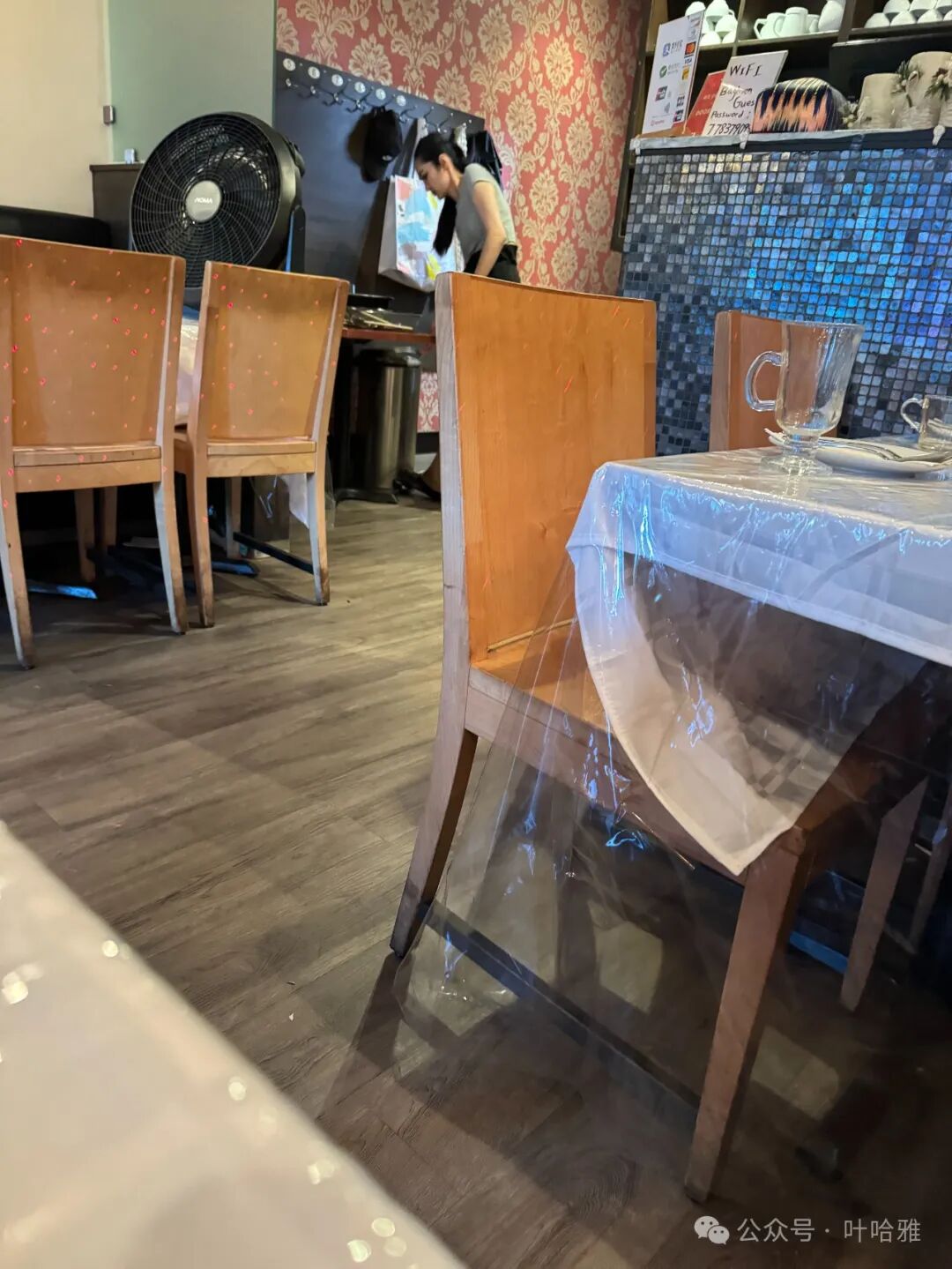
The server was a slim young Uyghur girl. She spoke fluent English and Uyghur but did not speak Chinese. Most young Uyghurs I have met in Europe and America are like this; they do not speak Chinese, though the older generation can still speak it.
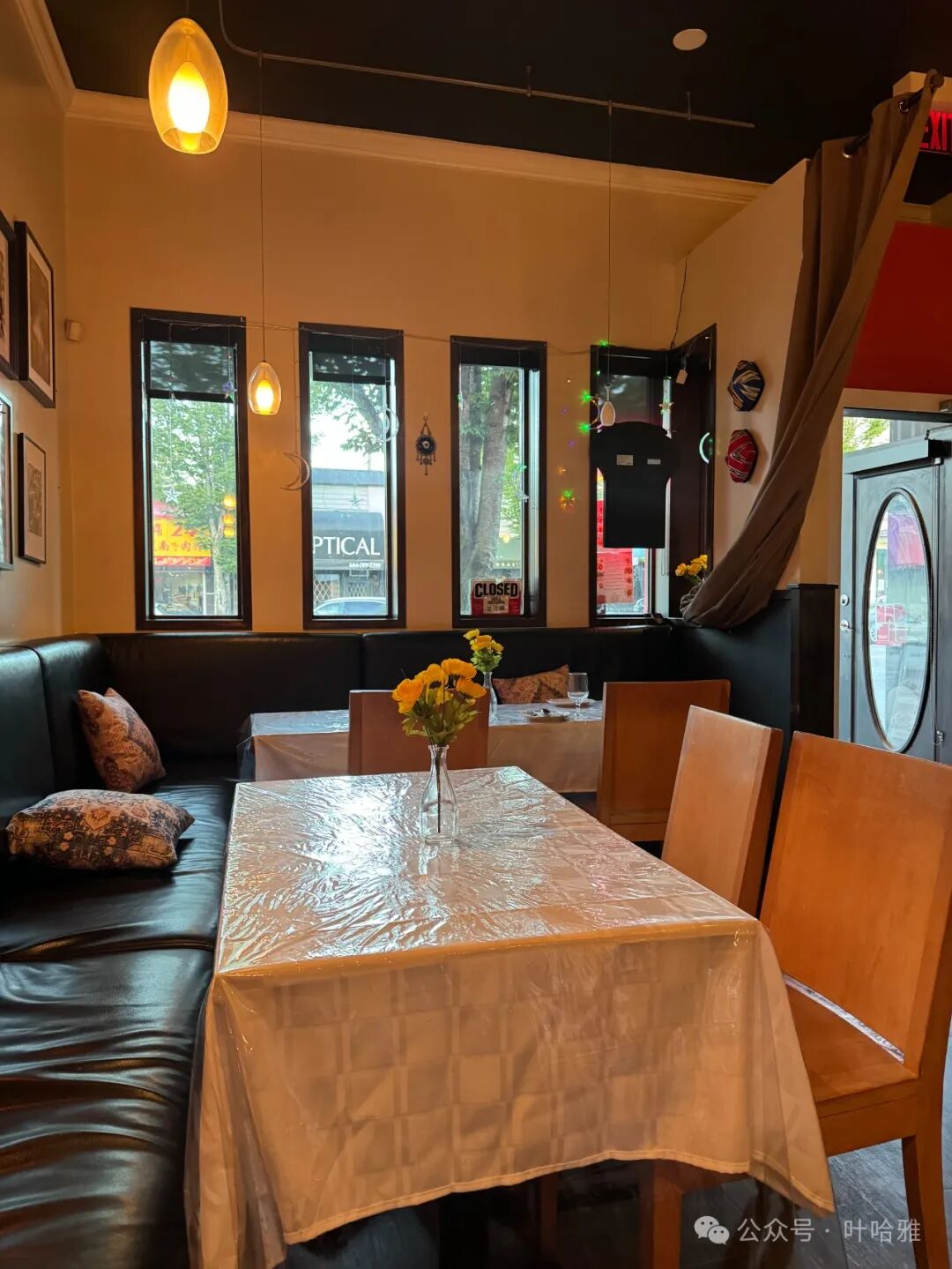
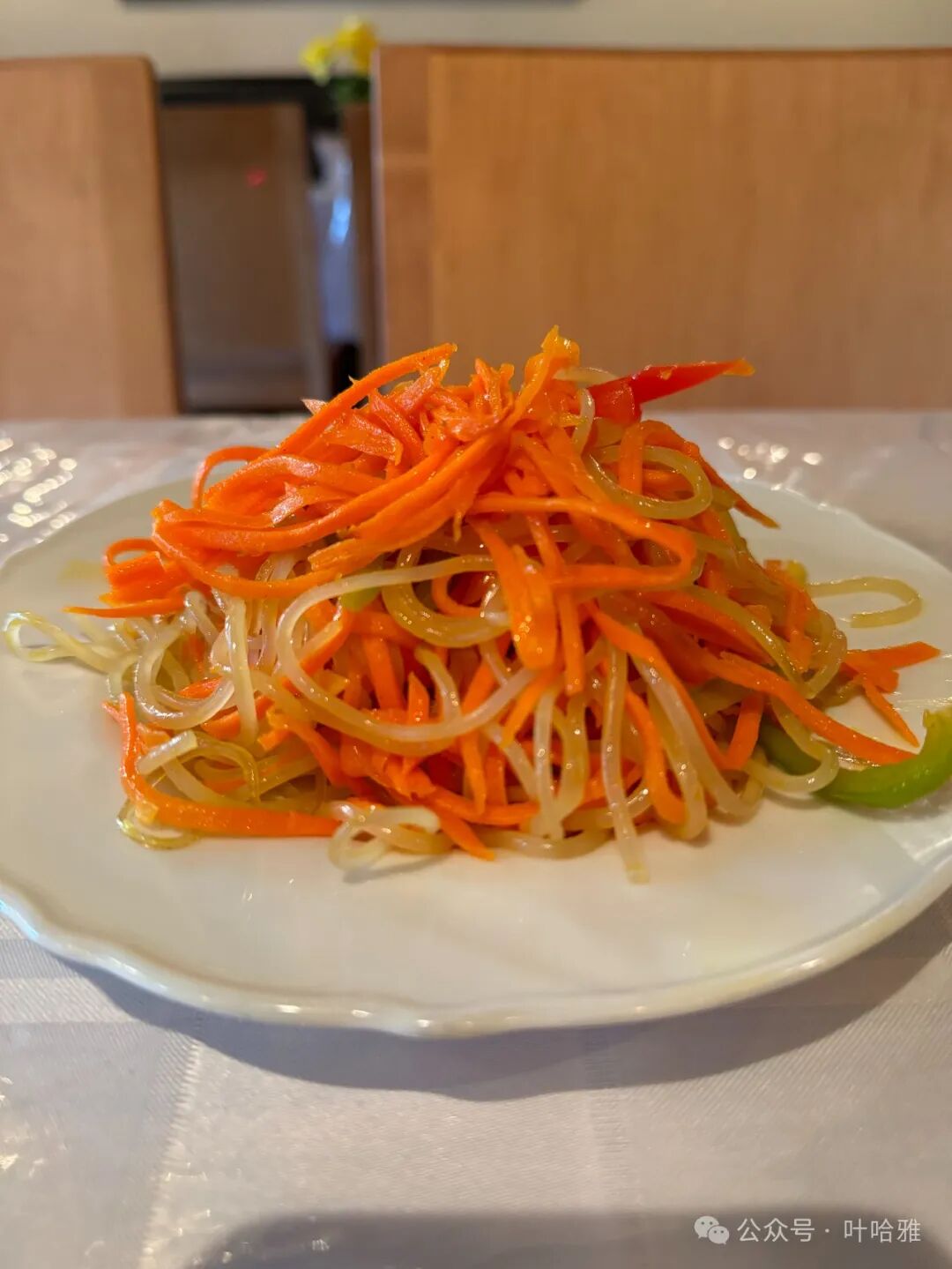
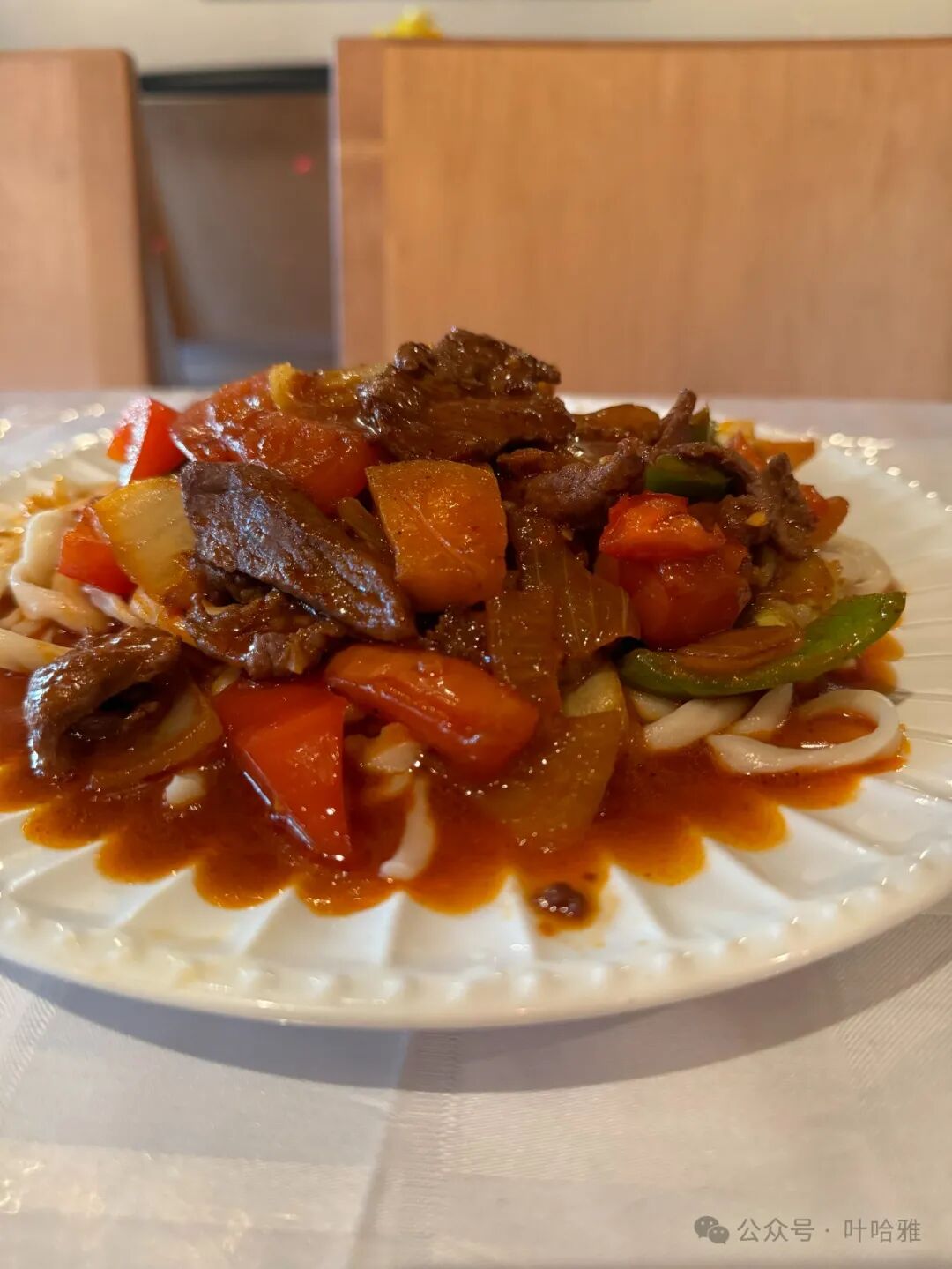
I ordered stir-fried meat with noodles (guoyou rou banmian) and a cold shredded vegetable salad (liangban sansi). The meat dish was 25 dollars and the cold dish was 12 dollars. With a 15% tip, it came to over 200 yuan. While Vancouver's climate is pleasant, the prices are not, making it a place better suited for the wealthy to move to.
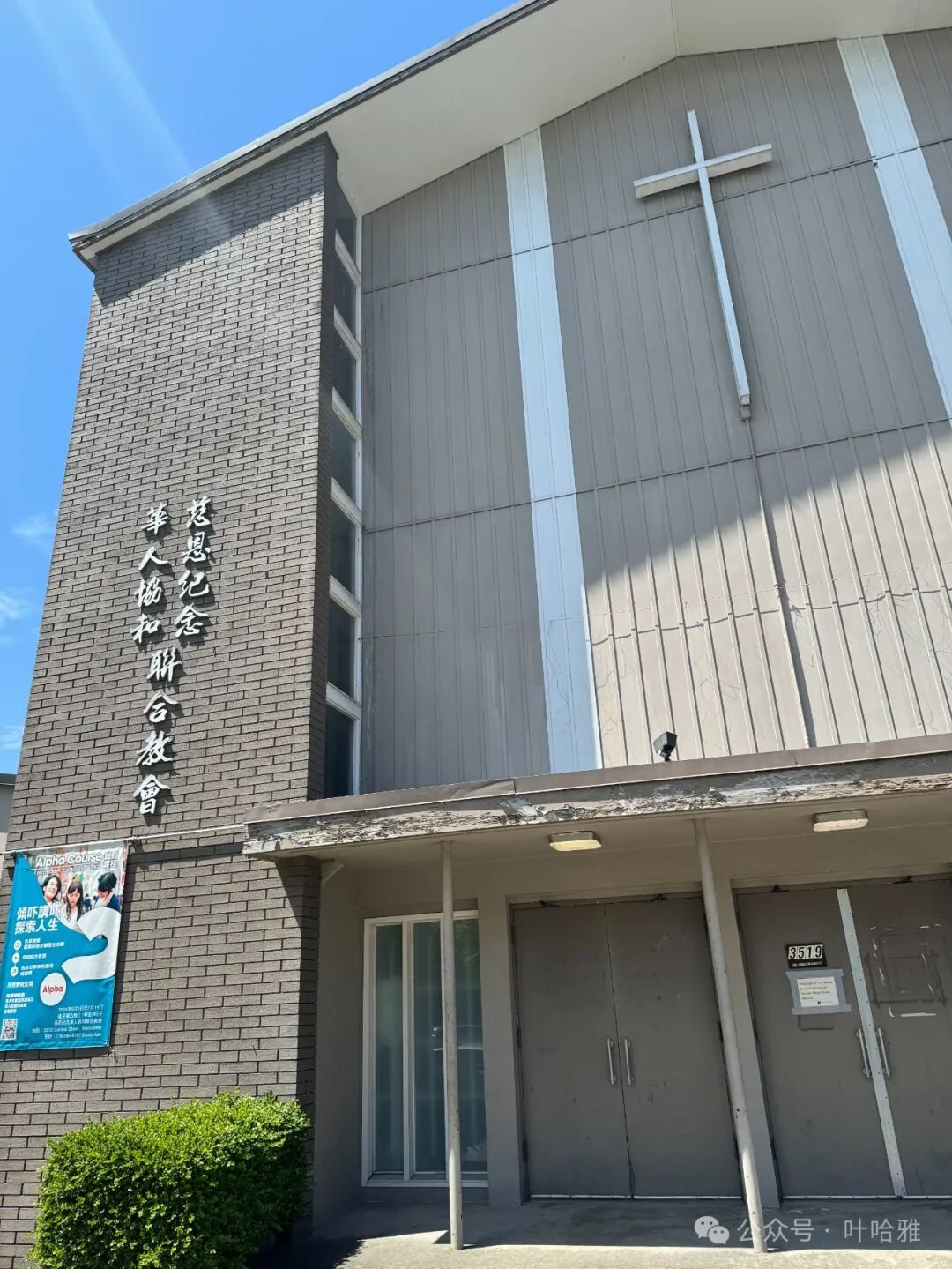
A Chinese church in Vancouver. The Chinese population is mainly concentrated in Richmond.
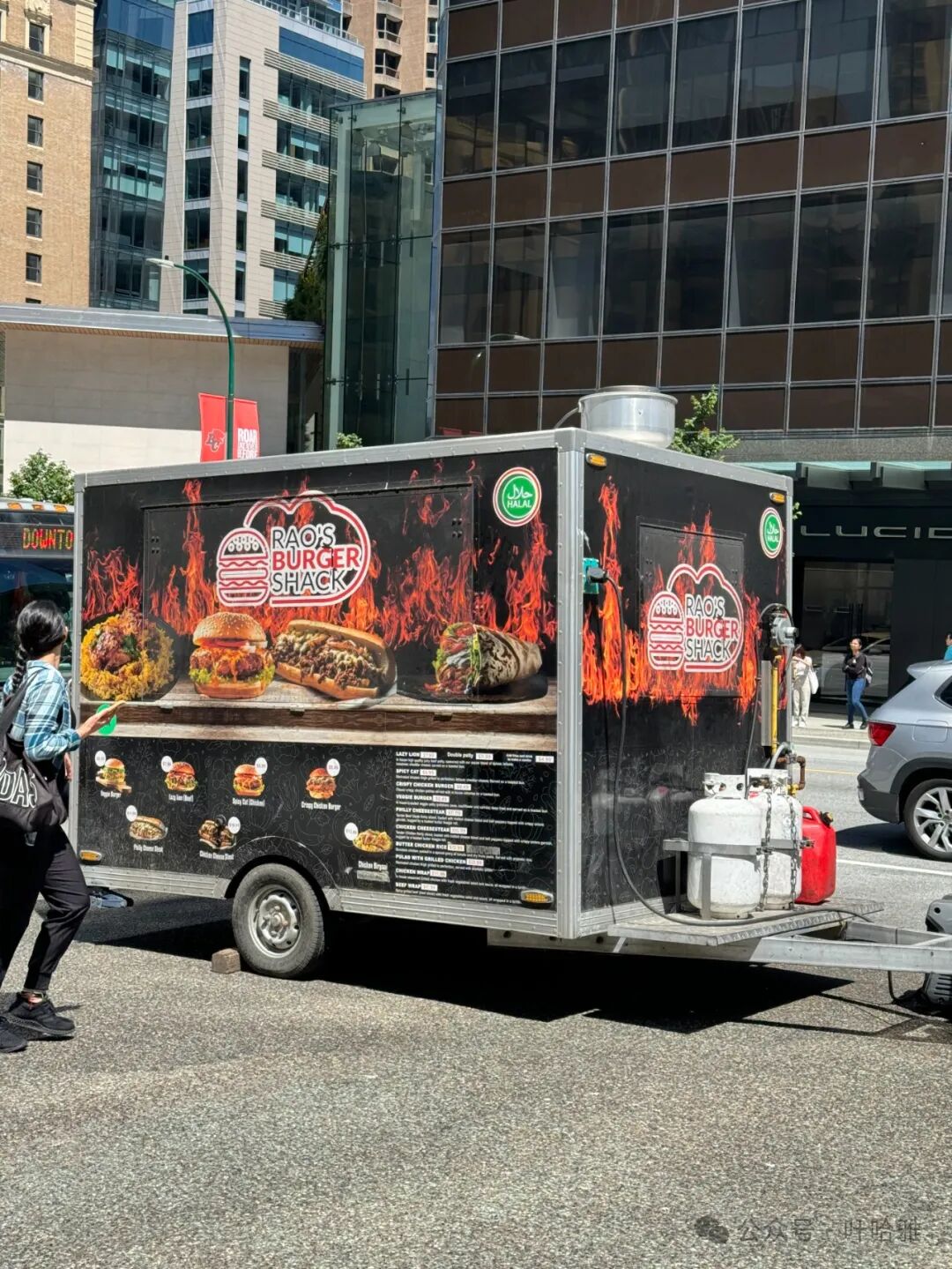
The most common food trucks in Europe and America are basically all halal. In Vancouver, you never have to worry about not finding a halal restaurant; you could say there are halal fast-food shops everywhere.
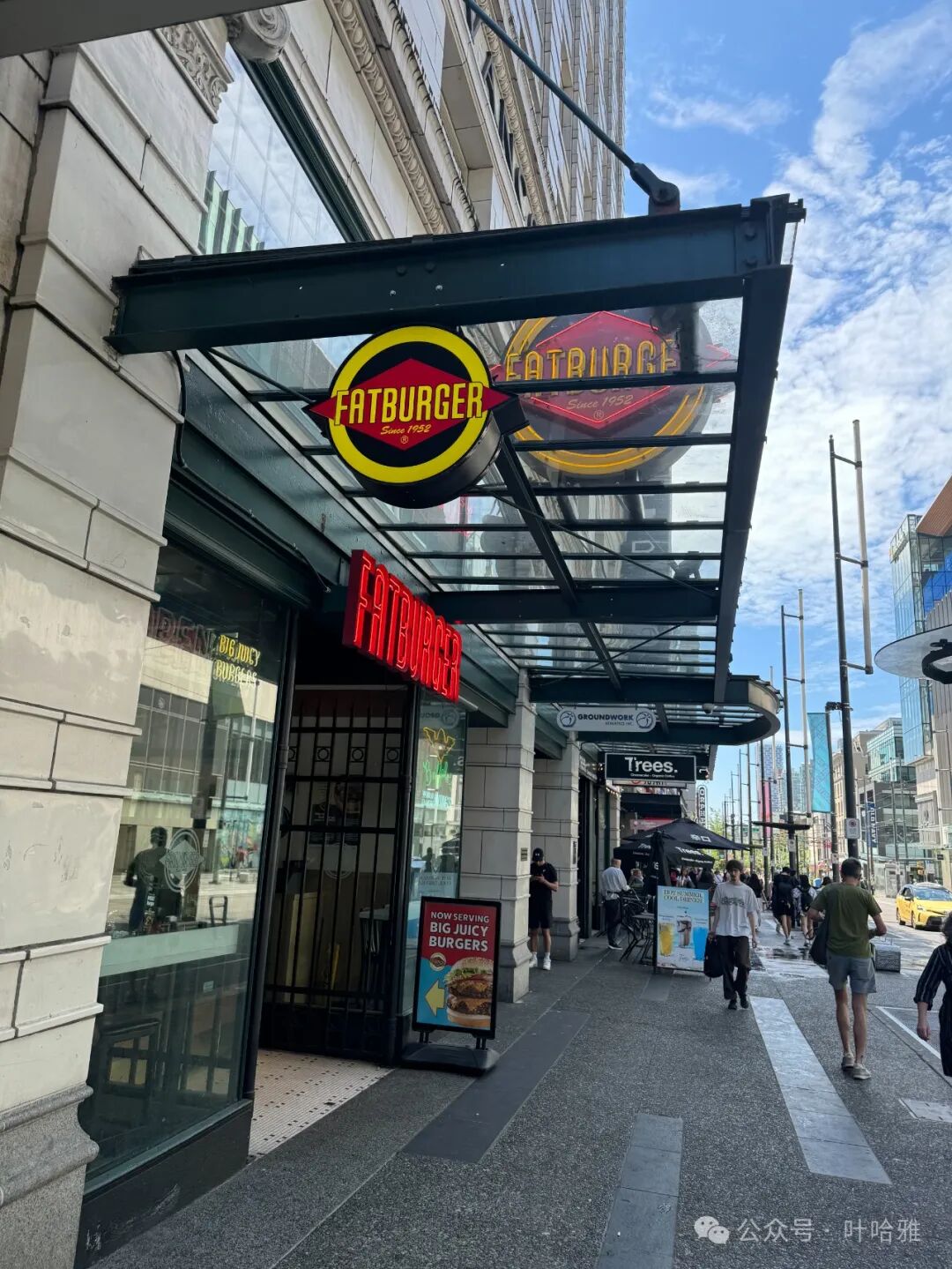
FATBURGER is a halal burger chain from the United States, and the Beijing locations are also halal.
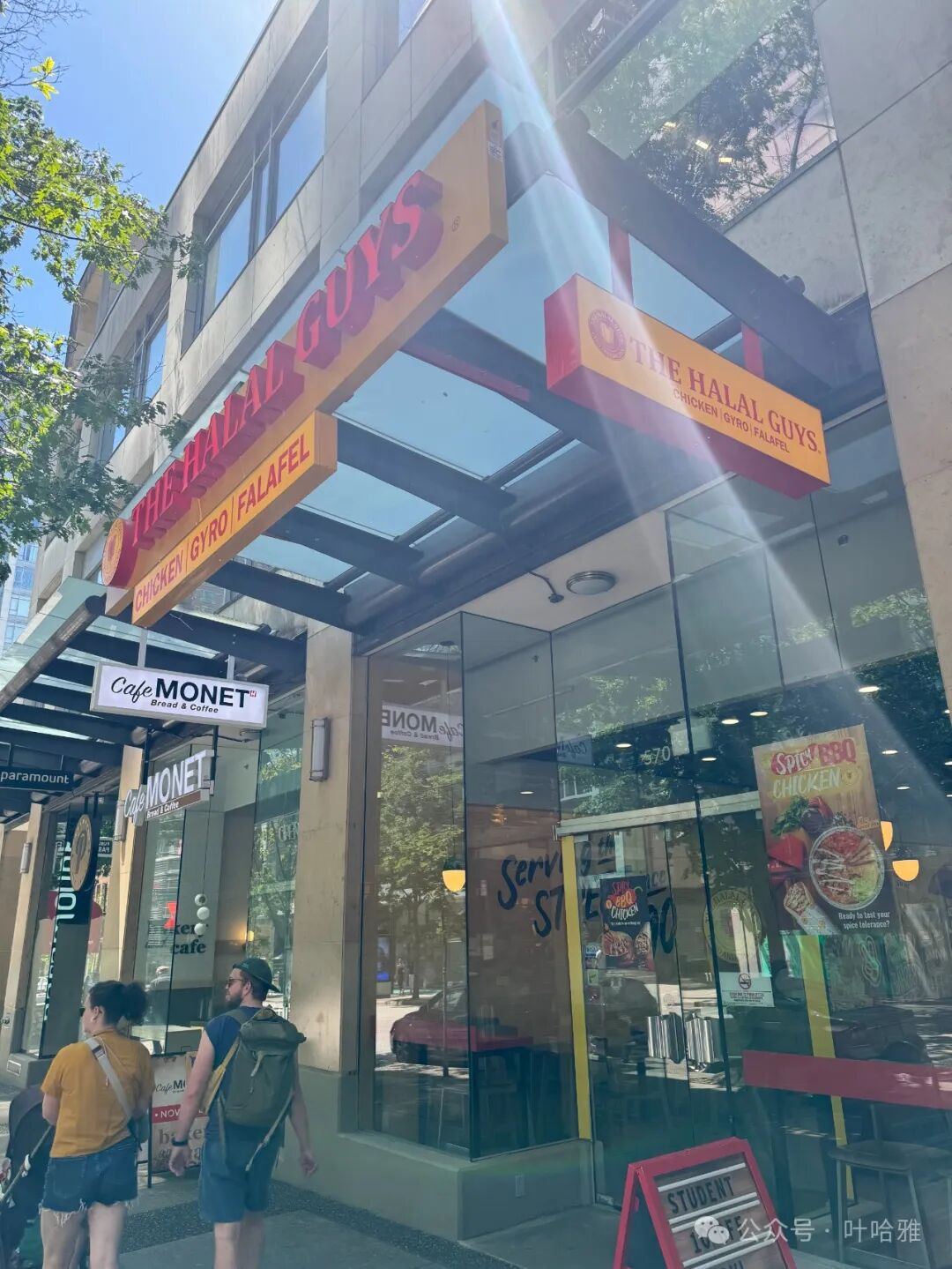
The Halal Guys is a very popular halal fast-food chain in North America, with a status similar to Lanzhou hand-pulled noodles (Lanzhou lamian).
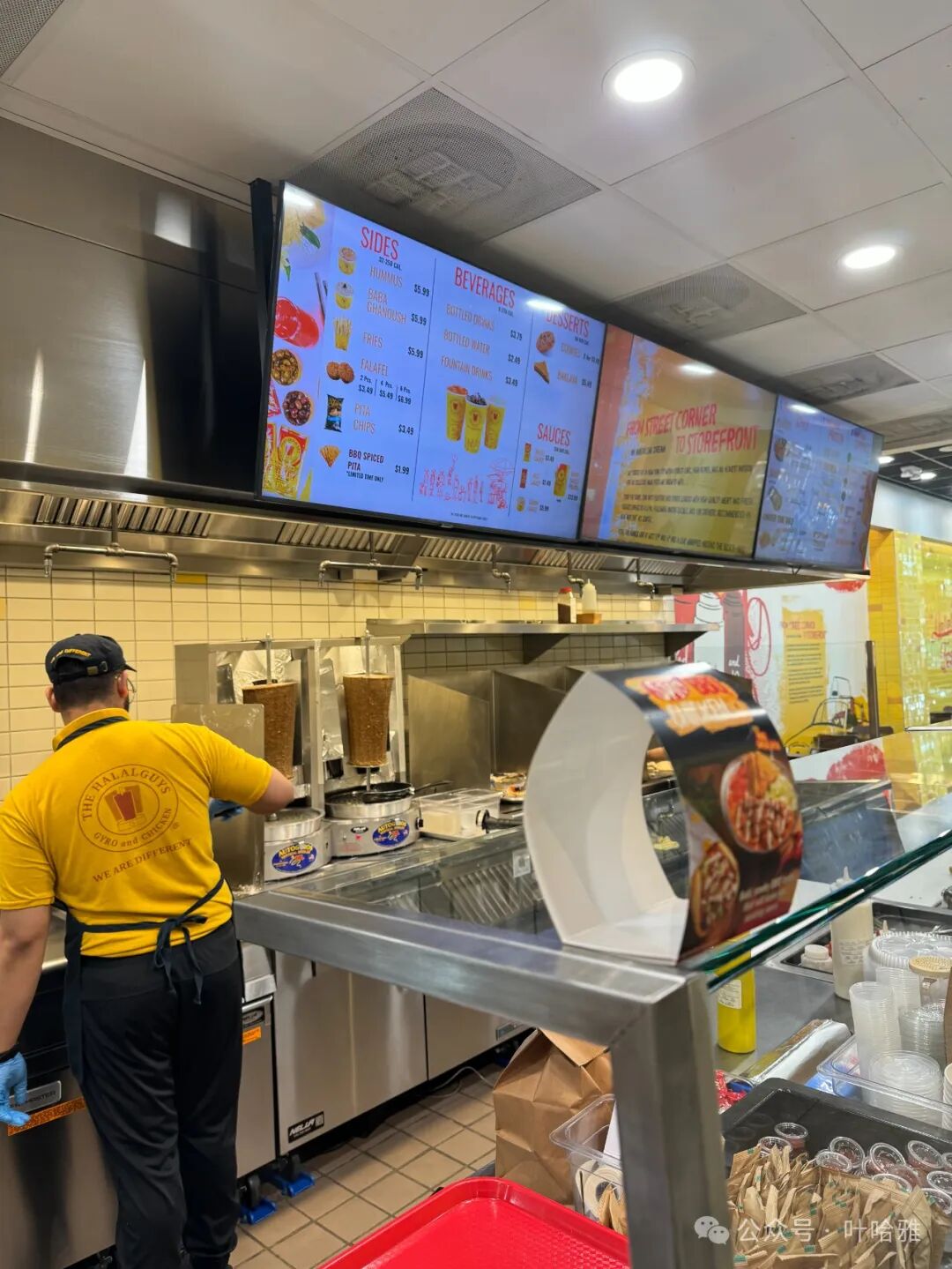
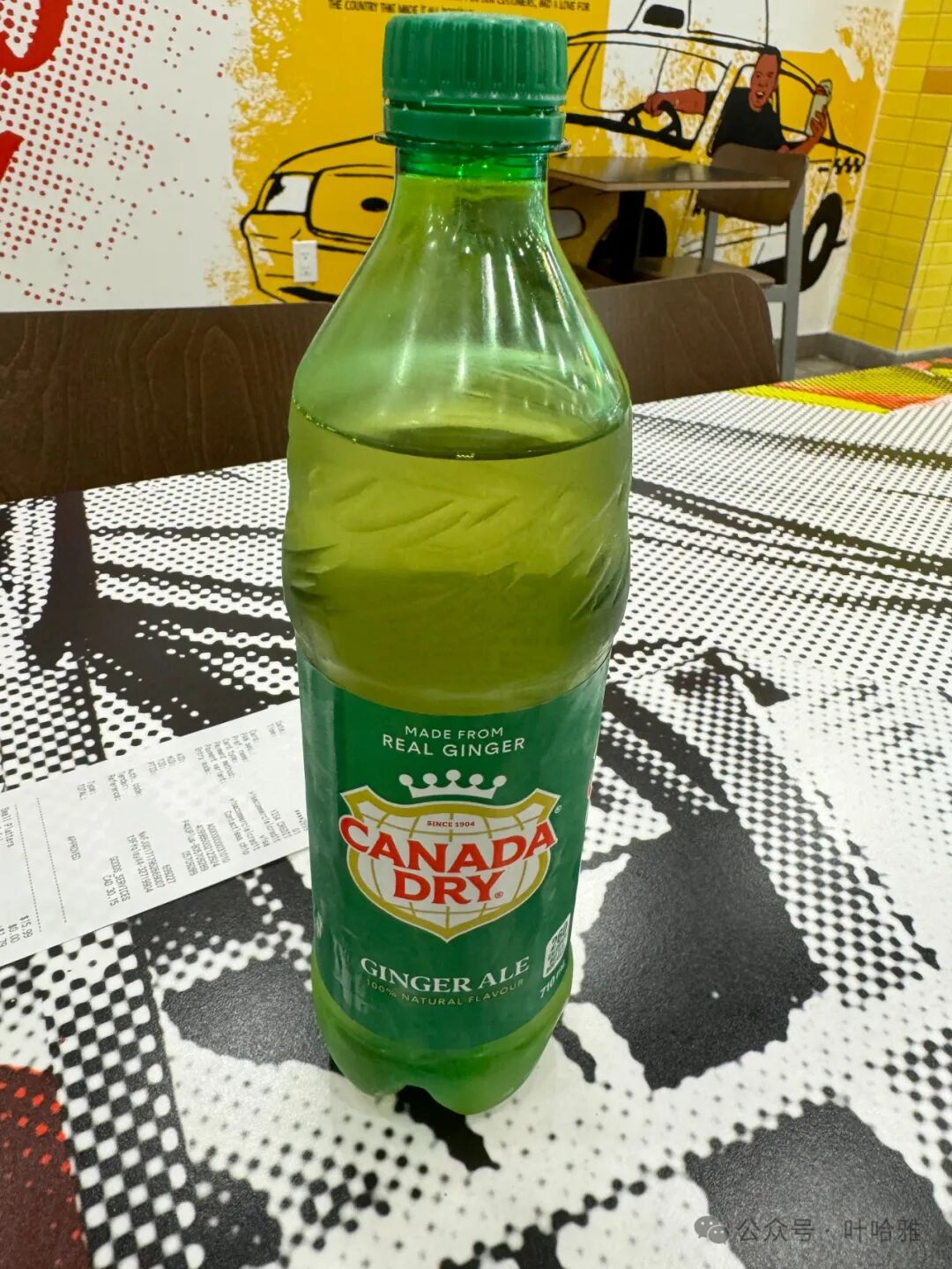
The waiter suggested I choose the large drink because it cost the same as the small one. I saw it was a Canadian specialty and tried it, but it was not good. After trying many new drinks, I realized that if those unfamiliar drinks were actually tasty, they would have been sold in China long ago.
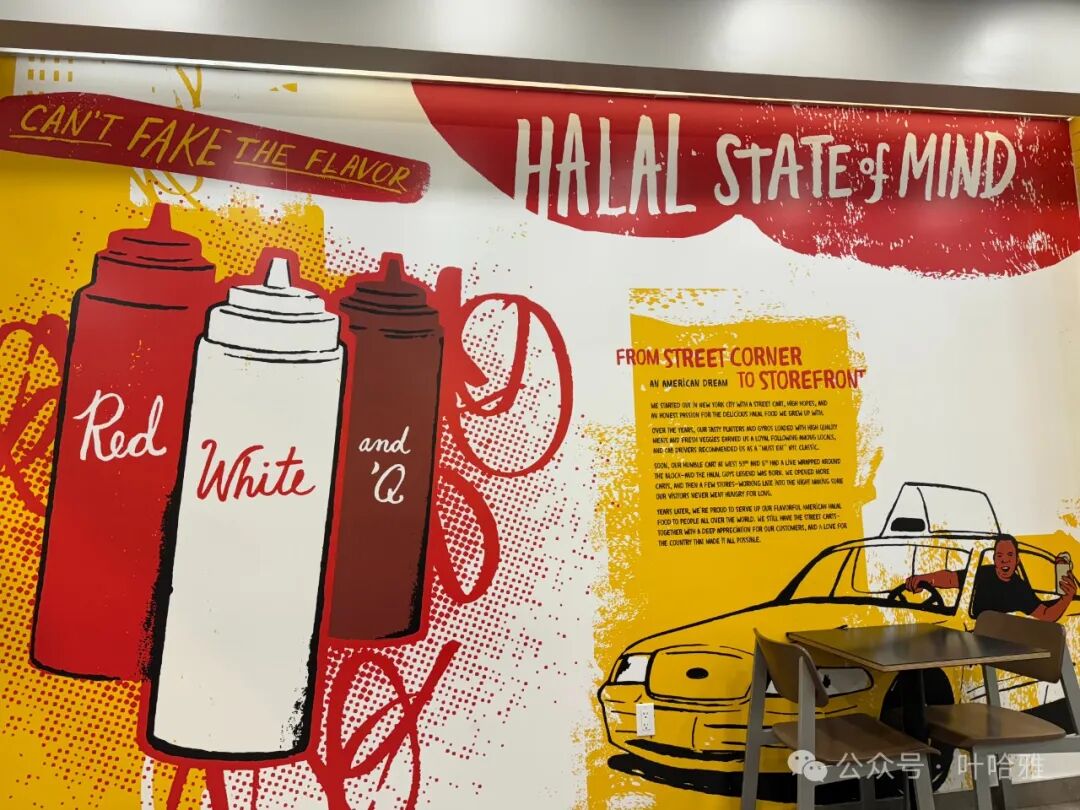
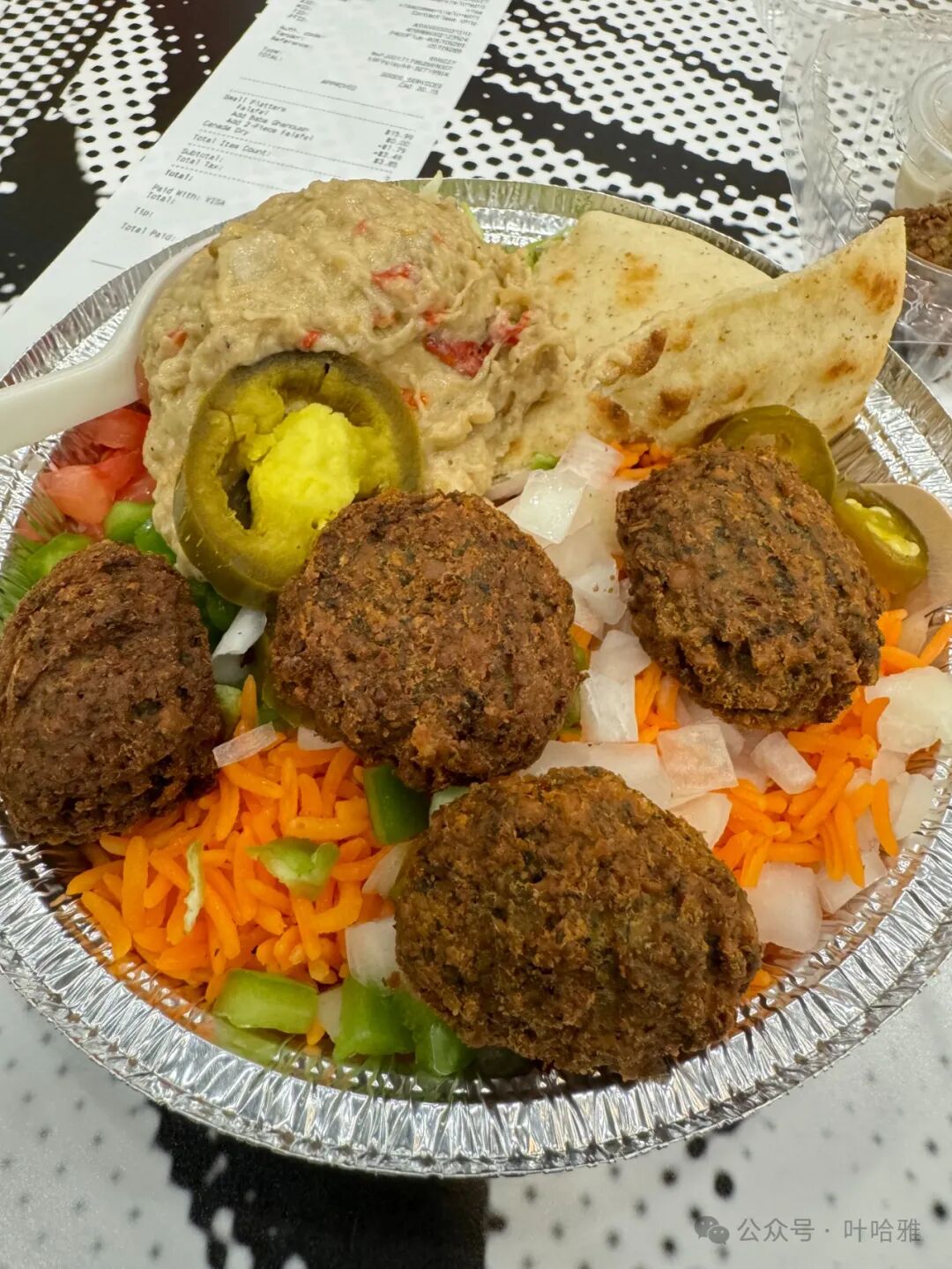
The small chili peppers served with fast food here are extremely spicy. Remember to tell the staff you do not want them. This kind of heat just makes your mouth hurt; it is not as delicious as the fragrant spice we have in Northwest China.

See that? I even have to tip for a fast-food meal, and this small portion cost over 150 yuan.
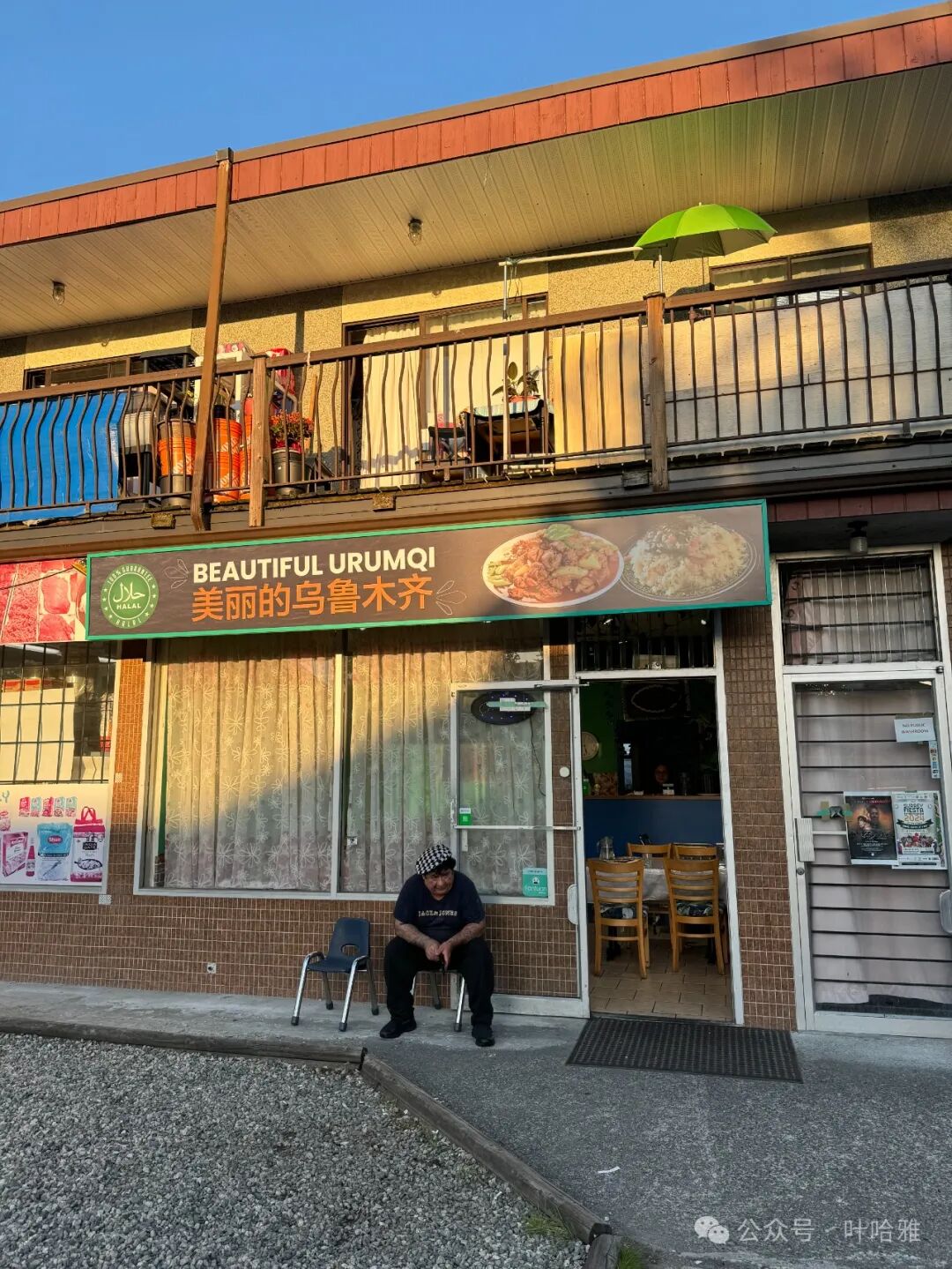
After that, I visited another Xinjiang restaurant called Beautiful Urumqi. It used to be called Lovely Xinjiang, and I do not know why they changed the name.
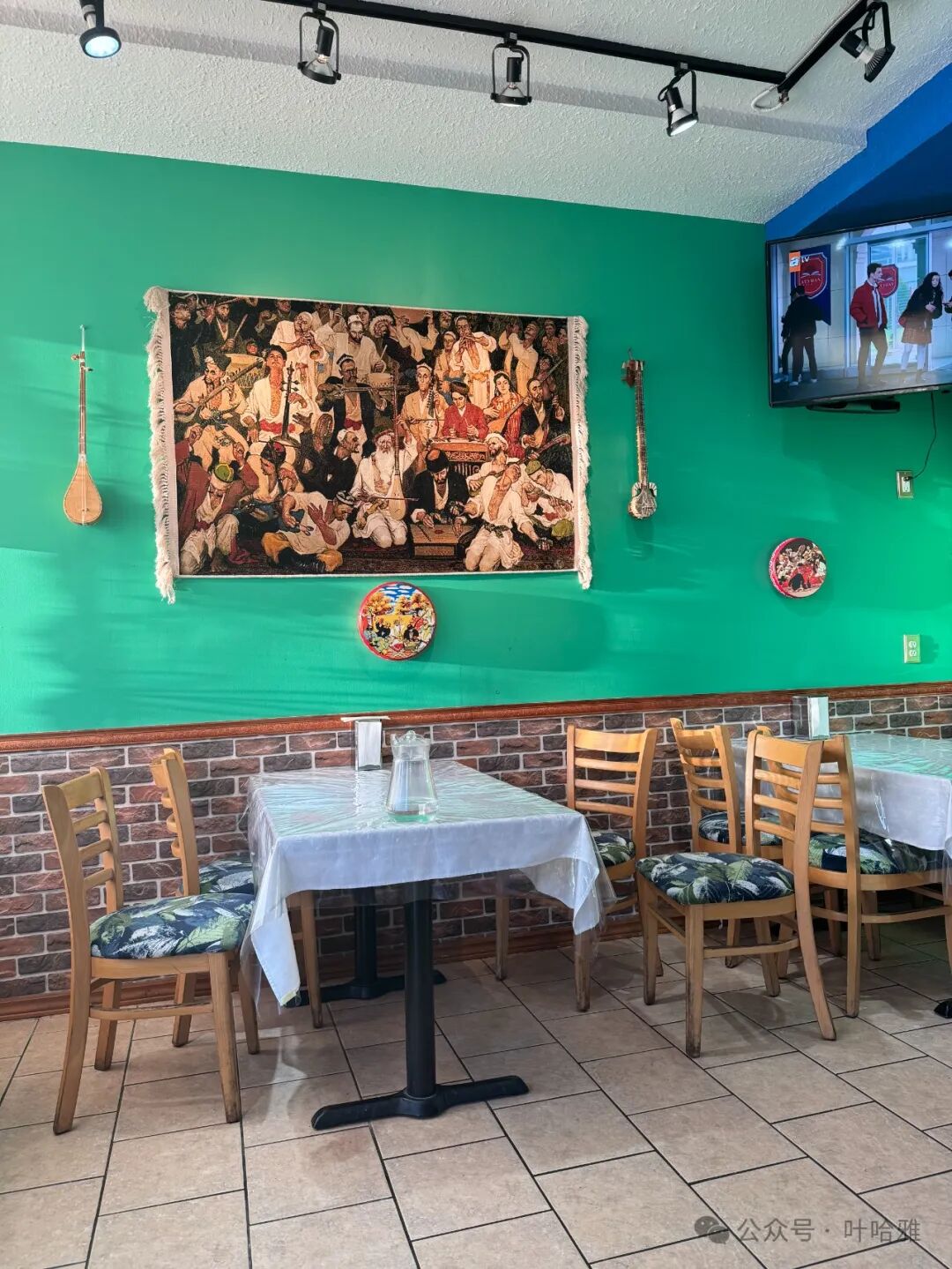
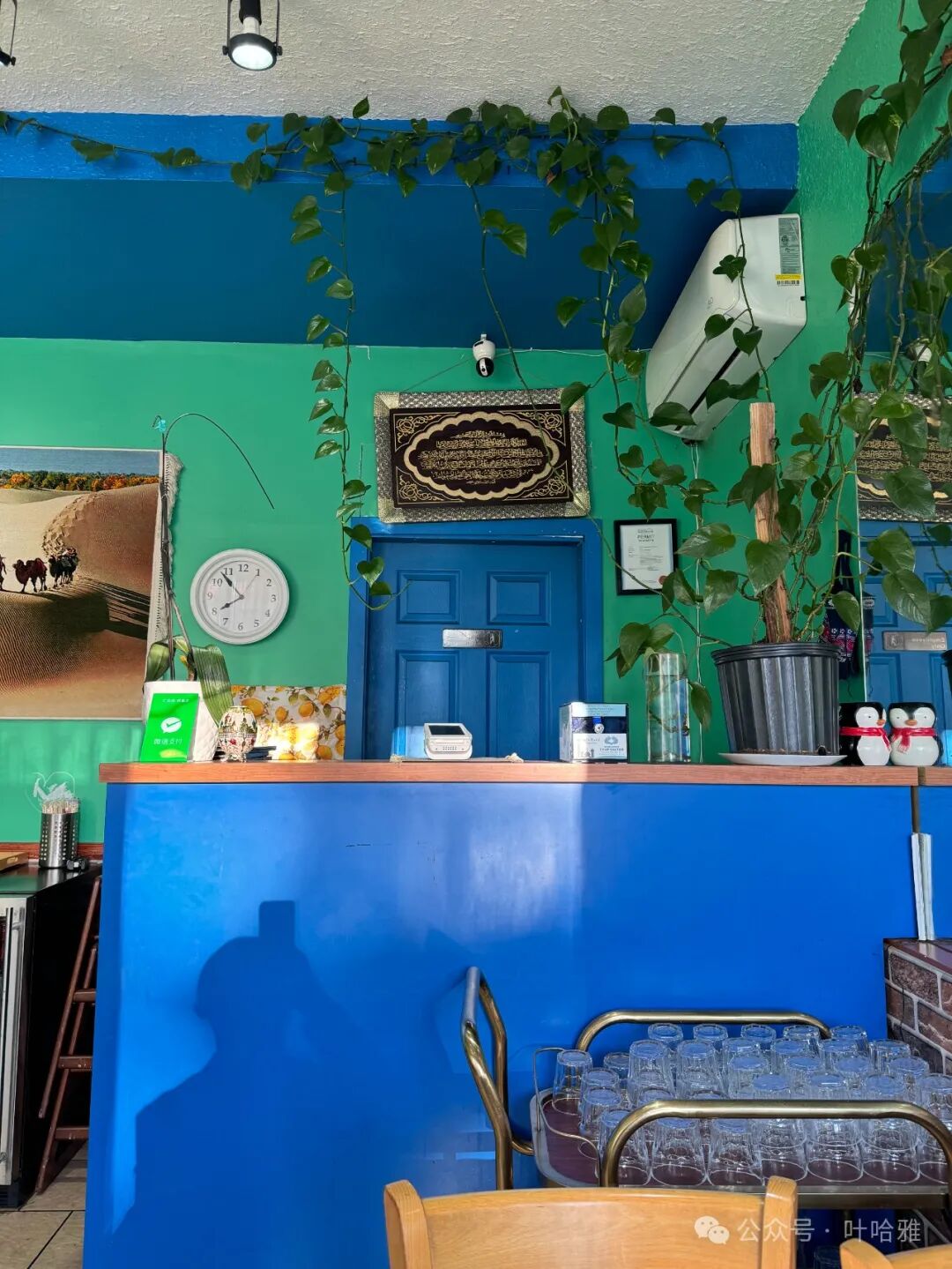
The lady in the shop speaks Chinese. She said they arrived in Vancouver three years ago and think it feels a lot like Altay in Northern Xinjiang. When I asked if she wanted to go back, she just gave a helpless smile.
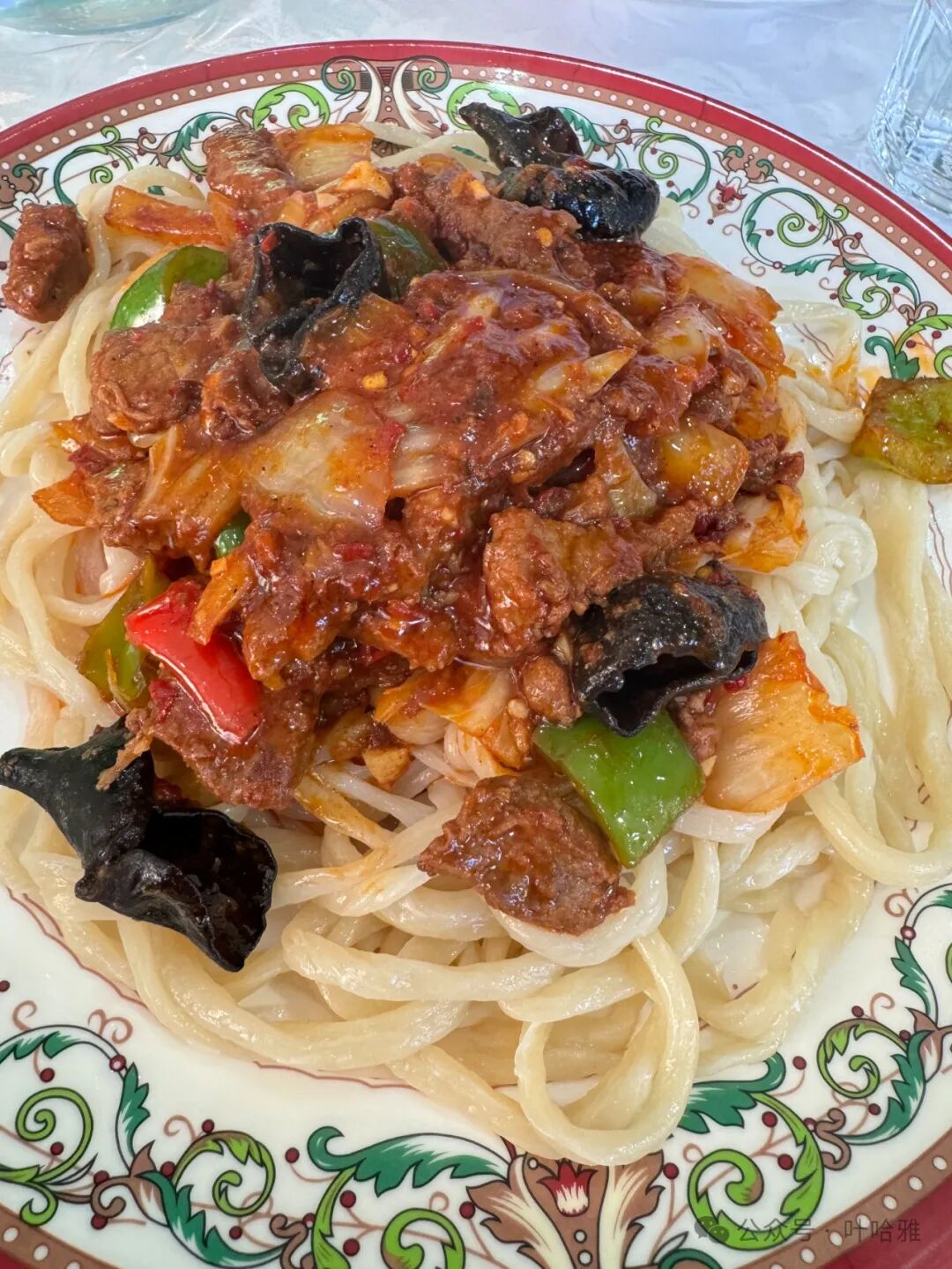
The restaurant does not have many dishes. I ordered a serving of mixed noodles (banmian) and a salad of onions, peppers, and tomatoes (pilahong). The taste was not exactly authentic, but the prices are very cheap; this bowl of noodles only cost me a little over 4 dollars.
I stayed in Vancouver for four days and went to the WE GRILL shown in the picture below for breakfast every day.
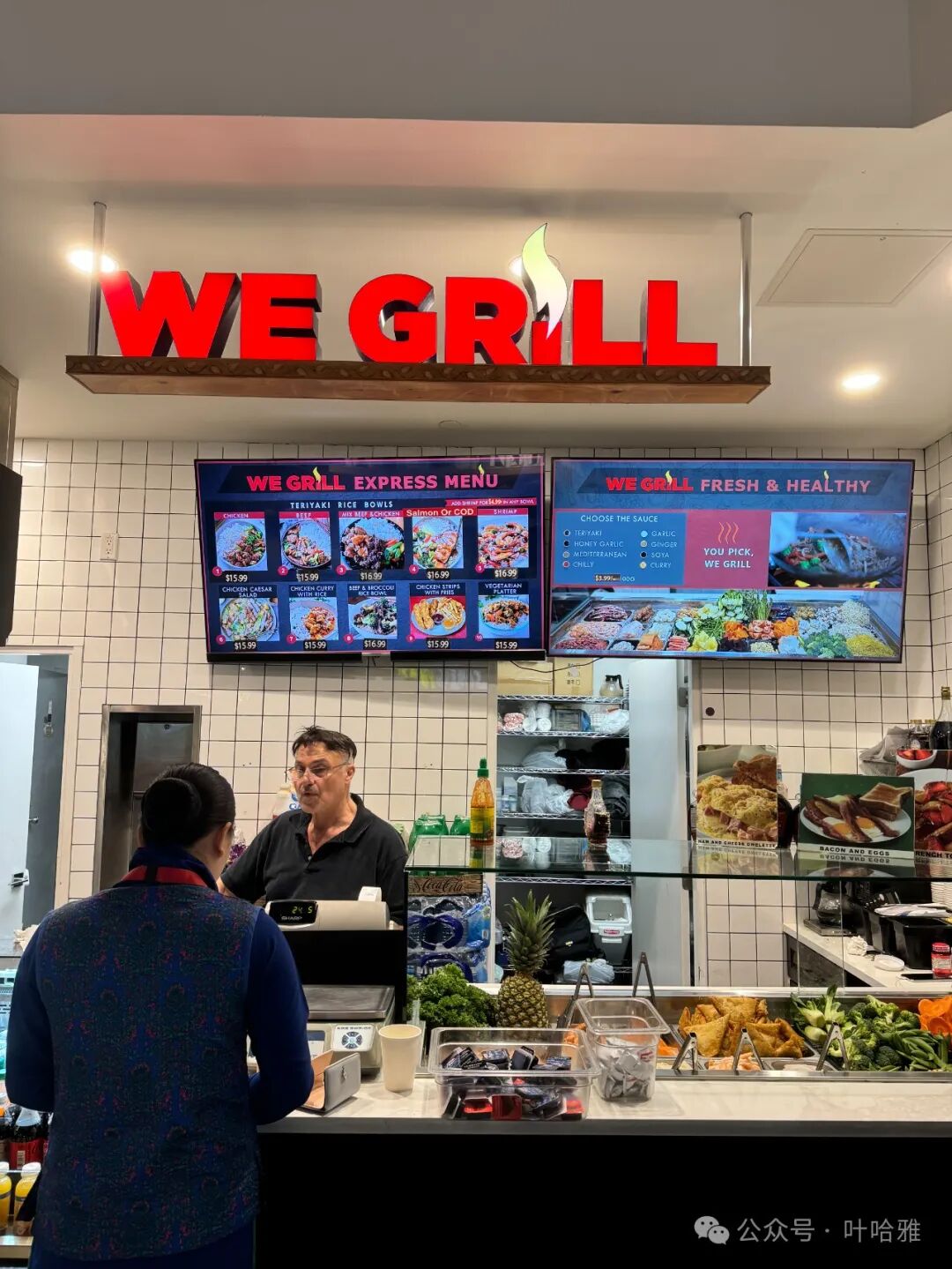
The guy at the shop is very friendly. I saw on Google that the shop was halal, but I did not see a sign when I arrived, so I asked him. He told me with full confidence, 'Everything is halal!'
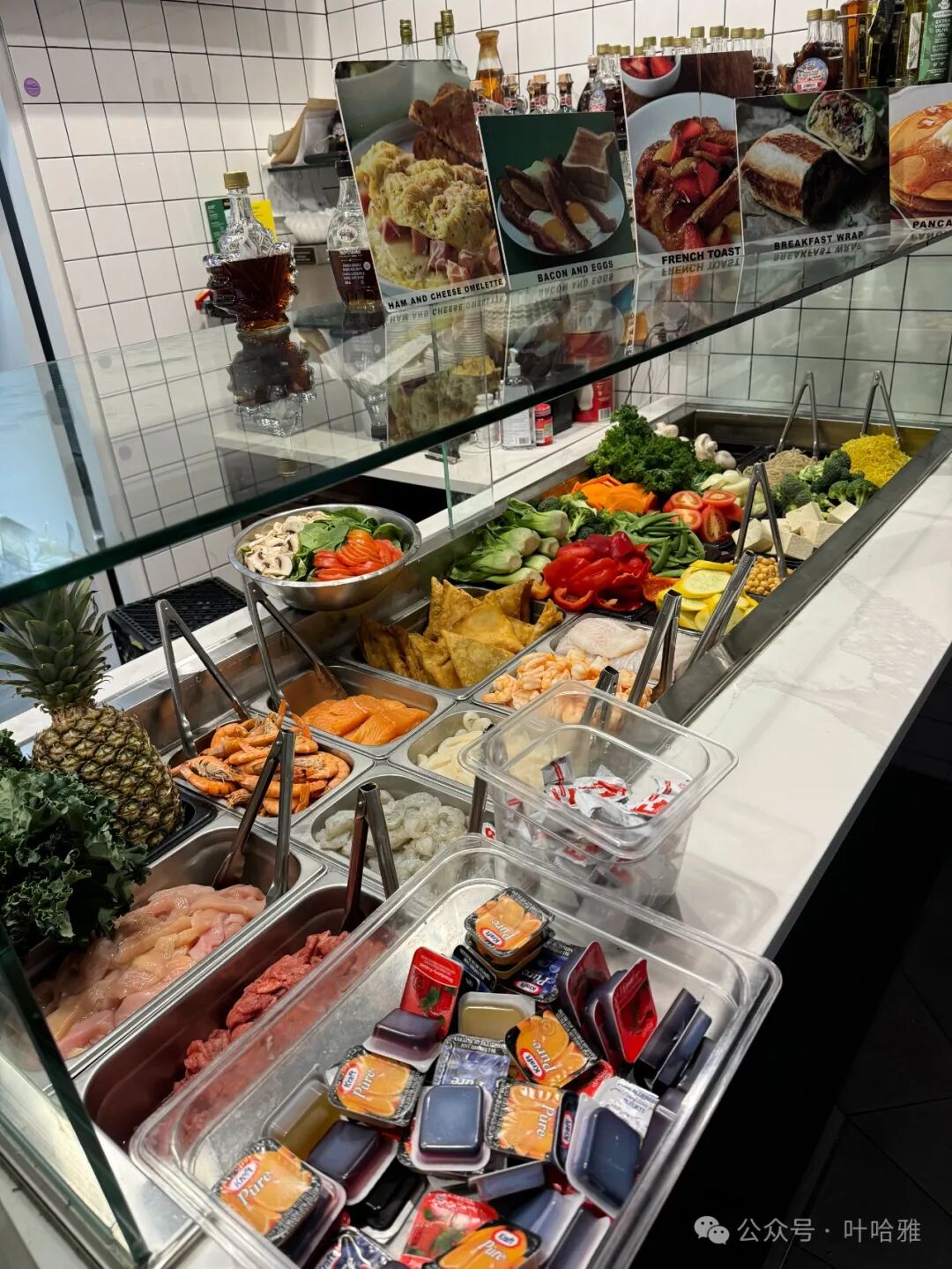
I like this place for two reasons. First, the food is healthy with a good balance of fruits, vegetables, and protein. Second, it opens early at 6:00 AM. My conference in Vancouver started at 7:00 AM, so this was the only place I could eat breakfast beforehand.
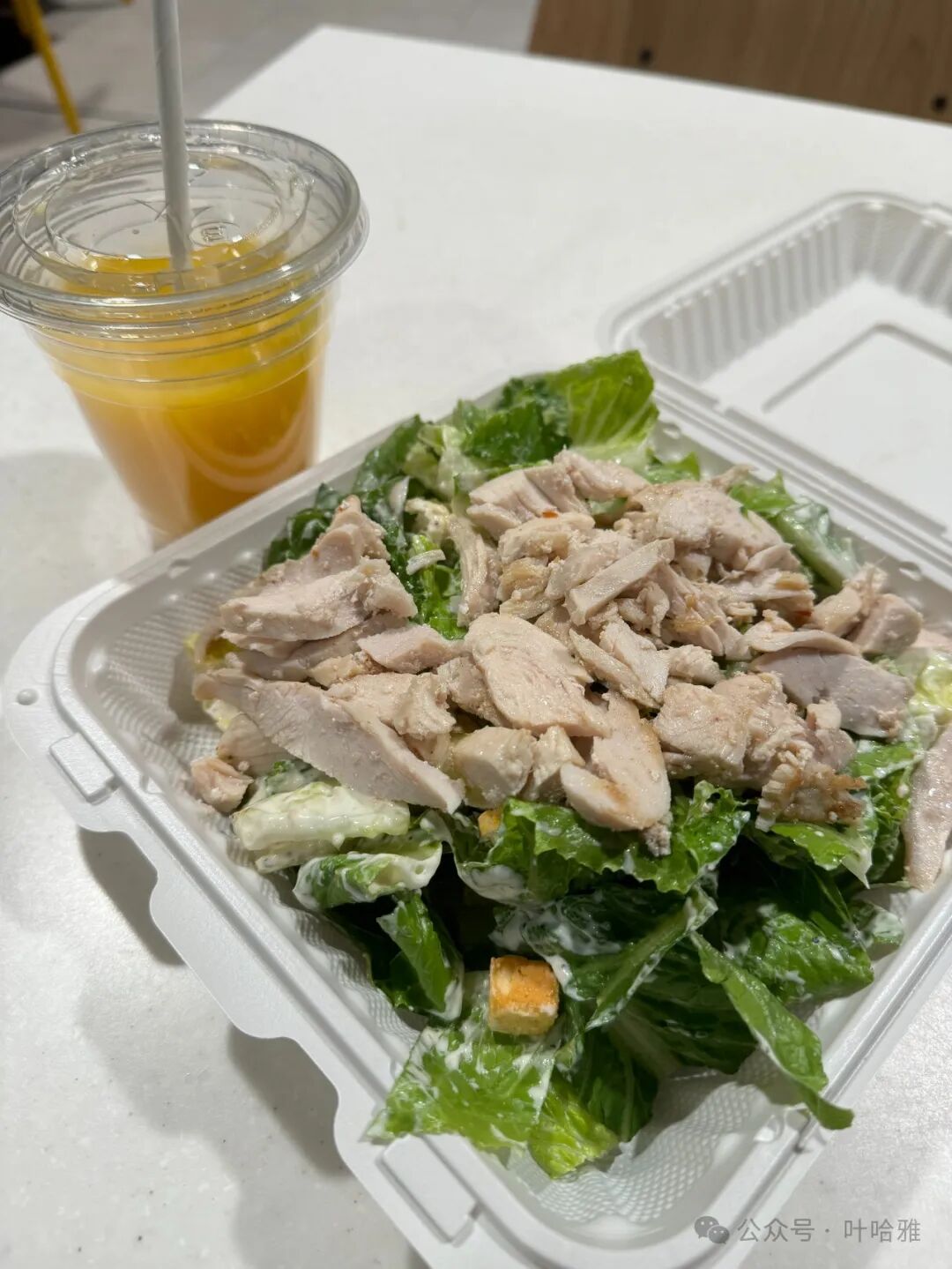
Because there are so many choices, I ate something different every day. A meal costs 20 dollars, which is quite expensive for a local breakfast in Canada, but it is nutritious and delicious. After the old guy saw me come in for the second day in a row, he started giving me free coffee every day with unlimited refills.
I sat right across from him and watched him greet the customers coming and going. Whether they bought food or not, he always greeted them with a smile and stayed full of energy every day. After leaving Vancouver, I never found another healthy breakfast shop like that one. I will miss my old friend.
Canadians go to cafes for breakfast, like the Tim Hortons in the distance in the photo below. This brand is more popular in Canada than Starbucks, mainly because it is cheaper. For white people, a cup of coffee and a piece of bread is a typical breakfast, but the cafes in the city have long lines every morning.
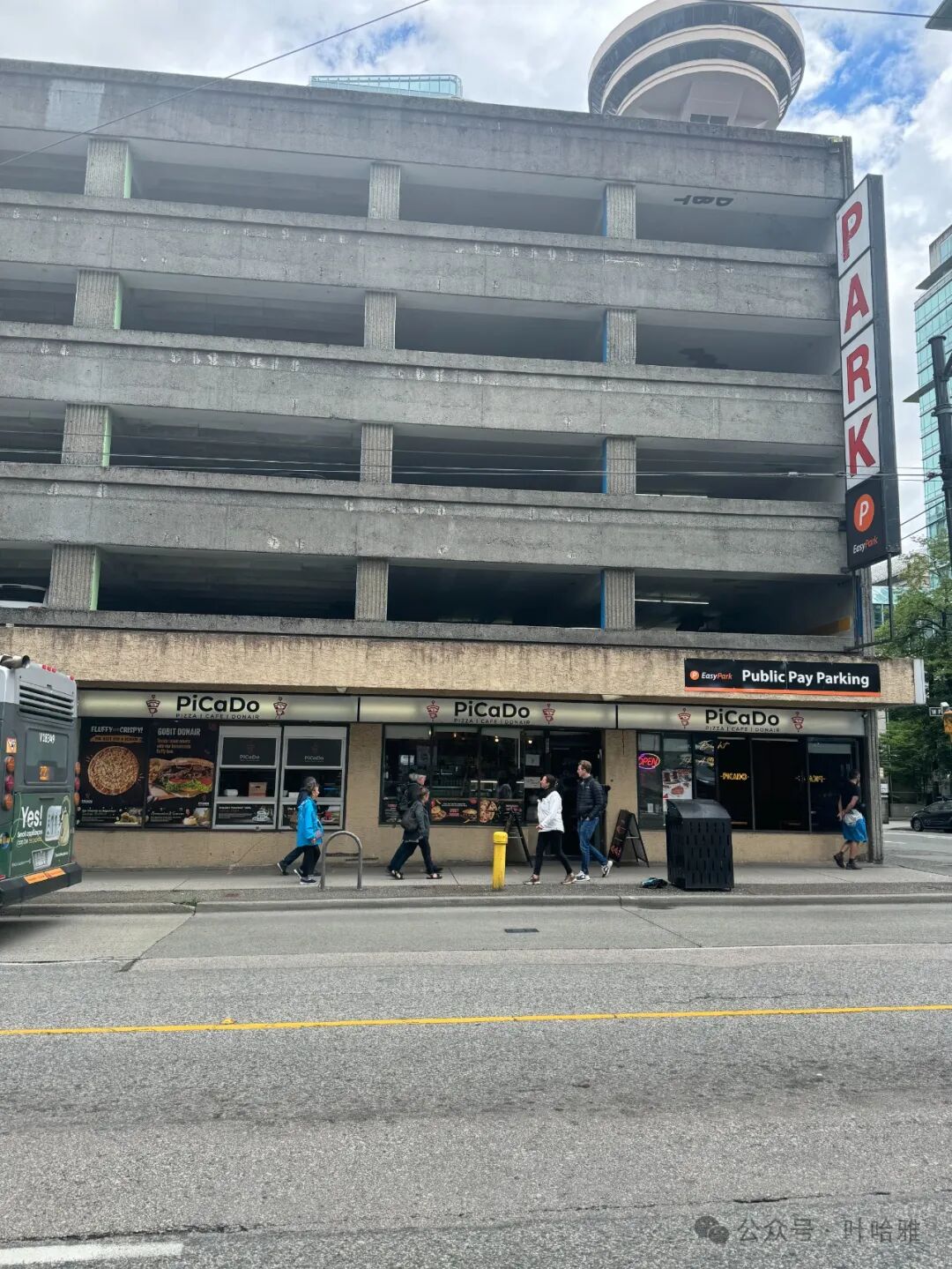
PICADO Pizza
This Turkish pizza shop is also just a few hundred meters from where I stayed. I met my colleague who lives in Vancouver here. We are both from Beijing, and hearing a Beijing accent in a foreign land feels especially warm.
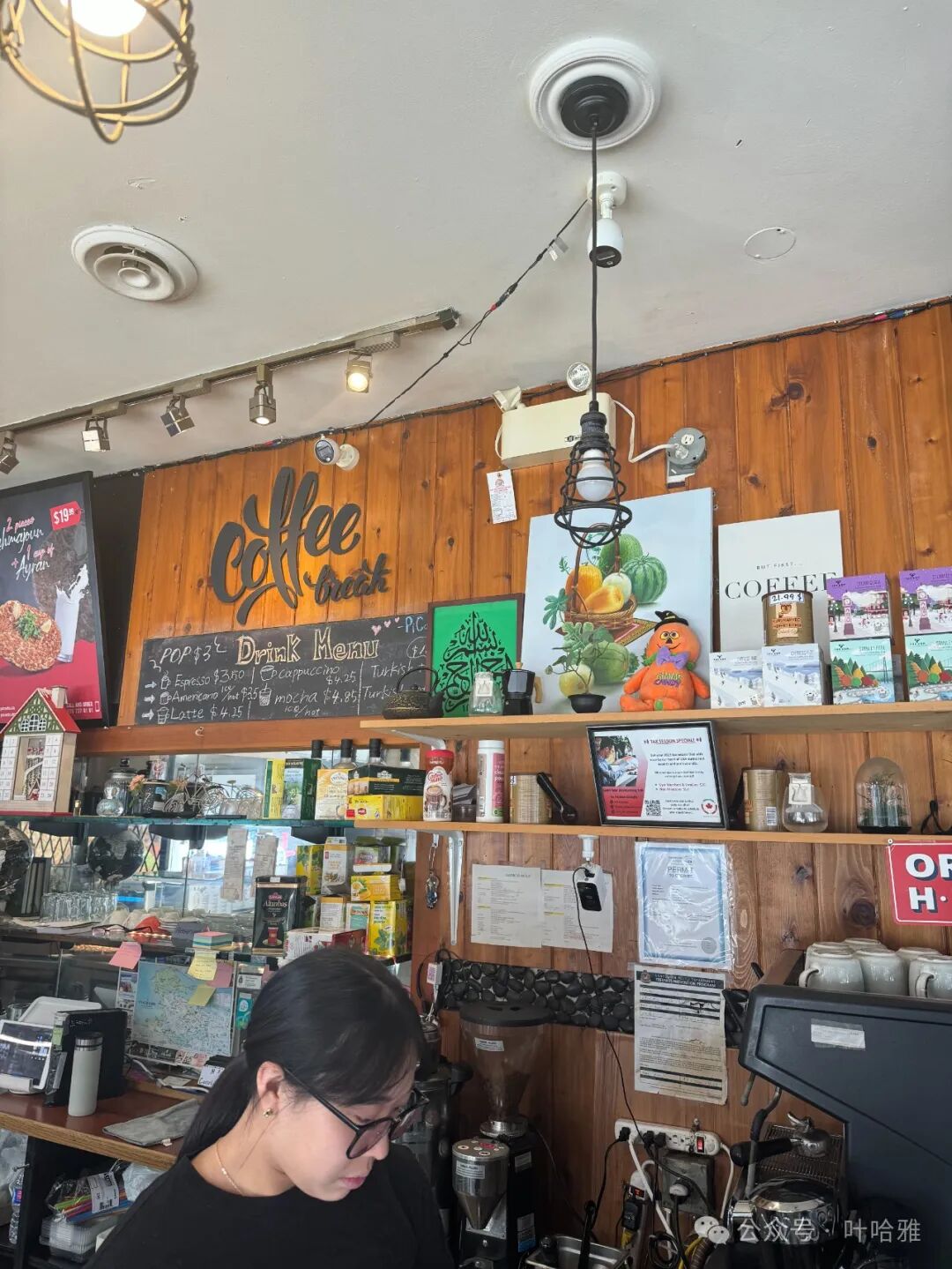
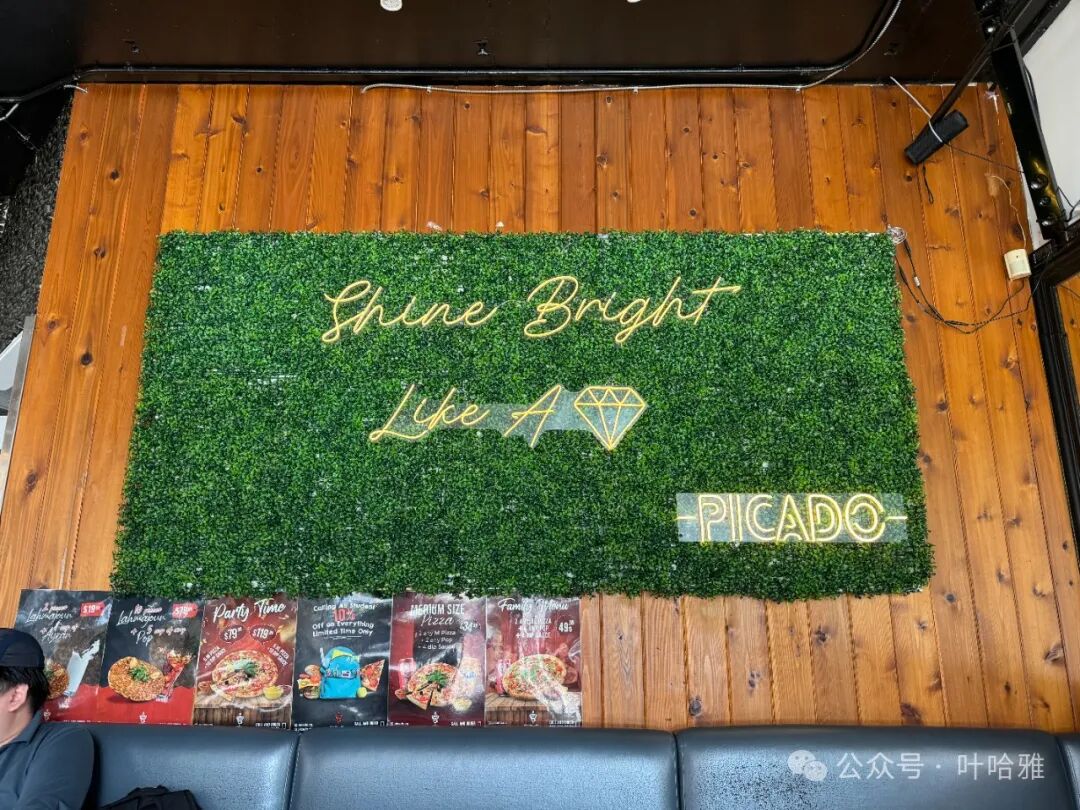
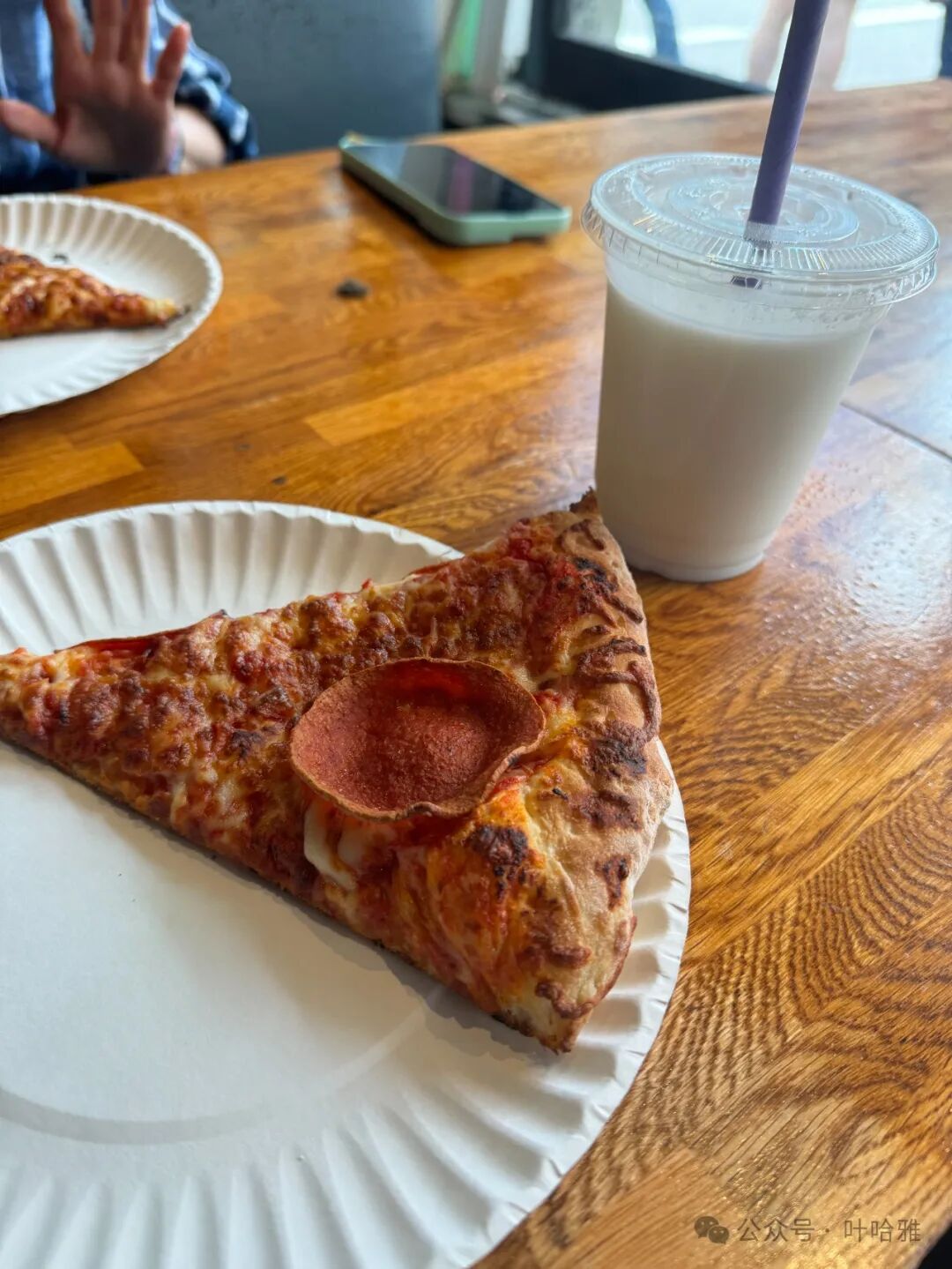
A cup of yogurt drink (ayran) with a slice of pizza, plus two pieces of sweet pastry (baklava).
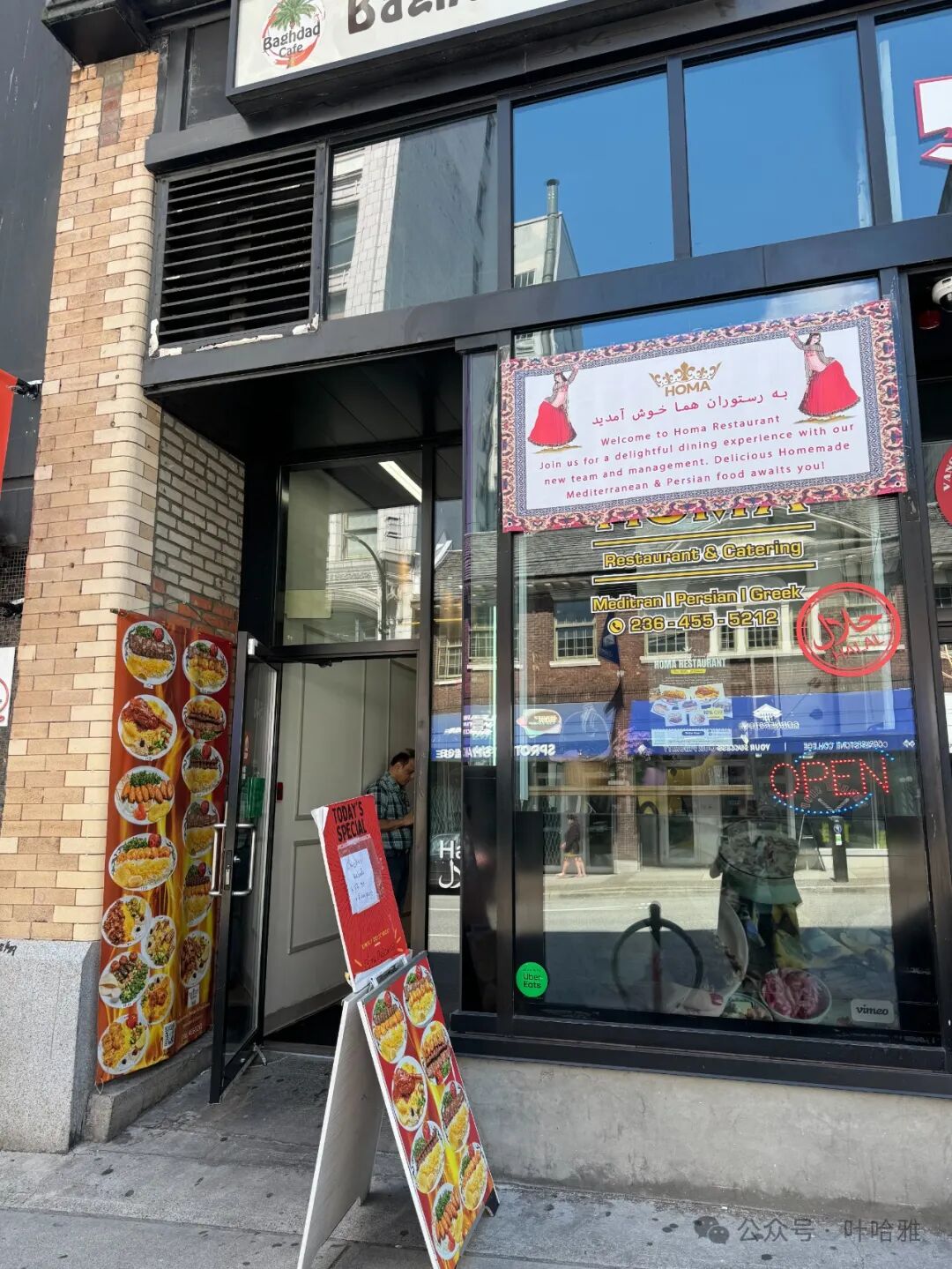
I met another colleague who has lived in Vancouver for a long time at this Iranian restaurant. There are many Shia activities in Vancouver, and I will introduce a Shia mosque later.
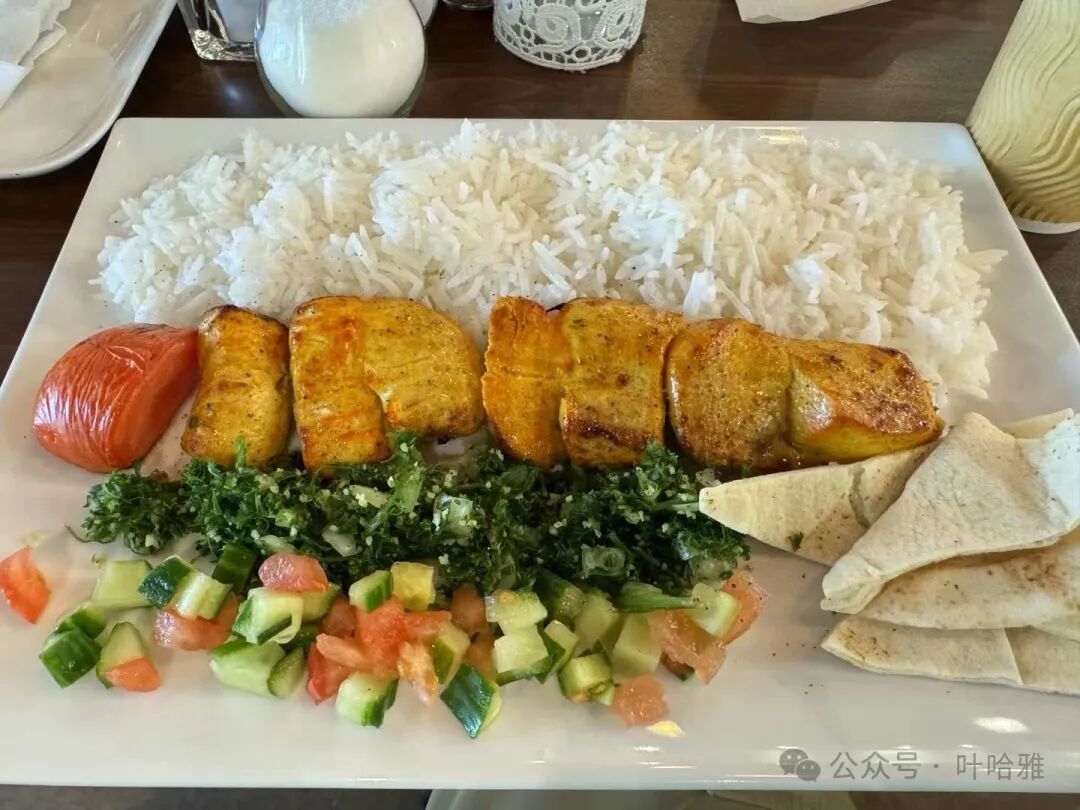
This grilled chicken set meal suited my taste quite well, and you can find it in Beijing too.
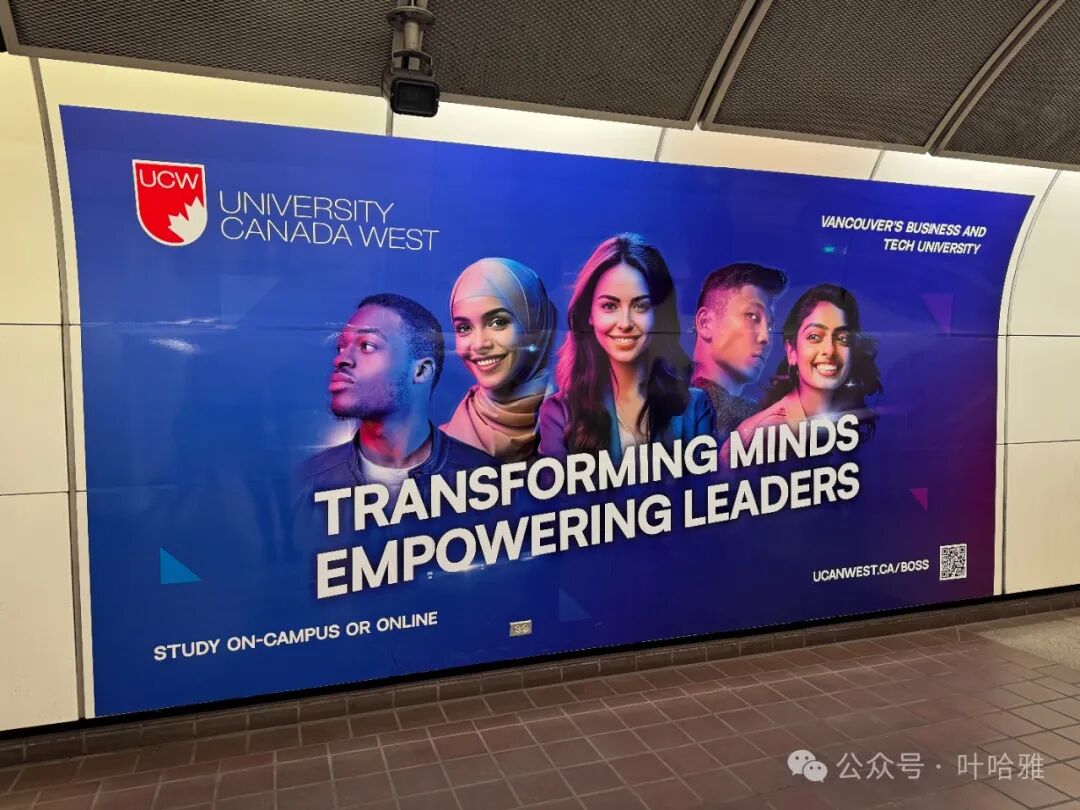
The young lady in the middle and the girl in the headscarf next to her look like the same person. The other three are a Black person, a South Asian, and an East Asian.
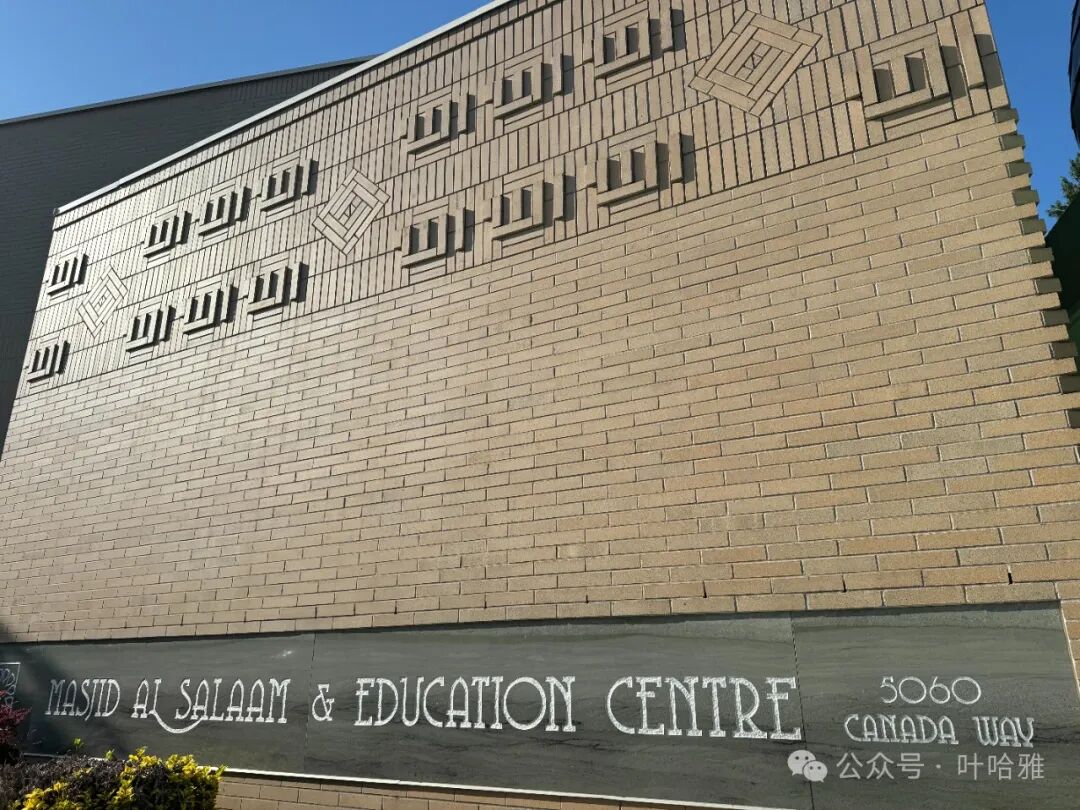
Masjid Al Salaam & Education Centre
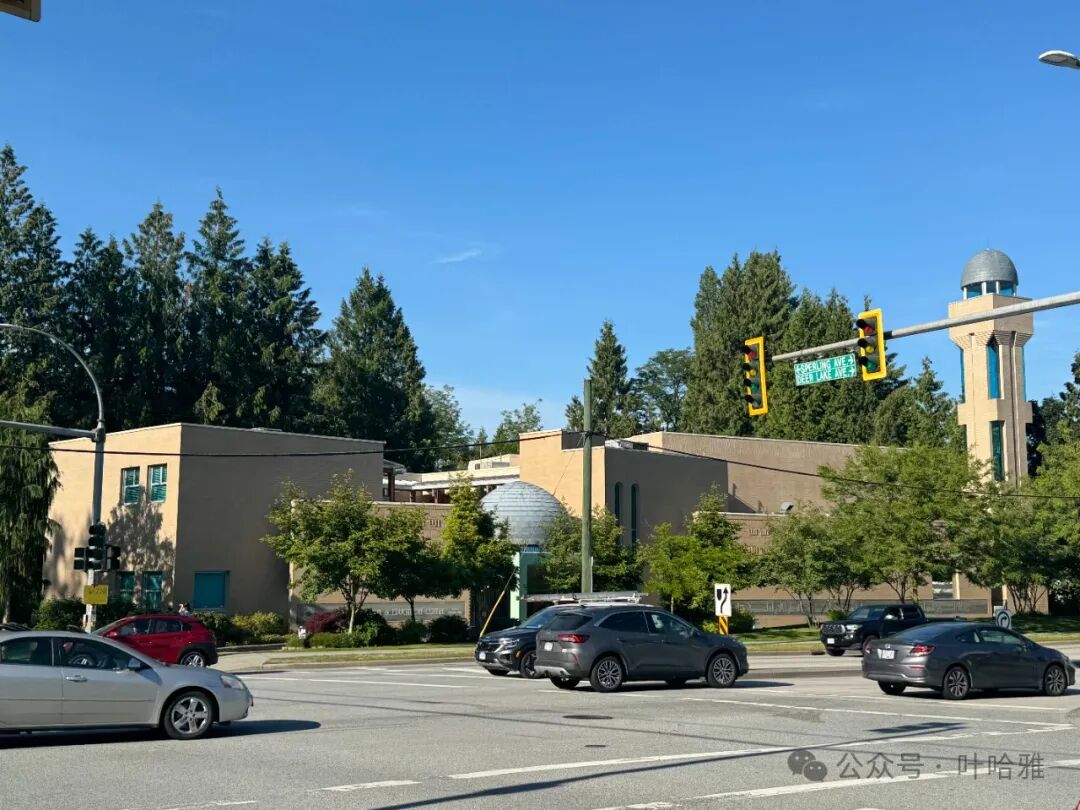
Al-Salaam Islamic Center in Vancouver.
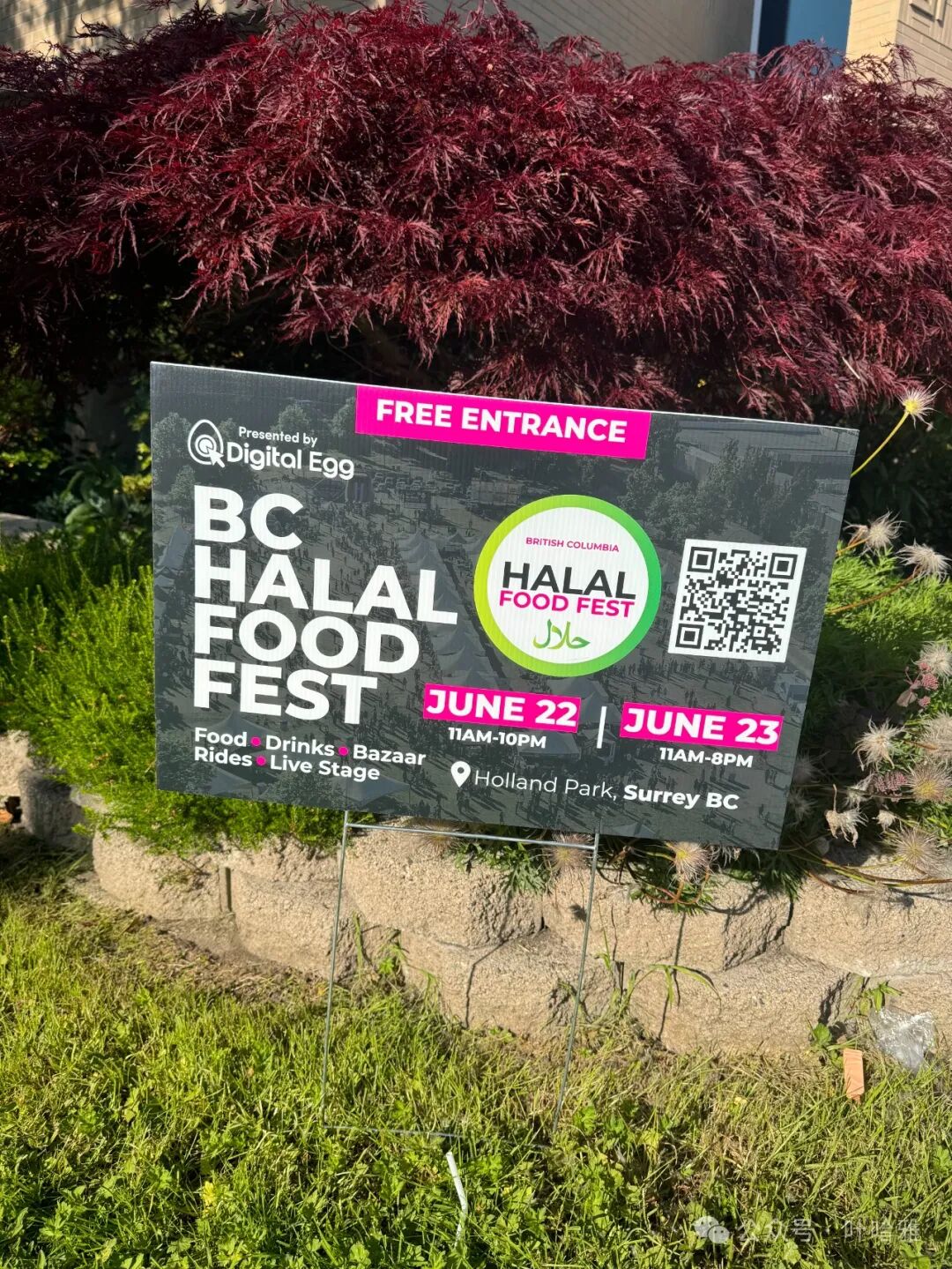
There is a poster for a halal food festival posted in front of the mosque.
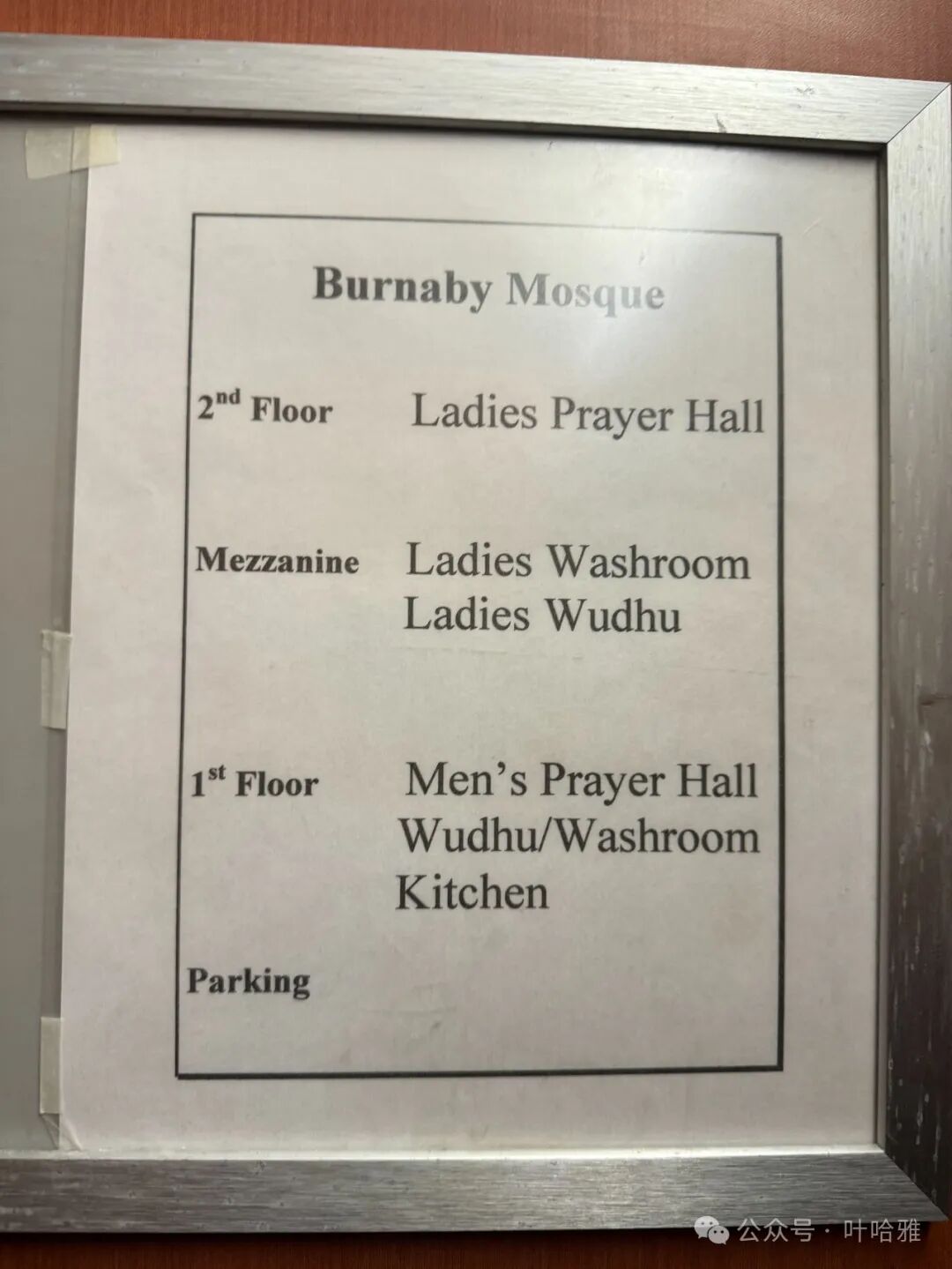
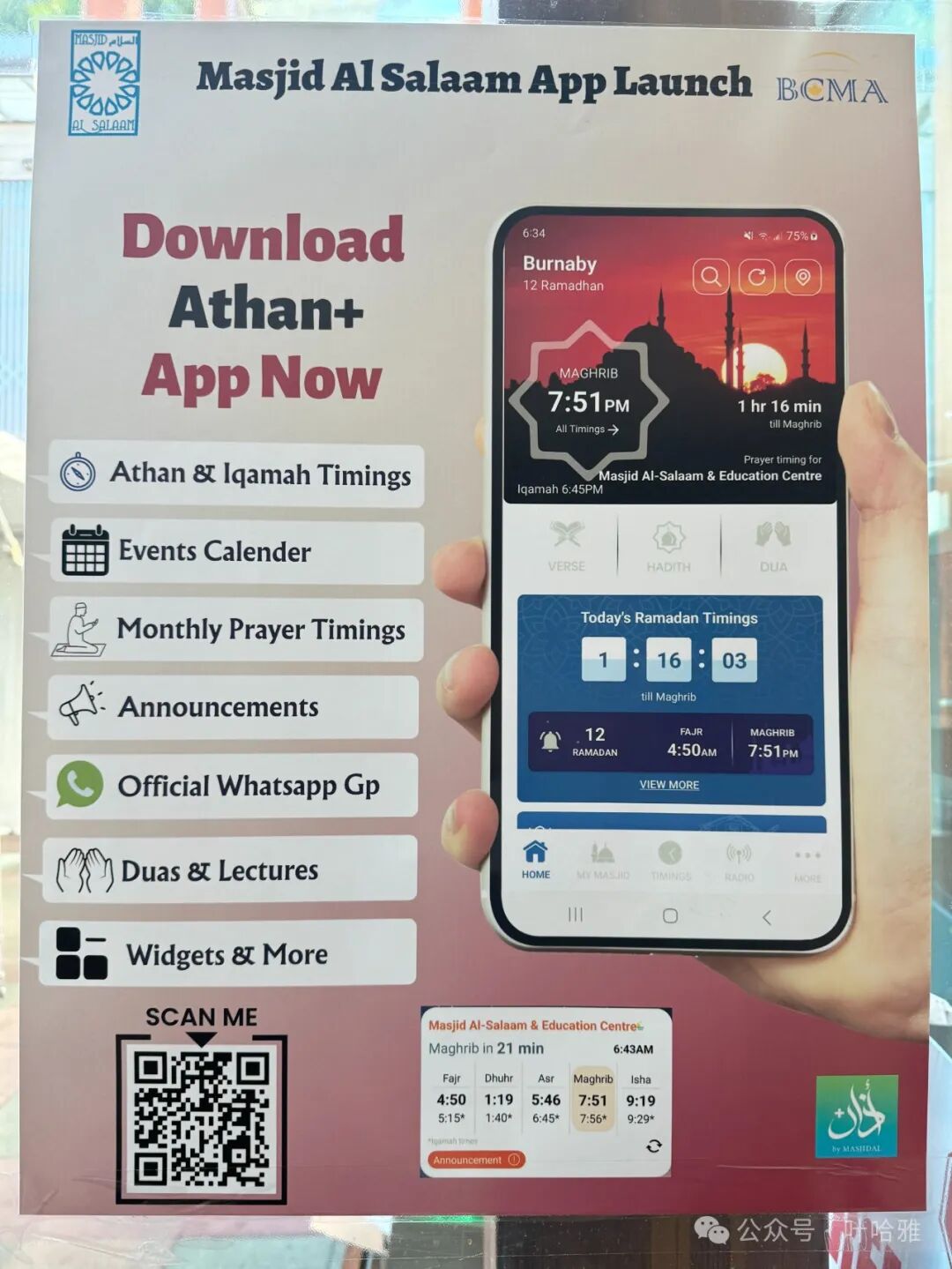
This mosque even has its own app.
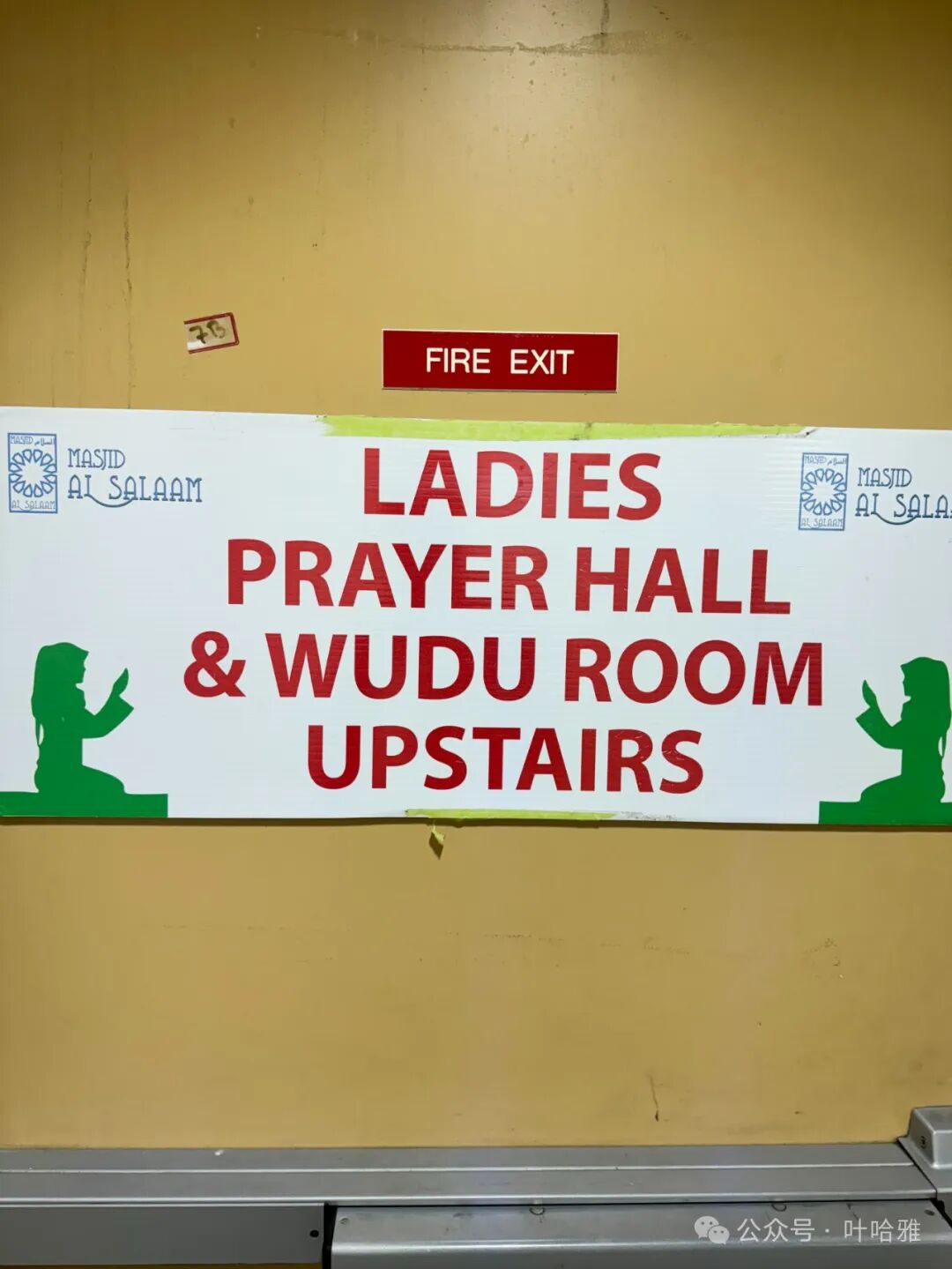
Women's prayer hall
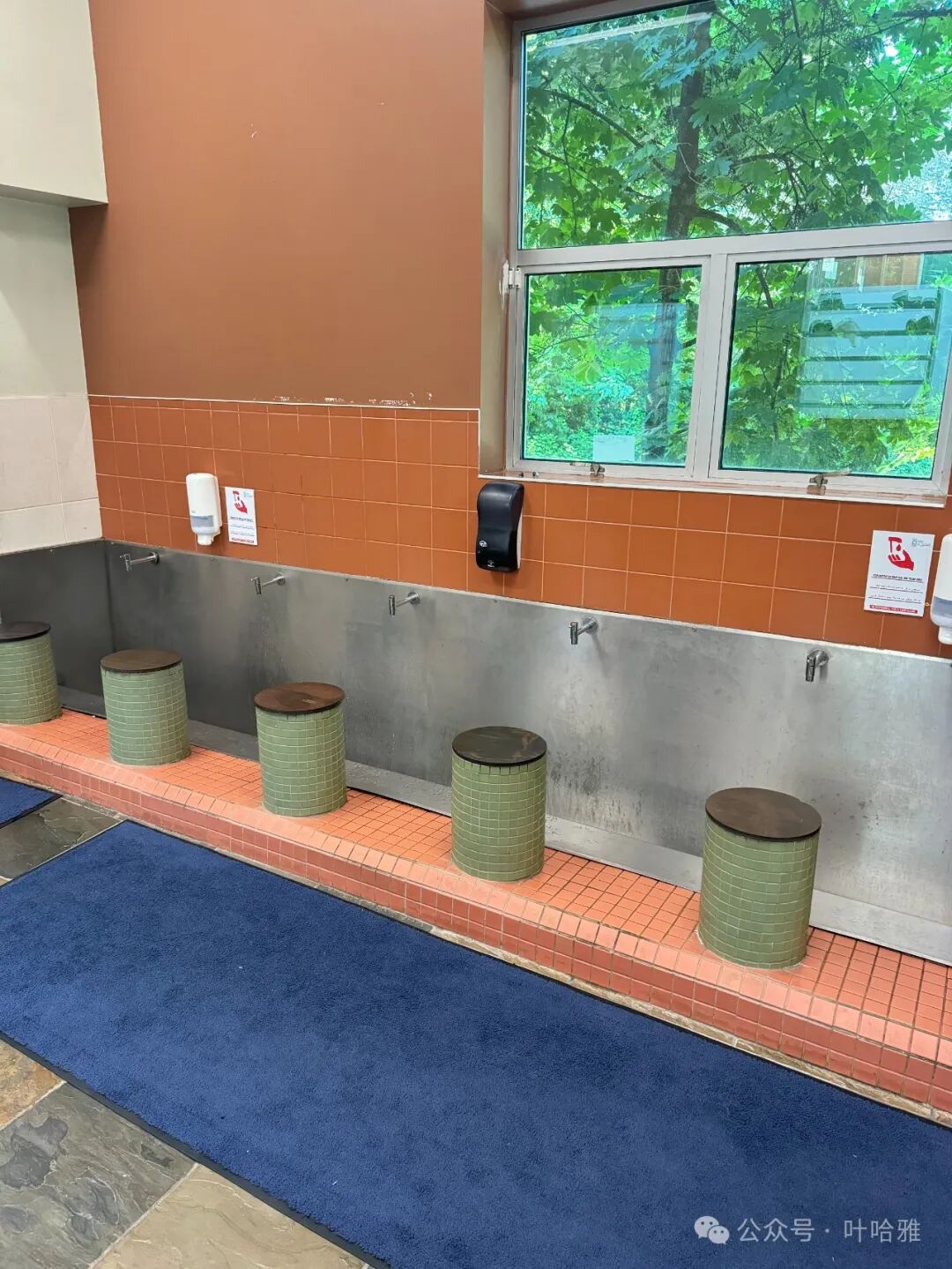
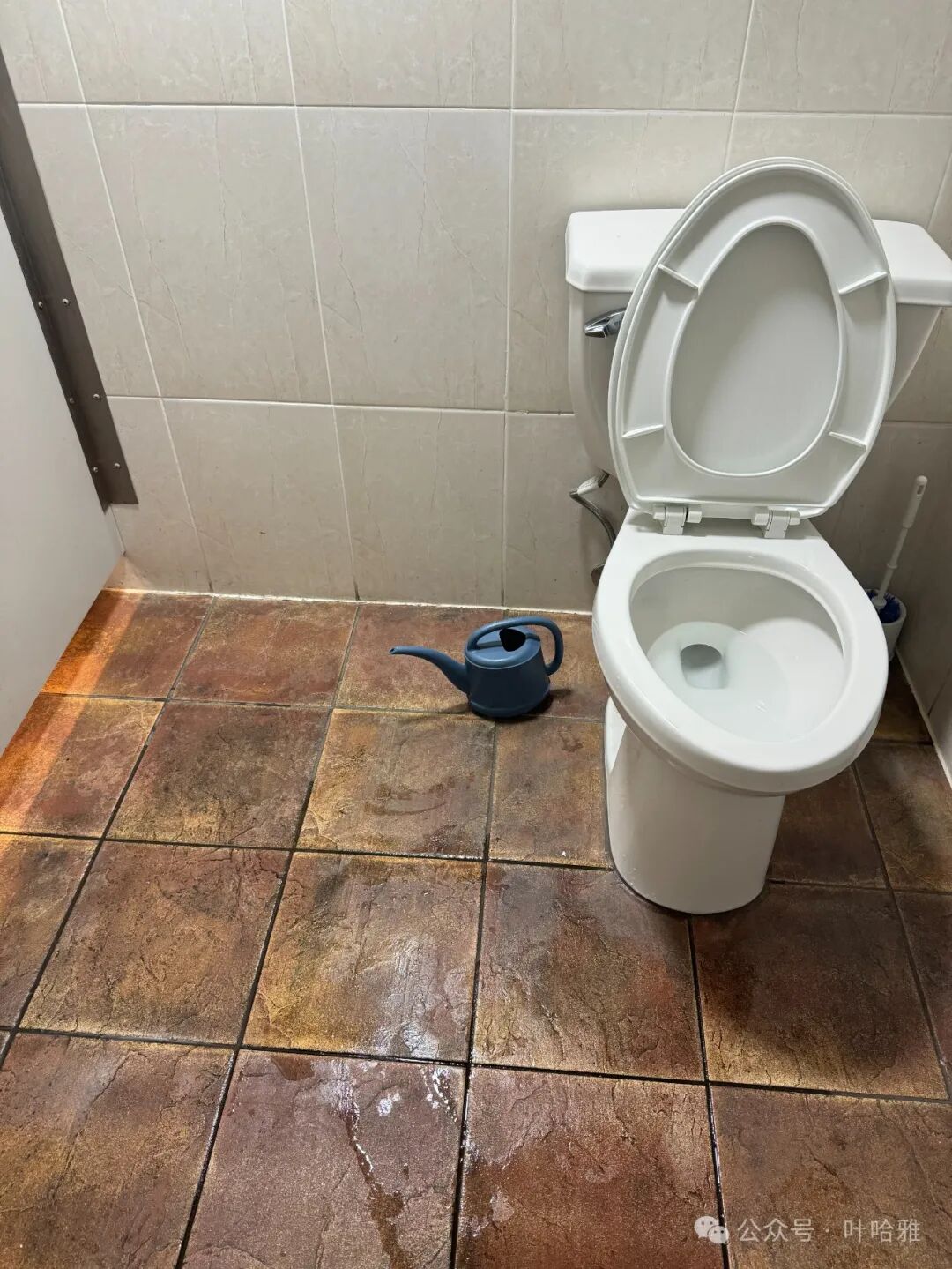
Wudu pitcher (wudu hu) used in North America
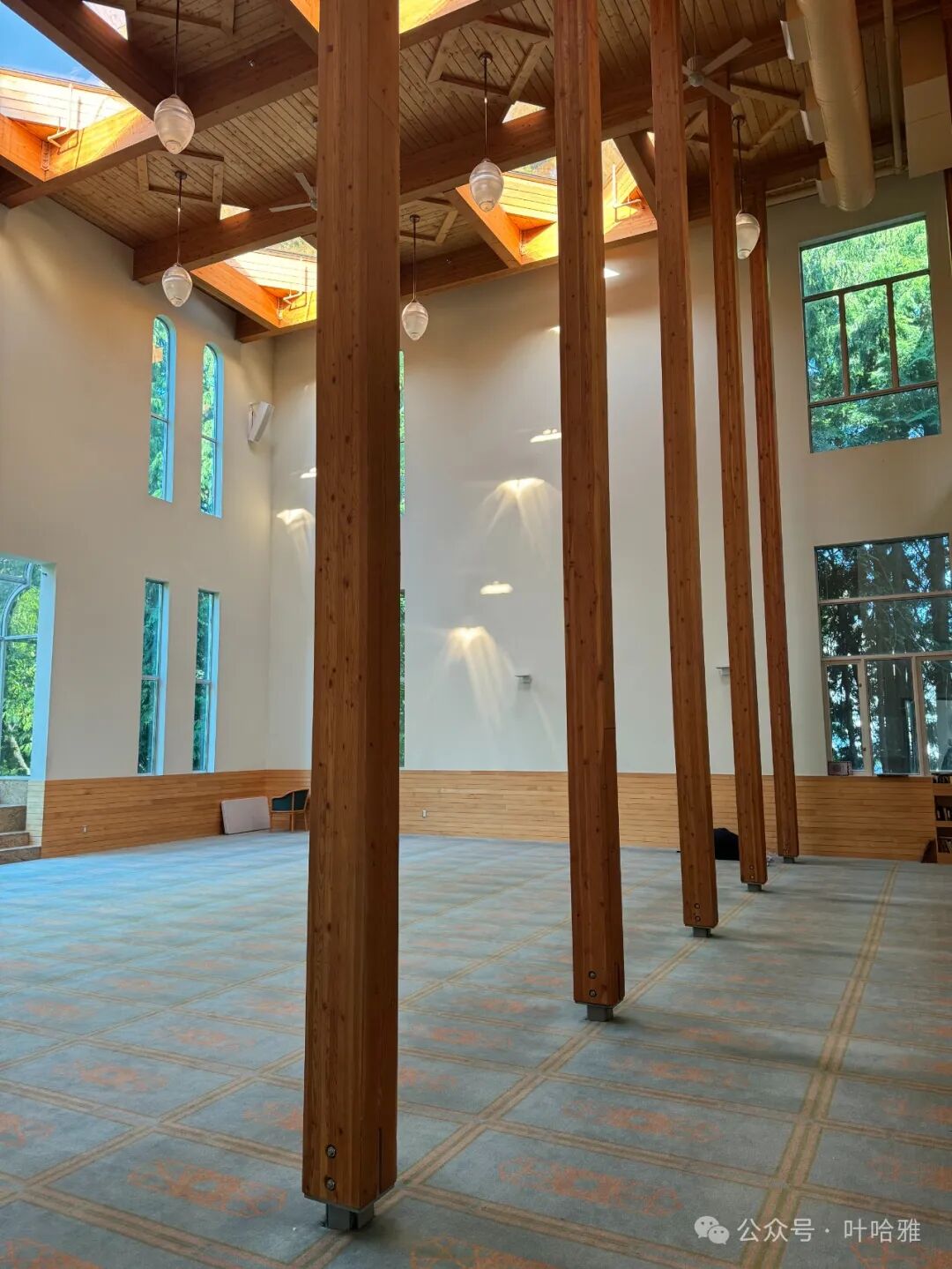
This mosque has a very modern design with geometric cutouts that let in plenty of light.
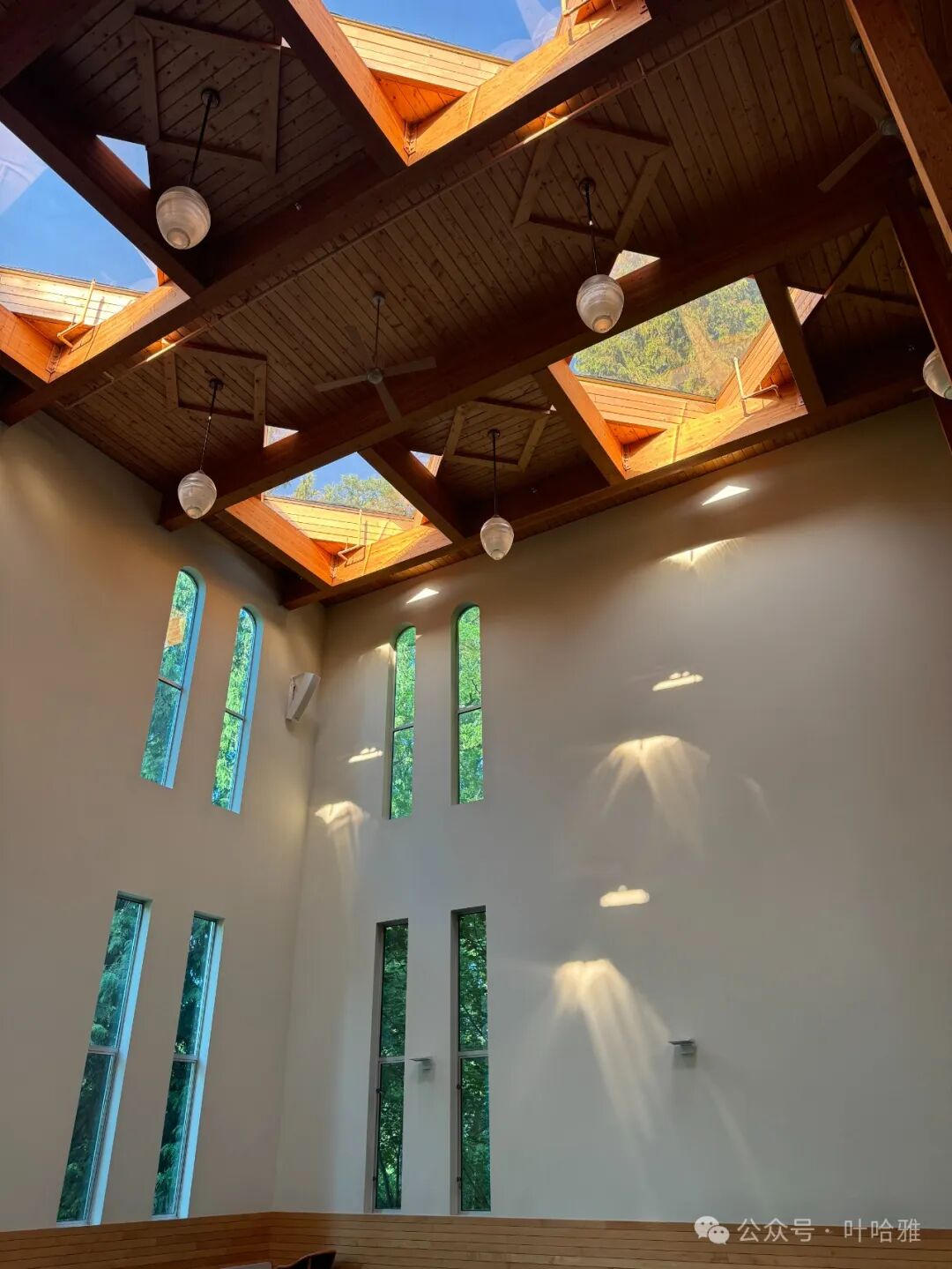
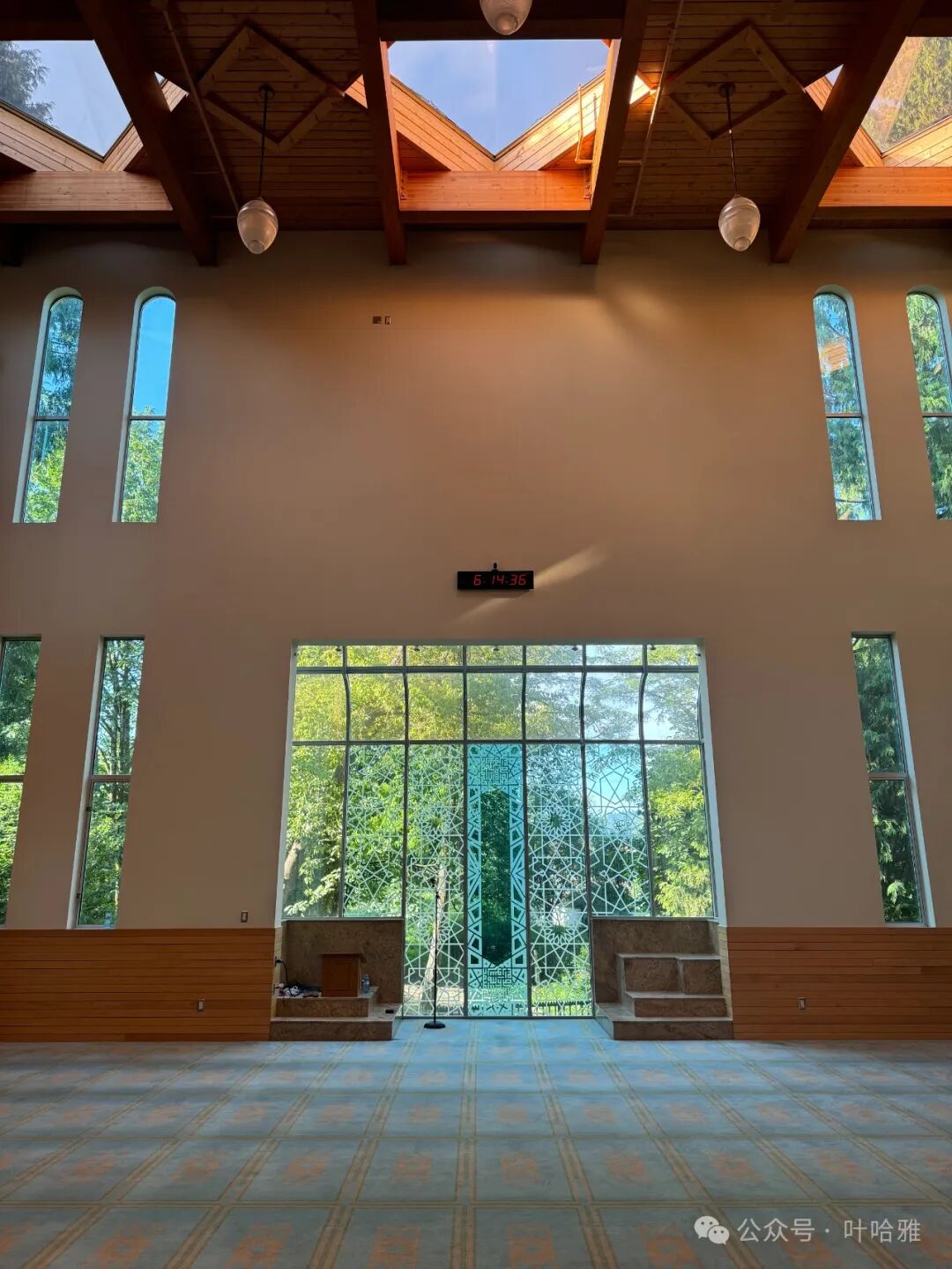
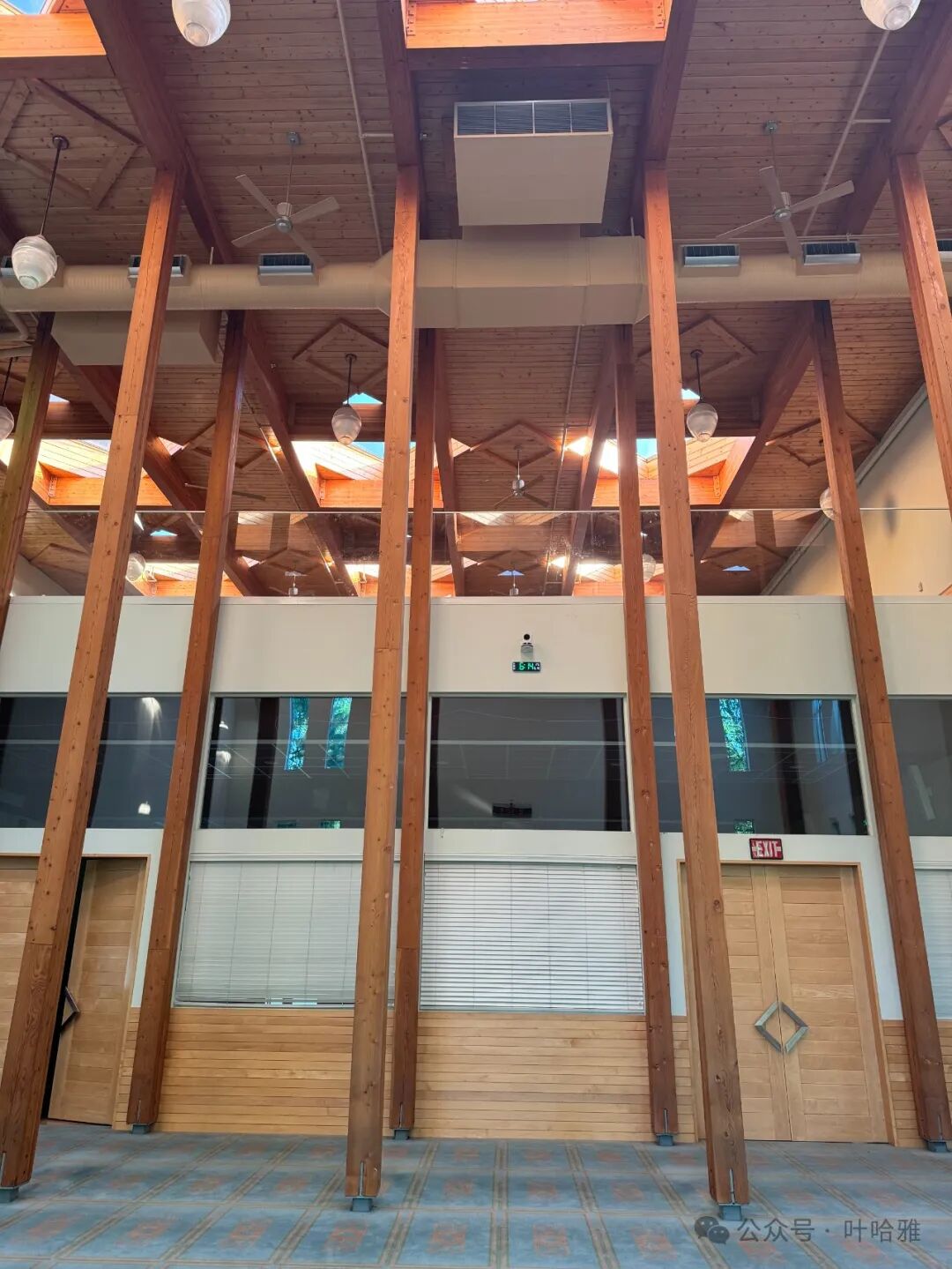
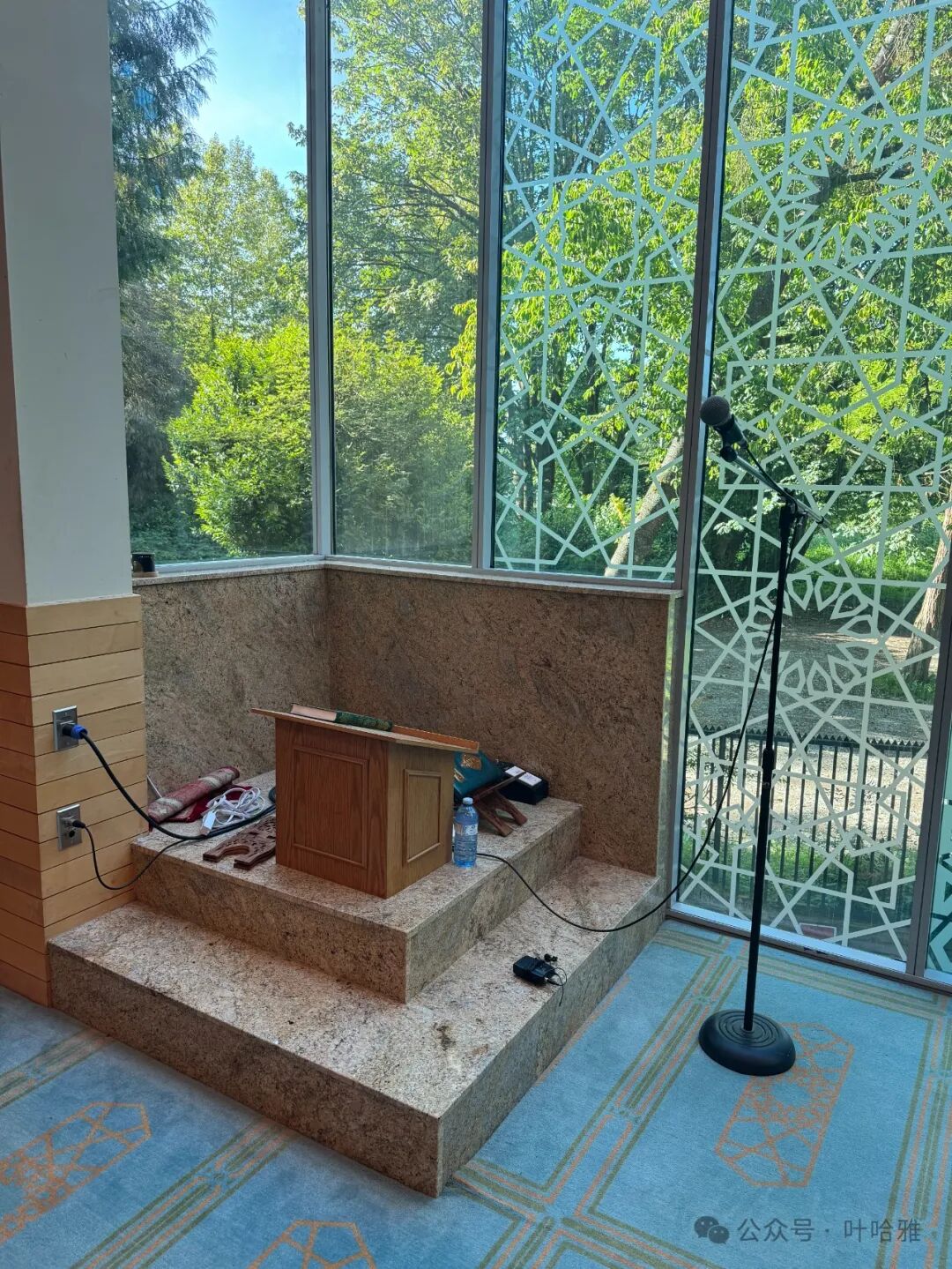
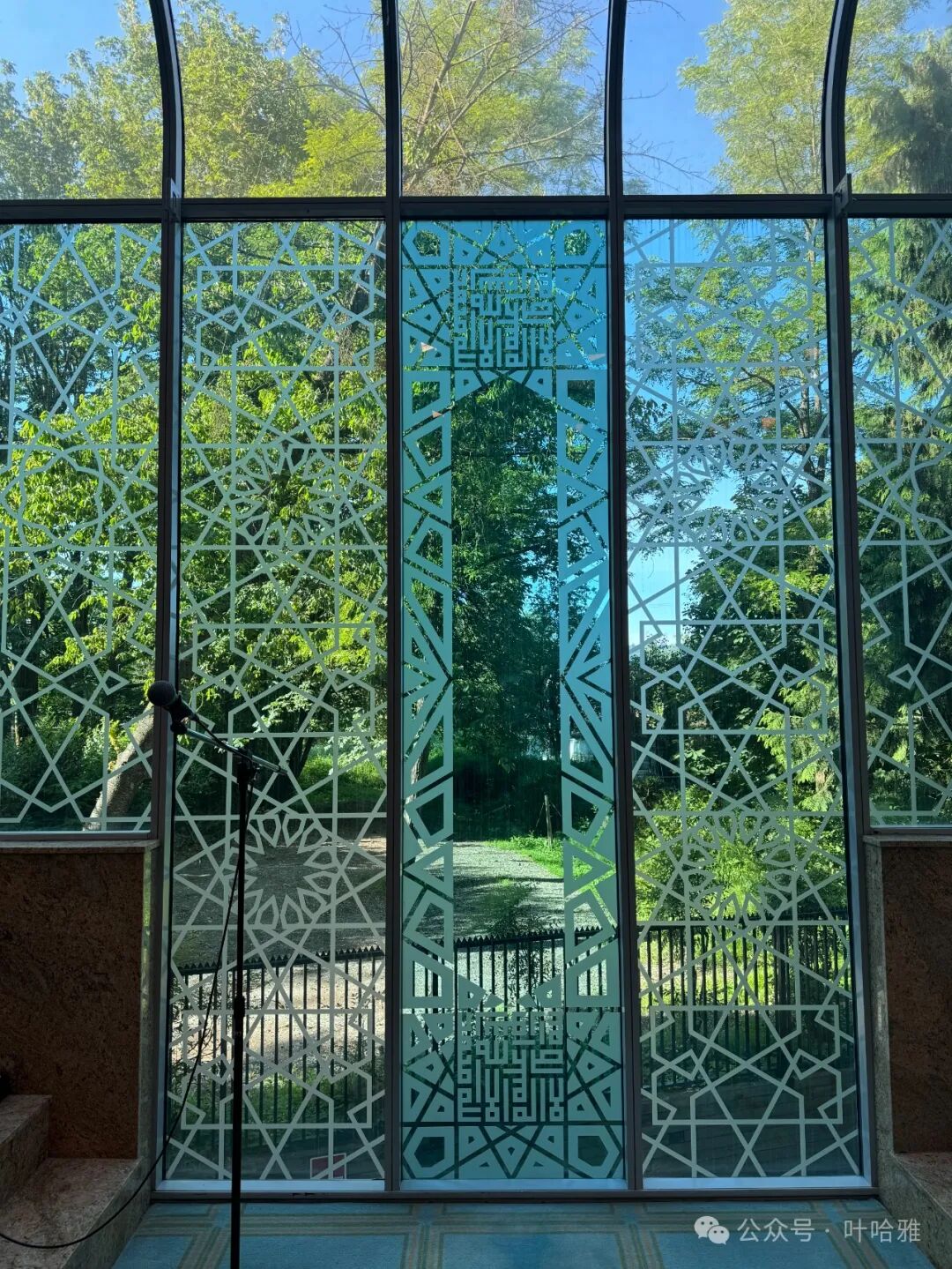
The wall facing the direction of prayer in the main hall is made of glass, which is a rare design style. I think this is the most beautiful mosque in Canada.
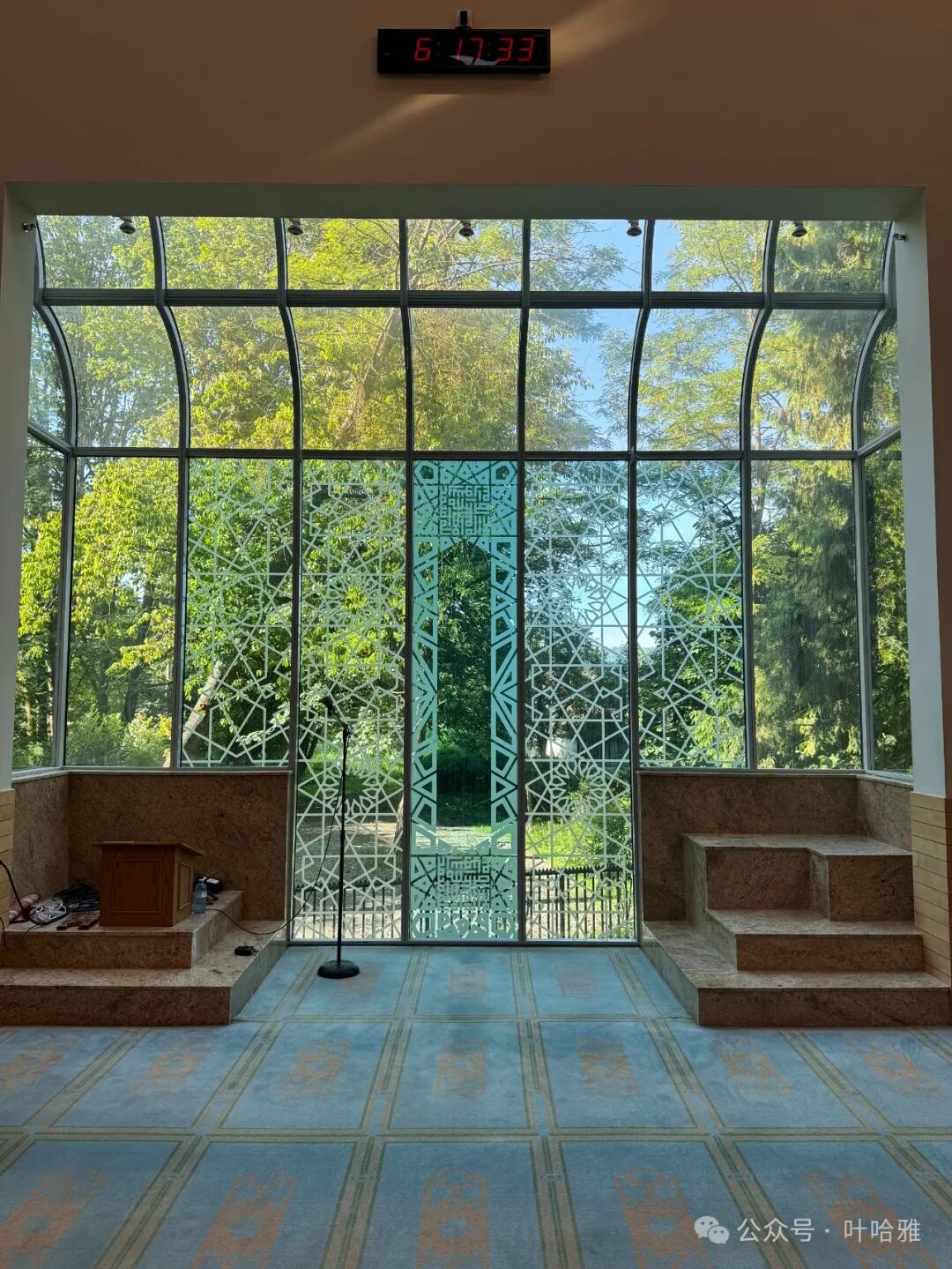
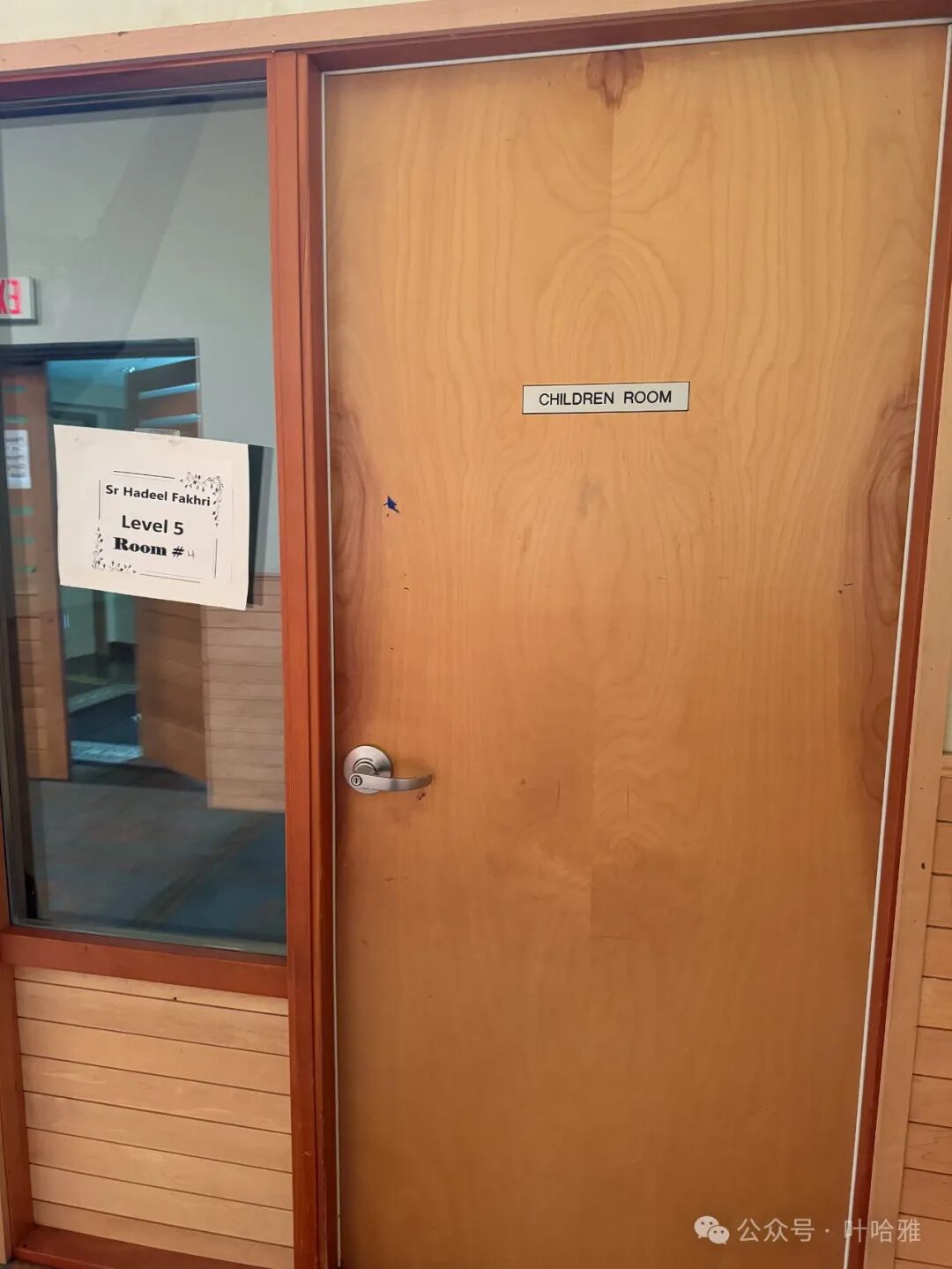
Behind the women's hall on the second floor is a children's area. This is a very thoughtful feature that lets mothers pray in peace while their children play nearby, and moms can see them through the glass.
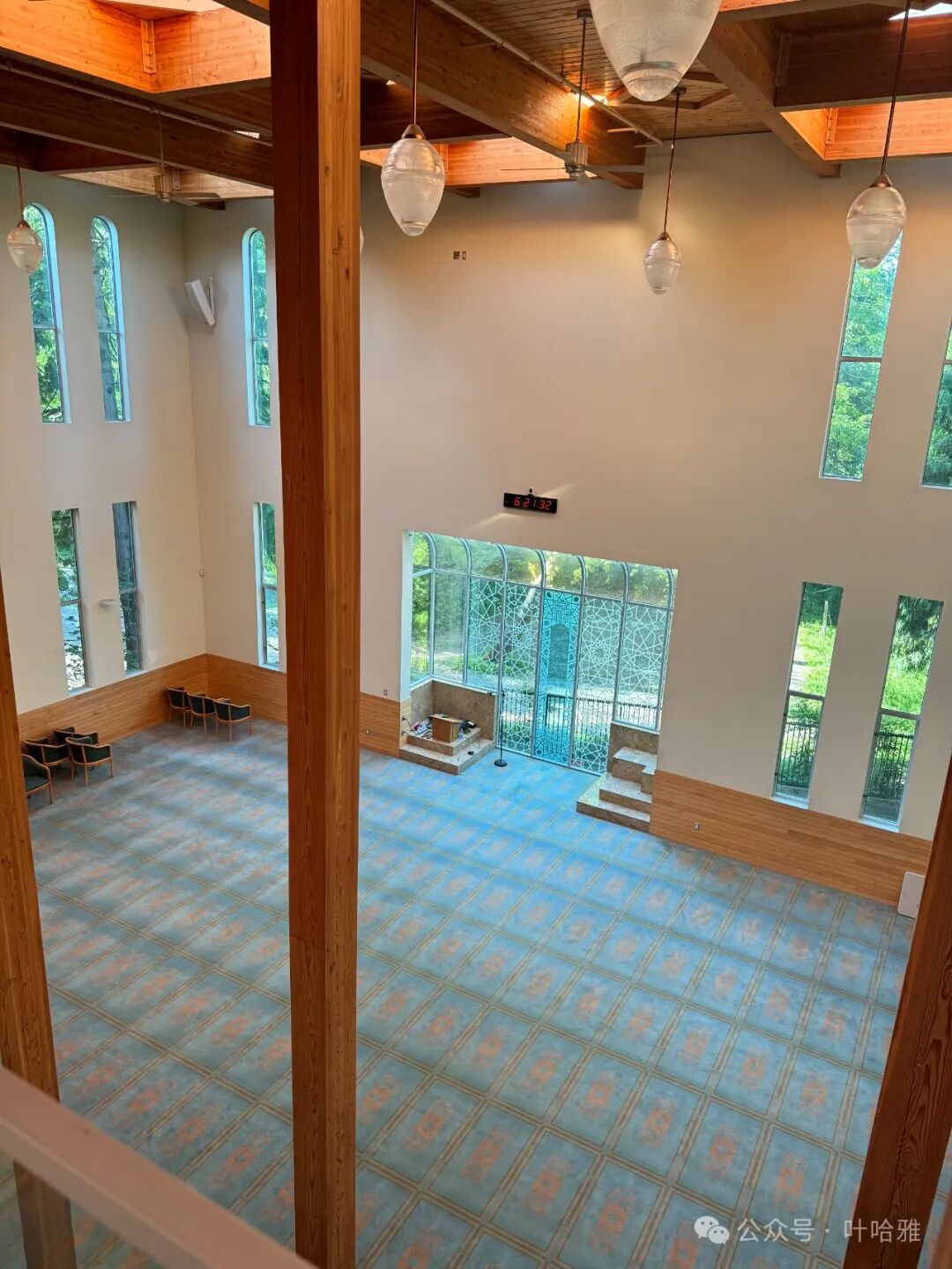
Az-Zahraa Islamic Centre
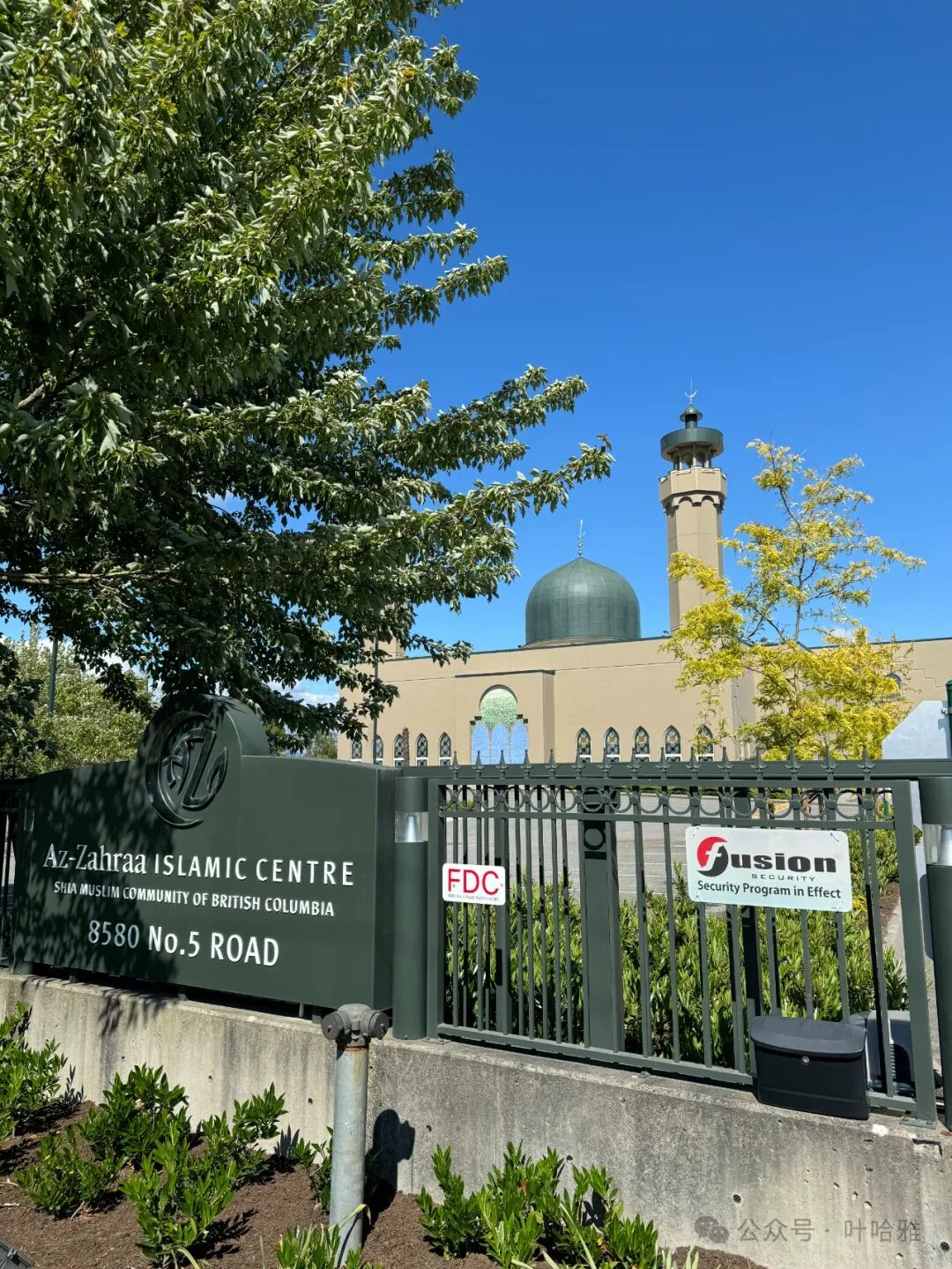
Shia mosque
This is a large Shia Islamic center in Vancouver.
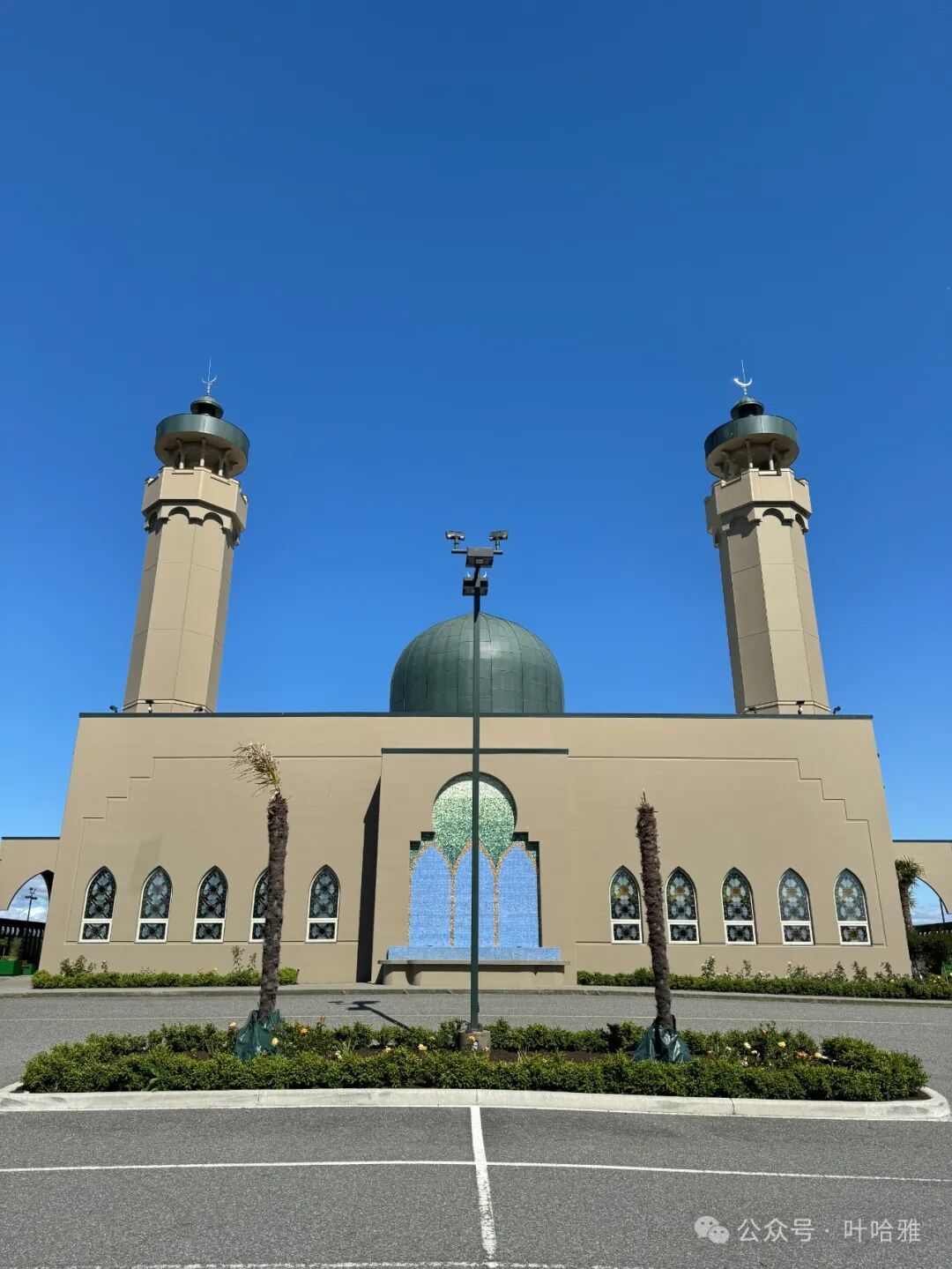
The architectural style clearly features Iranian influences.
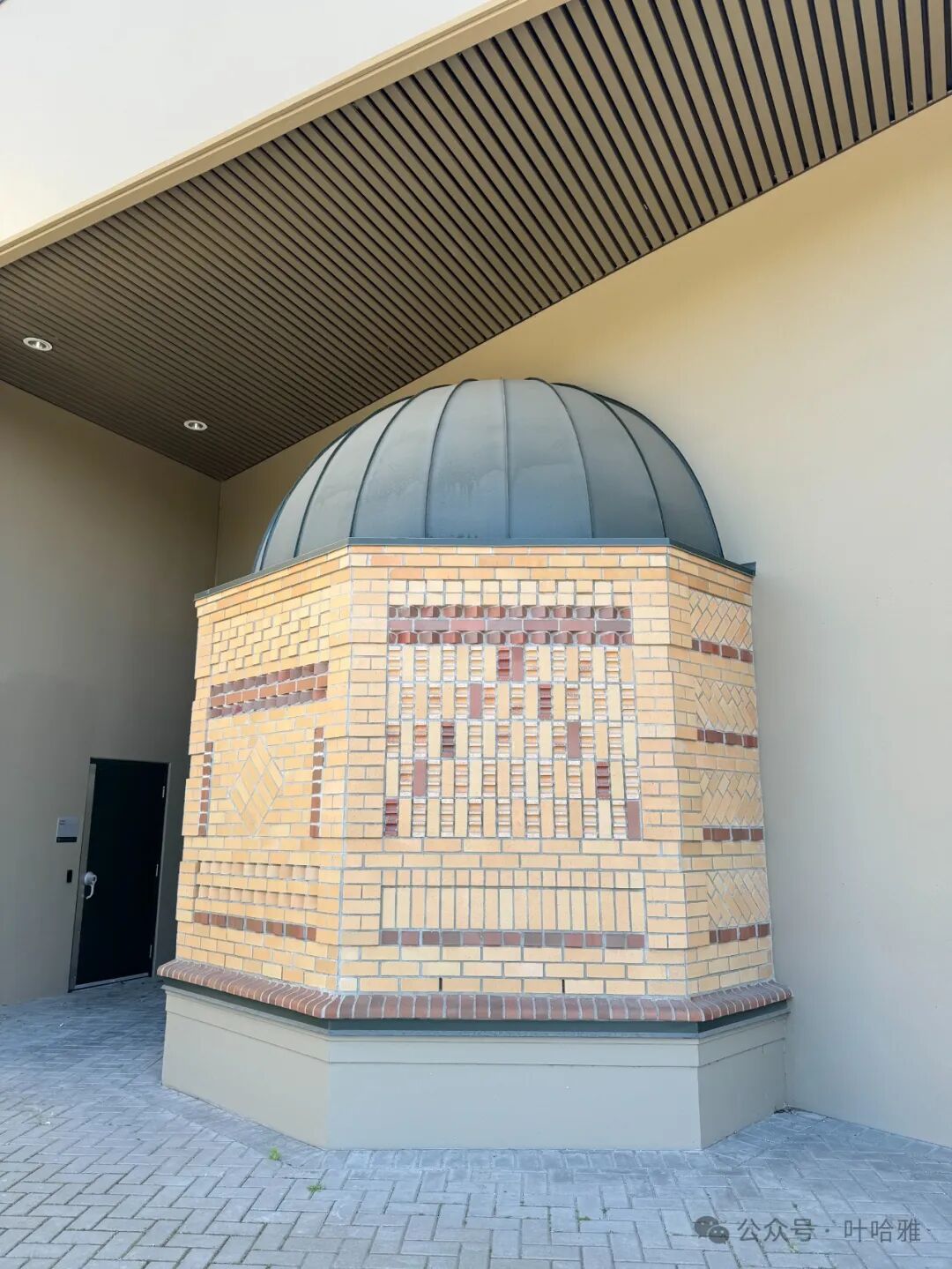
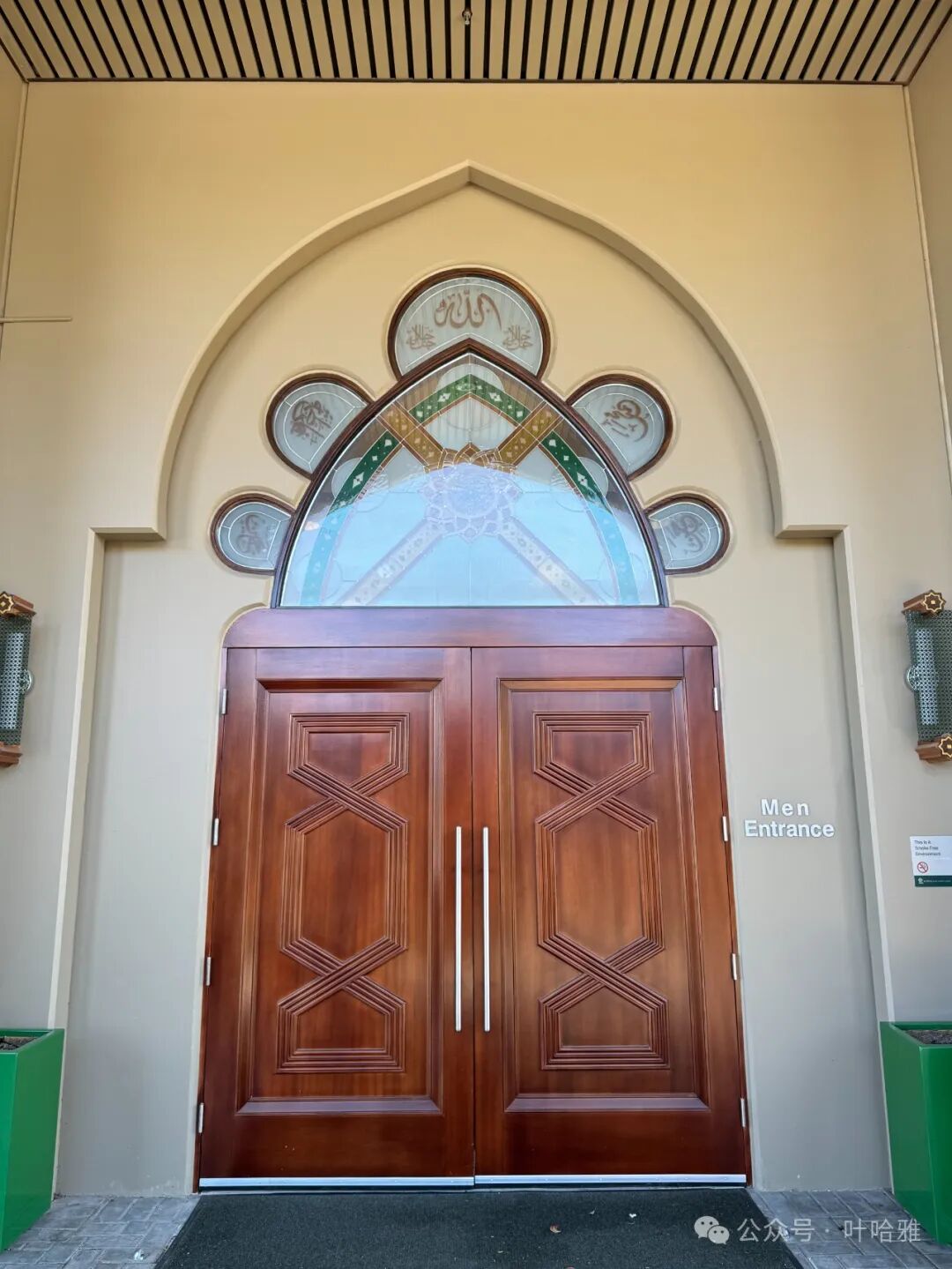
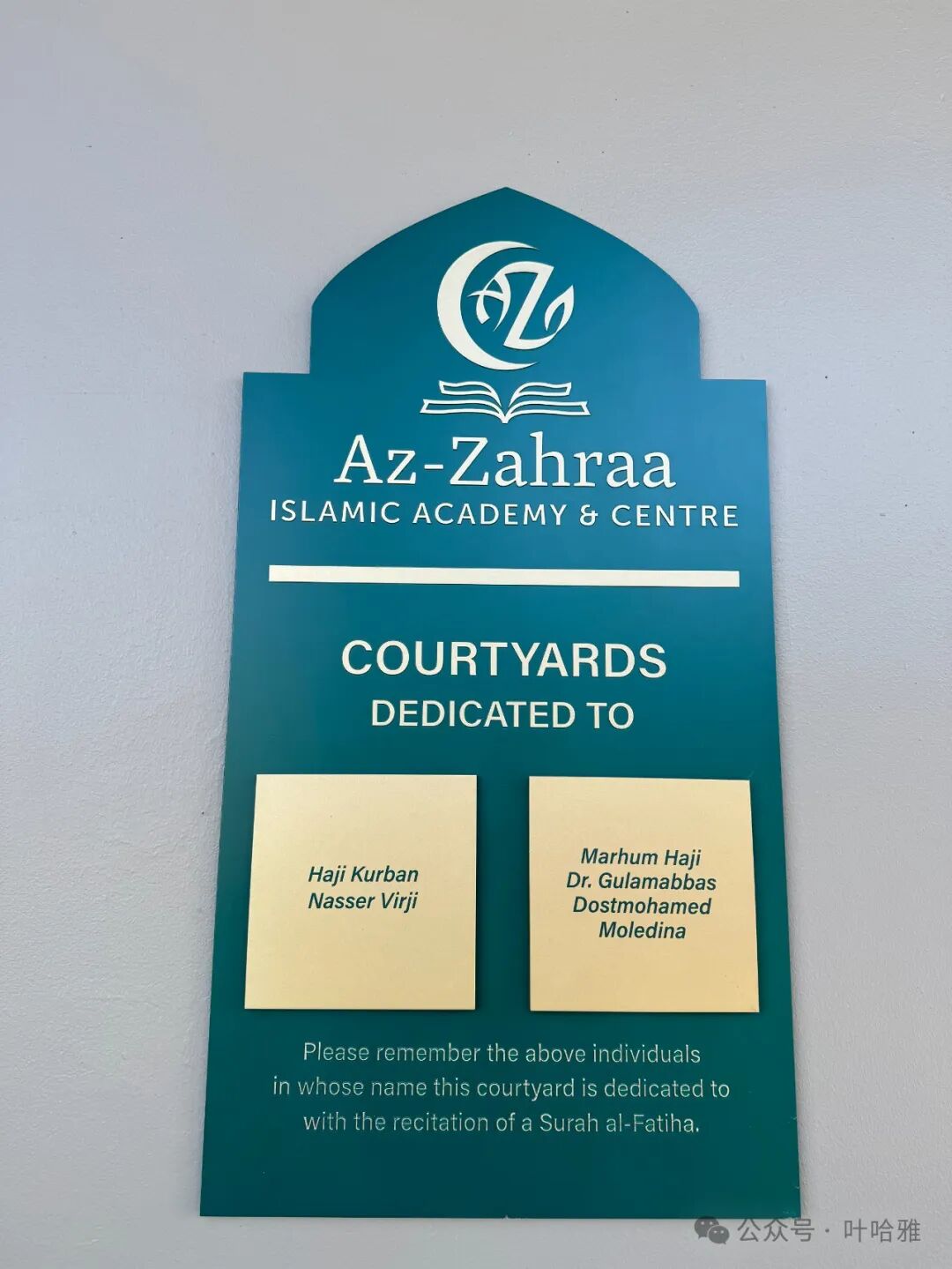
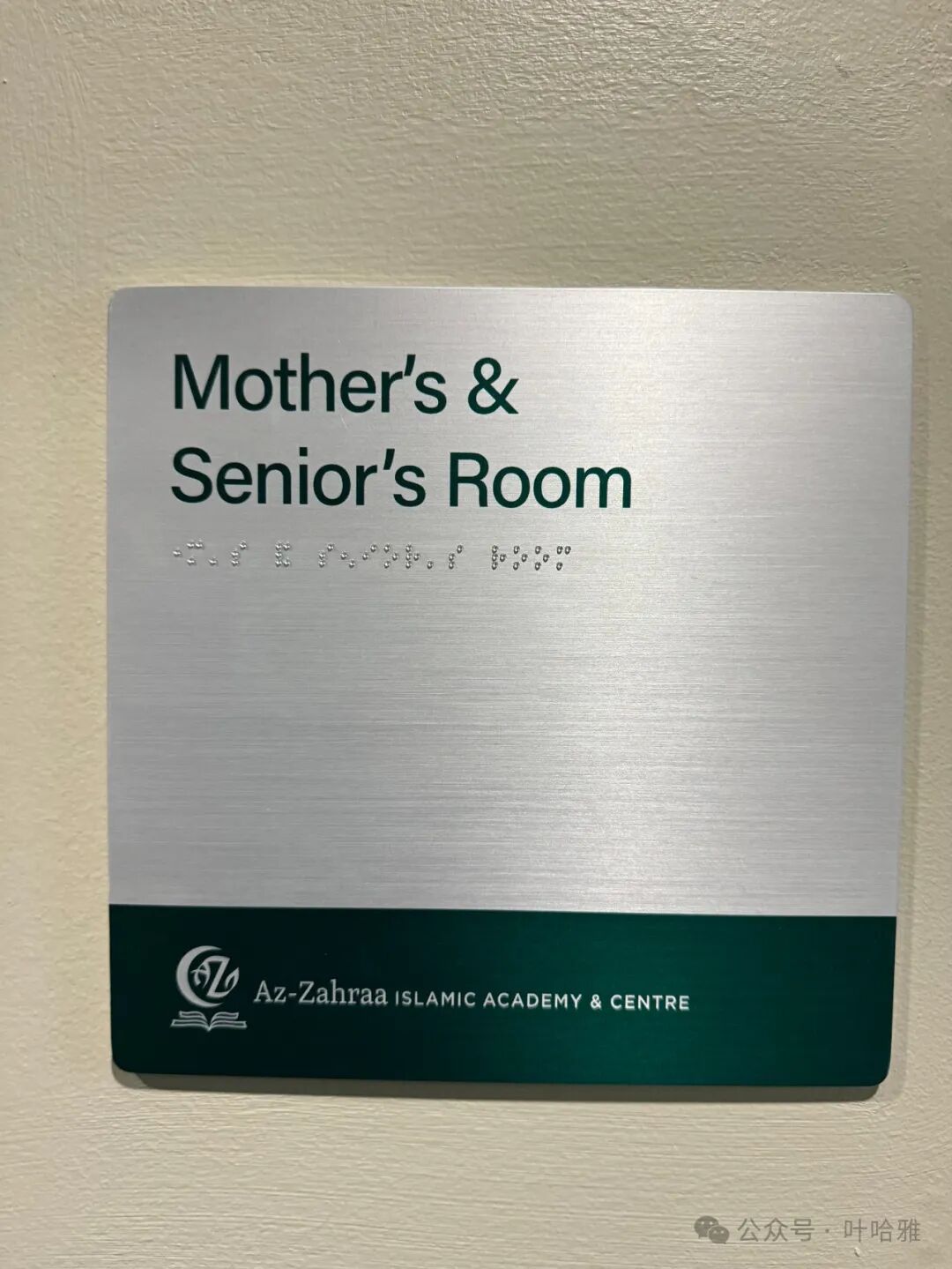
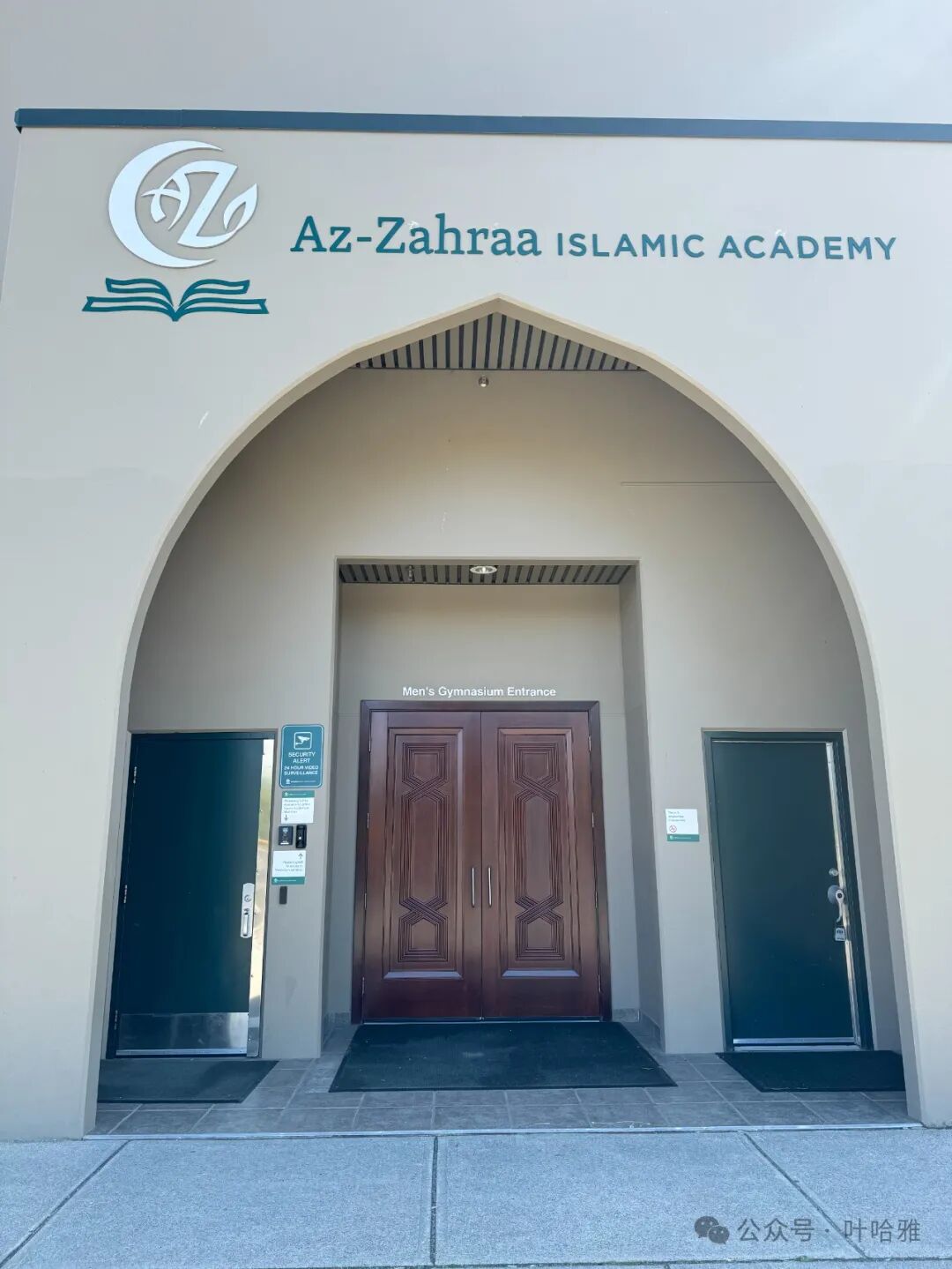
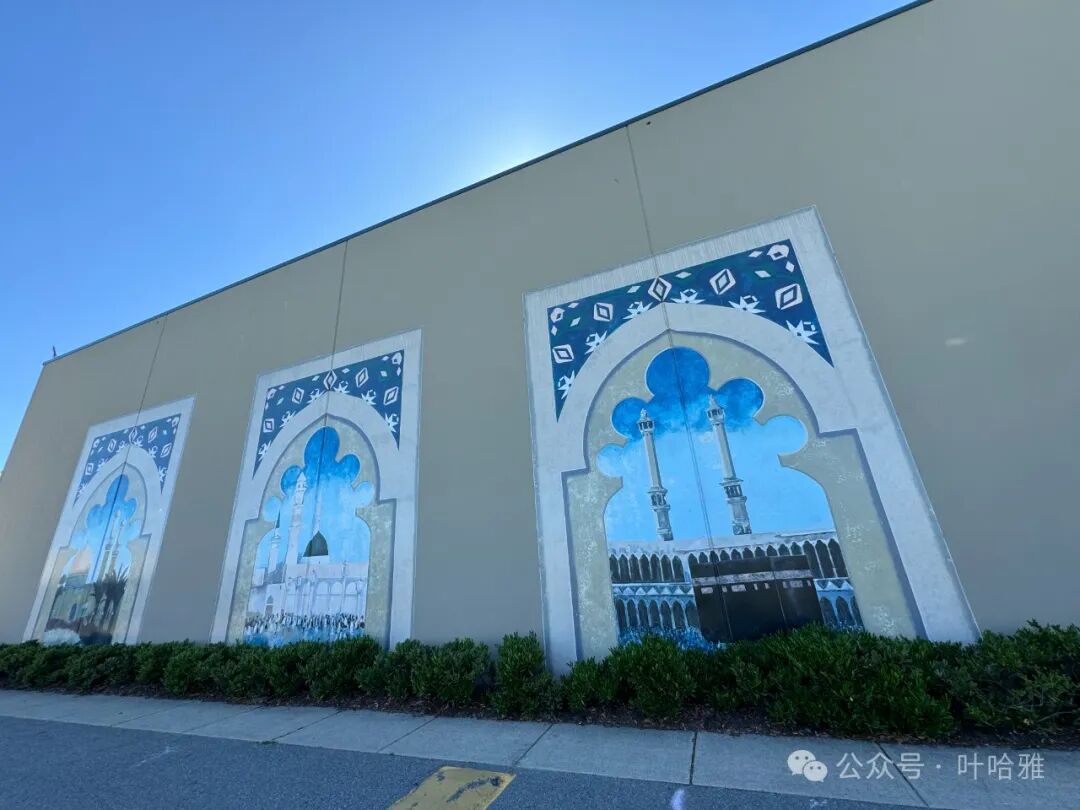
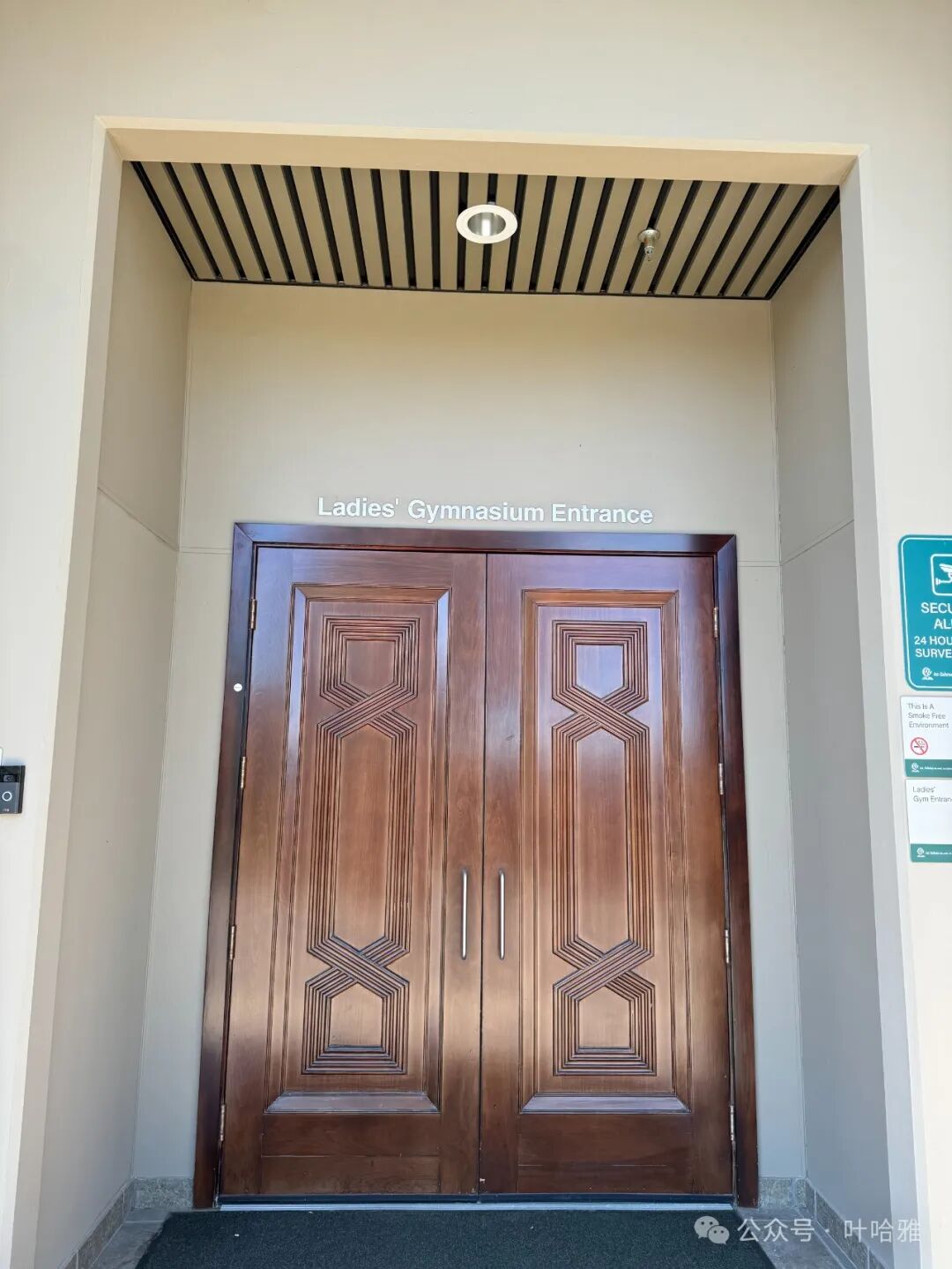
The gate to the mosque was locked, so I rang the bell and explained why I was there. The older man watching the door was very welcoming and opened it for me.
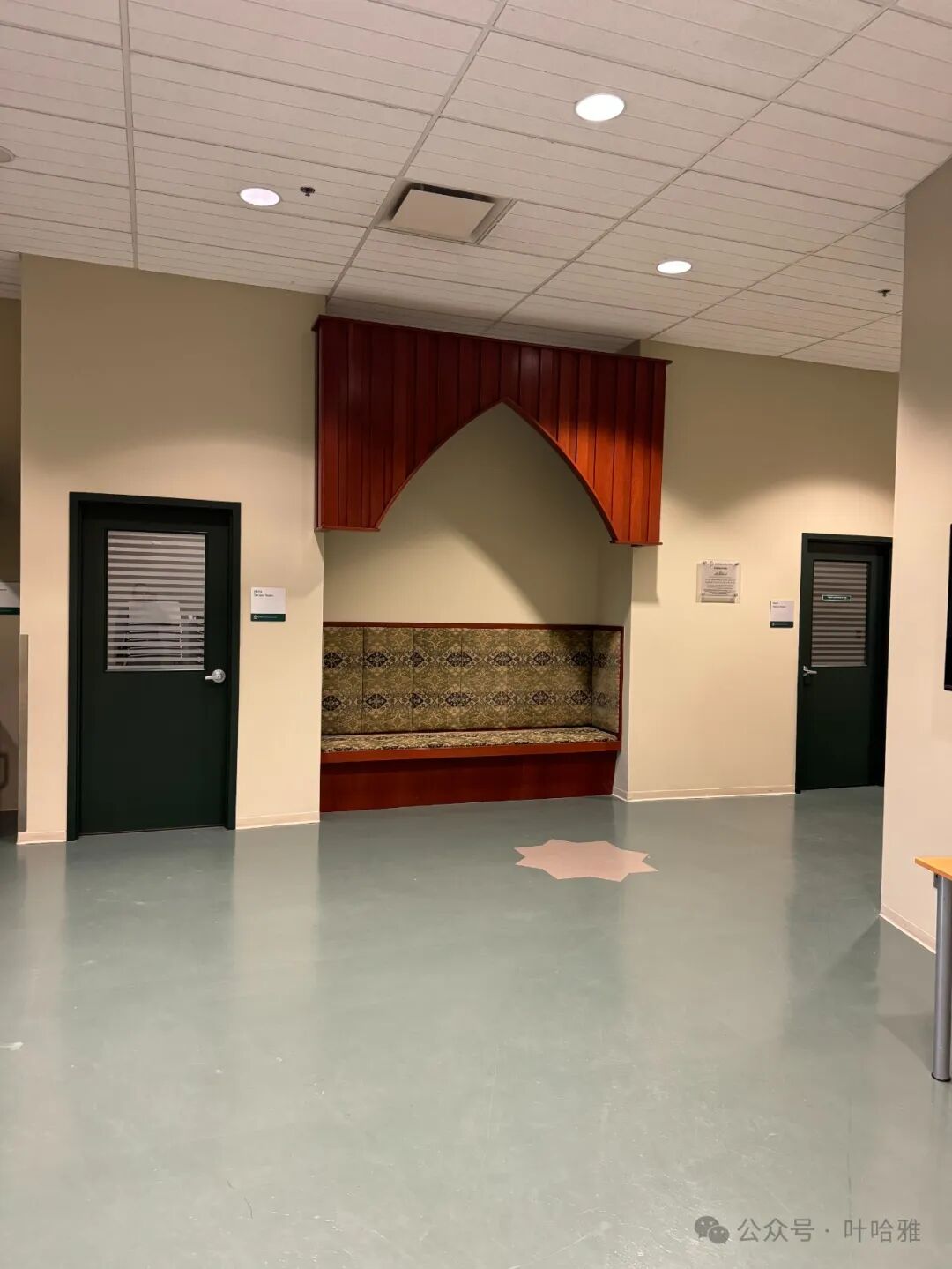
He told me this is a Shia mosque and that he is a Shia believer. He reminded me not to get it mixed up, as the Sunni mosque is nearby in a different location.
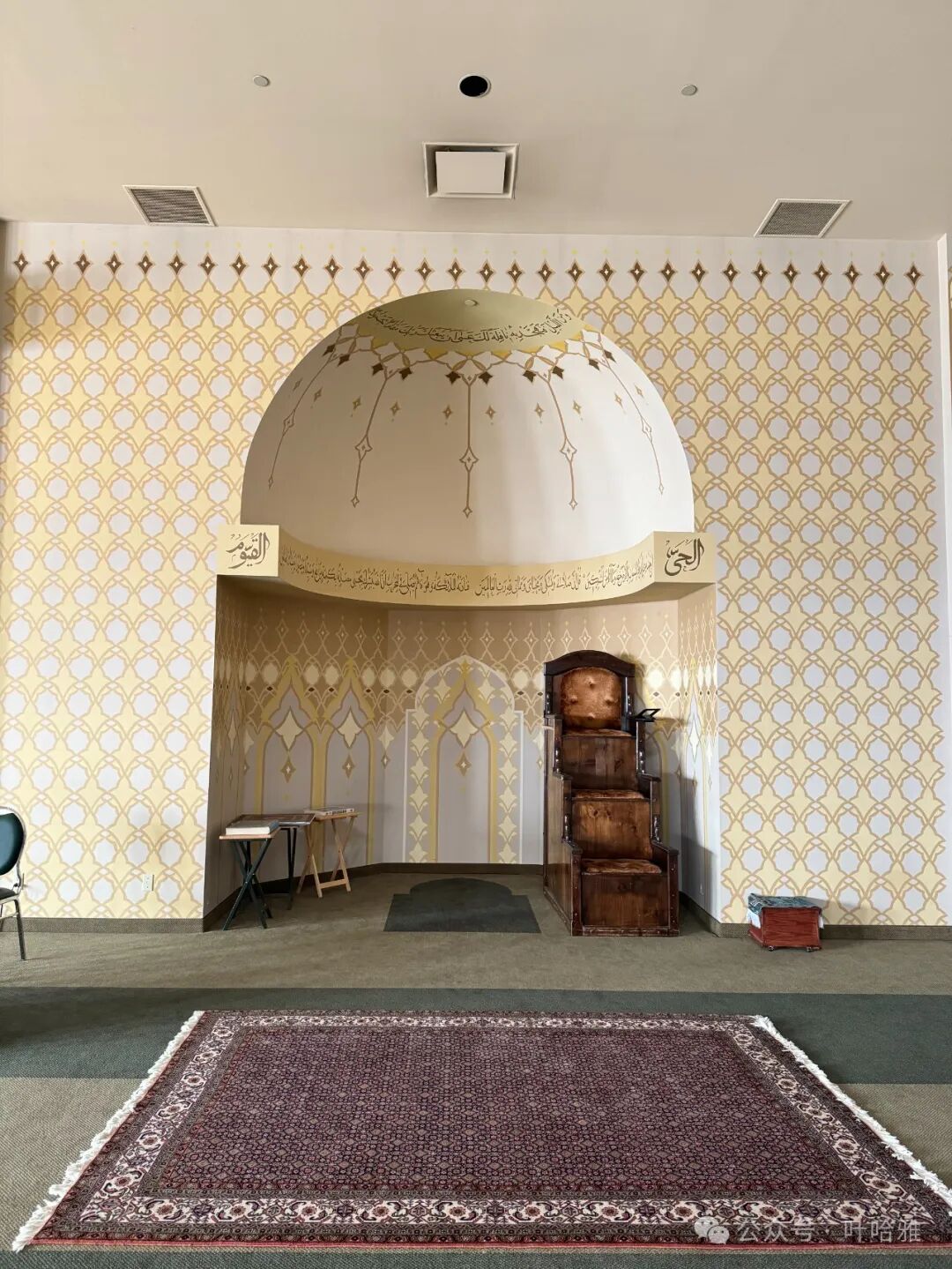
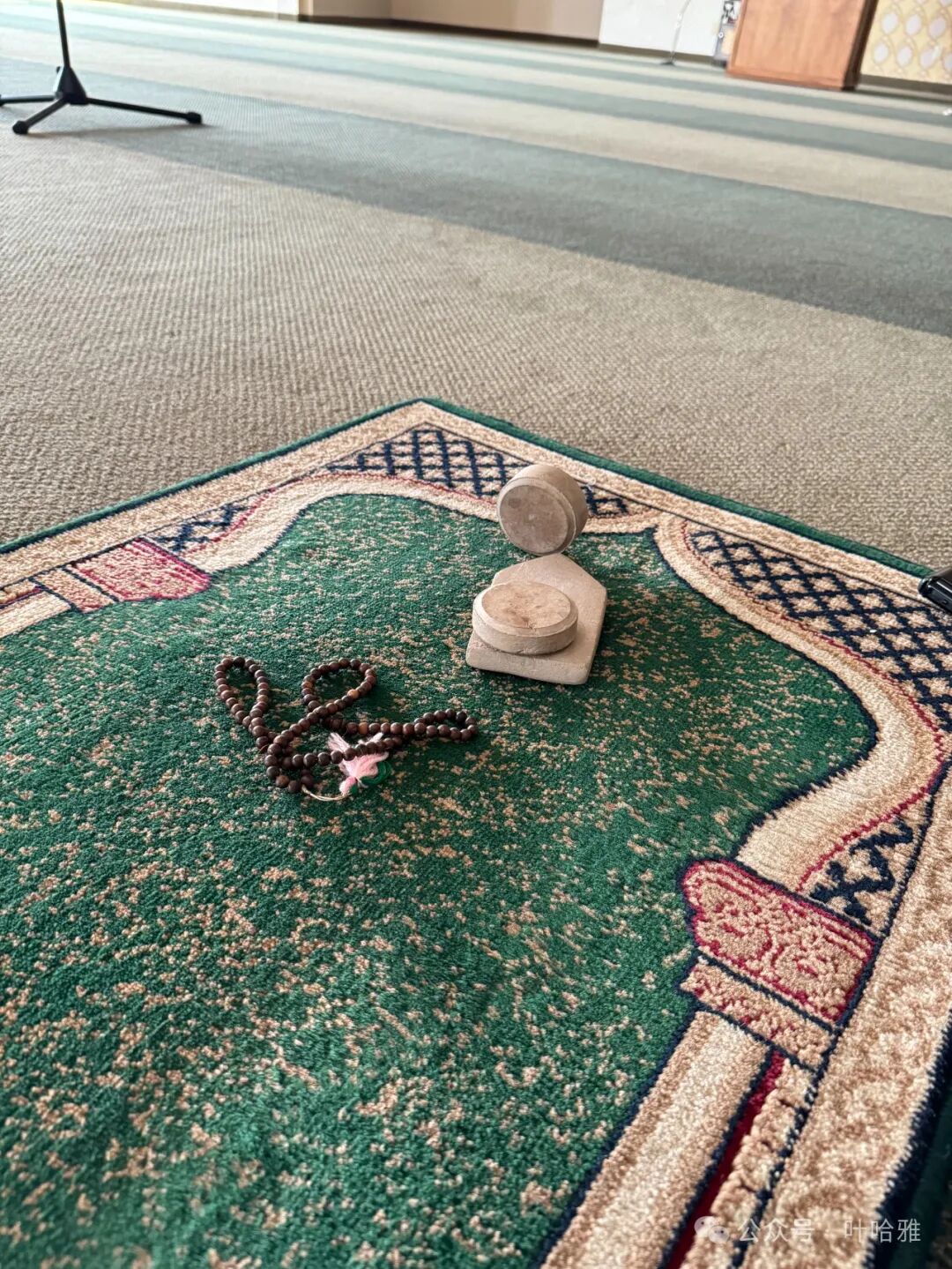
I saw the stone where the imam stands and told him I recognized it. Shia Muslims believe that during namaz, you cannot pray on a carpet but must be close to the earth or something that grows from it. They use this stone to represent the earth, so when they prostrate, touching the stone means they are close to the earth. I once wrote about why Iran chose the Shia branch of Islam.
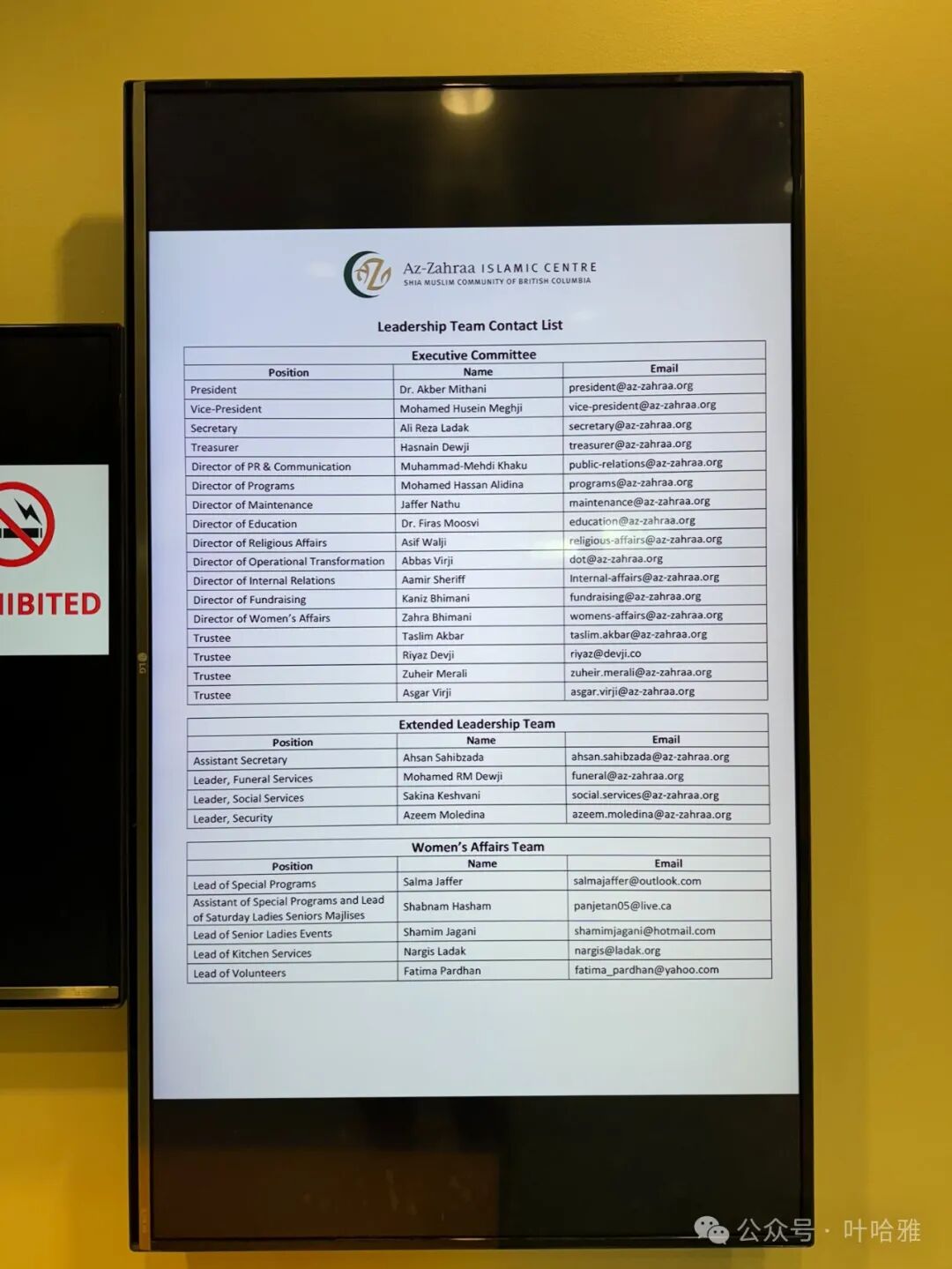
List of mosque management staff.
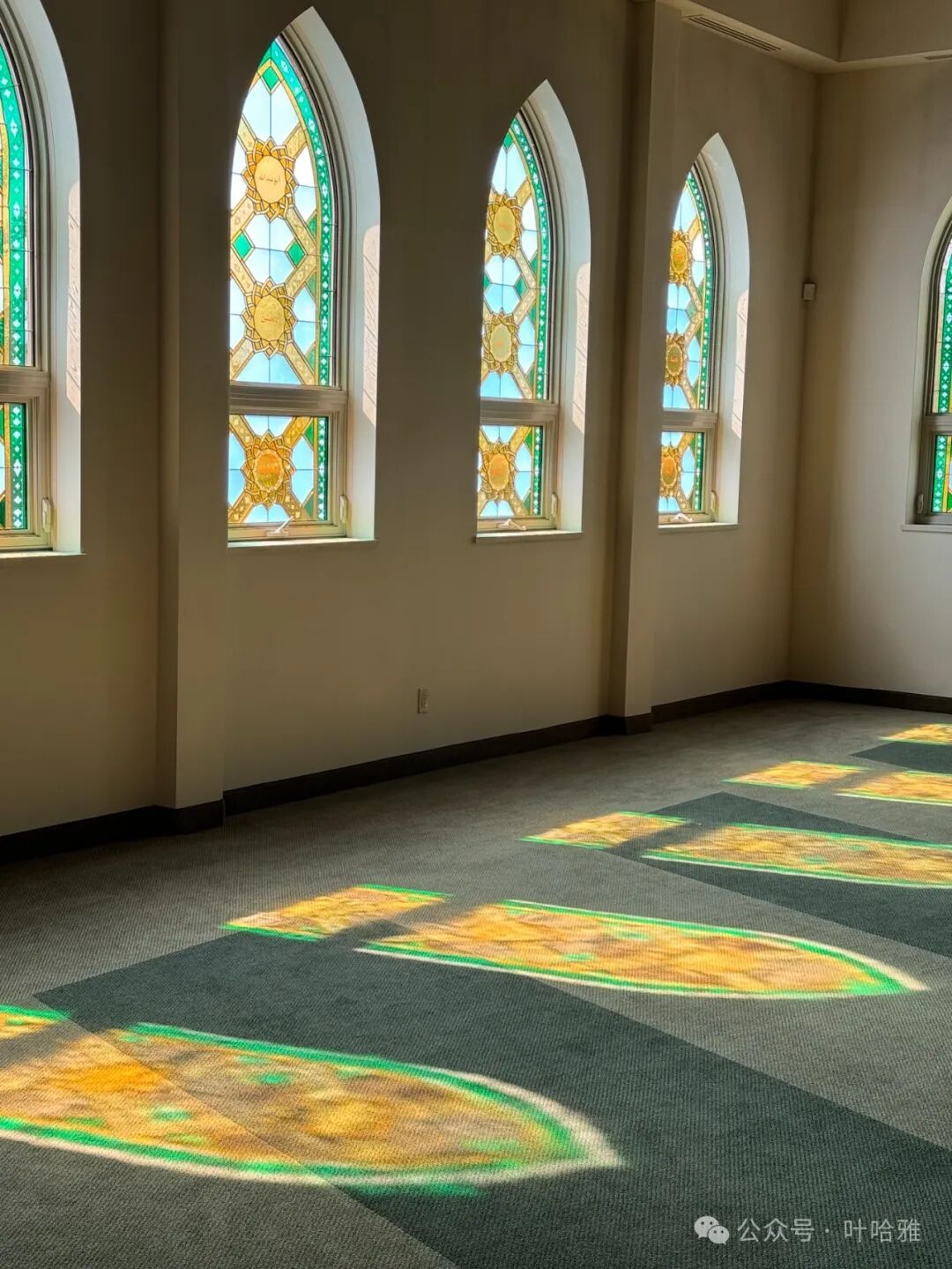
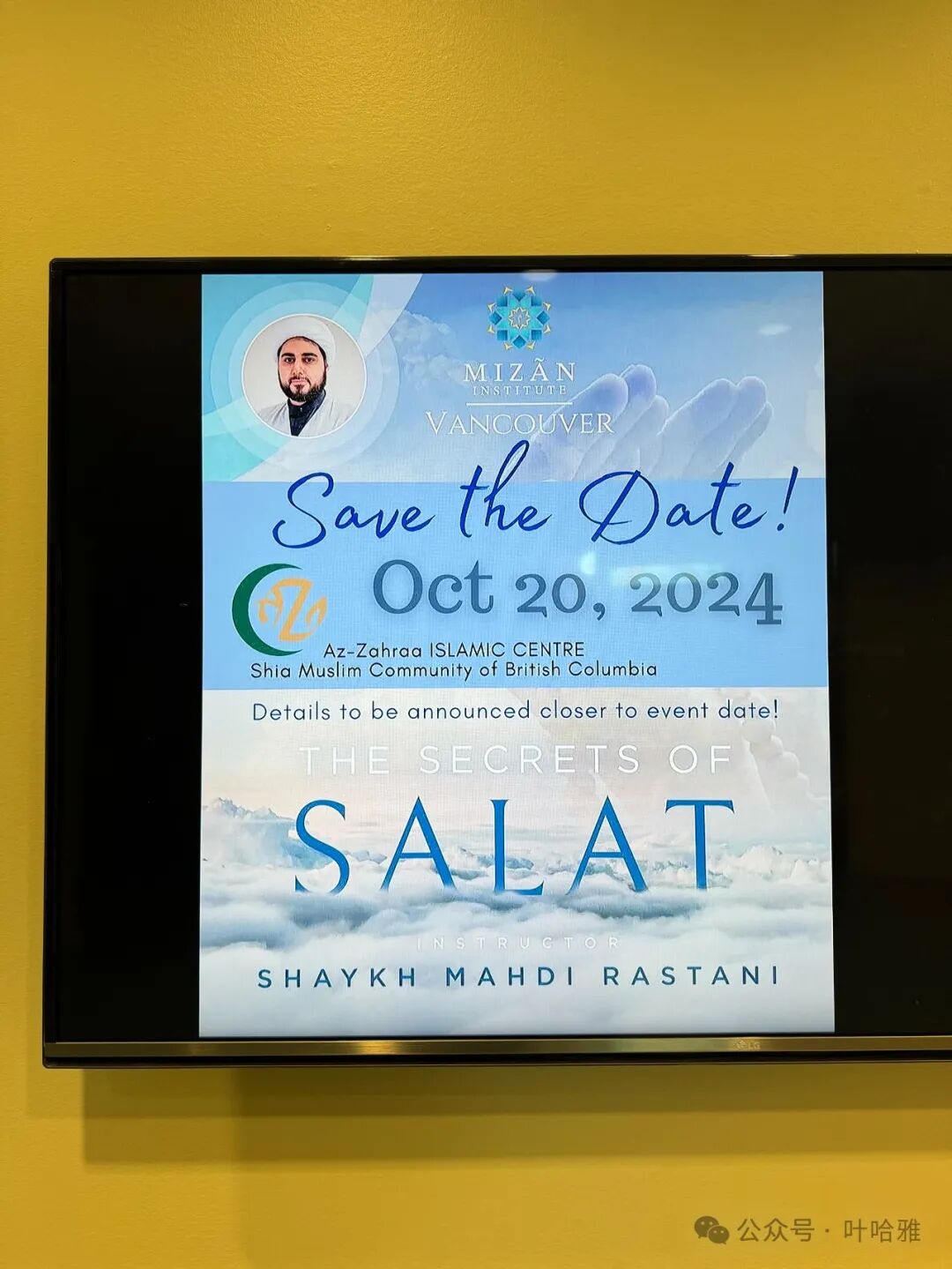
Poster for a scholar's lecture.
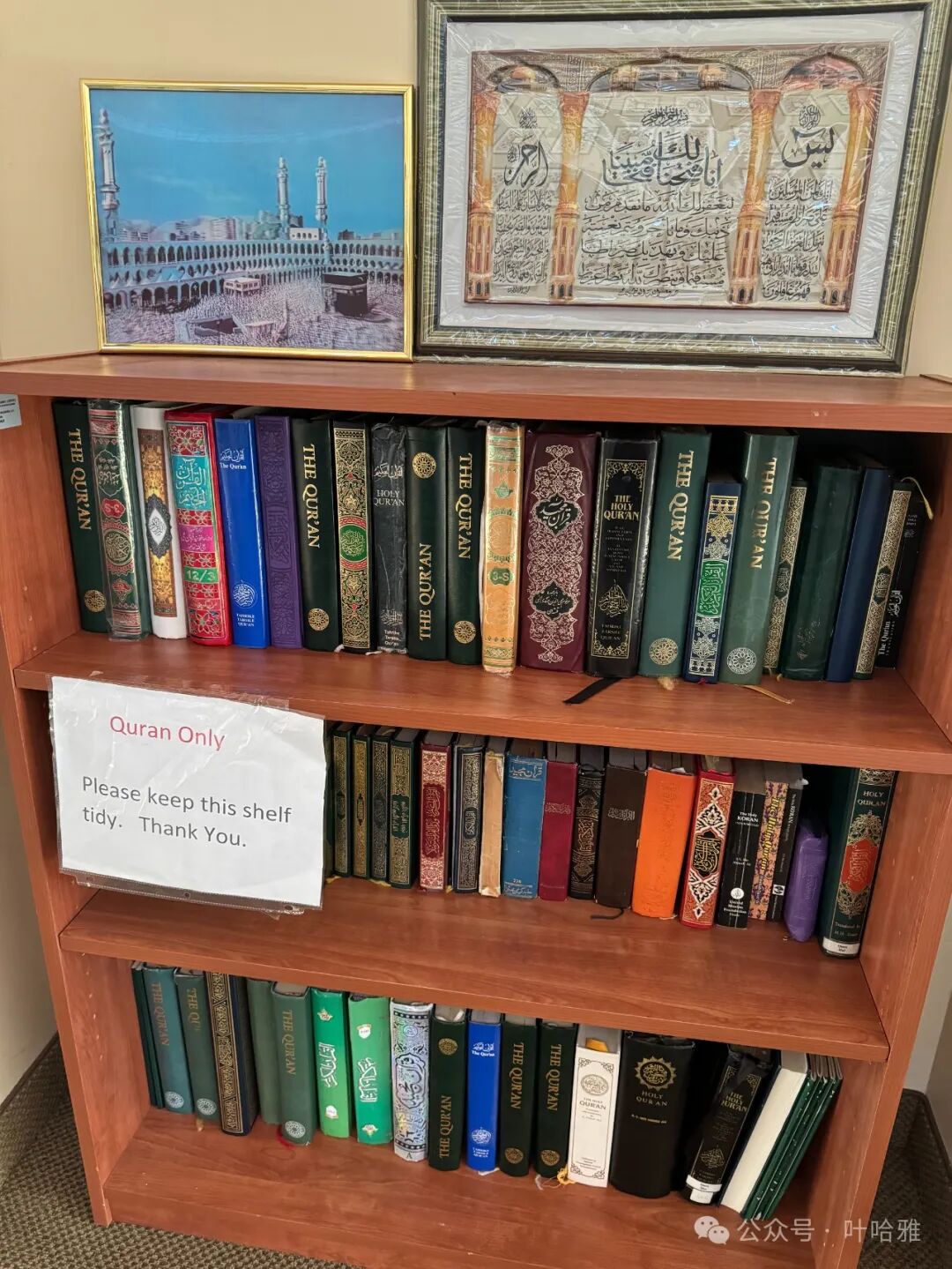
The older man watching the door said he had things to do and told me to look around on my own, just making sure to close the door when I left.
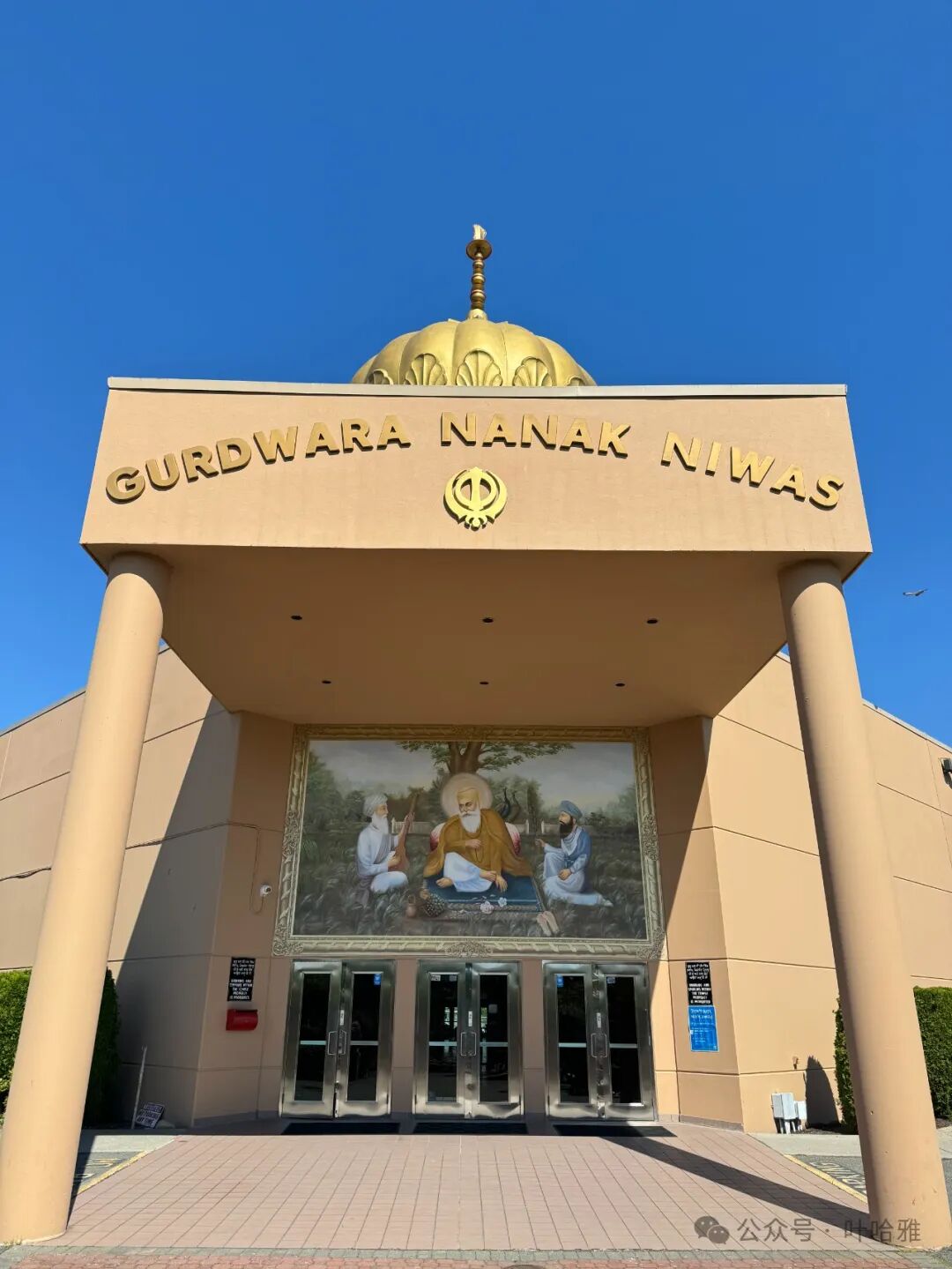
Right next to the Shia mosque is a Sikh mosque. I realized this area is like a religious street with all kinds of churches clustered together, as if the government set aside this land specifically for different religions to use.
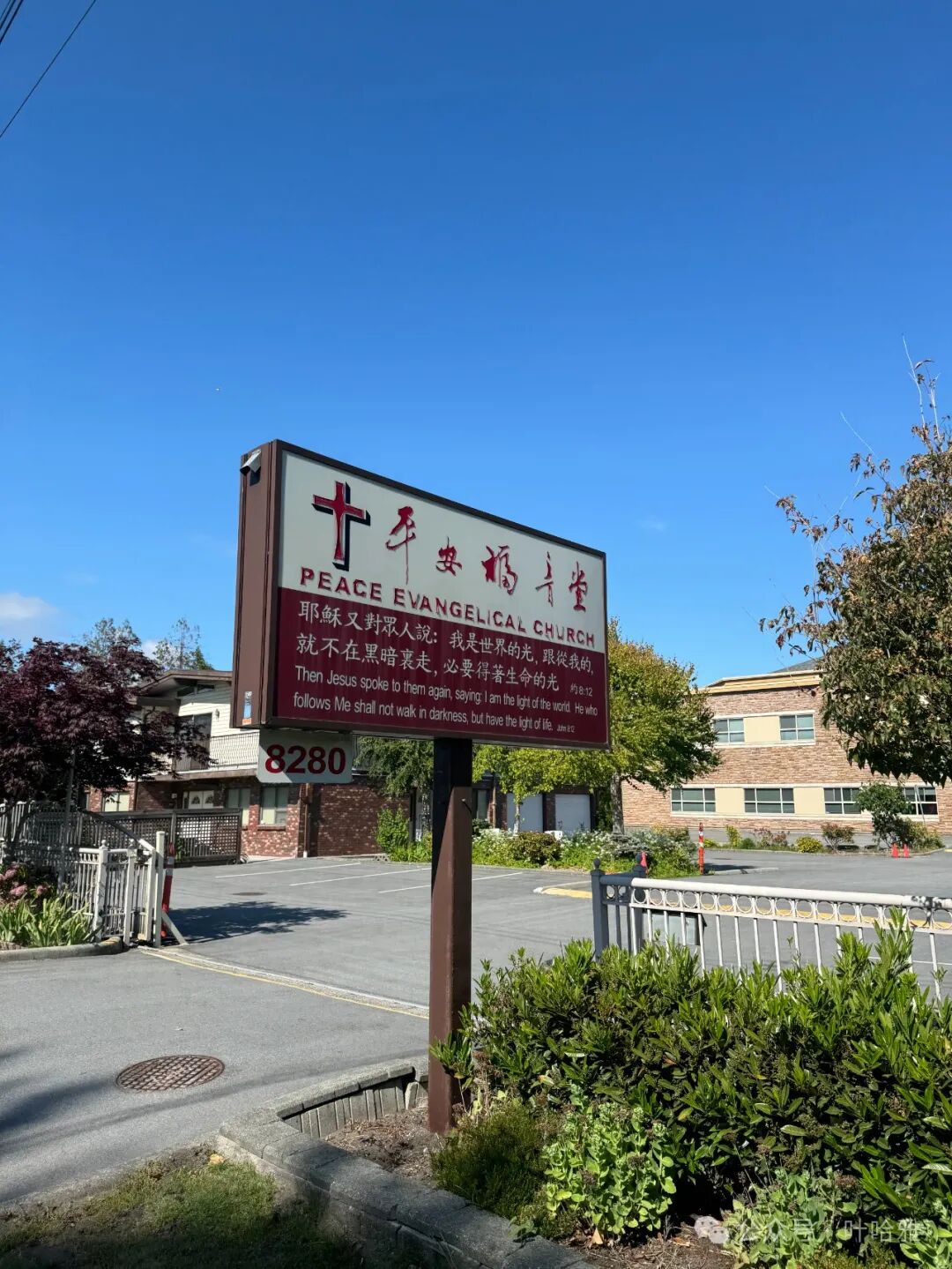
I saw another Chinese Gospel church.
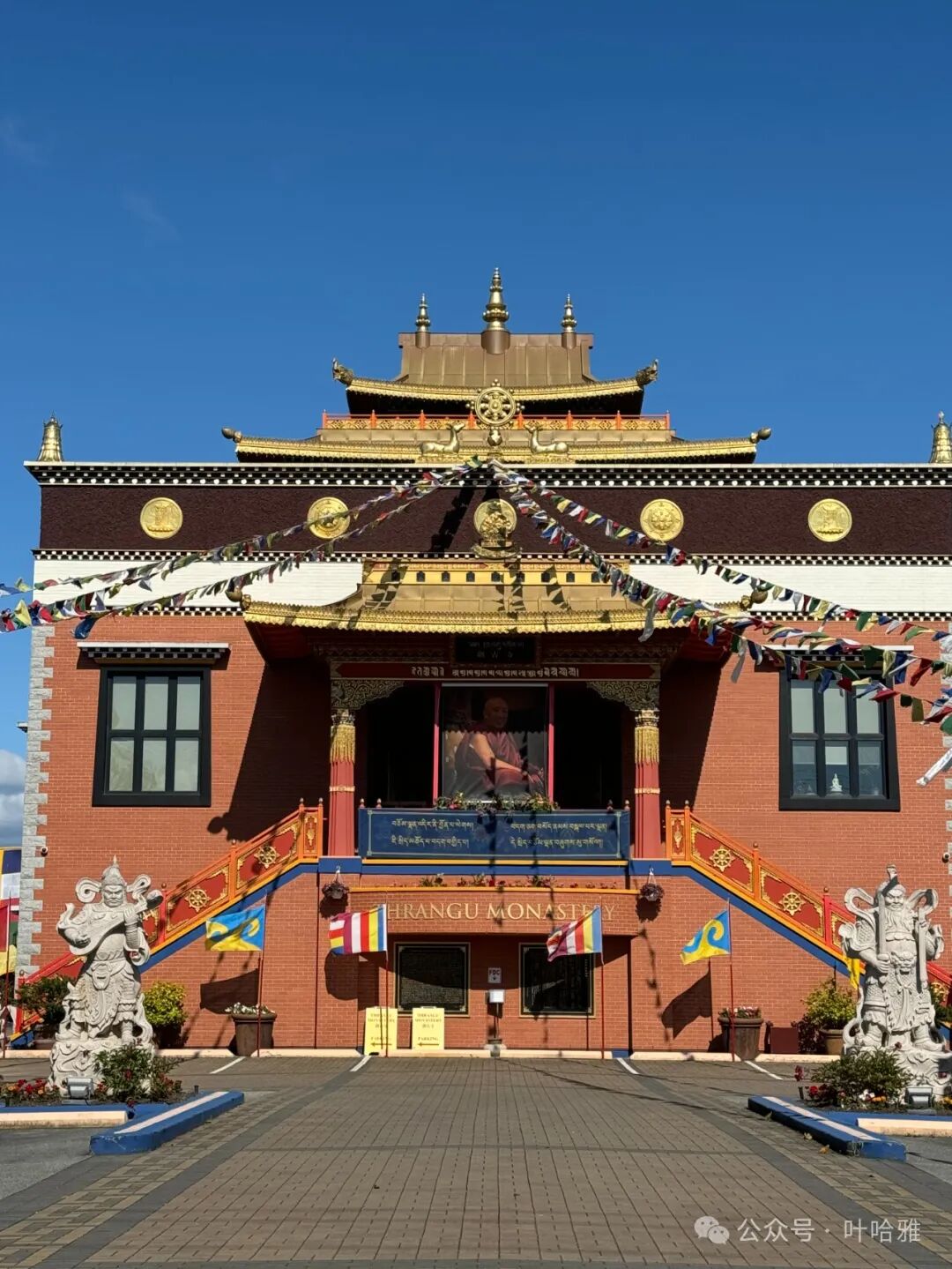
A Tibetan Buddhist mosque in Richmond.
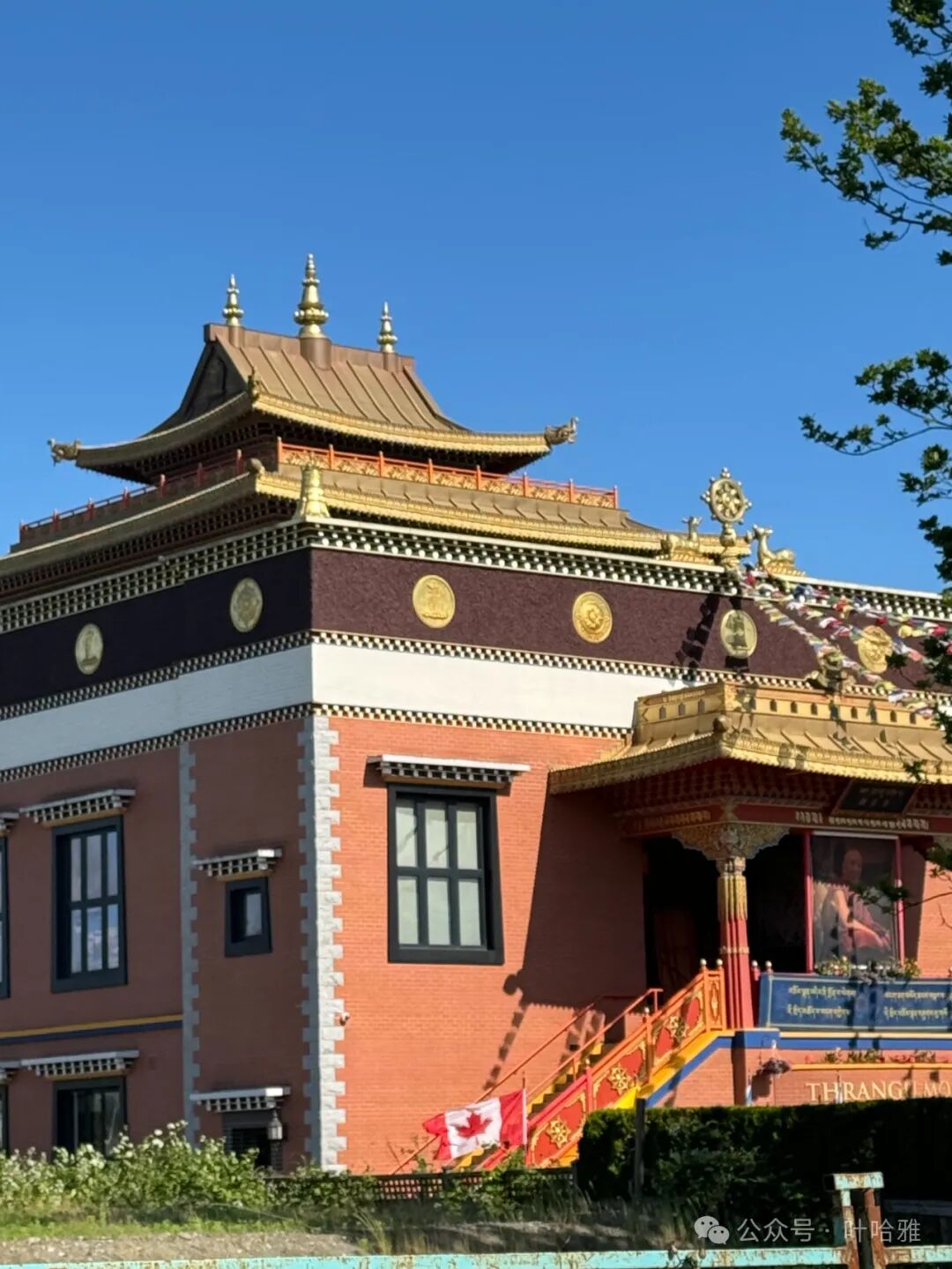
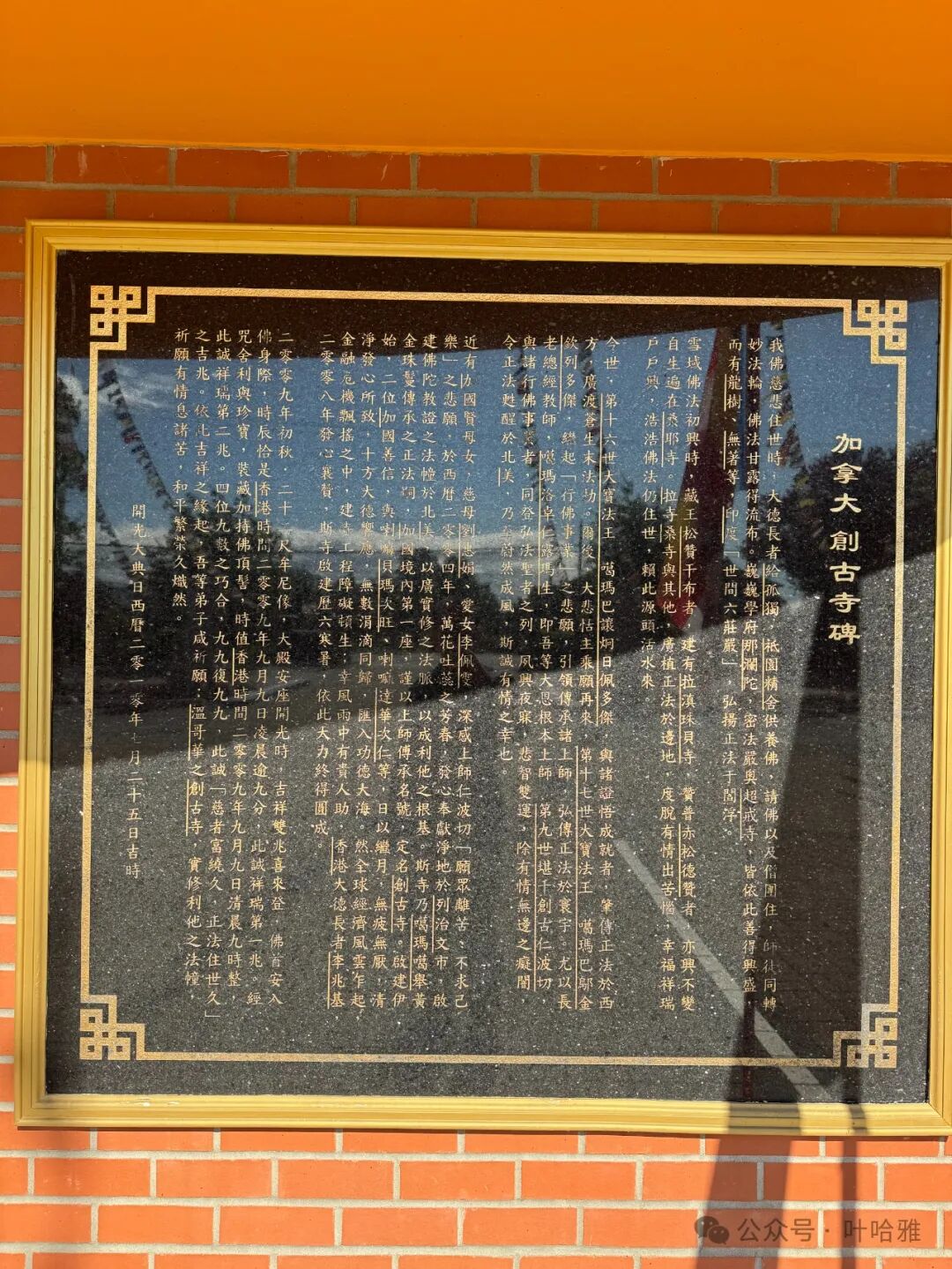
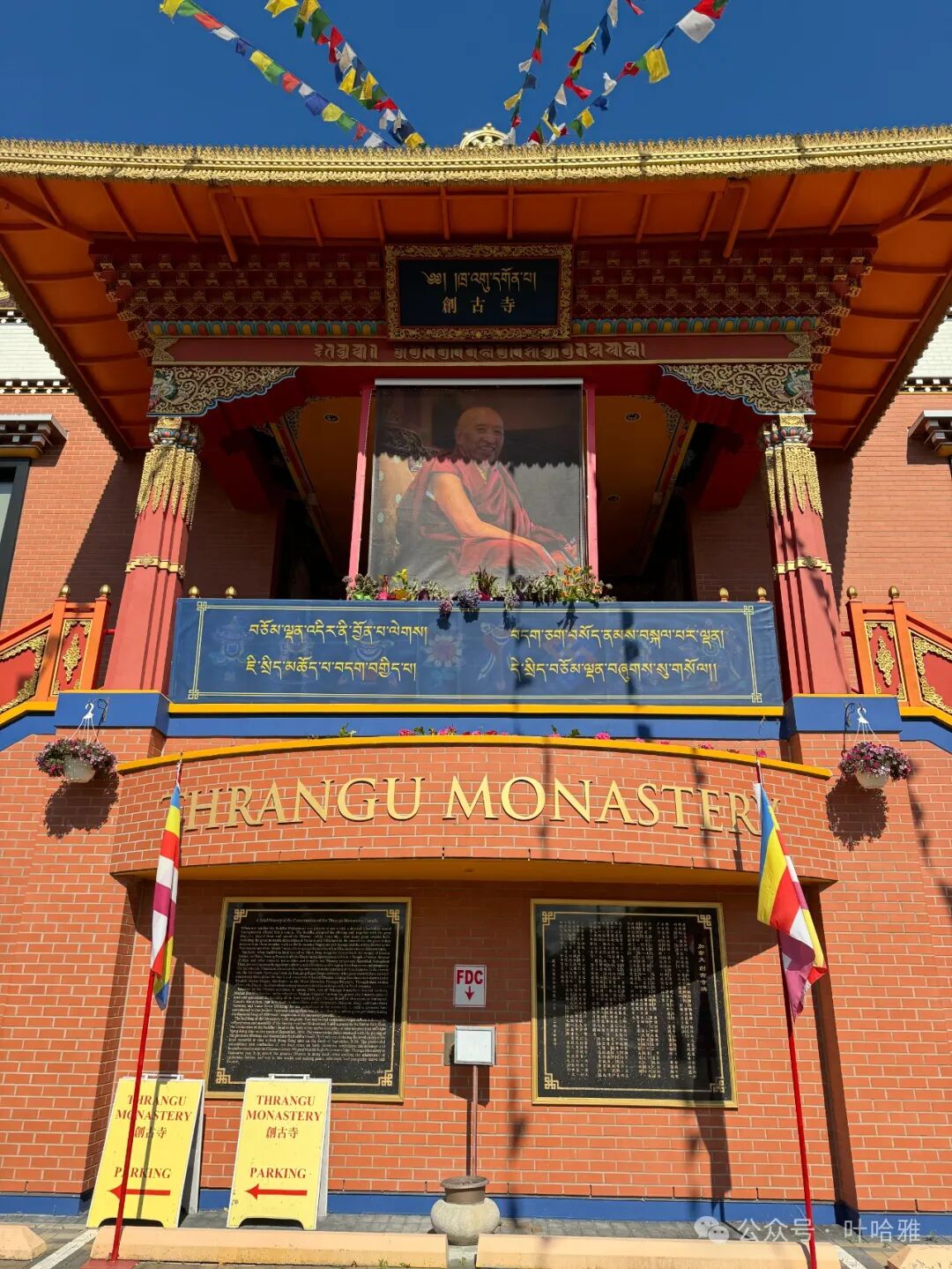
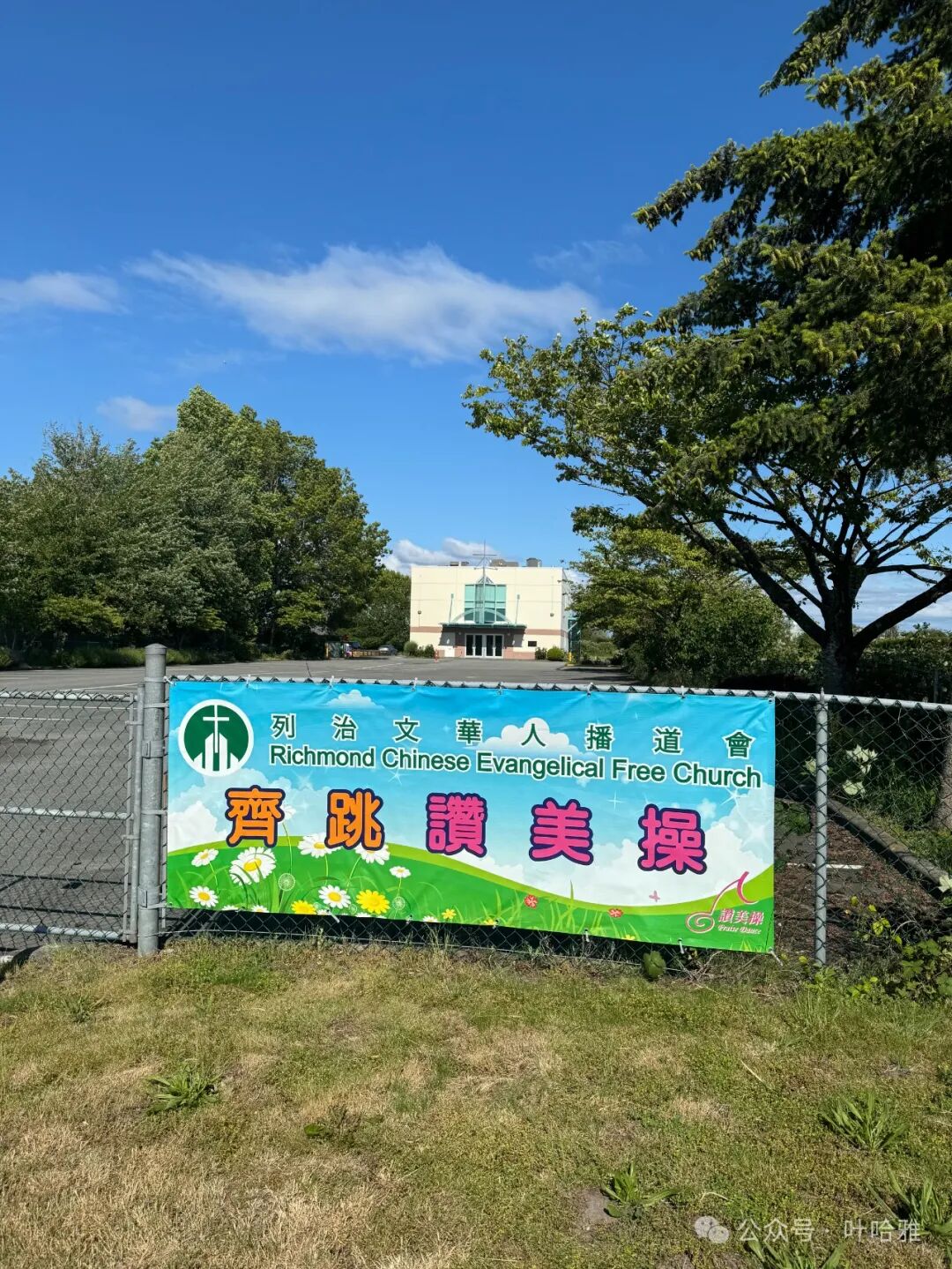
Richmond is also called Lichiman, and this is a Chinese church by the side of the road.
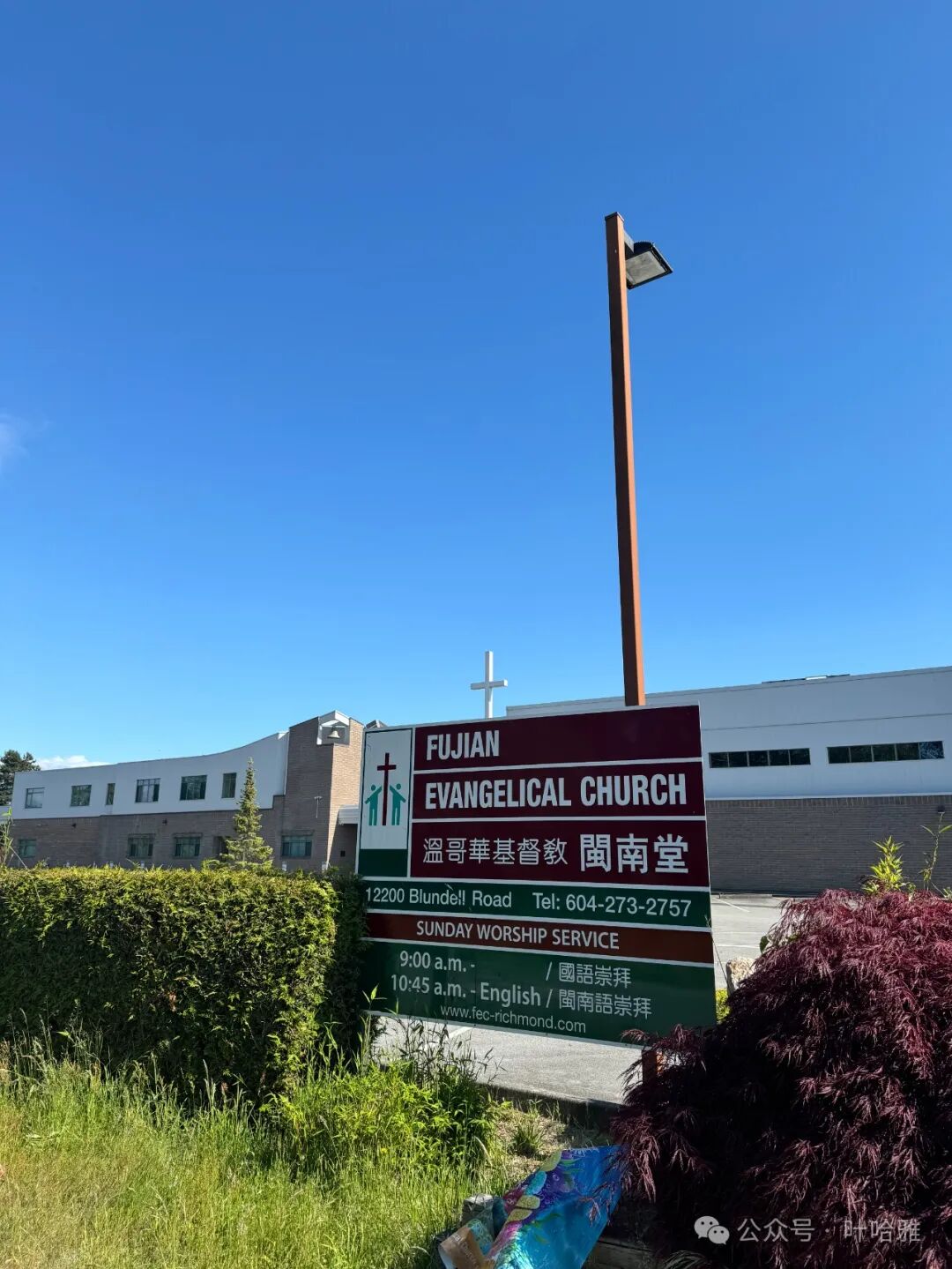
Another Chinese Christian church right next to the Richmond mosque.
THE B. C. Muslim Association Richmond Branch-Sadaqa
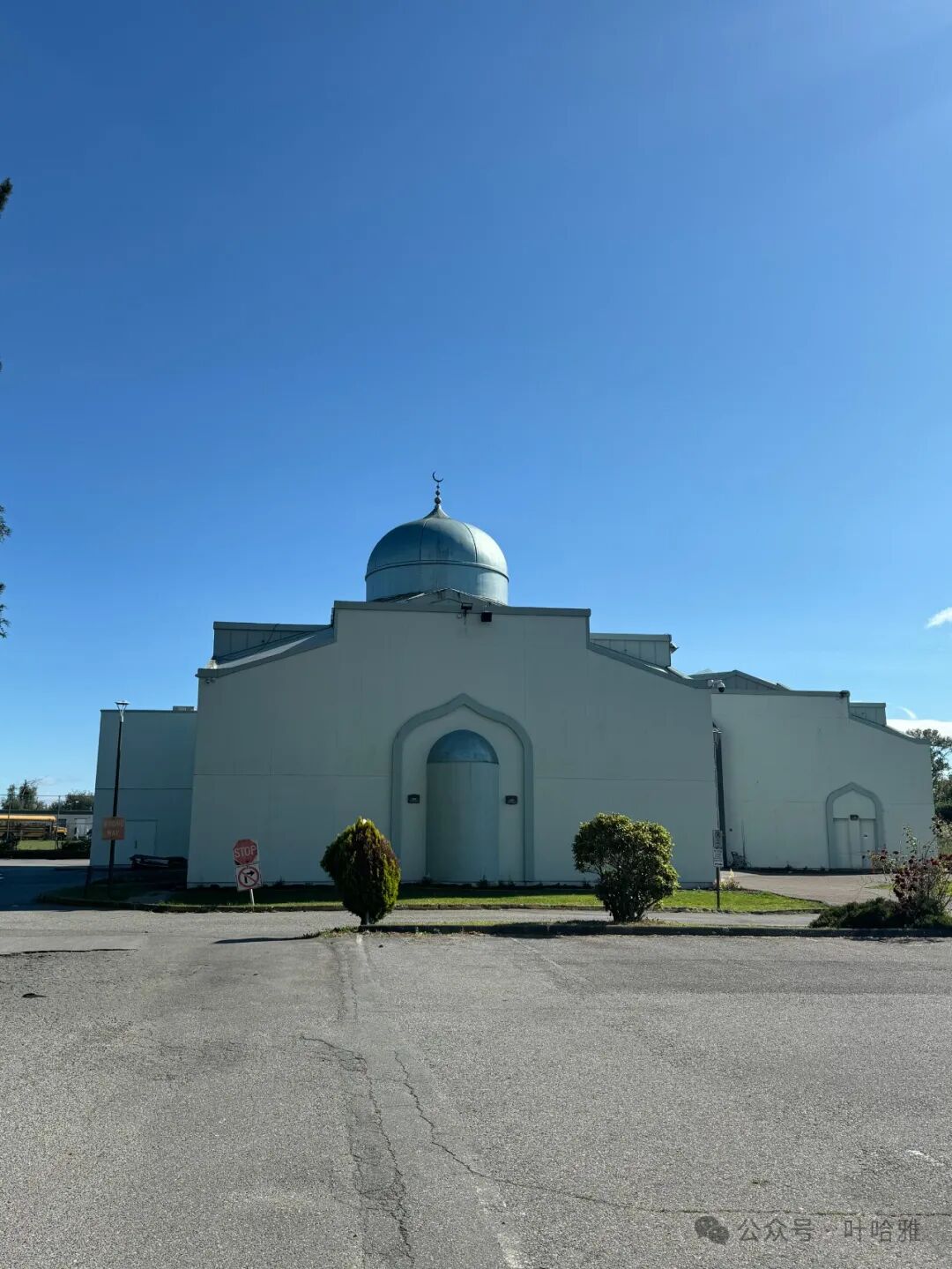
Another Sunni mosque located closest to the Shia mosque in Richmond.
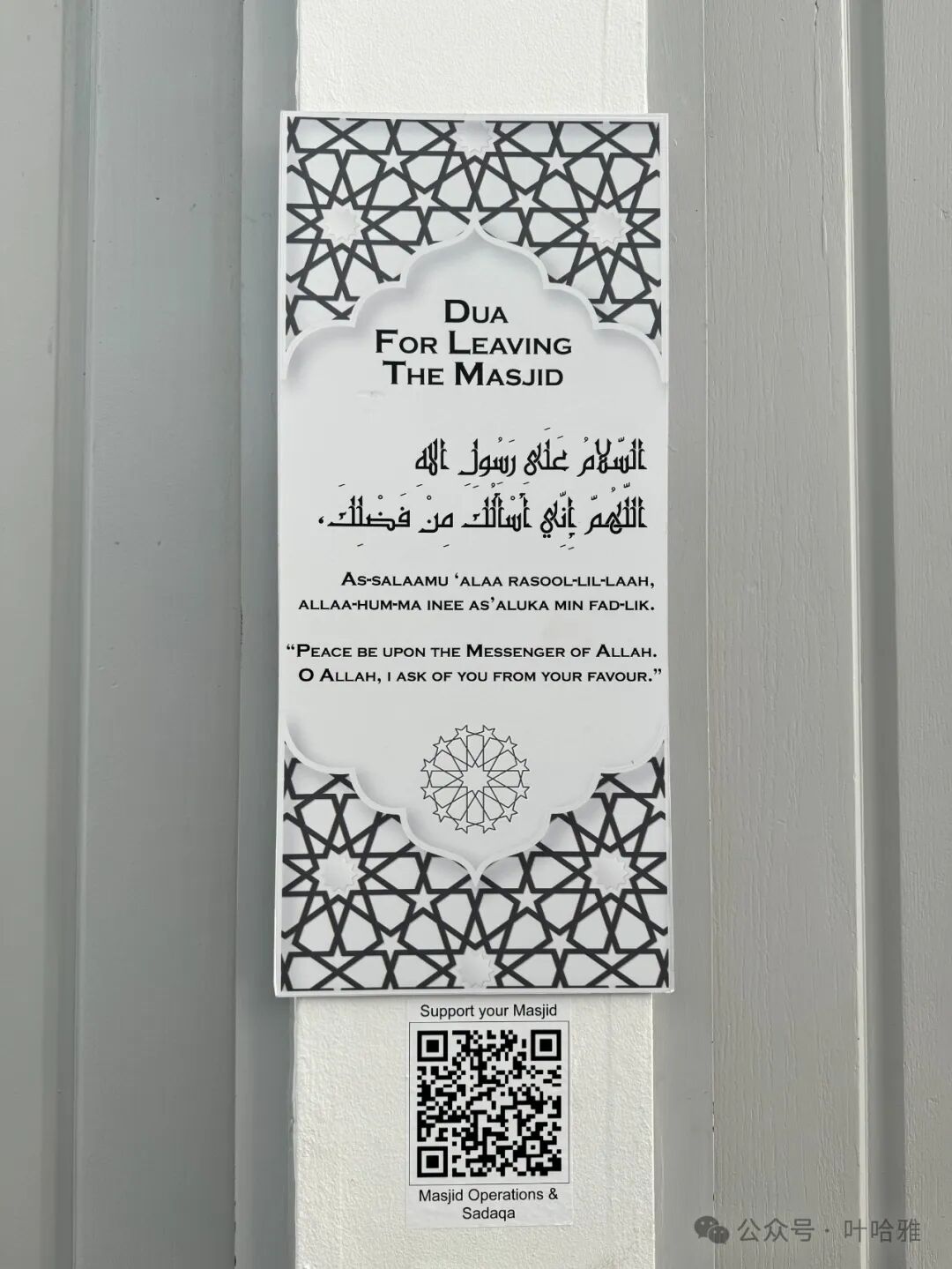
The most eye-catching thing in the mosque is always the QR code for donations; you can complete your charitable duty just by scanning it.
Mosques in Pakistan like to call the women's prayer hall the sisters' hall and the men's prayer hall the brothers' hall.
Silk Road Halal Restaurant
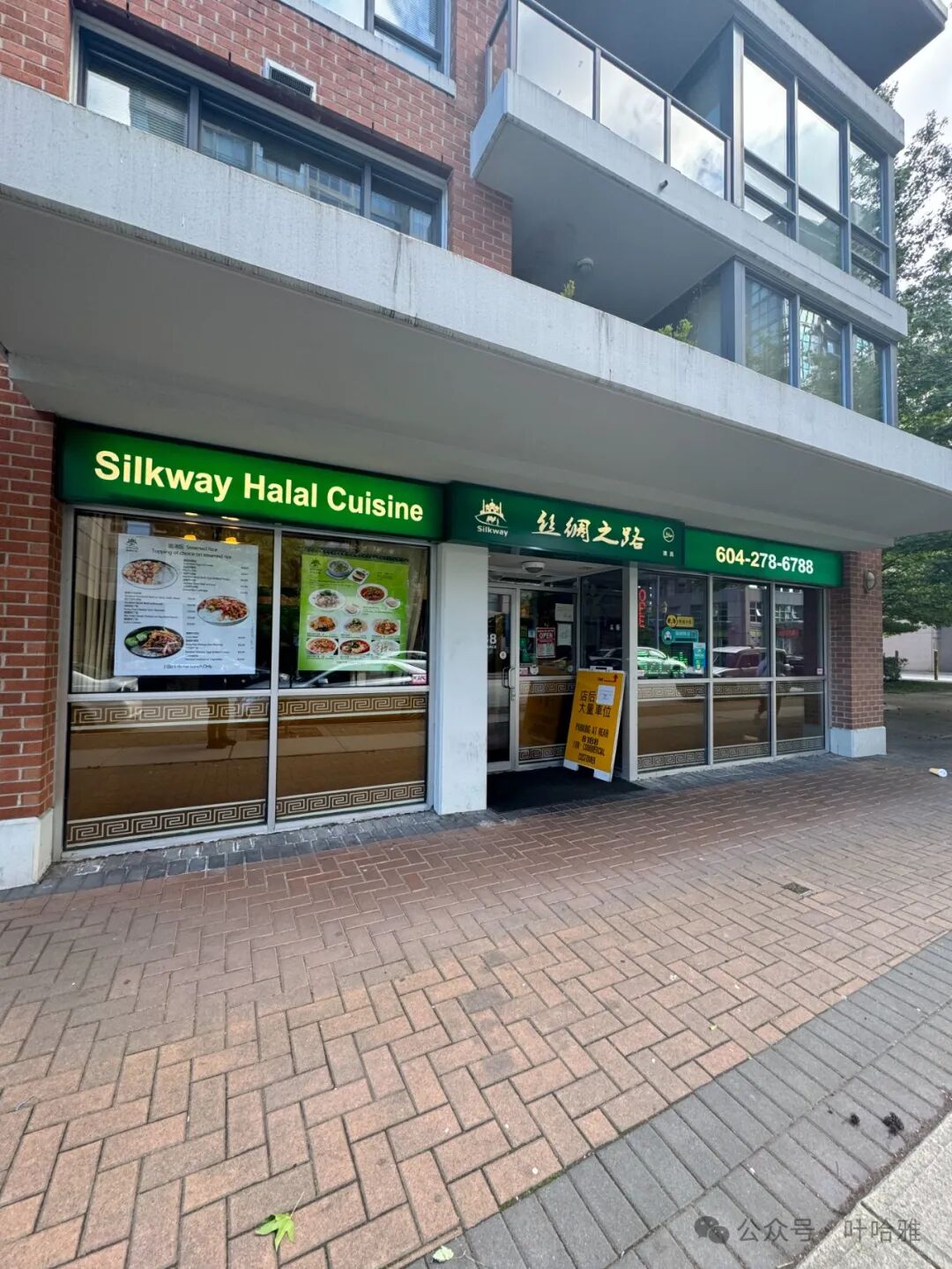
Silk Road Halal Restaurant
This is a halal Ningxia restaurant in the Richmond area, and the owner is from Ningxia.
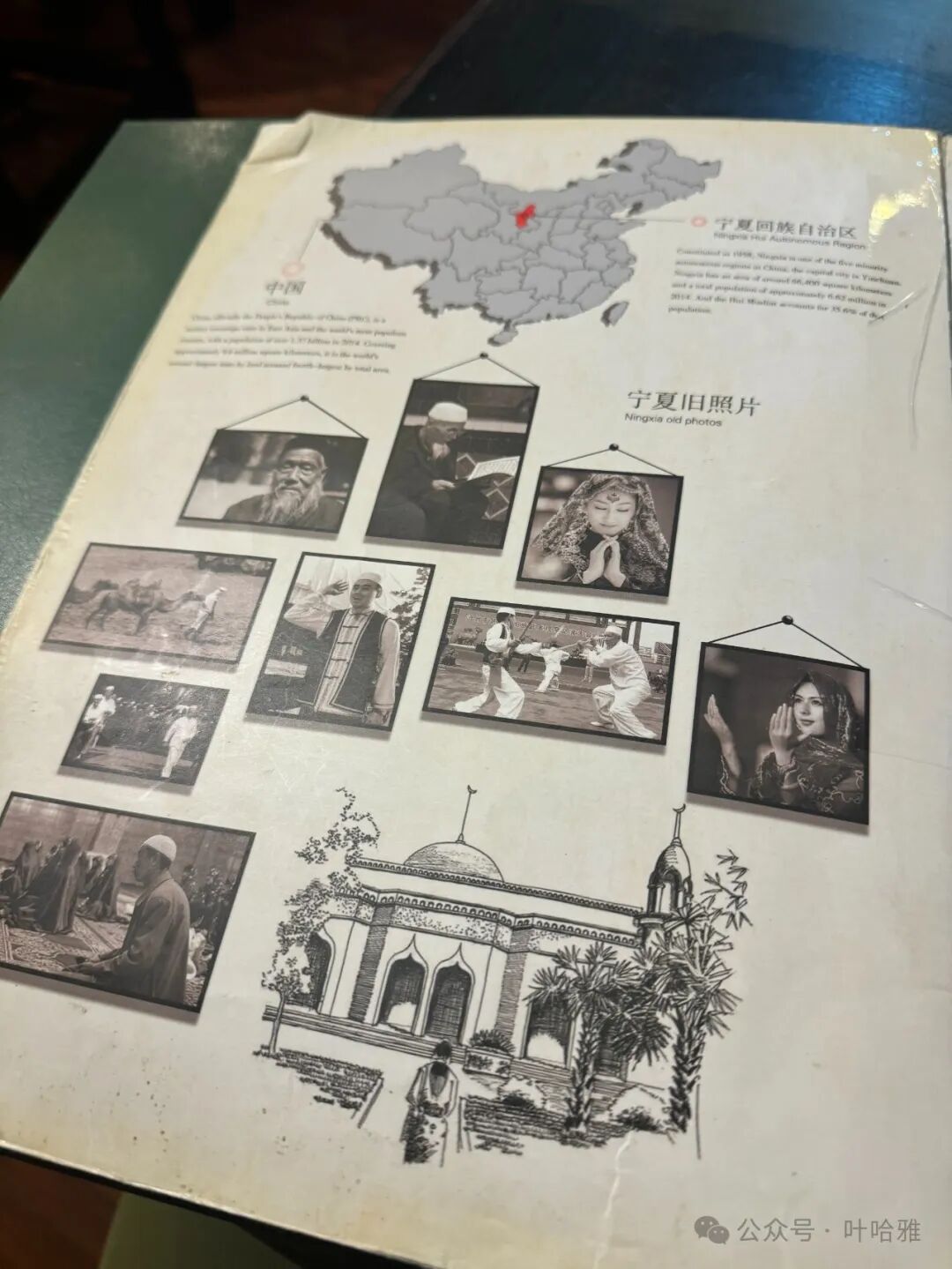
The menu includes an introduction to the history and culture of the Hui Muslims in Ningxia.
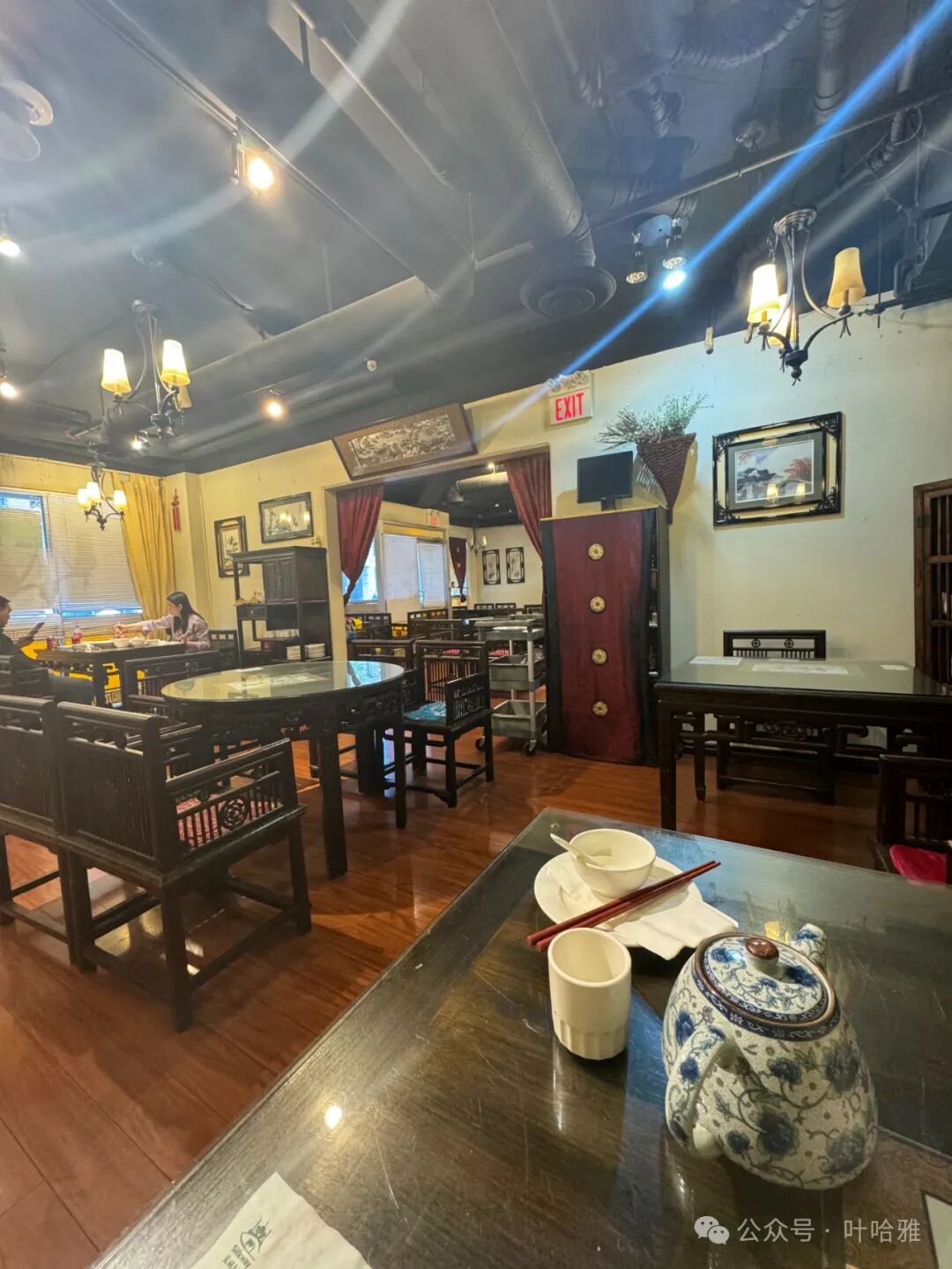
The restaurant is decorated in a Chinese style and is very clean.
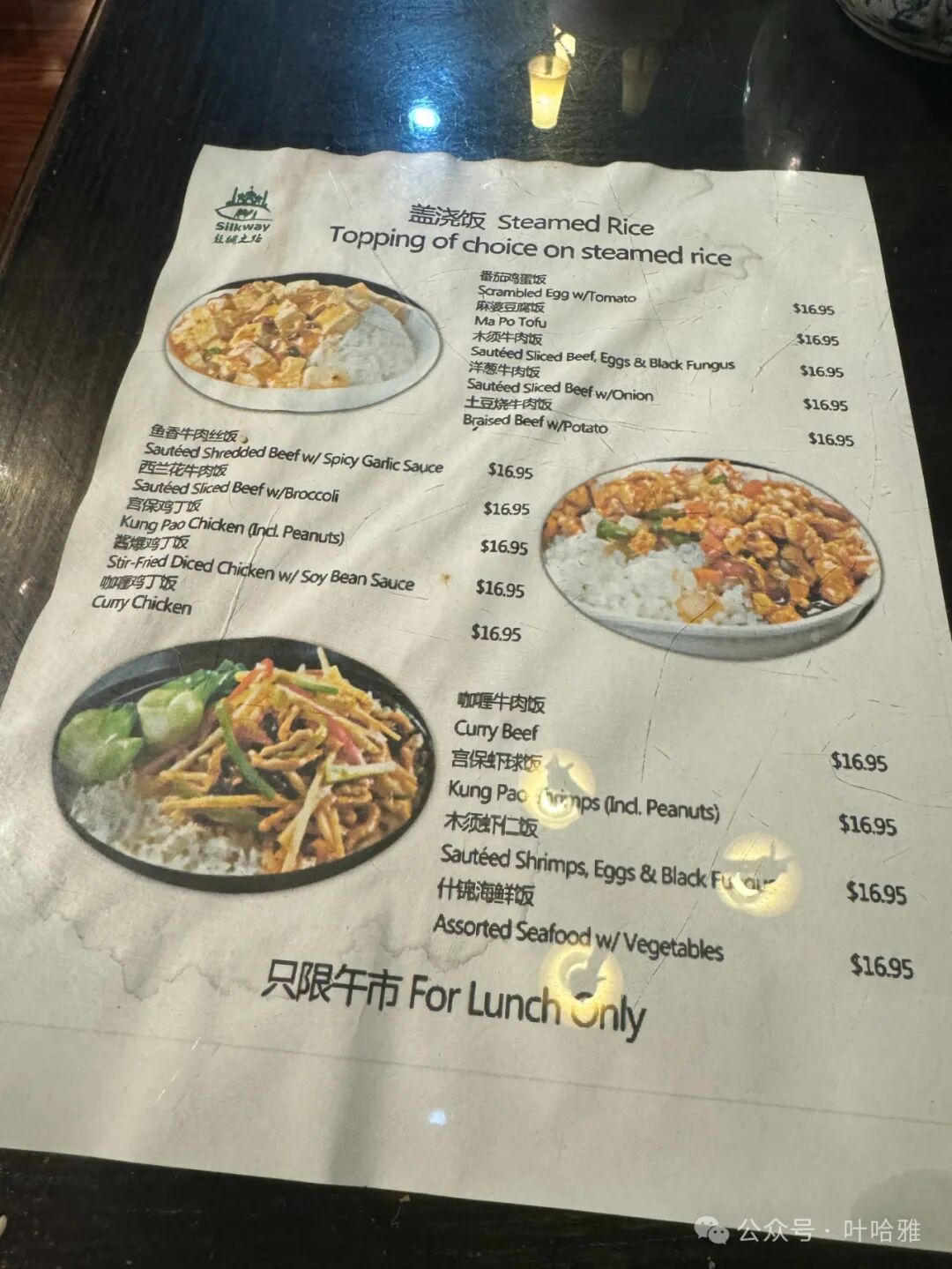
The menu has a good variety, and I wanted to try everything. Since I usually eat fast-food kebabs in Canada, it gets boring, and I really miss Chinese food. Besides, it is hard to find a decent halal restaurant in Canada that does not feel like a fast-food joint.
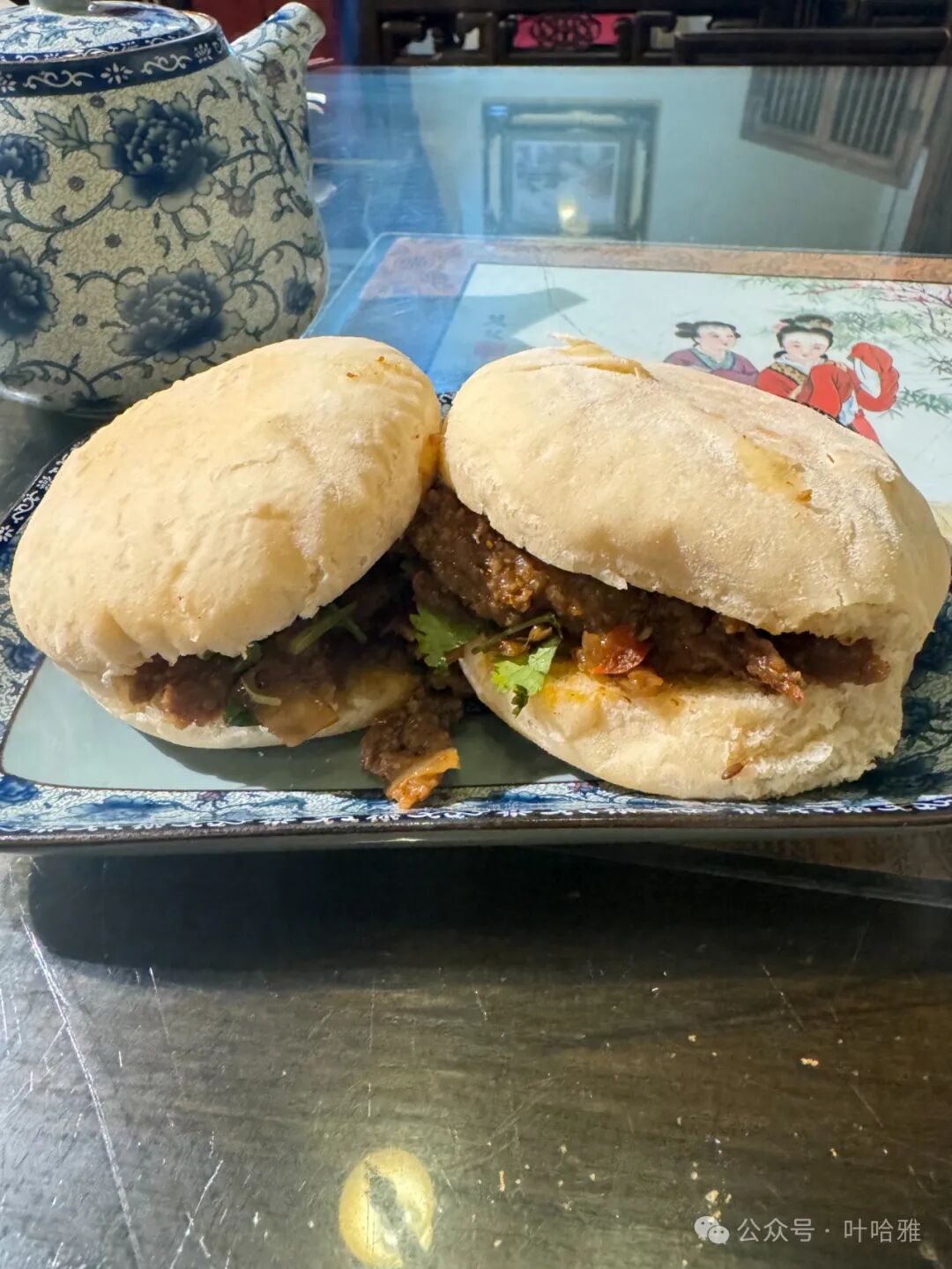
After looking for a while, I chose a beef sandwich (niurou jiamo) and pickled cabbage lamb noodles (suancai yangrou mian). The taste was just okay, and it cost over 200 yuan, which is not expensive.
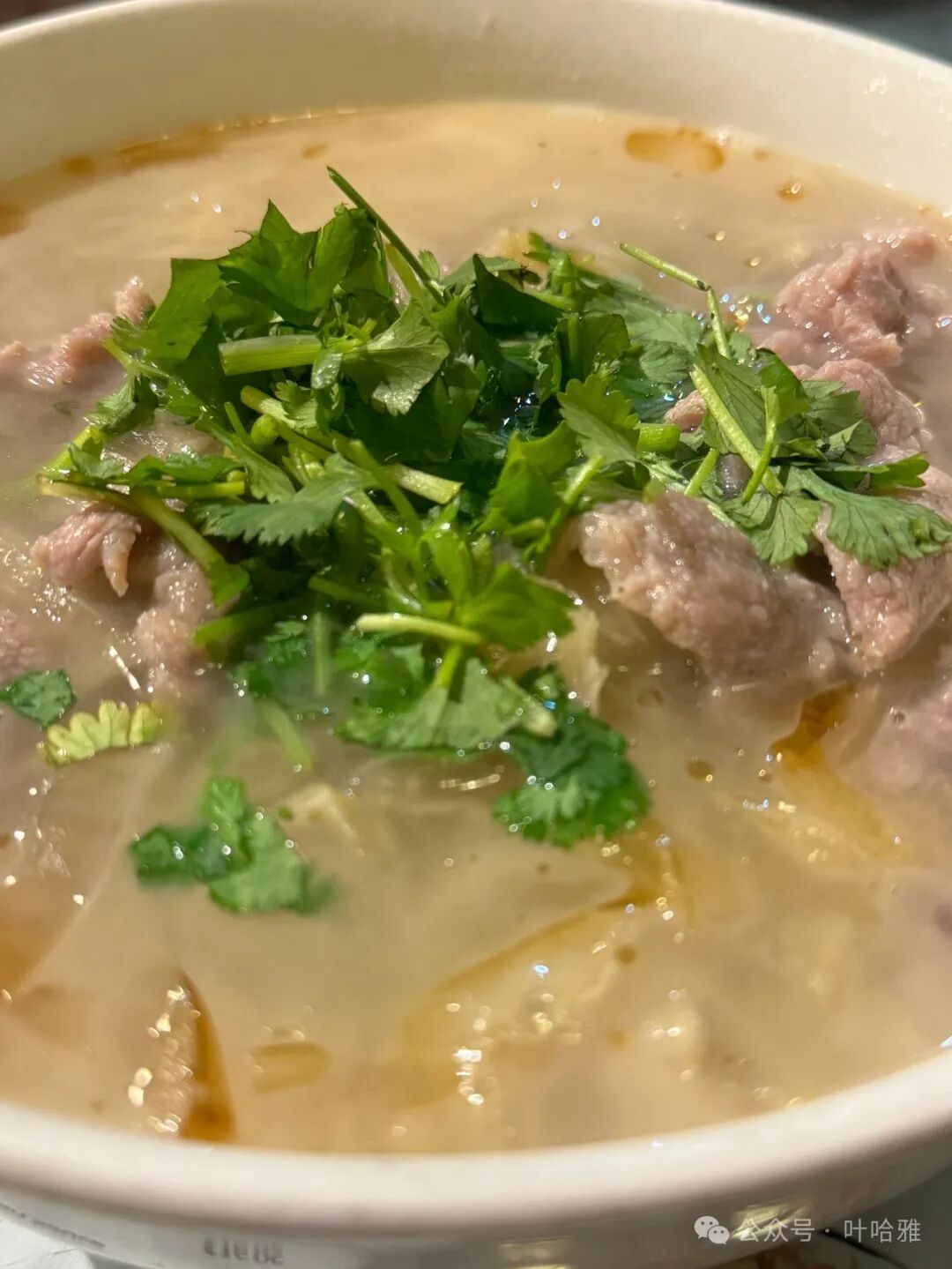
Pickled cabbage lamb noodles (suancai yangrou mian)
I do not know what the problem is, but I always feel that lamb in Europe and America does not taste as good as it does back home. The lamb I have had in the UK and Canada does not taste as good as the lamb from Northwest China.
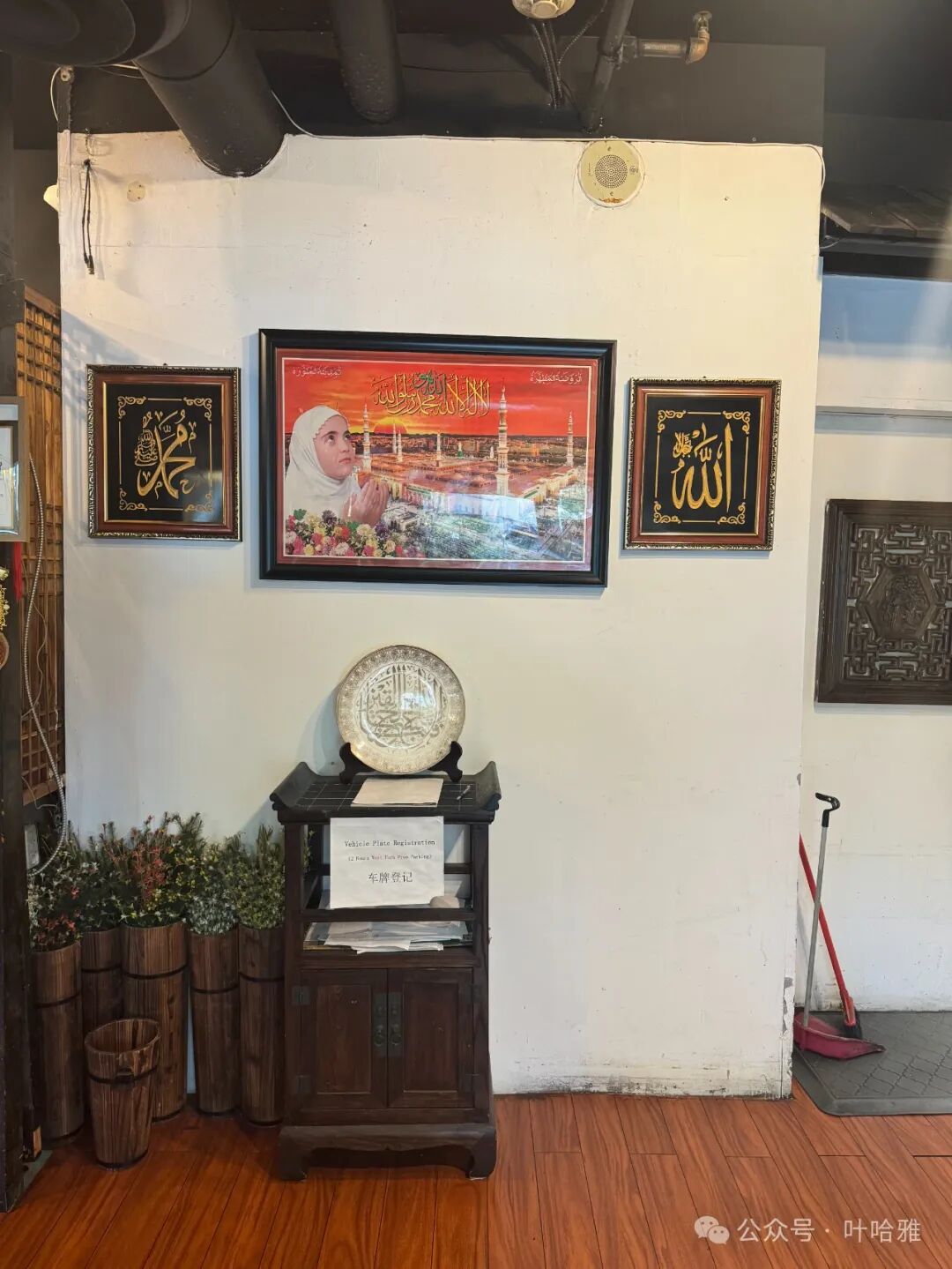
After eating, I walked around a nearby mall. Richmond is definitely a place where many Chinese people live. You can get by here without speaking English, as store signs and ATMs have Chinese instructions.
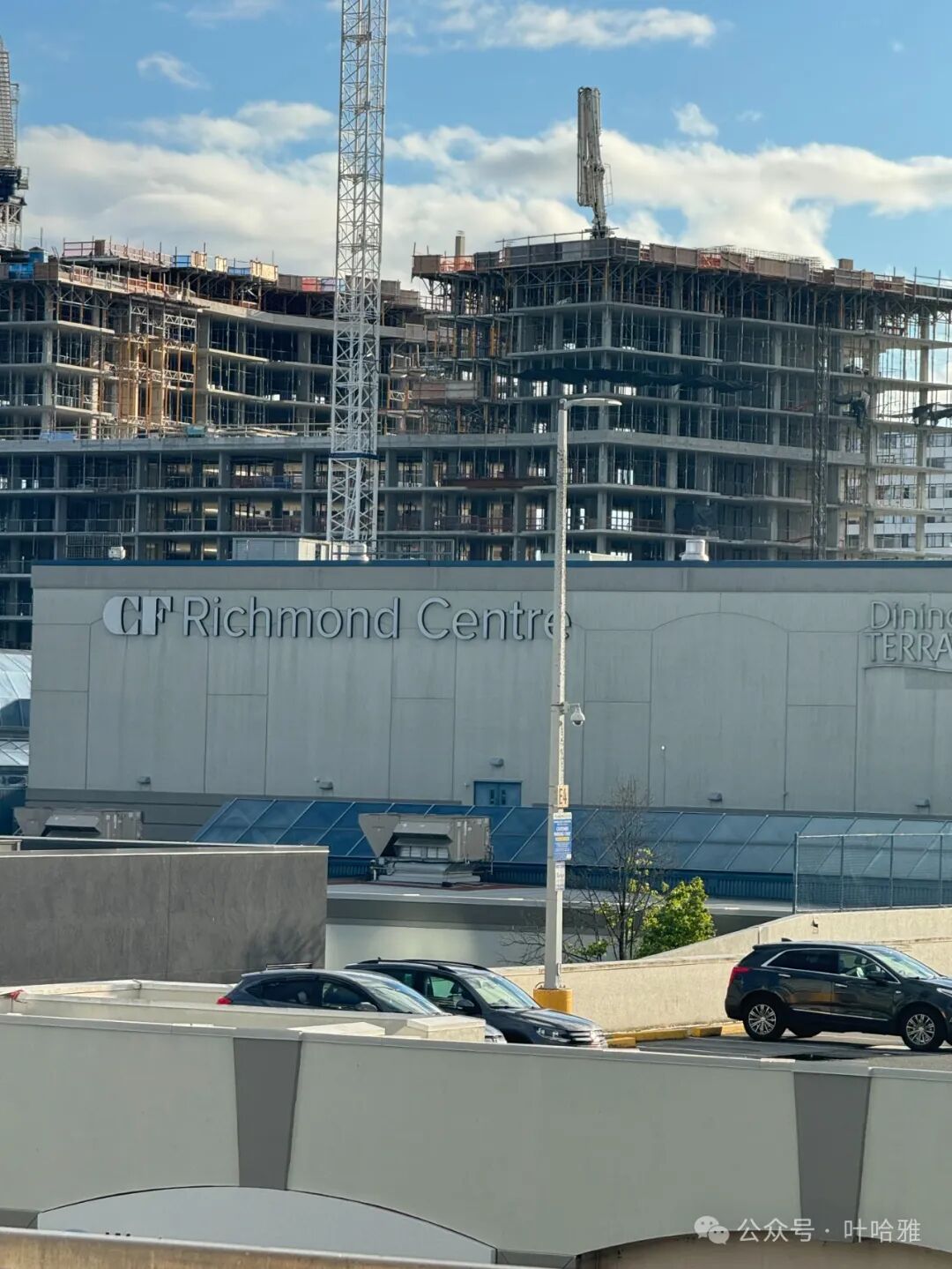
Richmond is translated as Liezhiwen, and it is the largest Chinese community in Canada.
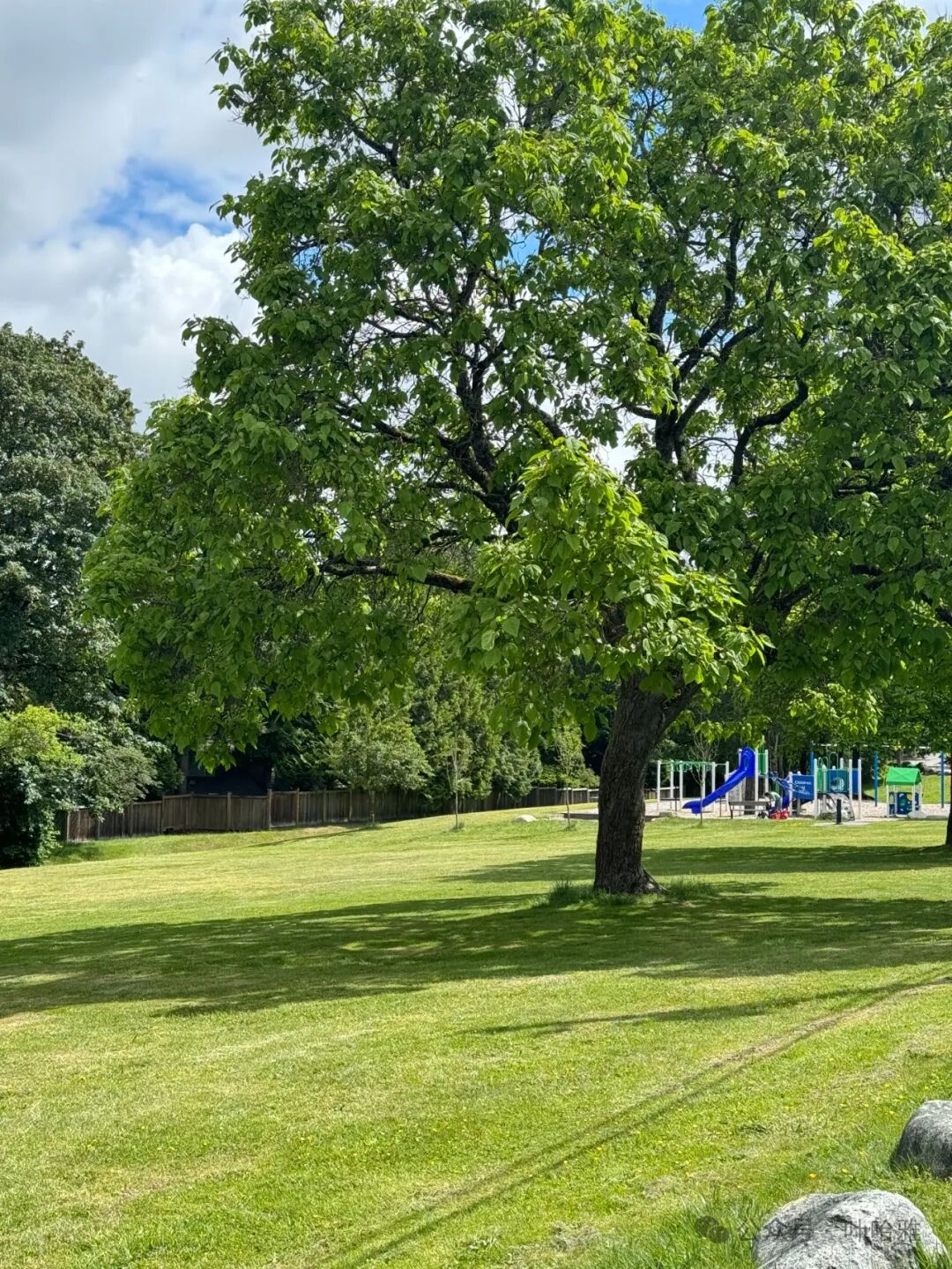
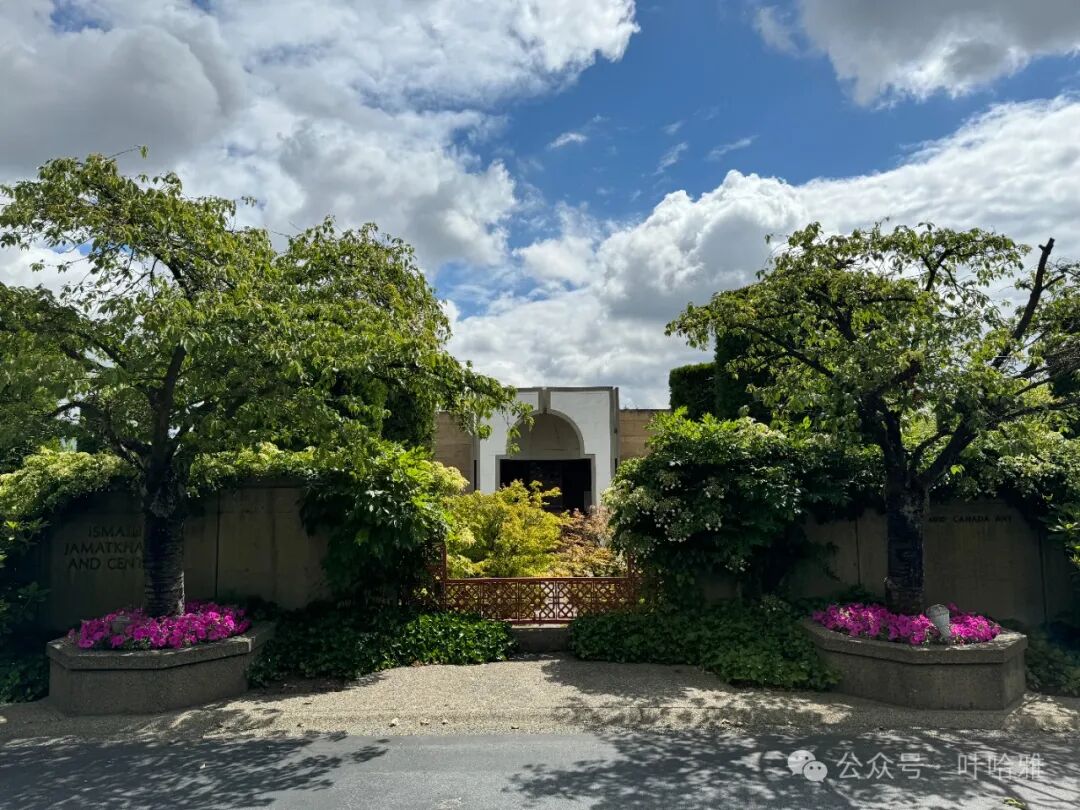
A garden-style building appeared ahead, which is called the Ismaili Centre.
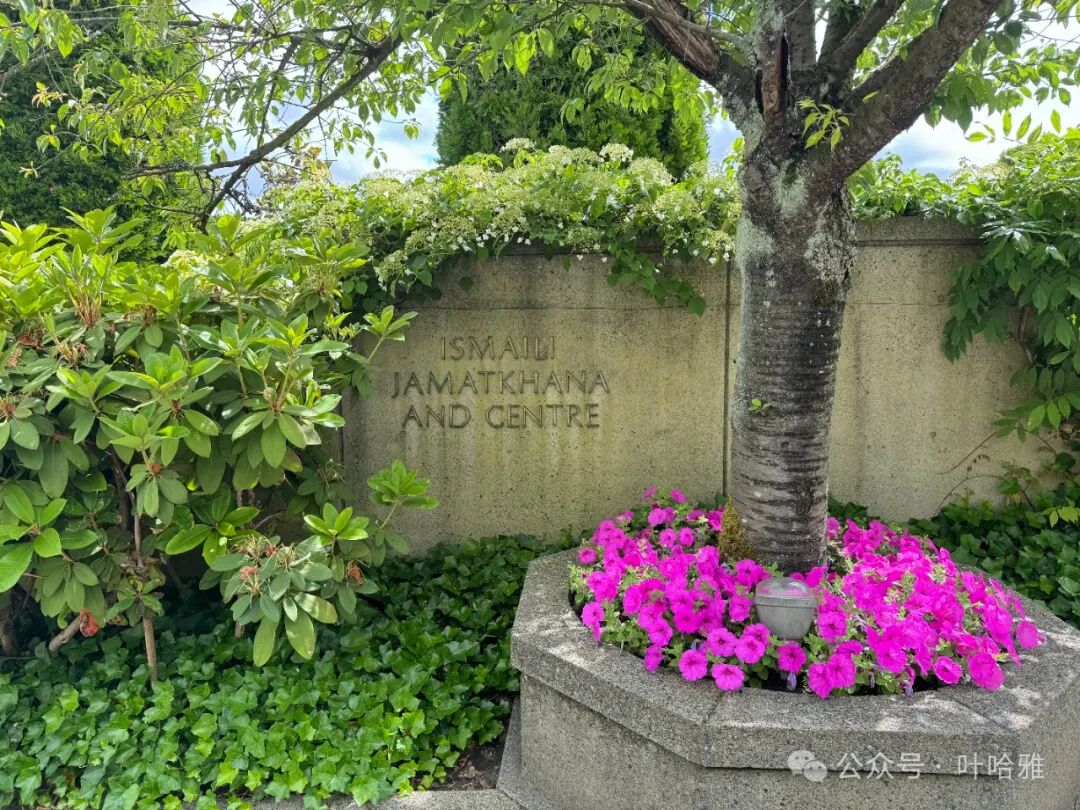
I was moved by the beautiful scenery in front of me, so I really wanted to go inside and take a look.
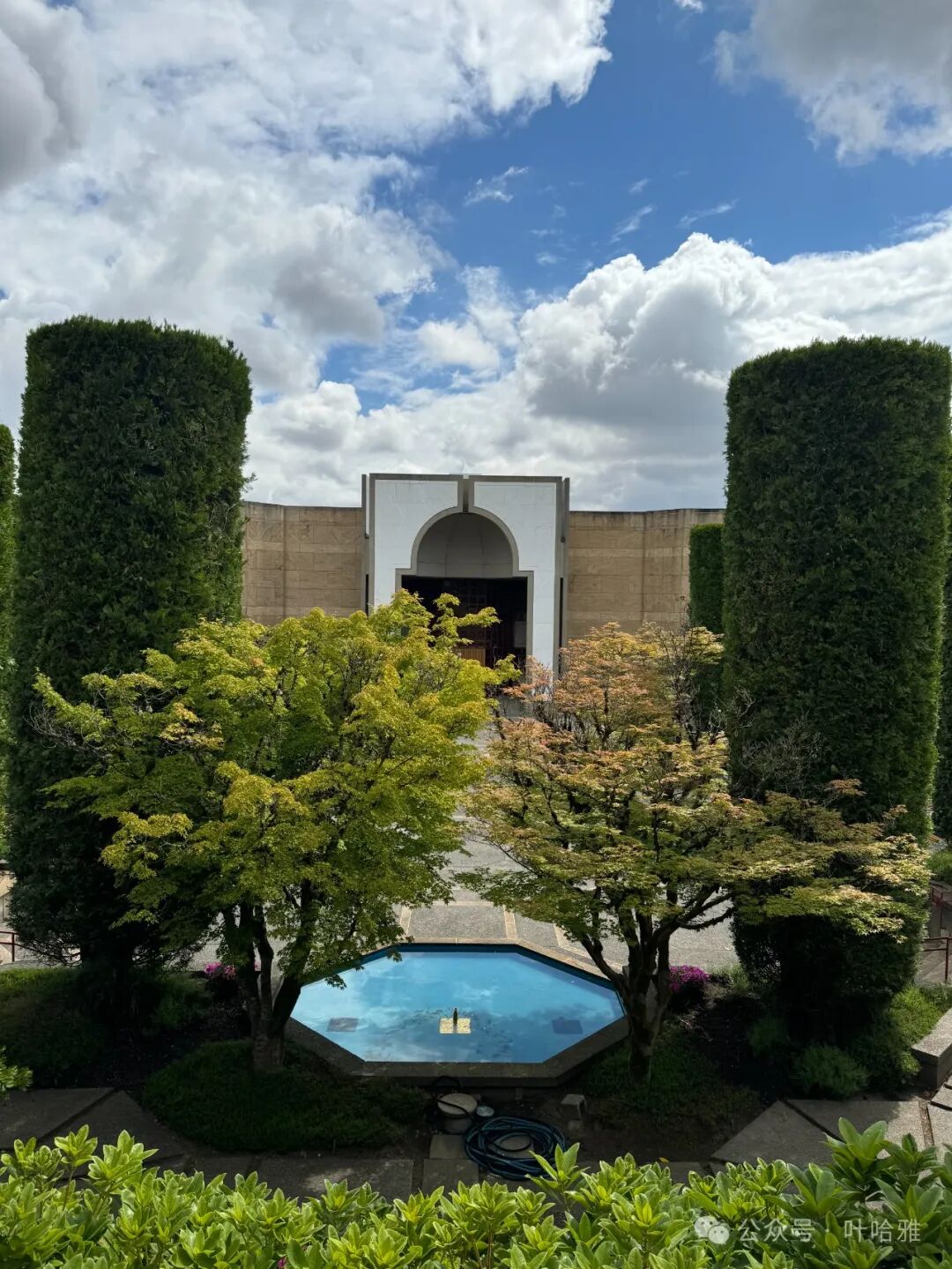
I saw a few workers at the entrance, and they told me the entrance was at the back door.
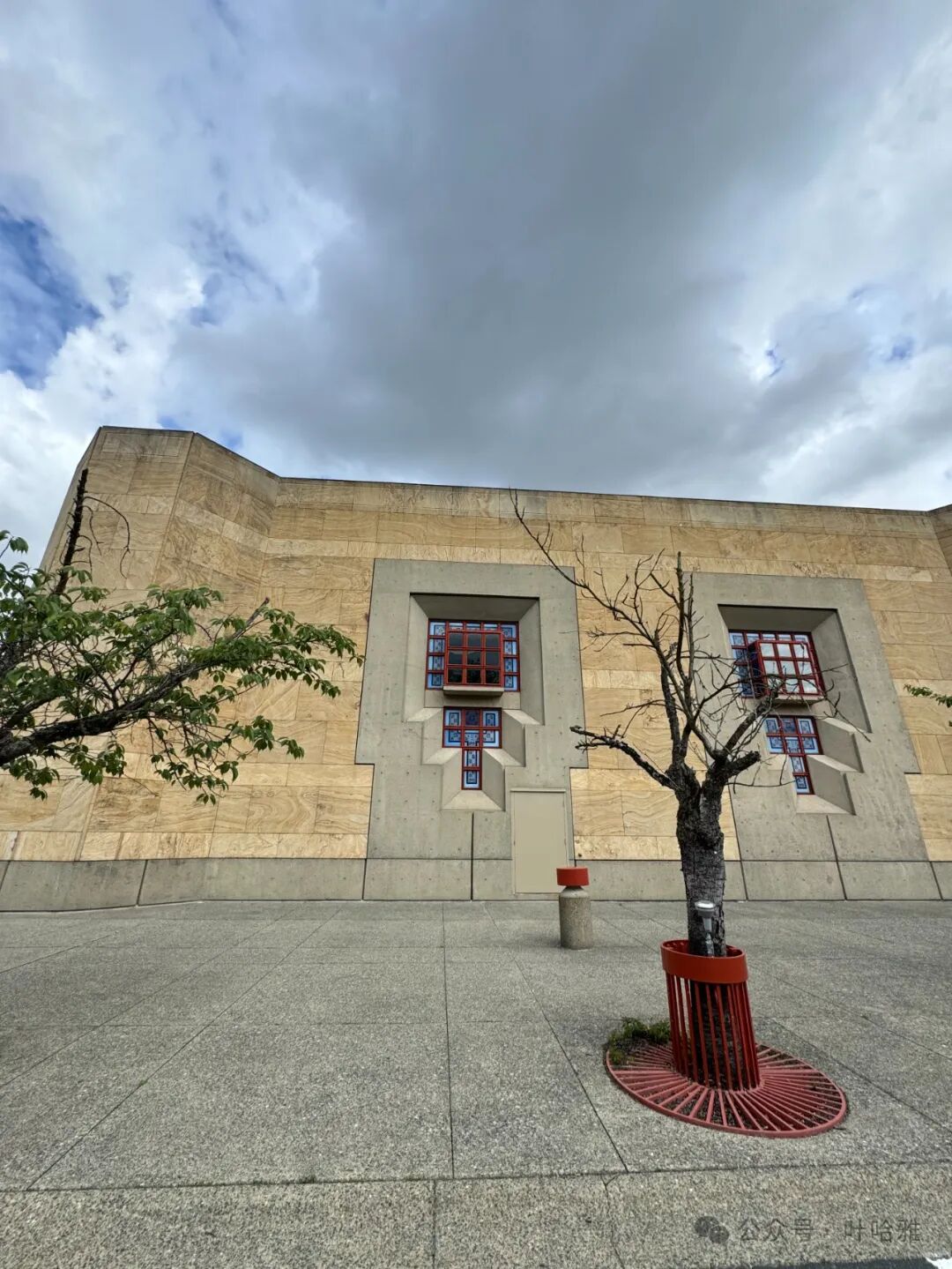
I entered the office area from the back door and met an elderly volunteer inside. He told me this is a Shia aid station, not a mosque, and it is a place that provides help to immigrants.
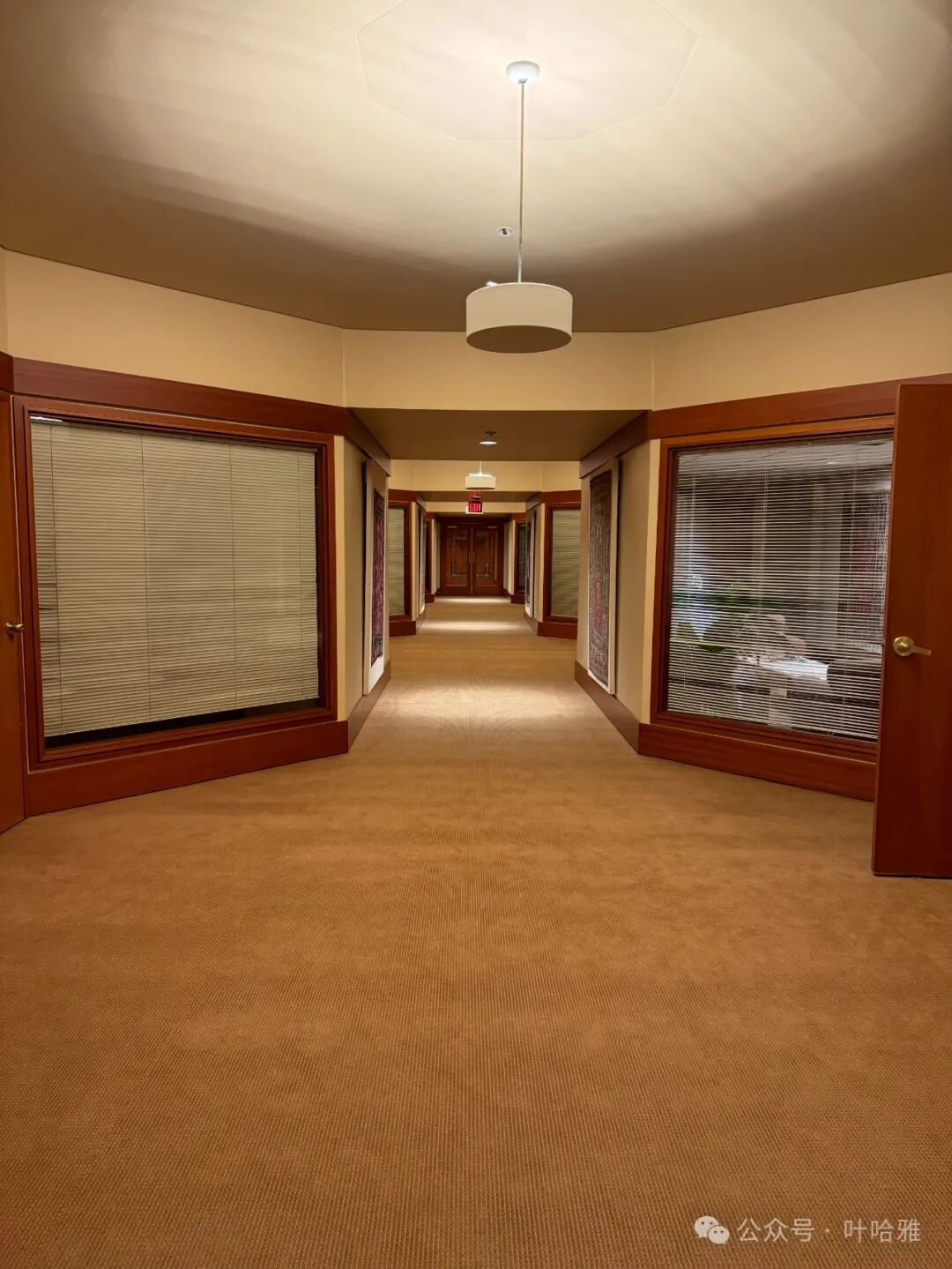
The old man was very kind. He is Indian and said if I wanted to pray, I could go to the Sunni mosque not far away, and he walked out of the building to show me the way.
The volunteers I met at the Shia mosque were not Iranian, but South Asian.
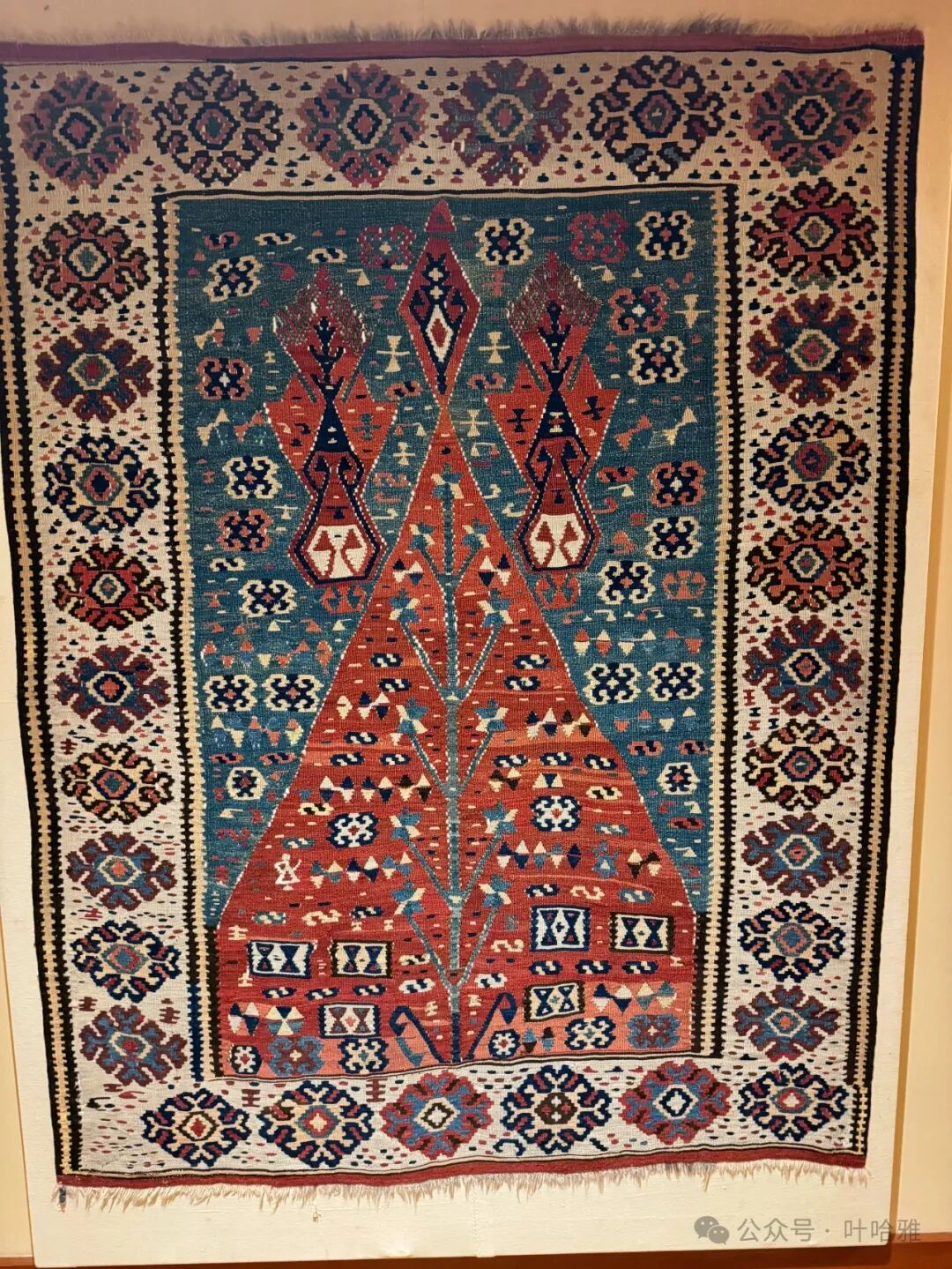
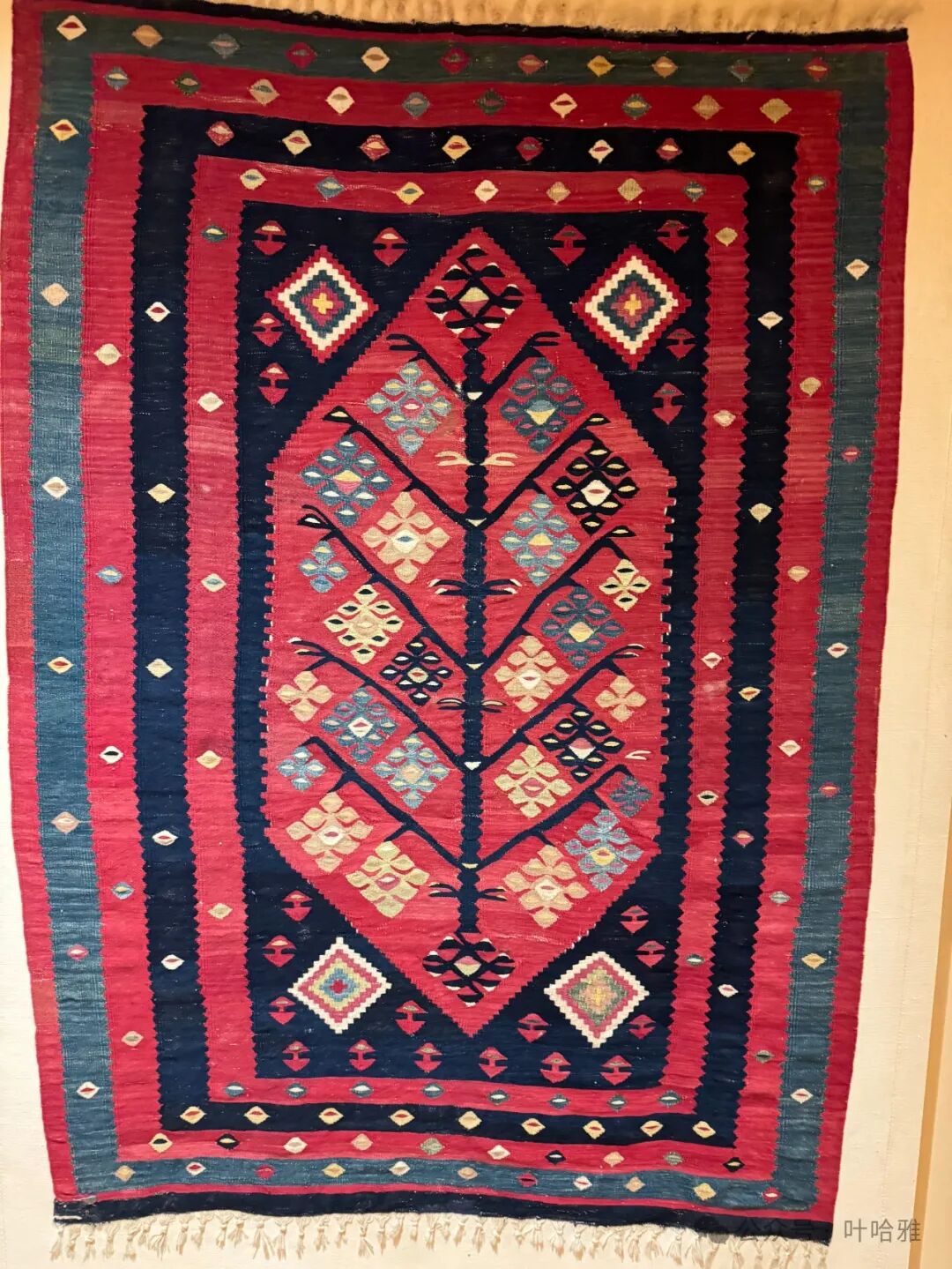
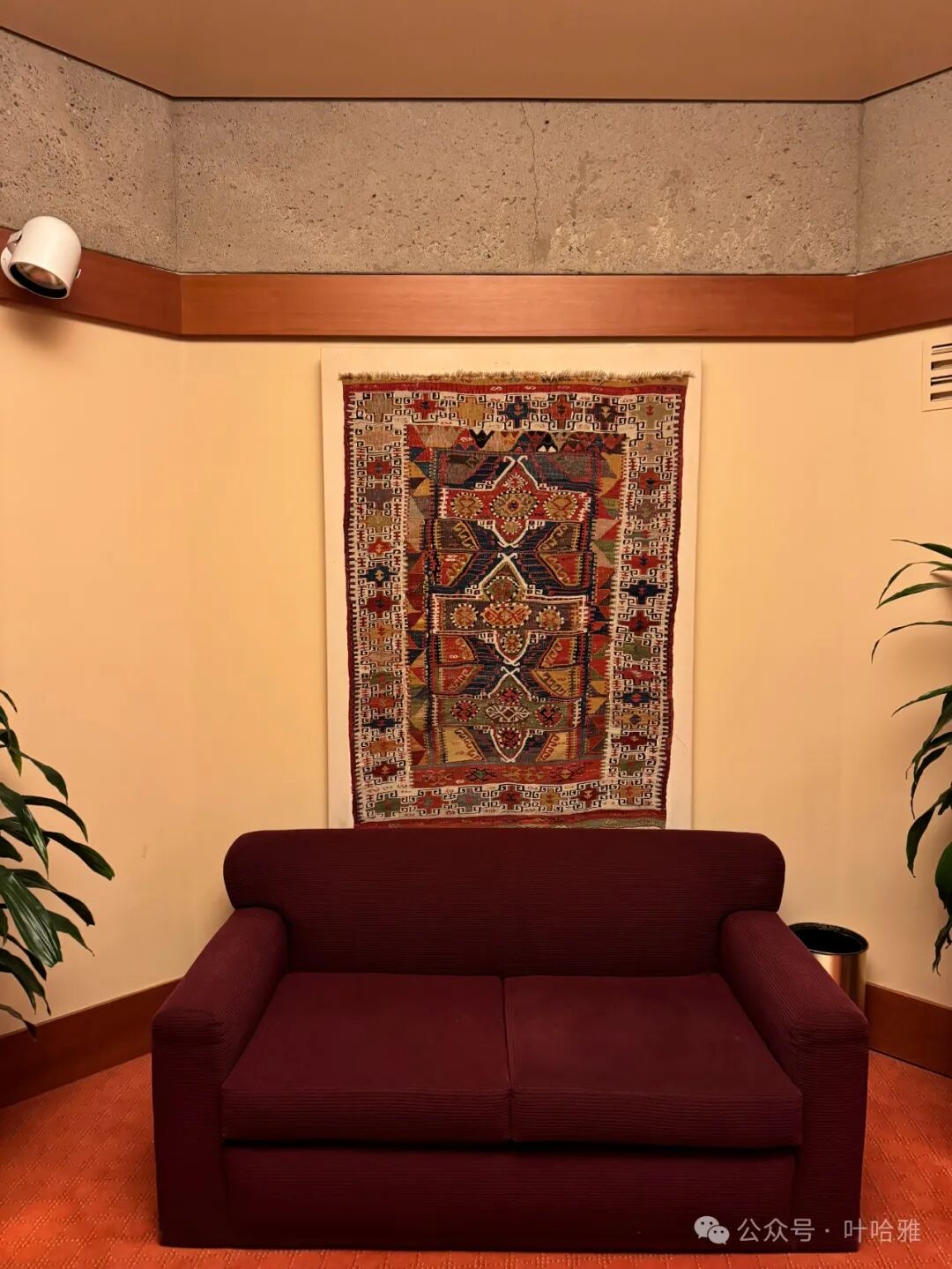
The tapestry hanging on the wall was very beautiful, and the entire room was covered with carpet.
After leaving this aid station, I went to the small mosque below.
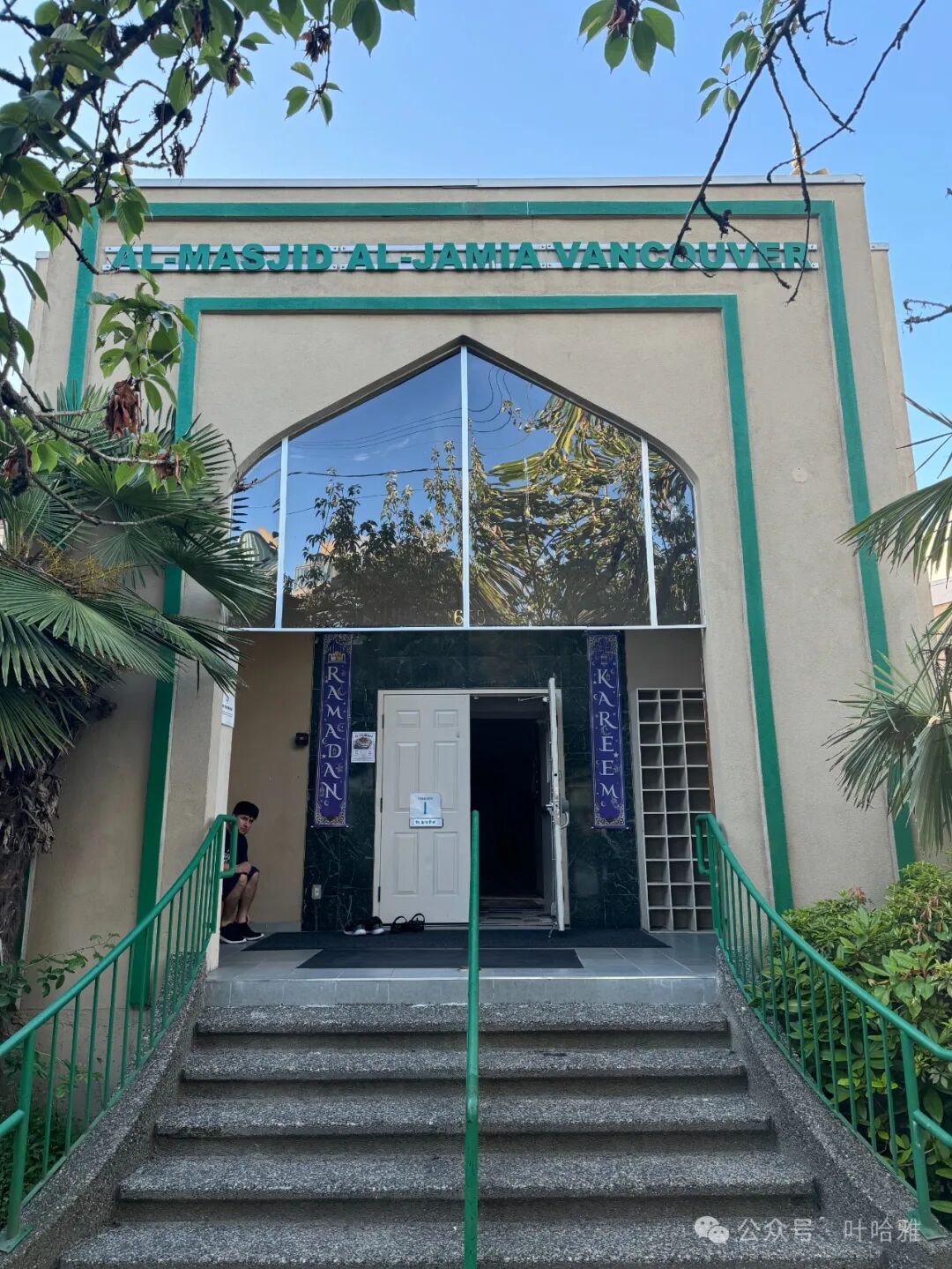
Vancouver Jamea Mosque
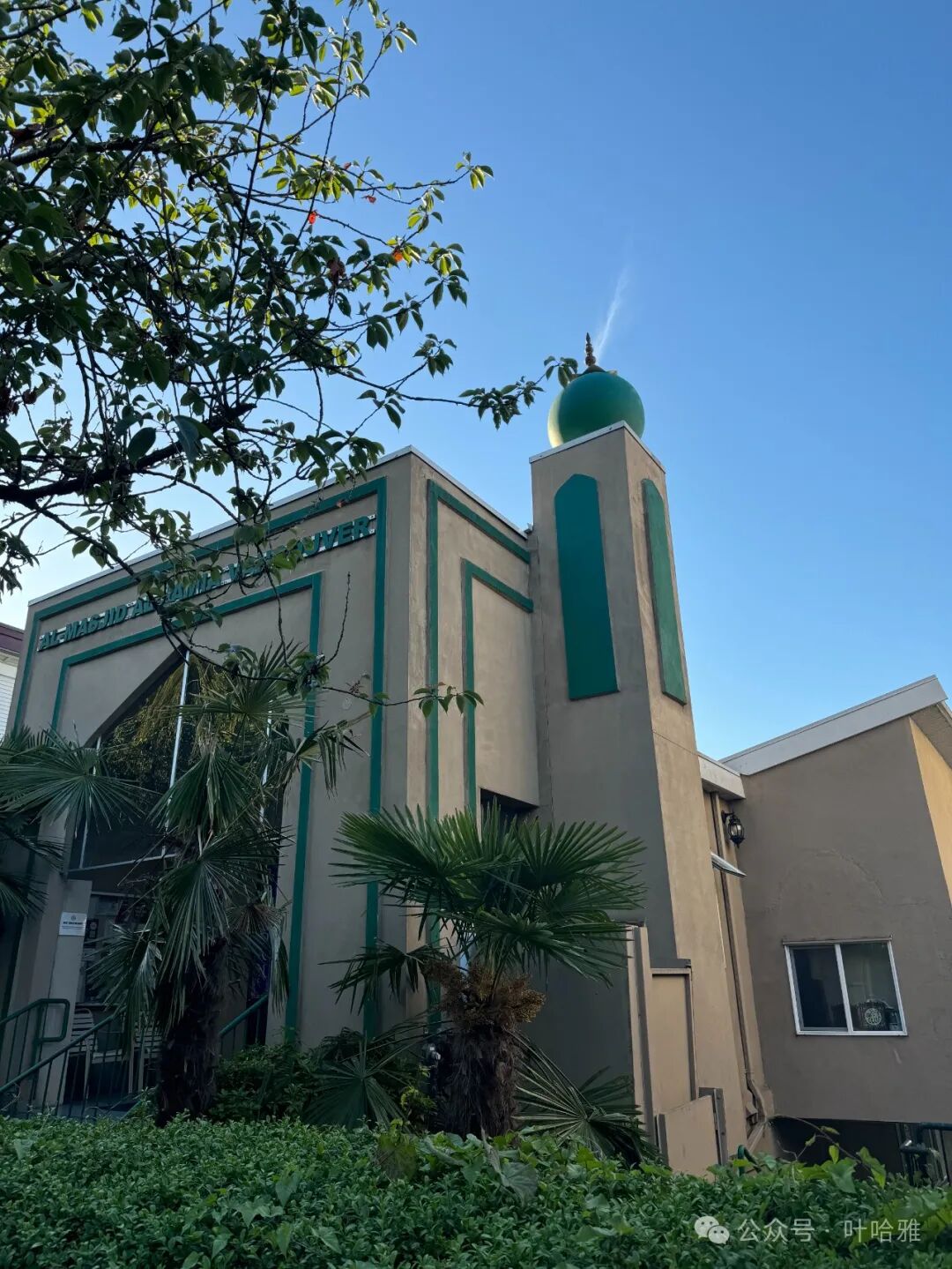
I happened to come across a small mosque, which seemed to be run by Pakistani people.
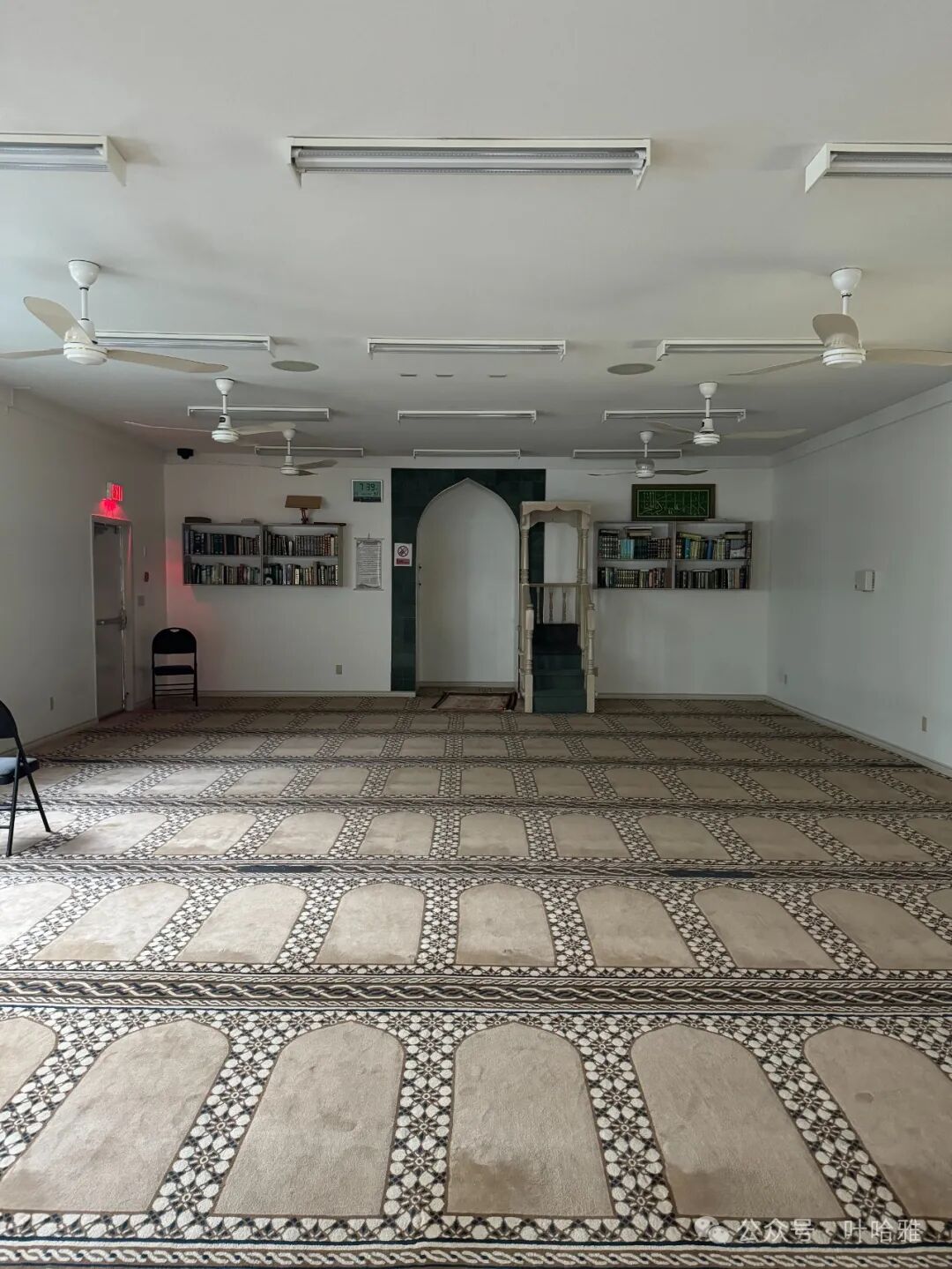
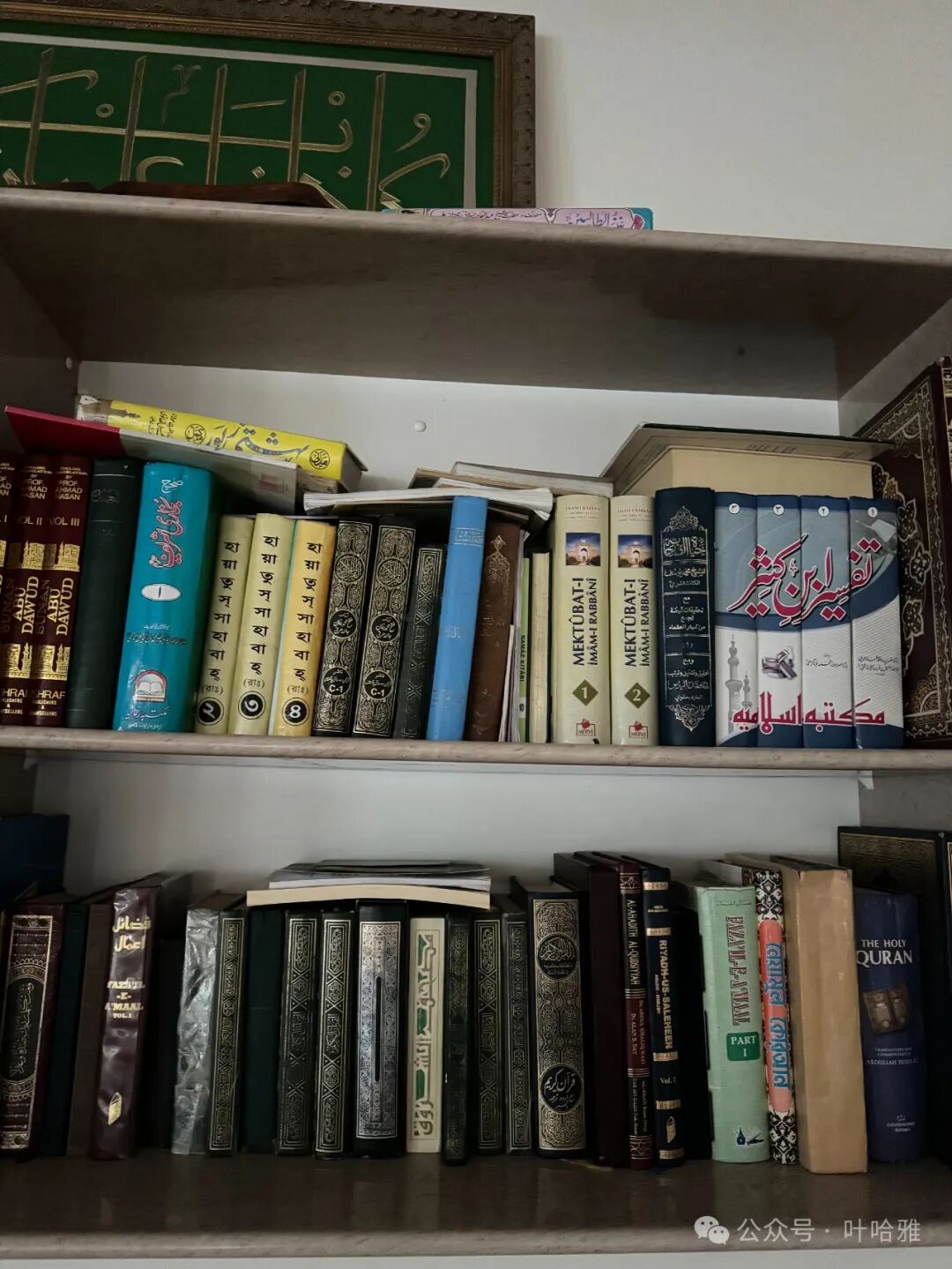
There should be dozens of such small mosques in Vancouver.
Baitur Rahman Mosque
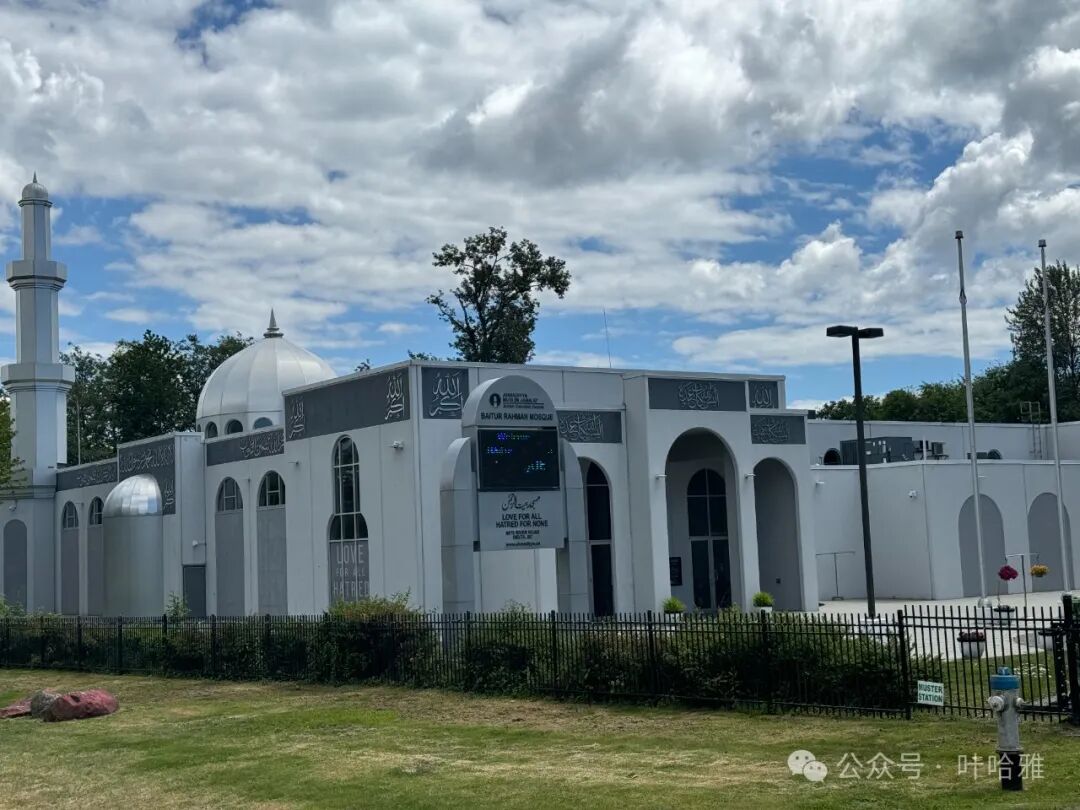
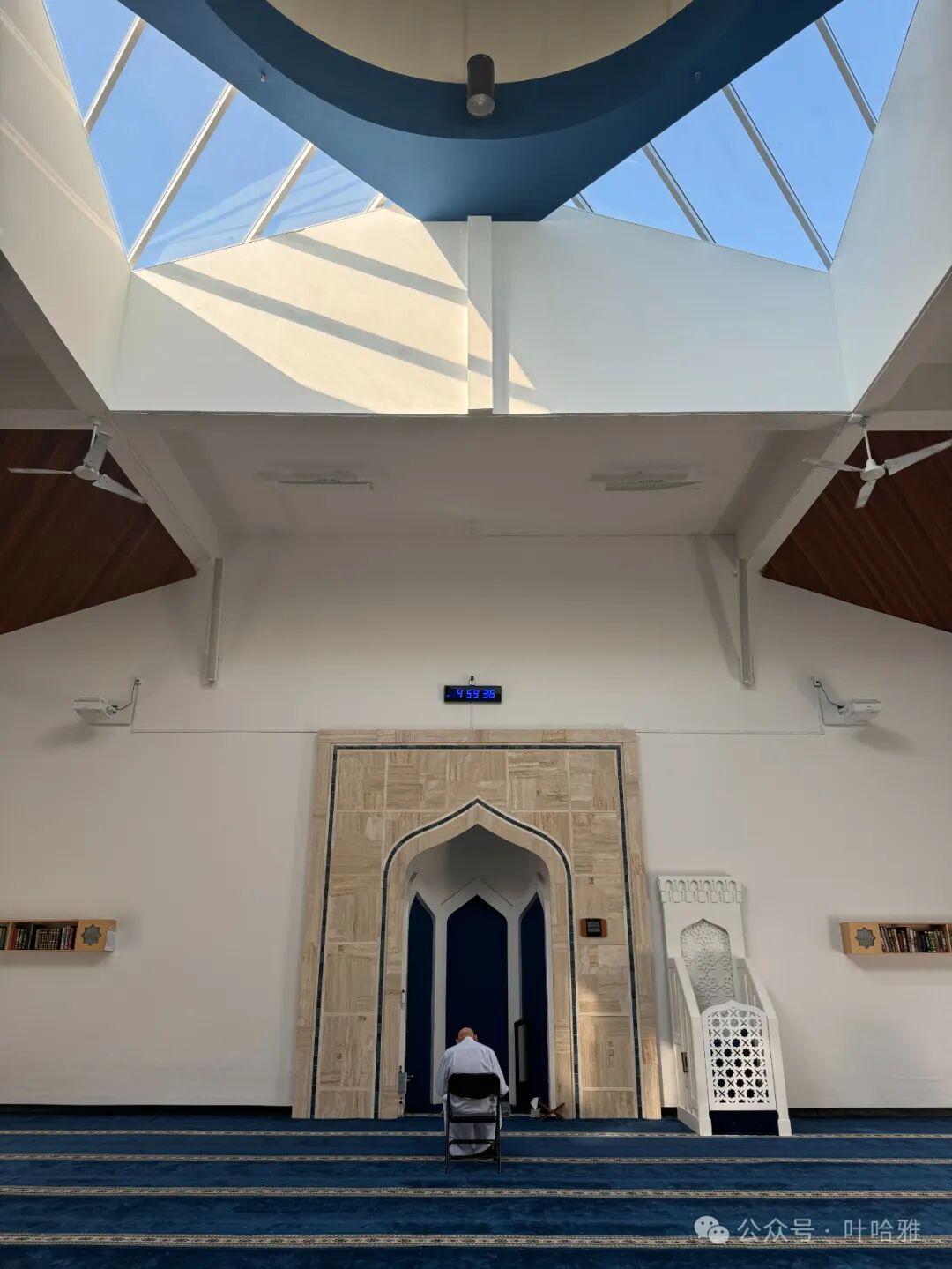
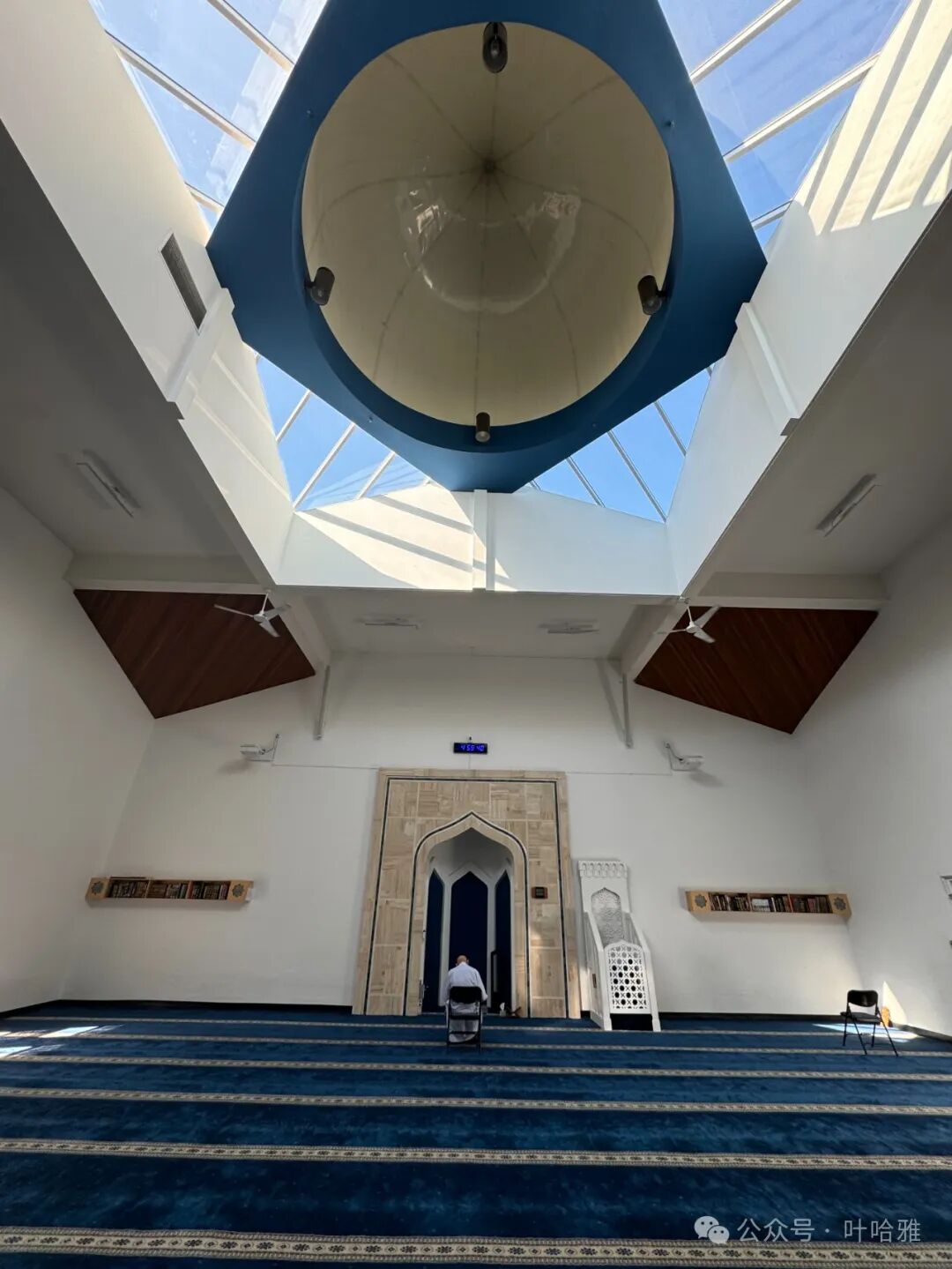
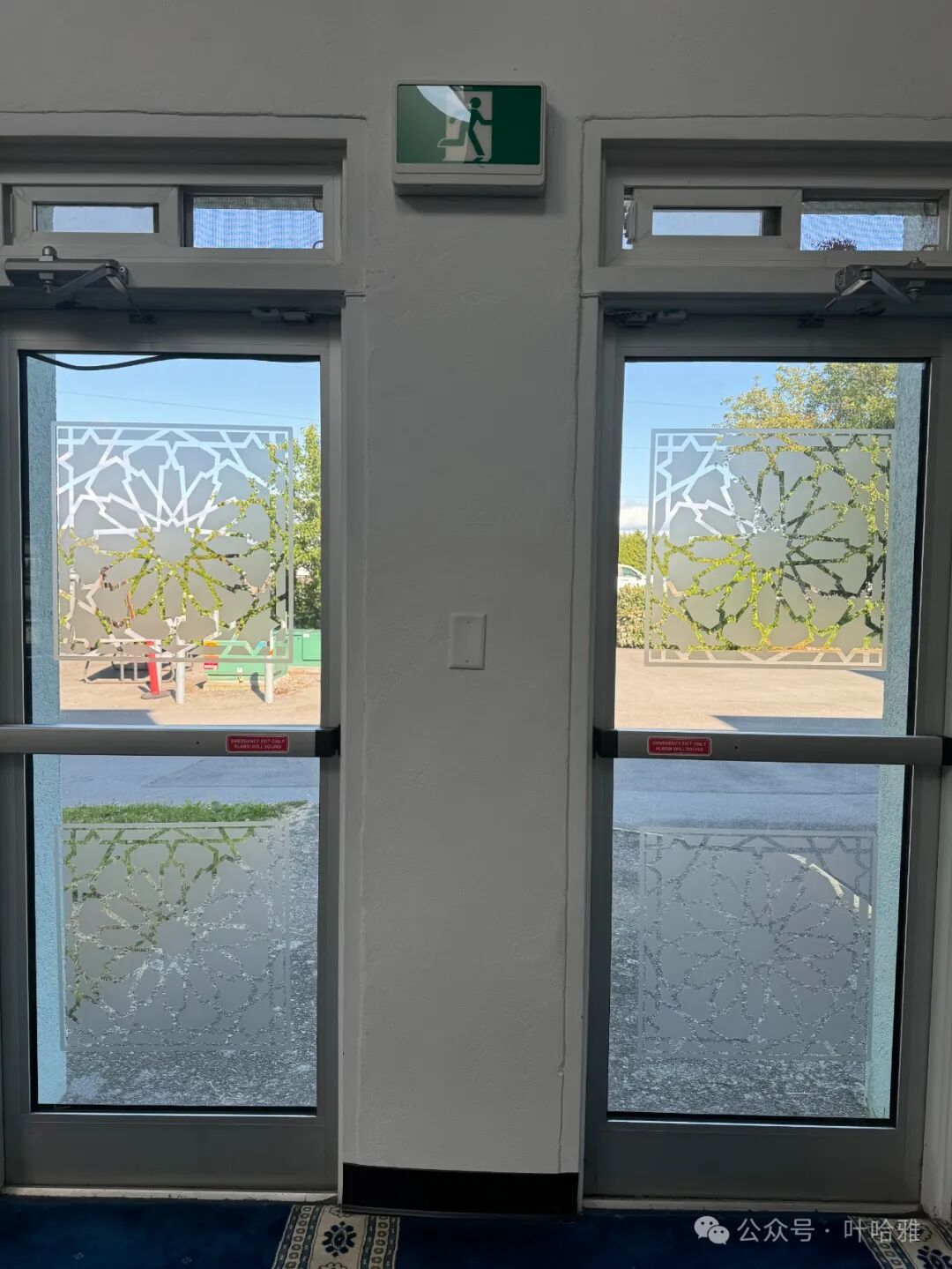
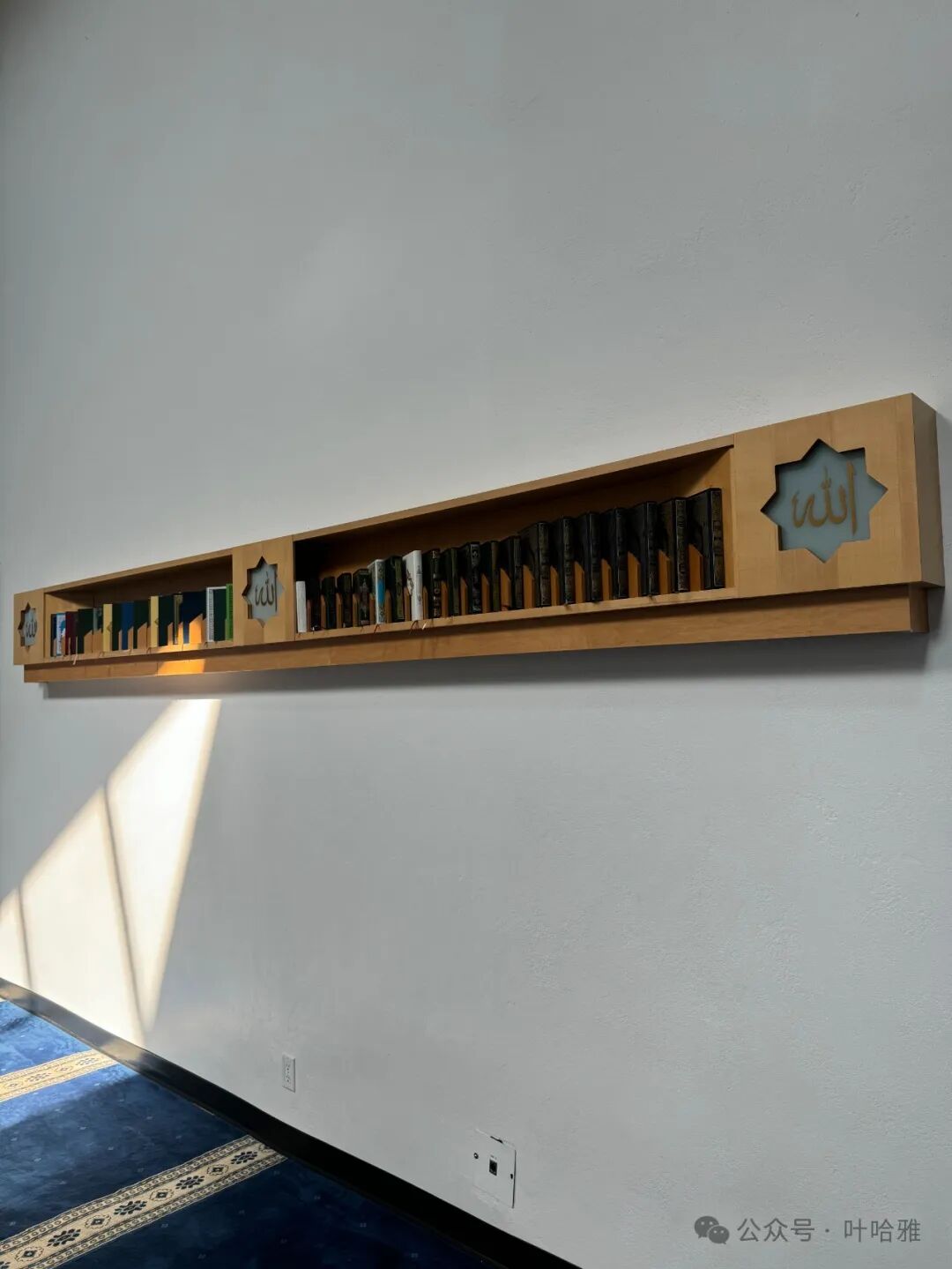
Ahmadiyya mosques have clear features. Their names often include 'Baitur,' which means House of Victory, and they are also identified as Ahmadiyya. The largest Ahmadiyya mosque in the UK is in London. This mosque in Vancouver is the third largest in Canada, with the second largest in Calgary and the biggest in Toronto. The silver-white color of the mosque has a special meaning. According to prophecies in the Hadith, the Mahdi will descend in a white mosque when the end times arrive.
Summary: This Vancouver halal food and mosque guide covers Uyghur food, halal fast-food chains, Chinese community areas, Richmond, city views, Shia and Pakistani prayer spaces, Baitur Rahman Mosque, and the author's first impressions of Muslim life in Vancouver.
Vancouver is Canada's third-largest port city and the closest Canadian city to China, separated only by the Pacific Ocean. It also has the largest Chinese population in Canada, with Chinese residents making up nearly one-fifth of the total.
Vancouver has been named one of the world's most livable cities for many years. This is mainly because of its pleasant climate. Its geography is similar to Yili in China, but with the addition of the ocean, which makes it more humid. Summers are not hot, and winters are not too cold.
Cruise ships sailing from Vancouver to Alaska.
Vancouver is next to Seattle in the United States. I visited Seattle in the autumn and was captivated by its beautiful fall scenery. I imagine Vancouver's autumn views are just as good. The daytime sun in Vancouver is very strong, just like in Xinjiang, so I suggest wearing sunglasses.
Bahawan Uyghur Cuisine.
I found at least two Xinjiang restaurants on Google Maps. This is one of them, and it is not far from the Vancouver Convention Centre where I am staying.
It has been a long time since I saw a halal restaurant run by Uyghurs, and they have a halal sign hanging up.
I saw Chinese written on the blackboard: Xinjiang rice noodles (xinjiang mifen) and stir-fried rice cakes (chao niangao).
The server was a slim young Uyghur girl. She spoke fluent English and Uyghur but did not speak Chinese. Most young Uyghurs I have met in Europe and America are like this; they do not speak Chinese, though the older generation can still speak it.
I ordered stir-fried meat with noodles (guoyou rou banmian) and a cold shredded vegetable salad (liangban sansi). The meat dish was 25 dollars and the cold dish was 12 dollars. With a 15% tip, it came to over 200 yuan. While Vancouver's climate is pleasant, the prices are not, making it a place better suited for the wealthy to move to.
A Chinese church in Vancouver. The Chinese population is mainly concentrated in Richmond.
The most common food trucks in Europe and America are basically all halal. In Vancouver, you never have to worry about not finding a halal restaurant; you could say there are halal fast-food shops everywhere.
FATBURGER is a halal burger chain from the United States, and the Beijing locations are also halal.
The Halal Guys is a very popular halal fast-food chain in North America, with a status similar to Lanzhou hand-pulled noodles (Lanzhou lamian).
The waiter suggested I choose the large drink because it cost the same as the small one. I saw it was a Canadian specialty and tried it, but it was not good. After trying many new drinks, I realized that if those unfamiliar drinks were actually tasty, they would have been sold in China long ago.
The small chili peppers served with fast food here are extremely spicy. Remember to tell the staff you do not want them. This kind of heat just makes your mouth hurt; it is not as delicious as the fragrant spice we have in Northwest China.
See that? I even have to tip for a fast-food meal, and this small portion cost over 150 yuan.
After that, I visited another Xinjiang restaurant called Beautiful Urumqi. It used to be called Lovely Xinjiang, and I do not know why they changed the name.
The lady in the shop speaks Chinese. She said they arrived in Vancouver three years ago and think it feels a lot like Altay in Northern Xinjiang. When I asked if she wanted to go back, she just gave a helpless smile.
The restaurant does not have many dishes. I ordered a serving of mixed noodles (banmian) and a salad of onions, peppers, and tomatoes (pilahong). The taste was not exactly authentic, but the prices are very cheap; this bowl of noodles only cost me a little over 4 dollars.
I stayed in Vancouver for four days and went to the WE GRILL shown in the picture below for breakfast every day.
The guy at the shop is very friendly. I saw on Google that the shop was halal, but I did not see a sign when I arrived, so I asked him. He told me with full confidence, 'Everything is halal!'
I like this place for two reasons. First, the food is healthy with a good balance of fruits, vegetables, and protein. Second, it opens early at 6:00 AM. My conference in Vancouver started at 7:00 AM, so this was the only place I could eat breakfast beforehand.
Because there are so many choices, I ate something different every day. A meal costs 20 dollars, which is quite expensive for a local breakfast in Canada, but it is nutritious and delicious. After the old guy saw me come in for the second day in a row, he started giving me free coffee every day with unlimited refills.
I sat right across from him and watched him greet the customers coming and going. Whether they bought food or not, he always greeted them with a smile and stayed full of energy every day. After leaving Vancouver, I never found another healthy breakfast shop like that one. I will miss my old friend.
Canadians go to cafes for breakfast, like the Tim Hortons in the distance in the photo below. This brand is more popular in Canada than Starbucks, mainly because it is cheaper. For white people, a cup of coffee and a piece of bread is a typical breakfast, but the cafes in the city have long lines every morning.
PICADO Pizza
This Turkish pizza shop is also just a few hundred meters from where I stayed. I met my colleague who lives in Vancouver here. We are both from Beijing, and hearing a Beijing accent in a foreign land feels especially warm.
A cup of yogurt drink (ayran) with a slice of pizza, plus two pieces of sweet pastry (baklava).
I met another colleague who has lived in Vancouver for a long time at this Iranian restaurant. There are many Shia activities in Vancouver, and I will introduce a Shia mosque later.
This grilled chicken set meal suited my taste quite well, and you can find it in Beijing too.
The young lady in the middle and the girl in the headscarf next to her look like the same person. The other three are a Black person, a South Asian, and an East Asian.
Masjid Al Salaam & Education Centre
Al-Salaam Islamic Center in Vancouver.
There is a poster for a halal food festival posted in front of the mosque.
This mosque even has its own app.
Women's prayer hall
Wudu pitcher (wudu hu) used in North America
This mosque has a very modern design with geometric cutouts that let in plenty of light.
The wall facing the direction of prayer in the main hall is made of glass, which is a rare design style. I think this is the most beautiful mosque in Canada.
Behind the women's hall on the second floor is a children's area. This is a very thoughtful feature that lets mothers pray in peace while their children play nearby, and moms can see them through the glass.
Az-Zahraa Islamic Centre
Shia mosque
This is a large Shia Islamic center in Vancouver.
The architectural style clearly features Iranian influences.
The gate to the mosque was locked, so I rang the bell and explained why I was there. The older man watching the door was very welcoming and opened it for me.
He told me this is a Shia mosque and that he is a Shia believer. He reminded me not to get it mixed up, as the Sunni mosque is nearby in a different location.
I saw the stone where the imam stands and told him I recognized it. Shia Muslims believe that during namaz, you cannot pray on a carpet but must be close to the earth or something that grows from it. They use this stone to represent the earth, so when they prostrate, touching the stone means they are close to the earth. I once wrote about why Iran chose the Shia branch of Islam.
List of mosque management staff.
Poster for a scholar's lecture.
The older man watching the door said he had things to do and told me to look around on my own, just making sure to close the door when I left.
Right next to the Shia mosque is a Sikh mosque. I realized this area is like a religious street with all kinds of churches clustered together, as if the government set aside this land specifically for different religions to use.
I saw another Chinese Gospel church.
A Tibetan Buddhist mosque in Richmond.
Richmond is also called Lichiman, and this is a Chinese church by the side of the road.
Another Chinese Christian church right next to the Richmond mosque.
THE B. C. Muslim Association Richmond Branch-Sadaqa
Another Sunni mosque located closest to the Shia mosque in Richmond.
The most eye-catching thing in the mosque is always the QR code for donations; you can complete your charitable duty just by scanning it.
Mosques in Pakistan like to call the women's prayer hall the sisters' hall and the men's prayer hall the brothers' hall.
Silk Road Halal Restaurant
Silk Road Halal Restaurant
This is a halal Ningxia restaurant in the Richmond area, and the owner is from Ningxia.
The menu includes an introduction to the history and culture of the Hui Muslims in Ningxia.
The restaurant is decorated in a Chinese style and is very clean.
The menu has a good variety, and I wanted to try everything. Since I usually eat fast-food kebabs in Canada, it gets boring, and I really miss Chinese food. Besides, it is hard to find a decent halal restaurant in Canada that does not feel like a fast-food joint.
After looking for a while, I chose a beef sandwich (niurou jiamo) and pickled cabbage lamb noodles (suancai yangrou mian). The taste was just okay, and it cost over 200 yuan, which is not expensive.
Pickled cabbage lamb noodles (suancai yangrou mian)
I do not know what the problem is, but I always feel that lamb in Europe and America does not taste as good as it does back home. The lamb I have had in the UK and Canada does not taste as good as the lamb from Northwest China.
After eating, I walked around a nearby mall. Richmond is definitely a place where many Chinese people live. You can get by here without speaking English, as store signs and ATMs have Chinese instructions.
Richmond is translated as Liezhiwen, and it is the largest Chinese community in Canada.
A garden-style building appeared ahead, which is called the Ismaili Centre.
I was moved by the beautiful scenery in front of me, so I really wanted to go inside and take a look.
I saw a few workers at the entrance, and they told me the entrance was at the back door.
I entered the office area from the back door and met an elderly volunteer inside. He told me this is a Shia aid station, not a mosque, and it is a place that provides help to immigrants.
The old man was very kind. He is Indian and said if I wanted to pray, I could go to the Sunni mosque not far away, and he walked out of the building to show me the way.
The volunteers I met at the Shia mosque were not Iranian, but South Asian.
The tapestry hanging on the wall was very beautiful, and the entire room was covered with carpet.
After leaving this aid station, I went to the small mosque below.
Vancouver Jamea Mosque
I happened to come across a small mosque, which seemed to be run by Pakistani people.
There should be dozens of such small mosques in Vancouver.
Baitur Rahman Mosque
Ahmadiyya mosques have clear features. Their names often include 'Baitur,' which means House of Victory, and they are also identified as Ahmadiyya. The largest Ahmadiyya mosque in the UK is in London. This mosque in Vancouver is the third largest in Canada, with the second largest in Calgary and the biggest in Toronto. The silver-white color of the mosque has a special meaning. According to prophecies in the Hadith, the Mahdi will descend in a white mosque when the end times arrive.
Muslim Travel Guide Vancouver: Ahmadiyya Mosque, Muslim Community and Canada City Story
Articles • yusuf908 posted the article • 0 comments • 163 views • 2026-05-23 01:19
Reposted from the web
Summary: This Vancouver Muslim travel guide continues the journey with an Ahmadiyya mosque visit, conversations with Pakistani-Canadian worshippers, Quran reflections, local hospitality, airport trouble, and the author's final move toward Calgary after a colorful Canada trip.
The Ahmadiyya movement started in the Punjab region of India in the 19th century. Its founder, Mirza Ghulam Ahmad (1835-1908), claimed to be the savior Mahdi. Although this group claims to follow all the scriptures and laws brought by the Prophet Muhammad, mainstream Islam today still considers them heretical. The Al-Azhar Fatwa Committee spent over a year studying them and concluded that Ahmadiyya are not Muslims, mainly because they believe there are prophets after the Prophet Muhammad.
Mirza Ghulam Ahmad
Ahmad believed that after Jesus was crucified, he did not ascend to heaven. Instead, he woke up in the tomb, traveled to Roza Bal in Kashmir, India, to find the lost tribes of Israel, and lived there until he died.
Everyone I met at this mosque that day was a Pakistani-Canadian. Their prayer rituals were no different from traditional Islam. After talking to them, I learned that their ancestors had accepted Ahmadiyya, which has a history of over a hundred years since its founding.
Regarding the Five Pillars, Ahmadiyya also follow the Quran and Sunnah. Ten years ago at the Beijing International Book Fair, I picked up some of their books, including a Chinese version of a Quran commentary by Zhou Zhongxi, 'Basic Questions and Answers about Islam,' and a Chinese translation of 'The Philosophy of the Teachings of Islam' by Ahmad. I have also visited their website and have some understanding of their basic claims.
The people in the mosque were very excited. They did not expect that I, a Chinese person from Beijing, would know anything about them. I had planned to leave, but they invited me into their office, served me tea and desserts, and brought out some Chinese materials to give to me.
I listened to them talk about their experiences. Because they are an illegal organization in Pakistan, they faced persecution and came to Canada as refugees. They now hold Canadian passports. They are usually afraid of meeting fellow Pakistanis abroad because most Pakistanis do not recognize them. As soon as Pakistanis hear they are Ahmadiyya, they turn around and leave, unwilling to say a single word.
But they say Ahmadiyya is exactly the same as Islam, yet the world just does not understand. Currently, there are over 10 million Ahmadiyya followers worldwide. About 4 million are in Pakistan, and the rest are mainly distributed across Africa, Europe, America, and Southeast Asia. Most of the followers are of South Asian descent.
Ahmadiyya believe the Prophet Muhammad is the Seal of the Prophets, meaning he validates all previous prophets. They believe that after the Prophet Muhammad, while no new scripture would be revealed, people would still receive revelations from Allah. The Prophet Muhammad once prophesied that the Mahdi would come to lead all Muslims to unity and victory. They believe this person has already arrived, has the character of Jesus, and is the Indian man, Ahmad.
Hakeem Noor-ud-Din (1834-1914), the first successor of Ahmadiyya
The first caliph oversaw the translation of the Quran into English. During his lifetime, many famous people studied under him, including the Egyptian leader Muhammad Ali. This English translation later reached China, where people who did not know the full story used it as a reference for writing Quranic commentaries.
To be honest, after reading their work, I am impressed by their academic skills. These Ahmadiyya followers are not ignorant people. On the contrary, they are well-read in scriptures, good at citing sources, quick-thinking, and very persuasive.
I understand their way of thinking, but I cannot accept their claims. I also know that faith is not always rational. You cannot always use logic to explain right and wrong between religions. Whether you believe or not often comes down to a single thought.
If I have to give a reason for not believing, the main point is that over more than a hundred years of missionary work and five generations of caliphs, the Ahmadiyya movement has had very little influence on the world, almost to the point of being negligible. Even though they claim to have millions of followers in over two hundred countries, they have not influenced our politics or daily lives. They are not even as well-known as political leaders like the American Founding Fathers or Marx. How can a savior have less influence on the world than some thinkers and political leaders?
As for the minor details this group argues about, I do not think they are worth debating. You cannot even change the ideas of one Sufi order (menhuan) to another through debate. Every sect has descriptions of its own spiritual masters that outsiders cannot understand. If you understand how various Sufi groups developed, you will not be surprised by the rise of the Ahmadiyya.
The rise of the Ahmadiyya has a historical context. In 19th-century India, it was a time of political turmoil, followed by the partition of India and Pakistan. People were suffering and felt the end of the world was coming. It was just like when the Mongol army marched west in earlier times; people then also thought the end had arrived. In such a social environment, many were unhappy with the world and hoped for a savior to appear.
At the same time, someone in Africa also claimed to be the Mahdi, but he was wiped out shortly after. Do not simply think of these people as scammers. Some self-proclaimed religious leaders truly believe they are special and do not think they are lying. If a person lives in isolation for a long time and is malnourished, they might have hallucinations. They might believe they really heard revelations from Allah. Then, through rumors spread by people who do not know the truth, it eventually ferments into a new religious group.
So the problem is not what they said or did, but what their appearance brought to this world. At least for now, most Chinese Muslims have never heard of this Mahdi. He has had no influence on our lives. He has been gone for over a hundred years, and our world has not become a better place because of the arrival of a savior.
In fact, since the Prophet Muhammad, no new religious group has reached world-class influence. Most only spread within specific regions or groups. The world does not run or develop under the leadership of a new religious leader. If their god only intended to save that small group of people who think they have the truth, that would be too narrow-minded.
Even in India and Pakistan, where the Ahmadiyya began, the region did not become more prosperous or united because of the savior's arrival. Instead, his arrival led to even more conflict.
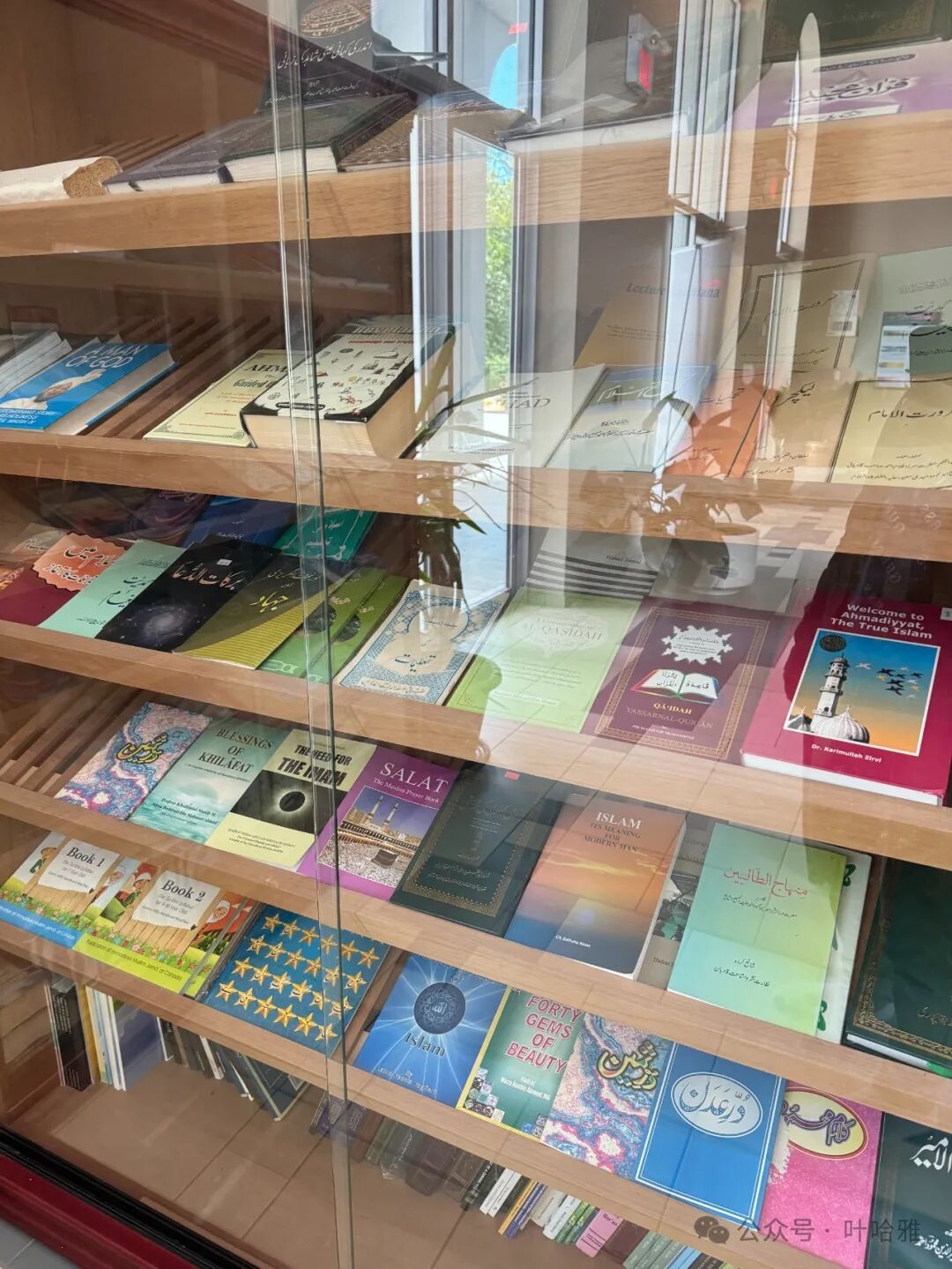
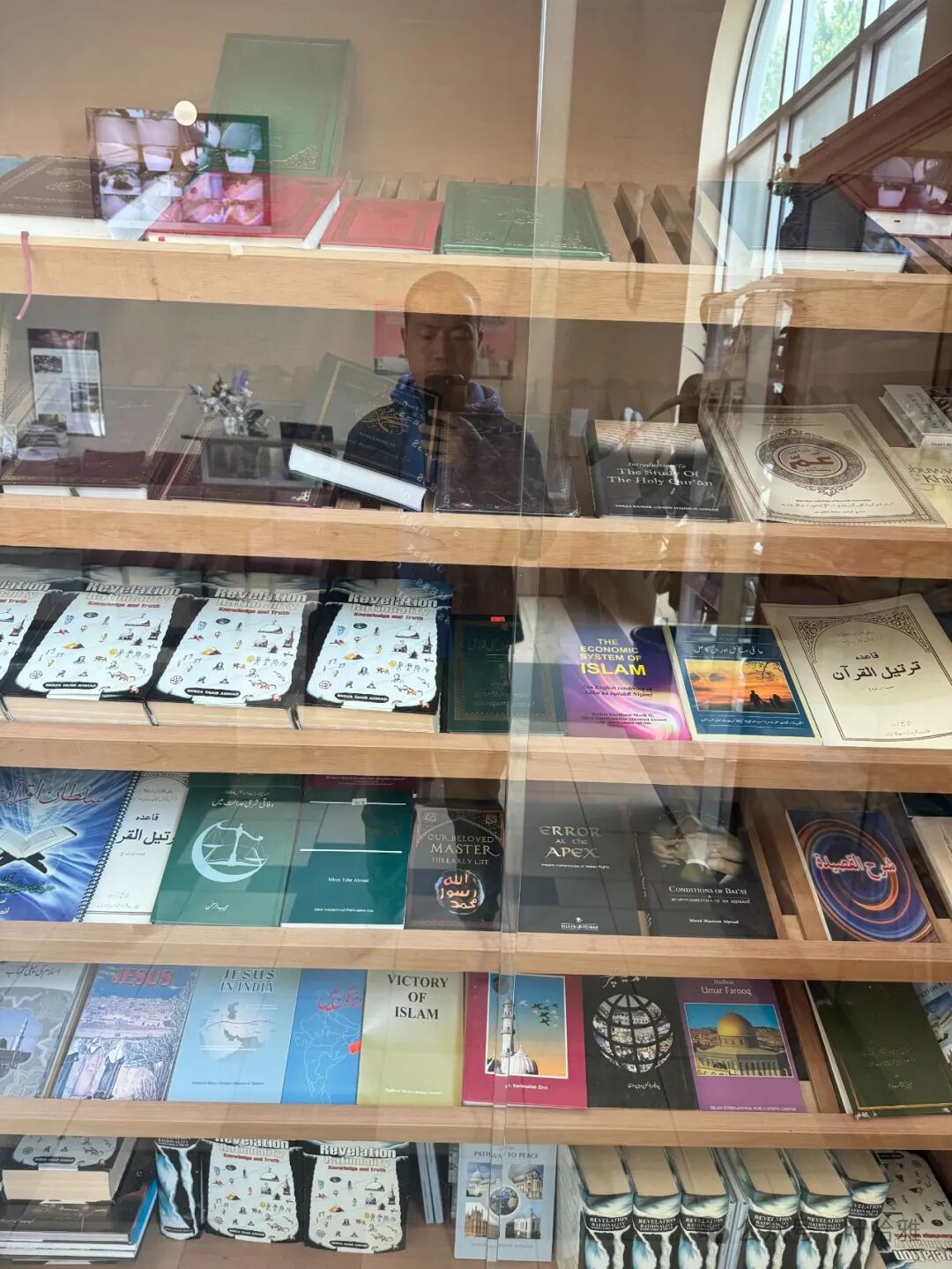
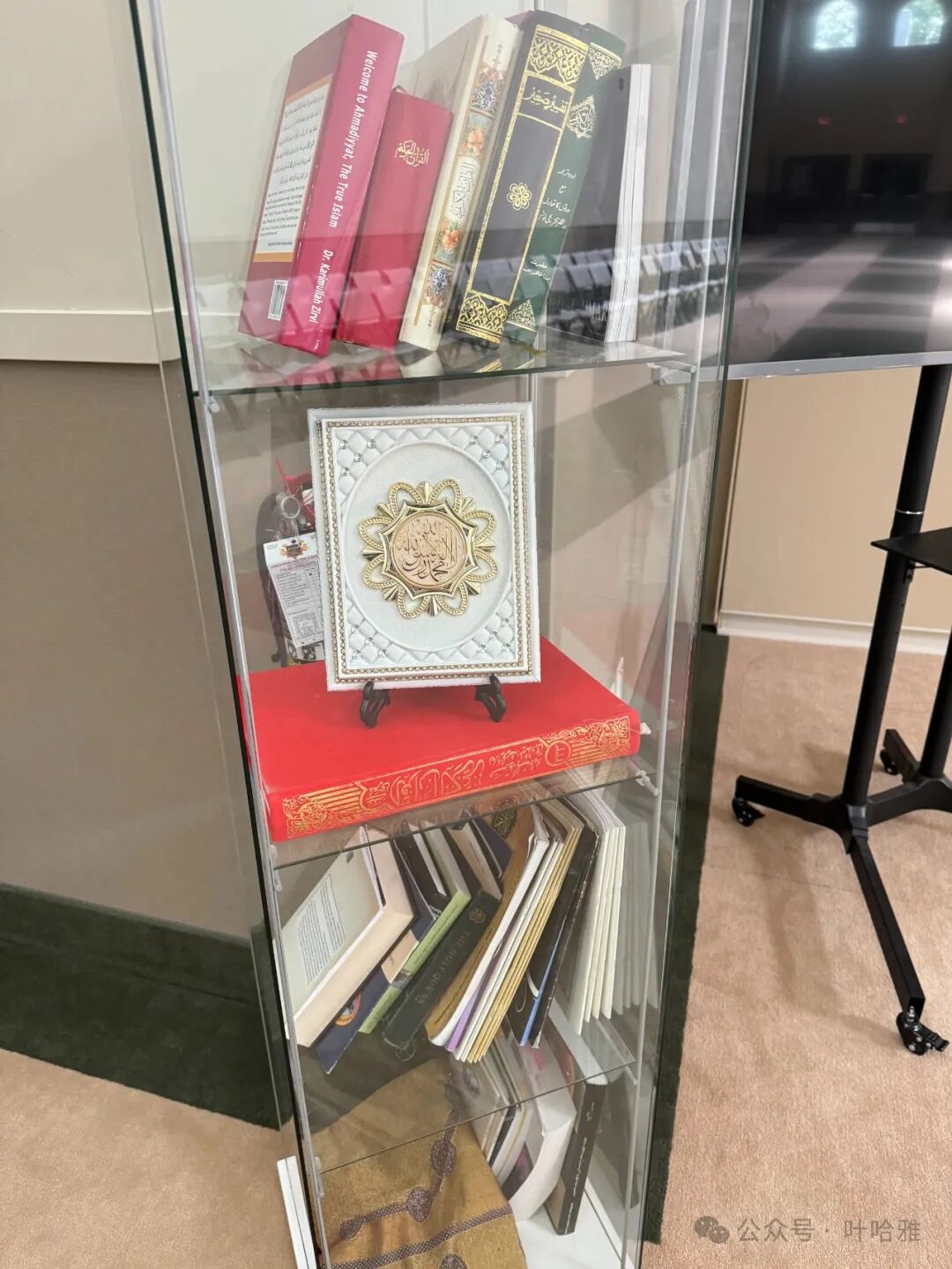
Ahmadiyya Quran translations in various languages, including the Chinese version.
The person on the right in the photo above is the fifth and current Caliph, Mirza Masroor Ahmad (1950-). Born in Pakistan, he is the nephew of the fourth Caliph (left), Mirza Tahir Ahmad, as his mother was the fourth Caliph's sister. He now lives in the UK and has visited Vancouver many times, where members of the mosque have met him often.
The second and third Caliphs.
The Ahmadiyya community restored the Caliphate system. They choose successors through internal nomination rather than hereditary succession or public election, and there is no requirement for the Caliph to be from the Hashim family.
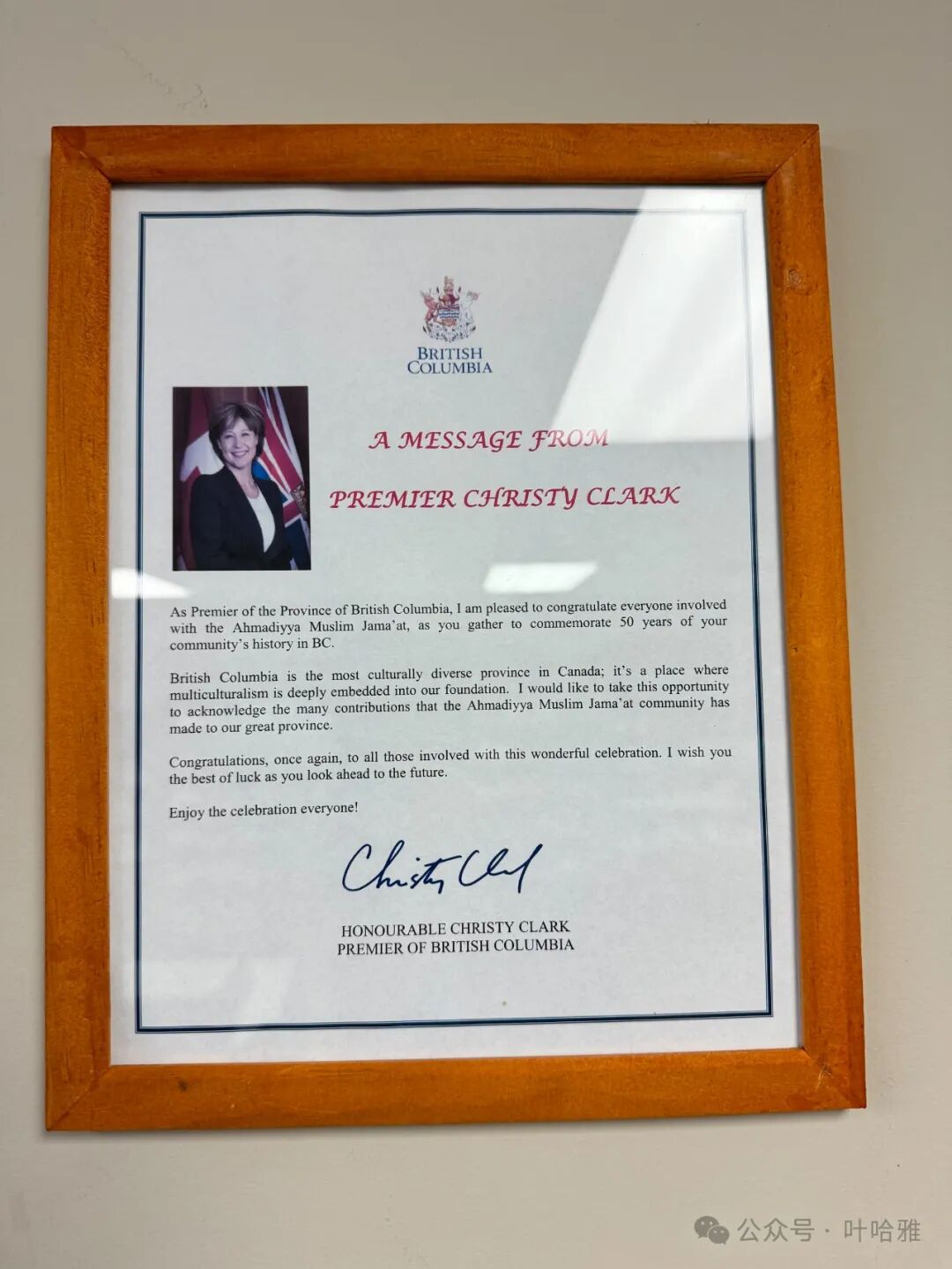
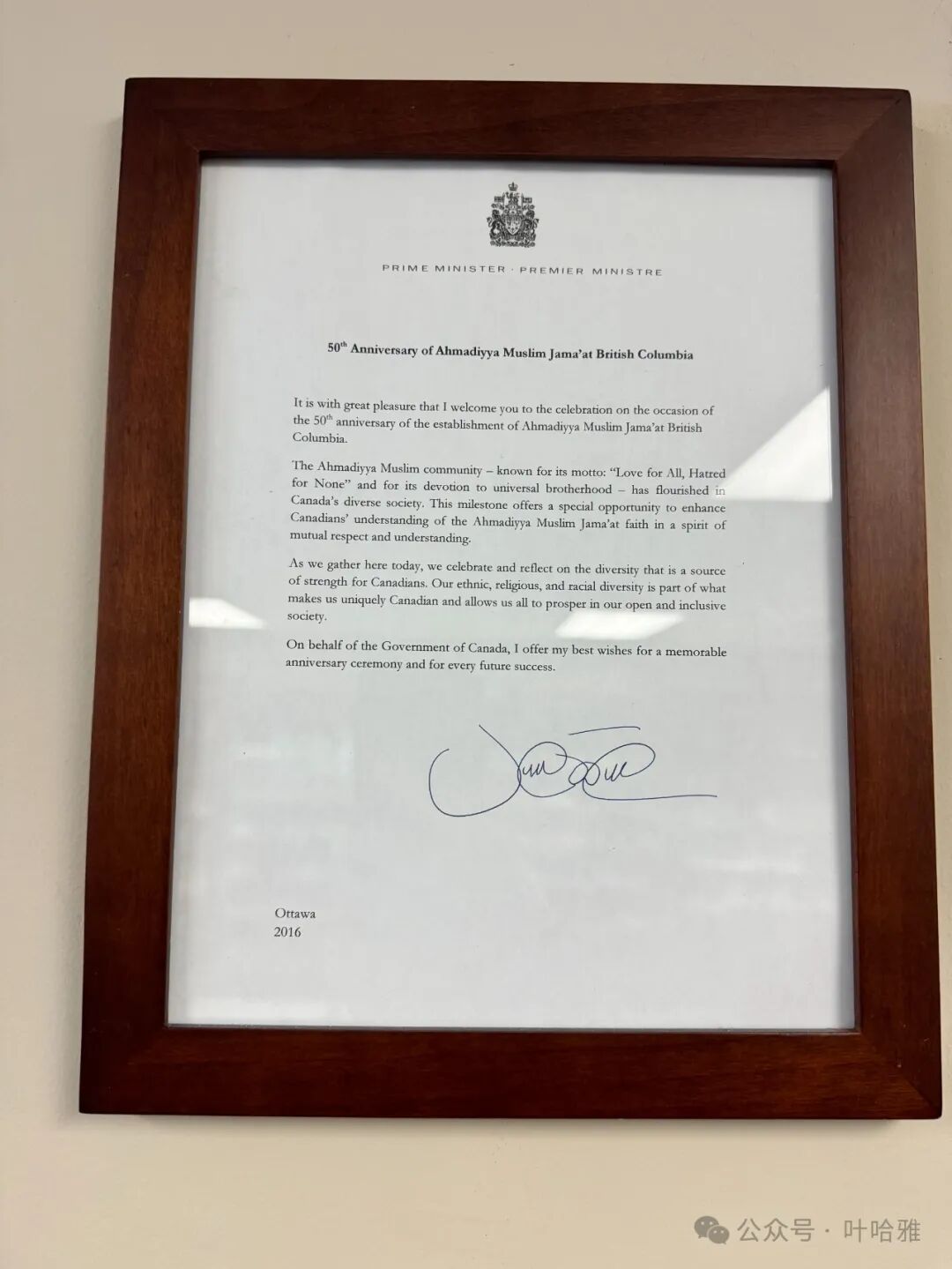
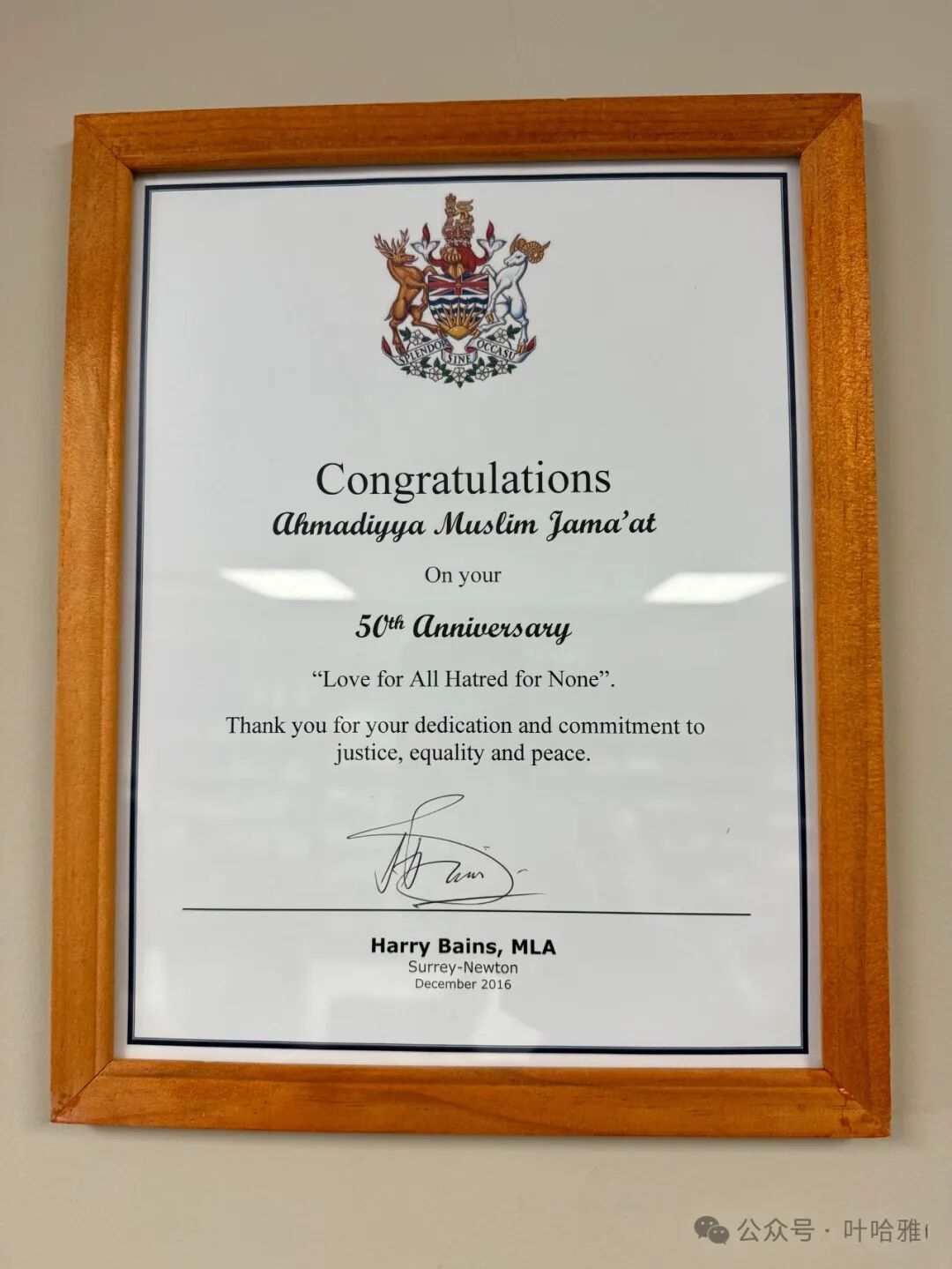
Congratulatory messages sent by various Canadian government officials for the 50th anniversary of the Ahmadiyya community.
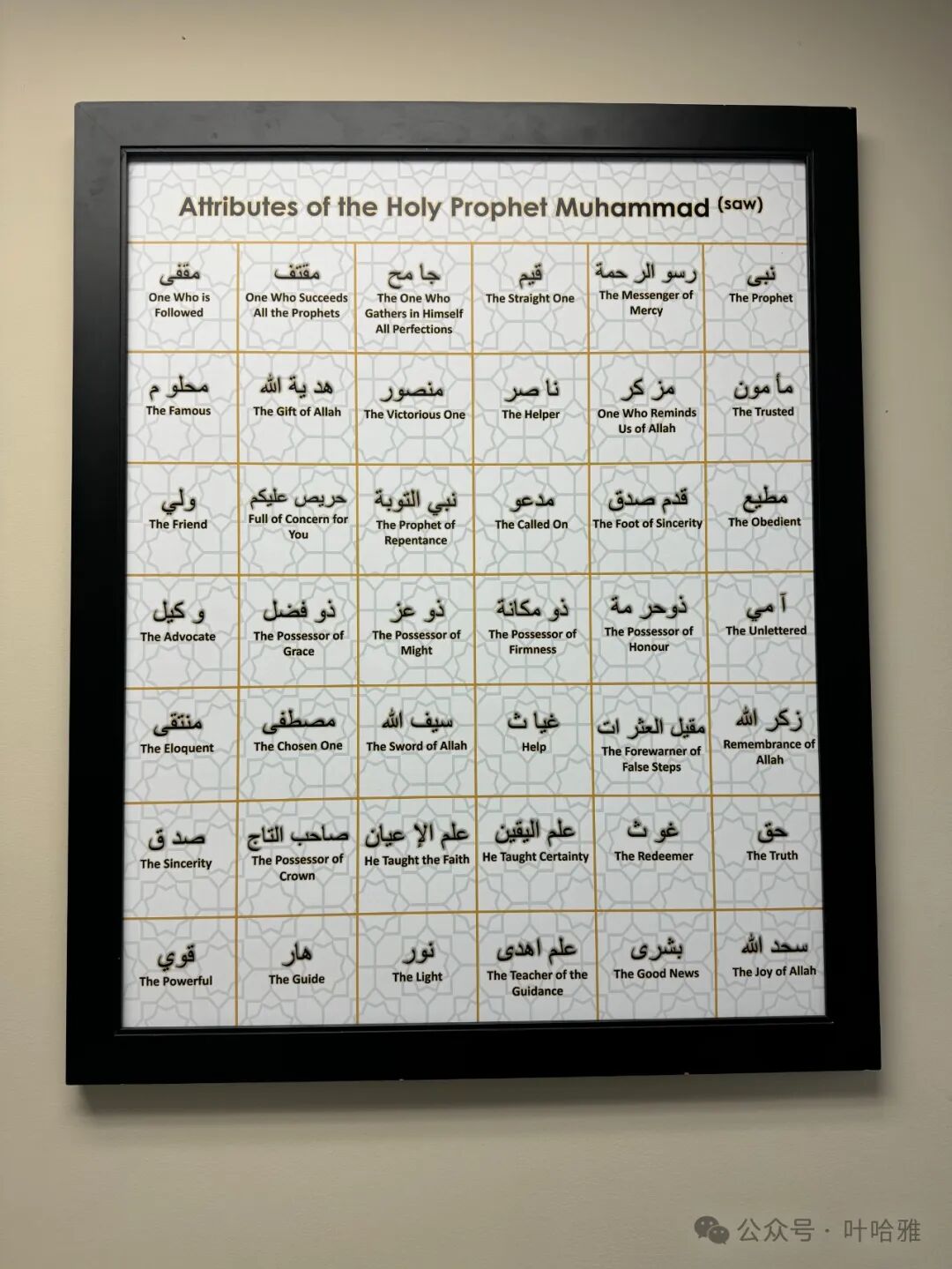
The Ahmadiyya motto: Love for all, hatred for none.
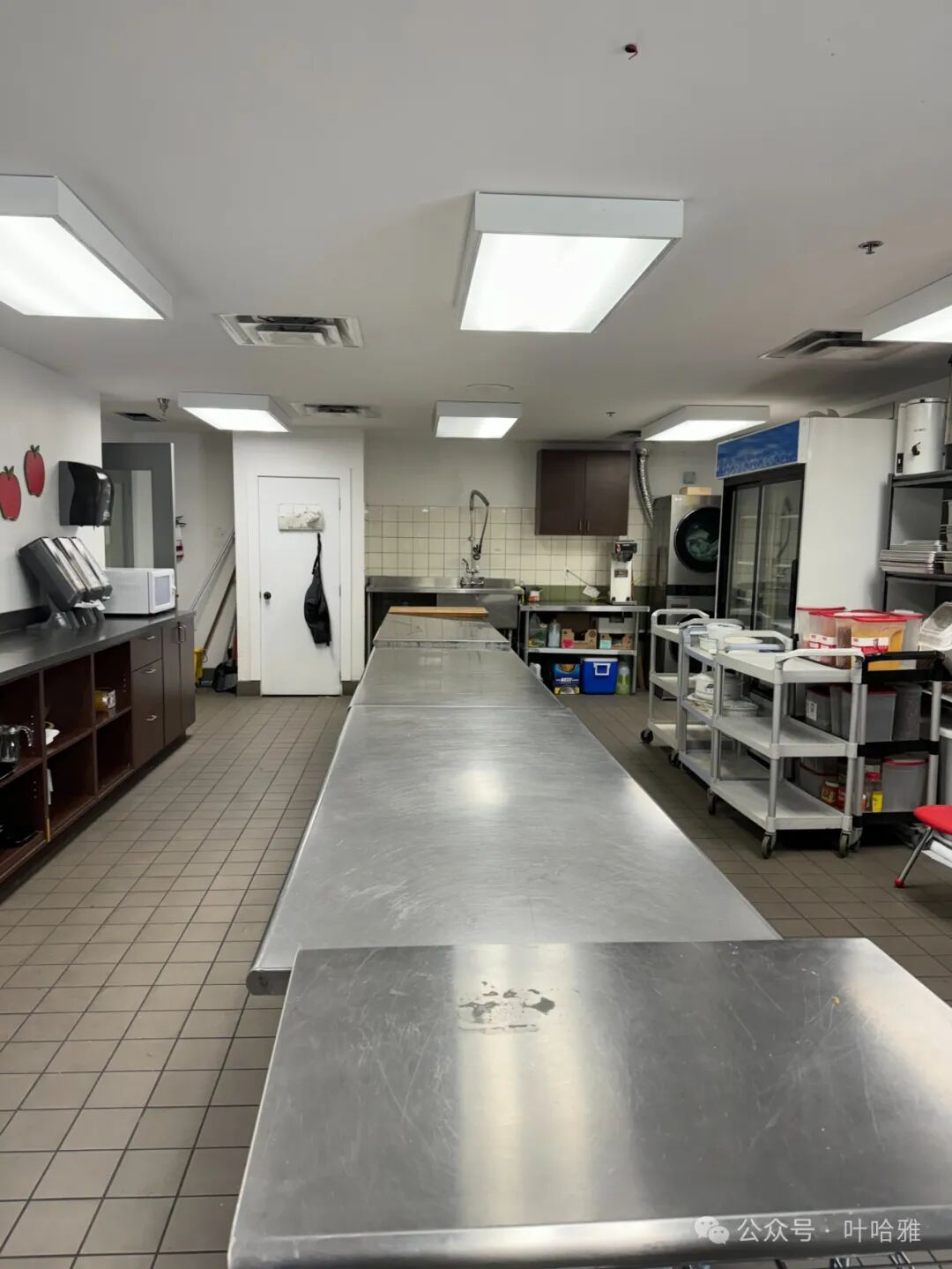
Kitchen.
I asked them about their dietary rules, which are the same as ours, so they do not eat just anything. They also introduced me to some reliable halal chain restaurants in Canada.
Saying dua before and after meals.
Abdus Salam.
He is likely the most famous Ahmadiyya follower. Abdus Salam was Pakistani and won the Nobel Prize in Physics in 1979. He was the first Pakistani Nobel laureate and served as the head of the Pakistani delegation to the International Atomic Energy Agency. Because his faith was not officially recognized, he later chose to leave Pakistan. He passed away in Oxford in 1996, and his body was returned to Pakistan. His grave is in Rabwah, Pakistan. The tombstone originally stated he was the first Muslim to win a Nobel Prize, but the word Muslim was later covered up.
However, as far as I know, Egyptian President Sadat won the Nobel Peace Prize in 1978, a year before Salam. Does that mean the Peace Prize does not count as a Nobel Prize? Or does Sadat not count as a Muslim?
The tombstone of Abdus Salam.
Salam meeting with Kennedy.
Salam said: The Quran tells us to reflect on the laws of nature created by Allah. Our generation is lucky to have caught a glimpse of a part of Allah's design. This is a blessing, and I express my gratitude with a humble heart.
When reading his Nobel Prize in Physics acceptance speech, he quoted the Quran: He created seven heavens in layers. You cannot see any flaw in the creation of the Most Merciful. Look again! What kind of flaws can you actually see? Then look twice more, and your eyes will return to you, dazzled and weary! (67:3-4) In fact, this is the belief of all physicists. The deeper we explore, the more we are amazed, and the more dazzled we become.
The current Caliph once attended the groundbreaking ceremony for this mosque.
The Ahmadiyya movement repeatedly emphasizes that the meaning of jihad is not aggression or starting a war, but rather inner spiritual practice. Force may not be used unless it is to resist oppression.
A small incident happened when I left Vancouver to head to my next stop, Calgary. People at the Ahmadiyya mosque learned I was going to the airport and immediately offered to drive me. They told me not to rush and that we could chat a bit more. Later, an uncle drove me. I reminded him several times on the road that the airport I was going to was not Vancouver Airport, but another one. He said he understood, but he still took me to the wrong place. He then called another person from the mosque and asked him to wait for us there. This person was a taxi driver. We returned and switched to his car so he could take me to the airport, which was faster. I switched to the taxi to continue to the new airport. On the way, the driver said I needed to pay. I said no problem. For the 50-kilometer trip, the meter showed over 120 dollars. I asked him for a discount, and he finally charged me 100 dollars and did not ask for a tip.
Luckily, my flight was delayed by another hour, so I didn't miss it. If I had taken the bus to the airport myself, I wouldn't have spent 100 dollars. I wanted to save some money, but ended up losing a lot instead. I believe the man didn't mean to lead me the wrong way, but maybe this experience was a little warning for me?
My next stop is Calgary, the most affordable city in Canada. I am going to see Banff National Park, which is just like a copy of northern Xinjiang. view all
Summary: This Vancouver Muslim travel guide continues the journey with an Ahmadiyya mosque visit, conversations with Pakistani-Canadian worshippers, Quran reflections, local hospitality, airport trouble, and the author's final move toward Calgary after a colorful Canada trip.
The Ahmadiyya movement started in the Punjab region of India in the 19th century. Its founder, Mirza Ghulam Ahmad (1835-1908), claimed to be the savior Mahdi. Although this group claims to follow all the scriptures and laws brought by the Prophet Muhammad, mainstream Islam today still considers them heretical. The Al-Azhar Fatwa Committee spent over a year studying them and concluded that Ahmadiyya are not Muslims, mainly because they believe there are prophets after the Prophet Muhammad.
Mirza Ghulam Ahmad
Ahmad believed that after Jesus was crucified, he did not ascend to heaven. Instead, he woke up in the tomb, traveled to Roza Bal in Kashmir, India, to find the lost tribes of Israel, and lived there until he died.
Everyone I met at this mosque that day was a Pakistani-Canadian. Their prayer rituals were no different from traditional Islam. After talking to them, I learned that their ancestors had accepted Ahmadiyya, which has a history of over a hundred years since its founding.
Regarding the Five Pillars, Ahmadiyya also follow the Quran and Sunnah. Ten years ago at the Beijing International Book Fair, I picked up some of their books, including a Chinese version of a Quran commentary by Zhou Zhongxi, 'Basic Questions and Answers about Islam,' and a Chinese translation of 'The Philosophy of the Teachings of Islam' by Ahmad. I have also visited their website and have some understanding of their basic claims.
The people in the mosque were very excited. They did not expect that I, a Chinese person from Beijing, would know anything about them. I had planned to leave, but they invited me into their office, served me tea and desserts, and brought out some Chinese materials to give to me.
I listened to them talk about their experiences. Because they are an illegal organization in Pakistan, they faced persecution and came to Canada as refugees. They now hold Canadian passports. They are usually afraid of meeting fellow Pakistanis abroad because most Pakistanis do not recognize them. As soon as Pakistanis hear they are Ahmadiyya, they turn around and leave, unwilling to say a single word.
But they say Ahmadiyya is exactly the same as Islam, yet the world just does not understand. Currently, there are over 10 million Ahmadiyya followers worldwide. About 4 million are in Pakistan, and the rest are mainly distributed across Africa, Europe, America, and Southeast Asia. Most of the followers are of South Asian descent.
Ahmadiyya believe the Prophet Muhammad is the Seal of the Prophets, meaning he validates all previous prophets. They believe that after the Prophet Muhammad, while no new scripture would be revealed, people would still receive revelations from Allah. The Prophet Muhammad once prophesied that the Mahdi would come to lead all Muslims to unity and victory. They believe this person has already arrived, has the character of Jesus, and is the Indian man, Ahmad.
Hakeem Noor-ud-Din (1834-1914), the first successor of Ahmadiyya
The first caliph oversaw the translation of the Quran into English. During his lifetime, many famous people studied under him, including the Egyptian leader Muhammad Ali. This English translation later reached China, where people who did not know the full story used it as a reference for writing Quranic commentaries.
To be honest, after reading their work, I am impressed by their academic skills. These Ahmadiyya followers are not ignorant people. On the contrary, they are well-read in scriptures, good at citing sources, quick-thinking, and very persuasive.
I understand their way of thinking, but I cannot accept their claims. I also know that faith is not always rational. You cannot always use logic to explain right and wrong between religions. Whether you believe or not often comes down to a single thought.
If I have to give a reason for not believing, the main point is that over more than a hundred years of missionary work and five generations of caliphs, the Ahmadiyya movement has had very little influence on the world, almost to the point of being negligible. Even though they claim to have millions of followers in over two hundred countries, they have not influenced our politics or daily lives. They are not even as well-known as political leaders like the American Founding Fathers or Marx. How can a savior have less influence on the world than some thinkers and political leaders?
As for the minor details this group argues about, I do not think they are worth debating. You cannot even change the ideas of one Sufi order (menhuan) to another through debate. Every sect has descriptions of its own spiritual masters that outsiders cannot understand. If you understand how various Sufi groups developed, you will not be surprised by the rise of the Ahmadiyya.
The rise of the Ahmadiyya has a historical context. In 19th-century India, it was a time of political turmoil, followed by the partition of India and Pakistan. People were suffering and felt the end of the world was coming. It was just like when the Mongol army marched west in earlier times; people then also thought the end had arrived. In such a social environment, many were unhappy with the world and hoped for a savior to appear.
At the same time, someone in Africa also claimed to be the Mahdi, but he was wiped out shortly after. Do not simply think of these people as scammers. Some self-proclaimed religious leaders truly believe they are special and do not think they are lying. If a person lives in isolation for a long time and is malnourished, they might have hallucinations. They might believe they really heard revelations from Allah. Then, through rumors spread by people who do not know the truth, it eventually ferments into a new religious group.
So the problem is not what they said or did, but what their appearance brought to this world. At least for now, most Chinese Muslims have never heard of this Mahdi. He has had no influence on our lives. He has been gone for over a hundred years, and our world has not become a better place because of the arrival of a savior.
In fact, since the Prophet Muhammad, no new religious group has reached world-class influence. Most only spread within specific regions or groups. The world does not run or develop under the leadership of a new religious leader. If their god only intended to save that small group of people who think they have the truth, that would be too narrow-minded.
Even in India and Pakistan, where the Ahmadiyya began, the region did not become more prosperous or united because of the savior's arrival. Instead, his arrival led to even more conflict.
Ahmadiyya Quran translations in various languages, including the Chinese version.
The person on the right in the photo above is the fifth and current Caliph, Mirza Masroor Ahmad (1950-). Born in Pakistan, he is the nephew of the fourth Caliph (left), Mirza Tahir Ahmad, as his mother was the fourth Caliph's sister. He now lives in the UK and has visited Vancouver many times, where members of the mosque have met him often.
The second and third Caliphs.
The Ahmadiyya community restored the Caliphate system. They choose successors through internal nomination rather than hereditary succession or public election, and there is no requirement for the Caliph to be from the Hashim family.
Congratulatory messages sent by various Canadian government officials for the 50th anniversary of the Ahmadiyya community.
The Ahmadiyya motto: Love for all, hatred for none.
Kitchen.
I asked them about their dietary rules, which are the same as ours, so they do not eat just anything. They also introduced me to some reliable halal chain restaurants in Canada.
Saying dua before and after meals.
Abdus Salam.
He is likely the most famous Ahmadiyya follower. Abdus Salam was Pakistani and won the Nobel Prize in Physics in 1979. He was the first Pakistani Nobel laureate and served as the head of the Pakistani delegation to the International Atomic Energy Agency. Because his faith was not officially recognized, he later chose to leave Pakistan. He passed away in Oxford in 1996, and his body was returned to Pakistan. His grave is in Rabwah, Pakistan. The tombstone originally stated he was the first Muslim to win a Nobel Prize, but the word Muslim was later covered up.
However, as far as I know, Egyptian President Sadat won the Nobel Peace Prize in 1978, a year before Salam. Does that mean the Peace Prize does not count as a Nobel Prize? Or does Sadat not count as a Muslim?
The tombstone of Abdus Salam.
Salam meeting with Kennedy.
Salam said: The Quran tells us to reflect on the laws of nature created by Allah. Our generation is lucky to have caught a glimpse of a part of Allah's design. This is a blessing, and I express my gratitude with a humble heart.
When reading his Nobel Prize in Physics acceptance speech, he quoted the Quran: He created seven heavens in layers. You cannot see any flaw in the creation of the Most Merciful. Look again! What kind of flaws can you actually see? Then look twice more, and your eyes will return to you, dazzled and weary! (67:3-4) In fact, this is the belief of all physicists. The deeper we explore, the more we are amazed, and the more dazzled we become.
The current Caliph once attended the groundbreaking ceremony for this mosque.
The Ahmadiyya movement repeatedly emphasizes that the meaning of jihad is not aggression or starting a war, but rather inner spiritual practice. Force may not be used unless it is to resist oppression.
A small incident happened when I left Vancouver to head to my next stop, Calgary. People at the Ahmadiyya mosque learned I was going to the airport and immediately offered to drive me. They told me not to rush and that we could chat a bit more. Later, an uncle drove me. I reminded him several times on the road that the airport I was going to was not Vancouver Airport, but another one. He said he understood, but he still took me to the wrong place. He then called another person from the mosque and asked him to wait for us there. This person was a taxi driver. We returned and switched to his car so he could take me to the airport, which was faster. I switched to the taxi to continue to the new airport. On the way, the driver said I needed to pay. I said no problem. For the 50-kilometer trip, the meter showed over 120 dollars. I asked him for a discount, and he finally charged me 100 dollars and did not ask for a tip.
Luckily, my flight was delayed by another hour, so I didn't miss it. If I had taken the bus to the airport myself, I wouldn't have spent 100 dollars. I wanted to save some money, but ended up losing a lot instead. I believe the man didn't mean to lead me the wrong way, but maybe this experience was a little warning for me?
My next stop is Calgary, the most affordable city in Canada. I am going to see Banff National Park, which is just like a copy of northern Xinjiang. view all
Reposted from the web
Summary: This Vancouver Muslim travel guide continues the journey with an Ahmadiyya mosque visit, conversations with Pakistani-Canadian worshippers, Quran reflections, local hospitality, airport trouble, and the author's final move toward Calgary after a colorful Canada trip.
The Ahmadiyya movement started in the Punjab region of India in the 19th century. Its founder, Mirza Ghulam Ahmad (1835-1908), claimed to be the savior Mahdi. Although this group claims to follow all the scriptures and laws brought by the Prophet Muhammad, mainstream Islam today still considers them heretical. The Al-Azhar Fatwa Committee spent over a year studying them and concluded that Ahmadiyya are not Muslims, mainly because they believe there are prophets after the Prophet Muhammad.
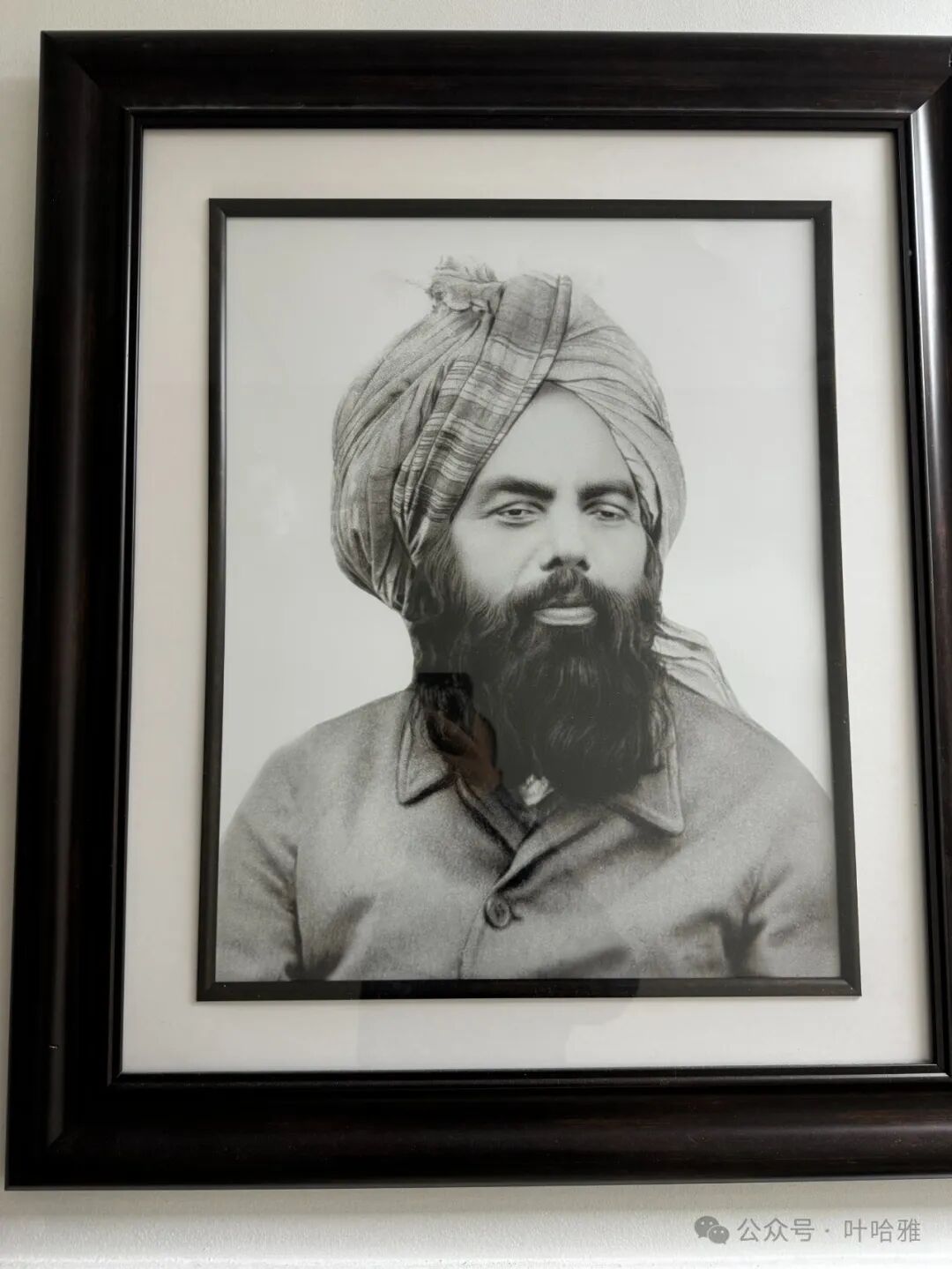
Mirza Ghulam Ahmad
Ahmad believed that after Jesus was crucified, he did not ascend to heaven. Instead, he woke up in the tomb, traveled to Roza Bal in Kashmir, India, to find the lost tribes of Israel, and lived there until he died.
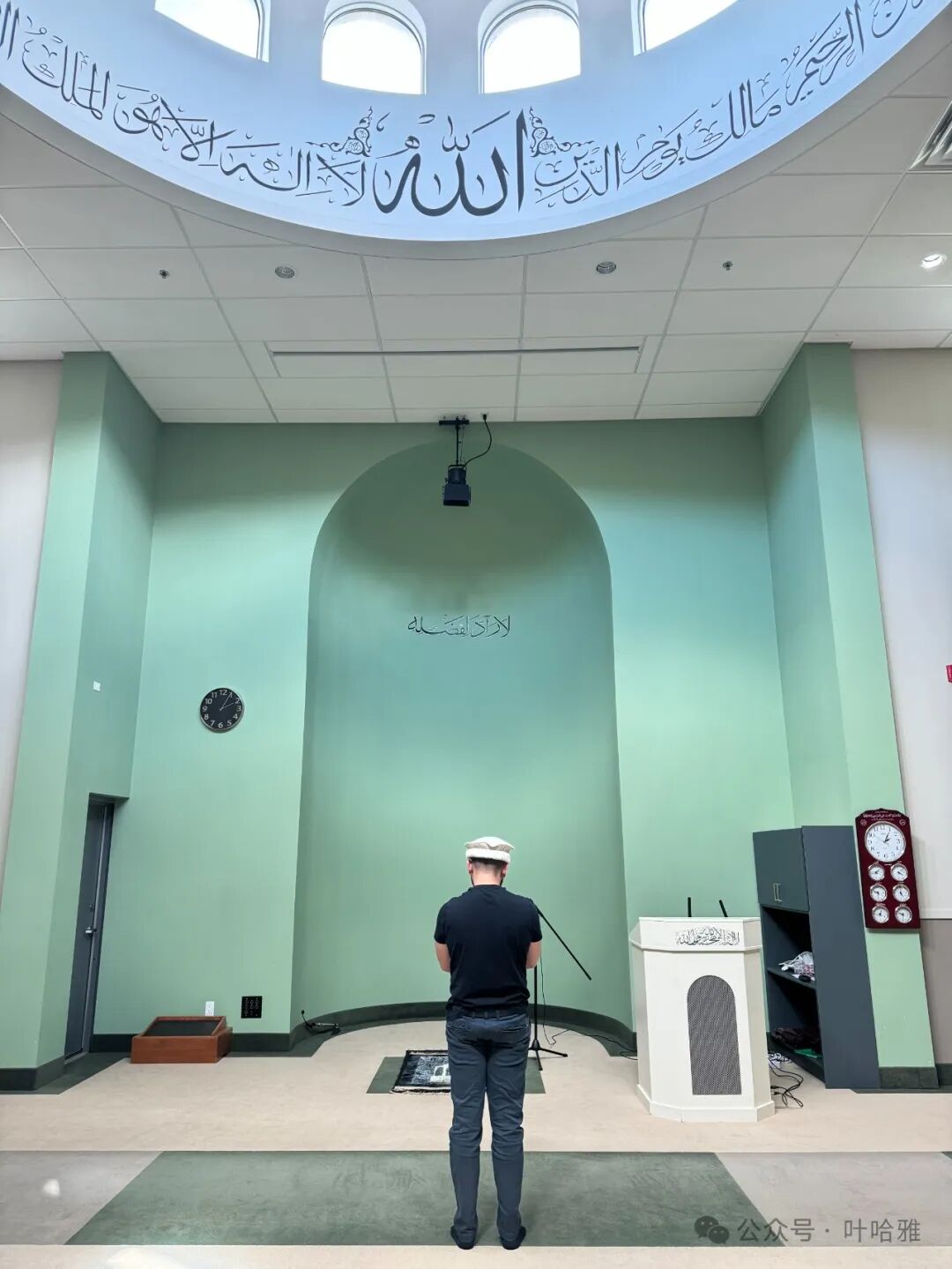
Everyone I met at this mosque that day was a Pakistani-Canadian. Their prayer rituals were no different from traditional Islam. After talking to them, I learned that their ancestors had accepted Ahmadiyya, which has a history of over a hundred years since its founding.
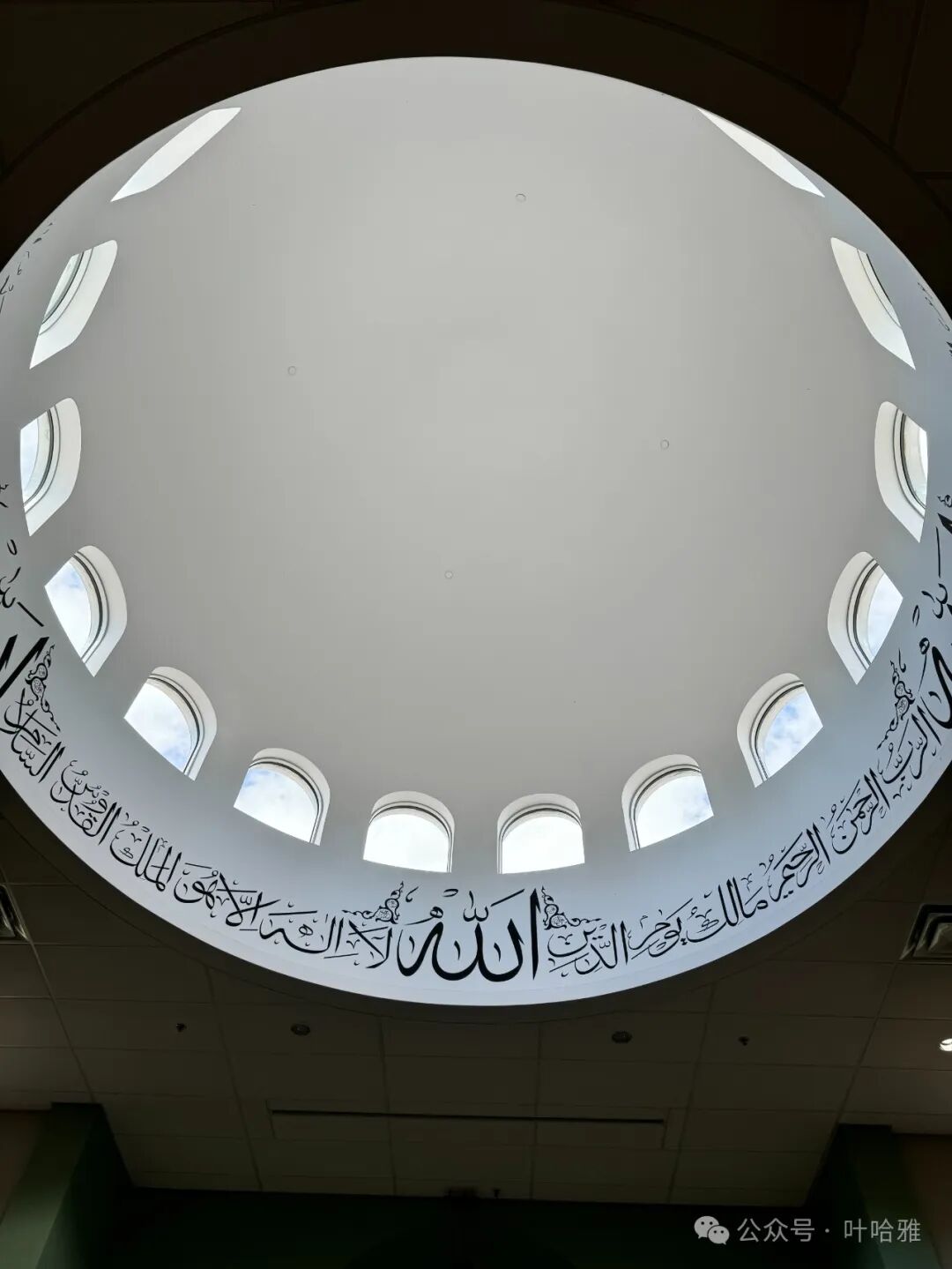
Regarding the Five Pillars, Ahmadiyya also follow the Quran and Sunnah. Ten years ago at the Beijing International Book Fair, I picked up some of their books, including a Chinese version of a Quran commentary by Zhou Zhongxi, 'Basic Questions and Answers about Islam,' and a Chinese translation of 'The Philosophy of the Teachings of Islam' by Ahmad. I have also visited their website and have some understanding of their basic claims.
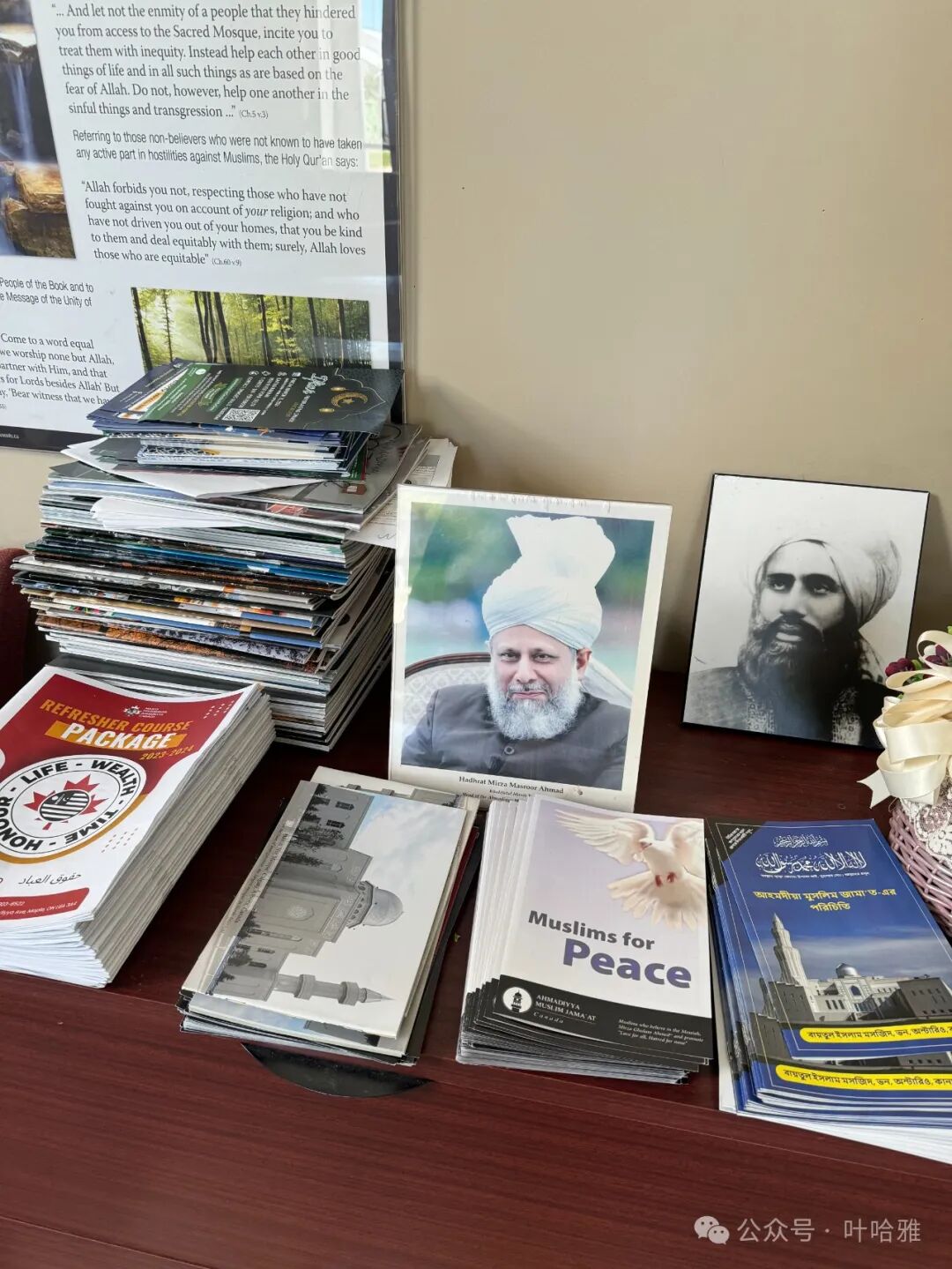
The people in the mosque were very excited. They did not expect that I, a Chinese person from Beijing, would know anything about them. I had planned to leave, but they invited me into their office, served me tea and desserts, and brought out some Chinese materials to give to me.
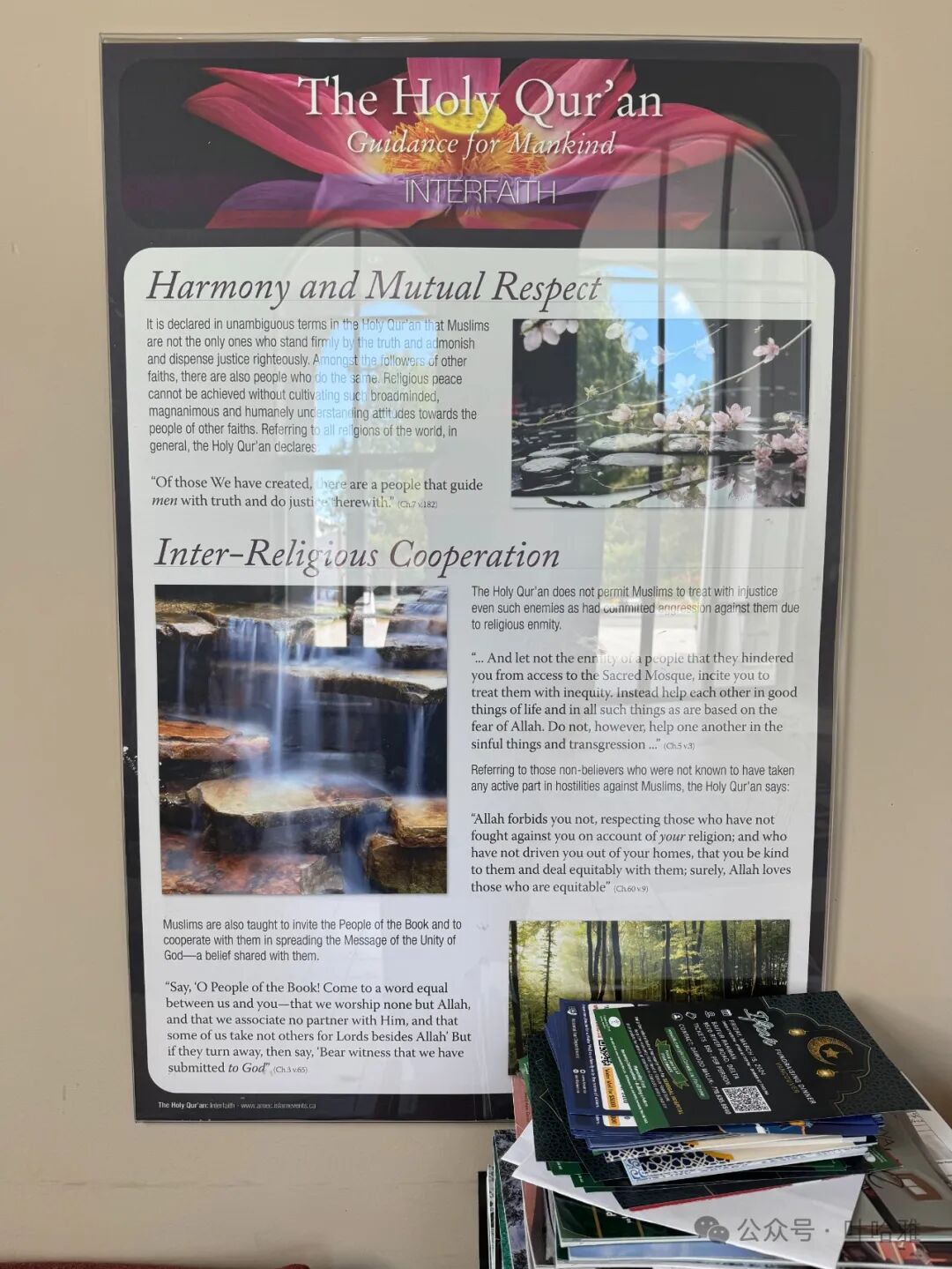
I listened to them talk about their experiences. Because they are an illegal organization in Pakistan, they faced persecution and came to Canada as refugees. They now hold Canadian passports. They are usually afraid of meeting fellow Pakistanis abroad because most Pakistanis do not recognize them. As soon as Pakistanis hear they are Ahmadiyya, they turn around and leave, unwilling to say a single word.
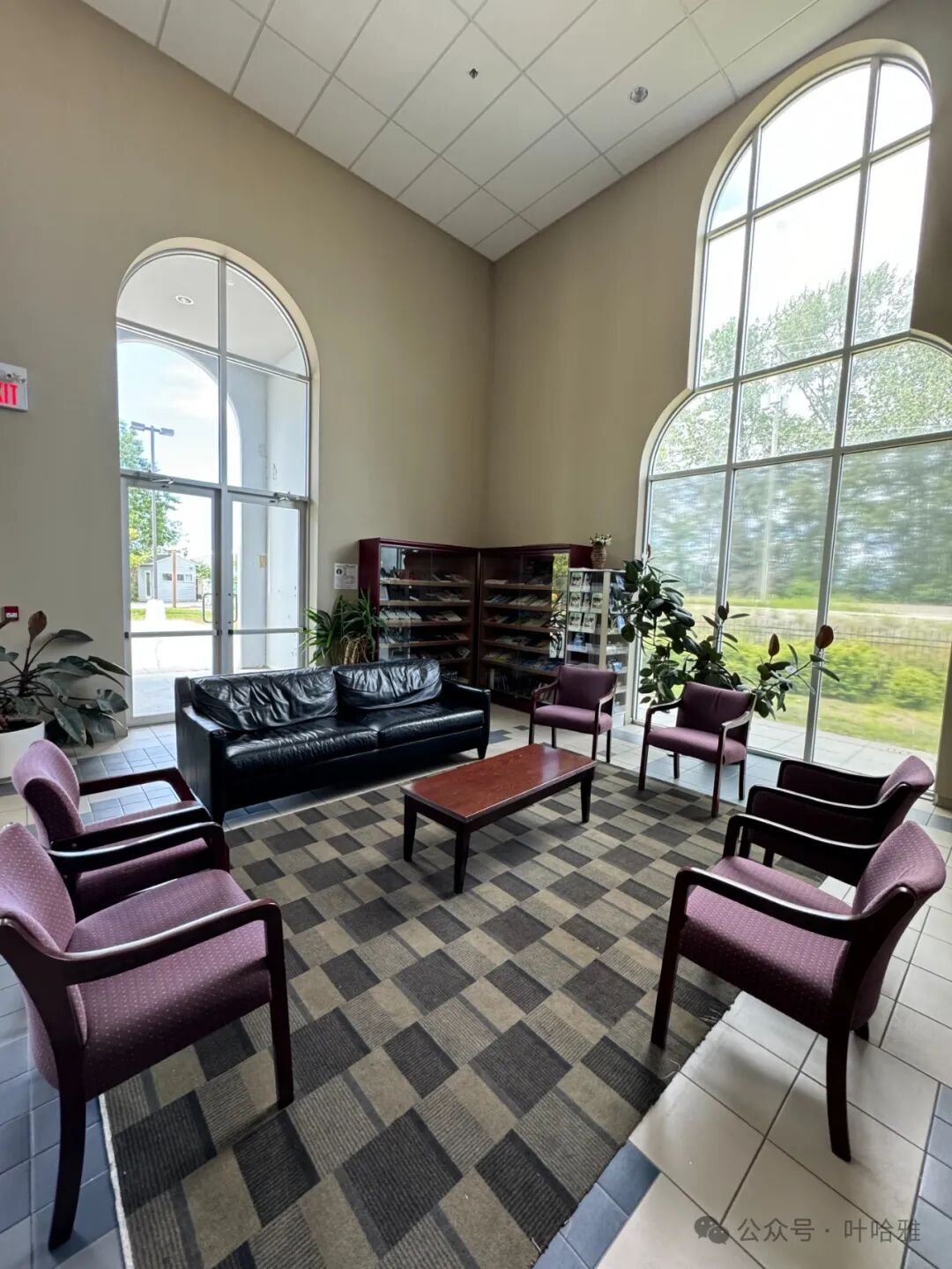
But they say Ahmadiyya is exactly the same as Islam, yet the world just does not understand. Currently, there are over 10 million Ahmadiyya followers worldwide. About 4 million are in Pakistan, and the rest are mainly distributed across Africa, Europe, America, and Southeast Asia. Most of the followers are of South Asian descent.
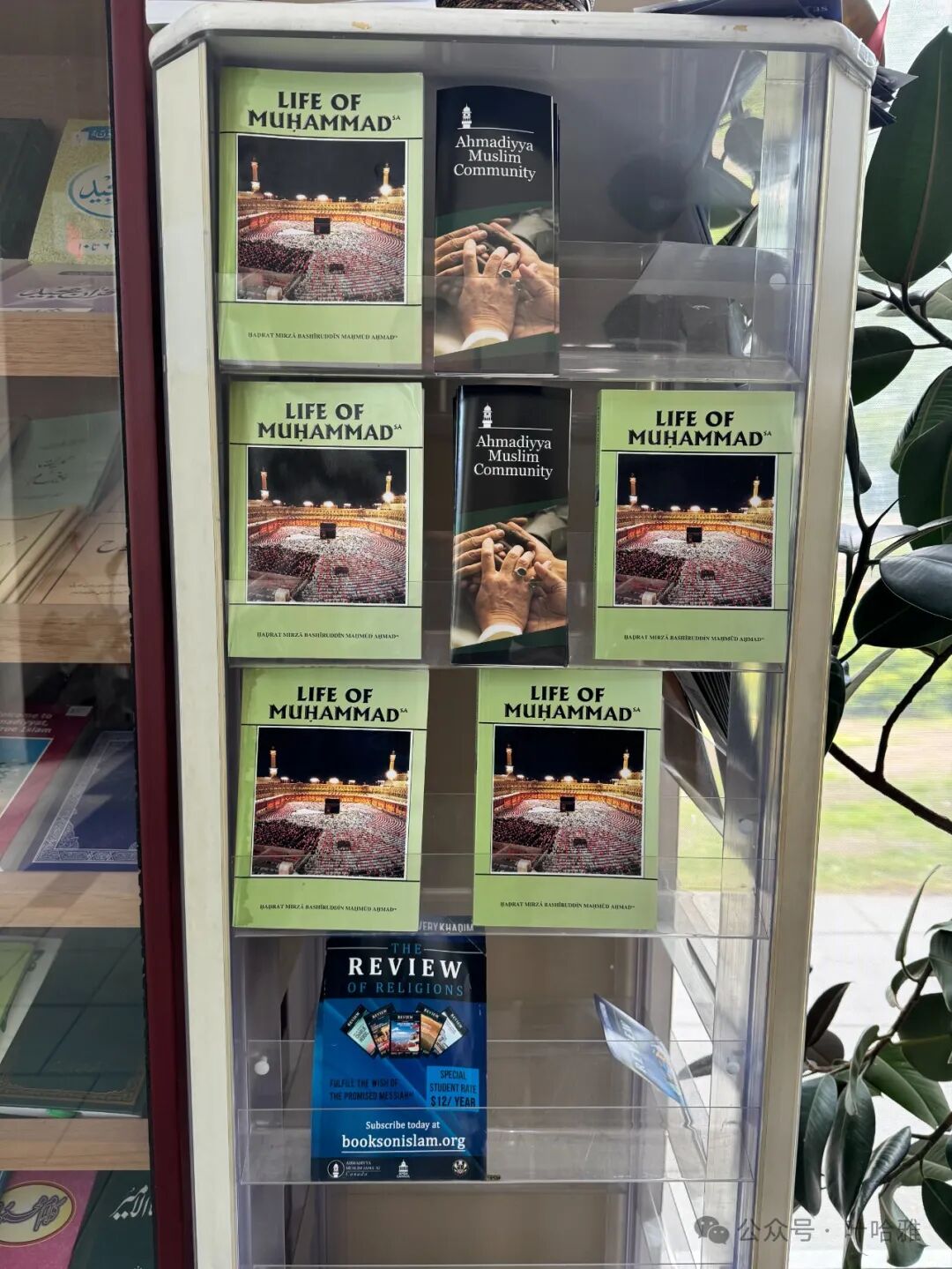
Ahmadiyya believe the Prophet Muhammad is the Seal of the Prophets, meaning he validates all previous prophets. They believe that after the Prophet Muhammad, while no new scripture would be revealed, people would still receive revelations from Allah. The Prophet Muhammad once prophesied that the Mahdi would come to lead all Muslims to unity and victory. They believe this person has already arrived, has the character of Jesus, and is the Indian man, Ahmad.
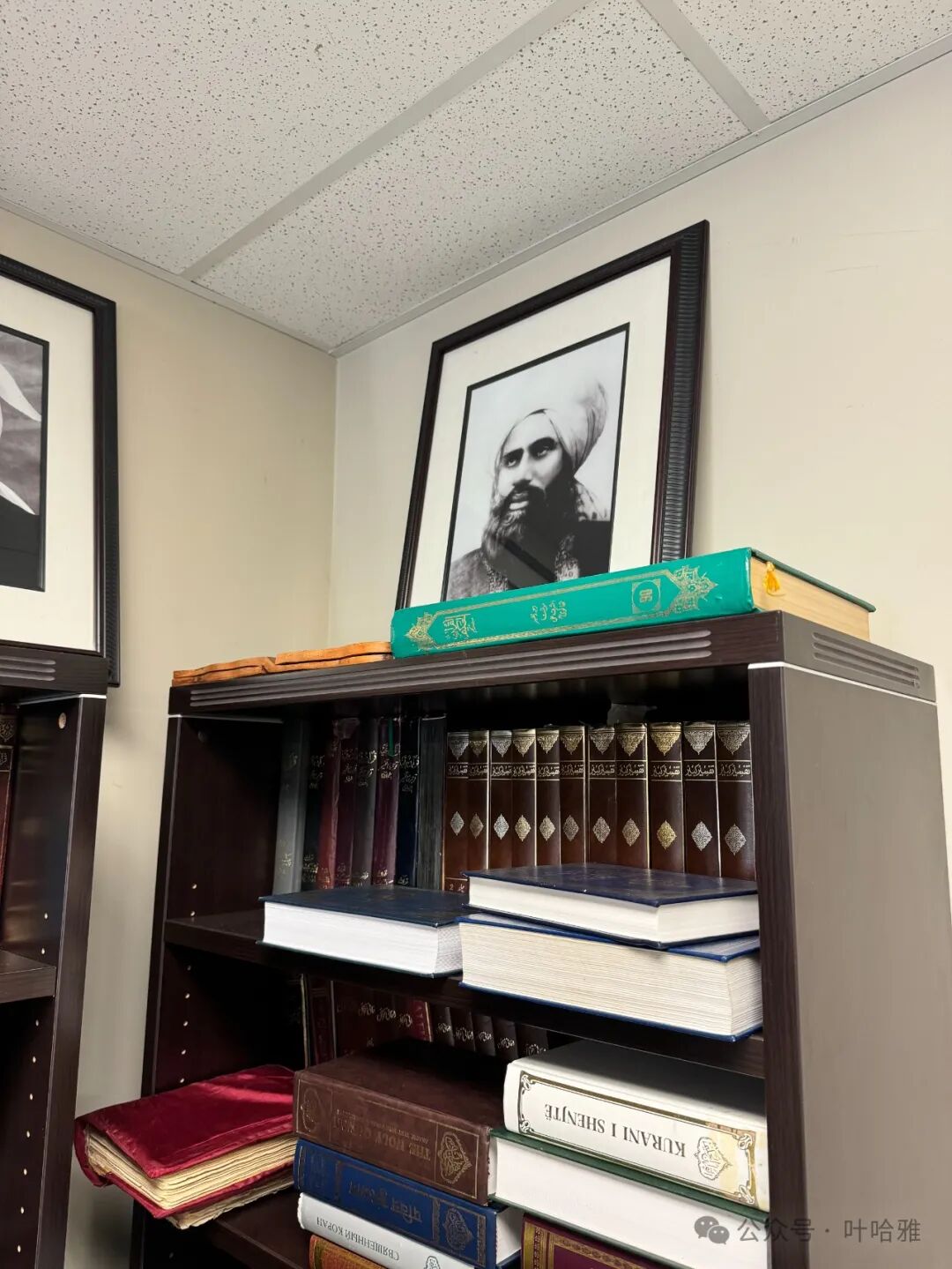
Hakeem Noor-ud-Din (1834-1914), the first successor of Ahmadiyya
The first caliph oversaw the translation of the Quran into English. During his lifetime, many famous people studied under him, including the Egyptian leader Muhammad Ali. This English translation later reached China, where people who did not know the full story used it as a reference for writing Quranic commentaries.
To be honest, after reading their work, I am impressed by their academic skills. These Ahmadiyya followers are not ignorant people. On the contrary, they are well-read in scriptures, good at citing sources, quick-thinking, and very persuasive.
I understand their way of thinking, but I cannot accept their claims. I also know that faith is not always rational. You cannot always use logic to explain right and wrong between religions. Whether you believe or not often comes down to a single thought.
If I have to give a reason for not believing, the main point is that over more than a hundred years of missionary work and five generations of caliphs, the Ahmadiyya movement has had very little influence on the world, almost to the point of being negligible. Even though they claim to have millions of followers in over two hundred countries, they have not influenced our politics or daily lives. They are not even as well-known as political leaders like the American Founding Fathers or Marx. How can a savior have less influence on the world than some thinkers and political leaders?
As for the minor details this group argues about, I do not think they are worth debating. You cannot even change the ideas of one Sufi order (menhuan) to another through debate. Every sect has descriptions of its own spiritual masters that outsiders cannot understand. If you understand how various Sufi groups developed, you will not be surprised by the rise of the Ahmadiyya.
The rise of the Ahmadiyya has a historical context. In 19th-century India, it was a time of political turmoil, followed by the partition of India and Pakistan. People were suffering and felt the end of the world was coming. It was just like when the Mongol army marched west in earlier times; people then also thought the end had arrived. In such a social environment, many were unhappy with the world and hoped for a savior to appear.
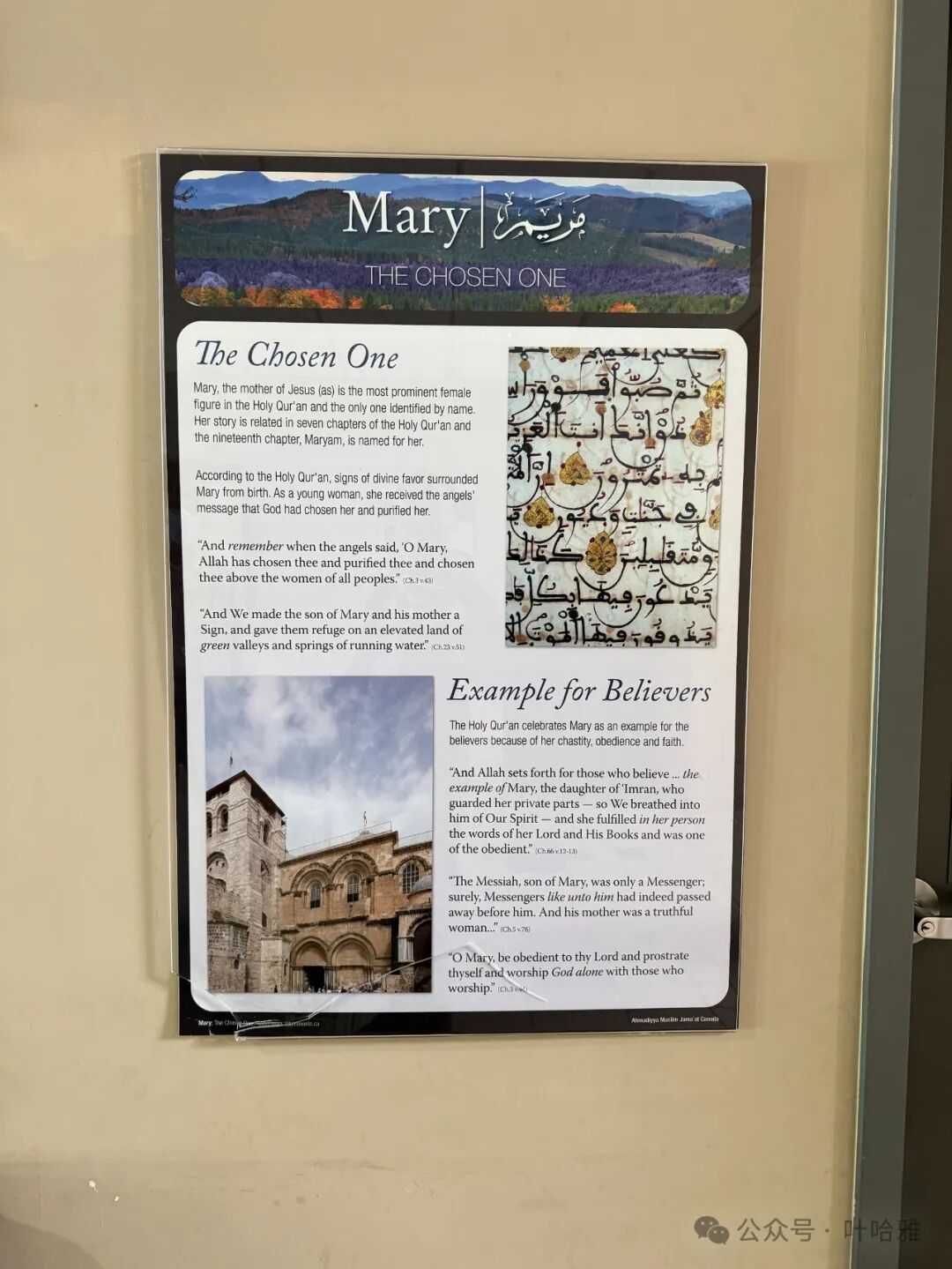
At the same time, someone in Africa also claimed to be the Mahdi, but he was wiped out shortly after. Do not simply think of these people as scammers. Some self-proclaimed religious leaders truly believe they are special and do not think they are lying. If a person lives in isolation for a long time and is malnourished, they might have hallucinations. They might believe they really heard revelations from Allah. Then, through rumors spread by people who do not know the truth, it eventually ferments into a new religious group.
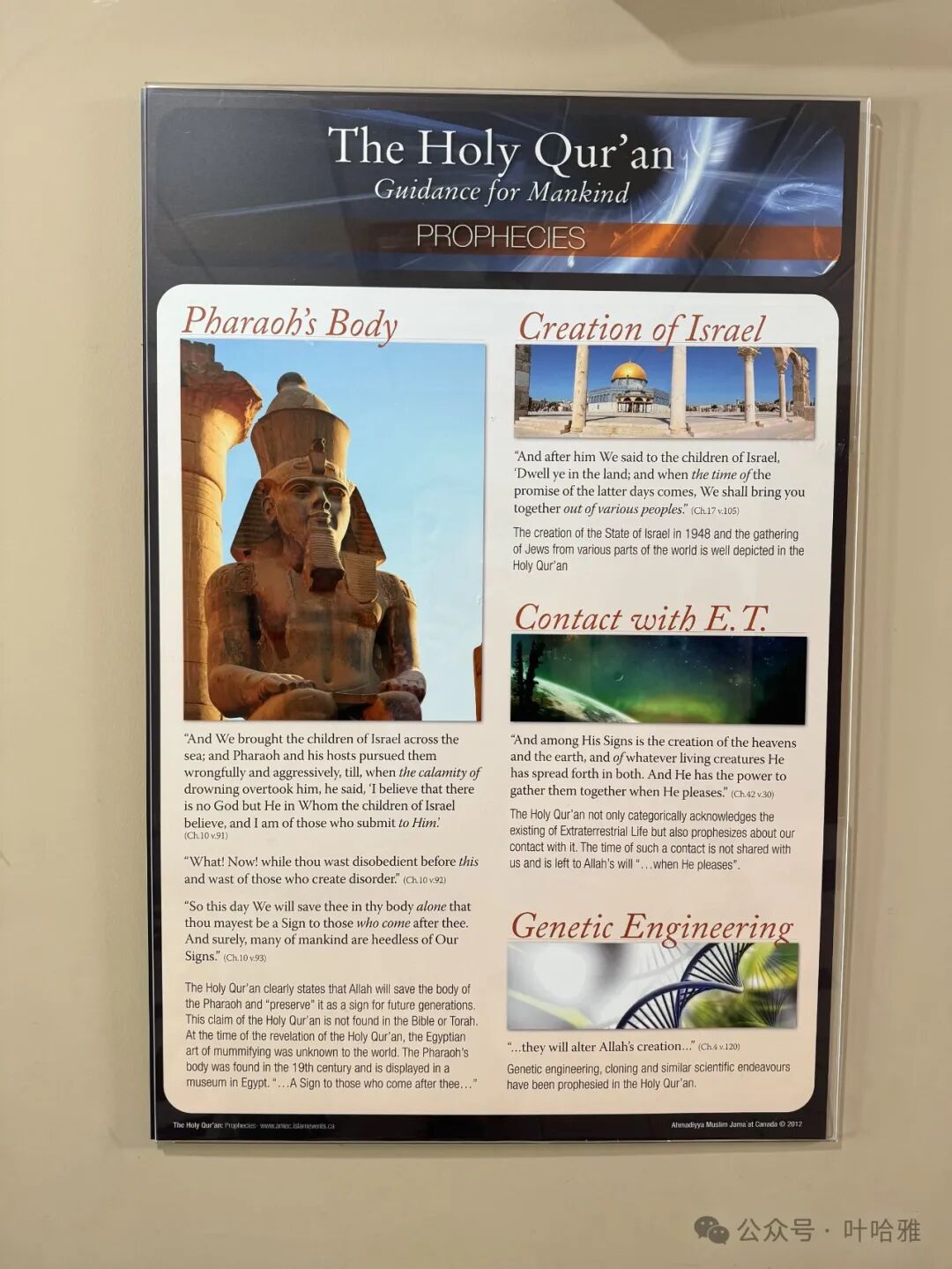
So the problem is not what they said or did, but what their appearance brought to this world. At least for now, most Chinese Muslims have never heard of this Mahdi. He has had no influence on our lives. He has been gone for over a hundred years, and our world has not become a better place because of the arrival of a savior.
In fact, since the Prophet Muhammad, no new religious group has reached world-class influence. Most only spread within specific regions or groups. The world does not run or develop under the leadership of a new religious leader. If their god only intended to save that small group of people who think they have the truth, that would be too narrow-minded.
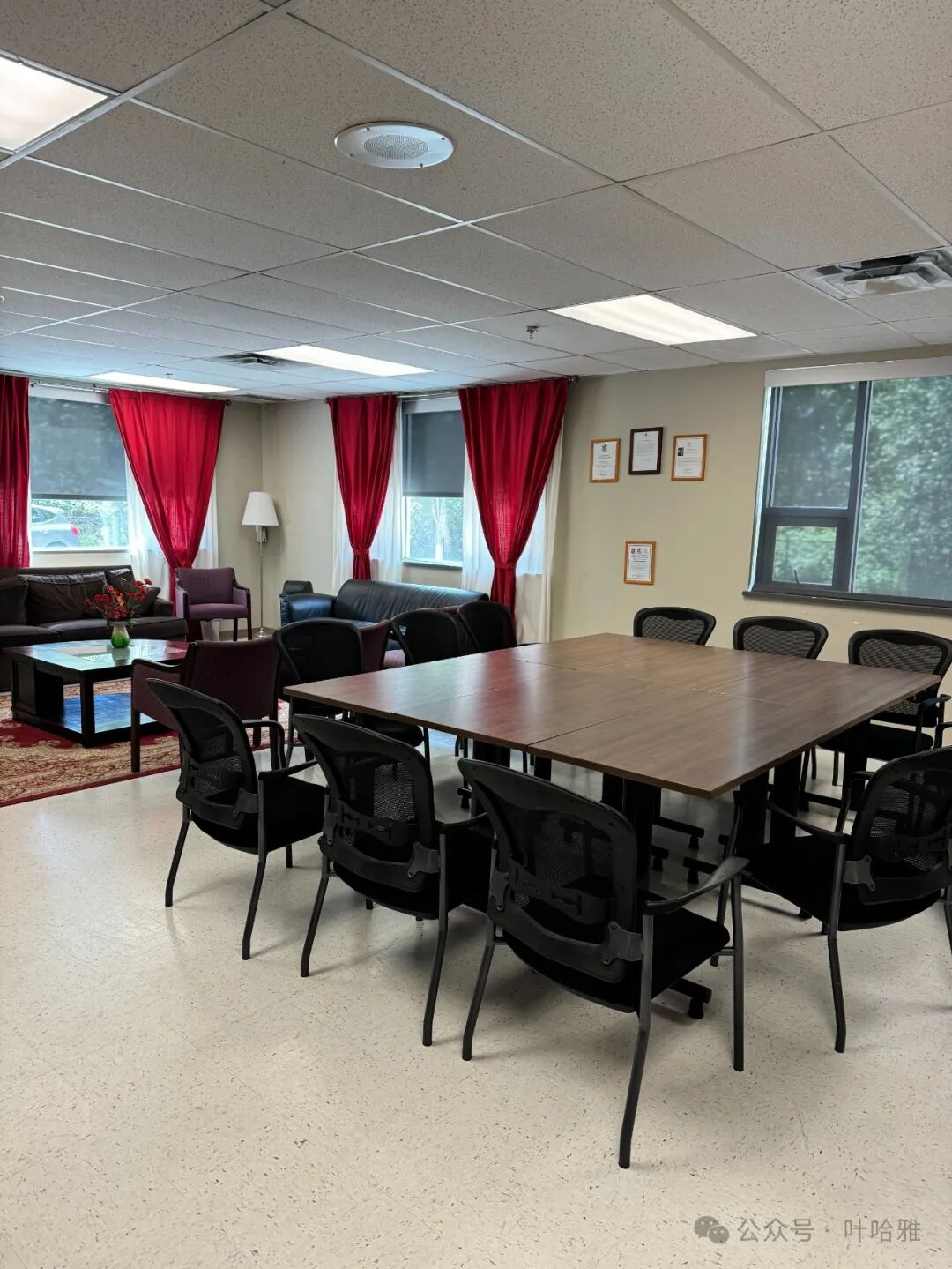
Even in India and Pakistan, where the Ahmadiyya began, the region did not become more prosperous or united because of the savior's arrival. Instead, his arrival led to even more conflict.
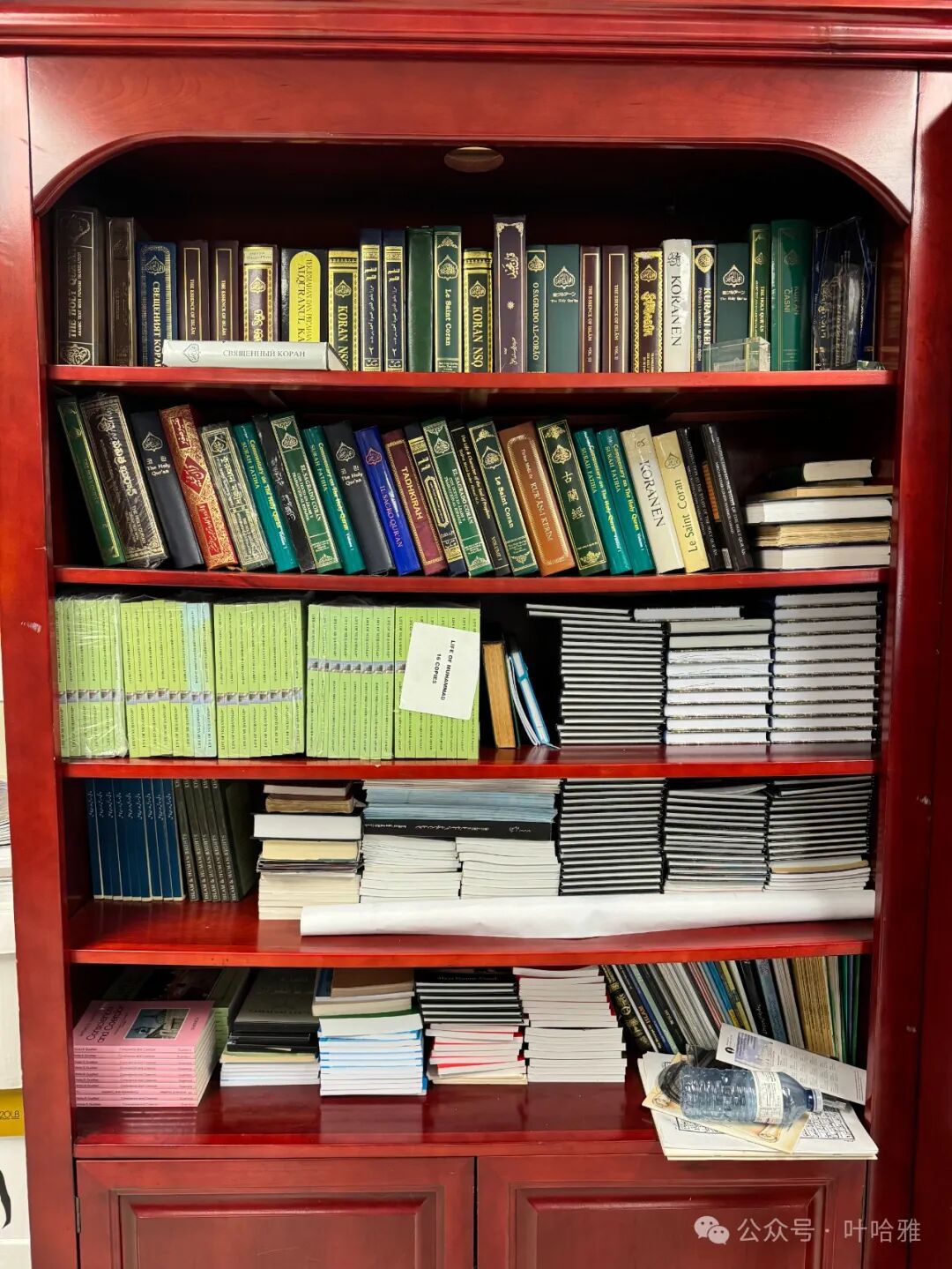
Ahmadiyya Quran translations in various languages, including the Chinese version.
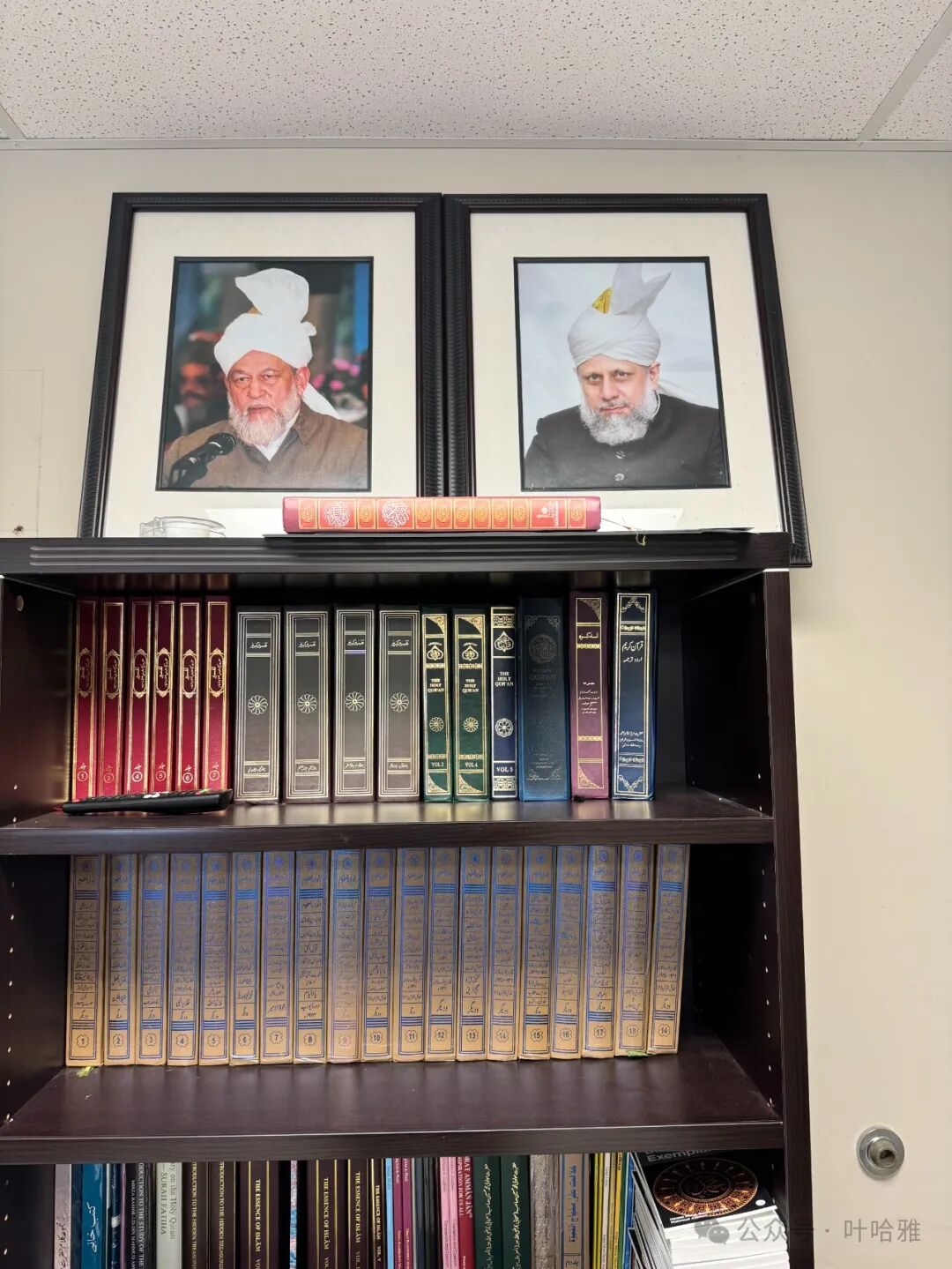
The person on the right in the photo above is the fifth and current Caliph, Mirza Masroor Ahmad (1950-). Born in Pakistan, he is the nephew of the fourth Caliph (left), Mirza Tahir Ahmad, as his mother was the fourth Caliph's sister. He now lives in the UK and has visited Vancouver many times, where members of the mosque have met him often.
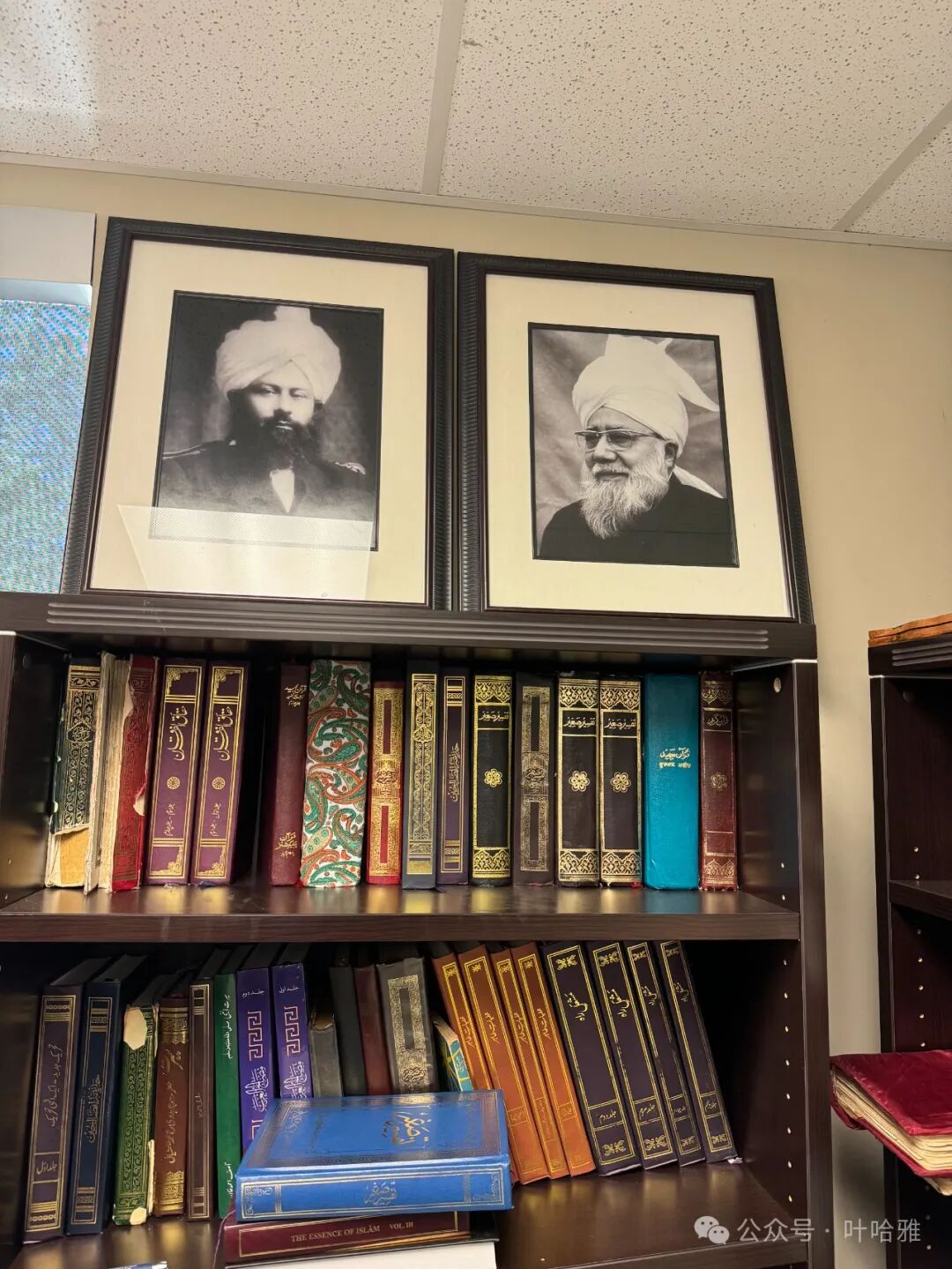
The second and third Caliphs.
The Ahmadiyya community restored the Caliphate system. They choose successors through internal nomination rather than hereditary succession or public election, and there is no requirement for the Caliph to be from the Hashim family.
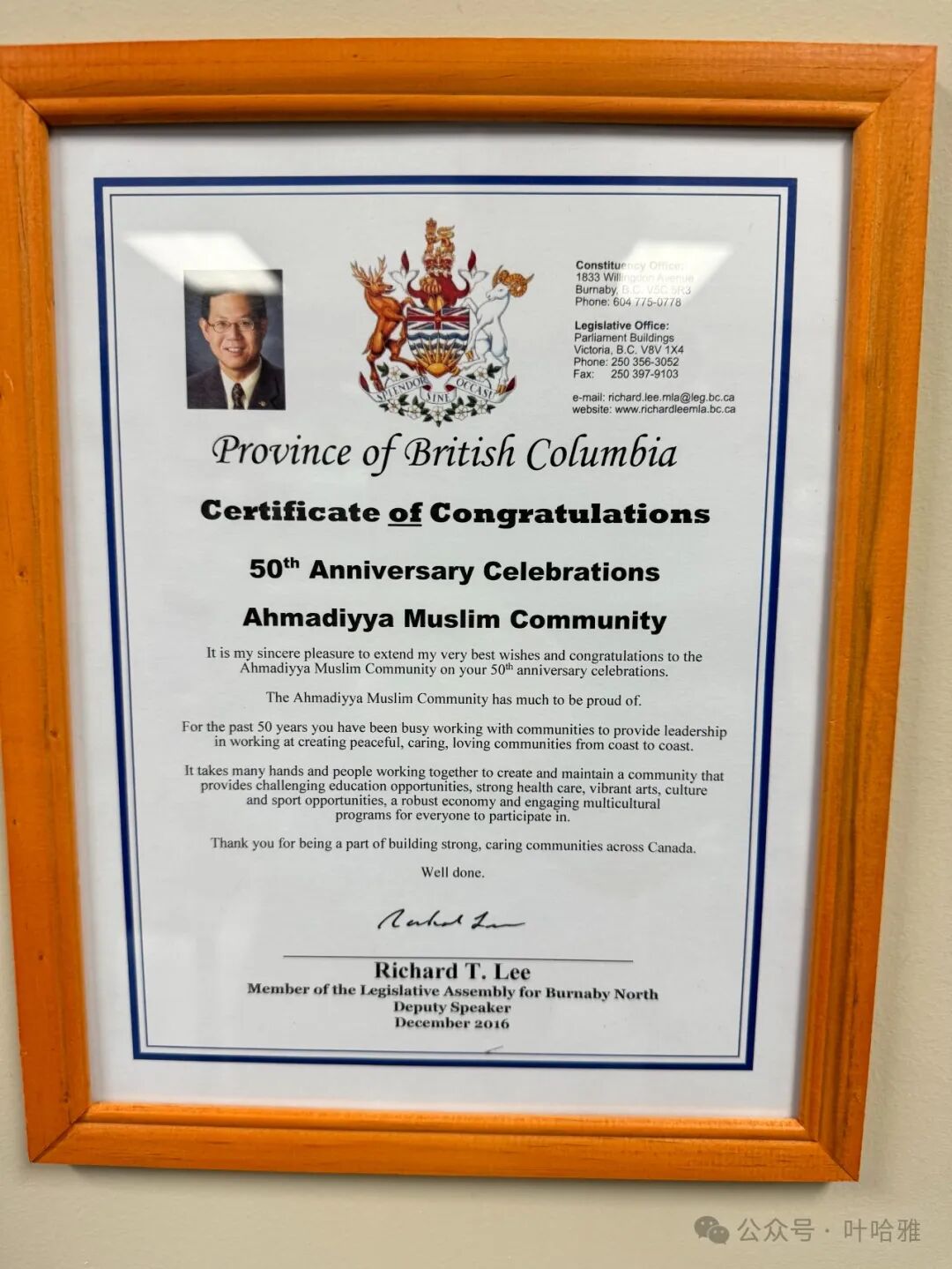
Congratulatory messages sent by various Canadian government officials for the 50th anniversary of the Ahmadiyya community.
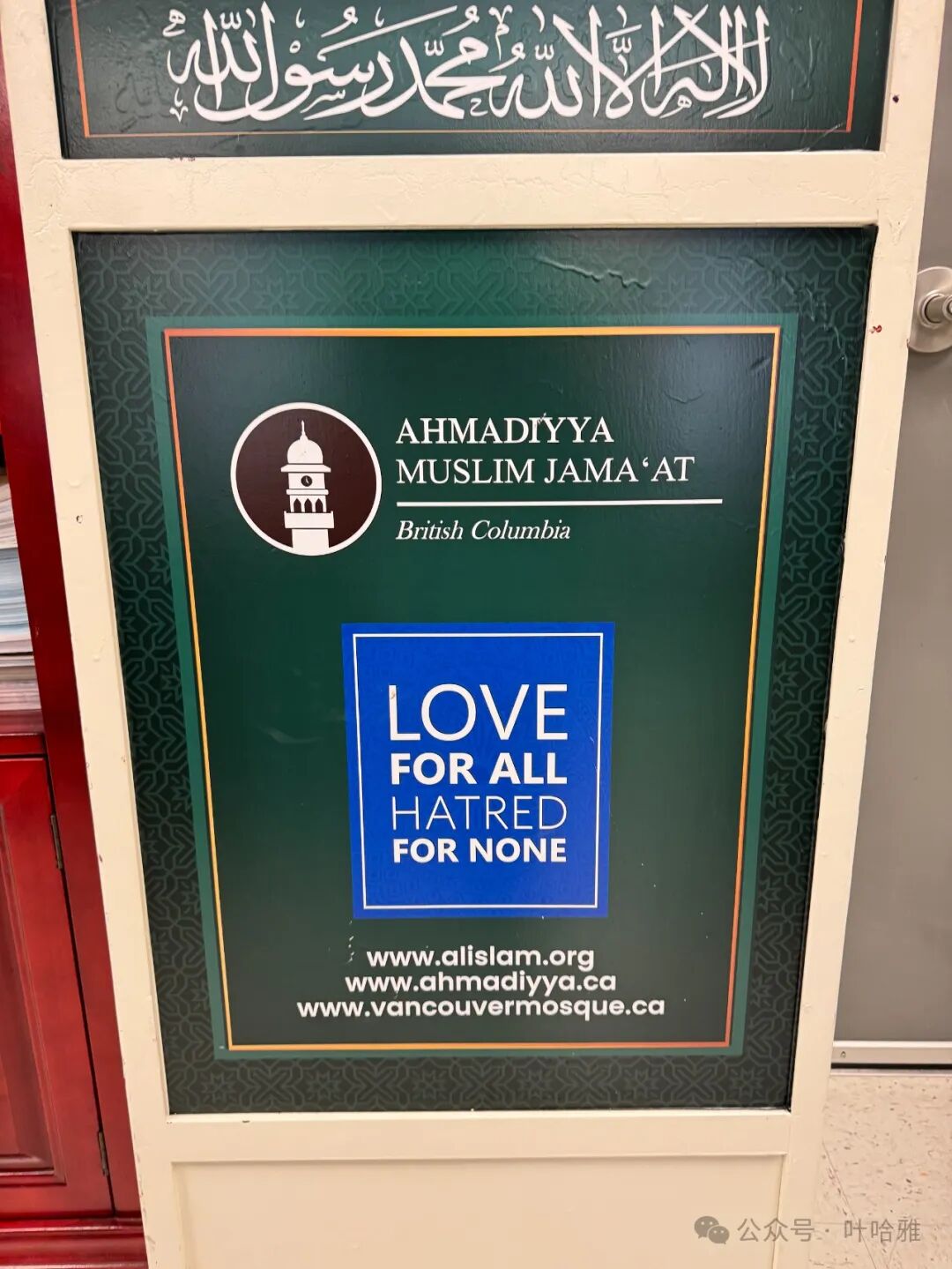
The Ahmadiyya motto: Love for all, hatred for none.
Kitchen.
I asked them about their dietary rules, which are the same as ours, so they do not eat just anything. They also introduced me to some reliable halal chain restaurants in Canada.
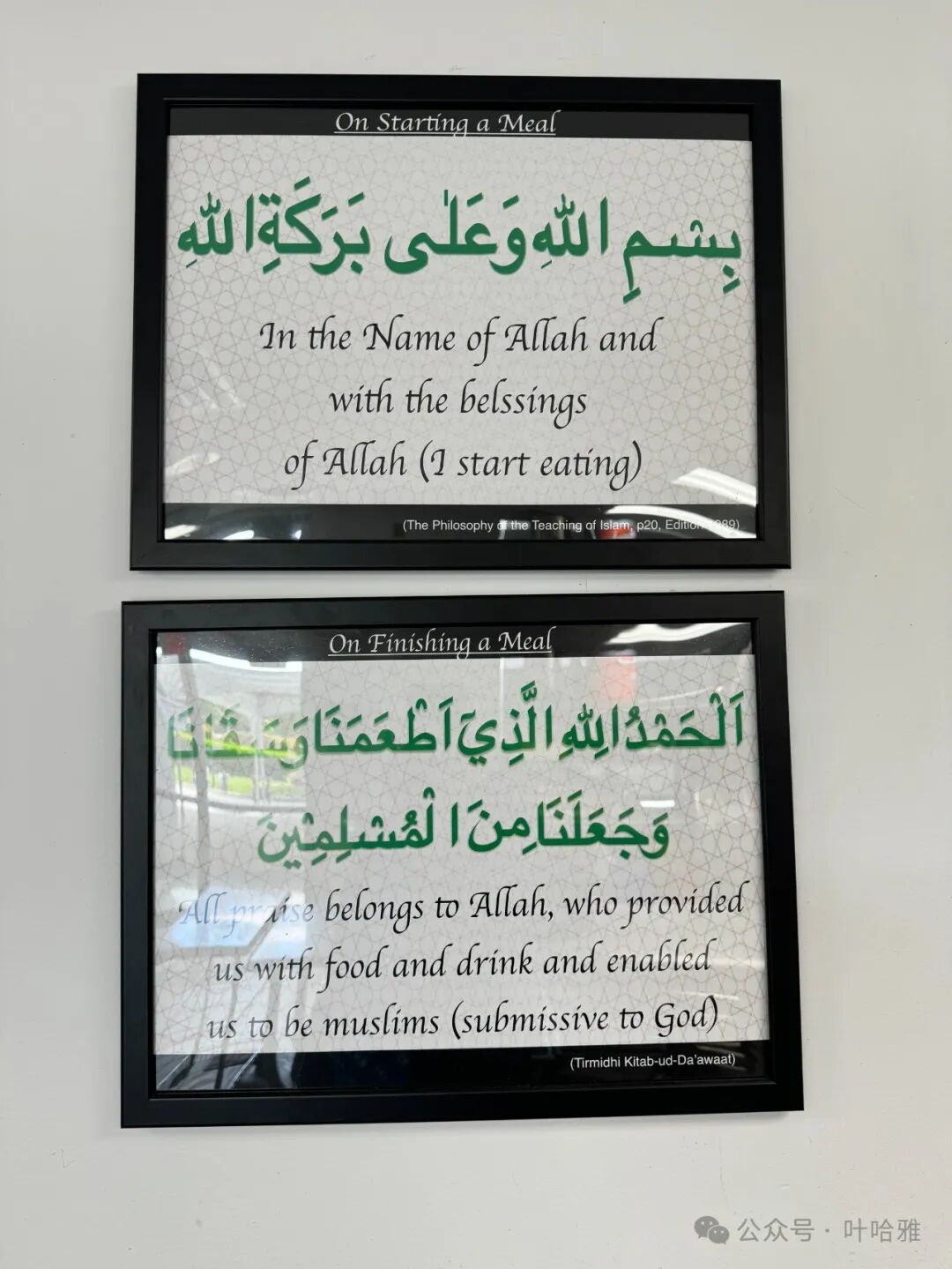
Saying dua before and after meals.
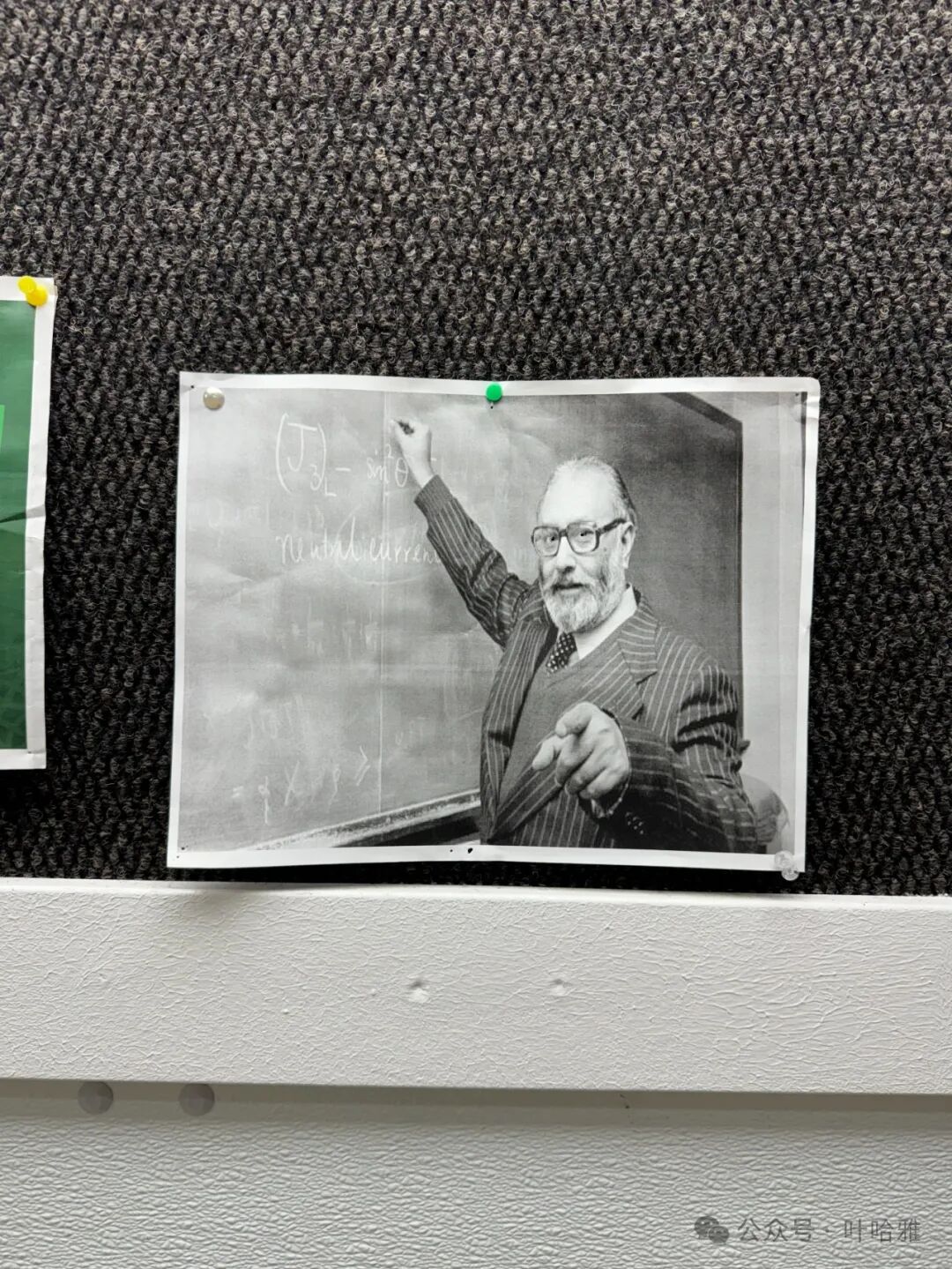
Abdus Salam.
He is likely the most famous Ahmadiyya follower. Abdus Salam was Pakistani and won the Nobel Prize in Physics in 1979. He was the first Pakistani Nobel laureate and served as the head of the Pakistani delegation to the International Atomic Energy Agency. Because his faith was not officially recognized, he later chose to leave Pakistan. He passed away in Oxford in 1996, and his body was returned to Pakistan. His grave is in Rabwah, Pakistan. The tombstone originally stated he was the first Muslim to win a Nobel Prize, but the word Muslim was later covered up.
However, as far as I know, Egyptian President Sadat won the Nobel Peace Prize in 1978, a year before Salam. Does that mean the Peace Prize does not count as a Nobel Prize? Or does Sadat not count as a Muslim?
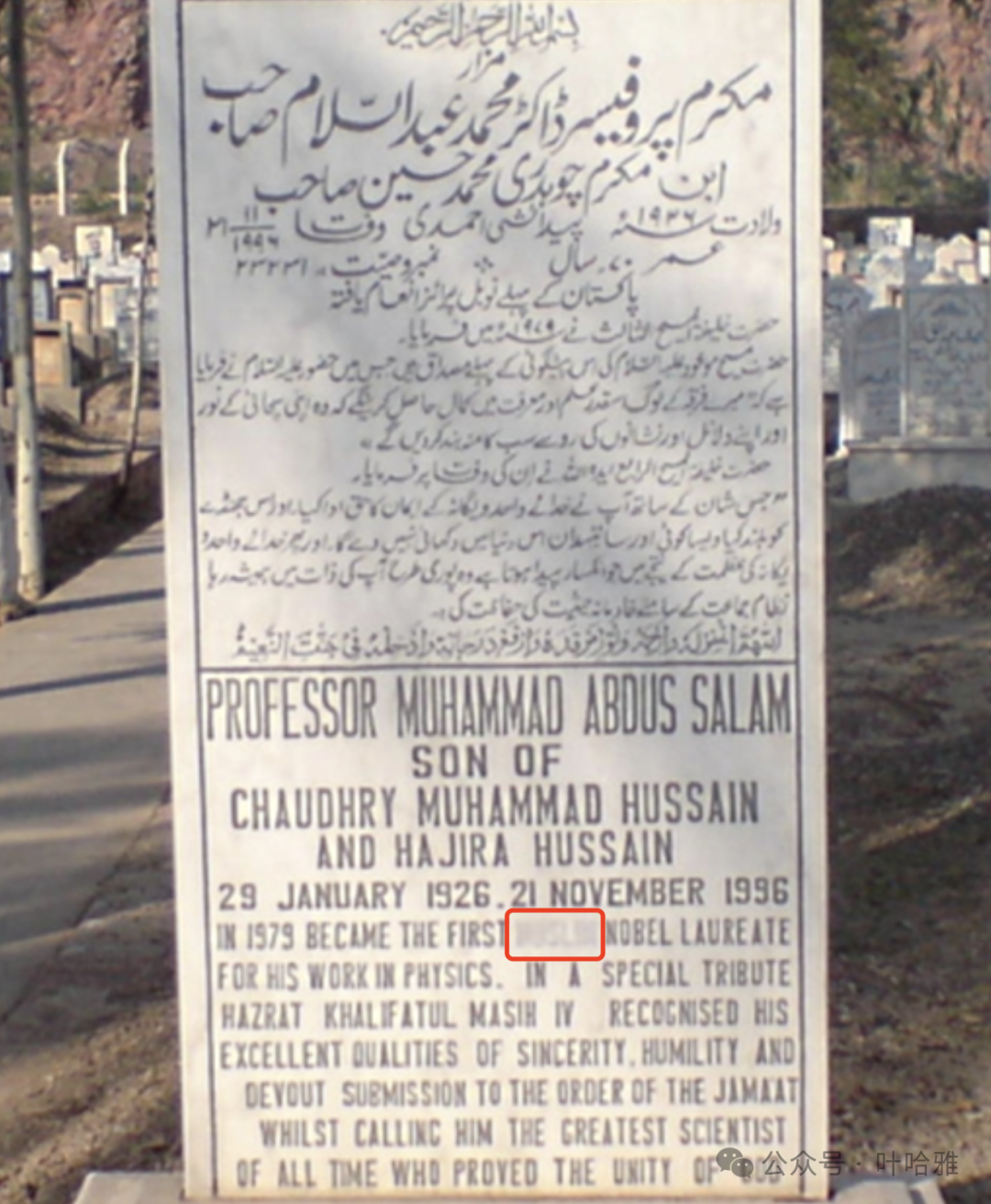
The tombstone of Abdus Salam.
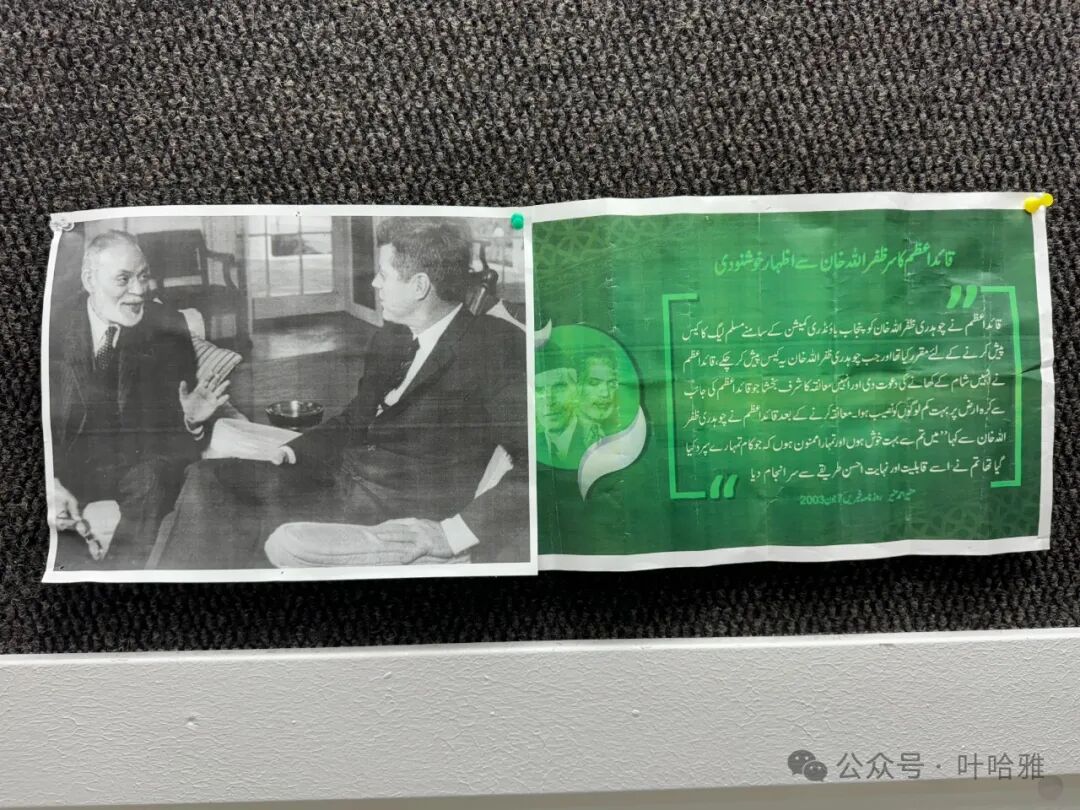
Salam meeting with Kennedy.
Salam said: The Quran tells us to reflect on the laws of nature created by Allah. Our generation is lucky to have caught a glimpse of a part of Allah's design. This is a blessing, and I express my gratitude with a humble heart.
When reading his Nobel Prize in Physics acceptance speech, he quoted the Quran: He created seven heavens in layers. You cannot see any flaw in the creation of the Most Merciful. Look again! What kind of flaws can you actually see? Then look twice more, and your eyes will return to you, dazzled and weary! (67:3-4) In fact, this is the belief of all physicists. The deeper we explore, the more we are amazed, and the more dazzled we become.
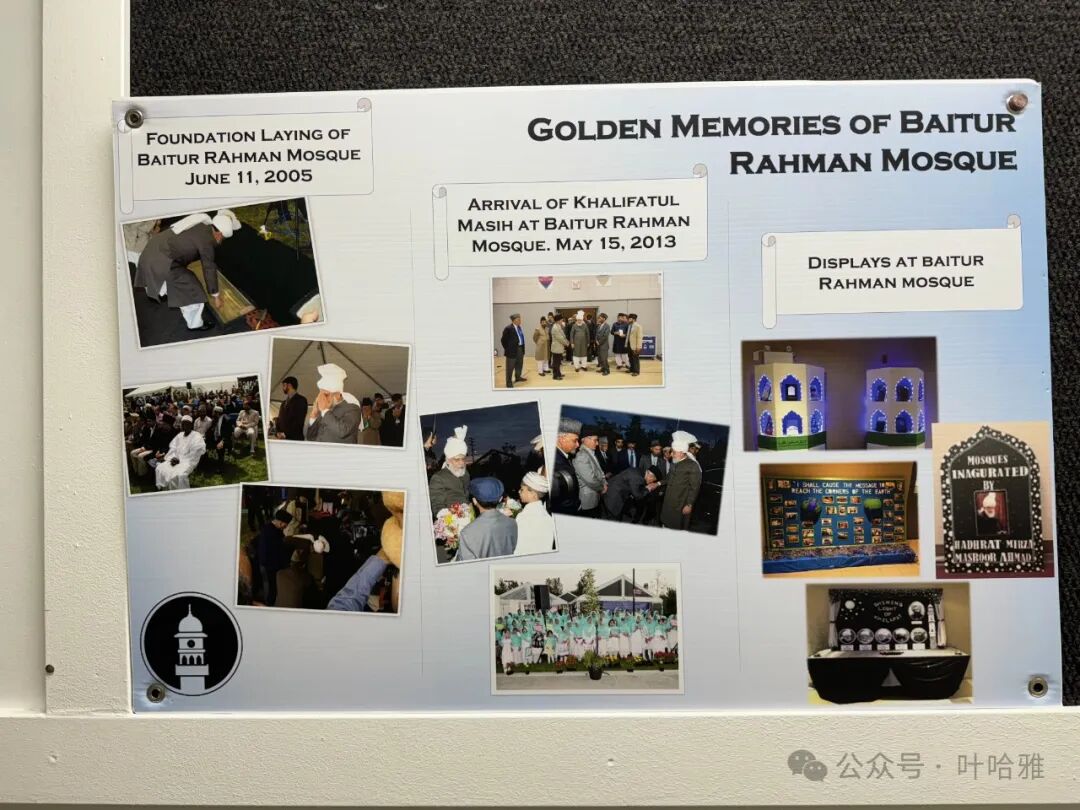
The current Caliph once attended the groundbreaking ceremony for this mosque.
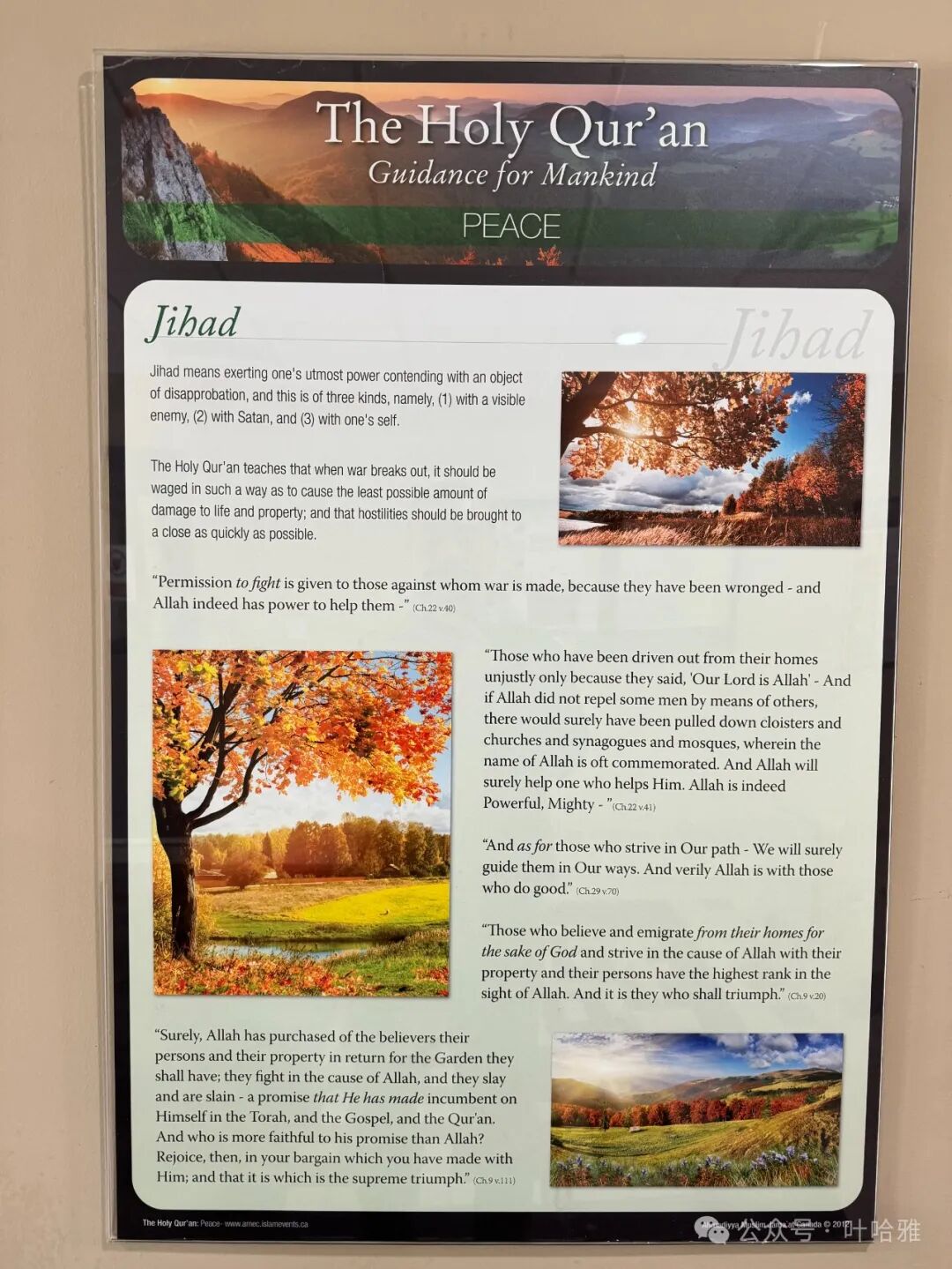
The Ahmadiyya movement repeatedly emphasizes that the meaning of jihad is not aggression or starting a war, but rather inner spiritual practice. Force may not be used unless it is to resist oppression.
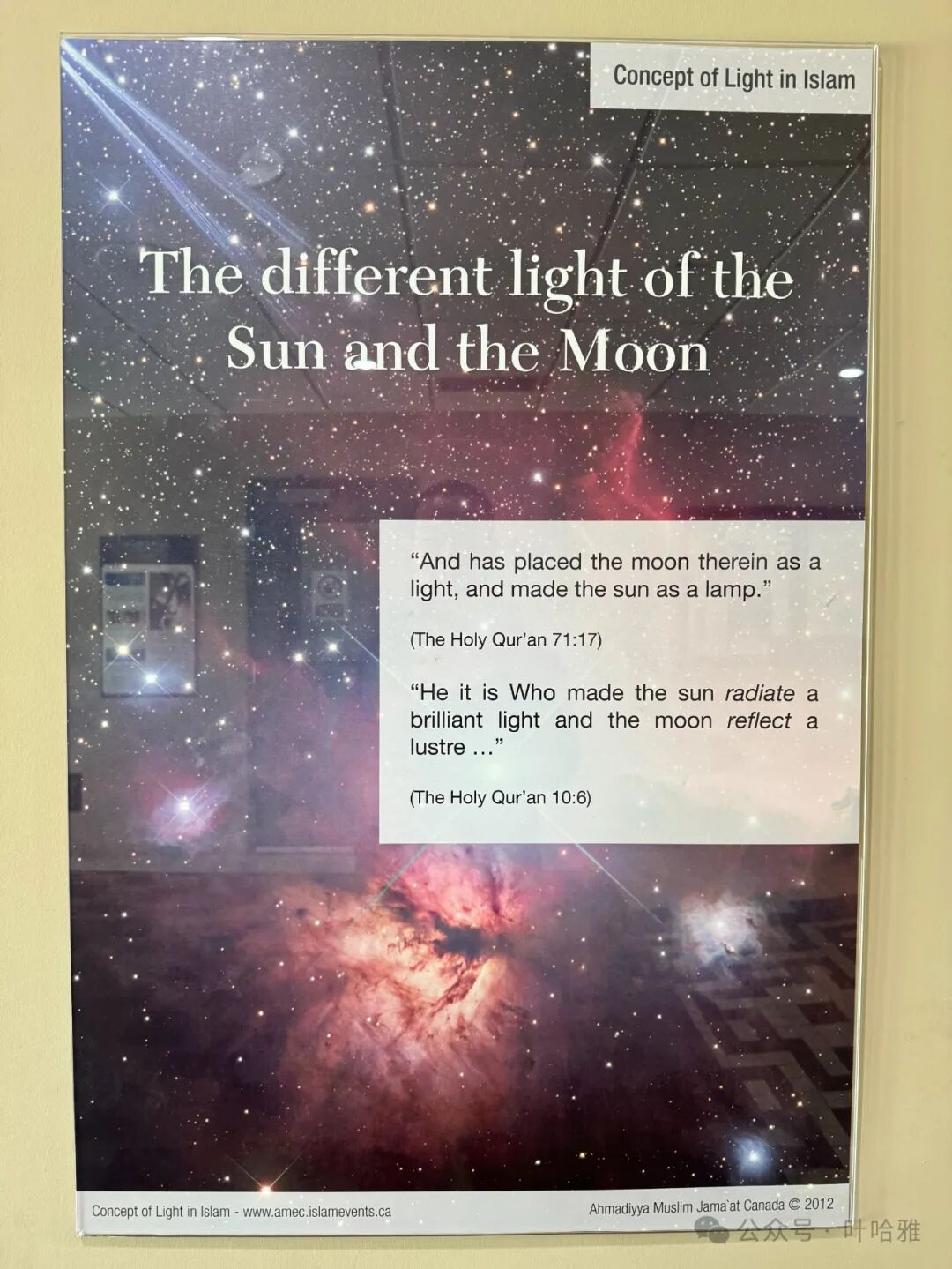
A small incident happened when I left Vancouver to head to my next stop, Calgary. People at the Ahmadiyya mosque learned I was going to the airport and immediately offered to drive me. They told me not to rush and that we could chat a bit more. Later, an uncle drove me. I reminded him several times on the road that the airport I was going to was not Vancouver Airport, but another one. He said he understood, but he still took me to the wrong place. He then called another person from the mosque and asked him to wait for us there. This person was a taxi driver. We returned and switched to his car so he could take me to the airport, which was faster. I switched to the taxi to continue to the new airport. On the way, the driver said I needed to pay. I said no problem. For the 50-kilometer trip, the meter showed over 120 dollars. I asked him for a discount, and he finally charged me 100 dollars and did not ask for a tip.
Luckily, my flight was delayed by another hour, so I didn't miss it. If I had taken the bus to the airport myself, I wouldn't have spent 100 dollars. I wanted to save some money, but ended up losing a lot instead. I believe the man didn't mean to lead me the wrong way, but maybe this experience was a little warning for me?
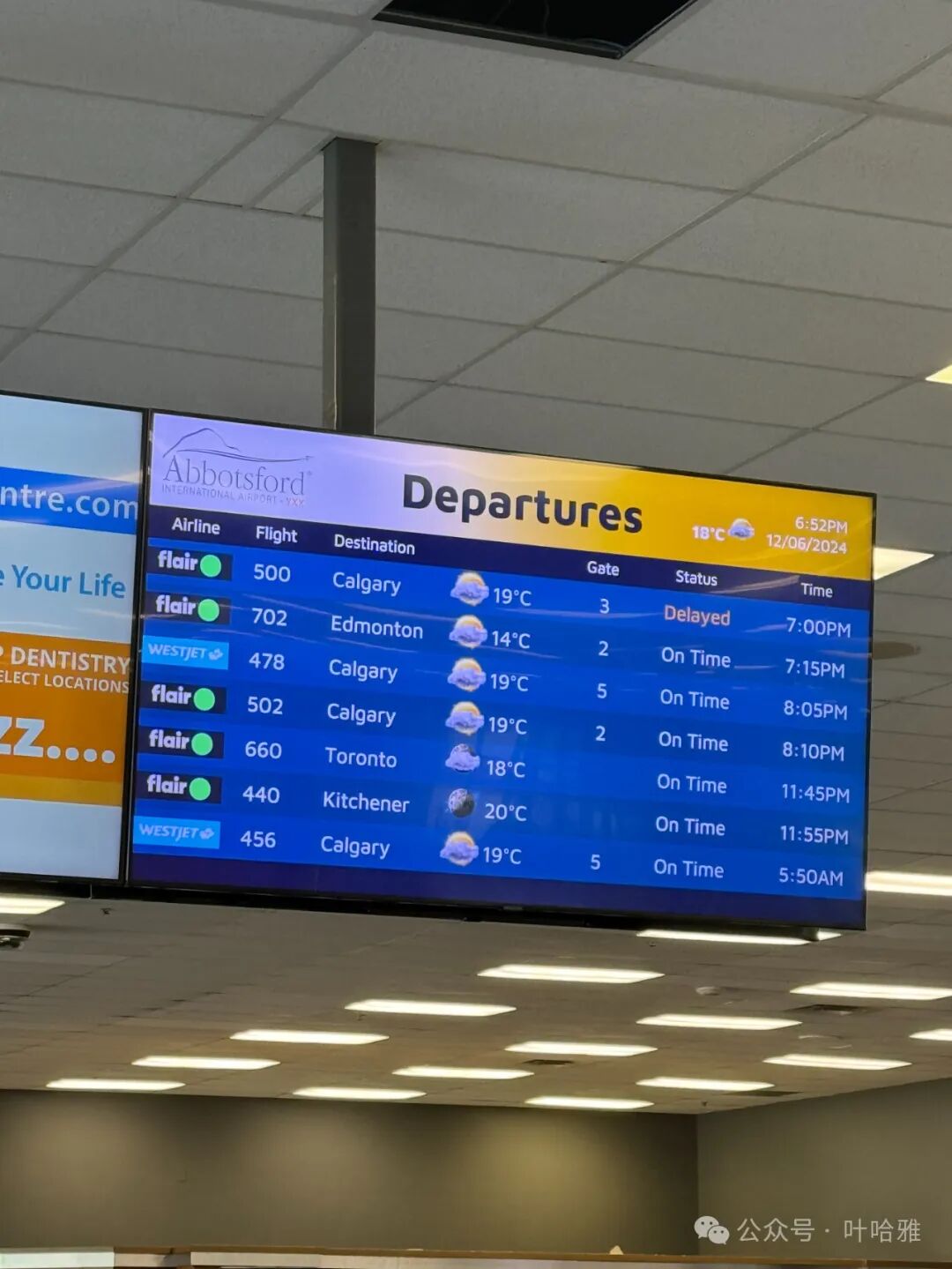
My next stop is Calgary, the most affordable city in Canada. I am going to see Banff National Park, which is just like a copy of northern Xinjiang.
Summary: This Vancouver Muslim travel guide continues the journey with an Ahmadiyya mosque visit, conversations with Pakistani-Canadian worshippers, Quran reflections, local hospitality, airport trouble, and the author's final move toward Calgary after a colorful Canada trip.
The Ahmadiyya movement started in the Punjab region of India in the 19th century. Its founder, Mirza Ghulam Ahmad (1835-1908), claimed to be the savior Mahdi. Although this group claims to follow all the scriptures and laws brought by the Prophet Muhammad, mainstream Islam today still considers them heretical. The Al-Azhar Fatwa Committee spent over a year studying them and concluded that Ahmadiyya are not Muslims, mainly because they believe there are prophets after the Prophet Muhammad.
Mirza Ghulam Ahmad
Ahmad believed that after Jesus was crucified, he did not ascend to heaven. Instead, he woke up in the tomb, traveled to Roza Bal in Kashmir, India, to find the lost tribes of Israel, and lived there until he died.
Everyone I met at this mosque that day was a Pakistani-Canadian. Their prayer rituals were no different from traditional Islam. After talking to them, I learned that their ancestors had accepted Ahmadiyya, which has a history of over a hundred years since its founding.
Regarding the Five Pillars, Ahmadiyya also follow the Quran and Sunnah. Ten years ago at the Beijing International Book Fair, I picked up some of their books, including a Chinese version of a Quran commentary by Zhou Zhongxi, 'Basic Questions and Answers about Islam,' and a Chinese translation of 'The Philosophy of the Teachings of Islam' by Ahmad. I have also visited their website and have some understanding of their basic claims.
The people in the mosque were very excited. They did not expect that I, a Chinese person from Beijing, would know anything about them. I had planned to leave, but they invited me into their office, served me tea and desserts, and brought out some Chinese materials to give to me.
I listened to them talk about their experiences. Because they are an illegal organization in Pakistan, they faced persecution and came to Canada as refugees. They now hold Canadian passports. They are usually afraid of meeting fellow Pakistanis abroad because most Pakistanis do not recognize them. As soon as Pakistanis hear they are Ahmadiyya, they turn around and leave, unwilling to say a single word.
But they say Ahmadiyya is exactly the same as Islam, yet the world just does not understand. Currently, there are over 10 million Ahmadiyya followers worldwide. About 4 million are in Pakistan, and the rest are mainly distributed across Africa, Europe, America, and Southeast Asia. Most of the followers are of South Asian descent.
Ahmadiyya believe the Prophet Muhammad is the Seal of the Prophets, meaning he validates all previous prophets. They believe that after the Prophet Muhammad, while no new scripture would be revealed, people would still receive revelations from Allah. The Prophet Muhammad once prophesied that the Mahdi would come to lead all Muslims to unity and victory. They believe this person has already arrived, has the character of Jesus, and is the Indian man, Ahmad.
Hakeem Noor-ud-Din (1834-1914), the first successor of Ahmadiyya
The first caliph oversaw the translation of the Quran into English. During his lifetime, many famous people studied under him, including the Egyptian leader Muhammad Ali. This English translation later reached China, where people who did not know the full story used it as a reference for writing Quranic commentaries.
To be honest, after reading their work, I am impressed by their academic skills. These Ahmadiyya followers are not ignorant people. On the contrary, they are well-read in scriptures, good at citing sources, quick-thinking, and very persuasive.
I understand their way of thinking, but I cannot accept their claims. I also know that faith is not always rational. You cannot always use logic to explain right and wrong between religions. Whether you believe or not often comes down to a single thought.
If I have to give a reason for not believing, the main point is that over more than a hundred years of missionary work and five generations of caliphs, the Ahmadiyya movement has had very little influence on the world, almost to the point of being negligible. Even though they claim to have millions of followers in over two hundred countries, they have not influenced our politics or daily lives. They are not even as well-known as political leaders like the American Founding Fathers or Marx. How can a savior have less influence on the world than some thinkers and political leaders?
As for the minor details this group argues about, I do not think they are worth debating. You cannot even change the ideas of one Sufi order (menhuan) to another through debate. Every sect has descriptions of its own spiritual masters that outsiders cannot understand. If you understand how various Sufi groups developed, you will not be surprised by the rise of the Ahmadiyya.
The rise of the Ahmadiyya has a historical context. In 19th-century India, it was a time of political turmoil, followed by the partition of India and Pakistan. People were suffering and felt the end of the world was coming. It was just like when the Mongol army marched west in earlier times; people then also thought the end had arrived. In such a social environment, many were unhappy with the world and hoped for a savior to appear.
At the same time, someone in Africa also claimed to be the Mahdi, but he was wiped out shortly after. Do not simply think of these people as scammers. Some self-proclaimed religious leaders truly believe they are special and do not think they are lying. If a person lives in isolation for a long time and is malnourished, they might have hallucinations. They might believe they really heard revelations from Allah. Then, through rumors spread by people who do not know the truth, it eventually ferments into a new religious group.
So the problem is not what they said or did, but what their appearance brought to this world. At least for now, most Chinese Muslims have never heard of this Mahdi. He has had no influence on our lives. He has been gone for over a hundred years, and our world has not become a better place because of the arrival of a savior.
In fact, since the Prophet Muhammad, no new religious group has reached world-class influence. Most only spread within specific regions or groups. The world does not run or develop under the leadership of a new religious leader. If their god only intended to save that small group of people who think they have the truth, that would be too narrow-minded.
Even in India and Pakistan, where the Ahmadiyya began, the region did not become more prosperous or united because of the savior's arrival. Instead, his arrival led to even more conflict.
Ahmadiyya Quran translations in various languages, including the Chinese version.
The person on the right in the photo above is the fifth and current Caliph, Mirza Masroor Ahmad (1950-). Born in Pakistan, he is the nephew of the fourth Caliph (left), Mirza Tahir Ahmad, as his mother was the fourth Caliph's sister. He now lives in the UK and has visited Vancouver many times, where members of the mosque have met him often.
The second and third Caliphs.
The Ahmadiyya community restored the Caliphate system. They choose successors through internal nomination rather than hereditary succession or public election, and there is no requirement for the Caliph to be from the Hashim family.
Congratulatory messages sent by various Canadian government officials for the 50th anniversary of the Ahmadiyya community.
The Ahmadiyya motto: Love for all, hatred for none.
Kitchen.
I asked them about their dietary rules, which are the same as ours, so they do not eat just anything. They also introduced me to some reliable halal chain restaurants in Canada.
Saying dua before and after meals.
Abdus Salam.
He is likely the most famous Ahmadiyya follower. Abdus Salam was Pakistani and won the Nobel Prize in Physics in 1979. He was the first Pakistani Nobel laureate and served as the head of the Pakistani delegation to the International Atomic Energy Agency. Because his faith was not officially recognized, he later chose to leave Pakistan. He passed away in Oxford in 1996, and his body was returned to Pakistan. His grave is in Rabwah, Pakistan. The tombstone originally stated he was the first Muslim to win a Nobel Prize, but the word Muslim was later covered up.
However, as far as I know, Egyptian President Sadat won the Nobel Peace Prize in 1978, a year before Salam. Does that mean the Peace Prize does not count as a Nobel Prize? Or does Sadat not count as a Muslim?
The tombstone of Abdus Salam.
Salam meeting with Kennedy.
Salam said: The Quran tells us to reflect on the laws of nature created by Allah. Our generation is lucky to have caught a glimpse of a part of Allah's design. This is a blessing, and I express my gratitude with a humble heart.
When reading his Nobel Prize in Physics acceptance speech, he quoted the Quran: He created seven heavens in layers. You cannot see any flaw in the creation of the Most Merciful. Look again! What kind of flaws can you actually see? Then look twice more, and your eyes will return to you, dazzled and weary! (67:3-4) In fact, this is the belief of all physicists. The deeper we explore, the more we are amazed, and the more dazzled we become.
The current Caliph once attended the groundbreaking ceremony for this mosque.
The Ahmadiyya movement repeatedly emphasizes that the meaning of jihad is not aggression or starting a war, but rather inner spiritual practice. Force may not be used unless it is to resist oppression.
A small incident happened when I left Vancouver to head to my next stop, Calgary. People at the Ahmadiyya mosque learned I was going to the airport and immediately offered to drive me. They told me not to rush and that we could chat a bit more. Later, an uncle drove me. I reminded him several times on the road that the airport I was going to was not Vancouver Airport, but another one. He said he understood, but he still took me to the wrong place. He then called another person from the mosque and asked him to wait for us there. This person was a taxi driver. We returned and switched to his car so he could take me to the airport, which was faster. I switched to the taxi to continue to the new airport. On the way, the driver said I needed to pay. I said no problem. For the 50-kilometer trip, the meter showed over 120 dollars. I asked him for a discount, and he finally charged me 100 dollars and did not ask for a tip.
Luckily, my flight was delayed by another hour, so I didn't miss it. If I had taken the bus to the airport myself, I wouldn't have spent 100 dollars. I wanted to save some money, but ended up losing a lot instead. I believe the man didn't mean to lead me the wrong way, but maybe this experience was a little warning for me?
My next stop is Calgary, the most affordable city in Canada. I am going to see Banff National Park, which is just like a copy of northern Xinjiang.
Muslim Travel Guide Ottawa: First Mosque, Halal Chinese Food and Canada Muslim History
Articles • yusuf908 posted the article • 0 comments • 154 views • 2026-05-23 01:18
Reposted from the web
Summary: This Ottawa Muslim travel guide follows the city from Parliament Hill and public transit to a halal Chinese restaurant, the first local mosque, hotel breakfast notes, and the author's reflections on Canada's capital, Chinese students, Muslim life, and halal travel in Canada.
Many people may not know that Canada's capital is Ottawa. Its low profile shows that Ottawa lacks a strong presence in Canada. In countries with strong central power, capitals are usually massive cities. However, Canada has a federal parliamentary system that even allows Quebec to hold referendums on independence. This shows the central government has little power to interfere, which seems unthinkable and rebellious from our perspective.
It takes two hours to drive from Montreal to Ottawa. Ottawa is in Ontario and is an English-speaking area, while Montreal is in Quebec and is a French-speaking area. Ottawa sits right on the border of the two provinces, so both English and French are spoken here.
Coming from the bustle of Montreal, you can clearly feel the relaxed pace of Ottawa. The street scenes are not as busy and there are fewer people. Most people here work as government civil servants, and those jobs are generally quite relaxed.
As usual, I went to the subway station and used my credit card to buy a one-day transit pass to experience the daily life of Ottawa residents.
There are very few people on Ottawa's buses, and their buses can carry bicycles.
I passed by the University of Ottawa by chance and saw tents set up on campus in support of Palestine.
Almost every university in North America has activities supporting Palestine, and I have seen them in other Canadian cities as well.
The University of Ottawa was founded in 1848. It has over a hundred years of history and is the oldest English-French bilingual university in North America.
Parliament Hill is Ottawa's landmark building and the seat of Canada's central government. It is also a popular spot for tourists, and you do not need a reservation because the gates are completely open.
Walk along the road in front of the Parliament buildings and pass through a commercial street to reach the halal Chinese restaurant shown in the picture below.
The staff are all of Chinese descent. The owner was not there, and when I asked the new staff member where the owner was from, they said they were not sure, only that they were also Chinese.
I watched the staff wrap wontons, and I could tell from their conversation that the diners nearby were Chinese students studying abroad.
You can order in Chinese. After being away for a long time, it feels natural to feel close to a place where people speak Chinese.
Multiply the prices on the menu by seven to get the cost in RMB. Since you also have to leave a tip, each dish averages about 100 yuan.
I looked at the menu and guessed the owner probably isn't from Northwest China because there are very few flour-based dishes. They might be from the South.
It is also popular in Canada to write a positive review to get a free gift.
A serving of chive and egg potstickers (guotie) tasted really good. Aside from being expensive, there was nothing wrong with it.
One serving of potstickers wasn't enough, so I ordered a bowl of beef vermicelli soup (niurou fensi tang). The portions were small, and I finished everything.
A Black couple sat across from me. They spent 20 minutes just looking at the menu. I had already finished my meal, and they still didn't know what to order.
I arrived at the Ottawa mosque in the evening. The mosque is built quite far from the city center and is an Ottoman-style building.
The earliest Muslims to settle in Ottawa date back to the 1950s. As the number of Muslim immigrants in Ottawa gradually increased, the first mosque was built in 1977.
The mosque has three floors. The basement is used for the washroom, and the two floors above ground are separated for men and women.
Diagram for wudu (small ablution).
The mosque rules state that sleeping in the main prayer hall is forbidden because it is a place for namaz.
Jumu'ah in Ottawa is set for 1:30, just like on Beef Street (Niurou Jie).
Isha is near 11:00 PM and Fajr is after 3:00 AM. During Ramadan, this means fasting for nearly 20 hours a day. Some scholars say Muslims in extreme locations can follow Mecca time, where prayer times are more balanced. Others disagree, arguing that we should follow the literal meaning of the Hadith and that those who cannot handle it should leave these extreme environments.
This creates a problem in the Arctic Circle, such as in Norway, Finland, or Russia, where there is polar day and polar night. It is either dark for 24 hours or light for 24 hours. Then there are astronauts in space who orbit the Earth over a dozen times a day. If they followed the literal rules, they would have to pray nearly a hundred times a day.
If we listen to the scholars who oppose changing the rules, we would have to leave the polar regions and leave that land to the People of the Book. We also shouldn't go into space, because if we did, we would have to pray constantly and couldn't get any work done.
Food and lodging in Ottawa are more comfortable and offer better value than in Montreal. I really like their slow-paced atmosphere.
I observed the breakfast habits in Western hotels. They like to eat hard-boiled eggs, and they are always peeled in advance.
Bread, cheese, coffee, and milk are standard. Coffee is a must, and at breakfast, white people will line up to get their coffee first, refilling cup after cup.
You can eat these bagel breads; Westerners almost never use lard when making bread.
They have all kinds of cereal with milk, and they eat butter like it is a main dish. I usually find two enough, but white people can eat five or six.
After a wonderful day in Ottawa, I am getting ready to fly to Vancouver. It is a flight of over 5 hours, which is like flying from Guangzhou to Xinjiang, crossing two time zones. Vancouver is a beautiful city, and I will introduce its mosques and halal food in the next post. view all
Summary: This Ottawa Muslim travel guide follows the city from Parliament Hill and public transit to a halal Chinese restaurant, the first local mosque, hotel breakfast notes, and the author's reflections on Canada's capital, Chinese students, Muslim life, and halal travel in Canada.
Many people may not know that Canada's capital is Ottawa. Its low profile shows that Ottawa lacks a strong presence in Canada. In countries with strong central power, capitals are usually massive cities. However, Canada has a federal parliamentary system that even allows Quebec to hold referendums on independence. This shows the central government has little power to interfere, which seems unthinkable and rebellious from our perspective.
It takes two hours to drive from Montreal to Ottawa. Ottawa is in Ontario and is an English-speaking area, while Montreal is in Quebec and is a French-speaking area. Ottawa sits right on the border of the two provinces, so both English and French are spoken here.
Coming from the bustle of Montreal, you can clearly feel the relaxed pace of Ottawa. The street scenes are not as busy and there are fewer people. Most people here work as government civil servants, and those jobs are generally quite relaxed.
As usual, I went to the subway station and used my credit card to buy a one-day transit pass to experience the daily life of Ottawa residents.
There are very few people on Ottawa's buses, and their buses can carry bicycles.
I passed by the University of Ottawa by chance and saw tents set up on campus in support of Palestine.
Almost every university in North America has activities supporting Palestine, and I have seen them in other Canadian cities as well.
The University of Ottawa was founded in 1848. It has over a hundred years of history and is the oldest English-French bilingual university in North America.
Parliament Hill is Ottawa's landmark building and the seat of Canada's central government. It is also a popular spot for tourists, and you do not need a reservation because the gates are completely open.
Walk along the road in front of the Parliament buildings and pass through a commercial street to reach the halal Chinese restaurant shown in the picture below.
The staff are all of Chinese descent. The owner was not there, and when I asked the new staff member where the owner was from, they said they were not sure, only that they were also Chinese.
I watched the staff wrap wontons, and I could tell from their conversation that the diners nearby were Chinese students studying abroad.
You can order in Chinese. After being away for a long time, it feels natural to feel close to a place where people speak Chinese.
Multiply the prices on the menu by seven to get the cost in RMB. Since you also have to leave a tip, each dish averages about 100 yuan.
I looked at the menu and guessed the owner probably isn't from Northwest China because there are very few flour-based dishes. They might be from the South.
It is also popular in Canada to write a positive review to get a free gift.
A serving of chive and egg potstickers (guotie) tasted really good. Aside from being expensive, there was nothing wrong with it.
One serving of potstickers wasn't enough, so I ordered a bowl of beef vermicelli soup (niurou fensi tang). The portions were small, and I finished everything.
A Black couple sat across from me. They spent 20 minutes just looking at the menu. I had already finished my meal, and they still didn't know what to order.
I arrived at the Ottawa mosque in the evening. The mosque is built quite far from the city center and is an Ottoman-style building.
The earliest Muslims to settle in Ottawa date back to the 1950s. As the number of Muslim immigrants in Ottawa gradually increased, the first mosque was built in 1977.
The mosque has three floors. The basement is used for the washroom, and the two floors above ground are separated for men and women.
Diagram for wudu (small ablution).
The mosque rules state that sleeping in the main prayer hall is forbidden because it is a place for namaz.
Jumu'ah in Ottawa is set for 1:30, just like on Beef Street (Niurou Jie).
Isha is near 11:00 PM and Fajr is after 3:00 AM. During Ramadan, this means fasting for nearly 20 hours a day. Some scholars say Muslims in extreme locations can follow Mecca time, where prayer times are more balanced. Others disagree, arguing that we should follow the literal meaning of the Hadith and that those who cannot handle it should leave these extreme environments.
This creates a problem in the Arctic Circle, such as in Norway, Finland, or Russia, where there is polar day and polar night. It is either dark for 24 hours or light for 24 hours. Then there are astronauts in space who orbit the Earth over a dozen times a day. If they followed the literal rules, they would have to pray nearly a hundred times a day.
If we listen to the scholars who oppose changing the rules, we would have to leave the polar regions and leave that land to the People of the Book. We also shouldn't go into space, because if we did, we would have to pray constantly and couldn't get any work done.
Food and lodging in Ottawa are more comfortable and offer better value than in Montreal. I really like their slow-paced atmosphere.
I observed the breakfast habits in Western hotels. They like to eat hard-boiled eggs, and they are always peeled in advance.
Bread, cheese, coffee, and milk are standard. Coffee is a must, and at breakfast, white people will line up to get their coffee first, refilling cup after cup.
You can eat these bagel breads; Westerners almost never use lard when making bread.
They have all kinds of cereal with milk, and they eat butter like it is a main dish. I usually find two enough, but white people can eat five or six.
After a wonderful day in Ottawa, I am getting ready to fly to Vancouver. It is a flight of over 5 hours, which is like flying from Guangzhou to Xinjiang, crossing two time zones. Vancouver is a beautiful city, and I will introduce its mosques and halal food in the next post. view all
Reposted from the web
Summary: This Ottawa Muslim travel guide follows the city from Parliament Hill and public transit to a halal Chinese restaurant, the first local mosque, hotel breakfast notes, and the author's reflections on Canada's capital, Chinese students, Muslim life, and halal travel in Canada.
Many people may not know that Canada's capital is Ottawa. Its low profile shows that Ottawa lacks a strong presence in Canada. In countries with strong central power, capitals are usually massive cities. However, Canada has a federal parliamentary system that even allows Quebec to hold referendums on independence. This shows the central government has little power to interfere, which seems unthinkable and rebellious from our perspective.
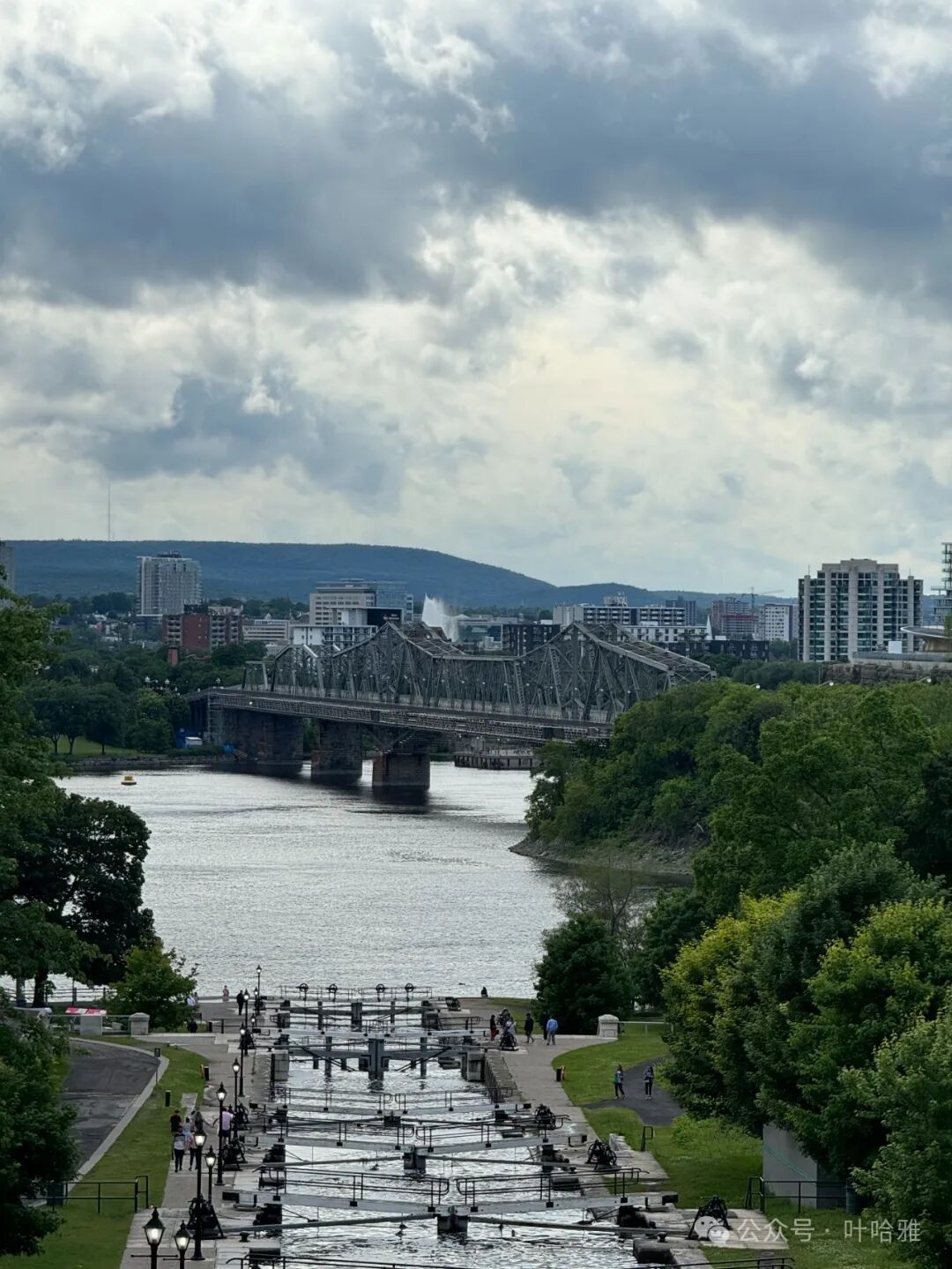
It takes two hours to drive from Montreal to Ottawa. Ottawa is in Ontario and is an English-speaking area, while Montreal is in Quebec and is a French-speaking area. Ottawa sits right on the border of the two provinces, so both English and French are spoken here.
Coming from the bustle of Montreal, you can clearly feel the relaxed pace of Ottawa. The street scenes are not as busy and there are fewer people. Most people here work as government civil servants, and those jobs are generally quite relaxed.
As usual, I went to the subway station and used my credit card to buy a one-day transit pass to experience the daily life of Ottawa residents.
There are very few people on Ottawa's buses, and their buses can carry bicycles.
I passed by the University of Ottawa by chance and saw tents set up on campus in support of Palestine.
Almost every university in North America has activities supporting Palestine, and I have seen them in other Canadian cities as well.
The University of Ottawa was founded in 1848. It has over a hundred years of history and is the oldest English-French bilingual university in North America.
Parliament Hill is Ottawa's landmark building and the seat of Canada's central government. It is also a popular spot for tourists, and you do not need a reservation because the gates are completely open.
Walk along the road in front of the Parliament buildings and pass through a commercial street to reach the halal Chinese restaurant shown in the picture below.
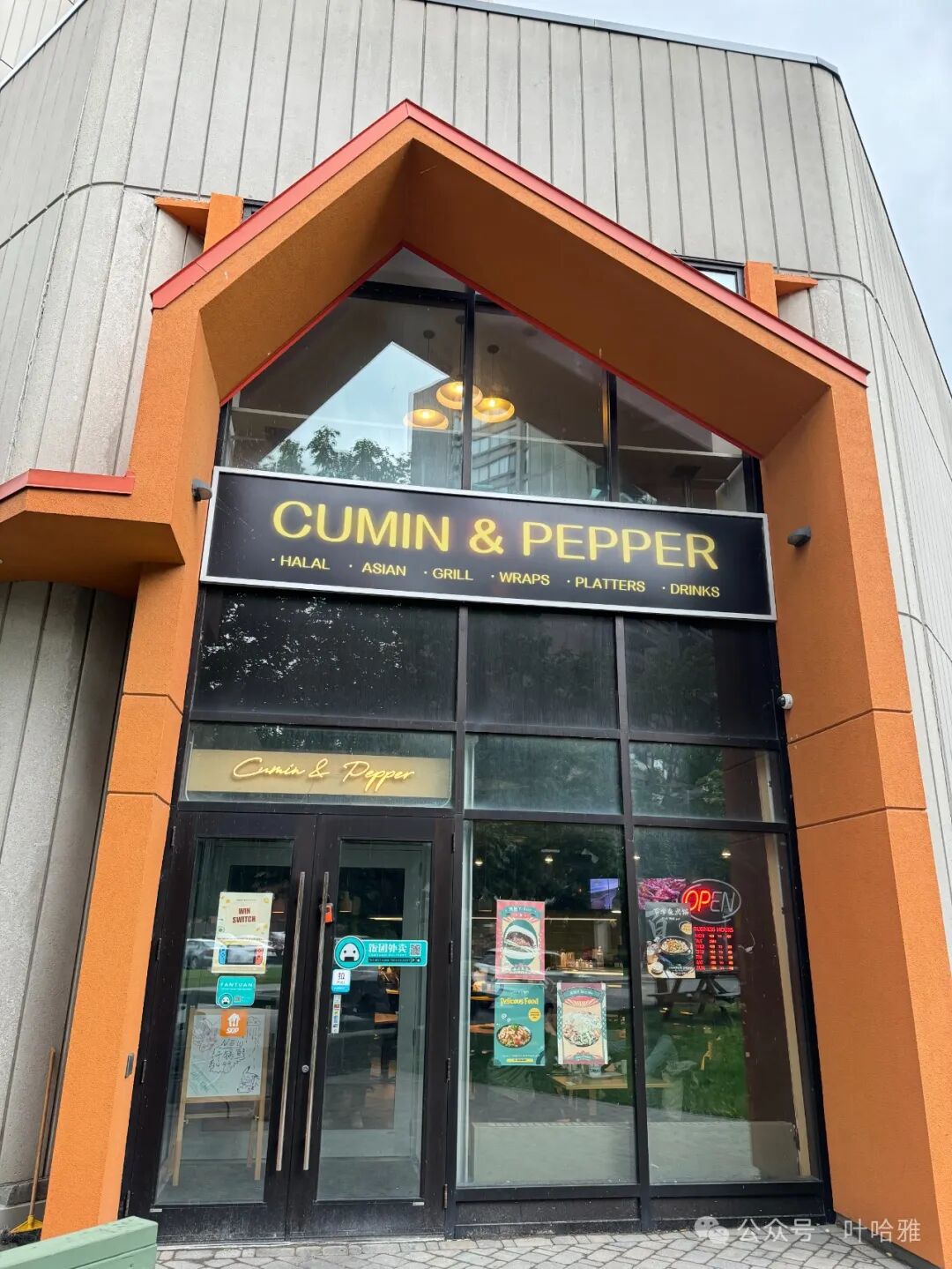
The staff are all of Chinese descent. The owner was not there, and when I asked the new staff member where the owner was from, they said they were not sure, only that they were also Chinese.
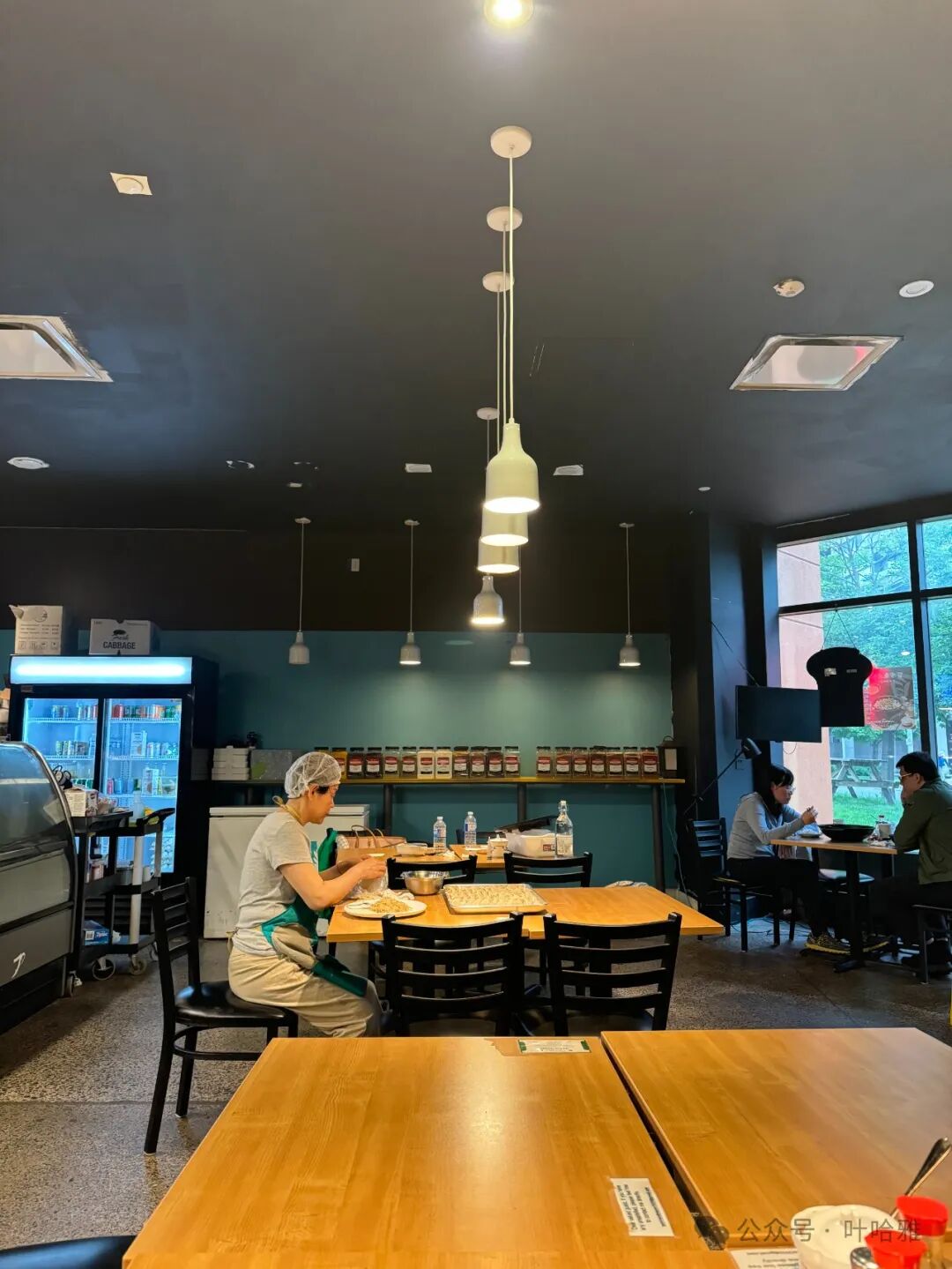
I watched the staff wrap wontons, and I could tell from their conversation that the diners nearby were Chinese students studying abroad.
You can order in Chinese. After being away for a long time, it feels natural to feel close to a place where people speak Chinese.
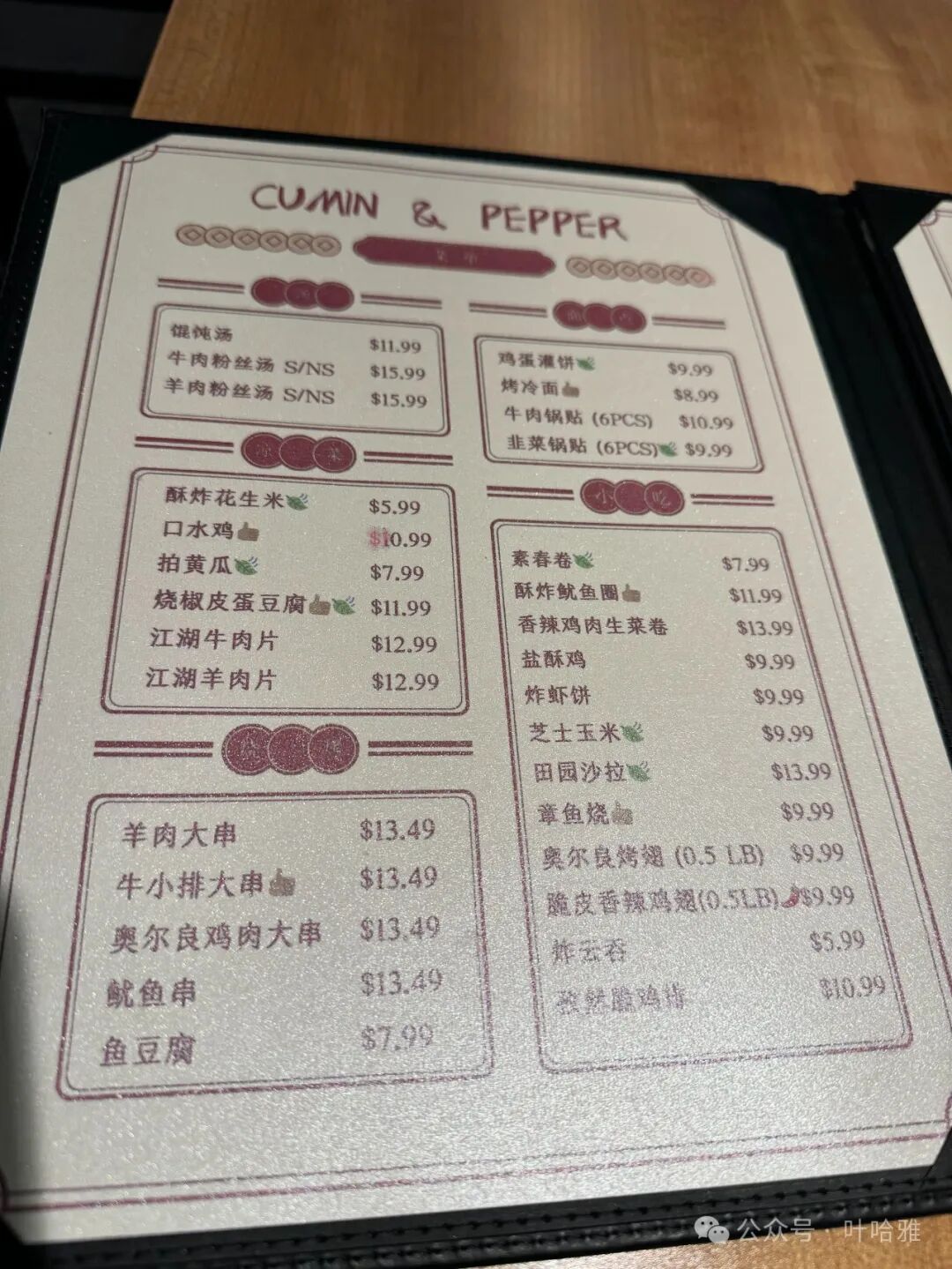
Multiply the prices on the menu by seven to get the cost in RMB. Since you also have to leave a tip, each dish averages about 100 yuan.
I looked at the menu and guessed the owner probably isn't from Northwest China because there are very few flour-based dishes. They might be from the South.
It is also popular in Canada to write a positive review to get a free gift.
A serving of chive and egg potstickers (guotie) tasted really good. Aside from being expensive, there was nothing wrong with it.
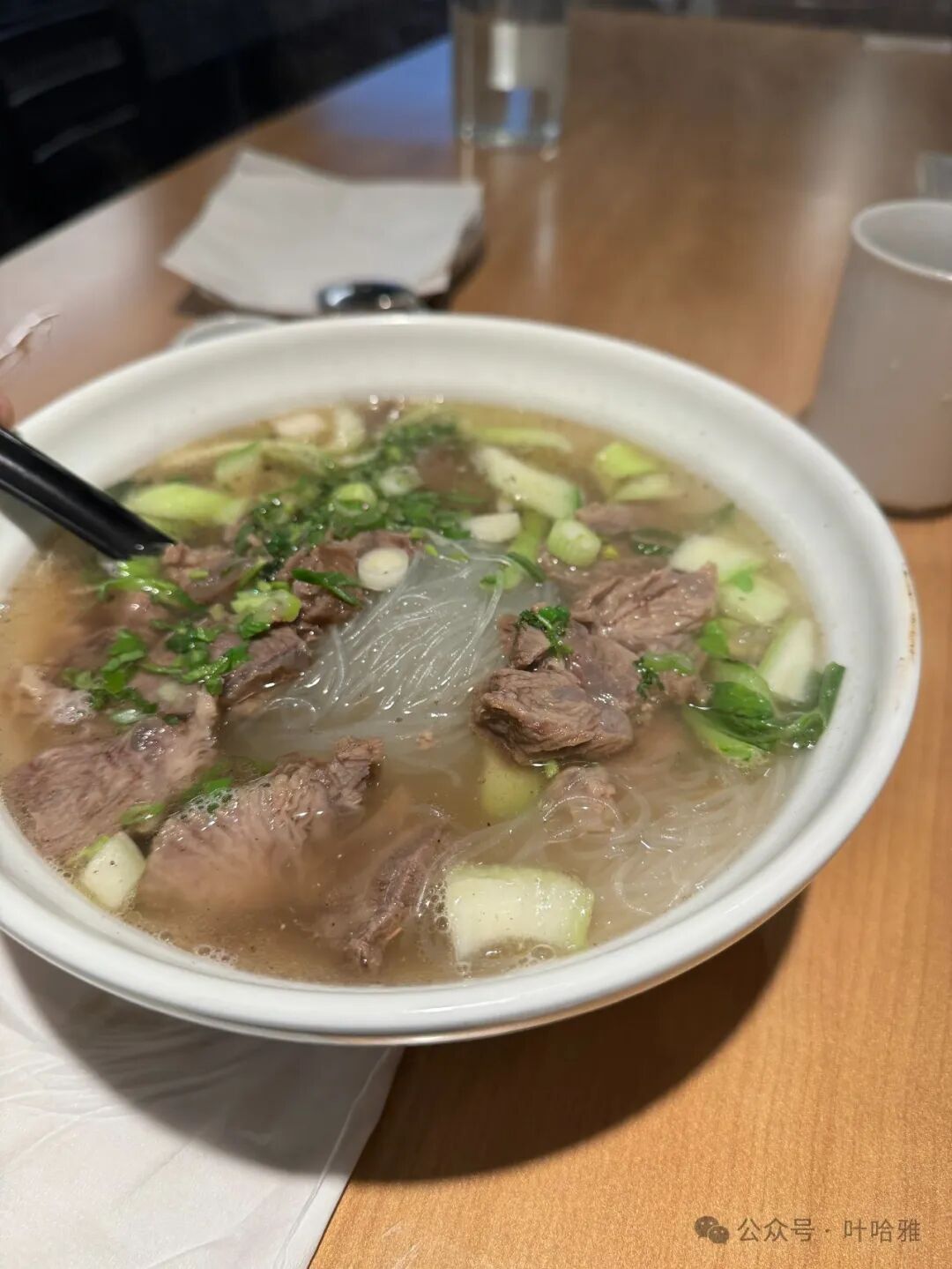
One serving of potstickers wasn't enough, so I ordered a bowl of beef vermicelli soup (niurou fensi tang). The portions were small, and I finished everything.
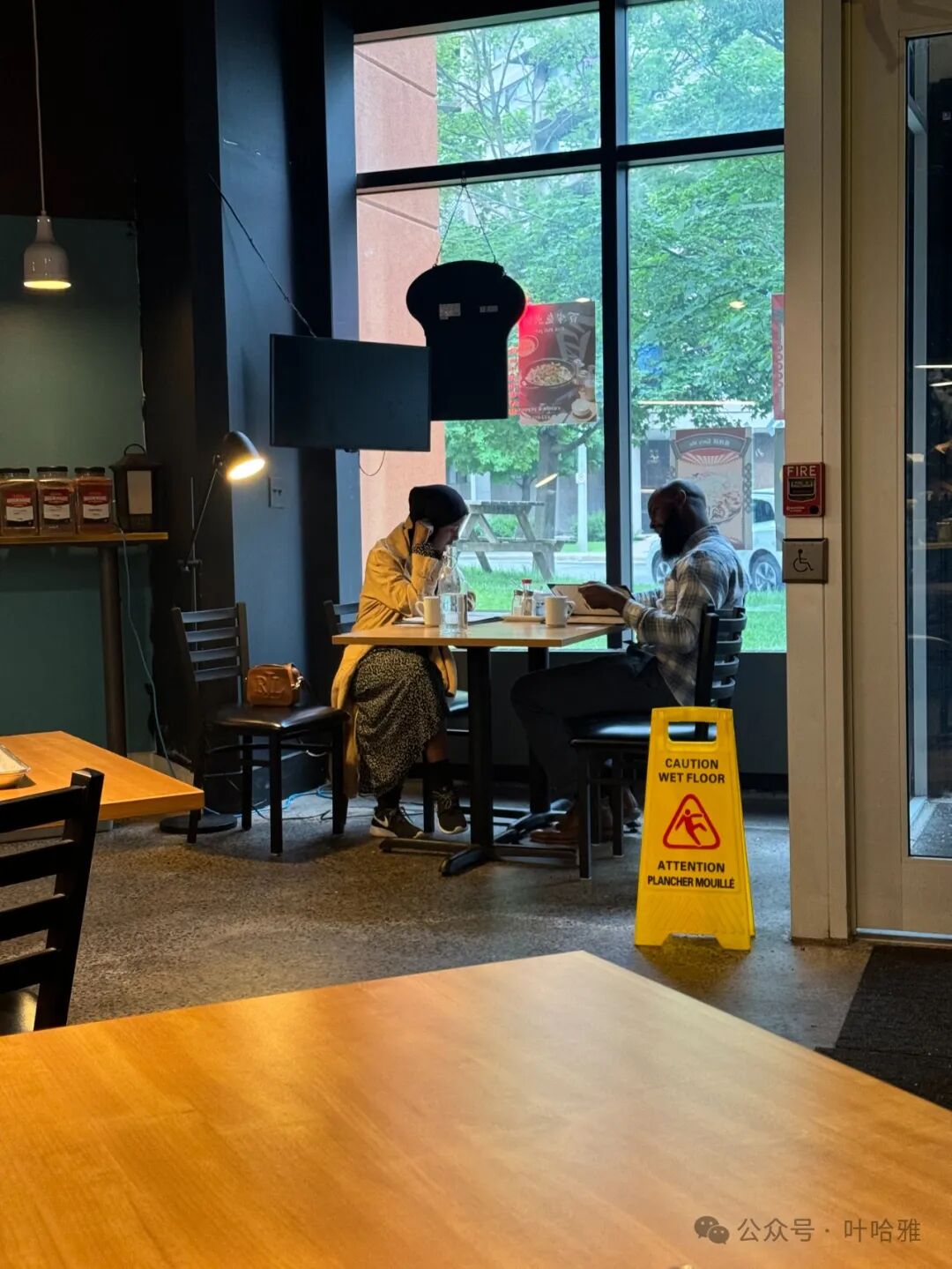
A Black couple sat across from me. They spent 20 minutes just looking at the menu. I had already finished my meal, and they still didn't know what to order.
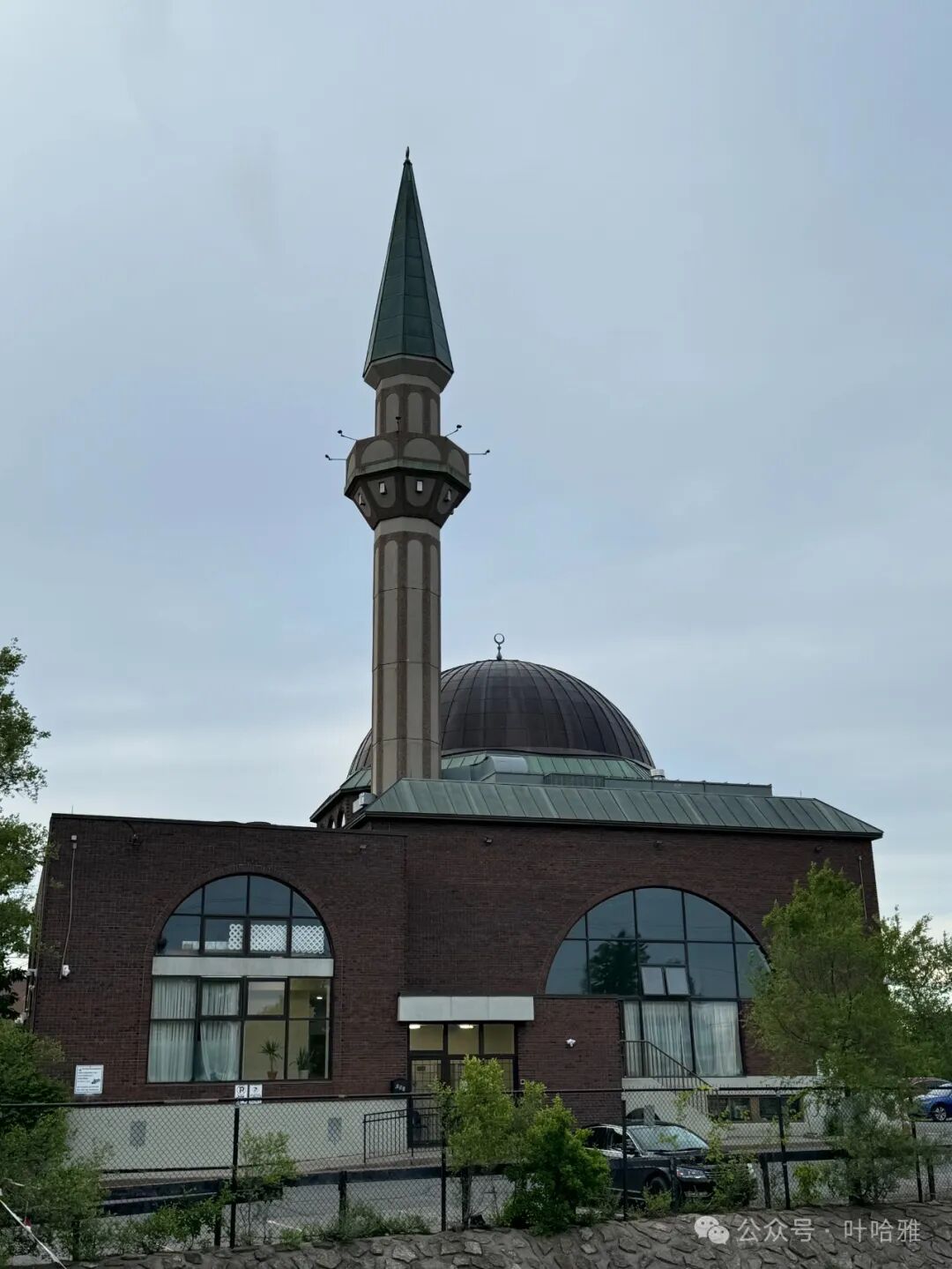
I arrived at the Ottawa mosque in the evening. The mosque is built quite far from the city center and is an Ottoman-style building.
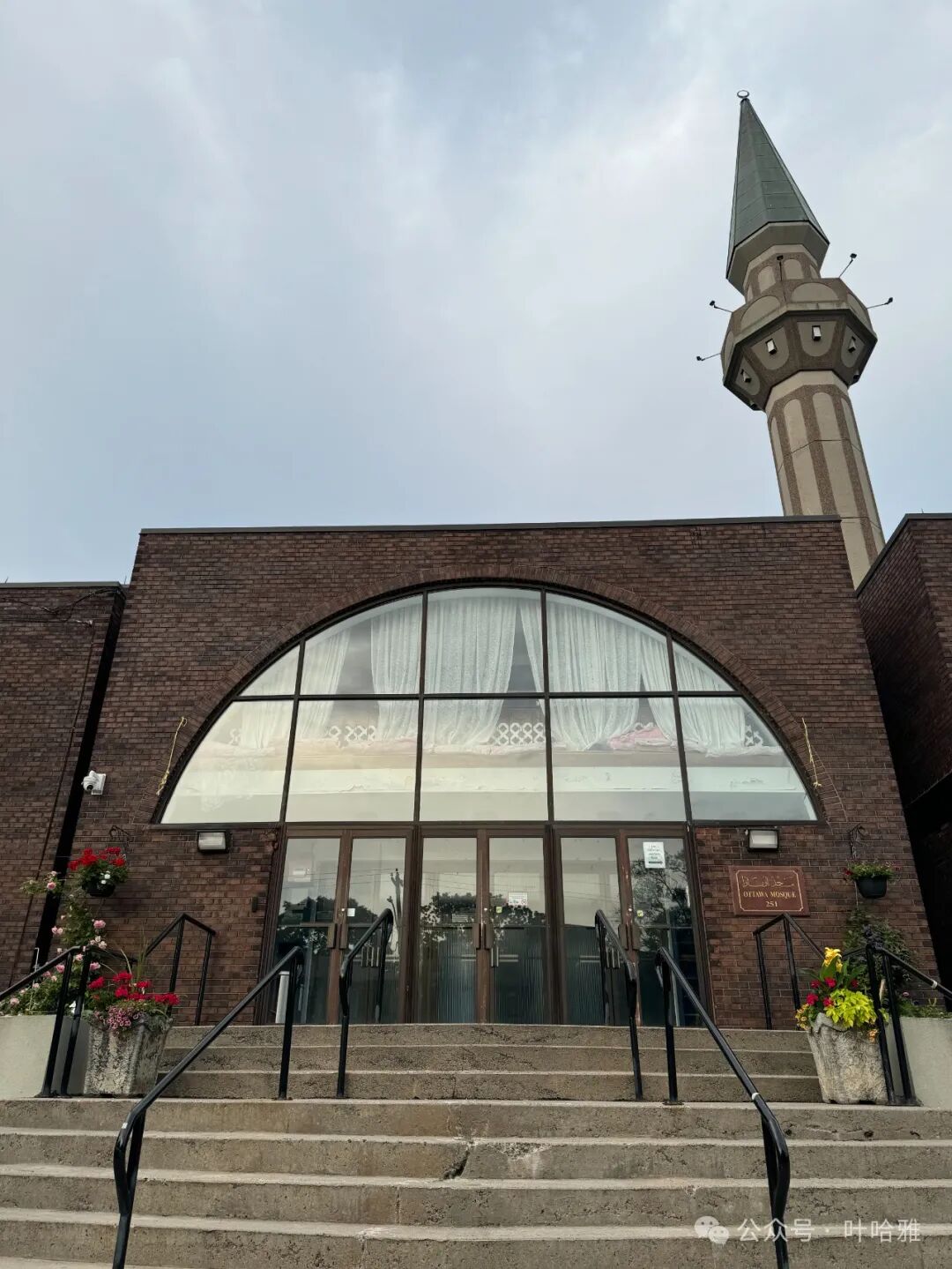
The earliest Muslims to settle in Ottawa date back to the 1950s. As the number of Muslim immigrants in Ottawa gradually increased, the first mosque was built in 1977.
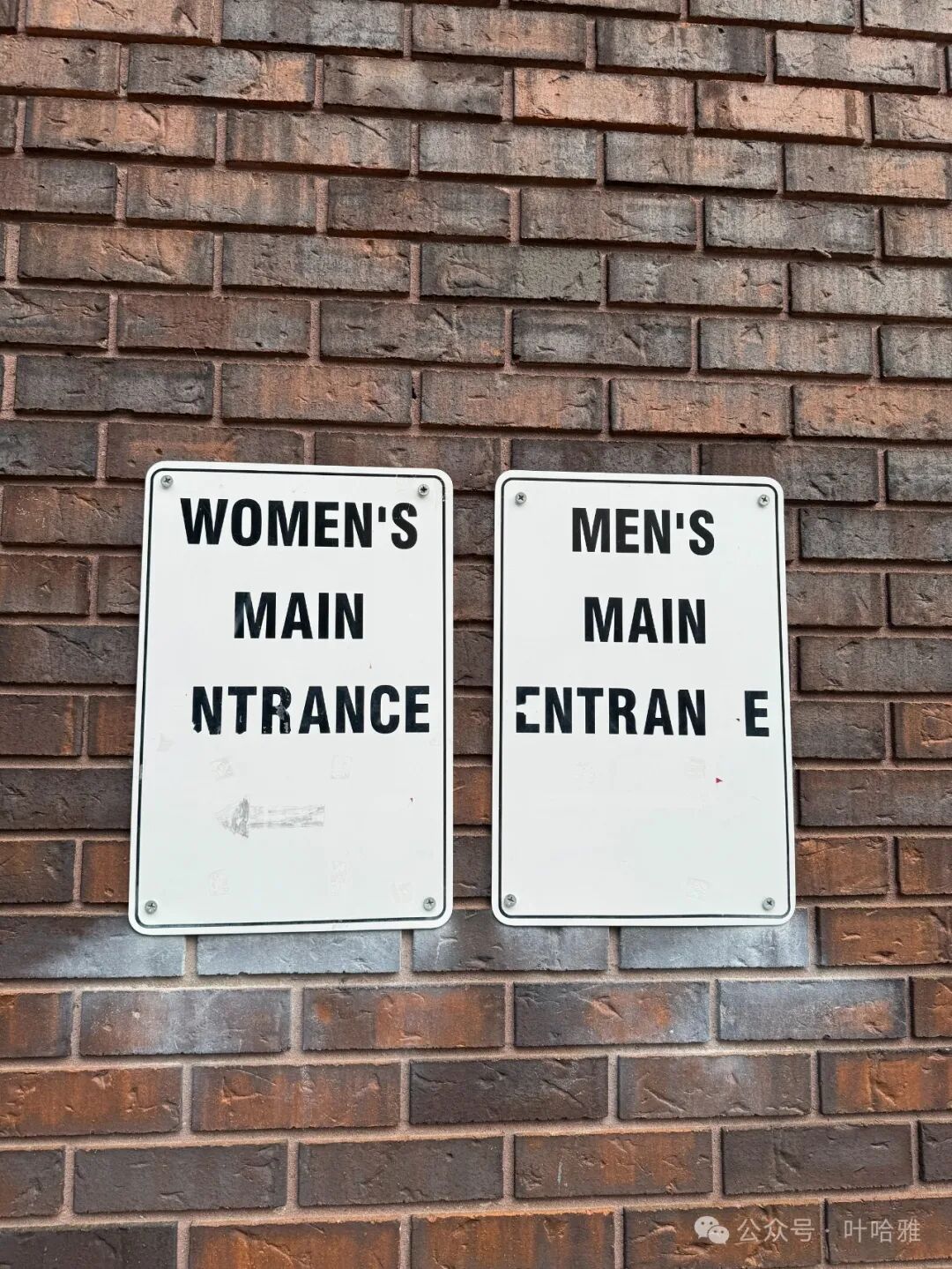
The mosque has three floors. The basement is used for the washroom, and the two floors above ground are separated for men and women.
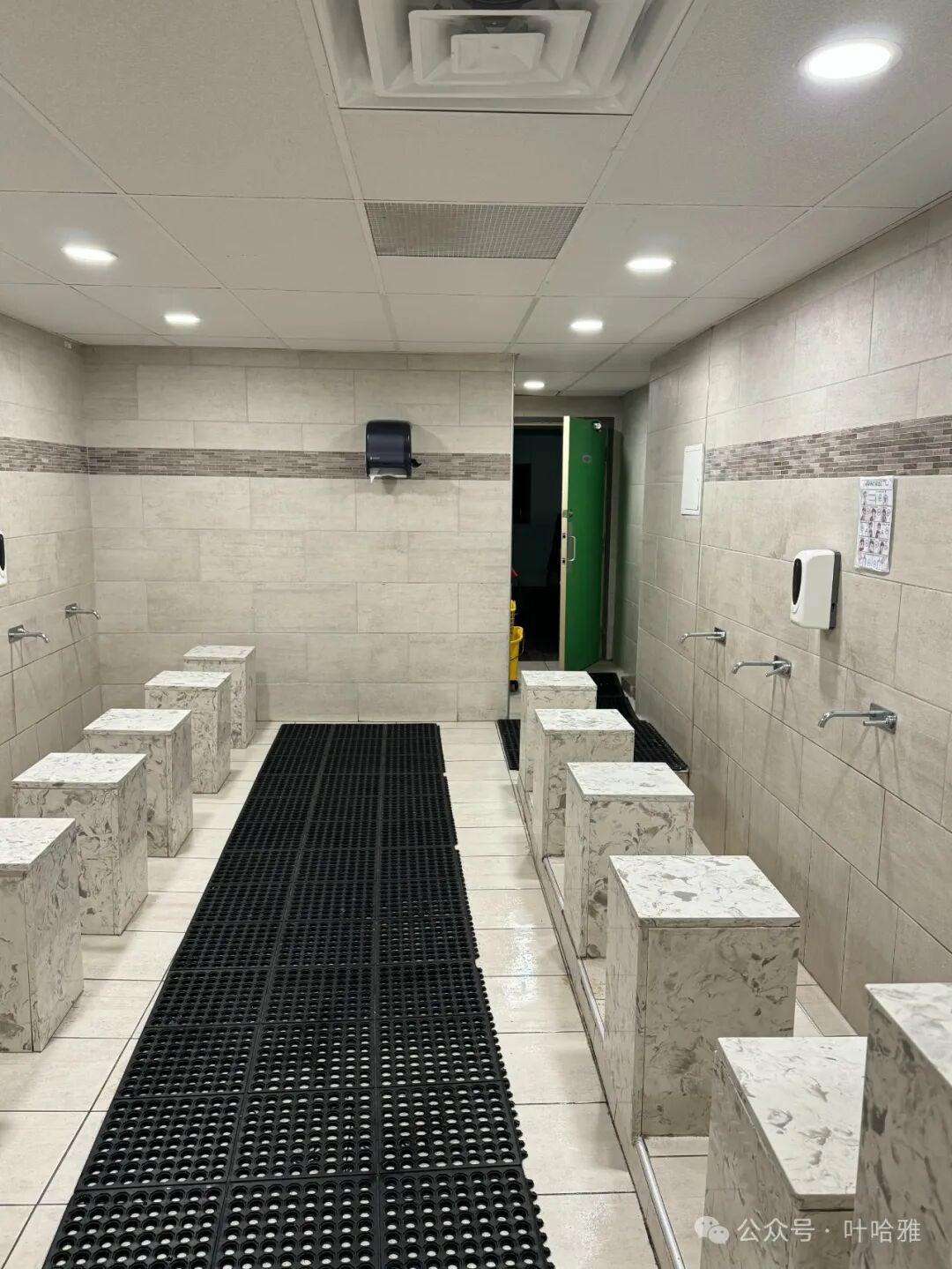
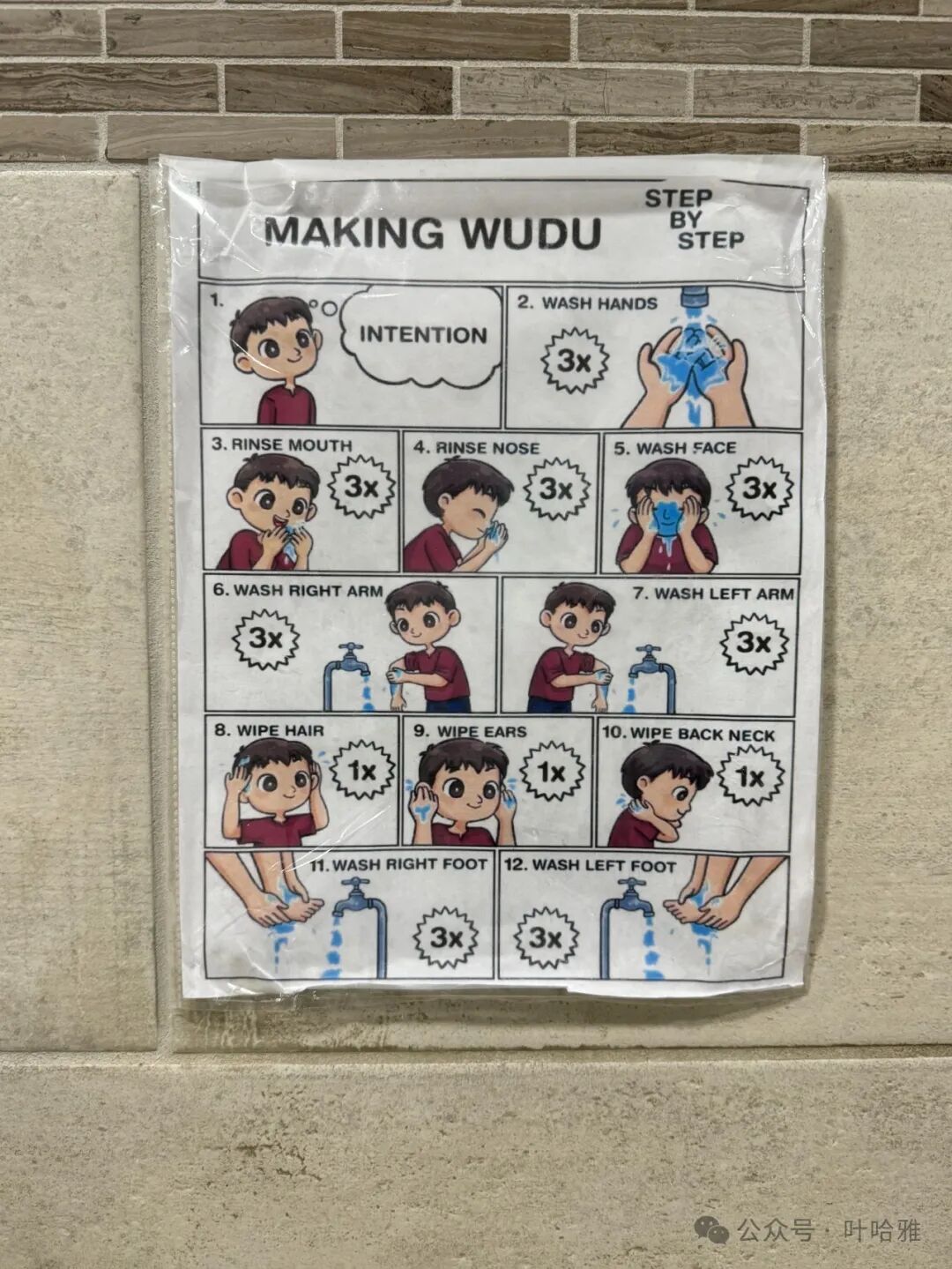
Diagram for wudu (small ablution).
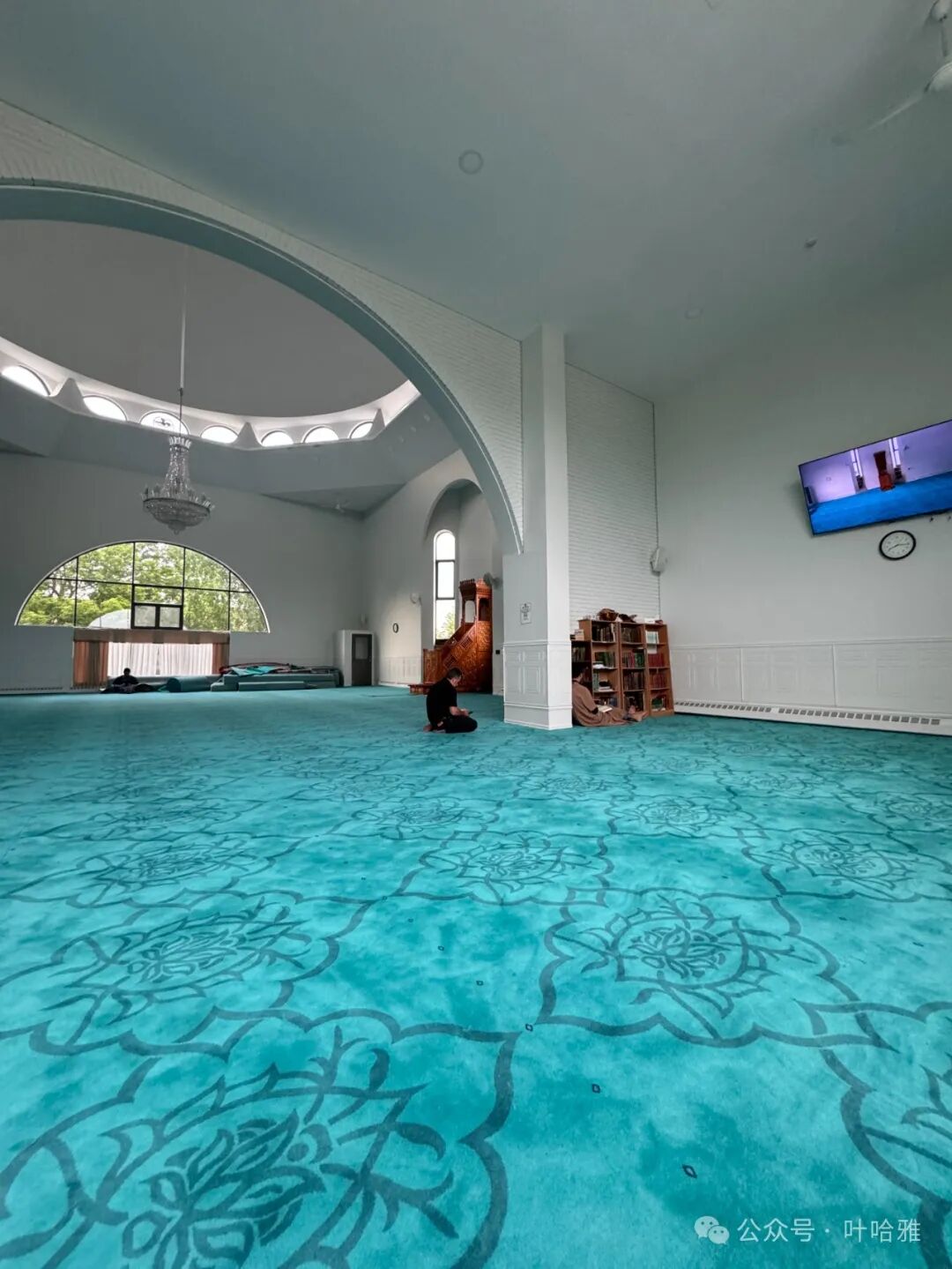
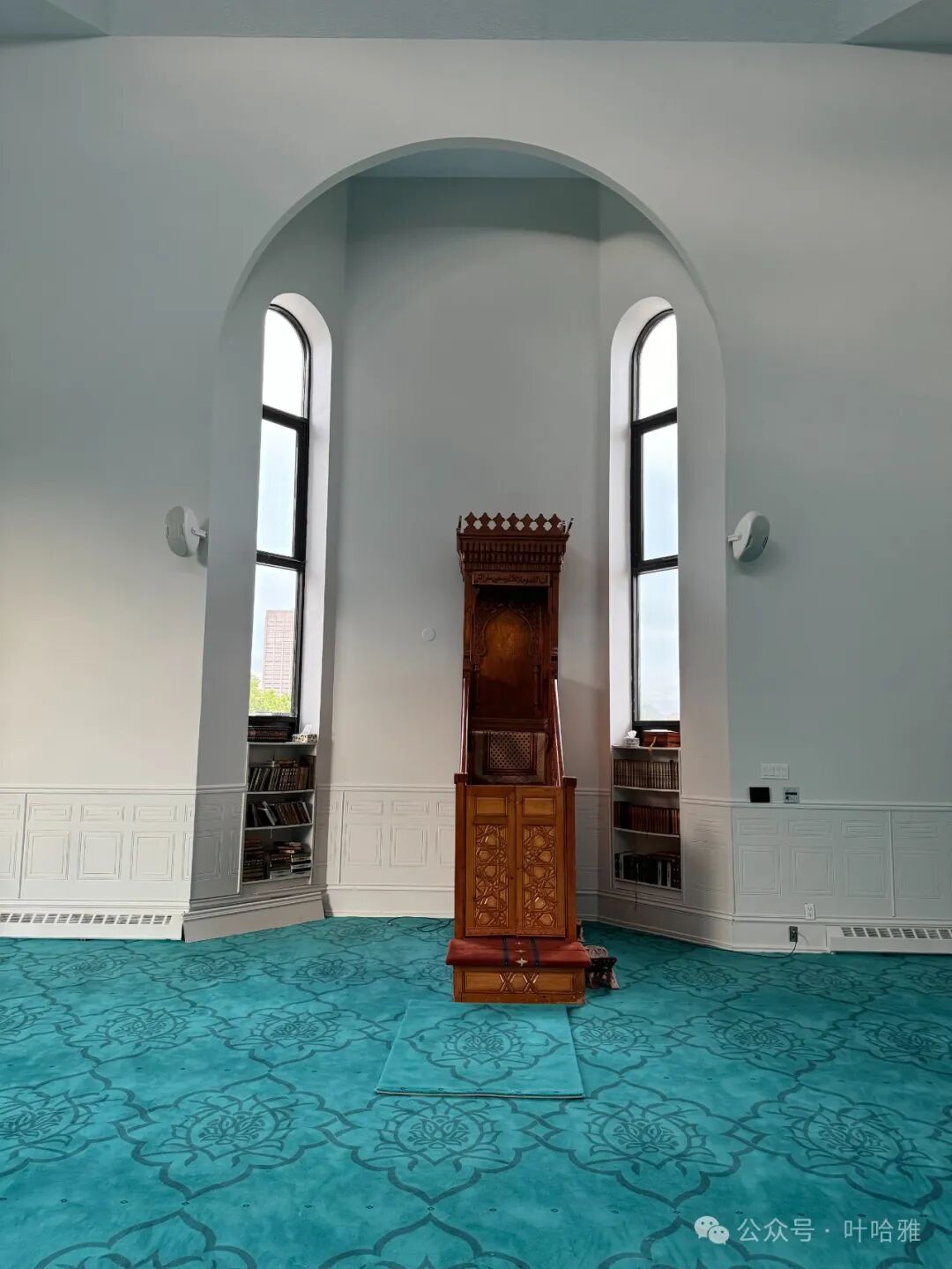
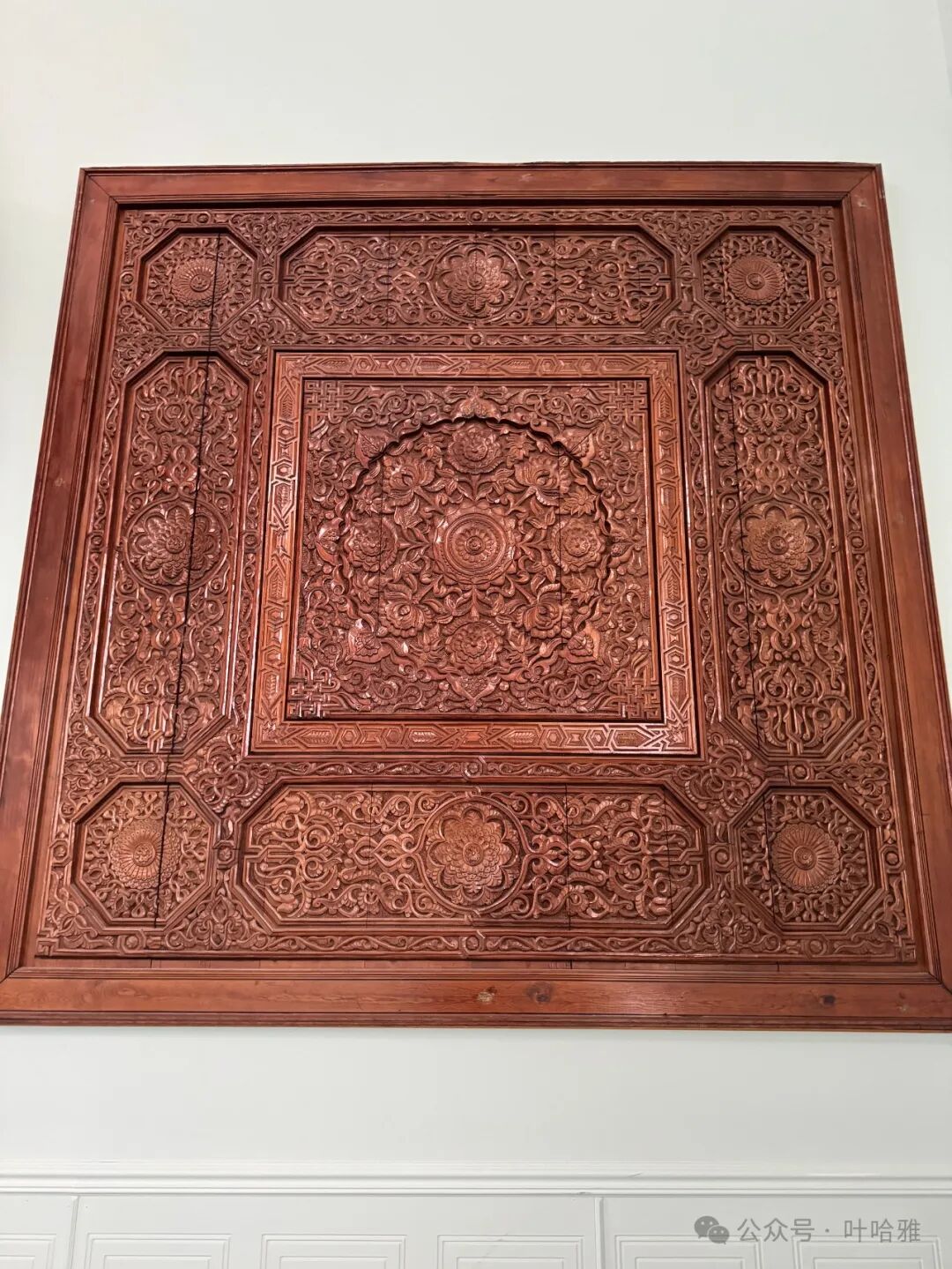
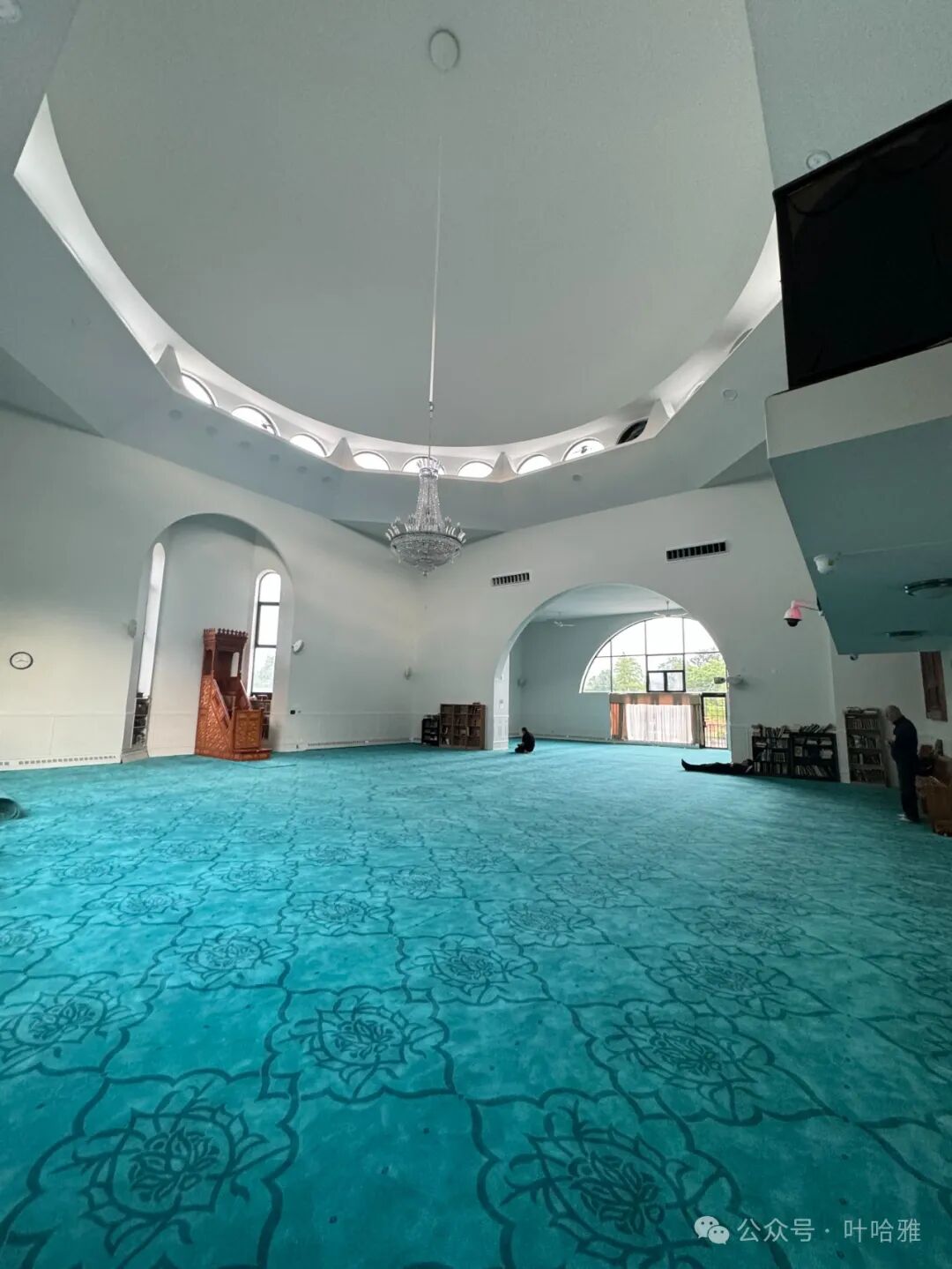
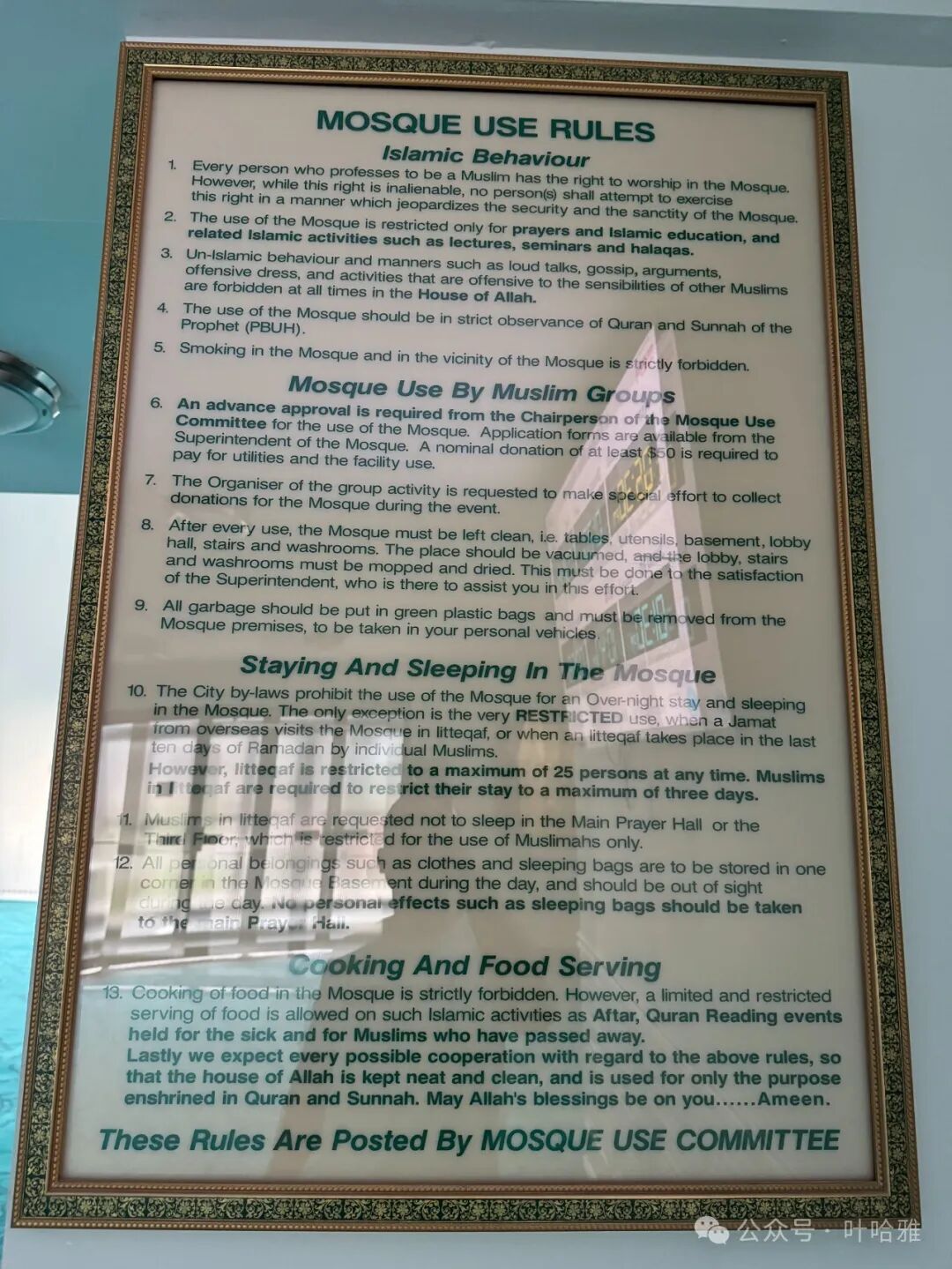
The mosque rules state that sleeping in the main prayer hall is forbidden because it is a place for namaz.
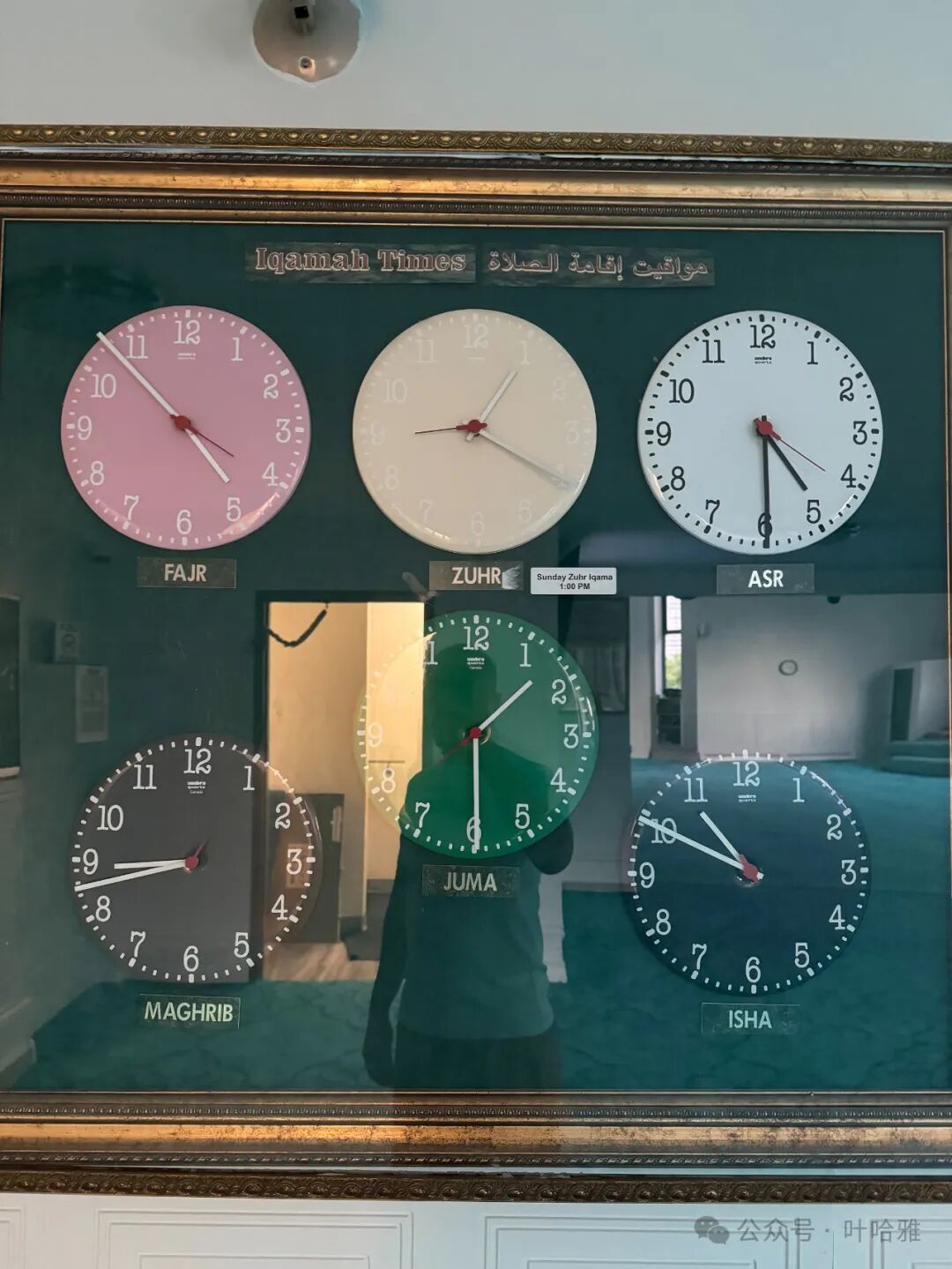
Jumu'ah in Ottawa is set for 1:30, just like on Beef Street (Niurou Jie).
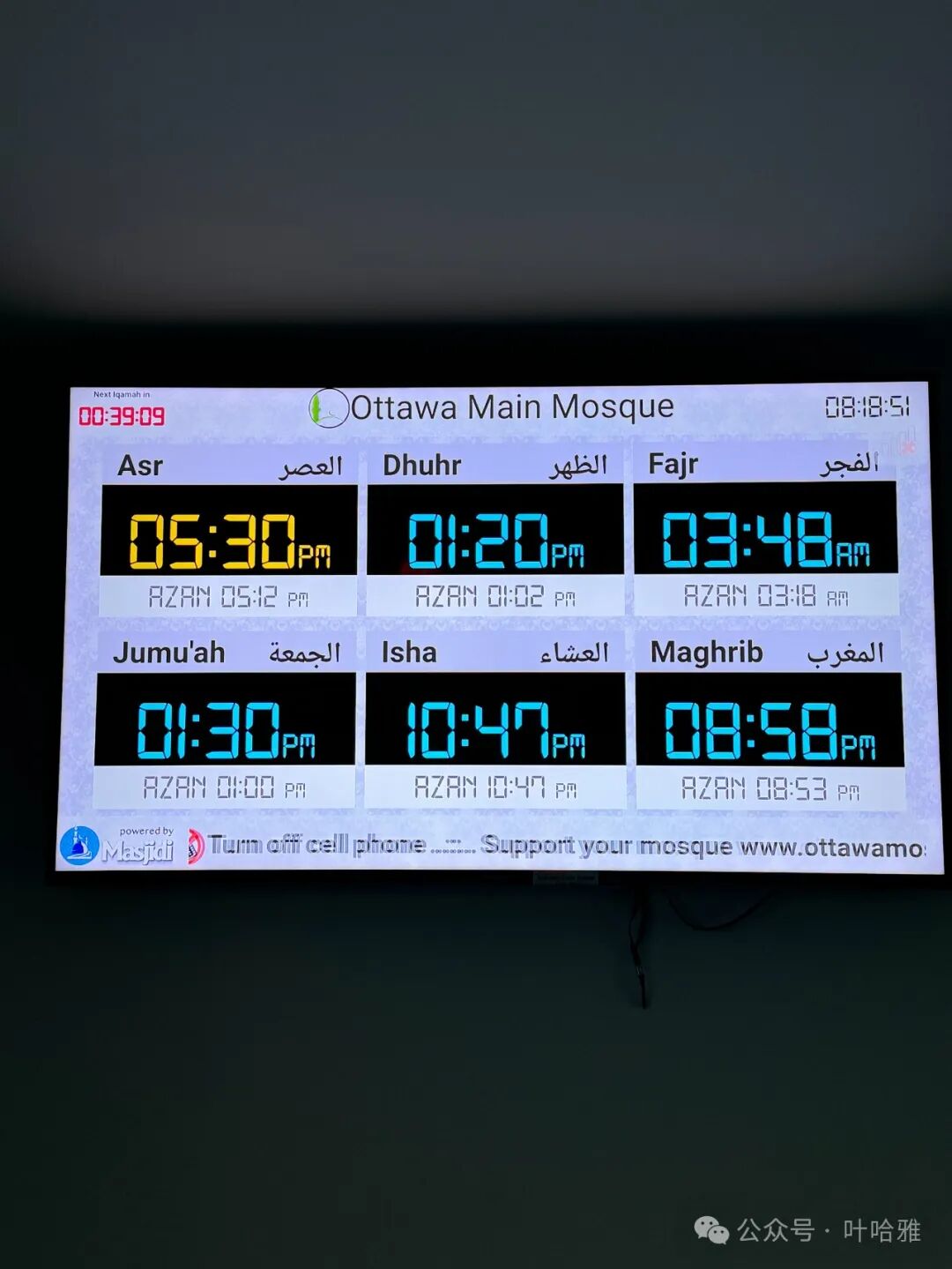
Isha is near 11:00 PM and Fajr is after 3:00 AM. During Ramadan, this means fasting for nearly 20 hours a day. Some scholars say Muslims in extreme locations can follow Mecca time, where prayer times are more balanced. Others disagree, arguing that we should follow the literal meaning of the Hadith and that those who cannot handle it should leave these extreme environments.
This creates a problem in the Arctic Circle, such as in Norway, Finland, or Russia, where there is polar day and polar night. It is either dark for 24 hours or light for 24 hours. Then there are astronauts in space who orbit the Earth over a dozen times a day. If they followed the literal rules, they would have to pray nearly a hundred times a day.
If we listen to the scholars who oppose changing the rules, we would have to leave the polar regions and leave that land to the People of the Book. We also shouldn't go into space, because if we did, we would have to pray constantly and couldn't get any work done.
Food and lodging in Ottawa are more comfortable and offer better value than in Montreal. I really like their slow-paced atmosphere.
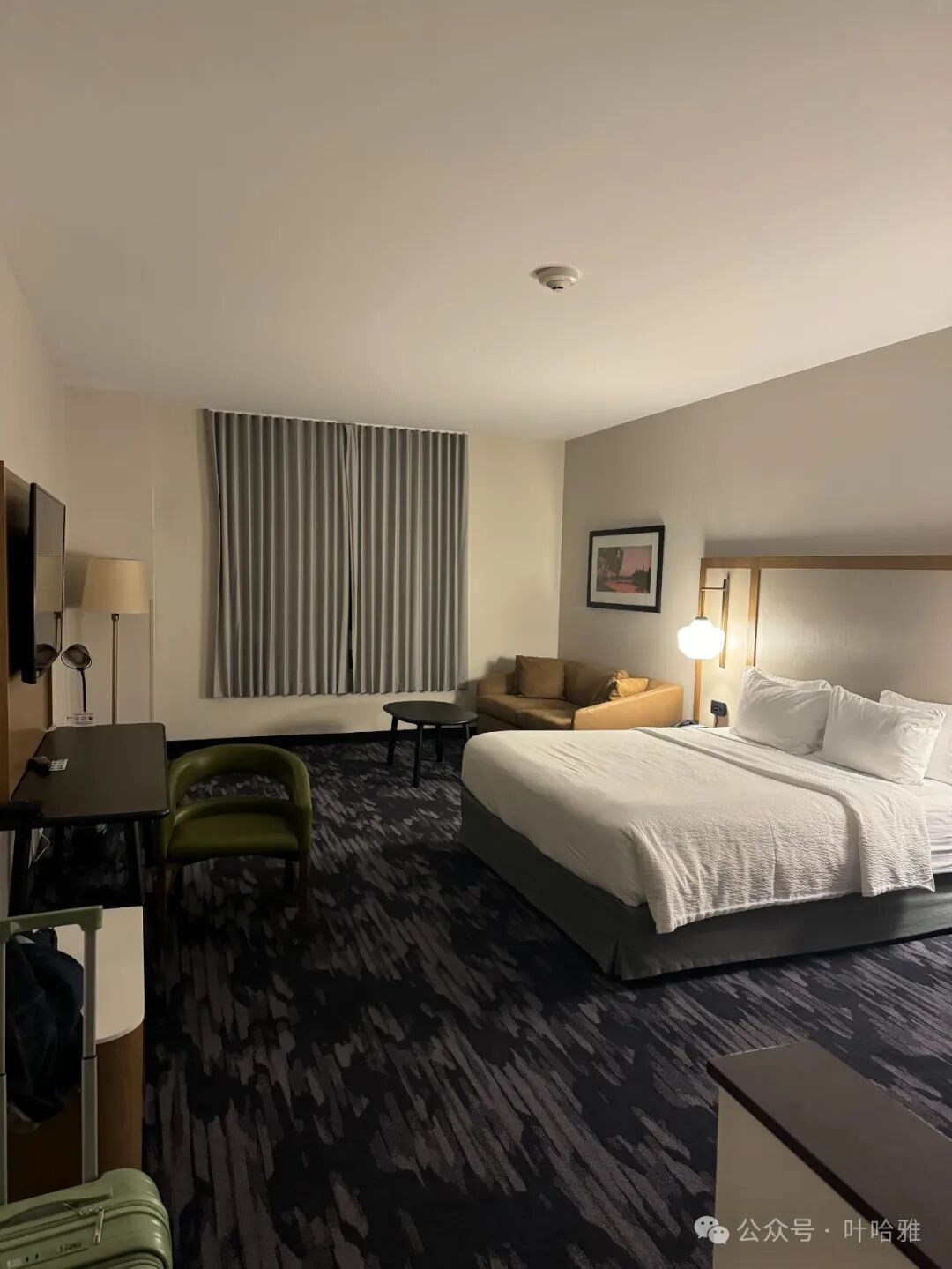
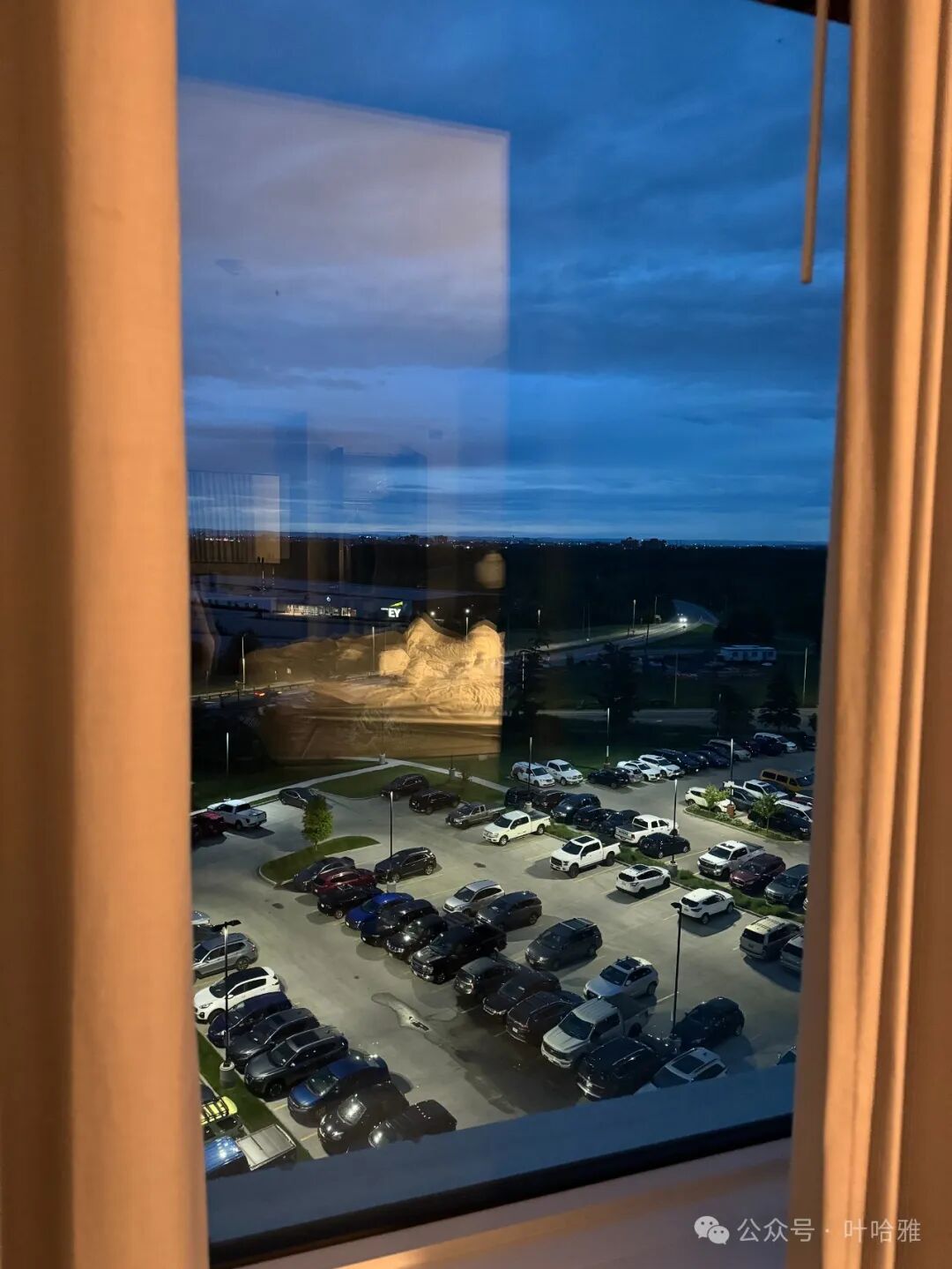
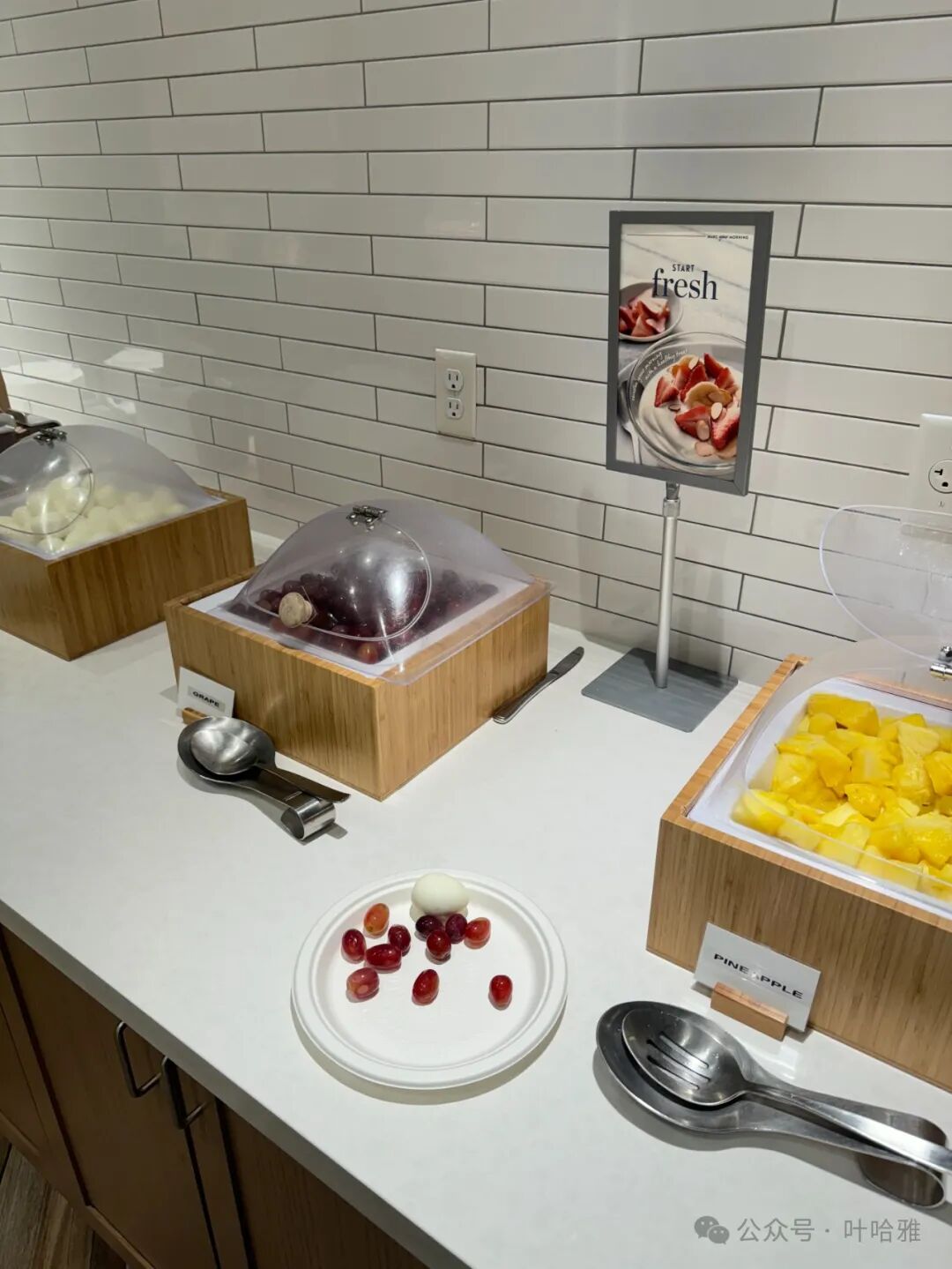
I observed the breakfast habits in Western hotels. They like to eat hard-boiled eggs, and they are always peeled in advance.
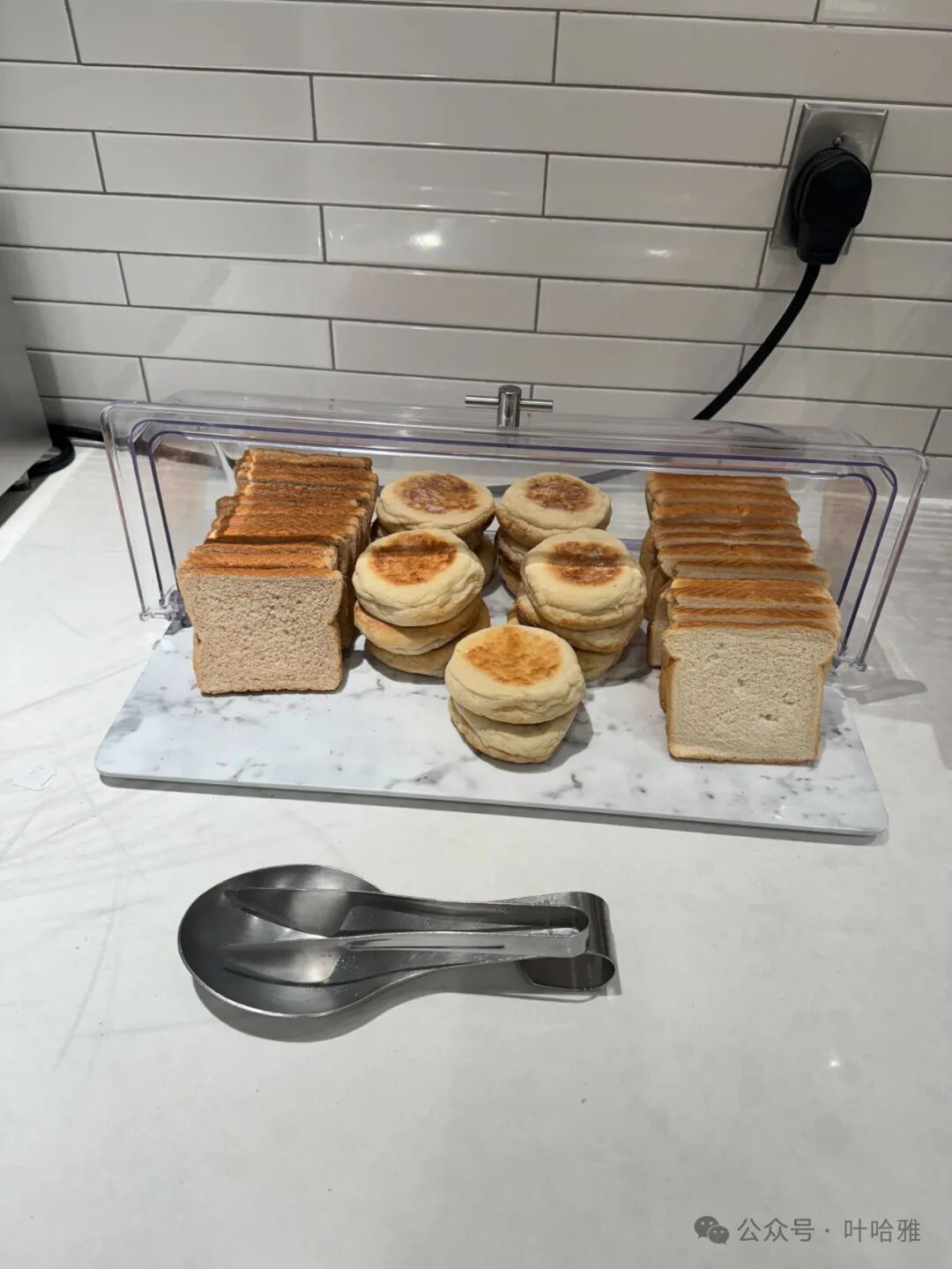
Bread, cheese, coffee, and milk are standard. Coffee is a must, and at breakfast, white people will line up to get their coffee first, refilling cup after cup.
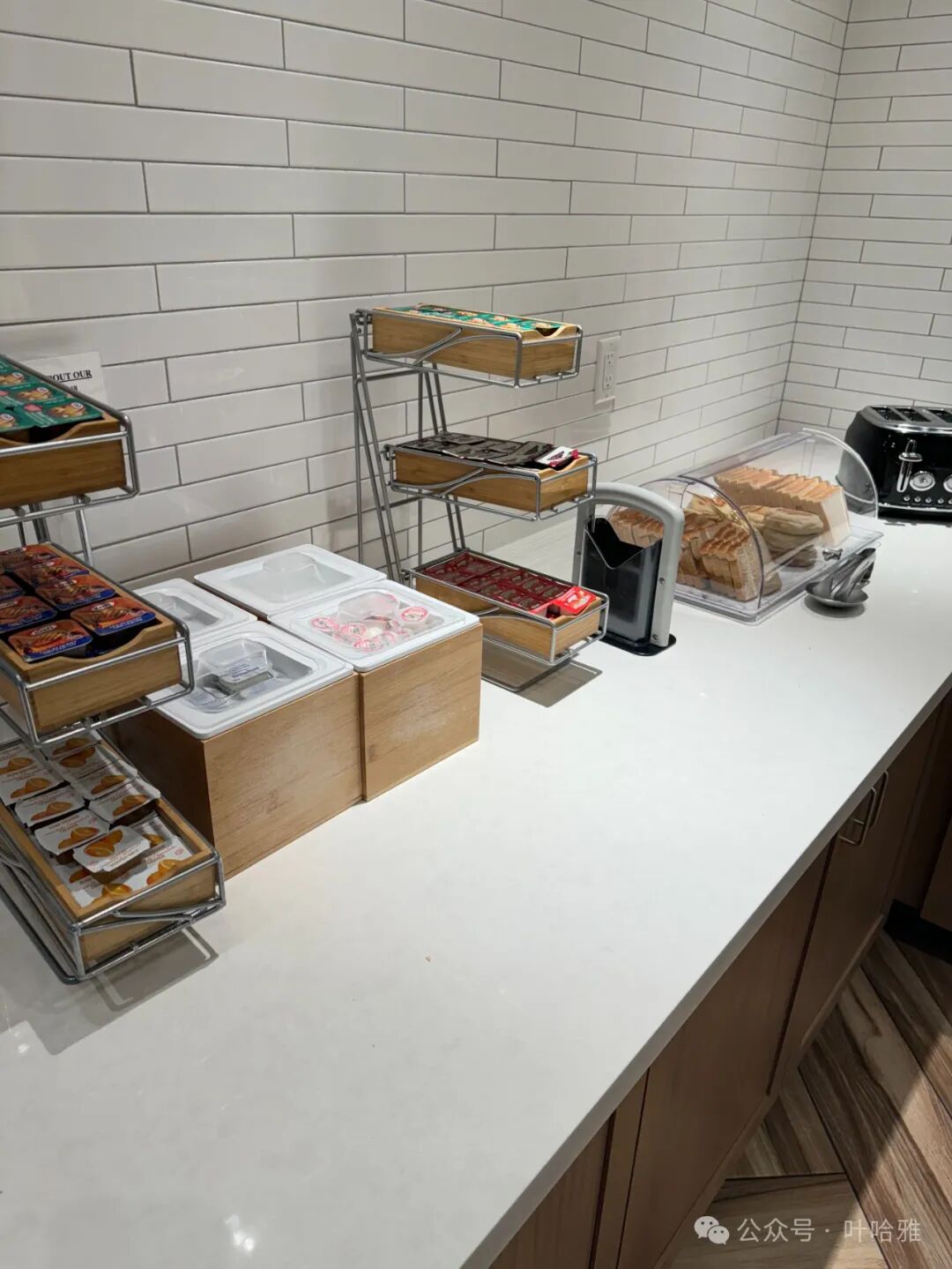
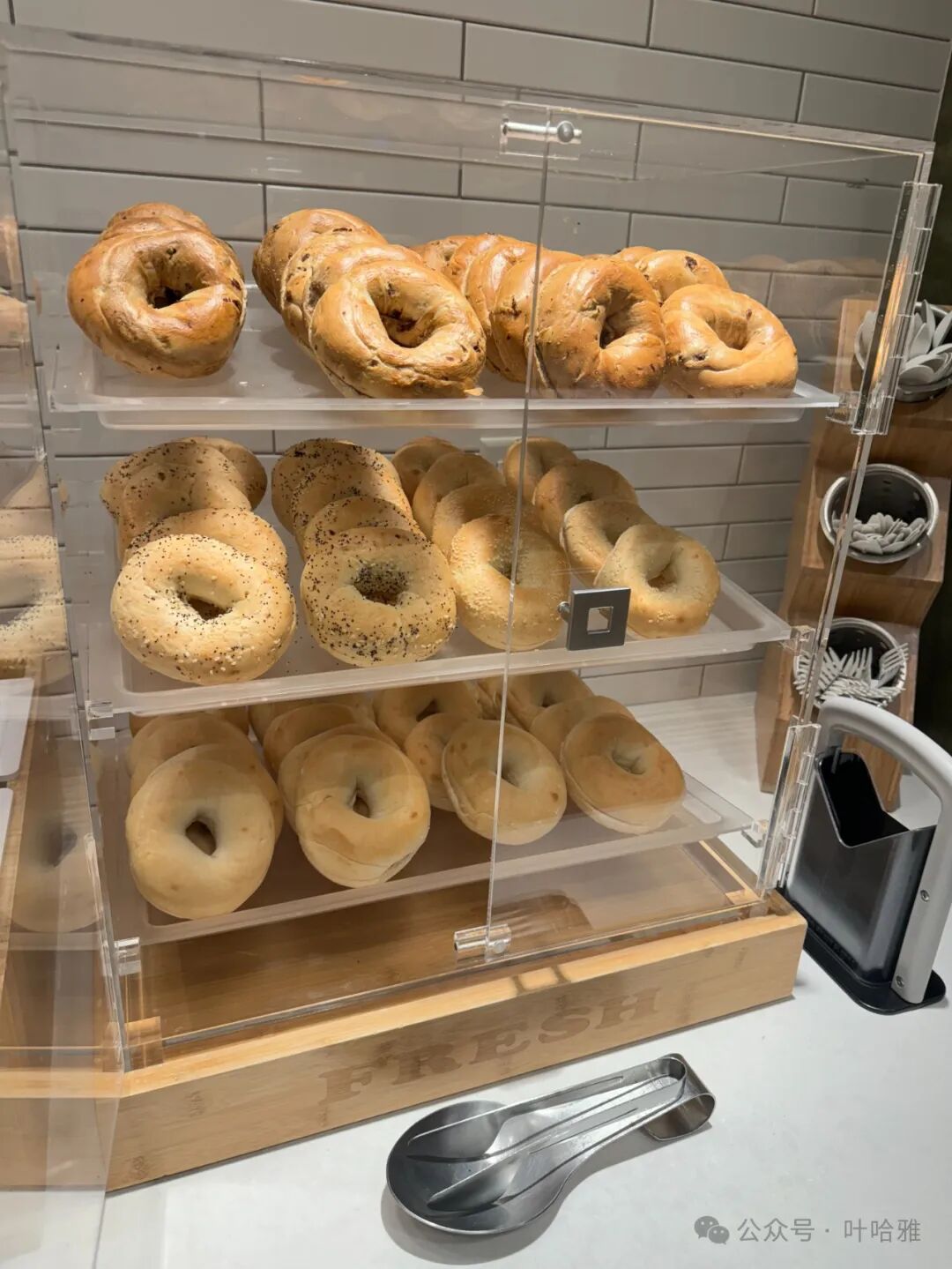
You can eat these bagel breads; Westerners almost never use lard when making bread.
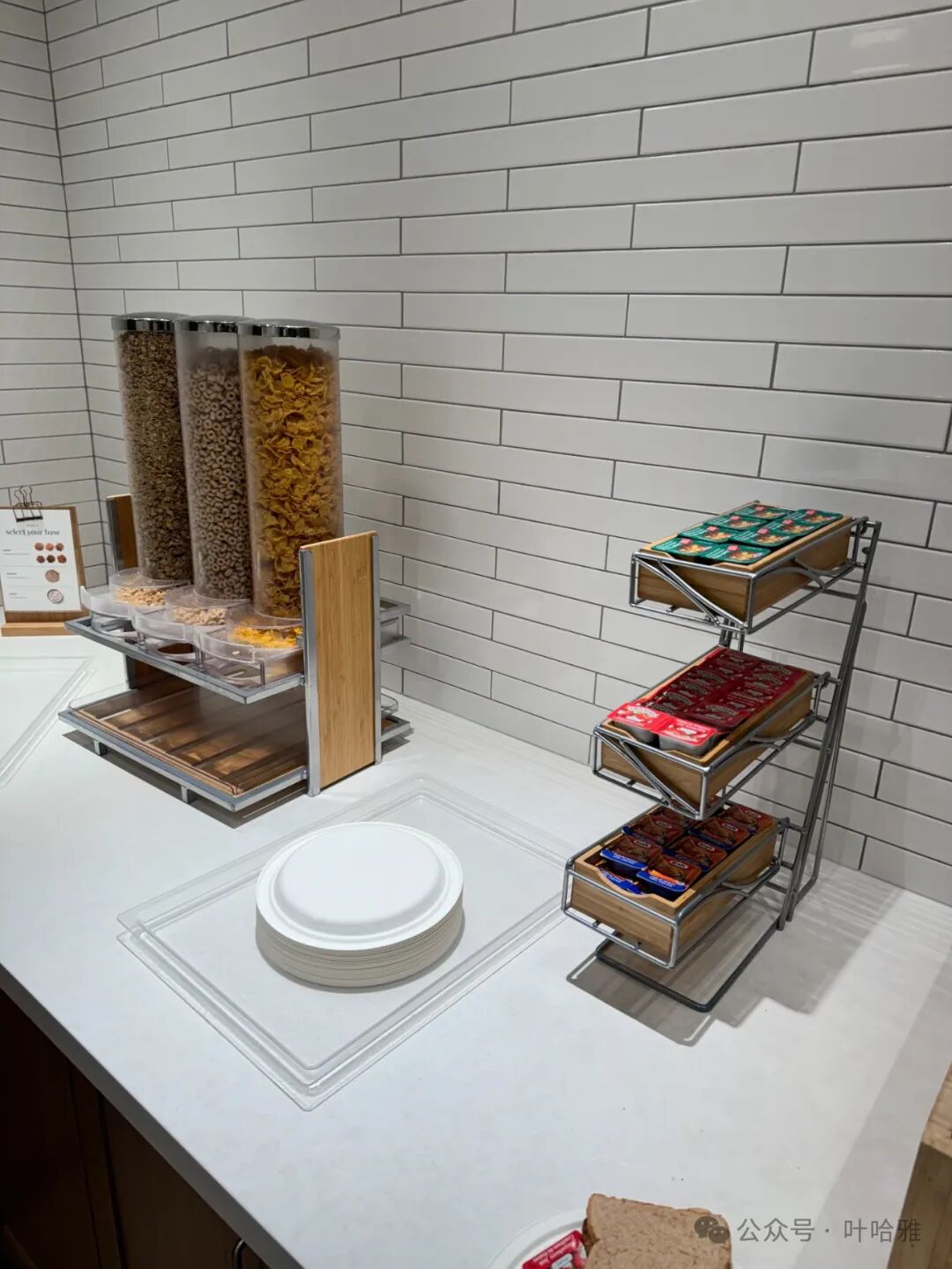
They have all kinds of cereal with milk, and they eat butter like it is a main dish. I usually find two enough, but white people can eat five or six.
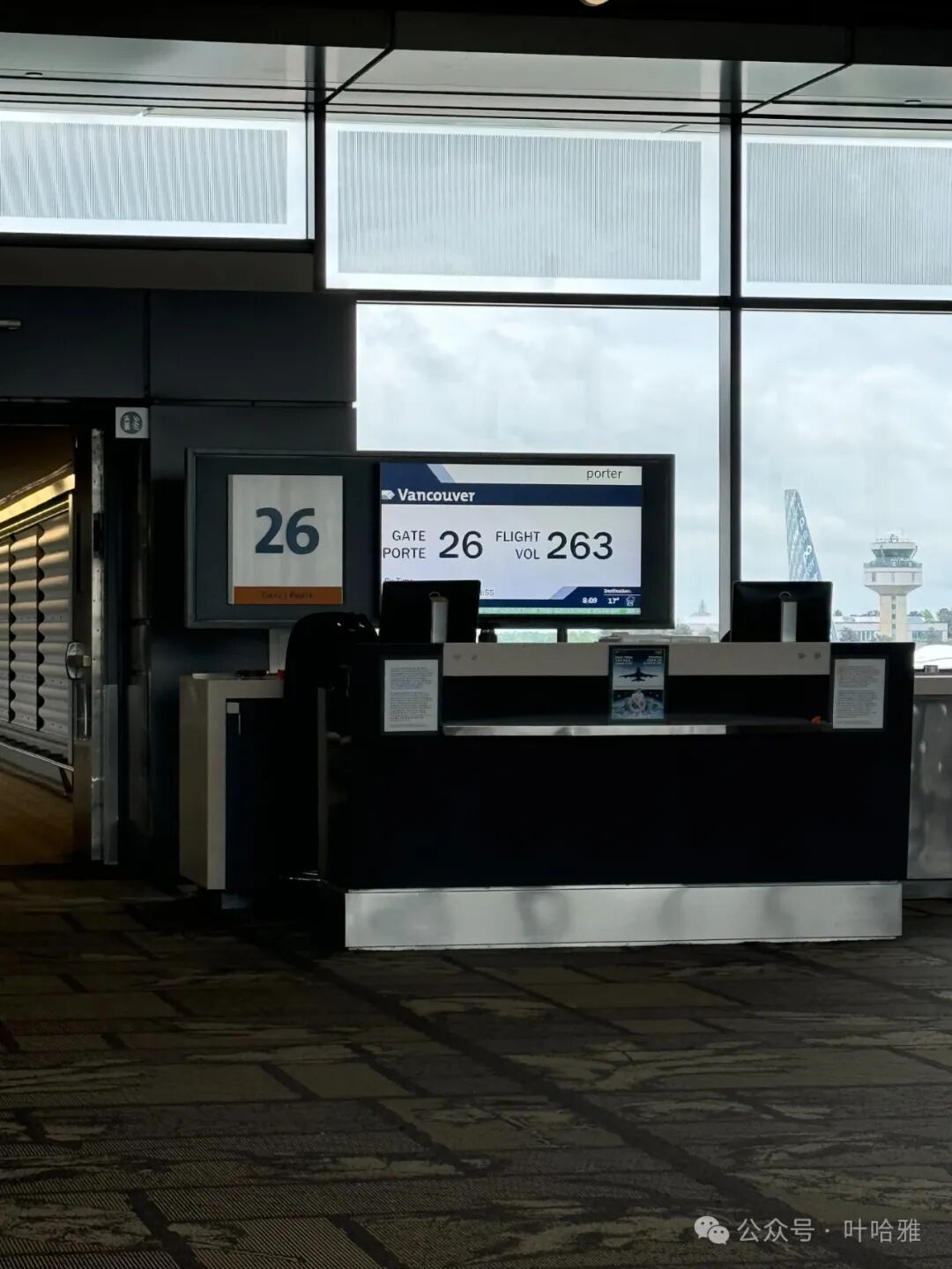
After a wonderful day in Ottawa, I am getting ready to fly to Vancouver. It is a flight of over 5 hours, which is like flying from Guangzhou to Xinjiang, crossing two time zones. Vancouver is a beautiful city, and I will introduce its mosques and halal food in the next post.
Summary: This Ottawa Muslim travel guide follows the city from Parliament Hill and public transit to a halal Chinese restaurant, the first local mosque, hotel breakfast notes, and the author's reflections on Canada's capital, Chinese students, Muslim life, and halal travel in Canada.
Many people may not know that Canada's capital is Ottawa. Its low profile shows that Ottawa lacks a strong presence in Canada. In countries with strong central power, capitals are usually massive cities. However, Canada has a federal parliamentary system that even allows Quebec to hold referendums on independence. This shows the central government has little power to interfere, which seems unthinkable and rebellious from our perspective.
It takes two hours to drive from Montreal to Ottawa. Ottawa is in Ontario and is an English-speaking area, while Montreal is in Quebec and is a French-speaking area. Ottawa sits right on the border of the two provinces, so both English and French are spoken here.
Coming from the bustle of Montreal, you can clearly feel the relaxed pace of Ottawa. The street scenes are not as busy and there are fewer people. Most people here work as government civil servants, and those jobs are generally quite relaxed.
As usual, I went to the subway station and used my credit card to buy a one-day transit pass to experience the daily life of Ottawa residents.
There are very few people on Ottawa's buses, and their buses can carry bicycles.
I passed by the University of Ottawa by chance and saw tents set up on campus in support of Palestine.
Almost every university in North America has activities supporting Palestine, and I have seen them in other Canadian cities as well.
The University of Ottawa was founded in 1848. It has over a hundred years of history and is the oldest English-French bilingual university in North America.
Parliament Hill is Ottawa's landmark building and the seat of Canada's central government. It is also a popular spot for tourists, and you do not need a reservation because the gates are completely open.
Walk along the road in front of the Parliament buildings and pass through a commercial street to reach the halal Chinese restaurant shown in the picture below.
The staff are all of Chinese descent. The owner was not there, and when I asked the new staff member where the owner was from, they said they were not sure, only that they were also Chinese.
I watched the staff wrap wontons, and I could tell from their conversation that the diners nearby were Chinese students studying abroad.
You can order in Chinese. After being away for a long time, it feels natural to feel close to a place where people speak Chinese.
Multiply the prices on the menu by seven to get the cost in RMB. Since you also have to leave a tip, each dish averages about 100 yuan.
I looked at the menu and guessed the owner probably isn't from Northwest China because there are very few flour-based dishes. They might be from the South.
It is also popular in Canada to write a positive review to get a free gift.
A serving of chive and egg potstickers (guotie) tasted really good. Aside from being expensive, there was nothing wrong with it.
One serving of potstickers wasn't enough, so I ordered a bowl of beef vermicelli soup (niurou fensi tang). The portions were small, and I finished everything.
A Black couple sat across from me. They spent 20 minutes just looking at the menu. I had already finished my meal, and they still didn't know what to order.
I arrived at the Ottawa mosque in the evening. The mosque is built quite far from the city center and is an Ottoman-style building.
The earliest Muslims to settle in Ottawa date back to the 1950s. As the number of Muslim immigrants in Ottawa gradually increased, the first mosque was built in 1977.
The mosque has three floors. The basement is used for the washroom, and the two floors above ground are separated for men and women.
Diagram for wudu (small ablution).
The mosque rules state that sleeping in the main prayer hall is forbidden because it is a place for namaz.
Jumu'ah in Ottawa is set for 1:30, just like on Beef Street (Niurou Jie).
Isha is near 11:00 PM and Fajr is after 3:00 AM. During Ramadan, this means fasting for nearly 20 hours a day. Some scholars say Muslims in extreme locations can follow Mecca time, where prayer times are more balanced. Others disagree, arguing that we should follow the literal meaning of the Hadith and that those who cannot handle it should leave these extreme environments.
This creates a problem in the Arctic Circle, such as in Norway, Finland, or Russia, where there is polar day and polar night. It is either dark for 24 hours or light for 24 hours. Then there are astronauts in space who orbit the Earth over a dozen times a day. If they followed the literal rules, they would have to pray nearly a hundred times a day.
If we listen to the scholars who oppose changing the rules, we would have to leave the polar regions and leave that land to the People of the Book. We also shouldn't go into space, because if we did, we would have to pray constantly and couldn't get any work done.
Food and lodging in Ottawa are more comfortable and offer better value than in Montreal. I really like their slow-paced atmosphere.
I observed the breakfast habits in Western hotels. They like to eat hard-boiled eggs, and they are always peeled in advance.
Bread, cheese, coffee, and milk are standard. Coffee is a must, and at breakfast, white people will line up to get their coffee first, refilling cup after cup.
You can eat these bagel breads; Westerners almost never use lard when making bread.
They have all kinds of cereal with milk, and they eat butter like it is a main dish. I usually find two enough, but white people can eat five or six.
After a wonderful day in Ottawa, I am getting ready to fly to Vancouver. It is a flight of over 5 hours, which is like flying from Guangzhou to Xinjiang, crossing two time zones. Vancouver is a beautiful city, and I will introduce its mosques and halal food in the next post.
Halal Food Guide Vancouver: Uyghur Restaurant, Halal Fast Food, Mosques and Muslim Community
Articles • yusuf908 posted the article • 0 comments • 163 views • 2026-05-23 01:19
Reposted from the web
Summary: This Vancouver halal food and mosque guide covers Uyghur food, halal fast-food chains, Chinese community areas, Richmond, city views, Shia and Pakistani prayer spaces, Baitur Rahman Mosque, and the author's first impressions of Muslim life in Vancouver.
Vancouver is Canada's third-largest port city and the closest Canadian city to China, separated only by the Pacific Ocean. It also has the largest Chinese population in Canada, with Chinese residents making up nearly one-fifth of the total.
Vancouver has been named one of the world's most livable cities for many years. This is mainly because of its pleasant climate. Its geography is similar to Yili in China, but with the addition of the ocean, which makes it more humid. Summers are not hot, and winters are not too cold.
Cruise ships sailing from Vancouver to Alaska.
Vancouver is next to Seattle in the United States. I visited Seattle in the autumn and was captivated by its beautiful fall scenery. I imagine Vancouver's autumn views are just as good. The daytime sun in Vancouver is very strong, just like in Xinjiang, so I suggest wearing sunglasses.
Bahawan Uyghur Cuisine.
I found at least two Xinjiang restaurants on Google Maps. This is one of them, and it is not far from the Vancouver Convention Centre where I am staying.
It has been a long time since I saw a halal restaurant run by Uyghurs, and they have a halal sign hanging up.
I saw Chinese written on the blackboard: Xinjiang rice noodles (xinjiang mifen) and stir-fried rice cakes (chao niangao).
The server was a slim young Uyghur girl. She spoke fluent English and Uyghur but did not speak Chinese. Most young Uyghurs I have met in Europe and America are like this; they do not speak Chinese, though the older generation can still speak it.
I ordered stir-fried meat with noodles (guoyou rou banmian) and a cold shredded vegetable salad (liangban sansi). The meat dish was 25 dollars and the cold dish was 12 dollars. With a 15% tip, it came to over 200 yuan. While Vancouver's climate is pleasant, the prices are not, making it a place better suited for the wealthy to move to.
A Chinese church in Vancouver. The Chinese population is mainly concentrated in Richmond.
The most common food trucks in Europe and America are basically all halal. In Vancouver, you never have to worry about not finding a halal restaurant; you could say there are halal fast-food shops everywhere.
FATBURGER is a halal burger chain from the United States, and the Beijing locations are also halal.
The Halal Guys is a very popular halal fast-food chain in North America, with a status similar to Lanzhou hand-pulled noodles (Lanzhou lamian).
The waiter suggested I choose the large drink because it cost the same as the small one. I saw it was a Canadian specialty and tried it, but it was not good. After trying many new drinks, I realized that if those unfamiliar drinks were actually tasty, they would have been sold in China long ago.
The small chili peppers served with fast food here are extremely spicy. Remember to tell the staff you do not want them. This kind of heat just makes your mouth hurt; it is not as delicious as the fragrant spice we have in Northwest China.
See that? I even have to tip for a fast-food meal, and this small portion cost over 150 yuan.
After that, I visited another Xinjiang restaurant called Beautiful Urumqi. It used to be called Lovely Xinjiang, and I do not know why they changed the name.
The lady in the shop speaks Chinese. She said they arrived in Vancouver three years ago and think it feels a lot like Altay in Northern Xinjiang. When I asked if she wanted to go back, she just gave a helpless smile.
The restaurant does not have many dishes. I ordered a serving of mixed noodles (banmian) and a salad of onions, peppers, and tomatoes (pilahong). The taste was not exactly authentic, but the prices are very cheap; this bowl of noodles only cost me a little over 4 dollars.
I stayed in Vancouver for four days and went to the WE GRILL shown in the picture below for breakfast every day.
The guy at the shop is very friendly. I saw on Google that the shop was halal, but I did not see a sign when I arrived, so I asked him. He told me with full confidence, 'Everything is halal!'
I like this place for two reasons. First, the food is healthy with a good balance of fruits, vegetables, and protein. Second, it opens early at 6:00 AM. My conference in Vancouver started at 7:00 AM, so this was the only place I could eat breakfast beforehand.
Because there are so many choices, I ate something different every day. A meal costs 20 dollars, which is quite expensive for a local breakfast in Canada, but it is nutritious and delicious. After the old guy saw me come in for the second day in a row, he started giving me free coffee every day with unlimited refills.
I sat right across from him and watched him greet the customers coming and going. Whether they bought food or not, he always greeted them with a smile and stayed full of energy every day. After leaving Vancouver, I never found another healthy breakfast shop like that one. I will miss my old friend.
Canadians go to cafes for breakfast, like the Tim Hortons in the distance in the photo below. This brand is more popular in Canada than Starbucks, mainly because it is cheaper. For white people, a cup of coffee and a piece of bread is a typical breakfast, but the cafes in the city have long lines every morning.
PICADO Pizza
This Turkish pizza shop is also just a few hundred meters from where I stayed. I met my colleague who lives in Vancouver here. We are both from Beijing, and hearing a Beijing accent in a foreign land feels especially warm.
A cup of yogurt drink (ayran) with a slice of pizza, plus two pieces of sweet pastry (baklava).
I met another colleague who has lived in Vancouver for a long time at this Iranian restaurant. There are many Shia activities in Vancouver, and I will introduce a Shia mosque later.
This grilled chicken set meal suited my taste quite well, and you can find it in Beijing too.
The young lady in the middle and the girl in the headscarf next to her look like the same person. The other three are a Black person, a South Asian, and an East Asian.
Masjid Al Salaam & Education Centre
Al-Salaam Islamic Center in Vancouver.
There is a poster for a halal food festival posted in front of the mosque.
This mosque even has its own app.
Women's prayer hall
Wudu pitcher (wudu hu) used in North America
This mosque has a very modern design with geometric cutouts that let in plenty of light.
The wall facing the direction of prayer in the main hall is made of glass, which is a rare design style. I think this is the most beautiful mosque in Canada.
Behind the women's hall on the second floor is a children's area. This is a very thoughtful feature that lets mothers pray in peace while their children play nearby, and moms can see them through the glass.
Az-Zahraa Islamic Centre
Shia mosque
This is a large Shia Islamic center in Vancouver.
The architectural style clearly features Iranian influences.
The gate to the mosque was locked, so I rang the bell and explained why I was there. The older man watching the door was very welcoming and opened it for me.
He told me this is a Shia mosque and that he is a Shia believer. He reminded me not to get it mixed up, as the Sunni mosque is nearby in a different location.
I saw the stone where the imam stands and told him I recognized it. Shia Muslims believe that during namaz, you cannot pray on a carpet but must be close to the earth or something that grows from it. They use this stone to represent the earth, so when they prostrate, touching the stone means they are close to the earth. I once wrote about why Iran chose the Shia branch of Islam.
List of mosque management staff.
Poster for a scholar's lecture.
The older man watching the door said he had things to do and told me to look around on my own, just making sure to close the door when I left.
Right next to the Shia mosque is a Sikh mosque. I realized this area is like a religious street with all kinds of churches clustered together, as if the government set aside this land specifically for different religions to use.
I saw another Chinese Gospel church.
A Tibetan Buddhist mosque in Richmond.
Richmond is also called Lichiman, and this is a Chinese church by the side of the road.
Another Chinese Christian church right next to the Richmond mosque.
THE B. C. Muslim Association Richmond Branch-Sadaqa
Another Sunni mosque located closest to the Shia mosque in Richmond.
The most eye-catching thing in the mosque is always the QR code for donations; you can complete your charitable duty just by scanning it.
Mosques in Pakistan like to call the women's prayer hall the sisters' hall and the men's prayer hall the brothers' hall.
Silk Road Halal Restaurant
Silk Road Halal Restaurant
This is a halal Ningxia restaurant in the Richmond area, and the owner is from Ningxia.
The menu includes an introduction to the history and culture of the Hui Muslims in Ningxia.
The restaurant is decorated in a Chinese style and is very clean.
The menu has a good variety, and I wanted to try everything. Since I usually eat fast-food kebabs in Canada, it gets boring, and I really miss Chinese food. Besides, it is hard to find a decent halal restaurant in Canada that does not feel like a fast-food joint.
After looking for a while, I chose a beef sandwich (niurou jiamo) and pickled cabbage lamb noodles (suancai yangrou mian). The taste was just okay, and it cost over 200 yuan, which is not expensive.
Pickled cabbage lamb noodles (suancai yangrou mian)
I do not know what the problem is, but I always feel that lamb in Europe and America does not taste as good as it does back home. The lamb I have had in the UK and Canada does not taste as good as the lamb from Northwest China.
After eating, I walked around a nearby mall. Richmond is definitely a place where many Chinese people live. You can get by here without speaking English, as store signs and ATMs have Chinese instructions.
Richmond is translated as Liezhiwen, and it is the largest Chinese community in Canada.
A garden-style building appeared ahead, which is called the Ismaili Centre.
I was moved by the beautiful scenery in front of me, so I really wanted to go inside and take a look.
I saw a few workers at the entrance, and they told me the entrance was at the back door.
I entered the office area from the back door and met an elderly volunteer inside. He told me this is a Shia aid station, not a mosque, and it is a place that provides help to immigrants.
The old man was very kind. He is Indian and said if I wanted to pray, I could go to the Sunni mosque not far away, and he walked out of the building to show me the way.
The volunteers I met at the Shia mosque were not Iranian, but South Asian.
The tapestry hanging on the wall was very beautiful, and the entire room was covered with carpet.
After leaving this aid station, I went to the small mosque below.
Vancouver Jamea Mosque
I happened to come across a small mosque, which seemed to be run by Pakistani people.
There should be dozens of such small mosques in Vancouver.
Baitur Rahman Mosque
Ahmadiyya mosques have clear features. Their names often include 'Baitur,' which means House of Victory, and they are also identified as Ahmadiyya. The largest Ahmadiyya mosque in the UK is in London. This mosque in Vancouver is the third largest in Canada, with the second largest in Calgary and the biggest in Toronto. The silver-white color of the mosque has a special meaning. According to prophecies in the Hadith, the Mahdi will descend in a white mosque when the end times arrive. view all
Summary: This Vancouver halal food and mosque guide covers Uyghur food, halal fast-food chains, Chinese community areas, Richmond, city views, Shia and Pakistani prayer spaces, Baitur Rahman Mosque, and the author's first impressions of Muslim life in Vancouver.
Vancouver is Canada's third-largest port city and the closest Canadian city to China, separated only by the Pacific Ocean. It also has the largest Chinese population in Canada, with Chinese residents making up nearly one-fifth of the total.
Vancouver has been named one of the world's most livable cities for many years. This is mainly because of its pleasant climate. Its geography is similar to Yili in China, but with the addition of the ocean, which makes it more humid. Summers are not hot, and winters are not too cold.
Cruise ships sailing from Vancouver to Alaska.
Vancouver is next to Seattle in the United States. I visited Seattle in the autumn and was captivated by its beautiful fall scenery. I imagine Vancouver's autumn views are just as good. The daytime sun in Vancouver is very strong, just like in Xinjiang, so I suggest wearing sunglasses.
Bahawan Uyghur Cuisine.
I found at least two Xinjiang restaurants on Google Maps. This is one of them, and it is not far from the Vancouver Convention Centre where I am staying.
It has been a long time since I saw a halal restaurant run by Uyghurs, and they have a halal sign hanging up.
I saw Chinese written on the blackboard: Xinjiang rice noodles (xinjiang mifen) and stir-fried rice cakes (chao niangao).
The server was a slim young Uyghur girl. She spoke fluent English and Uyghur but did not speak Chinese. Most young Uyghurs I have met in Europe and America are like this; they do not speak Chinese, though the older generation can still speak it.
I ordered stir-fried meat with noodles (guoyou rou banmian) and a cold shredded vegetable salad (liangban sansi). The meat dish was 25 dollars and the cold dish was 12 dollars. With a 15% tip, it came to over 200 yuan. While Vancouver's climate is pleasant, the prices are not, making it a place better suited for the wealthy to move to.
A Chinese church in Vancouver. The Chinese population is mainly concentrated in Richmond.
The most common food trucks in Europe and America are basically all halal. In Vancouver, you never have to worry about not finding a halal restaurant; you could say there are halal fast-food shops everywhere.
FATBURGER is a halal burger chain from the United States, and the Beijing locations are also halal.
The Halal Guys is a very popular halal fast-food chain in North America, with a status similar to Lanzhou hand-pulled noodles (Lanzhou lamian).
The waiter suggested I choose the large drink because it cost the same as the small one. I saw it was a Canadian specialty and tried it, but it was not good. After trying many new drinks, I realized that if those unfamiliar drinks were actually tasty, they would have been sold in China long ago.
The small chili peppers served with fast food here are extremely spicy. Remember to tell the staff you do not want them. This kind of heat just makes your mouth hurt; it is not as delicious as the fragrant spice we have in Northwest China.
See that? I even have to tip for a fast-food meal, and this small portion cost over 150 yuan.
After that, I visited another Xinjiang restaurant called Beautiful Urumqi. It used to be called Lovely Xinjiang, and I do not know why they changed the name.
The lady in the shop speaks Chinese. She said they arrived in Vancouver three years ago and think it feels a lot like Altay in Northern Xinjiang. When I asked if she wanted to go back, she just gave a helpless smile.
The restaurant does not have many dishes. I ordered a serving of mixed noodles (banmian) and a salad of onions, peppers, and tomatoes (pilahong). The taste was not exactly authentic, but the prices are very cheap; this bowl of noodles only cost me a little over 4 dollars.
I stayed in Vancouver for four days and went to the WE GRILL shown in the picture below for breakfast every day.
The guy at the shop is very friendly. I saw on Google that the shop was halal, but I did not see a sign when I arrived, so I asked him. He told me with full confidence, 'Everything is halal!'
I like this place for two reasons. First, the food is healthy with a good balance of fruits, vegetables, and protein. Second, it opens early at 6:00 AM. My conference in Vancouver started at 7:00 AM, so this was the only place I could eat breakfast beforehand.
Because there are so many choices, I ate something different every day. A meal costs 20 dollars, which is quite expensive for a local breakfast in Canada, but it is nutritious and delicious. After the old guy saw me come in for the second day in a row, he started giving me free coffee every day with unlimited refills.
I sat right across from him and watched him greet the customers coming and going. Whether they bought food or not, he always greeted them with a smile and stayed full of energy every day. After leaving Vancouver, I never found another healthy breakfast shop like that one. I will miss my old friend.
Canadians go to cafes for breakfast, like the Tim Hortons in the distance in the photo below. This brand is more popular in Canada than Starbucks, mainly because it is cheaper. For white people, a cup of coffee and a piece of bread is a typical breakfast, but the cafes in the city have long lines every morning.
PICADO Pizza
This Turkish pizza shop is also just a few hundred meters from where I stayed. I met my colleague who lives in Vancouver here. We are both from Beijing, and hearing a Beijing accent in a foreign land feels especially warm.
A cup of yogurt drink (ayran) with a slice of pizza, plus two pieces of sweet pastry (baklava).
I met another colleague who has lived in Vancouver for a long time at this Iranian restaurant. There are many Shia activities in Vancouver, and I will introduce a Shia mosque later.
This grilled chicken set meal suited my taste quite well, and you can find it in Beijing too.
The young lady in the middle and the girl in the headscarf next to her look like the same person. The other three are a Black person, a South Asian, and an East Asian.
Masjid Al Salaam & Education Centre
Al-Salaam Islamic Center in Vancouver.
There is a poster for a halal food festival posted in front of the mosque.
This mosque even has its own app.
Women's prayer hall
Wudu pitcher (wudu hu) used in North America
This mosque has a very modern design with geometric cutouts that let in plenty of light.
The wall facing the direction of prayer in the main hall is made of glass, which is a rare design style. I think this is the most beautiful mosque in Canada.
Behind the women's hall on the second floor is a children's area. This is a very thoughtful feature that lets mothers pray in peace while their children play nearby, and moms can see them through the glass.
Az-Zahraa Islamic Centre
Shia mosque
This is a large Shia Islamic center in Vancouver.
The architectural style clearly features Iranian influences.
The gate to the mosque was locked, so I rang the bell and explained why I was there. The older man watching the door was very welcoming and opened it for me.
He told me this is a Shia mosque and that he is a Shia believer. He reminded me not to get it mixed up, as the Sunni mosque is nearby in a different location.
I saw the stone where the imam stands and told him I recognized it. Shia Muslims believe that during namaz, you cannot pray on a carpet but must be close to the earth or something that grows from it. They use this stone to represent the earth, so when they prostrate, touching the stone means they are close to the earth. I once wrote about why Iran chose the Shia branch of Islam.
List of mosque management staff.
Poster for a scholar's lecture.
The older man watching the door said he had things to do and told me to look around on my own, just making sure to close the door when I left.
Right next to the Shia mosque is a Sikh mosque. I realized this area is like a religious street with all kinds of churches clustered together, as if the government set aside this land specifically for different religions to use.
I saw another Chinese Gospel church.
A Tibetan Buddhist mosque in Richmond.
Richmond is also called Lichiman, and this is a Chinese church by the side of the road.
Another Chinese Christian church right next to the Richmond mosque.
THE B. C. Muslim Association Richmond Branch-Sadaqa
Another Sunni mosque located closest to the Shia mosque in Richmond.
The most eye-catching thing in the mosque is always the QR code for donations; you can complete your charitable duty just by scanning it.
Mosques in Pakistan like to call the women's prayer hall the sisters' hall and the men's prayer hall the brothers' hall.
Silk Road Halal Restaurant
Silk Road Halal Restaurant
This is a halal Ningxia restaurant in the Richmond area, and the owner is from Ningxia.
The menu includes an introduction to the history and culture of the Hui Muslims in Ningxia.
The restaurant is decorated in a Chinese style and is very clean.
The menu has a good variety, and I wanted to try everything. Since I usually eat fast-food kebabs in Canada, it gets boring, and I really miss Chinese food. Besides, it is hard to find a decent halal restaurant in Canada that does not feel like a fast-food joint.
After looking for a while, I chose a beef sandwich (niurou jiamo) and pickled cabbage lamb noodles (suancai yangrou mian). The taste was just okay, and it cost over 200 yuan, which is not expensive.
Pickled cabbage lamb noodles (suancai yangrou mian)
I do not know what the problem is, but I always feel that lamb in Europe and America does not taste as good as it does back home. The lamb I have had in the UK and Canada does not taste as good as the lamb from Northwest China.
After eating, I walked around a nearby mall. Richmond is definitely a place where many Chinese people live. You can get by here without speaking English, as store signs and ATMs have Chinese instructions.
Richmond is translated as Liezhiwen, and it is the largest Chinese community in Canada.
A garden-style building appeared ahead, which is called the Ismaili Centre.
I was moved by the beautiful scenery in front of me, so I really wanted to go inside and take a look.
I saw a few workers at the entrance, and they told me the entrance was at the back door.
I entered the office area from the back door and met an elderly volunteer inside. He told me this is a Shia aid station, not a mosque, and it is a place that provides help to immigrants.
The old man was very kind. He is Indian and said if I wanted to pray, I could go to the Sunni mosque not far away, and he walked out of the building to show me the way.
The volunteers I met at the Shia mosque were not Iranian, but South Asian.
The tapestry hanging on the wall was very beautiful, and the entire room was covered with carpet.
After leaving this aid station, I went to the small mosque below.
Vancouver Jamea Mosque
I happened to come across a small mosque, which seemed to be run by Pakistani people.
There should be dozens of such small mosques in Vancouver.
Baitur Rahman Mosque
Ahmadiyya mosques have clear features. Their names often include 'Baitur,' which means House of Victory, and they are also identified as Ahmadiyya. The largest Ahmadiyya mosque in the UK is in London. This mosque in Vancouver is the third largest in Canada, with the second largest in Calgary and the biggest in Toronto. The silver-white color of the mosque has a special meaning. According to prophecies in the Hadith, the Mahdi will descend in a white mosque when the end times arrive. view all
Reposted from the web
Summary: This Vancouver halal food and mosque guide covers Uyghur food, halal fast-food chains, Chinese community areas, Richmond, city views, Shia and Pakistani prayer spaces, Baitur Rahman Mosque, and the author's first impressions of Muslim life in Vancouver.
Vancouver is Canada's third-largest port city and the closest Canadian city to China, separated only by the Pacific Ocean. It also has the largest Chinese population in Canada, with Chinese residents making up nearly one-fifth of the total.
Vancouver has been named one of the world's most livable cities for many years. This is mainly because of its pleasant climate. Its geography is similar to Yili in China, but with the addition of the ocean, which makes it more humid. Summers are not hot, and winters are not too cold.
Cruise ships sailing from Vancouver to Alaska.
Vancouver is next to Seattle in the United States. I visited Seattle in the autumn and was captivated by its beautiful fall scenery. I imagine Vancouver's autumn views are just as good. The daytime sun in Vancouver is very strong, just like in Xinjiang, so I suggest wearing sunglasses.
Bahawan Uyghur Cuisine.
I found at least two Xinjiang restaurants on Google Maps. This is one of them, and it is not far from the Vancouver Convention Centre where I am staying.
It has been a long time since I saw a halal restaurant run by Uyghurs, and they have a halal sign hanging up.
I saw Chinese written on the blackboard: Xinjiang rice noodles (xinjiang mifen) and stir-fried rice cakes (chao niangao).
The server was a slim young Uyghur girl. She spoke fluent English and Uyghur but did not speak Chinese. Most young Uyghurs I have met in Europe and America are like this; they do not speak Chinese, though the older generation can still speak it.
I ordered stir-fried meat with noodles (guoyou rou banmian) and a cold shredded vegetable salad (liangban sansi). The meat dish was 25 dollars and the cold dish was 12 dollars. With a 15% tip, it came to over 200 yuan. While Vancouver's climate is pleasant, the prices are not, making it a place better suited for the wealthy to move to.
A Chinese church in Vancouver. The Chinese population is mainly concentrated in Richmond.
The most common food trucks in Europe and America are basically all halal. In Vancouver, you never have to worry about not finding a halal restaurant; you could say there are halal fast-food shops everywhere.
FATBURGER is a halal burger chain from the United States, and the Beijing locations are also halal.
The Halal Guys is a very popular halal fast-food chain in North America, with a status similar to Lanzhou hand-pulled noodles (Lanzhou lamian).
The waiter suggested I choose the large drink because it cost the same as the small one. I saw it was a Canadian specialty and tried it, but it was not good. After trying many new drinks, I realized that if those unfamiliar drinks were actually tasty, they would have been sold in China long ago.
The small chili peppers served with fast food here are extremely spicy. Remember to tell the staff you do not want them. This kind of heat just makes your mouth hurt; it is not as delicious as the fragrant spice we have in Northwest China.
See that? I even have to tip for a fast-food meal, and this small portion cost over 150 yuan.
After that, I visited another Xinjiang restaurant called Beautiful Urumqi. It used to be called Lovely Xinjiang, and I do not know why they changed the name.
The lady in the shop speaks Chinese. She said they arrived in Vancouver three years ago and think it feels a lot like Altay in Northern Xinjiang. When I asked if she wanted to go back, she just gave a helpless smile.
The restaurant does not have many dishes. I ordered a serving of mixed noodles (banmian) and a salad of onions, peppers, and tomatoes (pilahong). The taste was not exactly authentic, but the prices are very cheap; this bowl of noodles only cost me a little over 4 dollars.
I stayed in Vancouver for four days and went to the WE GRILL shown in the picture below for breakfast every day.
The guy at the shop is very friendly. I saw on Google that the shop was halal, but I did not see a sign when I arrived, so I asked him. He told me with full confidence, 'Everything is halal!'
I like this place for two reasons. First, the food is healthy with a good balance of fruits, vegetables, and protein. Second, it opens early at 6:00 AM. My conference in Vancouver started at 7:00 AM, so this was the only place I could eat breakfast beforehand.
Because there are so many choices, I ate something different every day. A meal costs 20 dollars, which is quite expensive for a local breakfast in Canada, but it is nutritious and delicious. After the old guy saw me come in for the second day in a row, he started giving me free coffee every day with unlimited refills.
I sat right across from him and watched him greet the customers coming and going. Whether they bought food or not, he always greeted them with a smile and stayed full of energy every day. After leaving Vancouver, I never found another healthy breakfast shop like that one. I will miss my old friend.
Canadians go to cafes for breakfast, like the Tim Hortons in the distance in the photo below. This brand is more popular in Canada than Starbucks, mainly because it is cheaper. For white people, a cup of coffee and a piece of bread is a typical breakfast, but the cafes in the city have long lines every morning.
PICADO Pizza
This Turkish pizza shop is also just a few hundred meters from where I stayed. I met my colleague who lives in Vancouver here. We are both from Beijing, and hearing a Beijing accent in a foreign land feels especially warm.
A cup of yogurt drink (ayran) with a slice of pizza, plus two pieces of sweet pastry (baklava).
I met another colleague who has lived in Vancouver for a long time at this Iranian restaurant. There are many Shia activities in Vancouver, and I will introduce a Shia mosque later.
This grilled chicken set meal suited my taste quite well, and you can find it in Beijing too.
The young lady in the middle and the girl in the headscarf next to her look like the same person. The other three are a Black person, a South Asian, and an East Asian.
Masjid Al Salaam & Education Centre
Al-Salaam Islamic Center in Vancouver.
There is a poster for a halal food festival posted in front of the mosque.
This mosque even has its own app.
Women's prayer hall
Wudu pitcher (wudu hu) used in North America
This mosque has a very modern design with geometric cutouts that let in plenty of light.
The wall facing the direction of prayer in the main hall is made of glass, which is a rare design style. I think this is the most beautiful mosque in Canada.
Behind the women's hall on the second floor is a children's area. This is a very thoughtful feature that lets mothers pray in peace while their children play nearby, and moms can see them through the glass.
Az-Zahraa Islamic Centre
Shia mosque
This is a large Shia Islamic center in Vancouver.
The architectural style clearly features Iranian influences.
The gate to the mosque was locked, so I rang the bell and explained why I was there. The older man watching the door was very welcoming and opened it for me.
He told me this is a Shia mosque and that he is a Shia believer. He reminded me not to get it mixed up, as the Sunni mosque is nearby in a different location.
I saw the stone where the imam stands and told him I recognized it. Shia Muslims believe that during namaz, you cannot pray on a carpet but must be close to the earth or something that grows from it. They use this stone to represent the earth, so when they prostrate, touching the stone means they are close to the earth. I once wrote about why Iran chose the Shia branch of Islam.
List of mosque management staff.
Poster for a scholar's lecture.
The older man watching the door said he had things to do and told me to look around on my own, just making sure to close the door when I left.
Right next to the Shia mosque is a Sikh mosque. I realized this area is like a religious street with all kinds of churches clustered together, as if the government set aside this land specifically for different religions to use.
I saw another Chinese Gospel church.
A Tibetan Buddhist mosque in Richmond.
Richmond is also called Lichiman, and this is a Chinese church by the side of the road.
Another Chinese Christian church right next to the Richmond mosque.
THE B. C. Muslim Association Richmond Branch-Sadaqa
Another Sunni mosque located closest to the Shia mosque in Richmond.
The most eye-catching thing in the mosque is always the QR code for donations; you can complete your charitable duty just by scanning it.
Mosques in Pakistan like to call the women's prayer hall the sisters' hall and the men's prayer hall the brothers' hall.
Silk Road Halal Restaurant
Silk Road Halal Restaurant
This is a halal Ningxia restaurant in the Richmond area, and the owner is from Ningxia.
The menu includes an introduction to the history and culture of the Hui Muslims in Ningxia.
The restaurant is decorated in a Chinese style and is very clean.
The menu has a good variety, and I wanted to try everything. Since I usually eat fast-food kebabs in Canada, it gets boring, and I really miss Chinese food. Besides, it is hard to find a decent halal restaurant in Canada that does not feel like a fast-food joint.
After looking for a while, I chose a beef sandwich (niurou jiamo) and pickled cabbage lamb noodles (suancai yangrou mian). The taste was just okay, and it cost over 200 yuan, which is not expensive.
Pickled cabbage lamb noodles (suancai yangrou mian)
I do not know what the problem is, but I always feel that lamb in Europe and America does not taste as good as it does back home. The lamb I have had in the UK and Canada does not taste as good as the lamb from Northwest China.
After eating, I walked around a nearby mall. Richmond is definitely a place where many Chinese people live. You can get by here without speaking English, as store signs and ATMs have Chinese instructions.
Richmond is translated as Liezhiwen, and it is the largest Chinese community in Canada.
A garden-style building appeared ahead, which is called the Ismaili Centre.
I was moved by the beautiful scenery in front of me, so I really wanted to go inside and take a look.
I saw a few workers at the entrance, and they told me the entrance was at the back door.
I entered the office area from the back door and met an elderly volunteer inside. He told me this is a Shia aid station, not a mosque, and it is a place that provides help to immigrants.
The old man was very kind. He is Indian and said if I wanted to pray, I could go to the Sunni mosque not far away, and he walked out of the building to show me the way.
The volunteers I met at the Shia mosque were not Iranian, but South Asian.
The tapestry hanging on the wall was very beautiful, and the entire room was covered with carpet.
After leaving this aid station, I went to the small mosque below.
Vancouver Jamea Mosque
I happened to come across a small mosque, which seemed to be run by Pakistani people.
There should be dozens of such small mosques in Vancouver.
Baitur Rahman Mosque
Ahmadiyya mosques have clear features. Their names often include 'Baitur,' which means House of Victory, and they are also identified as Ahmadiyya. The largest Ahmadiyya mosque in the UK is in London. This mosque in Vancouver is the third largest in Canada, with the second largest in Calgary and the biggest in Toronto. The silver-white color of the mosque has a special meaning. According to prophecies in the Hadith, the Mahdi will descend in a white mosque when the end times arrive.
Summary: This Vancouver halal food and mosque guide covers Uyghur food, halal fast-food chains, Chinese community areas, Richmond, city views, Shia and Pakistani prayer spaces, Baitur Rahman Mosque, and the author's first impressions of Muslim life in Vancouver.
Vancouver is Canada's third-largest port city and the closest Canadian city to China, separated only by the Pacific Ocean. It also has the largest Chinese population in Canada, with Chinese residents making up nearly one-fifth of the total.
Vancouver has been named one of the world's most livable cities for many years. This is mainly because of its pleasant climate. Its geography is similar to Yili in China, but with the addition of the ocean, which makes it more humid. Summers are not hot, and winters are not too cold.
Cruise ships sailing from Vancouver to Alaska.
Vancouver is next to Seattle in the United States. I visited Seattle in the autumn and was captivated by its beautiful fall scenery. I imagine Vancouver's autumn views are just as good. The daytime sun in Vancouver is very strong, just like in Xinjiang, so I suggest wearing sunglasses.
Bahawan Uyghur Cuisine.
I found at least two Xinjiang restaurants on Google Maps. This is one of them, and it is not far from the Vancouver Convention Centre where I am staying.
It has been a long time since I saw a halal restaurant run by Uyghurs, and they have a halal sign hanging up.
I saw Chinese written on the blackboard: Xinjiang rice noodles (xinjiang mifen) and stir-fried rice cakes (chao niangao).
The server was a slim young Uyghur girl. She spoke fluent English and Uyghur but did not speak Chinese. Most young Uyghurs I have met in Europe and America are like this; they do not speak Chinese, though the older generation can still speak it.
I ordered stir-fried meat with noodles (guoyou rou banmian) and a cold shredded vegetable salad (liangban sansi). The meat dish was 25 dollars and the cold dish was 12 dollars. With a 15% tip, it came to over 200 yuan. While Vancouver's climate is pleasant, the prices are not, making it a place better suited for the wealthy to move to.
A Chinese church in Vancouver. The Chinese population is mainly concentrated in Richmond.
The most common food trucks in Europe and America are basically all halal. In Vancouver, you never have to worry about not finding a halal restaurant; you could say there are halal fast-food shops everywhere.
FATBURGER is a halal burger chain from the United States, and the Beijing locations are also halal.
The Halal Guys is a very popular halal fast-food chain in North America, with a status similar to Lanzhou hand-pulled noodles (Lanzhou lamian).
The waiter suggested I choose the large drink because it cost the same as the small one. I saw it was a Canadian specialty and tried it, but it was not good. After trying many new drinks, I realized that if those unfamiliar drinks were actually tasty, they would have been sold in China long ago.
The small chili peppers served with fast food here are extremely spicy. Remember to tell the staff you do not want them. This kind of heat just makes your mouth hurt; it is not as delicious as the fragrant spice we have in Northwest China.
See that? I even have to tip for a fast-food meal, and this small portion cost over 150 yuan.
After that, I visited another Xinjiang restaurant called Beautiful Urumqi. It used to be called Lovely Xinjiang, and I do not know why they changed the name.
The lady in the shop speaks Chinese. She said they arrived in Vancouver three years ago and think it feels a lot like Altay in Northern Xinjiang. When I asked if she wanted to go back, she just gave a helpless smile.
The restaurant does not have many dishes. I ordered a serving of mixed noodles (banmian) and a salad of onions, peppers, and tomatoes (pilahong). The taste was not exactly authentic, but the prices are very cheap; this bowl of noodles only cost me a little over 4 dollars.
I stayed in Vancouver for four days and went to the WE GRILL shown in the picture below for breakfast every day.
The guy at the shop is very friendly. I saw on Google that the shop was halal, but I did not see a sign when I arrived, so I asked him. He told me with full confidence, 'Everything is halal!'
I like this place for two reasons. First, the food is healthy with a good balance of fruits, vegetables, and protein. Second, it opens early at 6:00 AM. My conference in Vancouver started at 7:00 AM, so this was the only place I could eat breakfast beforehand.
Because there are so many choices, I ate something different every day. A meal costs 20 dollars, which is quite expensive for a local breakfast in Canada, but it is nutritious and delicious. After the old guy saw me come in for the second day in a row, he started giving me free coffee every day with unlimited refills.
I sat right across from him and watched him greet the customers coming and going. Whether they bought food or not, he always greeted them with a smile and stayed full of energy every day. After leaving Vancouver, I never found another healthy breakfast shop like that one. I will miss my old friend.
Canadians go to cafes for breakfast, like the Tim Hortons in the distance in the photo below. This brand is more popular in Canada than Starbucks, mainly because it is cheaper. For white people, a cup of coffee and a piece of bread is a typical breakfast, but the cafes in the city have long lines every morning.
PICADO Pizza
This Turkish pizza shop is also just a few hundred meters from where I stayed. I met my colleague who lives in Vancouver here. We are both from Beijing, and hearing a Beijing accent in a foreign land feels especially warm.
A cup of yogurt drink (ayran) with a slice of pizza, plus two pieces of sweet pastry (baklava).
I met another colleague who has lived in Vancouver for a long time at this Iranian restaurant. There are many Shia activities in Vancouver, and I will introduce a Shia mosque later.
This grilled chicken set meal suited my taste quite well, and you can find it in Beijing too.
The young lady in the middle and the girl in the headscarf next to her look like the same person. The other three are a Black person, a South Asian, and an East Asian.
Masjid Al Salaam & Education Centre
Al-Salaam Islamic Center in Vancouver.
There is a poster for a halal food festival posted in front of the mosque.
This mosque even has its own app.
Women's prayer hall
Wudu pitcher (wudu hu) used in North America
This mosque has a very modern design with geometric cutouts that let in plenty of light.
The wall facing the direction of prayer in the main hall is made of glass, which is a rare design style. I think this is the most beautiful mosque in Canada.
Behind the women's hall on the second floor is a children's area. This is a very thoughtful feature that lets mothers pray in peace while their children play nearby, and moms can see them through the glass.
Az-Zahraa Islamic Centre
Shia mosque
This is a large Shia Islamic center in Vancouver.
The architectural style clearly features Iranian influences.
The gate to the mosque was locked, so I rang the bell and explained why I was there. The older man watching the door was very welcoming and opened it for me.
He told me this is a Shia mosque and that he is a Shia believer. He reminded me not to get it mixed up, as the Sunni mosque is nearby in a different location.
I saw the stone where the imam stands and told him I recognized it. Shia Muslims believe that during namaz, you cannot pray on a carpet but must be close to the earth or something that grows from it. They use this stone to represent the earth, so when they prostrate, touching the stone means they are close to the earth. I once wrote about why Iran chose the Shia branch of Islam.
List of mosque management staff.
Poster for a scholar's lecture.
The older man watching the door said he had things to do and told me to look around on my own, just making sure to close the door when I left.
Right next to the Shia mosque is a Sikh mosque. I realized this area is like a religious street with all kinds of churches clustered together, as if the government set aside this land specifically for different religions to use.
I saw another Chinese Gospel church.
A Tibetan Buddhist mosque in Richmond.
Richmond is also called Lichiman, and this is a Chinese church by the side of the road.
Another Chinese Christian church right next to the Richmond mosque.
THE B. C. Muslim Association Richmond Branch-Sadaqa
Another Sunni mosque located closest to the Shia mosque in Richmond.
The most eye-catching thing in the mosque is always the QR code for donations; you can complete your charitable duty just by scanning it.
Mosques in Pakistan like to call the women's prayer hall the sisters' hall and the men's prayer hall the brothers' hall.
Silk Road Halal Restaurant
Silk Road Halal Restaurant
This is a halal Ningxia restaurant in the Richmond area, and the owner is from Ningxia.
The menu includes an introduction to the history and culture of the Hui Muslims in Ningxia.
The restaurant is decorated in a Chinese style and is very clean.
The menu has a good variety, and I wanted to try everything. Since I usually eat fast-food kebabs in Canada, it gets boring, and I really miss Chinese food. Besides, it is hard to find a decent halal restaurant in Canada that does not feel like a fast-food joint.
After looking for a while, I chose a beef sandwich (niurou jiamo) and pickled cabbage lamb noodles (suancai yangrou mian). The taste was just okay, and it cost over 200 yuan, which is not expensive.
Pickled cabbage lamb noodles (suancai yangrou mian)
I do not know what the problem is, but I always feel that lamb in Europe and America does not taste as good as it does back home. The lamb I have had in the UK and Canada does not taste as good as the lamb from Northwest China.
After eating, I walked around a nearby mall. Richmond is definitely a place where many Chinese people live. You can get by here without speaking English, as store signs and ATMs have Chinese instructions.
Richmond is translated as Liezhiwen, and it is the largest Chinese community in Canada.
A garden-style building appeared ahead, which is called the Ismaili Centre.
I was moved by the beautiful scenery in front of me, so I really wanted to go inside and take a look.
I saw a few workers at the entrance, and they told me the entrance was at the back door.
I entered the office area from the back door and met an elderly volunteer inside. He told me this is a Shia aid station, not a mosque, and it is a place that provides help to immigrants.
The old man was very kind. He is Indian and said if I wanted to pray, I could go to the Sunni mosque not far away, and he walked out of the building to show me the way.
The volunteers I met at the Shia mosque were not Iranian, but South Asian.
The tapestry hanging on the wall was very beautiful, and the entire room was covered with carpet.
After leaving this aid station, I went to the small mosque below.
Vancouver Jamea Mosque
I happened to come across a small mosque, which seemed to be run by Pakistani people.
There should be dozens of such small mosques in Vancouver.
Baitur Rahman Mosque
Ahmadiyya mosques have clear features. Their names often include 'Baitur,' which means House of Victory, and they are also identified as Ahmadiyya. The largest Ahmadiyya mosque in the UK is in London. This mosque in Vancouver is the third largest in Canada, with the second largest in Calgary and the biggest in Toronto. The silver-white color of the mosque has a special meaning. According to prophecies in the Hadith, the Mahdi will descend in a white mosque when the end times arrive.
Muslim Travel Guide Vancouver: Ahmadiyya Mosque, Muslim Community and Canada City Story
Articles • yusuf908 posted the article • 0 comments • 163 views • 2026-05-23 01:19
Reposted from the web
Summary: This Vancouver Muslim travel guide continues the journey with an Ahmadiyya mosque visit, conversations with Pakistani-Canadian worshippers, Quran reflections, local hospitality, airport trouble, and the author's final move toward Calgary after a colorful Canada trip.
The Ahmadiyya movement started in the Punjab region of India in the 19th century. Its founder, Mirza Ghulam Ahmad (1835-1908), claimed to be the savior Mahdi. Although this group claims to follow all the scriptures and laws brought by the Prophet Muhammad, mainstream Islam today still considers them heretical. The Al-Azhar Fatwa Committee spent over a year studying them and concluded that Ahmadiyya are not Muslims, mainly because they believe there are prophets after the Prophet Muhammad.
Mirza Ghulam Ahmad
Ahmad believed that after Jesus was crucified, he did not ascend to heaven. Instead, he woke up in the tomb, traveled to Roza Bal in Kashmir, India, to find the lost tribes of Israel, and lived there until he died.
Everyone I met at this mosque that day was a Pakistani-Canadian. Their prayer rituals were no different from traditional Islam. After talking to them, I learned that their ancestors had accepted Ahmadiyya, which has a history of over a hundred years since its founding.
Regarding the Five Pillars, Ahmadiyya also follow the Quran and Sunnah. Ten years ago at the Beijing International Book Fair, I picked up some of their books, including a Chinese version of a Quran commentary by Zhou Zhongxi, 'Basic Questions and Answers about Islam,' and a Chinese translation of 'The Philosophy of the Teachings of Islam' by Ahmad. I have also visited their website and have some understanding of their basic claims.
The people in the mosque were very excited. They did not expect that I, a Chinese person from Beijing, would know anything about them. I had planned to leave, but they invited me into their office, served me tea and desserts, and brought out some Chinese materials to give to me.
I listened to them talk about their experiences. Because they are an illegal organization in Pakistan, they faced persecution and came to Canada as refugees. They now hold Canadian passports. They are usually afraid of meeting fellow Pakistanis abroad because most Pakistanis do not recognize them. As soon as Pakistanis hear they are Ahmadiyya, they turn around and leave, unwilling to say a single word.
But they say Ahmadiyya is exactly the same as Islam, yet the world just does not understand. Currently, there are over 10 million Ahmadiyya followers worldwide. About 4 million are in Pakistan, and the rest are mainly distributed across Africa, Europe, America, and Southeast Asia. Most of the followers are of South Asian descent.
Ahmadiyya believe the Prophet Muhammad is the Seal of the Prophets, meaning he validates all previous prophets. They believe that after the Prophet Muhammad, while no new scripture would be revealed, people would still receive revelations from Allah. The Prophet Muhammad once prophesied that the Mahdi would come to lead all Muslims to unity and victory. They believe this person has already arrived, has the character of Jesus, and is the Indian man, Ahmad.
Hakeem Noor-ud-Din (1834-1914), the first successor of Ahmadiyya
The first caliph oversaw the translation of the Quran into English. During his lifetime, many famous people studied under him, including the Egyptian leader Muhammad Ali. This English translation later reached China, where people who did not know the full story used it as a reference for writing Quranic commentaries.
To be honest, after reading their work, I am impressed by their academic skills. These Ahmadiyya followers are not ignorant people. On the contrary, they are well-read in scriptures, good at citing sources, quick-thinking, and very persuasive.
I understand their way of thinking, but I cannot accept their claims. I also know that faith is not always rational. You cannot always use logic to explain right and wrong between religions. Whether you believe or not often comes down to a single thought.
If I have to give a reason for not believing, the main point is that over more than a hundred years of missionary work and five generations of caliphs, the Ahmadiyya movement has had very little influence on the world, almost to the point of being negligible. Even though they claim to have millions of followers in over two hundred countries, they have not influenced our politics or daily lives. They are not even as well-known as political leaders like the American Founding Fathers or Marx. How can a savior have less influence on the world than some thinkers and political leaders?
As for the minor details this group argues about, I do not think they are worth debating. You cannot even change the ideas of one Sufi order (menhuan) to another through debate. Every sect has descriptions of its own spiritual masters that outsiders cannot understand. If you understand how various Sufi groups developed, you will not be surprised by the rise of the Ahmadiyya.
The rise of the Ahmadiyya has a historical context. In 19th-century India, it was a time of political turmoil, followed by the partition of India and Pakistan. People were suffering and felt the end of the world was coming. It was just like when the Mongol army marched west in earlier times; people then also thought the end had arrived. In such a social environment, many were unhappy with the world and hoped for a savior to appear.
At the same time, someone in Africa also claimed to be the Mahdi, but he was wiped out shortly after. Do not simply think of these people as scammers. Some self-proclaimed religious leaders truly believe they are special and do not think they are lying. If a person lives in isolation for a long time and is malnourished, they might have hallucinations. They might believe they really heard revelations from Allah. Then, through rumors spread by people who do not know the truth, it eventually ferments into a new religious group.
So the problem is not what they said or did, but what their appearance brought to this world. At least for now, most Chinese Muslims have never heard of this Mahdi. He has had no influence on our lives. He has been gone for over a hundred years, and our world has not become a better place because of the arrival of a savior.
In fact, since the Prophet Muhammad, no new religious group has reached world-class influence. Most only spread within specific regions or groups. The world does not run or develop under the leadership of a new religious leader. If their god only intended to save that small group of people who think they have the truth, that would be too narrow-minded.
Even in India and Pakistan, where the Ahmadiyya began, the region did not become more prosperous or united because of the savior's arrival. Instead, his arrival led to even more conflict.
Ahmadiyya Quran translations in various languages, including the Chinese version.
The person on the right in the photo above is the fifth and current Caliph, Mirza Masroor Ahmad (1950-). Born in Pakistan, he is the nephew of the fourth Caliph (left), Mirza Tahir Ahmad, as his mother was the fourth Caliph's sister. He now lives in the UK and has visited Vancouver many times, where members of the mosque have met him often.
The second and third Caliphs.
The Ahmadiyya community restored the Caliphate system. They choose successors through internal nomination rather than hereditary succession or public election, and there is no requirement for the Caliph to be from the Hashim family.
Congratulatory messages sent by various Canadian government officials for the 50th anniversary of the Ahmadiyya community.
The Ahmadiyya motto: Love for all, hatred for none.
Kitchen.
I asked them about their dietary rules, which are the same as ours, so they do not eat just anything. They also introduced me to some reliable halal chain restaurants in Canada.
Saying dua before and after meals.
Abdus Salam.
He is likely the most famous Ahmadiyya follower. Abdus Salam was Pakistani and won the Nobel Prize in Physics in 1979. He was the first Pakistani Nobel laureate and served as the head of the Pakistani delegation to the International Atomic Energy Agency. Because his faith was not officially recognized, he later chose to leave Pakistan. He passed away in Oxford in 1996, and his body was returned to Pakistan. His grave is in Rabwah, Pakistan. The tombstone originally stated he was the first Muslim to win a Nobel Prize, but the word Muslim was later covered up.
However, as far as I know, Egyptian President Sadat won the Nobel Peace Prize in 1978, a year before Salam. Does that mean the Peace Prize does not count as a Nobel Prize? Or does Sadat not count as a Muslim?
The tombstone of Abdus Salam.
Salam meeting with Kennedy.
Salam said: The Quran tells us to reflect on the laws of nature created by Allah. Our generation is lucky to have caught a glimpse of a part of Allah's design. This is a blessing, and I express my gratitude with a humble heart.
When reading his Nobel Prize in Physics acceptance speech, he quoted the Quran: He created seven heavens in layers. You cannot see any flaw in the creation of the Most Merciful. Look again! What kind of flaws can you actually see? Then look twice more, and your eyes will return to you, dazzled and weary! (67:3-4) In fact, this is the belief of all physicists. The deeper we explore, the more we are amazed, and the more dazzled we become.
The current Caliph once attended the groundbreaking ceremony for this mosque.
The Ahmadiyya movement repeatedly emphasizes that the meaning of jihad is not aggression or starting a war, but rather inner spiritual practice. Force may not be used unless it is to resist oppression.
A small incident happened when I left Vancouver to head to my next stop, Calgary. People at the Ahmadiyya mosque learned I was going to the airport and immediately offered to drive me. They told me not to rush and that we could chat a bit more. Later, an uncle drove me. I reminded him several times on the road that the airport I was going to was not Vancouver Airport, but another one. He said he understood, but he still took me to the wrong place. He then called another person from the mosque and asked him to wait for us there. This person was a taxi driver. We returned and switched to his car so he could take me to the airport, which was faster. I switched to the taxi to continue to the new airport. On the way, the driver said I needed to pay. I said no problem. For the 50-kilometer trip, the meter showed over 120 dollars. I asked him for a discount, and he finally charged me 100 dollars and did not ask for a tip.
Luckily, my flight was delayed by another hour, so I didn't miss it. If I had taken the bus to the airport myself, I wouldn't have spent 100 dollars. I wanted to save some money, but ended up losing a lot instead. I believe the man didn't mean to lead me the wrong way, but maybe this experience was a little warning for me?
My next stop is Calgary, the most affordable city in Canada. I am going to see Banff National Park, which is just like a copy of northern Xinjiang. view all
Summary: This Vancouver Muslim travel guide continues the journey with an Ahmadiyya mosque visit, conversations with Pakistani-Canadian worshippers, Quran reflections, local hospitality, airport trouble, and the author's final move toward Calgary after a colorful Canada trip.
The Ahmadiyya movement started in the Punjab region of India in the 19th century. Its founder, Mirza Ghulam Ahmad (1835-1908), claimed to be the savior Mahdi. Although this group claims to follow all the scriptures and laws brought by the Prophet Muhammad, mainstream Islam today still considers them heretical. The Al-Azhar Fatwa Committee spent over a year studying them and concluded that Ahmadiyya are not Muslims, mainly because they believe there are prophets after the Prophet Muhammad.
Mirza Ghulam Ahmad
Ahmad believed that after Jesus was crucified, he did not ascend to heaven. Instead, he woke up in the tomb, traveled to Roza Bal in Kashmir, India, to find the lost tribes of Israel, and lived there until he died.
Everyone I met at this mosque that day was a Pakistani-Canadian. Their prayer rituals were no different from traditional Islam. After talking to them, I learned that their ancestors had accepted Ahmadiyya, which has a history of over a hundred years since its founding.
Regarding the Five Pillars, Ahmadiyya also follow the Quran and Sunnah. Ten years ago at the Beijing International Book Fair, I picked up some of their books, including a Chinese version of a Quran commentary by Zhou Zhongxi, 'Basic Questions and Answers about Islam,' and a Chinese translation of 'The Philosophy of the Teachings of Islam' by Ahmad. I have also visited their website and have some understanding of their basic claims.
The people in the mosque were very excited. They did not expect that I, a Chinese person from Beijing, would know anything about them. I had planned to leave, but they invited me into their office, served me tea and desserts, and brought out some Chinese materials to give to me.
I listened to them talk about their experiences. Because they are an illegal organization in Pakistan, they faced persecution and came to Canada as refugees. They now hold Canadian passports. They are usually afraid of meeting fellow Pakistanis abroad because most Pakistanis do not recognize them. As soon as Pakistanis hear they are Ahmadiyya, they turn around and leave, unwilling to say a single word.
But they say Ahmadiyya is exactly the same as Islam, yet the world just does not understand. Currently, there are over 10 million Ahmadiyya followers worldwide. About 4 million are in Pakistan, and the rest are mainly distributed across Africa, Europe, America, and Southeast Asia. Most of the followers are of South Asian descent.
Ahmadiyya believe the Prophet Muhammad is the Seal of the Prophets, meaning he validates all previous prophets. They believe that after the Prophet Muhammad, while no new scripture would be revealed, people would still receive revelations from Allah. The Prophet Muhammad once prophesied that the Mahdi would come to lead all Muslims to unity and victory. They believe this person has already arrived, has the character of Jesus, and is the Indian man, Ahmad.
Hakeem Noor-ud-Din (1834-1914), the first successor of Ahmadiyya
The first caliph oversaw the translation of the Quran into English. During his lifetime, many famous people studied under him, including the Egyptian leader Muhammad Ali. This English translation later reached China, where people who did not know the full story used it as a reference for writing Quranic commentaries.
To be honest, after reading their work, I am impressed by their academic skills. These Ahmadiyya followers are not ignorant people. On the contrary, they are well-read in scriptures, good at citing sources, quick-thinking, and very persuasive.
I understand their way of thinking, but I cannot accept their claims. I also know that faith is not always rational. You cannot always use logic to explain right and wrong between religions. Whether you believe or not often comes down to a single thought.
If I have to give a reason for not believing, the main point is that over more than a hundred years of missionary work and five generations of caliphs, the Ahmadiyya movement has had very little influence on the world, almost to the point of being negligible. Even though they claim to have millions of followers in over two hundred countries, they have not influenced our politics or daily lives. They are not even as well-known as political leaders like the American Founding Fathers or Marx. How can a savior have less influence on the world than some thinkers and political leaders?
As for the minor details this group argues about, I do not think they are worth debating. You cannot even change the ideas of one Sufi order (menhuan) to another through debate. Every sect has descriptions of its own spiritual masters that outsiders cannot understand. If you understand how various Sufi groups developed, you will not be surprised by the rise of the Ahmadiyya.
The rise of the Ahmadiyya has a historical context. In 19th-century India, it was a time of political turmoil, followed by the partition of India and Pakistan. People were suffering and felt the end of the world was coming. It was just like when the Mongol army marched west in earlier times; people then also thought the end had arrived. In such a social environment, many were unhappy with the world and hoped for a savior to appear.
At the same time, someone in Africa also claimed to be the Mahdi, but he was wiped out shortly after. Do not simply think of these people as scammers. Some self-proclaimed religious leaders truly believe they are special and do not think they are lying. If a person lives in isolation for a long time and is malnourished, they might have hallucinations. They might believe they really heard revelations from Allah. Then, through rumors spread by people who do not know the truth, it eventually ferments into a new religious group.
So the problem is not what they said or did, but what their appearance brought to this world. At least for now, most Chinese Muslims have never heard of this Mahdi. He has had no influence on our lives. He has been gone for over a hundred years, and our world has not become a better place because of the arrival of a savior.
In fact, since the Prophet Muhammad, no new religious group has reached world-class influence. Most only spread within specific regions or groups. The world does not run or develop under the leadership of a new religious leader. If their god only intended to save that small group of people who think they have the truth, that would be too narrow-minded.
Even in India and Pakistan, where the Ahmadiyya began, the region did not become more prosperous or united because of the savior's arrival. Instead, his arrival led to even more conflict.
Ahmadiyya Quran translations in various languages, including the Chinese version.
The person on the right in the photo above is the fifth and current Caliph, Mirza Masroor Ahmad (1950-). Born in Pakistan, he is the nephew of the fourth Caliph (left), Mirza Tahir Ahmad, as his mother was the fourth Caliph's sister. He now lives in the UK and has visited Vancouver many times, where members of the mosque have met him often.
The second and third Caliphs.
The Ahmadiyya community restored the Caliphate system. They choose successors through internal nomination rather than hereditary succession or public election, and there is no requirement for the Caliph to be from the Hashim family.
Congratulatory messages sent by various Canadian government officials for the 50th anniversary of the Ahmadiyya community.
The Ahmadiyya motto: Love for all, hatred for none.
Kitchen.
I asked them about their dietary rules, which are the same as ours, so they do not eat just anything. They also introduced me to some reliable halal chain restaurants in Canada.
Saying dua before and after meals.
Abdus Salam.
He is likely the most famous Ahmadiyya follower. Abdus Salam was Pakistani and won the Nobel Prize in Physics in 1979. He was the first Pakistani Nobel laureate and served as the head of the Pakistani delegation to the International Atomic Energy Agency. Because his faith was not officially recognized, he later chose to leave Pakistan. He passed away in Oxford in 1996, and his body was returned to Pakistan. His grave is in Rabwah, Pakistan. The tombstone originally stated he was the first Muslim to win a Nobel Prize, but the word Muslim was later covered up.
However, as far as I know, Egyptian President Sadat won the Nobel Peace Prize in 1978, a year before Salam. Does that mean the Peace Prize does not count as a Nobel Prize? Or does Sadat not count as a Muslim?
The tombstone of Abdus Salam.
Salam meeting with Kennedy.
Salam said: The Quran tells us to reflect on the laws of nature created by Allah. Our generation is lucky to have caught a glimpse of a part of Allah's design. This is a blessing, and I express my gratitude with a humble heart.
When reading his Nobel Prize in Physics acceptance speech, he quoted the Quran: He created seven heavens in layers. You cannot see any flaw in the creation of the Most Merciful. Look again! What kind of flaws can you actually see? Then look twice more, and your eyes will return to you, dazzled and weary! (67:3-4) In fact, this is the belief of all physicists. The deeper we explore, the more we are amazed, and the more dazzled we become.
The current Caliph once attended the groundbreaking ceremony for this mosque.
The Ahmadiyya movement repeatedly emphasizes that the meaning of jihad is not aggression or starting a war, but rather inner spiritual practice. Force may not be used unless it is to resist oppression.
A small incident happened when I left Vancouver to head to my next stop, Calgary. People at the Ahmadiyya mosque learned I was going to the airport and immediately offered to drive me. They told me not to rush and that we could chat a bit more. Later, an uncle drove me. I reminded him several times on the road that the airport I was going to was not Vancouver Airport, but another one. He said he understood, but he still took me to the wrong place. He then called another person from the mosque and asked him to wait for us there. This person was a taxi driver. We returned and switched to his car so he could take me to the airport, which was faster. I switched to the taxi to continue to the new airport. On the way, the driver said I needed to pay. I said no problem. For the 50-kilometer trip, the meter showed over 120 dollars. I asked him for a discount, and he finally charged me 100 dollars and did not ask for a tip.
Luckily, my flight was delayed by another hour, so I didn't miss it. If I had taken the bus to the airport myself, I wouldn't have spent 100 dollars. I wanted to save some money, but ended up losing a lot instead. I believe the man didn't mean to lead me the wrong way, but maybe this experience was a little warning for me?
My next stop is Calgary, the most affordable city in Canada. I am going to see Banff National Park, which is just like a copy of northern Xinjiang. view all
Reposted from the web
Summary: This Vancouver Muslim travel guide continues the journey with an Ahmadiyya mosque visit, conversations with Pakistani-Canadian worshippers, Quran reflections, local hospitality, airport trouble, and the author's final move toward Calgary after a colorful Canada trip.
The Ahmadiyya movement started in the Punjab region of India in the 19th century. Its founder, Mirza Ghulam Ahmad (1835-1908), claimed to be the savior Mahdi. Although this group claims to follow all the scriptures and laws brought by the Prophet Muhammad, mainstream Islam today still considers them heretical. The Al-Azhar Fatwa Committee spent over a year studying them and concluded that Ahmadiyya are not Muslims, mainly because they believe there are prophets after the Prophet Muhammad.
Mirza Ghulam Ahmad
Ahmad believed that after Jesus was crucified, he did not ascend to heaven. Instead, he woke up in the tomb, traveled to Roza Bal in Kashmir, India, to find the lost tribes of Israel, and lived there until he died.
Everyone I met at this mosque that day was a Pakistani-Canadian. Their prayer rituals were no different from traditional Islam. After talking to them, I learned that their ancestors had accepted Ahmadiyya, which has a history of over a hundred years since its founding.
Regarding the Five Pillars, Ahmadiyya also follow the Quran and Sunnah. Ten years ago at the Beijing International Book Fair, I picked up some of their books, including a Chinese version of a Quran commentary by Zhou Zhongxi, 'Basic Questions and Answers about Islam,' and a Chinese translation of 'The Philosophy of the Teachings of Islam' by Ahmad. I have also visited their website and have some understanding of their basic claims.
The people in the mosque were very excited. They did not expect that I, a Chinese person from Beijing, would know anything about them. I had planned to leave, but they invited me into their office, served me tea and desserts, and brought out some Chinese materials to give to me.
I listened to them talk about their experiences. Because they are an illegal organization in Pakistan, they faced persecution and came to Canada as refugees. They now hold Canadian passports. They are usually afraid of meeting fellow Pakistanis abroad because most Pakistanis do not recognize them. As soon as Pakistanis hear they are Ahmadiyya, they turn around and leave, unwilling to say a single word.
But they say Ahmadiyya is exactly the same as Islam, yet the world just does not understand. Currently, there are over 10 million Ahmadiyya followers worldwide. About 4 million are in Pakistan, and the rest are mainly distributed across Africa, Europe, America, and Southeast Asia. Most of the followers are of South Asian descent.
Ahmadiyya believe the Prophet Muhammad is the Seal of the Prophets, meaning he validates all previous prophets. They believe that after the Prophet Muhammad, while no new scripture would be revealed, people would still receive revelations from Allah. The Prophet Muhammad once prophesied that the Mahdi would come to lead all Muslims to unity and victory. They believe this person has already arrived, has the character of Jesus, and is the Indian man, Ahmad.
Hakeem Noor-ud-Din (1834-1914), the first successor of Ahmadiyya
The first caliph oversaw the translation of the Quran into English. During his lifetime, many famous people studied under him, including the Egyptian leader Muhammad Ali. This English translation later reached China, where people who did not know the full story used it as a reference for writing Quranic commentaries.
To be honest, after reading their work, I am impressed by their academic skills. These Ahmadiyya followers are not ignorant people. On the contrary, they are well-read in scriptures, good at citing sources, quick-thinking, and very persuasive.
I understand their way of thinking, but I cannot accept their claims. I also know that faith is not always rational. You cannot always use logic to explain right and wrong between religions. Whether you believe or not often comes down to a single thought.
If I have to give a reason for not believing, the main point is that over more than a hundred years of missionary work and five generations of caliphs, the Ahmadiyya movement has had very little influence on the world, almost to the point of being negligible. Even though they claim to have millions of followers in over two hundred countries, they have not influenced our politics or daily lives. They are not even as well-known as political leaders like the American Founding Fathers or Marx. How can a savior have less influence on the world than some thinkers and political leaders?
As for the minor details this group argues about, I do not think they are worth debating. You cannot even change the ideas of one Sufi order (menhuan) to another through debate. Every sect has descriptions of its own spiritual masters that outsiders cannot understand. If you understand how various Sufi groups developed, you will not be surprised by the rise of the Ahmadiyya.
The rise of the Ahmadiyya has a historical context. In 19th-century India, it was a time of political turmoil, followed by the partition of India and Pakistan. People were suffering and felt the end of the world was coming. It was just like when the Mongol army marched west in earlier times; people then also thought the end had arrived. In such a social environment, many were unhappy with the world and hoped for a savior to appear.
At the same time, someone in Africa also claimed to be the Mahdi, but he was wiped out shortly after. Do not simply think of these people as scammers. Some self-proclaimed religious leaders truly believe they are special and do not think they are lying. If a person lives in isolation for a long time and is malnourished, they might have hallucinations. They might believe they really heard revelations from Allah. Then, through rumors spread by people who do not know the truth, it eventually ferments into a new religious group.
So the problem is not what they said or did, but what their appearance brought to this world. At least for now, most Chinese Muslims have never heard of this Mahdi. He has had no influence on our lives. He has been gone for over a hundred years, and our world has not become a better place because of the arrival of a savior.
In fact, since the Prophet Muhammad, no new religious group has reached world-class influence. Most only spread within specific regions or groups. The world does not run or develop under the leadership of a new religious leader. If their god only intended to save that small group of people who think they have the truth, that would be too narrow-minded.
Even in India and Pakistan, where the Ahmadiyya began, the region did not become more prosperous or united because of the savior's arrival. Instead, his arrival led to even more conflict.
Ahmadiyya Quran translations in various languages, including the Chinese version.
The person on the right in the photo above is the fifth and current Caliph, Mirza Masroor Ahmad (1950-). Born in Pakistan, he is the nephew of the fourth Caliph (left), Mirza Tahir Ahmad, as his mother was the fourth Caliph's sister. He now lives in the UK and has visited Vancouver many times, where members of the mosque have met him often.
The second and third Caliphs.
The Ahmadiyya community restored the Caliphate system. They choose successors through internal nomination rather than hereditary succession or public election, and there is no requirement for the Caliph to be from the Hashim family.
Congratulatory messages sent by various Canadian government officials for the 50th anniversary of the Ahmadiyya community.
The Ahmadiyya motto: Love for all, hatred for none.
Kitchen.
I asked them about their dietary rules, which are the same as ours, so they do not eat just anything. They also introduced me to some reliable halal chain restaurants in Canada.
Saying dua before and after meals.
Abdus Salam.
He is likely the most famous Ahmadiyya follower. Abdus Salam was Pakistani and won the Nobel Prize in Physics in 1979. He was the first Pakistani Nobel laureate and served as the head of the Pakistani delegation to the International Atomic Energy Agency. Because his faith was not officially recognized, he later chose to leave Pakistan. He passed away in Oxford in 1996, and his body was returned to Pakistan. His grave is in Rabwah, Pakistan. The tombstone originally stated he was the first Muslim to win a Nobel Prize, but the word Muslim was later covered up.
However, as far as I know, Egyptian President Sadat won the Nobel Peace Prize in 1978, a year before Salam. Does that mean the Peace Prize does not count as a Nobel Prize? Or does Sadat not count as a Muslim?
The tombstone of Abdus Salam.
Salam meeting with Kennedy.
Salam said: The Quran tells us to reflect on the laws of nature created by Allah. Our generation is lucky to have caught a glimpse of a part of Allah's design. This is a blessing, and I express my gratitude with a humble heart.
When reading his Nobel Prize in Physics acceptance speech, he quoted the Quran: He created seven heavens in layers. You cannot see any flaw in the creation of the Most Merciful. Look again! What kind of flaws can you actually see? Then look twice more, and your eyes will return to you, dazzled and weary! (67:3-4) In fact, this is the belief of all physicists. The deeper we explore, the more we are amazed, and the more dazzled we become.
The current Caliph once attended the groundbreaking ceremony for this mosque.
The Ahmadiyya movement repeatedly emphasizes that the meaning of jihad is not aggression or starting a war, but rather inner spiritual practice. Force may not be used unless it is to resist oppression.
A small incident happened when I left Vancouver to head to my next stop, Calgary. People at the Ahmadiyya mosque learned I was going to the airport and immediately offered to drive me. They told me not to rush and that we could chat a bit more. Later, an uncle drove me. I reminded him several times on the road that the airport I was going to was not Vancouver Airport, but another one. He said he understood, but he still took me to the wrong place. He then called another person from the mosque and asked him to wait for us there. This person was a taxi driver. We returned and switched to his car so he could take me to the airport, which was faster. I switched to the taxi to continue to the new airport. On the way, the driver said I needed to pay. I said no problem. For the 50-kilometer trip, the meter showed over 120 dollars. I asked him for a discount, and he finally charged me 100 dollars and did not ask for a tip.
Luckily, my flight was delayed by another hour, so I didn't miss it. If I had taken the bus to the airport myself, I wouldn't have spent 100 dollars. I wanted to save some money, but ended up losing a lot instead. I believe the man didn't mean to lead me the wrong way, but maybe this experience was a little warning for me?
My next stop is Calgary, the most affordable city in Canada. I am going to see Banff National Park, which is just like a copy of northern Xinjiang.
Summary: This Vancouver Muslim travel guide continues the journey with an Ahmadiyya mosque visit, conversations with Pakistani-Canadian worshippers, Quran reflections, local hospitality, airport trouble, and the author's final move toward Calgary after a colorful Canada trip.
The Ahmadiyya movement started in the Punjab region of India in the 19th century. Its founder, Mirza Ghulam Ahmad (1835-1908), claimed to be the savior Mahdi. Although this group claims to follow all the scriptures and laws brought by the Prophet Muhammad, mainstream Islam today still considers them heretical. The Al-Azhar Fatwa Committee spent over a year studying them and concluded that Ahmadiyya are not Muslims, mainly because they believe there are prophets after the Prophet Muhammad.
Mirza Ghulam Ahmad
Ahmad believed that after Jesus was crucified, he did not ascend to heaven. Instead, he woke up in the tomb, traveled to Roza Bal in Kashmir, India, to find the lost tribes of Israel, and lived there until he died.
Everyone I met at this mosque that day was a Pakistani-Canadian. Their prayer rituals were no different from traditional Islam. After talking to them, I learned that their ancestors had accepted Ahmadiyya, which has a history of over a hundred years since its founding.
Regarding the Five Pillars, Ahmadiyya also follow the Quran and Sunnah. Ten years ago at the Beijing International Book Fair, I picked up some of their books, including a Chinese version of a Quran commentary by Zhou Zhongxi, 'Basic Questions and Answers about Islam,' and a Chinese translation of 'The Philosophy of the Teachings of Islam' by Ahmad. I have also visited their website and have some understanding of their basic claims.
The people in the mosque were very excited. They did not expect that I, a Chinese person from Beijing, would know anything about them. I had planned to leave, but they invited me into their office, served me tea and desserts, and brought out some Chinese materials to give to me.
I listened to them talk about their experiences. Because they are an illegal organization in Pakistan, they faced persecution and came to Canada as refugees. They now hold Canadian passports. They are usually afraid of meeting fellow Pakistanis abroad because most Pakistanis do not recognize them. As soon as Pakistanis hear they are Ahmadiyya, they turn around and leave, unwilling to say a single word.
But they say Ahmadiyya is exactly the same as Islam, yet the world just does not understand. Currently, there are over 10 million Ahmadiyya followers worldwide. About 4 million are in Pakistan, and the rest are mainly distributed across Africa, Europe, America, and Southeast Asia. Most of the followers are of South Asian descent.
Ahmadiyya believe the Prophet Muhammad is the Seal of the Prophets, meaning he validates all previous prophets. They believe that after the Prophet Muhammad, while no new scripture would be revealed, people would still receive revelations from Allah. The Prophet Muhammad once prophesied that the Mahdi would come to lead all Muslims to unity and victory. They believe this person has already arrived, has the character of Jesus, and is the Indian man, Ahmad.
Hakeem Noor-ud-Din (1834-1914), the first successor of Ahmadiyya
The first caliph oversaw the translation of the Quran into English. During his lifetime, many famous people studied under him, including the Egyptian leader Muhammad Ali. This English translation later reached China, where people who did not know the full story used it as a reference for writing Quranic commentaries.
To be honest, after reading their work, I am impressed by their academic skills. These Ahmadiyya followers are not ignorant people. On the contrary, they are well-read in scriptures, good at citing sources, quick-thinking, and very persuasive.
I understand their way of thinking, but I cannot accept their claims. I also know that faith is not always rational. You cannot always use logic to explain right and wrong between religions. Whether you believe or not often comes down to a single thought.
If I have to give a reason for not believing, the main point is that over more than a hundred years of missionary work and five generations of caliphs, the Ahmadiyya movement has had very little influence on the world, almost to the point of being negligible. Even though they claim to have millions of followers in over two hundred countries, they have not influenced our politics or daily lives. They are not even as well-known as political leaders like the American Founding Fathers or Marx. How can a savior have less influence on the world than some thinkers and political leaders?
As for the minor details this group argues about, I do not think they are worth debating. You cannot even change the ideas of one Sufi order (menhuan) to another through debate. Every sect has descriptions of its own spiritual masters that outsiders cannot understand. If you understand how various Sufi groups developed, you will not be surprised by the rise of the Ahmadiyya.
The rise of the Ahmadiyya has a historical context. In 19th-century India, it was a time of political turmoil, followed by the partition of India and Pakistan. People were suffering and felt the end of the world was coming. It was just like when the Mongol army marched west in earlier times; people then also thought the end had arrived. In such a social environment, many were unhappy with the world and hoped for a savior to appear.
At the same time, someone in Africa also claimed to be the Mahdi, but he was wiped out shortly after. Do not simply think of these people as scammers. Some self-proclaimed religious leaders truly believe they are special and do not think they are lying. If a person lives in isolation for a long time and is malnourished, they might have hallucinations. They might believe they really heard revelations from Allah. Then, through rumors spread by people who do not know the truth, it eventually ferments into a new religious group.
So the problem is not what they said or did, but what their appearance brought to this world. At least for now, most Chinese Muslims have never heard of this Mahdi. He has had no influence on our lives. He has been gone for over a hundred years, and our world has not become a better place because of the arrival of a savior.
In fact, since the Prophet Muhammad, no new religious group has reached world-class influence. Most only spread within specific regions or groups. The world does not run or develop under the leadership of a new religious leader. If their god only intended to save that small group of people who think they have the truth, that would be too narrow-minded.
Even in India and Pakistan, where the Ahmadiyya began, the region did not become more prosperous or united because of the savior's arrival. Instead, his arrival led to even more conflict.
Ahmadiyya Quran translations in various languages, including the Chinese version.
The person on the right in the photo above is the fifth and current Caliph, Mirza Masroor Ahmad (1950-). Born in Pakistan, he is the nephew of the fourth Caliph (left), Mirza Tahir Ahmad, as his mother was the fourth Caliph's sister. He now lives in the UK and has visited Vancouver many times, where members of the mosque have met him often.
The second and third Caliphs.
The Ahmadiyya community restored the Caliphate system. They choose successors through internal nomination rather than hereditary succession or public election, and there is no requirement for the Caliph to be from the Hashim family.
Congratulatory messages sent by various Canadian government officials for the 50th anniversary of the Ahmadiyya community.
The Ahmadiyya motto: Love for all, hatred for none.
Kitchen.
I asked them about their dietary rules, which are the same as ours, so they do not eat just anything. They also introduced me to some reliable halal chain restaurants in Canada.
Saying dua before and after meals.
Abdus Salam.
He is likely the most famous Ahmadiyya follower. Abdus Salam was Pakistani and won the Nobel Prize in Physics in 1979. He was the first Pakistani Nobel laureate and served as the head of the Pakistani delegation to the International Atomic Energy Agency. Because his faith was not officially recognized, he later chose to leave Pakistan. He passed away in Oxford in 1996, and his body was returned to Pakistan. His grave is in Rabwah, Pakistan. The tombstone originally stated he was the first Muslim to win a Nobel Prize, but the word Muslim was later covered up.
However, as far as I know, Egyptian President Sadat won the Nobel Peace Prize in 1978, a year before Salam. Does that mean the Peace Prize does not count as a Nobel Prize? Or does Sadat not count as a Muslim?
The tombstone of Abdus Salam.
Salam meeting with Kennedy.
Salam said: The Quran tells us to reflect on the laws of nature created by Allah. Our generation is lucky to have caught a glimpse of a part of Allah's design. This is a blessing, and I express my gratitude with a humble heart.
When reading his Nobel Prize in Physics acceptance speech, he quoted the Quran: He created seven heavens in layers. You cannot see any flaw in the creation of the Most Merciful. Look again! What kind of flaws can you actually see? Then look twice more, and your eyes will return to you, dazzled and weary! (67:3-4) In fact, this is the belief of all physicists. The deeper we explore, the more we are amazed, and the more dazzled we become.
The current Caliph once attended the groundbreaking ceremony for this mosque.
The Ahmadiyya movement repeatedly emphasizes that the meaning of jihad is not aggression or starting a war, but rather inner spiritual practice. Force may not be used unless it is to resist oppression.
A small incident happened when I left Vancouver to head to my next stop, Calgary. People at the Ahmadiyya mosque learned I was going to the airport and immediately offered to drive me. They told me not to rush and that we could chat a bit more. Later, an uncle drove me. I reminded him several times on the road that the airport I was going to was not Vancouver Airport, but another one. He said he understood, but he still took me to the wrong place. He then called another person from the mosque and asked him to wait for us there. This person was a taxi driver. We returned and switched to his car so he could take me to the airport, which was faster. I switched to the taxi to continue to the new airport. On the way, the driver said I needed to pay. I said no problem. For the 50-kilometer trip, the meter showed over 120 dollars. I asked him for a discount, and he finally charged me 100 dollars and did not ask for a tip.
Luckily, my flight was delayed by another hour, so I didn't miss it. If I had taken the bus to the airport myself, I wouldn't have spent 100 dollars. I wanted to save some money, but ended up losing a lot instead. I believe the man didn't mean to lead me the wrong way, but maybe this experience was a little warning for me?
My next stop is Calgary, the most affordable city in Canada. I am going to see Banff National Park, which is just like a copy of northern Xinjiang.
Muslim Travel Guide Ottawa: First Mosque, Halal Chinese Food and Canada Muslim History
Articles • yusuf908 posted the article • 0 comments • 154 views • 2026-05-23 01:18
Reposted from the web
Summary: This Ottawa Muslim travel guide follows the city from Parliament Hill and public transit to a halal Chinese restaurant, the first local mosque, hotel breakfast notes, and the author's reflections on Canada's capital, Chinese students, Muslim life, and halal travel in Canada.
Many people may not know that Canada's capital is Ottawa. Its low profile shows that Ottawa lacks a strong presence in Canada. In countries with strong central power, capitals are usually massive cities. However, Canada has a federal parliamentary system that even allows Quebec to hold referendums on independence. This shows the central government has little power to interfere, which seems unthinkable and rebellious from our perspective.
It takes two hours to drive from Montreal to Ottawa. Ottawa is in Ontario and is an English-speaking area, while Montreal is in Quebec and is a French-speaking area. Ottawa sits right on the border of the two provinces, so both English and French are spoken here.
Coming from the bustle of Montreal, you can clearly feel the relaxed pace of Ottawa. The street scenes are not as busy and there are fewer people. Most people here work as government civil servants, and those jobs are generally quite relaxed.
As usual, I went to the subway station and used my credit card to buy a one-day transit pass to experience the daily life of Ottawa residents.
There are very few people on Ottawa's buses, and their buses can carry bicycles.
I passed by the University of Ottawa by chance and saw tents set up on campus in support of Palestine.
Almost every university in North America has activities supporting Palestine, and I have seen them in other Canadian cities as well.
The University of Ottawa was founded in 1848. It has over a hundred years of history and is the oldest English-French bilingual university in North America.
Parliament Hill is Ottawa's landmark building and the seat of Canada's central government. It is also a popular spot for tourists, and you do not need a reservation because the gates are completely open.
Walk along the road in front of the Parliament buildings and pass through a commercial street to reach the halal Chinese restaurant shown in the picture below.
The staff are all of Chinese descent. The owner was not there, and when I asked the new staff member where the owner was from, they said they were not sure, only that they were also Chinese.
I watched the staff wrap wontons, and I could tell from their conversation that the diners nearby were Chinese students studying abroad.
You can order in Chinese. After being away for a long time, it feels natural to feel close to a place where people speak Chinese.
Multiply the prices on the menu by seven to get the cost in RMB. Since you also have to leave a tip, each dish averages about 100 yuan.
I looked at the menu and guessed the owner probably isn't from Northwest China because there are very few flour-based dishes. They might be from the South.
It is also popular in Canada to write a positive review to get a free gift.
A serving of chive and egg potstickers (guotie) tasted really good. Aside from being expensive, there was nothing wrong with it.
One serving of potstickers wasn't enough, so I ordered a bowl of beef vermicelli soup (niurou fensi tang). The portions were small, and I finished everything.
A Black couple sat across from me. They spent 20 minutes just looking at the menu. I had already finished my meal, and they still didn't know what to order.
I arrived at the Ottawa mosque in the evening. The mosque is built quite far from the city center and is an Ottoman-style building.
The earliest Muslims to settle in Ottawa date back to the 1950s. As the number of Muslim immigrants in Ottawa gradually increased, the first mosque was built in 1977.
The mosque has three floors. The basement is used for the washroom, and the two floors above ground are separated for men and women.
Diagram for wudu (small ablution).
The mosque rules state that sleeping in the main prayer hall is forbidden because it is a place for namaz.
Jumu'ah in Ottawa is set for 1:30, just like on Beef Street (Niurou Jie).
Isha is near 11:00 PM and Fajr is after 3:00 AM. During Ramadan, this means fasting for nearly 20 hours a day. Some scholars say Muslims in extreme locations can follow Mecca time, where prayer times are more balanced. Others disagree, arguing that we should follow the literal meaning of the Hadith and that those who cannot handle it should leave these extreme environments.
This creates a problem in the Arctic Circle, such as in Norway, Finland, or Russia, where there is polar day and polar night. It is either dark for 24 hours or light for 24 hours. Then there are astronauts in space who orbit the Earth over a dozen times a day. If they followed the literal rules, they would have to pray nearly a hundred times a day.
If we listen to the scholars who oppose changing the rules, we would have to leave the polar regions and leave that land to the People of the Book. We also shouldn't go into space, because if we did, we would have to pray constantly and couldn't get any work done.
Food and lodging in Ottawa are more comfortable and offer better value than in Montreal. I really like their slow-paced atmosphere.
I observed the breakfast habits in Western hotels. They like to eat hard-boiled eggs, and they are always peeled in advance.
Bread, cheese, coffee, and milk are standard. Coffee is a must, and at breakfast, white people will line up to get their coffee first, refilling cup after cup.
You can eat these bagel breads; Westerners almost never use lard when making bread.
They have all kinds of cereal with milk, and they eat butter like it is a main dish. I usually find two enough, but white people can eat five or six.
After a wonderful day in Ottawa, I am getting ready to fly to Vancouver. It is a flight of over 5 hours, which is like flying from Guangzhou to Xinjiang, crossing two time zones. Vancouver is a beautiful city, and I will introduce its mosques and halal food in the next post. view all
Summary: This Ottawa Muslim travel guide follows the city from Parliament Hill and public transit to a halal Chinese restaurant, the first local mosque, hotel breakfast notes, and the author's reflections on Canada's capital, Chinese students, Muslim life, and halal travel in Canada.
Many people may not know that Canada's capital is Ottawa. Its low profile shows that Ottawa lacks a strong presence in Canada. In countries with strong central power, capitals are usually massive cities. However, Canada has a federal parliamentary system that even allows Quebec to hold referendums on independence. This shows the central government has little power to interfere, which seems unthinkable and rebellious from our perspective.
It takes two hours to drive from Montreal to Ottawa. Ottawa is in Ontario and is an English-speaking area, while Montreal is in Quebec and is a French-speaking area. Ottawa sits right on the border of the two provinces, so both English and French are spoken here.
Coming from the bustle of Montreal, you can clearly feel the relaxed pace of Ottawa. The street scenes are not as busy and there are fewer people. Most people here work as government civil servants, and those jobs are generally quite relaxed.
As usual, I went to the subway station and used my credit card to buy a one-day transit pass to experience the daily life of Ottawa residents.
There are very few people on Ottawa's buses, and their buses can carry bicycles.
I passed by the University of Ottawa by chance and saw tents set up on campus in support of Palestine.
Almost every university in North America has activities supporting Palestine, and I have seen them in other Canadian cities as well.
The University of Ottawa was founded in 1848. It has over a hundred years of history and is the oldest English-French bilingual university in North America.
Parliament Hill is Ottawa's landmark building and the seat of Canada's central government. It is also a popular spot for tourists, and you do not need a reservation because the gates are completely open.
Walk along the road in front of the Parliament buildings and pass through a commercial street to reach the halal Chinese restaurant shown in the picture below.
The staff are all of Chinese descent. The owner was not there, and when I asked the new staff member where the owner was from, they said they were not sure, only that they were also Chinese.
I watched the staff wrap wontons, and I could tell from their conversation that the diners nearby were Chinese students studying abroad.
You can order in Chinese. After being away for a long time, it feels natural to feel close to a place where people speak Chinese.
Multiply the prices on the menu by seven to get the cost in RMB. Since you also have to leave a tip, each dish averages about 100 yuan.
I looked at the menu and guessed the owner probably isn't from Northwest China because there are very few flour-based dishes. They might be from the South.
It is also popular in Canada to write a positive review to get a free gift.
A serving of chive and egg potstickers (guotie) tasted really good. Aside from being expensive, there was nothing wrong with it.
One serving of potstickers wasn't enough, so I ordered a bowl of beef vermicelli soup (niurou fensi tang). The portions were small, and I finished everything.
A Black couple sat across from me. They spent 20 minutes just looking at the menu. I had already finished my meal, and they still didn't know what to order.
I arrived at the Ottawa mosque in the evening. The mosque is built quite far from the city center and is an Ottoman-style building.
The earliest Muslims to settle in Ottawa date back to the 1950s. As the number of Muslim immigrants in Ottawa gradually increased, the first mosque was built in 1977.
The mosque has three floors. The basement is used for the washroom, and the two floors above ground are separated for men and women.
Diagram for wudu (small ablution).
The mosque rules state that sleeping in the main prayer hall is forbidden because it is a place for namaz.
Jumu'ah in Ottawa is set for 1:30, just like on Beef Street (Niurou Jie).
Isha is near 11:00 PM and Fajr is after 3:00 AM. During Ramadan, this means fasting for nearly 20 hours a day. Some scholars say Muslims in extreme locations can follow Mecca time, where prayer times are more balanced. Others disagree, arguing that we should follow the literal meaning of the Hadith and that those who cannot handle it should leave these extreme environments.
This creates a problem in the Arctic Circle, such as in Norway, Finland, or Russia, where there is polar day and polar night. It is either dark for 24 hours or light for 24 hours. Then there are astronauts in space who orbit the Earth over a dozen times a day. If they followed the literal rules, they would have to pray nearly a hundred times a day.
If we listen to the scholars who oppose changing the rules, we would have to leave the polar regions and leave that land to the People of the Book. We also shouldn't go into space, because if we did, we would have to pray constantly and couldn't get any work done.
Food and lodging in Ottawa are more comfortable and offer better value than in Montreal. I really like their slow-paced atmosphere.
I observed the breakfast habits in Western hotels. They like to eat hard-boiled eggs, and they are always peeled in advance.
Bread, cheese, coffee, and milk are standard. Coffee is a must, and at breakfast, white people will line up to get their coffee first, refilling cup after cup.
You can eat these bagel breads; Westerners almost never use lard when making bread.
They have all kinds of cereal with milk, and they eat butter like it is a main dish. I usually find two enough, but white people can eat five or six.
After a wonderful day in Ottawa, I am getting ready to fly to Vancouver. It is a flight of over 5 hours, which is like flying from Guangzhou to Xinjiang, crossing two time zones. Vancouver is a beautiful city, and I will introduce its mosques and halal food in the next post. view all
Reposted from the web
Summary: This Ottawa Muslim travel guide follows the city from Parliament Hill and public transit to a halal Chinese restaurant, the first local mosque, hotel breakfast notes, and the author's reflections on Canada's capital, Chinese students, Muslim life, and halal travel in Canada.
Many people may not know that Canada's capital is Ottawa. Its low profile shows that Ottawa lacks a strong presence in Canada. In countries with strong central power, capitals are usually massive cities. However, Canada has a federal parliamentary system that even allows Quebec to hold referendums on independence. This shows the central government has little power to interfere, which seems unthinkable and rebellious from our perspective.
It takes two hours to drive from Montreal to Ottawa. Ottawa is in Ontario and is an English-speaking area, while Montreal is in Quebec and is a French-speaking area. Ottawa sits right on the border of the two provinces, so both English and French are spoken here.
Coming from the bustle of Montreal, you can clearly feel the relaxed pace of Ottawa. The street scenes are not as busy and there are fewer people. Most people here work as government civil servants, and those jobs are generally quite relaxed.
As usual, I went to the subway station and used my credit card to buy a one-day transit pass to experience the daily life of Ottawa residents.
There are very few people on Ottawa's buses, and their buses can carry bicycles.
I passed by the University of Ottawa by chance and saw tents set up on campus in support of Palestine.
Almost every university in North America has activities supporting Palestine, and I have seen them in other Canadian cities as well.
The University of Ottawa was founded in 1848. It has over a hundred years of history and is the oldest English-French bilingual university in North America.
Parliament Hill is Ottawa's landmark building and the seat of Canada's central government. It is also a popular spot for tourists, and you do not need a reservation because the gates are completely open.
Walk along the road in front of the Parliament buildings and pass through a commercial street to reach the halal Chinese restaurant shown in the picture below.
The staff are all of Chinese descent. The owner was not there, and when I asked the new staff member where the owner was from, they said they were not sure, only that they were also Chinese.
I watched the staff wrap wontons, and I could tell from their conversation that the diners nearby were Chinese students studying abroad.
You can order in Chinese. After being away for a long time, it feels natural to feel close to a place where people speak Chinese.
Multiply the prices on the menu by seven to get the cost in RMB. Since you also have to leave a tip, each dish averages about 100 yuan.
I looked at the menu and guessed the owner probably isn't from Northwest China because there are very few flour-based dishes. They might be from the South.
It is also popular in Canada to write a positive review to get a free gift.
A serving of chive and egg potstickers (guotie) tasted really good. Aside from being expensive, there was nothing wrong with it.
One serving of potstickers wasn't enough, so I ordered a bowl of beef vermicelli soup (niurou fensi tang). The portions were small, and I finished everything.
A Black couple sat across from me. They spent 20 minutes just looking at the menu. I had already finished my meal, and they still didn't know what to order.
I arrived at the Ottawa mosque in the evening. The mosque is built quite far from the city center and is an Ottoman-style building.
The earliest Muslims to settle in Ottawa date back to the 1950s. As the number of Muslim immigrants in Ottawa gradually increased, the first mosque was built in 1977.
The mosque has three floors. The basement is used for the washroom, and the two floors above ground are separated for men and women.
Diagram for wudu (small ablution).
The mosque rules state that sleeping in the main prayer hall is forbidden because it is a place for namaz.
Jumu'ah in Ottawa is set for 1:30, just like on Beef Street (Niurou Jie).
Isha is near 11:00 PM and Fajr is after 3:00 AM. During Ramadan, this means fasting for nearly 20 hours a day. Some scholars say Muslims in extreme locations can follow Mecca time, where prayer times are more balanced. Others disagree, arguing that we should follow the literal meaning of the Hadith and that those who cannot handle it should leave these extreme environments.
This creates a problem in the Arctic Circle, such as in Norway, Finland, or Russia, where there is polar day and polar night. It is either dark for 24 hours or light for 24 hours. Then there are astronauts in space who orbit the Earth over a dozen times a day. If they followed the literal rules, they would have to pray nearly a hundred times a day.
If we listen to the scholars who oppose changing the rules, we would have to leave the polar regions and leave that land to the People of the Book. We also shouldn't go into space, because if we did, we would have to pray constantly and couldn't get any work done.
Food and lodging in Ottawa are more comfortable and offer better value than in Montreal. I really like their slow-paced atmosphere.
I observed the breakfast habits in Western hotels. They like to eat hard-boiled eggs, and they are always peeled in advance.
Bread, cheese, coffee, and milk are standard. Coffee is a must, and at breakfast, white people will line up to get their coffee first, refilling cup after cup.
You can eat these bagel breads; Westerners almost never use lard when making bread.
They have all kinds of cereal with milk, and they eat butter like it is a main dish. I usually find two enough, but white people can eat five or six.
After a wonderful day in Ottawa, I am getting ready to fly to Vancouver. It is a flight of over 5 hours, which is like flying from Guangzhou to Xinjiang, crossing two time zones. Vancouver is a beautiful city, and I will introduce its mosques and halal food in the next post.
Summary: This Ottawa Muslim travel guide follows the city from Parliament Hill and public transit to a halal Chinese restaurant, the first local mosque, hotel breakfast notes, and the author's reflections on Canada's capital, Chinese students, Muslim life, and halal travel in Canada.
Many people may not know that Canada's capital is Ottawa. Its low profile shows that Ottawa lacks a strong presence in Canada. In countries with strong central power, capitals are usually massive cities. However, Canada has a federal parliamentary system that even allows Quebec to hold referendums on independence. This shows the central government has little power to interfere, which seems unthinkable and rebellious from our perspective.
It takes two hours to drive from Montreal to Ottawa. Ottawa is in Ontario and is an English-speaking area, while Montreal is in Quebec and is a French-speaking area. Ottawa sits right on the border of the two provinces, so both English and French are spoken here.
Coming from the bustle of Montreal, you can clearly feel the relaxed pace of Ottawa. The street scenes are not as busy and there are fewer people. Most people here work as government civil servants, and those jobs are generally quite relaxed.
As usual, I went to the subway station and used my credit card to buy a one-day transit pass to experience the daily life of Ottawa residents.
There are very few people on Ottawa's buses, and their buses can carry bicycles.
I passed by the University of Ottawa by chance and saw tents set up on campus in support of Palestine.
Almost every university in North America has activities supporting Palestine, and I have seen them in other Canadian cities as well.
The University of Ottawa was founded in 1848. It has over a hundred years of history and is the oldest English-French bilingual university in North America.
Parliament Hill is Ottawa's landmark building and the seat of Canada's central government. It is also a popular spot for tourists, and you do not need a reservation because the gates are completely open.
Walk along the road in front of the Parliament buildings and pass through a commercial street to reach the halal Chinese restaurant shown in the picture below.
The staff are all of Chinese descent. The owner was not there, and when I asked the new staff member where the owner was from, they said they were not sure, only that they were also Chinese.
I watched the staff wrap wontons, and I could tell from their conversation that the diners nearby were Chinese students studying abroad.
You can order in Chinese. After being away for a long time, it feels natural to feel close to a place where people speak Chinese.
Multiply the prices on the menu by seven to get the cost in RMB. Since you also have to leave a tip, each dish averages about 100 yuan.
I looked at the menu and guessed the owner probably isn't from Northwest China because there are very few flour-based dishes. They might be from the South.
It is also popular in Canada to write a positive review to get a free gift.
A serving of chive and egg potstickers (guotie) tasted really good. Aside from being expensive, there was nothing wrong with it.
One serving of potstickers wasn't enough, so I ordered a bowl of beef vermicelli soup (niurou fensi tang). The portions were small, and I finished everything.
A Black couple sat across from me. They spent 20 minutes just looking at the menu. I had already finished my meal, and they still didn't know what to order.
I arrived at the Ottawa mosque in the evening. The mosque is built quite far from the city center and is an Ottoman-style building.
The earliest Muslims to settle in Ottawa date back to the 1950s. As the number of Muslim immigrants in Ottawa gradually increased, the first mosque was built in 1977.
The mosque has three floors. The basement is used for the washroom, and the two floors above ground are separated for men and women.
Diagram for wudu (small ablution).
The mosque rules state that sleeping in the main prayer hall is forbidden because it is a place for namaz.
Jumu'ah in Ottawa is set for 1:30, just like on Beef Street (Niurou Jie).
Isha is near 11:00 PM and Fajr is after 3:00 AM. During Ramadan, this means fasting for nearly 20 hours a day. Some scholars say Muslims in extreme locations can follow Mecca time, where prayer times are more balanced. Others disagree, arguing that we should follow the literal meaning of the Hadith and that those who cannot handle it should leave these extreme environments.
This creates a problem in the Arctic Circle, such as in Norway, Finland, or Russia, where there is polar day and polar night. It is either dark for 24 hours or light for 24 hours. Then there are astronauts in space who orbit the Earth over a dozen times a day. If they followed the literal rules, they would have to pray nearly a hundred times a day.
If we listen to the scholars who oppose changing the rules, we would have to leave the polar regions and leave that land to the People of the Book. We also shouldn't go into space, because if we did, we would have to pray constantly and couldn't get any work done.
Food and lodging in Ottawa are more comfortable and offer better value than in Montreal. I really like their slow-paced atmosphere.
I observed the breakfast habits in Western hotels. They like to eat hard-boiled eggs, and they are always peeled in advance.
Bread, cheese, coffee, and milk are standard. Coffee is a must, and at breakfast, white people will line up to get their coffee first, refilling cup after cup.
You can eat these bagel breads; Westerners almost never use lard when making bread.
They have all kinds of cereal with milk, and they eat butter like it is a main dish. I usually find two enough, but white people can eat five or six.
After a wonderful day in Ottawa, I am getting ready to fly to Vancouver. It is a flight of over 5 hours, which is like flying from Guangzhou to Xinjiang, crossing two time zones. Vancouver is a beautiful city, and I will introduce its mosques and halal food in the next post.