

Changde Travel
Muslim Travel Guide China 2026: Changde Taohuayuan, Uyghur Heritage and Hunan Halal Travel
Articles • yusuf908 posted the article • 0 comments • 298 views • 2026-05-21 20:44
Reposted from the web
Summary: Muslim Travel Guide China 2026: Changde Taohuayuan, Uyghur Heritage and Hunan Halal Travel is presented here as a clear English account for Muslim readers, beginning with this scene: — Hello, Travel —. The article keeps the original names, food details, mosque details, photographs, and cultural context while focusing on Changde Travel, Uyghur Heritage, Hunan Muslims.
— Hello, Travel —
I had long heard about a village in Taoyuan County, Changde, Hunan, made up of descendants of Uyghurs. During the Hongwu reign of the Ming Dynasty, General Haleshi led a troop of Hui Muslim soldiers to be stationed in Changde. Haleshi was a descendant of the governor of the Gaochang Kingdom. After the change of dynasties, he was granted the title of General of the South by the Ming emperor and given the surname Jian, which means to cut off the remnants of the Northern Yuan. These descendants of the Uyghurs stayed in Changde, married locals for generations, and formed a Uyghur village with unique Hunan characteristics.
Changde has four ethnic townships with Uyghur in their names:
Xujiaqiao Hui and Uyghur Ethnic Township;
Maojiatan Hui and Uyghur Ethnic Township;
Fengshu Uyghur and Hui Ethnic Township;
Qinglin Hui and Uyghur Ethnic Township;
In reality, only Fengshu Uyghur and Hui Ethnic Township has a large number of local Uyghurs. The other three are essentially Hui townships, each with a newly built mosque. Only Fengshu retains some historical sites and is worth visiting.
You can fly directly from Beijing Daxing Airport to Changde Taohuayuan Airport. We chose to stay in downtown Changde that night and decided to head to Fengshu Township in Taoyuan County the next day. Before going to Fengshu, we first visited the Changde Mosque.
Changde has eight mosques in total. The oldest is the Changde Ancient Mosque in the city center. It was first built during the Yongle reign of the Ming Dynasty, but the original building was destroyed and replaced by a new structure in 2004. The current imam of the Changde Ancient Mosque is a local from Changde. During the pandemic, all collective religious activities were suspended.
Qingzhen Diyi Chun is the name of a restaurant that no longer exists.
The mosque is the site of the Hui Muslim branch of the CPC Changde District Working Committee.
The mosque has four floors and a dome on top.
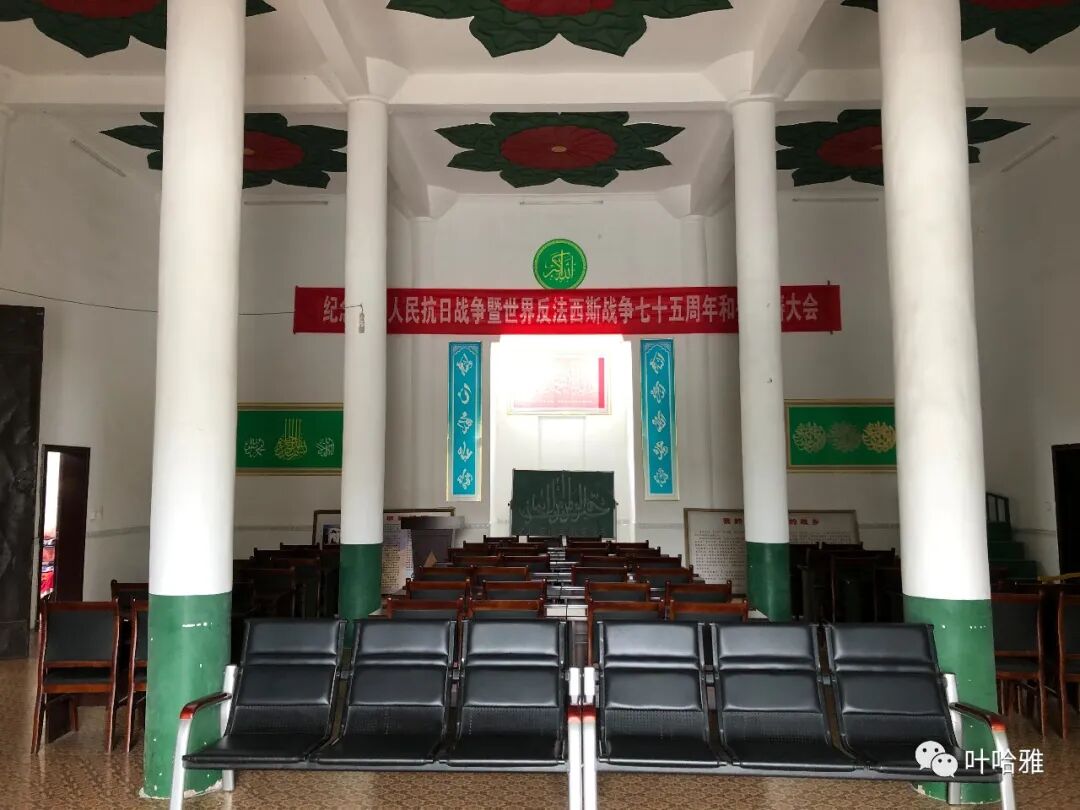
The main prayer hall.
We saw two restaurants near the mosque. One was labeled Jian Family Islamic Restaurant, which I assumed was run by local Uyghurs. The other was called Islamic Restaurant, where the servers wore headscarves and it looked more halal, so we chose that one.
Locals usually eat rice noodles for breakfast. In Hunan, you have to try a bowl of authentic Hunan beef rice noodles (niurou fen). I was worried the spice would be too much, but this bowl wasn't that spicy. The broth was rich and the beef was tender. It was run by local Hui Muslims, so it was definitely the real deal. You can also pair your breakfast with fried dough snacks. They come in sweet and savory options and cost only 1 yuan each, which is a great deal.
It is over 30 kilometers from downtown Changde to Fengshu Township. You can take a bus or a taxi. The bus takes nearly two hours and requires transfers, so I suggest taking a taxi. You will get there in 40 minutes.
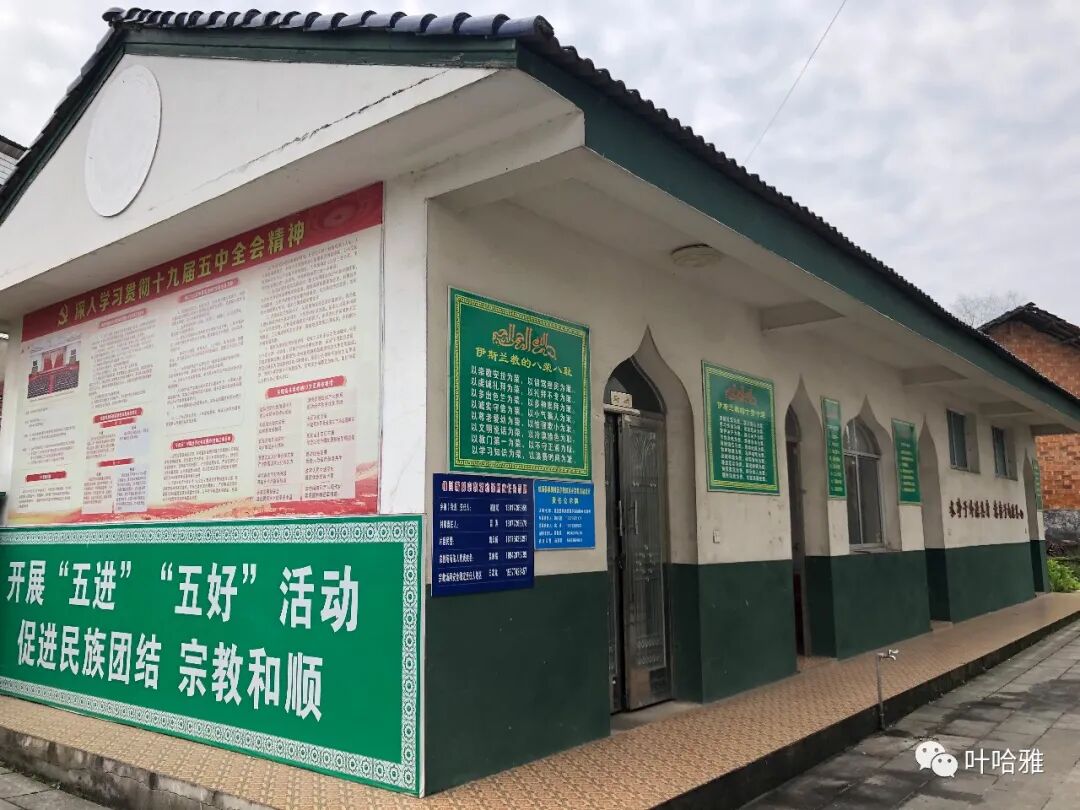
The mosque in Fengshu Village is easy to find. It is right next to the main road at the village entrance, and you can see the gate sign from far away.
The mosque in Fengshu Village was first built during the Hongwu period of the Ming Dynasty. Zhu Yuanzhang ordered it built to honor the Jian father and son who died in battle. It was first called Zhennan Scripture Hall. In the fifth year of the Republic of China, it was renamed the Jianjiagang Ancient Mosque. According to the Jian Family Genealogy, the Qingzhen West Mosque was built in the 26th year of the Hongwu period and rebuilt in the late Qing Dynasty, when it was renamed the Jianjiagang Ancient Mosque. The famous historian Jian Bozan was born here in 1898 and attended the local Islamic primary school starting at age three.
Jian Bozan studied in the United States as a young man and later served as vice president of Peking University. He died by suicide during the Cultural Revolution at the age of 70. His descendants now live in Wuhan, and some of his relatives work as university teachers.
The mother of Taiwanese singer Angela Chang is a Uyghur from Taoyuan County, Changde, Hunan. Her name is Jiang Rouyi. Her original surname was Jian, but she changed it to Jiang because the surname was rare.
Inside the mosque is the tomb of Hale Bashi, known by his Chinese name Jian Bashi. He was a Gaochang Uyghur who died in 1388 while ordered to suppress a rebellion in Yunnan and Guizhou. He was buried in Huanglonggang, Changde by imperial decree, and his remains were moved to Group 5 of Huiwei New Village in Fengshu Township in 1956.
We met the imam at the mosque. He told us that the local religious situation is much better now. No one in the village eats pork, and funeral customs still follow Islamic traditions. During the Republic of China era, a plague killed many people. The imam was too busy to handle all the funerals, so some villagers hired Buddhist monks or Taoist priests to perform rituals. This upset some religious villagers, leading to conflict, and a group of people left the faith.
This is just a legend. I think the main reason was the broader environment. Hunan is a place where Han culture is very strong. Plus, the area was isolated, so Muslims had little contact with the outside world and were a minority. It makes sense that this kind of departure from the faith happened.
Looking at Huiwei Village from the roof of the mosque.
Local villagers come for namaz every day. On Fridays for Jumu'ah, about 20 or 30 people show up. They are all locals, mostly elderly.
After visiting the mosque, the imam recommended we go to the Huiwei Farmhouse Restaurant less than 200 meters away. It is a very large, six-story building with enough space in the courtyard to park several cars. As soon as we entered the courtyard, the owner greeted us with "Assalamu Alaikum." He is a local Uyghur and told us to call him Old Jian.
The writing above is in the Uyghur language. I asked a Uyghur friend about it, and it roughly means that every place has its own food and customs, and it speaks to ethnic unity.
The Hui and Uyghur villagers today look basically the same as the local Hunanese, though a small number still have some features from the Western Regions. When Lao Jian went to Xinjiang years ago, he could not speak Uyghur, so he went to the mosque of the Hui Muslims to perform namaz. Lao Jian told me that in Changde, people with the surname Jian are not necessarily Uyghur; some are Han Chinese.
Before the ethnic classification in the People's Republic of China, the term Uyghur did not exist in Hui-Wei Village; there was only a distinction between Hui and Han. After the ethnic classification, the Jian clan was identified as Uyghur, and they gradually built their own ethnic identity. Now, the Uyghurs in Hui-Wei New Village intermarry most often with the Hui Muslims, followed by the Han Chinese, so it is common locally for Hui, Uyghur, and Han families to be close and hard to tell apart.
The restaurant serves local Hunan flavors. Lao Jian recommended the ancestral palm-sized beef (bazhang niurou), which was delicious. The beef was chewy, flavorful, and unique, making it a great side for rice. When eating in Hunan, rice is served by the bucket. You scoop as much as you want, and you can have unlimited refills.
The complimentary local fermented bean curd (doufurui) and pickled vegetables were very spicy, which is exactly how I imagine Hunan spice.
Greens from their own vegetable garden.
After the meal, we asked Lao Jian for directions to the Peach Blossom Spring (Taohuayuan) scenic area. He said he was heading there anyway and offered to drive us. It is over 40 kilometers from Hui-Wei New Village to the Peach Blossom Spring scenic area, about a one-hour drive. On the way, we listened to Lao Jian talk about the changes in Hui-Wei New Village over the years.
Hui-Wei New Village was once a model of ethnic integration and attracted groups from everywhere. Uyghurs from Xinjiang used to visit often, and Lao Jian also visited Xinjiang and received a warm welcome. However, things have changed in recent years and fewer people come, for reasons you probably understand. The young people in the village now have a stronger sense of ethnic identity, and Lao Jian remains optimistic about the future.
We said goodbye to Lao Jian and entered the Peach Blossom Spring scenic area. It is a 5A-rated scenic spot with an entrance fee of 128 yuan per person. Villagers get in for free. After buying our tickets, we received a villager pass, which allows us to enter and exit the park freely for three days. Since the area is huge, I suggest staying inside the park for a day.
Peach Blossom Spring is the one described by Tao Yuanming. It has thousands of acres of peach forests, but they were closed during the pandemic.
The Humble Room (Loushi) described by Liu Yuxi.
There is no halal food inside the scenic area, so remember to bring your own snacks.
After staying in Changde for two days, we headed to our next stop, Shaoyang, Hunan. Shaoyang is the capital of halal food in Hunan, and I will share more details in my next post about my halal trip to Shaoyang. view all
Summary: Muslim Travel Guide China 2026: Changde Taohuayuan, Uyghur Heritage and Hunan Halal Travel is presented here as a clear English account for Muslim readers, beginning with this scene: — Hello, Travel —. The article keeps the original names, food details, mosque details, photographs, and cultural context while focusing on Changde Travel, Uyghur Heritage, Hunan Muslims.
— Hello, Travel —
I had long heard about a village in Taoyuan County, Changde, Hunan, made up of descendants of Uyghurs. During the Hongwu reign of the Ming Dynasty, General Haleshi led a troop of Hui Muslim soldiers to be stationed in Changde. Haleshi was a descendant of the governor of the Gaochang Kingdom. After the change of dynasties, he was granted the title of General of the South by the Ming emperor and given the surname Jian, which means to cut off the remnants of the Northern Yuan. These descendants of the Uyghurs stayed in Changde, married locals for generations, and formed a Uyghur village with unique Hunan characteristics.
Changde has four ethnic townships with Uyghur in their names:
Xujiaqiao Hui and Uyghur Ethnic Township;
Maojiatan Hui and Uyghur Ethnic Township;
Fengshu Uyghur and Hui Ethnic Township;
Qinglin Hui and Uyghur Ethnic Township;
In reality, only Fengshu Uyghur and Hui Ethnic Township has a large number of local Uyghurs. The other three are essentially Hui townships, each with a newly built mosque. Only Fengshu retains some historical sites and is worth visiting.
You can fly directly from Beijing Daxing Airport to Changde Taohuayuan Airport. We chose to stay in downtown Changde that night and decided to head to Fengshu Township in Taoyuan County the next day. Before going to Fengshu, we first visited the Changde Mosque.
Changde has eight mosques in total. The oldest is the Changde Ancient Mosque in the city center. It was first built during the Yongle reign of the Ming Dynasty, but the original building was destroyed and replaced by a new structure in 2004. The current imam of the Changde Ancient Mosque is a local from Changde. During the pandemic, all collective religious activities were suspended.
Qingzhen Diyi Chun is the name of a restaurant that no longer exists.
The mosque is the site of the Hui Muslim branch of the CPC Changde District Working Committee.
The mosque has four floors and a dome on top.
The main prayer hall.
We saw two restaurants near the mosque. One was labeled Jian Family Islamic Restaurant, which I assumed was run by local Uyghurs. The other was called Islamic Restaurant, where the servers wore headscarves and it looked more halal, so we chose that one.
Locals usually eat rice noodles for breakfast. In Hunan, you have to try a bowl of authentic Hunan beef rice noodles (niurou fen). I was worried the spice would be too much, but this bowl wasn't that spicy. The broth was rich and the beef was tender. It was run by local Hui Muslims, so it was definitely the real deal. You can also pair your breakfast with fried dough snacks. They come in sweet and savory options and cost only 1 yuan each, which is a great deal.
It is over 30 kilometers from downtown Changde to Fengshu Township. You can take a bus or a taxi. The bus takes nearly two hours and requires transfers, so I suggest taking a taxi. You will get there in 40 minutes.
The mosque in Fengshu Village is easy to find. It is right next to the main road at the village entrance, and you can see the gate sign from far away.
The mosque in Fengshu Village was first built during the Hongwu period of the Ming Dynasty. Zhu Yuanzhang ordered it built to honor the Jian father and son who died in battle. It was first called Zhennan Scripture Hall. In the fifth year of the Republic of China, it was renamed the Jianjiagang Ancient Mosque. According to the Jian Family Genealogy, the Qingzhen West Mosque was built in the 26th year of the Hongwu period and rebuilt in the late Qing Dynasty, when it was renamed the Jianjiagang Ancient Mosque. The famous historian Jian Bozan was born here in 1898 and attended the local Islamic primary school starting at age three.
Jian Bozan studied in the United States as a young man and later served as vice president of Peking University. He died by suicide during the Cultural Revolution at the age of 70. His descendants now live in Wuhan, and some of his relatives work as university teachers.
The mother of Taiwanese singer Angela Chang is a Uyghur from Taoyuan County, Changde, Hunan. Her name is Jiang Rouyi. Her original surname was Jian, but she changed it to Jiang because the surname was rare.
Inside the mosque is the tomb of Hale Bashi, known by his Chinese name Jian Bashi. He was a Gaochang Uyghur who died in 1388 while ordered to suppress a rebellion in Yunnan and Guizhou. He was buried in Huanglonggang, Changde by imperial decree, and his remains were moved to Group 5 of Huiwei New Village in Fengshu Township in 1956.
We met the imam at the mosque. He told us that the local religious situation is much better now. No one in the village eats pork, and funeral customs still follow Islamic traditions. During the Republic of China era, a plague killed many people. The imam was too busy to handle all the funerals, so some villagers hired Buddhist monks or Taoist priests to perform rituals. This upset some religious villagers, leading to conflict, and a group of people left the faith.
This is just a legend. I think the main reason was the broader environment. Hunan is a place where Han culture is very strong. Plus, the area was isolated, so Muslims had little contact with the outside world and were a minority. It makes sense that this kind of departure from the faith happened.
Looking at Huiwei Village from the roof of the mosque.
Local villagers come for namaz every day. On Fridays for Jumu'ah, about 20 or 30 people show up. They are all locals, mostly elderly.
After visiting the mosque, the imam recommended we go to the Huiwei Farmhouse Restaurant less than 200 meters away. It is a very large, six-story building with enough space in the courtyard to park several cars. As soon as we entered the courtyard, the owner greeted us with "Assalamu Alaikum." He is a local Uyghur and told us to call him Old Jian.
The writing above is in the Uyghur language. I asked a Uyghur friend about it, and it roughly means that every place has its own food and customs, and it speaks to ethnic unity.
The Hui and Uyghur villagers today look basically the same as the local Hunanese, though a small number still have some features from the Western Regions. When Lao Jian went to Xinjiang years ago, he could not speak Uyghur, so he went to the mosque of the Hui Muslims to perform namaz. Lao Jian told me that in Changde, people with the surname Jian are not necessarily Uyghur; some are Han Chinese.
Before the ethnic classification in the People's Republic of China, the term Uyghur did not exist in Hui-Wei Village; there was only a distinction between Hui and Han. After the ethnic classification, the Jian clan was identified as Uyghur, and they gradually built their own ethnic identity. Now, the Uyghurs in Hui-Wei New Village intermarry most often with the Hui Muslims, followed by the Han Chinese, so it is common locally for Hui, Uyghur, and Han families to be close and hard to tell apart.
The restaurant serves local Hunan flavors. Lao Jian recommended the ancestral palm-sized beef (bazhang niurou), which was delicious. The beef was chewy, flavorful, and unique, making it a great side for rice. When eating in Hunan, rice is served by the bucket. You scoop as much as you want, and you can have unlimited refills.
The complimentary local fermented bean curd (doufurui) and pickled vegetables were very spicy, which is exactly how I imagine Hunan spice.
Greens from their own vegetable garden.
After the meal, we asked Lao Jian for directions to the Peach Blossom Spring (Taohuayuan) scenic area. He said he was heading there anyway and offered to drive us. It is over 40 kilometers from Hui-Wei New Village to the Peach Blossom Spring scenic area, about a one-hour drive. On the way, we listened to Lao Jian talk about the changes in Hui-Wei New Village over the years.
Hui-Wei New Village was once a model of ethnic integration and attracted groups from everywhere. Uyghurs from Xinjiang used to visit often, and Lao Jian also visited Xinjiang and received a warm welcome. However, things have changed in recent years and fewer people come, for reasons you probably understand. The young people in the village now have a stronger sense of ethnic identity, and Lao Jian remains optimistic about the future.
We said goodbye to Lao Jian and entered the Peach Blossom Spring scenic area. It is a 5A-rated scenic spot with an entrance fee of 128 yuan per person. Villagers get in for free. After buying our tickets, we received a villager pass, which allows us to enter and exit the park freely for three days. Since the area is huge, I suggest staying inside the park for a day.
Peach Blossom Spring is the one described by Tao Yuanming. It has thousands of acres of peach forests, but they were closed during the pandemic.
The Humble Room (Loushi) described by Liu Yuxi.
There is no halal food inside the scenic area, so remember to bring your own snacks.
After staying in Changde for two days, we headed to our next stop, Shaoyang, Hunan. Shaoyang is the capital of halal food in Hunan, and I will share more details in my next post about my halal trip to Shaoyang. view all
Reposted from the web
Summary: Muslim Travel Guide China 2026: Changde Taohuayuan, Uyghur Heritage and Hunan Halal Travel is presented here as a clear English account for Muslim readers, beginning with this scene: — Hello, Travel —. The article keeps the original names, food details, mosque details, photographs, and cultural context while focusing on Changde Travel, Uyghur Heritage, Hunan Muslims.

— Hello, Travel —
I had long heard about a village in Taoyuan County, Changde, Hunan, made up of descendants of Uyghurs. During the Hongwu reign of the Ming Dynasty, General Haleshi led a troop of Hui Muslim soldiers to be stationed in Changde. Haleshi was a descendant of the governor of the Gaochang Kingdom. After the change of dynasties, he was granted the title of General of the South by the Ming emperor and given the surname Jian, which means to cut off the remnants of the Northern Yuan. These descendants of the Uyghurs stayed in Changde, married locals for generations, and formed a Uyghur village with unique Hunan characteristics.
Changde has four ethnic townships with Uyghur in their names:
Xujiaqiao Hui and Uyghur Ethnic Township;
Maojiatan Hui and Uyghur Ethnic Township;
Fengshu Uyghur and Hui Ethnic Township;
Qinglin Hui and Uyghur Ethnic Township;
In reality, only Fengshu Uyghur and Hui Ethnic Township has a large number of local Uyghurs. The other three are essentially Hui townships, each with a newly built mosque. Only Fengshu retains some historical sites and is worth visiting.
You can fly directly from Beijing Daxing Airport to Changde Taohuayuan Airport. We chose to stay in downtown Changde that night and decided to head to Fengshu Township in Taoyuan County the next day. Before going to Fengshu, we first visited the Changde Mosque.
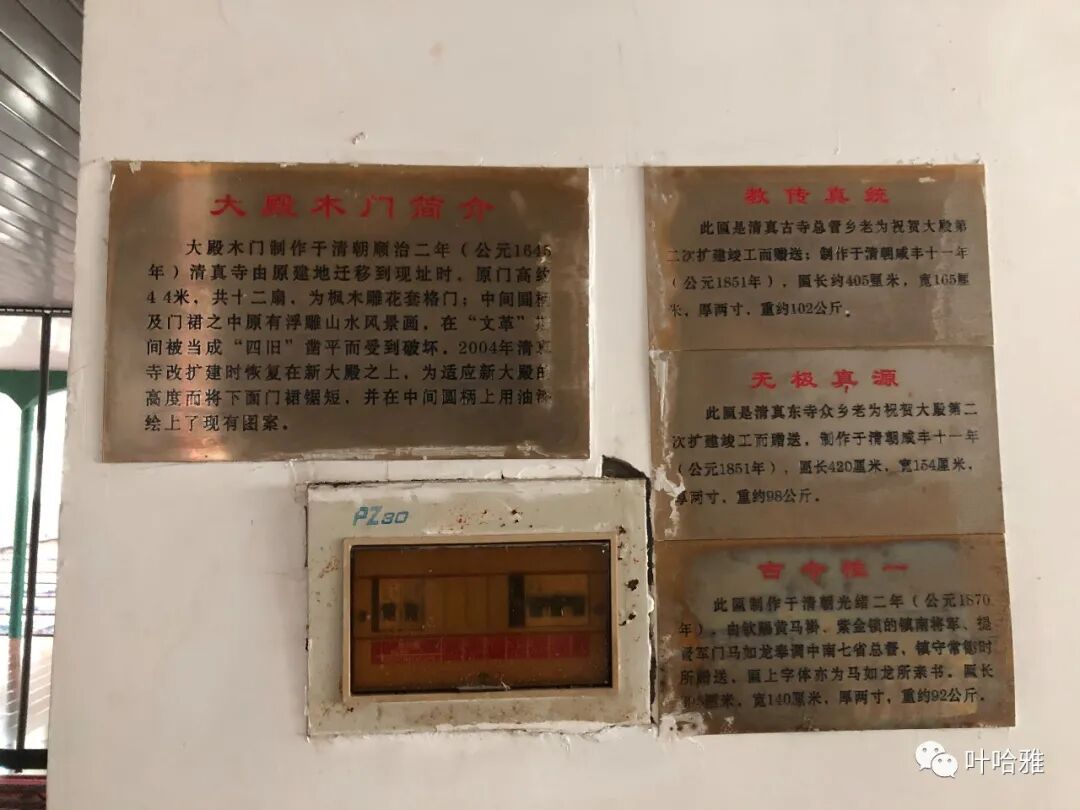
Changde has eight mosques in total. The oldest is the Changde Ancient Mosque in the city center. It was first built during the Yongle reign of the Ming Dynasty, but the original building was destroyed and replaced by a new structure in 2004. The current imam of the Changde Ancient Mosque is a local from Changde. During the pandemic, all collective religious activities were suspended.
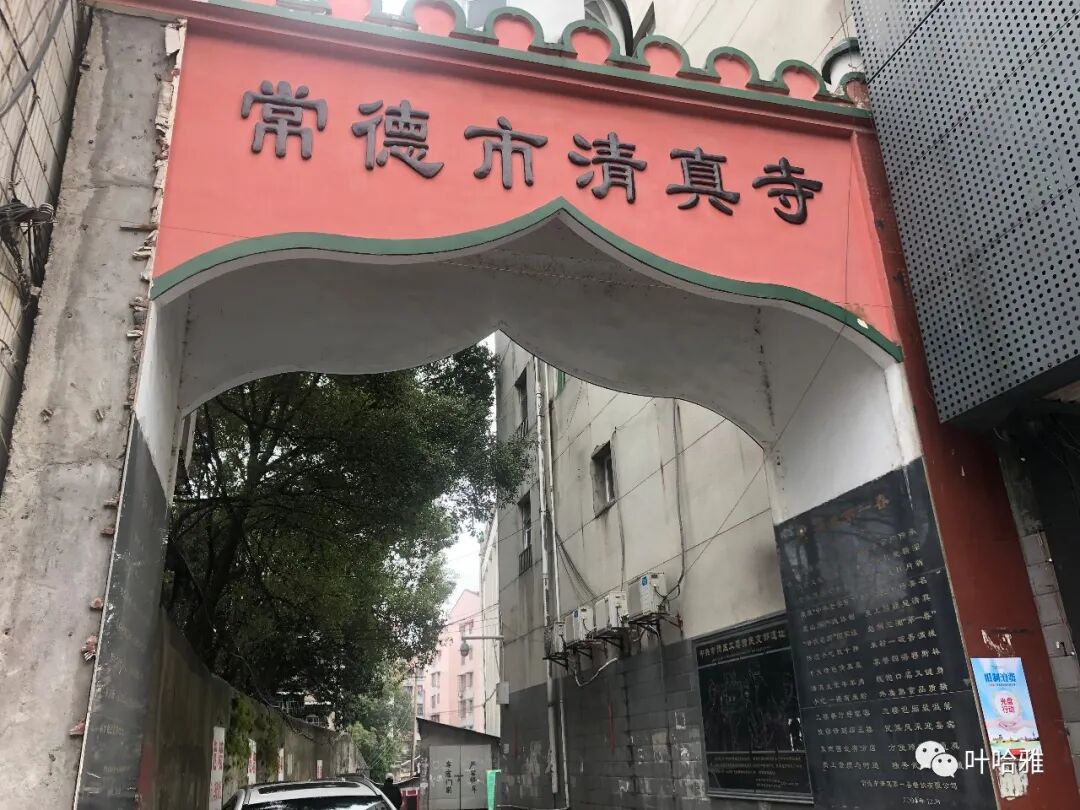
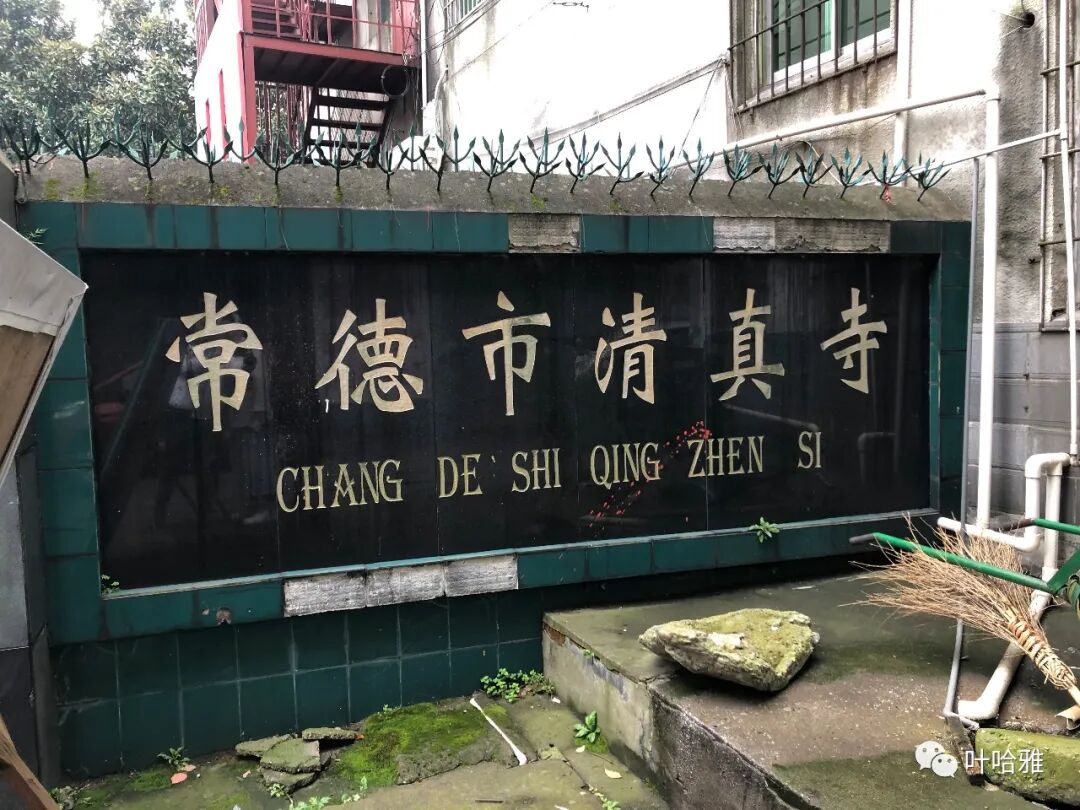
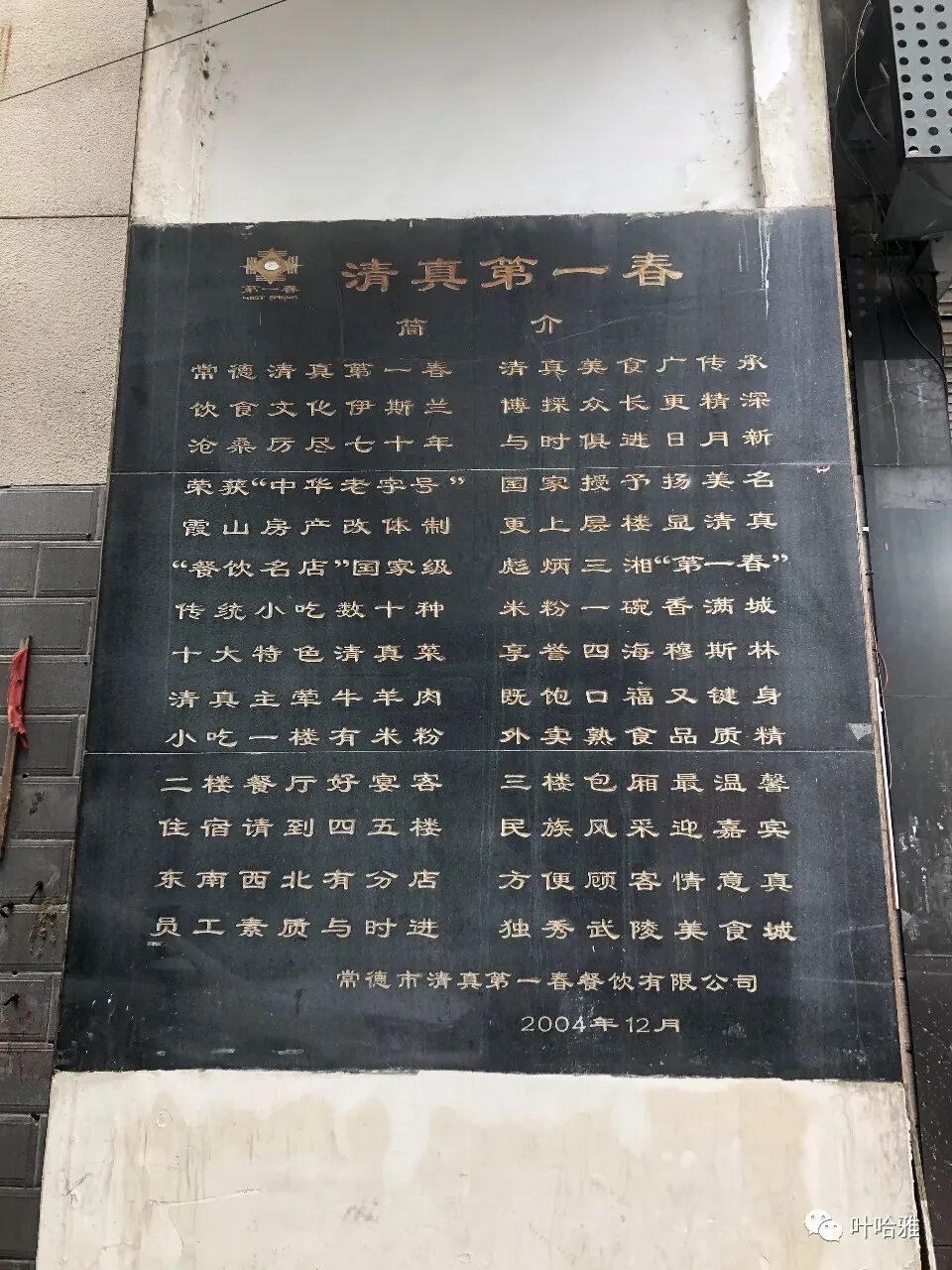
Qingzhen Diyi Chun is the name of a restaurant that no longer exists.
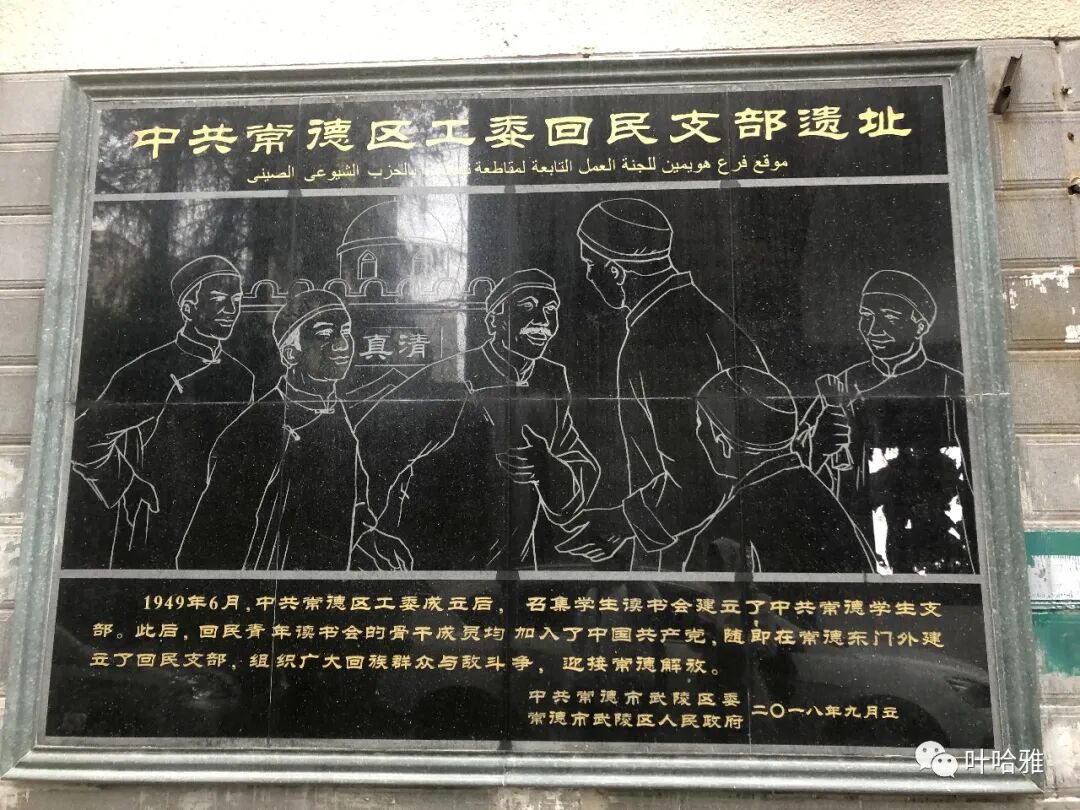
The mosque is the site of the Hui Muslim branch of the CPC Changde District Working Committee.
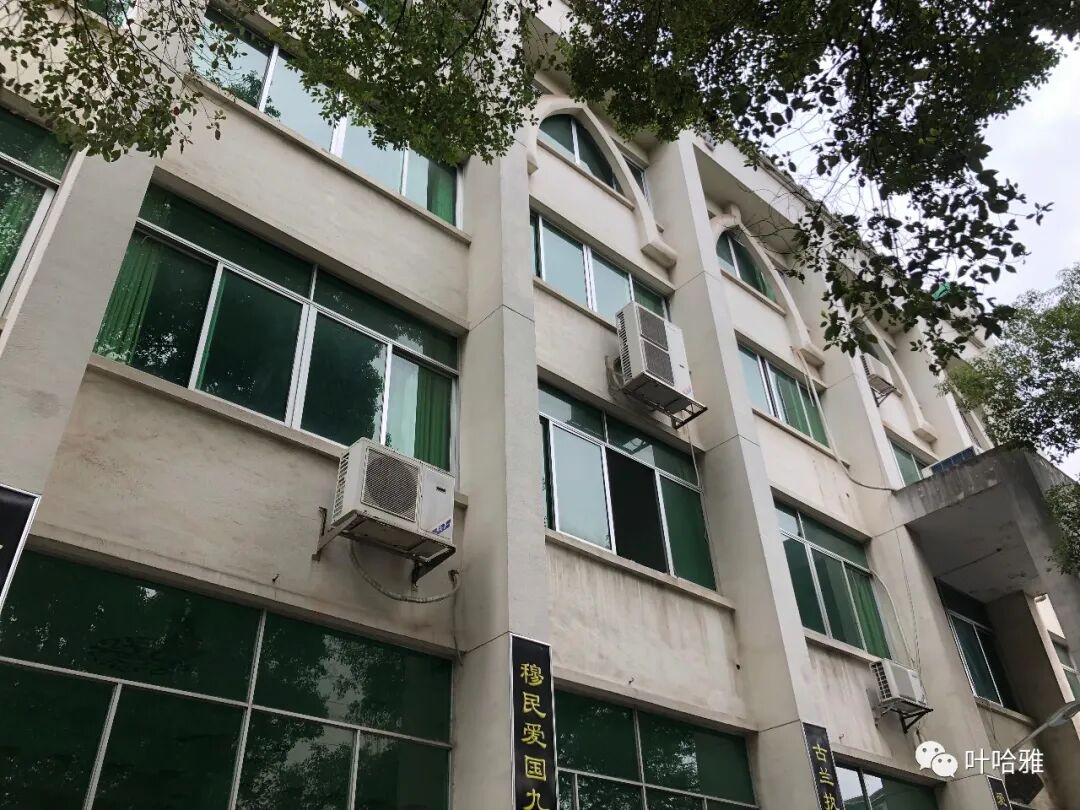
The mosque has four floors and a dome on top.
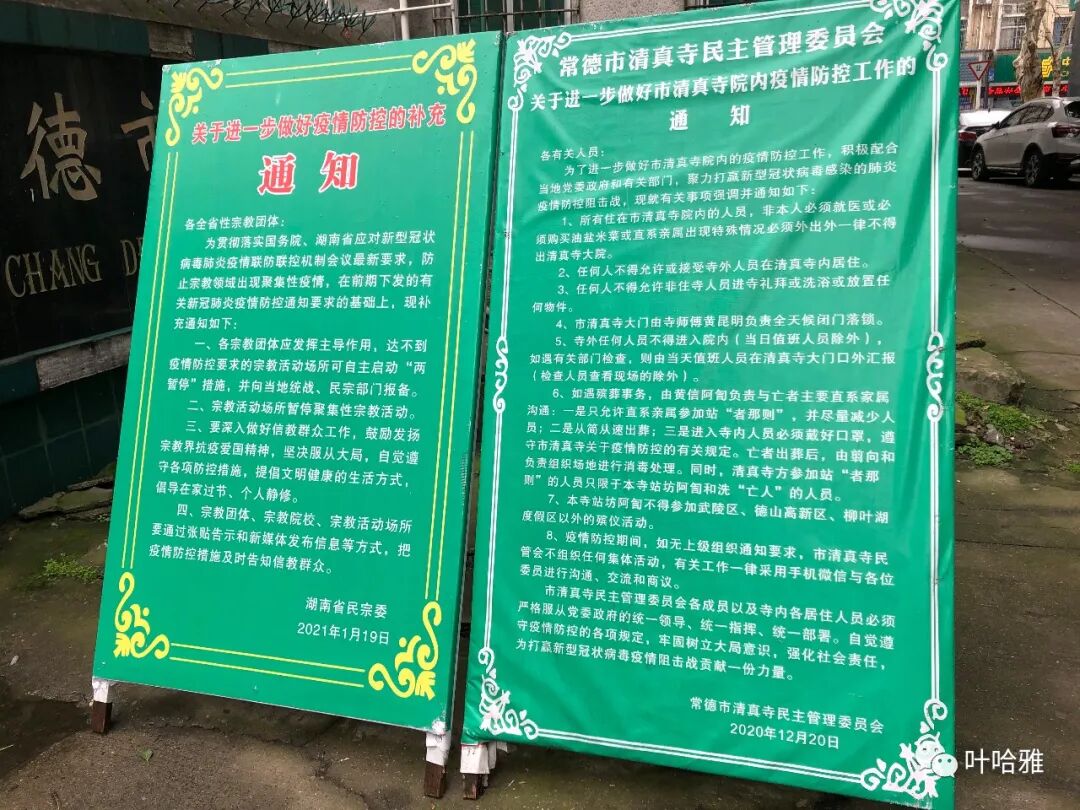
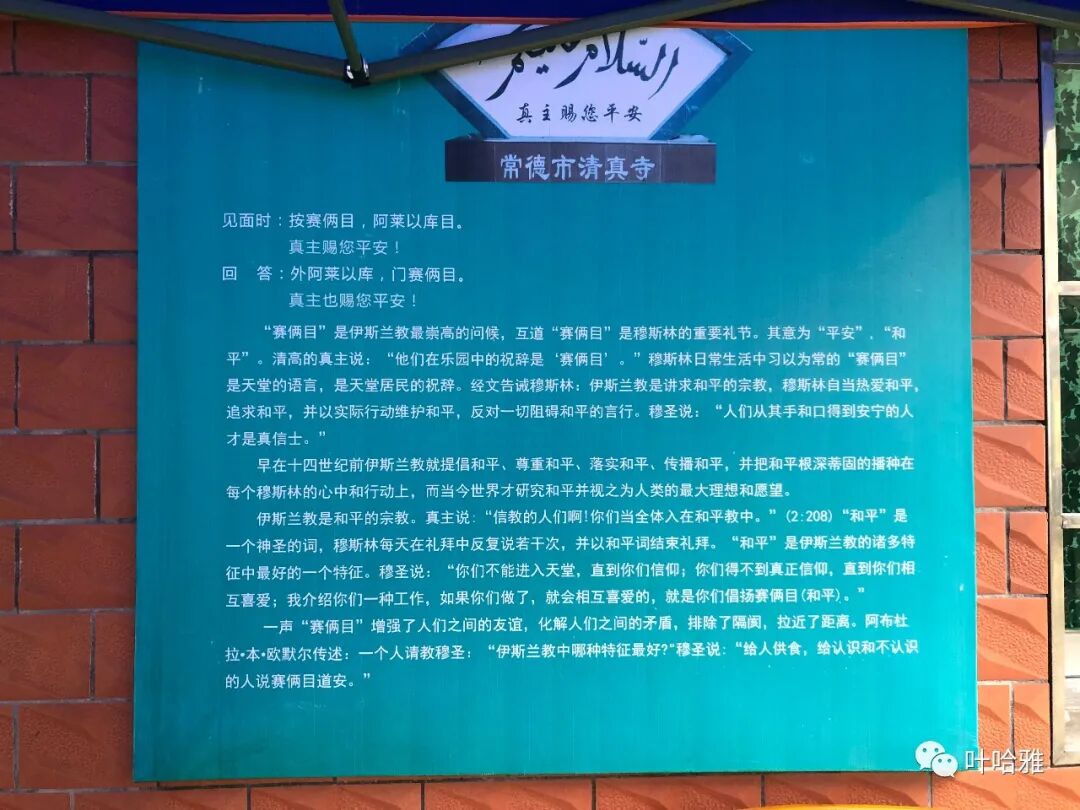
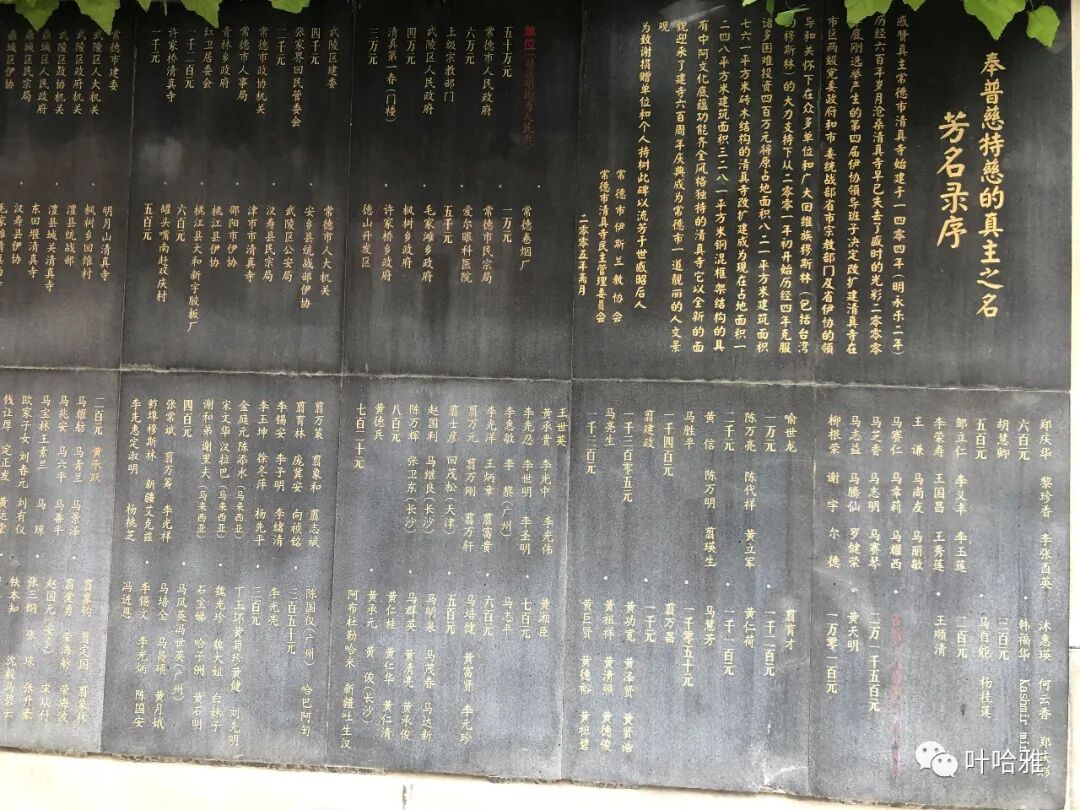
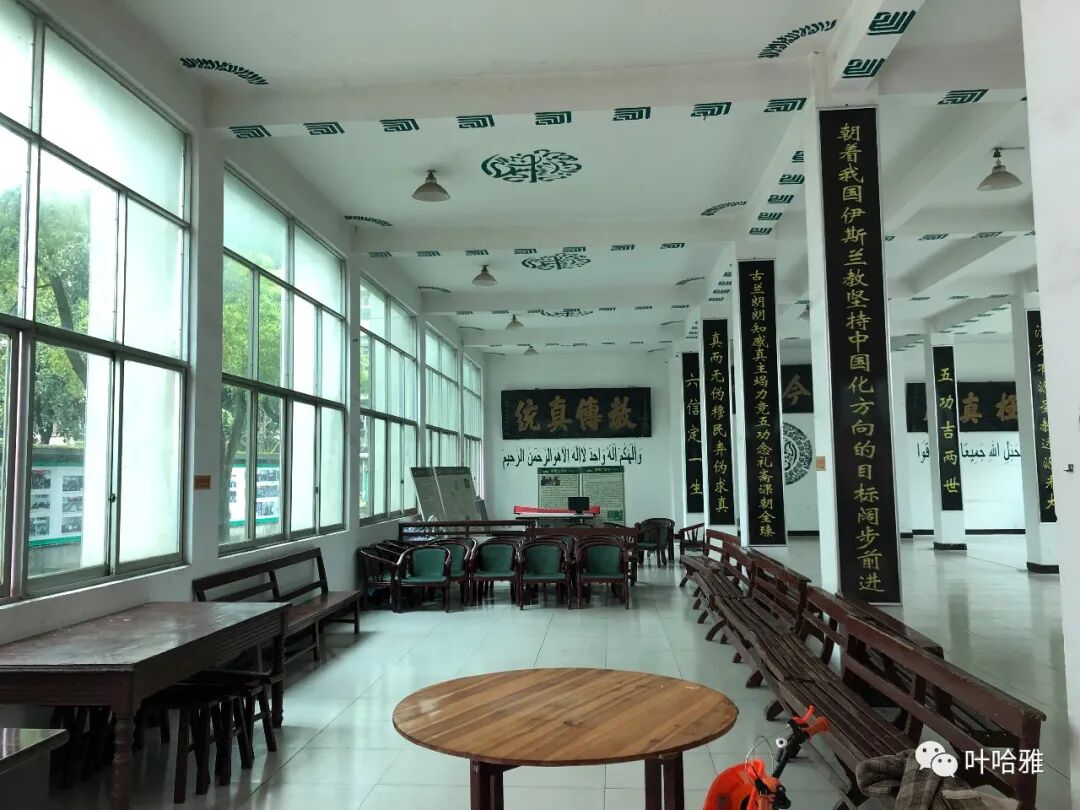
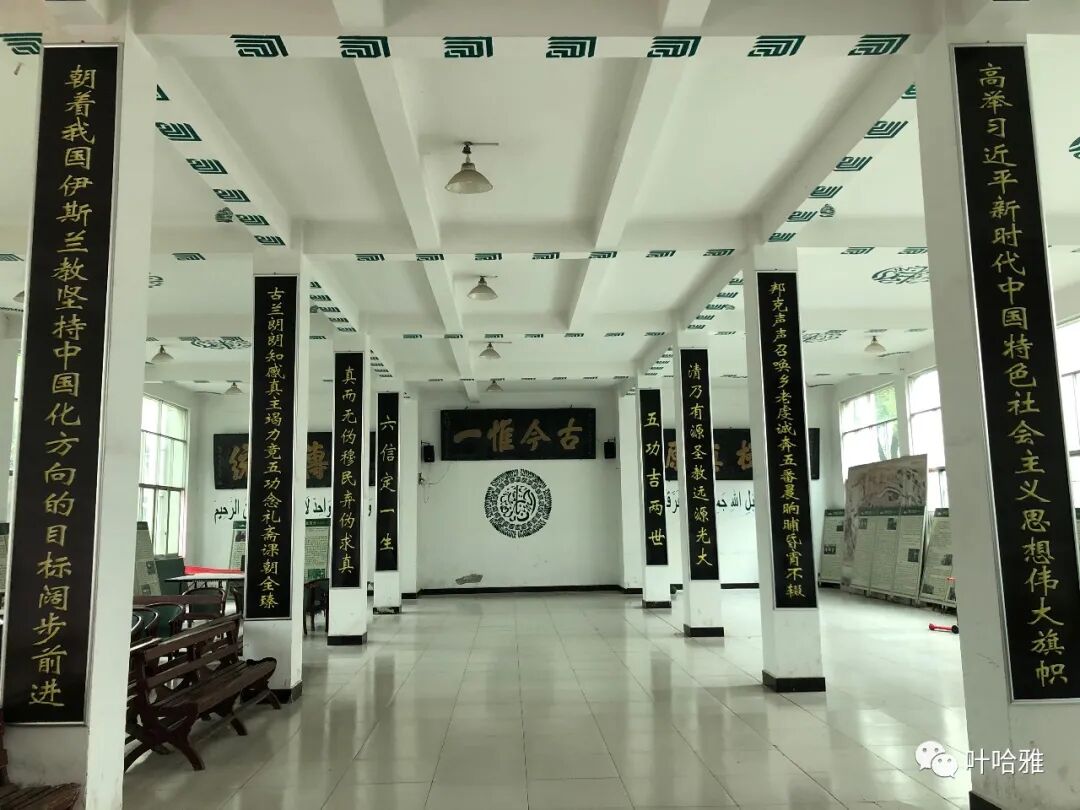
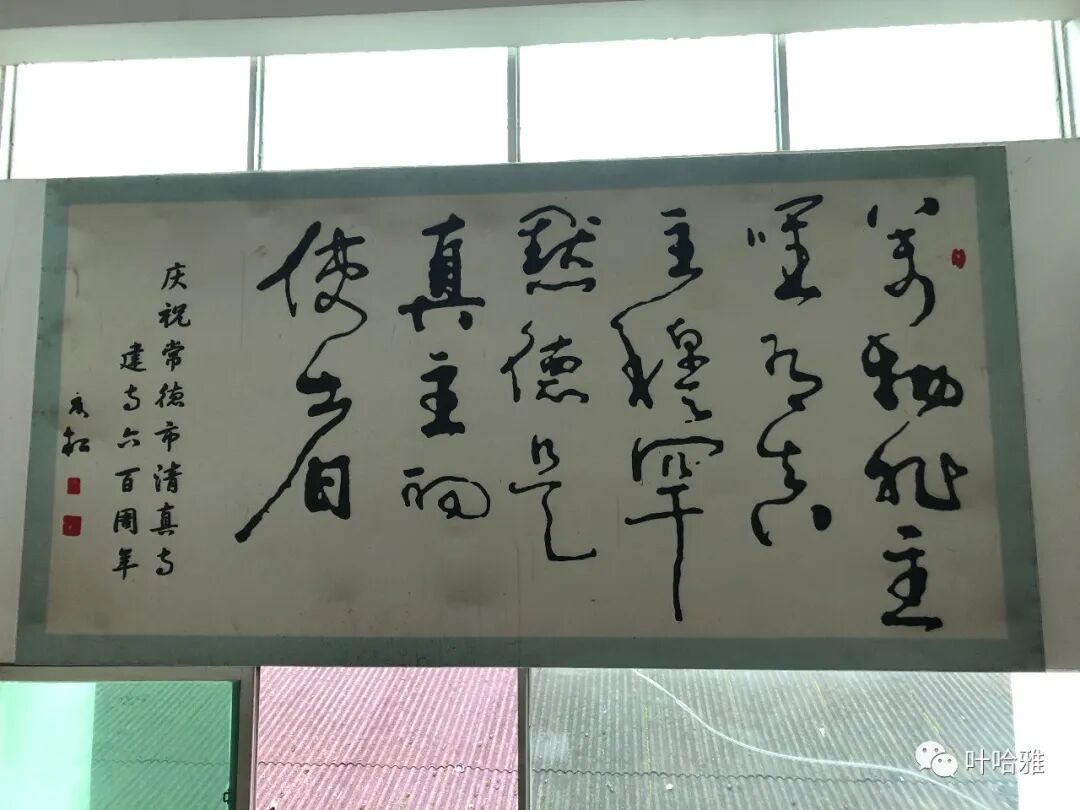
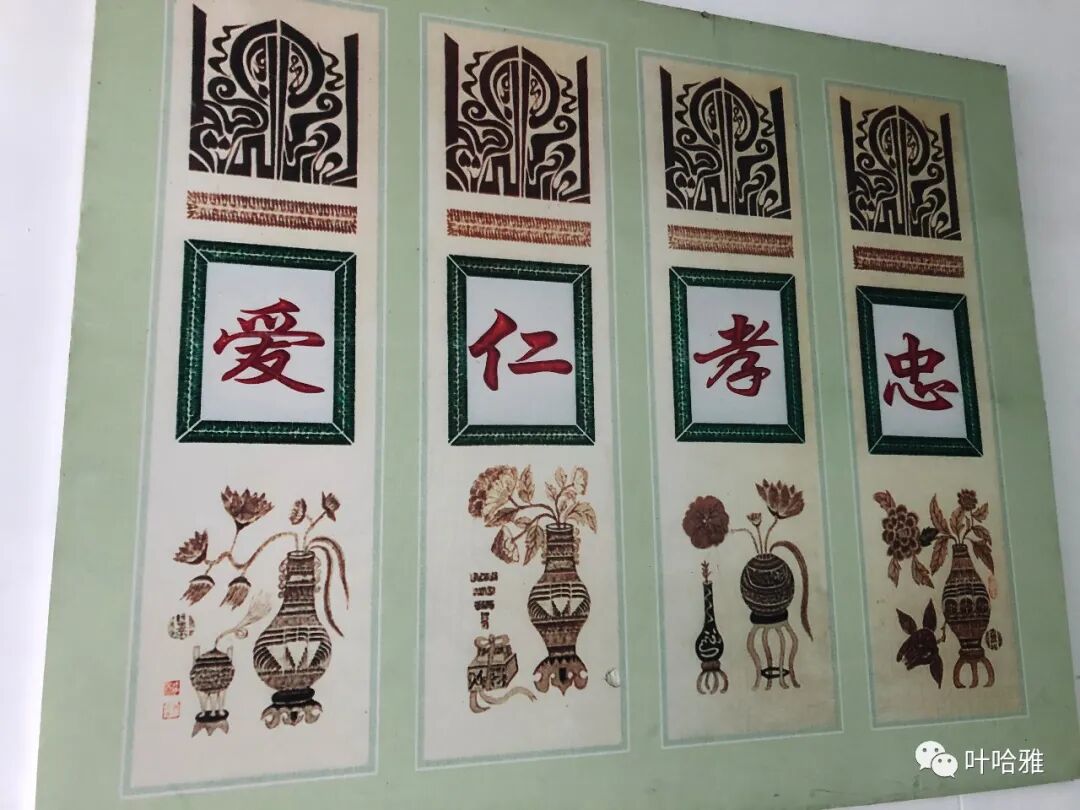
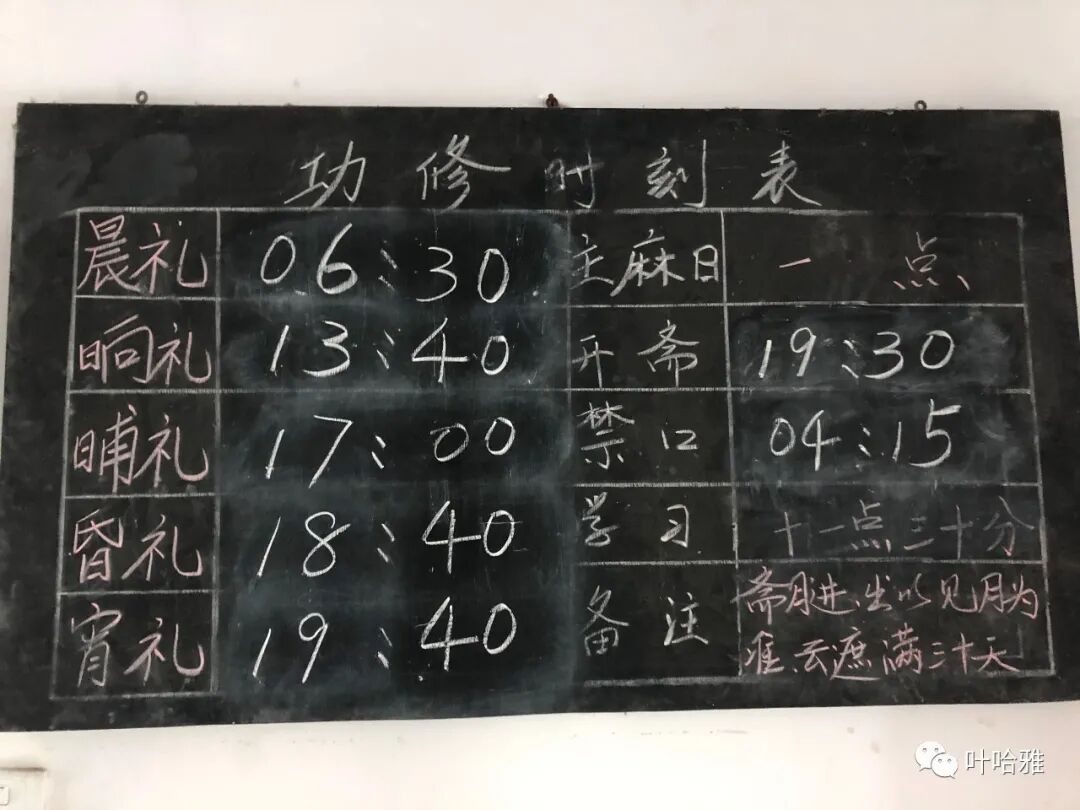
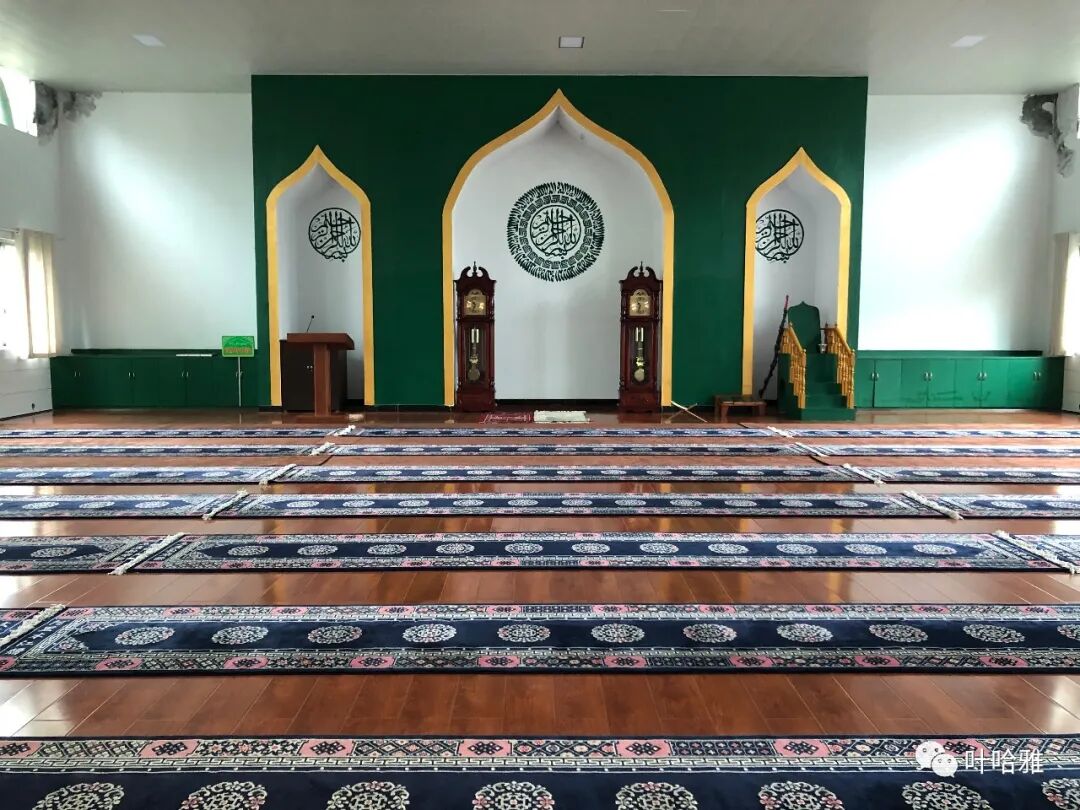
The main prayer hall.
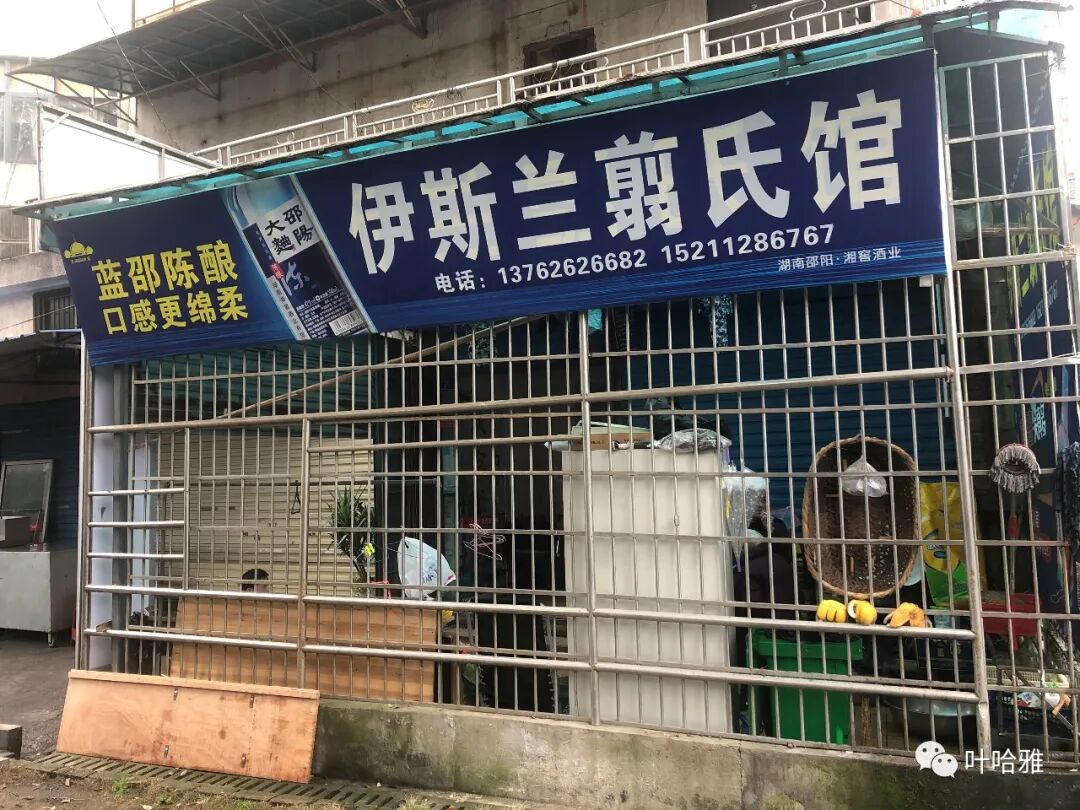
We saw two restaurants near the mosque. One was labeled Jian Family Islamic Restaurant, which I assumed was run by local Uyghurs. The other was called Islamic Restaurant, where the servers wore headscarves and it looked more halal, so we chose that one.
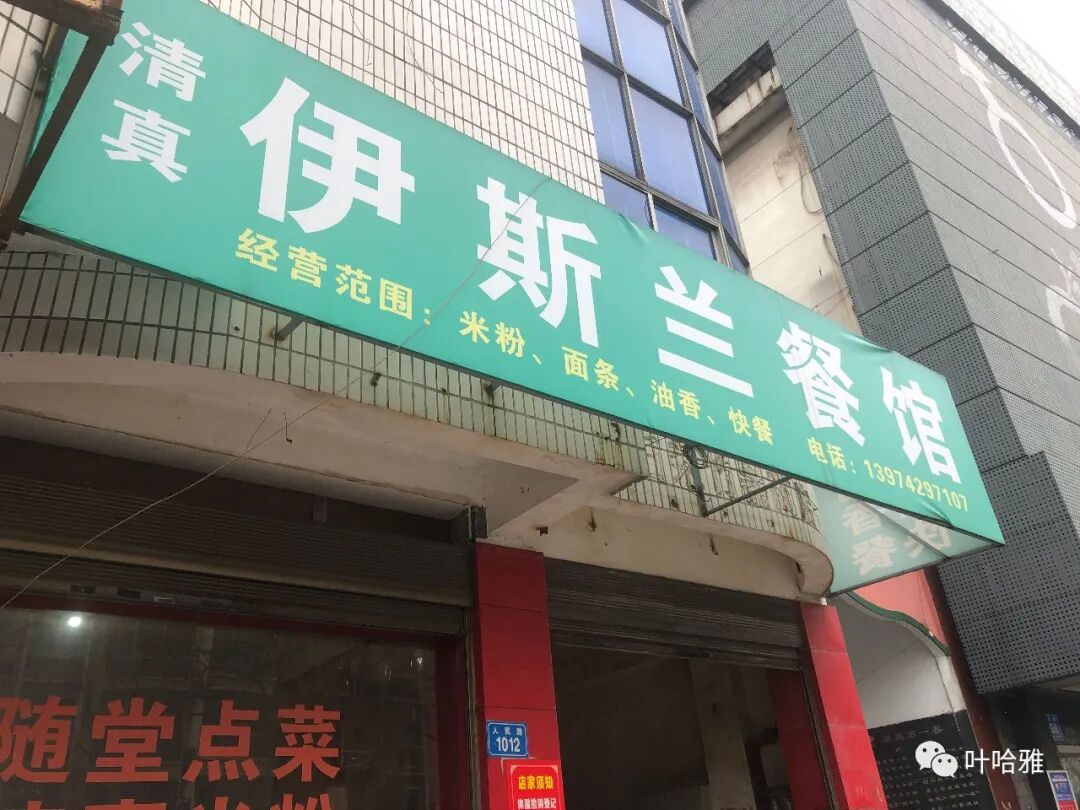
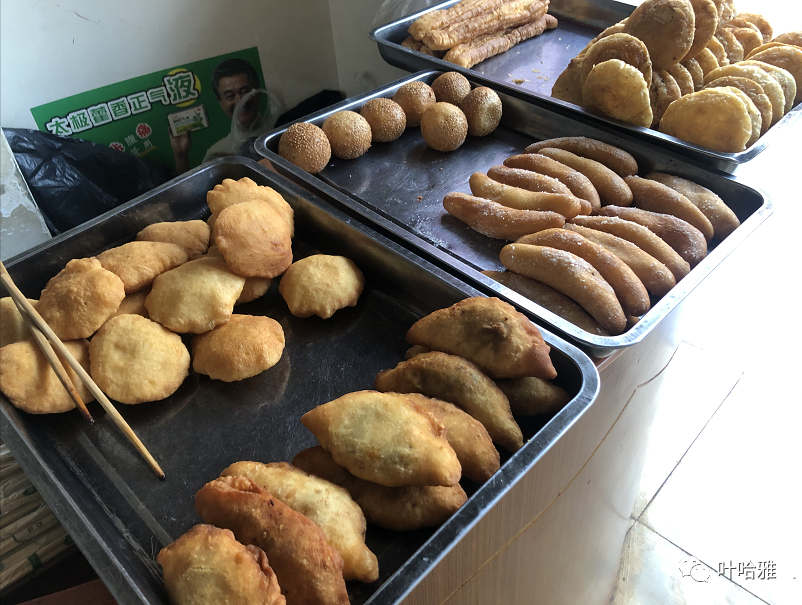
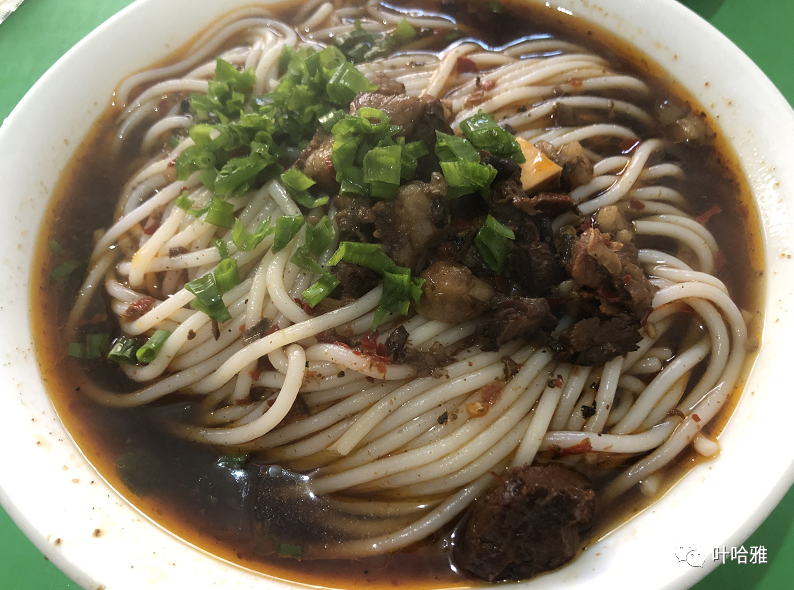
Locals usually eat rice noodles for breakfast. In Hunan, you have to try a bowl of authentic Hunan beef rice noodles (niurou fen). I was worried the spice would be too much, but this bowl wasn't that spicy. The broth was rich and the beef was tender. It was run by local Hui Muslims, so it was definitely the real deal. You can also pair your breakfast with fried dough snacks. They come in sweet and savory options and cost only 1 yuan each, which is a great deal.
It is over 30 kilometers from downtown Changde to Fengshu Township. You can take a bus or a taxi. The bus takes nearly two hours and requires transfers, so I suggest taking a taxi. You will get there in 40 minutes.
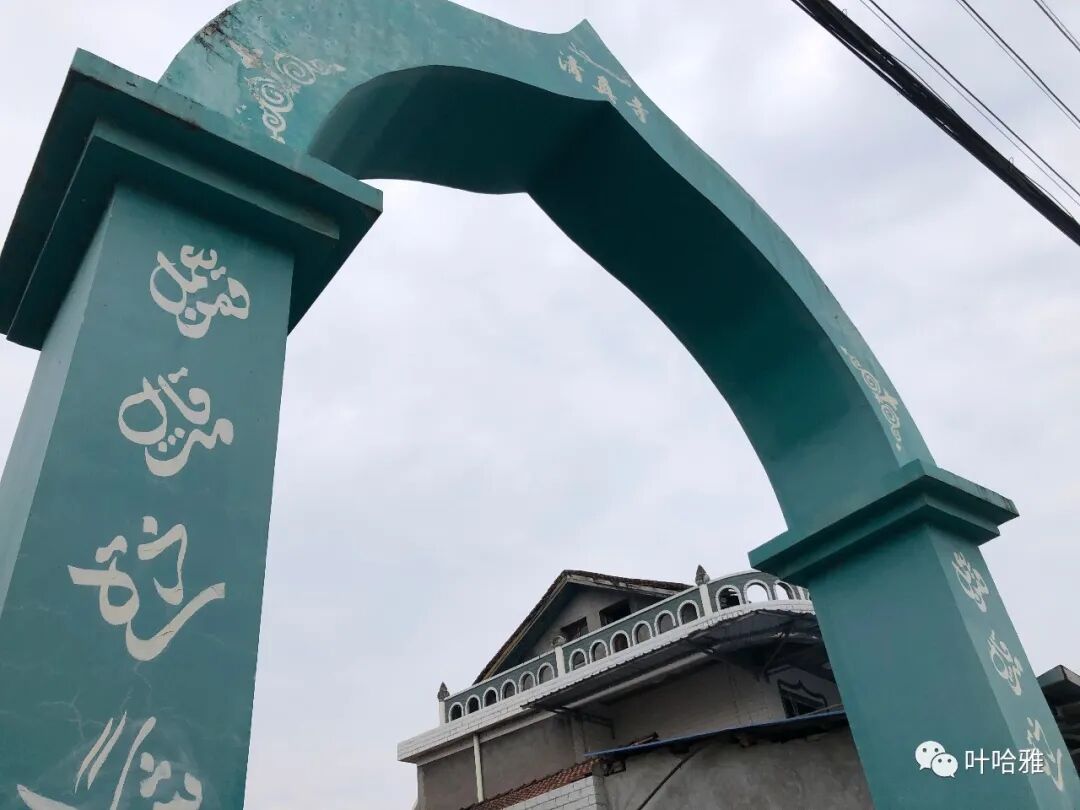
The mosque in Fengshu Village is easy to find. It is right next to the main road at the village entrance, and you can see the gate sign from far away.
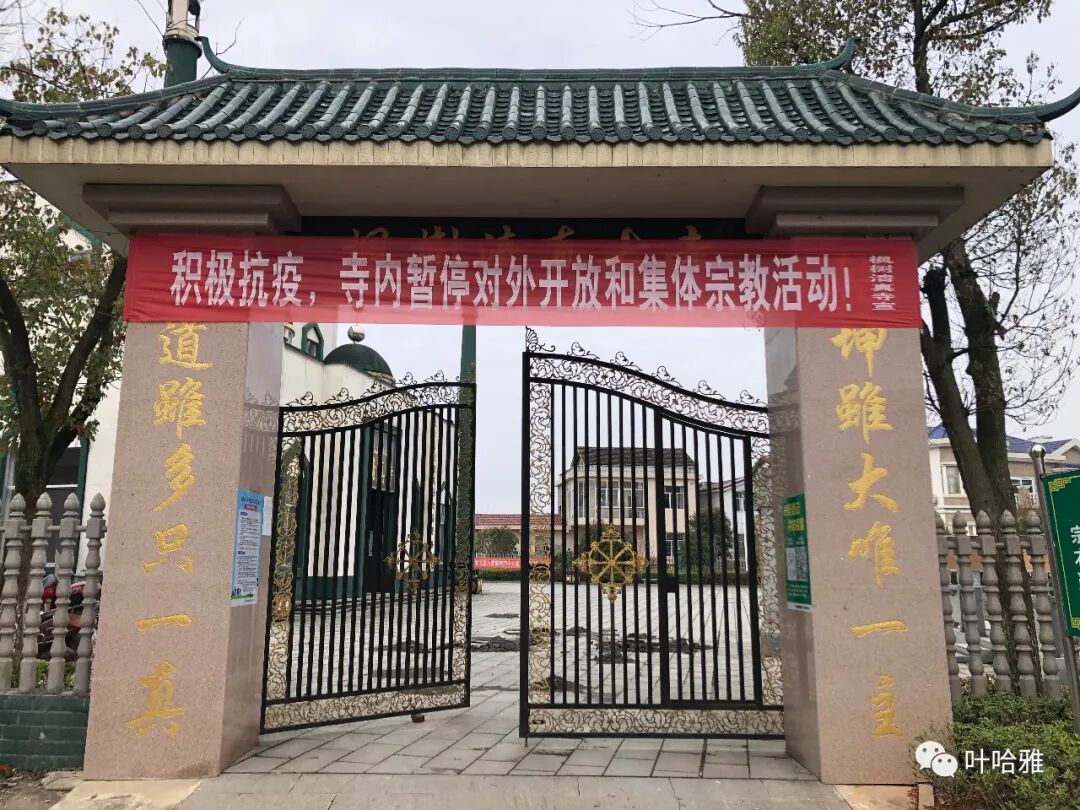
The mosque in Fengshu Village was first built during the Hongwu period of the Ming Dynasty. Zhu Yuanzhang ordered it built to honor the Jian father and son who died in battle. It was first called Zhennan Scripture Hall. In the fifth year of the Republic of China, it was renamed the Jianjiagang Ancient Mosque. According to the Jian Family Genealogy, the Qingzhen West Mosque was built in the 26th year of the Hongwu period and rebuilt in the late Qing Dynasty, when it was renamed the Jianjiagang Ancient Mosque. The famous historian Jian Bozan was born here in 1898 and attended the local Islamic primary school starting at age three.
Jian Bozan studied in the United States as a young man and later served as vice president of Peking University. He died by suicide during the Cultural Revolution at the age of 70. His descendants now live in Wuhan, and some of his relatives work as university teachers.
The mother of Taiwanese singer Angela Chang is a Uyghur from Taoyuan County, Changde, Hunan. Her name is Jiang Rouyi. Her original surname was Jian, but she changed it to Jiang because the surname was rare.
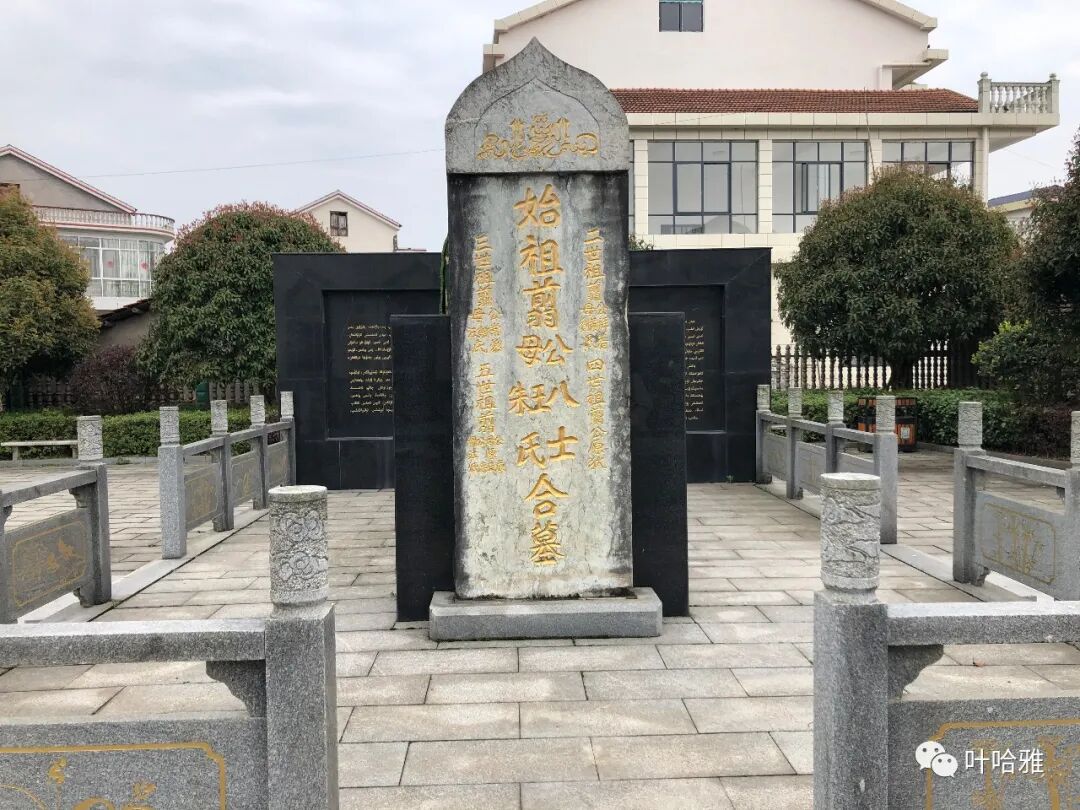
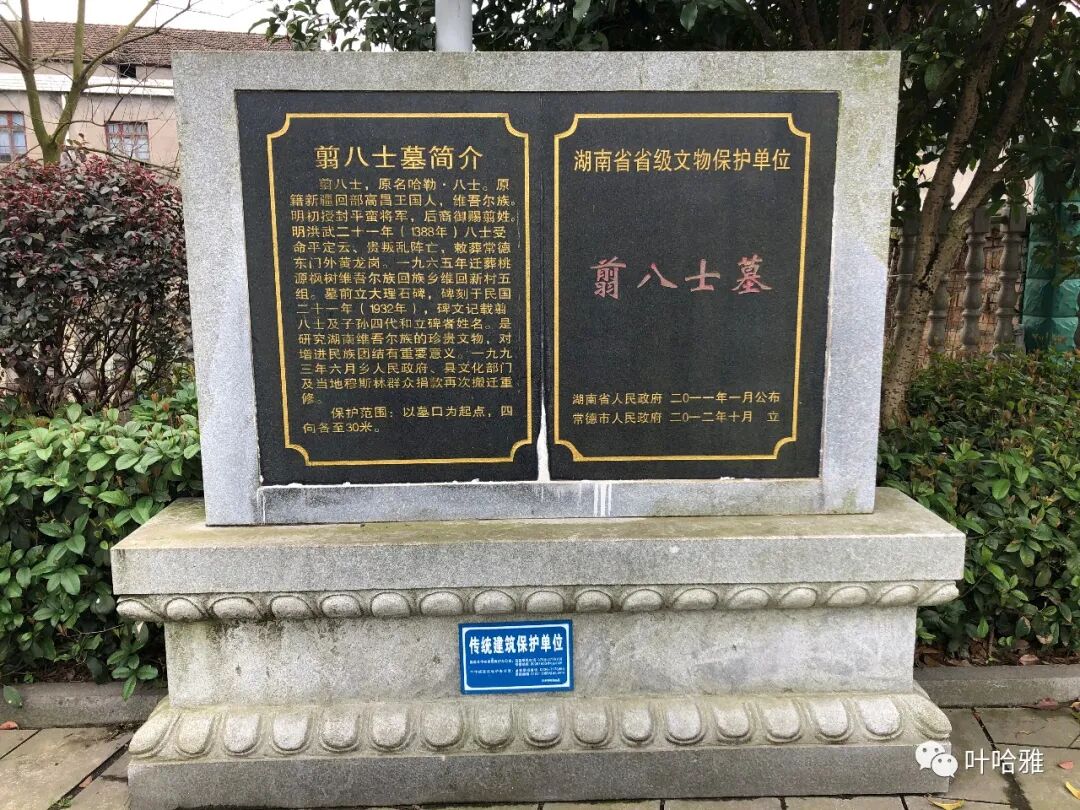
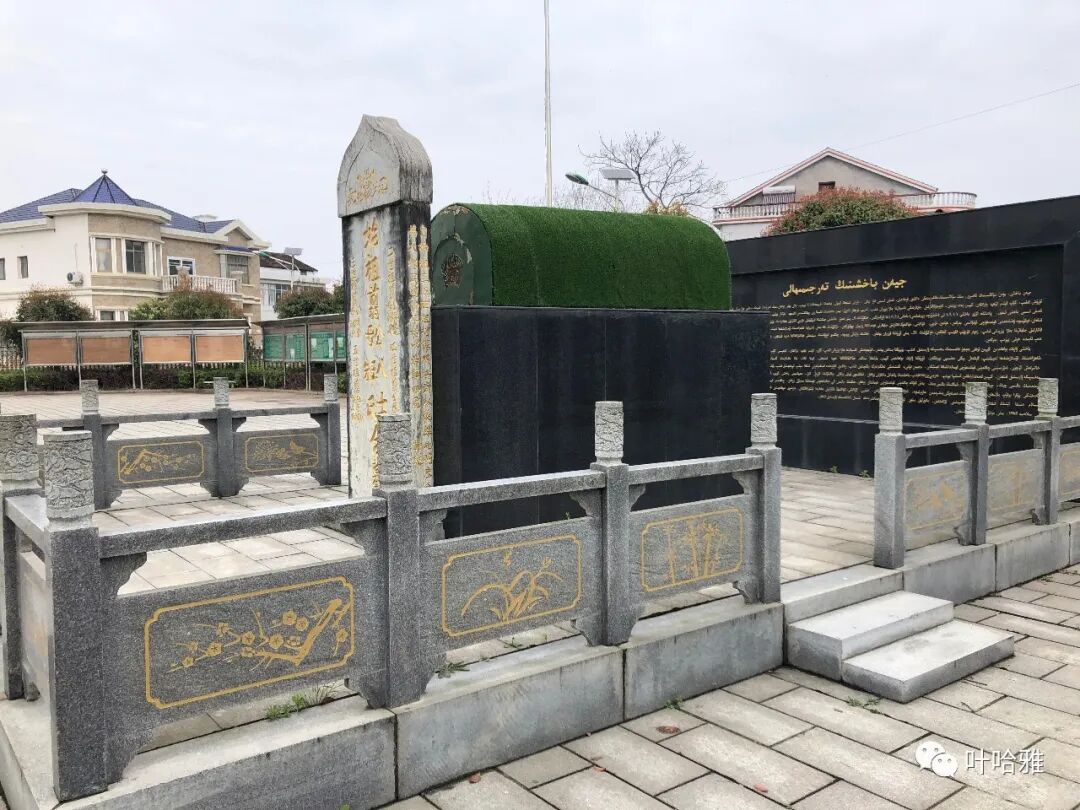
Inside the mosque is the tomb of Hale Bashi, known by his Chinese name Jian Bashi. He was a Gaochang Uyghur who died in 1388 while ordered to suppress a rebellion in Yunnan and Guizhou. He was buried in Huanglonggang, Changde by imperial decree, and his remains were moved to Group 5 of Huiwei New Village in Fengshu Township in 1956.
We met the imam at the mosque. He told us that the local religious situation is much better now. No one in the village eats pork, and funeral customs still follow Islamic traditions. During the Republic of China era, a plague killed many people. The imam was too busy to handle all the funerals, so some villagers hired Buddhist monks or Taoist priests to perform rituals. This upset some religious villagers, leading to conflict, and a group of people left the faith.
This is just a legend. I think the main reason was the broader environment. Hunan is a place where Han culture is very strong. Plus, the area was isolated, so Muslims had little contact with the outside world and were a minority. It makes sense that this kind of departure from the faith happened.
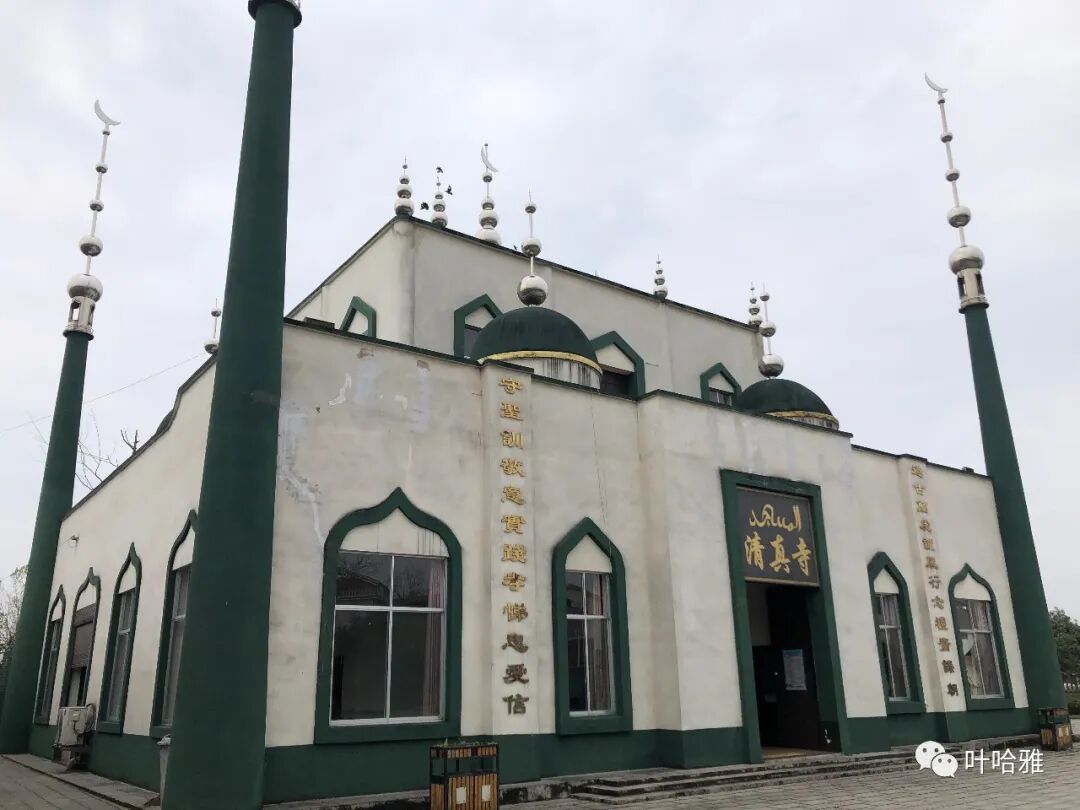
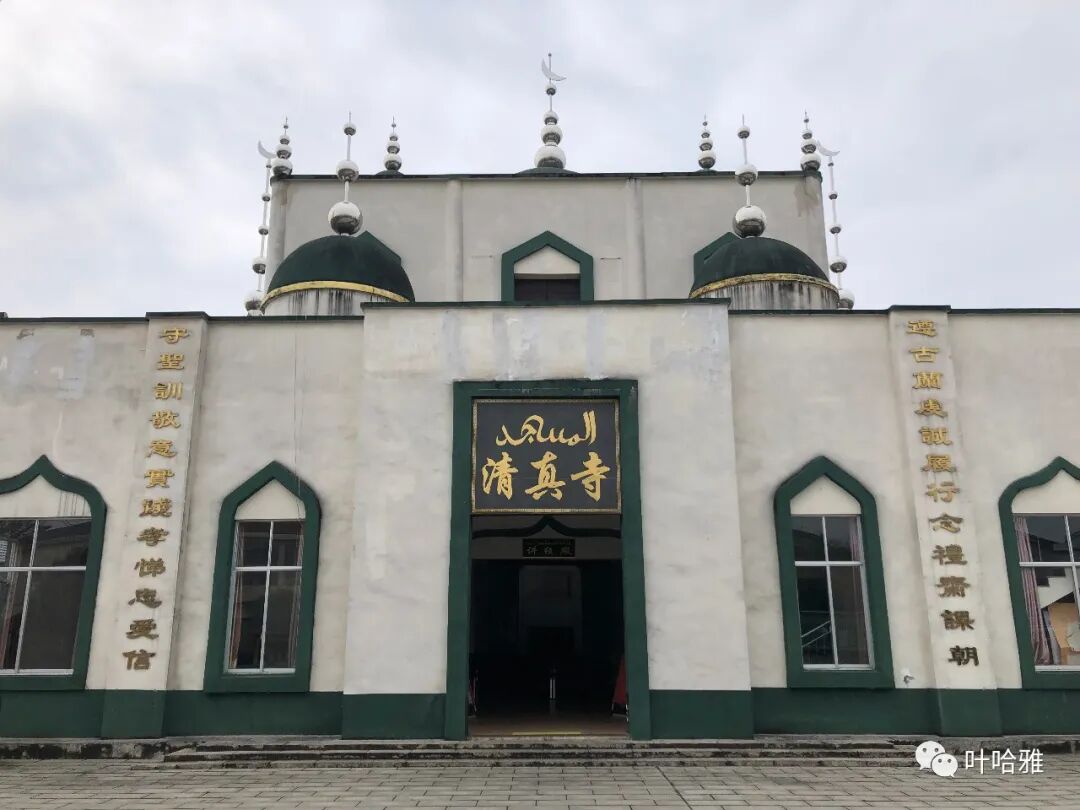
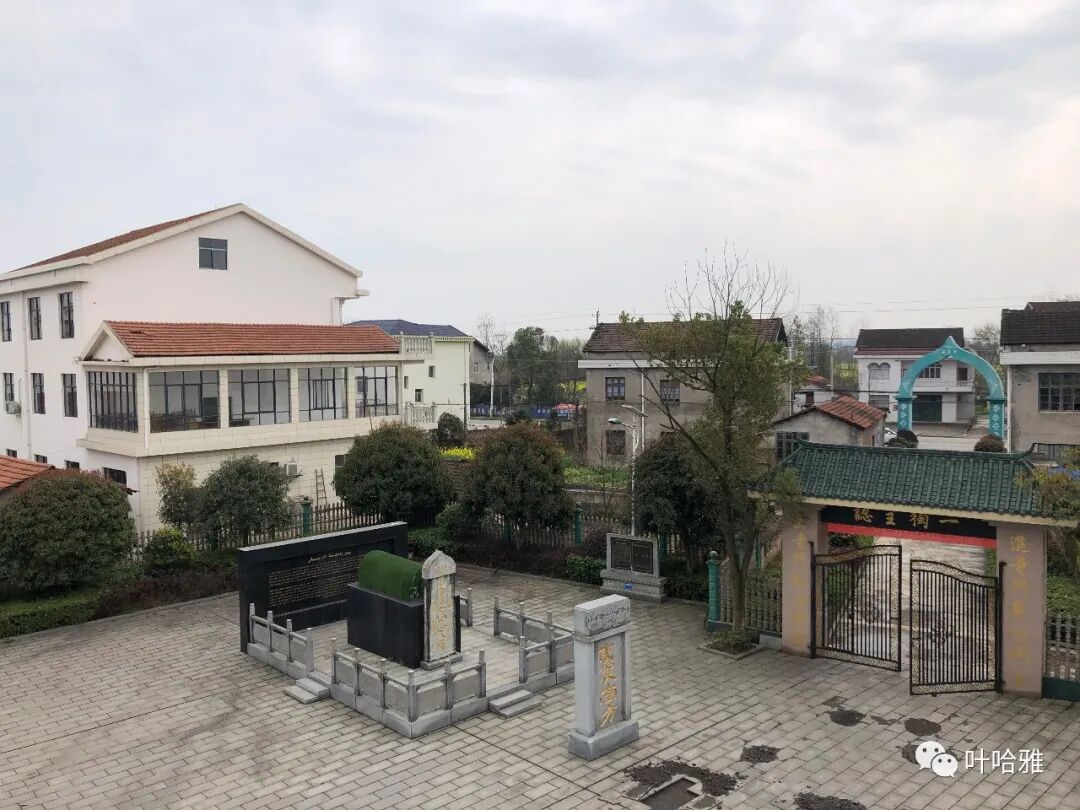
Looking at Huiwei Village from the roof of the mosque.
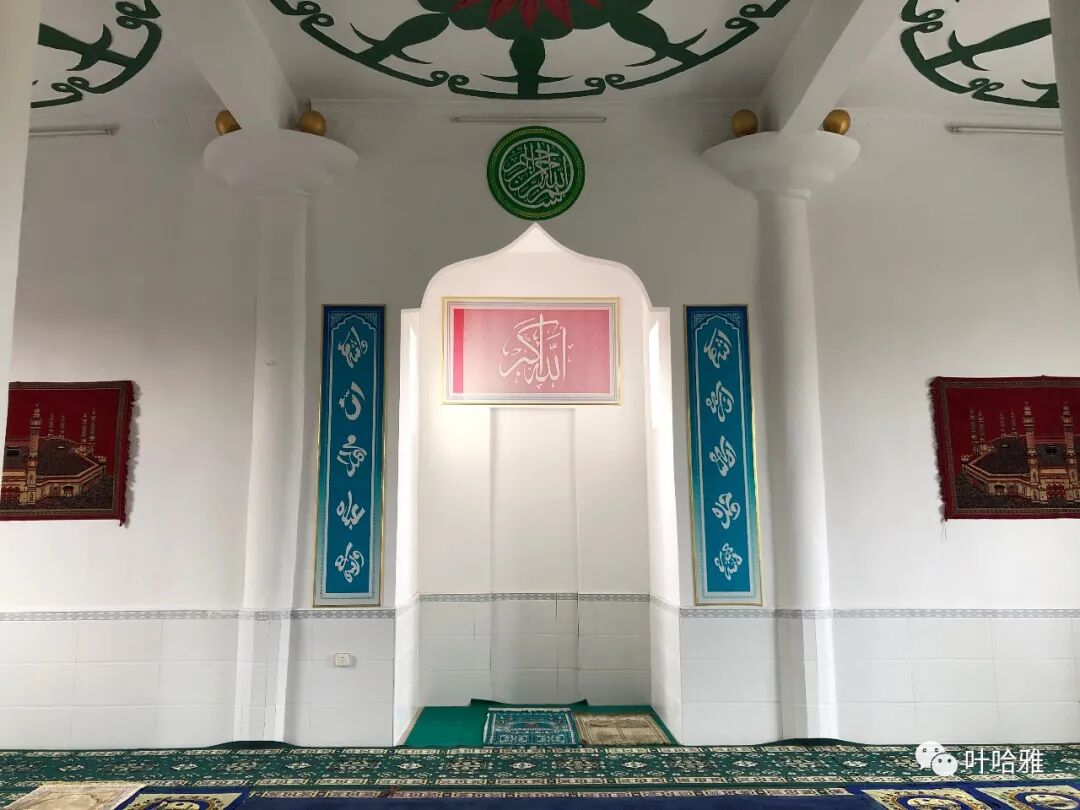
Local villagers come for namaz every day. On Fridays for Jumu'ah, about 20 or 30 people show up. They are all locals, mostly elderly.
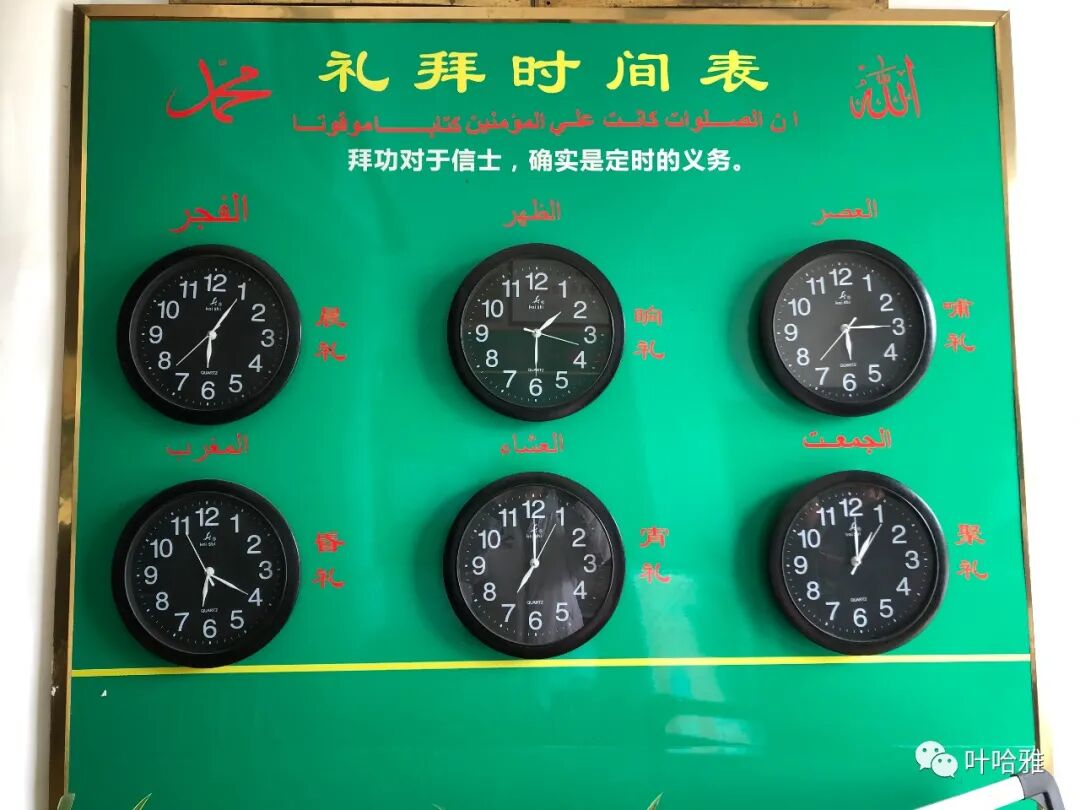
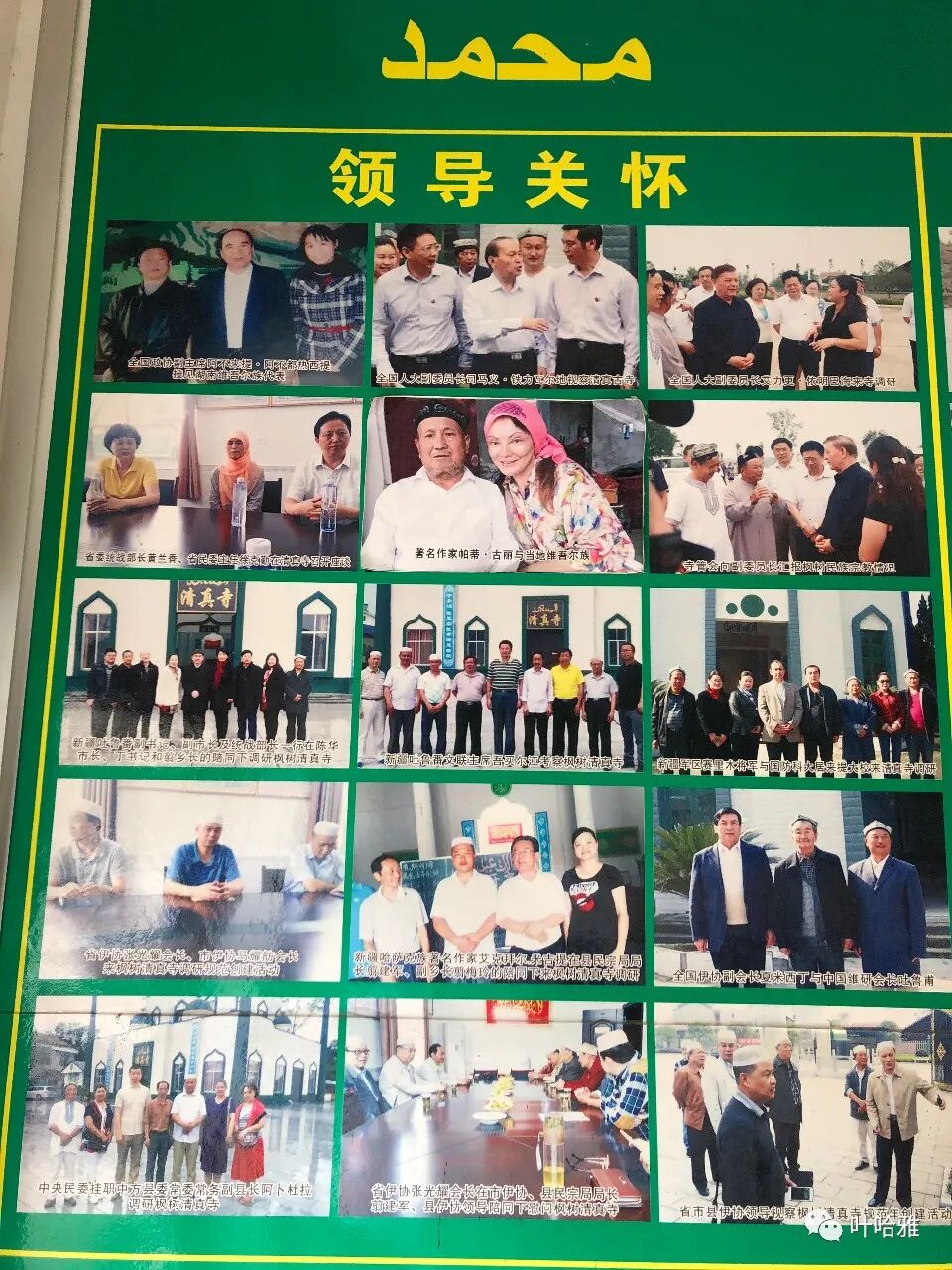
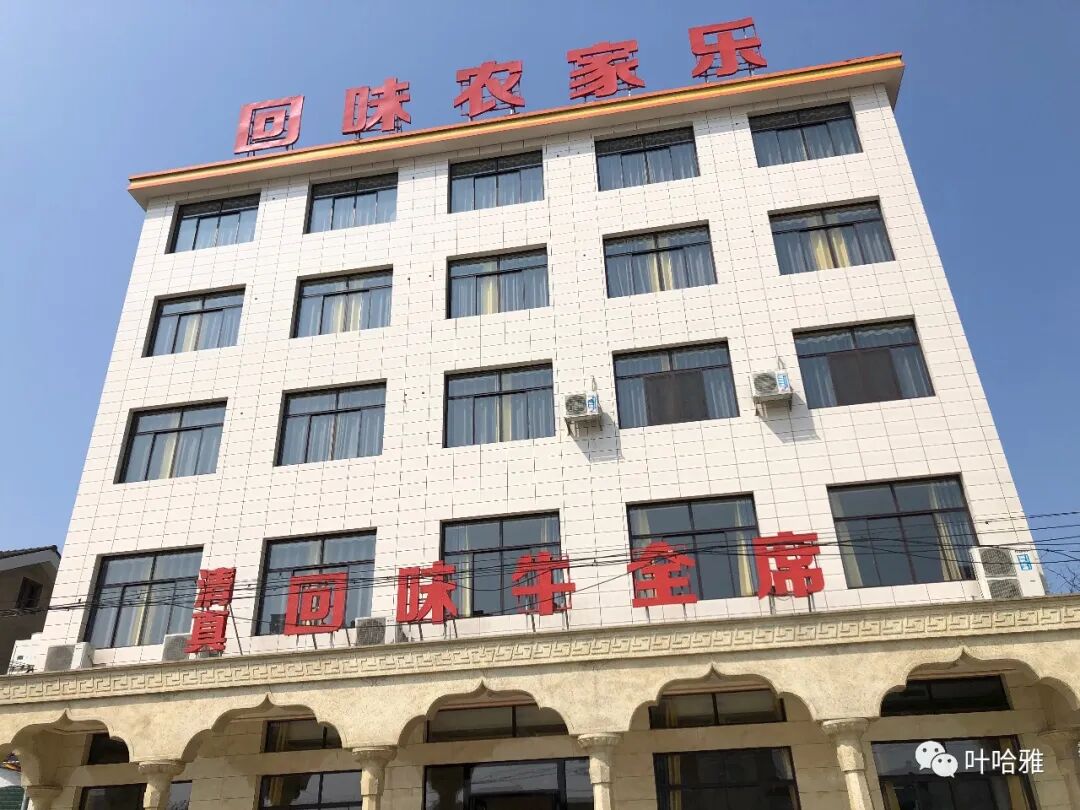
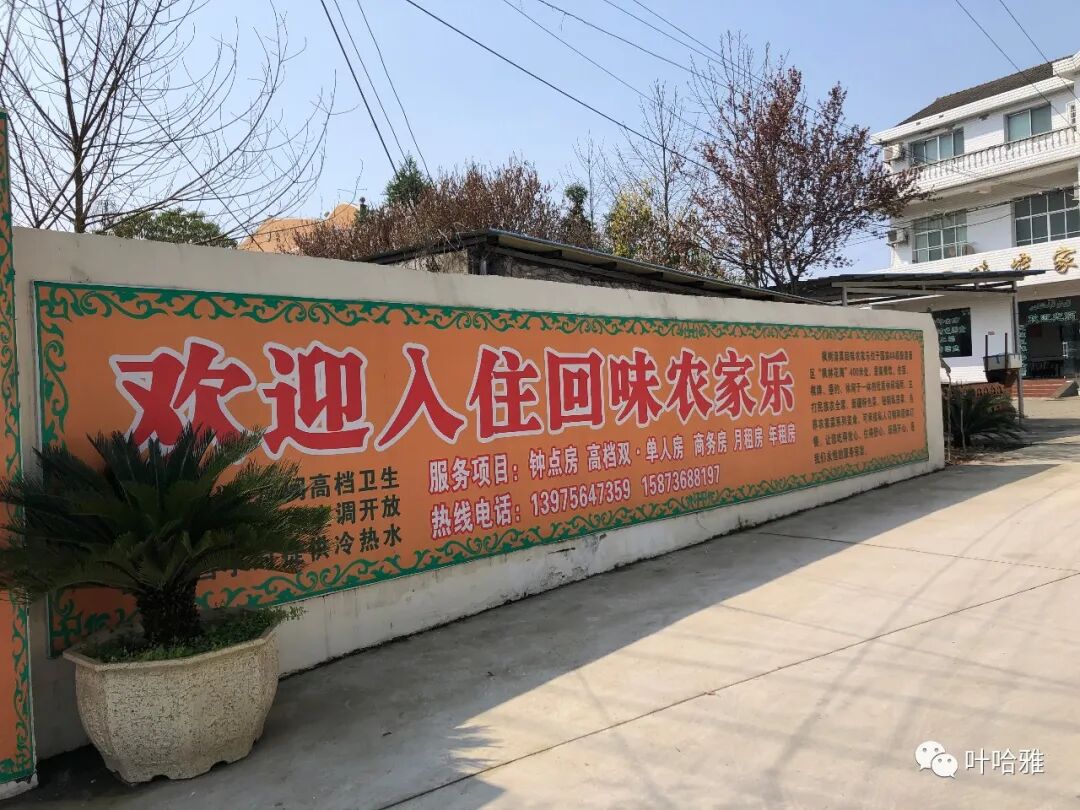
After visiting the mosque, the imam recommended we go to the Huiwei Farmhouse Restaurant less than 200 meters away. It is a very large, six-story building with enough space in the courtyard to park several cars. As soon as we entered the courtyard, the owner greeted us with "Assalamu Alaikum." He is a local Uyghur and told us to call him Old Jian.
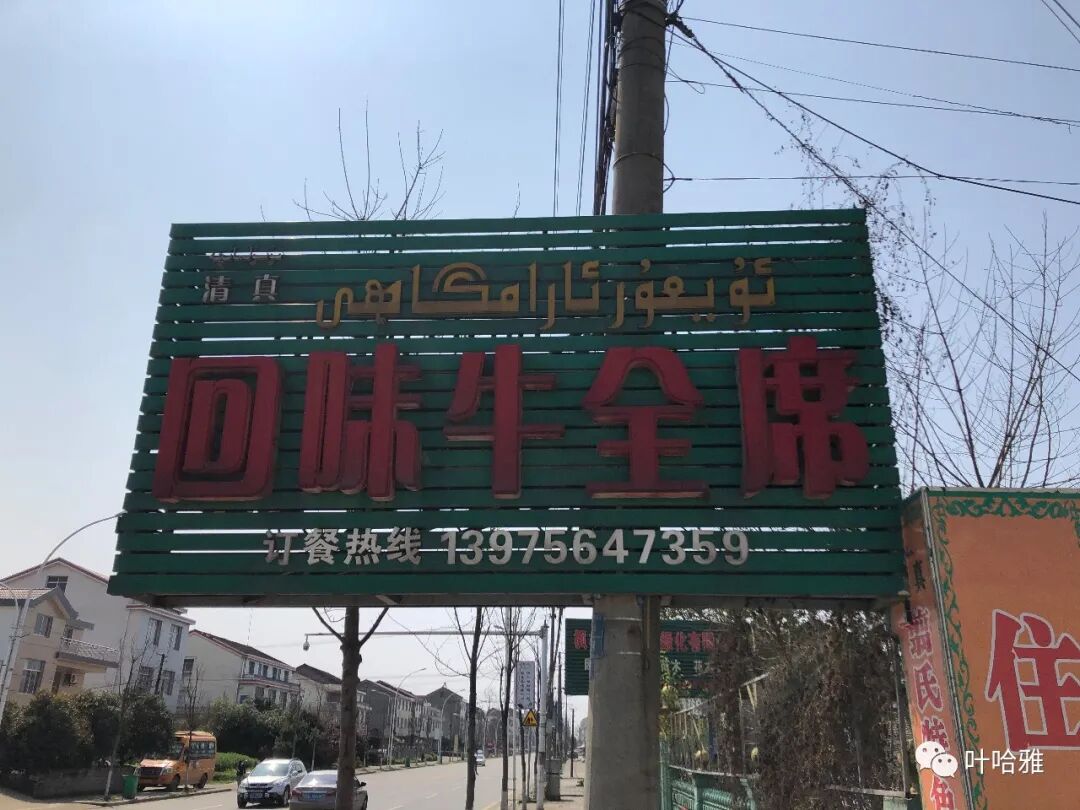
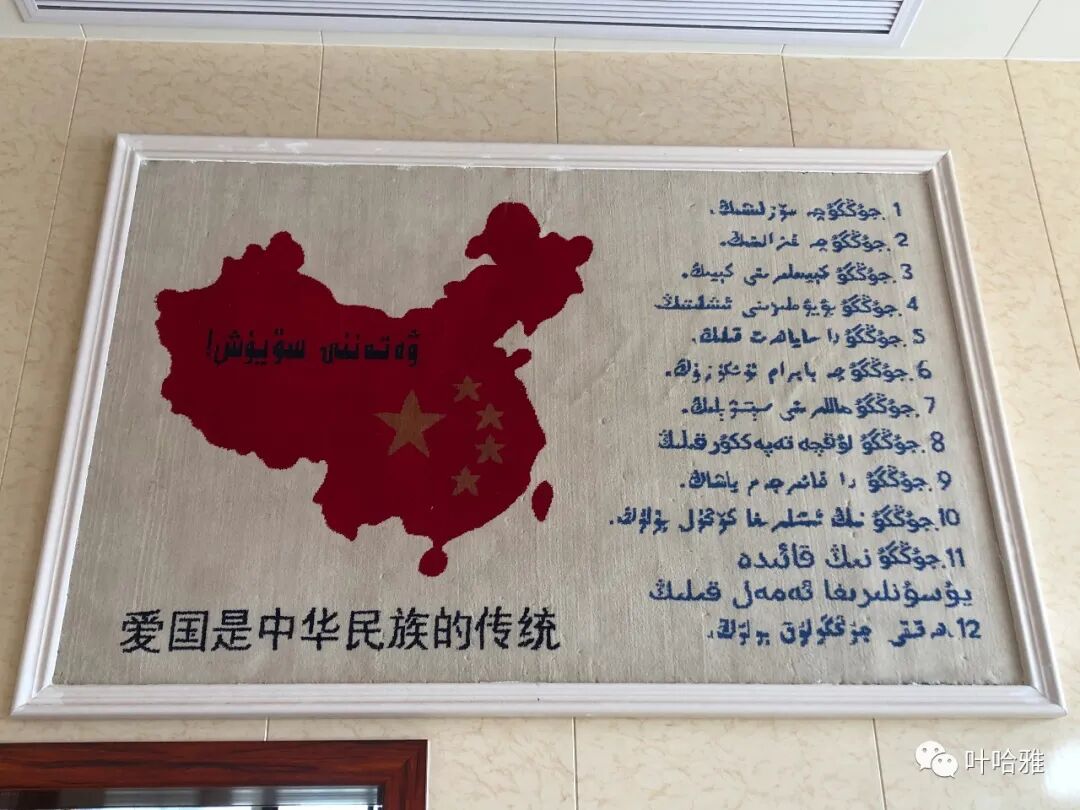
The writing above is in the Uyghur language. I asked a Uyghur friend about it, and it roughly means that every place has its own food and customs, and it speaks to ethnic unity.
The Hui and Uyghur villagers today look basically the same as the local Hunanese, though a small number still have some features from the Western Regions. When Lao Jian went to Xinjiang years ago, he could not speak Uyghur, so he went to the mosque of the Hui Muslims to perform namaz. Lao Jian told me that in Changde, people with the surname Jian are not necessarily Uyghur; some are Han Chinese.
Before the ethnic classification in the People's Republic of China, the term Uyghur did not exist in Hui-Wei Village; there was only a distinction between Hui and Han. After the ethnic classification, the Jian clan was identified as Uyghur, and they gradually built their own ethnic identity. Now, the Uyghurs in Hui-Wei New Village intermarry most often with the Hui Muslims, followed by the Han Chinese, so it is common locally for Hui, Uyghur, and Han families to be close and hard to tell apart.
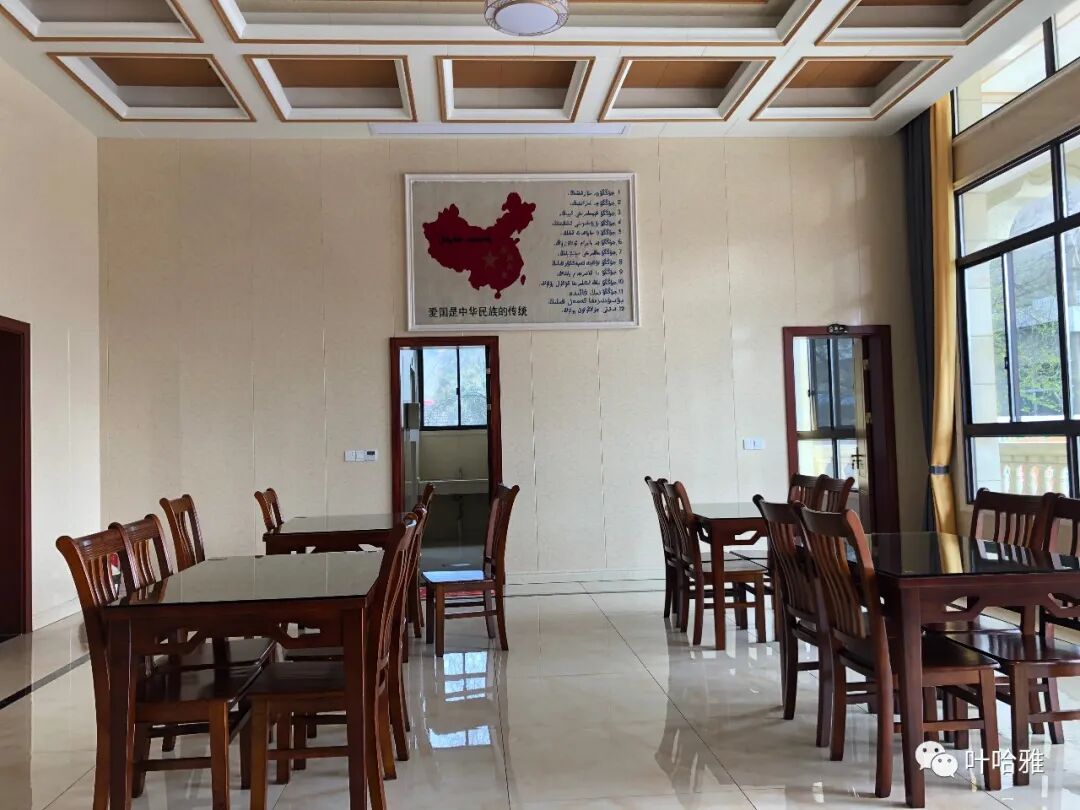
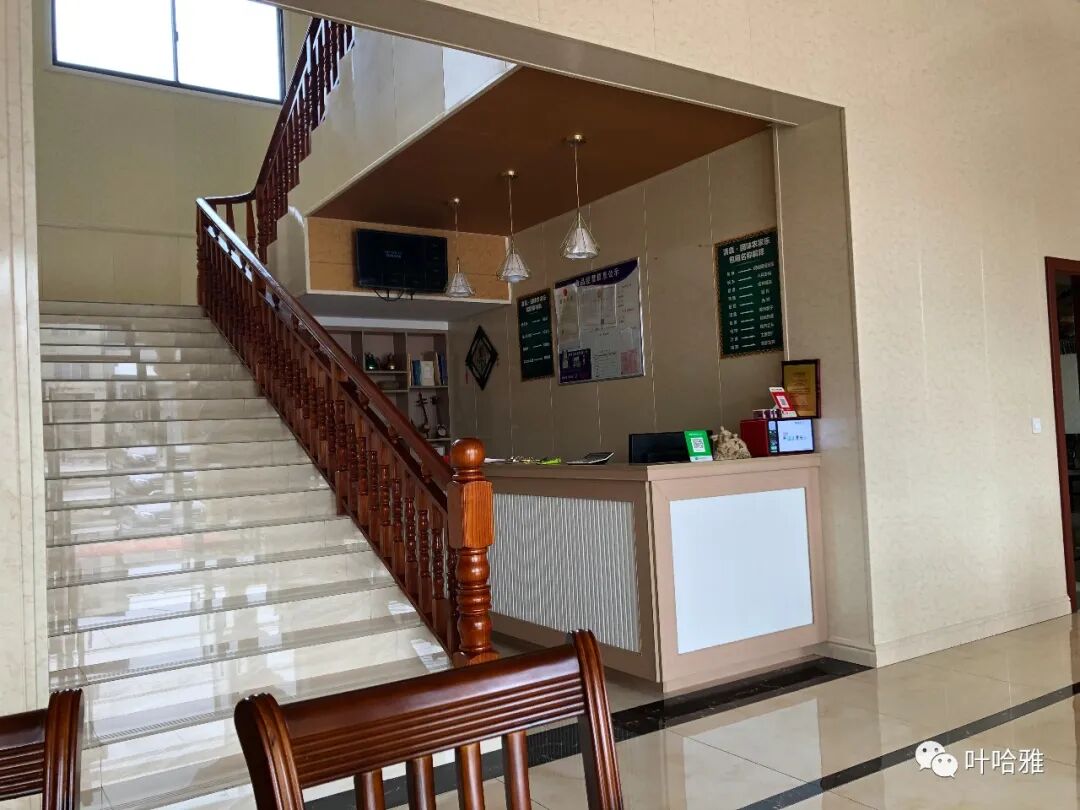
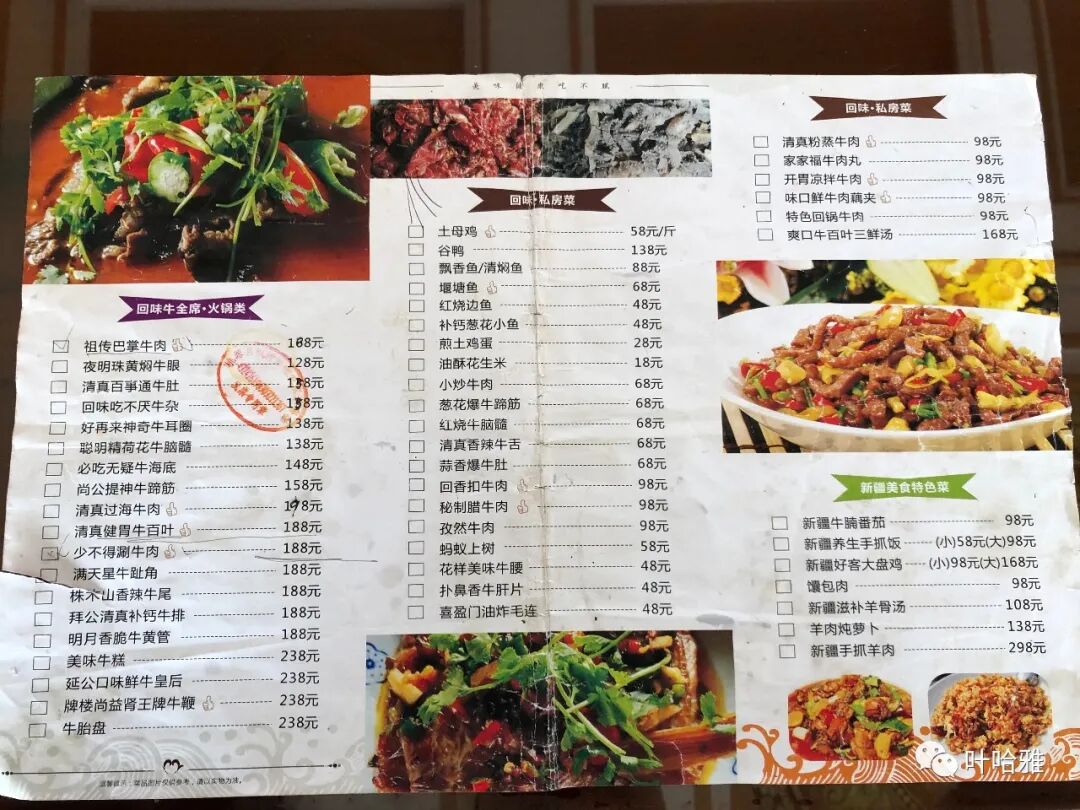
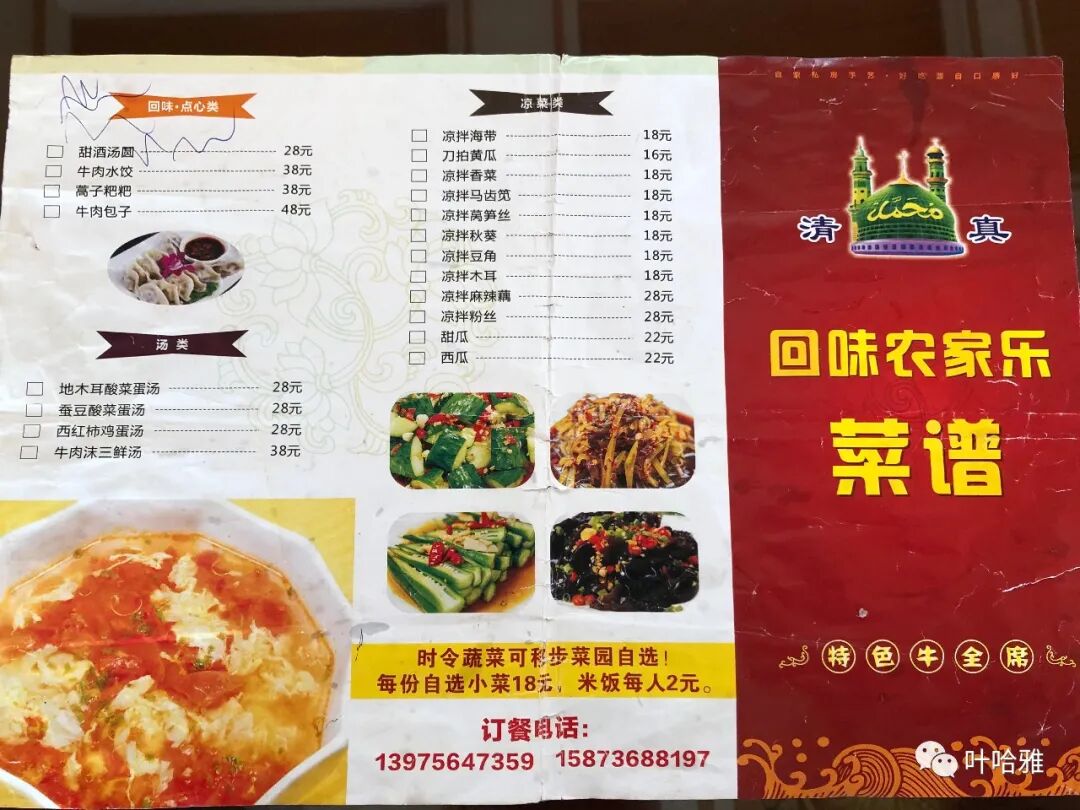
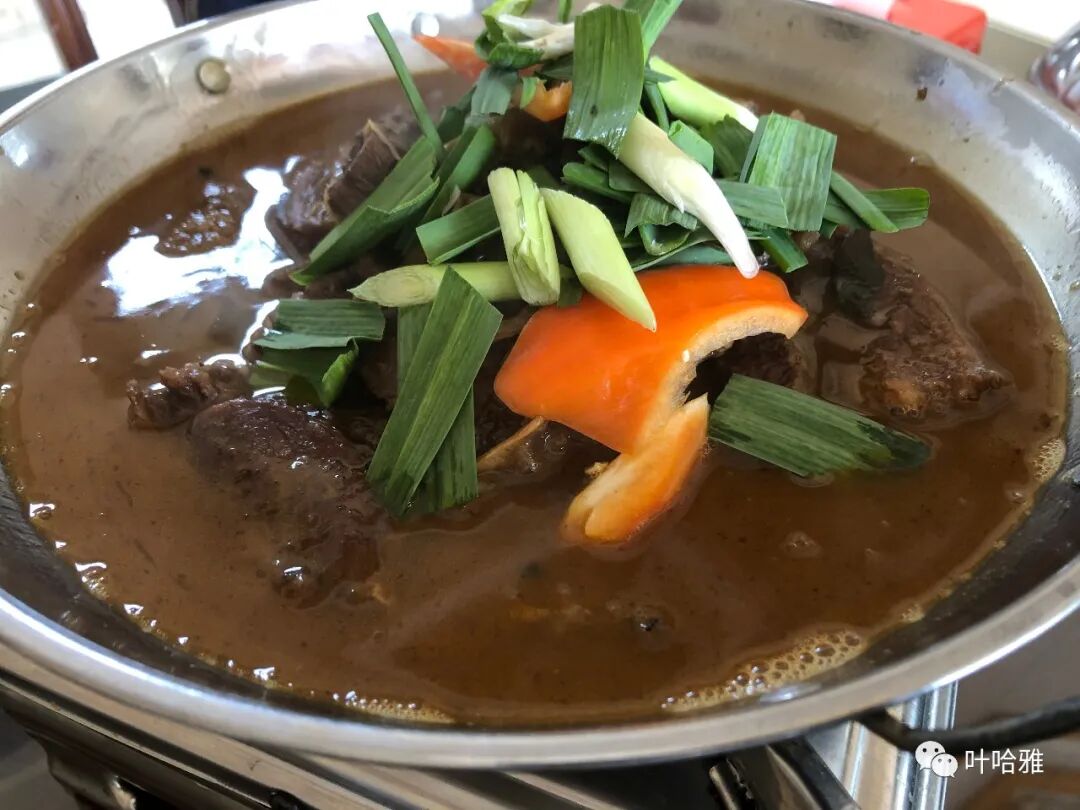
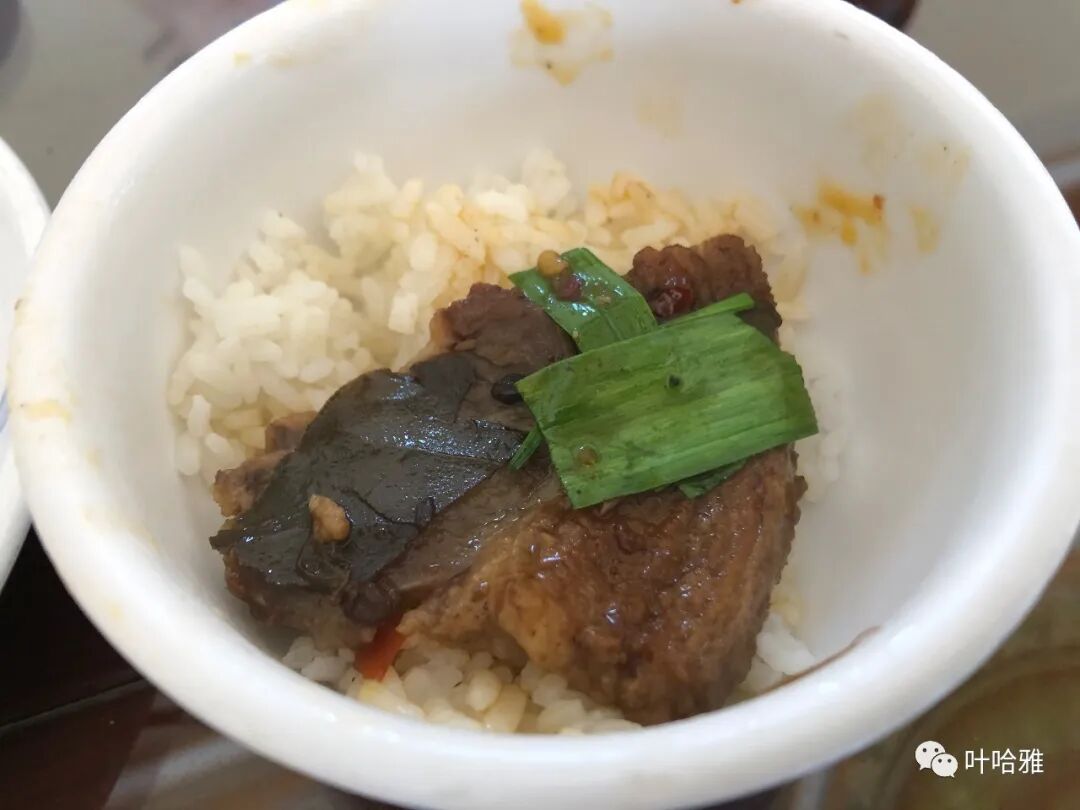
The restaurant serves local Hunan flavors. Lao Jian recommended the ancestral palm-sized beef (bazhang niurou), which was delicious. The beef was chewy, flavorful, and unique, making it a great side for rice. When eating in Hunan, rice is served by the bucket. You scoop as much as you want, and you can have unlimited refills.
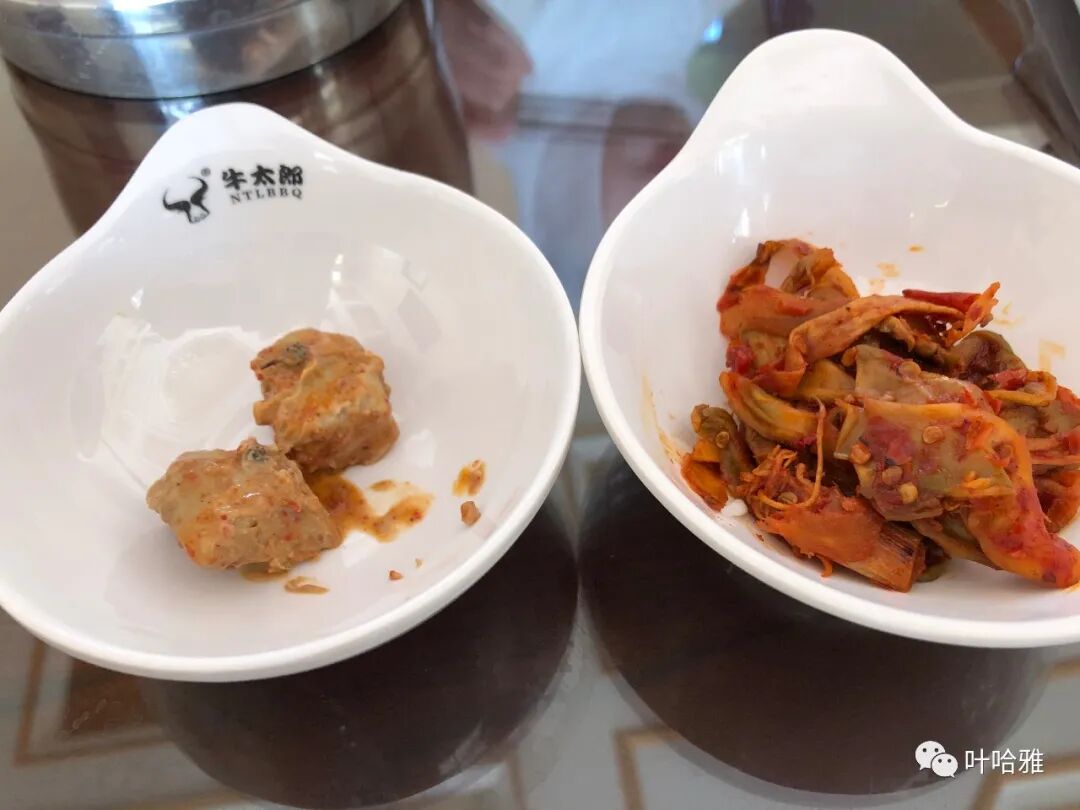
The complimentary local fermented bean curd (doufurui) and pickled vegetables were very spicy, which is exactly how I imagine Hunan spice.
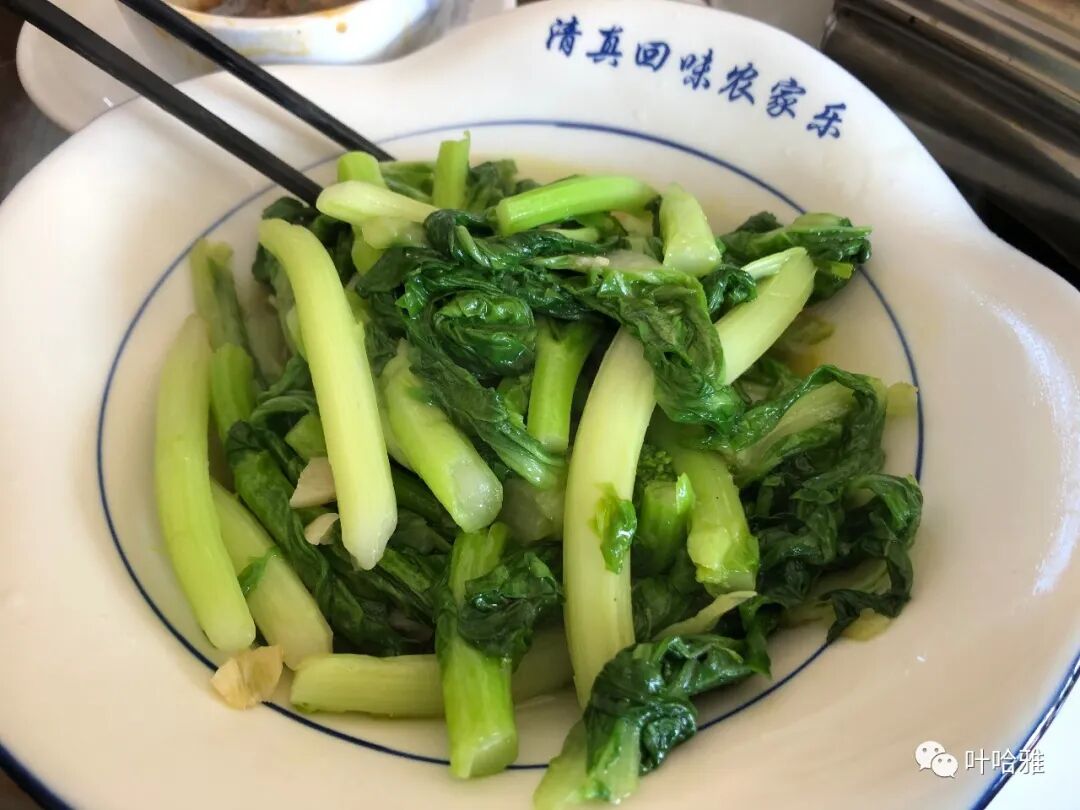
Greens from their own vegetable garden.
After the meal, we asked Lao Jian for directions to the Peach Blossom Spring (Taohuayuan) scenic area. He said he was heading there anyway and offered to drive us. It is over 40 kilometers from Hui-Wei New Village to the Peach Blossom Spring scenic area, about a one-hour drive. On the way, we listened to Lao Jian talk about the changes in Hui-Wei New Village over the years.
Hui-Wei New Village was once a model of ethnic integration and attracted groups from everywhere. Uyghurs from Xinjiang used to visit often, and Lao Jian also visited Xinjiang and received a warm welcome. However, things have changed in recent years and fewer people come, for reasons you probably understand. The young people in the village now have a stronger sense of ethnic identity, and Lao Jian remains optimistic about the future.
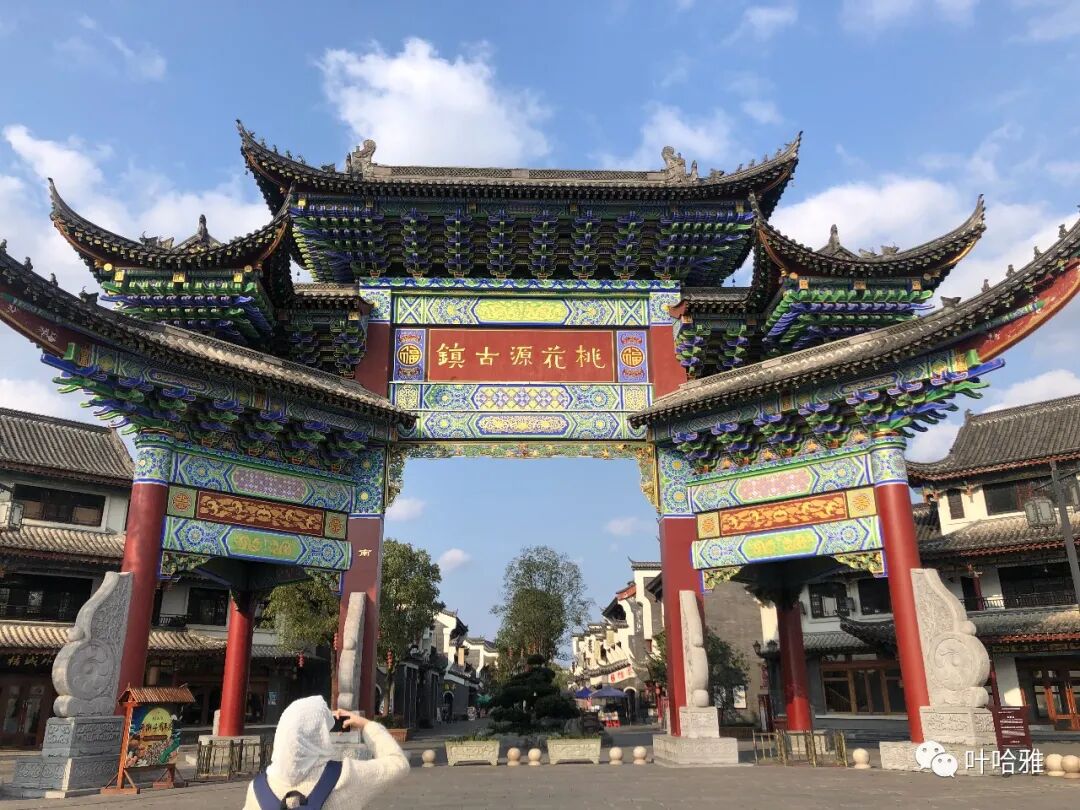
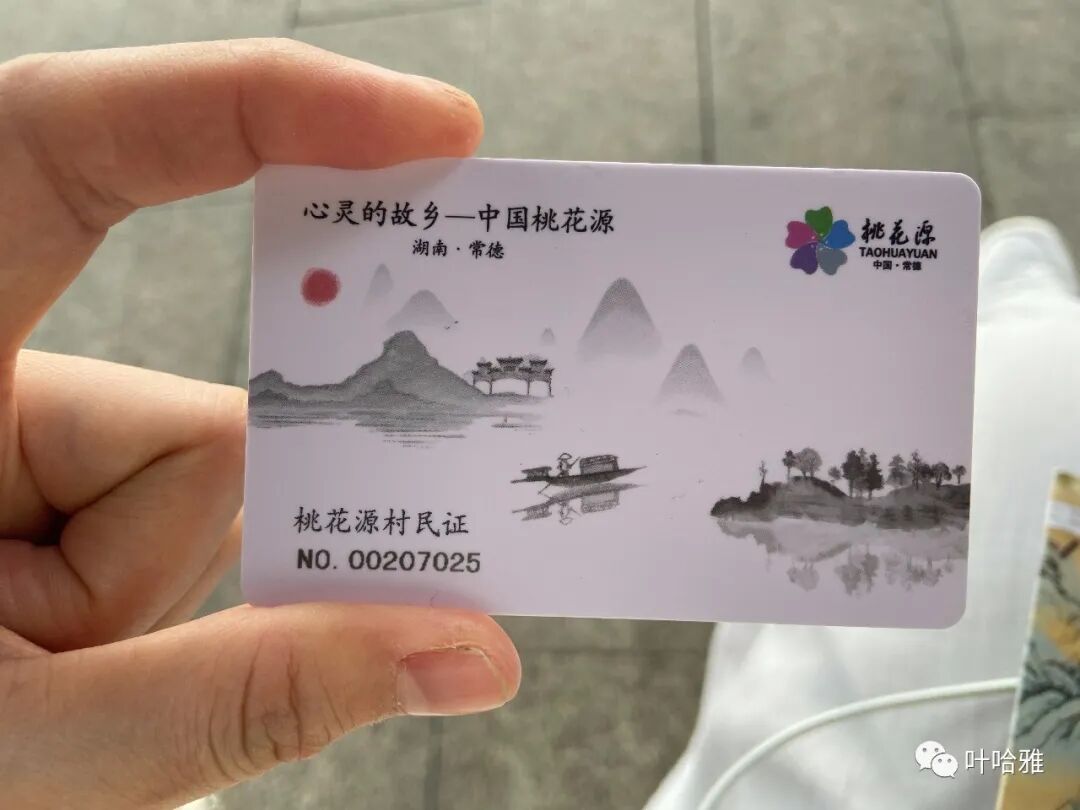
We said goodbye to Lao Jian and entered the Peach Blossom Spring scenic area. It is a 5A-rated scenic spot with an entrance fee of 128 yuan per person. Villagers get in for free. After buying our tickets, we received a villager pass, which allows us to enter and exit the park freely for three days. Since the area is huge, I suggest staying inside the park for a day.
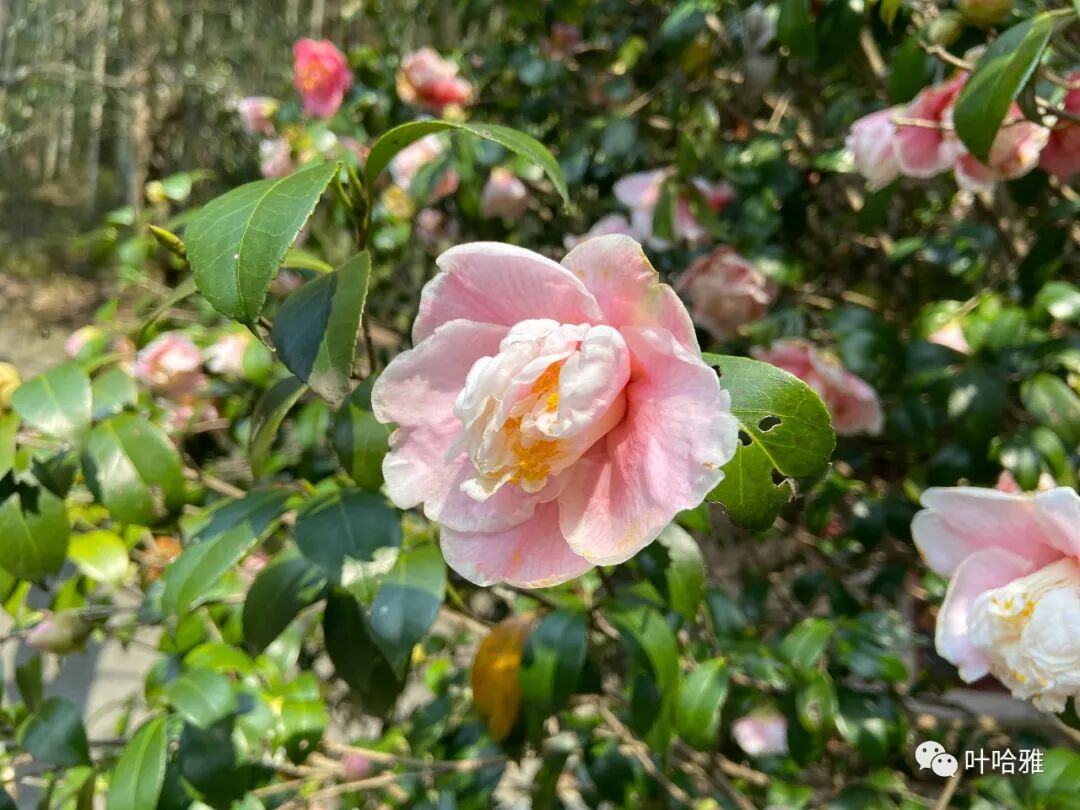
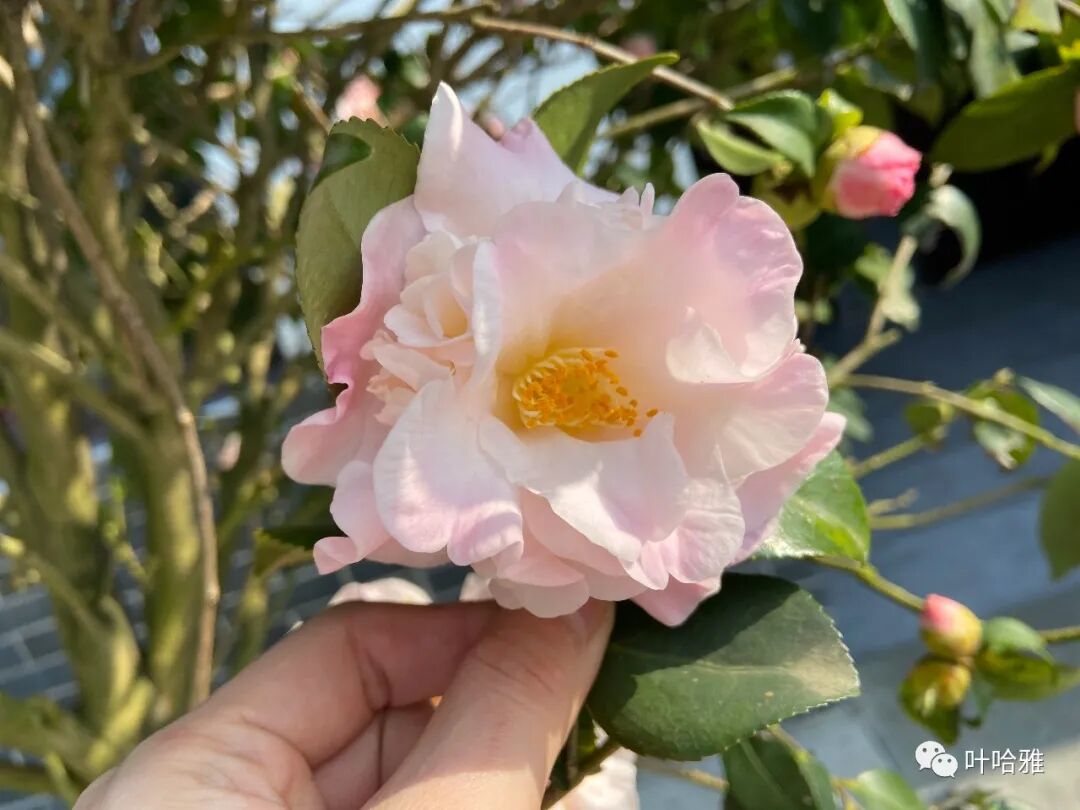
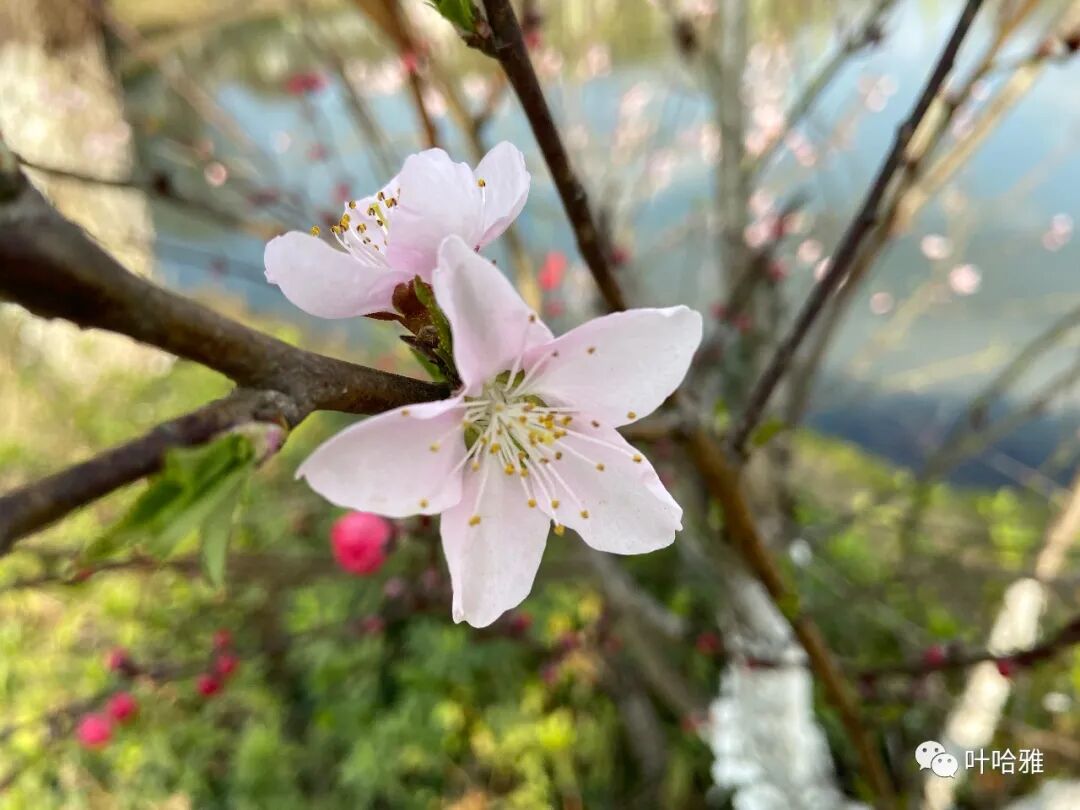
Peach Blossom Spring is the one described by Tao Yuanming. It has thousands of acres of peach forests, but they were closed during the pandemic.
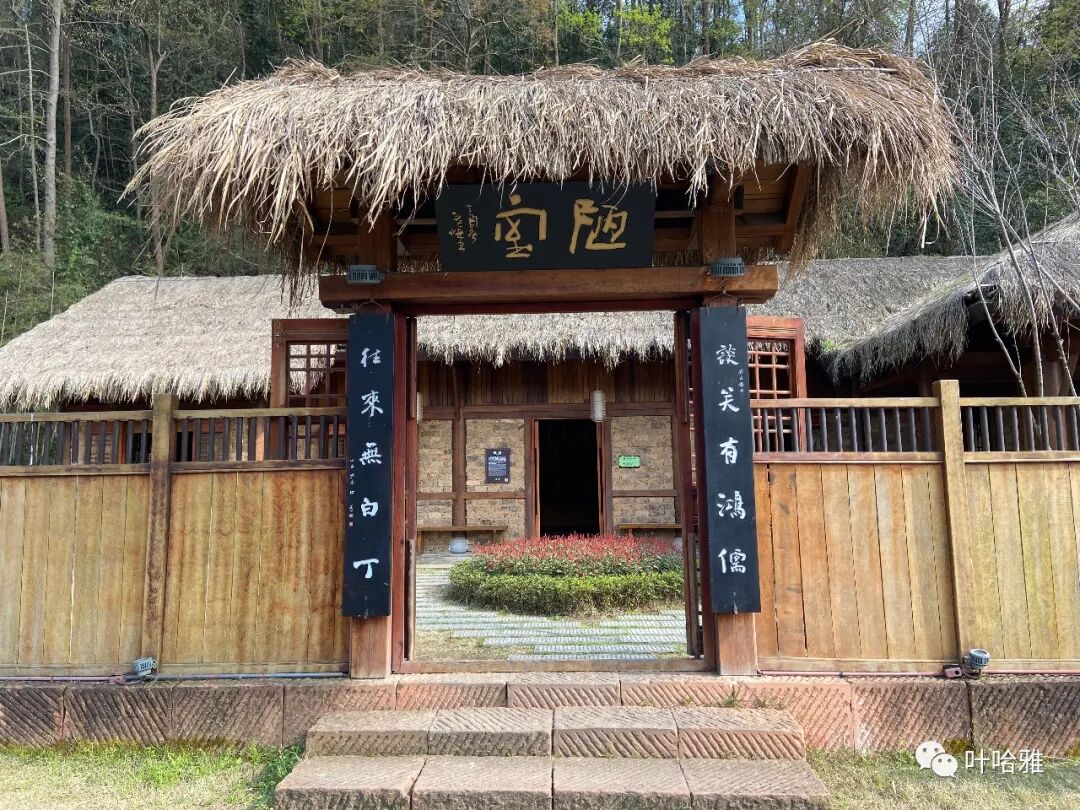
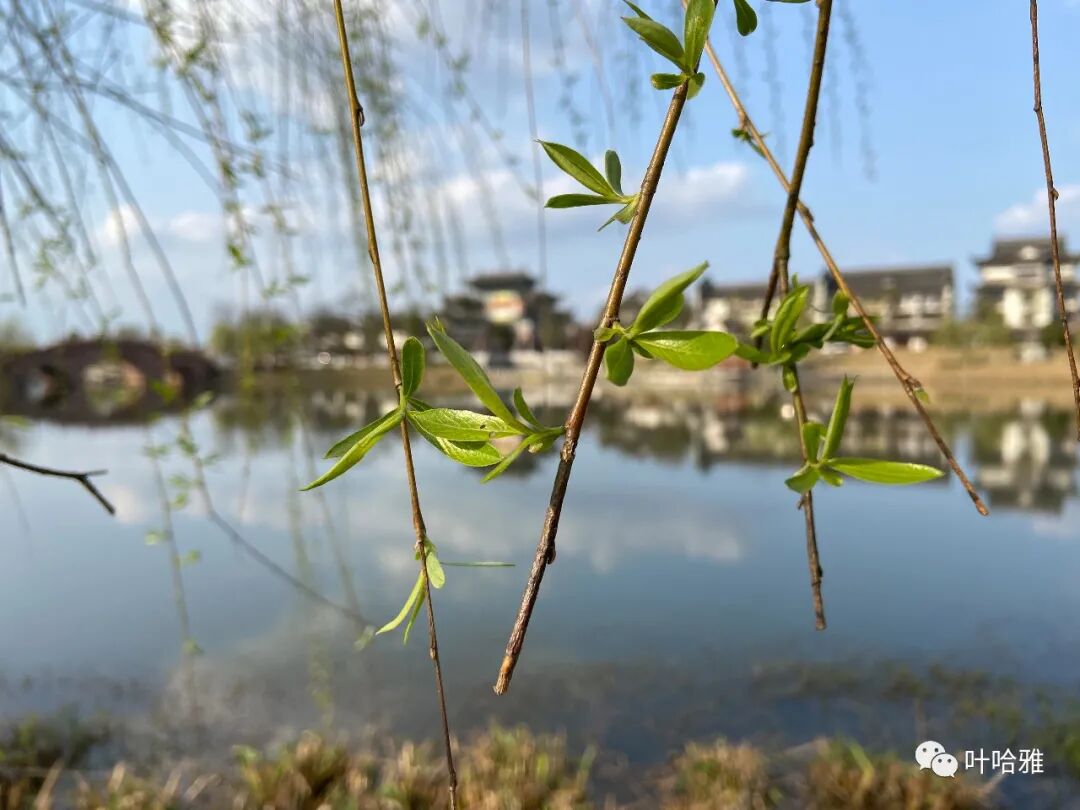
The Humble Room (Loushi) described by Liu Yuxi.
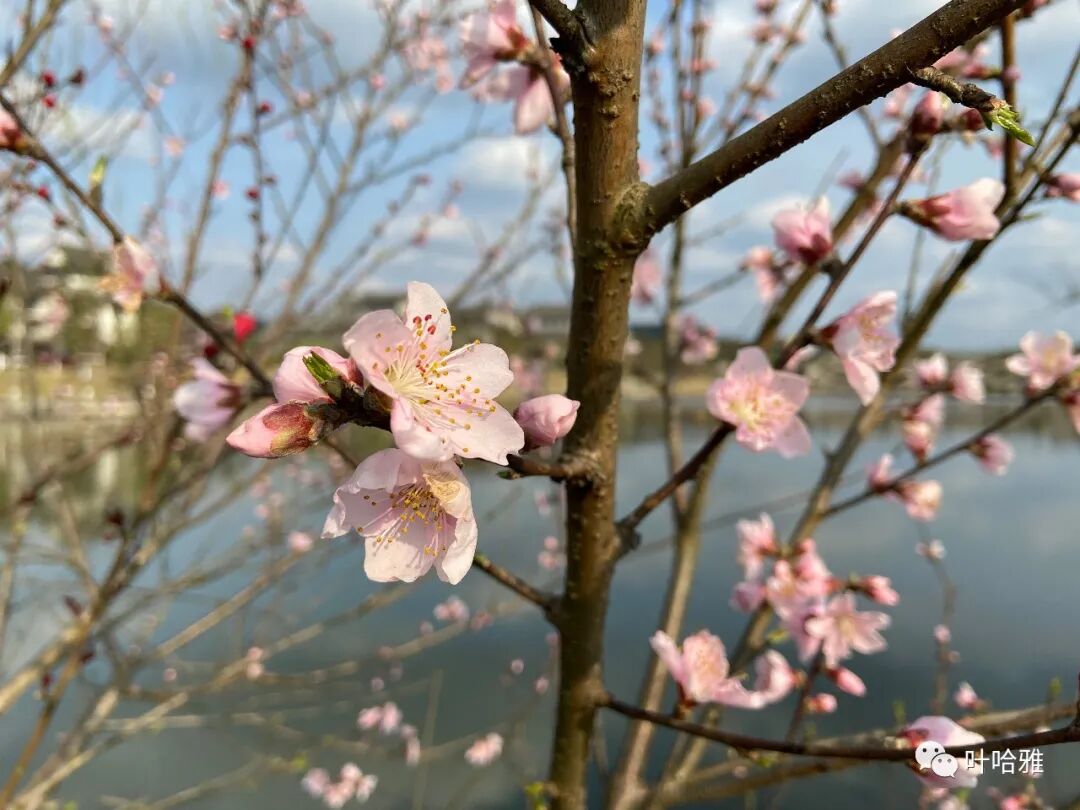
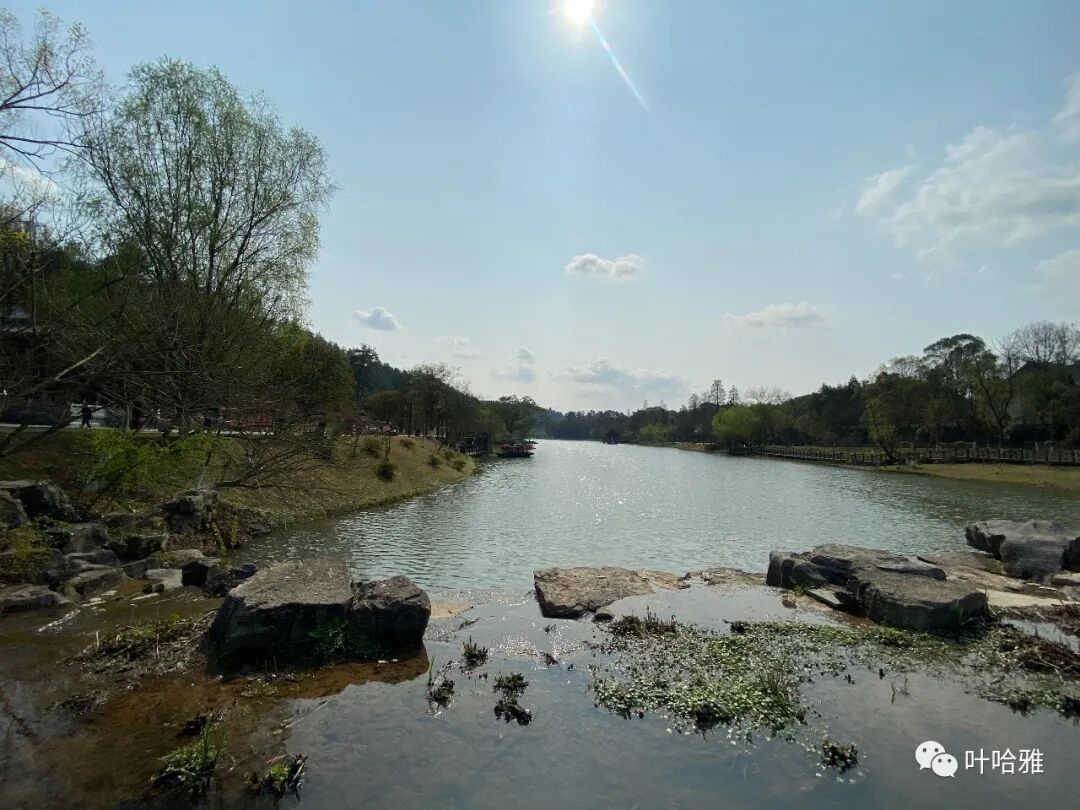
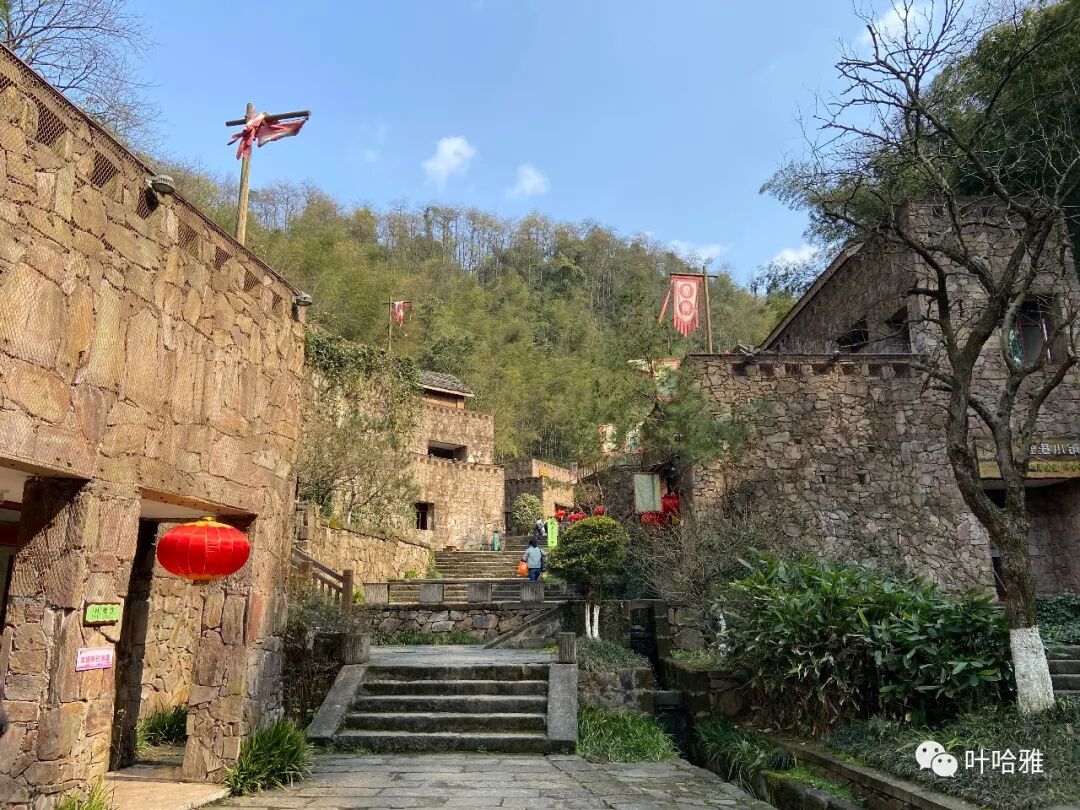
There is no halal food inside the scenic area, so remember to bring your own snacks.
After staying in Changde for two days, we headed to our next stop, Shaoyang, Hunan. Shaoyang is the capital of halal food in Hunan, and I will share more details in my next post about my halal trip to Shaoyang.
Summary: Muslim Travel Guide China 2026: Changde Taohuayuan, Uyghur Heritage and Hunan Halal Travel is presented here as a clear English account for Muslim readers, beginning with this scene: — Hello, Travel —. The article keeps the original names, food details, mosque details, photographs, and cultural context while focusing on Changde Travel, Uyghur Heritage, Hunan Muslims.
— Hello, Travel —
I had long heard about a village in Taoyuan County, Changde, Hunan, made up of descendants of Uyghurs. During the Hongwu reign of the Ming Dynasty, General Haleshi led a troop of Hui Muslim soldiers to be stationed in Changde. Haleshi was a descendant of the governor of the Gaochang Kingdom. After the change of dynasties, he was granted the title of General of the South by the Ming emperor and given the surname Jian, which means to cut off the remnants of the Northern Yuan. These descendants of the Uyghurs stayed in Changde, married locals for generations, and formed a Uyghur village with unique Hunan characteristics.
Changde has four ethnic townships with Uyghur in their names:
Xujiaqiao Hui and Uyghur Ethnic Township;
Maojiatan Hui and Uyghur Ethnic Township;
Fengshu Uyghur and Hui Ethnic Township;
Qinglin Hui and Uyghur Ethnic Township;
In reality, only Fengshu Uyghur and Hui Ethnic Township has a large number of local Uyghurs. The other three are essentially Hui townships, each with a newly built mosque. Only Fengshu retains some historical sites and is worth visiting.
You can fly directly from Beijing Daxing Airport to Changde Taohuayuan Airport. We chose to stay in downtown Changde that night and decided to head to Fengshu Township in Taoyuan County the next day. Before going to Fengshu, we first visited the Changde Mosque.
Changde has eight mosques in total. The oldest is the Changde Ancient Mosque in the city center. It was first built during the Yongle reign of the Ming Dynasty, but the original building was destroyed and replaced by a new structure in 2004. The current imam of the Changde Ancient Mosque is a local from Changde. During the pandemic, all collective religious activities were suspended.
Qingzhen Diyi Chun is the name of a restaurant that no longer exists.
The mosque is the site of the Hui Muslim branch of the CPC Changde District Working Committee.
The mosque has four floors and a dome on top.
The main prayer hall.
We saw two restaurants near the mosque. One was labeled Jian Family Islamic Restaurant, which I assumed was run by local Uyghurs. The other was called Islamic Restaurant, where the servers wore headscarves and it looked more halal, so we chose that one.
Locals usually eat rice noodles for breakfast. In Hunan, you have to try a bowl of authentic Hunan beef rice noodles (niurou fen). I was worried the spice would be too much, but this bowl wasn't that spicy. The broth was rich and the beef was tender. It was run by local Hui Muslims, so it was definitely the real deal. You can also pair your breakfast with fried dough snacks. They come in sweet and savory options and cost only 1 yuan each, which is a great deal.
It is over 30 kilometers from downtown Changde to Fengshu Township. You can take a bus or a taxi. The bus takes nearly two hours and requires transfers, so I suggest taking a taxi. You will get there in 40 minutes.
The mosque in Fengshu Village is easy to find. It is right next to the main road at the village entrance, and you can see the gate sign from far away.
The mosque in Fengshu Village was first built during the Hongwu period of the Ming Dynasty. Zhu Yuanzhang ordered it built to honor the Jian father and son who died in battle. It was first called Zhennan Scripture Hall. In the fifth year of the Republic of China, it was renamed the Jianjiagang Ancient Mosque. According to the Jian Family Genealogy, the Qingzhen West Mosque was built in the 26th year of the Hongwu period and rebuilt in the late Qing Dynasty, when it was renamed the Jianjiagang Ancient Mosque. The famous historian Jian Bozan was born here in 1898 and attended the local Islamic primary school starting at age three.
Jian Bozan studied in the United States as a young man and later served as vice president of Peking University. He died by suicide during the Cultural Revolution at the age of 70. His descendants now live in Wuhan, and some of his relatives work as university teachers.
The mother of Taiwanese singer Angela Chang is a Uyghur from Taoyuan County, Changde, Hunan. Her name is Jiang Rouyi. Her original surname was Jian, but she changed it to Jiang because the surname was rare.
Inside the mosque is the tomb of Hale Bashi, known by his Chinese name Jian Bashi. He was a Gaochang Uyghur who died in 1388 while ordered to suppress a rebellion in Yunnan and Guizhou. He was buried in Huanglonggang, Changde by imperial decree, and his remains were moved to Group 5 of Huiwei New Village in Fengshu Township in 1956.
We met the imam at the mosque. He told us that the local religious situation is much better now. No one in the village eats pork, and funeral customs still follow Islamic traditions. During the Republic of China era, a plague killed many people. The imam was too busy to handle all the funerals, so some villagers hired Buddhist monks or Taoist priests to perform rituals. This upset some religious villagers, leading to conflict, and a group of people left the faith.
This is just a legend. I think the main reason was the broader environment. Hunan is a place where Han culture is very strong. Plus, the area was isolated, so Muslims had little contact with the outside world and were a minority. It makes sense that this kind of departure from the faith happened.
Looking at Huiwei Village from the roof of the mosque.
Local villagers come for namaz every day. On Fridays for Jumu'ah, about 20 or 30 people show up. They are all locals, mostly elderly.
After visiting the mosque, the imam recommended we go to the Huiwei Farmhouse Restaurant less than 200 meters away. It is a very large, six-story building with enough space in the courtyard to park several cars. As soon as we entered the courtyard, the owner greeted us with "Assalamu Alaikum." He is a local Uyghur and told us to call him Old Jian.
The writing above is in the Uyghur language. I asked a Uyghur friend about it, and it roughly means that every place has its own food and customs, and it speaks to ethnic unity.
The Hui and Uyghur villagers today look basically the same as the local Hunanese, though a small number still have some features from the Western Regions. When Lao Jian went to Xinjiang years ago, he could not speak Uyghur, so he went to the mosque of the Hui Muslims to perform namaz. Lao Jian told me that in Changde, people with the surname Jian are not necessarily Uyghur; some are Han Chinese.
Before the ethnic classification in the People's Republic of China, the term Uyghur did not exist in Hui-Wei Village; there was only a distinction between Hui and Han. After the ethnic classification, the Jian clan was identified as Uyghur, and they gradually built their own ethnic identity. Now, the Uyghurs in Hui-Wei New Village intermarry most often with the Hui Muslims, followed by the Han Chinese, so it is common locally for Hui, Uyghur, and Han families to be close and hard to tell apart.
The restaurant serves local Hunan flavors. Lao Jian recommended the ancestral palm-sized beef (bazhang niurou), which was delicious. The beef was chewy, flavorful, and unique, making it a great side for rice. When eating in Hunan, rice is served by the bucket. You scoop as much as you want, and you can have unlimited refills.
The complimentary local fermented bean curd (doufurui) and pickled vegetables were very spicy, which is exactly how I imagine Hunan spice.
Greens from their own vegetable garden.
After the meal, we asked Lao Jian for directions to the Peach Blossom Spring (Taohuayuan) scenic area. He said he was heading there anyway and offered to drive us. It is over 40 kilometers from Hui-Wei New Village to the Peach Blossom Spring scenic area, about a one-hour drive. On the way, we listened to Lao Jian talk about the changes in Hui-Wei New Village over the years.
Hui-Wei New Village was once a model of ethnic integration and attracted groups from everywhere. Uyghurs from Xinjiang used to visit often, and Lao Jian also visited Xinjiang and received a warm welcome. However, things have changed in recent years and fewer people come, for reasons you probably understand. The young people in the village now have a stronger sense of ethnic identity, and Lao Jian remains optimistic about the future.
We said goodbye to Lao Jian and entered the Peach Blossom Spring scenic area. It is a 5A-rated scenic spot with an entrance fee of 128 yuan per person. Villagers get in for free. After buying our tickets, we received a villager pass, which allows us to enter and exit the park freely for three days. Since the area is huge, I suggest staying inside the park for a day.
Peach Blossom Spring is the one described by Tao Yuanming. It has thousands of acres of peach forests, but they were closed during the pandemic.
The Humble Room (Loushi) described by Liu Yuxi.
There is no halal food inside the scenic area, so remember to bring your own snacks.
After staying in Changde for two days, we headed to our next stop, Shaoyang, Hunan. Shaoyang is the capital of halal food in Hunan, and I will share more details in my next post about my halal trip to Shaoyang.
Muslim Travel Guide China 2026: Changde Taohuayuan, Uyghur Heritage and Hunan Halal Travel
Articles • yusuf908 posted the article • 0 comments • 298 views • 2026-05-21 20:44
Reposted from the web
Summary: Muslim Travel Guide China 2026: Changde Taohuayuan, Uyghur Heritage and Hunan Halal Travel is presented here as a clear English account for Muslim readers, beginning with this scene: — Hello, Travel —. The article keeps the original names, food details, mosque details, photographs, and cultural context while focusing on Changde Travel, Uyghur Heritage, Hunan Muslims.
— Hello, Travel —
I had long heard about a village in Taoyuan County, Changde, Hunan, made up of descendants of Uyghurs. During the Hongwu reign of the Ming Dynasty, General Haleshi led a troop of Hui Muslim soldiers to be stationed in Changde. Haleshi was a descendant of the governor of the Gaochang Kingdom. After the change of dynasties, he was granted the title of General of the South by the Ming emperor and given the surname Jian, which means to cut off the remnants of the Northern Yuan. These descendants of the Uyghurs stayed in Changde, married locals for generations, and formed a Uyghur village with unique Hunan characteristics.
Changde has four ethnic townships with Uyghur in their names:
Xujiaqiao Hui and Uyghur Ethnic Township;
Maojiatan Hui and Uyghur Ethnic Township;
Fengshu Uyghur and Hui Ethnic Township;
Qinglin Hui and Uyghur Ethnic Township;
In reality, only Fengshu Uyghur and Hui Ethnic Township has a large number of local Uyghurs. The other three are essentially Hui townships, each with a newly built mosque. Only Fengshu retains some historical sites and is worth visiting.
You can fly directly from Beijing Daxing Airport to Changde Taohuayuan Airport. We chose to stay in downtown Changde that night and decided to head to Fengshu Township in Taoyuan County the next day. Before going to Fengshu, we first visited the Changde Mosque.
Changde has eight mosques in total. The oldest is the Changde Ancient Mosque in the city center. It was first built during the Yongle reign of the Ming Dynasty, but the original building was destroyed and replaced by a new structure in 2004. The current imam of the Changde Ancient Mosque is a local from Changde. During the pandemic, all collective religious activities were suspended.
Qingzhen Diyi Chun is the name of a restaurant that no longer exists.
The mosque is the site of the Hui Muslim branch of the CPC Changde District Working Committee.
The mosque has four floors and a dome on top.
The main prayer hall.
We saw two restaurants near the mosque. One was labeled Jian Family Islamic Restaurant, which I assumed was run by local Uyghurs. The other was called Islamic Restaurant, where the servers wore headscarves and it looked more halal, so we chose that one.
Locals usually eat rice noodles for breakfast. In Hunan, you have to try a bowl of authentic Hunan beef rice noodles (niurou fen). I was worried the spice would be too much, but this bowl wasn't that spicy. The broth was rich and the beef was tender. It was run by local Hui Muslims, so it was definitely the real deal. You can also pair your breakfast with fried dough snacks. They come in sweet and savory options and cost only 1 yuan each, which is a great deal.
It is over 30 kilometers from downtown Changde to Fengshu Township. You can take a bus or a taxi. The bus takes nearly two hours and requires transfers, so I suggest taking a taxi. You will get there in 40 minutes.
The mosque in Fengshu Village is easy to find. It is right next to the main road at the village entrance, and you can see the gate sign from far away.
The mosque in Fengshu Village was first built during the Hongwu period of the Ming Dynasty. Zhu Yuanzhang ordered it built to honor the Jian father and son who died in battle. It was first called Zhennan Scripture Hall. In the fifth year of the Republic of China, it was renamed the Jianjiagang Ancient Mosque. According to the Jian Family Genealogy, the Qingzhen West Mosque was built in the 26th year of the Hongwu period and rebuilt in the late Qing Dynasty, when it was renamed the Jianjiagang Ancient Mosque. The famous historian Jian Bozan was born here in 1898 and attended the local Islamic primary school starting at age three.
Jian Bozan studied in the United States as a young man and later served as vice president of Peking University. He died by suicide during the Cultural Revolution at the age of 70. His descendants now live in Wuhan, and some of his relatives work as university teachers.
The mother of Taiwanese singer Angela Chang is a Uyghur from Taoyuan County, Changde, Hunan. Her name is Jiang Rouyi. Her original surname was Jian, but she changed it to Jiang because the surname was rare.
Inside the mosque is the tomb of Hale Bashi, known by his Chinese name Jian Bashi. He was a Gaochang Uyghur who died in 1388 while ordered to suppress a rebellion in Yunnan and Guizhou. He was buried in Huanglonggang, Changde by imperial decree, and his remains were moved to Group 5 of Huiwei New Village in Fengshu Township in 1956.
We met the imam at the mosque. He told us that the local religious situation is much better now. No one in the village eats pork, and funeral customs still follow Islamic traditions. During the Republic of China era, a plague killed many people. The imam was too busy to handle all the funerals, so some villagers hired Buddhist monks or Taoist priests to perform rituals. This upset some religious villagers, leading to conflict, and a group of people left the faith.
This is just a legend. I think the main reason was the broader environment. Hunan is a place where Han culture is very strong. Plus, the area was isolated, so Muslims had little contact with the outside world and were a minority. It makes sense that this kind of departure from the faith happened.
Looking at Huiwei Village from the roof of the mosque.
Local villagers come for namaz every day. On Fridays for Jumu'ah, about 20 or 30 people show up. They are all locals, mostly elderly.
After visiting the mosque, the imam recommended we go to the Huiwei Farmhouse Restaurant less than 200 meters away. It is a very large, six-story building with enough space in the courtyard to park several cars. As soon as we entered the courtyard, the owner greeted us with "Assalamu Alaikum." He is a local Uyghur and told us to call him Old Jian.
The writing above is in the Uyghur language. I asked a Uyghur friend about it, and it roughly means that every place has its own food and customs, and it speaks to ethnic unity.
The Hui and Uyghur villagers today look basically the same as the local Hunanese, though a small number still have some features from the Western Regions. When Lao Jian went to Xinjiang years ago, he could not speak Uyghur, so he went to the mosque of the Hui Muslims to perform namaz. Lao Jian told me that in Changde, people with the surname Jian are not necessarily Uyghur; some are Han Chinese.
Before the ethnic classification in the People's Republic of China, the term Uyghur did not exist in Hui-Wei Village; there was only a distinction between Hui and Han. After the ethnic classification, the Jian clan was identified as Uyghur, and they gradually built their own ethnic identity. Now, the Uyghurs in Hui-Wei New Village intermarry most often with the Hui Muslims, followed by the Han Chinese, so it is common locally for Hui, Uyghur, and Han families to be close and hard to tell apart.
The restaurant serves local Hunan flavors. Lao Jian recommended the ancestral palm-sized beef (bazhang niurou), which was delicious. The beef was chewy, flavorful, and unique, making it a great side for rice. When eating in Hunan, rice is served by the bucket. You scoop as much as you want, and you can have unlimited refills.
The complimentary local fermented bean curd (doufurui) and pickled vegetables were very spicy, which is exactly how I imagine Hunan spice.
Greens from their own vegetable garden.
After the meal, we asked Lao Jian for directions to the Peach Blossom Spring (Taohuayuan) scenic area. He said he was heading there anyway and offered to drive us. It is over 40 kilometers from Hui-Wei New Village to the Peach Blossom Spring scenic area, about a one-hour drive. On the way, we listened to Lao Jian talk about the changes in Hui-Wei New Village over the years.
Hui-Wei New Village was once a model of ethnic integration and attracted groups from everywhere. Uyghurs from Xinjiang used to visit often, and Lao Jian also visited Xinjiang and received a warm welcome. However, things have changed in recent years and fewer people come, for reasons you probably understand. The young people in the village now have a stronger sense of ethnic identity, and Lao Jian remains optimistic about the future.
We said goodbye to Lao Jian and entered the Peach Blossom Spring scenic area. It is a 5A-rated scenic spot with an entrance fee of 128 yuan per person. Villagers get in for free. After buying our tickets, we received a villager pass, which allows us to enter and exit the park freely for three days. Since the area is huge, I suggest staying inside the park for a day.
Peach Blossom Spring is the one described by Tao Yuanming. It has thousands of acres of peach forests, but they were closed during the pandemic.
The Humble Room (Loushi) described by Liu Yuxi.
There is no halal food inside the scenic area, so remember to bring your own snacks.
After staying in Changde for two days, we headed to our next stop, Shaoyang, Hunan. Shaoyang is the capital of halal food in Hunan, and I will share more details in my next post about my halal trip to Shaoyang. view all
Summary: Muslim Travel Guide China 2026: Changde Taohuayuan, Uyghur Heritage and Hunan Halal Travel is presented here as a clear English account for Muslim readers, beginning with this scene: — Hello, Travel —. The article keeps the original names, food details, mosque details, photographs, and cultural context while focusing on Changde Travel, Uyghur Heritage, Hunan Muslims.
— Hello, Travel —
I had long heard about a village in Taoyuan County, Changde, Hunan, made up of descendants of Uyghurs. During the Hongwu reign of the Ming Dynasty, General Haleshi led a troop of Hui Muslim soldiers to be stationed in Changde. Haleshi was a descendant of the governor of the Gaochang Kingdom. After the change of dynasties, he was granted the title of General of the South by the Ming emperor and given the surname Jian, which means to cut off the remnants of the Northern Yuan. These descendants of the Uyghurs stayed in Changde, married locals for generations, and formed a Uyghur village with unique Hunan characteristics.
Changde has four ethnic townships with Uyghur in their names:
Xujiaqiao Hui and Uyghur Ethnic Township;
Maojiatan Hui and Uyghur Ethnic Township;
Fengshu Uyghur and Hui Ethnic Township;
Qinglin Hui and Uyghur Ethnic Township;
In reality, only Fengshu Uyghur and Hui Ethnic Township has a large number of local Uyghurs. The other three are essentially Hui townships, each with a newly built mosque. Only Fengshu retains some historical sites and is worth visiting.
You can fly directly from Beijing Daxing Airport to Changde Taohuayuan Airport. We chose to stay in downtown Changde that night and decided to head to Fengshu Township in Taoyuan County the next day. Before going to Fengshu, we first visited the Changde Mosque.
Changde has eight mosques in total. The oldest is the Changde Ancient Mosque in the city center. It was first built during the Yongle reign of the Ming Dynasty, but the original building was destroyed and replaced by a new structure in 2004. The current imam of the Changde Ancient Mosque is a local from Changde. During the pandemic, all collective religious activities were suspended.
Qingzhen Diyi Chun is the name of a restaurant that no longer exists.
The mosque is the site of the Hui Muslim branch of the CPC Changde District Working Committee.
The mosque has four floors and a dome on top.
The main prayer hall.
We saw two restaurants near the mosque. One was labeled Jian Family Islamic Restaurant, which I assumed was run by local Uyghurs. The other was called Islamic Restaurant, where the servers wore headscarves and it looked more halal, so we chose that one.
Locals usually eat rice noodles for breakfast. In Hunan, you have to try a bowl of authentic Hunan beef rice noodles (niurou fen). I was worried the spice would be too much, but this bowl wasn't that spicy. The broth was rich and the beef was tender. It was run by local Hui Muslims, so it was definitely the real deal. You can also pair your breakfast with fried dough snacks. They come in sweet and savory options and cost only 1 yuan each, which is a great deal.
It is over 30 kilometers from downtown Changde to Fengshu Township. You can take a bus or a taxi. The bus takes nearly two hours and requires transfers, so I suggest taking a taxi. You will get there in 40 minutes.
The mosque in Fengshu Village is easy to find. It is right next to the main road at the village entrance, and you can see the gate sign from far away.
The mosque in Fengshu Village was first built during the Hongwu period of the Ming Dynasty. Zhu Yuanzhang ordered it built to honor the Jian father and son who died in battle. It was first called Zhennan Scripture Hall. In the fifth year of the Republic of China, it was renamed the Jianjiagang Ancient Mosque. According to the Jian Family Genealogy, the Qingzhen West Mosque was built in the 26th year of the Hongwu period and rebuilt in the late Qing Dynasty, when it was renamed the Jianjiagang Ancient Mosque. The famous historian Jian Bozan was born here in 1898 and attended the local Islamic primary school starting at age three.
Jian Bozan studied in the United States as a young man and later served as vice president of Peking University. He died by suicide during the Cultural Revolution at the age of 70. His descendants now live in Wuhan, and some of his relatives work as university teachers.
The mother of Taiwanese singer Angela Chang is a Uyghur from Taoyuan County, Changde, Hunan. Her name is Jiang Rouyi. Her original surname was Jian, but she changed it to Jiang because the surname was rare.
Inside the mosque is the tomb of Hale Bashi, known by his Chinese name Jian Bashi. He was a Gaochang Uyghur who died in 1388 while ordered to suppress a rebellion in Yunnan and Guizhou. He was buried in Huanglonggang, Changde by imperial decree, and his remains were moved to Group 5 of Huiwei New Village in Fengshu Township in 1956.
We met the imam at the mosque. He told us that the local religious situation is much better now. No one in the village eats pork, and funeral customs still follow Islamic traditions. During the Republic of China era, a plague killed many people. The imam was too busy to handle all the funerals, so some villagers hired Buddhist monks or Taoist priests to perform rituals. This upset some religious villagers, leading to conflict, and a group of people left the faith.
This is just a legend. I think the main reason was the broader environment. Hunan is a place where Han culture is very strong. Plus, the area was isolated, so Muslims had little contact with the outside world and were a minority. It makes sense that this kind of departure from the faith happened.
Looking at Huiwei Village from the roof of the mosque.
Local villagers come for namaz every day. On Fridays for Jumu'ah, about 20 or 30 people show up. They are all locals, mostly elderly.
After visiting the mosque, the imam recommended we go to the Huiwei Farmhouse Restaurant less than 200 meters away. It is a very large, six-story building with enough space in the courtyard to park several cars. As soon as we entered the courtyard, the owner greeted us with "Assalamu Alaikum." He is a local Uyghur and told us to call him Old Jian.
The writing above is in the Uyghur language. I asked a Uyghur friend about it, and it roughly means that every place has its own food and customs, and it speaks to ethnic unity.
The Hui and Uyghur villagers today look basically the same as the local Hunanese, though a small number still have some features from the Western Regions. When Lao Jian went to Xinjiang years ago, he could not speak Uyghur, so he went to the mosque of the Hui Muslims to perform namaz. Lao Jian told me that in Changde, people with the surname Jian are not necessarily Uyghur; some are Han Chinese.
Before the ethnic classification in the People's Republic of China, the term Uyghur did not exist in Hui-Wei Village; there was only a distinction between Hui and Han. After the ethnic classification, the Jian clan was identified as Uyghur, and they gradually built their own ethnic identity. Now, the Uyghurs in Hui-Wei New Village intermarry most often with the Hui Muslims, followed by the Han Chinese, so it is common locally for Hui, Uyghur, and Han families to be close and hard to tell apart.
The restaurant serves local Hunan flavors. Lao Jian recommended the ancestral palm-sized beef (bazhang niurou), which was delicious. The beef was chewy, flavorful, and unique, making it a great side for rice. When eating in Hunan, rice is served by the bucket. You scoop as much as you want, and you can have unlimited refills.
The complimentary local fermented bean curd (doufurui) and pickled vegetables were very spicy, which is exactly how I imagine Hunan spice.
Greens from their own vegetable garden.
After the meal, we asked Lao Jian for directions to the Peach Blossom Spring (Taohuayuan) scenic area. He said he was heading there anyway and offered to drive us. It is over 40 kilometers from Hui-Wei New Village to the Peach Blossom Spring scenic area, about a one-hour drive. On the way, we listened to Lao Jian talk about the changes in Hui-Wei New Village over the years.
Hui-Wei New Village was once a model of ethnic integration and attracted groups from everywhere. Uyghurs from Xinjiang used to visit often, and Lao Jian also visited Xinjiang and received a warm welcome. However, things have changed in recent years and fewer people come, for reasons you probably understand. The young people in the village now have a stronger sense of ethnic identity, and Lao Jian remains optimistic about the future.
We said goodbye to Lao Jian and entered the Peach Blossom Spring scenic area. It is a 5A-rated scenic spot with an entrance fee of 128 yuan per person. Villagers get in for free. After buying our tickets, we received a villager pass, which allows us to enter and exit the park freely for three days. Since the area is huge, I suggest staying inside the park for a day.
Peach Blossom Spring is the one described by Tao Yuanming. It has thousands of acres of peach forests, but they were closed during the pandemic.
The Humble Room (Loushi) described by Liu Yuxi.
There is no halal food inside the scenic area, so remember to bring your own snacks.
After staying in Changde for two days, we headed to our next stop, Shaoyang, Hunan. Shaoyang is the capital of halal food in Hunan, and I will share more details in my next post about my halal trip to Shaoyang. view all
Reposted from the web
Summary: Muslim Travel Guide China 2026: Changde Taohuayuan, Uyghur Heritage and Hunan Halal Travel is presented here as a clear English account for Muslim readers, beginning with this scene: — Hello, Travel —. The article keeps the original names, food details, mosque details, photographs, and cultural context while focusing on Changde Travel, Uyghur Heritage, Hunan Muslims.
— Hello, Travel —
I had long heard about a village in Taoyuan County, Changde, Hunan, made up of descendants of Uyghurs. During the Hongwu reign of the Ming Dynasty, General Haleshi led a troop of Hui Muslim soldiers to be stationed in Changde. Haleshi was a descendant of the governor of the Gaochang Kingdom. After the change of dynasties, he was granted the title of General of the South by the Ming emperor and given the surname Jian, which means to cut off the remnants of the Northern Yuan. These descendants of the Uyghurs stayed in Changde, married locals for generations, and formed a Uyghur village with unique Hunan characteristics.
Changde has four ethnic townships with Uyghur in their names:
Xujiaqiao Hui and Uyghur Ethnic Township;
Maojiatan Hui and Uyghur Ethnic Township;
Fengshu Uyghur and Hui Ethnic Township;
Qinglin Hui and Uyghur Ethnic Township;
In reality, only Fengshu Uyghur and Hui Ethnic Township has a large number of local Uyghurs. The other three are essentially Hui townships, each with a newly built mosque. Only Fengshu retains some historical sites and is worth visiting.
You can fly directly from Beijing Daxing Airport to Changde Taohuayuan Airport. We chose to stay in downtown Changde that night and decided to head to Fengshu Township in Taoyuan County the next day. Before going to Fengshu, we first visited the Changde Mosque.
Changde has eight mosques in total. The oldest is the Changde Ancient Mosque in the city center. It was first built during the Yongle reign of the Ming Dynasty, but the original building was destroyed and replaced by a new structure in 2004. The current imam of the Changde Ancient Mosque is a local from Changde. During the pandemic, all collective religious activities were suspended.
Qingzhen Diyi Chun is the name of a restaurant that no longer exists.
The mosque is the site of the Hui Muslim branch of the CPC Changde District Working Committee.
The mosque has four floors and a dome on top.
The main prayer hall.
We saw two restaurants near the mosque. One was labeled Jian Family Islamic Restaurant, which I assumed was run by local Uyghurs. The other was called Islamic Restaurant, where the servers wore headscarves and it looked more halal, so we chose that one.
Locals usually eat rice noodles for breakfast. In Hunan, you have to try a bowl of authentic Hunan beef rice noodles (niurou fen). I was worried the spice would be too much, but this bowl wasn't that spicy. The broth was rich and the beef was tender. It was run by local Hui Muslims, so it was definitely the real deal. You can also pair your breakfast with fried dough snacks. They come in sweet and savory options and cost only 1 yuan each, which is a great deal.
It is over 30 kilometers from downtown Changde to Fengshu Township. You can take a bus or a taxi. The bus takes nearly two hours and requires transfers, so I suggest taking a taxi. You will get there in 40 minutes.
The mosque in Fengshu Village is easy to find. It is right next to the main road at the village entrance, and you can see the gate sign from far away.
The mosque in Fengshu Village was first built during the Hongwu period of the Ming Dynasty. Zhu Yuanzhang ordered it built to honor the Jian father and son who died in battle. It was first called Zhennan Scripture Hall. In the fifth year of the Republic of China, it was renamed the Jianjiagang Ancient Mosque. According to the Jian Family Genealogy, the Qingzhen West Mosque was built in the 26th year of the Hongwu period and rebuilt in the late Qing Dynasty, when it was renamed the Jianjiagang Ancient Mosque. The famous historian Jian Bozan was born here in 1898 and attended the local Islamic primary school starting at age three.
Jian Bozan studied in the United States as a young man and later served as vice president of Peking University. He died by suicide during the Cultural Revolution at the age of 70. His descendants now live in Wuhan, and some of his relatives work as university teachers.
The mother of Taiwanese singer Angela Chang is a Uyghur from Taoyuan County, Changde, Hunan. Her name is Jiang Rouyi. Her original surname was Jian, but she changed it to Jiang because the surname was rare.
Inside the mosque is the tomb of Hale Bashi, known by his Chinese name Jian Bashi. He was a Gaochang Uyghur who died in 1388 while ordered to suppress a rebellion in Yunnan and Guizhou. He was buried in Huanglonggang, Changde by imperial decree, and his remains were moved to Group 5 of Huiwei New Village in Fengshu Township in 1956.
We met the imam at the mosque. He told us that the local religious situation is much better now. No one in the village eats pork, and funeral customs still follow Islamic traditions. During the Republic of China era, a plague killed many people. The imam was too busy to handle all the funerals, so some villagers hired Buddhist monks or Taoist priests to perform rituals. This upset some religious villagers, leading to conflict, and a group of people left the faith.
This is just a legend. I think the main reason was the broader environment. Hunan is a place where Han culture is very strong. Plus, the area was isolated, so Muslims had little contact with the outside world and were a minority. It makes sense that this kind of departure from the faith happened.
Looking at Huiwei Village from the roof of the mosque.
Local villagers come for namaz every day. On Fridays for Jumu'ah, about 20 or 30 people show up. They are all locals, mostly elderly.
After visiting the mosque, the imam recommended we go to the Huiwei Farmhouse Restaurant less than 200 meters away. It is a very large, six-story building with enough space in the courtyard to park several cars. As soon as we entered the courtyard, the owner greeted us with "Assalamu Alaikum." He is a local Uyghur and told us to call him Old Jian.
The writing above is in the Uyghur language. I asked a Uyghur friend about it, and it roughly means that every place has its own food and customs, and it speaks to ethnic unity.
The Hui and Uyghur villagers today look basically the same as the local Hunanese, though a small number still have some features from the Western Regions. When Lao Jian went to Xinjiang years ago, he could not speak Uyghur, so he went to the mosque of the Hui Muslims to perform namaz. Lao Jian told me that in Changde, people with the surname Jian are not necessarily Uyghur; some are Han Chinese.
Before the ethnic classification in the People's Republic of China, the term Uyghur did not exist in Hui-Wei Village; there was only a distinction between Hui and Han. After the ethnic classification, the Jian clan was identified as Uyghur, and they gradually built their own ethnic identity. Now, the Uyghurs in Hui-Wei New Village intermarry most often with the Hui Muslims, followed by the Han Chinese, so it is common locally for Hui, Uyghur, and Han families to be close and hard to tell apart.
The restaurant serves local Hunan flavors. Lao Jian recommended the ancestral palm-sized beef (bazhang niurou), which was delicious. The beef was chewy, flavorful, and unique, making it a great side for rice. When eating in Hunan, rice is served by the bucket. You scoop as much as you want, and you can have unlimited refills.
The complimentary local fermented bean curd (doufurui) and pickled vegetables were very spicy, which is exactly how I imagine Hunan spice.
Greens from their own vegetable garden.
After the meal, we asked Lao Jian for directions to the Peach Blossom Spring (Taohuayuan) scenic area. He said he was heading there anyway and offered to drive us. It is over 40 kilometers from Hui-Wei New Village to the Peach Blossom Spring scenic area, about a one-hour drive. On the way, we listened to Lao Jian talk about the changes in Hui-Wei New Village over the years.
Hui-Wei New Village was once a model of ethnic integration and attracted groups from everywhere. Uyghurs from Xinjiang used to visit often, and Lao Jian also visited Xinjiang and received a warm welcome. However, things have changed in recent years and fewer people come, for reasons you probably understand. The young people in the village now have a stronger sense of ethnic identity, and Lao Jian remains optimistic about the future.
We said goodbye to Lao Jian and entered the Peach Blossom Spring scenic area. It is a 5A-rated scenic spot with an entrance fee of 128 yuan per person. Villagers get in for free. After buying our tickets, we received a villager pass, which allows us to enter and exit the park freely for three days. Since the area is huge, I suggest staying inside the park for a day.
Peach Blossom Spring is the one described by Tao Yuanming. It has thousands of acres of peach forests, but they were closed during the pandemic.
The Humble Room (Loushi) described by Liu Yuxi.
There is no halal food inside the scenic area, so remember to bring your own snacks.
After staying in Changde for two days, we headed to our next stop, Shaoyang, Hunan. Shaoyang is the capital of halal food in Hunan, and I will share more details in my next post about my halal trip to Shaoyang.
Summary: Muslim Travel Guide China 2026: Changde Taohuayuan, Uyghur Heritage and Hunan Halal Travel is presented here as a clear English account for Muslim readers, beginning with this scene: — Hello, Travel —. The article keeps the original names, food details, mosque details, photographs, and cultural context while focusing on Changde Travel, Uyghur Heritage, Hunan Muslims.
— Hello, Travel —
I had long heard about a village in Taoyuan County, Changde, Hunan, made up of descendants of Uyghurs. During the Hongwu reign of the Ming Dynasty, General Haleshi led a troop of Hui Muslim soldiers to be stationed in Changde. Haleshi was a descendant of the governor of the Gaochang Kingdom. After the change of dynasties, he was granted the title of General of the South by the Ming emperor and given the surname Jian, which means to cut off the remnants of the Northern Yuan. These descendants of the Uyghurs stayed in Changde, married locals for generations, and formed a Uyghur village with unique Hunan characteristics.
Changde has four ethnic townships with Uyghur in their names:
Xujiaqiao Hui and Uyghur Ethnic Township;
Maojiatan Hui and Uyghur Ethnic Township;
Fengshu Uyghur and Hui Ethnic Township;
Qinglin Hui and Uyghur Ethnic Township;
In reality, only Fengshu Uyghur and Hui Ethnic Township has a large number of local Uyghurs. The other three are essentially Hui townships, each with a newly built mosque. Only Fengshu retains some historical sites and is worth visiting.
You can fly directly from Beijing Daxing Airport to Changde Taohuayuan Airport. We chose to stay in downtown Changde that night and decided to head to Fengshu Township in Taoyuan County the next day. Before going to Fengshu, we first visited the Changde Mosque.
Changde has eight mosques in total. The oldest is the Changde Ancient Mosque in the city center. It was first built during the Yongle reign of the Ming Dynasty, but the original building was destroyed and replaced by a new structure in 2004. The current imam of the Changde Ancient Mosque is a local from Changde. During the pandemic, all collective religious activities were suspended.
Qingzhen Diyi Chun is the name of a restaurant that no longer exists.
The mosque is the site of the Hui Muslim branch of the CPC Changde District Working Committee.
The mosque has four floors and a dome on top.
The main prayer hall.
We saw two restaurants near the mosque. One was labeled Jian Family Islamic Restaurant, which I assumed was run by local Uyghurs. The other was called Islamic Restaurant, where the servers wore headscarves and it looked more halal, so we chose that one.
Locals usually eat rice noodles for breakfast. In Hunan, you have to try a bowl of authentic Hunan beef rice noodles (niurou fen). I was worried the spice would be too much, but this bowl wasn't that spicy. The broth was rich and the beef was tender. It was run by local Hui Muslims, so it was definitely the real deal. You can also pair your breakfast with fried dough snacks. They come in sweet and savory options and cost only 1 yuan each, which is a great deal.
It is over 30 kilometers from downtown Changde to Fengshu Township. You can take a bus or a taxi. The bus takes nearly two hours and requires transfers, so I suggest taking a taxi. You will get there in 40 minutes.
The mosque in Fengshu Village is easy to find. It is right next to the main road at the village entrance, and you can see the gate sign from far away.
The mosque in Fengshu Village was first built during the Hongwu period of the Ming Dynasty. Zhu Yuanzhang ordered it built to honor the Jian father and son who died in battle. It was first called Zhennan Scripture Hall. In the fifth year of the Republic of China, it was renamed the Jianjiagang Ancient Mosque. According to the Jian Family Genealogy, the Qingzhen West Mosque was built in the 26th year of the Hongwu period and rebuilt in the late Qing Dynasty, when it was renamed the Jianjiagang Ancient Mosque. The famous historian Jian Bozan was born here in 1898 and attended the local Islamic primary school starting at age three.
Jian Bozan studied in the United States as a young man and later served as vice president of Peking University. He died by suicide during the Cultural Revolution at the age of 70. His descendants now live in Wuhan, and some of his relatives work as university teachers.
The mother of Taiwanese singer Angela Chang is a Uyghur from Taoyuan County, Changde, Hunan. Her name is Jiang Rouyi. Her original surname was Jian, but she changed it to Jiang because the surname was rare.
Inside the mosque is the tomb of Hale Bashi, known by his Chinese name Jian Bashi. He was a Gaochang Uyghur who died in 1388 while ordered to suppress a rebellion in Yunnan and Guizhou. He was buried in Huanglonggang, Changde by imperial decree, and his remains were moved to Group 5 of Huiwei New Village in Fengshu Township in 1956.
We met the imam at the mosque. He told us that the local religious situation is much better now. No one in the village eats pork, and funeral customs still follow Islamic traditions. During the Republic of China era, a plague killed many people. The imam was too busy to handle all the funerals, so some villagers hired Buddhist monks or Taoist priests to perform rituals. This upset some religious villagers, leading to conflict, and a group of people left the faith.
This is just a legend. I think the main reason was the broader environment. Hunan is a place where Han culture is very strong. Plus, the area was isolated, so Muslims had little contact with the outside world and were a minority. It makes sense that this kind of departure from the faith happened.
Looking at Huiwei Village from the roof of the mosque.
Local villagers come for namaz every day. On Fridays for Jumu'ah, about 20 or 30 people show up. They are all locals, mostly elderly.
After visiting the mosque, the imam recommended we go to the Huiwei Farmhouse Restaurant less than 200 meters away. It is a very large, six-story building with enough space in the courtyard to park several cars. As soon as we entered the courtyard, the owner greeted us with "Assalamu Alaikum." He is a local Uyghur and told us to call him Old Jian.
The writing above is in the Uyghur language. I asked a Uyghur friend about it, and it roughly means that every place has its own food and customs, and it speaks to ethnic unity.
The Hui and Uyghur villagers today look basically the same as the local Hunanese, though a small number still have some features from the Western Regions. When Lao Jian went to Xinjiang years ago, he could not speak Uyghur, so he went to the mosque of the Hui Muslims to perform namaz. Lao Jian told me that in Changde, people with the surname Jian are not necessarily Uyghur; some are Han Chinese.
Before the ethnic classification in the People's Republic of China, the term Uyghur did not exist in Hui-Wei Village; there was only a distinction between Hui and Han. After the ethnic classification, the Jian clan was identified as Uyghur, and they gradually built their own ethnic identity. Now, the Uyghurs in Hui-Wei New Village intermarry most often with the Hui Muslims, followed by the Han Chinese, so it is common locally for Hui, Uyghur, and Han families to be close and hard to tell apart.
The restaurant serves local Hunan flavors. Lao Jian recommended the ancestral palm-sized beef (bazhang niurou), which was delicious. The beef was chewy, flavorful, and unique, making it a great side for rice. When eating in Hunan, rice is served by the bucket. You scoop as much as you want, and you can have unlimited refills.
The complimentary local fermented bean curd (doufurui) and pickled vegetables were very spicy, which is exactly how I imagine Hunan spice.
Greens from their own vegetable garden.
After the meal, we asked Lao Jian for directions to the Peach Blossom Spring (Taohuayuan) scenic area. He said he was heading there anyway and offered to drive us. It is over 40 kilometers from Hui-Wei New Village to the Peach Blossom Spring scenic area, about a one-hour drive. On the way, we listened to Lao Jian talk about the changes in Hui-Wei New Village over the years.
Hui-Wei New Village was once a model of ethnic integration and attracted groups from everywhere. Uyghurs from Xinjiang used to visit often, and Lao Jian also visited Xinjiang and received a warm welcome. However, things have changed in recent years and fewer people come, for reasons you probably understand. The young people in the village now have a stronger sense of ethnic identity, and Lao Jian remains optimistic about the future.
We said goodbye to Lao Jian and entered the Peach Blossom Spring scenic area. It is a 5A-rated scenic spot with an entrance fee of 128 yuan per person. Villagers get in for free. After buying our tickets, we received a villager pass, which allows us to enter and exit the park freely for three days. Since the area is huge, I suggest staying inside the park for a day.
Peach Blossom Spring is the one described by Tao Yuanming. It has thousands of acres of peach forests, but they were closed during the pandemic.
The Humble Room (Loushi) described by Liu Yuxi.
There is no halal food inside the scenic area, so remember to bring your own snacks.
After staying in Changde for two days, we headed to our next stop, Shaoyang, Hunan. Shaoyang is the capital of halal food in Hunan, and I will share more details in my next post about my halal trip to Shaoyang.