

Chengdu Halal Food
Best Halal Food Chengdu: Authentic Hui Muslim Sichuan Food, Huangchengba Beef and Mosque Streets
Articles • yusuf908 posted the article • 0 comments • 205 views • 2026-05-22 21:34
Reposted from the web
Summary: This Chengdu halal food guide maps authentic Hui Muslim Sichuan food, including Couscous, Huangchengba Beef, Dujiangyan mosque food streets, Maogong Mosque, Tangjia Mosque, braised snacks, and local Chengdu Muslim community life.
A Map of Halal Food in Chengdu is presented here as a firsthand travel account in clear English, beginning with this scene: Ten of my travel posts were deleted recently, likely due to title violations. I am reposting them now after making edits. The account keeps its focus on Halal Travel, Yiwu Food, Muslim Travel while preserving the names, places, food, and historical details from the Chinese source.
Ten of my travel posts were deleted recently, likely due to title violations. I am reposting them now after making edits.
I have visited Chengdu many times. My last article about halal restaurants in Chengdu was written in 2016, so it is outdated and needs an update. This time, I drove to Chengdu with my wife and children and found many more halal restaurants with a much wider variety of flavors. When I first came here, I visited Dujiangyan, one of the areas where Hui Muslims live. This time, I am adding Mimou Town, another place where Hui Muslims live in Sichuan.
Couscous (Gusigusi)
Couscous (Gusigusi) is a newly opened halal restaurant chain in Chengdu. They have two locations, and neither sells alcohol. They specialize in signature dishes from countries along the Silk Road, featuring classic food from Xinjiang to Morocco, including Central Asia, West Asia, and North Africa.
We chose the Joy City location for our first stop, making it the first restaurant we visited on our Chengdu trip.
I was very impressed with this restaurant. They actually have a children's play area, which I rarely see in halal restaurants. My son Fahim has a hard time sitting still while adults eat, so having a play area allowed us to enjoy our meal in peace.
We had Mediterranean salad with Xinjiang kvass (gewasi), plus my son's favorite tomato pasta.
The Moroccan seafood tagine (tajiguo) and desert roasted chicken leg were golden in color and the meat was tender.
Pita bread (koudaibing) and Moroccan eggplant stew with chickpeas are North African specialty snacks.
The address is on the third floor of Chengdu Joy City. The other location is on the 5th floor of Building A, Merchants Magic Cube in the High-tech Zone.
Huangchengba Beef
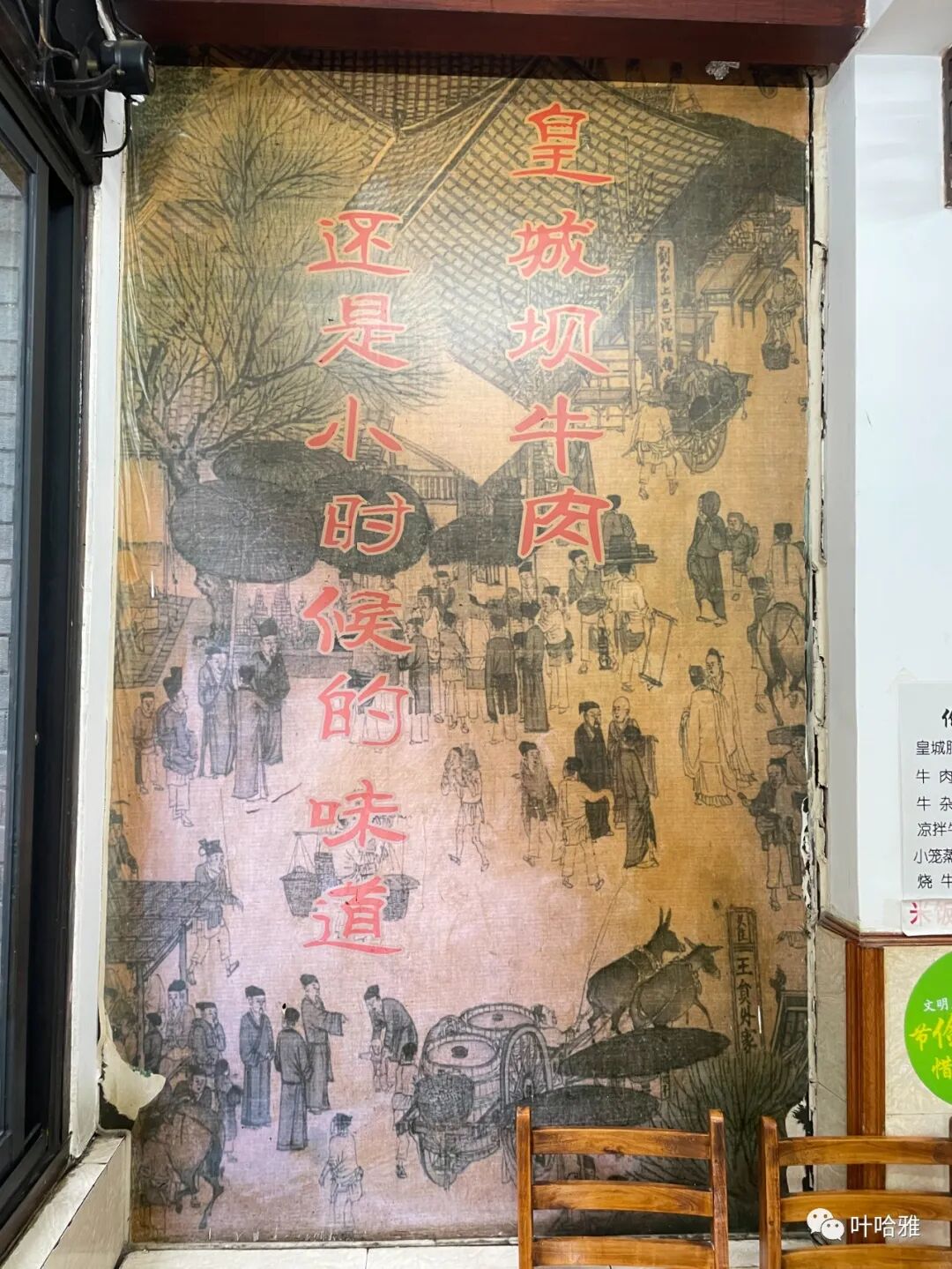
The Huangchengba Beef place I ate at is a stir-fry restaurant, not the Huangchengba hot pot place. The last character in the two shop names is written differently.
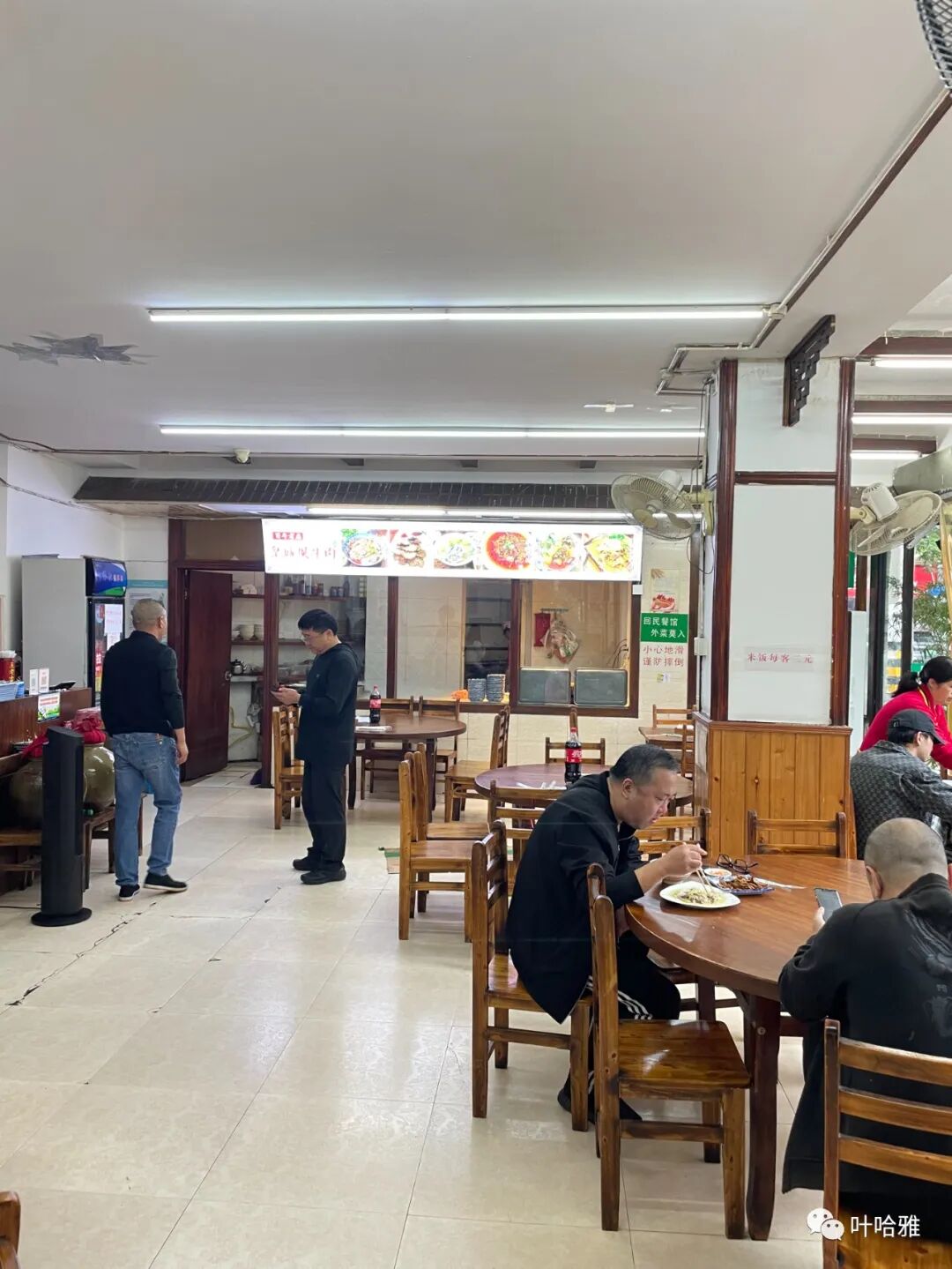
This shop has been open in Chengdu for over twenty years. It is a very authentic small Sichuan restaurant. They only serve beef dishes. The portions are small, but the taste is great. We arrived right when they opened at 11:00 a.m., as I heard there is a line by the evening.
Their sliced beef in chili sauce (fuqi feipian), steamed beef with rice flour (fenzheng niurou), stewed beef brisket with radish (luobo dun niunan), mapo tofu (mapo doufu), and twice-cooked beef (huiguo niurou) are all very authentic. This is the Sichuan flavor I love, and it made me eat several bowls of rice.
Sichuan food is mainly numbing. The spice level is fine, not as hot as the food we had later in Yunnan and Guizhou.
I have always hoped Beijing could have an authentic halal Sichuan stir-fry restaurant, but unfortunately, Hui Muslims from Chengdu rarely move away to start businesses.
The people eating here are mostly local residents from the neighborhood. There is basically no service, and you have to do everything yourself. That is just the vibe of a small street-side shop.
The address is at the Xiaojiahe Street intersection.
Desert Tour Dubai Restaurant
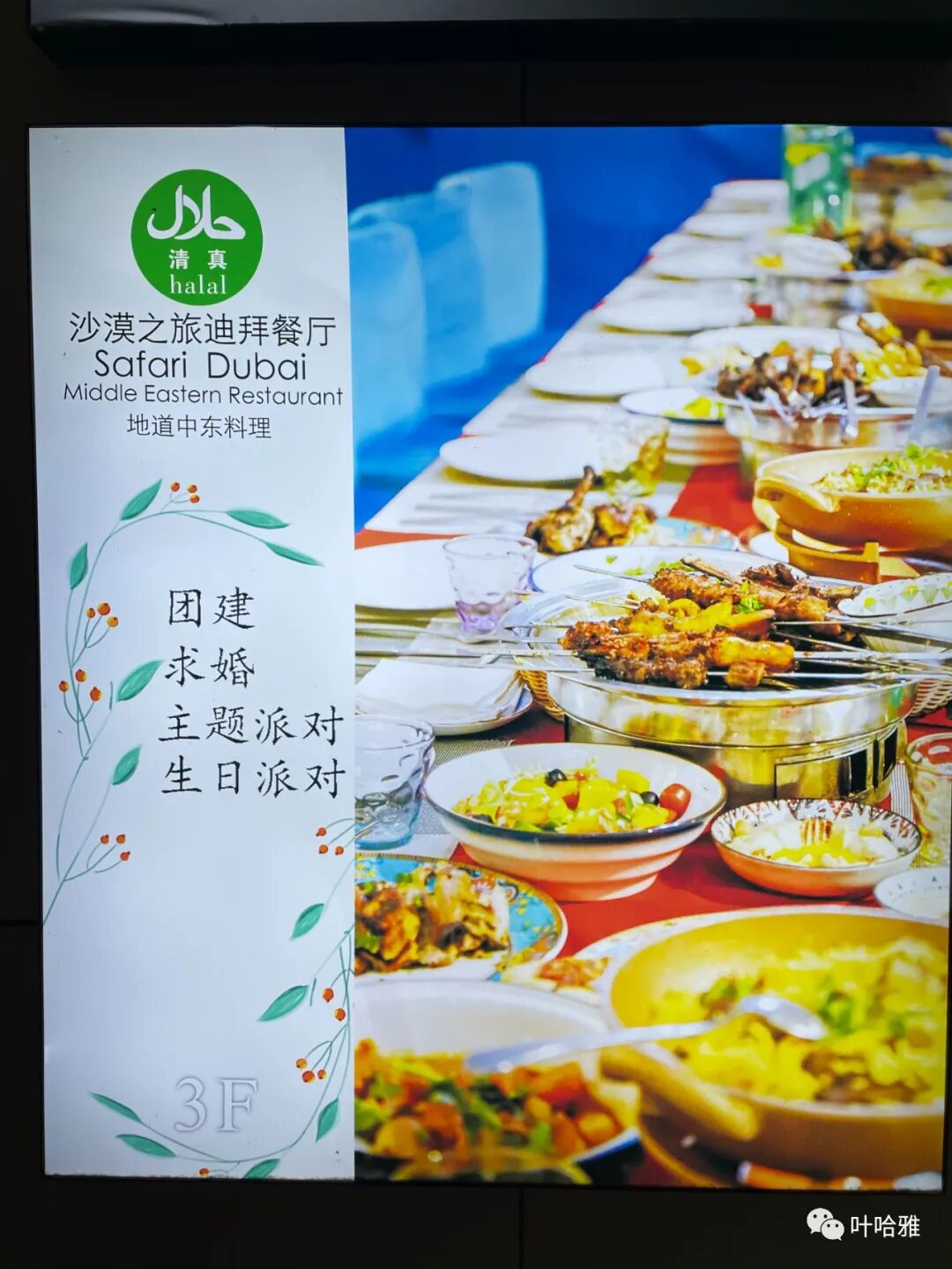
This is an Arabic restaurant that has been open in Chengdu for over ten years. The owner is Chinese, and one of the partners is Arab.
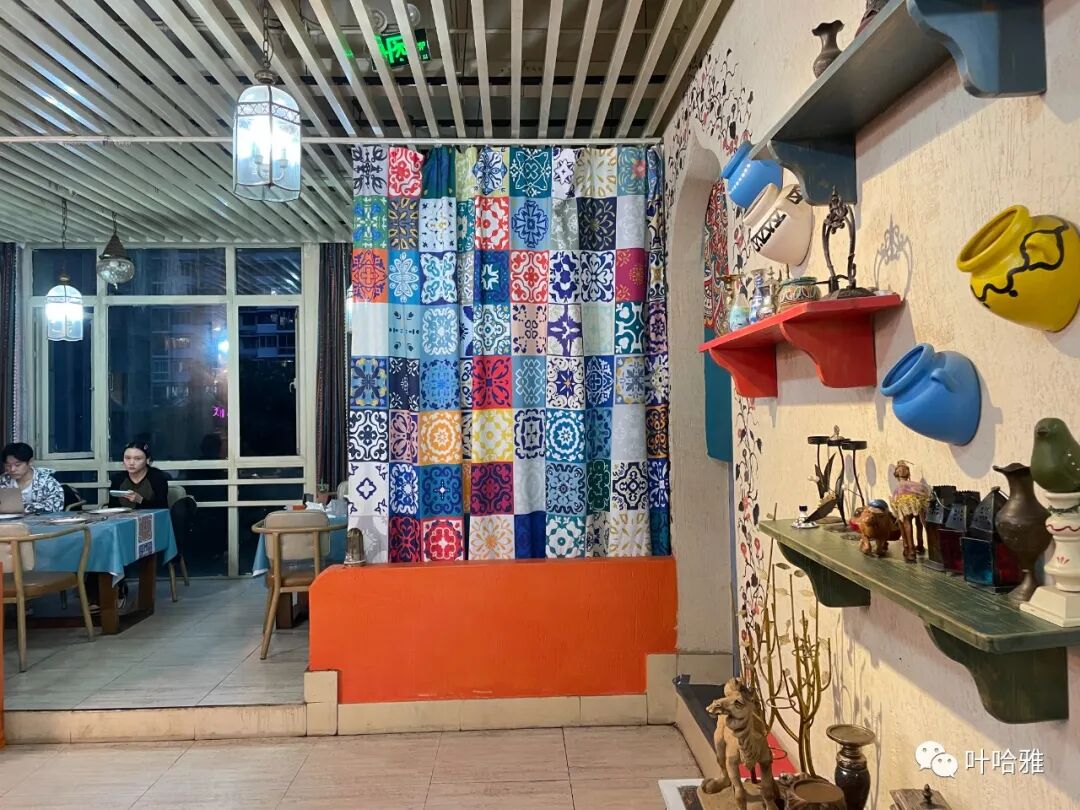
The restaurant space is quite large, and the decor has a distinct Middle Eastern style. The owner is very welcoming and the service is attentive.
We have eaten a lot of Arabic food, and I can confirm this place is very authentic. The owner is also very confident, saying they have stuck to their standards for over ten years to make good Arabic food.
I learned they opened a high-end Dubai restaurant on the eighth floor of Yintai in99. The average cost is around 200 yuan, so I might visit that one next time.
This Kehua branch is not expensive, costing about 100 yuan per person.
The address is on the third floor of the commercial building on Kehua Middle Road. Take the elevator up.
Hongpai Niu Chengdu Old Hot Pot
This Chengdu hot pot restaurant is run by people from Linxia. When we arrived at noon, the entrance was under renovation, and we were the only table in the shop.
The food came out quickly and the ingredients were fresh. We chose the mild spicy split pot (yuanyang guo), and it really wasn't too spicy.
The overall experience was just okay. It still has a gap compared to the Niububi I have eaten before.
The address is 3 Qidaoyan Street, and there are parking spaces at the entrance.
Tianfanglou Restaurant
I took these photos before 2016, and it has been renovated since then. The long-established Tianfanglou is the largest halal restaurant in Chengdu. It is very popular and requires waiting in line. Here, I tasted authentic Sichuan food like brown sugar rice cakes (hongtang ciba), beef brisket with bamboo shoots (zhusun niunan), steamed beef with rice flour (fenzheng niurou), roasted lamb chops (kao yangpai), baby cabbage with minced garlic (suanrong wawacai), kung pao chicken (gongbao jiding), and twice-cooked pork (huiguorou).
If you are coming to Chengdu for the first time, you should still try Tianfanglou. People say they have opened a tea restaurant next door.
Address: Next to the Huangcheng Mosque at Tianfu Square.
Halal Niububi Hot Pot
Niububi is currently the most popular halal hot pot in Chengdu. In the past, you had to wait in line for two hours. Now they have opened four or five chain stores, with the main store in Tangjiasi, so the waiting time has shortened. You can use your phone to book a number. Fortunately, Niububi does not cancel your spot if you miss your number. I already found the mild spicy pot very spicy, but it is delicious. The signature beef is a must-order.
Address: No. 59 Xiangnongshi Street, Jinniu District (Xunchi Building, Yingmenkou).
Yibenniu Halal Beef Hot Pot.
It used to be called Benbenniu, but they changed the name to Yibenniu, probably to avoid confusion with Niubenben. Make sure you go to the right place. Their hot pot is not as spicy as Niububi. The signature beef and goose intestines are delicious, and the environment is better. Remember to try the brown sugar sticky rice cake (hongtang ciba). If you go at noon, you do not have to wait in line.
Address: 15 meters northeast of the restaurant 'Those Years We Ate Skewers Together' at No. 171 Tongxin Road, Qingyang District.
Shunji Marinated Meats.
This shop has been around since 2016 and is still next to the Tuqiao Mosque. There are many snack shops in this area. I saw everyone lining up at Shunji, so I joined in. The chili oil rabbit cubes (hongyou tuding) and marinated duck are very popular. The shop owner will chop them up and mix them with Lao Gan Ma chili sauce, which is appetizing and satisfying.
Rabbits are not ruminants, but the Hadith clearly records them as animals that are permissible to eat. According to Anas ibn Malik (may Allah be pleased with him), we passed by Marr al-Zahran and found a rabbit that got scared and ran away. People rushed to catch it until they were tired, then I caught it and brought it to Abu Talha. He sent two rabbit legs to the Prophet (peace and blessings of Allah be upon him), and the Prophet accepted them. (Bukhari, Tirmidhi)
There is no such rule in Islam about only eating ruminants. Even today, many people wrongly believe that Hui Muslims can only eat ruminants. This idea about ruminants comes from the Old Testament of Judaism. What are the non-halal foods mentioned in the Quran and Sunnah? Mentioned.
Gulou Mosque.
Chengdu Gulou Mosque was first built in 1375 during the eighth year of the Hongwu reign of the Ming Dynasty. It was destroyed at the end of the Ming Dynasty and restored during the Kangxi and Yongzheng reigns of the Qing Dynasty. It was rebuilt twice in October 1742 and 1794 during the Qianlong reign. The prayer hall is the only ancient building preserved in the mosque. It is the most complete and exquisitely constructed of the more than ten existing mosque prayer halls in the Chengdu area. The mosque is currently under renovation.
Address: 115 Gulou South Street, Qingyang District.
Upper Mosque (Tuqiao Mosque).
The Upper Mosque in Chengdu's Jinniu District, also called Tuqiao Mosque, was built during the Qianlong reign. When Tianfu Square was expanded, the Imperial City Mosque had to move. Some people stopped going there and started praying at Tuqiao Mosque instead. There are many Sichuan-style halal snack shops around Tuqiao Mosque.
Address: 26 Tuqiao North Street, Chengdu.
Imperial City Mosque.
Chengdu's Imperial City Mosque sits in the busiest part of the city. It features a blend of Chinese and Arabic architectural styles. The decorations only show plants and Arabic script, with no traditional Chinese roof beasts. Covering over 5,000 square meters, it is the largest mosque in Southwest China. The prayer hall has two floors, and the women's section is separated from the men's by a curtain. The mosque is open to the public for visits.
Address: 2 Xiaohe Street, Qingyang District.
South Street, Guankou Town, Dujiangyan.
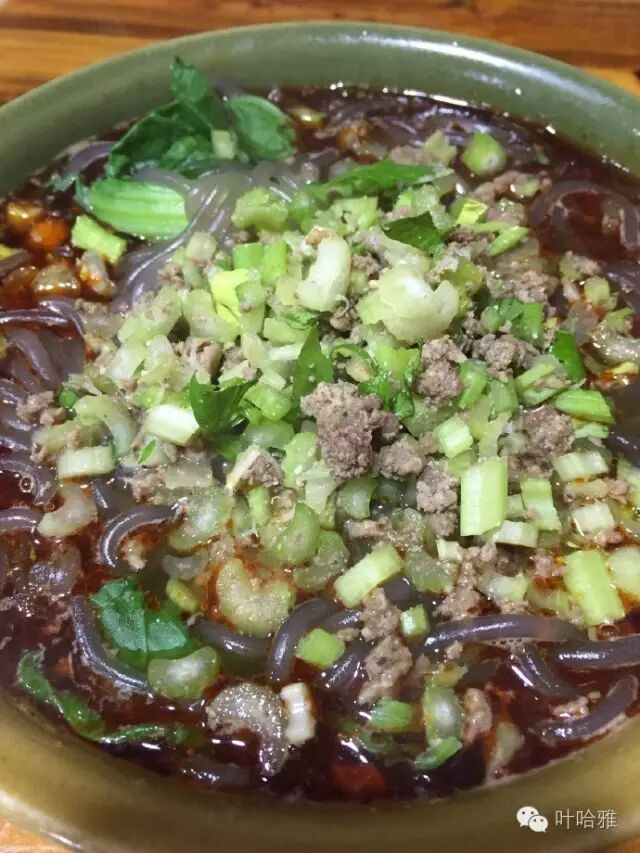
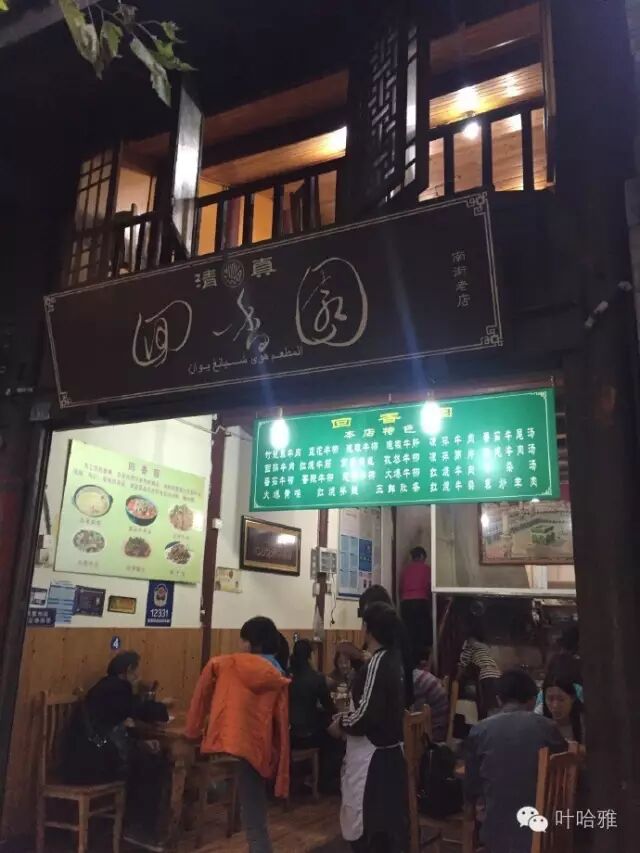
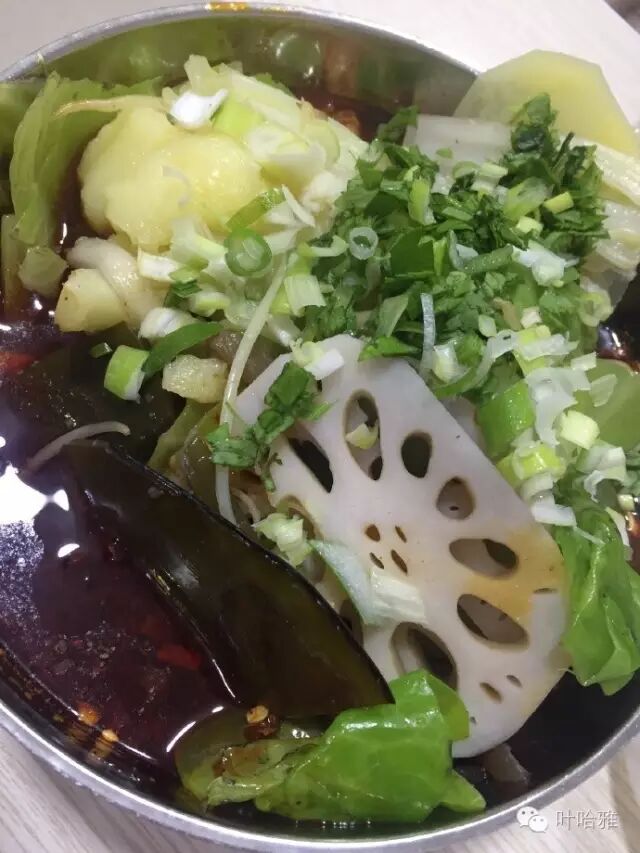
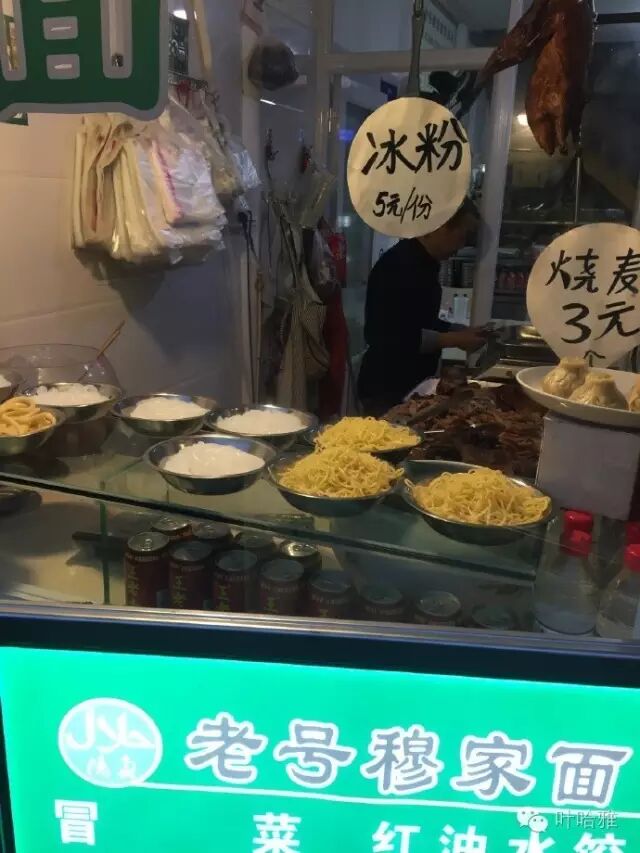
You can reach Dujiangyan in a half-hour drive from downtown Chengdu. On South Street in Guankou Town, there is an old Ming Dynasty mosque. Sichuan-style halal snacks line both sides of the street, including wontons (chaoshou), rice noodles (mifen), pastries (gaodian), hot pot (huoguo), spicy boiled dishes (maocai), and sticky rice balls (san da pao). This street brings together all kinds of Sichuan halal snacks. Dujiangyan has beautiful scenery and fewer crowds, making it perfect for a stroll.
Address: South Street, Guankou Town, Dujiangyan Scenic Area.
Baoping Mosque (Maogong Mosque).
One morning, while walking in the light rain in the old town of Dujiangyan, I found a mosque called Maogong Mosque, also known as Baoping Mosque. It is located in the middle of Baoping Lane, outside the old West Street city wall. It was built in 1922 by Hui Muslims who moved to Guan County from Maogong County (now Xiaojin County). The existing buildings mainly include the main gate, the side rooms on the left and right, and the prayer hall.
Address: No. 20 Baoping Lane, Dujiangyan City.
Dujiangyan Ancient Mosque.
Dujiangyan Ancient Mosque was built in the Ming Dynasty. It is located inside the Dujiangyan Scenic Area and is free to visit. You can find many authentic Sichuan halal foods nearby.
Address: No. 49 South Street, Dujiangyan City.
Mimou Town (Tangjia Mosque).
Tangjia Mosque is a Hui Muslim community in the Qingbaijiang District of Chengdu. It is named after the Tangjia Mosque built there. This place has always been a hub for halal beef and mutton. It took us an hour of driving to get here.
I had a bowl of goose soup noodles at this noodle shop. The noodles were quite chewy, and the goose soup was very flavorful.
More than half of the shops on this street are halal. They mainly sell braised snacks, but there are also traditional pastries and Sichuan restaurants.
I bought some braised goose and braised rabbit at Muji. I feel safe eating their food because I ran into the owner while I was at the mosque for namaz.
According to netizens, the origin of the shop name Yugougou is that the current owner's father started making braised dishes in the 1980s. His nose was a bit high and hooked, so everyone called him Yugougou. Later, his children used Yugougou as the name of the shop.
Mimou Mosque (Tangjia Mosque)
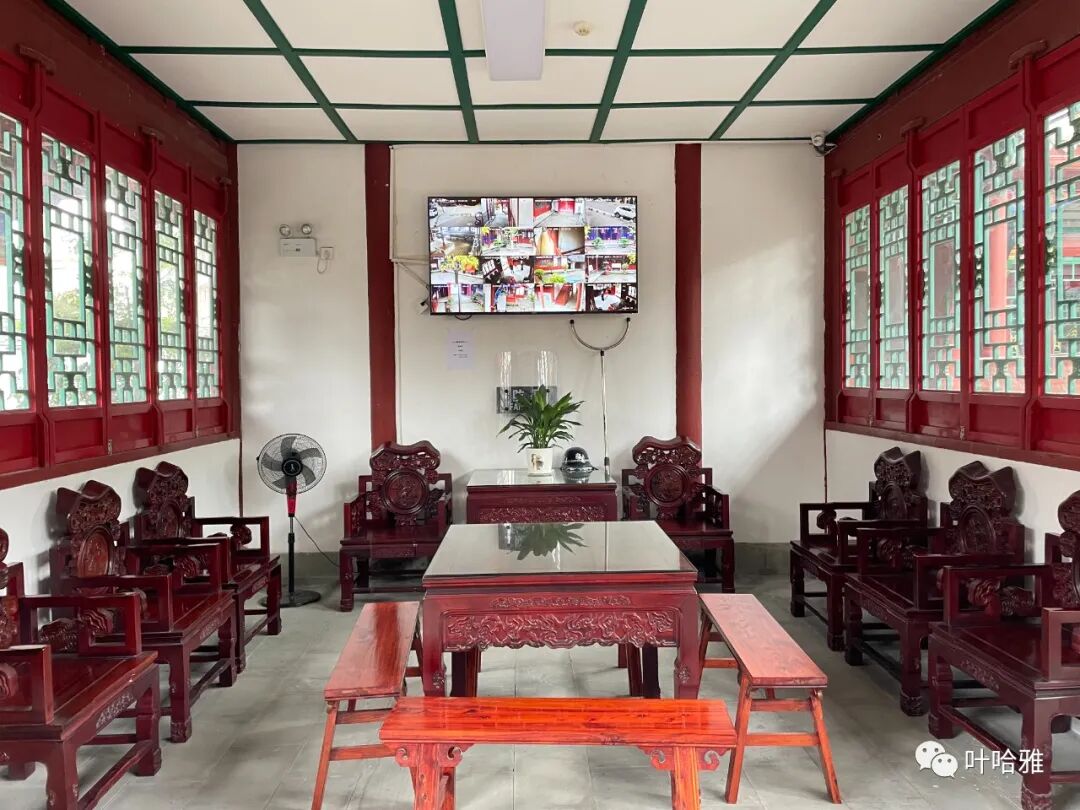
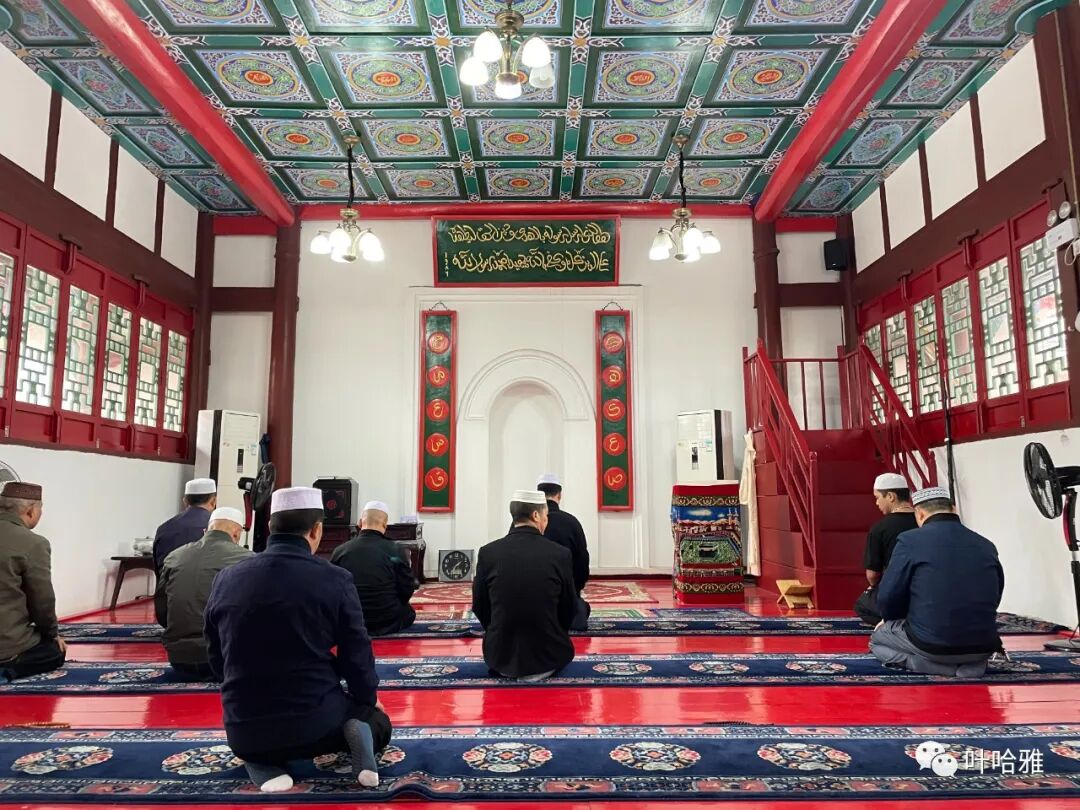
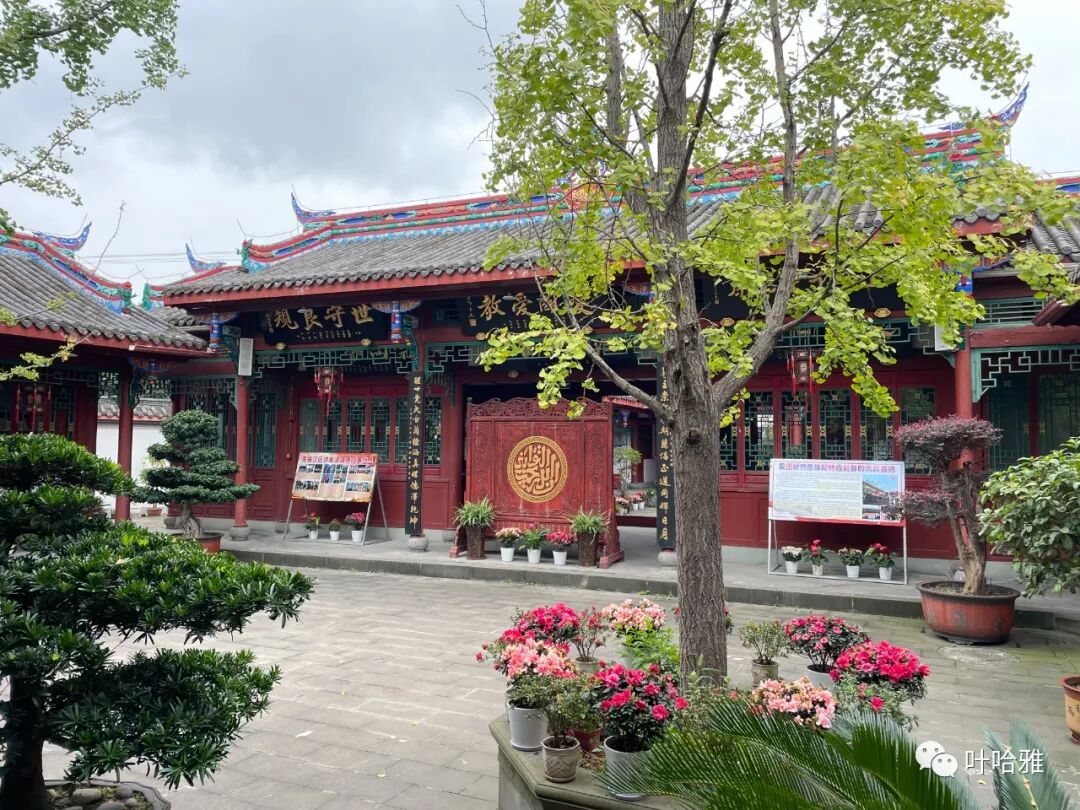
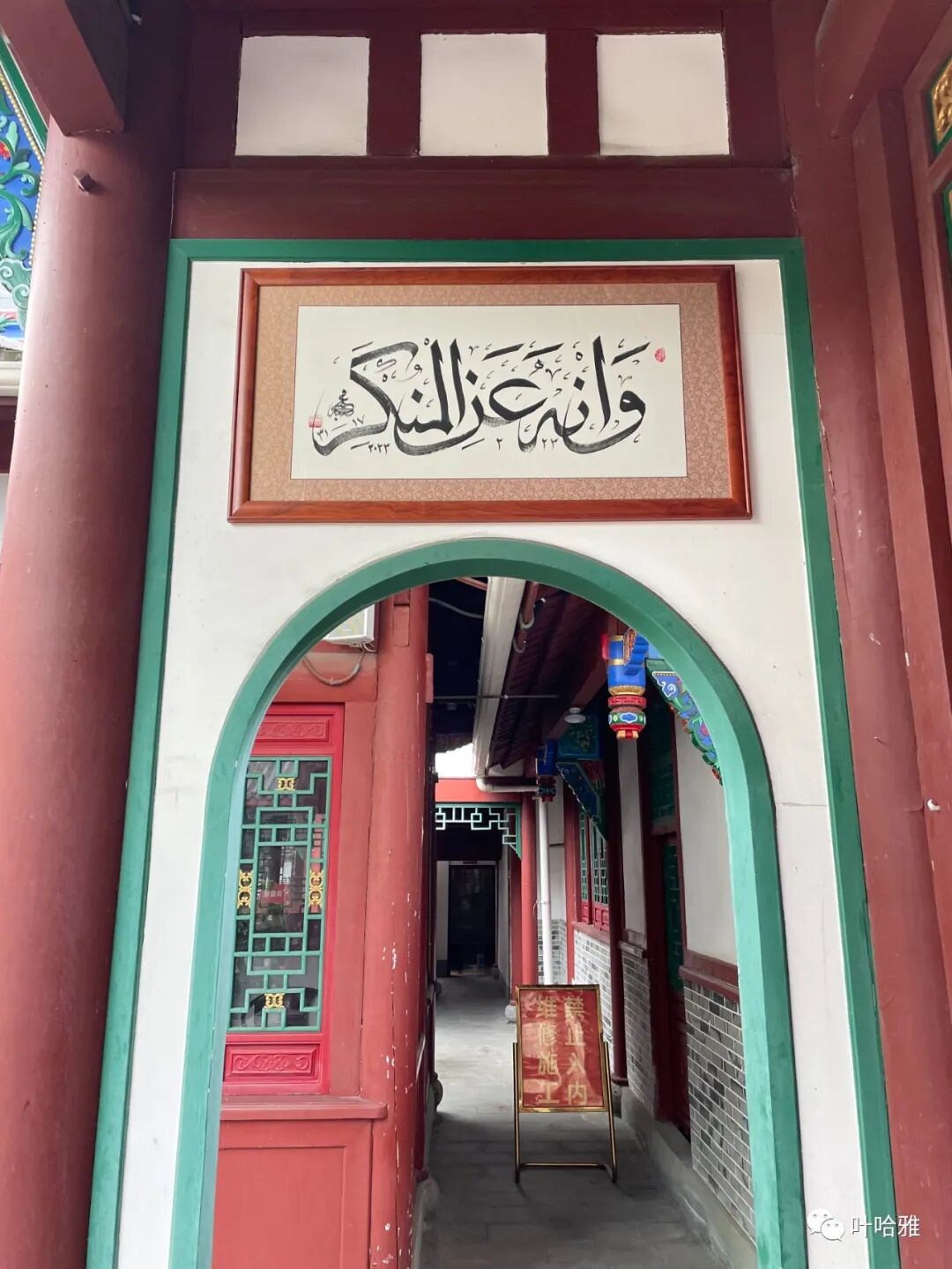
Most of the Hui Muslims who settled here in the late Ming and early Qing dynasties built Tangjia Mosque first, and Mimou Town was established later. Mimou is said to be a transliteration of the Arabic letter 'م'. They also built Luojia Mosque, Hujia Mosque, and Majia Mosque nearby, making a total of four mosques. Only Tangjia Mosque remains today, and it is a protected cultural site in Chengdu.
The Hui Muslim community in Sichuan is much stronger than many people imagine. They have a high number of people going on Hajj every year, and People say over forty people went last year. view all
Summary: This Chengdu halal food guide maps authentic Hui Muslim Sichuan food, including Couscous, Huangchengba Beef, Dujiangyan mosque food streets, Maogong Mosque, Tangjia Mosque, braised snacks, and local Chengdu Muslim community life.
A Map of Halal Food in Chengdu is presented here as a firsthand travel account in clear English, beginning with this scene: Ten of my travel posts were deleted recently, likely due to title violations. I am reposting them now after making edits. The account keeps its focus on Halal Travel, Yiwu Food, Muslim Travel while preserving the names, places, food, and historical details from the Chinese source.
Ten of my travel posts were deleted recently, likely due to title violations. I am reposting them now after making edits.
I have visited Chengdu many times. My last article about halal restaurants in Chengdu was written in 2016, so it is outdated and needs an update. This time, I drove to Chengdu with my wife and children and found many more halal restaurants with a much wider variety of flavors. When I first came here, I visited Dujiangyan, one of the areas where Hui Muslims live. This time, I am adding Mimou Town, another place where Hui Muslims live in Sichuan.
Couscous (Gusigusi)
Couscous (Gusigusi) is a newly opened halal restaurant chain in Chengdu. They have two locations, and neither sells alcohol. They specialize in signature dishes from countries along the Silk Road, featuring classic food from Xinjiang to Morocco, including Central Asia, West Asia, and North Africa.
We chose the Joy City location for our first stop, making it the first restaurant we visited on our Chengdu trip.
I was very impressed with this restaurant. They actually have a children's play area, which I rarely see in halal restaurants. My son Fahim has a hard time sitting still while adults eat, so having a play area allowed us to enjoy our meal in peace.
We had Mediterranean salad with Xinjiang kvass (gewasi), plus my son's favorite tomato pasta.
The Moroccan seafood tagine (tajiguo) and desert roasted chicken leg were golden in color and the meat was tender.
Pita bread (koudaibing) and Moroccan eggplant stew with chickpeas are North African specialty snacks.
The address is on the third floor of Chengdu Joy City. The other location is on the 5th floor of Building A, Merchants Magic Cube in the High-tech Zone.
Huangchengba Beef
The Huangchengba Beef place I ate at is a stir-fry restaurant, not the Huangchengba hot pot place. The last character in the two shop names is written differently.
This shop has been open in Chengdu for over twenty years. It is a very authentic small Sichuan restaurant. They only serve beef dishes. The portions are small, but the taste is great. We arrived right when they opened at 11:00 a.m., as I heard there is a line by the evening.
Their sliced beef in chili sauce (fuqi feipian), steamed beef with rice flour (fenzheng niurou), stewed beef brisket with radish (luobo dun niunan), mapo tofu (mapo doufu), and twice-cooked beef (huiguo niurou) are all very authentic. This is the Sichuan flavor I love, and it made me eat several bowls of rice.
Sichuan food is mainly numbing. The spice level is fine, not as hot as the food we had later in Yunnan and Guizhou.
I have always hoped Beijing could have an authentic halal Sichuan stir-fry restaurant, but unfortunately, Hui Muslims from Chengdu rarely move away to start businesses.
The people eating here are mostly local residents from the neighborhood. There is basically no service, and you have to do everything yourself. That is just the vibe of a small street-side shop.
The address is at the Xiaojiahe Street intersection.
Desert Tour Dubai Restaurant
This is an Arabic restaurant that has been open in Chengdu for over ten years. The owner is Chinese, and one of the partners is Arab.
The restaurant space is quite large, and the decor has a distinct Middle Eastern style. The owner is very welcoming and the service is attentive.
We have eaten a lot of Arabic food, and I can confirm this place is very authentic. The owner is also very confident, saying they have stuck to their standards for over ten years to make good Arabic food.
I learned they opened a high-end Dubai restaurant on the eighth floor of Yintai in99. The average cost is around 200 yuan, so I might visit that one next time.
This Kehua branch is not expensive, costing about 100 yuan per person.
The address is on the third floor of the commercial building on Kehua Middle Road. Take the elevator up.
Hongpai Niu Chengdu Old Hot Pot
This Chengdu hot pot restaurant is run by people from Linxia. When we arrived at noon, the entrance was under renovation, and we were the only table in the shop.
The food came out quickly and the ingredients were fresh. We chose the mild spicy split pot (yuanyang guo), and it really wasn't too spicy.
The overall experience was just okay. It still has a gap compared to the Niububi I have eaten before.
The address is 3 Qidaoyan Street, and there are parking spaces at the entrance.
Tianfanglou Restaurant
I took these photos before 2016, and it has been renovated since then. The long-established Tianfanglou is the largest halal restaurant in Chengdu. It is very popular and requires waiting in line. Here, I tasted authentic Sichuan food like brown sugar rice cakes (hongtang ciba), beef brisket with bamboo shoots (zhusun niunan), steamed beef with rice flour (fenzheng niurou), roasted lamb chops (kao yangpai), baby cabbage with minced garlic (suanrong wawacai), kung pao chicken (gongbao jiding), and twice-cooked pork (huiguorou).
If you are coming to Chengdu for the first time, you should still try Tianfanglou. People say they have opened a tea restaurant next door.
Address: Next to the Huangcheng Mosque at Tianfu Square.
Halal Niububi Hot Pot
Niububi is currently the most popular halal hot pot in Chengdu. In the past, you had to wait in line for two hours. Now they have opened four or five chain stores, with the main store in Tangjiasi, so the waiting time has shortened. You can use your phone to book a number. Fortunately, Niububi does not cancel your spot if you miss your number. I already found the mild spicy pot very spicy, but it is delicious. The signature beef is a must-order.
Address: No. 59 Xiangnongshi Street, Jinniu District (Xunchi Building, Yingmenkou).
Yibenniu Halal Beef Hot Pot.
It used to be called Benbenniu, but they changed the name to Yibenniu, probably to avoid confusion with Niubenben. Make sure you go to the right place. Their hot pot is not as spicy as Niububi. The signature beef and goose intestines are delicious, and the environment is better. Remember to try the brown sugar sticky rice cake (hongtang ciba). If you go at noon, you do not have to wait in line.
Address: 15 meters northeast of the restaurant 'Those Years We Ate Skewers Together' at No. 171 Tongxin Road, Qingyang District.
Shunji Marinated Meats.
This shop has been around since 2016 and is still next to the Tuqiao Mosque. There are many snack shops in this area. I saw everyone lining up at Shunji, so I joined in. The chili oil rabbit cubes (hongyou tuding) and marinated duck are very popular. The shop owner will chop them up and mix them with Lao Gan Ma chili sauce, which is appetizing and satisfying.
Rabbits are not ruminants, but the Hadith clearly records them as animals that are permissible to eat. According to Anas ibn Malik (may Allah be pleased with him), we passed by Marr al-Zahran and found a rabbit that got scared and ran away. People rushed to catch it until they were tired, then I caught it and brought it to Abu Talha. He sent two rabbit legs to the Prophet (peace and blessings of Allah be upon him), and the Prophet accepted them. (Bukhari, Tirmidhi)
There is no such rule in Islam about only eating ruminants. Even today, many people wrongly believe that Hui Muslims can only eat ruminants. This idea about ruminants comes from the Old Testament of Judaism. What are the non-halal foods mentioned in the Quran and Sunnah? Mentioned.
Gulou Mosque.
Chengdu Gulou Mosque was first built in 1375 during the eighth year of the Hongwu reign of the Ming Dynasty. It was destroyed at the end of the Ming Dynasty and restored during the Kangxi and Yongzheng reigns of the Qing Dynasty. It was rebuilt twice in October 1742 and 1794 during the Qianlong reign. The prayer hall is the only ancient building preserved in the mosque. It is the most complete and exquisitely constructed of the more than ten existing mosque prayer halls in the Chengdu area. The mosque is currently under renovation.
Address: 115 Gulou South Street, Qingyang District.
Upper Mosque (Tuqiao Mosque).
The Upper Mosque in Chengdu's Jinniu District, also called Tuqiao Mosque, was built during the Qianlong reign. When Tianfu Square was expanded, the Imperial City Mosque had to move. Some people stopped going there and started praying at Tuqiao Mosque instead. There are many Sichuan-style halal snack shops around Tuqiao Mosque.
Address: 26 Tuqiao North Street, Chengdu.
Imperial City Mosque.
Chengdu's Imperial City Mosque sits in the busiest part of the city. It features a blend of Chinese and Arabic architectural styles. The decorations only show plants and Arabic script, with no traditional Chinese roof beasts. Covering over 5,000 square meters, it is the largest mosque in Southwest China. The prayer hall has two floors, and the women's section is separated from the men's by a curtain. The mosque is open to the public for visits.
Address: 2 Xiaohe Street, Qingyang District.
South Street, Guankou Town, Dujiangyan.
You can reach Dujiangyan in a half-hour drive from downtown Chengdu. On South Street in Guankou Town, there is an old Ming Dynasty mosque. Sichuan-style halal snacks line both sides of the street, including wontons (chaoshou), rice noodles (mifen), pastries (gaodian), hot pot (huoguo), spicy boiled dishes (maocai), and sticky rice balls (san da pao). This street brings together all kinds of Sichuan halal snacks. Dujiangyan has beautiful scenery and fewer crowds, making it perfect for a stroll.
Address: South Street, Guankou Town, Dujiangyan Scenic Area.
Baoping Mosque (Maogong Mosque).
One morning, while walking in the light rain in the old town of Dujiangyan, I found a mosque called Maogong Mosque, also known as Baoping Mosque. It is located in the middle of Baoping Lane, outside the old West Street city wall. It was built in 1922 by Hui Muslims who moved to Guan County from Maogong County (now Xiaojin County). The existing buildings mainly include the main gate, the side rooms on the left and right, and the prayer hall.
Address: No. 20 Baoping Lane, Dujiangyan City.
Dujiangyan Ancient Mosque.
Dujiangyan Ancient Mosque was built in the Ming Dynasty. It is located inside the Dujiangyan Scenic Area and is free to visit. You can find many authentic Sichuan halal foods nearby.
Address: No. 49 South Street, Dujiangyan City.
Mimou Town (Tangjia Mosque).
Tangjia Mosque is a Hui Muslim community in the Qingbaijiang District of Chengdu. It is named after the Tangjia Mosque built there. This place has always been a hub for halal beef and mutton. It took us an hour of driving to get here.
I had a bowl of goose soup noodles at this noodle shop. The noodles were quite chewy, and the goose soup was very flavorful.
More than half of the shops on this street are halal. They mainly sell braised snacks, but there are also traditional pastries and Sichuan restaurants.
I bought some braised goose and braised rabbit at Muji. I feel safe eating their food because I ran into the owner while I was at the mosque for namaz.
According to netizens, the origin of the shop name Yugougou is that the current owner's father started making braised dishes in the 1980s. His nose was a bit high and hooked, so everyone called him Yugougou. Later, his children used Yugougou as the name of the shop.
Mimou Mosque (Tangjia Mosque)
Most of the Hui Muslims who settled here in the late Ming and early Qing dynasties built Tangjia Mosque first, and Mimou Town was established later. Mimou is said to be a transliteration of the Arabic letter 'م'. They also built Luojia Mosque, Hujia Mosque, and Majia Mosque nearby, making a total of four mosques. Only Tangjia Mosque remains today, and it is a protected cultural site in Chengdu.
The Hui Muslim community in Sichuan is much stronger than many people imagine. They have a high number of people going on Hajj every year, and People say over forty people went last year. view all
Reposted from the web
Summary: This Chengdu halal food guide maps authentic Hui Muslim Sichuan food, including Couscous, Huangchengba Beef, Dujiangyan mosque food streets, Maogong Mosque, Tangjia Mosque, braised snacks, and local Chengdu Muslim community life.
A Map of Halal Food in Chengdu is presented here as a firsthand travel account in clear English, beginning with this scene: Ten of my travel posts were deleted recently, likely due to title violations. I am reposting them now after making edits. The account keeps its focus on Halal Travel, Yiwu Food, Muslim Travel while preserving the names, places, food, and historical details from the Chinese source.
Ten of my travel posts were deleted recently, likely due to title violations. I am reposting them now after making edits.
I have visited Chengdu many times. My last article about halal restaurants in Chengdu was written in 2016, so it is outdated and needs an update. This time, I drove to Chengdu with my wife and children and found many more halal restaurants with a much wider variety of flavors. When I first came here, I visited Dujiangyan, one of the areas where Hui Muslims live. This time, I am adding Mimou Town, another place where Hui Muslims live in Sichuan.
Couscous (Gusigusi)
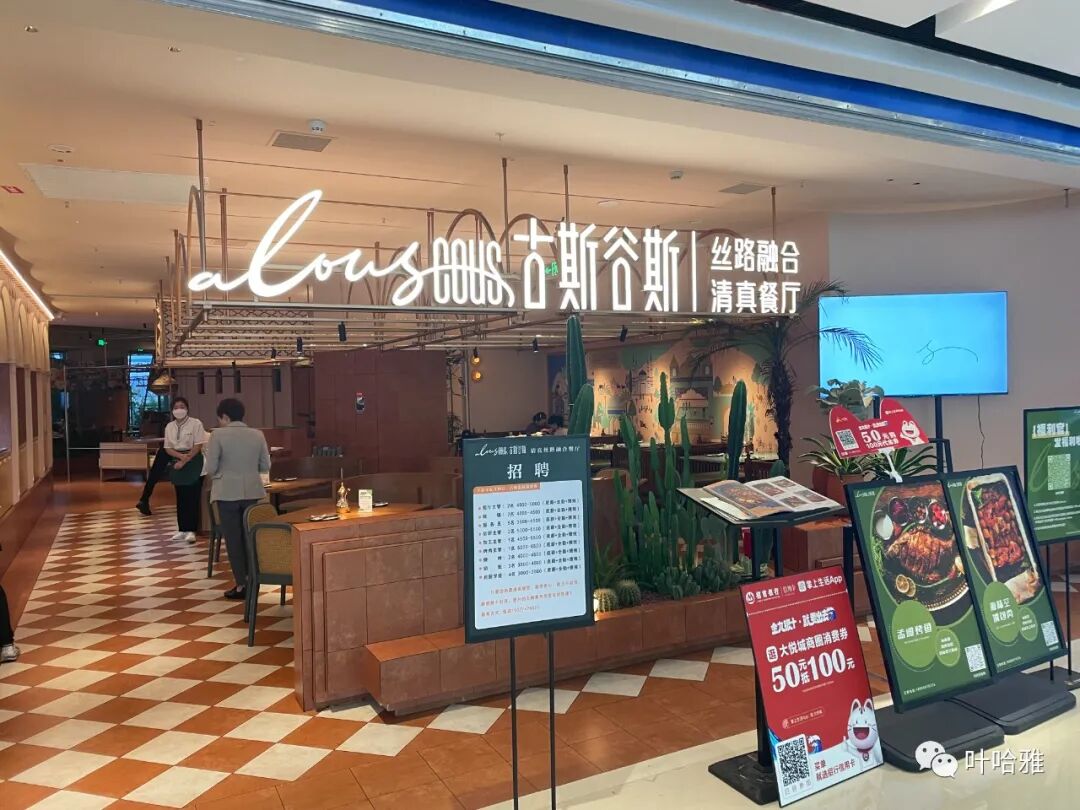
Couscous (Gusigusi) is a newly opened halal restaurant chain in Chengdu. They have two locations, and neither sells alcohol. They specialize in signature dishes from countries along the Silk Road, featuring classic food from Xinjiang to Morocco, including Central Asia, West Asia, and North Africa.
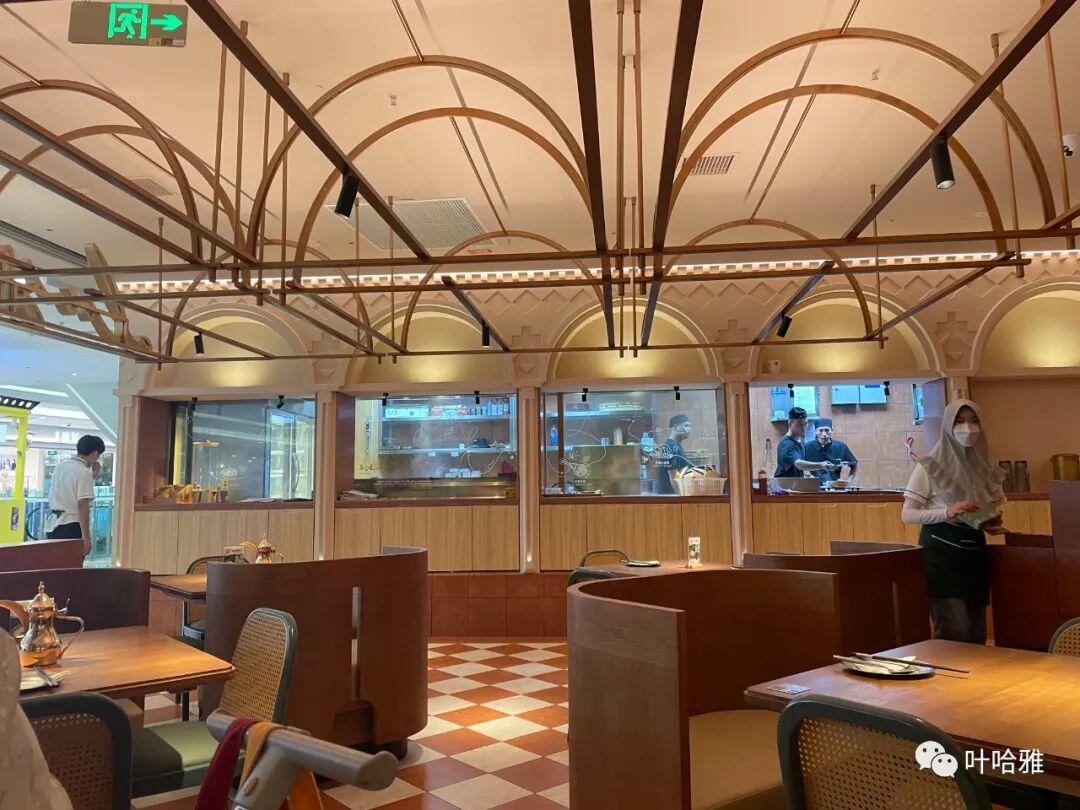
We chose the Joy City location for our first stop, making it the first restaurant we visited on our Chengdu trip.
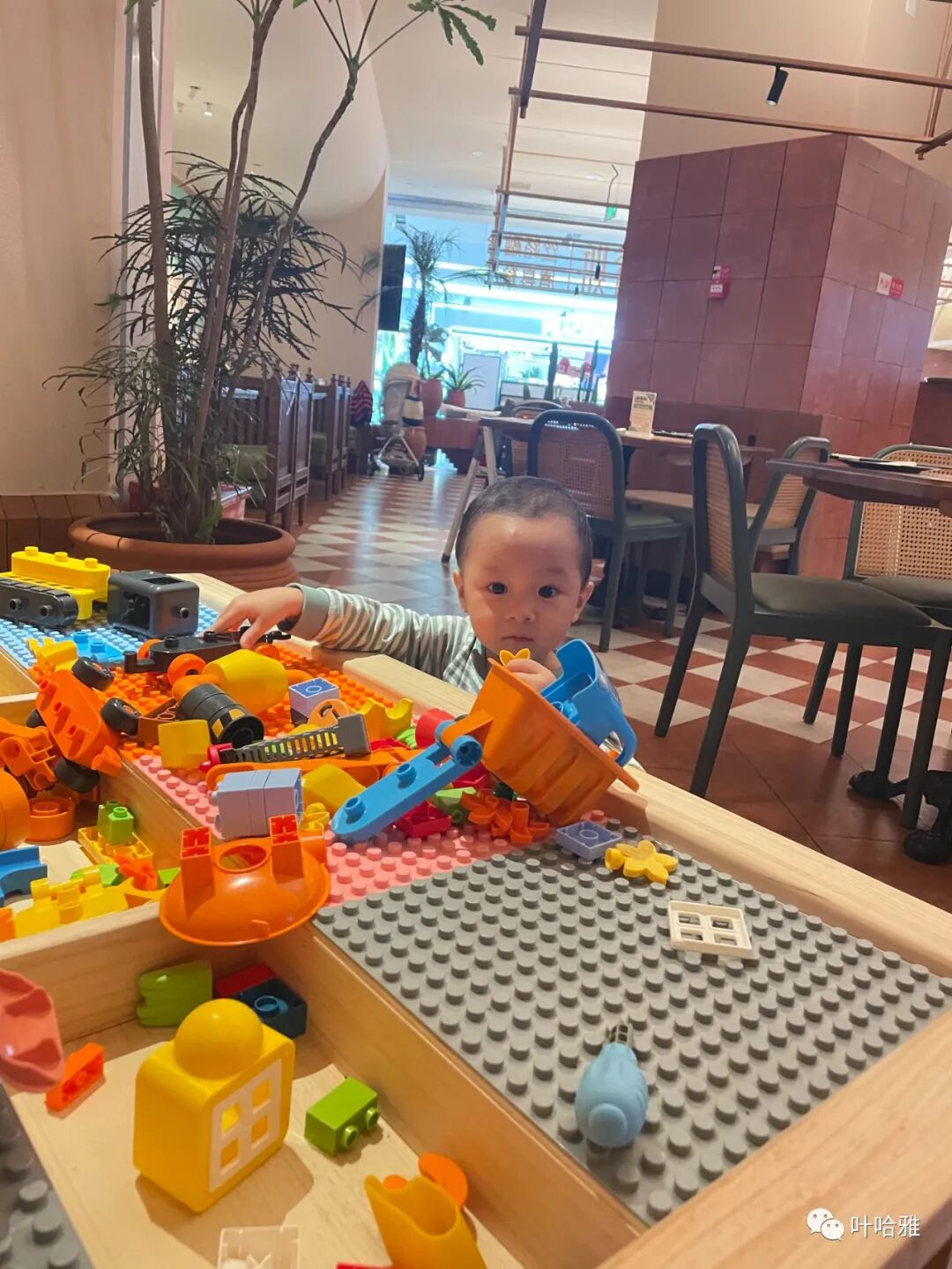
I was very impressed with this restaurant. They actually have a children's play area, which I rarely see in halal restaurants. My son Fahim has a hard time sitting still while adults eat, so having a play area allowed us to enjoy our meal in peace.
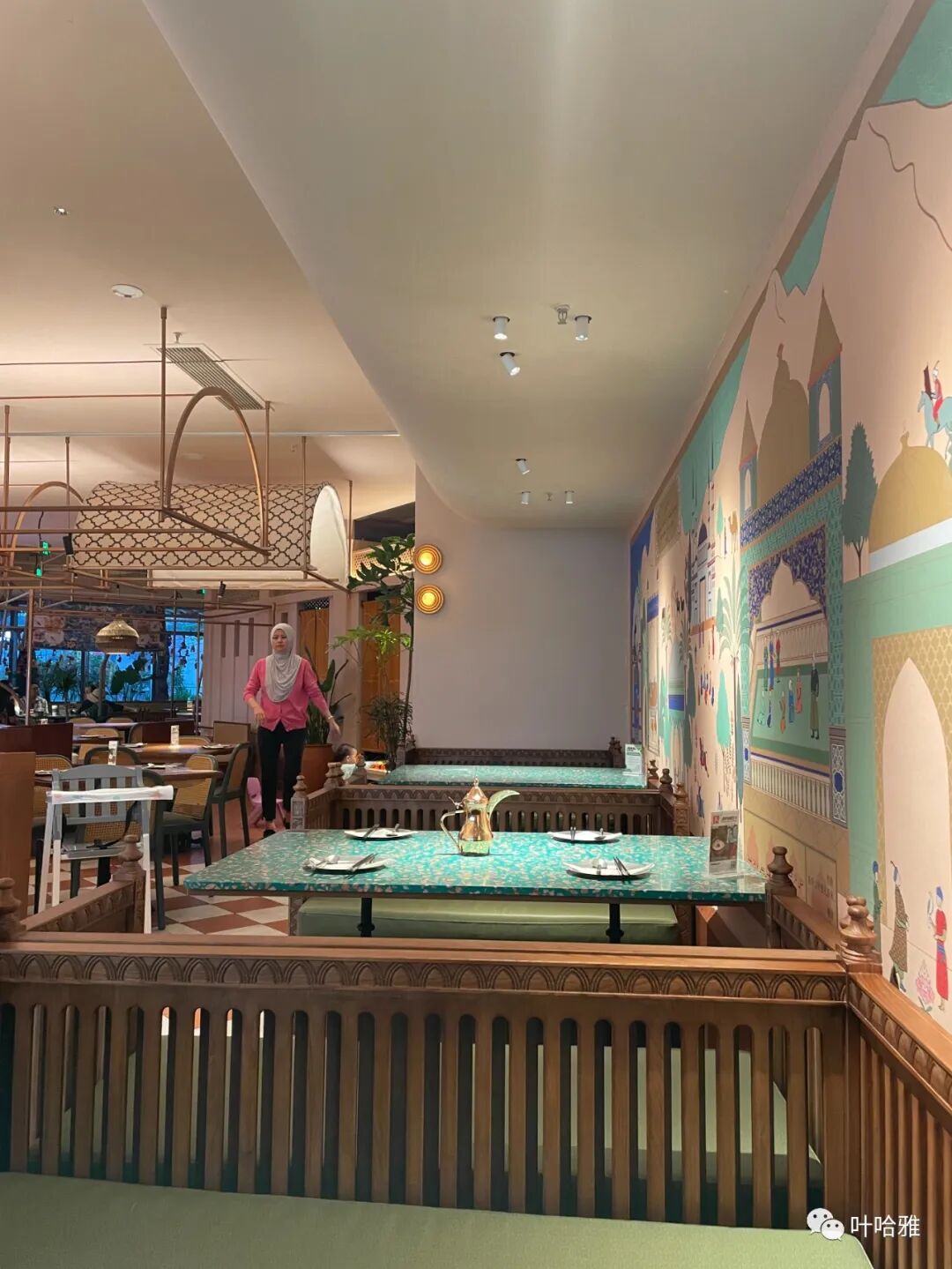
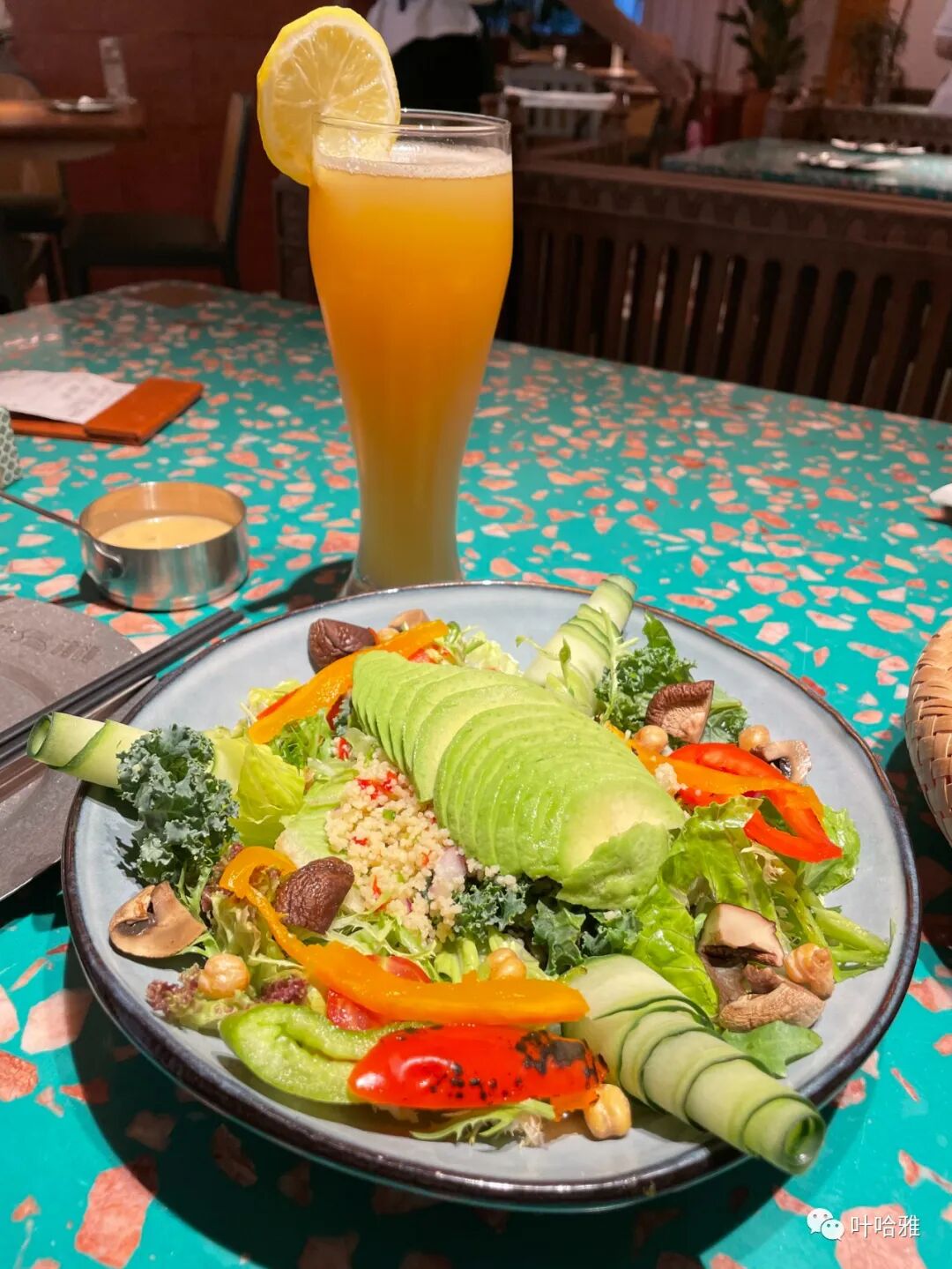
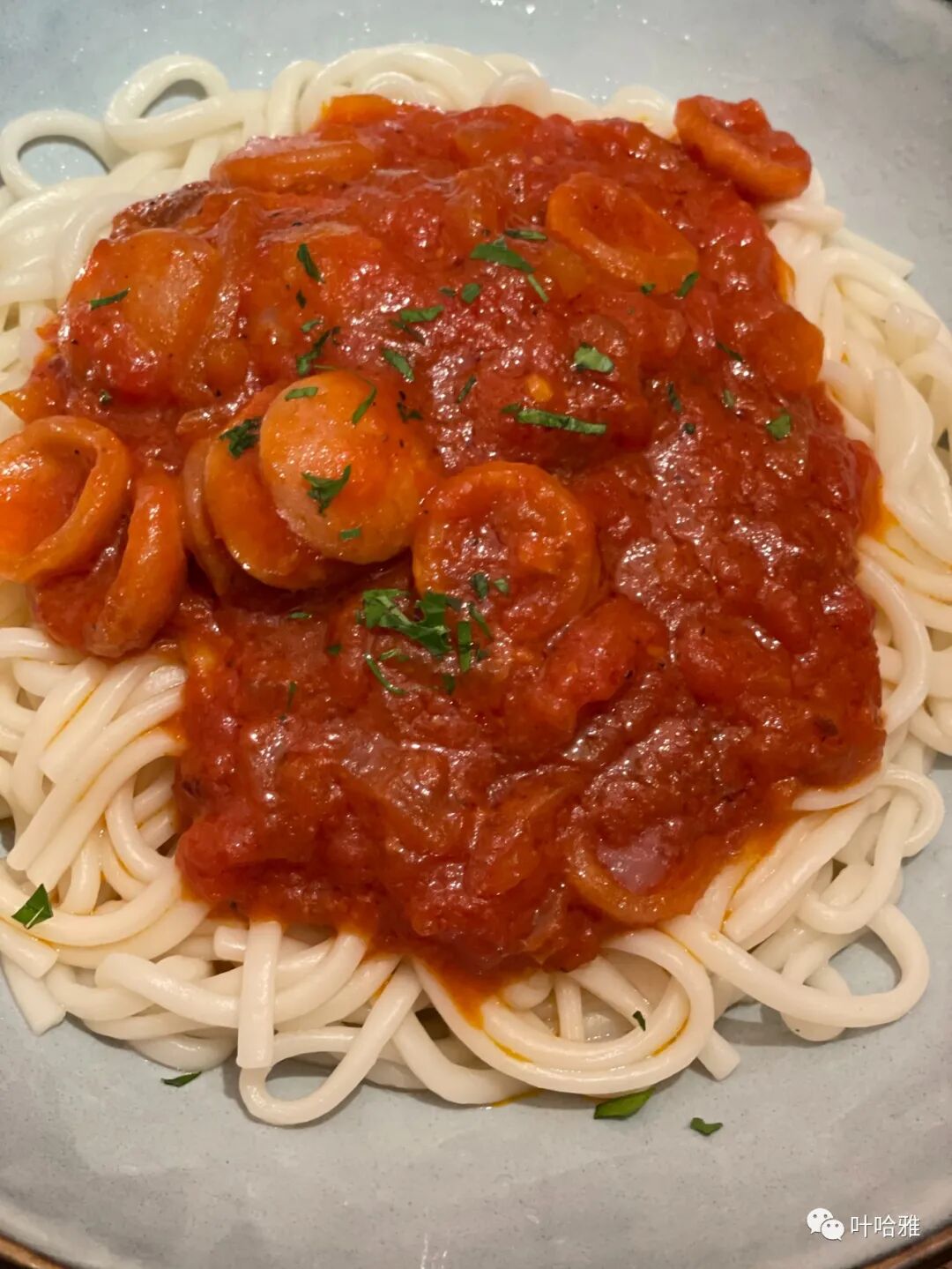
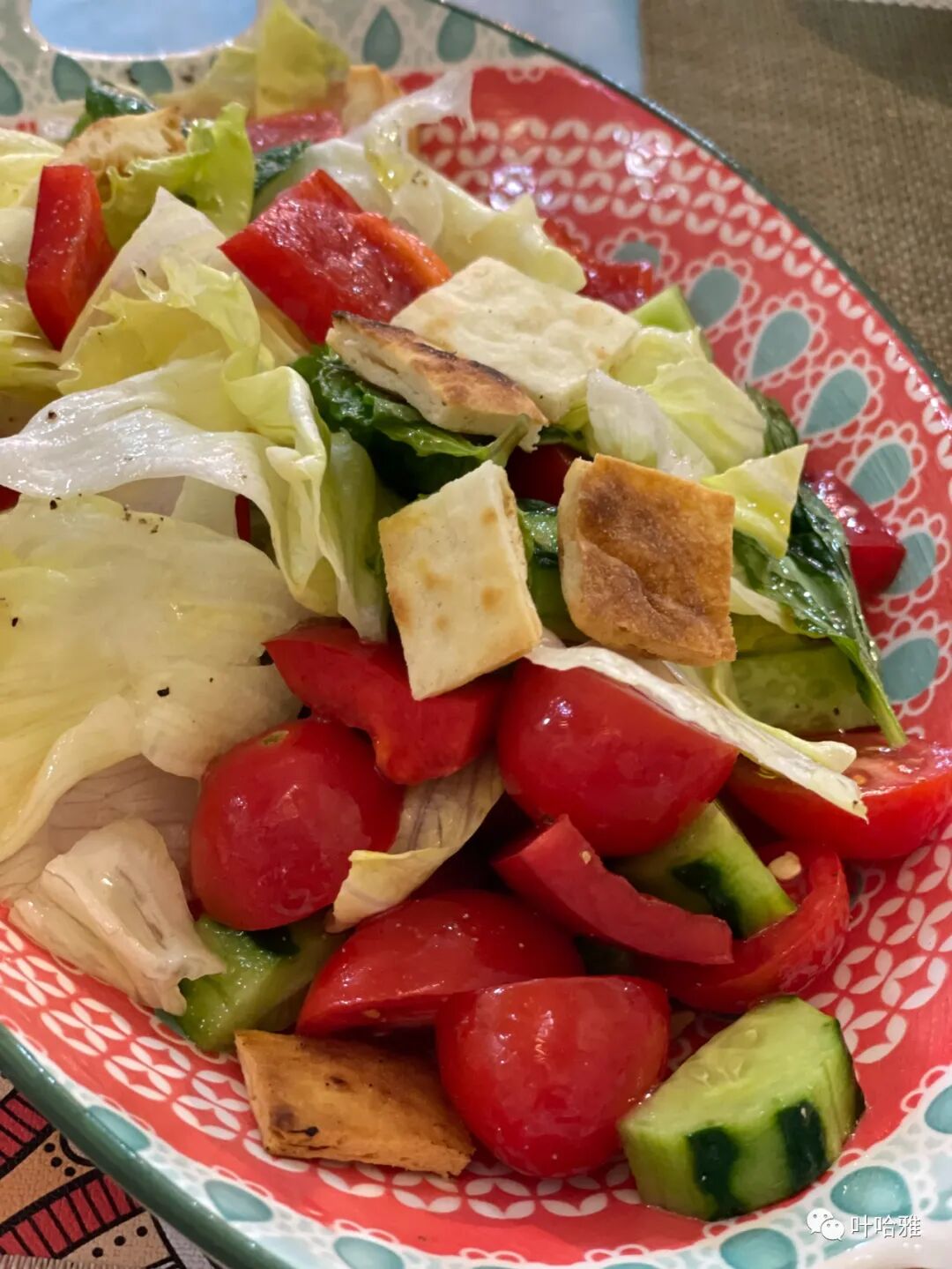
We had Mediterranean salad with Xinjiang kvass (gewasi), plus my son's favorite tomato pasta.
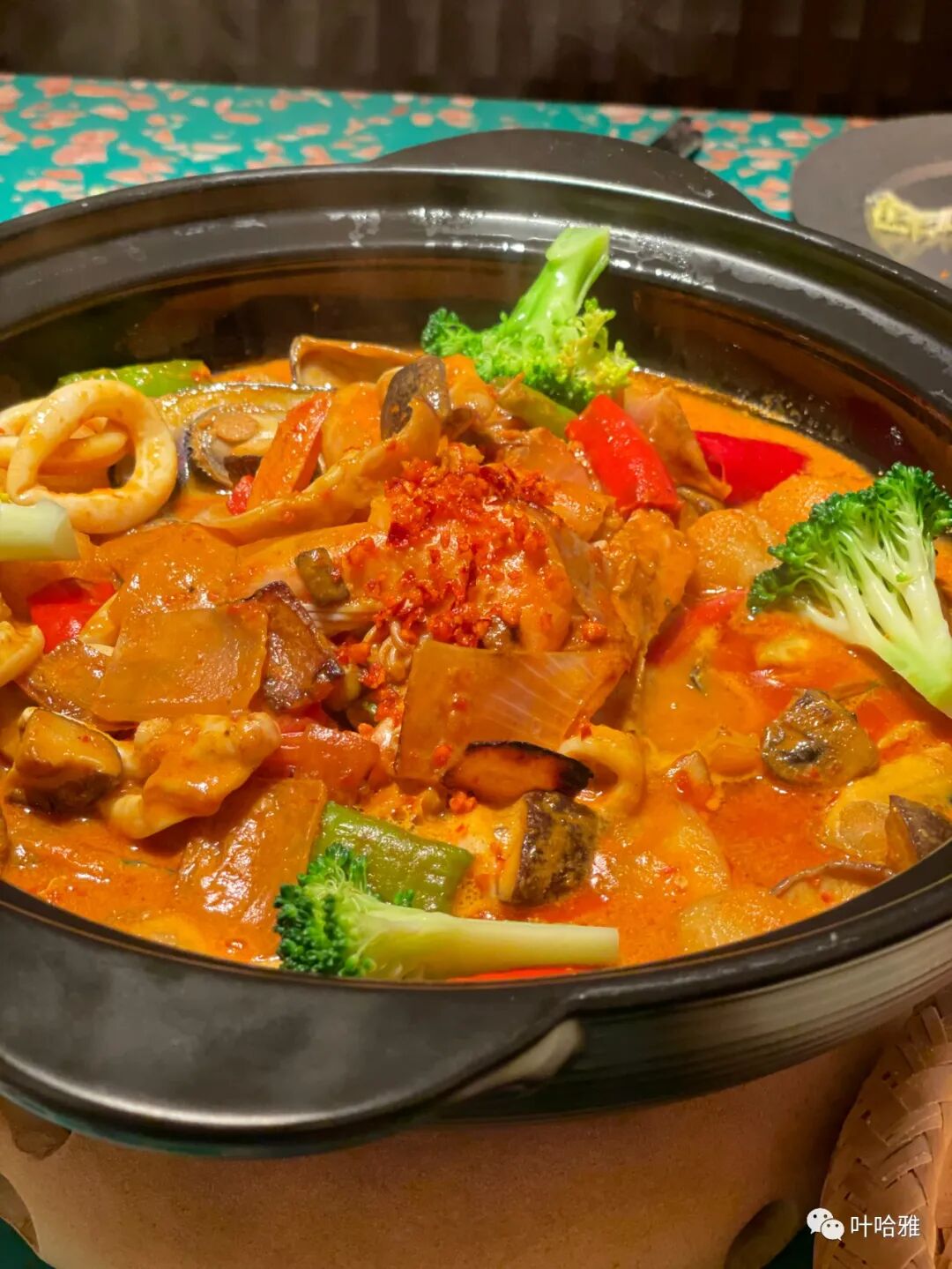
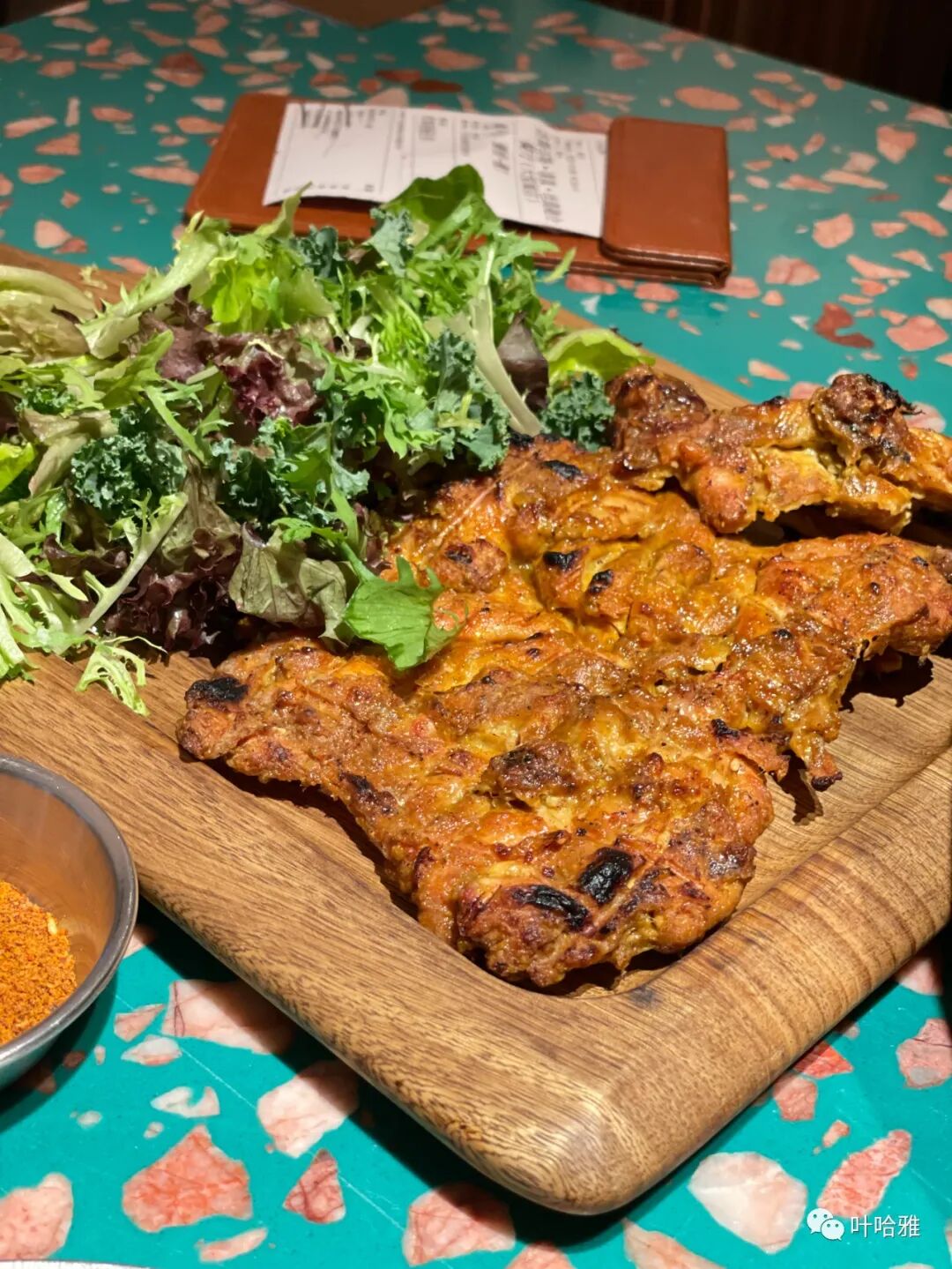
The Moroccan seafood tagine (tajiguo) and desert roasted chicken leg were golden in color and the meat was tender.
Pita bread (koudaibing) and Moroccan eggplant stew with chickpeas are North African specialty snacks.
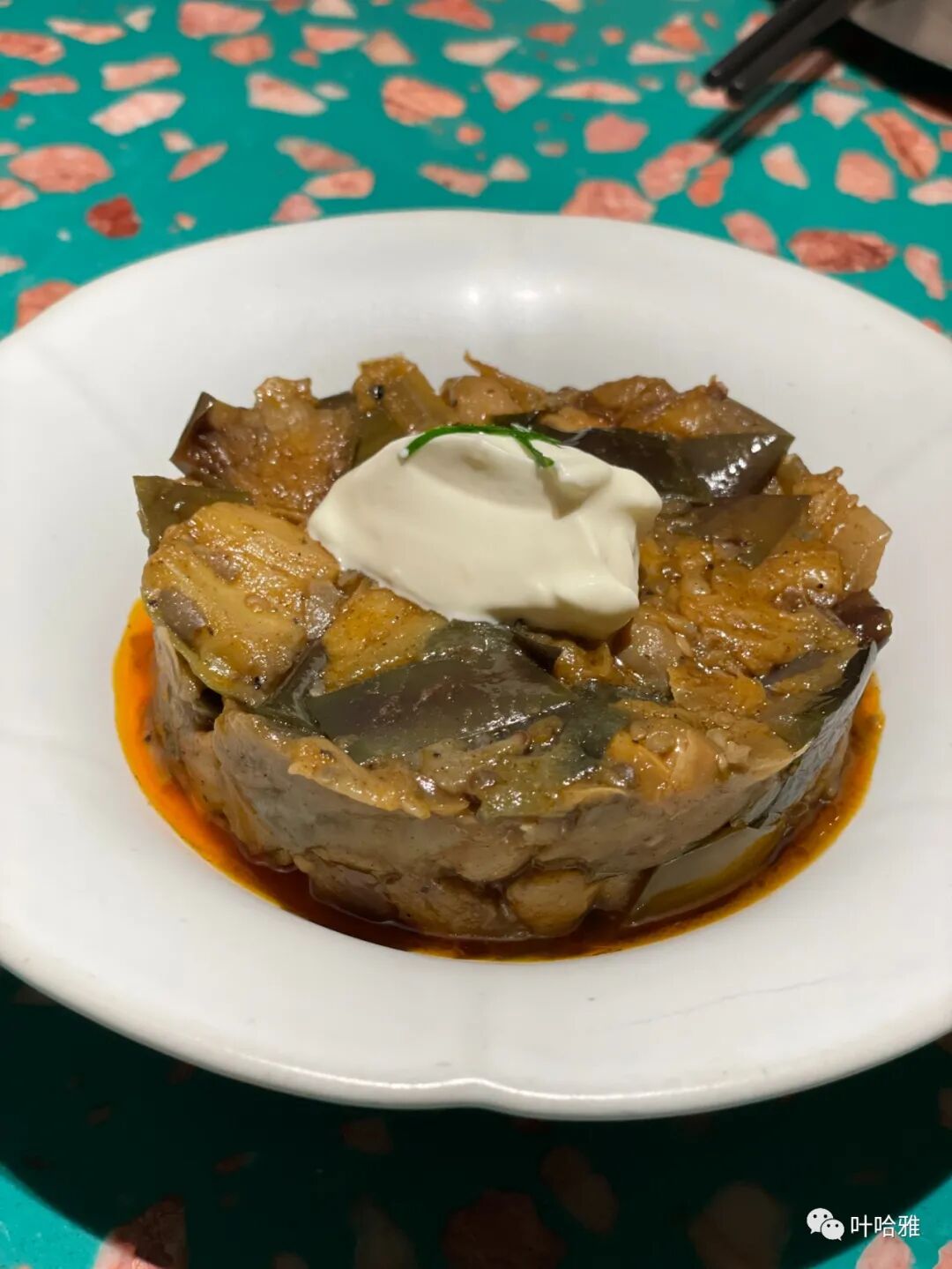
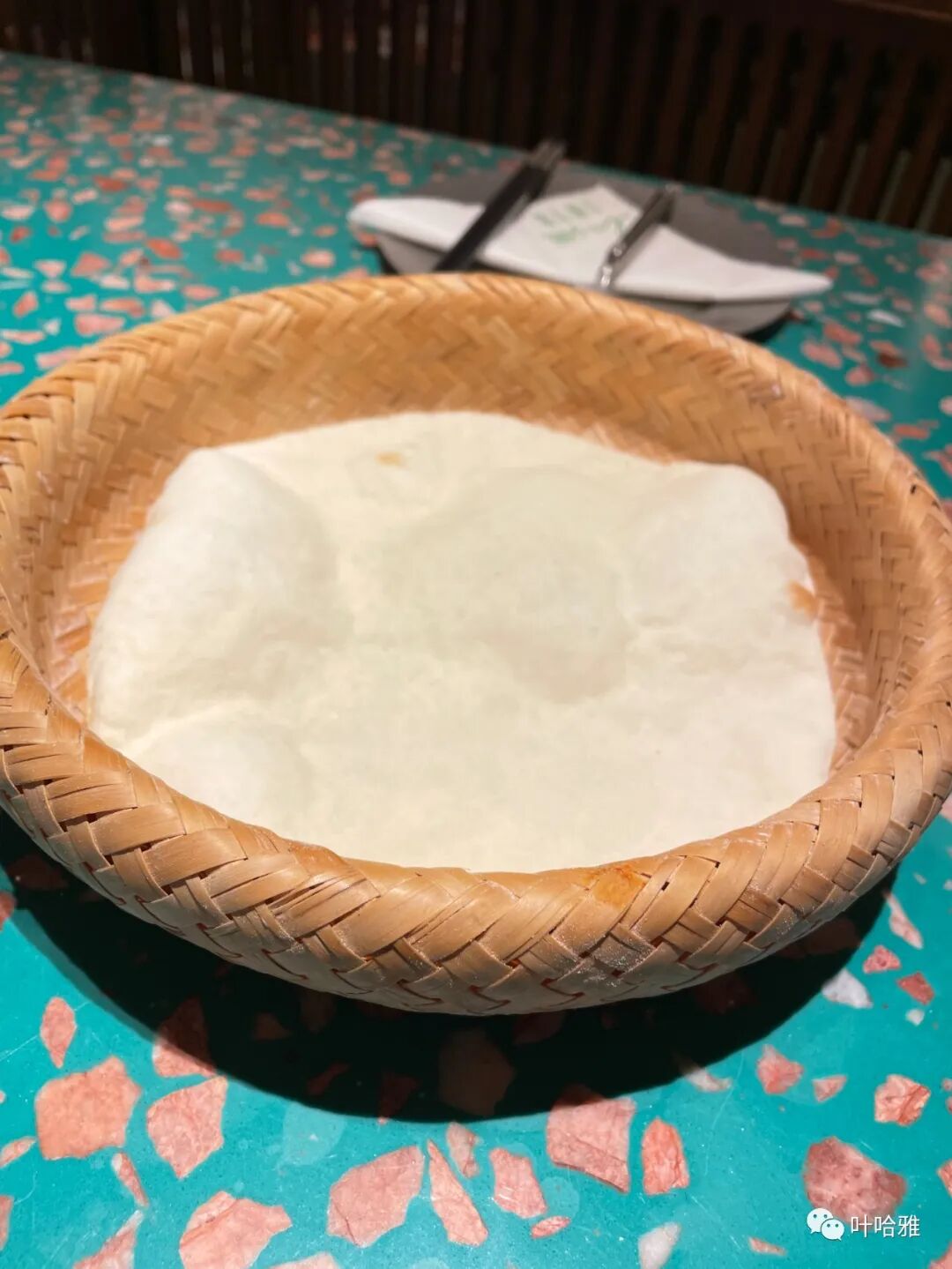
The address is on the third floor of Chengdu Joy City. The other location is on the 5th floor of Building A, Merchants Magic Cube in the High-tech Zone.
Huangchengba Beef
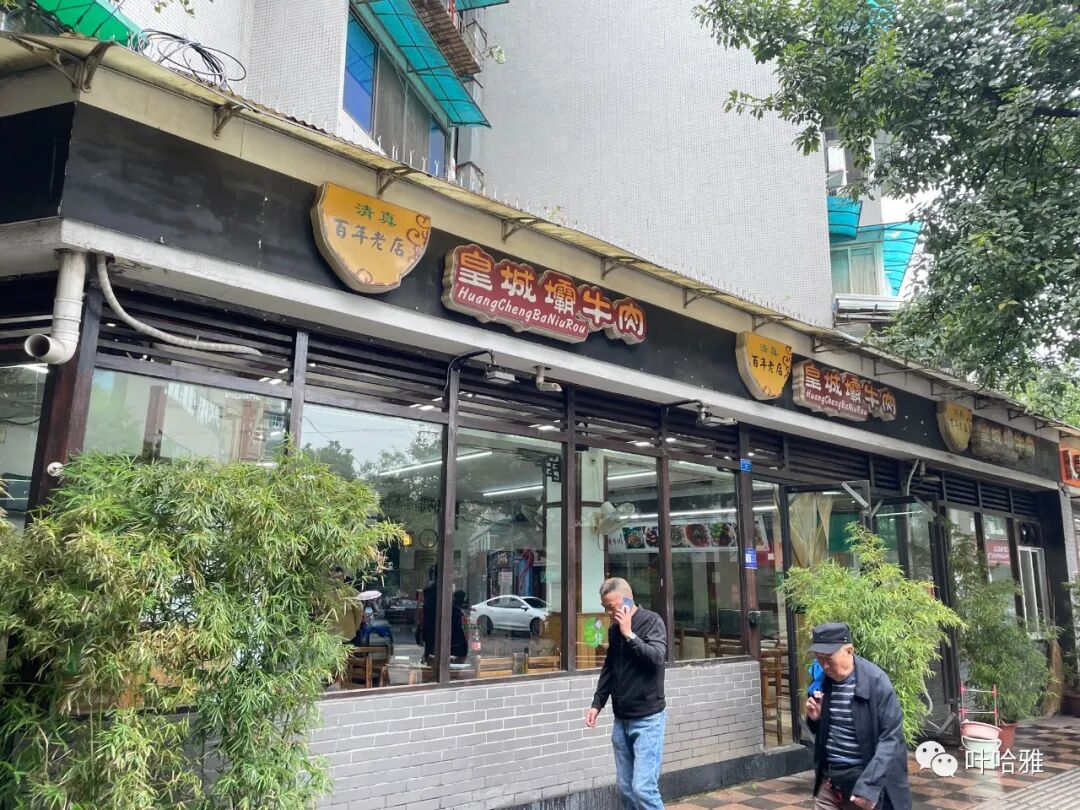
The Huangchengba Beef place I ate at is a stir-fry restaurant, not the Huangchengba hot pot place. The last character in the two shop names is written differently.
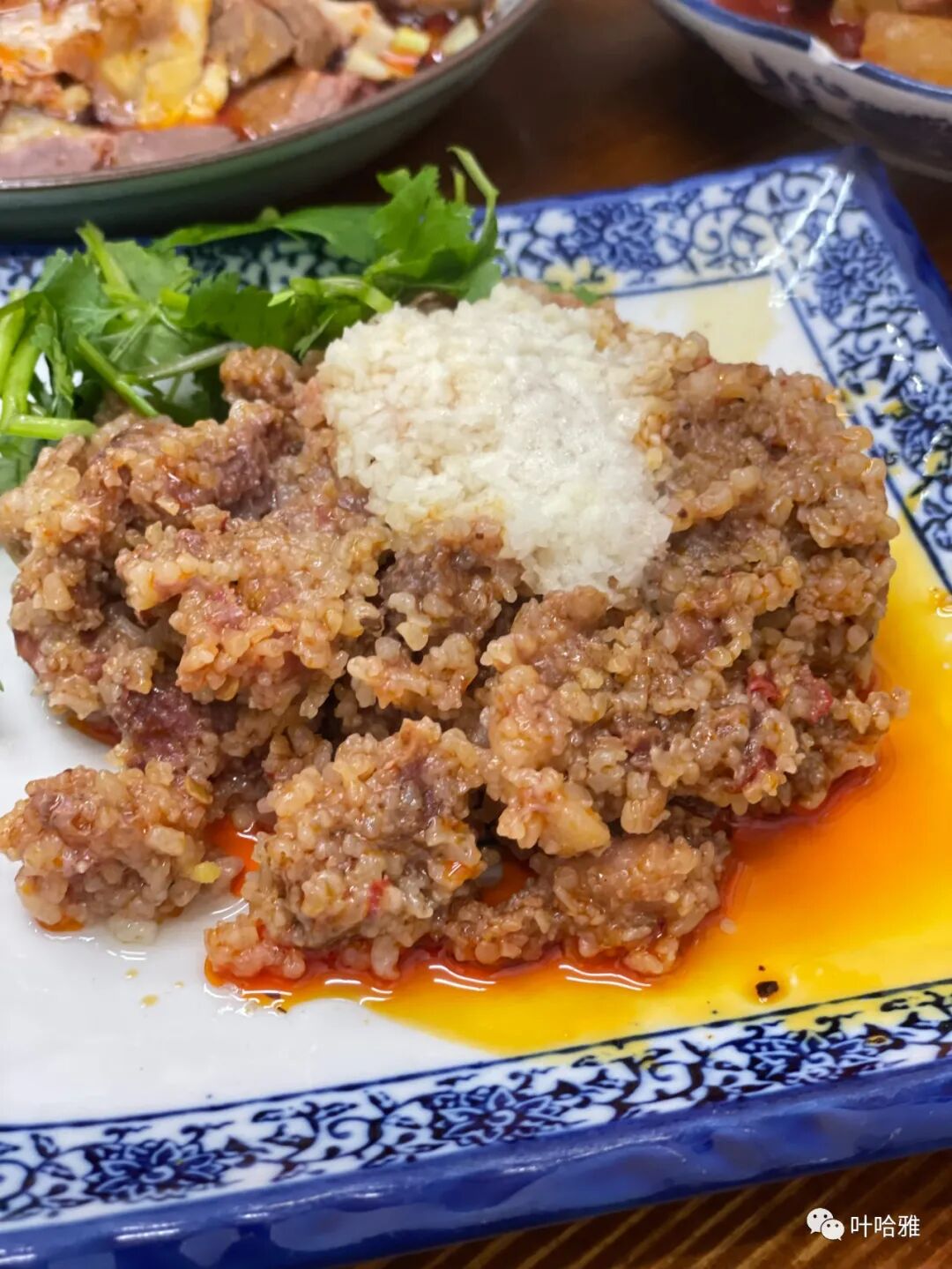
This shop has been open in Chengdu for over twenty years. It is a very authentic small Sichuan restaurant. They only serve beef dishes. The portions are small, but the taste is great. We arrived right when they opened at 11:00 a.m., as I heard there is a line by the evening.
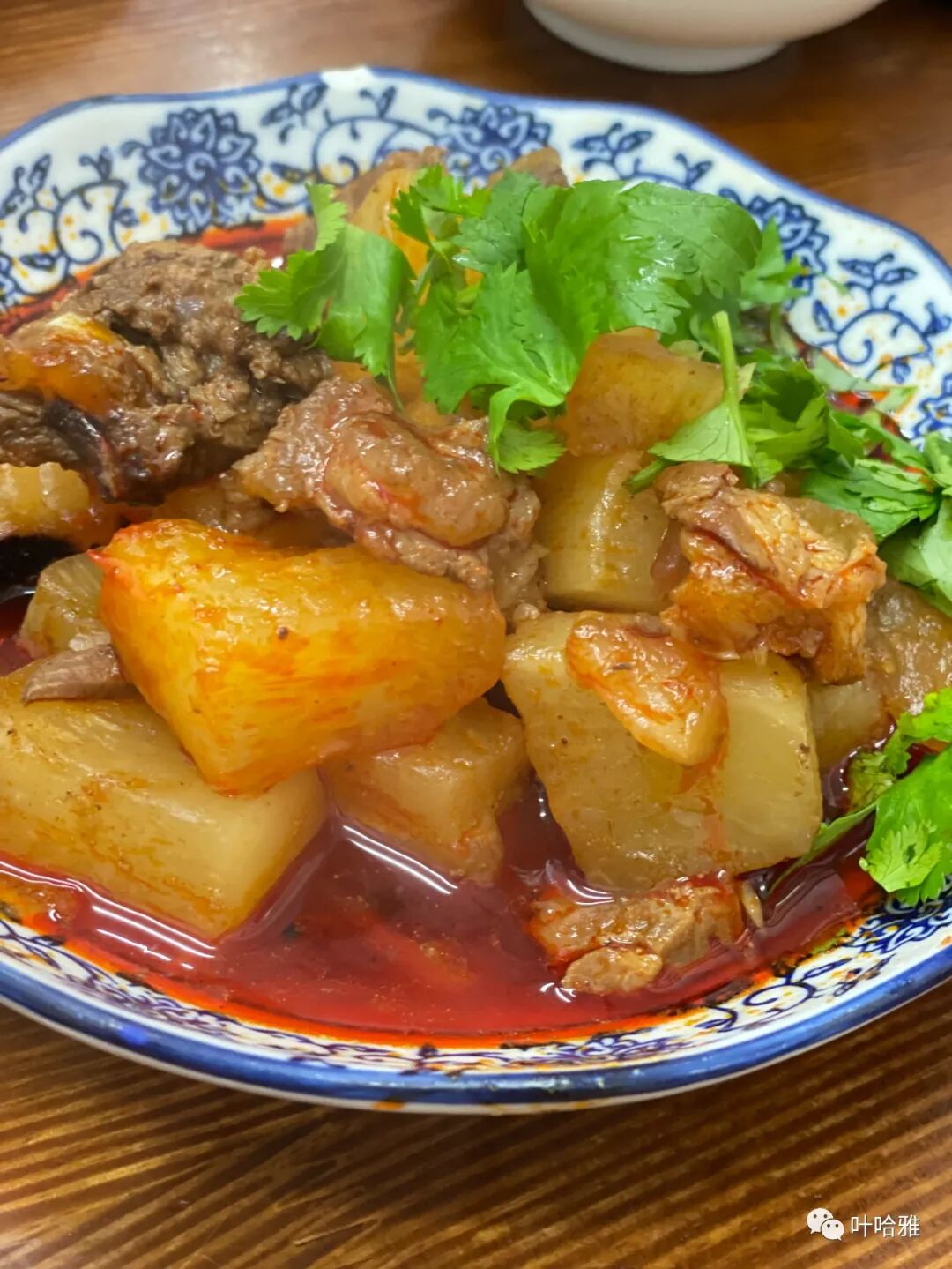
Their sliced beef in chili sauce (fuqi feipian), steamed beef with rice flour (fenzheng niurou), stewed beef brisket with radish (luobo dun niunan), mapo tofu (mapo doufu), and twice-cooked beef (huiguo niurou) are all very authentic. This is the Sichuan flavor I love, and it made me eat several bowls of rice.
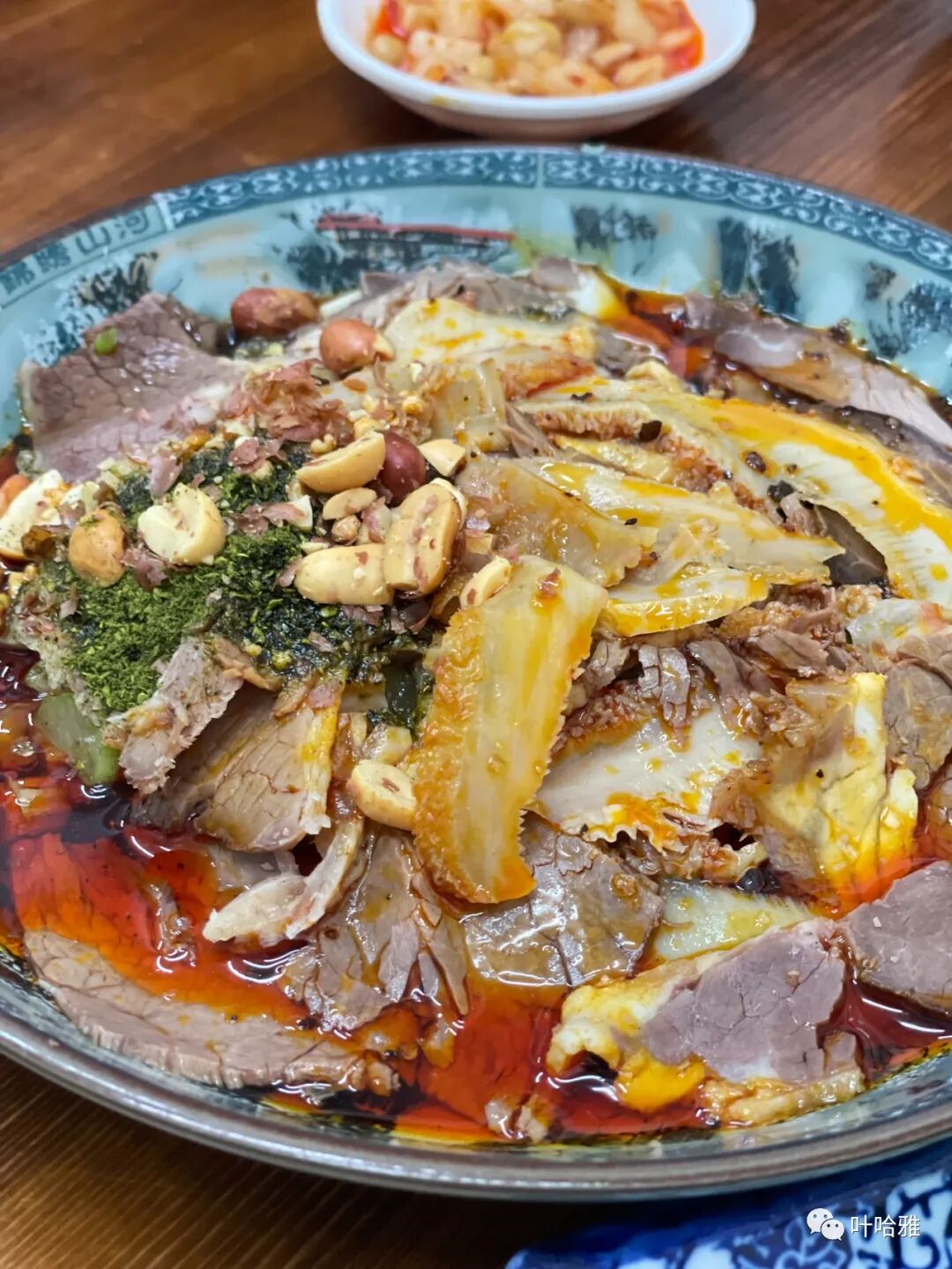
Sichuan food is mainly numbing. The spice level is fine, not as hot as the food we had later in Yunnan and Guizhou.
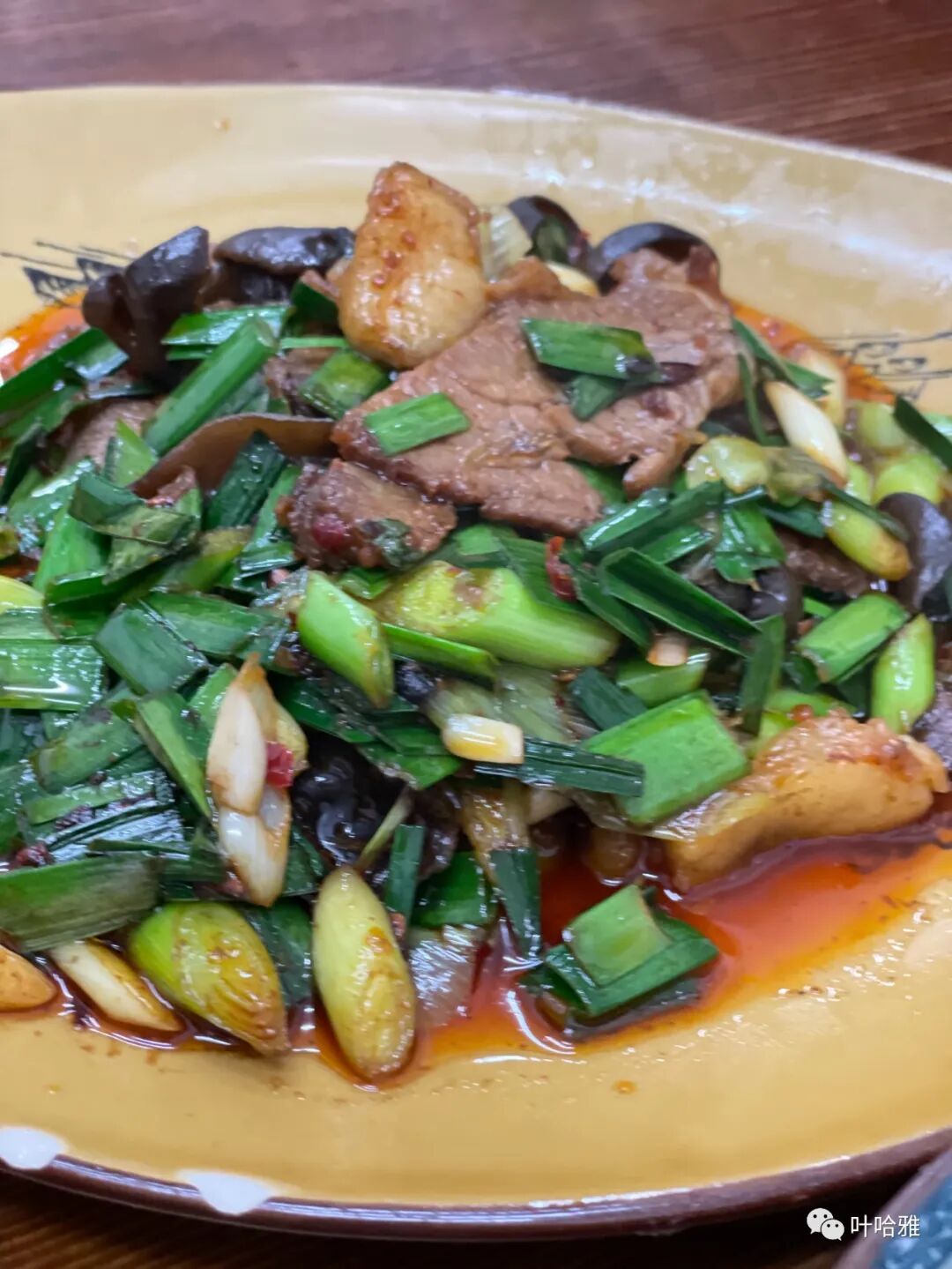
I have always hoped Beijing could have an authentic halal Sichuan stir-fry restaurant, but unfortunately, Hui Muslims from Chengdu rarely move away to start businesses.
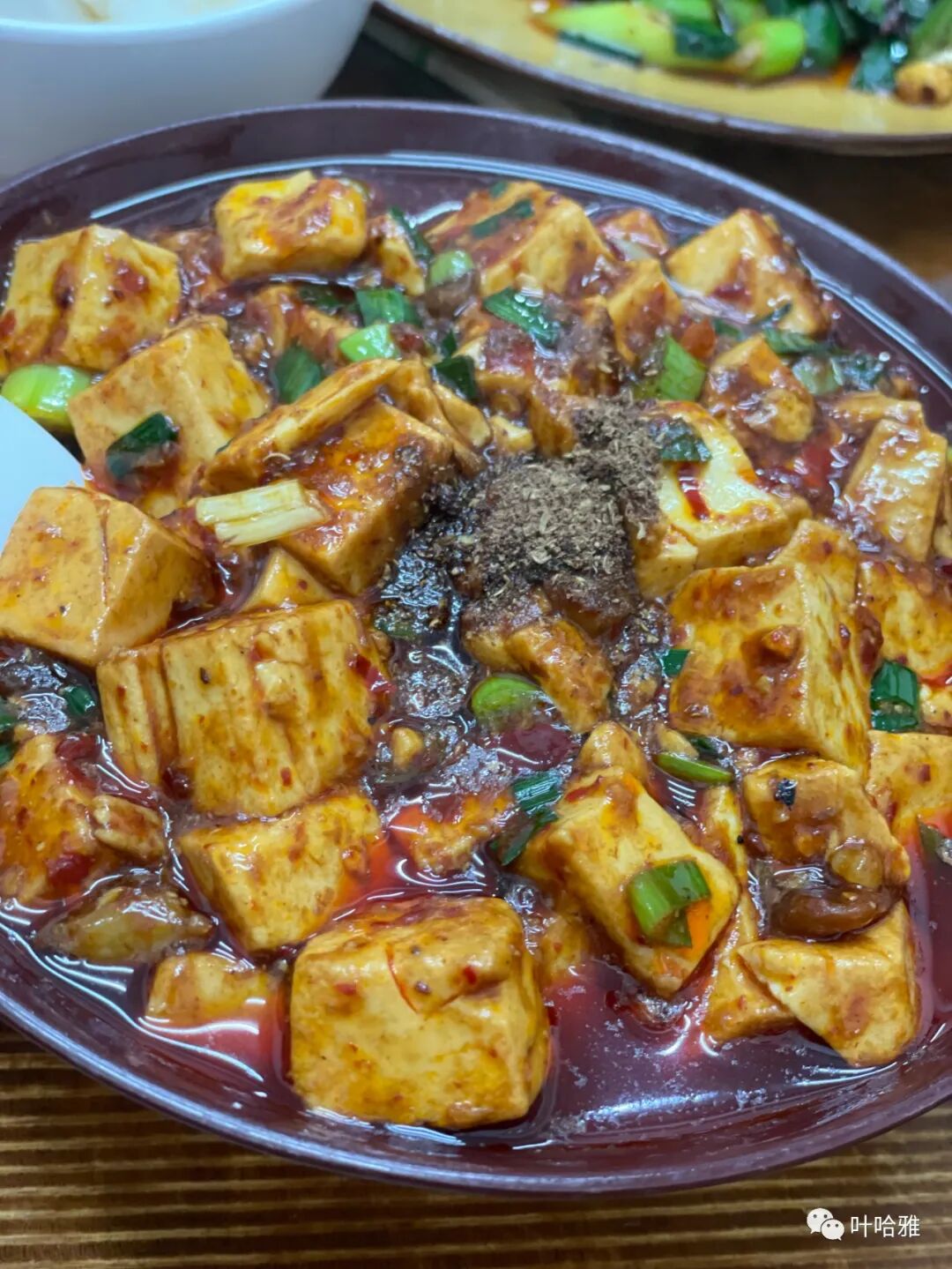
The people eating here are mostly local residents from the neighborhood. There is basically no service, and you have to do everything yourself. That is just the vibe of a small street-side shop.
The address is at the Xiaojiahe Street intersection.
Desert Tour Dubai Restaurant
This is an Arabic restaurant that has been open in Chengdu for over ten years. The owner is Chinese, and one of the partners is Arab.
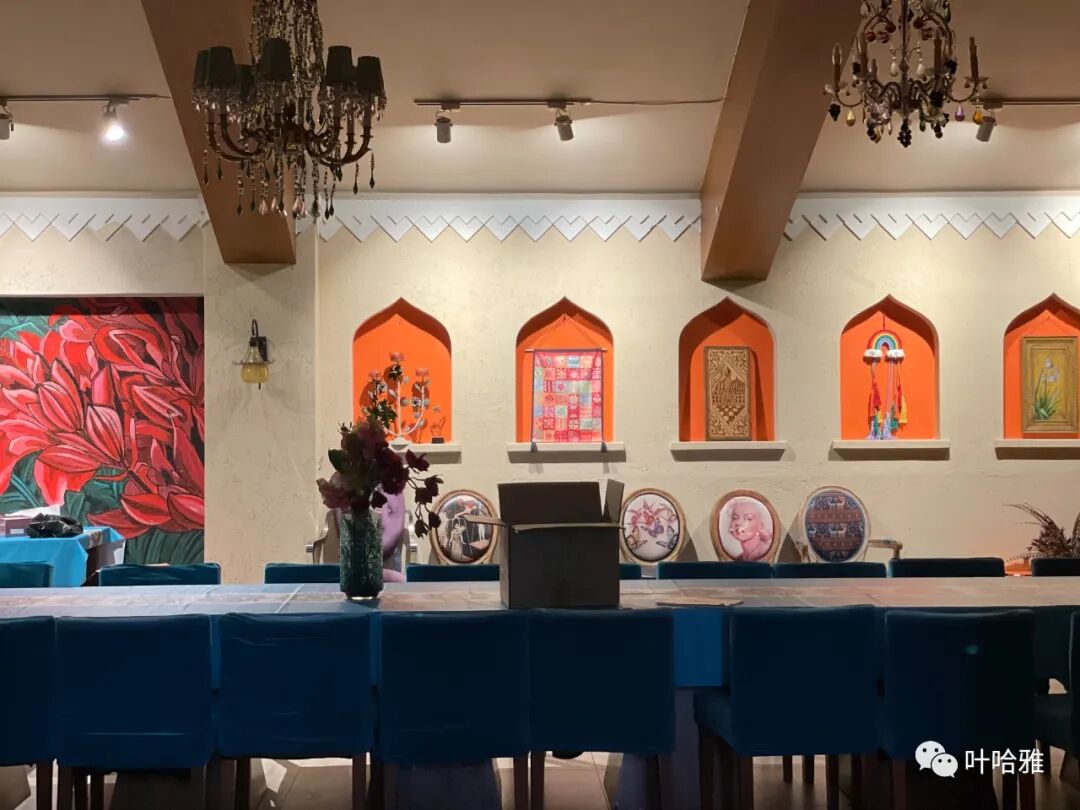
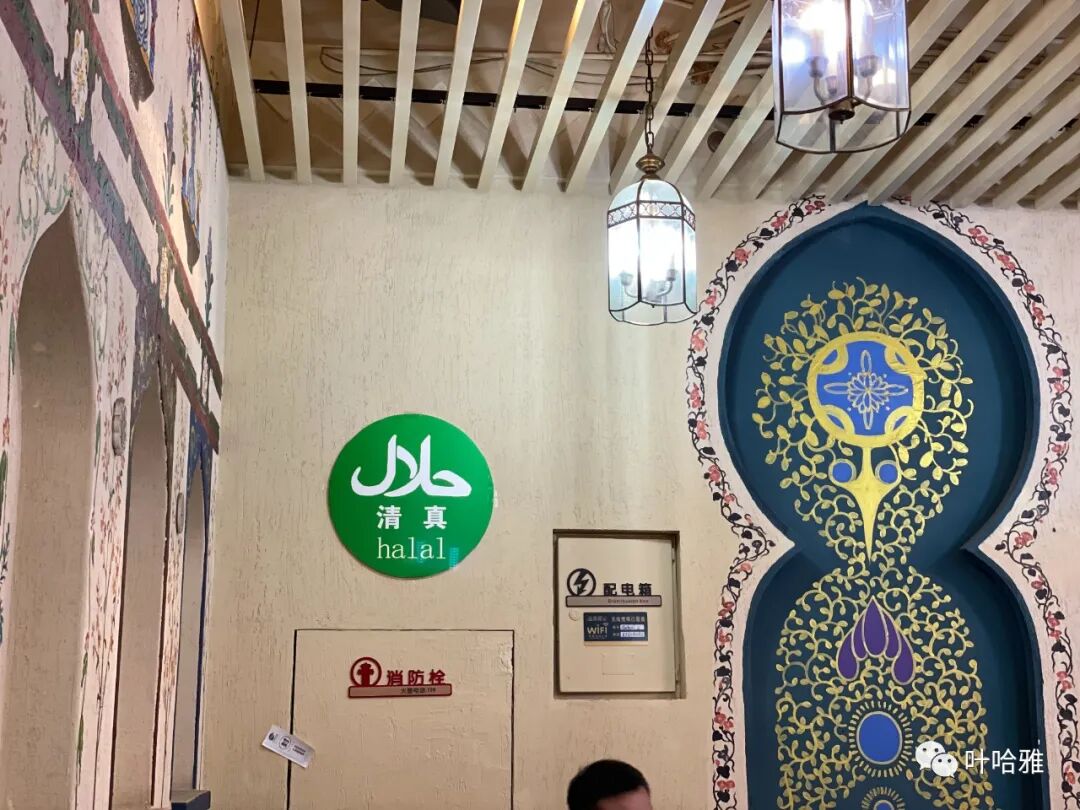
The restaurant space is quite large, and the decor has a distinct Middle Eastern style. The owner is very welcoming and the service is attentive.
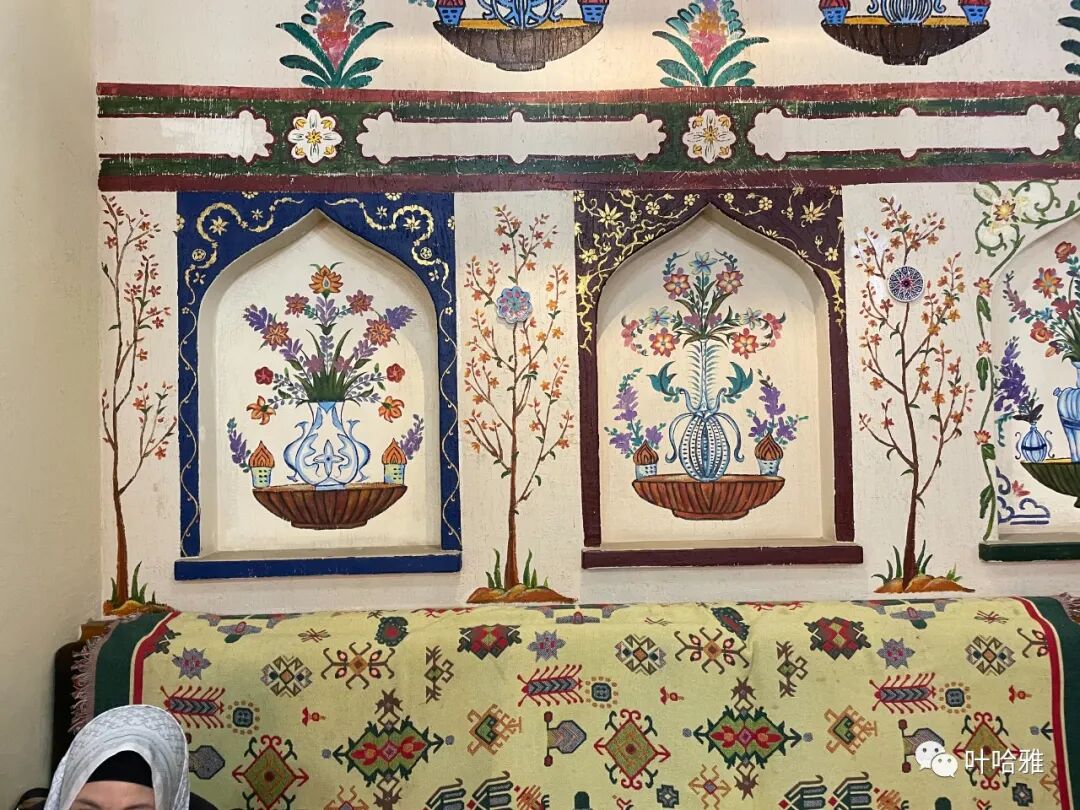
We have eaten a lot of Arabic food, and I can confirm this place is very authentic. The owner is also very confident, saying they have stuck to their standards for over ten years to make good Arabic food.
I learned they opened a high-end Dubai restaurant on the eighth floor of Yintai in99. The average cost is around 200 yuan, so I might visit that one next time.
This Kehua branch is not expensive, costing about 100 yuan per person.
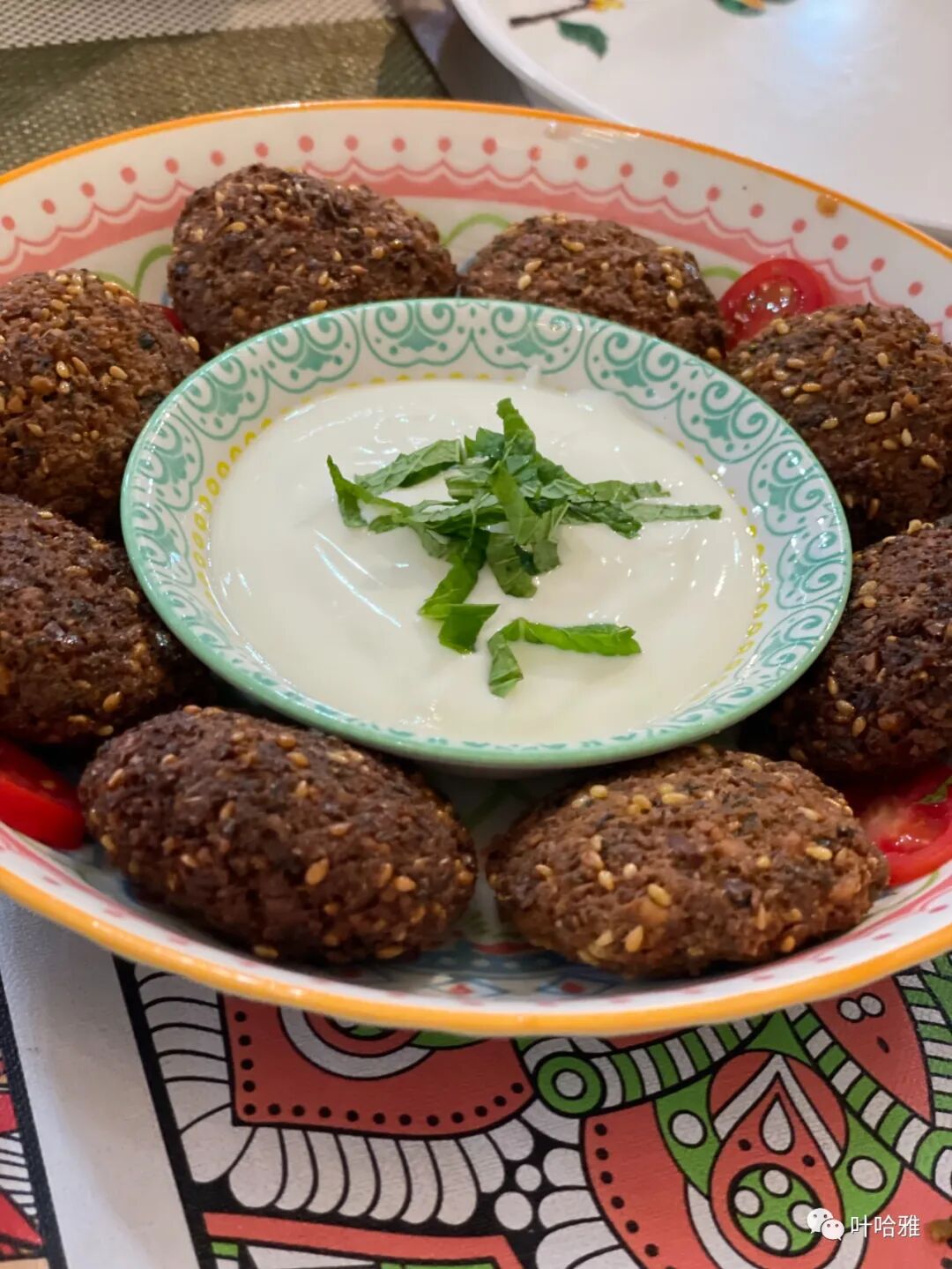
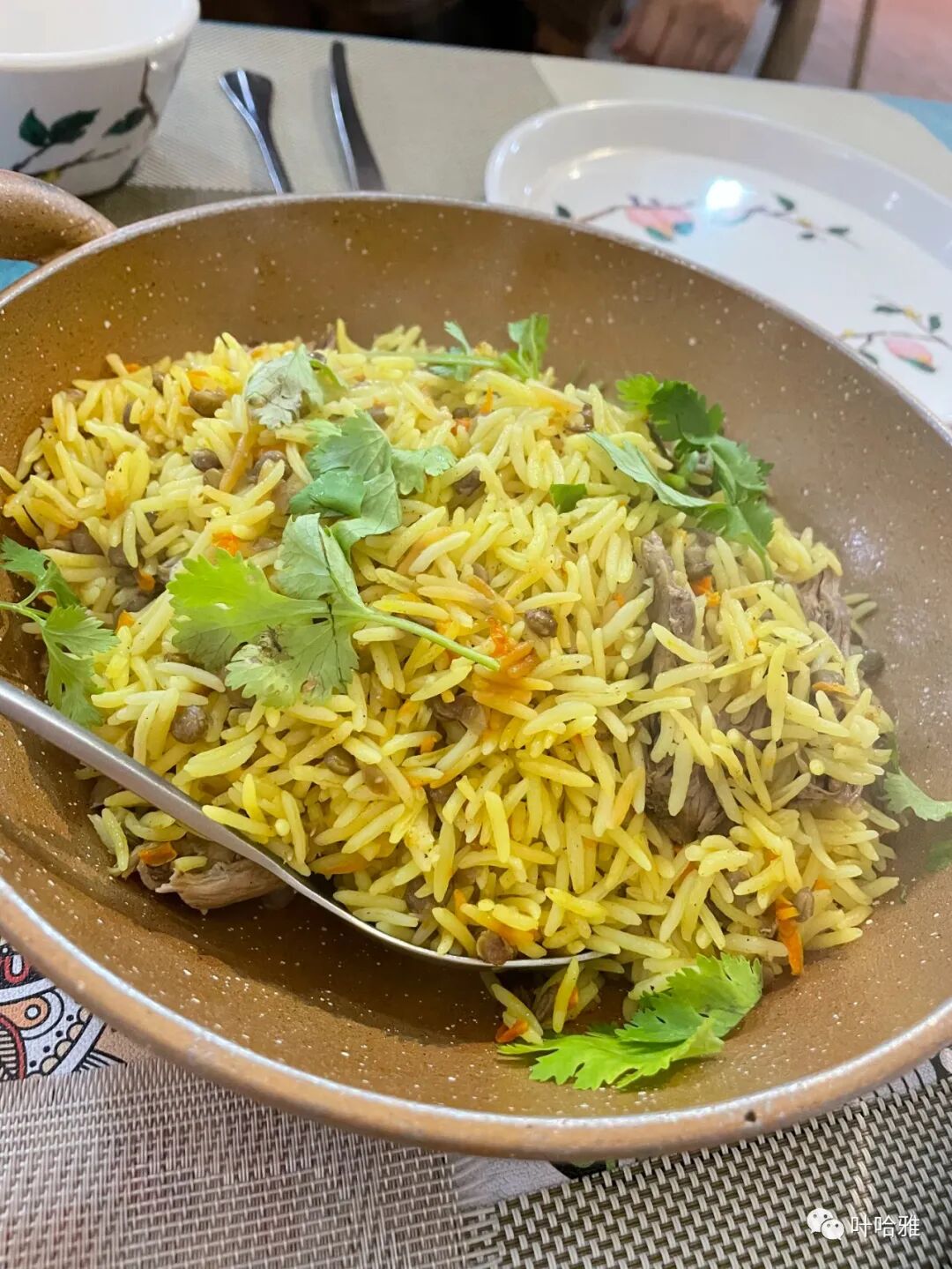
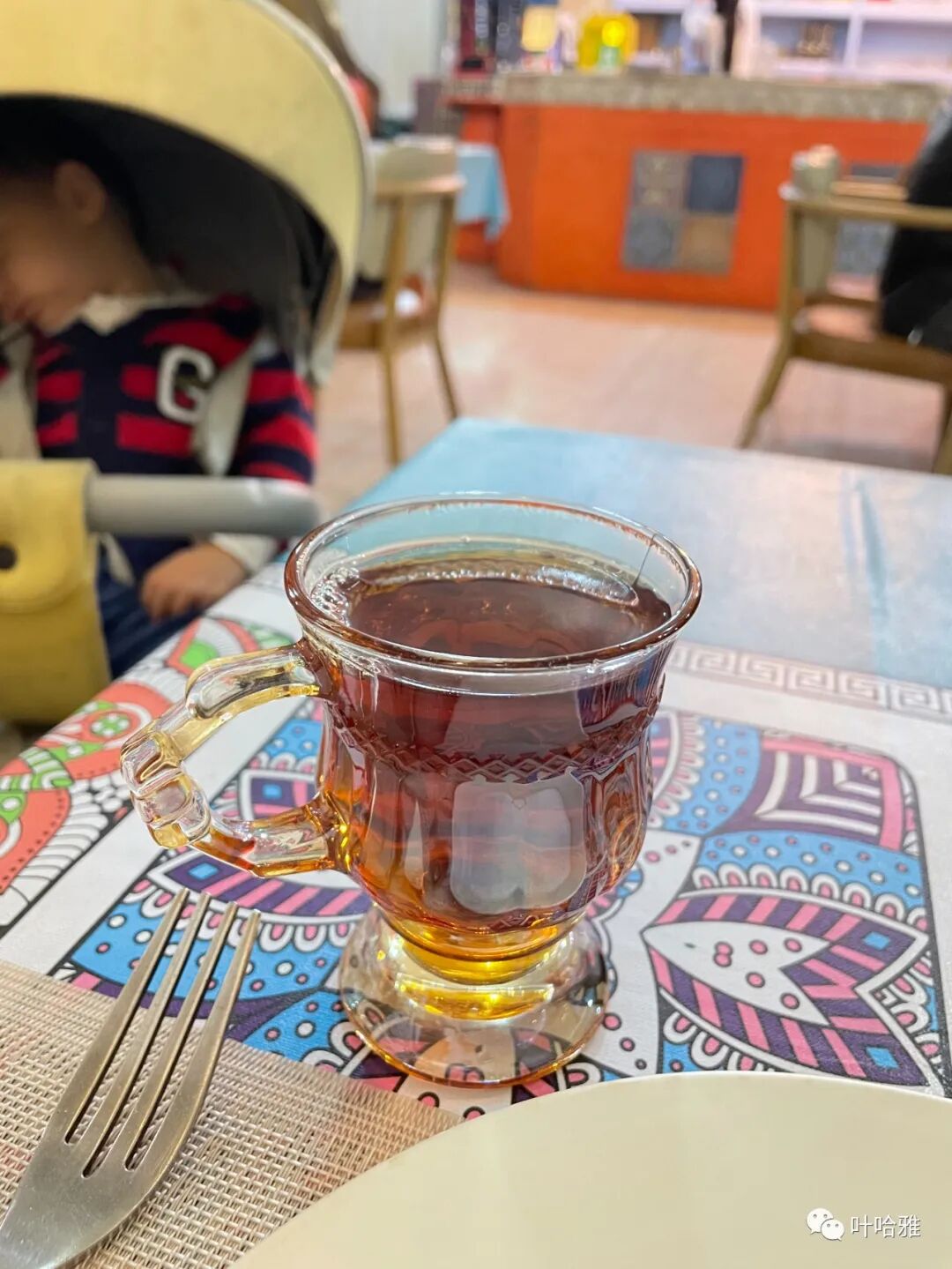
The address is on the third floor of the commercial building on Kehua Middle Road. Take the elevator up.
Hongpai Niu Chengdu Old Hot Pot
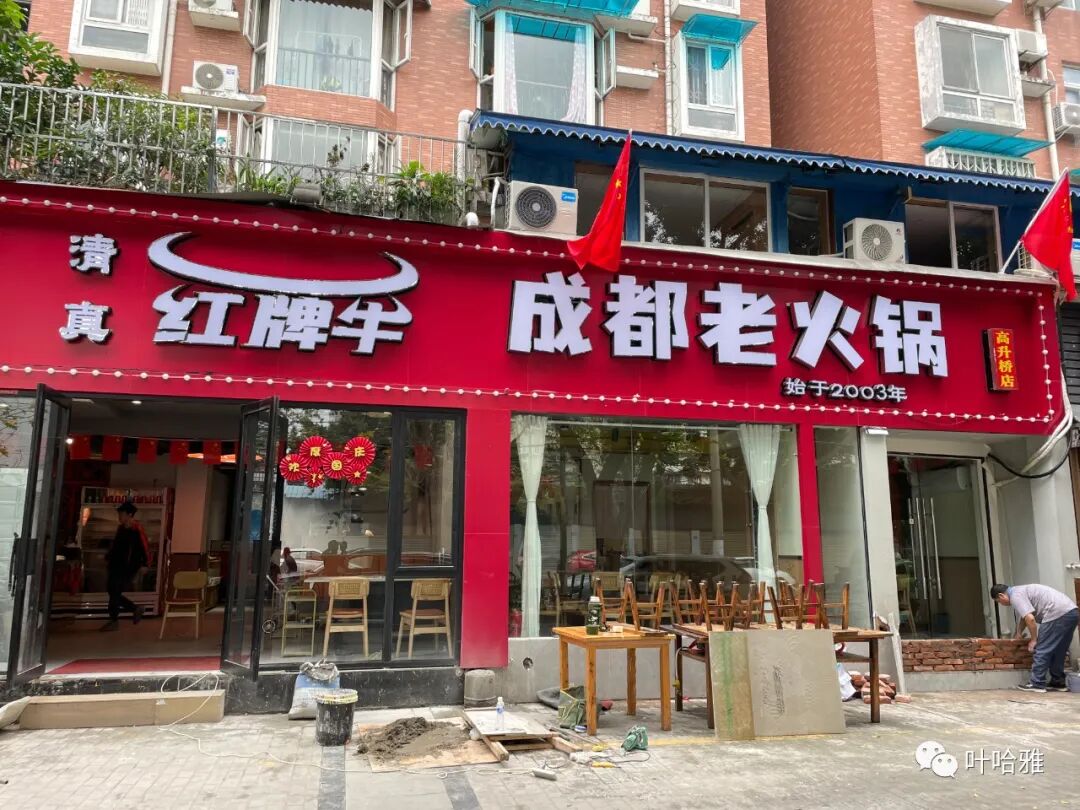
This Chengdu hot pot restaurant is run by people from Linxia. When we arrived at noon, the entrance was under renovation, and we were the only table in the shop.
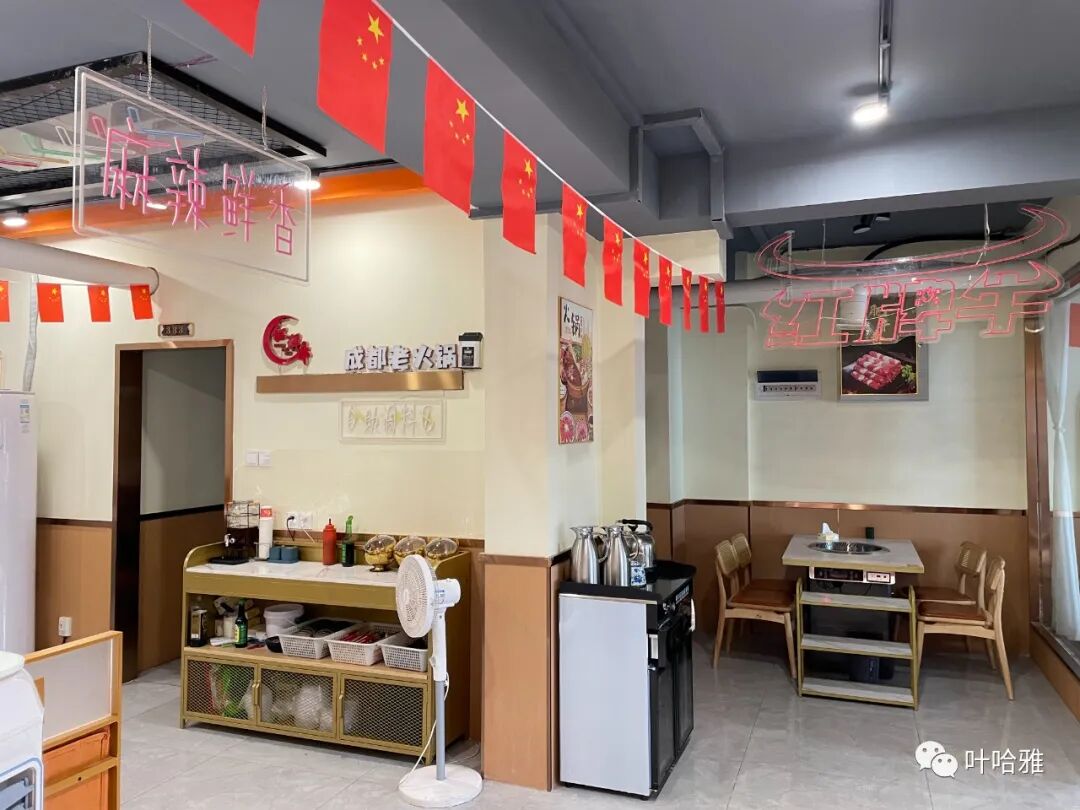
The food came out quickly and the ingredients were fresh. We chose the mild spicy split pot (yuanyang guo), and it really wasn't too spicy.
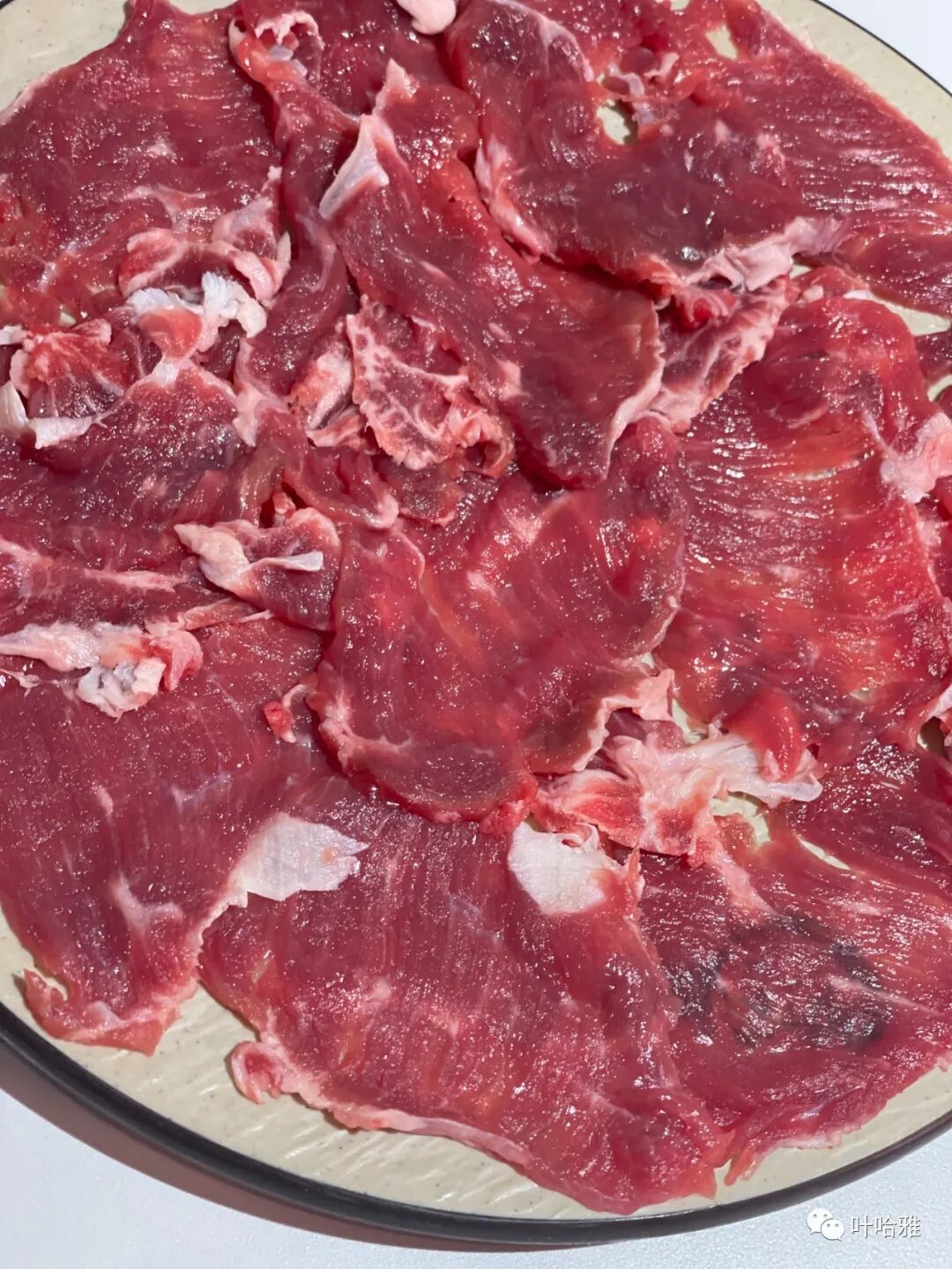
The overall experience was just okay. It still has a gap compared to the Niububi I have eaten before.
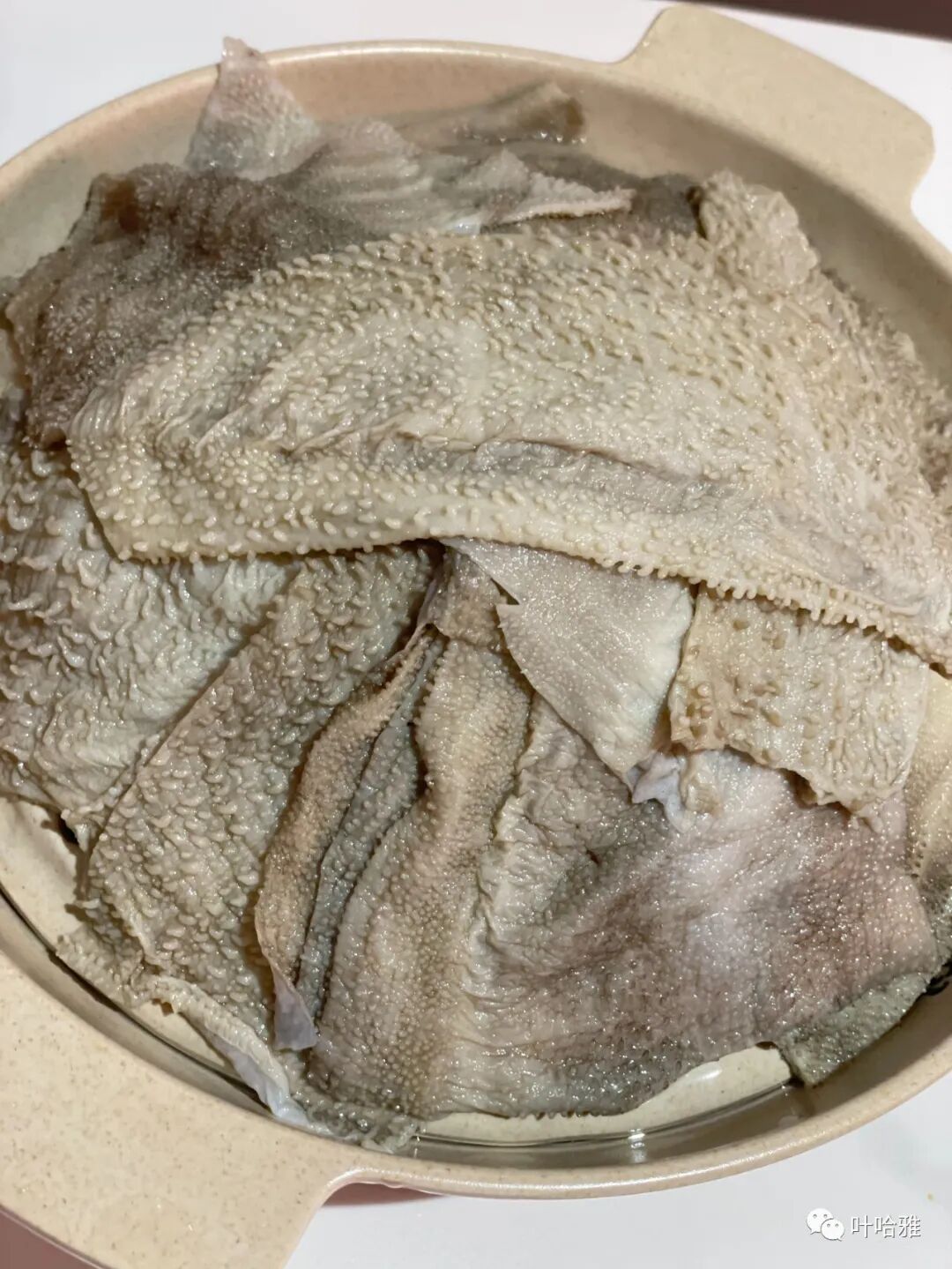
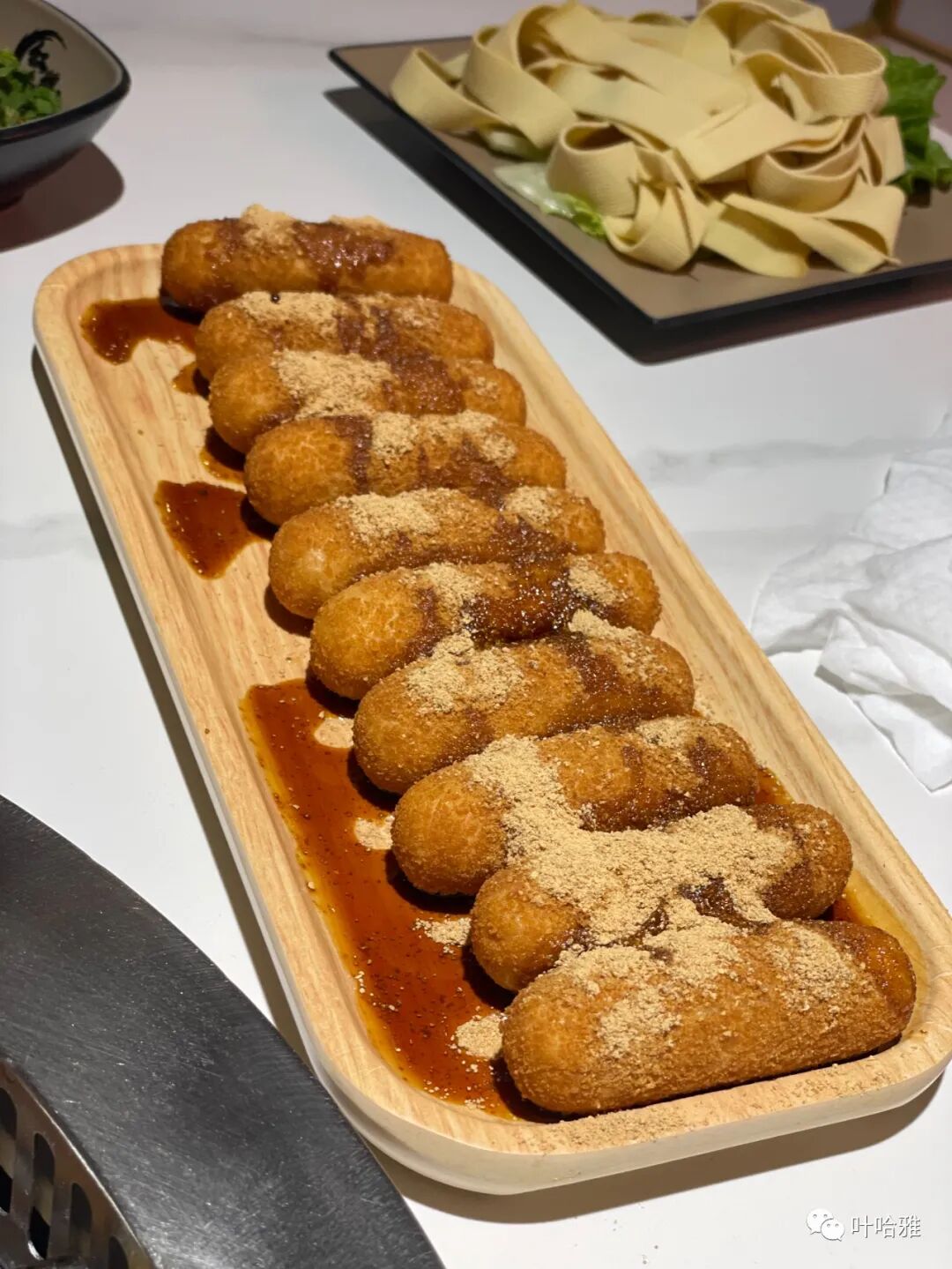
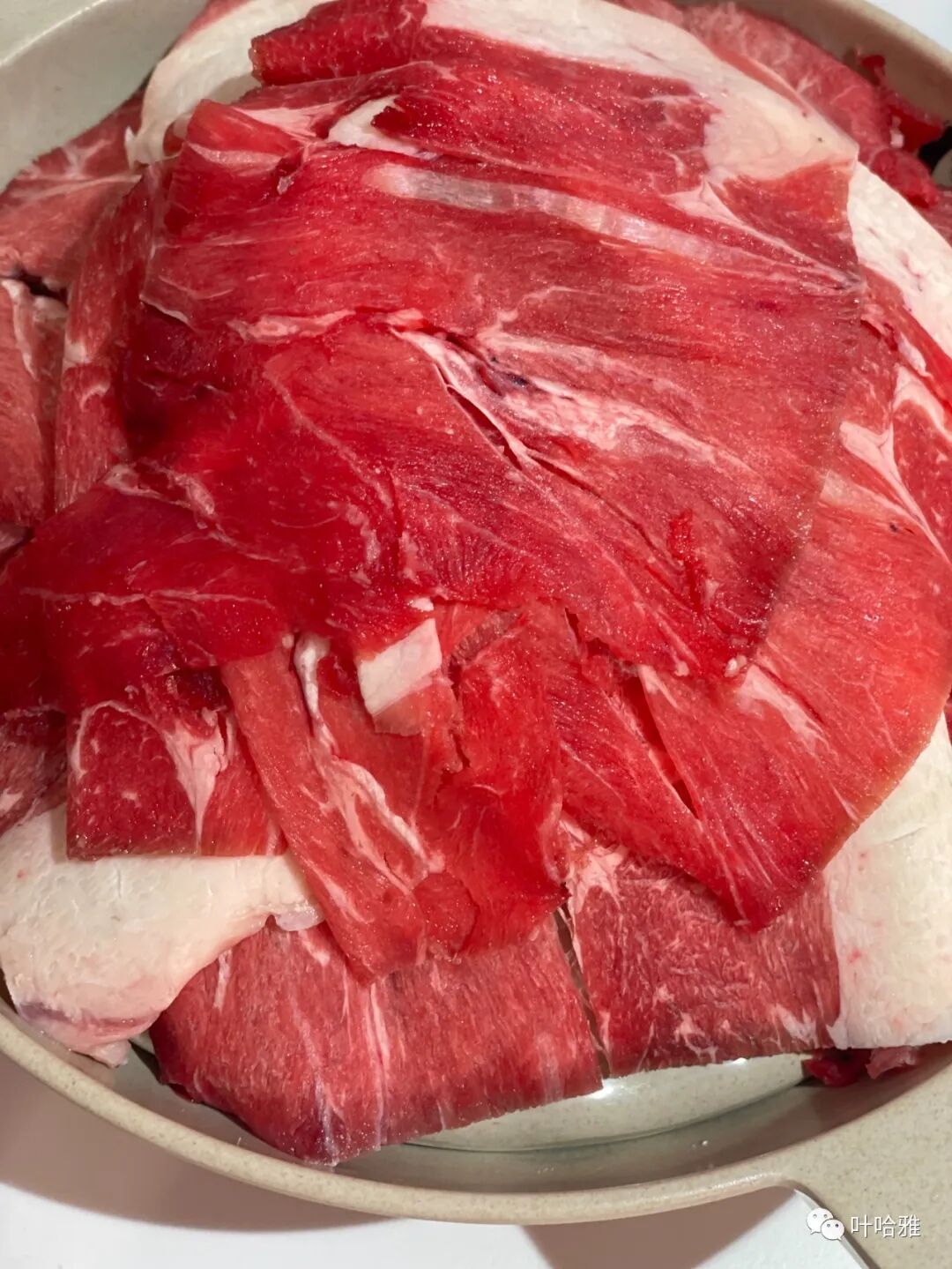
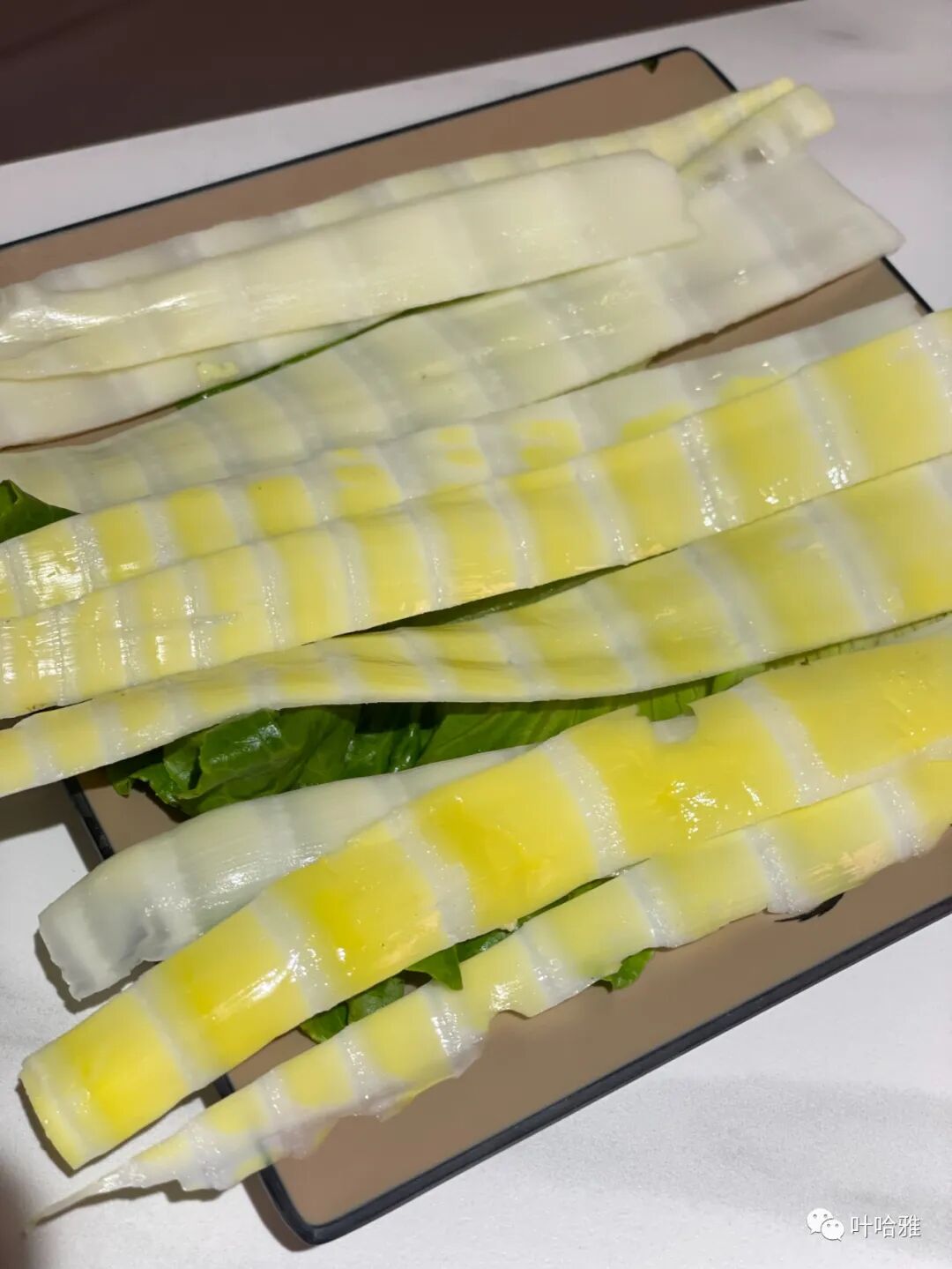
The address is 3 Qidaoyan Street, and there are parking spaces at the entrance.
Tianfanglou Restaurant
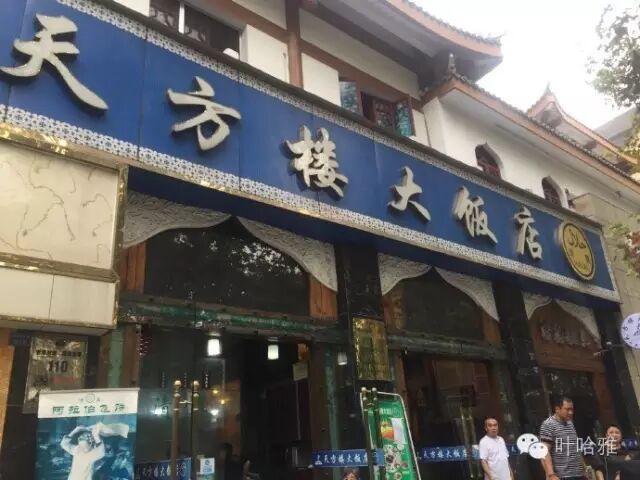
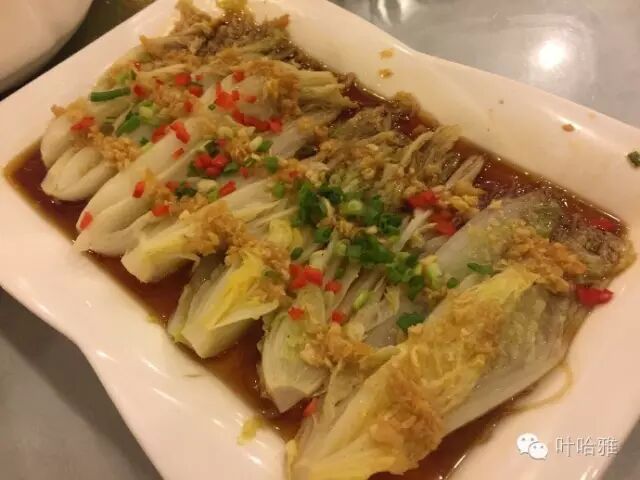
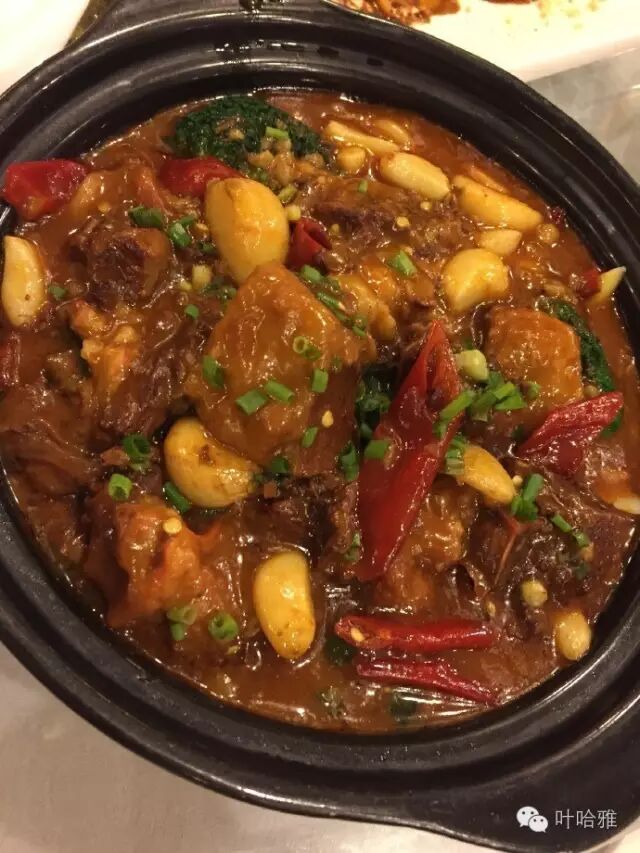
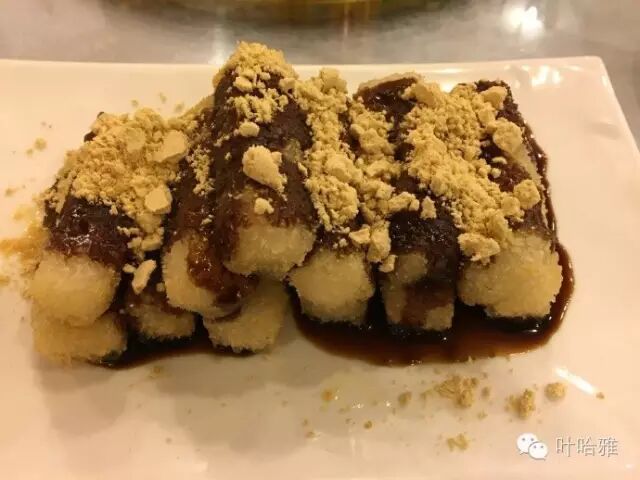
I took these photos before 2016, and it has been renovated since then. The long-established Tianfanglou is the largest halal restaurant in Chengdu. It is very popular and requires waiting in line. Here, I tasted authentic Sichuan food like brown sugar rice cakes (hongtang ciba), beef brisket with bamboo shoots (zhusun niunan), steamed beef with rice flour (fenzheng niurou), roasted lamb chops (kao yangpai), baby cabbage with minced garlic (suanrong wawacai), kung pao chicken (gongbao jiding), and twice-cooked pork (huiguorou).
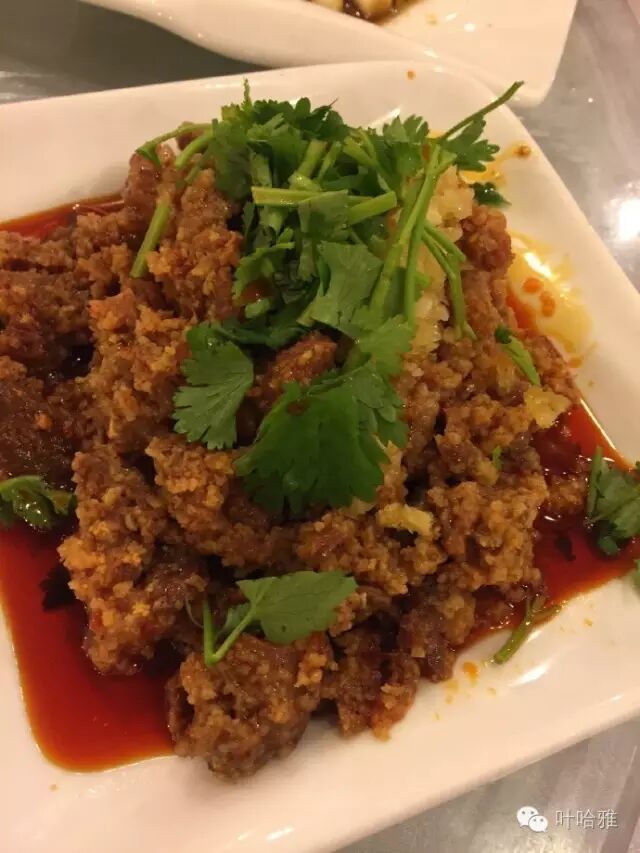
If you are coming to Chengdu for the first time, you should still try Tianfanglou. People say they have opened a tea restaurant next door.
Address: Next to the Huangcheng Mosque at Tianfu Square.
Halal Niububi Hot Pot
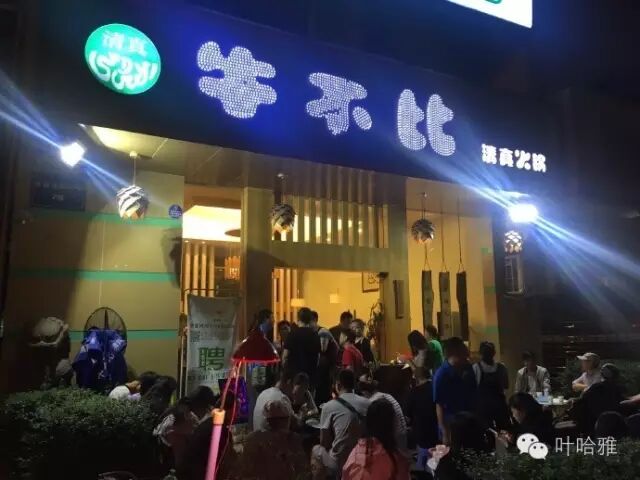
Niububi is currently the most popular halal hot pot in Chengdu. In the past, you had to wait in line for two hours. Now they have opened four or five chain stores, with the main store in Tangjiasi, so the waiting time has shortened. You can use your phone to book a number. Fortunately, Niububi does not cancel your spot if you miss your number. I already found the mild spicy pot very spicy, but it is delicious. The signature beef is a must-order.
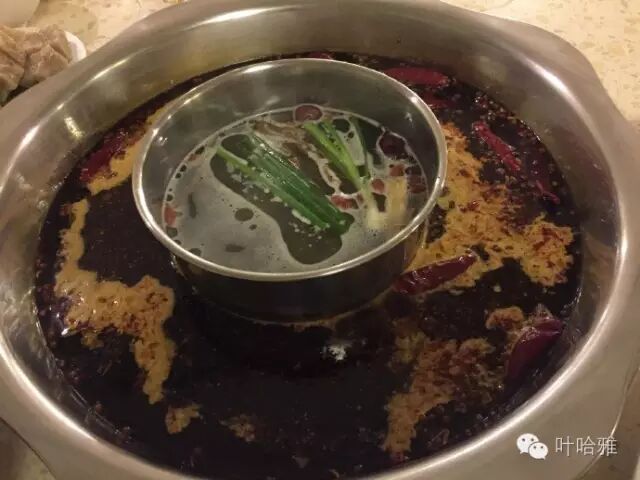
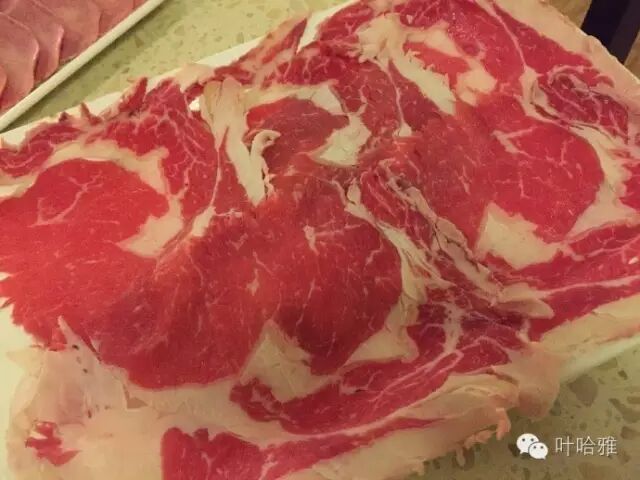
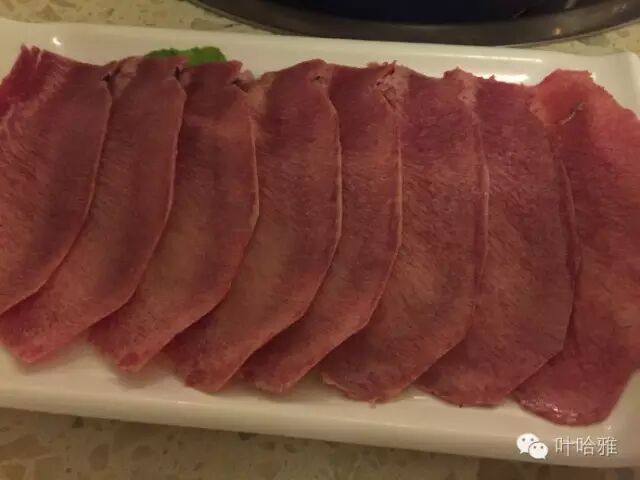
Address: No. 59 Xiangnongshi Street, Jinniu District (Xunchi Building, Yingmenkou).
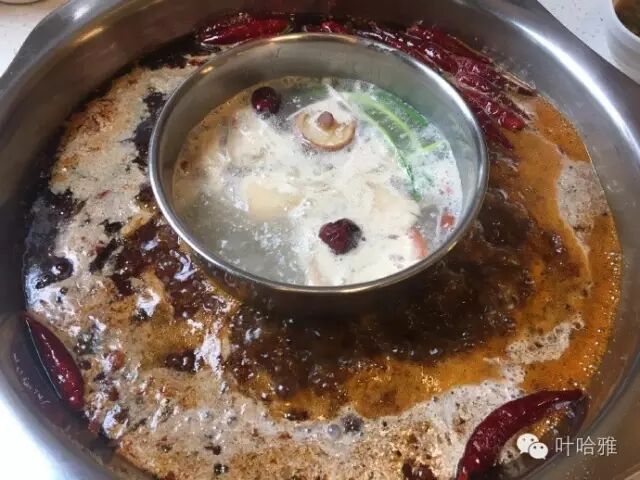
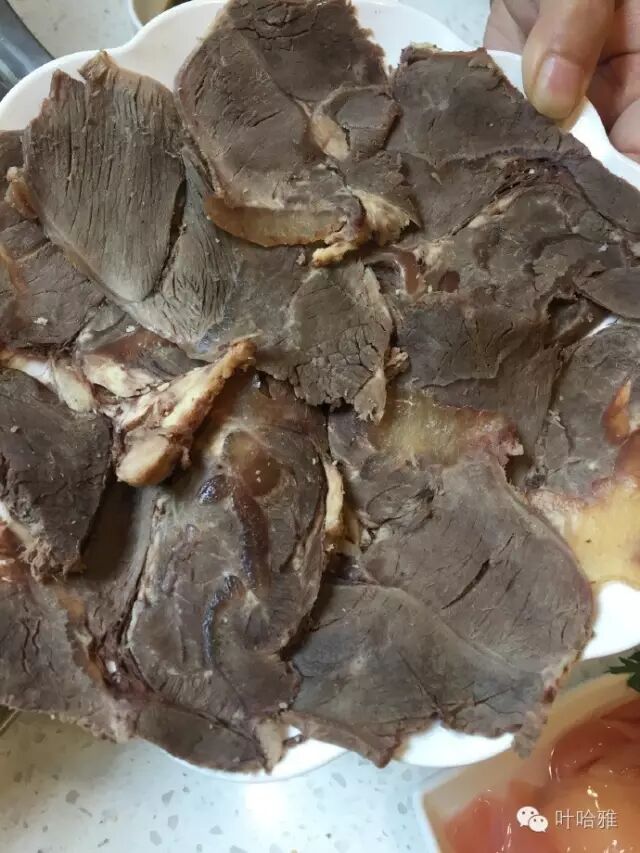
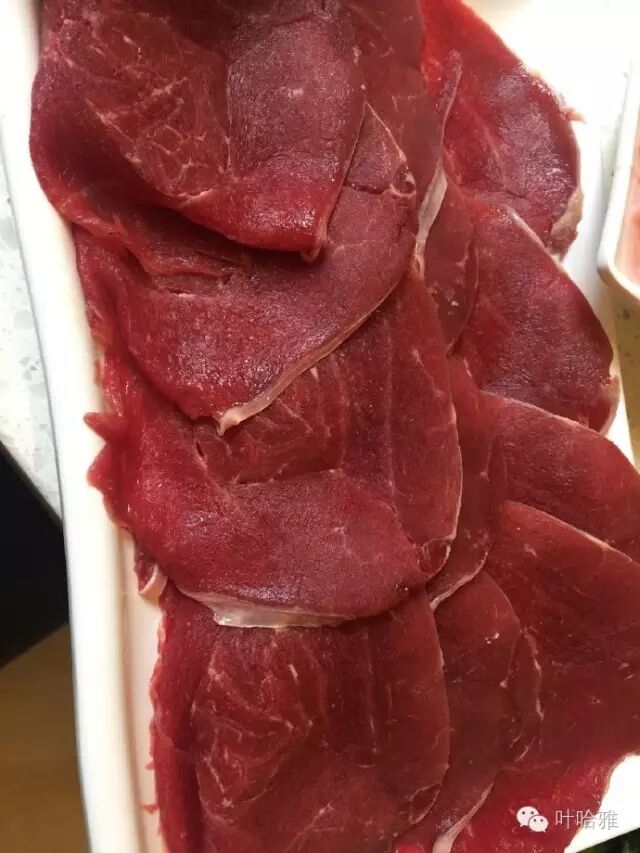
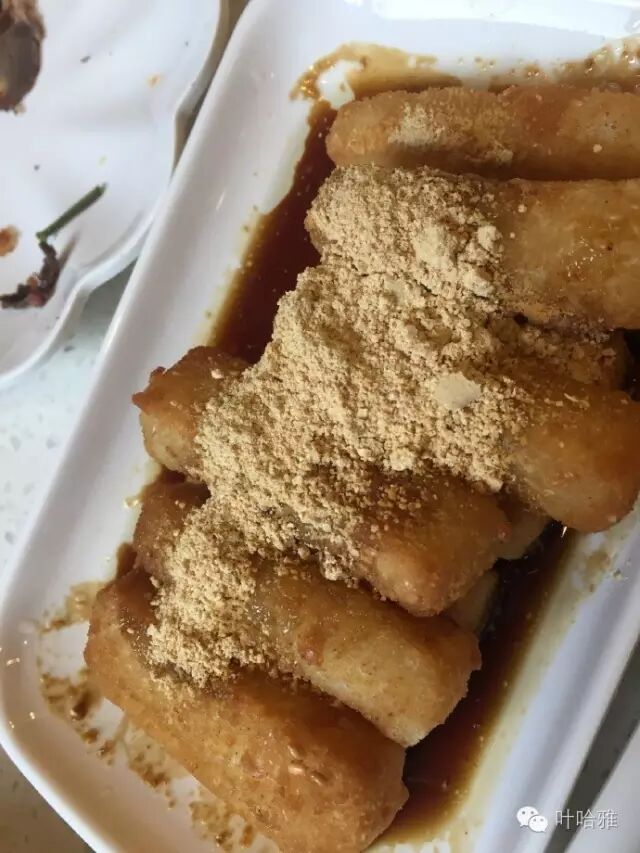
Yibenniu Halal Beef Hot Pot.
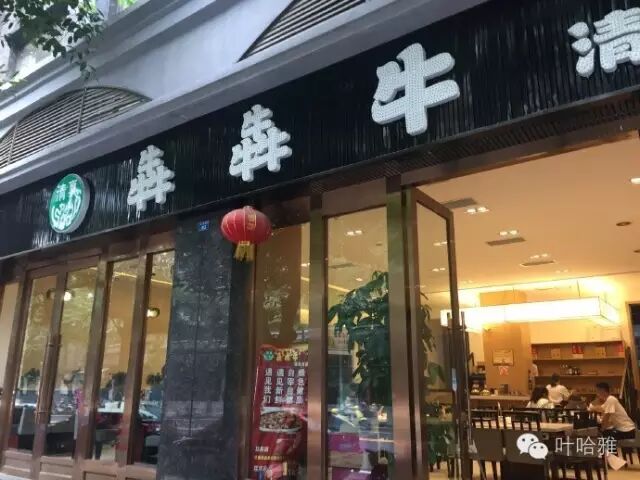
It used to be called Benbenniu, but they changed the name to Yibenniu, probably to avoid confusion with Niubenben. Make sure you go to the right place. Their hot pot is not as spicy as Niububi. The signature beef and goose intestines are delicious, and the environment is better. Remember to try the brown sugar sticky rice cake (hongtang ciba). If you go at noon, you do not have to wait in line.
Address: 15 meters northeast of the restaurant 'Those Years We Ate Skewers Together' at No. 171 Tongxin Road, Qingyang District.
Shunji Marinated Meats.
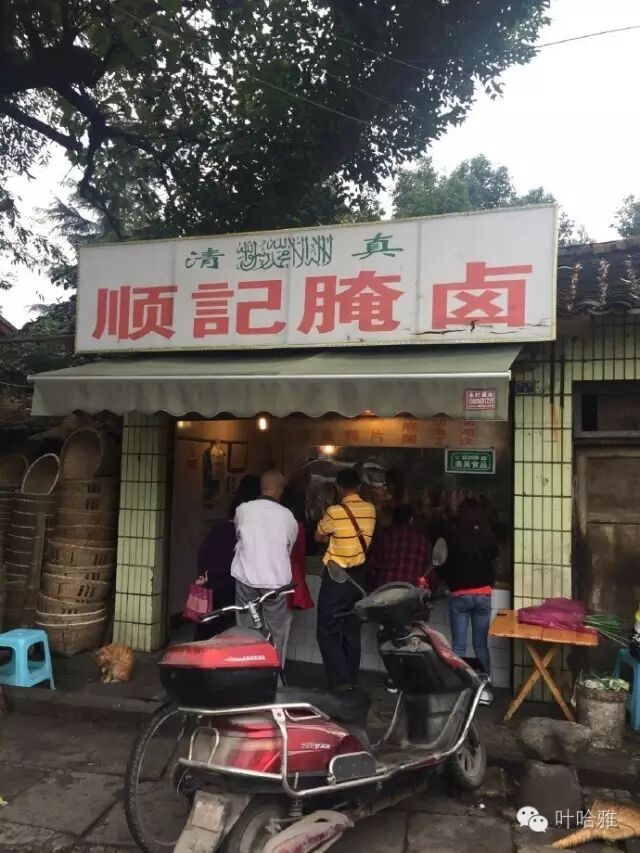
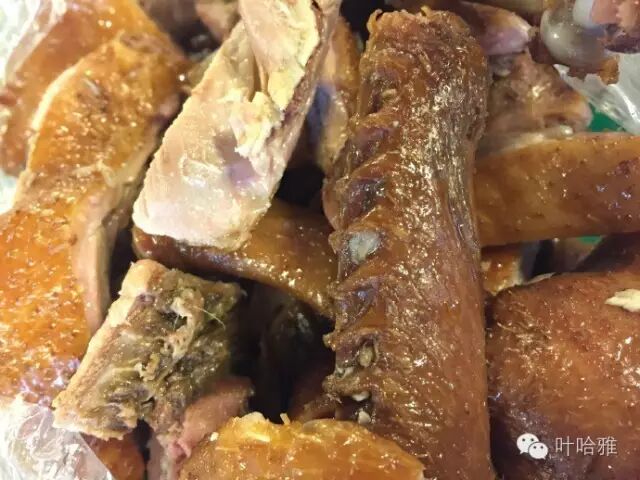
This shop has been around since 2016 and is still next to the Tuqiao Mosque. There are many snack shops in this area. I saw everyone lining up at Shunji, so I joined in. The chili oil rabbit cubes (hongyou tuding) and marinated duck are very popular. The shop owner will chop them up and mix them with Lao Gan Ma chili sauce, which is appetizing and satisfying.
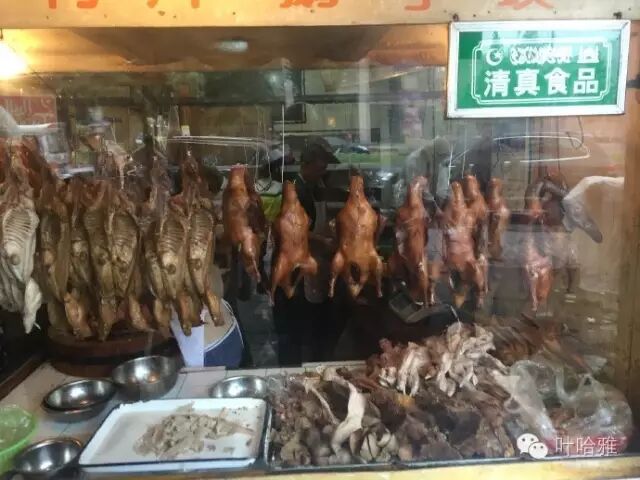
Rabbits are not ruminants, but the Hadith clearly records them as animals that are permissible to eat. According to Anas ibn Malik (may Allah be pleased with him), we passed by Marr al-Zahran and found a rabbit that got scared and ran away. People rushed to catch it until they were tired, then I caught it and brought it to Abu Talha. He sent two rabbit legs to the Prophet (peace and blessings of Allah be upon him), and the Prophet accepted them. (Bukhari, Tirmidhi)
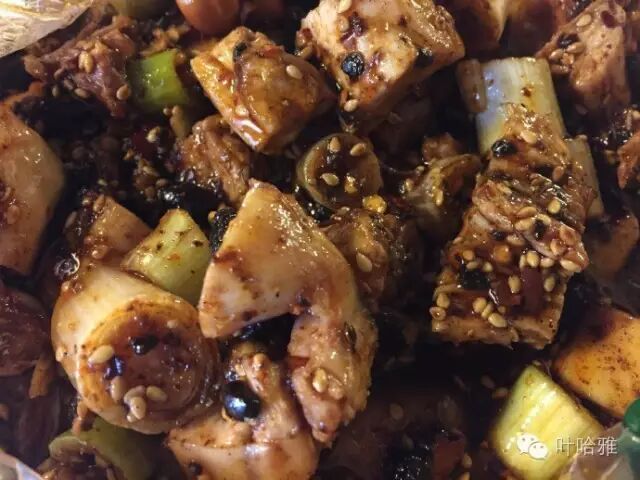
There is no such rule in Islam about only eating ruminants. Even today, many people wrongly believe that Hui Muslims can only eat ruminants. This idea about ruminants comes from the Old Testament of Judaism. What are the non-halal foods mentioned in the Quran and Sunnah? Mentioned.
Gulou Mosque.
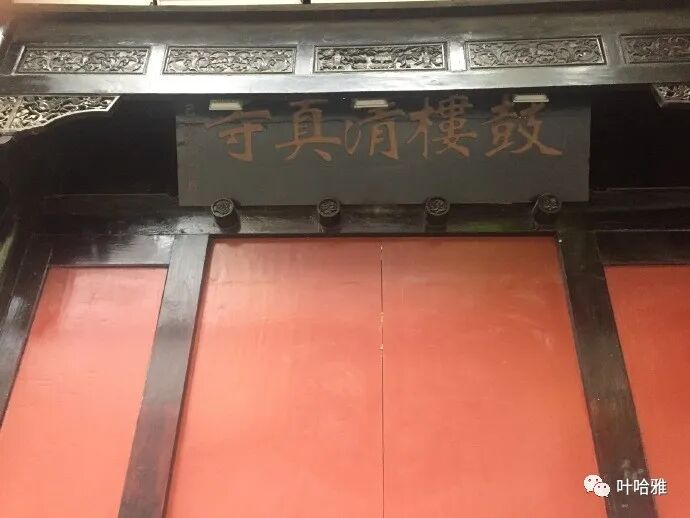
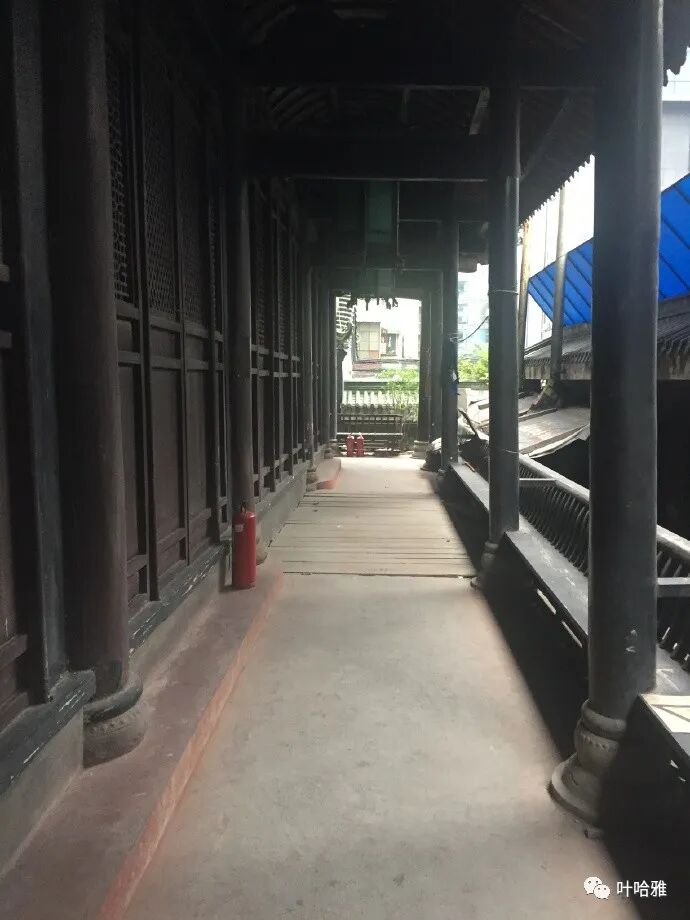
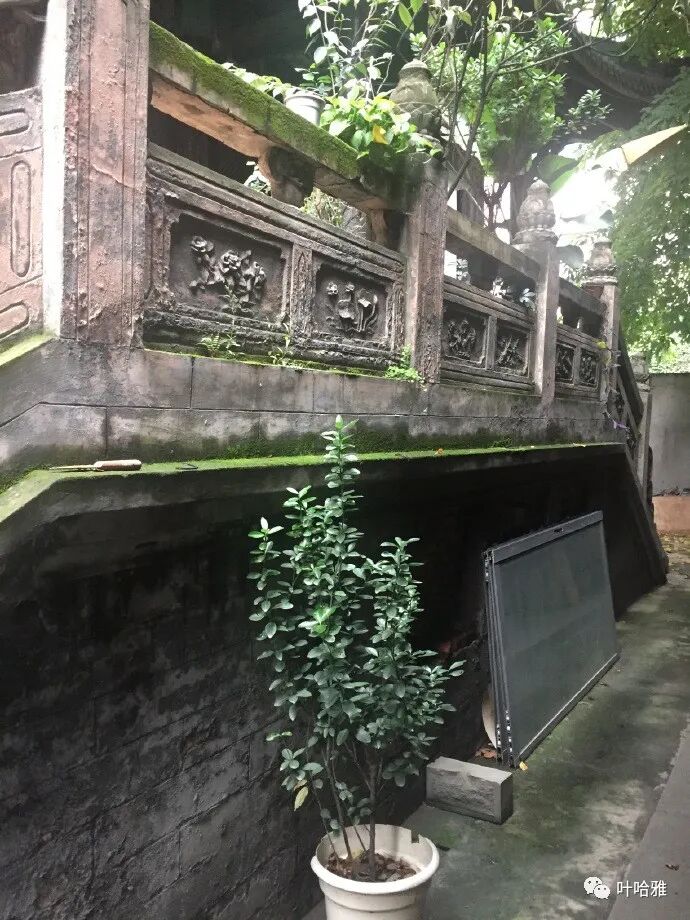
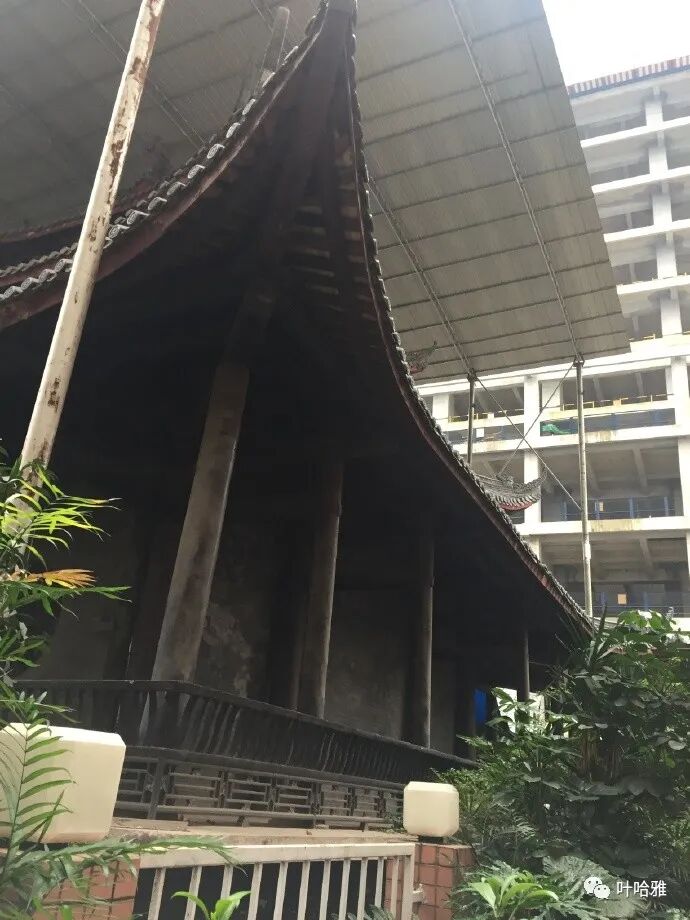
Chengdu Gulou Mosque was first built in 1375 during the eighth year of the Hongwu reign of the Ming Dynasty. It was destroyed at the end of the Ming Dynasty and restored during the Kangxi and Yongzheng reigns of the Qing Dynasty. It was rebuilt twice in October 1742 and 1794 during the Qianlong reign. The prayer hall is the only ancient building preserved in the mosque. It is the most complete and exquisitely constructed of the more than ten existing mosque prayer halls in the Chengdu area. The mosque is currently under renovation.
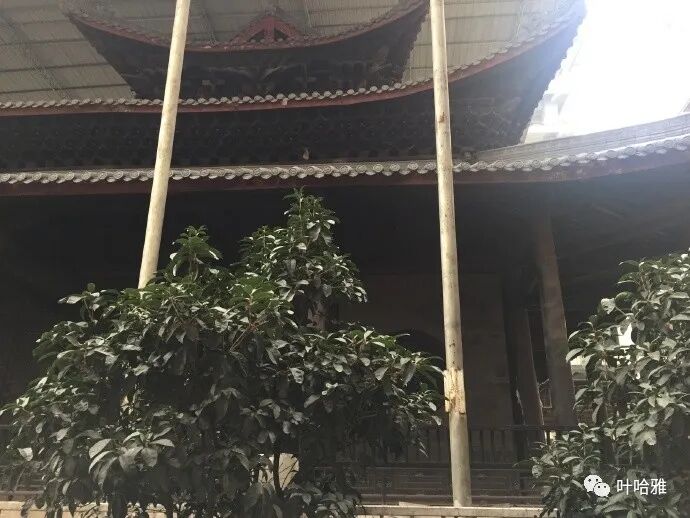
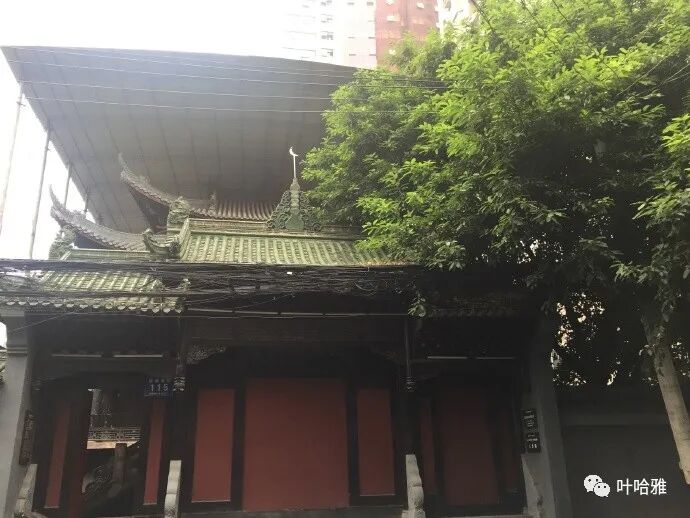
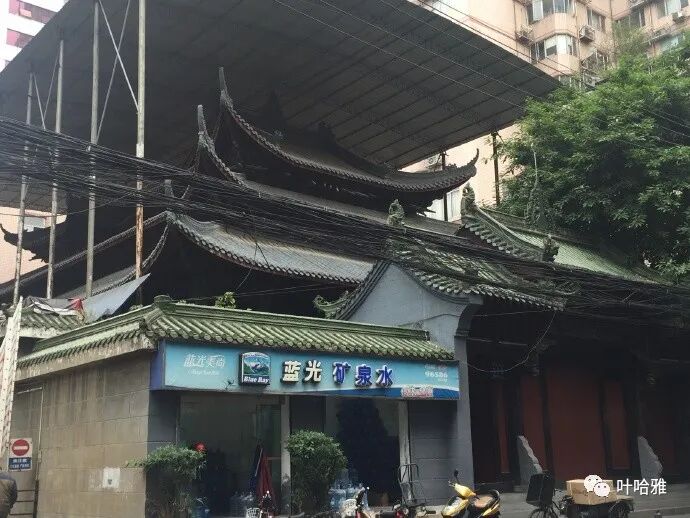
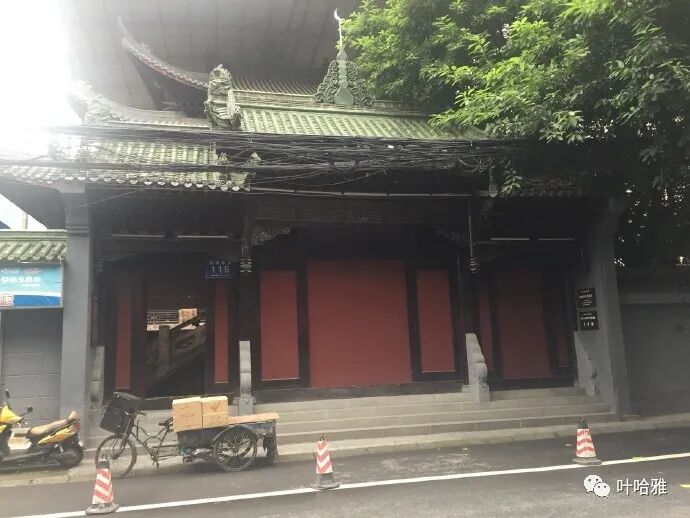
Address: 115 Gulou South Street, Qingyang District.
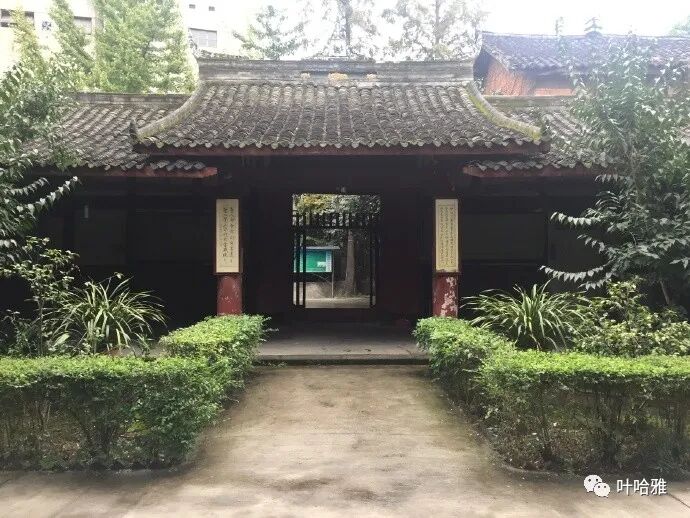
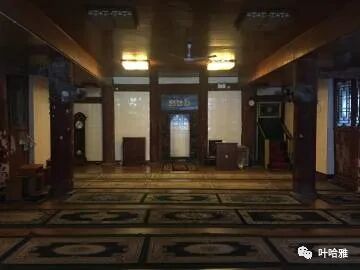
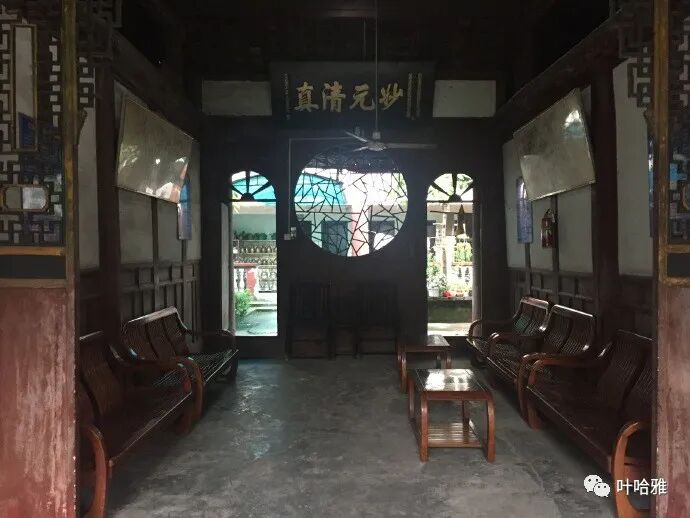
Upper Mosque (Tuqiao Mosque).
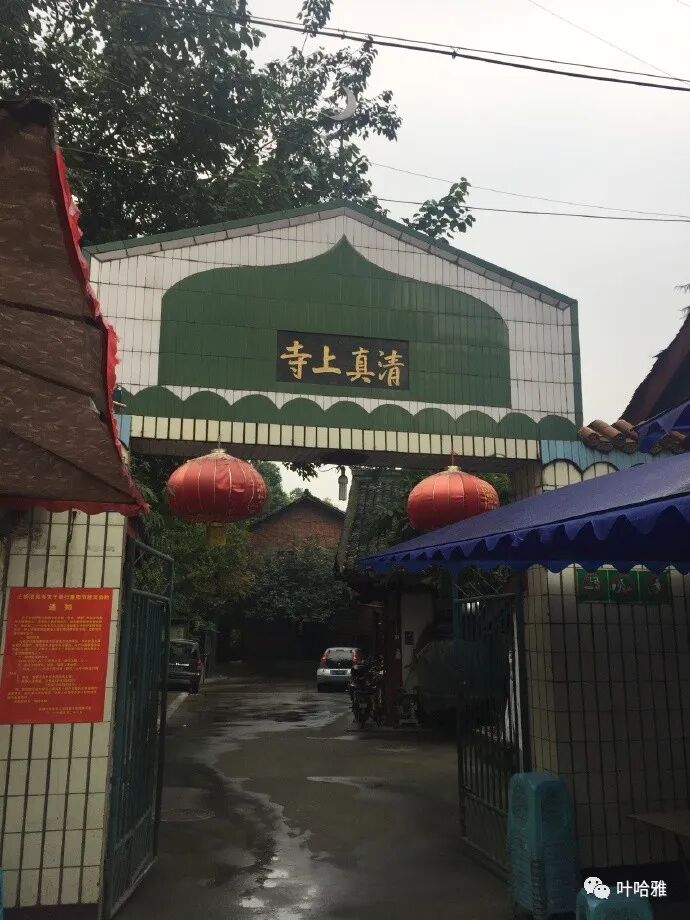
The Upper Mosque in Chengdu's Jinniu District, also called Tuqiao Mosque, was built during the Qianlong reign. When Tianfu Square was expanded, the Imperial City Mosque had to move. Some people stopped going there and started praying at Tuqiao Mosque instead. There are many Sichuan-style halal snack shops around Tuqiao Mosque.
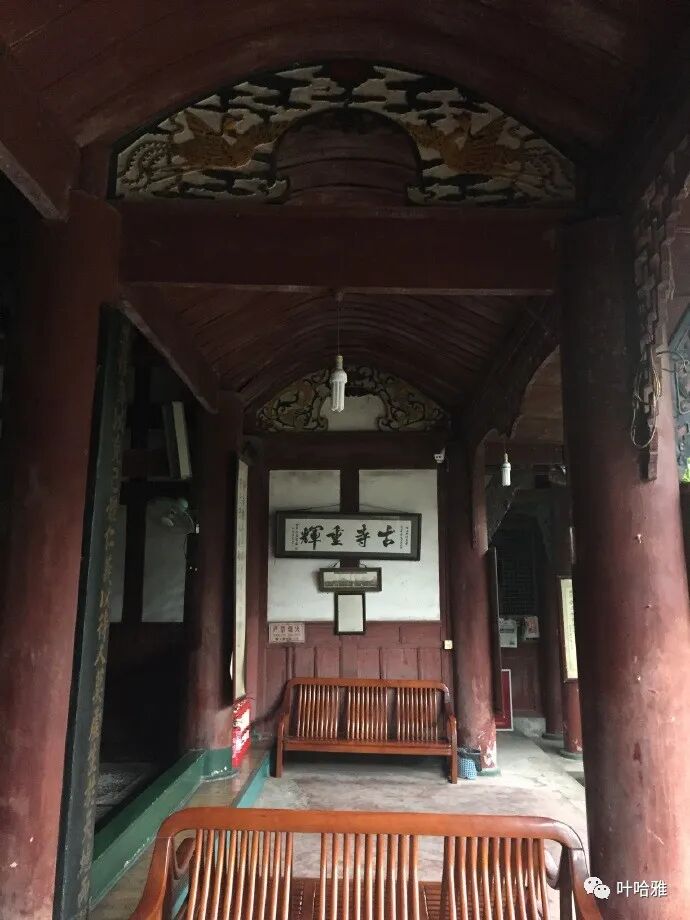
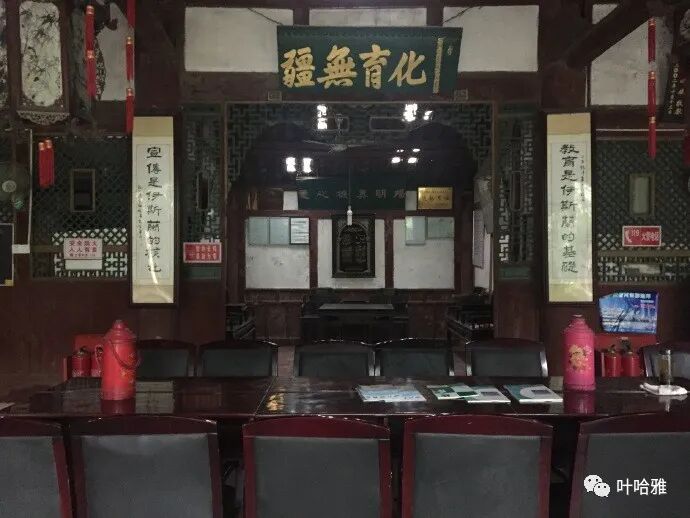
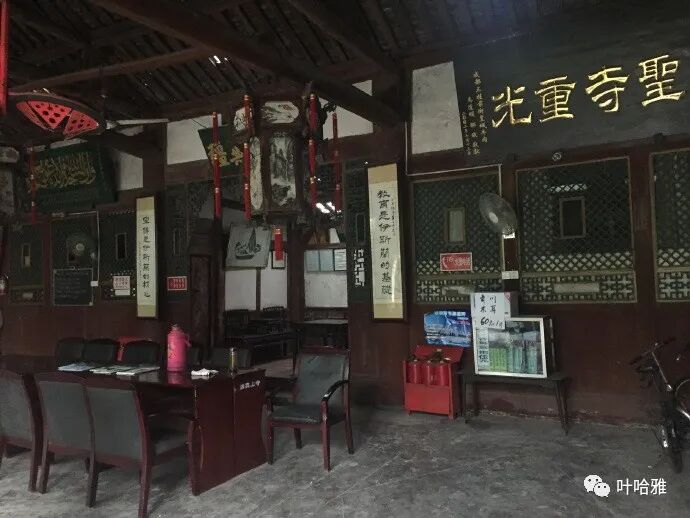
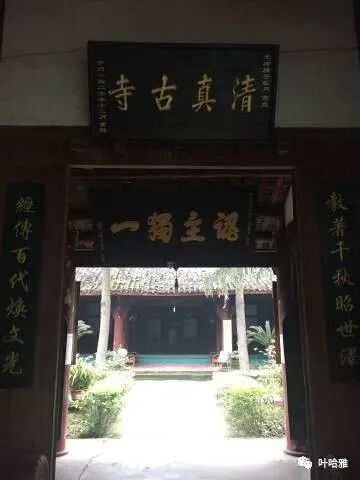
Address: 26 Tuqiao North Street, Chengdu.
Imperial City Mosque.
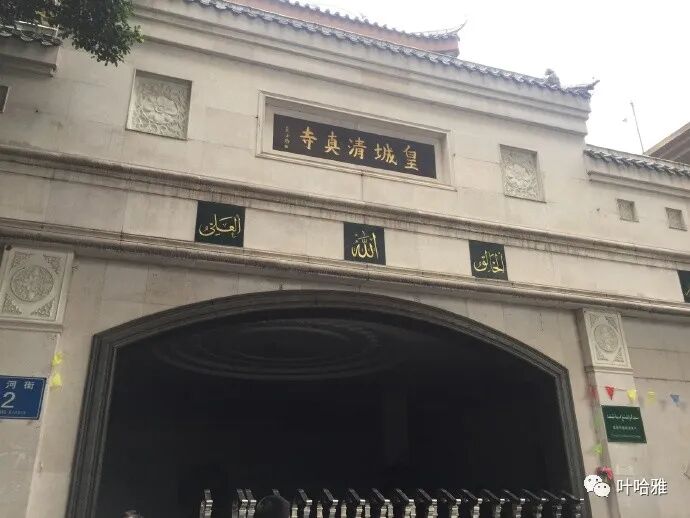
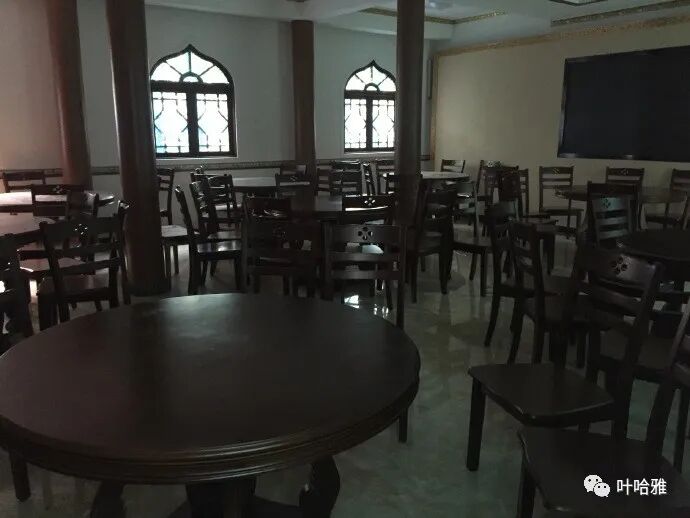
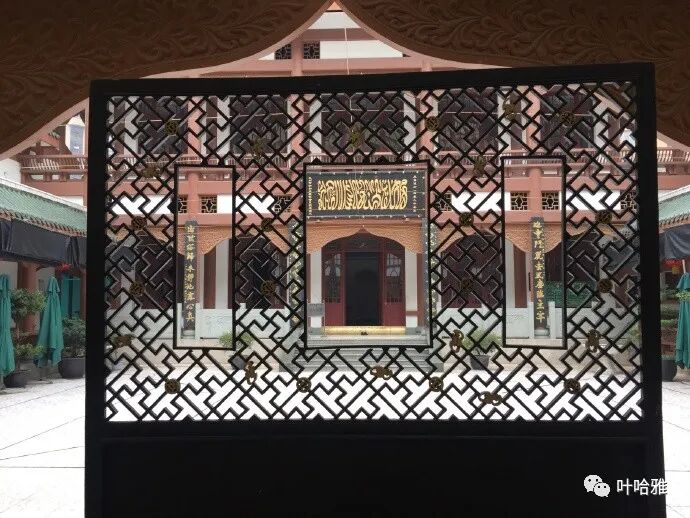
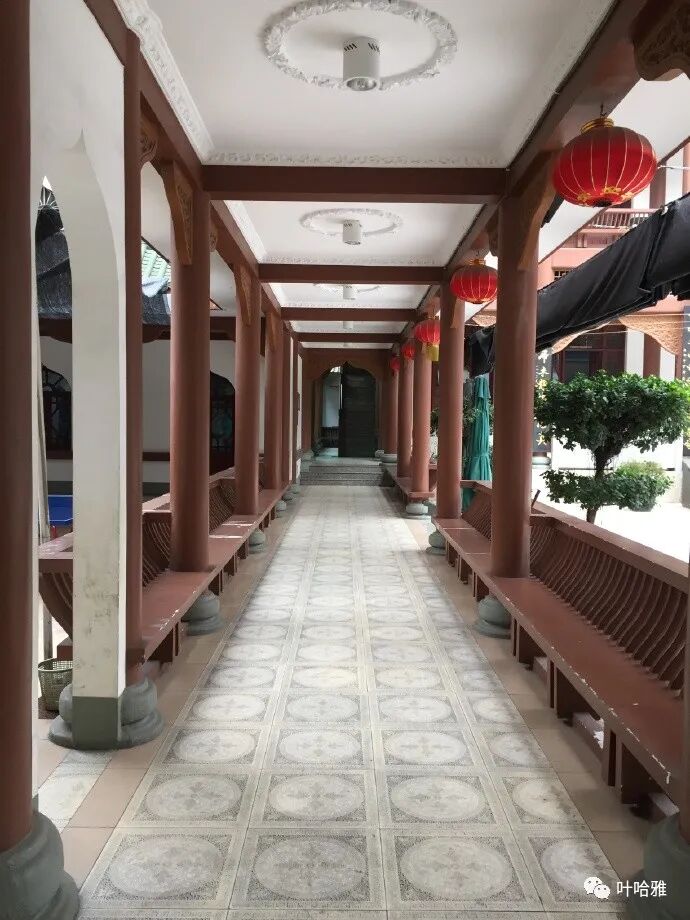
Chengdu's Imperial City Mosque sits in the busiest part of the city. It features a blend of Chinese and Arabic architectural styles. The decorations only show plants and Arabic script, with no traditional Chinese roof beasts. Covering over 5,000 square meters, it is the largest mosque in Southwest China. The prayer hall has two floors, and the women's section is separated from the men's by a curtain. The mosque is open to the public for visits.
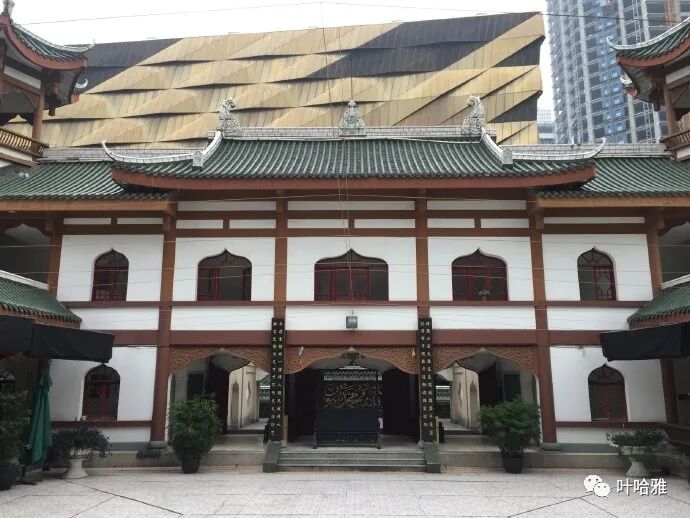
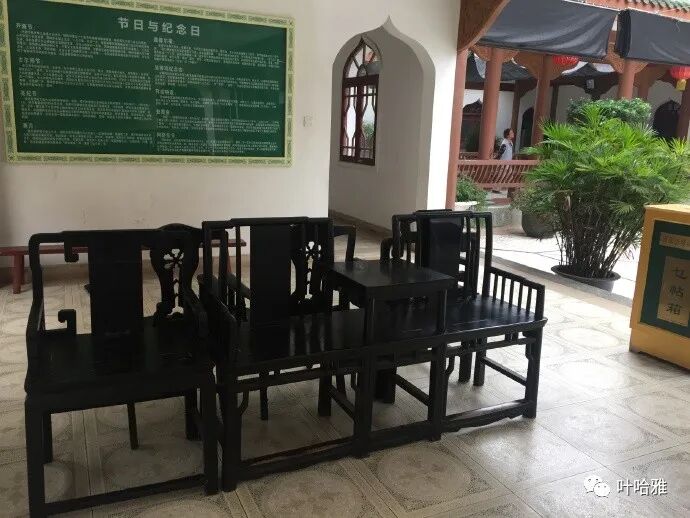
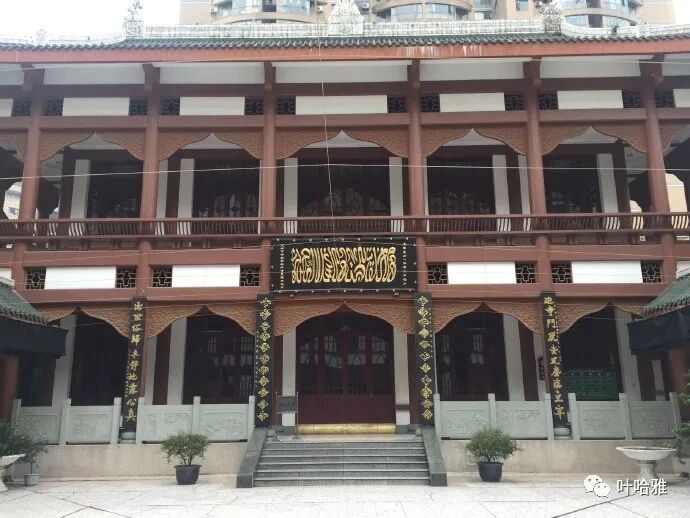
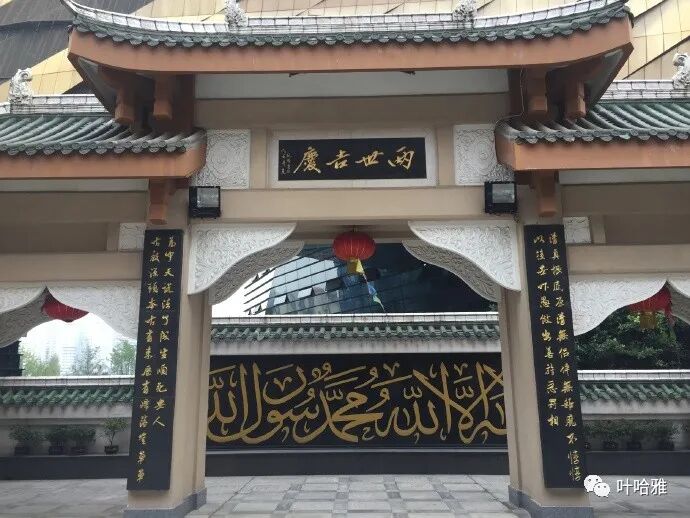
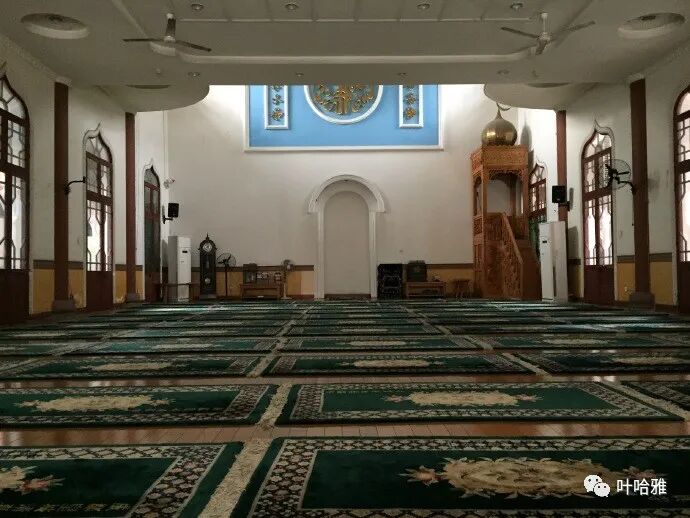
Address: 2 Xiaohe Street, Qingyang District.
South Street, Guankou Town, Dujiangyan.
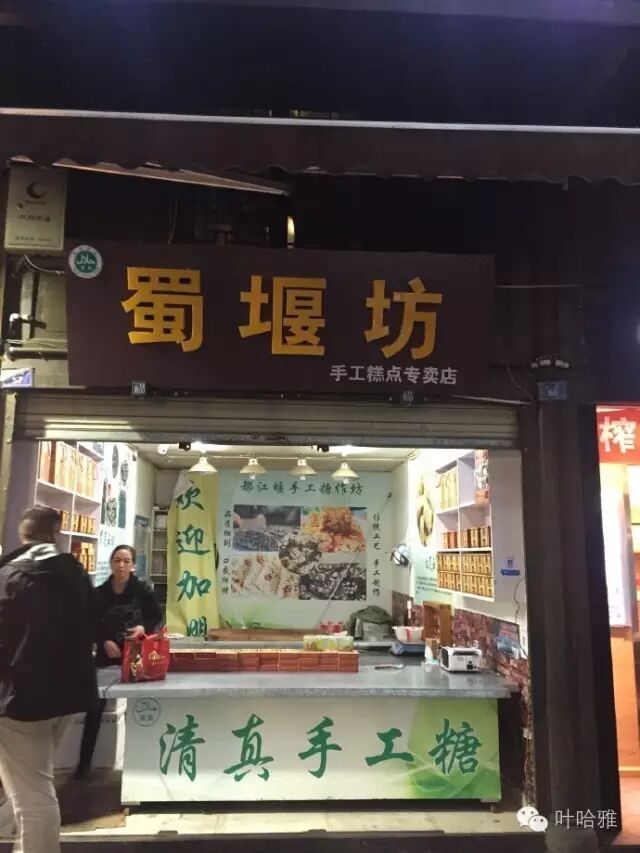
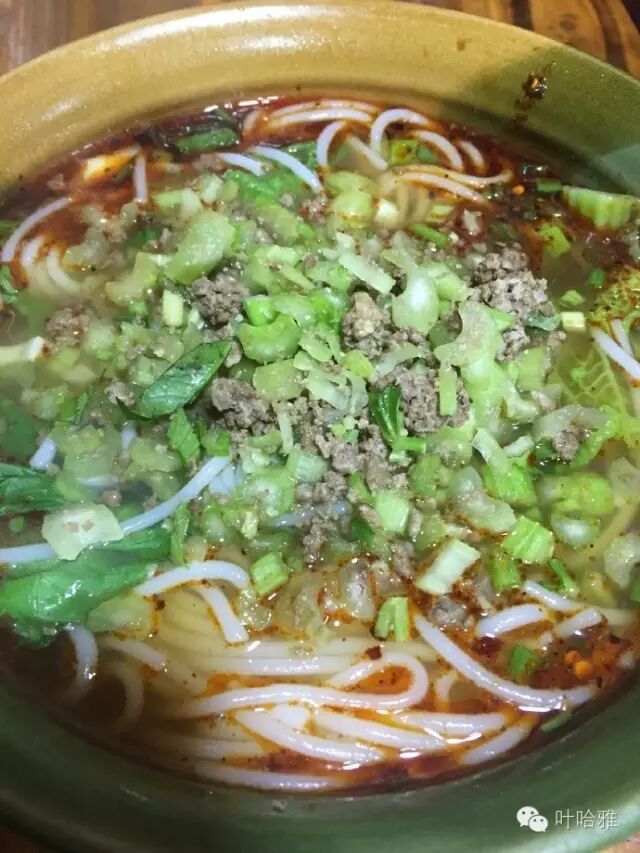
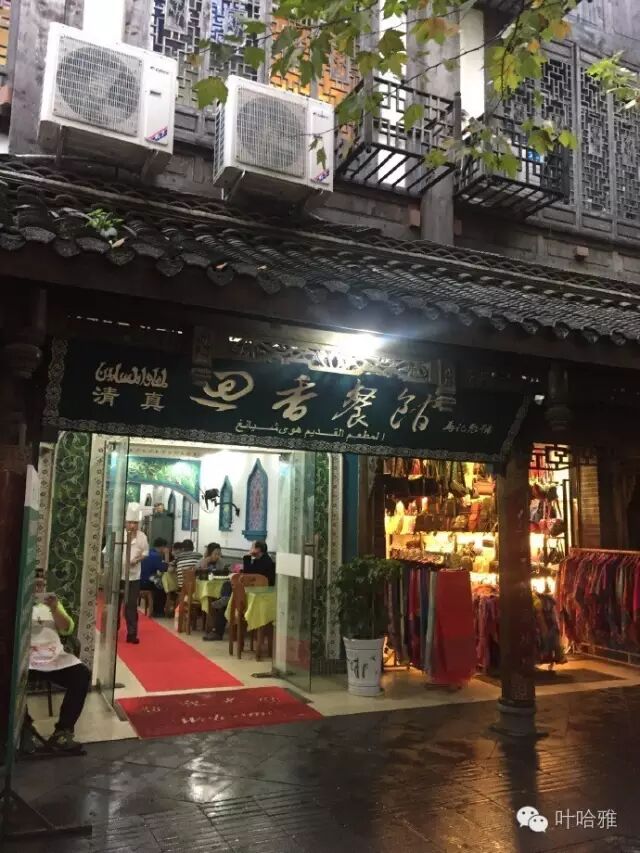
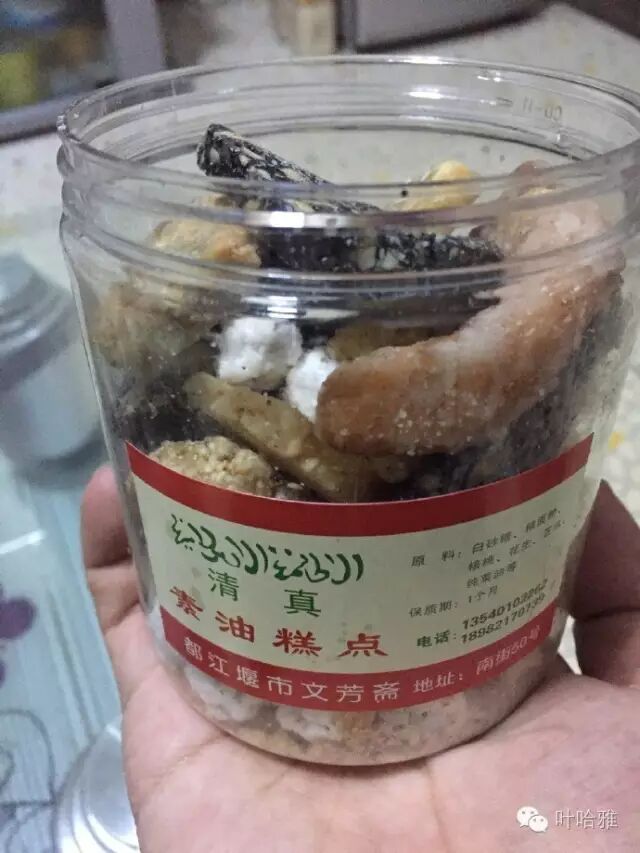
You can reach Dujiangyan in a half-hour drive from downtown Chengdu. On South Street in Guankou Town, there is an old Ming Dynasty mosque. Sichuan-style halal snacks line both sides of the street, including wontons (chaoshou), rice noodles (mifen), pastries (gaodian), hot pot (huoguo), spicy boiled dishes (maocai), and sticky rice balls (san da pao). This street brings together all kinds of Sichuan halal snacks. Dujiangyan has beautiful scenery and fewer crowds, making it perfect for a stroll.
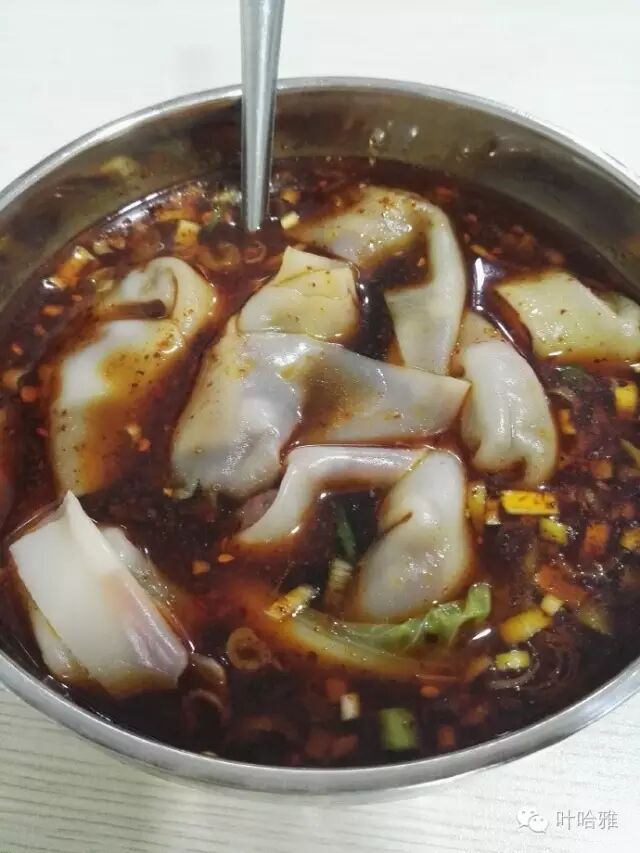
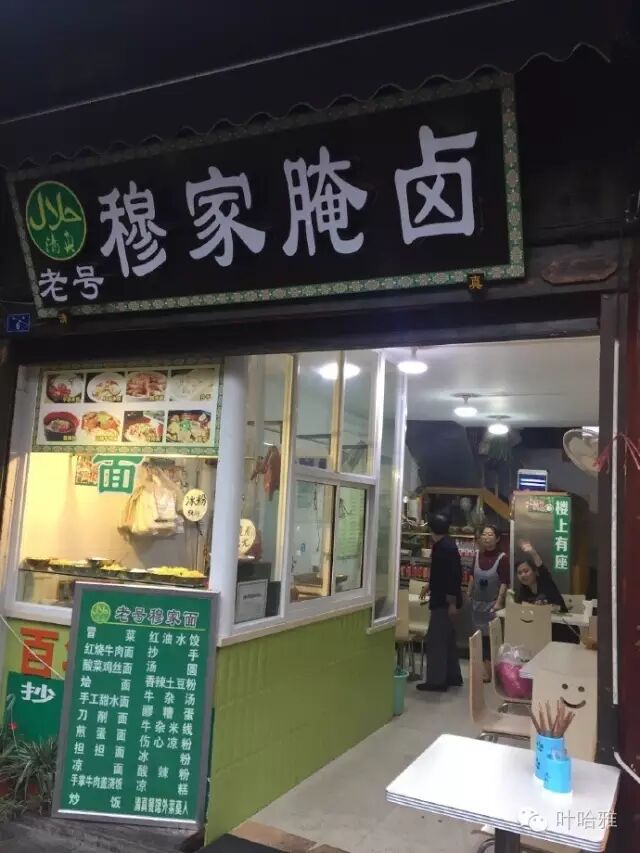
Address: South Street, Guankou Town, Dujiangyan Scenic Area.
Baoping Mosque (Maogong Mosque).
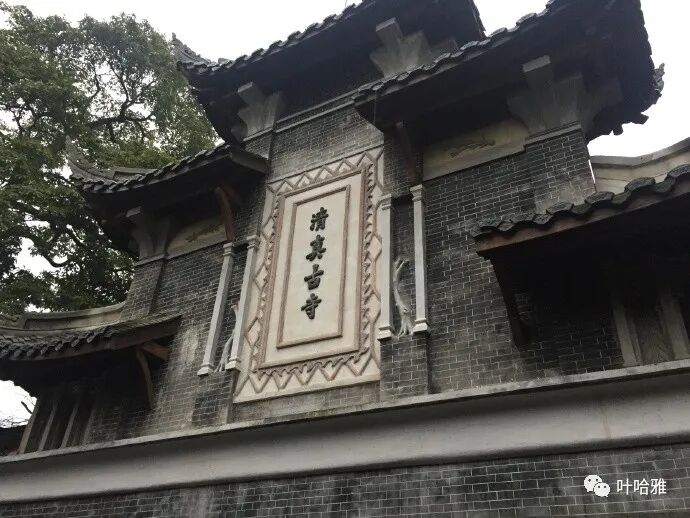
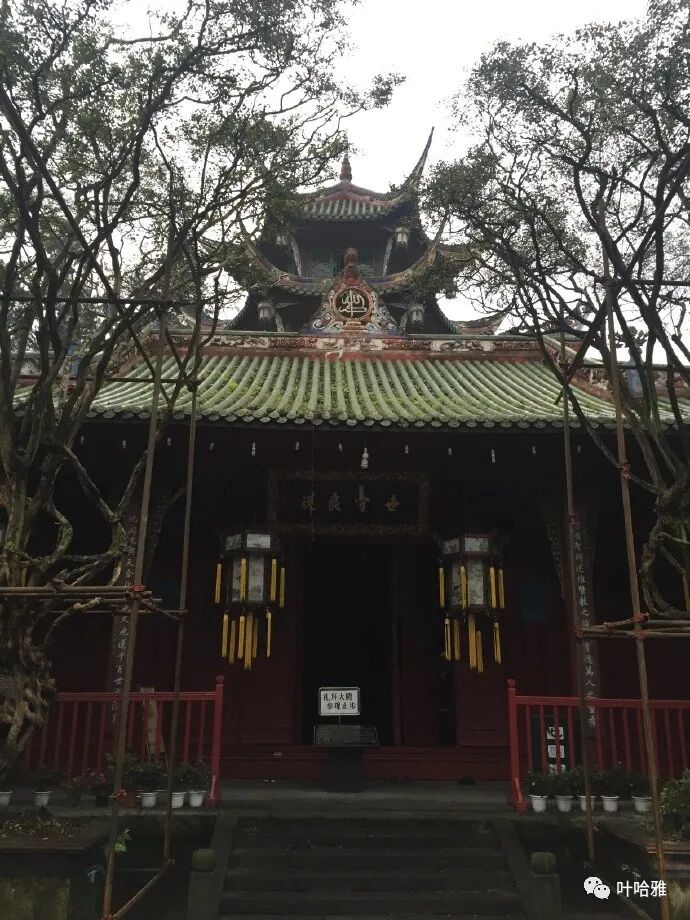
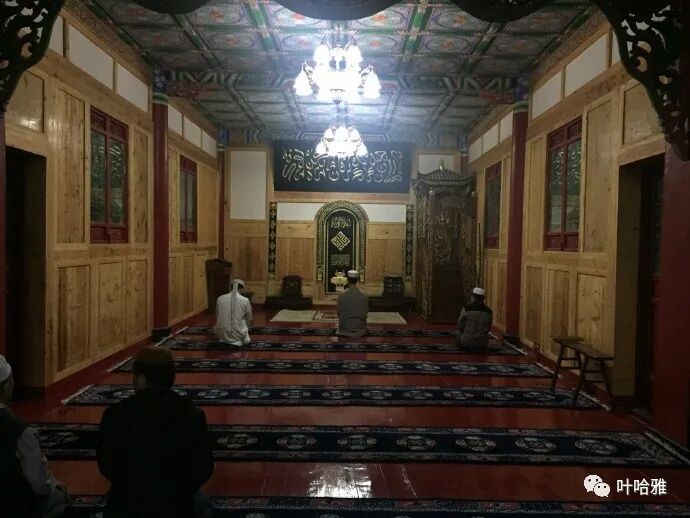
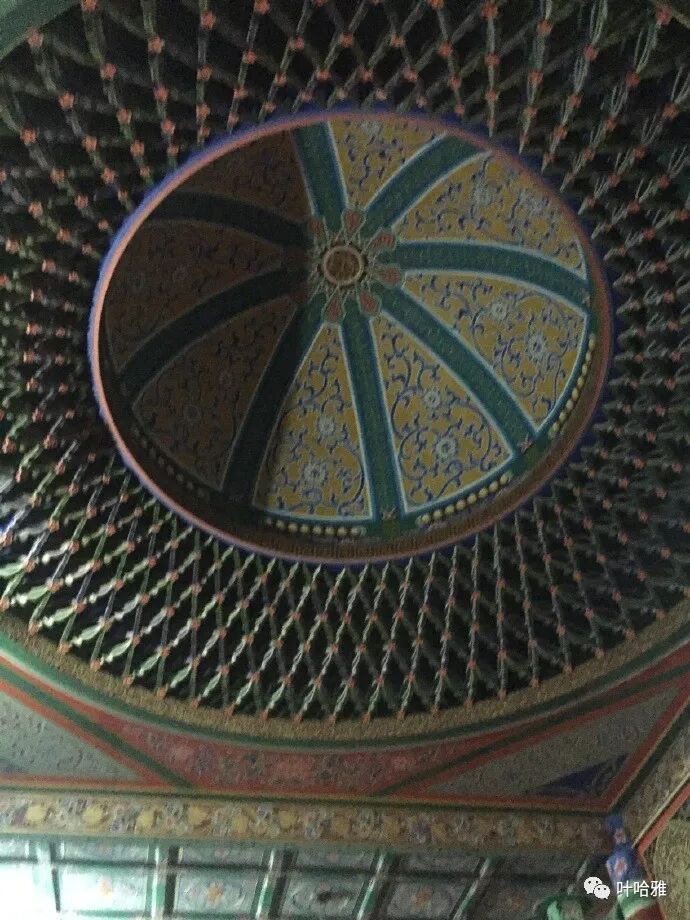
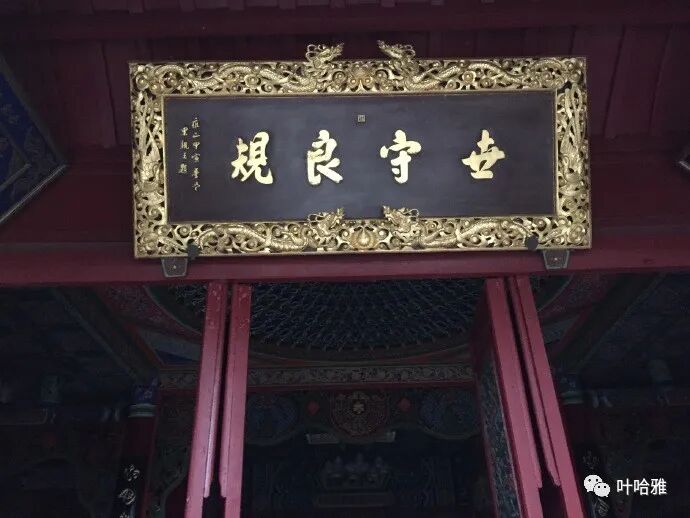
One morning, while walking in the light rain in the old town of Dujiangyan, I found a mosque called Maogong Mosque, also known as Baoping Mosque. It is located in the middle of Baoping Lane, outside the old West Street city wall. It was built in 1922 by Hui Muslims who moved to Guan County from Maogong County (now Xiaojin County). The existing buildings mainly include the main gate, the side rooms on the left and right, and the prayer hall.
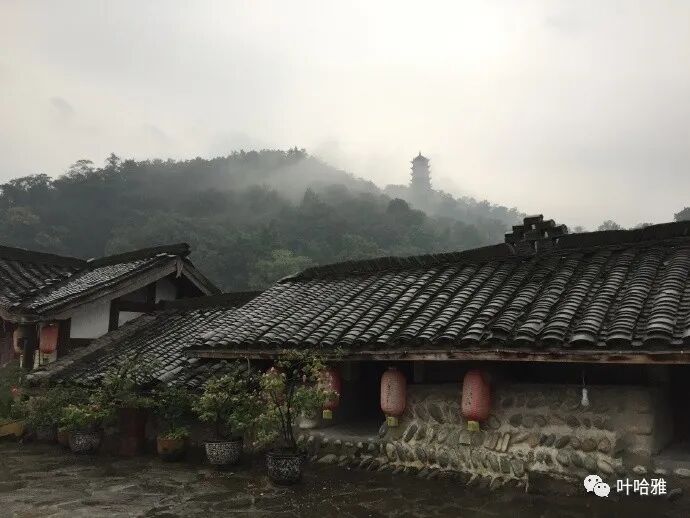
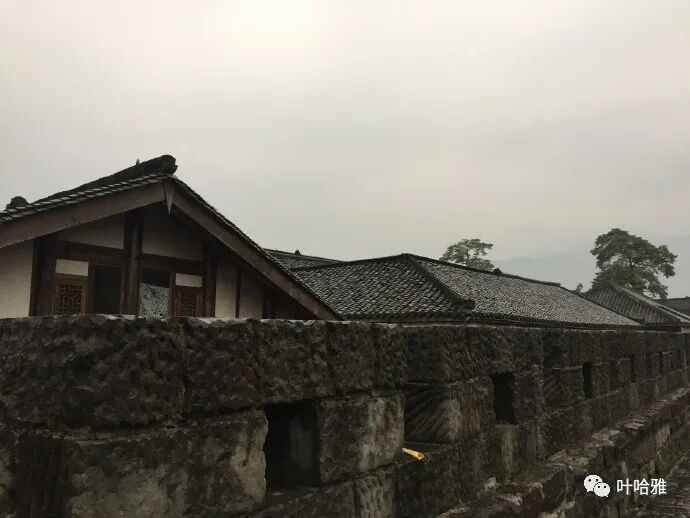
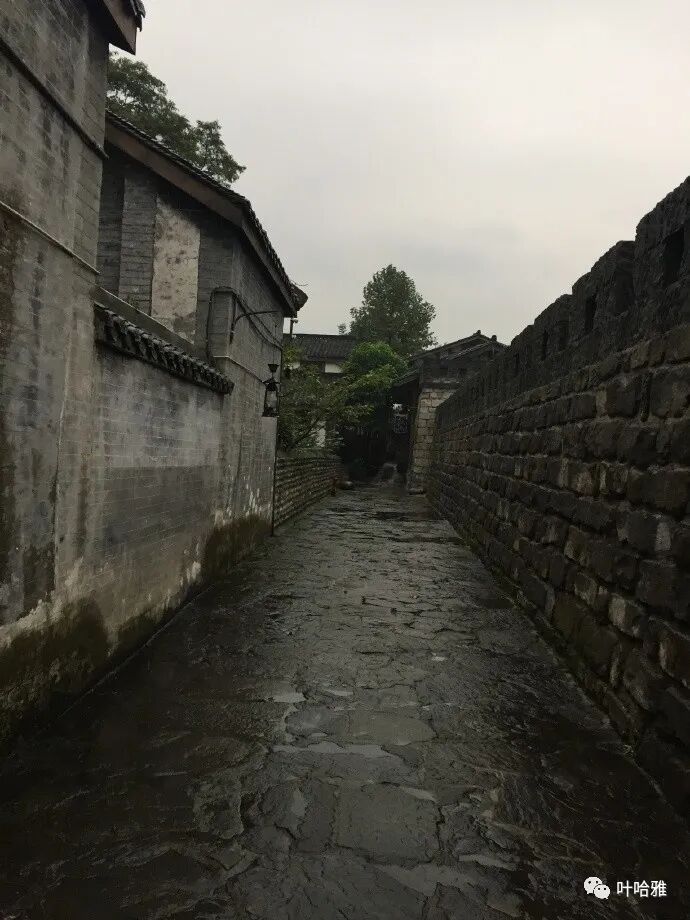
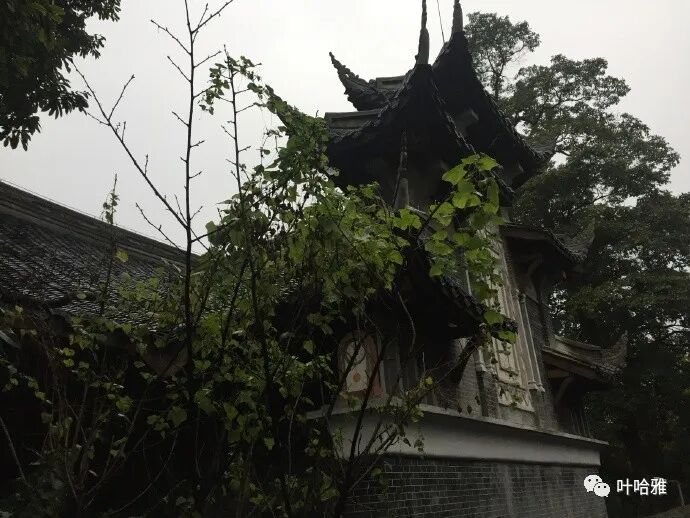
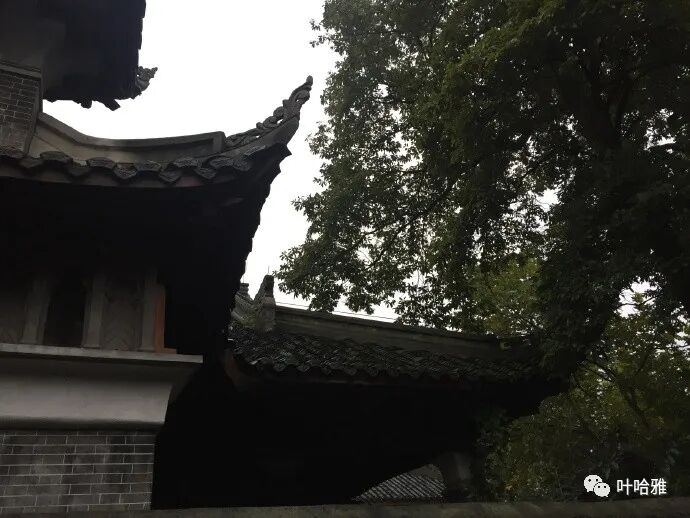
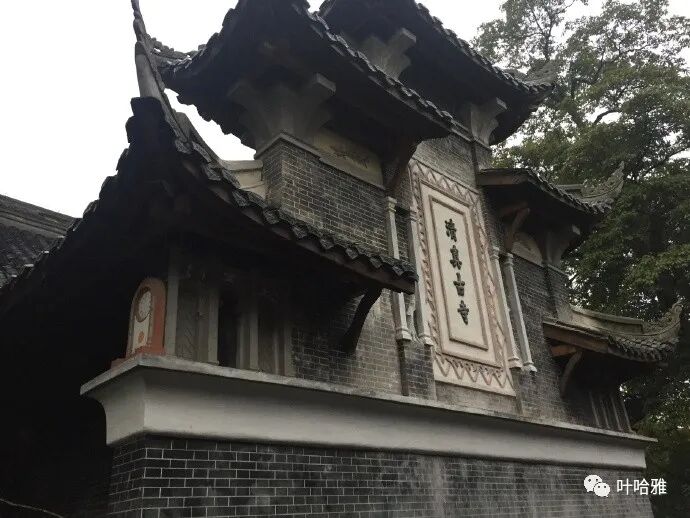
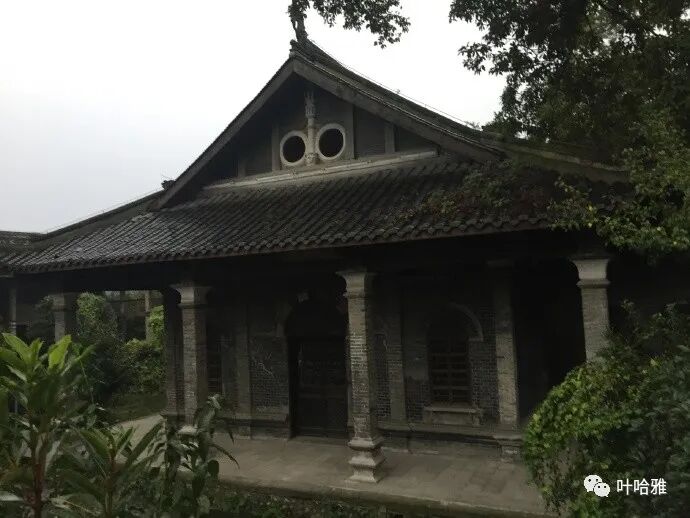
Address: No. 20 Baoping Lane, Dujiangyan City.
Dujiangyan Ancient Mosque.
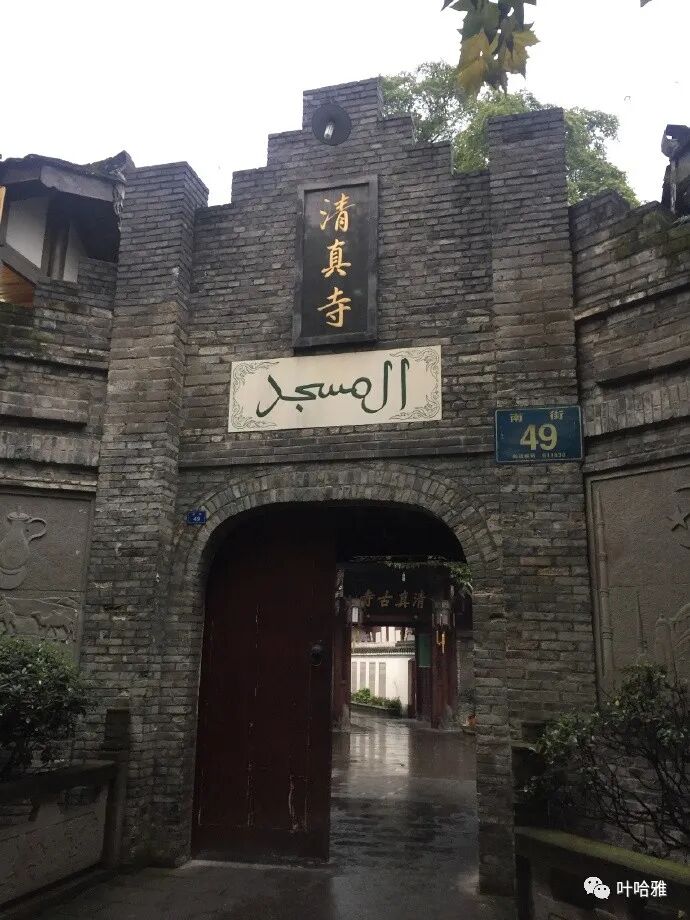
Dujiangyan Ancient Mosque was built in the Ming Dynasty. It is located inside the Dujiangyan Scenic Area and is free to visit. You can find many authentic Sichuan halal foods nearby.
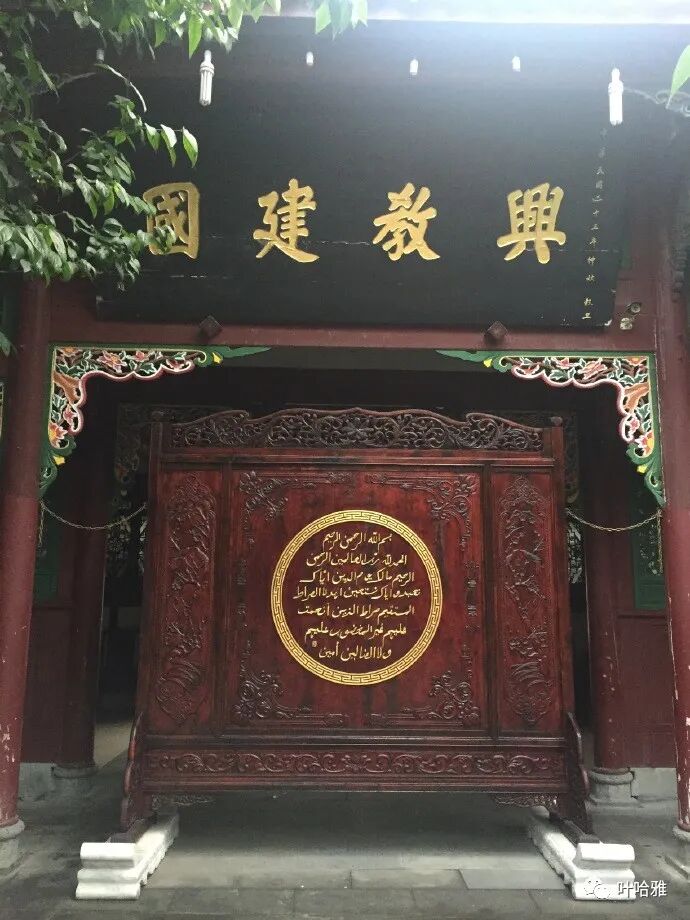
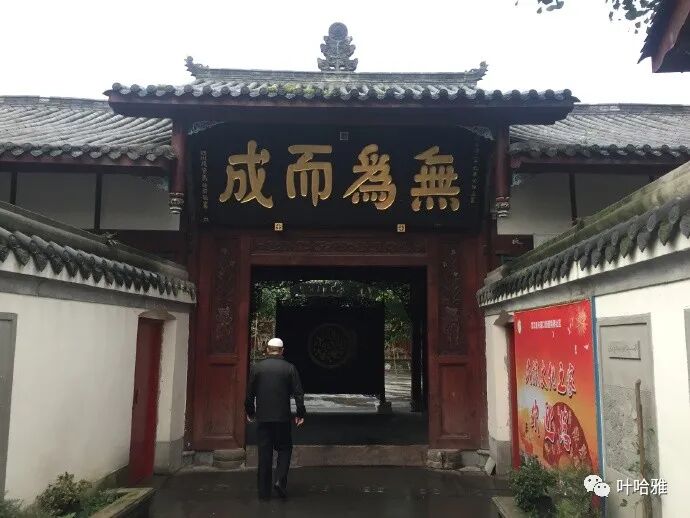
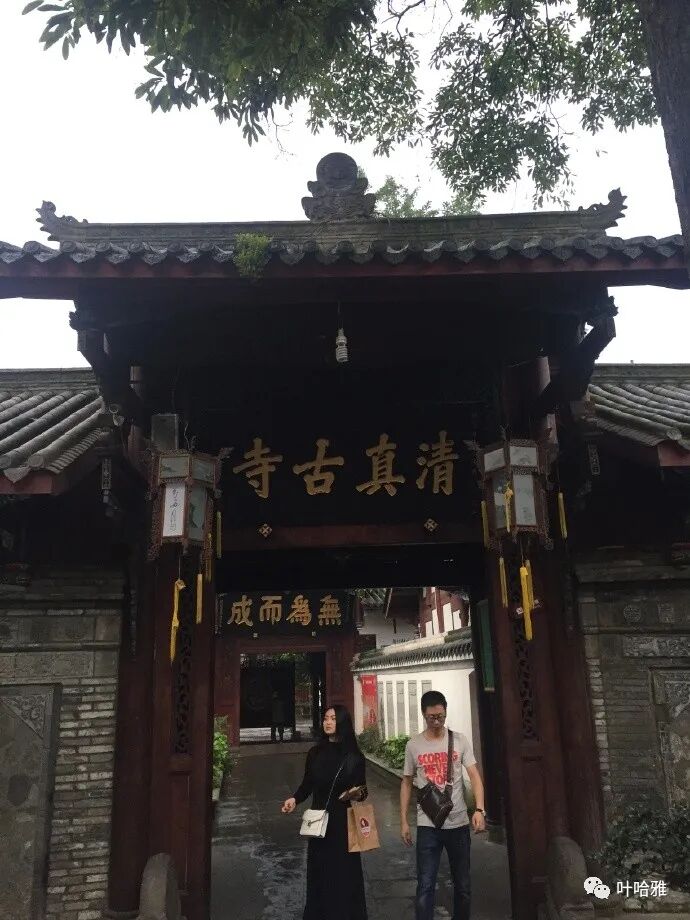
Address: No. 49 South Street, Dujiangyan City.
Mimou Town (Tangjia Mosque).
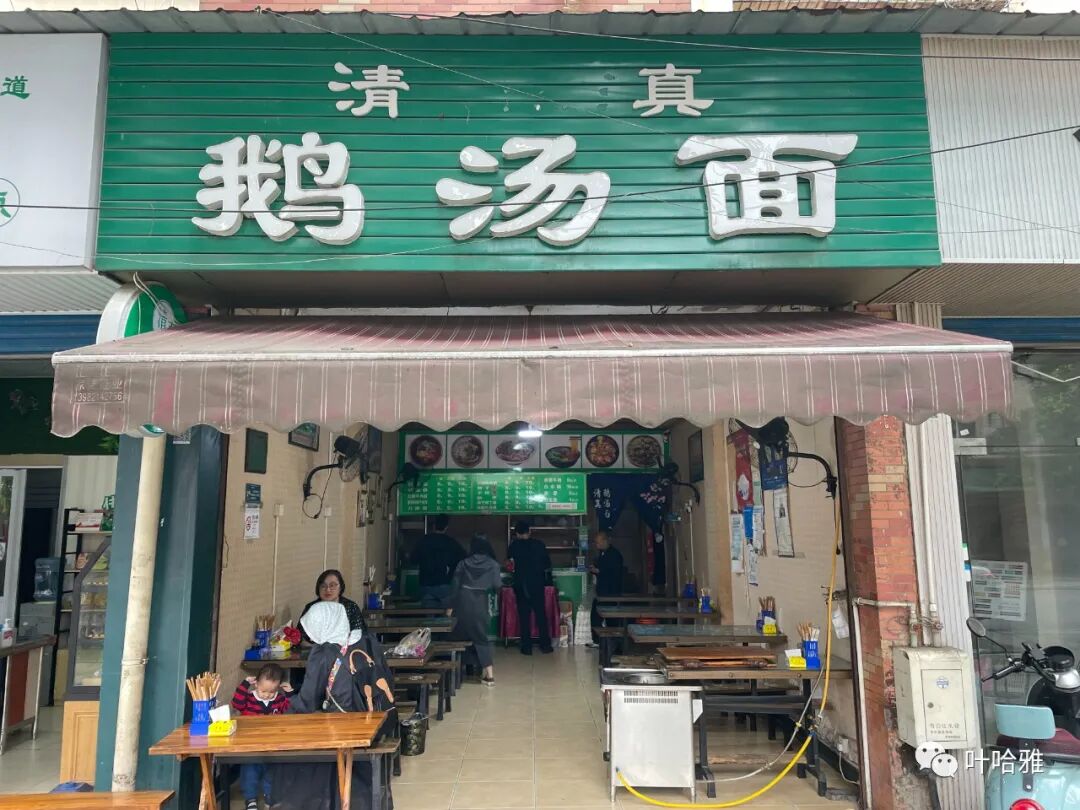
Tangjia Mosque is a Hui Muslim community in the Qingbaijiang District of Chengdu. It is named after the Tangjia Mosque built there. This place has always been a hub for halal beef and mutton. It took us an hour of driving to get here.
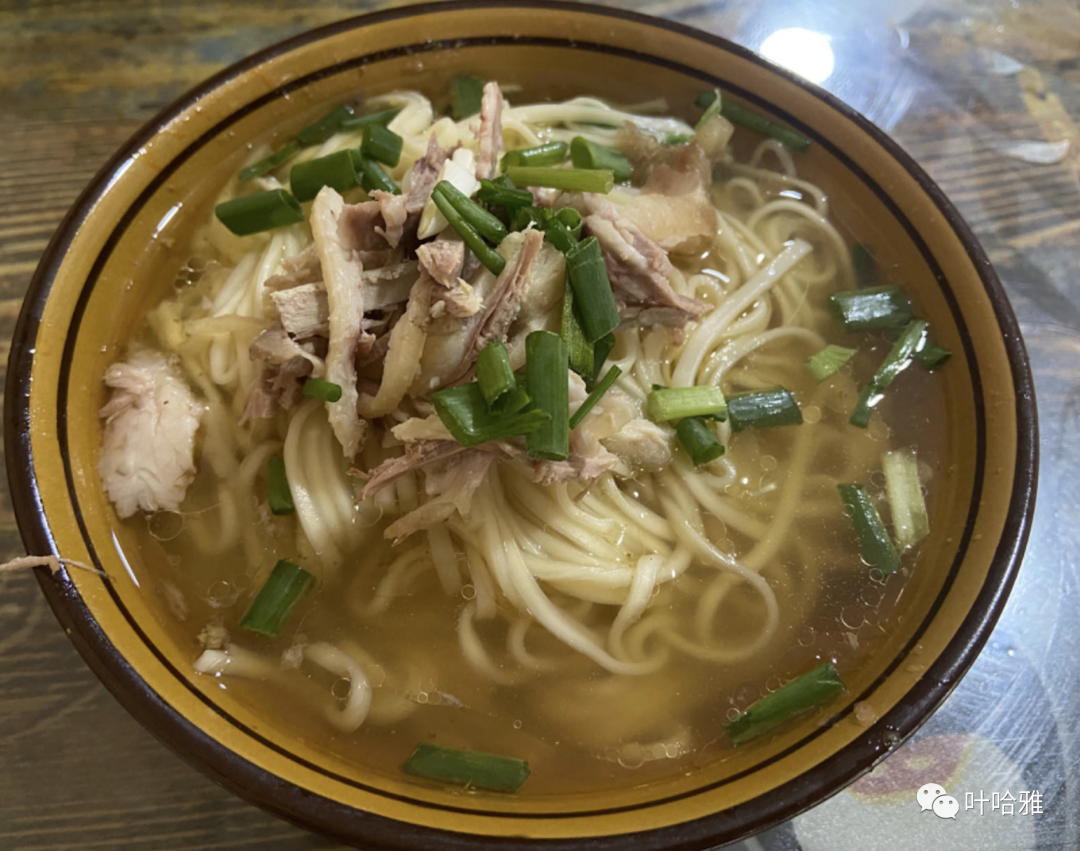
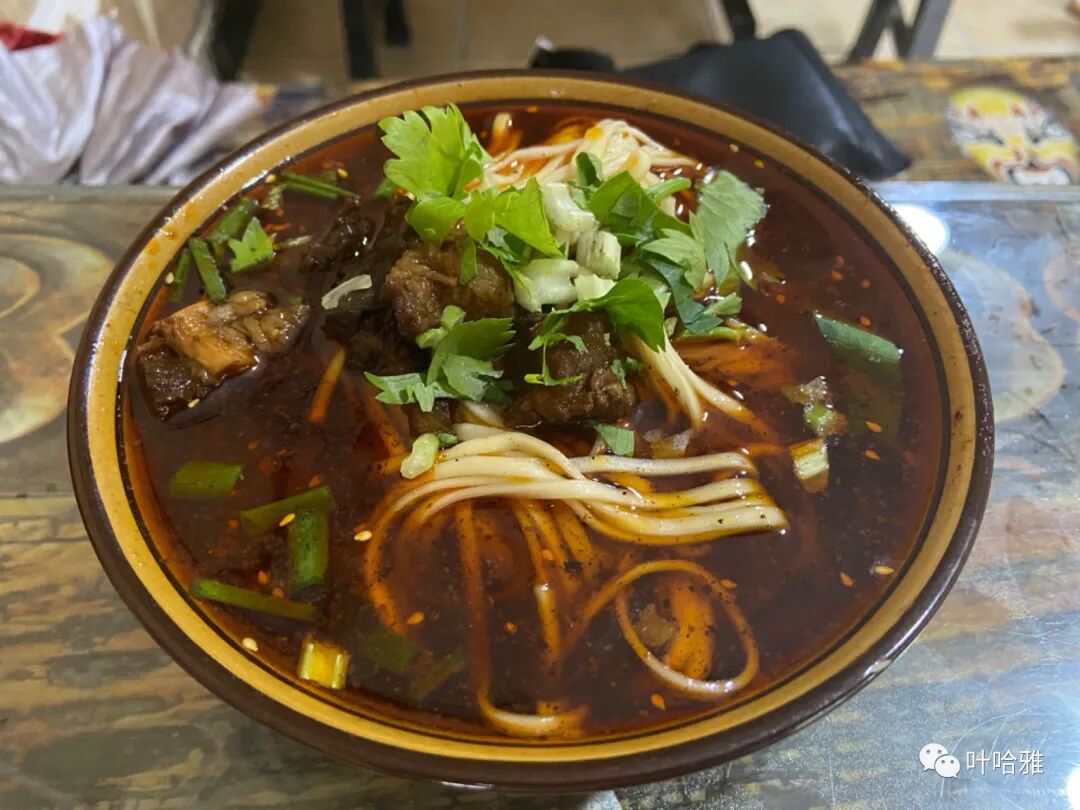
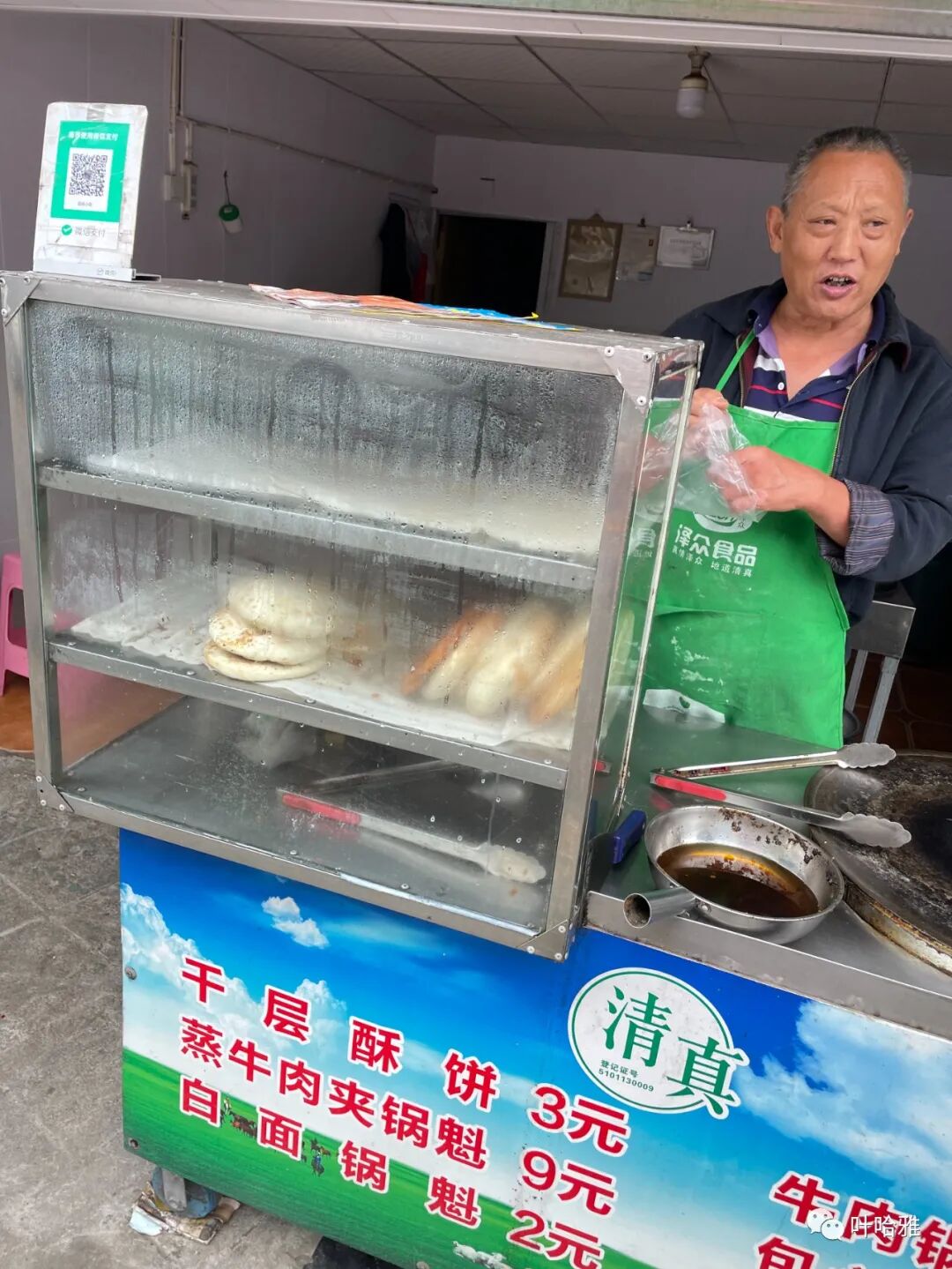
I had a bowl of goose soup noodles at this noodle shop. The noodles were quite chewy, and the goose soup was very flavorful.
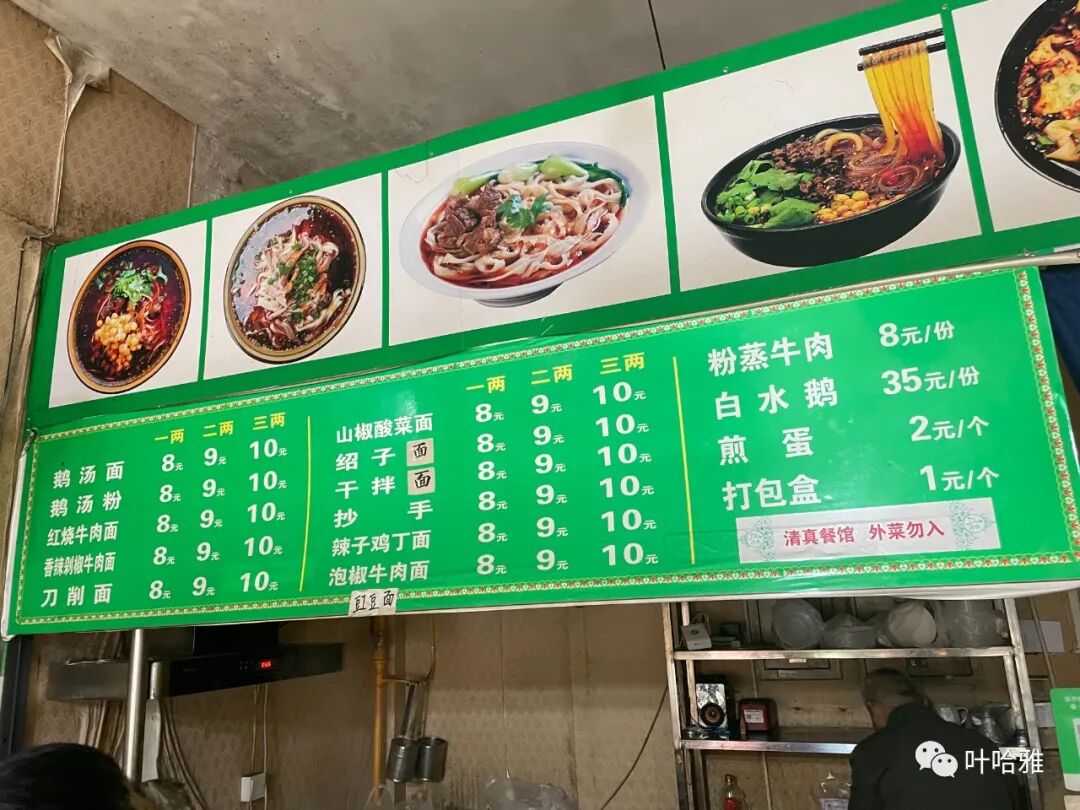
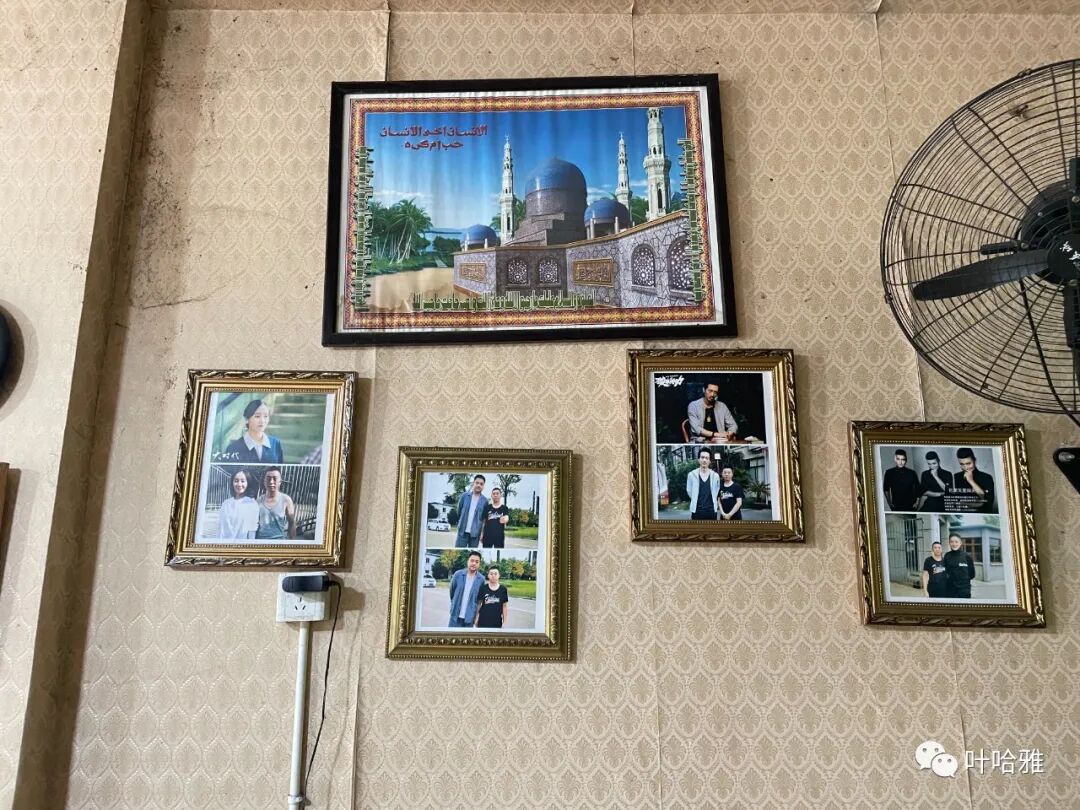
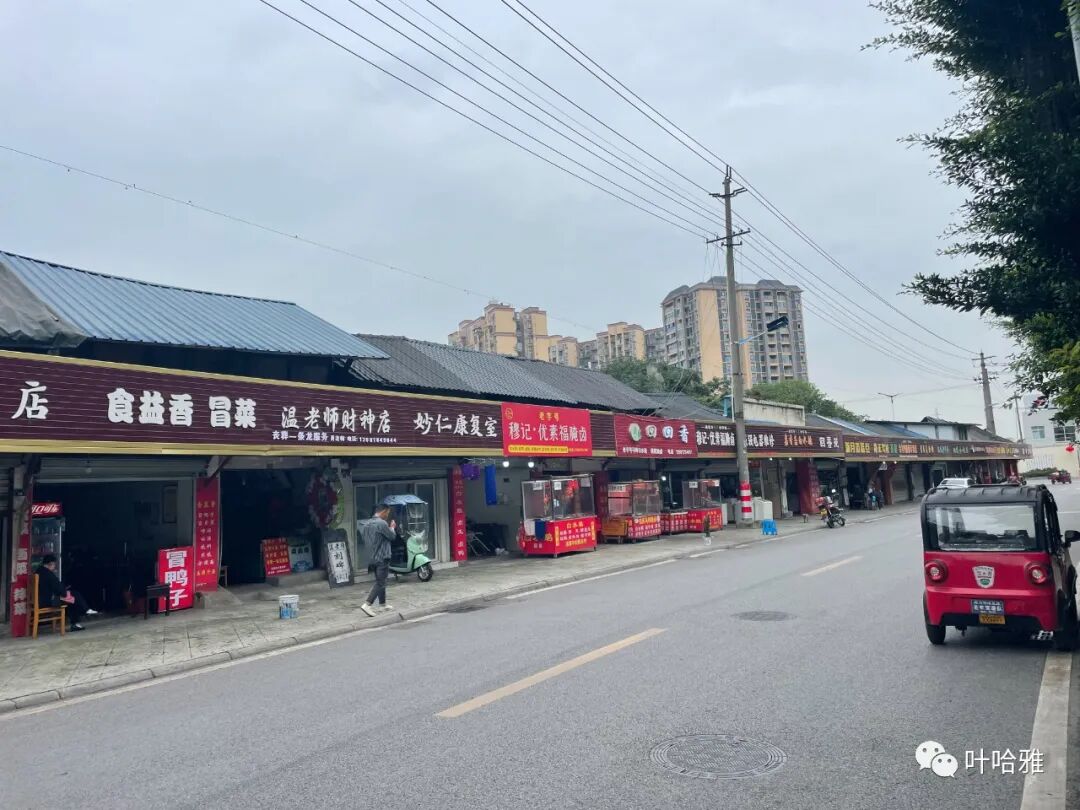
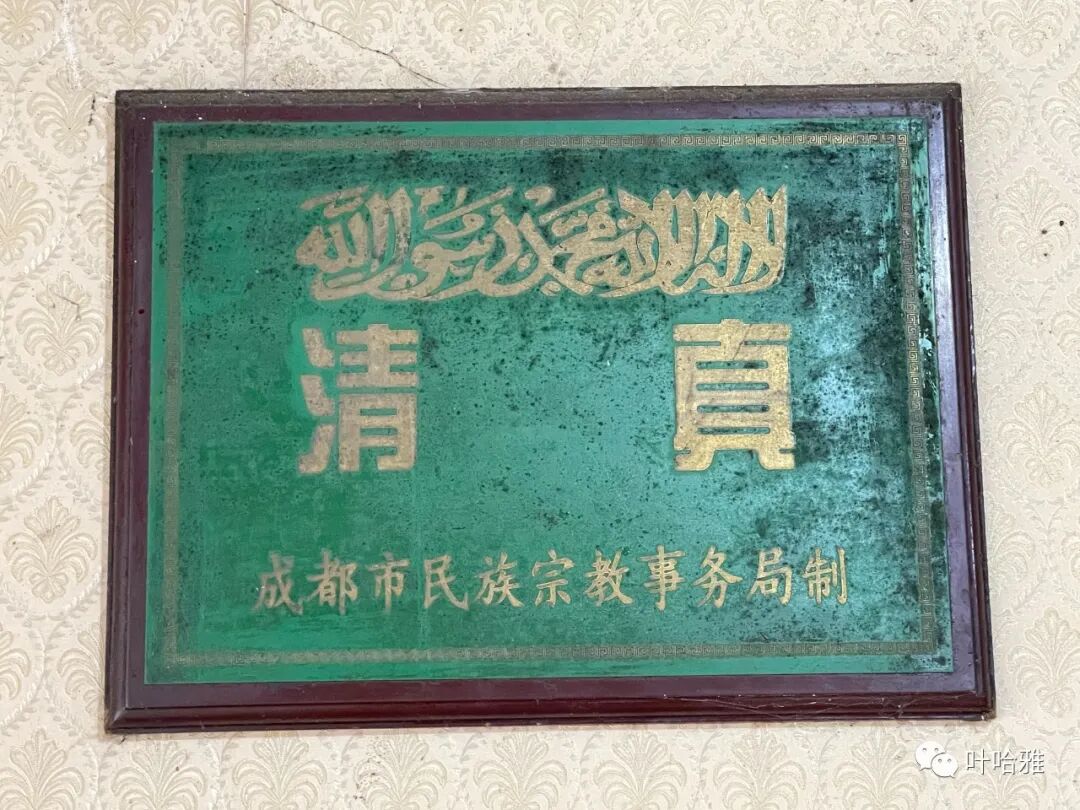
More than half of the shops on this street are halal. They mainly sell braised snacks, but there are also traditional pastries and Sichuan restaurants.
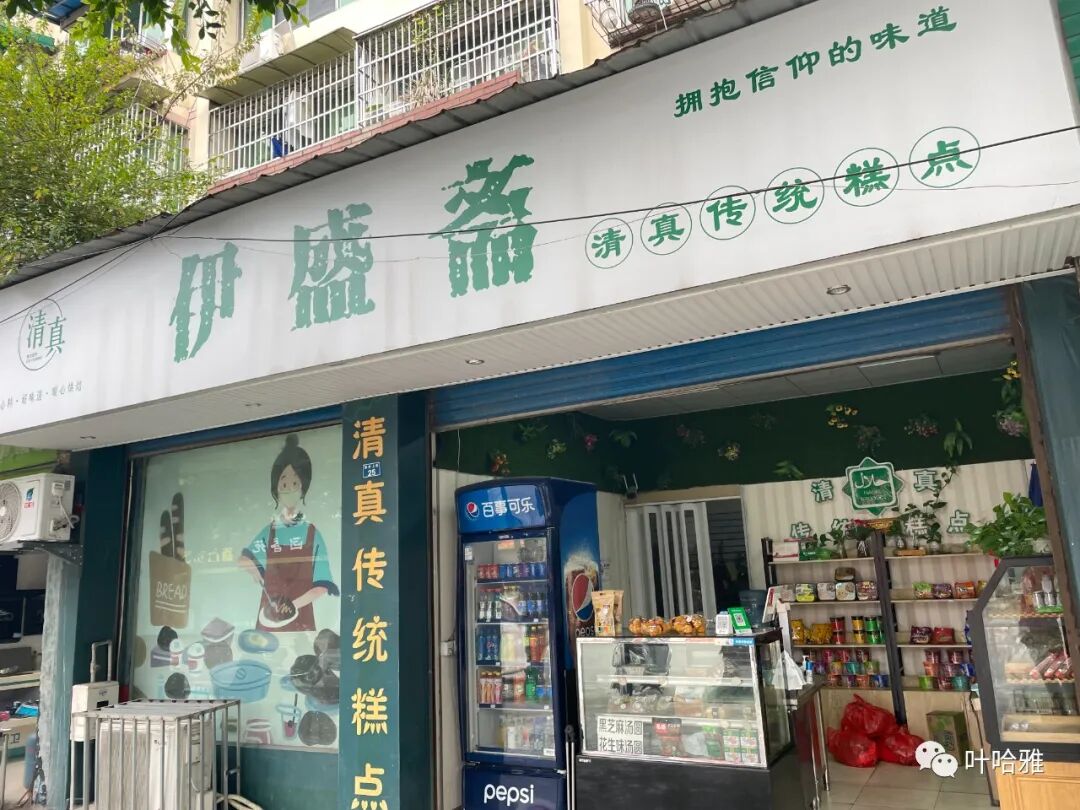
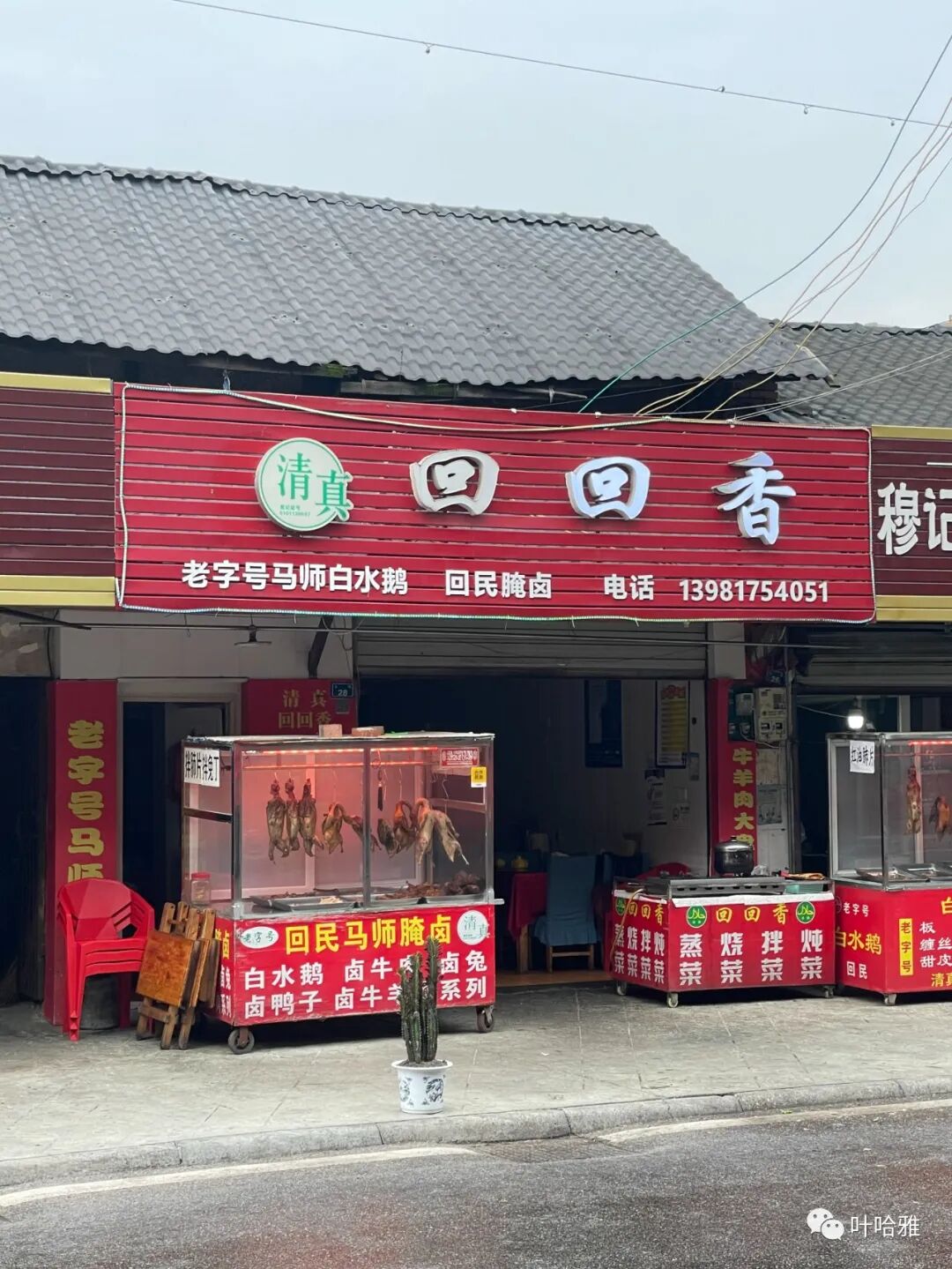
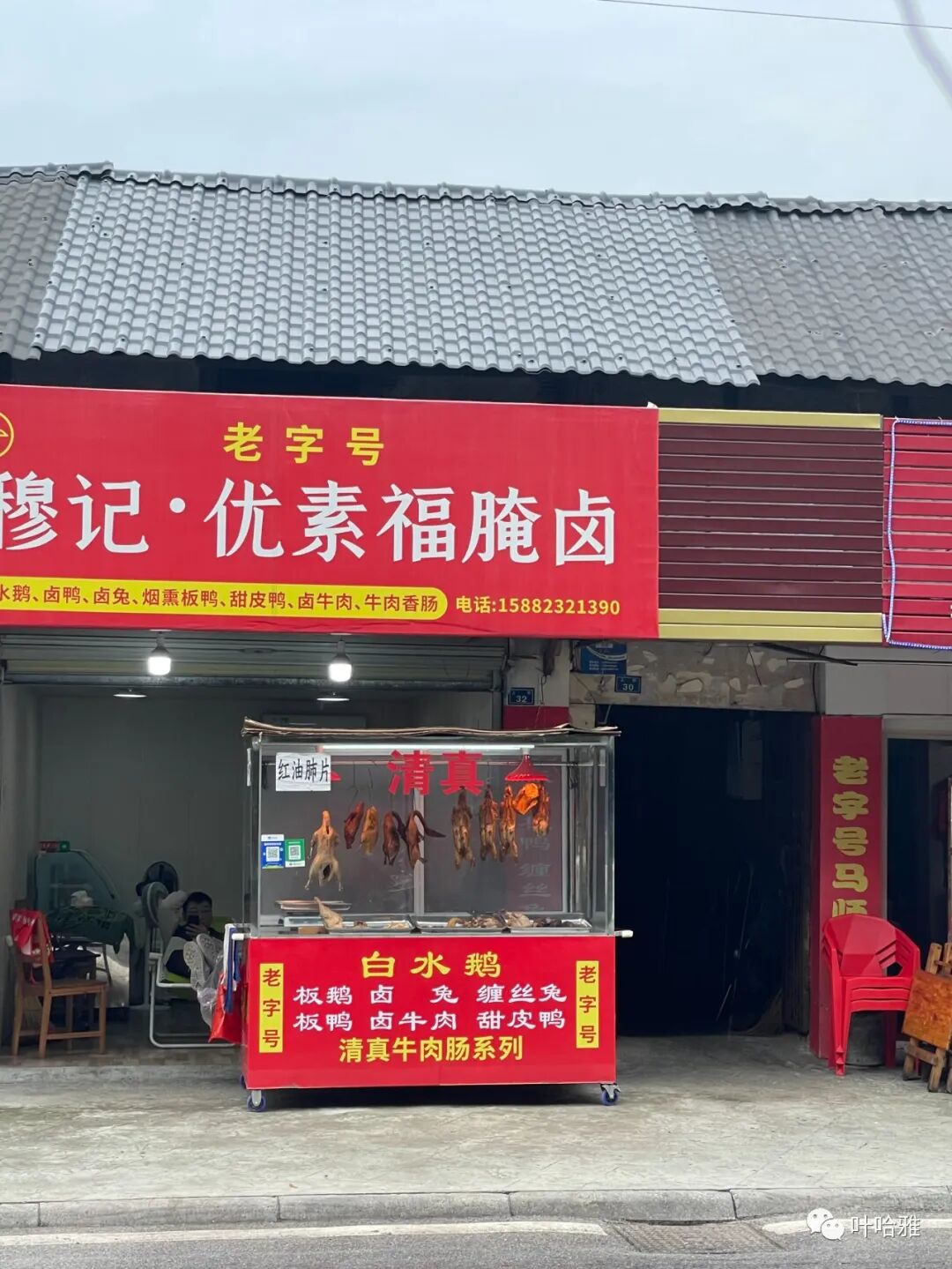
I bought some braised goose and braised rabbit at Muji. I feel safe eating their food because I ran into the owner while I was at the mosque for namaz.
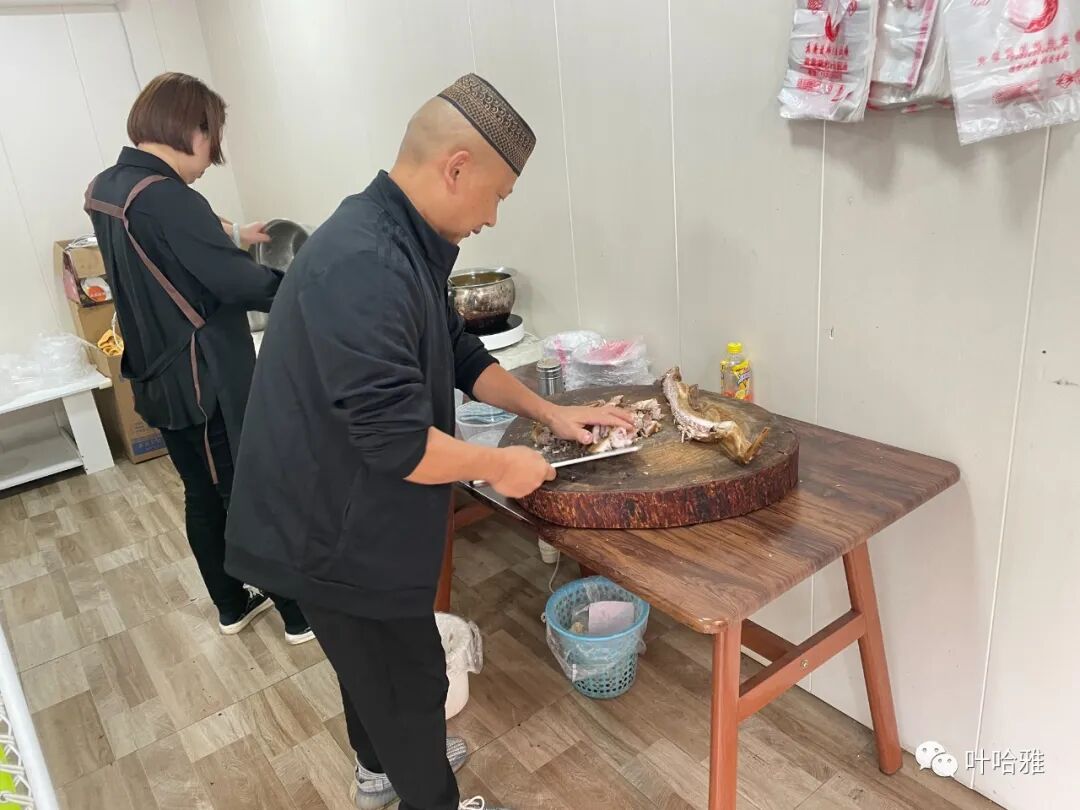
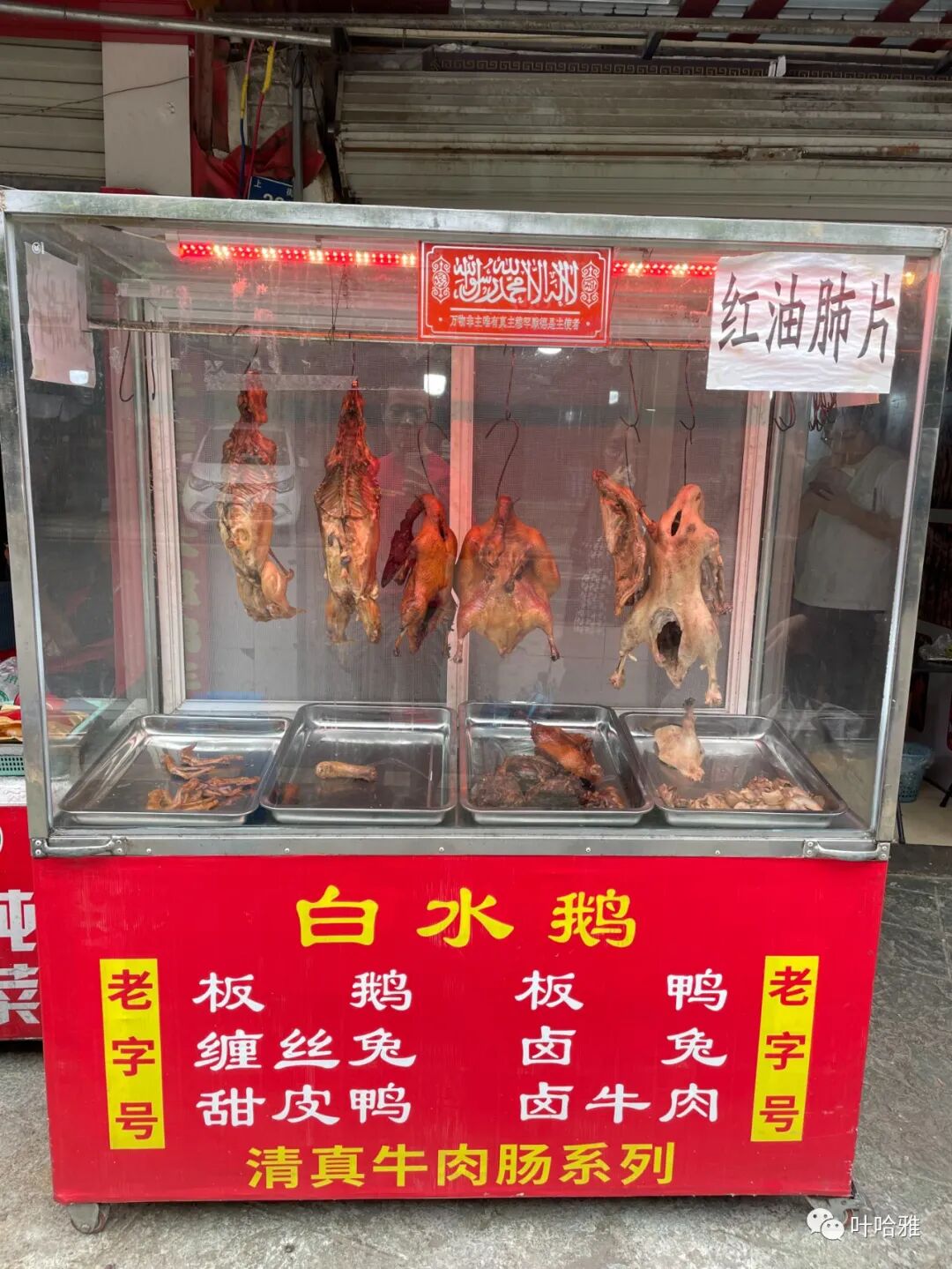
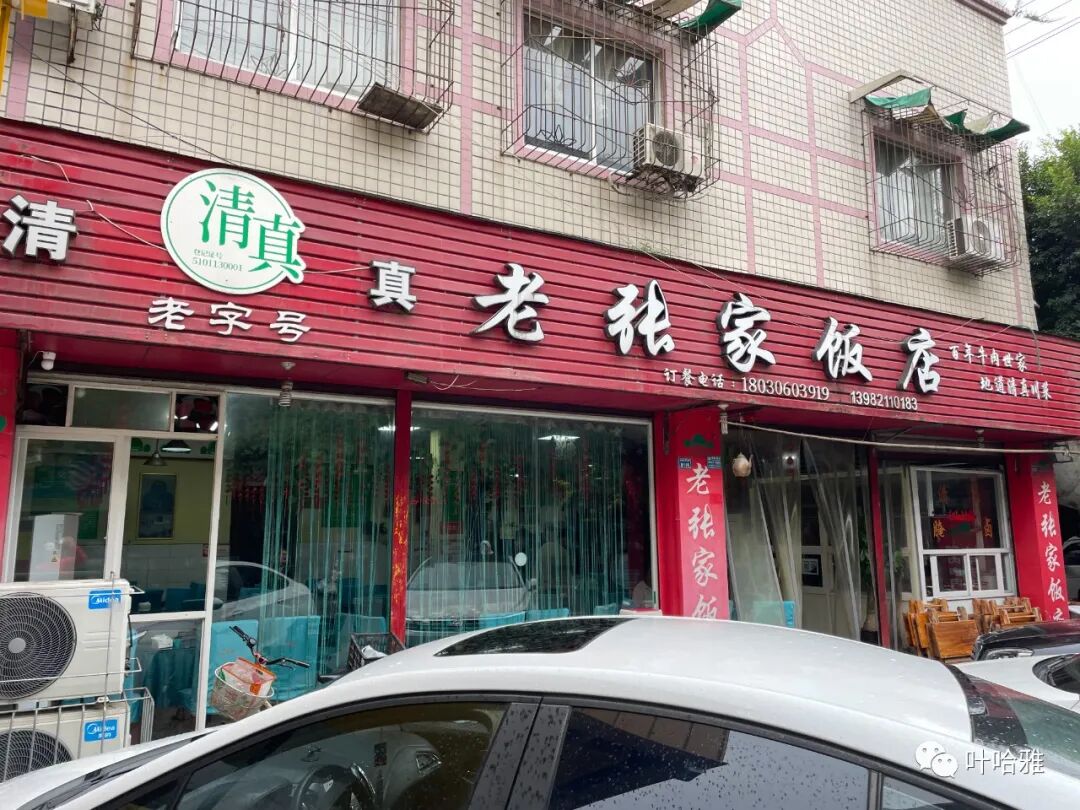
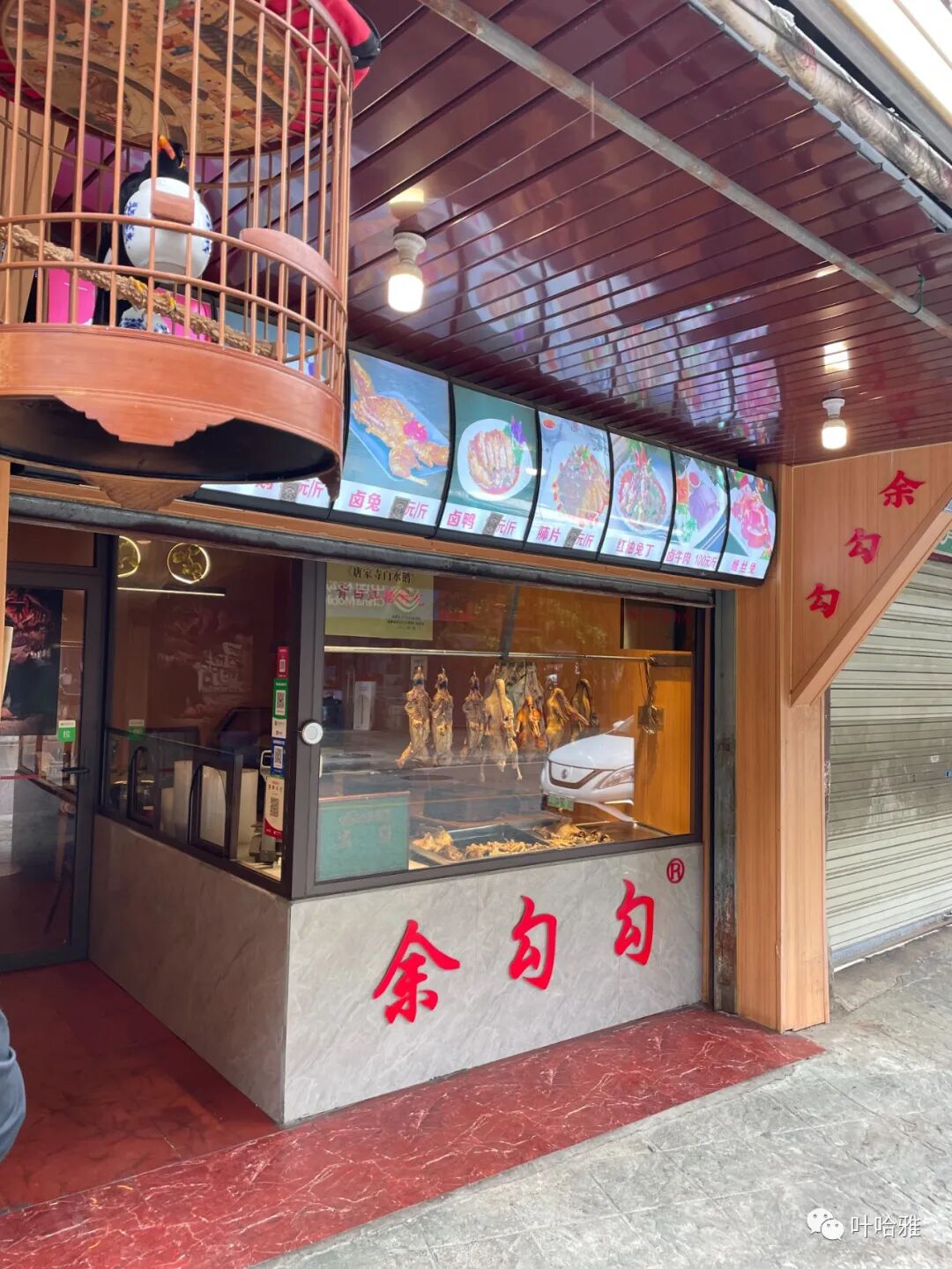
According to netizens, the origin of the shop name Yugougou is that the current owner's father started making braised dishes in the 1980s. His nose was a bit high and hooked, so everyone called him Yugougou. Later, his children used Yugougou as the name of the shop.
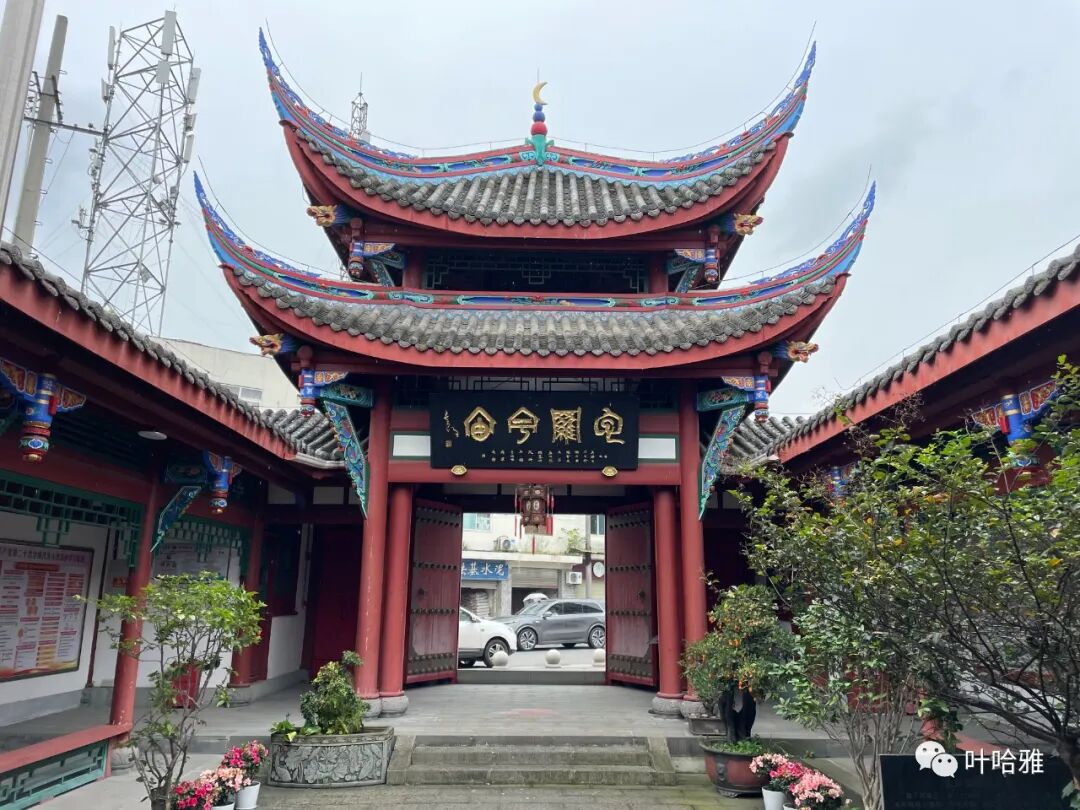
Mimou Mosque (Tangjia Mosque)
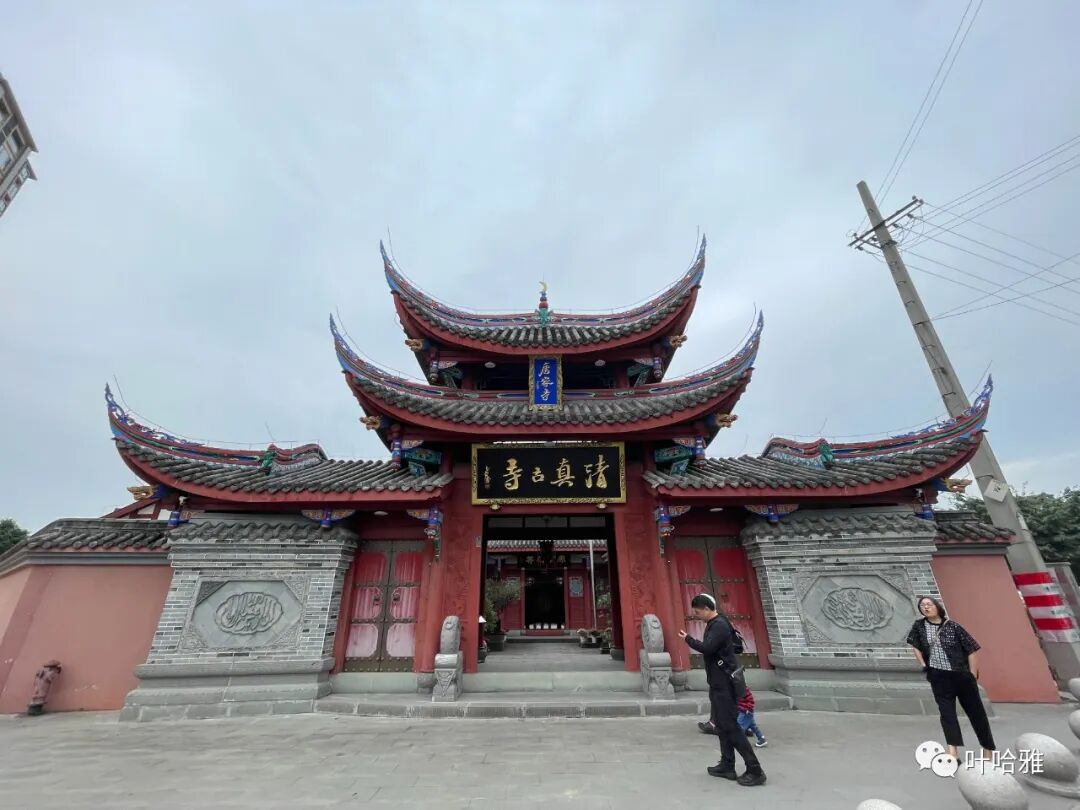
Most of the Hui Muslims who settled here in the late Ming and early Qing dynasties built Tangjia Mosque first, and Mimou Town was established later. Mimou is said to be a transliteration of the Arabic letter 'م'. They also built Luojia Mosque, Hujia Mosque, and Majia Mosque nearby, making a total of four mosques. Only Tangjia Mosque remains today, and it is a protected cultural site in Chengdu.
The Hui Muslim community in Sichuan is much stronger than many people imagine. They have a high number of people going on Hajj every year, and People say over forty people went last year.
Summary: This Chengdu halal food guide maps authentic Hui Muslim Sichuan food, including Couscous, Huangchengba Beef, Dujiangyan mosque food streets, Maogong Mosque, Tangjia Mosque, braised snacks, and local Chengdu Muslim community life.
A Map of Halal Food in Chengdu is presented here as a firsthand travel account in clear English, beginning with this scene: Ten of my travel posts were deleted recently, likely due to title violations. I am reposting them now after making edits. The account keeps its focus on Halal Travel, Yiwu Food, Muslim Travel while preserving the names, places, food, and historical details from the Chinese source.
Ten of my travel posts were deleted recently, likely due to title violations. I am reposting them now after making edits.
I have visited Chengdu many times. My last article about halal restaurants in Chengdu was written in 2016, so it is outdated and needs an update. This time, I drove to Chengdu with my wife and children and found many more halal restaurants with a much wider variety of flavors. When I first came here, I visited Dujiangyan, one of the areas where Hui Muslims live. This time, I am adding Mimou Town, another place where Hui Muslims live in Sichuan.
Couscous (Gusigusi)
Couscous (Gusigusi) is a newly opened halal restaurant chain in Chengdu. They have two locations, and neither sells alcohol. They specialize in signature dishes from countries along the Silk Road, featuring classic food from Xinjiang to Morocco, including Central Asia, West Asia, and North Africa.
We chose the Joy City location for our first stop, making it the first restaurant we visited on our Chengdu trip.
I was very impressed with this restaurant. They actually have a children's play area, which I rarely see in halal restaurants. My son Fahim has a hard time sitting still while adults eat, so having a play area allowed us to enjoy our meal in peace.
We had Mediterranean salad with Xinjiang kvass (gewasi), plus my son's favorite tomato pasta.
The Moroccan seafood tagine (tajiguo) and desert roasted chicken leg were golden in color and the meat was tender.
Pita bread (koudaibing) and Moroccan eggplant stew with chickpeas are North African specialty snacks.
The address is on the third floor of Chengdu Joy City. The other location is on the 5th floor of Building A, Merchants Magic Cube in the High-tech Zone.
Huangchengba Beef
The Huangchengba Beef place I ate at is a stir-fry restaurant, not the Huangchengba hot pot place. The last character in the two shop names is written differently.
This shop has been open in Chengdu for over twenty years. It is a very authentic small Sichuan restaurant. They only serve beef dishes. The portions are small, but the taste is great. We arrived right when they opened at 11:00 a.m., as I heard there is a line by the evening.
Their sliced beef in chili sauce (fuqi feipian), steamed beef with rice flour (fenzheng niurou), stewed beef brisket with radish (luobo dun niunan), mapo tofu (mapo doufu), and twice-cooked beef (huiguo niurou) are all very authentic. This is the Sichuan flavor I love, and it made me eat several bowls of rice.
Sichuan food is mainly numbing. The spice level is fine, not as hot as the food we had later in Yunnan and Guizhou.
I have always hoped Beijing could have an authentic halal Sichuan stir-fry restaurant, but unfortunately, Hui Muslims from Chengdu rarely move away to start businesses.
The people eating here are mostly local residents from the neighborhood. There is basically no service, and you have to do everything yourself. That is just the vibe of a small street-side shop.
The address is at the Xiaojiahe Street intersection.
Desert Tour Dubai Restaurant
This is an Arabic restaurant that has been open in Chengdu for over ten years. The owner is Chinese, and one of the partners is Arab.
The restaurant space is quite large, and the decor has a distinct Middle Eastern style. The owner is very welcoming and the service is attentive.
We have eaten a lot of Arabic food, and I can confirm this place is very authentic. The owner is also very confident, saying they have stuck to their standards for over ten years to make good Arabic food.
I learned they opened a high-end Dubai restaurant on the eighth floor of Yintai in99. The average cost is around 200 yuan, so I might visit that one next time.
This Kehua branch is not expensive, costing about 100 yuan per person.
The address is on the third floor of the commercial building on Kehua Middle Road. Take the elevator up.
Hongpai Niu Chengdu Old Hot Pot
This Chengdu hot pot restaurant is run by people from Linxia. When we arrived at noon, the entrance was under renovation, and we were the only table in the shop.
The food came out quickly and the ingredients were fresh. We chose the mild spicy split pot (yuanyang guo), and it really wasn't too spicy.
The overall experience was just okay. It still has a gap compared to the Niububi I have eaten before.
The address is 3 Qidaoyan Street, and there are parking spaces at the entrance.
Tianfanglou Restaurant
I took these photos before 2016, and it has been renovated since then. The long-established Tianfanglou is the largest halal restaurant in Chengdu. It is very popular and requires waiting in line. Here, I tasted authentic Sichuan food like brown sugar rice cakes (hongtang ciba), beef brisket with bamboo shoots (zhusun niunan), steamed beef with rice flour (fenzheng niurou), roasted lamb chops (kao yangpai), baby cabbage with minced garlic (suanrong wawacai), kung pao chicken (gongbao jiding), and twice-cooked pork (huiguorou).
If you are coming to Chengdu for the first time, you should still try Tianfanglou. People say they have opened a tea restaurant next door.
Address: Next to the Huangcheng Mosque at Tianfu Square.
Halal Niububi Hot Pot
Niububi is currently the most popular halal hot pot in Chengdu. In the past, you had to wait in line for two hours. Now they have opened four or five chain stores, with the main store in Tangjiasi, so the waiting time has shortened. You can use your phone to book a number. Fortunately, Niububi does not cancel your spot if you miss your number. I already found the mild spicy pot very spicy, but it is delicious. The signature beef is a must-order.
Address: No. 59 Xiangnongshi Street, Jinniu District (Xunchi Building, Yingmenkou).
Yibenniu Halal Beef Hot Pot.
It used to be called Benbenniu, but they changed the name to Yibenniu, probably to avoid confusion with Niubenben. Make sure you go to the right place. Their hot pot is not as spicy as Niububi. The signature beef and goose intestines are delicious, and the environment is better. Remember to try the brown sugar sticky rice cake (hongtang ciba). If you go at noon, you do not have to wait in line.
Address: 15 meters northeast of the restaurant 'Those Years We Ate Skewers Together' at No. 171 Tongxin Road, Qingyang District.
Shunji Marinated Meats.
This shop has been around since 2016 and is still next to the Tuqiao Mosque. There are many snack shops in this area. I saw everyone lining up at Shunji, so I joined in. The chili oil rabbit cubes (hongyou tuding) and marinated duck are very popular. The shop owner will chop them up and mix them with Lao Gan Ma chili sauce, which is appetizing and satisfying.
Rabbits are not ruminants, but the Hadith clearly records them as animals that are permissible to eat. According to Anas ibn Malik (may Allah be pleased with him), we passed by Marr al-Zahran and found a rabbit that got scared and ran away. People rushed to catch it until they were tired, then I caught it and brought it to Abu Talha. He sent two rabbit legs to the Prophet (peace and blessings of Allah be upon him), and the Prophet accepted them. (Bukhari, Tirmidhi)
There is no such rule in Islam about only eating ruminants. Even today, many people wrongly believe that Hui Muslims can only eat ruminants. This idea about ruminants comes from the Old Testament of Judaism. What are the non-halal foods mentioned in the Quran and Sunnah? Mentioned.
Gulou Mosque.
Chengdu Gulou Mosque was first built in 1375 during the eighth year of the Hongwu reign of the Ming Dynasty. It was destroyed at the end of the Ming Dynasty and restored during the Kangxi and Yongzheng reigns of the Qing Dynasty. It was rebuilt twice in October 1742 and 1794 during the Qianlong reign. The prayer hall is the only ancient building preserved in the mosque. It is the most complete and exquisitely constructed of the more than ten existing mosque prayer halls in the Chengdu area. The mosque is currently under renovation.
Address: 115 Gulou South Street, Qingyang District.
Upper Mosque (Tuqiao Mosque).
The Upper Mosque in Chengdu's Jinniu District, also called Tuqiao Mosque, was built during the Qianlong reign. When Tianfu Square was expanded, the Imperial City Mosque had to move. Some people stopped going there and started praying at Tuqiao Mosque instead. There are many Sichuan-style halal snack shops around Tuqiao Mosque.
Address: 26 Tuqiao North Street, Chengdu.
Imperial City Mosque.
Chengdu's Imperial City Mosque sits in the busiest part of the city. It features a blend of Chinese and Arabic architectural styles. The decorations only show plants and Arabic script, with no traditional Chinese roof beasts. Covering over 5,000 square meters, it is the largest mosque in Southwest China. The prayer hall has two floors, and the women's section is separated from the men's by a curtain. The mosque is open to the public for visits.
Address: 2 Xiaohe Street, Qingyang District.
South Street, Guankou Town, Dujiangyan.
You can reach Dujiangyan in a half-hour drive from downtown Chengdu. On South Street in Guankou Town, there is an old Ming Dynasty mosque. Sichuan-style halal snacks line both sides of the street, including wontons (chaoshou), rice noodles (mifen), pastries (gaodian), hot pot (huoguo), spicy boiled dishes (maocai), and sticky rice balls (san da pao). This street brings together all kinds of Sichuan halal snacks. Dujiangyan has beautiful scenery and fewer crowds, making it perfect for a stroll.
Address: South Street, Guankou Town, Dujiangyan Scenic Area.
Baoping Mosque (Maogong Mosque).
One morning, while walking in the light rain in the old town of Dujiangyan, I found a mosque called Maogong Mosque, also known as Baoping Mosque. It is located in the middle of Baoping Lane, outside the old West Street city wall. It was built in 1922 by Hui Muslims who moved to Guan County from Maogong County (now Xiaojin County). The existing buildings mainly include the main gate, the side rooms on the left and right, and the prayer hall.
Address: No. 20 Baoping Lane, Dujiangyan City.
Dujiangyan Ancient Mosque.
Dujiangyan Ancient Mosque was built in the Ming Dynasty. It is located inside the Dujiangyan Scenic Area and is free to visit. You can find many authentic Sichuan halal foods nearby.
Address: No. 49 South Street, Dujiangyan City.
Mimou Town (Tangjia Mosque).
Tangjia Mosque is a Hui Muslim community in the Qingbaijiang District of Chengdu. It is named after the Tangjia Mosque built there. This place has always been a hub for halal beef and mutton. It took us an hour of driving to get here.
I had a bowl of goose soup noodles at this noodle shop. The noodles were quite chewy, and the goose soup was very flavorful.
More than half of the shops on this street are halal. They mainly sell braised snacks, but there are also traditional pastries and Sichuan restaurants.
I bought some braised goose and braised rabbit at Muji. I feel safe eating their food because I ran into the owner while I was at the mosque for namaz.
According to netizens, the origin of the shop name Yugougou is that the current owner's father started making braised dishes in the 1980s. His nose was a bit high and hooked, so everyone called him Yugougou. Later, his children used Yugougou as the name of the shop.
Mimou Mosque (Tangjia Mosque)
Most of the Hui Muslims who settled here in the late Ming and early Qing dynasties built Tangjia Mosque first, and Mimou Town was established later. Mimou is said to be a transliteration of the Arabic letter 'م'. They also built Luojia Mosque, Hujia Mosque, and Majia Mosque nearby, making a total of four mosques. Only Tangjia Mosque remains today, and it is a protected cultural site in Chengdu.
The Hui Muslim community in Sichuan is much stronger than many people imagine. They have a high number of people going on Hajj every year, and People say over forty people went last year.
Halal Food Guide Chengdu: Qingbaijiang Hui Muslim Area and Pengzhou Travel Notes
Articles • yusuf908 posted the article • 0 comments • 163 views • 2026-05-22 21:34
Reposted from the web
Summary: This Chengdu halal food guide closes the local map with Qingbaijiang address notes, Hui Muslim community context, Pengzhou travel plans, and practical leads for future Muslim food exploration around Chengdu.
Chengdu Halal Food Map is presented here as a firsthand travel account in clear English, beginning with this scene: Address: No. 1 Xinxing Street, Qingbaijiang District, Chengdu. The account keeps its focus on Halal Travel, Yiwu Food, Muslim Travel while preserving the names, places, food, and historical details from the Chinese source.
Address: No. 1 Xinxing Street, Qingbaijiang District, Chengdu.
Pengzhou City is a one-hour drive from Chengdu and also has many Hui Muslims. I will visit it when I have the chance. view all
Summary: This Chengdu halal food guide closes the local map with Qingbaijiang address notes, Hui Muslim community context, Pengzhou travel plans, and practical leads for future Muslim food exploration around Chengdu.
Chengdu Halal Food Map is presented here as a firsthand travel account in clear English, beginning with this scene: Address: No. 1 Xinxing Street, Qingbaijiang District, Chengdu. The account keeps its focus on Halal Travel, Yiwu Food, Muslim Travel while preserving the names, places, food, and historical details from the Chinese source.
Address: No. 1 Xinxing Street, Qingbaijiang District, Chengdu.
Pengzhou City is a one-hour drive from Chengdu and also has many Hui Muslims. I will visit it when I have the chance. view all
Reposted from the web
Summary: This Chengdu halal food guide closes the local map with Qingbaijiang address notes, Hui Muslim community context, Pengzhou travel plans, and practical leads for future Muslim food exploration around Chengdu.
Chengdu Halal Food Map is presented here as a firsthand travel account in clear English, beginning with this scene: Address: No. 1 Xinxing Street, Qingbaijiang District, Chengdu. The account keeps its focus on Halal Travel, Yiwu Food, Muslim Travel while preserving the names, places, food, and historical details from the Chinese source.
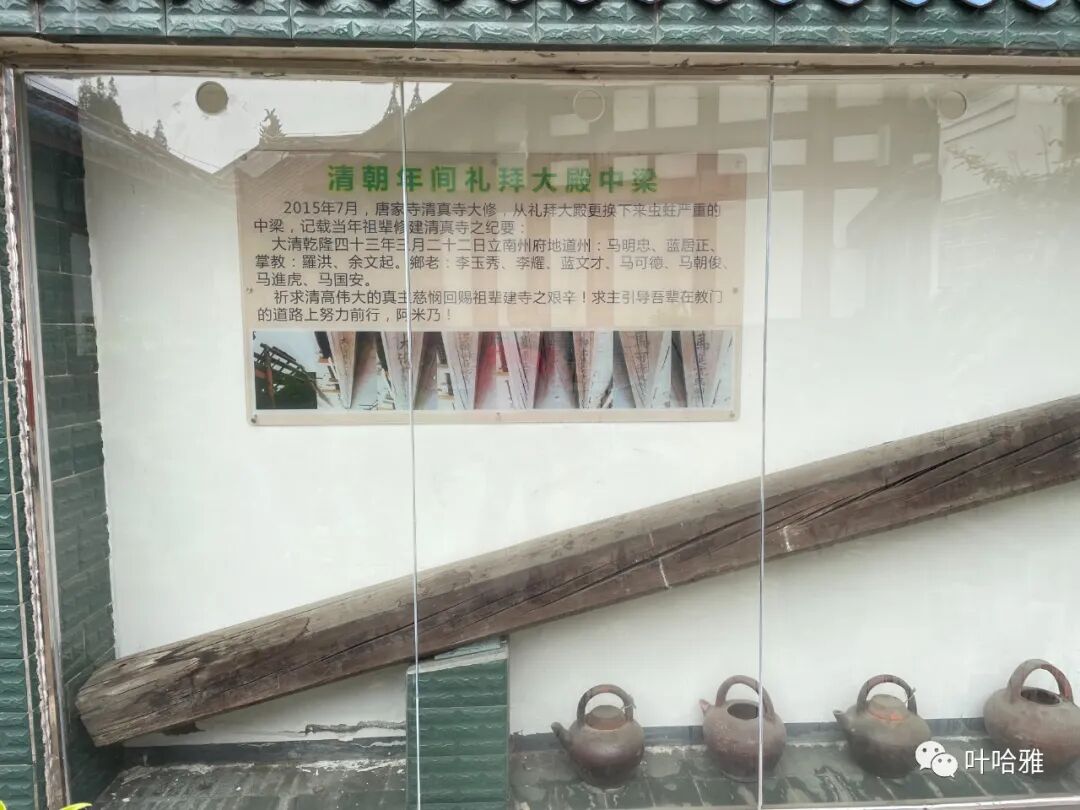
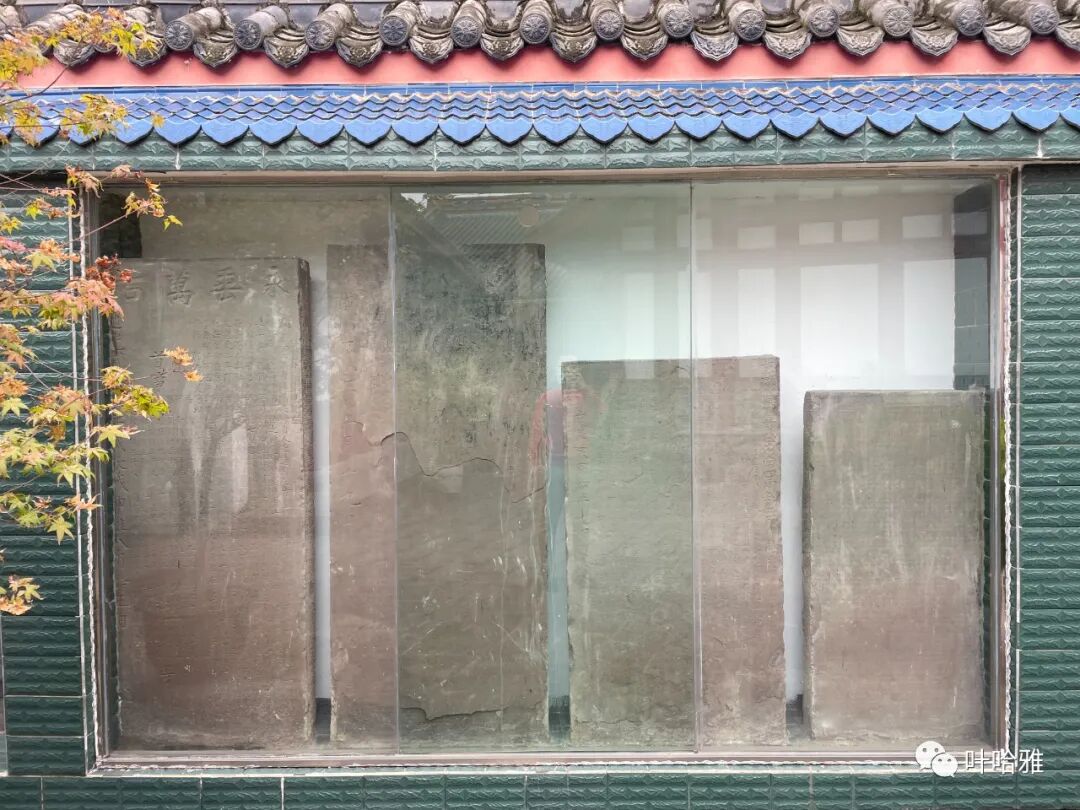
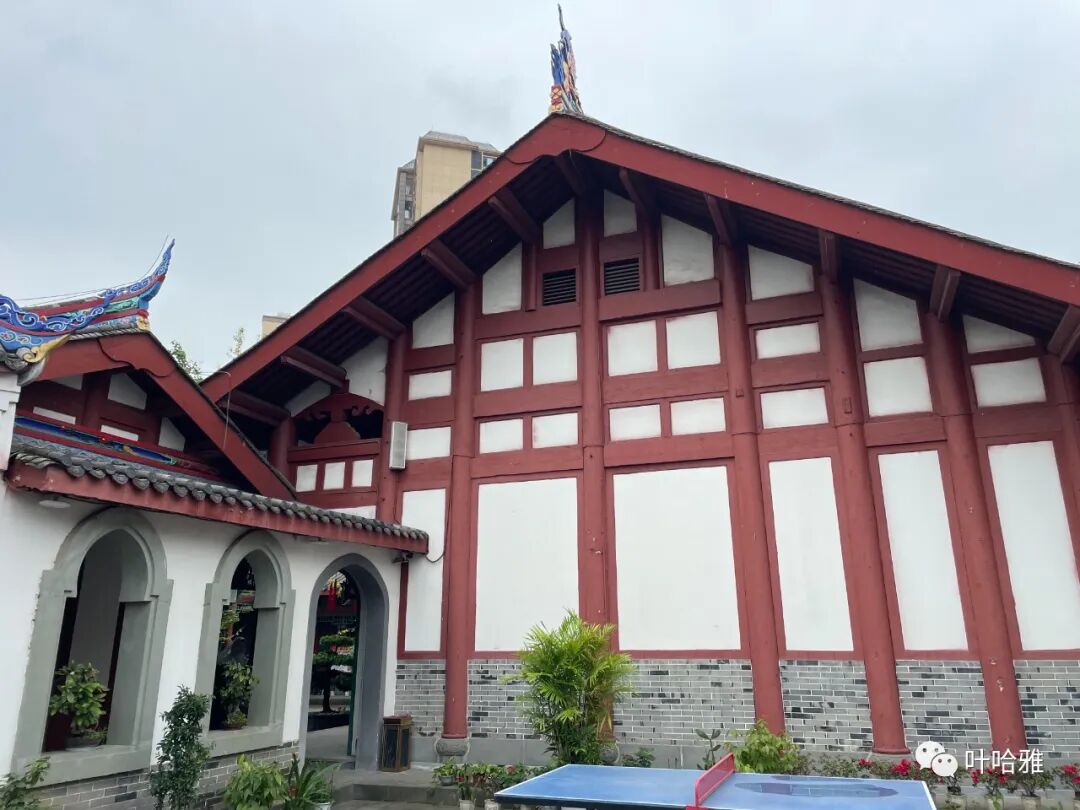
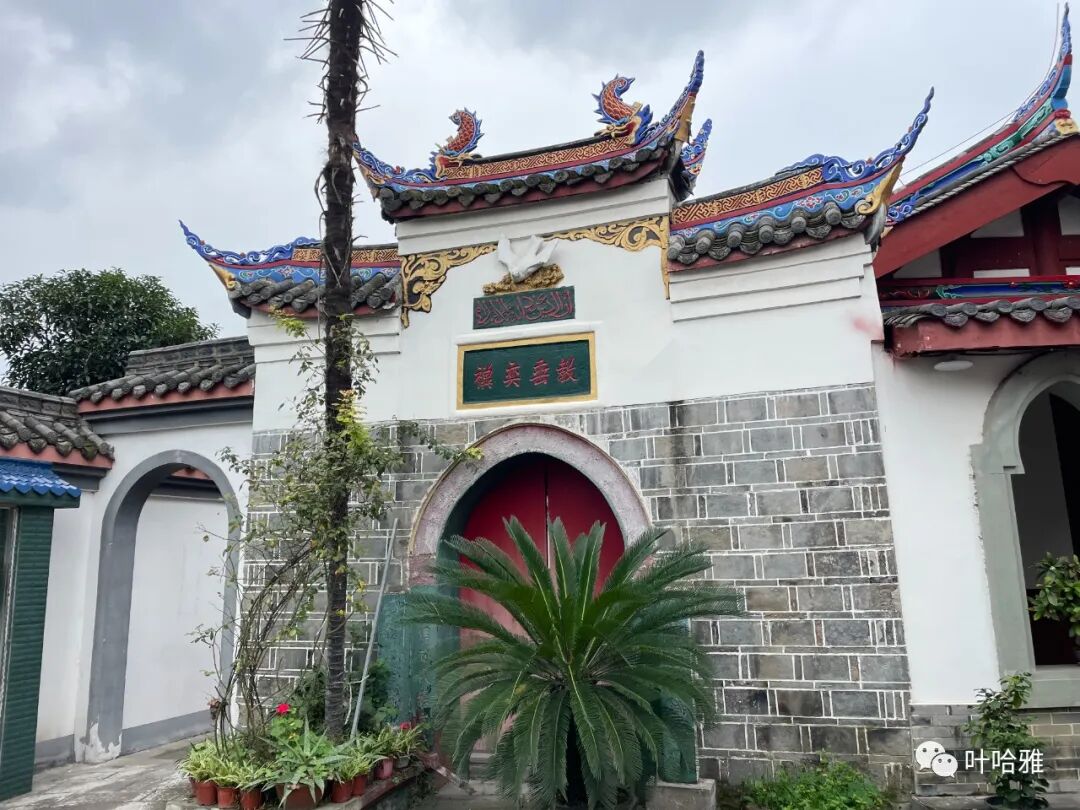
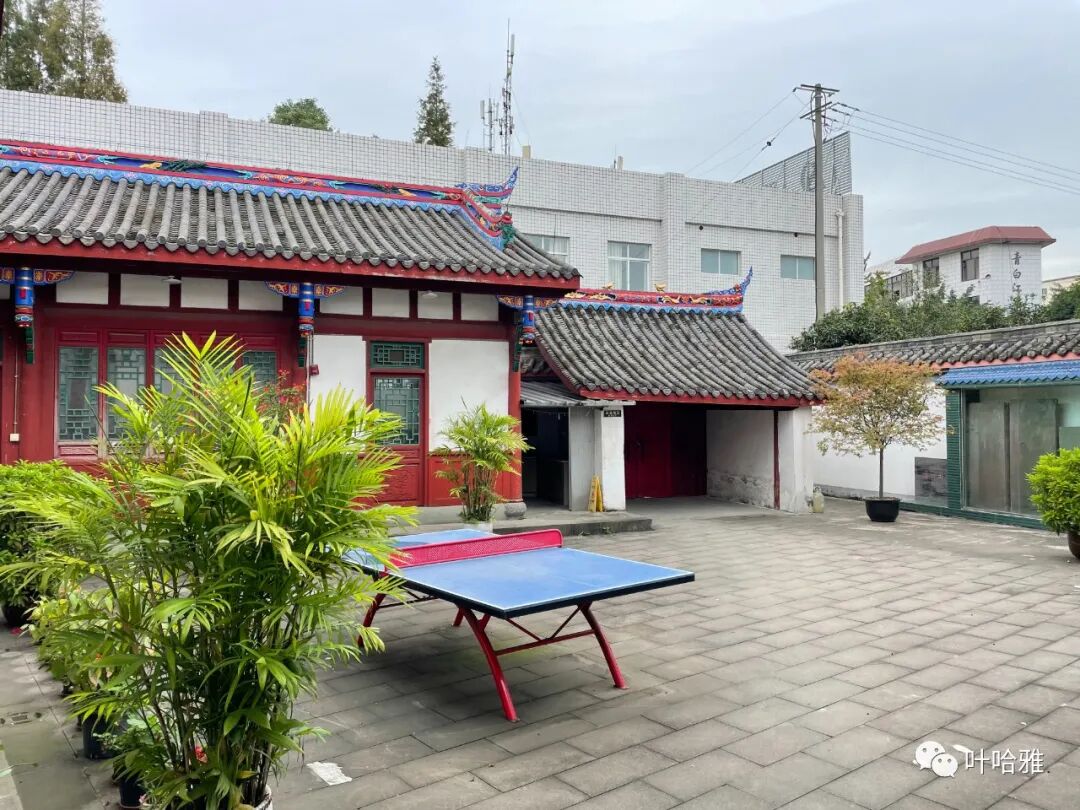
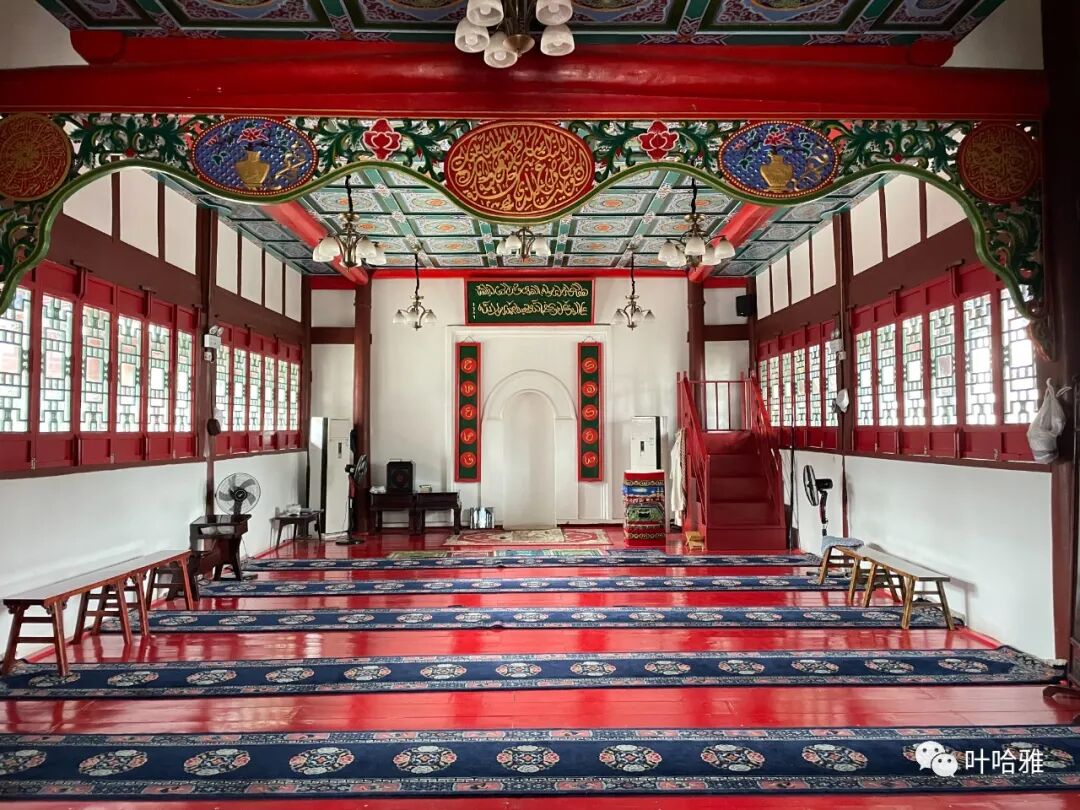
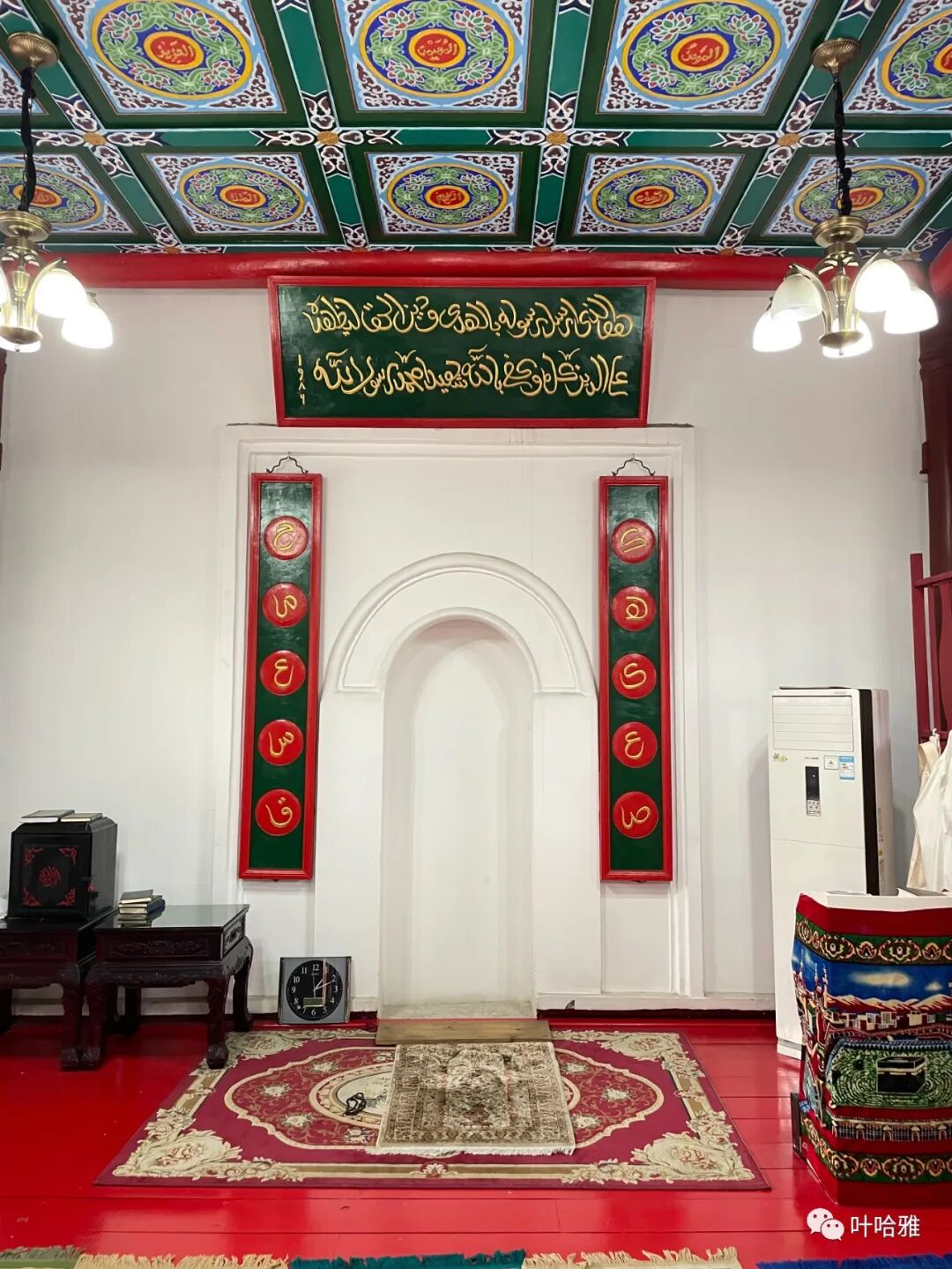
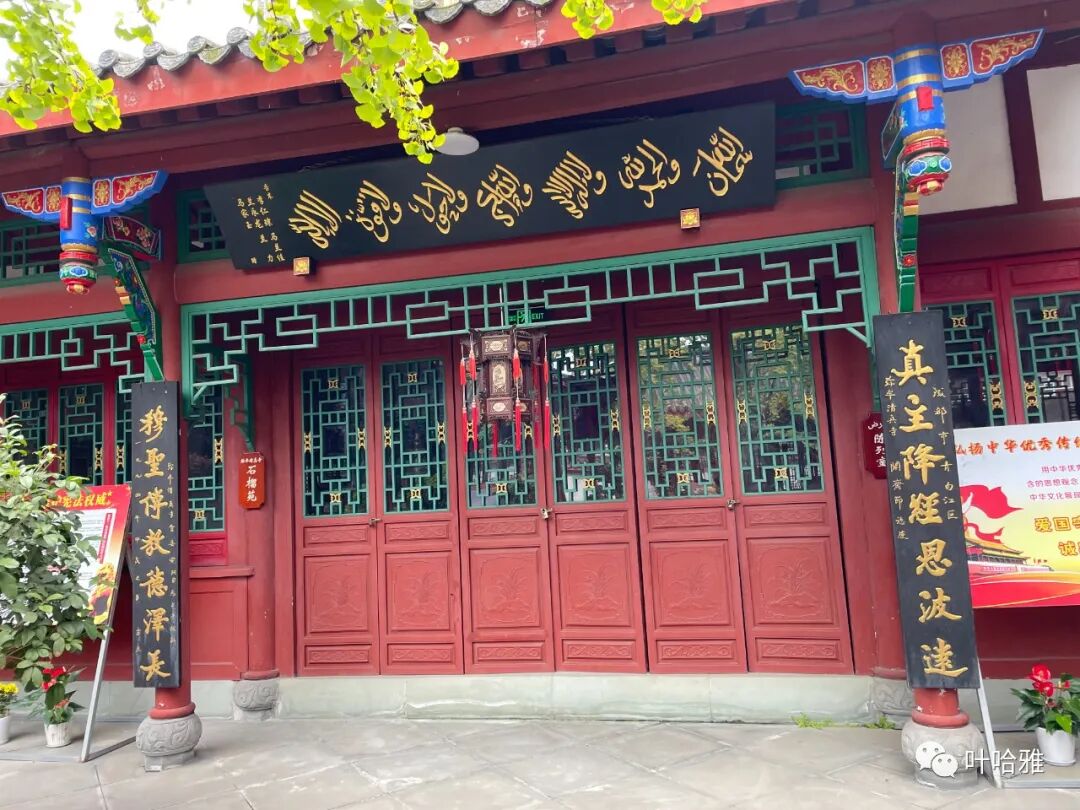
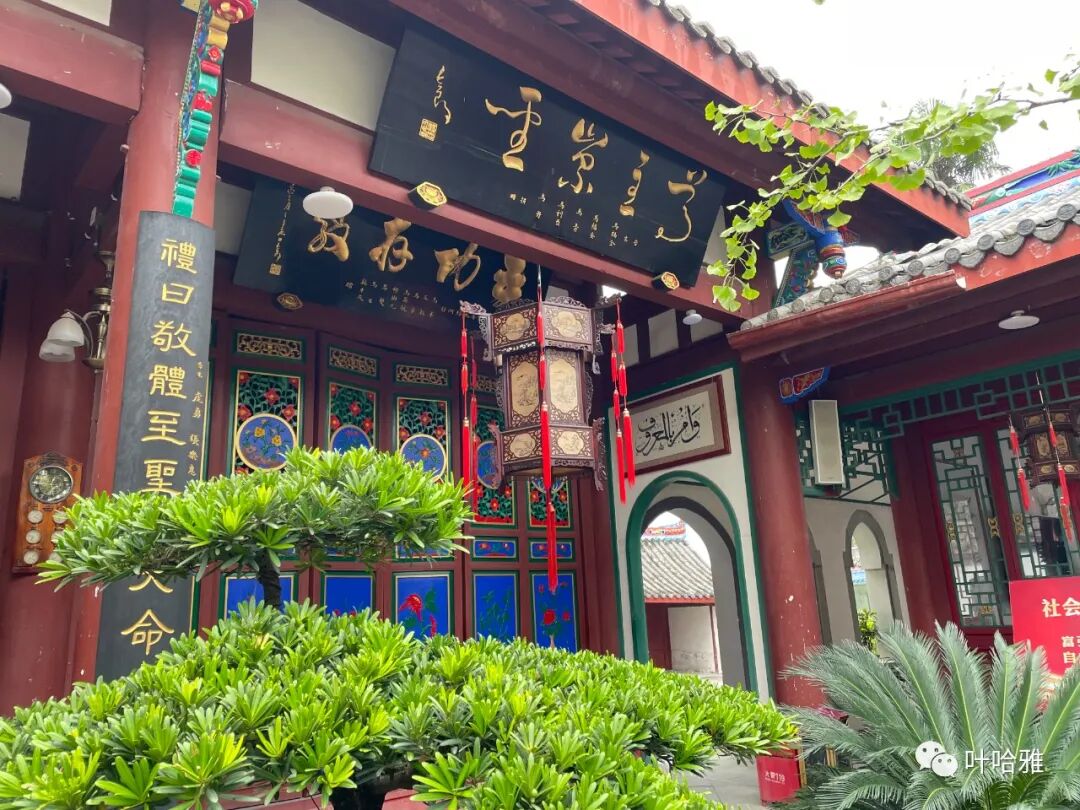
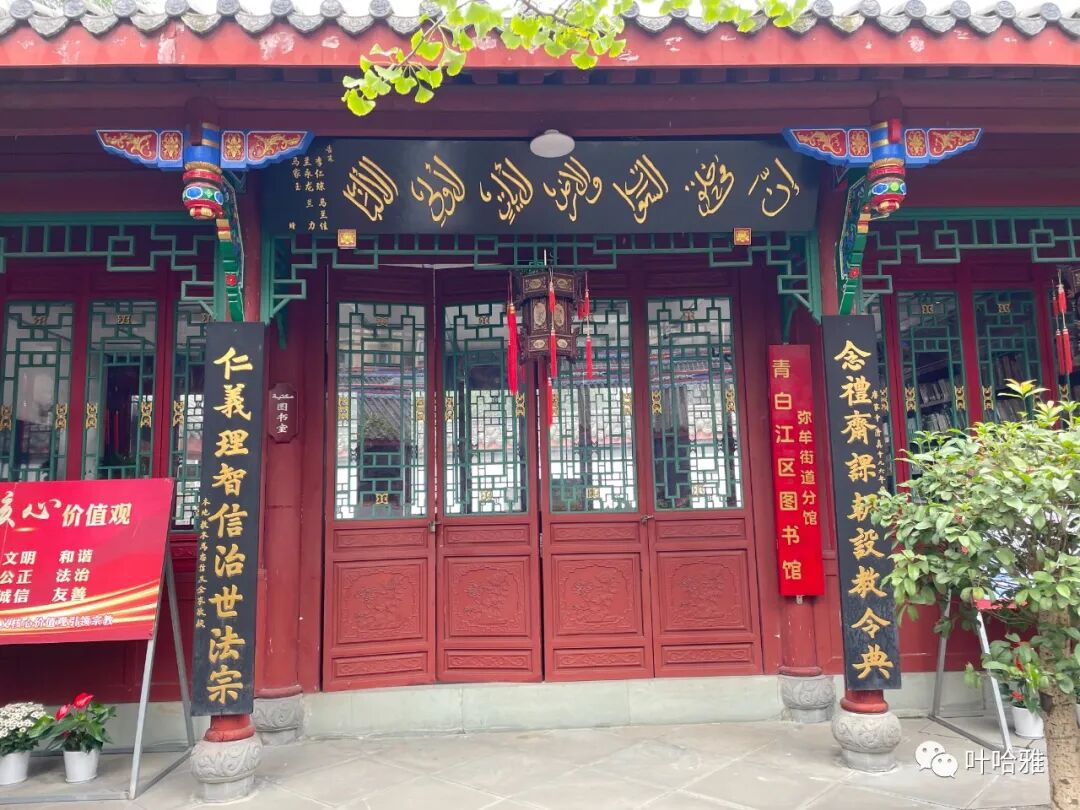
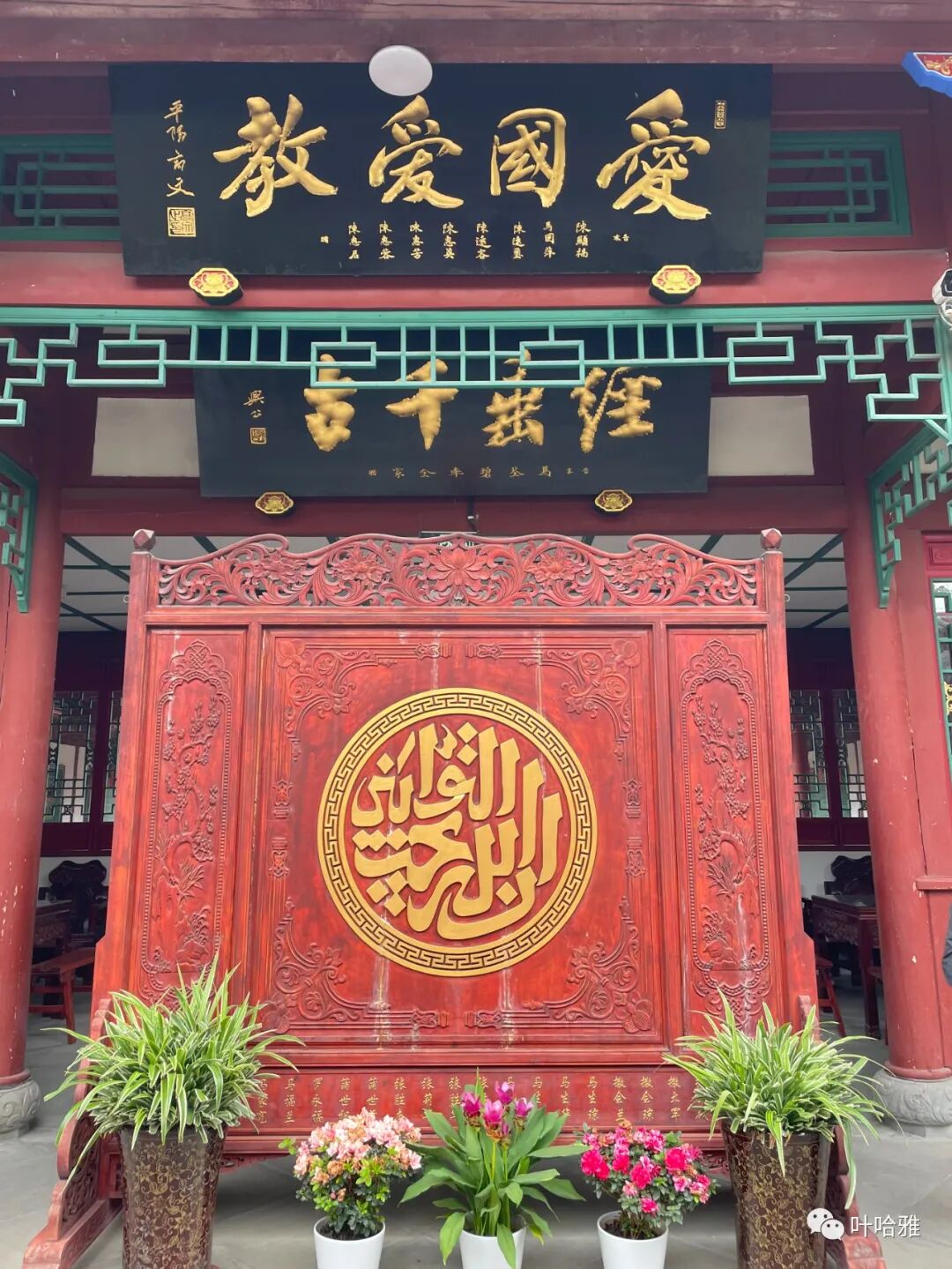
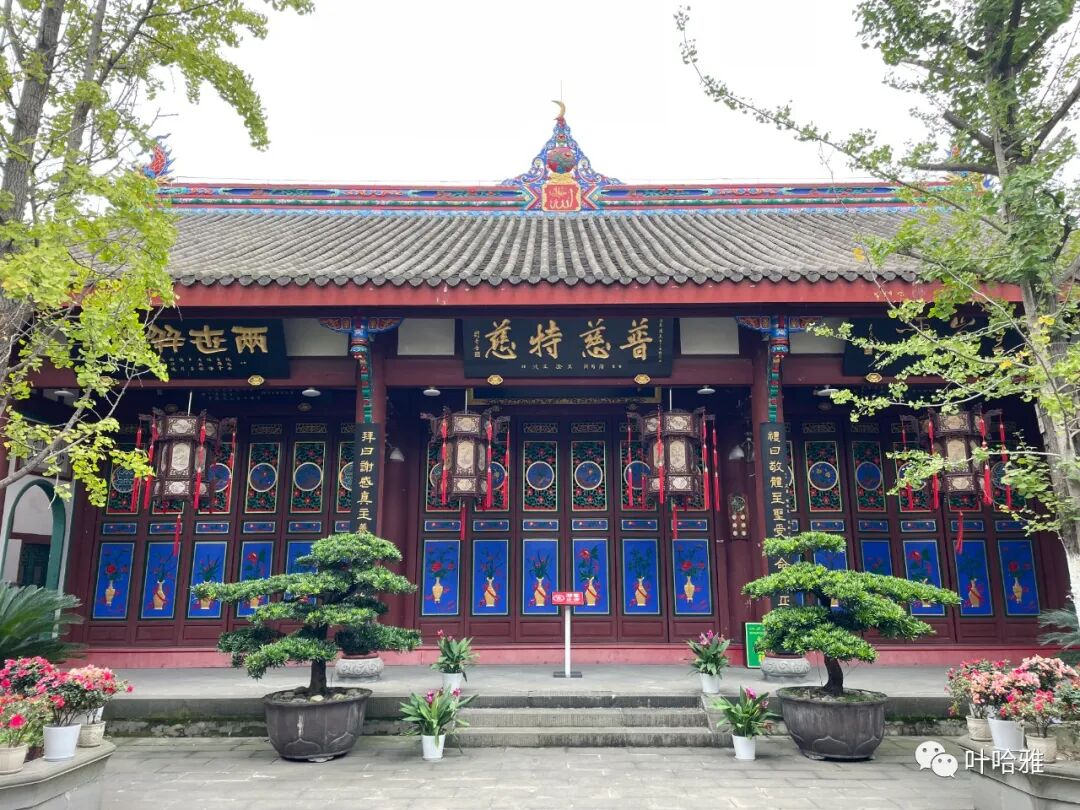
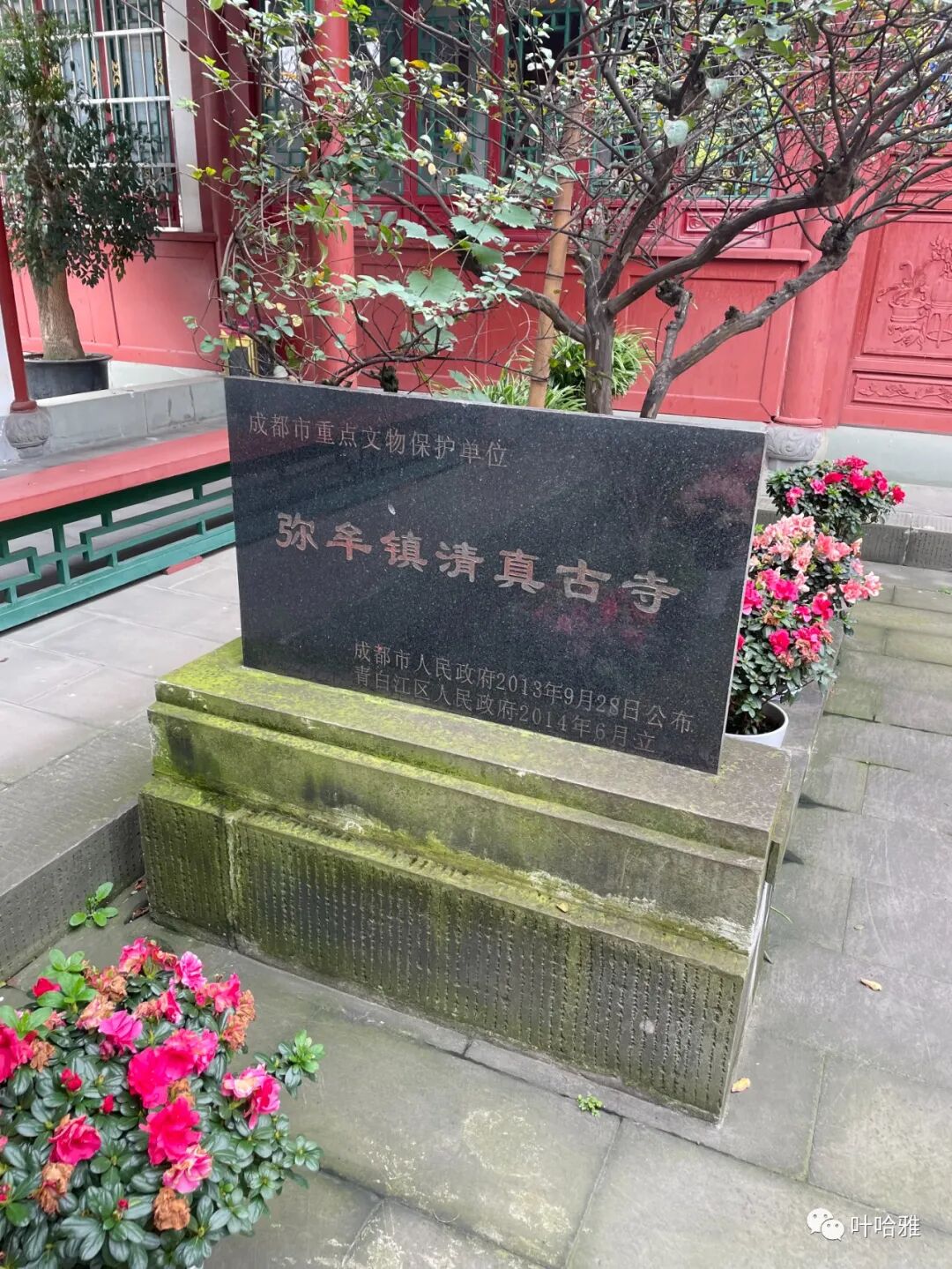
Address: No. 1 Xinxing Street, Qingbaijiang District, Chengdu.
Pengzhou City is a one-hour drive from Chengdu and also has many Hui Muslims. I will visit it when I have the chance.
Summary: This Chengdu halal food guide closes the local map with Qingbaijiang address notes, Hui Muslim community context, Pengzhou travel plans, and practical leads for future Muslim food exploration around Chengdu.
Chengdu Halal Food Map is presented here as a firsthand travel account in clear English, beginning with this scene: Address: No. 1 Xinxing Street, Qingbaijiang District, Chengdu. The account keeps its focus on Halal Travel, Yiwu Food, Muslim Travel while preserving the names, places, food, and historical details from the Chinese source.
Address: No. 1 Xinxing Street, Qingbaijiang District, Chengdu.
Pengzhou City is a one-hour drive from Chengdu and also has many Hui Muslims. I will visit it when I have the chance.
Best Halal Food Chengdu: Authentic Hui Muslim Sichuan Food, Huangchengba Beef and Mosque Streets
Articles • yusuf908 posted the article • 0 comments • 205 views • 2026-05-22 21:34
Reposted from the web
Summary: This Chengdu halal food guide maps authentic Hui Muslim Sichuan food, including Couscous, Huangchengba Beef, Dujiangyan mosque food streets, Maogong Mosque, Tangjia Mosque, braised snacks, and local Chengdu Muslim community life.
A Map of Halal Food in Chengdu is presented here as a firsthand travel account in clear English, beginning with this scene: Ten of my travel posts were deleted recently, likely due to title violations. I am reposting them now after making edits. The account keeps its focus on Halal Travel, Yiwu Food, Muslim Travel while preserving the names, places, food, and historical details from the Chinese source.
Ten of my travel posts were deleted recently, likely due to title violations. I am reposting them now after making edits.
I have visited Chengdu many times. My last article about halal restaurants in Chengdu was written in 2016, so it is outdated and needs an update. This time, I drove to Chengdu with my wife and children and found many more halal restaurants with a much wider variety of flavors. When I first came here, I visited Dujiangyan, one of the areas where Hui Muslims live. This time, I am adding Mimou Town, another place where Hui Muslims live in Sichuan.
Couscous (Gusigusi)
Couscous (Gusigusi) is a newly opened halal restaurant chain in Chengdu. They have two locations, and neither sells alcohol. They specialize in signature dishes from countries along the Silk Road, featuring classic food from Xinjiang to Morocco, including Central Asia, West Asia, and North Africa.
We chose the Joy City location for our first stop, making it the first restaurant we visited on our Chengdu trip.
I was very impressed with this restaurant. They actually have a children's play area, which I rarely see in halal restaurants. My son Fahim has a hard time sitting still while adults eat, so having a play area allowed us to enjoy our meal in peace.
We had Mediterranean salad with Xinjiang kvass (gewasi), plus my son's favorite tomato pasta.
The Moroccan seafood tagine (tajiguo) and desert roasted chicken leg were golden in color and the meat was tender.
Pita bread (koudaibing) and Moroccan eggplant stew with chickpeas are North African specialty snacks.
The address is on the third floor of Chengdu Joy City. The other location is on the 5th floor of Building A, Merchants Magic Cube in the High-tech Zone.
Huangchengba Beef
The Huangchengba Beef place I ate at is a stir-fry restaurant, not the Huangchengba hot pot place. The last character in the two shop names is written differently.
This shop has been open in Chengdu for over twenty years. It is a very authentic small Sichuan restaurant. They only serve beef dishes. The portions are small, but the taste is great. We arrived right when they opened at 11:00 a.m., as I heard there is a line by the evening.
Their sliced beef in chili sauce (fuqi feipian), steamed beef with rice flour (fenzheng niurou), stewed beef brisket with radish (luobo dun niunan), mapo tofu (mapo doufu), and twice-cooked beef (huiguo niurou) are all very authentic. This is the Sichuan flavor I love, and it made me eat several bowls of rice.
Sichuan food is mainly numbing. The spice level is fine, not as hot as the food we had later in Yunnan and Guizhou.
I have always hoped Beijing could have an authentic halal Sichuan stir-fry restaurant, but unfortunately, Hui Muslims from Chengdu rarely move away to start businesses.
The people eating here are mostly local residents from the neighborhood. There is basically no service, and you have to do everything yourself. That is just the vibe of a small street-side shop.
The address is at the Xiaojiahe Street intersection.
Desert Tour Dubai Restaurant
This is an Arabic restaurant that has been open in Chengdu for over ten years. The owner is Chinese, and one of the partners is Arab.
The restaurant space is quite large, and the decor has a distinct Middle Eastern style. The owner is very welcoming and the service is attentive.
We have eaten a lot of Arabic food, and I can confirm this place is very authentic. The owner is also very confident, saying they have stuck to their standards for over ten years to make good Arabic food.
I learned they opened a high-end Dubai restaurant on the eighth floor of Yintai in99. The average cost is around 200 yuan, so I might visit that one next time.
This Kehua branch is not expensive, costing about 100 yuan per person.
The address is on the third floor of the commercial building on Kehua Middle Road. Take the elevator up.
Hongpai Niu Chengdu Old Hot Pot
This Chengdu hot pot restaurant is run by people from Linxia. When we arrived at noon, the entrance was under renovation, and we were the only table in the shop.
The food came out quickly and the ingredients were fresh. We chose the mild spicy split pot (yuanyang guo), and it really wasn't too spicy.
The overall experience was just okay. It still has a gap compared to the Niububi I have eaten before.
The address is 3 Qidaoyan Street, and there are parking spaces at the entrance.
Tianfanglou Restaurant
I took these photos before 2016, and it has been renovated since then. The long-established Tianfanglou is the largest halal restaurant in Chengdu. It is very popular and requires waiting in line. Here, I tasted authentic Sichuan food like brown sugar rice cakes (hongtang ciba), beef brisket with bamboo shoots (zhusun niunan), steamed beef with rice flour (fenzheng niurou), roasted lamb chops (kao yangpai), baby cabbage with minced garlic (suanrong wawacai), kung pao chicken (gongbao jiding), and twice-cooked pork (huiguorou).
If you are coming to Chengdu for the first time, you should still try Tianfanglou. People say they have opened a tea restaurant next door.
Address: Next to the Huangcheng Mosque at Tianfu Square.
Halal Niububi Hot Pot
Niububi is currently the most popular halal hot pot in Chengdu. In the past, you had to wait in line for two hours. Now they have opened four or five chain stores, with the main store in Tangjiasi, so the waiting time has shortened. You can use your phone to book a number. Fortunately, Niububi does not cancel your spot if you miss your number. I already found the mild spicy pot very spicy, but it is delicious. The signature beef is a must-order.
Address: No. 59 Xiangnongshi Street, Jinniu District (Xunchi Building, Yingmenkou).
Yibenniu Halal Beef Hot Pot.
It used to be called Benbenniu, but they changed the name to Yibenniu, probably to avoid confusion with Niubenben. Make sure you go to the right place. Their hot pot is not as spicy as Niububi. The signature beef and goose intestines are delicious, and the environment is better. Remember to try the brown sugar sticky rice cake (hongtang ciba). If you go at noon, you do not have to wait in line.
Address: 15 meters northeast of the restaurant 'Those Years We Ate Skewers Together' at No. 171 Tongxin Road, Qingyang District.
Shunji Marinated Meats.
This shop has been around since 2016 and is still next to the Tuqiao Mosque. There are many snack shops in this area. I saw everyone lining up at Shunji, so I joined in. The chili oil rabbit cubes (hongyou tuding) and marinated duck are very popular. The shop owner will chop them up and mix them with Lao Gan Ma chili sauce, which is appetizing and satisfying.
Rabbits are not ruminants, but the Hadith clearly records them as animals that are permissible to eat. According to Anas ibn Malik (may Allah be pleased with him), we passed by Marr al-Zahran and found a rabbit that got scared and ran away. People rushed to catch it until they were tired, then I caught it and brought it to Abu Talha. He sent two rabbit legs to the Prophet (peace and blessings of Allah be upon him), and the Prophet accepted them. (Bukhari, Tirmidhi)
There is no such rule in Islam about only eating ruminants. Even today, many people wrongly believe that Hui Muslims can only eat ruminants. This idea about ruminants comes from the Old Testament of Judaism. What are the non-halal foods mentioned in the Quran and Sunnah? Mentioned.
Gulou Mosque.
Chengdu Gulou Mosque was first built in 1375 during the eighth year of the Hongwu reign of the Ming Dynasty. It was destroyed at the end of the Ming Dynasty and restored during the Kangxi and Yongzheng reigns of the Qing Dynasty. It was rebuilt twice in October 1742 and 1794 during the Qianlong reign. The prayer hall is the only ancient building preserved in the mosque. It is the most complete and exquisitely constructed of the more than ten existing mosque prayer halls in the Chengdu area. The mosque is currently under renovation.
Address: 115 Gulou South Street, Qingyang District.
Upper Mosque (Tuqiao Mosque).
The Upper Mosque in Chengdu's Jinniu District, also called Tuqiao Mosque, was built during the Qianlong reign. When Tianfu Square was expanded, the Imperial City Mosque had to move. Some people stopped going there and started praying at Tuqiao Mosque instead. There are many Sichuan-style halal snack shops around Tuqiao Mosque.
Address: 26 Tuqiao North Street, Chengdu.
Imperial City Mosque.
Chengdu's Imperial City Mosque sits in the busiest part of the city. It features a blend of Chinese and Arabic architectural styles. The decorations only show plants and Arabic script, with no traditional Chinese roof beasts. Covering over 5,000 square meters, it is the largest mosque in Southwest China. The prayer hall has two floors, and the women's section is separated from the men's by a curtain. The mosque is open to the public for visits.
Address: 2 Xiaohe Street, Qingyang District.
South Street, Guankou Town, Dujiangyan.
You can reach Dujiangyan in a half-hour drive from downtown Chengdu. On South Street in Guankou Town, there is an old Ming Dynasty mosque. Sichuan-style halal snacks line both sides of the street, including wontons (chaoshou), rice noodles (mifen), pastries (gaodian), hot pot (huoguo), spicy boiled dishes (maocai), and sticky rice balls (san da pao). This street brings together all kinds of Sichuan halal snacks. Dujiangyan has beautiful scenery and fewer crowds, making it perfect for a stroll.
Address: South Street, Guankou Town, Dujiangyan Scenic Area.
Baoping Mosque (Maogong Mosque).
One morning, while walking in the light rain in the old town of Dujiangyan, I found a mosque called Maogong Mosque, also known as Baoping Mosque. It is located in the middle of Baoping Lane, outside the old West Street city wall. It was built in 1922 by Hui Muslims who moved to Guan County from Maogong County (now Xiaojin County). The existing buildings mainly include the main gate, the side rooms on the left and right, and the prayer hall.
Address: No. 20 Baoping Lane, Dujiangyan City.
Dujiangyan Ancient Mosque.
Dujiangyan Ancient Mosque was built in the Ming Dynasty. It is located inside the Dujiangyan Scenic Area and is free to visit. You can find many authentic Sichuan halal foods nearby.
Address: No. 49 South Street, Dujiangyan City.
Mimou Town (Tangjia Mosque).
Tangjia Mosque is a Hui Muslim community in the Qingbaijiang District of Chengdu. It is named after the Tangjia Mosque built there. This place has always been a hub for halal beef and mutton. It took us an hour of driving to get here.
I had a bowl of goose soup noodles at this noodle shop. The noodles were quite chewy, and the goose soup was very flavorful.
More than half of the shops on this street are halal. They mainly sell braised snacks, but there are also traditional pastries and Sichuan restaurants.
I bought some braised goose and braised rabbit at Muji. I feel safe eating their food because I ran into the owner while I was at the mosque for namaz.
According to netizens, the origin of the shop name Yugougou is that the current owner's father started making braised dishes in the 1980s. His nose was a bit high and hooked, so everyone called him Yugougou. Later, his children used Yugougou as the name of the shop.
Mimou Mosque (Tangjia Mosque)
Most of the Hui Muslims who settled here in the late Ming and early Qing dynasties built Tangjia Mosque first, and Mimou Town was established later. Mimou is said to be a transliteration of the Arabic letter 'م'. They also built Luojia Mosque, Hujia Mosque, and Majia Mosque nearby, making a total of four mosques. Only Tangjia Mosque remains today, and it is a protected cultural site in Chengdu.
The Hui Muslim community in Sichuan is much stronger than many people imagine. They have a high number of people going on Hajj every year, and People say over forty people went last year. view all
Summary: This Chengdu halal food guide maps authentic Hui Muslim Sichuan food, including Couscous, Huangchengba Beef, Dujiangyan mosque food streets, Maogong Mosque, Tangjia Mosque, braised snacks, and local Chengdu Muslim community life.
A Map of Halal Food in Chengdu is presented here as a firsthand travel account in clear English, beginning with this scene: Ten of my travel posts were deleted recently, likely due to title violations. I am reposting them now after making edits. The account keeps its focus on Halal Travel, Yiwu Food, Muslim Travel while preserving the names, places, food, and historical details from the Chinese source.
Ten of my travel posts were deleted recently, likely due to title violations. I am reposting them now after making edits.
I have visited Chengdu many times. My last article about halal restaurants in Chengdu was written in 2016, so it is outdated and needs an update. This time, I drove to Chengdu with my wife and children and found many more halal restaurants with a much wider variety of flavors. When I first came here, I visited Dujiangyan, one of the areas where Hui Muslims live. This time, I am adding Mimou Town, another place where Hui Muslims live in Sichuan.
Couscous (Gusigusi)
Couscous (Gusigusi) is a newly opened halal restaurant chain in Chengdu. They have two locations, and neither sells alcohol. They specialize in signature dishes from countries along the Silk Road, featuring classic food from Xinjiang to Morocco, including Central Asia, West Asia, and North Africa.
We chose the Joy City location for our first stop, making it the first restaurant we visited on our Chengdu trip.
I was very impressed with this restaurant. They actually have a children's play area, which I rarely see in halal restaurants. My son Fahim has a hard time sitting still while adults eat, so having a play area allowed us to enjoy our meal in peace.
We had Mediterranean salad with Xinjiang kvass (gewasi), plus my son's favorite tomato pasta.
The Moroccan seafood tagine (tajiguo) and desert roasted chicken leg were golden in color and the meat was tender.
Pita bread (koudaibing) and Moroccan eggplant stew with chickpeas are North African specialty snacks.
The address is on the third floor of Chengdu Joy City. The other location is on the 5th floor of Building A, Merchants Magic Cube in the High-tech Zone.
Huangchengba Beef
The Huangchengba Beef place I ate at is a stir-fry restaurant, not the Huangchengba hot pot place. The last character in the two shop names is written differently.
This shop has been open in Chengdu for over twenty years. It is a very authentic small Sichuan restaurant. They only serve beef dishes. The portions are small, but the taste is great. We arrived right when they opened at 11:00 a.m., as I heard there is a line by the evening.
Their sliced beef in chili sauce (fuqi feipian), steamed beef with rice flour (fenzheng niurou), stewed beef brisket with radish (luobo dun niunan), mapo tofu (mapo doufu), and twice-cooked beef (huiguo niurou) are all very authentic. This is the Sichuan flavor I love, and it made me eat several bowls of rice.
Sichuan food is mainly numbing. The spice level is fine, not as hot as the food we had later in Yunnan and Guizhou.
I have always hoped Beijing could have an authentic halal Sichuan stir-fry restaurant, but unfortunately, Hui Muslims from Chengdu rarely move away to start businesses.
The people eating here are mostly local residents from the neighborhood. There is basically no service, and you have to do everything yourself. That is just the vibe of a small street-side shop.
The address is at the Xiaojiahe Street intersection.
Desert Tour Dubai Restaurant
This is an Arabic restaurant that has been open in Chengdu for over ten years. The owner is Chinese, and one of the partners is Arab.
The restaurant space is quite large, and the decor has a distinct Middle Eastern style. The owner is very welcoming and the service is attentive.
We have eaten a lot of Arabic food, and I can confirm this place is very authentic. The owner is also very confident, saying they have stuck to their standards for over ten years to make good Arabic food.
I learned they opened a high-end Dubai restaurant on the eighth floor of Yintai in99. The average cost is around 200 yuan, so I might visit that one next time.
This Kehua branch is not expensive, costing about 100 yuan per person.
The address is on the third floor of the commercial building on Kehua Middle Road. Take the elevator up.
Hongpai Niu Chengdu Old Hot Pot
This Chengdu hot pot restaurant is run by people from Linxia. When we arrived at noon, the entrance was under renovation, and we were the only table in the shop.
The food came out quickly and the ingredients were fresh. We chose the mild spicy split pot (yuanyang guo), and it really wasn't too spicy.
The overall experience was just okay. It still has a gap compared to the Niububi I have eaten before.
The address is 3 Qidaoyan Street, and there are parking spaces at the entrance.
Tianfanglou Restaurant
I took these photos before 2016, and it has been renovated since then. The long-established Tianfanglou is the largest halal restaurant in Chengdu. It is very popular and requires waiting in line. Here, I tasted authentic Sichuan food like brown sugar rice cakes (hongtang ciba), beef brisket with bamboo shoots (zhusun niunan), steamed beef with rice flour (fenzheng niurou), roasted lamb chops (kao yangpai), baby cabbage with minced garlic (suanrong wawacai), kung pao chicken (gongbao jiding), and twice-cooked pork (huiguorou).
If you are coming to Chengdu for the first time, you should still try Tianfanglou. People say they have opened a tea restaurant next door.
Address: Next to the Huangcheng Mosque at Tianfu Square.
Halal Niububi Hot Pot
Niububi is currently the most popular halal hot pot in Chengdu. In the past, you had to wait in line for two hours. Now they have opened four or five chain stores, with the main store in Tangjiasi, so the waiting time has shortened. You can use your phone to book a number. Fortunately, Niububi does not cancel your spot if you miss your number. I already found the mild spicy pot very spicy, but it is delicious. The signature beef is a must-order.
Address: No. 59 Xiangnongshi Street, Jinniu District (Xunchi Building, Yingmenkou).
Yibenniu Halal Beef Hot Pot.
It used to be called Benbenniu, but they changed the name to Yibenniu, probably to avoid confusion with Niubenben. Make sure you go to the right place. Their hot pot is not as spicy as Niububi. The signature beef and goose intestines are delicious, and the environment is better. Remember to try the brown sugar sticky rice cake (hongtang ciba). If you go at noon, you do not have to wait in line.
Address: 15 meters northeast of the restaurant 'Those Years We Ate Skewers Together' at No. 171 Tongxin Road, Qingyang District.
Shunji Marinated Meats.
This shop has been around since 2016 and is still next to the Tuqiao Mosque. There are many snack shops in this area. I saw everyone lining up at Shunji, so I joined in. The chili oil rabbit cubes (hongyou tuding) and marinated duck are very popular. The shop owner will chop them up and mix them with Lao Gan Ma chili sauce, which is appetizing and satisfying.
Rabbits are not ruminants, but the Hadith clearly records them as animals that are permissible to eat. According to Anas ibn Malik (may Allah be pleased with him), we passed by Marr al-Zahran and found a rabbit that got scared and ran away. People rushed to catch it until they were tired, then I caught it and brought it to Abu Talha. He sent two rabbit legs to the Prophet (peace and blessings of Allah be upon him), and the Prophet accepted them. (Bukhari, Tirmidhi)
There is no such rule in Islam about only eating ruminants. Even today, many people wrongly believe that Hui Muslims can only eat ruminants. This idea about ruminants comes from the Old Testament of Judaism. What are the non-halal foods mentioned in the Quran and Sunnah? Mentioned.
Gulou Mosque.
Chengdu Gulou Mosque was first built in 1375 during the eighth year of the Hongwu reign of the Ming Dynasty. It was destroyed at the end of the Ming Dynasty and restored during the Kangxi and Yongzheng reigns of the Qing Dynasty. It was rebuilt twice in October 1742 and 1794 during the Qianlong reign. The prayer hall is the only ancient building preserved in the mosque. It is the most complete and exquisitely constructed of the more than ten existing mosque prayer halls in the Chengdu area. The mosque is currently under renovation.
Address: 115 Gulou South Street, Qingyang District.
Upper Mosque (Tuqiao Mosque).
The Upper Mosque in Chengdu's Jinniu District, also called Tuqiao Mosque, was built during the Qianlong reign. When Tianfu Square was expanded, the Imperial City Mosque had to move. Some people stopped going there and started praying at Tuqiao Mosque instead. There are many Sichuan-style halal snack shops around Tuqiao Mosque.
Address: 26 Tuqiao North Street, Chengdu.
Imperial City Mosque.
Chengdu's Imperial City Mosque sits in the busiest part of the city. It features a blend of Chinese and Arabic architectural styles. The decorations only show plants and Arabic script, with no traditional Chinese roof beasts. Covering over 5,000 square meters, it is the largest mosque in Southwest China. The prayer hall has two floors, and the women's section is separated from the men's by a curtain. The mosque is open to the public for visits.
Address: 2 Xiaohe Street, Qingyang District.
South Street, Guankou Town, Dujiangyan.
You can reach Dujiangyan in a half-hour drive from downtown Chengdu. On South Street in Guankou Town, there is an old Ming Dynasty mosque. Sichuan-style halal snacks line both sides of the street, including wontons (chaoshou), rice noodles (mifen), pastries (gaodian), hot pot (huoguo), spicy boiled dishes (maocai), and sticky rice balls (san da pao). This street brings together all kinds of Sichuan halal snacks. Dujiangyan has beautiful scenery and fewer crowds, making it perfect for a stroll.
Address: South Street, Guankou Town, Dujiangyan Scenic Area.
Baoping Mosque (Maogong Mosque).
One morning, while walking in the light rain in the old town of Dujiangyan, I found a mosque called Maogong Mosque, also known as Baoping Mosque. It is located in the middle of Baoping Lane, outside the old West Street city wall. It was built in 1922 by Hui Muslims who moved to Guan County from Maogong County (now Xiaojin County). The existing buildings mainly include the main gate, the side rooms on the left and right, and the prayer hall.
Address: No. 20 Baoping Lane, Dujiangyan City.
Dujiangyan Ancient Mosque.
Dujiangyan Ancient Mosque was built in the Ming Dynasty. It is located inside the Dujiangyan Scenic Area and is free to visit. You can find many authentic Sichuan halal foods nearby.
Address: No. 49 South Street, Dujiangyan City.
Mimou Town (Tangjia Mosque).
Tangjia Mosque is a Hui Muslim community in the Qingbaijiang District of Chengdu. It is named after the Tangjia Mosque built there. This place has always been a hub for halal beef and mutton. It took us an hour of driving to get here.
I had a bowl of goose soup noodles at this noodle shop. The noodles were quite chewy, and the goose soup was very flavorful.
More than half of the shops on this street are halal. They mainly sell braised snacks, but there are also traditional pastries and Sichuan restaurants.
I bought some braised goose and braised rabbit at Muji. I feel safe eating their food because I ran into the owner while I was at the mosque for namaz.
According to netizens, the origin of the shop name Yugougou is that the current owner's father started making braised dishes in the 1980s. His nose was a bit high and hooked, so everyone called him Yugougou. Later, his children used Yugougou as the name of the shop.
Mimou Mosque (Tangjia Mosque)
Most of the Hui Muslims who settled here in the late Ming and early Qing dynasties built Tangjia Mosque first, and Mimou Town was established later. Mimou is said to be a transliteration of the Arabic letter 'م'. They also built Luojia Mosque, Hujia Mosque, and Majia Mosque nearby, making a total of four mosques. Only Tangjia Mosque remains today, and it is a protected cultural site in Chengdu.
The Hui Muslim community in Sichuan is much stronger than many people imagine. They have a high number of people going on Hajj every year, and People say over forty people went last year. view all
Reposted from the web
Summary: This Chengdu halal food guide maps authentic Hui Muslim Sichuan food, including Couscous, Huangchengba Beef, Dujiangyan mosque food streets, Maogong Mosque, Tangjia Mosque, braised snacks, and local Chengdu Muslim community life.
A Map of Halal Food in Chengdu is presented here as a firsthand travel account in clear English, beginning with this scene: Ten of my travel posts were deleted recently, likely due to title violations. I am reposting them now after making edits. The account keeps its focus on Halal Travel, Yiwu Food, Muslim Travel while preserving the names, places, food, and historical details from the Chinese source.
Ten of my travel posts were deleted recently, likely due to title violations. I am reposting them now after making edits.
I have visited Chengdu many times. My last article about halal restaurants in Chengdu was written in 2016, so it is outdated and needs an update. This time, I drove to Chengdu with my wife and children and found many more halal restaurants with a much wider variety of flavors. When I first came here, I visited Dujiangyan, one of the areas where Hui Muslims live. This time, I am adding Mimou Town, another place where Hui Muslims live in Sichuan.
Couscous (Gusigusi)
Couscous (Gusigusi) is a newly opened halal restaurant chain in Chengdu. They have two locations, and neither sells alcohol. They specialize in signature dishes from countries along the Silk Road, featuring classic food from Xinjiang to Morocco, including Central Asia, West Asia, and North Africa.
We chose the Joy City location for our first stop, making it the first restaurant we visited on our Chengdu trip.
I was very impressed with this restaurant. They actually have a children's play area, which I rarely see in halal restaurants. My son Fahim has a hard time sitting still while adults eat, so having a play area allowed us to enjoy our meal in peace.
We had Mediterranean salad with Xinjiang kvass (gewasi), plus my son's favorite tomato pasta.
The Moroccan seafood tagine (tajiguo) and desert roasted chicken leg were golden in color and the meat was tender.
Pita bread (koudaibing) and Moroccan eggplant stew with chickpeas are North African specialty snacks.
The address is on the third floor of Chengdu Joy City. The other location is on the 5th floor of Building A, Merchants Magic Cube in the High-tech Zone.
Huangchengba Beef
The Huangchengba Beef place I ate at is a stir-fry restaurant, not the Huangchengba hot pot place. The last character in the two shop names is written differently.
This shop has been open in Chengdu for over twenty years. It is a very authentic small Sichuan restaurant. They only serve beef dishes. The portions are small, but the taste is great. We arrived right when they opened at 11:00 a.m., as I heard there is a line by the evening.
Their sliced beef in chili sauce (fuqi feipian), steamed beef with rice flour (fenzheng niurou), stewed beef brisket with radish (luobo dun niunan), mapo tofu (mapo doufu), and twice-cooked beef (huiguo niurou) are all very authentic. This is the Sichuan flavor I love, and it made me eat several bowls of rice.
Sichuan food is mainly numbing. The spice level is fine, not as hot as the food we had later in Yunnan and Guizhou.
I have always hoped Beijing could have an authentic halal Sichuan stir-fry restaurant, but unfortunately, Hui Muslims from Chengdu rarely move away to start businesses.
The people eating here are mostly local residents from the neighborhood. There is basically no service, and you have to do everything yourself. That is just the vibe of a small street-side shop.
The address is at the Xiaojiahe Street intersection.
Desert Tour Dubai Restaurant
This is an Arabic restaurant that has been open in Chengdu for over ten years. The owner is Chinese, and one of the partners is Arab.
The restaurant space is quite large, and the decor has a distinct Middle Eastern style. The owner is very welcoming and the service is attentive.
We have eaten a lot of Arabic food, and I can confirm this place is very authentic. The owner is also very confident, saying they have stuck to their standards for over ten years to make good Arabic food.
I learned they opened a high-end Dubai restaurant on the eighth floor of Yintai in99. The average cost is around 200 yuan, so I might visit that one next time.
This Kehua branch is not expensive, costing about 100 yuan per person.
The address is on the third floor of the commercial building on Kehua Middle Road. Take the elevator up.
Hongpai Niu Chengdu Old Hot Pot
This Chengdu hot pot restaurant is run by people from Linxia. When we arrived at noon, the entrance was under renovation, and we were the only table in the shop.
The food came out quickly and the ingredients were fresh. We chose the mild spicy split pot (yuanyang guo), and it really wasn't too spicy.
The overall experience was just okay. It still has a gap compared to the Niububi I have eaten before.
The address is 3 Qidaoyan Street, and there are parking spaces at the entrance.
Tianfanglou Restaurant
I took these photos before 2016, and it has been renovated since then. The long-established Tianfanglou is the largest halal restaurant in Chengdu. It is very popular and requires waiting in line. Here, I tasted authentic Sichuan food like brown sugar rice cakes (hongtang ciba), beef brisket with bamboo shoots (zhusun niunan), steamed beef with rice flour (fenzheng niurou), roasted lamb chops (kao yangpai), baby cabbage with minced garlic (suanrong wawacai), kung pao chicken (gongbao jiding), and twice-cooked pork (huiguorou).
If you are coming to Chengdu for the first time, you should still try Tianfanglou. People say they have opened a tea restaurant next door.
Address: Next to the Huangcheng Mosque at Tianfu Square.
Halal Niububi Hot Pot
Niububi is currently the most popular halal hot pot in Chengdu. In the past, you had to wait in line for two hours. Now they have opened four or five chain stores, with the main store in Tangjiasi, so the waiting time has shortened. You can use your phone to book a number. Fortunately, Niububi does not cancel your spot if you miss your number. I already found the mild spicy pot very spicy, but it is delicious. The signature beef is a must-order.
Address: No. 59 Xiangnongshi Street, Jinniu District (Xunchi Building, Yingmenkou).
Yibenniu Halal Beef Hot Pot.
It used to be called Benbenniu, but they changed the name to Yibenniu, probably to avoid confusion with Niubenben. Make sure you go to the right place. Their hot pot is not as spicy as Niububi. The signature beef and goose intestines are delicious, and the environment is better. Remember to try the brown sugar sticky rice cake (hongtang ciba). If you go at noon, you do not have to wait in line.
Address: 15 meters northeast of the restaurant 'Those Years We Ate Skewers Together' at No. 171 Tongxin Road, Qingyang District.
Shunji Marinated Meats.
This shop has been around since 2016 and is still next to the Tuqiao Mosque. There are many snack shops in this area. I saw everyone lining up at Shunji, so I joined in. The chili oil rabbit cubes (hongyou tuding) and marinated duck are very popular. The shop owner will chop them up and mix them with Lao Gan Ma chili sauce, which is appetizing and satisfying.
Rabbits are not ruminants, but the Hadith clearly records them as animals that are permissible to eat. According to Anas ibn Malik (may Allah be pleased with him), we passed by Marr al-Zahran and found a rabbit that got scared and ran away. People rushed to catch it until they were tired, then I caught it and brought it to Abu Talha. He sent two rabbit legs to the Prophet (peace and blessings of Allah be upon him), and the Prophet accepted them. (Bukhari, Tirmidhi)
There is no such rule in Islam about only eating ruminants. Even today, many people wrongly believe that Hui Muslims can only eat ruminants. This idea about ruminants comes from the Old Testament of Judaism. What are the non-halal foods mentioned in the Quran and Sunnah? Mentioned.
Gulou Mosque.
Chengdu Gulou Mosque was first built in 1375 during the eighth year of the Hongwu reign of the Ming Dynasty. It was destroyed at the end of the Ming Dynasty and restored during the Kangxi and Yongzheng reigns of the Qing Dynasty. It was rebuilt twice in October 1742 and 1794 during the Qianlong reign. The prayer hall is the only ancient building preserved in the mosque. It is the most complete and exquisitely constructed of the more than ten existing mosque prayer halls in the Chengdu area. The mosque is currently under renovation.
Address: 115 Gulou South Street, Qingyang District.
Upper Mosque (Tuqiao Mosque).
The Upper Mosque in Chengdu's Jinniu District, also called Tuqiao Mosque, was built during the Qianlong reign. When Tianfu Square was expanded, the Imperial City Mosque had to move. Some people stopped going there and started praying at Tuqiao Mosque instead. There are many Sichuan-style halal snack shops around Tuqiao Mosque.
Address: 26 Tuqiao North Street, Chengdu.
Imperial City Mosque.
Chengdu's Imperial City Mosque sits in the busiest part of the city. It features a blend of Chinese and Arabic architectural styles. The decorations only show plants and Arabic script, with no traditional Chinese roof beasts. Covering over 5,000 square meters, it is the largest mosque in Southwest China. The prayer hall has two floors, and the women's section is separated from the men's by a curtain. The mosque is open to the public for visits.
Address: 2 Xiaohe Street, Qingyang District.
South Street, Guankou Town, Dujiangyan.
You can reach Dujiangyan in a half-hour drive from downtown Chengdu. On South Street in Guankou Town, there is an old Ming Dynasty mosque. Sichuan-style halal snacks line both sides of the street, including wontons (chaoshou), rice noodles (mifen), pastries (gaodian), hot pot (huoguo), spicy boiled dishes (maocai), and sticky rice balls (san da pao). This street brings together all kinds of Sichuan halal snacks. Dujiangyan has beautiful scenery and fewer crowds, making it perfect for a stroll.
Address: South Street, Guankou Town, Dujiangyan Scenic Area.
Baoping Mosque (Maogong Mosque).
One morning, while walking in the light rain in the old town of Dujiangyan, I found a mosque called Maogong Mosque, also known as Baoping Mosque. It is located in the middle of Baoping Lane, outside the old West Street city wall. It was built in 1922 by Hui Muslims who moved to Guan County from Maogong County (now Xiaojin County). The existing buildings mainly include the main gate, the side rooms on the left and right, and the prayer hall.
Address: No. 20 Baoping Lane, Dujiangyan City.
Dujiangyan Ancient Mosque.
Dujiangyan Ancient Mosque was built in the Ming Dynasty. It is located inside the Dujiangyan Scenic Area and is free to visit. You can find many authentic Sichuan halal foods nearby.
Address: No. 49 South Street, Dujiangyan City.
Mimou Town (Tangjia Mosque).
Tangjia Mosque is a Hui Muslim community in the Qingbaijiang District of Chengdu. It is named after the Tangjia Mosque built there. This place has always been a hub for halal beef and mutton. It took us an hour of driving to get here.
I had a bowl of goose soup noodles at this noodle shop. The noodles were quite chewy, and the goose soup was very flavorful.
More than half of the shops on this street are halal. They mainly sell braised snacks, but there are also traditional pastries and Sichuan restaurants.
I bought some braised goose and braised rabbit at Muji. I feel safe eating their food because I ran into the owner while I was at the mosque for namaz.
According to netizens, the origin of the shop name Yugougou is that the current owner's father started making braised dishes in the 1980s. His nose was a bit high and hooked, so everyone called him Yugougou. Later, his children used Yugougou as the name of the shop.
Mimou Mosque (Tangjia Mosque)
Most of the Hui Muslims who settled here in the late Ming and early Qing dynasties built Tangjia Mosque first, and Mimou Town was established later. Mimou is said to be a transliteration of the Arabic letter 'م'. They also built Luojia Mosque, Hujia Mosque, and Majia Mosque nearby, making a total of four mosques. Only Tangjia Mosque remains today, and it is a protected cultural site in Chengdu.
The Hui Muslim community in Sichuan is much stronger than many people imagine. They have a high number of people going on Hajj every year, and People say over forty people went last year.
Summary: This Chengdu halal food guide maps authentic Hui Muslim Sichuan food, including Couscous, Huangchengba Beef, Dujiangyan mosque food streets, Maogong Mosque, Tangjia Mosque, braised snacks, and local Chengdu Muslim community life.
A Map of Halal Food in Chengdu is presented here as a firsthand travel account in clear English, beginning with this scene: Ten of my travel posts were deleted recently, likely due to title violations. I am reposting them now after making edits. The account keeps its focus on Halal Travel, Yiwu Food, Muslim Travel while preserving the names, places, food, and historical details from the Chinese source.
Ten of my travel posts were deleted recently, likely due to title violations. I am reposting them now after making edits.
I have visited Chengdu many times. My last article about halal restaurants in Chengdu was written in 2016, so it is outdated and needs an update. This time, I drove to Chengdu with my wife and children and found many more halal restaurants with a much wider variety of flavors. When I first came here, I visited Dujiangyan, one of the areas where Hui Muslims live. This time, I am adding Mimou Town, another place where Hui Muslims live in Sichuan.
Couscous (Gusigusi)
Couscous (Gusigusi) is a newly opened halal restaurant chain in Chengdu. They have two locations, and neither sells alcohol. They specialize in signature dishes from countries along the Silk Road, featuring classic food from Xinjiang to Morocco, including Central Asia, West Asia, and North Africa.
We chose the Joy City location for our first stop, making it the first restaurant we visited on our Chengdu trip.
I was very impressed with this restaurant. They actually have a children's play area, which I rarely see in halal restaurants. My son Fahim has a hard time sitting still while adults eat, so having a play area allowed us to enjoy our meal in peace.
We had Mediterranean salad with Xinjiang kvass (gewasi), plus my son's favorite tomato pasta.
The Moroccan seafood tagine (tajiguo) and desert roasted chicken leg were golden in color and the meat was tender.
Pita bread (koudaibing) and Moroccan eggplant stew with chickpeas are North African specialty snacks.
The address is on the third floor of Chengdu Joy City. The other location is on the 5th floor of Building A, Merchants Magic Cube in the High-tech Zone.
Huangchengba Beef
The Huangchengba Beef place I ate at is a stir-fry restaurant, not the Huangchengba hot pot place. The last character in the two shop names is written differently.
This shop has been open in Chengdu for over twenty years. It is a very authentic small Sichuan restaurant. They only serve beef dishes. The portions are small, but the taste is great. We arrived right when they opened at 11:00 a.m., as I heard there is a line by the evening.
Their sliced beef in chili sauce (fuqi feipian), steamed beef with rice flour (fenzheng niurou), stewed beef brisket with radish (luobo dun niunan), mapo tofu (mapo doufu), and twice-cooked beef (huiguo niurou) are all very authentic. This is the Sichuan flavor I love, and it made me eat several bowls of rice.
Sichuan food is mainly numbing. The spice level is fine, not as hot as the food we had later in Yunnan and Guizhou.
I have always hoped Beijing could have an authentic halal Sichuan stir-fry restaurant, but unfortunately, Hui Muslims from Chengdu rarely move away to start businesses.
The people eating here are mostly local residents from the neighborhood. There is basically no service, and you have to do everything yourself. That is just the vibe of a small street-side shop.
The address is at the Xiaojiahe Street intersection.
Desert Tour Dubai Restaurant
This is an Arabic restaurant that has been open in Chengdu for over ten years. The owner is Chinese, and one of the partners is Arab.
The restaurant space is quite large, and the decor has a distinct Middle Eastern style. The owner is very welcoming and the service is attentive.
We have eaten a lot of Arabic food, and I can confirm this place is very authentic. The owner is also very confident, saying they have stuck to their standards for over ten years to make good Arabic food.
I learned they opened a high-end Dubai restaurant on the eighth floor of Yintai in99. The average cost is around 200 yuan, so I might visit that one next time.
This Kehua branch is not expensive, costing about 100 yuan per person.
The address is on the third floor of the commercial building on Kehua Middle Road. Take the elevator up.
Hongpai Niu Chengdu Old Hot Pot
This Chengdu hot pot restaurant is run by people from Linxia. When we arrived at noon, the entrance was under renovation, and we were the only table in the shop.
The food came out quickly and the ingredients were fresh. We chose the mild spicy split pot (yuanyang guo), and it really wasn't too spicy.
The overall experience was just okay. It still has a gap compared to the Niububi I have eaten before.
The address is 3 Qidaoyan Street, and there are parking spaces at the entrance.
Tianfanglou Restaurant
I took these photos before 2016, and it has been renovated since then. The long-established Tianfanglou is the largest halal restaurant in Chengdu. It is very popular and requires waiting in line. Here, I tasted authentic Sichuan food like brown sugar rice cakes (hongtang ciba), beef brisket with bamboo shoots (zhusun niunan), steamed beef with rice flour (fenzheng niurou), roasted lamb chops (kao yangpai), baby cabbage with minced garlic (suanrong wawacai), kung pao chicken (gongbao jiding), and twice-cooked pork (huiguorou).
If you are coming to Chengdu for the first time, you should still try Tianfanglou. People say they have opened a tea restaurant next door.
Address: Next to the Huangcheng Mosque at Tianfu Square.
Halal Niububi Hot Pot
Niububi is currently the most popular halal hot pot in Chengdu. In the past, you had to wait in line for two hours. Now they have opened four or five chain stores, with the main store in Tangjiasi, so the waiting time has shortened. You can use your phone to book a number. Fortunately, Niububi does not cancel your spot if you miss your number. I already found the mild spicy pot very spicy, but it is delicious. The signature beef is a must-order.
Address: No. 59 Xiangnongshi Street, Jinniu District (Xunchi Building, Yingmenkou).
Yibenniu Halal Beef Hot Pot.
It used to be called Benbenniu, but they changed the name to Yibenniu, probably to avoid confusion with Niubenben. Make sure you go to the right place. Their hot pot is not as spicy as Niububi. The signature beef and goose intestines are delicious, and the environment is better. Remember to try the brown sugar sticky rice cake (hongtang ciba). If you go at noon, you do not have to wait in line.
Address: 15 meters northeast of the restaurant 'Those Years We Ate Skewers Together' at No. 171 Tongxin Road, Qingyang District.
Shunji Marinated Meats.
This shop has been around since 2016 and is still next to the Tuqiao Mosque. There are many snack shops in this area. I saw everyone lining up at Shunji, so I joined in. The chili oil rabbit cubes (hongyou tuding) and marinated duck are very popular. The shop owner will chop them up and mix them with Lao Gan Ma chili sauce, which is appetizing and satisfying.
Rabbits are not ruminants, but the Hadith clearly records them as animals that are permissible to eat. According to Anas ibn Malik (may Allah be pleased with him), we passed by Marr al-Zahran and found a rabbit that got scared and ran away. People rushed to catch it until they were tired, then I caught it and brought it to Abu Talha. He sent two rabbit legs to the Prophet (peace and blessings of Allah be upon him), and the Prophet accepted them. (Bukhari, Tirmidhi)
There is no such rule in Islam about only eating ruminants. Even today, many people wrongly believe that Hui Muslims can only eat ruminants. This idea about ruminants comes from the Old Testament of Judaism. What are the non-halal foods mentioned in the Quran and Sunnah? Mentioned.
Gulou Mosque.
Chengdu Gulou Mosque was first built in 1375 during the eighth year of the Hongwu reign of the Ming Dynasty. It was destroyed at the end of the Ming Dynasty and restored during the Kangxi and Yongzheng reigns of the Qing Dynasty. It was rebuilt twice in October 1742 and 1794 during the Qianlong reign. The prayer hall is the only ancient building preserved in the mosque. It is the most complete and exquisitely constructed of the more than ten existing mosque prayer halls in the Chengdu area. The mosque is currently under renovation.
Address: 115 Gulou South Street, Qingyang District.
Upper Mosque (Tuqiao Mosque).
The Upper Mosque in Chengdu's Jinniu District, also called Tuqiao Mosque, was built during the Qianlong reign. When Tianfu Square was expanded, the Imperial City Mosque had to move. Some people stopped going there and started praying at Tuqiao Mosque instead. There are many Sichuan-style halal snack shops around Tuqiao Mosque.
Address: 26 Tuqiao North Street, Chengdu.
Imperial City Mosque.
Chengdu's Imperial City Mosque sits in the busiest part of the city. It features a blend of Chinese and Arabic architectural styles. The decorations only show plants and Arabic script, with no traditional Chinese roof beasts. Covering over 5,000 square meters, it is the largest mosque in Southwest China. The prayer hall has two floors, and the women's section is separated from the men's by a curtain. The mosque is open to the public for visits.
Address: 2 Xiaohe Street, Qingyang District.
South Street, Guankou Town, Dujiangyan.
You can reach Dujiangyan in a half-hour drive from downtown Chengdu. On South Street in Guankou Town, there is an old Ming Dynasty mosque. Sichuan-style halal snacks line both sides of the street, including wontons (chaoshou), rice noodles (mifen), pastries (gaodian), hot pot (huoguo), spicy boiled dishes (maocai), and sticky rice balls (san da pao). This street brings together all kinds of Sichuan halal snacks. Dujiangyan has beautiful scenery and fewer crowds, making it perfect for a stroll.
Address: South Street, Guankou Town, Dujiangyan Scenic Area.
Baoping Mosque (Maogong Mosque).
One morning, while walking in the light rain in the old town of Dujiangyan, I found a mosque called Maogong Mosque, also known as Baoping Mosque. It is located in the middle of Baoping Lane, outside the old West Street city wall. It was built in 1922 by Hui Muslims who moved to Guan County from Maogong County (now Xiaojin County). The existing buildings mainly include the main gate, the side rooms on the left and right, and the prayer hall.
Address: No. 20 Baoping Lane, Dujiangyan City.
Dujiangyan Ancient Mosque.
Dujiangyan Ancient Mosque was built in the Ming Dynasty. It is located inside the Dujiangyan Scenic Area and is free to visit. You can find many authentic Sichuan halal foods nearby.
Address: No. 49 South Street, Dujiangyan City.
Mimou Town (Tangjia Mosque).
Tangjia Mosque is a Hui Muslim community in the Qingbaijiang District of Chengdu. It is named after the Tangjia Mosque built there. This place has always been a hub for halal beef and mutton. It took us an hour of driving to get here.
I had a bowl of goose soup noodles at this noodle shop. The noodles were quite chewy, and the goose soup was very flavorful.
More than half of the shops on this street are halal. They mainly sell braised snacks, but there are also traditional pastries and Sichuan restaurants.
I bought some braised goose and braised rabbit at Muji. I feel safe eating their food because I ran into the owner while I was at the mosque for namaz.
According to netizens, the origin of the shop name Yugougou is that the current owner's father started making braised dishes in the 1980s. His nose was a bit high and hooked, so everyone called him Yugougou. Later, his children used Yugougou as the name of the shop.
Mimou Mosque (Tangjia Mosque)
Most of the Hui Muslims who settled here in the late Ming and early Qing dynasties built Tangjia Mosque first, and Mimou Town was established later. Mimou is said to be a transliteration of the Arabic letter 'م'. They also built Luojia Mosque, Hujia Mosque, and Majia Mosque nearby, making a total of four mosques. Only Tangjia Mosque remains today, and it is a protected cultural site in Chengdu.
The Hui Muslim community in Sichuan is much stronger than many people imagine. They have a high number of people going on Hajj every year, and People say over forty people went last year.
Halal Food Guide Chengdu: Qingbaijiang Hui Muslim Area and Pengzhou Travel Notes
Articles • yusuf908 posted the article • 0 comments • 163 views • 2026-05-22 21:34
Reposted from the web
Summary: This Chengdu halal food guide closes the local map with Qingbaijiang address notes, Hui Muslim community context, Pengzhou travel plans, and practical leads for future Muslim food exploration around Chengdu.
Chengdu Halal Food Map is presented here as a firsthand travel account in clear English, beginning with this scene: Address: No. 1 Xinxing Street, Qingbaijiang District, Chengdu. The account keeps its focus on Halal Travel, Yiwu Food, Muslim Travel while preserving the names, places, food, and historical details from the Chinese source.
Address: No. 1 Xinxing Street, Qingbaijiang District, Chengdu.
Pengzhou City is a one-hour drive from Chengdu and also has many Hui Muslims. I will visit it when I have the chance. view all
Summary: This Chengdu halal food guide closes the local map with Qingbaijiang address notes, Hui Muslim community context, Pengzhou travel plans, and practical leads for future Muslim food exploration around Chengdu.
Chengdu Halal Food Map is presented here as a firsthand travel account in clear English, beginning with this scene: Address: No. 1 Xinxing Street, Qingbaijiang District, Chengdu. The account keeps its focus on Halal Travel, Yiwu Food, Muslim Travel while preserving the names, places, food, and historical details from the Chinese source.
Address: No. 1 Xinxing Street, Qingbaijiang District, Chengdu.
Pengzhou City is a one-hour drive from Chengdu and also has many Hui Muslims. I will visit it when I have the chance. view all
Reposted from the web
Summary: This Chengdu halal food guide closes the local map with Qingbaijiang address notes, Hui Muslim community context, Pengzhou travel plans, and practical leads for future Muslim food exploration around Chengdu.
Chengdu Halal Food Map is presented here as a firsthand travel account in clear English, beginning with this scene: Address: No. 1 Xinxing Street, Qingbaijiang District, Chengdu. The account keeps its focus on Halal Travel, Yiwu Food, Muslim Travel while preserving the names, places, food, and historical details from the Chinese source.
Address: No. 1 Xinxing Street, Qingbaijiang District, Chengdu.
Pengzhou City is a one-hour drive from Chengdu and also has many Hui Muslims. I will visit it when I have the chance.
Summary: This Chengdu halal food guide closes the local map with Qingbaijiang address notes, Hui Muslim community context, Pengzhou travel plans, and practical leads for future Muslim food exploration around Chengdu.
Chengdu Halal Food Map is presented here as a firsthand travel account in clear English, beginning with this scene: Address: No. 1 Xinxing Street, Qingbaijiang District, Chengdu. The account keeps its focus on Halal Travel, Yiwu Food, Muslim Travel while preserving the names, places, food, and historical details from the Chinese source.
Address: No. 1 Xinxing Street, Qingbaijiang District, Chengdu.
Pengzhou City is a one-hour drive from Chengdu and also has many Hui Muslims. I will visit it when I have the chance.