

Chinese Halal Food
Hidden Gem on the Yunnan-Vietnam Railway: Why Young Hui Muslims Are Obsessed with Kaiyuan
Articles • Hasan09 posted the article • 0 comments • 1 views • 1 hours ago
[Internet Repost]
Hidden Gem on the Yunnan-Vietnam Railway: Why Young Hui Muslims Are Obsessed with Kaiyuan
Abstract:
As an industrial hub along the historic Yunnan-Vietnam Railway, Kaiyuan in Honghe Prefecture, Yunnan, draws on the rich Halal culinary traditions of Dazhuang Hui Township to spawn a wave of youthful, stylish modern Halal eateries and cafes. This article takes a deep dive into Kaiyuan's evolving Halal food scene, the wave of young Hui entrepreneurs returning home, and a laid-back, livable picture of multi-ethnic harmony.
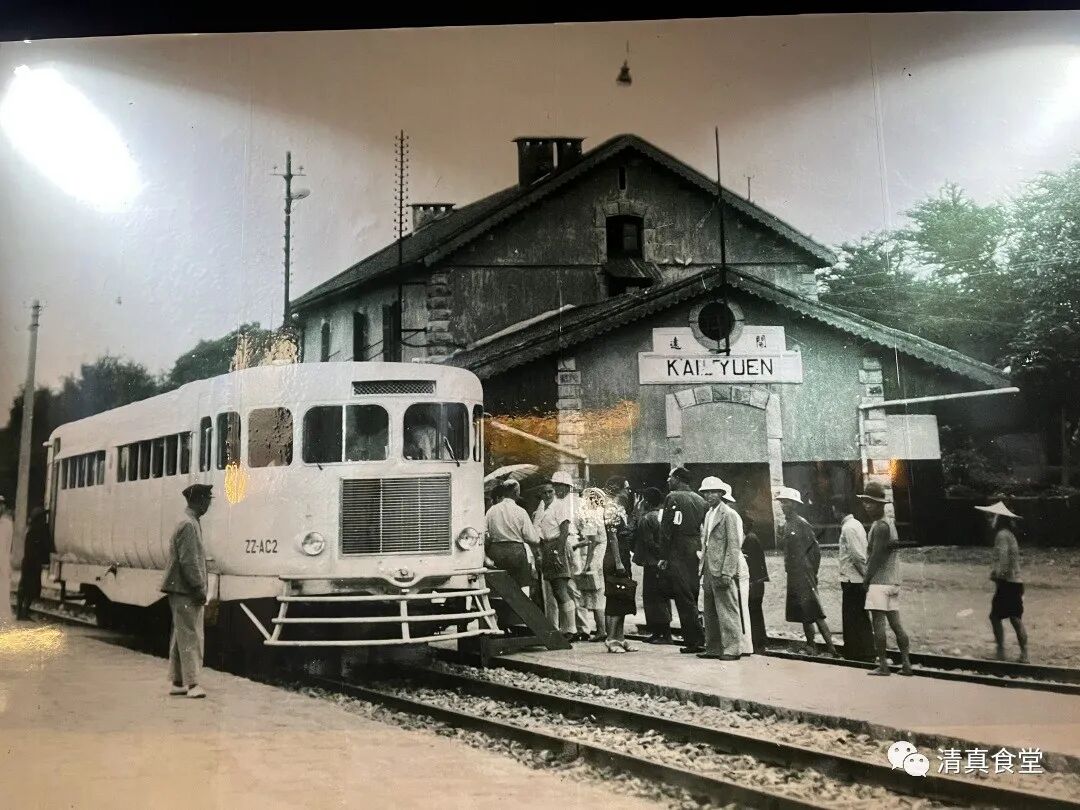
Kaiyuan is a cozy little county-level city in the Honghe Hani and Yi Autonomous Prefecture of Yunnan Province. Tucked along the historic Yunnan-Vietnam Railway, it's literally a city built by the train tracks.
You could say Kaiyuan is an industrial city, a tropical city, a youthful city, and definitely a delicious city. Everyone says Kaiyuan folks are truly blessed, and honestly, living here just feels amazing.
Dazhuang Township in Kaiyuan is a Hui township, and a huge number of people from Dazhuang have moved into Kaiyuan to build their careers in the restaurant business. That's why Kaiyuan's Halal food scene is completely off the charts—definitely way too massive for just one blog post to cover.
Over the past few years, tons of new Halal spots have popped up across Kaiyuan, though plenty have come and gone, too. But it's exactly this constant wave of new openings and culinary experiments that makes Kaiyuan such an awesome place for young Hui folks to hang out.
Why are Kaiyuan's Halal restaurants getting so youthful?
A huge chunk of Kaiyuan's Halal eateries are run by and geared toward the younger generation. These spots often feature stunning interior design, gorgeous plating, and major photo ops for social media. While these tags totally fit the vibe of modern viral internet-famous shops, what's amazing is that the food at these places actually tastes incredible!
I vaguely remember over a decade ago, one of the very first Halal spots in Kaiyuan to capture young people's attention was Da Rong Shu (The Big Banyan Tree). Back then, their various rice bowl meals, fried rice, and fried street-style snacks felt super fresh and exciting.
As time rolls on, newer spots naturally replace the old classics, but Kaiyuan's youthful Halal scene keeps constantly renewing itself, giving locals that fresh, exciting vibe all the time.
With so many young Hui professionals moving to Kaiyuan for work, these trendy Halal restaurants have naturally multiplied to match their lifestyle, satisfying young urbanites' cravings for a cool weekend vibe and great food.
Take Mousse Xiao Ge, for instance—it's a dessert shop with a gorgeous Halal sign out front. When you take traditional symbols and give them a fresh, modern aesthetic twist like this, it's hard for young people not to fall in love with it.
Even though these places sometimes catch the 'internet-famous' label, I really feel like the owners pour their hearts into building and running these businesses. Young Hui folks choosing to put down roots in Kaiyuan definitely has a lot to do with the rise of these creative spots.
Kaiyuan is seriously becoming more and more magnetic for young Hui Muslims.
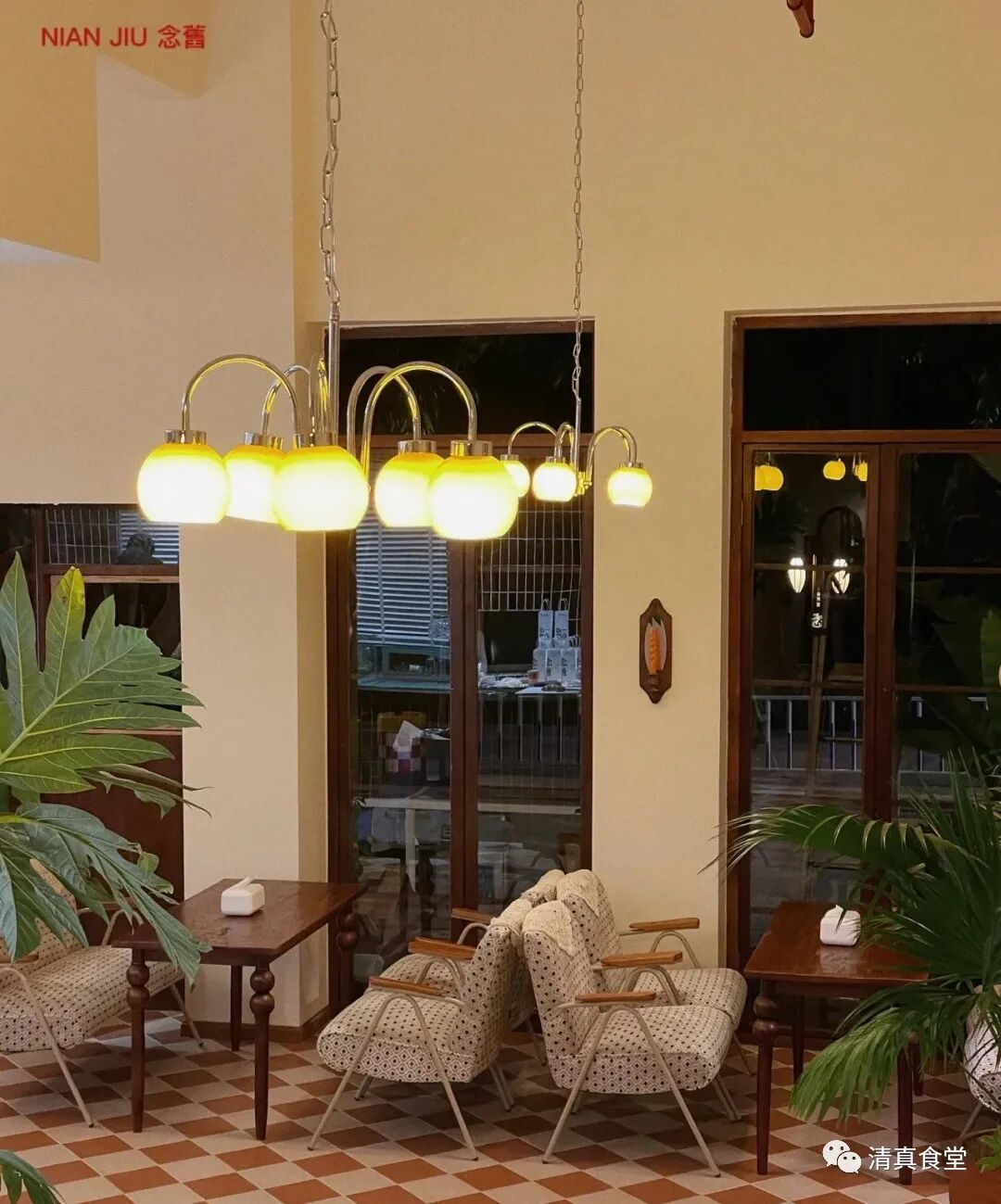
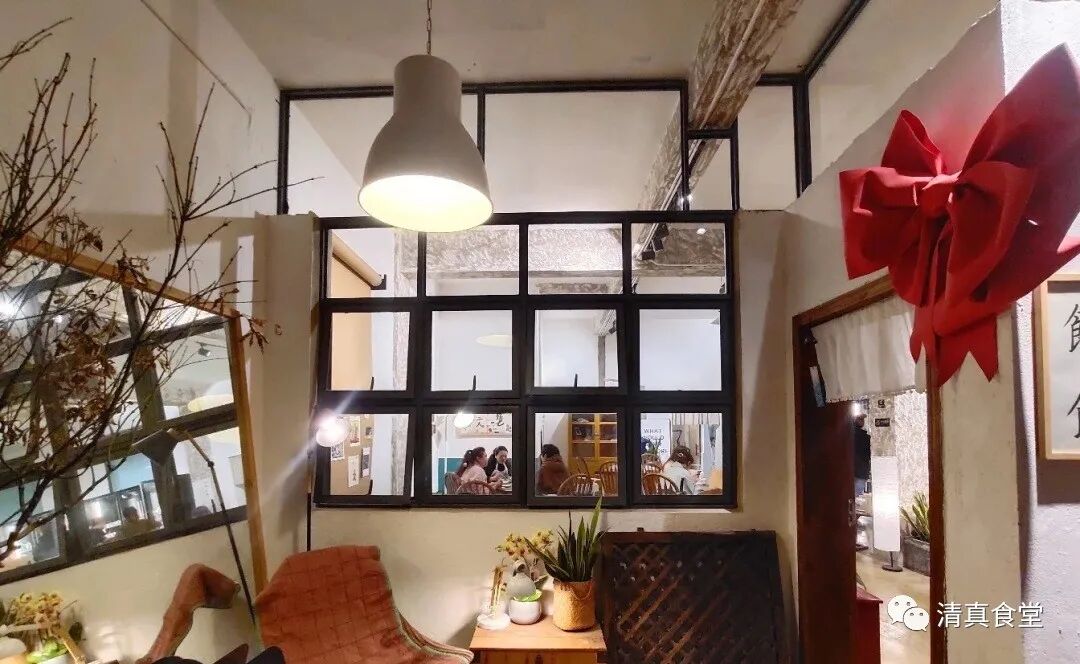
Kaiyuan has amazing greenery, and these restaurants really lean into lush plant styling to create gorgeous spaces. Sometimes, even before you know if the food is totally your thing, just walking in and sitting down at one of these places feels like self-care.
Uncle Sai (Sai Dashu) sits right along the banks of the Lujiang River, offering incredible views out the window.
A restaurant that puts real thought into its concept is always going to draw a crowd. Whether it's the interior design or the tiny details, these young entrepreneurs are putting serious work into figuring it out.
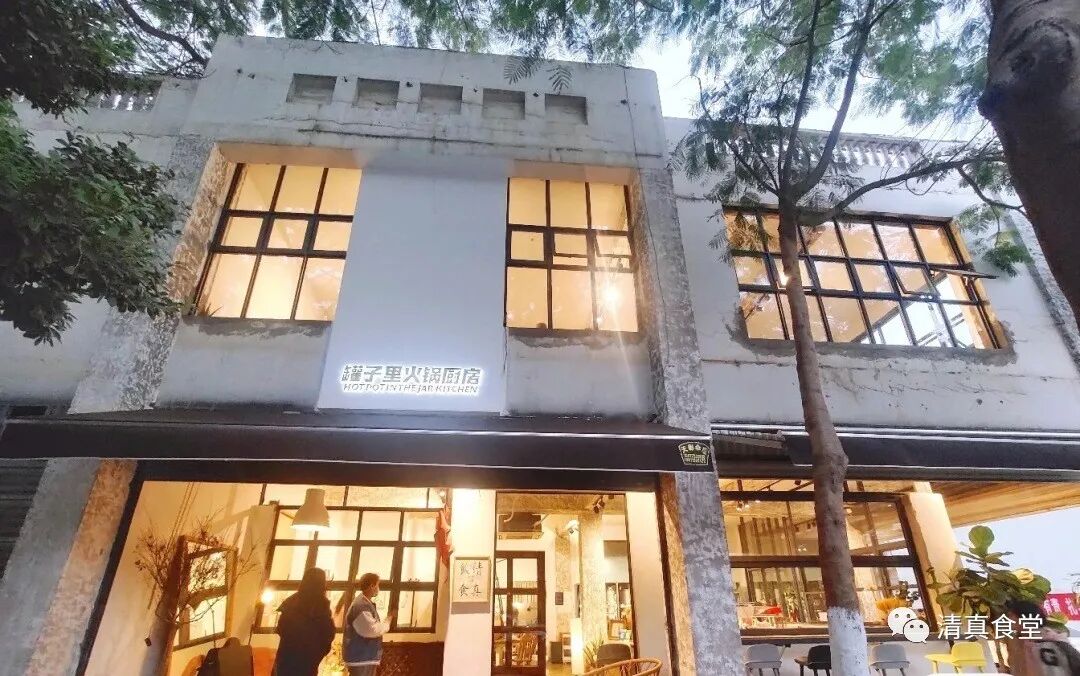
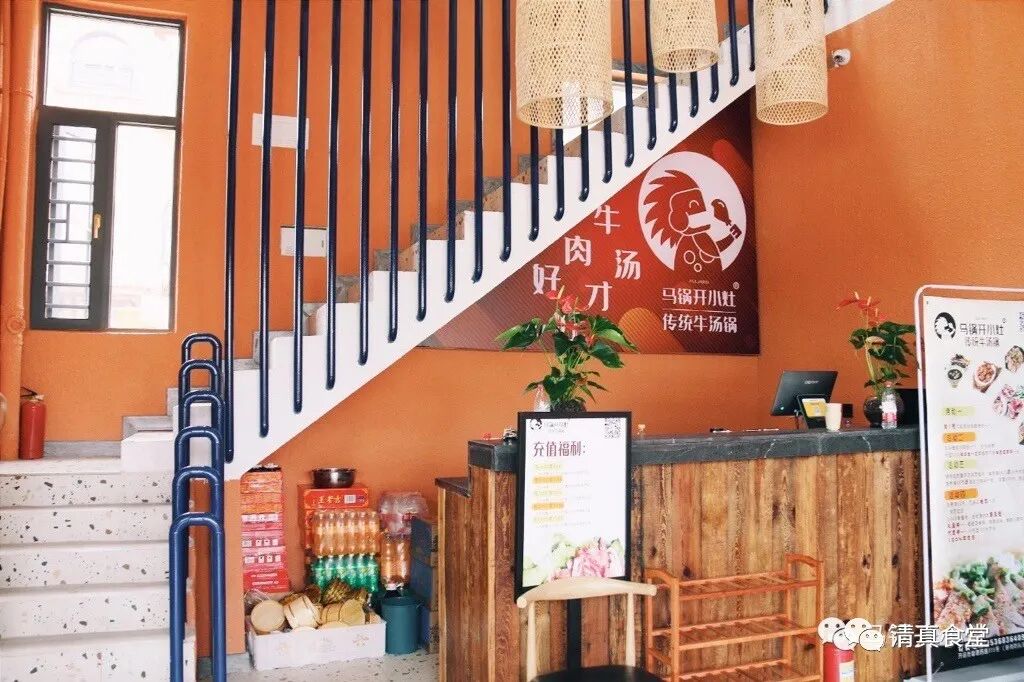
Ma Guo Kai Xiao Zuo Traditional Beef Soup Hot Pot is one of those places that nails the details. The owner chose a bunch of local Yunnan cultural elements for the decor: woven bamboo tools, earthen pottery jars, and more. Adding these touches gives the restaurant a ton of creative flair—and that creativity is a huge magnet for the younger crowd.
You can really see that more and more young Hui entrepreneurs are baking aesthetics right into their restaurant concepts from day one.
Of course, gorgeous interior design can never make up for food that doesn't taste good. That's also why these trendy young spots sometimes shut down—at the end of the day, incredible food is the absolute foundation of a lasting restaurant.
Why these specific Halal flavors?
Kaiyuan's Halal food scene basically breaks down into two main categories: first, fresh modern spins on classic local Kaiyuan flavors; and second, Halal adaptations of exotic cuisine.
Fresh Modern Spins on Classic Local Kaiyuan Flavors
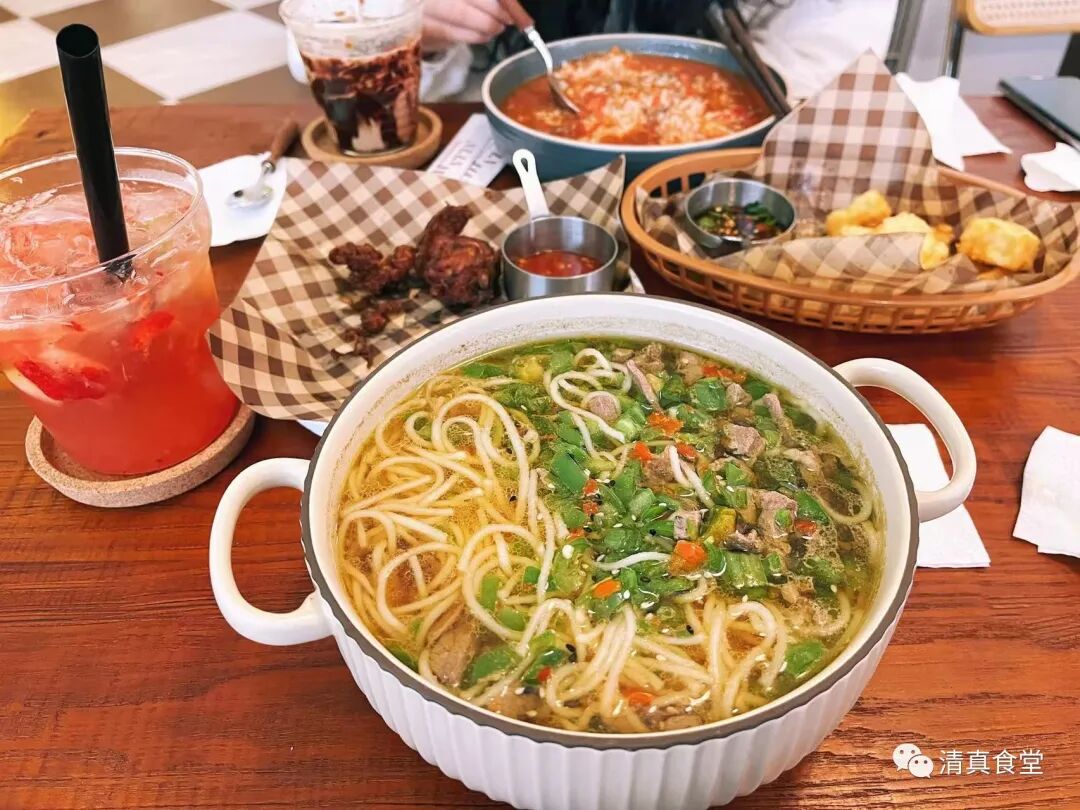
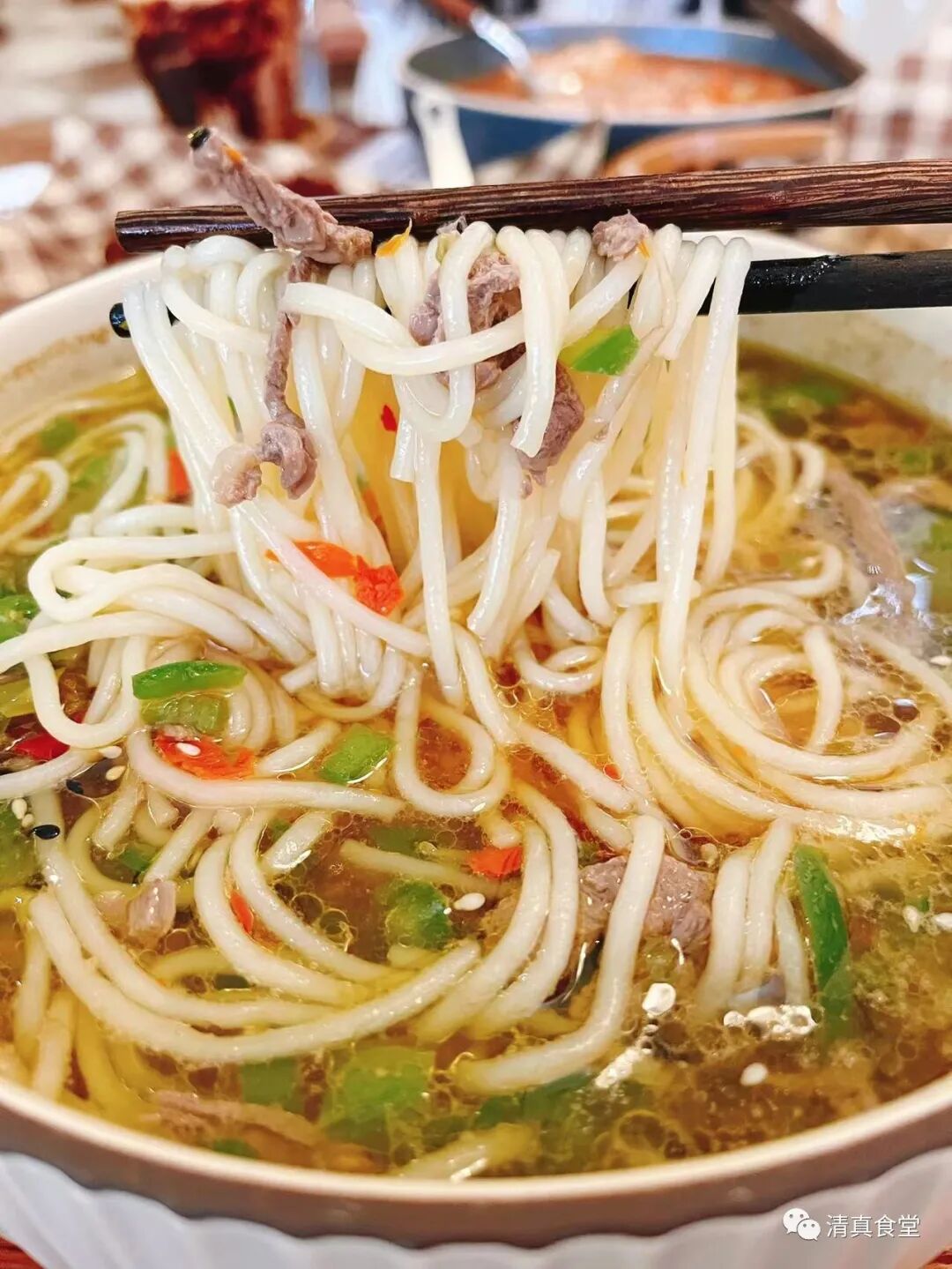
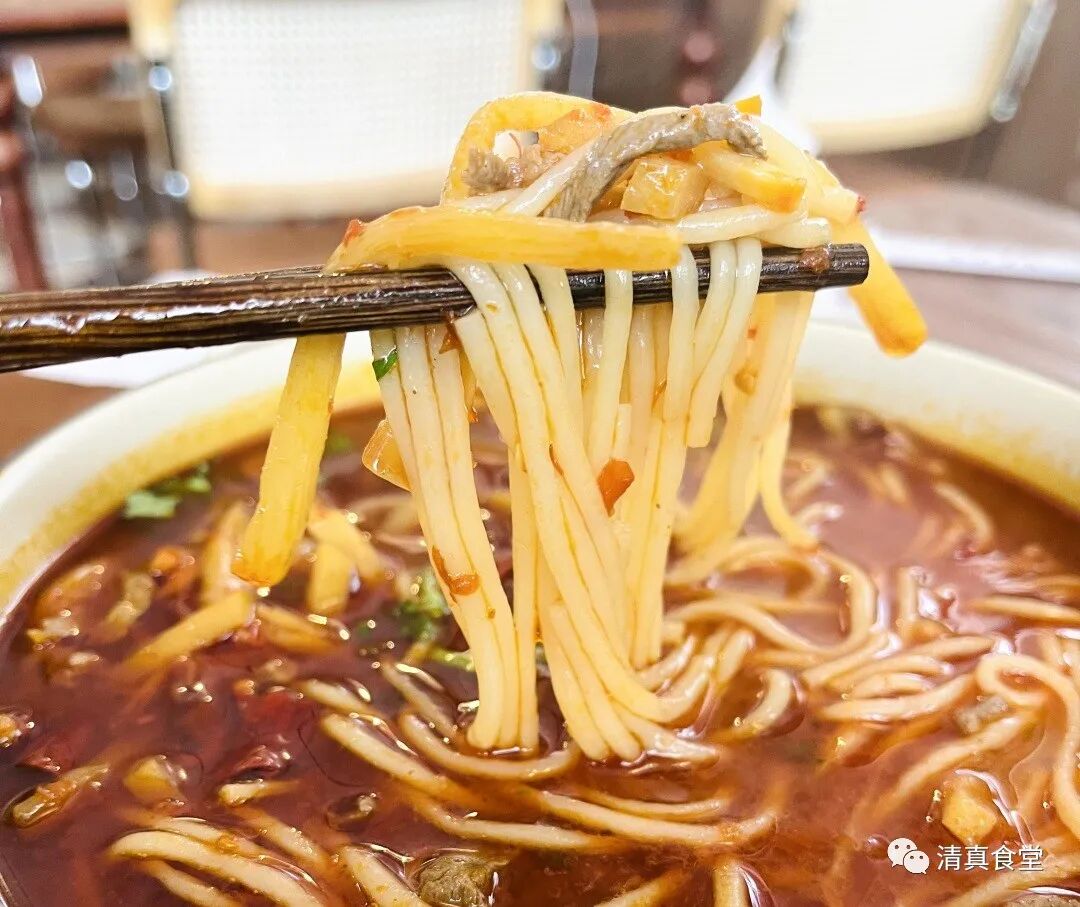
Everyone knows that Yunnan's number one food love is rice noodles (mianxian). If you walk into 100 Halal restaurants in Kaiyuan, easily 90 of them are serving up noodles! Beyond the traditional beef soup rice noodles and stir-fried rice noodles at barbecue street stalls, younger foodies are totally hooked on these creative, innovative bowls.
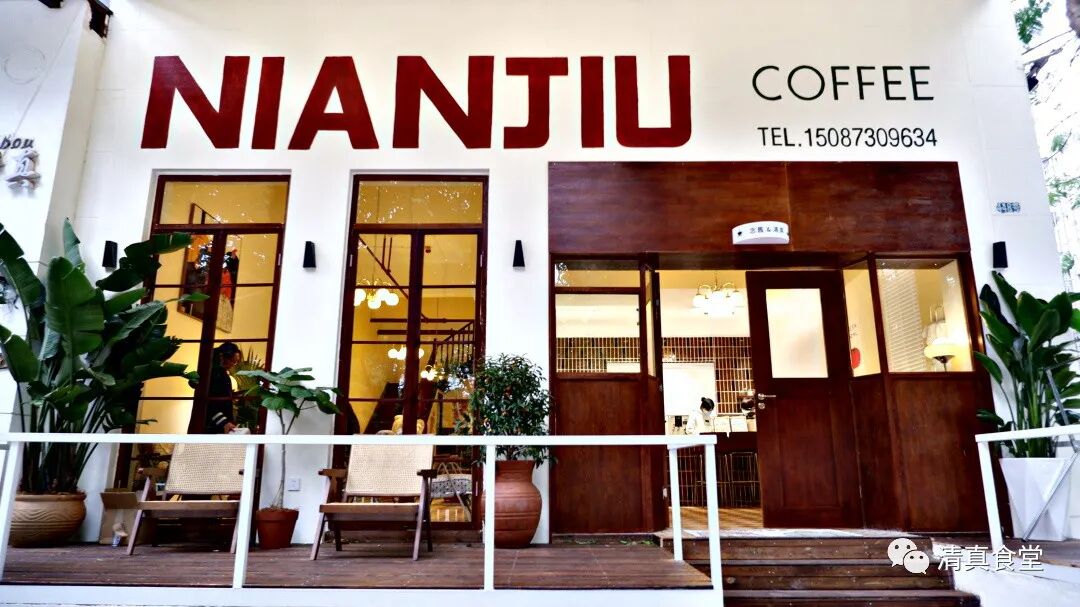
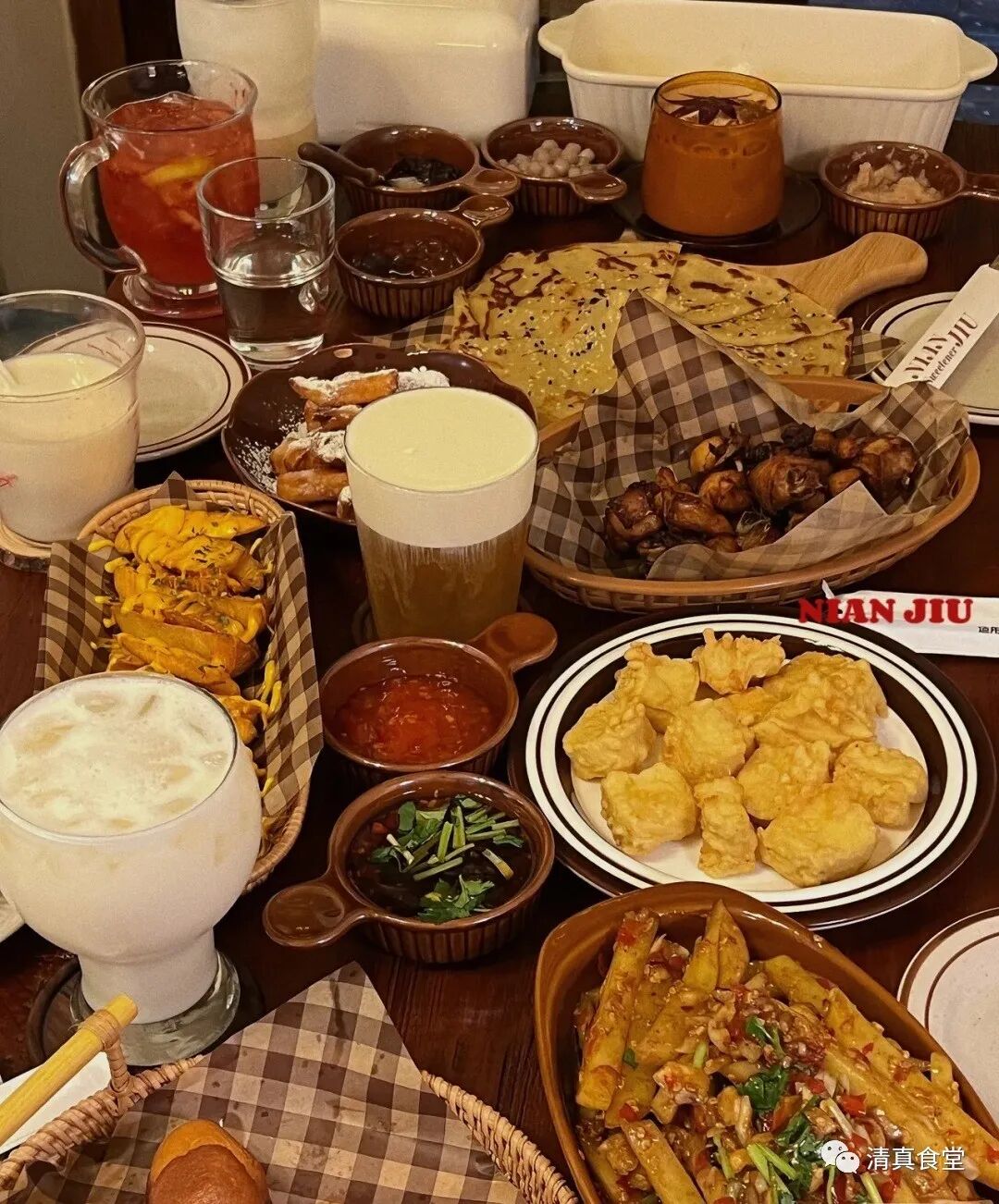
A spot called Nianjiu (Reminiscence) has seriously taken rice noodles to the next level. Their Sichuan pepper and green peppercorn beef noodles (tengjiao niurou mianxian), pickled bamboo shoot beef noodles (suansun niurou mianxian), and super-popular spicy chili oil noodles (huhu lazhi baokuan mianxian) are absolute flavor bombs!
The older generation might argue that rice noodles should only be eaten the classic way to be truly savory, but young people are always chasing fresh flavor profiles—and these creative upgrades totally deliver without any buyer's remorse.
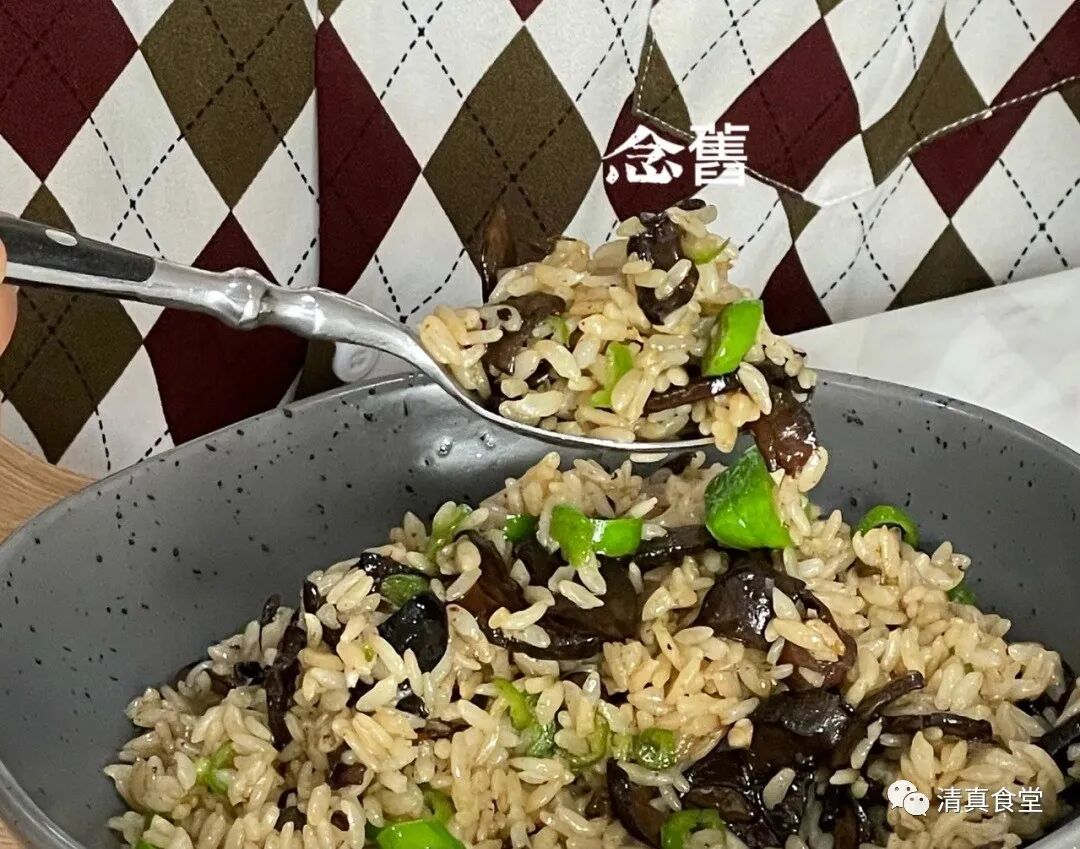
Their porcini mushroom fried rice (niuganjun chaofan) is also a must-try. Wild mushrooms are the ultimate Yunnan specialty, and in recent years, chefs have been loving to fold them into their menus. Porcini mushrooms and green chili peppers are an absolute match made in heaven, and tossing them into fried rice takes it to a whole new level.
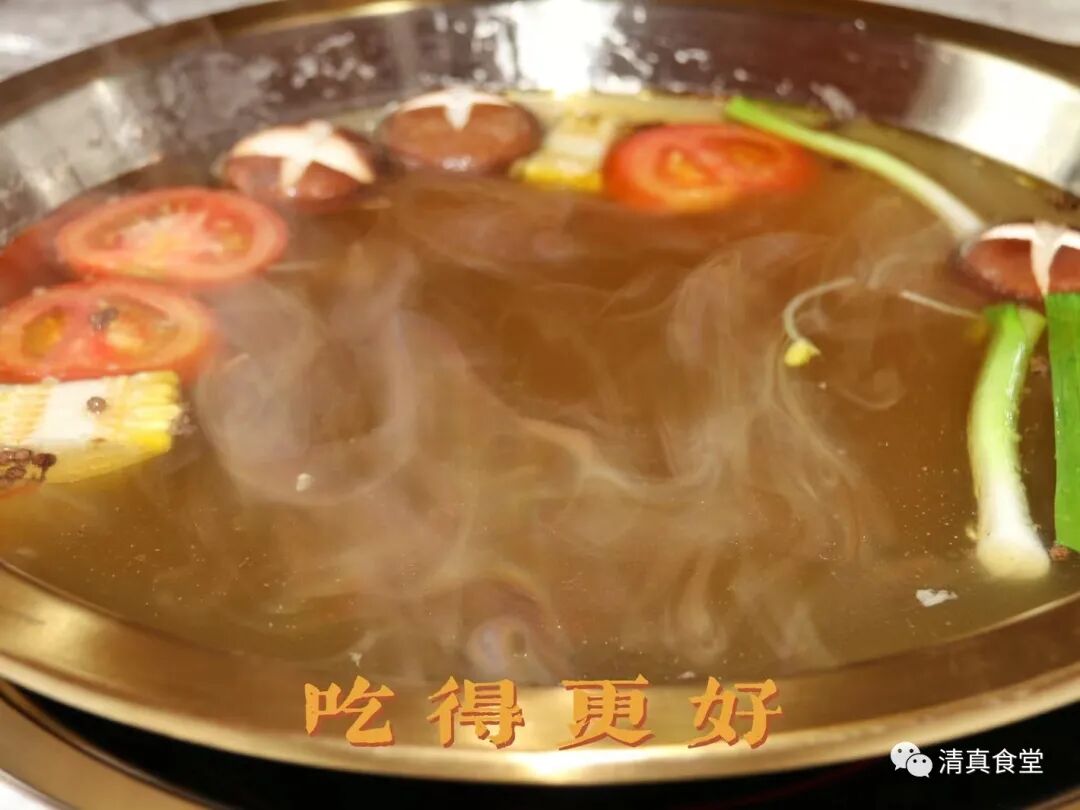
Kaiyuan has plenty of local signatures, and beef soup hot pot (niutangguo) is definitely near the top. It’s not just used as a noodle base, but served up family-style as a bubbling hot pot.
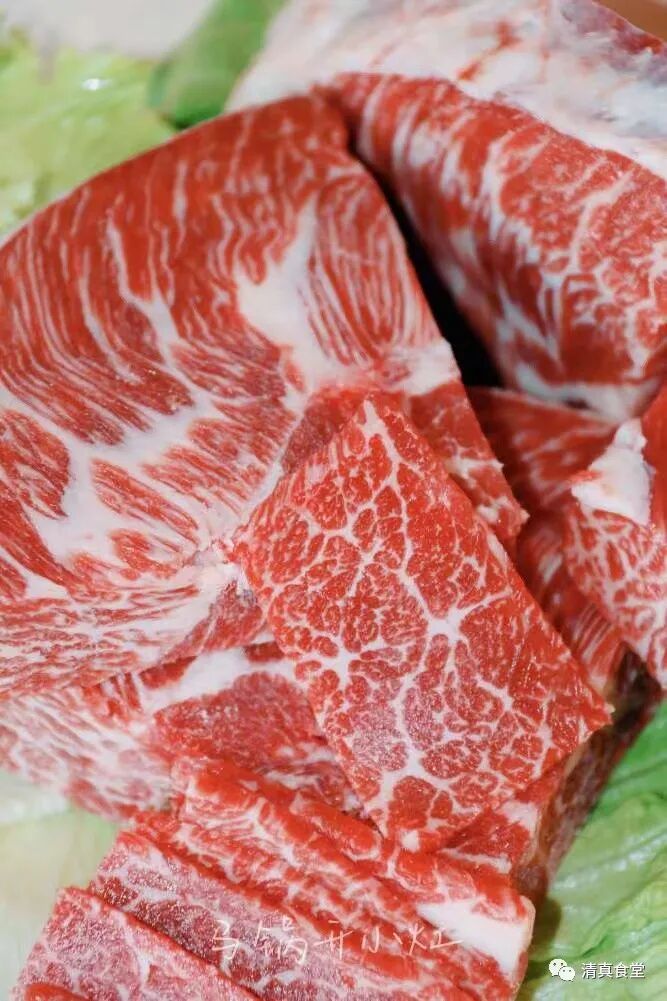
Ma Guo Kai Xiao Zuo sources its beef directly from local Dazhuang cattle. 'Dazhuang' is practically a badge of honor for top-tier beef; as soon as a restaurant advertises that their hot pot uses authentic local Dazhuang beef, you can bet it pulls in a massive crowd of hungry diners.
The owner says, "We only sell local beef." Stick to that one hard rule, and you're pretty much guaranteed to crush it. It just shows how insanely high the local respect is for Dazhuang local beef!
Halal twists on exotic global flavors
Dai cuisine, Thai flavors, Vietnamese street eats—you can find Halal versions of all these iconic regional styles right here in Kaiyuan.
Lately, Thai and Dai flavors have been blowing up all over Yunnan. Since Kaiyuan has a huge population of young Hui Muslims, there's a serious appetite for these trending tastes, so naturally, restaurants dishing them out have been popping up back-to-back.
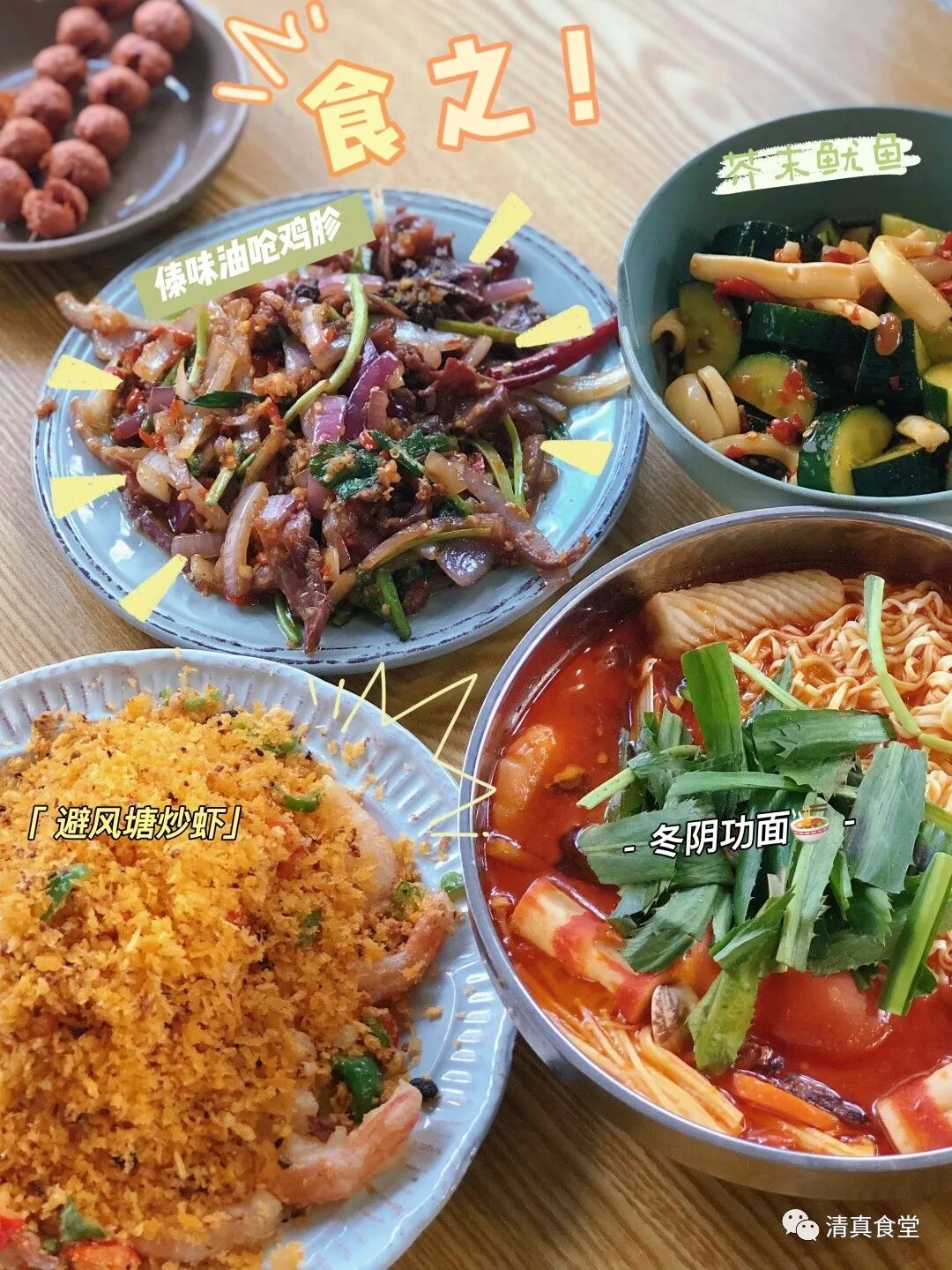
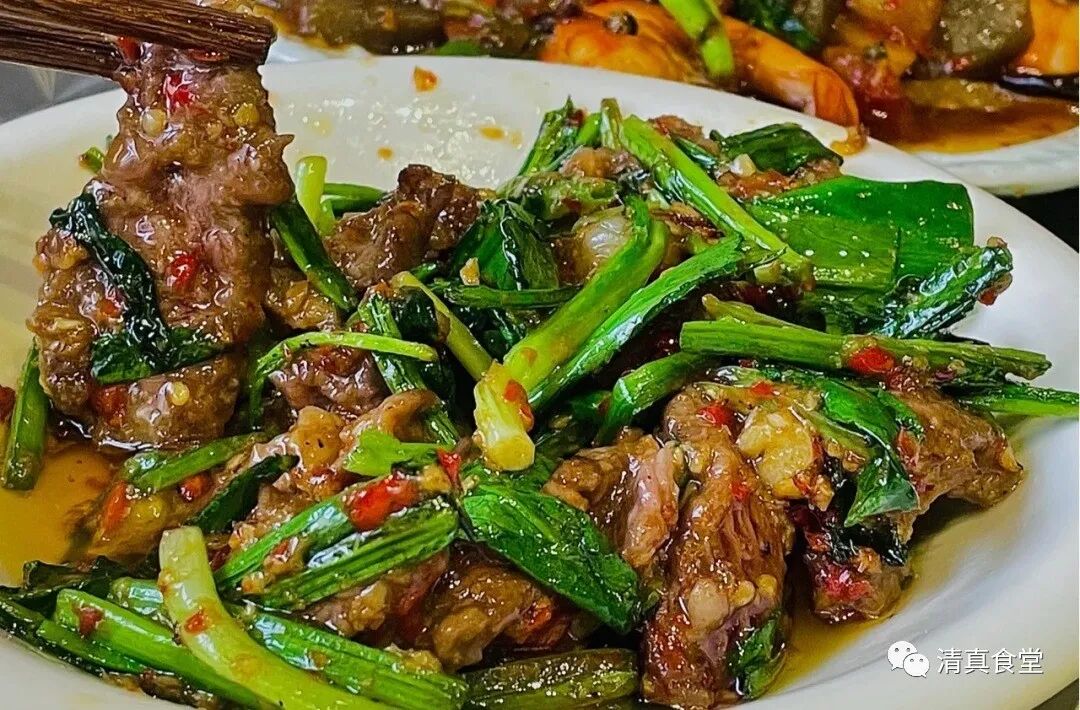
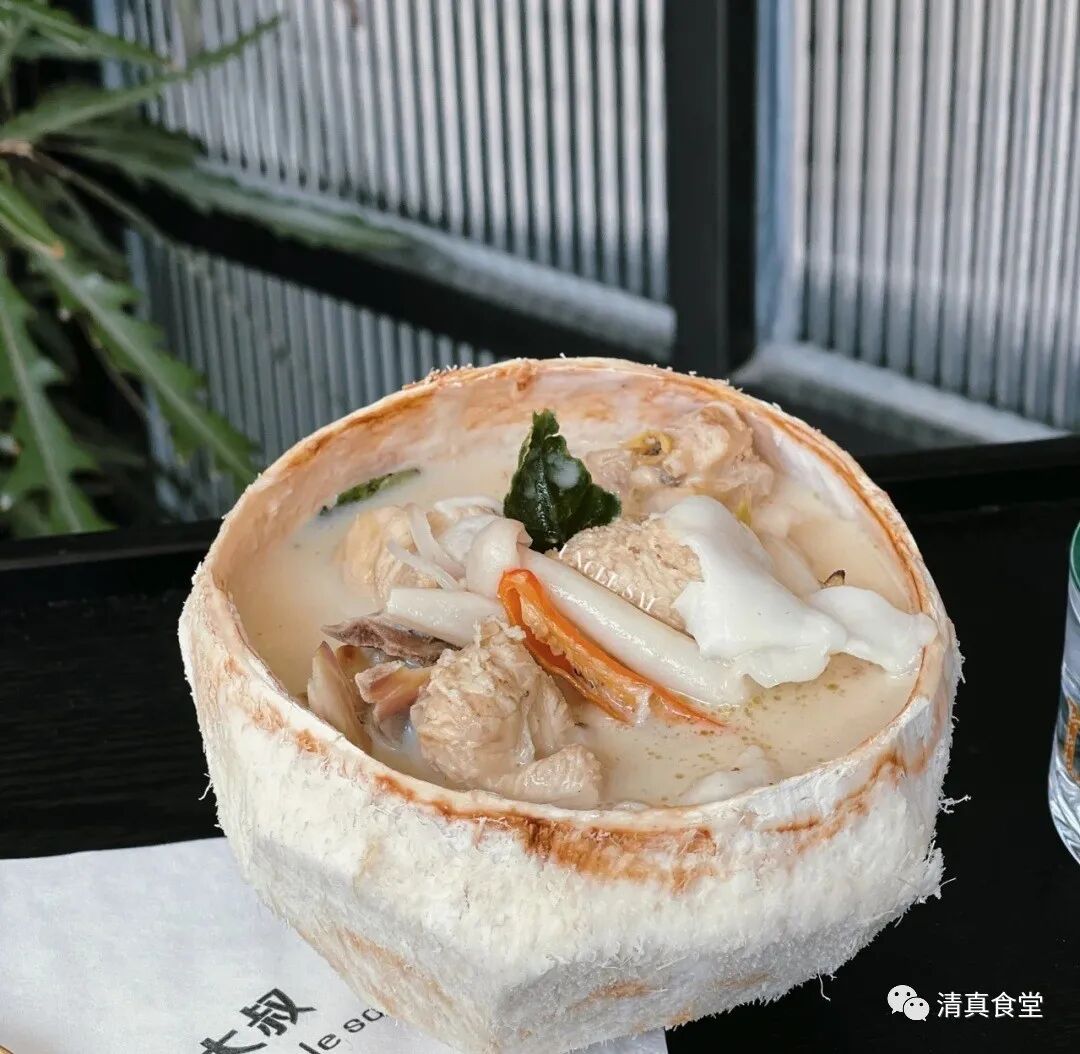
Shi Zhi Qingzhen, located in Jiete Plaza, specializes in Thai and Dai food. It's won a major following because the dishes taste super authentic.
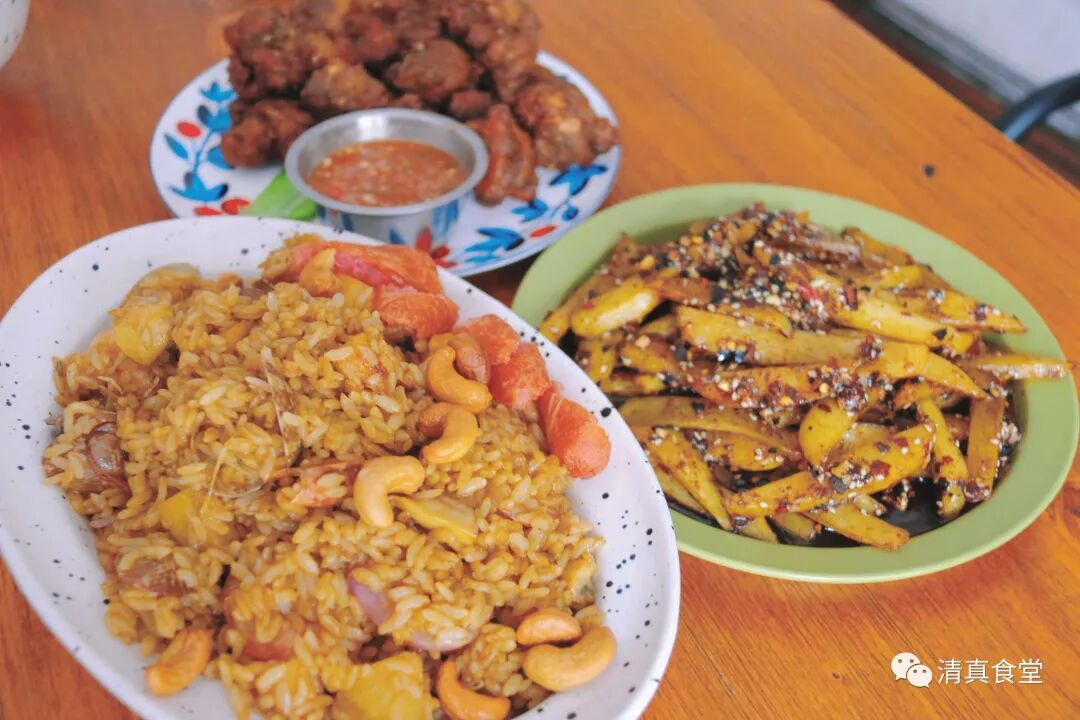
They've got everything from Dai-style oil-splashed dishes to Thai tom yum. You'll spot all the absolute must-have ingredients in these flavor profiles: Myanmar culantro, fresh lime, lemongrass, and tiny, fiery Xiaomi chili peppers...
It kinda reminds us of Uncle Sai, a super trendy Thai spot that blew up recently. Though sadly, the original location isn't open anymore.
Our foodie squad went twice and totally fell in love with it. Regardless of how you judge the exact flavor, Uncle Sai basically set a whole new, innovative high-water mark for Kaiyuan's Halal food scene.
We seriously respect Uncle Sai's spot—they put so much genuine thought into the design, the vibe, and the cooking. Their food genuinely transports you straight back to Thailand, and the aesthetic hits different.
Who wouldn't want to feast on exotic flavors in a gorgeous little spot like this?
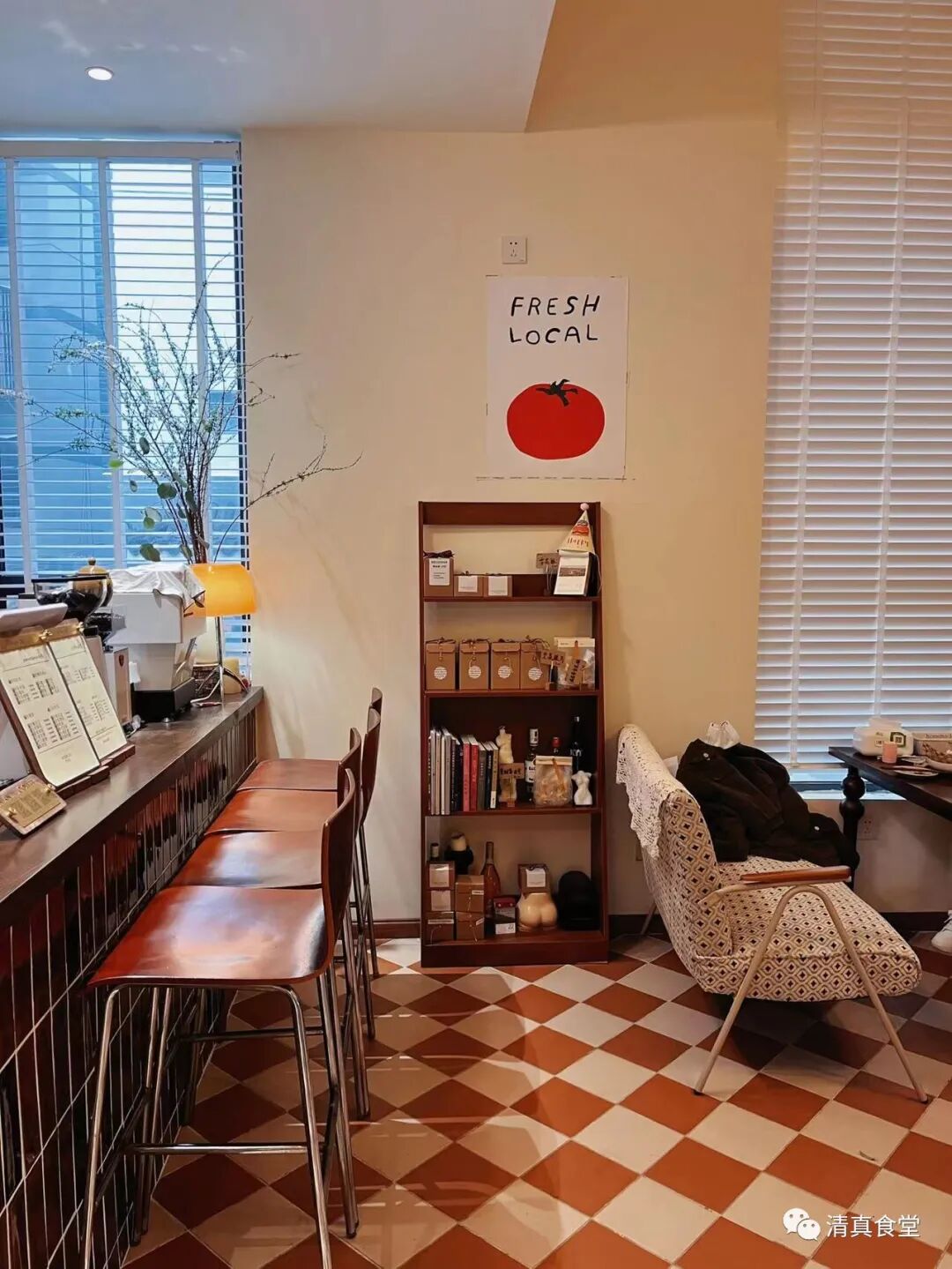
Beyond just the exotic food, having exotic interior design to match is an absolute vibe. Our squad is low-key obsessed with retro aesthetics—walking in literally makes you feel like you've jetted off to Chiang Mai~ The warm cocoa tones, indoor greenery, and vintage floor tiles tie everything together so well.
Why are so many young people grinding for the Halal food scene?
In Honghe Prefecture, Kaiyuan feels like a pretty youthful city.
And the power of youth is all about having fresh ideas.
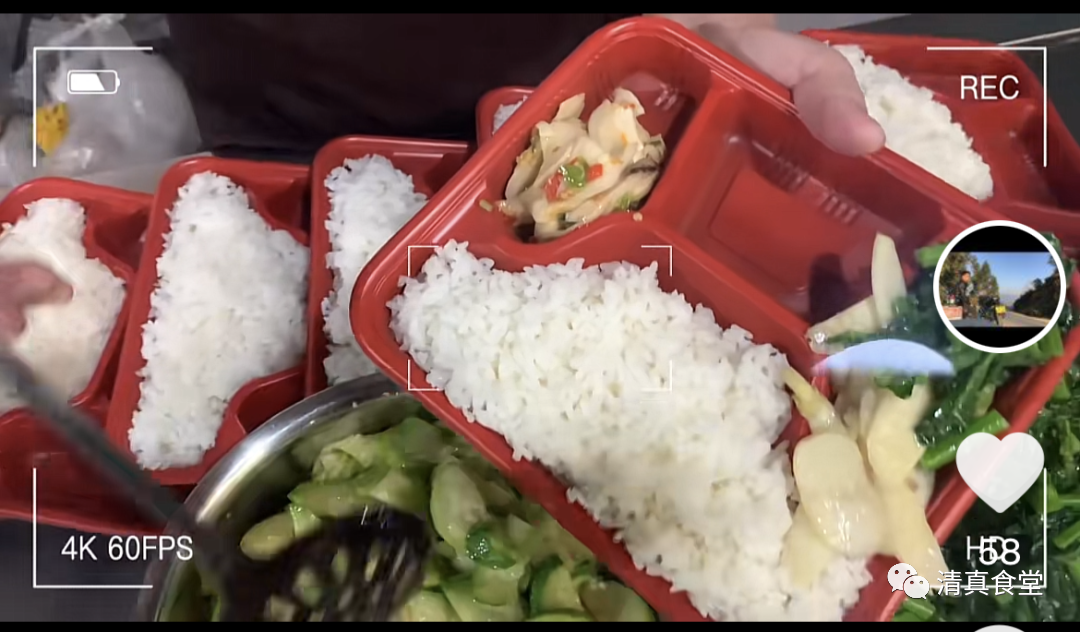
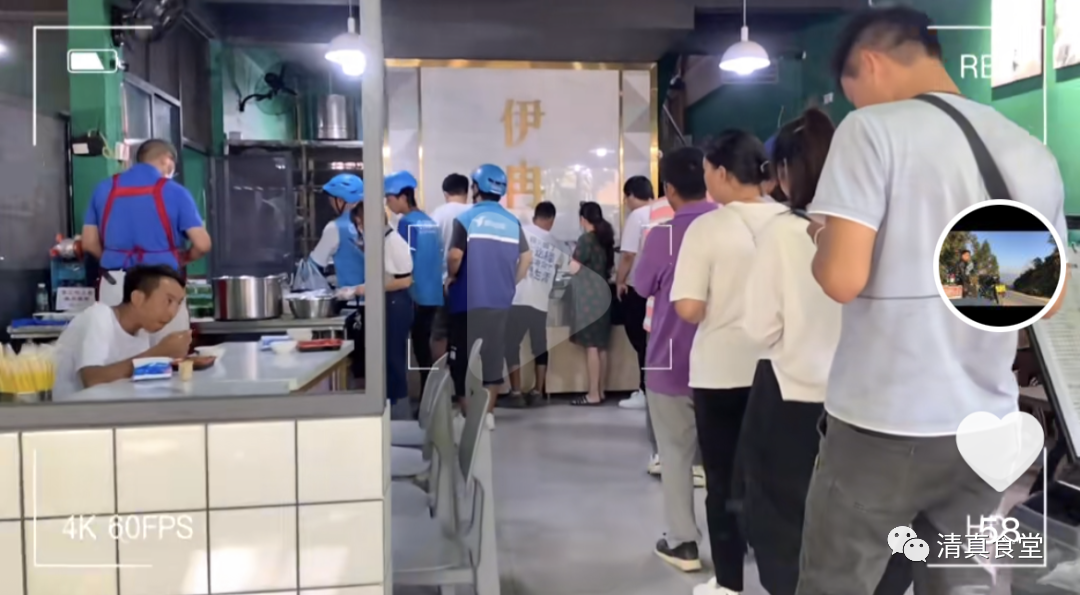
A fast-food joint called Yiran Halal is an absolute obsession for local nine-to-fivers and delivery workers in Kaiyuan. Even though it's just regular fast food—your standard three meat dishes and two veggie sides—their business is ridiculously booming.
The secret sauce behind this regular fast-food spot's massive success is the owner: the Lunchbox Knight.
Packing lunchboxes is the day job, but being a knight is the dream. A young, entrepreneurial boss running a fast-food joint while never losing sight of his dreams.
Running a Douyin (TikTok) account gives this little shop a unique soul—another flex of youth culture. Hui Muslim youth are constantly learning, leveling up, and building something totally unique. That is seriously so important.
Sure, it's just your standard three-meat-and-two-veggie setup, and the cooking is straightforward, but it slaps. Even in a seemingly basic Halal spot like this, the hustle and drive of these young Hui Muslims make the whole place shine bright.
You guys already know 'Maguo' from Maguo's Private Kitchen—yep, the genius behind our convenience store's viral coconut sesame chicken has opened up a hot pot spot right here in Kaiyuan.
Now, Kaiyuan already has tons and tons of hot pot joints in every style imaginable, including Halal Sichuan and Chongqing hot pots, but Maguo decided to focus strictly on local beef soup hot pot.
From the storefront decor to the ingredient curation, you can tell everything is filtered through young brains to keep the spot fresh and vibrant. Infusing modern youth culture into traditional eats is key—after all, only young people truly know what young people want.
When our foodie squad rolled into Kaiyuan, we were instantly hooked by how youthful the city felt. If you're a young Hui Muslim moving here to live, you'll never have to worry about finding a place that keeps you feeling young.
Critics might say these trendy spots won't stand the test of time, and hey, Kaiyuan has countless rock-solid, old-school Halal institutions. Every single year, new joints open up while others close down or relocate.
Yet these new spots are the physical embodiment of the Hui youth's dreams and hopes. If we had to pick anywhere in Honghe Prefecture to settle down, it would be Kaiyuan in a heartbeat. Come to Kaiyuan, and you'll never worry about what to eat, nor will you run out of fresh vibes, youthfulness, and aesthetic joy.
You might not be planning a dedicated trip to Kaiyuan just based on this article, but if you ever get the chance to visit Honghe Prefecture in Yunnan, do yourself a favor and come to Kaiyuan specifically for a food crawl.
The restaurants our squad listed here are just the tip of the iceberg, so let's shout out a few legendary, can't-miss, tried-and-true Halal spots in Kaiyuan!
There's a traditional *chuanguo* (bronze pot hot pot) spot at the Linjiang Farmers' Market, though we hear it's moved to Yingxu Plaza now. The Halal joints on Youth Road have been holding it down for ages, and Changjiu Xiaojuanfen (Changjiu rice noodles) tucked away in a small alley—if you know, you know. Every single Halal restaurant is packed to the brim. Old-school spots like Yingjiang and Dongqiao are absolute classics. And the stir-fry at the Muslim Alcohol-Free Restaurant right next to the Kaiyuan North Bus Station is mind-blowing!
These days, Meituan and Ele.me delivery drivers are zipping all over Kaiyuan, and Halal delivery takes up like half the action. Kaiyuan is a city so vibrant you couldn't possibly capture it all in just a few articles.
Long story short: Kaiyuan is seriously the ultimate vibe for young Hui Muslims! view all
Hidden Gem on the Yunnan-Vietnam Railway: Why Young Hui Muslims Are Obsessed with Kaiyuan
Abstract:
As an industrial hub along the historic Yunnan-Vietnam Railway, Kaiyuan in Honghe Prefecture, Yunnan, draws on the rich Halal culinary traditions of Dazhuang Hui Township to spawn a wave of youthful, stylish modern Halal eateries and cafes. This article takes a deep dive into Kaiyuan's evolving Halal food scene, the wave of young Hui entrepreneurs returning home, and a laid-back, livable picture of multi-ethnic harmony.
Kaiyuan is a cozy little county-level city in the Honghe Hani and Yi Autonomous Prefecture of Yunnan Province. Tucked along the historic Yunnan-Vietnam Railway, it's literally a city built by the train tracks.
You could say Kaiyuan is an industrial city, a tropical city, a youthful city, and definitely a delicious city. Everyone says Kaiyuan folks are truly blessed, and honestly, living here just feels amazing.
Dazhuang Township in Kaiyuan is a Hui township, and a huge number of people from Dazhuang have moved into Kaiyuan to build their careers in the restaurant business. That's why Kaiyuan's Halal food scene is completely off the charts—definitely way too massive for just one blog post to cover.
Over the past few years, tons of new Halal spots have popped up across Kaiyuan, though plenty have come and gone, too. But it's exactly this constant wave of new openings and culinary experiments that makes Kaiyuan such an awesome place for young Hui folks to hang out.
Why are Kaiyuan's Halal restaurants getting so youthful?
A huge chunk of Kaiyuan's Halal eateries are run by and geared toward the younger generation. These spots often feature stunning interior design, gorgeous plating, and major photo ops for social media. While these tags totally fit the vibe of modern viral internet-famous shops, what's amazing is that the food at these places actually tastes incredible!
I vaguely remember over a decade ago, one of the very first Halal spots in Kaiyuan to capture young people's attention was Da Rong Shu (The Big Banyan Tree). Back then, their various rice bowl meals, fried rice, and fried street-style snacks felt super fresh and exciting.
As time rolls on, newer spots naturally replace the old classics, but Kaiyuan's youthful Halal scene keeps constantly renewing itself, giving locals that fresh, exciting vibe all the time.
With so many young Hui professionals moving to Kaiyuan for work, these trendy Halal restaurants have naturally multiplied to match their lifestyle, satisfying young urbanites' cravings for a cool weekend vibe and great food.
Take Mousse Xiao Ge, for instance—it's a dessert shop with a gorgeous Halal sign out front. When you take traditional symbols and give them a fresh, modern aesthetic twist like this, it's hard for young people not to fall in love with it.
Even though these places sometimes catch the 'internet-famous' label, I really feel like the owners pour their hearts into building and running these businesses. Young Hui folks choosing to put down roots in Kaiyuan definitely has a lot to do with the rise of these creative spots.
Kaiyuan is seriously becoming more and more magnetic for young Hui Muslims.
Kaiyuan has amazing greenery, and these restaurants really lean into lush plant styling to create gorgeous spaces. Sometimes, even before you know if the food is totally your thing, just walking in and sitting down at one of these places feels like self-care.
Uncle Sai (Sai Dashu) sits right along the banks of the Lujiang River, offering incredible views out the window.
A restaurant that puts real thought into its concept is always going to draw a crowd. Whether it's the interior design or the tiny details, these young entrepreneurs are putting serious work into figuring it out.
Ma Guo Kai Xiao Zuo Traditional Beef Soup Hot Pot is one of those places that nails the details. The owner chose a bunch of local Yunnan cultural elements for the decor: woven bamboo tools, earthen pottery jars, and more. Adding these touches gives the restaurant a ton of creative flair—and that creativity is a huge magnet for the younger crowd.
You can really see that more and more young Hui entrepreneurs are baking aesthetics right into their restaurant concepts from day one.
Of course, gorgeous interior design can never make up for food that doesn't taste good. That's also why these trendy young spots sometimes shut down—at the end of the day, incredible food is the absolute foundation of a lasting restaurant.
Why these specific Halal flavors?
Kaiyuan's Halal food scene basically breaks down into two main categories: first, fresh modern spins on classic local Kaiyuan flavors; and second, Halal adaptations of exotic cuisine.
Fresh Modern Spins on Classic Local Kaiyuan Flavors
Everyone knows that Yunnan's number one food love is rice noodles (mianxian). If you walk into 100 Halal restaurants in Kaiyuan, easily 90 of them are serving up noodles! Beyond the traditional beef soup rice noodles and stir-fried rice noodles at barbecue street stalls, younger foodies are totally hooked on these creative, innovative bowls.
A spot called Nianjiu (Reminiscence) has seriously taken rice noodles to the next level. Their Sichuan pepper and green peppercorn beef noodles (tengjiao niurou mianxian), pickled bamboo shoot beef noodles (suansun niurou mianxian), and super-popular spicy chili oil noodles (huhu lazhi baokuan mianxian) are absolute flavor bombs!
The older generation might argue that rice noodles should only be eaten the classic way to be truly savory, but young people are always chasing fresh flavor profiles—and these creative upgrades totally deliver without any buyer's remorse.
Their porcini mushroom fried rice (niuganjun chaofan) is also a must-try. Wild mushrooms are the ultimate Yunnan specialty, and in recent years, chefs have been loving to fold them into their menus. Porcini mushrooms and green chili peppers are an absolute match made in heaven, and tossing them into fried rice takes it to a whole new level.
Kaiyuan has plenty of local signatures, and beef soup hot pot (niutangguo) is definitely near the top. It’s not just used as a noodle base, but served up family-style as a bubbling hot pot.
Ma Guo Kai Xiao Zuo sources its beef directly from local Dazhuang cattle. 'Dazhuang' is practically a badge of honor for top-tier beef; as soon as a restaurant advertises that their hot pot uses authentic local Dazhuang beef, you can bet it pulls in a massive crowd of hungry diners.
The owner says, "We only sell local beef." Stick to that one hard rule, and you're pretty much guaranteed to crush it. It just shows how insanely high the local respect is for Dazhuang local beef!
Halal twists on exotic global flavors
Dai cuisine, Thai flavors, Vietnamese street eats—you can find Halal versions of all these iconic regional styles right here in Kaiyuan.
Lately, Thai and Dai flavors have been blowing up all over Yunnan. Since Kaiyuan has a huge population of young Hui Muslims, there's a serious appetite for these trending tastes, so naturally, restaurants dishing them out have been popping up back-to-back.
Shi Zhi Qingzhen, located in Jiete Plaza, specializes in Thai and Dai food. It's won a major following because the dishes taste super authentic.
They've got everything from Dai-style oil-splashed dishes to Thai tom yum. You'll spot all the absolute must-have ingredients in these flavor profiles: Myanmar culantro, fresh lime, lemongrass, and tiny, fiery Xiaomi chili peppers...
It kinda reminds us of Uncle Sai, a super trendy Thai spot that blew up recently. Though sadly, the original location isn't open anymore.
Our foodie squad went twice and totally fell in love with it. Regardless of how you judge the exact flavor, Uncle Sai basically set a whole new, innovative high-water mark for Kaiyuan's Halal food scene.
We seriously respect Uncle Sai's spot—they put so much genuine thought into the design, the vibe, and the cooking. Their food genuinely transports you straight back to Thailand, and the aesthetic hits different.
Who wouldn't want to feast on exotic flavors in a gorgeous little spot like this?
Beyond just the exotic food, having exotic interior design to match is an absolute vibe. Our squad is low-key obsessed with retro aesthetics—walking in literally makes you feel like you've jetted off to Chiang Mai~ The warm cocoa tones, indoor greenery, and vintage floor tiles tie everything together so well.
Why are so many young people grinding for the Halal food scene?
In Honghe Prefecture, Kaiyuan feels like a pretty youthful city.
And the power of youth is all about having fresh ideas.
A fast-food joint called Yiran Halal is an absolute obsession for local nine-to-fivers and delivery workers in Kaiyuan. Even though it's just regular fast food—your standard three meat dishes and two veggie sides—their business is ridiculously booming.
The secret sauce behind this regular fast-food spot's massive success is the owner: the Lunchbox Knight.
Packing lunchboxes is the day job, but being a knight is the dream. A young, entrepreneurial boss running a fast-food joint while never losing sight of his dreams.
Running a Douyin (TikTok) account gives this little shop a unique soul—another flex of youth culture. Hui Muslim youth are constantly learning, leveling up, and building something totally unique. That is seriously so important.
Sure, it's just your standard three-meat-and-two-veggie setup, and the cooking is straightforward, but it slaps. Even in a seemingly basic Halal spot like this, the hustle and drive of these young Hui Muslims make the whole place shine bright.
You guys already know 'Maguo' from Maguo's Private Kitchen—yep, the genius behind our convenience store's viral coconut sesame chicken has opened up a hot pot spot right here in Kaiyuan.
Now, Kaiyuan already has tons and tons of hot pot joints in every style imaginable, including Halal Sichuan and Chongqing hot pots, but Maguo decided to focus strictly on local beef soup hot pot.
From the storefront decor to the ingredient curation, you can tell everything is filtered through young brains to keep the spot fresh and vibrant. Infusing modern youth culture into traditional eats is key—after all, only young people truly know what young people want.
When our foodie squad rolled into Kaiyuan, we were instantly hooked by how youthful the city felt. If you're a young Hui Muslim moving here to live, you'll never have to worry about finding a place that keeps you feeling young.
Critics might say these trendy spots won't stand the test of time, and hey, Kaiyuan has countless rock-solid, old-school Halal institutions. Every single year, new joints open up while others close down or relocate.
Yet these new spots are the physical embodiment of the Hui youth's dreams and hopes. If we had to pick anywhere in Honghe Prefecture to settle down, it would be Kaiyuan in a heartbeat. Come to Kaiyuan, and you'll never worry about what to eat, nor will you run out of fresh vibes, youthfulness, and aesthetic joy.
You might not be planning a dedicated trip to Kaiyuan just based on this article, but if you ever get the chance to visit Honghe Prefecture in Yunnan, do yourself a favor and come to Kaiyuan specifically for a food crawl.
The restaurants our squad listed here are just the tip of the iceberg, so let's shout out a few legendary, can't-miss, tried-and-true Halal spots in Kaiyuan!
There's a traditional *chuanguo* (bronze pot hot pot) spot at the Linjiang Farmers' Market, though we hear it's moved to Yingxu Plaza now. The Halal joints on Youth Road have been holding it down for ages, and Changjiu Xiaojuanfen (Changjiu rice noodles) tucked away in a small alley—if you know, you know. Every single Halal restaurant is packed to the brim. Old-school spots like Yingjiang and Dongqiao are absolute classics. And the stir-fry at the Muslim Alcohol-Free Restaurant right next to the Kaiyuan North Bus Station is mind-blowing!
These days, Meituan and Ele.me delivery drivers are zipping all over Kaiyuan, and Halal delivery takes up like half the action. Kaiyuan is a city so vibrant you couldn't possibly capture it all in just a few articles.
Long story short: Kaiyuan is seriously the ultimate vibe for young Hui Muslims! view all
[Internet Repost]
Hidden Gem on the Yunnan-Vietnam Railway: Why Young Hui Muslims Are Obsessed with Kaiyuan
Abstract:
As an industrial hub along the historic Yunnan-Vietnam Railway, Kaiyuan in Honghe Prefecture, Yunnan, draws on the rich Halal culinary traditions of Dazhuang Hui Township to spawn a wave of youthful, stylish modern Halal eateries and cafes. This article takes a deep dive into Kaiyuan's evolving Halal food scene, the wave of young Hui entrepreneurs returning home, and a laid-back, livable picture of multi-ethnic harmony.
Kaiyuan is a cozy little county-level city in the Honghe Hani and Yi Autonomous Prefecture of Yunnan Province. Tucked along the historic Yunnan-Vietnam Railway, it's literally a city built by the train tracks.
You could say Kaiyuan is an industrial city, a tropical city, a youthful city, and definitely a delicious city. Everyone says Kaiyuan folks are truly blessed, and honestly, living here just feels amazing.
Dazhuang Township in Kaiyuan is a Hui township, and a huge number of people from Dazhuang have moved into Kaiyuan to build their careers in the restaurant business. That's why Kaiyuan's Halal food scene is completely off the charts—definitely way too massive for just one blog post to cover.
Over the past few years, tons of new Halal spots have popped up across Kaiyuan, though plenty have come and gone, too. But it's exactly this constant wave of new openings and culinary experiments that makes Kaiyuan such an awesome place for young Hui folks to hang out.
Why are Kaiyuan's Halal restaurants getting so youthful?
A huge chunk of Kaiyuan's Halal eateries are run by and geared toward the younger generation. These spots often feature stunning interior design, gorgeous plating, and major photo ops for social media. While these tags totally fit the vibe of modern viral internet-famous shops, what's amazing is that the food at these places actually tastes incredible!
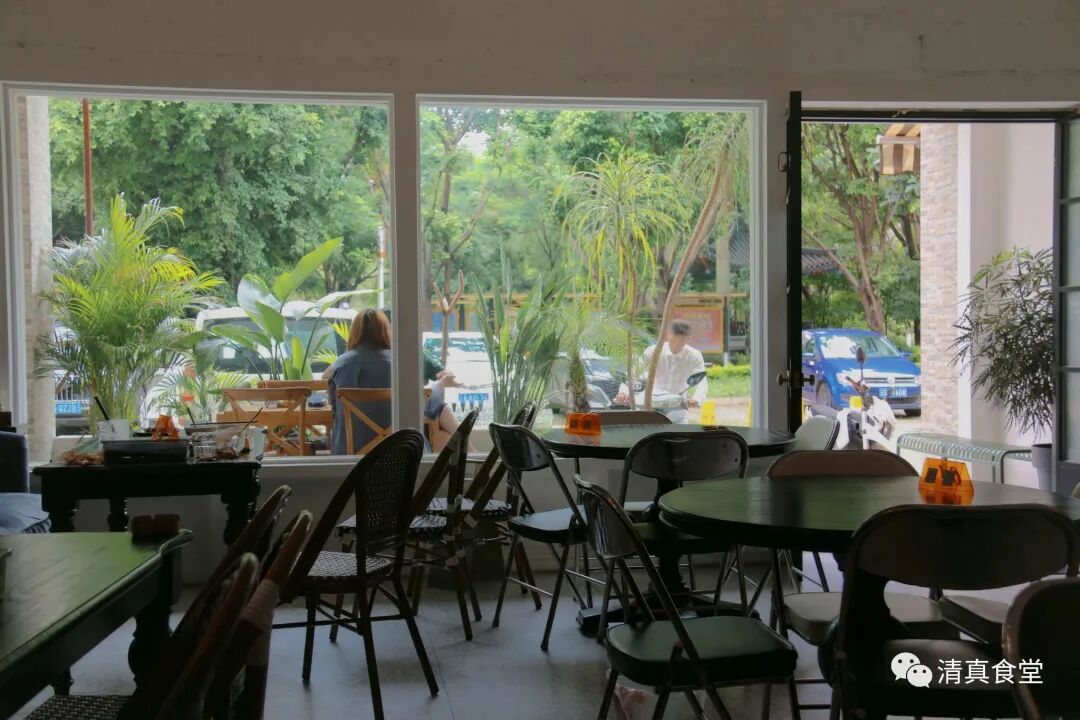
I vaguely remember over a decade ago, one of the very first Halal spots in Kaiyuan to capture young people's attention was Da Rong Shu (The Big Banyan Tree). Back then, their various rice bowl meals, fried rice, and fried street-style snacks felt super fresh and exciting.
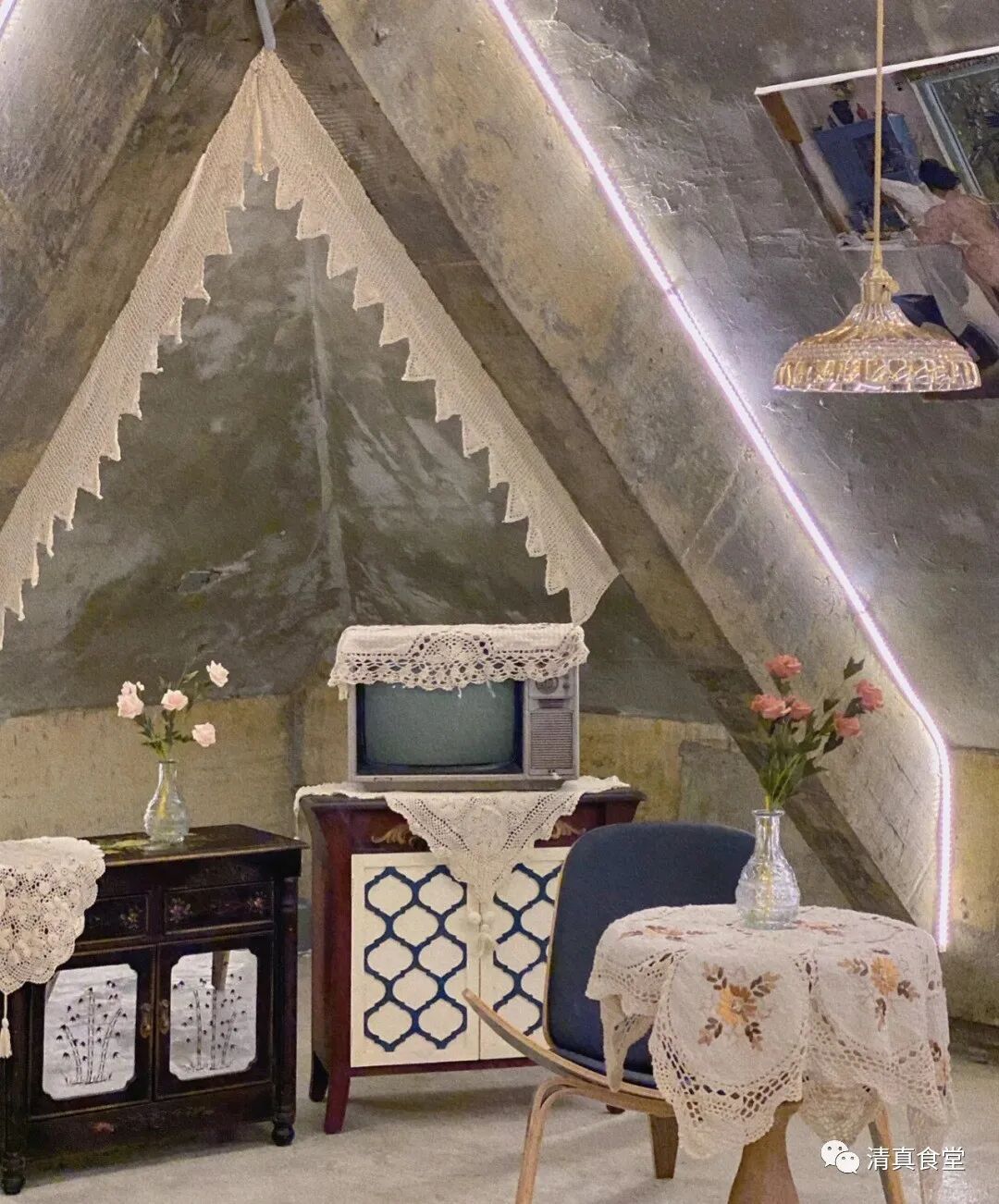
As time rolls on, newer spots naturally replace the old classics, but Kaiyuan's youthful Halal scene keeps constantly renewing itself, giving locals that fresh, exciting vibe all the time.
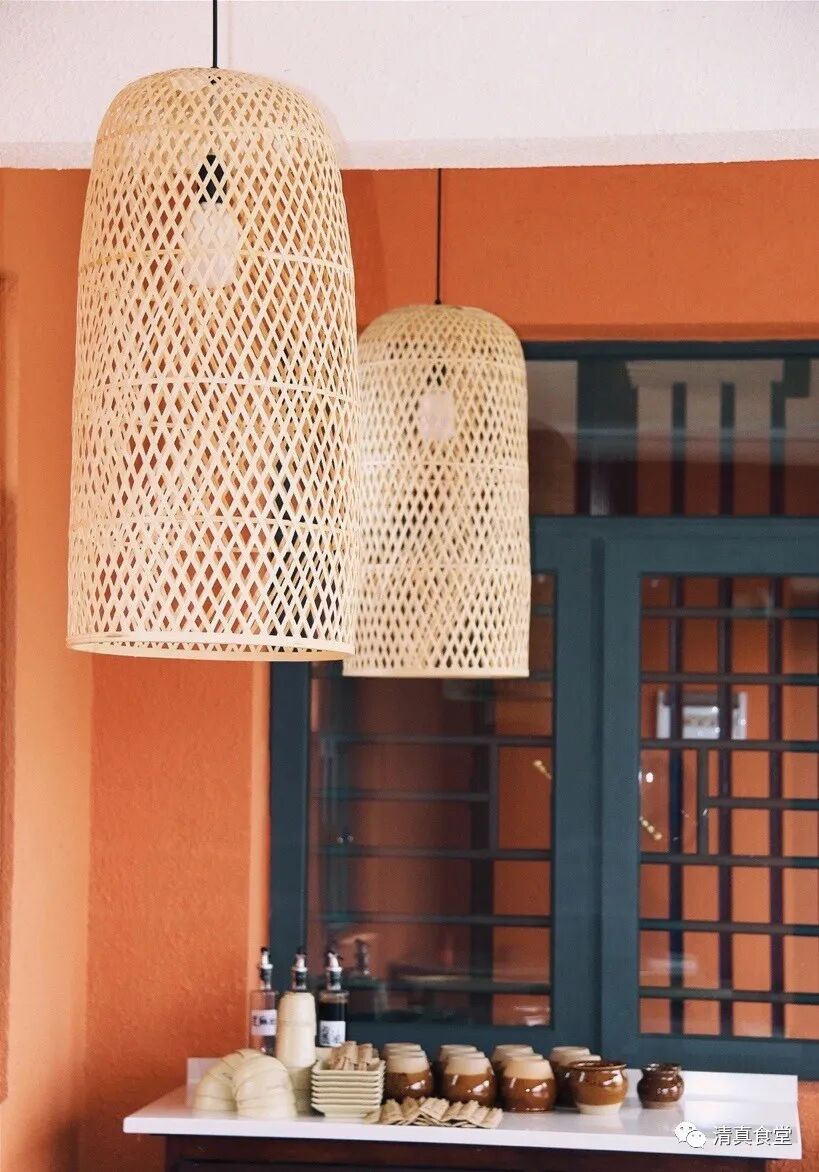
With so many young Hui professionals moving to Kaiyuan for work, these trendy Halal restaurants have naturally multiplied to match their lifestyle, satisfying young urbanites' cravings for a cool weekend vibe and great food.
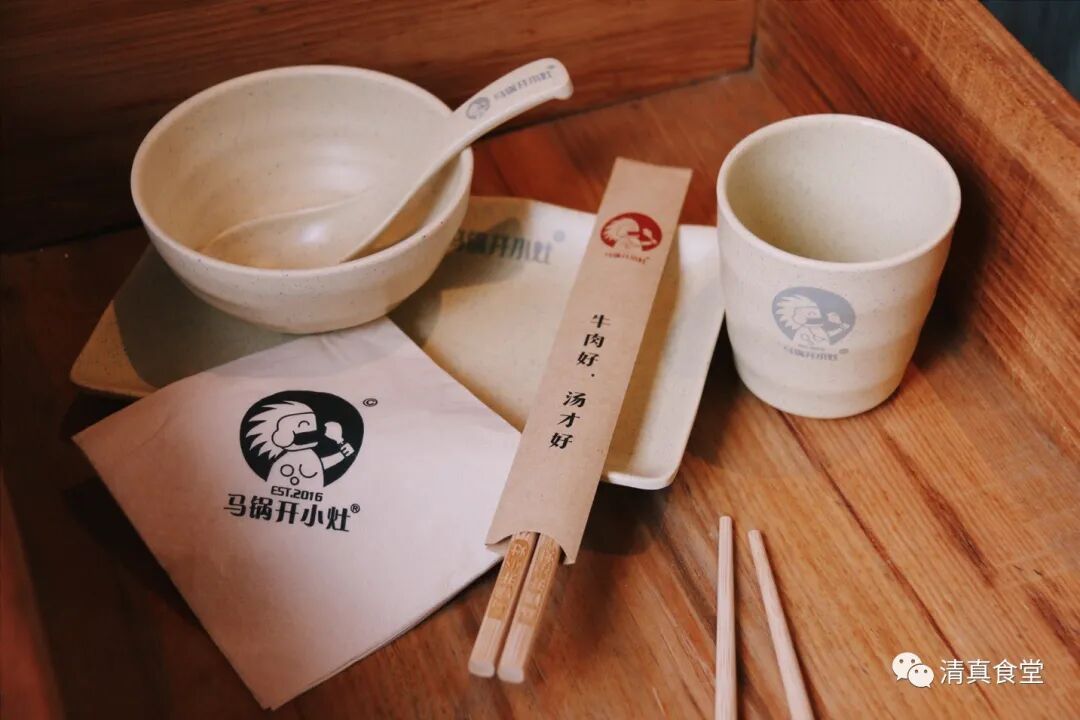
Take Mousse Xiao Ge, for instance—it's a dessert shop with a gorgeous Halal sign out front. When you take traditional symbols and give them a fresh, modern aesthetic twist like this, it's hard for young people not to fall in love with it.
Even though these places sometimes catch the 'internet-famous' label, I really feel like the owners pour their hearts into building and running these businesses. Young Hui folks choosing to put down roots in Kaiyuan definitely has a lot to do with the rise of these creative spots.
Kaiyuan is seriously becoming more and more magnetic for young Hui Muslims.
Kaiyuan has amazing greenery, and these restaurants really lean into lush plant styling to create gorgeous spaces. Sometimes, even before you know if the food is totally your thing, just walking in and sitting down at one of these places feels like self-care.
Uncle Sai (Sai Dashu) sits right along the banks of the Lujiang River, offering incredible views out the window.
A restaurant that puts real thought into its concept is always going to draw a crowd. Whether it's the interior design or the tiny details, these young entrepreneurs are putting serious work into figuring it out.
Ma Guo Kai Xiao Zuo Traditional Beef Soup Hot Pot is one of those places that nails the details. The owner chose a bunch of local Yunnan cultural elements for the decor: woven bamboo tools, earthen pottery jars, and more. Adding these touches gives the restaurant a ton of creative flair—and that creativity is a huge magnet for the younger crowd.
You can really see that more and more young Hui entrepreneurs are baking aesthetics right into their restaurant concepts from day one.
Of course, gorgeous interior design can never make up for food that doesn't taste good. That's also why these trendy young spots sometimes shut down—at the end of the day, incredible food is the absolute foundation of a lasting restaurant.
Why these specific Halal flavors?
Kaiyuan's Halal food scene basically breaks down into two main categories: first, fresh modern spins on classic local Kaiyuan flavors; and second, Halal adaptations of exotic cuisine.
Fresh Modern Spins on Classic Local Kaiyuan Flavors
Everyone knows that Yunnan's number one food love is rice noodles (mianxian). If you walk into 100 Halal restaurants in Kaiyuan, easily 90 of them are serving up noodles! Beyond the traditional beef soup rice noodles and stir-fried rice noodles at barbecue street stalls, younger foodies are totally hooked on these creative, innovative bowls.
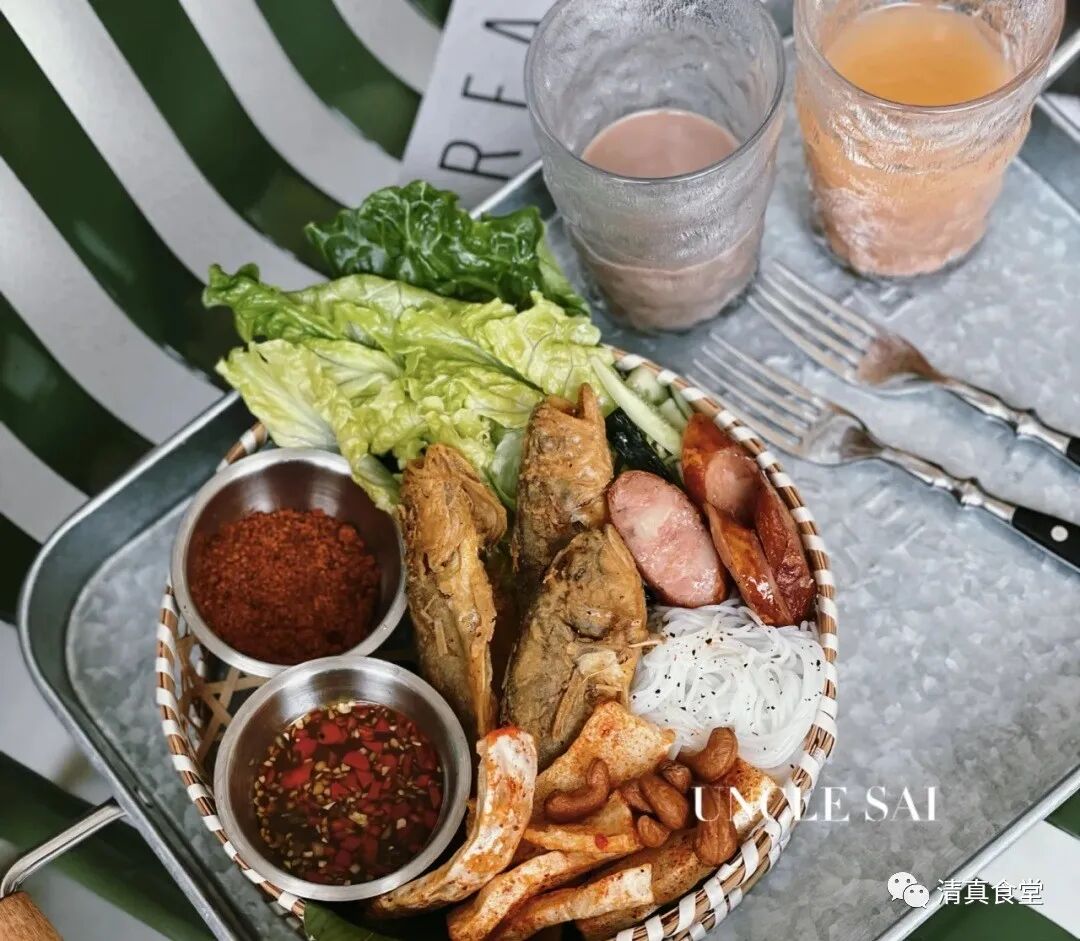
A spot called Nianjiu (Reminiscence) has seriously taken rice noodles to the next level. Their Sichuan pepper and green peppercorn beef noodles (tengjiao niurou mianxian), pickled bamboo shoot beef noodles (suansun niurou mianxian), and super-popular spicy chili oil noodles (huhu lazhi baokuan mianxian) are absolute flavor bombs!
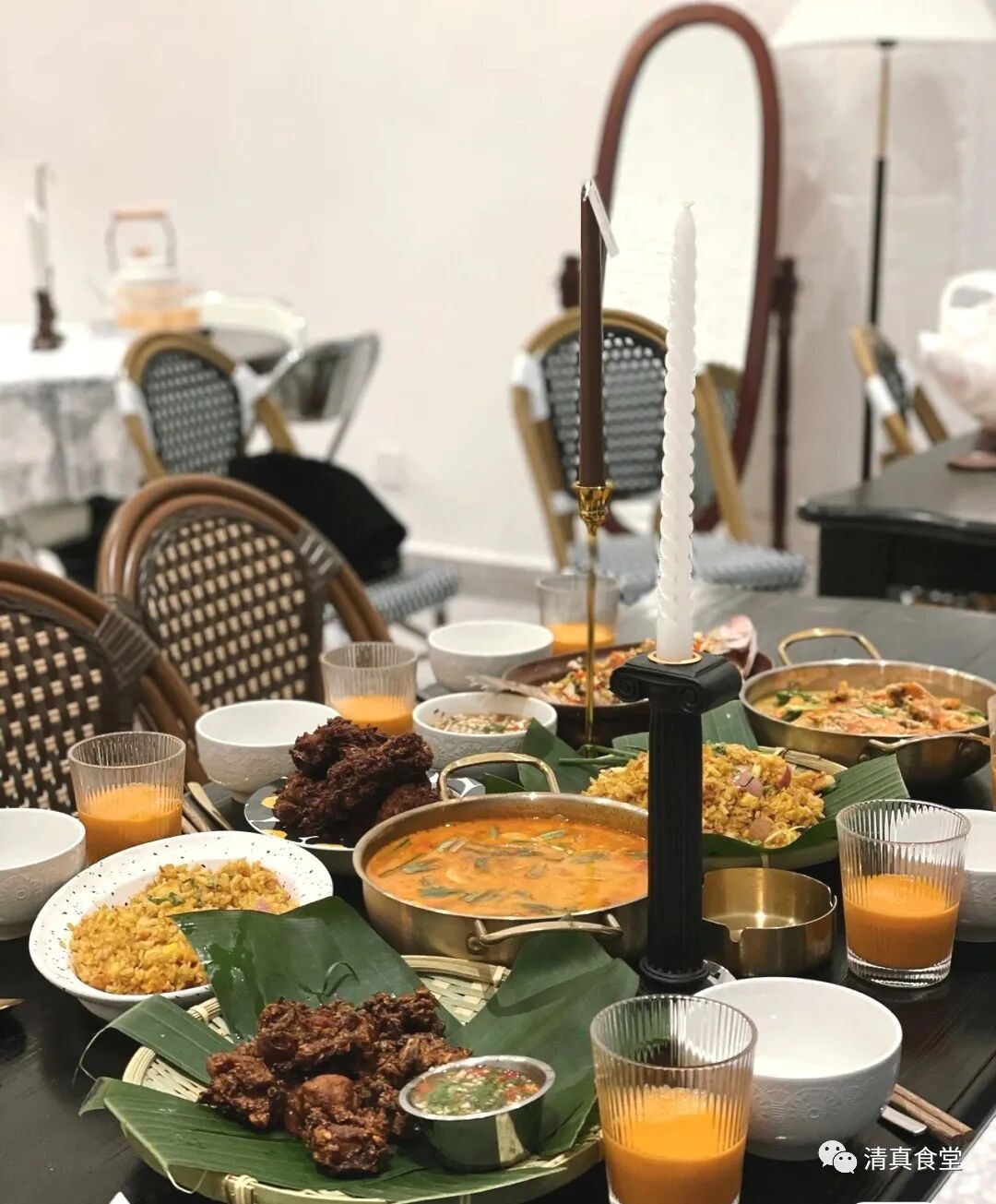
The older generation might argue that rice noodles should only be eaten the classic way to be truly savory, but young people are always chasing fresh flavor profiles—and these creative upgrades totally deliver without any buyer's remorse.
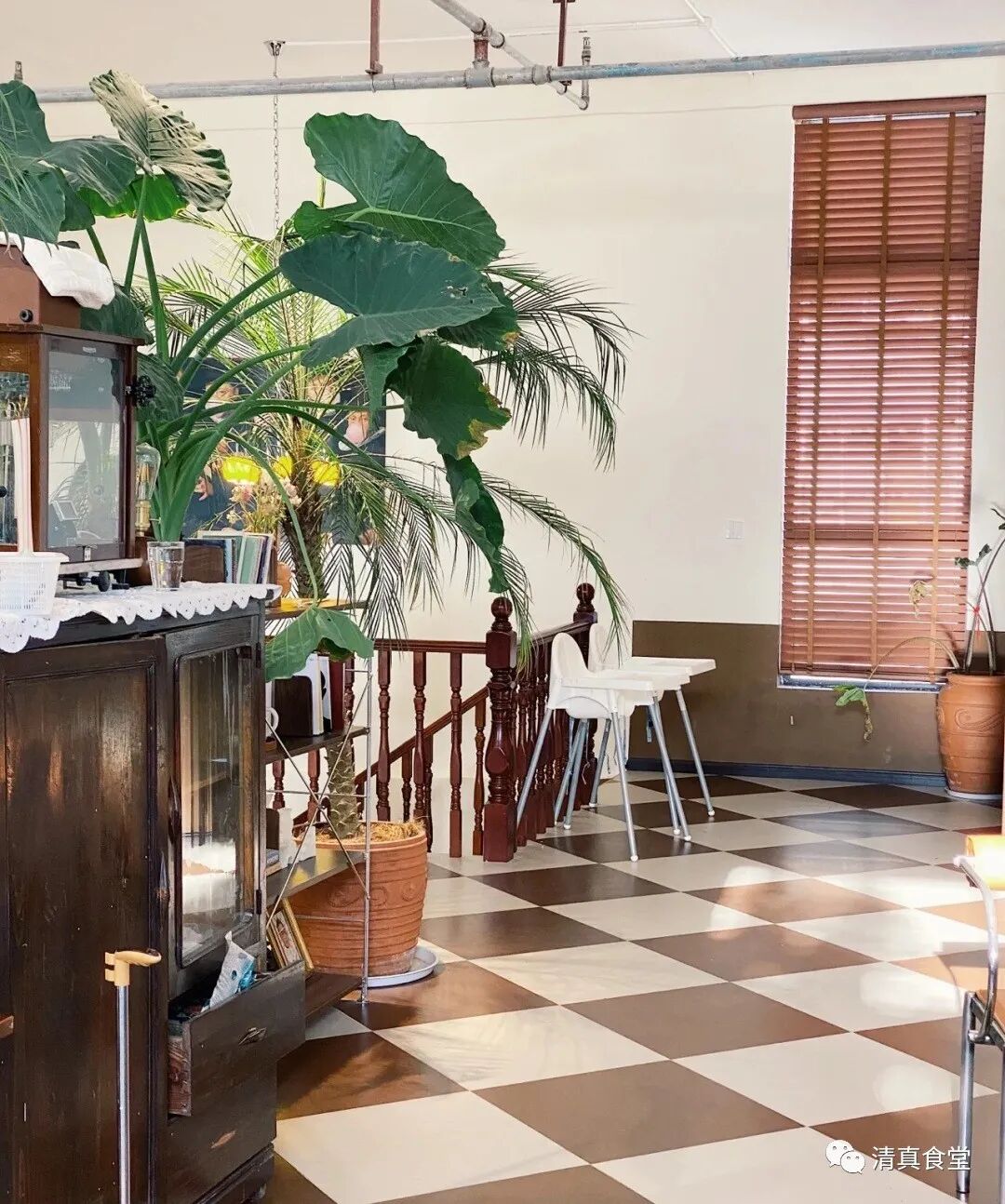
Their porcini mushroom fried rice (niuganjun chaofan) is also a must-try. Wild mushrooms are the ultimate Yunnan specialty, and in recent years, chefs have been loving to fold them into their menus. Porcini mushrooms and green chili peppers are an absolute match made in heaven, and tossing them into fried rice takes it to a whole new level.
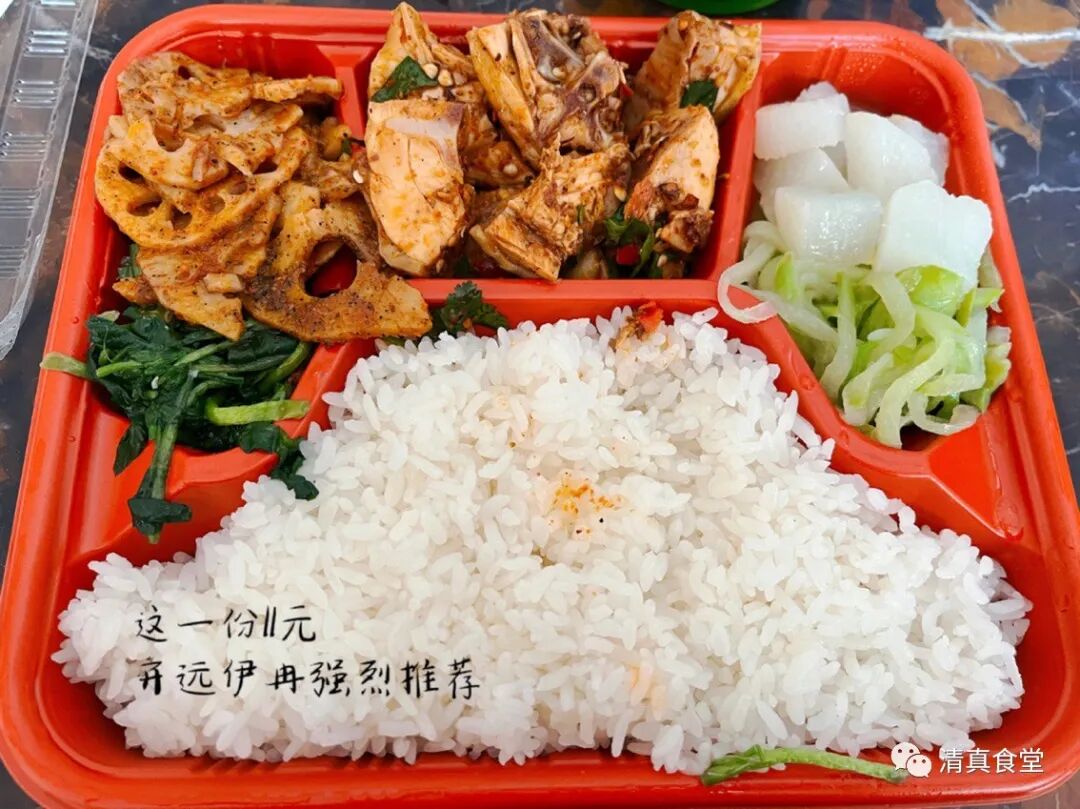
Kaiyuan has plenty of local signatures, and beef soup hot pot (niutangguo) is definitely near the top. It’s not just used as a noodle base, but served up family-style as a bubbling hot pot.
Ma Guo Kai Xiao Zuo sources its beef directly from local Dazhuang cattle. 'Dazhuang' is practically a badge of honor for top-tier beef; as soon as a restaurant advertises that their hot pot uses authentic local Dazhuang beef, you can bet it pulls in a massive crowd of hungry diners.
The owner says, "We only sell local beef." Stick to that one hard rule, and you're pretty much guaranteed to crush it. It just shows how insanely high the local respect is for Dazhuang local beef!
Halal twists on exotic global flavors
Dai cuisine, Thai flavors, Vietnamese street eats—you can find Halal versions of all these iconic regional styles right here in Kaiyuan.
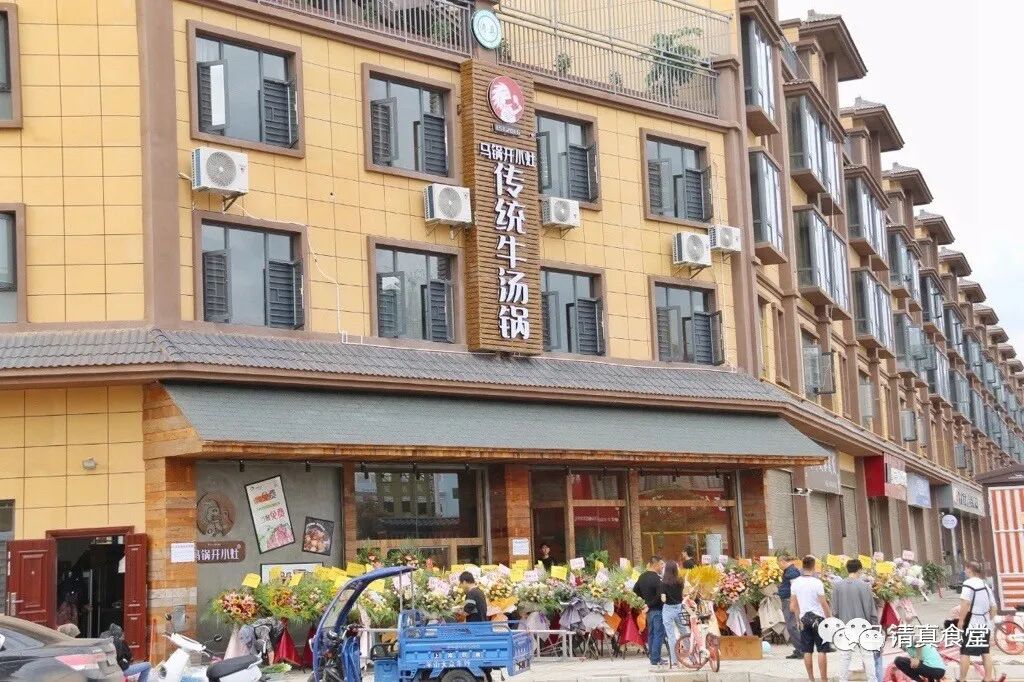
Lately, Thai and Dai flavors have been blowing up all over Yunnan. Since Kaiyuan has a huge population of young Hui Muslims, there's a serious appetite for these trending tastes, so naturally, restaurants dishing them out have been popping up back-to-back.
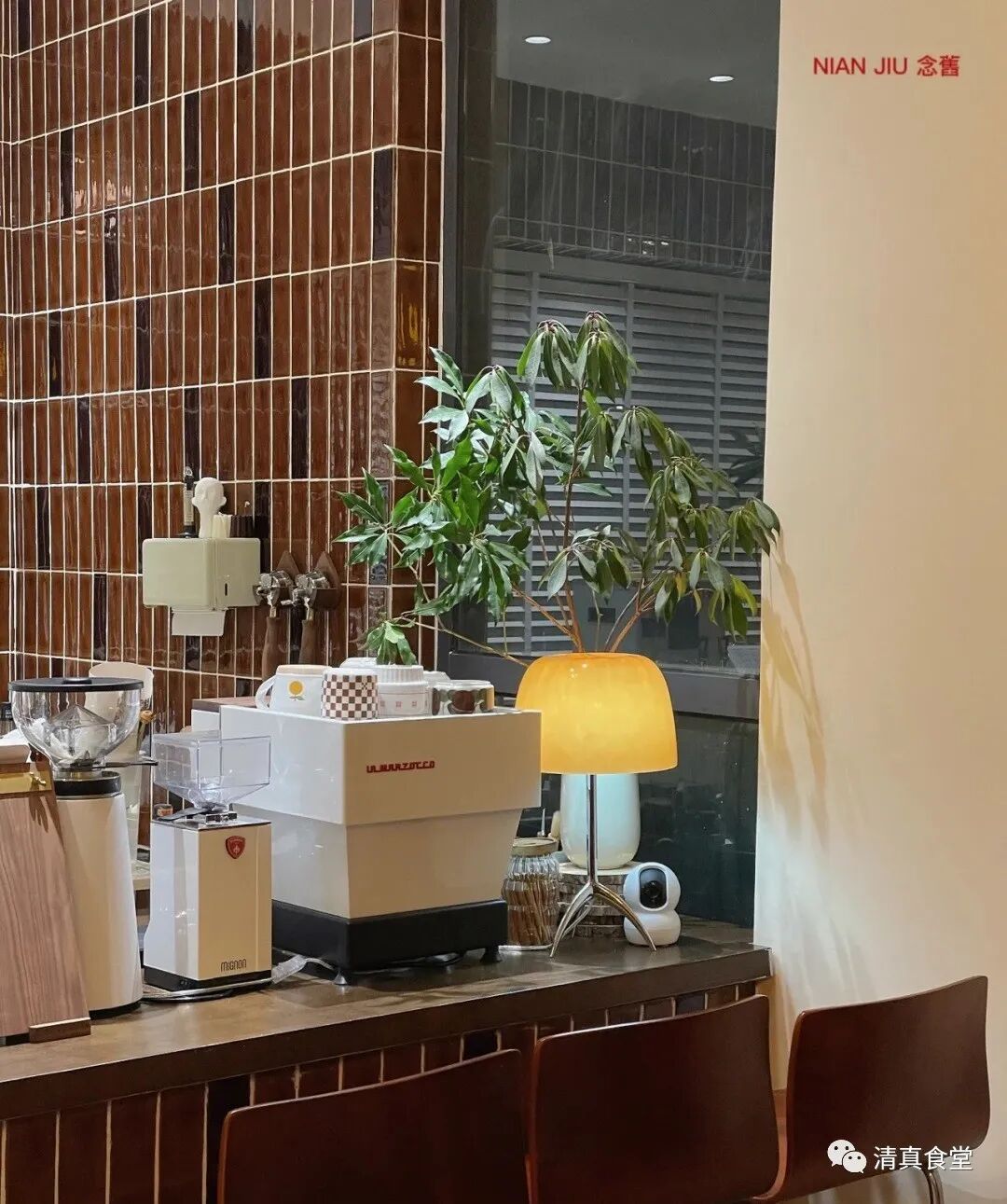
Shi Zhi Qingzhen, located in Jiete Plaza, specializes in Thai and Dai food. It's won a major following because the dishes taste super authentic.
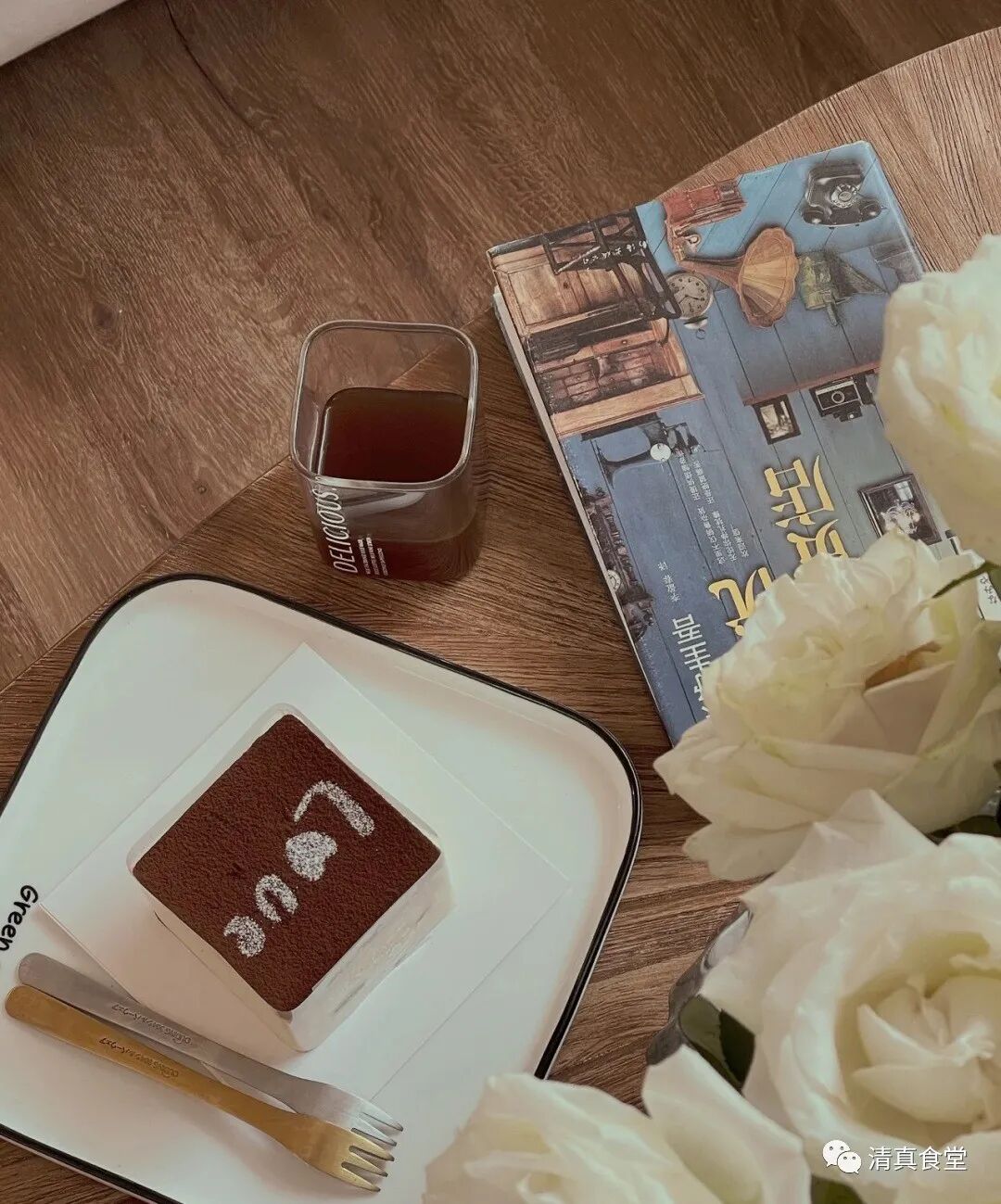
They've got everything from Dai-style oil-splashed dishes to Thai tom yum. You'll spot all the absolute must-have ingredients in these flavor profiles: Myanmar culantro, fresh lime, lemongrass, and tiny, fiery Xiaomi chili peppers...
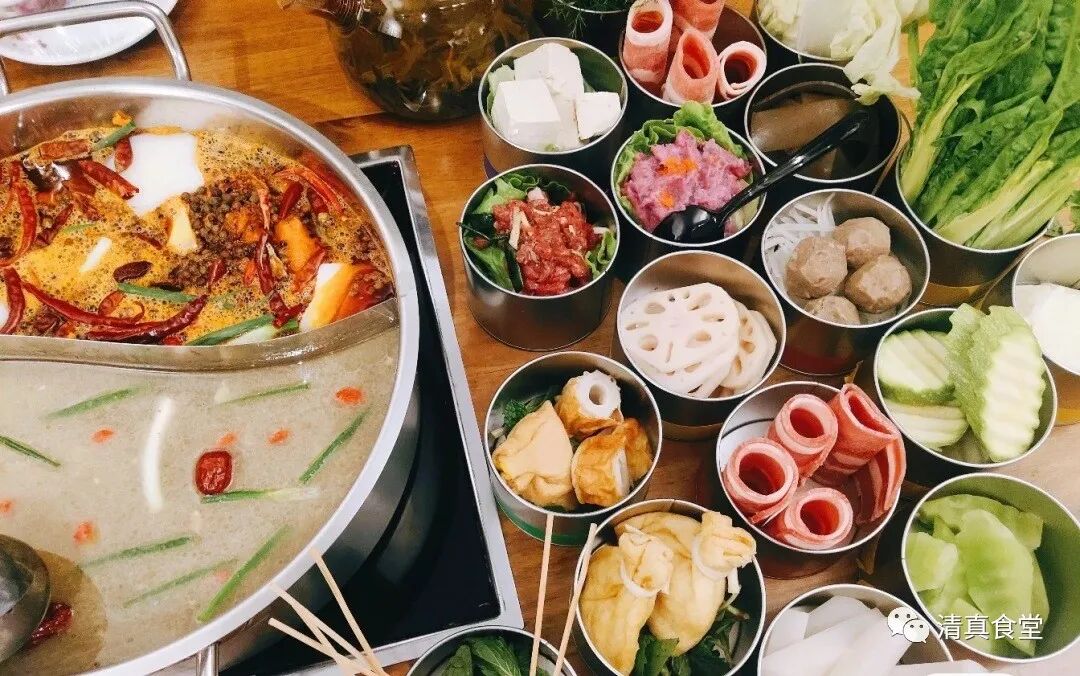
It kinda reminds us of Uncle Sai, a super trendy Thai spot that blew up recently. Though sadly, the original location isn't open anymore.
Our foodie squad went twice and totally fell in love with it. Regardless of how you judge the exact flavor, Uncle Sai basically set a whole new, innovative high-water mark for Kaiyuan's Halal food scene.
We seriously respect Uncle Sai's spot—they put so much genuine thought into the design, the vibe, and the cooking. Their food genuinely transports you straight back to Thailand, and the aesthetic hits different.
Who wouldn't want to feast on exotic flavors in a gorgeous little spot like this?
Beyond just the exotic food, having exotic interior design to match is an absolute vibe. Our squad is low-key obsessed with retro aesthetics—walking in literally makes you feel like you've jetted off to Chiang Mai~ The warm cocoa tones, indoor greenery, and vintage floor tiles tie everything together so well.
Why are so many young people grinding for the Halal food scene?
In Honghe Prefecture, Kaiyuan feels like a pretty youthful city.
And the power of youth is all about having fresh ideas.
A fast-food joint called Yiran Halal is an absolute obsession for local nine-to-fivers and delivery workers in Kaiyuan. Even though it's just regular fast food—your standard three meat dishes and two veggie sides—their business is ridiculously booming.
The secret sauce behind this regular fast-food spot's massive success is the owner: the Lunchbox Knight.
Packing lunchboxes is the day job, but being a knight is the dream. A young, entrepreneurial boss running a fast-food joint while never losing sight of his dreams.
Running a Douyin (TikTok) account gives this little shop a unique soul—another flex of youth culture. Hui Muslim youth are constantly learning, leveling up, and building something totally unique. That is seriously so important.
Sure, it's just your standard three-meat-and-two-veggie setup, and the cooking is straightforward, but it slaps. Even in a seemingly basic Halal spot like this, the hustle and drive of these young Hui Muslims make the whole place shine bright.
You guys already know 'Maguo' from Maguo's Private Kitchen—yep, the genius behind our convenience store's viral coconut sesame chicken has opened up a hot pot spot right here in Kaiyuan.
Now, Kaiyuan already has tons and tons of hot pot joints in every style imaginable, including Halal Sichuan and Chongqing hot pots, but Maguo decided to focus strictly on local beef soup hot pot.
From the storefront decor to the ingredient curation, you can tell everything is filtered through young brains to keep the spot fresh and vibrant. Infusing modern youth culture into traditional eats is key—after all, only young people truly know what young people want.
When our foodie squad rolled into Kaiyuan, we were instantly hooked by how youthful the city felt. If you're a young Hui Muslim moving here to live, you'll never have to worry about finding a place that keeps you feeling young.
Critics might say these trendy spots won't stand the test of time, and hey, Kaiyuan has countless rock-solid, old-school Halal institutions. Every single year, new joints open up while others close down or relocate.
Yet these new spots are the physical embodiment of the Hui youth's dreams and hopes. If we had to pick anywhere in Honghe Prefecture to settle down, it would be Kaiyuan in a heartbeat. Come to Kaiyuan, and you'll never worry about what to eat, nor will you run out of fresh vibes, youthfulness, and aesthetic joy.
You might not be planning a dedicated trip to Kaiyuan just based on this article, but if you ever get the chance to visit Honghe Prefecture in Yunnan, do yourself a favor and come to Kaiyuan specifically for a food crawl.
The restaurants our squad listed here are just the tip of the iceberg, so let's shout out a few legendary, can't-miss, tried-and-true Halal spots in Kaiyuan!
There's a traditional *chuanguo* (bronze pot hot pot) spot at the Linjiang Farmers' Market, though we hear it's moved to Yingxu Plaza now. The Halal joints on Youth Road have been holding it down for ages, and Changjiu Xiaojuanfen (Changjiu rice noodles) tucked away in a small alley—if you know, you know. Every single Halal restaurant is packed to the brim. Old-school spots like Yingjiang and Dongqiao are absolute classics. And the stir-fry at the Muslim Alcohol-Free Restaurant right next to the Kaiyuan North Bus Station is mind-blowing!
These days, Meituan and Ele.me delivery drivers are zipping all over Kaiyuan, and Halal delivery takes up like half the action. Kaiyuan is a city so vibrant you couldn't possibly capture it all in just a few articles.
Long story short: Kaiyuan is seriously the ultimate vibe for young Hui Muslims!
Hidden Gem on the Yunnan-Vietnam Railway: Why Young Hui Muslims Are Obsessed with Kaiyuan
Abstract:
As an industrial hub along the historic Yunnan-Vietnam Railway, Kaiyuan in Honghe Prefecture, Yunnan, draws on the rich Halal culinary traditions of Dazhuang Hui Township to spawn a wave of youthful, stylish modern Halal eateries and cafes. This article takes a deep dive into Kaiyuan's evolving Halal food scene, the wave of young Hui entrepreneurs returning home, and a laid-back, livable picture of multi-ethnic harmony.
Kaiyuan is a cozy little county-level city in the Honghe Hani and Yi Autonomous Prefecture of Yunnan Province. Tucked along the historic Yunnan-Vietnam Railway, it's literally a city built by the train tracks.
You could say Kaiyuan is an industrial city, a tropical city, a youthful city, and definitely a delicious city. Everyone says Kaiyuan folks are truly blessed, and honestly, living here just feels amazing.
Dazhuang Township in Kaiyuan is a Hui township, and a huge number of people from Dazhuang have moved into Kaiyuan to build their careers in the restaurant business. That's why Kaiyuan's Halal food scene is completely off the charts—definitely way too massive for just one blog post to cover.
Over the past few years, tons of new Halal spots have popped up across Kaiyuan, though plenty have come and gone, too. But it's exactly this constant wave of new openings and culinary experiments that makes Kaiyuan such an awesome place for young Hui folks to hang out.
Why are Kaiyuan's Halal restaurants getting so youthful?
A huge chunk of Kaiyuan's Halal eateries are run by and geared toward the younger generation. These spots often feature stunning interior design, gorgeous plating, and major photo ops for social media. While these tags totally fit the vibe of modern viral internet-famous shops, what's amazing is that the food at these places actually tastes incredible!
I vaguely remember over a decade ago, one of the very first Halal spots in Kaiyuan to capture young people's attention was Da Rong Shu (The Big Banyan Tree). Back then, their various rice bowl meals, fried rice, and fried street-style snacks felt super fresh and exciting.
As time rolls on, newer spots naturally replace the old classics, but Kaiyuan's youthful Halal scene keeps constantly renewing itself, giving locals that fresh, exciting vibe all the time.
With so many young Hui professionals moving to Kaiyuan for work, these trendy Halal restaurants have naturally multiplied to match their lifestyle, satisfying young urbanites' cravings for a cool weekend vibe and great food.
Take Mousse Xiao Ge, for instance—it's a dessert shop with a gorgeous Halal sign out front. When you take traditional symbols and give them a fresh, modern aesthetic twist like this, it's hard for young people not to fall in love with it.
Even though these places sometimes catch the 'internet-famous' label, I really feel like the owners pour their hearts into building and running these businesses. Young Hui folks choosing to put down roots in Kaiyuan definitely has a lot to do with the rise of these creative spots.
Kaiyuan is seriously becoming more and more magnetic for young Hui Muslims.
Kaiyuan has amazing greenery, and these restaurants really lean into lush plant styling to create gorgeous spaces. Sometimes, even before you know if the food is totally your thing, just walking in and sitting down at one of these places feels like self-care.
Uncle Sai (Sai Dashu) sits right along the banks of the Lujiang River, offering incredible views out the window.
A restaurant that puts real thought into its concept is always going to draw a crowd. Whether it's the interior design or the tiny details, these young entrepreneurs are putting serious work into figuring it out.
Ma Guo Kai Xiao Zuo Traditional Beef Soup Hot Pot is one of those places that nails the details. The owner chose a bunch of local Yunnan cultural elements for the decor: woven bamboo tools, earthen pottery jars, and more. Adding these touches gives the restaurant a ton of creative flair—and that creativity is a huge magnet for the younger crowd.
You can really see that more and more young Hui entrepreneurs are baking aesthetics right into their restaurant concepts from day one.
Of course, gorgeous interior design can never make up for food that doesn't taste good. That's also why these trendy young spots sometimes shut down—at the end of the day, incredible food is the absolute foundation of a lasting restaurant.
Why these specific Halal flavors?
Kaiyuan's Halal food scene basically breaks down into two main categories: first, fresh modern spins on classic local Kaiyuan flavors; and second, Halal adaptations of exotic cuisine.
Fresh Modern Spins on Classic Local Kaiyuan Flavors
Everyone knows that Yunnan's number one food love is rice noodles (mianxian). If you walk into 100 Halal restaurants in Kaiyuan, easily 90 of them are serving up noodles! Beyond the traditional beef soup rice noodles and stir-fried rice noodles at barbecue street stalls, younger foodies are totally hooked on these creative, innovative bowls.
A spot called Nianjiu (Reminiscence) has seriously taken rice noodles to the next level. Their Sichuan pepper and green peppercorn beef noodles (tengjiao niurou mianxian), pickled bamboo shoot beef noodles (suansun niurou mianxian), and super-popular spicy chili oil noodles (huhu lazhi baokuan mianxian) are absolute flavor bombs!
The older generation might argue that rice noodles should only be eaten the classic way to be truly savory, but young people are always chasing fresh flavor profiles—and these creative upgrades totally deliver without any buyer's remorse.
Their porcini mushroom fried rice (niuganjun chaofan) is also a must-try. Wild mushrooms are the ultimate Yunnan specialty, and in recent years, chefs have been loving to fold them into their menus. Porcini mushrooms and green chili peppers are an absolute match made in heaven, and tossing them into fried rice takes it to a whole new level.
Kaiyuan has plenty of local signatures, and beef soup hot pot (niutangguo) is definitely near the top. It’s not just used as a noodle base, but served up family-style as a bubbling hot pot.
Ma Guo Kai Xiao Zuo sources its beef directly from local Dazhuang cattle. 'Dazhuang' is practically a badge of honor for top-tier beef; as soon as a restaurant advertises that their hot pot uses authentic local Dazhuang beef, you can bet it pulls in a massive crowd of hungry diners.
The owner says, "We only sell local beef." Stick to that one hard rule, and you're pretty much guaranteed to crush it. It just shows how insanely high the local respect is for Dazhuang local beef!
Halal twists on exotic global flavors
Dai cuisine, Thai flavors, Vietnamese street eats—you can find Halal versions of all these iconic regional styles right here in Kaiyuan.
Lately, Thai and Dai flavors have been blowing up all over Yunnan. Since Kaiyuan has a huge population of young Hui Muslims, there's a serious appetite for these trending tastes, so naturally, restaurants dishing them out have been popping up back-to-back.
Shi Zhi Qingzhen, located in Jiete Plaza, specializes in Thai and Dai food. It's won a major following because the dishes taste super authentic.
They've got everything from Dai-style oil-splashed dishes to Thai tom yum. You'll spot all the absolute must-have ingredients in these flavor profiles: Myanmar culantro, fresh lime, lemongrass, and tiny, fiery Xiaomi chili peppers...
It kinda reminds us of Uncle Sai, a super trendy Thai spot that blew up recently. Though sadly, the original location isn't open anymore.
Our foodie squad went twice and totally fell in love with it. Regardless of how you judge the exact flavor, Uncle Sai basically set a whole new, innovative high-water mark for Kaiyuan's Halal food scene.
We seriously respect Uncle Sai's spot—they put so much genuine thought into the design, the vibe, and the cooking. Their food genuinely transports you straight back to Thailand, and the aesthetic hits different.
Who wouldn't want to feast on exotic flavors in a gorgeous little spot like this?
Beyond just the exotic food, having exotic interior design to match is an absolute vibe. Our squad is low-key obsessed with retro aesthetics—walking in literally makes you feel like you've jetted off to Chiang Mai~ The warm cocoa tones, indoor greenery, and vintage floor tiles tie everything together so well.
Why are so many young people grinding for the Halal food scene?
In Honghe Prefecture, Kaiyuan feels like a pretty youthful city.
And the power of youth is all about having fresh ideas.
A fast-food joint called Yiran Halal is an absolute obsession for local nine-to-fivers and delivery workers in Kaiyuan. Even though it's just regular fast food—your standard three meat dishes and two veggie sides—their business is ridiculously booming.
The secret sauce behind this regular fast-food spot's massive success is the owner: the Lunchbox Knight.
Packing lunchboxes is the day job, but being a knight is the dream. A young, entrepreneurial boss running a fast-food joint while never losing sight of his dreams.
Running a Douyin (TikTok) account gives this little shop a unique soul—another flex of youth culture. Hui Muslim youth are constantly learning, leveling up, and building something totally unique. That is seriously so important.
Sure, it's just your standard three-meat-and-two-veggie setup, and the cooking is straightforward, but it slaps. Even in a seemingly basic Halal spot like this, the hustle and drive of these young Hui Muslims make the whole place shine bright.
You guys already know 'Maguo' from Maguo's Private Kitchen—yep, the genius behind our convenience store's viral coconut sesame chicken has opened up a hot pot spot right here in Kaiyuan.
Now, Kaiyuan already has tons and tons of hot pot joints in every style imaginable, including Halal Sichuan and Chongqing hot pots, but Maguo decided to focus strictly on local beef soup hot pot.
From the storefront decor to the ingredient curation, you can tell everything is filtered through young brains to keep the spot fresh and vibrant. Infusing modern youth culture into traditional eats is key—after all, only young people truly know what young people want.
When our foodie squad rolled into Kaiyuan, we were instantly hooked by how youthful the city felt. If you're a young Hui Muslim moving here to live, you'll never have to worry about finding a place that keeps you feeling young.
Critics might say these trendy spots won't stand the test of time, and hey, Kaiyuan has countless rock-solid, old-school Halal institutions. Every single year, new joints open up while others close down or relocate.
Yet these new spots are the physical embodiment of the Hui youth's dreams and hopes. If we had to pick anywhere in Honghe Prefecture to settle down, it would be Kaiyuan in a heartbeat. Come to Kaiyuan, and you'll never worry about what to eat, nor will you run out of fresh vibes, youthfulness, and aesthetic joy.
You might not be planning a dedicated trip to Kaiyuan just based on this article, but if you ever get the chance to visit Honghe Prefecture in Yunnan, do yourself a favor and come to Kaiyuan specifically for a food crawl.
The restaurants our squad listed here are just the tip of the iceberg, so let's shout out a few legendary, can't-miss, tried-and-true Halal spots in Kaiyuan!
There's a traditional *chuanguo* (bronze pot hot pot) spot at the Linjiang Farmers' Market, though we hear it's moved to Yingxu Plaza now. The Halal joints on Youth Road have been holding it down for ages, and Changjiu Xiaojuanfen (Changjiu rice noodles) tucked away in a small alley—if you know, you know. Every single Halal restaurant is packed to the brim. Old-school spots like Yingjiang and Dongqiao are absolute classics. And the stir-fry at the Muslim Alcohol-Free Restaurant right next to the Kaiyuan North Bus Station is mind-blowing!
These days, Meituan and Ele.me delivery drivers are zipping all over Kaiyuan, and Halal delivery takes up like half the action. Kaiyuan is a city so vibrant you couldn't possibly capture it all in just a few articles.
Long story short: Kaiyuan is seriously the ultimate vibe for young Hui Muslims!
Exploring Hongbinlou in Shanghai: A Century-Old Halal Legend Meets Haipai Seafood
Articles • Hasan09 posted the article • 0 comments • 9 views • 1 days ago
[Internet Repost]
Exploring Hongbinlou in Shanghai: A Century-Old Halal Legend Meets Haipai Seafood
Abstract:
Step into Hongbinlou, a century-old halal institution right next to Jing'an Temple, to check out its famous halal seafood and traditional stir-fries. We're putting their signature seafood dishes to the test—where strict halal principles seamlessly blend with the fresh, delicate flavors of Jiangnan aquatic delicacies, showing off this veteran spot's timeless culinary chops.
Curiosity Meets Everything
Discovering unique spots across the city
Anyone who knows me well knows I run a special column called "Stories of Hot Summer Fun" (Huoxiale), and as an out-of-town editor, I've popped by quite a few times.
The first time was when a friend invited me over for dinner. Afterward, I felt both the food and the vibe were totally *lingguang* (awesome), so I wrote a story about the place—Jing'an District's ultimate halal food market, "Huoxiale". "Shop Stories" is another column of mine where I’ve featured several spots I love, and writing one for Huoxiale just happened by chance.
Every time I go to Huoxiale, I'm always curious because foreign friends keep trickling in to dine. The frequency of bumping into expats actually feels pretty high—there are usually 2 to 3 tables of international guests every time.
▲ Two international friends walking in right as dinner rush hits
I remember Tiger (the boss) telling me that Xinjiang cuisine is actually a fusion of French and Turkish culinary styles. I guess foreigners just love meat; Xinjiang food is mostly about mutton, beef, and chicken—all delicious cuts of meat.
Later on, I noticed it’s not just friends from the Middle East and Europe who love it; folks from Japan and South Korea are big fans too. Now that's pretty interesting.
▲ Two Japanese guests listening to Fourth Uncle sing
I've already written about the restaurant's master chef, Fourth Uncle. Hailing all the way from Yining to Shanghai, Fourth Uncle brought along his original creation: "Xinjiang Bread-Baked Lamb Leg" (Xinjiang mianbao kaoyangtui). That bread-baked lamb leg is truly a secret specialty crafted by Fourth Uncle.
▲ A Japanese guest starts snapping photos the second they walk in
Japan is surrounded by the sea, so logically they'd be way more into seafood, right? How come they're so crazy about meat too? Later on, I found out this building has a lot of history and is super famous—it's called "Hongbinlou".
Hongbinlou's flagship location is in Beijing, and it's a time-honored century-old Chinese brand. The original old Hongbinlou was founded in 1853 in Tianjin, making it a renowned halal restaurant. In 1955, at the invitation of Premier Zhou Enlai, it moved to Beijing, where it won fame across the capital for its unique dishes and was hailed by food critics, Muslims, and all walks of life as "Beijing's No. 1 Halal Restaurant."
The history of the Jing'an Temple Hongbinlou in Shanghai dates all the way back to the 1990s, making it over 30 years old now. Originally launched as a halal eatery in the northern part of the Jing'an Temple commercial district, Hongbinlou wasn't just known for its unique halal eats—it gradually became a major commercial and cultural landmark in the Jing'an Temple area.
Hongbinlou exclusively serves halal cuisine, and Huoxiale specializes in Silk Road halal eats. Every time I hit up the shop, Fourth Uncle greets me: "You want a bowl of banmian (hand-pulled noodles with sauce), or a bowl of shouzhua fan (Xinjiang hand-grabbed rice)?"
Every time, I eat to my heart's content. The pilaf is genuinely delicious, and the banmian has great chew. But my meat-eating capacity is pretty limited; I have a small appetite and get stuffed after just a bit of meat. A meal like that means I can totally skip dinner. Ever since I was a kid, I've always had a soft spot for fish.
Lately though, I haven't been visiting the shop much, but Peach—one of the team members—sent me a bunch of food pics. Oh *wow*, my jaw completely dropped! Fish, shrimp, and even beef short ribs—is the halal food scene expanding this much?
Just looking at these beef short ribs, the presentation is totally on point, and the bite should be amazing too.
Even though I haven't tasted it yet, the boss's attitude is definitely legit. Doing business in Shanghai, having the political awareness to blend local flavors and whip up "Haipai Halal" (Shanghai-style halal cuisine)—the people of Shanghai are totally gonna show some love and support, right? Gotta try it out and see how it differs from traditional Shanghai benbang-style beef short ribs.
This octopus is huge! When I was a kid, I used to eat those red-colored braised big octopus snacks, but I've never tried a steamed version like this.
I am totally sold on this steamed sea bass. This dish is a massive bestseller back home at local restaurants in Chuansha, and I'm super curious to see how a halal master chef puts their spin on it.
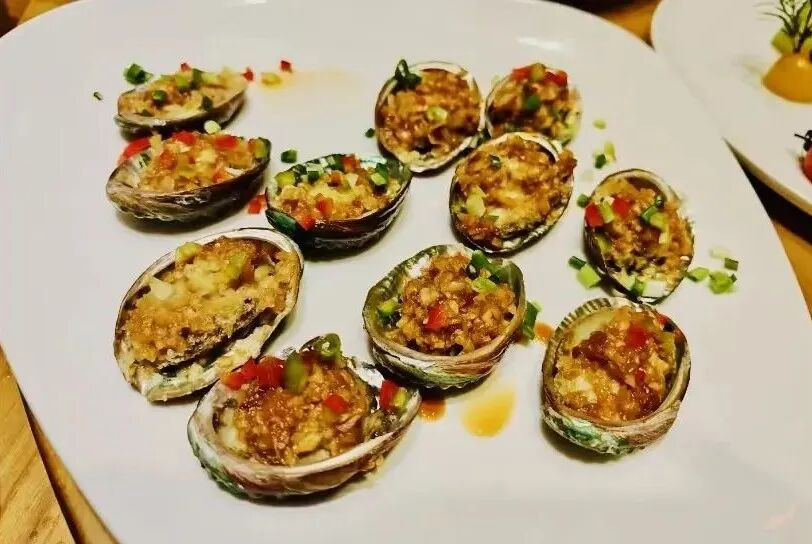
They even have abalone—that instantly bumps up the status of any dinner party. Wonder how many ways they can prep it, and if I can ask for it mild (non-spicy)?
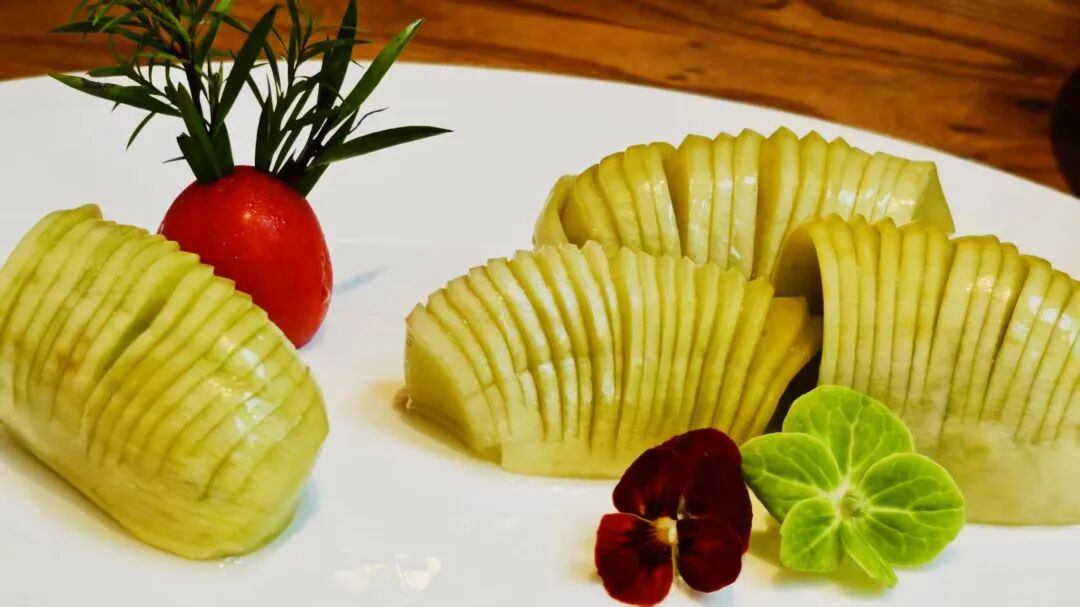
This veggie looks pretty *lingguang* (neat), but what on earth is it? I couldn't figure it out. Did any of my sharp-eyed friends spot it? Drop a comment below!
My little kiddo and grandma have asked me multiple times to take them there for a bite. You can't rush food, right? Look at how much the menu has expanded now. If you want Xinjiang food, you get Xinjiang food; if you want Haipai halal fish and shrimp, you've got those too. Lots of choices mean a much happier meal, right?
We Shanghainese have a saying: "A person gotta be *lingting* (sharp and clear-headed), and doing things takes even more clarity." Huoxiale’s boss is pretty *lingting*—he jumped right on blending local flavors to launch Haipai halal cuisine. So, time for us to go taste the *midao* (flavor)—let's roll! view all
Exploring Hongbinlou in Shanghai: A Century-Old Halal Legend Meets Haipai Seafood
Abstract:
Step into Hongbinlou, a century-old halal institution right next to Jing'an Temple, to check out its famous halal seafood and traditional stir-fries. We're putting their signature seafood dishes to the test—where strict halal principles seamlessly blend with the fresh, delicate flavors of Jiangnan aquatic delicacies, showing off this veteran spot's timeless culinary chops.
Curiosity Meets Everything
Discovering unique spots across the city
Anyone who knows me well knows I run a special column called "Stories of Hot Summer Fun" (Huoxiale), and as an out-of-town editor, I've popped by quite a few times.
The first time was when a friend invited me over for dinner. Afterward, I felt both the food and the vibe were totally *lingguang* (awesome), so I wrote a story about the place—Jing'an District's ultimate halal food market, "Huoxiale". "Shop Stories" is another column of mine where I’ve featured several spots I love, and writing one for Huoxiale just happened by chance.
Every time I go to Huoxiale, I'm always curious because foreign friends keep trickling in to dine. The frequency of bumping into expats actually feels pretty high—there are usually 2 to 3 tables of international guests every time.
▲ Two international friends walking in right as dinner rush hits
I remember Tiger (the boss) telling me that Xinjiang cuisine is actually a fusion of French and Turkish culinary styles. I guess foreigners just love meat; Xinjiang food is mostly about mutton, beef, and chicken—all delicious cuts of meat.
Later on, I noticed it’s not just friends from the Middle East and Europe who love it; folks from Japan and South Korea are big fans too. Now that's pretty interesting.
▲ Two Japanese guests listening to Fourth Uncle sing
I've already written about the restaurant's master chef, Fourth Uncle. Hailing all the way from Yining to Shanghai, Fourth Uncle brought along his original creation: "Xinjiang Bread-Baked Lamb Leg" (Xinjiang mianbao kaoyangtui). That bread-baked lamb leg is truly a secret specialty crafted by Fourth Uncle.
▲ A Japanese guest starts snapping photos the second they walk in
Japan is surrounded by the sea, so logically they'd be way more into seafood, right? How come they're so crazy about meat too? Later on, I found out this building has a lot of history and is super famous—it's called "Hongbinlou".
Hongbinlou's flagship location is in Beijing, and it's a time-honored century-old Chinese brand. The original old Hongbinlou was founded in 1853 in Tianjin, making it a renowned halal restaurant. In 1955, at the invitation of Premier Zhou Enlai, it moved to Beijing, where it won fame across the capital for its unique dishes and was hailed by food critics, Muslims, and all walks of life as "Beijing's No. 1 Halal Restaurant."
The history of the Jing'an Temple Hongbinlou in Shanghai dates all the way back to the 1990s, making it over 30 years old now. Originally launched as a halal eatery in the northern part of the Jing'an Temple commercial district, Hongbinlou wasn't just known for its unique halal eats—it gradually became a major commercial and cultural landmark in the Jing'an Temple area.
Hongbinlou exclusively serves halal cuisine, and Huoxiale specializes in Silk Road halal eats. Every time I hit up the shop, Fourth Uncle greets me: "You want a bowl of banmian (hand-pulled noodles with sauce), or a bowl of shouzhua fan (Xinjiang hand-grabbed rice)?"
Every time, I eat to my heart's content. The pilaf is genuinely delicious, and the banmian has great chew. But my meat-eating capacity is pretty limited; I have a small appetite and get stuffed after just a bit of meat. A meal like that means I can totally skip dinner. Ever since I was a kid, I've always had a soft spot for fish.
Lately though, I haven't been visiting the shop much, but Peach—one of the team members—sent me a bunch of food pics. Oh *wow*, my jaw completely dropped! Fish, shrimp, and even beef short ribs—is the halal food scene expanding this much?
Just looking at these beef short ribs, the presentation is totally on point, and the bite should be amazing too.
Even though I haven't tasted it yet, the boss's attitude is definitely legit. Doing business in Shanghai, having the political awareness to blend local flavors and whip up "Haipai Halal" (Shanghai-style halal cuisine)—the people of Shanghai are totally gonna show some love and support, right? Gotta try it out and see how it differs from traditional Shanghai benbang-style beef short ribs.
This octopus is huge! When I was a kid, I used to eat those red-colored braised big octopus snacks, but I've never tried a steamed version like this.
I am totally sold on this steamed sea bass. This dish is a massive bestseller back home at local restaurants in Chuansha, and I'm super curious to see how a halal master chef puts their spin on it.
They even have abalone—that instantly bumps up the status of any dinner party. Wonder how many ways they can prep it, and if I can ask for it mild (non-spicy)?
This veggie looks pretty *lingguang* (neat), but what on earth is it? I couldn't figure it out. Did any of my sharp-eyed friends spot it? Drop a comment below!
My little kiddo and grandma have asked me multiple times to take them there for a bite. You can't rush food, right? Look at how much the menu has expanded now. If you want Xinjiang food, you get Xinjiang food; if you want Haipai halal fish and shrimp, you've got those too. Lots of choices mean a much happier meal, right?
We Shanghainese have a saying: "A person gotta be *lingting* (sharp and clear-headed), and doing things takes even more clarity." Huoxiale’s boss is pretty *lingting*—he jumped right on blending local flavors to launch Haipai halal cuisine. So, time for us to go taste the *midao* (flavor)—let's roll! view all
[Internet Repost]
Exploring Hongbinlou in Shanghai: A Century-Old Halal Legend Meets Haipai Seafood
Abstract:

Step into Hongbinlou, a century-old halal institution right next to Jing'an Temple, to check out its famous halal seafood and traditional stir-fries. We're putting their signature seafood dishes to the test—where strict halal principles seamlessly blend with the fresh, delicate flavors of Jiangnan aquatic delicacies, showing off this veteran spot's timeless culinary chops.
Curiosity Meets Everything
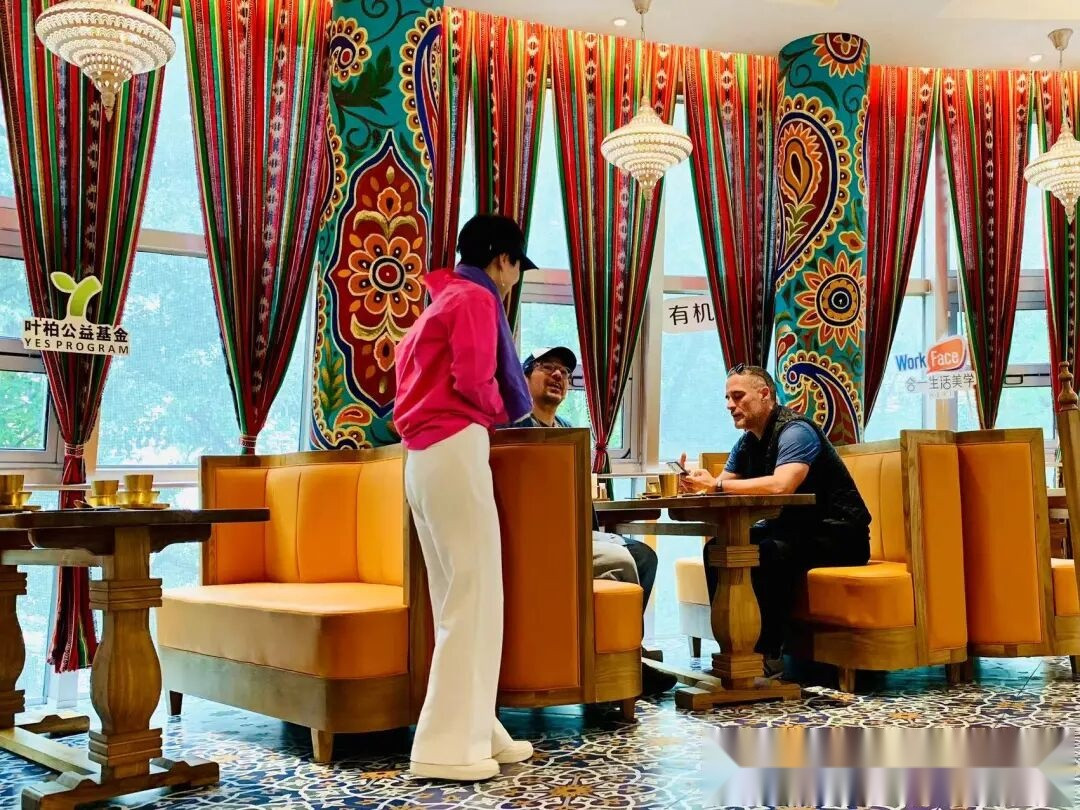
Discovering unique spots across the city
Anyone who knows me well knows I run a special column called "Stories of Hot Summer Fun" (Huoxiale), and as an out-of-town editor, I've popped by quite a few times.
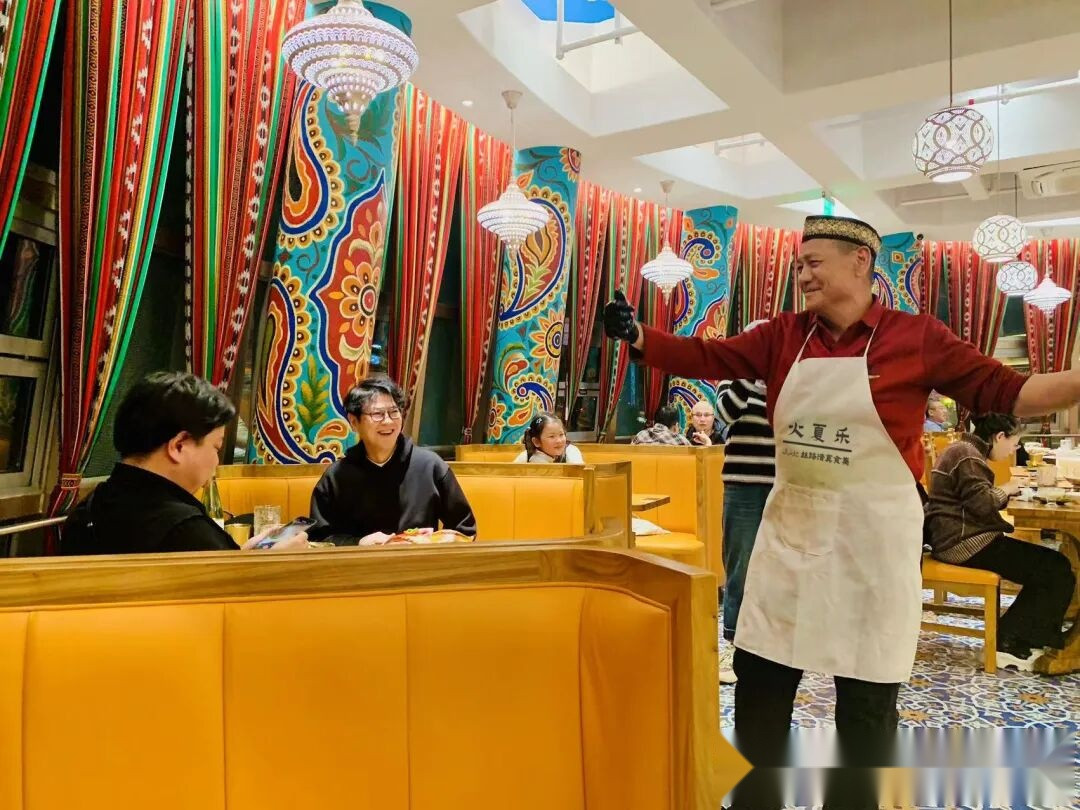
The first time was when a friend invited me over for dinner. Afterward, I felt both the food and the vibe were totally *lingguang* (awesome), so I wrote a story about the place—Jing'an District's ultimate halal food market, "Huoxiale". "Shop Stories" is another column of mine where I’ve featured several spots I love, and writing one for Huoxiale just happened by chance.
Every time I go to Huoxiale, I'm always curious because foreign friends keep trickling in to dine. The frequency of bumping into expats actually feels pretty high—there are usually 2 to 3 tables of international guests every time.
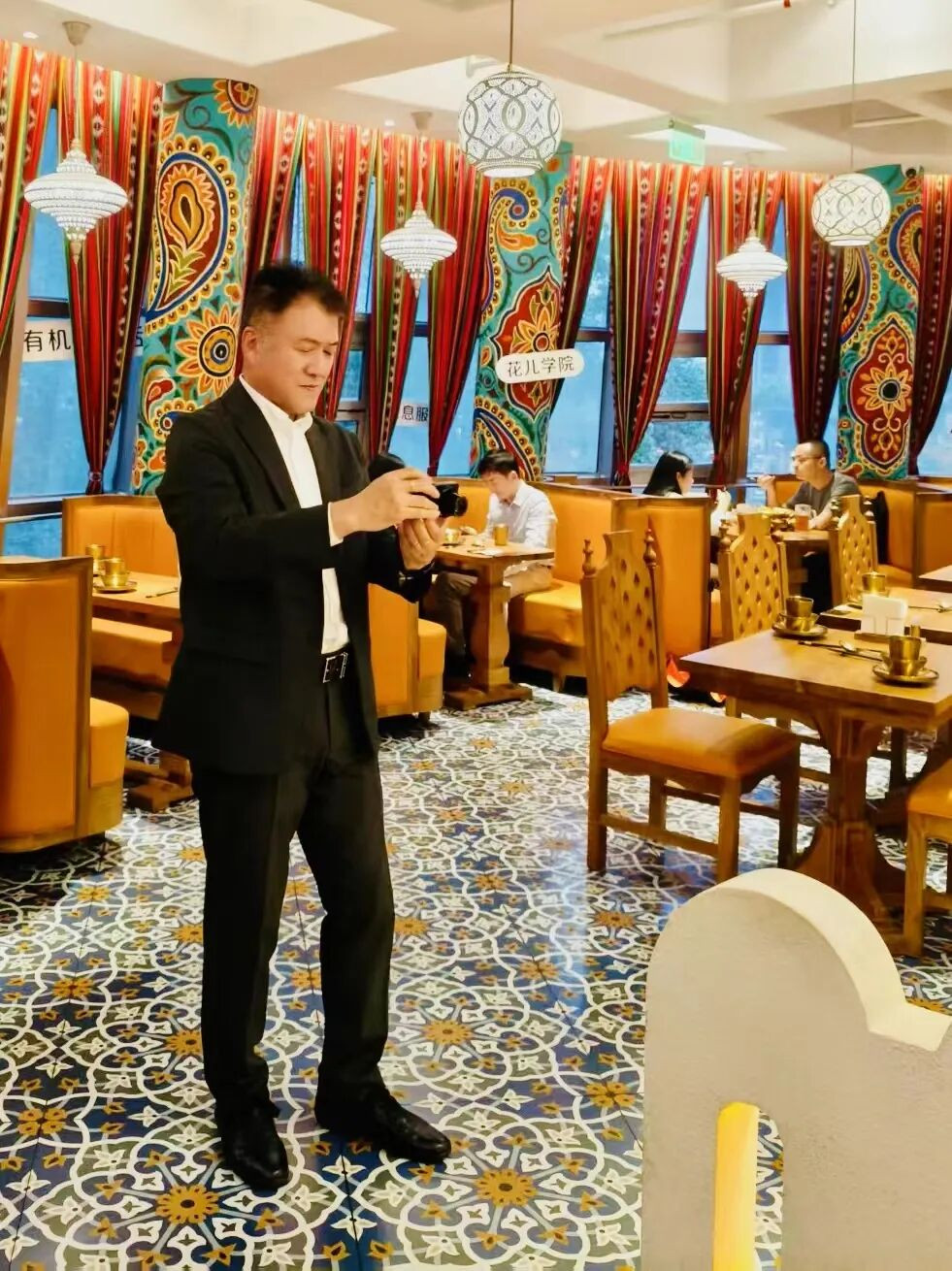
▲ Two international friends walking in right as dinner rush hits
I remember Tiger (the boss) telling me that Xinjiang cuisine is actually a fusion of French and Turkish culinary styles. I guess foreigners just love meat; Xinjiang food is mostly about mutton, beef, and chicken—all delicious cuts of meat.
Later on, I noticed it’s not just friends from the Middle East and Europe who love it; folks from Japan and South Korea are big fans too. Now that's pretty interesting.
▲ Two Japanese guests listening to Fourth Uncle sing
I've already written about the restaurant's master chef, Fourth Uncle. Hailing all the way from Yining to Shanghai, Fourth Uncle brought along his original creation: "Xinjiang Bread-Baked Lamb Leg" (Xinjiang mianbao kaoyangtui). That bread-baked lamb leg is truly a secret specialty crafted by Fourth Uncle.
▲ A Japanese guest starts snapping photos the second they walk in
Japan is surrounded by the sea, so logically they'd be way more into seafood, right? How come they're so crazy about meat too? Later on, I found out this building has a lot of history and is super famous—it's called "Hongbinlou".
Hongbinlou's flagship location is in Beijing, and it's a time-honored century-old Chinese brand. The original old Hongbinlou was founded in 1853 in Tianjin, making it a renowned halal restaurant. In 1955, at the invitation of Premier Zhou Enlai, it moved to Beijing, where it won fame across the capital for its unique dishes and was hailed by food critics, Muslims, and all walks of life as "Beijing's No. 1 Halal Restaurant."
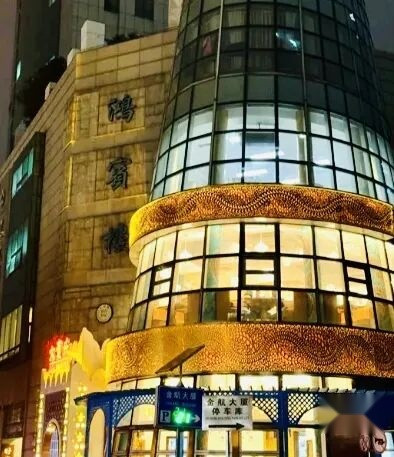
The history of the Jing'an Temple Hongbinlou in Shanghai dates all the way back to the 1990s, making it over 30 years old now. Originally launched as a halal eatery in the northern part of the Jing'an Temple commercial district, Hongbinlou wasn't just known for its unique halal eats—it gradually became a major commercial and cultural landmark in the Jing'an Temple area.
Hongbinlou exclusively serves halal cuisine, and Huoxiale specializes in Silk Road halal eats. Every time I hit up the shop, Fourth Uncle greets me: "You want a bowl of banmian (hand-pulled noodles with sauce), or a bowl of shouzhua fan (Xinjiang hand-grabbed rice)?"
Every time, I eat to my heart's content. The pilaf is genuinely delicious, and the banmian has great chew. But my meat-eating capacity is pretty limited; I have a small appetite and get stuffed after just a bit of meat. A meal like that means I can totally skip dinner. Ever since I was a kid, I've always had a soft spot for fish.
Lately though, I haven't been visiting the shop much, but Peach—one of the team members—sent me a bunch of food pics. Oh *wow*, my jaw completely dropped! Fish, shrimp, and even beef short ribs—is the halal food scene expanding this much?
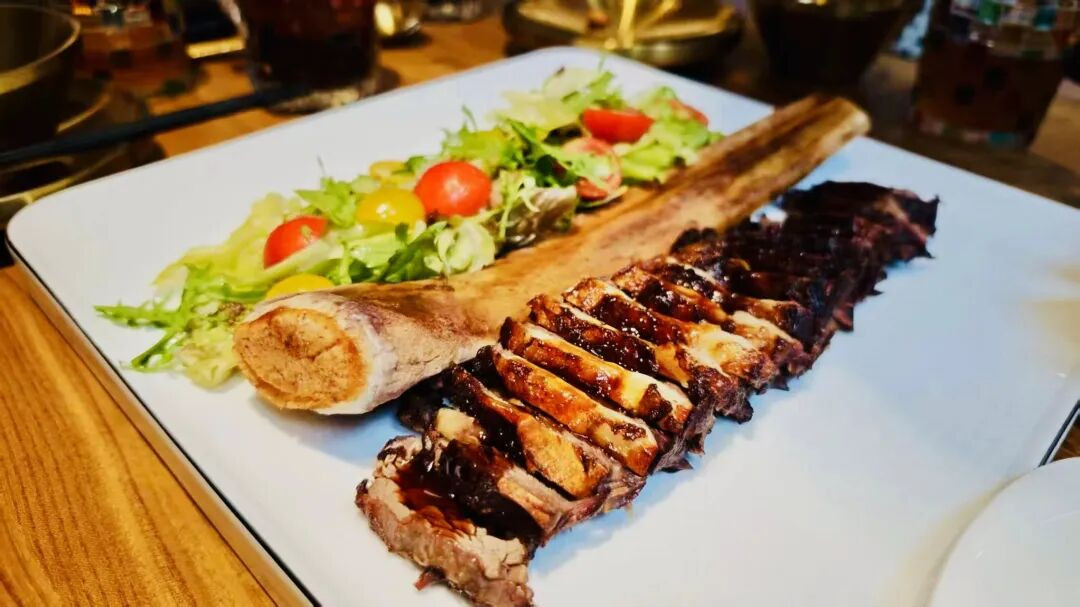
Just looking at these beef short ribs, the presentation is totally on point, and the bite should be amazing too.
Even though I haven't tasted it yet, the boss's attitude is definitely legit. Doing business in Shanghai, having the political awareness to blend local flavors and whip up "Haipai Halal" (Shanghai-style halal cuisine)—the people of Shanghai are totally gonna show some love and support, right? Gotta try it out and see how it differs from traditional Shanghai benbang-style beef short ribs.
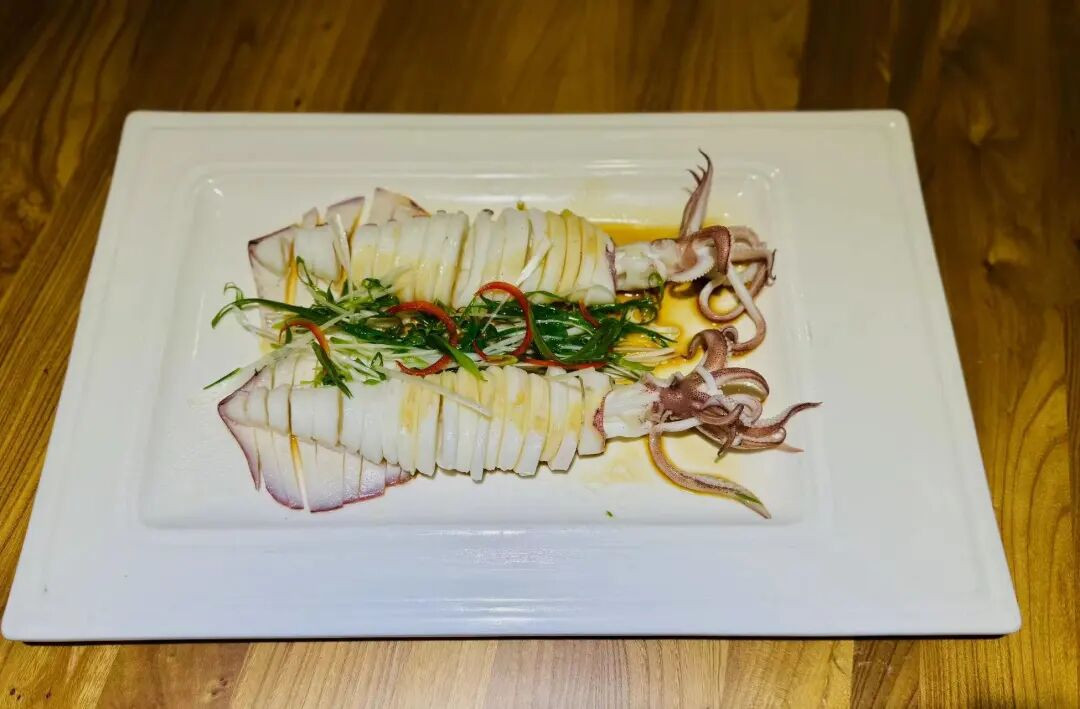
This octopus is huge! When I was a kid, I used to eat those red-colored braised big octopus snacks, but I've never tried a steamed version like this.
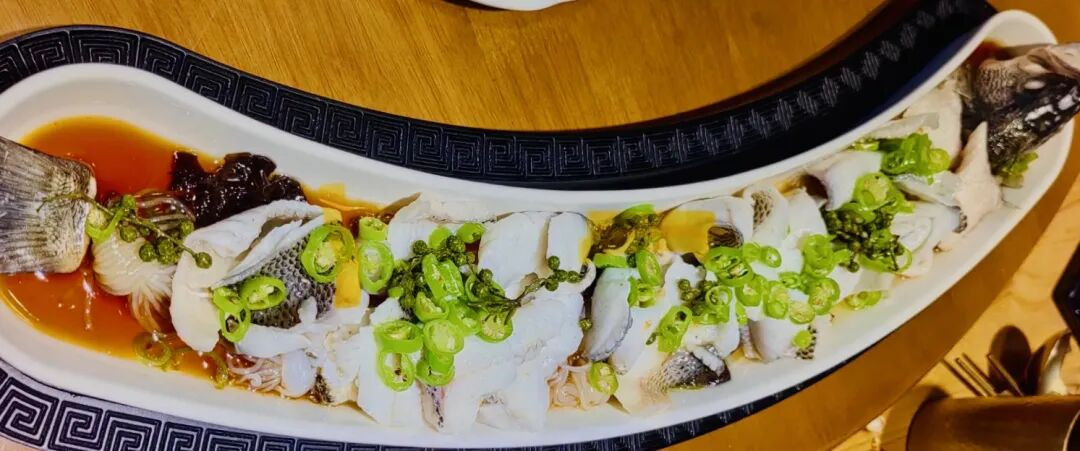
I am totally sold on this steamed sea bass. This dish is a massive bestseller back home at local restaurants in Chuansha, and I'm super curious to see how a halal master chef puts their spin on it.
They even have abalone—that instantly bumps up the status of any dinner party. Wonder how many ways they can prep it, and if I can ask for it mild (non-spicy)?
This veggie looks pretty *lingguang* (neat), but what on earth is it? I couldn't figure it out. Did any of my sharp-eyed friends spot it? Drop a comment below!
My little kiddo and grandma have asked me multiple times to take them there for a bite. You can't rush food, right? Look at how much the menu has expanded now. If you want Xinjiang food, you get Xinjiang food; if you want Haipai halal fish and shrimp, you've got those too. Lots of choices mean a much happier meal, right?
We Shanghainese have a saying: "A person gotta be *lingting* (sharp and clear-headed), and doing things takes even more clarity." Huoxiale’s boss is pretty *lingting*—he jumped right on blending local flavors to launch Haipai halal cuisine. So, time for us to go taste the *midao* (flavor)—let's roll!
Exploring Hongbinlou in Shanghai: A Century-Old Halal Legend Meets Haipai Seafood
Abstract:
Step into Hongbinlou, a century-old halal institution right next to Jing'an Temple, to check out its famous halal seafood and traditional stir-fries. We're putting their signature seafood dishes to the test—where strict halal principles seamlessly blend with the fresh, delicate flavors of Jiangnan aquatic delicacies, showing off this veteran spot's timeless culinary chops.
Curiosity Meets Everything
Discovering unique spots across the city
Anyone who knows me well knows I run a special column called "Stories of Hot Summer Fun" (Huoxiale), and as an out-of-town editor, I've popped by quite a few times.
The first time was when a friend invited me over for dinner. Afterward, I felt both the food and the vibe were totally *lingguang* (awesome), so I wrote a story about the place—Jing'an District's ultimate halal food market, "Huoxiale". "Shop Stories" is another column of mine where I’ve featured several spots I love, and writing one for Huoxiale just happened by chance.
Every time I go to Huoxiale, I'm always curious because foreign friends keep trickling in to dine. The frequency of bumping into expats actually feels pretty high—there are usually 2 to 3 tables of international guests every time.
▲ Two international friends walking in right as dinner rush hits
I remember Tiger (the boss) telling me that Xinjiang cuisine is actually a fusion of French and Turkish culinary styles. I guess foreigners just love meat; Xinjiang food is mostly about mutton, beef, and chicken—all delicious cuts of meat.
Later on, I noticed it’s not just friends from the Middle East and Europe who love it; folks from Japan and South Korea are big fans too. Now that's pretty interesting.
▲ Two Japanese guests listening to Fourth Uncle sing
I've already written about the restaurant's master chef, Fourth Uncle. Hailing all the way from Yining to Shanghai, Fourth Uncle brought along his original creation: "Xinjiang Bread-Baked Lamb Leg" (Xinjiang mianbao kaoyangtui). That bread-baked lamb leg is truly a secret specialty crafted by Fourth Uncle.
▲ A Japanese guest starts snapping photos the second they walk in
Japan is surrounded by the sea, so logically they'd be way more into seafood, right? How come they're so crazy about meat too? Later on, I found out this building has a lot of history and is super famous—it's called "Hongbinlou".
Hongbinlou's flagship location is in Beijing, and it's a time-honored century-old Chinese brand. The original old Hongbinlou was founded in 1853 in Tianjin, making it a renowned halal restaurant. In 1955, at the invitation of Premier Zhou Enlai, it moved to Beijing, where it won fame across the capital for its unique dishes and was hailed by food critics, Muslims, and all walks of life as "Beijing's No. 1 Halal Restaurant."
The history of the Jing'an Temple Hongbinlou in Shanghai dates all the way back to the 1990s, making it over 30 years old now. Originally launched as a halal eatery in the northern part of the Jing'an Temple commercial district, Hongbinlou wasn't just known for its unique halal eats—it gradually became a major commercial and cultural landmark in the Jing'an Temple area.
Hongbinlou exclusively serves halal cuisine, and Huoxiale specializes in Silk Road halal eats. Every time I hit up the shop, Fourth Uncle greets me: "You want a bowl of banmian (hand-pulled noodles with sauce), or a bowl of shouzhua fan (Xinjiang hand-grabbed rice)?"
Every time, I eat to my heart's content. The pilaf is genuinely delicious, and the banmian has great chew. But my meat-eating capacity is pretty limited; I have a small appetite and get stuffed after just a bit of meat. A meal like that means I can totally skip dinner. Ever since I was a kid, I've always had a soft spot for fish.
Lately though, I haven't been visiting the shop much, but Peach—one of the team members—sent me a bunch of food pics. Oh *wow*, my jaw completely dropped! Fish, shrimp, and even beef short ribs—is the halal food scene expanding this much?
Just looking at these beef short ribs, the presentation is totally on point, and the bite should be amazing too.
Even though I haven't tasted it yet, the boss's attitude is definitely legit. Doing business in Shanghai, having the political awareness to blend local flavors and whip up "Haipai Halal" (Shanghai-style halal cuisine)—the people of Shanghai are totally gonna show some love and support, right? Gotta try it out and see how it differs from traditional Shanghai benbang-style beef short ribs.
This octopus is huge! When I was a kid, I used to eat those red-colored braised big octopus snacks, but I've never tried a steamed version like this.
I am totally sold on this steamed sea bass. This dish is a massive bestseller back home at local restaurants in Chuansha, and I'm super curious to see how a halal master chef puts their spin on it.
They even have abalone—that instantly bumps up the status of any dinner party. Wonder how many ways they can prep it, and if I can ask for it mild (non-spicy)?
This veggie looks pretty *lingguang* (neat), but what on earth is it? I couldn't figure it out. Did any of my sharp-eyed friends spot it? Drop a comment below!
My little kiddo and grandma have asked me multiple times to take them there for a bite. You can't rush food, right? Look at how much the menu has expanded now. If you want Xinjiang food, you get Xinjiang food; if you want Haipai halal fish and shrimp, you've got those too. Lots of choices mean a much happier meal, right?
We Shanghainese have a saying: "A person gotta be *lingting* (sharp and clear-headed), and doing things takes even more clarity." Huoxiale’s boss is pretty *lingting*—he jumped right on blending local flavors to launch Haipai halal cuisine. So, time for us to go taste the *midao* (flavor)—let's roll!
Visiting Yixinzhai: Century-Old Halal Spot in Shanghai & Its Iconic Pan-Fried Beef Buns
Articles • Hasan09 posted the article • 0 comments • 8 views • 1 days ago
[Internet Repost]
A Visit to the New Location of Yixinzhai: The Century-Old Halal Landmark on Pingliang Road, Yangpu, and Its Enduring Neighborhood Warmth
Summary:
A look at the relocation and renovation of Yixinzhai, the century-old Halal institution on Pingliang Road in Yangpu District. This guide shares the temporary new address, captures the lively scene of waiting for fresh niurou jianbao (pan-fried beef buns) straight out of the pan, and highlights the timeless, massive popularity of this legendary spot through changing times.
Pingliang Road in Yangpu District is a street overflowing with old-school Shanghai neighborhood vibes, holding countless flavor memories etched into the taste buds of local residents. Not far from the Bailian complex in the Yangpu Riverside area recently, I realized we were close to the historic Halal eatery Yixinzhai and decided to grab some niurou jianbao.
When I arrived at the original address, 1503 Pingliang Road, I was greeted by locked doors and construction barriers, which threw me into a brief moment of panic. Fortunately, looking closely at the directions posted on the door, I realized the shop had temporarily moved down the same street to No. 1625 due to renovations. While the street number was off by a little over a hundred, it was actually less than a hundred meters away. Walking ahead for just a minute, we spotted the familiar storefront and deli counter, and my companion let out a sigh of relief—thank goodness, the place is still here.
Speaking of Yixinzhai, it's an absolute icon of Shanghai's Halal food scene, with a century of history brewing a flavor legend unique to Yangpu. Its origins trace back to 1913, reportedly starting as a Ma family Halal food stall from Cao County, Shandong. Fleeing war and floods back then, the Ma family traveled far to Shanghai, bringing their ancestral Halal culinary craft and putting down roots on Pingliang Road in Yangpu.
(The new storefront, with the old Xinya Dabao advertisement still lingering up top.)
In 1958, Yixinzhai officially registered its name. Having weathered three generations of dedication, it has grown from a humble street food stall into a recognized Shanghai Intangible Cultural Heritage Halal restaurant. Over a hundred years have passed, and the original vision remains unchanged.
For older Yangpu locals, Yixinzhai has long ceased to be just a restaurant; it's a living imprint woven into everyday life. Before the morning streets fully wake up, long lines already form at Yixinzhai's window. Steam carrying the rich aromas of meat and wheat drifts into the air, waking up the entire block. The signature delicacies here keep people coming back time and time again.
The niurou jianbao (pan-fried beef buns) are an absolute must-order for veteran diners. Starting at 3:00 AM every day, the kitchen crew gets to work, prepping fresh minced beef fillings while kneading the dough by hand to achieve that ideal fluffy yet chewy texture. Plump, round buns go into the pan, one side fried until golden and crispy with a delicate web of lace crust, while the other side stays soft and pillowy. Take a bite, and it’s juicy, savory, not greasy at all, and packed with authentic Halal flavor while still catering perfectly to the Shanghai palate. One bite delivers a deep, comforting sense of satisfaction.
(The new deli takeout window.)
Aside from the niurou jianbao, they also serve niurou guotie (crispy beef potstickers), golden sanhuangji (three-yellow chicken), and curry beef vermicelli soup—every single item is a classic. The guotie are plump and sturdy, featuring thin wrappers, generous fillings, and plenty of soup, perfectly complementing the texture of the jianbao. Using premium Nanhui chickens, the sanhuangji features tight skin and tender meat that is never dry or gamey, best enjoyed with their secret dipping sauce for a fresh and crisp flavor. The upgraded curry beef vermicelli soup comes with hearty, generous chunks of beef shank paired with slippery, smooth vermicelli in a rich, yellowish broth. Slurping down a bowl of hot soup spreads warmth straight from the tip of your tongue to your whole body. In the summer, refreshing cold noodles paired with shaved ice beat the heat, while in the winter, steaming-hot mutton casseroles warm both heart and stomach. Year-round, Yixinzhai hits the exact cravings of its loyal diners.
With this relocation, even though the historic shop has a fresh new storefront, it still holds onto its down-to-earth neighborhood charm. However, the new space only has one floor, making empty tables hard to come by during the lunchtime rush.
Still, my companion said as long as the taste hasn't changed, that's all that matters. For our dine-in meal this time, we ordered several dishes, plus his lifelong favorites: the niurou jianbao and shaved ice. He even specifically packed an order of jianbao to take home for his kid. It looks like the culinary tradition here is safely being passed down to the next generation. view all
A Visit to the New Location of Yixinzhai: The Century-Old Halal Landmark on Pingliang Road, Yangpu, and Its Enduring Neighborhood Warmth
Summary:
A look at the relocation and renovation of Yixinzhai, the century-old Halal institution on Pingliang Road in Yangpu District. This guide shares the temporary new address, captures the lively scene of waiting for fresh niurou jianbao (pan-fried beef buns) straight out of the pan, and highlights the timeless, massive popularity of this legendary spot through changing times.
Pingliang Road in Yangpu District is a street overflowing with old-school Shanghai neighborhood vibes, holding countless flavor memories etched into the taste buds of local residents. Not far from the Bailian complex in the Yangpu Riverside area recently, I realized we were close to the historic Halal eatery Yixinzhai and decided to grab some niurou jianbao.
When I arrived at the original address, 1503 Pingliang Road, I was greeted by locked doors and construction barriers, which threw me into a brief moment of panic. Fortunately, looking closely at the directions posted on the door, I realized the shop had temporarily moved down the same street to No. 1625 due to renovations. While the street number was off by a little over a hundred, it was actually less than a hundred meters away. Walking ahead for just a minute, we spotted the familiar storefront and deli counter, and my companion let out a sigh of relief—thank goodness, the place is still here.
Speaking of Yixinzhai, it's an absolute icon of Shanghai's Halal food scene, with a century of history brewing a flavor legend unique to Yangpu. Its origins trace back to 1913, reportedly starting as a Ma family Halal food stall from Cao County, Shandong. Fleeing war and floods back then, the Ma family traveled far to Shanghai, bringing their ancestral Halal culinary craft and putting down roots on Pingliang Road in Yangpu.
(The new storefront, with the old Xinya Dabao advertisement still lingering up top.)
In 1958, Yixinzhai officially registered its name. Having weathered three generations of dedication, it has grown from a humble street food stall into a recognized Shanghai Intangible Cultural Heritage Halal restaurant. Over a hundred years have passed, and the original vision remains unchanged.
For older Yangpu locals, Yixinzhai has long ceased to be just a restaurant; it's a living imprint woven into everyday life. Before the morning streets fully wake up, long lines already form at Yixinzhai's window. Steam carrying the rich aromas of meat and wheat drifts into the air, waking up the entire block. The signature delicacies here keep people coming back time and time again.
The niurou jianbao (pan-fried beef buns) are an absolute must-order for veteran diners. Starting at 3:00 AM every day, the kitchen crew gets to work, prepping fresh minced beef fillings while kneading the dough by hand to achieve that ideal fluffy yet chewy texture. Plump, round buns go into the pan, one side fried until golden and crispy with a delicate web of lace crust, while the other side stays soft and pillowy. Take a bite, and it’s juicy, savory, not greasy at all, and packed with authentic Halal flavor while still catering perfectly to the Shanghai palate. One bite delivers a deep, comforting sense of satisfaction.
(The new deli takeout window.)
Aside from the niurou jianbao, they also serve niurou guotie (crispy beef potstickers), golden sanhuangji (three-yellow chicken), and curry beef vermicelli soup—every single item is a classic. The guotie are plump and sturdy, featuring thin wrappers, generous fillings, and plenty of soup, perfectly complementing the texture of the jianbao. Using premium Nanhui chickens, the sanhuangji features tight skin and tender meat that is never dry or gamey, best enjoyed with their secret dipping sauce for a fresh and crisp flavor. The upgraded curry beef vermicelli soup comes with hearty, generous chunks of beef shank paired with slippery, smooth vermicelli in a rich, yellowish broth. Slurping down a bowl of hot soup spreads warmth straight from the tip of your tongue to your whole body. In the summer, refreshing cold noodles paired with shaved ice beat the heat, while in the winter, steaming-hot mutton casseroles warm both heart and stomach. Year-round, Yixinzhai hits the exact cravings of its loyal diners.
With this relocation, even though the historic shop has a fresh new storefront, it still holds onto its down-to-earth neighborhood charm. However, the new space only has one floor, making empty tables hard to come by during the lunchtime rush.
Still, my companion said as long as the taste hasn't changed, that's all that matters. For our dine-in meal this time, we ordered several dishes, plus his lifelong favorites: the niurou jianbao and shaved ice. He even specifically packed an order of jianbao to take home for his kid. It looks like the culinary tradition here is safely being passed down to the next generation. view all
[Internet Repost]
A Visit to the New Location of Yixinzhai: The Century-Old Halal Landmark on Pingliang Road, Yangpu, and Its Enduring Neighborhood Warmth
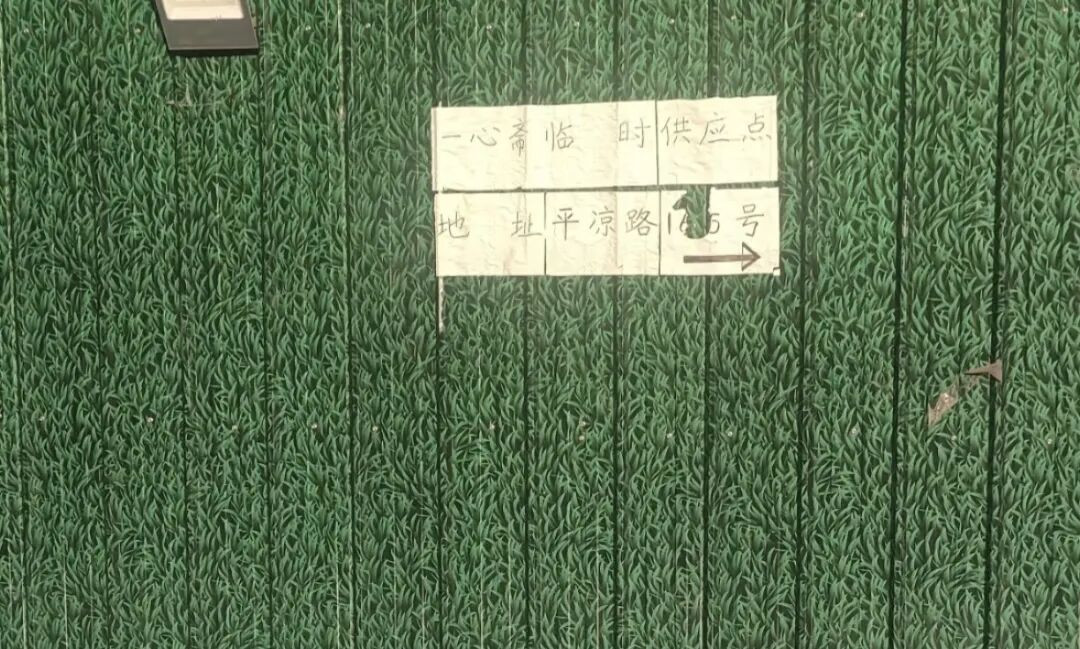
Summary:
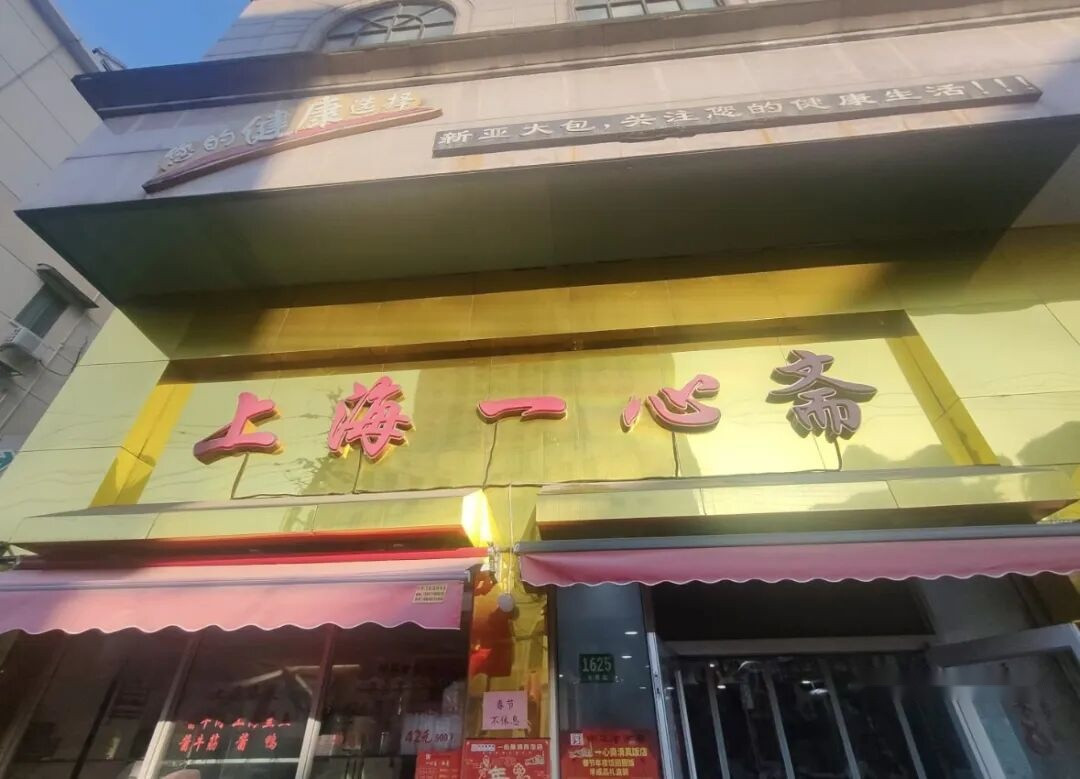
A look at the relocation and renovation of Yixinzhai, the century-old Halal institution on Pingliang Road in Yangpu District. This guide shares the temporary new address, captures the lively scene of waiting for fresh niurou jianbao (pan-fried beef buns) straight out of the pan, and highlights the timeless, massive popularity of this legendary spot through changing times.
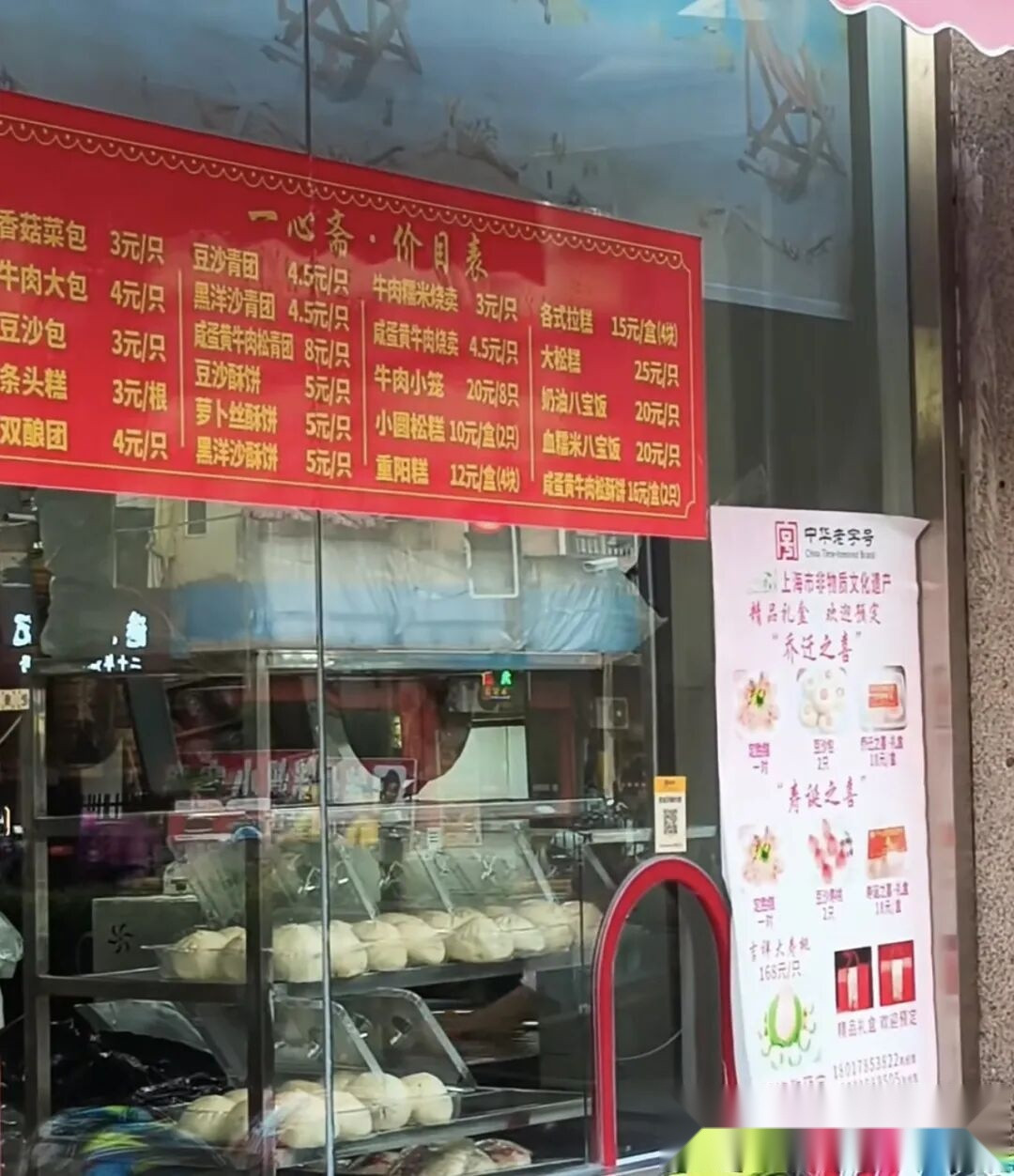
Pingliang Road in Yangpu District is a street overflowing with old-school Shanghai neighborhood vibes, holding countless flavor memories etched into the taste buds of local residents. Not far from the Bailian complex in the Yangpu Riverside area recently, I realized we were close to the historic Halal eatery Yixinzhai and decided to grab some niurou jianbao.
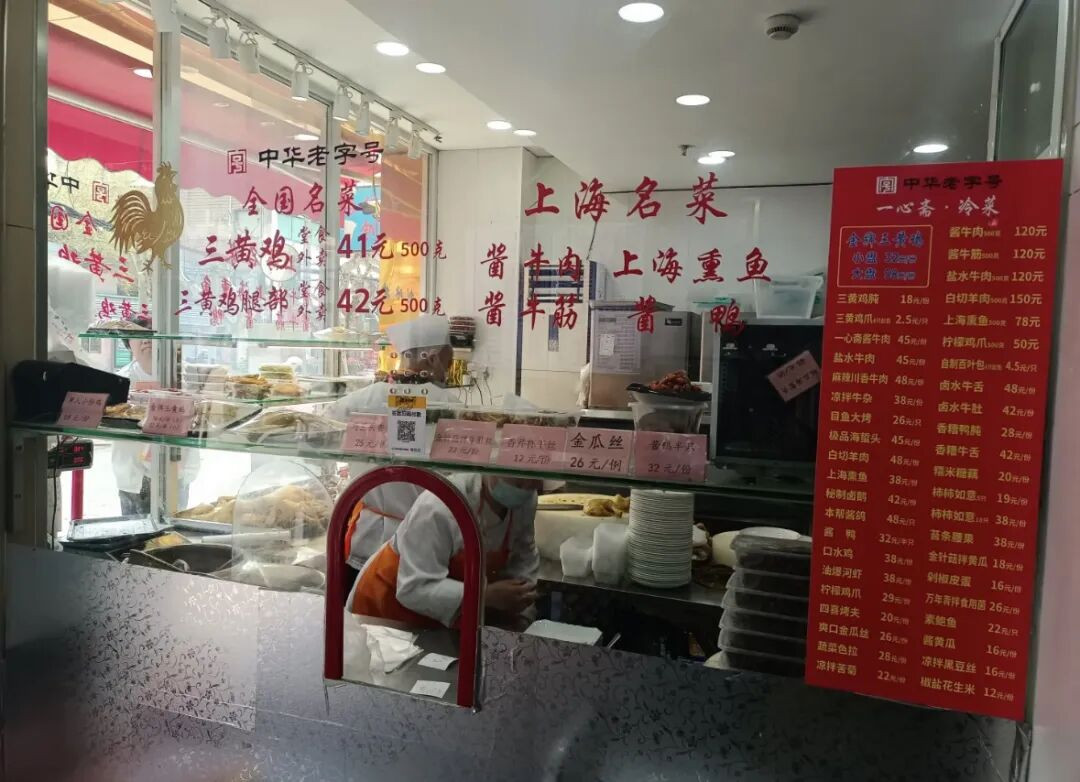
When I arrived at the original address, 1503 Pingliang Road, I was greeted by locked doors and construction barriers, which threw me into a brief moment of panic. Fortunately, looking closely at the directions posted on the door, I realized the shop had temporarily moved down the same street to No. 1625 due to renovations. While the street number was off by a little over a hundred, it was actually less than a hundred meters away. Walking ahead for just a minute, we spotted the familiar storefront and deli counter, and my companion let out a sigh of relief—thank goodness, the place is still here.
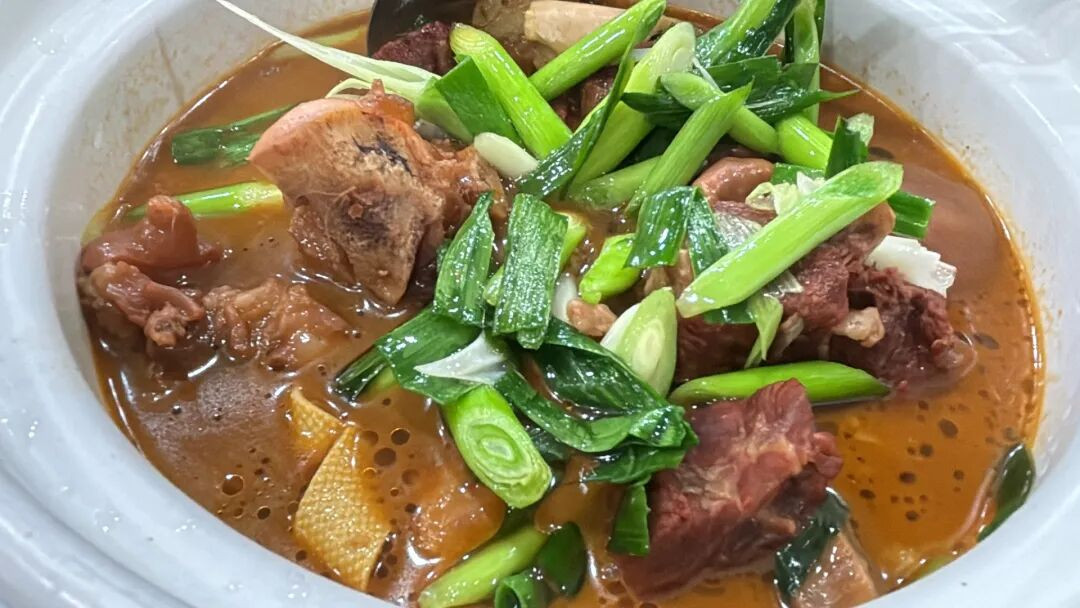
Speaking of Yixinzhai, it's an absolute icon of Shanghai's Halal food scene, with a century of history brewing a flavor legend unique to Yangpu. Its origins trace back to 1913, reportedly starting as a Ma family Halal food stall from Cao County, Shandong. Fleeing war and floods back then, the Ma family traveled far to Shanghai, bringing their ancestral Halal culinary craft and putting down roots on Pingliang Road in Yangpu.
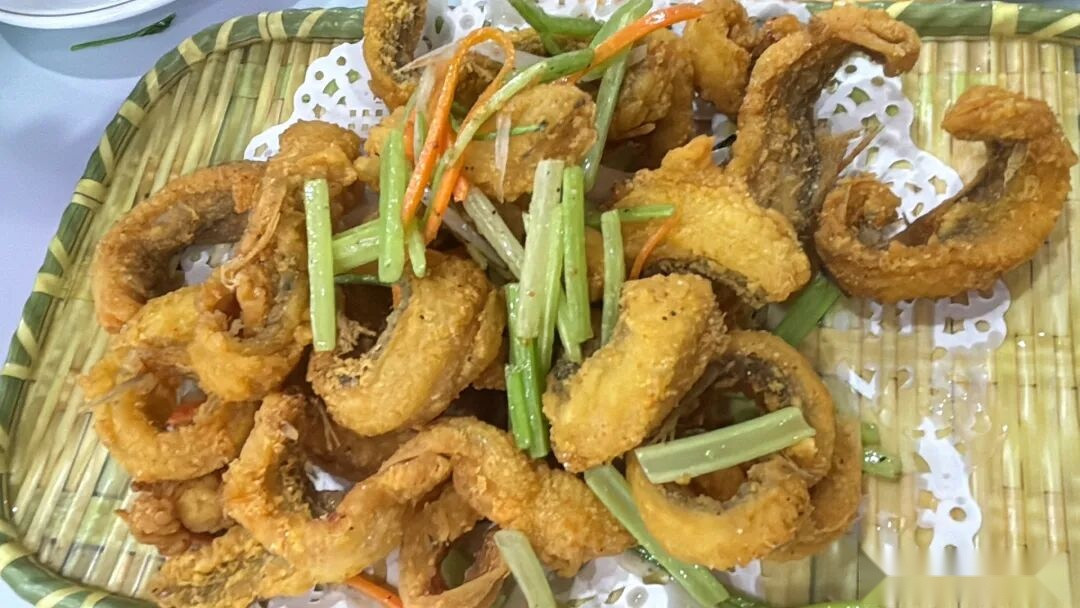
(The new storefront, with the old Xinya Dabao advertisement still lingering up top.)
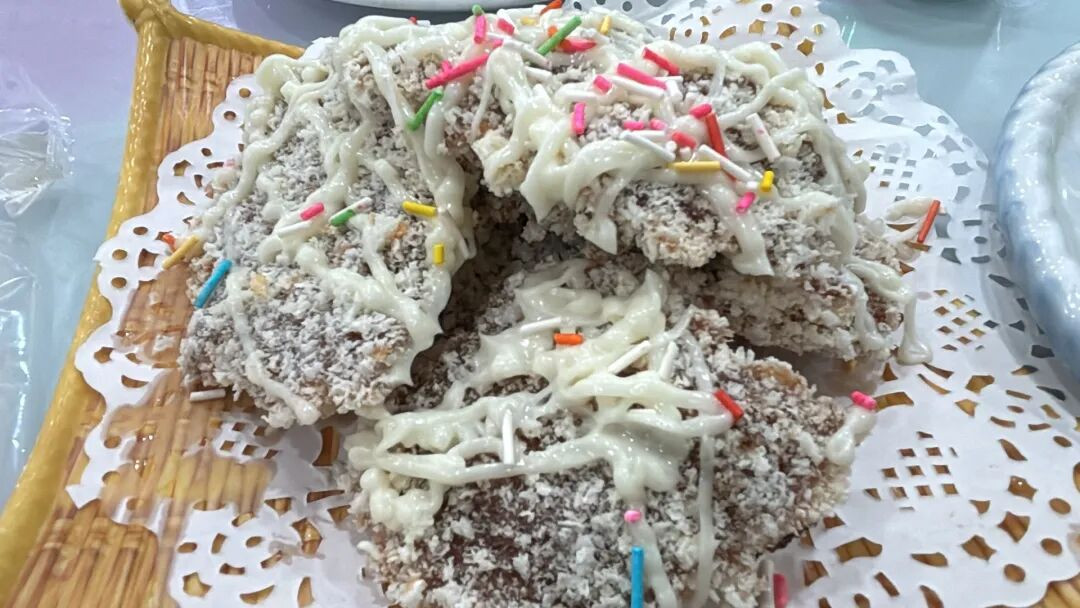
In 1958, Yixinzhai officially registered its name. Having weathered three generations of dedication, it has grown from a humble street food stall into a recognized Shanghai Intangible Cultural Heritage Halal restaurant. Over a hundred years have passed, and the original vision remains unchanged.
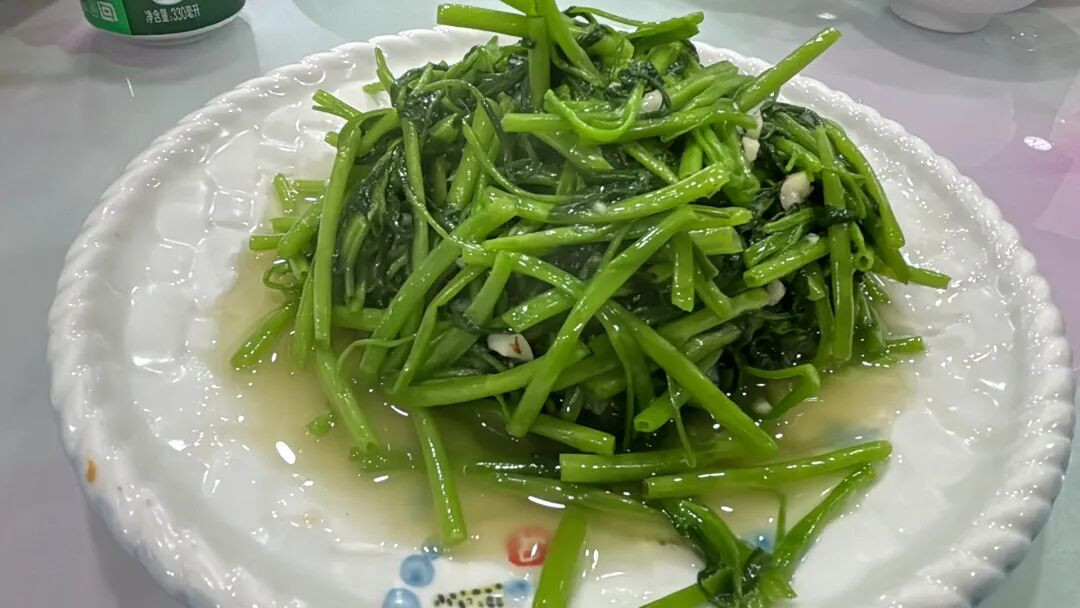
For older Yangpu locals, Yixinzhai has long ceased to be just a restaurant; it's a living imprint woven into everyday life. Before the morning streets fully wake up, long lines already form at Yixinzhai's window. Steam carrying the rich aromas of meat and wheat drifts into the air, waking up the entire block. The signature delicacies here keep people coming back time and time again.
The niurou jianbao (pan-fried beef buns) are an absolute must-order for veteran diners. Starting at 3:00 AM every day, the kitchen crew gets to work, prepping fresh minced beef fillings while kneading the dough by hand to achieve that ideal fluffy yet chewy texture. Plump, round buns go into the pan, one side fried until golden and crispy with a delicate web of lace crust, while the other side stays soft and pillowy. Take a bite, and it’s juicy, savory, not greasy at all, and packed with authentic Halal flavor while still catering perfectly to the Shanghai palate. One bite delivers a deep, comforting sense of satisfaction.
(The new deli takeout window.)
Aside from the niurou jianbao, they also serve niurou guotie (crispy beef potstickers), golden sanhuangji (three-yellow chicken), and curry beef vermicelli soup—every single item is a classic. The guotie are plump and sturdy, featuring thin wrappers, generous fillings, and plenty of soup, perfectly complementing the texture of the jianbao. Using premium Nanhui chickens, the sanhuangji features tight skin and tender meat that is never dry or gamey, best enjoyed with their secret dipping sauce for a fresh and crisp flavor. The upgraded curry beef vermicelli soup comes with hearty, generous chunks of beef shank paired with slippery, smooth vermicelli in a rich, yellowish broth. Slurping down a bowl of hot soup spreads warmth straight from the tip of your tongue to your whole body. In the summer, refreshing cold noodles paired with shaved ice beat the heat, while in the winter, steaming-hot mutton casseroles warm both heart and stomach. Year-round, Yixinzhai hits the exact cravings of its loyal diners.
With this relocation, even though the historic shop has a fresh new storefront, it still holds onto its down-to-earth neighborhood charm. However, the new space only has one floor, making empty tables hard to come by during the lunchtime rush.
Still, my companion said as long as the taste hasn't changed, that's all that matters. For our dine-in meal this time, we ordered several dishes, plus his lifelong favorites: the niurou jianbao and shaved ice. He even specifically packed an order of jianbao to take home for his kid. It looks like the culinary tradition here is safely being passed down to the next generation.
A Visit to the New Location of Yixinzhai: The Century-Old Halal Landmark on Pingliang Road, Yangpu, and Its Enduring Neighborhood Warmth
Summary:
A look at the relocation and renovation of Yixinzhai, the century-old Halal institution on Pingliang Road in Yangpu District. This guide shares the temporary new address, captures the lively scene of waiting for fresh niurou jianbao (pan-fried beef buns) straight out of the pan, and highlights the timeless, massive popularity of this legendary spot through changing times.
Pingliang Road in Yangpu District is a street overflowing with old-school Shanghai neighborhood vibes, holding countless flavor memories etched into the taste buds of local residents. Not far from the Bailian complex in the Yangpu Riverside area recently, I realized we were close to the historic Halal eatery Yixinzhai and decided to grab some niurou jianbao.
When I arrived at the original address, 1503 Pingliang Road, I was greeted by locked doors and construction barriers, which threw me into a brief moment of panic. Fortunately, looking closely at the directions posted on the door, I realized the shop had temporarily moved down the same street to No. 1625 due to renovations. While the street number was off by a little over a hundred, it was actually less than a hundred meters away. Walking ahead for just a minute, we spotted the familiar storefront and deli counter, and my companion let out a sigh of relief—thank goodness, the place is still here.
Speaking of Yixinzhai, it's an absolute icon of Shanghai's Halal food scene, with a century of history brewing a flavor legend unique to Yangpu. Its origins trace back to 1913, reportedly starting as a Ma family Halal food stall from Cao County, Shandong. Fleeing war and floods back then, the Ma family traveled far to Shanghai, bringing their ancestral Halal culinary craft and putting down roots on Pingliang Road in Yangpu.
(The new storefront, with the old Xinya Dabao advertisement still lingering up top.)
In 1958, Yixinzhai officially registered its name. Having weathered three generations of dedication, it has grown from a humble street food stall into a recognized Shanghai Intangible Cultural Heritage Halal restaurant. Over a hundred years have passed, and the original vision remains unchanged.
For older Yangpu locals, Yixinzhai has long ceased to be just a restaurant; it's a living imprint woven into everyday life. Before the morning streets fully wake up, long lines already form at Yixinzhai's window. Steam carrying the rich aromas of meat and wheat drifts into the air, waking up the entire block. The signature delicacies here keep people coming back time and time again.
The niurou jianbao (pan-fried beef buns) are an absolute must-order for veteran diners. Starting at 3:00 AM every day, the kitchen crew gets to work, prepping fresh minced beef fillings while kneading the dough by hand to achieve that ideal fluffy yet chewy texture. Plump, round buns go into the pan, one side fried until golden and crispy with a delicate web of lace crust, while the other side stays soft and pillowy. Take a bite, and it’s juicy, savory, not greasy at all, and packed with authentic Halal flavor while still catering perfectly to the Shanghai palate. One bite delivers a deep, comforting sense of satisfaction.
(The new deli takeout window.)
Aside from the niurou jianbao, they also serve niurou guotie (crispy beef potstickers), golden sanhuangji (three-yellow chicken), and curry beef vermicelli soup—every single item is a classic. The guotie are plump and sturdy, featuring thin wrappers, generous fillings, and plenty of soup, perfectly complementing the texture of the jianbao. Using premium Nanhui chickens, the sanhuangji features tight skin and tender meat that is never dry or gamey, best enjoyed with their secret dipping sauce for a fresh and crisp flavor. The upgraded curry beef vermicelli soup comes with hearty, generous chunks of beef shank paired with slippery, smooth vermicelli in a rich, yellowish broth. Slurping down a bowl of hot soup spreads warmth straight from the tip of your tongue to your whole body. In the summer, refreshing cold noodles paired with shaved ice beat the heat, while in the winter, steaming-hot mutton casseroles warm both heart and stomach. Year-round, Yixinzhai hits the exact cravings of its loyal diners.
With this relocation, even though the historic shop has a fresh new storefront, it still holds onto its down-to-earth neighborhood charm. However, the new space only has one floor, making empty tables hard to come by during the lunchtime rush.
Still, my companion said as long as the taste hasn't changed, that's all that matters. For our dine-in meal this time, we ordered several dishes, plus his lifelong favorites: the niurou jianbao and shaved ice. He even specifically packed an order of jianbao to take home for his kid. It looks like the culinary tradition here is safely being passed down to the next generation.
Hidden Gem on the Yunnan-Vietnam Railway: Why Young Hui Muslims Are Obsessed with Kaiyuan
Articles • Hasan09 posted the article • 0 comments • 1 views • 1 hours ago
[Internet Repost]
Hidden Gem on the Yunnan-Vietnam Railway: Why Young Hui Muslims Are Obsessed with Kaiyuan
Abstract:
As an industrial hub along the historic Yunnan-Vietnam Railway, Kaiyuan in Honghe Prefecture, Yunnan, draws on the rich Halal culinary traditions of Dazhuang Hui Township to spawn a wave of youthful, stylish modern Halal eateries and cafes. This article takes a deep dive into Kaiyuan's evolving Halal food scene, the wave of young Hui entrepreneurs returning home, and a laid-back, livable picture of multi-ethnic harmony.
Kaiyuan is a cozy little county-level city in the Honghe Hani and Yi Autonomous Prefecture of Yunnan Province. Tucked along the historic Yunnan-Vietnam Railway, it's literally a city built by the train tracks.
You could say Kaiyuan is an industrial city, a tropical city, a youthful city, and definitely a delicious city. Everyone says Kaiyuan folks are truly blessed, and honestly, living here just feels amazing.
Dazhuang Township in Kaiyuan is a Hui township, and a huge number of people from Dazhuang have moved into Kaiyuan to build their careers in the restaurant business. That's why Kaiyuan's Halal food scene is completely off the charts—definitely way too massive for just one blog post to cover.
Over the past few years, tons of new Halal spots have popped up across Kaiyuan, though plenty have come and gone, too. But it's exactly this constant wave of new openings and culinary experiments that makes Kaiyuan such an awesome place for young Hui folks to hang out.
Why are Kaiyuan's Halal restaurants getting so youthful?
A huge chunk of Kaiyuan's Halal eateries are run by and geared toward the younger generation. These spots often feature stunning interior design, gorgeous plating, and major photo ops for social media. While these tags totally fit the vibe of modern viral internet-famous shops, what's amazing is that the food at these places actually tastes incredible!
I vaguely remember over a decade ago, one of the very first Halal spots in Kaiyuan to capture young people's attention was Da Rong Shu (The Big Banyan Tree). Back then, their various rice bowl meals, fried rice, and fried street-style snacks felt super fresh and exciting.
As time rolls on, newer spots naturally replace the old classics, but Kaiyuan's youthful Halal scene keeps constantly renewing itself, giving locals that fresh, exciting vibe all the time.
With so many young Hui professionals moving to Kaiyuan for work, these trendy Halal restaurants have naturally multiplied to match their lifestyle, satisfying young urbanites' cravings for a cool weekend vibe and great food.
Take Mousse Xiao Ge, for instance—it's a dessert shop with a gorgeous Halal sign out front. When you take traditional symbols and give them a fresh, modern aesthetic twist like this, it's hard for young people not to fall in love with it.
Even though these places sometimes catch the 'internet-famous' label, I really feel like the owners pour their hearts into building and running these businesses. Young Hui folks choosing to put down roots in Kaiyuan definitely has a lot to do with the rise of these creative spots.
Kaiyuan is seriously becoming more and more magnetic for young Hui Muslims.
Kaiyuan has amazing greenery, and these restaurants really lean into lush plant styling to create gorgeous spaces. Sometimes, even before you know if the food is totally your thing, just walking in and sitting down at one of these places feels like self-care.
Uncle Sai (Sai Dashu) sits right along the banks of the Lujiang River, offering incredible views out the window.
A restaurant that puts real thought into its concept is always going to draw a crowd. Whether it's the interior design or the tiny details, these young entrepreneurs are putting serious work into figuring it out.
Ma Guo Kai Xiao Zuo Traditional Beef Soup Hot Pot is one of those places that nails the details. The owner chose a bunch of local Yunnan cultural elements for the decor: woven bamboo tools, earthen pottery jars, and more. Adding these touches gives the restaurant a ton of creative flair—and that creativity is a huge magnet for the younger crowd.
You can really see that more and more young Hui entrepreneurs are baking aesthetics right into their restaurant concepts from day one.
Of course, gorgeous interior design can never make up for food that doesn't taste good. That's also why these trendy young spots sometimes shut down—at the end of the day, incredible food is the absolute foundation of a lasting restaurant.
Why these specific Halal flavors?
Kaiyuan's Halal food scene basically breaks down into two main categories: first, fresh modern spins on classic local Kaiyuan flavors; and second, Halal adaptations of exotic cuisine.
Fresh Modern Spins on Classic Local Kaiyuan Flavors
Everyone knows that Yunnan's number one food love is rice noodles (mianxian). If you walk into 100 Halal restaurants in Kaiyuan, easily 90 of them are serving up noodles! Beyond the traditional beef soup rice noodles and stir-fried rice noodles at barbecue street stalls, younger foodies are totally hooked on these creative, innovative bowls.
A spot called Nianjiu (Reminiscence) has seriously taken rice noodles to the next level. Their Sichuan pepper and green peppercorn beef noodles (tengjiao niurou mianxian), pickled bamboo shoot beef noodles (suansun niurou mianxian), and super-popular spicy chili oil noodles (huhu lazhi baokuan mianxian) are absolute flavor bombs!
The older generation might argue that rice noodles should only be eaten the classic way to be truly savory, but young people are always chasing fresh flavor profiles—and these creative upgrades totally deliver without any buyer's remorse.
Their porcini mushroom fried rice (niuganjun chaofan) is also a must-try. Wild mushrooms are the ultimate Yunnan specialty, and in recent years, chefs have been loving to fold them into their menus. Porcini mushrooms and green chili peppers are an absolute match made in heaven, and tossing them into fried rice takes it to a whole new level.
Kaiyuan has plenty of local signatures, and beef soup hot pot (niutangguo) is definitely near the top. It’s not just used as a noodle base, but served up family-style as a bubbling hot pot.
Ma Guo Kai Xiao Zuo sources its beef directly from local Dazhuang cattle. 'Dazhuang' is practically a badge of honor for top-tier beef; as soon as a restaurant advertises that their hot pot uses authentic local Dazhuang beef, you can bet it pulls in a massive crowd of hungry diners.
The owner says, "We only sell local beef." Stick to that one hard rule, and you're pretty much guaranteed to crush it. It just shows how insanely high the local respect is for Dazhuang local beef!
Halal twists on exotic global flavors
Dai cuisine, Thai flavors, Vietnamese street eats—you can find Halal versions of all these iconic regional styles right here in Kaiyuan.
Lately, Thai and Dai flavors have been blowing up all over Yunnan. Since Kaiyuan has a huge population of young Hui Muslims, there's a serious appetite for these trending tastes, so naturally, restaurants dishing them out have been popping up back-to-back.
Shi Zhi Qingzhen, located in Jiete Plaza, specializes in Thai and Dai food. It's won a major following because the dishes taste super authentic.
They've got everything from Dai-style oil-splashed dishes to Thai tom yum. You'll spot all the absolute must-have ingredients in these flavor profiles: Myanmar culantro, fresh lime, lemongrass, and tiny, fiery Xiaomi chili peppers...
It kinda reminds us of Uncle Sai, a super trendy Thai spot that blew up recently. Though sadly, the original location isn't open anymore.
Our foodie squad went twice and totally fell in love with it. Regardless of how you judge the exact flavor, Uncle Sai basically set a whole new, innovative high-water mark for Kaiyuan's Halal food scene.
We seriously respect Uncle Sai's spot—they put so much genuine thought into the design, the vibe, and the cooking. Their food genuinely transports you straight back to Thailand, and the aesthetic hits different.
Who wouldn't want to feast on exotic flavors in a gorgeous little spot like this?
Beyond just the exotic food, having exotic interior design to match is an absolute vibe. Our squad is low-key obsessed with retro aesthetics—walking in literally makes you feel like you've jetted off to Chiang Mai~ The warm cocoa tones, indoor greenery, and vintage floor tiles tie everything together so well.
Why are so many young people grinding for the Halal food scene?
In Honghe Prefecture, Kaiyuan feels like a pretty youthful city.
And the power of youth is all about having fresh ideas.
A fast-food joint called Yiran Halal is an absolute obsession for local nine-to-fivers and delivery workers in Kaiyuan. Even though it's just regular fast food—your standard three meat dishes and two veggie sides—their business is ridiculously booming.
The secret sauce behind this regular fast-food spot's massive success is the owner: the Lunchbox Knight.
Packing lunchboxes is the day job, but being a knight is the dream. A young, entrepreneurial boss running a fast-food joint while never losing sight of his dreams.
Running a Douyin (TikTok) account gives this little shop a unique soul—another flex of youth culture. Hui Muslim youth are constantly learning, leveling up, and building something totally unique. That is seriously so important.
Sure, it's just your standard three-meat-and-two-veggie setup, and the cooking is straightforward, but it slaps. Even in a seemingly basic Halal spot like this, the hustle and drive of these young Hui Muslims make the whole place shine bright.
You guys already know 'Maguo' from Maguo's Private Kitchen—yep, the genius behind our convenience store's viral coconut sesame chicken has opened up a hot pot spot right here in Kaiyuan.
Now, Kaiyuan already has tons and tons of hot pot joints in every style imaginable, including Halal Sichuan and Chongqing hot pots, but Maguo decided to focus strictly on local beef soup hot pot.
From the storefront decor to the ingredient curation, you can tell everything is filtered through young brains to keep the spot fresh and vibrant. Infusing modern youth culture into traditional eats is key—after all, only young people truly know what young people want.
When our foodie squad rolled into Kaiyuan, we were instantly hooked by how youthful the city felt. If you're a young Hui Muslim moving here to live, you'll never have to worry about finding a place that keeps you feeling young.
Critics might say these trendy spots won't stand the test of time, and hey, Kaiyuan has countless rock-solid, old-school Halal institutions. Every single year, new joints open up while others close down or relocate.
Yet these new spots are the physical embodiment of the Hui youth's dreams and hopes. If we had to pick anywhere in Honghe Prefecture to settle down, it would be Kaiyuan in a heartbeat. Come to Kaiyuan, and you'll never worry about what to eat, nor will you run out of fresh vibes, youthfulness, and aesthetic joy.
You might not be planning a dedicated trip to Kaiyuan just based on this article, but if you ever get the chance to visit Honghe Prefecture in Yunnan, do yourself a favor and come to Kaiyuan specifically for a food crawl.
The restaurants our squad listed here are just the tip of the iceberg, so let's shout out a few legendary, can't-miss, tried-and-true Halal spots in Kaiyuan!
There's a traditional *chuanguo* (bronze pot hot pot) spot at the Linjiang Farmers' Market, though we hear it's moved to Yingxu Plaza now. The Halal joints on Youth Road have been holding it down for ages, and Changjiu Xiaojuanfen (Changjiu rice noodles) tucked away in a small alley—if you know, you know. Every single Halal restaurant is packed to the brim. Old-school spots like Yingjiang and Dongqiao are absolute classics. And the stir-fry at the Muslim Alcohol-Free Restaurant right next to the Kaiyuan North Bus Station is mind-blowing!
These days, Meituan and Ele.me delivery drivers are zipping all over Kaiyuan, and Halal delivery takes up like half the action. Kaiyuan is a city so vibrant you couldn't possibly capture it all in just a few articles.
Long story short: Kaiyuan is seriously the ultimate vibe for young Hui Muslims! view all
Hidden Gem on the Yunnan-Vietnam Railway: Why Young Hui Muslims Are Obsessed with Kaiyuan
Abstract:
As an industrial hub along the historic Yunnan-Vietnam Railway, Kaiyuan in Honghe Prefecture, Yunnan, draws on the rich Halal culinary traditions of Dazhuang Hui Township to spawn a wave of youthful, stylish modern Halal eateries and cafes. This article takes a deep dive into Kaiyuan's evolving Halal food scene, the wave of young Hui entrepreneurs returning home, and a laid-back, livable picture of multi-ethnic harmony.
Kaiyuan is a cozy little county-level city in the Honghe Hani and Yi Autonomous Prefecture of Yunnan Province. Tucked along the historic Yunnan-Vietnam Railway, it's literally a city built by the train tracks.
You could say Kaiyuan is an industrial city, a tropical city, a youthful city, and definitely a delicious city. Everyone says Kaiyuan folks are truly blessed, and honestly, living here just feels amazing.
Dazhuang Township in Kaiyuan is a Hui township, and a huge number of people from Dazhuang have moved into Kaiyuan to build their careers in the restaurant business. That's why Kaiyuan's Halal food scene is completely off the charts—definitely way too massive for just one blog post to cover.
Over the past few years, tons of new Halal spots have popped up across Kaiyuan, though plenty have come and gone, too. But it's exactly this constant wave of new openings and culinary experiments that makes Kaiyuan such an awesome place for young Hui folks to hang out.
Why are Kaiyuan's Halal restaurants getting so youthful?
A huge chunk of Kaiyuan's Halal eateries are run by and geared toward the younger generation. These spots often feature stunning interior design, gorgeous plating, and major photo ops for social media. While these tags totally fit the vibe of modern viral internet-famous shops, what's amazing is that the food at these places actually tastes incredible!
I vaguely remember over a decade ago, one of the very first Halal spots in Kaiyuan to capture young people's attention was Da Rong Shu (The Big Banyan Tree). Back then, their various rice bowl meals, fried rice, and fried street-style snacks felt super fresh and exciting.
As time rolls on, newer spots naturally replace the old classics, but Kaiyuan's youthful Halal scene keeps constantly renewing itself, giving locals that fresh, exciting vibe all the time.
With so many young Hui professionals moving to Kaiyuan for work, these trendy Halal restaurants have naturally multiplied to match their lifestyle, satisfying young urbanites' cravings for a cool weekend vibe and great food.
Take Mousse Xiao Ge, for instance—it's a dessert shop with a gorgeous Halal sign out front. When you take traditional symbols and give them a fresh, modern aesthetic twist like this, it's hard for young people not to fall in love with it.
Even though these places sometimes catch the 'internet-famous' label, I really feel like the owners pour their hearts into building and running these businesses. Young Hui folks choosing to put down roots in Kaiyuan definitely has a lot to do with the rise of these creative spots.
Kaiyuan is seriously becoming more and more magnetic for young Hui Muslims.
Kaiyuan has amazing greenery, and these restaurants really lean into lush plant styling to create gorgeous spaces. Sometimes, even before you know if the food is totally your thing, just walking in and sitting down at one of these places feels like self-care.
Uncle Sai (Sai Dashu) sits right along the banks of the Lujiang River, offering incredible views out the window.
A restaurant that puts real thought into its concept is always going to draw a crowd. Whether it's the interior design or the tiny details, these young entrepreneurs are putting serious work into figuring it out.
Ma Guo Kai Xiao Zuo Traditional Beef Soup Hot Pot is one of those places that nails the details. The owner chose a bunch of local Yunnan cultural elements for the decor: woven bamboo tools, earthen pottery jars, and more. Adding these touches gives the restaurant a ton of creative flair—and that creativity is a huge magnet for the younger crowd.
You can really see that more and more young Hui entrepreneurs are baking aesthetics right into their restaurant concepts from day one.
Of course, gorgeous interior design can never make up for food that doesn't taste good. That's also why these trendy young spots sometimes shut down—at the end of the day, incredible food is the absolute foundation of a lasting restaurant.
Why these specific Halal flavors?
Kaiyuan's Halal food scene basically breaks down into two main categories: first, fresh modern spins on classic local Kaiyuan flavors; and second, Halal adaptations of exotic cuisine.
Fresh Modern Spins on Classic Local Kaiyuan Flavors
Everyone knows that Yunnan's number one food love is rice noodles (mianxian). If you walk into 100 Halal restaurants in Kaiyuan, easily 90 of them are serving up noodles! Beyond the traditional beef soup rice noodles and stir-fried rice noodles at barbecue street stalls, younger foodies are totally hooked on these creative, innovative bowls.
A spot called Nianjiu (Reminiscence) has seriously taken rice noodles to the next level. Their Sichuan pepper and green peppercorn beef noodles (tengjiao niurou mianxian), pickled bamboo shoot beef noodles (suansun niurou mianxian), and super-popular spicy chili oil noodles (huhu lazhi baokuan mianxian) are absolute flavor bombs!
The older generation might argue that rice noodles should only be eaten the classic way to be truly savory, but young people are always chasing fresh flavor profiles—and these creative upgrades totally deliver without any buyer's remorse.
Their porcini mushroom fried rice (niuganjun chaofan) is also a must-try. Wild mushrooms are the ultimate Yunnan specialty, and in recent years, chefs have been loving to fold them into their menus. Porcini mushrooms and green chili peppers are an absolute match made in heaven, and tossing them into fried rice takes it to a whole new level.
Kaiyuan has plenty of local signatures, and beef soup hot pot (niutangguo) is definitely near the top. It’s not just used as a noodle base, but served up family-style as a bubbling hot pot.
Ma Guo Kai Xiao Zuo sources its beef directly from local Dazhuang cattle. 'Dazhuang' is practically a badge of honor for top-tier beef; as soon as a restaurant advertises that their hot pot uses authentic local Dazhuang beef, you can bet it pulls in a massive crowd of hungry diners.
The owner says, "We only sell local beef." Stick to that one hard rule, and you're pretty much guaranteed to crush it. It just shows how insanely high the local respect is for Dazhuang local beef!
Halal twists on exotic global flavors
Dai cuisine, Thai flavors, Vietnamese street eats—you can find Halal versions of all these iconic regional styles right here in Kaiyuan.
Lately, Thai and Dai flavors have been blowing up all over Yunnan. Since Kaiyuan has a huge population of young Hui Muslims, there's a serious appetite for these trending tastes, so naturally, restaurants dishing them out have been popping up back-to-back.
Shi Zhi Qingzhen, located in Jiete Plaza, specializes in Thai and Dai food. It's won a major following because the dishes taste super authentic.
They've got everything from Dai-style oil-splashed dishes to Thai tom yum. You'll spot all the absolute must-have ingredients in these flavor profiles: Myanmar culantro, fresh lime, lemongrass, and tiny, fiery Xiaomi chili peppers...
It kinda reminds us of Uncle Sai, a super trendy Thai spot that blew up recently. Though sadly, the original location isn't open anymore.
Our foodie squad went twice and totally fell in love with it. Regardless of how you judge the exact flavor, Uncle Sai basically set a whole new, innovative high-water mark for Kaiyuan's Halal food scene.
We seriously respect Uncle Sai's spot—they put so much genuine thought into the design, the vibe, and the cooking. Their food genuinely transports you straight back to Thailand, and the aesthetic hits different.
Who wouldn't want to feast on exotic flavors in a gorgeous little spot like this?
Beyond just the exotic food, having exotic interior design to match is an absolute vibe. Our squad is low-key obsessed with retro aesthetics—walking in literally makes you feel like you've jetted off to Chiang Mai~ The warm cocoa tones, indoor greenery, and vintage floor tiles tie everything together so well.
Why are so many young people grinding for the Halal food scene?
In Honghe Prefecture, Kaiyuan feels like a pretty youthful city.
And the power of youth is all about having fresh ideas.
A fast-food joint called Yiran Halal is an absolute obsession for local nine-to-fivers and delivery workers in Kaiyuan. Even though it's just regular fast food—your standard three meat dishes and two veggie sides—their business is ridiculously booming.
The secret sauce behind this regular fast-food spot's massive success is the owner: the Lunchbox Knight.
Packing lunchboxes is the day job, but being a knight is the dream. A young, entrepreneurial boss running a fast-food joint while never losing sight of his dreams.
Running a Douyin (TikTok) account gives this little shop a unique soul—another flex of youth culture. Hui Muslim youth are constantly learning, leveling up, and building something totally unique. That is seriously so important.
Sure, it's just your standard three-meat-and-two-veggie setup, and the cooking is straightforward, but it slaps. Even in a seemingly basic Halal spot like this, the hustle and drive of these young Hui Muslims make the whole place shine bright.
You guys already know 'Maguo' from Maguo's Private Kitchen—yep, the genius behind our convenience store's viral coconut sesame chicken has opened up a hot pot spot right here in Kaiyuan.
Now, Kaiyuan already has tons and tons of hot pot joints in every style imaginable, including Halal Sichuan and Chongqing hot pots, but Maguo decided to focus strictly on local beef soup hot pot.
From the storefront decor to the ingredient curation, you can tell everything is filtered through young brains to keep the spot fresh and vibrant. Infusing modern youth culture into traditional eats is key—after all, only young people truly know what young people want.
When our foodie squad rolled into Kaiyuan, we were instantly hooked by how youthful the city felt. If you're a young Hui Muslim moving here to live, you'll never have to worry about finding a place that keeps you feeling young.
Critics might say these trendy spots won't stand the test of time, and hey, Kaiyuan has countless rock-solid, old-school Halal institutions. Every single year, new joints open up while others close down or relocate.
Yet these new spots are the physical embodiment of the Hui youth's dreams and hopes. If we had to pick anywhere in Honghe Prefecture to settle down, it would be Kaiyuan in a heartbeat. Come to Kaiyuan, and you'll never worry about what to eat, nor will you run out of fresh vibes, youthfulness, and aesthetic joy.
You might not be planning a dedicated trip to Kaiyuan just based on this article, but if you ever get the chance to visit Honghe Prefecture in Yunnan, do yourself a favor and come to Kaiyuan specifically for a food crawl.
The restaurants our squad listed here are just the tip of the iceberg, so let's shout out a few legendary, can't-miss, tried-and-true Halal spots in Kaiyuan!
There's a traditional *chuanguo* (bronze pot hot pot) spot at the Linjiang Farmers' Market, though we hear it's moved to Yingxu Plaza now. The Halal joints on Youth Road have been holding it down for ages, and Changjiu Xiaojuanfen (Changjiu rice noodles) tucked away in a small alley—if you know, you know. Every single Halal restaurant is packed to the brim. Old-school spots like Yingjiang and Dongqiao are absolute classics. And the stir-fry at the Muslim Alcohol-Free Restaurant right next to the Kaiyuan North Bus Station is mind-blowing!
These days, Meituan and Ele.me delivery drivers are zipping all over Kaiyuan, and Halal delivery takes up like half the action. Kaiyuan is a city so vibrant you couldn't possibly capture it all in just a few articles.
Long story short: Kaiyuan is seriously the ultimate vibe for young Hui Muslims! view all
[Internet Repost]
Hidden Gem on the Yunnan-Vietnam Railway: Why Young Hui Muslims Are Obsessed with Kaiyuan
Abstract:
As an industrial hub along the historic Yunnan-Vietnam Railway, Kaiyuan in Honghe Prefecture, Yunnan, draws on the rich Halal culinary traditions of Dazhuang Hui Township to spawn a wave of youthful, stylish modern Halal eateries and cafes. This article takes a deep dive into Kaiyuan's evolving Halal food scene, the wave of young Hui entrepreneurs returning home, and a laid-back, livable picture of multi-ethnic harmony.
Kaiyuan is a cozy little county-level city in the Honghe Hani and Yi Autonomous Prefecture of Yunnan Province. Tucked along the historic Yunnan-Vietnam Railway, it's literally a city built by the train tracks.
You could say Kaiyuan is an industrial city, a tropical city, a youthful city, and definitely a delicious city. Everyone says Kaiyuan folks are truly blessed, and honestly, living here just feels amazing.
Dazhuang Township in Kaiyuan is a Hui township, and a huge number of people from Dazhuang have moved into Kaiyuan to build their careers in the restaurant business. That's why Kaiyuan's Halal food scene is completely off the charts—definitely way too massive for just one blog post to cover.
Over the past few years, tons of new Halal spots have popped up across Kaiyuan, though plenty have come and gone, too. But it's exactly this constant wave of new openings and culinary experiments that makes Kaiyuan such an awesome place for young Hui folks to hang out.
Why are Kaiyuan's Halal restaurants getting so youthful?
A huge chunk of Kaiyuan's Halal eateries are run by and geared toward the younger generation. These spots often feature stunning interior design, gorgeous plating, and major photo ops for social media. While these tags totally fit the vibe of modern viral internet-famous shops, what's amazing is that the food at these places actually tastes incredible!
I vaguely remember over a decade ago, one of the very first Halal spots in Kaiyuan to capture young people's attention was Da Rong Shu (The Big Banyan Tree). Back then, their various rice bowl meals, fried rice, and fried street-style snacks felt super fresh and exciting.
As time rolls on, newer spots naturally replace the old classics, but Kaiyuan's youthful Halal scene keeps constantly renewing itself, giving locals that fresh, exciting vibe all the time.
With so many young Hui professionals moving to Kaiyuan for work, these trendy Halal restaurants have naturally multiplied to match their lifestyle, satisfying young urbanites' cravings for a cool weekend vibe and great food.
Take Mousse Xiao Ge, for instance—it's a dessert shop with a gorgeous Halal sign out front. When you take traditional symbols and give them a fresh, modern aesthetic twist like this, it's hard for young people not to fall in love with it.
Even though these places sometimes catch the 'internet-famous' label, I really feel like the owners pour their hearts into building and running these businesses. Young Hui folks choosing to put down roots in Kaiyuan definitely has a lot to do with the rise of these creative spots.
Kaiyuan is seriously becoming more and more magnetic for young Hui Muslims.
Kaiyuan has amazing greenery, and these restaurants really lean into lush plant styling to create gorgeous spaces. Sometimes, even before you know if the food is totally your thing, just walking in and sitting down at one of these places feels like self-care.
Uncle Sai (Sai Dashu) sits right along the banks of the Lujiang River, offering incredible views out the window.
A restaurant that puts real thought into its concept is always going to draw a crowd. Whether it's the interior design or the tiny details, these young entrepreneurs are putting serious work into figuring it out.
Ma Guo Kai Xiao Zuo Traditional Beef Soup Hot Pot is one of those places that nails the details. The owner chose a bunch of local Yunnan cultural elements for the decor: woven bamboo tools, earthen pottery jars, and more. Adding these touches gives the restaurant a ton of creative flair—and that creativity is a huge magnet for the younger crowd.
You can really see that more and more young Hui entrepreneurs are baking aesthetics right into their restaurant concepts from day one.
Of course, gorgeous interior design can never make up for food that doesn't taste good. That's also why these trendy young spots sometimes shut down—at the end of the day, incredible food is the absolute foundation of a lasting restaurant.
Why these specific Halal flavors?
Kaiyuan's Halal food scene basically breaks down into two main categories: first, fresh modern spins on classic local Kaiyuan flavors; and second, Halal adaptations of exotic cuisine.
Fresh Modern Spins on Classic Local Kaiyuan Flavors
Everyone knows that Yunnan's number one food love is rice noodles (mianxian). If you walk into 100 Halal restaurants in Kaiyuan, easily 90 of them are serving up noodles! Beyond the traditional beef soup rice noodles and stir-fried rice noodles at barbecue street stalls, younger foodies are totally hooked on these creative, innovative bowls.
A spot called Nianjiu (Reminiscence) has seriously taken rice noodles to the next level. Their Sichuan pepper and green peppercorn beef noodles (tengjiao niurou mianxian), pickled bamboo shoot beef noodles (suansun niurou mianxian), and super-popular spicy chili oil noodles (huhu lazhi baokuan mianxian) are absolute flavor bombs!
The older generation might argue that rice noodles should only be eaten the classic way to be truly savory, but young people are always chasing fresh flavor profiles—and these creative upgrades totally deliver without any buyer's remorse.
Their porcini mushroom fried rice (niuganjun chaofan) is also a must-try. Wild mushrooms are the ultimate Yunnan specialty, and in recent years, chefs have been loving to fold them into their menus. Porcini mushrooms and green chili peppers are an absolute match made in heaven, and tossing them into fried rice takes it to a whole new level.
Kaiyuan has plenty of local signatures, and beef soup hot pot (niutangguo) is definitely near the top. It’s not just used as a noodle base, but served up family-style as a bubbling hot pot.
Ma Guo Kai Xiao Zuo sources its beef directly from local Dazhuang cattle. 'Dazhuang' is practically a badge of honor for top-tier beef; as soon as a restaurant advertises that their hot pot uses authentic local Dazhuang beef, you can bet it pulls in a massive crowd of hungry diners.
The owner says, "We only sell local beef." Stick to that one hard rule, and you're pretty much guaranteed to crush it. It just shows how insanely high the local respect is for Dazhuang local beef!
Halal twists on exotic global flavors
Dai cuisine, Thai flavors, Vietnamese street eats—you can find Halal versions of all these iconic regional styles right here in Kaiyuan.
Lately, Thai and Dai flavors have been blowing up all over Yunnan. Since Kaiyuan has a huge population of young Hui Muslims, there's a serious appetite for these trending tastes, so naturally, restaurants dishing them out have been popping up back-to-back.
Shi Zhi Qingzhen, located in Jiete Plaza, specializes in Thai and Dai food. It's won a major following because the dishes taste super authentic.
They've got everything from Dai-style oil-splashed dishes to Thai tom yum. You'll spot all the absolute must-have ingredients in these flavor profiles: Myanmar culantro, fresh lime, lemongrass, and tiny, fiery Xiaomi chili peppers...
It kinda reminds us of Uncle Sai, a super trendy Thai spot that blew up recently. Though sadly, the original location isn't open anymore.
Our foodie squad went twice and totally fell in love with it. Regardless of how you judge the exact flavor, Uncle Sai basically set a whole new, innovative high-water mark for Kaiyuan's Halal food scene.
We seriously respect Uncle Sai's spot—they put so much genuine thought into the design, the vibe, and the cooking. Their food genuinely transports you straight back to Thailand, and the aesthetic hits different.
Who wouldn't want to feast on exotic flavors in a gorgeous little spot like this?
Beyond just the exotic food, having exotic interior design to match is an absolute vibe. Our squad is low-key obsessed with retro aesthetics—walking in literally makes you feel like you've jetted off to Chiang Mai~ The warm cocoa tones, indoor greenery, and vintage floor tiles tie everything together so well.
Why are so many young people grinding for the Halal food scene?
In Honghe Prefecture, Kaiyuan feels like a pretty youthful city.
And the power of youth is all about having fresh ideas.
A fast-food joint called Yiran Halal is an absolute obsession for local nine-to-fivers and delivery workers in Kaiyuan. Even though it's just regular fast food—your standard three meat dishes and two veggie sides—their business is ridiculously booming.
The secret sauce behind this regular fast-food spot's massive success is the owner: the Lunchbox Knight.
Packing lunchboxes is the day job, but being a knight is the dream. A young, entrepreneurial boss running a fast-food joint while never losing sight of his dreams.
Running a Douyin (TikTok) account gives this little shop a unique soul—another flex of youth culture. Hui Muslim youth are constantly learning, leveling up, and building something totally unique. That is seriously so important.
Sure, it's just your standard three-meat-and-two-veggie setup, and the cooking is straightforward, but it slaps. Even in a seemingly basic Halal spot like this, the hustle and drive of these young Hui Muslims make the whole place shine bright.
You guys already know 'Maguo' from Maguo's Private Kitchen—yep, the genius behind our convenience store's viral coconut sesame chicken has opened up a hot pot spot right here in Kaiyuan.
Now, Kaiyuan already has tons and tons of hot pot joints in every style imaginable, including Halal Sichuan and Chongqing hot pots, but Maguo decided to focus strictly on local beef soup hot pot.
From the storefront decor to the ingredient curation, you can tell everything is filtered through young brains to keep the spot fresh and vibrant. Infusing modern youth culture into traditional eats is key—after all, only young people truly know what young people want.
When our foodie squad rolled into Kaiyuan, we were instantly hooked by how youthful the city felt. If you're a young Hui Muslim moving here to live, you'll never have to worry about finding a place that keeps you feeling young.
Critics might say these trendy spots won't stand the test of time, and hey, Kaiyuan has countless rock-solid, old-school Halal institutions. Every single year, new joints open up while others close down or relocate.
Yet these new spots are the physical embodiment of the Hui youth's dreams and hopes. If we had to pick anywhere in Honghe Prefecture to settle down, it would be Kaiyuan in a heartbeat. Come to Kaiyuan, and you'll never worry about what to eat, nor will you run out of fresh vibes, youthfulness, and aesthetic joy.
You might not be planning a dedicated trip to Kaiyuan just based on this article, but if you ever get the chance to visit Honghe Prefecture in Yunnan, do yourself a favor and come to Kaiyuan specifically for a food crawl.
The restaurants our squad listed here are just the tip of the iceberg, so let's shout out a few legendary, can't-miss, tried-and-true Halal spots in Kaiyuan!
There's a traditional *chuanguo* (bronze pot hot pot) spot at the Linjiang Farmers' Market, though we hear it's moved to Yingxu Plaza now. The Halal joints on Youth Road have been holding it down for ages, and Changjiu Xiaojuanfen (Changjiu rice noodles) tucked away in a small alley—if you know, you know. Every single Halal restaurant is packed to the brim. Old-school spots like Yingjiang and Dongqiao are absolute classics. And the stir-fry at the Muslim Alcohol-Free Restaurant right next to the Kaiyuan North Bus Station is mind-blowing!
These days, Meituan and Ele.me delivery drivers are zipping all over Kaiyuan, and Halal delivery takes up like half the action. Kaiyuan is a city so vibrant you couldn't possibly capture it all in just a few articles.
Long story short: Kaiyuan is seriously the ultimate vibe for young Hui Muslims!
Hidden Gem on the Yunnan-Vietnam Railway: Why Young Hui Muslims Are Obsessed with Kaiyuan
Abstract:
As an industrial hub along the historic Yunnan-Vietnam Railway, Kaiyuan in Honghe Prefecture, Yunnan, draws on the rich Halal culinary traditions of Dazhuang Hui Township to spawn a wave of youthful, stylish modern Halal eateries and cafes. This article takes a deep dive into Kaiyuan's evolving Halal food scene, the wave of young Hui entrepreneurs returning home, and a laid-back, livable picture of multi-ethnic harmony.
Kaiyuan is a cozy little county-level city in the Honghe Hani and Yi Autonomous Prefecture of Yunnan Province. Tucked along the historic Yunnan-Vietnam Railway, it's literally a city built by the train tracks.
You could say Kaiyuan is an industrial city, a tropical city, a youthful city, and definitely a delicious city. Everyone says Kaiyuan folks are truly blessed, and honestly, living here just feels amazing.
Dazhuang Township in Kaiyuan is a Hui township, and a huge number of people from Dazhuang have moved into Kaiyuan to build their careers in the restaurant business. That's why Kaiyuan's Halal food scene is completely off the charts—definitely way too massive for just one blog post to cover.
Over the past few years, tons of new Halal spots have popped up across Kaiyuan, though plenty have come and gone, too. But it's exactly this constant wave of new openings and culinary experiments that makes Kaiyuan such an awesome place for young Hui folks to hang out.
Why are Kaiyuan's Halal restaurants getting so youthful?
A huge chunk of Kaiyuan's Halal eateries are run by and geared toward the younger generation. These spots often feature stunning interior design, gorgeous plating, and major photo ops for social media. While these tags totally fit the vibe of modern viral internet-famous shops, what's amazing is that the food at these places actually tastes incredible!
I vaguely remember over a decade ago, one of the very first Halal spots in Kaiyuan to capture young people's attention was Da Rong Shu (The Big Banyan Tree). Back then, their various rice bowl meals, fried rice, and fried street-style snacks felt super fresh and exciting.
As time rolls on, newer spots naturally replace the old classics, but Kaiyuan's youthful Halal scene keeps constantly renewing itself, giving locals that fresh, exciting vibe all the time.
With so many young Hui professionals moving to Kaiyuan for work, these trendy Halal restaurants have naturally multiplied to match their lifestyle, satisfying young urbanites' cravings for a cool weekend vibe and great food.
Take Mousse Xiao Ge, for instance—it's a dessert shop with a gorgeous Halal sign out front. When you take traditional symbols and give them a fresh, modern aesthetic twist like this, it's hard for young people not to fall in love with it.
Even though these places sometimes catch the 'internet-famous' label, I really feel like the owners pour their hearts into building and running these businesses. Young Hui folks choosing to put down roots in Kaiyuan definitely has a lot to do with the rise of these creative spots.
Kaiyuan is seriously becoming more and more magnetic for young Hui Muslims.
Kaiyuan has amazing greenery, and these restaurants really lean into lush plant styling to create gorgeous spaces. Sometimes, even before you know if the food is totally your thing, just walking in and sitting down at one of these places feels like self-care.
Uncle Sai (Sai Dashu) sits right along the banks of the Lujiang River, offering incredible views out the window.
A restaurant that puts real thought into its concept is always going to draw a crowd. Whether it's the interior design or the tiny details, these young entrepreneurs are putting serious work into figuring it out.
Ma Guo Kai Xiao Zuo Traditional Beef Soup Hot Pot is one of those places that nails the details. The owner chose a bunch of local Yunnan cultural elements for the decor: woven bamboo tools, earthen pottery jars, and more. Adding these touches gives the restaurant a ton of creative flair—and that creativity is a huge magnet for the younger crowd.
You can really see that more and more young Hui entrepreneurs are baking aesthetics right into their restaurant concepts from day one.
Of course, gorgeous interior design can never make up for food that doesn't taste good. That's also why these trendy young spots sometimes shut down—at the end of the day, incredible food is the absolute foundation of a lasting restaurant.
Why these specific Halal flavors?
Kaiyuan's Halal food scene basically breaks down into two main categories: first, fresh modern spins on classic local Kaiyuan flavors; and second, Halal adaptations of exotic cuisine.
Fresh Modern Spins on Classic Local Kaiyuan Flavors
Everyone knows that Yunnan's number one food love is rice noodles (mianxian). If you walk into 100 Halal restaurants in Kaiyuan, easily 90 of them are serving up noodles! Beyond the traditional beef soup rice noodles and stir-fried rice noodles at barbecue street stalls, younger foodies are totally hooked on these creative, innovative bowls.
A spot called Nianjiu (Reminiscence) has seriously taken rice noodles to the next level. Their Sichuan pepper and green peppercorn beef noodles (tengjiao niurou mianxian), pickled bamboo shoot beef noodles (suansun niurou mianxian), and super-popular spicy chili oil noodles (huhu lazhi baokuan mianxian) are absolute flavor bombs!
The older generation might argue that rice noodles should only be eaten the classic way to be truly savory, but young people are always chasing fresh flavor profiles—and these creative upgrades totally deliver without any buyer's remorse.
Their porcini mushroom fried rice (niuganjun chaofan) is also a must-try. Wild mushrooms are the ultimate Yunnan specialty, and in recent years, chefs have been loving to fold them into their menus. Porcini mushrooms and green chili peppers are an absolute match made in heaven, and tossing them into fried rice takes it to a whole new level.
Kaiyuan has plenty of local signatures, and beef soup hot pot (niutangguo) is definitely near the top. It’s not just used as a noodle base, but served up family-style as a bubbling hot pot.
Ma Guo Kai Xiao Zuo sources its beef directly from local Dazhuang cattle. 'Dazhuang' is practically a badge of honor for top-tier beef; as soon as a restaurant advertises that their hot pot uses authentic local Dazhuang beef, you can bet it pulls in a massive crowd of hungry diners.
The owner says, "We only sell local beef." Stick to that one hard rule, and you're pretty much guaranteed to crush it. It just shows how insanely high the local respect is for Dazhuang local beef!
Halal twists on exotic global flavors
Dai cuisine, Thai flavors, Vietnamese street eats—you can find Halal versions of all these iconic regional styles right here in Kaiyuan.
Lately, Thai and Dai flavors have been blowing up all over Yunnan. Since Kaiyuan has a huge population of young Hui Muslims, there's a serious appetite for these trending tastes, so naturally, restaurants dishing them out have been popping up back-to-back.
Shi Zhi Qingzhen, located in Jiete Plaza, specializes in Thai and Dai food. It's won a major following because the dishes taste super authentic.
They've got everything from Dai-style oil-splashed dishes to Thai tom yum. You'll spot all the absolute must-have ingredients in these flavor profiles: Myanmar culantro, fresh lime, lemongrass, and tiny, fiery Xiaomi chili peppers...
It kinda reminds us of Uncle Sai, a super trendy Thai spot that blew up recently. Though sadly, the original location isn't open anymore.
Our foodie squad went twice and totally fell in love with it. Regardless of how you judge the exact flavor, Uncle Sai basically set a whole new, innovative high-water mark for Kaiyuan's Halal food scene.
We seriously respect Uncle Sai's spot—they put so much genuine thought into the design, the vibe, and the cooking. Their food genuinely transports you straight back to Thailand, and the aesthetic hits different.
Who wouldn't want to feast on exotic flavors in a gorgeous little spot like this?
Beyond just the exotic food, having exotic interior design to match is an absolute vibe. Our squad is low-key obsessed with retro aesthetics—walking in literally makes you feel like you've jetted off to Chiang Mai~ The warm cocoa tones, indoor greenery, and vintage floor tiles tie everything together so well.
Why are so many young people grinding for the Halal food scene?
In Honghe Prefecture, Kaiyuan feels like a pretty youthful city.
And the power of youth is all about having fresh ideas.
A fast-food joint called Yiran Halal is an absolute obsession for local nine-to-fivers and delivery workers in Kaiyuan. Even though it's just regular fast food—your standard three meat dishes and two veggie sides—their business is ridiculously booming.
The secret sauce behind this regular fast-food spot's massive success is the owner: the Lunchbox Knight.
Packing lunchboxes is the day job, but being a knight is the dream. A young, entrepreneurial boss running a fast-food joint while never losing sight of his dreams.
Running a Douyin (TikTok) account gives this little shop a unique soul—another flex of youth culture. Hui Muslim youth are constantly learning, leveling up, and building something totally unique. That is seriously so important.
Sure, it's just your standard three-meat-and-two-veggie setup, and the cooking is straightforward, but it slaps. Even in a seemingly basic Halal spot like this, the hustle and drive of these young Hui Muslims make the whole place shine bright.
You guys already know 'Maguo' from Maguo's Private Kitchen—yep, the genius behind our convenience store's viral coconut sesame chicken has opened up a hot pot spot right here in Kaiyuan.
Now, Kaiyuan already has tons and tons of hot pot joints in every style imaginable, including Halal Sichuan and Chongqing hot pots, but Maguo decided to focus strictly on local beef soup hot pot.
From the storefront decor to the ingredient curation, you can tell everything is filtered through young brains to keep the spot fresh and vibrant. Infusing modern youth culture into traditional eats is key—after all, only young people truly know what young people want.
When our foodie squad rolled into Kaiyuan, we were instantly hooked by how youthful the city felt. If you're a young Hui Muslim moving here to live, you'll never have to worry about finding a place that keeps you feeling young.
Critics might say these trendy spots won't stand the test of time, and hey, Kaiyuan has countless rock-solid, old-school Halal institutions. Every single year, new joints open up while others close down or relocate.
Yet these new spots are the physical embodiment of the Hui youth's dreams and hopes. If we had to pick anywhere in Honghe Prefecture to settle down, it would be Kaiyuan in a heartbeat. Come to Kaiyuan, and you'll never worry about what to eat, nor will you run out of fresh vibes, youthfulness, and aesthetic joy.
You might not be planning a dedicated trip to Kaiyuan just based on this article, but if you ever get the chance to visit Honghe Prefecture in Yunnan, do yourself a favor and come to Kaiyuan specifically for a food crawl.
The restaurants our squad listed here are just the tip of the iceberg, so let's shout out a few legendary, can't-miss, tried-and-true Halal spots in Kaiyuan!
There's a traditional *chuanguo* (bronze pot hot pot) spot at the Linjiang Farmers' Market, though we hear it's moved to Yingxu Plaza now. The Halal joints on Youth Road have been holding it down for ages, and Changjiu Xiaojuanfen (Changjiu rice noodles) tucked away in a small alley—if you know, you know. Every single Halal restaurant is packed to the brim. Old-school spots like Yingjiang and Dongqiao are absolute classics. And the stir-fry at the Muslim Alcohol-Free Restaurant right next to the Kaiyuan North Bus Station is mind-blowing!
These days, Meituan and Ele.me delivery drivers are zipping all over Kaiyuan, and Halal delivery takes up like half the action. Kaiyuan is a city so vibrant you couldn't possibly capture it all in just a few articles.
Long story short: Kaiyuan is seriously the ultimate vibe for young Hui Muslims!
Exploring Hongbinlou in Shanghai: A Century-Old Halal Legend Meets Haipai Seafood
Articles • Hasan09 posted the article • 0 comments • 9 views • 1 days ago
[Internet Repost]
Exploring Hongbinlou in Shanghai: A Century-Old Halal Legend Meets Haipai Seafood
Abstract:
Step into Hongbinlou, a century-old halal institution right next to Jing'an Temple, to check out its famous halal seafood and traditional stir-fries. We're putting their signature seafood dishes to the test—where strict halal principles seamlessly blend with the fresh, delicate flavors of Jiangnan aquatic delicacies, showing off this veteran spot's timeless culinary chops.
Curiosity Meets Everything
Discovering unique spots across the city
Anyone who knows me well knows I run a special column called "Stories of Hot Summer Fun" (Huoxiale), and as an out-of-town editor, I've popped by quite a few times.
The first time was when a friend invited me over for dinner. Afterward, I felt both the food and the vibe were totally *lingguang* (awesome), so I wrote a story about the place—Jing'an District's ultimate halal food market, "Huoxiale". "Shop Stories" is another column of mine where I’ve featured several spots I love, and writing one for Huoxiale just happened by chance.
Every time I go to Huoxiale, I'm always curious because foreign friends keep trickling in to dine. The frequency of bumping into expats actually feels pretty high—there are usually 2 to 3 tables of international guests every time.
▲ Two international friends walking in right as dinner rush hits
I remember Tiger (the boss) telling me that Xinjiang cuisine is actually a fusion of French and Turkish culinary styles. I guess foreigners just love meat; Xinjiang food is mostly about mutton, beef, and chicken—all delicious cuts of meat.
Later on, I noticed it’s not just friends from the Middle East and Europe who love it; folks from Japan and South Korea are big fans too. Now that's pretty interesting.
▲ Two Japanese guests listening to Fourth Uncle sing
I've already written about the restaurant's master chef, Fourth Uncle. Hailing all the way from Yining to Shanghai, Fourth Uncle brought along his original creation: "Xinjiang Bread-Baked Lamb Leg" (Xinjiang mianbao kaoyangtui). That bread-baked lamb leg is truly a secret specialty crafted by Fourth Uncle.
▲ A Japanese guest starts snapping photos the second they walk in
Japan is surrounded by the sea, so logically they'd be way more into seafood, right? How come they're so crazy about meat too? Later on, I found out this building has a lot of history and is super famous—it's called "Hongbinlou".
Hongbinlou's flagship location is in Beijing, and it's a time-honored century-old Chinese brand. The original old Hongbinlou was founded in 1853 in Tianjin, making it a renowned halal restaurant. In 1955, at the invitation of Premier Zhou Enlai, it moved to Beijing, where it won fame across the capital for its unique dishes and was hailed by food critics, Muslims, and all walks of life as "Beijing's No. 1 Halal Restaurant."
The history of the Jing'an Temple Hongbinlou in Shanghai dates all the way back to the 1990s, making it over 30 years old now. Originally launched as a halal eatery in the northern part of the Jing'an Temple commercial district, Hongbinlou wasn't just known for its unique halal eats—it gradually became a major commercial and cultural landmark in the Jing'an Temple area.
Hongbinlou exclusively serves halal cuisine, and Huoxiale specializes in Silk Road halal eats. Every time I hit up the shop, Fourth Uncle greets me: "You want a bowl of banmian (hand-pulled noodles with sauce), or a bowl of shouzhua fan (Xinjiang hand-grabbed rice)?"
Every time, I eat to my heart's content. The pilaf is genuinely delicious, and the banmian has great chew. But my meat-eating capacity is pretty limited; I have a small appetite and get stuffed after just a bit of meat. A meal like that means I can totally skip dinner. Ever since I was a kid, I've always had a soft spot for fish.
Lately though, I haven't been visiting the shop much, but Peach—one of the team members—sent me a bunch of food pics. Oh *wow*, my jaw completely dropped! Fish, shrimp, and even beef short ribs—is the halal food scene expanding this much?
Just looking at these beef short ribs, the presentation is totally on point, and the bite should be amazing too.
Even though I haven't tasted it yet, the boss's attitude is definitely legit. Doing business in Shanghai, having the political awareness to blend local flavors and whip up "Haipai Halal" (Shanghai-style halal cuisine)—the people of Shanghai are totally gonna show some love and support, right? Gotta try it out and see how it differs from traditional Shanghai benbang-style beef short ribs.
This octopus is huge! When I was a kid, I used to eat those red-colored braised big octopus snacks, but I've never tried a steamed version like this.
I am totally sold on this steamed sea bass. This dish is a massive bestseller back home at local restaurants in Chuansha, and I'm super curious to see how a halal master chef puts their spin on it.
They even have abalone—that instantly bumps up the status of any dinner party. Wonder how many ways they can prep it, and if I can ask for it mild (non-spicy)?
This veggie looks pretty *lingguang* (neat), but what on earth is it? I couldn't figure it out. Did any of my sharp-eyed friends spot it? Drop a comment below!
My little kiddo and grandma have asked me multiple times to take them there for a bite. You can't rush food, right? Look at how much the menu has expanded now. If you want Xinjiang food, you get Xinjiang food; if you want Haipai halal fish and shrimp, you've got those too. Lots of choices mean a much happier meal, right?
We Shanghainese have a saying: "A person gotta be *lingting* (sharp and clear-headed), and doing things takes even more clarity." Huoxiale’s boss is pretty *lingting*—he jumped right on blending local flavors to launch Haipai halal cuisine. So, time for us to go taste the *midao* (flavor)—let's roll! view all
Exploring Hongbinlou in Shanghai: A Century-Old Halal Legend Meets Haipai Seafood
Abstract:
Step into Hongbinlou, a century-old halal institution right next to Jing'an Temple, to check out its famous halal seafood and traditional stir-fries. We're putting their signature seafood dishes to the test—where strict halal principles seamlessly blend with the fresh, delicate flavors of Jiangnan aquatic delicacies, showing off this veteran spot's timeless culinary chops.
Curiosity Meets Everything
Discovering unique spots across the city
Anyone who knows me well knows I run a special column called "Stories of Hot Summer Fun" (Huoxiale), and as an out-of-town editor, I've popped by quite a few times.
The first time was when a friend invited me over for dinner. Afterward, I felt both the food and the vibe were totally *lingguang* (awesome), so I wrote a story about the place—Jing'an District's ultimate halal food market, "Huoxiale". "Shop Stories" is another column of mine where I’ve featured several spots I love, and writing one for Huoxiale just happened by chance.
Every time I go to Huoxiale, I'm always curious because foreign friends keep trickling in to dine. The frequency of bumping into expats actually feels pretty high—there are usually 2 to 3 tables of international guests every time.
▲ Two international friends walking in right as dinner rush hits
I remember Tiger (the boss) telling me that Xinjiang cuisine is actually a fusion of French and Turkish culinary styles. I guess foreigners just love meat; Xinjiang food is mostly about mutton, beef, and chicken—all delicious cuts of meat.
Later on, I noticed it’s not just friends from the Middle East and Europe who love it; folks from Japan and South Korea are big fans too. Now that's pretty interesting.
▲ Two Japanese guests listening to Fourth Uncle sing
I've already written about the restaurant's master chef, Fourth Uncle. Hailing all the way from Yining to Shanghai, Fourth Uncle brought along his original creation: "Xinjiang Bread-Baked Lamb Leg" (Xinjiang mianbao kaoyangtui). That bread-baked lamb leg is truly a secret specialty crafted by Fourth Uncle.
▲ A Japanese guest starts snapping photos the second they walk in
Japan is surrounded by the sea, so logically they'd be way more into seafood, right? How come they're so crazy about meat too? Later on, I found out this building has a lot of history and is super famous—it's called "Hongbinlou".
Hongbinlou's flagship location is in Beijing, and it's a time-honored century-old Chinese brand. The original old Hongbinlou was founded in 1853 in Tianjin, making it a renowned halal restaurant. In 1955, at the invitation of Premier Zhou Enlai, it moved to Beijing, where it won fame across the capital for its unique dishes and was hailed by food critics, Muslims, and all walks of life as "Beijing's No. 1 Halal Restaurant."
The history of the Jing'an Temple Hongbinlou in Shanghai dates all the way back to the 1990s, making it over 30 years old now. Originally launched as a halal eatery in the northern part of the Jing'an Temple commercial district, Hongbinlou wasn't just known for its unique halal eats—it gradually became a major commercial and cultural landmark in the Jing'an Temple area.
Hongbinlou exclusively serves halal cuisine, and Huoxiale specializes in Silk Road halal eats. Every time I hit up the shop, Fourth Uncle greets me: "You want a bowl of banmian (hand-pulled noodles with sauce), or a bowl of shouzhua fan (Xinjiang hand-grabbed rice)?"
Every time, I eat to my heart's content. The pilaf is genuinely delicious, and the banmian has great chew. But my meat-eating capacity is pretty limited; I have a small appetite and get stuffed after just a bit of meat. A meal like that means I can totally skip dinner. Ever since I was a kid, I've always had a soft spot for fish.
Lately though, I haven't been visiting the shop much, but Peach—one of the team members—sent me a bunch of food pics. Oh *wow*, my jaw completely dropped! Fish, shrimp, and even beef short ribs—is the halal food scene expanding this much?
Just looking at these beef short ribs, the presentation is totally on point, and the bite should be amazing too.
Even though I haven't tasted it yet, the boss's attitude is definitely legit. Doing business in Shanghai, having the political awareness to blend local flavors and whip up "Haipai Halal" (Shanghai-style halal cuisine)—the people of Shanghai are totally gonna show some love and support, right? Gotta try it out and see how it differs from traditional Shanghai benbang-style beef short ribs.
This octopus is huge! When I was a kid, I used to eat those red-colored braised big octopus snacks, but I've never tried a steamed version like this.
I am totally sold on this steamed sea bass. This dish is a massive bestseller back home at local restaurants in Chuansha, and I'm super curious to see how a halal master chef puts their spin on it.
They even have abalone—that instantly bumps up the status of any dinner party. Wonder how many ways they can prep it, and if I can ask for it mild (non-spicy)?
This veggie looks pretty *lingguang* (neat), but what on earth is it? I couldn't figure it out. Did any of my sharp-eyed friends spot it? Drop a comment below!
My little kiddo and grandma have asked me multiple times to take them there for a bite. You can't rush food, right? Look at how much the menu has expanded now. If you want Xinjiang food, you get Xinjiang food; if you want Haipai halal fish and shrimp, you've got those too. Lots of choices mean a much happier meal, right?
We Shanghainese have a saying: "A person gotta be *lingting* (sharp and clear-headed), and doing things takes even more clarity." Huoxiale’s boss is pretty *lingting*—he jumped right on blending local flavors to launch Haipai halal cuisine. So, time for us to go taste the *midao* (flavor)—let's roll! view all
[Internet Repost]
Exploring Hongbinlou in Shanghai: A Century-Old Halal Legend Meets Haipai Seafood
Abstract:
Step into Hongbinlou, a century-old halal institution right next to Jing'an Temple, to check out its famous halal seafood and traditional stir-fries. We're putting their signature seafood dishes to the test—where strict halal principles seamlessly blend with the fresh, delicate flavors of Jiangnan aquatic delicacies, showing off this veteran spot's timeless culinary chops.
Curiosity Meets Everything
Discovering unique spots across the city
Anyone who knows me well knows I run a special column called "Stories of Hot Summer Fun" (Huoxiale), and as an out-of-town editor, I've popped by quite a few times.
The first time was when a friend invited me over for dinner. Afterward, I felt both the food and the vibe were totally *lingguang* (awesome), so I wrote a story about the place—Jing'an District's ultimate halal food market, "Huoxiale". "Shop Stories" is another column of mine where I’ve featured several spots I love, and writing one for Huoxiale just happened by chance.
Every time I go to Huoxiale, I'm always curious because foreign friends keep trickling in to dine. The frequency of bumping into expats actually feels pretty high—there are usually 2 to 3 tables of international guests every time.
▲ Two international friends walking in right as dinner rush hits
I remember Tiger (the boss) telling me that Xinjiang cuisine is actually a fusion of French and Turkish culinary styles. I guess foreigners just love meat; Xinjiang food is mostly about mutton, beef, and chicken—all delicious cuts of meat.
Later on, I noticed it’s not just friends from the Middle East and Europe who love it; folks from Japan and South Korea are big fans too. Now that's pretty interesting.
▲ Two Japanese guests listening to Fourth Uncle sing
I've already written about the restaurant's master chef, Fourth Uncle. Hailing all the way from Yining to Shanghai, Fourth Uncle brought along his original creation: "Xinjiang Bread-Baked Lamb Leg" (Xinjiang mianbao kaoyangtui). That bread-baked lamb leg is truly a secret specialty crafted by Fourth Uncle.
▲ A Japanese guest starts snapping photos the second they walk in
Japan is surrounded by the sea, so logically they'd be way more into seafood, right? How come they're so crazy about meat too? Later on, I found out this building has a lot of history and is super famous—it's called "Hongbinlou".
Hongbinlou's flagship location is in Beijing, and it's a time-honored century-old Chinese brand. The original old Hongbinlou was founded in 1853 in Tianjin, making it a renowned halal restaurant. In 1955, at the invitation of Premier Zhou Enlai, it moved to Beijing, where it won fame across the capital for its unique dishes and was hailed by food critics, Muslims, and all walks of life as "Beijing's No. 1 Halal Restaurant."
The history of the Jing'an Temple Hongbinlou in Shanghai dates all the way back to the 1990s, making it over 30 years old now. Originally launched as a halal eatery in the northern part of the Jing'an Temple commercial district, Hongbinlou wasn't just known for its unique halal eats—it gradually became a major commercial and cultural landmark in the Jing'an Temple area.
Hongbinlou exclusively serves halal cuisine, and Huoxiale specializes in Silk Road halal eats. Every time I hit up the shop, Fourth Uncle greets me: "You want a bowl of banmian (hand-pulled noodles with sauce), or a bowl of shouzhua fan (Xinjiang hand-grabbed rice)?"
Every time, I eat to my heart's content. The pilaf is genuinely delicious, and the banmian has great chew. But my meat-eating capacity is pretty limited; I have a small appetite and get stuffed after just a bit of meat. A meal like that means I can totally skip dinner. Ever since I was a kid, I've always had a soft spot for fish.
Lately though, I haven't been visiting the shop much, but Peach—one of the team members—sent me a bunch of food pics. Oh *wow*, my jaw completely dropped! Fish, shrimp, and even beef short ribs—is the halal food scene expanding this much?
Just looking at these beef short ribs, the presentation is totally on point, and the bite should be amazing too.
Even though I haven't tasted it yet, the boss's attitude is definitely legit. Doing business in Shanghai, having the political awareness to blend local flavors and whip up "Haipai Halal" (Shanghai-style halal cuisine)—the people of Shanghai are totally gonna show some love and support, right? Gotta try it out and see how it differs from traditional Shanghai benbang-style beef short ribs.
This octopus is huge! When I was a kid, I used to eat those red-colored braised big octopus snacks, but I've never tried a steamed version like this.
I am totally sold on this steamed sea bass. This dish is a massive bestseller back home at local restaurants in Chuansha, and I'm super curious to see how a halal master chef puts their spin on it.
They even have abalone—that instantly bumps up the status of any dinner party. Wonder how many ways they can prep it, and if I can ask for it mild (non-spicy)?
This veggie looks pretty *lingguang* (neat), but what on earth is it? I couldn't figure it out. Did any of my sharp-eyed friends spot it? Drop a comment below!
My little kiddo and grandma have asked me multiple times to take them there for a bite. You can't rush food, right? Look at how much the menu has expanded now. If you want Xinjiang food, you get Xinjiang food; if you want Haipai halal fish and shrimp, you've got those too. Lots of choices mean a much happier meal, right?
We Shanghainese have a saying: "A person gotta be *lingting* (sharp and clear-headed), and doing things takes even more clarity." Huoxiale’s boss is pretty *lingting*—he jumped right on blending local flavors to launch Haipai halal cuisine. So, time for us to go taste the *midao* (flavor)—let's roll!
Exploring Hongbinlou in Shanghai: A Century-Old Halal Legend Meets Haipai Seafood
Abstract:
Step into Hongbinlou, a century-old halal institution right next to Jing'an Temple, to check out its famous halal seafood and traditional stir-fries. We're putting their signature seafood dishes to the test—where strict halal principles seamlessly blend with the fresh, delicate flavors of Jiangnan aquatic delicacies, showing off this veteran spot's timeless culinary chops.
Curiosity Meets Everything
Discovering unique spots across the city
Anyone who knows me well knows I run a special column called "Stories of Hot Summer Fun" (Huoxiale), and as an out-of-town editor, I've popped by quite a few times.
The first time was when a friend invited me over for dinner. Afterward, I felt both the food and the vibe were totally *lingguang* (awesome), so I wrote a story about the place—Jing'an District's ultimate halal food market, "Huoxiale". "Shop Stories" is another column of mine where I’ve featured several spots I love, and writing one for Huoxiale just happened by chance.
Every time I go to Huoxiale, I'm always curious because foreign friends keep trickling in to dine. The frequency of bumping into expats actually feels pretty high—there are usually 2 to 3 tables of international guests every time.
▲ Two international friends walking in right as dinner rush hits
I remember Tiger (the boss) telling me that Xinjiang cuisine is actually a fusion of French and Turkish culinary styles. I guess foreigners just love meat; Xinjiang food is mostly about mutton, beef, and chicken—all delicious cuts of meat.
Later on, I noticed it’s not just friends from the Middle East and Europe who love it; folks from Japan and South Korea are big fans too. Now that's pretty interesting.
▲ Two Japanese guests listening to Fourth Uncle sing
I've already written about the restaurant's master chef, Fourth Uncle. Hailing all the way from Yining to Shanghai, Fourth Uncle brought along his original creation: "Xinjiang Bread-Baked Lamb Leg" (Xinjiang mianbao kaoyangtui). That bread-baked lamb leg is truly a secret specialty crafted by Fourth Uncle.
▲ A Japanese guest starts snapping photos the second they walk in
Japan is surrounded by the sea, so logically they'd be way more into seafood, right? How come they're so crazy about meat too? Later on, I found out this building has a lot of history and is super famous—it's called "Hongbinlou".
Hongbinlou's flagship location is in Beijing, and it's a time-honored century-old Chinese brand. The original old Hongbinlou was founded in 1853 in Tianjin, making it a renowned halal restaurant. In 1955, at the invitation of Premier Zhou Enlai, it moved to Beijing, where it won fame across the capital for its unique dishes and was hailed by food critics, Muslims, and all walks of life as "Beijing's No. 1 Halal Restaurant."
The history of the Jing'an Temple Hongbinlou in Shanghai dates all the way back to the 1990s, making it over 30 years old now. Originally launched as a halal eatery in the northern part of the Jing'an Temple commercial district, Hongbinlou wasn't just known for its unique halal eats—it gradually became a major commercial and cultural landmark in the Jing'an Temple area.
Hongbinlou exclusively serves halal cuisine, and Huoxiale specializes in Silk Road halal eats. Every time I hit up the shop, Fourth Uncle greets me: "You want a bowl of banmian (hand-pulled noodles with sauce), or a bowl of shouzhua fan (Xinjiang hand-grabbed rice)?"
Every time, I eat to my heart's content. The pilaf is genuinely delicious, and the banmian has great chew. But my meat-eating capacity is pretty limited; I have a small appetite and get stuffed after just a bit of meat. A meal like that means I can totally skip dinner. Ever since I was a kid, I've always had a soft spot for fish.
Lately though, I haven't been visiting the shop much, but Peach—one of the team members—sent me a bunch of food pics. Oh *wow*, my jaw completely dropped! Fish, shrimp, and even beef short ribs—is the halal food scene expanding this much?
Just looking at these beef short ribs, the presentation is totally on point, and the bite should be amazing too.
Even though I haven't tasted it yet, the boss's attitude is definitely legit. Doing business in Shanghai, having the political awareness to blend local flavors and whip up "Haipai Halal" (Shanghai-style halal cuisine)—the people of Shanghai are totally gonna show some love and support, right? Gotta try it out and see how it differs from traditional Shanghai benbang-style beef short ribs.
This octopus is huge! When I was a kid, I used to eat those red-colored braised big octopus snacks, but I've never tried a steamed version like this.
I am totally sold on this steamed sea bass. This dish is a massive bestseller back home at local restaurants in Chuansha, and I'm super curious to see how a halal master chef puts their spin on it.
They even have abalone—that instantly bumps up the status of any dinner party. Wonder how many ways they can prep it, and if I can ask for it mild (non-spicy)?
This veggie looks pretty *lingguang* (neat), but what on earth is it? I couldn't figure it out. Did any of my sharp-eyed friends spot it? Drop a comment below!
My little kiddo and grandma have asked me multiple times to take them there for a bite. You can't rush food, right? Look at how much the menu has expanded now. If you want Xinjiang food, you get Xinjiang food; if you want Haipai halal fish and shrimp, you've got those too. Lots of choices mean a much happier meal, right?
We Shanghainese have a saying: "A person gotta be *lingting* (sharp and clear-headed), and doing things takes even more clarity." Huoxiale’s boss is pretty *lingting*—he jumped right on blending local flavors to launch Haipai halal cuisine. So, time for us to go taste the *midao* (flavor)—let's roll!
Visiting Yixinzhai: Century-Old Halal Spot in Shanghai & Its Iconic Pan-Fried Beef Buns
Articles • Hasan09 posted the article • 0 comments • 8 views • 1 days ago
[Internet Repost]
A Visit to the New Location of Yixinzhai: The Century-Old Halal Landmark on Pingliang Road, Yangpu, and Its Enduring Neighborhood Warmth
Summary:
A look at the relocation and renovation of Yixinzhai, the century-old Halal institution on Pingliang Road in Yangpu District. This guide shares the temporary new address, captures the lively scene of waiting for fresh niurou jianbao (pan-fried beef buns) straight out of the pan, and highlights the timeless, massive popularity of this legendary spot through changing times.
Pingliang Road in Yangpu District is a street overflowing with old-school Shanghai neighborhood vibes, holding countless flavor memories etched into the taste buds of local residents. Not far from the Bailian complex in the Yangpu Riverside area recently, I realized we were close to the historic Halal eatery Yixinzhai and decided to grab some niurou jianbao.
When I arrived at the original address, 1503 Pingliang Road, I was greeted by locked doors and construction barriers, which threw me into a brief moment of panic. Fortunately, looking closely at the directions posted on the door, I realized the shop had temporarily moved down the same street to No. 1625 due to renovations. While the street number was off by a little over a hundred, it was actually less than a hundred meters away. Walking ahead for just a minute, we spotted the familiar storefront and deli counter, and my companion let out a sigh of relief—thank goodness, the place is still here.
Speaking of Yixinzhai, it's an absolute icon of Shanghai's Halal food scene, with a century of history brewing a flavor legend unique to Yangpu. Its origins trace back to 1913, reportedly starting as a Ma family Halal food stall from Cao County, Shandong. Fleeing war and floods back then, the Ma family traveled far to Shanghai, bringing their ancestral Halal culinary craft and putting down roots on Pingliang Road in Yangpu.
(The new storefront, with the old Xinya Dabao advertisement still lingering up top.)
In 1958, Yixinzhai officially registered its name. Having weathered three generations of dedication, it has grown from a humble street food stall into a recognized Shanghai Intangible Cultural Heritage Halal restaurant. Over a hundred years have passed, and the original vision remains unchanged.
For older Yangpu locals, Yixinzhai has long ceased to be just a restaurant; it's a living imprint woven into everyday life. Before the morning streets fully wake up, long lines already form at Yixinzhai's window. Steam carrying the rich aromas of meat and wheat drifts into the air, waking up the entire block. The signature delicacies here keep people coming back time and time again.
The niurou jianbao (pan-fried beef buns) are an absolute must-order for veteran diners. Starting at 3:00 AM every day, the kitchen crew gets to work, prepping fresh minced beef fillings while kneading the dough by hand to achieve that ideal fluffy yet chewy texture. Plump, round buns go into the pan, one side fried until golden and crispy with a delicate web of lace crust, while the other side stays soft and pillowy. Take a bite, and it’s juicy, savory, not greasy at all, and packed with authentic Halal flavor while still catering perfectly to the Shanghai palate. One bite delivers a deep, comforting sense of satisfaction.
(The new deli takeout window.)
Aside from the niurou jianbao, they also serve niurou guotie (crispy beef potstickers), golden sanhuangji (three-yellow chicken), and curry beef vermicelli soup—every single item is a classic. The guotie are plump and sturdy, featuring thin wrappers, generous fillings, and plenty of soup, perfectly complementing the texture of the jianbao. Using premium Nanhui chickens, the sanhuangji features tight skin and tender meat that is never dry or gamey, best enjoyed with their secret dipping sauce for a fresh and crisp flavor. The upgraded curry beef vermicelli soup comes with hearty, generous chunks of beef shank paired with slippery, smooth vermicelli in a rich, yellowish broth. Slurping down a bowl of hot soup spreads warmth straight from the tip of your tongue to your whole body. In the summer, refreshing cold noodles paired with shaved ice beat the heat, while in the winter, steaming-hot mutton casseroles warm both heart and stomach. Year-round, Yixinzhai hits the exact cravings of its loyal diners.
With this relocation, even though the historic shop has a fresh new storefront, it still holds onto its down-to-earth neighborhood charm. However, the new space only has one floor, making empty tables hard to come by during the lunchtime rush.
Still, my companion said as long as the taste hasn't changed, that's all that matters. For our dine-in meal this time, we ordered several dishes, plus his lifelong favorites: the niurou jianbao and shaved ice. He even specifically packed an order of jianbao to take home for his kid. It looks like the culinary tradition here is safely being passed down to the next generation. view all
A Visit to the New Location of Yixinzhai: The Century-Old Halal Landmark on Pingliang Road, Yangpu, and Its Enduring Neighborhood Warmth
Summary:
A look at the relocation and renovation of Yixinzhai, the century-old Halal institution on Pingliang Road in Yangpu District. This guide shares the temporary new address, captures the lively scene of waiting for fresh niurou jianbao (pan-fried beef buns) straight out of the pan, and highlights the timeless, massive popularity of this legendary spot through changing times.
Pingliang Road in Yangpu District is a street overflowing with old-school Shanghai neighborhood vibes, holding countless flavor memories etched into the taste buds of local residents. Not far from the Bailian complex in the Yangpu Riverside area recently, I realized we were close to the historic Halal eatery Yixinzhai and decided to grab some niurou jianbao.
When I arrived at the original address, 1503 Pingliang Road, I was greeted by locked doors and construction barriers, which threw me into a brief moment of panic. Fortunately, looking closely at the directions posted on the door, I realized the shop had temporarily moved down the same street to No. 1625 due to renovations. While the street number was off by a little over a hundred, it was actually less than a hundred meters away. Walking ahead for just a minute, we spotted the familiar storefront and deli counter, and my companion let out a sigh of relief—thank goodness, the place is still here.
Speaking of Yixinzhai, it's an absolute icon of Shanghai's Halal food scene, with a century of history brewing a flavor legend unique to Yangpu. Its origins trace back to 1913, reportedly starting as a Ma family Halal food stall from Cao County, Shandong. Fleeing war and floods back then, the Ma family traveled far to Shanghai, bringing their ancestral Halal culinary craft and putting down roots on Pingliang Road in Yangpu.
(The new storefront, with the old Xinya Dabao advertisement still lingering up top.)
In 1958, Yixinzhai officially registered its name. Having weathered three generations of dedication, it has grown from a humble street food stall into a recognized Shanghai Intangible Cultural Heritage Halal restaurant. Over a hundred years have passed, and the original vision remains unchanged.
For older Yangpu locals, Yixinzhai has long ceased to be just a restaurant; it's a living imprint woven into everyday life. Before the morning streets fully wake up, long lines already form at Yixinzhai's window. Steam carrying the rich aromas of meat and wheat drifts into the air, waking up the entire block. The signature delicacies here keep people coming back time and time again.
The niurou jianbao (pan-fried beef buns) are an absolute must-order for veteran diners. Starting at 3:00 AM every day, the kitchen crew gets to work, prepping fresh minced beef fillings while kneading the dough by hand to achieve that ideal fluffy yet chewy texture. Plump, round buns go into the pan, one side fried until golden and crispy with a delicate web of lace crust, while the other side stays soft and pillowy. Take a bite, and it’s juicy, savory, not greasy at all, and packed with authentic Halal flavor while still catering perfectly to the Shanghai palate. One bite delivers a deep, comforting sense of satisfaction.
(The new deli takeout window.)
Aside from the niurou jianbao, they also serve niurou guotie (crispy beef potstickers), golden sanhuangji (three-yellow chicken), and curry beef vermicelli soup—every single item is a classic. The guotie are plump and sturdy, featuring thin wrappers, generous fillings, and plenty of soup, perfectly complementing the texture of the jianbao. Using premium Nanhui chickens, the sanhuangji features tight skin and tender meat that is never dry or gamey, best enjoyed with their secret dipping sauce for a fresh and crisp flavor. The upgraded curry beef vermicelli soup comes with hearty, generous chunks of beef shank paired with slippery, smooth vermicelli in a rich, yellowish broth. Slurping down a bowl of hot soup spreads warmth straight from the tip of your tongue to your whole body. In the summer, refreshing cold noodles paired with shaved ice beat the heat, while in the winter, steaming-hot mutton casseroles warm both heart and stomach. Year-round, Yixinzhai hits the exact cravings of its loyal diners.
With this relocation, even though the historic shop has a fresh new storefront, it still holds onto its down-to-earth neighborhood charm. However, the new space only has one floor, making empty tables hard to come by during the lunchtime rush.
Still, my companion said as long as the taste hasn't changed, that's all that matters. For our dine-in meal this time, we ordered several dishes, plus his lifelong favorites: the niurou jianbao and shaved ice. He even specifically packed an order of jianbao to take home for his kid. It looks like the culinary tradition here is safely being passed down to the next generation. view all
[Internet Repost]
A Visit to the New Location of Yixinzhai: The Century-Old Halal Landmark on Pingliang Road, Yangpu, and Its Enduring Neighborhood Warmth
Summary:
A look at the relocation and renovation of Yixinzhai, the century-old Halal institution on Pingliang Road in Yangpu District. This guide shares the temporary new address, captures the lively scene of waiting for fresh niurou jianbao (pan-fried beef buns) straight out of the pan, and highlights the timeless, massive popularity of this legendary spot through changing times.
Pingliang Road in Yangpu District is a street overflowing with old-school Shanghai neighborhood vibes, holding countless flavor memories etched into the taste buds of local residents. Not far from the Bailian complex in the Yangpu Riverside area recently, I realized we were close to the historic Halal eatery Yixinzhai and decided to grab some niurou jianbao.
When I arrived at the original address, 1503 Pingliang Road, I was greeted by locked doors and construction barriers, which threw me into a brief moment of panic. Fortunately, looking closely at the directions posted on the door, I realized the shop had temporarily moved down the same street to No. 1625 due to renovations. While the street number was off by a little over a hundred, it was actually less than a hundred meters away. Walking ahead for just a minute, we spotted the familiar storefront and deli counter, and my companion let out a sigh of relief—thank goodness, the place is still here.
Speaking of Yixinzhai, it's an absolute icon of Shanghai's Halal food scene, with a century of history brewing a flavor legend unique to Yangpu. Its origins trace back to 1913, reportedly starting as a Ma family Halal food stall from Cao County, Shandong. Fleeing war and floods back then, the Ma family traveled far to Shanghai, bringing their ancestral Halal culinary craft and putting down roots on Pingliang Road in Yangpu.
(The new storefront, with the old Xinya Dabao advertisement still lingering up top.)
In 1958, Yixinzhai officially registered its name. Having weathered three generations of dedication, it has grown from a humble street food stall into a recognized Shanghai Intangible Cultural Heritage Halal restaurant. Over a hundred years have passed, and the original vision remains unchanged.
For older Yangpu locals, Yixinzhai has long ceased to be just a restaurant; it's a living imprint woven into everyday life. Before the morning streets fully wake up, long lines already form at Yixinzhai's window. Steam carrying the rich aromas of meat and wheat drifts into the air, waking up the entire block. The signature delicacies here keep people coming back time and time again.
The niurou jianbao (pan-fried beef buns) are an absolute must-order for veteran diners. Starting at 3:00 AM every day, the kitchen crew gets to work, prepping fresh minced beef fillings while kneading the dough by hand to achieve that ideal fluffy yet chewy texture. Plump, round buns go into the pan, one side fried until golden and crispy with a delicate web of lace crust, while the other side stays soft and pillowy. Take a bite, and it’s juicy, savory, not greasy at all, and packed with authentic Halal flavor while still catering perfectly to the Shanghai palate. One bite delivers a deep, comforting sense of satisfaction.
(The new deli takeout window.)
Aside from the niurou jianbao, they also serve niurou guotie (crispy beef potstickers), golden sanhuangji (three-yellow chicken), and curry beef vermicelli soup—every single item is a classic. The guotie are plump and sturdy, featuring thin wrappers, generous fillings, and plenty of soup, perfectly complementing the texture of the jianbao. Using premium Nanhui chickens, the sanhuangji features tight skin and tender meat that is never dry or gamey, best enjoyed with their secret dipping sauce for a fresh and crisp flavor. The upgraded curry beef vermicelli soup comes with hearty, generous chunks of beef shank paired with slippery, smooth vermicelli in a rich, yellowish broth. Slurping down a bowl of hot soup spreads warmth straight from the tip of your tongue to your whole body. In the summer, refreshing cold noodles paired with shaved ice beat the heat, while in the winter, steaming-hot mutton casseroles warm both heart and stomach. Year-round, Yixinzhai hits the exact cravings of its loyal diners.
With this relocation, even though the historic shop has a fresh new storefront, it still holds onto its down-to-earth neighborhood charm. However, the new space only has one floor, making empty tables hard to come by during the lunchtime rush.
Still, my companion said as long as the taste hasn't changed, that's all that matters. For our dine-in meal this time, we ordered several dishes, plus his lifelong favorites: the niurou jianbao and shaved ice. He even specifically packed an order of jianbao to take home for his kid. It looks like the culinary tradition here is safely being passed down to the next generation.
A Visit to the New Location of Yixinzhai: The Century-Old Halal Landmark on Pingliang Road, Yangpu, and Its Enduring Neighborhood Warmth
Summary:
A look at the relocation and renovation of Yixinzhai, the century-old Halal institution on Pingliang Road in Yangpu District. This guide shares the temporary new address, captures the lively scene of waiting for fresh niurou jianbao (pan-fried beef buns) straight out of the pan, and highlights the timeless, massive popularity of this legendary spot through changing times.
Pingliang Road in Yangpu District is a street overflowing with old-school Shanghai neighborhood vibes, holding countless flavor memories etched into the taste buds of local residents. Not far from the Bailian complex in the Yangpu Riverside area recently, I realized we were close to the historic Halal eatery Yixinzhai and decided to grab some niurou jianbao.
When I arrived at the original address, 1503 Pingliang Road, I was greeted by locked doors and construction barriers, which threw me into a brief moment of panic. Fortunately, looking closely at the directions posted on the door, I realized the shop had temporarily moved down the same street to No. 1625 due to renovations. While the street number was off by a little over a hundred, it was actually less than a hundred meters away. Walking ahead for just a minute, we spotted the familiar storefront and deli counter, and my companion let out a sigh of relief—thank goodness, the place is still here.
Speaking of Yixinzhai, it's an absolute icon of Shanghai's Halal food scene, with a century of history brewing a flavor legend unique to Yangpu. Its origins trace back to 1913, reportedly starting as a Ma family Halal food stall from Cao County, Shandong. Fleeing war and floods back then, the Ma family traveled far to Shanghai, bringing their ancestral Halal culinary craft and putting down roots on Pingliang Road in Yangpu.
(The new storefront, with the old Xinya Dabao advertisement still lingering up top.)
In 1958, Yixinzhai officially registered its name. Having weathered three generations of dedication, it has grown from a humble street food stall into a recognized Shanghai Intangible Cultural Heritage Halal restaurant. Over a hundred years have passed, and the original vision remains unchanged.
For older Yangpu locals, Yixinzhai has long ceased to be just a restaurant; it's a living imprint woven into everyday life. Before the morning streets fully wake up, long lines already form at Yixinzhai's window. Steam carrying the rich aromas of meat and wheat drifts into the air, waking up the entire block. The signature delicacies here keep people coming back time and time again.
The niurou jianbao (pan-fried beef buns) are an absolute must-order for veteran diners. Starting at 3:00 AM every day, the kitchen crew gets to work, prepping fresh minced beef fillings while kneading the dough by hand to achieve that ideal fluffy yet chewy texture. Plump, round buns go into the pan, one side fried until golden and crispy with a delicate web of lace crust, while the other side stays soft and pillowy. Take a bite, and it’s juicy, savory, not greasy at all, and packed with authentic Halal flavor while still catering perfectly to the Shanghai palate. One bite delivers a deep, comforting sense of satisfaction.
(The new deli takeout window.)
Aside from the niurou jianbao, they also serve niurou guotie (crispy beef potstickers), golden sanhuangji (three-yellow chicken), and curry beef vermicelli soup—every single item is a classic. The guotie are plump and sturdy, featuring thin wrappers, generous fillings, and plenty of soup, perfectly complementing the texture of the jianbao. Using premium Nanhui chickens, the sanhuangji features tight skin and tender meat that is never dry or gamey, best enjoyed with their secret dipping sauce for a fresh and crisp flavor. The upgraded curry beef vermicelli soup comes with hearty, generous chunks of beef shank paired with slippery, smooth vermicelli in a rich, yellowish broth. Slurping down a bowl of hot soup spreads warmth straight from the tip of your tongue to your whole body. In the summer, refreshing cold noodles paired with shaved ice beat the heat, while in the winter, steaming-hot mutton casseroles warm both heart and stomach. Year-round, Yixinzhai hits the exact cravings of its loyal diners.
With this relocation, even though the historic shop has a fresh new storefront, it still holds onto its down-to-earth neighborhood charm. However, the new space only has one floor, making empty tables hard to come by during the lunchtime rush.
Still, my companion said as long as the taste hasn't changed, that's all that matters. For our dine-in meal this time, we ordered several dishes, plus his lifelong favorites: the niurou jianbao and shaved ice. He even specifically packed an order of jianbao to take home for his kid. It looks like the culinary tradition here is safely being passed down to the next generation.