

Civic Engagement
US Muslim Politics: Analyzing Abdul El-Sayed’s Senate Win and Modern Civic Identity
Articles • Hasan09 posted the article • 0 comments • 37 views • 2026-11-09 10:45
This article dives deep into the path to victory for Egyptian-American scholar and public health expert Abdul El-Sayed in the U.S. Senate election. We’ll explore how he moved past religious biases through pragmatic public policy and community-focused advocacy, showcasing the inclusive power of modern civil society.
In a diverse society, your skills, platform, and character can bridge even the deepest religious divides.
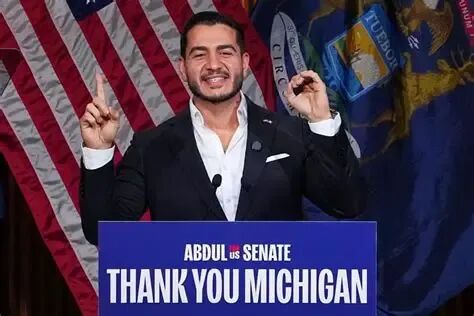
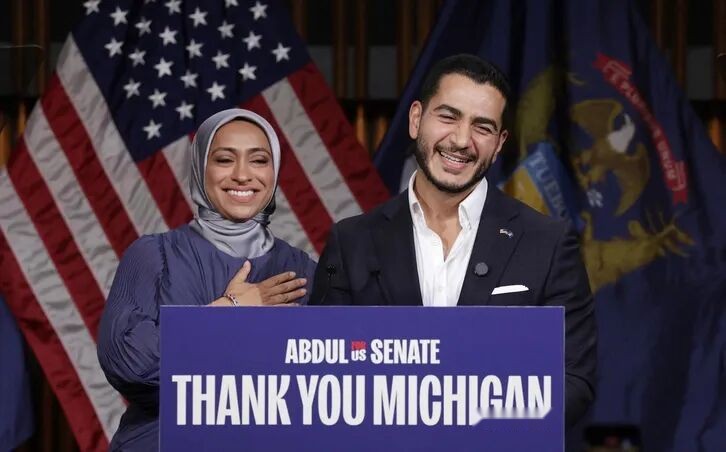
Yesterday, news blew up on everyone’s feeds: Michigan Democrat Abdul El-Sayed won his election, becoming the first Muslim senator in U.S. history.
Seeing this, the first reaction for many of our Muslim brothers and sisters might be excitement, or even a sense of 'vindication.' After all, in a superpower often clouded by certain biases, having someone with an openly Muslim identity reach the highest level of the political stage is a historic breakthrough. But today, I want us to sit down, peel back the hype, and have a calm conversation: What does a Muslim becoming a U.S. senator actually mean for regular people? What should we really be paying attention to?
First, we need to take a clear look at who El-Sayed is and what he stands for.
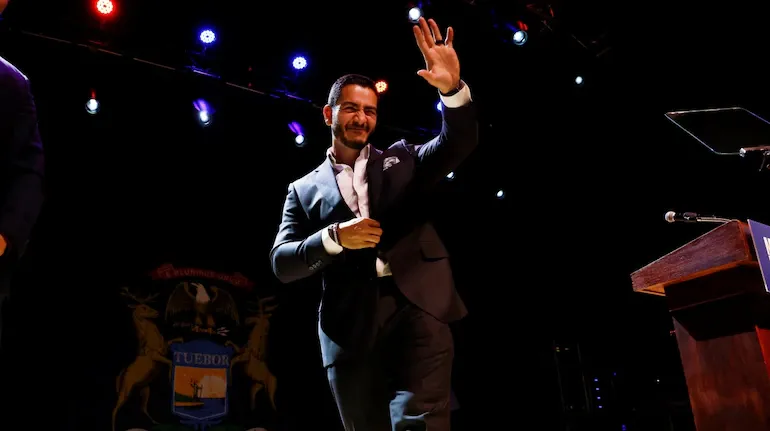
If you actually look at his campaign platform and victory speech, you'll see he didn't frame his win as some personal 'climb to power.' On election night, he told his supporters not to view this seat as his personal advancement, but as a tool to continue reforming politics. He is a steadfast progressive; he advocates for universal healthcare, climate action, and raising the minimum wage. In other words, he is first and foremost a politician representing the interests of Michigan voters, and secondarily, a Muslim.
This is a crucial point. In a mature modern political system, a candidate wins not just because of their religious label, but because their political platform aligns with the needs of the local voters. The fact that he secured enough votes means a massive number of non-Muslims voted for him. And what does that tell us? It proves that in a diverse society, competence, policy, and character can transcend religious bias.
What’s the takeaway for us Chinese Muslims? It tells us that if you want respect and a seat at the table in mainstream society, just complaining about being discriminated against won't get you anywhere. You need real substance, you need to be capable of solving the problems the community actually faces, and you need to show your value. When you truly become a useful, contributing member of society, your religious identity stops being a barrier and actually becomes a value-add in a diverse culture.
Secondly, we need to be careful about the urge to 'deify' him.
A lot of social media pages are already putting him on a pedestal, calling his win a 'victory of faith' and claiming he’ll be in Congress to 'have the backs of all Muslims.' That’s pretty naive. Within the U.S. political framework, his first loyalty must be to the U.S. Constitution and the interests of his constituents. He cannot be the 'spokesperson' for a specific religious group. If U.S. national interests ever clash with the interests of an Islamic country, he will almost certainly stand with the U.S. That’s the basic logic of a modern nation-state.
So, there’s no need to treat him like some kind of 'savior' just because he has a Muslim name. He’s facing a complex political landscape; he has to deal with attacks from opponents and deep-seated prejudices within American society. How long he can hold his position, how many promises he’ll actually keep, and how much weight he’ll carry on the global chessboard—all of that remains to be seen.
Furthermore, we should take a moment to look at ourselves.
Seeing someone succeed in politics abroad should do more than just make us excited; it should ground us so we can look at our own path forward. Here in our own country, in our own workplaces, are we truly acting with honesty and integrity? Are we actively participating in building society? In our jobs and neighborhoods, have we become people that others can trust and rely on?
The Quran states: 'You are the best nation produced for mankind. You enjoin what is right and forbid what is wrong and believe in Allah' (3:110). This 'best' isn't something determined by a ballot box or proven by winning a Senate seat—it's reflected in our daily actions, the honesty of our business dealings, and our tolerance and helpfulness toward others.
El-Sayed’s victory is worth celebrating; it shows a shift in the U.S. political ecosystem and the possibility of personal achievement. But the problems he is solving are American healthcare and climate issues. He can’t solve the anxiety within our hearts, and he certainly can’t build our connection to the Hereafter.
Finally, I want to use this opportunity to talk about what kind of 'political awareness' we should actually have.
A lot of our brothers and sisters get uncomfortable the second they hear the word 'politics,' thinking it’s only for officials and has nothing to do with us regular folks. But the reality is, our social lives have always been inseparable from politics. The kind of political awareness we need isn't the 'fanatical politics' of slogans and confrontation, but a clear-headed, pragmatic, and active 'civic awareness.'
What is clear-headed political awareness? It’s understanding that, first and foremost, you are a citizen of the People's Republic of China. Your identity is granted by the law, and your rights and responsibilities are protected by the Constitution. If you live on this land, you must abide by its laws and uphold the nation's unity and social stability. This is the bottom line and the foundation. You don't need to cater to external forces to prove your faith; nor should you position yourself against your country and society just because of differences in belief. That 'victim mentality' and sense of being an 'outsider' does nothing for you or for your children.
What is pragmatic political awareness? It’s knowing that changing how society views you doesn't come from shouting on the internet, but from your ability to build things in the real world. Just like El-Sayed—he got elected because he proposed solutions that actually addressed the practical difficulties of the people. Can we be people who are passionate about public service in our neighborhoods? Can we be high-performing, ethical professionals in our workplaces? When you become an indispensable, high-quality cog in the machine of society, people will naturally listen to your voice and respect your faith.
What is active civic awareness? It means integrating your personal development into the growth of your country. Loving your country isn't just a hollow slogan. This land provides the home where we live and the peaceful environment we enjoy. The prosperity and stability of the nation are the foundations for our own well-being. By paying taxes, following the law, and participating in society, we are actively practicing the responsibility of 'stewardship' that our faith advocates.
So, as we look at that Muslim senator across the ocean, let's not just be passive observers, and let's avoid getting caught up in pointless fanaticism. We should return to our own roles and use our talents to build our country and serve the communities around us. Be a proud, upright Chinese citizen and a sincere, clean-living Muslim. That is the kind of political awareness we should really strive for.
In the end, I ask myself—and I challenge all of you to ask yourselves—are you actively participating in building society, or are you just a spectator who complains all day? Have you ever thought about the fact that your words and actions are actually shaping how others view this entire community?
(End of article) view all
This article dives deep into the path to victory for Egyptian-American scholar and public health expert Abdul El-Sayed in the U.S. Senate election. We’ll explore how he moved past religious biases through pragmatic public policy and community-focused advocacy, showcasing the inclusive power of modern civil society.

In a diverse society, your skills, platform, and character can bridge even the deepest religious divides.

Yesterday, news blew up on everyone’s feeds: Michigan Democrat Abdul El-Sayed won his election, becoming the first Muslim senator in U.S. history.
Seeing this, the first reaction for many of our Muslim brothers and sisters might be excitement, or even a sense of 'vindication.' After all, in a superpower often clouded by certain biases, having someone with an openly Muslim identity reach the highest level of the political stage is a historic breakthrough. But today, I want us to sit down, peel back the hype, and have a calm conversation: What does a Muslim becoming a U.S. senator actually mean for regular people? What should we really be paying attention to?
First, we need to take a clear look at who El-Sayed is and what he stands for.
If you actually look at his campaign platform and victory speech, you'll see he didn't frame his win as some personal 'climb to power.' On election night, he told his supporters not to view this seat as his personal advancement, but as a tool to continue reforming politics. He is a steadfast progressive; he advocates for universal healthcare, climate action, and raising the minimum wage. In other words, he is first and foremost a politician representing the interests of Michigan voters, and secondarily, a Muslim.
This is a crucial point. In a mature modern political system, a candidate wins not just because of their religious label, but because their political platform aligns with the needs of the local voters. The fact that he secured enough votes means a massive number of non-Muslims voted for him. And what does that tell us? It proves that in a diverse society, competence, policy, and character can transcend religious bias.

What’s the takeaway for us Chinese Muslims? It tells us that if you want respect and a seat at the table in mainstream society, just complaining about being discriminated against won't get you anywhere. You need real substance, you need to be capable of solving the problems the community actually faces, and you need to show your value. When you truly become a useful, contributing member of society, your religious identity stops being a barrier and actually becomes a value-add in a diverse culture.
Secondly, we need to be careful about the urge to 'deify' him.
A lot of social media pages are already putting him on a pedestal, calling his win a 'victory of faith' and claiming he’ll be in Congress to 'have the backs of all Muslims.' That’s pretty naive. Within the U.S. political framework, his first loyalty must be to the U.S. Constitution and the interests of his constituents. He cannot be the 'spokesperson' for a specific religious group. If U.S. national interests ever clash with the interests of an Islamic country, he will almost certainly stand with the U.S. That’s the basic logic of a modern nation-state.
So, there’s no need to treat him like some kind of 'savior' just because he has a Muslim name. He’s facing a complex political landscape; he has to deal with attacks from opponents and deep-seated prejudices within American society. How long he can hold his position, how many promises he’ll actually keep, and how much weight he’ll carry on the global chessboard—all of that remains to be seen.
Furthermore, we should take a moment to look at ourselves.
Seeing someone succeed in politics abroad should do more than just make us excited; it should ground us so we can look at our own path forward. Here in our own country, in our own workplaces, are we truly acting with honesty and integrity? Are we actively participating in building society? In our jobs and neighborhoods, have we become people that others can trust and rely on?
The Quran states: 'You are the best nation produced for mankind. You enjoin what is right and forbid what is wrong and believe in Allah' (3:110). This 'best' isn't something determined by a ballot box or proven by winning a Senate seat—it's reflected in our daily actions, the honesty of our business dealings, and our tolerance and helpfulness toward others.
El-Sayed’s victory is worth celebrating; it shows a shift in the U.S. political ecosystem and the possibility of personal achievement. But the problems he is solving are American healthcare and climate issues. He can’t solve the anxiety within our hearts, and he certainly can’t build our connection to the Hereafter.
Finally, I want to use this opportunity to talk about what kind of 'political awareness' we should actually have.
A lot of our brothers and sisters get uncomfortable the second they hear the word 'politics,' thinking it’s only for officials and has nothing to do with us regular folks. But the reality is, our social lives have always been inseparable from politics. The kind of political awareness we need isn't the 'fanatical politics' of slogans and confrontation, but a clear-headed, pragmatic, and active 'civic awareness.'
What is clear-headed political awareness? It’s understanding that, first and foremost, you are a citizen of the People's Republic of China. Your identity is granted by the law, and your rights and responsibilities are protected by the Constitution. If you live on this land, you must abide by its laws and uphold the nation's unity and social stability. This is the bottom line and the foundation. You don't need to cater to external forces to prove your faith; nor should you position yourself against your country and society just because of differences in belief. That 'victim mentality' and sense of being an 'outsider' does nothing for you or for your children.
What is pragmatic political awareness? It’s knowing that changing how society views you doesn't come from shouting on the internet, but from your ability to build things in the real world. Just like El-Sayed—he got elected because he proposed solutions that actually addressed the practical difficulties of the people. Can we be people who are passionate about public service in our neighborhoods? Can we be high-performing, ethical professionals in our workplaces? When you become an indispensable, high-quality cog in the machine of society, people will naturally listen to your voice and respect your faith.
What is active civic awareness? It means integrating your personal development into the growth of your country. Loving your country isn't just a hollow slogan. This land provides the home where we live and the peaceful environment we enjoy. The prosperity and stability of the nation are the foundations for our own well-being. By paying taxes, following the law, and participating in society, we are actively practicing the responsibility of 'stewardship' that our faith advocates.
So, as we look at that Muslim senator across the ocean, let's not just be passive observers, and let's avoid getting caught up in pointless fanaticism. We should return to our own roles and use our talents to build our country and serve the communities around us. Be a proud, upright Chinese citizen and a sincere, clean-living Muslim. That is the kind of political awareness we should really strive for.
In the end, I ask myself—and I challenge all of you to ask yourselves—are you actively participating in building society, or are you just a spectator who complains all day? Have you ever thought about the fact that your words and actions are actually shaping how others view this entire community?
(End of article)
In a diverse society, your skills, platform, and character can bridge even the deepest religious divides.
Yesterday, news blew up on everyone’s feeds: Michigan Democrat Abdul El-Sayed won his election, becoming the first Muslim senator in U.S. history.
Seeing this, the first reaction for many of our Muslim brothers and sisters might be excitement, or even a sense of 'vindication.' After all, in a superpower often clouded by certain biases, having someone with an openly Muslim identity reach the highest level of the political stage is a historic breakthrough. But today, I want us to sit down, peel back the hype, and have a calm conversation: What does a Muslim becoming a U.S. senator actually mean for regular people? What should we really be paying attention to?
First, we need to take a clear look at who El-Sayed is and what he stands for.
If you actually look at his campaign platform and victory speech, you'll see he didn't frame his win as some personal 'climb to power.' On election night, he told his supporters not to view this seat as his personal advancement, but as a tool to continue reforming politics. He is a steadfast progressive; he advocates for universal healthcare, climate action, and raising the minimum wage. In other words, he is first and foremost a politician representing the interests of Michigan voters, and secondarily, a Muslim.
This is a crucial point. In a mature modern political system, a candidate wins not just because of their religious label, but because their political platform aligns with the needs of the local voters. The fact that he secured enough votes means a massive number of non-Muslims voted for him. And what does that tell us? It proves that in a diverse society, competence, policy, and character can transcend religious bias.
What’s the takeaway for us Chinese Muslims? It tells us that if you want respect and a seat at the table in mainstream society, just complaining about being discriminated against won't get you anywhere. You need real substance, you need to be capable of solving the problems the community actually faces, and you need to show your value. When you truly become a useful, contributing member of society, your religious identity stops being a barrier and actually becomes a value-add in a diverse culture.
Secondly, we need to be careful about the urge to 'deify' him.
A lot of social media pages are already putting him on a pedestal, calling his win a 'victory of faith' and claiming he’ll be in Congress to 'have the backs of all Muslims.' That’s pretty naive. Within the U.S. political framework, his first loyalty must be to the U.S. Constitution and the interests of his constituents. He cannot be the 'spokesperson' for a specific religious group. If U.S. national interests ever clash with the interests of an Islamic country, he will almost certainly stand with the U.S. That’s the basic logic of a modern nation-state.
So, there’s no need to treat him like some kind of 'savior' just because he has a Muslim name. He’s facing a complex political landscape; he has to deal with attacks from opponents and deep-seated prejudices within American society. How long he can hold his position, how many promises he’ll actually keep, and how much weight he’ll carry on the global chessboard—all of that remains to be seen.
Furthermore, we should take a moment to look at ourselves.
Seeing someone succeed in politics abroad should do more than just make us excited; it should ground us so we can look at our own path forward. Here in our own country, in our own workplaces, are we truly acting with honesty and integrity? Are we actively participating in building society? In our jobs and neighborhoods, have we become people that others can trust and rely on?
The Quran states: 'You are the best nation produced for mankind. You enjoin what is right and forbid what is wrong and believe in Allah' (3:110). This 'best' isn't something determined by a ballot box or proven by winning a Senate seat—it's reflected in our daily actions, the honesty of our business dealings, and our tolerance and helpfulness toward others.
El-Sayed’s victory is worth celebrating; it shows a shift in the U.S. political ecosystem and the possibility of personal achievement. But the problems he is solving are American healthcare and climate issues. He can’t solve the anxiety within our hearts, and he certainly can’t build our connection to the Hereafter.
Finally, I want to use this opportunity to talk about what kind of 'political awareness' we should actually have.
A lot of our brothers and sisters get uncomfortable the second they hear the word 'politics,' thinking it’s only for officials and has nothing to do with us regular folks. But the reality is, our social lives have always been inseparable from politics. The kind of political awareness we need isn't the 'fanatical politics' of slogans and confrontation, but a clear-headed, pragmatic, and active 'civic awareness.'
What is clear-headed political awareness? It’s understanding that, first and foremost, you are a citizen of the People's Republic of China. Your identity is granted by the law, and your rights and responsibilities are protected by the Constitution. If you live on this land, you must abide by its laws and uphold the nation's unity and social stability. This is the bottom line and the foundation. You don't need to cater to external forces to prove your faith; nor should you position yourself against your country and society just because of differences in belief. That 'victim mentality' and sense of being an 'outsider' does nothing for you or for your children.
What is pragmatic political awareness? It’s knowing that changing how society views you doesn't come from shouting on the internet, but from your ability to build things in the real world. Just like El-Sayed—he got elected because he proposed solutions that actually addressed the practical difficulties of the people. Can we be people who are passionate about public service in our neighborhoods? Can we be high-performing, ethical professionals in our workplaces? When you become an indispensable, high-quality cog in the machine of society, people will naturally listen to your voice and respect your faith.
What is active civic awareness? It means integrating your personal development into the growth of your country. Loving your country isn't just a hollow slogan. This land provides the home where we live and the peaceful environment we enjoy. The prosperity and stability of the nation are the foundations for our own well-being. By paying taxes, following the law, and participating in society, we are actively practicing the responsibility of 'stewardship' that our faith advocates.
So, as we look at that Muslim senator across the ocean, let's not just be passive observers, and let's avoid getting caught up in pointless fanaticism. We should return to our own roles and use our talents to build our country and serve the communities around us. Be a proud, upright Chinese citizen and a sincere, clean-living Muslim. That is the kind of political awareness we should really strive for.
In the end, I ask myself—and I challenge all of you to ask yourselves—are you actively participating in building society, or are you just a spectator who complains all day? Have you ever thought about the fact that your words and actions are actually shaping how others view this entire community?
(End of article)
US Muslim Politics: Analyzing Abdul El-Sayed’s Senate Win and Modern Civic Identity
Articles • Hasan09 posted the article • 0 comments • 37 views • 2026-11-09 10:45
This article dives deep into the path to victory for Egyptian-American scholar and public health expert Abdul El-Sayed in the U.S. Senate election. We’ll explore how he moved past religious biases through pragmatic public policy and community-focused advocacy, showcasing the inclusive power of modern civil society.
In a diverse society, your skills, platform, and character can bridge even the deepest religious divides.
Yesterday, news blew up on everyone’s feeds: Michigan Democrat Abdul El-Sayed won his election, becoming the first Muslim senator in U.S. history.
Seeing this, the first reaction for many of our Muslim brothers and sisters might be excitement, or even a sense of 'vindication.' After all, in a superpower often clouded by certain biases, having someone with an openly Muslim identity reach the highest level of the political stage is a historic breakthrough. But today, I want us to sit down, peel back the hype, and have a calm conversation: What does a Muslim becoming a U.S. senator actually mean for regular people? What should we really be paying attention to?
First, we need to take a clear look at who El-Sayed is and what he stands for.
If you actually look at his campaign platform and victory speech, you'll see he didn't frame his win as some personal 'climb to power.' On election night, he told his supporters not to view this seat as his personal advancement, but as a tool to continue reforming politics. He is a steadfast progressive; he advocates for universal healthcare, climate action, and raising the minimum wage. In other words, he is first and foremost a politician representing the interests of Michigan voters, and secondarily, a Muslim.
This is a crucial point. In a mature modern political system, a candidate wins not just because of their religious label, but because their political platform aligns with the needs of the local voters. The fact that he secured enough votes means a massive number of non-Muslims voted for him. And what does that tell us? It proves that in a diverse society, competence, policy, and character can transcend religious bias.
What’s the takeaway for us Chinese Muslims? It tells us that if you want respect and a seat at the table in mainstream society, just complaining about being discriminated against won't get you anywhere. You need real substance, you need to be capable of solving the problems the community actually faces, and you need to show your value. When you truly become a useful, contributing member of society, your religious identity stops being a barrier and actually becomes a value-add in a diverse culture.
Secondly, we need to be careful about the urge to 'deify' him.
A lot of social media pages are already putting him on a pedestal, calling his win a 'victory of faith' and claiming he’ll be in Congress to 'have the backs of all Muslims.' That’s pretty naive. Within the U.S. political framework, his first loyalty must be to the U.S. Constitution and the interests of his constituents. He cannot be the 'spokesperson' for a specific religious group. If U.S. national interests ever clash with the interests of an Islamic country, he will almost certainly stand with the U.S. That’s the basic logic of a modern nation-state.
So, there’s no need to treat him like some kind of 'savior' just because he has a Muslim name. He’s facing a complex political landscape; he has to deal with attacks from opponents and deep-seated prejudices within American society. How long he can hold his position, how many promises he’ll actually keep, and how much weight he’ll carry on the global chessboard—all of that remains to be seen.
Furthermore, we should take a moment to look at ourselves.
Seeing someone succeed in politics abroad should do more than just make us excited; it should ground us so we can look at our own path forward. Here in our own country, in our own workplaces, are we truly acting with honesty and integrity? Are we actively participating in building society? In our jobs and neighborhoods, have we become people that others can trust and rely on?
The Quran states: 'You are the best nation produced for mankind. You enjoin what is right and forbid what is wrong and believe in Allah' (3:110). This 'best' isn't something determined by a ballot box or proven by winning a Senate seat—it's reflected in our daily actions, the honesty of our business dealings, and our tolerance and helpfulness toward others.
El-Sayed’s victory is worth celebrating; it shows a shift in the U.S. political ecosystem and the possibility of personal achievement. But the problems he is solving are American healthcare and climate issues. He can’t solve the anxiety within our hearts, and he certainly can’t build our connection to the Hereafter.
Finally, I want to use this opportunity to talk about what kind of 'political awareness' we should actually have.
A lot of our brothers and sisters get uncomfortable the second they hear the word 'politics,' thinking it’s only for officials and has nothing to do with us regular folks. But the reality is, our social lives have always been inseparable from politics. The kind of political awareness we need isn't the 'fanatical politics' of slogans and confrontation, but a clear-headed, pragmatic, and active 'civic awareness.'
What is clear-headed political awareness? It’s understanding that, first and foremost, you are a citizen of the People's Republic of China. Your identity is granted by the law, and your rights and responsibilities are protected by the Constitution. If you live on this land, you must abide by its laws and uphold the nation's unity and social stability. This is the bottom line and the foundation. You don't need to cater to external forces to prove your faith; nor should you position yourself against your country and society just because of differences in belief. That 'victim mentality' and sense of being an 'outsider' does nothing for you or for your children.
What is pragmatic political awareness? It’s knowing that changing how society views you doesn't come from shouting on the internet, but from your ability to build things in the real world. Just like El-Sayed—he got elected because he proposed solutions that actually addressed the practical difficulties of the people. Can we be people who are passionate about public service in our neighborhoods? Can we be high-performing, ethical professionals in our workplaces? When you become an indispensable, high-quality cog in the machine of society, people will naturally listen to your voice and respect your faith.
What is active civic awareness? It means integrating your personal development into the growth of your country. Loving your country isn't just a hollow slogan. This land provides the home where we live and the peaceful environment we enjoy. The prosperity and stability of the nation are the foundations for our own well-being. By paying taxes, following the law, and participating in society, we are actively practicing the responsibility of 'stewardship' that our faith advocates.
So, as we look at that Muslim senator across the ocean, let's not just be passive observers, and let's avoid getting caught up in pointless fanaticism. We should return to our own roles and use our talents to build our country and serve the communities around us. Be a proud, upright Chinese citizen and a sincere, clean-living Muslim. That is the kind of political awareness we should really strive for.
In the end, I ask myself—and I challenge all of you to ask yourselves—are you actively participating in building society, or are you just a spectator who complains all day? Have you ever thought about the fact that your words and actions are actually shaping how others view this entire community?
(End of article) view all
In a diverse society, your skills, platform, and character can bridge even the deepest religious divides.
Yesterday, news blew up on everyone’s feeds: Michigan Democrat Abdul El-Sayed won his election, becoming the first Muslim senator in U.S. history.
Seeing this, the first reaction for many of our Muslim brothers and sisters might be excitement, or even a sense of 'vindication.' After all, in a superpower often clouded by certain biases, having someone with an openly Muslim identity reach the highest level of the political stage is a historic breakthrough. But today, I want us to sit down, peel back the hype, and have a calm conversation: What does a Muslim becoming a U.S. senator actually mean for regular people? What should we really be paying attention to?
First, we need to take a clear look at who El-Sayed is and what he stands for.
If you actually look at his campaign platform and victory speech, you'll see he didn't frame his win as some personal 'climb to power.' On election night, he told his supporters not to view this seat as his personal advancement, but as a tool to continue reforming politics. He is a steadfast progressive; he advocates for universal healthcare, climate action, and raising the minimum wage. In other words, he is first and foremost a politician representing the interests of Michigan voters, and secondarily, a Muslim.
This is a crucial point. In a mature modern political system, a candidate wins not just because of their religious label, but because their political platform aligns with the needs of the local voters. The fact that he secured enough votes means a massive number of non-Muslims voted for him. And what does that tell us? It proves that in a diverse society, competence, policy, and character can transcend religious bias.
What’s the takeaway for us Chinese Muslims? It tells us that if you want respect and a seat at the table in mainstream society, just complaining about being discriminated against won't get you anywhere. You need real substance, you need to be capable of solving the problems the community actually faces, and you need to show your value. When you truly become a useful, contributing member of society, your religious identity stops being a barrier and actually becomes a value-add in a diverse culture.
Secondly, we need to be careful about the urge to 'deify' him.
A lot of social media pages are already putting him on a pedestal, calling his win a 'victory of faith' and claiming he’ll be in Congress to 'have the backs of all Muslims.' That’s pretty naive. Within the U.S. political framework, his first loyalty must be to the U.S. Constitution and the interests of his constituents. He cannot be the 'spokesperson' for a specific religious group. If U.S. national interests ever clash with the interests of an Islamic country, he will almost certainly stand with the U.S. That’s the basic logic of a modern nation-state.
So, there’s no need to treat him like some kind of 'savior' just because he has a Muslim name. He’s facing a complex political landscape; he has to deal with attacks from opponents and deep-seated prejudices within American society. How long he can hold his position, how many promises he’ll actually keep, and how much weight he’ll carry on the global chessboard—all of that remains to be seen.
Furthermore, we should take a moment to look at ourselves.
Seeing someone succeed in politics abroad should do more than just make us excited; it should ground us so we can look at our own path forward. Here in our own country, in our own workplaces, are we truly acting with honesty and integrity? Are we actively participating in building society? In our jobs and neighborhoods, have we become people that others can trust and rely on?
The Quran states: 'You are the best nation produced for mankind. You enjoin what is right and forbid what is wrong and believe in Allah' (3:110). This 'best' isn't something determined by a ballot box or proven by winning a Senate seat—it's reflected in our daily actions, the honesty of our business dealings, and our tolerance and helpfulness toward others.
El-Sayed’s victory is worth celebrating; it shows a shift in the U.S. political ecosystem and the possibility of personal achievement. But the problems he is solving are American healthcare and climate issues. He can’t solve the anxiety within our hearts, and he certainly can’t build our connection to the Hereafter.
Finally, I want to use this opportunity to talk about what kind of 'political awareness' we should actually have.
A lot of our brothers and sisters get uncomfortable the second they hear the word 'politics,' thinking it’s only for officials and has nothing to do with us regular folks. But the reality is, our social lives have always been inseparable from politics. The kind of political awareness we need isn't the 'fanatical politics' of slogans and confrontation, but a clear-headed, pragmatic, and active 'civic awareness.'
What is clear-headed political awareness? It’s understanding that, first and foremost, you are a citizen of the People's Republic of China. Your identity is granted by the law, and your rights and responsibilities are protected by the Constitution. If you live on this land, you must abide by its laws and uphold the nation's unity and social stability. This is the bottom line and the foundation. You don't need to cater to external forces to prove your faith; nor should you position yourself against your country and society just because of differences in belief. That 'victim mentality' and sense of being an 'outsider' does nothing for you or for your children.
What is pragmatic political awareness? It’s knowing that changing how society views you doesn't come from shouting on the internet, but from your ability to build things in the real world. Just like El-Sayed—he got elected because he proposed solutions that actually addressed the practical difficulties of the people. Can we be people who are passionate about public service in our neighborhoods? Can we be high-performing, ethical professionals in our workplaces? When you become an indispensable, high-quality cog in the machine of society, people will naturally listen to your voice and respect your faith.
What is active civic awareness? It means integrating your personal development into the growth of your country. Loving your country isn't just a hollow slogan. This land provides the home where we live and the peaceful environment we enjoy. The prosperity and stability of the nation are the foundations for our own well-being. By paying taxes, following the law, and participating in society, we are actively practicing the responsibility of 'stewardship' that our faith advocates.
So, as we look at that Muslim senator across the ocean, let's not just be passive observers, and let's avoid getting caught up in pointless fanaticism. We should return to our own roles and use our talents to build our country and serve the communities around us. Be a proud, upright Chinese citizen and a sincere, clean-living Muslim. That is the kind of political awareness we should really strive for.
In the end, I ask myself—and I challenge all of you to ask yourselves—are you actively participating in building society, or are you just a spectator who complains all day? Have you ever thought about the fact that your words and actions are actually shaping how others view this entire community?
(End of article) view all
This article dives deep into the path to victory for Egyptian-American scholar and public health expert Abdul El-Sayed in the U.S. Senate election. We’ll explore how he moved past religious biases through pragmatic public policy and community-focused advocacy, showcasing the inclusive power of modern civil society.
In a diverse society, your skills, platform, and character can bridge even the deepest religious divides.
Yesterday, news blew up on everyone’s feeds: Michigan Democrat Abdul El-Sayed won his election, becoming the first Muslim senator in U.S. history.
Seeing this, the first reaction for many of our Muslim brothers and sisters might be excitement, or even a sense of 'vindication.' After all, in a superpower often clouded by certain biases, having someone with an openly Muslim identity reach the highest level of the political stage is a historic breakthrough. But today, I want us to sit down, peel back the hype, and have a calm conversation: What does a Muslim becoming a U.S. senator actually mean for regular people? What should we really be paying attention to?
First, we need to take a clear look at who El-Sayed is and what he stands for.
If you actually look at his campaign platform and victory speech, you'll see he didn't frame his win as some personal 'climb to power.' On election night, he told his supporters not to view this seat as his personal advancement, but as a tool to continue reforming politics. He is a steadfast progressive; he advocates for universal healthcare, climate action, and raising the minimum wage. In other words, he is first and foremost a politician representing the interests of Michigan voters, and secondarily, a Muslim.
This is a crucial point. In a mature modern political system, a candidate wins not just because of their religious label, but because their political platform aligns with the needs of the local voters. The fact that he secured enough votes means a massive number of non-Muslims voted for him. And what does that tell us? It proves that in a diverse society, competence, policy, and character can transcend religious bias.
What’s the takeaway for us Chinese Muslims? It tells us that if you want respect and a seat at the table in mainstream society, just complaining about being discriminated against won't get you anywhere. You need real substance, you need to be capable of solving the problems the community actually faces, and you need to show your value. When you truly become a useful, contributing member of society, your religious identity stops being a barrier and actually becomes a value-add in a diverse culture.
Secondly, we need to be careful about the urge to 'deify' him.
A lot of social media pages are already putting him on a pedestal, calling his win a 'victory of faith' and claiming he’ll be in Congress to 'have the backs of all Muslims.' That’s pretty naive. Within the U.S. political framework, his first loyalty must be to the U.S. Constitution and the interests of his constituents. He cannot be the 'spokesperson' for a specific religious group. If U.S. national interests ever clash with the interests of an Islamic country, he will almost certainly stand with the U.S. That’s the basic logic of a modern nation-state.
So, there’s no need to treat him like some kind of 'savior' just because he has a Muslim name. He’s facing a complex political landscape; he has to deal with attacks from opponents and deep-seated prejudices within American society. How long he can hold his position, how many promises he’ll actually keep, and how much weight he’ll carry on the global chessboard—all of that remains to be seen.
Furthermore, we should take a moment to look at ourselves.
Seeing someone succeed in politics abroad should do more than just make us excited; it should ground us so we can look at our own path forward. Here in our own country, in our own workplaces, are we truly acting with honesty and integrity? Are we actively participating in building society? In our jobs and neighborhoods, have we become people that others can trust and rely on?
The Quran states: 'You are the best nation produced for mankind. You enjoin what is right and forbid what is wrong and believe in Allah' (3:110). This 'best' isn't something determined by a ballot box or proven by winning a Senate seat—it's reflected in our daily actions, the honesty of our business dealings, and our tolerance and helpfulness toward others.
El-Sayed’s victory is worth celebrating; it shows a shift in the U.S. political ecosystem and the possibility of personal achievement. But the problems he is solving are American healthcare and climate issues. He can’t solve the anxiety within our hearts, and he certainly can’t build our connection to the Hereafter.
Finally, I want to use this opportunity to talk about what kind of 'political awareness' we should actually have.
A lot of our brothers and sisters get uncomfortable the second they hear the word 'politics,' thinking it’s only for officials and has nothing to do with us regular folks. But the reality is, our social lives have always been inseparable from politics. The kind of political awareness we need isn't the 'fanatical politics' of slogans and confrontation, but a clear-headed, pragmatic, and active 'civic awareness.'
What is clear-headed political awareness? It’s understanding that, first and foremost, you are a citizen of the People's Republic of China. Your identity is granted by the law, and your rights and responsibilities are protected by the Constitution. If you live on this land, you must abide by its laws and uphold the nation's unity and social stability. This is the bottom line and the foundation. You don't need to cater to external forces to prove your faith; nor should you position yourself against your country and society just because of differences in belief. That 'victim mentality' and sense of being an 'outsider' does nothing for you or for your children.
What is pragmatic political awareness? It’s knowing that changing how society views you doesn't come from shouting on the internet, but from your ability to build things in the real world. Just like El-Sayed—he got elected because he proposed solutions that actually addressed the practical difficulties of the people. Can we be people who are passionate about public service in our neighborhoods? Can we be high-performing, ethical professionals in our workplaces? When you become an indispensable, high-quality cog in the machine of society, people will naturally listen to your voice and respect your faith.
What is active civic awareness? It means integrating your personal development into the growth of your country. Loving your country isn't just a hollow slogan. This land provides the home where we live and the peaceful environment we enjoy. The prosperity and stability of the nation are the foundations for our own well-being. By paying taxes, following the law, and participating in society, we are actively practicing the responsibility of 'stewardship' that our faith advocates.
So, as we look at that Muslim senator across the ocean, let's not just be passive observers, and let's avoid getting caught up in pointless fanaticism. We should return to our own roles and use our talents to build our country and serve the communities around us. Be a proud, upright Chinese citizen and a sincere, clean-living Muslim. That is the kind of political awareness we should really strive for.
In the end, I ask myself—and I challenge all of you to ask yourselves—are you actively participating in building society, or are you just a spectator who complains all day? Have you ever thought about the fact that your words and actions are actually shaping how others view this entire community?
(End of article)