

Community History
Urumqi Community Language Notes: Dialect, Identity and Everyday Culture
Articles • ali2007fr posted the article • 0 comments • 144 views • 2026-05-17 08:36
Reposted from the web
Summary: This travel note introduces Urumqi Community Language Notes: Dialect, Identity and Everyday Culture. Today I am sharing two books related to the language of Hui Muslims. It is useful for readers interested in Hui Muslims, Chinese Language, Muslim Culture.
Today I am sharing two books related to the language of Hui Muslims.
The first one is the Urumqi Hui Muslim Language Gazetteer; Zainabu and I speak in this 'AA-zi' style in our daily lives, and it also includes the unique Urumqi Hui Muslim way of teasing others: 'zi-zi-zi'.
Some religious terminology.
The differences between Urumqi Hui Muslim dialect and Han Chinese dialect.
The characteristics of the Urumqi Hui Muslim dialect.
The differences between Urumqi Hui Muslim dialect and Han Chinese dialect. The Hui Muslim dialect is based on the Shaanxi dialect, while the Han Chinese dialect is based on the Gansu dialect.
The second book is a selection of Hui Muslim language published by the Tianjin Beisi (North Mosque) in 2001. The Hui Muslim language is a precious cultural treasure, and some young people today can no longer master it proficiently.
Alim, meaning 'scholar' in Arabic. Example sentence: The ink of an Alim is more precious than the blood of a Shahid (martyr).
Akhirah, meaning 'the afterlife' in Arabic. Example sentence: This world is the sowing field for the Akhirah. Bakhil, meaning 'stingy' in Arabic. Example sentence: A Bakhil person cannot enter Paradise. Bala, meaning 'disaster' in Arabic. Example sentence: Wasting food will bring about a Bala. Bandah, meaning 'servant' in Persian. Example sentence: The intention of a Bandah, the joy of sincerity. Barakah, meaning 'blessing' in Arabic. Example sentence: When a guest enters the home, Barakah comes with them. Dushman, meaning 'enemy' in Persian; in daily life, it is often used to describe someone who is unreasonable and likes to go against others. Du'a, meaning 'supplication' in Arabic. Example sentence: Keep the Du'a in your heart, and peace be upon you. Dunya, meaning 'the present world' in Arabic. Example sentence: Work for the Dunya as if you will live for a thousand years, and work for the afterlife as if you will pass away in an instant. view all
Summary: This travel note introduces Urumqi Community Language Notes: Dialect, Identity and Everyday Culture. Today I am sharing two books related to the language of Hui Muslims. It is useful for readers interested in Hui Muslims, Chinese Language, Muslim Culture.
Today I am sharing two books related to the language of Hui Muslims.
The first one is the Urumqi Hui Muslim Language Gazetteer; Zainabu and I speak in this 'AA-zi' style in our daily lives, and it also includes the unique Urumqi Hui Muslim way of teasing others: 'zi-zi-zi'.
Some religious terminology.
The differences between Urumqi Hui Muslim dialect and Han Chinese dialect.
The characteristics of the Urumqi Hui Muslim dialect.
The differences between Urumqi Hui Muslim dialect and Han Chinese dialect. The Hui Muslim dialect is based on the Shaanxi dialect, while the Han Chinese dialect is based on the Gansu dialect.
The second book is a selection of Hui Muslim language published by the Tianjin Beisi (North Mosque) in 2001. The Hui Muslim language is a precious cultural treasure, and some young people today can no longer master it proficiently.
Alim, meaning 'scholar' in Arabic. Example sentence: The ink of an Alim is more precious than the blood of a Shahid (martyr).
Akhirah, meaning 'the afterlife' in Arabic. Example sentence: This world is the sowing field for the Akhirah. Bakhil, meaning 'stingy' in Arabic. Example sentence: A Bakhil person cannot enter Paradise. Bala, meaning 'disaster' in Arabic. Example sentence: Wasting food will bring about a Bala. Bandah, meaning 'servant' in Persian. Example sentence: The intention of a Bandah, the joy of sincerity. Barakah, meaning 'blessing' in Arabic. Example sentence: When a guest enters the home, Barakah comes with them. Dushman, meaning 'enemy' in Persian; in daily life, it is often used to describe someone who is unreasonable and likes to go against others. Du'a, meaning 'supplication' in Arabic. Example sentence: Keep the Du'a in your heart, and peace be upon you. Dunya, meaning 'the present world' in Arabic. Example sentence: Work for the Dunya as if you will live for a thousand years, and work for the afterlife as if you will pass away in an instant. view all
Reposted from the web
Summary: This travel note introduces Urumqi Community Language Notes: Dialect, Identity and Everyday Culture. Today I am sharing two books related to the language of Hui Muslims. It is useful for readers interested in Hui Muslims, Chinese Language, Muslim Culture.
Today I am sharing two books related to the language of Hui Muslims.
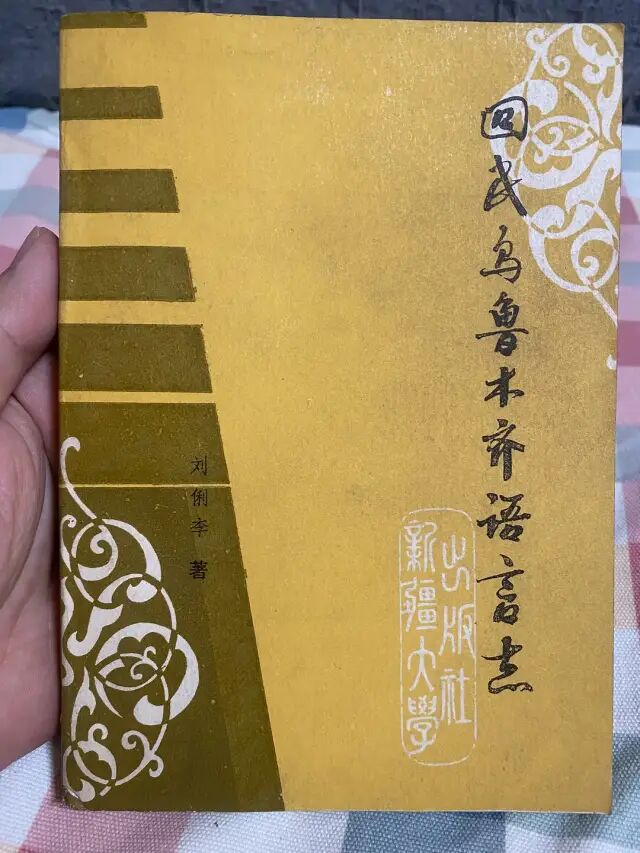
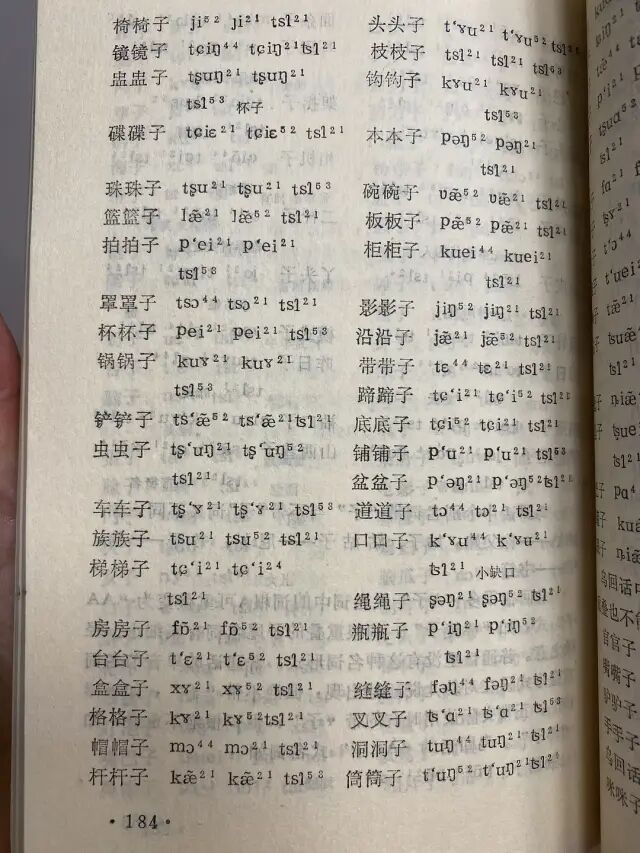
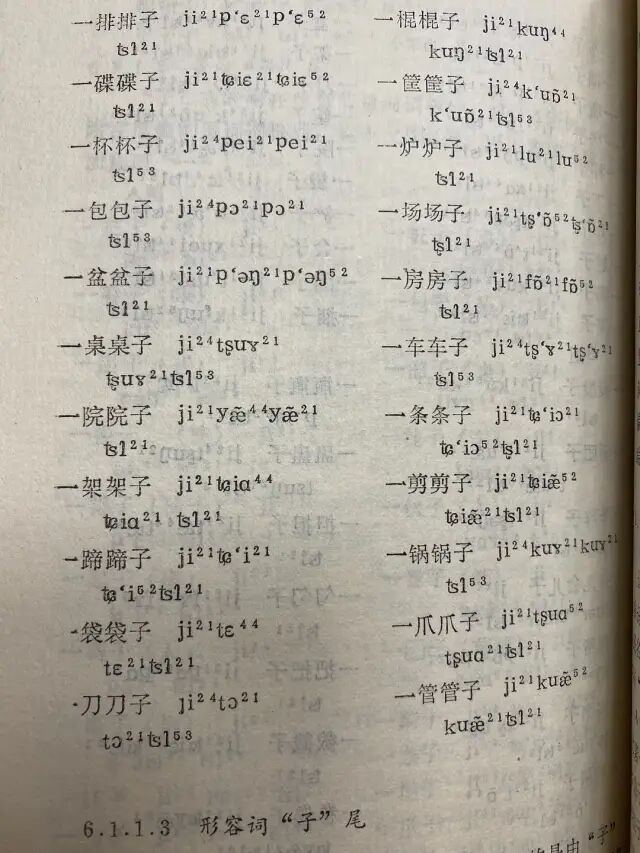
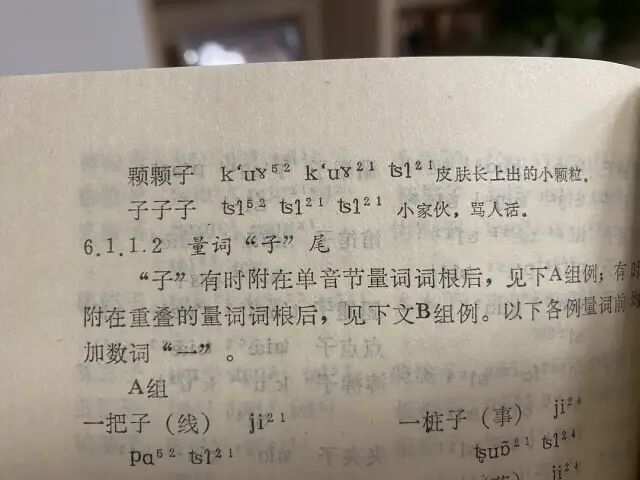
The first one is the Urumqi Hui Muslim Language Gazetteer; Zainabu and I speak in this 'AA-zi' style in our daily lives, and it also includes the unique Urumqi Hui Muslim way of teasing others: 'zi-zi-zi'.
Some religious terminology.
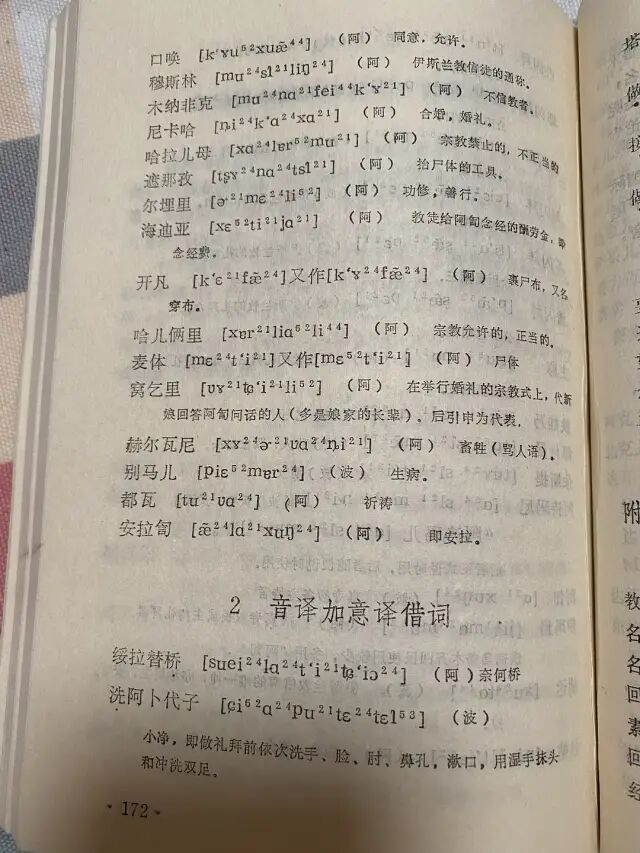
The differences between Urumqi Hui Muslim dialect and Han Chinese dialect.
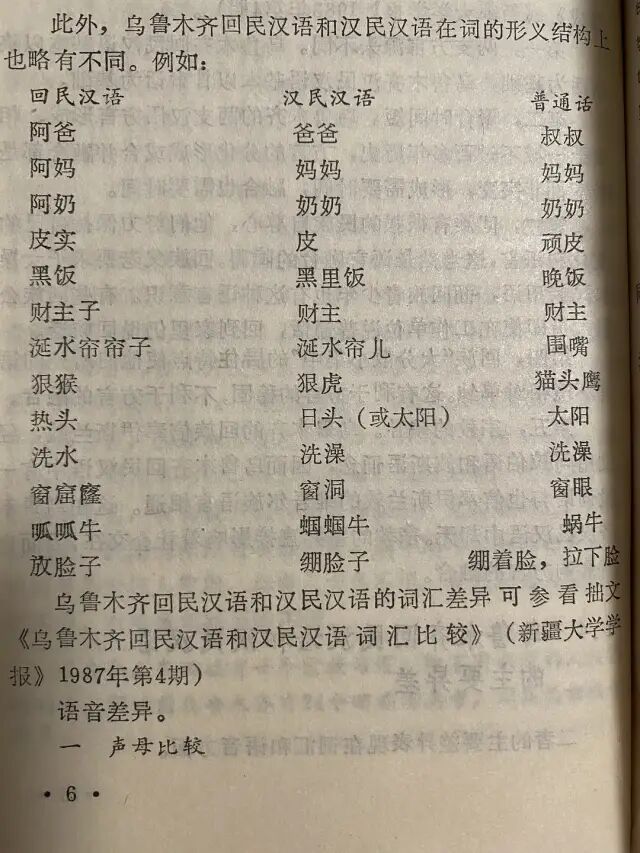
The characteristics of the Urumqi Hui Muslim dialect.
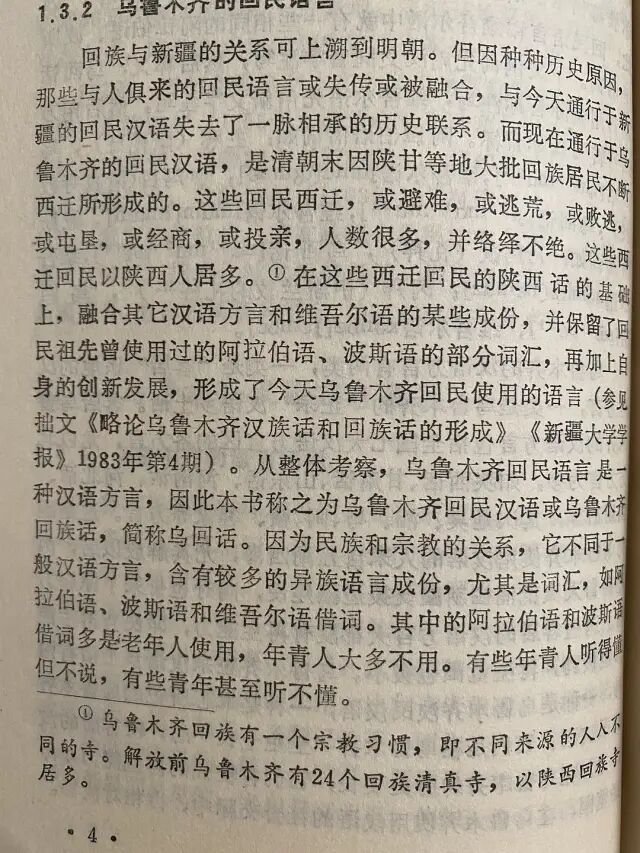
The differences between Urumqi Hui Muslim dialect and Han Chinese dialect. The Hui Muslim dialect is based on the Shaanxi dialect, while the Han Chinese dialect is based on the Gansu dialect.
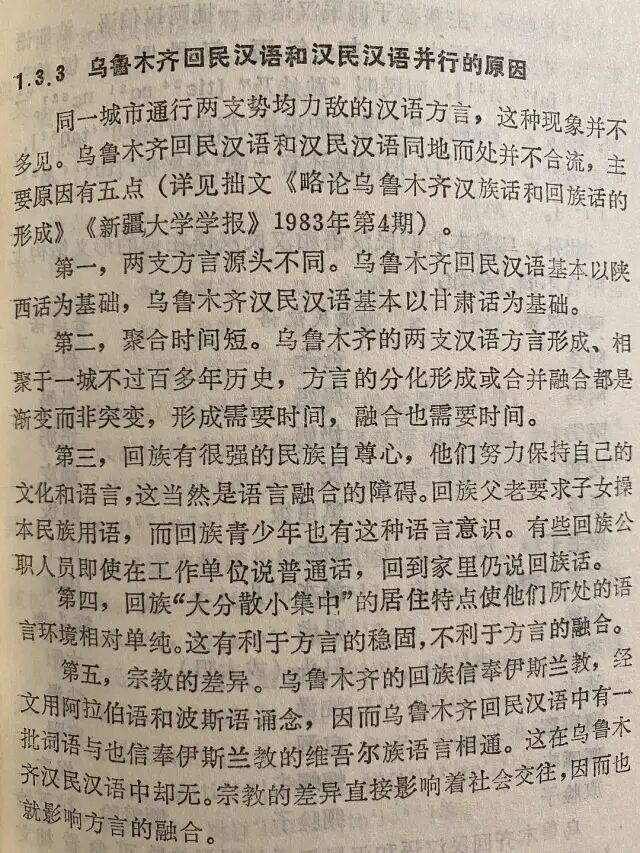
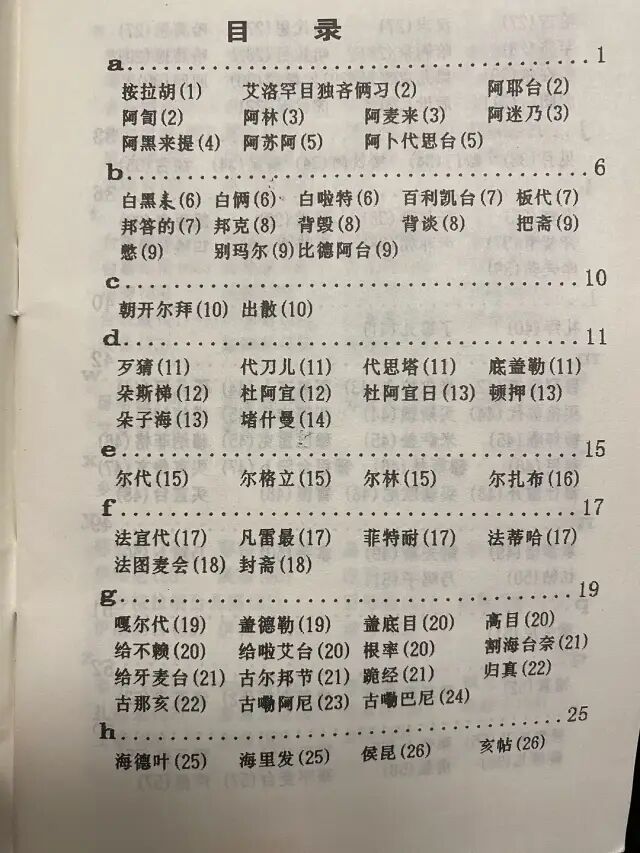
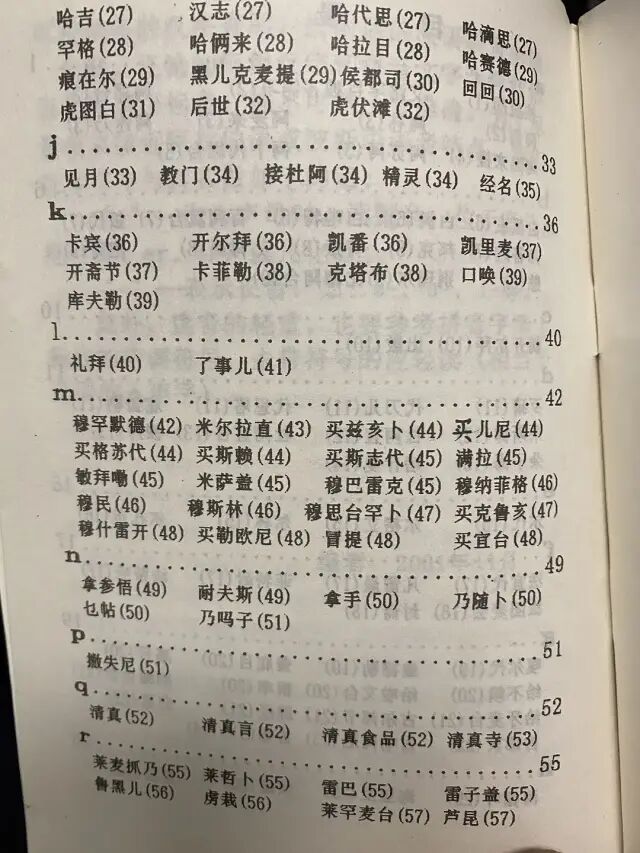
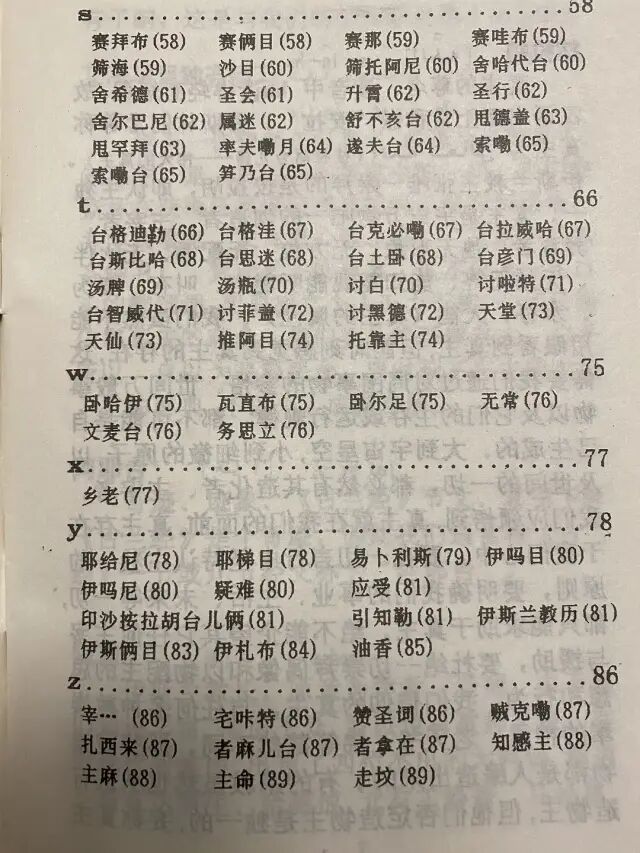
The second book is a selection of Hui Muslim language published by the Tianjin Beisi (North Mosque) in 2001. The Hui Muslim language is a precious cultural treasure, and some young people today can no longer master it proficiently.
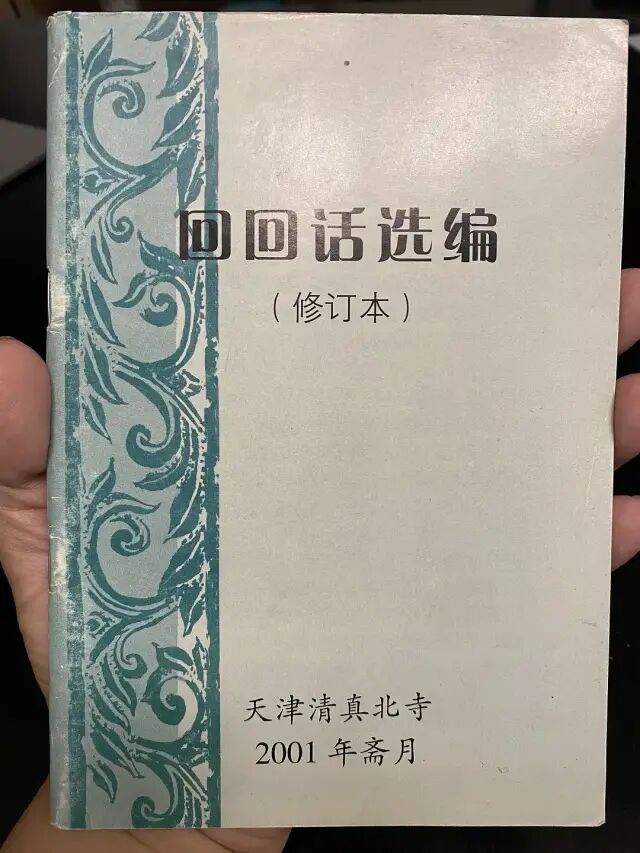
Alim, meaning 'scholar' in Arabic. Example sentence: The ink of an Alim is more precious than the blood of a Shahid (martyr).
Akhirah, meaning 'the afterlife' in Arabic. Example sentence: This world is the sowing field for the Akhirah. Bakhil, meaning 'stingy' in Arabic. Example sentence: A Bakhil person cannot enter Paradise. Bala, meaning 'disaster' in Arabic. Example sentence: Wasting food will bring about a Bala. Bandah, meaning 'servant' in Persian. Example sentence: The intention of a Bandah, the joy of sincerity. Barakah, meaning 'blessing' in Arabic. Example sentence: When a guest enters the home, Barakah comes with them. Dushman, meaning 'enemy' in Persian; in daily life, it is often used to describe someone who is unreasonable and likes to go against others. Du'a, meaning 'supplication' in Arabic. Example sentence: Keep the Du'a in your heart, and peace be upon you. Dunya, meaning 'the present world' in Arabic. Example sentence: Work for the Dunya as if you will live for a thousand years, and work for the afterlife as if you will pass away in an instant.
Summary: This travel note introduces Urumqi Community Language Notes: Dialect, Identity and Everyday Culture. Today I am sharing two books related to the language of Hui Muslims. It is useful for readers interested in Hui Muslims, Chinese Language, Muslim Culture.
Today I am sharing two books related to the language of Hui Muslims.
The first one is the Urumqi Hui Muslim Language Gazetteer; Zainabu and I speak in this 'AA-zi' style in our daily lives, and it also includes the unique Urumqi Hui Muslim way of teasing others: 'zi-zi-zi'.
Some religious terminology.
The differences between Urumqi Hui Muslim dialect and Han Chinese dialect.
The characteristics of the Urumqi Hui Muslim dialect.
The differences between Urumqi Hui Muslim dialect and Han Chinese dialect. The Hui Muslim dialect is based on the Shaanxi dialect, while the Han Chinese dialect is based on the Gansu dialect.
The second book is a selection of Hui Muslim language published by the Tianjin Beisi (North Mosque) in 2001. The Hui Muslim language is a precious cultural treasure, and some young people today can no longer master it proficiently.
Alim, meaning 'scholar' in Arabic. Example sentence: The ink of an Alim is more precious than the blood of a Shahid (martyr).
Akhirah, meaning 'the afterlife' in Arabic. Example sentence: This world is the sowing field for the Akhirah. Bakhil, meaning 'stingy' in Arabic. Example sentence: A Bakhil person cannot enter Paradise. Bala, meaning 'disaster' in Arabic. Example sentence: Wasting food will bring about a Bala. Bandah, meaning 'servant' in Persian. Example sentence: The intention of a Bandah, the joy of sincerity. Barakah, meaning 'blessing' in Arabic. Example sentence: When a guest enters the home, Barakah comes with them. Dushman, meaning 'enemy' in Persian; in daily life, it is often used to describe someone who is unreasonable and likes to go against others. Du'a, meaning 'supplication' in Arabic. Example sentence: Keep the Du'a in your heart, and peace be upon you. Dunya, meaning 'the present world' in Arabic. Example sentence: Work for the Dunya as if you will live for a thousand years, and work for the afterlife as if you will pass away in an instant.
Urumqi Community Language Notes: Dialect, Identity and Everyday Culture
Articles • ali2007fr posted the article • 0 comments • 130 views • 2026-05-17 08:29
Reposted from the web
Summary: This travel note introduces Urumqi Community Language Notes: Dialect, Identity and Everyday Culture. Today I am sharing two books related to the language of Hui Muslims. It is useful for readers interested in Hui Muslims, Chinese Language, Muslim Culture.
Today I am sharing two books related to the language of Hui Muslims.
The first one is the Urumqi Hui Muslim Language Gazetteer; Zainabu and I speak in this 'AA-zi' style in our daily lives, and it also includes the unique Urumqi Hui Muslim way of teasing others: 'zi-zi-zi'.
Some religious terminology.
The differences between Urumqi Hui Muslim dialect and Han Chinese dialect.
The characteristics of the Urumqi Hui Muslim dialect.
The differences between Urumqi Hui Muslim dialect and Han Chinese dialect. The Hui Muslim dialect is based on the Shaanxi dialect, while the Han Chinese dialect is based on the Gansu dialect.
The second book is a selection of Hui Muslim language published by the Tianjin Beisi (North Mosque) in 2001. The Hui Muslim language is a precious cultural treasure, and some young people today can no longer master it proficiently.
Alim, meaning 'scholar' in Arabic. Example sentence: The ink of an Alim is more precious than the blood of a Shahid (martyr).
Akhirah, meaning 'the afterlife' in Arabic. Example sentence: This world is the sowing field for the Akhirah. Bakhil, meaning 'stingy' in Arabic. Example sentence: A Bakhil person cannot enter Paradise. Bala, meaning 'disaster' in Arabic. Example sentence: Wasting food will bring about a Bala. Bandah, meaning 'servant' in Persian. Example sentence: The intention of a Bandah, the joy of sincerity. Barakah, meaning 'blessing' in Arabic. Example sentence: When a guest enters the home, Barakah comes with them. Dushman, meaning 'enemy' in Persian; in daily life, it is often used to describe someone who is unreasonable and likes to go against others. Du'a, meaning 'supplication' in Arabic. Example sentence: Keep the Du'a in your heart, and peace be upon you. Dunya, meaning 'the present world' in Arabic. Example sentence: Work for the Dunya as if you will live for a thousand years, and work for the afterlife as if you will pass away in an instant. view all
Summary: This travel note introduces Urumqi Community Language Notes: Dialect, Identity and Everyday Culture. Today I am sharing two books related to the language of Hui Muslims. It is useful for readers interested in Hui Muslims, Chinese Language, Muslim Culture.
Today I am sharing two books related to the language of Hui Muslims.
The first one is the Urumqi Hui Muslim Language Gazetteer; Zainabu and I speak in this 'AA-zi' style in our daily lives, and it also includes the unique Urumqi Hui Muslim way of teasing others: 'zi-zi-zi'.
Some religious terminology.
The differences between Urumqi Hui Muslim dialect and Han Chinese dialect.
The characteristics of the Urumqi Hui Muslim dialect.
The differences between Urumqi Hui Muslim dialect and Han Chinese dialect. The Hui Muslim dialect is based on the Shaanxi dialect, while the Han Chinese dialect is based on the Gansu dialect.
The second book is a selection of Hui Muslim language published by the Tianjin Beisi (North Mosque) in 2001. The Hui Muslim language is a precious cultural treasure, and some young people today can no longer master it proficiently.
Alim, meaning 'scholar' in Arabic. Example sentence: The ink of an Alim is more precious than the blood of a Shahid (martyr).
Akhirah, meaning 'the afterlife' in Arabic. Example sentence: This world is the sowing field for the Akhirah. Bakhil, meaning 'stingy' in Arabic. Example sentence: A Bakhil person cannot enter Paradise. Bala, meaning 'disaster' in Arabic. Example sentence: Wasting food will bring about a Bala. Bandah, meaning 'servant' in Persian. Example sentence: The intention of a Bandah, the joy of sincerity. Barakah, meaning 'blessing' in Arabic. Example sentence: When a guest enters the home, Barakah comes with them. Dushman, meaning 'enemy' in Persian; in daily life, it is often used to describe someone who is unreasonable and likes to go against others. Du'a, meaning 'supplication' in Arabic. Example sentence: Keep the Du'a in your heart, and peace be upon you. Dunya, meaning 'the present world' in Arabic. Example sentence: Work for the Dunya as if you will live for a thousand years, and work for the afterlife as if you will pass away in an instant. view all
Reposted from the web
Summary: This travel note introduces Urumqi Community Language Notes: Dialect, Identity and Everyday Culture. Today I am sharing two books related to the language of Hui Muslims. It is useful for readers interested in Hui Muslims, Chinese Language, Muslim Culture.
Today I am sharing two books related to the language of Hui Muslims.
The first one is the Urumqi Hui Muslim Language Gazetteer; Zainabu and I speak in this 'AA-zi' style in our daily lives, and it also includes the unique Urumqi Hui Muslim way of teasing others: 'zi-zi-zi'.
Some religious terminology.
The differences between Urumqi Hui Muslim dialect and Han Chinese dialect.
The characteristics of the Urumqi Hui Muslim dialect.
The differences between Urumqi Hui Muslim dialect and Han Chinese dialect. The Hui Muslim dialect is based on the Shaanxi dialect, while the Han Chinese dialect is based on the Gansu dialect.
The second book is a selection of Hui Muslim language published by the Tianjin Beisi (North Mosque) in 2001. The Hui Muslim language is a precious cultural treasure, and some young people today can no longer master it proficiently.
Alim, meaning 'scholar' in Arabic. Example sentence: The ink of an Alim is more precious than the blood of a Shahid (martyr).
Akhirah, meaning 'the afterlife' in Arabic. Example sentence: This world is the sowing field for the Akhirah. Bakhil, meaning 'stingy' in Arabic. Example sentence: A Bakhil person cannot enter Paradise. Bala, meaning 'disaster' in Arabic. Example sentence: Wasting food will bring about a Bala. Bandah, meaning 'servant' in Persian. Example sentence: The intention of a Bandah, the joy of sincerity. Barakah, meaning 'blessing' in Arabic. Example sentence: When a guest enters the home, Barakah comes with them. Dushman, meaning 'enemy' in Persian; in daily life, it is often used to describe someone who is unreasonable and likes to go against others. Du'a, meaning 'supplication' in Arabic. Example sentence: Keep the Du'a in your heart, and peace be upon you. Dunya, meaning 'the present world' in Arabic. Example sentence: Work for the Dunya as if you will live for a thousand years, and work for the afterlife as if you will pass away in an instant.
Summary: This travel note introduces Urumqi Community Language Notes: Dialect, Identity and Everyday Culture. Today I am sharing two books related to the language of Hui Muslims. It is useful for readers interested in Hui Muslims, Chinese Language, Muslim Culture.
Today I am sharing two books related to the language of Hui Muslims.
The first one is the Urumqi Hui Muslim Language Gazetteer; Zainabu and I speak in this 'AA-zi' style in our daily lives, and it also includes the unique Urumqi Hui Muslim way of teasing others: 'zi-zi-zi'.
Some religious terminology.
The differences between Urumqi Hui Muslim dialect and Han Chinese dialect.
The characteristics of the Urumqi Hui Muslim dialect.
The differences between Urumqi Hui Muslim dialect and Han Chinese dialect. The Hui Muslim dialect is based on the Shaanxi dialect, while the Han Chinese dialect is based on the Gansu dialect.
The second book is a selection of Hui Muslim language published by the Tianjin Beisi (North Mosque) in 2001. The Hui Muslim language is a precious cultural treasure, and some young people today can no longer master it proficiently.
Alim, meaning 'scholar' in Arabic. Example sentence: The ink of an Alim is more precious than the blood of a Shahid (martyr).
Akhirah, meaning 'the afterlife' in Arabic. Example sentence: This world is the sowing field for the Akhirah. Bakhil, meaning 'stingy' in Arabic. Example sentence: A Bakhil person cannot enter Paradise. Bala, meaning 'disaster' in Arabic. Example sentence: Wasting food will bring about a Bala. Bandah, meaning 'servant' in Persian. Example sentence: The intention of a Bandah, the joy of sincerity. Barakah, meaning 'blessing' in Arabic. Example sentence: When a guest enters the home, Barakah comes with them. Dushman, meaning 'enemy' in Persian; in daily life, it is often used to describe someone who is unreasonable and likes to go against others. Du'a, meaning 'supplication' in Arabic. Example sentence: Keep the Du'a in your heart, and peace be upon you. Dunya, meaning 'the present world' in Arabic. Example sentence: Work for the Dunya as if you will live for a thousand years, and work for the afterlife as if you will pass away in an instant.
Urumqi Community Language Notes: Dialect, Identity and Everyday Culture
Articles • ali2007fr posted the article • 0 comments • 144 views • 2026-05-17 08:36
Reposted from the web
Summary: This travel note introduces Urumqi Community Language Notes: Dialect, Identity and Everyday Culture. Today I am sharing two books related to the language of Hui Muslims. It is useful for readers interested in Hui Muslims, Chinese Language, Muslim Culture.
Today I am sharing two books related to the language of Hui Muslims.
The first one is the Urumqi Hui Muslim Language Gazetteer; Zainabu and I speak in this 'AA-zi' style in our daily lives, and it also includes the unique Urumqi Hui Muslim way of teasing others: 'zi-zi-zi'.
Some religious terminology.
The differences between Urumqi Hui Muslim dialect and Han Chinese dialect.
The characteristics of the Urumqi Hui Muslim dialect.
The differences between Urumqi Hui Muslim dialect and Han Chinese dialect. The Hui Muslim dialect is based on the Shaanxi dialect, while the Han Chinese dialect is based on the Gansu dialect.
The second book is a selection of Hui Muslim language published by the Tianjin Beisi (North Mosque) in 2001. The Hui Muslim language is a precious cultural treasure, and some young people today can no longer master it proficiently.
Alim, meaning 'scholar' in Arabic. Example sentence: The ink of an Alim is more precious than the blood of a Shahid (martyr).
Akhirah, meaning 'the afterlife' in Arabic. Example sentence: This world is the sowing field for the Akhirah. Bakhil, meaning 'stingy' in Arabic. Example sentence: A Bakhil person cannot enter Paradise. Bala, meaning 'disaster' in Arabic. Example sentence: Wasting food will bring about a Bala. Bandah, meaning 'servant' in Persian. Example sentence: The intention of a Bandah, the joy of sincerity. Barakah, meaning 'blessing' in Arabic. Example sentence: When a guest enters the home, Barakah comes with them. Dushman, meaning 'enemy' in Persian; in daily life, it is often used to describe someone who is unreasonable and likes to go against others. Du'a, meaning 'supplication' in Arabic. Example sentence: Keep the Du'a in your heart, and peace be upon you. Dunya, meaning 'the present world' in Arabic. Example sentence: Work for the Dunya as if you will live for a thousand years, and work for the afterlife as if you will pass away in an instant. view all
Summary: This travel note introduces Urumqi Community Language Notes: Dialect, Identity and Everyday Culture. Today I am sharing two books related to the language of Hui Muslims. It is useful for readers interested in Hui Muslims, Chinese Language, Muslim Culture.
Today I am sharing two books related to the language of Hui Muslims.
The first one is the Urumqi Hui Muslim Language Gazetteer; Zainabu and I speak in this 'AA-zi' style in our daily lives, and it also includes the unique Urumqi Hui Muslim way of teasing others: 'zi-zi-zi'.
Some religious terminology.
The differences between Urumqi Hui Muslim dialect and Han Chinese dialect.
The characteristics of the Urumqi Hui Muslim dialect.
The differences between Urumqi Hui Muslim dialect and Han Chinese dialect. The Hui Muslim dialect is based on the Shaanxi dialect, while the Han Chinese dialect is based on the Gansu dialect.
The second book is a selection of Hui Muslim language published by the Tianjin Beisi (North Mosque) in 2001. The Hui Muslim language is a precious cultural treasure, and some young people today can no longer master it proficiently.
Alim, meaning 'scholar' in Arabic. Example sentence: The ink of an Alim is more precious than the blood of a Shahid (martyr).
Akhirah, meaning 'the afterlife' in Arabic. Example sentence: This world is the sowing field for the Akhirah. Bakhil, meaning 'stingy' in Arabic. Example sentence: A Bakhil person cannot enter Paradise. Bala, meaning 'disaster' in Arabic. Example sentence: Wasting food will bring about a Bala. Bandah, meaning 'servant' in Persian. Example sentence: The intention of a Bandah, the joy of sincerity. Barakah, meaning 'blessing' in Arabic. Example sentence: When a guest enters the home, Barakah comes with them. Dushman, meaning 'enemy' in Persian; in daily life, it is often used to describe someone who is unreasonable and likes to go against others. Du'a, meaning 'supplication' in Arabic. Example sentence: Keep the Du'a in your heart, and peace be upon you. Dunya, meaning 'the present world' in Arabic. Example sentence: Work for the Dunya as if you will live for a thousand years, and work for the afterlife as if you will pass away in an instant. view all
Reposted from the web
Summary: This travel note introduces Urumqi Community Language Notes: Dialect, Identity and Everyday Culture. Today I am sharing two books related to the language of Hui Muslims. It is useful for readers interested in Hui Muslims, Chinese Language, Muslim Culture.
Today I am sharing two books related to the language of Hui Muslims.
The first one is the Urumqi Hui Muslim Language Gazetteer; Zainabu and I speak in this 'AA-zi' style in our daily lives, and it also includes the unique Urumqi Hui Muslim way of teasing others: 'zi-zi-zi'.
Some religious terminology.
The differences between Urumqi Hui Muslim dialect and Han Chinese dialect.
The characteristics of the Urumqi Hui Muslim dialect.
The differences between Urumqi Hui Muslim dialect and Han Chinese dialect. The Hui Muslim dialect is based on the Shaanxi dialect, while the Han Chinese dialect is based on the Gansu dialect.
The second book is a selection of Hui Muslim language published by the Tianjin Beisi (North Mosque) in 2001. The Hui Muslim language is a precious cultural treasure, and some young people today can no longer master it proficiently.
Alim, meaning 'scholar' in Arabic. Example sentence: The ink of an Alim is more precious than the blood of a Shahid (martyr).
Akhirah, meaning 'the afterlife' in Arabic. Example sentence: This world is the sowing field for the Akhirah. Bakhil, meaning 'stingy' in Arabic. Example sentence: A Bakhil person cannot enter Paradise. Bala, meaning 'disaster' in Arabic. Example sentence: Wasting food will bring about a Bala. Bandah, meaning 'servant' in Persian. Example sentence: The intention of a Bandah, the joy of sincerity. Barakah, meaning 'blessing' in Arabic. Example sentence: When a guest enters the home, Barakah comes with them. Dushman, meaning 'enemy' in Persian; in daily life, it is often used to describe someone who is unreasonable and likes to go against others. Du'a, meaning 'supplication' in Arabic. Example sentence: Keep the Du'a in your heart, and peace be upon you. Dunya, meaning 'the present world' in Arabic. Example sentence: Work for the Dunya as if you will live for a thousand years, and work for the afterlife as if you will pass away in an instant.
Summary: This travel note introduces Urumqi Community Language Notes: Dialect, Identity and Everyday Culture. Today I am sharing two books related to the language of Hui Muslims. It is useful for readers interested in Hui Muslims, Chinese Language, Muslim Culture.
Today I am sharing two books related to the language of Hui Muslims.
The first one is the Urumqi Hui Muslim Language Gazetteer; Zainabu and I speak in this 'AA-zi' style in our daily lives, and it also includes the unique Urumqi Hui Muslim way of teasing others: 'zi-zi-zi'.
Some religious terminology.
The differences between Urumqi Hui Muslim dialect and Han Chinese dialect.
The characteristics of the Urumqi Hui Muslim dialect.
The differences between Urumqi Hui Muslim dialect and Han Chinese dialect. The Hui Muslim dialect is based on the Shaanxi dialect, while the Han Chinese dialect is based on the Gansu dialect.
The second book is a selection of Hui Muslim language published by the Tianjin Beisi (North Mosque) in 2001. The Hui Muslim language is a precious cultural treasure, and some young people today can no longer master it proficiently.
Alim, meaning 'scholar' in Arabic. Example sentence: The ink of an Alim is more precious than the blood of a Shahid (martyr).
Akhirah, meaning 'the afterlife' in Arabic. Example sentence: This world is the sowing field for the Akhirah. Bakhil, meaning 'stingy' in Arabic. Example sentence: A Bakhil person cannot enter Paradise. Bala, meaning 'disaster' in Arabic. Example sentence: Wasting food will bring about a Bala. Bandah, meaning 'servant' in Persian. Example sentence: The intention of a Bandah, the joy of sincerity. Barakah, meaning 'blessing' in Arabic. Example sentence: When a guest enters the home, Barakah comes with them. Dushman, meaning 'enemy' in Persian; in daily life, it is often used to describe someone who is unreasonable and likes to go against others. Du'a, meaning 'supplication' in Arabic. Example sentence: Keep the Du'a in your heart, and peace be upon you. Dunya, meaning 'the present world' in Arabic. Example sentence: Work for the Dunya as if you will live for a thousand years, and work for the afterlife as if you will pass away in an instant.
Urumqi Community Language Notes: Dialect, Identity and Everyday Culture
Articles • ali2007fr posted the article • 0 comments • 130 views • 2026-05-17 08:29
Reposted from the web
Summary: This travel note introduces Urumqi Community Language Notes: Dialect, Identity and Everyday Culture. Today I am sharing two books related to the language of Hui Muslims. It is useful for readers interested in Hui Muslims, Chinese Language, Muslim Culture.
Today I am sharing two books related to the language of Hui Muslims.
The first one is the Urumqi Hui Muslim Language Gazetteer; Zainabu and I speak in this 'AA-zi' style in our daily lives, and it also includes the unique Urumqi Hui Muslim way of teasing others: 'zi-zi-zi'.
Some religious terminology.
The differences between Urumqi Hui Muslim dialect and Han Chinese dialect.
The characteristics of the Urumqi Hui Muslim dialect.
The differences between Urumqi Hui Muslim dialect and Han Chinese dialect. The Hui Muslim dialect is based on the Shaanxi dialect, while the Han Chinese dialect is based on the Gansu dialect.
The second book is a selection of Hui Muslim language published by the Tianjin Beisi (North Mosque) in 2001. The Hui Muslim language is a precious cultural treasure, and some young people today can no longer master it proficiently.
Alim, meaning 'scholar' in Arabic. Example sentence: The ink of an Alim is more precious than the blood of a Shahid (martyr).
Akhirah, meaning 'the afterlife' in Arabic. Example sentence: This world is the sowing field for the Akhirah. Bakhil, meaning 'stingy' in Arabic. Example sentence: A Bakhil person cannot enter Paradise. Bala, meaning 'disaster' in Arabic. Example sentence: Wasting food will bring about a Bala. Bandah, meaning 'servant' in Persian. Example sentence: The intention of a Bandah, the joy of sincerity. Barakah, meaning 'blessing' in Arabic. Example sentence: When a guest enters the home, Barakah comes with them. Dushman, meaning 'enemy' in Persian; in daily life, it is often used to describe someone who is unreasonable and likes to go against others. Du'a, meaning 'supplication' in Arabic. Example sentence: Keep the Du'a in your heart, and peace be upon you. Dunya, meaning 'the present world' in Arabic. Example sentence: Work for the Dunya as if you will live for a thousand years, and work for the afterlife as if you will pass away in an instant. view all
Summary: This travel note introduces Urumqi Community Language Notes: Dialect, Identity and Everyday Culture. Today I am sharing two books related to the language of Hui Muslims. It is useful for readers interested in Hui Muslims, Chinese Language, Muslim Culture.
Today I am sharing two books related to the language of Hui Muslims.
The first one is the Urumqi Hui Muslim Language Gazetteer; Zainabu and I speak in this 'AA-zi' style in our daily lives, and it also includes the unique Urumqi Hui Muslim way of teasing others: 'zi-zi-zi'.
Some religious terminology.
The differences between Urumqi Hui Muslim dialect and Han Chinese dialect.
The characteristics of the Urumqi Hui Muslim dialect.
The differences between Urumqi Hui Muslim dialect and Han Chinese dialect. The Hui Muslim dialect is based on the Shaanxi dialect, while the Han Chinese dialect is based on the Gansu dialect.
The second book is a selection of Hui Muslim language published by the Tianjin Beisi (North Mosque) in 2001. The Hui Muslim language is a precious cultural treasure, and some young people today can no longer master it proficiently.
Alim, meaning 'scholar' in Arabic. Example sentence: The ink of an Alim is more precious than the blood of a Shahid (martyr).
Akhirah, meaning 'the afterlife' in Arabic. Example sentence: This world is the sowing field for the Akhirah. Bakhil, meaning 'stingy' in Arabic. Example sentence: A Bakhil person cannot enter Paradise. Bala, meaning 'disaster' in Arabic. Example sentence: Wasting food will bring about a Bala. Bandah, meaning 'servant' in Persian. Example sentence: The intention of a Bandah, the joy of sincerity. Barakah, meaning 'blessing' in Arabic. Example sentence: When a guest enters the home, Barakah comes with them. Dushman, meaning 'enemy' in Persian; in daily life, it is often used to describe someone who is unreasonable and likes to go against others. Du'a, meaning 'supplication' in Arabic. Example sentence: Keep the Du'a in your heart, and peace be upon you. Dunya, meaning 'the present world' in Arabic. Example sentence: Work for the Dunya as if you will live for a thousand years, and work for the afterlife as if you will pass away in an instant. view all
Reposted from the web
Summary: This travel note introduces Urumqi Community Language Notes: Dialect, Identity and Everyday Culture. Today I am sharing two books related to the language of Hui Muslims. It is useful for readers interested in Hui Muslims, Chinese Language, Muslim Culture.
Today I am sharing two books related to the language of Hui Muslims.
The first one is the Urumqi Hui Muslim Language Gazetteer; Zainabu and I speak in this 'AA-zi' style in our daily lives, and it also includes the unique Urumqi Hui Muslim way of teasing others: 'zi-zi-zi'.
Some religious terminology.
The differences between Urumqi Hui Muslim dialect and Han Chinese dialect.
The characteristics of the Urumqi Hui Muslim dialect.
The differences between Urumqi Hui Muslim dialect and Han Chinese dialect. The Hui Muslim dialect is based on the Shaanxi dialect, while the Han Chinese dialect is based on the Gansu dialect.
The second book is a selection of Hui Muslim language published by the Tianjin Beisi (North Mosque) in 2001. The Hui Muslim language is a precious cultural treasure, and some young people today can no longer master it proficiently.
Alim, meaning 'scholar' in Arabic. Example sentence: The ink of an Alim is more precious than the blood of a Shahid (martyr).
Akhirah, meaning 'the afterlife' in Arabic. Example sentence: This world is the sowing field for the Akhirah. Bakhil, meaning 'stingy' in Arabic. Example sentence: A Bakhil person cannot enter Paradise. Bala, meaning 'disaster' in Arabic. Example sentence: Wasting food will bring about a Bala. Bandah, meaning 'servant' in Persian. Example sentence: The intention of a Bandah, the joy of sincerity. Barakah, meaning 'blessing' in Arabic. Example sentence: When a guest enters the home, Barakah comes with them. Dushman, meaning 'enemy' in Persian; in daily life, it is often used to describe someone who is unreasonable and likes to go against others. Du'a, meaning 'supplication' in Arabic. Example sentence: Keep the Du'a in your heart, and peace be upon you. Dunya, meaning 'the present world' in Arabic. Example sentence: Work for the Dunya as if you will live for a thousand years, and work for the afterlife as if you will pass away in an instant.
Summary: This travel note introduces Urumqi Community Language Notes: Dialect, Identity and Everyday Culture. Today I am sharing two books related to the language of Hui Muslims. It is useful for readers interested in Hui Muslims, Chinese Language, Muslim Culture.
Today I am sharing two books related to the language of Hui Muslims.
The first one is the Urumqi Hui Muslim Language Gazetteer; Zainabu and I speak in this 'AA-zi' style in our daily lives, and it also includes the unique Urumqi Hui Muslim way of teasing others: 'zi-zi-zi'.
Some religious terminology.
The differences between Urumqi Hui Muslim dialect and Han Chinese dialect.
The characteristics of the Urumqi Hui Muslim dialect.
The differences between Urumqi Hui Muslim dialect and Han Chinese dialect. The Hui Muslim dialect is based on the Shaanxi dialect, while the Han Chinese dialect is based on the Gansu dialect.
The second book is a selection of Hui Muslim language published by the Tianjin Beisi (North Mosque) in 2001. The Hui Muslim language is a precious cultural treasure, and some young people today can no longer master it proficiently.
Alim, meaning 'scholar' in Arabic. Example sentence: The ink of an Alim is more precious than the blood of a Shahid (martyr).
Akhirah, meaning 'the afterlife' in Arabic. Example sentence: This world is the sowing field for the Akhirah. Bakhil, meaning 'stingy' in Arabic. Example sentence: A Bakhil person cannot enter Paradise. Bala, meaning 'disaster' in Arabic. Example sentence: Wasting food will bring about a Bala. Bandah, meaning 'servant' in Persian. Example sentence: The intention of a Bandah, the joy of sincerity. Barakah, meaning 'blessing' in Arabic. Example sentence: When a guest enters the home, Barakah comes with them. Dushman, meaning 'enemy' in Persian; in daily life, it is often used to describe someone who is unreasonable and likes to go against others. Du'a, meaning 'supplication' in Arabic. Example sentence: Keep the Du'a in your heart, and peace be upon you. Dunya, meaning 'the present world' in Arabic. Example sentence: Work for the Dunya as if you will live for a thousand years, and work for the afterlife as if you will pass away in an instant.