

Cultural Festival
Halal Food Guide: Beijing International Neighbors Festival - Iranian, Azerbaijani and Maldivian Food
Articles • ali2007fr posted the article • 0 comments • 143 views • 2026-05-19 21:35
Reposted from the web
Summary: Beijing International Neighbors Festival - Iranian, Azerbaijani and Maldivian Food is presented as a clear English travel account for readers interested in Muslim life, halal food, architecture, and local history. The article keeps the original names, food details, photographs, and cultural context while focusing on Beijing Food, Cultural Festival, Halal Food.
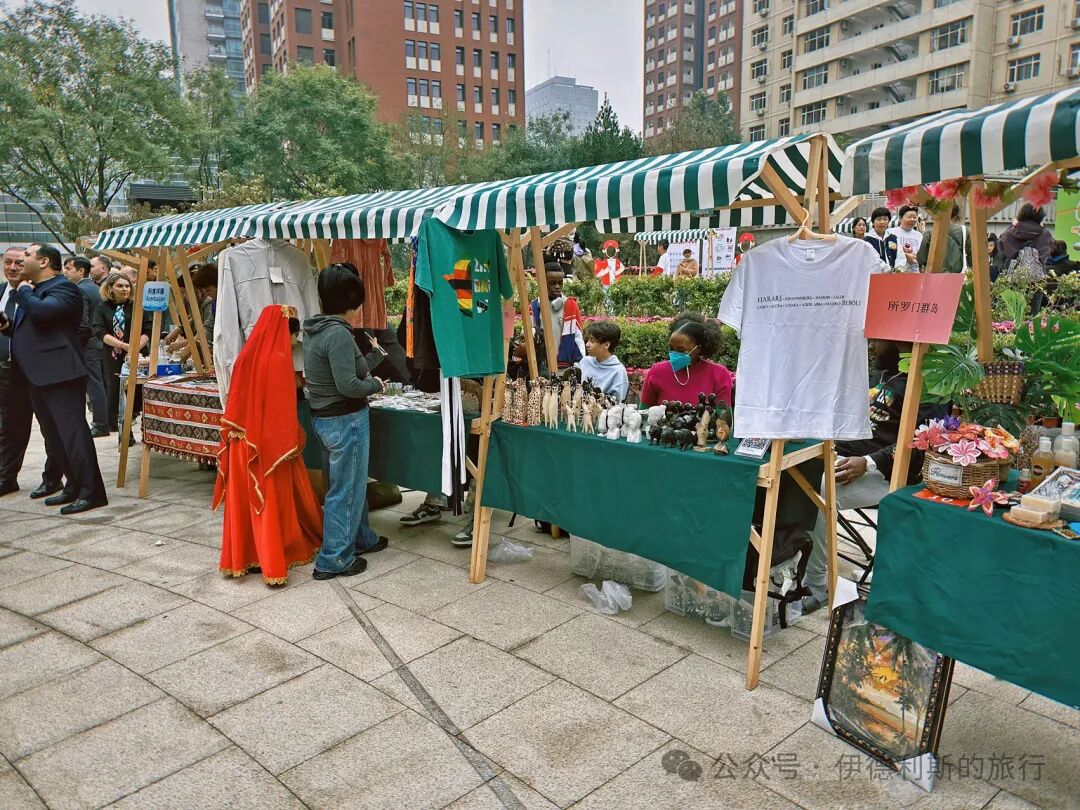
Yesterday, I attended the International Neighborhood Festival at the Jianwai Diplomatic Apartment. This festival has been held for six years. You can eat snacks from different countries and experience a rich variety of cultures.
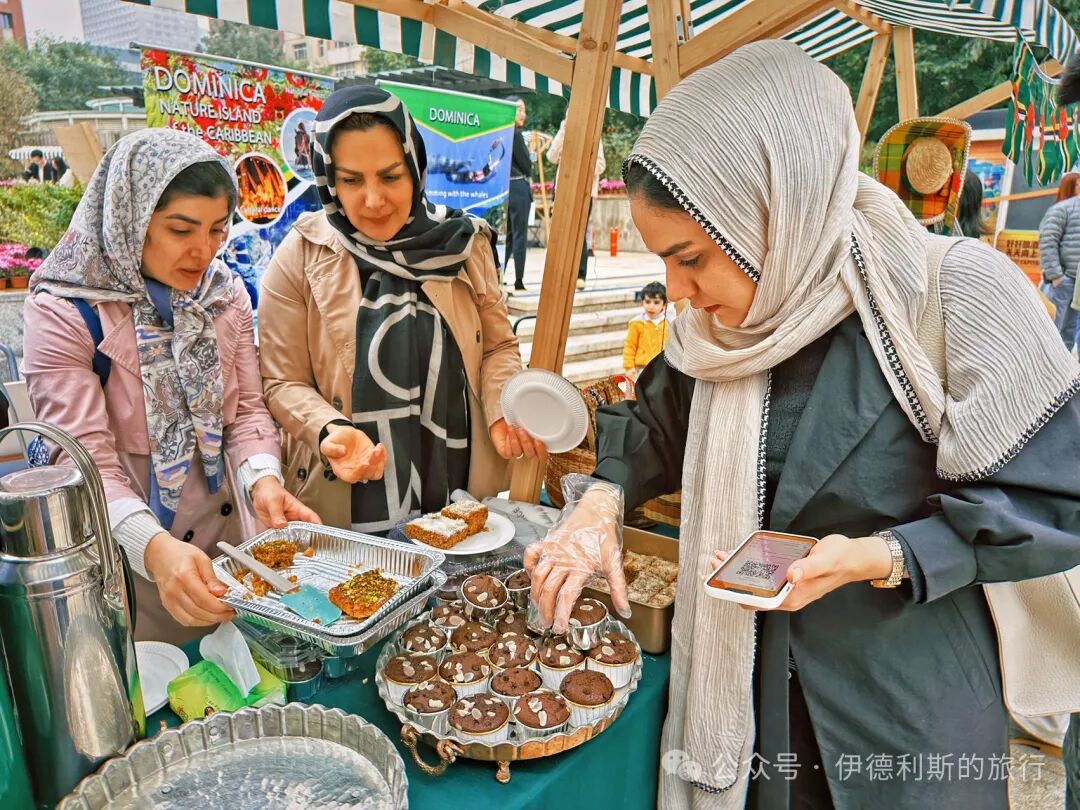
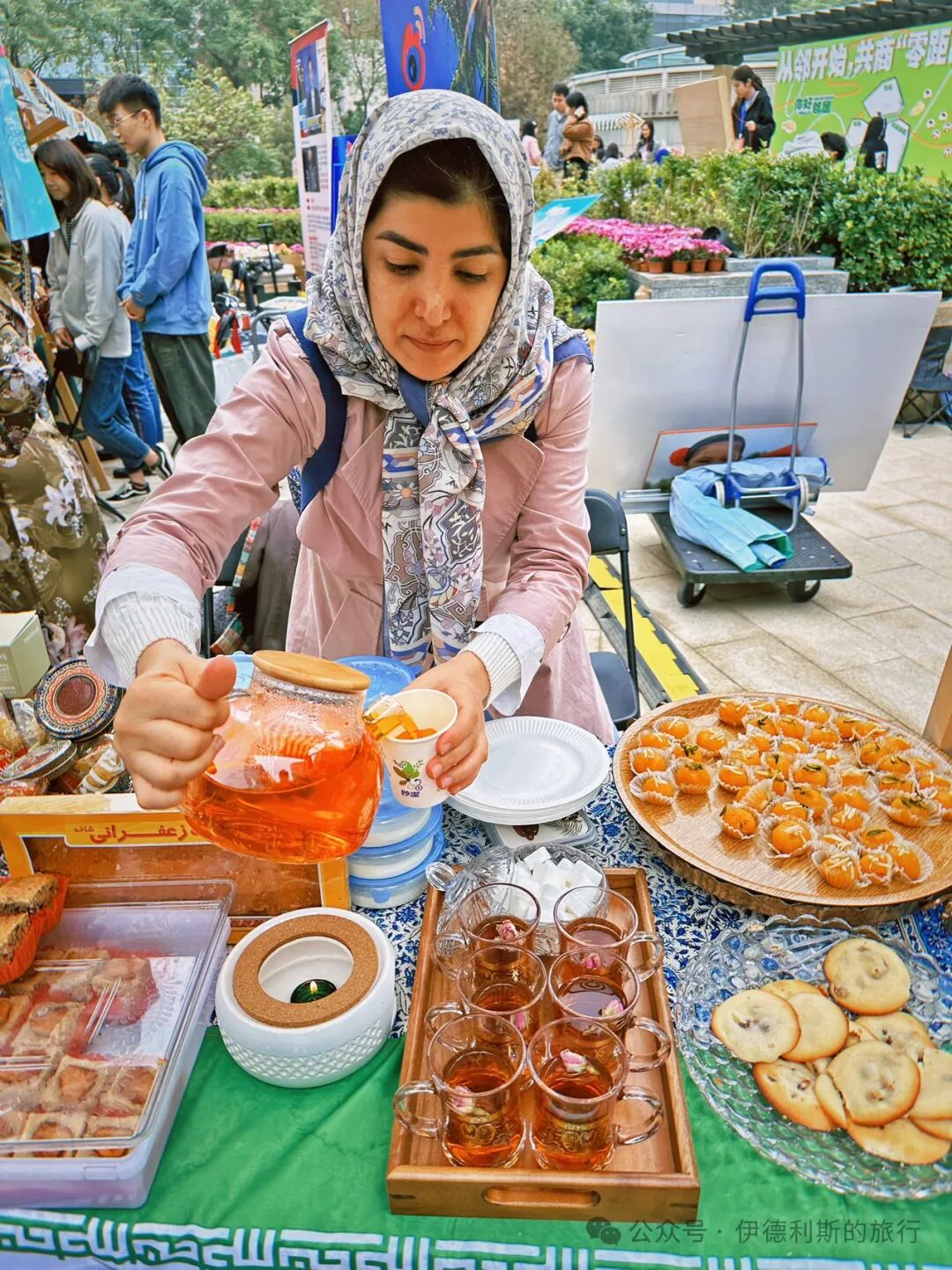
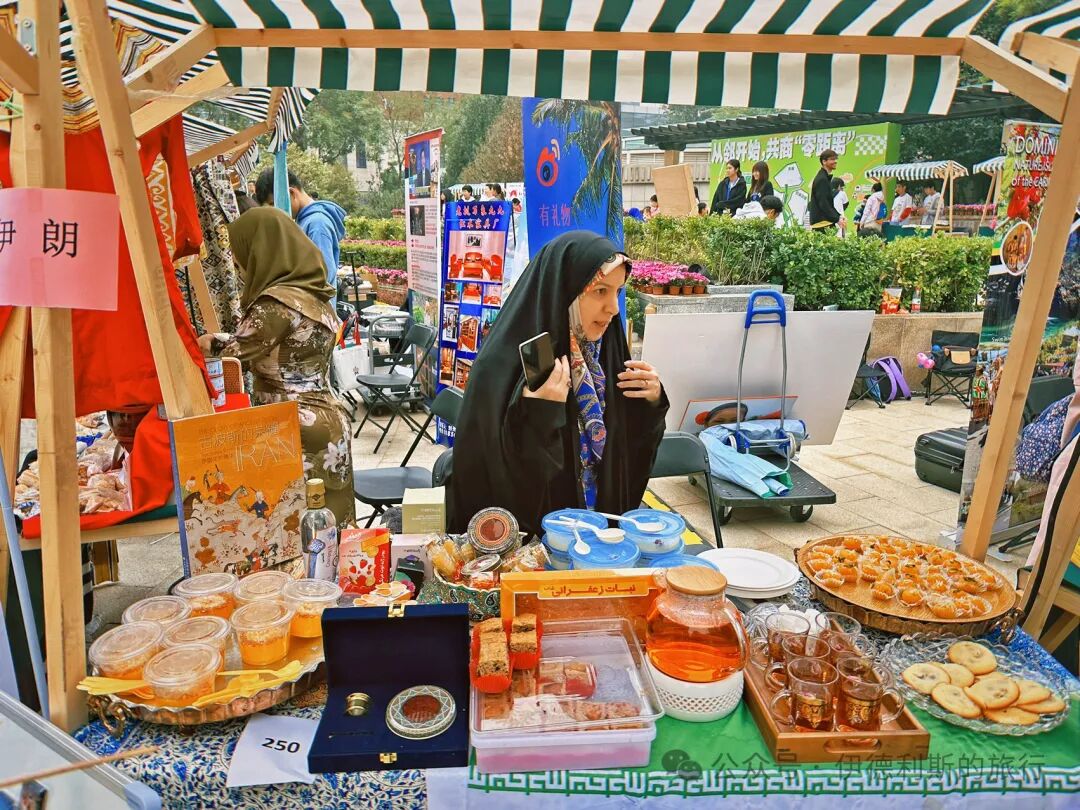
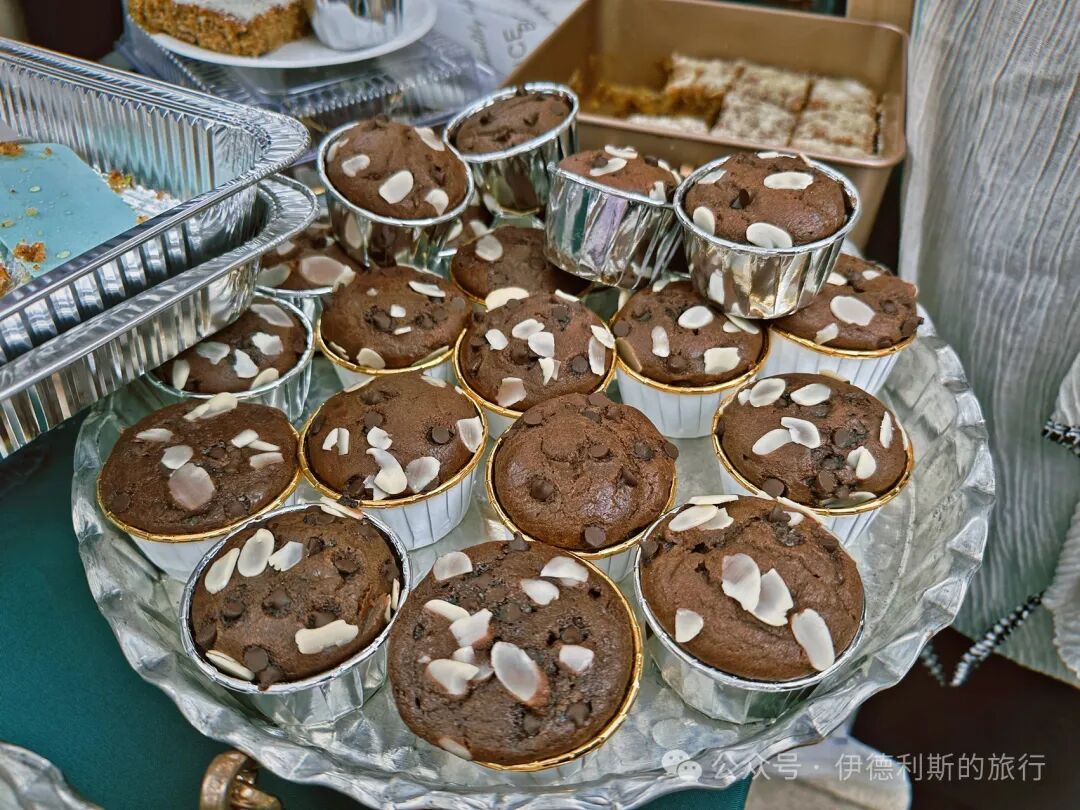
At the Iran booth, we ate chocolate cake and butter raisin cookies, and drank saffron tea. Sholezard is a special Iranian saffron pudding. It is a rice pudding made with saffron, sugar, rose water, cinnamon, and cardamom. It is the most common dessert Iranians eat to break their fast during Ramadan every year.
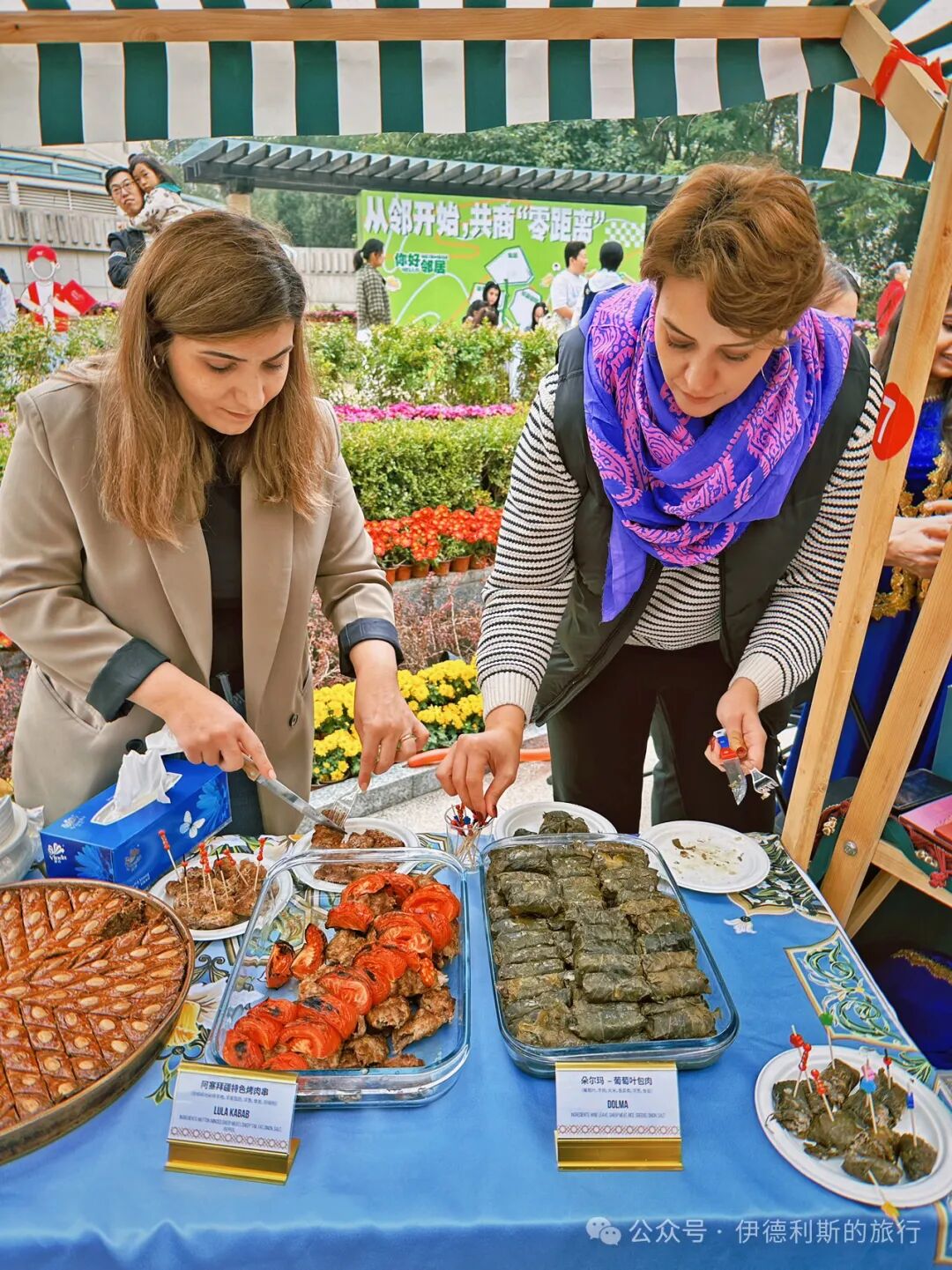
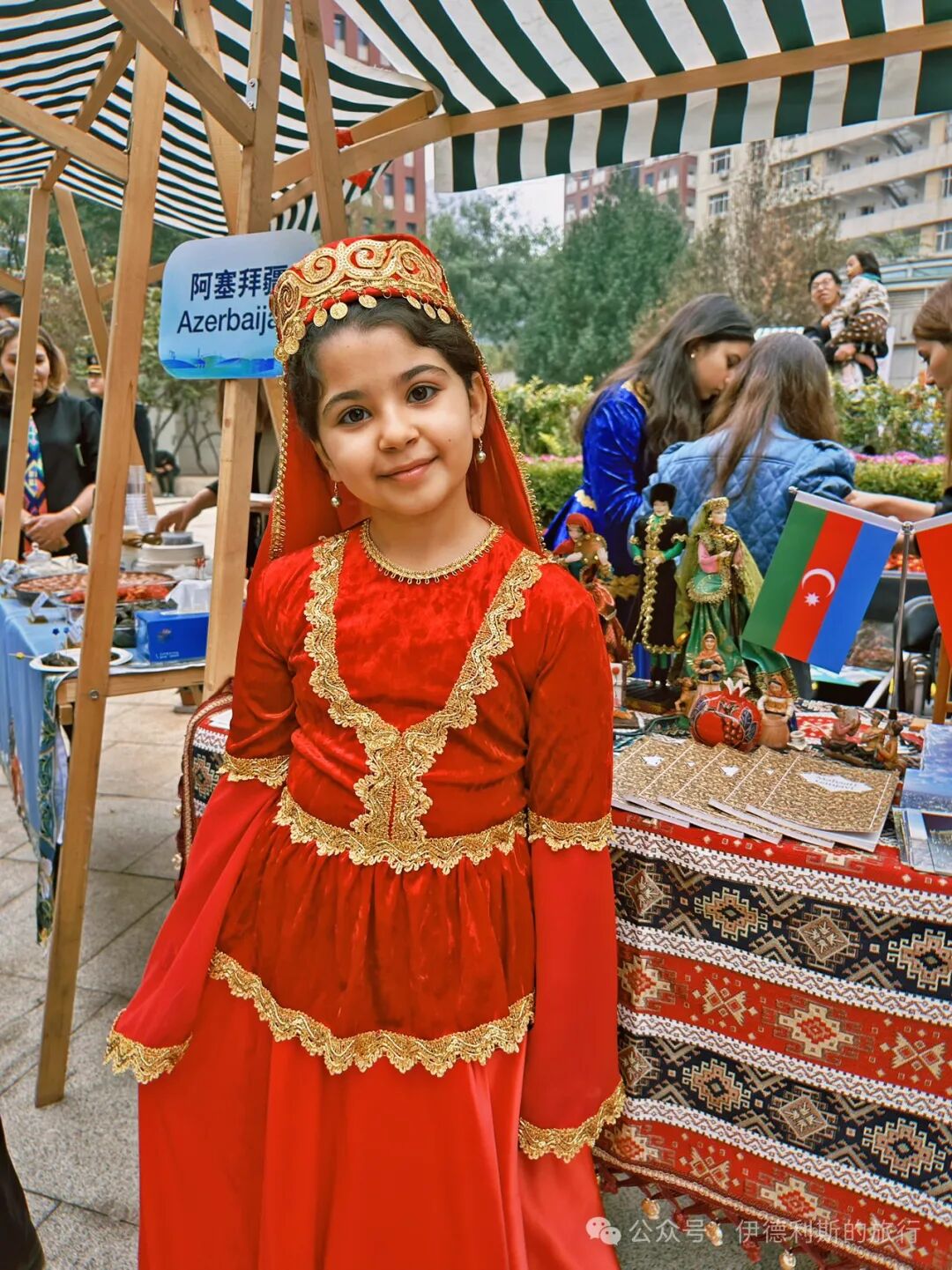
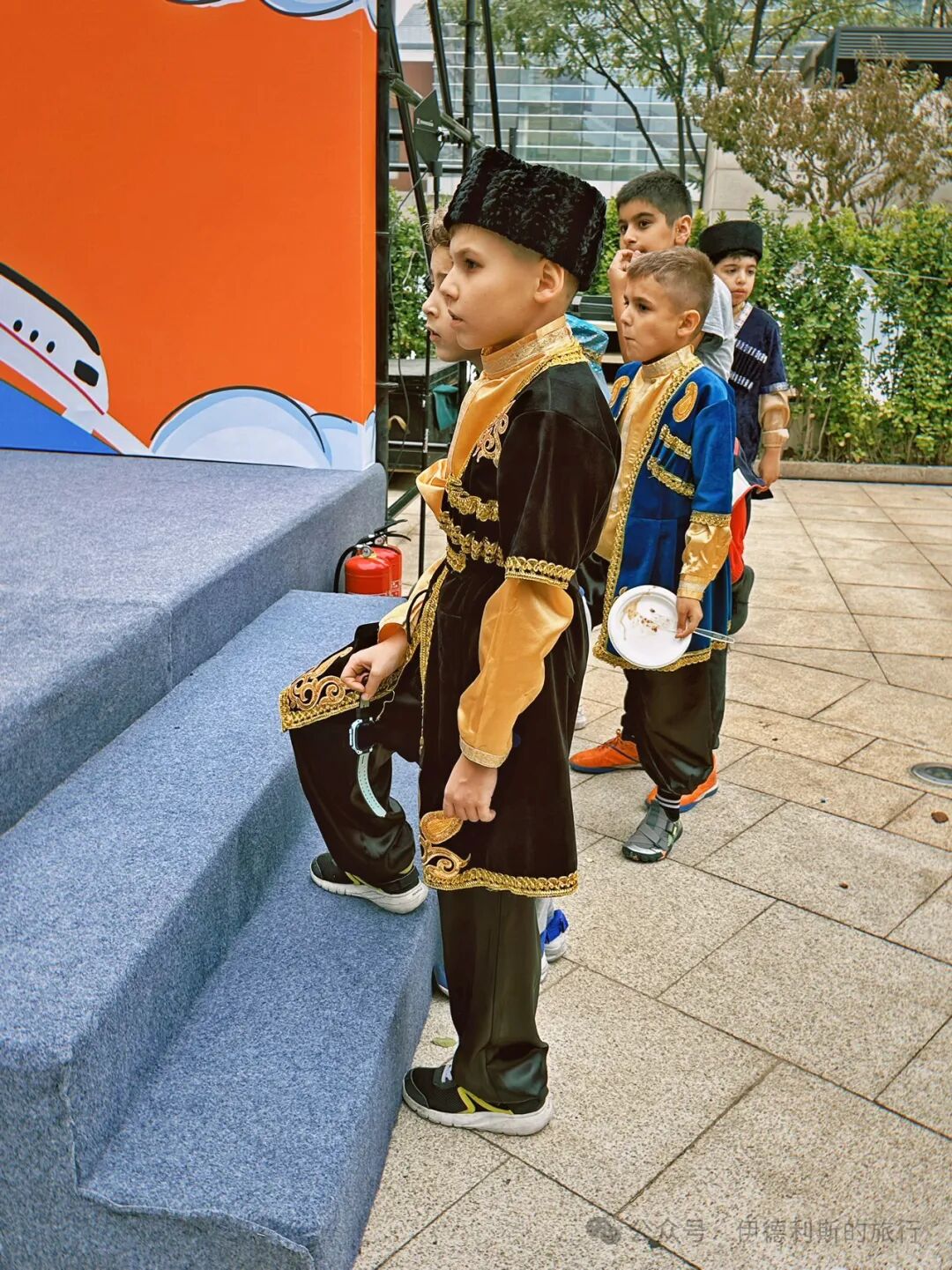
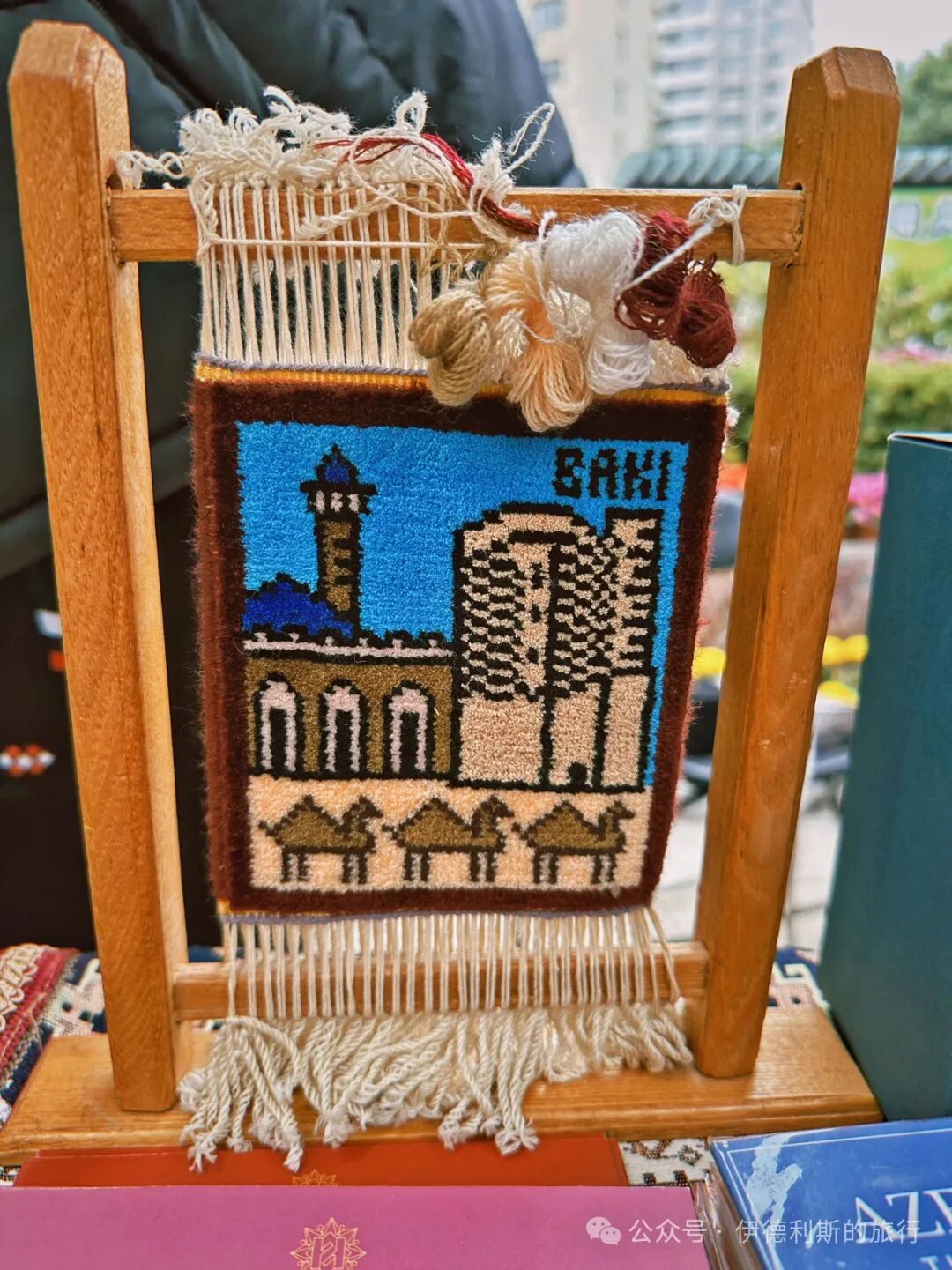
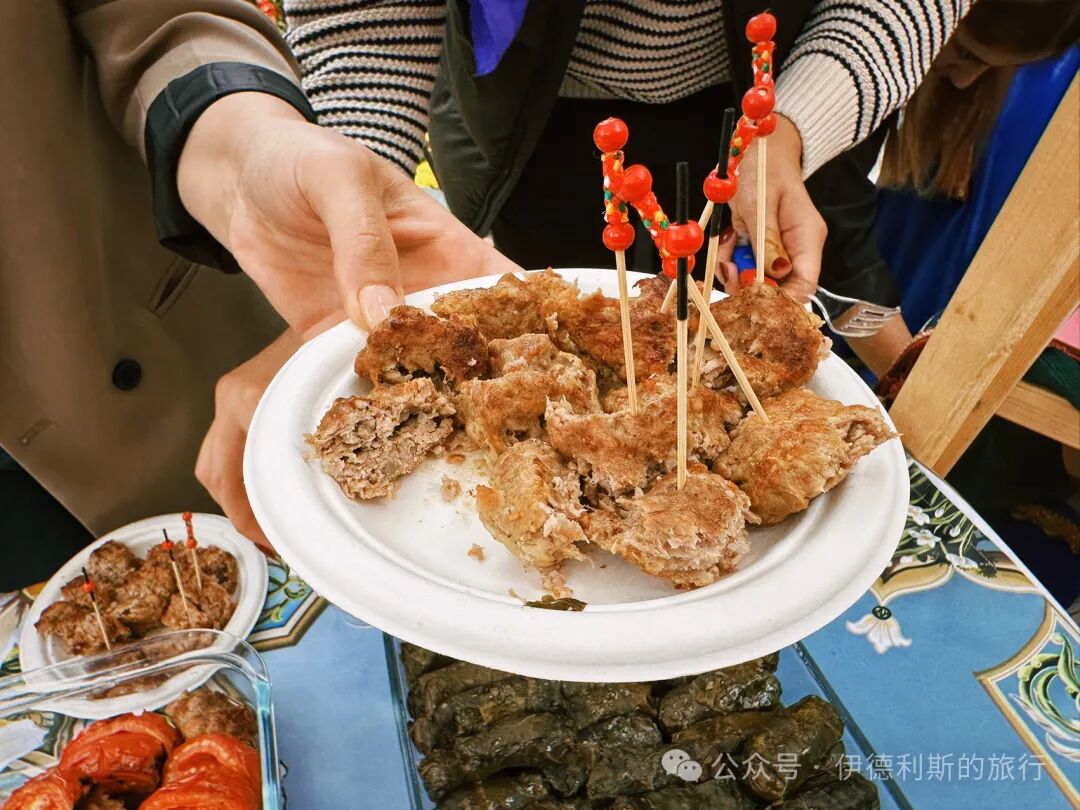
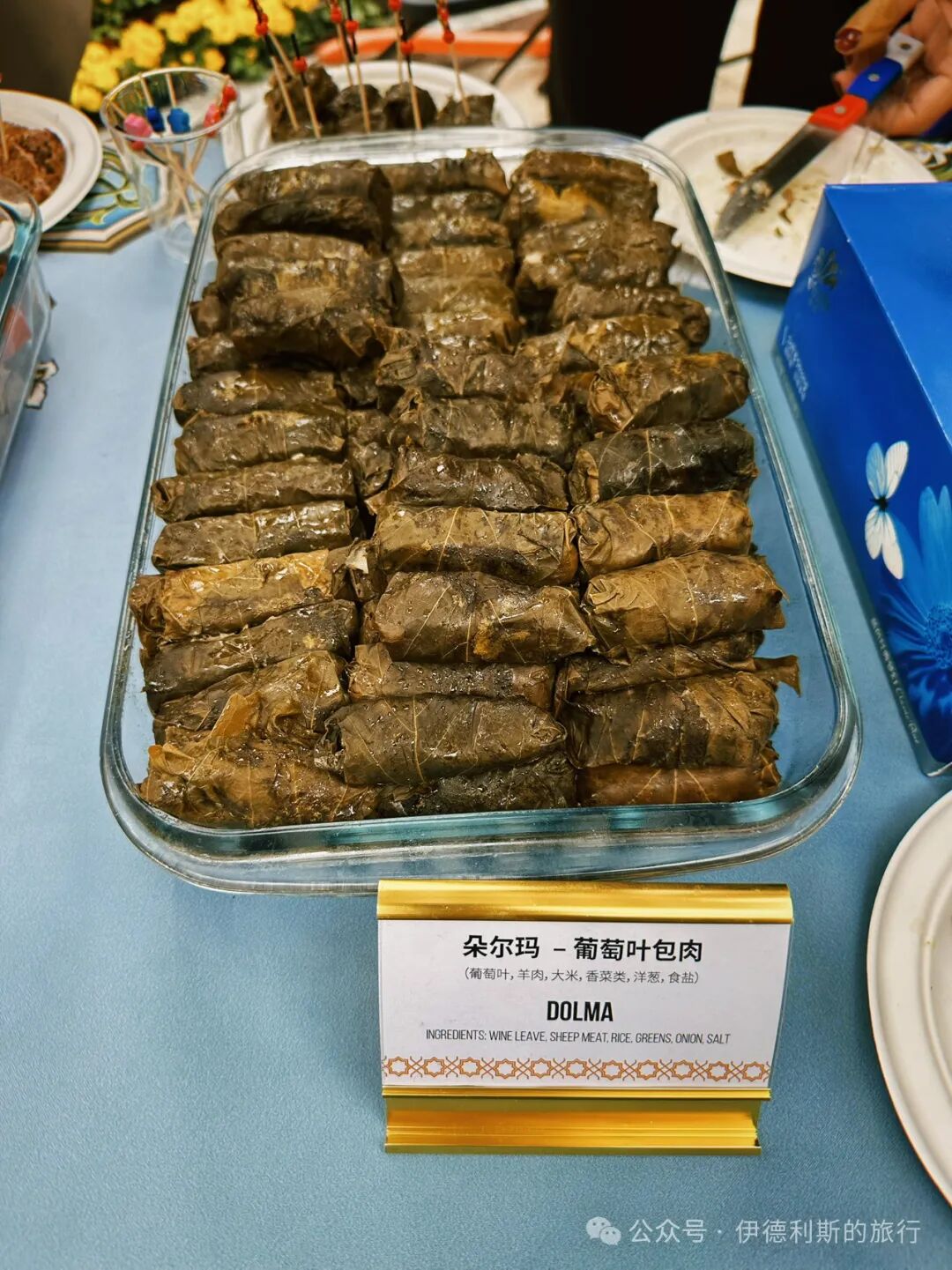
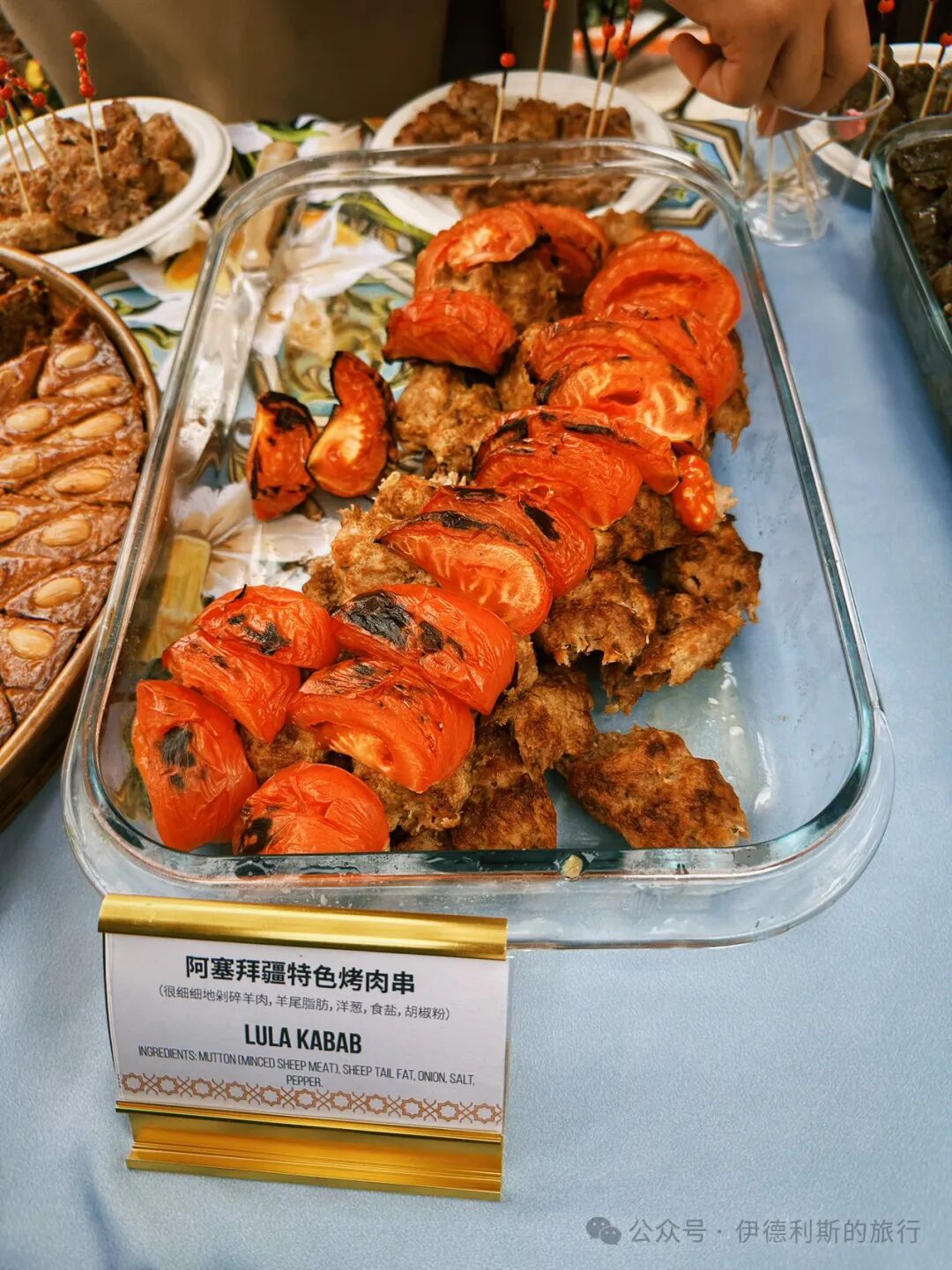
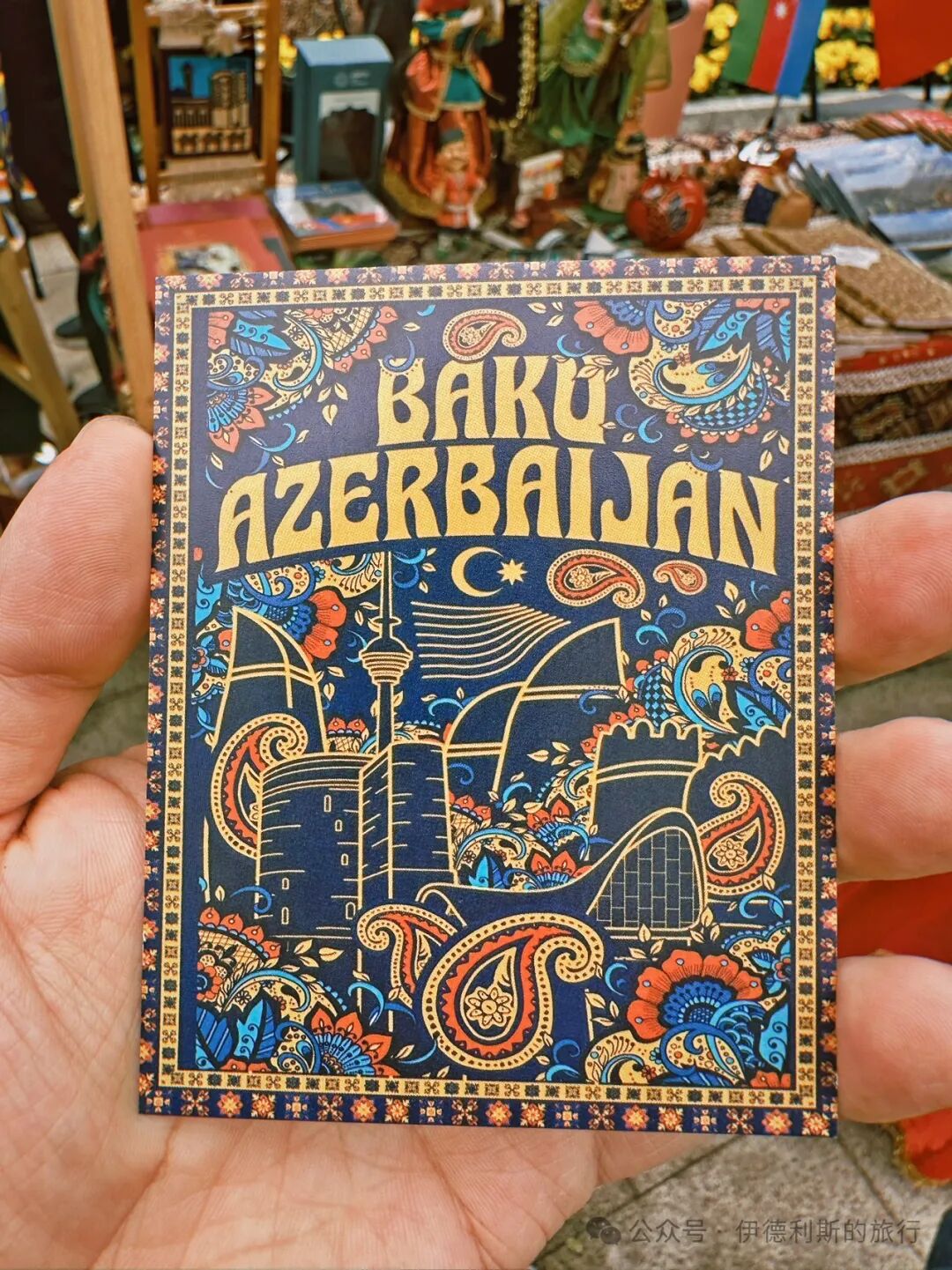
At the Azerbaijan booth, we tasted stuffed grape leaves (dolma) and the signature grilled meat skewers (lula kebab). There were also children wearing traditional Azerbaijani clothing.
In Turkish, dolma means "stuffed." It refers to putting meat filling inside various vegetables. Dolma was a staple dish for farmers during the Ottoman Empire. They usually stuffed cabbage in the winter and grape leaves in the summer. Today, dolma is widely found across Southeast Europe, West Asia, and North Africa, where the Ottoman Empire once ruled. Every place has its own unique version.
Lula kebab is made by grinding lamb and onions together into a mince, seasoning it with salt and pepper, and then grilling the meat on iron skewers.
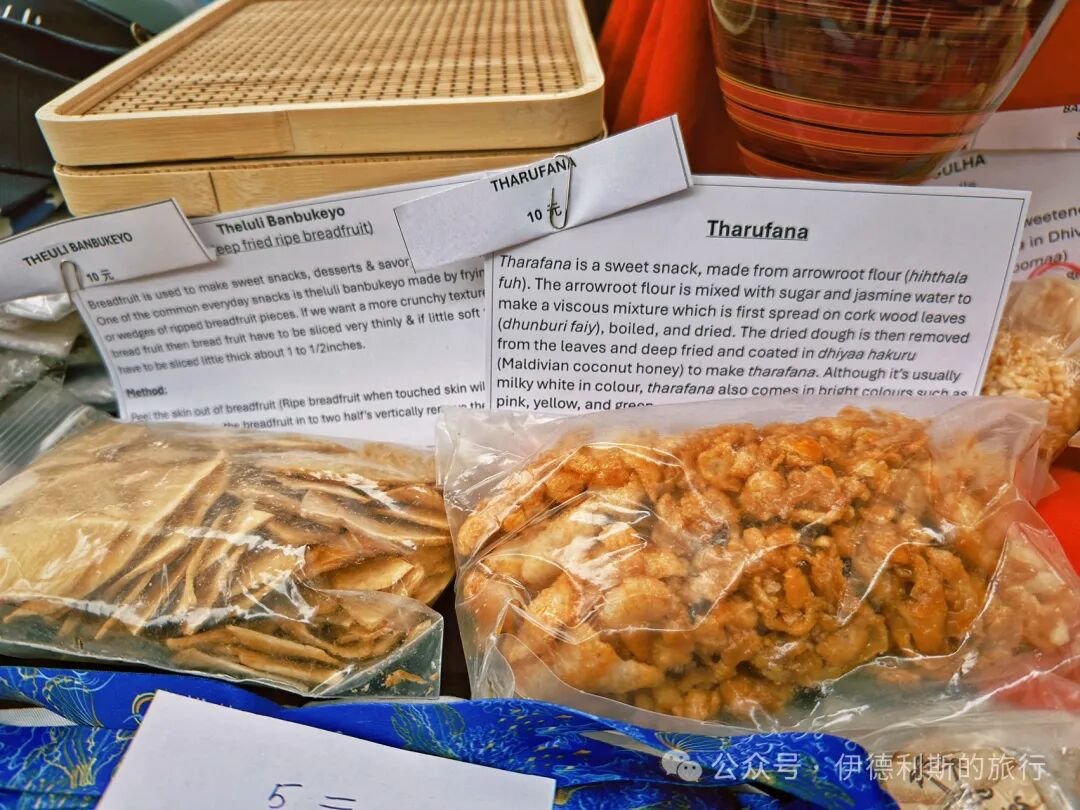
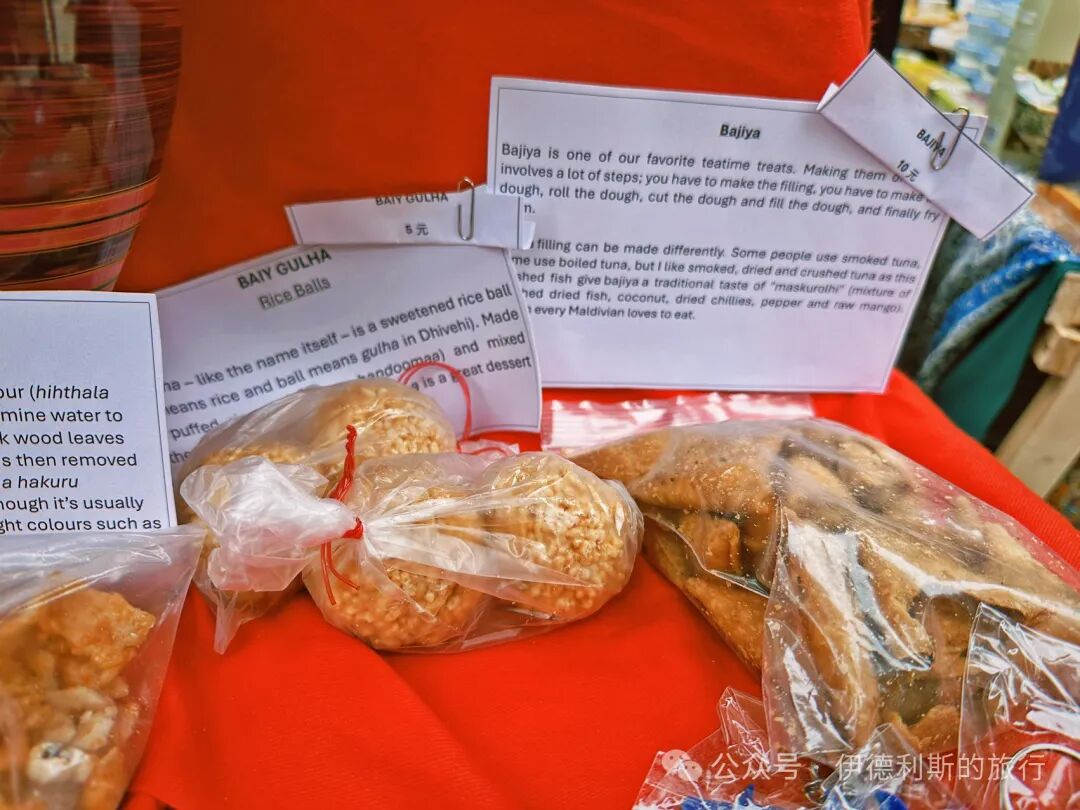
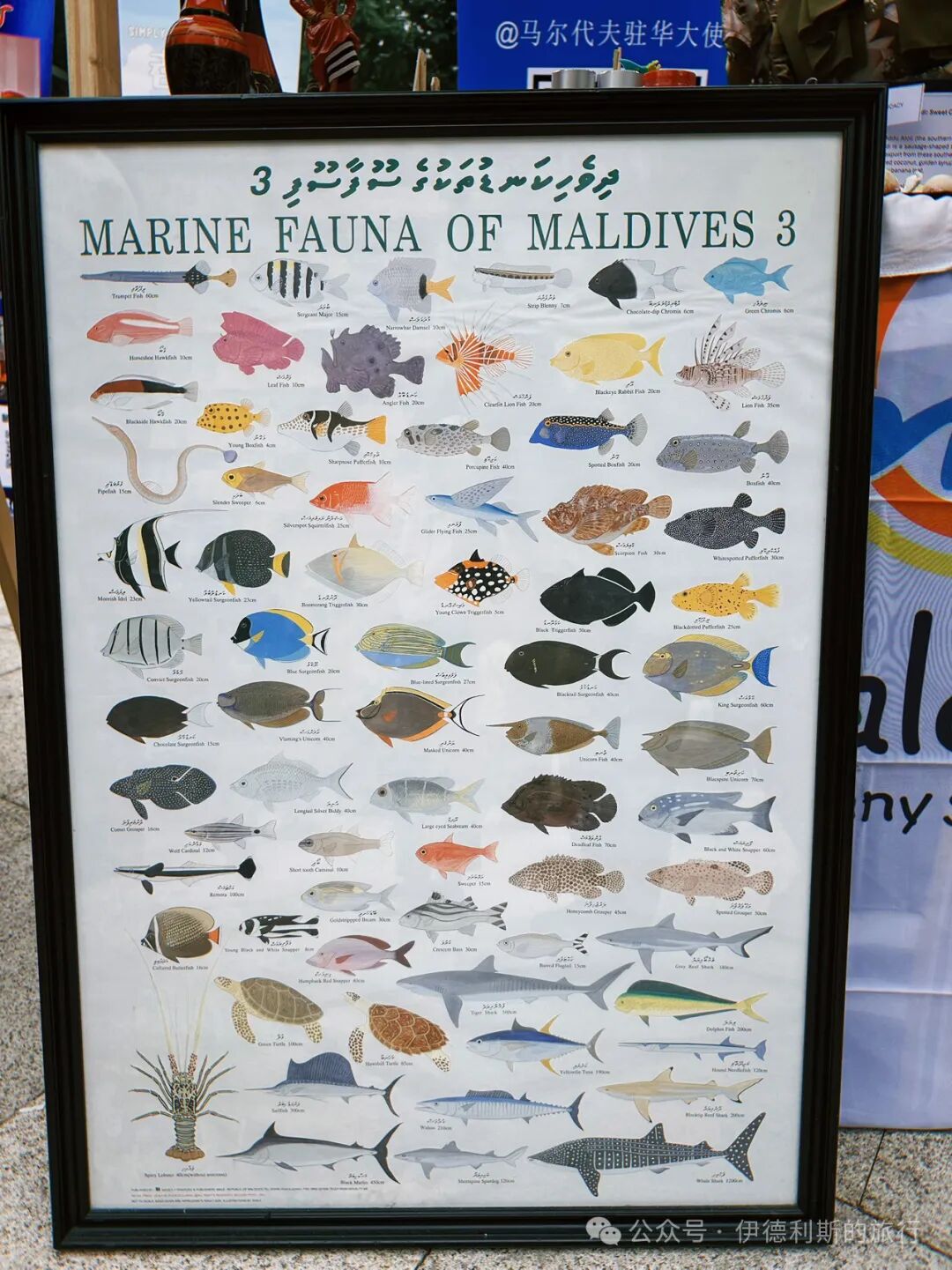
I also saw a Maldives booth, and the Maldives embassy is located right inside the apartment building. The booth had all kinds of Maldivian snacks. We bought a spicy Maldivian flatbread (Kulhi Roshi) that contained ginger, garlic, onion, curry leaves (jiulixiang), shredded coconut, red chili powder, black pepper, cumin powder, tuna powder, fish paste (Rihaakuru), and lime juice. It had a very strong flavor. view all
Summary: Beijing International Neighbors Festival - Iranian, Azerbaijani and Maldivian Food is presented as a clear English travel account for readers interested in Muslim life, halal food, architecture, and local history. The article keeps the original names, food details, photographs, and cultural context while focusing on Beijing Food, Cultural Festival, Halal Food.
Yesterday, I attended the International Neighborhood Festival at the Jianwai Diplomatic Apartment. This festival has been held for six years. You can eat snacks from different countries and experience a rich variety of cultures.
At the Iran booth, we ate chocolate cake and butter raisin cookies, and drank saffron tea. Sholezard is a special Iranian saffron pudding. It is a rice pudding made with saffron, sugar, rose water, cinnamon, and cardamom. It is the most common dessert Iranians eat to break their fast during Ramadan every year.
At the Azerbaijan booth, we tasted stuffed grape leaves (dolma) and the signature grilled meat skewers (lula kebab). There were also children wearing traditional Azerbaijani clothing.
In Turkish, dolma means "stuffed." It refers to putting meat filling inside various vegetables. Dolma was a staple dish for farmers during the Ottoman Empire. They usually stuffed cabbage in the winter and grape leaves in the summer. Today, dolma is widely found across Southeast Europe, West Asia, and North Africa, where the Ottoman Empire once ruled. Every place has its own unique version.
Lula kebab is made by grinding lamb and onions together into a mince, seasoning it with salt and pepper, and then grilling the meat on iron skewers.
I also saw a Maldives booth, and the Maldives embassy is located right inside the apartment building. The booth had all kinds of Maldivian snacks. We bought a spicy Maldivian flatbread (Kulhi Roshi) that contained ginger, garlic, onion, curry leaves (jiulixiang), shredded coconut, red chili powder, black pepper, cumin powder, tuna powder, fish paste (Rihaakuru), and lime juice. It had a very strong flavor. view all
Reposted from the web
Summary: Beijing International Neighbors Festival - Iranian, Azerbaijani and Maldivian Food is presented as a clear English travel account for readers interested in Muslim life, halal food, architecture, and local history. The article keeps the original names, food details, photographs, and cultural context while focusing on Beijing Food, Cultural Festival, Halal Food.
Yesterday, I attended the International Neighborhood Festival at the Jianwai Diplomatic Apartment. This festival has been held for six years. You can eat snacks from different countries and experience a rich variety of cultures.
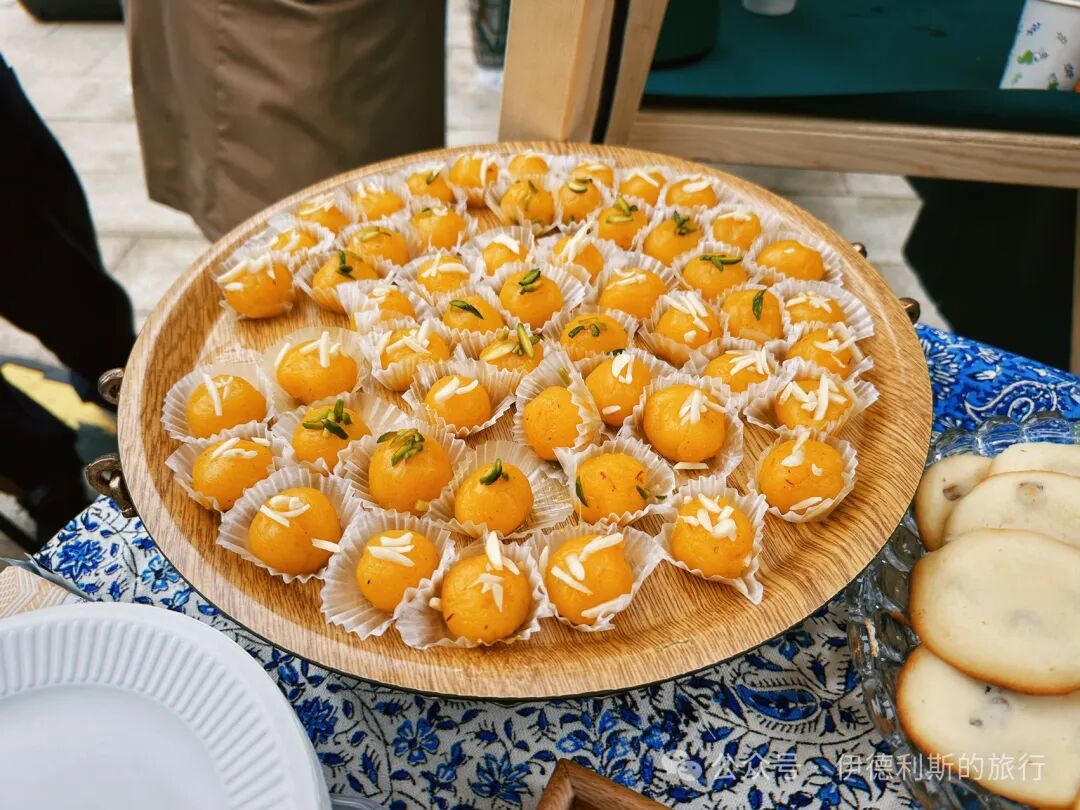
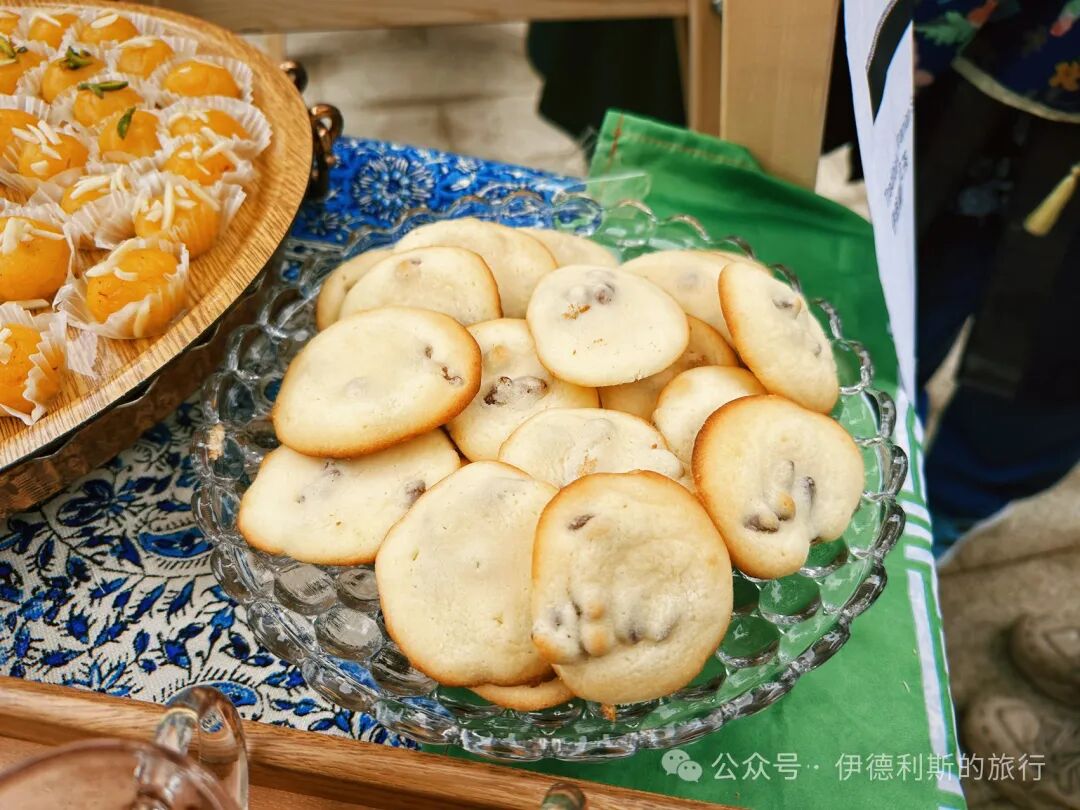
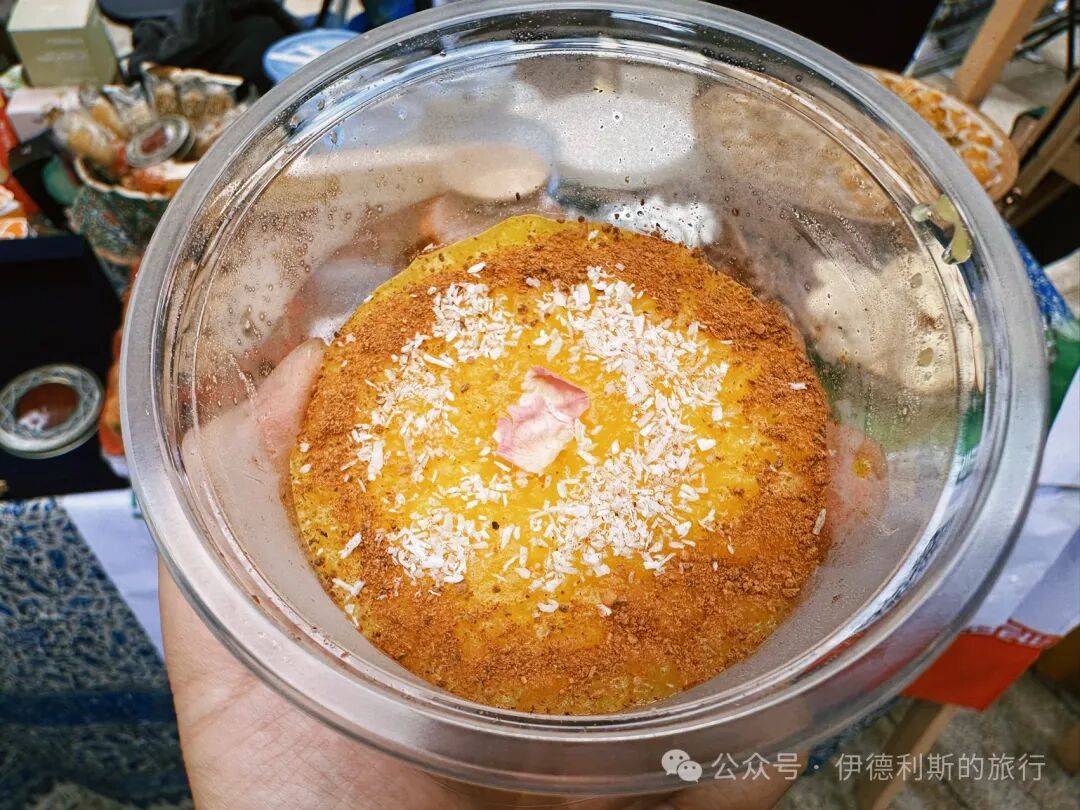
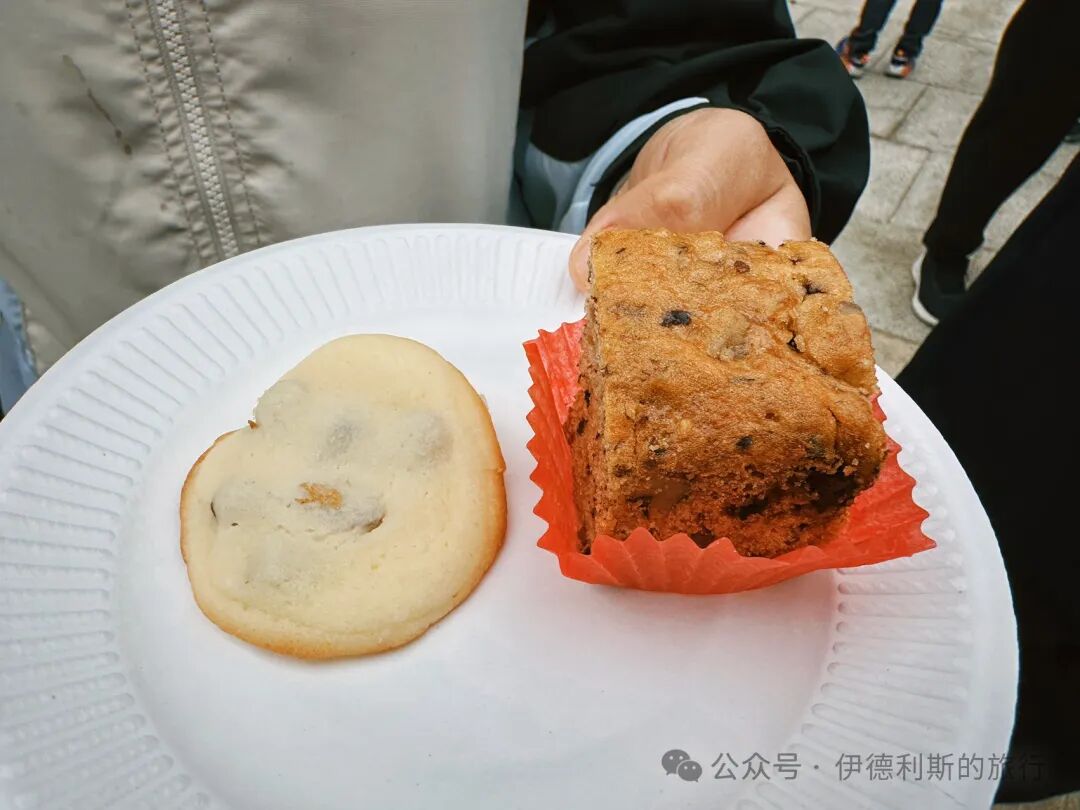
At the Iran booth, we ate chocolate cake and butter raisin cookies, and drank saffron tea. Sholezard is a special Iranian saffron pudding. It is a rice pudding made with saffron, sugar, rose water, cinnamon, and cardamom. It is the most common dessert Iranians eat to break their fast during Ramadan every year.
At the Azerbaijan booth, we tasted stuffed grape leaves (dolma) and the signature grilled meat skewers (lula kebab). There were also children wearing traditional Azerbaijani clothing.
In Turkish, dolma means "stuffed." It refers to putting meat filling inside various vegetables. Dolma was a staple dish for farmers during the Ottoman Empire. They usually stuffed cabbage in the winter and grape leaves in the summer. Today, dolma is widely found across Southeast Europe, West Asia, and North Africa, where the Ottoman Empire once ruled. Every place has its own unique version.
Lula kebab is made by grinding lamb and onions together into a mince, seasoning it with salt and pepper, and then grilling the meat on iron skewers.
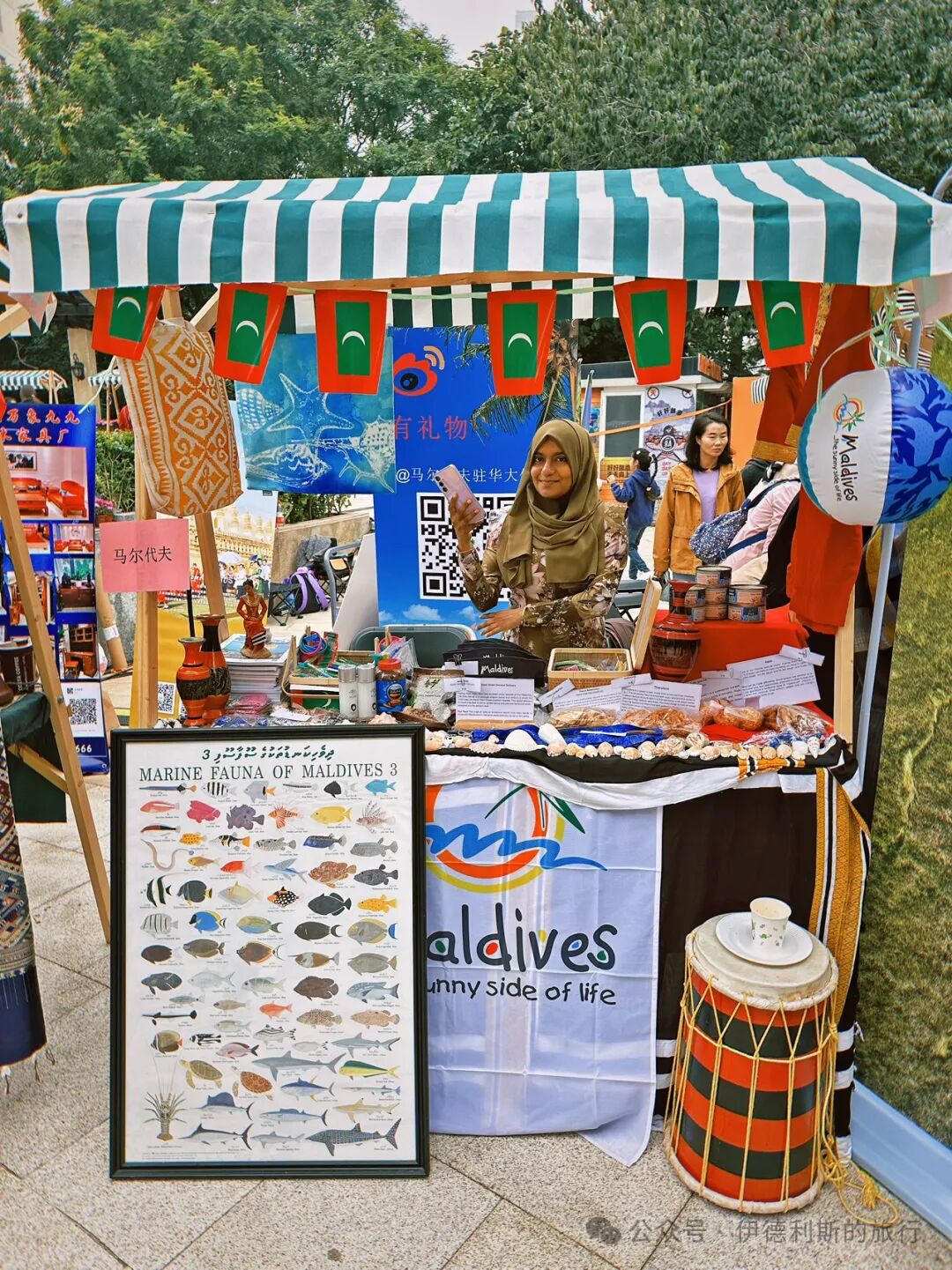
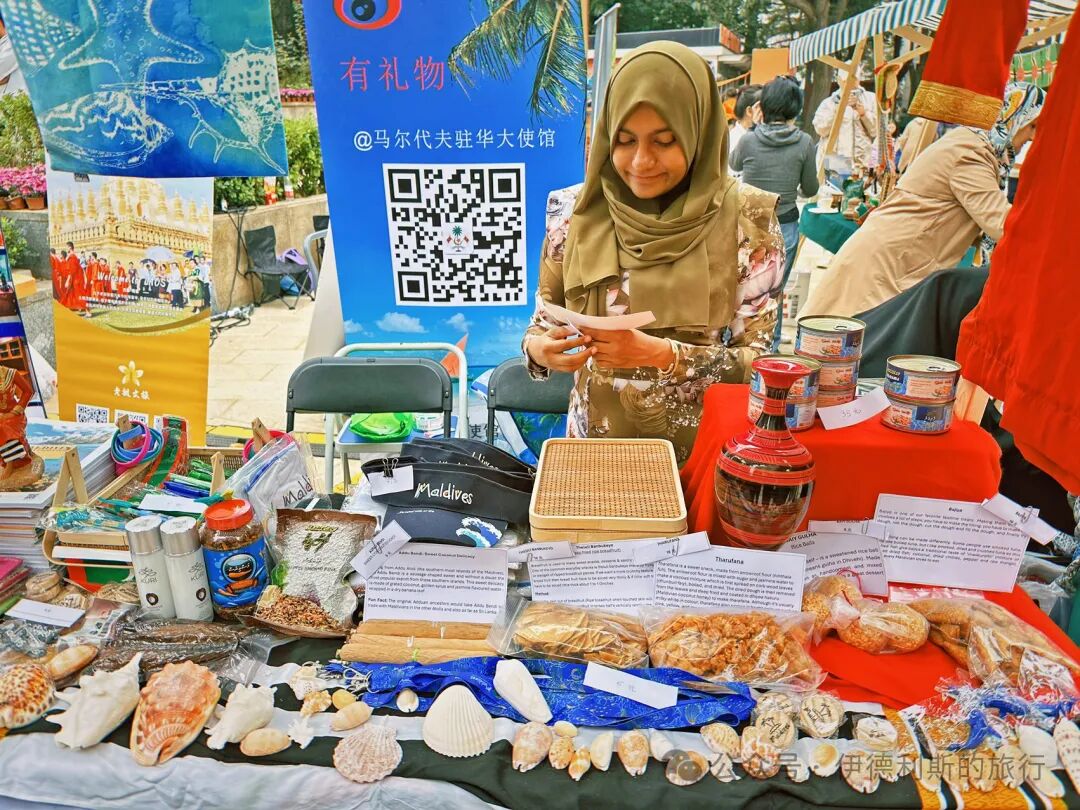
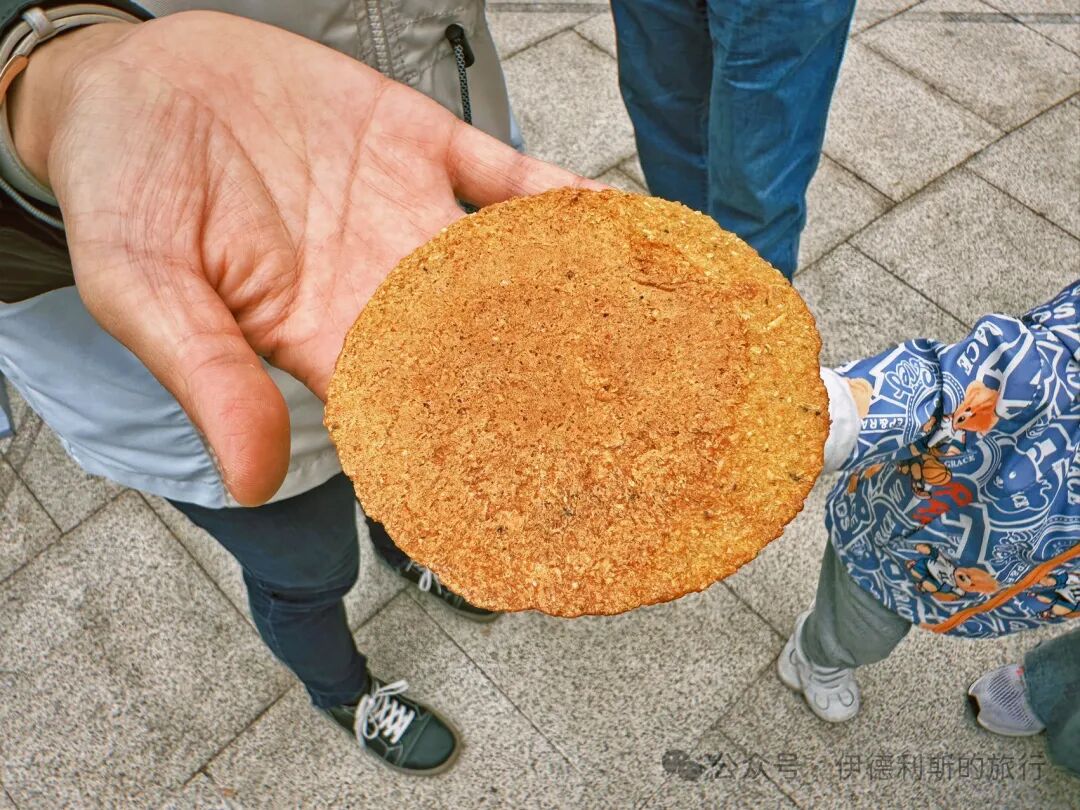
I also saw a Maldives booth, and the Maldives embassy is located right inside the apartment building. The booth had all kinds of Maldivian snacks. We bought a spicy Maldivian flatbread (Kulhi Roshi) that contained ginger, garlic, onion, curry leaves (jiulixiang), shredded coconut, red chili powder, black pepper, cumin powder, tuna powder, fish paste (Rihaakuru), and lime juice. It had a very strong flavor.
Summary: Beijing International Neighbors Festival - Iranian, Azerbaijani and Maldivian Food is presented as a clear English travel account for readers interested in Muslim life, halal food, architecture, and local history. The article keeps the original names, food details, photographs, and cultural context while focusing on Beijing Food, Cultural Festival, Halal Food.
Yesterday, I attended the International Neighborhood Festival at the Jianwai Diplomatic Apartment. This festival has been held for six years. You can eat snacks from different countries and experience a rich variety of cultures.
At the Iran booth, we ate chocolate cake and butter raisin cookies, and drank saffron tea. Sholezard is a special Iranian saffron pudding. It is a rice pudding made with saffron, sugar, rose water, cinnamon, and cardamom. It is the most common dessert Iranians eat to break their fast during Ramadan every year.
At the Azerbaijan booth, we tasted stuffed grape leaves (dolma) and the signature grilled meat skewers (lula kebab). There were also children wearing traditional Azerbaijani clothing.
In Turkish, dolma means "stuffed." It refers to putting meat filling inside various vegetables. Dolma was a staple dish for farmers during the Ottoman Empire. They usually stuffed cabbage in the winter and grape leaves in the summer. Today, dolma is widely found across Southeast Europe, West Asia, and North Africa, where the Ottoman Empire once ruled. Every place has its own unique version.
Lula kebab is made by grinding lamb and onions together into a mince, seasoning it with salt and pepper, and then grilling the meat on iron skewers.
I also saw a Maldives booth, and the Maldives embassy is located right inside the apartment building. The booth had all kinds of Maldivian snacks. We bought a spicy Maldivian flatbread (Kulhi Roshi) that contained ginger, garlic, onion, curry leaves (jiulixiang), shredded coconut, red chili powder, black pepper, cumin powder, tuna powder, fish paste (Rihaakuru), and lime juice. It had a very strong flavor.
Halal Food Guide: Beijing International Neighbors Festival - Iranian, Azerbaijani and Maldivian Food
Articles • ali2007fr posted the article • 0 comments • 143 views • 2026-05-19 21:35
Reposted from the web
Summary: Beijing International Neighbors Festival - Iranian, Azerbaijani and Maldivian Food is presented as a clear English travel account for readers interested in Muslim life, halal food, architecture, and local history. The article keeps the original names, food details, photographs, and cultural context while focusing on Beijing Food, Cultural Festival, Halal Food.
Yesterday, I attended the International Neighborhood Festival at the Jianwai Diplomatic Apartment. This festival has been held for six years. You can eat snacks from different countries and experience a rich variety of cultures.
At the Iran booth, we ate chocolate cake and butter raisin cookies, and drank saffron tea. Sholezard is a special Iranian saffron pudding. It is a rice pudding made with saffron, sugar, rose water, cinnamon, and cardamom. It is the most common dessert Iranians eat to break their fast during Ramadan every year.
At the Azerbaijan booth, we tasted stuffed grape leaves (dolma) and the signature grilled meat skewers (lula kebab). There were also children wearing traditional Azerbaijani clothing.
In Turkish, dolma means "stuffed." It refers to putting meat filling inside various vegetables. Dolma was a staple dish for farmers during the Ottoman Empire. They usually stuffed cabbage in the winter and grape leaves in the summer. Today, dolma is widely found across Southeast Europe, West Asia, and North Africa, where the Ottoman Empire once ruled. Every place has its own unique version.
Lula kebab is made by grinding lamb and onions together into a mince, seasoning it with salt and pepper, and then grilling the meat on iron skewers.
I also saw a Maldives booth, and the Maldives embassy is located right inside the apartment building. The booth had all kinds of Maldivian snacks. We bought a spicy Maldivian flatbread (Kulhi Roshi) that contained ginger, garlic, onion, curry leaves (jiulixiang), shredded coconut, red chili powder, black pepper, cumin powder, tuna powder, fish paste (Rihaakuru), and lime juice. It had a very strong flavor. view all
Summary: Beijing International Neighbors Festival - Iranian, Azerbaijani and Maldivian Food is presented as a clear English travel account for readers interested in Muslim life, halal food, architecture, and local history. The article keeps the original names, food details, photographs, and cultural context while focusing on Beijing Food, Cultural Festival, Halal Food.
Yesterday, I attended the International Neighborhood Festival at the Jianwai Diplomatic Apartment. This festival has been held for six years. You can eat snacks from different countries and experience a rich variety of cultures.
At the Iran booth, we ate chocolate cake and butter raisin cookies, and drank saffron tea. Sholezard is a special Iranian saffron pudding. It is a rice pudding made with saffron, sugar, rose water, cinnamon, and cardamom. It is the most common dessert Iranians eat to break their fast during Ramadan every year.
At the Azerbaijan booth, we tasted stuffed grape leaves (dolma) and the signature grilled meat skewers (lula kebab). There were also children wearing traditional Azerbaijani clothing.
In Turkish, dolma means "stuffed." It refers to putting meat filling inside various vegetables. Dolma was a staple dish for farmers during the Ottoman Empire. They usually stuffed cabbage in the winter and grape leaves in the summer. Today, dolma is widely found across Southeast Europe, West Asia, and North Africa, where the Ottoman Empire once ruled. Every place has its own unique version.
Lula kebab is made by grinding lamb and onions together into a mince, seasoning it with salt and pepper, and then grilling the meat on iron skewers.
I also saw a Maldives booth, and the Maldives embassy is located right inside the apartment building. The booth had all kinds of Maldivian snacks. We bought a spicy Maldivian flatbread (Kulhi Roshi) that contained ginger, garlic, onion, curry leaves (jiulixiang), shredded coconut, red chili powder, black pepper, cumin powder, tuna powder, fish paste (Rihaakuru), and lime juice. It had a very strong flavor. view all
Reposted from the web
Summary: Beijing International Neighbors Festival - Iranian, Azerbaijani and Maldivian Food is presented as a clear English travel account for readers interested in Muslim life, halal food, architecture, and local history. The article keeps the original names, food details, photographs, and cultural context while focusing on Beijing Food, Cultural Festival, Halal Food.
Yesterday, I attended the International Neighborhood Festival at the Jianwai Diplomatic Apartment. This festival has been held for six years. You can eat snacks from different countries and experience a rich variety of cultures.
At the Iran booth, we ate chocolate cake and butter raisin cookies, and drank saffron tea. Sholezard is a special Iranian saffron pudding. It is a rice pudding made with saffron, sugar, rose water, cinnamon, and cardamom. It is the most common dessert Iranians eat to break their fast during Ramadan every year.
At the Azerbaijan booth, we tasted stuffed grape leaves (dolma) and the signature grilled meat skewers (lula kebab). There were also children wearing traditional Azerbaijani clothing.
In Turkish, dolma means "stuffed." It refers to putting meat filling inside various vegetables. Dolma was a staple dish for farmers during the Ottoman Empire. They usually stuffed cabbage in the winter and grape leaves in the summer. Today, dolma is widely found across Southeast Europe, West Asia, and North Africa, where the Ottoman Empire once ruled. Every place has its own unique version.
Lula kebab is made by grinding lamb and onions together into a mince, seasoning it with salt and pepper, and then grilling the meat on iron skewers.
I also saw a Maldives booth, and the Maldives embassy is located right inside the apartment building. The booth had all kinds of Maldivian snacks. We bought a spicy Maldivian flatbread (Kulhi Roshi) that contained ginger, garlic, onion, curry leaves (jiulixiang), shredded coconut, red chili powder, black pepper, cumin powder, tuna powder, fish paste (Rihaakuru), and lime juice. It had a very strong flavor.
Summary: Beijing International Neighbors Festival - Iranian, Azerbaijani and Maldivian Food is presented as a clear English travel account for readers interested in Muslim life, halal food, architecture, and local history. The article keeps the original names, food details, photographs, and cultural context while focusing on Beijing Food, Cultural Festival, Halal Food.
Yesterday, I attended the International Neighborhood Festival at the Jianwai Diplomatic Apartment. This festival has been held for six years. You can eat snacks from different countries and experience a rich variety of cultures.
At the Iran booth, we ate chocolate cake and butter raisin cookies, and drank saffron tea. Sholezard is a special Iranian saffron pudding. It is a rice pudding made with saffron, sugar, rose water, cinnamon, and cardamom. It is the most common dessert Iranians eat to break their fast during Ramadan every year.
At the Azerbaijan booth, we tasted stuffed grape leaves (dolma) and the signature grilled meat skewers (lula kebab). There were also children wearing traditional Azerbaijani clothing.
In Turkish, dolma means "stuffed." It refers to putting meat filling inside various vegetables. Dolma was a staple dish for farmers during the Ottoman Empire. They usually stuffed cabbage in the winter and grape leaves in the summer. Today, dolma is widely found across Southeast Europe, West Asia, and North Africa, where the Ottoman Empire once ruled. Every place has its own unique version.
Lula kebab is made by grinding lamb and onions together into a mince, seasoning it with salt and pepper, and then grilling the meat on iron skewers.
I also saw a Maldives booth, and the Maldives embassy is located right inside the apartment building. The booth had all kinds of Maldivian snacks. We bought a spicy Maldivian flatbread (Kulhi Roshi) that contained ginger, garlic, onion, curry leaves (jiulixiang), shredded coconut, red chili powder, black pepper, cumin powder, tuna powder, fish paste (Rihaakuru), and lime juice. It had a very strong flavor.