

Dali Halal Food
Halal Food Guide Dali: Weishan Mosques, Hui Muslim Villages and Copper Pot Beef
Articles • yusuf908 posted the article • 0 comments • 218 views • 2026-05-24 00:17
Summary: This Dali halal food guide continues through Eryuan, Yangbi, and Weishan, covering ancient mosques, Bai and Hui Muslim villages, Dai-style barbecue, copper pot beef, Weishan Ancient City, and Yunnan Muslim food culture.
Dali Halal Food Map is presented here as a firsthand travel account in clear English, beginning with this scene: The Yousuo Street Mosque in Eryuan County finished rebuilding in 2012. This mosque is less than three kilometers from Shipang Village. The account keeps its focus on Dali Mosques, Chinese Muslims, Muslim Travel while preserving the names, places, food, and historical details from the Chinese source.
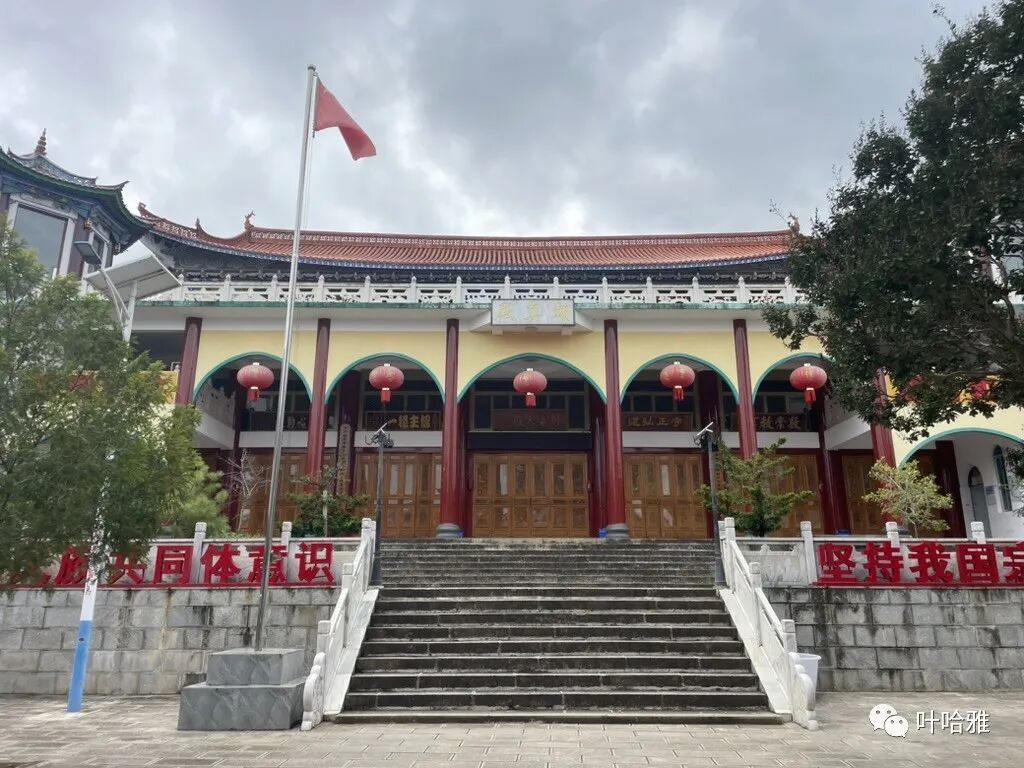
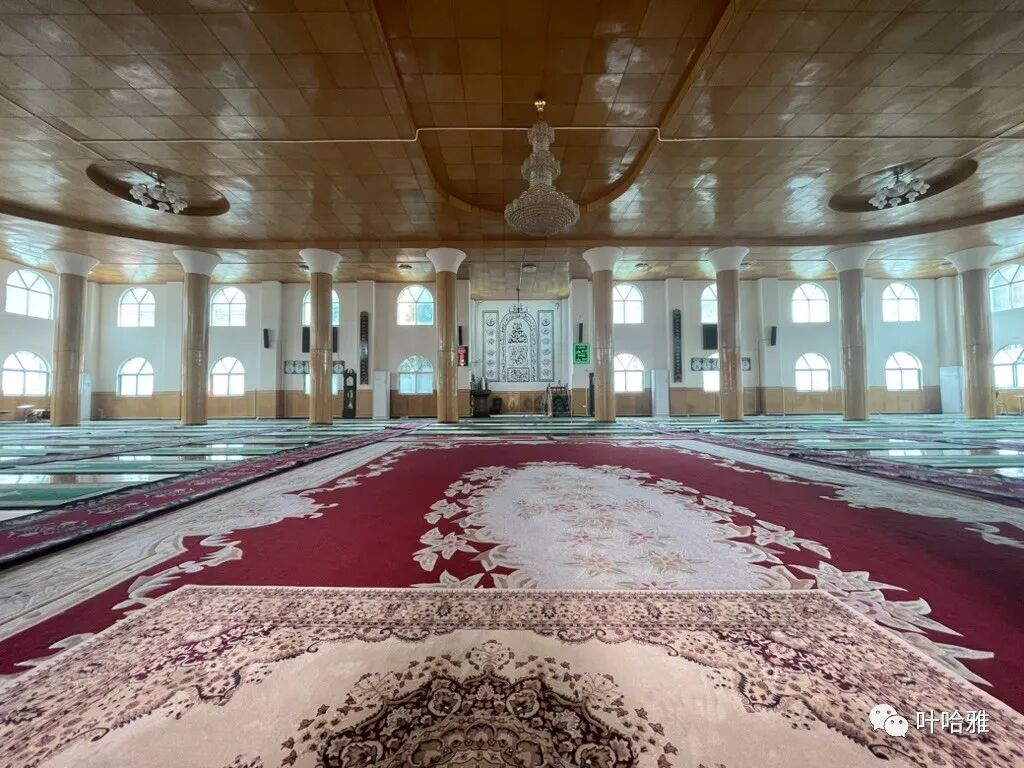
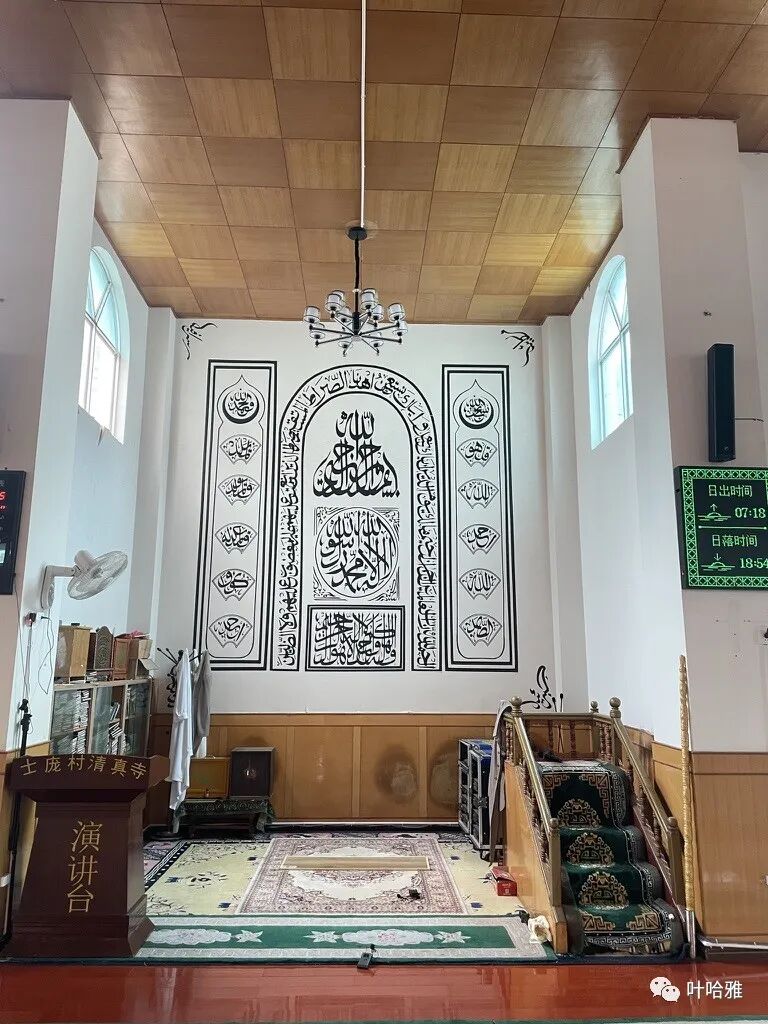
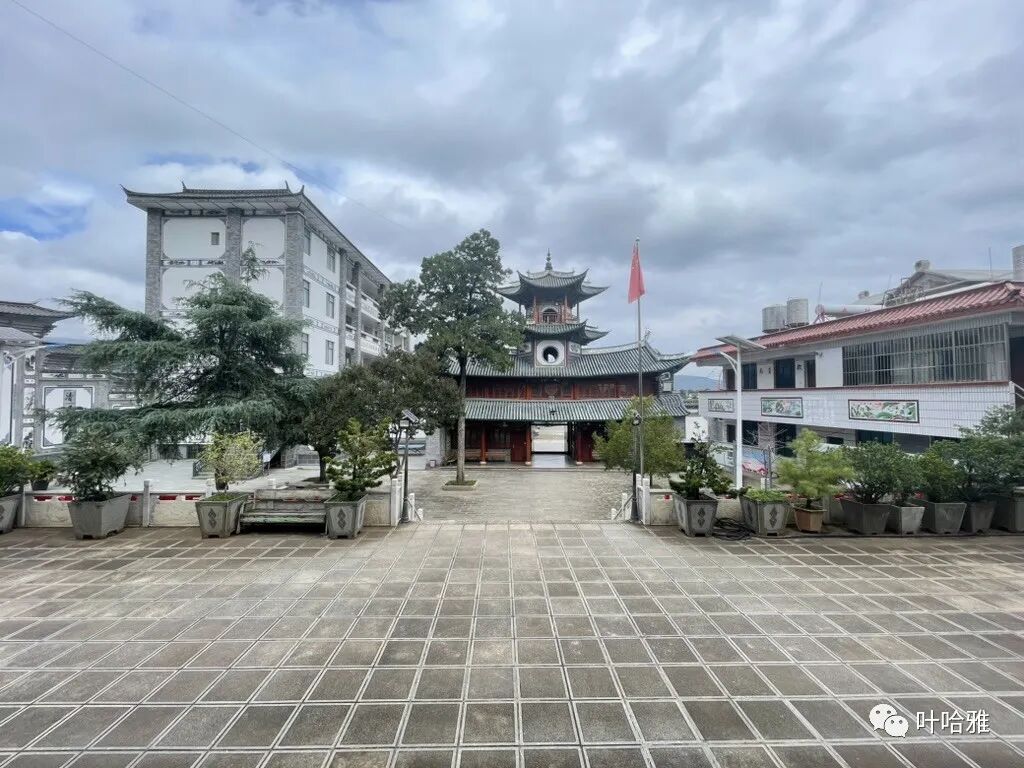
Yousuo Mosque
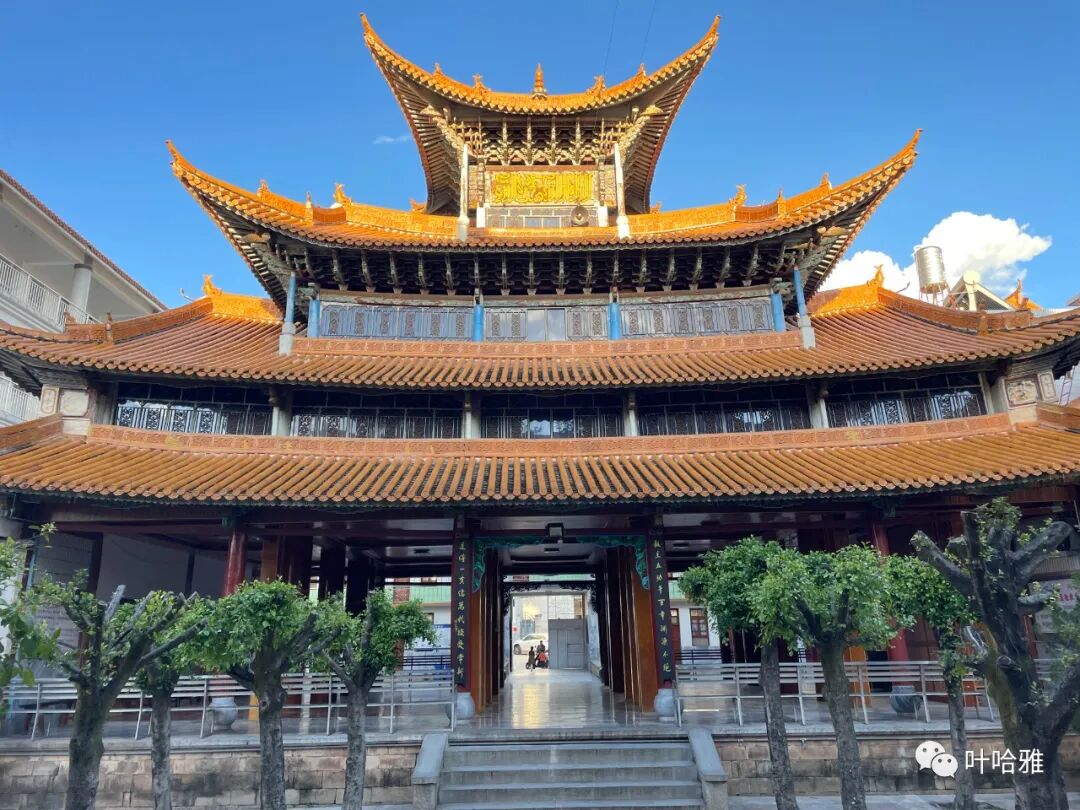
The Yousuo Street Mosque in Eryuan County finished rebuilding in 2012. This mosque is less than three kilometers from Shipang Village.
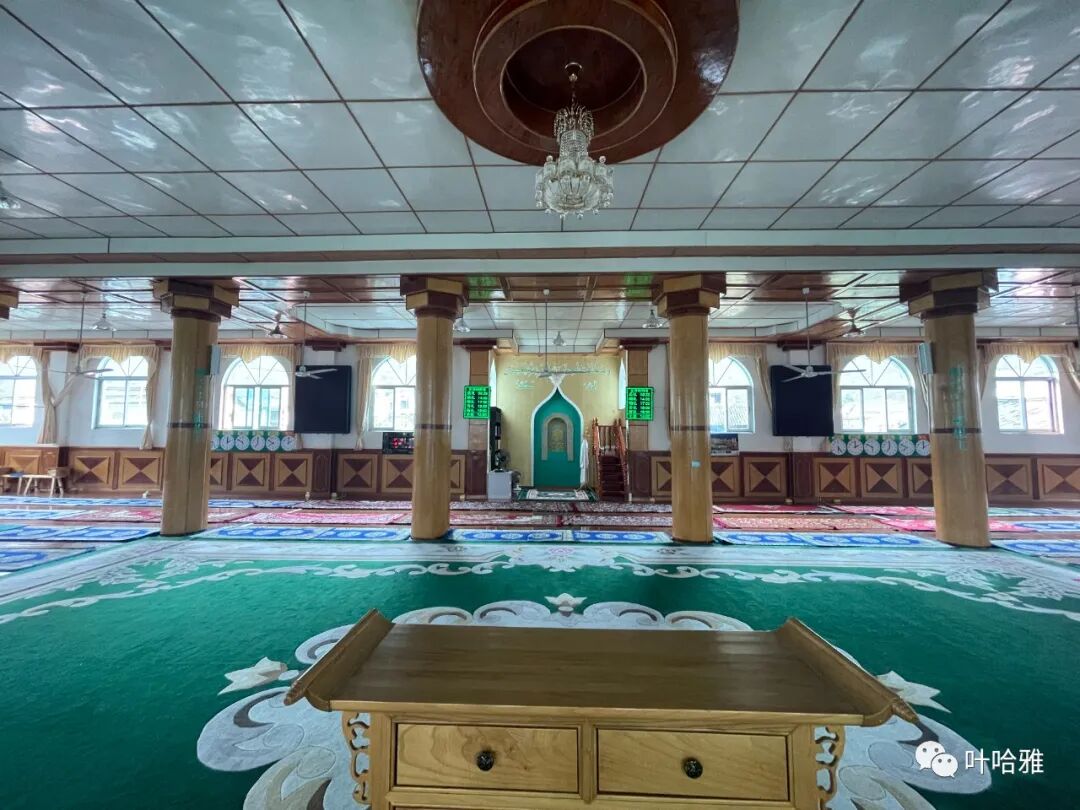
Jiming Village Mosque
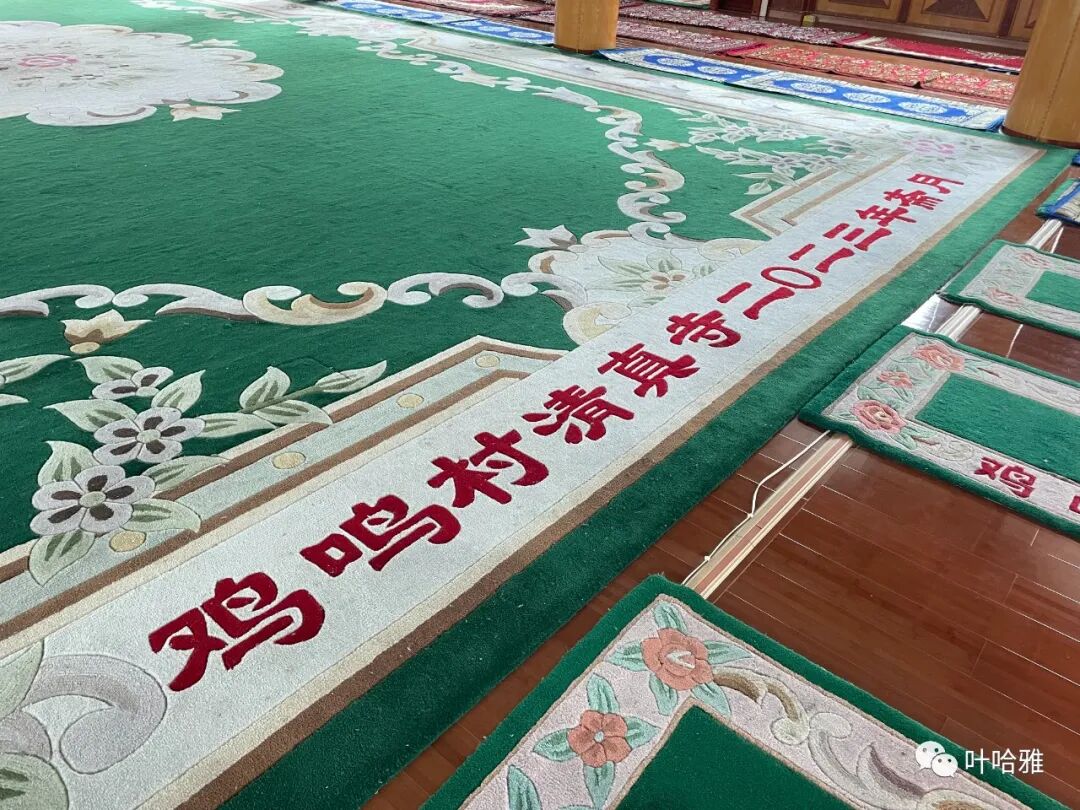
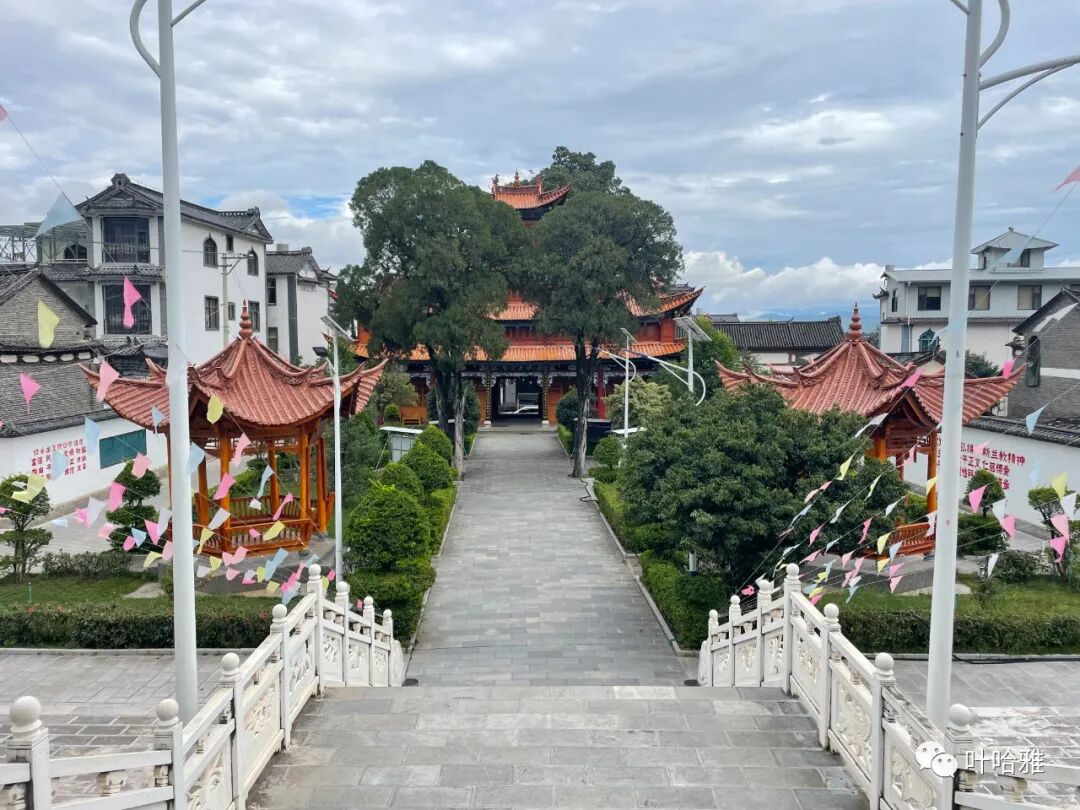
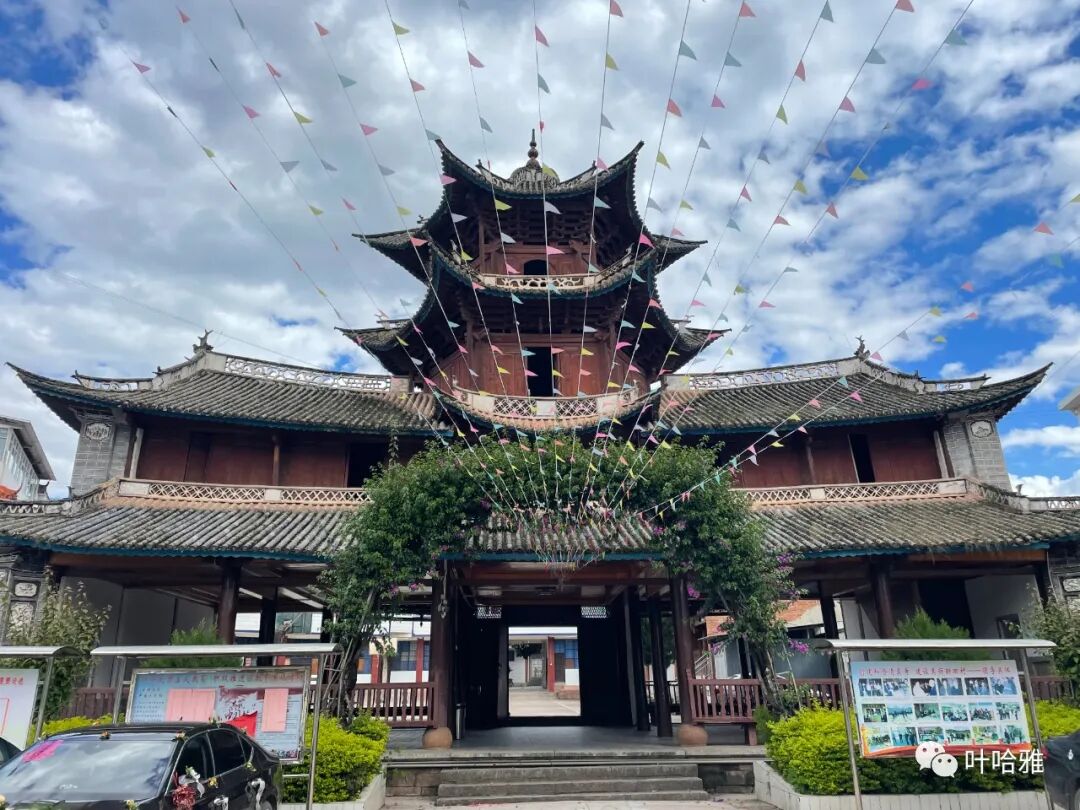
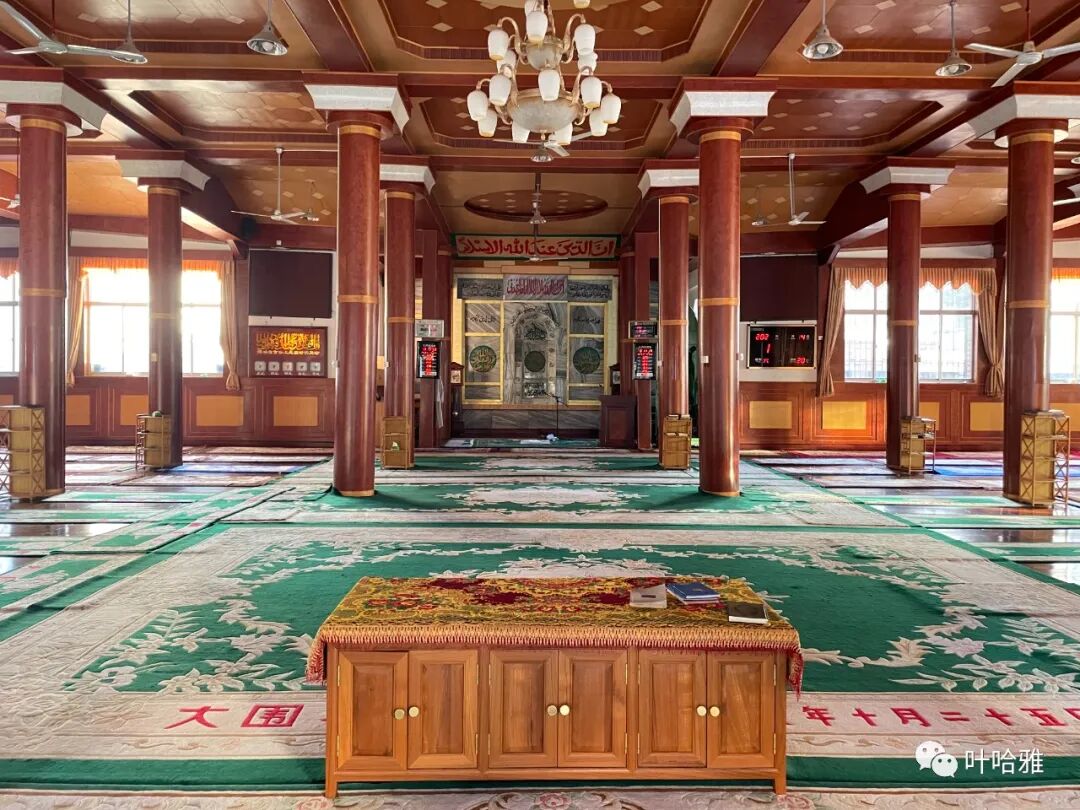
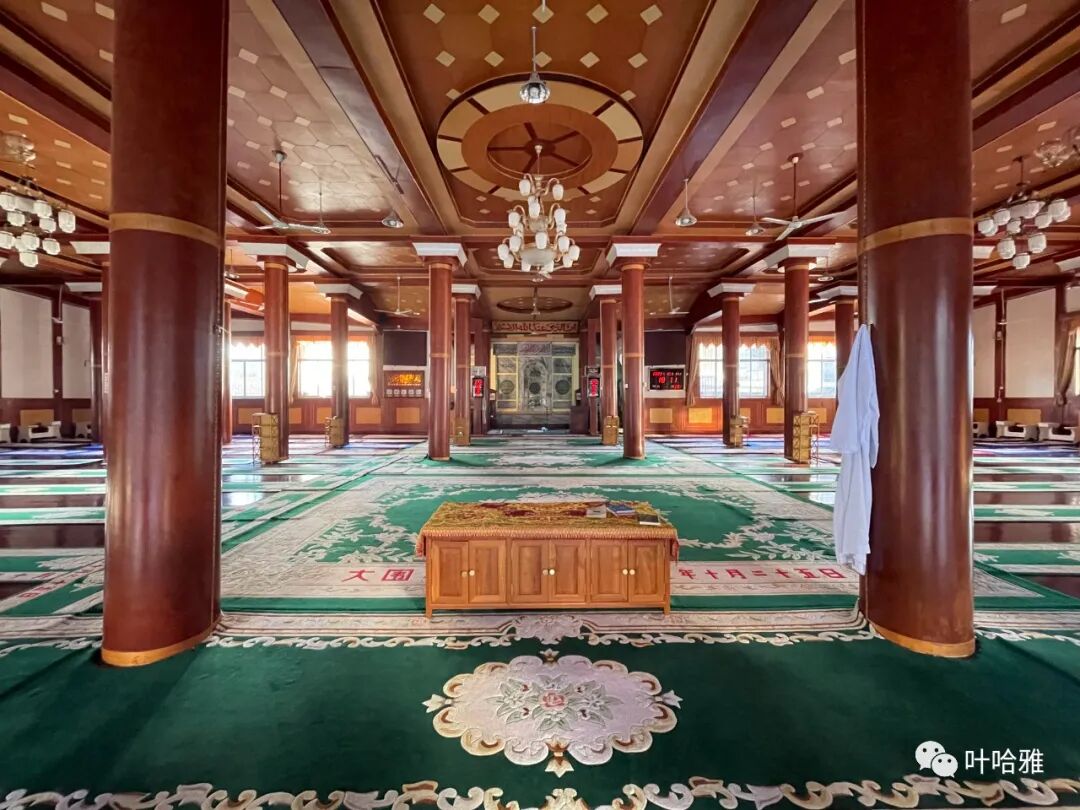
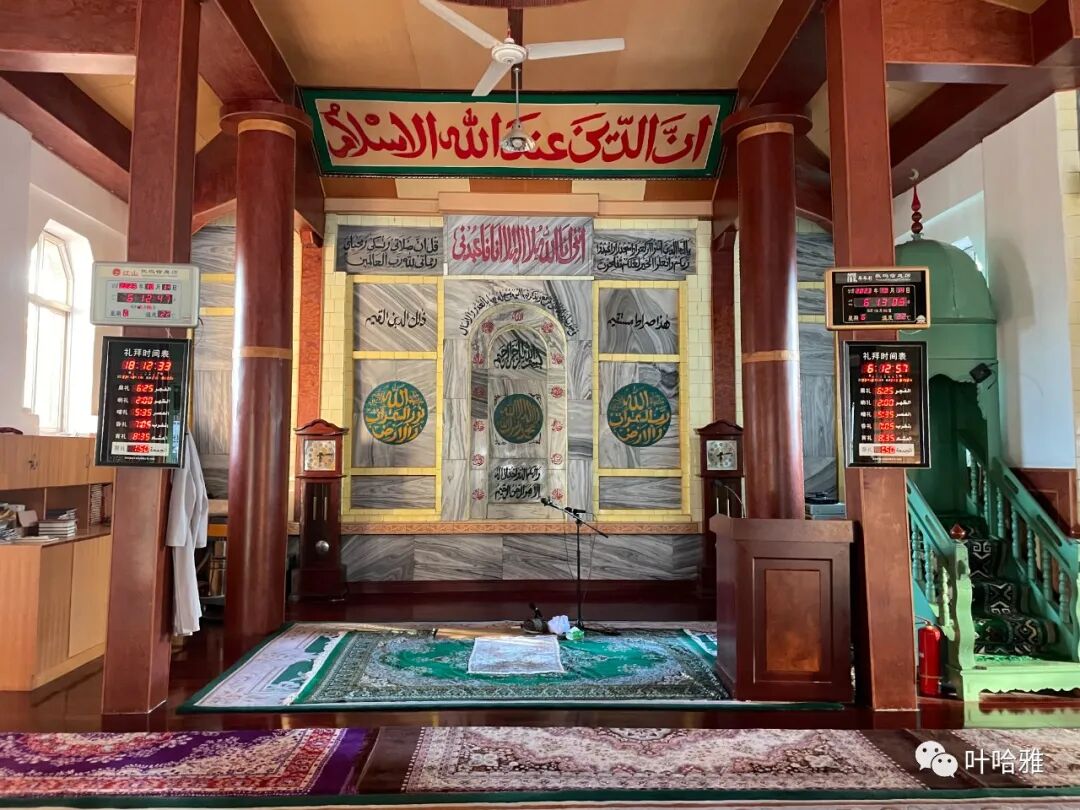
Jiming Village is also a village of Bai and Hui Muslims. The mosque was first built in 1894, and the new mosque was just completed in 2023.
Jiming Mosque is bigger and more beautiful than Shipang Mosque.
Xiajie Ancient Mosque in Yangbi
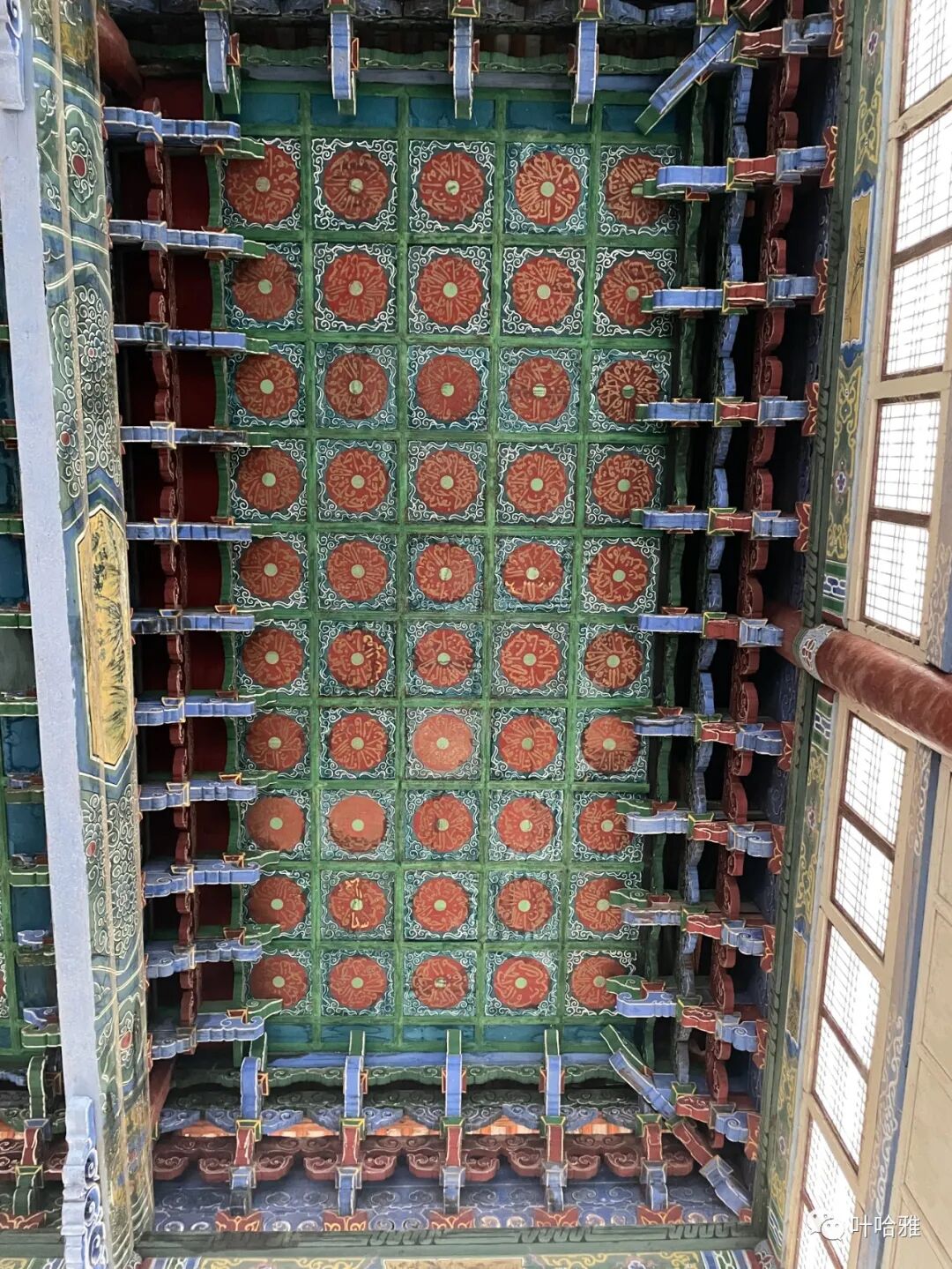
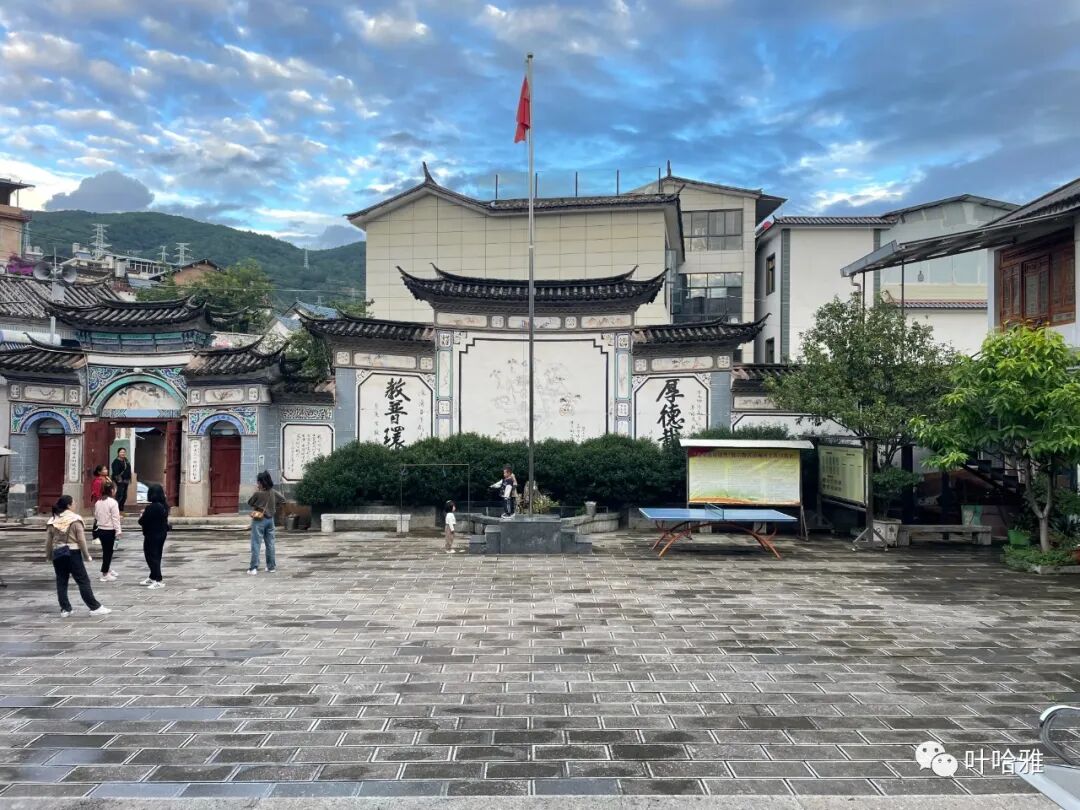
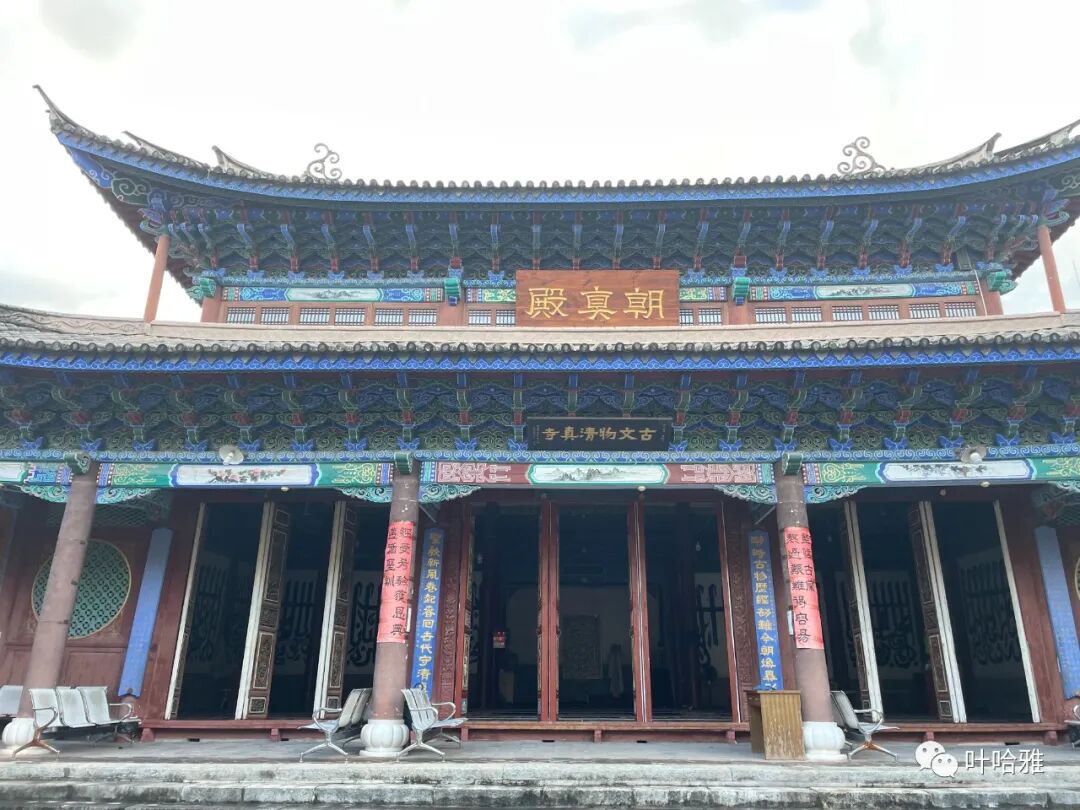
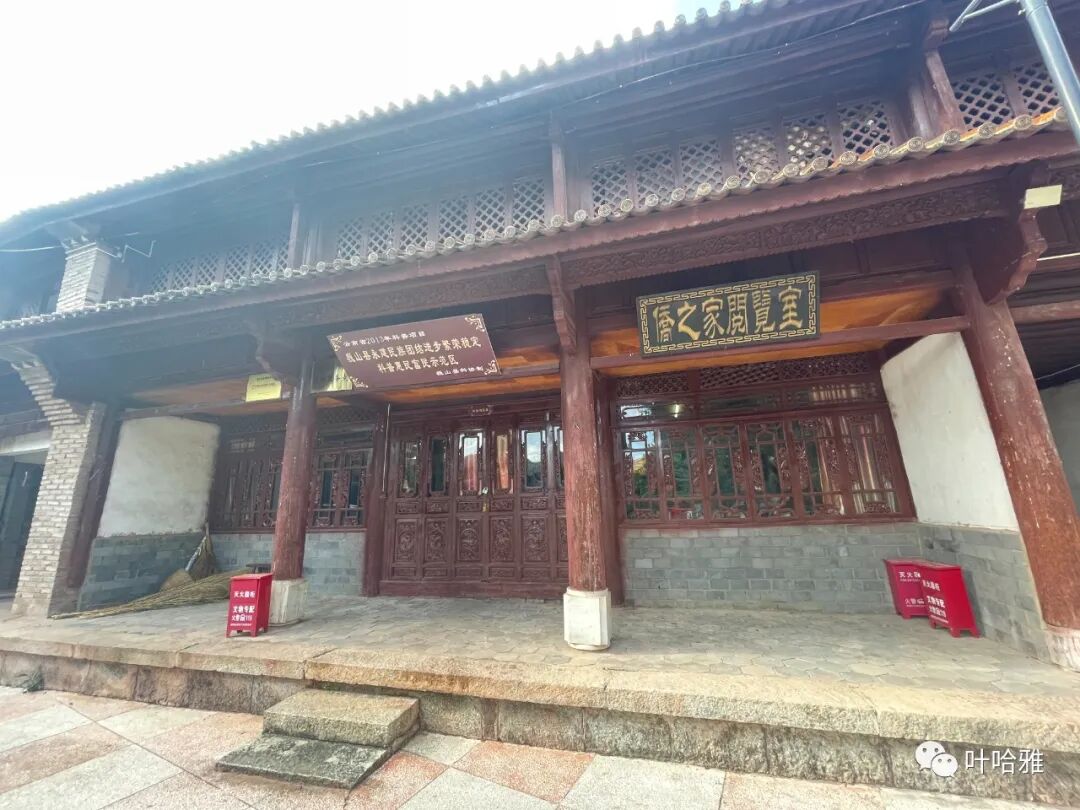
Xiajie Mosque was built during the Hongwu period of the Ming Dynasty. There are now three mosques in Yangbi County. This mosque was once turned into a Confucian mosque, a factory, and a school. It was not returned to its function as a mosque until 1994. Its architectural style has Bai ethnic features, and it is now a cultural relic protection unit of Dali Prefecture.
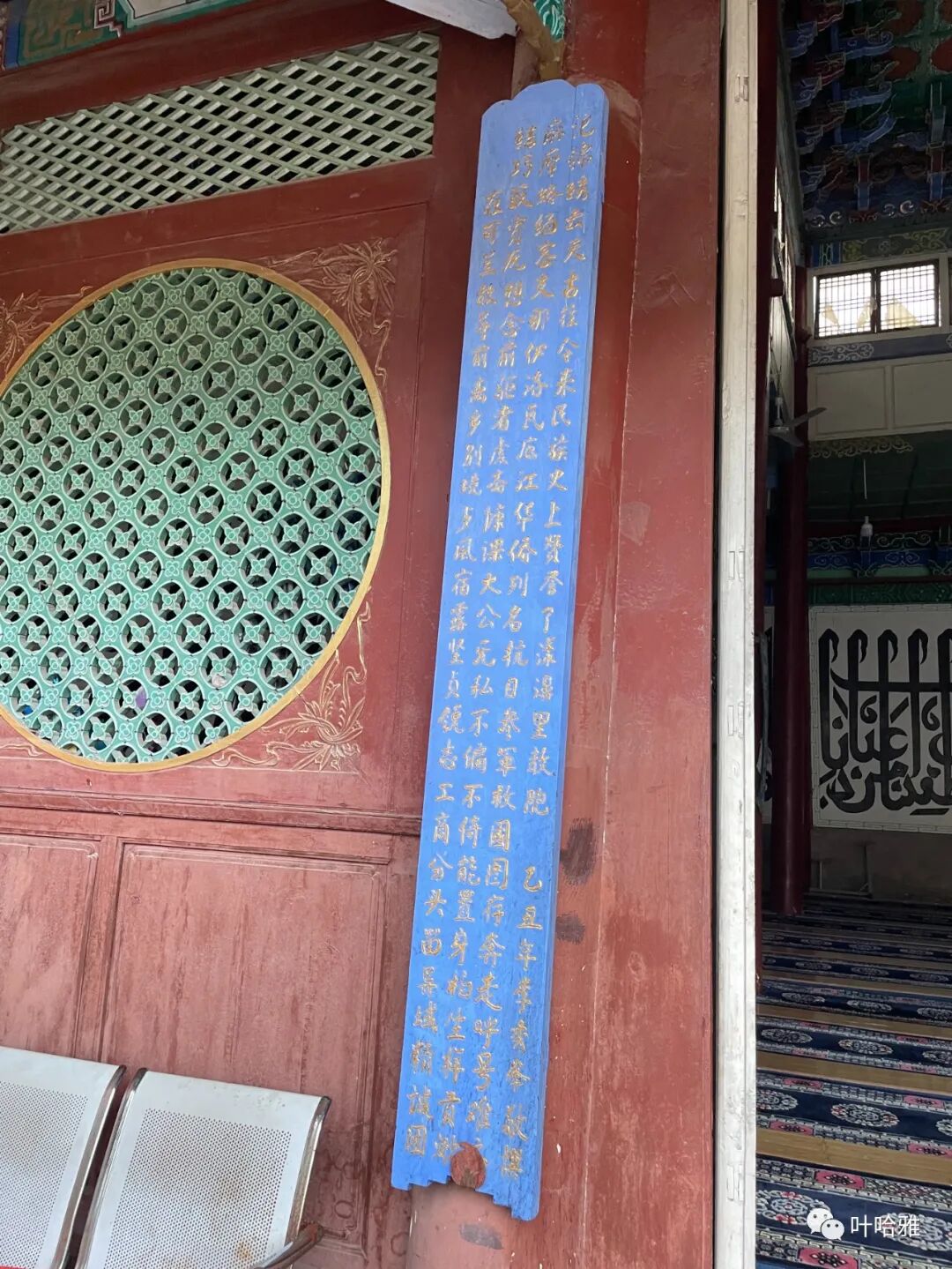
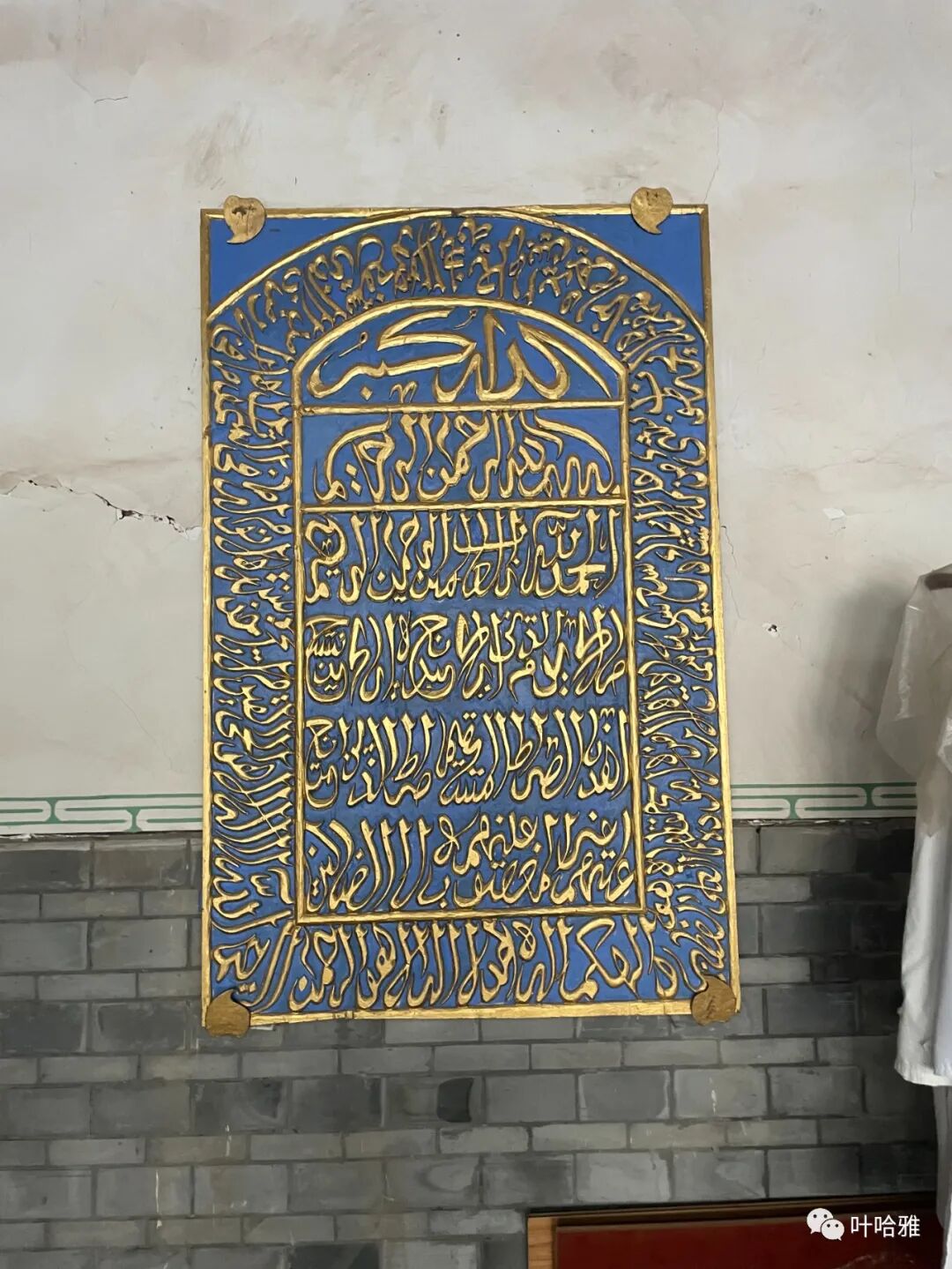
The calligraphy for 'Promoting Religion and Building the Nation' was written by Bai Chongxi. Of course, it was not originally written for this mosque, and his name has now been erased.
Xiajie Hui Muslim Restaurant and Dai-style Barbecue
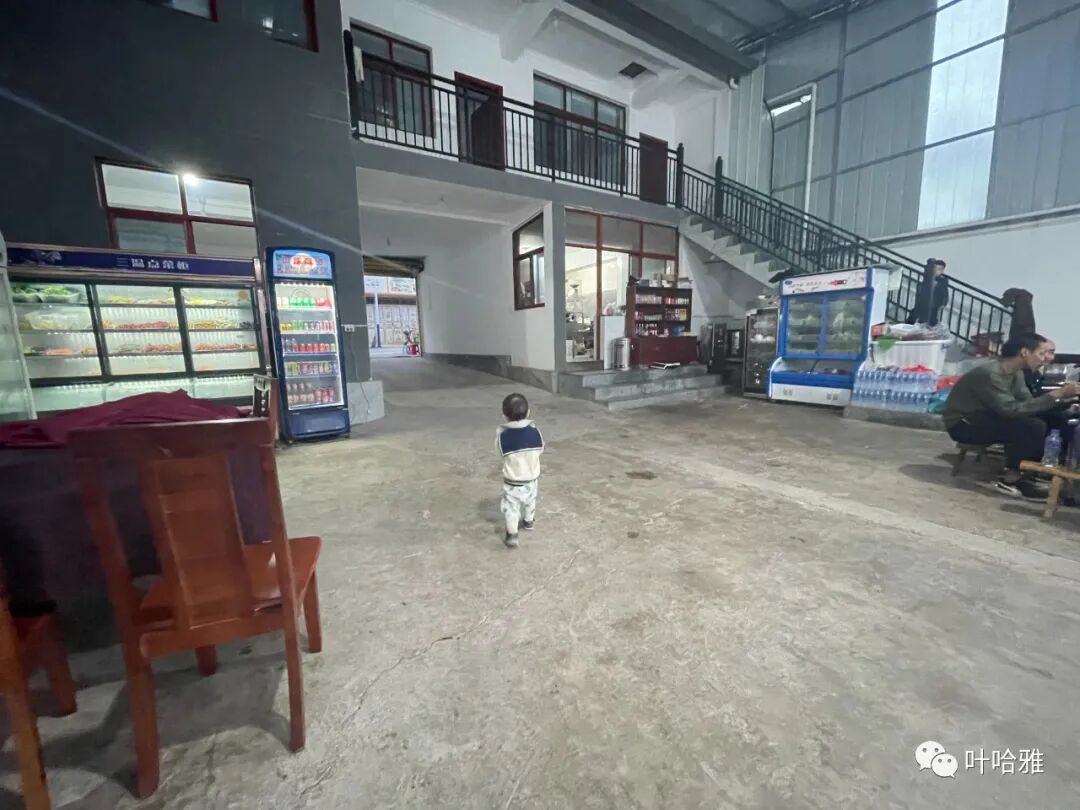
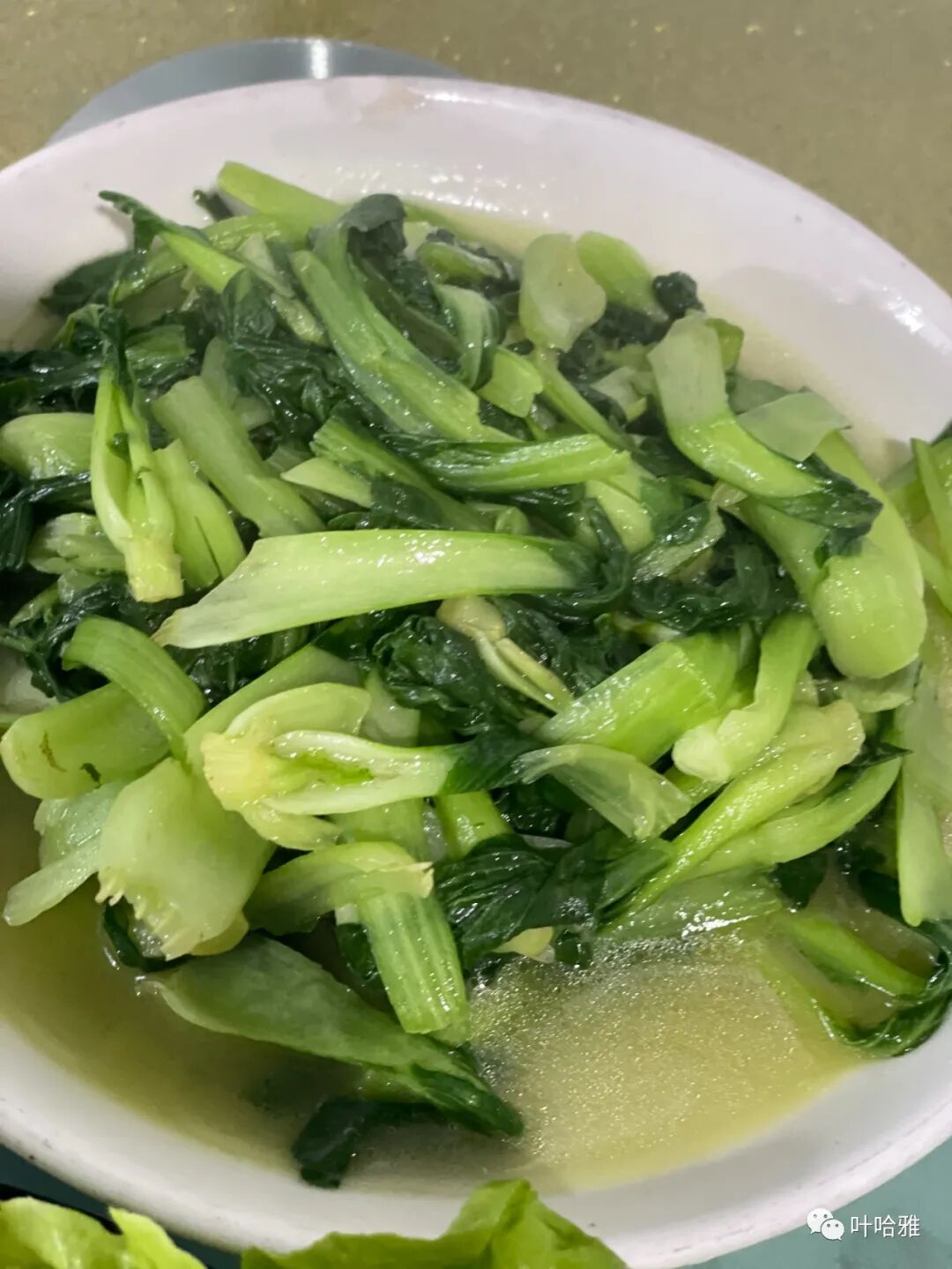
A halal restaurant next to Xiajie Mosque that serves local stir-fried dishes.
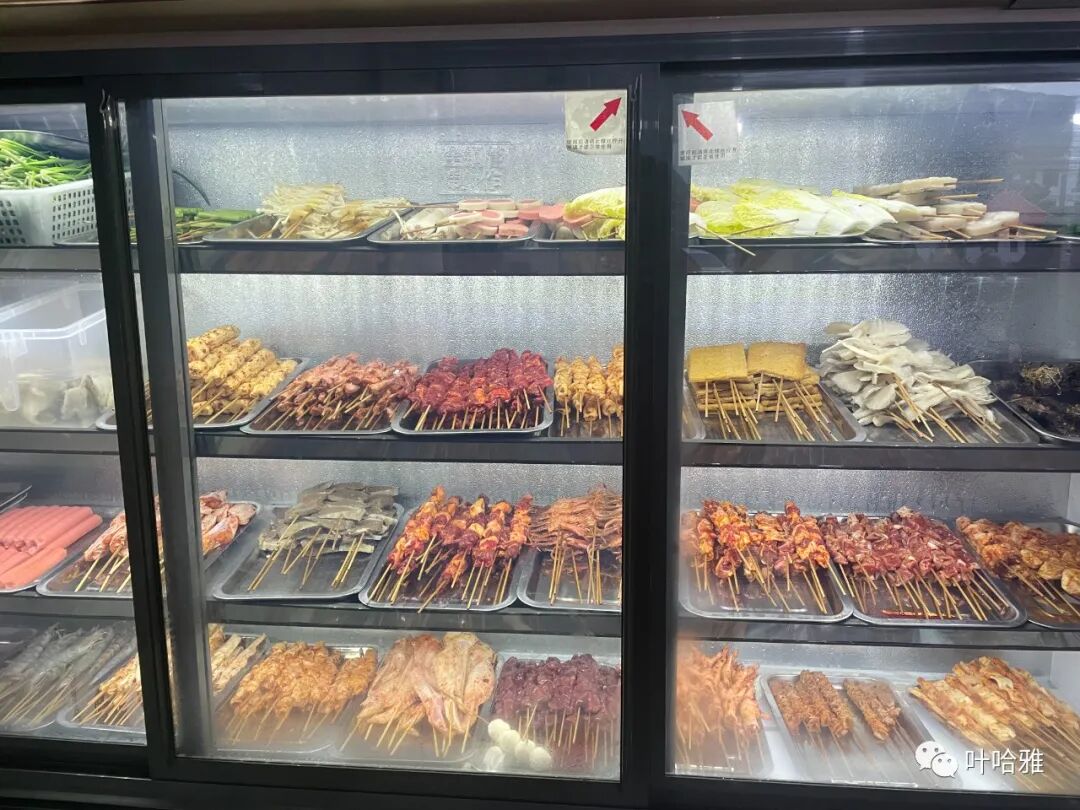
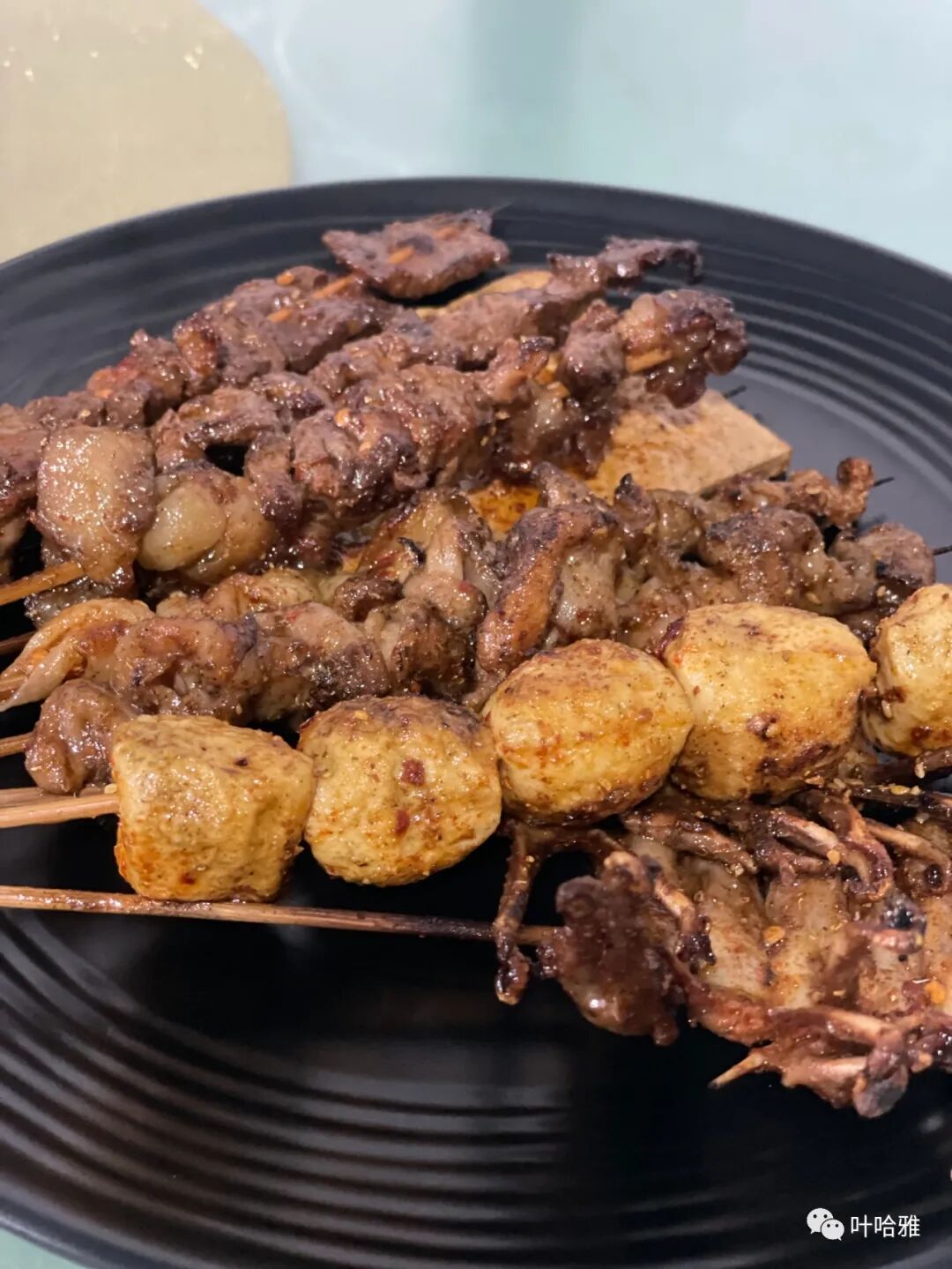
You pick the Dai-style barbecue yourself and pay after eating. The skewers are quite large.
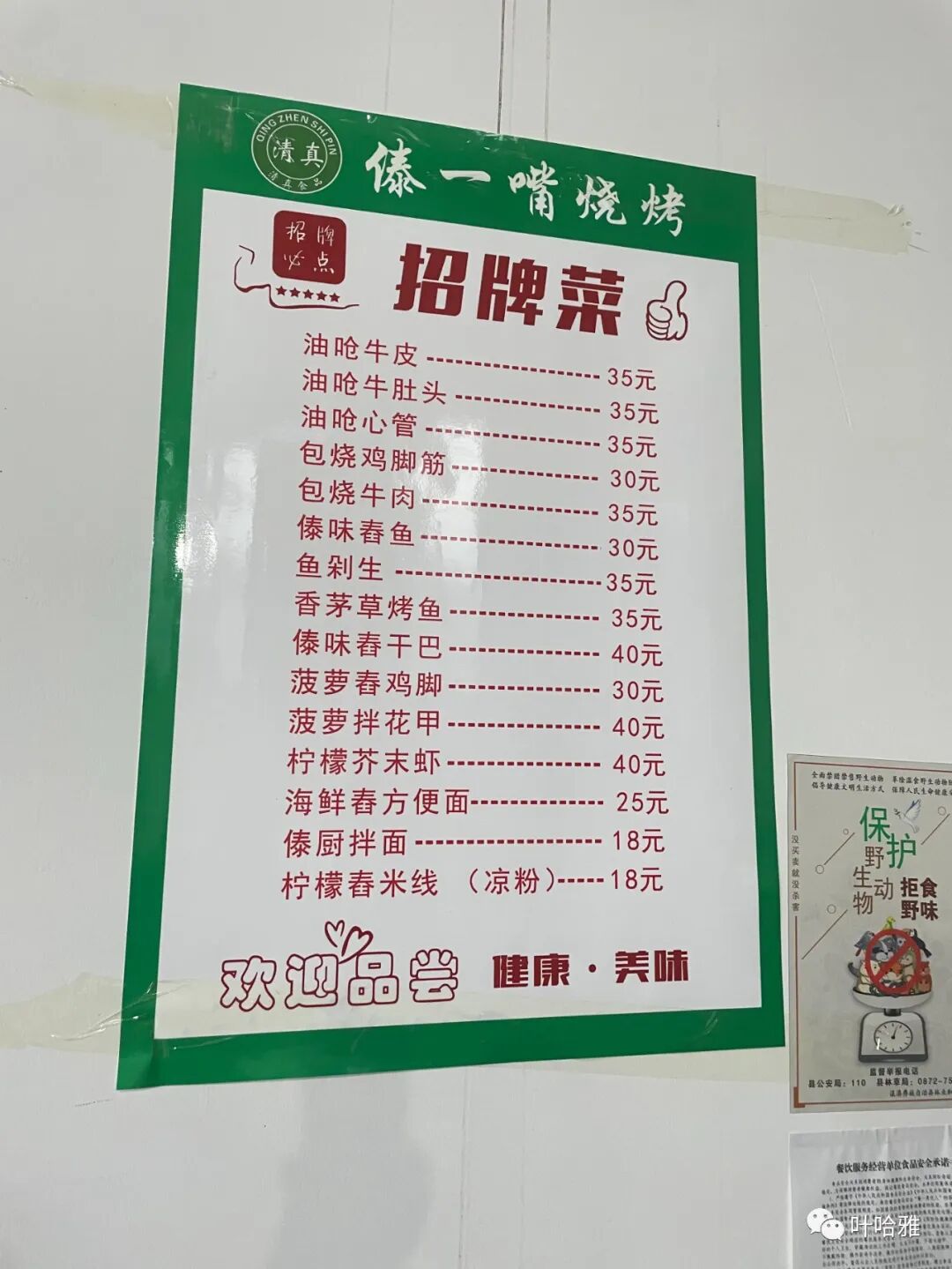
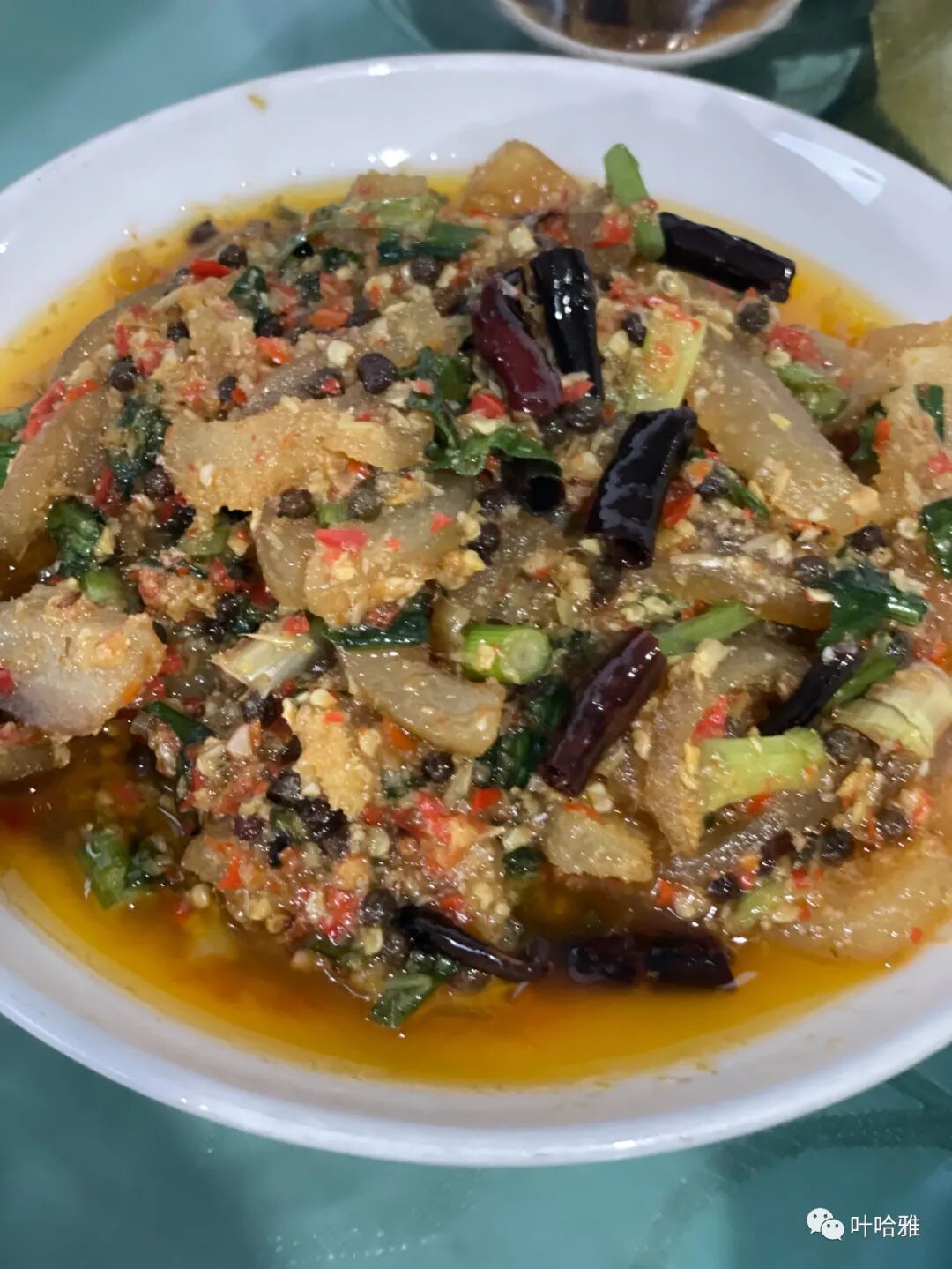
I tried oil-splashed beef skin (youqiang niupi) for the first time. It tasted strange and was a bit spicy. I think fried beef skin is easier to enjoy.
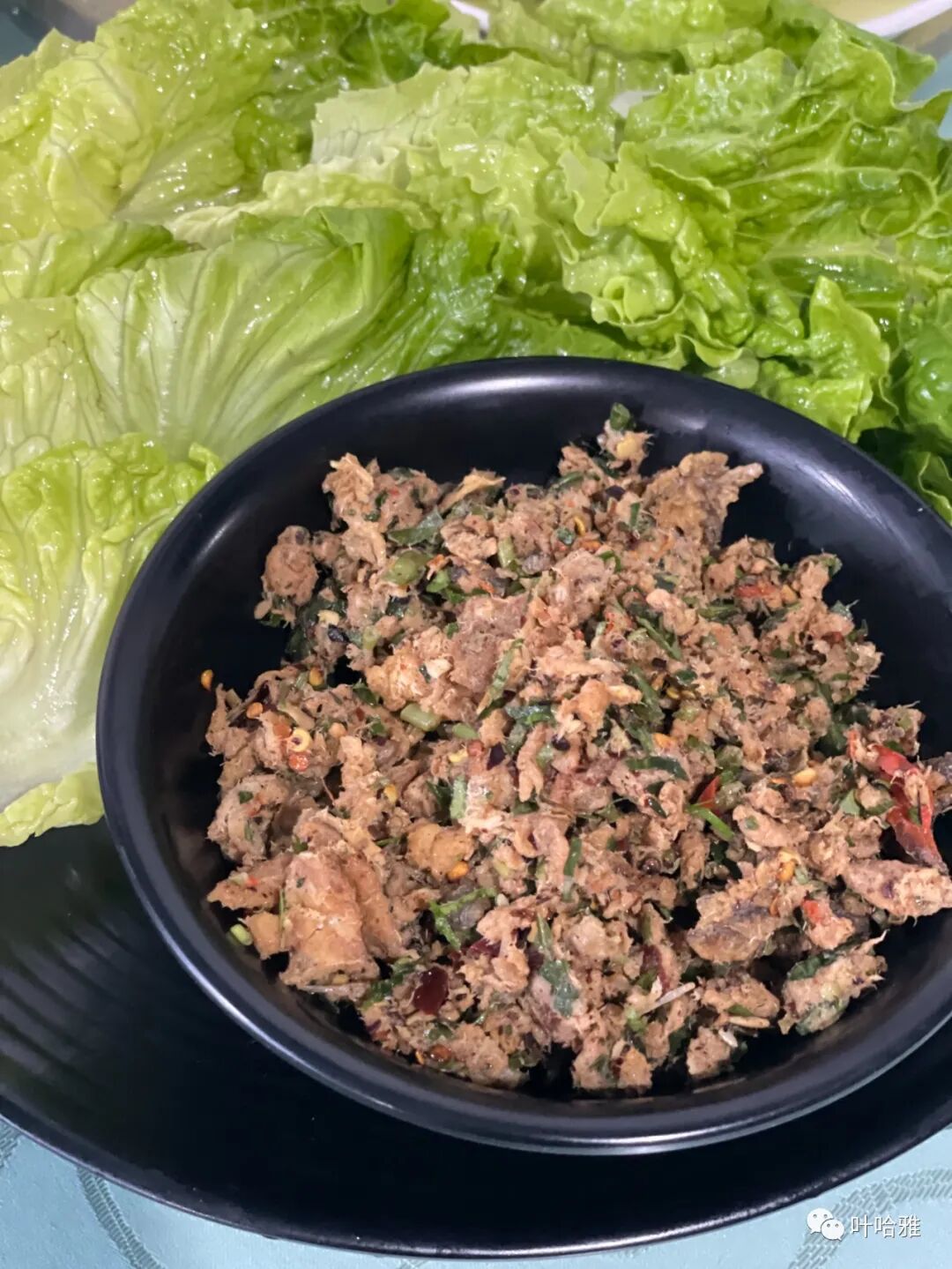
I ordered the Dai-style pounded fish (chong yu). I expected a whole fish, but this is what arrived. It was very spicy, and you eat it wrapped in lettuce leaves.
Dai-style barbecue tastes pretty good. It is no wonder it is so popular in Yunnan.
There are no large halal restaurants in Yangbi County, just small snack shops. This seems to be the only place that serves stir-fried dishes.
Xiaoweigeng Mosque in Weishan County.
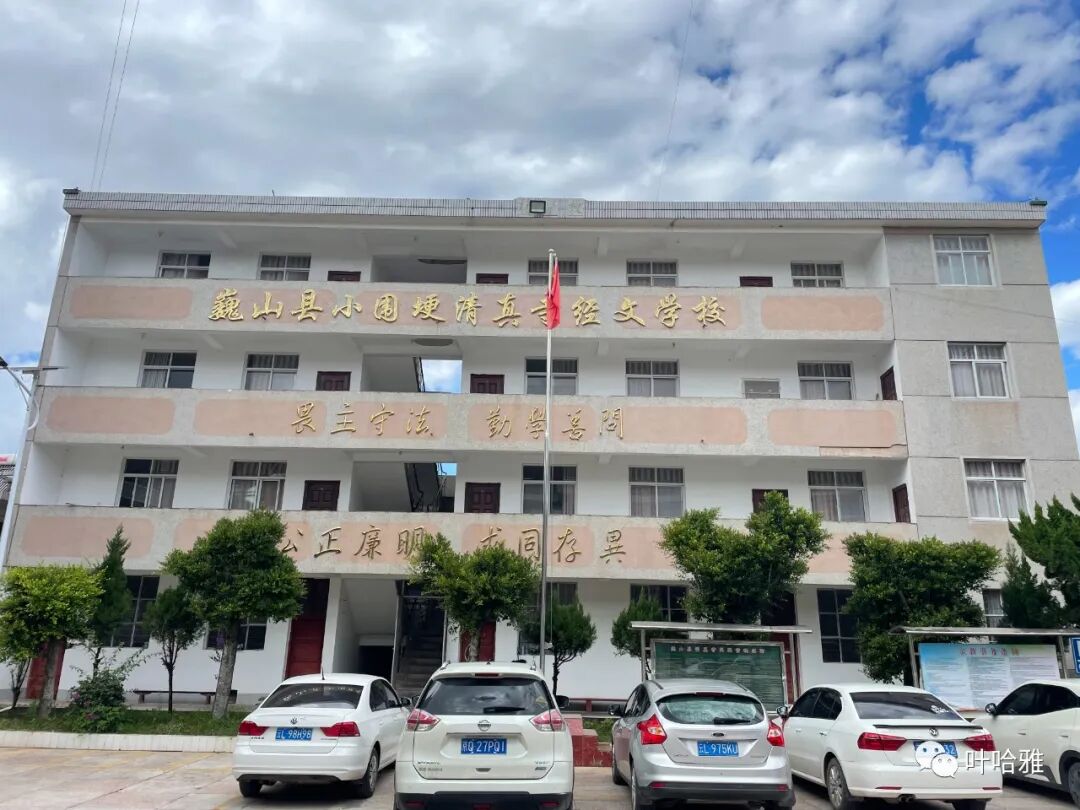
Xiaoweigeng Mosque was first built between the end of the Yuan Dynasty and the beginning of the Ming Dynasty. It is the first mosque you pass on the way from Dali to Weishan. Mosques in Weishan are clustered together; except for the one in the Weishan Ancient City, the others are all less than three kilometers apart.
Huihuideng Mosque.
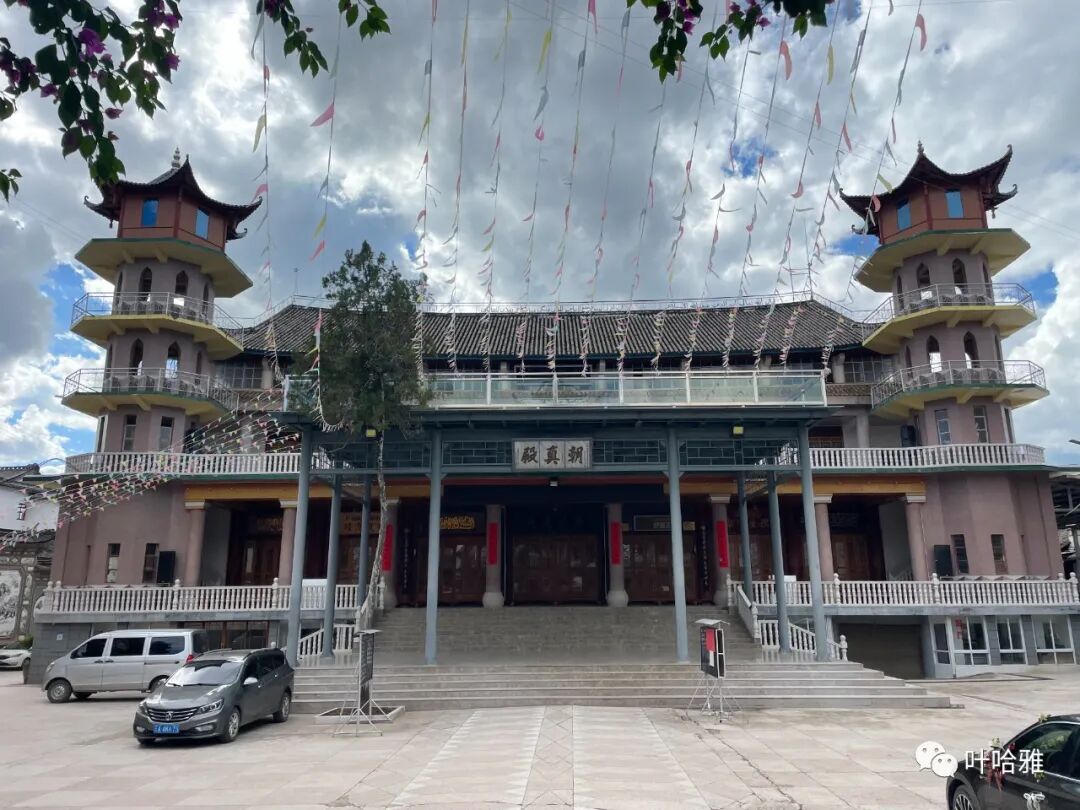
During the Yuan Dynasty, Huihuideng Mosque was called Huihuidun. It was first built in the third year of the reign of Mongke Khan (1253). It is also called Huihui Mosque, sharing the same name as the Huihui Mosque in Sanya.
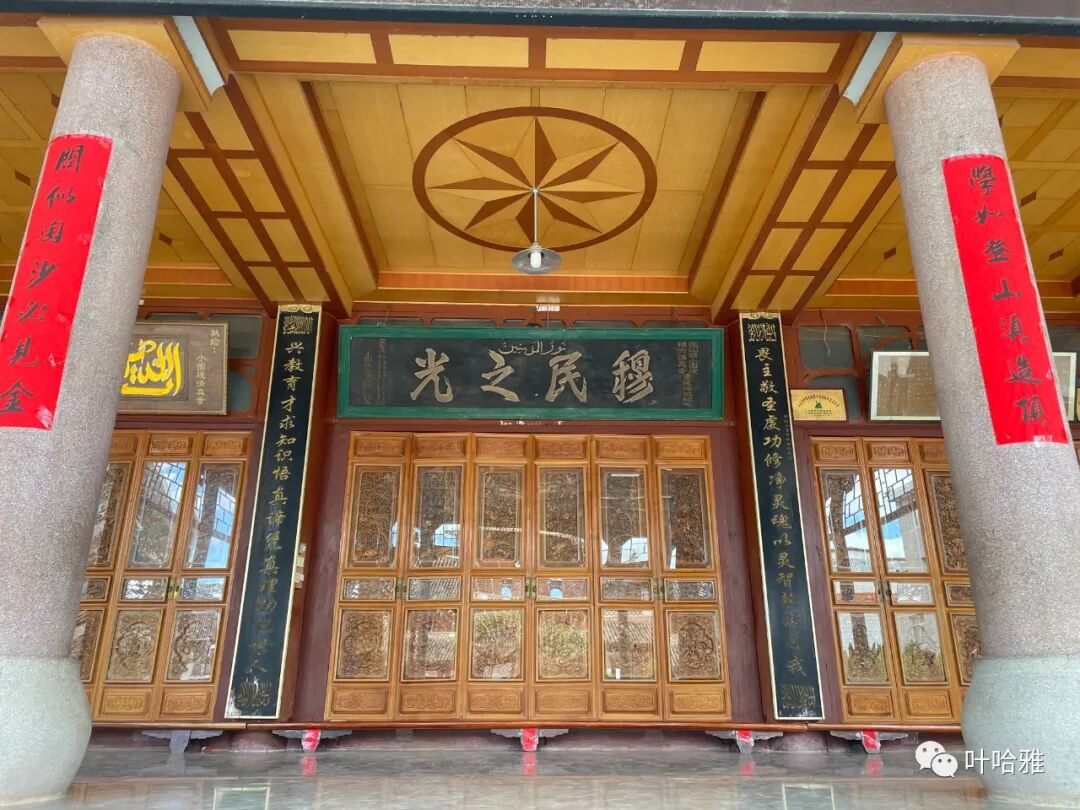
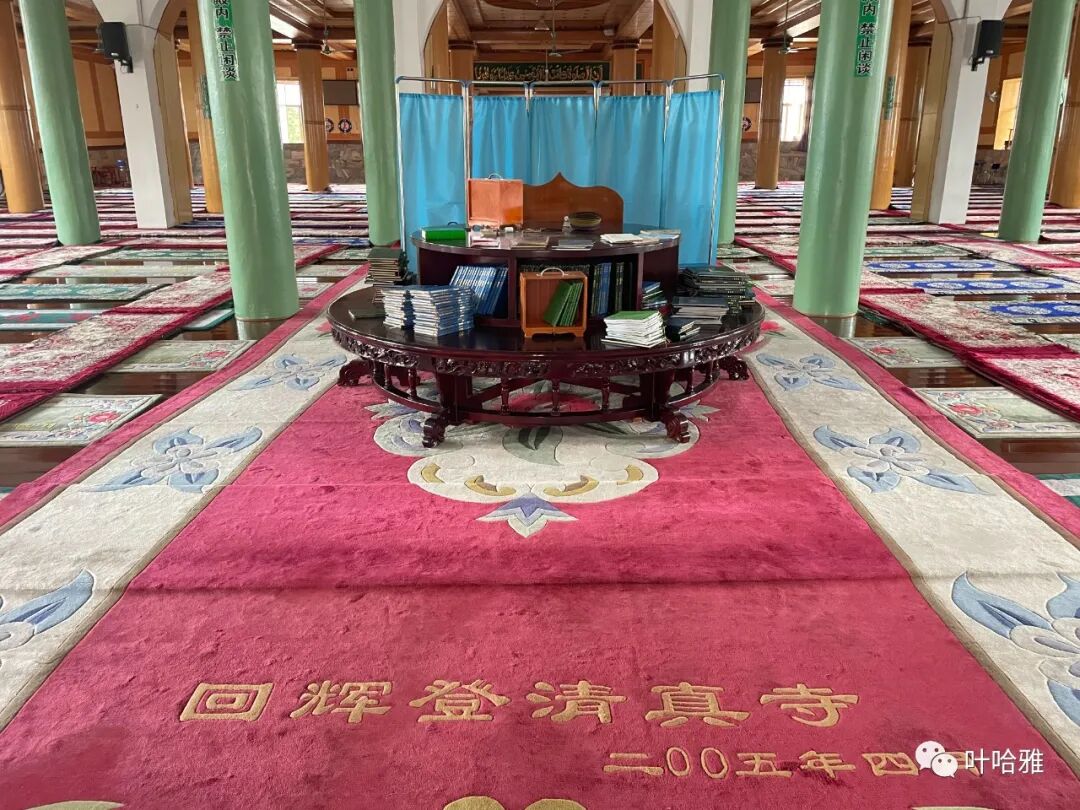
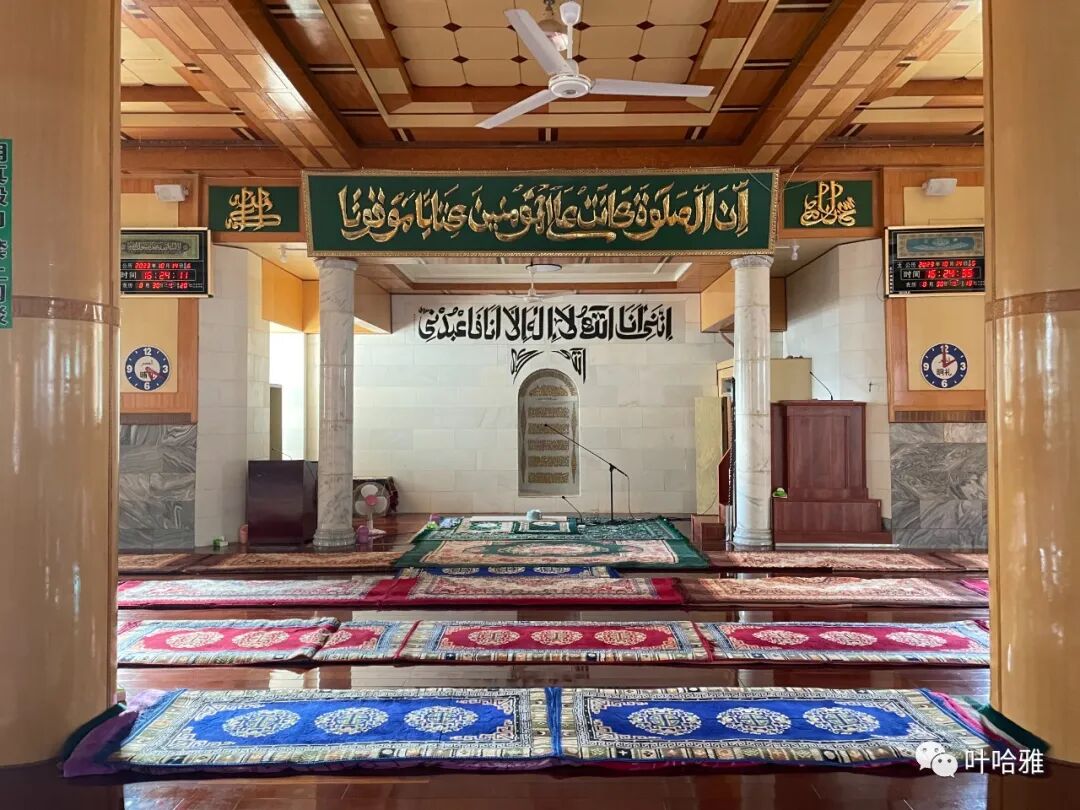
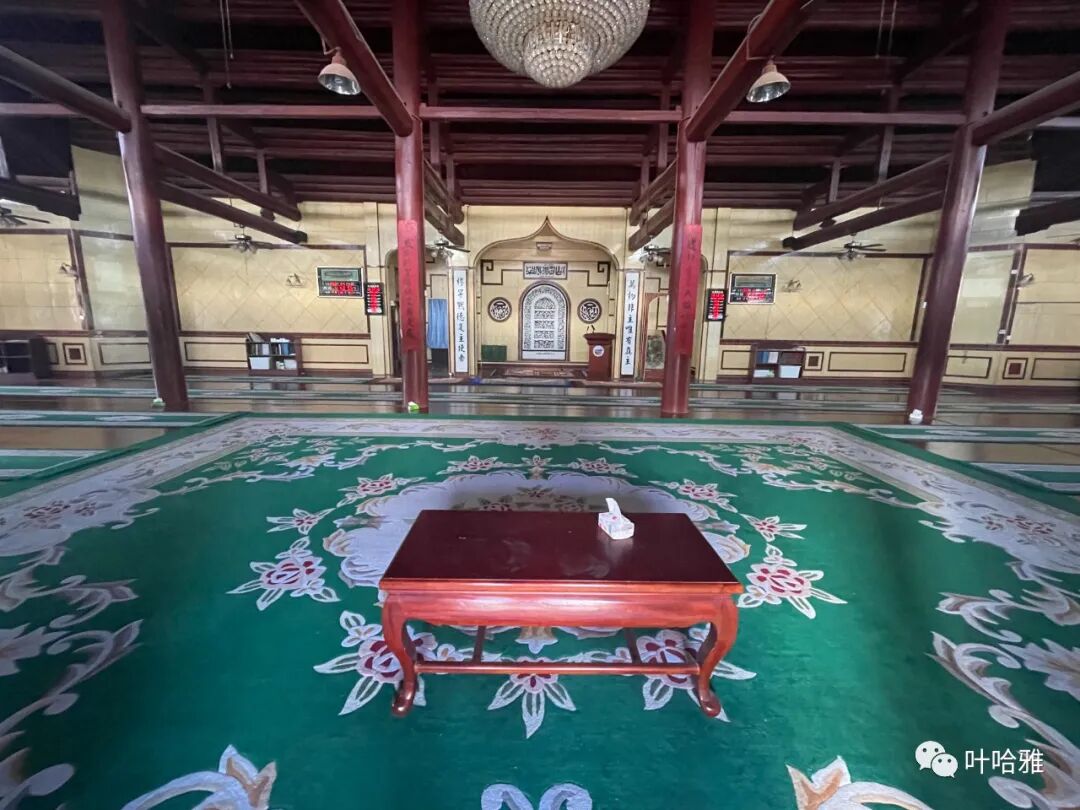
The main prayer hall at Huihuideng is the largest one in the Dali region.
Donglianhua Mosque.
Donglianhua Mosque was built at the end of the Qing Dynasty and covers a building area of 3,000 square meters.
Donglianhua Village is a village for Hui Muslims. They are developing it into a special folk tourism village, and there is a food street here.
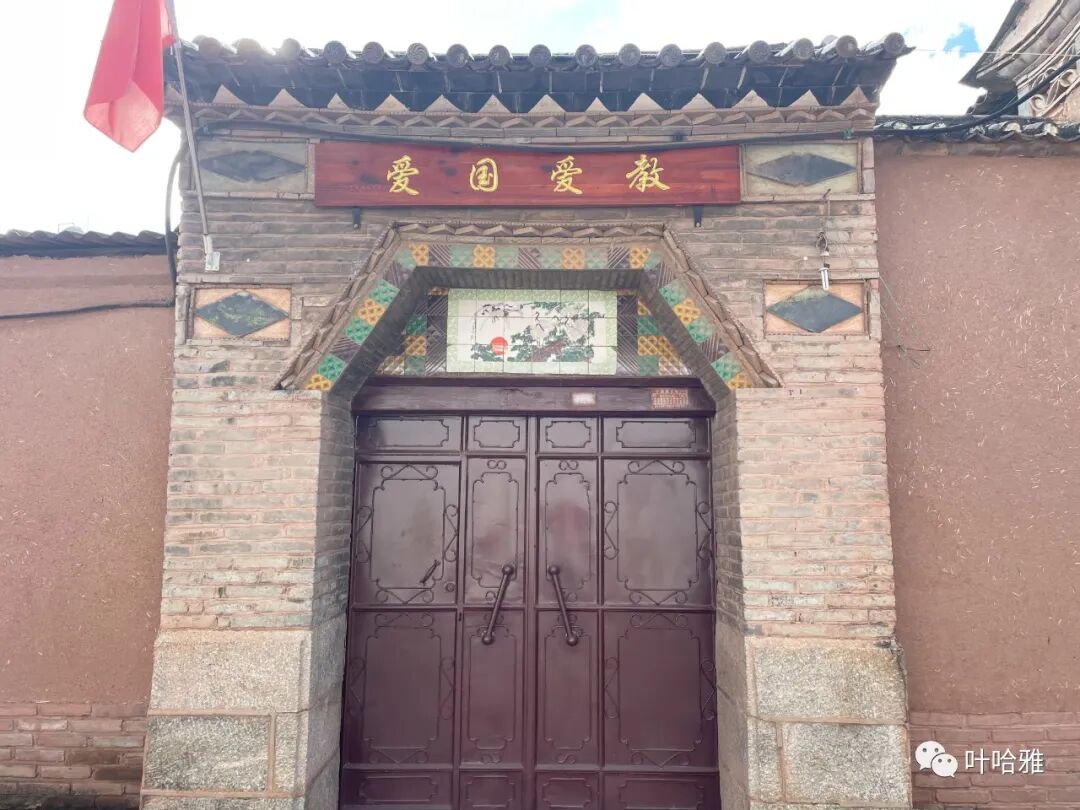
This is a residential house in Donglianhua Village.
Yanqichang Mosque
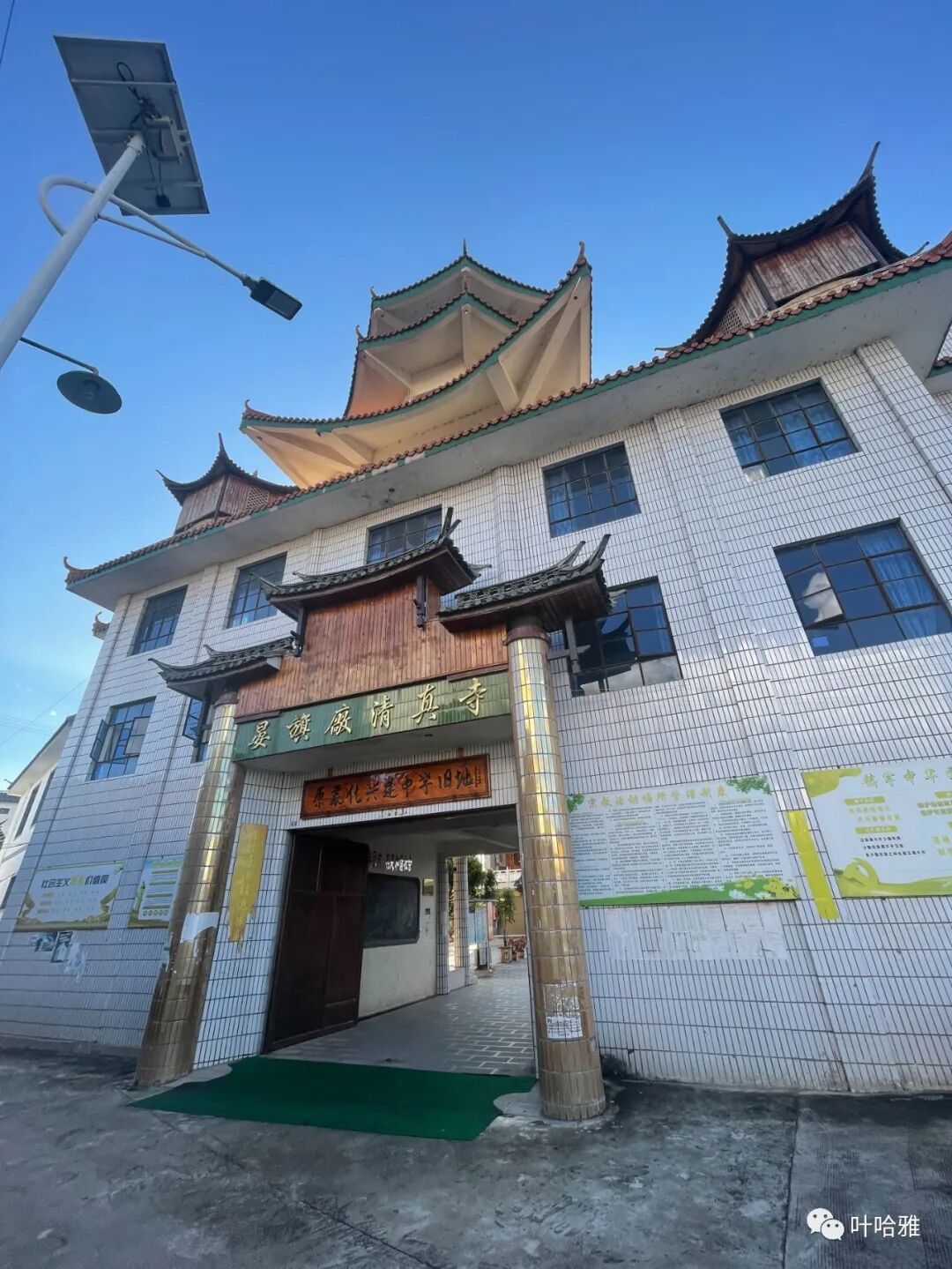
The Qing government confiscated Yanqichang Mosque during the Tongzhi reign of the Qing Dynasty. It was rebuilt on a new site during the Guangxu reign. In the Ming Dynasty, this area was a garrison for the Eight Banners, and since the banner leader was named Yan, it became known as Yanqichang.
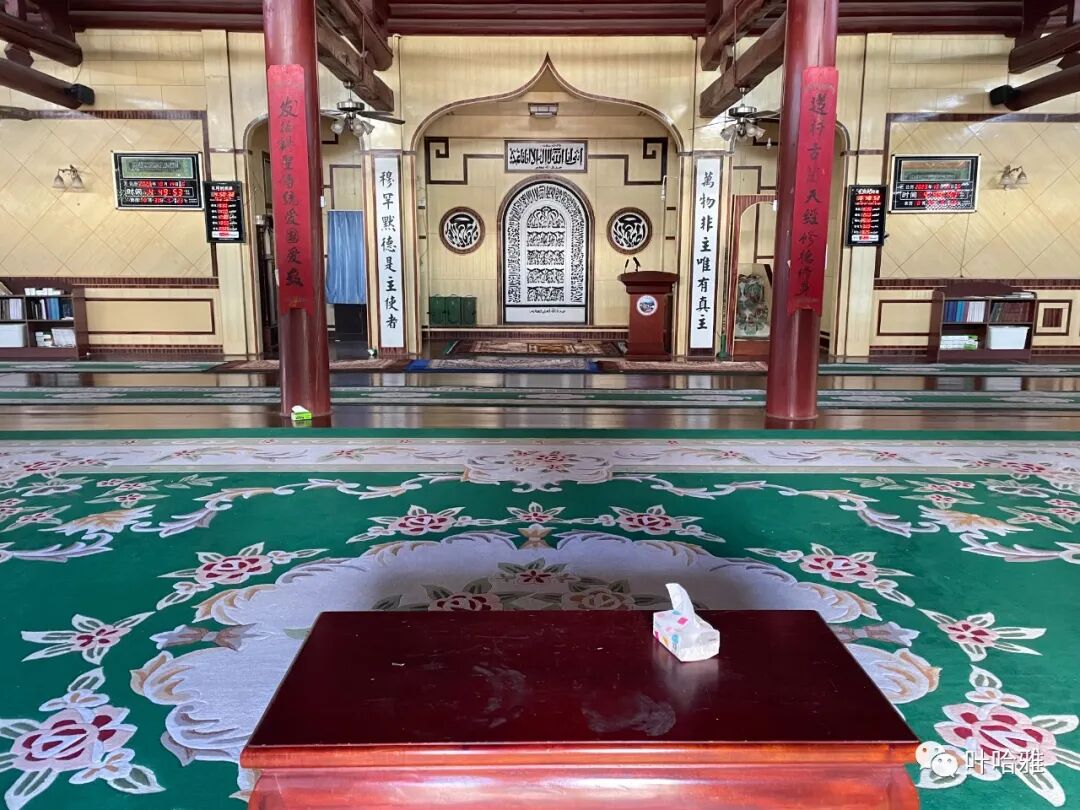
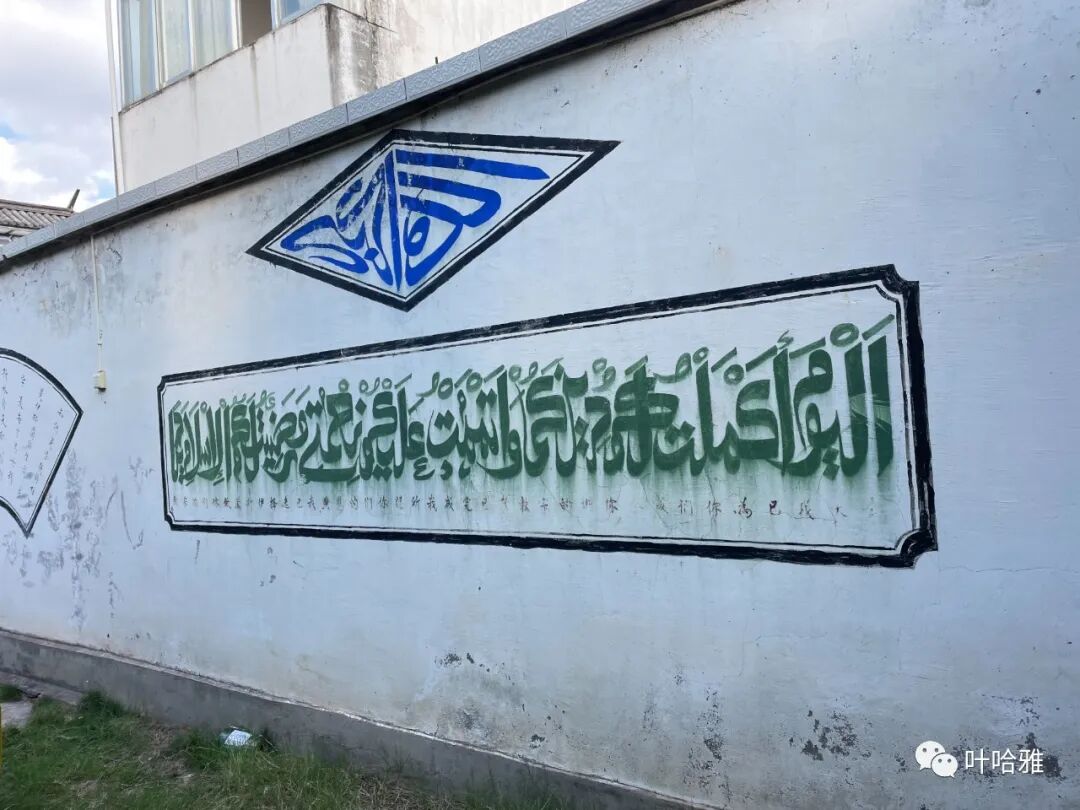
Hadith slogans on the wall.
Daweigeng Mosque
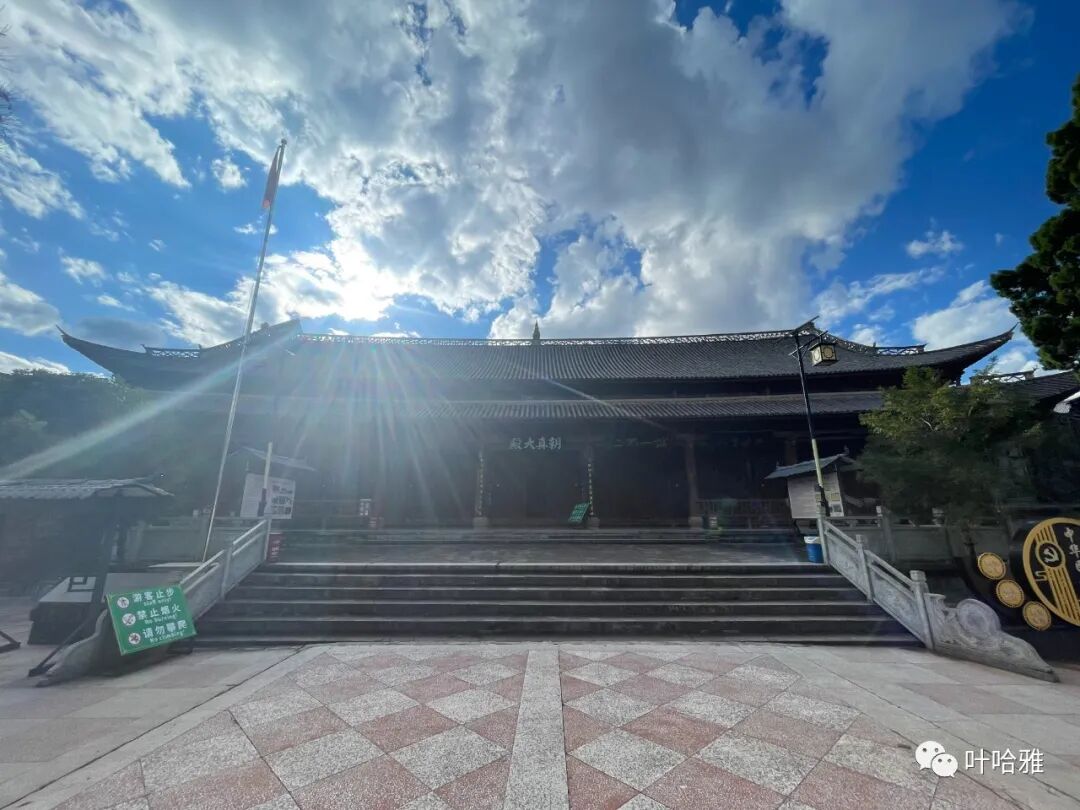
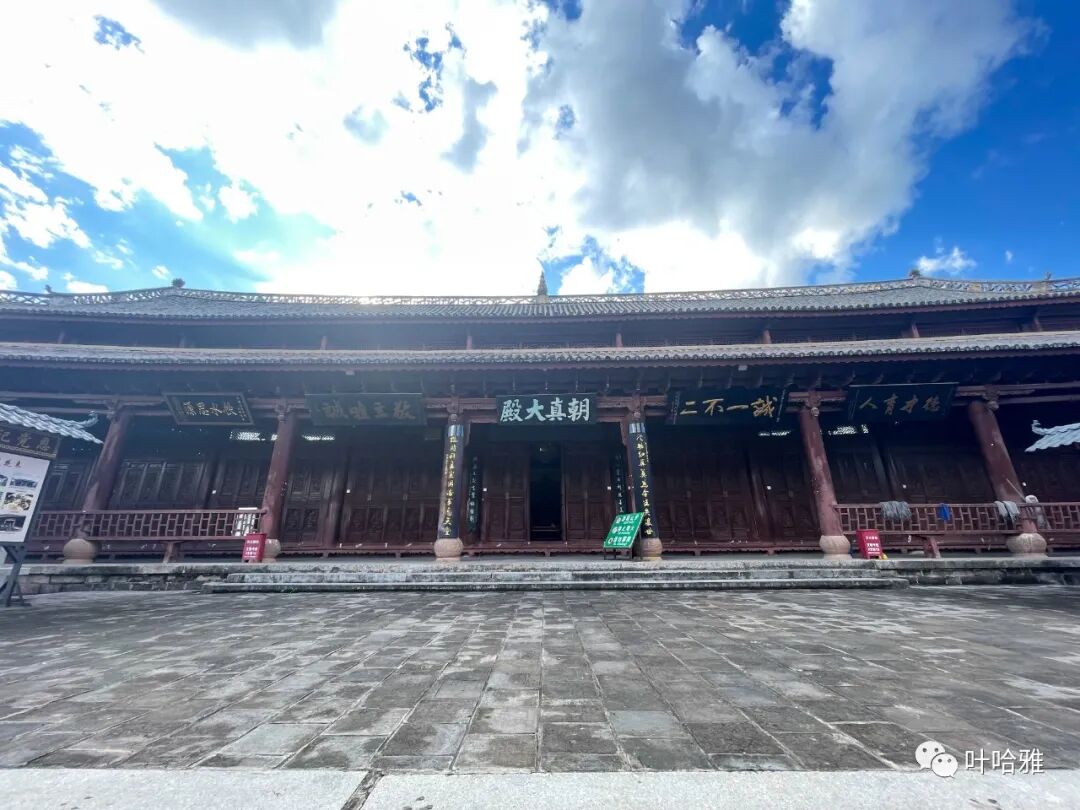
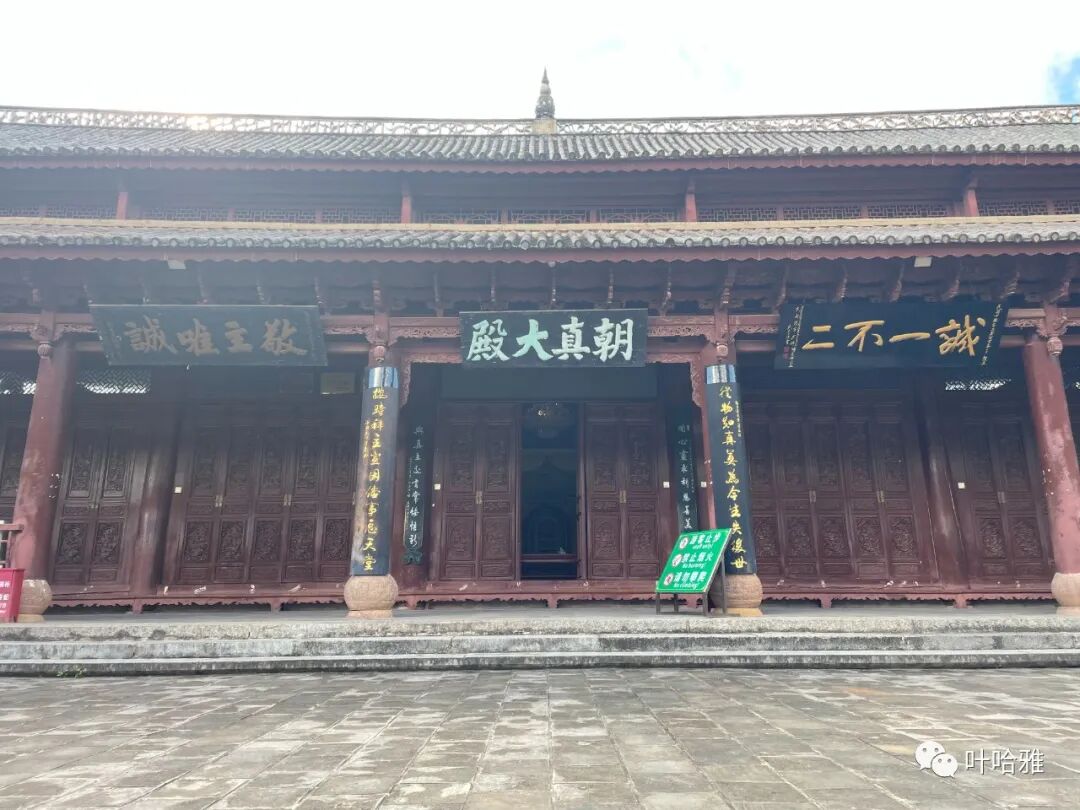
Daweigeng Mosque was first built in the Zhiyuan era of the Yuan Dynasty. It is the largest mosque in this area and the one locals recommended I visit most.
My deepest impression from visiting mosques in Yunnan is that no one ever asks why I am there. I can just push open the door to the main prayer hall. Unlike in some other regions where you must state your identity and gatekeepers always ask your purpose, you will not find any guards at mosques in Yunnan.
Mamingchang Mi Family Mosque
Mamingchang has a Mi family mosque, first built in the 50th year of the Kangxi reign (1711). There is also a Ma family mosque. These are the only two mosques left in Weishan after the failure of the Du Wenxiu uprising. Both are built on mountains, and the roads are hard to find.
Mamingchang Ma Family Mosque (Yongjian Ancient Mosque)
The Ma family mosque was first built in the Yuan Dynasty. Because there are more Hui Muslims with the surname Ma in Mamingchang than those with the surname Mi, the Ma family mosque is larger than the Mi family mosque, though the Mi family mosque is more exquisite. I met the director of the Mi family mosque management committee while asking for directions, and he brought me to the Ma family mosque.
The imam of the Ma family mosque took me to the top floor. From there, you can see a panoramic view of Weishan. The basketball court below is inside the Ma family mosque. There is also a scripture school here, which currently only enrolls local students.
Weiyi Yongjian fire-pot beef (huopiao niurou)
For dinner, we had a local Dali specialty called copper pot beef (huopiao niurou).
This place is run by locals and has been open for over ten years, so almost all the customers are local people.
Copper pot beef (huopiao niurou) is beef or beef offal cooked in a copper pot with your choice of side dishes, and you can choose a clear broth.
The fried rice with dried beef (niu ganba chaofan) is also delicious. The food here is so good that we finished the whole pot.
Weishan Ancient City
Most Hui Muslims in Weishan live in the villages below, so there are not many living inside the ancient city, which is why there is only one mosque there.
Weishan City Mosque
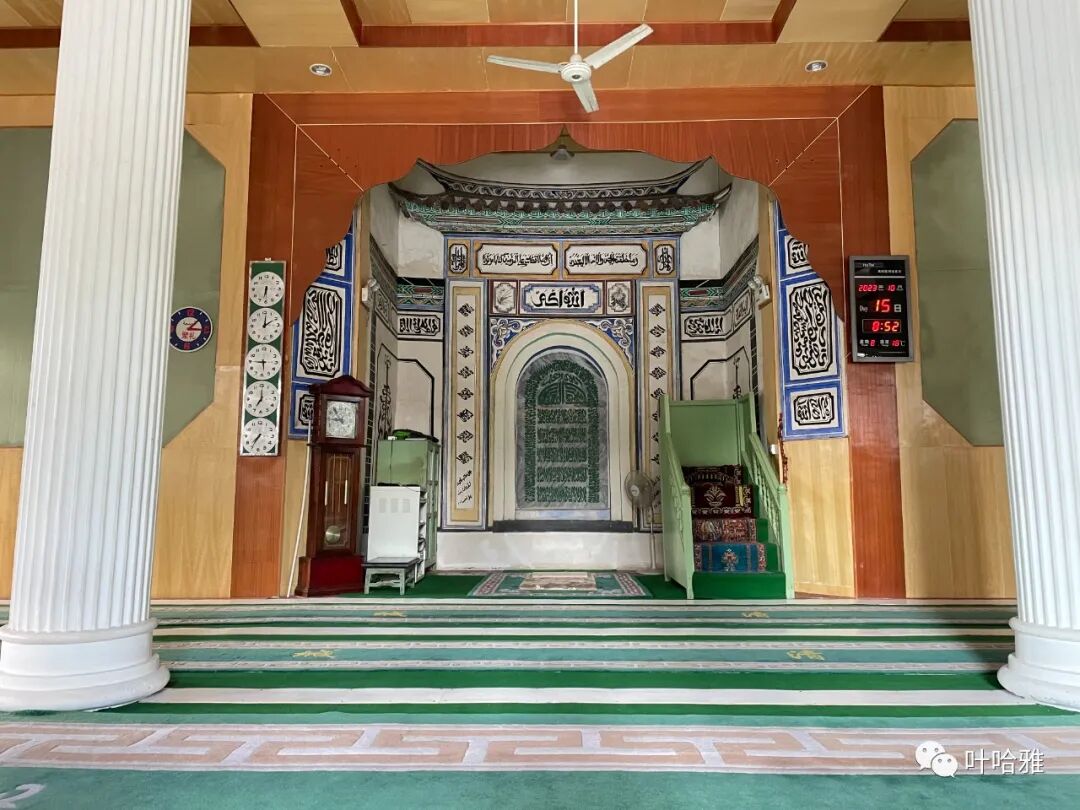
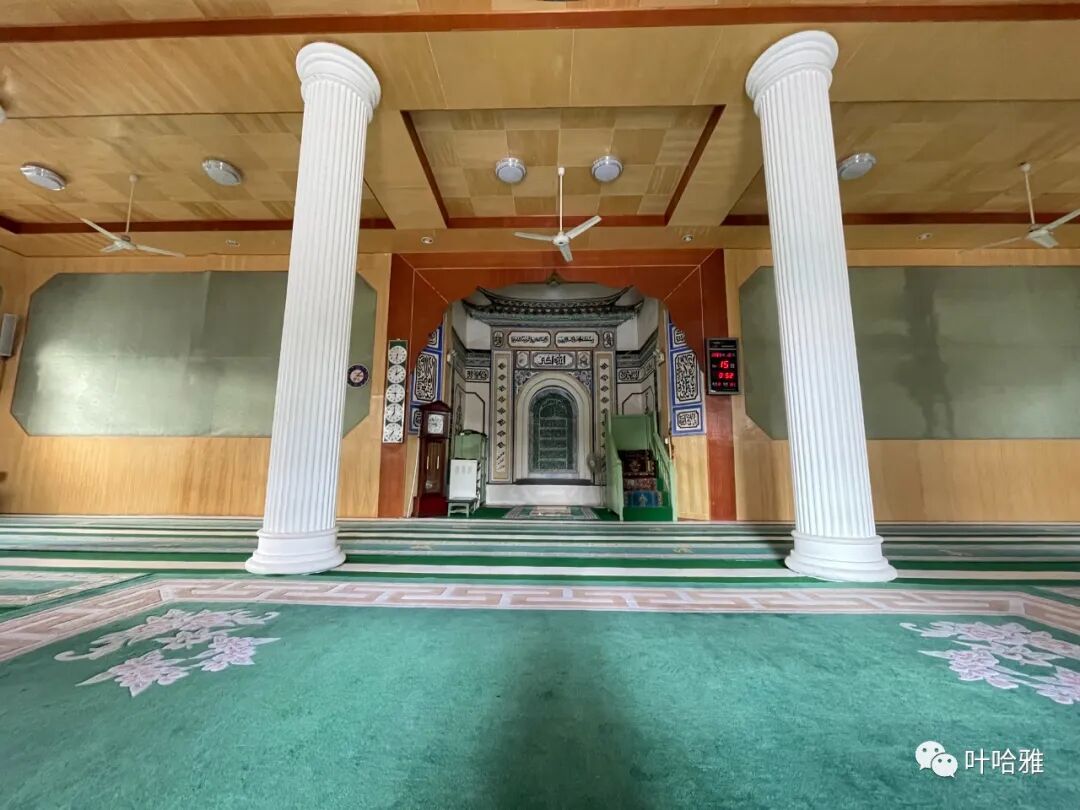
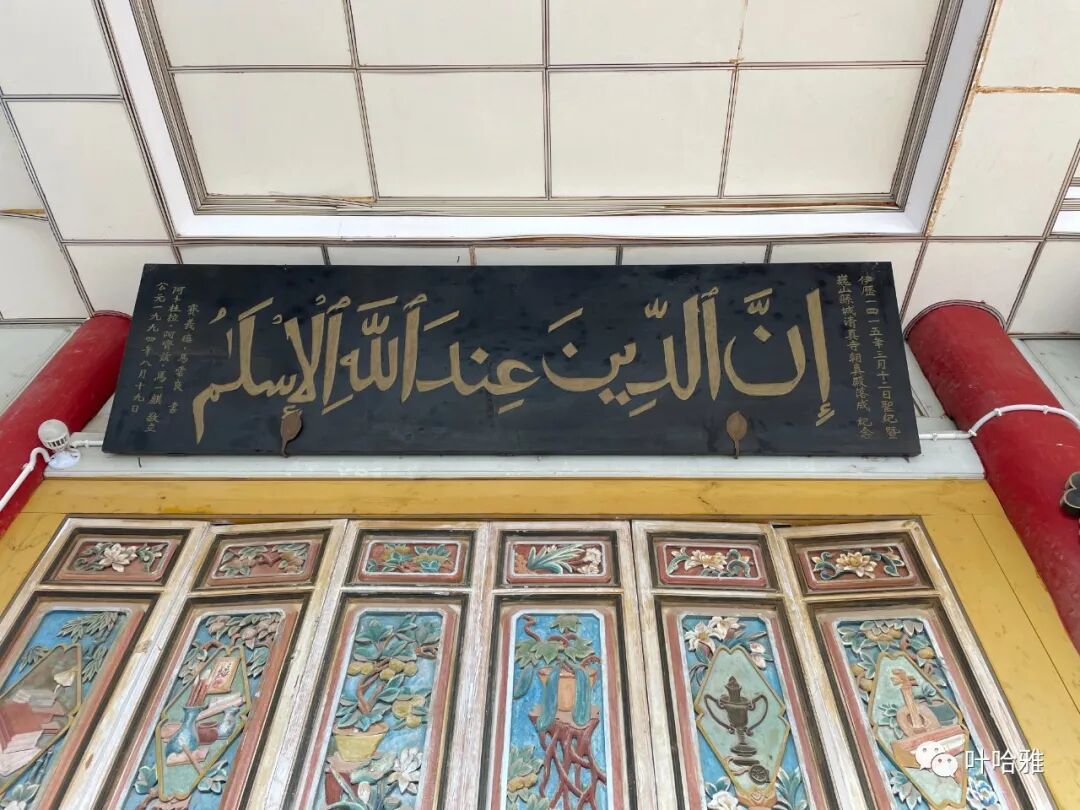
There used to be four mosques in Weishan City. The exact founding date of this remaining one is unknown, but it was rebuilt in 1992.
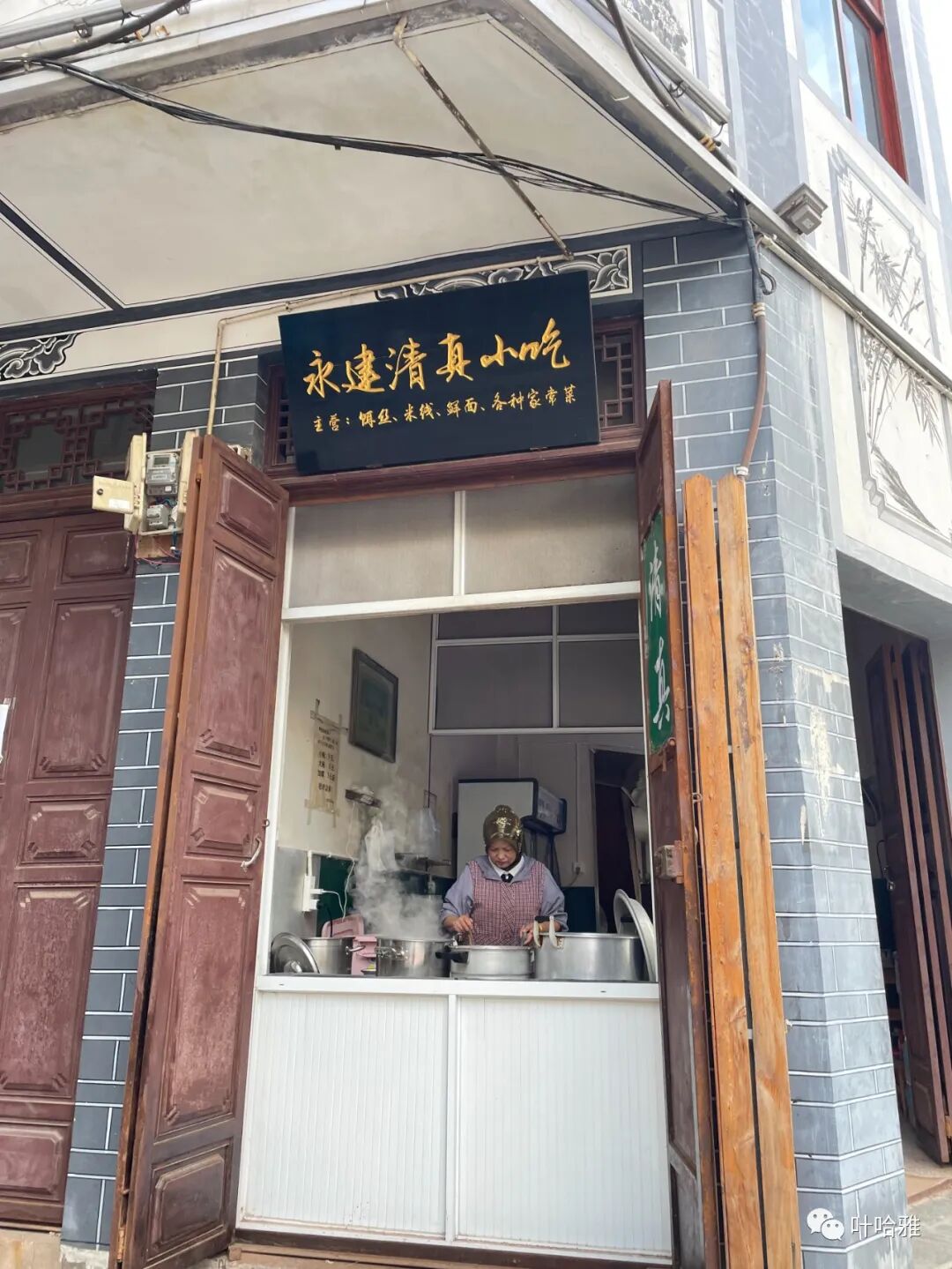
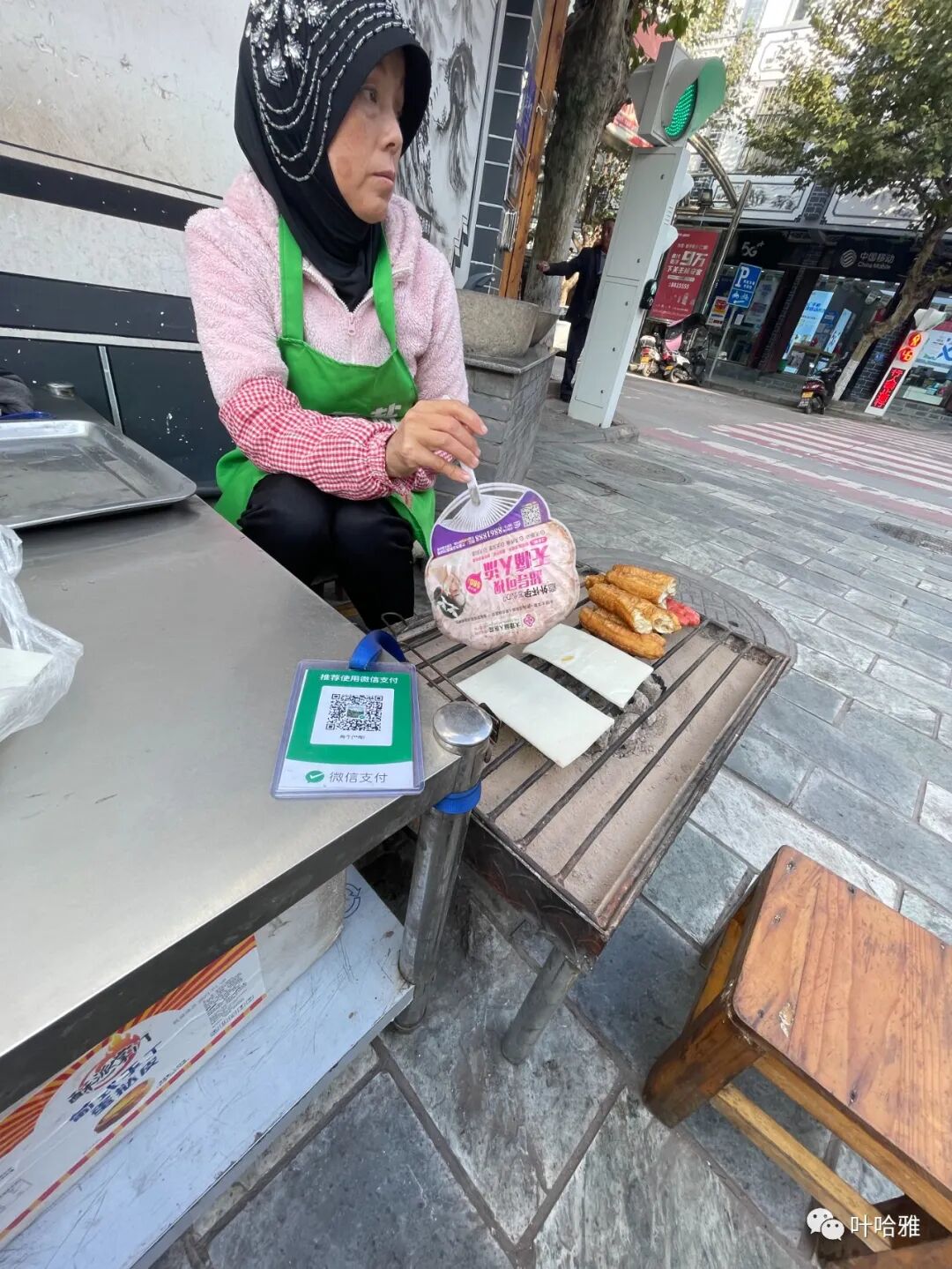
I bought some grilled rice cakes (shao erkua) for breakfast at a snack shop near the mosque entrance.
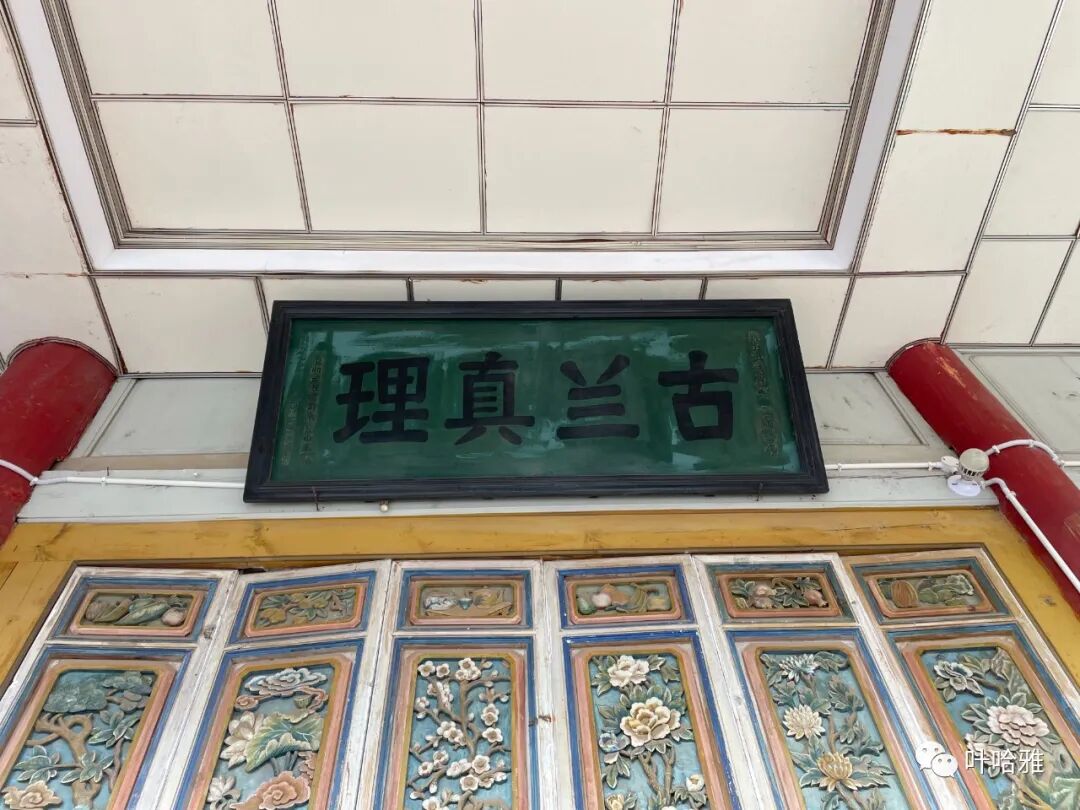
While walking through the ancient city, I noticed that the local Han Chinese homes also use the term "guizhen" (returning to the truth). view all
Summary: This Dali halal food guide continues through Eryuan, Yangbi, and Weishan, covering ancient mosques, Bai and Hui Muslim villages, Dai-style barbecue, copper pot beef, Weishan Ancient City, and Yunnan Muslim food culture.
Dali Halal Food Map is presented here as a firsthand travel account in clear English, beginning with this scene: The Yousuo Street Mosque in Eryuan County finished rebuilding in 2012. This mosque is less than three kilometers from Shipang Village. The account keeps its focus on Dali Mosques, Chinese Muslims, Muslim Travel while preserving the names, places, food, and historical details from the Chinese source.
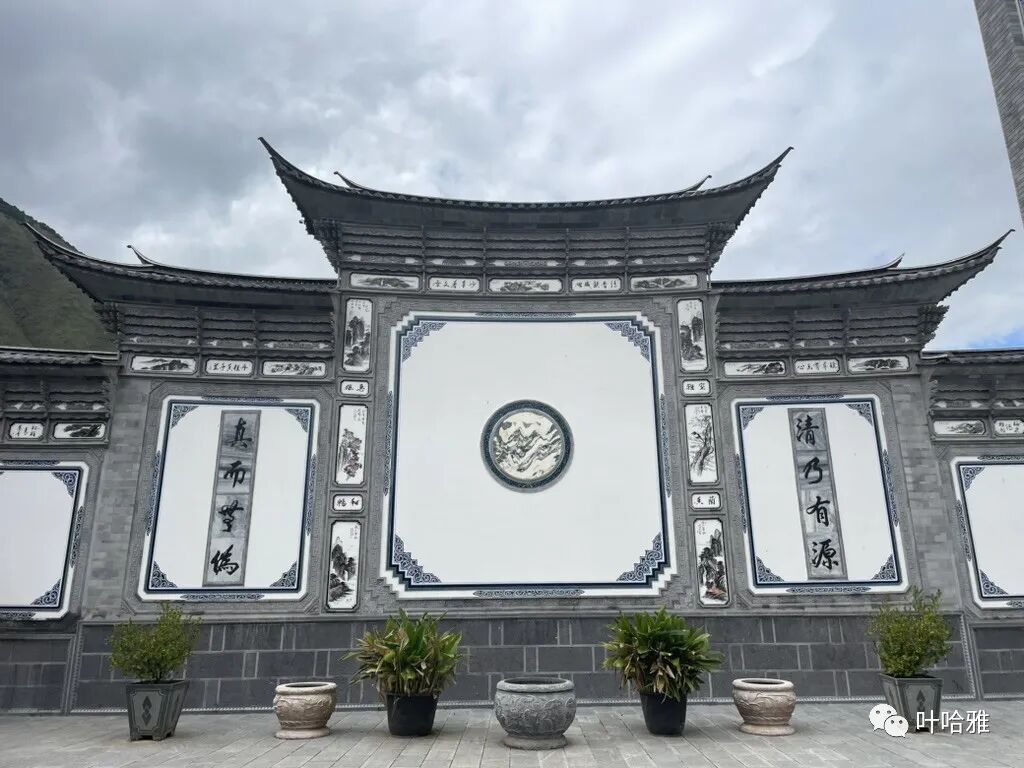
Yousuo Mosque
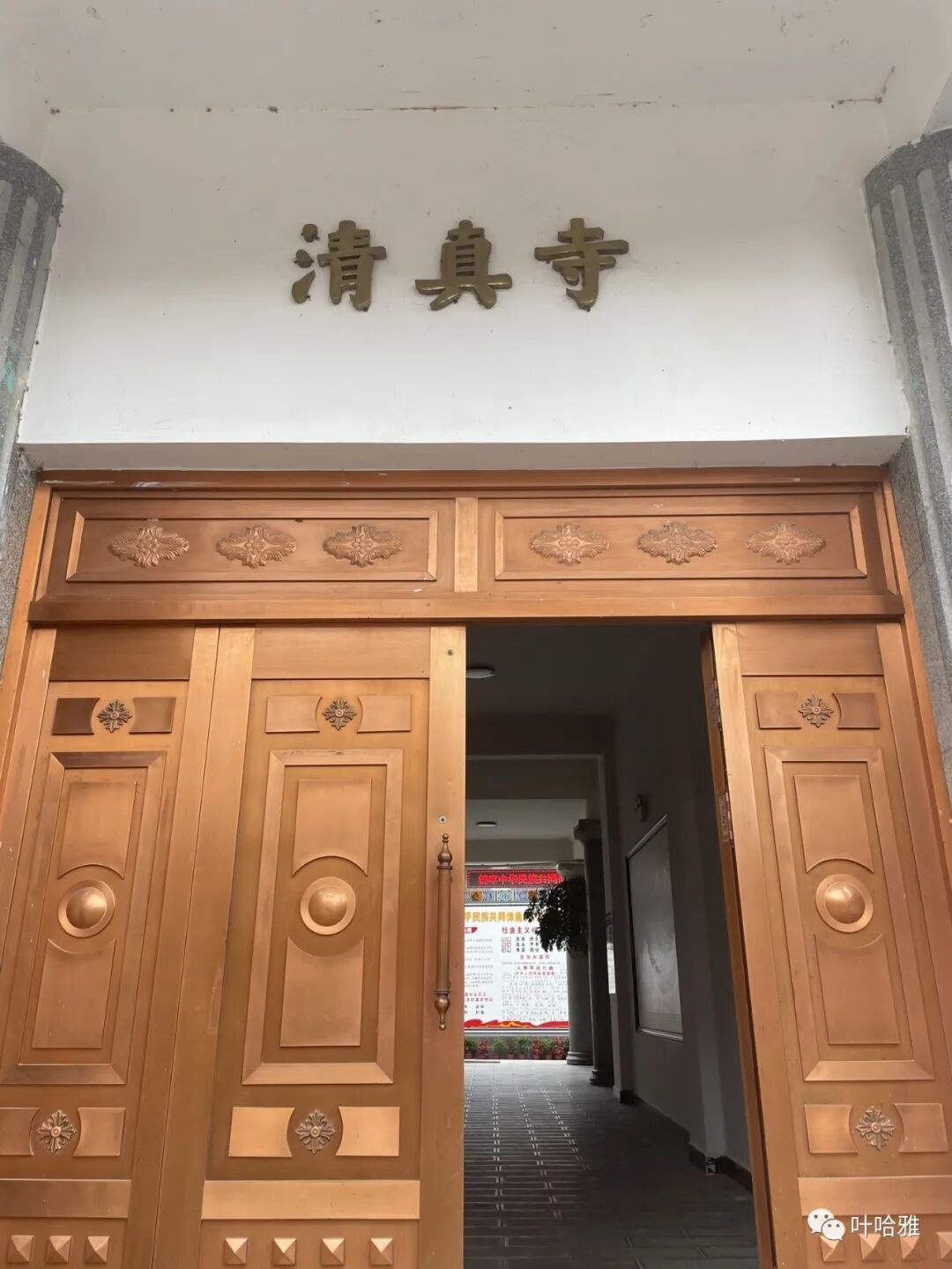
The Yousuo Street Mosque in Eryuan County finished rebuilding in 2012. This mosque is less than three kilometers from Shipang Village.
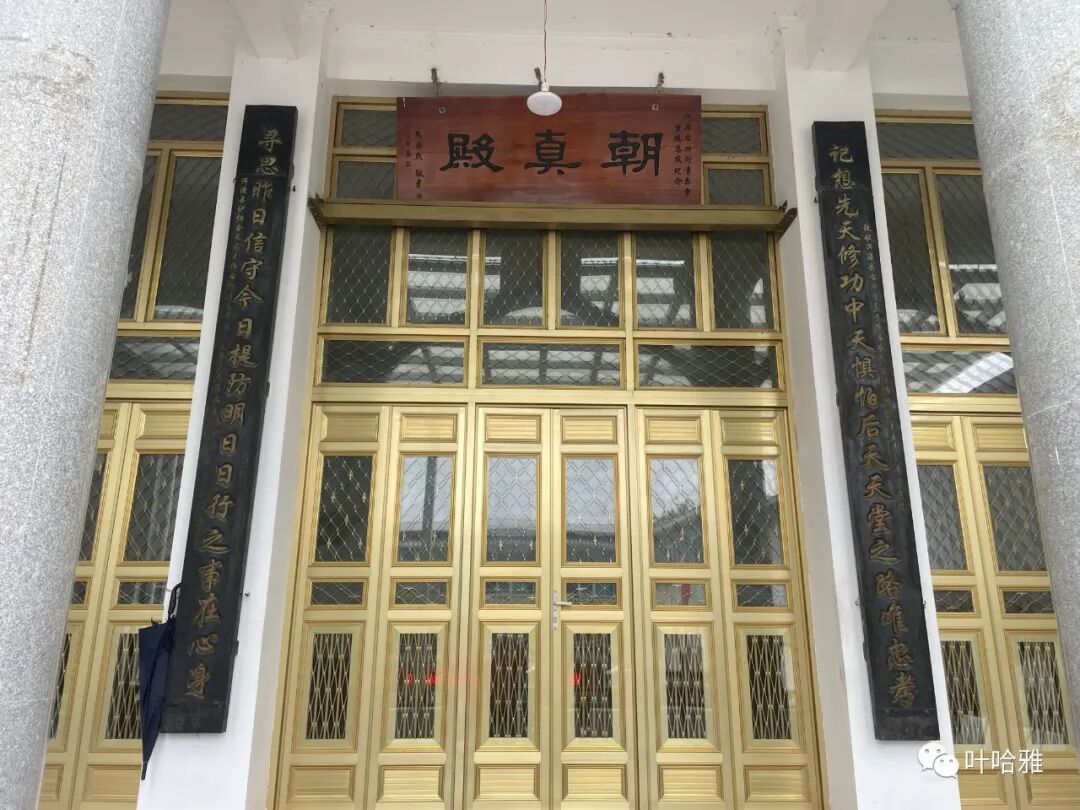
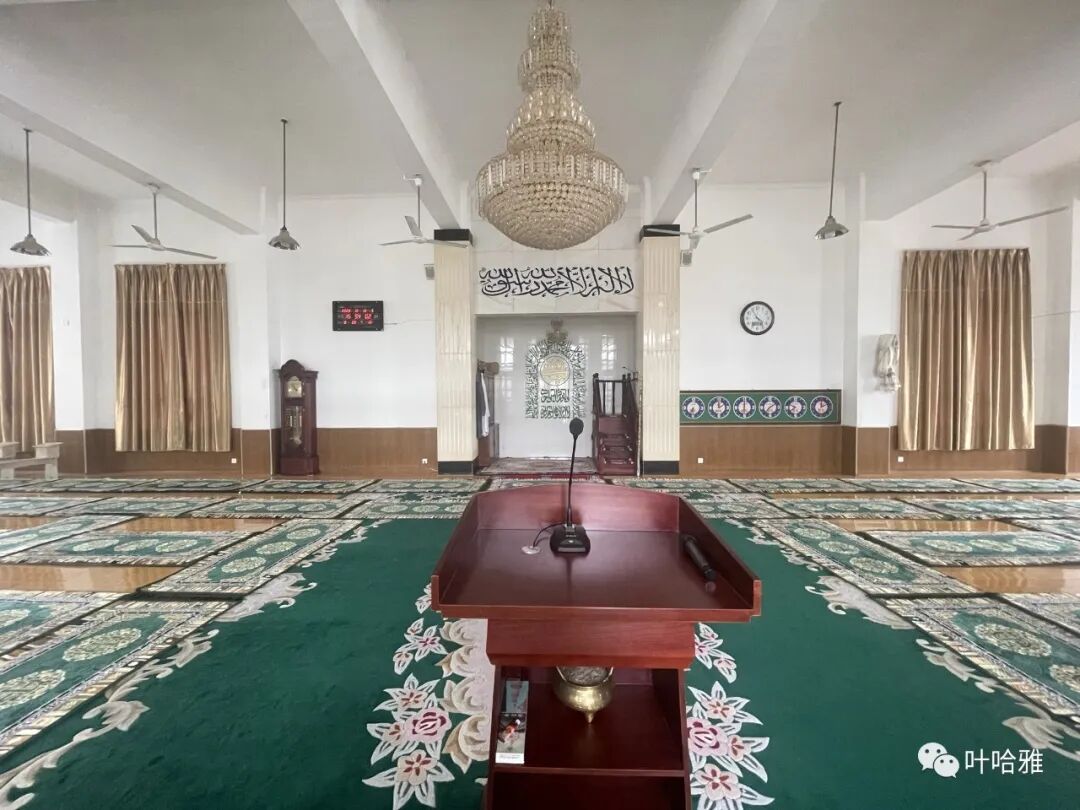
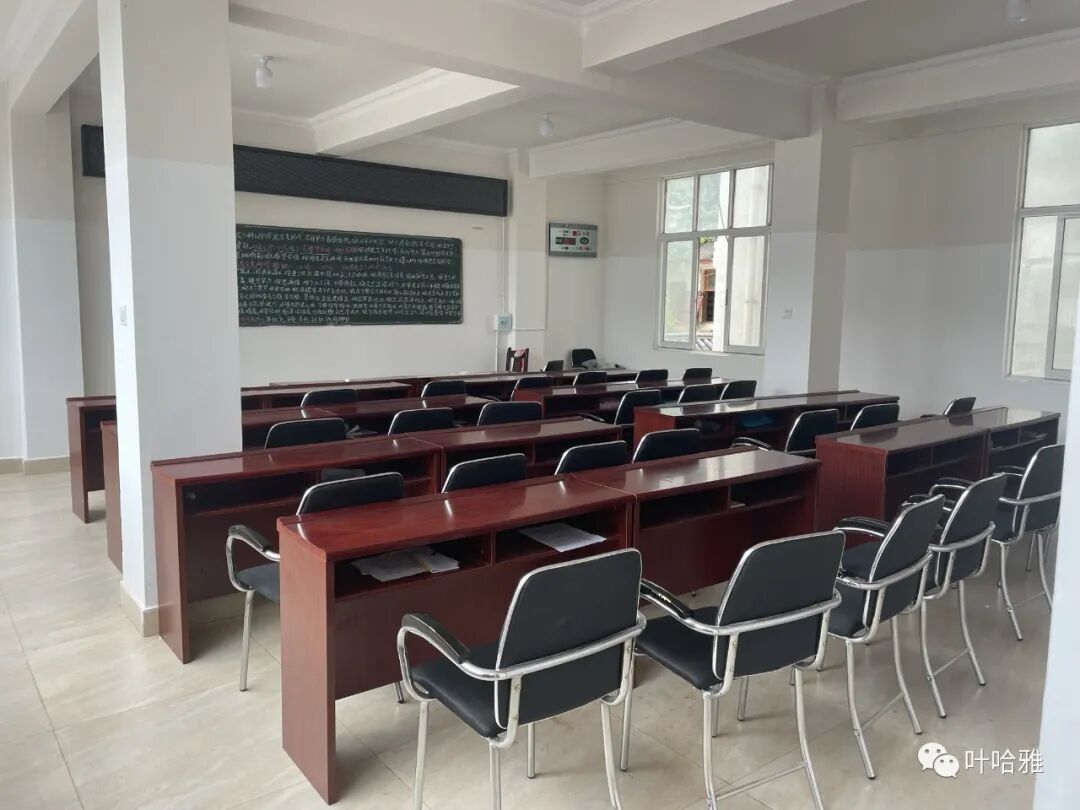
Jiming Village Mosque
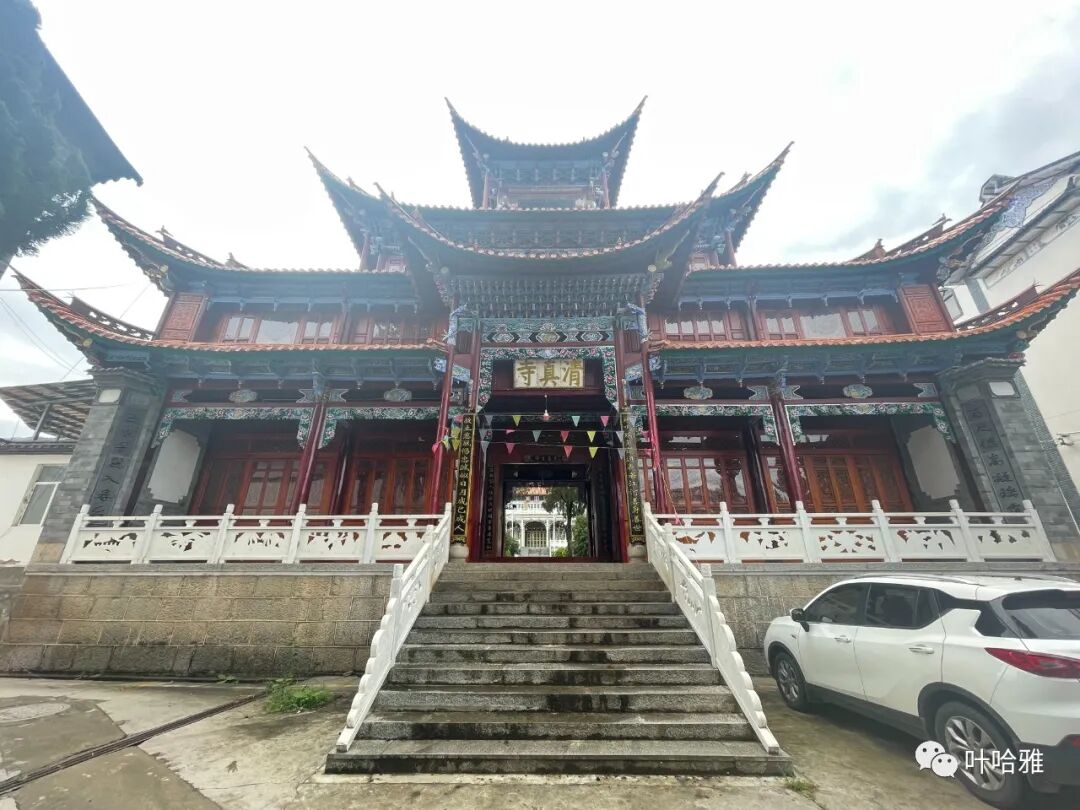
Jiming Village is also a village of Bai and Hui Muslims. The mosque was first built in 1894, and the new mosque was just completed in 2023.
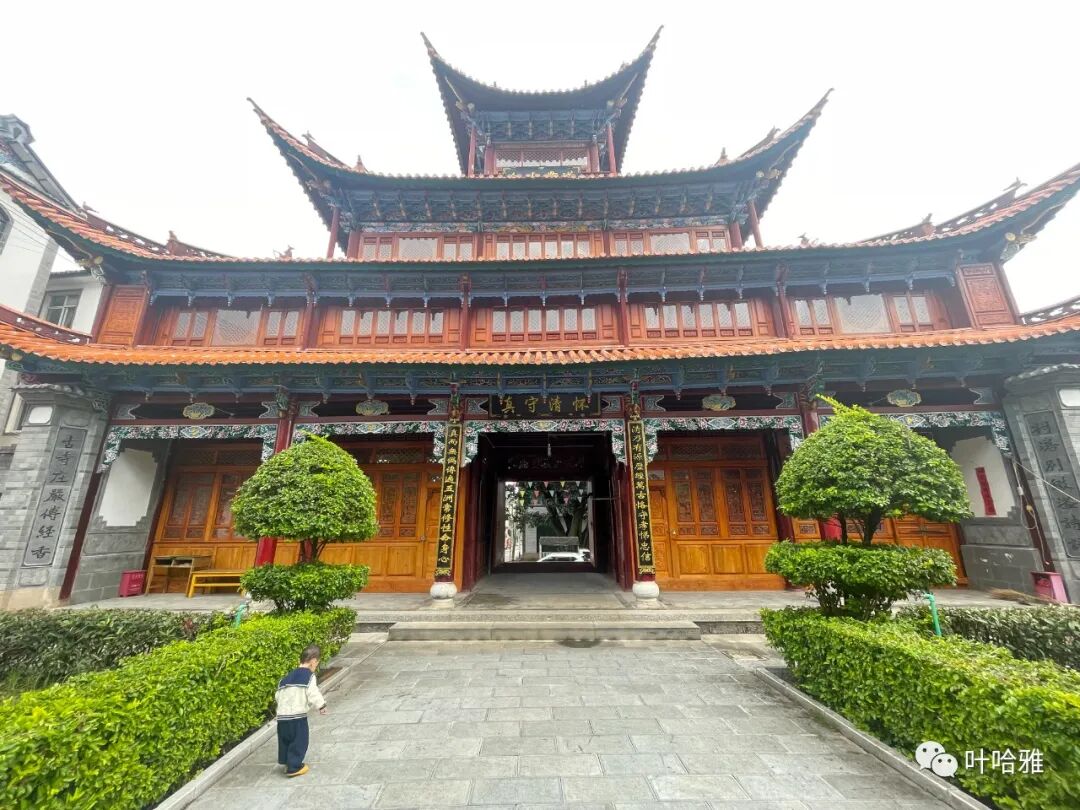
Jiming Mosque is bigger and more beautiful than Shipang Mosque.
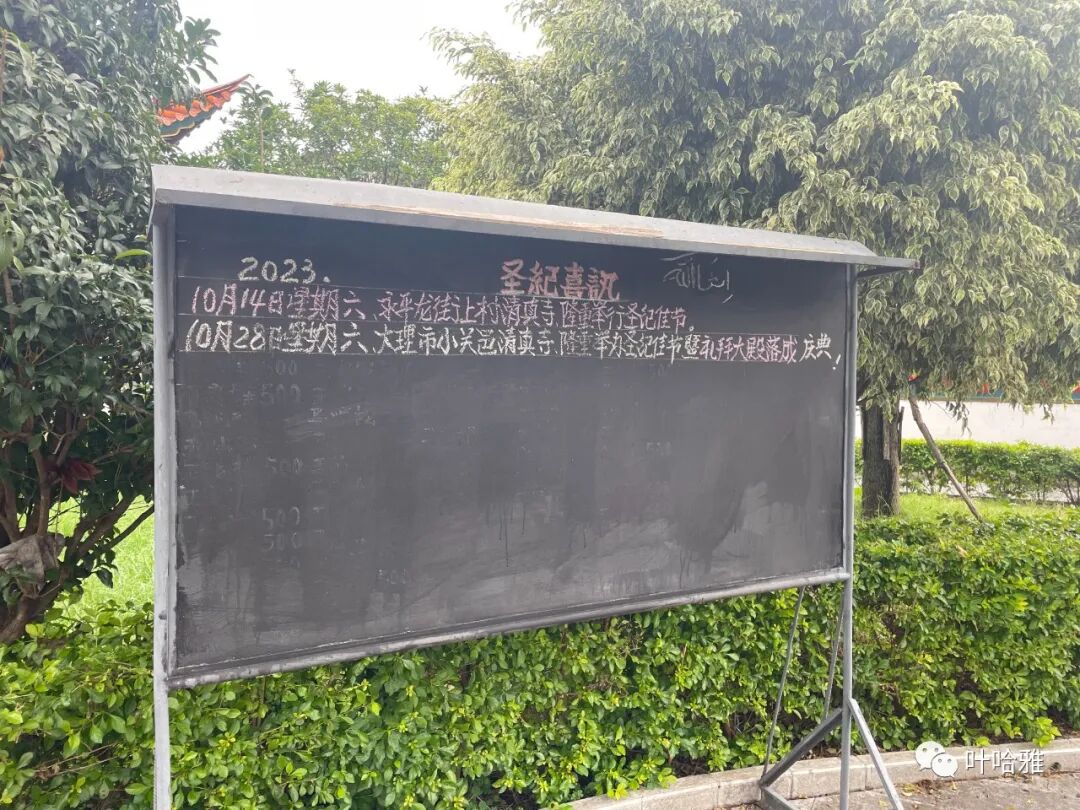
Xiajie Ancient Mosque in Yangbi
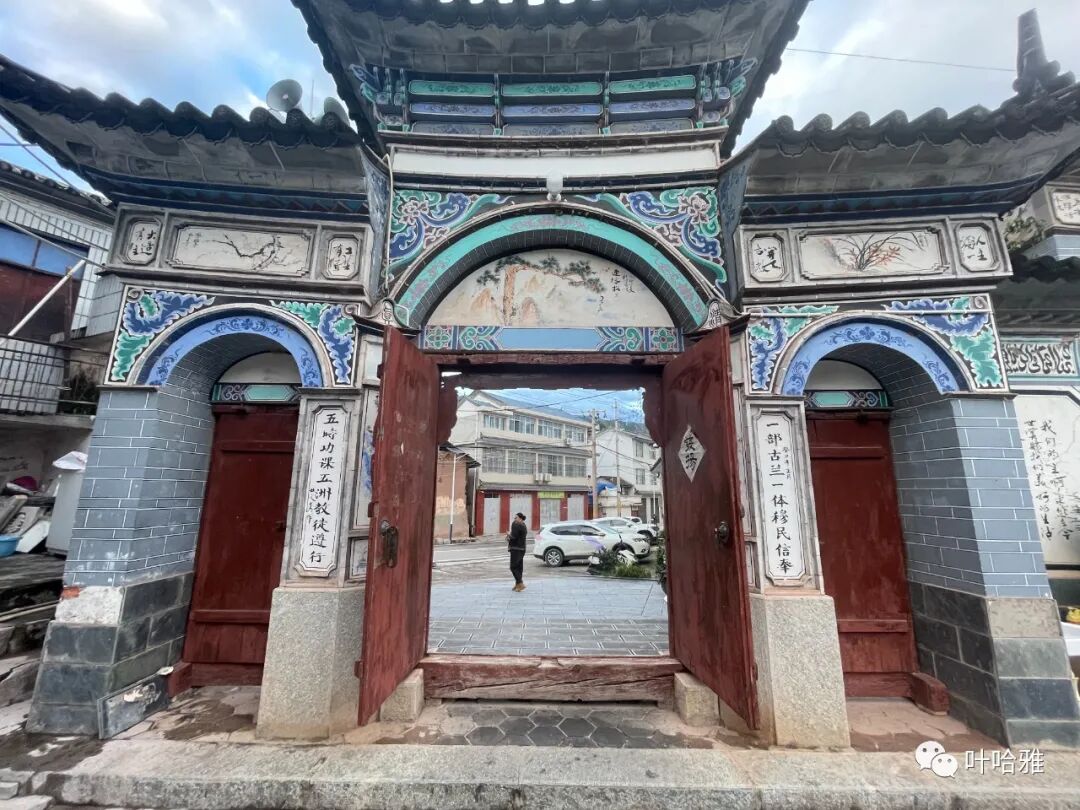
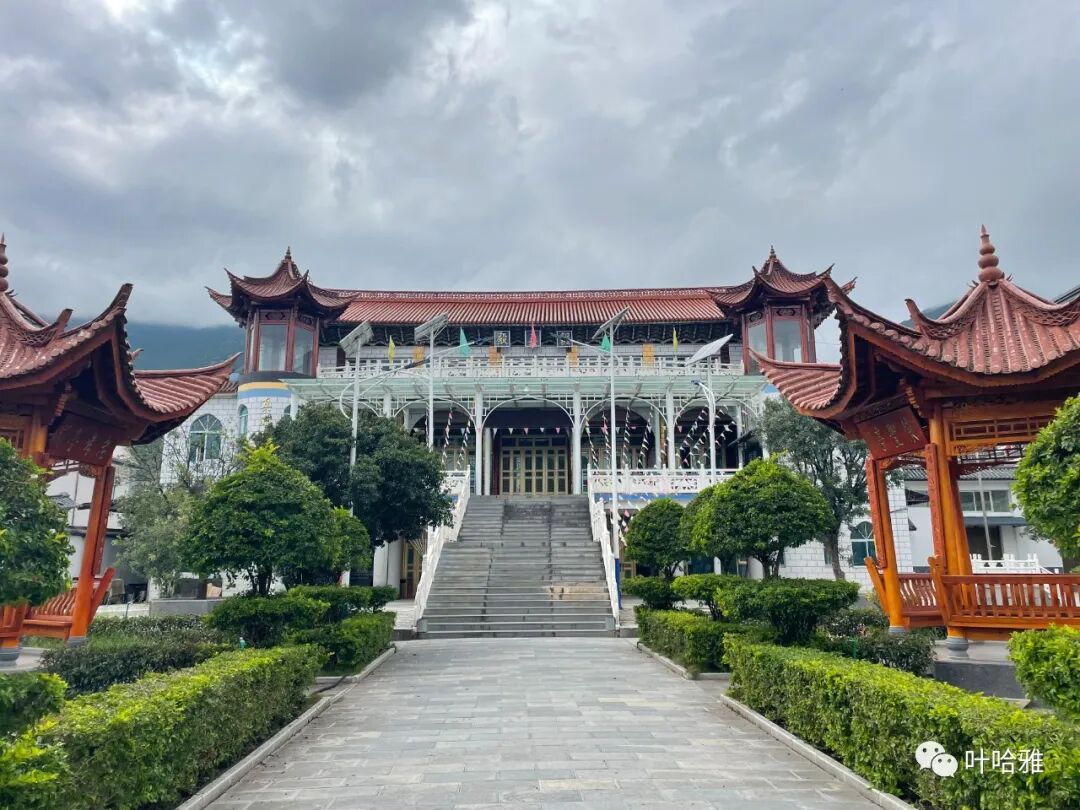
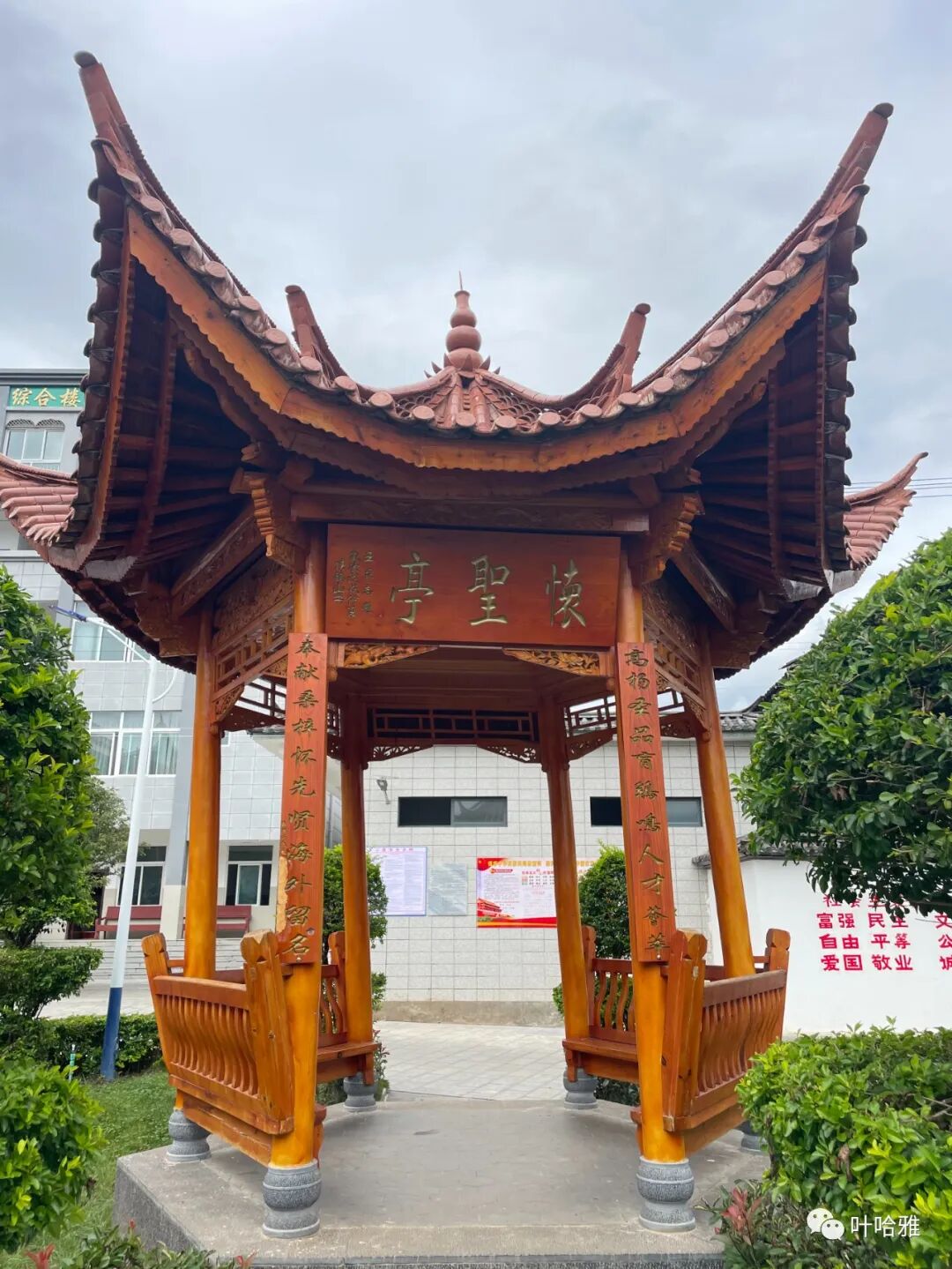
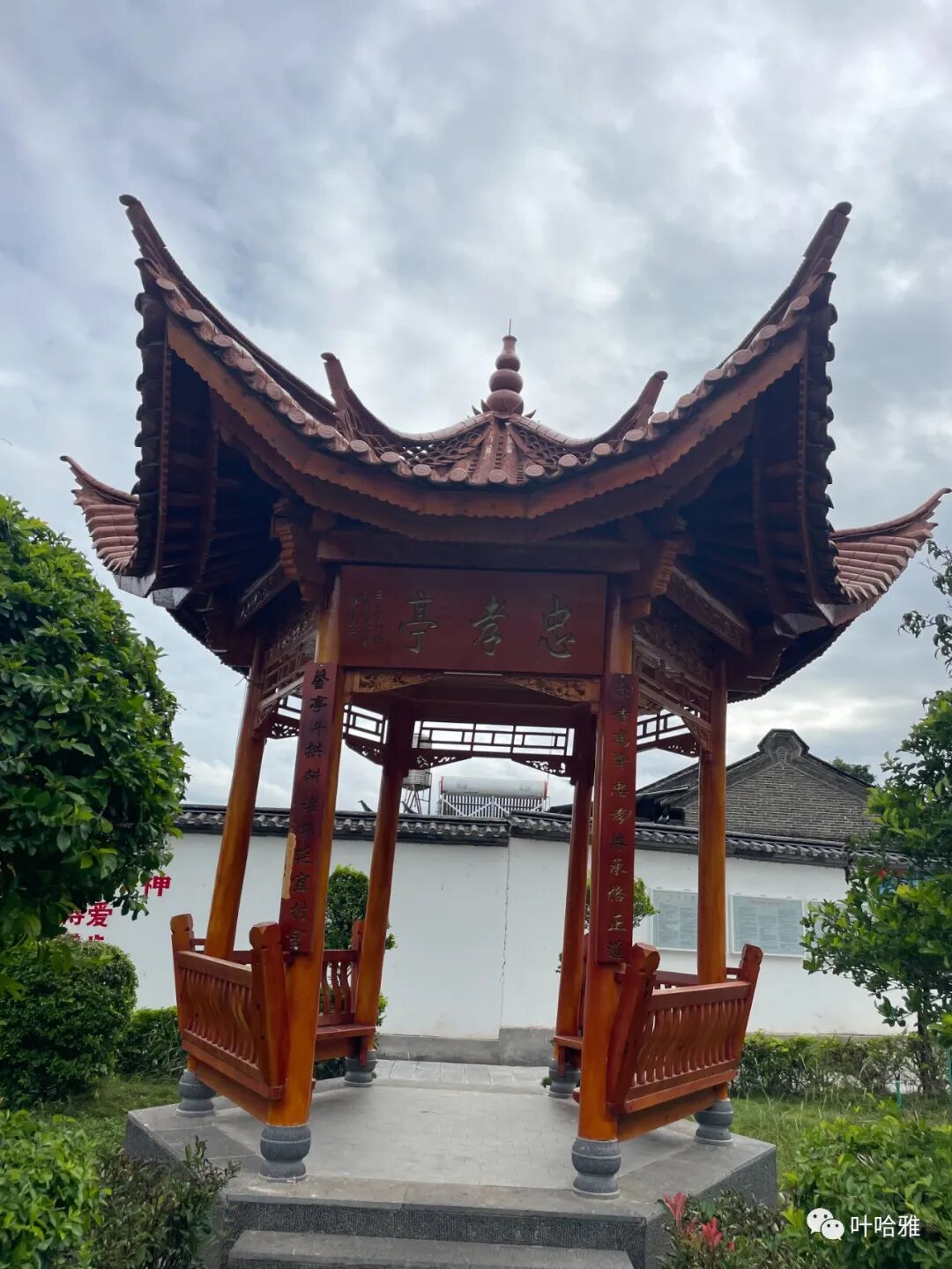
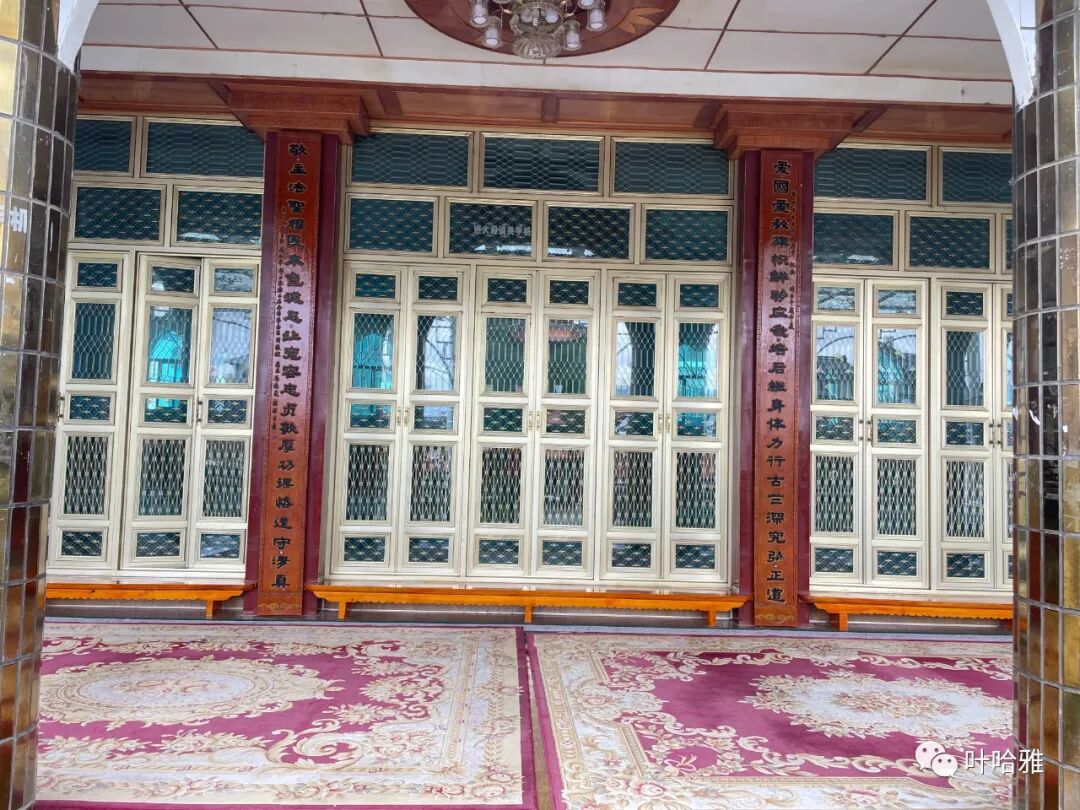
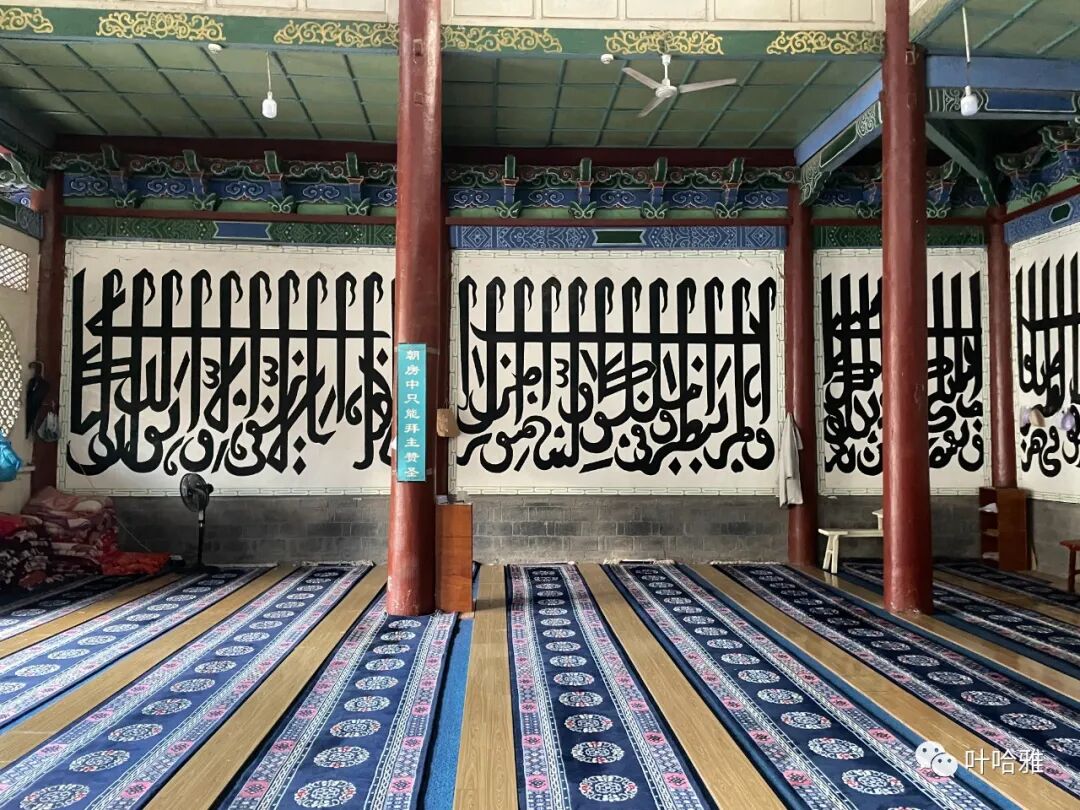
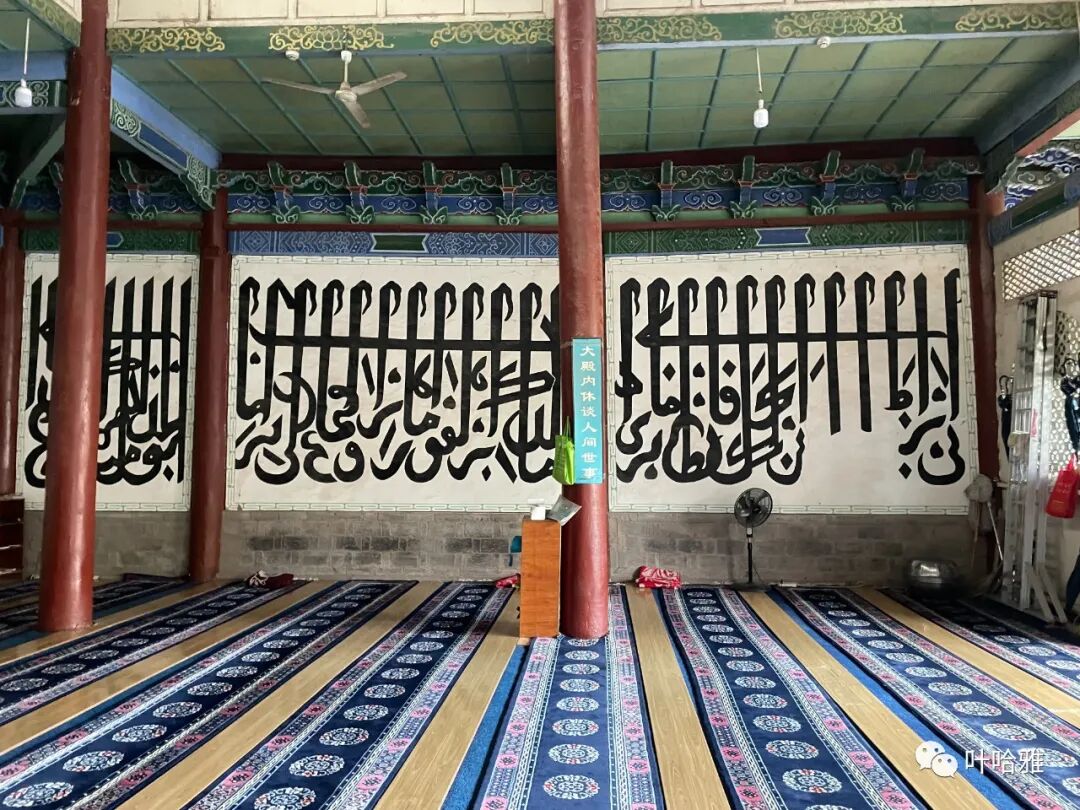
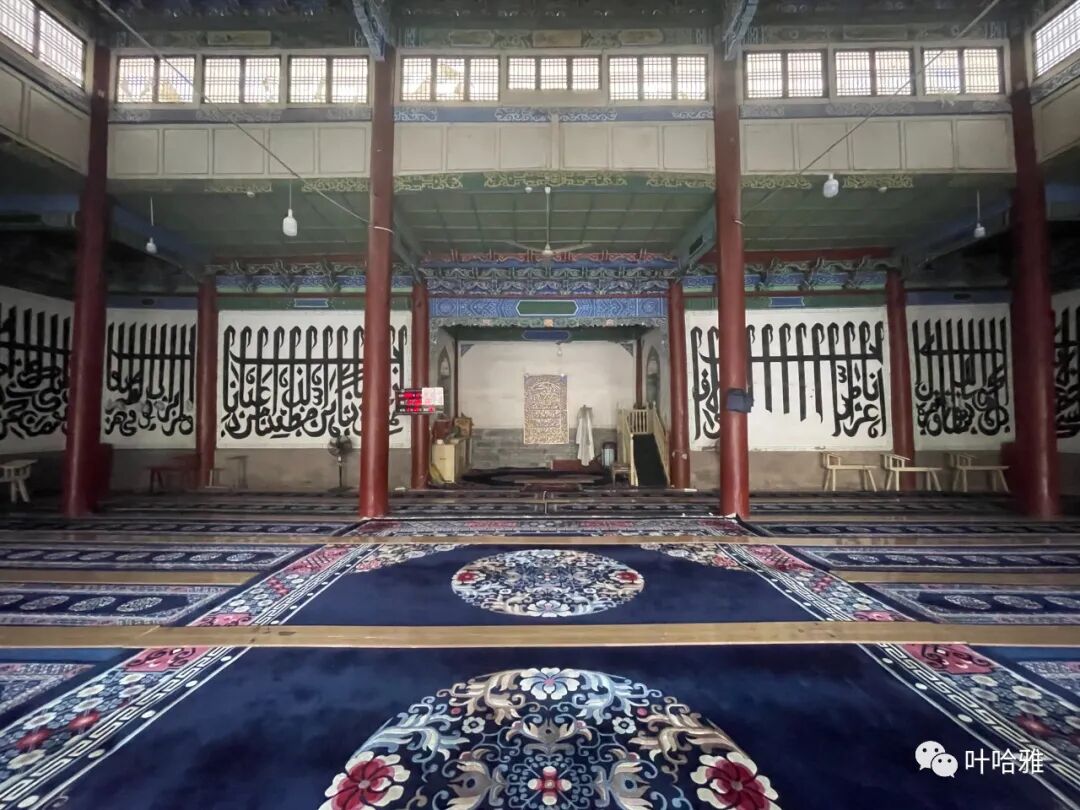
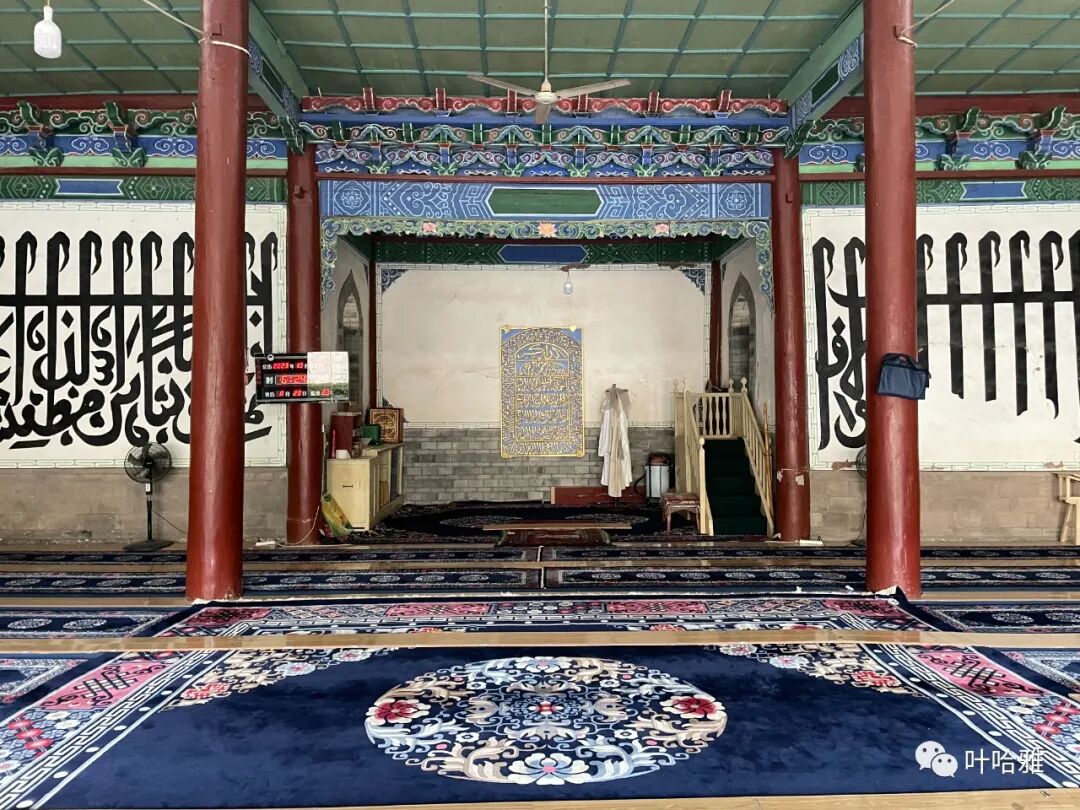
Xiajie Mosque was built during the Hongwu period of the Ming Dynasty. There are now three mosques in Yangbi County. This mosque was once turned into a Confucian mosque, a factory, and a school. It was not returned to its function as a mosque until 1994. Its architectural style has Bai ethnic features, and it is now a cultural relic protection unit of Dali Prefecture.
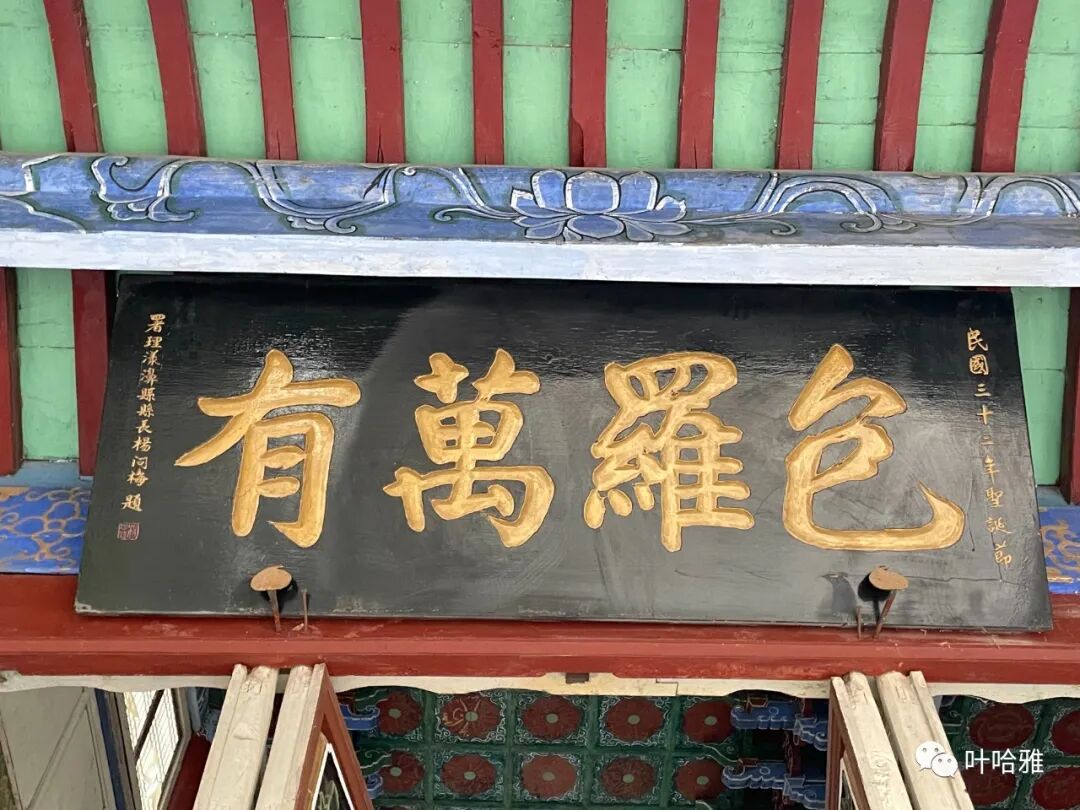
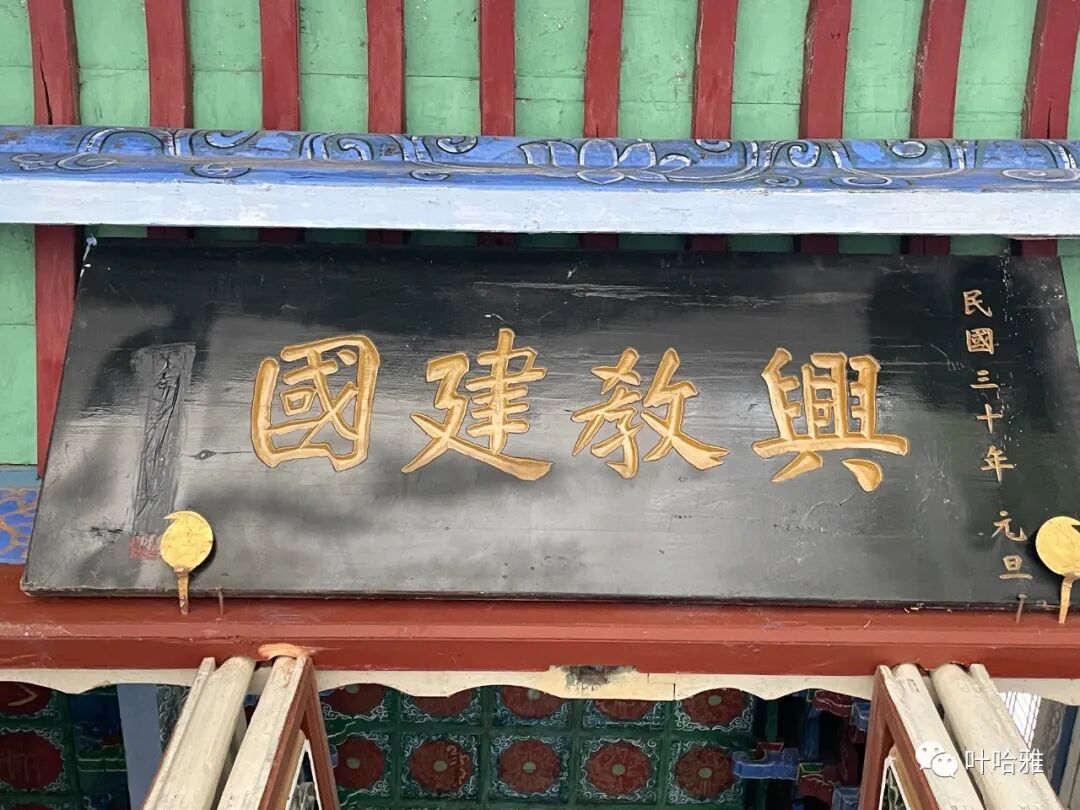
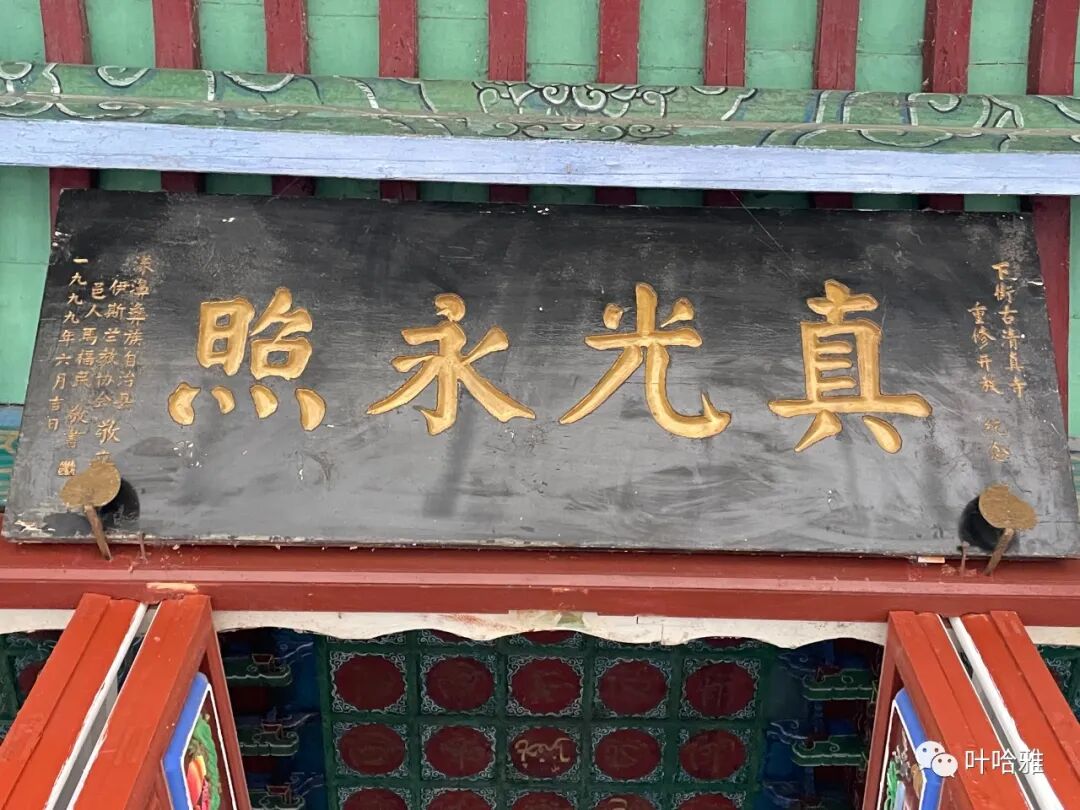
The calligraphy for 'Promoting Religion and Building the Nation' was written by Bai Chongxi. Of course, it was not originally written for this mosque, and his name has now been erased.
Xiajie Hui Muslim Restaurant and Dai-style Barbecue
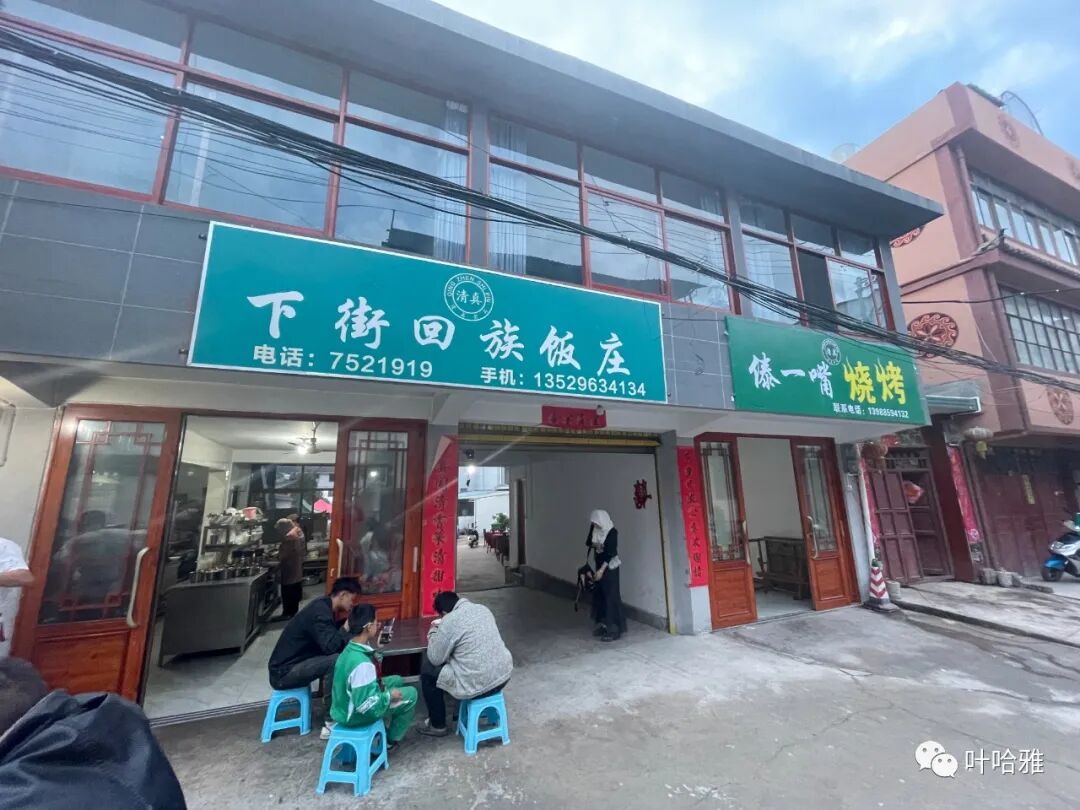
A halal restaurant next to Xiajie Mosque that serves local stir-fried dishes.
You pick the Dai-style barbecue yourself and pay after eating. The skewers are quite large.
I tried oil-splashed beef skin (youqiang niupi) for the first time. It tasted strange and was a bit spicy. I think fried beef skin is easier to enjoy.
I ordered the Dai-style pounded fish (chong yu). I expected a whole fish, but this is what arrived. It was very spicy, and you eat it wrapped in lettuce leaves.
Dai-style barbecue tastes pretty good. It is no wonder it is so popular in Yunnan.
There are no large halal restaurants in Yangbi County, just small snack shops. This seems to be the only place that serves stir-fried dishes.
Xiaoweigeng Mosque in Weishan County.
Xiaoweigeng Mosque was first built between the end of the Yuan Dynasty and the beginning of the Ming Dynasty. It is the first mosque you pass on the way from Dali to Weishan. Mosques in Weishan are clustered together; except for the one in the Weishan Ancient City, the others are all less than three kilometers apart.
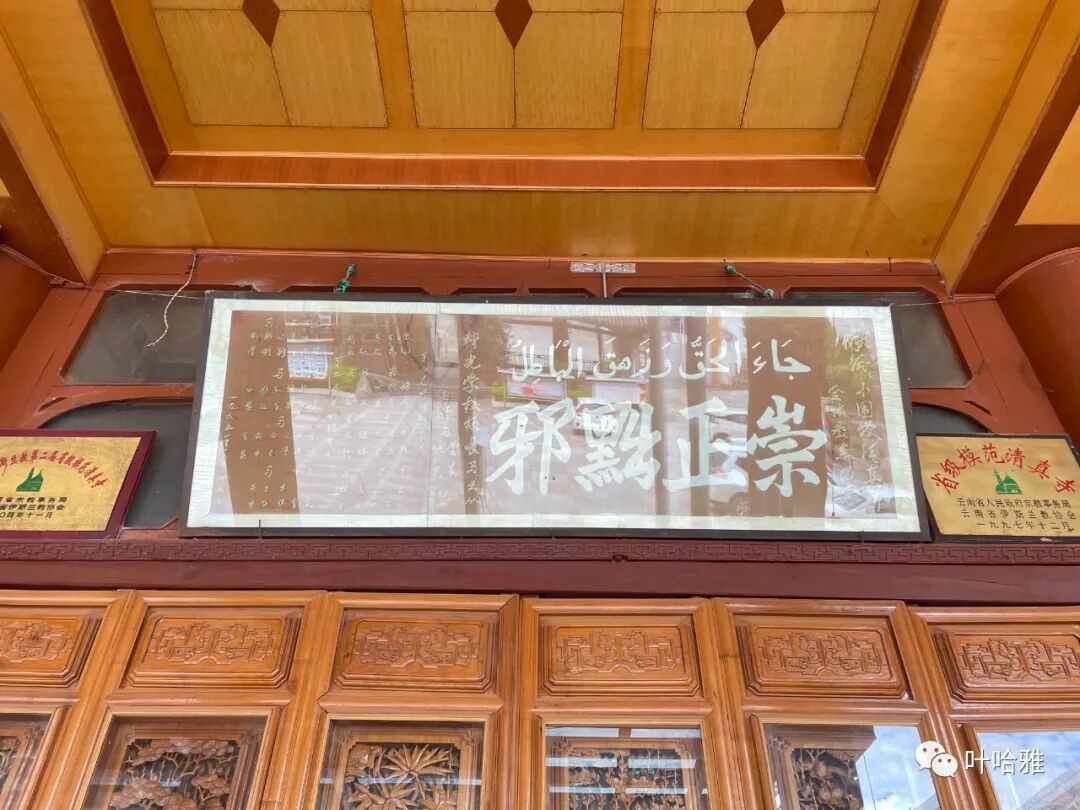
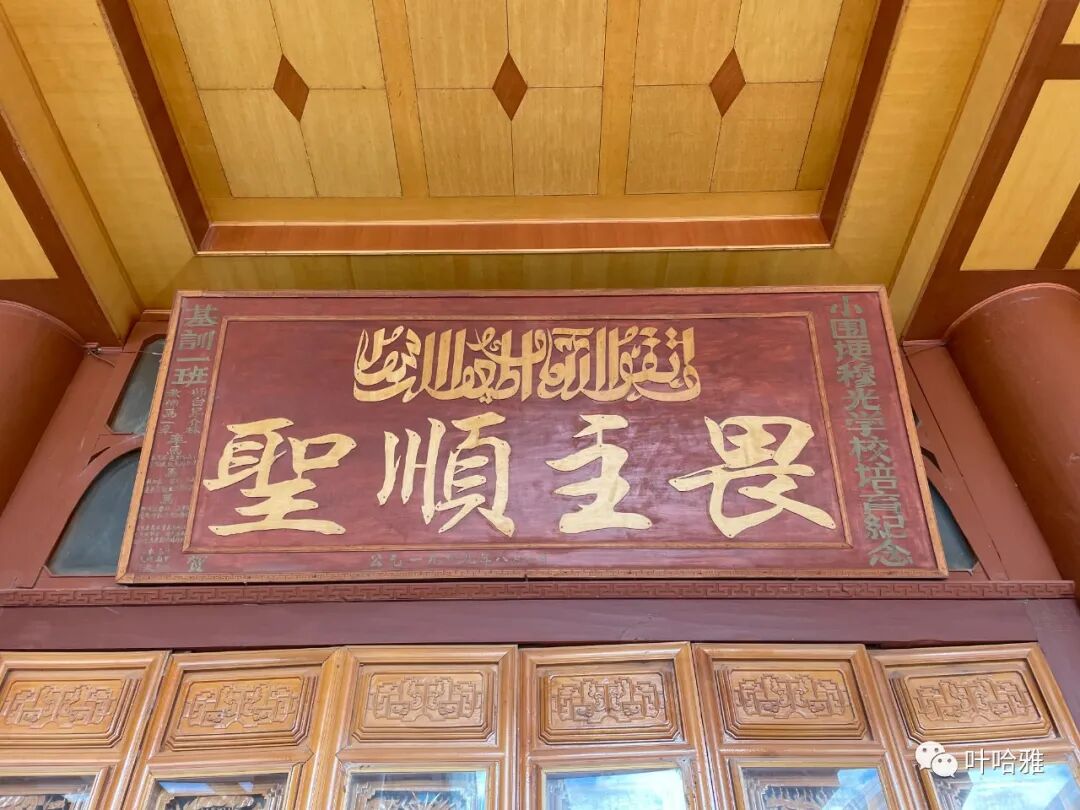
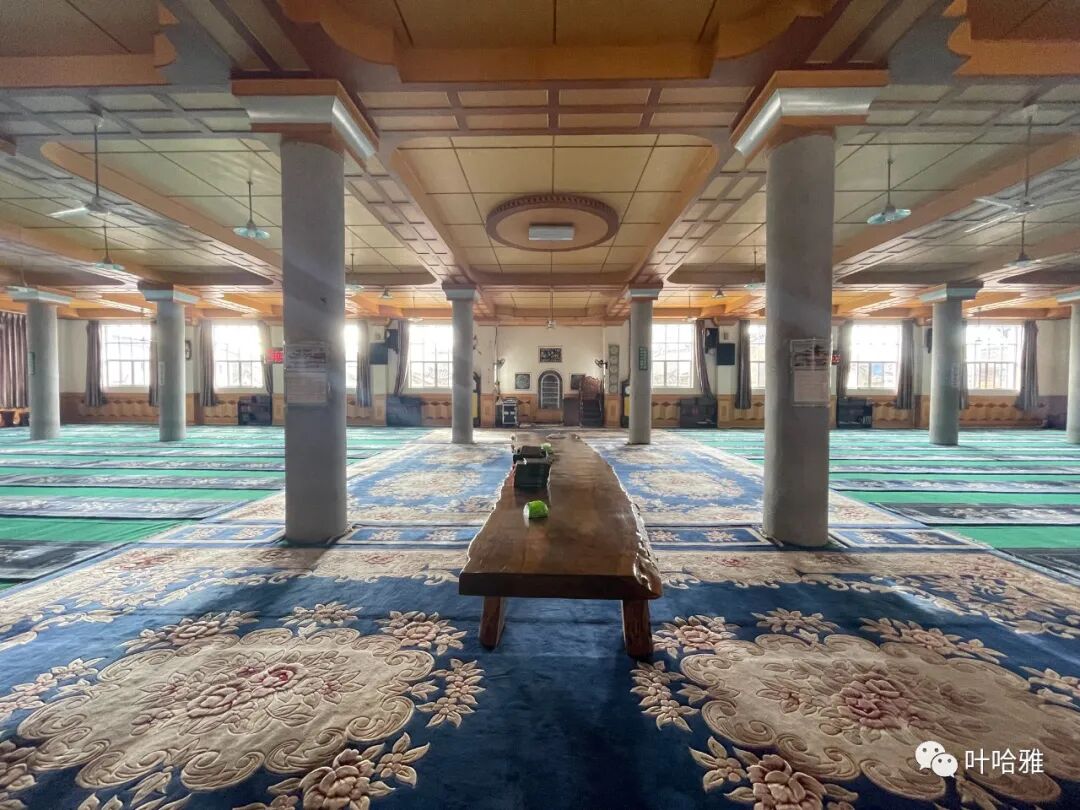
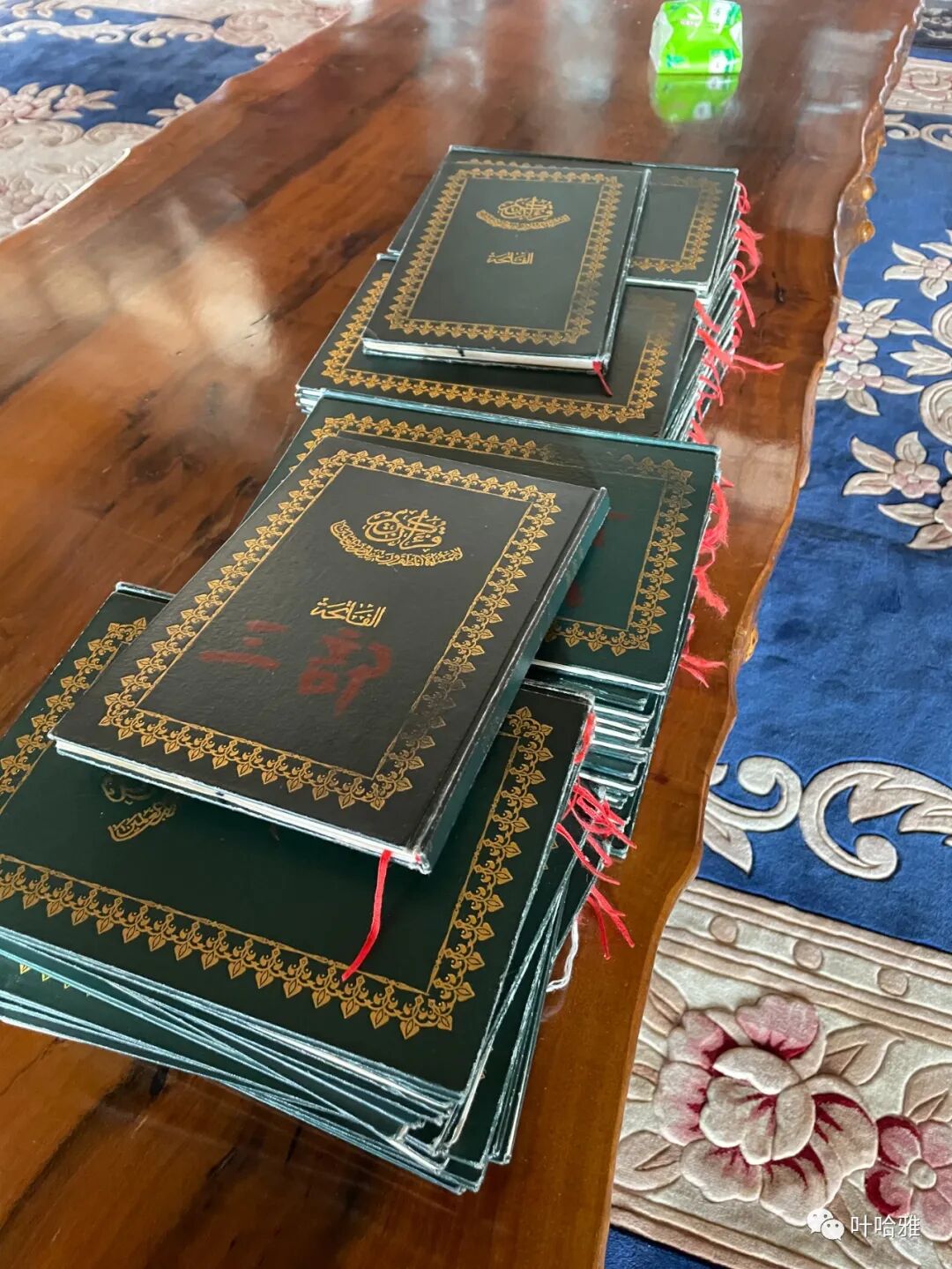
Huihuideng Mosque.
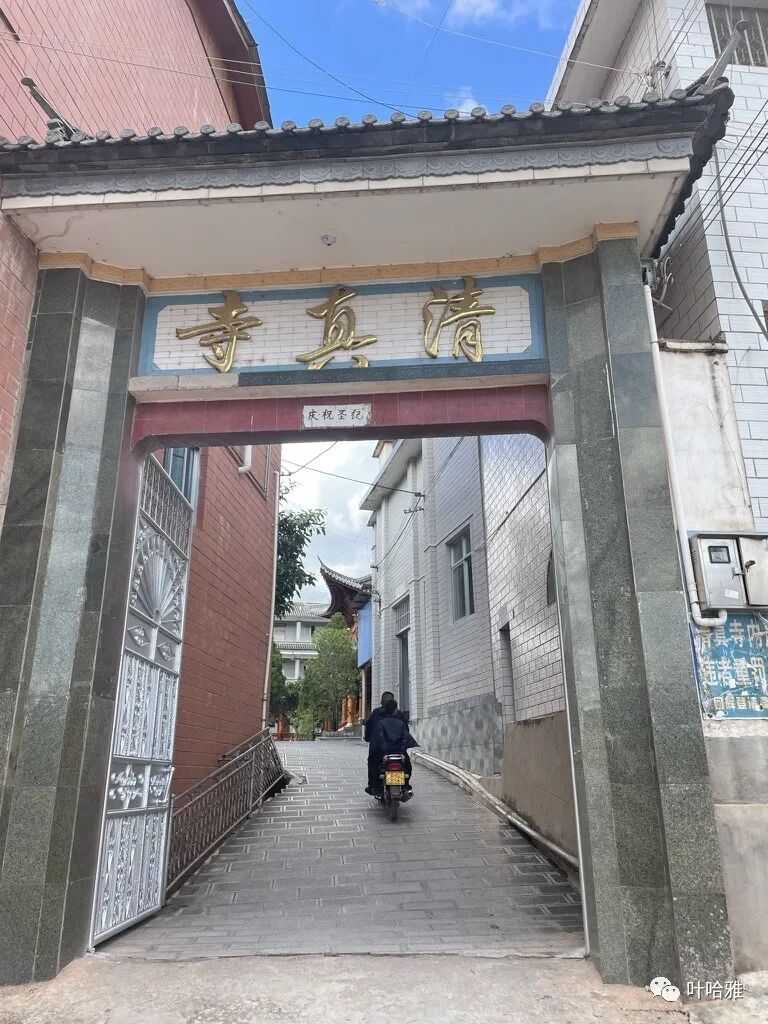
During the Yuan Dynasty, Huihuideng Mosque was called Huihuidun. It was first built in the third year of the reign of Mongke Khan (1253). It is also called Huihui Mosque, sharing the same name as the Huihui Mosque in Sanya.
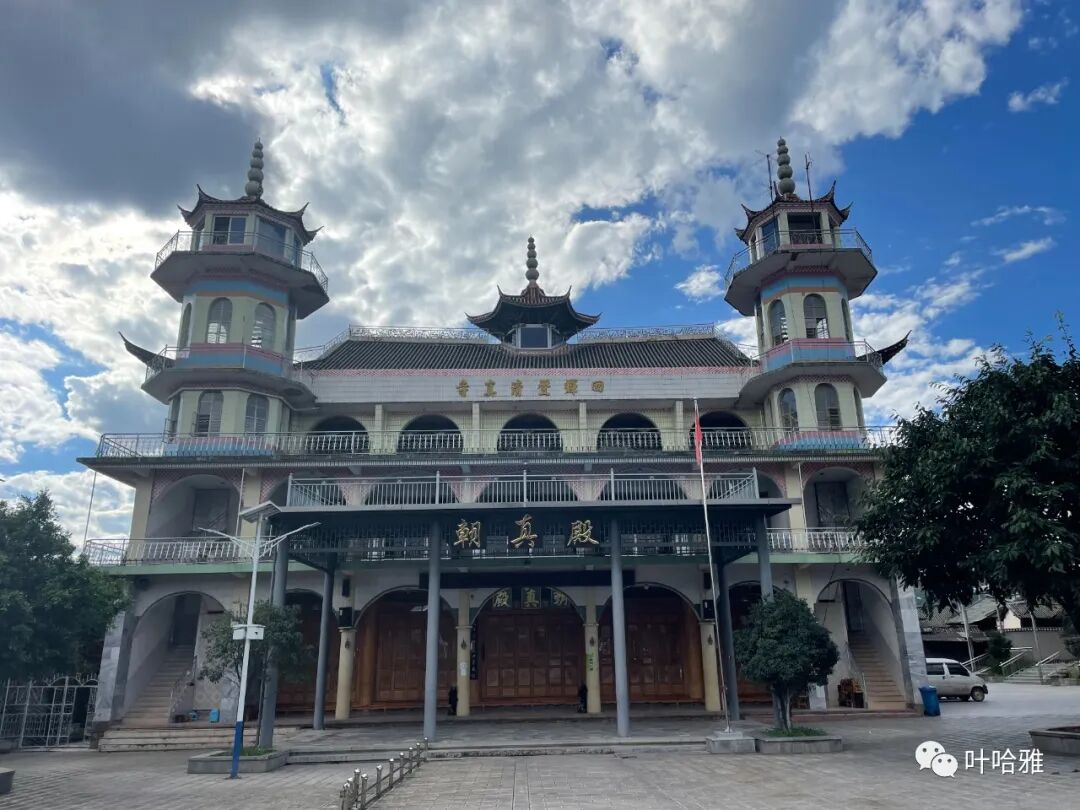
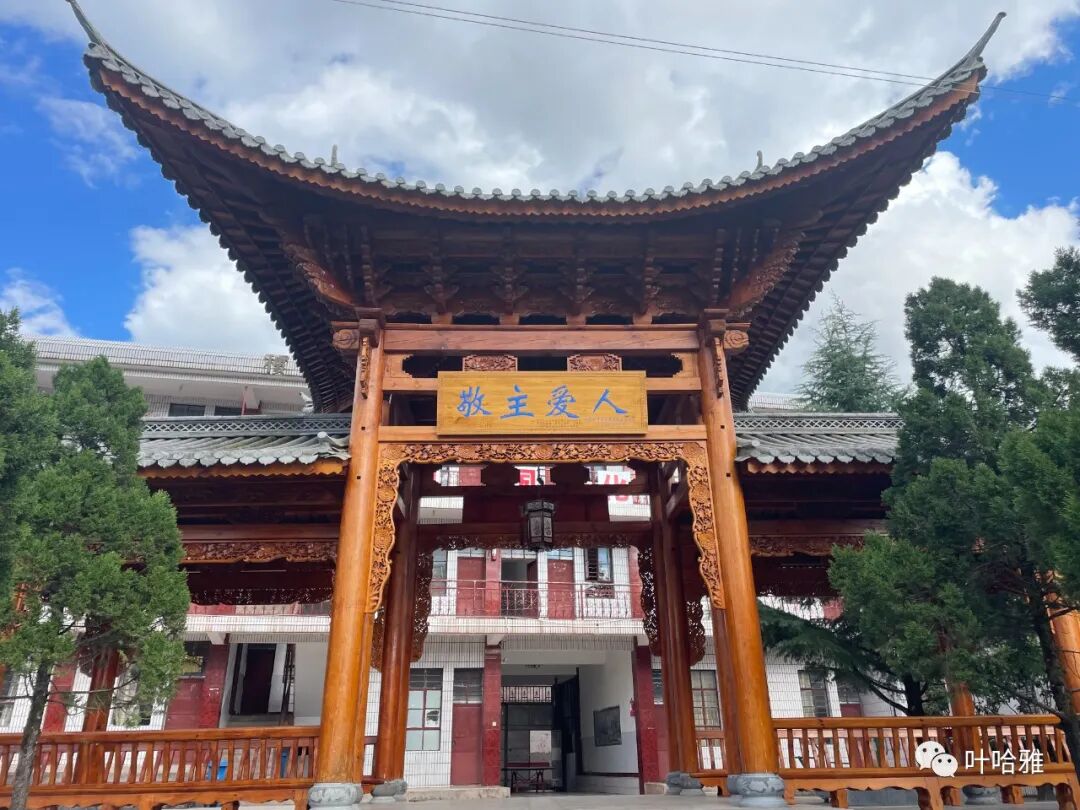
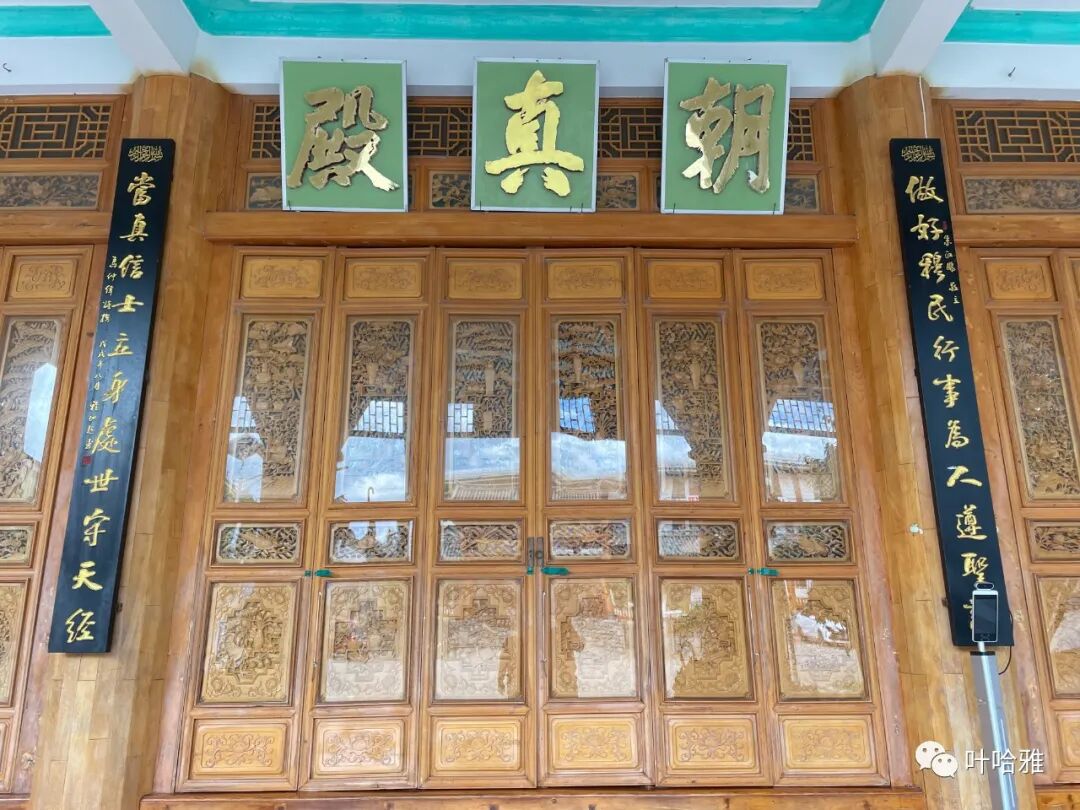
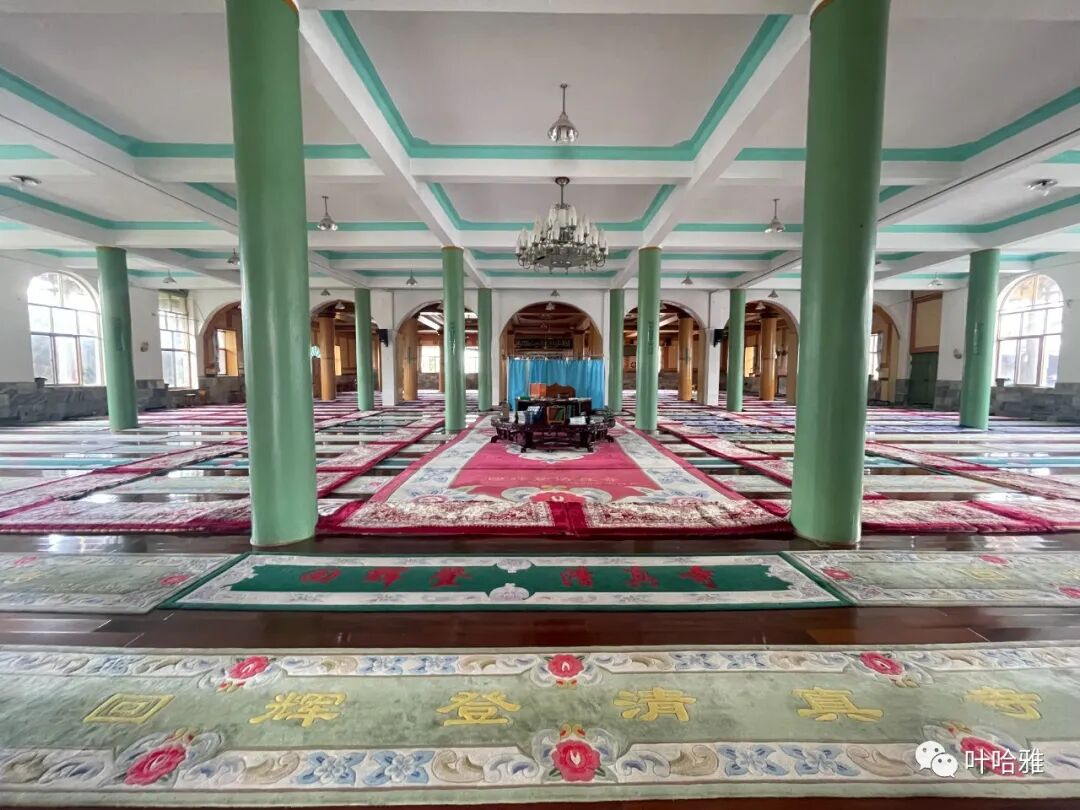
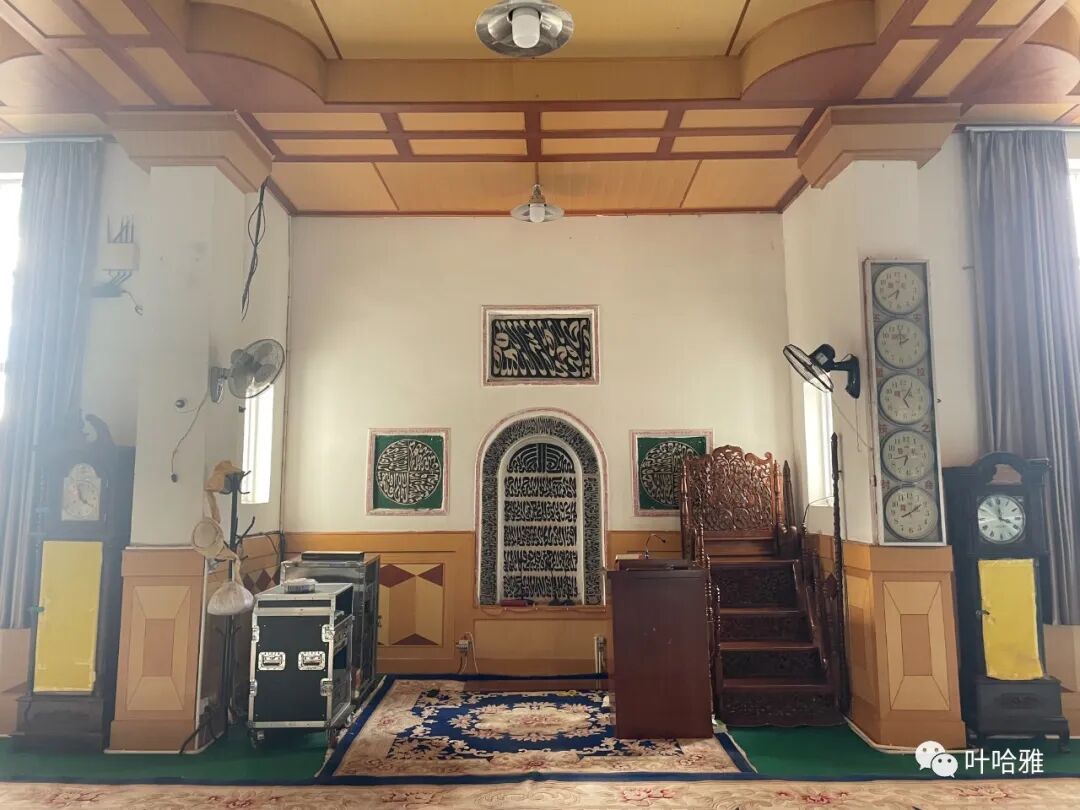
The main prayer hall at Huihuideng is the largest one in the Dali region.
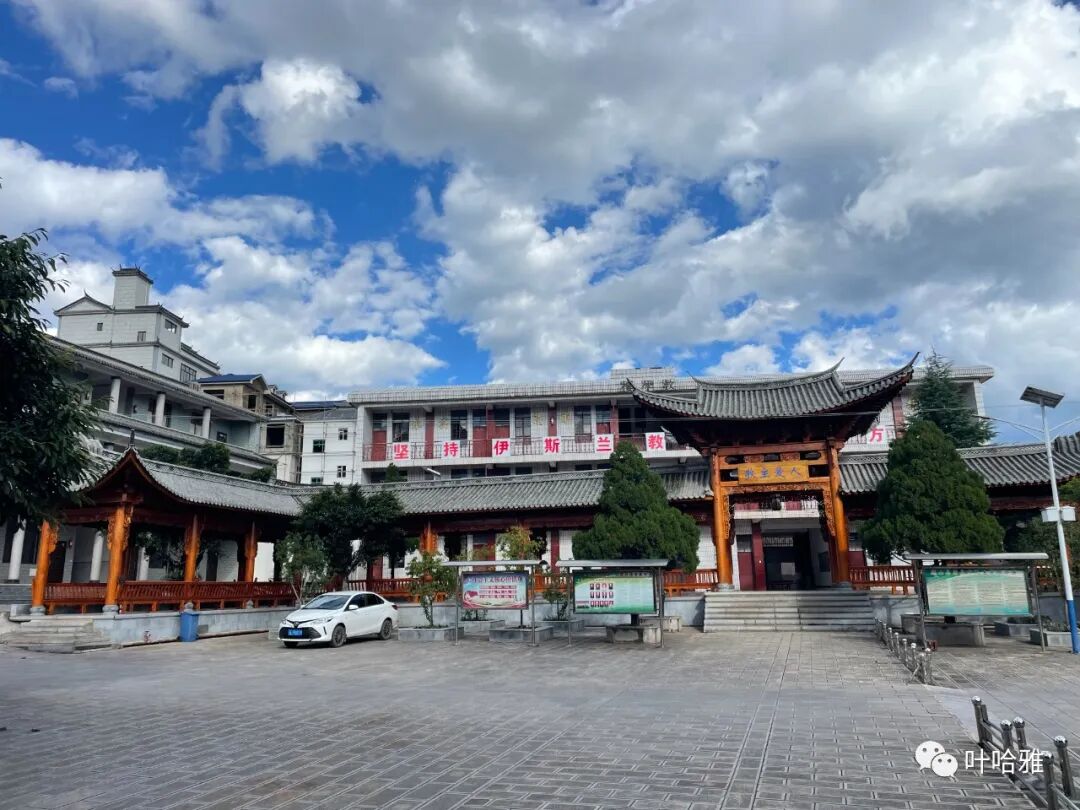
Donglianhua Mosque.
Donglianhua Mosque was built at the end of the Qing Dynasty and covers a building area of 3,000 square meters.
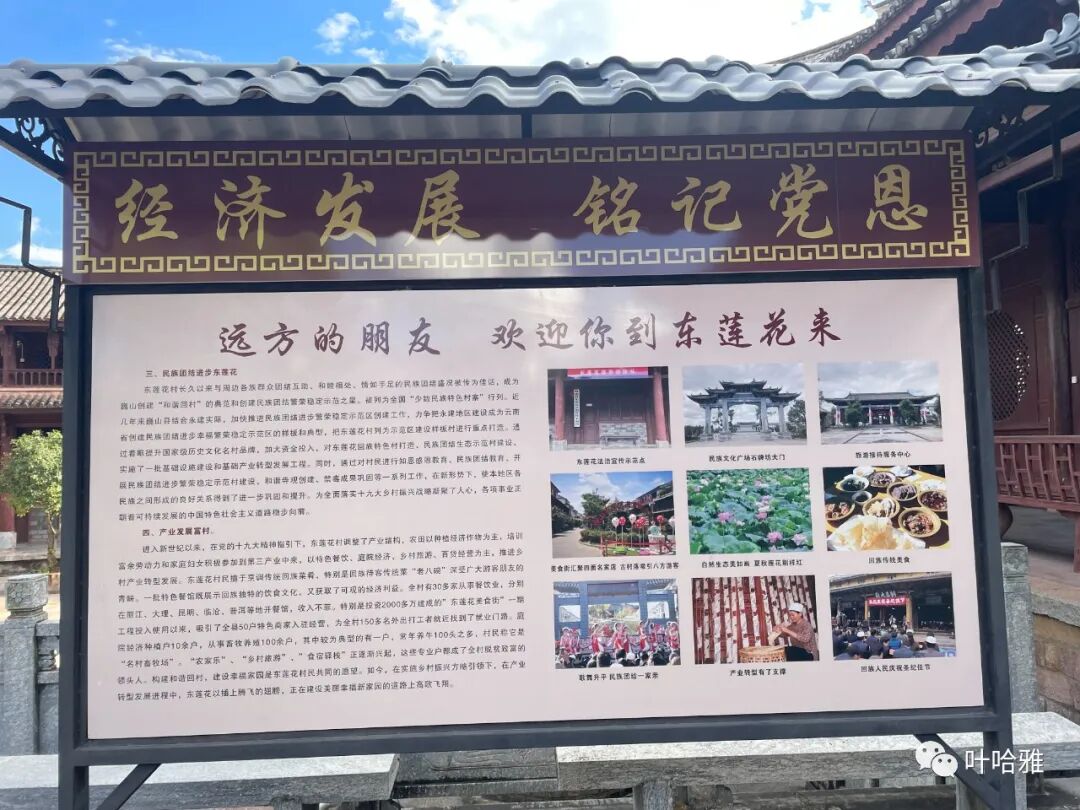
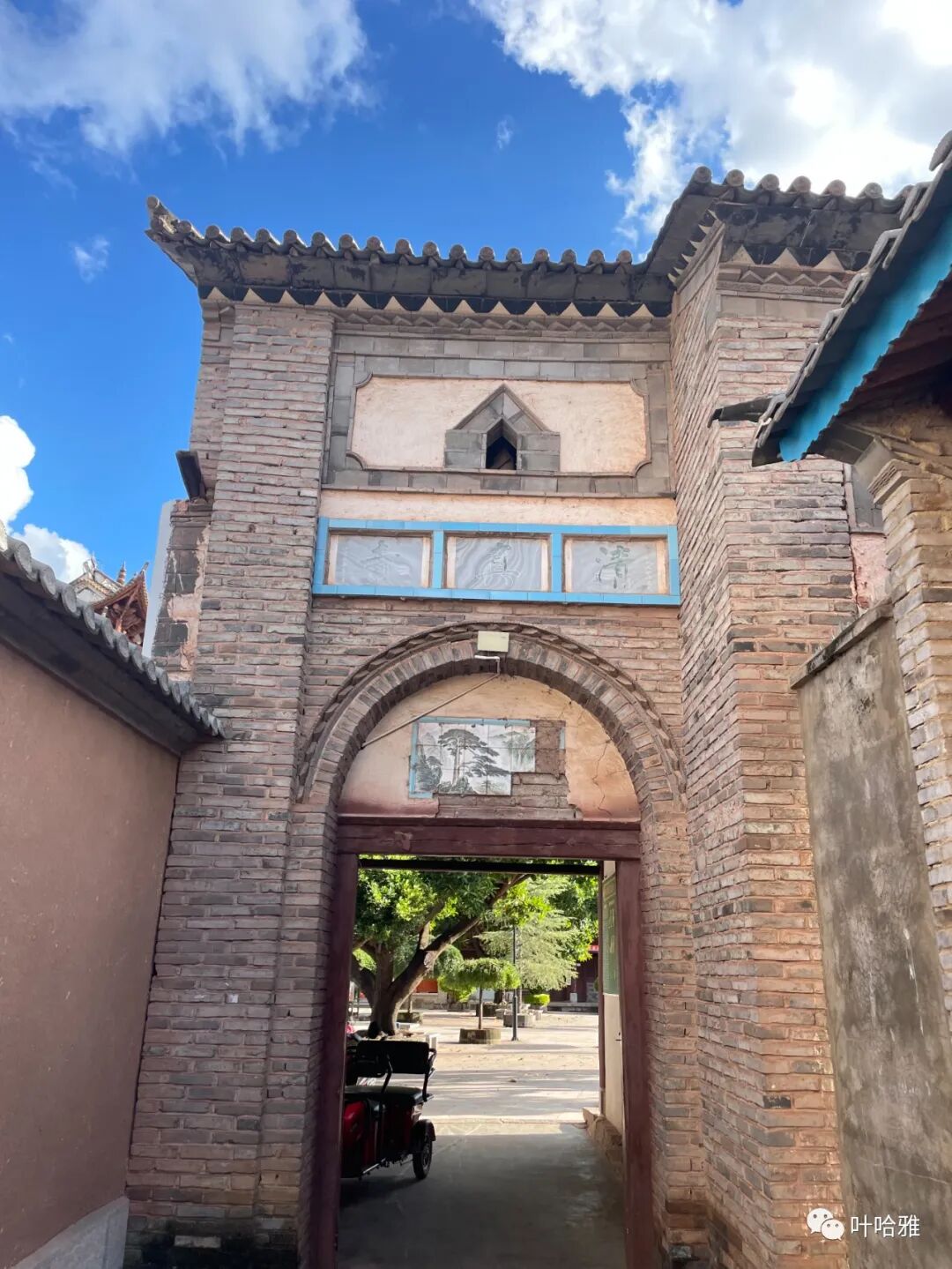
Donglianhua Village is a village for Hui Muslims. They are developing it into a special folk tourism village, and there is a food street here.
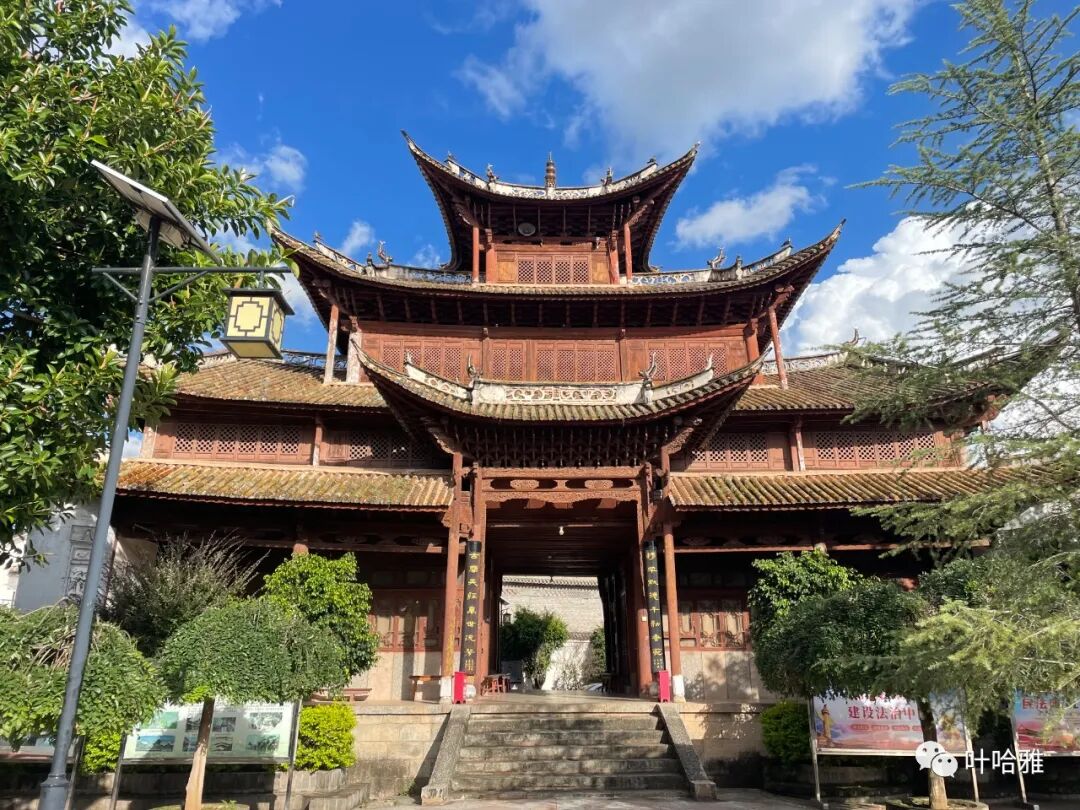
This is a residential house in Donglianhua Village.
Yanqichang Mosque
The Qing government confiscated Yanqichang Mosque during the Tongzhi reign of the Qing Dynasty. It was rebuilt on a new site during the Guangxu reign. In the Ming Dynasty, this area was a garrison for the Eight Banners, and since the banner leader was named Yan, it became known as Yanqichang.
Hadith slogans on the wall.
Daweigeng Mosque
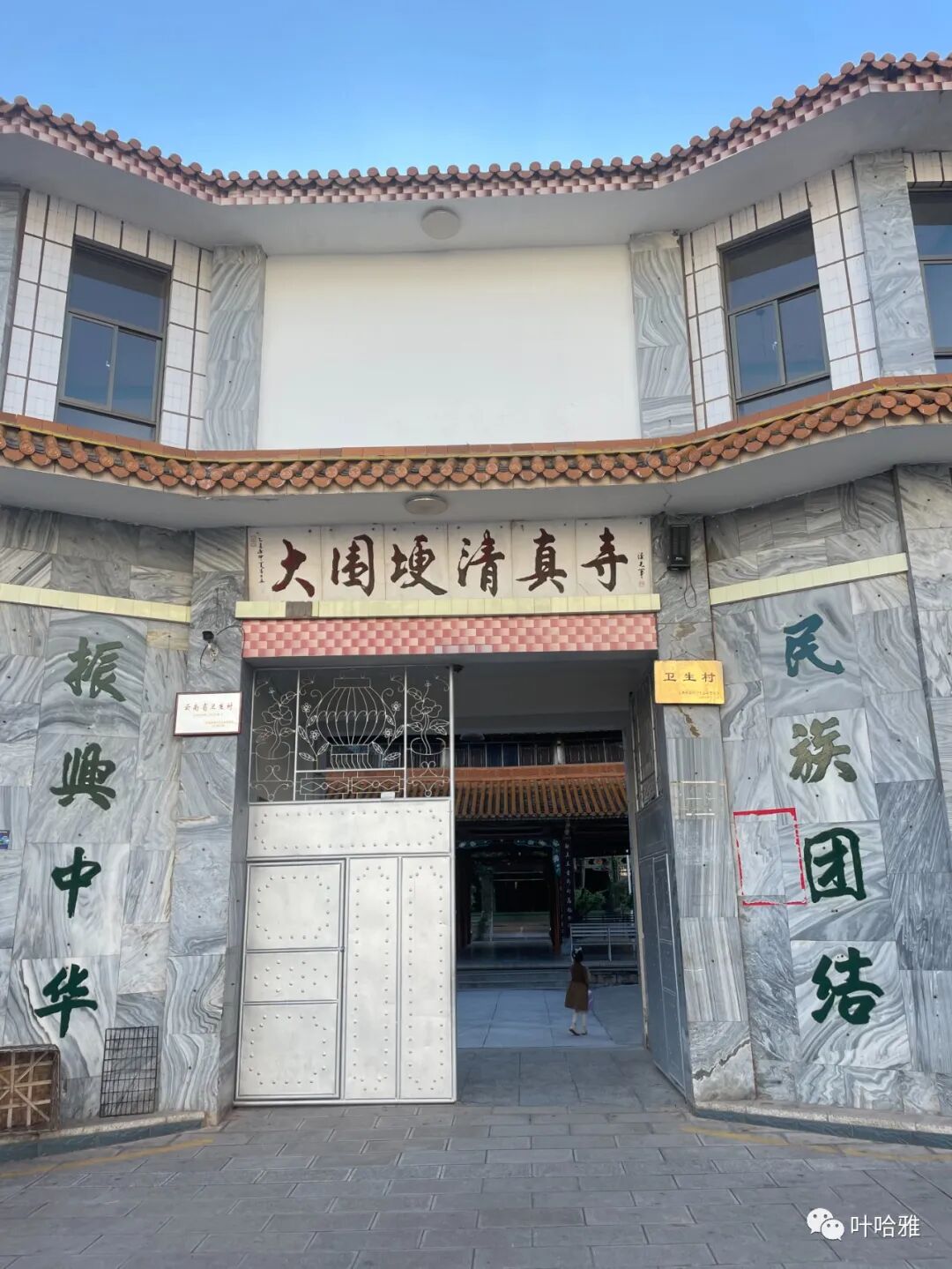
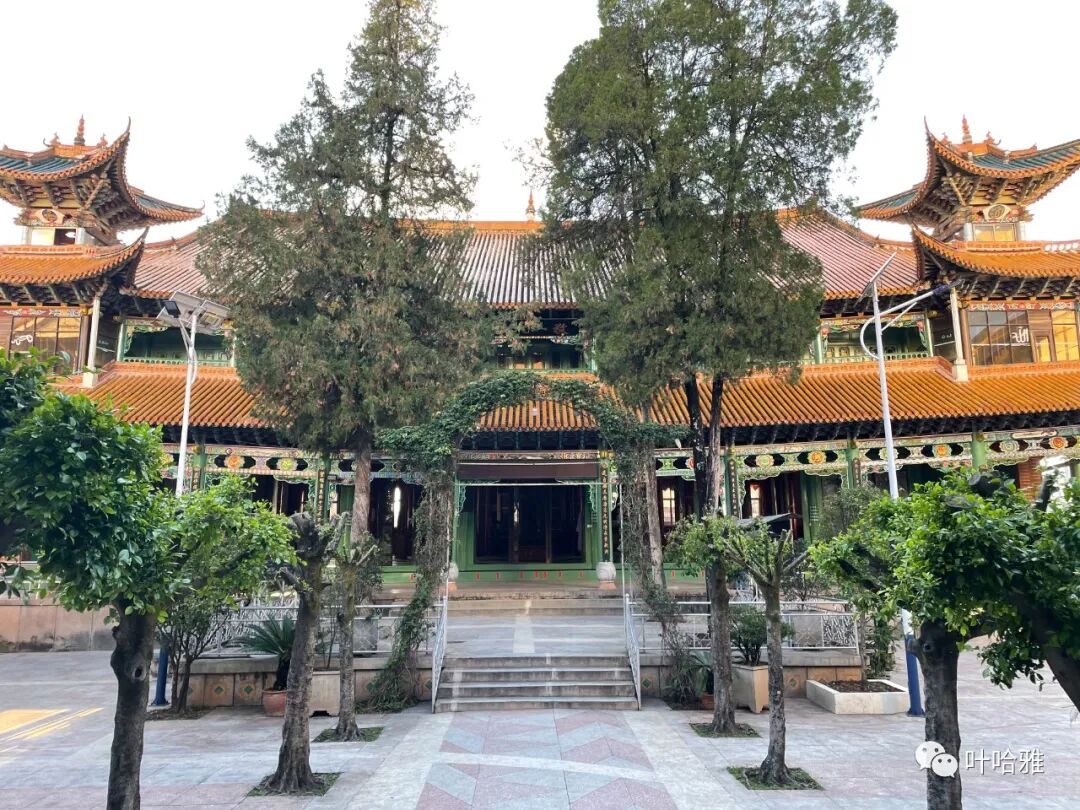
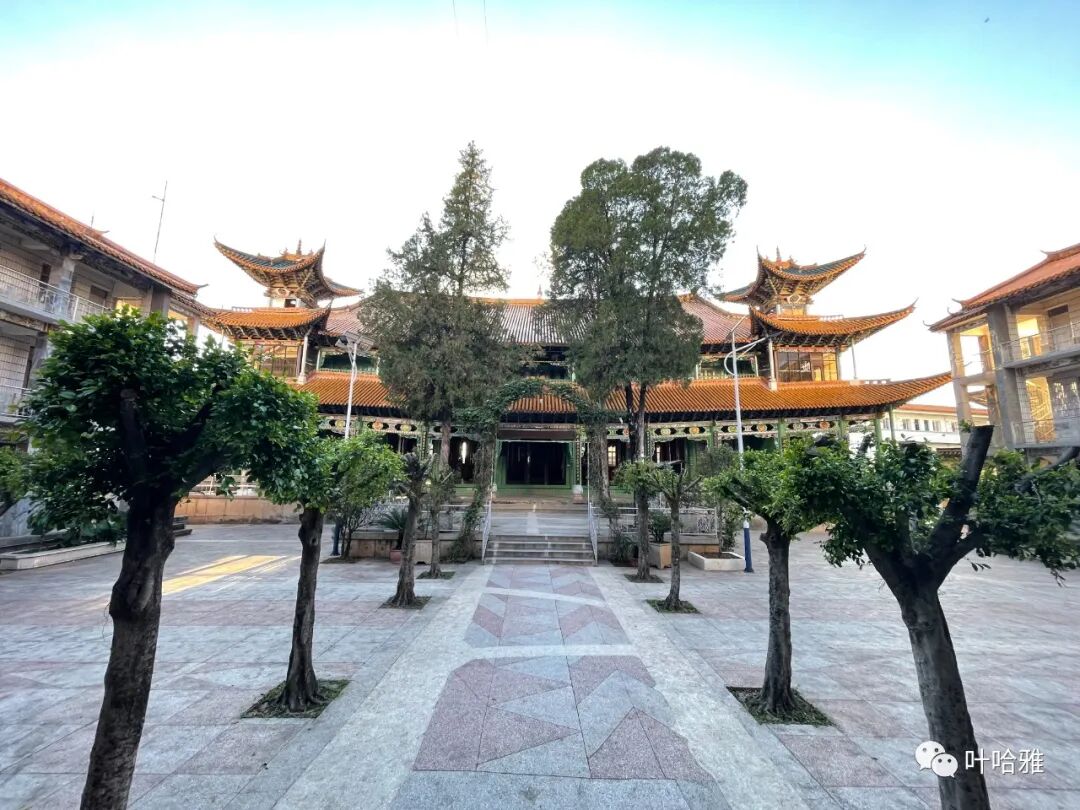
Daweigeng Mosque was first built in the Zhiyuan era of the Yuan Dynasty. It is the largest mosque in this area and the one locals recommended I visit most.
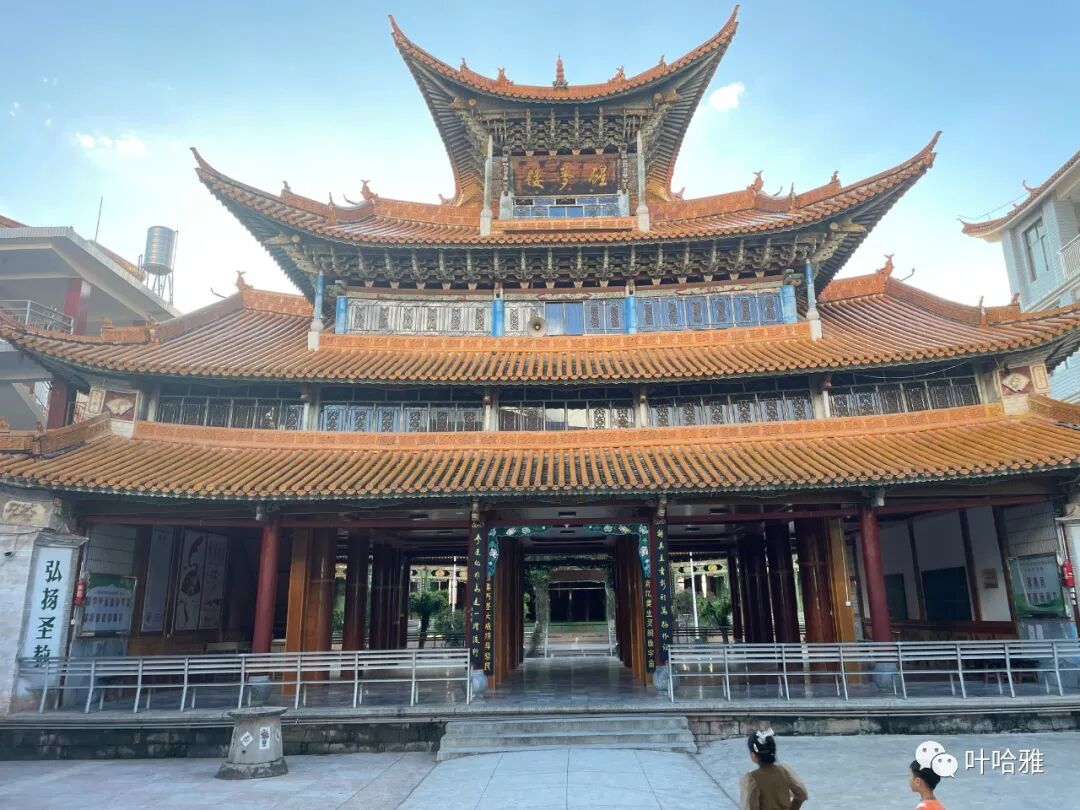
My deepest impression from visiting mosques in Yunnan is that no one ever asks why I am there. I can just push open the door to the main prayer hall. Unlike in some other regions where you must state your identity and gatekeepers always ask your purpose, you will not find any guards at mosques in Yunnan.
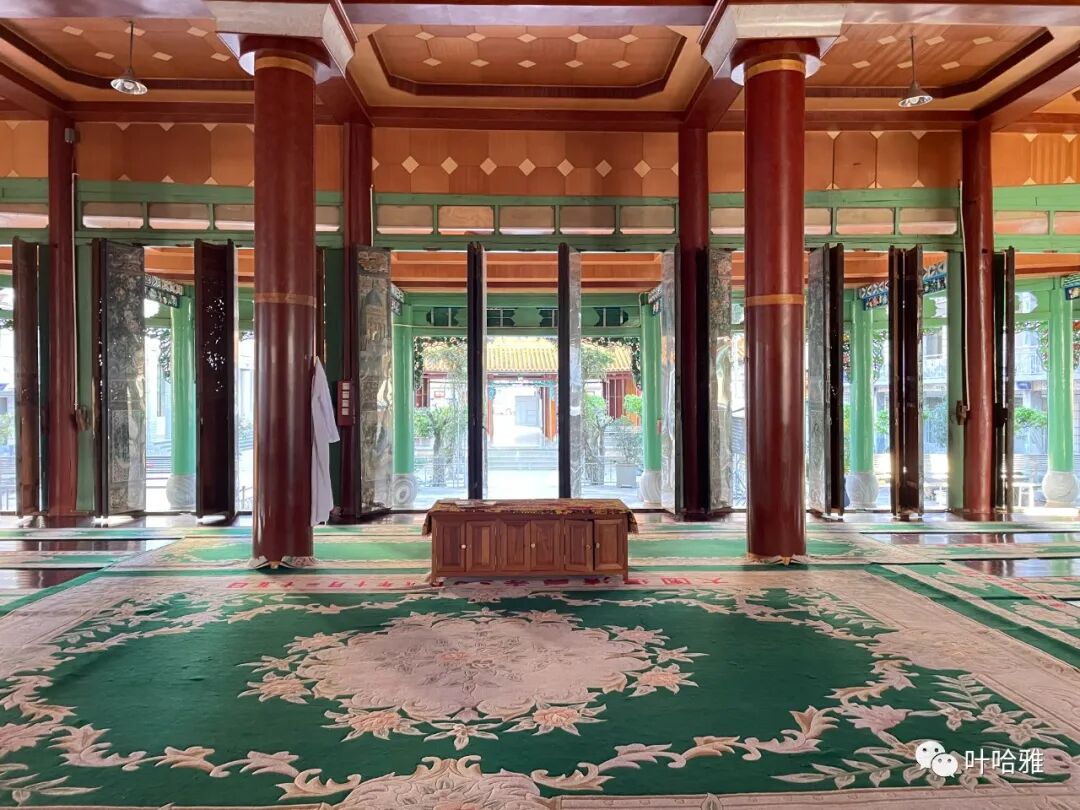
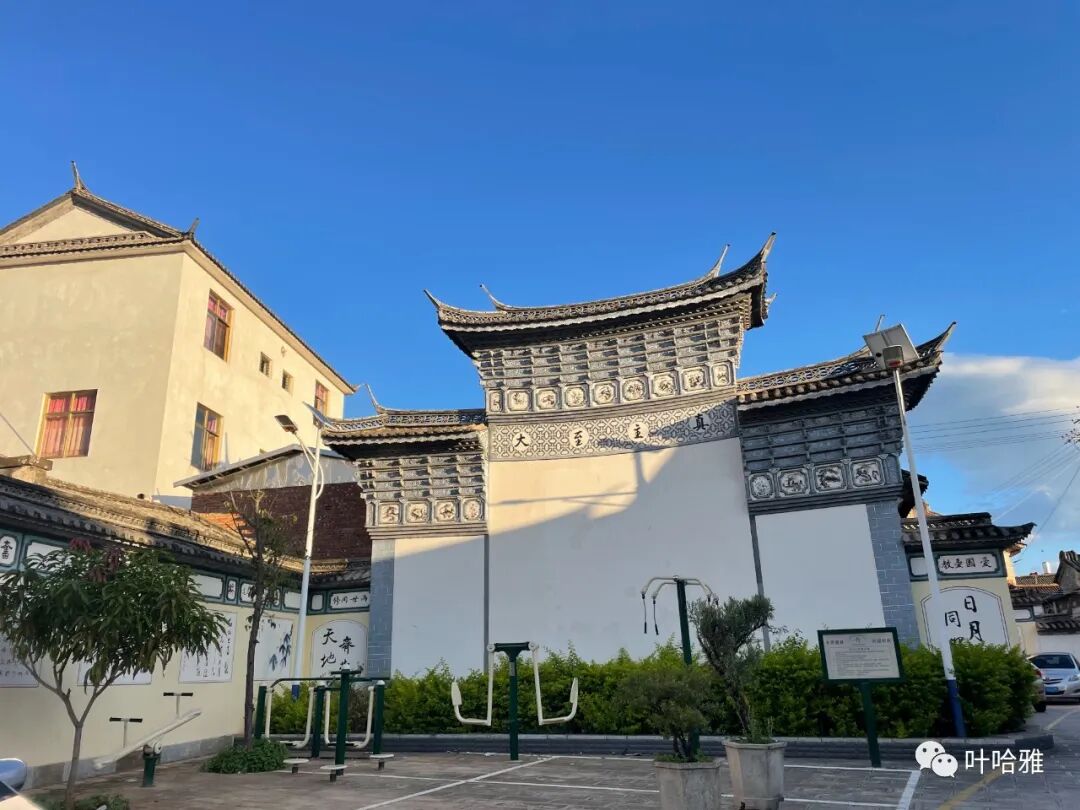
Mamingchang Mi Family Mosque
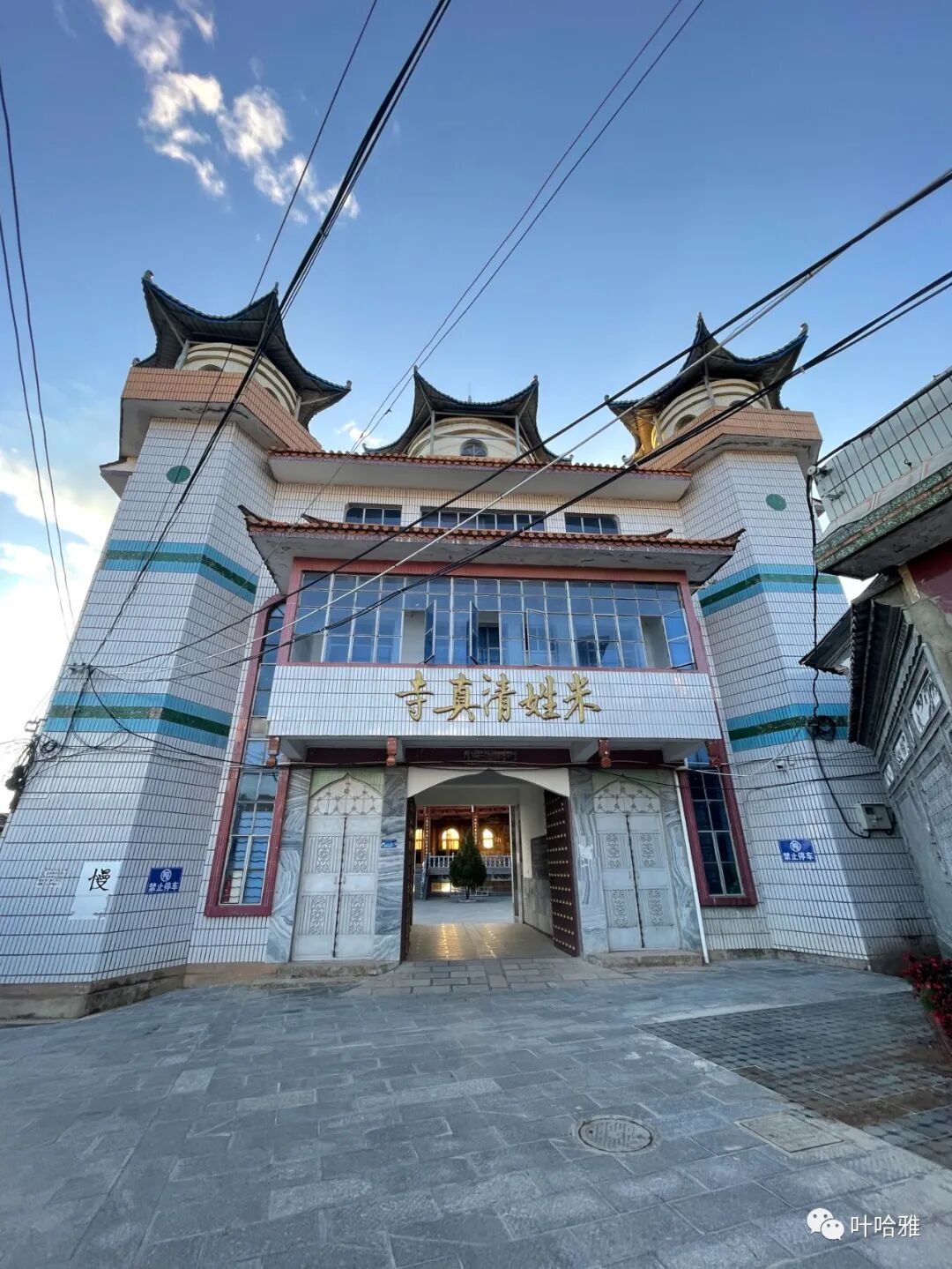
Mamingchang has a Mi family mosque, first built in the 50th year of the Kangxi reign (1711). There is also a Ma family mosque. These are the only two mosques left in Weishan after the failure of the Du Wenxiu uprising. Both are built on mountains, and the roads are hard to find.
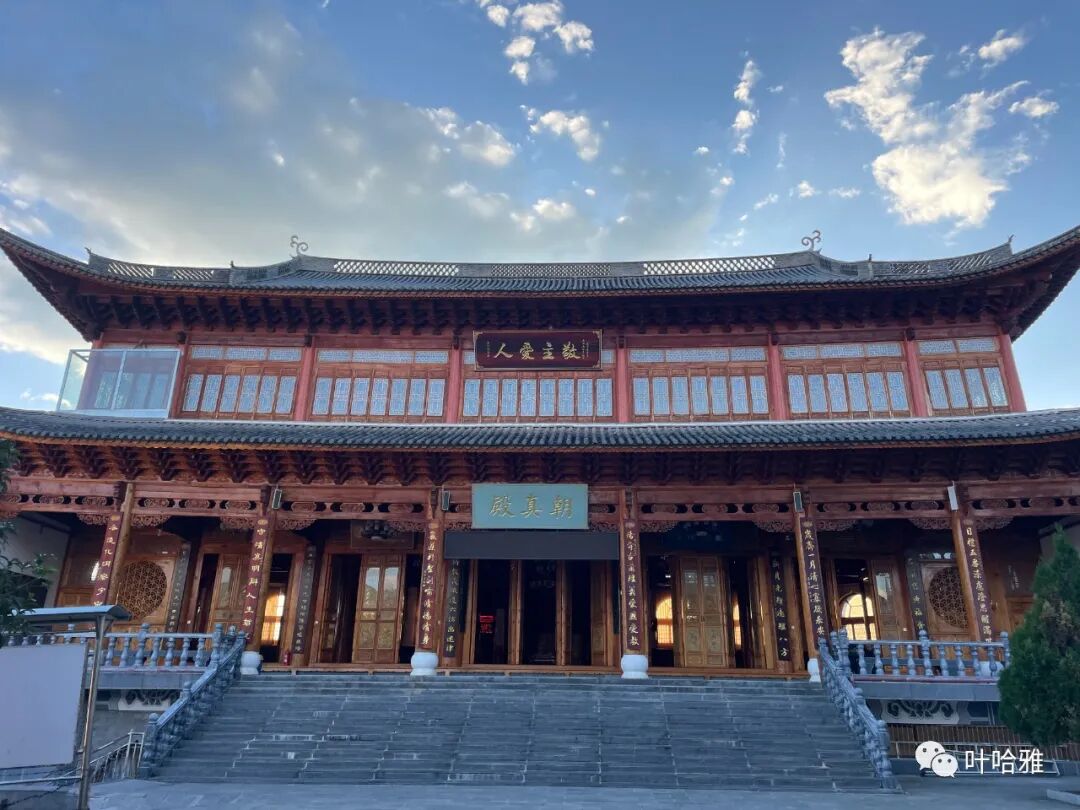
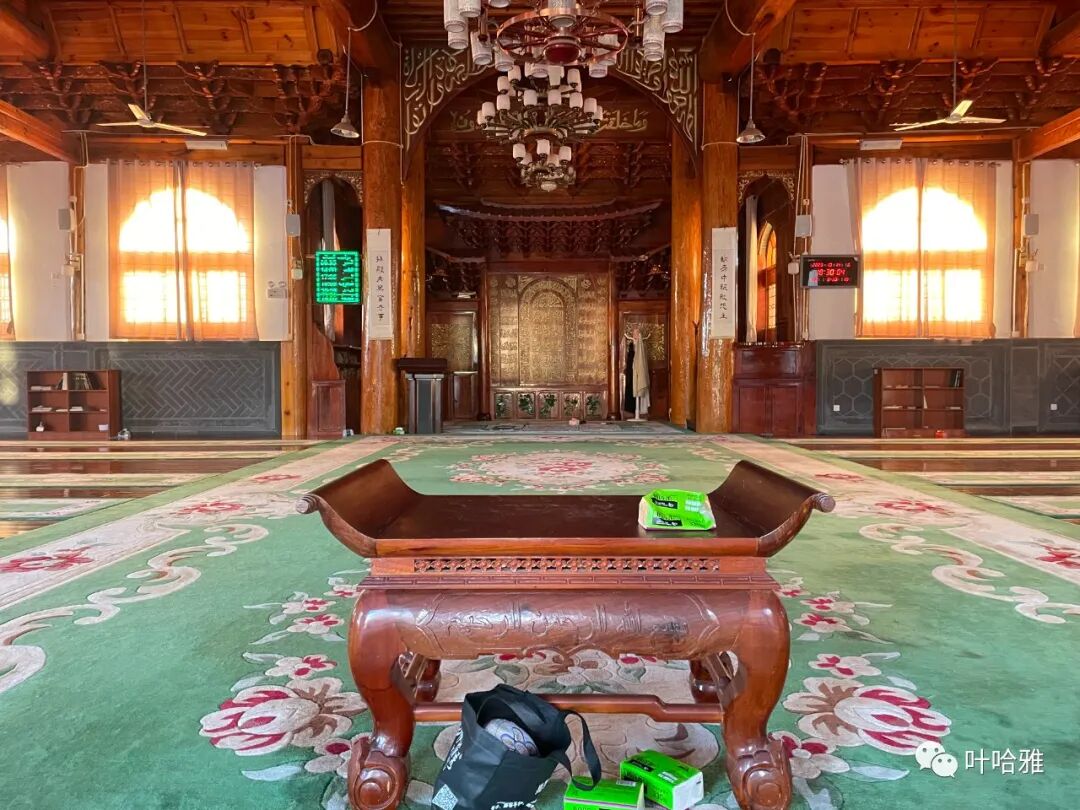
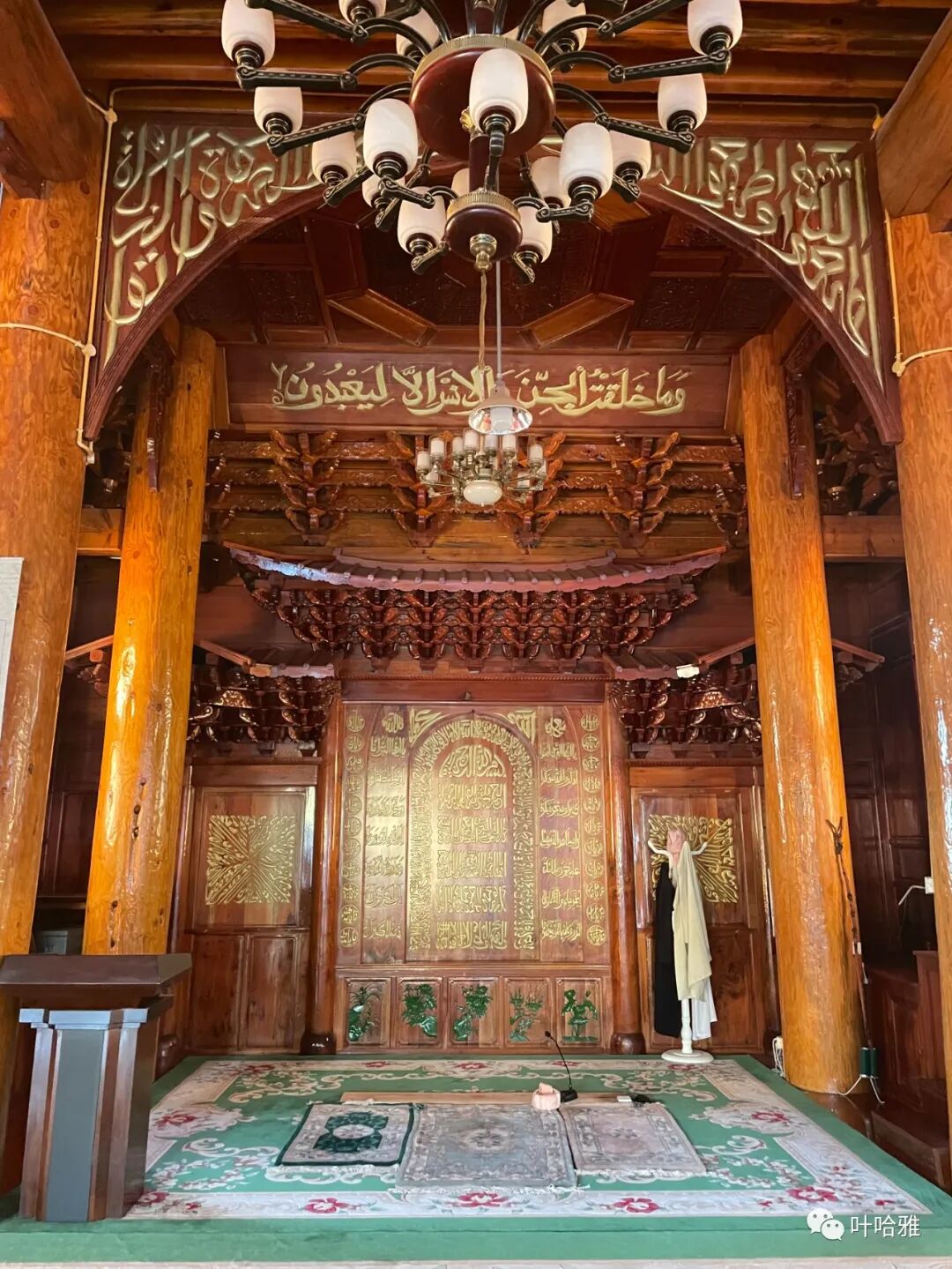
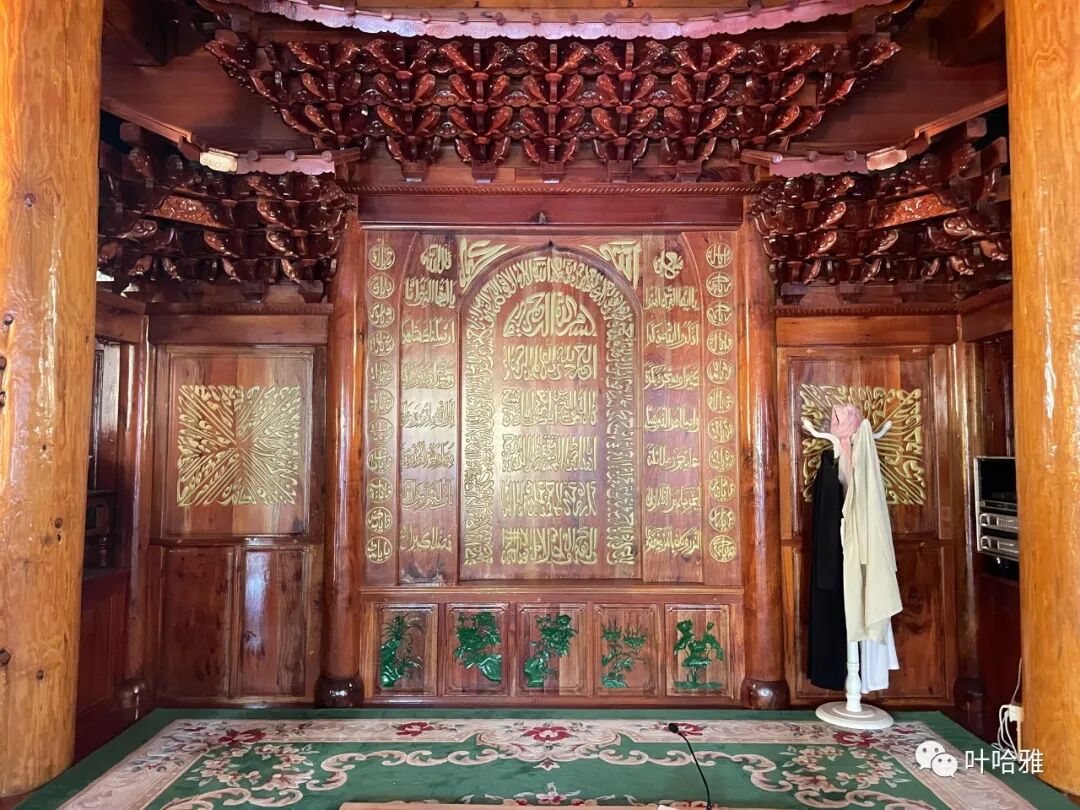
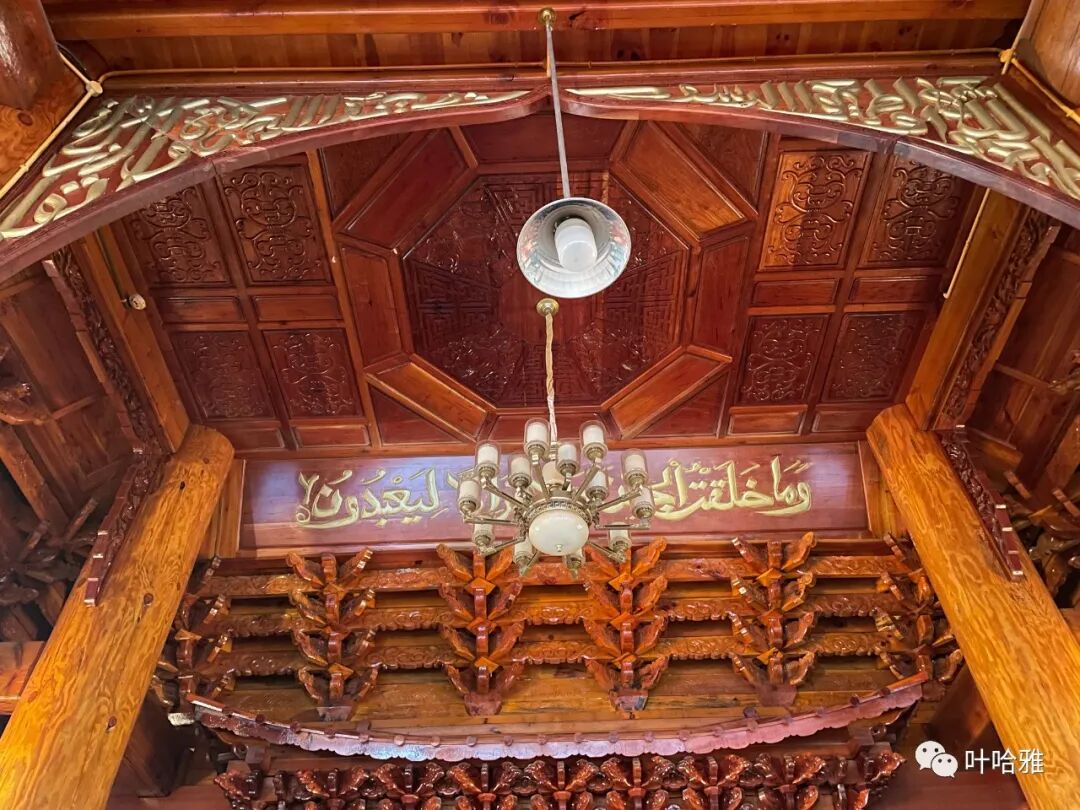
Mamingchang Ma Family Mosque (Yongjian Ancient Mosque)
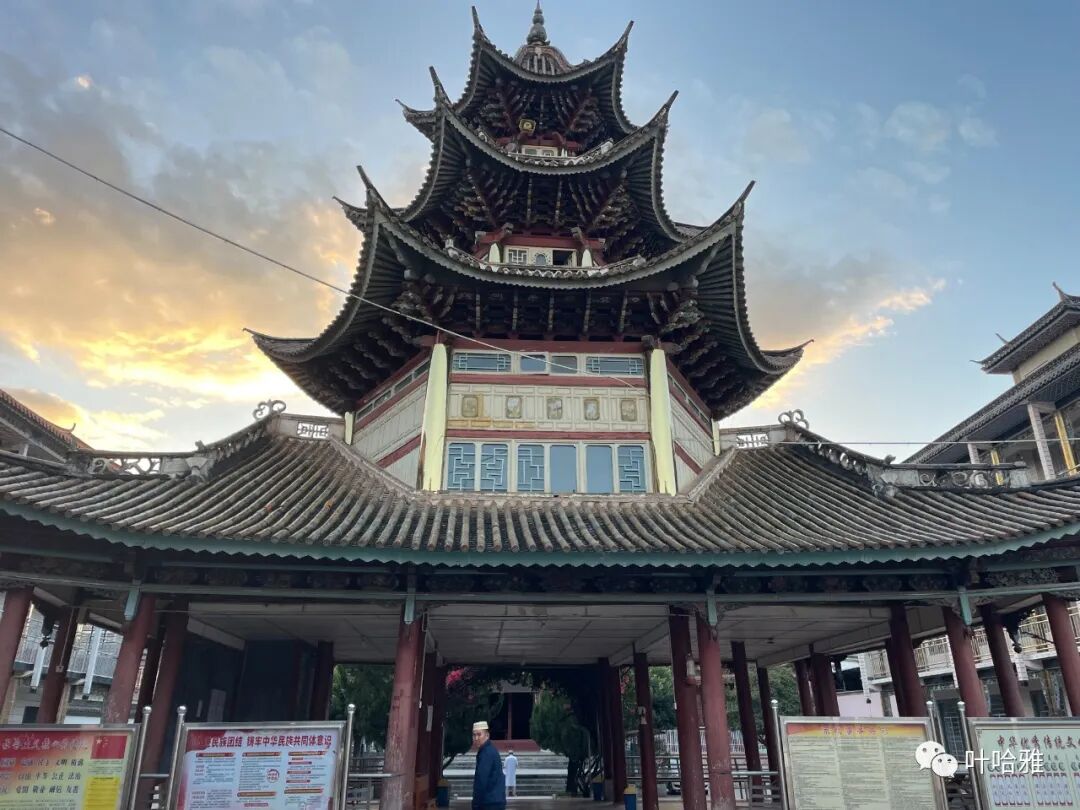
The Ma family mosque was first built in the Yuan Dynasty. Because there are more Hui Muslims with the surname Ma in Mamingchang than those with the surname Mi, the Ma family mosque is larger than the Mi family mosque, though the Mi family mosque is more exquisite. I met the director of the Mi family mosque management committee while asking for directions, and he brought me to the Ma family mosque.
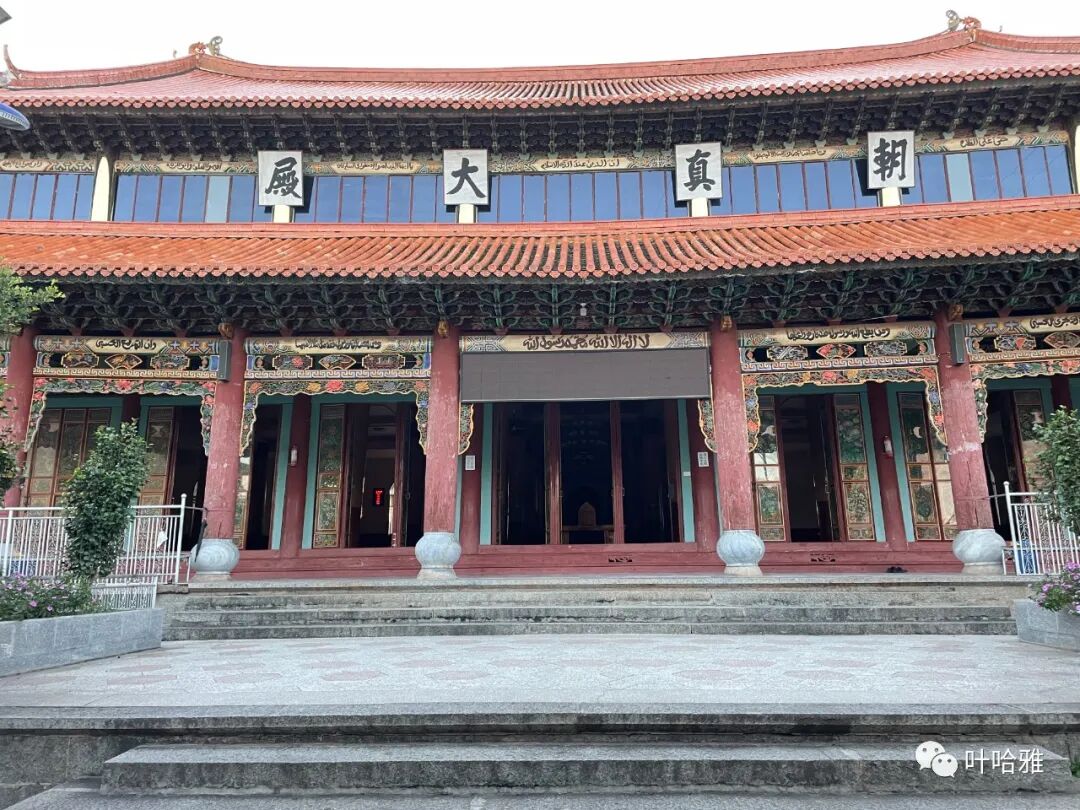
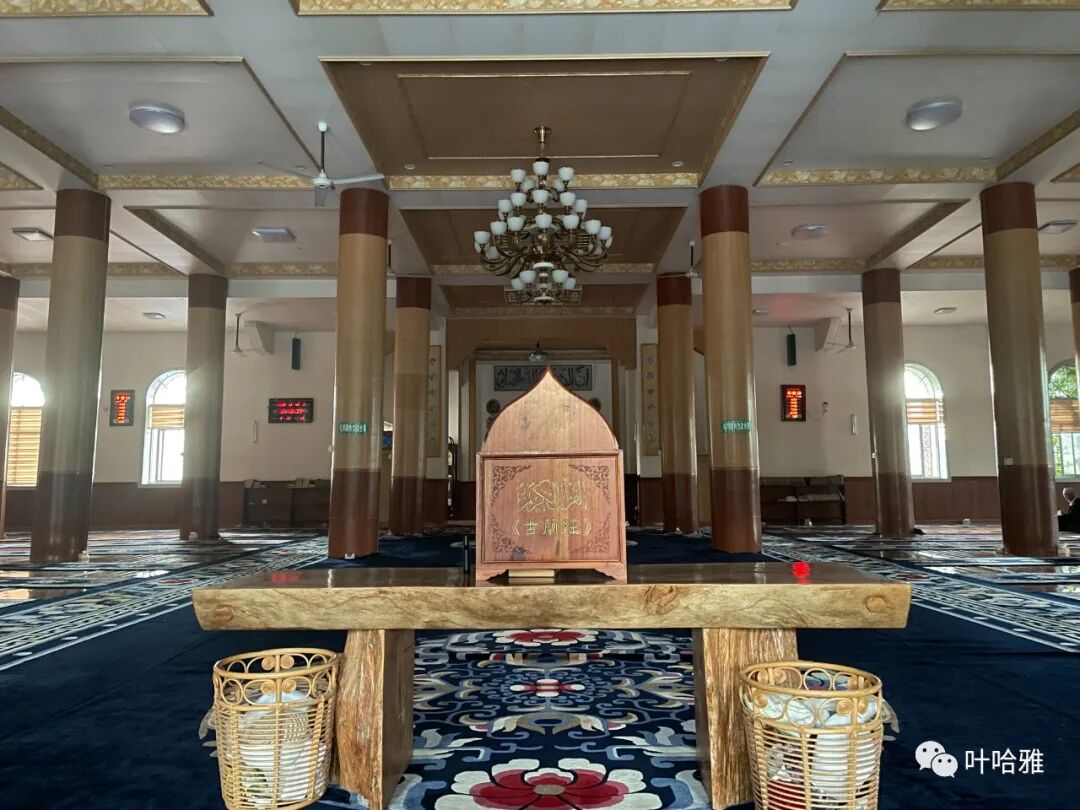
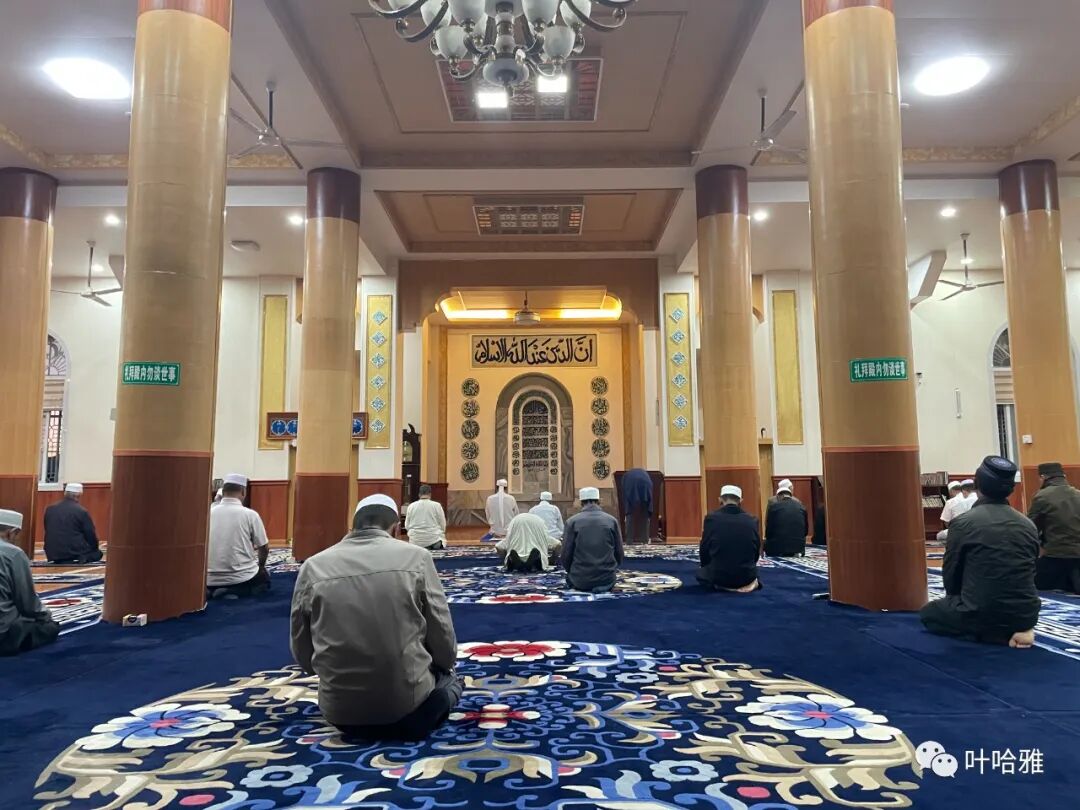
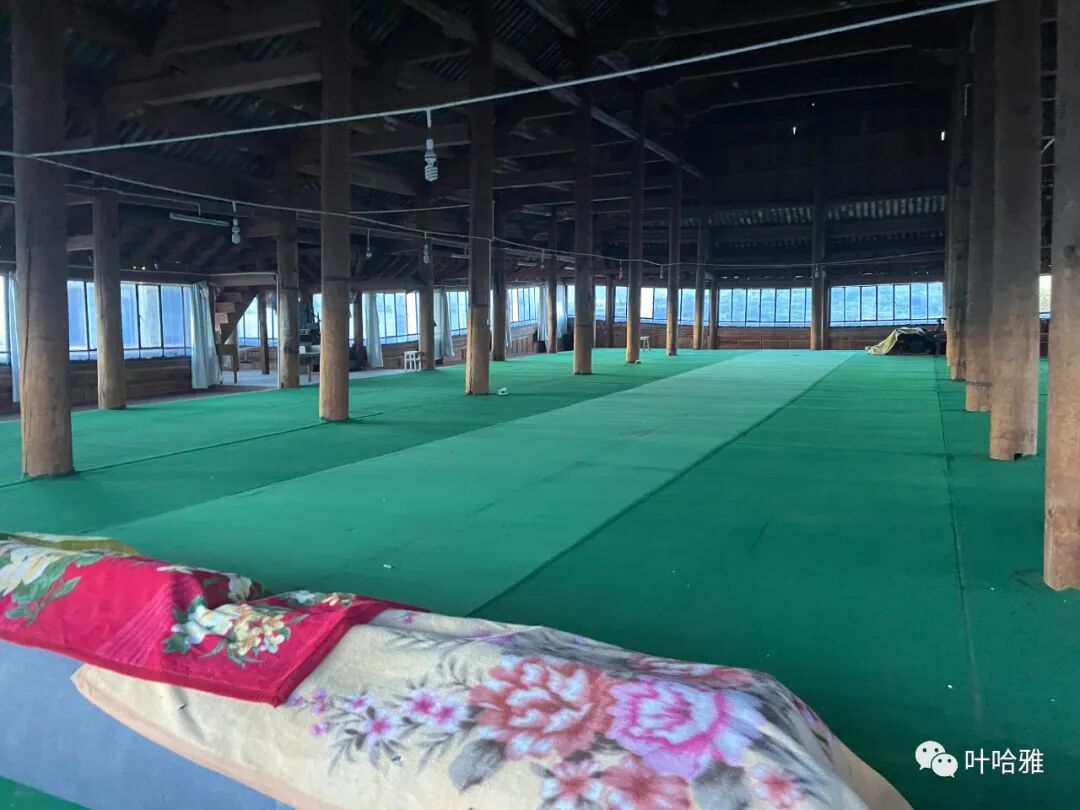
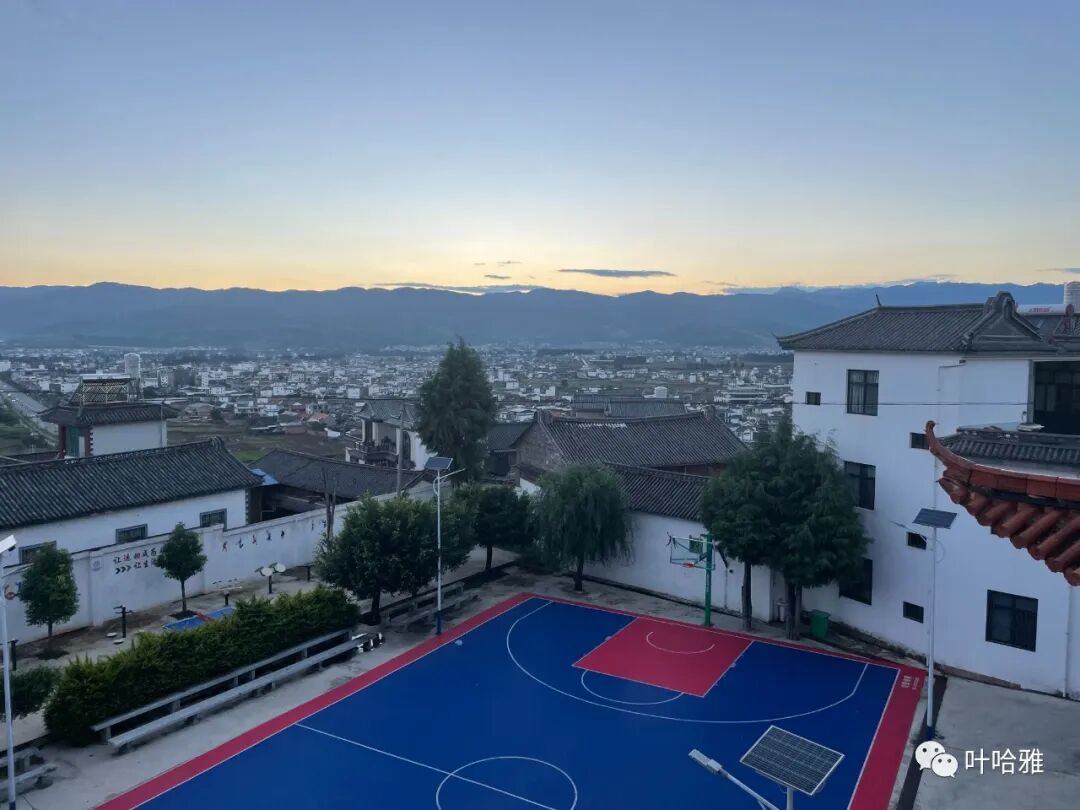
The imam of the Ma family mosque took me to the top floor. From there, you can see a panoramic view of Weishan. The basketball court below is inside the Ma family mosque. There is also a scripture school here, which currently only enrolls local students.
Weiyi Yongjian fire-pot beef (huopiao niurou)
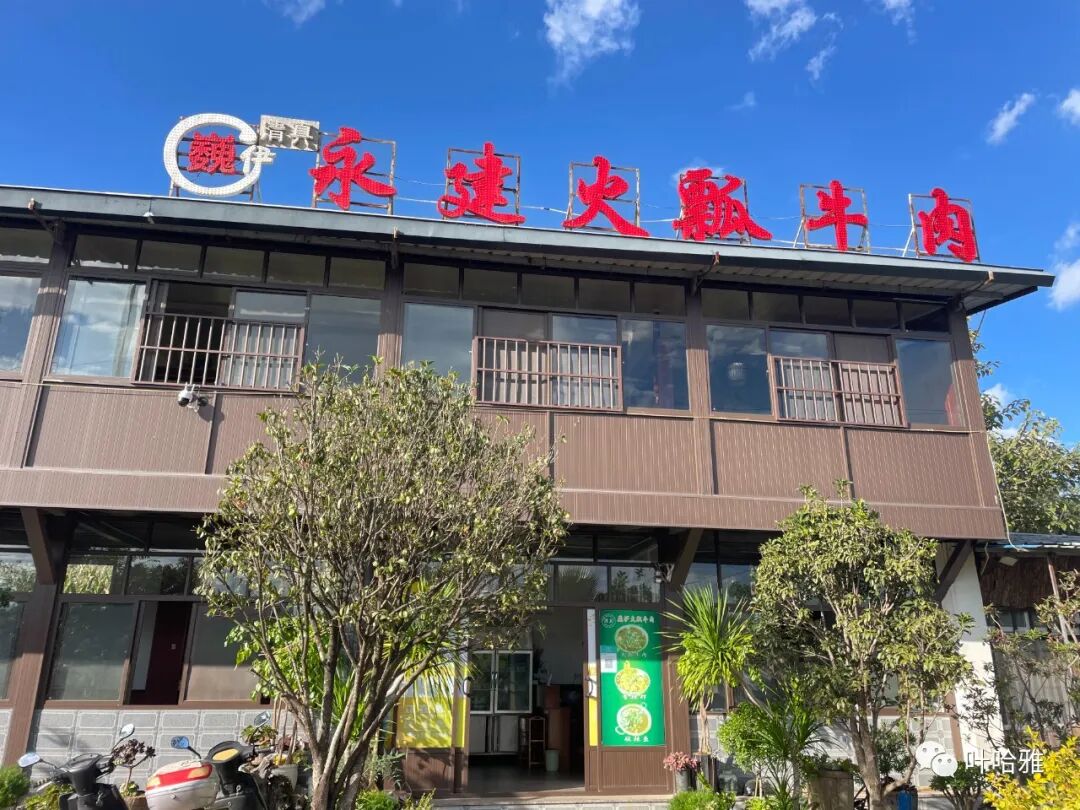
For dinner, we had a local Dali specialty called copper pot beef (huopiao niurou).
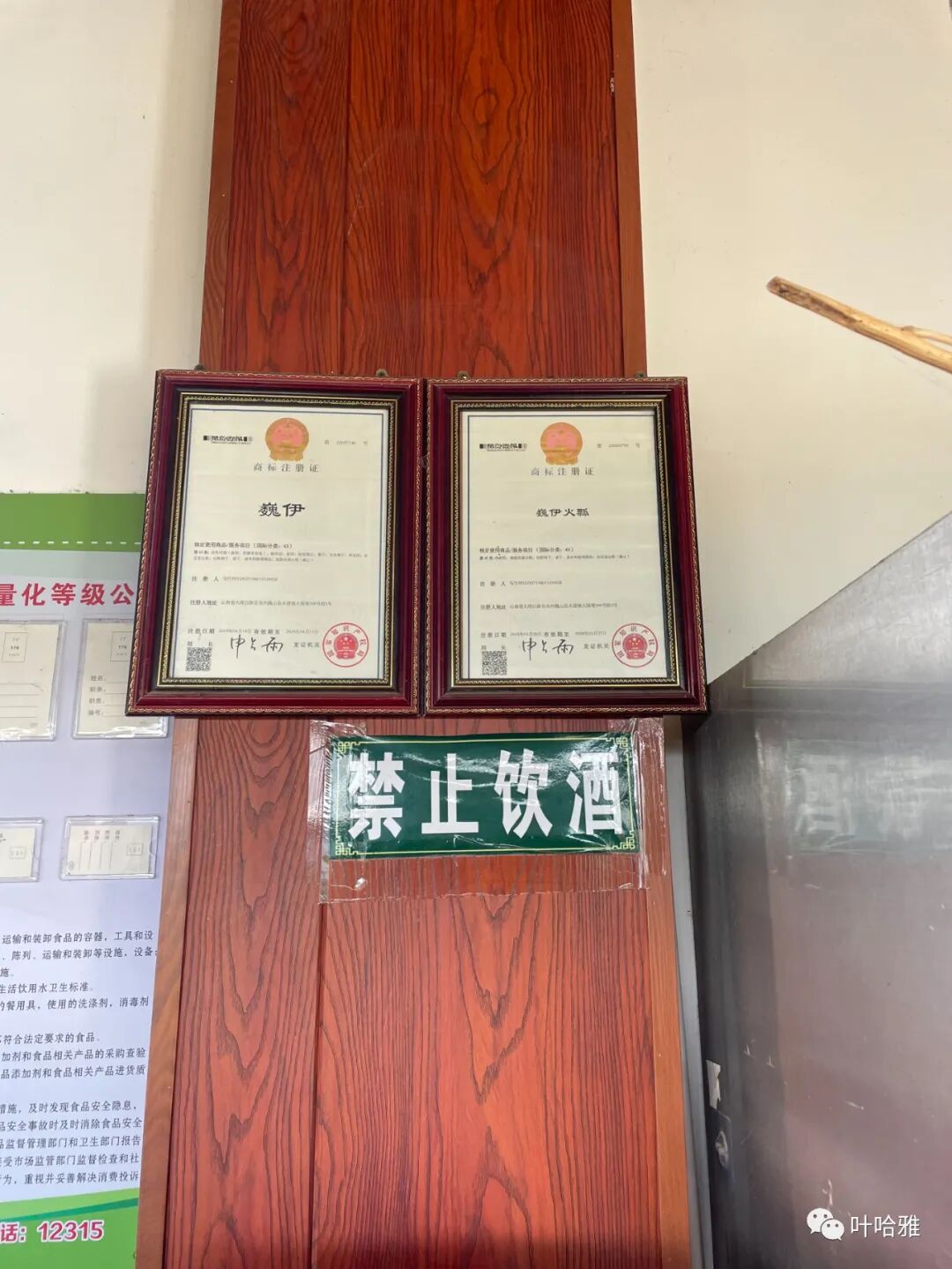
This place is run by locals and has been open for over ten years, so almost all the customers are local people.
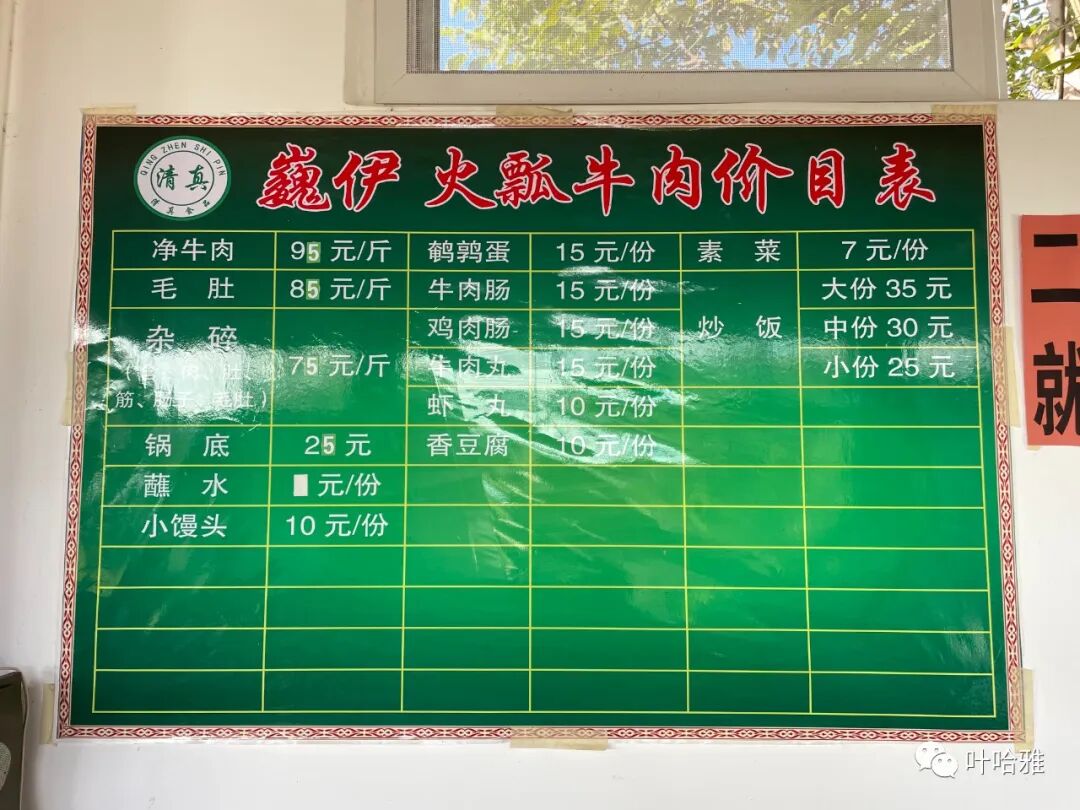
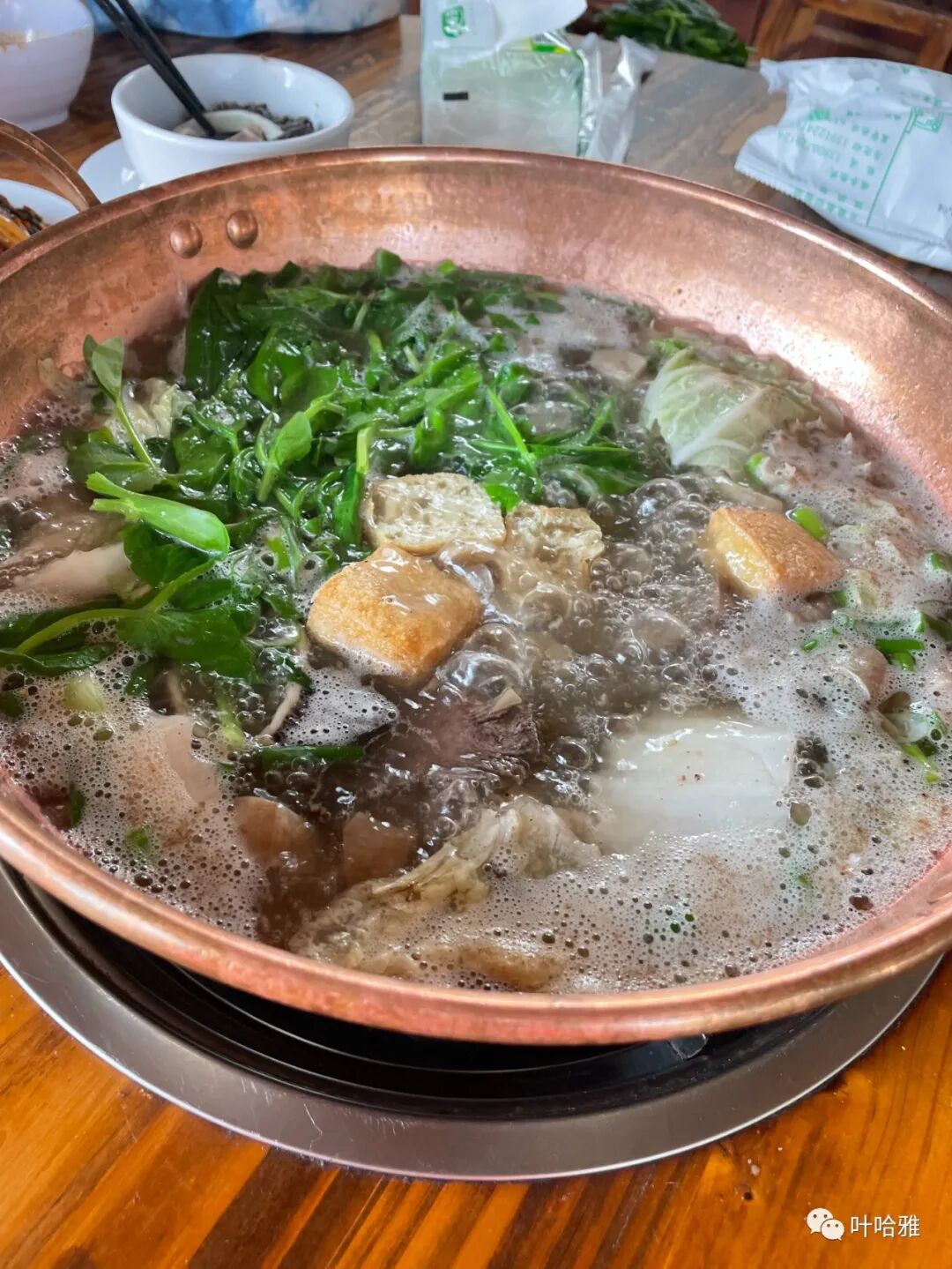
Copper pot beef (huopiao niurou) is beef or beef offal cooked in a copper pot with your choice of side dishes, and you can choose a clear broth.
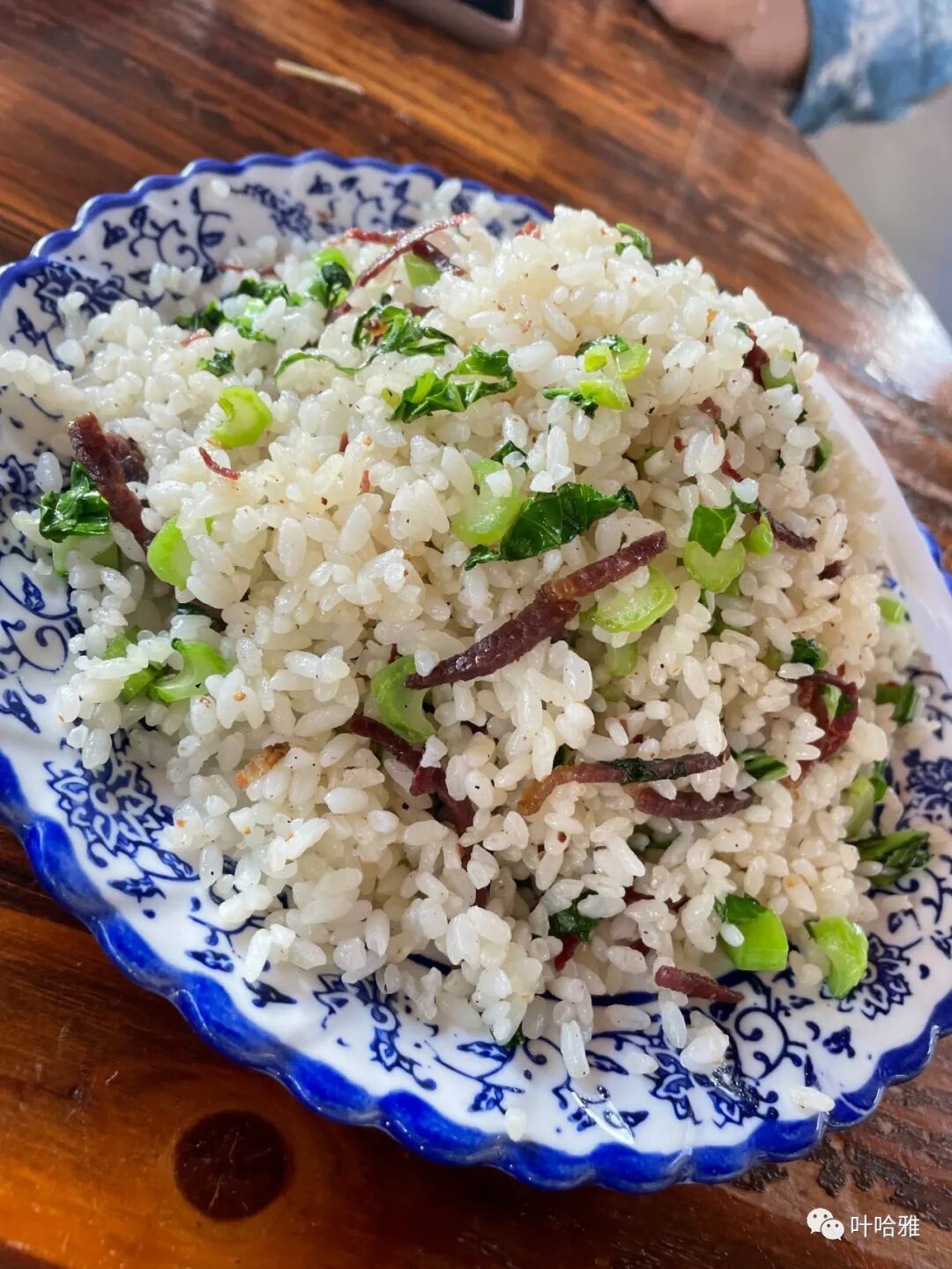
The fried rice with dried beef (niu ganba chaofan) is also delicious. The food here is so good that we finished the whole pot.
Weishan Ancient City
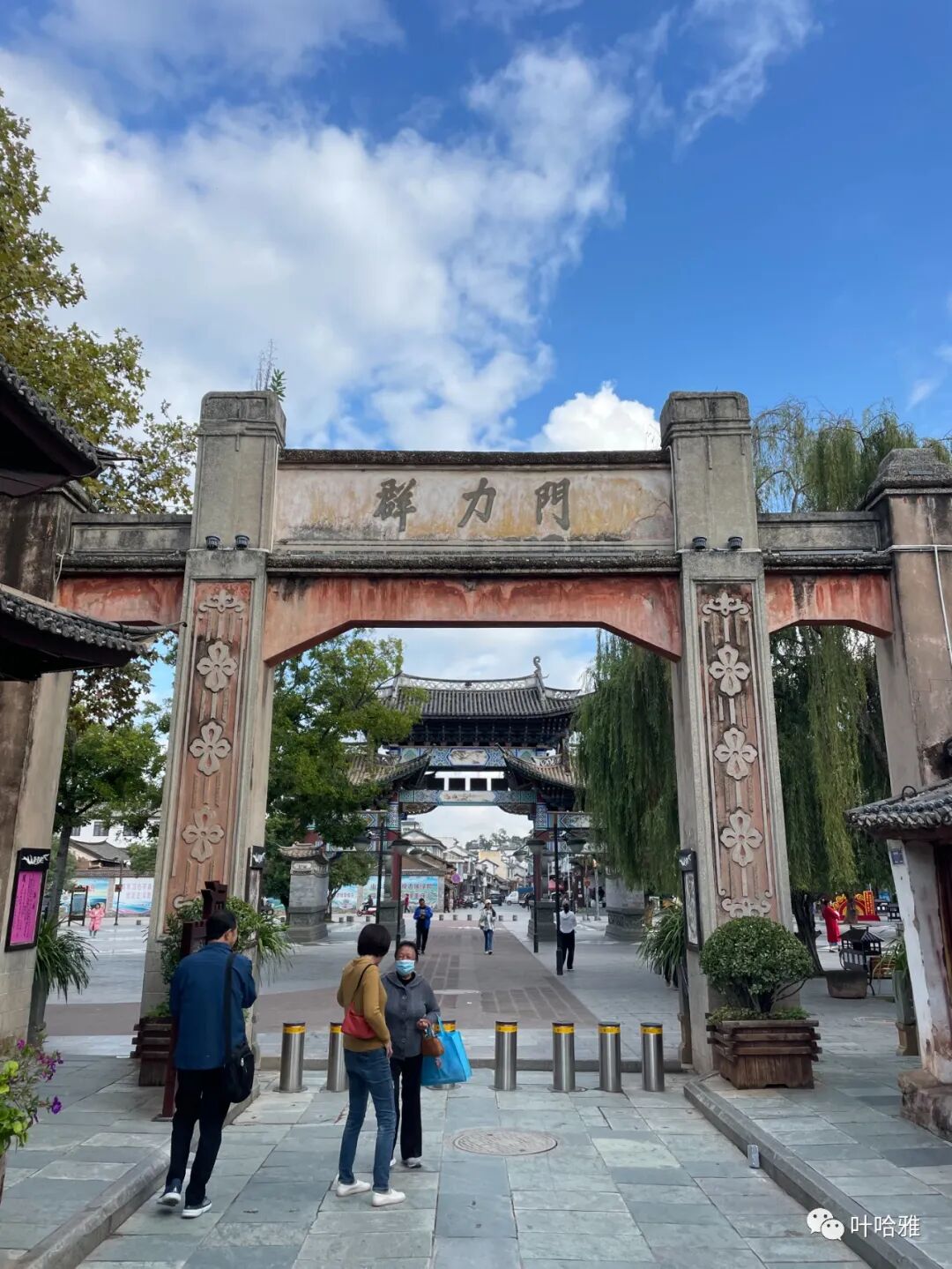
Most Hui Muslims in Weishan live in the villages below, so there are not many living inside the ancient city, which is why there is only one mosque there.
Weishan City Mosque
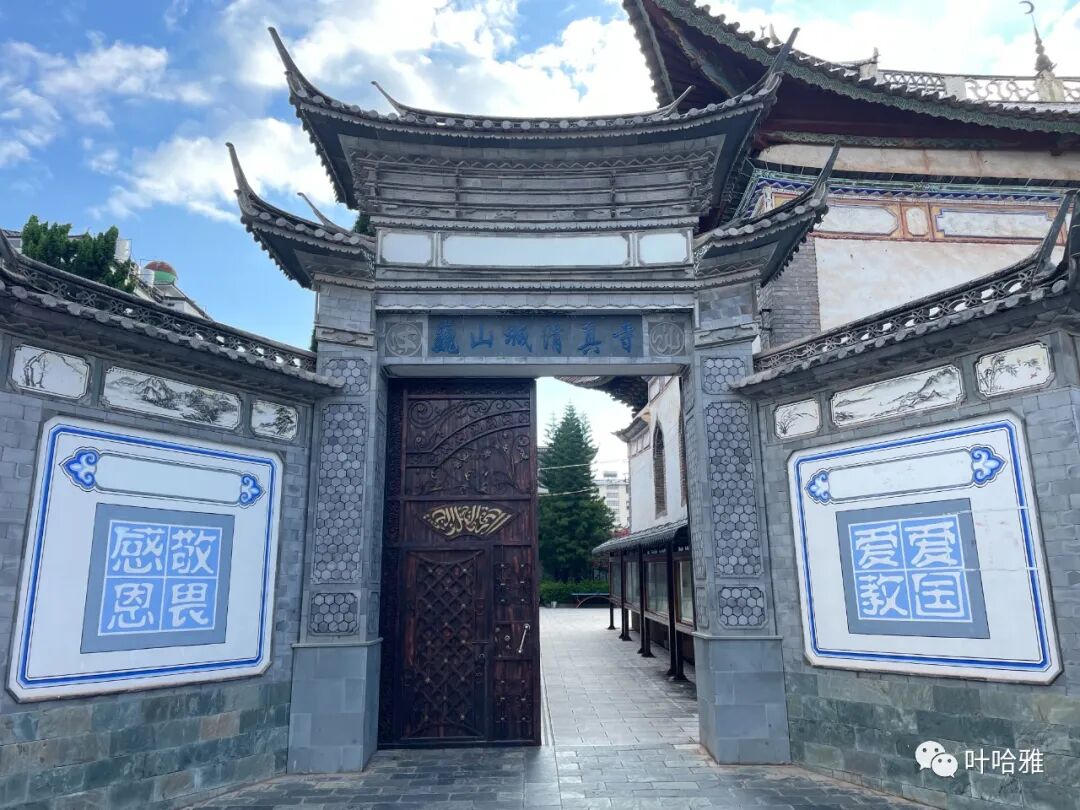
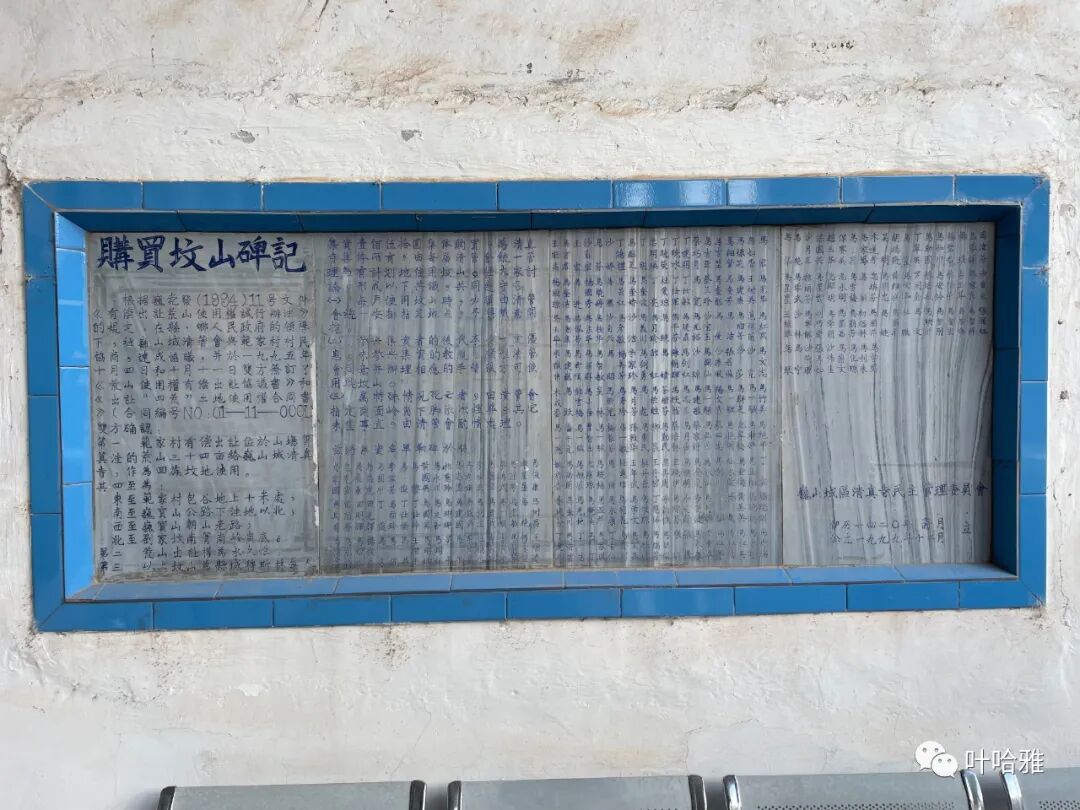
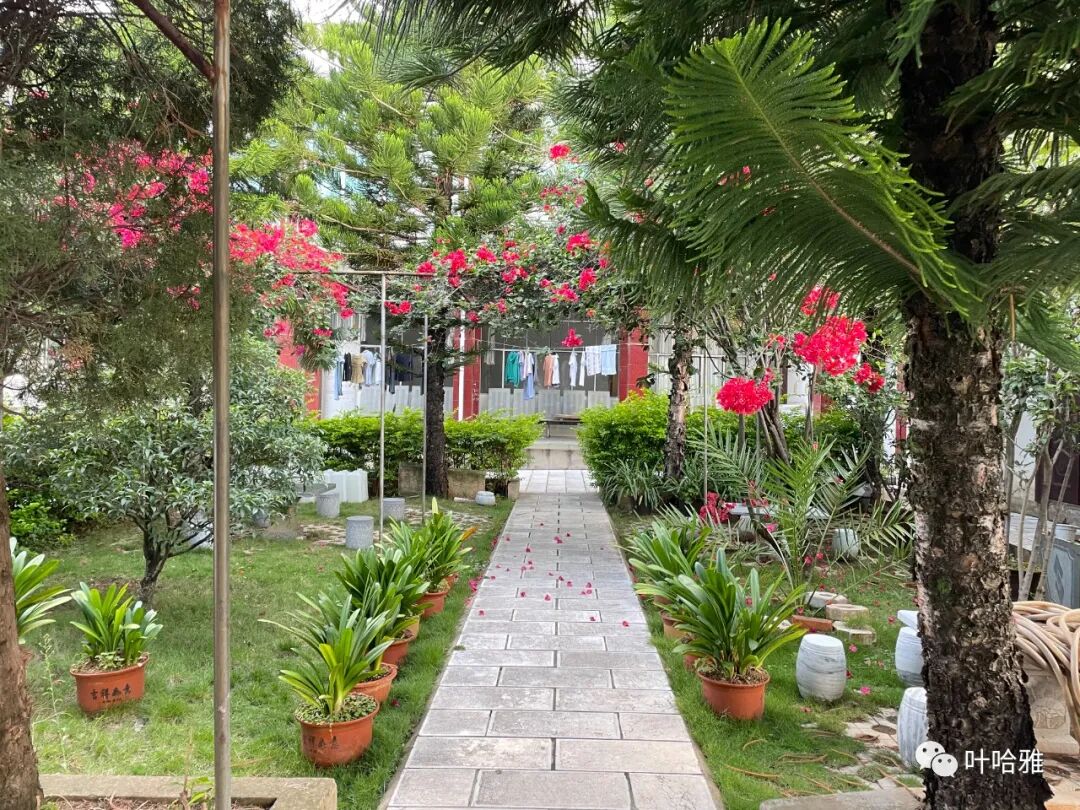
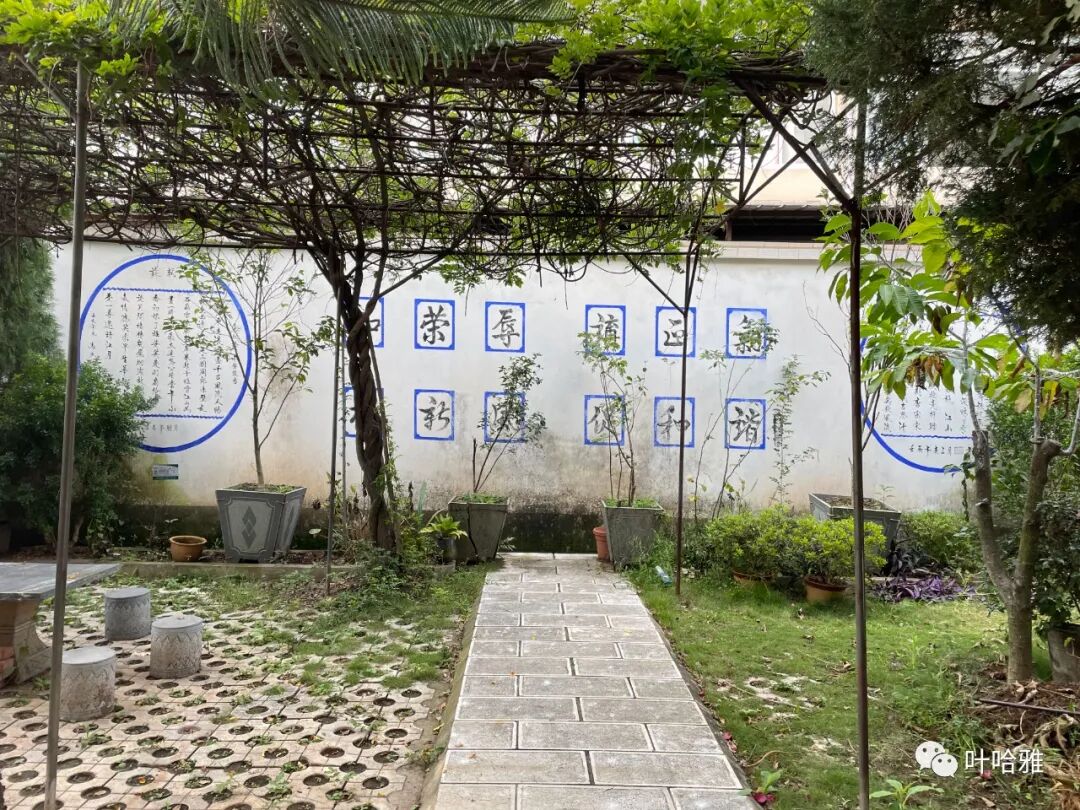
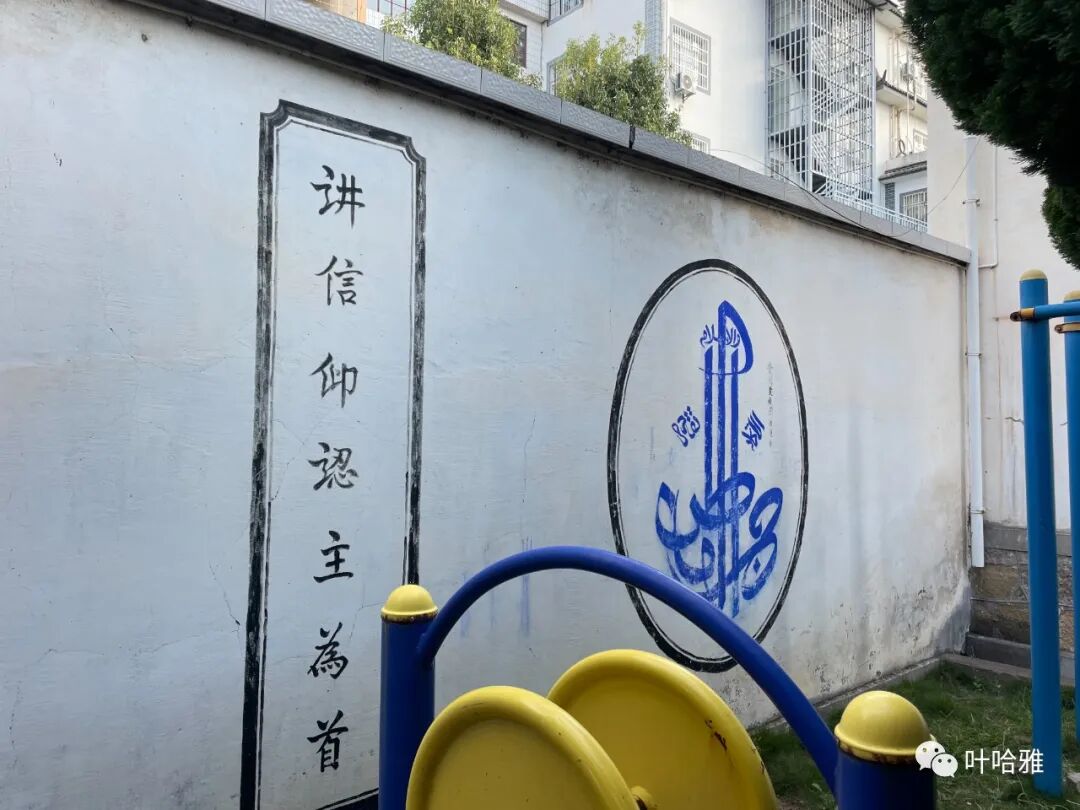
There used to be four mosques in Weishan City. The exact founding date of this remaining one is unknown, but it was rebuilt in 1992.
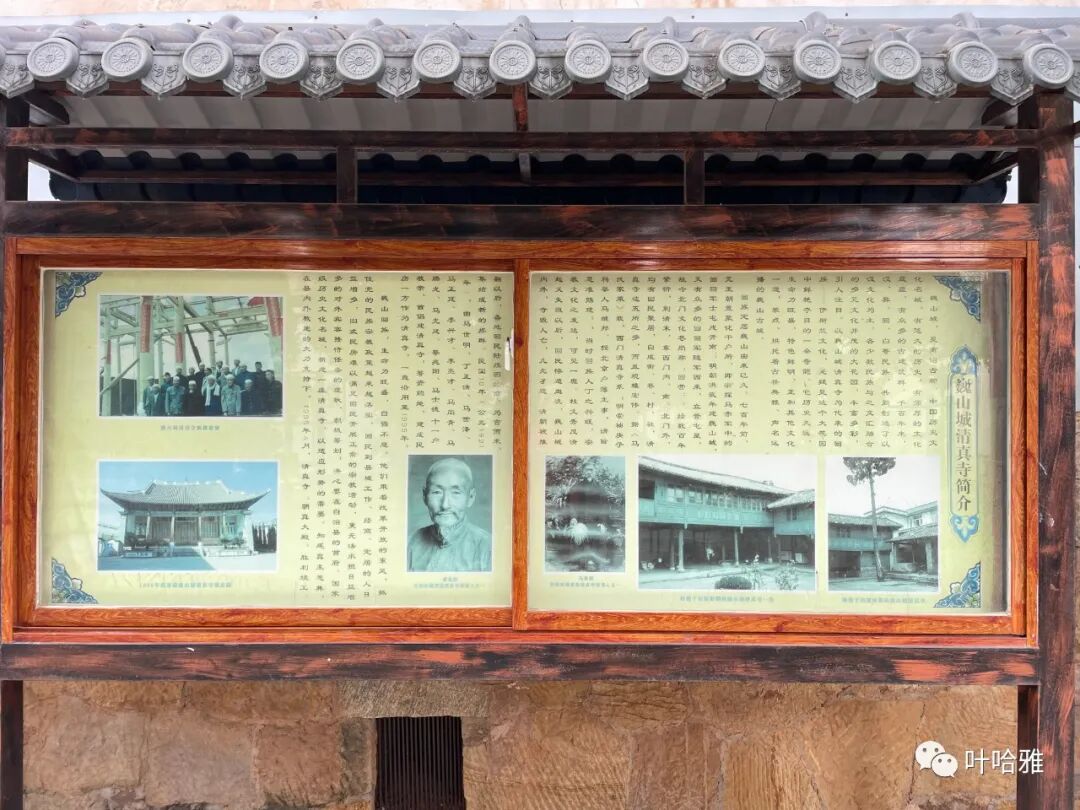
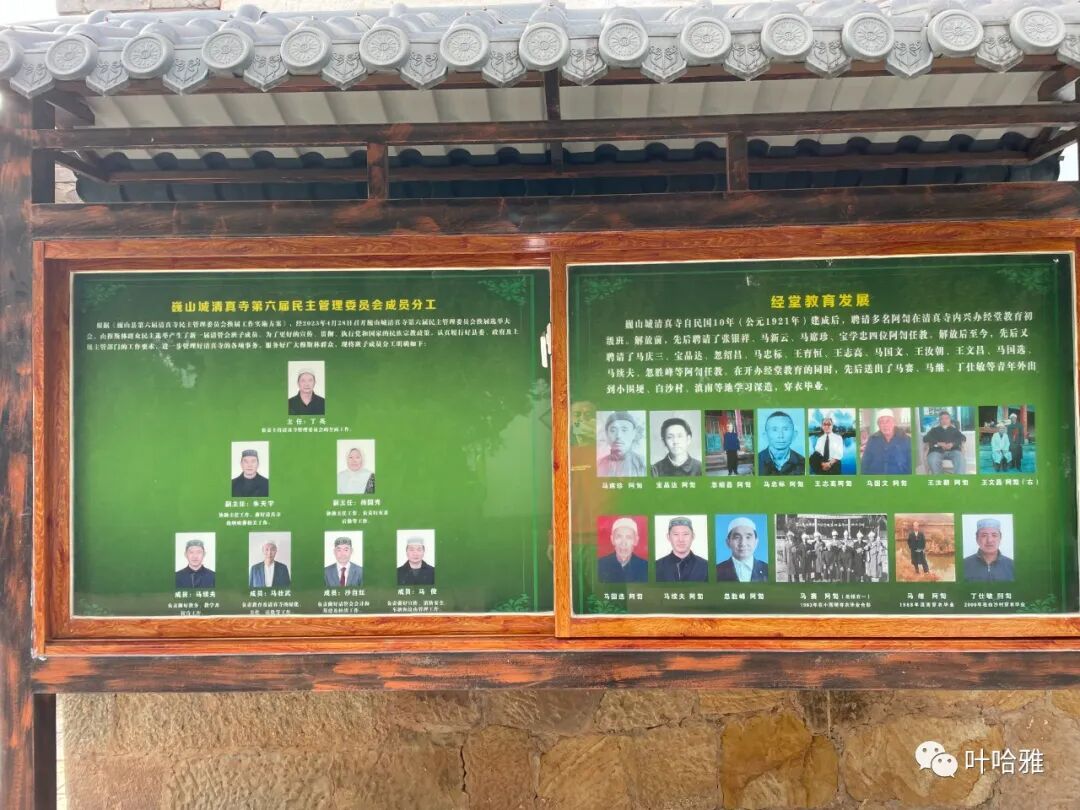
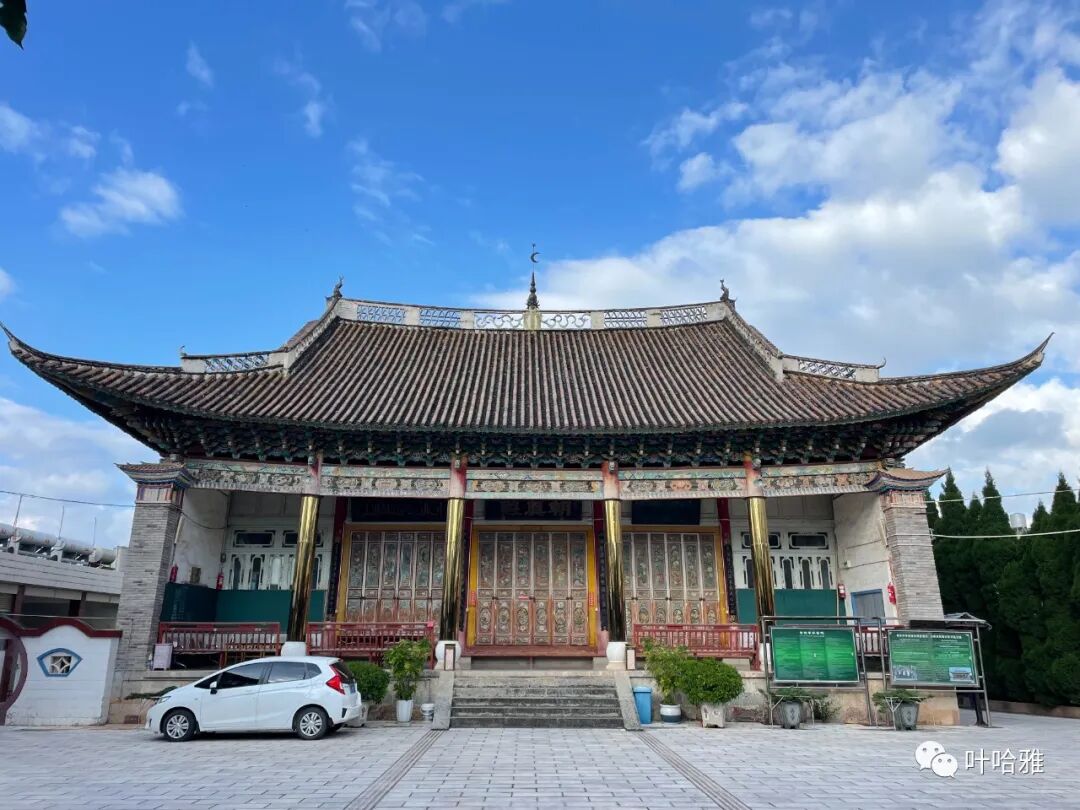
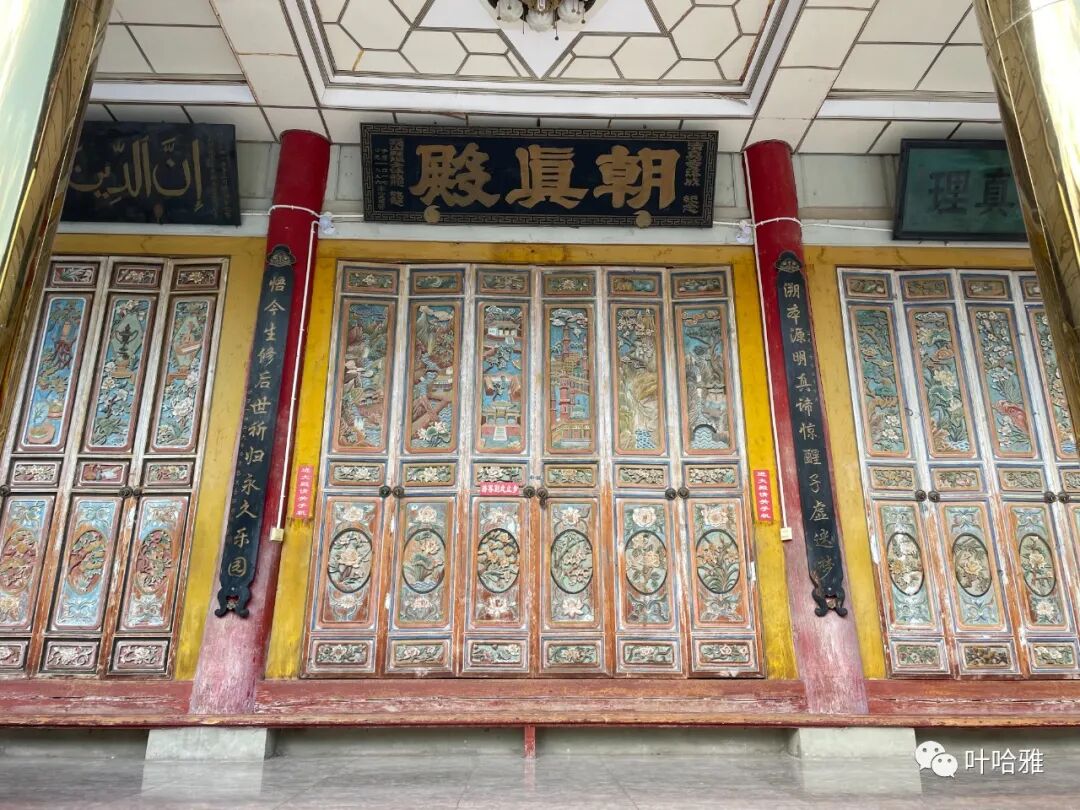
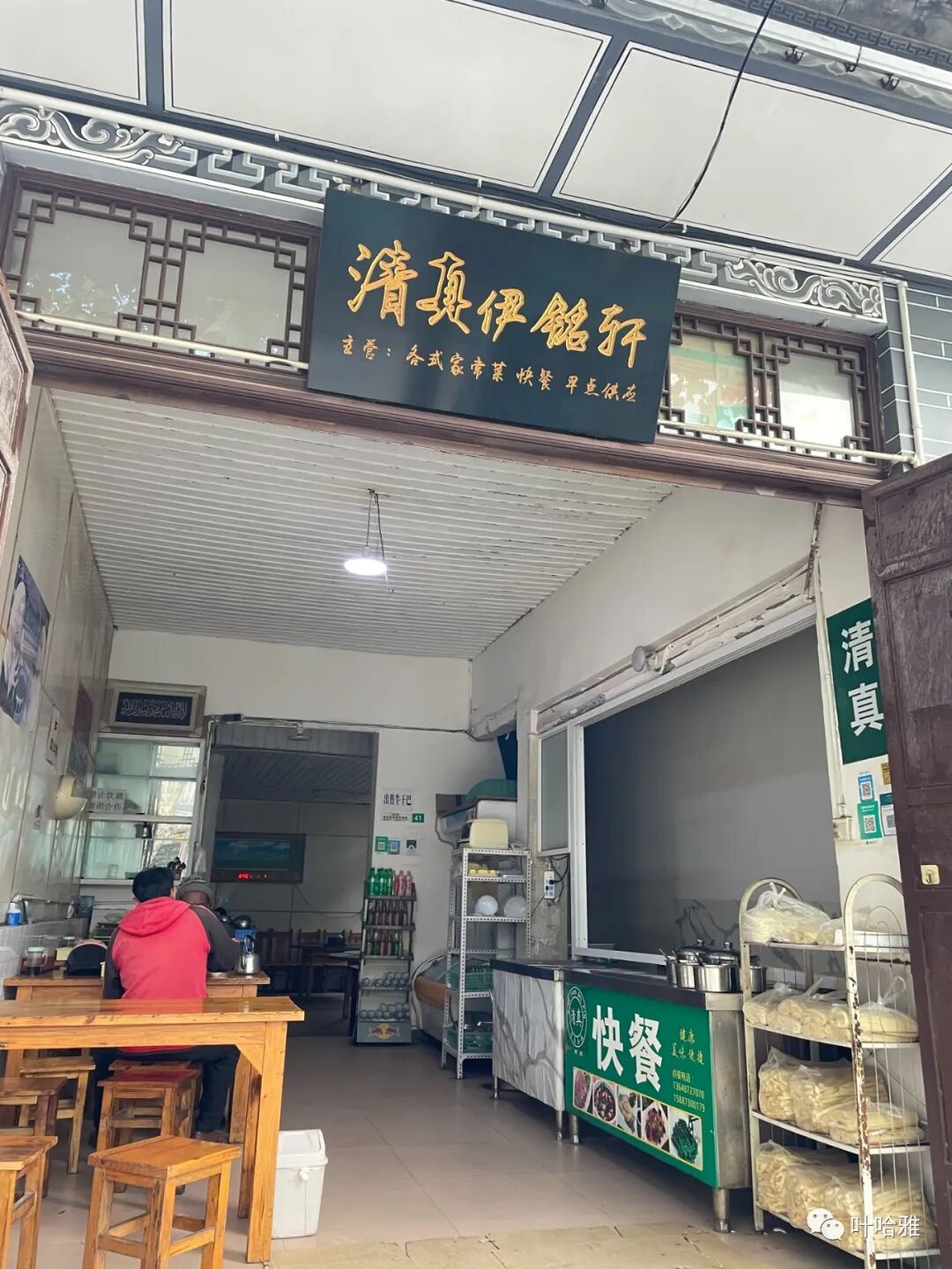
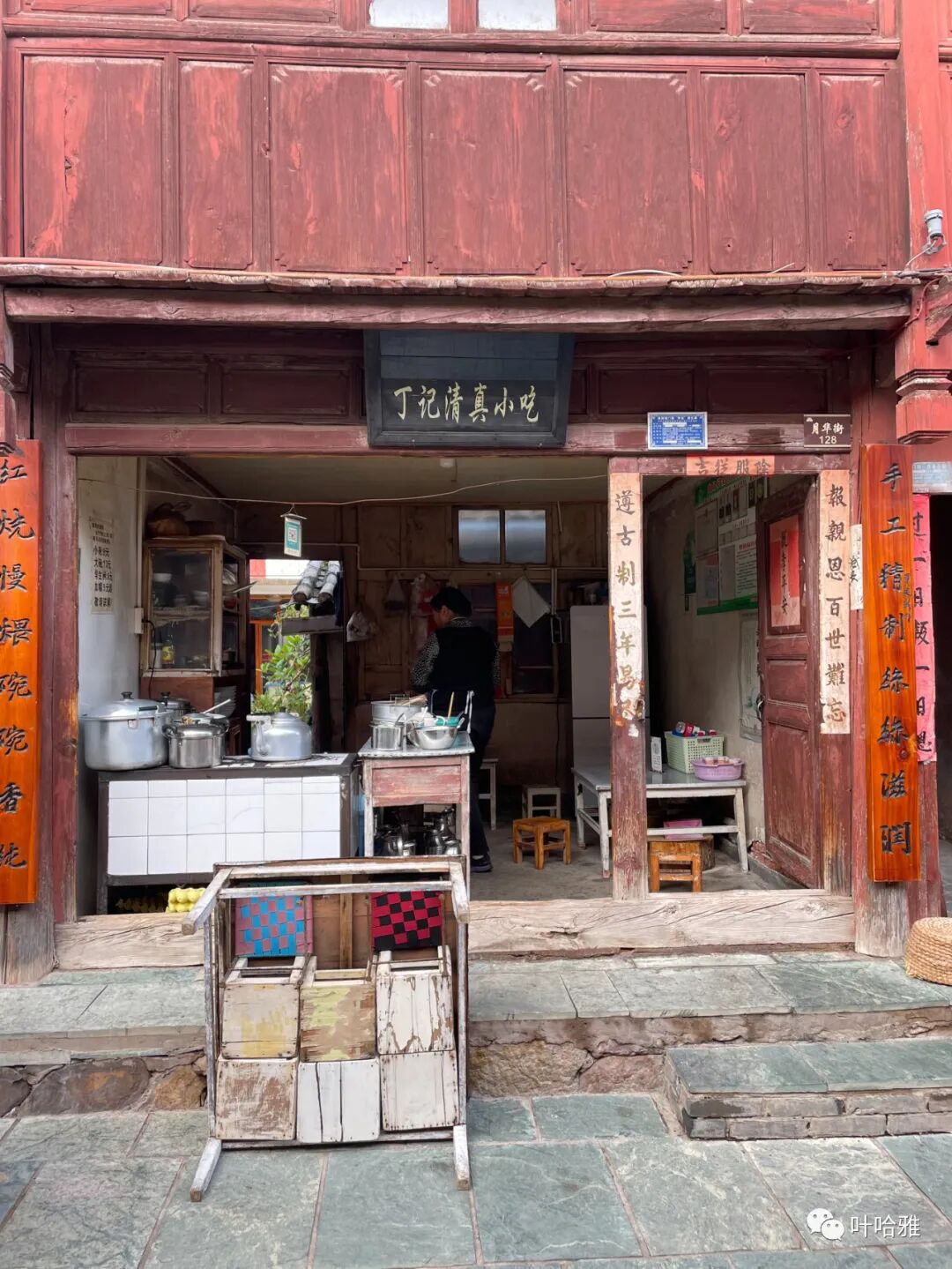
I bought some grilled rice cakes (shao erkua) for breakfast at a snack shop near the mosque entrance.
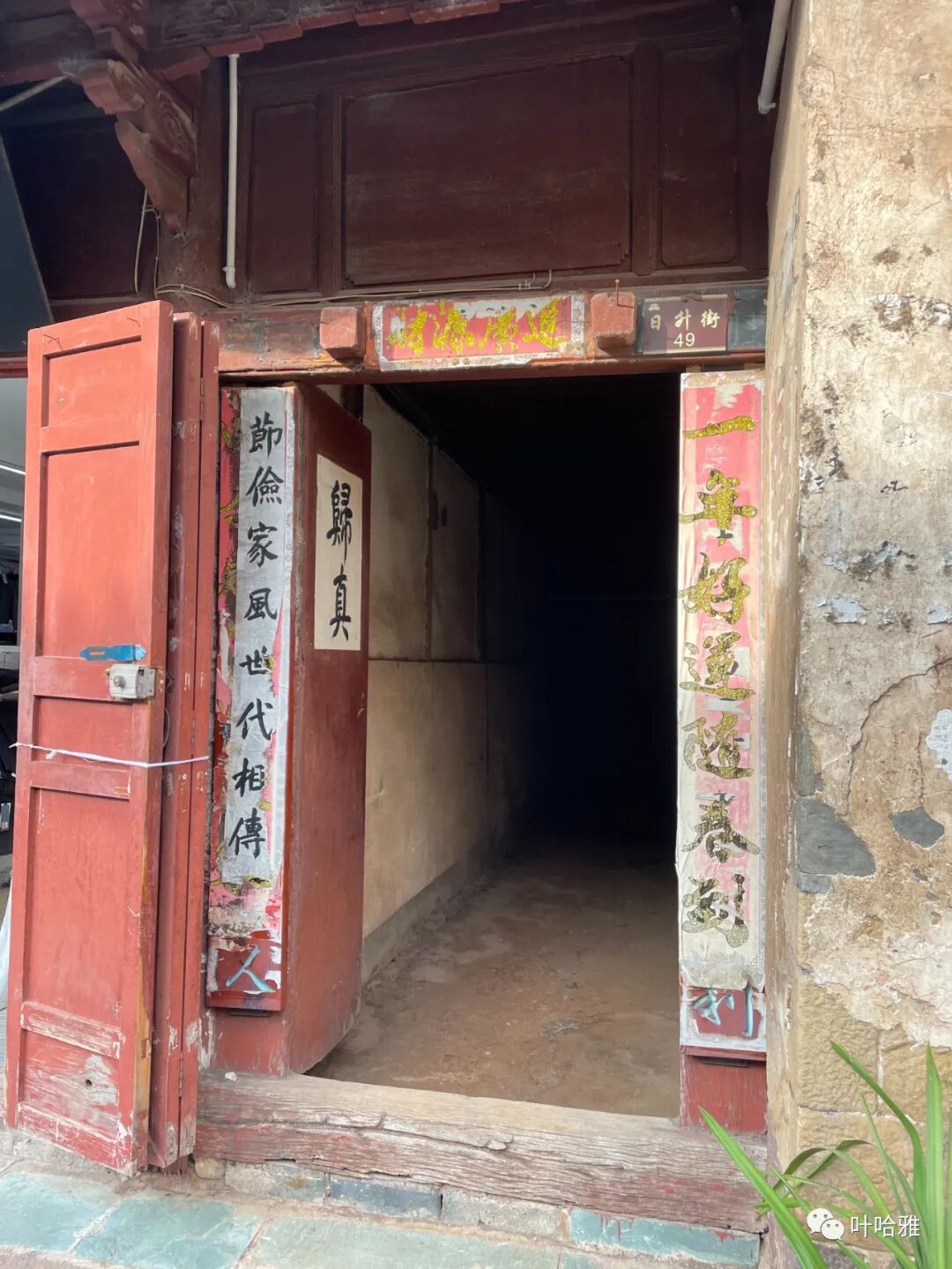
While walking through the ancient city, I noticed that the local Han Chinese homes also use the term "guizhen" (returning to the truth).
Halal Food Guide Dali: Authentic Yunnan Hui Muslim Food, Xizhou Mosque and Erhai Travel
Articles • yusuf908 posted the article • 0 comments • 300 views • 2026-05-22 22:09
Summary: This Dali halal food guide follows a family road trip around Erhai Lake, Dali Ancient City, Xizhou, local mosques, halal rice noodles, flower cakes, Bai-Hui Muslim culture, and practical food notes for Muslim travelers in Yunnan.
A Guide to Halal Food in Dali is presented here as a firsthand travel account in clear English, beginning with this scene: I have been to Dali twice. The first time was in the winter of 2016. I was single then and took a train from Beijing to Lhasa by myself. The account keeps its focus on Dali Mosques, Chinese Muslims, Muslim Travel while preserving the names, places, food, and historical details from the Chinese source.
I have been to Dali twice. The first time was in the winter of 2016. I was single then and took a train from Beijing to Lhasa by myself. After spending eight days in Tibet, I could not stand the dry winter air or the lack of good food. I took a long-distance bus from Lhasa for three days and two nights to Shangri-La in Yunnan, then traveled to Dali. I stayed at an inn in the Dali Ancient City and spent two days visiting seven mosques.
Dali is actually very large. Besides the Dali Ancient City, there are several other ancient towns nearby. Since I felt transportation was inconvenient during my first visit, my family of three drove from Beijing all the way to the southwest this time. We visited Xizhou, Eryuan, Yangbi, and Weishan in Dali. All these places have very traditional and beautiful ancient towns and old mosques.
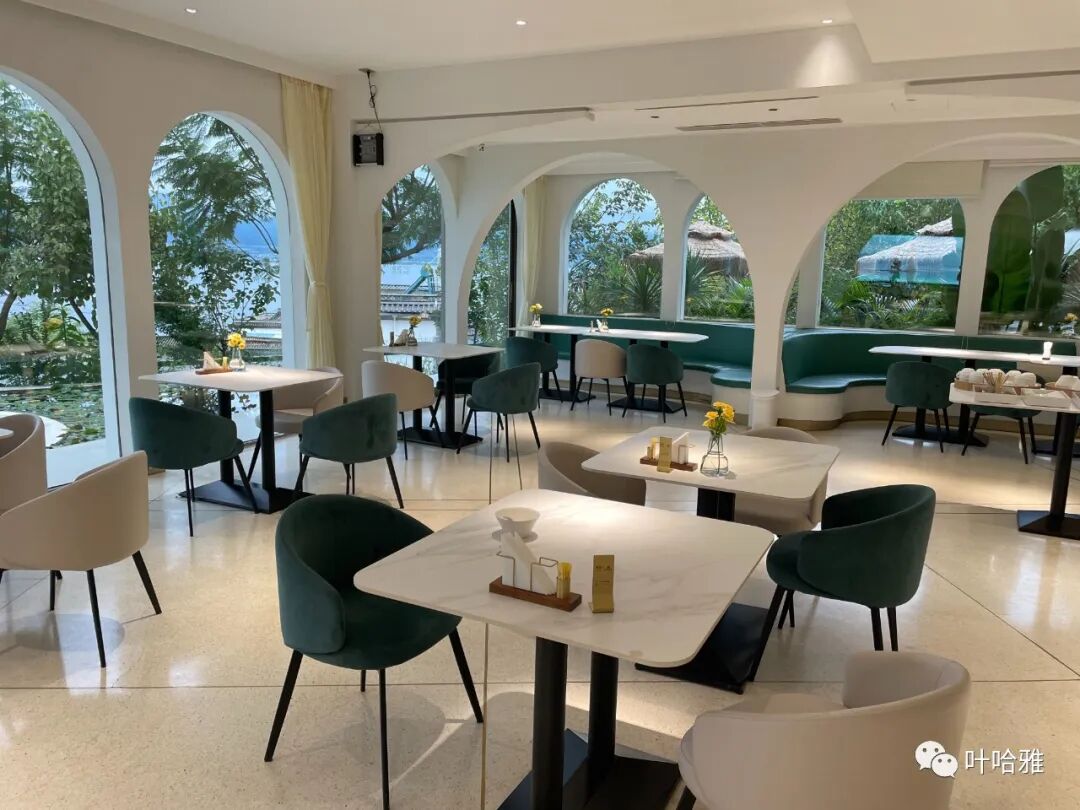
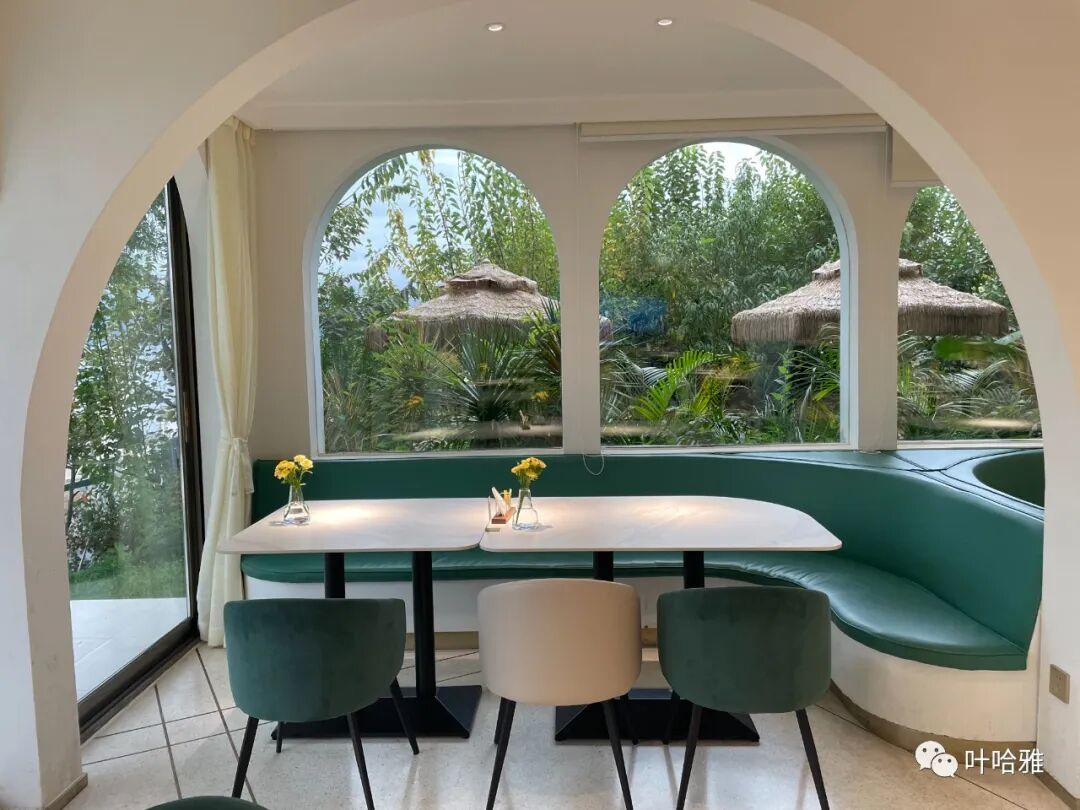
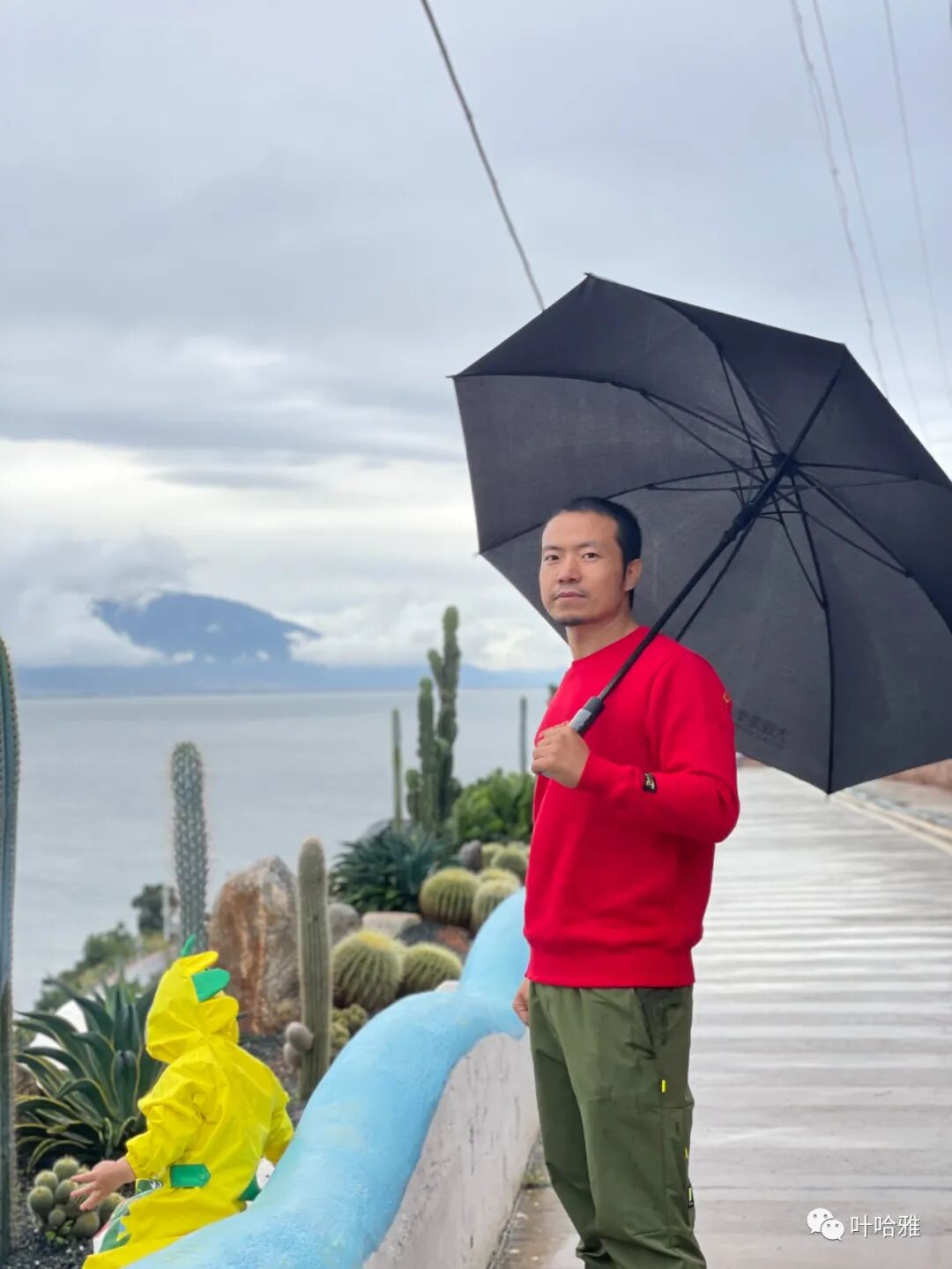
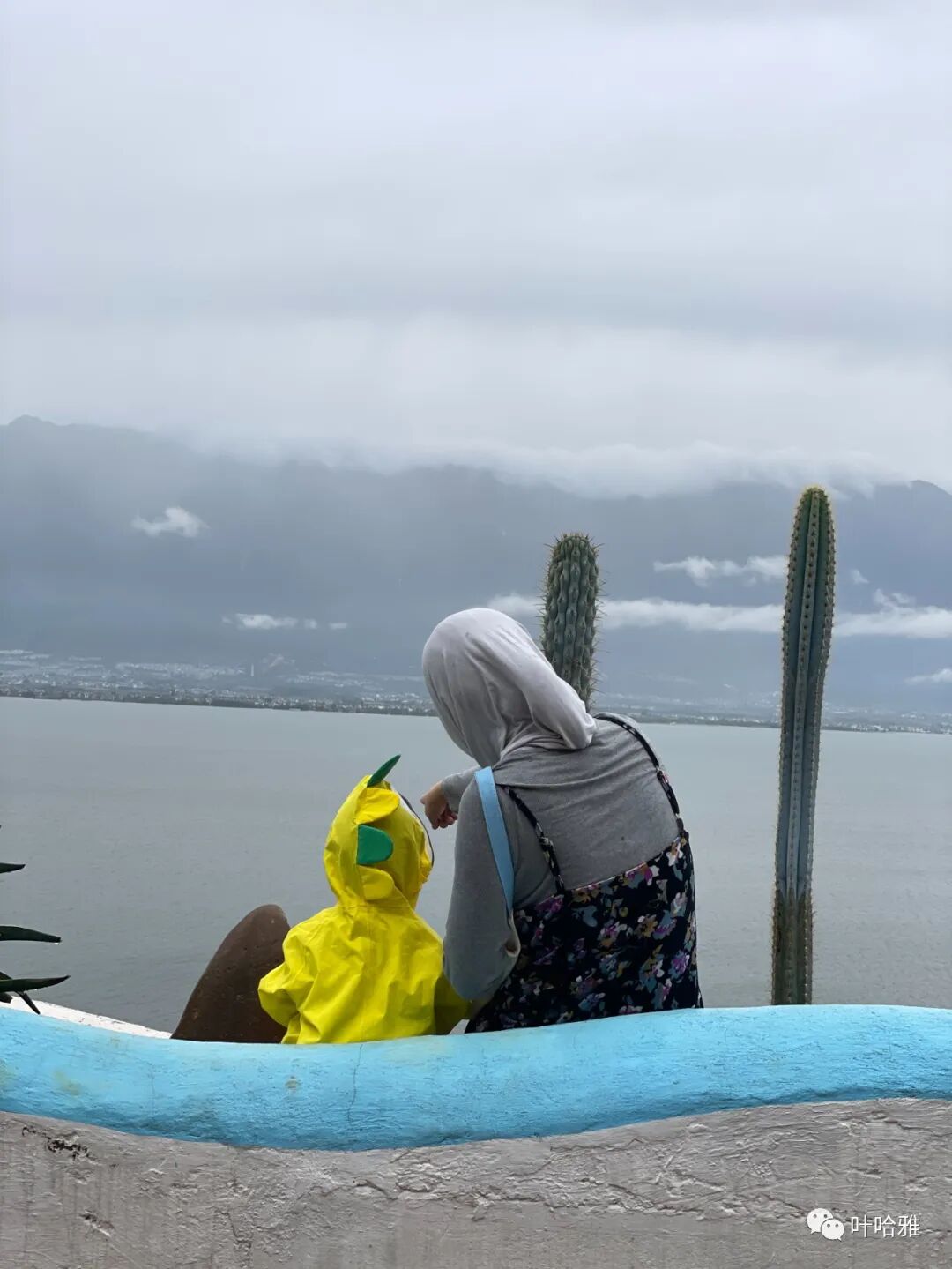
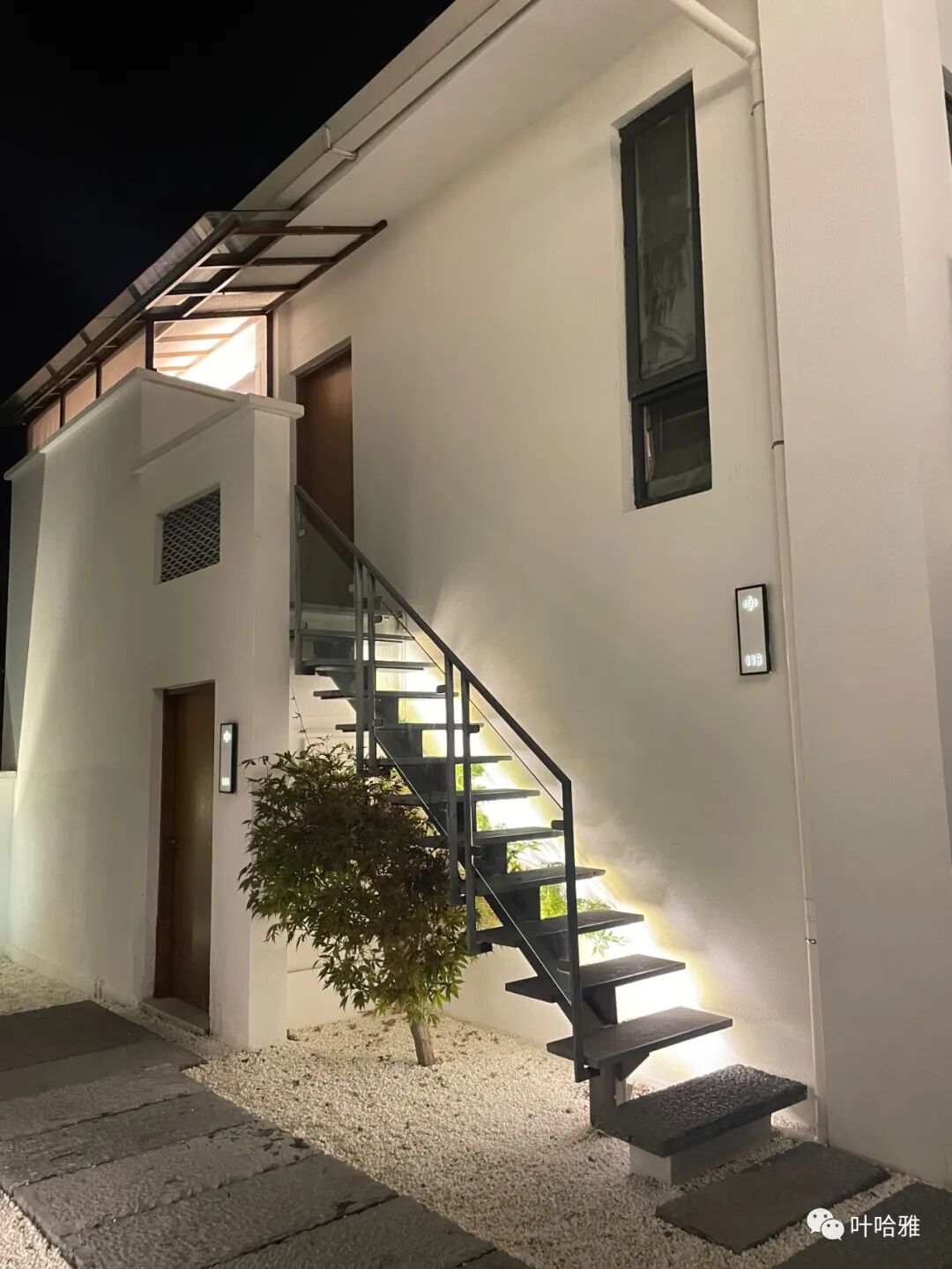
When I traveled alone before, I could make do with anything, and a cheap inn for a few dozen yuan was enough. Now that I travel with Fahim, I have higher standards for accommodation. The room needs to be as large as possible with a big bed, and it is best to have a bathtub and a swimming pool because my son loves playing in the water. We chose to stay one night at the Dali Yuewan Villa Half-Mountain Sea View Hotel on the east side of Erhai Lake. From the hotel terrace, you can overlook the full view of Erhai Lake. It also has an infinity pool and offers free photography services.
It is worth noting that the east side is more than ten kilometers away from the Dali Ancient City. There are only two or three halal restaurants around the east side, so it is not as convenient as the area near the ancient city on the west side. If you do not have a car, I suggest staying near the ancient city. However, the scenery on the east side is more beautiful, the hotel environments are better, and there are many trendy cafes.
After finishing our family time taking photos at the popular tourist spots on the east side, we moved into the ancient city on the second day. We stayed at The One Courtyard (THE ONE Gu Cheng Yi Hao Yuan). The hotel is located right at the entrance of the ancient city, making it very convenient. If you are driving, be aware that the ancient city has traffic restrictions during the day. Cars inside can only leave and cannot enter. You must wait until after 8:00 PM to drive into the hotel parking lot in the ancient city.
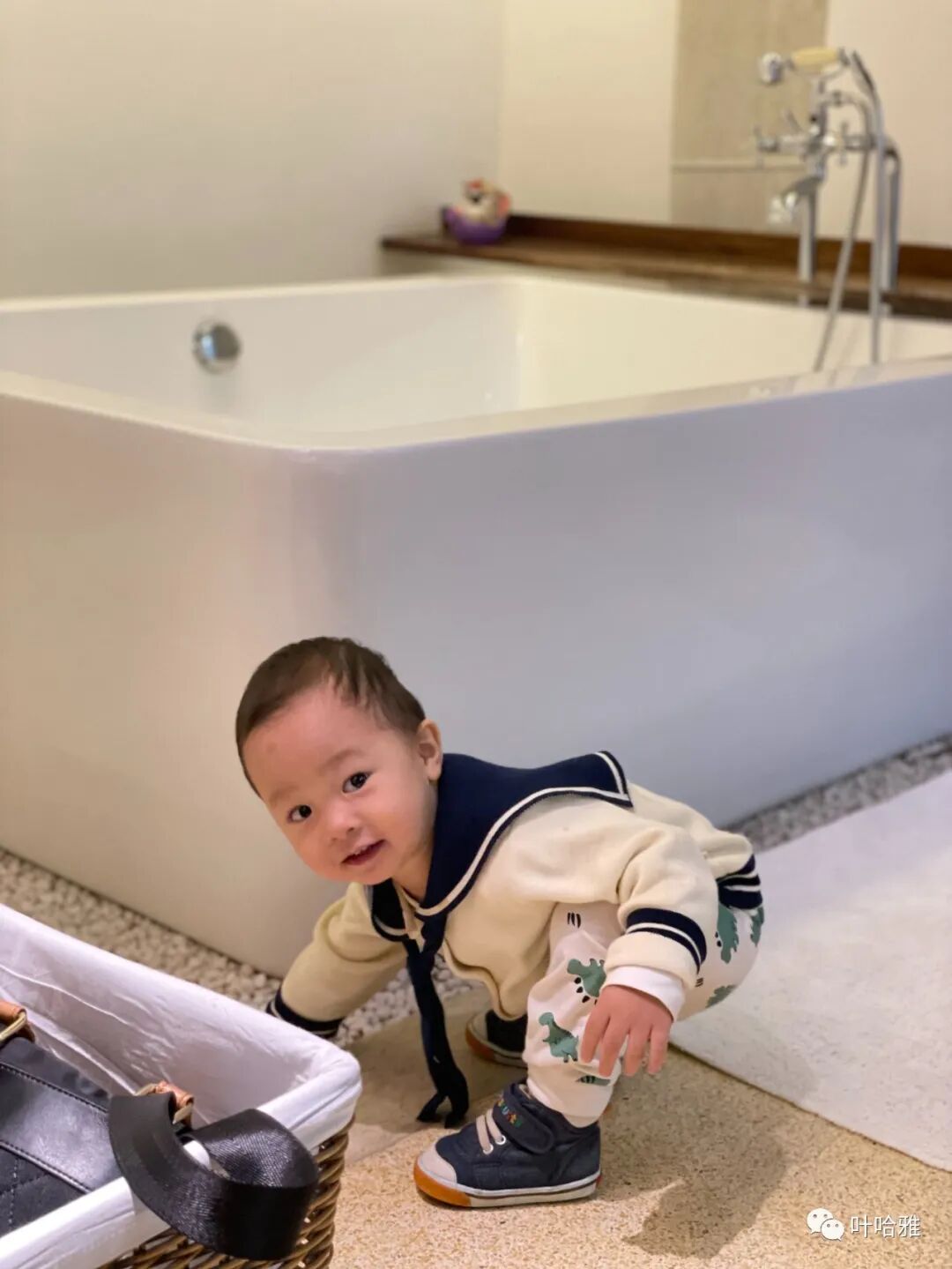
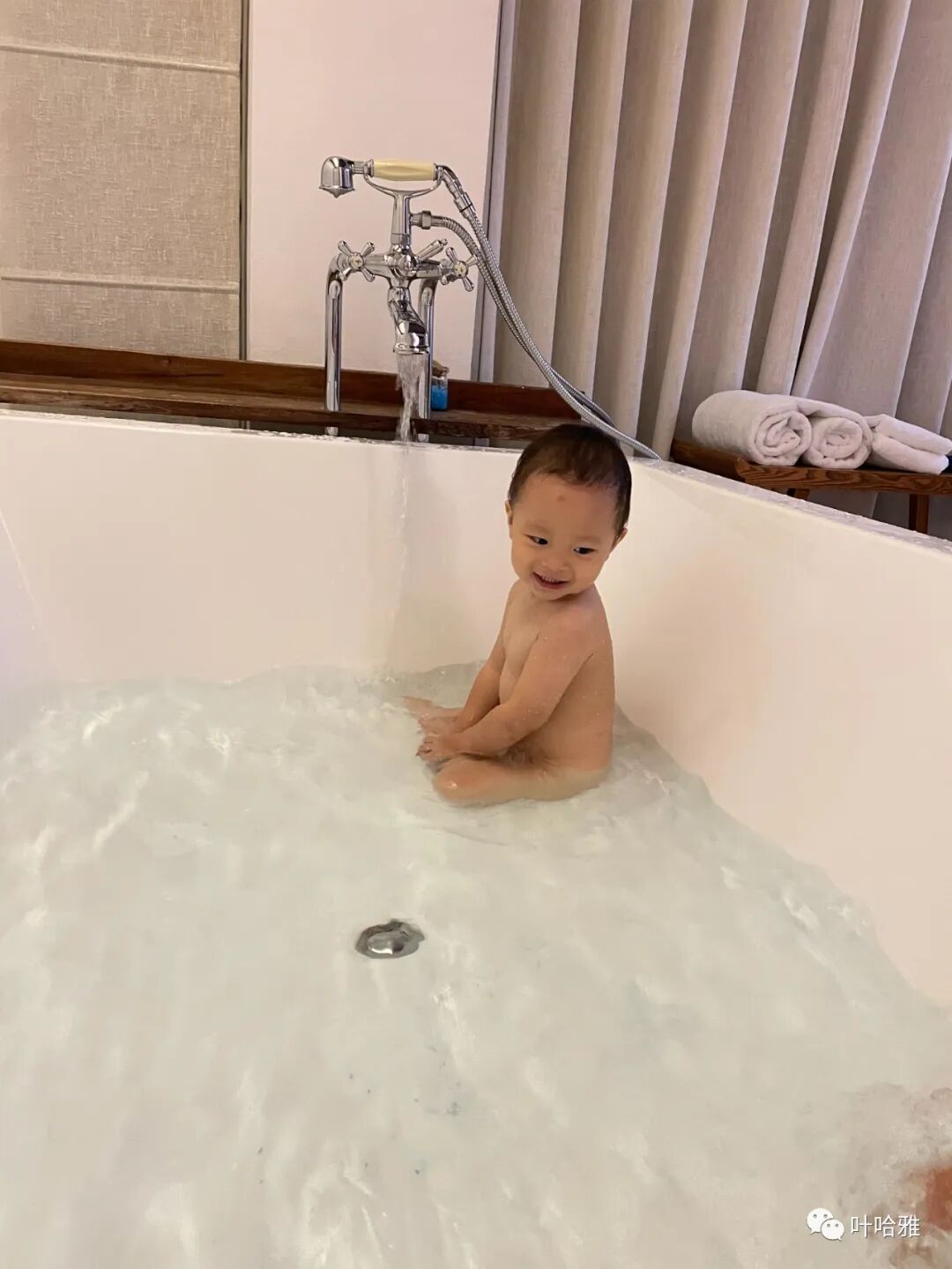
The big bathtub in the room kept Fahim busy playing all night, and the pebbles in the courtyard kept him busy playing all morning.
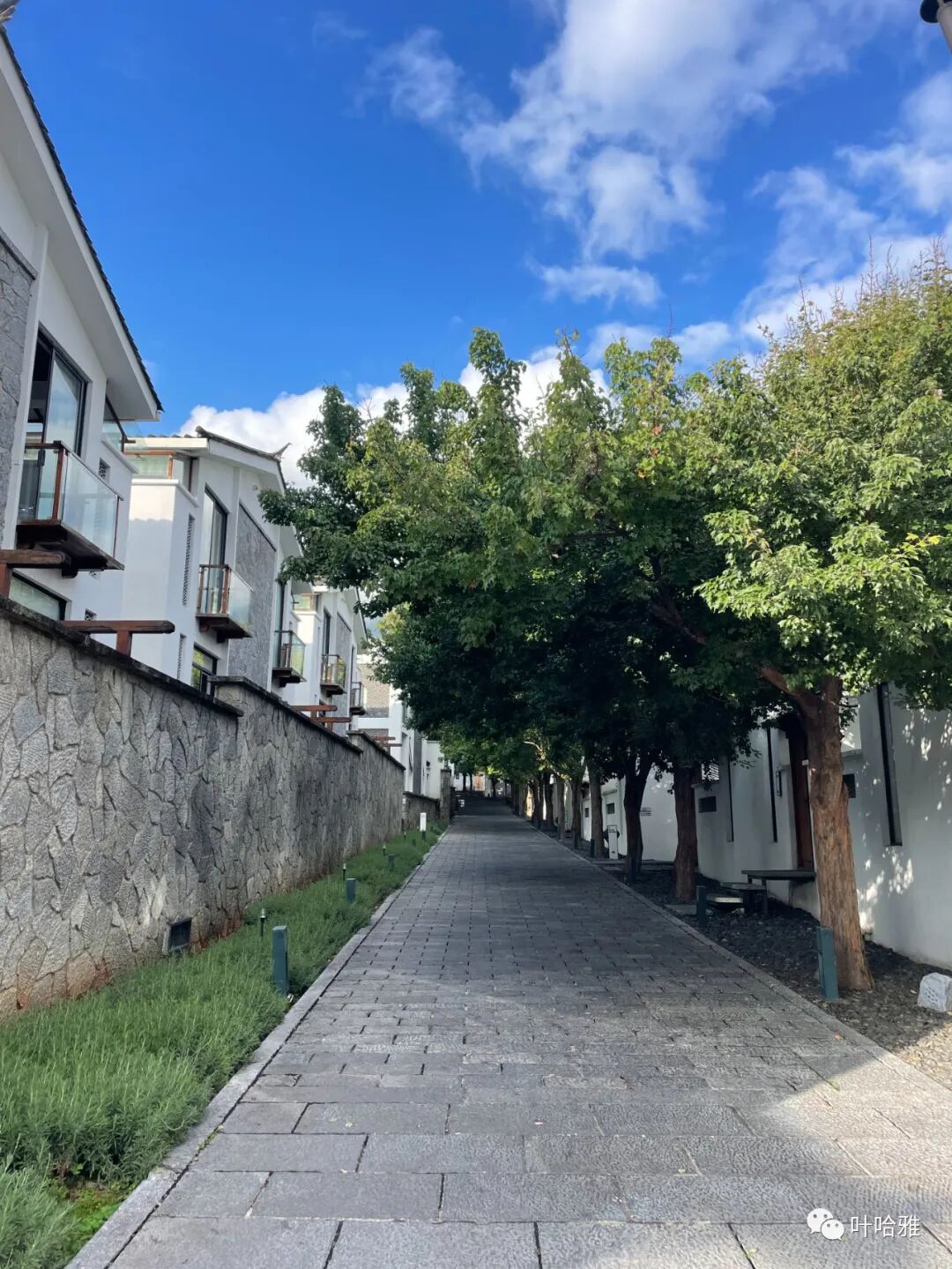
While riding a three-person bicycle in the ancient city, we passed the South Gate Mosque and saw this shop called Yixian Workshop. We bought some flower cakes (xianhuabing), which were surprisingly delicious—better than the ones we bought elsewhere later. They were 4 yuan each, with just the right amount of sweetness, and were both flaky and soft.
We bought maltose rice (maiyatangfan) from a Hui Muslim stall on the side of the road in the ancient city. It is a Yunnan specialty that is cold, refreshing, and sweet.
Dali Ancient City South Gate Mosque.
The South Gate Mosque in Dali was first built during the Yuan Dynasty and is one of the one hundred ancient mosques in the country. Before the failure of the Du Wenxiu Uprising, the mosque was located on Cangping Street, which was recorded in The Travel Diaries of Xu Xiake. After the Du Wenxiu Uprising failed, the mosque and its 120 mu of mosque land were confiscated as rebel property by the Qing government's liquidation committee. The mosque was converted into a City God Mosque, and in 1944, it was changed into a local court. The current South Gate Mosque is located inside the Dali Ancient City.
Salam Rice Noodle Shop
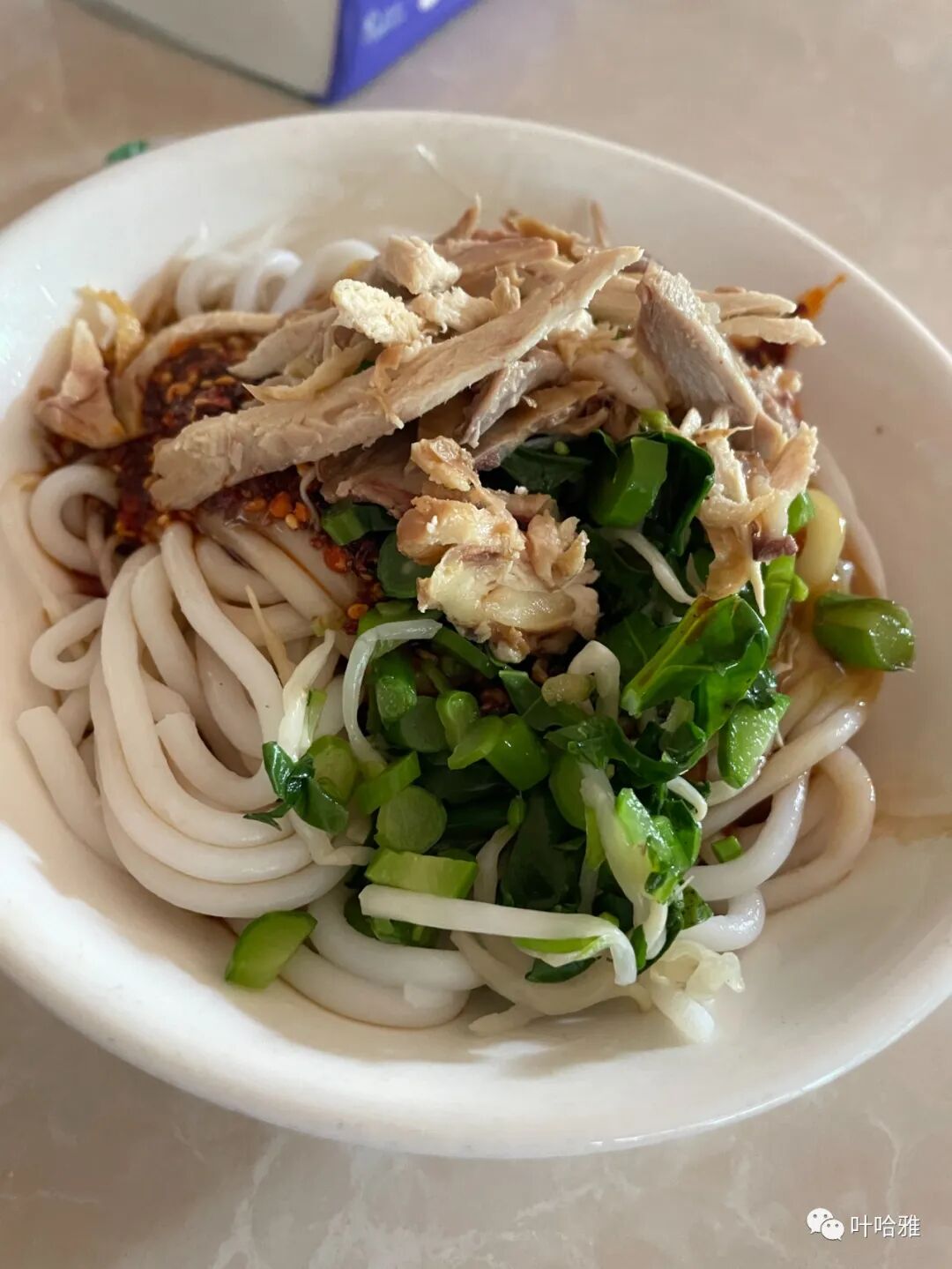
This small shop near the south gate of Dali Ancient City sells rice noodles (mixian), rice cakes (ersi), and rice soup. They do not sell alcohol, and their cold chicken rice noodles are excellent.
Dried beef (niuganba) hangs from the ceiling beams, which is a specialty meat for Hui Muslims in Yunnan.
Youfeng Courtyard
Youfeng Courtyard is a filming location for the TV show Meet Yourself starring Liu Yifei. I have not seen it, but my wife told me all about it.
We happened upon a teahouse next to the courtyard and sat there for the afternoon. While Fahim took a nap, we enjoyed tea in the courtyard.
Dali City has eighteen mosques, not counting the rest of Dali Prefecture. Contact information is in the table below.
Dali City Fengyi Mosque
Fengyi Mosque was built during the Qing Dynasty, and the current building was renovated in 2001.
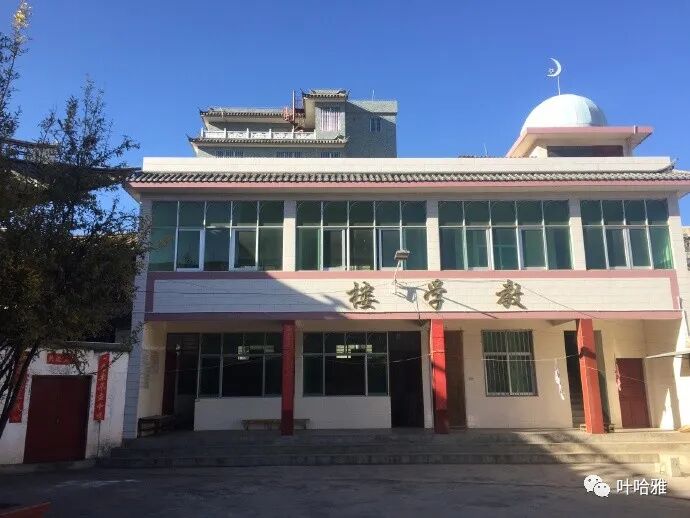
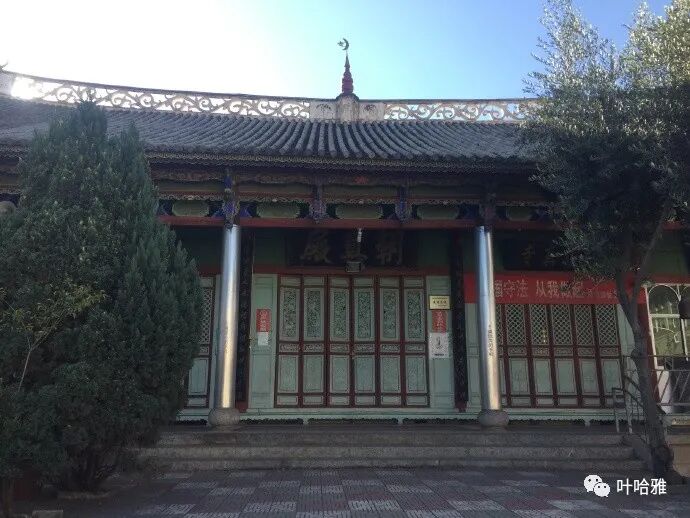
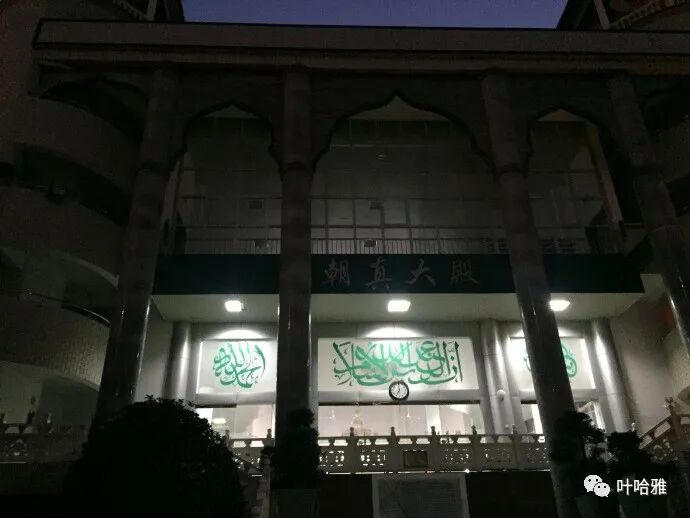
Xiaguan Mosque
Xiaguan Mosque was built in 1915, and the current building was renovated in 2004.
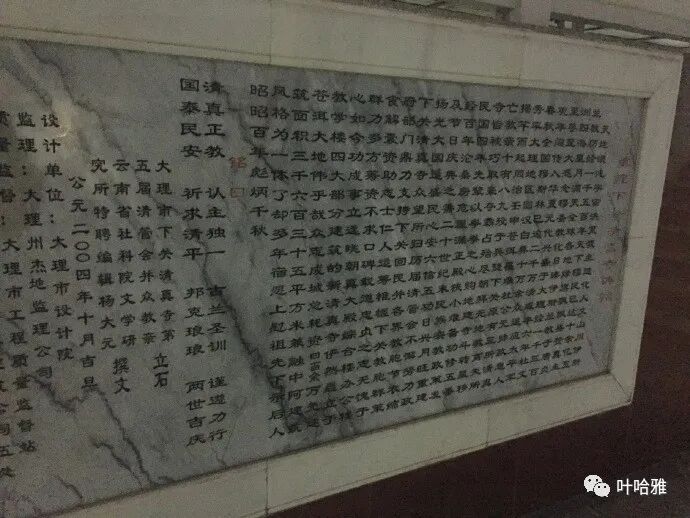
Nanwuliqiao Mosque
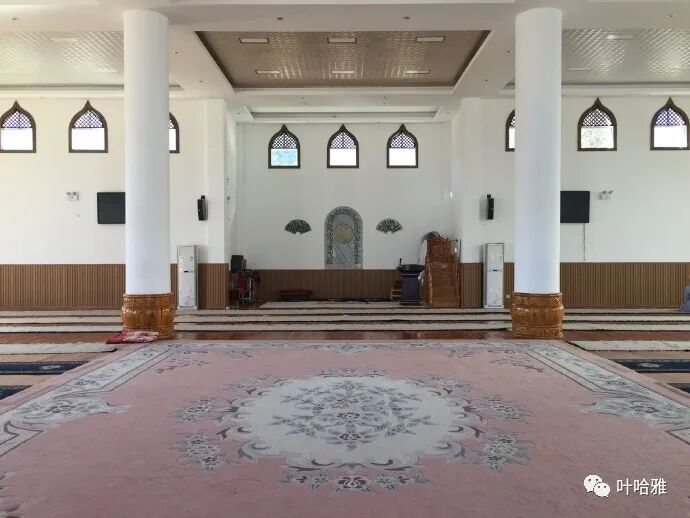
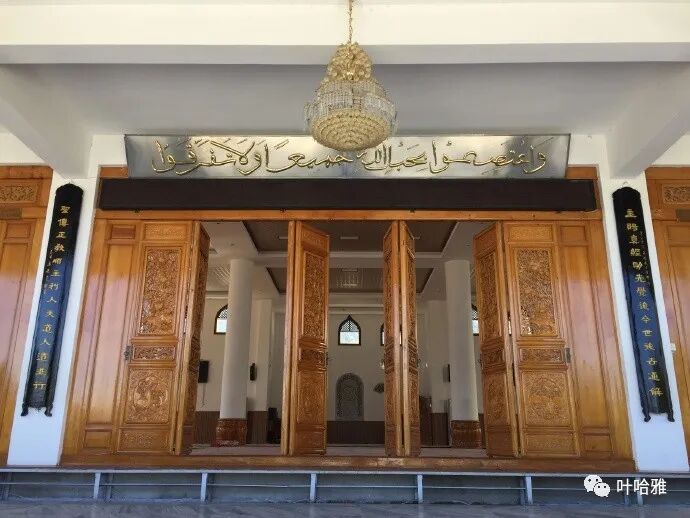
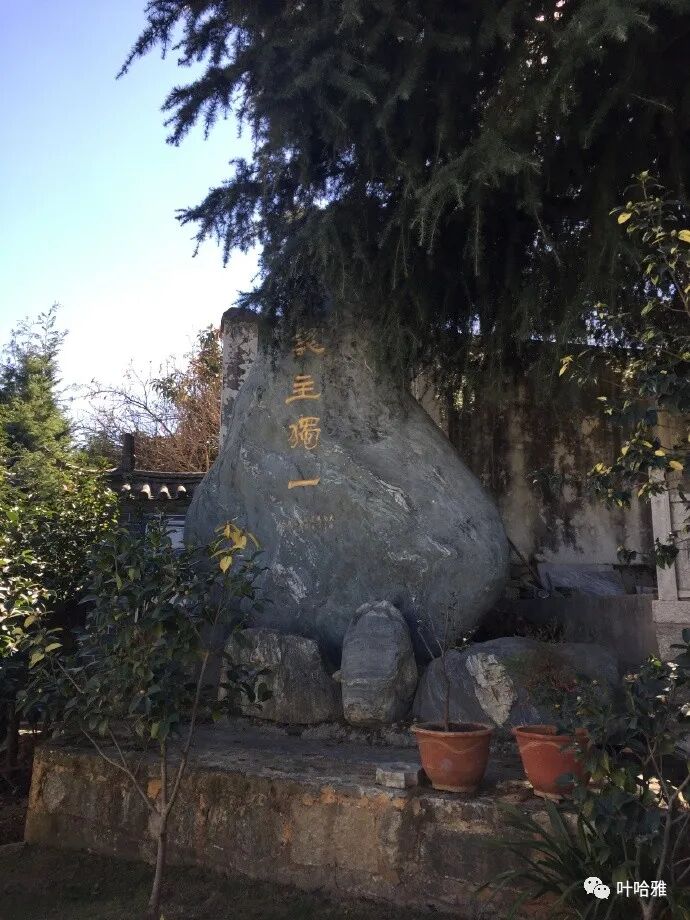
Nanwuliqiao is a Hui Muslim village less than three kilometers from Dali Ancient City. The village has a street dedicated to halal food (Nanwuliqiao Qingzhen Meishi Yitiaojie). The Nanwuliqiao mosque is also the largest mosque in Dali, first built in the tenth year of the reign of Mongke Khan of the Yuan Dynasty (1233).
In Yunnan, there is a custom where locals invite guests from afar to stand in the first row near the imam during namaz, as they want to offer the best spot to their guests.
Nanwuliqiao Halal Food Street
I took these photos in 2016. The signs have changed now, but it is still a halal food street. There is much more halal food here than in Dali Ancient City, and there are fewer tourists and more locals.
I recommend trying the Dai-style barbecue, because it is hard to find halal versions once you leave Dali.
Dali Zhihua Mosque
Zhihua Mosque was first built during the Hongwu period of the Ming Dynasty, and the current building was completed in 2000.
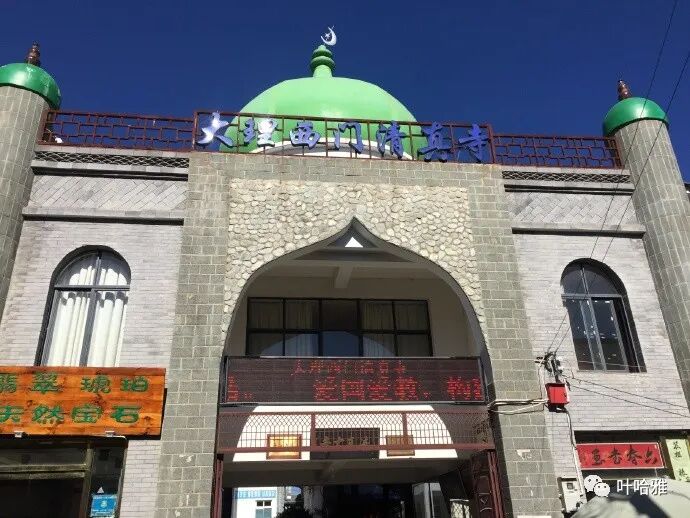
Dali Ximen Mosque
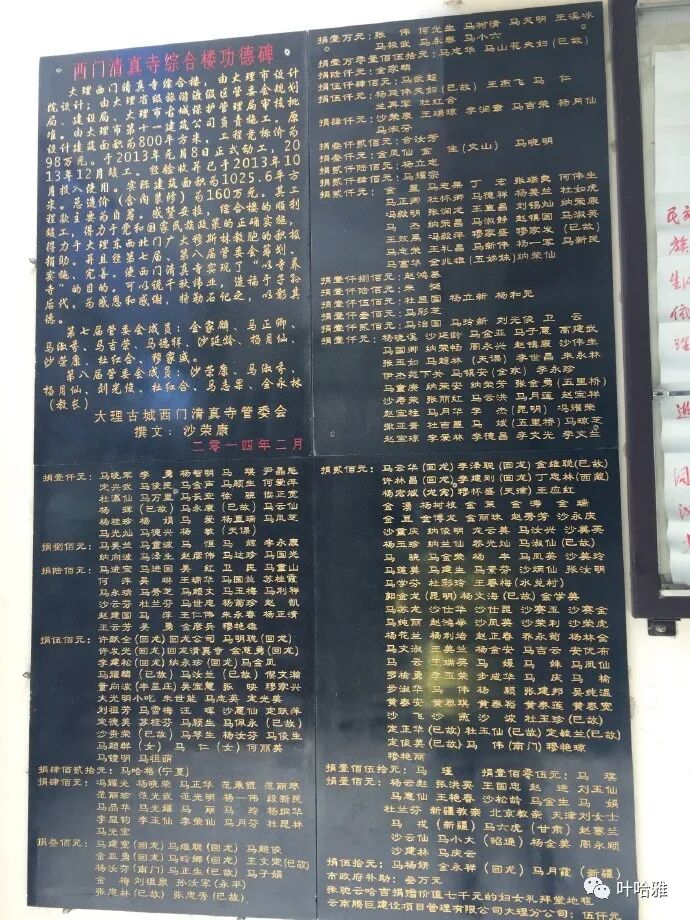
The history of Ximen Mosque dates back to the Yuan Dynasty. It was first built in the 15th year of the Zhiyuan reign (1278), making it over 700 years old. It was built by Qilie Zuocheng, a general under the Yunnan King Sayyid Ajjal Shams al-Din Omar, and is considered one of the oldest mosques in Yunnan.
Du Wenxiu, a leader of the ethnic uprisings in Yunnan during the late Qing Dynasty, once founded the Duzhangjiao School at Ximen Mosque.
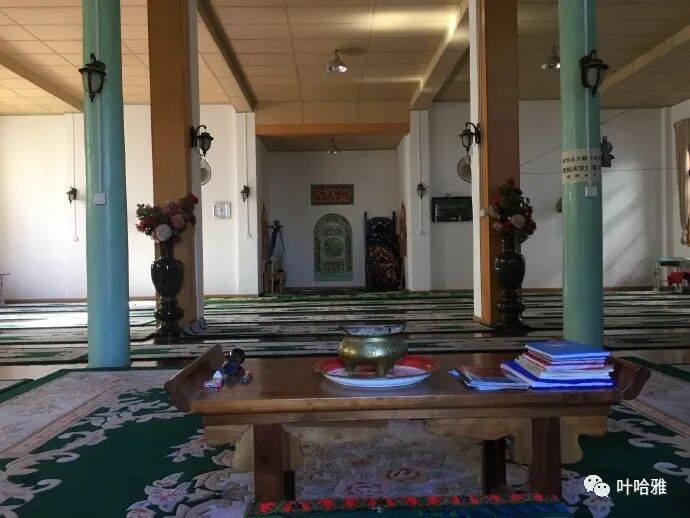
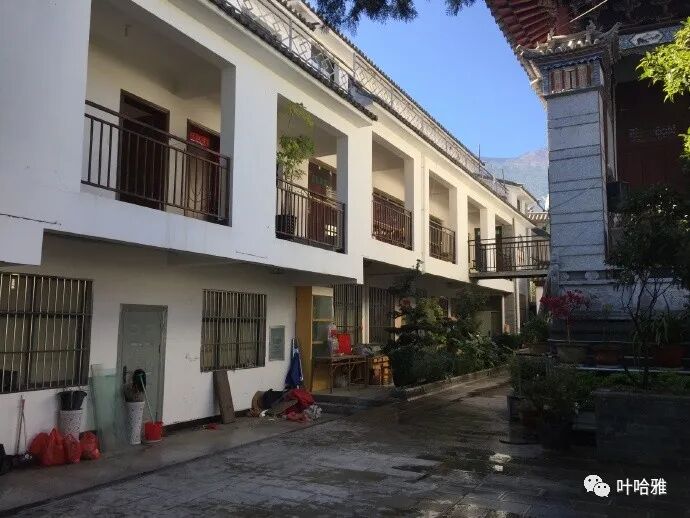
Xiadui Mosque
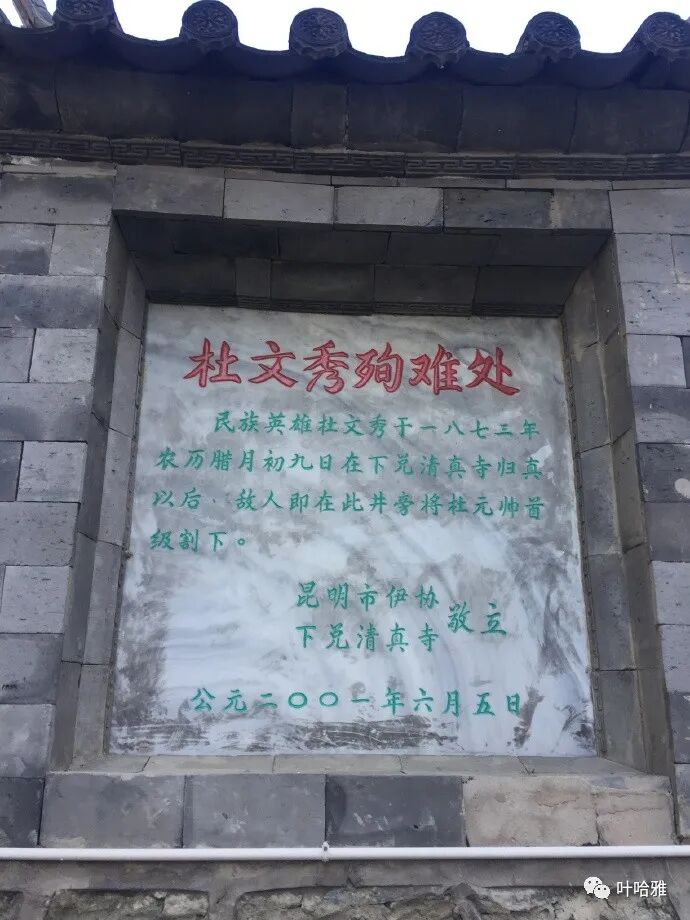
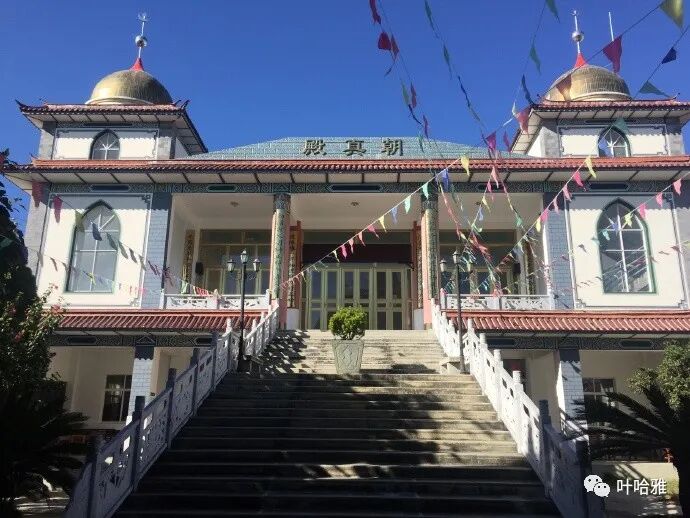
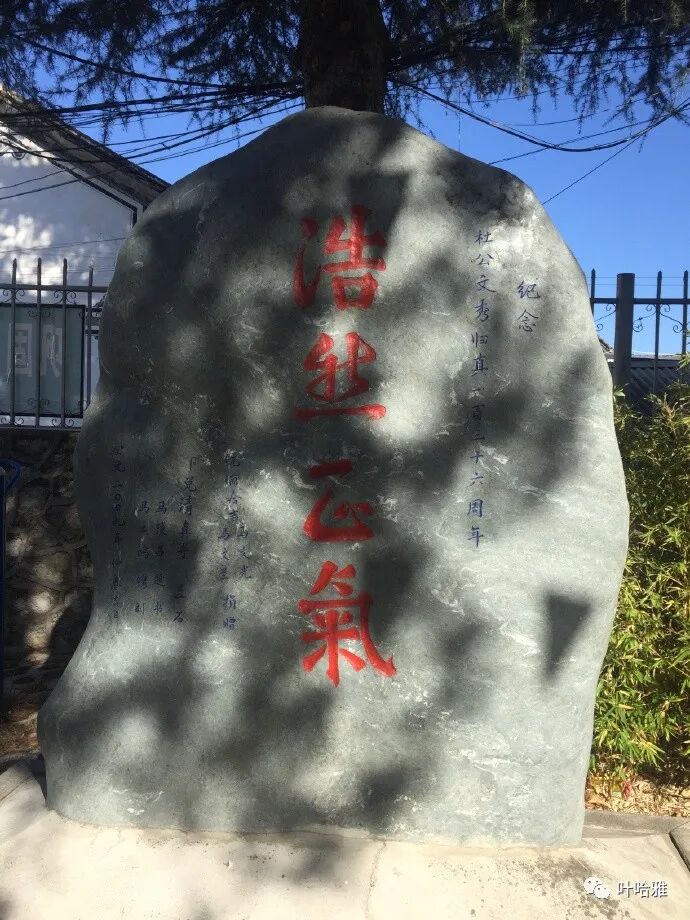
Xiadui Village is also a Hui Muslim village. The mosque was first built during the Qianlong period of the Qing Dynasty, and this is the place where Du Wenxiu died as a martyr.
As a late Qing dynasty ethnic leader who fought against the Qing, Du Wenxiu was slandered by his enemies for colluding with foreign powers, setting up his own base, and establishing an independent state, all based on a flyer that once circulated in Yunnan. I once found foreign language documents to research this issue.
Regarding several issues of Du Wenxiu's foreign relations: in foreign documents, two issues concerning the Hui Muslim uprising were long debated. One was why Yunnan Hui Muslims were called Pan-thay, and the other was the issue of the Dali Islamic State. The content of a flyer and the nature of a regime are two different things. A regime's nature might be reflected in a flyer, but judging a regime solely based on one flyer is still problematic. Baber and Gill both asked the Dali Hui Muslims about the Islamic State and the title of Sultan. They reached the same conclusion: the title of Sultan was completely foreign to everyone. Except for two or three imams, the locals never used it to address their leader, and no one even knew the name Suleiman.
Therefore, the issue of the Dali Islamic State actually stemmed from this flyer. Clearly, the purpose of distributing this flyer was to incite Hui Muslims in other regions to join the resistance against Qing rule. Its content represented the views and tendencies of a very small number of imams. Du Wenxiu's views on religion were not that narrow, and the flyer did not represent the nature of the Dali Hui Muslim regime.
Du Wenxiu advocated that the three religions should be of one heart and united as one. This meant Islam, Buddhism, and the Yi people's religion.
Yitianyuan Halal Cuisine, Dali Branch.
The main restaurant is in Kunming, and the Dali branch has been operating for 11 years. It is a relatively large Yunnan restaurant.
This is a photo of a napkin taken in 2016; it certainly wouldn't be designed like this today.
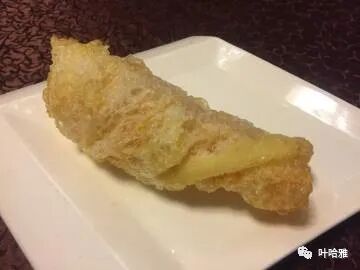
I had stir-fried beef (xiaochao huangniurou) and fried milk fan (zha rushan). This was my first time trying fried milk fan, a deep-fried dairy snack invented by Hui Muslims.
Xizhou Ancient Town
There are not many Islamic elements left in Xizhou Ancient Town. Only one old mosque remains, along with a few halal snack shops. Most Hui Muslims in Xizhou live outside the ancient town.
Xizhou has a local snack called Xizhou flaky flatbread (xizhou posu baba). It is a large, deep-fried bun made by both Hui and Han people.
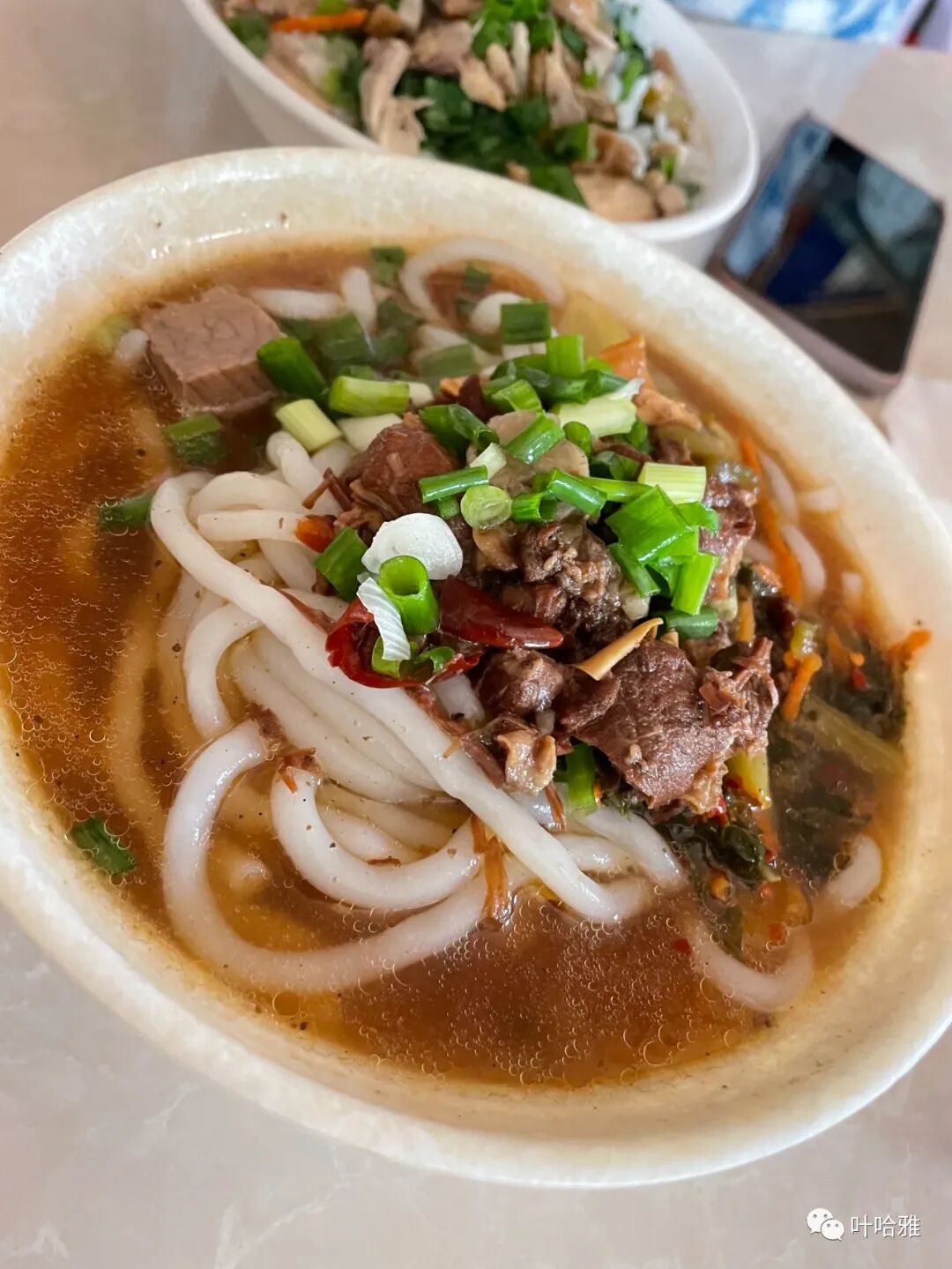
In the morning, we ate rice noodles (mixian) at Shajia Shop inside Xizhou Ancient Town. They serve local-style rice noodles with original broth cooked in a copper pot. You can add your own toppings, which works well for us since we can choose non-spicy options. Their chicken soup is delicious, and the owner kindly gave us a small bowl of noodles for Fahim.
Fahim really loves slurping noodles, and he enjoyed this meal.
After finishing our noodles, we wandered around the Windy Courtyard (youfeng xiaoyuan) in the ancient town.
Fahim really liked the blue Xizhou fridge magnets in the ancient town and played in front of a shop for half an hour.
I also tried grilled milk fan (kao rushan) in Xizhou for the first time, and I think it tastes better than the fried version.
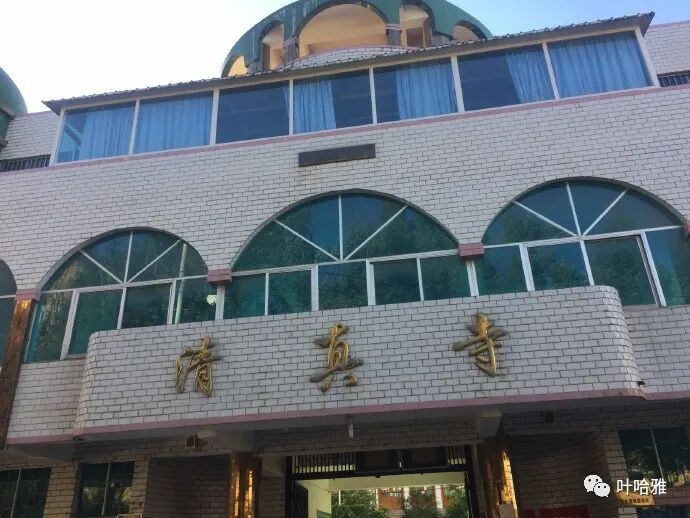
Xizhou Mosque
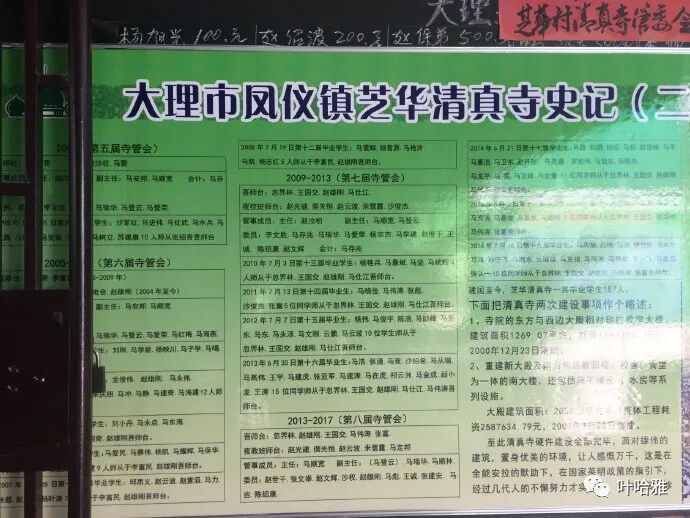
Xizhou originally had two mosques, the Ma Family Mosque and the Zhang Family Mosque. After the Dali regime failed, they were confiscated as rebel property. By the end of the Qing Dynasty and the beginning of the Republic of China, Hui Muslims chose representatives to ask local gentry to return Zhangjia Mosque. Since Zhangjia Mosque had been expanded and turned into a God of Wealth Hall (Caishendian), the local government gave the Hui Muslims a different plot of land to build a mosque. After several years of fundraising, the mosque was completed in 1922, and the prayer hall was expanded in 2004.
I attended Jumu'ah prayer in Xizhou. There are not many Hui Muslims here, and as usual, everyone sat in a circle to recite the Suole before the prayer.
The prayer plaques (dua pai) are still on the doorways of the houses in the old town.
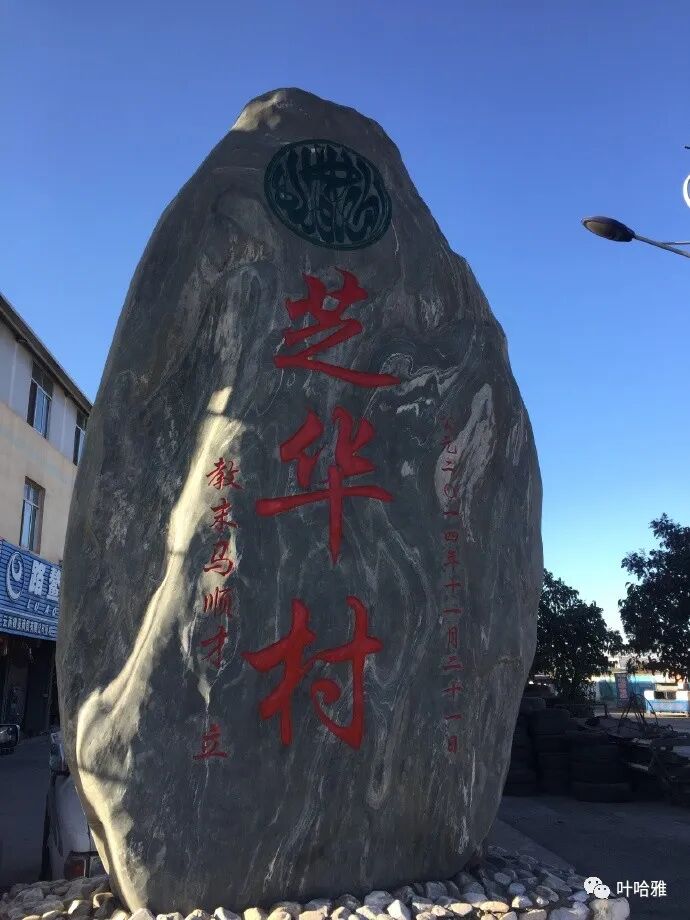
Shipang Village
Shipang Village is a settlement where Bai and Hui Muslims live together. These Bai-Hui Muslims are Hui Muslims who have adopted Bai culture. They wear Bai clothing and practice Islam, but their ID cards list them as Hui Muslims. We arrived just as the rice was turning yellow, creating a vast golden field. It had just rained, and the distant mountains were wrapped in mist. It is a great place for photos, and since there are almost no tourists, you can enjoy the beautiful scenery in peace.
Many Hui Muslims have lived here since the Qing Dynasty. After intermarrying with the Bai people, they started speaking the Bai language, so I found I could not understand the locals. The Bai-style clothing is mostly seen in the small square headscarves, but now only a few elderly people wear them, and you rarely see them on the street.
Shipang Mosque
Shipang Mosque was first built in 1896. It was destroyed in a massacre in the past, which left the area without a mosque for a long time. view all
Summary: This Dali halal food guide follows a family road trip around Erhai Lake, Dali Ancient City, Xizhou, local mosques, halal rice noodles, flower cakes, Bai-Hui Muslim culture, and practical food notes for Muslim travelers in Yunnan.
A Guide to Halal Food in Dali is presented here as a firsthand travel account in clear English, beginning with this scene: I have been to Dali twice. The first time was in the winter of 2016. I was single then and took a train from Beijing to Lhasa by myself. The account keeps its focus on Dali Mosques, Chinese Muslims, Muslim Travel while preserving the names, places, food, and historical details from the Chinese source.
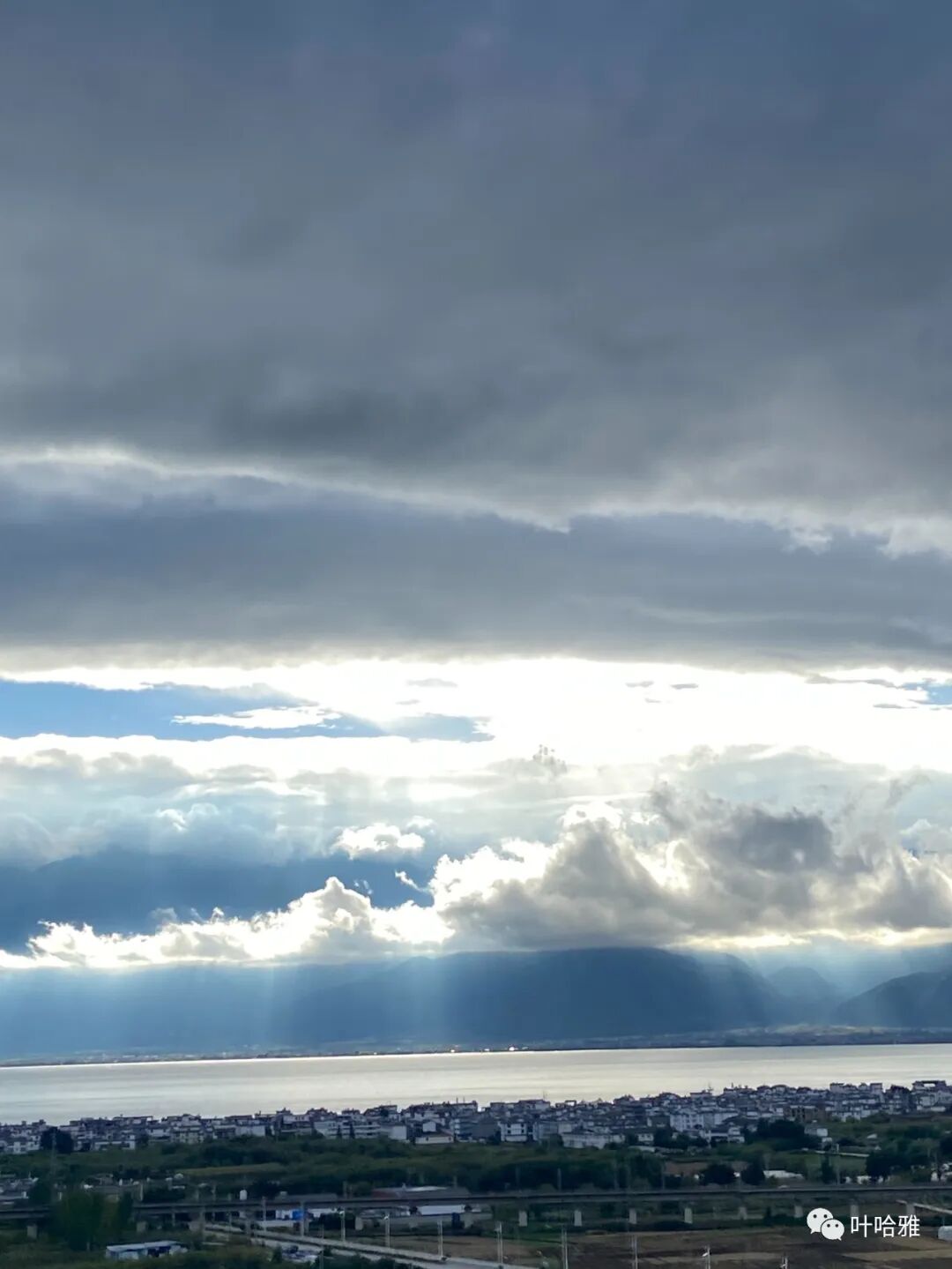
I have been to Dali twice. The first time was in the winter of 2016. I was single then and took a train from Beijing to Lhasa by myself. After spending eight days in Tibet, I could not stand the dry winter air or the lack of good food. I took a long-distance bus from Lhasa for three days and two nights to Shangri-La in Yunnan, then traveled to Dali. I stayed at an inn in the Dali Ancient City and spent two days visiting seven mosques.
Dali is actually very large. Besides the Dali Ancient City, there are several other ancient towns nearby. Since I felt transportation was inconvenient during my first visit, my family of three drove from Beijing all the way to the southwest this time. We visited Xizhou, Eryuan, Yangbi, and Weishan in Dali. All these places have very traditional and beautiful ancient towns and old mosques.
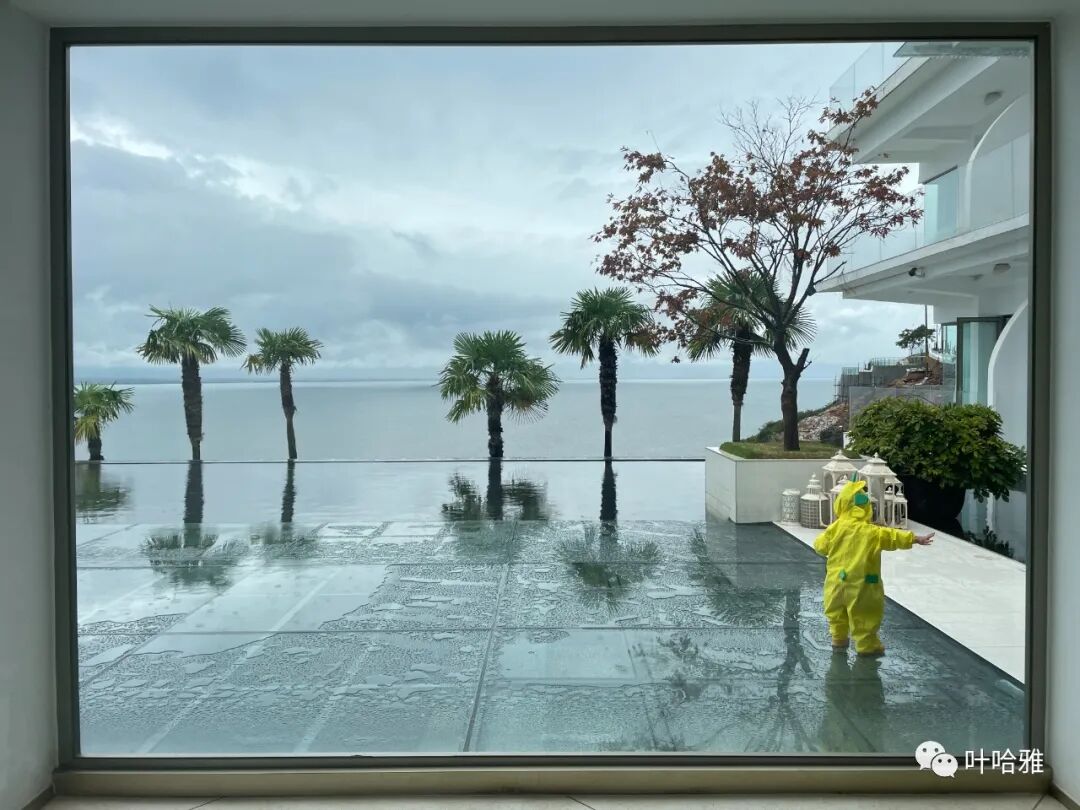
When I traveled alone before, I could make do with anything, and a cheap inn for a few dozen yuan was enough. Now that I travel with Fahim, I have higher standards for accommodation. The room needs to be as large as possible with a big bed, and it is best to have a bathtub and a swimming pool because my son loves playing in the water. We chose to stay one night at the Dali Yuewan Villa Half-Mountain Sea View Hotel on the east side of Erhai Lake. From the hotel terrace, you can overlook the full view of Erhai Lake. It also has an infinity pool and offers free photography services.
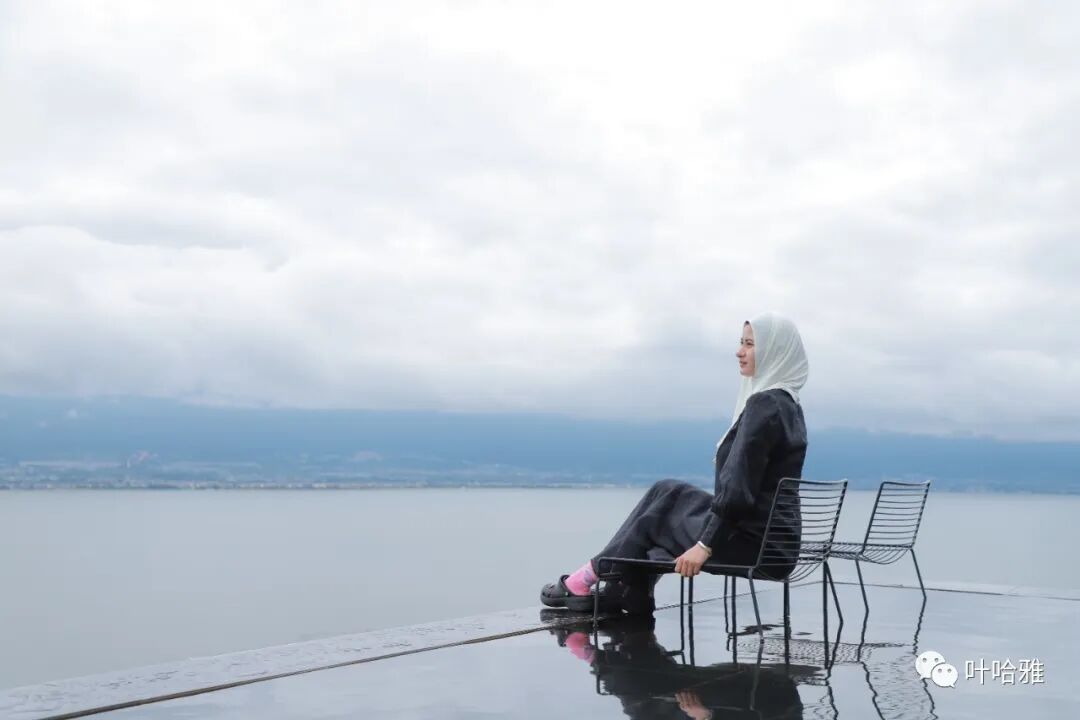
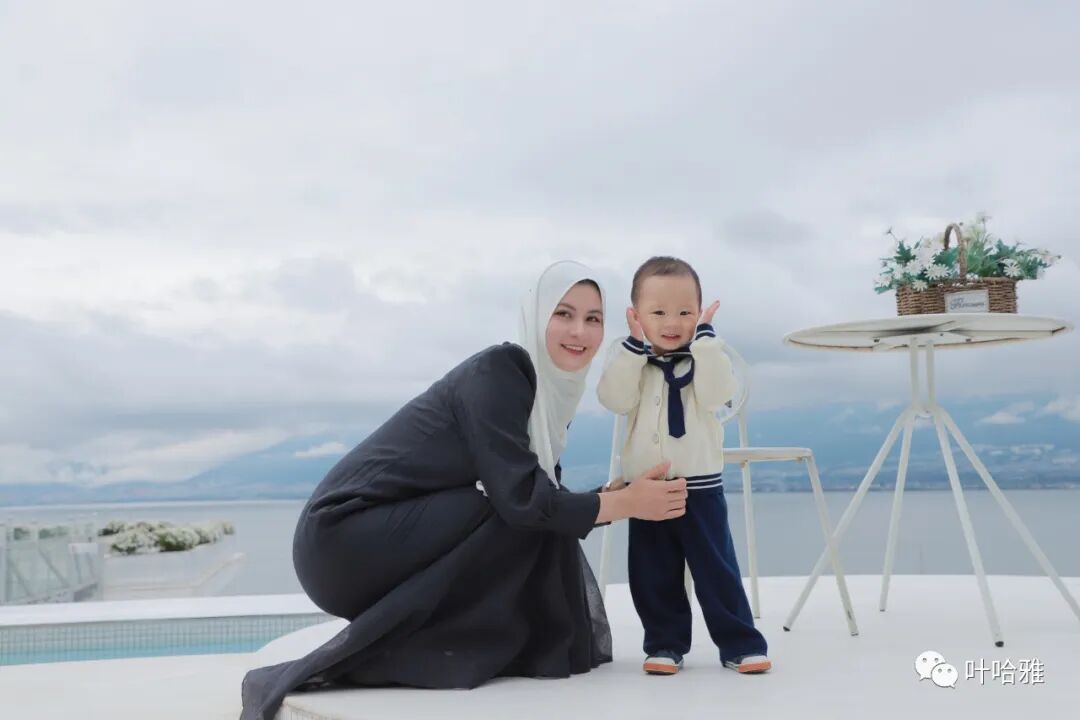
It is worth noting that the east side is more than ten kilometers away from the Dali Ancient City. There are only two or three halal restaurants around the east side, so it is not as convenient as the area near the ancient city on the west side. If you do not have a car, I suggest staying near the ancient city. However, the scenery on the east side is more beautiful, the hotel environments are better, and there are many trendy cafes.
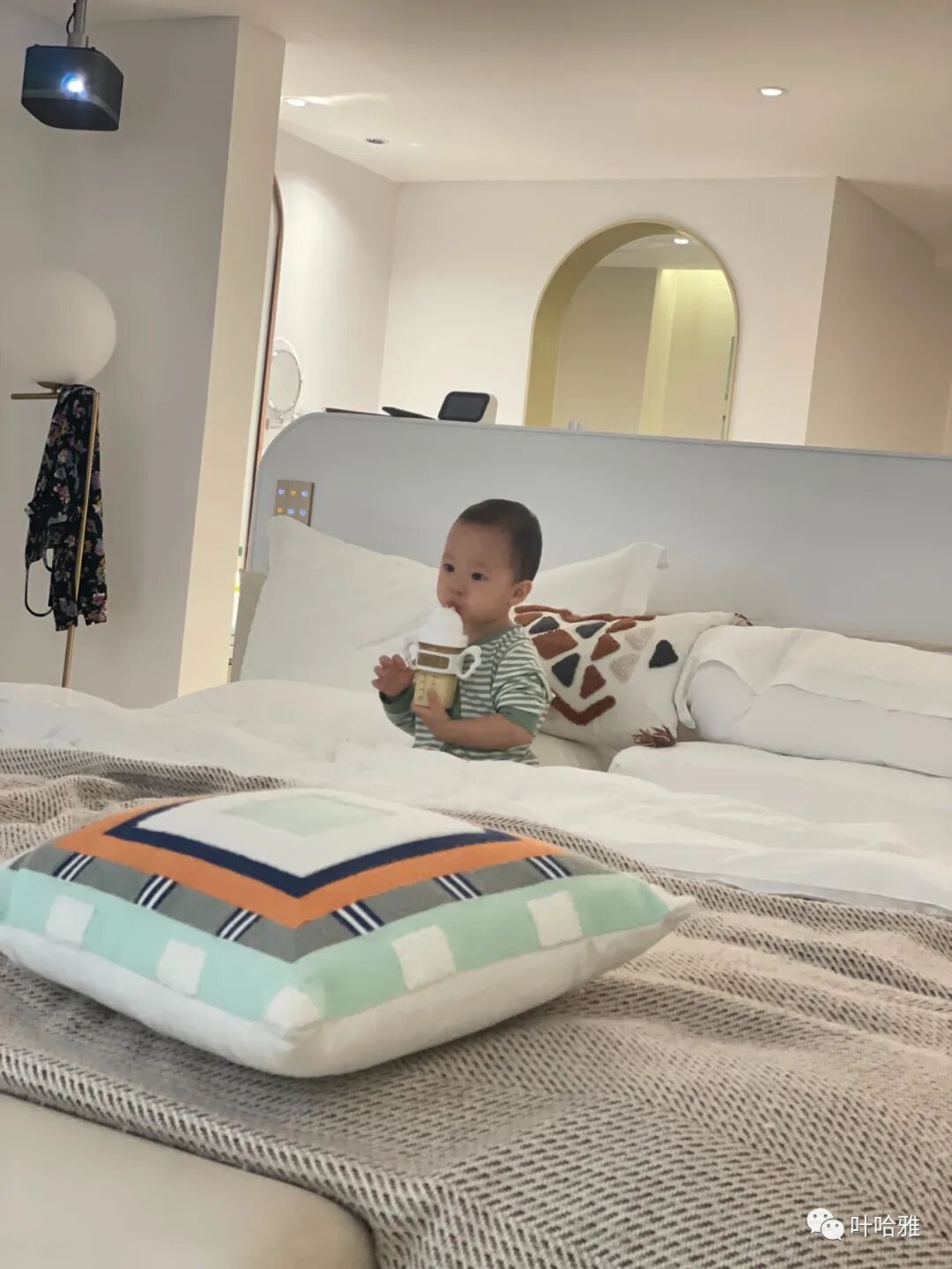

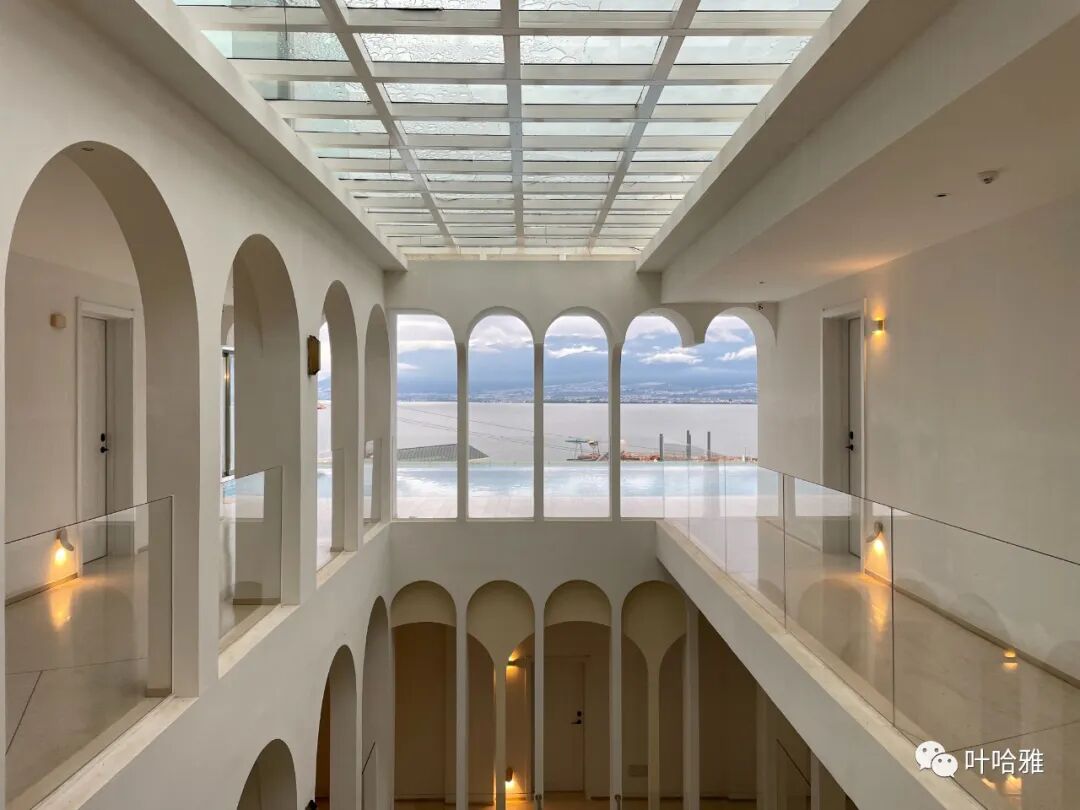
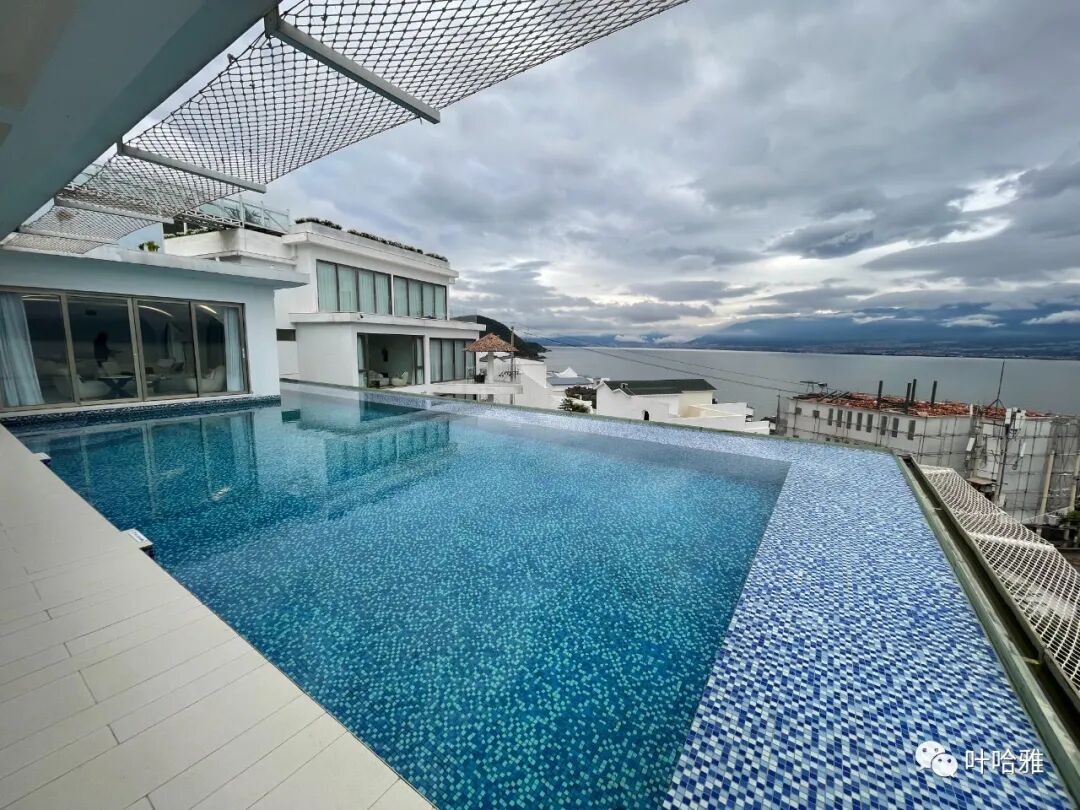
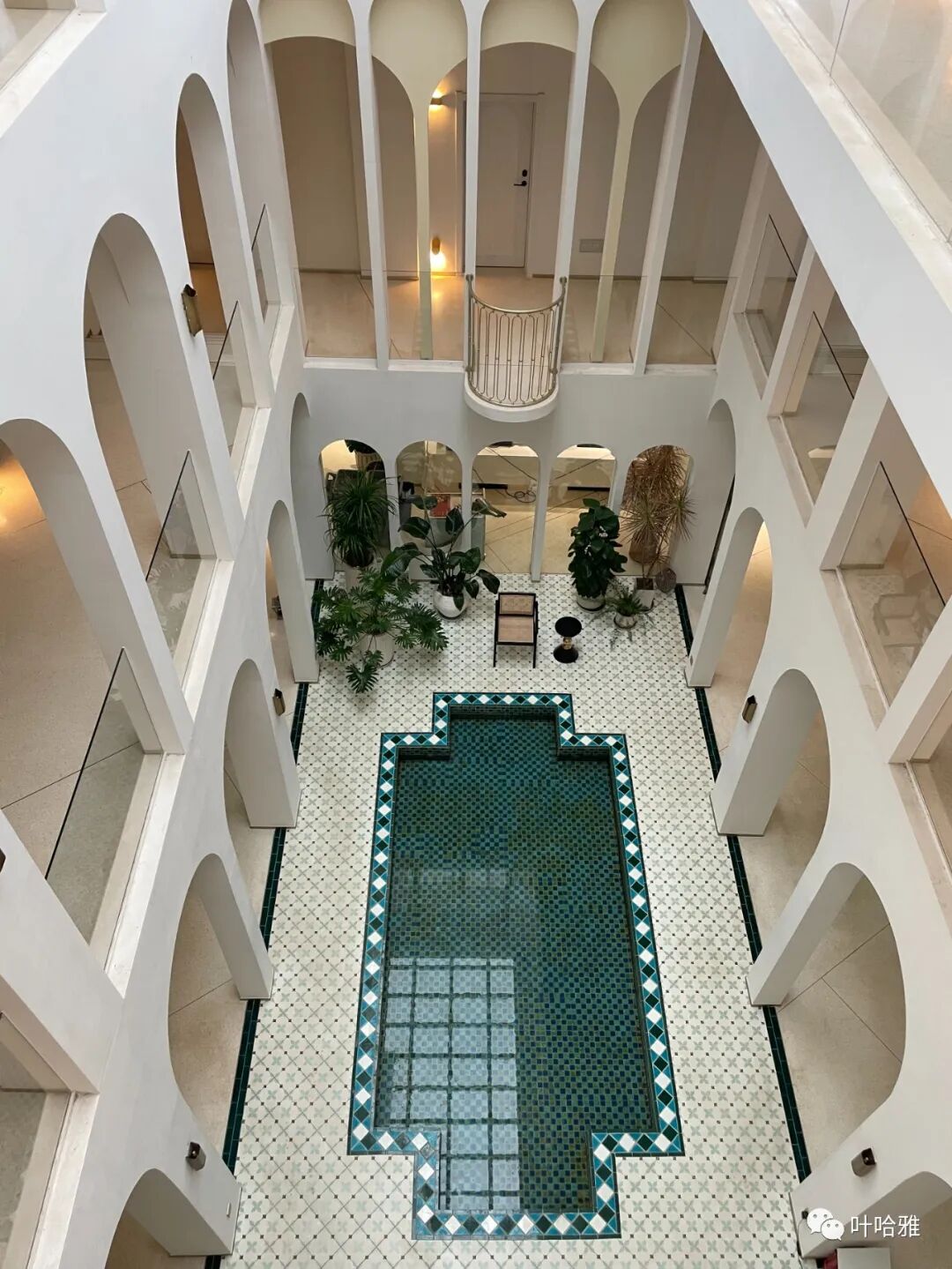
After finishing our family time taking photos at the popular tourist spots on the east side, we moved into the ancient city on the second day. We stayed at The One Courtyard (THE ONE Gu Cheng Yi Hao Yuan). The hotel is located right at the entrance of the ancient city, making it very convenient. If you are driving, be aware that the ancient city has traffic restrictions during the day. Cars inside can only leave and cannot enter. You must wait until after 8:00 PM to drive into the hotel parking lot in the ancient city.
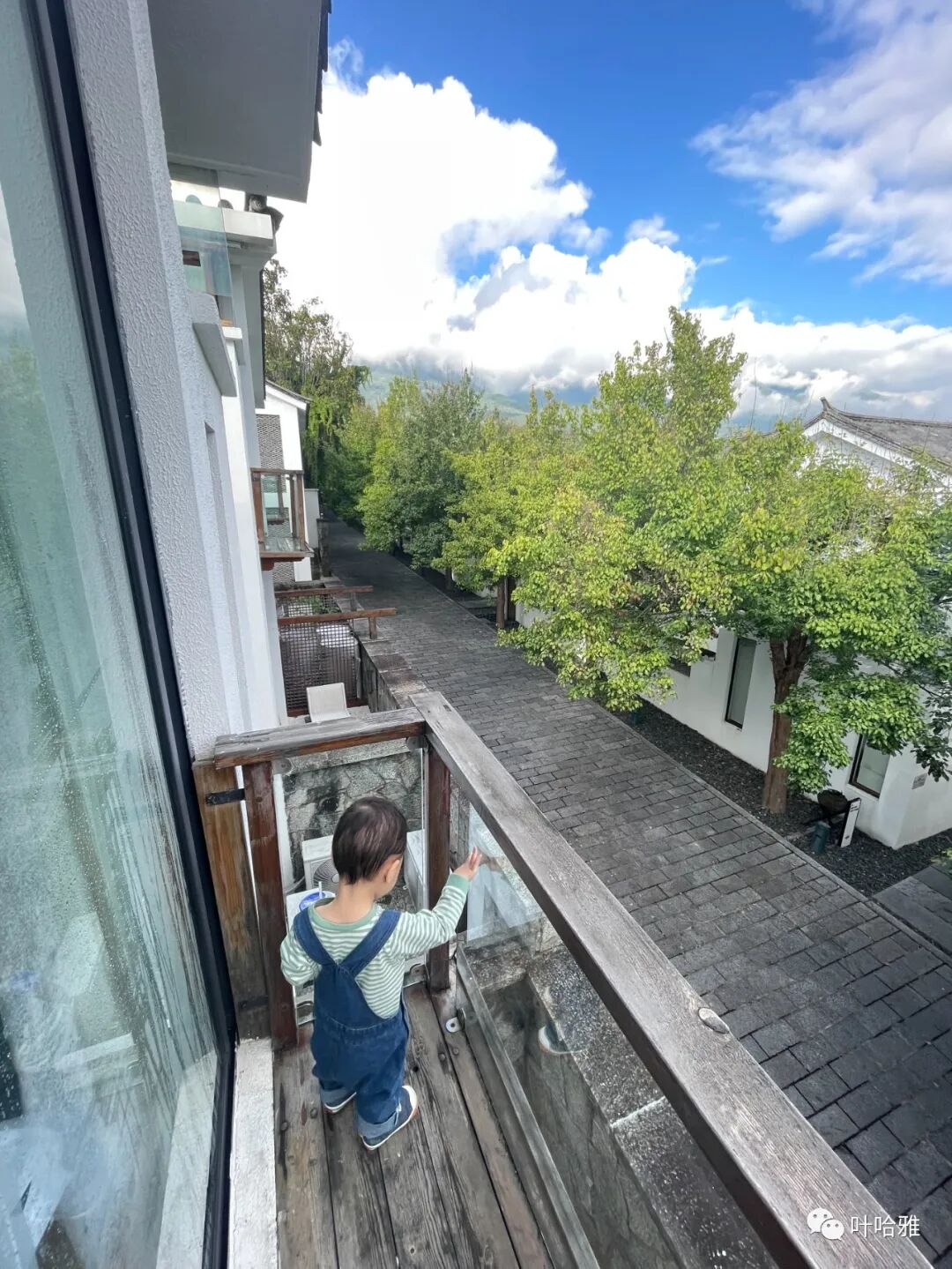
The big bathtub in the room kept Fahim busy playing all night, and the pebbles in the courtyard kept him busy playing all morning.
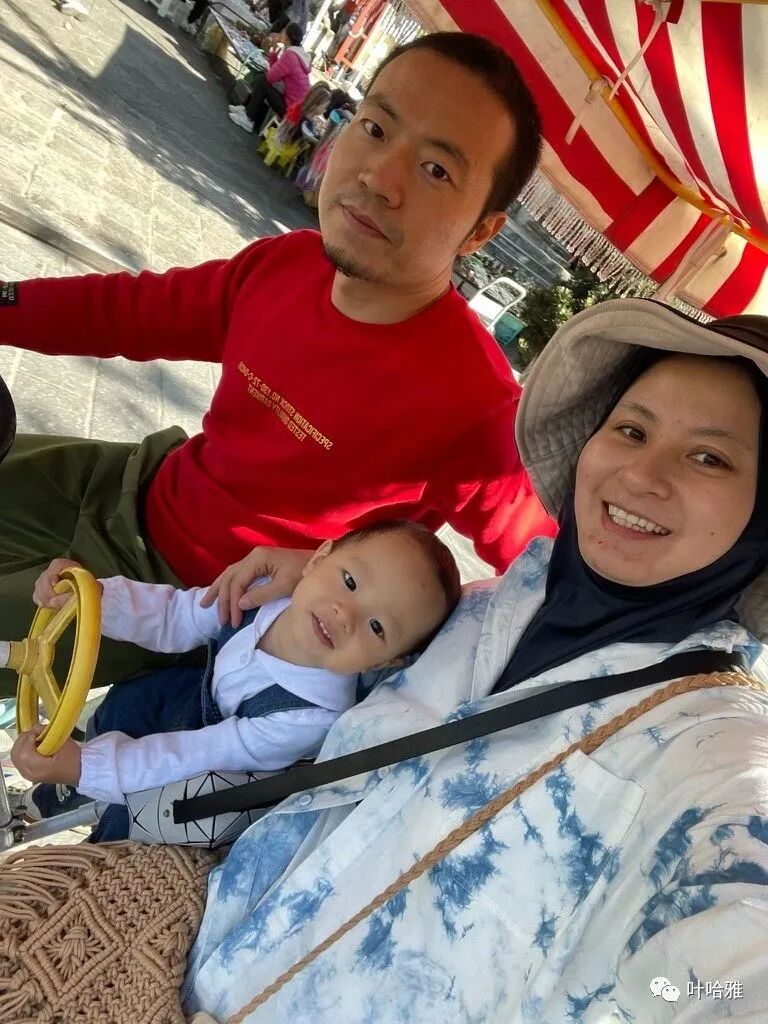
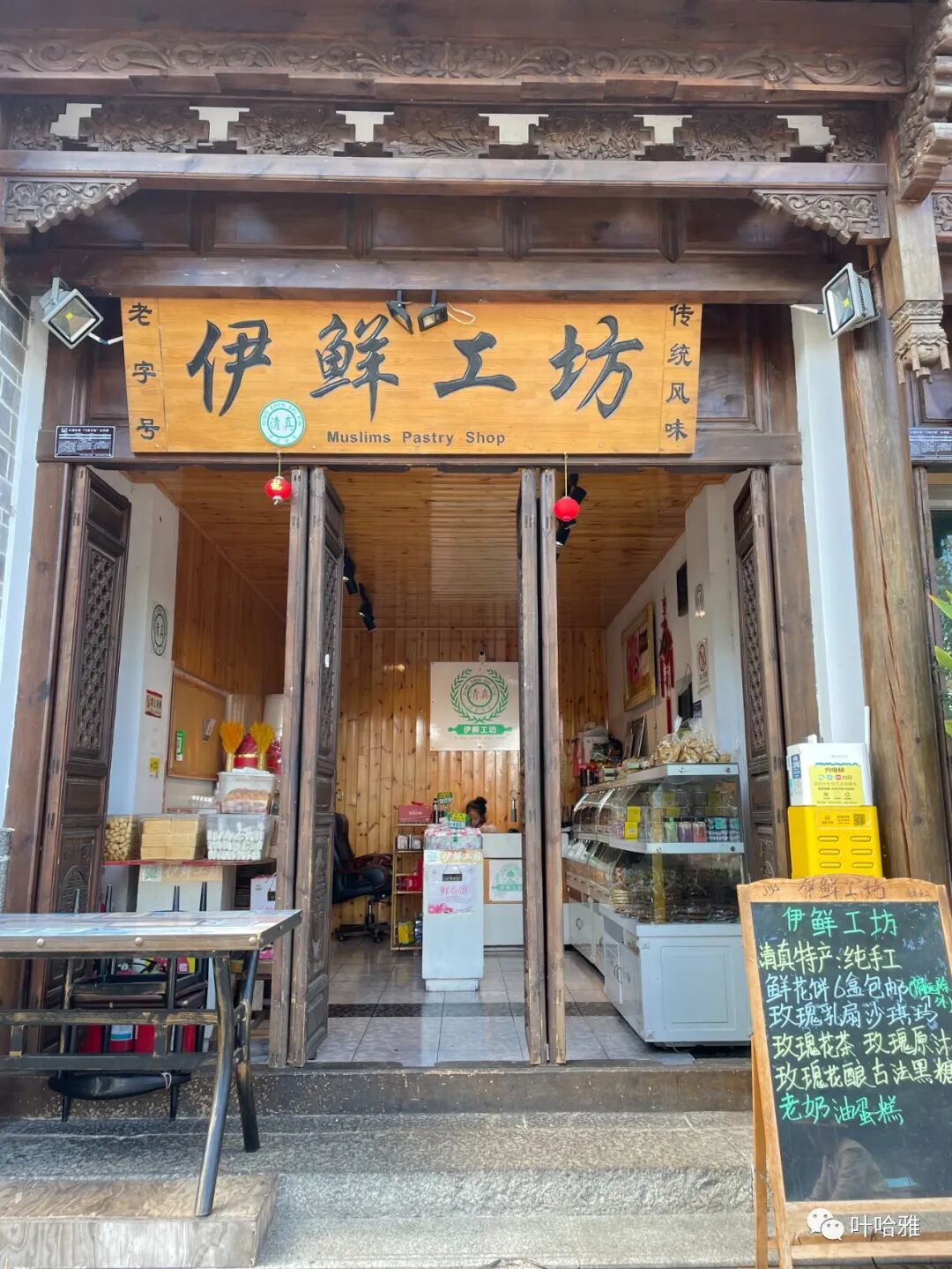
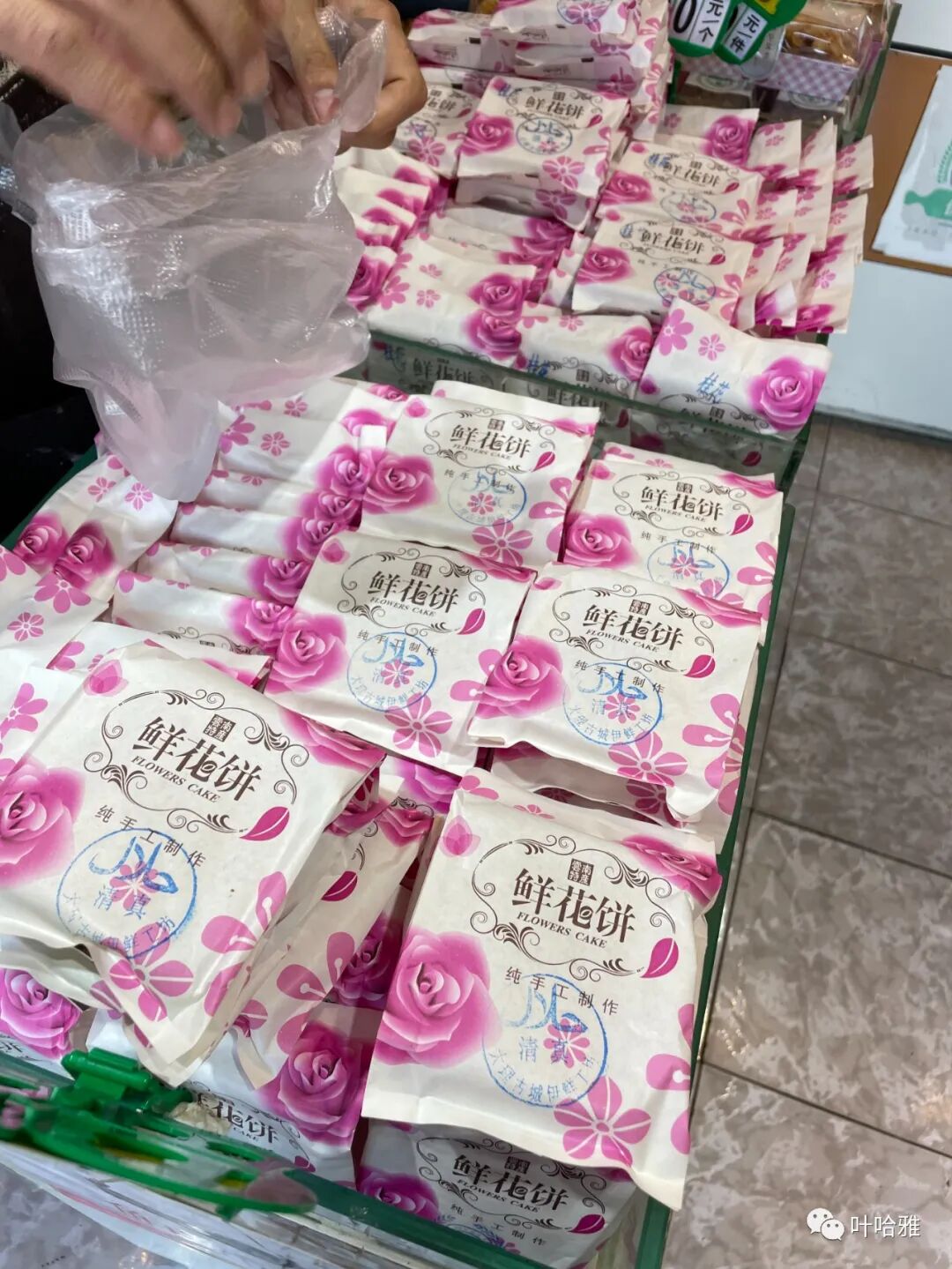
While riding a three-person bicycle in the ancient city, we passed the South Gate Mosque and saw this shop called Yixian Workshop. We bought some flower cakes (xianhuabing), which were surprisingly delicious—better than the ones we bought elsewhere later. They were 4 yuan each, with just the right amount of sweetness, and were both flaky and soft.
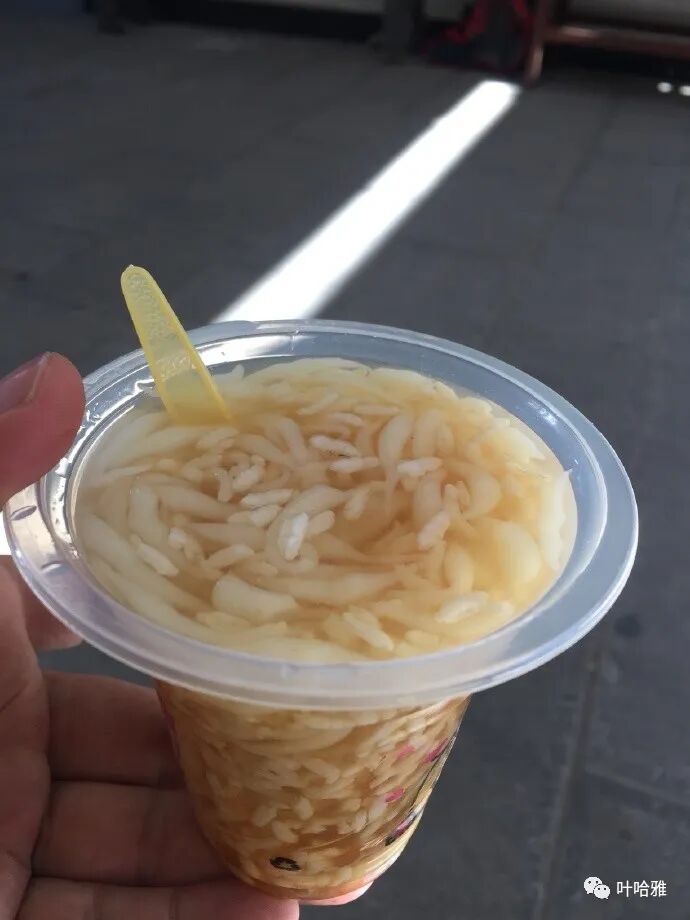
We bought maltose rice (maiyatangfan) from a Hui Muslim stall on the side of the road in the ancient city. It is a Yunnan specialty that is cold, refreshing, and sweet.
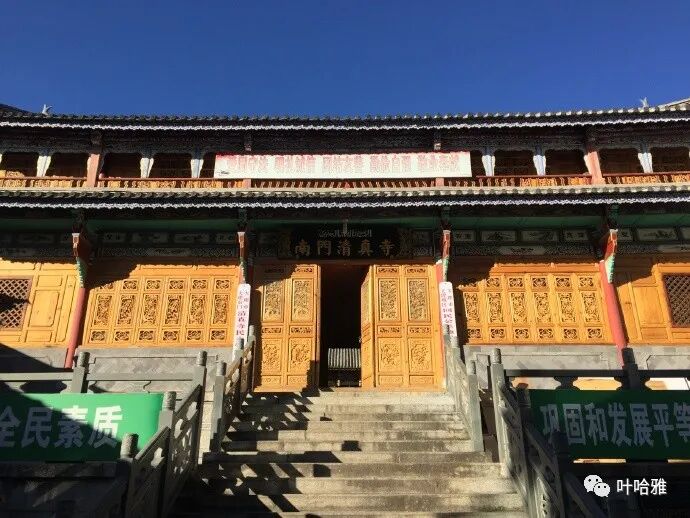
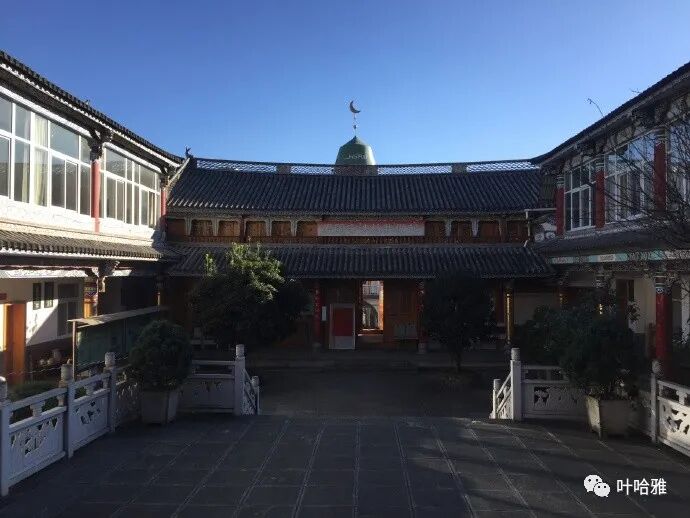
Dali Ancient City South Gate Mosque.
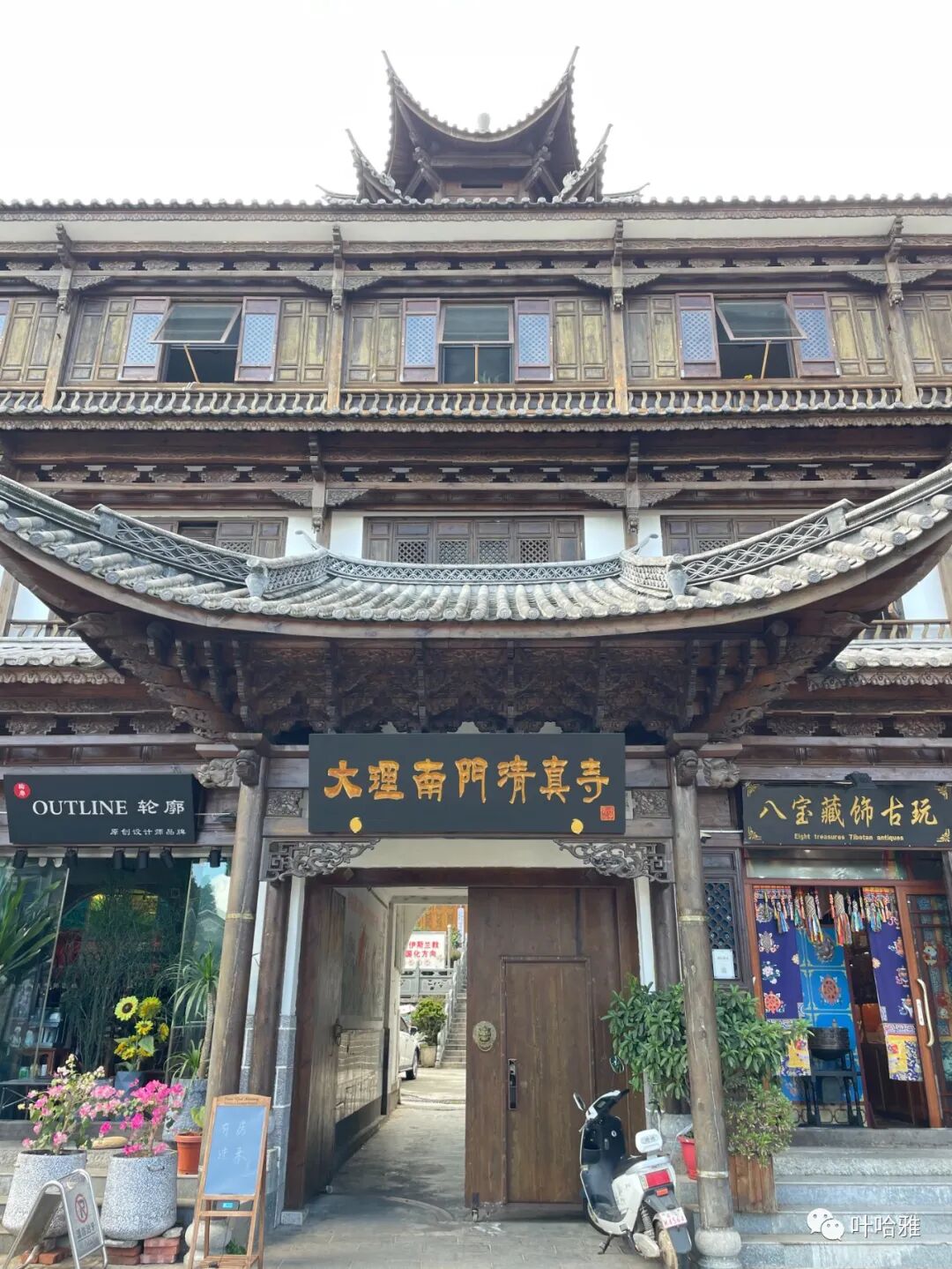
The South Gate Mosque in Dali was first built during the Yuan Dynasty and is one of the one hundred ancient mosques in the country. Before the failure of the Du Wenxiu Uprising, the mosque was located on Cangping Street, which was recorded in The Travel Diaries of Xu Xiake. After the Du Wenxiu Uprising failed, the mosque and its 120 mu of mosque land were confiscated as rebel property by the Qing government's liquidation committee. The mosque was converted into a City God Mosque, and in 1944, it was changed into a local court. The current South Gate Mosque is located inside the Dali Ancient City.
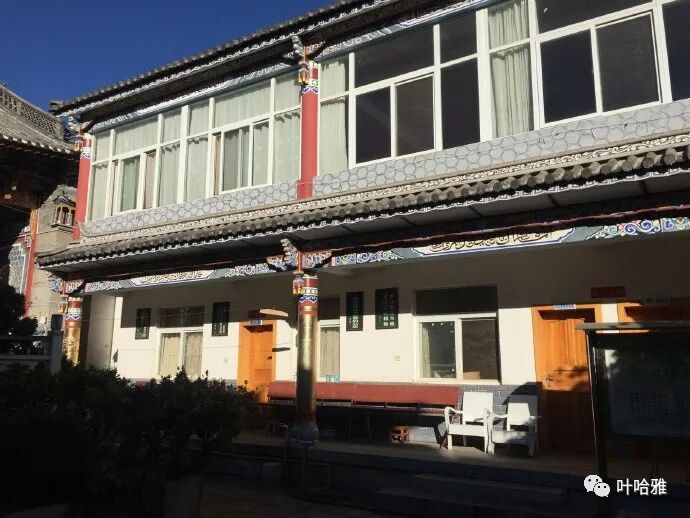
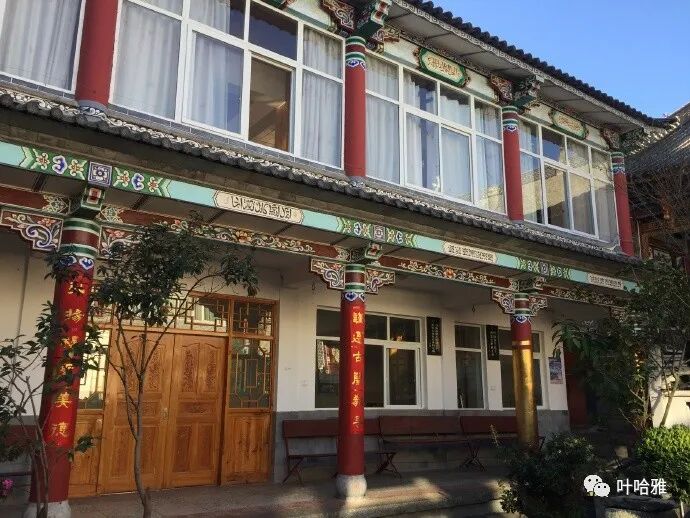
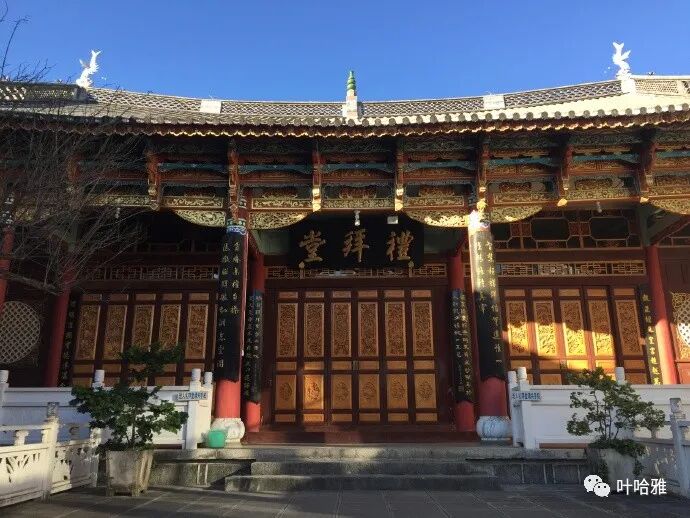
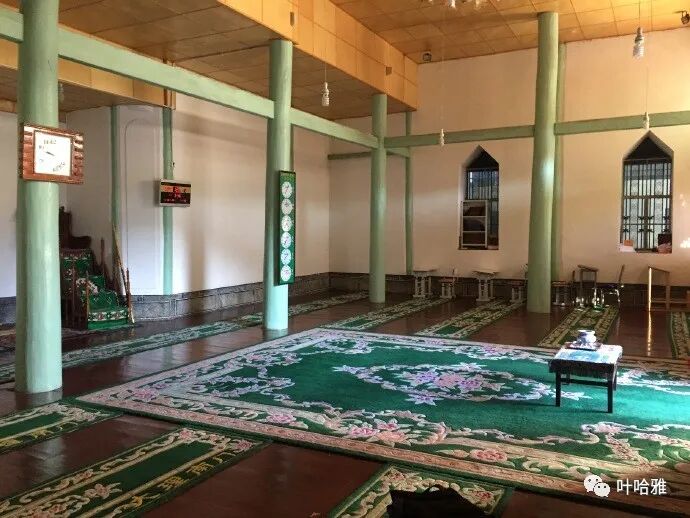
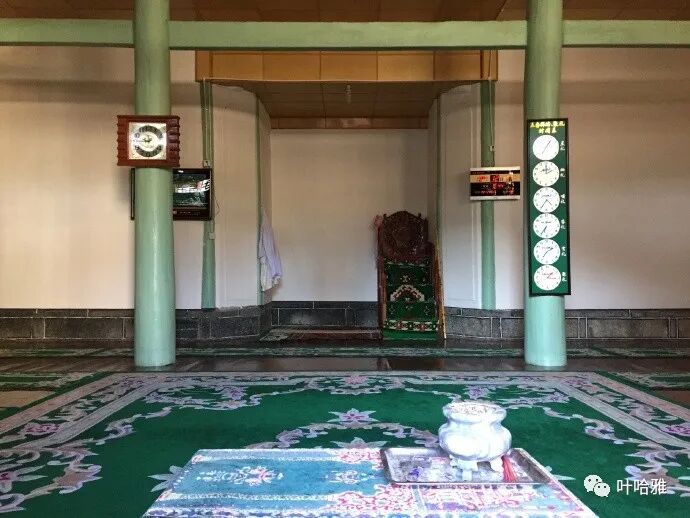
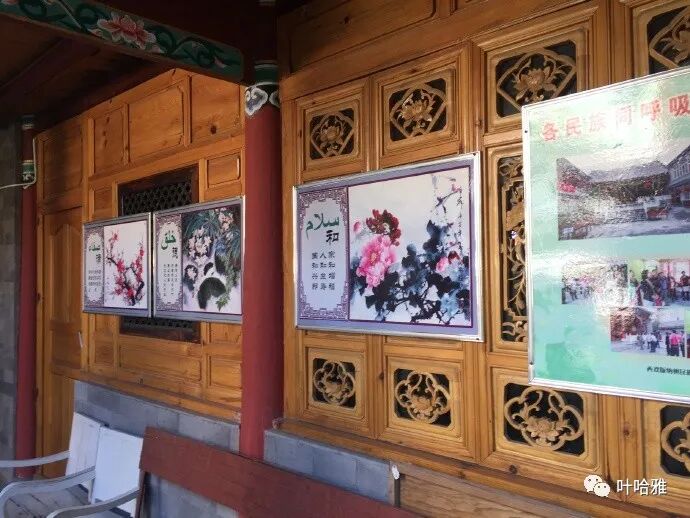
Salam Rice Noodle Shop
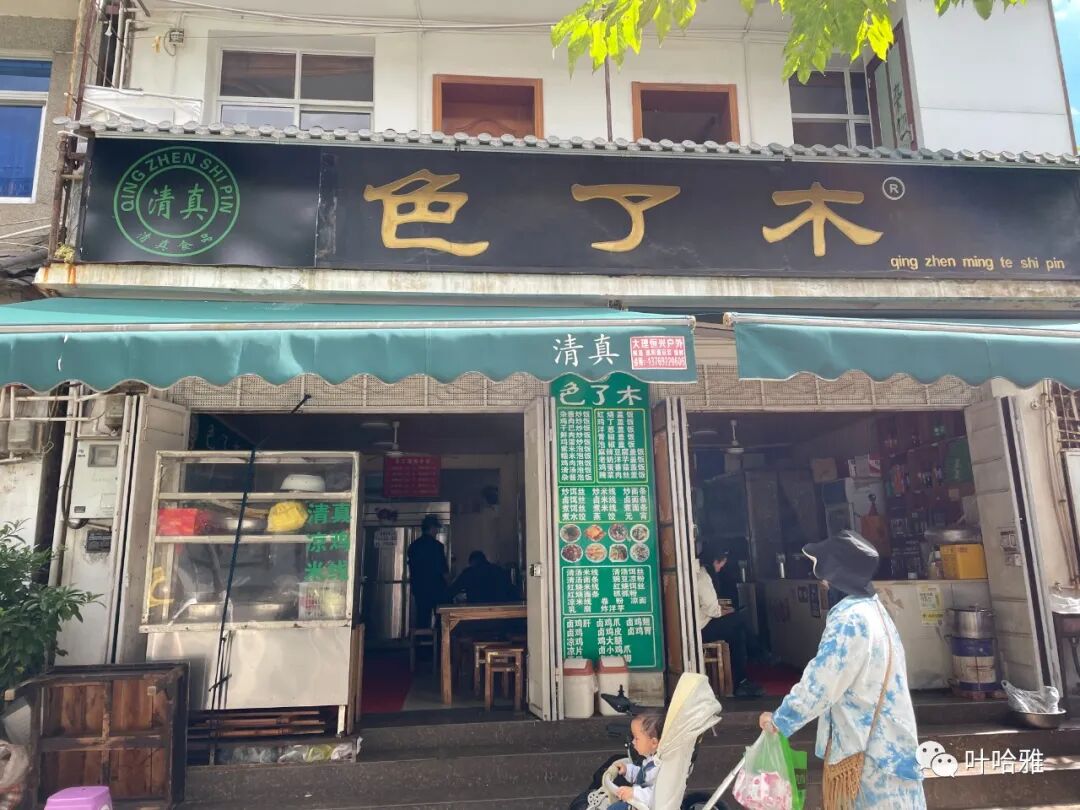
This small shop near the south gate of Dali Ancient City sells rice noodles (mixian), rice cakes (ersi), and rice soup. They do not sell alcohol, and their cold chicken rice noodles are excellent.
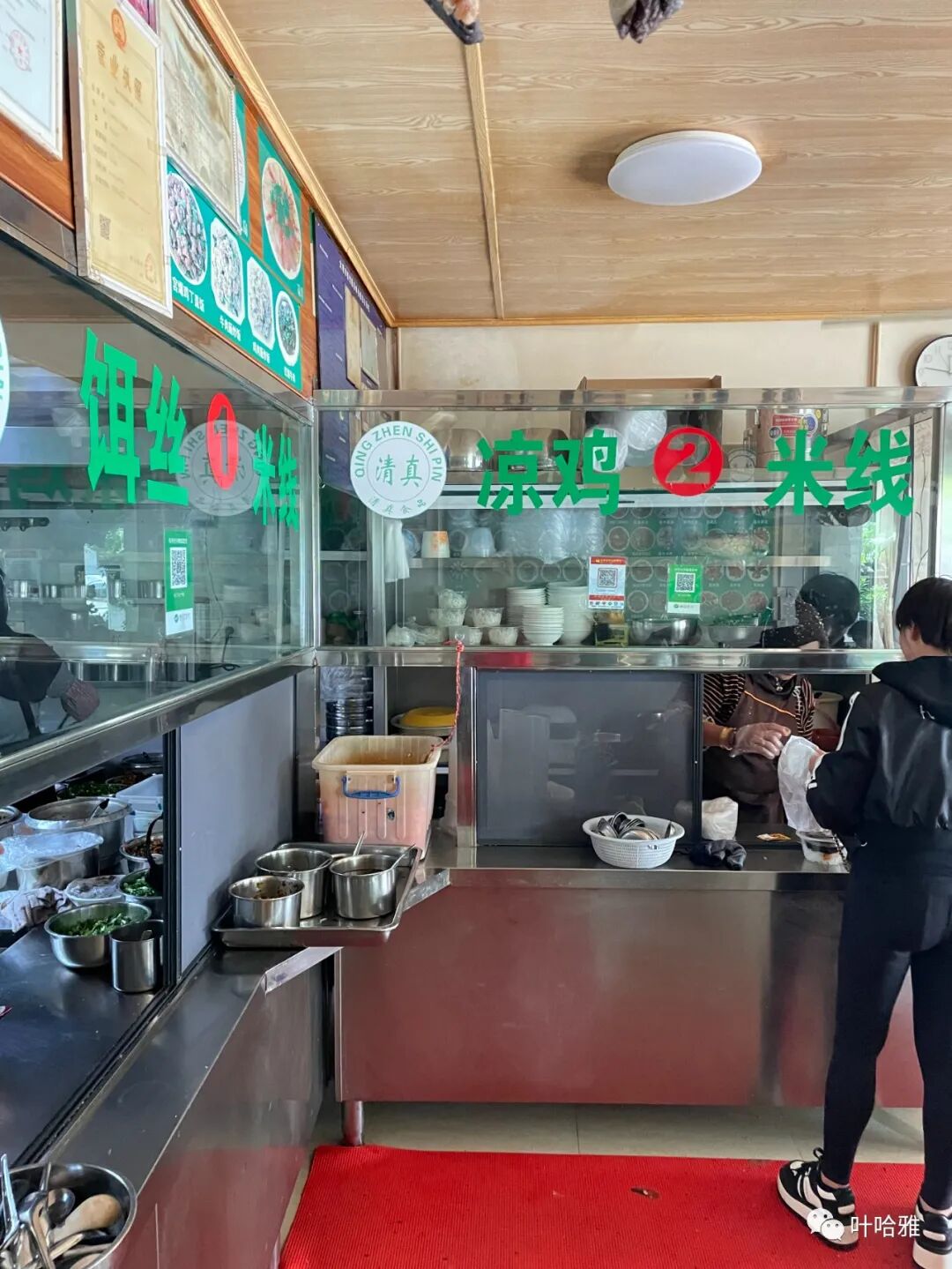
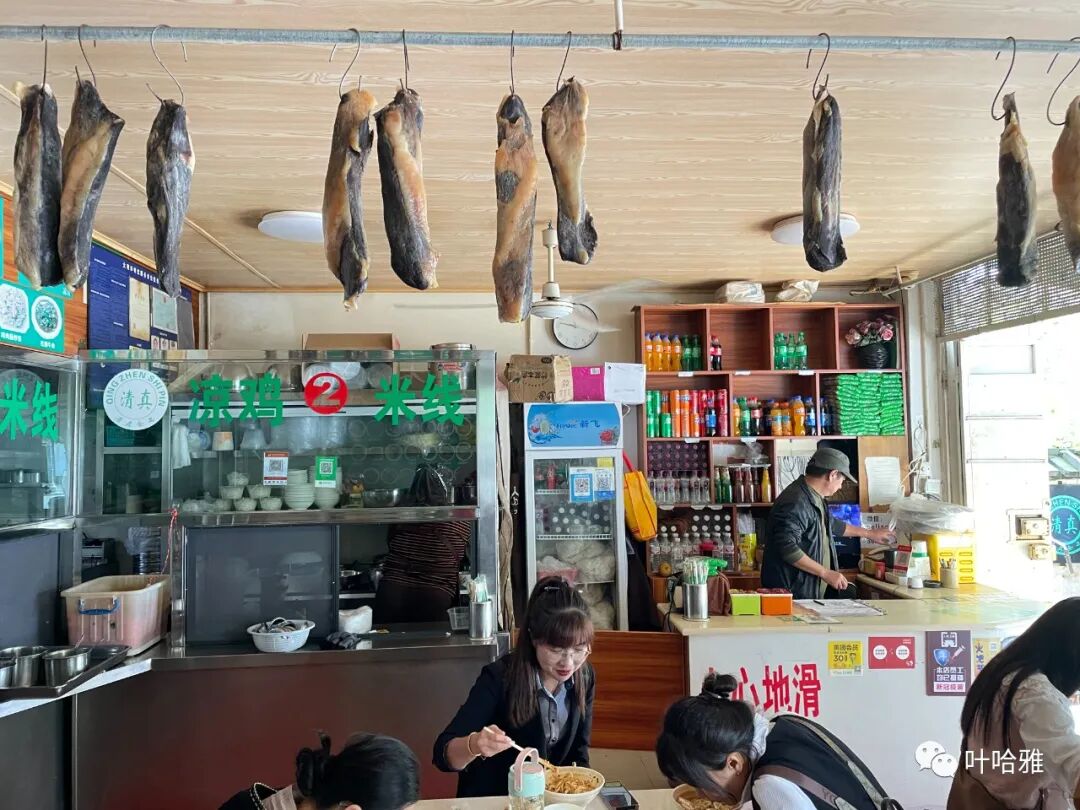
Dried beef (niuganba) hangs from the ceiling beams, which is a specialty meat for Hui Muslims in Yunnan.
Youfeng Courtyard
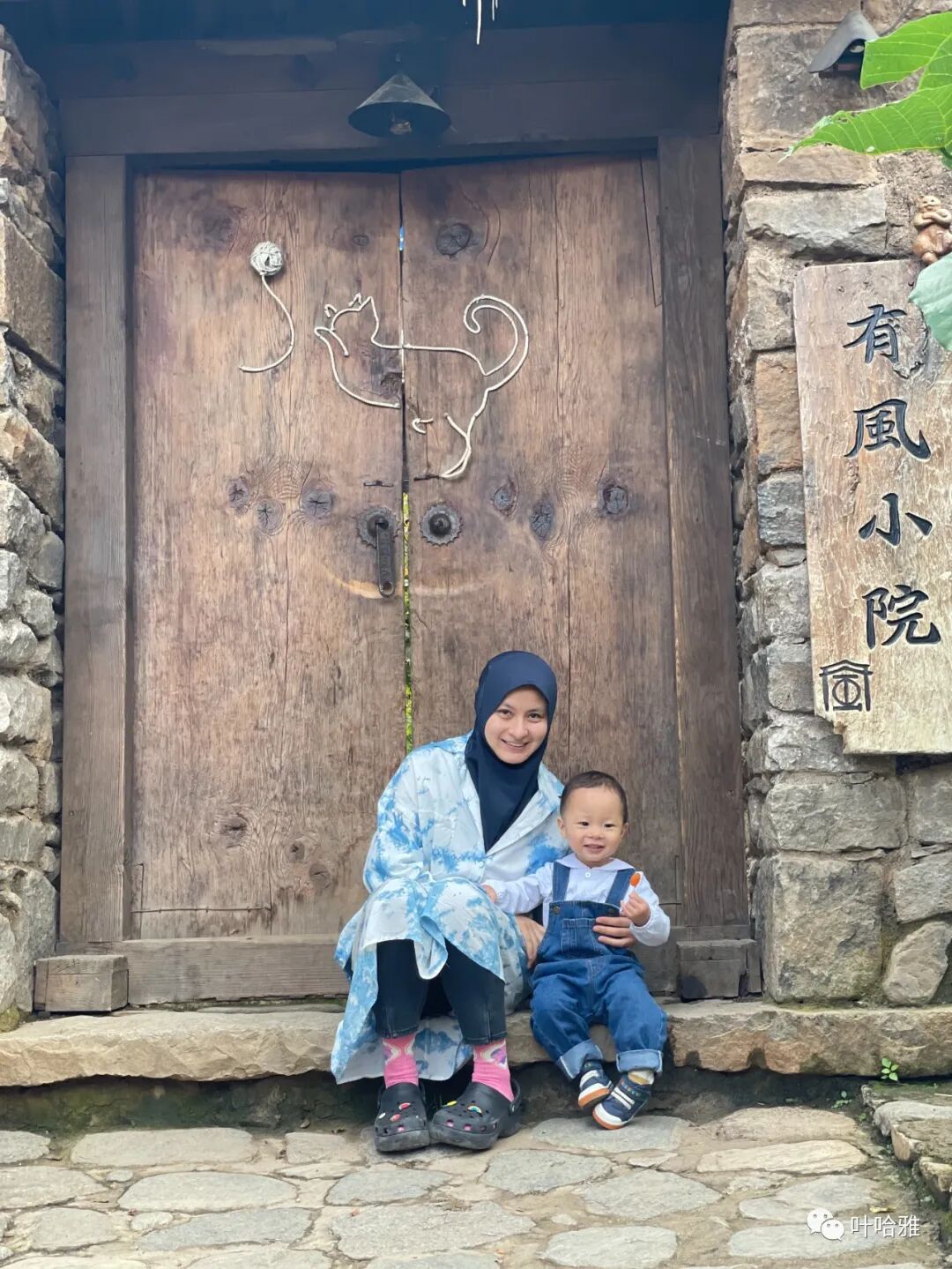
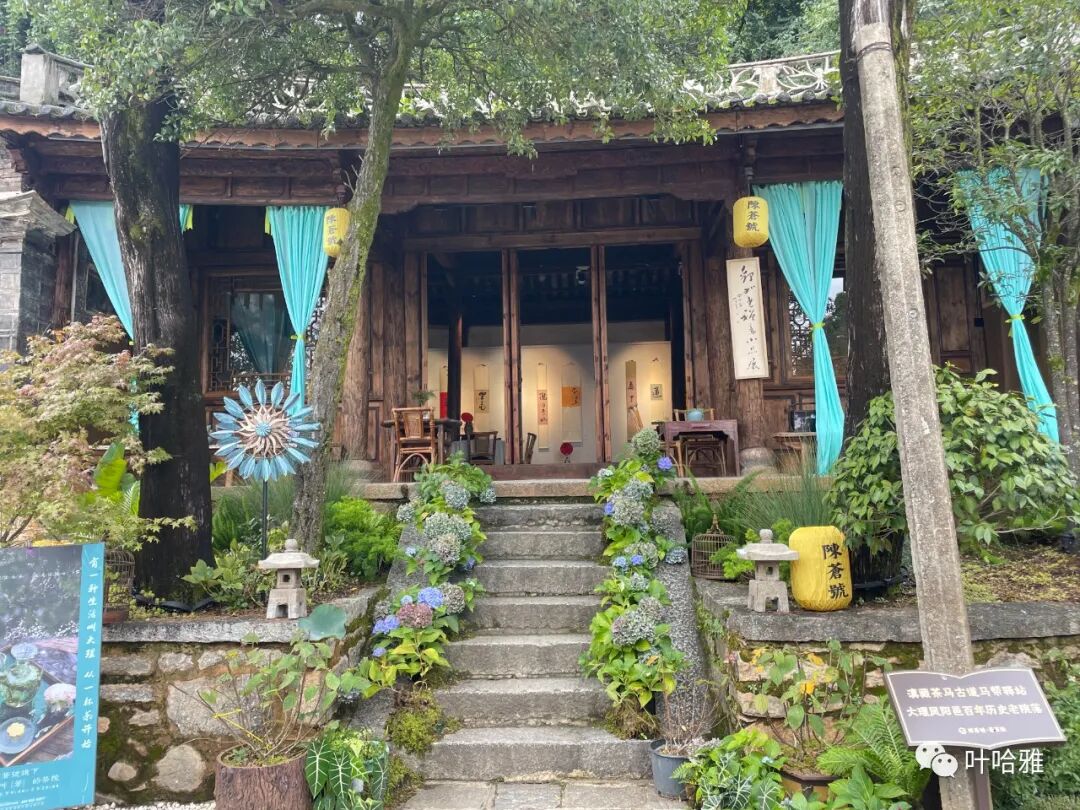
Youfeng Courtyard is a filming location for the TV show Meet Yourself starring Liu Yifei. I have not seen it, but my wife told me all about it.
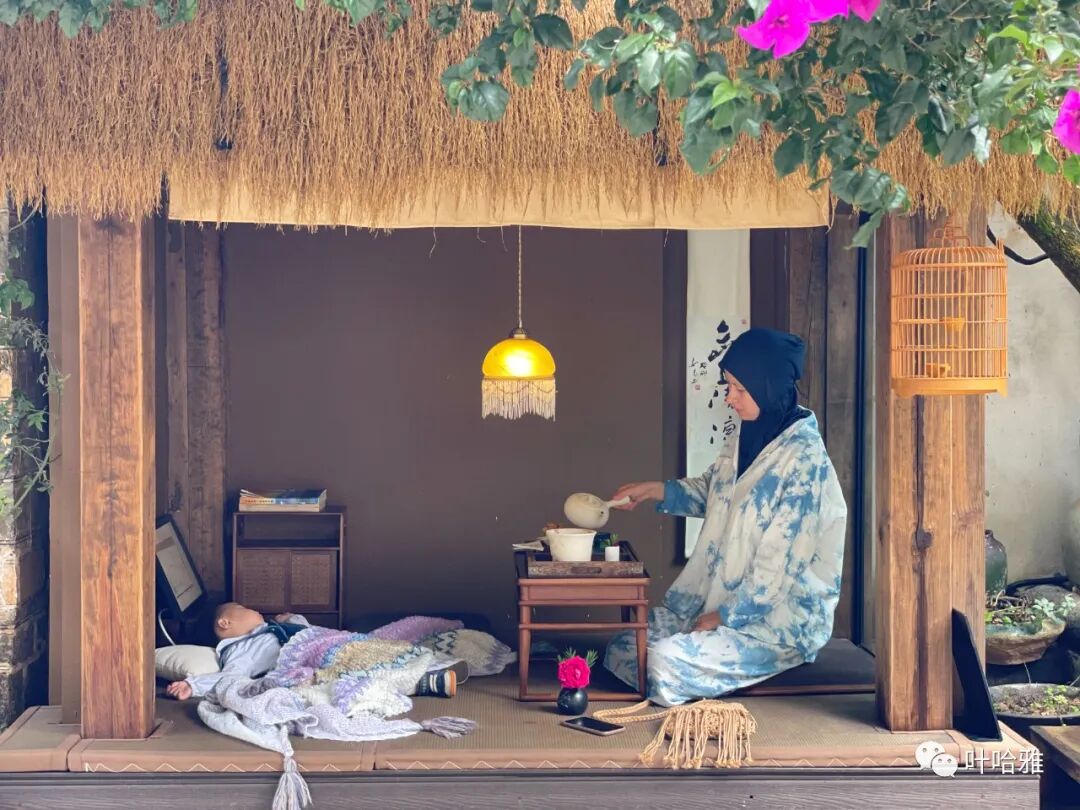
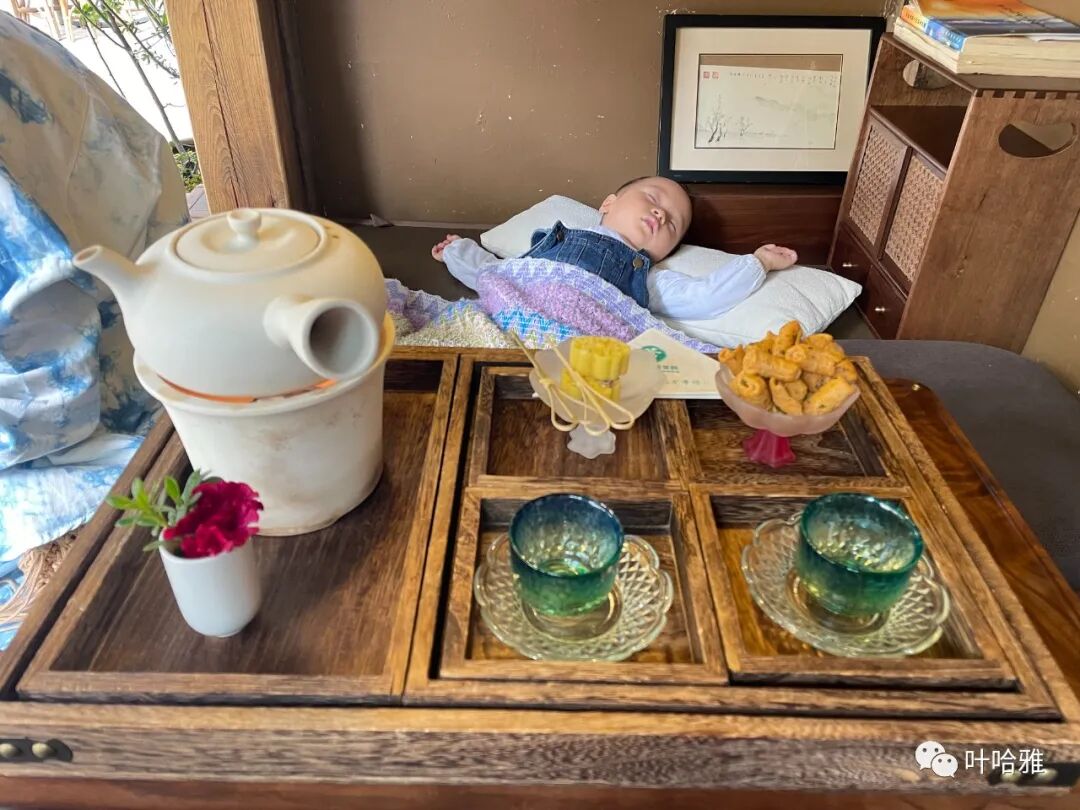
We happened upon a teahouse next to the courtyard and sat there for the afternoon. While Fahim took a nap, we enjoyed tea in the courtyard.
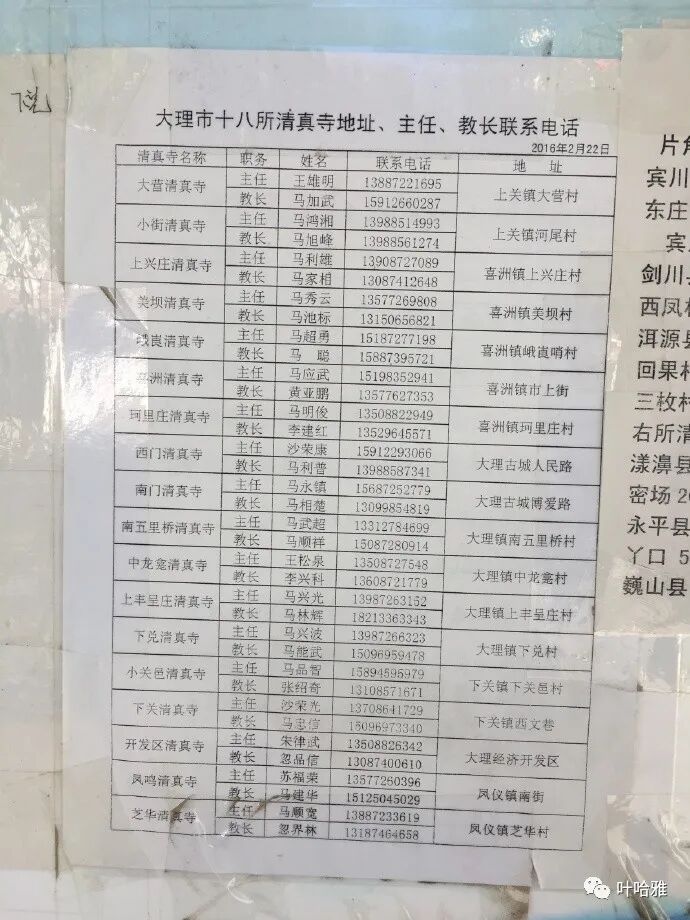
Dali City has eighteen mosques, not counting the rest of Dali Prefecture. Contact information is in the table below.
Dali City Fengyi Mosque
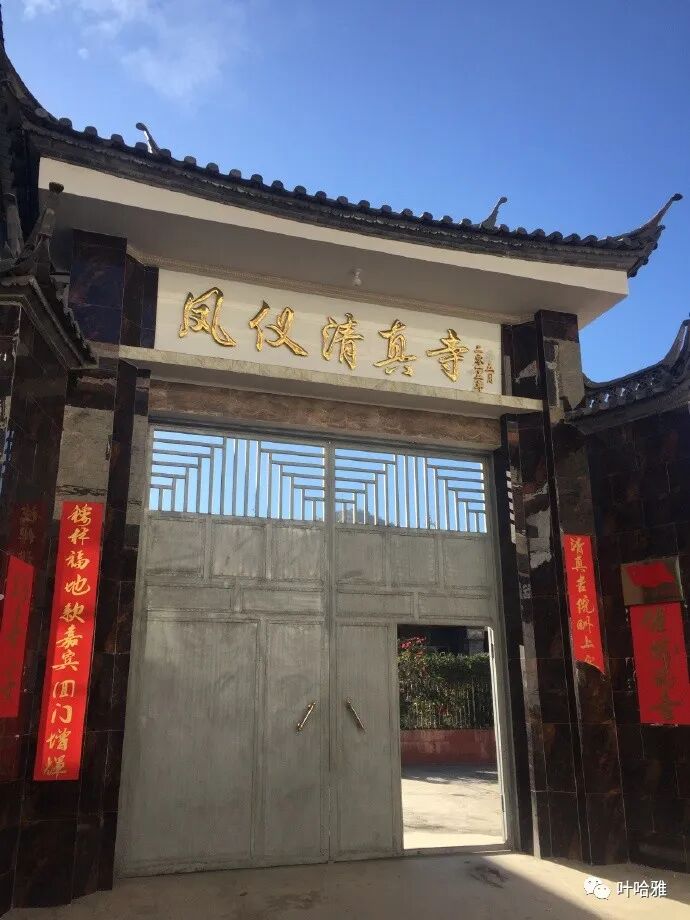
Fengyi Mosque was built during the Qing Dynasty, and the current building was renovated in 2001.
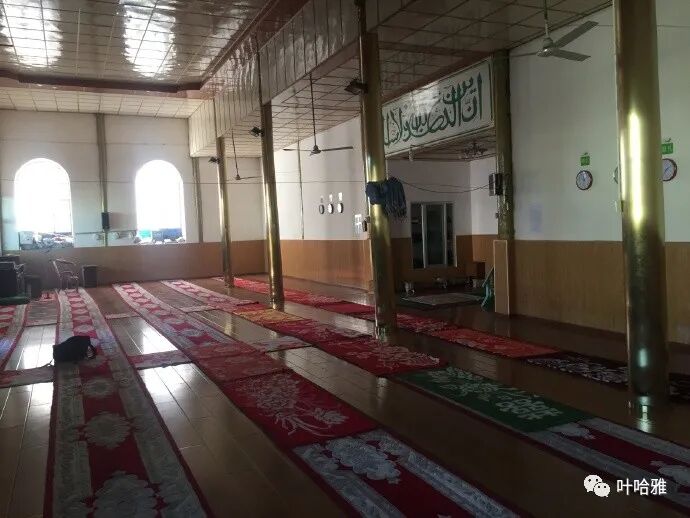
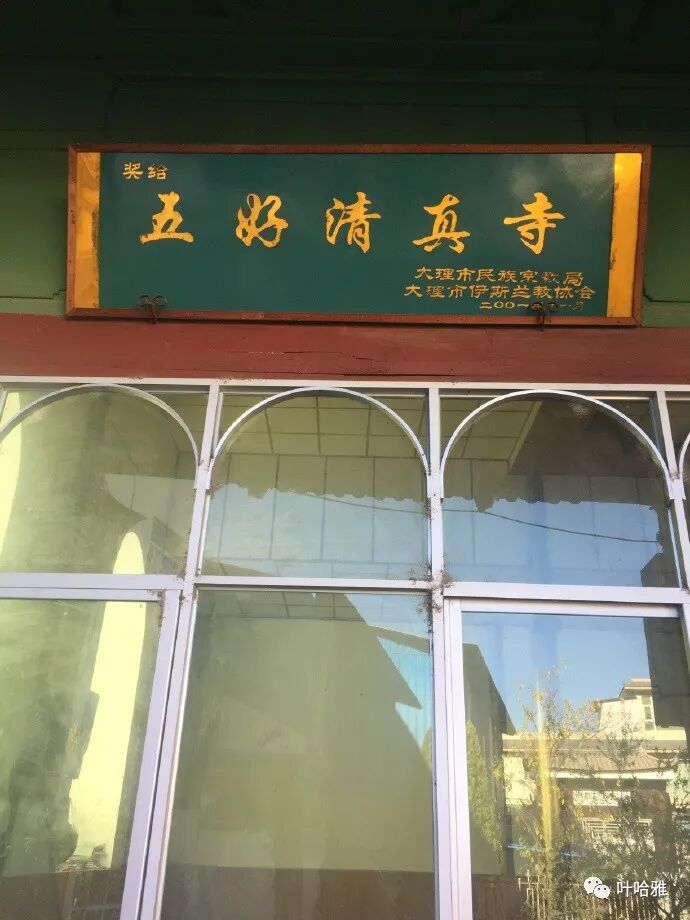
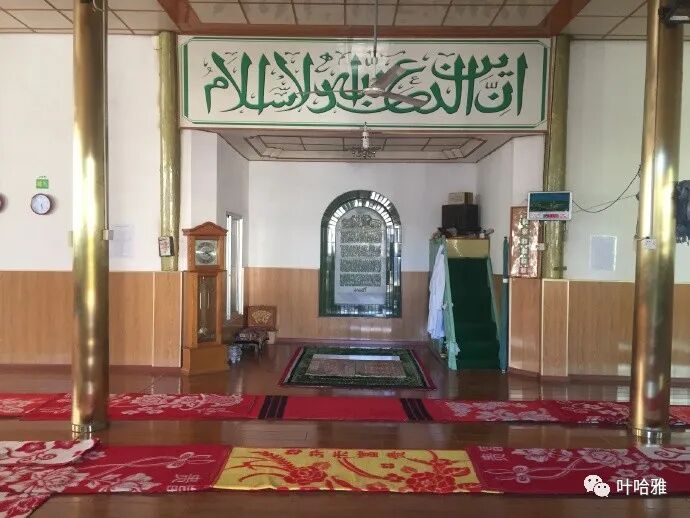
Xiaguan Mosque
Xiaguan Mosque was built in 1915, and the current building was renovated in 2004.
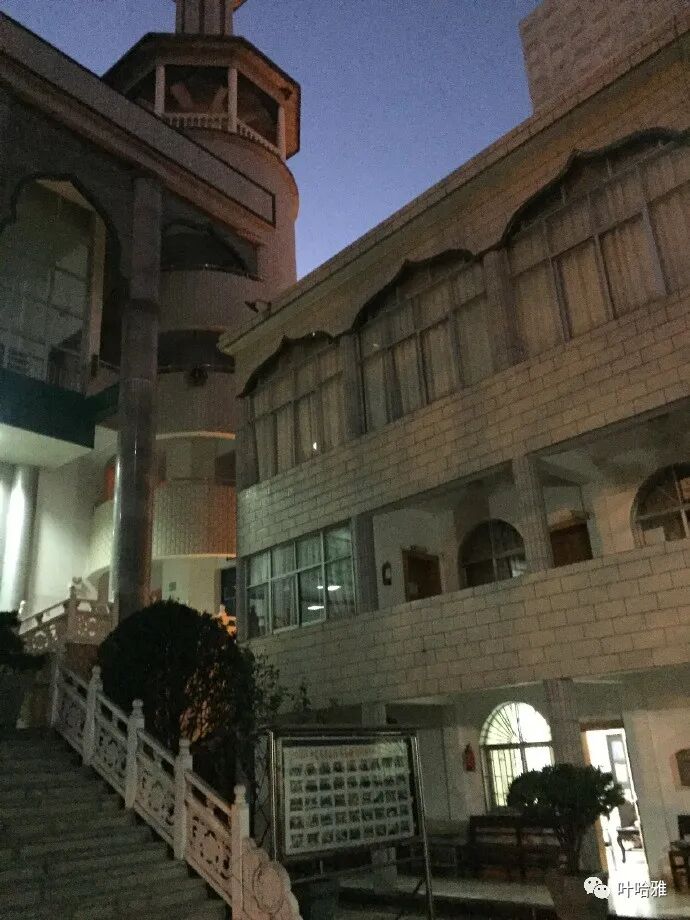
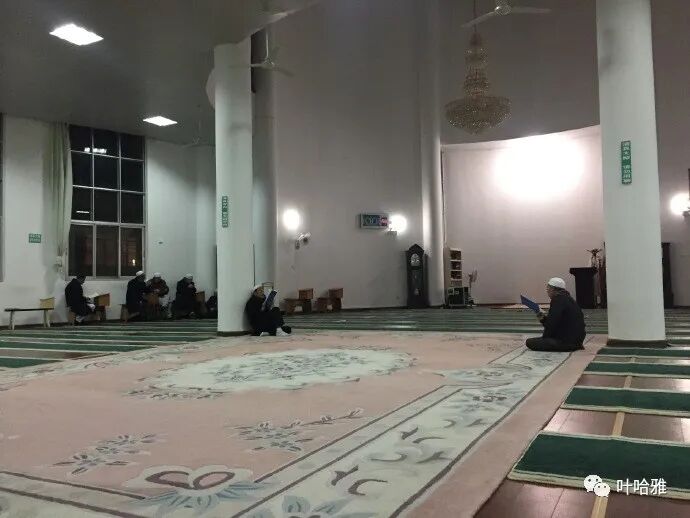
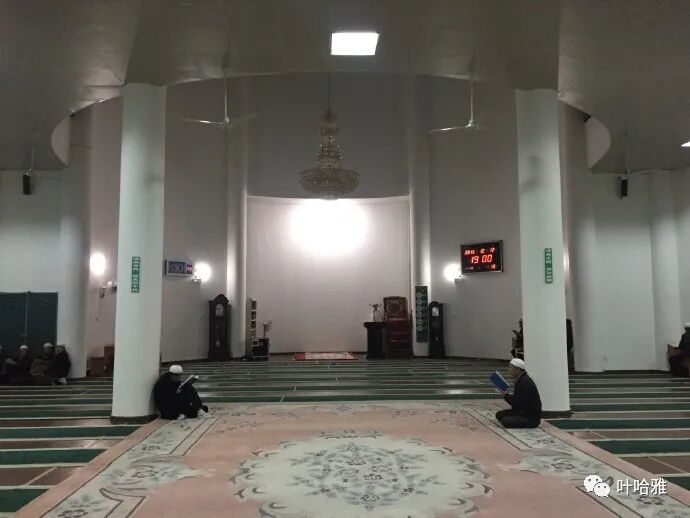
Nanwuliqiao Mosque
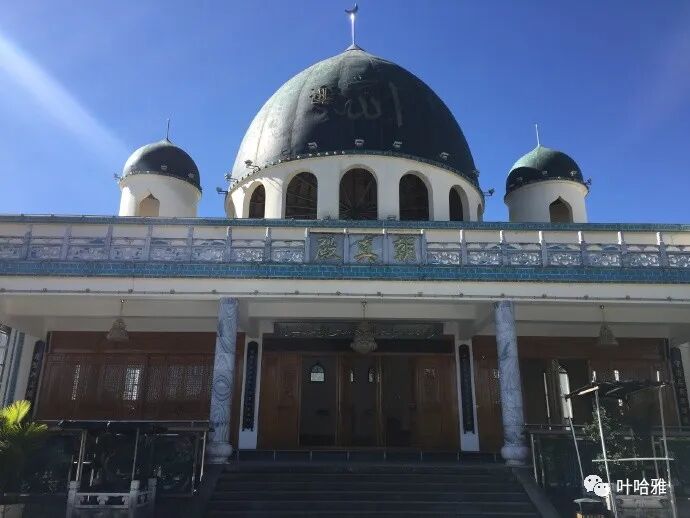
Nanwuliqiao is a Hui Muslim village less than three kilometers from Dali Ancient City. The village has a street dedicated to halal food (Nanwuliqiao Qingzhen Meishi Yitiaojie). The Nanwuliqiao mosque is also the largest mosque in Dali, first built in the tenth year of the reign of Mongke Khan of the Yuan Dynasty (1233).
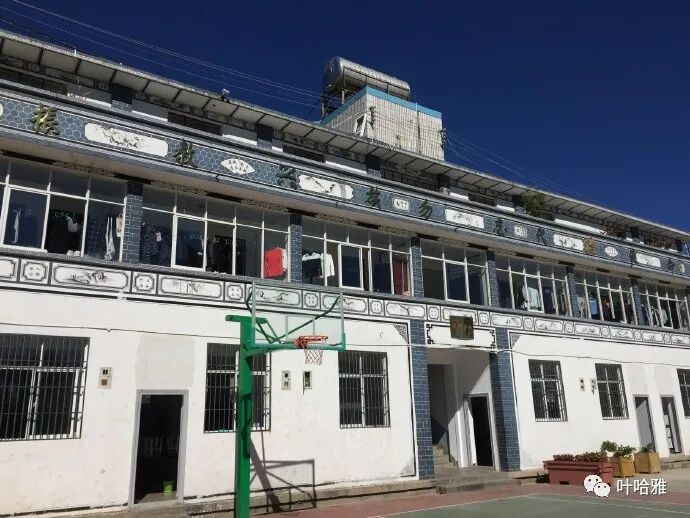
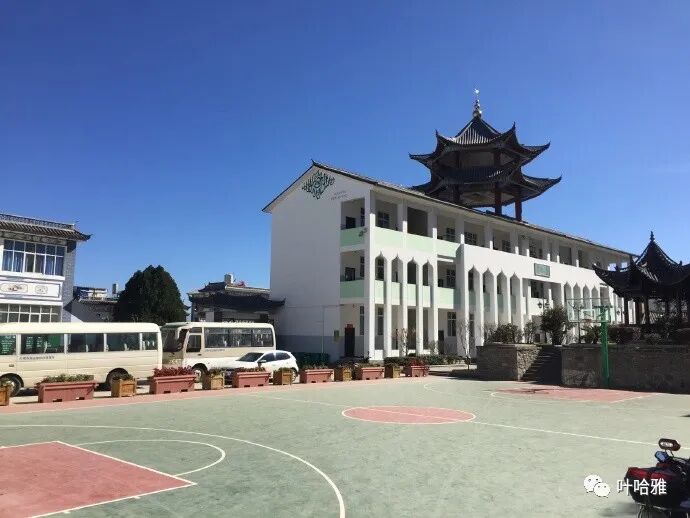
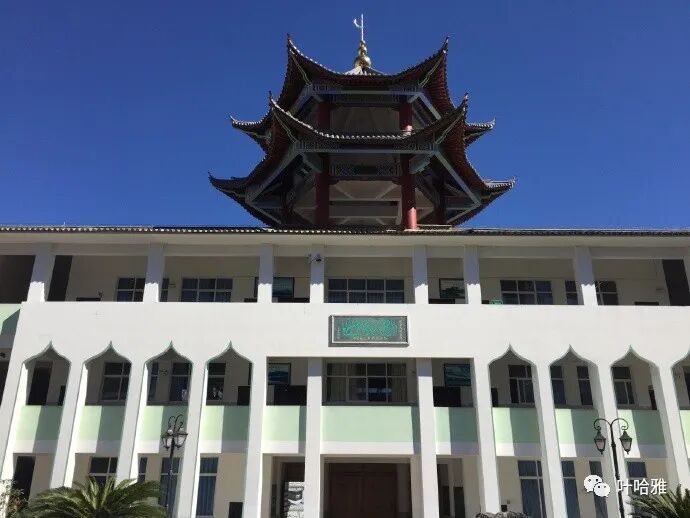
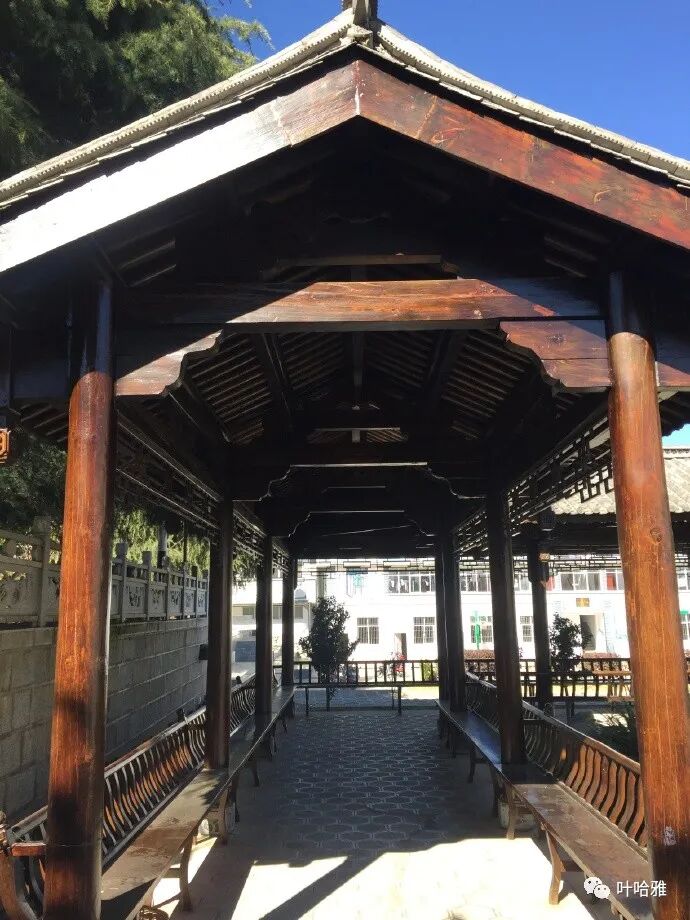
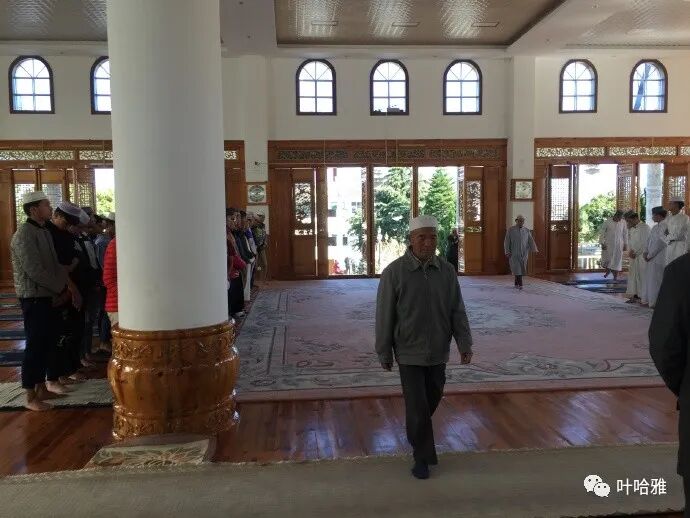
In Yunnan, there is a custom where locals invite guests from afar to stand in the first row near the imam during namaz, as they want to offer the best spot to their guests.
Nanwuliqiao Halal Food Street
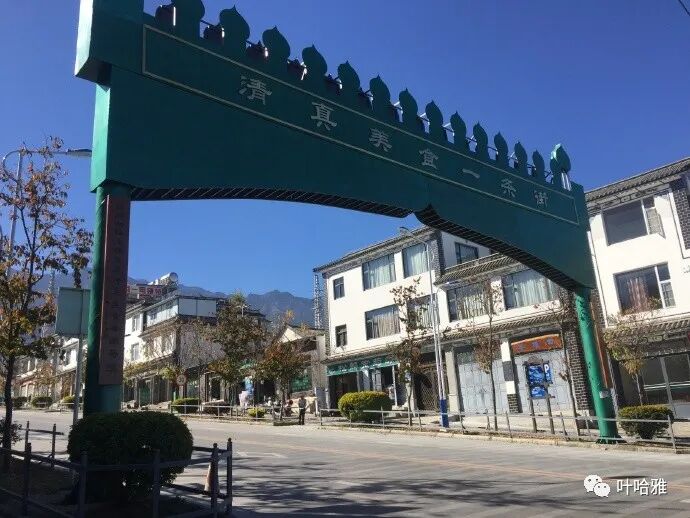
I took these photos in 2016. The signs have changed now, but it is still a halal food street. There is much more halal food here than in Dali Ancient City, and there are fewer tourists and more locals.
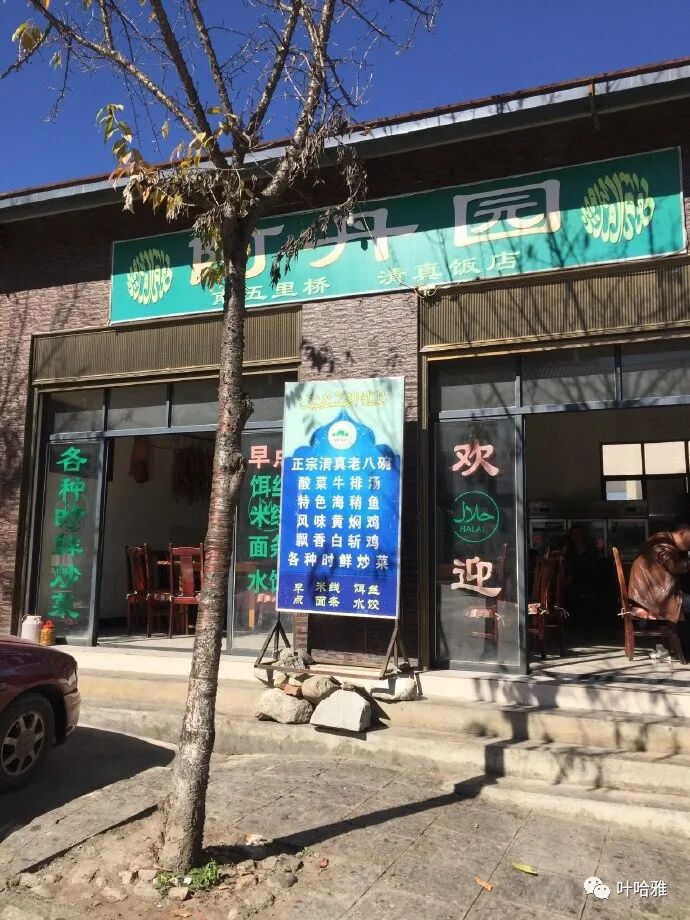
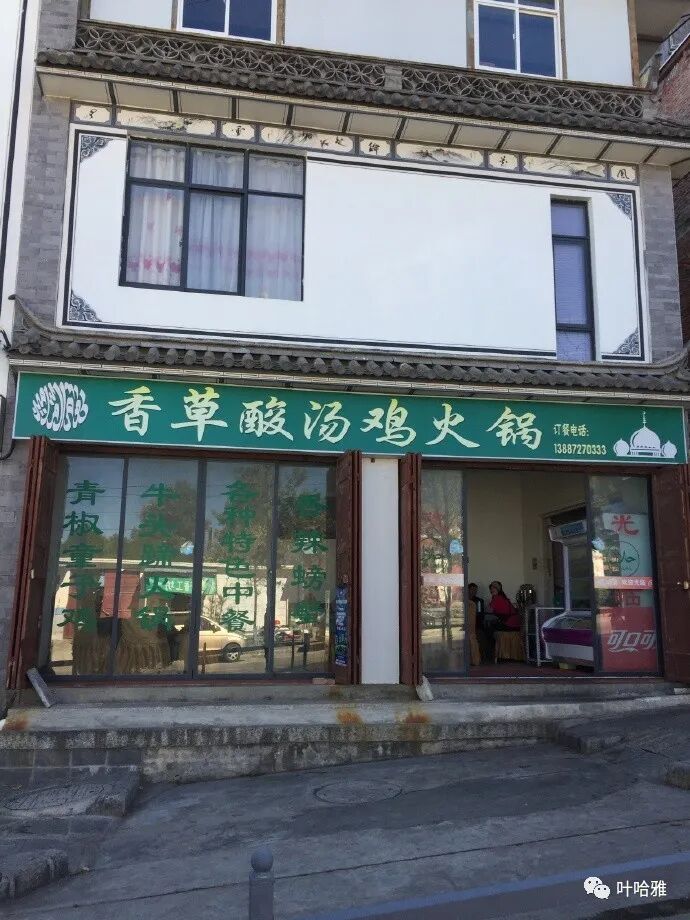
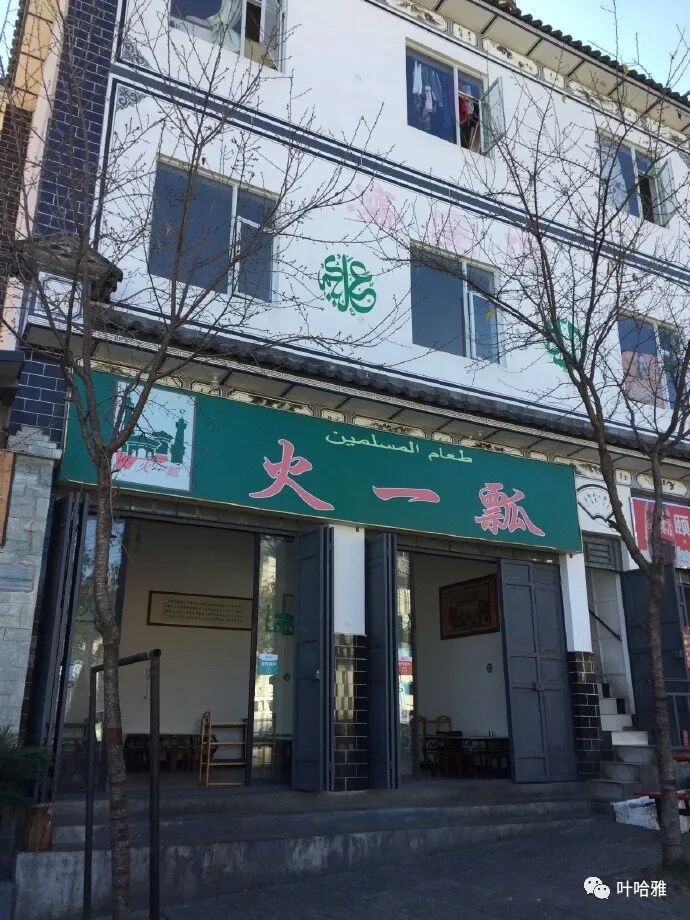
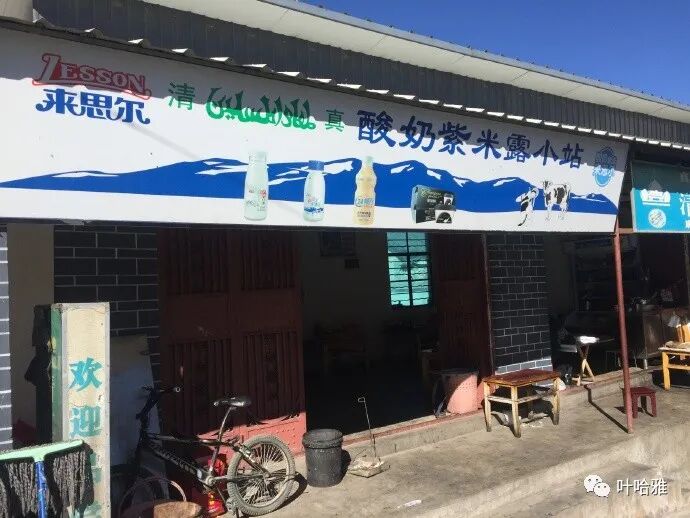
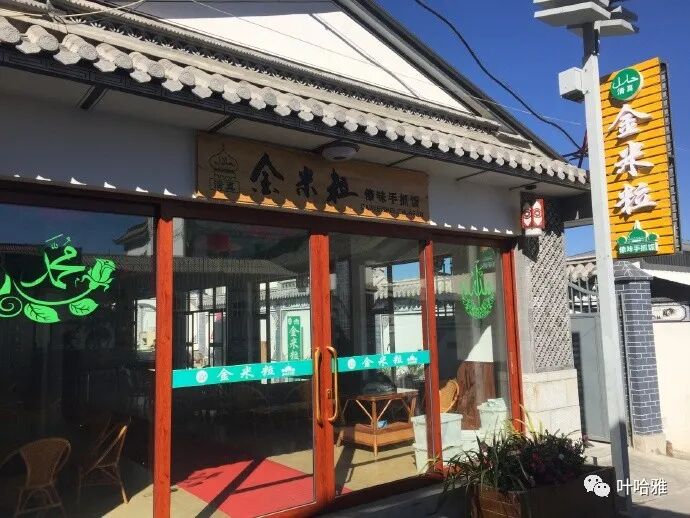
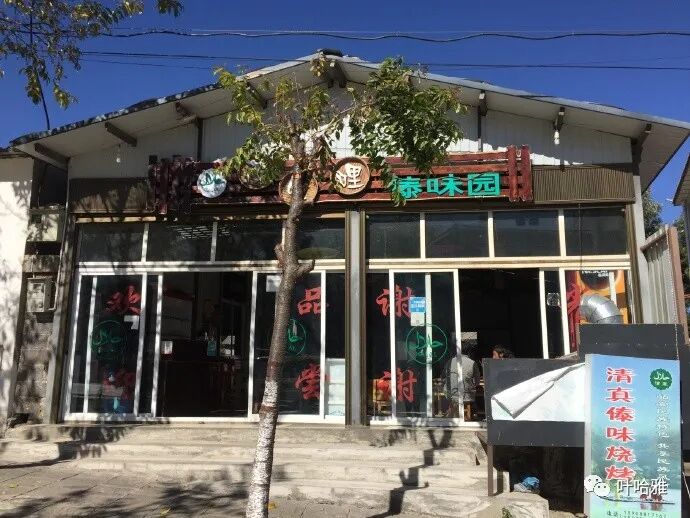
I recommend trying the Dai-style barbecue, because it is hard to find halal versions once you leave Dali.
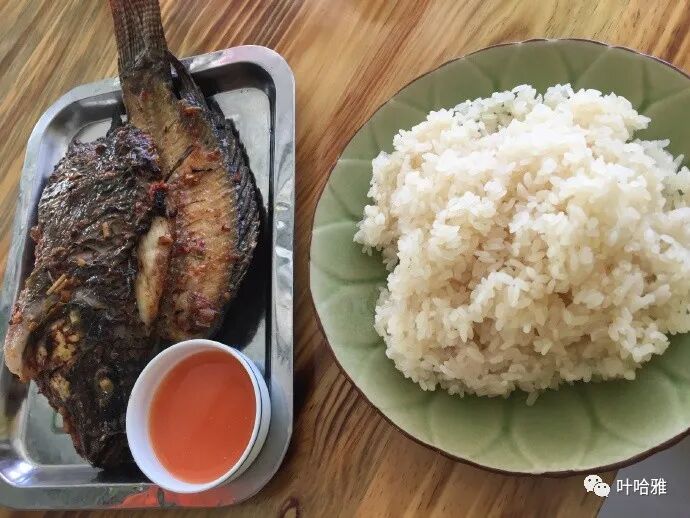
Dali Zhihua Mosque
Zhihua Mosque was first built during the Hongwu period of the Ming Dynasty, and the current building was completed in 2000.
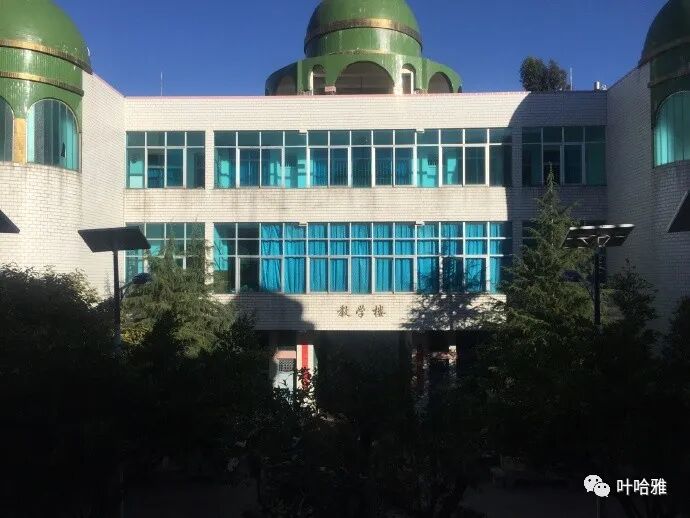
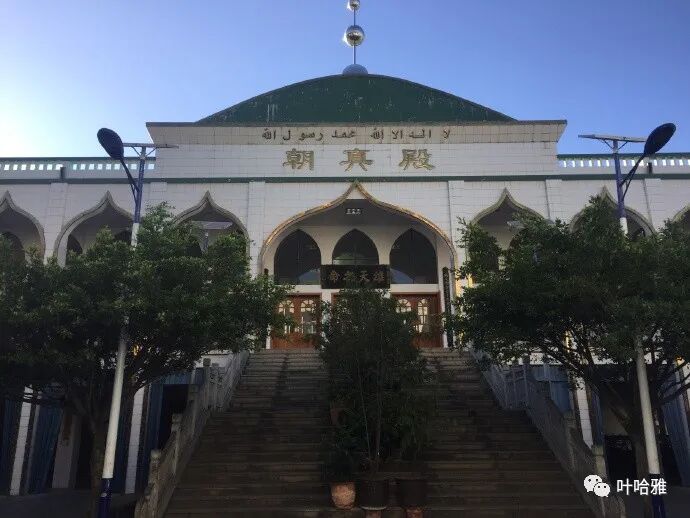
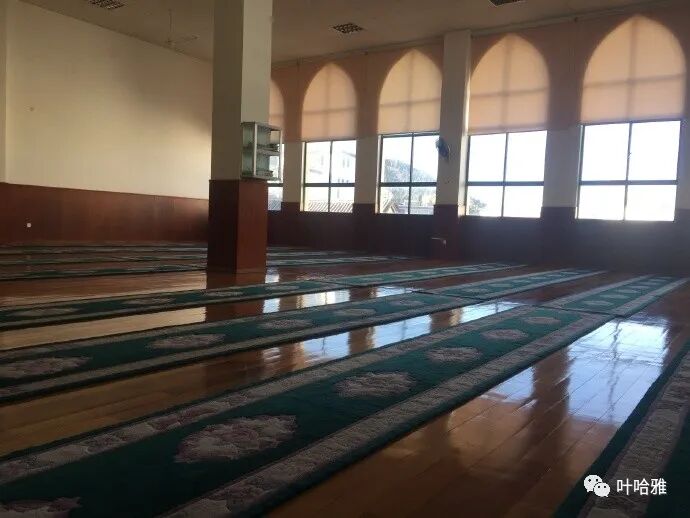
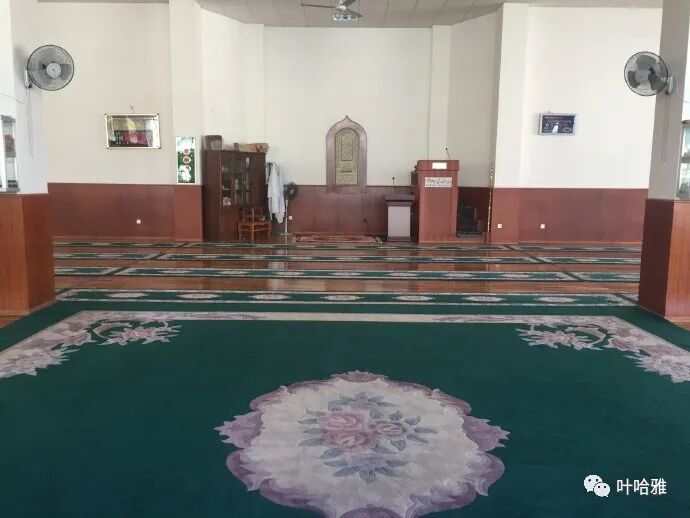
Dali Ximen Mosque
The history of Ximen Mosque dates back to the Yuan Dynasty. It was first built in the 15th year of the Zhiyuan reign (1278), making it over 700 years old. It was built by Qilie Zuocheng, a general under the Yunnan King Sayyid Ajjal Shams al-Din Omar, and is considered one of the oldest mosques in Yunnan.
Du Wenxiu, a leader of the ethnic uprisings in Yunnan during the late Qing Dynasty, once founded the Duzhangjiao School at Ximen Mosque.
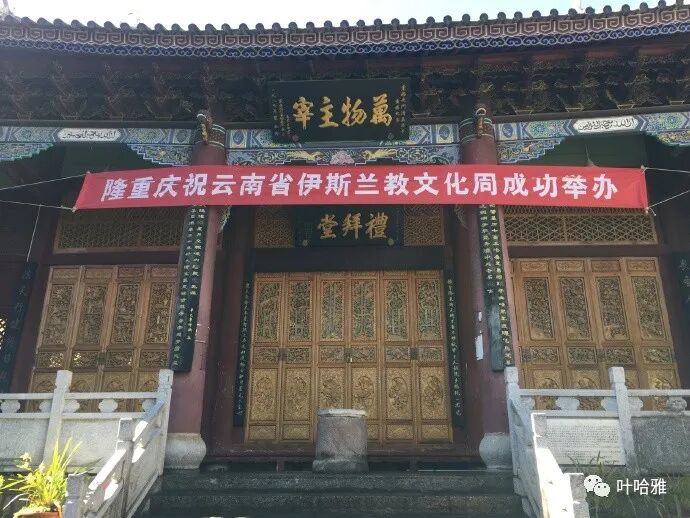
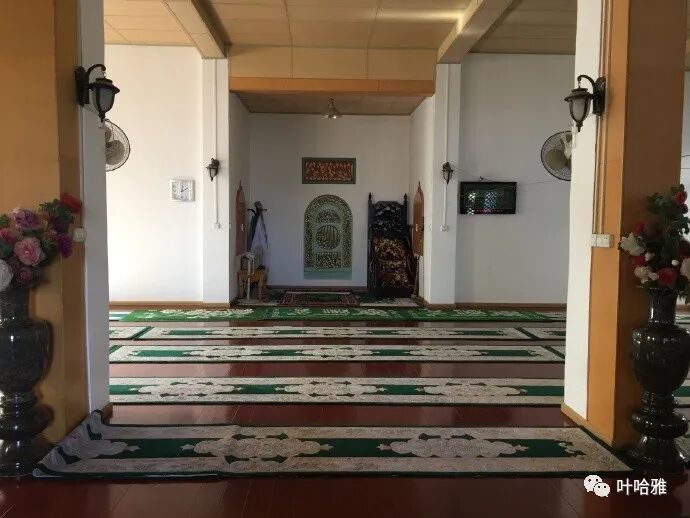
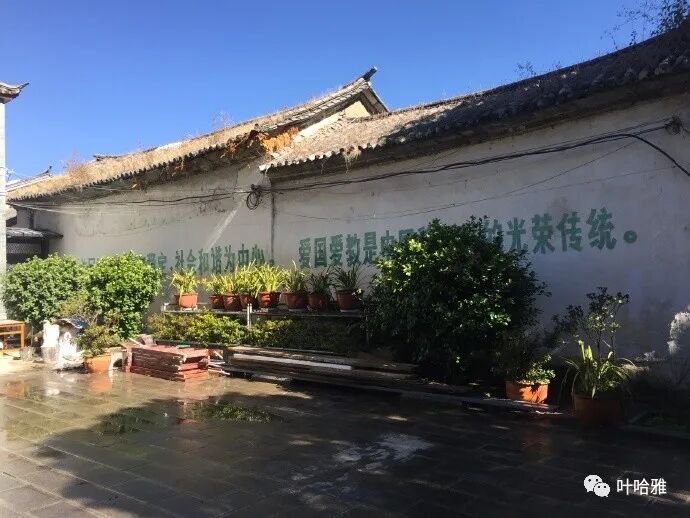
Xiadui Mosque
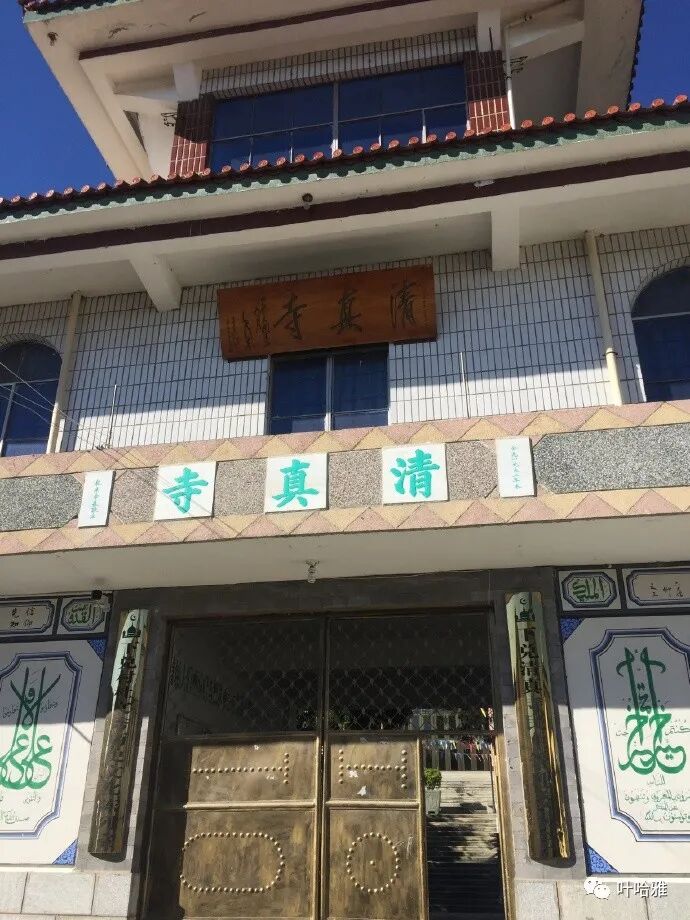
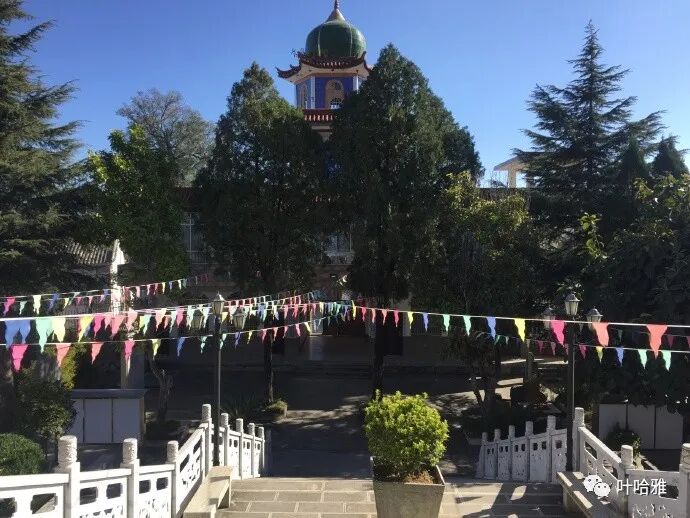
Xiadui Village is also a Hui Muslim village. The mosque was first built during the Qianlong period of the Qing Dynasty, and this is the place where Du Wenxiu died as a martyr.
As a late Qing dynasty ethnic leader who fought against the Qing, Du Wenxiu was slandered by his enemies for colluding with foreign powers, setting up his own base, and establishing an independent state, all based on a flyer that once circulated in Yunnan. I once found foreign language documents to research this issue.
Regarding several issues of Du Wenxiu's foreign relations: in foreign documents, two issues concerning the Hui Muslim uprising were long debated. One was why Yunnan Hui Muslims were called Pan-thay, and the other was the issue of the Dali Islamic State. The content of a flyer and the nature of a regime are two different things. A regime's nature might be reflected in a flyer, but judging a regime solely based on one flyer is still problematic. Baber and Gill both asked the Dali Hui Muslims about the Islamic State and the title of Sultan. They reached the same conclusion: the title of Sultan was completely foreign to everyone. Except for two or three imams, the locals never used it to address their leader, and no one even knew the name Suleiman.
Therefore, the issue of the Dali Islamic State actually stemmed from this flyer. Clearly, the purpose of distributing this flyer was to incite Hui Muslims in other regions to join the resistance against Qing rule. Its content represented the views and tendencies of a very small number of imams. Du Wenxiu's views on religion were not that narrow, and the flyer did not represent the nature of the Dali Hui Muslim regime.
Du Wenxiu advocated that the three religions should be of one heart and united as one. This meant Islam, Buddhism, and the Yi people's religion.
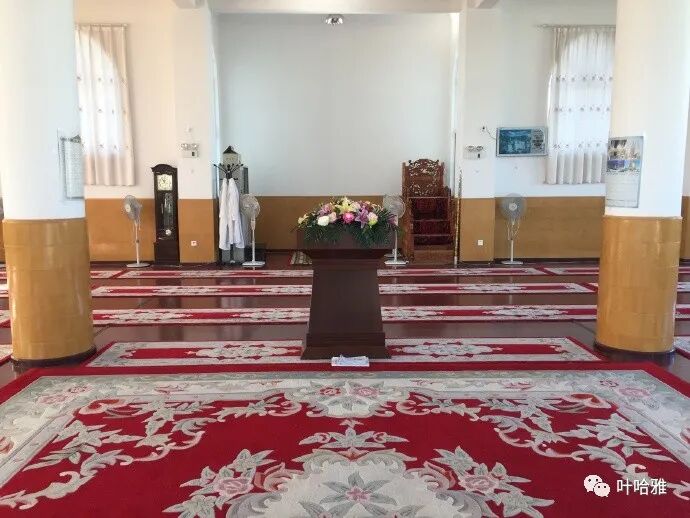
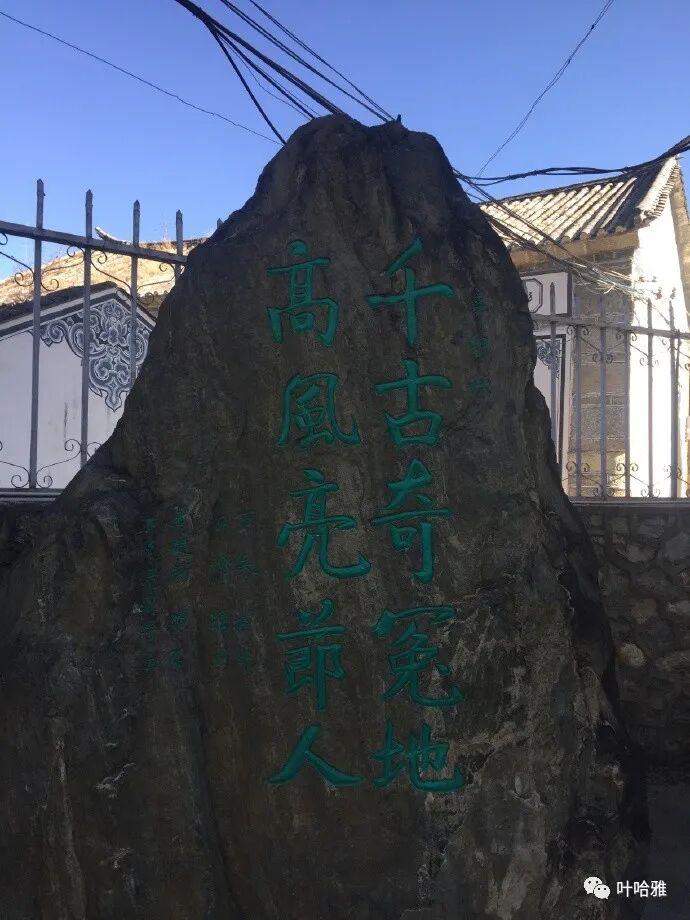
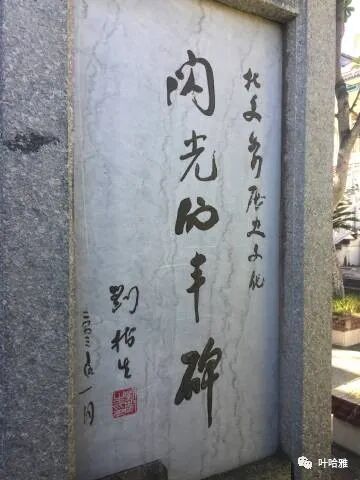
Yitianyuan Halal Cuisine, Dali Branch.
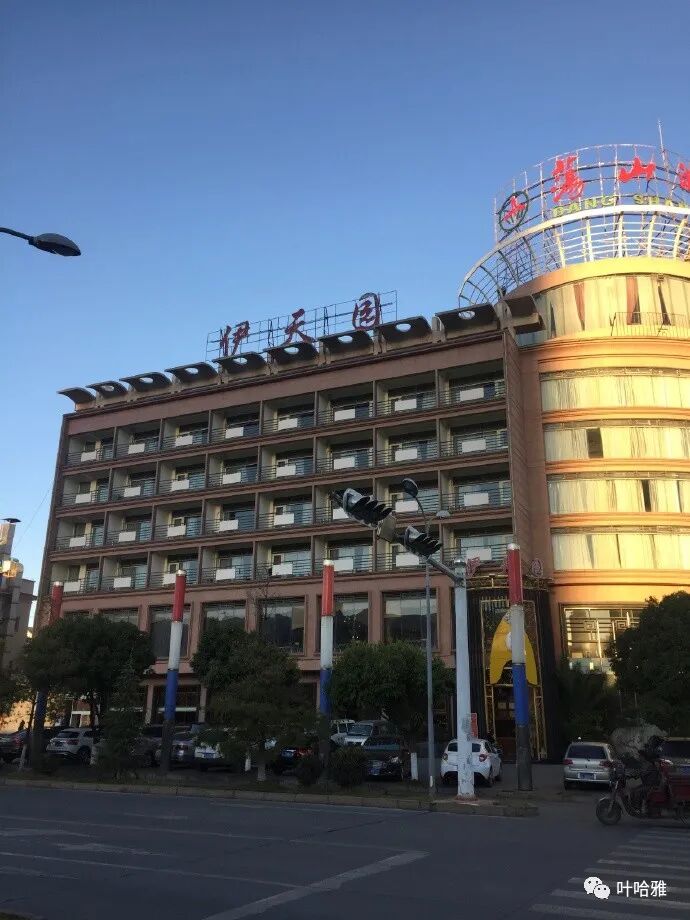
The main restaurant is in Kunming, and the Dali branch has been operating for 11 years. It is a relatively large Yunnan restaurant.
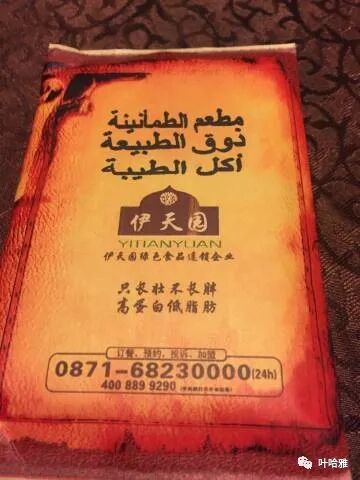
This is a photo of a napkin taken in 2016; it certainly wouldn't be designed like this today.
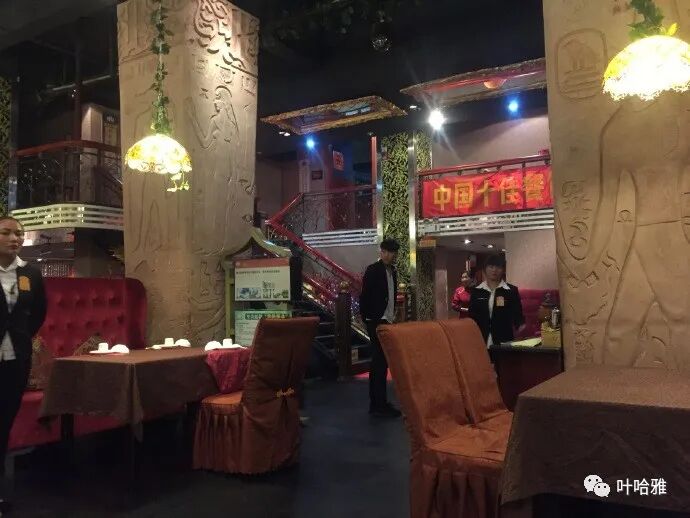
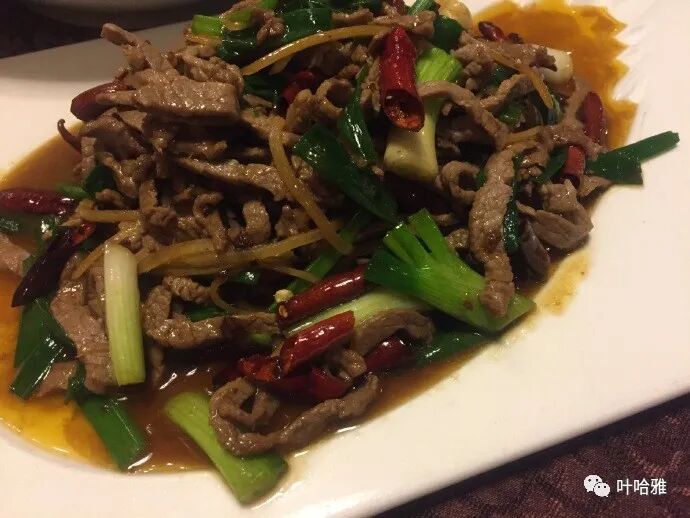
I had stir-fried beef (xiaochao huangniurou) and fried milk fan (zha rushan). This was my first time trying fried milk fan, a deep-fried dairy snack invented by Hui Muslims.
Xizhou Ancient Town
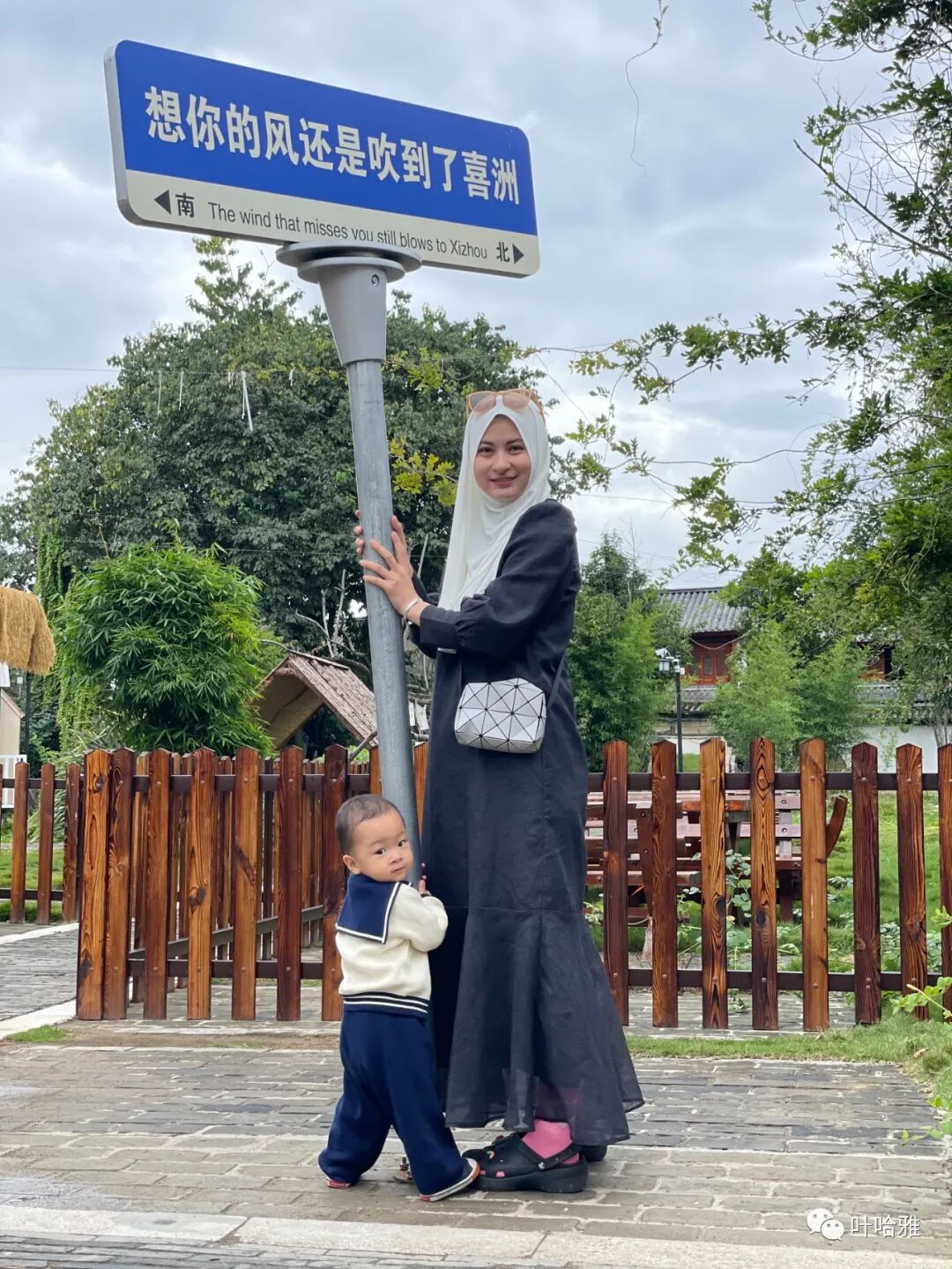
There are not many Islamic elements left in Xizhou Ancient Town. Only one old mosque remains, along with a few halal snack shops. Most Hui Muslims in Xizhou live outside the ancient town.
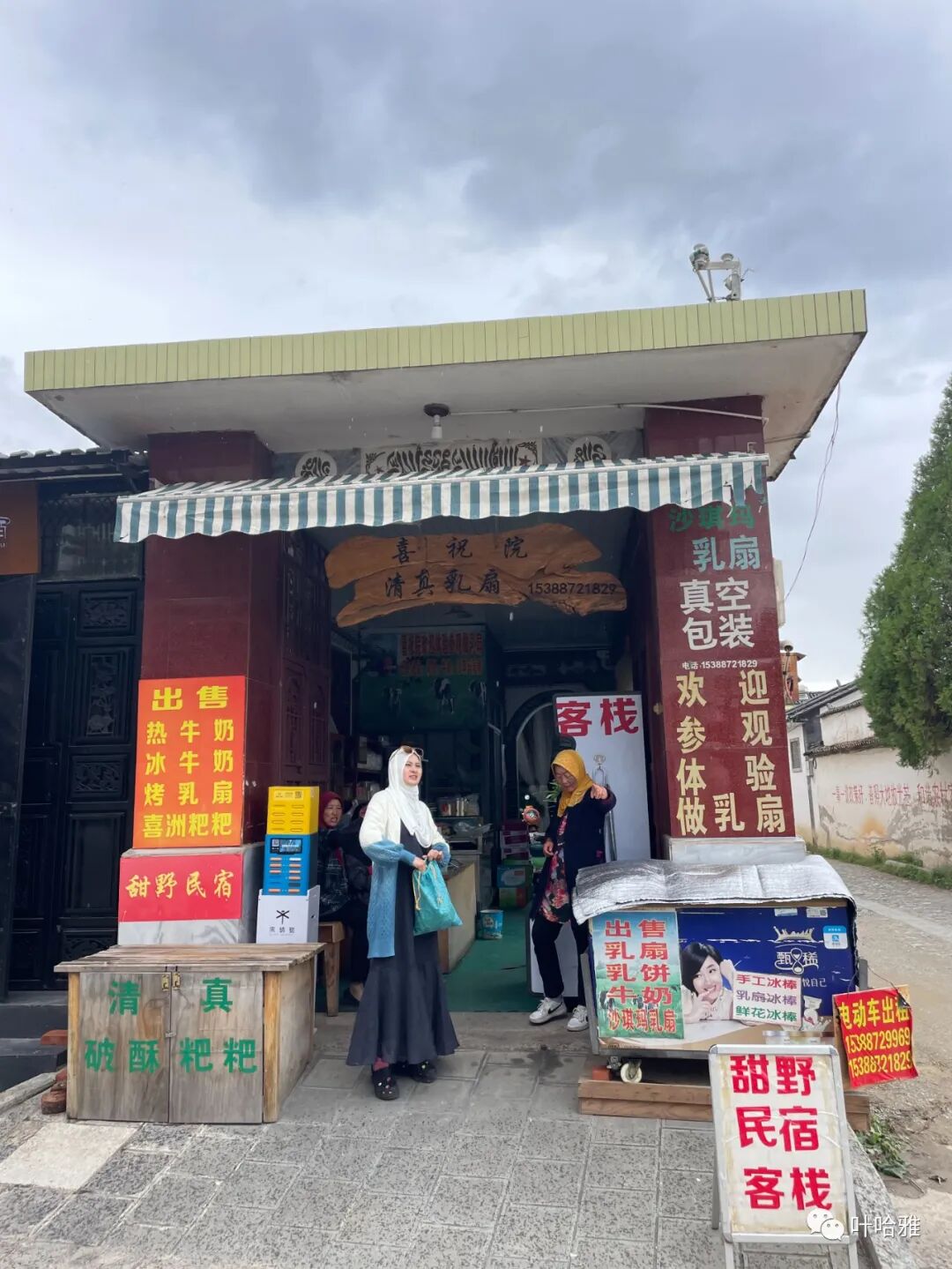
Xizhou has a local snack called Xizhou flaky flatbread (xizhou posu baba). It is a large, deep-fried bun made by both Hui and Han people.
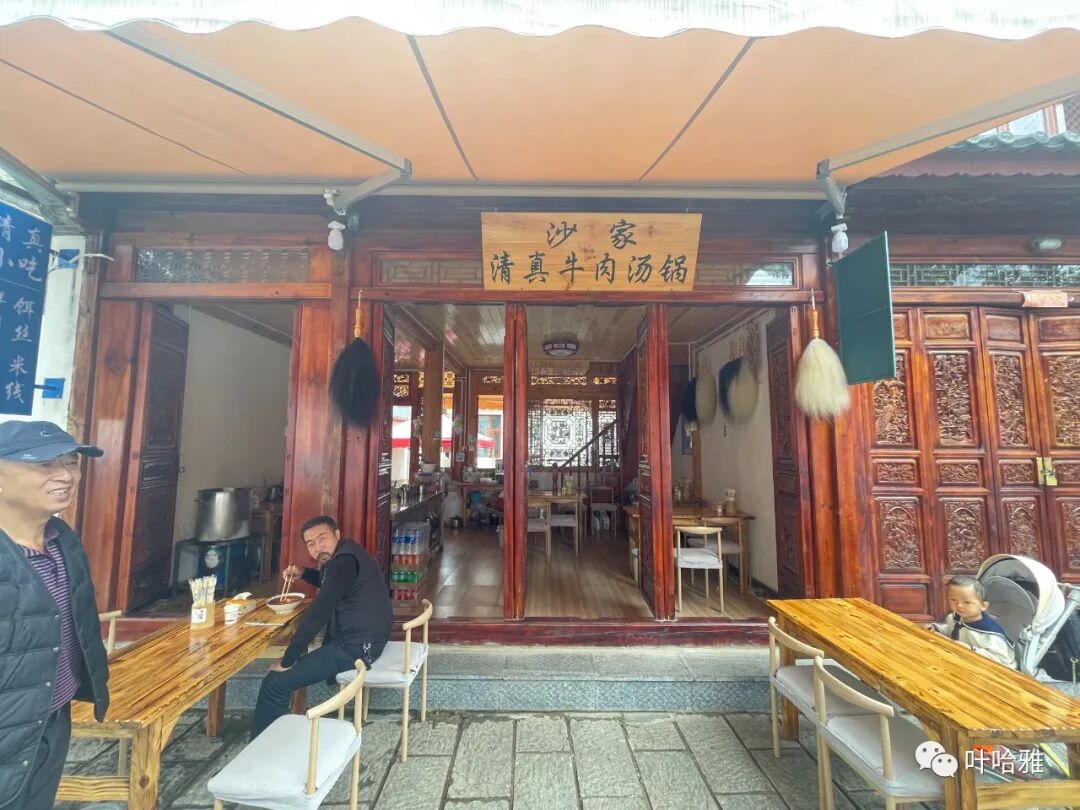
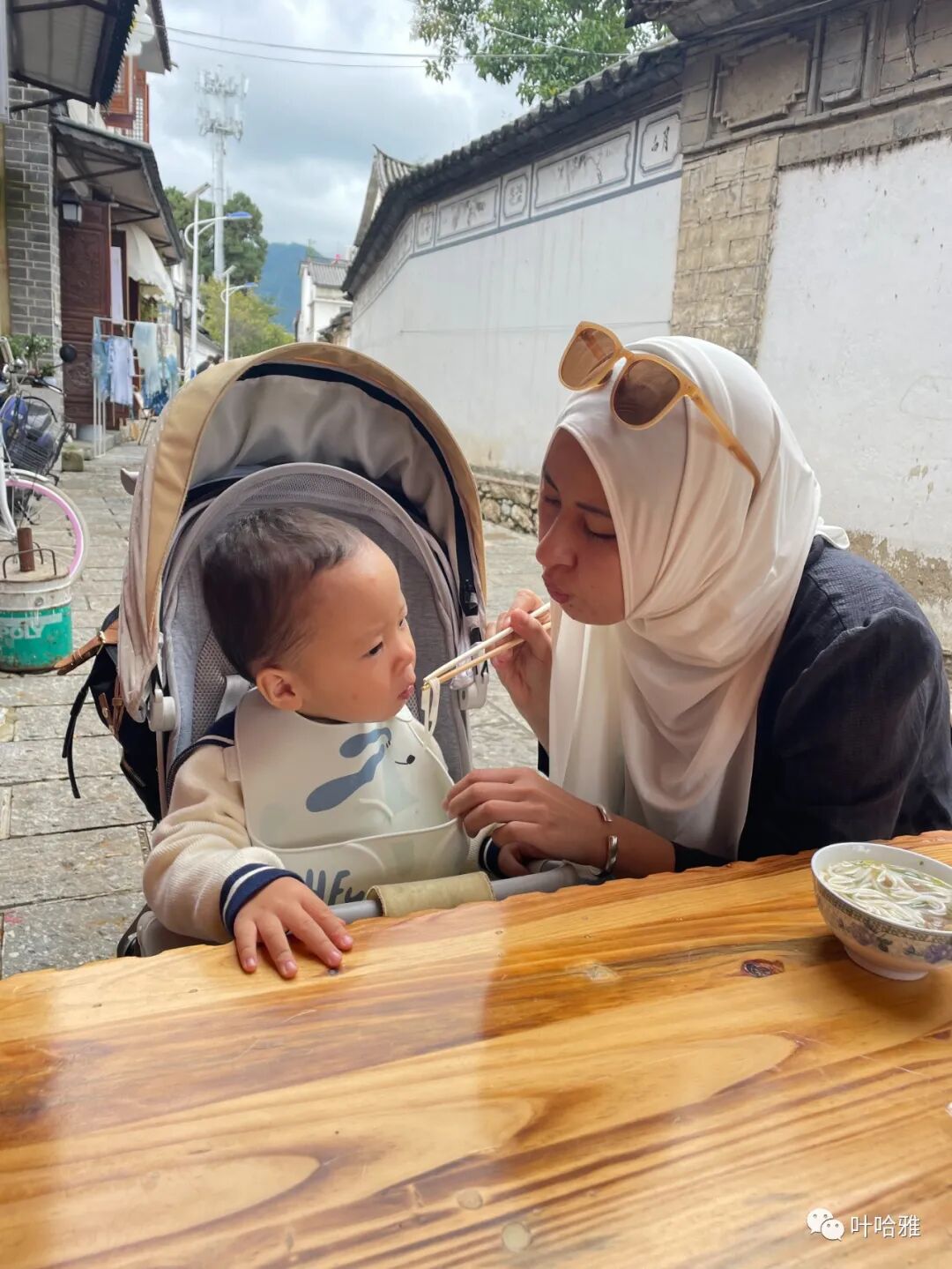
In the morning, we ate rice noodles (mixian) at Shajia Shop inside Xizhou Ancient Town. They serve local-style rice noodles with original broth cooked in a copper pot. You can add your own toppings, which works well for us since we can choose non-spicy options. Their chicken soup is delicious, and the owner kindly gave us a small bowl of noodles for Fahim.
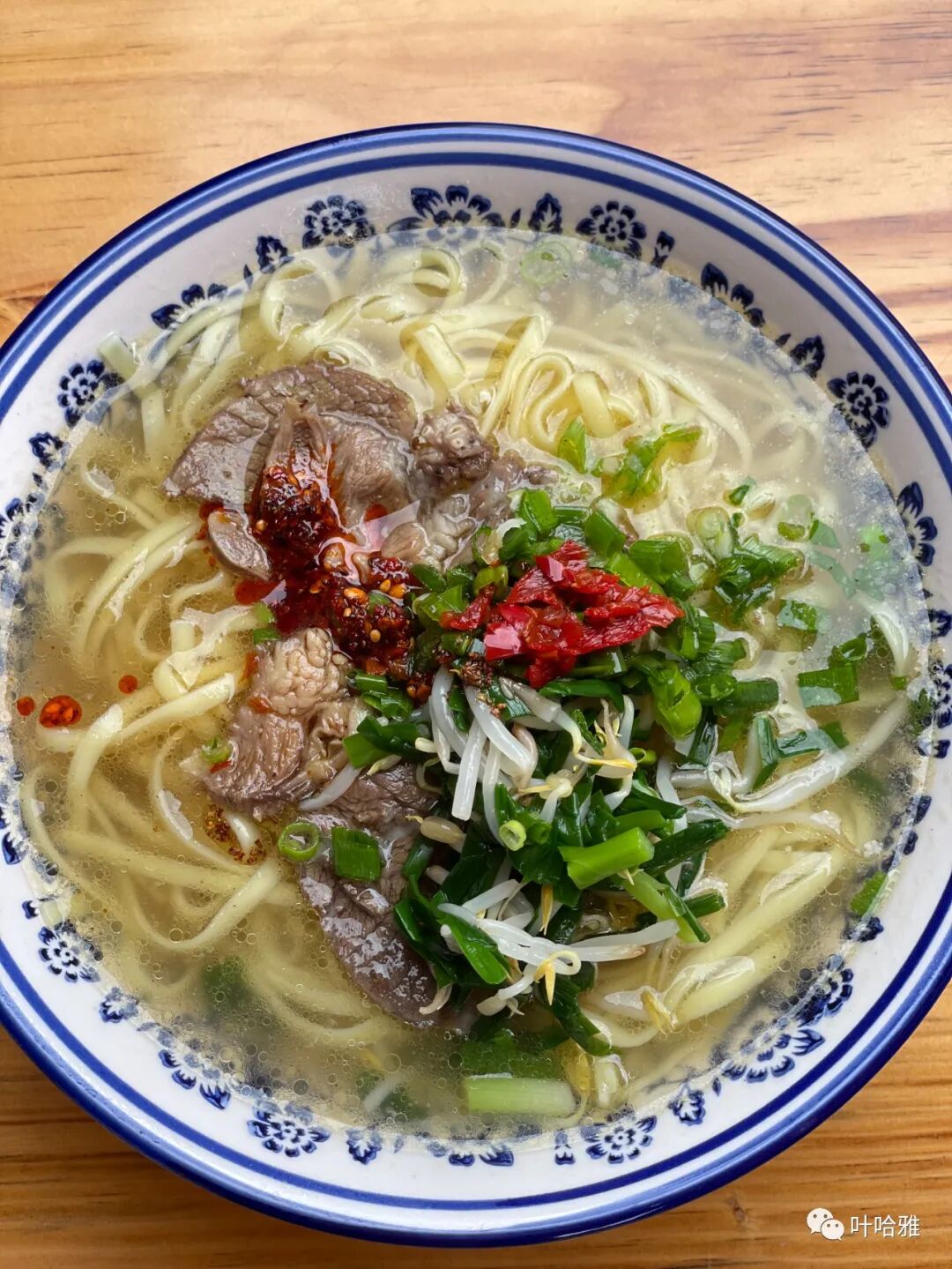
Fahim really loves slurping noodles, and he enjoyed this meal.
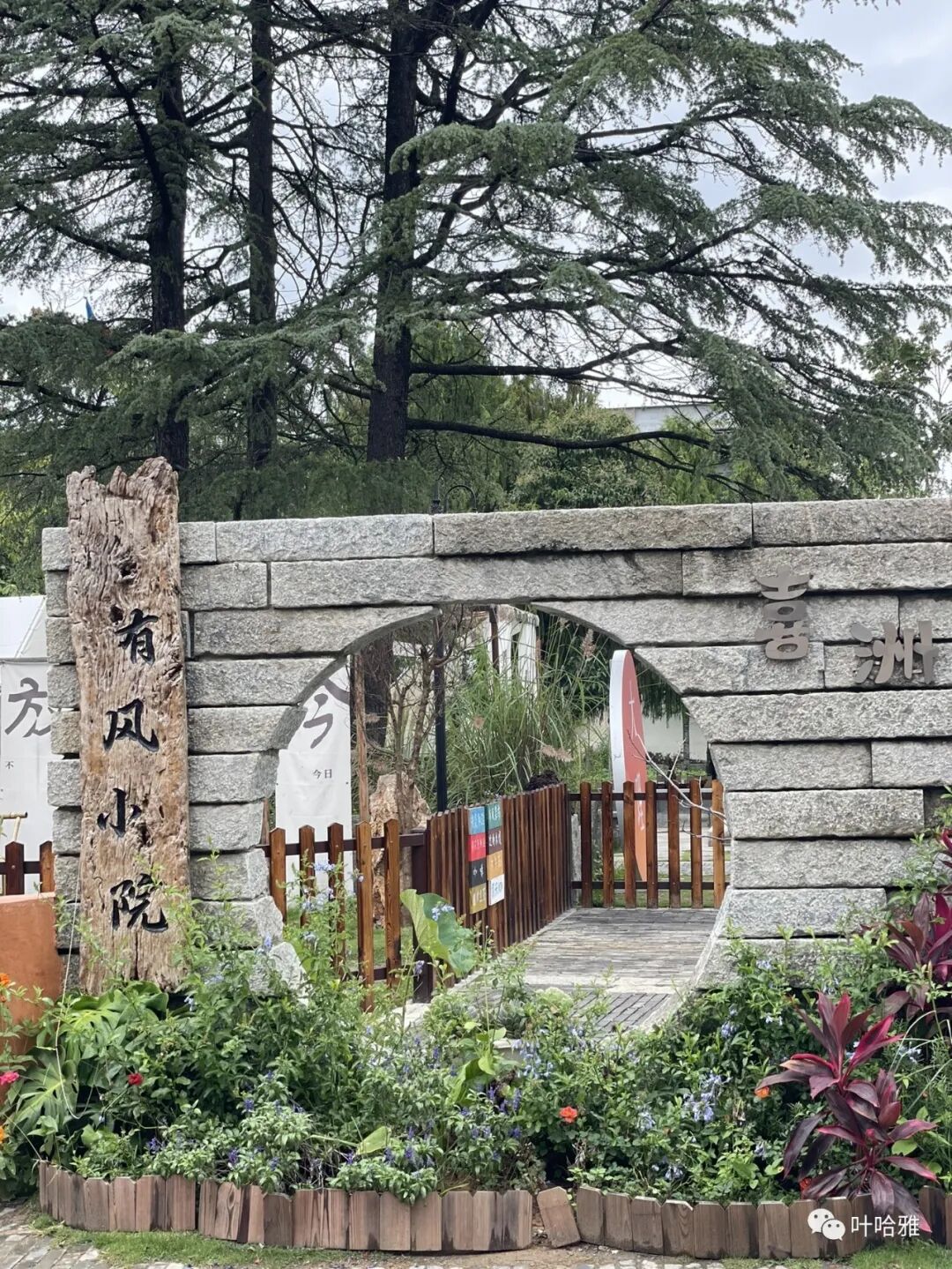
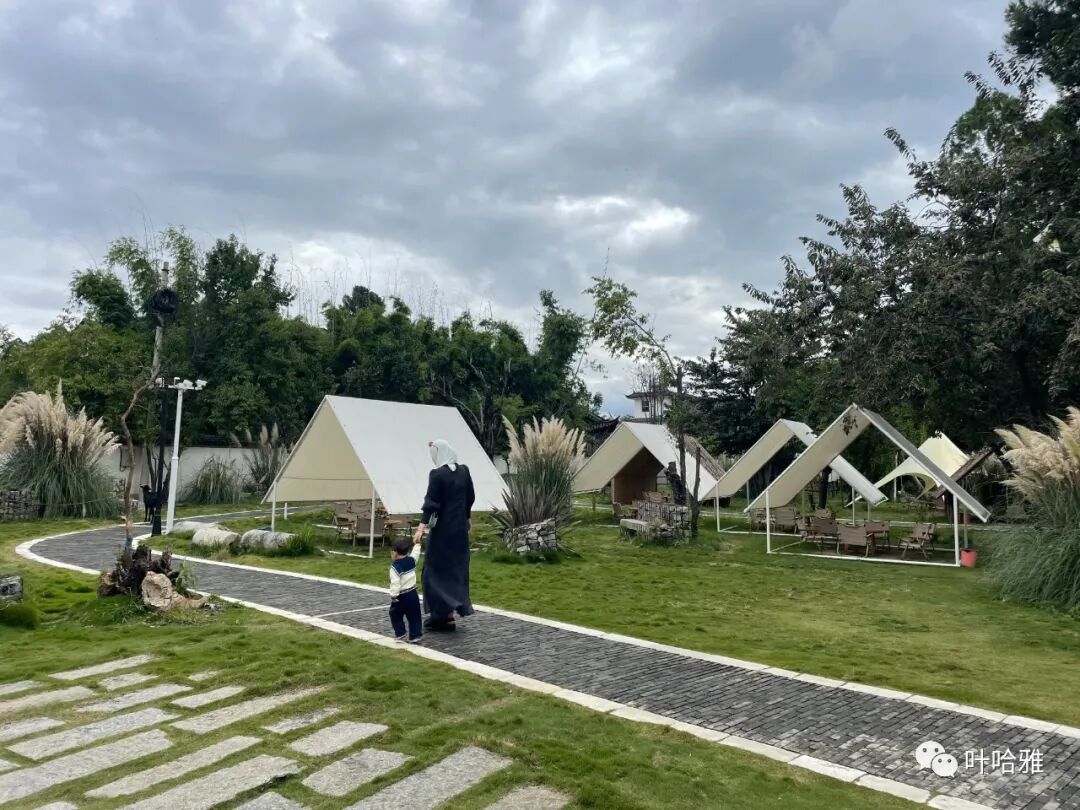
After finishing our noodles, we wandered around the Windy Courtyard (youfeng xiaoyuan) in the ancient town.
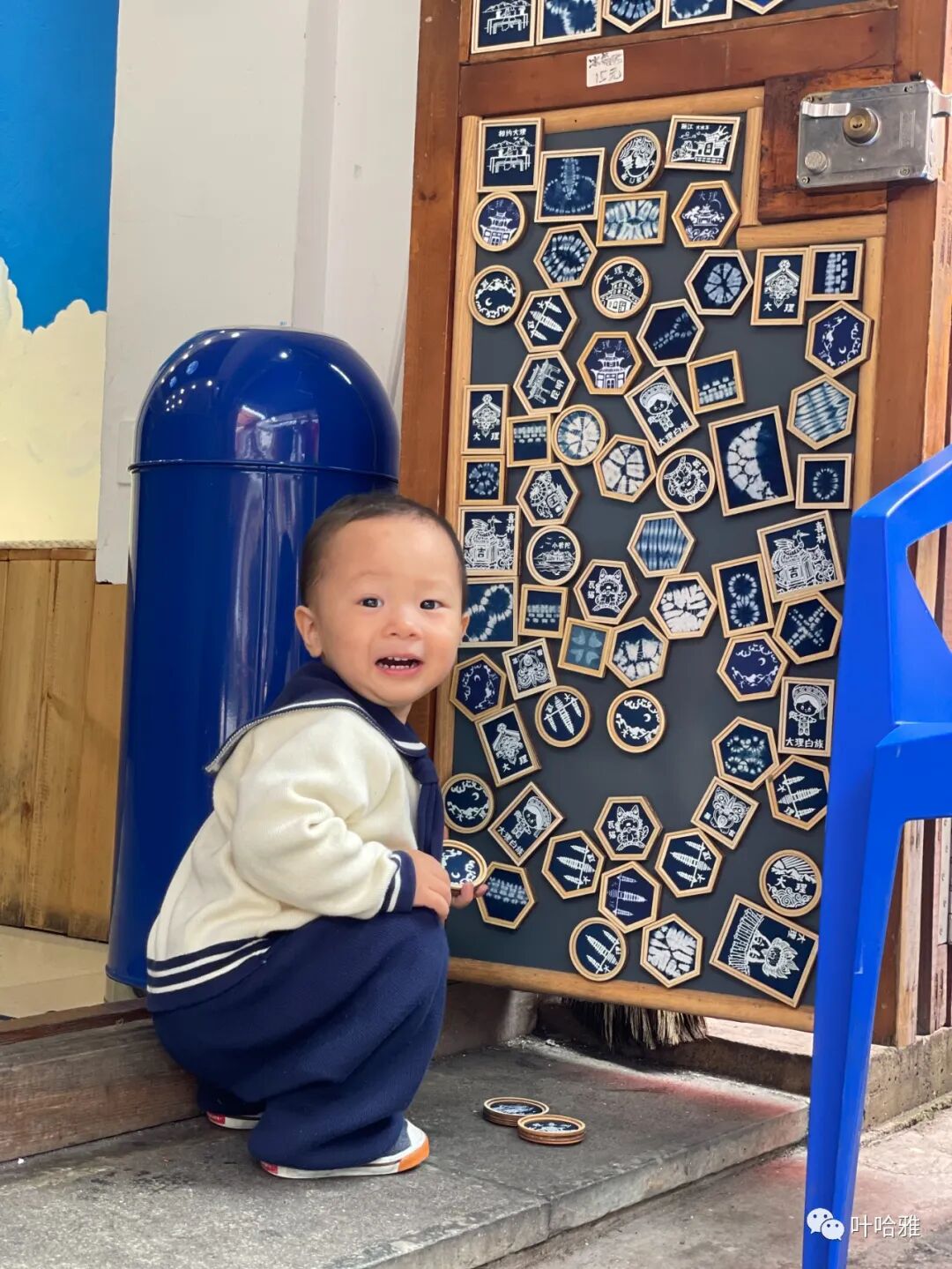
Fahim really liked the blue Xizhou fridge magnets in the ancient town and played in front of a shop for half an hour.
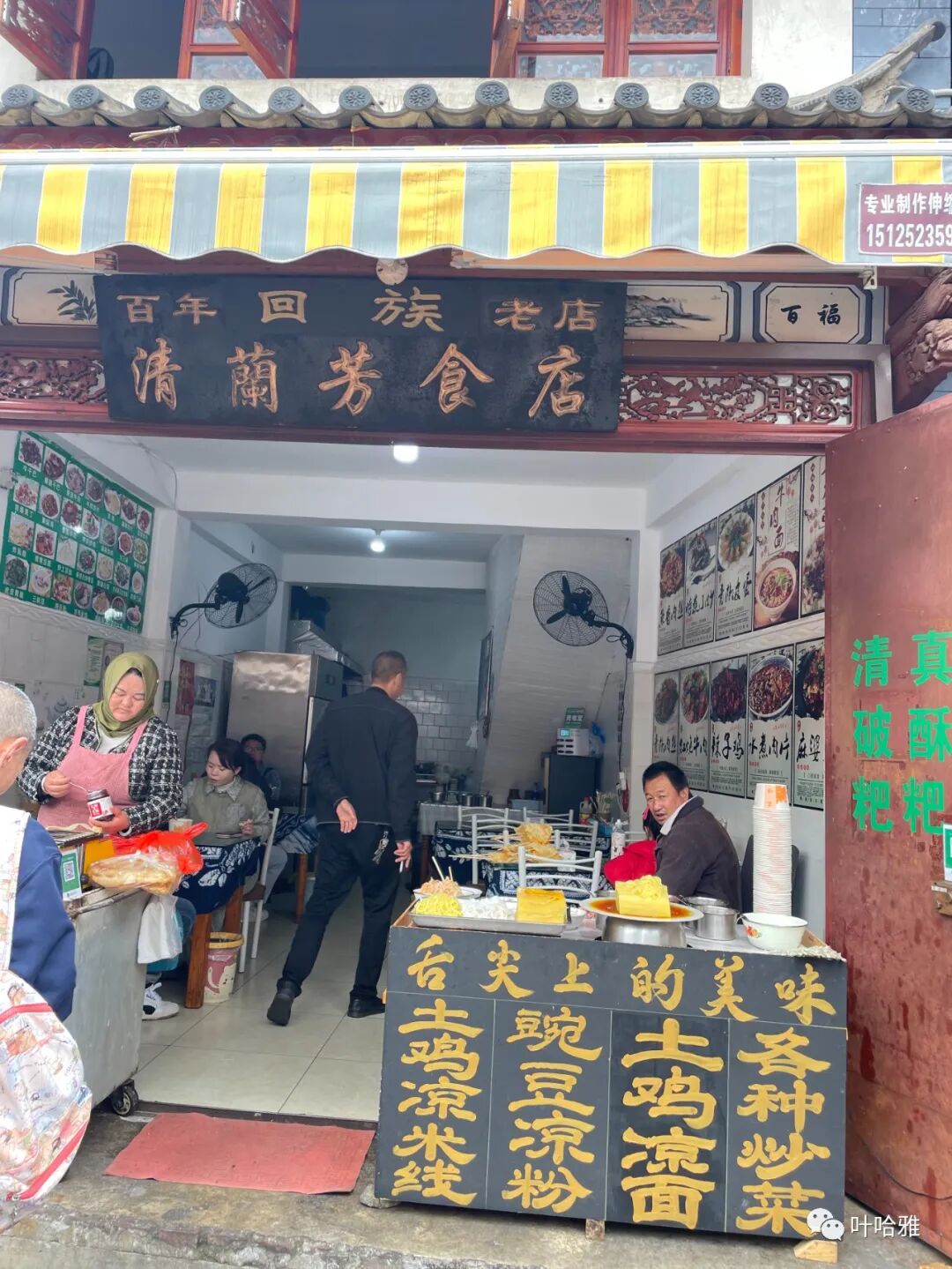
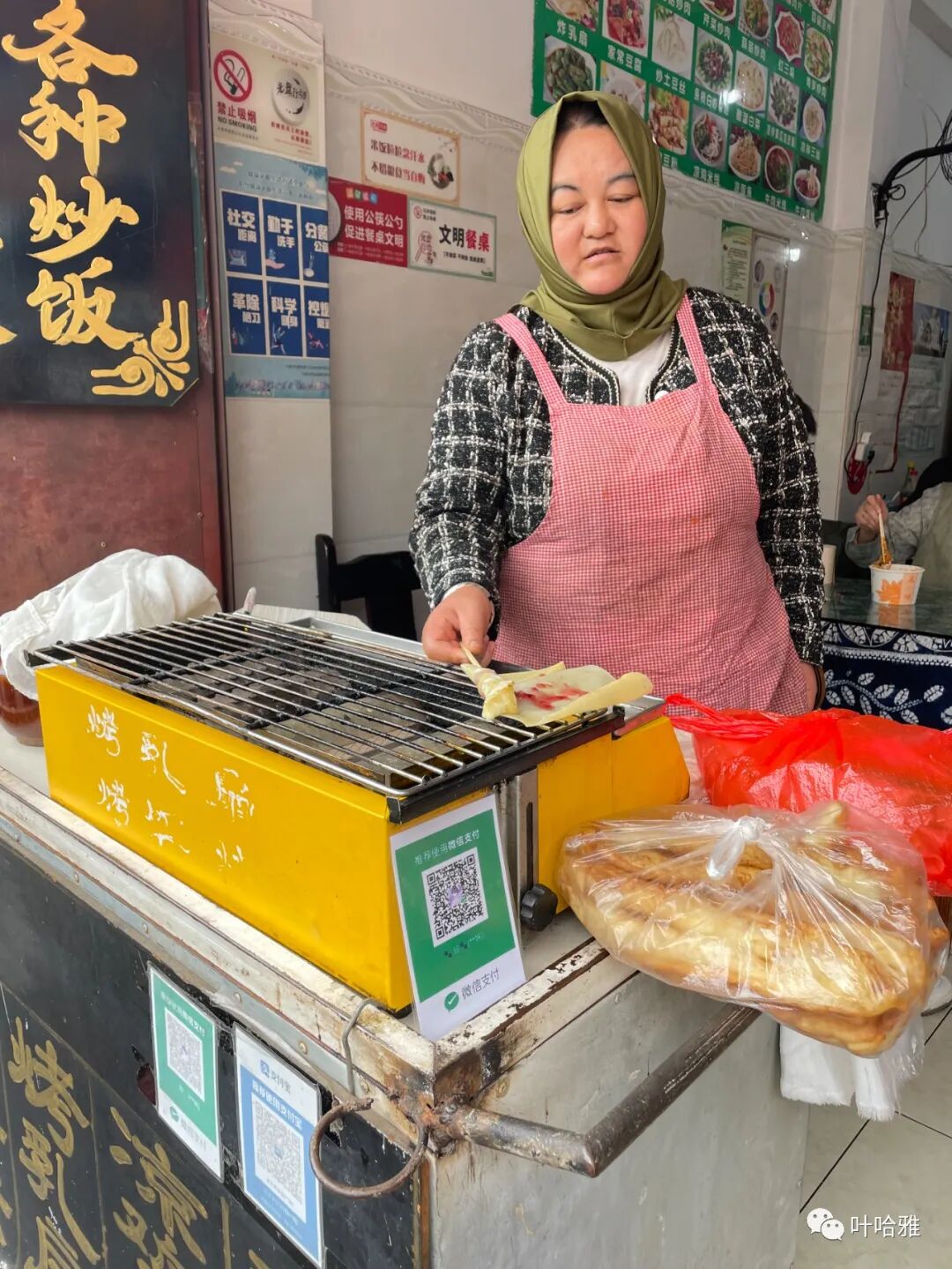
I also tried grilled milk fan (kao rushan) in Xizhou for the first time, and I think it tastes better than the fried version.
Xizhou Mosque
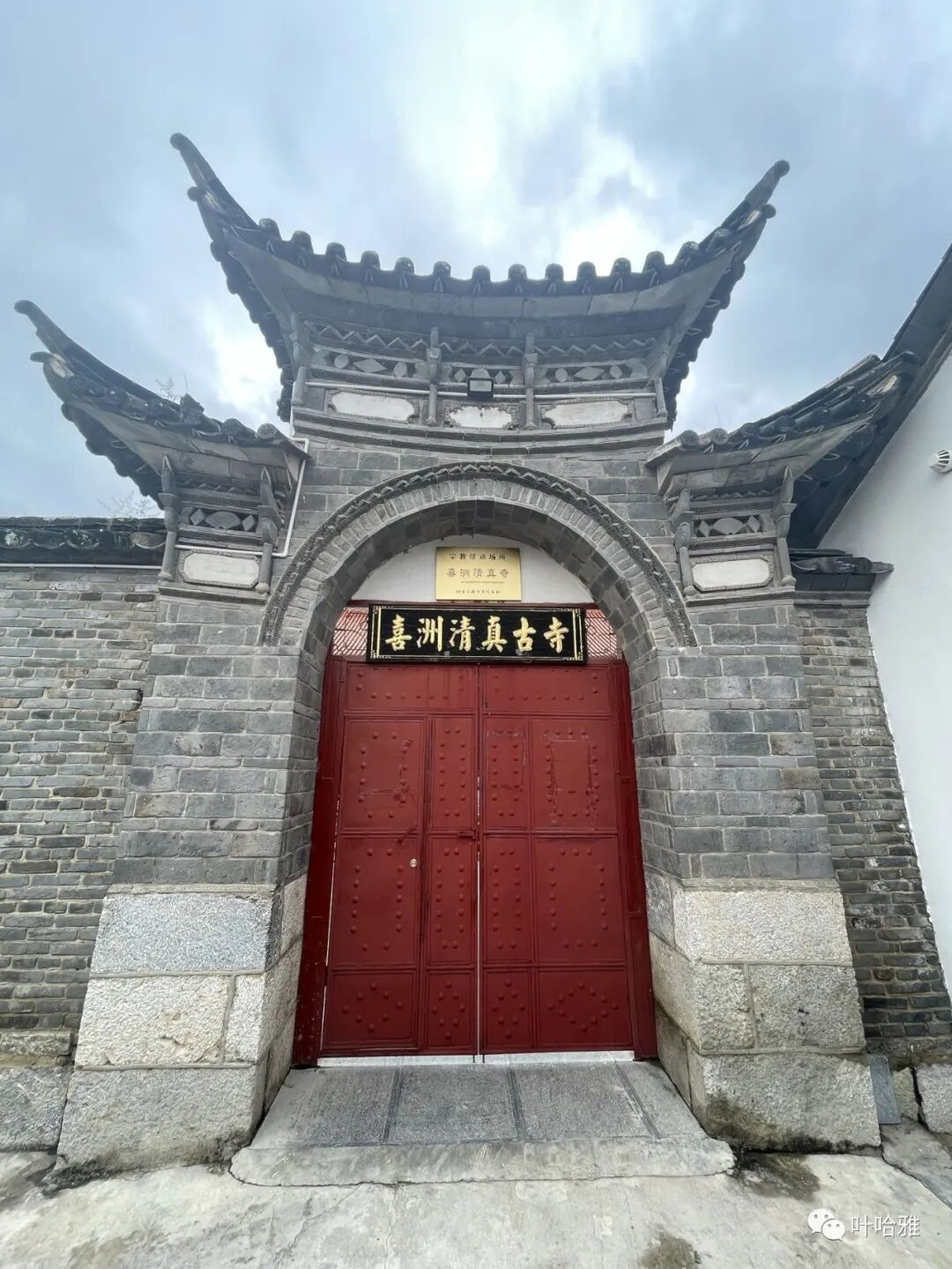
Xizhou originally had two mosques, the Ma Family Mosque and the Zhang Family Mosque. After the Dali regime failed, they were confiscated as rebel property. By the end of the Qing Dynasty and the beginning of the Republic of China, Hui Muslims chose representatives to ask local gentry to return Zhangjia Mosque. Since Zhangjia Mosque had been expanded and turned into a God of Wealth Hall (Caishendian), the local government gave the Hui Muslims a different plot of land to build a mosque. After several years of fundraising, the mosque was completed in 1922, and the prayer hall was expanded in 2004.
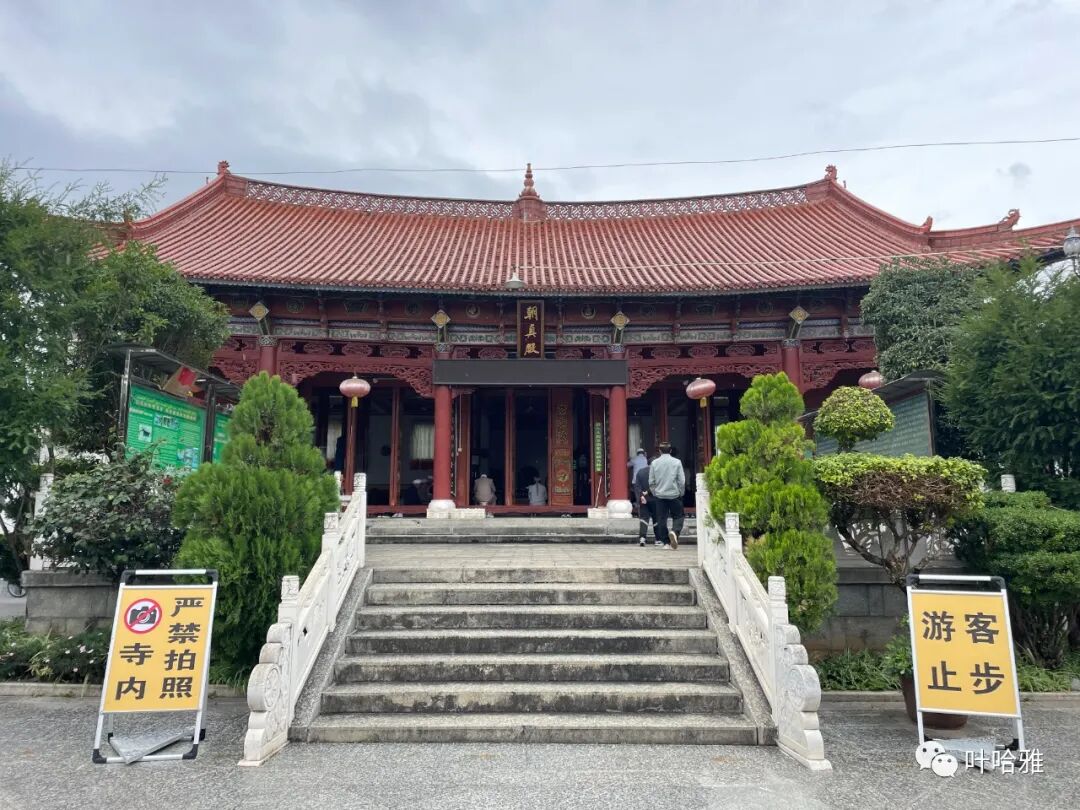
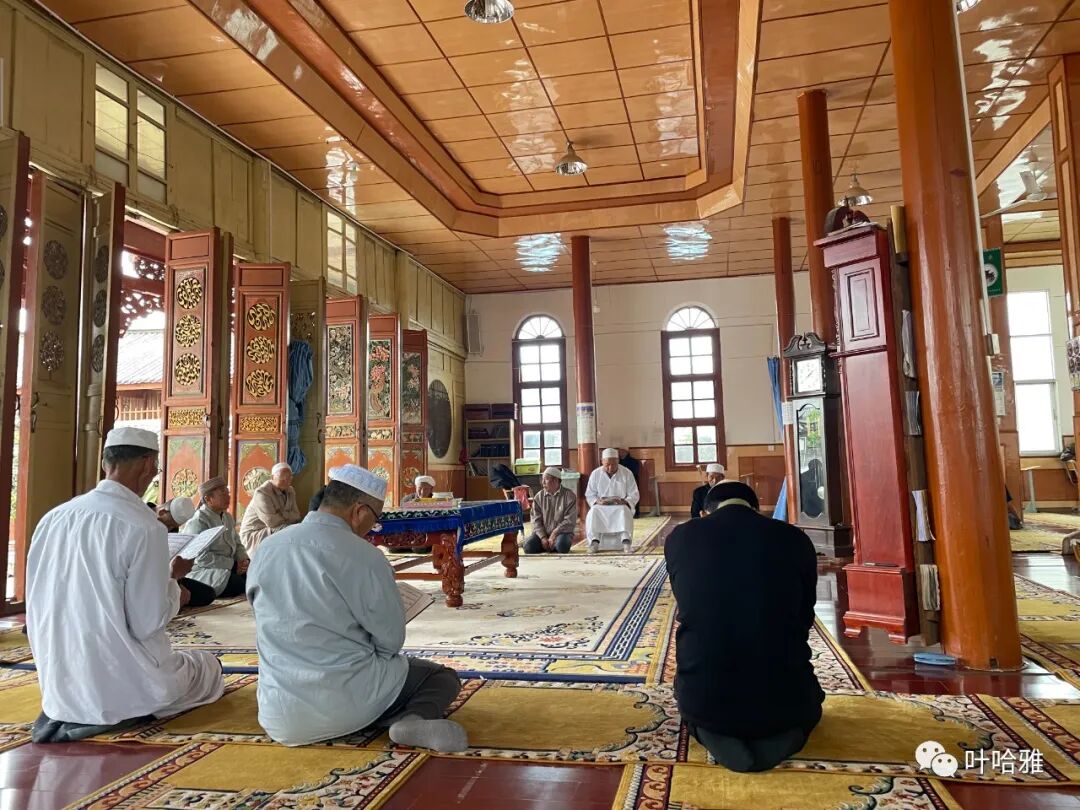
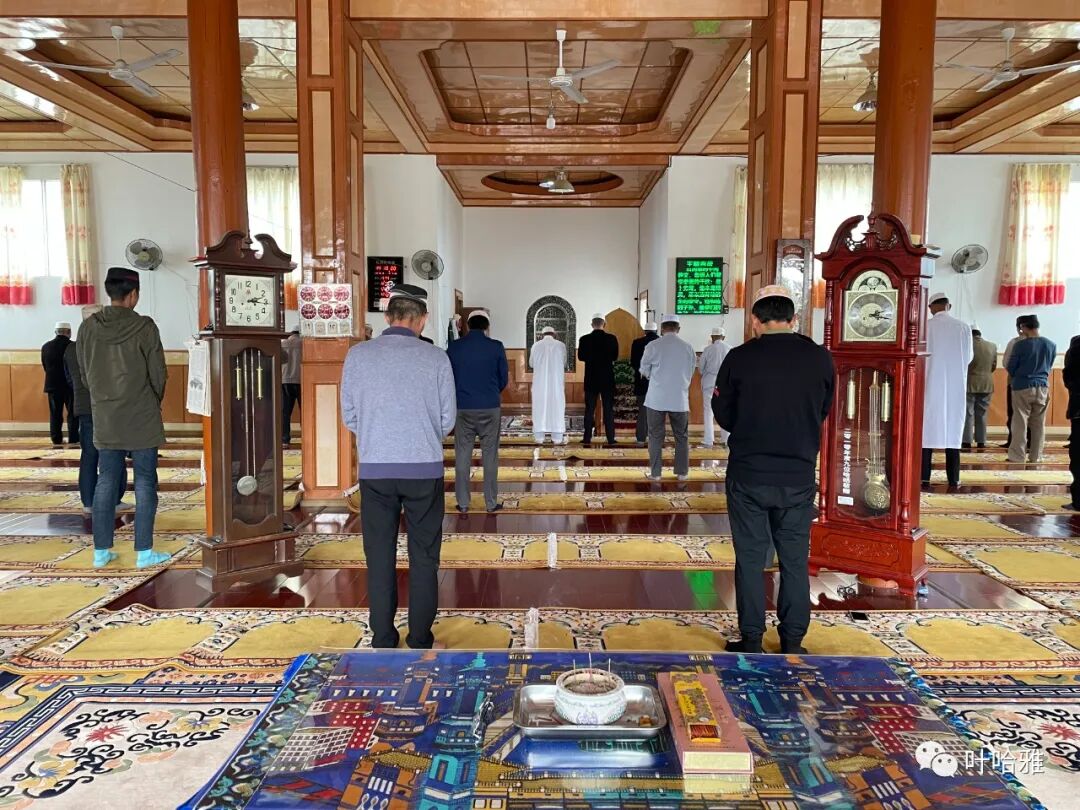
I attended Jumu'ah prayer in Xizhou. There are not many Hui Muslims here, and as usual, everyone sat in a circle to recite the Suole before the prayer.
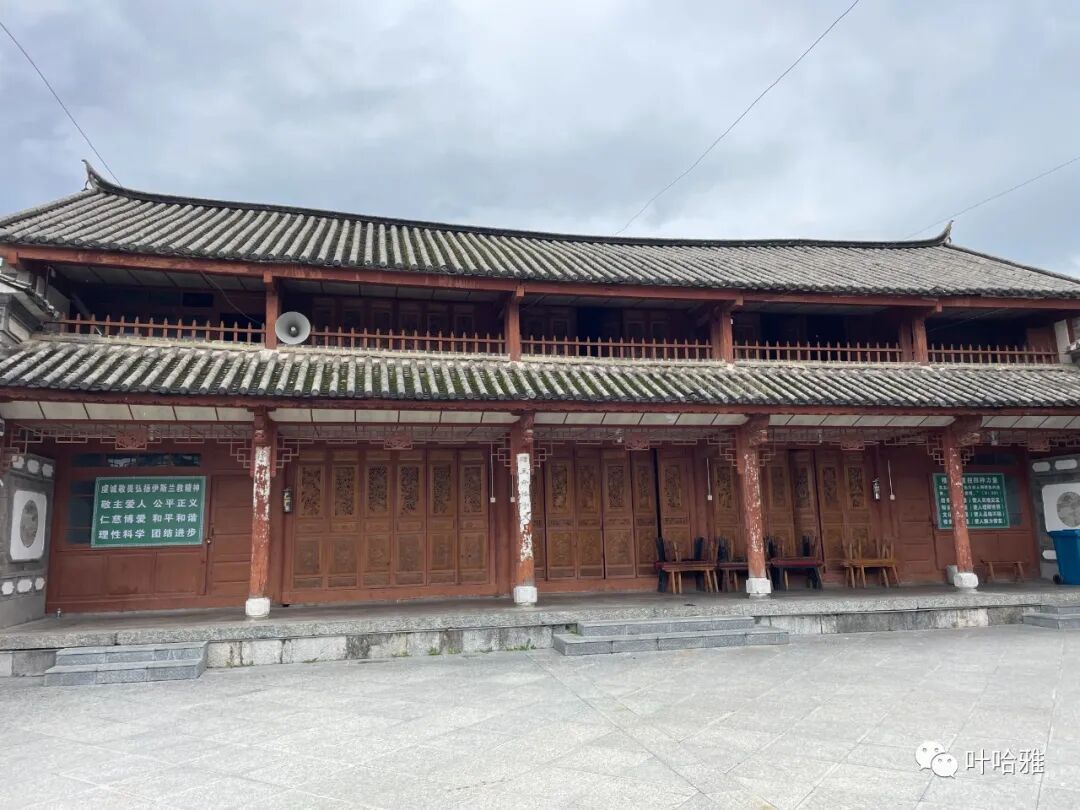
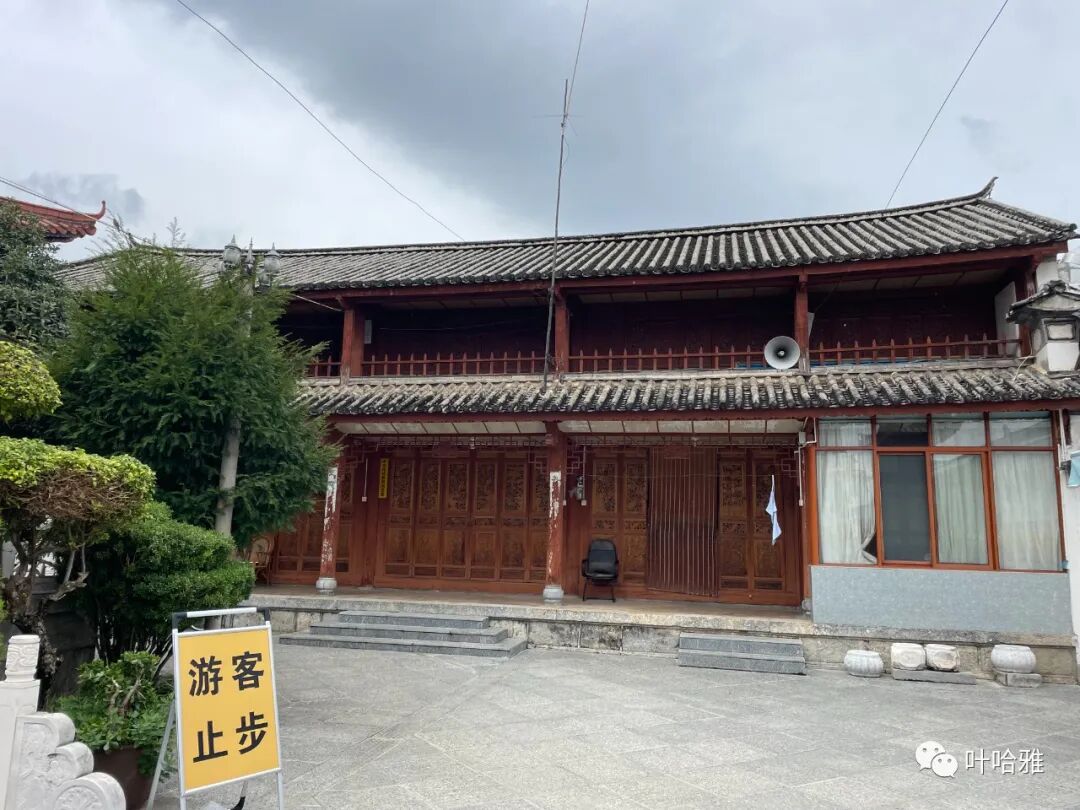
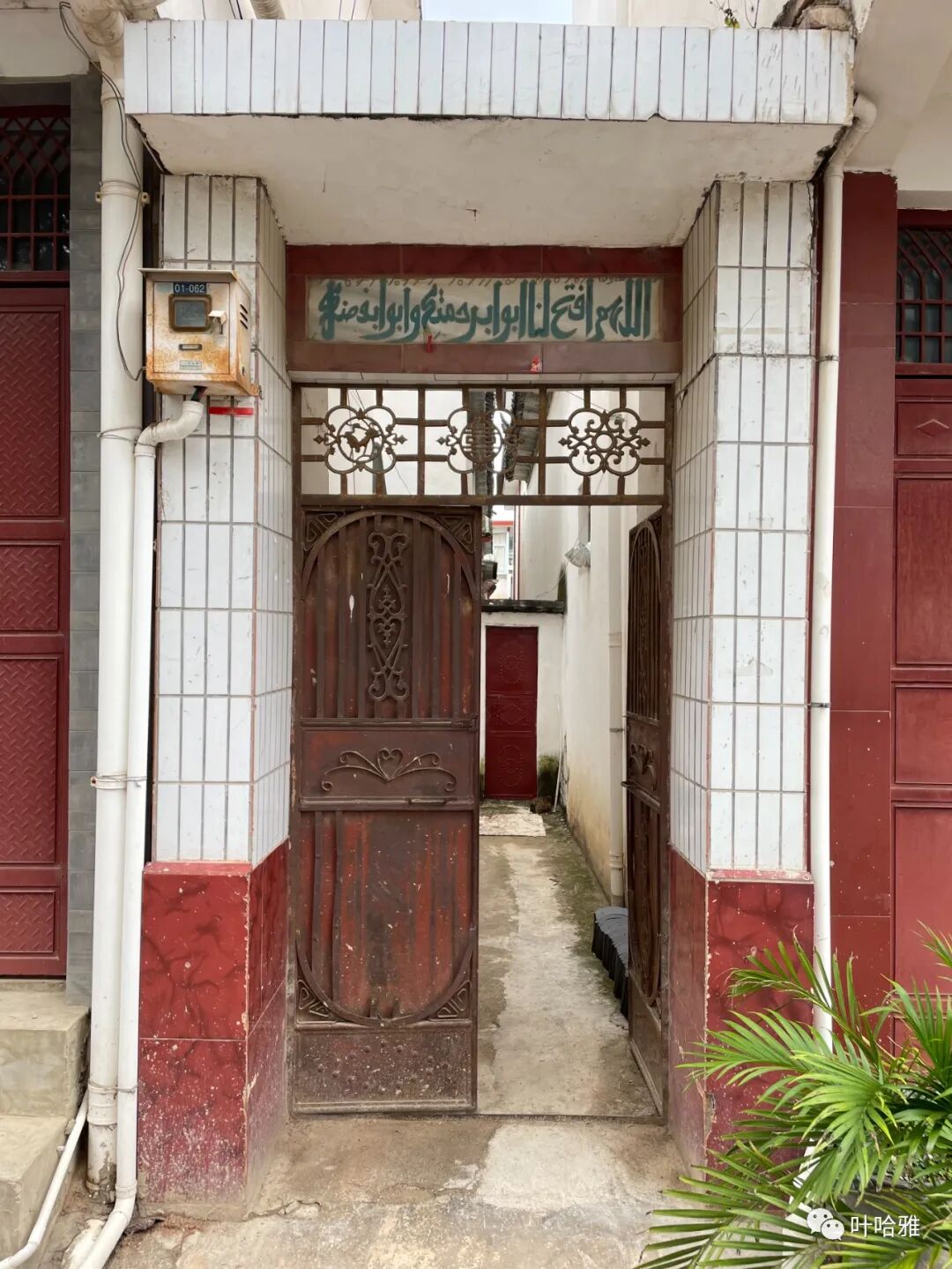
The prayer plaques (dua pai) are still on the doorways of the houses in the old town.
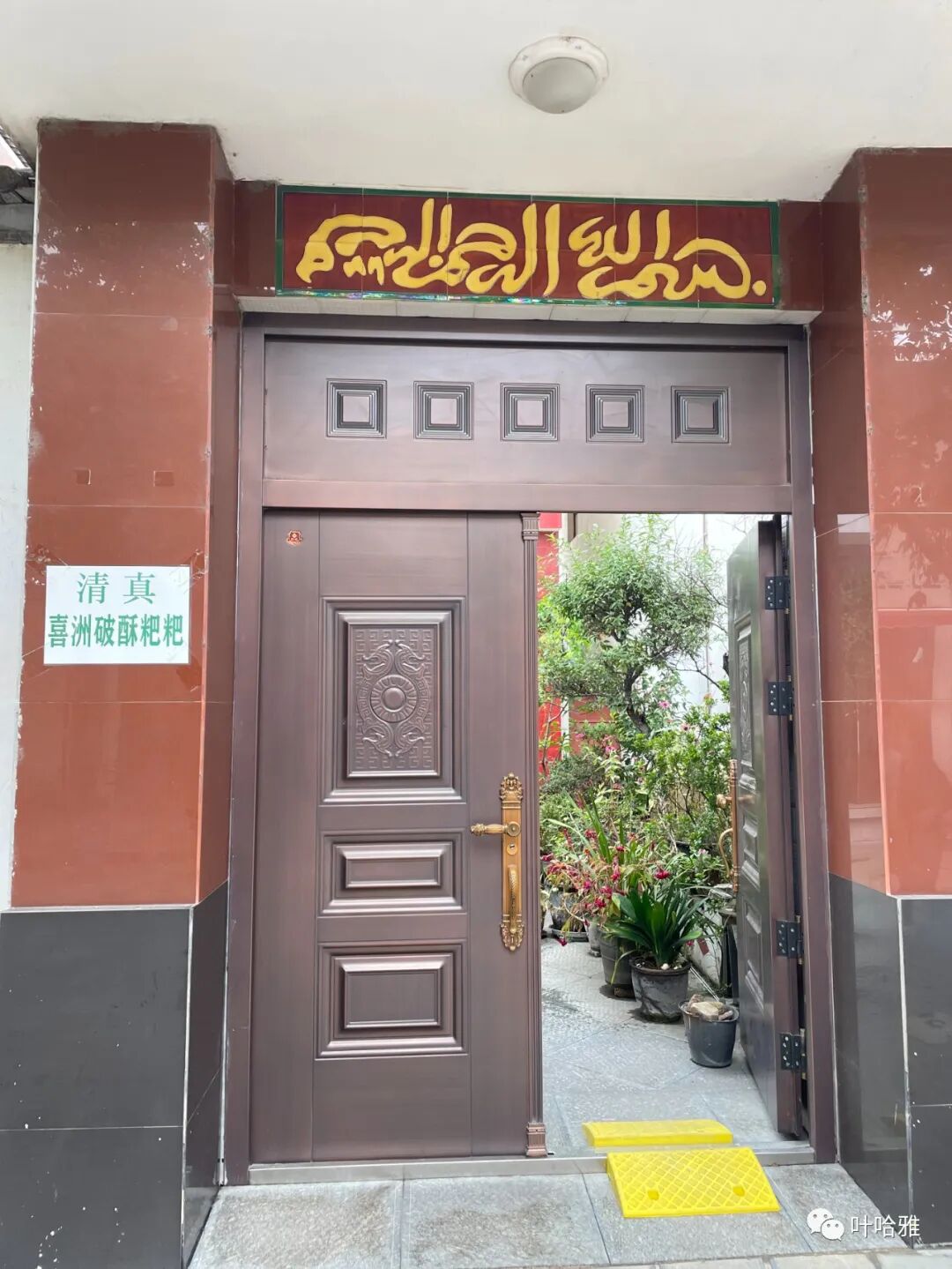
Shipang Village
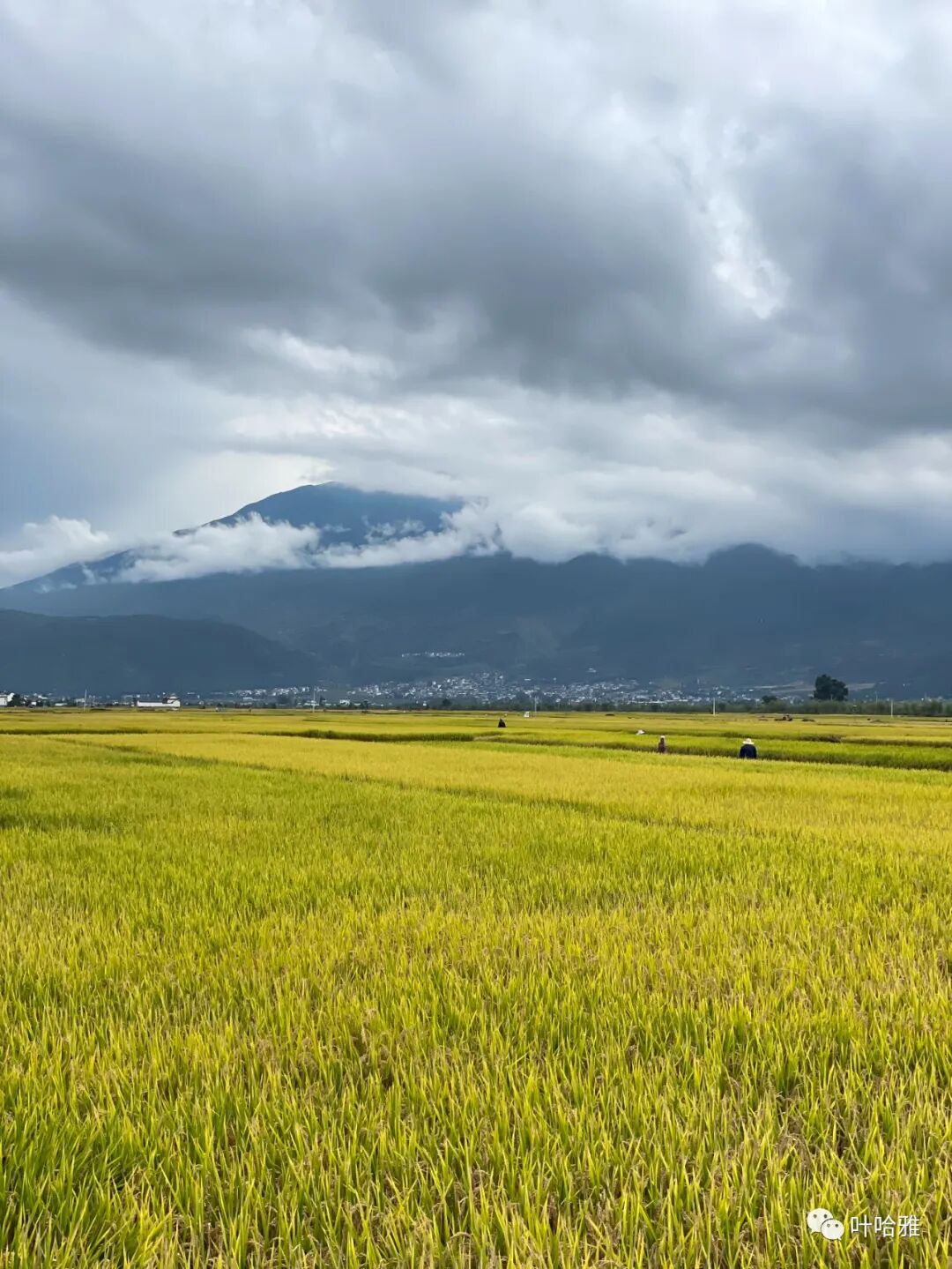
Shipang Village is a settlement where Bai and Hui Muslims live together. These Bai-Hui Muslims are Hui Muslims who have adopted Bai culture. They wear Bai clothing and practice Islam, but their ID cards list them as Hui Muslims. We arrived just as the rice was turning yellow, creating a vast golden field. It had just rained, and the distant mountains were wrapped in mist. It is a great place for photos, and since there are almost no tourists, you can enjoy the beautiful scenery in peace.
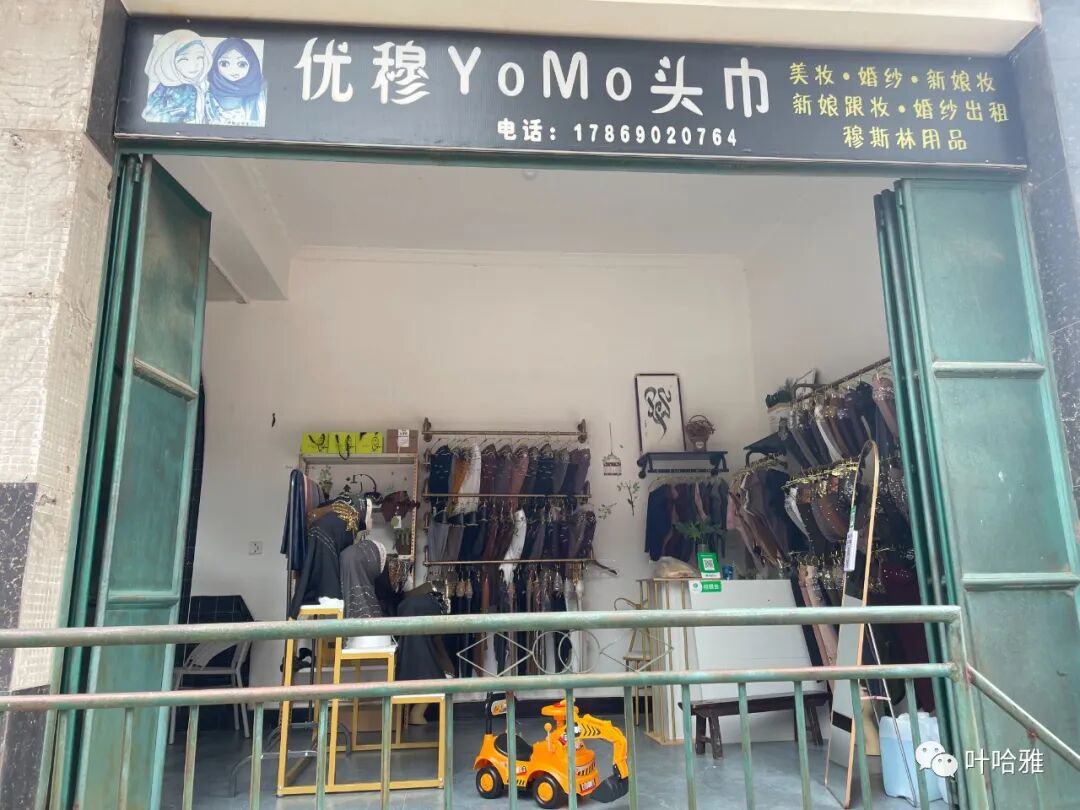
Many Hui Muslims have lived here since the Qing Dynasty. After intermarrying with the Bai people, they started speaking the Bai language, so I found I could not understand the locals. The Bai-style clothing is mostly seen in the small square headscarves, but now only a few elderly people wear them, and you rarely see them on the street.
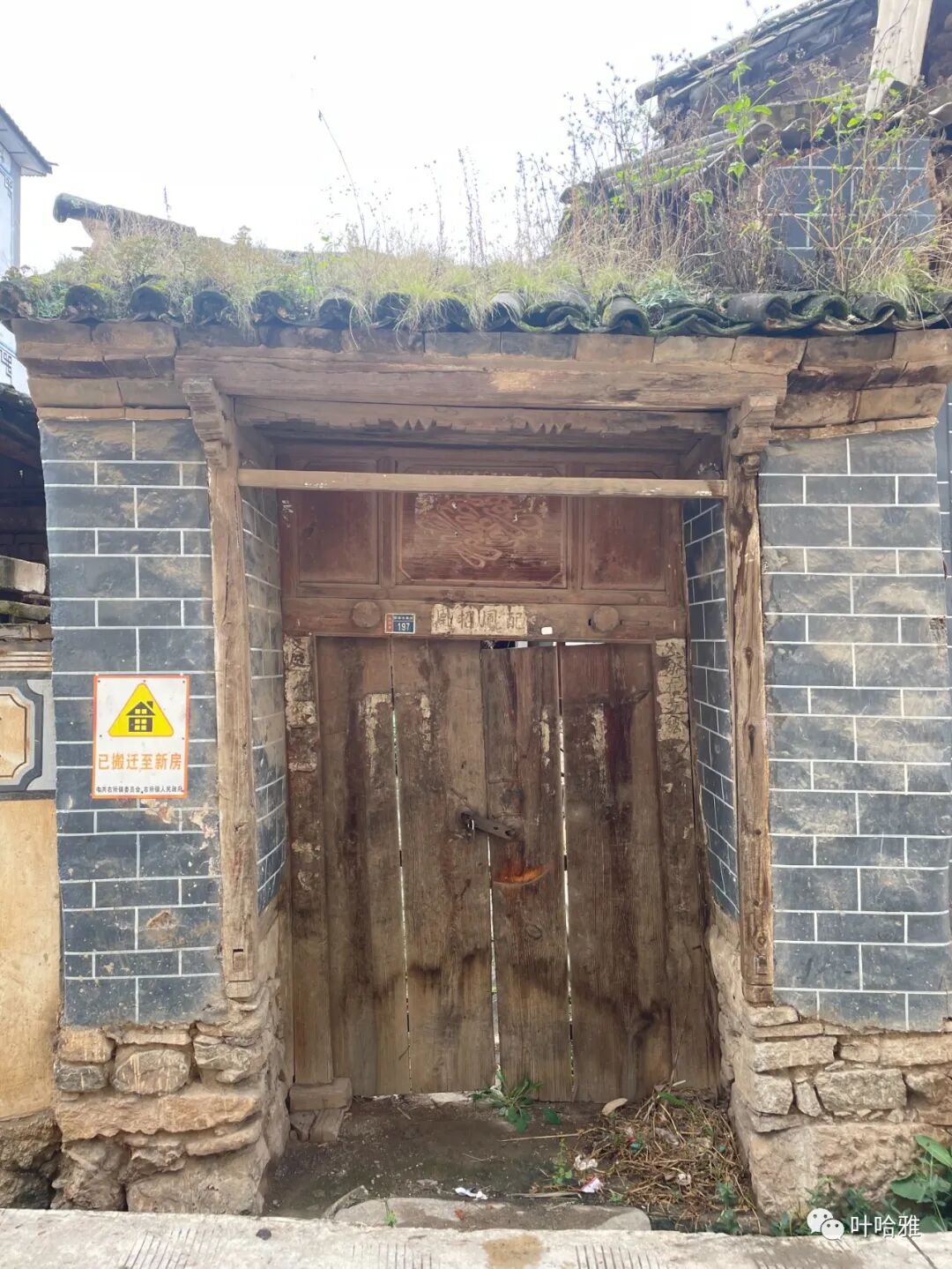
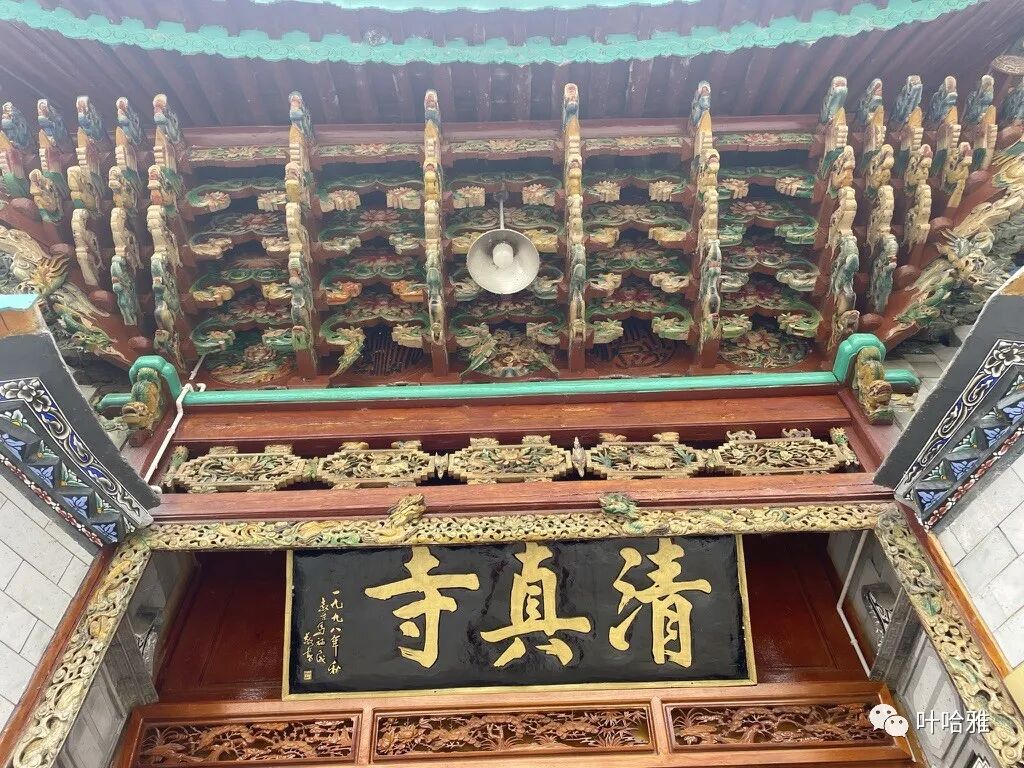
Shipang Mosque
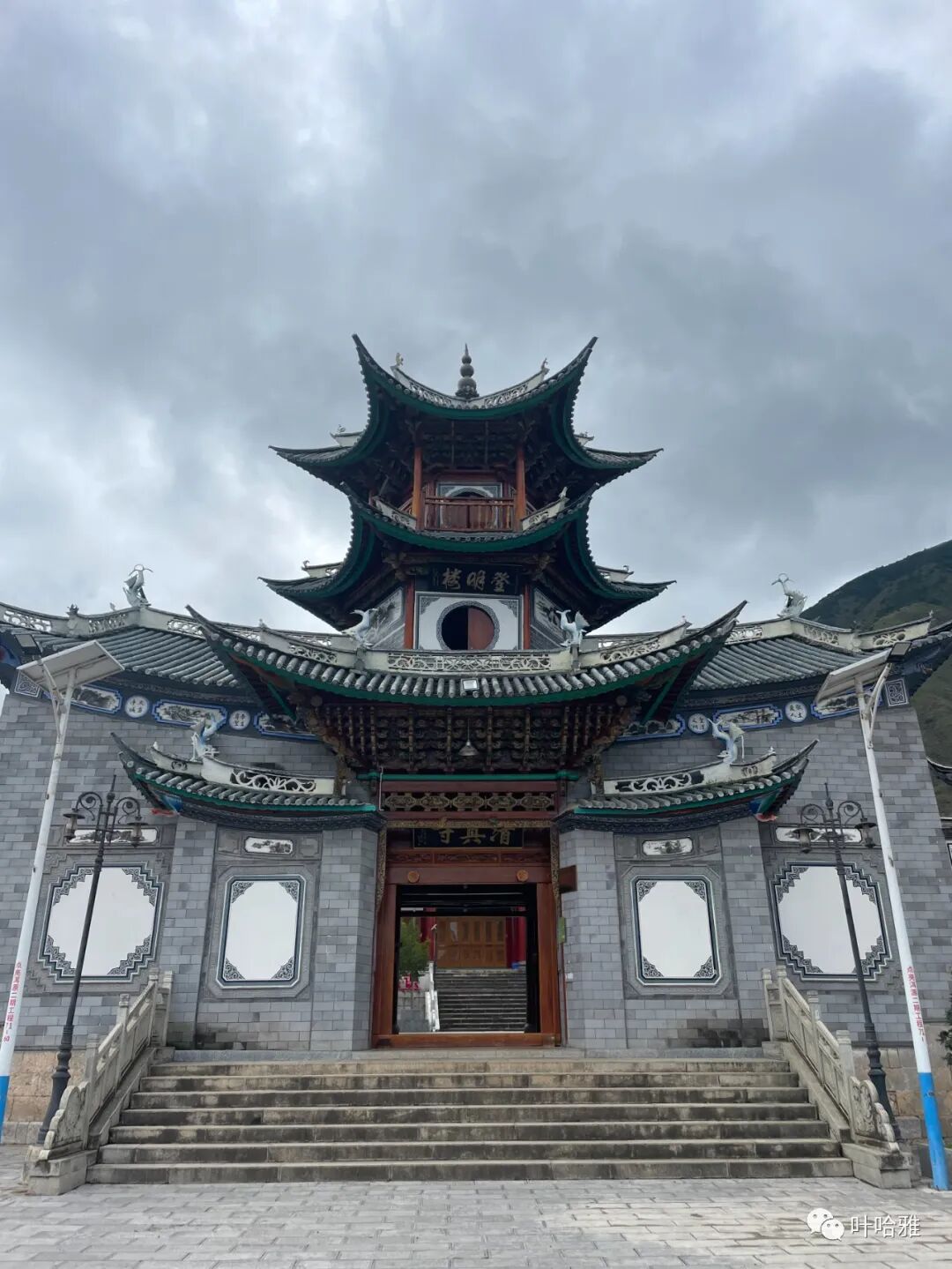
Shipang Mosque was first built in 1896. It was destroyed in a massacre in the past, which left the area without a mosque for a long time.
Halal Food Guide Dali: Weishan Mosques, Hui Muslim Villages and Copper Pot Beef
Articles • yusuf908 posted the article • 0 comments • 133 views • 2026-05-22 21:45
Summary: This Dali halal food guide continues through Eryuan, Yangbi, and Weishan, covering ancient mosques, Bai and Hui Muslim villages, Dai-style barbecue, copper pot beef, Weishan Ancient City, and Yunnan Muslim food culture.
Dali Halal Food Map is presented here as a firsthand travel account in clear English, beginning with this scene: The Yousuo Street Mosque in Eryuan County finished rebuilding in 2012. This mosque is less than three kilometers from Shipang Village. The account keeps its focus on Dali Mosques, Chinese Muslims, Muslim Travel while preserving the names, places, food, and historical details from the Chinese source.
Yousuo Mosque
The Yousuo Street Mosque in Eryuan County finished rebuilding in 2012. This mosque is less than three kilometers from Shipang Village.
Jiming Village Mosque
Jiming Village is also a village of Bai and Hui Muslims. The mosque was first built in 1894, and the new mosque was just completed in 2023.
Jiming Mosque is bigger and more beautiful than Shipang Mosque.
Xiajie Ancient Mosque in Yangbi
Xiajie Mosque was built during the Hongwu period of the Ming Dynasty. There are now three mosques in Yangbi County. This mosque was once turned into a Confucian mosque, a factory, and a school. It was not returned to its function as a mosque until 1994. Its architectural style has Bai ethnic features, and it is now a cultural relic protection unit of Dali Prefecture.
The calligraphy for 'Promoting Religion and Building the Nation' was written by Bai Chongxi. Of course, it was not originally written for this mosque, and his name has now been erased.
Xiajie Hui Muslim Restaurant and Dai-style Barbecue
A halal restaurant next to Xiajie Mosque that serves local stir-fried dishes.
You pick the Dai-style barbecue yourself and pay after eating. The skewers are quite large.
I tried oil-splashed beef skin (youqiang niupi) for the first time. It tasted strange and was a bit spicy. I think fried beef skin is easier to enjoy.
I ordered the Dai-style pounded fish (chong yu). I expected a whole fish, but this is what arrived. It was very spicy, and you eat it wrapped in lettuce leaves.
Dai-style barbecue tastes pretty good. It is no wonder it is so popular in Yunnan.
There are no large halal restaurants in Yangbi County, just small snack shops. This seems to be the only place that serves stir-fried dishes.
Xiaoweigeng Mosque in Weishan County.
Xiaoweigeng Mosque was first built between the end of the Yuan Dynasty and the beginning of the Ming Dynasty. It is the first mosque you pass on the way from Dali to Weishan. Mosques in Weishan are clustered together; except for the one in the Weishan Ancient City, the others are all less than three kilometers apart.
Huihuideng Mosque.
During the Yuan Dynasty, Huihuideng Mosque was called Huihuidun. It was first built in the third year of the reign of Mongke Khan (1253). It is also called Huihui Mosque, sharing the same name as the Huihui Mosque in Sanya.
The main prayer hall at Huihuideng is the largest one in the Dali region.
Donglianhua Mosque.
Donglianhua Mosque was built at the end of the Qing Dynasty and covers a building area of 3,000 square meters.
Donglianhua Village is a village for Hui Muslims. They are developing it into a special folk tourism village, and there is a food street here.
This is a residential house in Donglianhua Village.
Yanqichang Mosque
The Qing government confiscated Yanqichang Mosque during the Tongzhi reign of the Qing Dynasty. It was rebuilt on a new site during the Guangxu reign. In the Ming Dynasty, this area was a garrison for the Eight Banners, and since the banner leader was named Yan, it became known as Yanqichang.
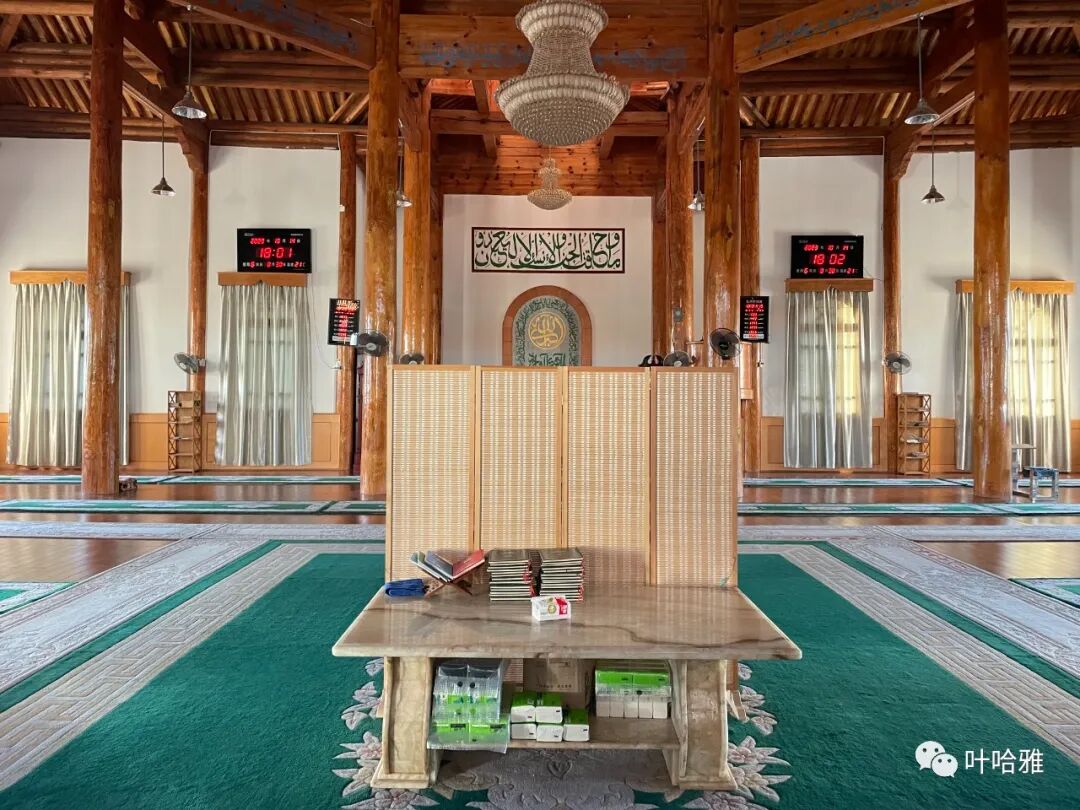
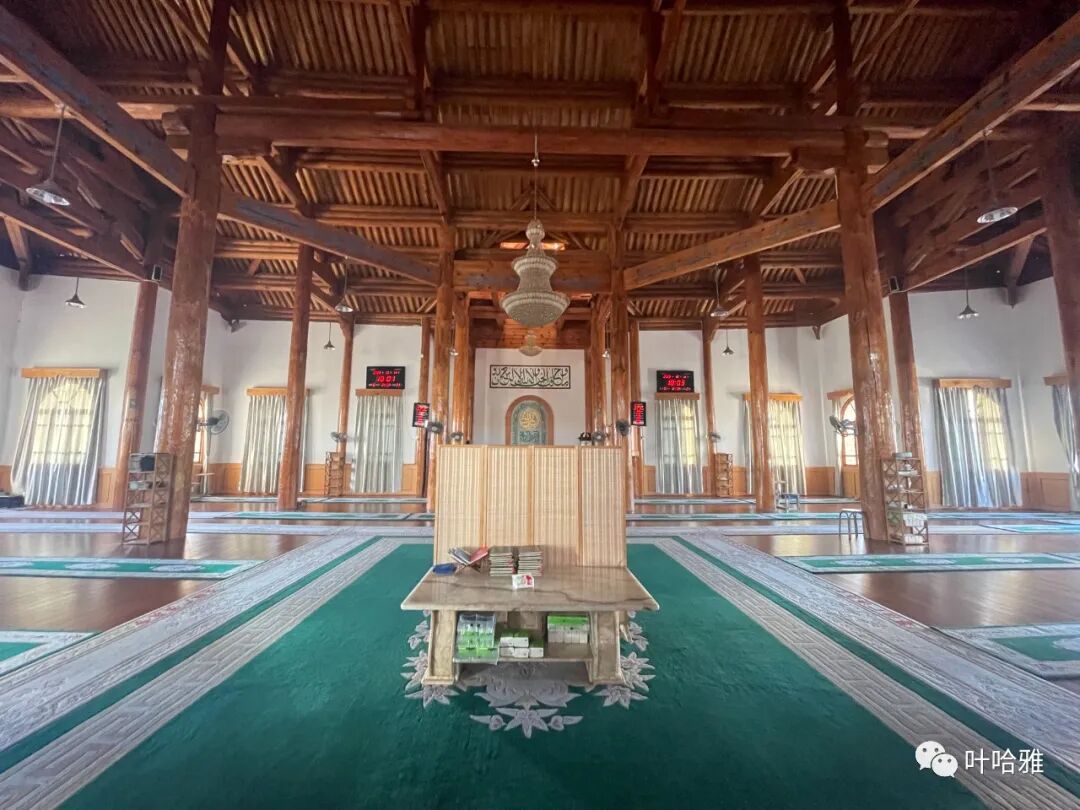
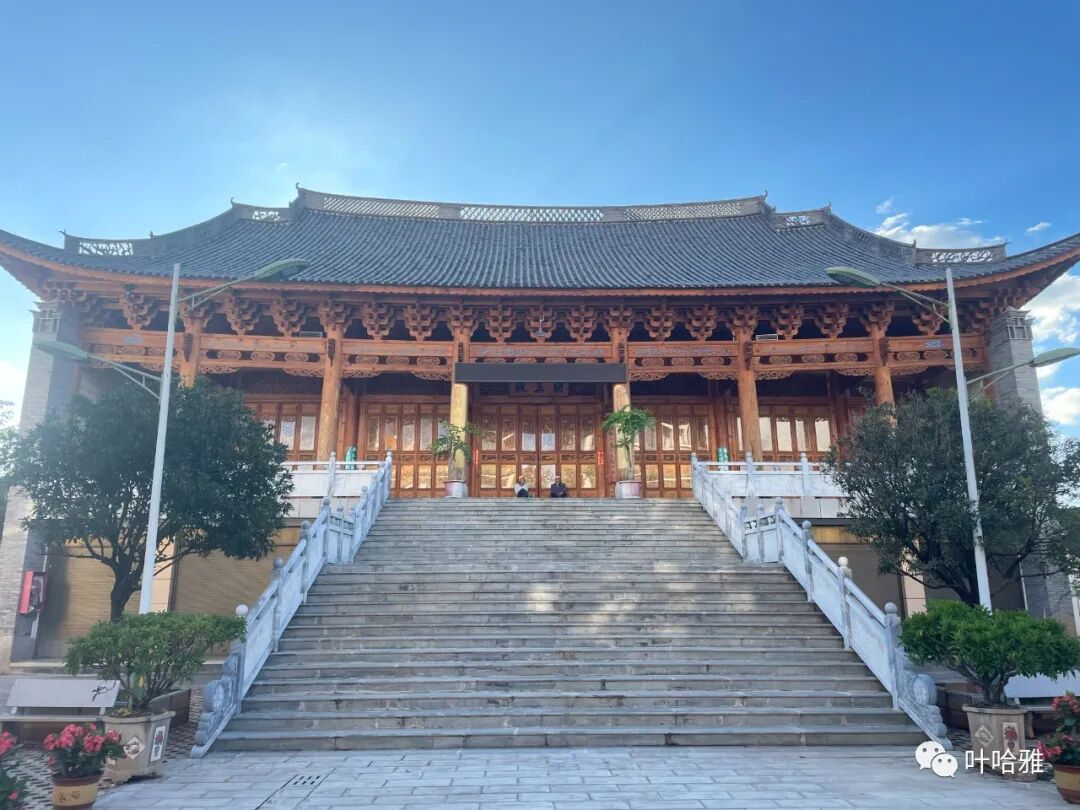
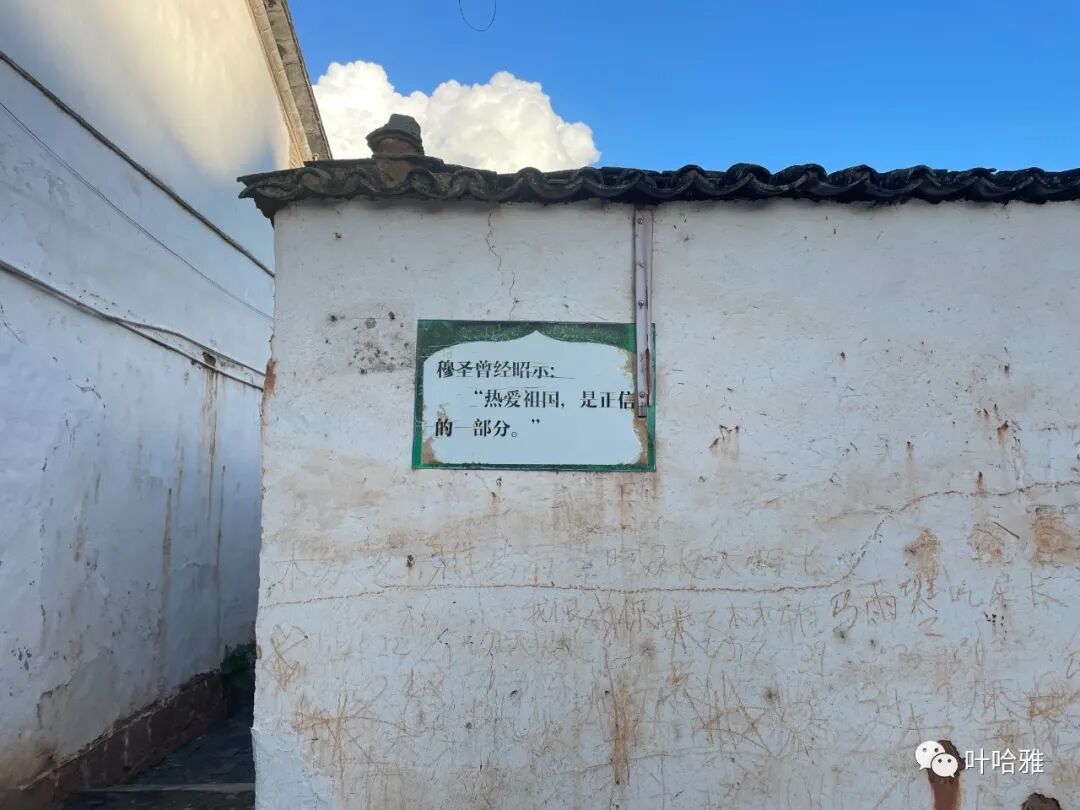
Hadith slogans on the wall.
Daweigeng Mosque
Daweigeng Mosque was first built in the Zhiyuan era of the Yuan Dynasty. It is the largest mosque in this area and the one locals recommended I visit most.
My deepest impression from visiting mosques in Yunnan is that no one ever asks why I am there. I can just push open the door to the main prayer hall. Unlike in some other regions where you must state your identity and gatekeepers always ask your purpose, you will not find any guards at mosques in Yunnan.
Mamingchang Mi Family Mosque
Mamingchang has a Mi family mosque, first built in the 50th year of the Kangxi reign (1711). There is also a Ma family mosque. These are the only two mosques left in Weishan after the failure of the Du Wenxiu uprising. Both are built on mountains, and the roads are hard to find.
Mamingchang Ma Family Mosque (Yongjian Ancient Mosque)
The Ma family mosque was first built in the Yuan Dynasty. Because there are more Hui Muslims with the surname Ma in Mamingchang than those with the surname Mi, the Ma family mosque is larger than the Mi family mosque, though the Mi family mosque is more exquisite. I met the director of the Mi family mosque management committee while asking for directions, and he brought me to the Ma family mosque.
The imam of the Ma family mosque took me to the top floor. From there, you can see a panoramic view of Weishan. The basketball court below is inside the Ma family mosque. There is also a scripture school here, which currently only enrolls local students.
Weiyi Yongjian fire-pot beef (huopiao niurou)
For dinner, we had a local Dali specialty called copper pot beef (huopiao niurou).
This place is run by locals and has been open for over ten years, so almost all the customers are local people.
Copper pot beef (huopiao niurou) is beef or beef offal cooked in a copper pot with your choice of side dishes, and you can choose a clear broth.
The fried rice with dried beef (niu ganba chaofan) is also delicious. The food here is so good that we finished the whole pot.
Weishan Ancient City
Most Hui Muslims in Weishan live in the villages below, so there are not many living inside the ancient city, which is why there is only one mosque there.
Weishan City Mosque
There used to be four mosques in Weishan City. The exact founding date of this remaining one is unknown, but it was rebuilt in 1992.
I bought some grilled rice cakes (shao erkua) for breakfast at a snack shop near the mosque entrance.
While walking through the ancient city, I noticed that the local Han Chinese homes also use the term "guizhen" (returning to the truth). view all
Summary: This Dali halal food guide continues through Eryuan, Yangbi, and Weishan, covering ancient mosques, Bai and Hui Muslim villages, Dai-style barbecue, copper pot beef, Weishan Ancient City, and Yunnan Muslim food culture.
Dali Halal Food Map is presented here as a firsthand travel account in clear English, beginning with this scene: The Yousuo Street Mosque in Eryuan County finished rebuilding in 2012. This mosque is less than three kilometers from Shipang Village. The account keeps its focus on Dali Mosques, Chinese Muslims, Muslim Travel while preserving the names, places, food, and historical details from the Chinese source.
Yousuo Mosque
The Yousuo Street Mosque in Eryuan County finished rebuilding in 2012. This mosque is less than three kilometers from Shipang Village.
Jiming Village Mosque
Jiming Village is also a village of Bai and Hui Muslims. The mosque was first built in 1894, and the new mosque was just completed in 2023.
Jiming Mosque is bigger and more beautiful than Shipang Mosque.
Xiajie Ancient Mosque in Yangbi
Xiajie Mosque was built during the Hongwu period of the Ming Dynasty. There are now three mosques in Yangbi County. This mosque was once turned into a Confucian mosque, a factory, and a school. It was not returned to its function as a mosque until 1994. Its architectural style has Bai ethnic features, and it is now a cultural relic protection unit of Dali Prefecture.
The calligraphy for 'Promoting Religion and Building the Nation' was written by Bai Chongxi. Of course, it was not originally written for this mosque, and his name has now been erased.
Xiajie Hui Muslim Restaurant and Dai-style Barbecue
A halal restaurant next to Xiajie Mosque that serves local stir-fried dishes.
You pick the Dai-style barbecue yourself and pay after eating. The skewers are quite large.
I tried oil-splashed beef skin (youqiang niupi) for the first time. It tasted strange and was a bit spicy. I think fried beef skin is easier to enjoy.
I ordered the Dai-style pounded fish (chong yu). I expected a whole fish, but this is what arrived. It was very spicy, and you eat it wrapped in lettuce leaves.
Dai-style barbecue tastes pretty good. It is no wonder it is so popular in Yunnan.
There are no large halal restaurants in Yangbi County, just small snack shops. This seems to be the only place that serves stir-fried dishes.
Xiaoweigeng Mosque in Weishan County.
Xiaoweigeng Mosque was first built between the end of the Yuan Dynasty and the beginning of the Ming Dynasty. It is the first mosque you pass on the way from Dali to Weishan. Mosques in Weishan are clustered together; except for the one in the Weishan Ancient City, the others are all less than three kilometers apart.
Huihuideng Mosque.
During the Yuan Dynasty, Huihuideng Mosque was called Huihuidun. It was first built in the third year of the reign of Mongke Khan (1253). It is also called Huihui Mosque, sharing the same name as the Huihui Mosque in Sanya.
The main prayer hall at Huihuideng is the largest one in the Dali region.
Donglianhua Mosque.
Donglianhua Mosque was built at the end of the Qing Dynasty and covers a building area of 3,000 square meters.
Donglianhua Village is a village for Hui Muslims. They are developing it into a special folk tourism village, and there is a food street here.
This is a residential house in Donglianhua Village.
Yanqichang Mosque
The Qing government confiscated Yanqichang Mosque during the Tongzhi reign of the Qing Dynasty. It was rebuilt on a new site during the Guangxu reign. In the Ming Dynasty, this area was a garrison for the Eight Banners, and since the banner leader was named Yan, it became known as Yanqichang.
Hadith slogans on the wall.
Daweigeng Mosque
Daweigeng Mosque was first built in the Zhiyuan era of the Yuan Dynasty. It is the largest mosque in this area and the one locals recommended I visit most.
My deepest impression from visiting mosques in Yunnan is that no one ever asks why I am there. I can just push open the door to the main prayer hall. Unlike in some other regions where you must state your identity and gatekeepers always ask your purpose, you will not find any guards at mosques in Yunnan.
Mamingchang Mi Family Mosque
Mamingchang has a Mi family mosque, first built in the 50th year of the Kangxi reign (1711). There is also a Ma family mosque. These are the only two mosques left in Weishan after the failure of the Du Wenxiu uprising. Both are built on mountains, and the roads are hard to find.
Mamingchang Ma Family Mosque (Yongjian Ancient Mosque)
The Ma family mosque was first built in the Yuan Dynasty. Because there are more Hui Muslims with the surname Ma in Mamingchang than those with the surname Mi, the Ma family mosque is larger than the Mi family mosque, though the Mi family mosque is more exquisite. I met the director of the Mi family mosque management committee while asking for directions, and he brought me to the Ma family mosque.
The imam of the Ma family mosque took me to the top floor. From there, you can see a panoramic view of Weishan. The basketball court below is inside the Ma family mosque. There is also a scripture school here, which currently only enrolls local students.
Weiyi Yongjian fire-pot beef (huopiao niurou)
For dinner, we had a local Dali specialty called copper pot beef (huopiao niurou).
This place is run by locals and has been open for over ten years, so almost all the customers are local people.
Copper pot beef (huopiao niurou) is beef or beef offal cooked in a copper pot with your choice of side dishes, and you can choose a clear broth.
The fried rice with dried beef (niu ganba chaofan) is also delicious. The food here is so good that we finished the whole pot.
Weishan Ancient City
Most Hui Muslims in Weishan live in the villages below, so there are not many living inside the ancient city, which is why there is only one mosque there.
Weishan City Mosque
There used to be four mosques in Weishan City. The exact founding date of this remaining one is unknown, but it was rebuilt in 1992.
I bought some grilled rice cakes (shao erkua) for breakfast at a snack shop near the mosque entrance.
While walking through the ancient city, I noticed that the local Han Chinese homes also use the term "guizhen" (returning to the truth).
Halal Food Guide Dali: Weishan Hui Muslim Villages and Yunnan Mosque Food Map
Articles • yusuf908 posted the article • 0 comments • 154 views • 2026-05-22 21:34
Summary: This Dali halal food guide closes the Weishan section with halal sign notes, Hui Muslim village context, remaining food-map leads, and the onward road trip toward Jianshui in Yunnan.
Dali Halal Food Map is presented here as a firsthand travel account in clear English, beginning with this scene: The halal signs in Weishan County look just like the ones in Ningxia. The account keeps its focus on Dali Mosques, Chinese Muslims, Muslim Travel while preserving the names, places, food, and historical details from the Chinese source.
The halal signs in Weishan County look just like the ones in Ningxia.
Our halal trip to Dali has come to an end for now. Even though this was my second visit, there are still many halal spots I haven't seen, so I will definitely come back again. After leaving Dali, we headed south toward our next stop, Jianshui. view all
Summary: This Dali halal food guide closes the Weishan section with halal sign notes, Hui Muslim village context, remaining food-map leads, and the onward road trip toward Jianshui in Yunnan.
Dali Halal Food Map is presented here as a firsthand travel account in clear English, beginning with this scene: The halal signs in Weishan County look just like the ones in Ningxia. The account keeps its focus on Dali Mosques, Chinese Muslims, Muslim Travel while preserving the names, places, food, and historical details from the Chinese source.
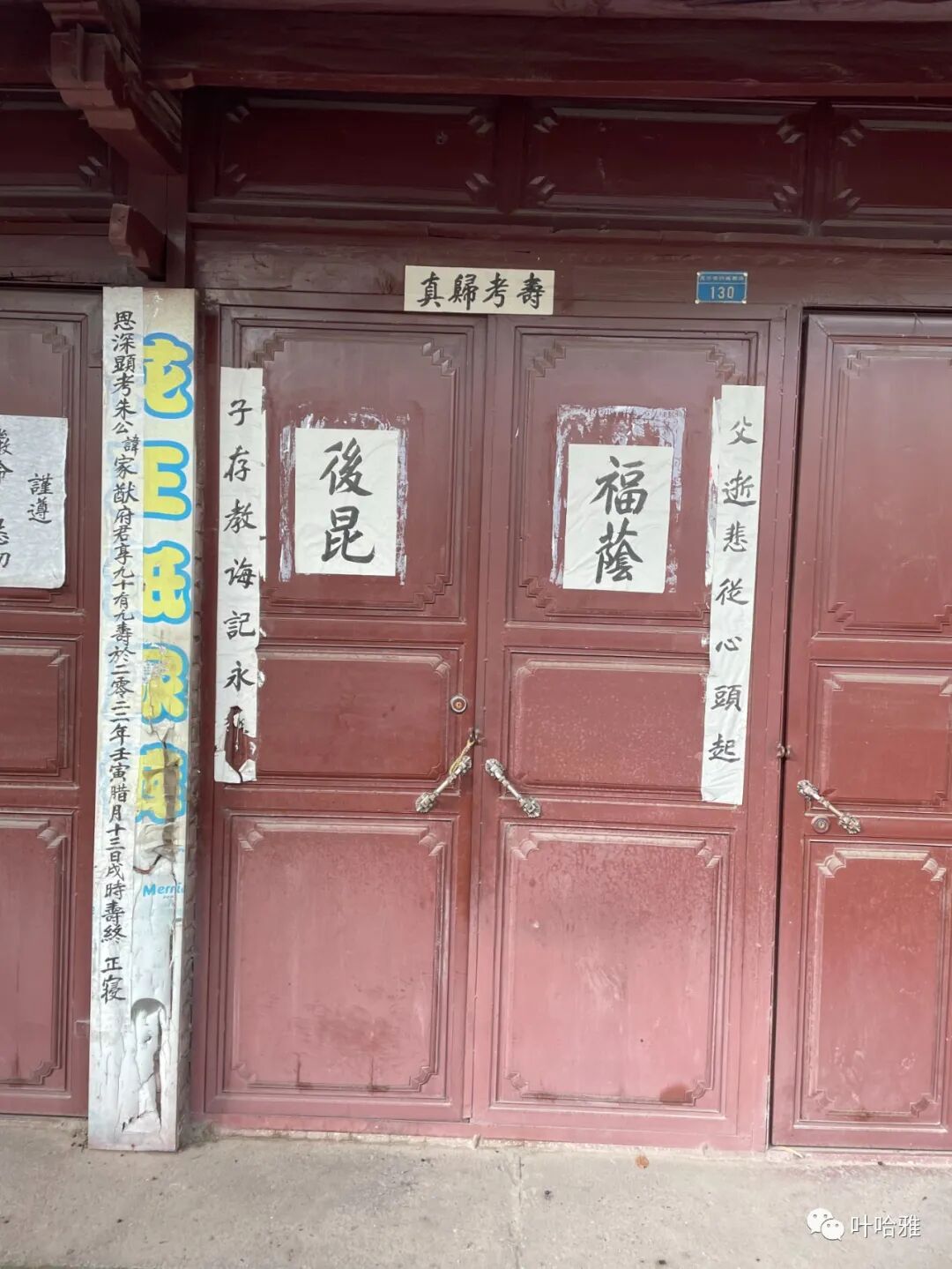
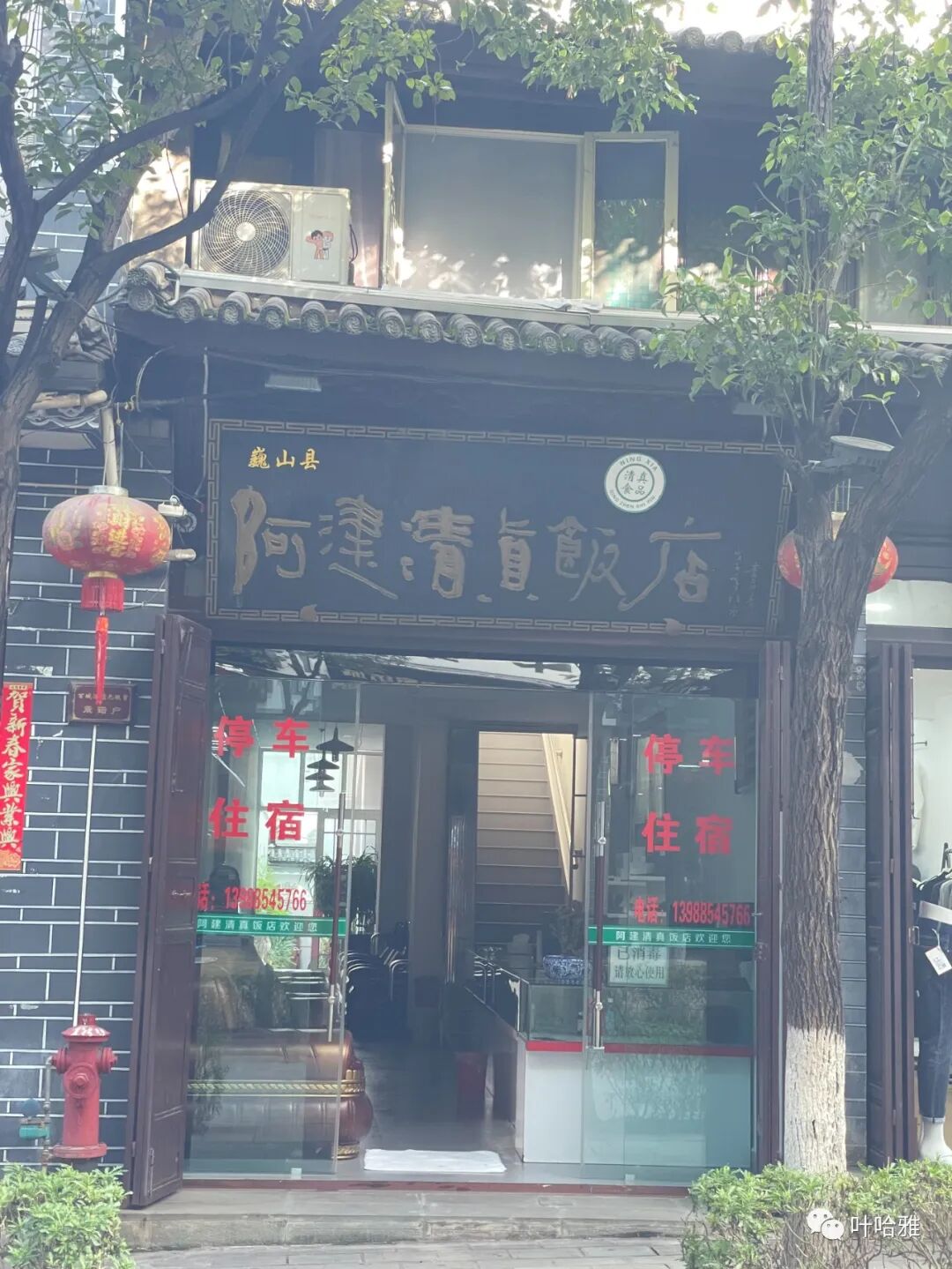
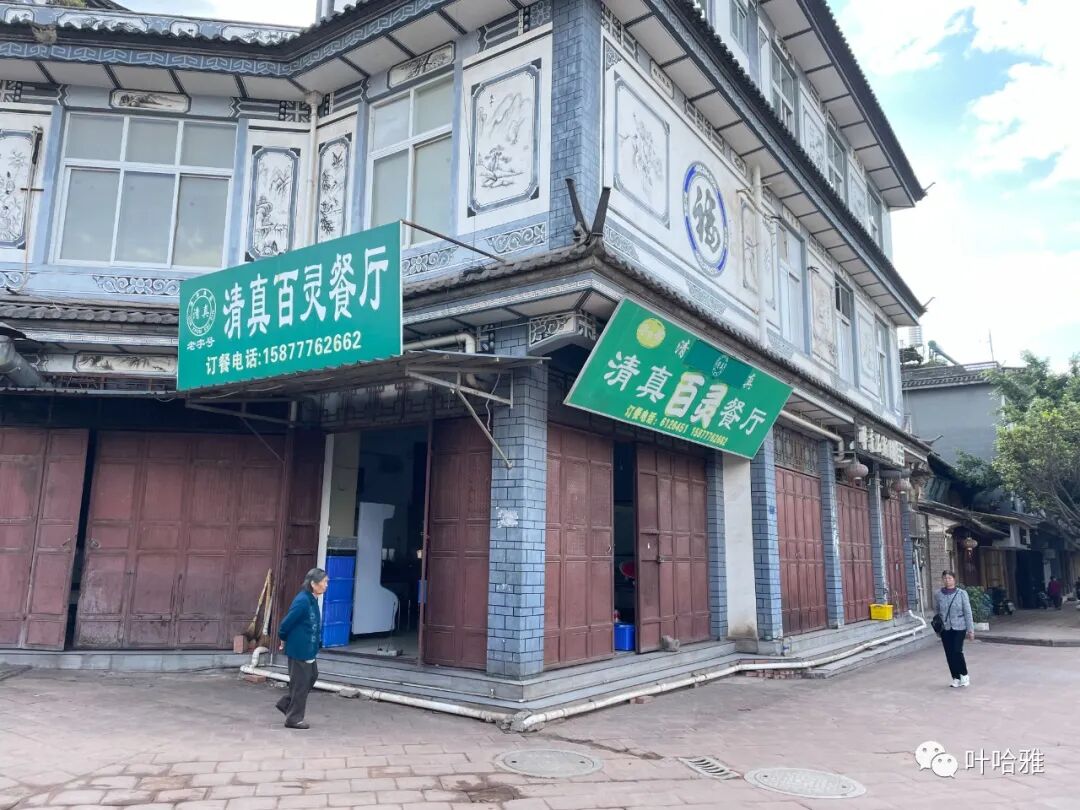
The halal signs in Weishan County look just like the ones in Ningxia.
Our halal trip to Dali has come to an end for now. Even though this was my second visit, there are still many halal spots I haven't seen, so I will definitely come back again. After leaving Dali, we headed south toward our next stop, Jianshui.
Halal Food Guide Dali: Weishan Mosques, Hui Muslim Villages and Copper Pot Beef
Articles • yusuf908 posted the article • 0 comments • 218 views • 2026-05-24 00:17
Summary: This Dali halal food guide continues through Eryuan, Yangbi, and Weishan, covering ancient mosques, Bai and Hui Muslim villages, Dai-style barbecue, copper pot beef, Weishan Ancient City, and Yunnan Muslim food culture.
Dali Halal Food Map is presented here as a firsthand travel account in clear English, beginning with this scene: The Yousuo Street Mosque in Eryuan County finished rebuilding in 2012. This mosque is less than three kilometers from Shipang Village. The account keeps its focus on Dali Mosques, Chinese Muslims, Muslim Travel while preserving the names, places, food, and historical details from the Chinese source.
Yousuo Mosque
The Yousuo Street Mosque in Eryuan County finished rebuilding in 2012. This mosque is less than three kilometers from Shipang Village.
Jiming Village Mosque
Jiming Village is also a village of Bai and Hui Muslims. The mosque was first built in 1894, and the new mosque was just completed in 2023.
Jiming Mosque is bigger and more beautiful than Shipang Mosque.
Xiajie Ancient Mosque in Yangbi
Xiajie Mosque was built during the Hongwu period of the Ming Dynasty. There are now three mosques in Yangbi County. This mosque was once turned into a Confucian mosque, a factory, and a school. It was not returned to its function as a mosque until 1994. Its architectural style has Bai ethnic features, and it is now a cultural relic protection unit of Dali Prefecture.
The calligraphy for 'Promoting Religion and Building the Nation' was written by Bai Chongxi. Of course, it was not originally written for this mosque, and his name has now been erased.
Xiajie Hui Muslim Restaurant and Dai-style Barbecue
A halal restaurant next to Xiajie Mosque that serves local stir-fried dishes.
You pick the Dai-style barbecue yourself and pay after eating. The skewers are quite large.
I tried oil-splashed beef skin (youqiang niupi) for the first time. It tasted strange and was a bit spicy. I think fried beef skin is easier to enjoy.
I ordered the Dai-style pounded fish (chong yu). I expected a whole fish, but this is what arrived. It was very spicy, and you eat it wrapped in lettuce leaves.
Dai-style barbecue tastes pretty good. It is no wonder it is so popular in Yunnan.
There are no large halal restaurants in Yangbi County, just small snack shops. This seems to be the only place that serves stir-fried dishes.
Xiaoweigeng Mosque in Weishan County.
Xiaoweigeng Mosque was first built between the end of the Yuan Dynasty and the beginning of the Ming Dynasty. It is the first mosque you pass on the way from Dali to Weishan. Mosques in Weishan are clustered together; except for the one in the Weishan Ancient City, the others are all less than three kilometers apart.
Huihuideng Mosque.
During the Yuan Dynasty, Huihuideng Mosque was called Huihuidun. It was first built in the third year of the reign of Mongke Khan (1253). It is also called Huihui Mosque, sharing the same name as the Huihui Mosque in Sanya.
The main prayer hall at Huihuideng is the largest one in the Dali region.
Donglianhua Mosque.
Donglianhua Mosque was built at the end of the Qing Dynasty and covers a building area of 3,000 square meters.
Donglianhua Village is a village for Hui Muslims. They are developing it into a special folk tourism village, and there is a food street here.
This is a residential house in Donglianhua Village.
Yanqichang Mosque
The Qing government confiscated Yanqichang Mosque during the Tongzhi reign of the Qing Dynasty. It was rebuilt on a new site during the Guangxu reign. In the Ming Dynasty, this area was a garrison for the Eight Banners, and since the banner leader was named Yan, it became known as Yanqichang.
Hadith slogans on the wall.
Daweigeng Mosque
Daweigeng Mosque was first built in the Zhiyuan era of the Yuan Dynasty. It is the largest mosque in this area and the one locals recommended I visit most.
My deepest impression from visiting mosques in Yunnan is that no one ever asks why I am there. I can just push open the door to the main prayer hall. Unlike in some other regions where you must state your identity and gatekeepers always ask your purpose, you will not find any guards at mosques in Yunnan.
Mamingchang Mi Family Mosque
Mamingchang has a Mi family mosque, first built in the 50th year of the Kangxi reign (1711). There is also a Ma family mosque. These are the only two mosques left in Weishan after the failure of the Du Wenxiu uprising. Both are built on mountains, and the roads are hard to find.
Mamingchang Ma Family Mosque (Yongjian Ancient Mosque)
The Ma family mosque was first built in the Yuan Dynasty. Because there are more Hui Muslims with the surname Ma in Mamingchang than those with the surname Mi, the Ma family mosque is larger than the Mi family mosque, though the Mi family mosque is more exquisite. I met the director of the Mi family mosque management committee while asking for directions, and he brought me to the Ma family mosque.
The imam of the Ma family mosque took me to the top floor. From there, you can see a panoramic view of Weishan. The basketball court below is inside the Ma family mosque. There is also a scripture school here, which currently only enrolls local students.
Weiyi Yongjian fire-pot beef (huopiao niurou)
For dinner, we had a local Dali specialty called copper pot beef (huopiao niurou).
This place is run by locals and has been open for over ten years, so almost all the customers are local people.
Copper pot beef (huopiao niurou) is beef or beef offal cooked in a copper pot with your choice of side dishes, and you can choose a clear broth.
The fried rice with dried beef (niu ganba chaofan) is also delicious. The food here is so good that we finished the whole pot.
Weishan Ancient City
Most Hui Muslims in Weishan live in the villages below, so there are not many living inside the ancient city, which is why there is only one mosque there.
Weishan City Mosque
There used to be four mosques in Weishan City. The exact founding date of this remaining one is unknown, but it was rebuilt in 1992.
I bought some grilled rice cakes (shao erkua) for breakfast at a snack shop near the mosque entrance.
While walking through the ancient city, I noticed that the local Han Chinese homes also use the term "guizhen" (returning to the truth). view all
Summary: This Dali halal food guide continues through Eryuan, Yangbi, and Weishan, covering ancient mosques, Bai and Hui Muslim villages, Dai-style barbecue, copper pot beef, Weishan Ancient City, and Yunnan Muslim food culture.
Dali Halal Food Map is presented here as a firsthand travel account in clear English, beginning with this scene: The Yousuo Street Mosque in Eryuan County finished rebuilding in 2012. This mosque is less than three kilometers from Shipang Village. The account keeps its focus on Dali Mosques, Chinese Muslims, Muslim Travel while preserving the names, places, food, and historical details from the Chinese source.
Yousuo Mosque
The Yousuo Street Mosque in Eryuan County finished rebuilding in 2012. This mosque is less than three kilometers from Shipang Village.
Jiming Village Mosque
Jiming Village is also a village of Bai and Hui Muslims. The mosque was first built in 1894, and the new mosque was just completed in 2023.
Jiming Mosque is bigger and more beautiful than Shipang Mosque.
Xiajie Ancient Mosque in Yangbi
Xiajie Mosque was built during the Hongwu period of the Ming Dynasty. There are now three mosques in Yangbi County. This mosque was once turned into a Confucian mosque, a factory, and a school. It was not returned to its function as a mosque until 1994. Its architectural style has Bai ethnic features, and it is now a cultural relic protection unit of Dali Prefecture.
The calligraphy for 'Promoting Religion and Building the Nation' was written by Bai Chongxi. Of course, it was not originally written for this mosque, and his name has now been erased.
Xiajie Hui Muslim Restaurant and Dai-style Barbecue
A halal restaurant next to Xiajie Mosque that serves local stir-fried dishes.
You pick the Dai-style barbecue yourself and pay after eating. The skewers are quite large.
I tried oil-splashed beef skin (youqiang niupi) for the first time. It tasted strange and was a bit spicy. I think fried beef skin is easier to enjoy.
I ordered the Dai-style pounded fish (chong yu). I expected a whole fish, but this is what arrived. It was very spicy, and you eat it wrapped in lettuce leaves.
Dai-style barbecue tastes pretty good. It is no wonder it is so popular in Yunnan.
There are no large halal restaurants in Yangbi County, just small snack shops. This seems to be the only place that serves stir-fried dishes.
Xiaoweigeng Mosque in Weishan County.
Xiaoweigeng Mosque was first built between the end of the Yuan Dynasty and the beginning of the Ming Dynasty. It is the first mosque you pass on the way from Dali to Weishan. Mosques in Weishan are clustered together; except for the one in the Weishan Ancient City, the others are all less than three kilometers apart.
Huihuideng Mosque.
During the Yuan Dynasty, Huihuideng Mosque was called Huihuidun. It was first built in the third year of the reign of Mongke Khan (1253). It is also called Huihui Mosque, sharing the same name as the Huihui Mosque in Sanya.
The main prayer hall at Huihuideng is the largest one in the Dali region.
Donglianhua Mosque.
Donglianhua Mosque was built at the end of the Qing Dynasty and covers a building area of 3,000 square meters.
Donglianhua Village is a village for Hui Muslims. They are developing it into a special folk tourism village, and there is a food street here.
This is a residential house in Donglianhua Village.
Yanqichang Mosque
The Qing government confiscated Yanqichang Mosque during the Tongzhi reign of the Qing Dynasty. It was rebuilt on a new site during the Guangxu reign. In the Ming Dynasty, this area was a garrison for the Eight Banners, and since the banner leader was named Yan, it became known as Yanqichang.
Hadith slogans on the wall.
Daweigeng Mosque
Daweigeng Mosque was first built in the Zhiyuan era of the Yuan Dynasty. It is the largest mosque in this area and the one locals recommended I visit most.
My deepest impression from visiting mosques in Yunnan is that no one ever asks why I am there. I can just push open the door to the main prayer hall. Unlike in some other regions where you must state your identity and gatekeepers always ask your purpose, you will not find any guards at mosques in Yunnan.
Mamingchang Mi Family Mosque
Mamingchang has a Mi family mosque, first built in the 50th year of the Kangxi reign (1711). There is also a Ma family mosque. These are the only two mosques left in Weishan after the failure of the Du Wenxiu uprising. Both are built on mountains, and the roads are hard to find.
Mamingchang Ma Family Mosque (Yongjian Ancient Mosque)
The Ma family mosque was first built in the Yuan Dynasty. Because there are more Hui Muslims with the surname Ma in Mamingchang than those with the surname Mi, the Ma family mosque is larger than the Mi family mosque, though the Mi family mosque is more exquisite. I met the director of the Mi family mosque management committee while asking for directions, and he brought me to the Ma family mosque.
The imam of the Ma family mosque took me to the top floor. From there, you can see a panoramic view of Weishan. The basketball court below is inside the Ma family mosque. There is also a scripture school here, which currently only enrolls local students.
Weiyi Yongjian fire-pot beef (huopiao niurou)
For dinner, we had a local Dali specialty called copper pot beef (huopiao niurou).
This place is run by locals and has been open for over ten years, so almost all the customers are local people.
Copper pot beef (huopiao niurou) is beef or beef offal cooked in a copper pot with your choice of side dishes, and you can choose a clear broth.
The fried rice with dried beef (niu ganba chaofan) is also delicious. The food here is so good that we finished the whole pot.
Weishan Ancient City
Most Hui Muslims in Weishan live in the villages below, so there are not many living inside the ancient city, which is why there is only one mosque there.
Weishan City Mosque
There used to be four mosques in Weishan City. The exact founding date of this remaining one is unknown, but it was rebuilt in 1992.
I bought some grilled rice cakes (shao erkua) for breakfast at a snack shop near the mosque entrance.
While walking through the ancient city, I noticed that the local Han Chinese homes also use the term "guizhen" (returning to the truth).
Halal Food Guide Dali: Authentic Yunnan Hui Muslim Food, Xizhou Mosque and Erhai Travel
Articles • yusuf908 posted the article • 0 comments • 300 views • 2026-05-22 22:09
Summary: This Dali halal food guide follows a family road trip around Erhai Lake, Dali Ancient City, Xizhou, local mosques, halal rice noodles, flower cakes, Bai-Hui Muslim culture, and practical food notes for Muslim travelers in Yunnan.
A Guide to Halal Food in Dali is presented here as a firsthand travel account in clear English, beginning with this scene: I have been to Dali twice. The first time was in the winter of 2016. I was single then and took a train from Beijing to Lhasa by myself. The account keeps its focus on Dali Mosques, Chinese Muslims, Muslim Travel while preserving the names, places, food, and historical details from the Chinese source.
I have been to Dali twice. The first time was in the winter of 2016. I was single then and took a train from Beijing to Lhasa by myself. After spending eight days in Tibet, I could not stand the dry winter air or the lack of good food. I took a long-distance bus from Lhasa for three days and two nights to Shangri-La in Yunnan, then traveled to Dali. I stayed at an inn in the Dali Ancient City and spent two days visiting seven mosques.
Dali is actually very large. Besides the Dali Ancient City, there are several other ancient towns nearby. Since I felt transportation was inconvenient during my first visit, my family of three drove from Beijing all the way to the southwest this time. We visited Xizhou, Eryuan, Yangbi, and Weishan in Dali. All these places have very traditional and beautiful ancient towns and old mosques.
When I traveled alone before, I could make do with anything, and a cheap inn for a few dozen yuan was enough. Now that I travel with Fahim, I have higher standards for accommodation. The room needs to be as large as possible with a big bed, and it is best to have a bathtub and a swimming pool because my son loves playing in the water. We chose to stay one night at the Dali Yuewan Villa Half-Mountain Sea View Hotel on the east side of Erhai Lake. From the hotel terrace, you can overlook the full view of Erhai Lake. It also has an infinity pool and offers free photography services.
It is worth noting that the east side is more than ten kilometers away from the Dali Ancient City. There are only two or three halal restaurants around the east side, so it is not as convenient as the area near the ancient city on the west side. If you do not have a car, I suggest staying near the ancient city. However, the scenery on the east side is more beautiful, the hotel environments are better, and there are many trendy cafes.
After finishing our family time taking photos at the popular tourist spots on the east side, we moved into the ancient city on the second day. We stayed at The One Courtyard (THE ONE Gu Cheng Yi Hao Yuan). The hotel is located right at the entrance of the ancient city, making it very convenient. If you are driving, be aware that the ancient city has traffic restrictions during the day. Cars inside can only leave and cannot enter. You must wait until after 8:00 PM to drive into the hotel parking lot in the ancient city.
The big bathtub in the room kept Fahim busy playing all night, and the pebbles in the courtyard kept him busy playing all morning.
While riding a three-person bicycle in the ancient city, we passed the South Gate Mosque and saw this shop called Yixian Workshop. We bought some flower cakes (xianhuabing), which were surprisingly delicious—better than the ones we bought elsewhere later. They were 4 yuan each, with just the right amount of sweetness, and were both flaky and soft.
We bought maltose rice (maiyatangfan) from a Hui Muslim stall on the side of the road in the ancient city. It is a Yunnan specialty that is cold, refreshing, and sweet.
Dali Ancient City South Gate Mosque.
The South Gate Mosque in Dali was first built during the Yuan Dynasty and is one of the one hundred ancient mosques in the country. Before the failure of the Du Wenxiu Uprising, the mosque was located on Cangping Street, which was recorded in The Travel Diaries of Xu Xiake. After the Du Wenxiu Uprising failed, the mosque and its 120 mu of mosque land were confiscated as rebel property by the Qing government's liquidation committee. The mosque was converted into a City God Mosque, and in 1944, it was changed into a local court. The current South Gate Mosque is located inside the Dali Ancient City.
Salam Rice Noodle Shop
This small shop near the south gate of Dali Ancient City sells rice noodles (mixian), rice cakes (ersi), and rice soup. They do not sell alcohol, and their cold chicken rice noodles are excellent.
Dried beef (niuganba) hangs from the ceiling beams, which is a specialty meat for Hui Muslims in Yunnan.
Youfeng Courtyard
Youfeng Courtyard is a filming location for the TV show Meet Yourself starring Liu Yifei. I have not seen it, but my wife told me all about it.
We happened upon a teahouse next to the courtyard and sat there for the afternoon. While Fahim took a nap, we enjoyed tea in the courtyard.
Dali City has eighteen mosques, not counting the rest of Dali Prefecture. Contact information is in the table below.
Dali City Fengyi Mosque
Fengyi Mosque was built during the Qing Dynasty, and the current building was renovated in 2001.
Xiaguan Mosque
Xiaguan Mosque was built in 1915, and the current building was renovated in 2004.
Nanwuliqiao Mosque
Nanwuliqiao is a Hui Muslim village less than three kilometers from Dali Ancient City. The village has a street dedicated to halal food (Nanwuliqiao Qingzhen Meishi Yitiaojie). The Nanwuliqiao mosque is also the largest mosque in Dali, first built in the tenth year of the reign of Mongke Khan of the Yuan Dynasty (1233).
In Yunnan, there is a custom where locals invite guests from afar to stand in the first row near the imam during namaz, as they want to offer the best spot to their guests.
Nanwuliqiao Halal Food Street
I took these photos in 2016. The signs have changed now, but it is still a halal food street. There is much more halal food here than in Dali Ancient City, and there are fewer tourists and more locals.
I recommend trying the Dai-style barbecue, because it is hard to find halal versions once you leave Dali.
Dali Zhihua Mosque
Zhihua Mosque was first built during the Hongwu period of the Ming Dynasty, and the current building was completed in 2000.
Dali Ximen Mosque
The history of Ximen Mosque dates back to the Yuan Dynasty. It was first built in the 15th year of the Zhiyuan reign (1278), making it over 700 years old. It was built by Qilie Zuocheng, a general under the Yunnan King Sayyid Ajjal Shams al-Din Omar, and is considered one of the oldest mosques in Yunnan.
Du Wenxiu, a leader of the ethnic uprisings in Yunnan during the late Qing Dynasty, once founded the Duzhangjiao School at Ximen Mosque.
Xiadui Mosque
Xiadui Village is also a Hui Muslim village. The mosque was first built during the Qianlong period of the Qing Dynasty, and this is the place where Du Wenxiu died as a martyr.
As a late Qing dynasty ethnic leader who fought against the Qing, Du Wenxiu was slandered by his enemies for colluding with foreign powers, setting up his own base, and establishing an independent state, all based on a flyer that once circulated in Yunnan. I once found foreign language documents to research this issue.
Regarding several issues of Du Wenxiu's foreign relations: in foreign documents, two issues concerning the Hui Muslim uprising were long debated. One was why Yunnan Hui Muslims were called Pan-thay, and the other was the issue of the Dali Islamic State. The content of a flyer and the nature of a regime are two different things. A regime's nature might be reflected in a flyer, but judging a regime solely based on one flyer is still problematic. Baber and Gill both asked the Dali Hui Muslims about the Islamic State and the title of Sultan. They reached the same conclusion: the title of Sultan was completely foreign to everyone. Except for two or three imams, the locals never used it to address their leader, and no one even knew the name Suleiman.
Therefore, the issue of the Dali Islamic State actually stemmed from this flyer. Clearly, the purpose of distributing this flyer was to incite Hui Muslims in other regions to join the resistance against Qing rule. Its content represented the views and tendencies of a very small number of imams. Du Wenxiu's views on religion were not that narrow, and the flyer did not represent the nature of the Dali Hui Muslim regime.
Du Wenxiu advocated that the three religions should be of one heart and united as one. This meant Islam, Buddhism, and the Yi people's religion.
Yitianyuan Halal Cuisine, Dali Branch.
The main restaurant is in Kunming, and the Dali branch has been operating for 11 years. It is a relatively large Yunnan restaurant.
This is a photo of a napkin taken in 2016; it certainly wouldn't be designed like this today.
I had stir-fried beef (xiaochao huangniurou) and fried milk fan (zha rushan). This was my first time trying fried milk fan, a deep-fried dairy snack invented by Hui Muslims.
Xizhou Ancient Town
There are not many Islamic elements left in Xizhou Ancient Town. Only one old mosque remains, along with a few halal snack shops. Most Hui Muslims in Xizhou live outside the ancient town.
Xizhou has a local snack called Xizhou flaky flatbread (xizhou posu baba). It is a large, deep-fried bun made by both Hui and Han people.
In the morning, we ate rice noodles (mixian) at Shajia Shop inside Xizhou Ancient Town. They serve local-style rice noodles with original broth cooked in a copper pot. You can add your own toppings, which works well for us since we can choose non-spicy options. Their chicken soup is delicious, and the owner kindly gave us a small bowl of noodles for Fahim.
Fahim really loves slurping noodles, and he enjoyed this meal.
After finishing our noodles, we wandered around the Windy Courtyard (youfeng xiaoyuan) in the ancient town.
Fahim really liked the blue Xizhou fridge magnets in the ancient town and played in front of a shop for half an hour.
I also tried grilled milk fan (kao rushan) in Xizhou for the first time, and I think it tastes better than the fried version.
Xizhou Mosque
Xizhou originally had two mosques, the Ma Family Mosque and the Zhang Family Mosque. After the Dali regime failed, they were confiscated as rebel property. By the end of the Qing Dynasty and the beginning of the Republic of China, Hui Muslims chose representatives to ask local gentry to return Zhangjia Mosque. Since Zhangjia Mosque had been expanded and turned into a God of Wealth Hall (Caishendian), the local government gave the Hui Muslims a different plot of land to build a mosque. After several years of fundraising, the mosque was completed in 1922, and the prayer hall was expanded in 2004.
I attended Jumu'ah prayer in Xizhou. There are not many Hui Muslims here, and as usual, everyone sat in a circle to recite the Suole before the prayer.
The prayer plaques (dua pai) are still on the doorways of the houses in the old town.
Shipang Village
Shipang Village is a settlement where Bai and Hui Muslims live together. These Bai-Hui Muslims are Hui Muslims who have adopted Bai culture. They wear Bai clothing and practice Islam, but their ID cards list them as Hui Muslims. We arrived just as the rice was turning yellow, creating a vast golden field. It had just rained, and the distant mountains were wrapped in mist. It is a great place for photos, and since there are almost no tourists, you can enjoy the beautiful scenery in peace.
Many Hui Muslims have lived here since the Qing Dynasty. After intermarrying with the Bai people, they started speaking the Bai language, so I found I could not understand the locals. The Bai-style clothing is mostly seen in the small square headscarves, but now only a few elderly people wear them, and you rarely see them on the street.
Shipang Mosque
Shipang Mosque was first built in 1896. It was destroyed in a massacre in the past, which left the area without a mosque for a long time. view all
Summary: This Dali halal food guide follows a family road trip around Erhai Lake, Dali Ancient City, Xizhou, local mosques, halal rice noodles, flower cakes, Bai-Hui Muslim culture, and practical food notes for Muslim travelers in Yunnan.
A Guide to Halal Food in Dali is presented here as a firsthand travel account in clear English, beginning with this scene: I have been to Dali twice. The first time was in the winter of 2016. I was single then and took a train from Beijing to Lhasa by myself. The account keeps its focus on Dali Mosques, Chinese Muslims, Muslim Travel while preserving the names, places, food, and historical details from the Chinese source.
I have been to Dali twice. The first time was in the winter of 2016. I was single then and took a train from Beijing to Lhasa by myself. After spending eight days in Tibet, I could not stand the dry winter air or the lack of good food. I took a long-distance bus from Lhasa for three days and two nights to Shangri-La in Yunnan, then traveled to Dali. I stayed at an inn in the Dali Ancient City and spent two days visiting seven mosques.
Dali is actually very large. Besides the Dali Ancient City, there are several other ancient towns nearby. Since I felt transportation was inconvenient during my first visit, my family of three drove from Beijing all the way to the southwest this time. We visited Xizhou, Eryuan, Yangbi, and Weishan in Dali. All these places have very traditional and beautiful ancient towns and old mosques.
When I traveled alone before, I could make do with anything, and a cheap inn for a few dozen yuan was enough. Now that I travel with Fahim, I have higher standards for accommodation. The room needs to be as large as possible with a big bed, and it is best to have a bathtub and a swimming pool because my son loves playing in the water. We chose to stay one night at the Dali Yuewan Villa Half-Mountain Sea View Hotel on the east side of Erhai Lake. From the hotel terrace, you can overlook the full view of Erhai Lake. It also has an infinity pool and offers free photography services.
It is worth noting that the east side is more than ten kilometers away from the Dali Ancient City. There are only two or three halal restaurants around the east side, so it is not as convenient as the area near the ancient city on the west side. If you do not have a car, I suggest staying near the ancient city. However, the scenery on the east side is more beautiful, the hotel environments are better, and there are many trendy cafes.
After finishing our family time taking photos at the popular tourist spots on the east side, we moved into the ancient city on the second day. We stayed at The One Courtyard (THE ONE Gu Cheng Yi Hao Yuan). The hotel is located right at the entrance of the ancient city, making it very convenient. If you are driving, be aware that the ancient city has traffic restrictions during the day. Cars inside can only leave and cannot enter. You must wait until after 8:00 PM to drive into the hotel parking lot in the ancient city.
The big bathtub in the room kept Fahim busy playing all night, and the pebbles in the courtyard kept him busy playing all morning.
While riding a three-person bicycle in the ancient city, we passed the South Gate Mosque and saw this shop called Yixian Workshop. We bought some flower cakes (xianhuabing), which were surprisingly delicious—better than the ones we bought elsewhere later. They were 4 yuan each, with just the right amount of sweetness, and were both flaky and soft.
We bought maltose rice (maiyatangfan) from a Hui Muslim stall on the side of the road in the ancient city. It is a Yunnan specialty that is cold, refreshing, and sweet.
Dali Ancient City South Gate Mosque.
The South Gate Mosque in Dali was first built during the Yuan Dynasty and is one of the one hundred ancient mosques in the country. Before the failure of the Du Wenxiu Uprising, the mosque was located on Cangping Street, which was recorded in The Travel Diaries of Xu Xiake. After the Du Wenxiu Uprising failed, the mosque and its 120 mu of mosque land were confiscated as rebel property by the Qing government's liquidation committee. The mosque was converted into a City God Mosque, and in 1944, it was changed into a local court. The current South Gate Mosque is located inside the Dali Ancient City.
Salam Rice Noodle Shop
This small shop near the south gate of Dali Ancient City sells rice noodles (mixian), rice cakes (ersi), and rice soup. They do not sell alcohol, and their cold chicken rice noodles are excellent.
Dried beef (niuganba) hangs from the ceiling beams, which is a specialty meat for Hui Muslims in Yunnan.
Youfeng Courtyard
Youfeng Courtyard is a filming location for the TV show Meet Yourself starring Liu Yifei. I have not seen it, but my wife told me all about it.
We happened upon a teahouse next to the courtyard and sat there for the afternoon. While Fahim took a nap, we enjoyed tea in the courtyard.
Dali City has eighteen mosques, not counting the rest of Dali Prefecture. Contact information is in the table below.
Dali City Fengyi Mosque
Fengyi Mosque was built during the Qing Dynasty, and the current building was renovated in 2001.
Xiaguan Mosque
Xiaguan Mosque was built in 1915, and the current building was renovated in 2004.
Nanwuliqiao Mosque
Nanwuliqiao is a Hui Muslim village less than three kilometers from Dali Ancient City. The village has a street dedicated to halal food (Nanwuliqiao Qingzhen Meishi Yitiaojie). The Nanwuliqiao mosque is also the largest mosque in Dali, first built in the tenth year of the reign of Mongke Khan of the Yuan Dynasty (1233).
In Yunnan, there is a custom where locals invite guests from afar to stand in the first row near the imam during namaz, as they want to offer the best spot to their guests.
Nanwuliqiao Halal Food Street
I took these photos in 2016. The signs have changed now, but it is still a halal food street. There is much more halal food here than in Dali Ancient City, and there are fewer tourists and more locals.
I recommend trying the Dai-style barbecue, because it is hard to find halal versions once you leave Dali.
Dali Zhihua Mosque
Zhihua Mosque was first built during the Hongwu period of the Ming Dynasty, and the current building was completed in 2000.
Dali Ximen Mosque
The history of Ximen Mosque dates back to the Yuan Dynasty. It was first built in the 15th year of the Zhiyuan reign (1278), making it over 700 years old. It was built by Qilie Zuocheng, a general under the Yunnan King Sayyid Ajjal Shams al-Din Omar, and is considered one of the oldest mosques in Yunnan.
Du Wenxiu, a leader of the ethnic uprisings in Yunnan during the late Qing Dynasty, once founded the Duzhangjiao School at Ximen Mosque.
Xiadui Mosque
Xiadui Village is also a Hui Muslim village. The mosque was first built during the Qianlong period of the Qing Dynasty, and this is the place where Du Wenxiu died as a martyr.
As a late Qing dynasty ethnic leader who fought against the Qing, Du Wenxiu was slandered by his enemies for colluding with foreign powers, setting up his own base, and establishing an independent state, all based on a flyer that once circulated in Yunnan. I once found foreign language documents to research this issue.
Regarding several issues of Du Wenxiu's foreign relations: in foreign documents, two issues concerning the Hui Muslim uprising were long debated. One was why Yunnan Hui Muslims were called Pan-thay, and the other was the issue of the Dali Islamic State. The content of a flyer and the nature of a regime are two different things. A regime's nature might be reflected in a flyer, but judging a regime solely based on one flyer is still problematic. Baber and Gill both asked the Dali Hui Muslims about the Islamic State and the title of Sultan. They reached the same conclusion: the title of Sultan was completely foreign to everyone. Except for two or three imams, the locals never used it to address their leader, and no one even knew the name Suleiman.
Therefore, the issue of the Dali Islamic State actually stemmed from this flyer. Clearly, the purpose of distributing this flyer was to incite Hui Muslims in other regions to join the resistance against Qing rule. Its content represented the views and tendencies of a very small number of imams. Du Wenxiu's views on religion were not that narrow, and the flyer did not represent the nature of the Dali Hui Muslim regime.
Du Wenxiu advocated that the three religions should be of one heart and united as one. This meant Islam, Buddhism, and the Yi people's religion.
Yitianyuan Halal Cuisine, Dali Branch.
The main restaurant is in Kunming, and the Dali branch has been operating for 11 years. It is a relatively large Yunnan restaurant.
This is a photo of a napkin taken in 2016; it certainly wouldn't be designed like this today.
I had stir-fried beef (xiaochao huangniurou) and fried milk fan (zha rushan). This was my first time trying fried milk fan, a deep-fried dairy snack invented by Hui Muslims.
Xizhou Ancient Town
There are not many Islamic elements left in Xizhou Ancient Town. Only one old mosque remains, along with a few halal snack shops. Most Hui Muslims in Xizhou live outside the ancient town.
Xizhou has a local snack called Xizhou flaky flatbread (xizhou posu baba). It is a large, deep-fried bun made by both Hui and Han people.
In the morning, we ate rice noodles (mixian) at Shajia Shop inside Xizhou Ancient Town. They serve local-style rice noodles with original broth cooked in a copper pot. You can add your own toppings, which works well for us since we can choose non-spicy options. Their chicken soup is delicious, and the owner kindly gave us a small bowl of noodles for Fahim.
Fahim really loves slurping noodles, and he enjoyed this meal.
After finishing our noodles, we wandered around the Windy Courtyard (youfeng xiaoyuan) in the ancient town.
Fahim really liked the blue Xizhou fridge magnets in the ancient town and played in front of a shop for half an hour.
I also tried grilled milk fan (kao rushan) in Xizhou for the first time, and I think it tastes better than the fried version.
Xizhou Mosque
Xizhou originally had two mosques, the Ma Family Mosque and the Zhang Family Mosque. After the Dali regime failed, they were confiscated as rebel property. By the end of the Qing Dynasty and the beginning of the Republic of China, Hui Muslims chose representatives to ask local gentry to return Zhangjia Mosque. Since Zhangjia Mosque had been expanded and turned into a God of Wealth Hall (Caishendian), the local government gave the Hui Muslims a different plot of land to build a mosque. After several years of fundraising, the mosque was completed in 1922, and the prayer hall was expanded in 2004.
I attended Jumu'ah prayer in Xizhou. There are not many Hui Muslims here, and as usual, everyone sat in a circle to recite the Suole before the prayer.
The prayer plaques (dua pai) are still on the doorways of the houses in the old town.
Shipang Village
Shipang Village is a settlement where Bai and Hui Muslims live together. These Bai-Hui Muslims are Hui Muslims who have adopted Bai culture. They wear Bai clothing and practice Islam, but their ID cards list them as Hui Muslims. We arrived just as the rice was turning yellow, creating a vast golden field. It had just rained, and the distant mountains were wrapped in mist. It is a great place for photos, and since there are almost no tourists, you can enjoy the beautiful scenery in peace.
Many Hui Muslims have lived here since the Qing Dynasty. After intermarrying with the Bai people, they started speaking the Bai language, so I found I could not understand the locals. The Bai-style clothing is mostly seen in the small square headscarves, but now only a few elderly people wear them, and you rarely see them on the street.
Shipang Mosque
Shipang Mosque was first built in 1896. It was destroyed in a massacre in the past, which left the area without a mosque for a long time.
Halal Food Guide Dali: Weishan Mosques, Hui Muslim Villages and Copper Pot Beef
Articles • yusuf908 posted the article • 0 comments • 133 views • 2026-05-22 21:45
Summary: This Dali halal food guide continues through Eryuan, Yangbi, and Weishan, covering ancient mosques, Bai and Hui Muslim villages, Dai-style barbecue, copper pot beef, Weishan Ancient City, and Yunnan Muslim food culture.
Dali Halal Food Map is presented here as a firsthand travel account in clear English, beginning with this scene: The Yousuo Street Mosque in Eryuan County finished rebuilding in 2012. This mosque is less than three kilometers from Shipang Village. The account keeps its focus on Dali Mosques, Chinese Muslims, Muslim Travel while preserving the names, places, food, and historical details from the Chinese source.
Yousuo Mosque
The Yousuo Street Mosque in Eryuan County finished rebuilding in 2012. This mosque is less than three kilometers from Shipang Village.
Jiming Village Mosque
Jiming Village is also a village of Bai and Hui Muslims. The mosque was first built in 1894, and the new mosque was just completed in 2023.
Jiming Mosque is bigger and more beautiful than Shipang Mosque.
Xiajie Ancient Mosque in Yangbi
Xiajie Mosque was built during the Hongwu period of the Ming Dynasty. There are now three mosques in Yangbi County. This mosque was once turned into a Confucian mosque, a factory, and a school. It was not returned to its function as a mosque until 1994. Its architectural style has Bai ethnic features, and it is now a cultural relic protection unit of Dali Prefecture.
The calligraphy for 'Promoting Religion and Building the Nation' was written by Bai Chongxi. Of course, it was not originally written for this mosque, and his name has now been erased.
Xiajie Hui Muslim Restaurant and Dai-style Barbecue
A halal restaurant next to Xiajie Mosque that serves local stir-fried dishes.
You pick the Dai-style barbecue yourself and pay after eating. The skewers are quite large.
I tried oil-splashed beef skin (youqiang niupi) for the first time. It tasted strange and was a bit spicy. I think fried beef skin is easier to enjoy.
I ordered the Dai-style pounded fish (chong yu). I expected a whole fish, but this is what arrived. It was very spicy, and you eat it wrapped in lettuce leaves.
Dai-style barbecue tastes pretty good. It is no wonder it is so popular in Yunnan.
There are no large halal restaurants in Yangbi County, just small snack shops. This seems to be the only place that serves stir-fried dishes.
Xiaoweigeng Mosque in Weishan County.
Xiaoweigeng Mosque was first built between the end of the Yuan Dynasty and the beginning of the Ming Dynasty. It is the first mosque you pass on the way from Dali to Weishan. Mosques in Weishan are clustered together; except for the one in the Weishan Ancient City, the others are all less than three kilometers apart.
Huihuideng Mosque.
During the Yuan Dynasty, Huihuideng Mosque was called Huihuidun. It was first built in the third year of the reign of Mongke Khan (1253). It is also called Huihui Mosque, sharing the same name as the Huihui Mosque in Sanya.
The main prayer hall at Huihuideng is the largest one in the Dali region.
Donglianhua Mosque.
Donglianhua Mosque was built at the end of the Qing Dynasty and covers a building area of 3,000 square meters.
Donglianhua Village is a village for Hui Muslims. They are developing it into a special folk tourism village, and there is a food street here.
This is a residential house in Donglianhua Village.
Yanqichang Mosque
The Qing government confiscated Yanqichang Mosque during the Tongzhi reign of the Qing Dynasty. It was rebuilt on a new site during the Guangxu reign. In the Ming Dynasty, this area was a garrison for the Eight Banners, and since the banner leader was named Yan, it became known as Yanqichang.
Hadith slogans on the wall.
Daweigeng Mosque
Daweigeng Mosque was first built in the Zhiyuan era of the Yuan Dynasty. It is the largest mosque in this area and the one locals recommended I visit most.
My deepest impression from visiting mosques in Yunnan is that no one ever asks why I am there. I can just push open the door to the main prayer hall. Unlike in some other regions where you must state your identity and gatekeepers always ask your purpose, you will not find any guards at mosques in Yunnan.
Mamingchang Mi Family Mosque
Mamingchang has a Mi family mosque, first built in the 50th year of the Kangxi reign (1711). There is also a Ma family mosque. These are the only two mosques left in Weishan after the failure of the Du Wenxiu uprising. Both are built on mountains, and the roads are hard to find.
Mamingchang Ma Family Mosque (Yongjian Ancient Mosque)
The Ma family mosque was first built in the Yuan Dynasty. Because there are more Hui Muslims with the surname Ma in Mamingchang than those with the surname Mi, the Ma family mosque is larger than the Mi family mosque, though the Mi family mosque is more exquisite. I met the director of the Mi family mosque management committee while asking for directions, and he brought me to the Ma family mosque.
The imam of the Ma family mosque took me to the top floor. From there, you can see a panoramic view of Weishan. The basketball court below is inside the Ma family mosque. There is also a scripture school here, which currently only enrolls local students.
Weiyi Yongjian fire-pot beef (huopiao niurou)
For dinner, we had a local Dali specialty called copper pot beef (huopiao niurou).
This place is run by locals and has been open for over ten years, so almost all the customers are local people.
Copper pot beef (huopiao niurou) is beef or beef offal cooked in a copper pot with your choice of side dishes, and you can choose a clear broth.
The fried rice with dried beef (niu ganba chaofan) is also delicious. The food here is so good that we finished the whole pot.
Weishan Ancient City
Most Hui Muslims in Weishan live in the villages below, so there are not many living inside the ancient city, which is why there is only one mosque there.
Weishan City Mosque
There used to be four mosques in Weishan City. The exact founding date of this remaining one is unknown, but it was rebuilt in 1992.
I bought some grilled rice cakes (shao erkua) for breakfast at a snack shop near the mosque entrance.
While walking through the ancient city, I noticed that the local Han Chinese homes also use the term "guizhen" (returning to the truth). view all
Summary: This Dali halal food guide continues through Eryuan, Yangbi, and Weishan, covering ancient mosques, Bai and Hui Muslim villages, Dai-style barbecue, copper pot beef, Weishan Ancient City, and Yunnan Muslim food culture.
Dali Halal Food Map is presented here as a firsthand travel account in clear English, beginning with this scene: The Yousuo Street Mosque in Eryuan County finished rebuilding in 2012. This mosque is less than three kilometers from Shipang Village. The account keeps its focus on Dali Mosques, Chinese Muslims, Muslim Travel while preserving the names, places, food, and historical details from the Chinese source.
Yousuo Mosque
The Yousuo Street Mosque in Eryuan County finished rebuilding in 2012. This mosque is less than three kilometers from Shipang Village.
Jiming Village Mosque
Jiming Village is also a village of Bai and Hui Muslims. The mosque was first built in 1894, and the new mosque was just completed in 2023.
Jiming Mosque is bigger and more beautiful than Shipang Mosque.
Xiajie Ancient Mosque in Yangbi
Xiajie Mosque was built during the Hongwu period of the Ming Dynasty. There are now three mosques in Yangbi County. This mosque was once turned into a Confucian mosque, a factory, and a school. It was not returned to its function as a mosque until 1994. Its architectural style has Bai ethnic features, and it is now a cultural relic protection unit of Dali Prefecture.
The calligraphy for 'Promoting Religion and Building the Nation' was written by Bai Chongxi. Of course, it was not originally written for this mosque, and his name has now been erased.
Xiajie Hui Muslim Restaurant and Dai-style Barbecue
A halal restaurant next to Xiajie Mosque that serves local stir-fried dishes.
You pick the Dai-style barbecue yourself and pay after eating. The skewers are quite large.
I tried oil-splashed beef skin (youqiang niupi) for the first time. It tasted strange and was a bit spicy. I think fried beef skin is easier to enjoy.
I ordered the Dai-style pounded fish (chong yu). I expected a whole fish, but this is what arrived. It was very spicy, and you eat it wrapped in lettuce leaves.
Dai-style barbecue tastes pretty good. It is no wonder it is so popular in Yunnan.
There are no large halal restaurants in Yangbi County, just small snack shops. This seems to be the only place that serves stir-fried dishes.
Xiaoweigeng Mosque in Weishan County.
Xiaoweigeng Mosque was first built between the end of the Yuan Dynasty and the beginning of the Ming Dynasty. It is the first mosque you pass on the way from Dali to Weishan. Mosques in Weishan are clustered together; except for the one in the Weishan Ancient City, the others are all less than three kilometers apart.
Huihuideng Mosque.
During the Yuan Dynasty, Huihuideng Mosque was called Huihuidun. It was first built in the third year of the reign of Mongke Khan (1253). It is also called Huihui Mosque, sharing the same name as the Huihui Mosque in Sanya.
The main prayer hall at Huihuideng is the largest one in the Dali region.
Donglianhua Mosque.
Donglianhua Mosque was built at the end of the Qing Dynasty and covers a building area of 3,000 square meters.
Donglianhua Village is a village for Hui Muslims. They are developing it into a special folk tourism village, and there is a food street here.
This is a residential house in Donglianhua Village.
Yanqichang Mosque
The Qing government confiscated Yanqichang Mosque during the Tongzhi reign of the Qing Dynasty. It was rebuilt on a new site during the Guangxu reign. In the Ming Dynasty, this area was a garrison for the Eight Banners, and since the banner leader was named Yan, it became known as Yanqichang.
Hadith slogans on the wall.
Daweigeng Mosque
Daweigeng Mosque was first built in the Zhiyuan era of the Yuan Dynasty. It is the largest mosque in this area and the one locals recommended I visit most.
My deepest impression from visiting mosques in Yunnan is that no one ever asks why I am there. I can just push open the door to the main prayer hall. Unlike in some other regions where you must state your identity and gatekeepers always ask your purpose, you will not find any guards at mosques in Yunnan.
Mamingchang Mi Family Mosque
Mamingchang has a Mi family mosque, first built in the 50th year of the Kangxi reign (1711). There is also a Ma family mosque. These are the only two mosques left in Weishan after the failure of the Du Wenxiu uprising. Both are built on mountains, and the roads are hard to find.
Mamingchang Ma Family Mosque (Yongjian Ancient Mosque)
The Ma family mosque was first built in the Yuan Dynasty. Because there are more Hui Muslims with the surname Ma in Mamingchang than those with the surname Mi, the Ma family mosque is larger than the Mi family mosque, though the Mi family mosque is more exquisite. I met the director of the Mi family mosque management committee while asking for directions, and he brought me to the Ma family mosque.
The imam of the Ma family mosque took me to the top floor. From there, you can see a panoramic view of Weishan. The basketball court below is inside the Ma family mosque. There is also a scripture school here, which currently only enrolls local students.
Weiyi Yongjian fire-pot beef (huopiao niurou)
For dinner, we had a local Dali specialty called copper pot beef (huopiao niurou).
This place is run by locals and has been open for over ten years, so almost all the customers are local people.
Copper pot beef (huopiao niurou) is beef or beef offal cooked in a copper pot with your choice of side dishes, and you can choose a clear broth.
The fried rice with dried beef (niu ganba chaofan) is also delicious. The food here is so good that we finished the whole pot.
Weishan Ancient City
Most Hui Muslims in Weishan live in the villages below, so there are not many living inside the ancient city, which is why there is only one mosque there.
Weishan City Mosque
There used to be four mosques in Weishan City. The exact founding date of this remaining one is unknown, but it was rebuilt in 1992.
I bought some grilled rice cakes (shao erkua) for breakfast at a snack shop near the mosque entrance.
While walking through the ancient city, I noticed that the local Han Chinese homes also use the term "guizhen" (returning to the truth).
Halal Food Guide Dali: Weishan Hui Muslim Villages and Yunnan Mosque Food Map
Articles • yusuf908 posted the article • 0 comments • 154 views • 2026-05-22 21:34
Summary: This Dali halal food guide closes the Weishan section with halal sign notes, Hui Muslim village context, remaining food-map leads, and the onward road trip toward Jianshui in Yunnan.
Dali Halal Food Map is presented here as a firsthand travel account in clear English, beginning with this scene: The halal signs in Weishan County look just like the ones in Ningxia. The account keeps its focus on Dali Mosques, Chinese Muslims, Muslim Travel while preserving the names, places, food, and historical details from the Chinese source.
The halal signs in Weishan County look just like the ones in Ningxia.
Our halal trip to Dali has come to an end for now. Even though this was my second visit, there are still many halal spots I haven't seen, so I will definitely come back again. After leaving Dali, we headed south toward our next stop, Jianshui. view all
Summary: This Dali halal food guide closes the Weishan section with halal sign notes, Hui Muslim village context, remaining food-map leads, and the onward road trip toward Jianshui in Yunnan.
Dali Halal Food Map is presented here as a firsthand travel account in clear English, beginning with this scene: The halal signs in Weishan County look just like the ones in Ningxia. The account keeps its focus on Dali Mosques, Chinese Muslims, Muslim Travel while preserving the names, places, food, and historical details from the Chinese source.
The halal signs in Weishan County look just like the ones in Ningxia.
Our halal trip to Dali has come to an end for now. Even though this was my second visit, there are still many halal spots I haven't seen, so I will definitely come back again. After leaving Dali, we headed south toward our next stop, Jianshui.