

Datong Mosques
Muslim Travel Guide China 2026: Ulanqab and Datong Mosques, Hotpot and Shaomai
Articles • ali2007fr posted the article • 0 comments • 183 views • 2026-05-21 10:59
Reposted from the web
Summary: This Muslim travel guide to Ulanqab and Datong follows the original winter route, including mosques, hotpot, shaomai, local restaurants, addresses, and photos. It keeps the China halal travel details in order for readers planning a similar trip.
A couple of days ago, a friend and I decided on a whim to go on a road trip. We scanned the map, weighed our options, and picked Ulanqab in Inner Mongolia as our destination. Ulanqab is the closest city in Inner Mongolia to Beijing, just over 300 kilometers away, making it a four-and-a-half-hour drive.
This is what the rest stops look like along the way. In Ulanqab, the daytime temperature in winter is around minus 8 degrees, and it drops to about minus 18 degrees at night.
The cold didn't affect our trip at all. For this short getaway, our main activities were swimming and working out at the hotel, and eating local specialties, so the whole trip was quite relaxing.
We left at 8:00 a.m. and arrived in Ulanqab at noon. Our first stop for lunch was Xiangshunyuan.
Xiangshunyuan
The cannon at the entrance is for guests celebrating their birthdays. It went off while I was eating, and the sound was so loud it really startled me.
This restaurant is considered large for Ulanqab, as most halal restaurants in Jining District are small. Since it was during the Spring Festival, many small shops wouldn't open until after the Lantern Festival.
The prices were quite cheap, and the overall cost of living in the city is low.
The first dish we ordered was cold oat noodles (youmian). Oat noodles are a local Inner Mongolian snack with a light and tasty flavor.
Caramelized milk skin (basi naipi) is another local specialty. You have to eat it while it's hot, or it gets too hard to pick up.
Stir-fried beef tripe with chili peppers, which was slightly spicy.
The signature beef dish has a layer of stewed beef on top and pumpkin underneath. It tastes a bit sweet, and the beef is stewed until very tender.
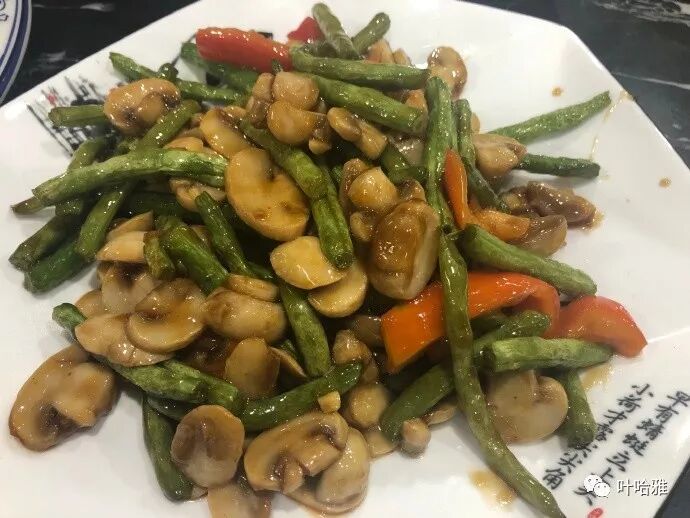
Stir-fried konjac with green beans is fresh and tasty.
Overall, this restaurant is good. It is in the city center and has a wide variety of dishes. We were all very satisfied, and for four people, it cost 60 yuan each.
Address: Southeast corner of Central Square, Wulan Street.
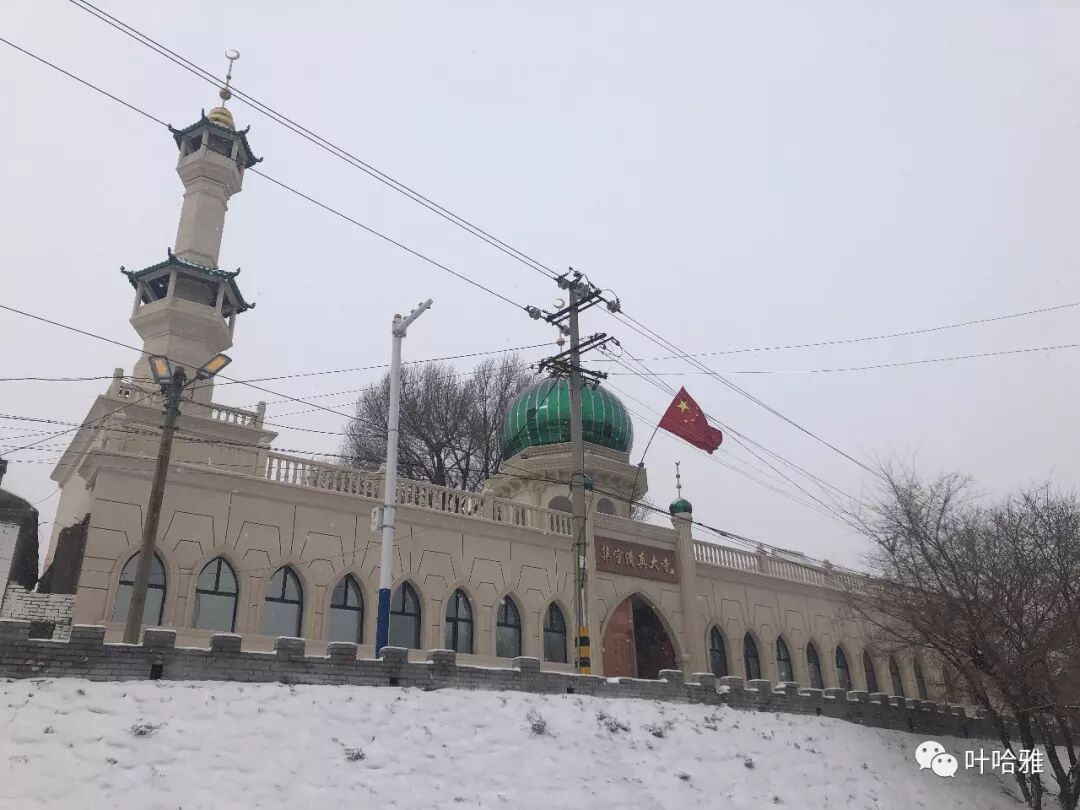
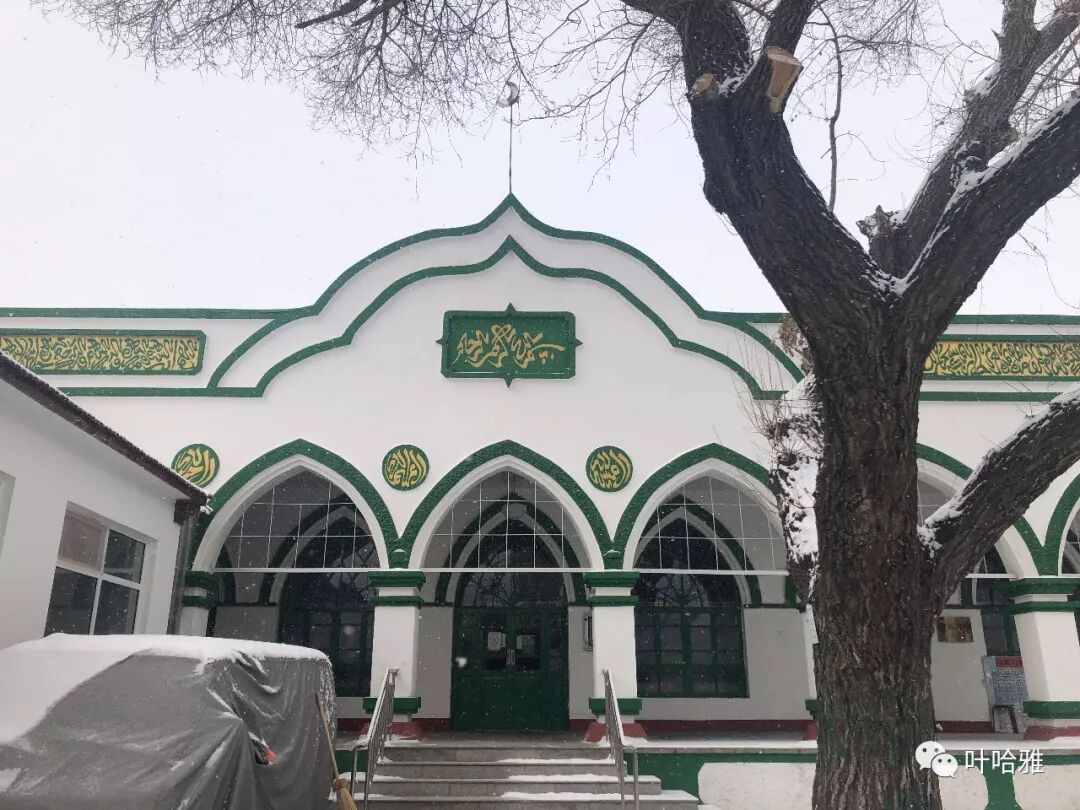
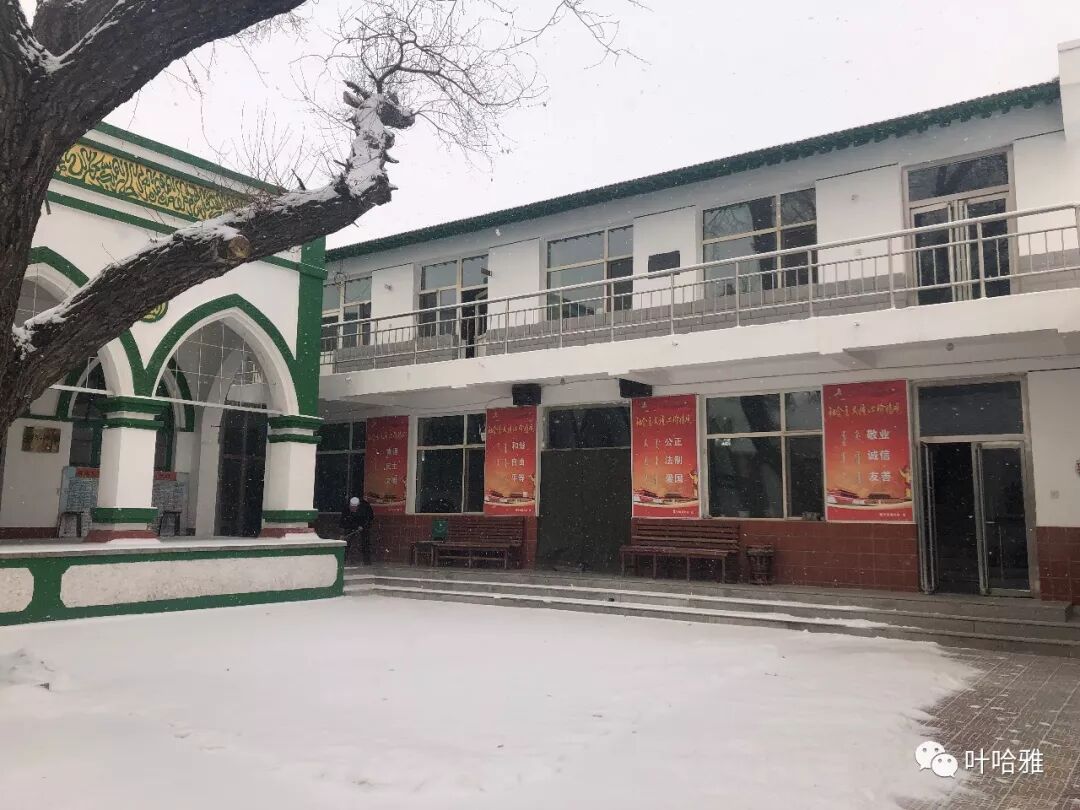
After checking into my hotel, I visited the Jining District Grand Mosque. The mosque is at 87 Chaoyang Street. You can see it from far away on a high spot after crossing a railway. This is the 239th mosque I have visited.
There are two mosques in Jining District. The other one is smaller, and the two are not far apart.
After performing two rak'ahs of prayer, I went to ask the imam about good local restaurants. This is one of my ways to find halal food. However, the imam said he had not been here long and only knew of a nearby ramen shop; he did not know about other places. Speaking of this, I remembered some small mosques I have visited in small towns. Those small mosques usually only have one imam. The imam's daily life is very monotonous. He leads the five daily prayers every day without a break all year round, and he cannot afford to get sick. He has no entertainment and just looks forward to a guest coming to the mosque so he can have someone to talk to.
Deshunzhai Halal Hot Pot.
Although mutton hot pot (shuan yangrou) is a Beijing specialty, its roots were invented by the Mongols. For a Beijing mutton hot pot place to do well, it must use lamb from Inner Mongolia.
This Deshunzhai Hot Pot is a local chain, and we chose to eat at the main branch.
Dayao Jiabin is a local drink from Inner Mongolia. There is also one called Zhencheng Jiabin. I once posted a picture on Weibo of myself drinking Zhencheng Jiabin in Baotou, and netizens pointed out that Zhencheng Jiabin is a fake.
This was the most comfortable meal we had. The food tasted great, the meat was fresh and had no gamey smell, and the price was very affordable. The four of us bought a set meal for only 135 yuan. It included two plates of lamb, one plate of beef, and several portions of vegetables, meatballs, pickled cabbage (suancai), and hand-rolled noodles (shouganmian). If we ate like this in Beijing, it would cost at least 500 yuan.
We ate three servings of their hand-rolled noodles and added two extra portions of pickled cabbage. Everything was delicious. If I come back to Wumeng, I will definitely visit again.
Address: Opposite the component factory on Qima Road (opposite the former Dongpo Restaurant).
Lianying Shaomai Restaurant.
Steamed dumplings (shaomai) are also called shaomei. The most famous ones are from Hohhot. I found this Lianying Shaomai Restaurant on a local food recommendation list. It is located inside the Planning Commission compound in Jining District. I ate breakfast here for two days in a row.
Lianying Shaomai Restaurant only sells steamed dumplings. They have regular lamb, premium lamb leg, beef, and vegetarian mixed steamed dumplings.
I tried every kind. My favorite was the lamb leg steamed dumplings, which cost 20 yuan per liang. One liang is one steamer basket. You get free porridge and side dishes when you eat steamed dumplings. People in Inner Mongolia are so generous.
The four of us finished 7 liang of steamed dumplings and wanted to order more at the end, but the waiter told us they were closed. Breakfast is served until 10 a.m., and then you have to wait until noon. If you want pan-fried steamed dumplings, you have to come early. Pan-fried steamed dumplings cost 2 yuan more per liang.
Address: Planning Commission Hotel, Jining District, Ulanqab City (west of Enhe Century Square).
Jingsheng Restaurant.
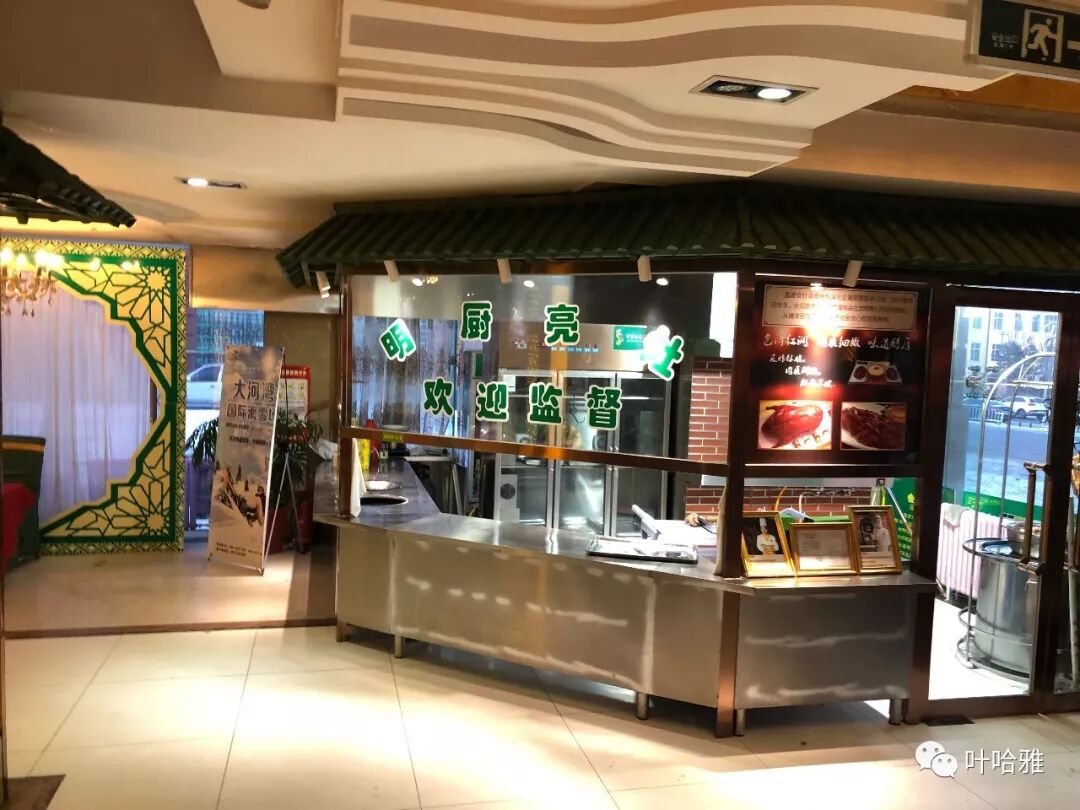
Finding this place was a total surprise because there was no halal information for it on Dazhong Dianping. We saw it while driving by. I do not understand why a restaurant with such a big sign has so little information on Dazhong Dianping. It seems locals do not use the app much, as many restaurants do not even have pictures online, which made me think they were closed. Seeing it in person was a complete surprise.
They have roast duck, but since we are guests from Beijing, we should stick to beef and lamb here.
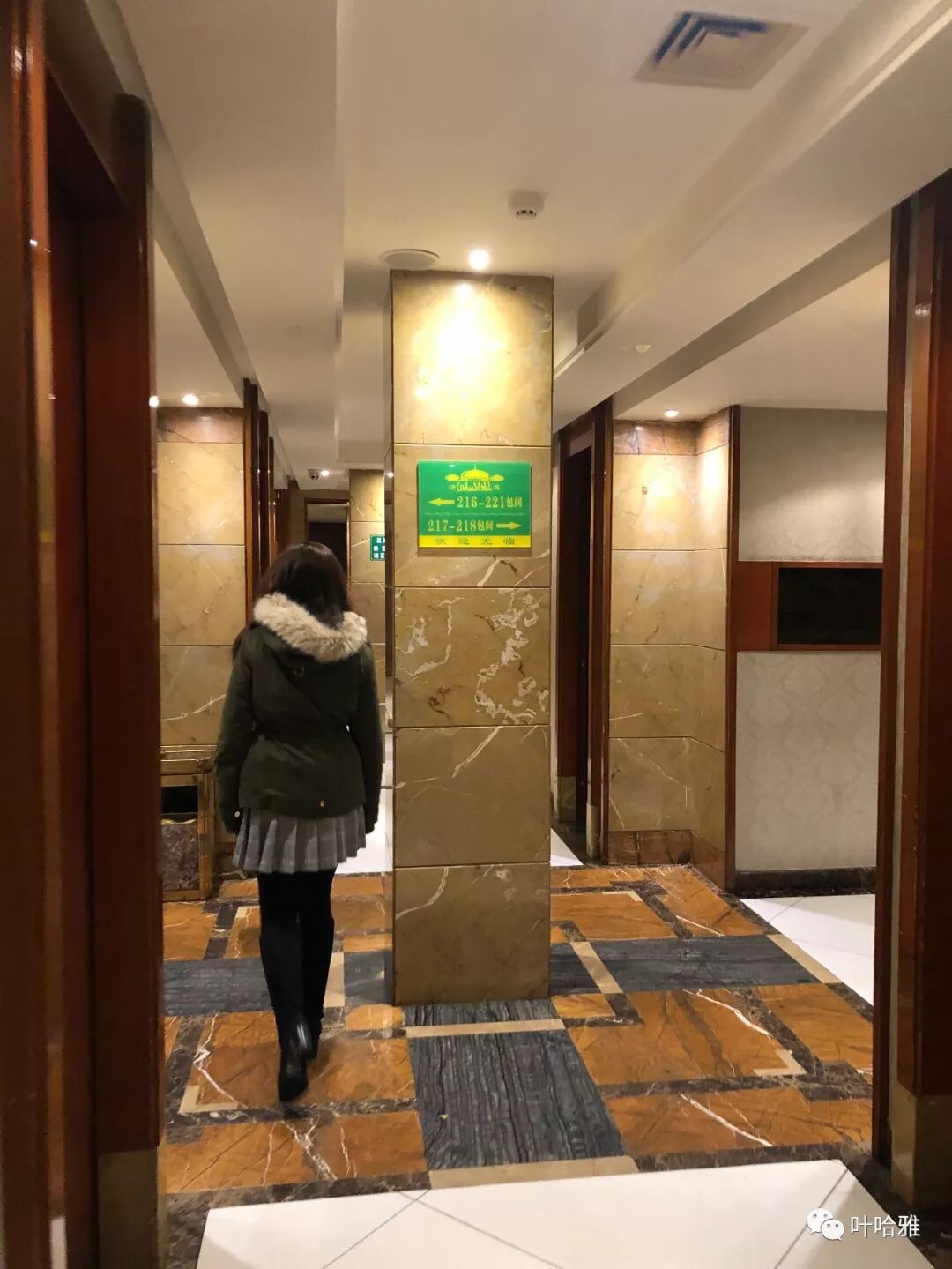
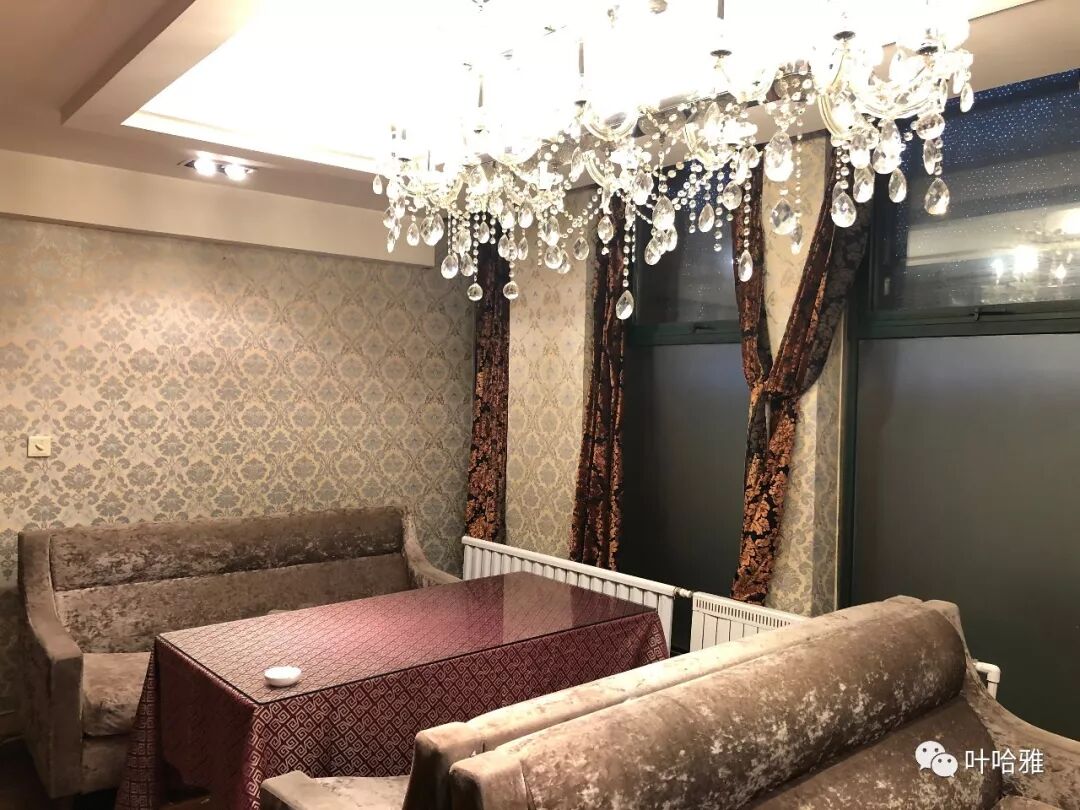
The interior is very spacious and consists entirely of private rooms. It feels a lot like the restaurant layouts in Xining, offering privacy where no one disturbs each other.
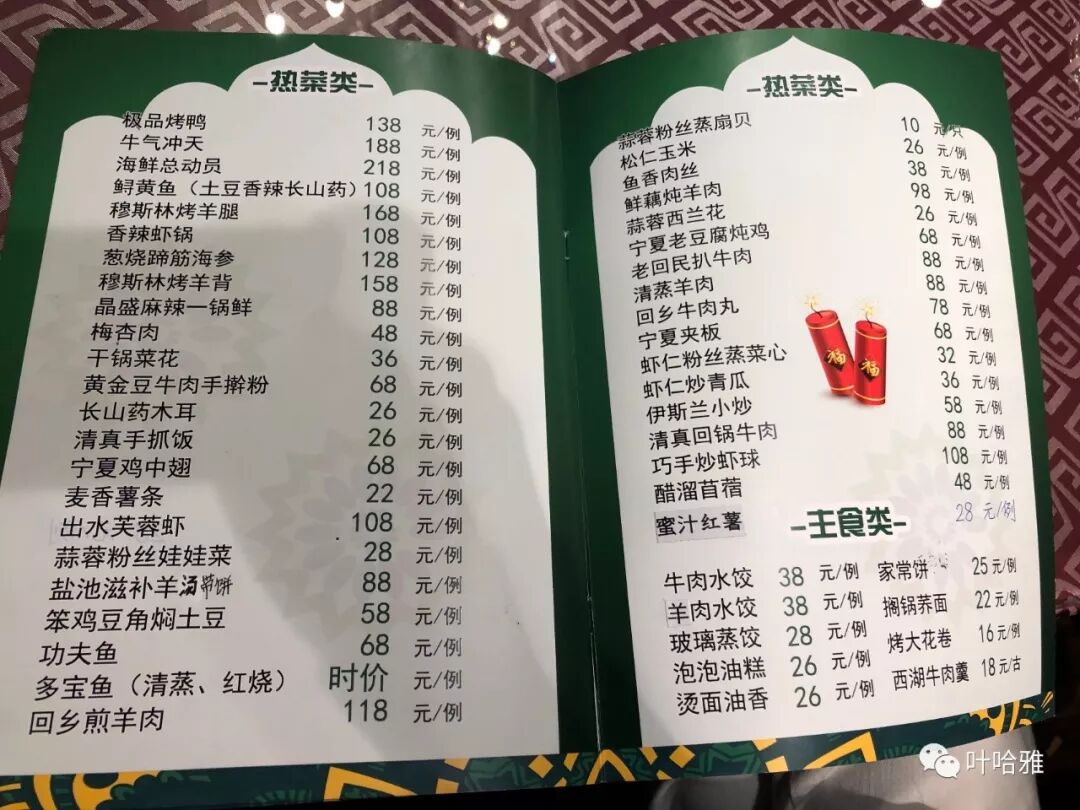
The menu focuses on Northwest-style flavors.
I ordered the pilaf (zhuafan) from the menu, but they brought out eight-treasure sweet rice instead. I asked a friend from Inner Mongolia and learned that they call this kind of rice pilaf locally. But the real question is, how are you supposed to grab such sticky rice? Still, it tasted great.
I really loved this dish called hometown-style beef meatballs (huixiang niurouwan). Eating them tucked inside a soft steamed bun (momo) is incredibly delicious. The beef is tender and melts in your mouth.
Eating lamb in Inner Mongolia never disappoints. This roasted lamb leg was exceptionally tasty and cost less than half the price it would in Beijing.
Xingyuefang
This is a local shop selling halal cakes and pastries. I first bought a burger, two egg tarts, and a caterpillar bread. When I paid, they told me it was 11 yuan total. I was surprised it was so cheap. After walking a few hundred meters, I thought I should buy more for the road, so I went back and bought more cakes and bread. The whole pile only cost 32 yuan.
Address: No. 34 Wulan Avenue, Wulan Road.
With our snacks all packed, we originally planned to return to Beijing in two days. Unexpectedly, a heavy snow hit Wumeng and closed the highway back to Beijing, so we had to detour through Datong, Shanxi, before heading back to Beijing.
Actually, on the way to Wumeng, I suggested visiting Datong to see the ancient mosque there. After all, Datong is only 110 kilometers from Wumeng, just over an hour's drive. My travel companions weren't interested, but with the snow, the GPS automatically routed us through Datong to get back to Beijing. We had to go whether we wanted to or not—it was meant to be.
Our trip to Datong was worth it and everyone gained something from the experience. My friends were very happy with the hotel facilities. Datong is a tourist city with a stronger economy than Wumeng, so the hotels are better. The hotel was also close to the scenic spots and made shopping easy.
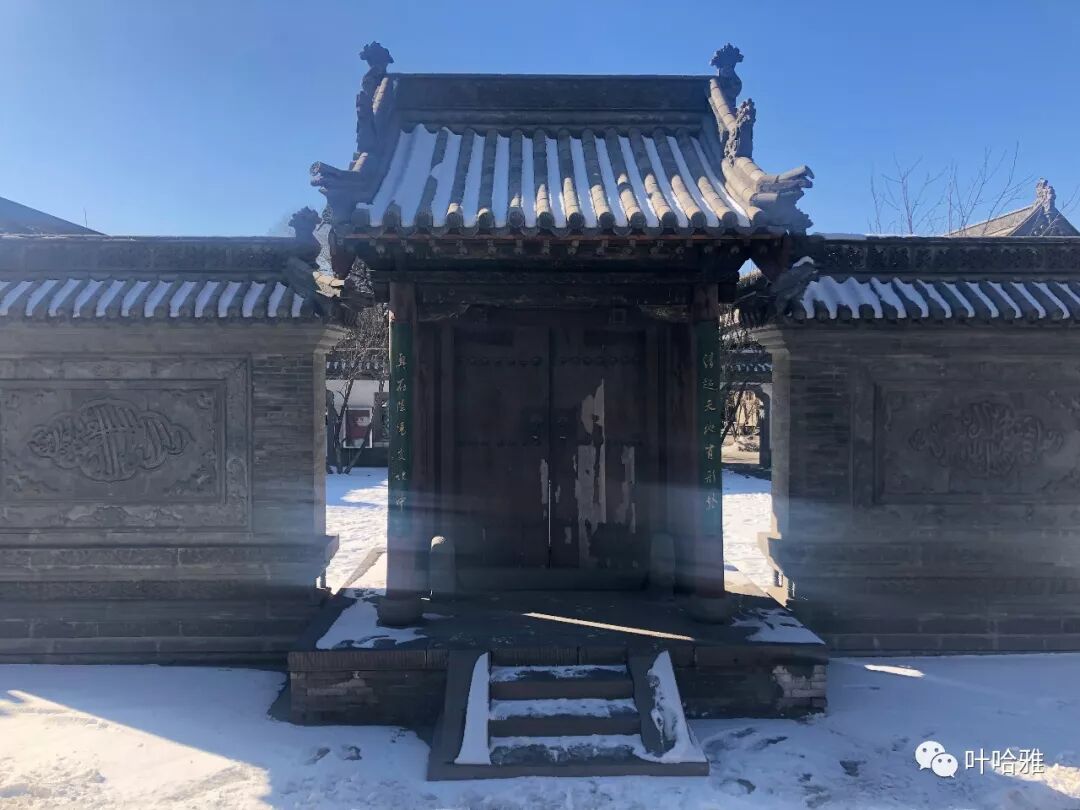
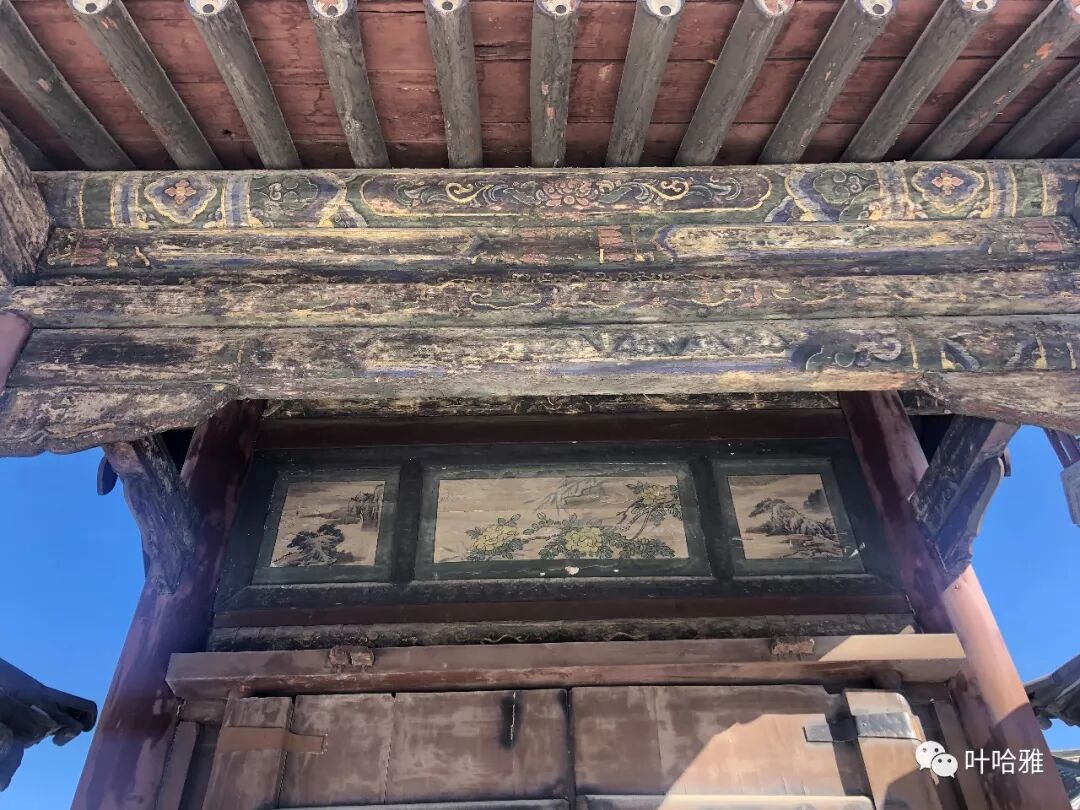
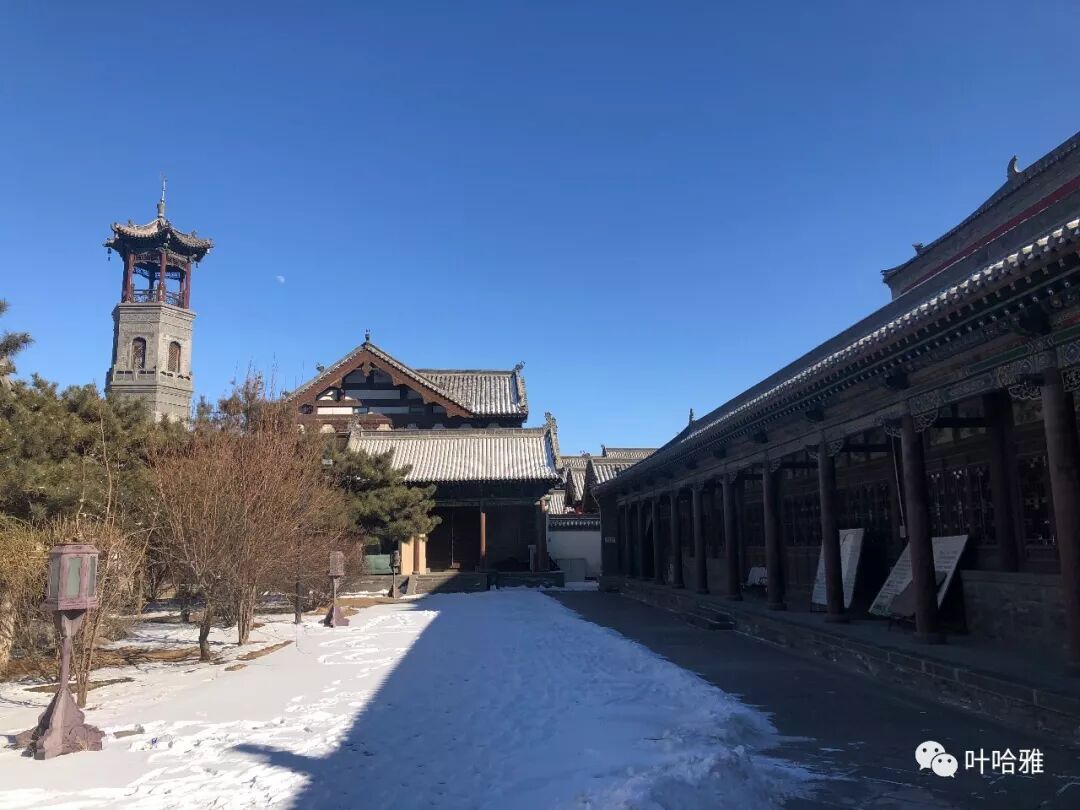
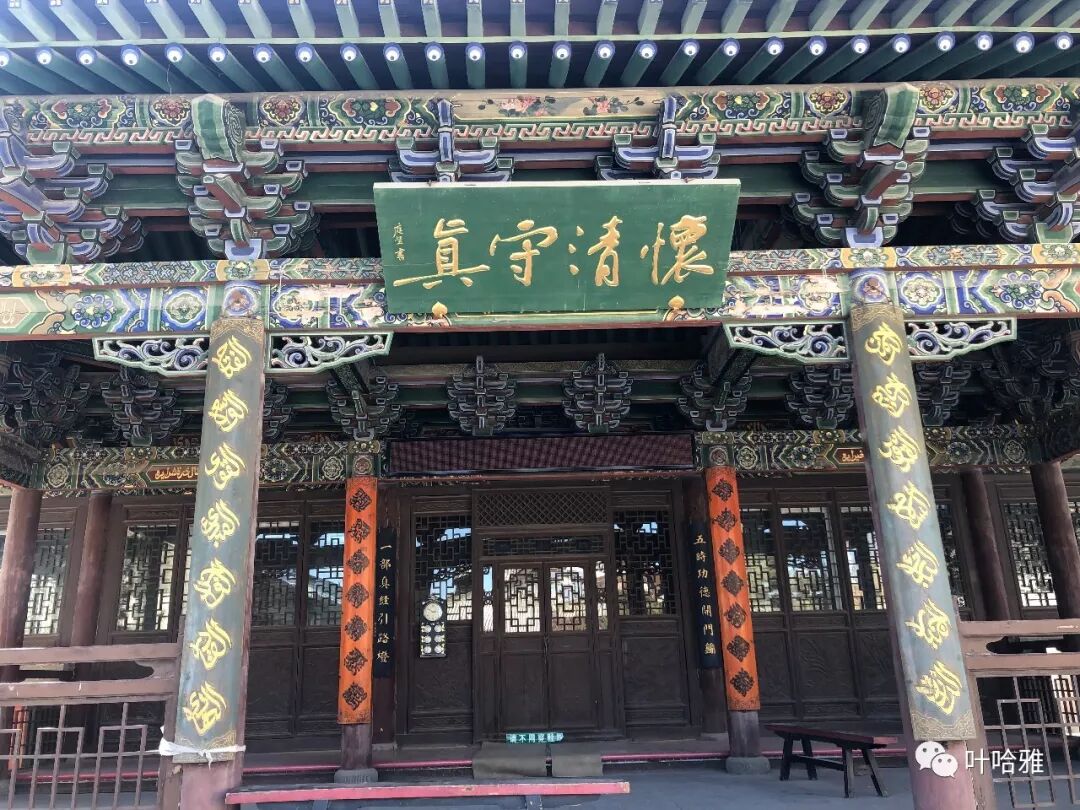
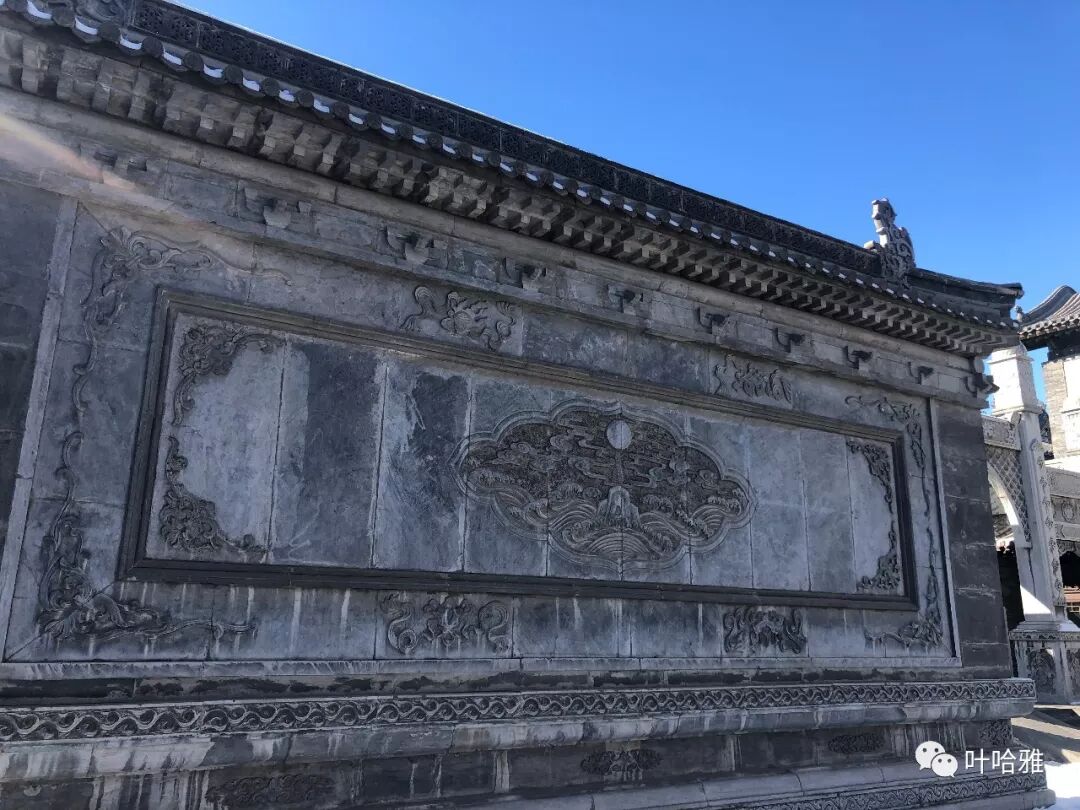
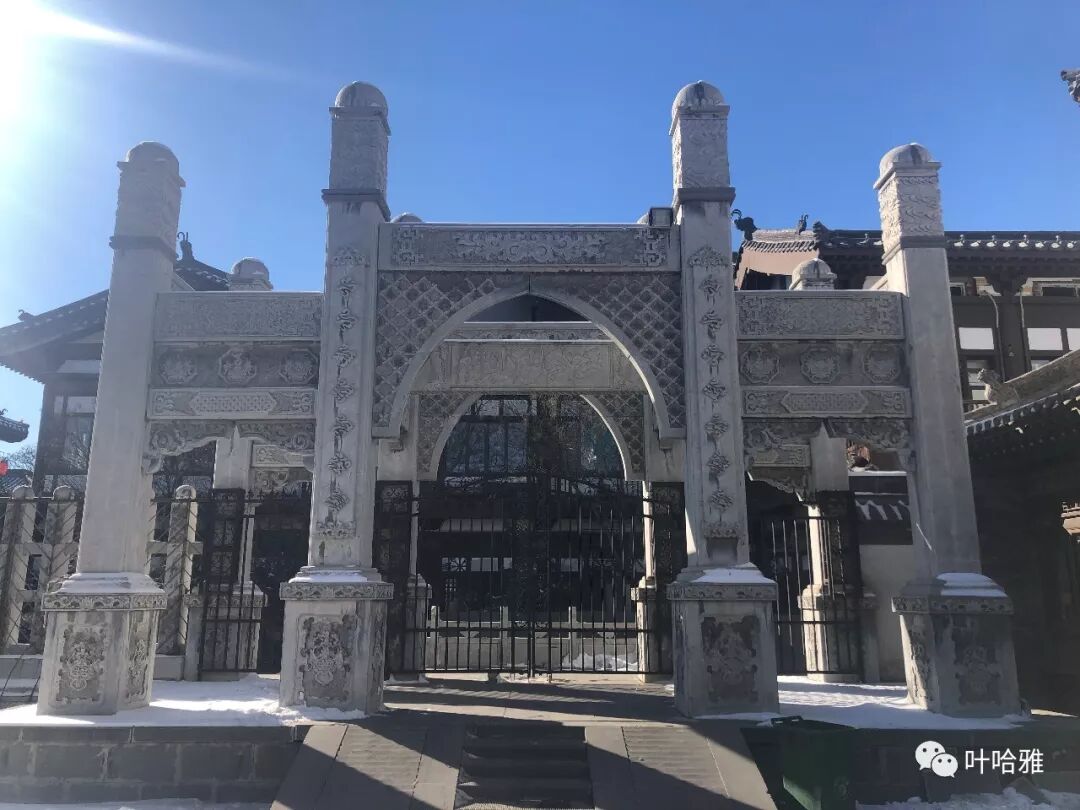
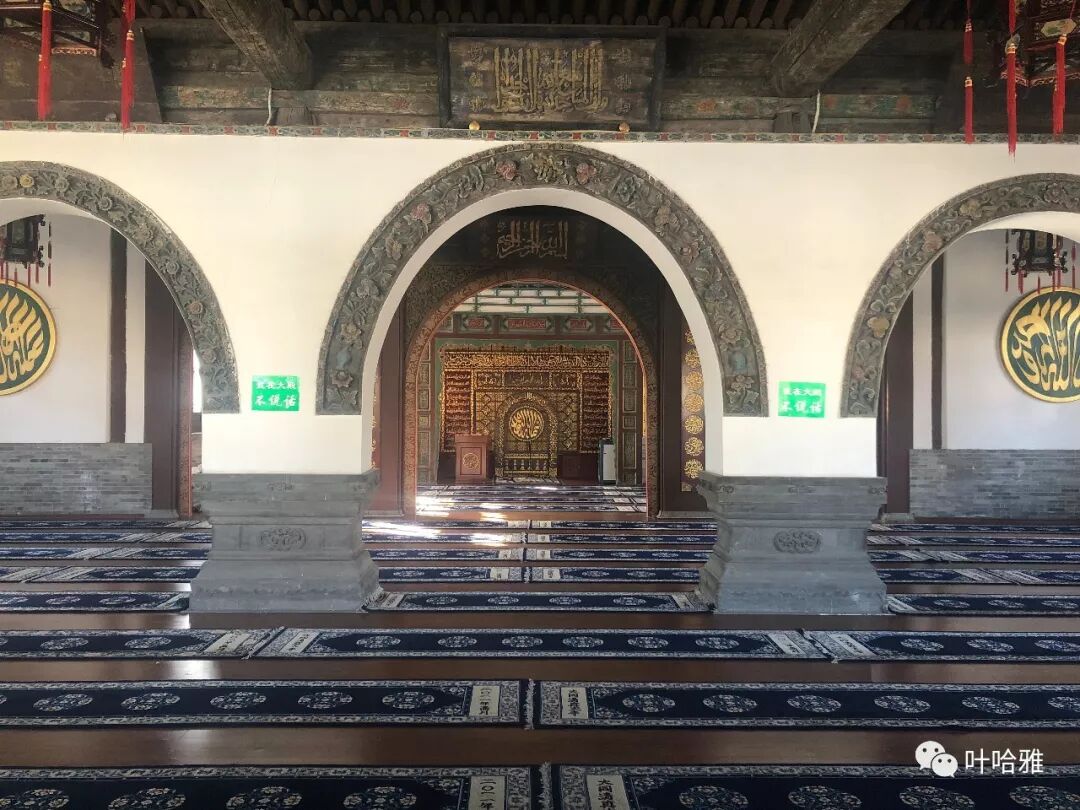
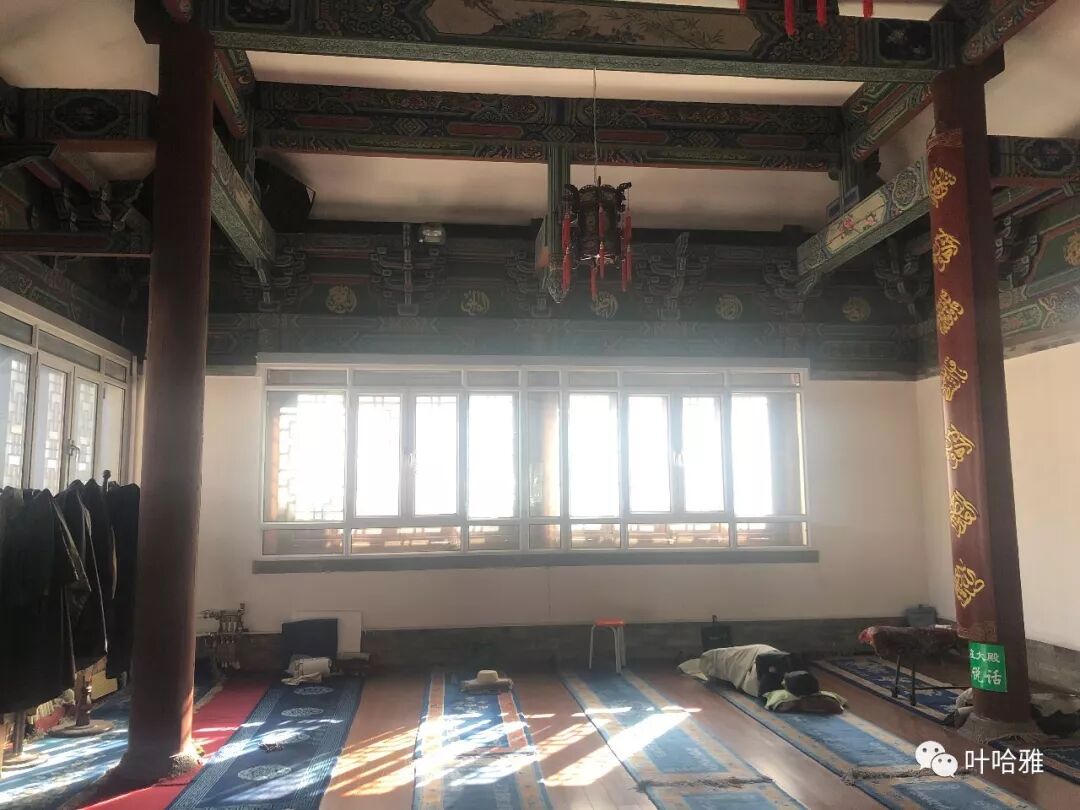
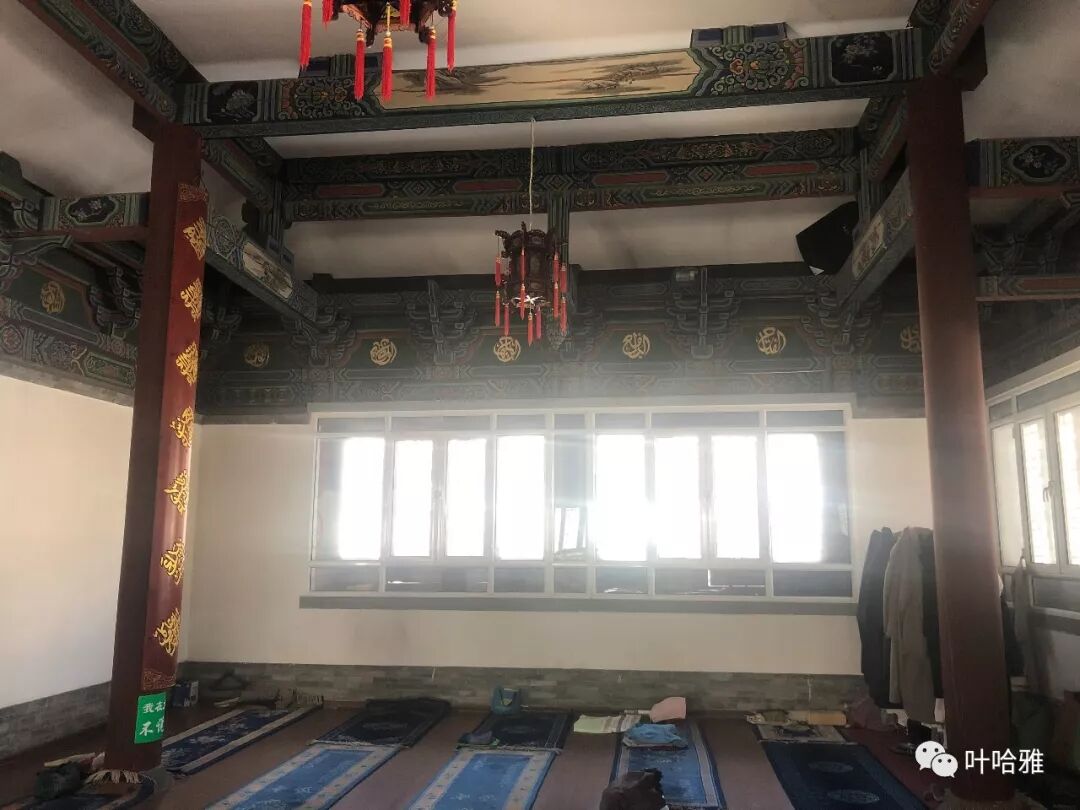
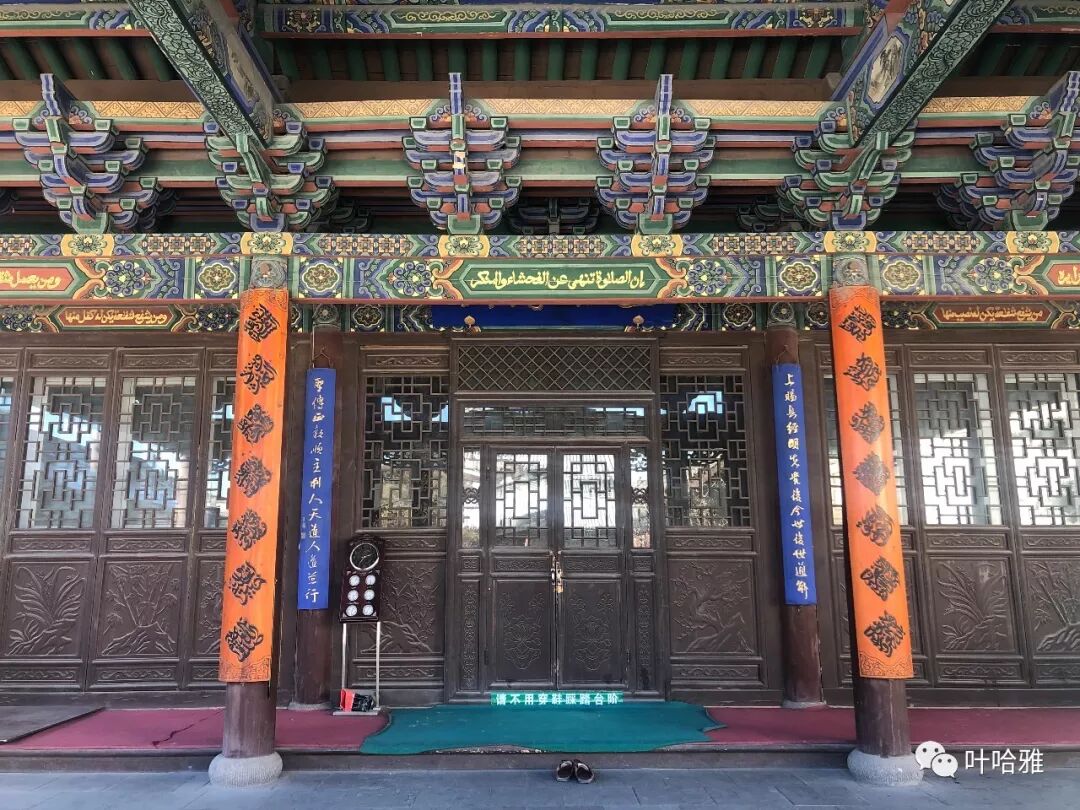
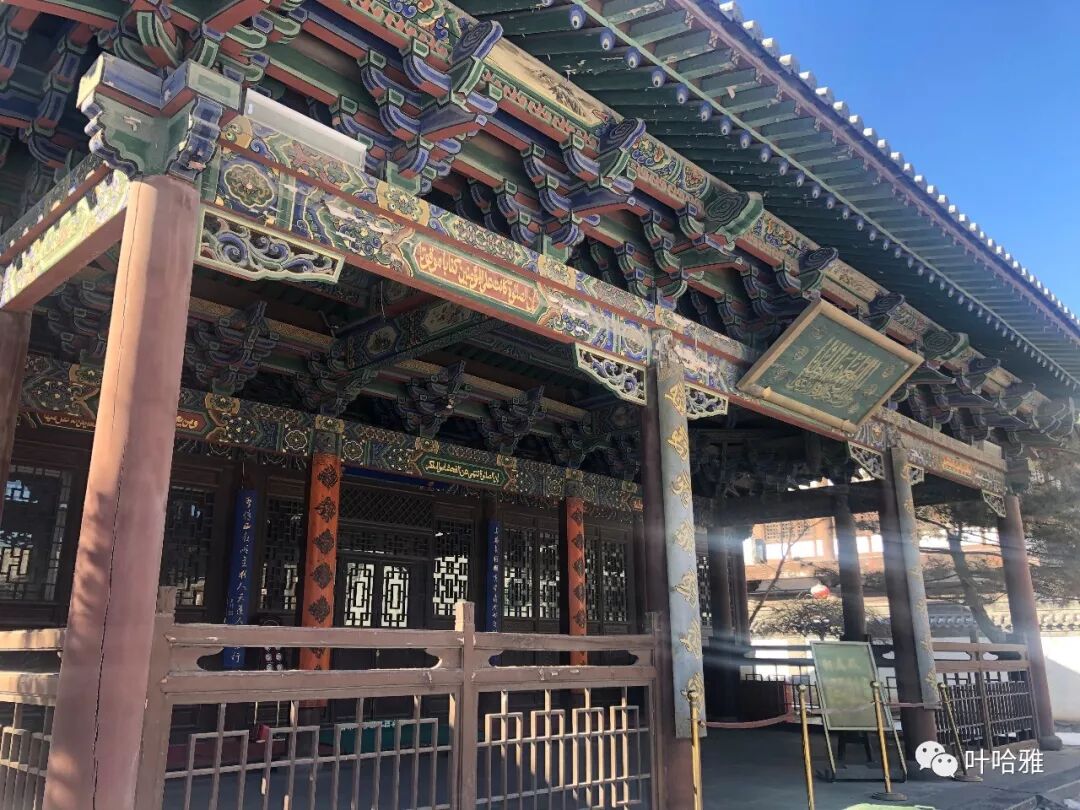
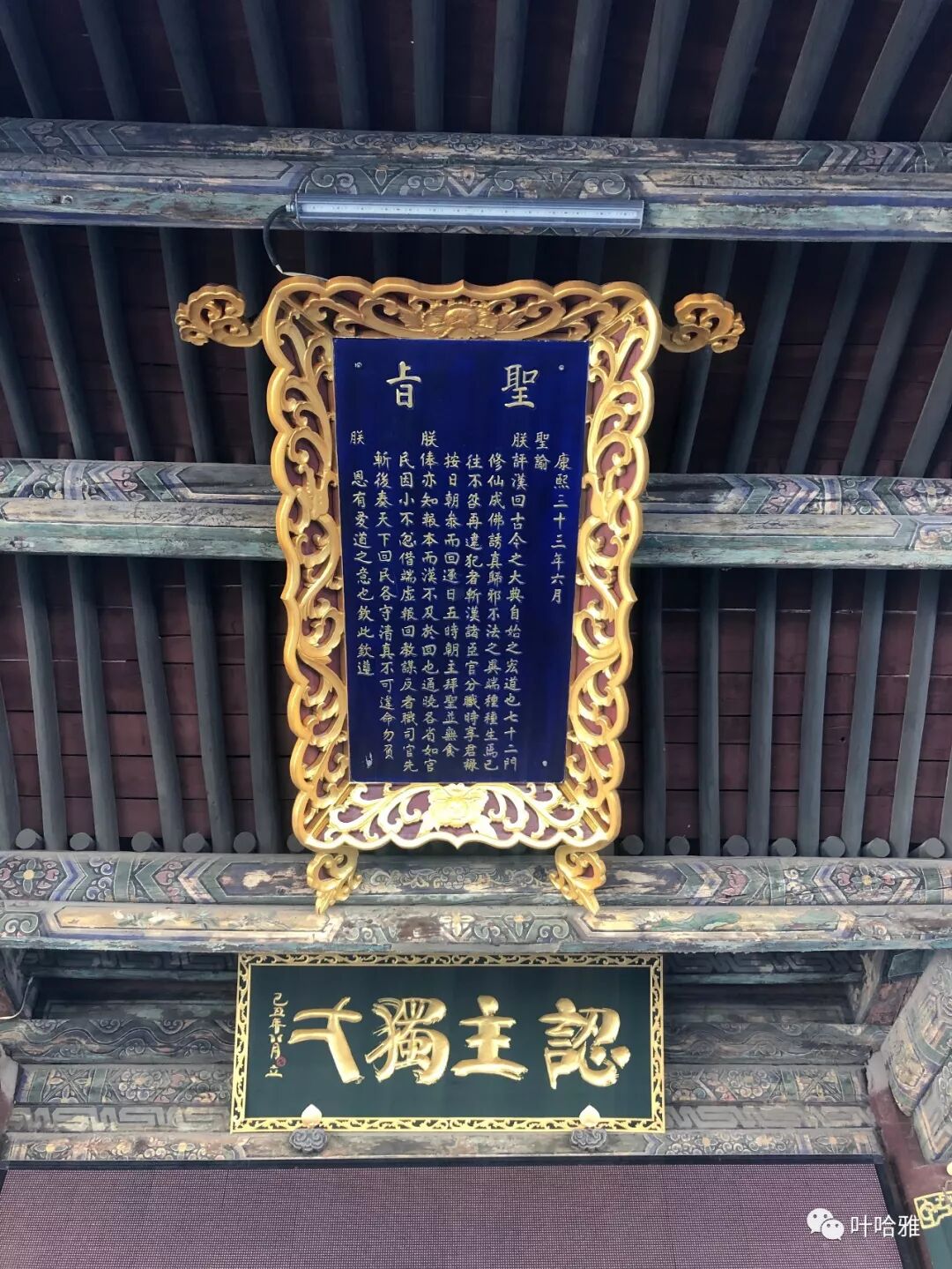
The ancient city of Datong is in the distance. The Great Mosque of Datong (Datong Qingzhen Dasi) is inside the old city. This is the 240th mosque I have visited. This old mosque might be the oldest in China. Stone inscriptions inside say it was built in the second year of the Zhenguan era of the Tang Dynasty (628 AD), making it over 1,200 years old. Another theory based on the Ming and Qing architectural style suggests it might have been built during the Ming Dynasty.
The biggest halal restaurant in Datong is called Deyuelou, but we did not go there. Instead, we chose the top-rated local barbecue spot, Mom's Barbecue (Laoma Shaokao).
Mom's Barbecue (Laoma Shaokao)
The street where this shop is located is a barbecue street, and there are several other halal barbecue places nearby.
A local Datong barbecue specialty is small deep-fried skewers (xiao zhachuan).
This is old-style Datong eggplant (lao datong qiezi), a cold dish that everyone liked, so we ordered two portions.
The skewers were a bit salty overall, but I was very satisfied to find halal food in Datong.
Stir-fried clams (chao huaga) and dough drop soup (gedatang).
Address: 100 meters west of Dianjian Hospital on Kangle Street.
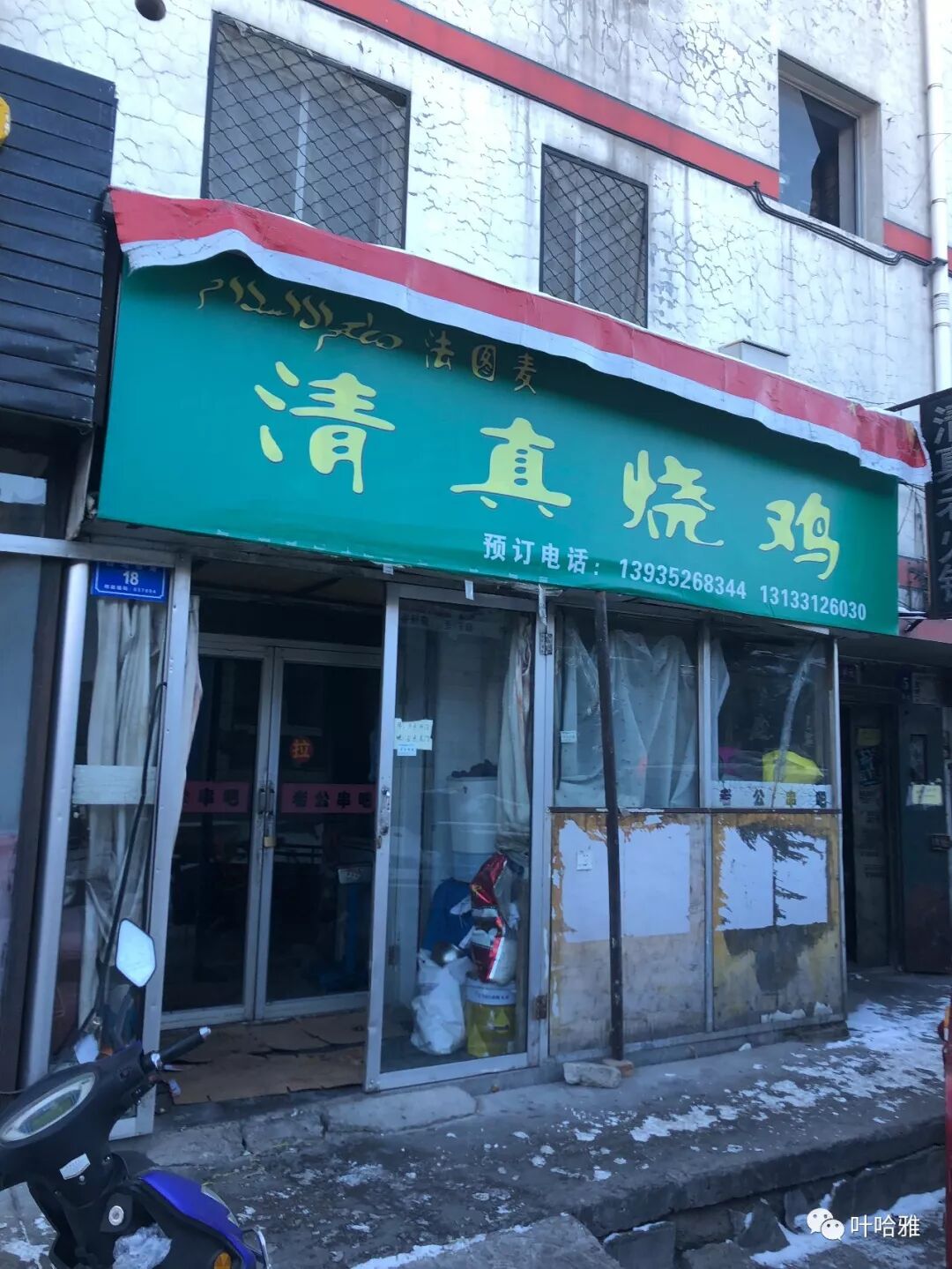
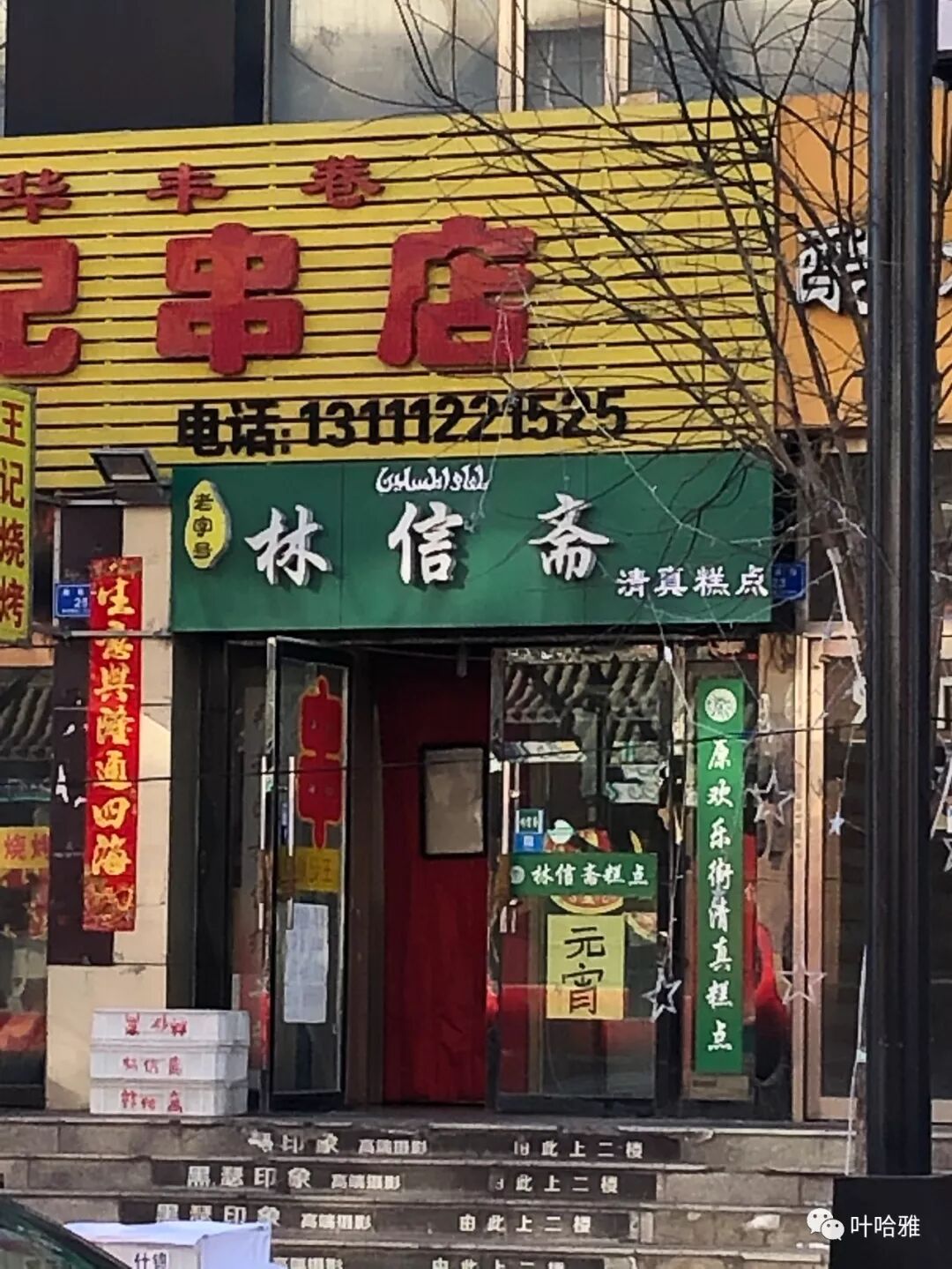
I also saw a few small shops in an alley not far from the Great Mosque. Interested friends can go and try them.
After staying one night in Datong, we drove back to the capital the next day. The trip was over 300 kilometers and we got home in four hours.
Friends (dost) who want to visit other cities in Inner Mongolia can check my old posts.
A halal food map for Ordos, Baotou, and Hohhot.
I have some good news. I have been running this official account for over three years, and I just learned today that I can set up the search function myself. I have finished adding keywords to all my articles. If you want to find halal food information for a specific city, just reply with the city name to this account. view all
Summary: This Muslim travel guide to Ulanqab and Datong follows the original winter route, including mosques, hotpot, shaomai, local restaurants, addresses, and photos. It keeps the China halal travel details in order for readers planning a similar trip.
A couple of days ago, a friend and I decided on a whim to go on a road trip. We scanned the map, weighed our options, and picked Ulanqab in Inner Mongolia as our destination. Ulanqab is the closest city in Inner Mongolia to Beijing, just over 300 kilometers away, making it a four-and-a-half-hour drive.
This is what the rest stops look like along the way. In Ulanqab, the daytime temperature in winter is around minus 8 degrees, and it drops to about minus 18 degrees at night.
The cold didn't affect our trip at all. For this short getaway, our main activities were swimming and working out at the hotel, and eating local specialties, so the whole trip was quite relaxing.
We left at 8:00 a.m. and arrived in Ulanqab at noon. Our first stop for lunch was Xiangshunyuan.
Xiangshunyuan
The cannon at the entrance is for guests celebrating their birthdays. It went off while I was eating, and the sound was so loud it really startled me.
This restaurant is considered large for Ulanqab, as most halal restaurants in Jining District are small. Since it was during the Spring Festival, many small shops wouldn't open until after the Lantern Festival.
The prices were quite cheap, and the overall cost of living in the city is low.
The first dish we ordered was cold oat noodles (youmian). Oat noodles are a local Inner Mongolian snack with a light and tasty flavor.
Caramelized milk skin (basi naipi) is another local specialty. You have to eat it while it's hot, or it gets too hard to pick up.
Stir-fried beef tripe with chili peppers, which was slightly spicy.
The signature beef dish has a layer of stewed beef on top and pumpkin underneath. It tastes a bit sweet, and the beef is stewed until very tender.
Stir-fried konjac with green beans is fresh and tasty.
Overall, this restaurant is good. It is in the city center and has a wide variety of dishes. We were all very satisfied, and for four people, it cost 60 yuan each.
Address: Southeast corner of Central Square, Wulan Street.
After checking into my hotel, I visited the Jining District Grand Mosque. The mosque is at 87 Chaoyang Street. You can see it from far away on a high spot after crossing a railway. This is the 239th mosque I have visited.
There are two mosques in Jining District. The other one is smaller, and the two are not far apart.
After performing two rak'ahs of prayer, I went to ask the imam about good local restaurants. This is one of my ways to find halal food. However, the imam said he had not been here long and only knew of a nearby ramen shop; he did not know about other places. Speaking of this, I remembered some small mosques I have visited in small towns. Those small mosques usually only have one imam. The imam's daily life is very monotonous. He leads the five daily prayers every day without a break all year round, and he cannot afford to get sick. He has no entertainment and just looks forward to a guest coming to the mosque so he can have someone to talk to.
Deshunzhai Halal Hot Pot.
Although mutton hot pot (shuan yangrou) is a Beijing specialty, its roots were invented by the Mongols. For a Beijing mutton hot pot place to do well, it must use lamb from Inner Mongolia.
This Deshunzhai Hot Pot is a local chain, and we chose to eat at the main branch.
Dayao Jiabin is a local drink from Inner Mongolia. There is also one called Zhencheng Jiabin. I once posted a picture on Weibo of myself drinking Zhencheng Jiabin in Baotou, and netizens pointed out that Zhencheng Jiabin is a fake.
This was the most comfortable meal we had. The food tasted great, the meat was fresh and had no gamey smell, and the price was very affordable. The four of us bought a set meal for only 135 yuan. It included two plates of lamb, one plate of beef, and several portions of vegetables, meatballs, pickled cabbage (suancai), and hand-rolled noodles (shouganmian). If we ate like this in Beijing, it would cost at least 500 yuan.
We ate three servings of their hand-rolled noodles and added two extra portions of pickled cabbage. Everything was delicious. If I come back to Wumeng, I will definitely visit again.
Address: Opposite the component factory on Qima Road (opposite the former Dongpo Restaurant).
Lianying Shaomai Restaurant.
Steamed dumplings (shaomai) are also called shaomei. The most famous ones are from Hohhot. I found this Lianying Shaomai Restaurant on a local food recommendation list. It is located inside the Planning Commission compound in Jining District. I ate breakfast here for two days in a row.
Lianying Shaomai Restaurant only sells steamed dumplings. They have regular lamb, premium lamb leg, beef, and vegetarian mixed steamed dumplings.
I tried every kind. My favorite was the lamb leg steamed dumplings, which cost 20 yuan per liang. One liang is one steamer basket. You get free porridge and side dishes when you eat steamed dumplings. People in Inner Mongolia are so generous.
The four of us finished 7 liang of steamed dumplings and wanted to order more at the end, but the waiter told us they were closed. Breakfast is served until 10 a.m., and then you have to wait until noon. If you want pan-fried steamed dumplings, you have to come early. Pan-fried steamed dumplings cost 2 yuan more per liang.
Address: Planning Commission Hotel, Jining District, Ulanqab City (west of Enhe Century Square).
Jingsheng Restaurant.
Finding this place was a total surprise because there was no halal information for it on Dazhong Dianping. We saw it while driving by. I do not understand why a restaurant with such a big sign has so little information on Dazhong Dianping. It seems locals do not use the app much, as many restaurants do not even have pictures online, which made me think they were closed. Seeing it in person was a complete surprise.
They have roast duck, but since we are guests from Beijing, we should stick to beef and lamb here.
The interior is very spacious and consists entirely of private rooms. It feels a lot like the restaurant layouts in Xining, offering privacy where no one disturbs each other.
The menu focuses on Northwest-style flavors.
I ordered the pilaf (zhuafan) from the menu, but they brought out eight-treasure sweet rice instead. I asked a friend from Inner Mongolia and learned that they call this kind of rice pilaf locally. But the real question is, how are you supposed to grab such sticky rice? Still, it tasted great.
I really loved this dish called hometown-style beef meatballs (huixiang niurouwan). Eating them tucked inside a soft steamed bun (momo) is incredibly delicious. The beef is tender and melts in your mouth.
Eating lamb in Inner Mongolia never disappoints. This roasted lamb leg was exceptionally tasty and cost less than half the price it would in Beijing.
Xingyuefang
This is a local shop selling halal cakes and pastries. I first bought a burger, two egg tarts, and a caterpillar bread. When I paid, they told me it was 11 yuan total. I was surprised it was so cheap. After walking a few hundred meters, I thought I should buy more for the road, so I went back and bought more cakes and bread. The whole pile only cost 32 yuan.
Address: No. 34 Wulan Avenue, Wulan Road.
With our snacks all packed, we originally planned to return to Beijing in two days. Unexpectedly, a heavy snow hit Wumeng and closed the highway back to Beijing, so we had to detour through Datong, Shanxi, before heading back to Beijing.
Actually, on the way to Wumeng, I suggested visiting Datong to see the ancient mosque there. After all, Datong is only 110 kilometers from Wumeng, just over an hour's drive. My travel companions weren't interested, but with the snow, the GPS automatically routed us through Datong to get back to Beijing. We had to go whether we wanted to or not—it was meant to be.
Our trip to Datong was worth it and everyone gained something from the experience. My friends were very happy with the hotel facilities. Datong is a tourist city with a stronger economy than Wumeng, so the hotels are better. The hotel was also close to the scenic spots and made shopping easy.
The ancient city of Datong is in the distance. The Great Mosque of Datong (Datong Qingzhen Dasi) is inside the old city. This is the 240th mosque I have visited. This old mosque might be the oldest in China. Stone inscriptions inside say it was built in the second year of the Zhenguan era of the Tang Dynasty (628 AD), making it over 1,200 years old. Another theory based on the Ming and Qing architectural style suggests it might have been built during the Ming Dynasty.
The biggest halal restaurant in Datong is called Deyuelou, but we did not go there. Instead, we chose the top-rated local barbecue spot, Mom's Barbecue (Laoma Shaokao).
Mom's Barbecue (Laoma Shaokao)
The street where this shop is located is a barbecue street, and there are several other halal barbecue places nearby.
A local Datong barbecue specialty is small deep-fried skewers (xiao zhachuan).
This is old-style Datong eggplant (lao datong qiezi), a cold dish that everyone liked, so we ordered two portions.
The skewers were a bit salty overall, but I was very satisfied to find halal food in Datong.
Stir-fried clams (chao huaga) and dough drop soup (gedatang).
Address: 100 meters west of Dianjian Hospital on Kangle Street.
I also saw a few small shops in an alley not far from the Great Mosque. Interested friends can go and try them.
After staying one night in Datong, we drove back to the capital the next day. The trip was over 300 kilometers and we got home in four hours.
Friends (dost) who want to visit other cities in Inner Mongolia can check my old posts.
A halal food map for Ordos, Baotou, and Hohhot.
I have some good news. I have been running this official account for over three years, and I just learned today that I can set up the search function myself. I have finished adding keywords to all my articles. If you want to find halal food information for a specific city, just reply with the city name to this account. view all
Reposted from the web
Summary: This Muslim travel guide to Ulanqab and Datong follows the original winter route, including mosques, hotpot, shaomai, local restaurants, addresses, and photos. It keeps the China halal travel details in order for readers planning a similar trip.
A couple of days ago, a friend and I decided on a whim to go on a road trip. We scanned the map, weighed our options, and picked Ulanqab in Inner Mongolia as our destination. Ulanqab is the closest city in Inner Mongolia to Beijing, just over 300 kilometers away, making it a four-and-a-half-hour drive.
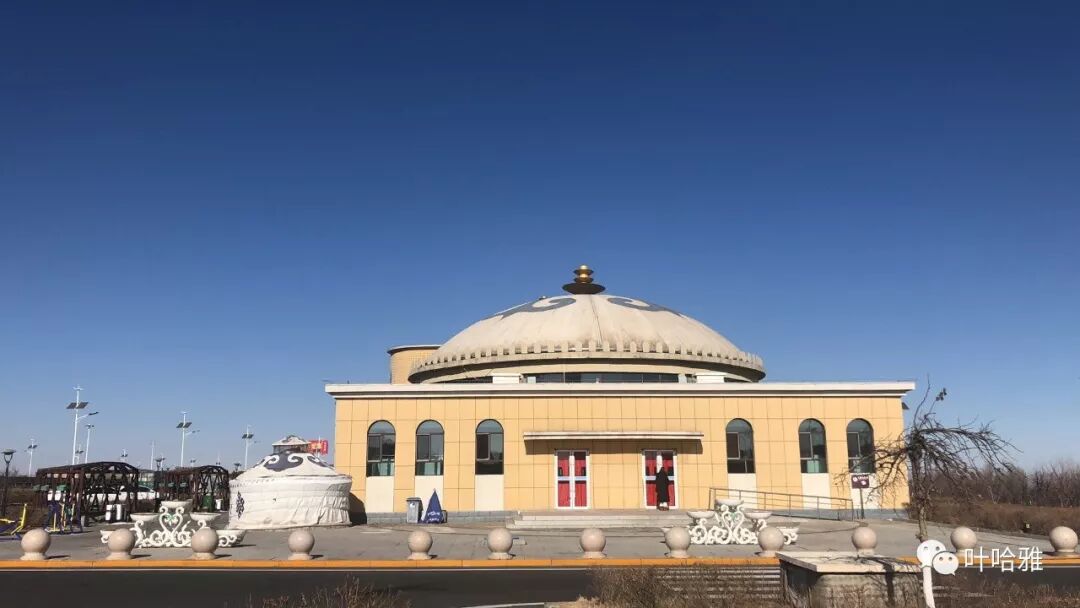
This is what the rest stops look like along the way. In Ulanqab, the daytime temperature in winter is around minus 8 degrees, and it drops to about minus 18 degrees at night.
The cold didn't affect our trip at all. For this short getaway, our main activities were swimming and working out at the hotel, and eating local specialties, so the whole trip was quite relaxing.
We left at 8:00 a.m. and arrived in Ulanqab at noon. Our first stop for lunch was Xiangshunyuan.
Xiangshunyuan
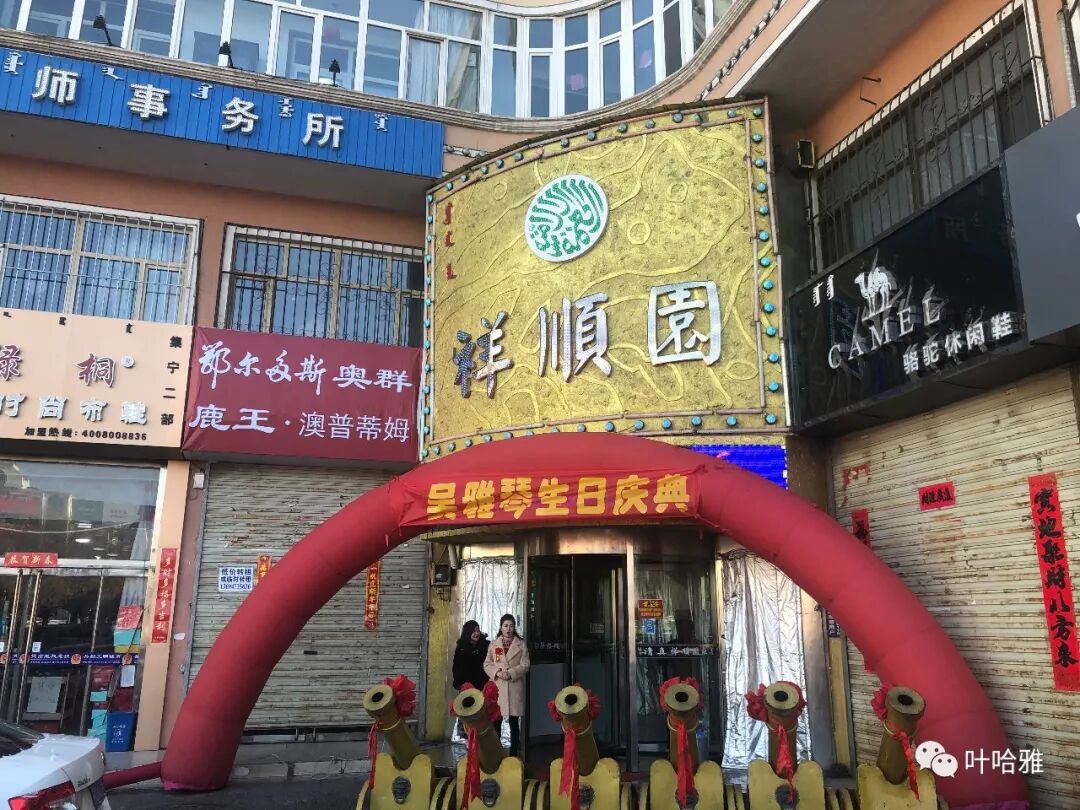
The cannon at the entrance is for guests celebrating their birthdays. It went off while I was eating, and the sound was so loud it really startled me.
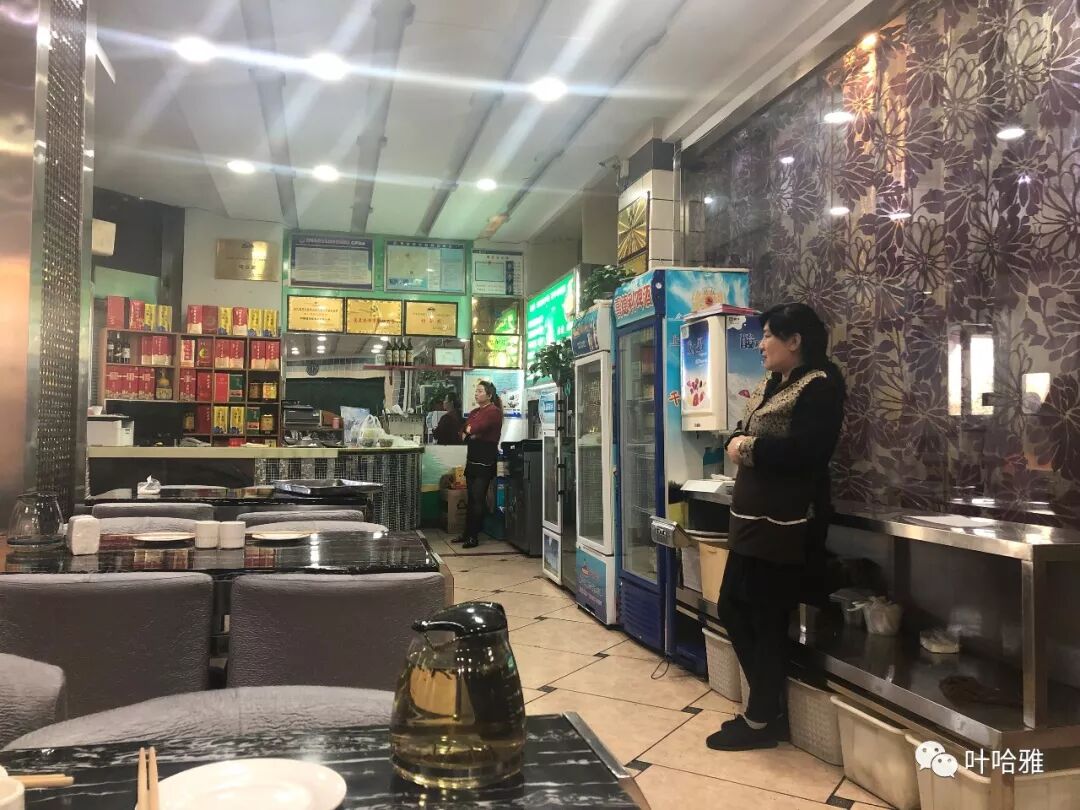
This restaurant is considered large for Ulanqab, as most halal restaurants in Jining District are small. Since it was during the Spring Festival, many small shops wouldn't open until after the Lantern Festival.
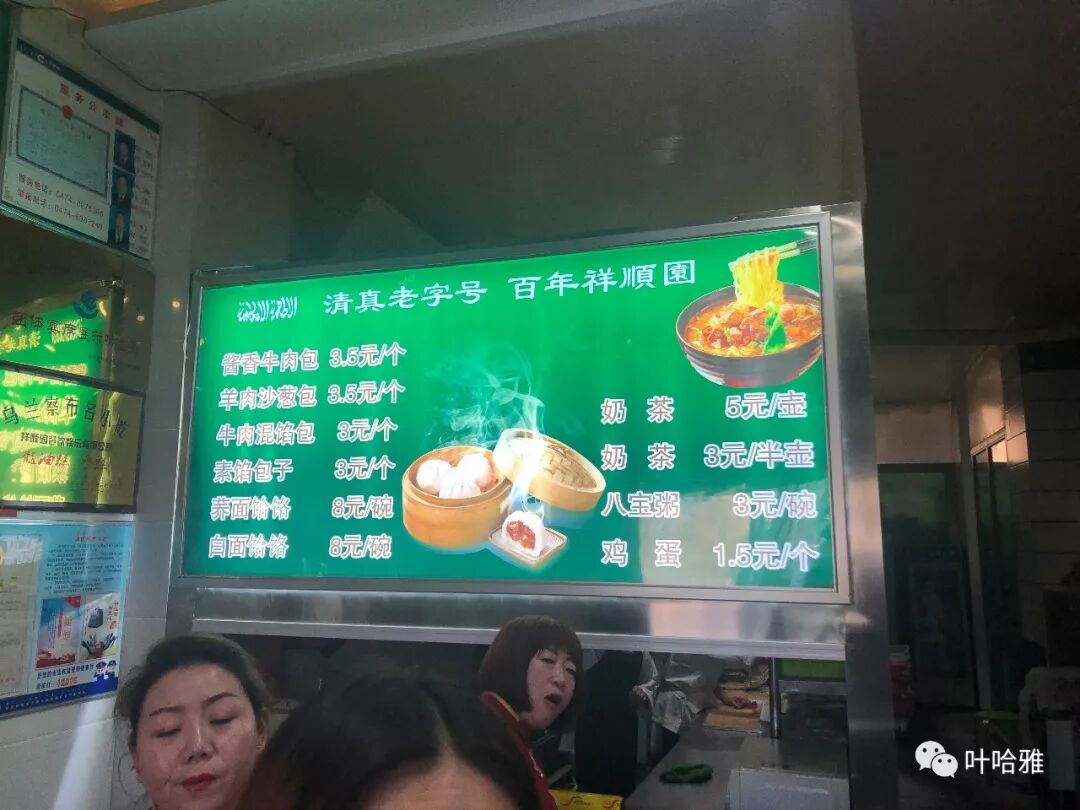
The prices were quite cheap, and the overall cost of living in the city is low.
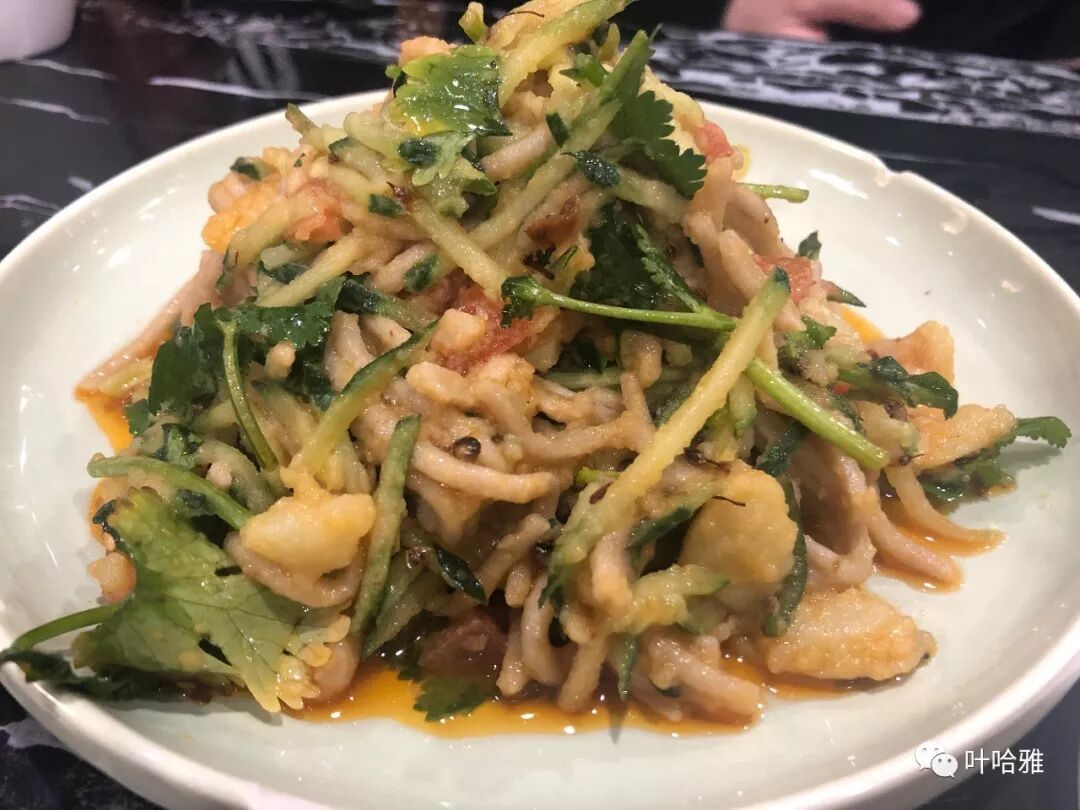
The first dish we ordered was cold oat noodles (youmian). Oat noodles are a local Inner Mongolian snack with a light and tasty flavor.
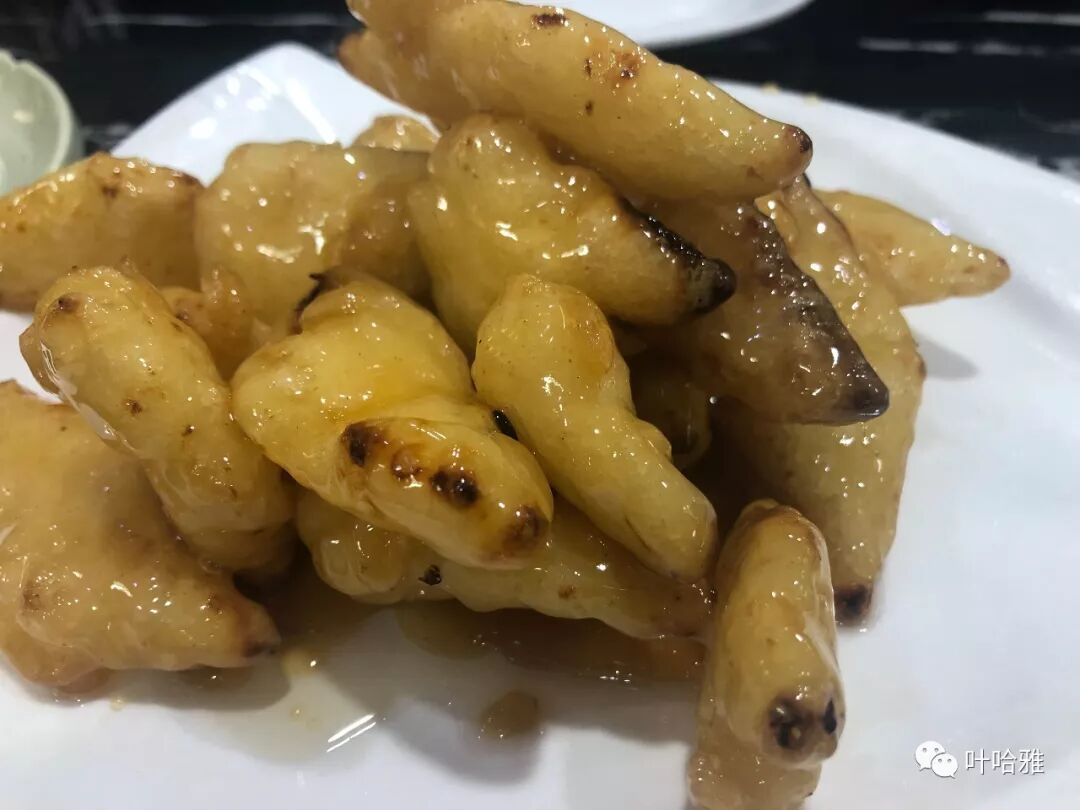
Caramelized milk skin (basi naipi) is another local specialty. You have to eat it while it's hot, or it gets too hard to pick up.
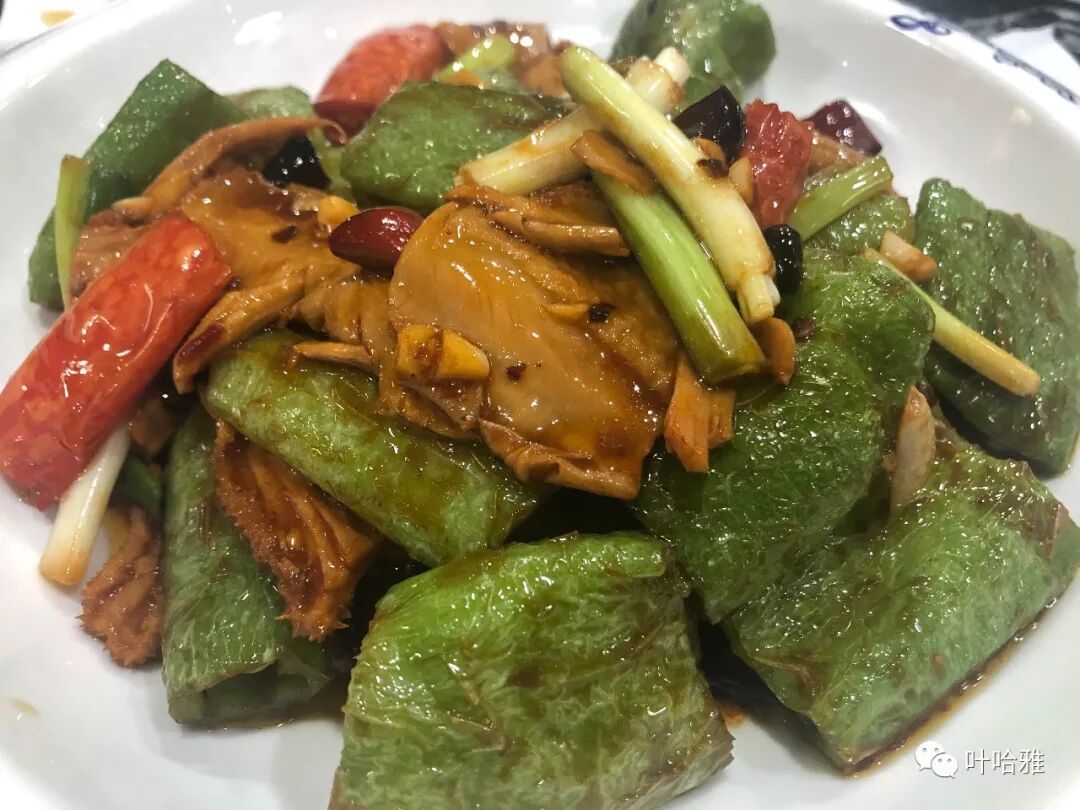
Stir-fried beef tripe with chili peppers, which was slightly spicy.
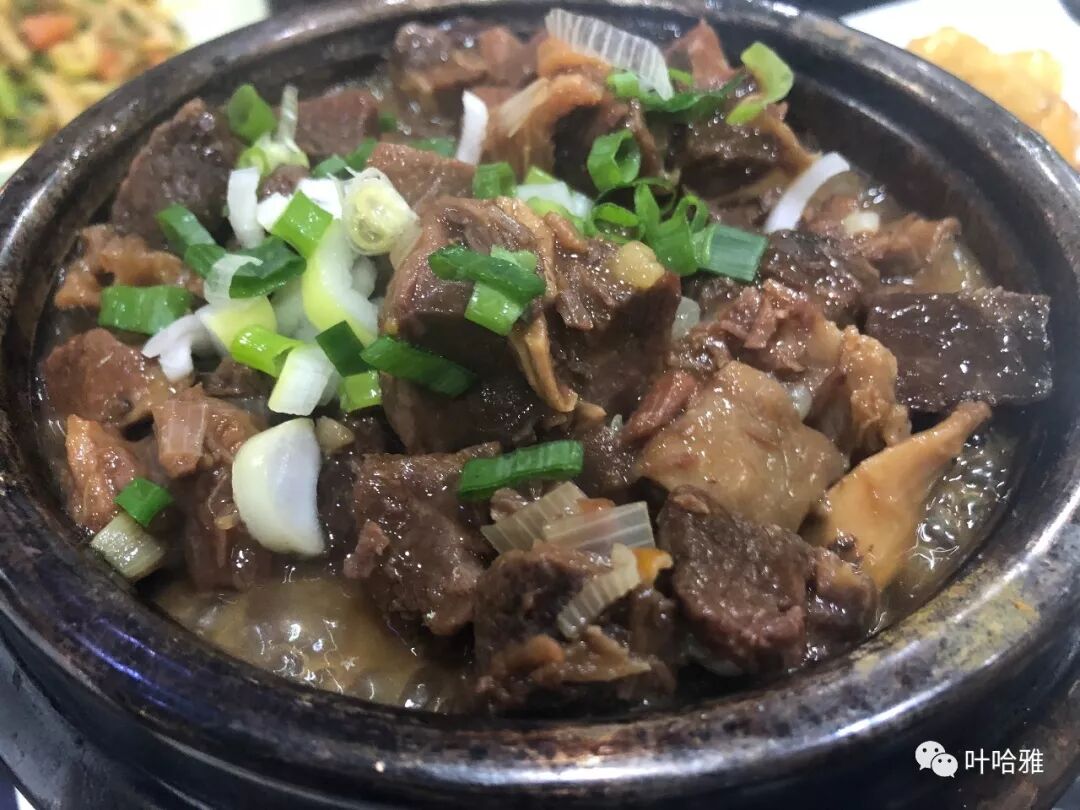
The signature beef dish has a layer of stewed beef on top and pumpkin underneath. It tastes a bit sweet, and the beef is stewed until very tender.
Stir-fried konjac with green beans is fresh and tasty.
Overall, this restaurant is good. It is in the city center and has a wide variety of dishes. We were all very satisfied, and for four people, it cost 60 yuan each.
Address: Southeast corner of Central Square, Wulan Street.
After checking into my hotel, I visited the Jining District Grand Mosque. The mosque is at 87 Chaoyang Street. You can see it from far away on a high spot after crossing a railway. This is the 239th mosque I have visited.
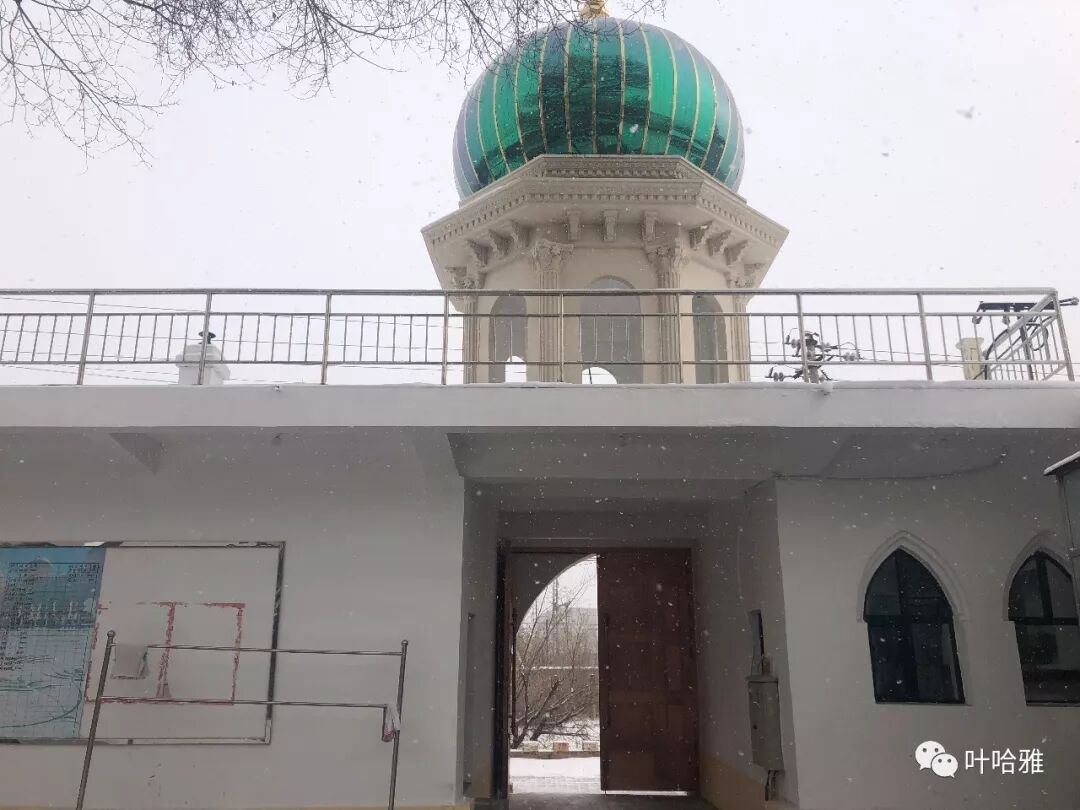
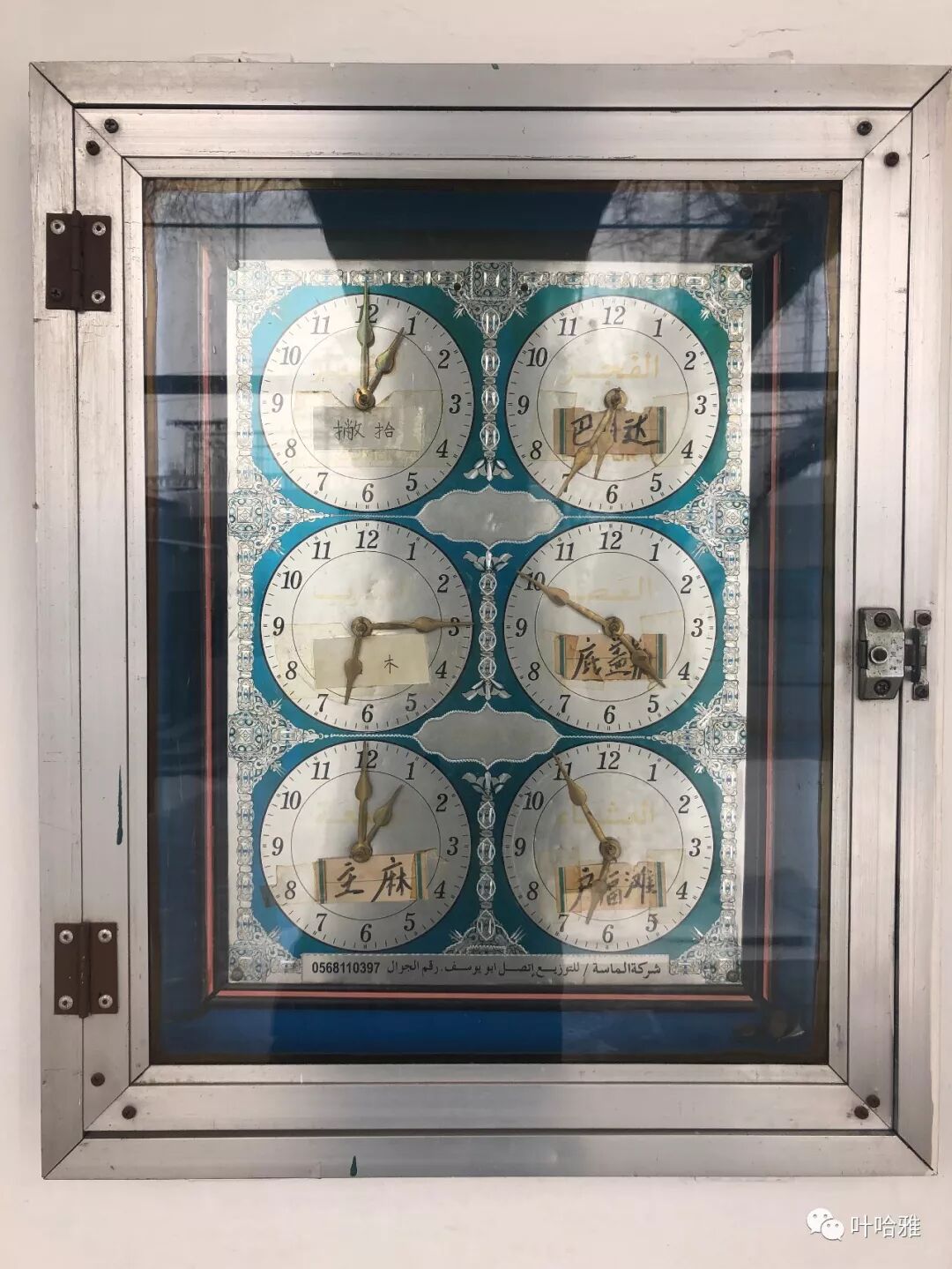
There are two mosques in Jining District. The other one is smaller, and the two are not far apart.
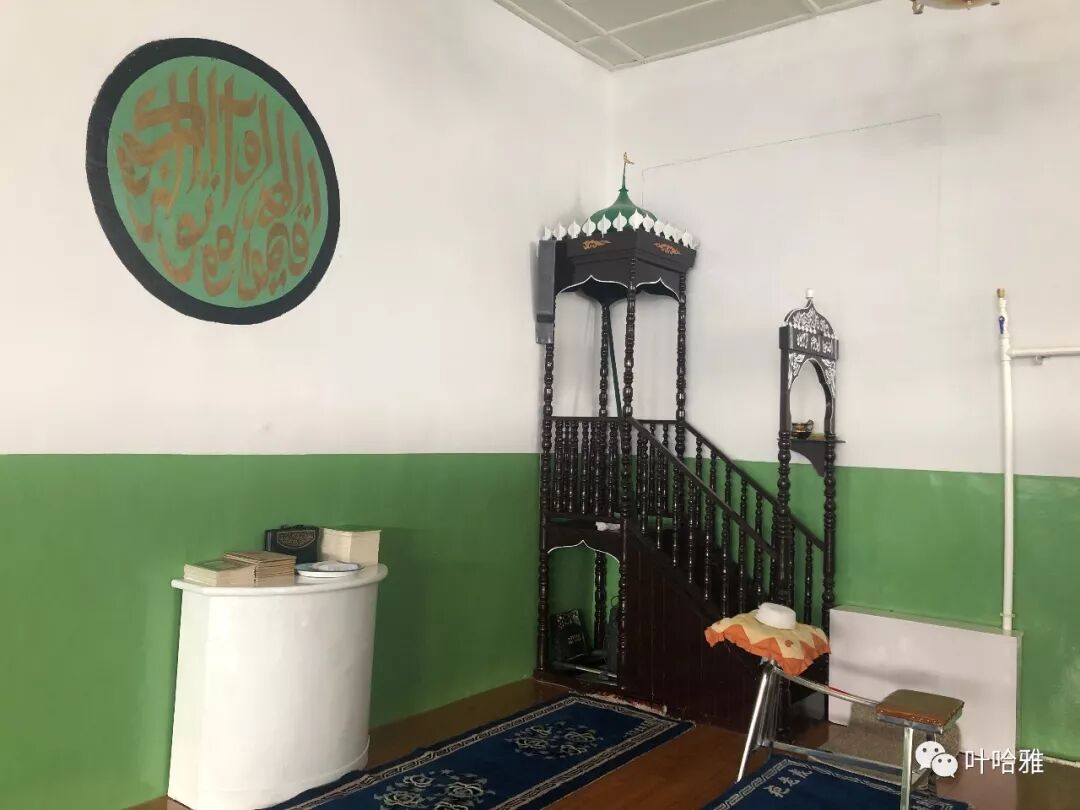
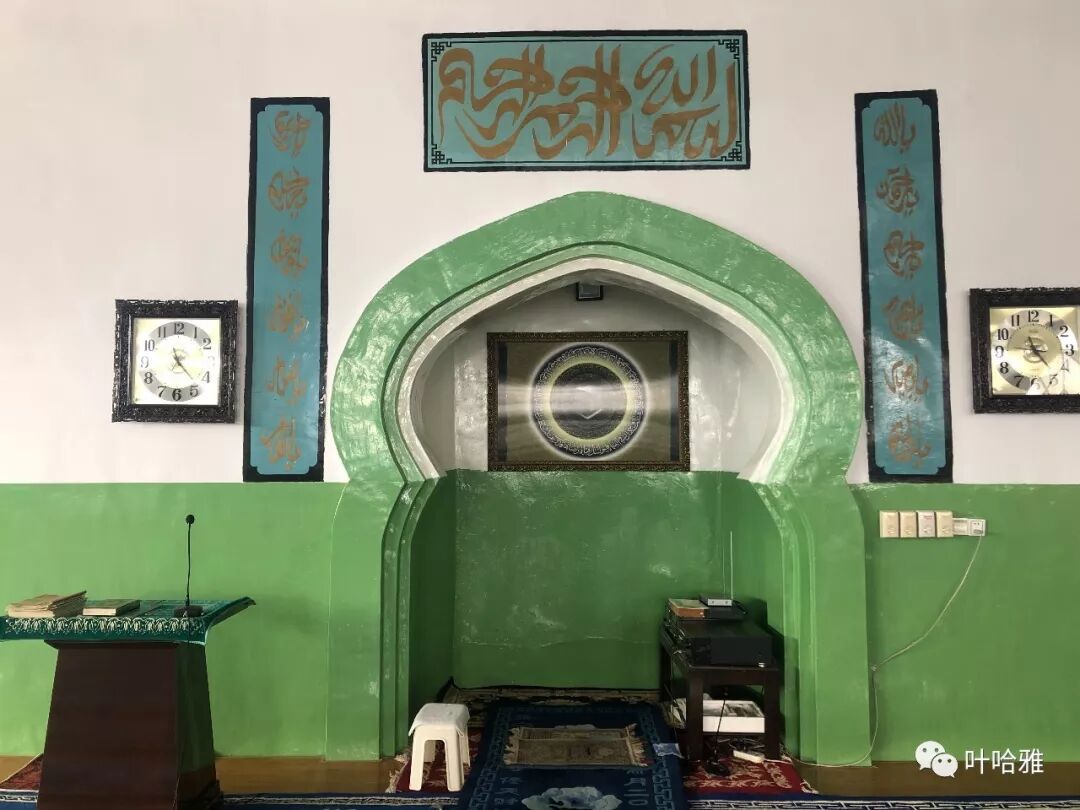
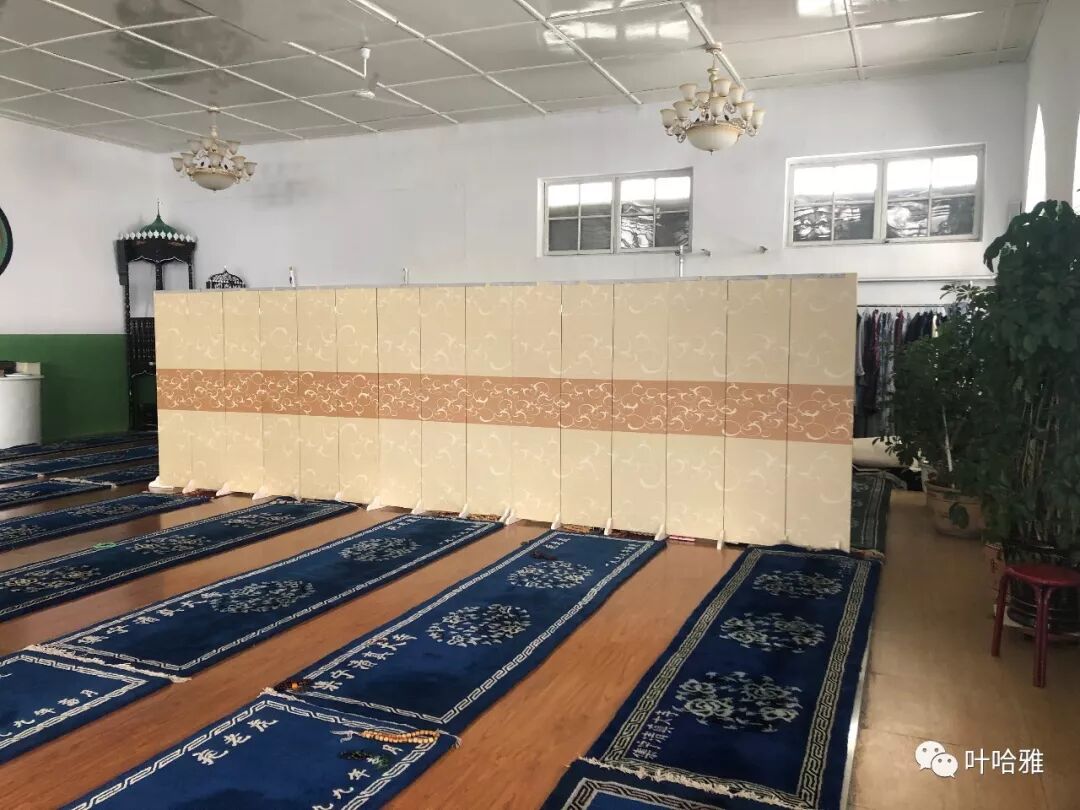
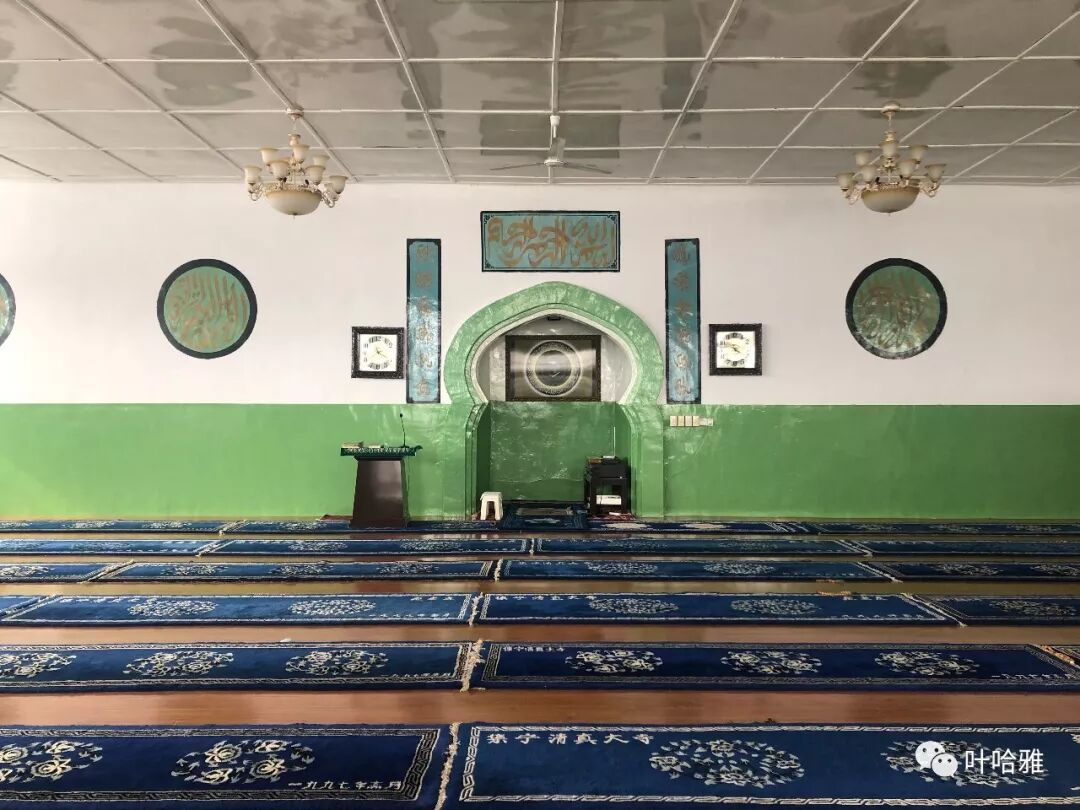
After performing two rak'ahs of prayer, I went to ask the imam about good local restaurants. This is one of my ways to find halal food. However, the imam said he had not been here long and only knew of a nearby ramen shop; he did not know about other places. Speaking of this, I remembered some small mosques I have visited in small towns. Those small mosques usually only have one imam. The imam's daily life is very monotonous. He leads the five daily prayers every day without a break all year round, and he cannot afford to get sick. He has no entertainment and just looks forward to a guest coming to the mosque so he can have someone to talk to.
Deshunzhai Halal Hot Pot.
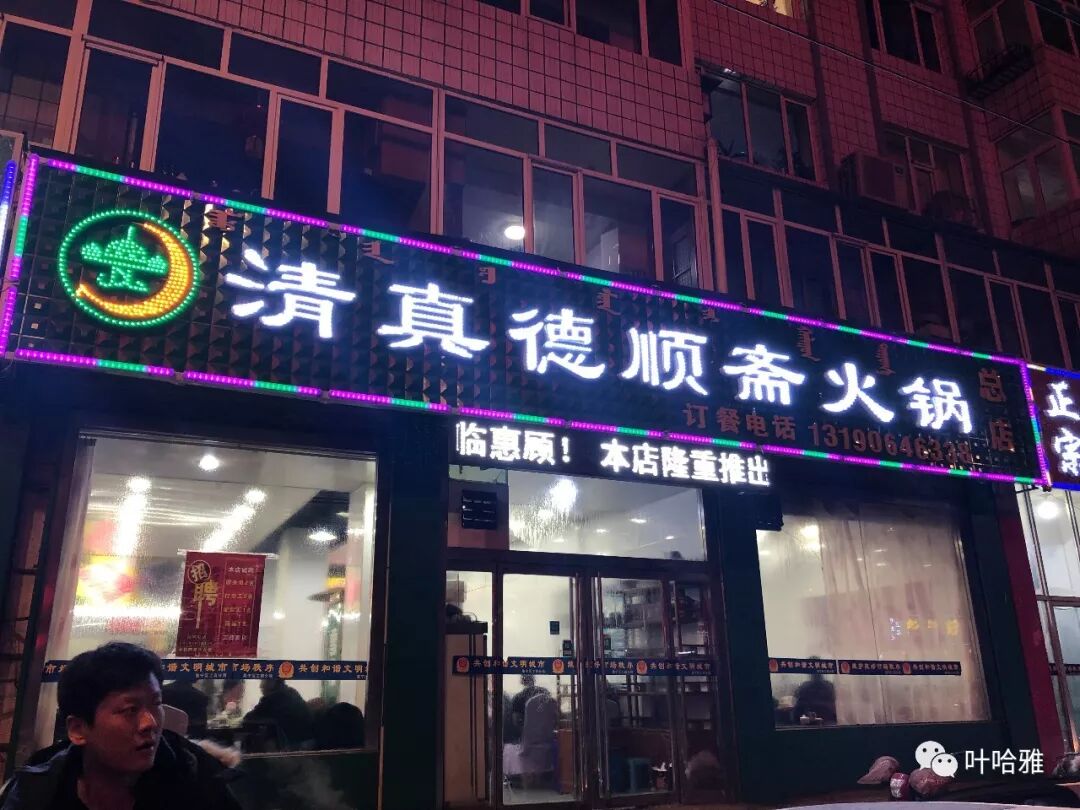
Although mutton hot pot (shuan yangrou) is a Beijing specialty, its roots were invented by the Mongols. For a Beijing mutton hot pot place to do well, it must use lamb from Inner Mongolia.
This Deshunzhai Hot Pot is a local chain, and we chose to eat at the main branch.
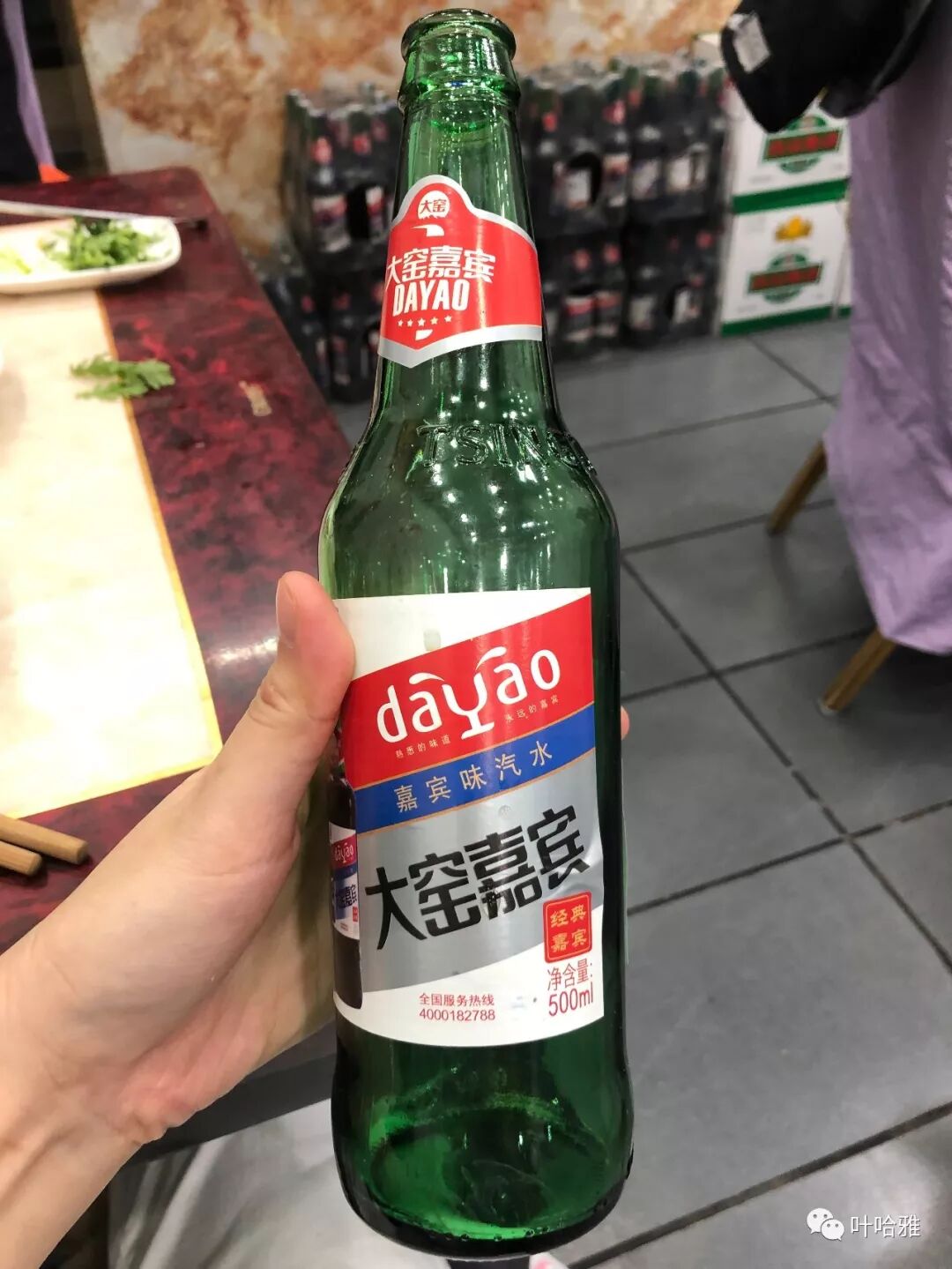
Dayao Jiabin is a local drink from Inner Mongolia. There is also one called Zhencheng Jiabin. I once posted a picture on Weibo of myself drinking Zhencheng Jiabin in Baotou, and netizens pointed out that Zhencheng Jiabin is a fake.
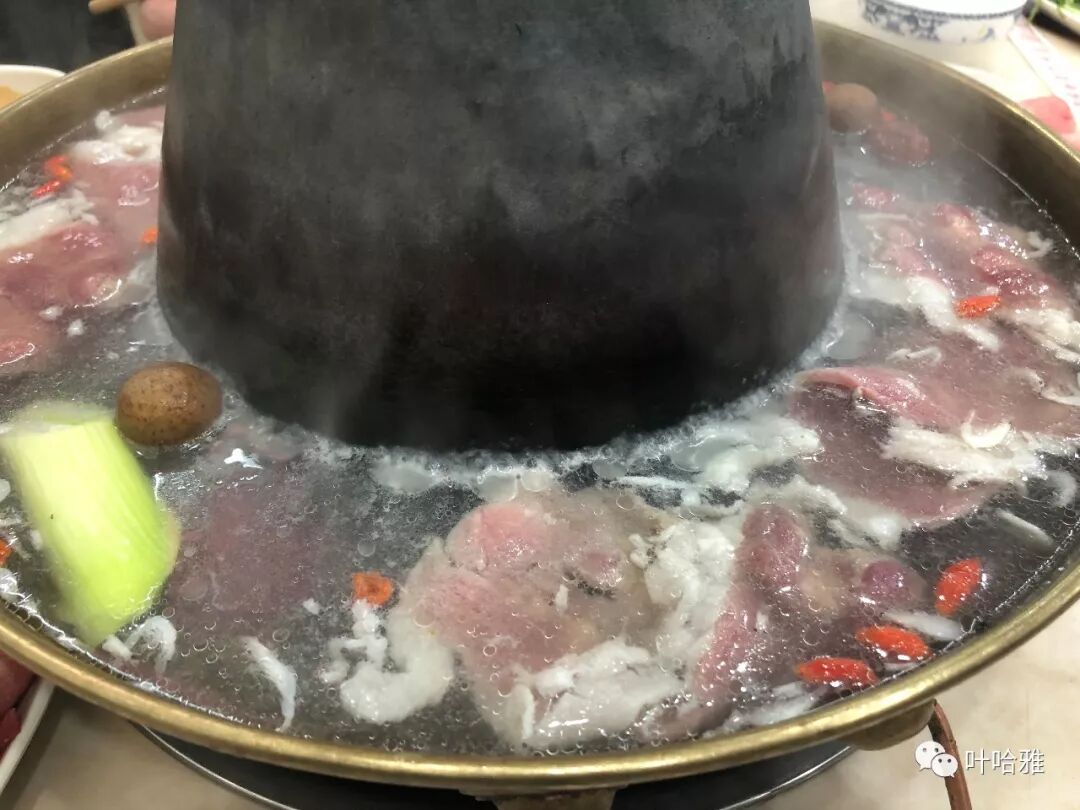
This was the most comfortable meal we had. The food tasted great, the meat was fresh and had no gamey smell, and the price was very affordable. The four of us bought a set meal for only 135 yuan. It included two plates of lamb, one plate of beef, and several portions of vegetables, meatballs, pickled cabbage (suancai), and hand-rolled noodles (shouganmian). If we ate like this in Beijing, it would cost at least 500 yuan.
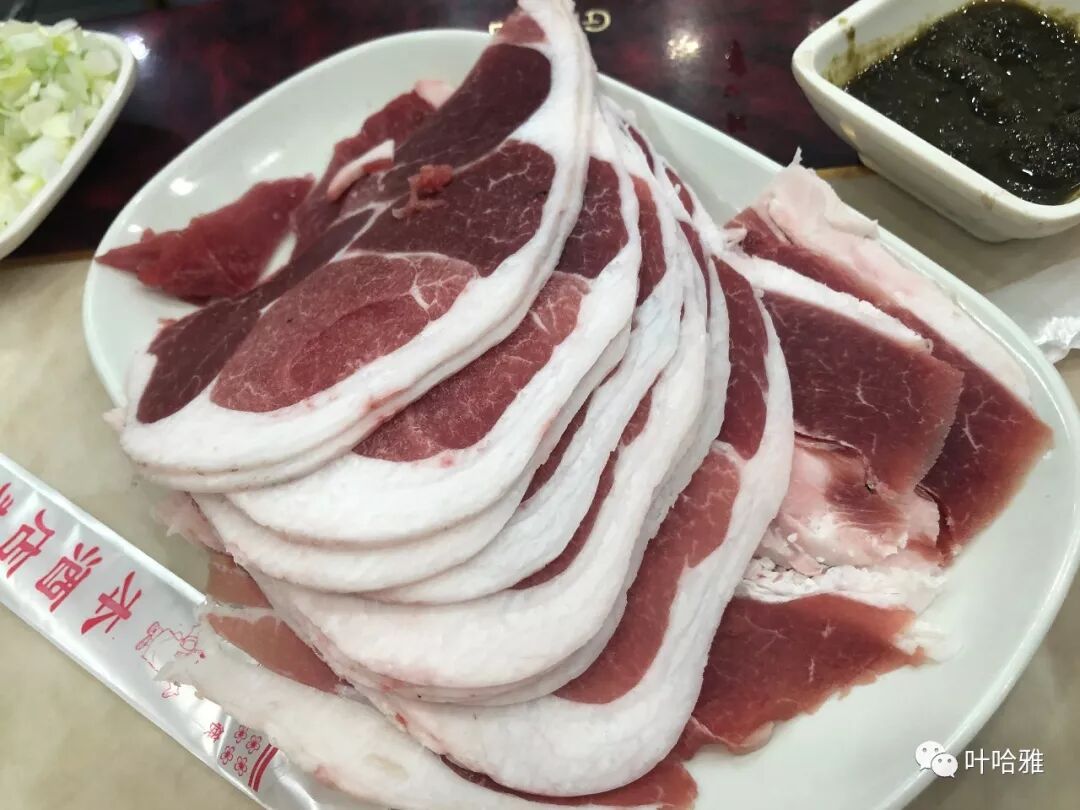
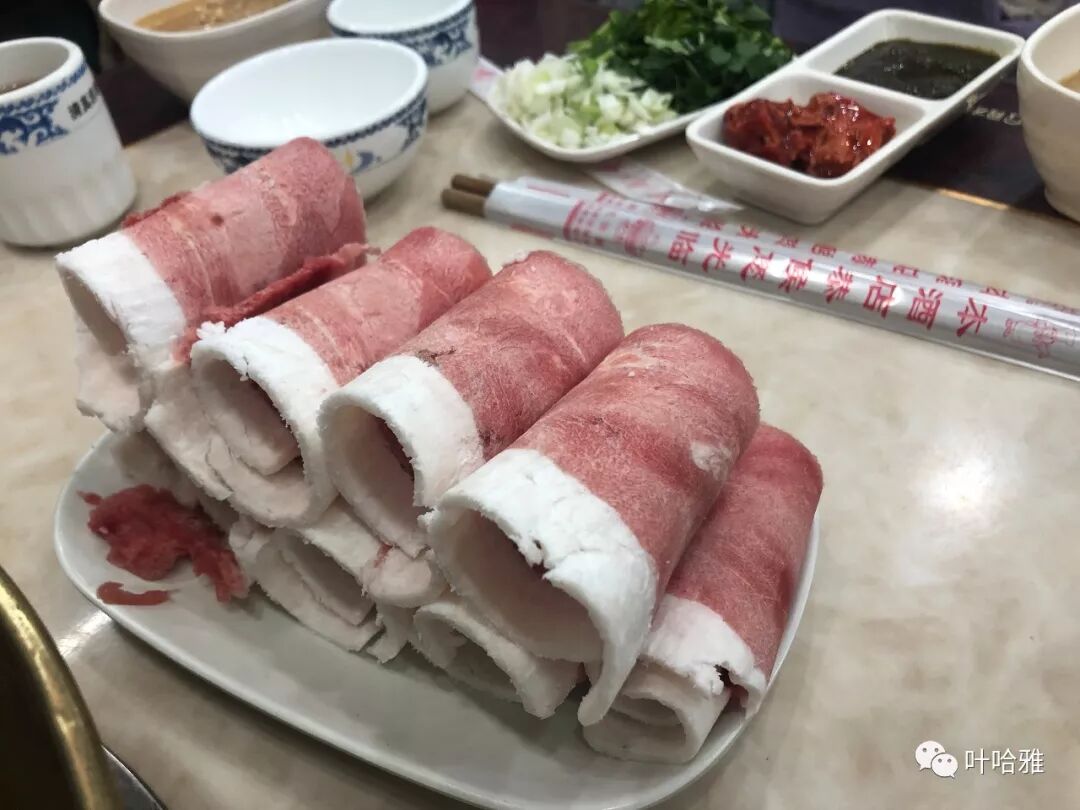
We ate three servings of their hand-rolled noodles and added two extra portions of pickled cabbage. Everything was delicious. If I come back to Wumeng, I will definitely visit again.
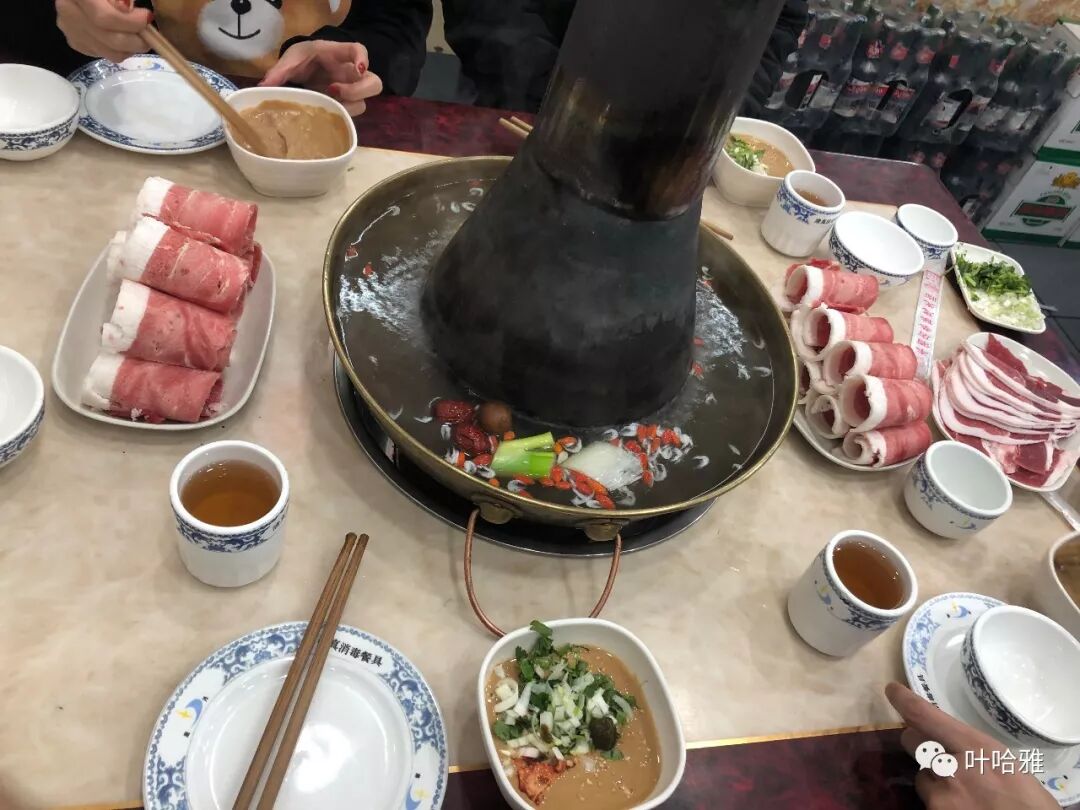
Address: Opposite the component factory on Qima Road (opposite the former Dongpo Restaurant).
Lianying Shaomai Restaurant.
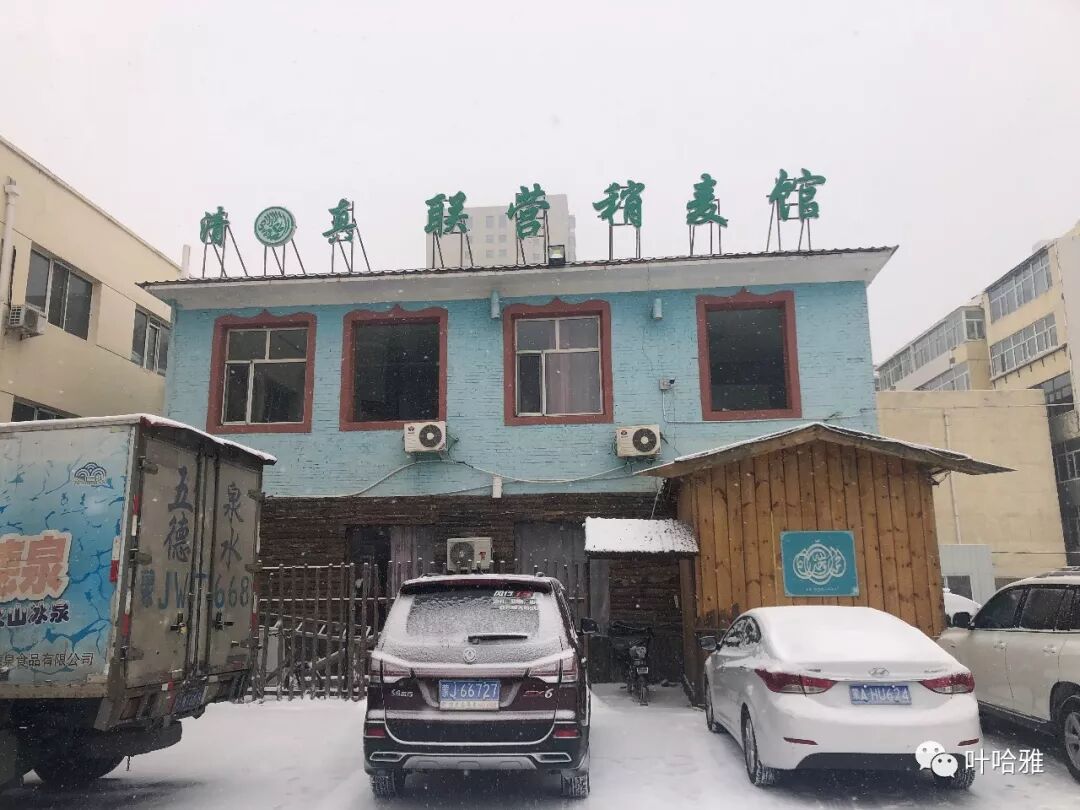
Steamed dumplings (shaomai) are also called shaomei. The most famous ones are from Hohhot. I found this Lianying Shaomai Restaurant on a local food recommendation list. It is located inside the Planning Commission compound in Jining District. I ate breakfast here for two days in a row.
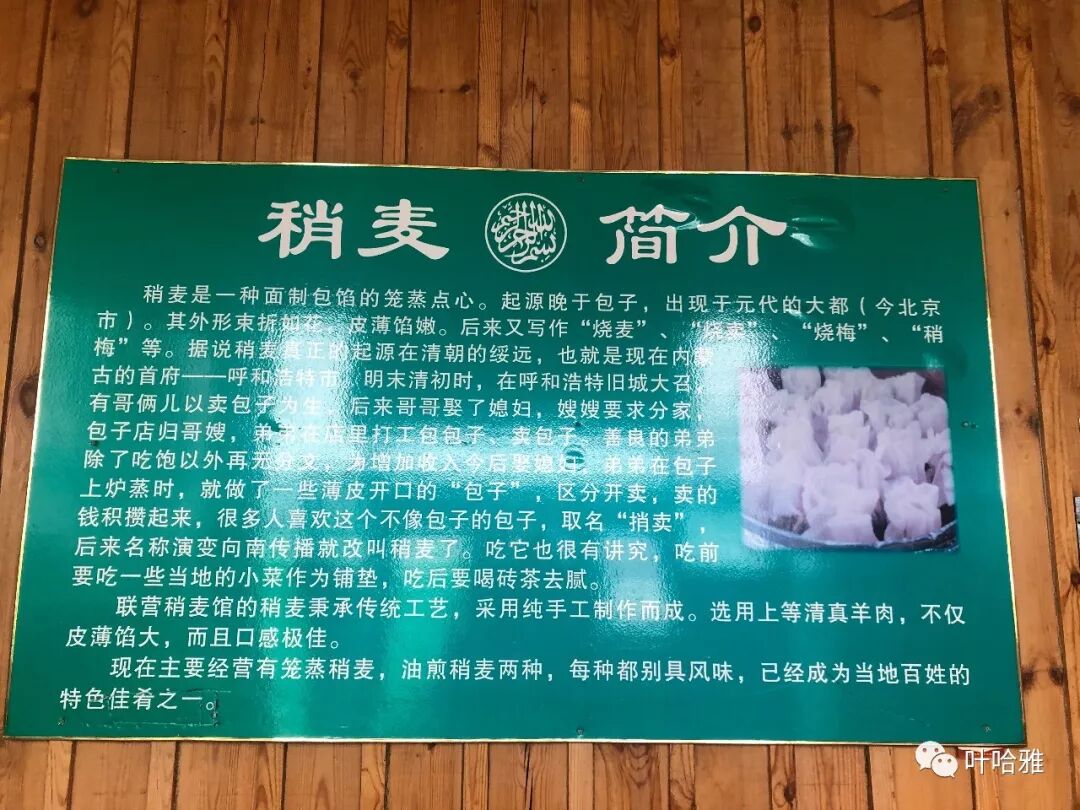
Lianying Shaomai Restaurant only sells steamed dumplings. They have regular lamb, premium lamb leg, beef, and vegetarian mixed steamed dumplings.
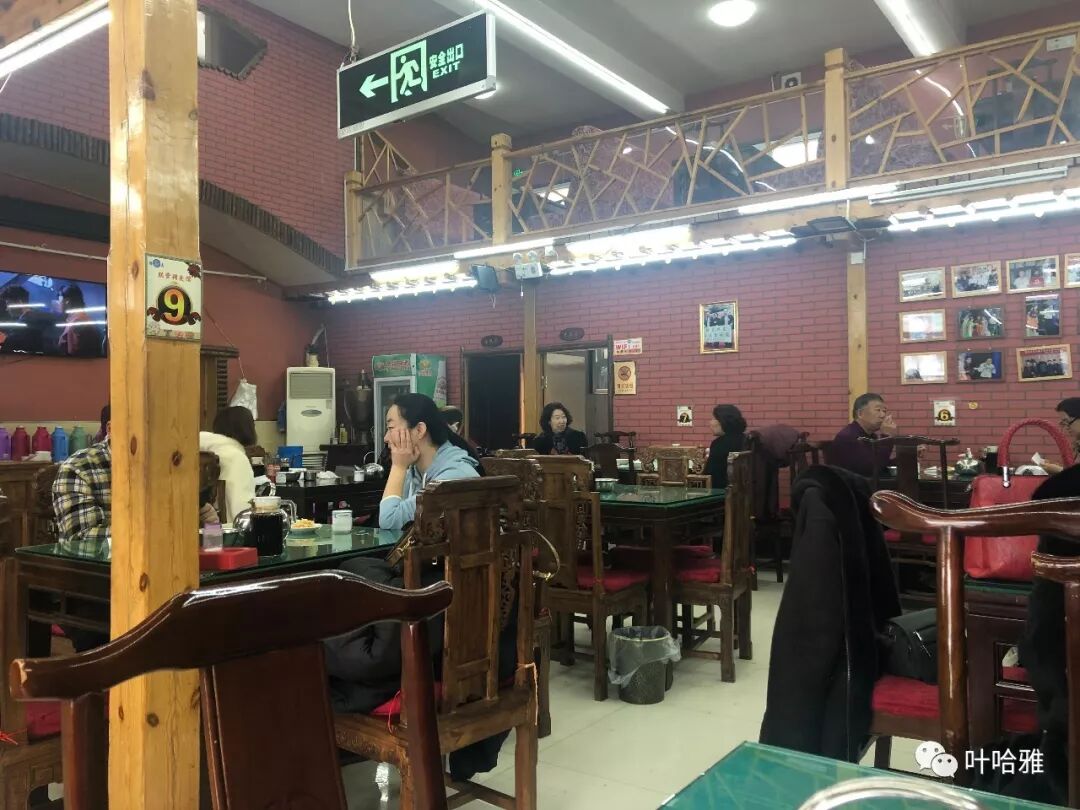
I tried every kind. My favorite was the lamb leg steamed dumplings, which cost 20 yuan per liang. One liang is one steamer basket. You get free porridge and side dishes when you eat steamed dumplings. People in Inner Mongolia are so generous.
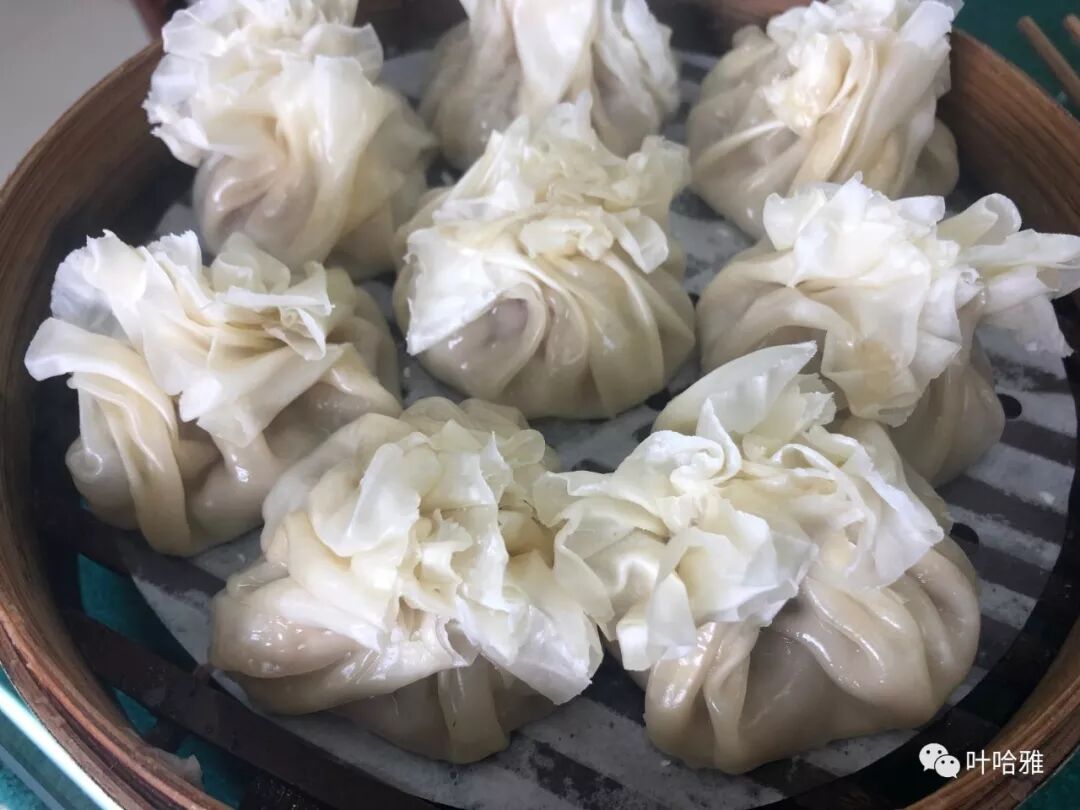
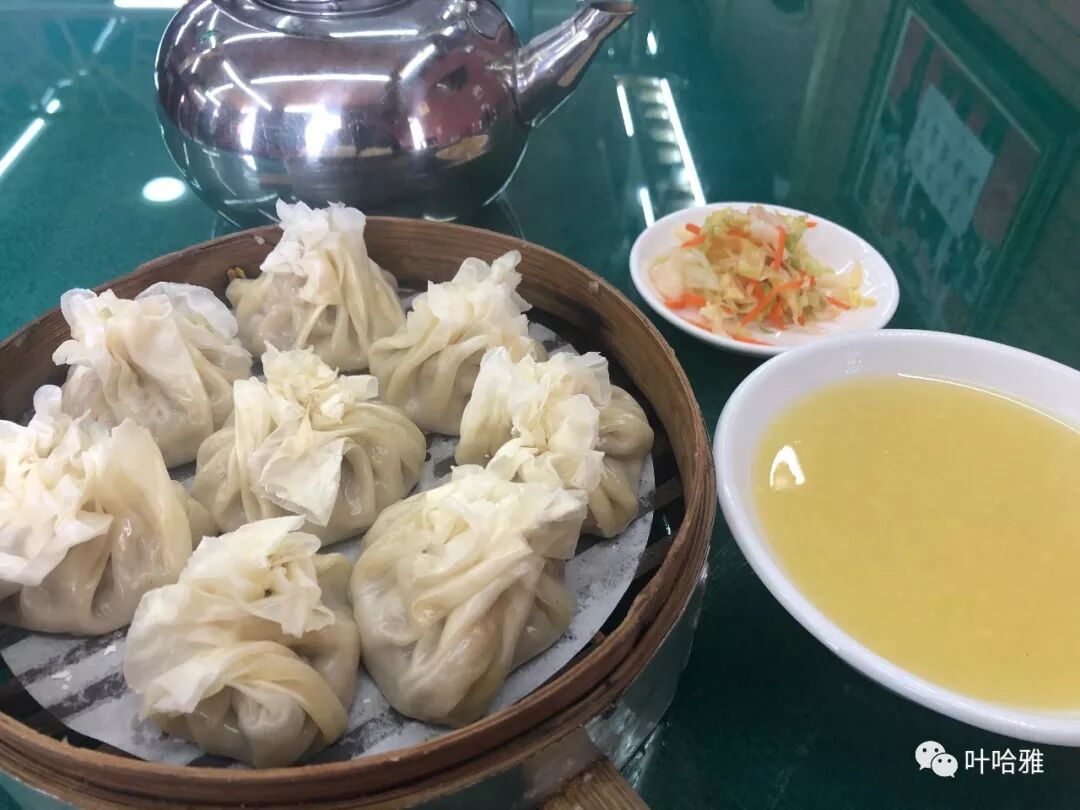
The four of us finished 7 liang of steamed dumplings and wanted to order more at the end, but the waiter told us they were closed. Breakfast is served until 10 a.m., and then you have to wait until noon. If you want pan-fried steamed dumplings, you have to come early. Pan-fried steamed dumplings cost 2 yuan more per liang.
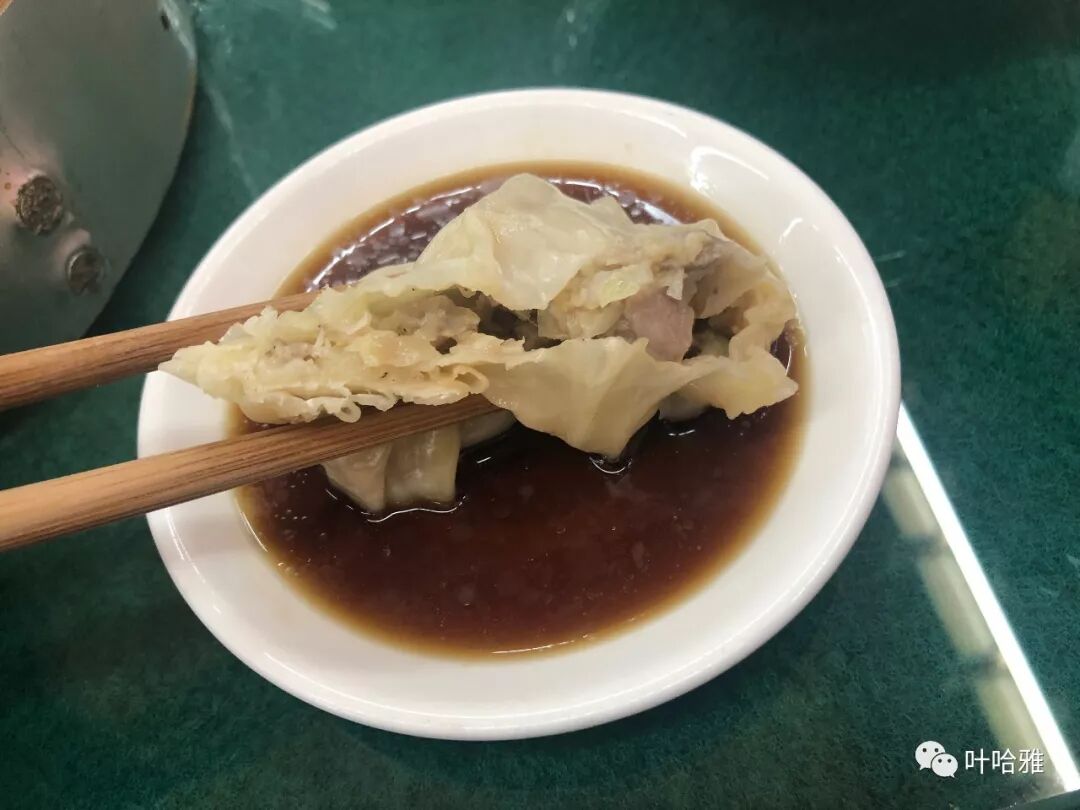
Address: Planning Commission Hotel, Jining District, Ulanqab City (west of Enhe Century Square).
Jingsheng Restaurant.
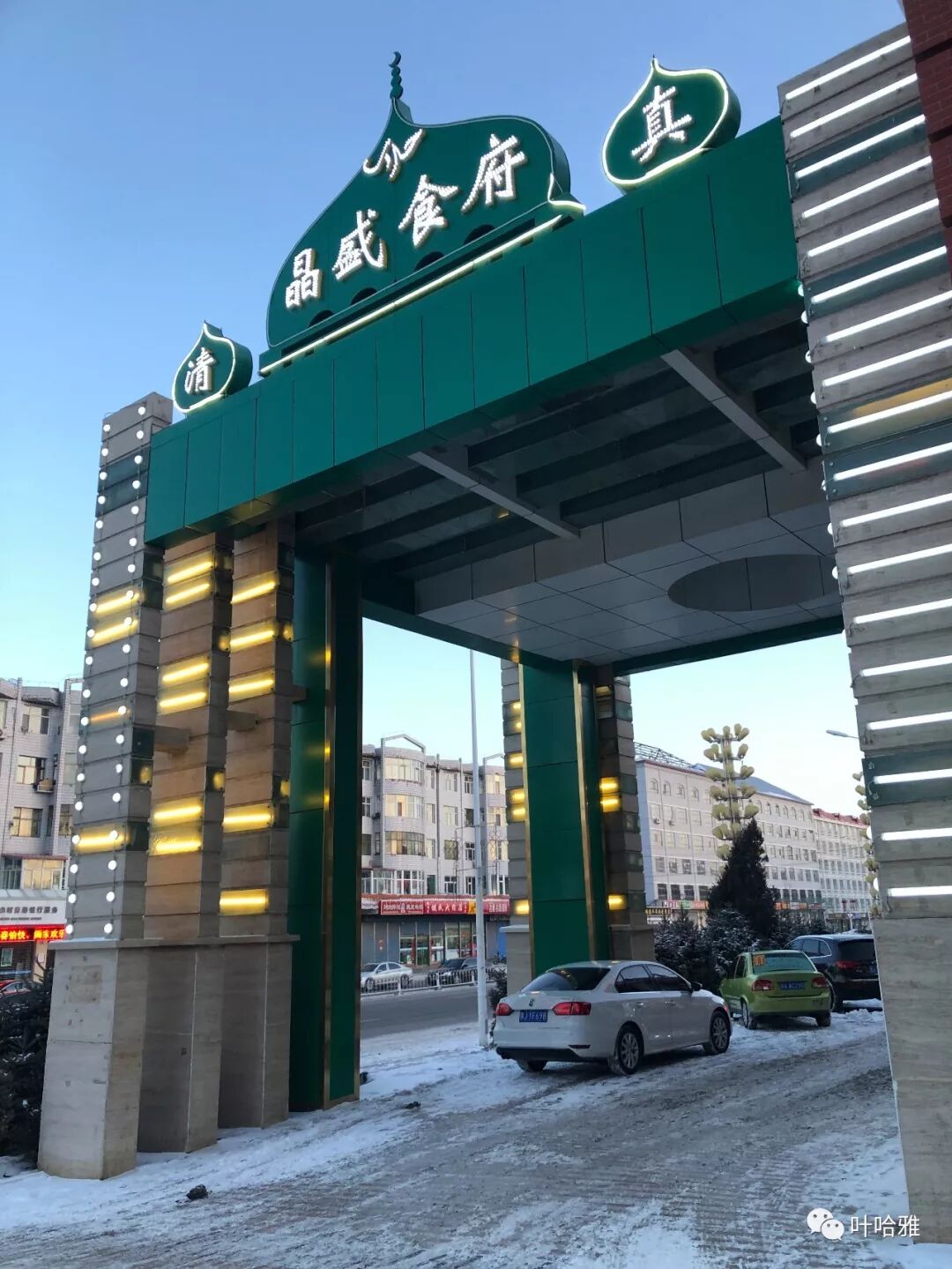
Finding this place was a total surprise because there was no halal information for it on Dazhong Dianping. We saw it while driving by. I do not understand why a restaurant with such a big sign has so little information on Dazhong Dianping. It seems locals do not use the app much, as many restaurants do not even have pictures online, which made me think they were closed. Seeing it in person was a complete surprise.
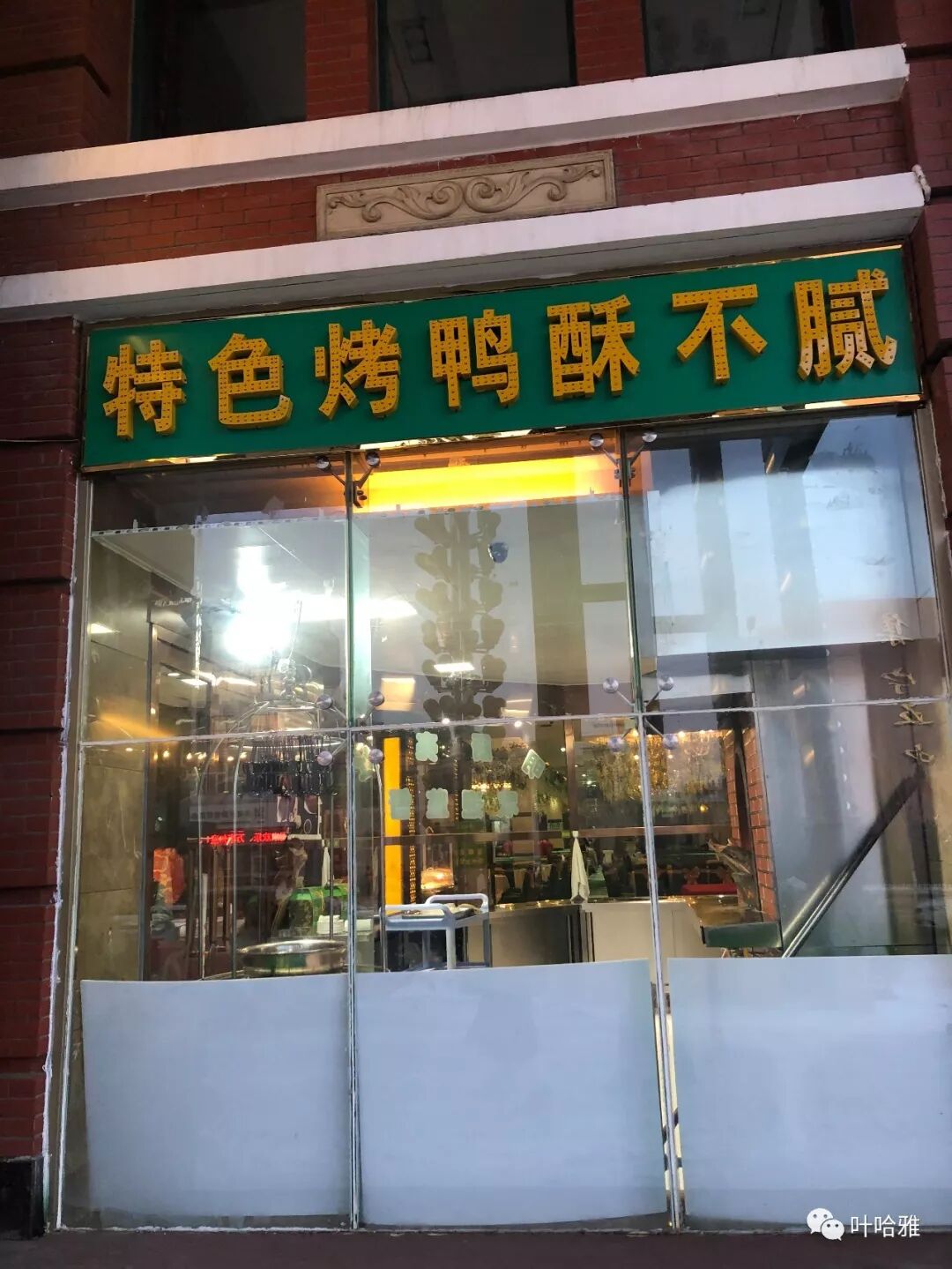
They have roast duck, but since we are guests from Beijing, we should stick to beef and lamb here.
The interior is very spacious and consists entirely of private rooms. It feels a lot like the restaurant layouts in Xining, offering privacy where no one disturbs each other.
The menu focuses on Northwest-style flavors.
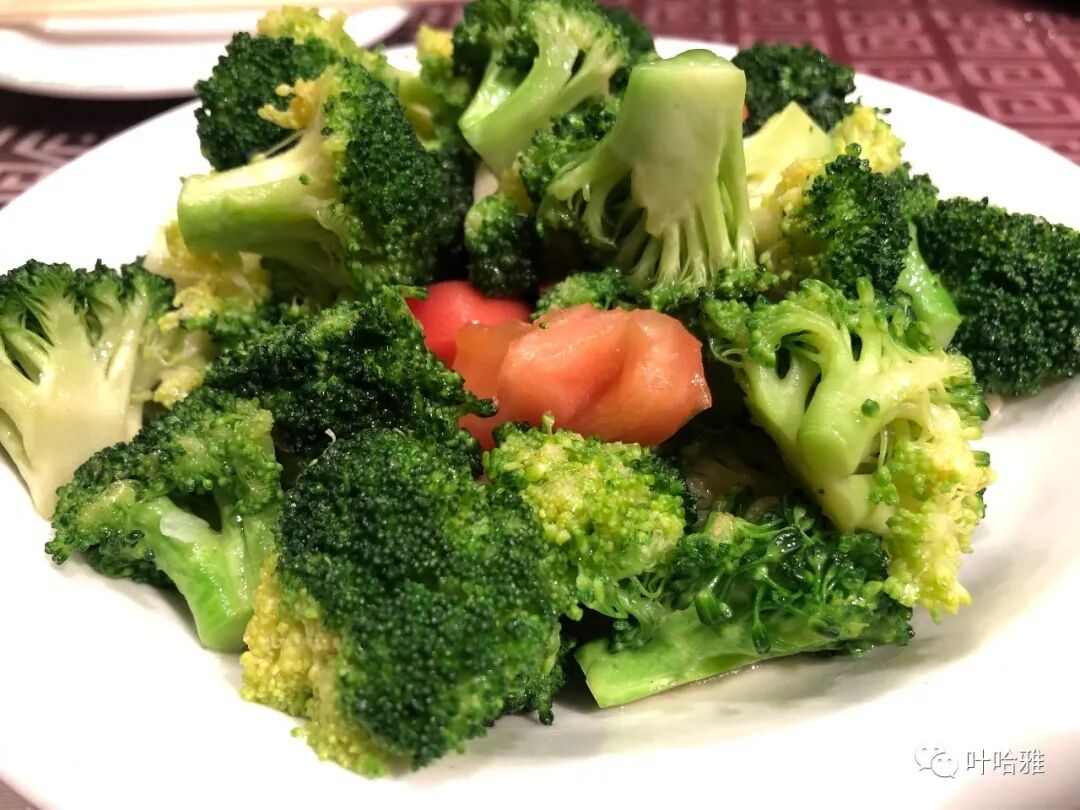
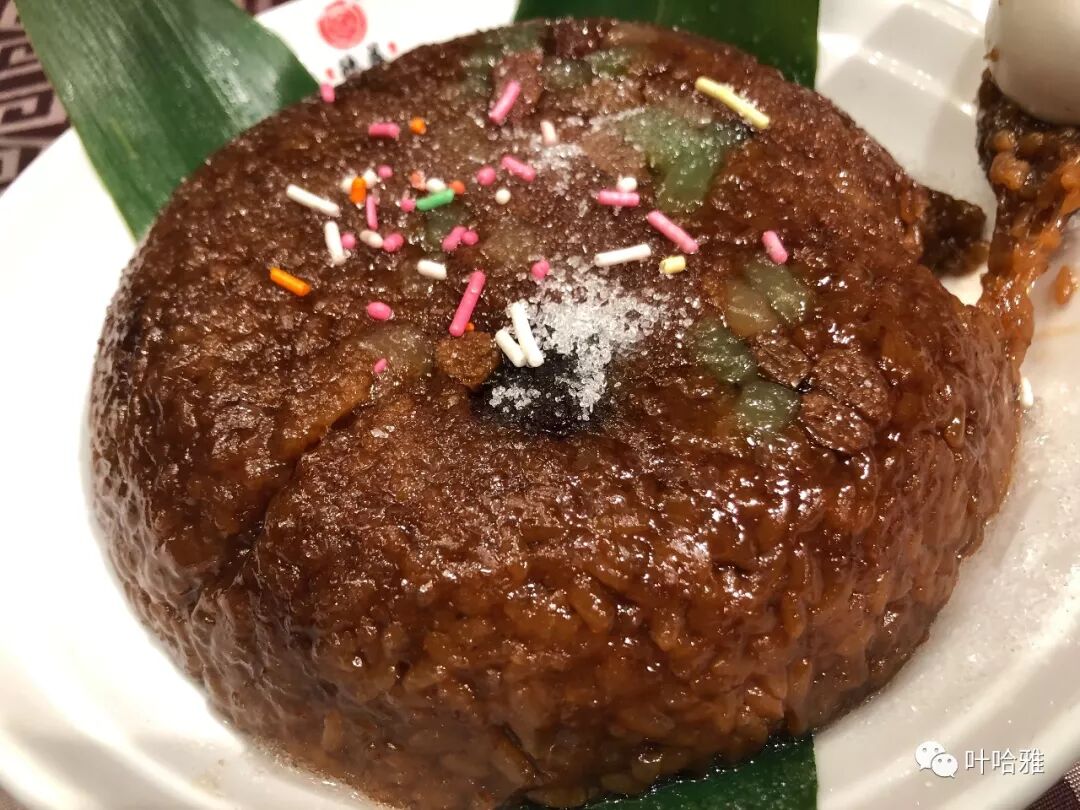
I ordered the pilaf (zhuafan) from the menu, but they brought out eight-treasure sweet rice instead. I asked a friend from Inner Mongolia and learned that they call this kind of rice pilaf locally. But the real question is, how are you supposed to grab such sticky rice? Still, it tasted great.
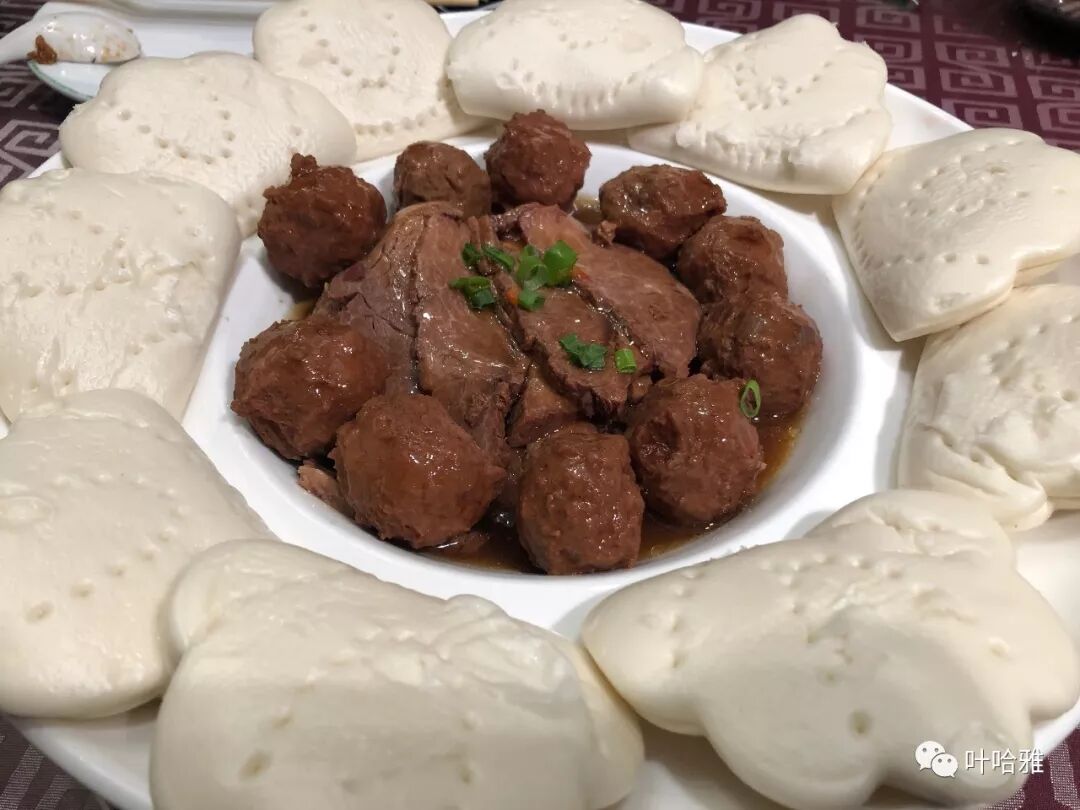
I really loved this dish called hometown-style beef meatballs (huixiang niurouwan). Eating them tucked inside a soft steamed bun (momo) is incredibly delicious. The beef is tender and melts in your mouth.
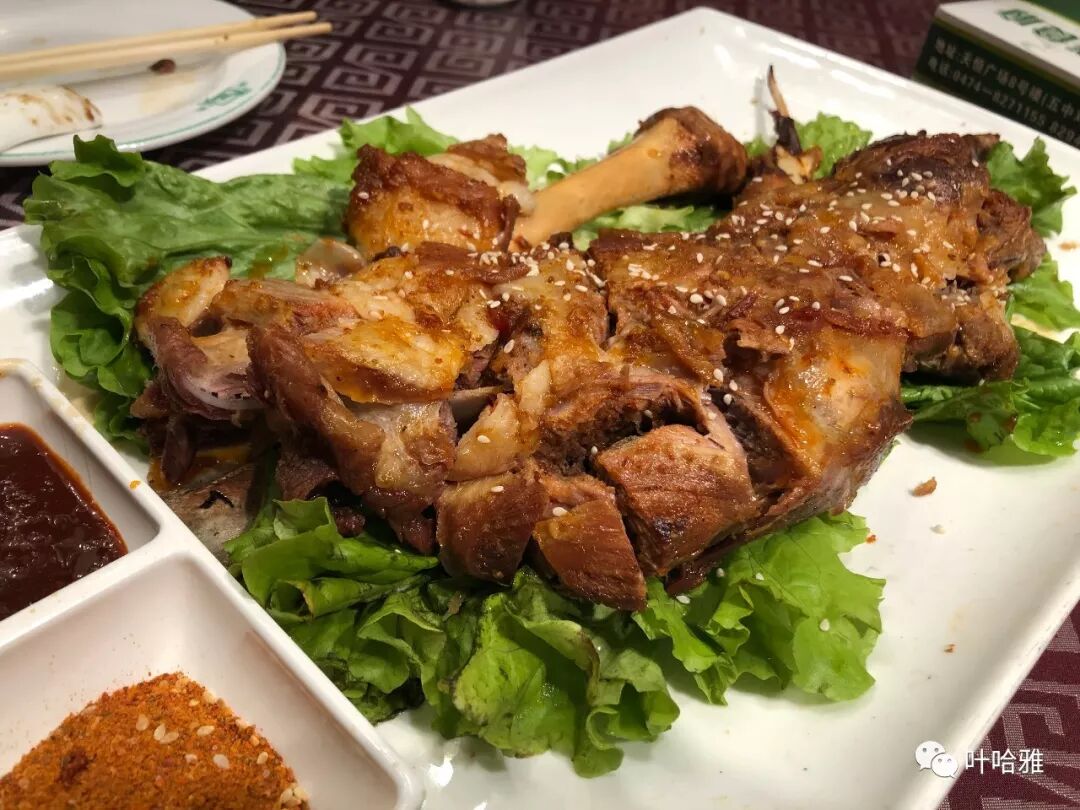
Eating lamb in Inner Mongolia never disappoints. This roasted lamb leg was exceptionally tasty and cost less than half the price it would in Beijing.
Xingyuefang
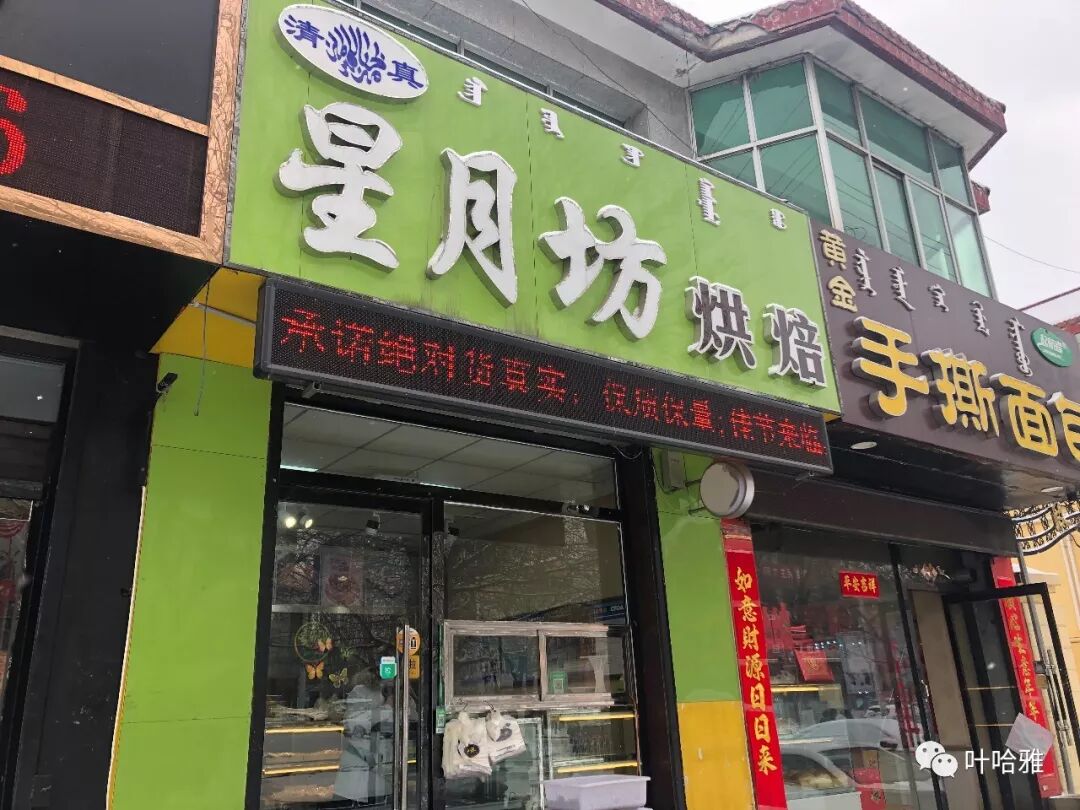
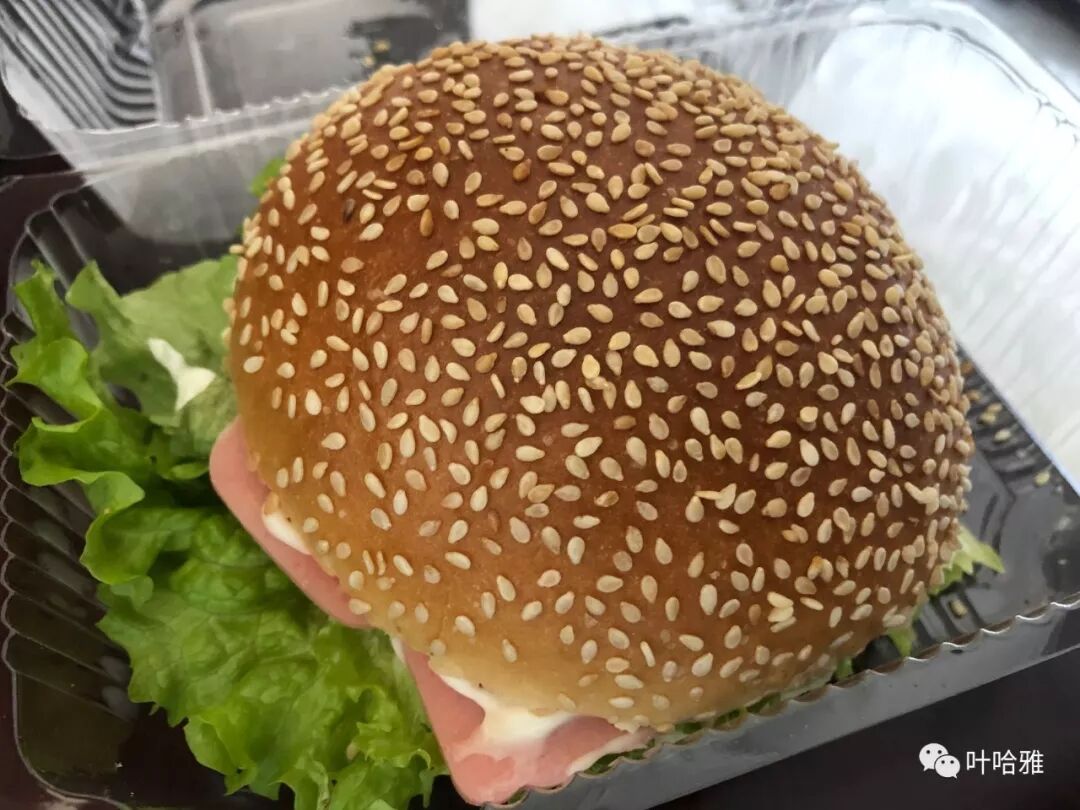
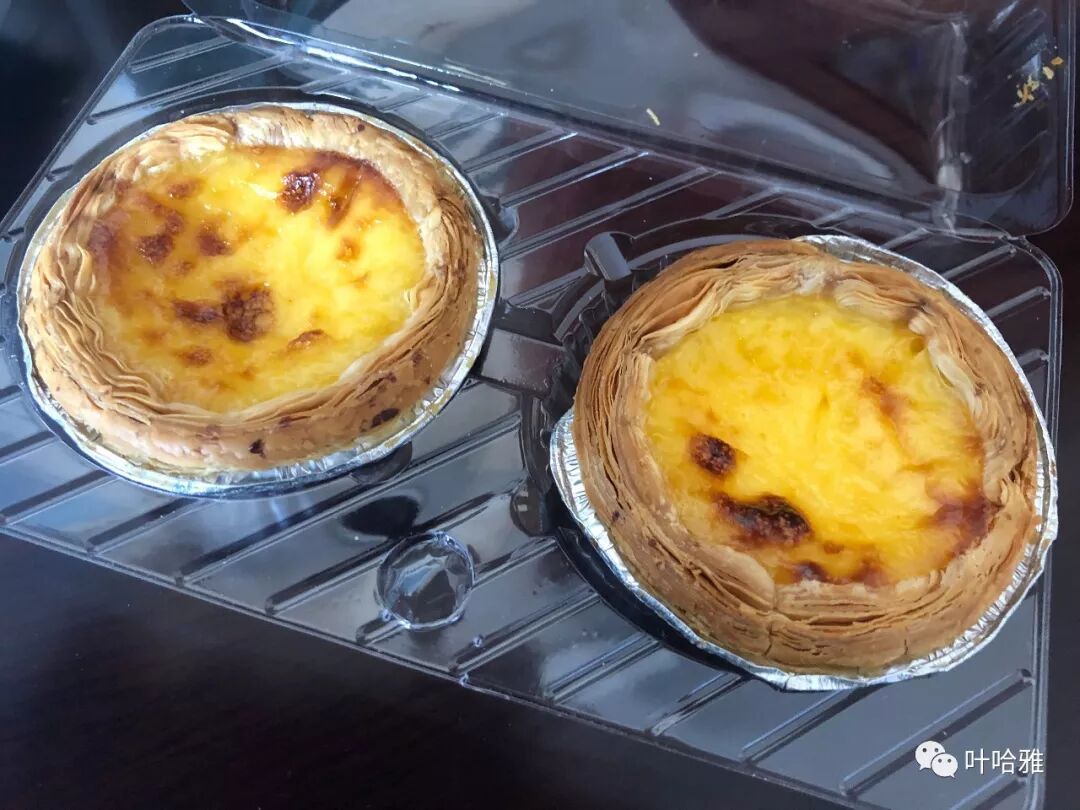
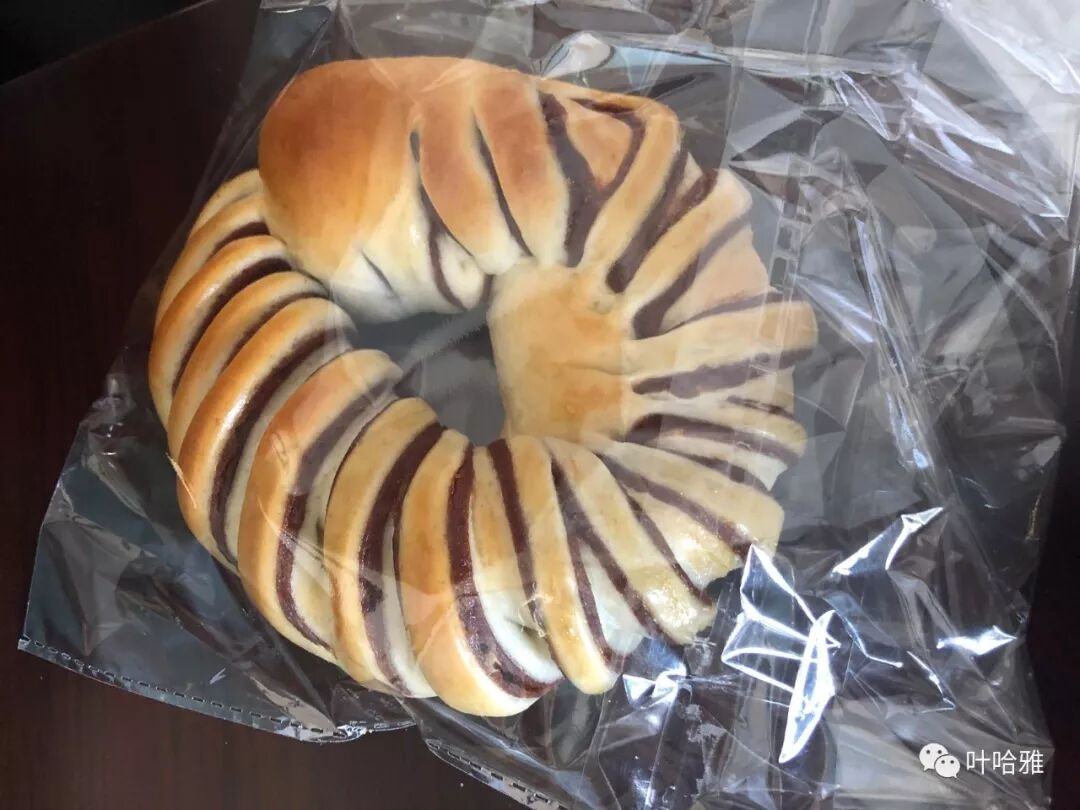
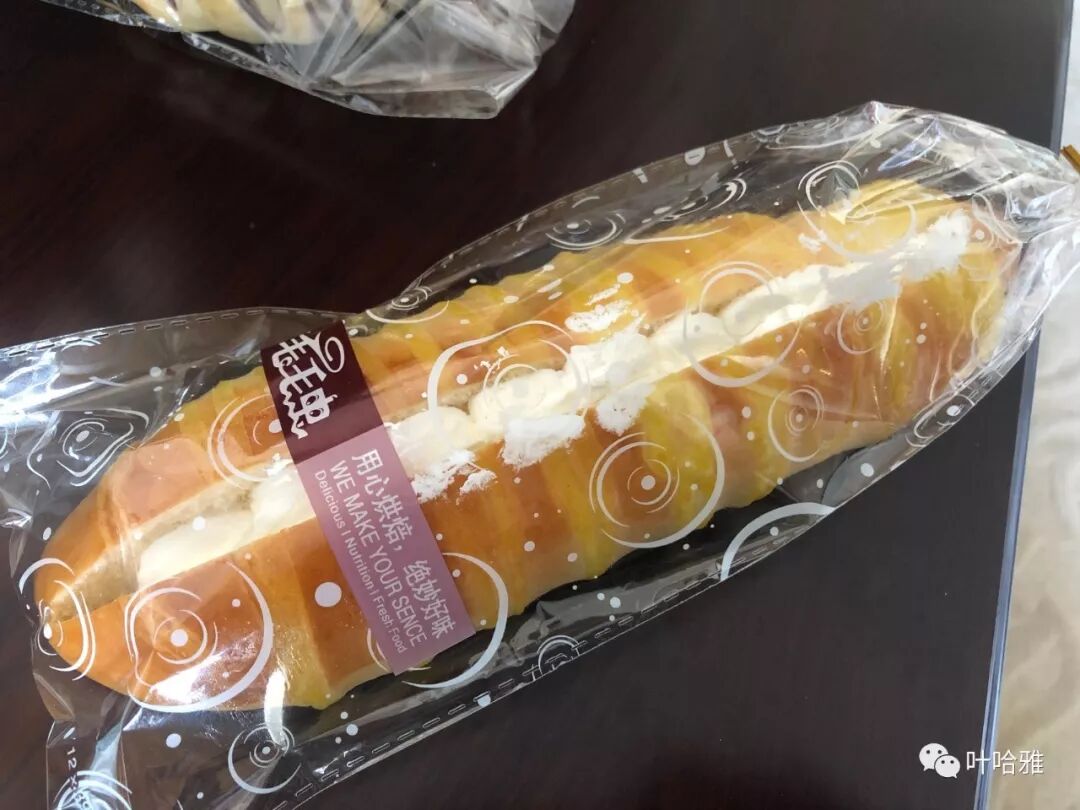
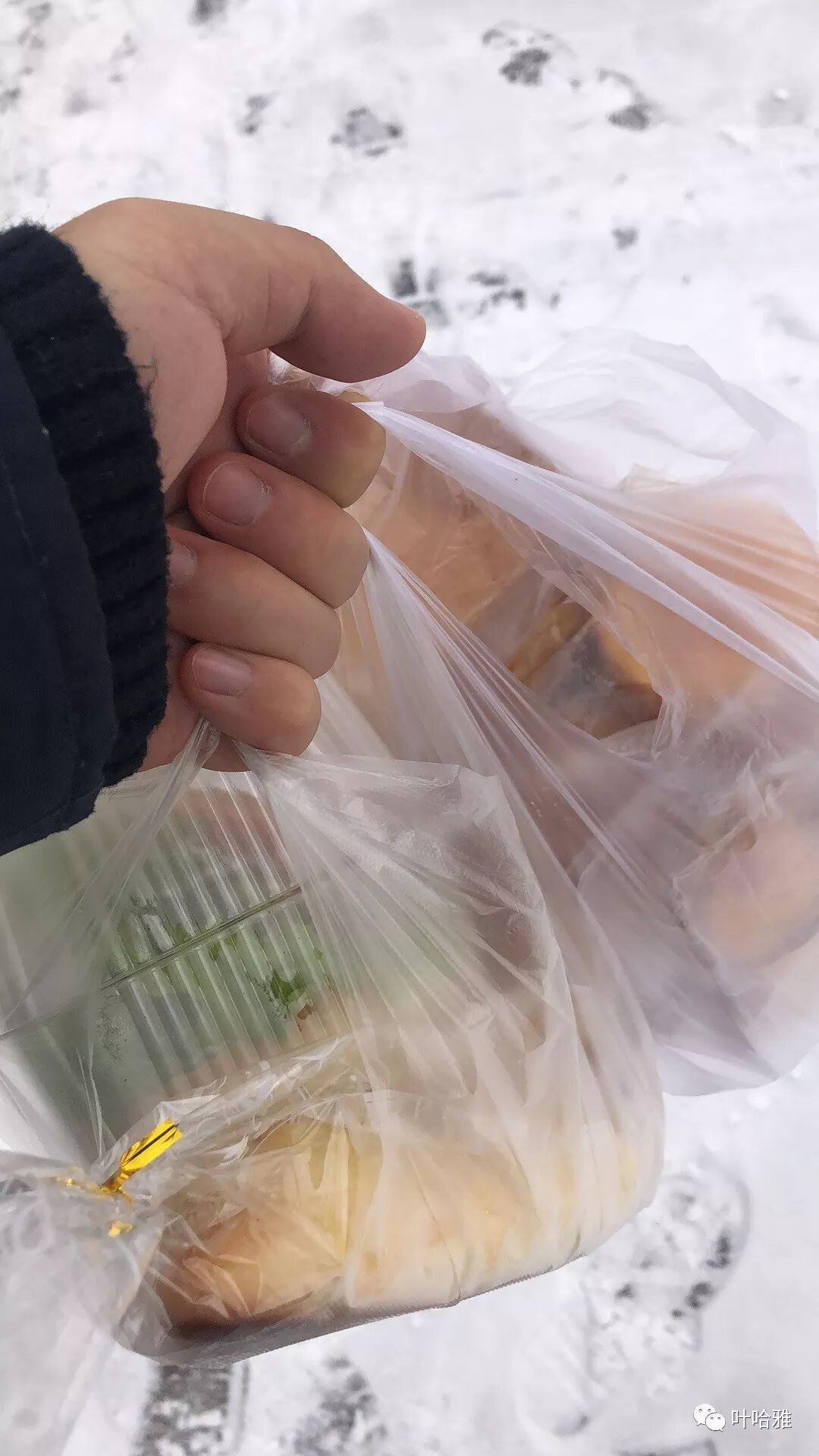
This is a local shop selling halal cakes and pastries. I first bought a burger, two egg tarts, and a caterpillar bread. When I paid, they told me it was 11 yuan total. I was surprised it was so cheap. After walking a few hundred meters, I thought I should buy more for the road, so I went back and bought more cakes and bread. The whole pile only cost 32 yuan.
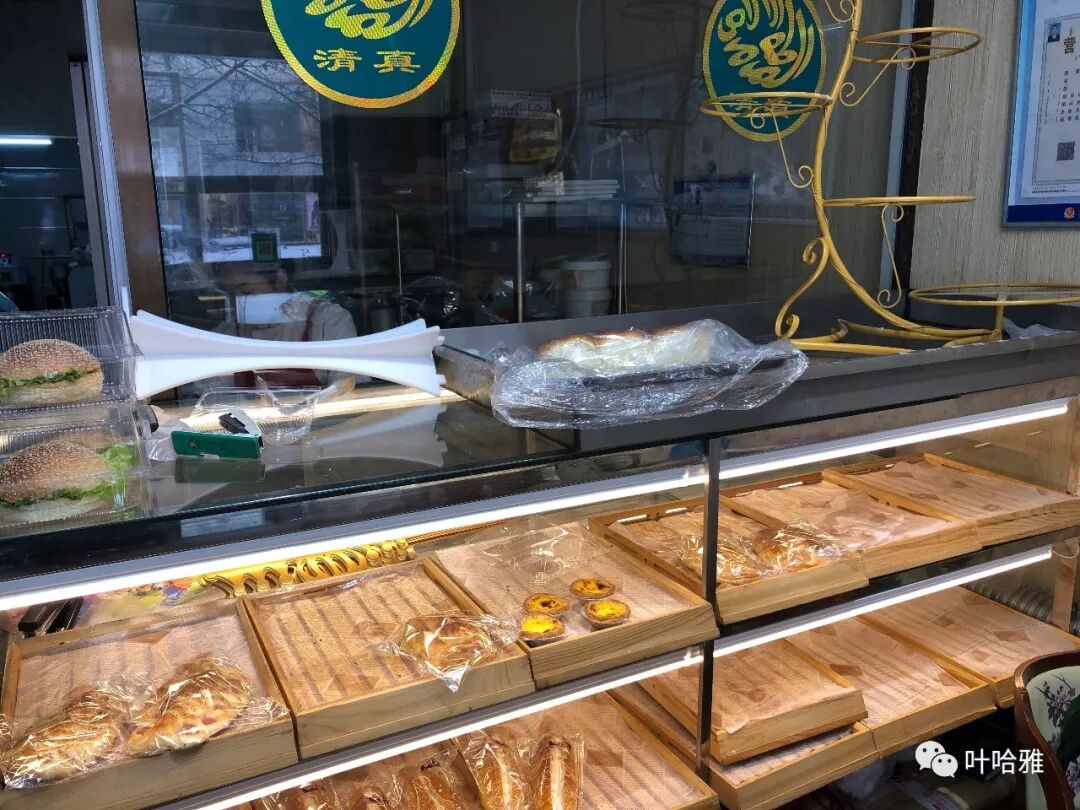
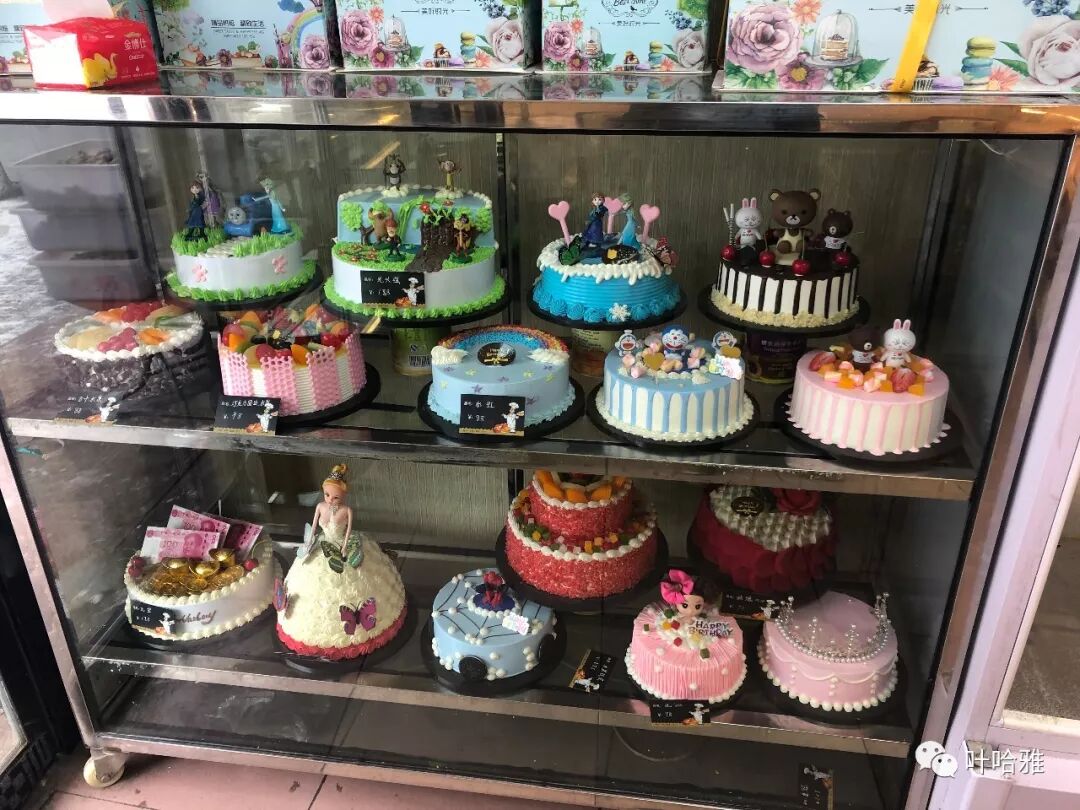
Address: No. 34 Wulan Avenue, Wulan Road.
With our snacks all packed, we originally planned to return to Beijing in two days. Unexpectedly, a heavy snow hit Wumeng and closed the highway back to Beijing, so we had to detour through Datong, Shanxi, before heading back to Beijing.
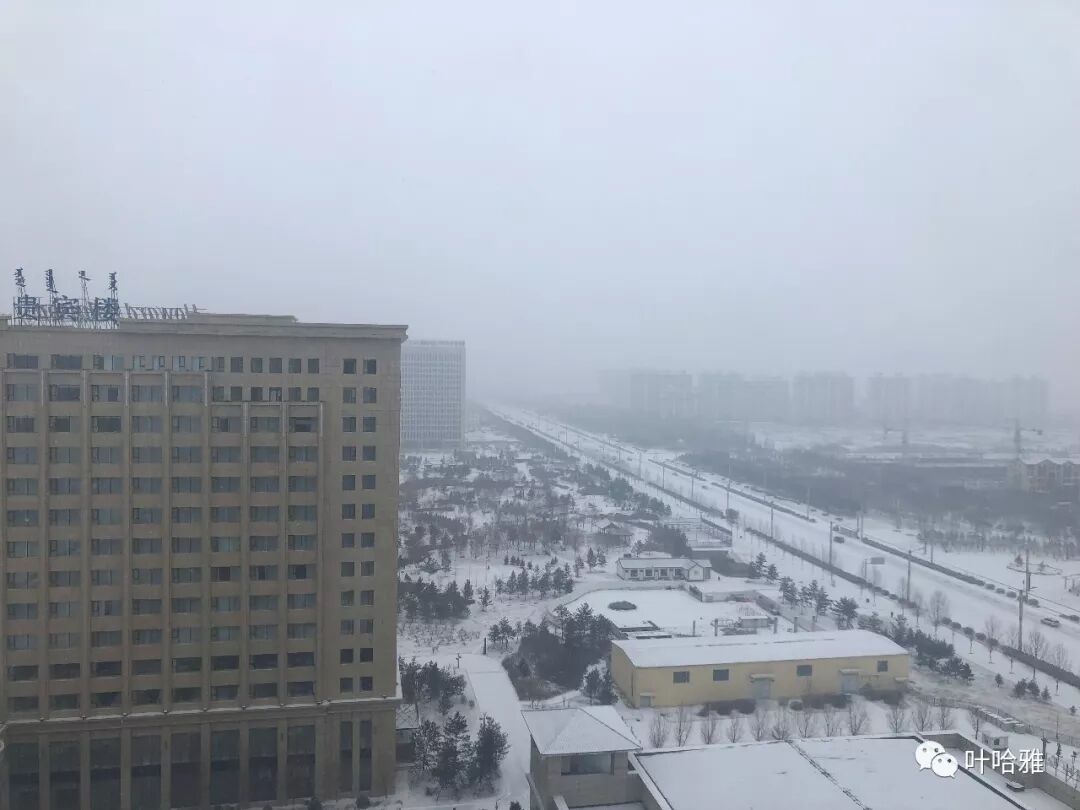
Actually, on the way to Wumeng, I suggested visiting Datong to see the ancient mosque there. After all, Datong is only 110 kilometers from Wumeng, just over an hour's drive. My travel companions weren't interested, but with the snow, the GPS automatically routed us through Datong to get back to Beijing. We had to go whether we wanted to or not—it was meant to be.
Our trip to Datong was worth it and everyone gained something from the experience. My friends were very happy with the hotel facilities. Datong is a tourist city with a stronger economy than Wumeng, so the hotels are better. The hotel was also close to the scenic spots and made shopping easy.
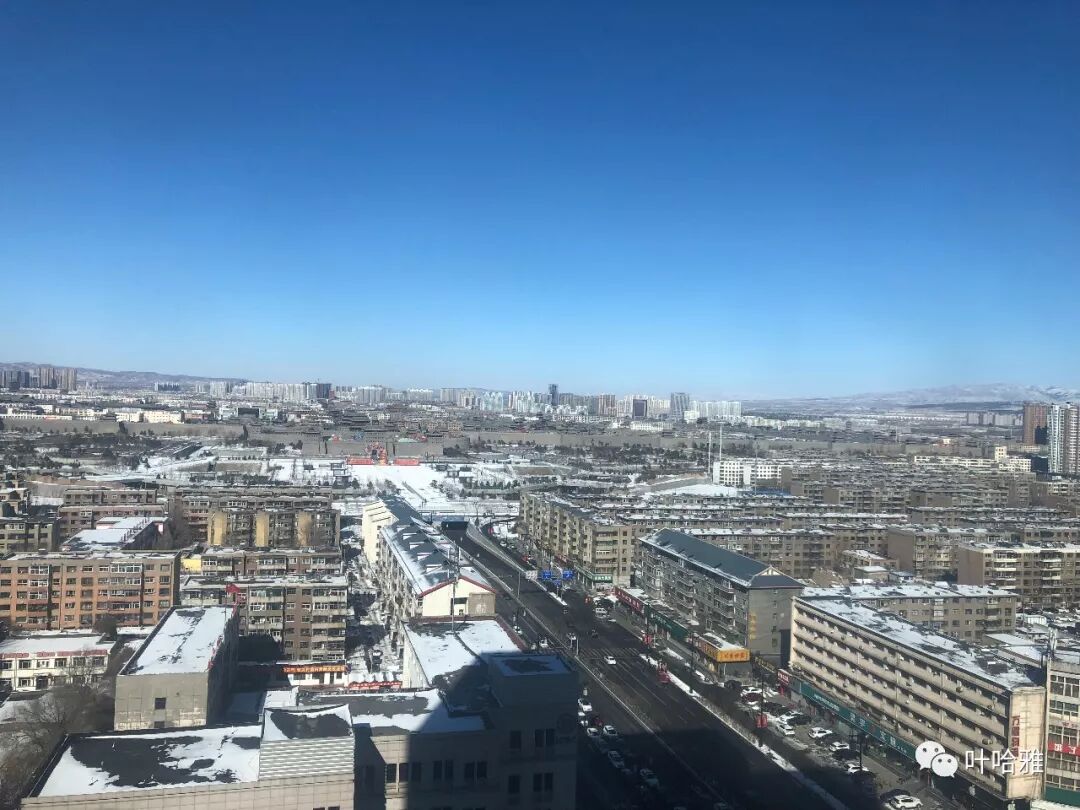
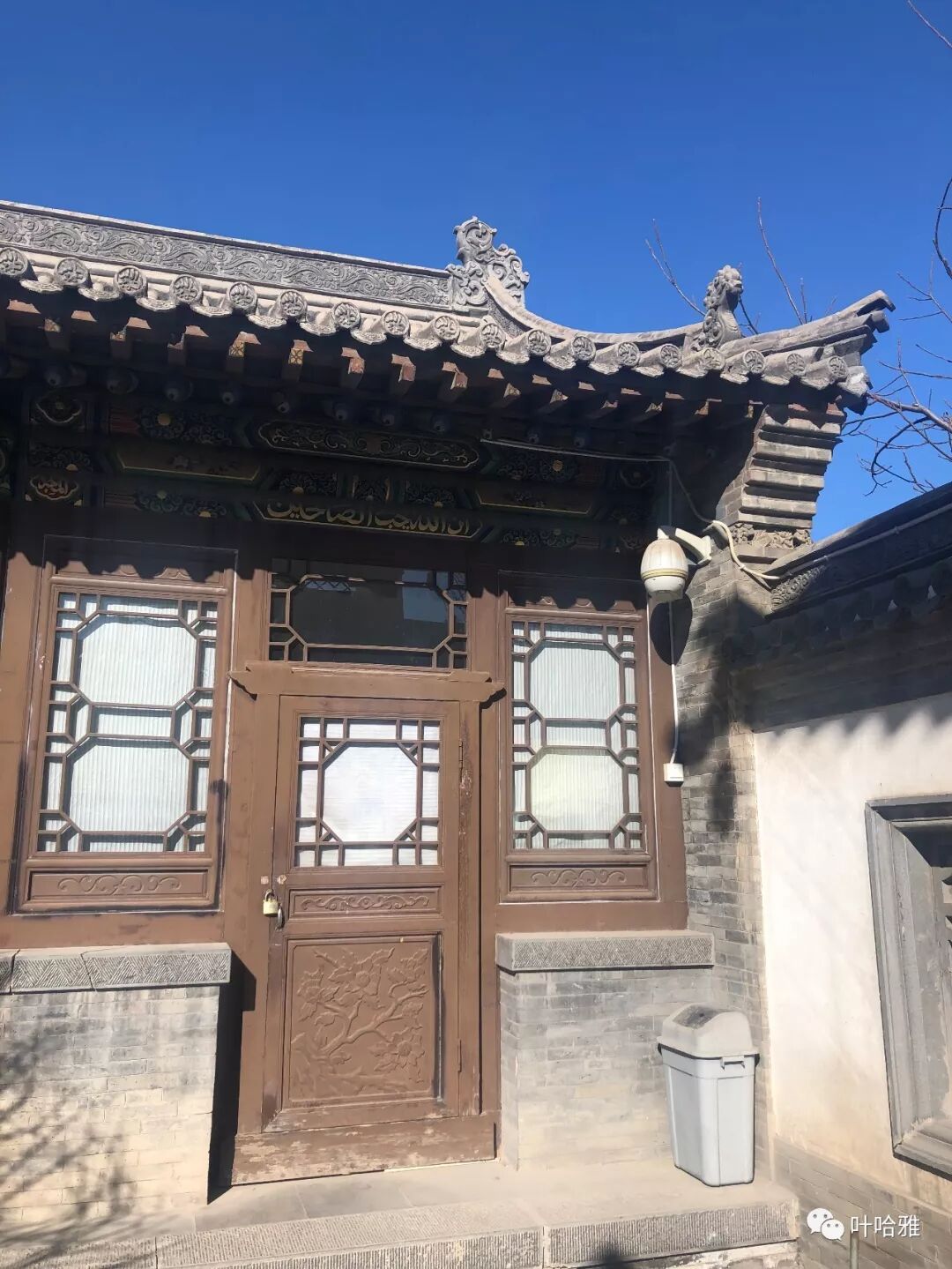
The ancient city of Datong is in the distance. The Great Mosque of Datong (Datong Qingzhen Dasi) is inside the old city. This is the 240th mosque I have visited. This old mosque might be the oldest in China. Stone inscriptions inside say it was built in the second year of the Zhenguan era of the Tang Dynasty (628 AD), making it over 1,200 years old. Another theory based on the Ming and Qing architectural style suggests it might have been built during the Ming Dynasty.
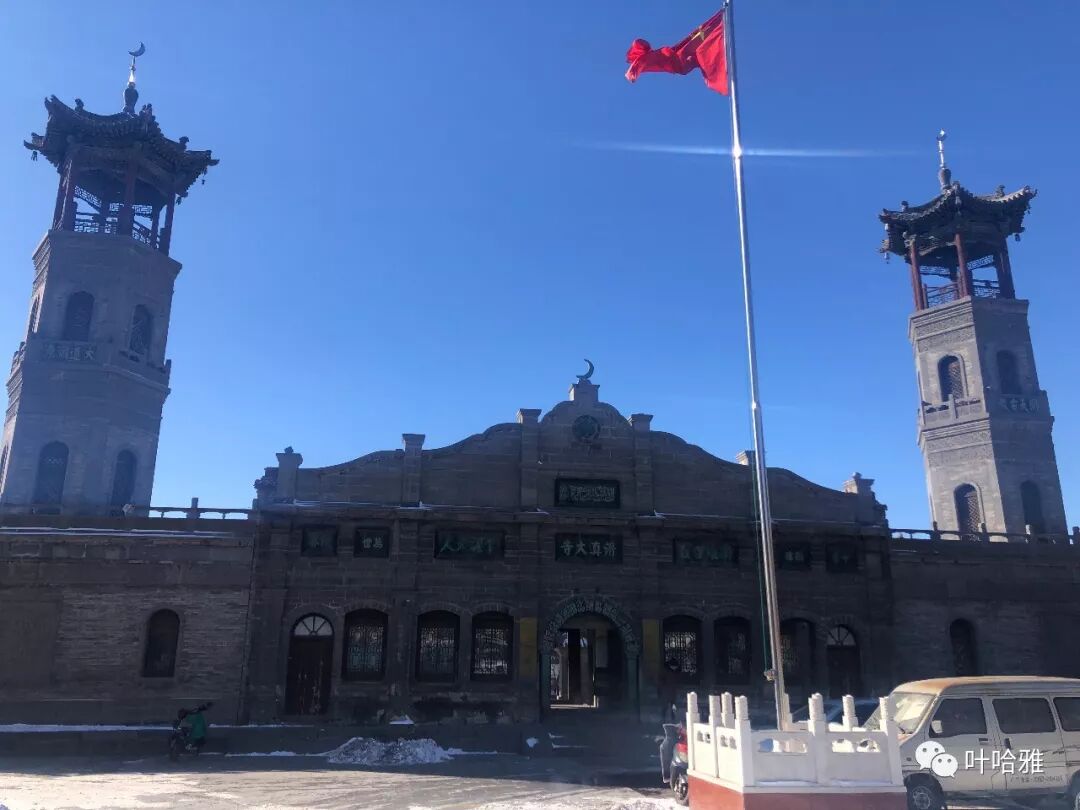
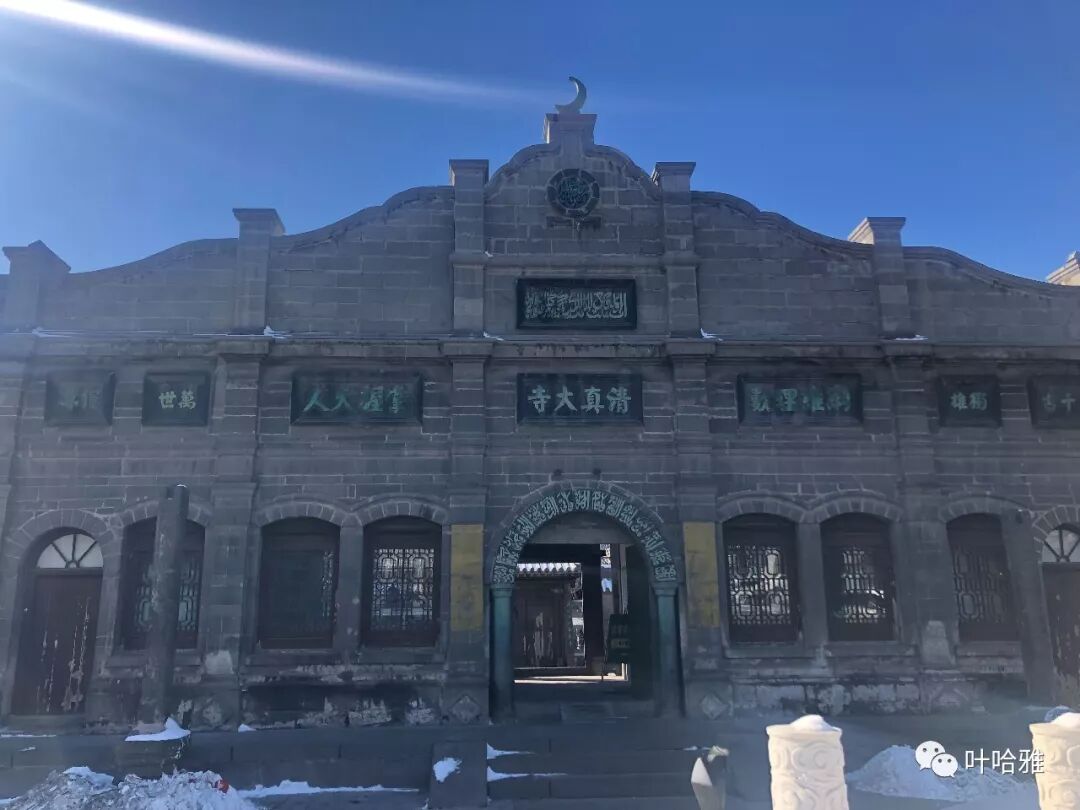
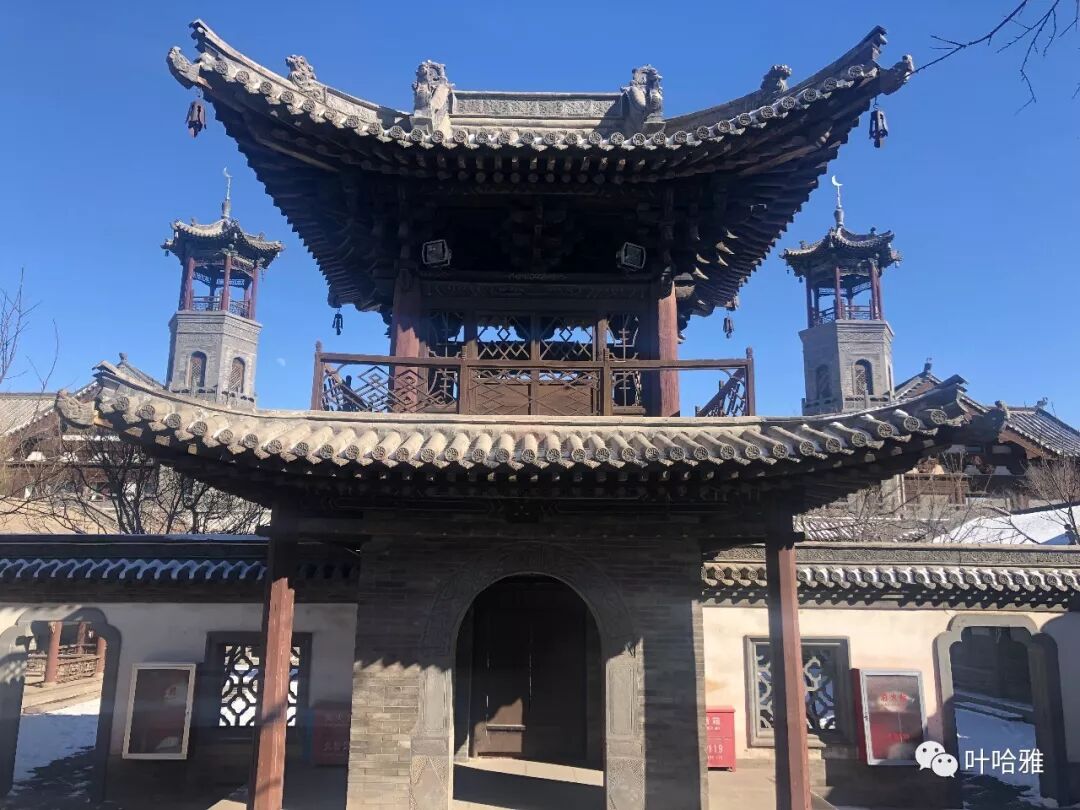
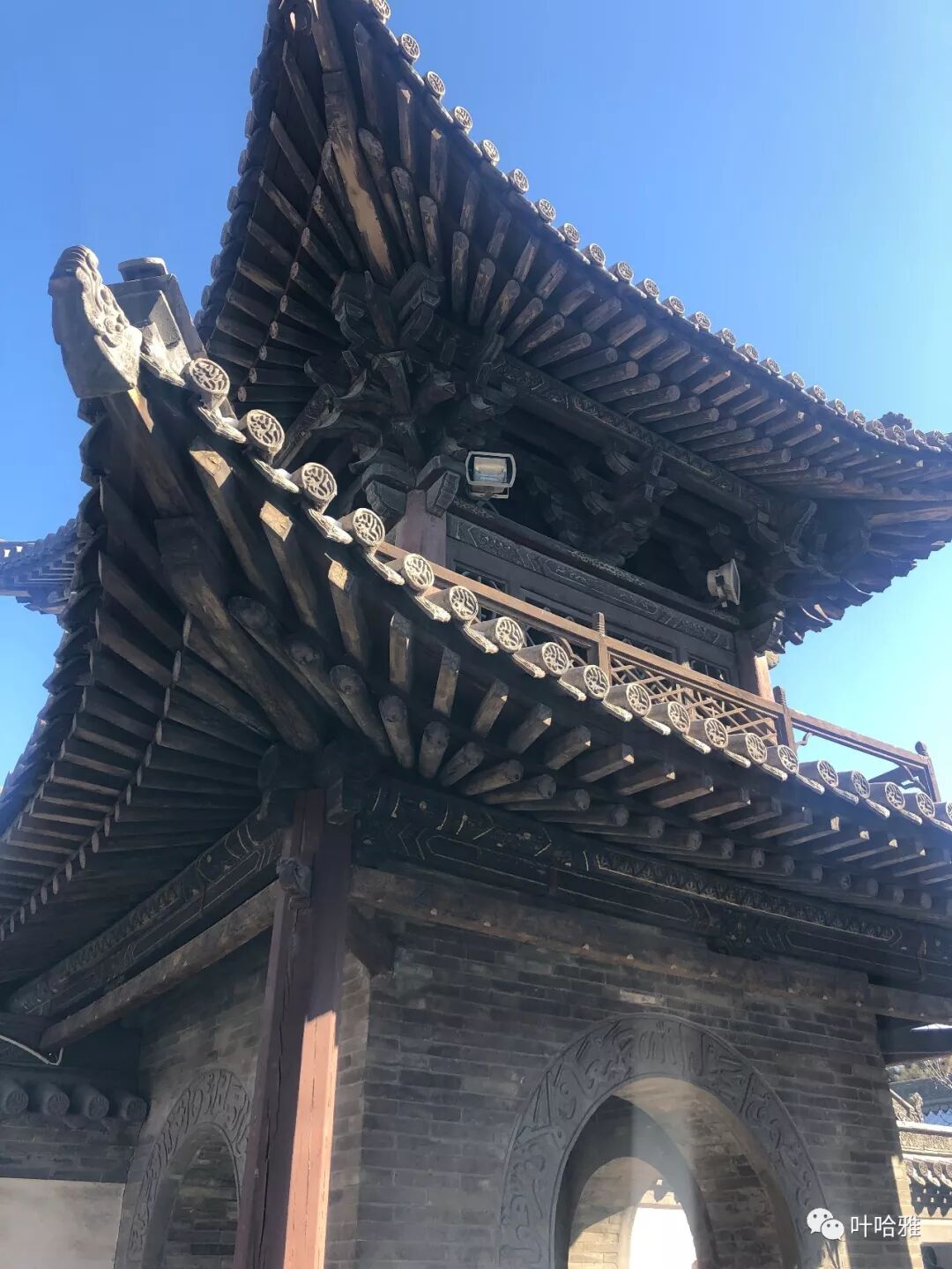
The biggest halal restaurant in Datong is called Deyuelou, but we did not go there. Instead, we chose the top-rated local barbecue spot, Mom's Barbecue (Laoma Shaokao).
Mom's Barbecue (Laoma Shaokao)
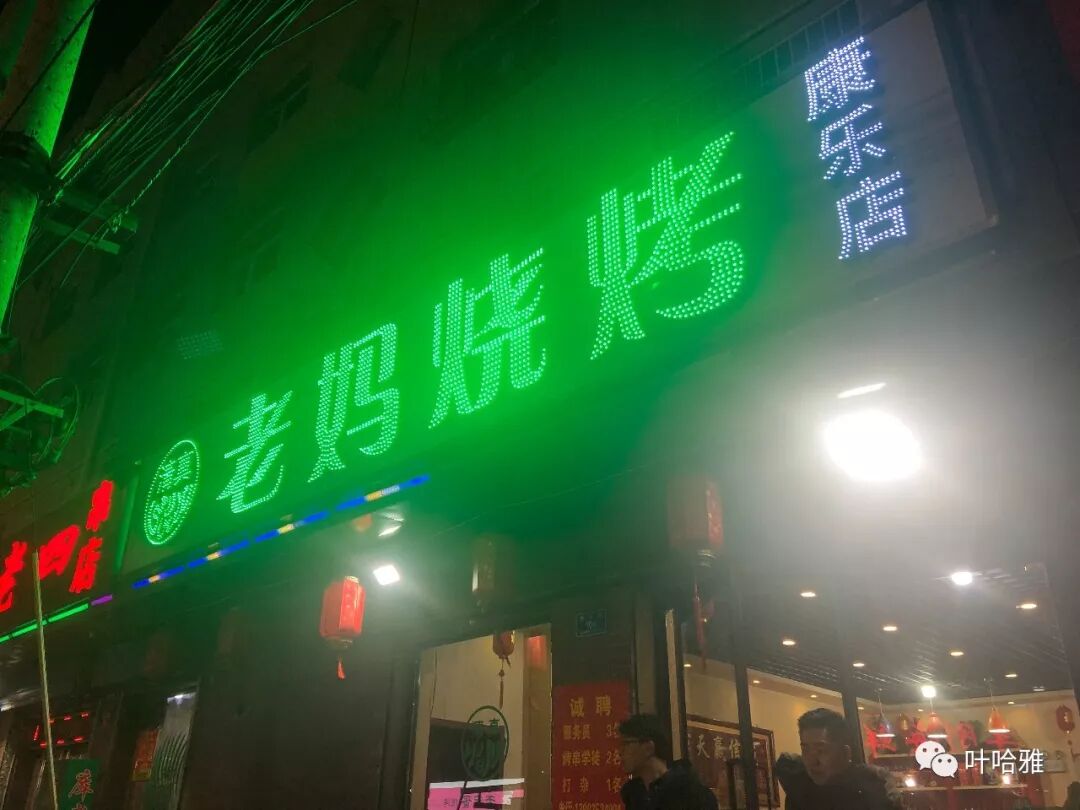
The street where this shop is located is a barbecue street, and there are several other halal barbecue places nearby.
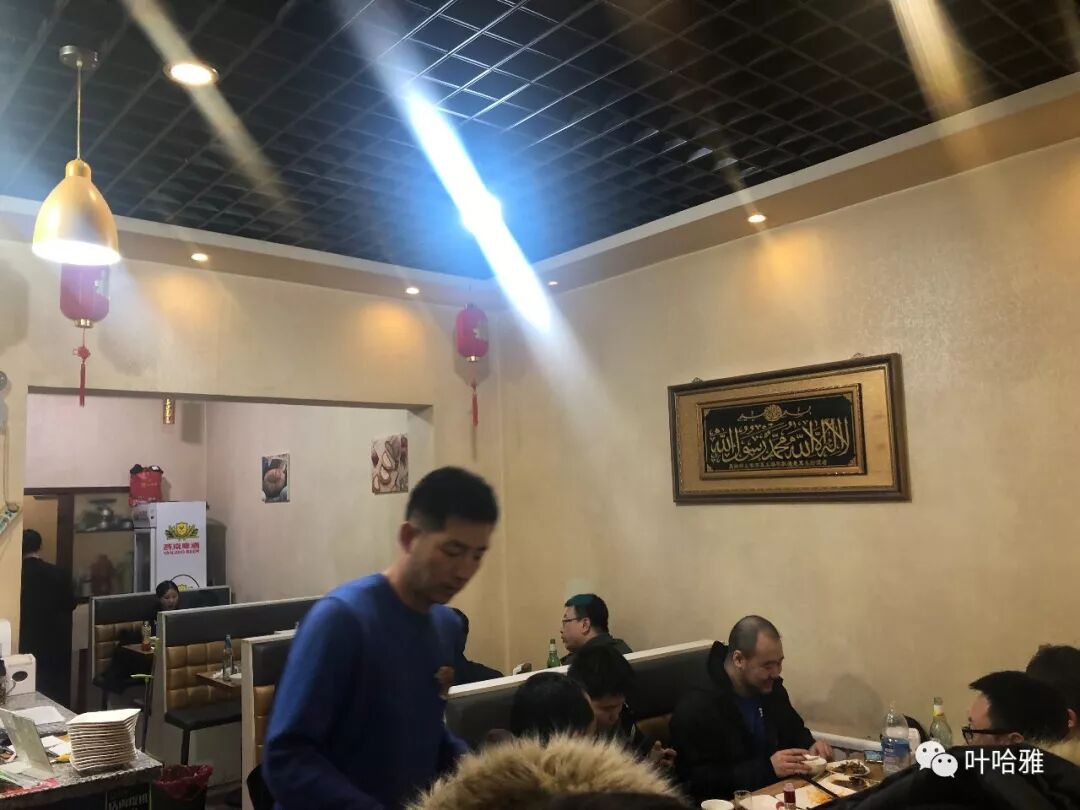
A local Datong barbecue specialty is small deep-fried skewers (xiao zhachuan).
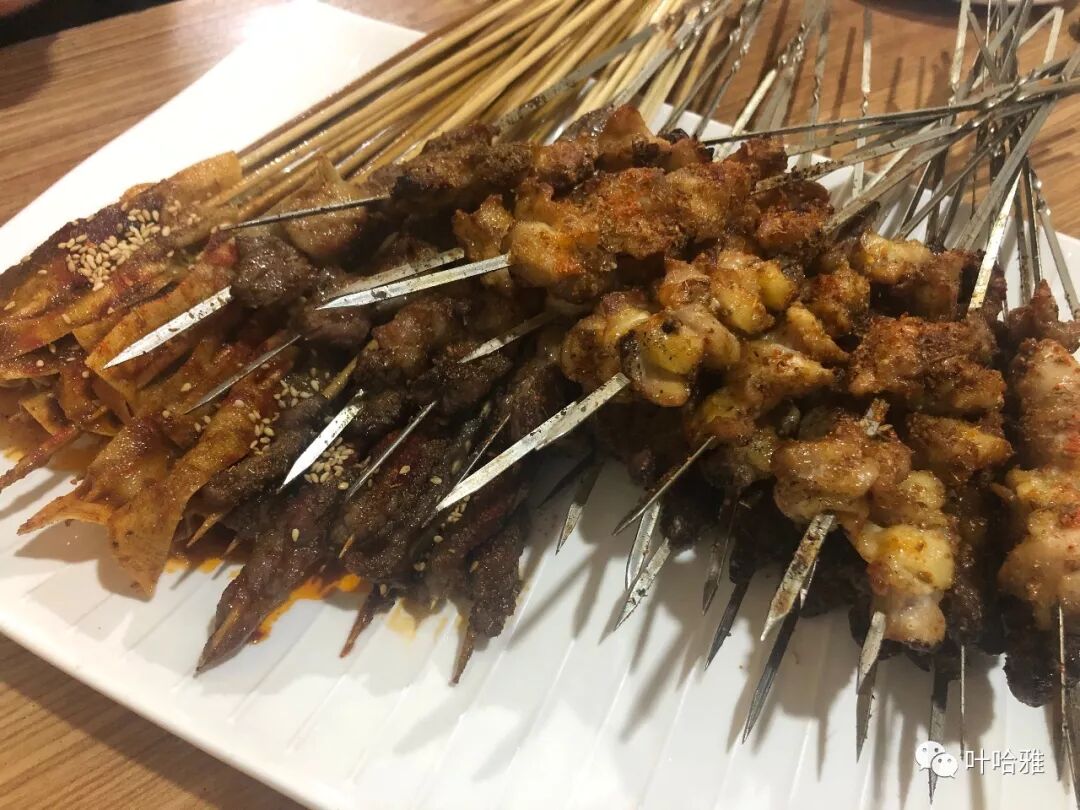
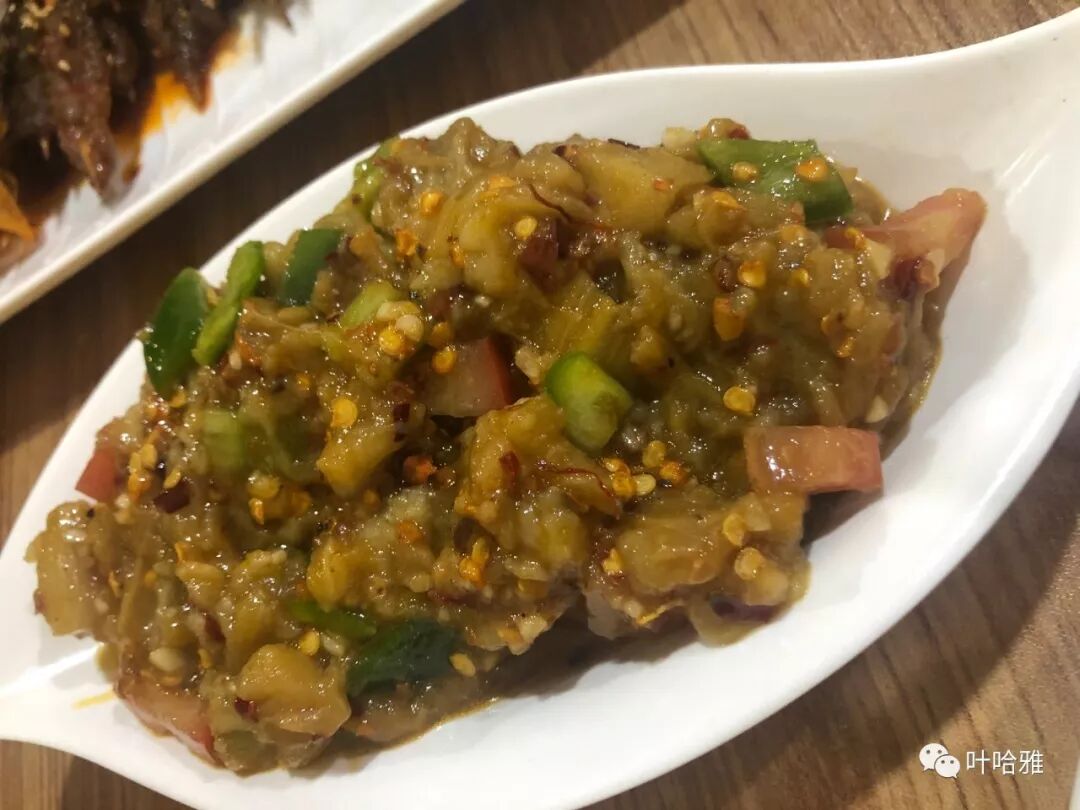
This is old-style Datong eggplant (lao datong qiezi), a cold dish that everyone liked, so we ordered two portions.
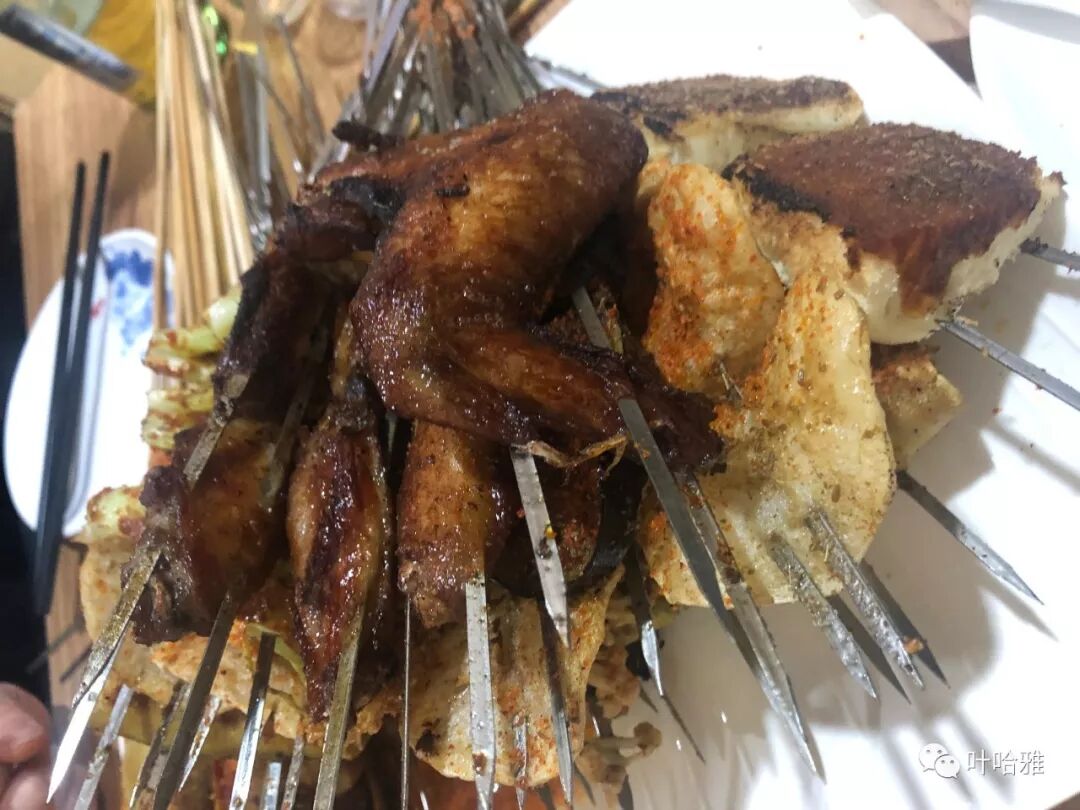
The skewers were a bit salty overall, but I was very satisfied to find halal food in Datong.
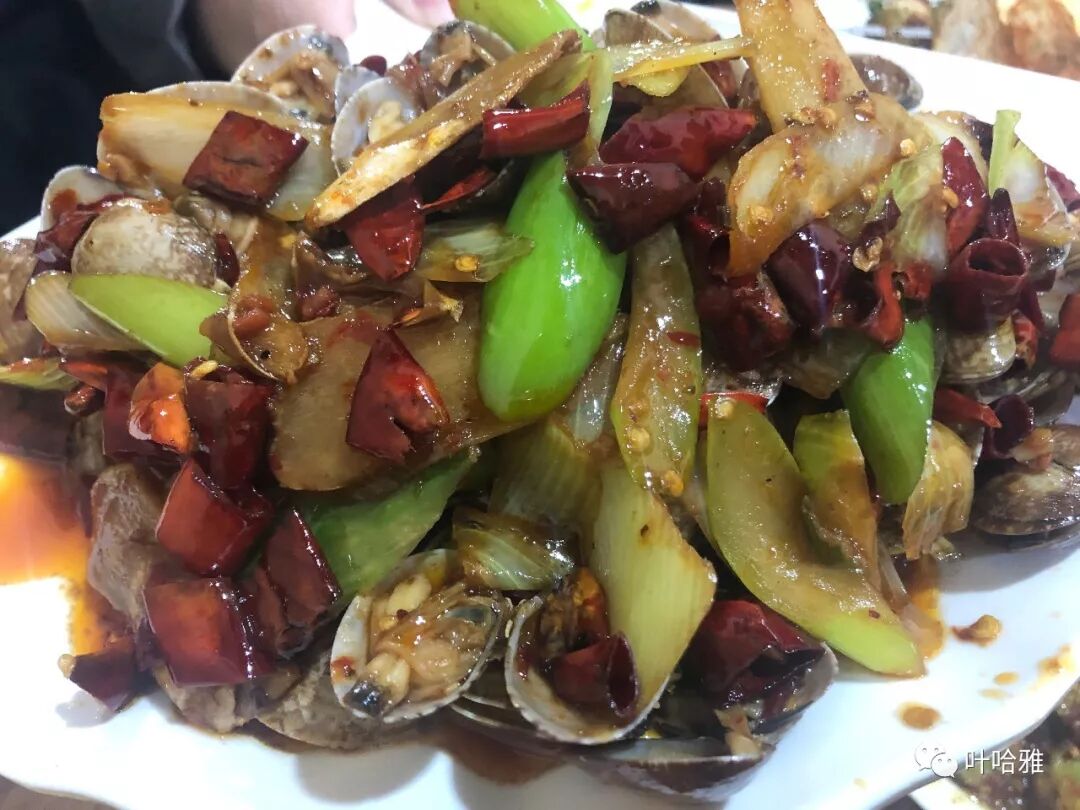
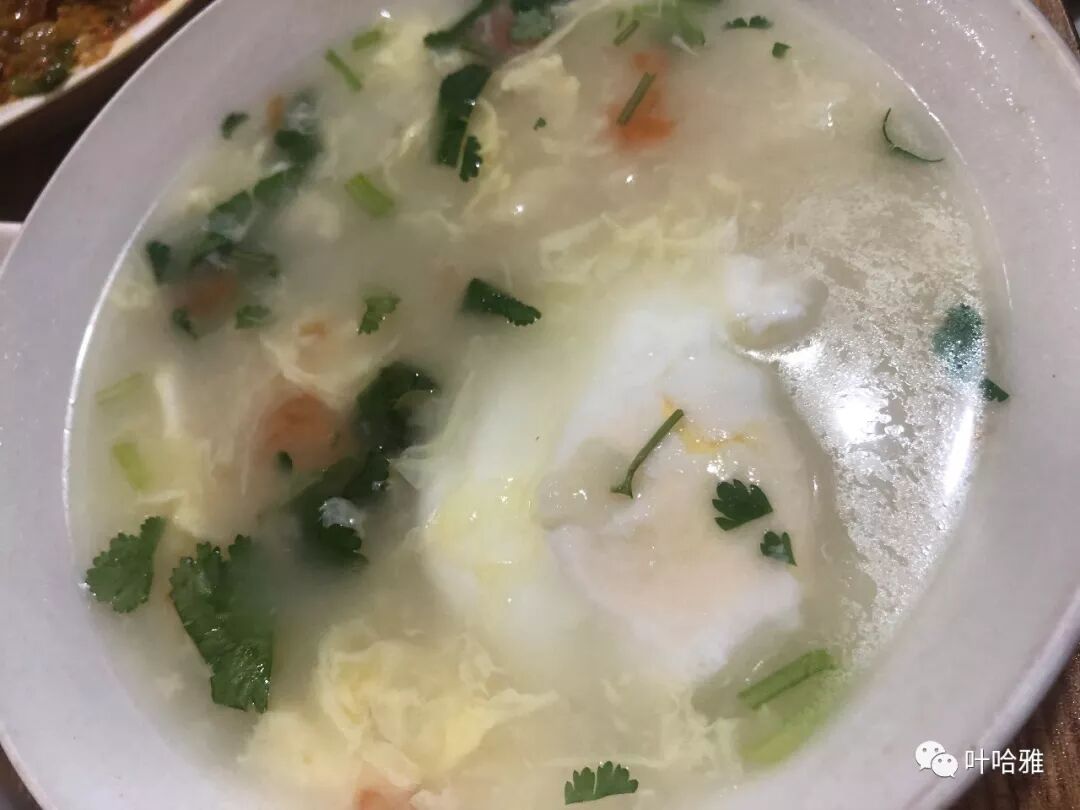
Stir-fried clams (chao huaga) and dough drop soup (gedatang).
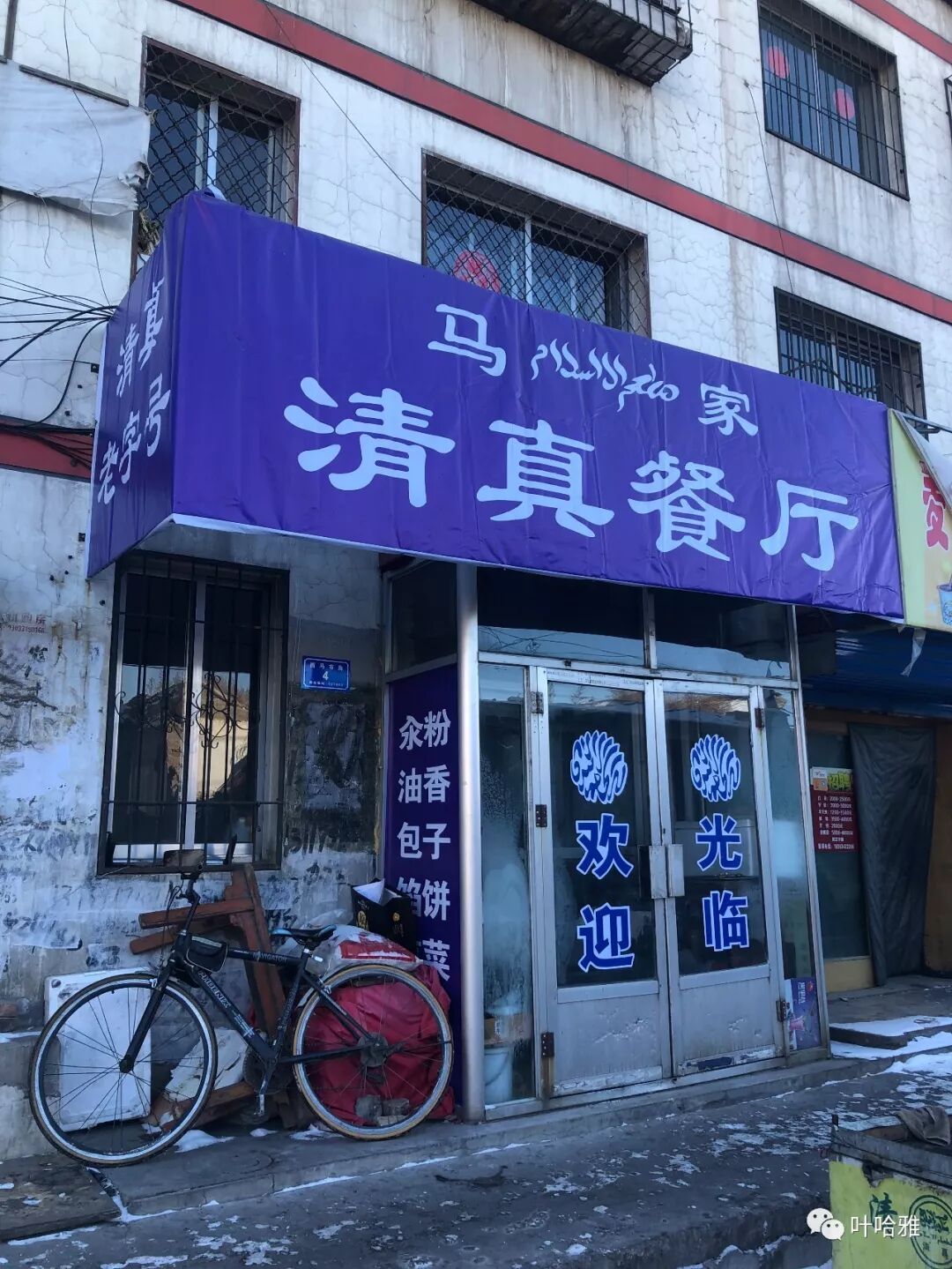
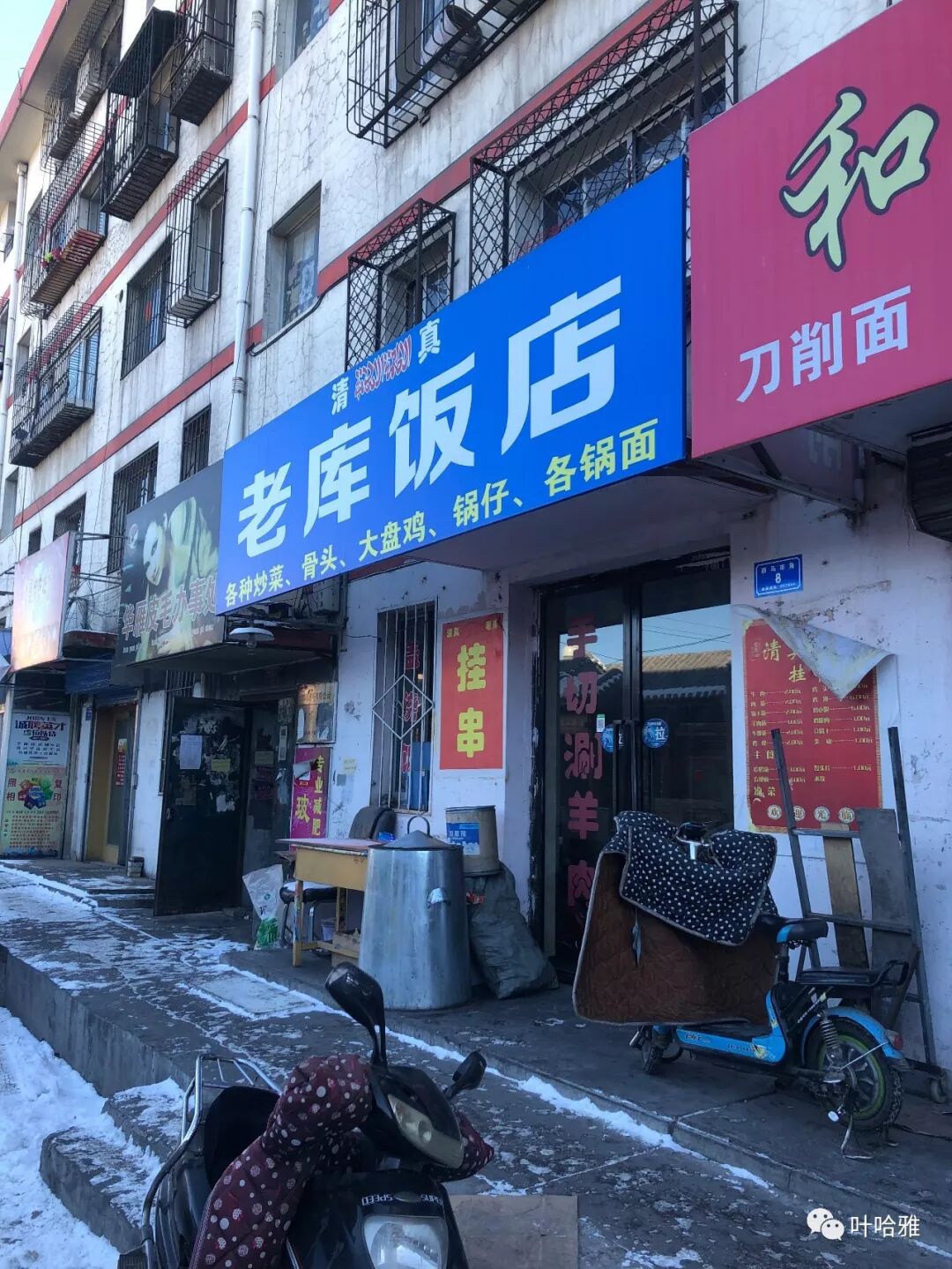
Address: 100 meters west of Dianjian Hospital on Kangle Street.
I also saw a few small shops in an alley not far from the Great Mosque. Interested friends can go and try them.
After staying one night in Datong, we drove back to the capital the next day. The trip was over 300 kilometers and we got home in four hours.
Friends (dost) who want to visit other cities in Inner Mongolia can check my old posts.
A halal food map for Ordos, Baotou, and Hohhot.
I have some good news. I have been running this official account for over three years, and I just learned today that I can set up the search function myself. I have finished adding keywords to all my articles. If you want to find halal food information for a specific city, just reply with the city name to this account.
Summary: This Muslim travel guide to Ulanqab and Datong follows the original winter route, including mosques, hotpot, shaomai, local restaurants, addresses, and photos. It keeps the China halal travel details in order for readers planning a similar trip.
A couple of days ago, a friend and I decided on a whim to go on a road trip. We scanned the map, weighed our options, and picked Ulanqab in Inner Mongolia as our destination. Ulanqab is the closest city in Inner Mongolia to Beijing, just over 300 kilometers away, making it a four-and-a-half-hour drive.
This is what the rest stops look like along the way. In Ulanqab, the daytime temperature in winter is around minus 8 degrees, and it drops to about minus 18 degrees at night.
The cold didn't affect our trip at all. For this short getaway, our main activities were swimming and working out at the hotel, and eating local specialties, so the whole trip was quite relaxing.
We left at 8:00 a.m. and arrived in Ulanqab at noon. Our first stop for lunch was Xiangshunyuan.
Xiangshunyuan
The cannon at the entrance is for guests celebrating their birthdays. It went off while I was eating, and the sound was so loud it really startled me.
This restaurant is considered large for Ulanqab, as most halal restaurants in Jining District are small. Since it was during the Spring Festival, many small shops wouldn't open until after the Lantern Festival.
The prices were quite cheap, and the overall cost of living in the city is low.
The first dish we ordered was cold oat noodles (youmian). Oat noodles are a local Inner Mongolian snack with a light and tasty flavor.
Caramelized milk skin (basi naipi) is another local specialty. You have to eat it while it's hot, or it gets too hard to pick up.
Stir-fried beef tripe with chili peppers, which was slightly spicy.
The signature beef dish has a layer of stewed beef on top and pumpkin underneath. It tastes a bit sweet, and the beef is stewed until very tender.
Stir-fried konjac with green beans is fresh and tasty.
Overall, this restaurant is good. It is in the city center and has a wide variety of dishes. We were all very satisfied, and for four people, it cost 60 yuan each.
Address: Southeast corner of Central Square, Wulan Street.
After checking into my hotel, I visited the Jining District Grand Mosque. The mosque is at 87 Chaoyang Street. You can see it from far away on a high spot after crossing a railway. This is the 239th mosque I have visited.
There are two mosques in Jining District. The other one is smaller, and the two are not far apart.
After performing two rak'ahs of prayer, I went to ask the imam about good local restaurants. This is one of my ways to find halal food. However, the imam said he had not been here long and only knew of a nearby ramen shop; he did not know about other places. Speaking of this, I remembered some small mosques I have visited in small towns. Those small mosques usually only have one imam. The imam's daily life is very monotonous. He leads the five daily prayers every day without a break all year round, and he cannot afford to get sick. He has no entertainment and just looks forward to a guest coming to the mosque so he can have someone to talk to.
Deshunzhai Halal Hot Pot.
Although mutton hot pot (shuan yangrou) is a Beijing specialty, its roots were invented by the Mongols. For a Beijing mutton hot pot place to do well, it must use lamb from Inner Mongolia.
This Deshunzhai Hot Pot is a local chain, and we chose to eat at the main branch.
Dayao Jiabin is a local drink from Inner Mongolia. There is also one called Zhencheng Jiabin. I once posted a picture on Weibo of myself drinking Zhencheng Jiabin in Baotou, and netizens pointed out that Zhencheng Jiabin is a fake.
This was the most comfortable meal we had. The food tasted great, the meat was fresh and had no gamey smell, and the price was very affordable. The four of us bought a set meal for only 135 yuan. It included two plates of lamb, one plate of beef, and several portions of vegetables, meatballs, pickled cabbage (suancai), and hand-rolled noodles (shouganmian). If we ate like this in Beijing, it would cost at least 500 yuan.
We ate three servings of their hand-rolled noodles and added two extra portions of pickled cabbage. Everything was delicious. If I come back to Wumeng, I will definitely visit again.
Address: Opposite the component factory on Qima Road (opposite the former Dongpo Restaurant).
Lianying Shaomai Restaurant.
Steamed dumplings (shaomai) are also called shaomei. The most famous ones are from Hohhot. I found this Lianying Shaomai Restaurant on a local food recommendation list. It is located inside the Planning Commission compound in Jining District. I ate breakfast here for two days in a row.
Lianying Shaomai Restaurant only sells steamed dumplings. They have regular lamb, premium lamb leg, beef, and vegetarian mixed steamed dumplings.
I tried every kind. My favorite was the lamb leg steamed dumplings, which cost 20 yuan per liang. One liang is one steamer basket. You get free porridge and side dishes when you eat steamed dumplings. People in Inner Mongolia are so generous.
The four of us finished 7 liang of steamed dumplings and wanted to order more at the end, but the waiter told us they were closed. Breakfast is served until 10 a.m., and then you have to wait until noon. If you want pan-fried steamed dumplings, you have to come early. Pan-fried steamed dumplings cost 2 yuan more per liang.
Address: Planning Commission Hotel, Jining District, Ulanqab City (west of Enhe Century Square).
Jingsheng Restaurant.
Finding this place was a total surprise because there was no halal information for it on Dazhong Dianping. We saw it while driving by. I do not understand why a restaurant with such a big sign has so little information on Dazhong Dianping. It seems locals do not use the app much, as many restaurants do not even have pictures online, which made me think they were closed. Seeing it in person was a complete surprise.
They have roast duck, but since we are guests from Beijing, we should stick to beef and lamb here.
The interior is very spacious and consists entirely of private rooms. It feels a lot like the restaurant layouts in Xining, offering privacy where no one disturbs each other.
The menu focuses on Northwest-style flavors.
I ordered the pilaf (zhuafan) from the menu, but they brought out eight-treasure sweet rice instead. I asked a friend from Inner Mongolia and learned that they call this kind of rice pilaf locally. But the real question is, how are you supposed to grab such sticky rice? Still, it tasted great.
I really loved this dish called hometown-style beef meatballs (huixiang niurouwan). Eating them tucked inside a soft steamed bun (momo) is incredibly delicious. The beef is tender and melts in your mouth.
Eating lamb in Inner Mongolia never disappoints. This roasted lamb leg was exceptionally tasty and cost less than half the price it would in Beijing.
Xingyuefang
This is a local shop selling halal cakes and pastries. I first bought a burger, two egg tarts, and a caterpillar bread. When I paid, they told me it was 11 yuan total. I was surprised it was so cheap. After walking a few hundred meters, I thought I should buy more for the road, so I went back and bought more cakes and bread. The whole pile only cost 32 yuan.
Address: No. 34 Wulan Avenue, Wulan Road.
With our snacks all packed, we originally planned to return to Beijing in two days. Unexpectedly, a heavy snow hit Wumeng and closed the highway back to Beijing, so we had to detour through Datong, Shanxi, before heading back to Beijing.
Actually, on the way to Wumeng, I suggested visiting Datong to see the ancient mosque there. After all, Datong is only 110 kilometers from Wumeng, just over an hour's drive. My travel companions weren't interested, but with the snow, the GPS automatically routed us through Datong to get back to Beijing. We had to go whether we wanted to or not—it was meant to be.
Our trip to Datong was worth it and everyone gained something from the experience. My friends were very happy with the hotel facilities. Datong is a tourist city with a stronger economy than Wumeng, so the hotels are better. The hotel was also close to the scenic spots and made shopping easy.
The ancient city of Datong is in the distance. The Great Mosque of Datong (Datong Qingzhen Dasi) is inside the old city. This is the 240th mosque I have visited. This old mosque might be the oldest in China. Stone inscriptions inside say it was built in the second year of the Zhenguan era of the Tang Dynasty (628 AD), making it over 1,200 years old. Another theory based on the Ming and Qing architectural style suggests it might have been built during the Ming Dynasty.
The biggest halal restaurant in Datong is called Deyuelou, but we did not go there. Instead, we chose the top-rated local barbecue spot, Mom's Barbecue (Laoma Shaokao).
Mom's Barbecue (Laoma Shaokao)
The street where this shop is located is a barbecue street, and there are several other halal barbecue places nearby.
A local Datong barbecue specialty is small deep-fried skewers (xiao zhachuan).
This is old-style Datong eggplant (lao datong qiezi), a cold dish that everyone liked, so we ordered two portions.
The skewers were a bit salty overall, but I was very satisfied to find halal food in Datong.
Stir-fried clams (chao huaga) and dough drop soup (gedatang).
Address: 100 meters west of Dianjian Hospital on Kangle Street.
I also saw a few small shops in an alley not far from the Great Mosque. Interested friends can go and try them.
After staying one night in Datong, we drove back to the capital the next day. The trip was over 300 kilometers and we got home in four hours.
Friends (dost) who want to visit other cities in Inner Mongolia can check my old posts.
A halal food map for Ordos, Baotou, and Hohhot.
I have some good news. I have been running this official account for over three years, and I just learned today that I can set up the search function myself. I have finished adding keywords to all my articles. If you want to find halal food information for a specific city, just reply with the city name to this account.
Muslim Travel Guide China 2026: Ulanqab and Datong Mosques, Hotpot and Shaomai
Articles • ali2007fr posted the article • 0 comments • 183 views • 2026-05-21 10:59
Reposted from the web
Summary: This Muslim travel guide to Ulanqab and Datong follows the original winter route, including mosques, hotpot, shaomai, local restaurants, addresses, and photos. It keeps the China halal travel details in order for readers planning a similar trip.
A couple of days ago, a friend and I decided on a whim to go on a road trip. We scanned the map, weighed our options, and picked Ulanqab in Inner Mongolia as our destination. Ulanqab is the closest city in Inner Mongolia to Beijing, just over 300 kilometers away, making it a four-and-a-half-hour drive.
This is what the rest stops look like along the way. In Ulanqab, the daytime temperature in winter is around minus 8 degrees, and it drops to about minus 18 degrees at night.
The cold didn't affect our trip at all. For this short getaway, our main activities were swimming and working out at the hotel, and eating local specialties, so the whole trip was quite relaxing.
We left at 8:00 a.m. and arrived in Ulanqab at noon. Our first stop for lunch was Xiangshunyuan.
Xiangshunyuan
The cannon at the entrance is for guests celebrating their birthdays. It went off while I was eating, and the sound was so loud it really startled me.
This restaurant is considered large for Ulanqab, as most halal restaurants in Jining District are small. Since it was during the Spring Festival, many small shops wouldn't open until after the Lantern Festival.
The prices were quite cheap, and the overall cost of living in the city is low.
The first dish we ordered was cold oat noodles (youmian). Oat noodles are a local Inner Mongolian snack with a light and tasty flavor.
Caramelized milk skin (basi naipi) is another local specialty. You have to eat it while it's hot, or it gets too hard to pick up.
Stir-fried beef tripe with chili peppers, which was slightly spicy.
The signature beef dish has a layer of stewed beef on top and pumpkin underneath. It tastes a bit sweet, and the beef is stewed until very tender.
Stir-fried konjac with green beans is fresh and tasty.
Overall, this restaurant is good. It is in the city center and has a wide variety of dishes. We were all very satisfied, and for four people, it cost 60 yuan each.
Address: Southeast corner of Central Square, Wulan Street.
After checking into my hotel, I visited the Jining District Grand Mosque. The mosque is at 87 Chaoyang Street. You can see it from far away on a high spot after crossing a railway. This is the 239th mosque I have visited.
There are two mosques in Jining District. The other one is smaller, and the two are not far apart.
After performing two rak'ahs of prayer, I went to ask the imam about good local restaurants. This is one of my ways to find halal food. However, the imam said he had not been here long and only knew of a nearby ramen shop; he did not know about other places. Speaking of this, I remembered some small mosques I have visited in small towns. Those small mosques usually only have one imam. The imam's daily life is very monotonous. He leads the five daily prayers every day without a break all year round, and he cannot afford to get sick. He has no entertainment and just looks forward to a guest coming to the mosque so he can have someone to talk to.
Deshunzhai Halal Hot Pot.
Although mutton hot pot (shuan yangrou) is a Beijing specialty, its roots were invented by the Mongols. For a Beijing mutton hot pot place to do well, it must use lamb from Inner Mongolia.
This Deshunzhai Hot Pot is a local chain, and we chose to eat at the main branch.
Dayao Jiabin is a local drink from Inner Mongolia. There is also one called Zhencheng Jiabin. I once posted a picture on Weibo of myself drinking Zhencheng Jiabin in Baotou, and netizens pointed out that Zhencheng Jiabin is a fake.
This was the most comfortable meal we had. The food tasted great, the meat was fresh and had no gamey smell, and the price was very affordable. The four of us bought a set meal for only 135 yuan. It included two plates of lamb, one plate of beef, and several portions of vegetables, meatballs, pickled cabbage (suancai), and hand-rolled noodles (shouganmian). If we ate like this in Beijing, it would cost at least 500 yuan.
We ate three servings of their hand-rolled noodles and added two extra portions of pickled cabbage. Everything was delicious. If I come back to Wumeng, I will definitely visit again.
Address: Opposite the component factory on Qima Road (opposite the former Dongpo Restaurant).
Lianying Shaomai Restaurant.
Steamed dumplings (shaomai) are also called shaomei. The most famous ones are from Hohhot. I found this Lianying Shaomai Restaurant on a local food recommendation list. It is located inside the Planning Commission compound in Jining District. I ate breakfast here for two days in a row.
Lianying Shaomai Restaurant only sells steamed dumplings. They have regular lamb, premium lamb leg, beef, and vegetarian mixed steamed dumplings.
I tried every kind. My favorite was the lamb leg steamed dumplings, which cost 20 yuan per liang. One liang is one steamer basket. You get free porridge and side dishes when you eat steamed dumplings. People in Inner Mongolia are so generous.
The four of us finished 7 liang of steamed dumplings and wanted to order more at the end, but the waiter told us they were closed. Breakfast is served until 10 a.m., and then you have to wait until noon. If you want pan-fried steamed dumplings, you have to come early. Pan-fried steamed dumplings cost 2 yuan more per liang.
Address: Planning Commission Hotel, Jining District, Ulanqab City (west of Enhe Century Square).
Jingsheng Restaurant.
Finding this place was a total surprise because there was no halal information for it on Dazhong Dianping. We saw it while driving by. I do not understand why a restaurant with such a big sign has so little information on Dazhong Dianping. It seems locals do not use the app much, as many restaurants do not even have pictures online, which made me think they were closed. Seeing it in person was a complete surprise.
They have roast duck, but since we are guests from Beijing, we should stick to beef and lamb here.
The interior is very spacious and consists entirely of private rooms. It feels a lot like the restaurant layouts in Xining, offering privacy where no one disturbs each other.
The menu focuses on Northwest-style flavors.
I ordered the pilaf (zhuafan) from the menu, but they brought out eight-treasure sweet rice instead. I asked a friend from Inner Mongolia and learned that they call this kind of rice pilaf locally. But the real question is, how are you supposed to grab such sticky rice? Still, it tasted great.
I really loved this dish called hometown-style beef meatballs (huixiang niurouwan). Eating them tucked inside a soft steamed bun (momo) is incredibly delicious. The beef is tender and melts in your mouth.
Eating lamb in Inner Mongolia never disappoints. This roasted lamb leg was exceptionally tasty and cost less than half the price it would in Beijing.
Xingyuefang
This is a local shop selling halal cakes and pastries. I first bought a burger, two egg tarts, and a caterpillar bread. When I paid, they told me it was 11 yuan total. I was surprised it was so cheap. After walking a few hundred meters, I thought I should buy more for the road, so I went back and bought more cakes and bread. The whole pile only cost 32 yuan.
Address: No. 34 Wulan Avenue, Wulan Road.
With our snacks all packed, we originally planned to return to Beijing in two days. Unexpectedly, a heavy snow hit Wumeng and closed the highway back to Beijing, so we had to detour through Datong, Shanxi, before heading back to Beijing.
Actually, on the way to Wumeng, I suggested visiting Datong to see the ancient mosque there. After all, Datong is only 110 kilometers from Wumeng, just over an hour's drive. My travel companions weren't interested, but with the snow, the GPS automatically routed us through Datong to get back to Beijing. We had to go whether we wanted to or not—it was meant to be.
Our trip to Datong was worth it and everyone gained something from the experience. My friends were very happy with the hotel facilities. Datong is a tourist city with a stronger economy than Wumeng, so the hotels are better. The hotel was also close to the scenic spots and made shopping easy.
The ancient city of Datong is in the distance. The Great Mosque of Datong (Datong Qingzhen Dasi) is inside the old city. This is the 240th mosque I have visited. This old mosque might be the oldest in China. Stone inscriptions inside say it was built in the second year of the Zhenguan era of the Tang Dynasty (628 AD), making it over 1,200 years old. Another theory based on the Ming and Qing architectural style suggests it might have been built during the Ming Dynasty.
The biggest halal restaurant in Datong is called Deyuelou, but we did not go there. Instead, we chose the top-rated local barbecue spot, Mom's Barbecue (Laoma Shaokao).
Mom's Barbecue (Laoma Shaokao)
The street where this shop is located is a barbecue street, and there are several other halal barbecue places nearby.
A local Datong barbecue specialty is small deep-fried skewers (xiao zhachuan).
This is old-style Datong eggplant (lao datong qiezi), a cold dish that everyone liked, so we ordered two portions.
The skewers were a bit salty overall, but I was very satisfied to find halal food in Datong.
Stir-fried clams (chao huaga) and dough drop soup (gedatang).
Address: 100 meters west of Dianjian Hospital on Kangle Street.
I also saw a few small shops in an alley not far from the Great Mosque. Interested friends can go and try them.
After staying one night in Datong, we drove back to the capital the next day. The trip was over 300 kilometers and we got home in four hours.
Friends (dost) who want to visit other cities in Inner Mongolia can check my old posts.
A halal food map for Ordos, Baotou, and Hohhot.
I have some good news. I have been running this official account for over three years, and I just learned today that I can set up the search function myself. I have finished adding keywords to all my articles. If you want to find halal food information for a specific city, just reply with the city name to this account. view all
Summary: This Muslim travel guide to Ulanqab and Datong follows the original winter route, including mosques, hotpot, shaomai, local restaurants, addresses, and photos. It keeps the China halal travel details in order for readers planning a similar trip.
A couple of days ago, a friend and I decided on a whim to go on a road trip. We scanned the map, weighed our options, and picked Ulanqab in Inner Mongolia as our destination. Ulanqab is the closest city in Inner Mongolia to Beijing, just over 300 kilometers away, making it a four-and-a-half-hour drive.
This is what the rest stops look like along the way. In Ulanqab, the daytime temperature in winter is around minus 8 degrees, and it drops to about minus 18 degrees at night.
The cold didn't affect our trip at all. For this short getaway, our main activities were swimming and working out at the hotel, and eating local specialties, so the whole trip was quite relaxing.
We left at 8:00 a.m. and arrived in Ulanqab at noon. Our first stop for lunch was Xiangshunyuan.
Xiangshunyuan
The cannon at the entrance is for guests celebrating their birthdays. It went off while I was eating, and the sound was so loud it really startled me.
This restaurant is considered large for Ulanqab, as most halal restaurants in Jining District are small. Since it was during the Spring Festival, many small shops wouldn't open until after the Lantern Festival.
The prices were quite cheap, and the overall cost of living in the city is low.
The first dish we ordered was cold oat noodles (youmian). Oat noodles are a local Inner Mongolian snack with a light and tasty flavor.
Caramelized milk skin (basi naipi) is another local specialty. You have to eat it while it's hot, or it gets too hard to pick up.
Stir-fried beef tripe with chili peppers, which was slightly spicy.
The signature beef dish has a layer of stewed beef on top and pumpkin underneath. It tastes a bit sweet, and the beef is stewed until very tender.
Stir-fried konjac with green beans is fresh and tasty.
Overall, this restaurant is good. It is in the city center and has a wide variety of dishes. We were all very satisfied, and for four people, it cost 60 yuan each.
Address: Southeast corner of Central Square, Wulan Street.
After checking into my hotel, I visited the Jining District Grand Mosque. The mosque is at 87 Chaoyang Street. You can see it from far away on a high spot after crossing a railway. This is the 239th mosque I have visited.
There are two mosques in Jining District. The other one is smaller, and the two are not far apart.
After performing two rak'ahs of prayer, I went to ask the imam about good local restaurants. This is one of my ways to find halal food. However, the imam said he had not been here long and only knew of a nearby ramen shop; he did not know about other places. Speaking of this, I remembered some small mosques I have visited in small towns. Those small mosques usually only have one imam. The imam's daily life is very monotonous. He leads the five daily prayers every day without a break all year round, and he cannot afford to get sick. He has no entertainment and just looks forward to a guest coming to the mosque so he can have someone to talk to.
Deshunzhai Halal Hot Pot.
Although mutton hot pot (shuan yangrou) is a Beijing specialty, its roots were invented by the Mongols. For a Beijing mutton hot pot place to do well, it must use lamb from Inner Mongolia.
This Deshunzhai Hot Pot is a local chain, and we chose to eat at the main branch.
Dayao Jiabin is a local drink from Inner Mongolia. There is also one called Zhencheng Jiabin. I once posted a picture on Weibo of myself drinking Zhencheng Jiabin in Baotou, and netizens pointed out that Zhencheng Jiabin is a fake.
This was the most comfortable meal we had. The food tasted great, the meat was fresh and had no gamey smell, and the price was very affordable. The four of us bought a set meal for only 135 yuan. It included two plates of lamb, one plate of beef, and several portions of vegetables, meatballs, pickled cabbage (suancai), and hand-rolled noodles (shouganmian). If we ate like this in Beijing, it would cost at least 500 yuan.
We ate three servings of their hand-rolled noodles and added two extra portions of pickled cabbage. Everything was delicious. If I come back to Wumeng, I will definitely visit again.
Address: Opposite the component factory on Qima Road (opposite the former Dongpo Restaurant).
Lianying Shaomai Restaurant.
Steamed dumplings (shaomai) are also called shaomei. The most famous ones are from Hohhot. I found this Lianying Shaomai Restaurant on a local food recommendation list. It is located inside the Planning Commission compound in Jining District. I ate breakfast here for two days in a row.
Lianying Shaomai Restaurant only sells steamed dumplings. They have regular lamb, premium lamb leg, beef, and vegetarian mixed steamed dumplings.
I tried every kind. My favorite was the lamb leg steamed dumplings, which cost 20 yuan per liang. One liang is one steamer basket. You get free porridge and side dishes when you eat steamed dumplings. People in Inner Mongolia are so generous.
The four of us finished 7 liang of steamed dumplings and wanted to order more at the end, but the waiter told us they were closed. Breakfast is served until 10 a.m., and then you have to wait until noon. If you want pan-fried steamed dumplings, you have to come early. Pan-fried steamed dumplings cost 2 yuan more per liang.
Address: Planning Commission Hotel, Jining District, Ulanqab City (west of Enhe Century Square).
Jingsheng Restaurant.
Finding this place was a total surprise because there was no halal information for it on Dazhong Dianping. We saw it while driving by. I do not understand why a restaurant with such a big sign has so little information on Dazhong Dianping. It seems locals do not use the app much, as many restaurants do not even have pictures online, which made me think they were closed. Seeing it in person was a complete surprise.
They have roast duck, but since we are guests from Beijing, we should stick to beef and lamb here.
The interior is very spacious and consists entirely of private rooms. It feels a lot like the restaurant layouts in Xining, offering privacy where no one disturbs each other.
The menu focuses on Northwest-style flavors.
I ordered the pilaf (zhuafan) from the menu, but they brought out eight-treasure sweet rice instead. I asked a friend from Inner Mongolia and learned that they call this kind of rice pilaf locally. But the real question is, how are you supposed to grab such sticky rice? Still, it tasted great.
I really loved this dish called hometown-style beef meatballs (huixiang niurouwan). Eating them tucked inside a soft steamed bun (momo) is incredibly delicious. The beef is tender and melts in your mouth.
Eating lamb in Inner Mongolia never disappoints. This roasted lamb leg was exceptionally tasty and cost less than half the price it would in Beijing.
Xingyuefang
This is a local shop selling halal cakes and pastries. I first bought a burger, two egg tarts, and a caterpillar bread. When I paid, they told me it was 11 yuan total. I was surprised it was so cheap. After walking a few hundred meters, I thought I should buy more for the road, so I went back and bought more cakes and bread. The whole pile only cost 32 yuan.
Address: No. 34 Wulan Avenue, Wulan Road.
With our snacks all packed, we originally planned to return to Beijing in two days. Unexpectedly, a heavy snow hit Wumeng and closed the highway back to Beijing, so we had to detour through Datong, Shanxi, before heading back to Beijing.
Actually, on the way to Wumeng, I suggested visiting Datong to see the ancient mosque there. After all, Datong is only 110 kilometers from Wumeng, just over an hour's drive. My travel companions weren't interested, but with the snow, the GPS automatically routed us through Datong to get back to Beijing. We had to go whether we wanted to or not—it was meant to be.
Our trip to Datong was worth it and everyone gained something from the experience. My friends were very happy with the hotel facilities. Datong is a tourist city with a stronger economy than Wumeng, so the hotels are better. The hotel was also close to the scenic spots and made shopping easy.
The ancient city of Datong is in the distance. The Great Mosque of Datong (Datong Qingzhen Dasi) is inside the old city. This is the 240th mosque I have visited. This old mosque might be the oldest in China. Stone inscriptions inside say it was built in the second year of the Zhenguan era of the Tang Dynasty (628 AD), making it over 1,200 years old. Another theory based on the Ming and Qing architectural style suggests it might have been built during the Ming Dynasty.
The biggest halal restaurant in Datong is called Deyuelou, but we did not go there. Instead, we chose the top-rated local barbecue spot, Mom's Barbecue (Laoma Shaokao).
Mom's Barbecue (Laoma Shaokao)
The street where this shop is located is a barbecue street, and there are several other halal barbecue places nearby.
A local Datong barbecue specialty is small deep-fried skewers (xiao zhachuan).
This is old-style Datong eggplant (lao datong qiezi), a cold dish that everyone liked, so we ordered two portions.
The skewers were a bit salty overall, but I was very satisfied to find halal food in Datong.
Stir-fried clams (chao huaga) and dough drop soup (gedatang).
Address: 100 meters west of Dianjian Hospital on Kangle Street.
I also saw a few small shops in an alley not far from the Great Mosque. Interested friends can go and try them.
After staying one night in Datong, we drove back to the capital the next day. The trip was over 300 kilometers and we got home in four hours.
Friends (dost) who want to visit other cities in Inner Mongolia can check my old posts.
A halal food map for Ordos, Baotou, and Hohhot.
I have some good news. I have been running this official account for over three years, and I just learned today that I can set up the search function myself. I have finished adding keywords to all my articles. If you want to find halal food information for a specific city, just reply with the city name to this account. view all
Reposted from the web
Summary: This Muslim travel guide to Ulanqab and Datong follows the original winter route, including mosques, hotpot, shaomai, local restaurants, addresses, and photos. It keeps the China halal travel details in order for readers planning a similar trip.
A couple of days ago, a friend and I decided on a whim to go on a road trip. We scanned the map, weighed our options, and picked Ulanqab in Inner Mongolia as our destination. Ulanqab is the closest city in Inner Mongolia to Beijing, just over 300 kilometers away, making it a four-and-a-half-hour drive.
This is what the rest stops look like along the way. In Ulanqab, the daytime temperature in winter is around minus 8 degrees, and it drops to about minus 18 degrees at night.
The cold didn't affect our trip at all. For this short getaway, our main activities were swimming and working out at the hotel, and eating local specialties, so the whole trip was quite relaxing.
We left at 8:00 a.m. and arrived in Ulanqab at noon. Our first stop for lunch was Xiangshunyuan.
Xiangshunyuan
The cannon at the entrance is for guests celebrating their birthdays. It went off while I was eating, and the sound was so loud it really startled me.
This restaurant is considered large for Ulanqab, as most halal restaurants in Jining District are small. Since it was during the Spring Festival, many small shops wouldn't open until after the Lantern Festival.
The prices were quite cheap, and the overall cost of living in the city is low.
The first dish we ordered was cold oat noodles (youmian). Oat noodles are a local Inner Mongolian snack with a light and tasty flavor.
Caramelized milk skin (basi naipi) is another local specialty. You have to eat it while it's hot, or it gets too hard to pick up.
Stir-fried beef tripe with chili peppers, which was slightly spicy.
The signature beef dish has a layer of stewed beef on top and pumpkin underneath. It tastes a bit sweet, and the beef is stewed until very tender.
Stir-fried konjac with green beans is fresh and tasty.
Overall, this restaurant is good. It is in the city center and has a wide variety of dishes. We were all very satisfied, and for four people, it cost 60 yuan each.
Address: Southeast corner of Central Square, Wulan Street.
After checking into my hotel, I visited the Jining District Grand Mosque. The mosque is at 87 Chaoyang Street. You can see it from far away on a high spot after crossing a railway. This is the 239th mosque I have visited.
There are two mosques in Jining District. The other one is smaller, and the two are not far apart.
After performing two rak'ahs of prayer, I went to ask the imam about good local restaurants. This is one of my ways to find halal food. However, the imam said he had not been here long and only knew of a nearby ramen shop; he did not know about other places. Speaking of this, I remembered some small mosques I have visited in small towns. Those small mosques usually only have one imam. The imam's daily life is very monotonous. He leads the five daily prayers every day without a break all year round, and he cannot afford to get sick. He has no entertainment and just looks forward to a guest coming to the mosque so he can have someone to talk to.
Deshunzhai Halal Hot Pot.
Although mutton hot pot (shuan yangrou) is a Beijing specialty, its roots were invented by the Mongols. For a Beijing mutton hot pot place to do well, it must use lamb from Inner Mongolia.
This Deshunzhai Hot Pot is a local chain, and we chose to eat at the main branch.
Dayao Jiabin is a local drink from Inner Mongolia. There is also one called Zhencheng Jiabin. I once posted a picture on Weibo of myself drinking Zhencheng Jiabin in Baotou, and netizens pointed out that Zhencheng Jiabin is a fake.
This was the most comfortable meal we had. The food tasted great, the meat was fresh and had no gamey smell, and the price was very affordable. The four of us bought a set meal for only 135 yuan. It included two plates of lamb, one plate of beef, and several portions of vegetables, meatballs, pickled cabbage (suancai), and hand-rolled noodles (shouganmian). If we ate like this in Beijing, it would cost at least 500 yuan.
We ate three servings of their hand-rolled noodles and added two extra portions of pickled cabbage. Everything was delicious. If I come back to Wumeng, I will definitely visit again.
Address: Opposite the component factory on Qima Road (opposite the former Dongpo Restaurant).
Lianying Shaomai Restaurant.
Steamed dumplings (shaomai) are also called shaomei. The most famous ones are from Hohhot. I found this Lianying Shaomai Restaurant on a local food recommendation list. It is located inside the Planning Commission compound in Jining District. I ate breakfast here for two days in a row.
Lianying Shaomai Restaurant only sells steamed dumplings. They have regular lamb, premium lamb leg, beef, and vegetarian mixed steamed dumplings.
I tried every kind. My favorite was the lamb leg steamed dumplings, which cost 20 yuan per liang. One liang is one steamer basket. You get free porridge and side dishes when you eat steamed dumplings. People in Inner Mongolia are so generous.
The four of us finished 7 liang of steamed dumplings and wanted to order more at the end, but the waiter told us they were closed. Breakfast is served until 10 a.m., and then you have to wait until noon. If you want pan-fried steamed dumplings, you have to come early. Pan-fried steamed dumplings cost 2 yuan more per liang.
Address: Planning Commission Hotel, Jining District, Ulanqab City (west of Enhe Century Square).
Jingsheng Restaurant.
Finding this place was a total surprise because there was no halal information for it on Dazhong Dianping. We saw it while driving by. I do not understand why a restaurant with such a big sign has so little information on Dazhong Dianping. It seems locals do not use the app much, as many restaurants do not even have pictures online, which made me think they were closed. Seeing it in person was a complete surprise.
They have roast duck, but since we are guests from Beijing, we should stick to beef and lamb here.
The interior is very spacious and consists entirely of private rooms. It feels a lot like the restaurant layouts in Xining, offering privacy where no one disturbs each other.
The menu focuses on Northwest-style flavors.
I ordered the pilaf (zhuafan) from the menu, but they brought out eight-treasure sweet rice instead. I asked a friend from Inner Mongolia and learned that they call this kind of rice pilaf locally. But the real question is, how are you supposed to grab such sticky rice? Still, it tasted great.
I really loved this dish called hometown-style beef meatballs (huixiang niurouwan). Eating them tucked inside a soft steamed bun (momo) is incredibly delicious. The beef is tender and melts in your mouth.
Eating lamb in Inner Mongolia never disappoints. This roasted lamb leg was exceptionally tasty and cost less than half the price it would in Beijing.
Xingyuefang
This is a local shop selling halal cakes and pastries. I first bought a burger, two egg tarts, and a caterpillar bread. When I paid, they told me it was 11 yuan total. I was surprised it was so cheap. After walking a few hundred meters, I thought I should buy more for the road, so I went back and bought more cakes and bread. The whole pile only cost 32 yuan.
Address: No. 34 Wulan Avenue, Wulan Road.
With our snacks all packed, we originally planned to return to Beijing in two days. Unexpectedly, a heavy snow hit Wumeng and closed the highway back to Beijing, so we had to detour through Datong, Shanxi, before heading back to Beijing.
Actually, on the way to Wumeng, I suggested visiting Datong to see the ancient mosque there. After all, Datong is only 110 kilometers from Wumeng, just over an hour's drive. My travel companions weren't interested, but with the snow, the GPS automatically routed us through Datong to get back to Beijing. We had to go whether we wanted to or not—it was meant to be.
Our trip to Datong was worth it and everyone gained something from the experience. My friends were very happy with the hotel facilities. Datong is a tourist city with a stronger economy than Wumeng, so the hotels are better. The hotel was also close to the scenic spots and made shopping easy.
The ancient city of Datong is in the distance. The Great Mosque of Datong (Datong Qingzhen Dasi) is inside the old city. This is the 240th mosque I have visited. This old mosque might be the oldest in China. Stone inscriptions inside say it was built in the second year of the Zhenguan era of the Tang Dynasty (628 AD), making it over 1,200 years old. Another theory based on the Ming and Qing architectural style suggests it might have been built during the Ming Dynasty.
The biggest halal restaurant in Datong is called Deyuelou, but we did not go there. Instead, we chose the top-rated local barbecue spot, Mom's Barbecue (Laoma Shaokao).
Mom's Barbecue (Laoma Shaokao)
The street where this shop is located is a barbecue street, and there are several other halal barbecue places nearby.
A local Datong barbecue specialty is small deep-fried skewers (xiao zhachuan).
This is old-style Datong eggplant (lao datong qiezi), a cold dish that everyone liked, so we ordered two portions.
The skewers were a bit salty overall, but I was very satisfied to find halal food in Datong.
Stir-fried clams (chao huaga) and dough drop soup (gedatang).
Address: 100 meters west of Dianjian Hospital on Kangle Street.
I also saw a few small shops in an alley not far from the Great Mosque. Interested friends can go and try them.
After staying one night in Datong, we drove back to the capital the next day. The trip was over 300 kilometers and we got home in four hours.
Friends (dost) who want to visit other cities in Inner Mongolia can check my old posts.
A halal food map for Ordos, Baotou, and Hohhot.
I have some good news. I have been running this official account for over three years, and I just learned today that I can set up the search function myself. I have finished adding keywords to all my articles. If you want to find halal food information for a specific city, just reply with the city name to this account.
Summary: This Muslim travel guide to Ulanqab and Datong follows the original winter route, including mosques, hotpot, shaomai, local restaurants, addresses, and photos. It keeps the China halal travel details in order for readers planning a similar trip.
A couple of days ago, a friend and I decided on a whim to go on a road trip. We scanned the map, weighed our options, and picked Ulanqab in Inner Mongolia as our destination. Ulanqab is the closest city in Inner Mongolia to Beijing, just over 300 kilometers away, making it a four-and-a-half-hour drive.
This is what the rest stops look like along the way. In Ulanqab, the daytime temperature in winter is around minus 8 degrees, and it drops to about minus 18 degrees at night.
The cold didn't affect our trip at all. For this short getaway, our main activities were swimming and working out at the hotel, and eating local specialties, so the whole trip was quite relaxing.
We left at 8:00 a.m. and arrived in Ulanqab at noon. Our first stop for lunch was Xiangshunyuan.
Xiangshunyuan
The cannon at the entrance is for guests celebrating their birthdays. It went off while I was eating, and the sound was so loud it really startled me.
This restaurant is considered large for Ulanqab, as most halal restaurants in Jining District are small. Since it was during the Spring Festival, many small shops wouldn't open until after the Lantern Festival.
The prices were quite cheap, and the overall cost of living in the city is low.
The first dish we ordered was cold oat noodles (youmian). Oat noodles are a local Inner Mongolian snack with a light and tasty flavor.
Caramelized milk skin (basi naipi) is another local specialty. You have to eat it while it's hot, or it gets too hard to pick up.
Stir-fried beef tripe with chili peppers, which was slightly spicy.
The signature beef dish has a layer of stewed beef on top and pumpkin underneath. It tastes a bit sweet, and the beef is stewed until very tender.
Stir-fried konjac with green beans is fresh and tasty.
Overall, this restaurant is good. It is in the city center and has a wide variety of dishes. We were all very satisfied, and for four people, it cost 60 yuan each.
Address: Southeast corner of Central Square, Wulan Street.
After checking into my hotel, I visited the Jining District Grand Mosque. The mosque is at 87 Chaoyang Street. You can see it from far away on a high spot after crossing a railway. This is the 239th mosque I have visited.
There are two mosques in Jining District. The other one is smaller, and the two are not far apart.
After performing two rak'ahs of prayer, I went to ask the imam about good local restaurants. This is one of my ways to find halal food. However, the imam said he had not been here long and only knew of a nearby ramen shop; he did not know about other places. Speaking of this, I remembered some small mosques I have visited in small towns. Those small mosques usually only have one imam. The imam's daily life is very monotonous. He leads the five daily prayers every day without a break all year round, and he cannot afford to get sick. He has no entertainment and just looks forward to a guest coming to the mosque so he can have someone to talk to.
Deshunzhai Halal Hot Pot.
Although mutton hot pot (shuan yangrou) is a Beijing specialty, its roots were invented by the Mongols. For a Beijing mutton hot pot place to do well, it must use lamb from Inner Mongolia.
This Deshunzhai Hot Pot is a local chain, and we chose to eat at the main branch.
Dayao Jiabin is a local drink from Inner Mongolia. There is also one called Zhencheng Jiabin. I once posted a picture on Weibo of myself drinking Zhencheng Jiabin in Baotou, and netizens pointed out that Zhencheng Jiabin is a fake.
This was the most comfortable meal we had. The food tasted great, the meat was fresh and had no gamey smell, and the price was very affordable. The four of us bought a set meal for only 135 yuan. It included two plates of lamb, one plate of beef, and several portions of vegetables, meatballs, pickled cabbage (suancai), and hand-rolled noodles (shouganmian). If we ate like this in Beijing, it would cost at least 500 yuan.
We ate three servings of their hand-rolled noodles and added two extra portions of pickled cabbage. Everything was delicious. If I come back to Wumeng, I will definitely visit again.
Address: Opposite the component factory on Qima Road (opposite the former Dongpo Restaurant).
Lianying Shaomai Restaurant.
Steamed dumplings (shaomai) are also called shaomei. The most famous ones are from Hohhot. I found this Lianying Shaomai Restaurant on a local food recommendation list. It is located inside the Planning Commission compound in Jining District. I ate breakfast here for two days in a row.
Lianying Shaomai Restaurant only sells steamed dumplings. They have regular lamb, premium lamb leg, beef, and vegetarian mixed steamed dumplings.
I tried every kind. My favorite was the lamb leg steamed dumplings, which cost 20 yuan per liang. One liang is one steamer basket. You get free porridge and side dishes when you eat steamed dumplings. People in Inner Mongolia are so generous.
The four of us finished 7 liang of steamed dumplings and wanted to order more at the end, but the waiter told us they were closed. Breakfast is served until 10 a.m., and then you have to wait until noon. If you want pan-fried steamed dumplings, you have to come early. Pan-fried steamed dumplings cost 2 yuan more per liang.
Address: Planning Commission Hotel, Jining District, Ulanqab City (west of Enhe Century Square).
Jingsheng Restaurant.
Finding this place was a total surprise because there was no halal information for it on Dazhong Dianping. We saw it while driving by. I do not understand why a restaurant with such a big sign has so little information on Dazhong Dianping. It seems locals do not use the app much, as many restaurants do not even have pictures online, which made me think they were closed. Seeing it in person was a complete surprise.
They have roast duck, but since we are guests from Beijing, we should stick to beef and lamb here.
The interior is very spacious and consists entirely of private rooms. It feels a lot like the restaurant layouts in Xining, offering privacy where no one disturbs each other.
The menu focuses on Northwest-style flavors.
I ordered the pilaf (zhuafan) from the menu, but they brought out eight-treasure sweet rice instead. I asked a friend from Inner Mongolia and learned that they call this kind of rice pilaf locally. But the real question is, how are you supposed to grab such sticky rice? Still, it tasted great.
I really loved this dish called hometown-style beef meatballs (huixiang niurouwan). Eating them tucked inside a soft steamed bun (momo) is incredibly delicious. The beef is tender and melts in your mouth.
Eating lamb in Inner Mongolia never disappoints. This roasted lamb leg was exceptionally tasty and cost less than half the price it would in Beijing.
Xingyuefang
This is a local shop selling halal cakes and pastries. I first bought a burger, two egg tarts, and a caterpillar bread. When I paid, they told me it was 11 yuan total. I was surprised it was so cheap. After walking a few hundred meters, I thought I should buy more for the road, so I went back and bought more cakes and bread. The whole pile only cost 32 yuan.
Address: No. 34 Wulan Avenue, Wulan Road.
With our snacks all packed, we originally planned to return to Beijing in two days. Unexpectedly, a heavy snow hit Wumeng and closed the highway back to Beijing, so we had to detour through Datong, Shanxi, before heading back to Beijing.
Actually, on the way to Wumeng, I suggested visiting Datong to see the ancient mosque there. After all, Datong is only 110 kilometers from Wumeng, just over an hour's drive. My travel companions weren't interested, but with the snow, the GPS automatically routed us through Datong to get back to Beijing. We had to go whether we wanted to or not—it was meant to be.
Our trip to Datong was worth it and everyone gained something from the experience. My friends were very happy with the hotel facilities. Datong is a tourist city with a stronger economy than Wumeng, so the hotels are better. The hotel was also close to the scenic spots and made shopping easy.
The ancient city of Datong is in the distance. The Great Mosque of Datong (Datong Qingzhen Dasi) is inside the old city. This is the 240th mosque I have visited. This old mosque might be the oldest in China. Stone inscriptions inside say it was built in the second year of the Zhenguan era of the Tang Dynasty (628 AD), making it over 1,200 years old. Another theory based on the Ming and Qing architectural style suggests it might have been built during the Ming Dynasty.
The biggest halal restaurant in Datong is called Deyuelou, but we did not go there. Instead, we chose the top-rated local barbecue spot, Mom's Barbecue (Laoma Shaokao).
Mom's Barbecue (Laoma Shaokao)
The street where this shop is located is a barbecue street, and there are several other halal barbecue places nearby.
A local Datong barbecue specialty is small deep-fried skewers (xiao zhachuan).
This is old-style Datong eggplant (lao datong qiezi), a cold dish that everyone liked, so we ordered two portions.
The skewers were a bit salty overall, but I was very satisfied to find halal food in Datong.
Stir-fried clams (chao huaga) and dough drop soup (gedatang).
Address: 100 meters west of Dianjian Hospital on Kangle Street.
I also saw a few small shops in an alley not far from the Great Mosque. Interested friends can go and try them.
After staying one night in Datong, we drove back to the capital the next day. The trip was over 300 kilometers and we got home in four hours.
Friends (dost) who want to visit other cities in Inner Mongolia can check my old posts.
A halal food map for Ordos, Baotou, and Hohhot.
I have some good news. I have been running this official account for over three years, and I just learned today that I can set up the search function myself. I have finished adding keywords to all my articles. If you want to find halal food information for a specific city, just reply with the city name to this account.