

Datong Travel
[Halal Travel] Datong City in May
Articles • ali2007fr posted the article • 0 comments • 268 views • 2026-05-16 23:50
Reposted from the web
Summary: This travel note introduces [Halal Travel] Datong City in May. Took the high-speed train from Beijing to Datong in the morning. After getting off, I headed straight to the famous Fuxingzhai Shaomai on Jiaochang Street for lunch, ordering shaomai, Mongolian salty milk tea, a bowl of. It is useful for readers interested in Datong Travel, China Mosques, Muslim Travel.
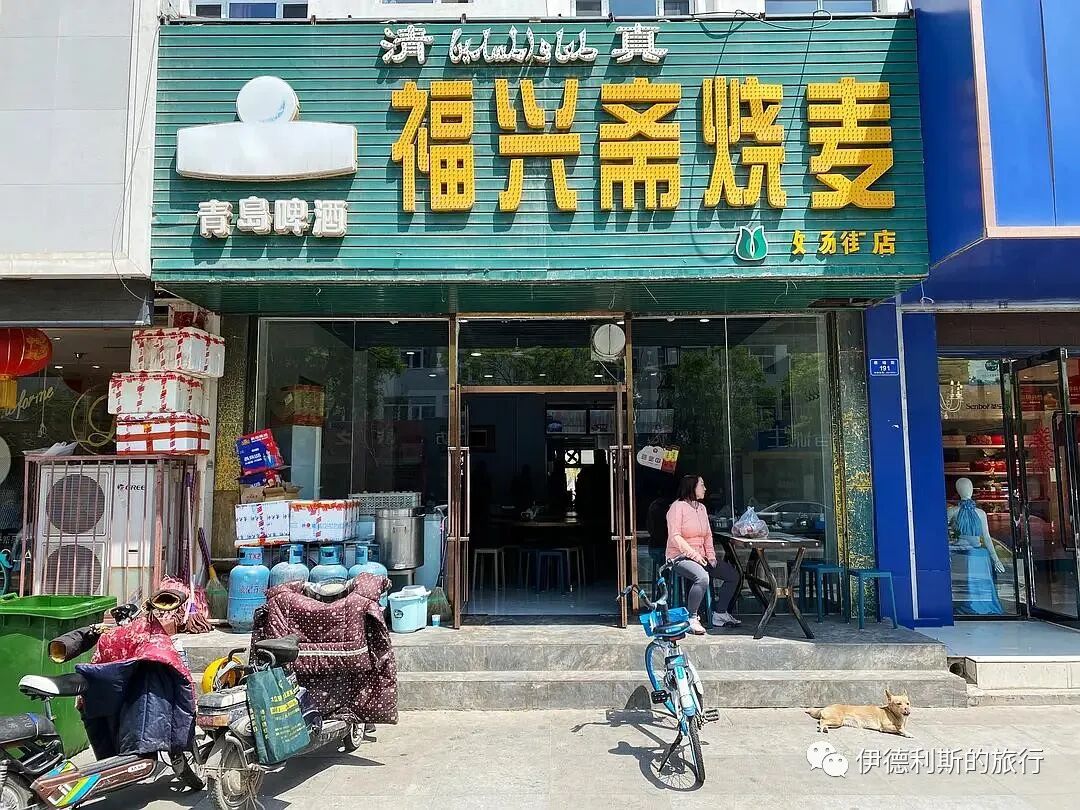
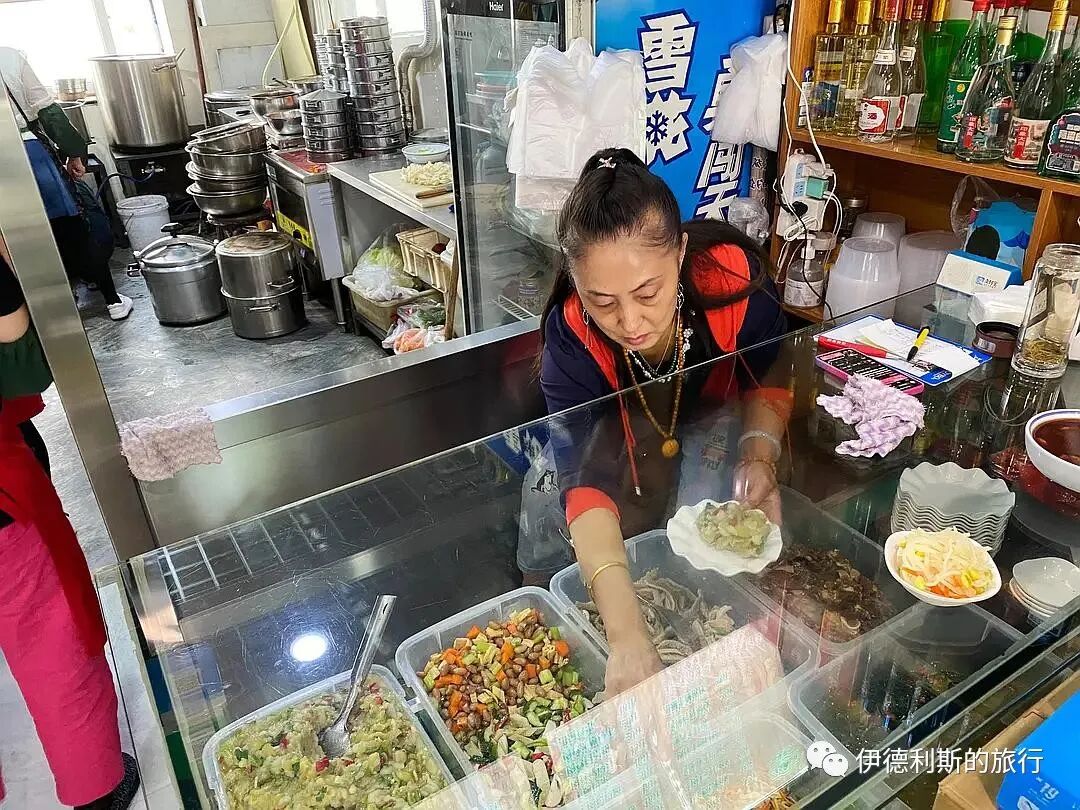
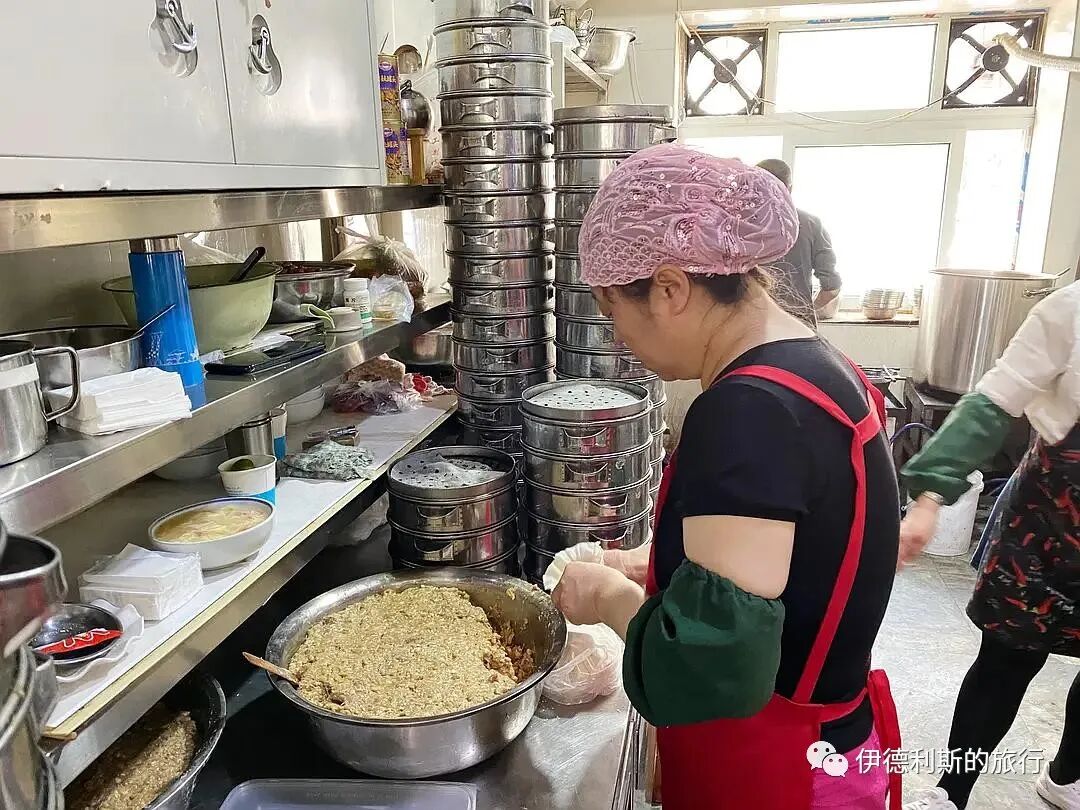
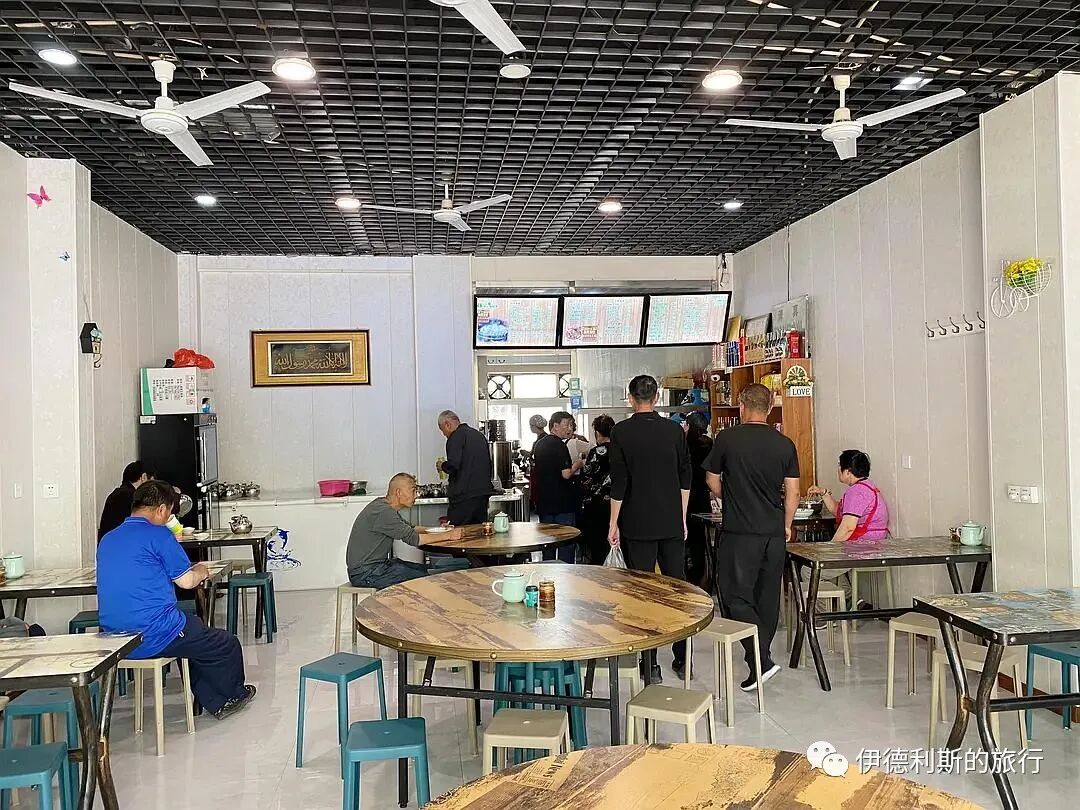
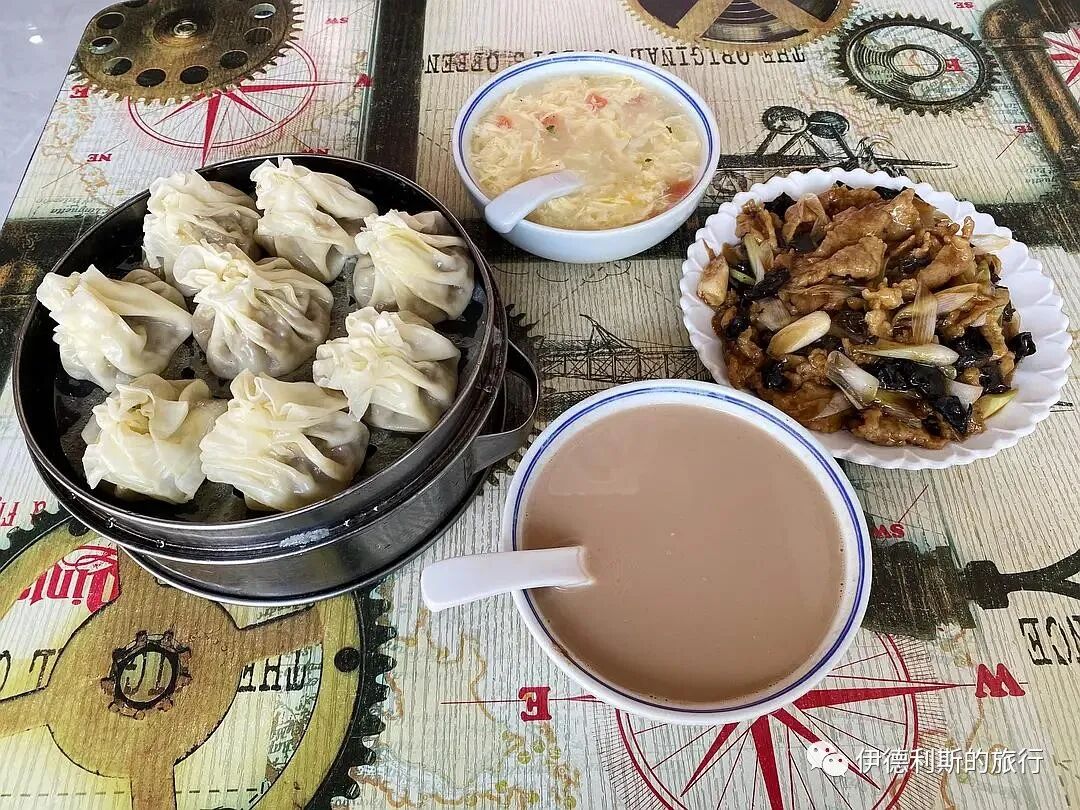
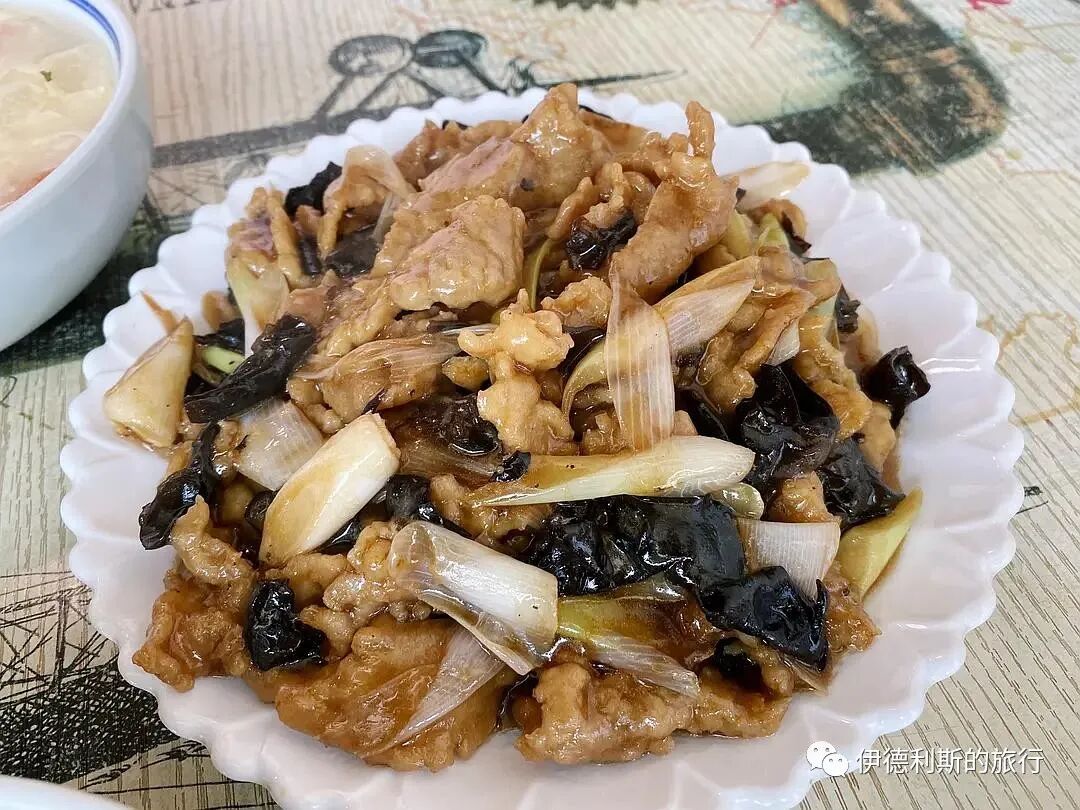
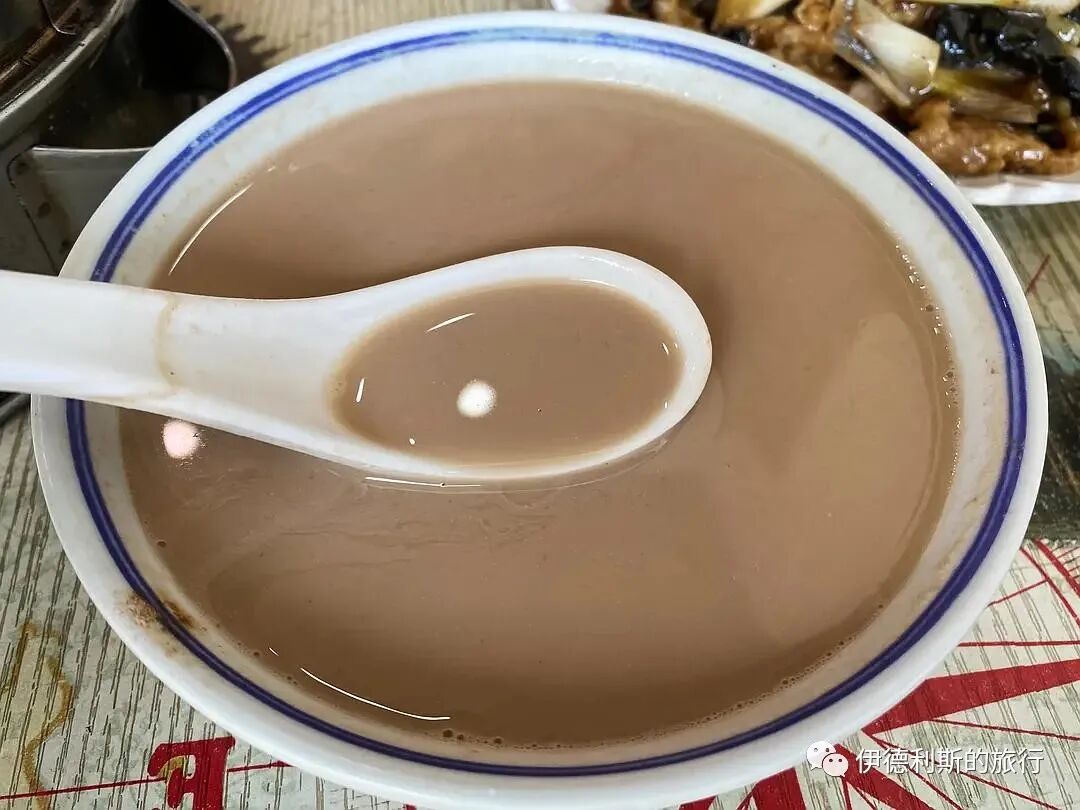
Took the high-speed train from Beijing to Datong in the morning. After getting off, I headed straight to the famous Fuxingzhai Shaomai on Jiaochang Street for lunch, ordering shaomai, Mongolian salty milk tea, a bowl of egg soup, and guoyourou (oil-fried meat). Their shaomai is truly delicious, and it goes great with the milk tea. Unlike the 'white sauce guoyourou' in central and southern Shanxi, the guoyourou in the Datong area is thickened with a soy sauce-based 'red sauce'. The guoyourou in Xinjiang was actually introduced there by Shanxi merchants during the Qing Dynasty. According to a stele inscription from the Guangxu era at the Datong Mosque, many Hui people from Datong were engaged in trade in Tacheng, Xinjiang at that time, and the 'Ma Bairentang' was a traditional Chinese medicine shop opened by Datong Hui people in Tacheng.
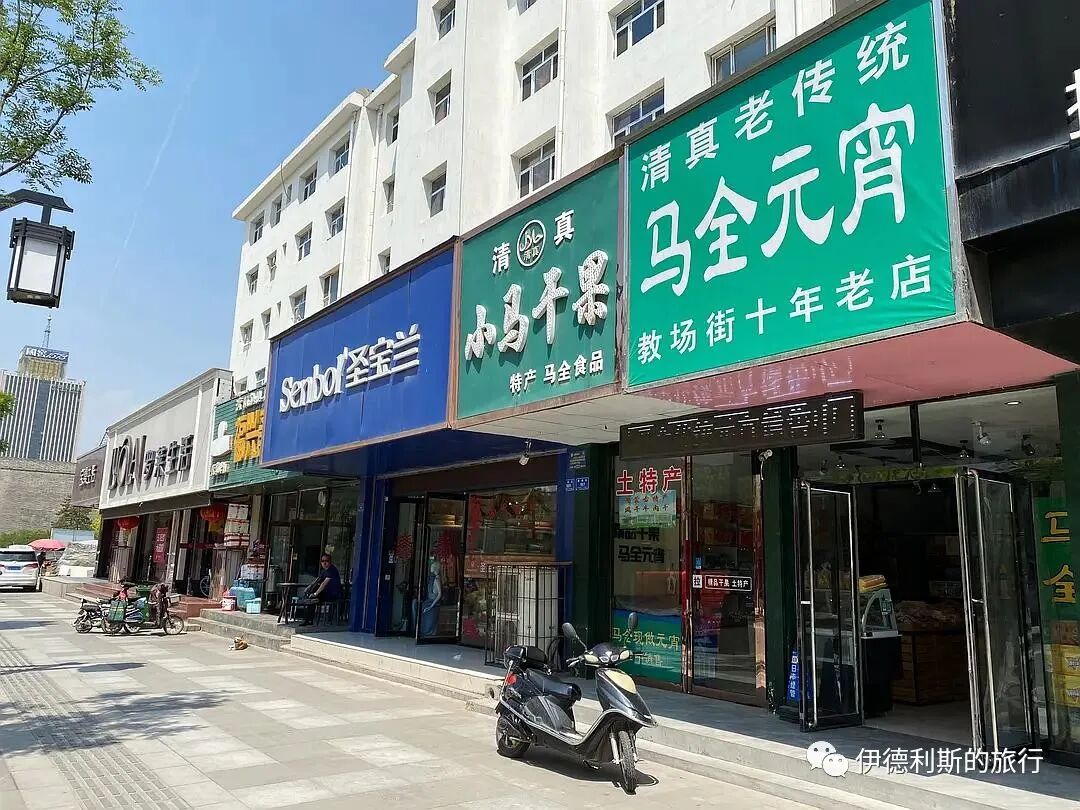
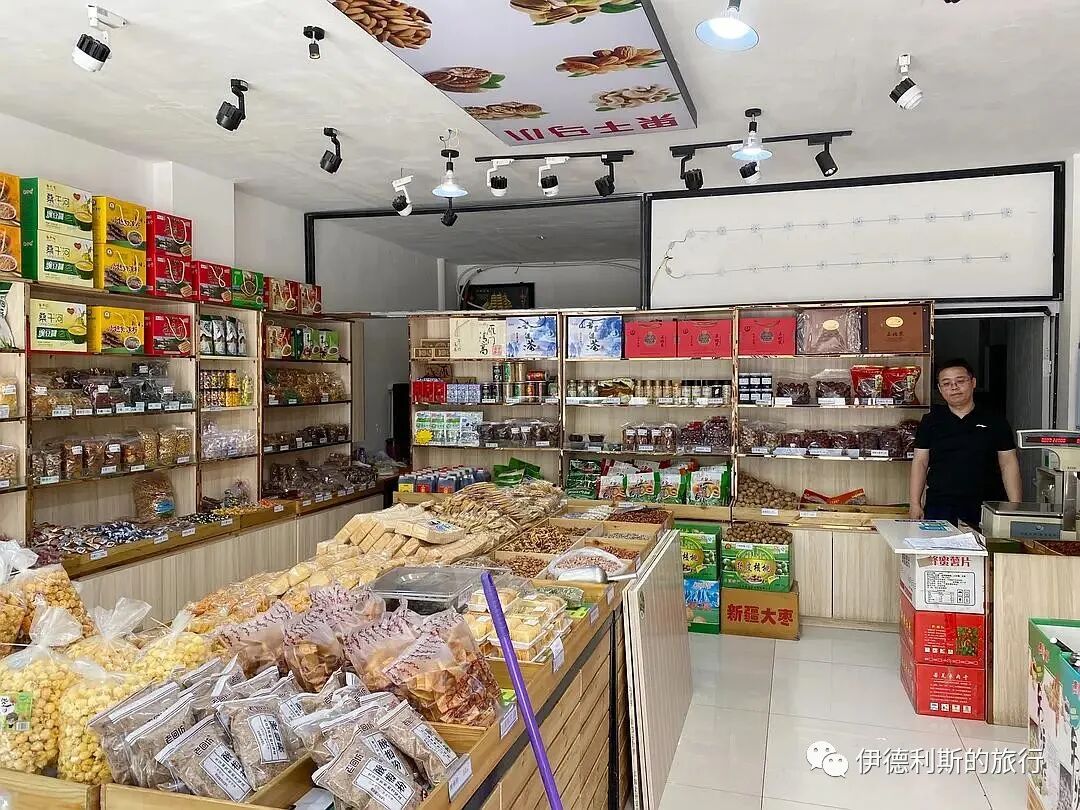
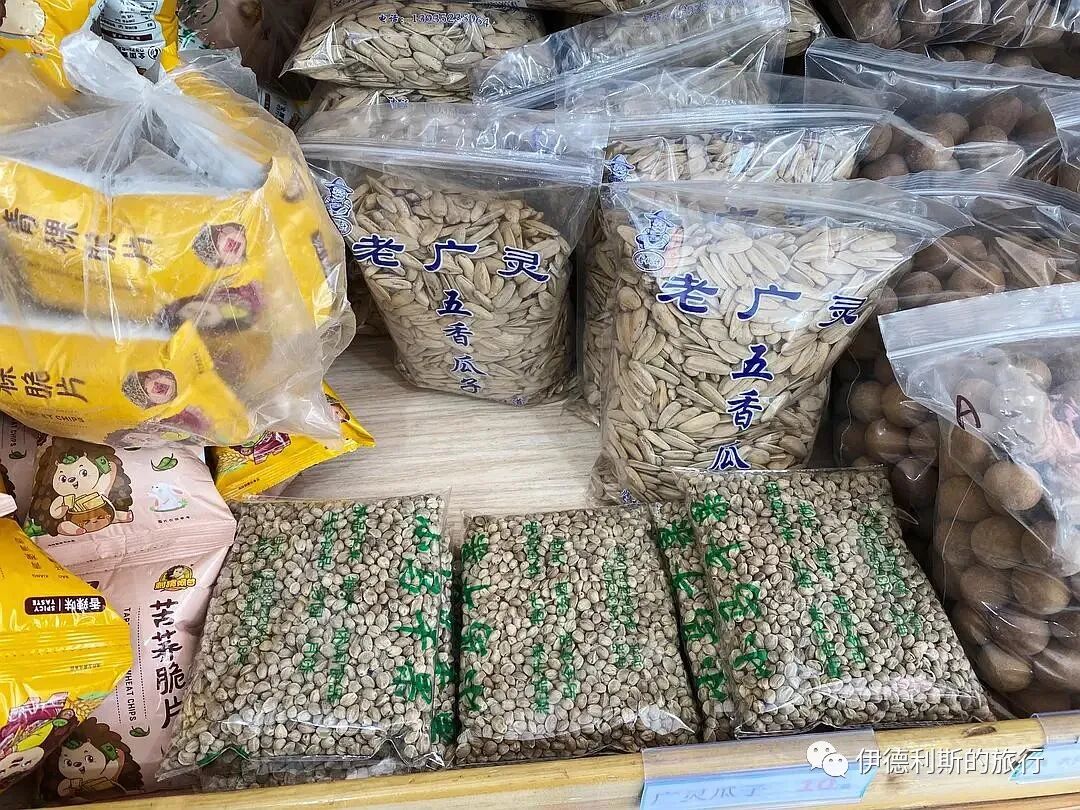
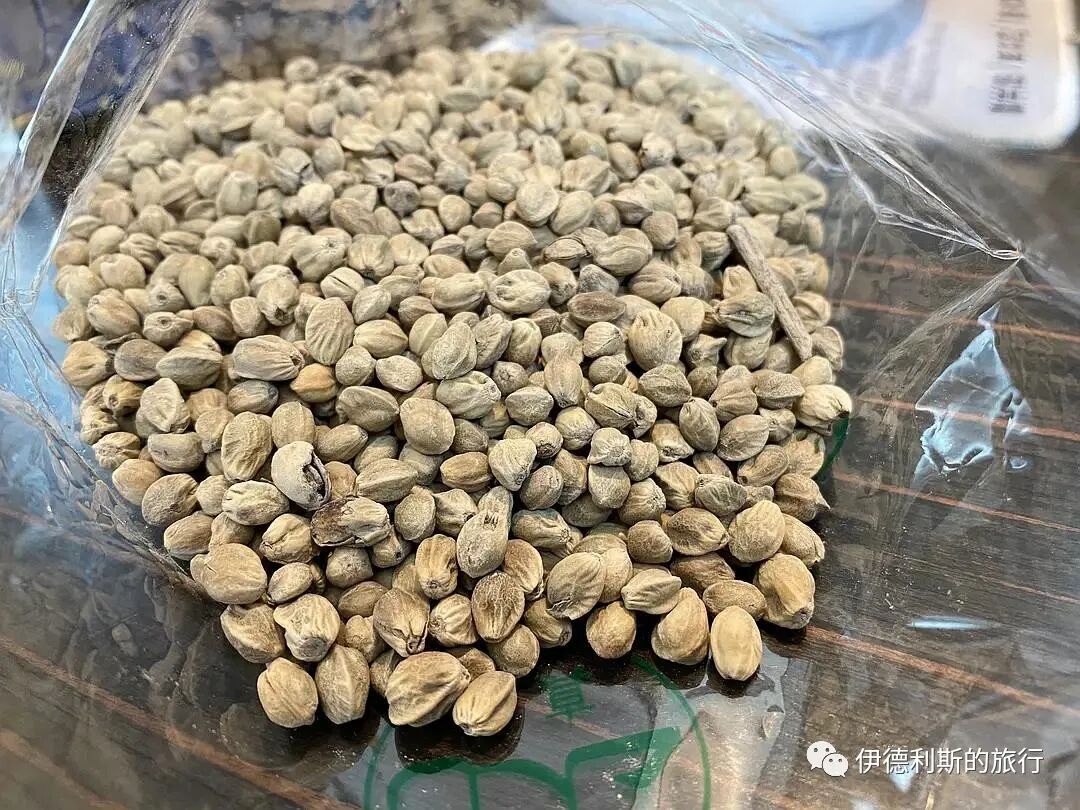
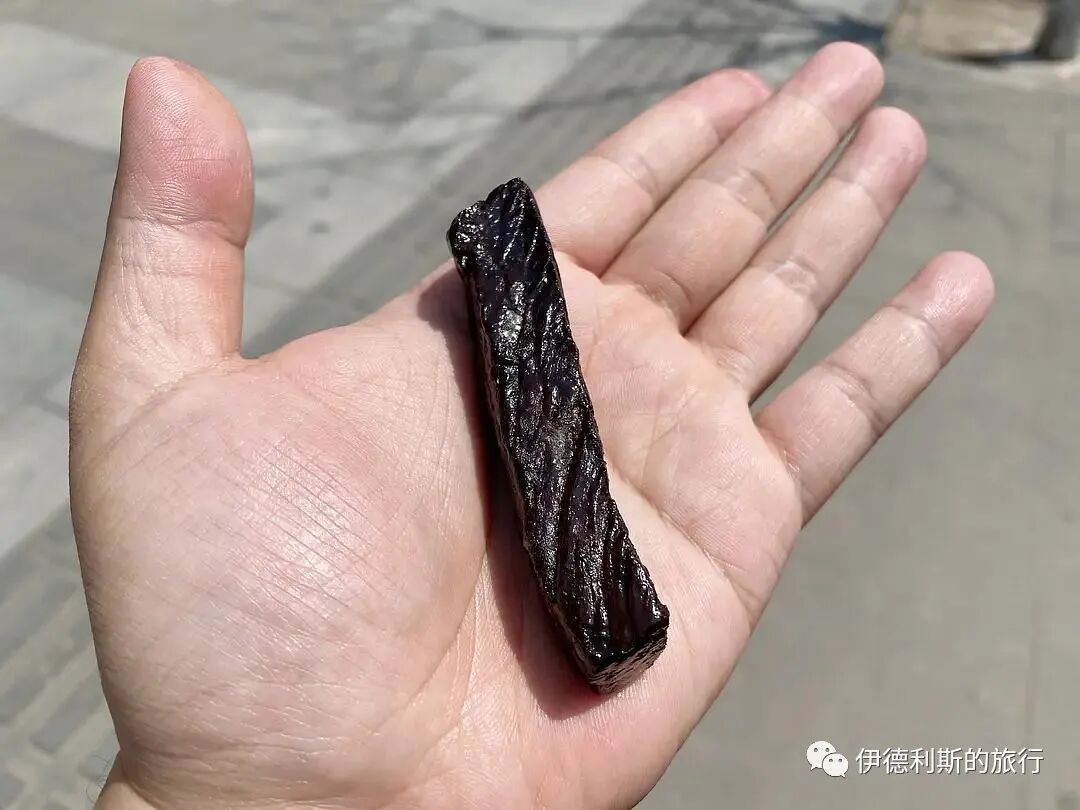
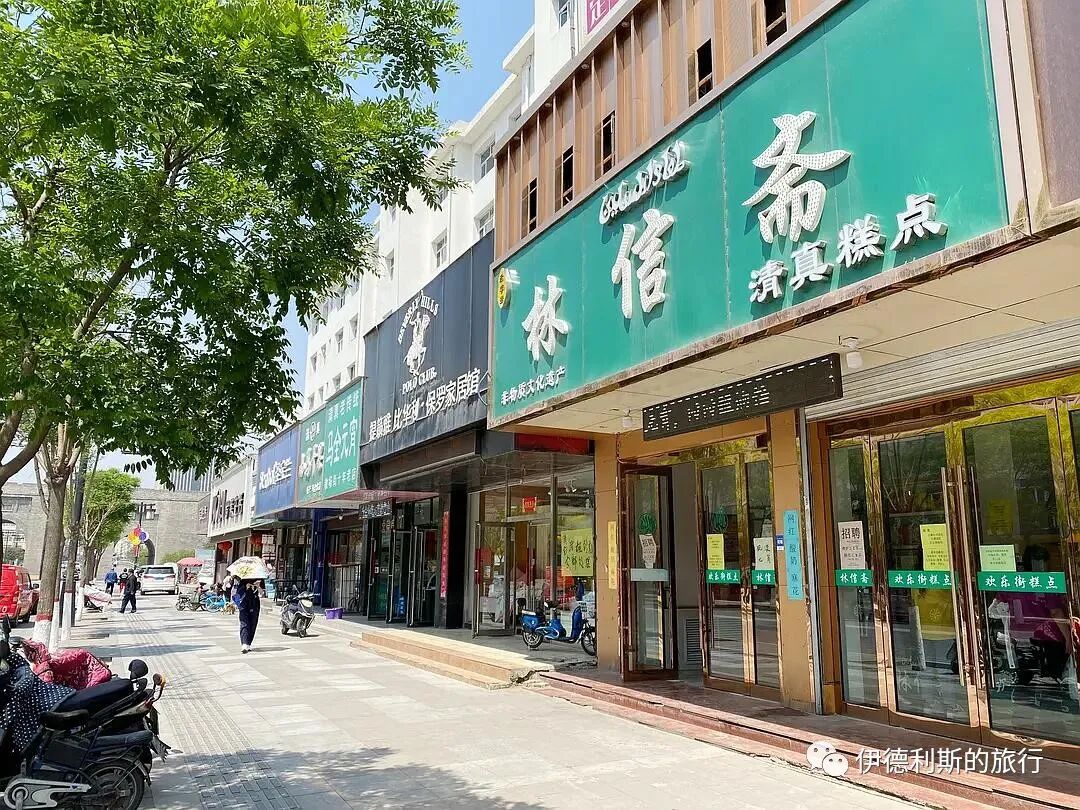
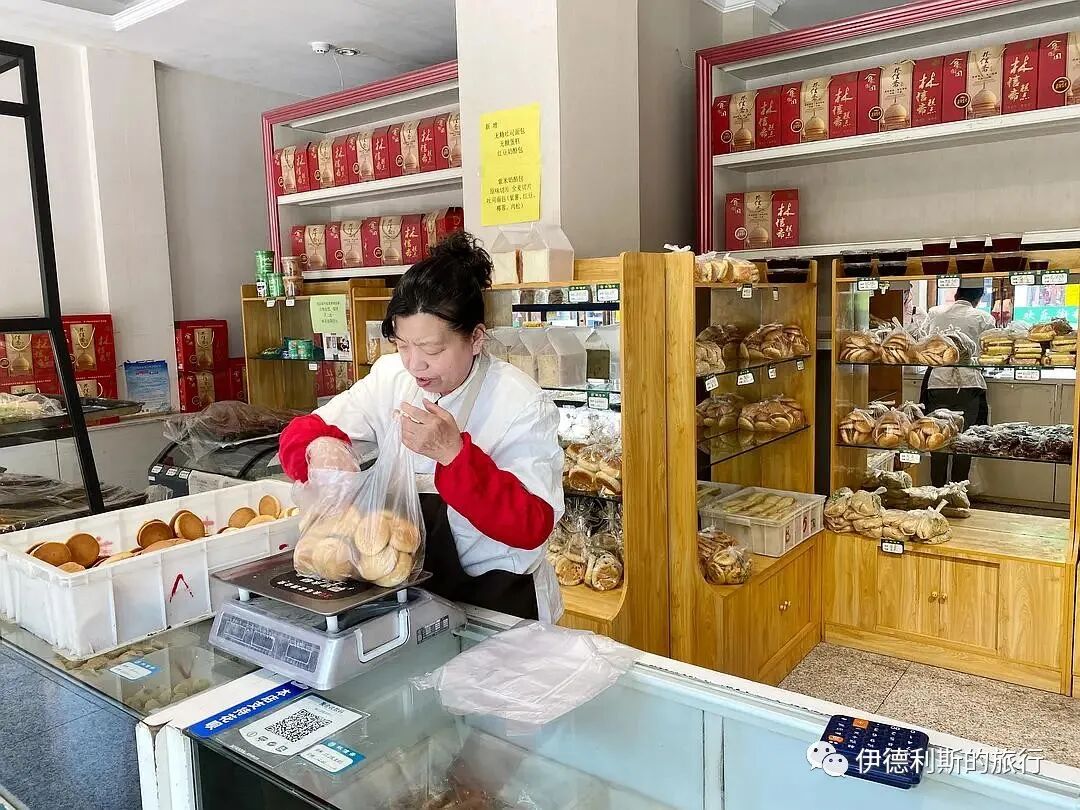
There are many halal shops on Jiaochang Street in Datong. I bought hemp seeds and beef jerky from Jining, Inner Mongolia at Xiao Ma Dried Fruit, and traditional mooncakes at Linxinzhai. This was my first time eating hemp seeds. I looked them up and found they are common in Shaanxi, Gansu, Shanxi, and Hebei. Once roasted, they are perfect for snacking while chatting or watching TV. Linxinzhai is a time-honored halal brand in Datong that opened in the 1970s. They sell Datong-style specialty cakes, old-fashioned mooncakes, and other traditional pastries, and there are always many customers. I also noticed many people buying chicken leg bread; it really brings back childhood memories. I haven't had one in at least 20 years.
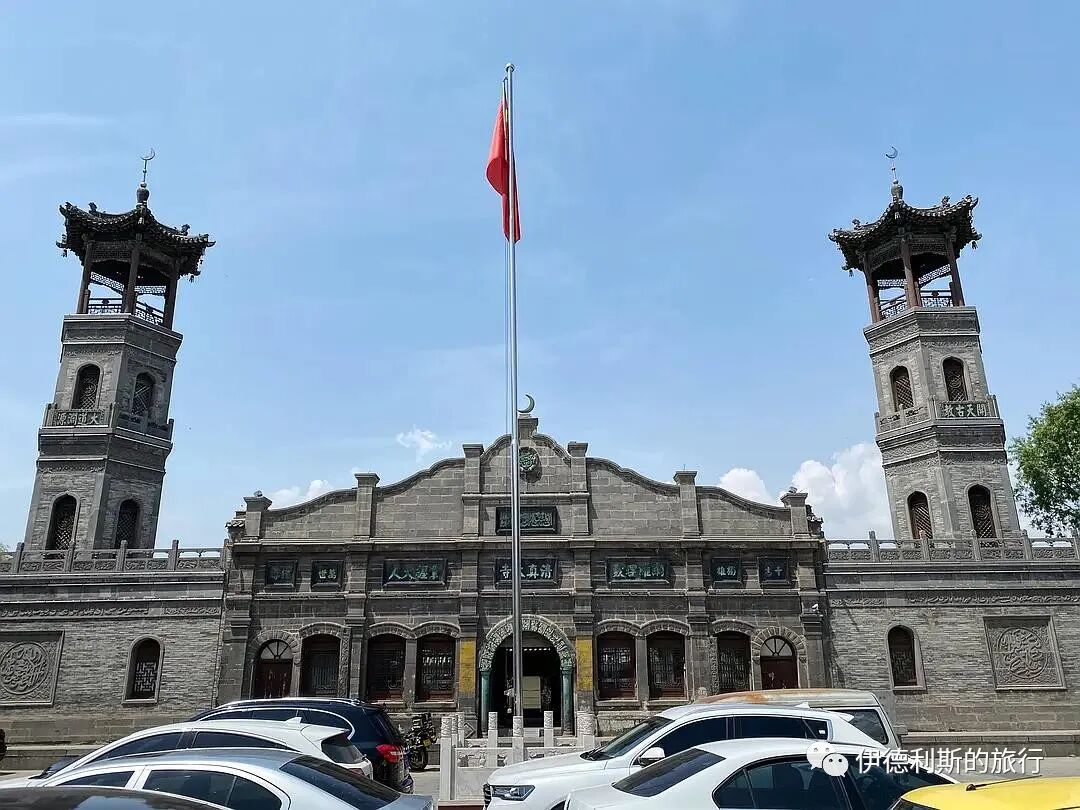
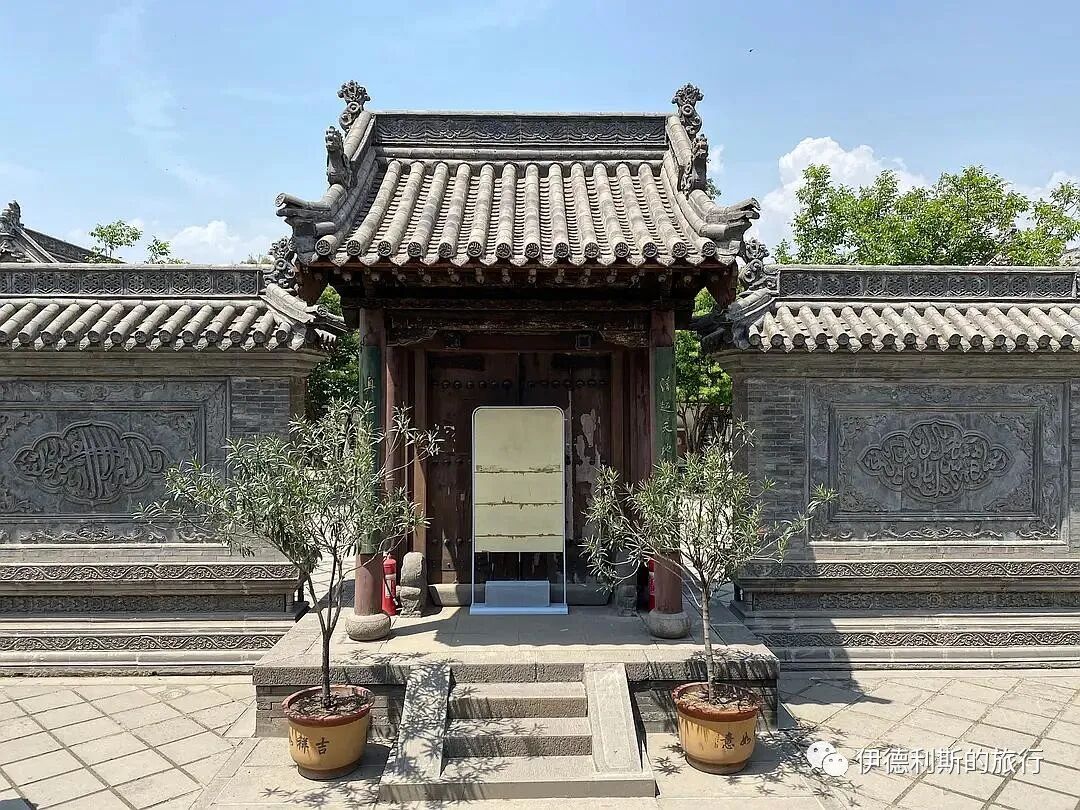
The 'History of Yuan, Annals of Emperor Taiding, Part 1' records that '(1324, the first year of the Taiding era of the Yuan Dynasty) in the Guihai year, mosques were built in Shangdu and Datong Road, with 40,000 ingots of paper currency allocated,' making the Datong Mosque one of only two recorded mosques built by imperial decree during the Yuan Dynasty. However, the Yuan Dynasty Datong Mosque was completely destroyed during the wars at the end of the Yuan Dynasty. The current mosque was rebuilt within the Datong city walls during the Yongle period of the Ming Dynasty. The main gate of the mosque was rebuilt in 1936 and has a typical Republican-era style. The minarets on both sides were newly built in 2010.
Inside the main gate are the ceremonial gate and the Shengxin Tower. The lower level of the Shengxin Tower is a hallway, and the upper level is an attic. According to the stele in the mosque, it was first built in 1522.
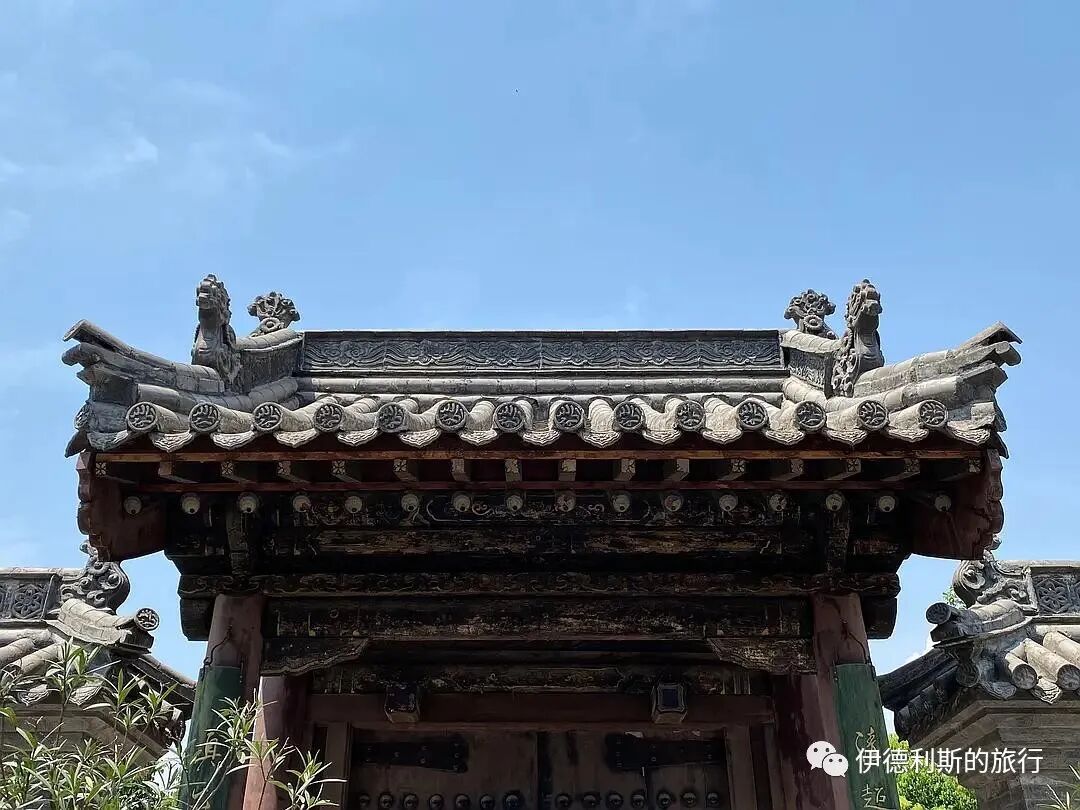
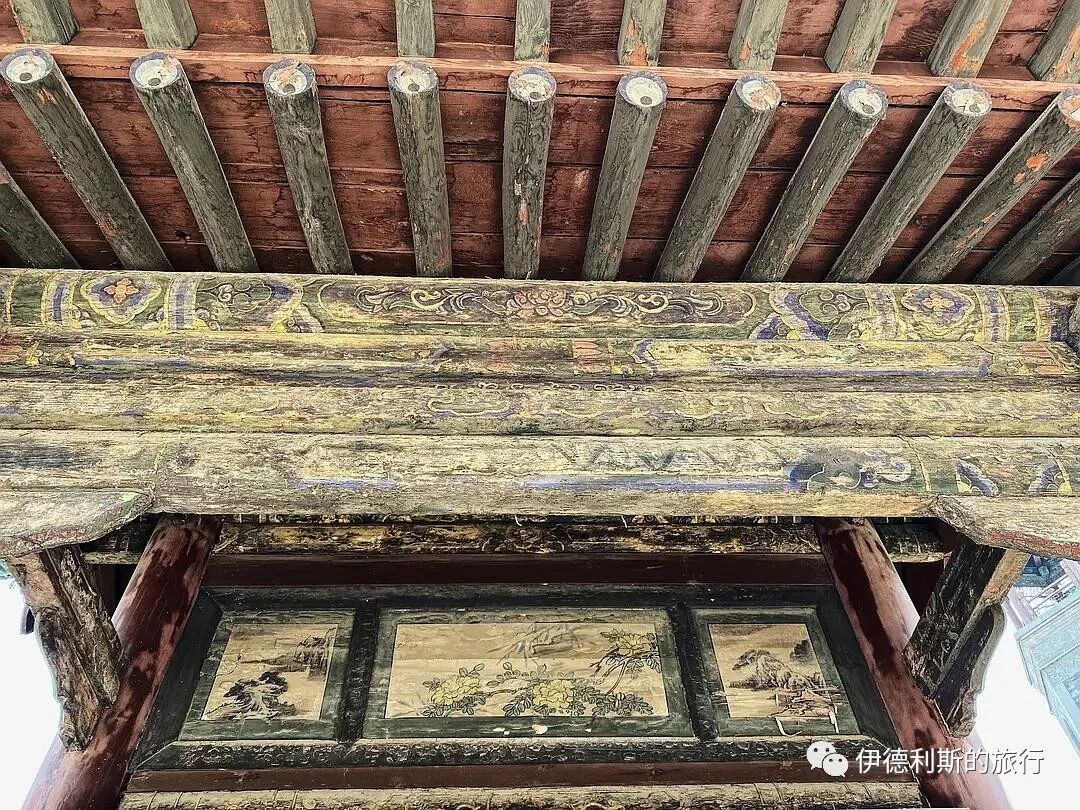
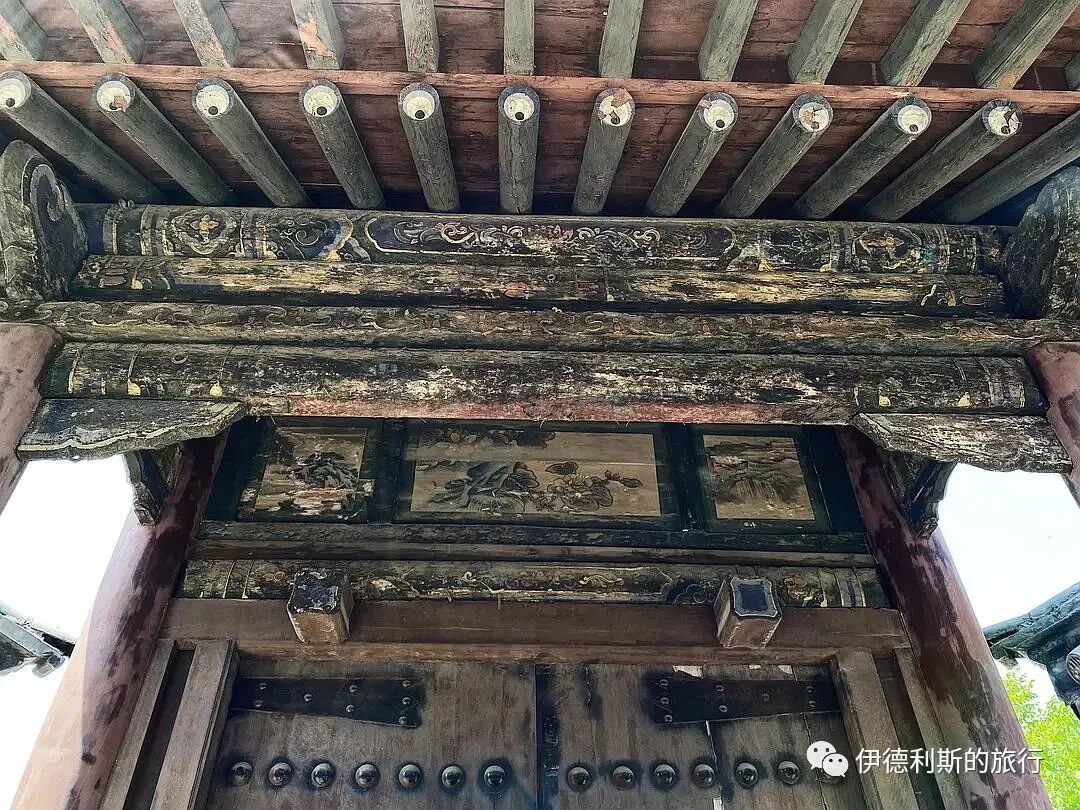
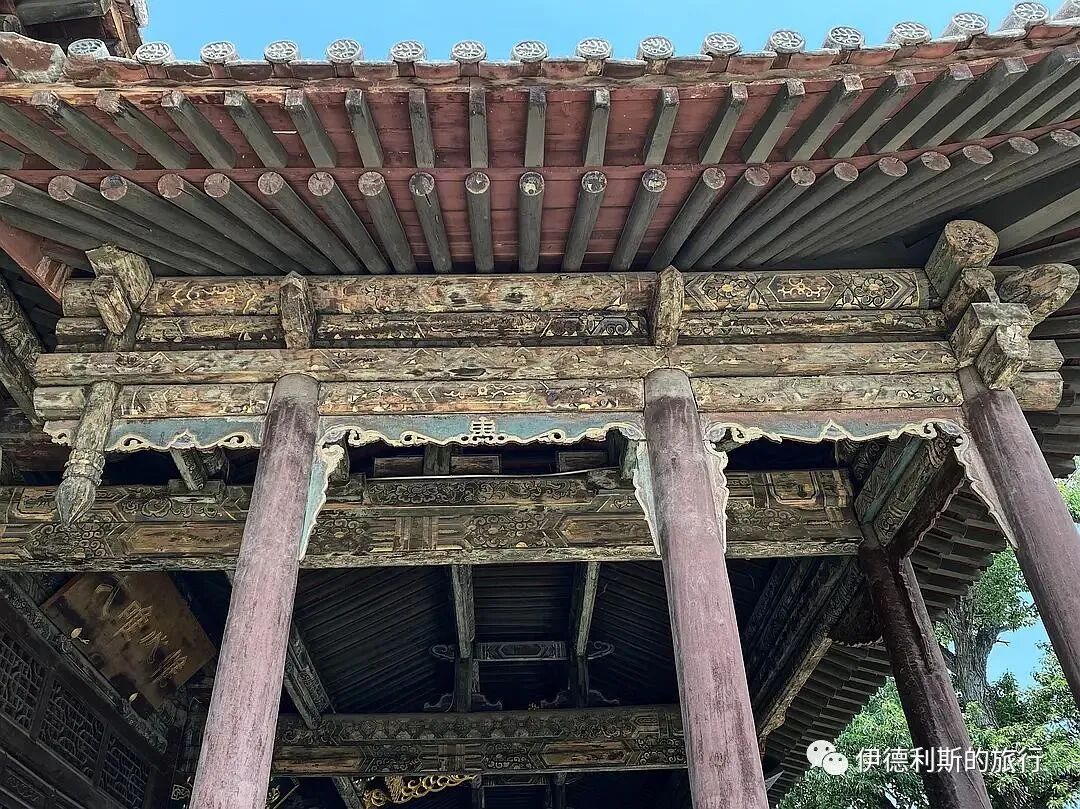
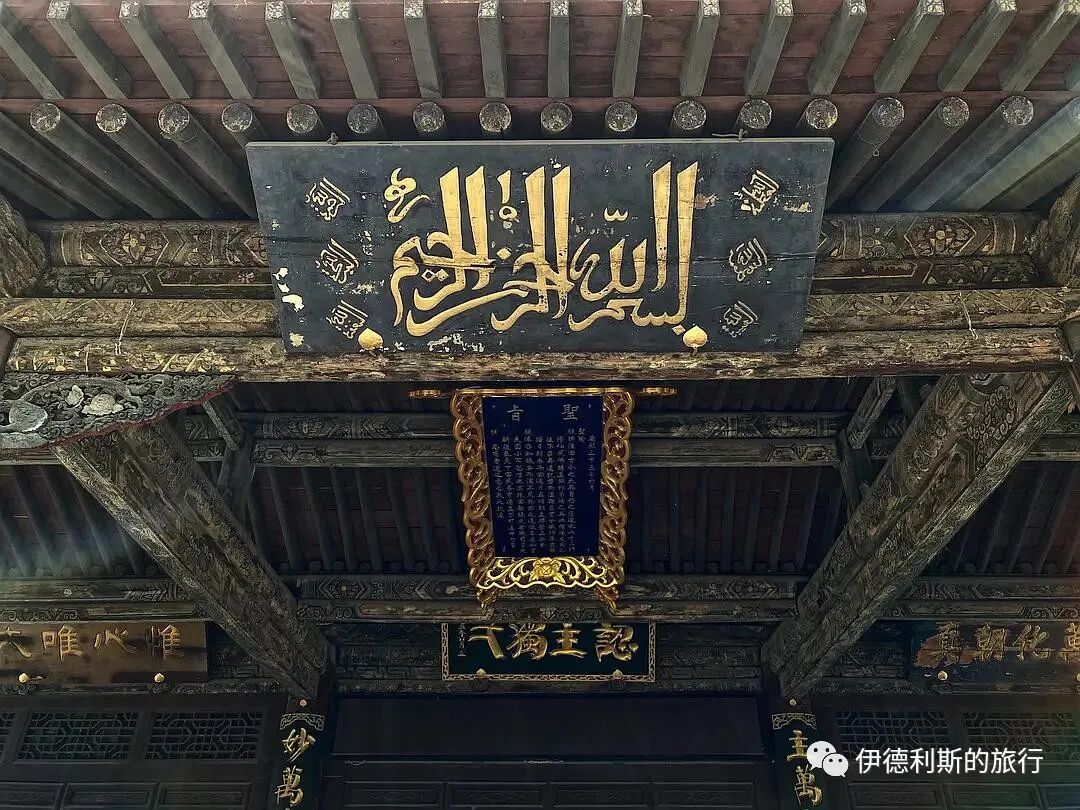
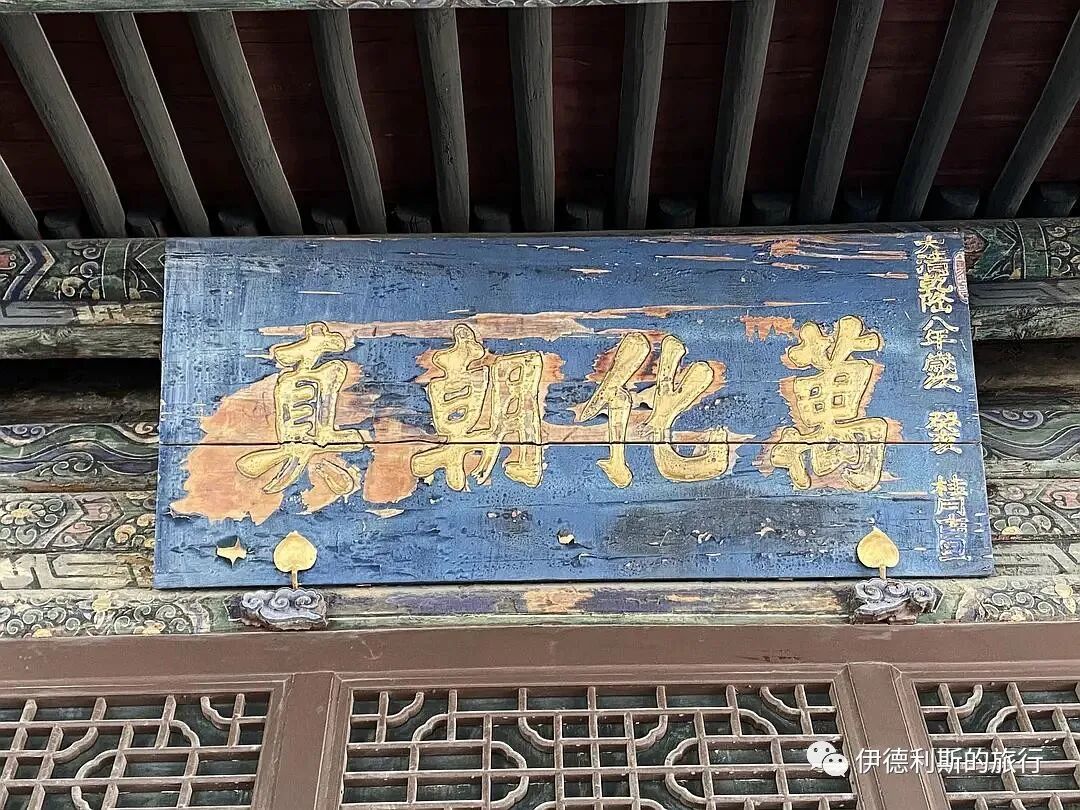
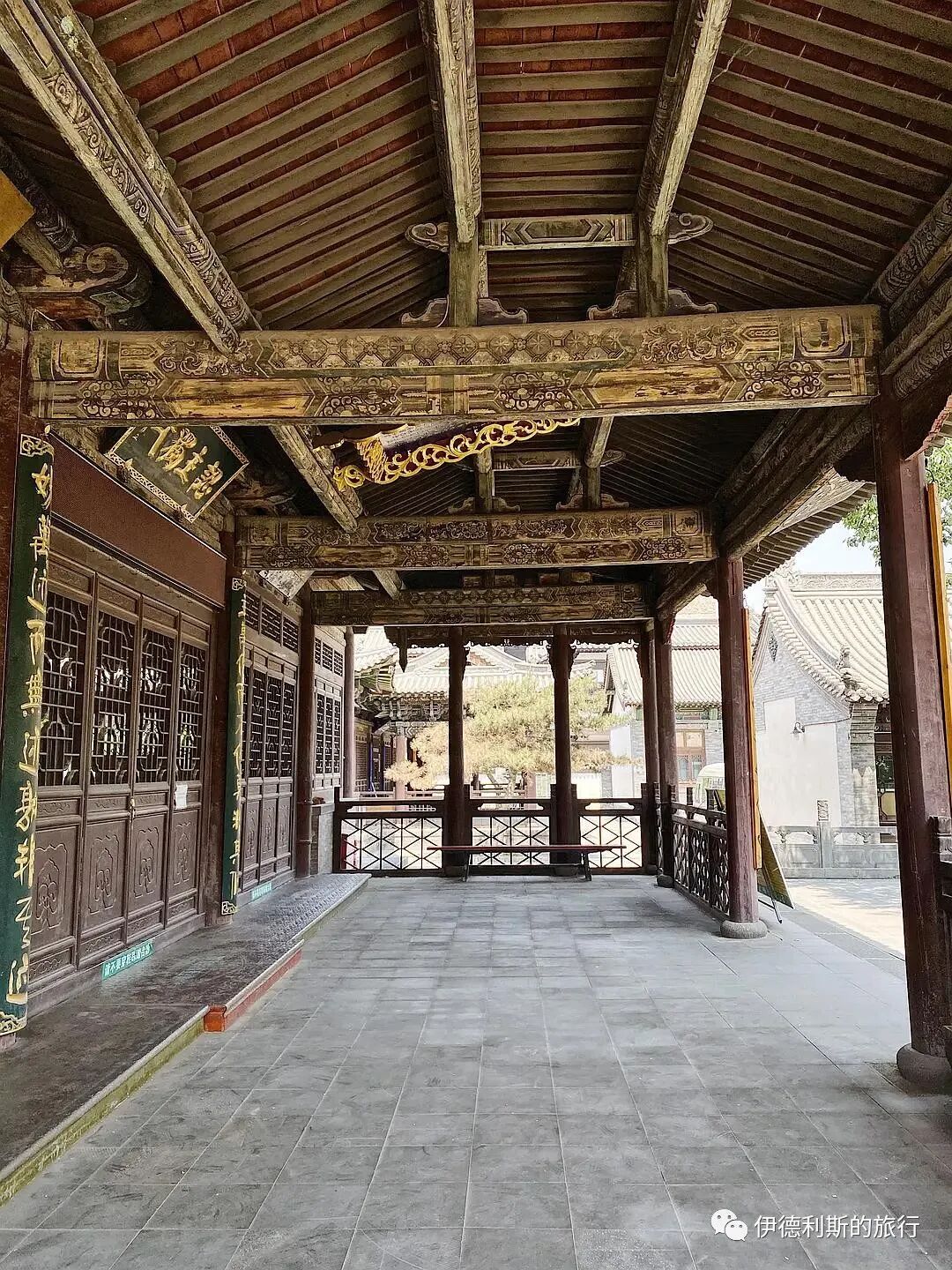
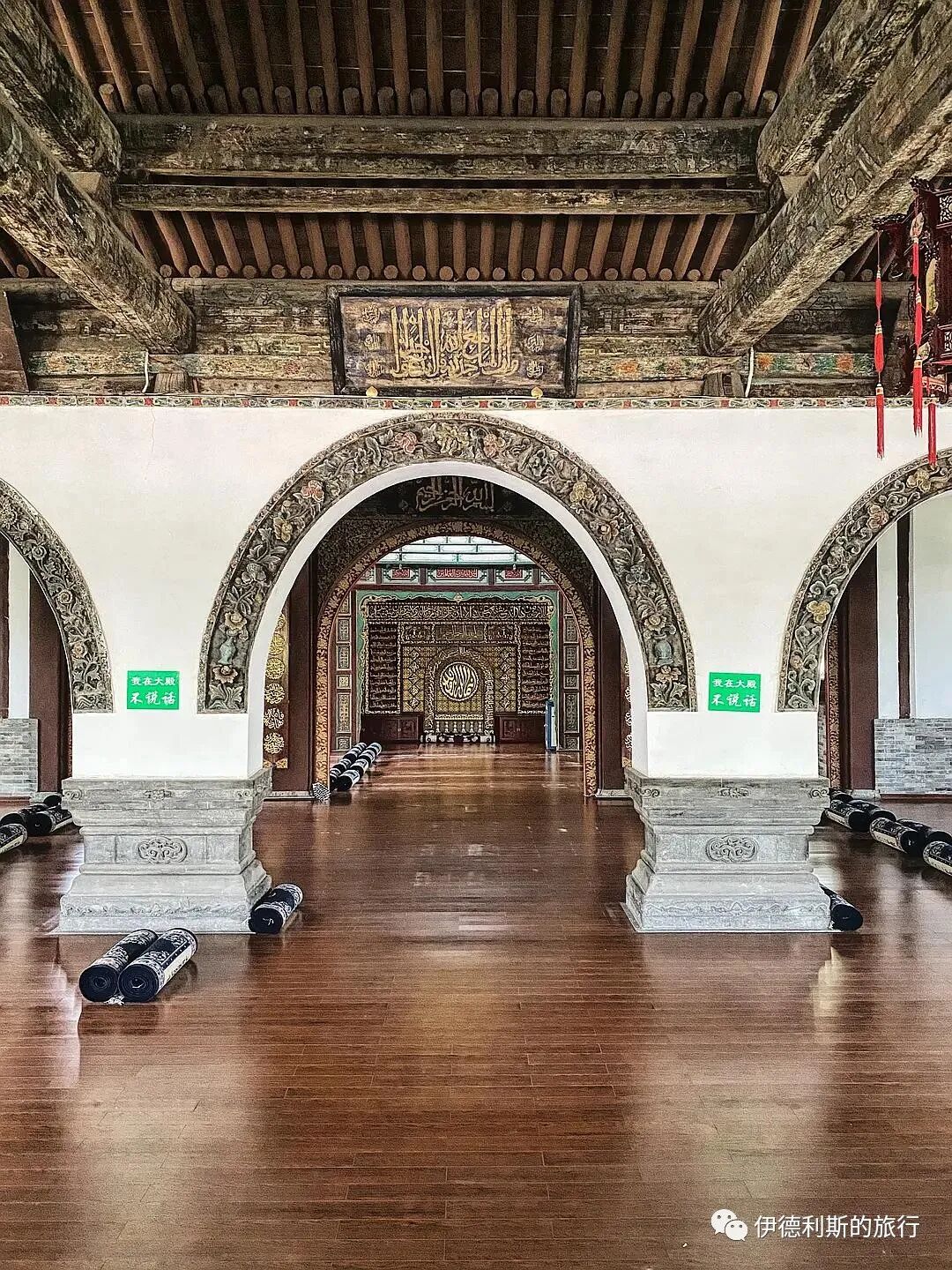
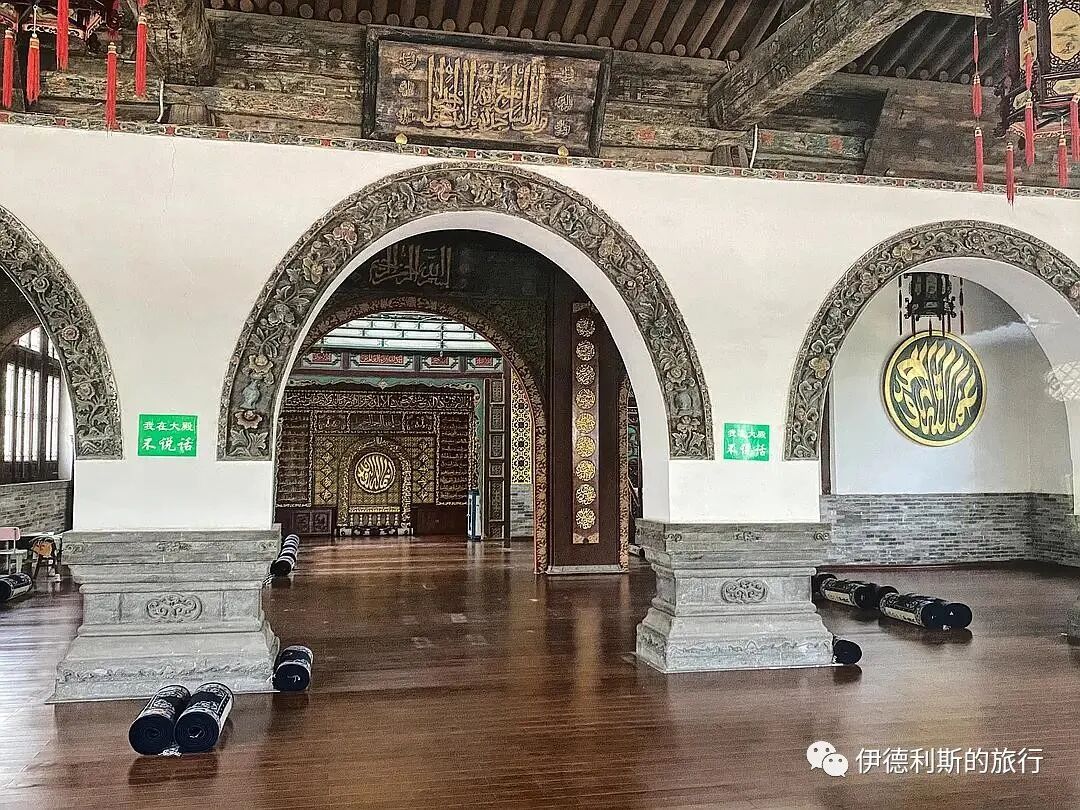
Behind the Shengxin Tower is the prayer hall. According to the stele in the mosque, the prayer hall was built in 1622 and renovated in 1692. The prayer hall consists of a porch, a front hall, a main hall, and a rear kiln hall, with exquisite Qing Dynasty paintings on the porch.
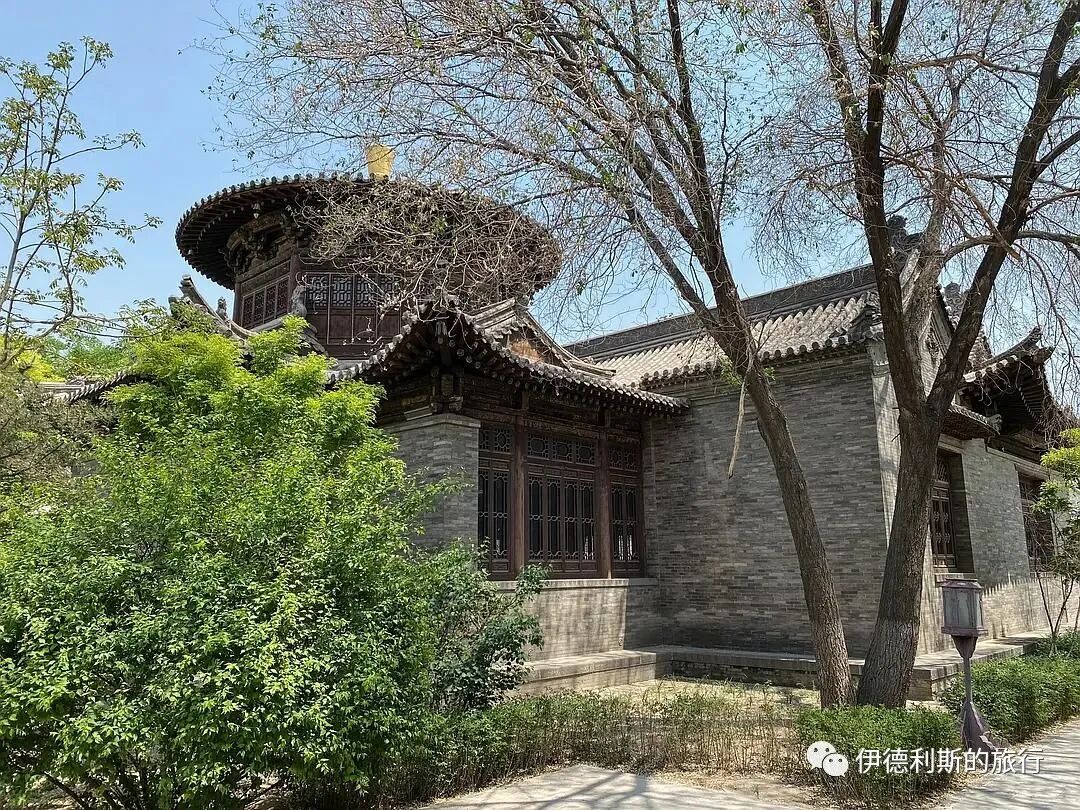
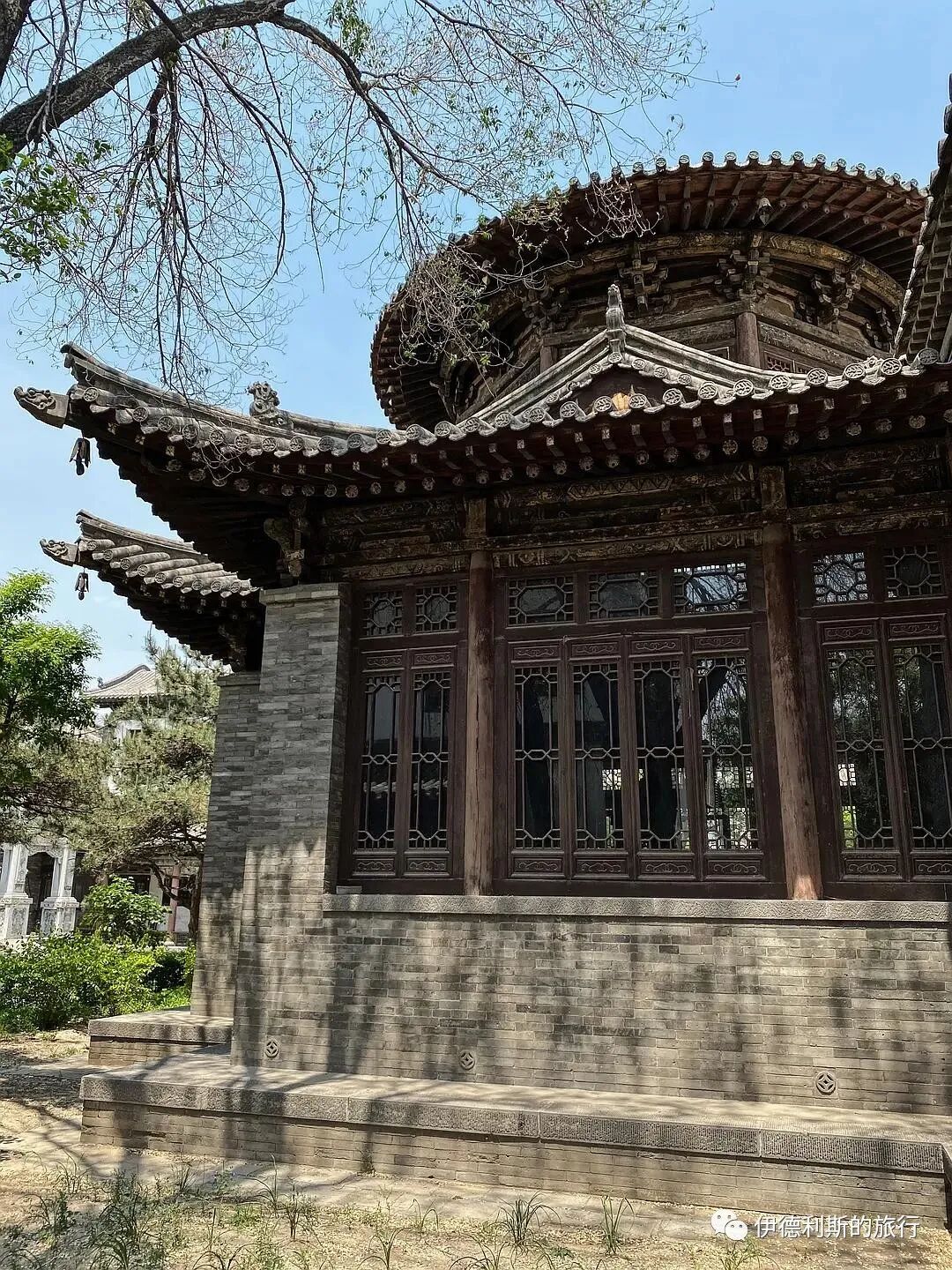
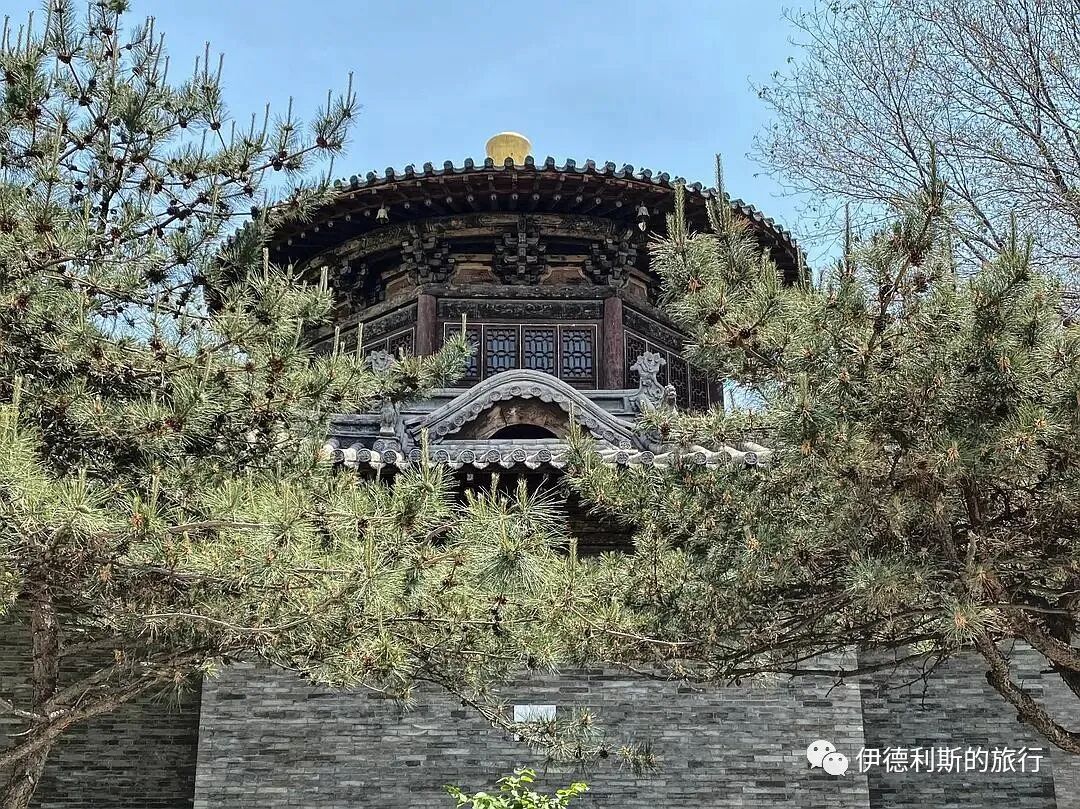
Unfortunately, the prayer hall is only open during Jumu'ah prayers and is locked at other times, but you can see the exquisite Qing Dynasty carvings through the windows. Behind it is the very distinctive octagonal kiln hall roof, with wooden lattice windows, a circular pointed roof, a gilded treasure top, and yellow glazed tiles. It is the only mosque kiln hall in the country with this architectural style.
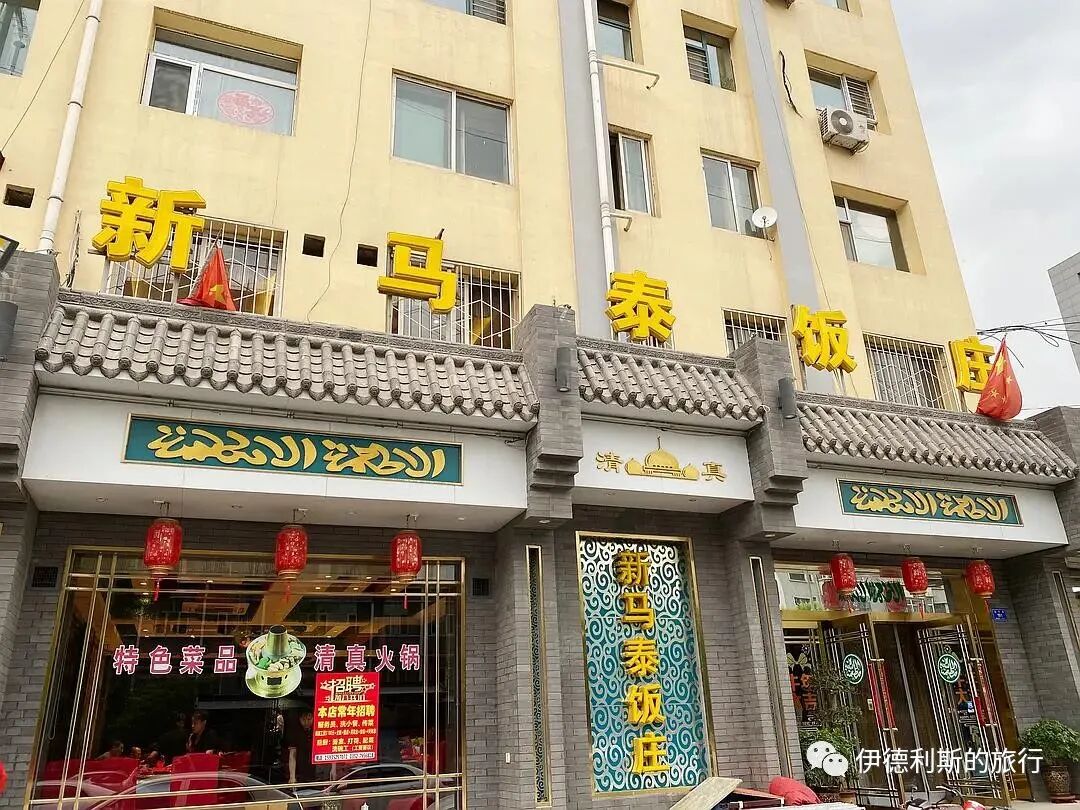
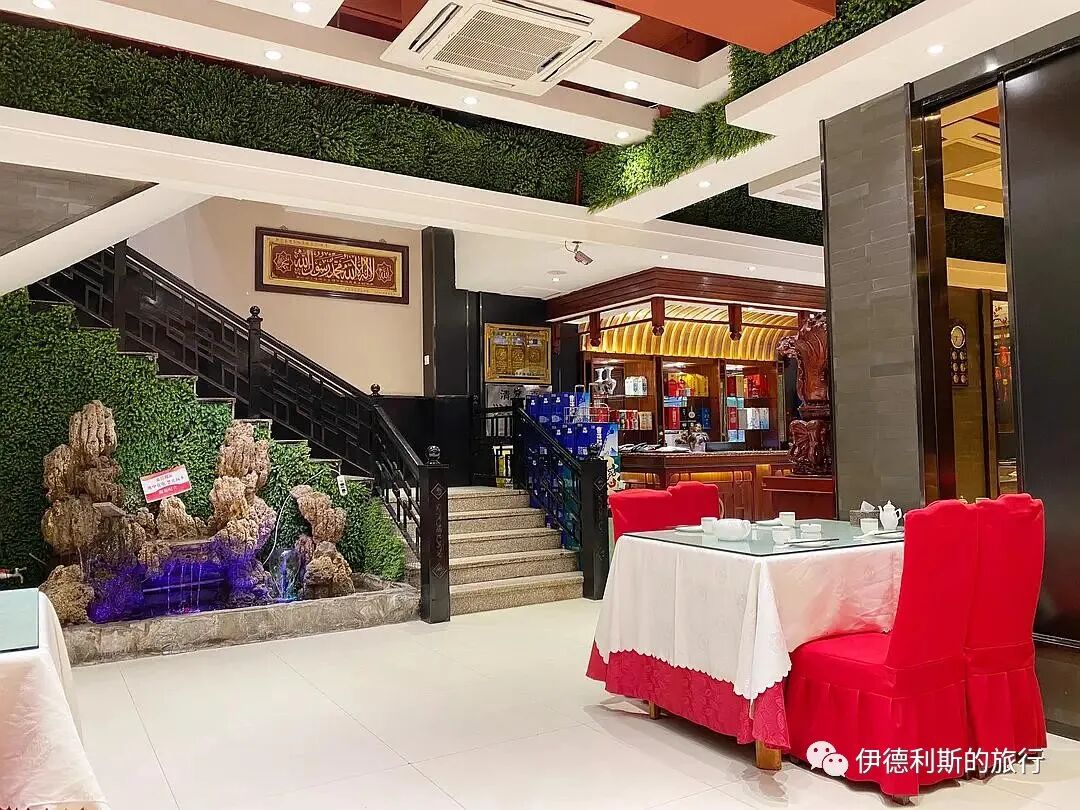
In the afternoon, I went to Xinmata Restaurant, a place where Datong Hui people often hold banquets. However, we didn't order banquet dishes, but instead chose two home-style dishes that are a bit 'too humble for a banquet' but taste absolutely amazing.
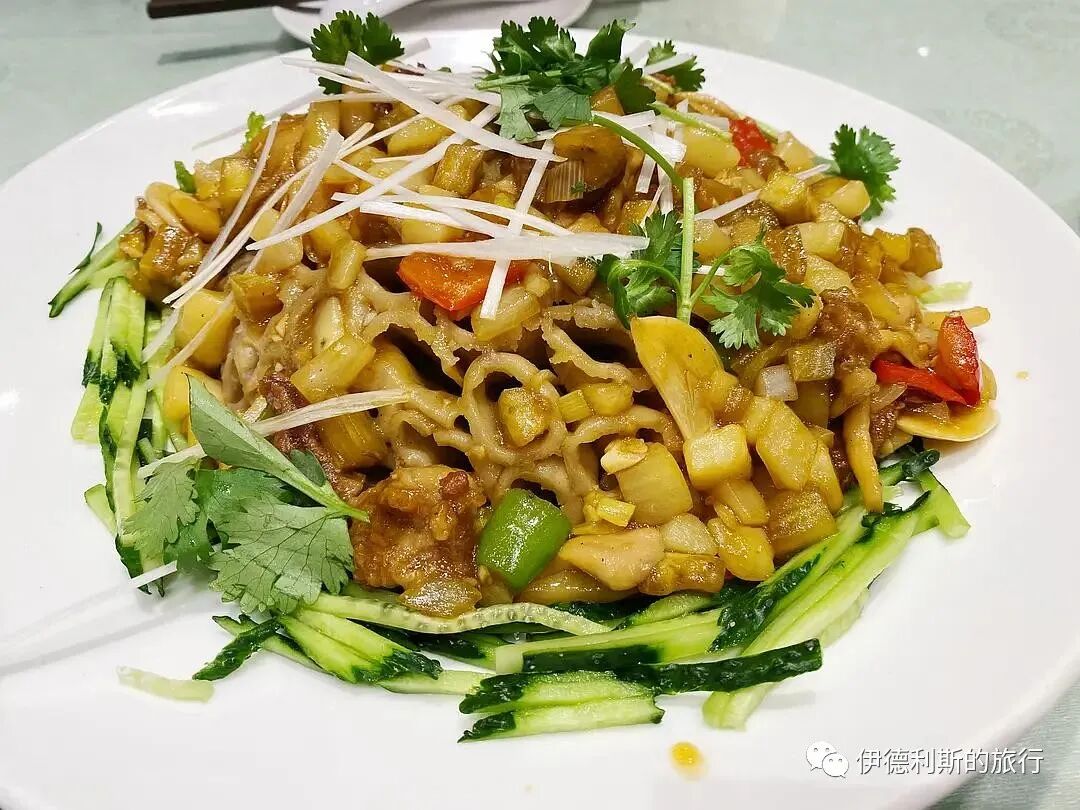
The first dish is called 'Commune Hospitality Meal,' which is actually stir-fried oat noodle nests with diced eggplant, diced potatoes, beef, mushrooms, green and red peppers, and shredded cucumber. It feels like having a meal like this during the commune era would really fill you up and satisfy your cravings!
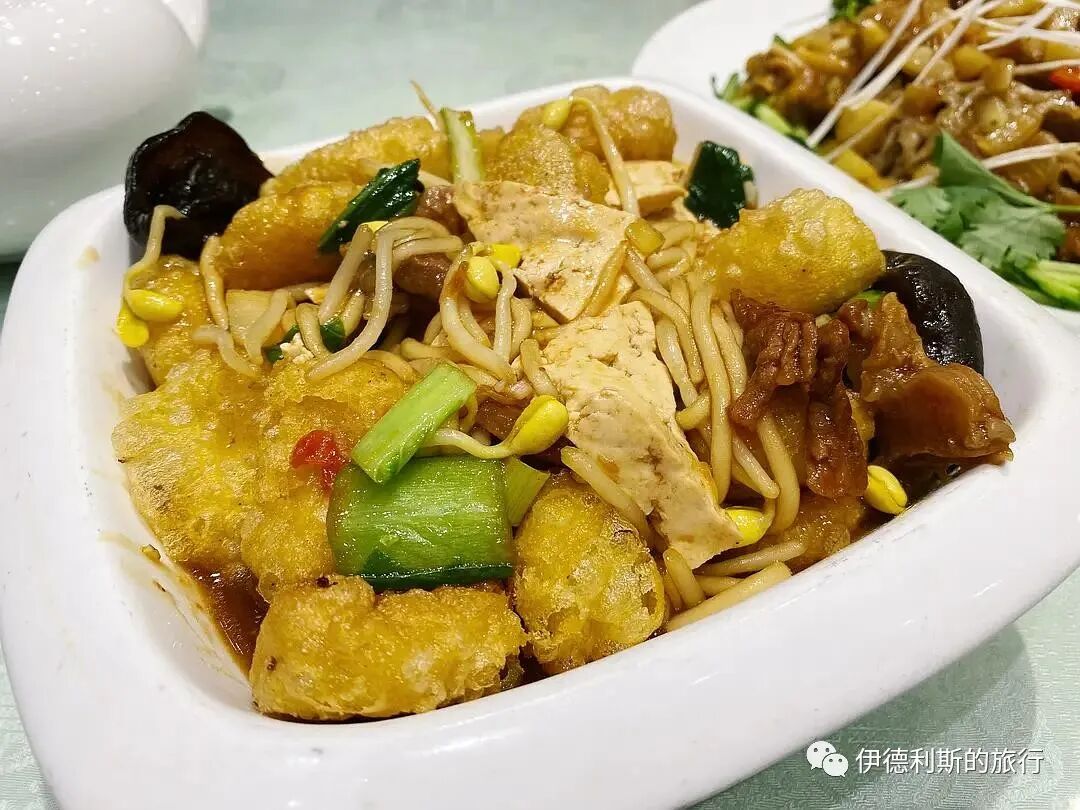
The second dish is called braised vegetable with fried cake. It uses deep-fried yellow rice cakes braised with vermicelli, beef, wood ear mushrooms, bean sprouts, tofu, and green vegetables. Using deep-fried yellow rice cakes in stir-fries seems to be a specialty here in Datong, and many dishes can be made this way.
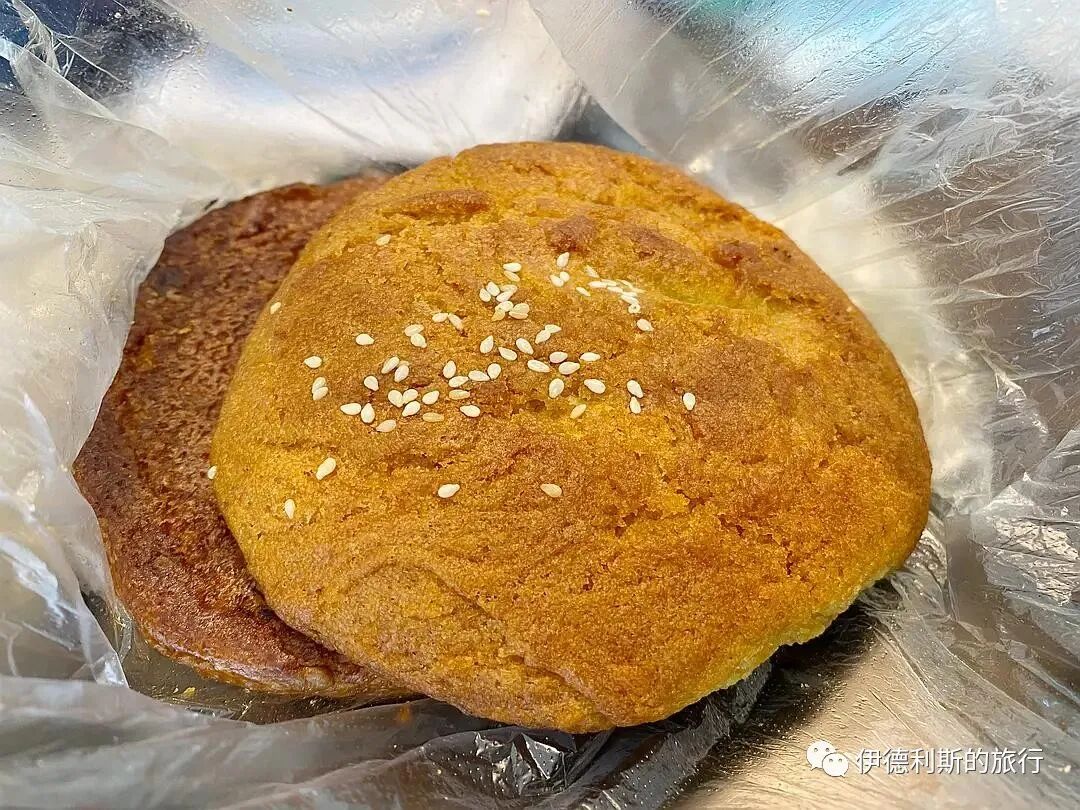
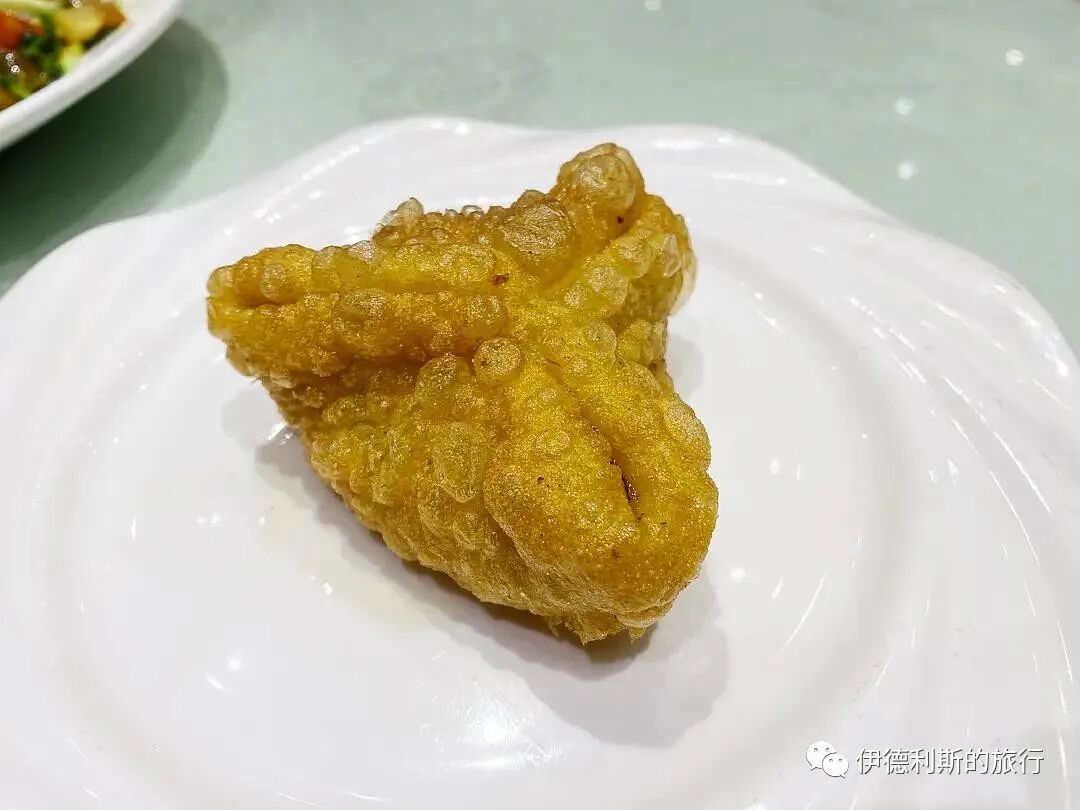
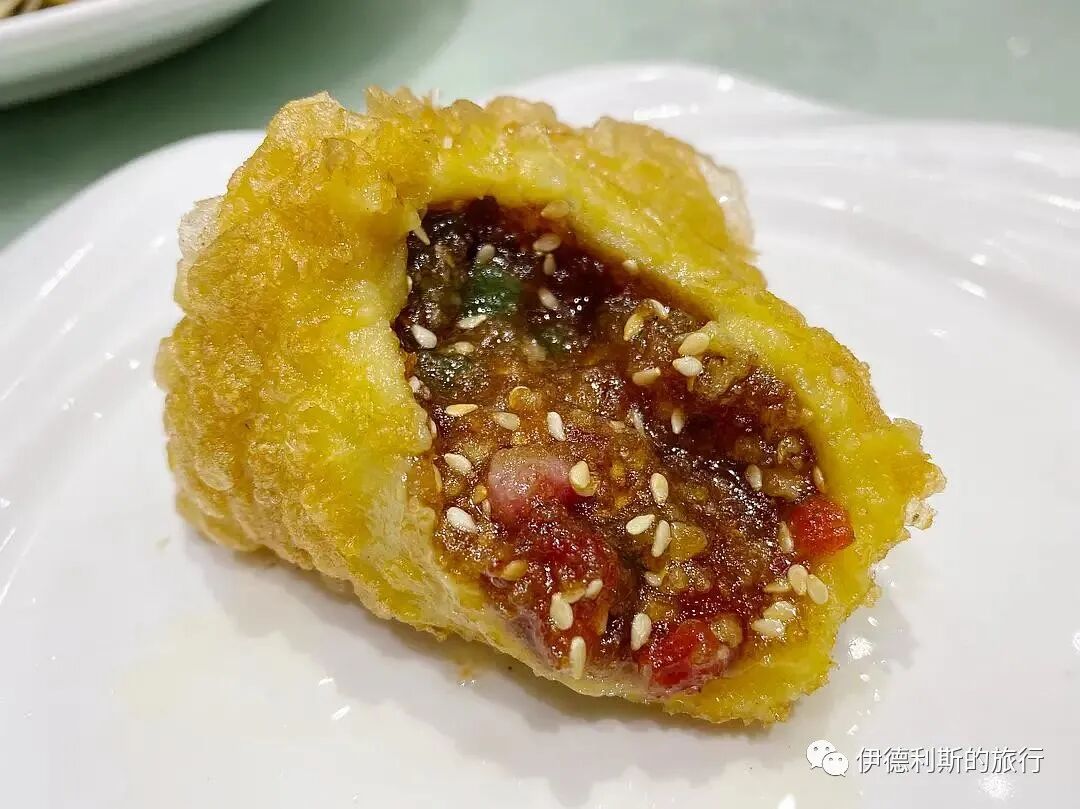
Finally, I tasted the Datong specialty suiyou cake, which is a deep-fried yellow rice cake with a filling of green and red shredded candied fruit, sesame, brown sugar, and suiyou (marrow oil). It is truly fragrant!
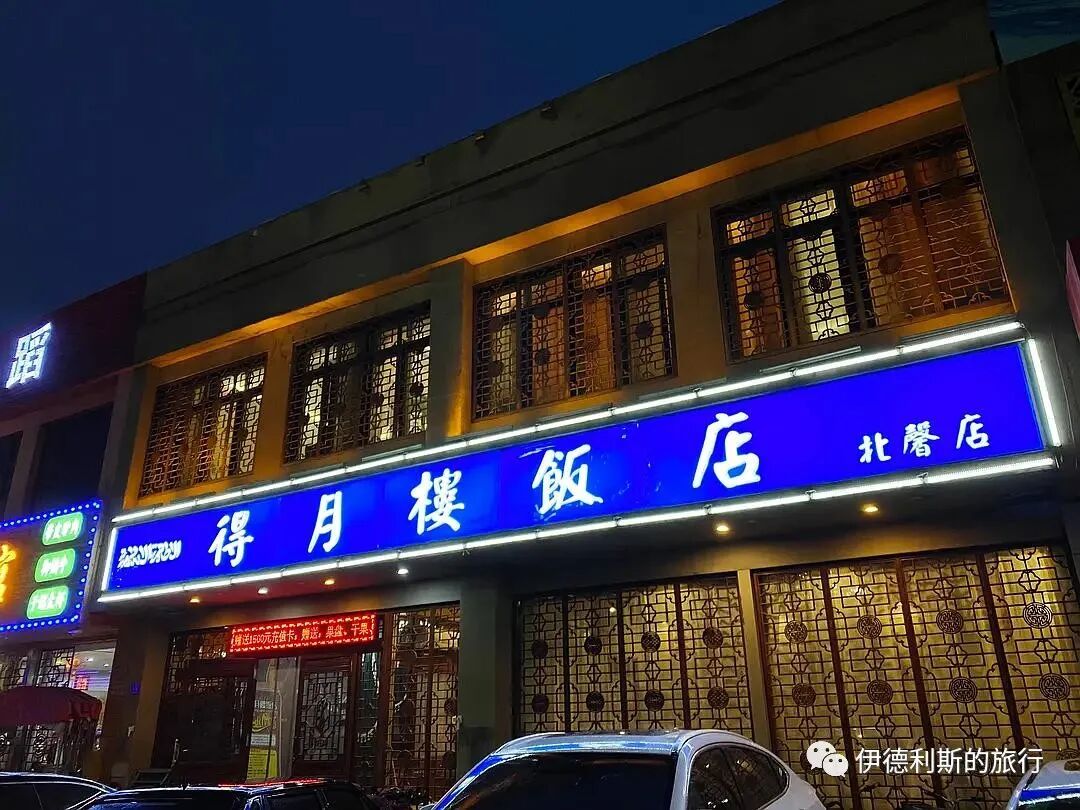
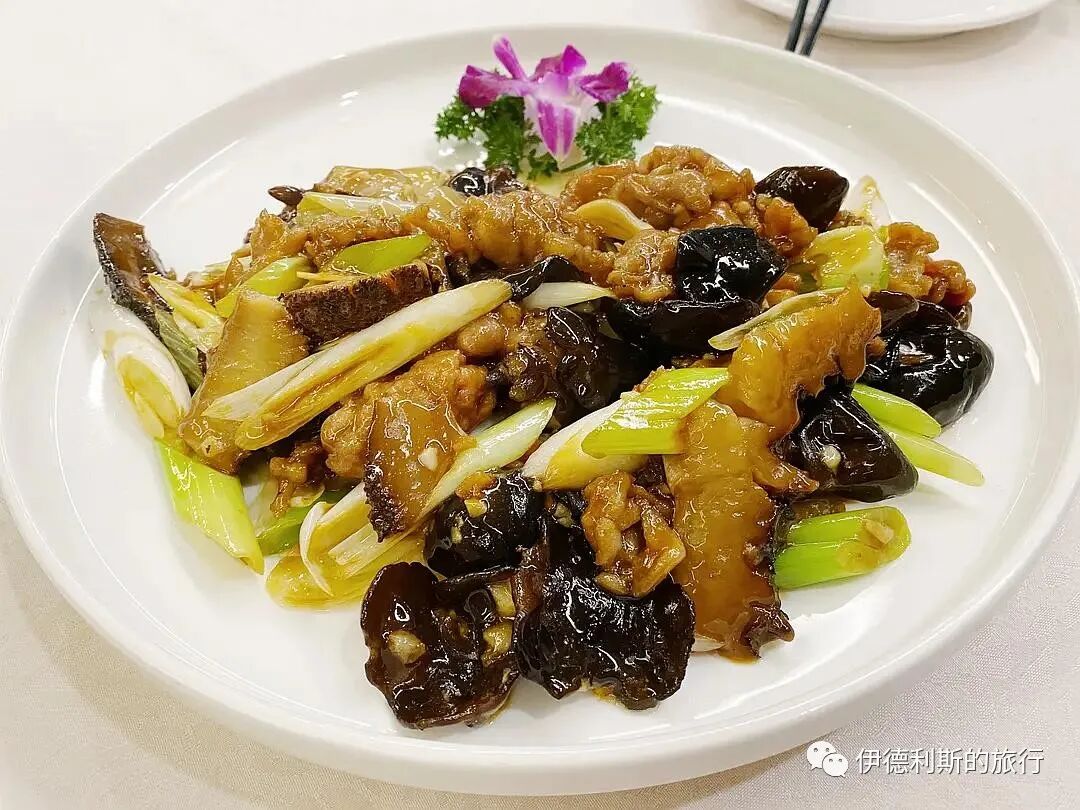
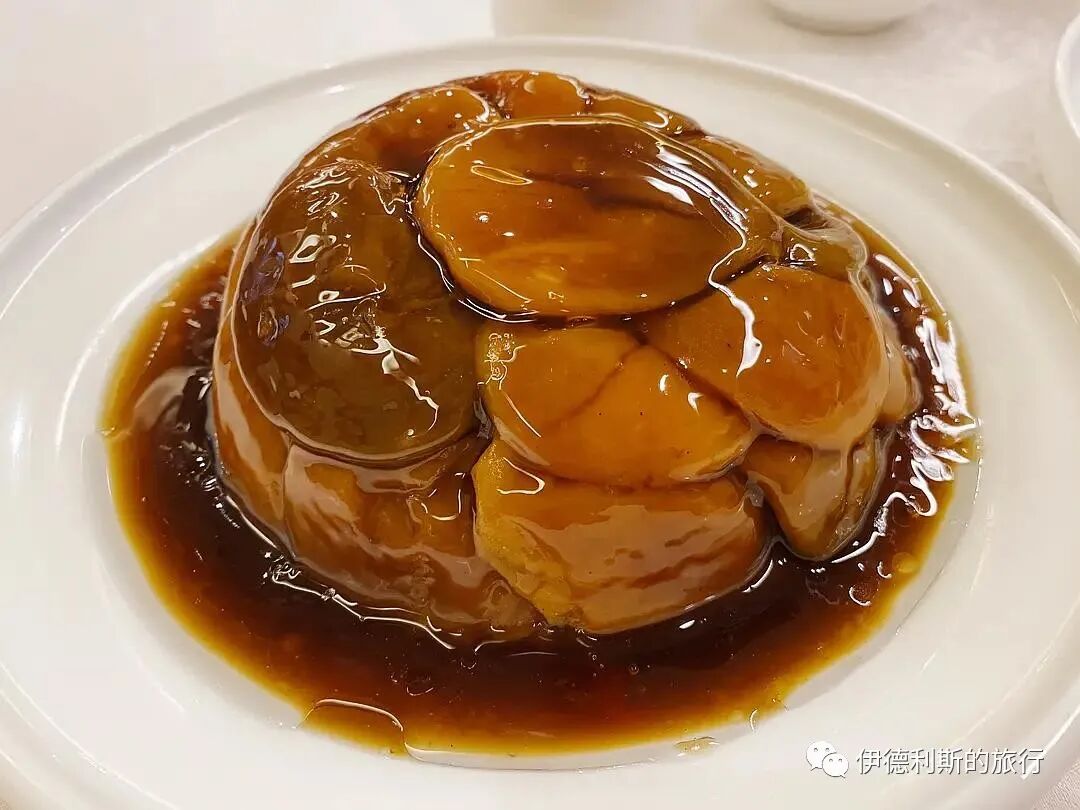
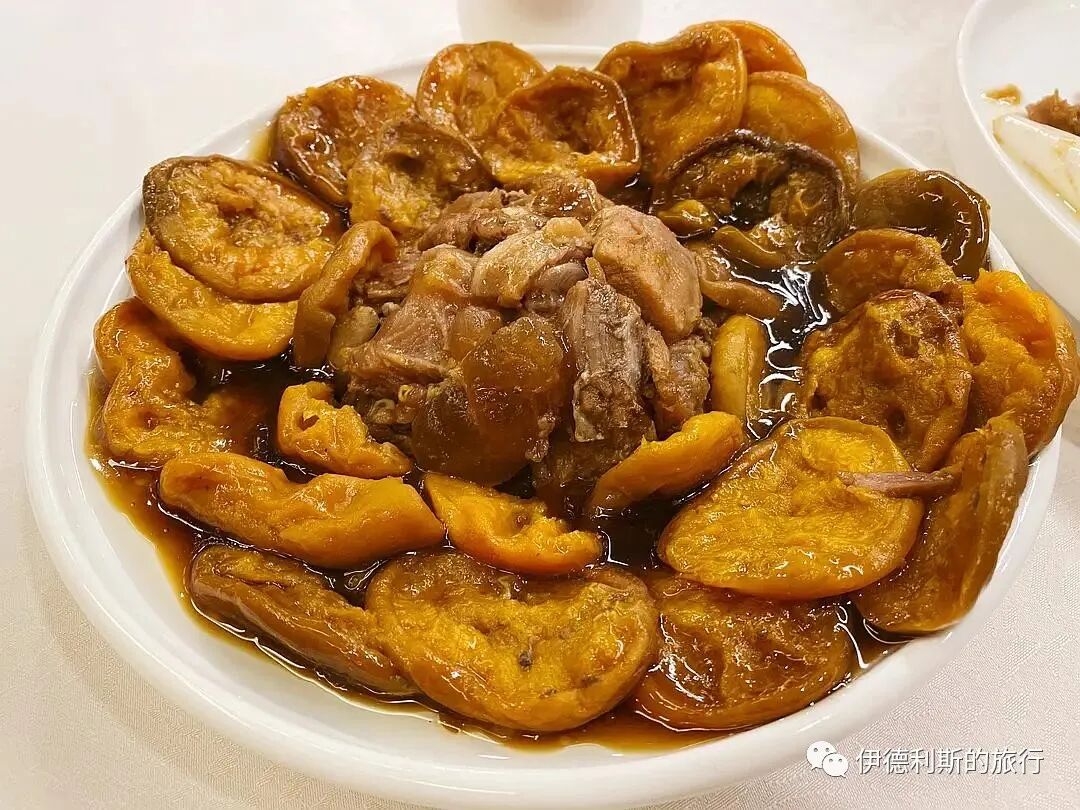
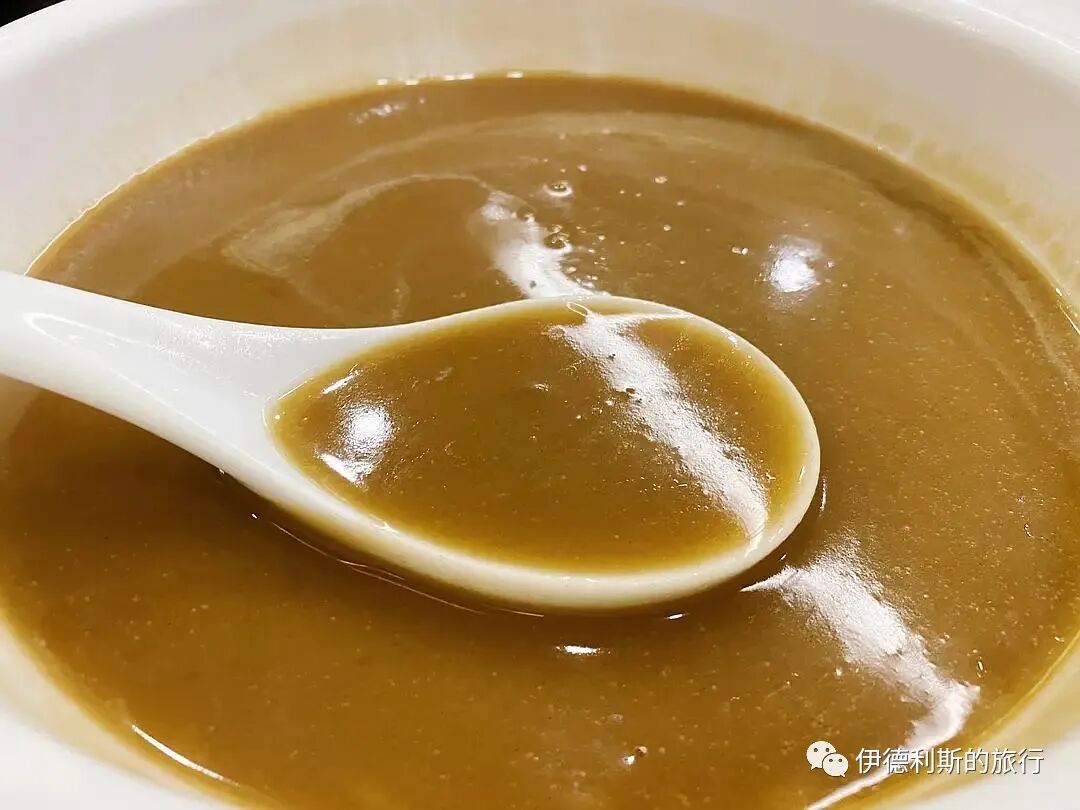
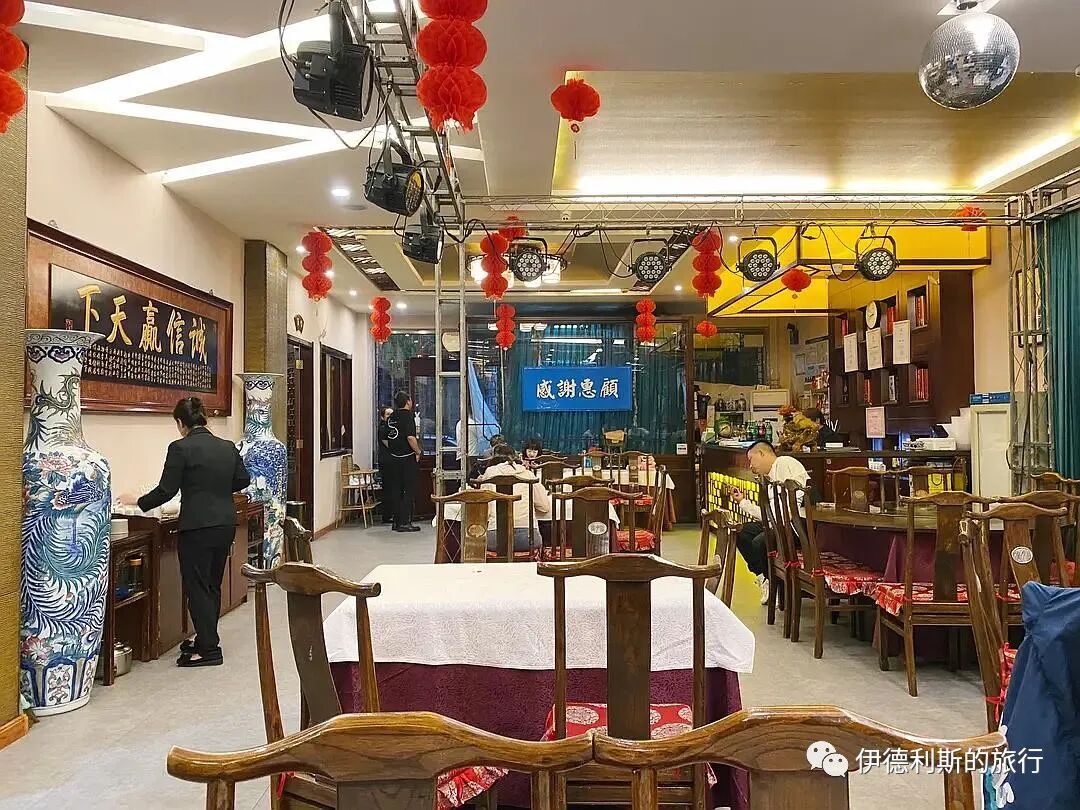
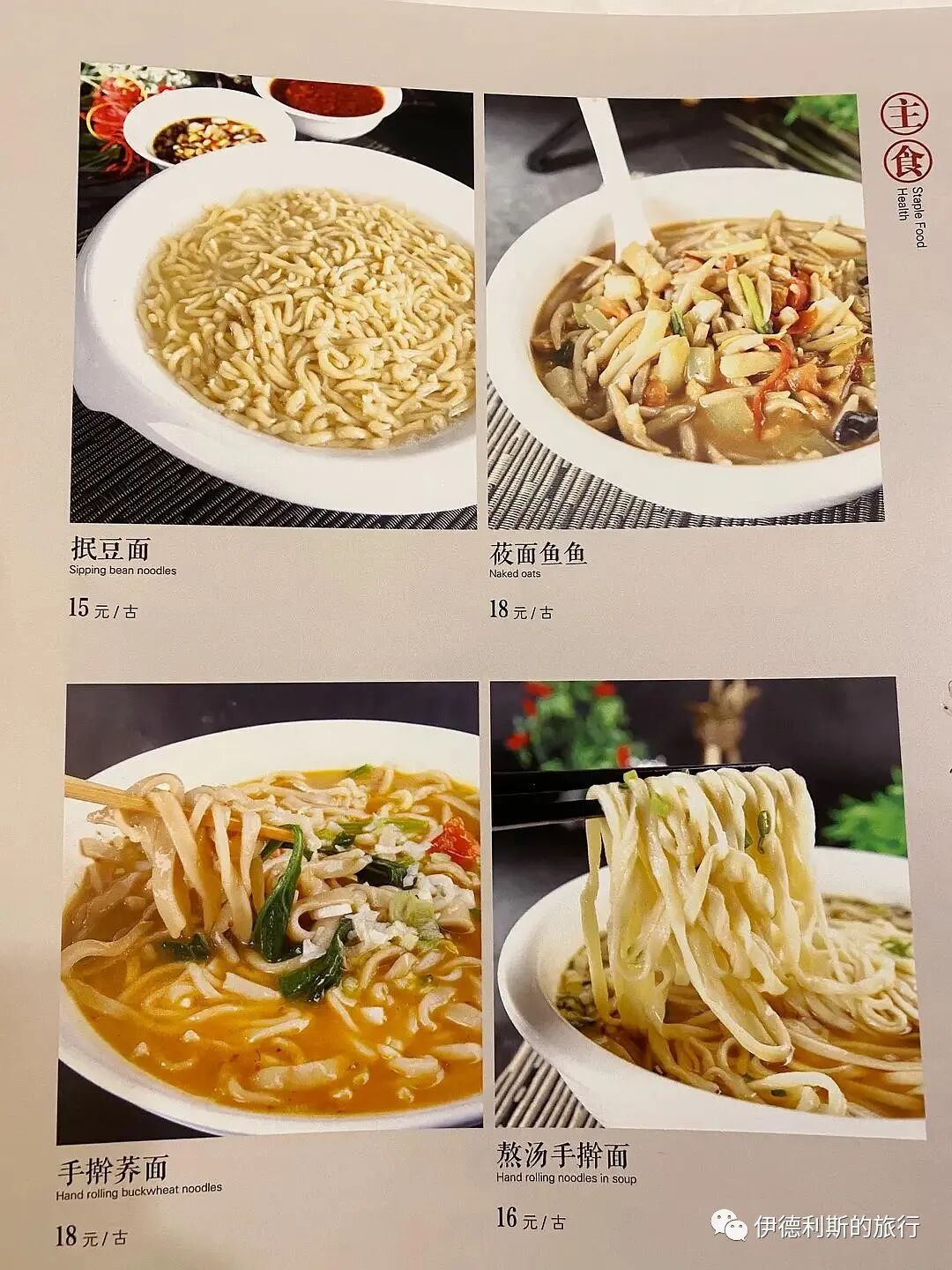
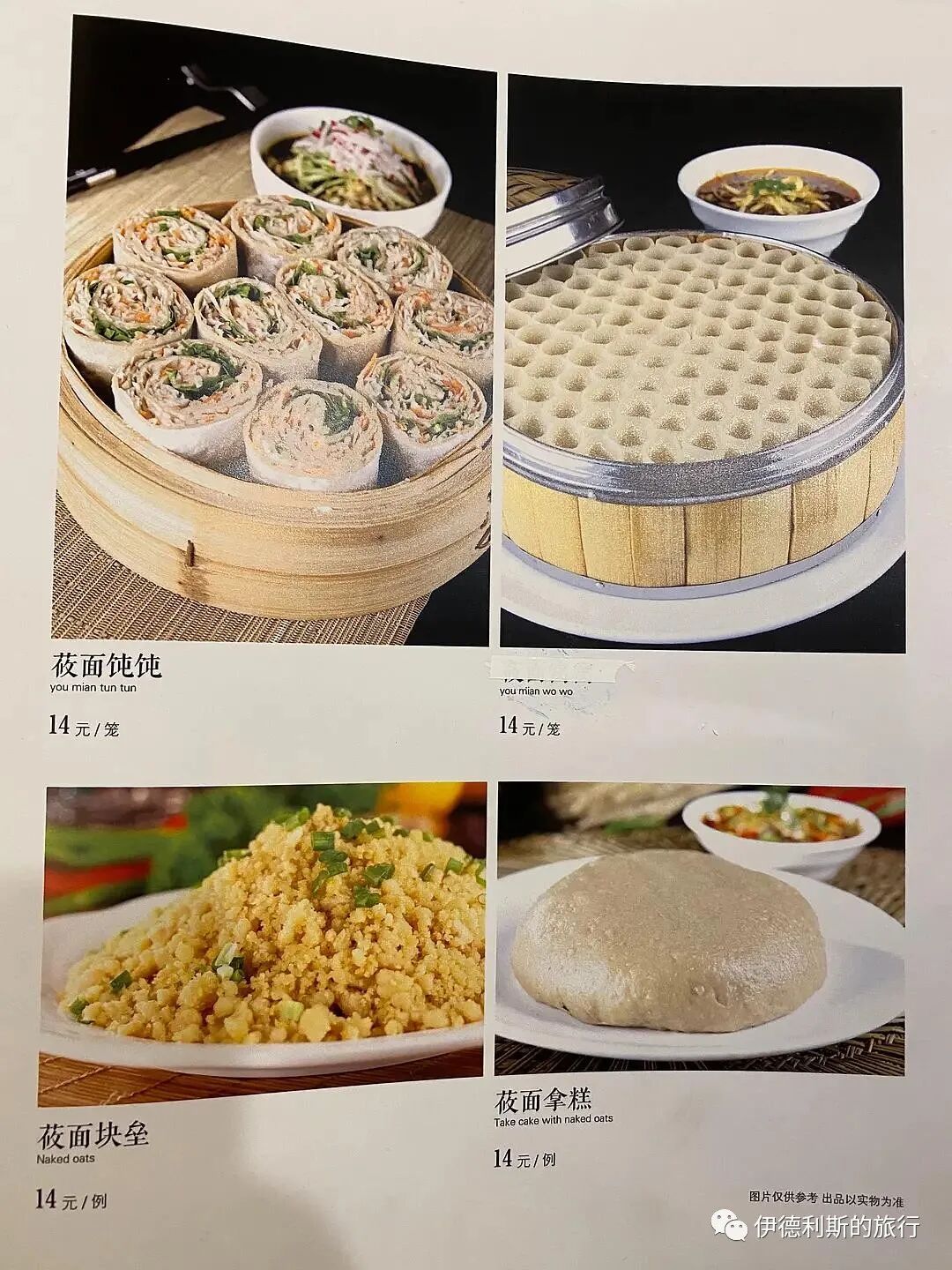
In the evening, I went to the Beixin branch of the Deyuelou Restaurant. I feel like this is the most upscale halal restaurant for Datong cuisine. We ordered guo lamb with sea cucumber, apricot beef, and bean sprout soup. The guo lamb with sea cucumber feels like an upgraded version of guoyourou, using Ningxia Tan sheep meat and sea cucumber, and the texture is superb. The apricot beef is made by wrapping beef inside dried apricots, giving the beef a rich apricot aroma. Their selection of staple foods is also quite rich, with various oat noodles, buckwheat noodles, and bean noodles, but unfortunately, we were too full to eat any more.
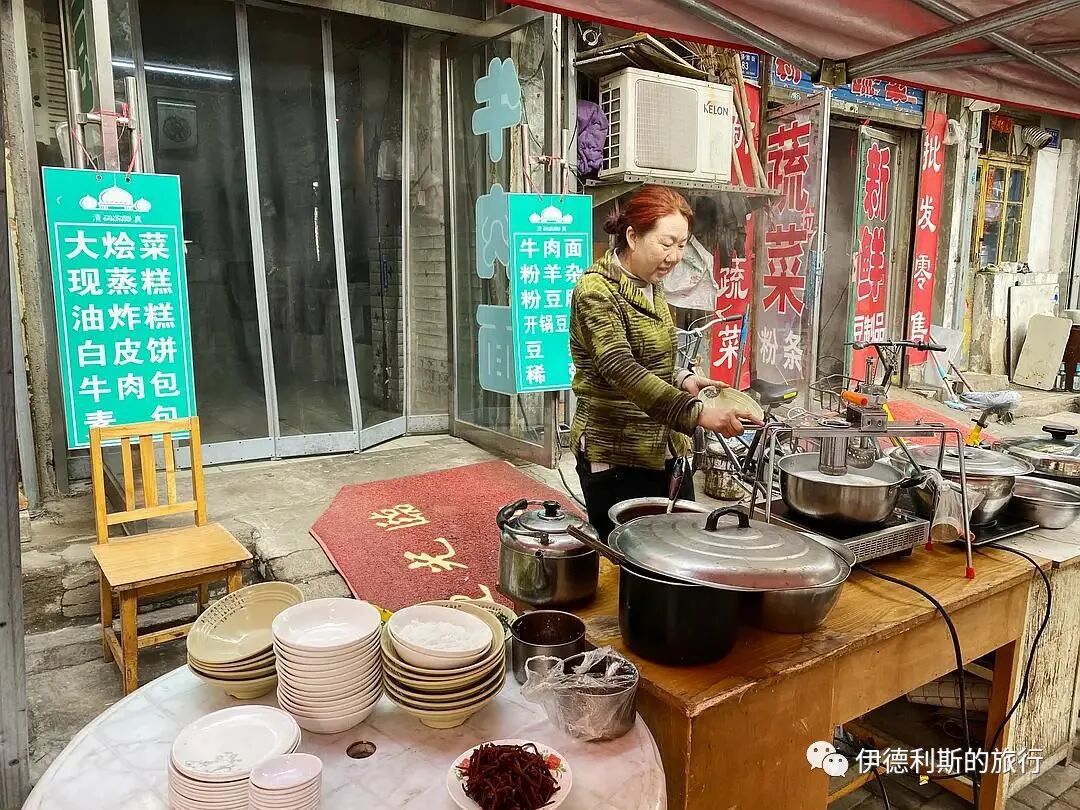
Yingze Street is a snack street in Datong with several halal restaurants. Most of the halal snacks here are only served in the morning, so it's best to come for breakfast.
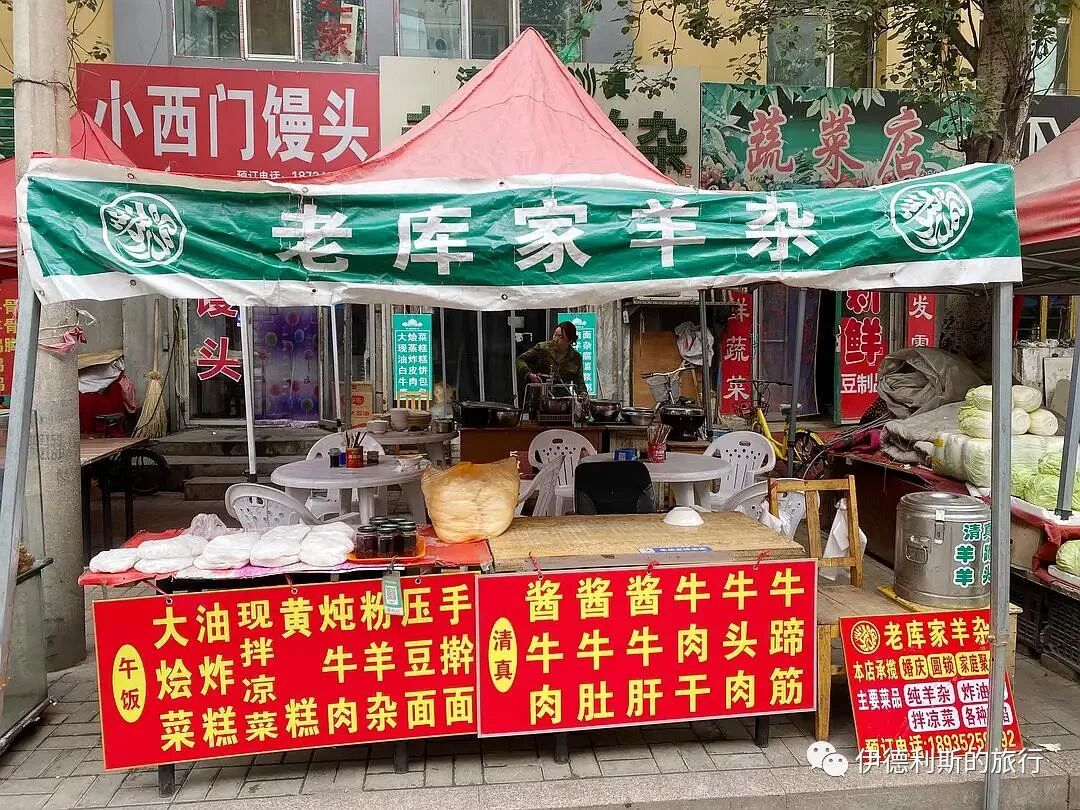
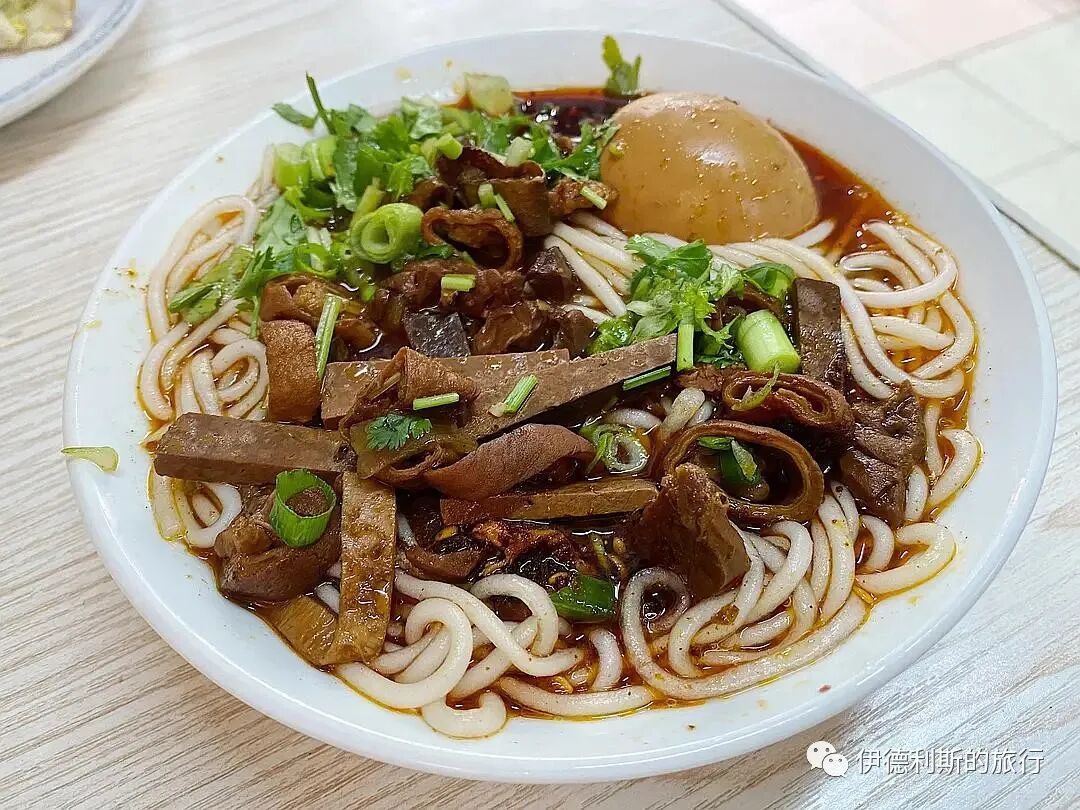
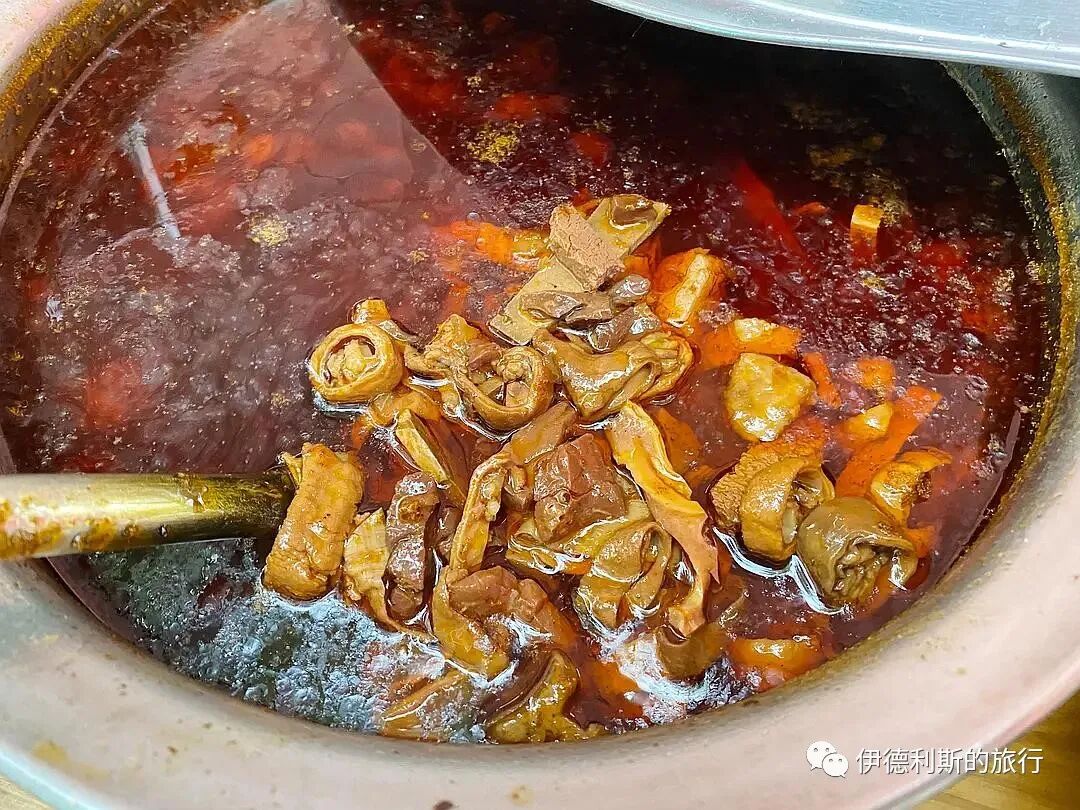
We had vermicelli lamb offal at Lao Ku's. Vermicelli lamb offal is a Datong specialty, made by braising lamb offal in red chili oil with potatoes and fresh vermicelli. The taste is very different from the lamb offal in the east; it is much richer and heavier.
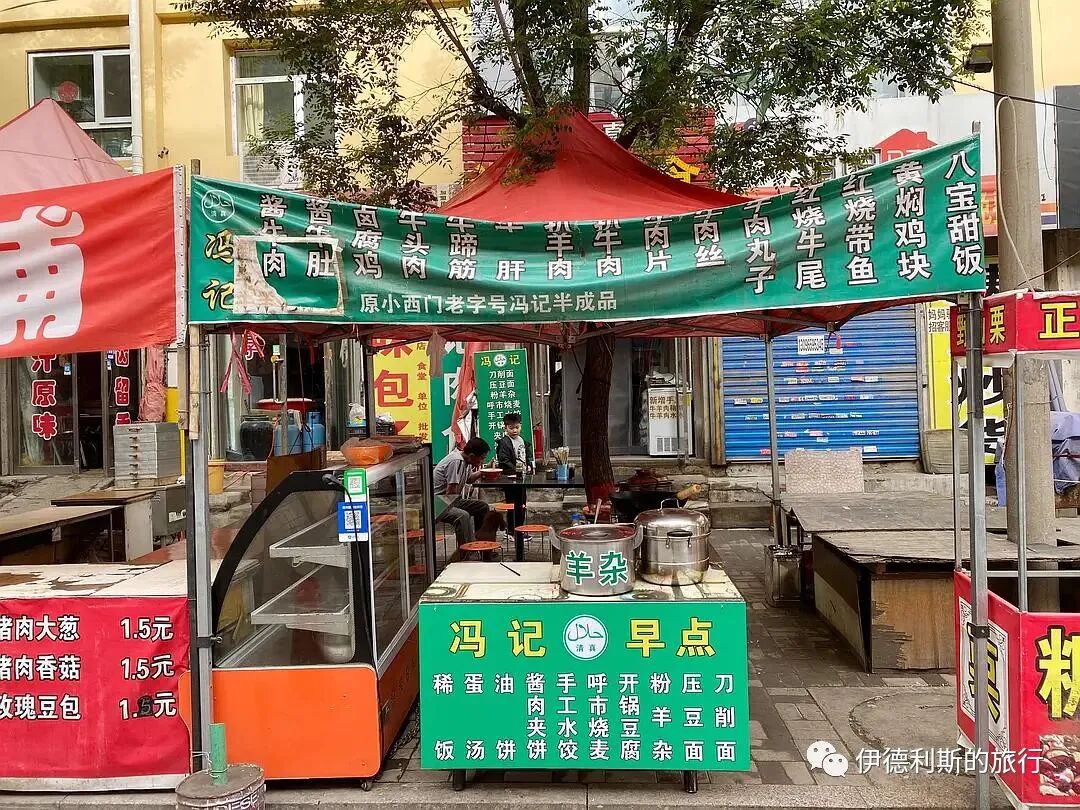
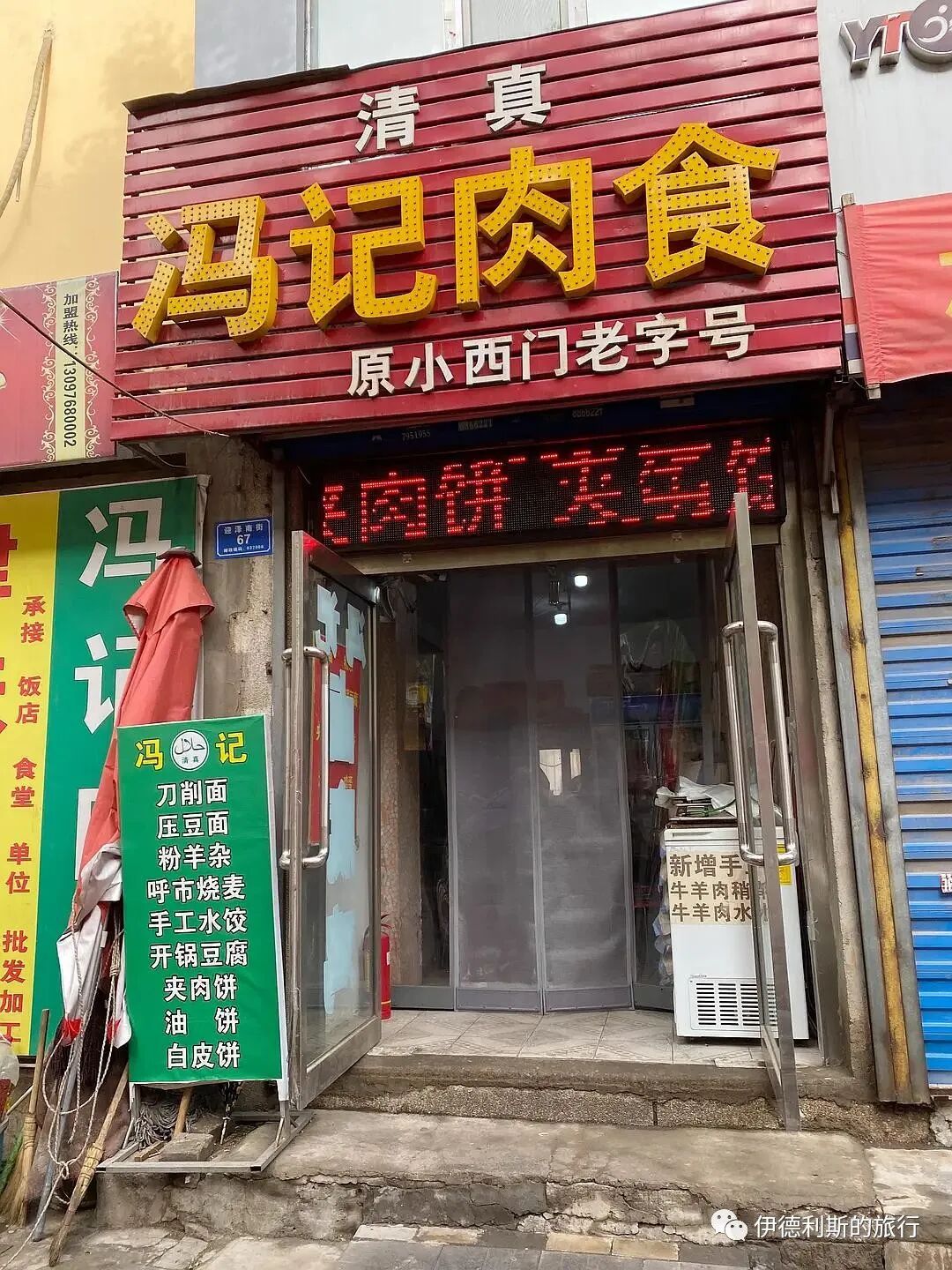
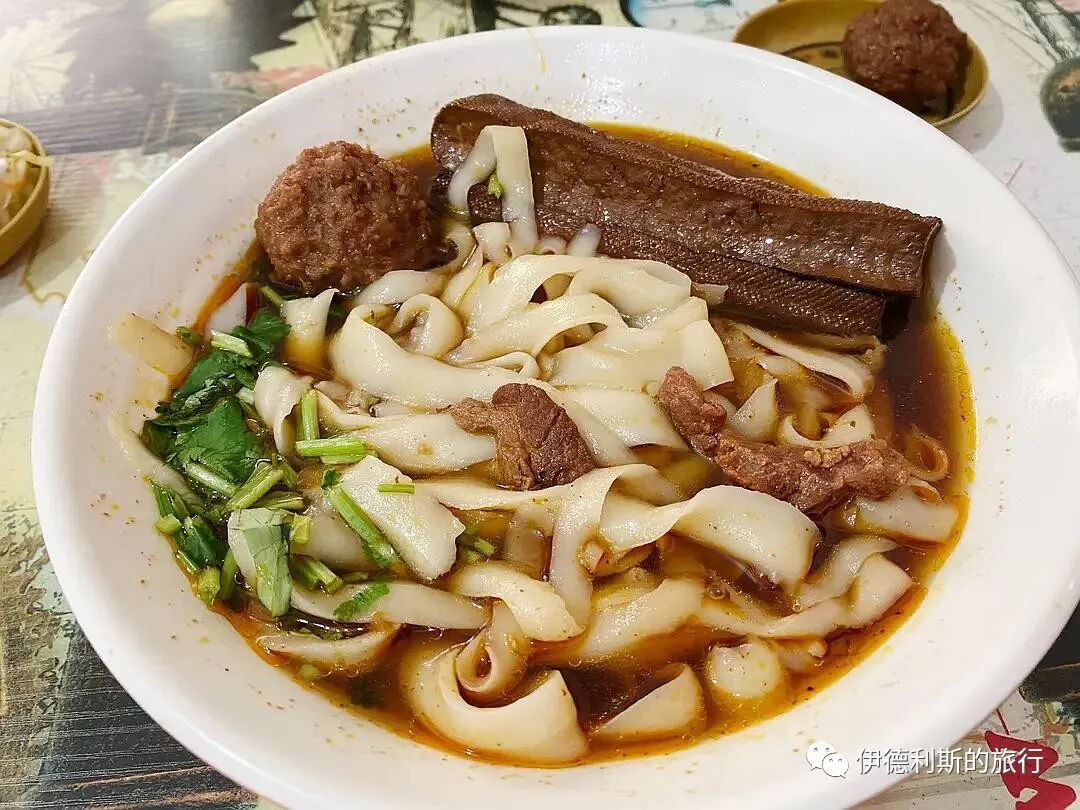
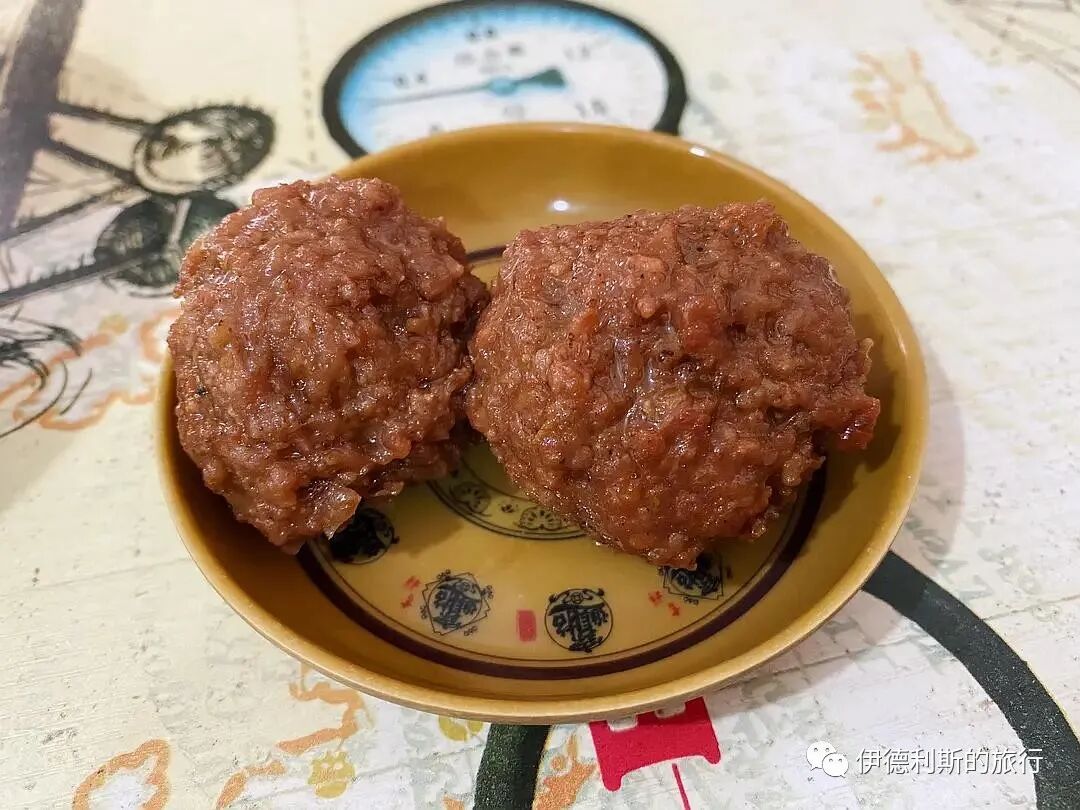
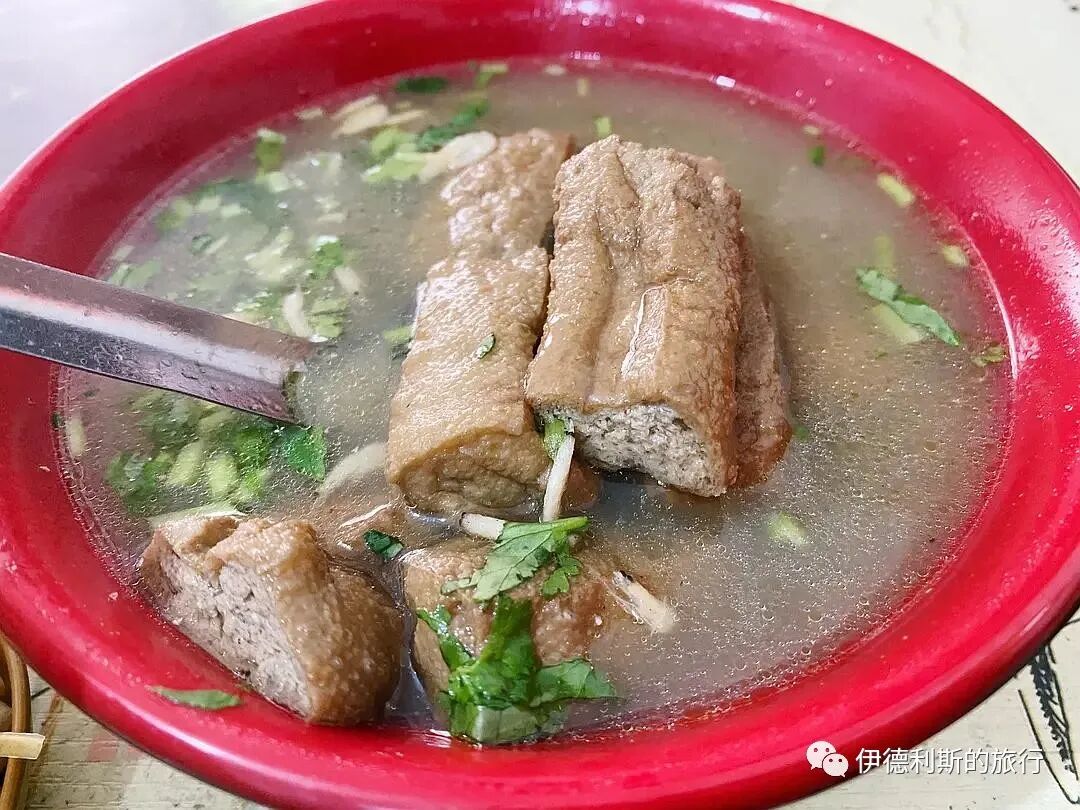
Then we went to Fengji Breakfast to have knife-cut noodles with dried tofu and beef balls, and drank some boiling tofu soup. Datong's knife-cut noodles are probably the most famous. We tried them, and they lived up to their reputation; the texture of the noodles is excellent. In Datong, it is customary to eat knife-cut noodles with various soy-braised and marinated products, which makes the flavor and texture very rich. view all
Summary: This travel note introduces [Halal Travel] Datong City in May. Took the high-speed train from Beijing to Datong in the morning. After getting off, I headed straight to the famous Fuxingzhai Shaomai on Jiaochang Street for lunch, ordering shaomai, Mongolian salty milk tea, a bowl of. It is useful for readers interested in Datong Travel, China Mosques, Muslim Travel.
Took the high-speed train from Beijing to Datong in the morning. After getting off, I headed straight to the famous Fuxingzhai Shaomai on Jiaochang Street for lunch, ordering shaomai, Mongolian salty milk tea, a bowl of egg soup, and guoyourou (oil-fried meat). Their shaomai is truly delicious, and it goes great with the milk tea. Unlike the 'white sauce guoyourou' in central and southern Shanxi, the guoyourou in the Datong area is thickened with a soy sauce-based 'red sauce'. The guoyourou in Xinjiang was actually introduced there by Shanxi merchants during the Qing Dynasty. According to a stele inscription from the Guangxu era at the Datong Mosque, many Hui people from Datong were engaged in trade in Tacheng, Xinjiang at that time, and the 'Ma Bairentang' was a traditional Chinese medicine shop opened by Datong Hui people in Tacheng.
There are many halal shops on Jiaochang Street in Datong. I bought hemp seeds and beef jerky from Jining, Inner Mongolia at Xiao Ma Dried Fruit, and traditional mooncakes at Linxinzhai. This was my first time eating hemp seeds. I looked them up and found they are common in Shaanxi, Gansu, Shanxi, and Hebei. Once roasted, they are perfect for snacking while chatting or watching TV. Linxinzhai is a time-honored halal brand in Datong that opened in the 1970s. They sell Datong-style specialty cakes, old-fashioned mooncakes, and other traditional pastries, and there are always many customers. I also noticed many people buying chicken leg bread; it really brings back childhood memories. I haven't had one in at least 20 years.
The 'History of Yuan, Annals of Emperor Taiding, Part 1' records that '(1324, the first year of the Taiding era of the Yuan Dynasty) in the Guihai year, mosques were built in Shangdu and Datong Road, with 40,000 ingots of paper currency allocated,' making the Datong Mosque one of only two recorded mosques built by imperial decree during the Yuan Dynasty. However, the Yuan Dynasty Datong Mosque was completely destroyed during the wars at the end of the Yuan Dynasty. The current mosque was rebuilt within the Datong city walls during the Yongle period of the Ming Dynasty. The main gate of the mosque was rebuilt in 1936 and has a typical Republican-era style. The minarets on both sides were newly built in 2010.
Inside the main gate are the ceremonial gate and the Shengxin Tower. The lower level of the Shengxin Tower is a hallway, and the upper level is an attic. According to the stele in the mosque, it was first built in 1522.
Behind the Shengxin Tower is the prayer hall. According to the stele in the mosque, the prayer hall was built in 1622 and renovated in 1692. The prayer hall consists of a porch, a front hall, a main hall, and a rear kiln hall, with exquisite Qing Dynasty paintings on the porch.
Unfortunately, the prayer hall is only open during Jumu'ah prayers and is locked at other times, but you can see the exquisite Qing Dynasty carvings through the windows. Behind it is the very distinctive octagonal kiln hall roof, with wooden lattice windows, a circular pointed roof, a gilded treasure top, and yellow glazed tiles. It is the only mosque kiln hall in the country with this architectural style.
In the afternoon, I went to Xinmata Restaurant, a place where Datong Hui people often hold banquets. However, we didn't order banquet dishes, but instead chose two home-style dishes that are a bit 'too humble for a banquet' but taste absolutely amazing.
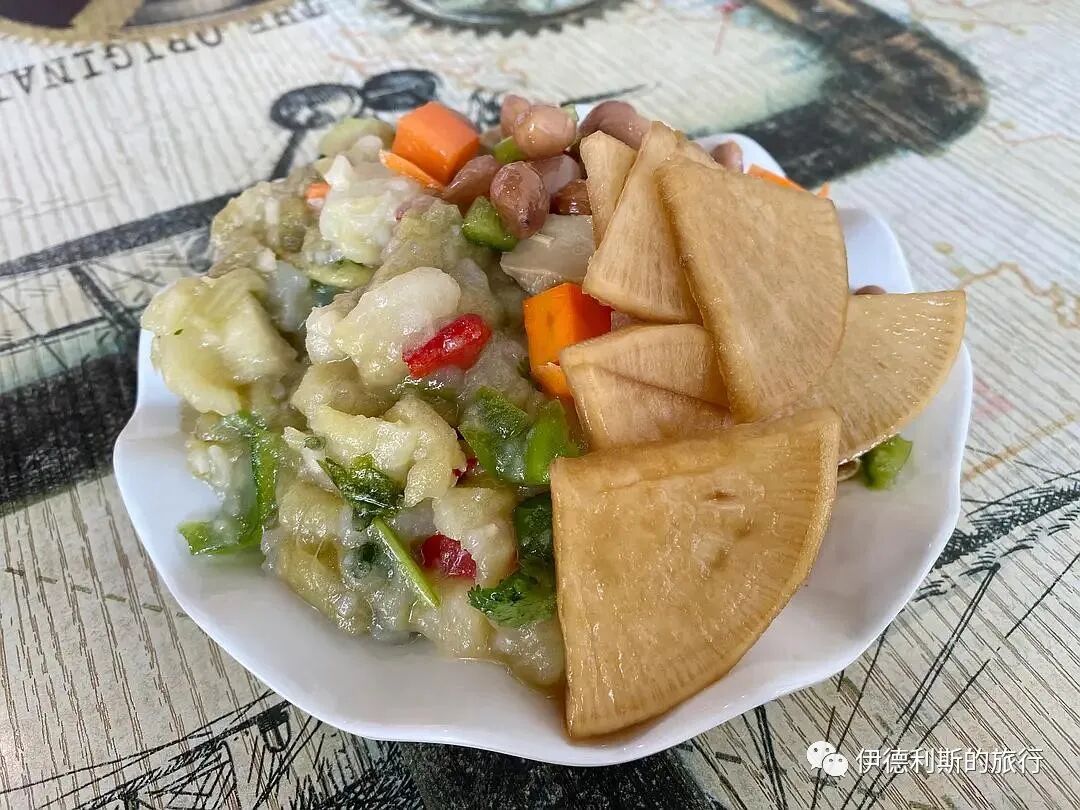
The first dish is called 'Commune Hospitality Meal,' which is actually stir-fried oat noodle nests with diced eggplant, diced potatoes, beef, mushrooms, green and red peppers, and shredded cucumber. It feels like having a meal like this during the commune era would really fill you up and satisfy your cravings!
The second dish is called braised vegetable with fried cake. It uses deep-fried yellow rice cakes braised with vermicelli, beef, wood ear mushrooms, bean sprouts, tofu, and green vegetables. Using deep-fried yellow rice cakes in stir-fries seems to be a specialty here in Datong, and many dishes can be made this way.
Finally, I tasted the Datong specialty suiyou cake, which is a deep-fried yellow rice cake with a filling of green and red shredded candied fruit, sesame, brown sugar, and suiyou (marrow oil). It is truly fragrant!
In the evening, I went to the Beixin branch of the Deyuelou Restaurant. I feel like this is the most upscale halal restaurant for Datong cuisine. We ordered guo lamb with sea cucumber, apricot beef, and bean sprout soup. The guo lamb with sea cucumber feels like an upgraded version of guoyourou, using Ningxia Tan sheep meat and sea cucumber, and the texture is superb. The apricot beef is made by wrapping beef inside dried apricots, giving the beef a rich apricot aroma. Their selection of staple foods is also quite rich, with various oat noodles, buckwheat noodles, and bean noodles, but unfortunately, we were too full to eat any more.
Yingze Street is a snack street in Datong with several halal restaurants. Most of the halal snacks here are only served in the morning, so it's best to come for breakfast.
We had vermicelli lamb offal at Lao Ku's. Vermicelli lamb offal is a Datong specialty, made by braising lamb offal in red chili oil with potatoes and fresh vermicelli. The taste is very different from the lamb offal in the east; it is much richer and heavier.
Then we went to Fengji Breakfast to have knife-cut noodles with dried tofu and beef balls, and drank some boiling tofu soup. Datong's knife-cut noodles are probably the most famous. We tried them, and they lived up to their reputation; the texture of the noodles is excellent. In Datong, it is customary to eat knife-cut noodles with various soy-braised and marinated products, which makes the flavor and texture very rich. view all
Reposted from the web
Summary: This travel note introduces [Halal Travel] Datong City in May. Took the high-speed train from Beijing to Datong in the morning. After getting off, I headed straight to the famous Fuxingzhai Shaomai on Jiaochang Street for lunch, ordering shaomai, Mongolian salty milk tea, a bowl of. It is useful for readers interested in Datong Travel, China Mosques, Muslim Travel.
Took the high-speed train from Beijing to Datong in the morning. After getting off, I headed straight to the famous Fuxingzhai Shaomai on Jiaochang Street for lunch, ordering shaomai, Mongolian salty milk tea, a bowl of egg soup, and guoyourou (oil-fried meat). Their shaomai is truly delicious, and it goes great with the milk tea. Unlike the 'white sauce guoyourou' in central and southern Shanxi, the guoyourou in the Datong area is thickened with a soy sauce-based 'red sauce'. The guoyourou in Xinjiang was actually introduced there by Shanxi merchants during the Qing Dynasty. According to a stele inscription from the Guangxu era at the Datong Mosque, many Hui people from Datong were engaged in trade in Tacheng, Xinjiang at that time, and the 'Ma Bairentang' was a traditional Chinese medicine shop opened by Datong Hui people in Tacheng.
There are many halal shops on Jiaochang Street in Datong. I bought hemp seeds and beef jerky from Jining, Inner Mongolia at Xiao Ma Dried Fruit, and traditional mooncakes at Linxinzhai. This was my first time eating hemp seeds. I looked them up and found they are common in Shaanxi, Gansu, Shanxi, and Hebei. Once roasted, they are perfect for snacking while chatting or watching TV. Linxinzhai is a time-honored halal brand in Datong that opened in the 1970s. They sell Datong-style specialty cakes, old-fashioned mooncakes, and other traditional pastries, and there are always many customers. I also noticed many people buying chicken leg bread; it really brings back childhood memories. I haven't had one in at least 20 years.
The 'History of Yuan, Annals of Emperor Taiding, Part 1' records that '(1324, the first year of the Taiding era of the Yuan Dynasty) in the Guihai year, mosques were built in Shangdu and Datong Road, with 40,000 ingots of paper currency allocated,' making the Datong Mosque one of only two recorded mosques built by imperial decree during the Yuan Dynasty. However, the Yuan Dynasty Datong Mosque was completely destroyed during the wars at the end of the Yuan Dynasty. The current mosque was rebuilt within the Datong city walls during the Yongle period of the Ming Dynasty. The main gate of the mosque was rebuilt in 1936 and has a typical Republican-era style. The minarets on both sides were newly built in 2010.
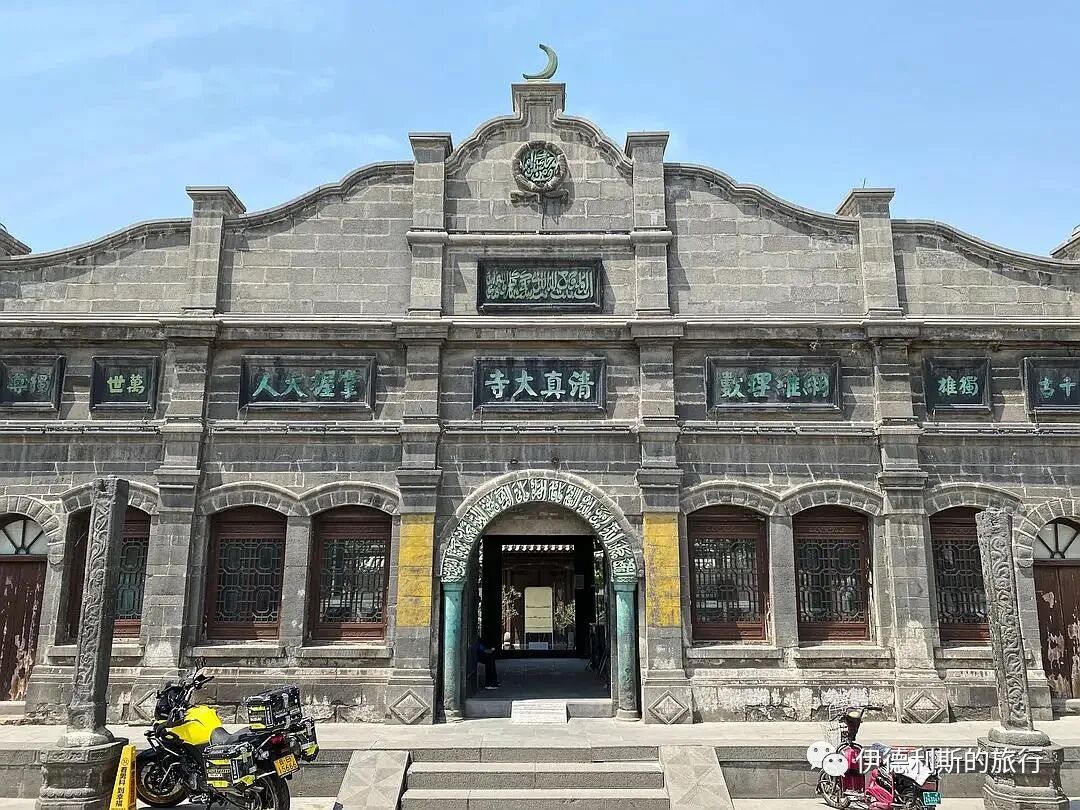
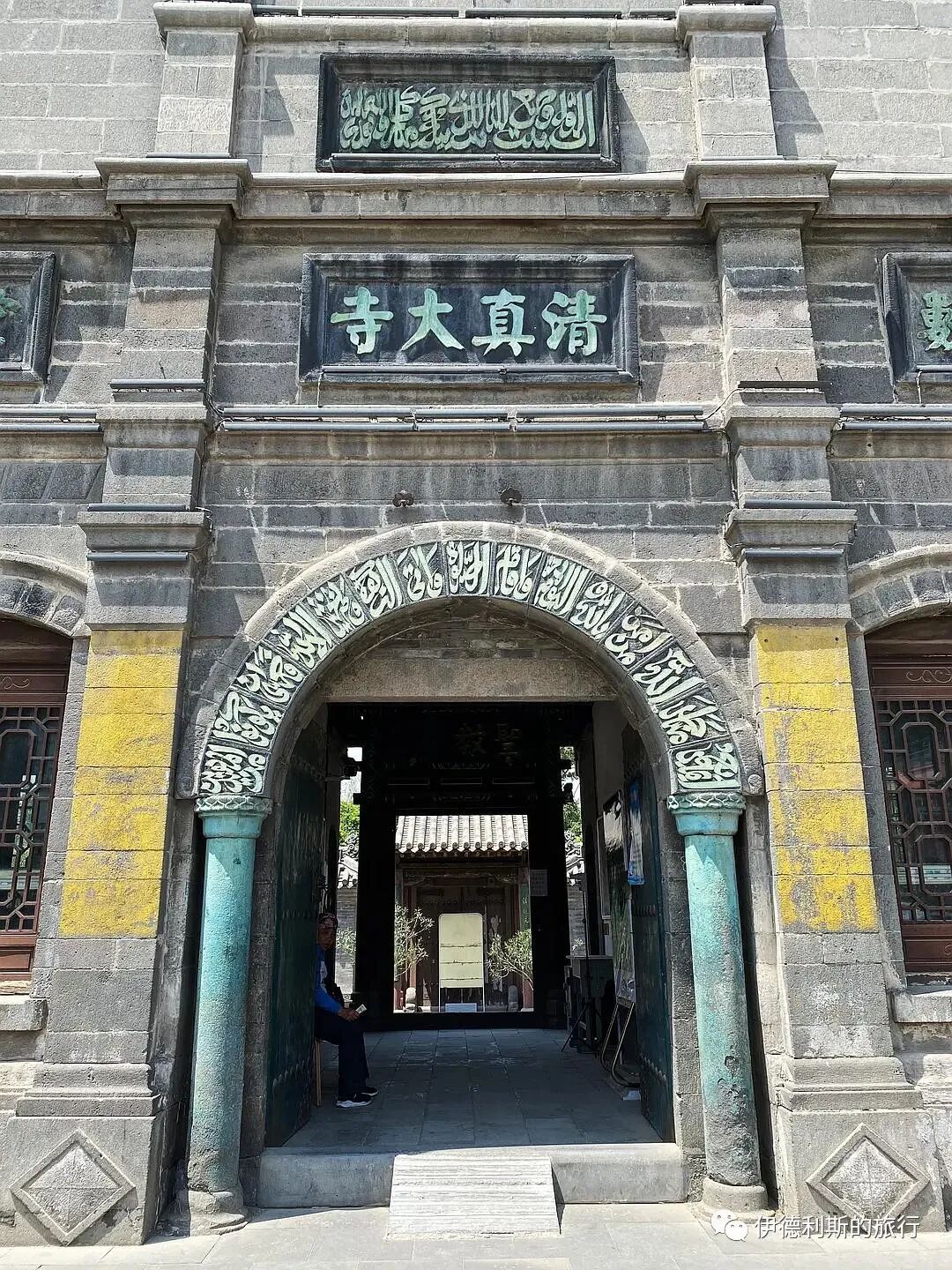
Inside the main gate are the ceremonial gate and the Shengxin Tower. The lower level of the Shengxin Tower is a hallway, and the upper level is an attic. According to the stele in the mosque, it was first built in 1522.
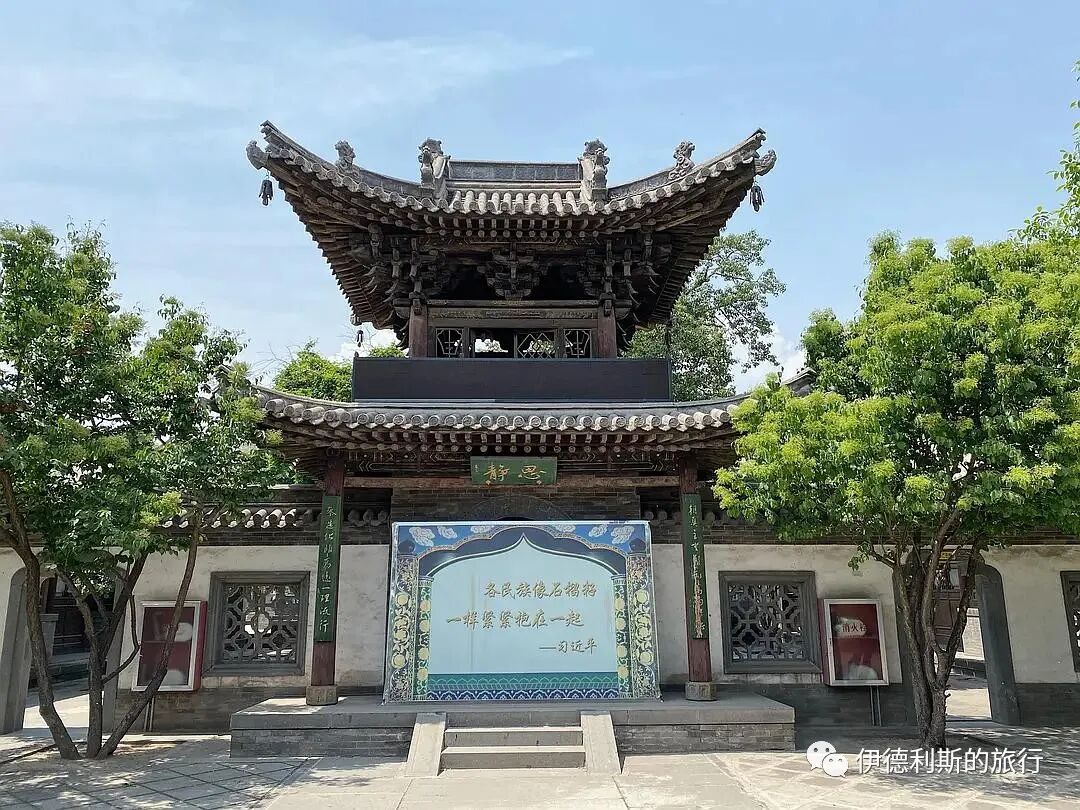
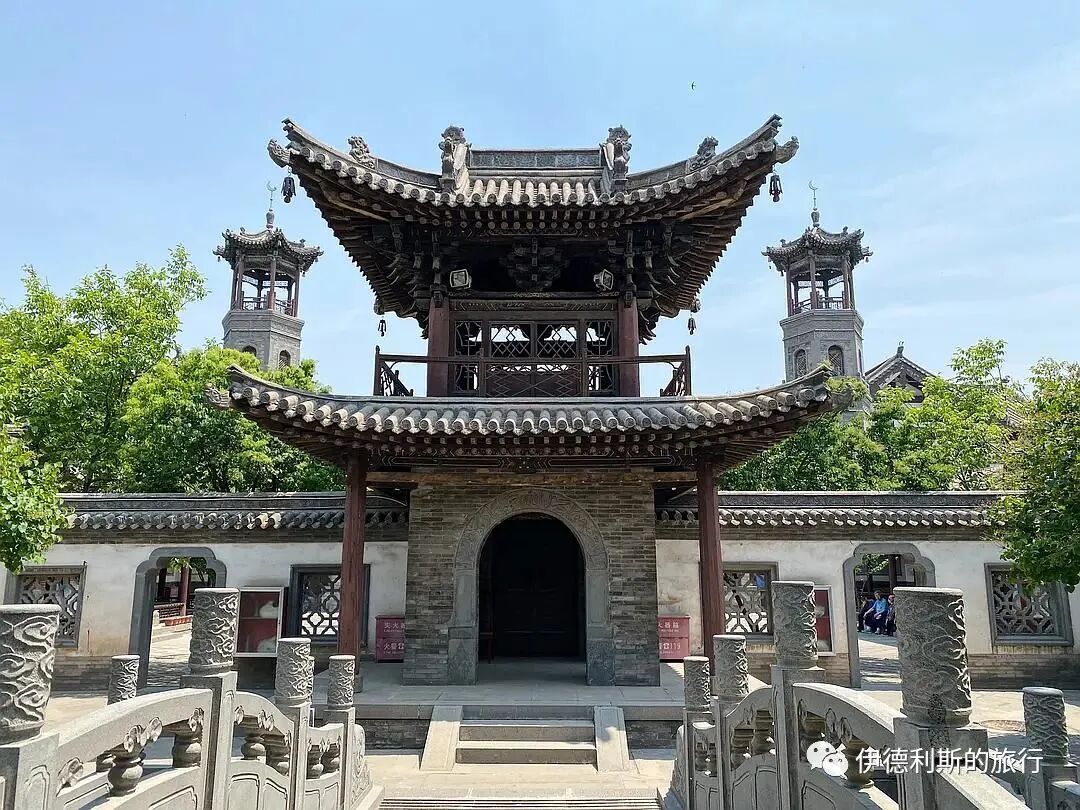
Behind the Shengxin Tower is the prayer hall. According to the stele in the mosque, the prayer hall was built in 1622 and renovated in 1692. The prayer hall consists of a porch, a front hall, a main hall, and a rear kiln hall, with exquisite Qing Dynasty paintings on the porch.
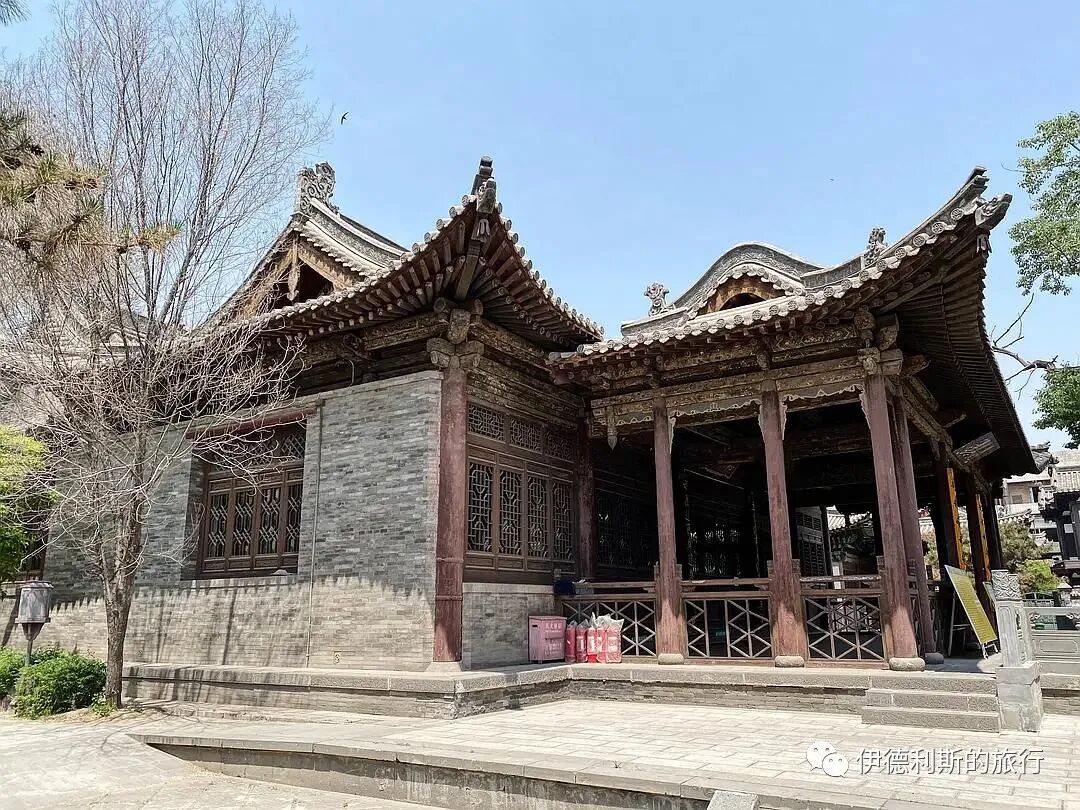
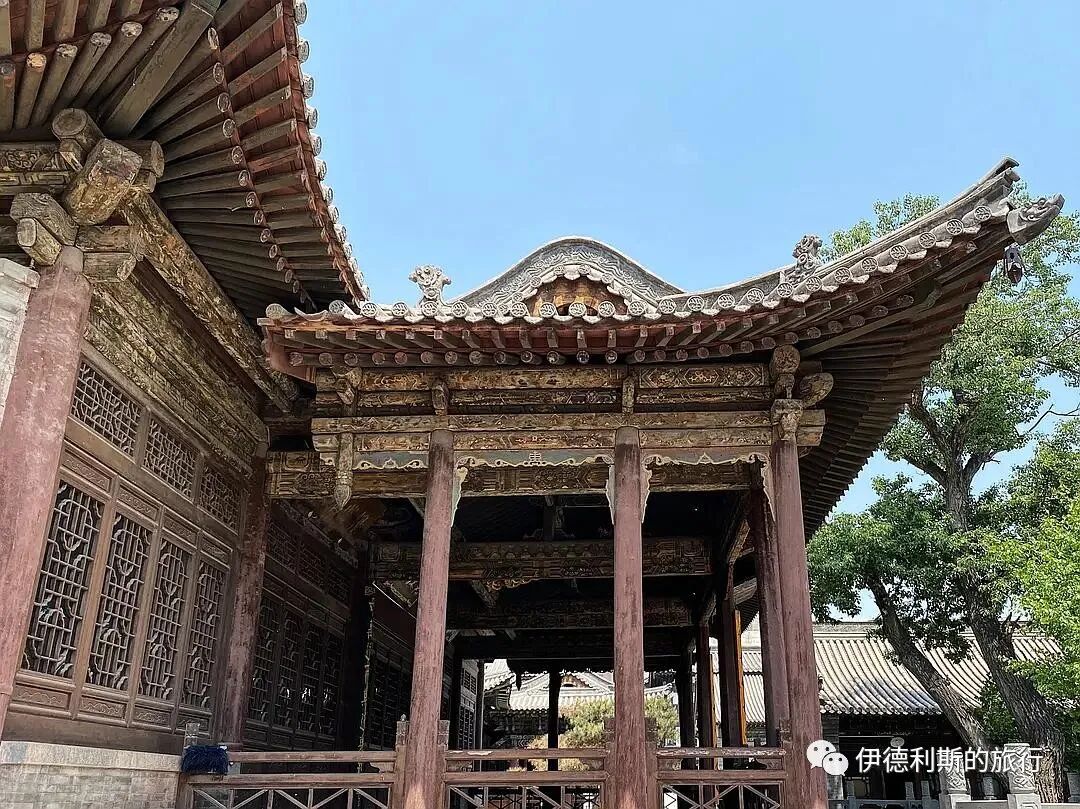
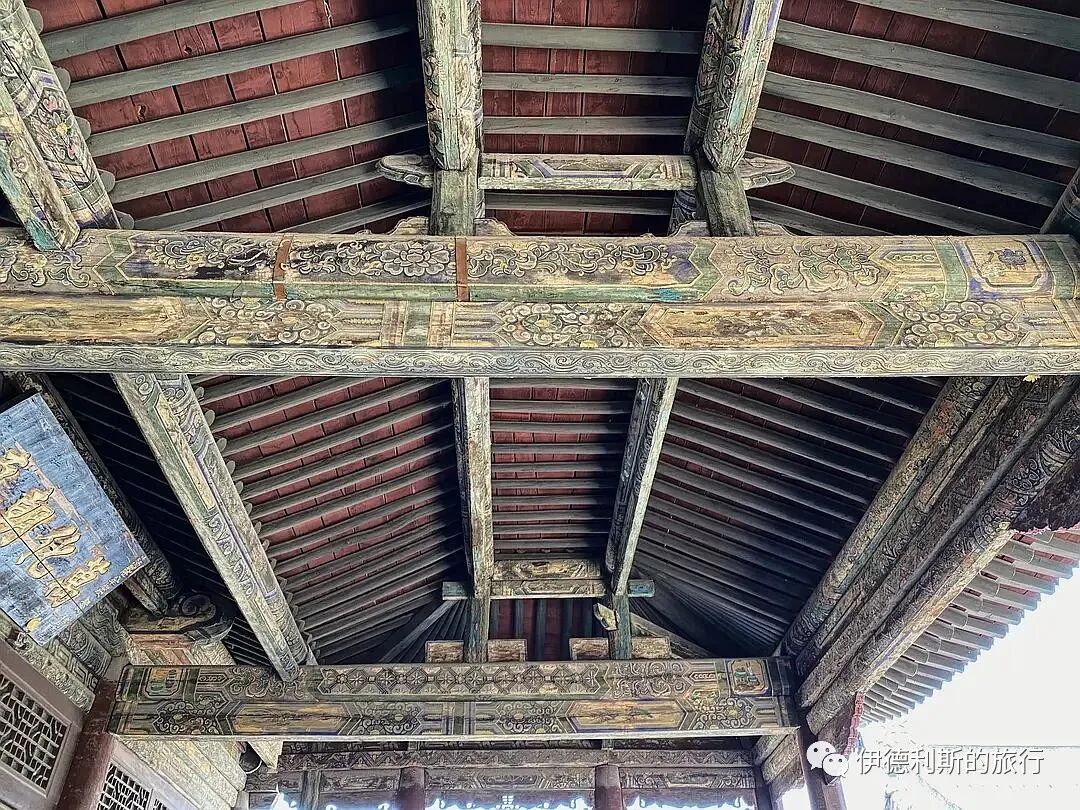
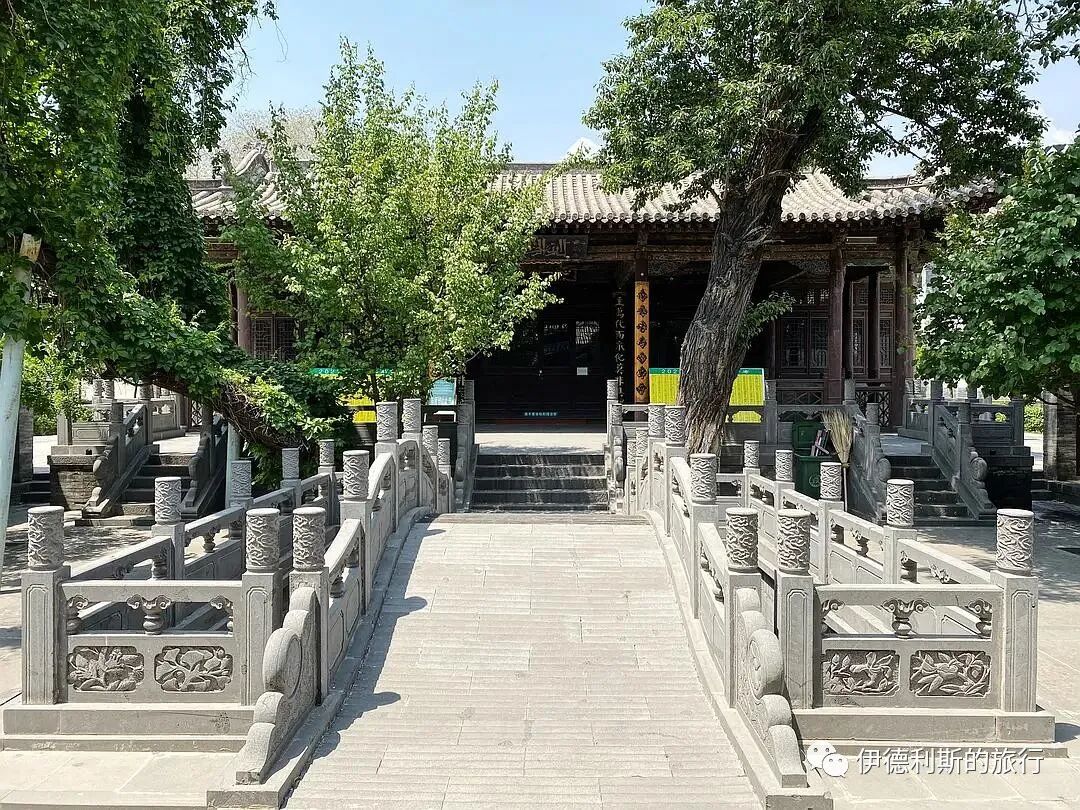
Unfortunately, the prayer hall is only open during Jumu'ah prayers and is locked at other times, but you can see the exquisite Qing Dynasty carvings through the windows. Behind it is the very distinctive octagonal kiln hall roof, with wooden lattice windows, a circular pointed roof, a gilded treasure top, and yellow glazed tiles. It is the only mosque kiln hall in the country with this architectural style.
In the afternoon, I went to Xinmata Restaurant, a place where Datong Hui people often hold banquets. However, we didn't order banquet dishes, but instead chose two home-style dishes that are a bit 'too humble for a banquet' but taste absolutely amazing.
The first dish is called 'Commune Hospitality Meal,' which is actually stir-fried oat noodle nests with diced eggplant, diced potatoes, beef, mushrooms, green and red peppers, and shredded cucumber. It feels like having a meal like this during the commune era would really fill you up and satisfy your cravings!
The second dish is called braised vegetable with fried cake. It uses deep-fried yellow rice cakes braised with vermicelli, beef, wood ear mushrooms, bean sprouts, tofu, and green vegetables. Using deep-fried yellow rice cakes in stir-fries seems to be a specialty here in Datong, and many dishes can be made this way.
Finally, I tasted the Datong specialty suiyou cake, which is a deep-fried yellow rice cake with a filling of green and red shredded candied fruit, sesame, brown sugar, and suiyou (marrow oil). It is truly fragrant!
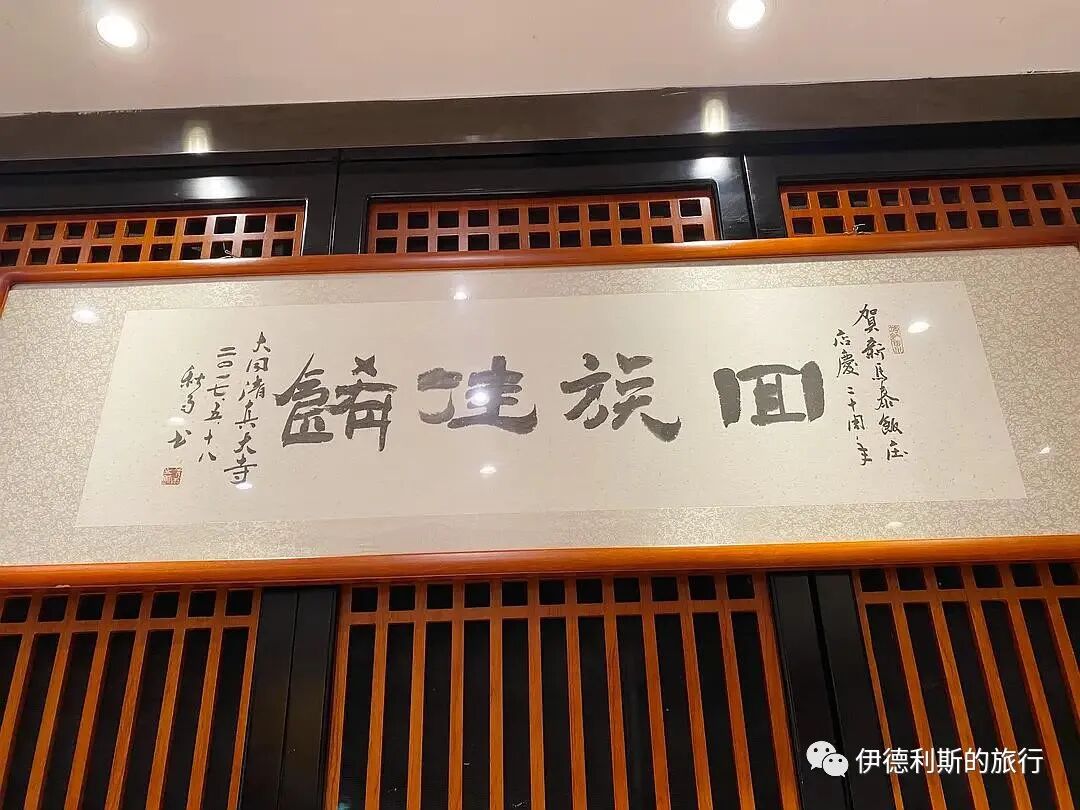
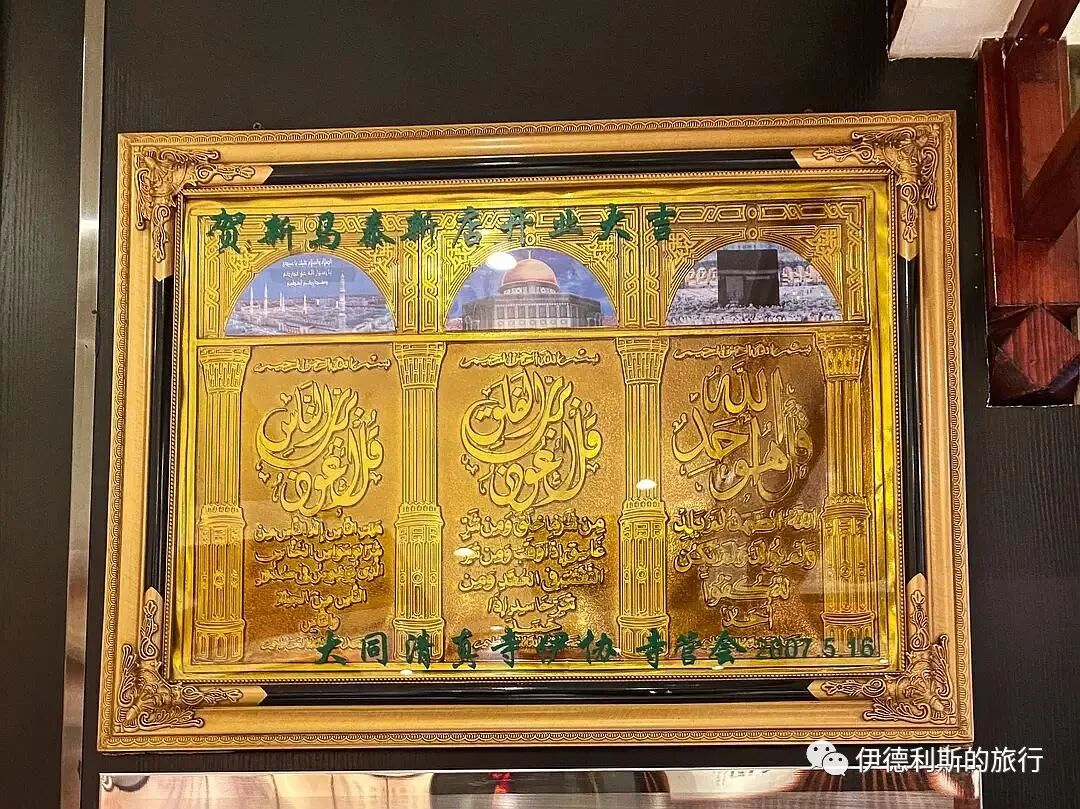
In the evening, I went to the Beixin branch of the Deyuelou Restaurant. I feel like this is the most upscale halal restaurant for Datong cuisine. We ordered guo lamb with sea cucumber, apricot beef, and bean sprout soup. The guo lamb with sea cucumber feels like an upgraded version of guoyourou, using Ningxia Tan sheep meat and sea cucumber, and the texture is superb. The apricot beef is made by wrapping beef inside dried apricots, giving the beef a rich apricot aroma. Their selection of staple foods is also quite rich, with various oat noodles, buckwheat noodles, and bean noodles, but unfortunately, we were too full to eat any more.
Yingze Street is a snack street in Datong with several halal restaurants. Most of the halal snacks here are only served in the morning, so it's best to come for breakfast.
We had vermicelli lamb offal at Lao Ku's. Vermicelli lamb offal is a Datong specialty, made by braising lamb offal in red chili oil with potatoes and fresh vermicelli. The taste is very different from the lamb offal in the east; it is much richer and heavier.
Then we went to Fengji Breakfast to have knife-cut noodles with dried tofu and beef balls, and drank some boiling tofu soup. Datong's knife-cut noodles are probably the most famous. We tried them, and they lived up to their reputation; the texture of the noodles is excellent. In Datong, it is customary to eat knife-cut noodles with various soy-braised and marinated products, which makes the flavor and texture very rich.
Summary: This travel note introduces [Halal Travel] Datong City in May. Took the high-speed train from Beijing to Datong in the morning. After getting off, I headed straight to the famous Fuxingzhai Shaomai on Jiaochang Street for lunch, ordering shaomai, Mongolian salty milk tea, a bowl of. It is useful for readers interested in Datong Travel, China Mosques, Muslim Travel.
Took the high-speed train from Beijing to Datong in the morning. After getting off, I headed straight to the famous Fuxingzhai Shaomai on Jiaochang Street for lunch, ordering shaomai, Mongolian salty milk tea, a bowl of egg soup, and guoyourou (oil-fried meat). Their shaomai is truly delicious, and it goes great with the milk tea. Unlike the 'white sauce guoyourou' in central and southern Shanxi, the guoyourou in the Datong area is thickened with a soy sauce-based 'red sauce'. The guoyourou in Xinjiang was actually introduced there by Shanxi merchants during the Qing Dynasty. According to a stele inscription from the Guangxu era at the Datong Mosque, many Hui people from Datong were engaged in trade in Tacheng, Xinjiang at that time, and the 'Ma Bairentang' was a traditional Chinese medicine shop opened by Datong Hui people in Tacheng.
There are many halal shops on Jiaochang Street in Datong. I bought hemp seeds and beef jerky from Jining, Inner Mongolia at Xiao Ma Dried Fruit, and traditional mooncakes at Linxinzhai. This was my first time eating hemp seeds. I looked them up and found they are common in Shaanxi, Gansu, Shanxi, and Hebei. Once roasted, they are perfect for snacking while chatting or watching TV. Linxinzhai is a time-honored halal brand in Datong that opened in the 1970s. They sell Datong-style specialty cakes, old-fashioned mooncakes, and other traditional pastries, and there are always many customers. I also noticed many people buying chicken leg bread; it really brings back childhood memories. I haven't had one in at least 20 years.
The 'History of Yuan, Annals of Emperor Taiding, Part 1' records that '(1324, the first year of the Taiding era of the Yuan Dynasty) in the Guihai year, mosques were built in Shangdu and Datong Road, with 40,000 ingots of paper currency allocated,' making the Datong Mosque one of only two recorded mosques built by imperial decree during the Yuan Dynasty. However, the Yuan Dynasty Datong Mosque was completely destroyed during the wars at the end of the Yuan Dynasty. The current mosque was rebuilt within the Datong city walls during the Yongle period of the Ming Dynasty. The main gate of the mosque was rebuilt in 1936 and has a typical Republican-era style. The minarets on both sides were newly built in 2010.
Inside the main gate are the ceremonial gate and the Shengxin Tower. The lower level of the Shengxin Tower is a hallway, and the upper level is an attic. According to the stele in the mosque, it was first built in 1522.
Behind the Shengxin Tower is the prayer hall. According to the stele in the mosque, the prayer hall was built in 1622 and renovated in 1692. The prayer hall consists of a porch, a front hall, a main hall, and a rear kiln hall, with exquisite Qing Dynasty paintings on the porch.
Unfortunately, the prayer hall is only open during Jumu'ah prayers and is locked at other times, but you can see the exquisite Qing Dynasty carvings through the windows. Behind it is the very distinctive octagonal kiln hall roof, with wooden lattice windows, a circular pointed roof, a gilded treasure top, and yellow glazed tiles. It is the only mosque kiln hall in the country with this architectural style.
In the afternoon, I went to Xinmata Restaurant, a place where Datong Hui people often hold banquets. However, we didn't order banquet dishes, but instead chose two home-style dishes that are a bit 'too humble for a banquet' but taste absolutely amazing.
The first dish is called 'Commune Hospitality Meal,' which is actually stir-fried oat noodle nests with diced eggplant, diced potatoes, beef, mushrooms, green and red peppers, and shredded cucumber. It feels like having a meal like this during the commune era would really fill you up and satisfy your cravings!
The second dish is called braised vegetable with fried cake. It uses deep-fried yellow rice cakes braised with vermicelli, beef, wood ear mushrooms, bean sprouts, tofu, and green vegetables. Using deep-fried yellow rice cakes in stir-fries seems to be a specialty here in Datong, and many dishes can be made this way.
Finally, I tasted the Datong specialty suiyou cake, which is a deep-fried yellow rice cake with a filling of green and red shredded candied fruit, sesame, brown sugar, and suiyou (marrow oil). It is truly fragrant!
In the evening, I went to the Beixin branch of the Deyuelou Restaurant. I feel like this is the most upscale halal restaurant for Datong cuisine. We ordered guo lamb with sea cucumber, apricot beef, and bean sprout soup. The guo lamb with sea cucumber feels like an upgraded version of guoyourou, using Ningxia Tan sheep meat and sea cucumber, and the texture is superb. The apricot beef is made by wrapping beef inside dried apricots, giving the beef a rich apricot aroma. Their selection of staple foods is also quite rich, with various oat noodles, buckwheat noodles, and bean noodles, but unfortunately, we were too full to eat any more.
Yingze Street is a snack street in Datong with several halal restaurants. Most of the halal snacks here are only served in the morning, so it's best to come for breakfast.
We had vermicelli lamb offal at Lao Ku's. Vermicelli lamb offal is a Datong specialty, made by braising lamb offal in red chili oil with potatoes and fresh vermicelli. The taste is very different from the lamb offal in the east; it is much richer and heavier.
Then we went to Fengji Breakfast to have knife-cut noodles with dried tofu and beef balls, and drank some boiling tofu soup. Datong's knife-cut noodles are probably the most famous. We tried them, and they lived up to their reputation; the texture of the noodles is excellent. In Datong, it is customary to eat knife-cut noodles with various soy-braised and marinated products, which makes the flavor and texture very rich.
[Halal Travel] Datong City in May
Articles • ali2007fr posted the article • 0 comments • 268 views • 2026-05-16 23:50
Reposted from the web
Summary: This travel note introduces [Halal Travel] Datong City in May. Took the high-speed train from Beijing to Datong in the morning. After getting off, I headed straight to the famous Fuxingzhai Shaomai on Jiaochang Street for lunch, ordering shaomai, Mongolian salty milk tea, a bowl of. It is useful for readers interested in Datong Travel, China Mosques, Muslim Travel.
Took the high-speed train from Beijing to Datong in the morning. After getting off, I headed straight to the famous Fuxingzhai Shaomai on Jiaochang Street for lunch, ordering shaomai, Mongolian salty milk tea, a bowl of egg soup, and guoyourou (oil-fried meat). Their shaomai is truly delicious, and it goes great with the milk tea. Unlike the 'white sauce guoyourou' in central and southern Shanxi, the guoyourou in the Datong area is thickened with a soy sauce-based 'red sauce'. The guoyourou in Xinjiang was actually introduced there by Shanxi merchants during the Qing Dynasty. According to a stele inscription from the Guangxu era at the Datong Mosque, many Hui people from Datong were engaged in trade in Tacheng, Xinjiang at that time, and the 'Ma Bairentang' was a traditional Chinese medicine shop opened by Datong Hui people in Tacheng.
There are many halal shops on Jiaochang Street in Datong. I bought hemp seeds and beef jerky from Jining, Inner Mongolia at Xiao Ma Dried Fruit, and traditional mooncakes at Linxinzhai. This was my first time eating hemp seeds. I looked them up and found they are common in Shaanxi, Gansu, Shanxi, and Hebei. Once roasted, they are perfect for snacking while chatting or watching TV. Linxinzhai is a time-honored halal brand in Datong that opened in the 1970s. They sell Datong-style specialty cakes, old-fashioned mooncakes, and other traditional pastries, and there are always many customers. I also noticed many people buying chicken leg bread; it really brings back childhood memories. I haven't had one in at least 20 years.
The 'History of Yuan, Annals of Emperor Taiding, Part 1' records that '(1324, the first year of the Taiding era of the Yuan Dynasty) in the Guihai year, mosques were built in Shangdu and Datong Road, with 40,000 ingots of paper currency allocated,' making the Datong Mosque one of only two recorded mosques built by imperial decree during the Yuan Dynasty. However, the Yuan Dynasty Datong Mosque was completely destroyed during the wars at the end of the Yuan Dynasty. The current mosque was rebuilt within the Datong city walls during the Yongle period of the Ming Dynasty. The main gate of the mosque was rebuilt in 1936 and has a typical Republican-era style. The minarets on both sides were newly built in 2010.
Inside the main gate are the ceremonial gate and the Shengxin Tower. The lower level of the Shengxin Tower is a hallway, and the upper level is an attic. According to the stele in the mosque, it was first built in 1522.
Behind the Shengxin Tower is the prayer hall. According to the stele in the mosque, the prayer hall was built in 1622 and renovated in 1692. The prayer hall consists of a porch, a front hall, a main hall, and a rear kiln hall, with exquisite Qing Dynasty paintings on the porch.
Unfortunately, the prayer hall is only open during Jumu'ah prayers and is locked at other times, but you can see the exquisite Qing Dynasty carvings through the windows. Behind it is the very distinctive octagonal kiln hall roof, with wooden lattice windows, a circular pointed roof, a gilded treasure top, and yellow glazed tiles. It is the only mosque kiln hall in the country with this architectural style.
In the afternoon, I went to Xinmata Restaurant, a place where Datong Hui people often hold banquets. However, we didn't order banquet dishes, but instead chose two home-style dishes that are a bit 'too humble for a banquet' but taste absolutely amazing.
The first dish is called 'Commune Hospitality Meal,' which is actually stir-fried oat noodle nests with diced eggplant, diced potatoes, beef, mushrooms, green and red peppers, and shredded cucumber. It feels like having a meal like this during the commune era would really fill you up and satisfy your cravings!
The second dish is called braised vegetable with fried cake. It uses deep-fried yellow rice cakes braised with vermicelli, beef, wood ear mushrooms, bean sprouts, tofu, and green vegetables. Using deep-fried yellow rice cakes in stir-fries seems to be a specialty here in Datong, and many dishes can be made this way.
Finally, I tasted the Datong specialty suiyou cake, which is a deep-fried yellow rice cake with a filling of green and red shredded candied fruit, sesame, brown sugar, and suiyou (marrow oil). It is truly fragrant!
In the evening, I went to the Beixin branch of the Deyuelou Restaurant. I feel like this is the most upscale halal restaurant for Datong cuisine. We ordered guo lamb with sea cucumber, apricot beef, and bean sprout soup. The guo lamb with sea cucumber feels like an upgraded version of guoyourou, using Ningxia Tan sheep meat and sea cucumber, and the texture is superb. The apricot beef is made by wrapping beef inside dried apricots, giving the beef a rich apricot aroma. Their selection of staple foods is also quite rich, with various oat noodles, buckwheat noodles, and bean noodles, but unfortunately, we were too full to eat any more.
Yingze Street is a snack street in Datong with several halal restaurants. Most of the halal snacks here are only served in the morning, so it's best to come for breakfast.
We had vermicelli lamb offal at Lao Ku's. Vermicelli lamb offal is a Datong specialty, made by braising lamb offal in red chili oil with potatoes and fresh vermicelli. The taste is very different from the lamb offal in the east; it is much richer and heavier.
Then we went to Fengji Breakfast to have knife-cut noodles with dried tofu and beef balls, and drank some boiling tofu soup. Datong's knife-cut noodles are probably the most famous. We tried them, and they lived up to their reputation; the texture of the noodles is excellent. In Datong, it is customary to eat knife-cut noodles with various soy-braised and marinated products, which makes the flavor and texture very rich. view all
Summary: This travel note introduces [Halal Travel] Datong City in May. Took the high-speed train from Beijing to Datong in the morning. After getting off, I headed straight to the famous Fuxingzhai Shaomai on Jiaochang Street for lunch, ordering shaomai, Mongolian salty milk tea, a bowl of. It is useful for readers interested in Datong Travel, China Mosques, Muslim Travel.
Took the high-speed train from Beijing to Datong in the morning. After getting off, I headed straight to the famous Fuxingzhai Shaomai on Jiaochang Street for lunch, ordering shaomai, Mongolian salty milk tea, a bowl of egg soup, and guoyourou (oil-fried meat). Their shaomai is truly delicious, and it goes great with the milk tea. Unlike the 'white sauce guoyourou' in central and southern Shanxi, the guoyourou in the Datong area is thickened with a soy sauce-based 'red sauce'. The guoyourou in Xinjiang was actually introduced there by Shanxi merchants during the Qing Dynasty. According to a stele inscription from the Guangxu era at the Datong Mosque, many Hui people from Datong were engaged in trade in Tacheng, Xinjiang at that time, and the 'Ma Bairentang' was a traditional Chinese medicine shop opened by Datong Hui people in Tacheng.
There are many halal shops on Jiaochang Street in Datong. I bought hemp seeds and beef jerky from Jining, Inner Mongolia at Xiao Ma Dried Fruit, and traditional mooncakes at Linxinzhai. This was my first time eating hemp seeds. I looked them up and found they are common in Shaanxi, Gansu, Shanxi, and Hebei. Once roasted, they are perfect for snacking while chatting or watching TV. Linxinzhai is a time-honored halal brand in Datong that opened in the 1970s. They sell Datong-style specialty cakes, old-fashioned mooncakes, and other traditional pastries, and there are always many customers. I also noticed many people buying chicken leg bread; it really brings back childhood memories. I haven't had one in at least 20 years.
The 'History of Yuan, Annals of Emperor Taiding, Part 1' records that '(1324, the first year of the Taiding era of the Yuan Dynasty) in the Guihai year, mosques were built in Shangdu and Datong Road, with 40,000 ingots of paper currency allocated,' making the Datong Mosque one of only two recorded mosques built by imperial decree during the Yuan Dynasty. However, the Yuan Dynasty Datong Mosque was completely destroyed during the wars at the end of the Yuan Dynasty. The current mosque was rebuilt within the Datong city walls during the Yongle period of the Ming Dynasty. The main gate of the mosque was rebuilt in 1936 and has a typical Republican-era style. The minarets on both sides were newly built in 2010.
Inside the main gate are the ceremonial gate and the Shengxin Tower. The lower level of the Shengxin Tower is a hallway, and the upper level is an attic. According to the stele in the mosque, it was first built in 1522.
Behind the Shengxin Tower is the prayer hall. According to the stele in the mosque, the prayer hall was built in 1622 and renovated in 1692. The prayer hall consists of a porch, a front hall, a main hall, and a rear kiln hall, with exquisite Qing Dynasty paintings on the porch.
Unfortunately, the prayer hall is only open during Jumu'ah prayers and is locked at other times, but you can see the exquisite Qing Dynasty carvings through the windows. Behind it is the very distinctive octagonal kiln hall roof, with wooden lattice windows, a circular pointed roof, a gilded treasure top, and yellow glazed tiles. It is the only mosque kiln hall in the country with this architectural style.
In the afternoon, I went to Xinmata Restaurant, a place where Datong Hui people often hold banquets. However, we didn't order banquet dishes, but instead chose two home-style dishes that are a bit 'too humble for a banquet' but taste absolutely amazing.
The first dish is called 'Commune Hospitality Meal,' which is actually stir-fried oat noodle nests with diced eggplant, diced potatoes, beef, mushrooms, green and red peppers, and shredded cucumber. It feels like having a meal like this during the commune era would really fill you up and satisfy your cravings!
The second dish is called braised vegetable with fried cake. It uses deep-fried yellow rice cakes braised with vermicelli, beef, wood ear mushrooms, bean sprouts, tofu, and green vegetables. Using deep-fried yellow rice cakes in stir-fries seems to be a specialty here in Datong, and many dishes can be made this way.
Finally, I tasted the Datong specialty suiyou cake, which is a deep-fried yellow rice cake with a filling of green and red shredded candied fruit, sesame, brown sugar, and suiyou (marrow oil). It is truly fragrant!
In the evening, I went to the Beixin branch of the Deyuelou Restaurant. I feel like this is the most upscale halal restaurant for Datong cuisine. We ordered guo lamb with sea cucumber, apricot beef, and bean sprout soup. The guo lamb with sea cucumber feels like an upgraded version of guoyourou, using Ningxia Tan sheep meat and sea cucumber, and the texture is superb. The apricot beef is made by wrapping beef inside dried apricots, giving the beef a rich apricot aroma. Their selection of staple foods is also quite rich, with various oat noodles, buckwheat noodles, and bean noodles, but unfortunately, we were too full to eat any more.
Yingze Street is a snack street in Datong with several halal restaurants. Most of the halal snacks here are only served in the morning, so it's best to come for breakfast.
We had vermicelli lamb offal at Lao Ku's. Vermicelli lamb offal is a Datong specialty, made by braising lamb offal in red chili oil with potatoes and fresh vermicelli. The taste is very different from the lamb offal in the east; it is much richer and heavier.
Then we went to Fengji Breakfast to have knife-cut noodles with dried tofu and beef balls, and drank some boiling tofu soup. Datong's knife-cut noodles are probably the most famous. We tried them, and they lived up to their reputation; the texture of the noodles is excellent. In Datong, it is customary to eat knife-cut noodles with various soy-braised and marinated products, which makes the flavor and texture very rich. view all
Reposted from the web
Summary: This travel note introduces [Halal Travel] Datong City in May. Took the high-speed train from Beijing to Datong in the morning. After getting off, I headed straight to the famous Fuxingzhai Shaomai on Jiaochang Street for lunch, ordering shaomai, Mongolian salty milk tea, a bowl of. It is useful for readers interested in Datong Travel, China Mosques, Muslim Travel.
Took the high-speed train from Beijing to Datong in the morning. After getting off, I headed straight to the famous Fuxingzhai Shaomai on Jiaochang Street for lunch, ordering shaomai, Mongolian salty milk tea, a bowl of egg soup, and guoyourou (oil-fried meat). Their shaomai is truly delicious, and it goes great with the milk tea. Unlike the 'white sauce guoyourou' in central and southern Shanxi, the guoyourou in the Datong area is thickened with a soy sauce-based 'red sauce'. The guoyourou in Xinjiang was actually introduced there by Shanxi merchants during the Qing Dynasty. According to a stele inscription from the Guangxu era at the Datong Mosque, many Hui people from Datong were engaged in trade in Tacheng, Xinjiang at that time, and the 'Ma Bairentang' was a traditional Chinese medicine shop opened by Datong Hui people in Tacheng.
There are many halal shops on Jiaochang Street in Datong. I bought hemp seeds and beef jerky from Jining, Inner Mongolia at Xiao Ma Dried Fruit, and traditional mooncakes at Linxinzhai. This was my first time eating hemp seeds. I looked them up and found they are common in Shaanxi, Gansu, Shanxi, and Hebei. Once roasted, they are perfect for snacking while chatting or watching TV. Linxinzhai is a time-honored halal brand in Datong that opened in the 1970s. They sell Datong-style specialty cakes, old-fashioned mooncakes, and other traditional pastries, and there are always many customers. I also noticed many people buying chicken leg bread; it really brings back childhood memories. I haven't had one in at least 20 years.
The 'History of Yuan, Annals of Emperor Taiding, Part 1' records that '(1324, the first year of the Taiding era of the Yuan Dynasty) in the Guihai year, mosques were built in Shangdu and Datong Road, with 40,000 ingots of paper currency allocated,' making the Datong Mosque one of only two recorded mosques built by imperial decree during the Yuan Dynasty. However, the Yuan Dynasty Datong Mosque was completely destroyed during the wars at the end of the Yuan Dynasty. The current mosque was rebuilt within the Datong city walls during the Yongle period of the Ming Dynasty. The main gate of the mosque was rebuilt in 1936 and has a typical Republican-era style. The minarets on both sides were newly built in 2010.
Inside the main gate are the ceremonial gate and the Shengxin Tower. The lower level of the Shengxin Tower is a hallway, and the upper level is an attic. According to the stele in the mosque, it was first built in 1522.
Behind the Shengxin Tower is the prayer hall. According to the stele in the mosque, the prayer hall was built in 1622 and renovated in 1692. The prayer hall consists of a porch, a front hall, a main hall, and a rear kiln hall, with exquisite Qing Dynasty paintings on the porch.
Unfortunately, the prayer hall is only open during Jumu'ah prayers and is locked at other times, but you can see the exquisite Qing Dynasty carvings through the windows. Behind it is the very distinctive octagonal kiln hall roof, with wooden lattice windows, a circular pointed roof, a gilded treasure top, and yellow glazed tiles. It is the only mosque kiln hall in the country with this architectural style.
In the afternoon, I went to Xinmata Restaurant, a place where Datong Hui people often hold banquets. However, we didn't order banquet dishes, but instead chose two home-style dishes that are a bit 'too humble for a banquet' but taste absolutely amazing.
The first dish is called 'Commune Hospitality Meal,' which is actually stir-fried oat noodle nests with diced eggplant, diced potatoes, beef, mushrooms, green and red peppers, and shredded cucumber. It feels like having a meal like this during the commune era would really fill you up and satisfy your cravings!
The second dish is called braised vegetable with fried cake. It uses deep-fried yellow rice cakes braised with vermicelli, beef, wood ear mushrooms, bean sprouts, tofu, and green vegetables. Using deep-fried yellow rice cakes in stir-fries seems to be a specialty here in Datong, and many dishes can be made this way.
Finally, I tasted the Datong specialty suiyou cake, which is a deep-fried yellow rice cake with a filling of green and red shredded candied fruit, sesame, brown sugar, and suiyou (marrow oil). It is truly fragrant!
In the evening, I went to the Beixin branch of the Deyuelou Restaurant. I feel like this is the most upscale halal restaurant for Datong cuisine. We ordered guo lamb with sea cucumber, apricot beef, and bean sprout soup. The guo lamb with sea cucumber feels like an upgraded version of guoyourou, using Ningxia Tan sheep meat and sea cucumber, and the texture is superb. The apricot beef is made by wrapping beef inside dried apricots, giving the beef a rich apricot aroma. Their selection of staple foods is also quite rich, with various oat noodles, buckwheat noodles, and bean noodles, but unfortunately, we were too full to eat any more.
Yingze Street is a snack street in Datong with several halal restaurants. Most of the halal snacks here are only served in the morning, so it's best to come for breakfast.
We had vermicelli lamb offal at Lao Ku's. Vermicelli lamb offal is a Datong specialty, made by braising lamb offal in red chili oil with potatoes and fresh vermicelli. The taste is very different from the lamb offal in the east; it is much richer and heavier.
Then we went to Fengji Breakfast to have knife-cut noodles with dried tofu and beef balls, and drank some boiling tofu soup. Datong's knife-cut noodles are probably the most famous. We tried them, and they lived up to their reputation; the texture of the noodles is excellent. In Datong, it is customary to eat knife-cut noodles with various soy-braised and marinated products, which makes the flavor and texture very rich.
Summary: This travel note introduces [Halal Travel] Datong City in May. Took the high-speed train from Beijing to Datong in the morning. After getting off, I headed straight to the famous Fuxingzhai Shaomai on Jiaochang Street for lunch, ordering shaomai, Mongolian salty milk tea, a bowl of. It is useful for readers interested in Datong Travel, China Mosques, Muslim Travel.
Took the high-speed train from Beijing to Datong in the morning. After getting off, I headed straight to the famous Fuxingzhai Shaomai on Jiaochang Street for lunch, ordering shaomai, Mongolian salty milk tea, a bowl of egg soup, and guoyourou (oil-fried meat). Their shaomai is truly delicious, and it goes great with the milk tea. Unlike the 'white sauce guoyourou' in central and southern Shanxi, the guoyourou in the Datong area is thickened with a soy sauce-based 'red sauce'. The guoyourou in Xinjiang was actually introduced there by Shanxi merchants during the Qing Dynasty. According to a stele inscription from the Guangxu era at the Datong Mosque, many Hui people from Datong were engaged in trade in Tacheng, Xinjiang at that time, and the 'Ma Bairentang' was a traditional Chinese medicine shop opened by Datong Hui people in Tacheng.
There are many halal shops on Jiaochang Street in Datong. I bought hemp seeds and beef jerky from Jining, Inner Mongolia at Xiao Ma Dried Fruit, and traditional mooncakes at Linxinzhai. This was my first time eating hemp seeds. I looked them up and found they are common in Shaanxi, Gansu, Shanxi, and Hebei. Once roasted, they are perfect for snacking while chatting or watching TV. Linxinzhai is a time-honored halal brand in Datong that opened in the 1970s. They sell Datong-style specialty cakes, old-fashioned mooncakes, and other traditional pastries, and there are always many customers. I also noticed many people buying chicken leg bread; it really brings back childhood memories. I haven't had one in at least 20 years.
The 'History of Yuan, Annals of Emperor Taiding, Part 1' records that '(1324, the first year of the Taiding era of the Yuan Dynasty) in the Guihai year, mosques were built in Shangdu and Datong Road, with 40,000 ingots of paper currency allocated,' making the Datong Mosque one of only two recorded mosques built by imperial decree during the Yuan Dynasty. However, the Yuan Dynasty Datong Mosque was completely destroyed during the wars at the end of the Yuan Dynasty. The current mosque was rebuilt within the Datong city walls during the Yongle period of the Ming Dynasty. The main gate of the mosque was rebuilt in 1936 and has a typical Republican-era style. The minarets on both sides were newly built in 2010.
Inside the main gate are the ceremonial gate and the Shengxin Tower. The lower level of the Shengxin Tower is a hallway, and the upper level is an attic. According to the stele in the mosque, it was first built in 1522.
Behind the Shengxin Tower is the prayer hall. According to the stele in the mosque, the prayer hall was built in 1622 and renovated in 1692. The prayer hall consists of a porch, a front hall, a main hall, and a rear kiln hall, with exquisite Qing Dynasty paintings on the porch.
Unfortunately, the prayer hall is only open during Jumu'ah prayers and is locked at other times, but you can see the exquisite Qing Dynasty carvings through the windows. Behind it is the very distinctive octagonal kiln hall roof, with wooden lattice windows, a circular pointed roof, a gilded treasure top, and yellow glazed tiles. It is the only mosque kiln hall in the country with this architectural style.
In the afternoon, I went to Xinmata Restaurant, a place where Datong Hui people often hold banquets. However, we didn't order banquet dishes, but instead chose two home-style dishes that are a bit 'too humble for a banquet' but taste absolutely amazing.
The first dish is called 'Commune Hospitality Meal,' which is actually stir-fried oat noodle nests with diced eggplant, diced potatoes, beef, mushrooms, green and red peppers, and shredded cucumber. It feels like having a meal like this during the commune era would really fill you up and satisfy your cravings!
The second dish is called braised vegetable with fried cake. It uses deep-fried yellow rice cakes braised with vermicelli, beef, wood ear mushrooms, bean sprouts, tofu, and green vegetables. Using deep-fried yellow rice cakes in stir-fries seems to be a specialty here in Datong, and many dishes can be made this way.
Finally, I tasted the Datong specialty suiyou cake, which is a deep-fried yellow rice cake with a filling of green and red shredded candied fruit, sesame, brown sugar, and suiyou (marrow oil). It is truly fragrant!
In the evening, I went to the Beixin branch of the Deyuelou Restaurant. I feel like this is the most upscale halal restaurant for Datong cuisine. We ordered guo lamb with sea cucumber, apricot beef, and bean sprout soup. The guo lamb with sea cucumber feels like an upgraded version of guoyourou, using Ningxia Tan sheep meat and sea cucumber, and the texture is superb. The apricot beef is made by wrapping beef inside dried apricots, giving the beef a rich apricot aroma. Their selection of staple foods is also quite rich, with various oat noodles, buckwheat noodles, and bean noodles, but unfortunately, we were too full to eat any more.
Yingze Street is a snack street in Datong with several halal restaurants. Most of the halal snacks here are only served in the morning, so it's best to come for breakfast.
We had vermicelli lamb offal at Lao Ku's. Vermicelli lamb offal is a Datong specialty, made by braising lamb offal in red chili oil with potatoes and fresh vermicelli. The taste is very different from the lamb offal in the east; it is much richer and heavier.
Then we went to Fengji Breakfast to have knife-cut noodles with dried tofu and beef balls, and drank some boiling tofu soup. Datong's knife-cut noodles are probably the most famous. We tried them, and they lived up to their reputation; the texture of the noodles is excellent. In Datong, it is customary to eat knife-cut noodles with various soy-braised and marinated products, which makes the flavor and texture very rich.