

Digital Minimalism
Deep Reading Benefits: Why Physical Books Improve Focus and Critical Thinking in the Digital Age
Articles • Hasan09 posted the article • 0 comments • 45 views • 2026-10-30 01:06
[Internet Repost]
By bridging the gap between neuroscience and classical scholarship, this discussion explores how fragmented screen reading versus deep, physical book reading affects our memory, empathy, and critical thinking, while advocating for a return to slow, reflective reading in an age of constant noise.
Why we should actually pick up physical books again in an era of information overload.
We’re living in a world where screens are literally everywhere.
Phones, tablets, and computers have made reading easier than ever: you can store a whole library on your phone, open countless articles in a snap, and share information globally in seconds.
But there’s a real question we need to start asking ourselves:
Has the way we read fundamentally changed the way our brains work?
That is one of the core issues we’re diving into in this talk.
1. Reading isn't just about 'taking in words'
A lot of people think the only real difference between reading on paper versus a screen is the device itself.
In reality, reading is a complex cognitive activity.
When we read a physical book, our brain isn't just processing text—it’s constantly building a 'spatial map' of the content:
Is this paragraph on the top or bottom of the page?
Does this idea appear on the left or right side of the spread?
About how much of the book have I covered in this chapter?
We even tend to remember that a key point is 'somewhere on this page.'
This spatial context acts as a mental anchor for our memory.
In other words, a physical book doesn't just hold words; it provides a stable physical landscape.
2. Screen reading easily turns us into 'skimmers'
The biggest perk of digital reading is also its biggest trap:
It's just too fast, and there's too much information.
We've gotten used to scrolling, clicking, jumping around, searching, and skimming.
It’s how we handle news, articles, and even how we read e-books.
When your attention is constantly being pulled by notifications, links, ads, and other noise, your brain easily switches into 'scan mode.'
We end up seeing a massive amount of info without actually reaching a deep level of understanding.
And so, here is the modern dilemma we’re facing:
We’re knowing more and more, but we aren't necessarily thinking any deeper.
3. Why physical reading leads to deeper focus
Paper has a feature that seems simple, but it’s actually really important:
It doesn't ask you to do anything else.
A physical book won't suddenly pop up a notification or suggest you click on another link.
You turn the page, and there is the next page.
This relatively closed, stable environment helps reduce the need for 'attention switching,' allowing you to focus more of your cognitive energy on the content right in front of you.
That’s why physical reading is perfect for:
Content that requires sustained concentration;
Grasping complex concepts;
Deep-dive thinking;
Memory retention and reflection;
Reading literature, history, philosophy, and classic works.
4. It’s not just about the paper, it’s about the mindset
There is one very important takeaway here:
Deep Reading in the Digital Age: Why Picking Up Physical Books Can Actually Rewire Your Focus and Help You Think More Deeply.
It’s not really fair to say that reading physical books is always better than reading digitally.
Digital reading has its own massive perks.
It makes searching, storing, carrying, and retrieving info super convenient, which is perfect for quick research, learning new topics, or handling tons of data.
The real question isn't:
"Is paper better, or is the screen better?"
It's actually:
"Am I picking the right way to read for the specific type of information in front of me?"
Go ahead and use digital tools for grabbing facts fast.
But when you really need to wrap your head around complex ideas, you should carve out some uninterrupted reading time for yourself.
5. Reading is basically a workout for your brain
Reading isn't just about passively absorbing info.
Every time you read with intention, you're training your attention span, language comprehension, working memory, reasoning skills, and your ability to build long-term memory.
Deep reading, in particular, forces us to hit the brakes:
Read a sentence;
Think about it;
Read another paragraph;
Connect the dots between the ideas;
And sometimes, even stop to ask yourself:
"What is the author really trying to get across here?"
This kind of active thinking is the most valuable part of the whole process.
So, when we talk about "rewiring the brain," it doesn’t mean picking up a book is some kind of magic fix. It means:
Whatever reading habits we stick with over time are exactly what we're training our focus and cognitive patterns to become.
(Photo taken at the Doha Book Fair / Al Jazeera booth showing an artist’s sketch of a journalist killed in Gaza)
6. In the age of smartphones, reclaim your "offline reading time"
We probably don't need to ditch our phones or reject the digital age entirely.
What we really need to change is how we approach our reading.
Every day, set aside some time, mute your notifications, and just pick up a book that’s actually worth your attention.
Don't be in a rush to flip the page.
Don't keep constantly looking things up.
Don't have five different windows open at once.
Just do one thing:
Read.
Let your eyes linger on the text, let your thoughts follow the author's lead, and give yourself a chance to rediscover a skill that’s becoming increasingly rare—
the ability to stay locked in on a single thought for a long time.
(This photo was taken at the book fair.)
Conclusion: We don't just need more information; we need deeper insights
Modern tech has given us access to more information than anyone in history has ever had.
But just because information is everywhere doesn't mean wisdom follows automatically.
What we really need to protect isn't just our "speed of information intake," but rather: the depth of our understanding, the stability of our focus, and our capacity for independent thought.
The real value of a physical book isn't just that it holds words; it’s that it gives us a quiet, stable space to think without any distractions.
In a world that’s constantly speeding up,
sometimes just putting your phone down, cracking open a real book, and slowly reading a few pages is the most grounded way to protect your brain.
Because at the end of the day, reading doesn't just change what we know,
it actually changes—
how we think.
The bottom line—
Digital reading might help us grab info faster, but deep, physical reading is what helps us reclaim our focus, our understanding, and our ability to really think things through.
(Curated from online sources for reference; photos taken at the Doha Book Fair) view all
[Internet Repost]
By bridging the gap between neuroscience and classical scholarship, this discussion explores how fragmented screen reading versus deep, physical book reading affects our memory, empathy, and critical thinking, while advocating for a return to slow, reflective reading in an age of constant noise.
Why we should actually pick up physical books again in an era of information overload.

We’re living in a world where screens are literally everywhere.
Phones, tablets, and computers have made reading easier than ever: you can store a whole library on your phone, open countless articles in a snap, and share information globally in seconds.
But there’s a real question we need to start asking ourselves:
Has the way we read fundamentally changed the way our brains work?
That is one of the core issues we’re diving into in this talk.

1. Reading isn't just about 'taking in words'
A lot of people think the only real difference between reading on paper versus a screen is the device itself.
In reality, reading is a complex cognitive activity.
When we read a physical book, our brain isn't just processing text—it’s constantly building a 'spatial map' of the content:
Is this paragraph on the top or bottom of the page?
Does this idea appear on the left or right side of the spread?
About how much of the book have I covered in this chapter?
We even tend to remember that a key point is 'somewhere on this page.'
This spatial context acts as a mental anchor for our memory.
In other words, a physical book doesn't just hold words; it provides a stable physical landscape.
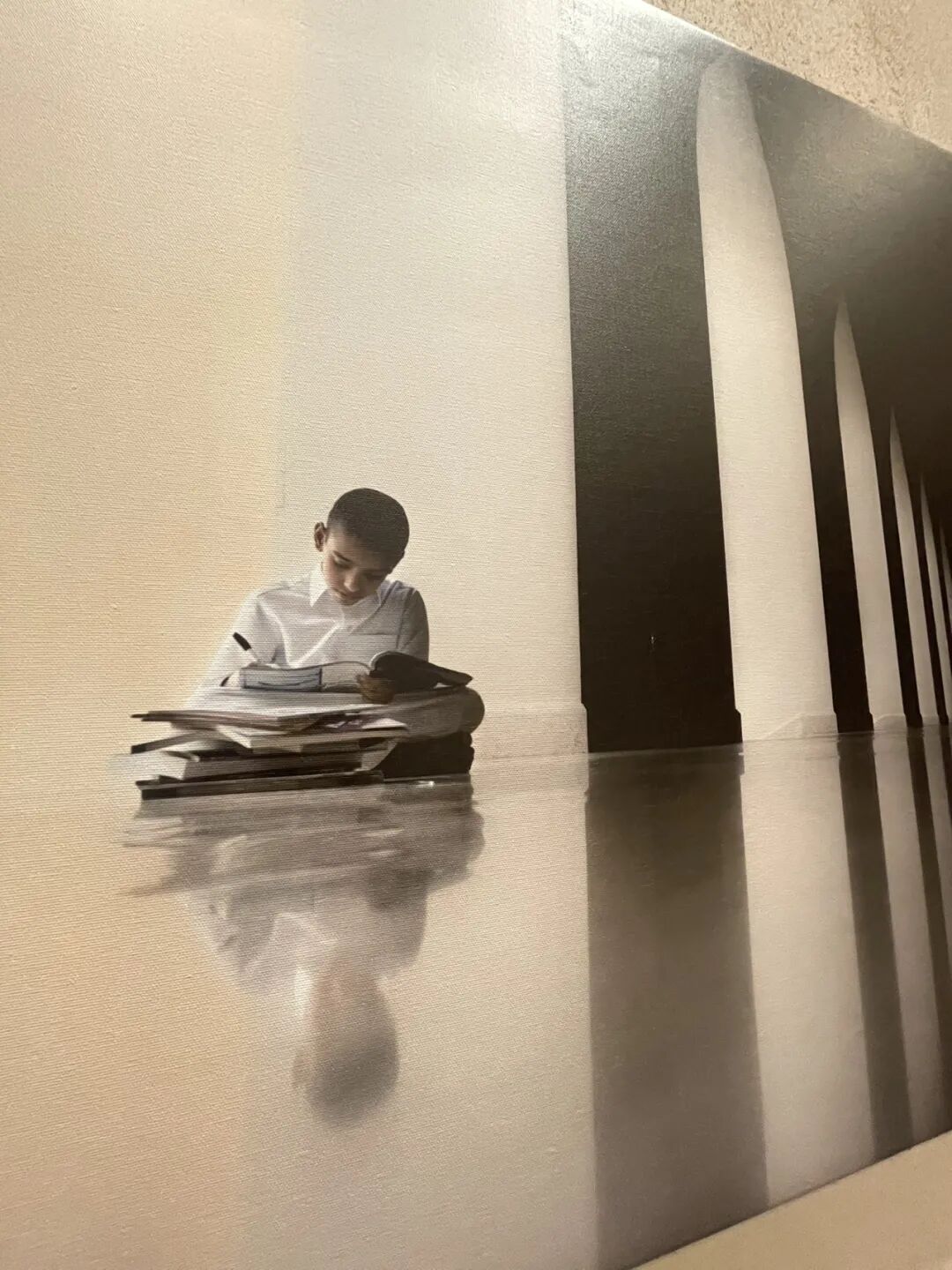
2. Screen reading easily turns us into 'skimmers'
The biggest perk of digital reading is also its biggest trap:
It's just too fast, and there's too much information.
We've gotten used to scrolling, clicking, jumping around, searching, and skimming.
It’s how we handle news, articles, and even how we read e-books.
When your attention is constantly being pulled by notifications, links, ads, and other noise, your brain easily switches into 'scan mode.'
We end up seeing a massive amount of info without actually reaching a deep level of understanding.
And so, here is the modern dilemma we’re facing:
We’re knowing more and more, but we aren't necessarily thinking any deeper.

3. Why physical reading leads to deeper focus
Paper has a feature that seems simple, but it’s actually really important:
It doesn't ask you to do anything else.
A physical book won't suddenly pop up a notification or suggest you click on another link.
You turn the page, and there is the next page.
This relatively closed, stable environment helps reduce the need for 'attention switching,' allowing you to focus more of your cognitive energy on the content right in front of you.
That’s why physical reading is perfect for:
Content that requires sustained concentration;
Grasping complex concepts;
Deep-dive thinking;
Memory retention and reflection;
Reading literature, history, philosophy, and classic works.

4. It’s not just about the paper, it’s about the mindset
There is one very important takeaway here:
Deep Reading in the Digital Age: Why Picking Up Physical Books Can Actually Rewire Your Focus and Help You Think More Deeply.
It’s not really fair to say that reading physical books is always better than reading digitally.
Digital reading has its own massive perks.
It makes searching, storing, carrying, and retrieving info super convenient, which is perfect for quick research, learning new topics, or handling tons of data.
The real question isn't:
"Is paper better, or is the screen better?"
It's actually:
"Am I picking the right way to read for the specific type of information in front of me?"
Go ahead and use digital tools for grabbing facts fast.

But when you really need to wrap your head around complex ideas, you should carve out some uninterrupted reading time for yourself.
5. Reading is basically a workout for your brain
Reading isn't just about passively absorbing info.
Every time you read with intention, you're training your attention span, language comprehension, working memory, reasoning skills, and your ability to build long-term memory.
Deep reading, in particular, forces us to hit the brakes:
Read a sentence;
Think about it;
Read another paragraph;
Connect the dots between the ideas;
And sometimes, even stop to ask yourself:
"What is the author really trying to get across here?"
This kind of active thinking is the most valuable part of the whole process.
So, when we talk about "rewiring the brain," it doesn’t mean picking up a book is some kind of magic fix. It means:

Whatever reading habits we stick with over time are exactly what we're training our focus and cognitive patterns to become.
(Photo taken at the Doha Book Fair / Al Jazeera booth showing an artist’s sketch of a journalist killed in Gaza)
6. In the age of smartphones, reclaim your "offline reading time"
We probably don't need to ditch our phones or reject the digital age entirely.
What we really need to change is how we approach our reading.
Every day, set aside some time, mute your notifications, and just pick up a book that’s actually worth your attention.
Don't be in a rush to flip the page.
Don't keep constantly looking things up.
Don't have five different windows open at once.
Just do one thing:
Read.
Let your eyes linger on the text, let your thoughts follow the author's lead, and give yourself a chance to rediscover a skill that’s becoming increasingly rare—

the ability to stay locked in on a single thought for a long time.
(This photo was taken at the book fair.)
Conclusion: We don't just need more information; we need deeper insights
Modern tech has given us access to more information than anyone in history has ever had.
But just because information is everywhere doesn't mean wisdom follows automatically.
What we really need to protect isn't just our "speed of information intake," but rather: the depth of our understanding, the stability of our focus, and our capacity for independent thought.
The real value of a physical book isn't just that it holds words; it’s that it gives us a quiet, stable space to think without any distractions.
In a world that’s constantly speeding up,
sometimes just putting your phone down, cracking open a real book, and slowly reading a few pages is the most grounded way to protect your brain.
Because at the end of the day, reading doesn't just change what we know,
it actually changes—
how we think.

The bottom line—
Digital reading might help us grab info faster, but deep, physical reading is what helps us reclaim our focus, our understanding, and our ability to really think things through.
(Curated from online sources for reference; photos taken at the Doha Book Fair)

By bridging the gap between neuroscience and classical scholarship, this discussion explores how fragmented screen reading versus deep, physical book reading affects our memory, empathy, and critical thinking, while advocating for a return to slow, reflective reading in an age of constant noise.
Why we should actually pick up physical books again in an era of information overload.
We’re living in a world where screens are literally everywhere.
Phones, tablets, and computers have made reading easier than ever: you can store a whole library on your phone, open countless articles in a snap, and share information globally in seconds.
But there’s a real question we need to start asking ourselves:
Has the way we read fundamentally changed the way our brains work?
That is one of the core issues we’re diving into in this talk.
1. Reading isn't just about 'taking in words'
A lot of people think the only real difference between reading on paper versus a screen is the device itself.
In reality, reading is a complex cognitive activity.
When we read a physical book, our brain isn't just processing text—it’s constantly building a 'spatial map' of the content:
Is this paragraph on the top or bottom of the page?
Does this idea appear on the left or right side of the spread?
About how much of the book have I covered in this chapter?
We even tend to remember that a key point is 'somewhere on this page.'
This spatial context acts as a mental anchor for our memory.
In other words, a physical book doesn't just hold words; it provides a stable physical landscape.
2. Screen reading easily turns us into 'skimmers'
The biggest perk of digital reading is also its biggest trap:
It's just too fast, and there's too much information.
We've gotten used to scrolling, clicking, jumping around, searching, and skimming.
It’s how we handle news, articles, and even how we read e-books.
When your attention is constantly being pulled by notifications, links, ads, and other noise, your brain easily switches into 'scan mode.'
We end up seeing a massive amount of info without actually reaching a deep level of understanding.
And so, here is the modern dilemma we’re facing:
We’re knowing more and more, but we aren't necessarily thinking any deeper.
3. Why physical reading leads to deeper focus
Paper has a feature that seems simple, but it’s actually really important:
It doesn't ask you to do anything else.
A physical book won't suddenly pop up a notification or suggest you click on another link.
You turn the page, and there is the next page.
This relatively closed, stable environment helps reduce the need for 'attention switching,' allowing you to focus more of your cognitive energy on the content right in front of you.
That’s why physical reading is perfect for:
Content that requires sustained concentration;
Grasping complex concepts;
Deep-dive thinking;
Memory retention and reflection;
Reading literature, history, philosophy, and classic works.
4. It’s not just about the paper, it’s about the mindset
There is one very important takeaway here:
Deep Reading in the Digital Age: Why Picking Up Physical Books Can Actually Rewire Your Focus and Help You Think More Deeply.
It’s not really fair to say that reading physical books is always better than reading digitally.
Digital reading has its own massive perks.
It makes searching, storing, carrying, and retrieving info super convenient, which is perfect for quick research, learning new topics, or handling tons of data.
The real question isn't:
"Is paper better, or is the screen better?"
It's actually:
"Am I picking the right way to read for the specific type of information in front of me?"
Go ahead and use digital tools for grabbing facts fast.
But when you really need to wrap your head around complex ideas, you should carve out some uninterrupted reading time for yourself.
5. Reading is basically a workout for your brain
Reading isn't just about passively absorbing info.
Every time you read with intention, you're training your attention span, language comprehension, working memory, reasoning skills, and your ability to build long-term memory.
Deep reading, in particular, forces us to hit the brakes:
Read a sentence;
Think about it;
Read another paragraph;
Connect the dots between the ideas;
And sometimes, even stop to ask yourself:
"What is the author really trying to get across here?"
This kind of active thinking is the most valuable part of the whole process.
So, when we talk about "rewiring the brain," it doesn’t mean picking up a book is some kind of magic fix. It means:
Whatever reading habits we stick with over time are exactly what we're training our focus and cognitive patterns to become.
(Photo taken at the Doha Book Fair / Al Jazeera booth showing an artist’s sketch of a journalist killed in Gaza)
6. In the age of smartphones, reclaim your "offline reading time"
We probably don't need to ditch our phones or reject the digital age entirely.
What we really need to change is how we approach our reading.
Every day, set aside some time, mute your notifications, and just pick up a book that’s actually worth your attention.
Don't be in a rush to flip the page.
Don't keep constantly looking things up.
Don't have five different windows open at once.
Just do one thing:
Read.
Let your eyes linger on the text, let your thoughts follow the author's lead, and give yourself a chance to rediscover a skill that’s becoming increasingly rare—
the ability to stay locked in on a single thought for a long time.
(This photo was taken at the book fair.)
Conclusion: We don't just need more information; we need deeper insights
Modern tech has given us access to more information than anyone in history has ever had.
But just because information is everywhere doesn't mean wisdom follows automatically.
What we really need to protect isn't just our "speed of information intake," but rather: the depth of our understanding, the stability of our focus, and our capacity for independent thought.
The real value of a physical book isn't just that it holds words; it’s that it gives us a quiet, stable space to think without any distractions.
In a world that’s constantly speeding up,
sometimes just putting your phone down, cracking open a real book, and slowly reading a few pages is the most grounded way to protect your brain.
Because at the end of the day, reading doesn't just change what we know,
it actually changes—
how we think.
The bottom line—
Digital reading might help us grab info faster, but deep, physical reading is what helps us reclaim our focus, our understanding, and our ability to really think things through.
(Curated from online sources for reference; photos taken at the Doha Book Fair)
Deep Reading Benefits: Why Physical Books Improve Focus and Critical Thinking in the Digital Age
Articles • Hasan09 posted the article • 0 comments • 45 views • 2026-10-30 01:06
[Internet Repost]
By bridging the gap between neuroscience and classical scholarship, this discussion explores how fragmented screen reading versus deep, physical book reading affects our memory, empathy, and critical thinking, while advocating for a return to slow, reflective reading in an age of constant noise.
Why we should actually pick up physical books again in an era of information overload.
We’re living in a world where screens are literally everywhere.
Phones, tablets, and computers have made reading easier than ever: you can store a whole library on your phone, open countless articles in a snap, and share information globally in seconds.
But there’s a real question we need to start asking ourselves:
Has the way we read fundamentally changed the way our brains work?
That is one of the core issues we’re diving into in this talk.
1. Reading isn't just about 'taking in words'
A lot of people think the only real difference between reading on paper versus a screen is the device itself.
In reality, reading is a complex cognitive activity.
When we read a physical book, our brain isn't just processing text—it’s constantly building a 'spatial map' of the content:
Is this paragraph on the top or bottom of the page?
Does this idea appear on the left or right side of the spread?
About how much of the book have I covered in this chapter?
We even tend to remember that a key point is 'somewhere on this page.'
This spatial context acts as a mental anchor for our memory.
In other words, a physical book doesn't just hold words; it provides a stable physical landscape.
2. Screen reading easily turns us into 'skimmers'
The biggest perk of digital reading is also its biggest trap:
It's just too fast, and there's too much information.
We've gotten used to scrolling, clicking, jumping around, searching, and skimming.
It’s how we handle news, articles, and even how we read e-books.
When your attention is constantly being pulled by notifications, links, ads, and other noise, your brain easily switches into 'scan mode.'
We end up seeing a massive amount of info without actually reaching a deep level of understanding.
And so, here is the modern dilemma we’re facing:
We’re knowing more and more, but we aren't necessarily thinking any deeper.
3. Why physical reading leads to deeper focus
Paper has a feature that seems simple, but it’s actually really important:
It doesn't ask you to do anything else.
A physical book won't suddenly pop up a notification or suggest you click on another link.
You turn the page, and there is the next page.
This relatively closed, stable environment helps reduce the need for 'attention switching,' allowing you to focus more of your cognitive energy on the content right in front of you.
That’s why physical reading is perfect for:
Content that requires sustained concentration;
Grasping complex concepts;
Deep-dive thinking;
Memory retention and reflection;
Reading literature, history, philosophy, and classic works.
4. It’s not just about the paper, it’s about the mindset
There is one very important takeaway here:
Deep Reading in the Digital Age: Why Picking Up Physical Books Can Actually Rewire Your Focus and Help You Think More Deeply.
It’s not really fair to say that reading physical books is always better than reading digitally.
Digital reading has its own massive perks.
It makes searching, storing, carrying, and retrieving info super convenient, which is perfect for quick research, learning new topics, or handling tons of data.
The real question isn't:
"Is paper better, or is the screen better?"
It's actually:
"Am I picking the right way to read for the specific type of information in front of me?"
Go ahead and use digital tools for grabbing facts fast.
But when you really need to wrap your head around complex ideas, you should carve out some uninterrupted reading time for yourself.
5. Reading is basically a workout for your brain
Reading isn't just about passively absorbing info.
Every time you read with intention, you're training your attention span, language comprehension, working memory, reasoning skills, and your ability to build long-term memory.
Deep reading, in particular, forces us to hit the brakes:
Read a sentence;
Think about it;
Read another paragraph;
Connect the dots between the ideas;
And sometimes, even stop to ask yourself:
"What is the author really trying to get across here?"
This kind of active thinking is the most valuable part of the whole process.
So, when we talk about "rewiring the brain," it doesn’t mean picking up a book is some kind of magic fix. It means:
Whatever reading habits we stick with over time are exactly what we're training our focus and cognitive patterns to become.
(Photo taken at the Doha Book Fair / Al Jazeera booth showing an artist’s sketch of a journalist killed in Gaza)
6. In the age of smartphones, reclaim your "offline reading time"
We probably don't need to ditch our phones or reject the digital age entirely.
What we really need to change is how we approach our reading.
Every day, set aside some time, mute your notifications, and just pick up a book that’s actually worth your attention.
Don't be in a rush to flip the page.
Don't keep constantly looking things up.
Don't have five different windows open at once.
Just do one thing:
Read.
Let your eyes linger on the text, let your thoughts follow the author's lead, and give yourself a chance to rediscover a skill that’s becoming increasingly rare—
the ability to stay locked in on a single thought for a long time.
(This photo was taken at the book fair.)
Conclusion: We don't just need more information; we need deeper insights
Modern tech has given us access to more information than anyone in history has ever had.
But just because information is everywhere doesn't mean wisdom follows automatically.
What we really need to protect isn't just our "speed of information intake," but rather: the depth of our understanding, the stability of our focus, and our capacity for independent thought.
The real value of a physical book isn't just that it holds words; it’s that it gives us a quiet, stable space to think without any distractions.
In a world that’s constantly speeding up,
sometimes just putting your phone down, cracking open a real book, and slowly reading a few pages is the most grounded way to protect your brain.
Because at the end of the day, reading doesn't just change what we know,
it actually changes—
how we think.
The bottom line—
Digital reading might help us grab info faster, but deep, physical reading is what helps us reclaim our focus, our understanding, and our ability to really think things through.
(Curated from online sources for reference; photos taken at the Doha Book Fair) view all
By bridging the gap between neuroscience and classical scholarship, this discussion explores how fragmented screen reading versus deep, physical book reading affects our memory, empathy, and critical thinking, while advocating for a return to slow, reflective reading in an age of constant noise.
Why we should actually pick up physical books again in an era of information overload.
We’re living in a world where screens are literally everywhere.
Phones, tablets, and computers have made reading easier than ever: you can store a whole library on your phone, open countless articles in a snap, and share information globally in seconds.
But there’s a real question we need to start asking ourselves:
Has the way we read fundamentally changed the way our brains work?
That is one of the core issues we’re diving into in this talk.
1. Reading isn't just about 'taking in words'
A lot of people think the only real difference between reading on paper versus a screen is the device itself.
In reality, reading is a complex cognitive activity.
When we read a physical book, our brain isn't just processing text—it’s constantly building a 'spatial map' of the content:
Is this paragraph on the top or bottom of the page?
Does this idea appear on the left or right side of the spread?
About how much of the book have I covered in this chapter?
We even tend to remember that a key point is 'somewhere on this page.'
This spatial context acts as a mental anchor for our memory.
In other words, a physical book doesn't just hold words; it provides a stable physical landscape.
2. Screen reading easily turns us into 'skimmers'
The biggest perk of digital reading is also its biggest trap:
It's just too fast, and there's too much information.
We've gotten used to scrolling, clicking, jumping around, searching, and skimming.
It’s how we handle news, articles, and even how we read e-books.
When your attention is constantly being pulled by notifications, links, ads, and other noise, your brain easily switches into 'scan mode.'
We end up seeing a massive amount of info without actually reaching a deep level of understanding.
And so, here is the modern dilemma we’re facing:
We’re knowing more and more, but we aren't necessarily thinking any deeper.
3. Why physical reading leads to deeper focus
Paper has a feature that seems simple, but it’s actually really important:
It doesn't ask you to do anything else.
A physical book won't suddenly pop up a notification or suggest you click on another link.
You turn the page, and there is the next page.
This relatively closed, stable environment helps reduce the need for 'attention switching,' allowing you to focus more of your cognitive energy on the content right in front of you.
That’s why physical reading is perfect for:
Content that requires sustained concentration;
Grasping complex concepts;
Deep-dive thinking;
Memory retention and reflection;
Reading literature, history, philosophy, and classic works.
4. It’s not just about the paper, it’s about the mindset
There is one very important takeaway here:
Deep Reading in the Digital Age: Why Picking Up Physical Books Can Actually Rewire Your Focus and Help You Think More Deeply.
It’s not really fair to say that reading physical books is always better than reading digitally.
Digital reading has its own massive perks.
It makes searching, storing, carrying, and retrieving info super convenient, which is perfect for quick research, learning new topics, or handling tons of data.
The real question isn't:
"Is paper better, or is the screen better?"
It's actually:
"Am I picking the right way to read for the specific type of information in front of me?"
Go ahead and use digital tools for grabbing facts fast.
But when you really need to wrap your head around complex ideas, you should carve out some uninterrupted reading time for yourself.
5. Reading is basically a workout for your brain
Reading isn't just about passively absorbing info.
Every time you read with intention, you're training your attention span, language comprehension, working memory, reasoning skills, and your ability to build long-term memory.
Deep reading, in particular, forces us to hit the brakes:
Read a sentence;
Think about it;
Read another paragraph;
Connect the dots between the ideas;
And sometimes, even stop to ask yourself:
"What is the author really trying to get across here?"
This kind of active thinking is the most valuable part of the whole process.
So, when we talk about "rewiring the brain," it doesn’t mean picking up a book is some kind of magic fix. It means:
Whatever reading habits we stick with over time are exactly what we're training our focus and cognitive patterns to become.
(Photo taken at the Doha Book Fair / Al Jazeera booth showing an artist’s sketch of a journalist killed in Gaza)
6. In the age of smartphones, reclaim your "offline reading time"
We probably don't need to ditch our phones or reject the digital age entirely.
What we really need to change is how we approach our reading.
Every day, set aside some time, mute your notifications, and just pick up a book that’s actually worth your attention.
Don't be in a rush to flip the page.
Don't keep constantly looking things up.
Don't have five different windows open at once.
Just do one thing:
Read.
Let your eyes linger on the text, let your thoughts follow the author's lead, and give yourself a chance to rediscover a skill that’s becoming increasingly rare—
the ability to stay locked in on a single thought for a long time.
(This photo was taken at the book fair.)
Conclusion: We don't just need more information; we need deeper insights
Modern tech has given us access to more information than anyone in history has ever had.
But just because information is everywhere doesn't mean wisdom follows automatically.
What we really need to protect isn't just our "speed of information intake," but rather: the depth of our understanding, the stability of our focus, and our capacity for independent thought.
The real value of a physical book isn't just that it holds words; it’s that it gives us a quiet, stable space to think without any distractions.
In a world that’s constantly speeding up,
sometimes just putting your phone down, cracking open a real book, and slowly reading a few pages is the most grounded way to protect your brain.
Because at the end of the day, reading doesn't just change what we know,
it actually changes—
how we think.
The bottom line—
Digital reading might help us grab info faster, but deep, physical reading is what helps us reclaim our focus, our understanding, and our ability to really think things through.
(Curated from online sources for reference; photos taken at the Doha Book Fair) view all
[Internet Repost]
By bridging the gap between neuroscience and classical scholarship, this discussion explores how fragmented screen reading versus deep, physical book reading affects our memory, empathy, and critical thinking, while advocating for a return to slow, reflective reading in an age of constant noise.
Why we should actually pick up physical books again in an era of information overload.
We’re living in a world where screens are literally everywhere.
Phones, tablets, and computers have made reading easier than ever: you can store a whole library on your phone, open countless articles in a snap, and share information globally in seconds.
But there’s a real question we need to start asking ourselves:
Has the way we read fundamentally changed the way our brains work?
That is one of the core issues we’re diving into in this talk.
1. Reading isn't just about 'taking in words'
A lot of people think the only real difference between reading on paper versus a screen is the device itself.
In reality, reading is a complex cognitive activity.
When we read a physical book, our brain isn't just processing text—it’s constantly building a 'spatial map' of the content:
Is this paragraph on the top or bottom of the page?
Does this idea appear on the left or right side of the spread?
About how much of the book have I covered in this chapter?
We even tend to remember that a key point is 'somewhere on this page.'
This spatial context acts as a mental anchor for our memory.
In other words, a physical book doesn't just hold words; it provides a stable physical landscape.
2. Screen reading easily turns us into 'skimmers'
The biggest perk of digital reading is also its biggest trap:
It's just too fast, and there's too much information.
We've gotten used to scrolling, clicking, jumping around, searching, and skimming.
It’s how we handle news, articles, and even how we read e-books.
When your attention is constantly being pulled by notifications, links, ads, and other noise, your brain easily switches into 'scan mode.'
We end up seeing a massive amount of info without actually reaching a deep level of understanding.
And so, here is the modern dilemma we’re facing:
We’re knowing more and more, but we aren't necessarily thinking any deeper.
3. Why physical reading leads to deeper focus
Paper has a feature that seems simple, but it’s actually really important:
It doesn't ask you to do anything else.
A physical book won't suddenly pop up a notification or suggest you click on another link.
You turn the page, and there is the next page.
This relatively closed, stable environment helps reduce the need for 'attention switching,' allowing you to focus more of your cognitive energy on the content right in front of you.
That’s why physical reading is perfect for:
Content that requires sustained concentration;
Grasping complex concepts;
Deep-dive thinking;
Memory retention and reflection;
Reading literature, history, philosophy, and classic works.
4. It’s not just about the paper, it’s about the mindset
There is one very important takeaway here:
Deep Reading in the Digital Age: Why Picking Up Physical Books Can Actually Rewire Your Focus and Help You Think More Deeply.
It’s not really fair to say that reading physical books is always better than reading digitally.
Digital reading has its own massive perks.
It makes searching, storing, carrying, and retrieving info super convenient, which is perfect for quick research, learning new topics, or handling tons of data.
The real question isn't:
"Is paper better, or is the screen better?"
It's actually:
"Am I picking the right way to read for the specific type of information in front of me?"
Go ahead and use digital tools for grabbing facts fast.
But when you really need to wrap your head around complex ideas, you should carve out some uninterrupted reading time for yourself.
5. Reading is basically a workout for your brain
Reading isn't just about passively absorbing info.
Every time you read with intention, you're training your attention span, language comprehension, working memory, reasoning skills, and your ability to build long-term memory.
Deep reading, in particular, forces us to hit the brakes:
Read a sentence;
Think about it;
Read another paragraph;
Connect the dots between the ideas;
And sometimes, even stop to ask yourself:
"What is the author really trying to get across here?"
This kind of active thinking is the most valuable part of the whole process.
So, when we talk about "rewiring the brain," it doesn’t mean picking up a book is some kind of magic fix. It means:
Whatever reading habits we stick with over time are exactly what we're training our focus and cognitive patterns to become.
(Photo taken at the Doha Book Fair / Al Jazeera booth showing an artist’s sketch of a journalist killed in Gaza)
6. In the age of smartphones, reclaim your "offline reading time"
We probably don't need to ditch our phones or reject the digital age entirely.
What we really need to change is how we approach our reading.
Every day, set aside some time, mute your notifications, and just pick up a book that’s actually worth your attention.
Don't be in a rush to flip the page.
Don't keep constantly looking things up.
Don't have five different windows open at once.
Just do one thing:
Read.
Let your eyes linger on the text, let your thoughts follow the author's lead, and give yourself a chance to rediscover a skill that’s becoming increasingly rare—
the ability to stay locked in on a single thought for a long time.
(This photo was taken at the book fair.)
Conclusion: We don't just need more information; we need deeper insights
Modern tech has given us access to more information than anyone in history has ever had.
But just because information is everywhere doesn't mean wisdom follows automatically.
What we really need to protect isn't just our "speed of information intake," but rather: the depth of our understanding, the stability of our focus, and our capacity for independent thought.
The real value of a physical book isn't just that it holds words; it’s that it gives us a quiet, stable space to think without any distractions.
In a world that’s constantly speeding up,
sometimes just putting your phone down, cracking open a real book, and slowly reading a few pages is the most grounded way to protect your brain.
Because at the end of the day, reading doesn't just change what we know,
it actually changes—
how we think.
The bottom line—
Digital reading might help us grab info faster, but deep, physical reading is what helps us reclaim our focus, our understanding, and our ability to really think things through.
(Curated from online sources for reference; photos taken at the Doha Book Fair)