

Dubai History
Halal Travel Guide: Old Dubai — Before Oil, Souks and Muslim History
Articles • ali2007fr posted the article • 0 comments • 209 views • 2026-05-17 21:06
Reposted from the web
Summary: Old Dubai — Before Oil, Souks and Muslim History is presented here as a firsthand travel account in clear English, beginning with this scene: Venetian pearl merchants mentioned the pearl industry in Dubai (Dibei) as early as 1580, but the town did not officially form as a pearl and fishing hub until the early 18th century. The account keeps its focus on Old Dubai, Dubai History, Muslim Heritage while preserving the names, places, food, and historical details from the Chinese source.
Venetian pearl merchants mentioned the pearl industry in Dubai (Dibei) as early as 1580, but the town did not officially form as a pearl and fishing hub until the early 18th century.
In 1799, Dubai became the territory of the Al Abu Falasa family from the Bani Yas tribe of Abu Dhabi. In 1833, Maktoum bin Butti moved from Abu Dhabi to Dubai and established the Al Maktoum dynasty, making Dubai independent from Abu Dhabi.
A smallpox outbreak hit Dubai in 1841, causing residents to move from the south bank of Dubai Creek to the north bank. This created the two old districts of Bur Dubai on the south bank and Deira on the north bank. You can read about the historic district on the north bank of Dubai Creek in my previous diary entry, 'Dubai Al Ras Historic District'.
After the 20th century, Dubai became a free port with no taxes on imports and exports, offering great security for merchants. In 1904, British-Indian steamships began regular stops in Dubai. Dubai became an important trade hub in the Persian Gulf, and some Persian merchants started to settle there.
Dubai's economy long relied on pearl exports. However, in the 1920s, cultured pearls flooded the world market at the same time as the Great Depression. Dubai's pearl industry collapsed in 1929, leaving many people unemployed and the whole city in poverty.
It was not until oil was discovered in 1966 that Dubai used the income to start large-scale infrastructure projects, and the whole region began to prosper. After the Gulf War, Dubai shifted its economic focus to free trade and tourism, gradually becoming a modern metropolis.
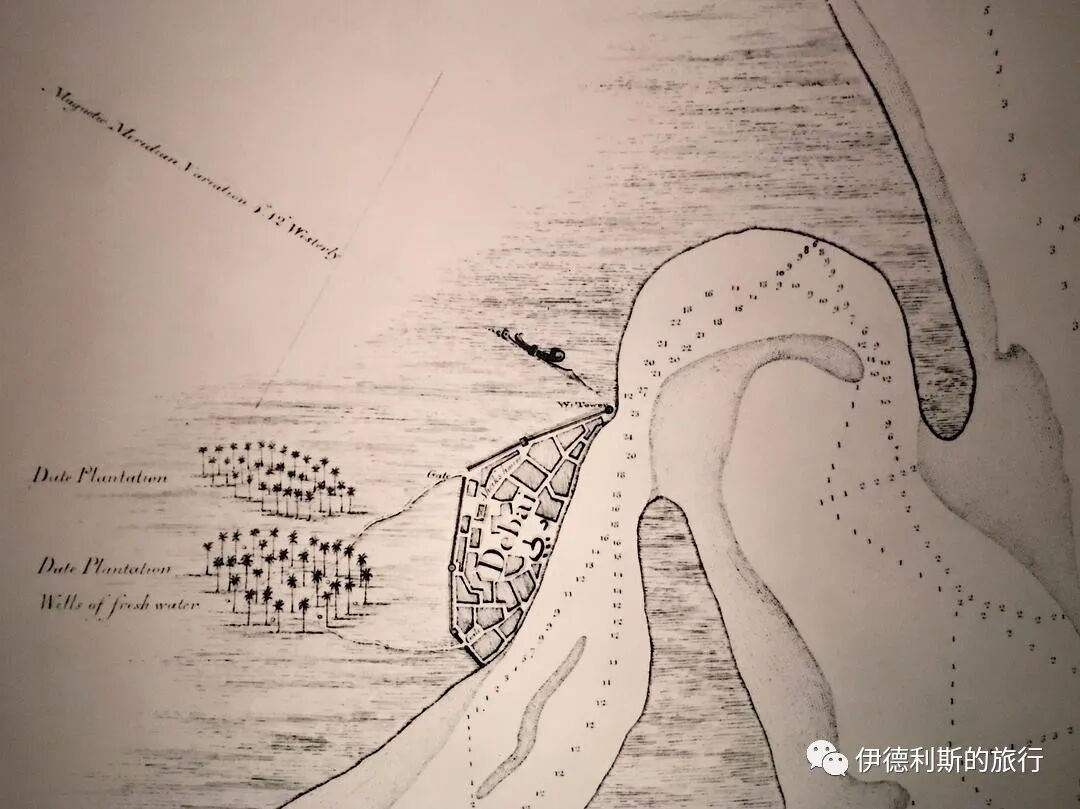
A map of Dubai from 1822, photographed at the Dubai Museum.
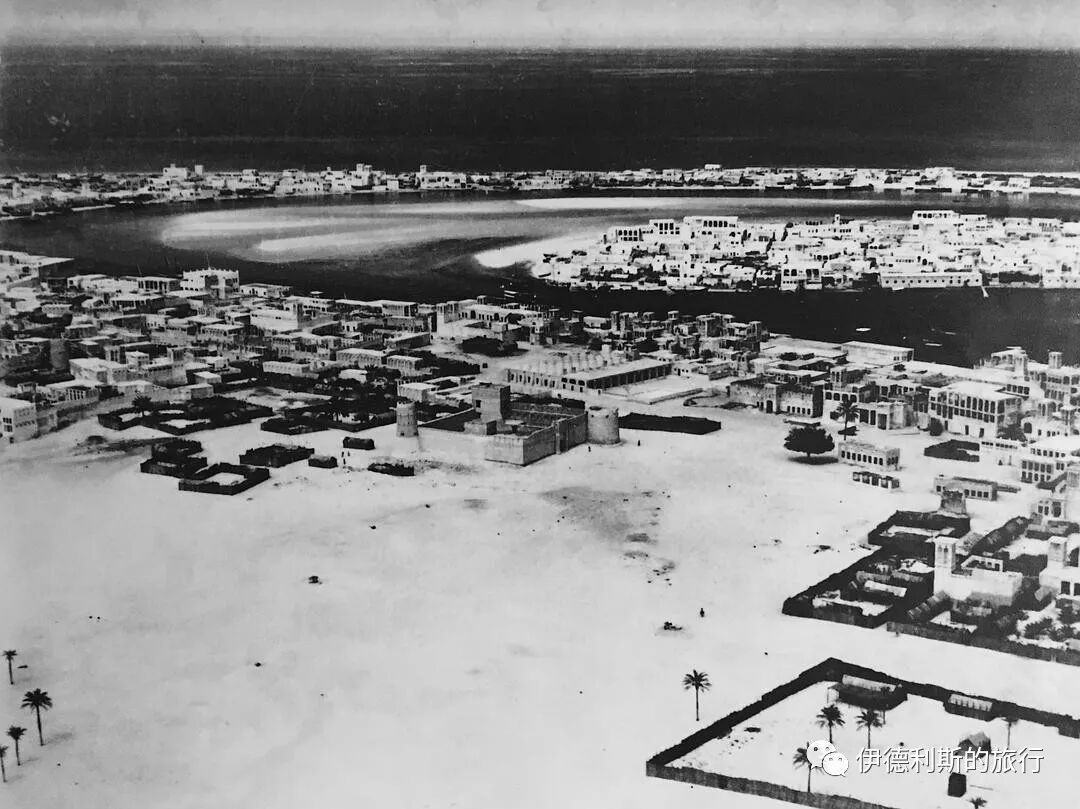
Dubai city in 1950, photographed at the Dubai Museum.
1. Dubai Fort.
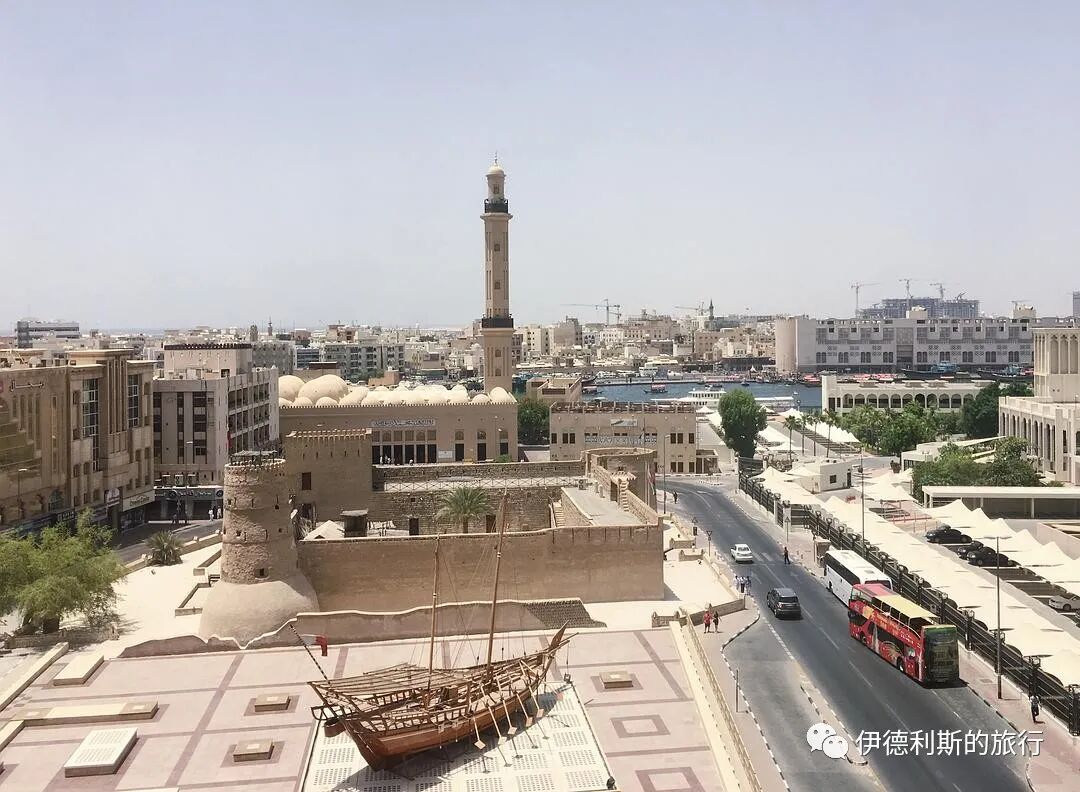
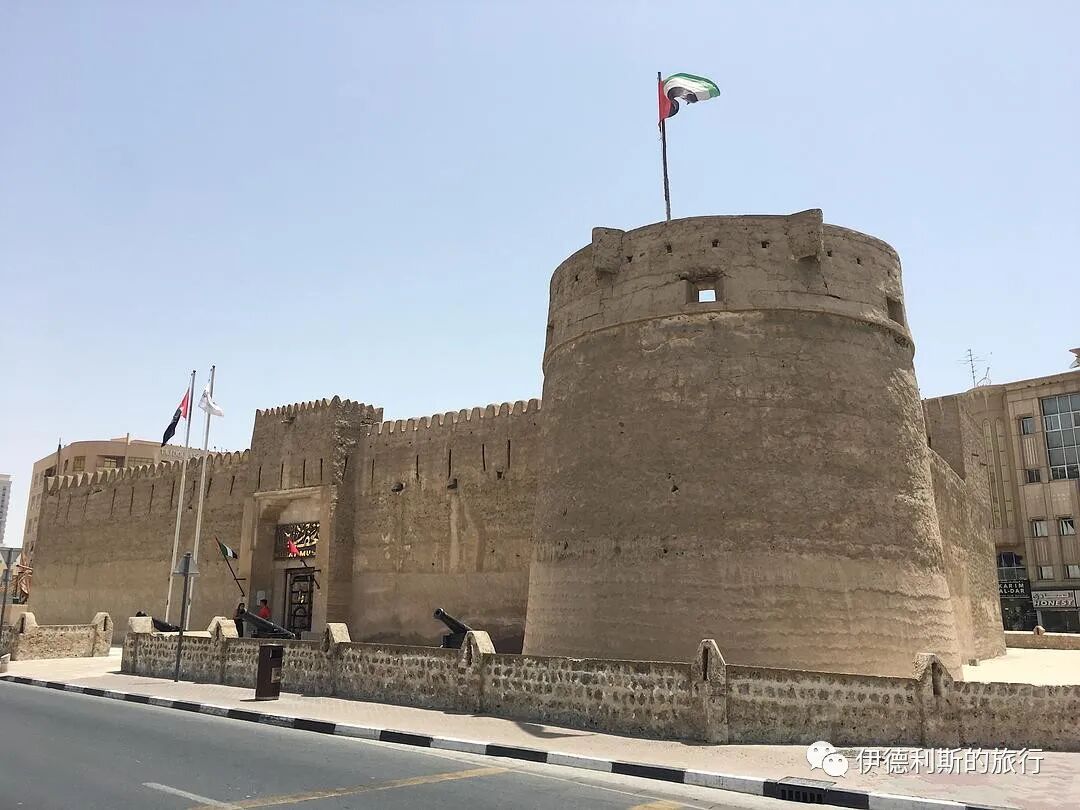
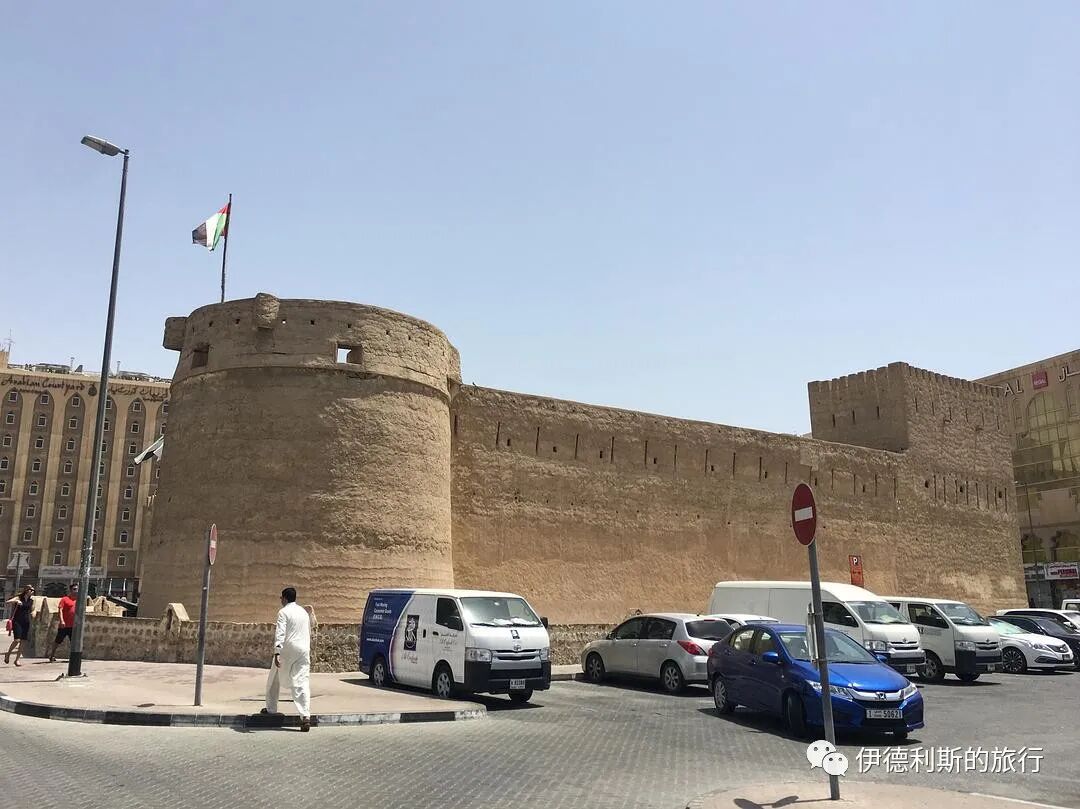
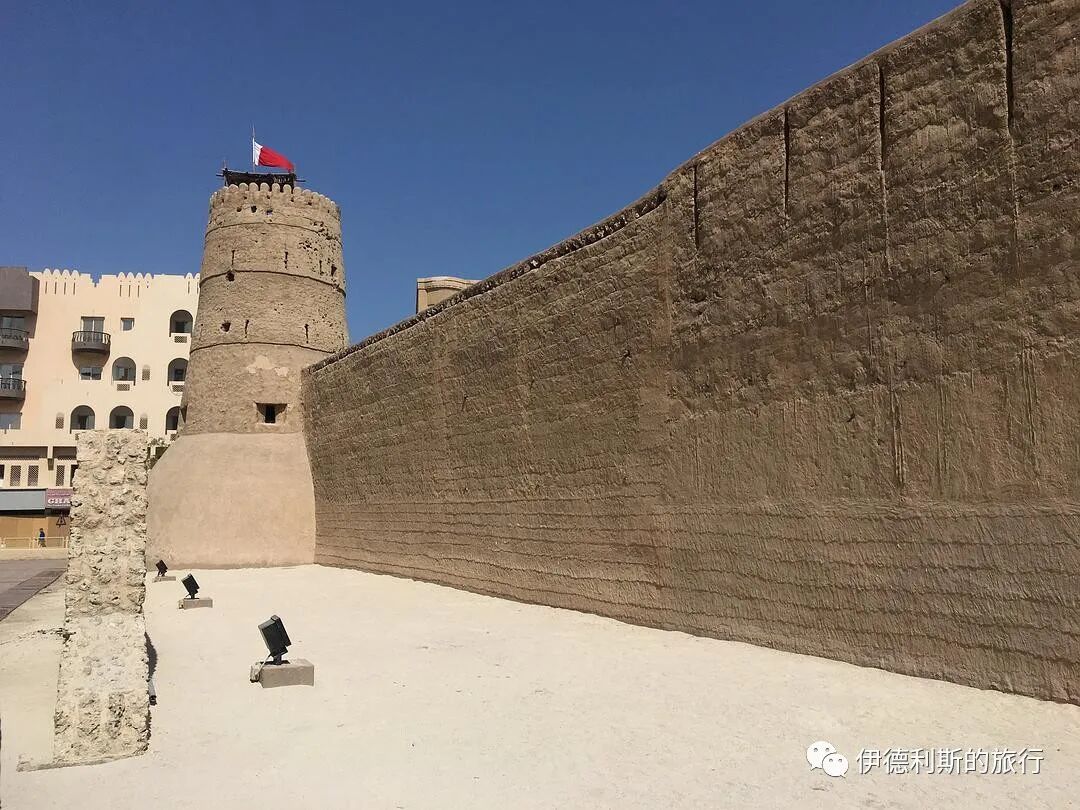
Al Fahidi Fort is the oldest existing building in Dubai. It was first built in 1787 (some say 1799 or 1800) and was expanded between the 1830s and 1850s. The fort is built from coral stone, crushed rock, and lime, and it features three towers. This place was originally the home of the ruler of Dubai. In the early 20th century, it housed 100 soldiers before it was turned into an armory and a prison.
After being renovated in 1971, the fort opened to the public as the Dubai Museum. In 1995, new museum galleries were built underground beneath the fort.
Looking down at the fort
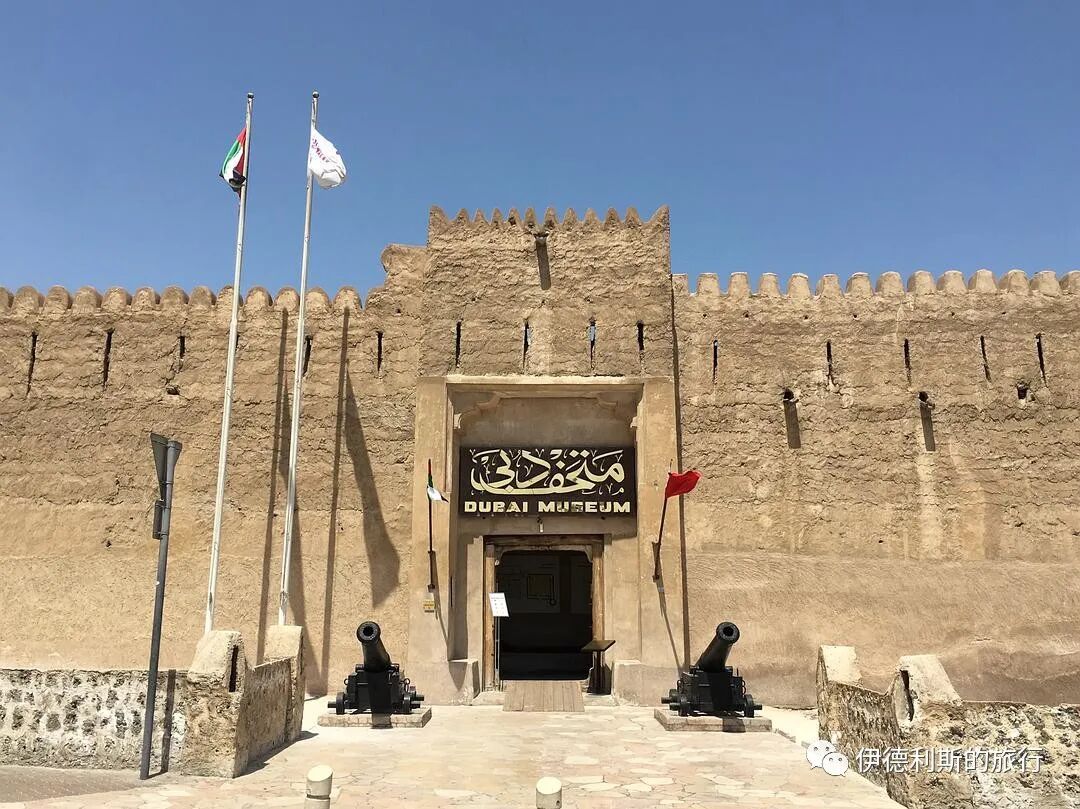
The front of the fort
The back of the fort
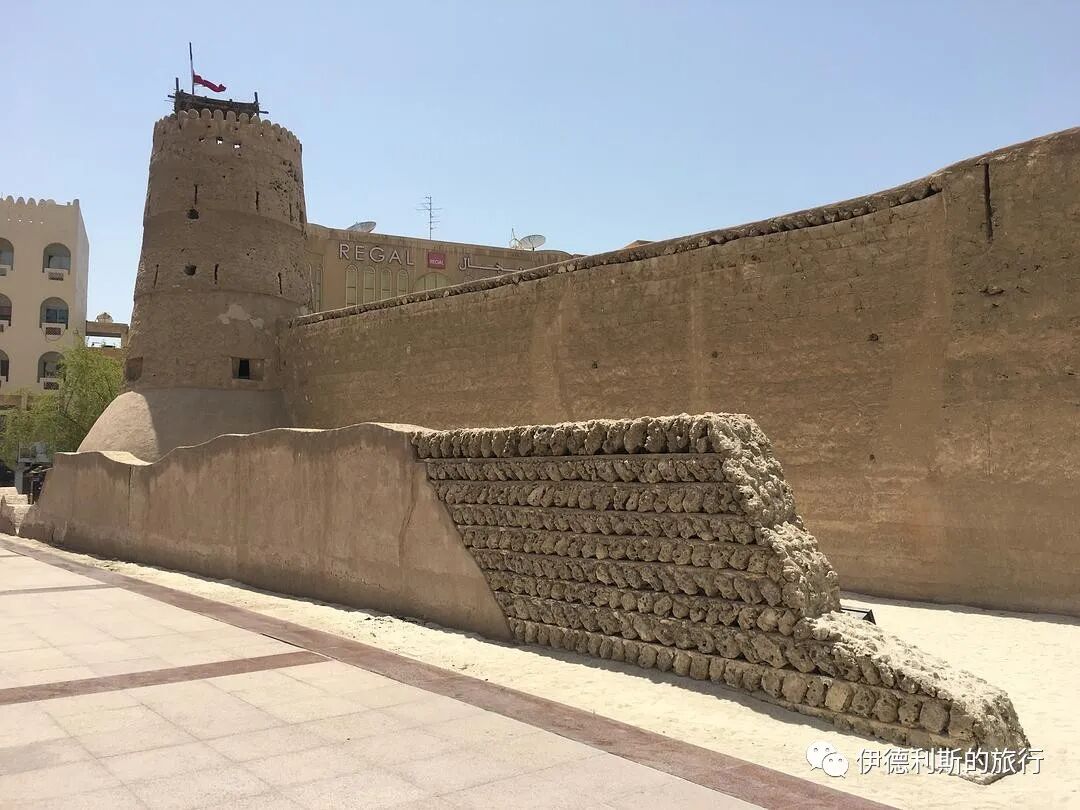
In the south of the fort, you can see a remaining section of the Dubai Wall. Built in 1800, this wall is 600 meters long and 2.5 meters high, made from coral stone and lime. As Dubai expanded in the early 20th century, most of the wall was torn down. The remaining parts were restored in 2001 and are still standing today.
The main gate of the fort has doors made of teak wood.
Inside the fort.
Inside the fort.
Dubai Fort in 1950.
Dubai Fort in 1950.
An old photo of Dubai Fort.
Artifacts in the Dubai Museum, including weapons used by soldiers stationed here at the time.
A curved sword (scimitar) with a bone handle decorated with silver and gold pieces, and a scabbard covered in dense silver wire.
A shield made of shark skin with copper decorations.
Brass bracers.
Helmet.
Leather pouch for gunpowder.
2. Watchtower.
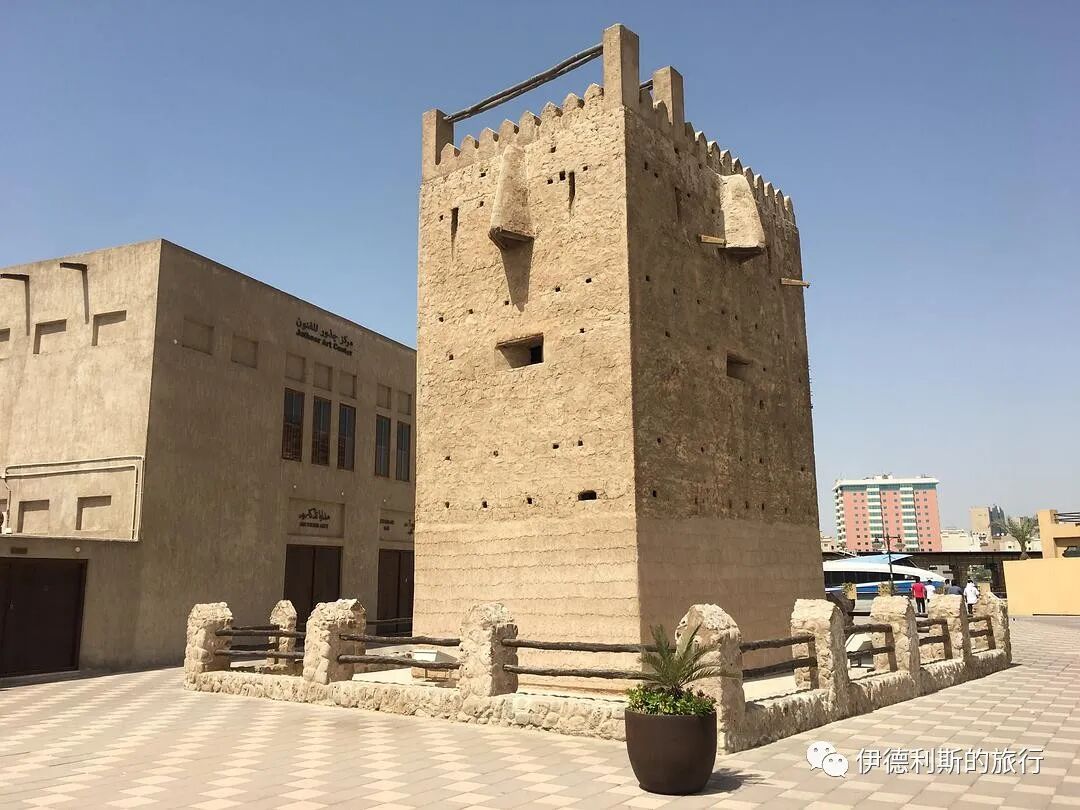
Besides the city walls and castles, watchtowers were also important defensive structures for the city of Dubai. Dubai currently has three traditional watchtowers left, and I visited one of them, the Al Shandagah watchtower built in 1939.
3. Dubai Creek
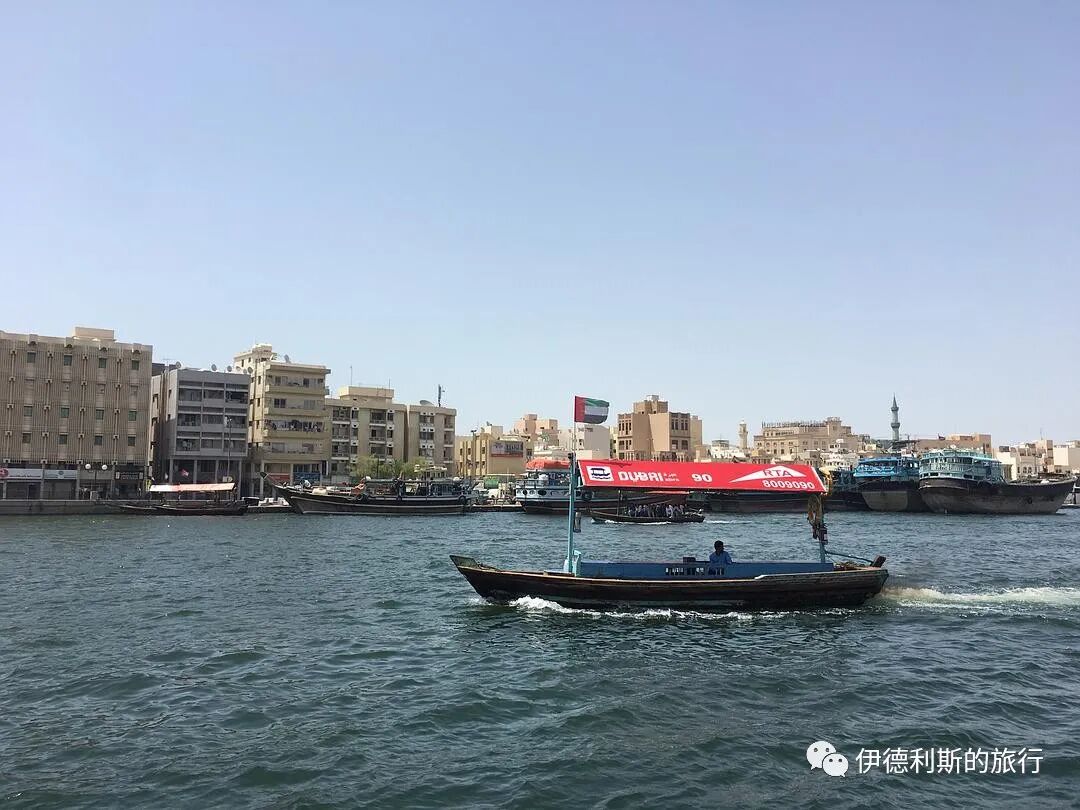
Dubai Creek divides the old city of Dubai into two parts: Bur Dubai and Deira. From the late 19th and early 20th centuries until it was dredged in 1961, Dubai Creek was an important trading port between India, East Africa, and the Gulf region, even though the shallow water meant it could not support large-scale shipping.
4. Al Bastakiya Historical District
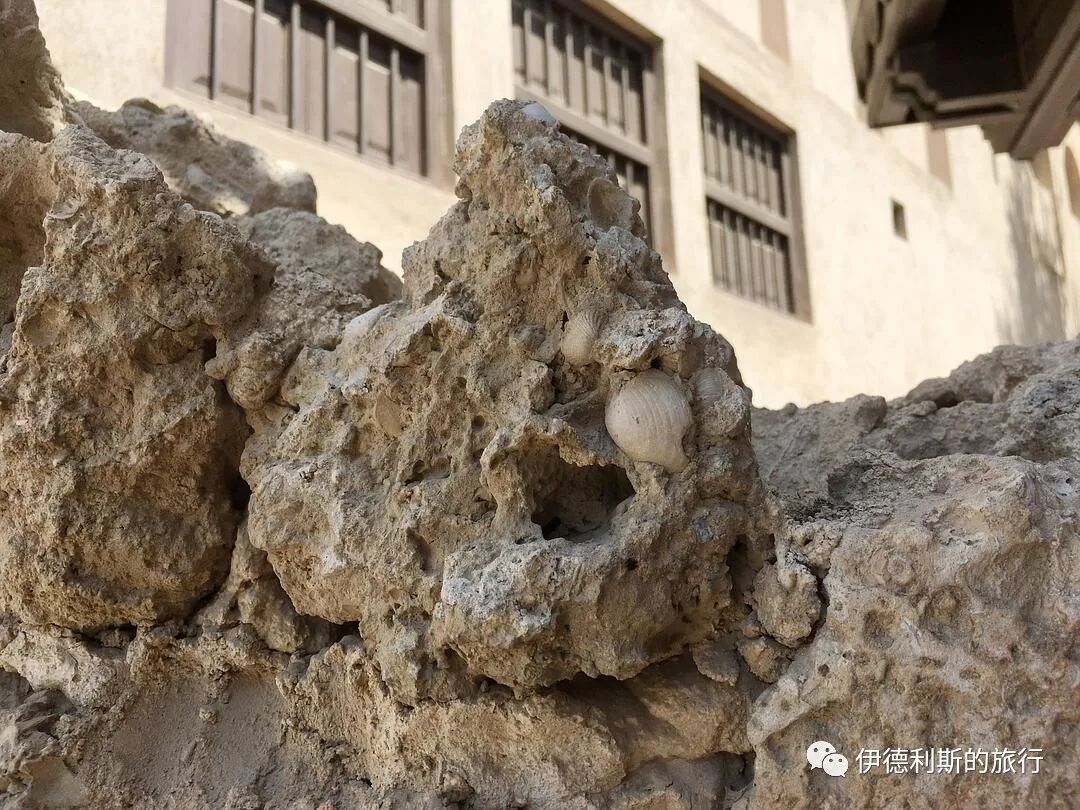
The Al Bastakiya historical district sits east of the Dubai Fort and was built by Persian merchants in the late 19th century. The name Al Bastakiya comes from the city of Bastak in southern Iran. After Dubai became a free trade port in the 1890s, many Persian merchants crossed the Persian Gulf to trade here. Most of them were from Bastak, which was the main source of firewood for the Gulf coastal region at the time. The Persian community in Al Bastakiya was officially established by the 1920s.
Before this, Dubai was mostly palm-frond huts for Bedouins. After Persian merchants arrived, they started building houses with coral stone, lime, and shells, and they brought wind towers (barjeel) with Iranian features.
After Dubai discovered oil in the 1960s, the residents of Al Bastakiya gradually moved to modern neighborhoods. By the 1980s, half of the houses in the entire neighborhood had been destroyed to build office towers.
In 1989, the Dubai Municipality planned to demolish the whole neighborhood. Rayner Otter, a British architect living in Dubai at the time, wrote a letter to Prince Charles of the UK to ask for the neighborhood to be protected. When Prince Charles visited Dubai that year, he toured the entire neighborhood with Rayner Otter. Thanks to Prince Charles's suggestion, this place was finally preserved.
In 2005, the Dubai government began restoring the historic buildings here, gradually turning the area into a heritage village that looks the way we see it today.
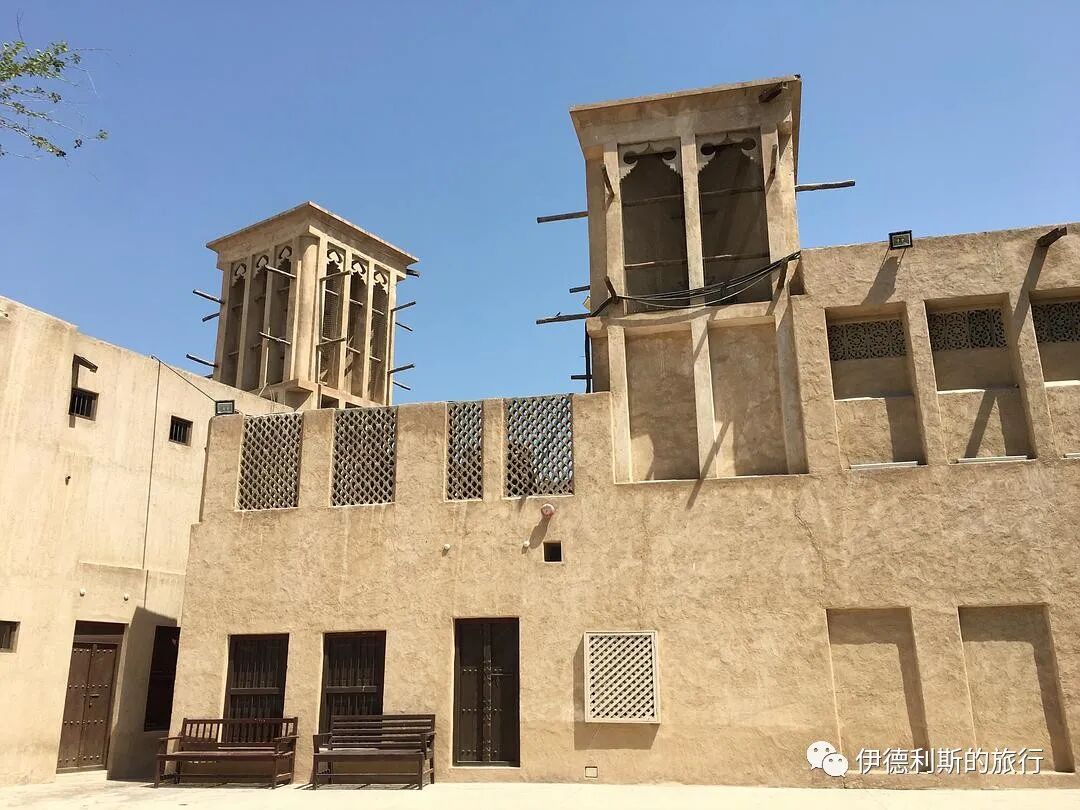
The picture below shows a wind tower (Barjeel) brought to Dubai by Persian merchants over a hundred years ago. These towers create a natural breeze inside the house to help people cope with the intense heat.
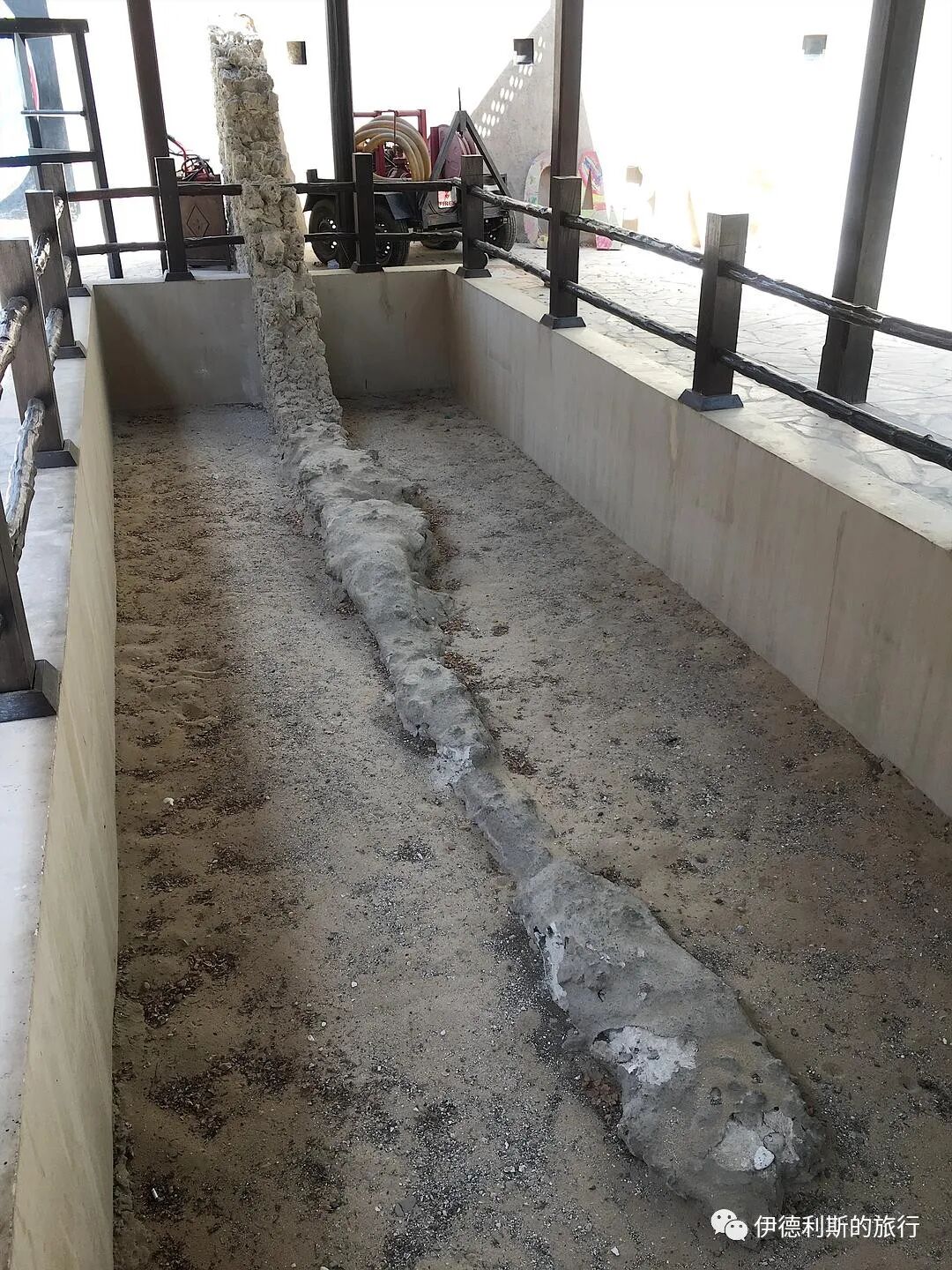
A section of the old Dubai city wall remains in the neighborhood.
I visited during Eid al-Fitr and watched the traditional Gulf Bedouin dance, Al Ayala, at the entrance to the neighborhood. Al Ayala is found in the UAE and northwest Oman. During a performance, about ten men on each side wave wooden sticks to mimic a fight while singing traditional melodies. In the middle, three Al Ras drums, two Al Tar drums, and two brass cymbals keep the rhythm. It was named a UNESCO Intangible Cultural Heritage in 2014.
The neighborhood at dusk.
There are a few art shops run by Arabs in the neighborhood, and I bought some postcards at one of them.
I had an Arab calligrapher from Aleppo, Syria, named Ayman Bazerbashi, write my name, Wang Dongsi, in Arabic. Ayman Bazerbashi learned Arabic crafts from his father as a child, later became an Arabic calligrapher, and now lives in Dubai.
Other works by Ayman Bazerbashi
The Iranian mosque in Old Dubai
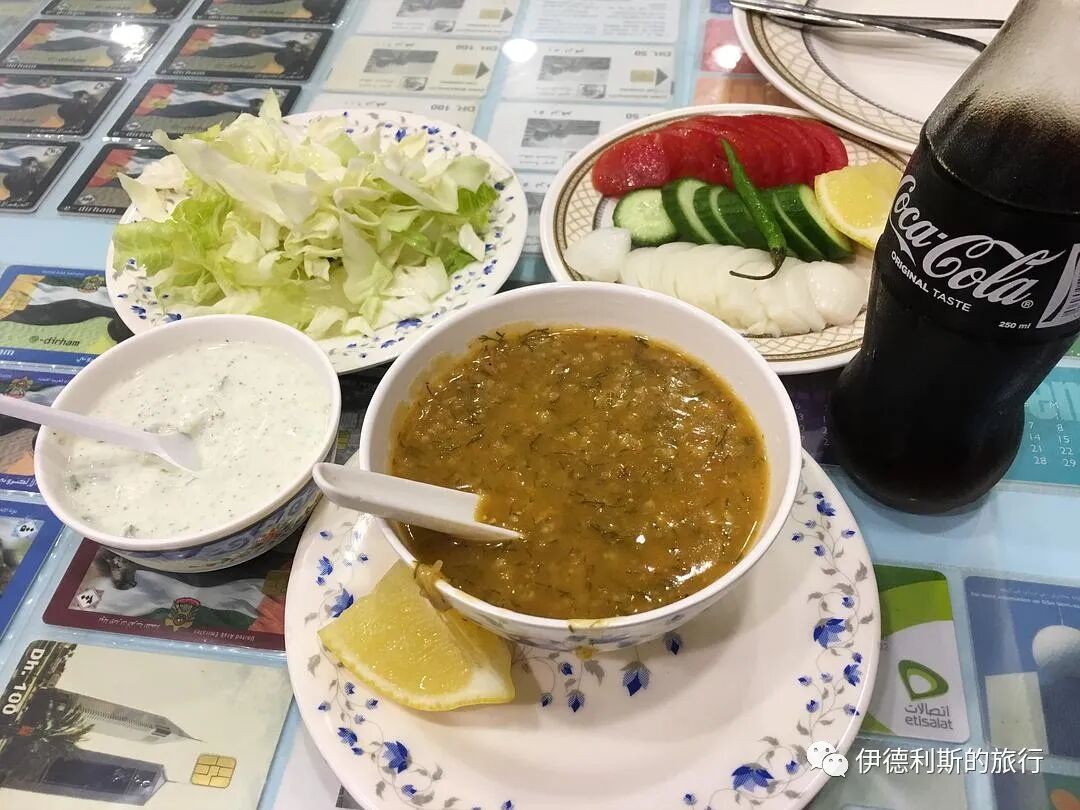
I ate grilled lamb skewers (kebab) and meat porridge (haleem) at an Iranian restaurant in Old Dubai that has been open since the 1970s.
5. Al Shindagha Historical District
The Al Shindagha historical district is northwest of the Dubai Fort. It formed between the late 19th and early 20th centuries. The most famous site here is the house where the old ruler of Dubai lived from 1912 to 1958. There are also several interesting museums in the area.
1. Saruq Al Hadid Archaeology Museum
The Saruq Al Hadid Archaeology Museum is located inside a traditional Arabian Gulf house in Shindagha. Saruq Al Hadid is a mysterious ancient site deep in the Dubai desert and is known as Dubai's most important archaeological site. The logo for the 2020 Dubai Expo was based on a gold ring found here.
In 2002, Dubai ruler Mohammed bin Rashid Al Maktoum was flying over the desert in a helicopter when he spotted a large amount of black sediment on a sand dune. He immediately reported the discovery to the relevant authorities. Investigations revealed that these black deposits were actually waste and slag from copper and iron smelting. This 1.5-hectare slag heap stopped the sand dunes from moving, which preserved thousands of years of history.
Later, a Jordanian archaeological team carried out five large-scale excavations at Hadid. Between 2008 and 2009, a team from the Dubai Desert Survey, made up of American researchers and the Dubai Department of Tourism, conducted another series of excavations here. From 2014 to 2017, a team from Australian and New Zealand universities carried out a three-year archaeological excavation at the site. So far, more than 1,200 artifacts have been unearthed from the site, mostly pottery and metal items, including arrowheads, axes, fishhooks, bracelets, and knives.
Archaeological excavations show that Hili was inhabited from the Bronze Age Umm al-Nar culture (2600–2000 BC) through the Iron Age, which ended around 1000 BC. Its most prosperous period was Iron Age II, between 1100 BC and 600 BC. For over a thousand years, Hili served as an important settlement and a center for trade and metallurgy in the eastern Arabian Peninsula.
Hili is located deep in the desert, 40 kilometers inland. It lacks the three essentials for metal smelting: water, fuel, and ore. Why this site was chosen as a metallurgical center remains a mystery. The current leading theory points to religion. Many bronze snakes and pottery with snake patterns were found at the Hili site. While these have been found in small numbers at other ancient sites in the UAE and Oman, they are most concentrated here, clearly indicating it was a production center. This place was likely a religious site for snake worship in the eastern Arabian Peninsula.
Bronze daggers with lion or ram heads found in Hajar show the best metal craftsmanship of that time.
Many bronze snakes were found in Hajar, and some with diamond-shaped heads likely represent venomous snakes.
Some pottery jars also have snake patterns, which suggests a traditional religion that worshipped snakes, but we still know nothing about this religion.
2. Crossroads of Civilizations Museum
The Crossroads of Civilizations Museum is a private museum opened by Ahmed Obaid Al Mansoori in 2014, featuring many precious Islamic book manuscripts and traditional weaponry. The museum aims to show the role of Islamic civilization as a crossroads for trade and cultural exchange between Europe, Asia, and Africa.
The artifacts in the museum were originally kept in Ahmed Obaid Al Mansoori's home. During an exhibition he hosted, the director of the Dubai Architectural Heritage Department convinced him to share the collection with the public, which led to the creation of the current Crossroads of Civilizations Museum.
The Crossroads of Civilizations Museum is located inside a traditional 19th-century Gulf house, which was the former home of Sheikh Hashr Bin Maktoum Al Maktoum, the brother of the eighth ruler of Dubai, Sheikh Saeed.
The museum itself features a courtyard (El Fena) typical of the Arab Gulf.
Here are some interesting exhibits to share:
An Ottoman-era manuscript covering astronomy, astrology, magic, feng shui, and medicine.
A paper model of a traditional Moroccan mosque produced in France; it would be fun to recreate this.
A plate from Iran dating back 1,000 years, featuring Kufic calligraphy.
A 19th-century stone carving of the Shahada in Syria.
You can find more details on the museum's official website, which also features a beautiful brochure at http://themuseum.ae/.
3. Traditional mosque.
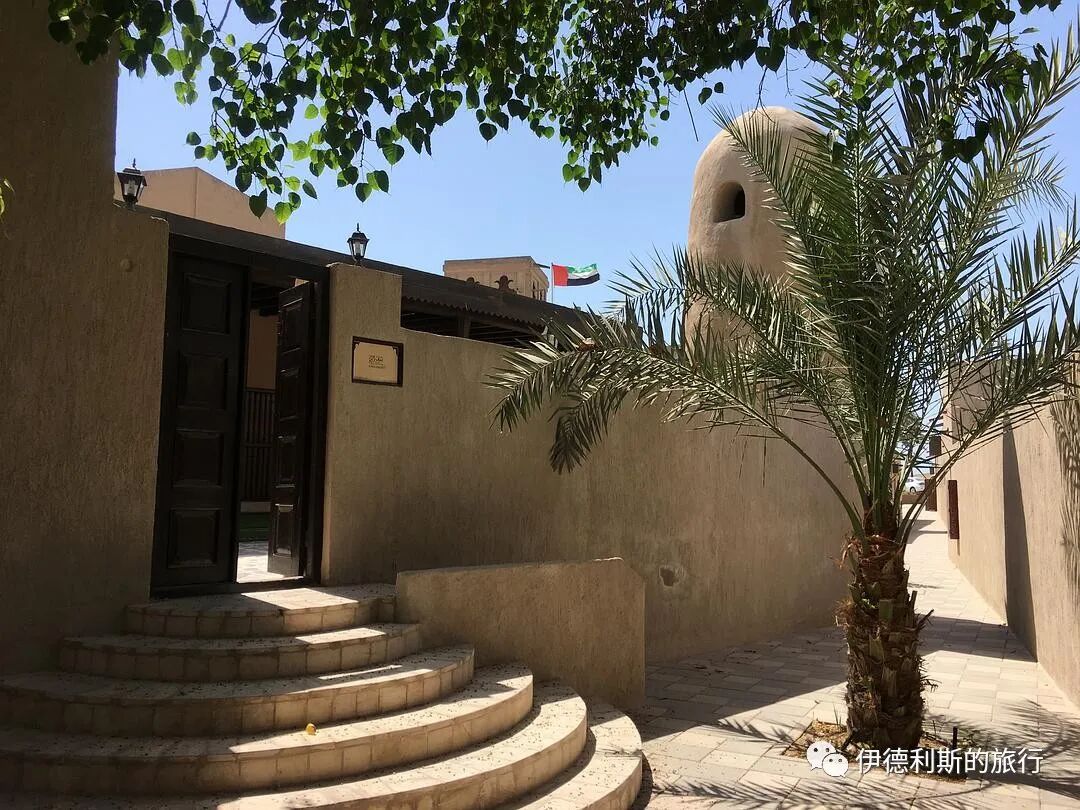
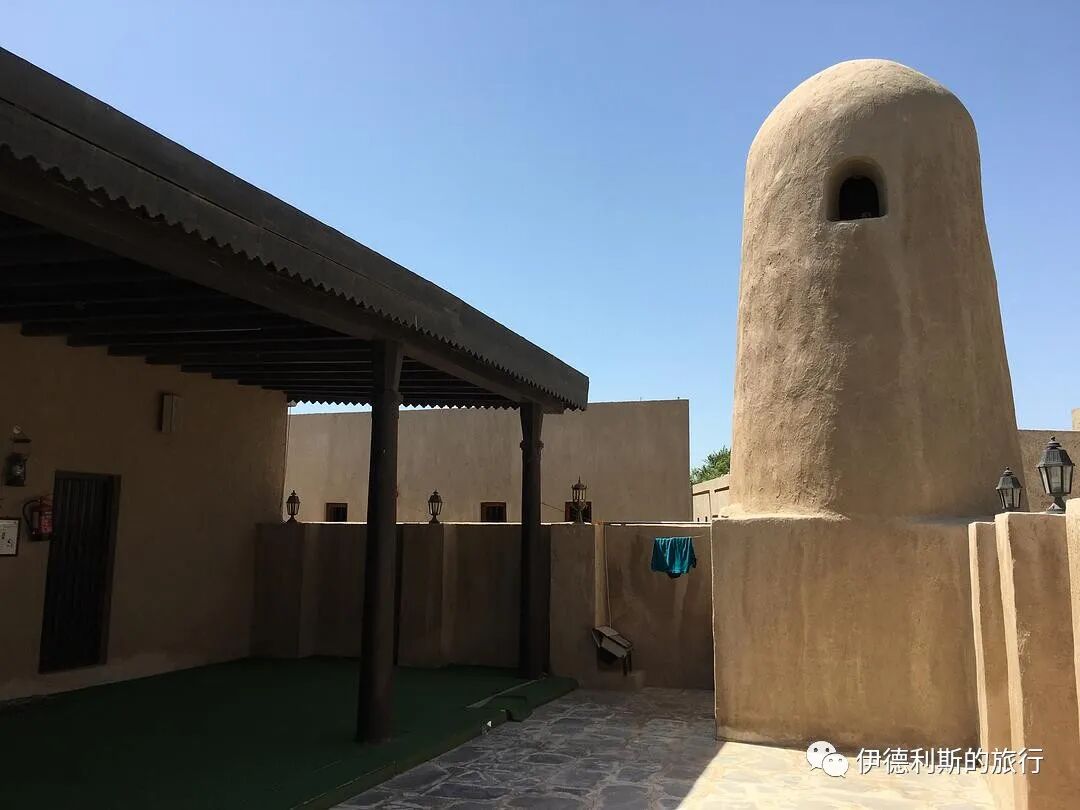
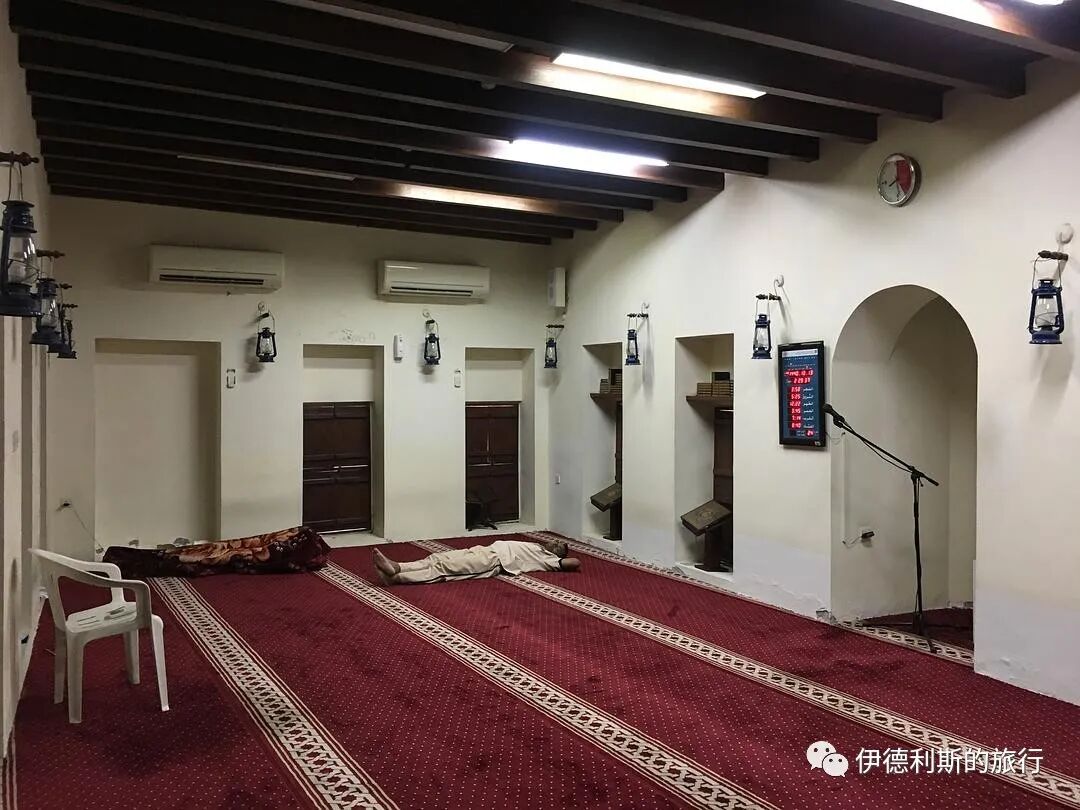
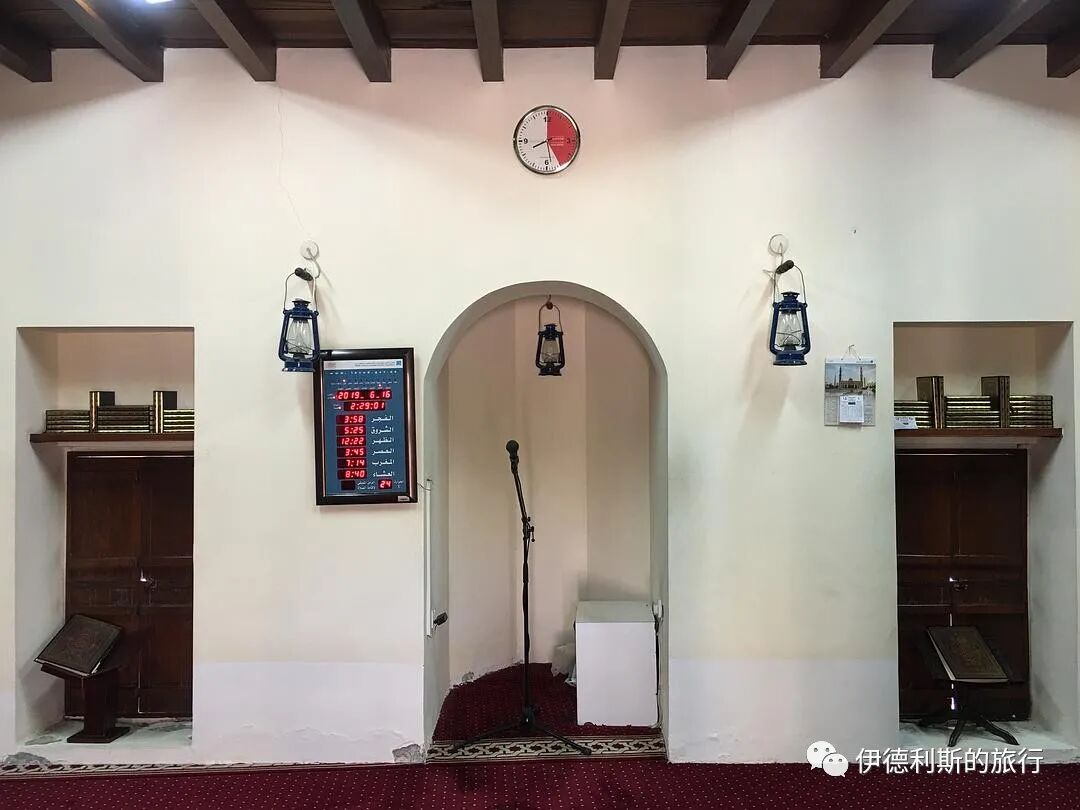
The Shindagha neighborhood is home to the Almulla mosque, which follows the traditional style of the Gulf region. It has no minaret or dome, and such traditional mosques are now rare in Dubai. view all
Summary: Old Dubai — Before Oil, Souks and Muslim History is presented here as a firsthand travel account in clear English, beginning with this scene: Venetian pearl merchants mentioned the pearl industry in Dubai (Dibei) as early as 1580, but the town did not officially form as a pearl and fishing hub until the early 18th century. The account keeps its focus on Old Dubai, Dubai History, Muslim Heritage while preserving the names, places, food, and historical details from the Chinese source.
Venetian pearl merchants mentioned the pearl industry in Dubai (Dibei) as early as 1580, but the town did not officially form as a pearl and fishing hub until the early 18th century.
In 1799, Dubai became the territory of the Al Abu Falasa family from the Bani Yas tribe of Abu Dhabi. In 1833, Maktoum bin Butti moved from Abu Dhabi to Dubai and established the Al Maktoum dynasty, making Dubai independent from Abu Dhabi.
A smallpox outbreak hit Dubai in 1841, causing residents to move from the south bank of Dubai Creek to the north bank. This created the two old districts of Bur Dubai on the south bank and Deira on the north bank. You can read about the historic district on the north bank of Dubai Creek in my previous diary entry, 'Dubai Al Ras Historic District'.
After the 20th century, Dubai became a free port with no taxes on imports and exports, offering great security for merchants. In 1904, British-Indian steamships began regular stops in Dubai. Dubai became an important trade hub in the Persian Gulf, and some Persian merchants started to settle there.
Dubai's economy long relied on pearl exports. However, in the 1920s, cultured pearls flooded the world market at the same time as the Great Depression. Dubai's pearl industry collapsed in 1929, leaving many people unemployed and the whole city in poverty.
It was not until oil was discovered in 1966 that Dubai used the income to start large-scale infrastructure projects, and the whole region began to prosper. After the Gulf War, Dubai shifted its economic focus to free trade and tourism, gradually becoming a modern metropolis.
A map of Dubai from 1822, photographed at the Dubai Museum.
Dubai city in 1950, photographed at the Dubai Museum.
1. Dubai Fort.
Al Fahidi Fort is the oldest existing building in Dubai. It was first built in 1787 (some say 1799 or 1800) and was expanded between the 1830s and 1850s. The fort is built from coral stone, crushed rock, and lime, and it features three towers. This place was originally the home of the ruler of Dubai. In the early 20th century, it housed 100 soldiers before it was turned into an armory and a prison.
After being renovated in 1971, the fort opened to the public as the Dubai Museum. In 1995, new museum galleries were built underground beneath the fort.
Looking down at the fort
The front of the fort
The back of the fort
In the south of the fort, you can see a remaining section of the Dubai Wall. Built in 1800, this wall is 600 meters long and 2.5 meters high, made from coral stone and lime. As Dubai expanded in the early 20th century, most of the wall was torn down. The remaining parts were restored in 2001 and are still standing today.
The main gate of the fort has doors made of teak wood.
Inside the fort.
Inside the fort.
Dubai Fort in 1950.
Dubai Fort in 1950.
An old photo of Dubai Fort.
Artifacts in the Dubai Museum, including weapons used by soldiers stationed here at the time.
A curved sword (scimitar) with a bone handle decorated with silver and gold pieces, and a scabbard covered in dense silver wire.
A shield made of shark skin with copper decorations.
Brass bracers.
Helmet.
Leather pouch for gunpowder.
2. Watchtower.
Besides the city walls and castles, watchtowers were also important defensive structures for the city of Dubai. Dubai currently has three traditional watchtowers left, and I visited one of them, the Al Shandagah watchtower built in 1939.
3. Dubai Creek
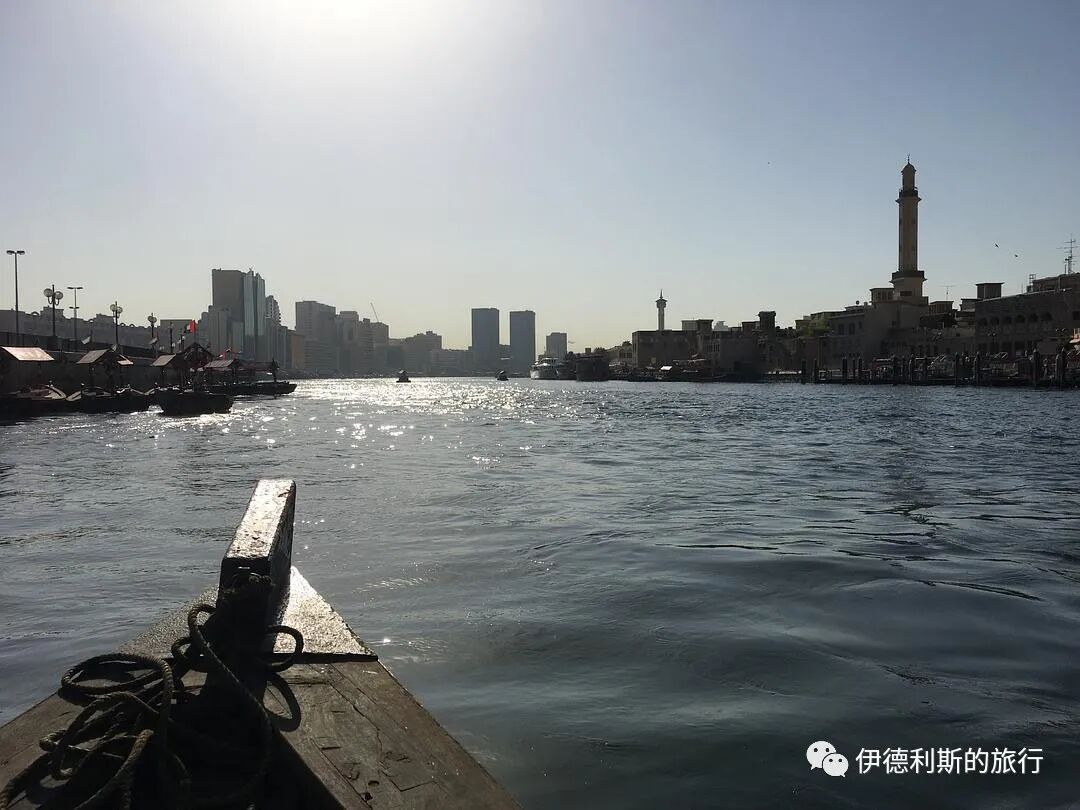
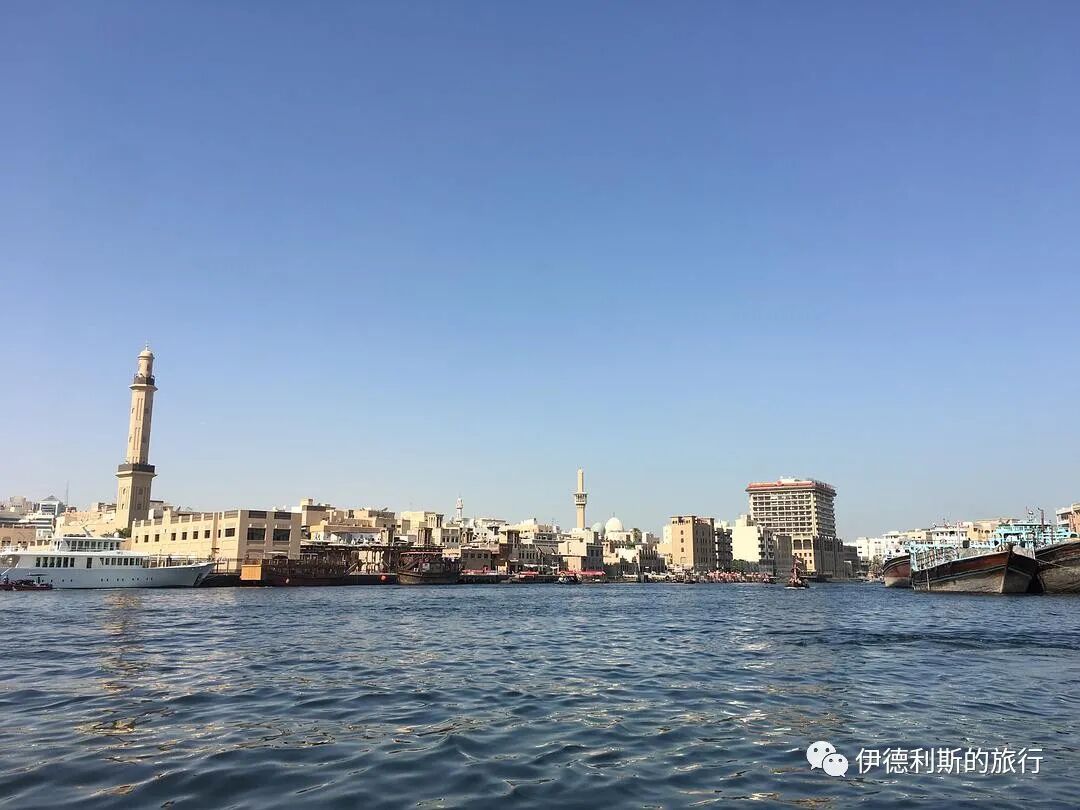
Dubai Creek divides the old city of Dubai into two parts: Bur Dubai and Deira. From the late 19th and early 20th centuries until it was dredged in 1961, Dubai Creek was an important trading port between India, East Africa, and the Gulf region, even though the shallow water meant it could not support large-scale shipping.
4. Al Bastakiya Historical District
The Al Bastakiya historical district sits east of the Dubai Fort and was built by Persian merchants in the late 19th century. The name Al Bastakiya comes from the city of Bastak in southern Iran. After Dubai became a free trade port in the 1890s, many Persian merchants crossed the Persian Gulf to trade here. Most of them were from Bastak, which was the main source of firewood for the Gulf coastal region at the time. The Persian community in Al Bastakiya was officially established by the 1920s.
Before this, Dubai was mostly palm-frond huts for Bedouins. After Persian merchants arrived, they started building houses with coral stone, lime, and shells, and they brought wind towers (barjeel) with Iranian features.
After Dubai discovered oil in the 1960s, the residents of Al Bastakiya gradually moved to modern neighborhoods. By the 1980s, half of the houses in the entire neighborhood had been destroyed to build office towers.
In 1989, the Dubai Municipality planned to demolish the whole neighborhood. Rayner Otter, a British architect living in Dubai at the time, wrote a letter to Prince Charles of the UK to ask for the neighborhood to be protected. When Prince Charles visited Dubai that year, he toured the entire neighborhood with Rayner Otter. Thanks to Prince Charles's suggestion, this place was finally preserved.
In 2005, the Dubai government began restoring the historic buildings here, gradually turning the area into a heritage village that looks the way we see it today.
The picture below shows a wind tower (Barjeel) brought to Dubai by Persian merchants over a hundred years ago. These towers create a natural breeze inside the house to help people cope with the intense heat.
A section of the old Dubai city wall remains in the neighborhood.
I visited during Eid al-Fitr and watched the traditional Gulf Bedouin dance, Al Ayala, at the entrance to the neighborhood. Al Ayala is found in the UAE and northwest Oman. During a performance, about ten men on each side wave wooden sticks to mimic a fight while singing traditional melodies. In the middle, three Al Ras drums, two Al Tar drums, and two brass cymbals keep the rhythm. It was named a UNESCO Intangible Cultural Heritage in 2014.
The neighborhood at dusk.
There are a few art shops run by Arabs in the neighborhood, and I bought some postcards at one of them.
I had an Arab calligrapher from Aleppo, Syria, named Ayman Bazerbashi, write my name, Wang Dongsi, in Arabic. Ayman Bazerbashi learned Arabic crafts from his father as a child, later became an Arabic calligrapher, and now lives in Dubai.
Other works by Ayman Bazerbashi
The Iranian mosque in Old Dubai
I ate grilled lamb skewers (kebab) and meat porridge (haleem) at an Iranian restaurant in Old Dubai that has been open since the 1970s.
5. Al Shindagha Historical District
The Al Shindagha historical district is northwest of the Dubai Fort. It formed between the late 19th and early 20th centuries. The most famous site here is the house where the old ruler of Dubai lived from 1912 to 1958. There are also several interesting museums in the area.
1. Saruq Al Hadid Archaeology Museum
The Saruq Al Hadid Archaeology Museum is located inside a traditional Arabian Gulf house in Shindagha. Saruq Al Hadid is a mysterious ancient site deep in the Dubai desert and is known as Dubai's most important archaeological site. The logo for the 2020 Dubai Expo was based on a gold ring found here.
In 2002, Dubai ruler Mohammed bin Rashid Al Maktoum was flying over the desert in a helicopter when he spotted a large amount of black sediment on a sand dune. He immediately reported the discovery to the relevant authorities. Investigations revealed that these black deposits were actually waste and slag from copper and iron smelting. This 1.5-hectare slag heap stopped the sand dunes from moving, which preserved thousands of years of history.
Later, a Jordanian archaeological team carried out five large-scale excavations at Hadid. Between 2008 and 2009, a team from the Dubai Desert Survey, made up of American researchers and the Dubai Department of Tourism, conducted another series of excavations here. From 2014 to 2017, a team from Australian and New Zealand universities carried out a three-year archaeological excavation at the site. So far, more than 1,200 artifacts have been unearthed from the site, mostly pottery and metal items, including arrowheads, axes, fishhooks, bracelets, and knives.
Archaeological excavations show that Hili was inhabited from the Bronze Age Umm al-Nar culture (2600–2000 BC) through the Iron Age, which ended around 1000 BC. Its most prosperous period was Iron Age II, between 1100 BC and 600 BC. For over a thousand years, Hili served as an important settlement and a center for trade and metallurgy in the eastern Arabian Peninsula.
Hili is located deep in the desert, 40 kilometers inland. It lacks the three essentials for metal smelting: water, fuel, and ore. Why this site was chosen as a metallurgical center remains a mystery. The current leading theory points to religion. Many bronze snakes and pottery with snake patterns were found at the Hili site. While these have been found in small numbers at other ancient sites in the UAE and Oman, they are most concentrated here, clearly indicating it was a production center. This place was likely a religious site for snake worship in the eastern Arabian Peninsula.
Bronze daggers with lion or ram heads found in Hajar show the best metal craftsmanship of that time.
Many bronze snakes were found in Hajar, and some with diamond-shaped heads likely represent venomous snakes.
Some pottery jars also have snake patterns, which suggests a traditional religion that worshipped snakes, but we still know nothing about this religion.
2. Crossroads of Civilizations Museum
The Crossroads of Civilizations Museum is a private museum opened by Ahmed Obaid Al Mansoori in 2014, featuring many precious Islamic book manuscripts and traditional weaponry. The museum aims to show the role of Islamic civilization as a crossroads for trade and cultural exchange between Europe, Asia, and Africa.
The artifacts in the museum were originally kept in Ahmed Obaid Al Mansoori's home. During an exhibition he hosted, the director of the Dubai Architectural Heritage Department convinced him to share the collection with the public, which led to the creation of the current Crossroads of Civilizations Museum.
The Crossroads of Civilizations Museum is located inside a traditional 19th-century Gulf house, which was the former home of Sheikh Hashr Bin Maktoum Al Maktoum, the brother of the eighth ruler of Dubai, Sheikh Saeed.
The museum itself features a courtyard (El Fena) typical of the Arab Gulf.
Here are some interesting exhibits to share:
An Ottoman-era manuscript covering astronomy, astrology, magic, feng shui, and medicine.
A paper model of a traditional Moroccan mosque produced in France; it would be fun to recreate this.
A plate from Iran dating back 1,000 years, featuring Kufic calligraphy.
A 19th-century stone carving of the Shahada in Syria.
You can find more details on the museum's official website, which also features a beautiful brochure at http://themuseum.ae/.
3. Traditional mosque.
The Shindagha neighborhood is home to the Almulla mosque, which follows the traditional style of the Gulf region. It has no minaret or dome, and such traditional mosques are now rare in Dubai. view all
Reposted from the web
Summary: Old Dubai — Before Oil, Souks and Muslim History is presented here as a firsthand travel account in clear English, beginning with this scene: Venetian pearl merchants mentioned the pearl industry in Dubai (Dibei) as early as 1580, but the town did not officially form as a pearl and fishing hub until the early 18th century. The account keeps its focus on Old Dubai, Dubai History, Muslim Heritage while preserving the names, places, food, and historical details from the Chinese source.
Venetian pearl merchants mentioned the pearl industry in Dubai (Dibei) as early as 1580, but the town did not officially form as a pearl and fishing hub until the early 18th century.
In 1799, Dubai became the territory of the Al Abu Falasa family from the Bani Yas tribe of Abu Dhabi. In 1833, Maktoum bin Butti moved from Abu Dhabi to Dubai and established the Al Maktoum dynasty, making Dubai independent from Abu Dhabi.
A smallpox outbreak hit Dubai in 1841, causing residents to move from the south bank of Dubai Creek to the north bank. This created the two old districts of Bur Dubai on the south bank and Deira on the north bank. You can read about the historic district on the north bank of Dubai Creek in my previous diary entry, 'Dubai Al Ras Historic District'.
After the 20th century, Dubai became a free port with no taxes on imports and exports, offering great security for merchants. In 1904, British-Indian steamships began regular stops in Dubai. Dubai became an important trade hub in the Persian Gulf, and some Persian merchants started to settle there.
Dubai's economy long relied on pearl exports. However, in the 1920s, cultured pearls flooded the world market at the same time as the Great Depression. Dubai's pearl industry collapsed in 1929, leaving many people unemployed and the whole city in poverty.
It was not until oil was discovered in 1966 that Dubai used the income to start large-scale infrastructure projects, and the whole region began to prosper. After the Gulf War, Dubai shifted its economic focus to free trade and tourism, gradually becoming a modern metropolis.
A map of Dubai from 1822, photographed at the Dubai Museum.
Dubai city in 1950, photographed at the Dubai Museum.
1. Dubai Fort.
Al Fahidi Fort is the oldest existing building in Dubai. It was first built in 1787 (some say 1799 or 1800) and was expanded between the 1830s and 1850s. The fort is built from coral stone, crushed rock, and lime, and it features three towers. This place was originally the home of the ruler of Dubai. In the early 20th century, it housed 100 soldiers before it was turned into an armory and a prison.
After being renovated in 1971, the fort opened to the public as the Dubai Museum. In 1995, new museum galleries were built underground beneath the fort.
Looking down at the fort
The front of the fort
The back of the fort
In the south of the fort, you can see a remaining section of the Dubai Wall. Built in 1800, this wall is 600 meters long and 2.5 meters high, made from coral stone and lime. As Dubai expanded in the early 20th century, most of the wall was torn down. The remaining parts were restored in 2001 and are still standing today.
The main gate of the fort has doors made of teak wood.
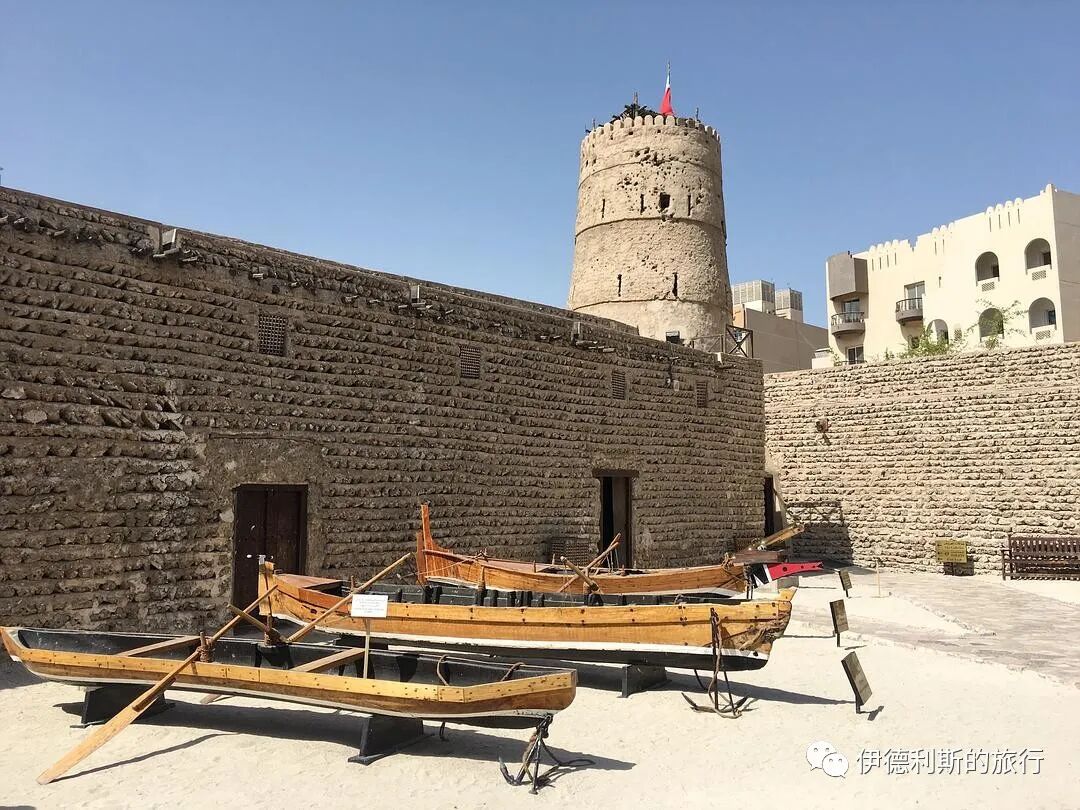
Inside the fort.
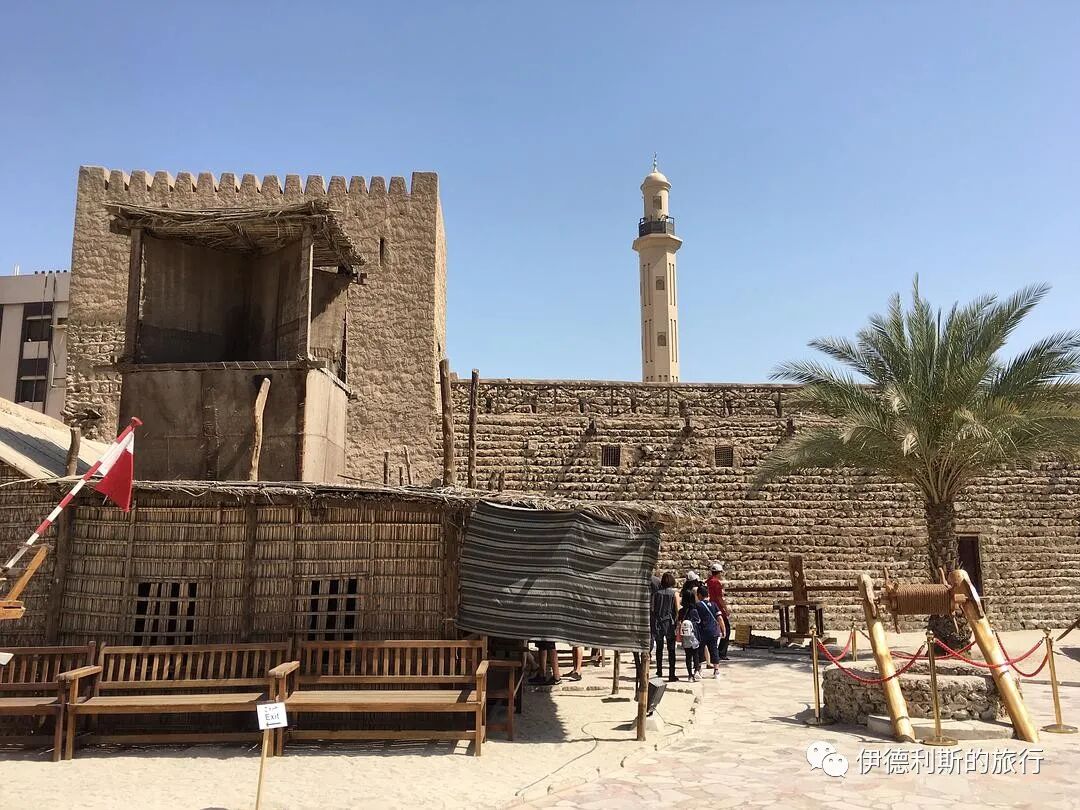
Inside the fort.
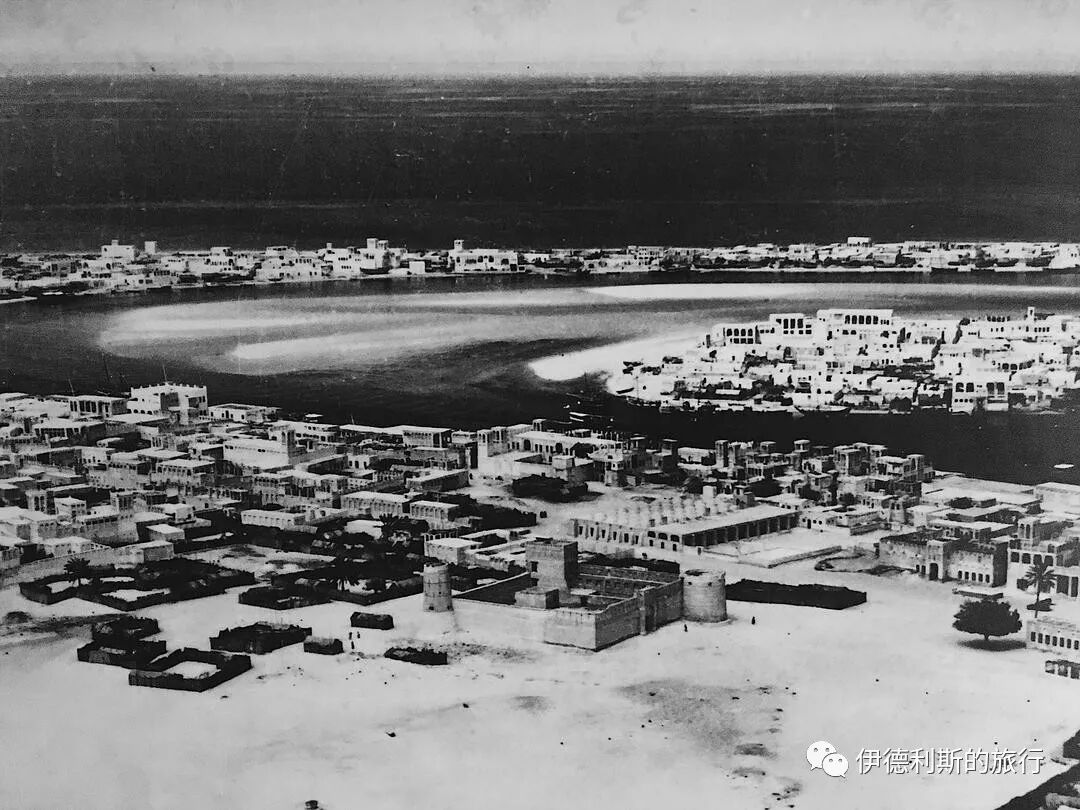
Dubai Fort in 1950.
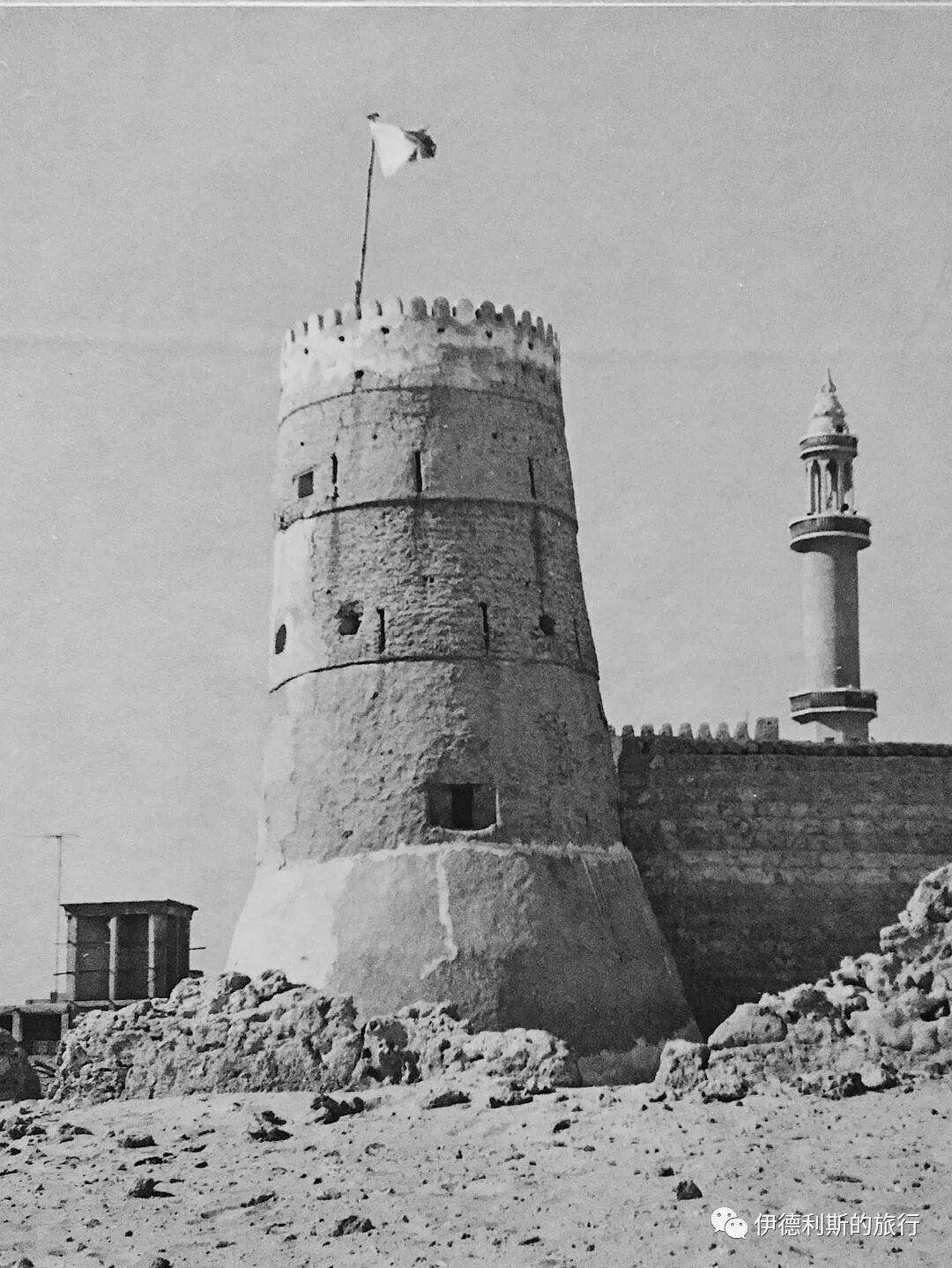
Dubai Fort in 1950.
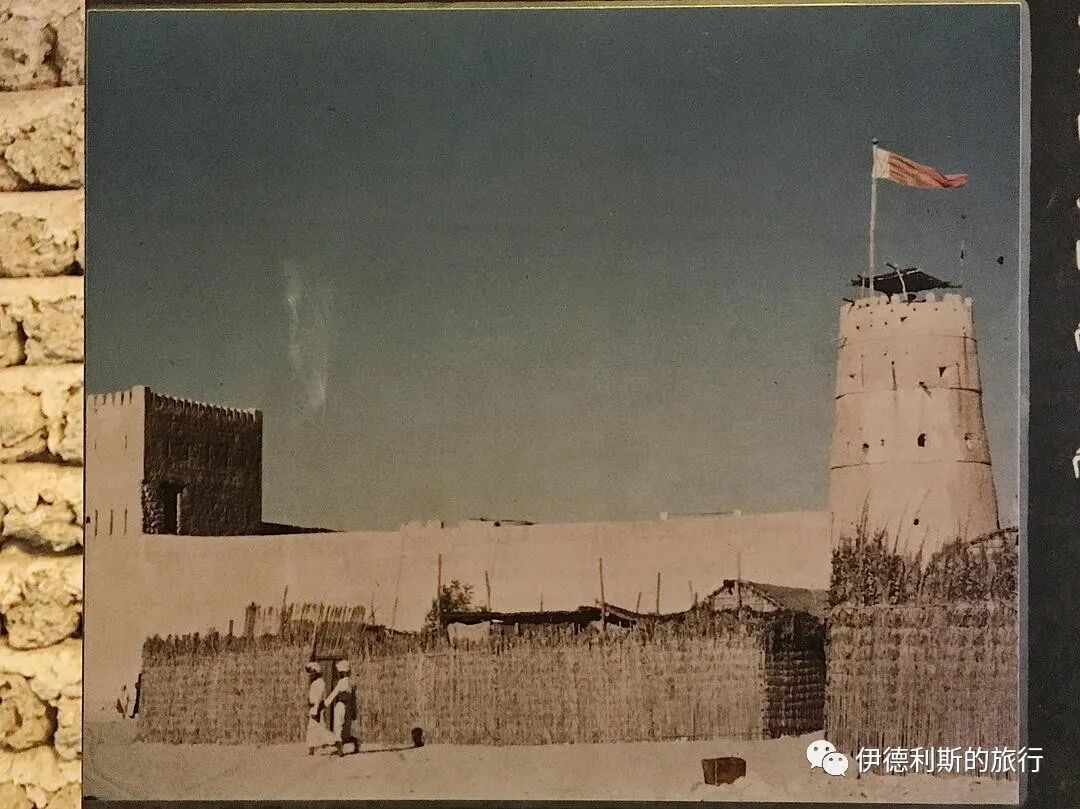
An old photo of Dubai Fort.
Artifacts in the Dubai Museum, including weapons used by soldiers stationed here at the time.
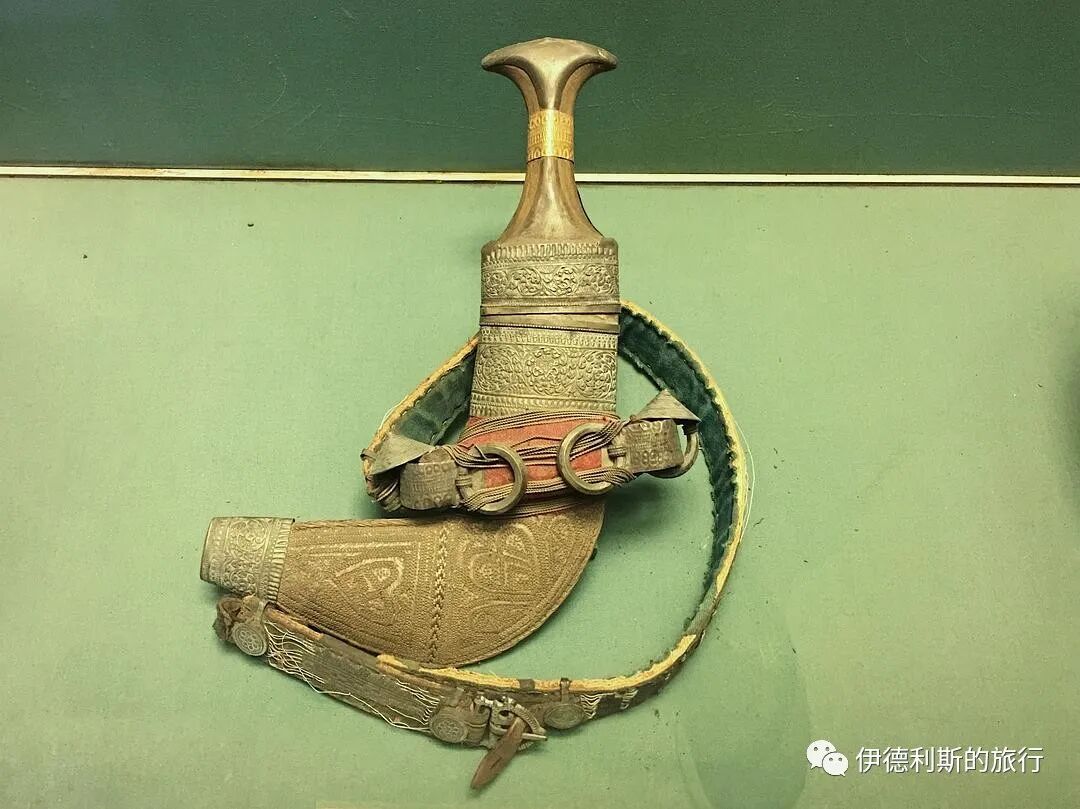
A curved sword (scimitar) with a bone handle decorated with silver and gold pieces, and a scabbard covered in dense silver wire.
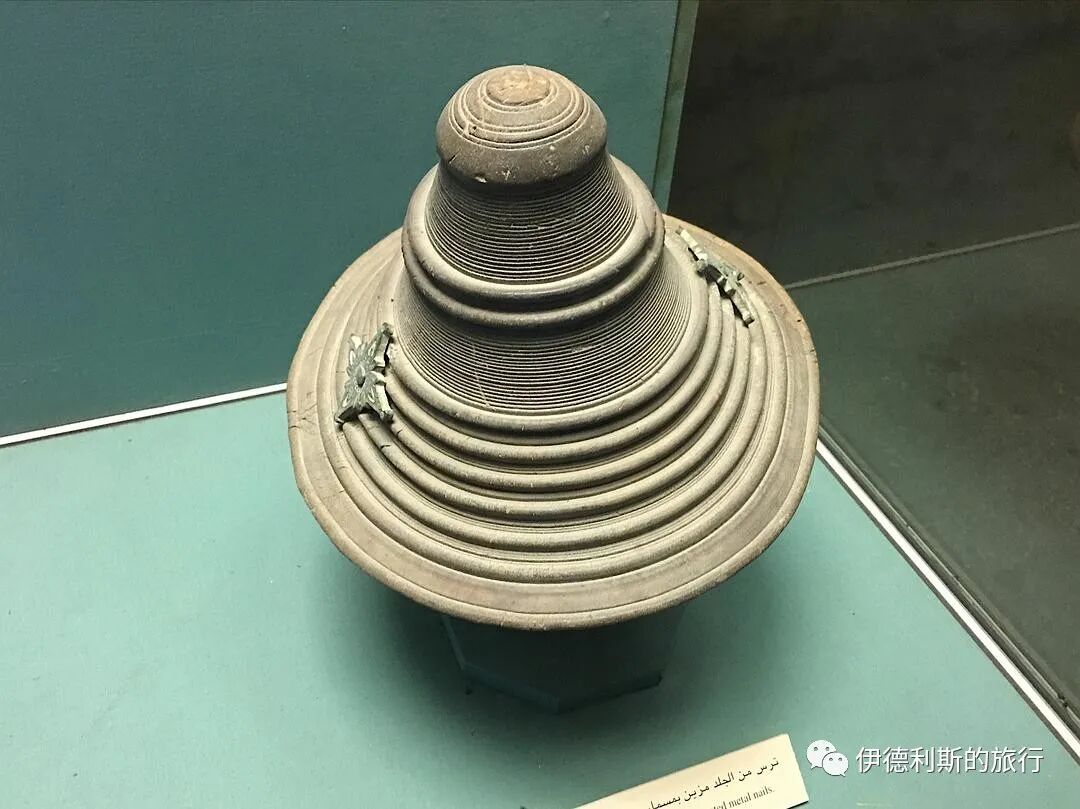
A shield made of shark skin with copper decorations.
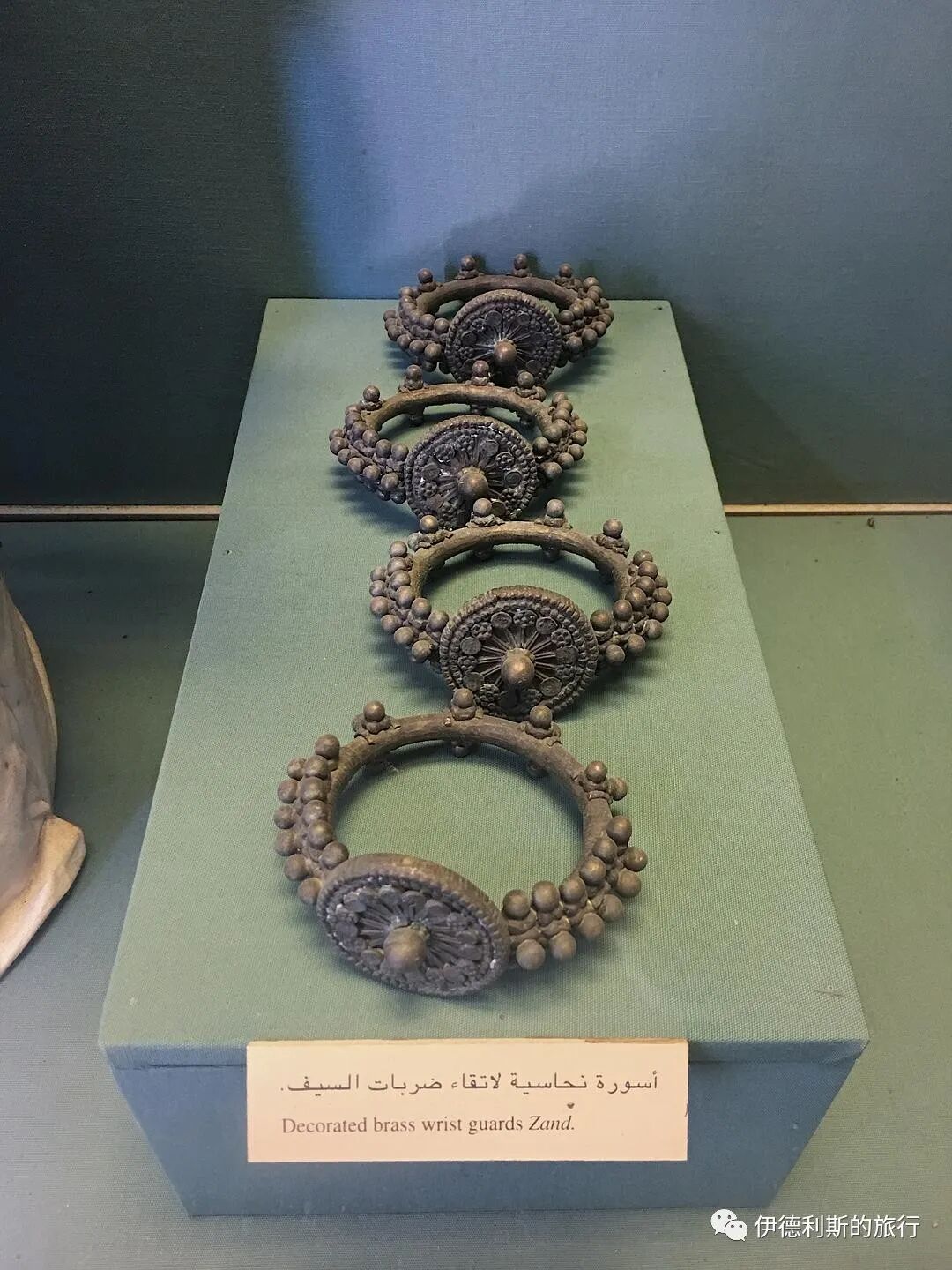
Brass bracers.
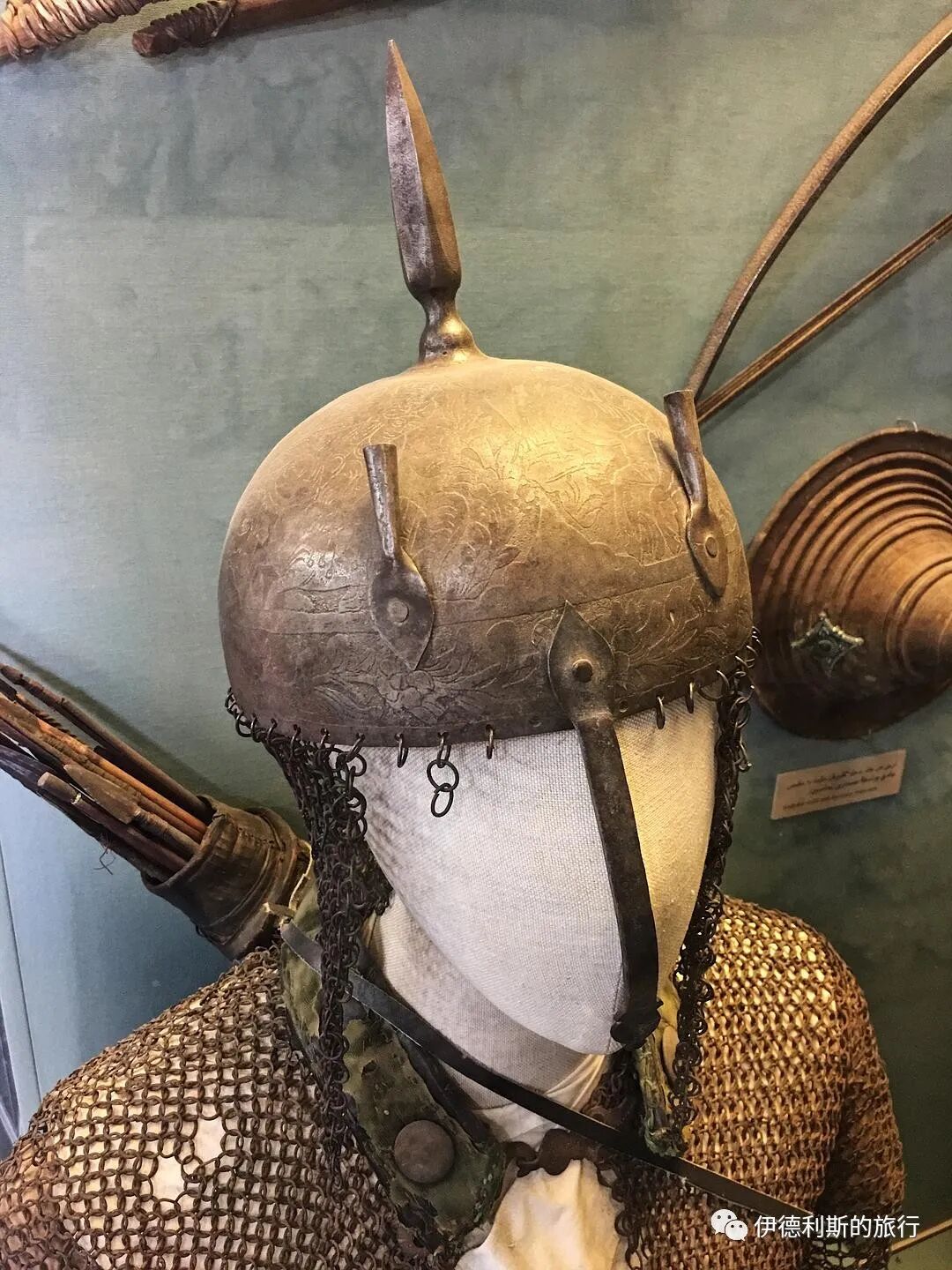
Helmet.
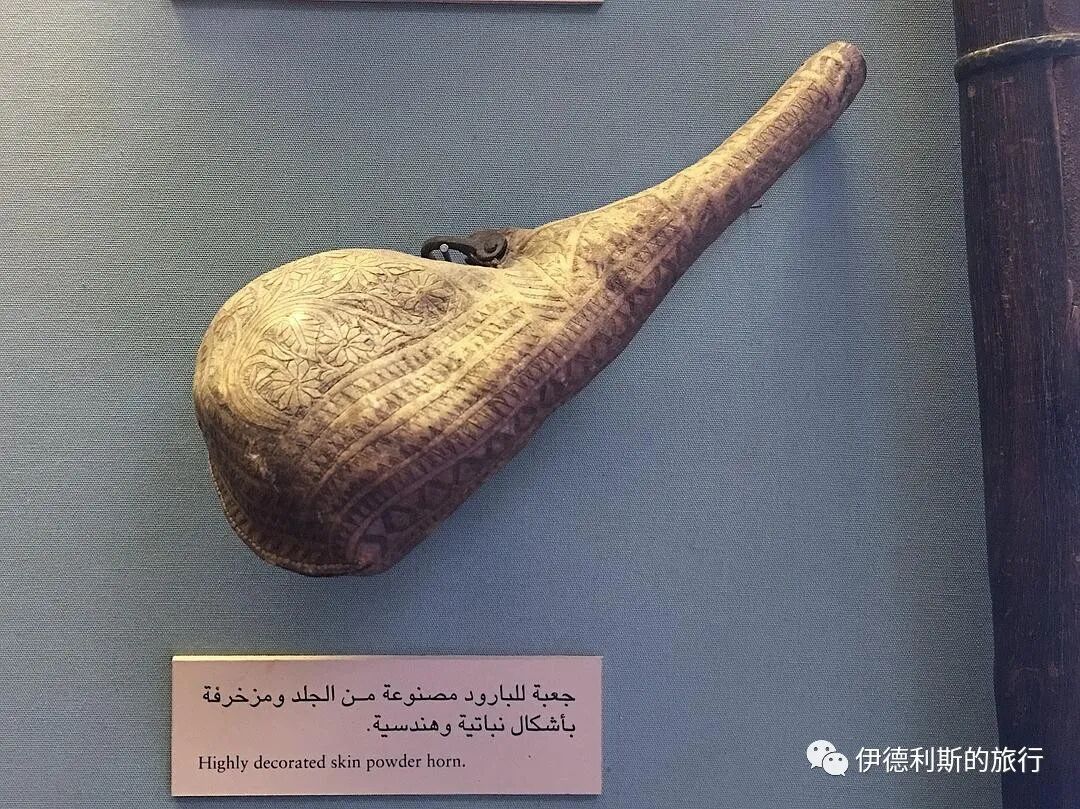
Leather pouch for gunpowder.
2. Watchtower.
Besides the city walls and castles, watchtowers were also important defensive structures for the city of Dubai. Dubai currently has three traditional watchtowers left, and I visited one of them, the Al Shandagah watchtower built in 1939.
3. Dubai Creek
Dubai Creek divides the old city of Dubai into two parts: Bur Dubai and Deira. From the late 19th and early 20th centuries until it was dredged in 1961, Dubai Creek was an important trading port between India, East Africa, and the Gulf region, even though the shallow water meant it could not support large-scale shipping.
4. Al Bastakiya Historical District
The Al Bastakiya historical district sits east of the Dubai Fort and was built by Persian merchants in the late 19th century. The name Al Bastakiya comes from the city of Bastak in southern Iran. After Dubai became a free trade port in the 1890s, many Persian merchants crossed the Persian Gulf to trade here. Most of them were from Bastak, which was the main source of firewood for the Gulf coastal region at the time. The Persian community in Al Bastakiya was officially established by the 1920s.
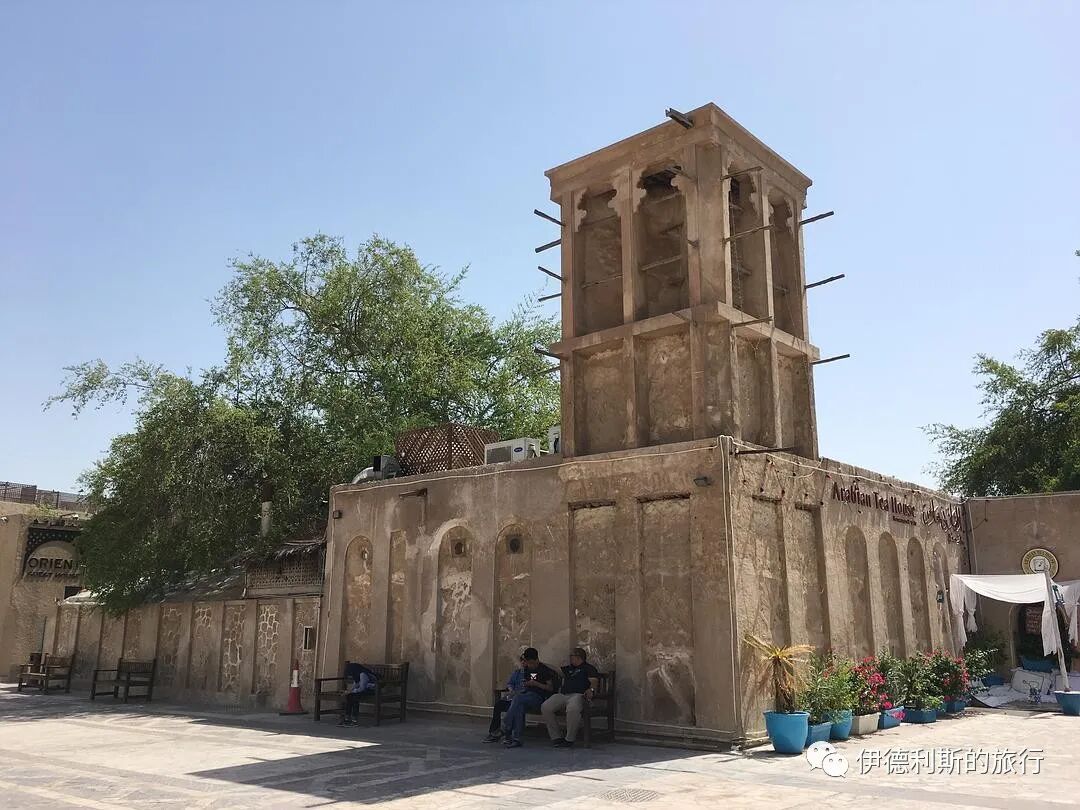
Before this, Dubai was mostly palm-frond huts for Bedouins. After Persian merchants arrived, they started building houses with coral stone, lime, and shells, and they brought wind towers (barjeel) with Iranian features.
After Dubai discovered oil in the 1960s, the residents of Al Bastakiya gradually moved to modern neighborhoods. By the 1980s, half of the houses in the entire neighborhood had been destroyed to build office towers.
In 1989, the Dubai Municipality planned to demolish the whole neighborhood. Rayner Otter, a British architect living in Dubai at the time, wrote a letter to Prince Charles of the UK to ask for the neighborhood to be protected. When Prince Charles visited Dubai that year, he toured the entire neighborhood with Rayner Otter. Thanks to Prince Charles's suggestion, this place was finally preserved.
In 2005, the Dubai government began restoring the historic buildings here, gradually turning the area into a heritage village that looks the way we see it today.
The picture below shows a wind tower (Barjeel) brought to Dubai by Persian merchants over a hundred years ago. These towers create a natural breeze inside the house to help people cope with the intense heat.
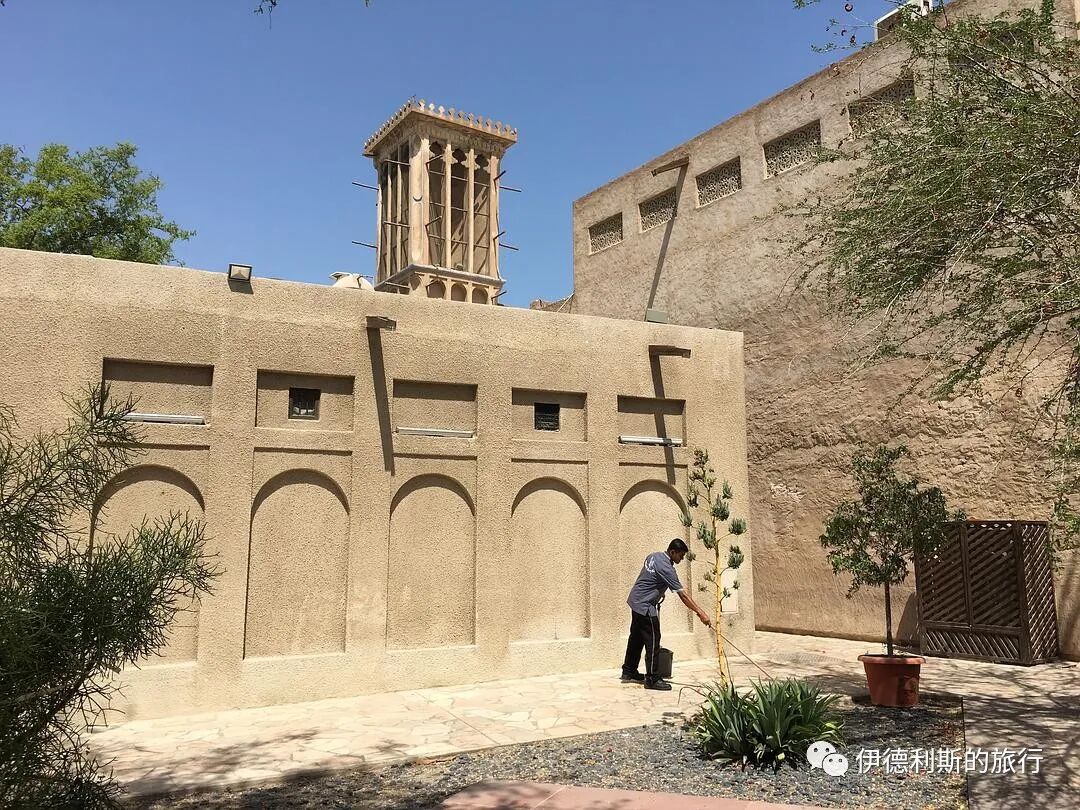
A section of the old Dubai city wall remains in the neighborhood.
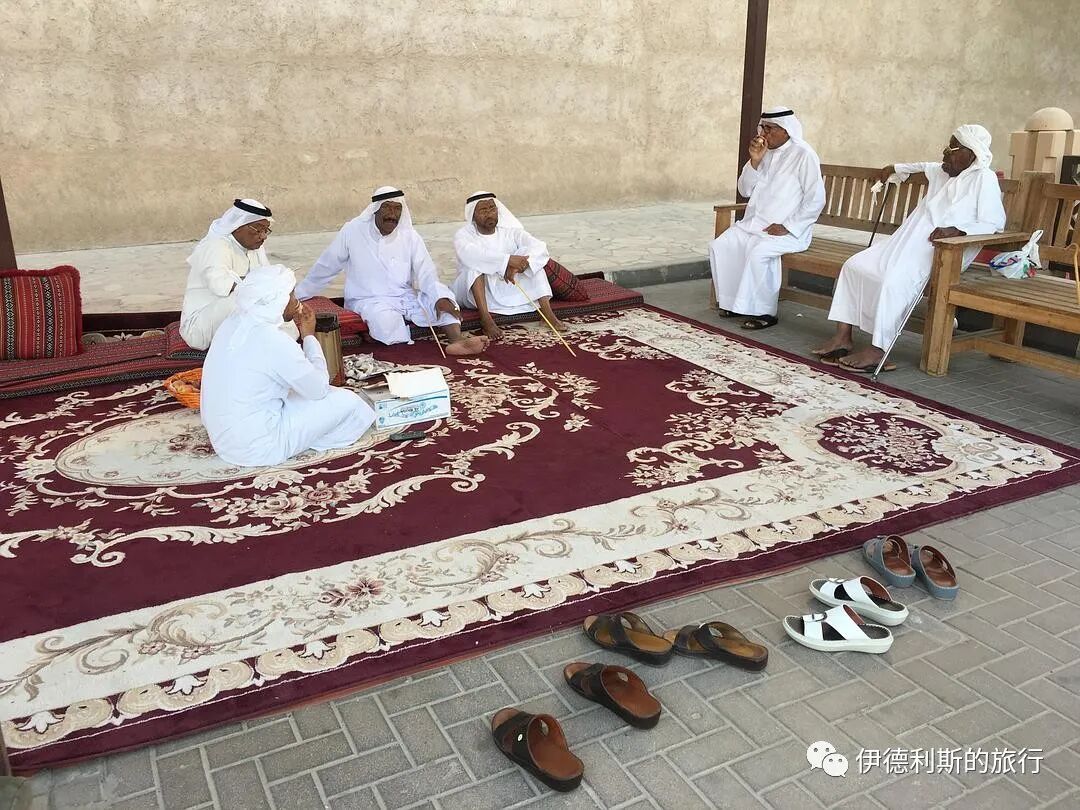
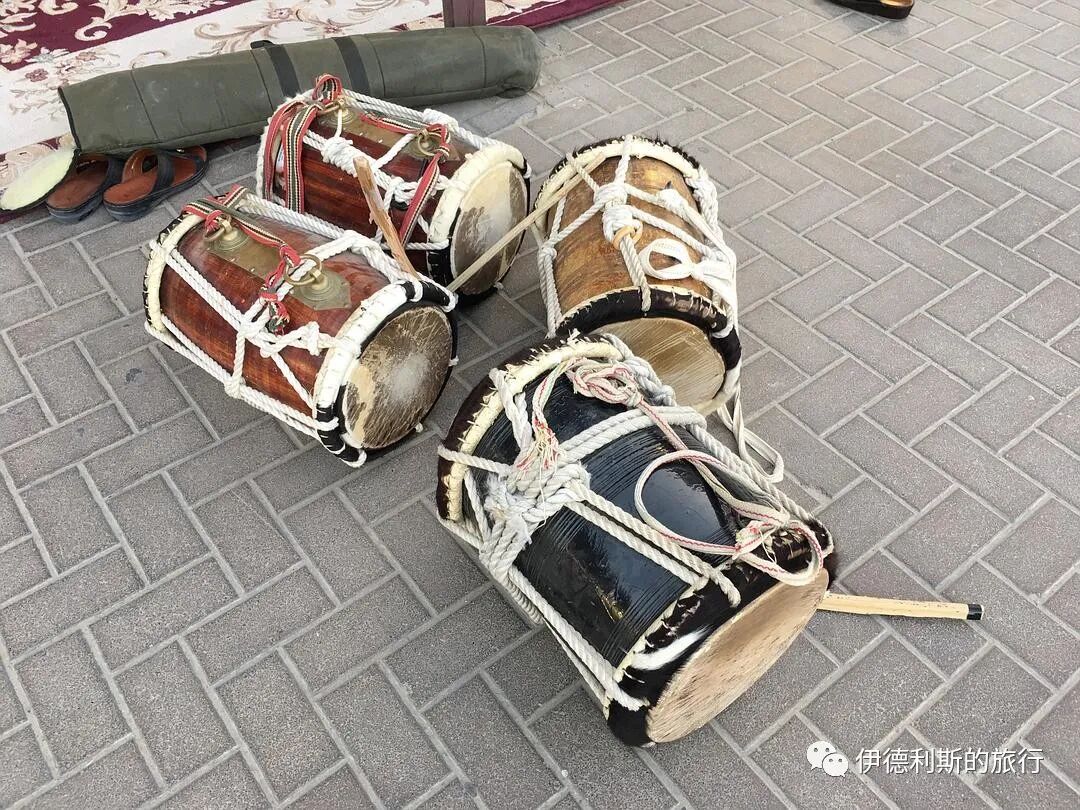
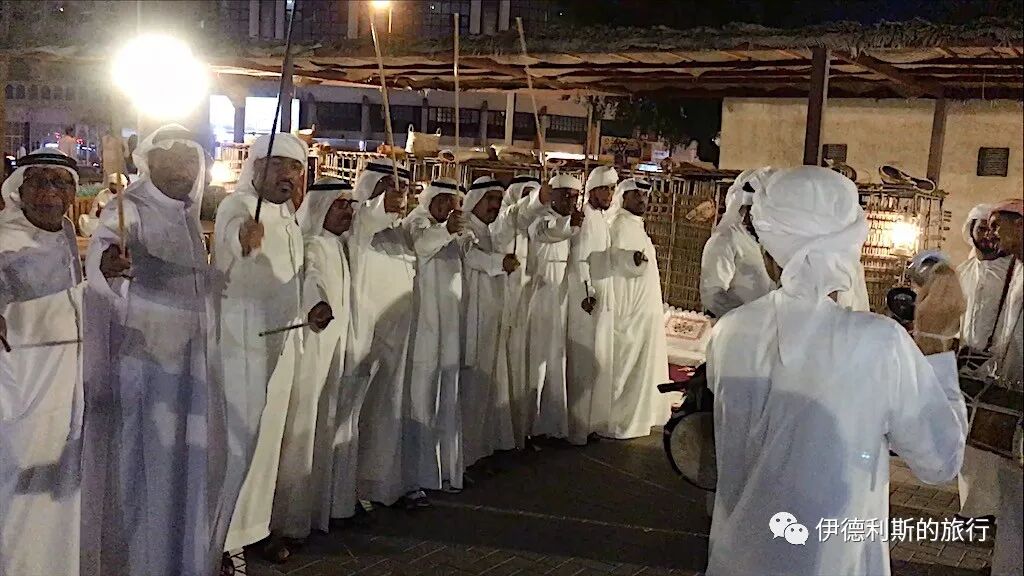
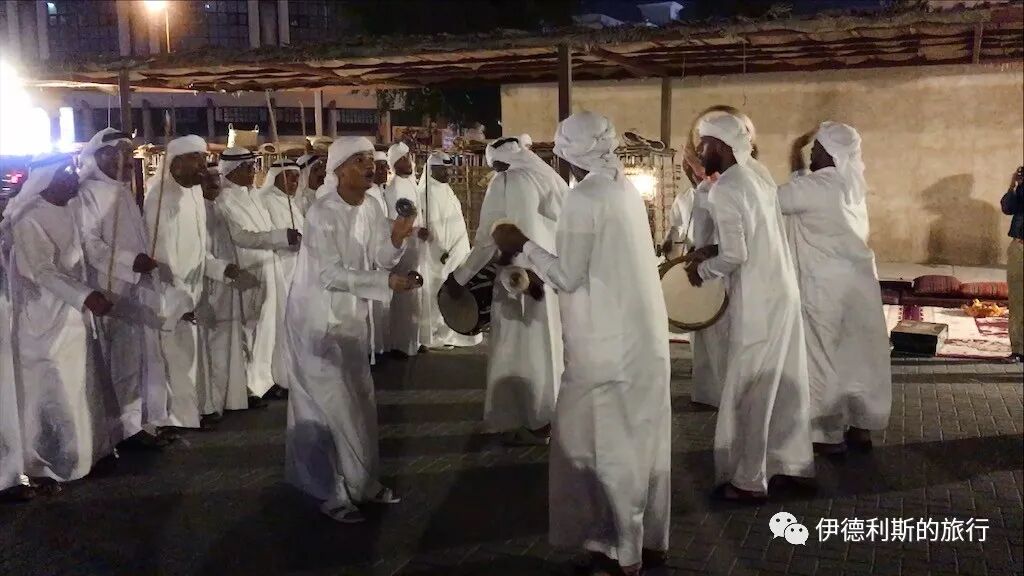
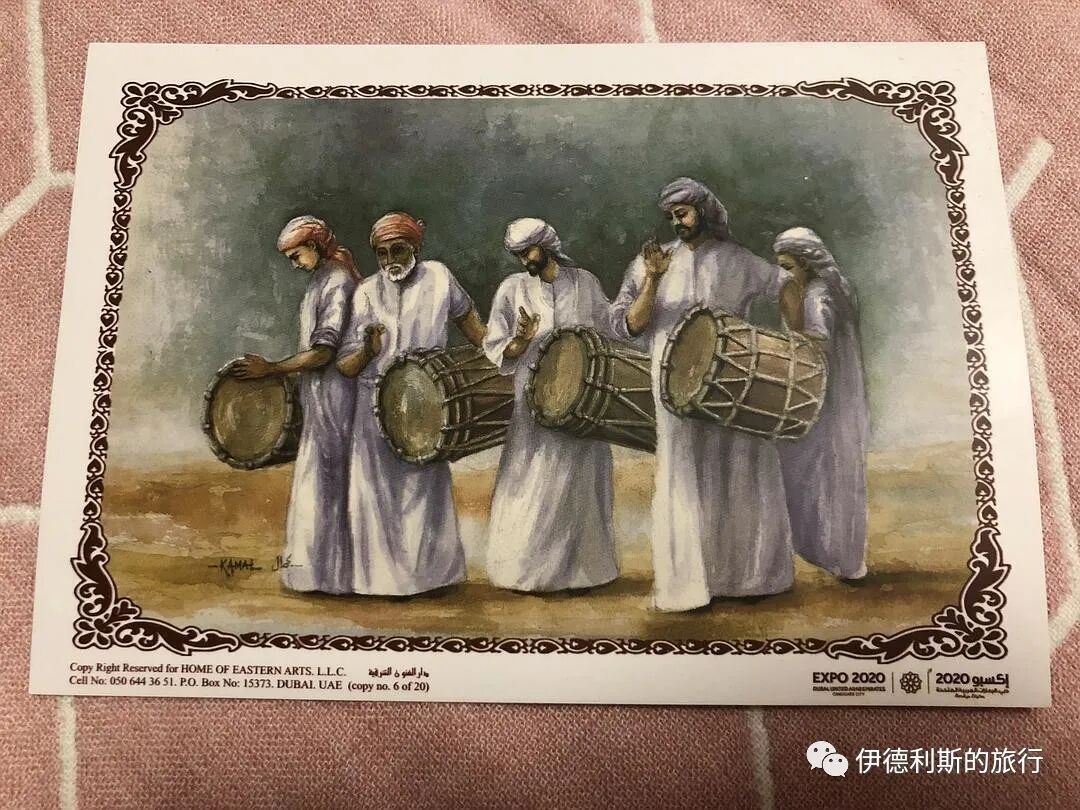
I visited during Eid al-Fitr and watched the traditional Gulf Bedouin dance, Al Ayala, at the entrance to the neighborhood. Al Ayala is found in the UAE and northwest Oman. During a performance, about ten men on each side wave wooden sticks to mimic a fight while singing traditional melodies. In the middle, three Al Ras drums, two Al Tar drums, and two brass cymbals keep the rhythm. It was named a UNESCO Intangible Cultural Heritage in 2014.
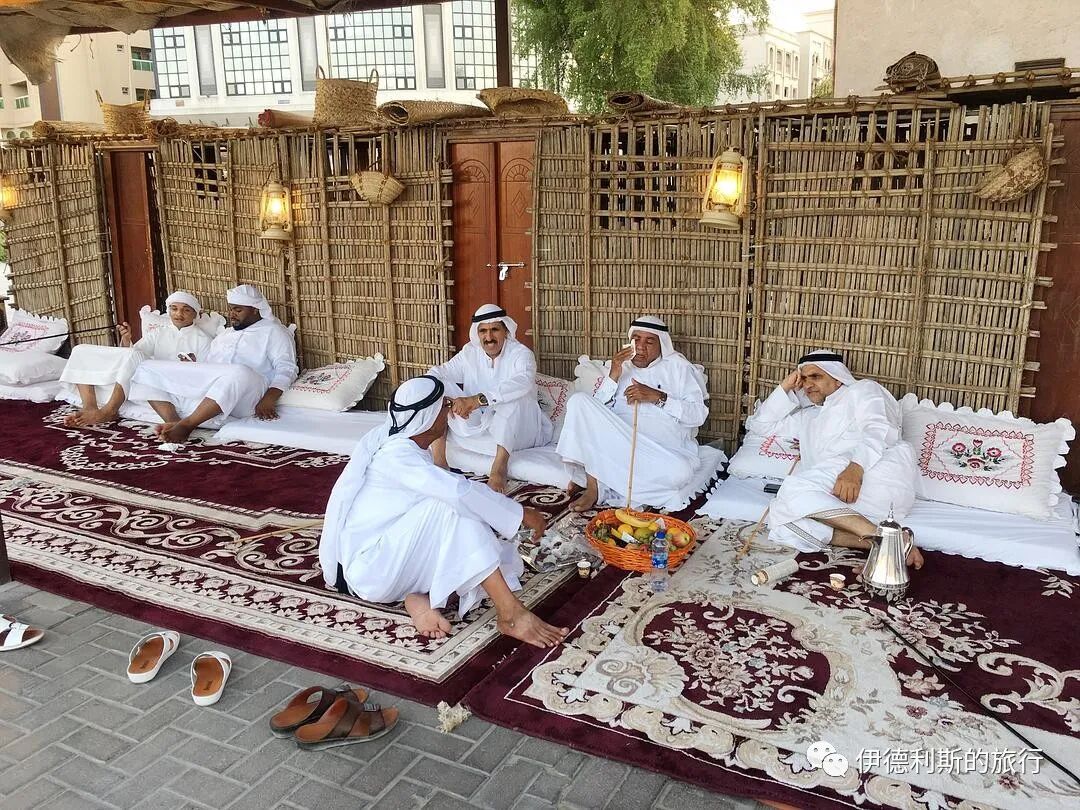
The neighborhood at dusk.
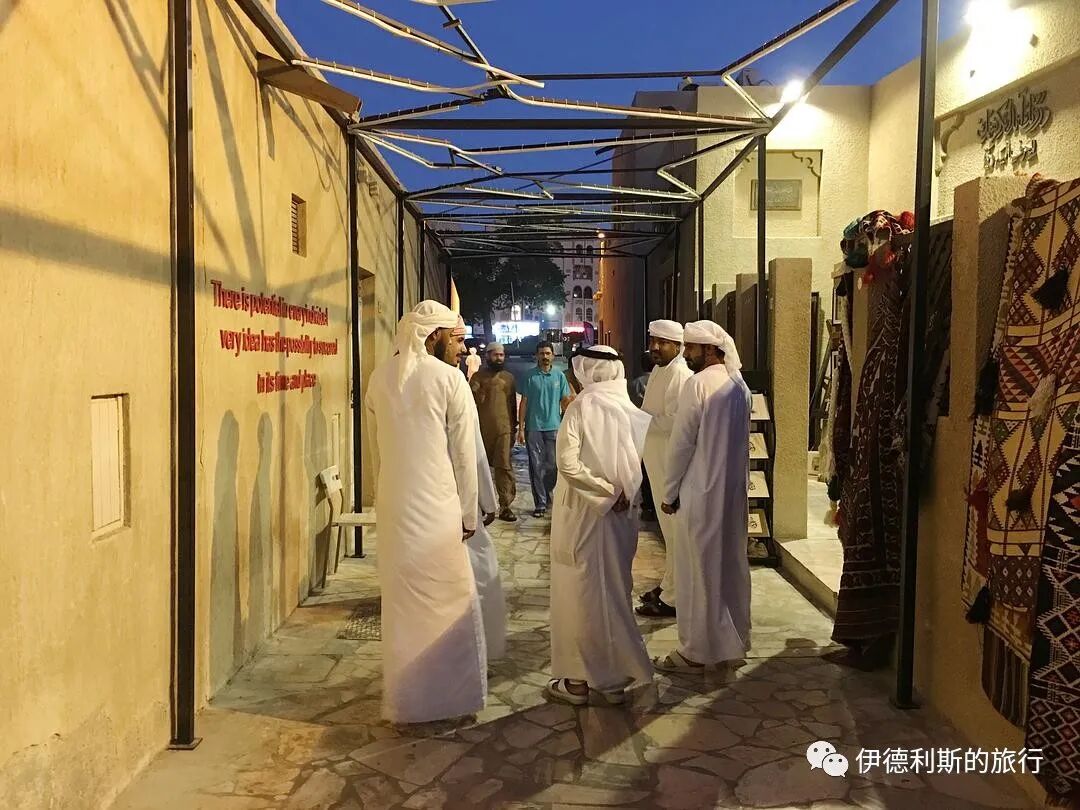
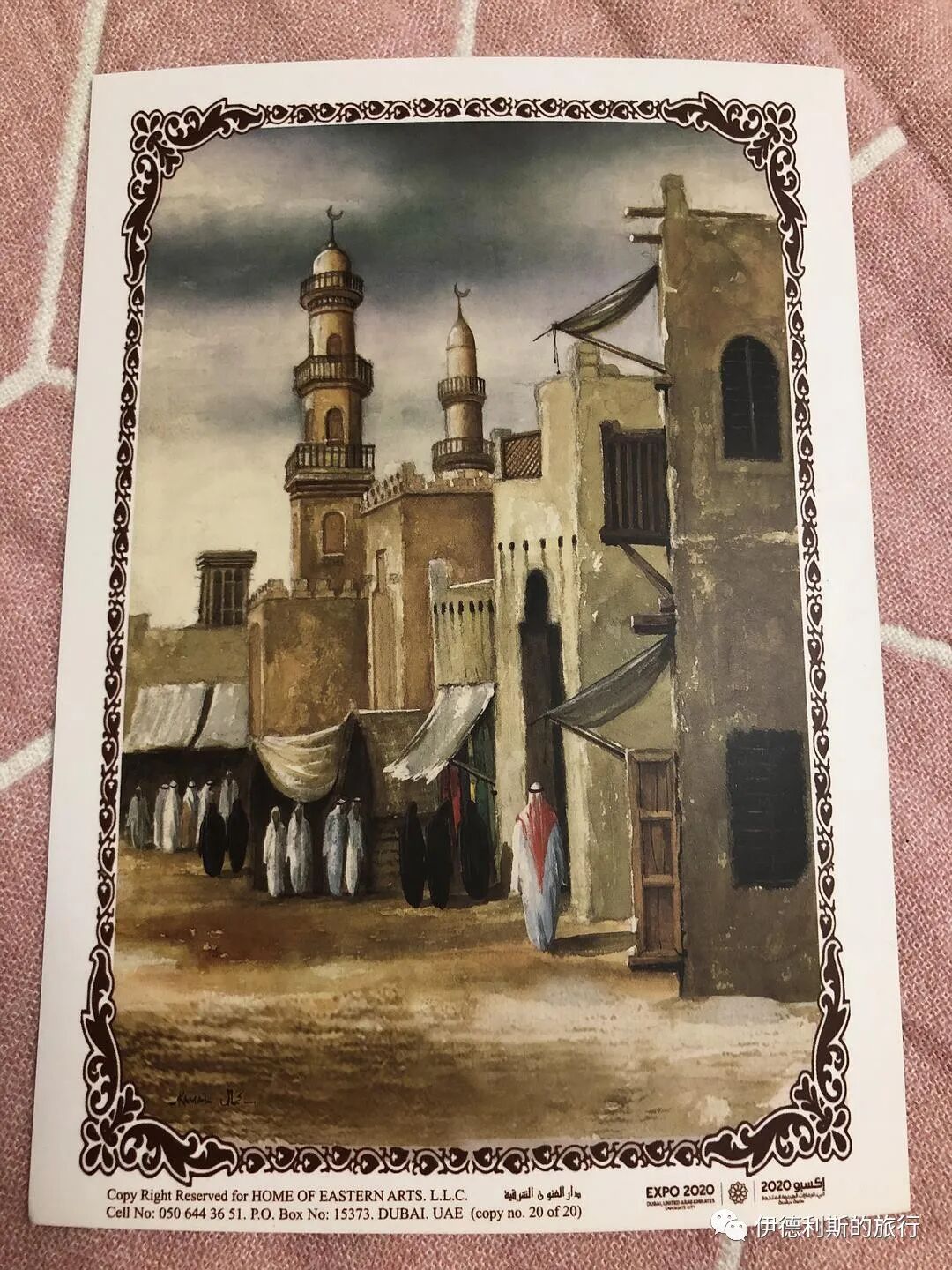
There are a few art shops run by Arabs in the neighborhood, and I bought some postcards at one of them.
I had an Arab calligrapher from Aleppo, Syria, named Ayman Bazerbashi, write my name, Wang Dongsi, in Arabic. Ayman Bazerbashi learned Arabic crafts from his father as a child, later became an Arabic calligrapher, and now lives in Dubai.
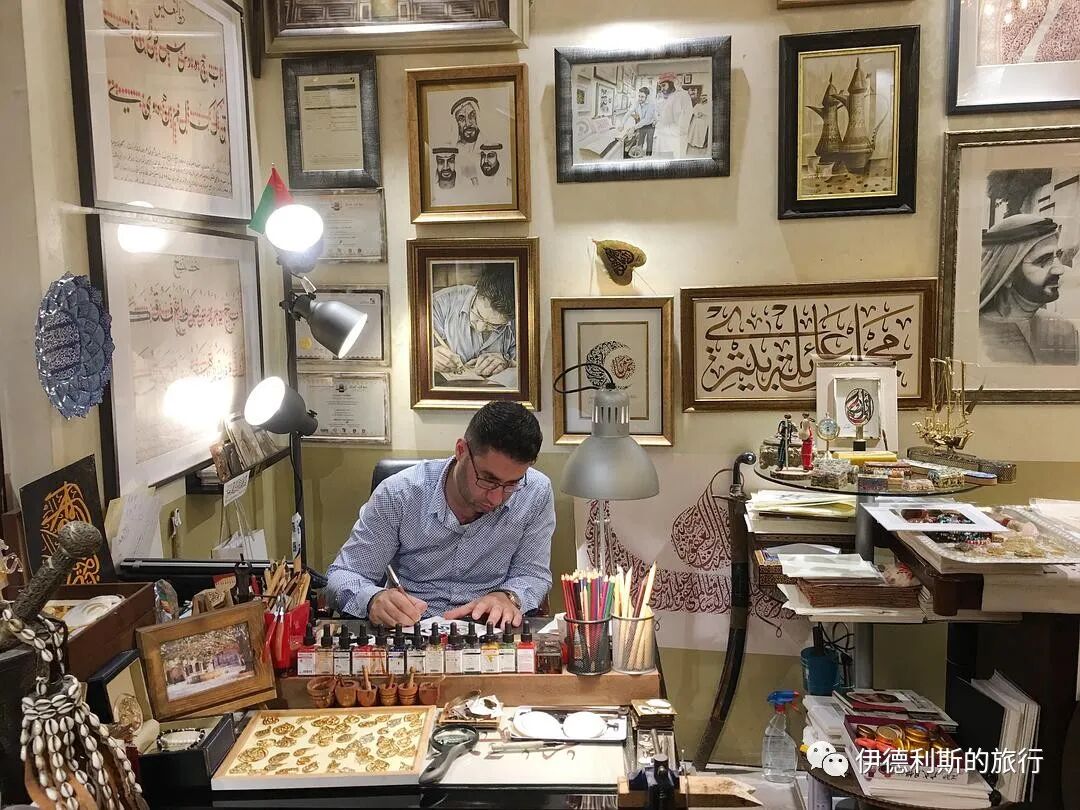
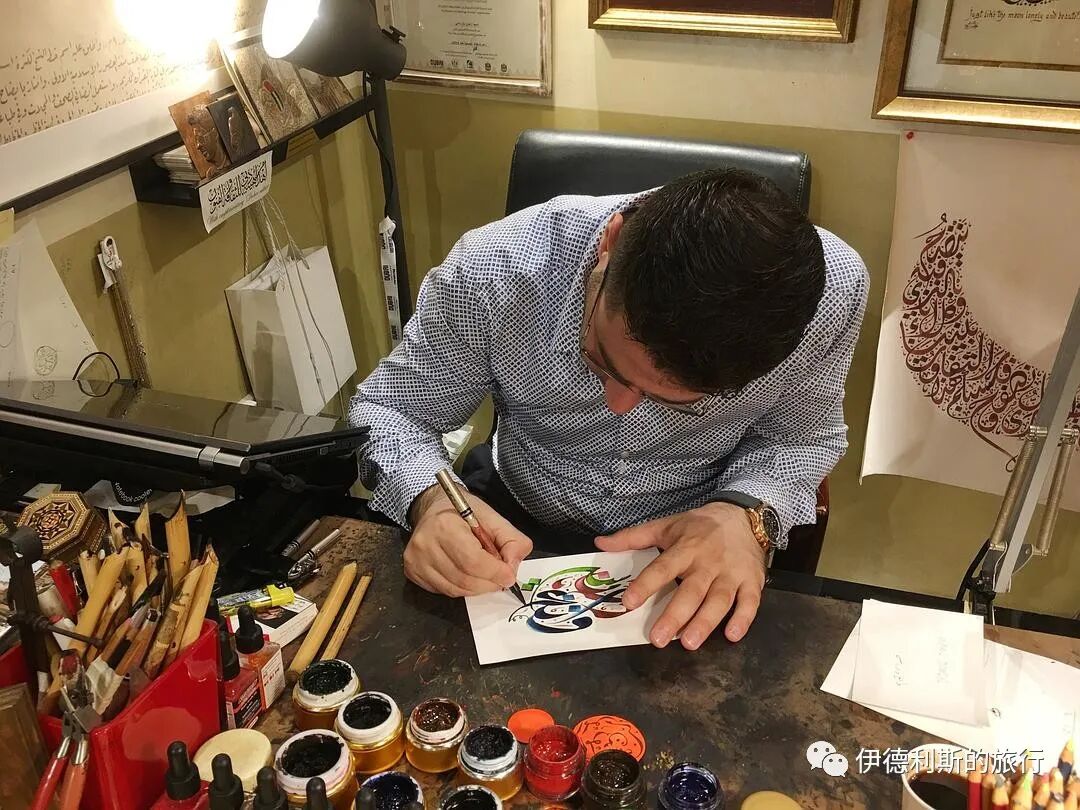
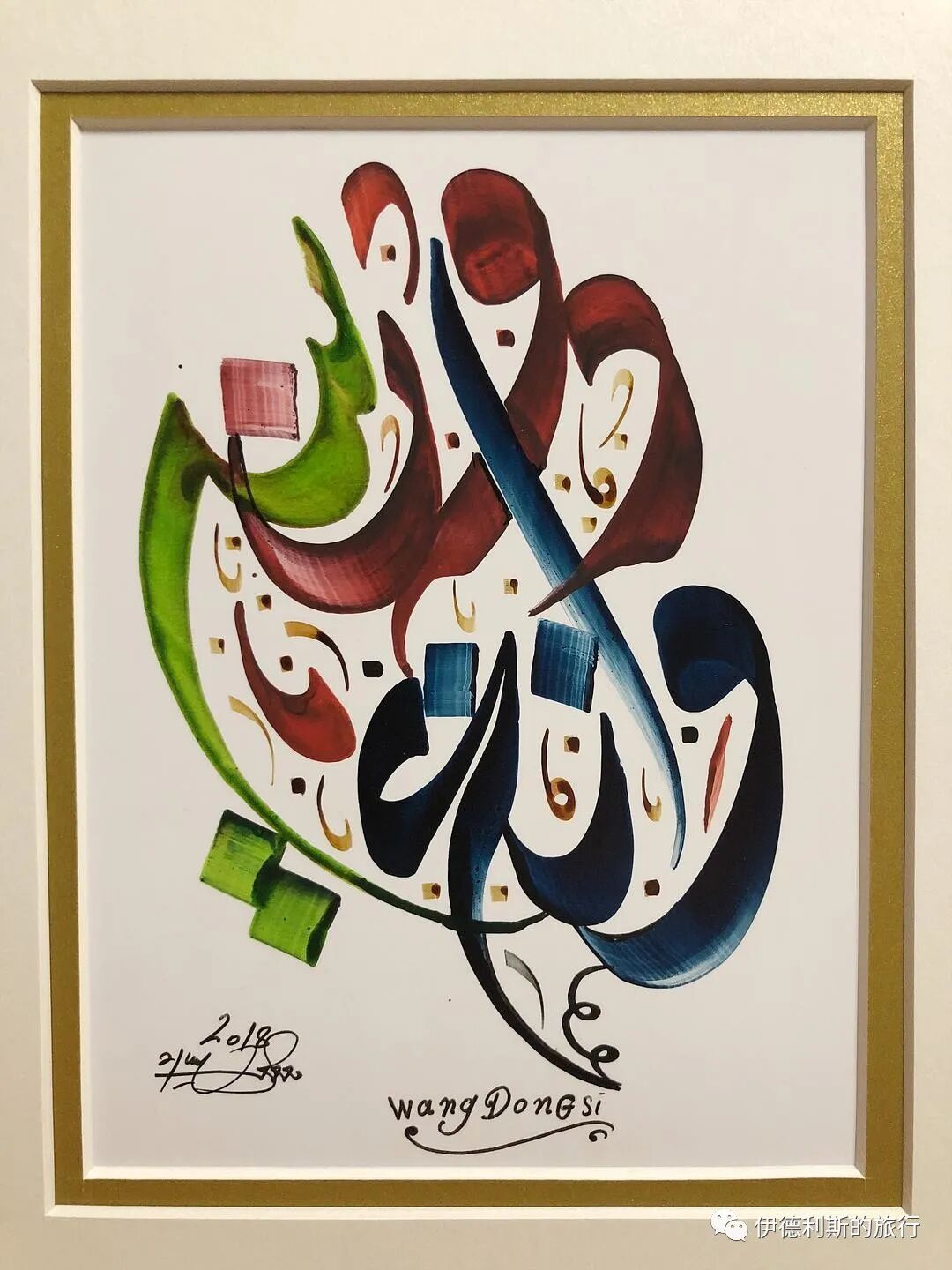
Other works by Ayman Bazerbashi
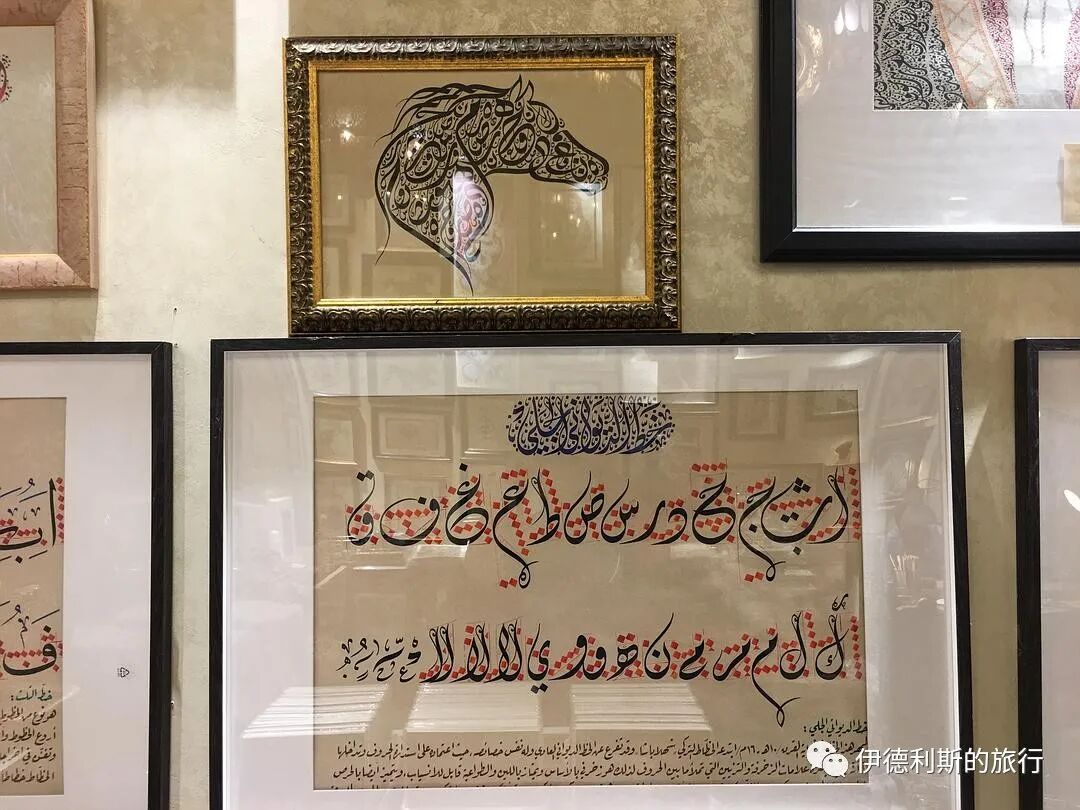
The Iranian mosque in Old Dubai
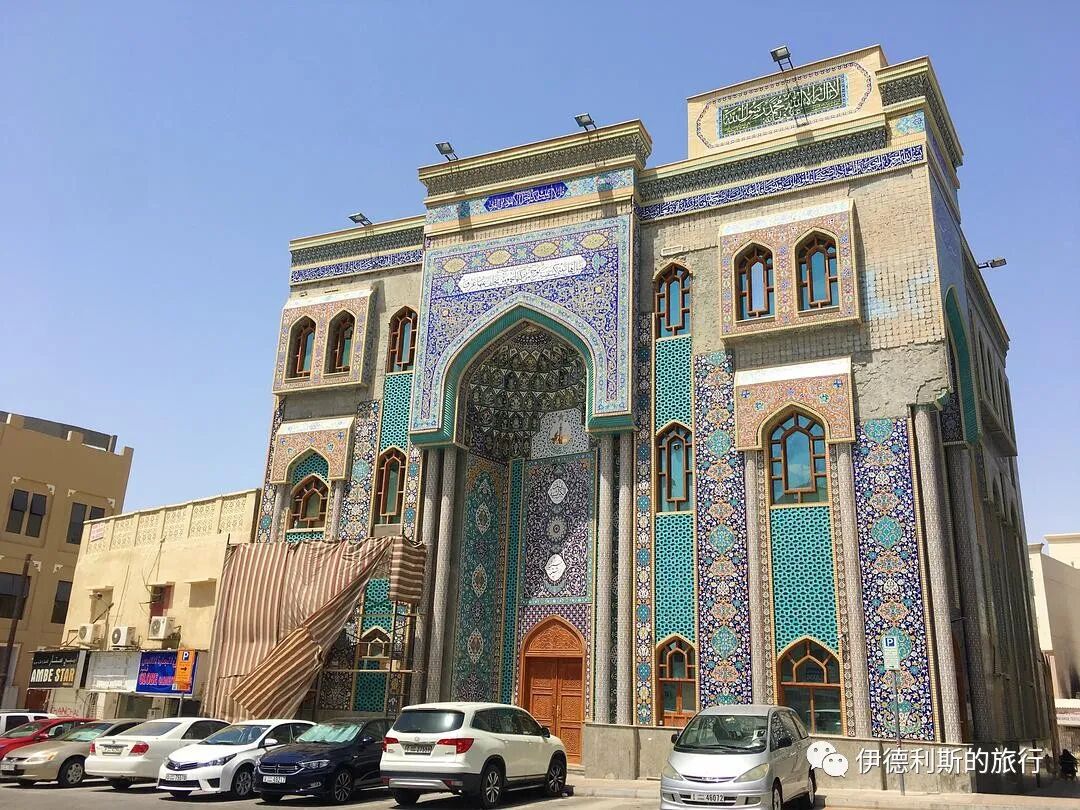
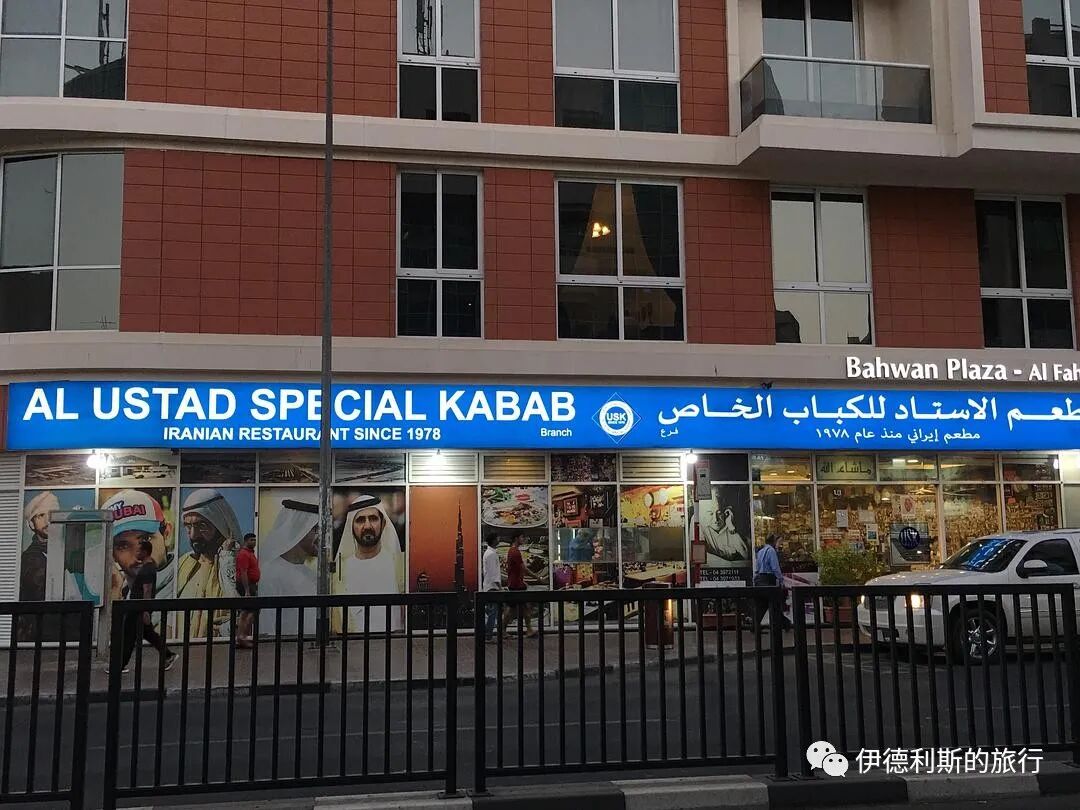
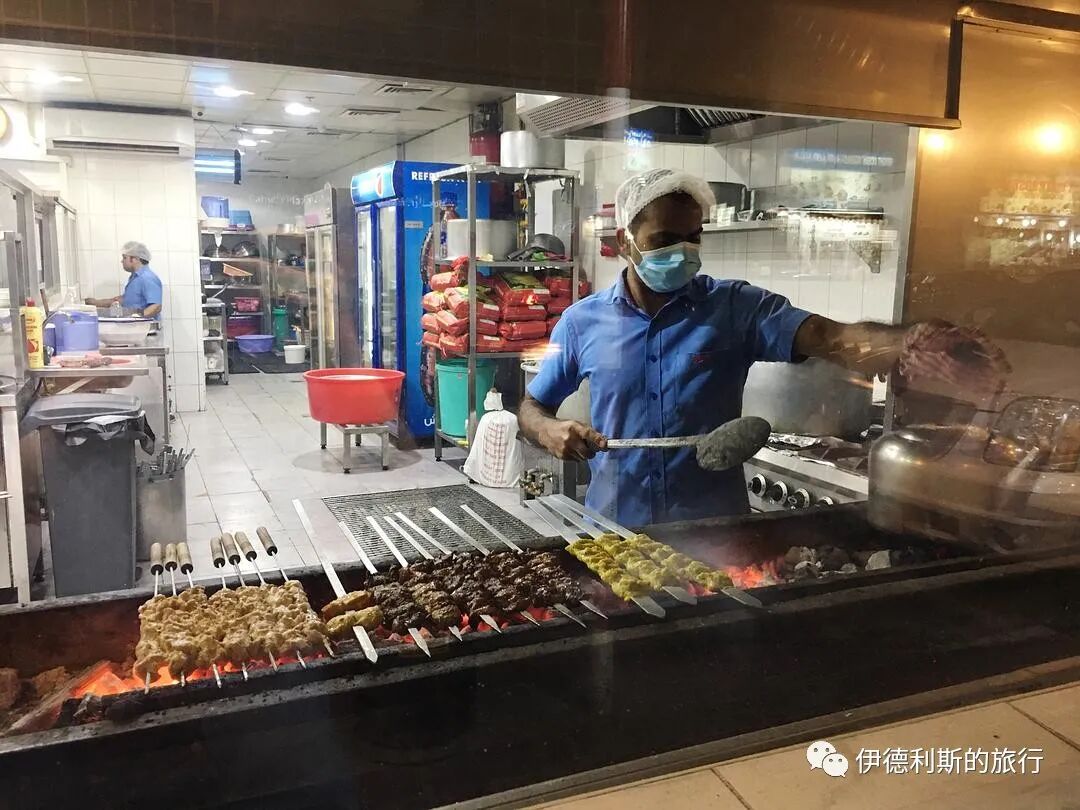
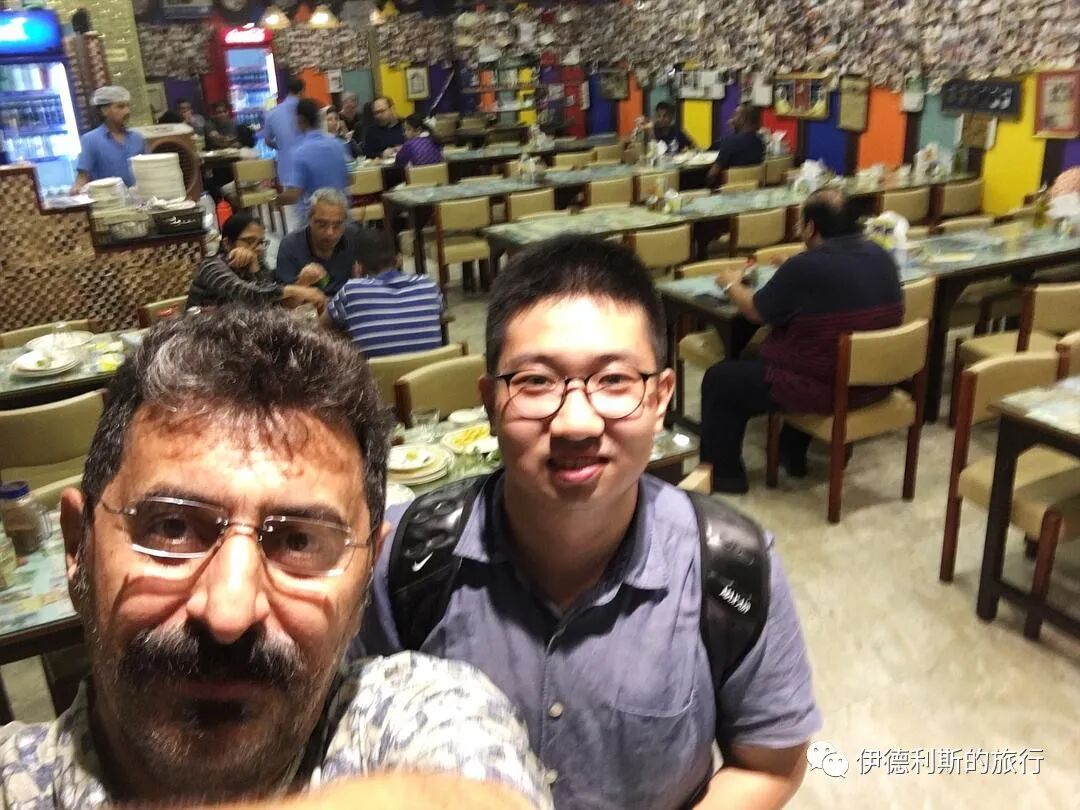
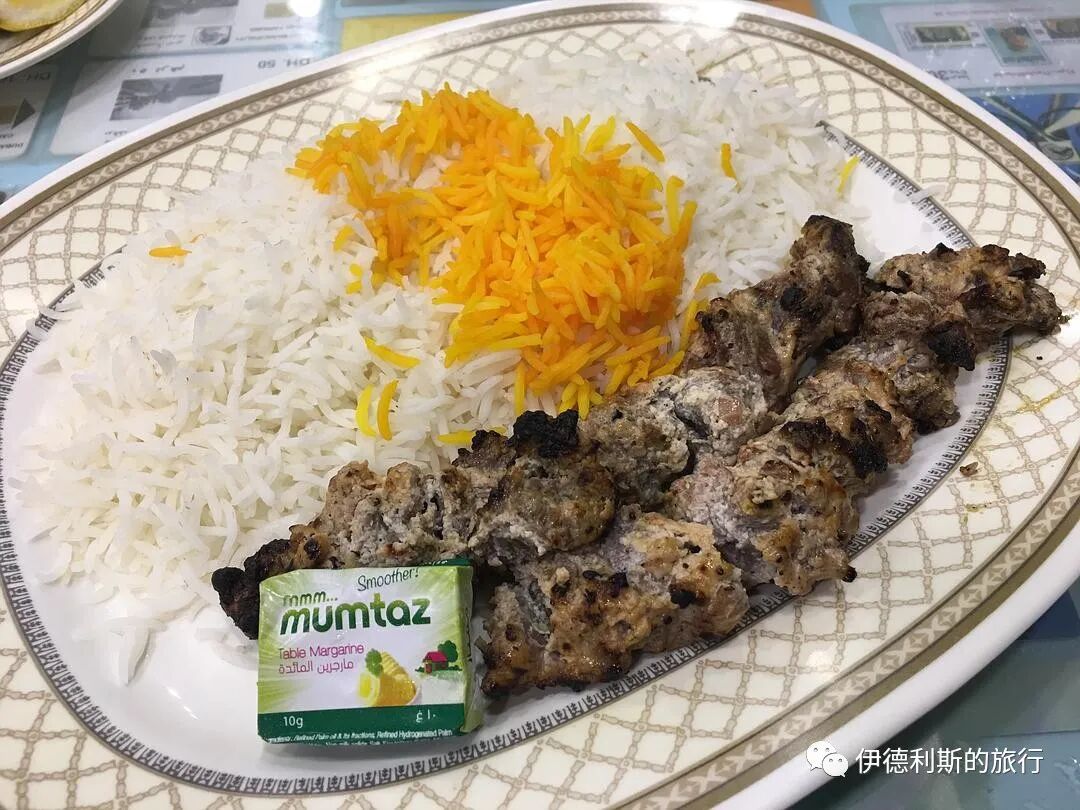
I ate grilled lamb skewers (kebab) and meat porridge (haleem) at an Iranian restaurant in Old Dubai that has been open since the 1970s.

5. Al Shindagha Historical District
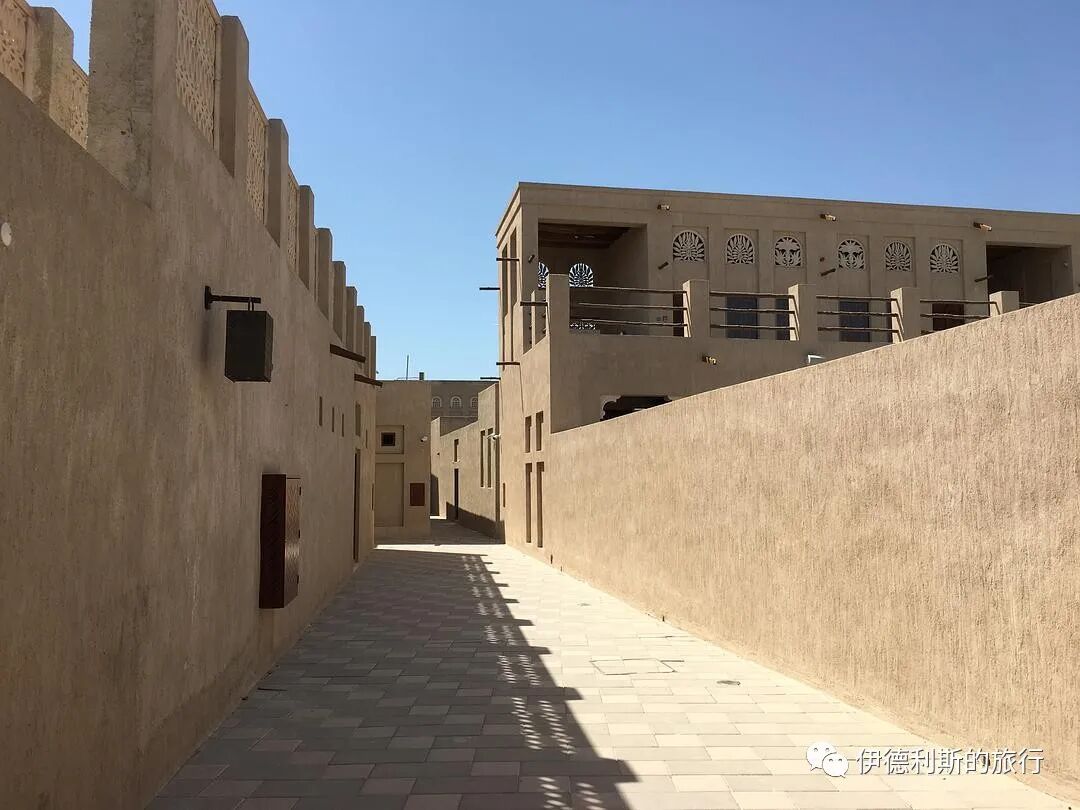
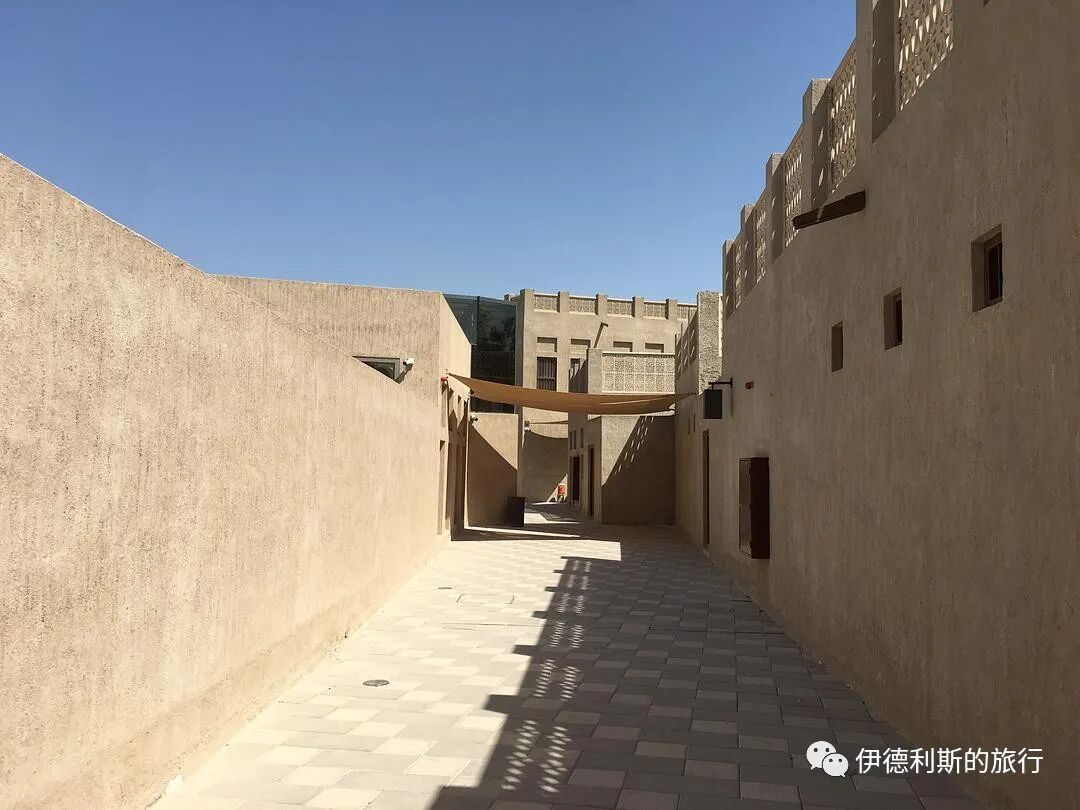
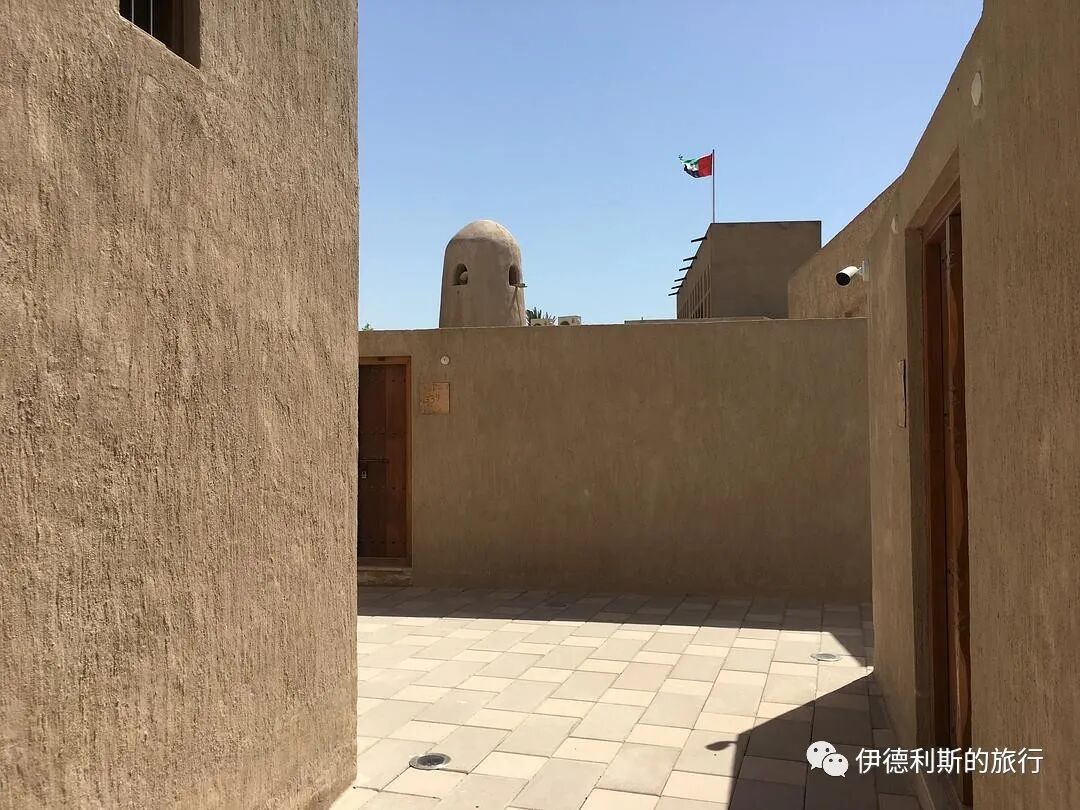
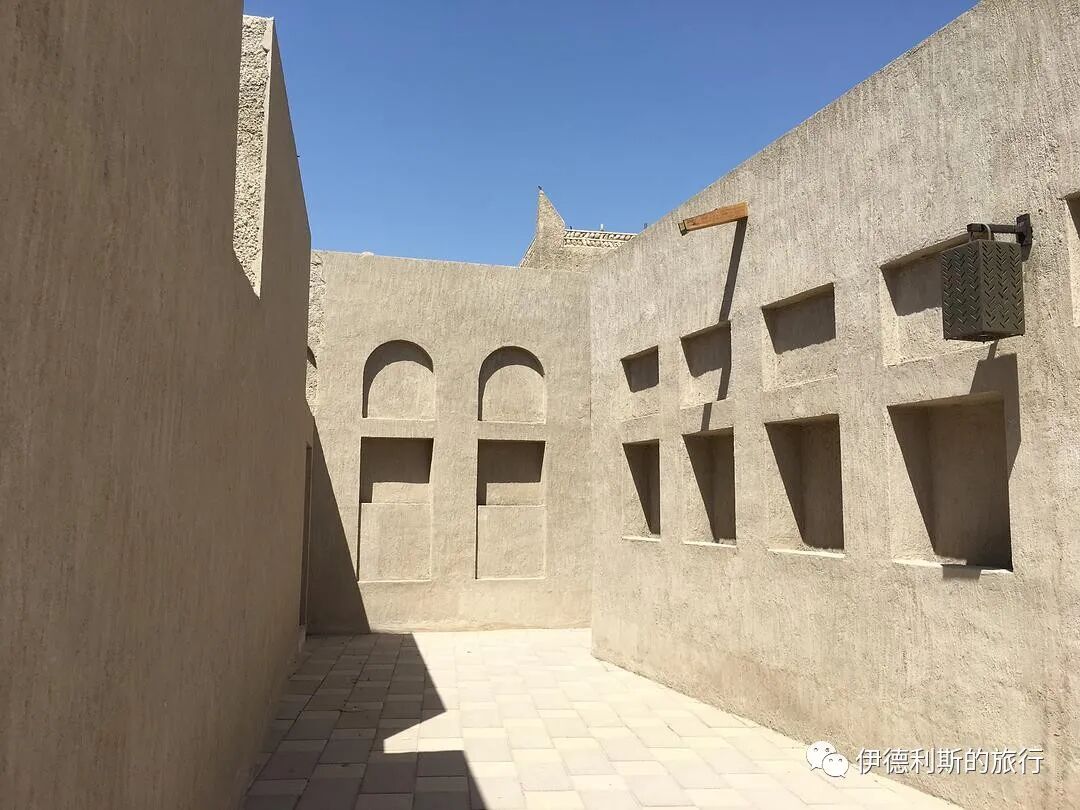
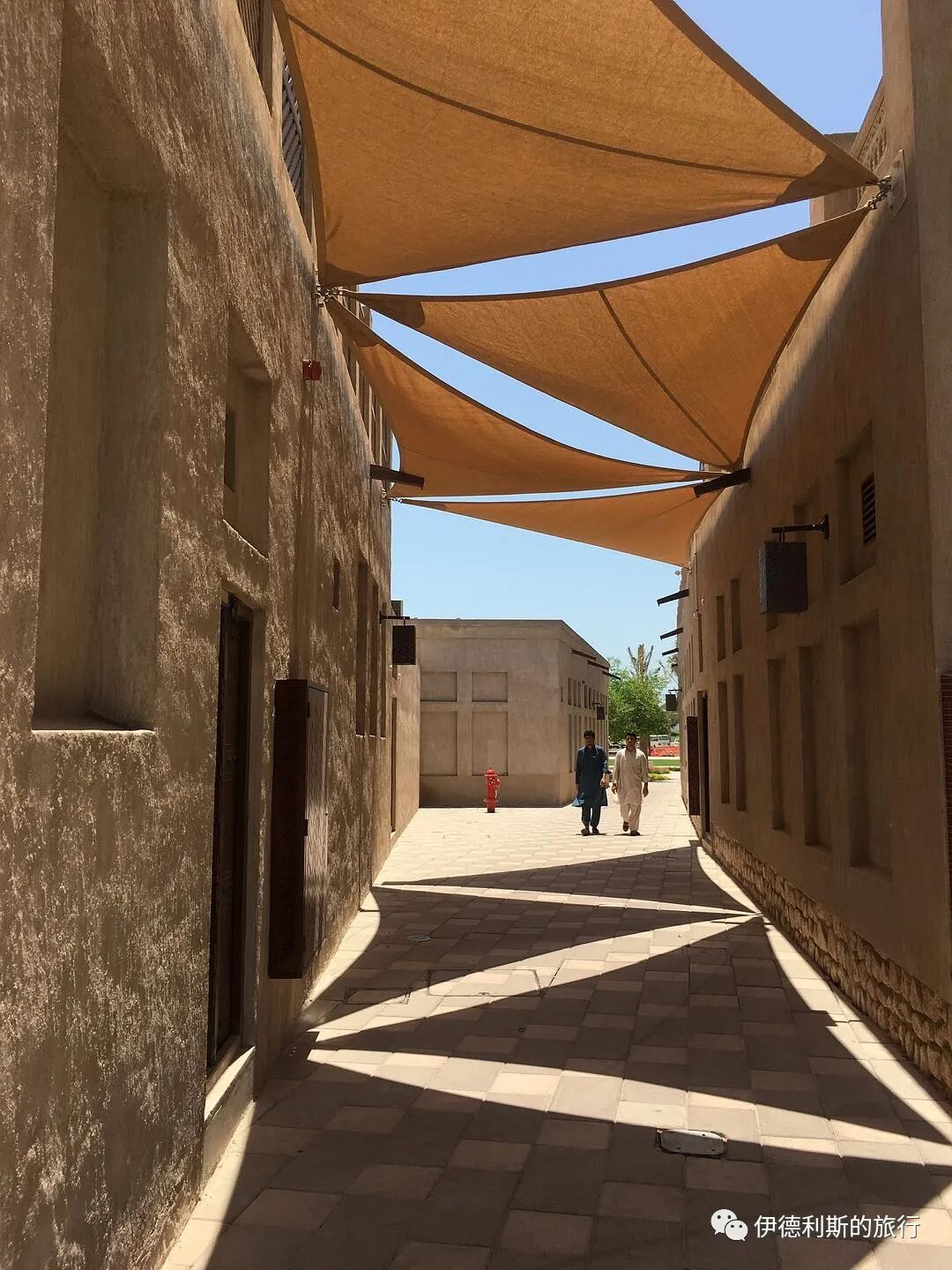
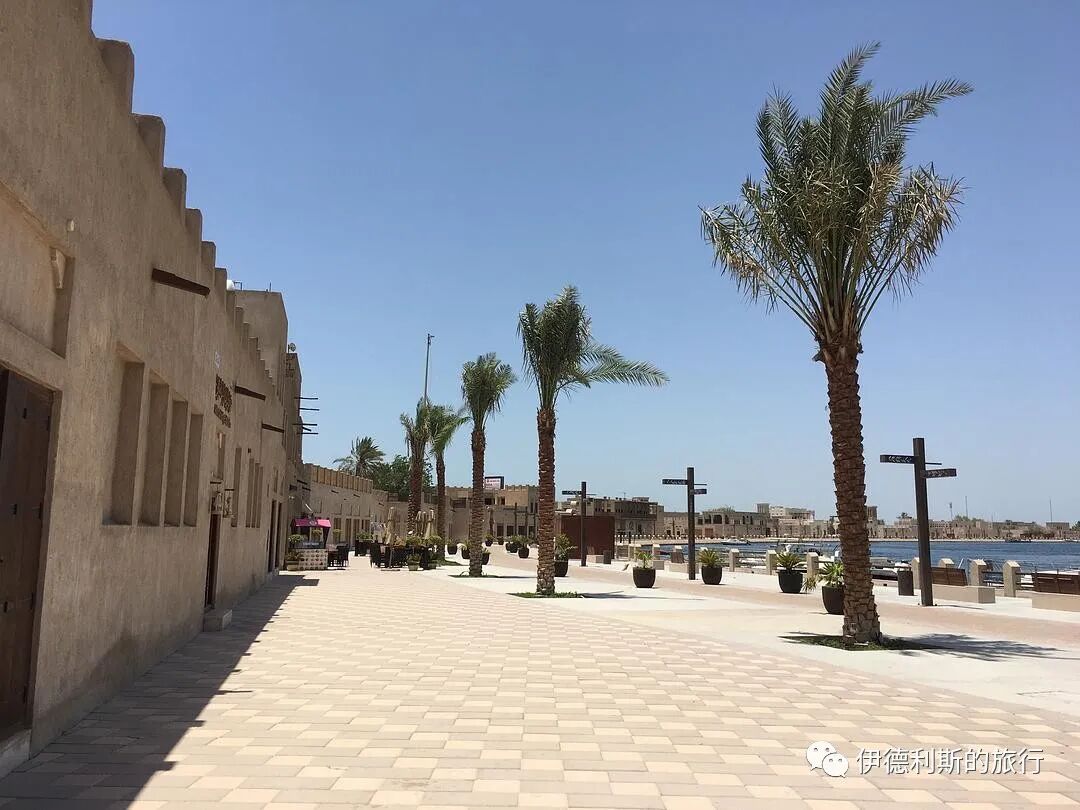
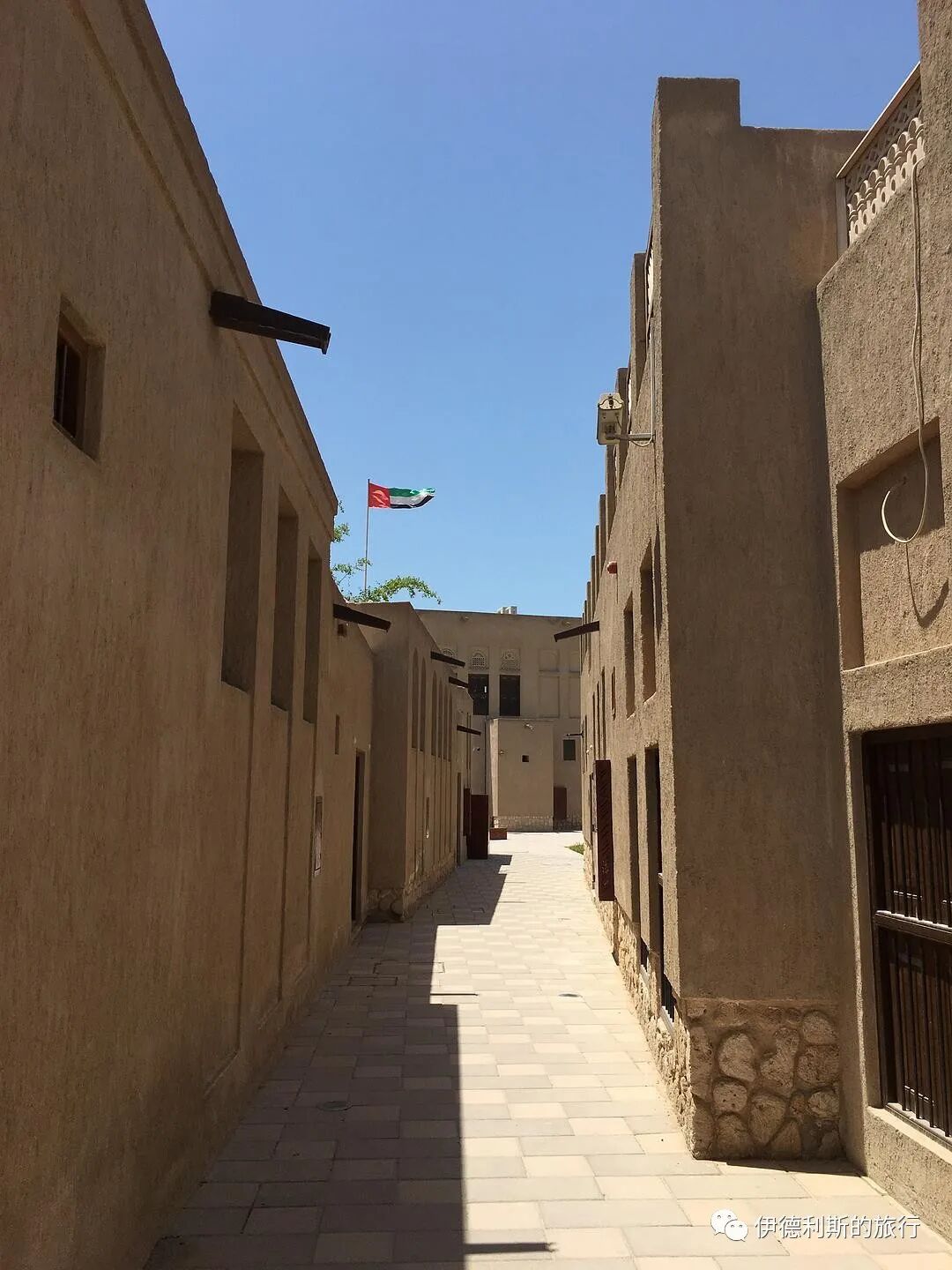
The Al Shindagha historical district is northwest of the Dubai Fort. It formed between the late 19th and early 20th centuries. The most famous site here is the house where the old ruler of Dubai lived from 1912 to 1958. There are also several interesting museums in the area.
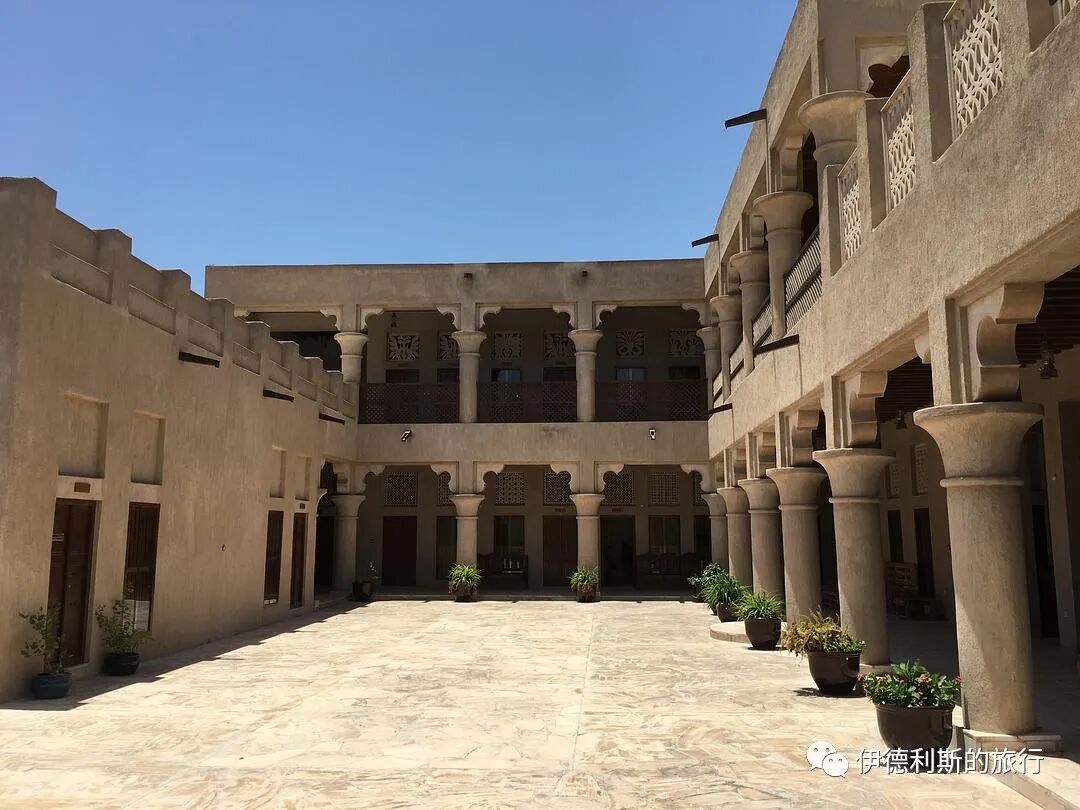
1. Saruq Al Hadid Archaeology Museum
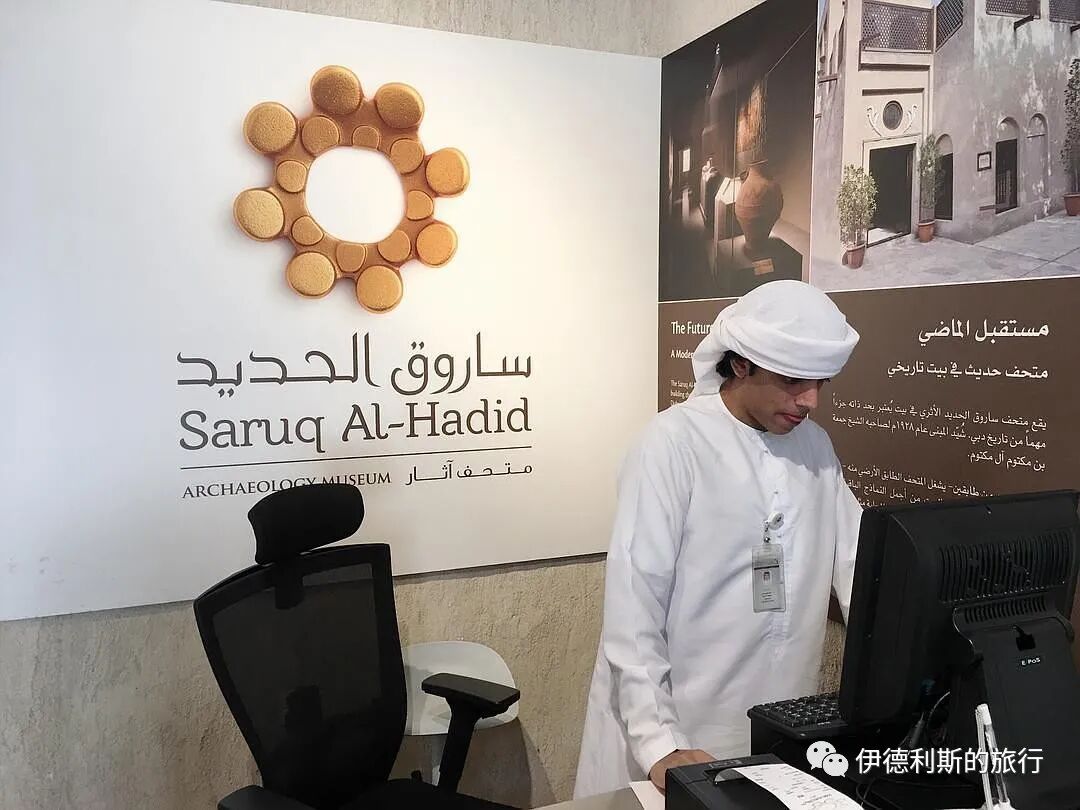
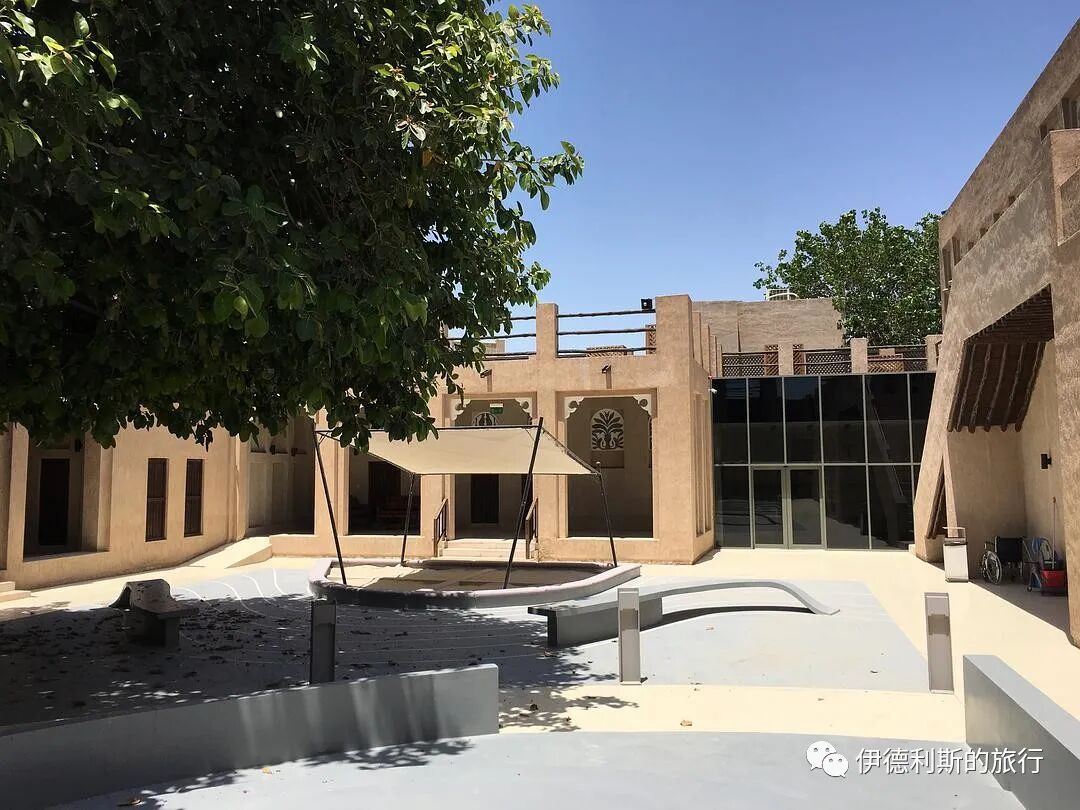
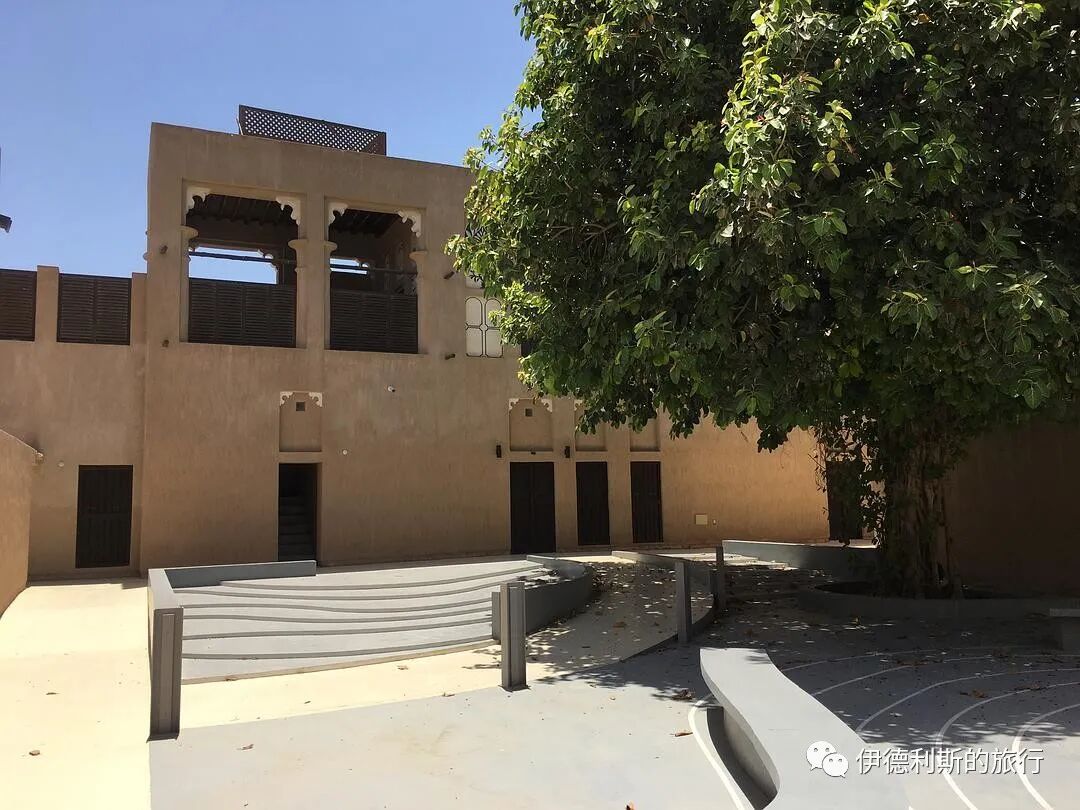
The Saruq Al Hadid Archaeology Museum is located inside a traditional Arabian Gulf house in Shindagha. Saruq Al Hadid is a mysterious ancient site deep in the Dubai desert and is known as Dubai's most important archaeological site. The logo for the 2020 Dubai Expo was based on a gold ring found here.
In 2002, Dubai ruler Mohammed bin Rashid Al Maktoum was flying over the desert in a helicopter when he spotted a large amount of black sediment on a sand dune. He immediately reported the discovery to the relevant authorities. Investigations revealed that these black deposits were actually waste and slag from copper and iron smelting. This 1.5-hectare slag heap stopped the sand dunes from moving, which preserved thousands of years of history.
Later, a Jordanian archaeological team carried out five large-scale excavations at Hadid. Between 2008 and 2009, a team from the Dubai Desert Survey, made up of American researchers and the Dubai Department of Tourism, conducted another series of excavations here. From 2014 to 2017, a team from Australian and New Zealand universities carried out a three-year archaeological excavation at the site. So far, more than 1,200 artifacts have been unearthed from the site, mostly pottery and metal items, including arrowheads, axes, fishhooks, bracelets, and knives.
Archaeological excavations show that Hili was inhabited from the Bronze Age Umm al-Nar culture (2600–2000 BC) through the Iron Age, which ended around 1000 BC. Its most prosperous period was Iron Age II, between 1100 BC and 600 BC. For over a thousand years, Hili served as an important settlement and a center for trade and metallurgy in the eastern Arabian Peninsula.
Hili is located deep in the desert, 40 kilometers inland. It lacks the three essentials for metal smelting: water, fuel, and ore. Why this site was chosen as a metallurgical center remains a mystery. The current leading theory points to religion. Many bronze snakes and pottery with snake patterns were found at the Hili site. While these have been found in small numbers at other ancient sites in the UAE and Oman, they are most concentrated here, clearly indicating it was a production center. This place was likely a religious site for snake worship in the eastern Arabian Peninsula.
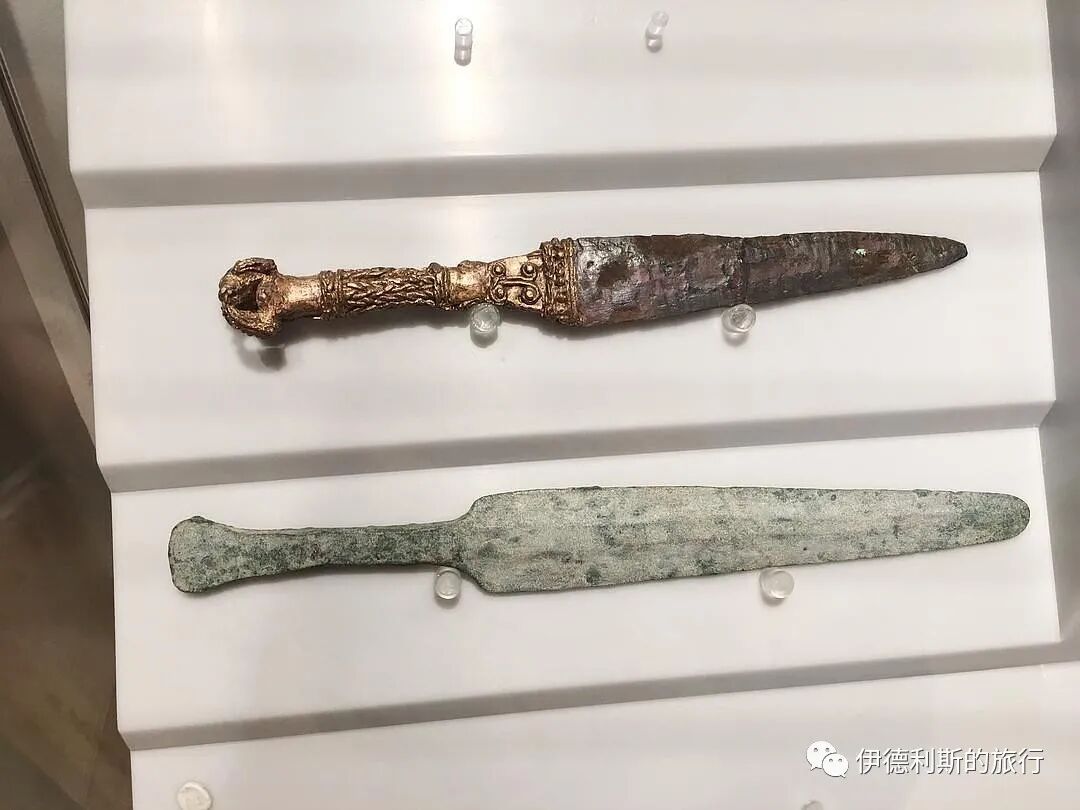
Bronze daggers with lion or ram heads found in Hajar show the best metal craftsmanship of that time.
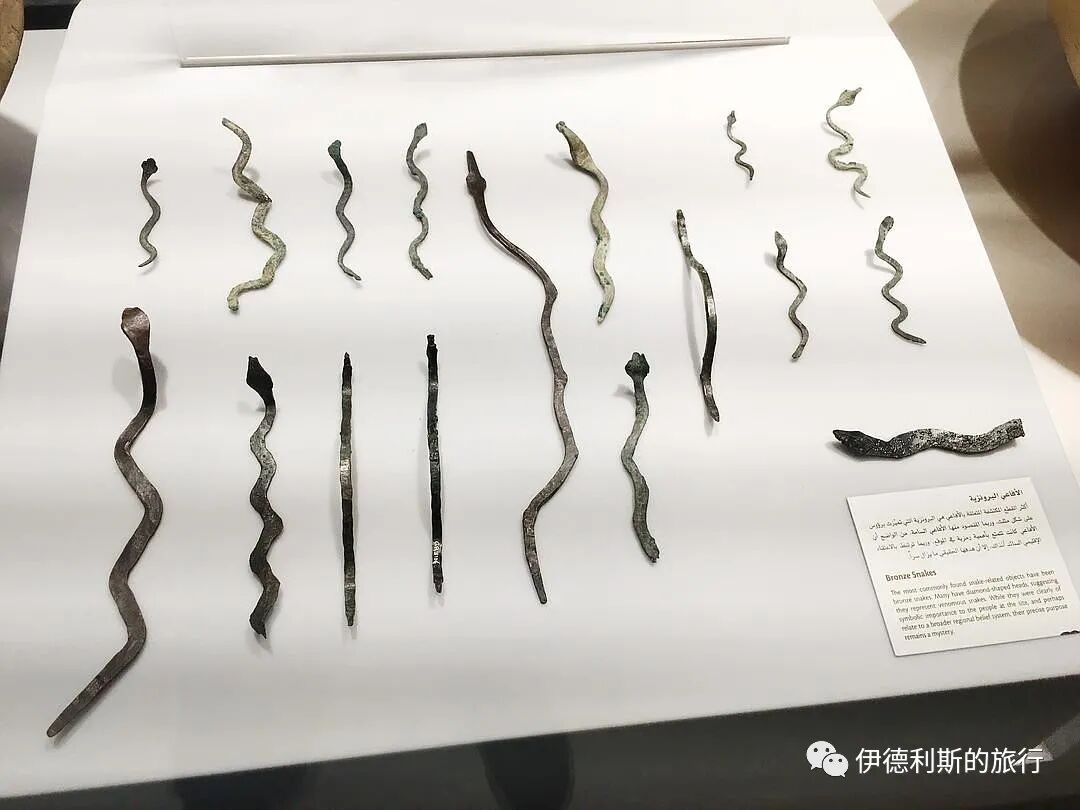
Many bronze snakes were found in Hajar, and some with diamond-shaped heads likely represent venomous snakes.
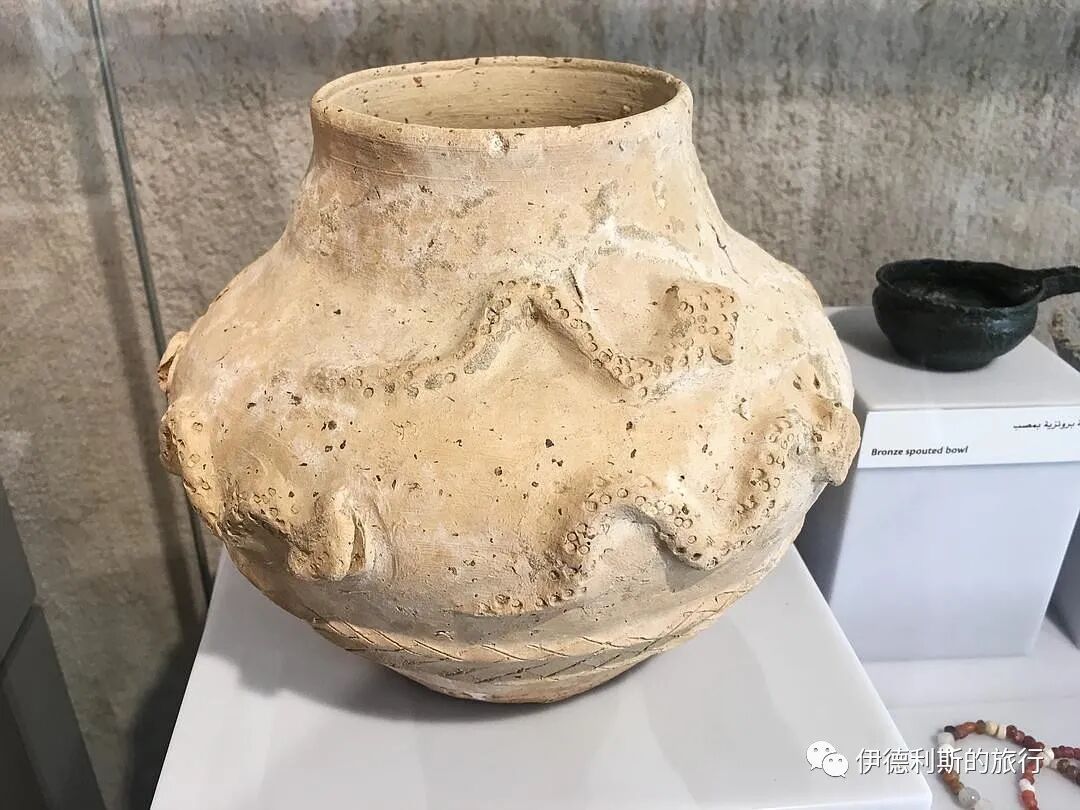
Some pottery jars also have snake patterns, which suggests a traditional religion that worshipped snakes, but we still know nothing about this religion.
2. Crossroads of Civilizations Museum
The Crossroads of Civilizations Museum is a private museum opened by Ahmed Obaid Al Mansoori in 2014, featuring many precious Islamic book manuscripts and traditional weaponry. The museum aims to show the role of Islamic civilization as a crossroads for trade and cultural exchange between Europe, Asia, and Africa.
The artifacts in the museum were originally kept in Ahmed Obaid Al Mansoori's home. During an exhibition he hosted, the director of the Dubai Architectural Heritage Department convinced him to share the collection with the public, which led to the creation of the current Crossroads of Civilizations Museum.
The Crossroads of Civilizations Museum is located inside a traditional 19th-century Gulf house, which was the former home of Sheikh Hashr Bin Maktoum Al Maktoum, the brother of the eighth ruler of Dubai, Sheikh Saeed.
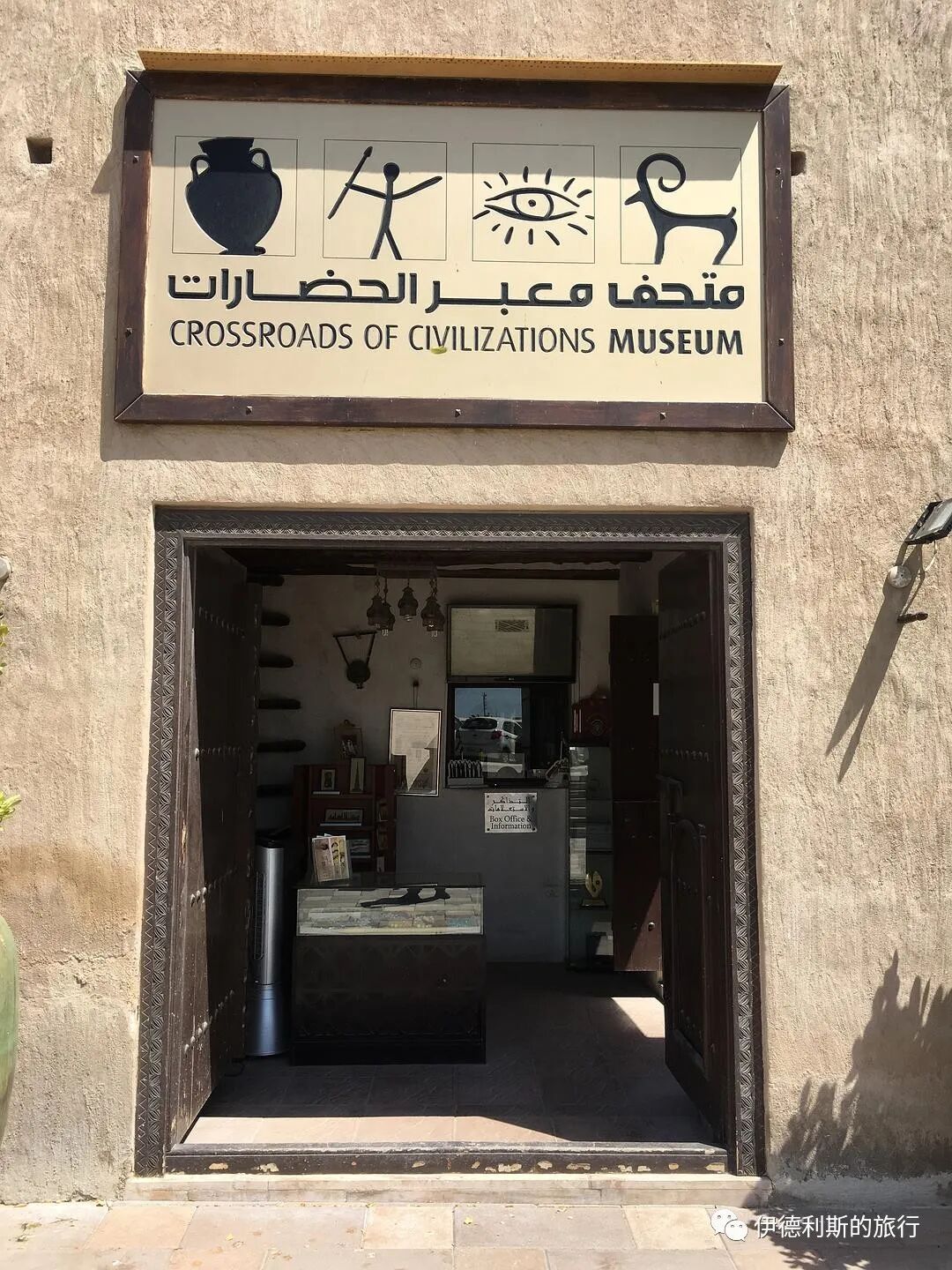
The museum itself features a courtyard (El Fena) typical of the Arab Gulf.
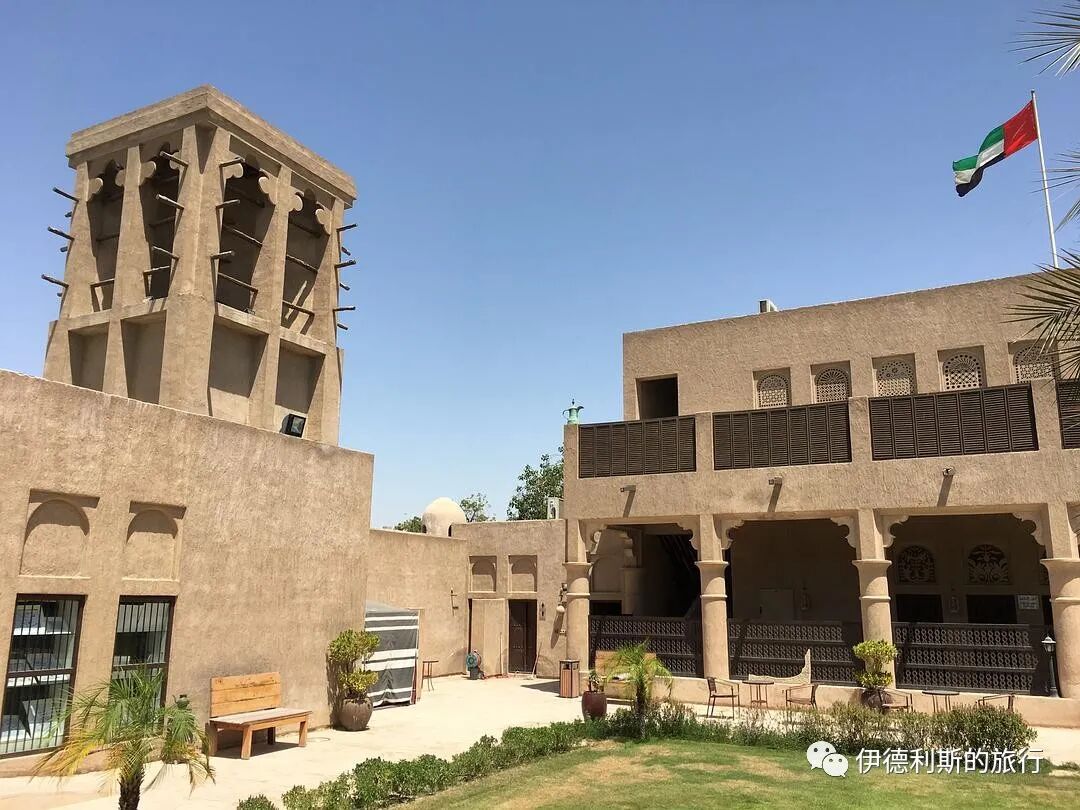
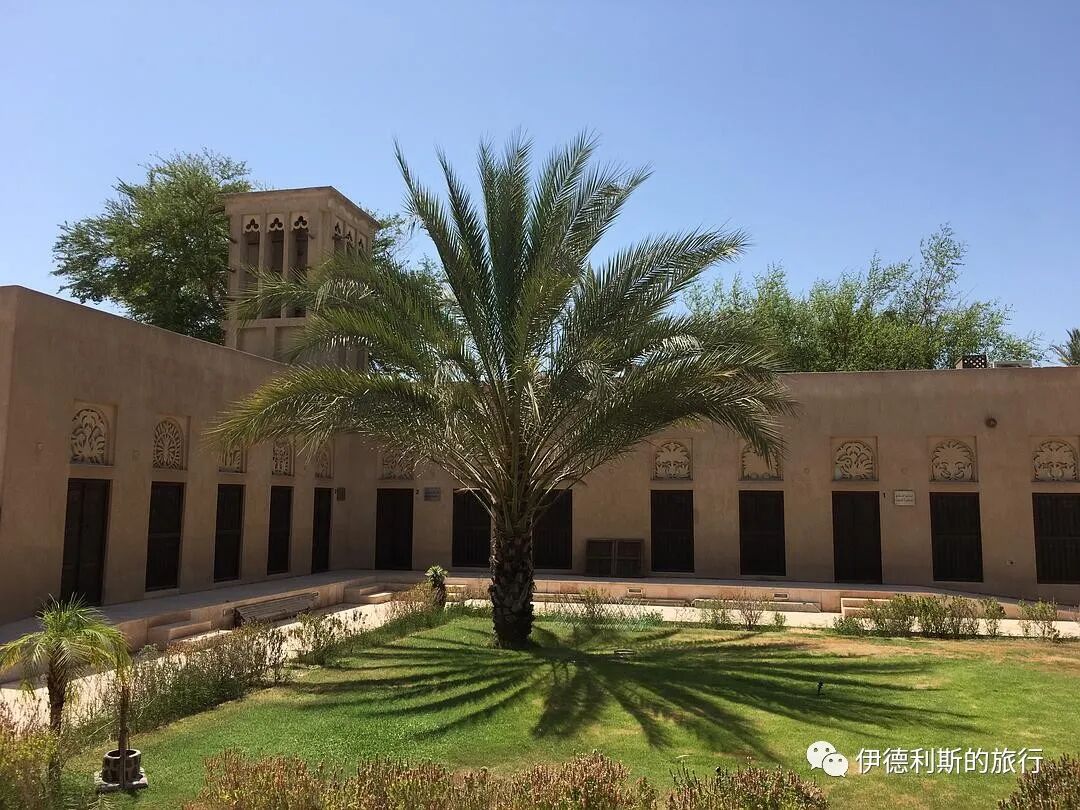
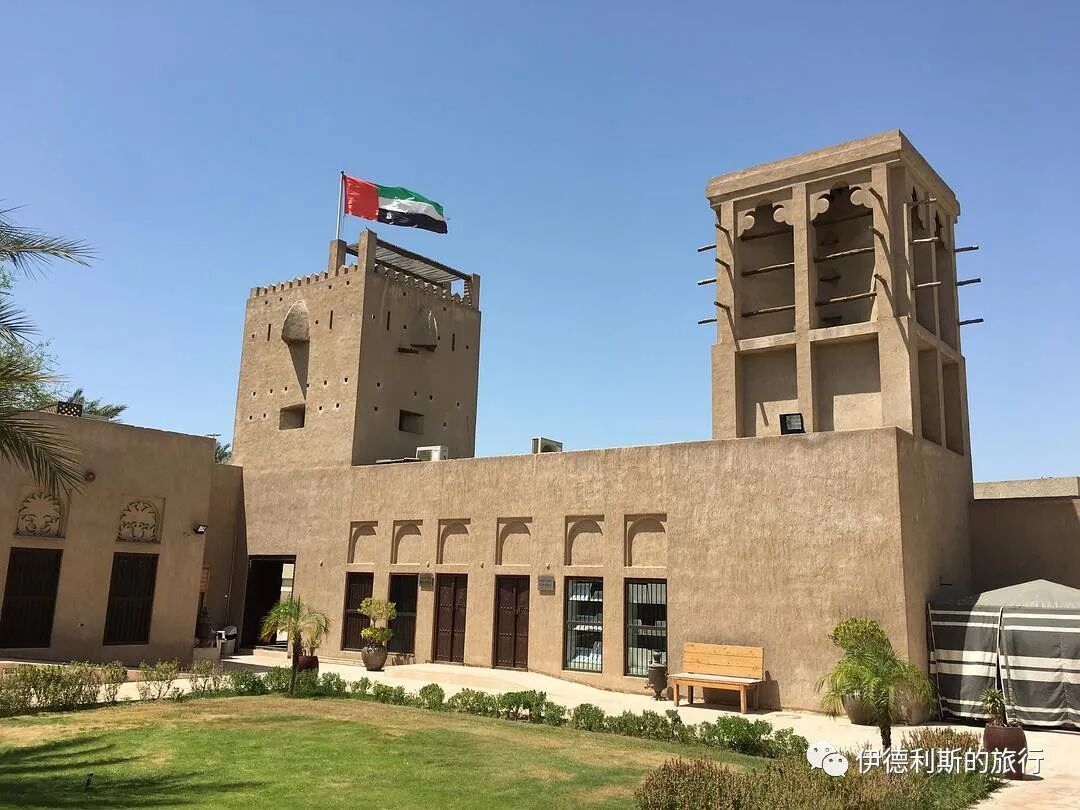
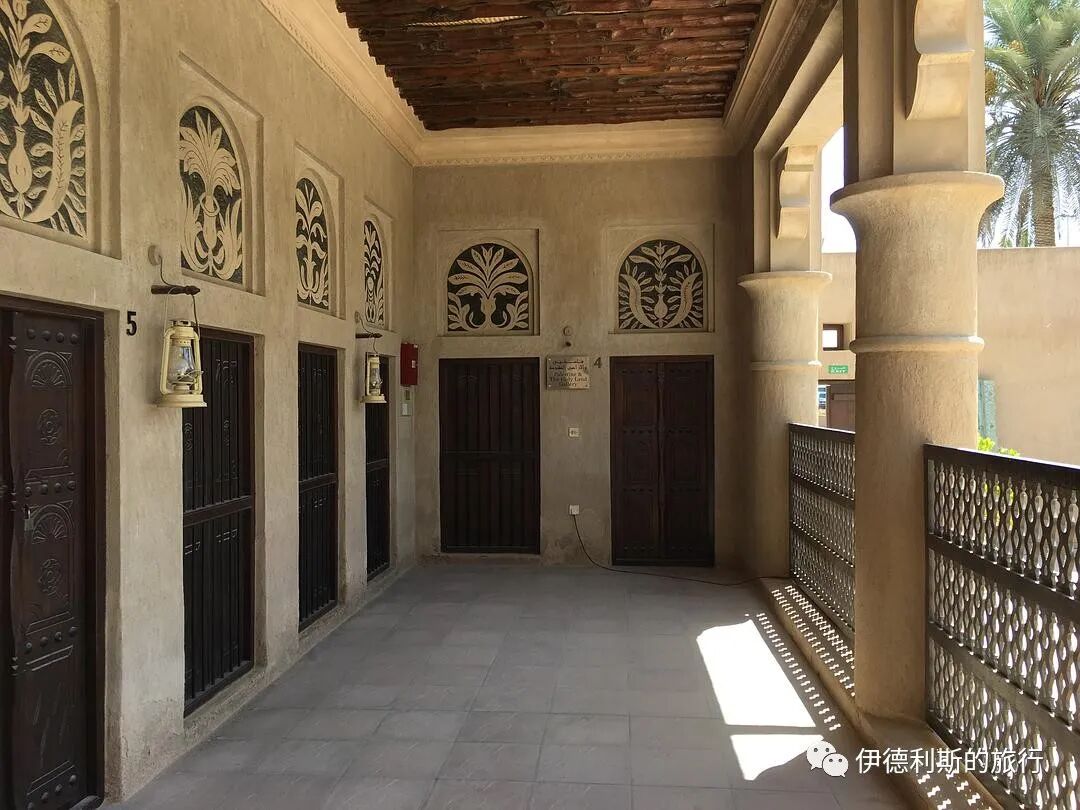
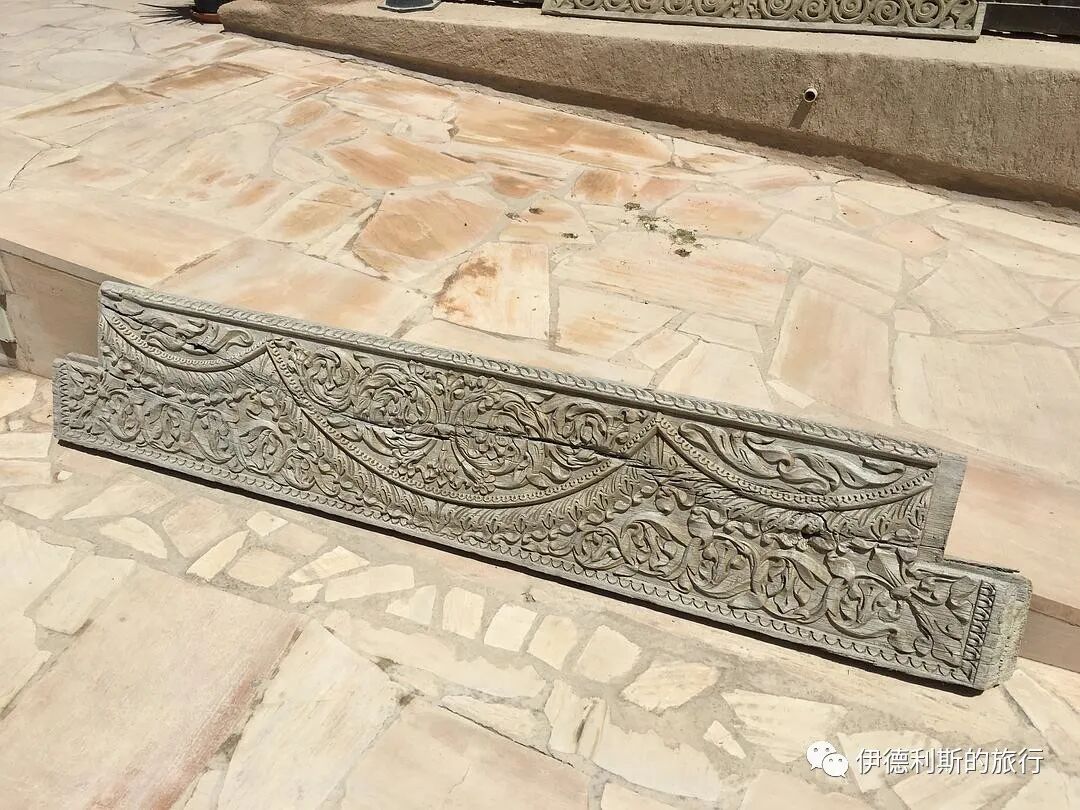
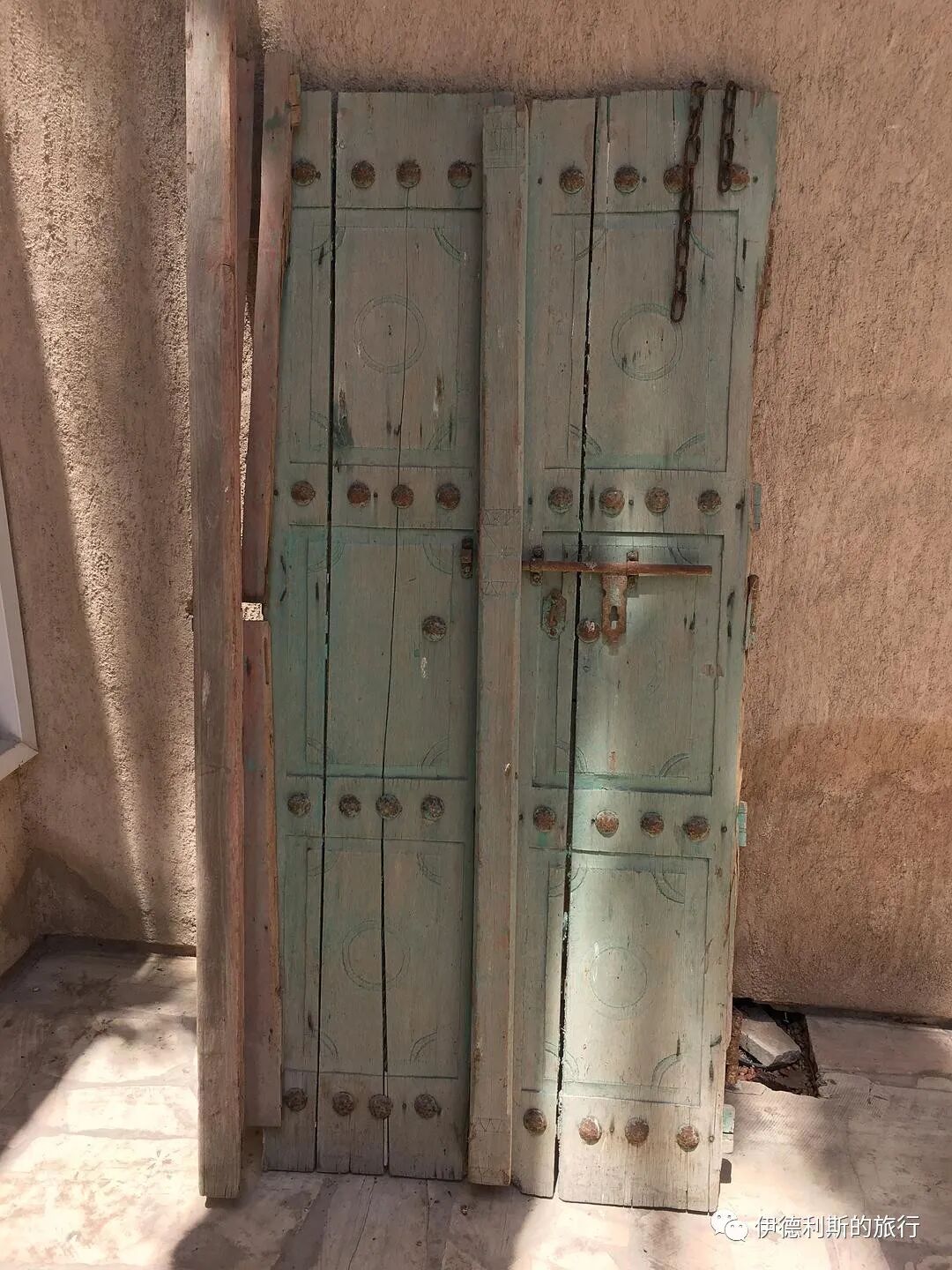
Here are some interesting exhibits to share:
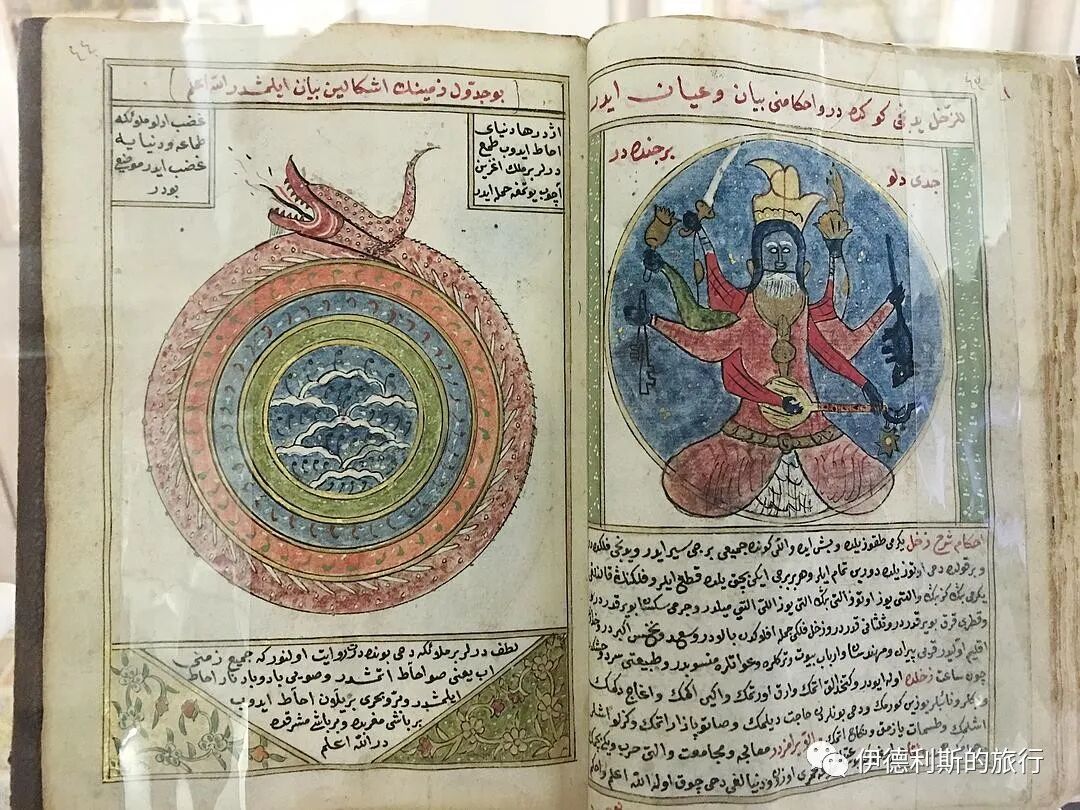
An Ottoman-era manuscript covering astronomy, astrology, magic, feng shui, and medicine.
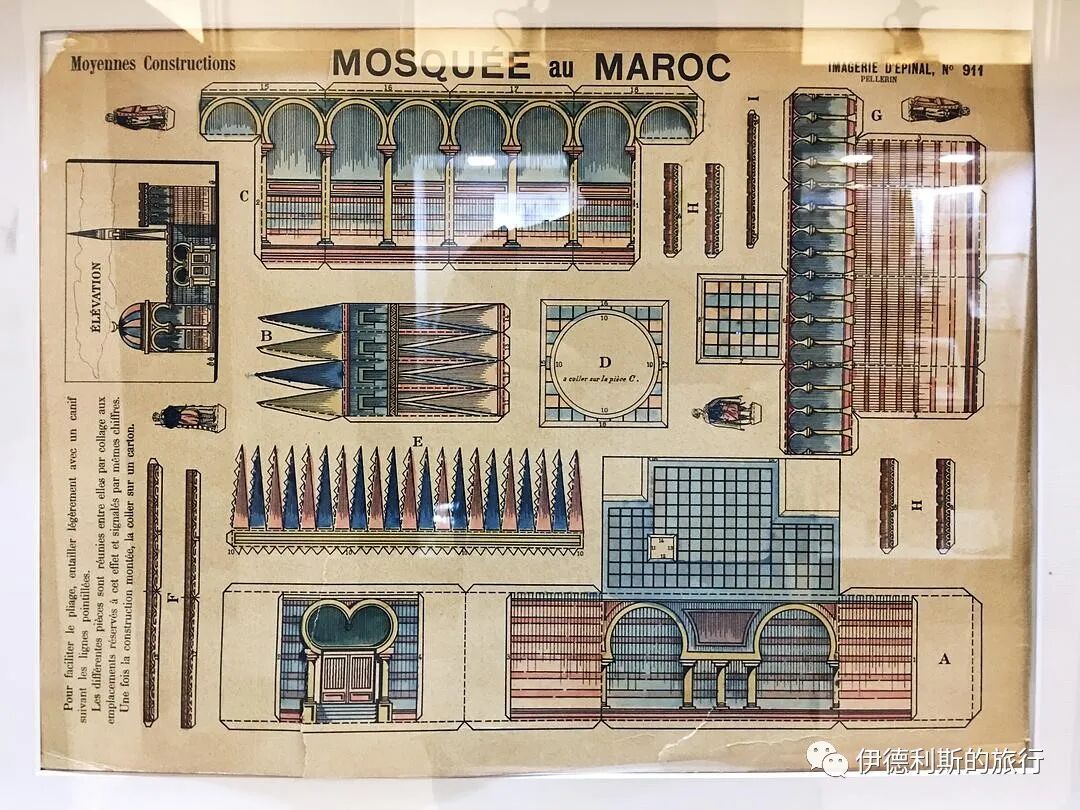
A paper model of a traditional Moroccan mosque produced in France; it would be fun to recreate this.
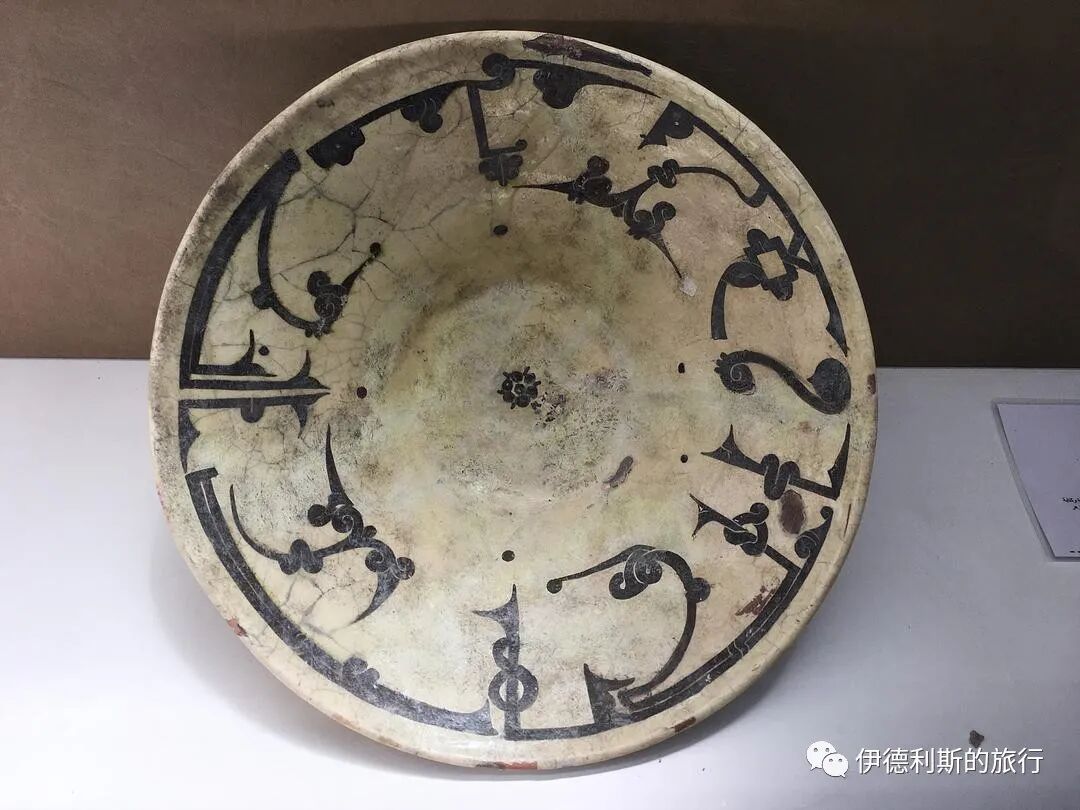
A plate from Iran dating back 1,000 years, featuring Kufic calligraphy.
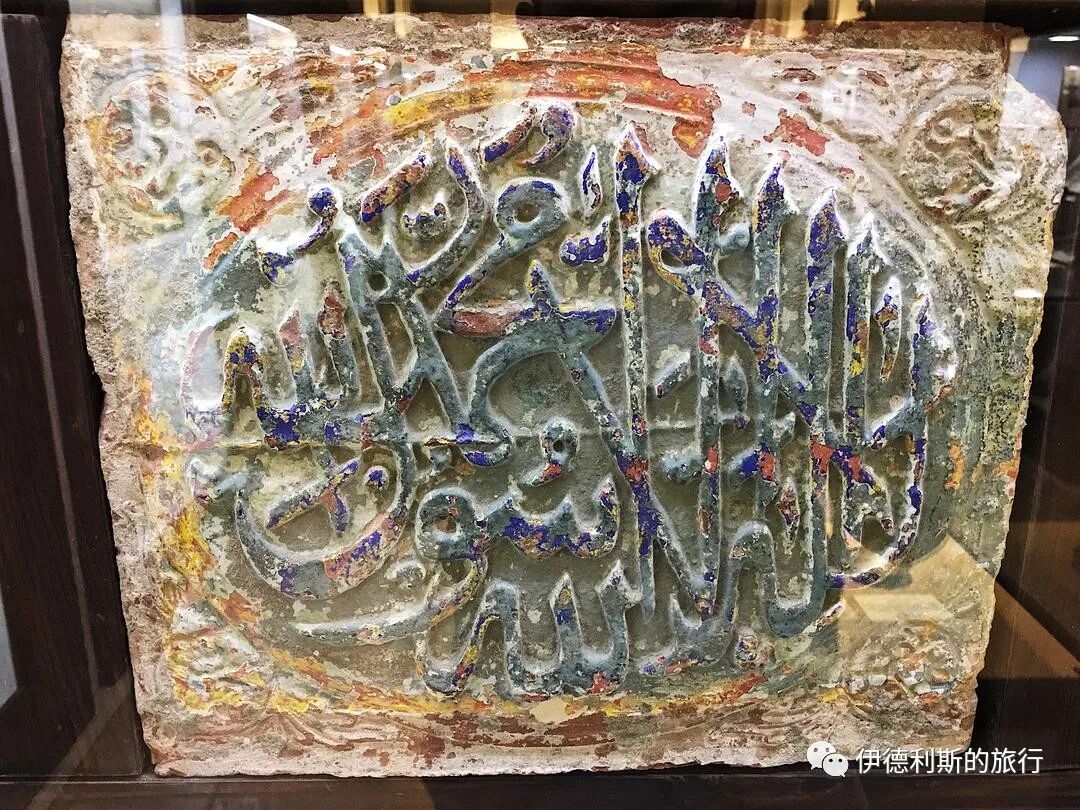
A 19th-century stone carving of the Shahada in Syria.
You can find more details on the museum's official website, which also features a beautiful brochure at http://themuseum.ae/.
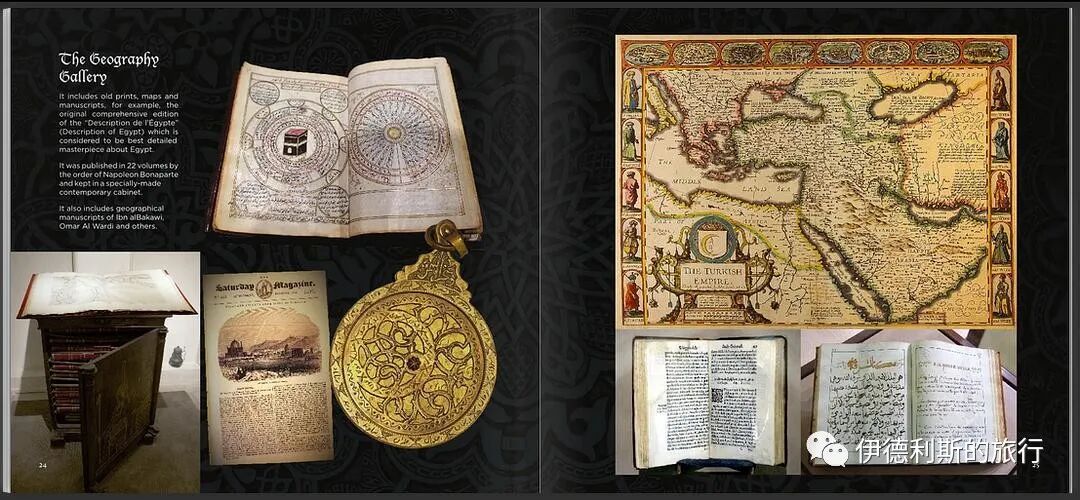
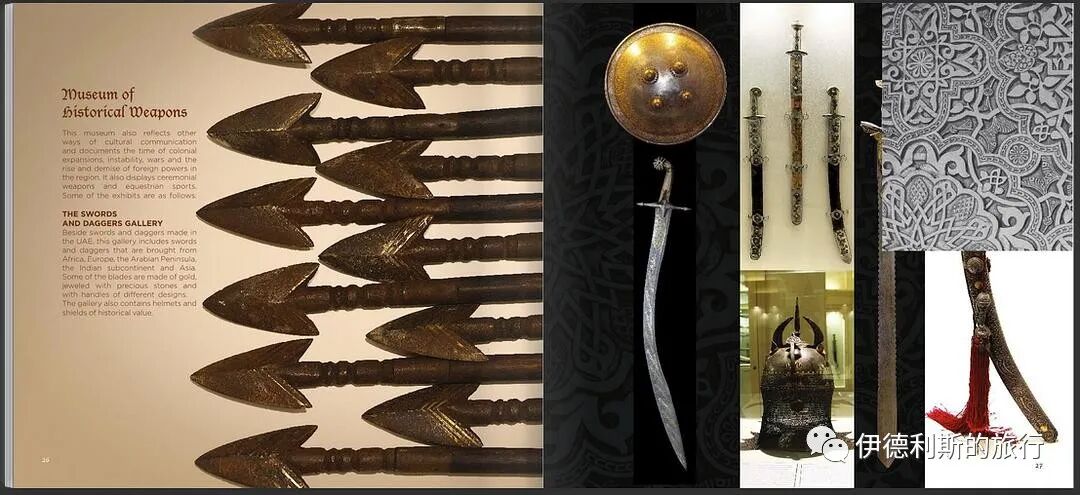
3. Traditional mosque.
The Shindagha neighborhood is home to the Almulla mosque, which follows the traditional style of the Gulf region. It has no minaret or dome, and such traditional mosques are now rare in Dubai.
Summary: Old Dubai — Before Oil, Souks and Muslim History is presented here as a firsthand travel account in clear English, beginning with this scene: Venetian pearl merchants mentioned the pearl industry in Dubai (Dibei) as early as 1580, but the town did not officially form as a pearl and fishing hub until the early 18th century. The account keeps its focus on Old Dubai, Dubai History, Muslim Heritage while preserving the names, places, food, and historical details from the Chinese source.
Venetian pearl merchants mentioned the pearl industry in Dubai (Dibei) as early as 1580, but the town did not officially form as a pearl and fishing hub until the early 18th century.
In 1799, Dubai became the territory of the Al Abu Falasa family from the Bani Yas tribe of Abu Dhabi. In 1833, Maktoum bin Butti moved from Abu Dhabi to Dubai and established the Al Maktoum dynasty, making Dubai independent from Abu Dhabi.
A smallpox outbreak hit Dubai in 1841, causing residents to move from the south bank of Dubai Creek to the north bank. This created the two old districts of Bur Dubai on the south bank and Deira on the north bank. You can read about the historic district on the north bank of Dubai Creek in my previous diary entry, 'Dubai Al Ras Historic District'.
After the 20th century, Dubai became a free port with no taxes on imports and exports, offering great security for merchants. In 1904, British-Indian steamships began regular stops in Dubai. Dubai became an important trade hub in the Persian Gulf, and some Persian merchants started to settle there.
Dubai's economy long relied on pearl exports. However, in the 1920s, cultured pearls flooded the world market at the same time as the Great Depression. Dubai's pearl industry collapsed in 1929, leaving many people unemployed and the whole city in poverty.
It was not until oil was discovered in 1966 that Dubai used the income to start large-scale infrastructure projects, and the whole region began to prosper. After the Gulf War, Dubai shifted its economic focus to free trade and tourism, gradually becoming a modern metropolis.
A map of Dubai from 1822, photographed at the Dubai Museum.
Dubai city in 1950, photographed at the Dubai Museum.
1. Dubai Fort.
Al Fahidi Fort is the oldest existing building in Dubai. It was first built in 1787 (some say 1799 or 1800) and was expanded between the 1830s and 1850s. The fort is built from coral stone, crushed rock, and lime, and it features three towers. This place was originally the home of the ruler of Dubai. In the early 20th century, it housed 100 soldiers before it was turned into an armory and a prison.
After being renovated in 1971, the fort opened to the public as the Dubai Museum. In 1995, new museum galleries were built underground beneath the fort.
Looking down at the fort
The front of the fort
The back of the fort
In the south of the fort, you can see a remaining section of the Dubai Wall. Built in 1800, this wall is 600 meters long and 2.5 meters high, made from coral stone and lime. As Dubai expanded in the early 20th century, most of the wall was torn down. The remaining parts were restored in 2001 and are still standing today.
The main gate of the fort has doors made of teak wood.
Inside the fort.
Inside the fort.
Dubai Fort in 1950.
Dubai Fort in 1950.
An old photo of Dubai Fort.
Artifacts in the Dubai Museum, including weapons used by soldiers stationed here at the time.
A curved sword (scimitar) with a bone handle decorated with silver and gold pieces, and a scabbard covered in dense silver wire.
A shield made of shark skin with copper decorations.
Brass bracers.
Helmet.
Leather pouch for gunpowder.
2. Watchtower.
Besides the city walls and castles, watchtowers were also important defensive structures for the city of Dubai. Dubai currently has three traditional watchtowers left, and I visited one of them, the Al Shandagah watchtower built in 1939.
3. Dubai Creek
Dubai Creek divides the old city of Dubai into two parts: Bur Dubai and Deira. From the late 19th and early 20th centuries until it was dredged in 1961, Dubai Creek was an important trading port between India, East Africa, and the Gulf region, even though the shallow water meant it could not support large-scale shipping.
4. Al Bastakiya Historical District
The Al Bastakiya historical district sits east of the Dubai Fort and was built by Persian merchants in the late 19th century. The name Al Bastakiya comes from the city of Bastak in southern Iran. After Dubai became a free trade port in the 1890s, many Persian merchants crossed the Persian Gulf to trade here. Most of them were from Bastak, which was the main source of firewood for the Gulf coastal region at the time. The Persian community in Al Bastakiya was officially established by the 1920s.
Before this, Dubai was mostly palm-frond huts for Bedouins. After Persian merchants arrived, they started building houses with coral stone, lime, and shells, and they brought wind towers (barjeel) with Iranian features.
After Dubai discovered oil in the 1960s, the residents of Al Bastakiya gradually moved to modern neighborhoods. By the 1980s, half of the houses in the entire neighborhood had been destroyed to build office towers.
In 1989, the Dubai Municipality planned to demolish the whole neighborhood. Rayner Otter, a British architect living in Dubai at the time, wrote a letter to Prince Charles of the UK to ask for the neighborhood to be protected. When Prince Charles visited Dubai that year, he toured the entire neighborhood with Rayner Otter. Thanks to Prince Charles's suggestion, this place was finally preserved.
In 2005, the Dubai government began restoring the historic buildings here, gradually turning the area into a heritage village that looks the way we see it today.
The picture below shows a wind tower (Barjeel) brought to Dubai by Persian merchants over a hundred years ago. These towers create a natural breeze inside the house to help people cope with the intense heat.
A section of the old Dubai city wall remains in the neighborhood.
I visited during Eid al-Fitr and watched the traditional Gulf Bedouin dance, Al Ayala, at the entrance to the neighborhood. Al Ayala is found in the UAE and northwest Oman. During a performance, about ten men on each side wave wooden sticks to mimic a fight while singing traditional melodies. In the middle, three Al Ras drums, two Al Tar drums, and two brass cymbals keep the rhythm. It was named a UNESCO Intangible Cultural Heritage in 2014.
The neighborhood at dusk.
There are a few art shops run by Arabs in the neighborhood, and I bought some postcards at one of them.
I had an Arab calligrapher from Aleppo, Syria, named Ayman Bazerbashi, write my name, Wang Dongsi, in Arabic. Ayman Bazerbashi learned Arabic crafts from his father as a child, later became an Arabic calligrapher, and now lives in Dubai.
Other works by Ayman Bazerbashi
The Iranian mosque in Old Dubai
I ate grilled lamb skewers (kebab) and meat porridge (haleem) at an Iranian restaurant in Old Dubai that has been open since the 1970s.
5. Al Shindagha Historical District
The Al Shindagha historical district is northwest of the Dubai Fort. It formed between the late 19th and early 20th centuries. The most famous site here is the house where the old ruler of Dubai lived from 1912 to 1958. There are also several interesting museums in the area.
1. Saruq Al Hadid Archaeology Museum
The Saruq Al Hadid Archaeology Museum is located inside a traditional Arabian Gulf house in Shindagha. Saruq Al Hadid is a mysterious ancient site deep in the Dubai desert and is known as Dubai's most important archaeological site. The logo for the 2020 Dubai Expo was based on a gold ring found here.
In 2002, Dubai ruler Mohammed bin Rashid Al Maktoum was flying over the desert in a helicopter when he spotted a large amount of black sediment on a sand dune. He immediately reported the discovery to the relevant authorities. Investigations revealed that these black deposits were actually waste and slag from copper and iron smelting. This 1.5-hectare slag heap stopped the sand dunes from moving, which preserved thousands of years of history.
Later, a Jordanian archaeological team carried out five large-scale excavations at Hadid. Between 2008 and 2009, a team from the Dubai Desert Survey, made up of American researchers and the Dubai Department of Tourism, conducted another series of excavations here. From 2014 to 2017, a team from Australian and New Zealand universities carried out a three-year archaeological excavation at the site. So far, more than 1,200 artifacts have been unearthed from the site, mostly pottery and metal items, including arrowheads, axes, fishhooks, bracelets, and knives.
Archaeological excavations show that Hili was inhabited from the Bronze Age Umm al-Nar culture (2600–2000 BC) through the Iron Age, which ended around 1000 BC. Its most prosperous period was Iron Age II, between 1100 BC and 600 BC. For over a thousand years, Hili served as an important settlement and a center for trade and metallurgy in the eastern Arabian Peninsula.
Hili is located deep in the desert, 40 kilometers inland. It lacks the three essentials for metal smelting: water, fuel, and ore. Why this site was chosen as a metallurgical center remains a mystery. The current leading theory points to religion. Many bronze snakes and pottery with snake patterns were found at the Hili site. While these have been found in small numbers at other ancient sites in the UAE and Oman, they are most concentrated here, clearly indicating it was a production center. This place was likely a religious site for snake worship in the eastern Arabian Peninsula.
Bronze daggers with lion or ram heads found in Hajar show the best metal craftsmanship of that time.
Many bronze snakes were found in Hajar, and some with diamond-shaped heads likely represent venomous snakes.
Some pottery jars also have snake patterns, which suggests a traditional religion that worshipped snakes, but we still know nothing about this religion.
2. Crossroads of Civilizations Museum
The Crossroads of Civilizations Museum is a private museum opened by Ahmed Obaid Al Mansoori in 2014, featuring many precious Islamic book manuscripts and traditional weaponry. The museum aims to show the role of Islamic civilization as a crossroads for trade and cultural exchange between Europe, Asia, and Africa.
The artifacts in the museum were originally kept in Ahmed Obaid Al Mansoori's home. During an exhibition he hosted, the director of the Dubai Architectural Heritage Department convinced him to share the collection with the public, which led to the creation of the current Crossroads of Civilizations Museum.
The Crossroads of Civilizations Museum is located inside a traditional 19th-century Gulf house, which was the former home of Sheikh Hashr Bin Maktoum Al Maktoum, the brother of the eighth ruler of Dubai, Sheikh Saeed.
The museum itself features a courtyard (El Fena) typical of the Arab Gulf.
Here are some interesting exhibits to share:
An Ottoman-era manuscript covering astronomy, astrology, magic, feng shui, and medicine.
A paper model of a traditional Moroccan mosque produced in France; it would be fun to recreate this.
A plate from Iran dating back 1,000 years, featuring Kufic calligraphy.
A 19th-century stone carving of the Shahada in Syria.
You can find more details on the museum's official website, which also features a beautiful brochure at http://themuseum.ae/.
3. Traditional mosque.
The Shindagha neighborhood is home to the Almulla mosque, which follows the traditional style of the Gulf region. It has no minaret or dome, and such traditional mosques are now rare in Dubai.
Halal Travel Guide: Old Dubai — Before Oil, Souks and Muslim History
Articles • ali2007fr posted the article • 0 comments • 209 views • 2026-05-17 21:06
Reposted from the web
Summary: Old Dubai — Before Oil, Souks and Muslim History is presented here as a firsthand travel account in clear English, beginning with this scene: Venetian pearl merchants mentioned the pearl industry in Dubai (Dibei) as early as 1580, but the town did not officially form as a pearl and fishing hub until the early 18th century. The account keeps its focus on Old Dubai, Dubai History, Muslim Heritage while preserving the names, places, food, and historical details from the Chinese source.
Venetian pearl merchants mentioned the pearl industry in Dubai (Dibei) as early as 1580, but the town did not officially form as a pearl and fishing hub until the early 18th century.
In 1799, Dubai became the territory of the Al Abu Falasa family from the Bani Yas tribe of Abu Dhabi. In 1833, Maktoum bin Butti moved from Abu Dhabi to Dubai and established the Al Maktoum dynasty, making Dubai independent from Abu Dhabi.
A smallpox outbreak hit Dubai in 1841, causing residents to move from the south bank of Dubai Creek to the north bank. This created the two old districts of Bur Dubai on the south bank and Deira on the north bank. You can read about the historic district on the north bank of Dubai Creek in my previous diary entry, 'Dubai Al Ras Historic District'.
After the 20th century, Dubai became a free port with no taxes on imports and exports, offering great security for merchants. In 1904, British-Indian steamships began regular stops in Dubai. Dubai became an important trade hub in the Persian Gulf, and some Persian merchants started to settle there.
Dubai's economy long relied on pearl exports. However, in the 1920s, cultured pearls flooded the world market at the same time as the Great Depression. Dubai's pearl industry collapsed in 1929, leaving many people unemployed and the whole city in poverty.
It was not until oil was discovered in 1966 that Dubai used the income to start large-scale infrastructure projects, and the whole region began to prosper. After the Gulf War, Dubai shifted its economic focus to free trade and tourism, gradually becoming a modern metropolis.
A map of Dubai from 1822, photographed at the Dubai Museum.
Dubai city in 1950, photographed at the Dubai Museum.
1. Dubai Fort.
Al Fahidi Fort is the oldest existing building in Dubai. It was first built in 1787 (some say 1799 or 1800) and was expanded between the 1830s and 1850s. The fort is built from coral stone, crushed rock, and lime, and it features three towers. This place was originally the home of the ruler of Dubai. In the early 20th century, it housed 100 soldiers before it was turned into an armory and a prison.
After being renovated in 1971, the fort opened to the public as the Dubai Museum. In 1995, new museum galleries were built underground beneath the fort.
Looking down at the fort
The front of the fort
The back of the fort
In the south of the fort, you can see a remaining section of the Dubai Wall. Built in 1800, this wall is 600 meters long and 2.5 meters high, made from coral stone and lime. As Dubai expanded in the early 20th century, most of the wall was torn down. The remaining parts were restored in 2001 and are still standing today.
The main gate of the fort has doors made of teak wood.
Inside the fort.
Inside the fort.
Dubai Fort in 1950.
Dubai Fort in 1950.
An old photo of Dubai Fort.
Artifacts in the Dubai Museum, including weapons used by soldiers stationed here at the time.
A curved sword (scimitar) with a bone handle decorated with silver and gold pieces, and a scabbard covered in dense silver wire.
A shield made of shark skin with copper decorations.
Brass bracers.
Helmet.
Leather pouch for gunpowder.
2. Watchtower.
Besides the city walls and castles, watchtowers were also important defensive structures for the city of Dubai. Dubai currently has three traditional watchtowers left, and I visited one of them, the Al Shandagah watchtower built in 1939.
3. Dubai Creek
Dubai Creek divides the old city of Dubai into two parts: Bur Dubai and Deira. From the late 19th and early 20th centuries until it was dredged in 1961, Dubai Creek was an important trading port between India, East Africa, and the Gulf region, even though the shallow water meant it could not support large-scale shipping.
4. Al Bastakiya Historical District
The Al Bastakiya historical district sits east of the Dubai Fort and was built by Persian merchants in the late 19th century. The name Al Bastakiya comes from the city of Bastak in southern Iran. After Dubai became a free trade port in the 1890s, many Persian merchants crossed the Persian Gulf to trade here. Most of them were from Bastak, which was the main source of firewood for the Gulf coastal region at the time. The Persian community in Al Bastakiya was officially established by the 1920s.
Before this, Dubai was mostly palm-frond huts for Bedouins. After Persian merchants arrived, they started building houses with coral stone, lime, and shells, and they brought wind towers (barjeel) with Iranian features.
After Dubai discovered oil in the 1960s, the residents of Al Bastakiya gradually moved to modern neighborhoods. By the 1980s, half of the houses in the entire neighborhood had been destroyed to build office towers.
In 1989, the Dubai Municipality planned to demolish the whole neighborhood. Rayner Otter, a British architect living in Dubai at the time, wrote a letter to Prince Charles of the UK to ask for the neighborhood to be protected. When Prince Charles visited Dubai that year, he toured the entire neighborhood with Rayner Otter. Thanks to Prince Charles's suggestion, this place was finally preserved.
In 2005, the Dubai government began restoring the historic buildings here, gradually turning the area into a heritage village that looks the way we see it today.
The picture below shows a wind tower (Barjeel) brought to Dubai by Persian merchants over a hundred years ago. These towers create a natural breeze inside the house to help people cope with the intense heat.
A section of the old Dubai city wall remains in the neighborhood.
I visited during Eid al-Fitr and watched the traditional Gulf Bedouin dance, Al Ayala, at the entrance to the neighborhood. Al Ayala is found in the UAE and northwest Oman. During a performance, about ten men on each side wave wooden sticks to mimic a fight while singing traditional melodies. In the middle, three Al Ras drums, two Al Tar drums, and two brass cymbals keep the rhythm. It was named a UNESCO Intangible Cultural Heritage in 2014.
The neighborhood at dusk.
There are a few art shops run by Arabs in the neighborhood, and I bought some postcards at one of them.
I had an Arab calligrapher from Aleppo, Syria, named Ayman Bazerbashi, write my name, Wang Dongsi, in Arabic. Ayman Bazerbashi learned Arabic crafts from his father as a child, later became an Arabic calligrapher, and now lives in Dubai.
Other works by Ayman Bazerbashi
The Iranian mosque in Old Dubai
I ate grilled lamb skewers (kebab) and meat porridge (haleem) at an Iranian restaurant in Old Dubai that has been open since the 1970s.
5. Al Shindagha Historical District
The Al Shindagha historical district is northwest of the Dubai Fort. It formed between the late 19th and early 20th centuries. The most famous site here is the house where the old ruler of Dubai lived from 1912 to 1958. There are also several interesting museums in the area.
1. Saruq Al Hadid Archaeology Museum
The Saruq Al Hadid Archaeology Museum is located inside a traditional Arabian Gulf house in Shindagha. Saruq Al Hadid is a mysterious ancient site deep in the Dubai desert and is known as Dubai's most important archaeological site. The logo for the 2020 Dubai Expo was based on a gold ring found here.
In 2002, Dubai ruler Mohammed bin Rashid Al Maktoum was flying over the desert in a helicopter when he spotted a large amount of black sediment on a sand dune. He immediately reported the discovery to the relevant authorities. Investigations revealed that these black deposits were actually waste and slag from copper and iron smelting. This 1.5-hectare slag heap stopped the sand dunes from moving, which preserved thousands of years of history.
Later, a Jordanian archaeological team carried out five large-scale excavations at Hadid. Between 2008 and 2009, a team from the Dubai Desert Survey, made up of American researchers and the Dubai Department of Tourism, conducted another series of excavations here. From 2014 to 2017, a team from Australian and New Zealand universities carried out a three-year archaeological excavation at the site. So far, more than 1,200 artifacts have been unearthed from the site, mostly pottery and metal items, including arrowheads, axes, fishhooks, bracelets, and knives.
Archaeological excavations show that Hili was inhabited from the Bronze Age Umm al-Nar culture (2600–2000 BC) through the Iron Age, which ended around 1000 BC. Its most prosperous period was Iron Age II, between 1100 BC and 600 BC. For over a thousand years, Hili served as an important settlement and a center for trade and metallurgy in the eastern Arabian Peninsula.
Hili is located deep in the desert, 40 kilometers inland. It lacks the three essentials for metal smelting: water, fuel, and ore. Why this site was chosen as a metallurgical center remains a mystery. The current leading theory points to religion. Many bronze snakes and pottery with snake patterns were found at the Hili site. While these have been found in small numbers at other ancient sites in the UAE and Oman, they are most concentrated here, clearly indicating it was a production center. This place was likely a religious site for snake worship in the eastern Arabian Peninsula.
Bronze daggers with lion or ram heads found in Hajar show the best metal craftsmanship of that time.
Many bronze snakes were found in Hajar, and some with diamond-shaped heads likely represent venomous snakes.
Some pottery jars also have snake patterns, which suggests a traditional religion that worshipped snakes, but we still know nothing about this religion.
2. Crossroads of Civilizations Museum
The Crossroads of Civilizations Museum is a private museum opened by Ahmed Obaid Al Mansoori in 2014, featuring many precious Islamic book manuscripts and traditional weaponry. The museum aims to show the role of Islamic civilization as a crossroads for trade and cultural exchange between Europe, Asia, and Africa.
The artifacts in the museum were originally kept in Ahmed Obaid Al Mansoori's home. During an exhibition he hosted, the director of the Dubai Architectural Heritage Department convinced him to share the collection with the public, which led to the creation of the current Crossroads of Civilizations Museum.
The Crossroads of Civilizations Museum is located inside a traditional 19th-century Gulf house, which was the former home of Sheikh Hashr Bin Maktoum Al Maktoum, the brother of the eighth ruler of Dubai, Sheikh Saeed.
The museum itself features a courtyard (El Fena) typical of the Arab Gulf.
Here are some interesting exhibits to share:
An Ottoman-era manuscript covering astronomy, astrology, magic, feng shui, and medicine.
A paper model of a traditional Moroccan mosque produced in France; it would be fun to recreate this.
A plate from Iran dating back 1,000 years, featuring Kufic calligraphy.
A 19th-century stone carving of the Shahada in Syria.
You can find more details on the museum's official website, which also features a beautiful brochure at http://themuseum.ae/.
3. Traditional mosque.
The Shindagha neighborhood is home to the Almulla mosque, which follows the traditional style of the Gulf region. It has no minaret or dome, and such traditional mosques are now rare in Dubai. view all
Summary: Old Dubai — Before Oil, Souks and Muslim History is presented here as a firsthand travel account in clear English, beginning with this scene: Venetian pearl merchants mentioned the pearl industry in Dubai (Dibei) as early as 1580, but the town did not officially form as a pearl and fishing hub until the early 18th century. The account keeps its focus on Old Dubai, Dubai History, Muslim Heritage while preserving the names, places, food, and historical details from the Chinese source.
Venetian pearl merchants mentioned the pearl industry in Dubai (Dibei) as early as 1580, but the town did not officially form as a pearl and fishing hub until the early 18th century.
In 1799, Dubai became the territory of the Al Abu Falasa family from the Bani Yas tribe of Abu Dhabi. In 1833, Maktoum bin Butti moved from Abu Dhabi to Dubai and established the Al Maktoum dynasty, making Dubai independent from Abu Dhabi.
A smallpox outbreak hit Dubai in 1841, causing residents to move from the south bank of Dubai Creek to the north bank. This created the two old districts of Bur Dubai on the south bank and Deira on the north bank. You can read about the historic district on the north bank of Dubai Creek in my previous diary entry, 'Dubai Al Ras Historic District'.
After the 20th century, Dubai became a free port with no taxes on imports and exports, offering great security for merchants. In 1904, British-Indian steamships began regular stops in Dubai. Dubai became an important trade hub in the Persian Gulf, and some Persian merchants started to settle there.
Dubai's economy long relied on pearl exports. However, in the 1920s, cultured pearls flooded the world market at the same time as the Great Depression. Dubai's pearl industry collapsed in 1929, leaving many people unemployed and the whole city in poverty.
It was not until oil was discovered in 1966 that Dubai used the income to start large-scale infrastructure projects, and the whole region began to prosper. After the Gulf War, Dubai shifted its economic focus to free trade and tourism, gradually becoming a modern metropolis.
A map of Dubai from 1822, photographed at the Dubai Museum.
Dubai city in 1950, photographed at the Dubai Museum.
1. Dubai Fort.
Al Fahidi Fort is the oldest existing building in Dubai. It was first built in 1787 (some say 1799 or 1800) and was expanded between the 1830s and 1850s. The fort is built from coral stone, crushed rock, and lime, and it features three towers. This place was originally the home of the ruler of Dubai. In the early 20th century, it housed 100 soldiers before it was turned into an armory and a prison.
After being renovated in 1971, the fort opened to the public as the Dubai Museum. In 1995, new museum galleries were built underground beneath the fort.
Looking down at the fort
The front of the fort
The back of the fort
In the south of the fort, you can see a remaining section of the Dubai Wall. Built in 1800, this wall is 600 meters long and 2.5 meters high, made from coral stone and lime. As Dubai expanded in the early 20th century, most of the wall was torn down. The remaining parts were restored in 2001 and are still standing today.
The main gate of the fort has doors made of teak wood.
Inside the fort.
Inside the fort.
Dubai Fort in 1950.
Dubai Fort in 1950.
An old photo of Dubai Fort.
Artifacts in the Dubai Museum, including weapons used by soldiers stationed here at the time.
A curved sword (scimitar) with a bone handle decorated with silver and gold pieces, and a scabbard covered in dense silver wire.
A shield made of shark skin with copper decorations.
Brass bracers.
Helmet.
Leather pouch for gunpowder.
2. Watchtower.
Besides the city walls and castles, watchtowers were also important defensive structures for the city of Dubai. Dubai currently has three traditional watchtowers left, and I visited one of them, the Al Shandagah watchtower built in 1939.
3. Dubai Creek
Dubai Creek divides the old city of Dubai into two parts: Bur Dubai and Deira. From the late 19th and early 20th centuries until it was dredged in 1961, Dubai Creek was an important trading port between India, East Africa, and the Gulf region, even though the shallow water meant it could not support large-scale shipping.
4. Al Bastakiya Historical District
The Al Bastakiya historical district sits east of the Dubai Fort and was built by Persian merchants in the late 19th century. The name Al Bastakiya comes from the city of Bastak in southern Iran. After Dubai became a free trade port in the 1890s, many Persian merchants crossed the Persian Gulf to trade here. Most of them were from Bastak, which was the main source of firewood for the Gulf coastal region at the time. The Persian community in Al Bastakiya was officially established by the 1920s.
Before this, Dubai was mostly palm-frond huts for Bedouins. After Persian merchants arrived, they started building houses with coral stone, lime, and shells, and they brought wind towers (barjeel) with Iranian features.
After Dubai discovered oil in the 1960s, the residents of Al Bastakiya gradually moved to modern neighborhoods. By the 1980s, half of the houses in the entire neighborhood had been destroyed to build office towers.
In 1989, the Dubai Municipality planned to demolish the whole neighborhood. Rayner Otter, a British architect living in Dubai at the time, wrote a letter to Prince Charles of the UK to ask for the neighborhood to be protected. When Prince Charles visited Dubai that year, he toured the entire neighborhood with Rayner Otter. Thanks to Prince Charles's suggestion, this place was finally preserved.
In 2005, the Dubai government began restoring the historic buildings here, gradually turning the area into a heritage village that looks the way we see it today.
The picture below shows a wind tower (Barjeel) brought to Dubai by Persian merchants over a hundred years ago. These towers create a natural breeze inside the house to help people cope with the intense heat.
A section of the old Dubai city wall remains in the neighborhood.
I visited during Eid al-Fitr and watched the traditional Gulf Bedouin dance, Al Ayala, at the entrance to the neighborhood. Al Ayala is found in the UAE and northwest Oman. During a performance, about ten men on each side wave wooden sticks to mimic a fight while singing traditional melodies. In the middle, three Al Ras drums, two Al Tar drums, and two brass cymbals keep the rhythm. It was named a UNESCO Intangible Cultural Heritage in 2014.
The neighborhood at dusk.
There are a few art shops run by Arabs in the neighborhood, and I bought some postcards at one of them.
I had an Arab calligrapher from Aleppo, Syria, named Ayman Bazerbashi, write my name, Wang Dongsi, in Arabic. Ayman Bazerbashi learned Arabic crafts from his father as a child, later became an Arabic calligrapher, and now lives in Dubai.
Other works by Ayman Bazerbashi
The Iranian mosque in Old Dubai
I ate grilled lamb skewers (kebab) and meat porridge (haleem) at an Iranian restaurant in Old Dubai that has been open since the 1970s.
5. Al Shindagha Historical District
The Al Shindagha historical district is northwest of the Dubai Fort. It formed between the late 19th and early 20th centuries. The most famous site here is the house where the old ruler of Dubai lived from 1912 to 1958. There are also several interesting museums in the area.
1. Saruq Al Hadid Archaeology Museum
The Saruq Al Hadid Archaeology Museum is located inside a traditional Arabian Gulf house in Shindagha. Saruq Al Hadid is a mysterious ancient site deep in the Dubai desert and is known as Dubai's most important archaeological site. The logo for the 2020 Dubai Expo was based on a gold ring found here.
In 2002, Dubai ruler Mohammed bin Rashid Al Maktoum was flying over the desert in a helicopter when he spotted a large amount of black sediment on a sand dune. He immediately reported the discovery to the relevant authorities. Investigations revealed that these black deposits were actually waste and slag from copper and iron smelting. This 1.5-hectare slag heap stopped the sand dunes from moving, which preserved thousands of years of history.
Later, a Jordanian archaeological team carried out five large-scale excavations at Hadid. Between 2008 and 2009, a team from the Dubai Desert Survey, made up of American researchers and the Dubai Department of Tourism, conducted another series of excavations here. From 2014 to 2017, a team from Australian and New Zealand universities carried out a three-year archaeological excavation at the site. So far, more than 1,200 artifacts have been unearthed from the site, mostly pottery and metal items, including arrowheads, axes, fishhooks, bracelets, and knives.
Archaeological excavations show that Hili was inhabited from the Bronze Age Umm al-Nar culture (2600–2000 BC) through the Iron Age, which ended around 1000 BC. Its most prosperous period was Iron Age II, between 1100 BC and 600 BC. For over a thousand years, Hili served as an important settlement and a center for trade and metallurgy in the eastern Arabian Peninsula.
Hili is located deep in the desert, 40 kilometers inland. It lacks the three essentials for metal smelting: water, fuel, and ore. Why this site was chosen as a metallurgical center remains a mystery. The current leading theory points to religion. Many bronze snakes and pottery with snake patterns were found at the Hili site. While these have been found in small numbers at other ancient sites in the UAE and Oman, they are most concentrated here, clearly indicating it was a production center. This place was likely a religious site for snake worship in the eastern Arabian Peninsula.
Bronze daggers with lion or ram heads found in Hajar show the best metal craftsmanship of that time.
Many bronze snakes were found in Hajar, and some with diamond-shaped heads likely represent venomous snakes.
Some pottery jars also have snake patterns, which suggests a traditional religion that worshipped snakes, but we still know nothing about this religion.
2. Crossroads of Civilizations Museum
The Crossroads of Civilizations Museum is a private museum opened by Ahmed Obaid Al Mansoori in 2014, featuring many precious Islamic book manuscripts and traditional weaponry. The museum aims to show the role of Islamic civilization as a crossroads for trade and cultural exchange between Europe, Asia, and Africa.
The artifacts in the museum were originally kept in Ahmed Obaid Al Mansoori's home. During an exhibition he hosted, the director of the Dubai Architectural Heritage Department convinced him to share the collection with the public, which led to the creation of the current Crossroads of Civilizations Museum.
The Crossroads of Civilizations Museum is located inside a traditional 19th-century Gulf house, which was the former home of Sheikh Hashr Bin Maktoum Al Maktoum, the brother of the eighth ruler of Dubai, Sheikh Saeed.
The museum itself features a courtyard (El Fena) typical of the Arab Gulf.
Here are some interesting exhibits to share:
An Ottoman-era manuscript covering astronomy, astrology, magic, feng shui, and medicine.
A paper model of a traditional Moroccan mosque produced in France; it would be fun to recreate this.
A plate from Iran dating back 1,000 years, featuring Kufic calligraphy.
A 19th-century stone carving of the Shahada in Syria.
You can find more details on the museum's official website, which also features a beautiful brochure at http://themuseum.ae/.
3. Traditional mosque.
The Shindagha neighborhood is home to the Almulla mosque, which follows the traditional style of the Gulf region. It has no minaret or dome, and such traditional mosques are now rare in Dubai. view all
Reposted from the web
Summary: Old Dubai — Before Oil, Souks and Muslim History is presented here as a firsthand travel account in clear English, beginning with this scene: Venetian pearl merchants mentioned the pearl industry in Dubai (Dibei) as early as 1580, but the town did not officially form as a pearl and fishing hub until the early 18th century. The account keeps its focus on Old Dubai, Dubai History, Muslim Heritage while preserving the names, places, food, and historical details from the Chinese source.
Venetian pearl merchants mentioned the pearl industry in Dubai (Dibei) as early as 1580, but the town did not officially form as a pearl and fishing hub until the early 18th century.
In 1799, Dubai became the territory of the Al Abu Falasa family from the Bani Yas tribe of Abu Dhabi. In 1833, Maktoum bin Butti moved from Abu Dhabi to Dubai and established the Al Maktoum dynasty, making Dubai independent from Abu Dhabi.
A smallpox outbreak hit Dubai in 1841, causing residents to move from the south bank of Dubai Creek to the north bank. This created the two old districts of Bur Dubai on the south bank and Deira on the north bank. You can read about the historic district on the north bank of Dubai Creek in my previous diary entry, 'Dubai Al Ras Historic District'.
After the 20th century, Dubai became a free port with no taxes on imports and exports, offering great security for merchants. In 1904, British-Indian steamships began regular stops in Dubai. Dubai became an important trade hub in the Persian Gulf, and some Persian merchants started to settle there.
Dubai's economy long relied on pearl exports. However, in the 1920s, cultured pearls flooded the world market at the same time as the Great Depression. Dubai's pearl industry collapsed in 1929, leaving many people unemployed and the whole city in poverty.
It was not until oil was discovered in 1966 that Dubai used the income to start large-scale infrastructure projects, and the whole region began to prosper. After the Gulf War, Dubai shifted its economic focus to free trade and tourism, gradually becoming a modern metropolis.
A map of Dubai from 1822, photographed at the Dubai Museum.
Dubai city in 1950, photographed at the Dubai Museum.
1. Dubai Fort.
Al Fahidi Fort is the oldest existing building in Dubai. It was first built in 1787 (some say 1799 or 1800) and was expanded between the 1830s and 1850s. The fort is built from coral stone, crushed rock, and lime, and it features three towers. This place was originally the home of the ruler of Dubai. In the early 20th century, it housed 100 soldiers before it was turned into an armory and a prison.
After being renovated in 1971, the fort opened to the public as the Dubai Museum. In 1995, new museum galleries were built underground beneath the fort.
Looking down at the fort
The front of the fort
The back of the fort
In the south of the fort, you can see a remaining section of the Dubai Wall. Built in 1800, this wall is 600 meters long and 2.5 meters high, made from coral stone and lime. As Dubai expanded in the early 20th century, most of the wall was torn down. The remaining parts were restored in 2001 and are still standing today.
The main gate of the fort has doors made of teak wood.
Inside the fort.
Inside the fort.
Dubai Fort in 1950.
Dubai Fort in 1950.
An old photo of Dubai Fort.
Artifacts in the Dubai Museum, including weapons used by soldiers stationed here at the time.
A curved sword (scimitar) with a bone handle decorated with silver and gold pieces, and a scabbard covered in dense silver wire.
A shield made of shark skin with copper decorations.
Brass bracers.
Helmet.
Leather pouch for gunpowder.
2. Watchtower.
Besides the city walls and castles, watchtowers were also important defensive structures for the city of Dubai. Dubai currently has three traditional watchtowers left, and I visited one of them, the Al Shandagah watchtower built in 1939.
3. Dubai Creek
Dubai Creek divides the old city of Dubai into two parts: Bur Dubai and Deira. From the late 19th and early 20th centuries until it was dredged in 1961, Dubai Creek was an important trading port between India, East Africa, and the Gulf region, even though the shallow water meant it could not support large-scale shipping.
4. Al Bastakiya Historical District
The Al Bastakiya historical district sits east of the Dubai Fort and was built by Persian merchants in the late 19th century. The name Al Bastakiya comes from the city of Bastak in southern Iran. After Dubai became a free trade port in the 1890s, many Persian merchants crossed the Persian Gulf to trade here. Most of them were from Bastak, which was the main source of firewood for the Gulf coastal region at the time. The Persian community in Al Bastakiya was officially established by the 1920s.
Before this, Dubai was mostly palm-frond huts for Bedouins. After Persian merchants arrived, they started building houses with coral stone, lime, and shells, and they brought wind towers (barjeel) with Iranian features.
After Dubai discovered oil in the 1960s, the residents of Al Bastakiya gradually moved to modern neighborhoods. By the 1980s, half of the houses in the entire neighborhood had been destroyed to build office towers.
In 1989, the Dubai Municipality planned to demolish the whole neighborhood. Rayner Otter, a British architect living in Dubai at the time, wrote a letter to Prince Charles of the UK to ask for the neighborhood to be protected. When Prince Charles visited Dubai that year, he toured the entire neighborhood with Rayner Otter. Thanks to Prince Charles's suggestion, this place was finally preserved.
In 2005, the Dubai government began restoring the historic buildings here, gradually turning the area into a heritage village that looks the way we see it today.
The picture below shows a wind tower (Barjeel) brought to Dubai by Persian merchants over a hundred years ago. These towers create a natural breeze inside the house to help people cope with the intense heat.
A section of the old Dubai city wall remains in the neighborhood.
I visited during Eid al-Fitr and watched the traditional Gulf Bedouin dance, Al Ayala, at the entrance to the neighborhood. Al Ayala is found in the UAE and northwest Oman. During a performance, about ten men on each side wave wooden sticks to mimic a fight while singing traditional melodies. In the middle, three Al Ras drums, two Al Tar drums, and two brass cymbals keep the rhythm. It was named a UNESCO Intangible Cultural Heritage in 2014.
The neighborhood at dusk.
There are a few art shops run by Arabs in the neighborhood, and I bought some postcards at one of them.
I had an Arab calligrapher from Aleppo, Syria, named Ayman Bazerbashi, write my name, Wang Dongsi, in Arabic. Ayman Bazerbashi learned Arabic crafts from his father as a child, later became an Arabic calligrapher, and now lives in Dubai.
Other works by Ayman Bazerbashi
The Iranian mosque in Old Dubai
I ate grilled lamb skewers (kebab) and meat porridge (haleem) at an Iranian restaurant in Old Dubai that has been open since the 1970s.
5. Al Shindagha Historical District
The Al Shindagha historical district is northwest of the Dubai Fort. It formed between the late 19th and early 20th centuries. The most famous site here is the house where the old ruler of Dubai lived from 1912 to 1958. There are also several interesting museums in the area.
1. Saruq Al Hadid Archaeology Museum
The Saruq Al Hadid Archaeology Museum is located inside a traditional Arabian Gulf house in Shindagha. Saruq Al Hadid is a mysterious ancient site deep in the Dubai desert and is known as Dubai's most important archaeological site. The logo for the 2020 Dubai Expo was based on a gold ring found here.
In 2002, Dubai ruler Mohammed bin Rashid Al Maktoum was flying over the desert in a helicopter when he spotted a large amount of black sediment on a sand dune. He immediately reported the discovery to the relevant authorities. Investigations revealed that these black deposits were actually waste and slag from copper and iron smelting. This 1.5-hectare slag heap stopped the sand dunes from moving, which preserved thousands of years of history.
Later, a Jordanian archaeological team carried out five large-scale excavations at Hadid. Between 2008 and 2009, a team from the Dubai Desert Survey, made up of American researchers and the Dubai Department of Tourism, conducted another series of excavations here. From 2014 to 2017, a team from Australian and New Zealand universities carried out a three-year archaeological excavation at the site. So far, more than 1,200 artifacts have been unearthed from the site, mostly pottery and metal items, including arrowheads, axes, fishhooks, bracelets, and knives.
Archaeological excavations show that Hili was inhabited from the Bronze Age Umm al-Nar culture (2600–2000 BC) through the Iron Age, which ended around 1000 BC. Its most prosperous period was Iron Age II, between 1100 BC and 600 BC. For over a thousand years, Hili served as an important settlement and a center for trade and metallurgy in the eastern Arabian Peninsula.
Hili is located deep in the desert, 40 kilometers inland. It lacks the three essentials for metal smelting: water, fuel, and ore. Why this site was chosen as a metallurgical center remains a mystery. The current leading theory points to religion. Many bronze snakes and pottery with snake patterns were found at the Hili site. While these have been found in small numbers at other ancient sites in the UAE and Oman, they are most concentrated here, clearly indicating it was a production center. This place was likely a religious site for snake worship in the eastern Arabian Peninsula.
Bronze daggers with lion or ram heads found in Hajar show the best metal craftsmanship of that time.
Many bronze snakes were found in Hajar, and some with diamond-shaped heads likely represent venomous snakes.
Some pottery jars also have snake patterns, which suggests a traditional religion that worshipped snakes, but we still know nothing about this religion.
2. Crossroads of Civilizations Museum
The Crossroads of Civilizations Museum is a private museum opened by Ahmed Obaid Al Mansoori in 2014, featuring many precious Islamic book manuscripts and traditional weaponry. The museum aims to show the role of Islamic civilization as a crossroads for trade and cultural exchange between Europe, Asia, and Africa.
The artifacts in the museum were originally kept in Ahmed Obaid Al Mansoori's home. During an exhibition he hosted, the director of the Dubai Architectural Heritage Department convinced him to share the collection with the public, which led to the creation of the current Crossroads of Civilizations Museum.
The Crossroads of Civilizations Museum is located inside a traditional 19th-century Gulf house, which was the former home of Sheikh Hashr Bin Maktoum Al Maktoum, the brother of the eighth ruler of Dubai, Sheikh Saeed.
The museum itself features a courtyard (El Fena) typical of the Arab Gulf.
Here are some interesting exhibits to share:
An Ottoman-era manuscript covering astronomy, astrology, magic, feng shui, and medicine.
A paper model of a traditional Moroccan mosque produced in France; it would be fun to recreate this.
A plate from Iran dating back 1,000 years, featuring Kufic calligraphy.
A 19th-century stone carving of the Shahada in Syria.
You can find more details on the museum's official website, which also features a beautiful brochure at http://themuseum.ae/.
3. Traditional mosque.
The Shindagha neighborhood is home to the Almulla mosque, which follows the traditional style of the Gulf region. It has no minaret or dome, and such traditional mosques are now rare in Dubai.
Summary: Old Dubai — Before Oil, Souks and Muslim History is presented here as a firsthand travel account in clear English, beginning with this scene: Venetian pearl merchants mentioned the pearl industry in Dubai (Dibei) as early as 1580, but the town did not officially form as a pearl and fishing hub until the early 18th century. The account keeps its focus on Old Dubai, Dubai History, Muslim Heritage while preserving the names, places, food, and historical details from the Chinese source.
Venetian pearl merchants mentioned the pearl industry in Dubai (Dibei) as early as 1580, but the town did not officially form as a pearl and fishing hub until the early 18th century.
In 1799, Dubai became the territory of the Al Abu Falasa family from the Bani Yas tribe of Abu Dhabi. In 1833, Maktoum bin Butti moved from Abu Dhabi to Dubai and established the Al Maktoum dynasty, making Dubai independent from Abu Dhabi.
A smallpox outbreak hit Dubai in 1841, causing residents to move from the south bank of Dubai Creek to the north bank. This created the two old districts of Bur Dubai on the south bank and Deira on the north bank. You can read about the historic district on the north bank of Dubai Creek in my previous diary entry, 'Dubai Al Ras Historic District'.
After the 20th century, Dubai became a free port with no taxes on imports and exports, offering great security for merchants. In 1904, British-Indian steamships began regular stops in Dubai. Dubai became an important trade hub in the Persian Gulf, and some Persian merchants started to settle there.
Dubai's economy long relied on pearl exports. However, in the 1920s, cultured pearls flooded the world market at the same time as the Great Depression. Dubai's pearl industry collapsed in 1929, leaving many people unemployed and the whole city in poverty.
It was not until oil was discovered in 1966 that Dubai used the income to start large-scale infrastructure projects, and the whole region began to prosper. After the Gulf War, Dubai shifted its economic focus to free trade and tourism, gradually becoming a modern metropolis.
A map of Dubai from 1822, photographed at the Dubai Museum.
Dubai city in 1950, photographed at the Dubai Museum.
1. Dubai Fort.
Al Fahidi Fort is the oldest existing building in Dubai. It was first built in 1787 (some say 1799 or 1800) and was expanded between the 1830s and 1850s. The fort is built from coral stone, crushed rock, and lime, and it features three towers. This place was originally the home of the ruler of Dubai. In the early 20th century, it housed 100 soldiers before it was turned into an armory and a prison.
After being renovated in 1971, the fort opened to the public as the Dubai Museum. In 1995, new museum galleries were built underground beneath the fort.
Looking down at the fort
The front of the fort
The back of the fort
In the south of the fort, you can see a remaining section of the Dubai Wall. Built in 1800, this wall is 600 meters long and 2.5 meters high, made from coral stone and lime. As Dubai expanded in the early 20th century, most of the wall was torn down. The remaining parts were restored in 2001 and are still standing today.
The main gate of the fort has doors made of teak wood.
Inside the fort.
Inside the fort.
Dubai Fort in 1950.
Dubai Fort in 1950.
An old photo of Dubai Fort.
Artifacts in the Dubai Museum, including weapons used by soldiers stationed here at the time.
A curved sword (scimitar) with a bone handle decorated with silver and gold pieces, and a scabbard covered in dense silver wire.
A shield made of shark skin with copper decorations.
Brass bracers.
Helmet.
Leather pouch for gunpowder.
2. Watchtower.
Besides the city walls and castles, watchtowers were also important defensive structures for the city of Dubai. Dubai currently has three traditional watchtowers left, and I visited one of them, the Al Shandagah watchtower built in 1939.
3. Dubai Creek
Dubai Creek divides the old city of Dubai into two parts: Bur Dubai and Deira. From the late 19th and early 20th centuries until it was dredged in 1961, Dubai Creek was an important trading port between India, East Africa, and the Gulf region, even though the shallow water meant it could not support large-scale shipping.
4. Al Bastakiya Historical District
The Al Bastakiya historical district sits east of the Dubai Fort and was built by Persian merchants in the late 19th century. The name Al Bastakiya comes from the city of Bastak in southern Iran. After Dubai became a free trade port in the 1890s, many Persian merchants crossed the Persian Gulf to trade here. Most of them were from Bastak, which was the main source of firewood for the Gulf coastal region at the time. The Persian community in Al Bastakiya was officially established by the 1920s.
Before this, Dubai was mostly palm-frond huts for Bedouins. After Persian merchants arrived, they started building houses with coral stone, lime, and shells, and they brought wind towers (barjeel) with Iranian features.
After Dubai discovered oil in the 1960s, the residents of Al Bastakiya gradually moved to modern neighborhoods. By the 1980s, half of the houses in the entire neighborhood had been destroyed to build office towers.
In 1989, the Dubai Municipality planned to demolish the whole neighborhood. Rayner Otter, a British architect living in Dubai at the time, wrote a letter to Prince Charles of the UK to ask for the neighborhood to be protected. When Prince Charles visited Dubai that year, he toured the entire neighborhood with Rayner Otter. Thanks to Prince Charles's suggestion, this place was finally preserved.
In 2005, the Dubai government began restoring the historic buildings here, gradually turning the area into a heritage village that looks the way we see it today.
The picture below shows a wind tower (Barjeel) brought to Dubai by Persian merchants over a hundred years ago. These towers create a natural breeze inside the house to help people cope with the intense heat.
A section of the old Dubai city wall remains in the neighborhood.
I visited during Eid al-Fitr and watched the traditional Gulf Bedouin dance, Al Ayala, at the entrance to the neighborhood. Al Ayala is found in the UAE and northwest Oman. During a performance, about ten men on each side wave wooden sticks to mimic a fight while singing traditional melodies. In the middle, three Al Ras drums, two Al Tar drums, and two brass cymbals keep the rhythm. It was named a UNESCO Intangible Cultural Heritage in 2014.
The neighborhood at dusk.
There are a few art shops run by Arabs in the neighborhood, and I bought some postcards at one of them.
I had an Arab calligrapher from Aleppo, Syria, named Ayman Bazerbashi, write my name, Wang Dongsi, in Arabic. Ayman Bazerbashi learned Arabic crafts from his father as a child, later became an Arabic calligrapher, and now lives in Dubai.
Other works by Ayman Bazerbashi
The Iranian mosque in Old Dubai
I ate grilled lamb skewers (kebab) and meat porridge (haleem) at an Iranian restaurant in Old Dubai that has been open since the 1970s.
5. Al Shindagha Historical District
The Al Shindagha historical district is northwest of the Dubai Fort. It formed between the late 19th and early 20th centuries. The most famous site here is the house where the old ruler of Dubai lived from 1912 to 1958. There are also several interesting museums in the area.
1. Saruq Al Hadid Archaeology Museum
The Saruq Al Hadid Archaeology Museum is located inside a traditional Arabian Gulf house in Shindagha. Saruq Al Hadid is a mysterious ancient site deep in the Dubai desert and is known as Dubai's most important archaeological site. The logo for the 2020 Dubai Expo was based on a gold ring found here.
In 2002, Dubai ruler Mohammed bin Rashid Al Maktoum was flying over the desert in a helicopter when he spotted a large amount of black sediment on a sand dune. He immediately reported the discovery to the relevant authorities. Investigations revealed that these black deposits were actually waste and slag from copper and iron smelting. This 1.5-hectare slag heap stopped the sand dunes from moving, which preserved thousands of years of history.
Later, a Jordanian archaeological team carried out five large-scale excavations at Hadid. Between 2008 and 2009, a team from the Dubai Desert Survey, made up of American researchers and the Dubai Department of Tourism, conducted another series of excavations here. From 2014 to 2017, a team from Australian and New Zealand universities carried out a three-year archaeological excavation at the site. So far, more than 1,200 artifacts have been unearthed from the site, mostly pottery and metal items, including arrowheads, axes, fishhooks, bracelets, and knives.
Archaeological excavations show that Hili was inhabited from the Bronze Age Umm al-Nar culture (2600–2000 BC) through the Iron Age, which ended around 1000 BC. Its most prosperous period was Iron Age II, between 1100 BC and 600 BC. For over a thousand years, Hili served as an important settlement and a center for trade and metallurgy in the eastern Arabian Peninsula.
Hili is located deep in the desert, 40 kilometers inland. It lacks the three essentials for metal smelting: water, fuel, and ore. Why this site was chosen as a metallurgical center remains a mystery. The current leading theory points to religion. Many bronze snakes and pottery with snake patterns were found at the Hili site. While these have been found in small numbers at other ancient sites in the UAE and Oman, they are most concentrated here, clearly indicating it was a production center. This place was likely a religious site for snake worship in the eastern Arabian Peninsula.
Bronze daggers with lion or ram heads found in Hajar show the best metal craftsmanship of that time.
Many bronze snakes were found in Hajar, and some with diamond-shaped heads likely represent venomous snakes.
Some pottery jars also have snake patterns, which suggests a traditional religion that worshipped snakes, but we still know nothing about this religion.
2. Crossroads of Civilizations Museum
The Crossroads of Civilizations Museum is a private museum opened by Ahmed Obaid Al Mansoori in 2014, featuring many precious Islamic book manuscripts and traditional weaponry. The museum aims to show the role of Islamic civilization as a crossroads for trade and cultural exchange between Europe, Asia, and Africa.
The artifacts in the museum were originally kept in Ahmed Obaid Al Mansoori's home. During an exhibition he hosted, the director of the Dubai Architectural Heritage Department convinced him to share the collection with the public, which led to the creation of the current Crossroads of Civilizations Museum.
The Crossroads of Civilizations Museum is located inside a traditional 19th-century Gulf house, which was the former home of Sheikh Hashr Bin Maktoum Al Maktoum, the brother of the eighth ruler of Dubai, Sheikh Saeed.
The museum itself features a courtyard (El Fena) typical of the Arab Gulf.
Here are some interesting exhibits to share:
An Ottoman-era manuscript covering astronomy, astrology, magic, feng shui, and medicine.
A paper model of a traditional Moroccan mosque produced in France; it would be fun to recreate this.
A plate from Iran dating back 1,000 years, featuring Kufic calligraphy.
A 19th-century stone carving of the Shahada in Syria.
You can find more details on the museum's official website, which also features a beautiful brochure at http://themuseum.ae/.
3. Traditional mosque.
The Shindagha neighborhood is home to the Almulla mosque, which follows the traditional style of the Gulf region. It has no minaret or dome, and such traditional mosques are now rare in Dubai.