

Dubai Travel Guide
Muslim Travel Guide UAE: Abu Dhabi Louvre, Dubai Trade Shows and Modern Arab Travel Notes
Articles • yusuf908 posted the article • 0 comments • 202 views • 2026-05-22 22:10
Reposted from the web
Summary: This Muslim travel guide to the UAE continues in Abu Dhabi and Dubai, covering the Louvre Abu Dhabi, foreign worker communities, Chinese business visitors, modern Arab development, trade shows, hotels, and reflections on travel between China and the Arab world.
Traveling Through Three Arab Countries: Traditional and Modern UAE is presented here as a firsthand travel account in clear English, beginning with this scene: The Louvre is built by the sea. We arrived at sunset, bought our tickets on-site, and found the museum wasn't too crowded. The account keeps its focus on Muslim Travel while preserving the names, places, food, and historical details from the Chinese source.
The Louvre is built by the sea. We arrived at sunset, bought our tickets on-site, and found the museum wasn't too crowded.
Inside, besides European artifacts, there are sculptures and portraits from ancient Egypt and Rome, as well as historical sites from Islamic civilization.
The museum's design is very modern and great for taking photos. The Emiratis have excellent taste.
We stayed in Abu Dhabi for one night before heading back to Dubai. I felt a bit sad that I didn't see the Ugandan guy who helped us with our luggage before we left. I ended up giving the tip I had ready to the Bangladeshi guy who helped us with our bags when we checked out.
The UAE has only been a country for a little over 50 years since 1971. It is not easy to build such a modern nation in the harsh desert environment of the Middle East, and it sets a great example for improving the international image of Arab people.
The vast majority of people in the UAE are foreign workers, mainly from South Asian countries like India, Bangladesh, and Pakistan, followed by Europeans and Americans. Locals make up only 11%. However, their cultural confidence, openness, and tolerance have made this place an international hub. Foreigners constantly come here to hold exhibitions. I met many Chinese business people on this trip. They told me that December is the peak season for conferences in Dubai, hotel prices are high, and many exhibitors at Dubai's various trade shows are from China.
After traveling through these three Arab countries in the Middle East, I feel that Chinese people are very welcome in the Arab world. Chinese cars are everywhere, and major buildings in the Middle East are built by Chinese companies. Chinese signs appear frequently in airports, hotels, and restaurants. As a major Eastern power with a long tradition of hospitality, China should reciprocate and make it easier for them to travel and do business in China. view all
Summary: This Muslim travel guide to the UAE continues in Abu Dhabi and Dubai, covering the Louvre Abu Dhabi, foreign worker communities, Chinese business visitors, modern Arab development, trade shows, hotels, and reflections on travel between China and the Arab world.
Traveling Through Three Arab Countries: Traditional and Modern UAE is presented here as a firsthand travel account in clear English, beginning with this scene: The Louvre is built by the sea. We arrived at sunset, bought our tickets on-site, and found the museum wasn't too crowded. The account keeps its focus on Muslim Travel while preserving the names, places, food, and historical details from the Chinese source.
The Louvre is built by the sea. We arrived at sunset, bought our tickets on-site, and found the museum wasn't too crowded.
Inside, besides European artifacts, there are sculptures and portraits from ancient Egypt and Rome, as well as historical sites from Islamic civilization.
The museum's design is very modern and great for taking photos. The Emiratis have excellent taste.
We stayed in Abu Dhabi for one night before heading back to Dubai. I felt a bit sad that I didn't see the Ugandan guy who helped us with our luggage before we left. I ended up giving the tip I had ready to the Bangladeshi guy who helped us with our bags when we checked out.
The UAE has only been a country for a little over 50 years since 1971. It is not easy to build such a modern nation in the harsh desert environment of the Middle East, and it sets a great example for improving the international image of Arab people.
The vast majority of people in the UAE are foreign workers, mainly from South Asian countries like India, Bangladesh, and Pakistan, followed by Europeans and Americans. Locals make up only 11%. However, their cultural confidence, openness, and tolerance have made this place an international hub. Foreigners constantly come here to hold exhibitions. I met many Chinese business people on this trip. They told me that December is the peak season for conferences in Dubai, hotel prices are high, and many exhibitors at Dubai's various trade shows are from China.
After traveling through these three Arab countries in the Middle East, I feel that Chinese people are very welcome in the Arab world. Chinese cars are everywhere, and major buildings in the Middle East are built by Chinese companies. Chinese signs appear frequently in airports, hotels, and restaurants. As a major Eastern power with a long tradition of hospitality, China should reciprocate and make it easier for them to travel and do business in China. view all
Reposted from the web
Summary: This Muslim travel guide to the UAE continues in Abu Dhabi and Dubai, covering the Louvre Abu Dhabi, foreign worker communities, Chinese business visitors, modern Arab development, trade shows, hotels, and reflections on travel between China and the Arab world.
Traveling Through Three Arab Countries: Traditional and Modern UAE is presented here as a firsthand travel account in clear English, beginning with this scene: The Louvre is built by the sea. We arrived at sunset, bought our tickets on-site, and found the museum wasn't too crowded. The account keeps its focus on Muslim Travel while preserving the names, places, food, and historical details from the Chinese source.
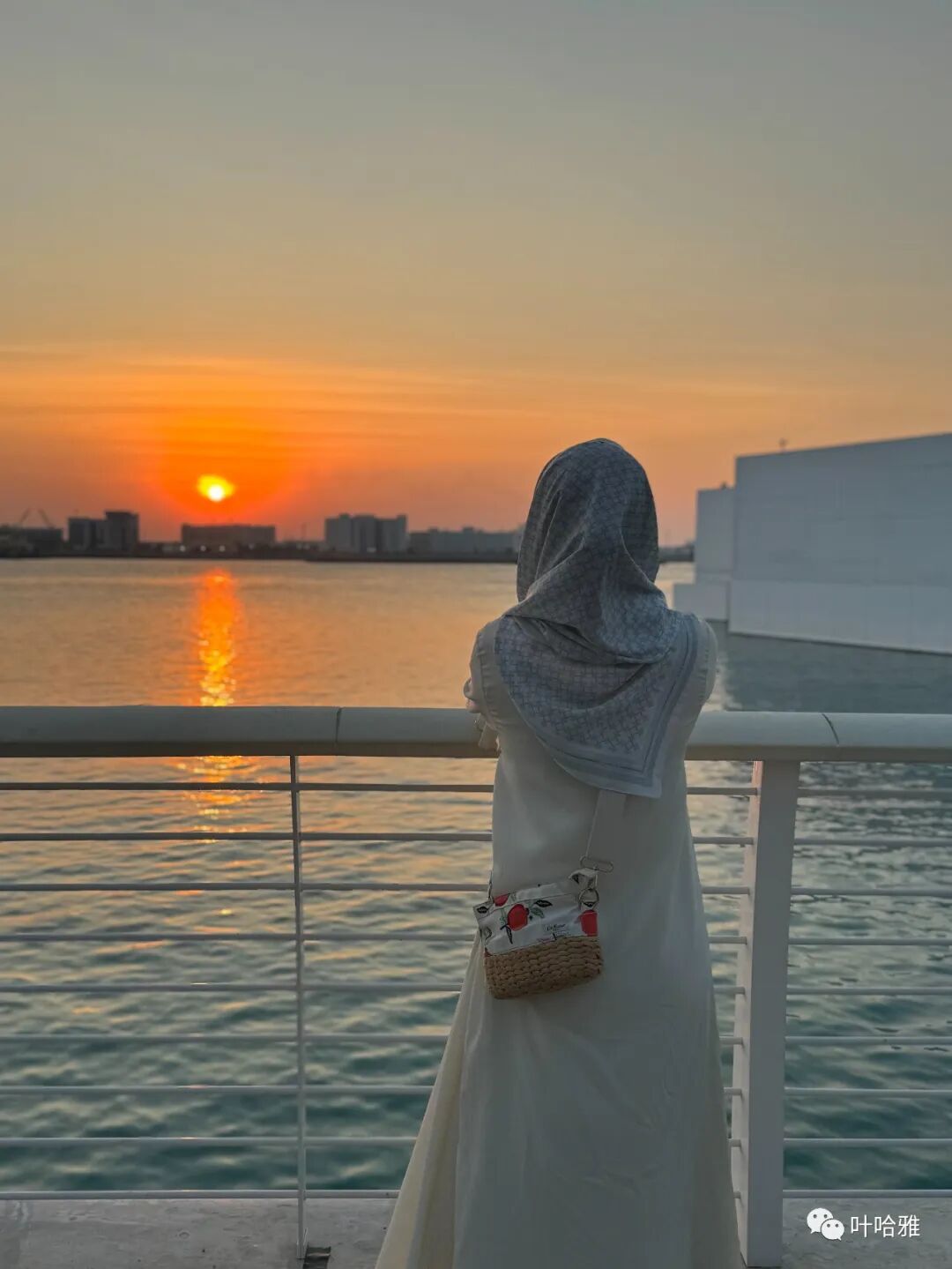
The Louvre is built by the sea. We arrived at sunset, bought our tickets on-site, and found the museum wasn't too crowded.
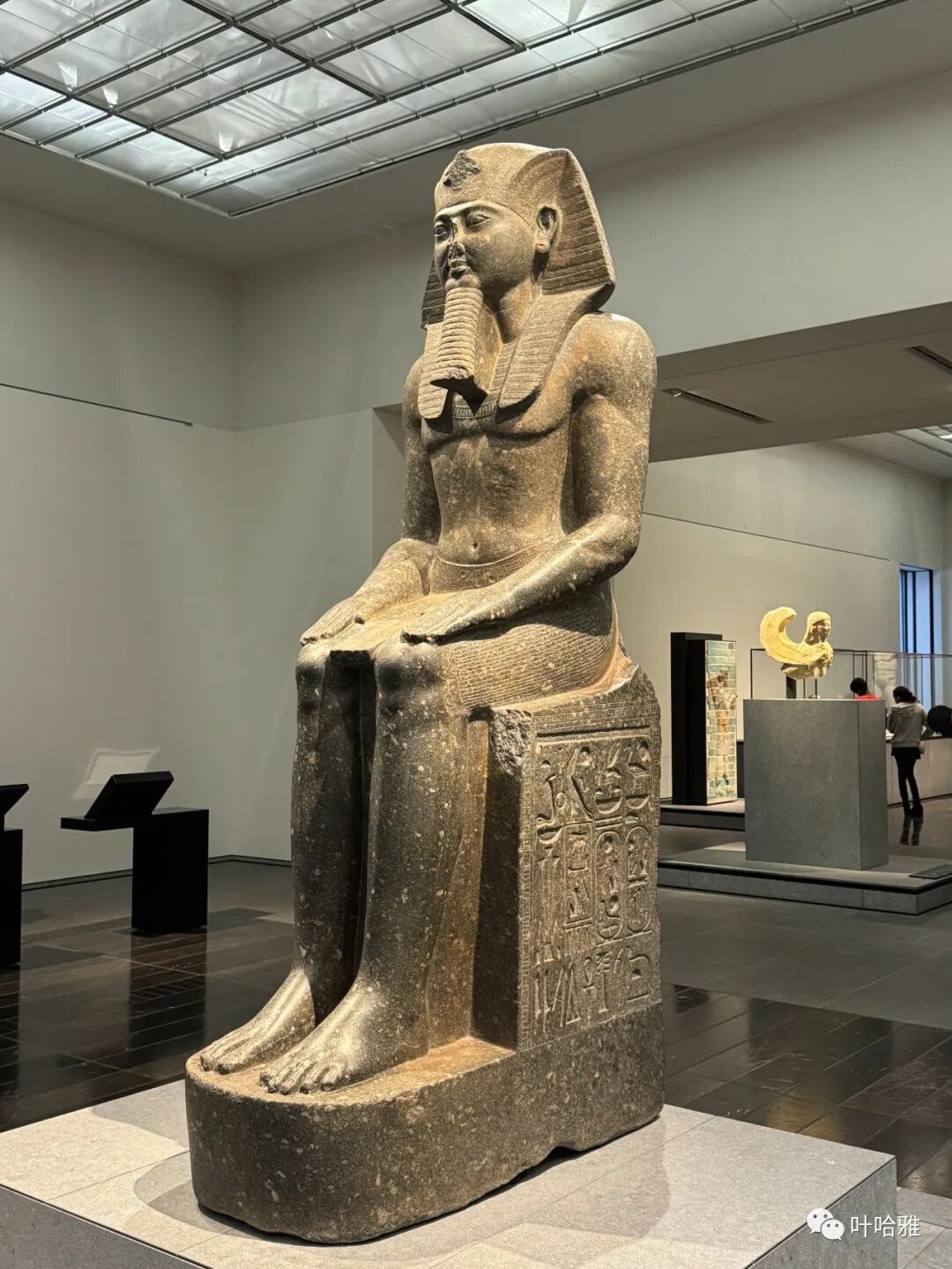
Inside, besides European artifacts, there are sculptures and portraits from ancient Egypt and Rome, as well as historical sites from Islamic civilization.
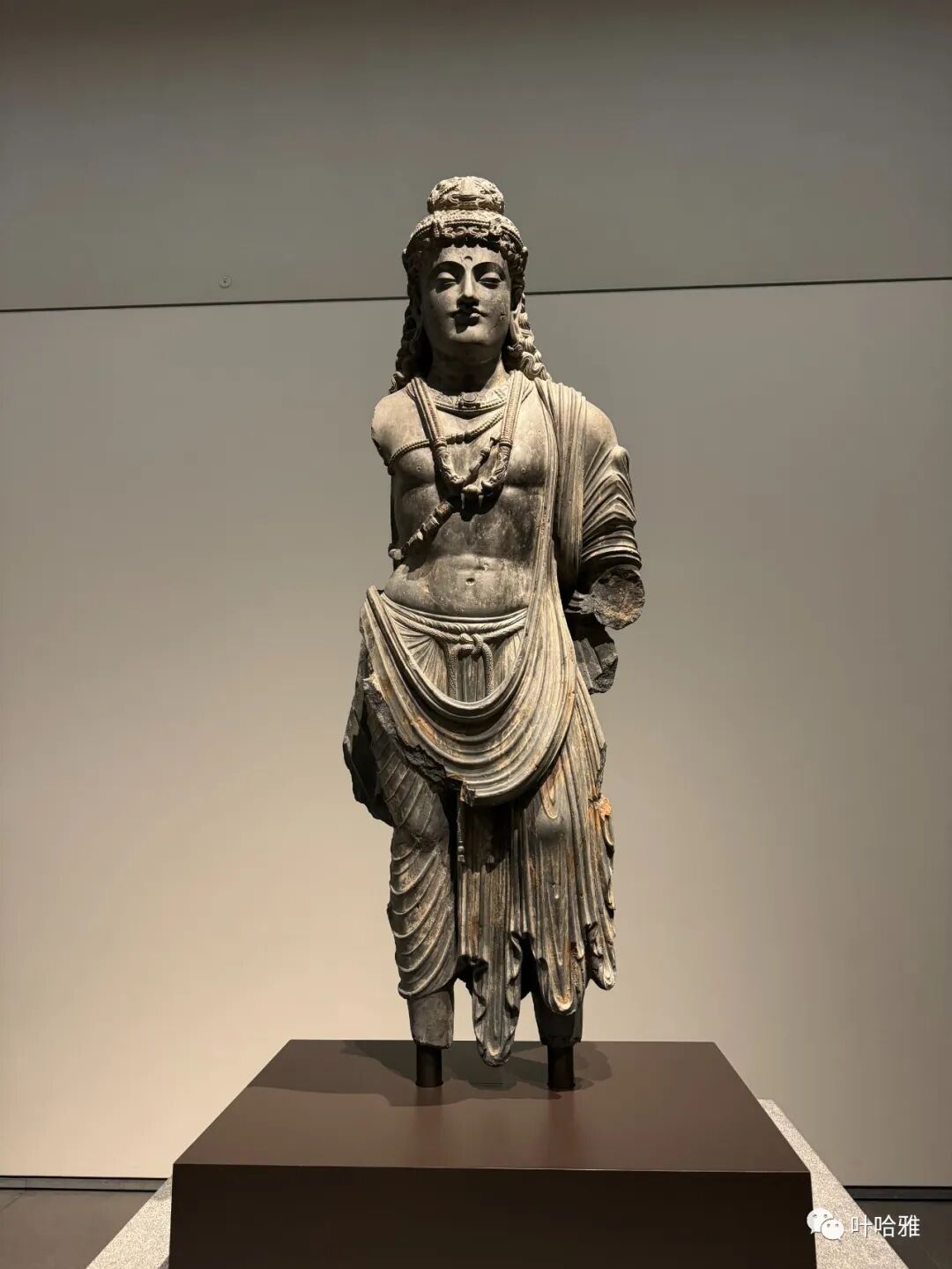
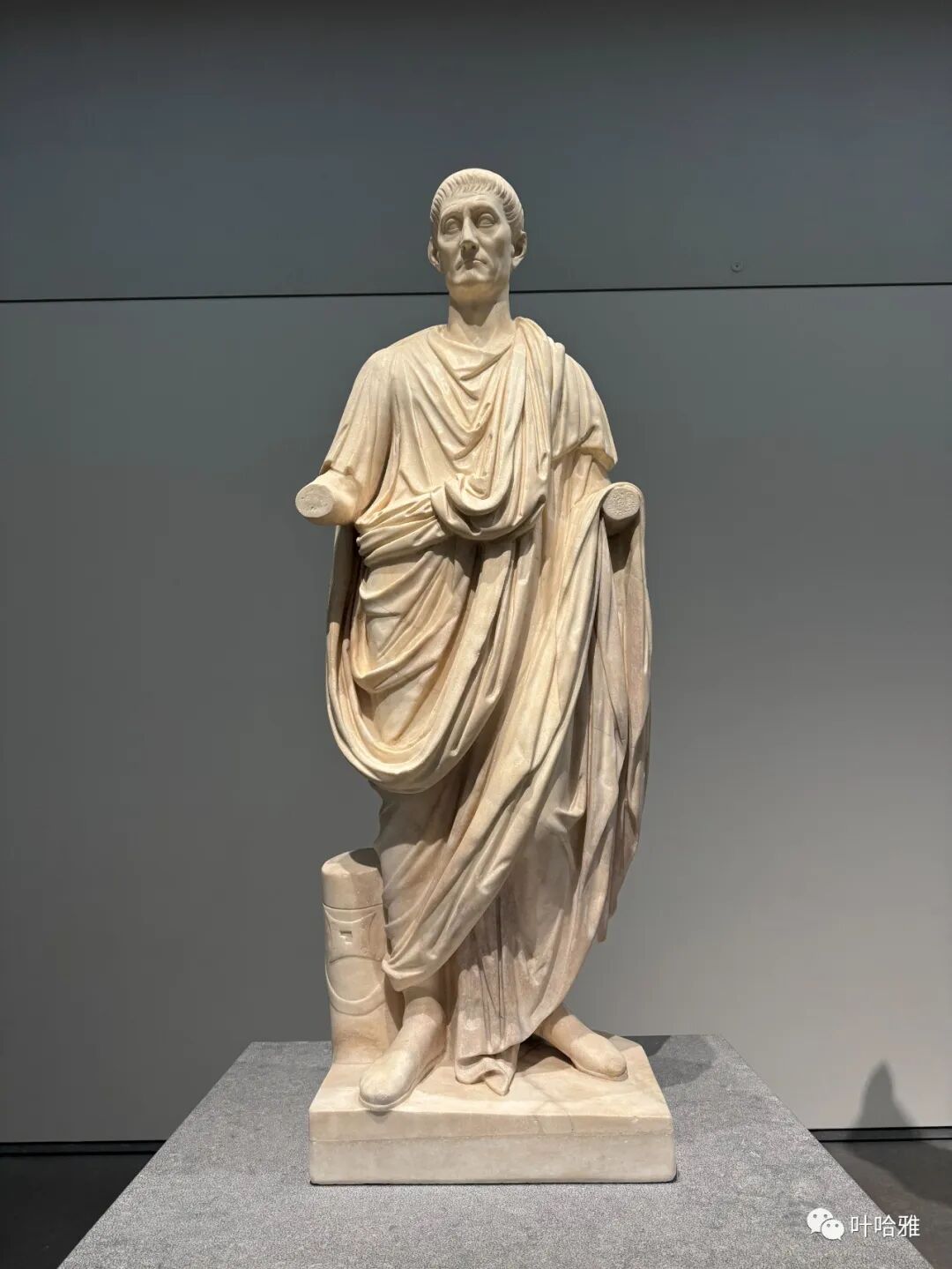
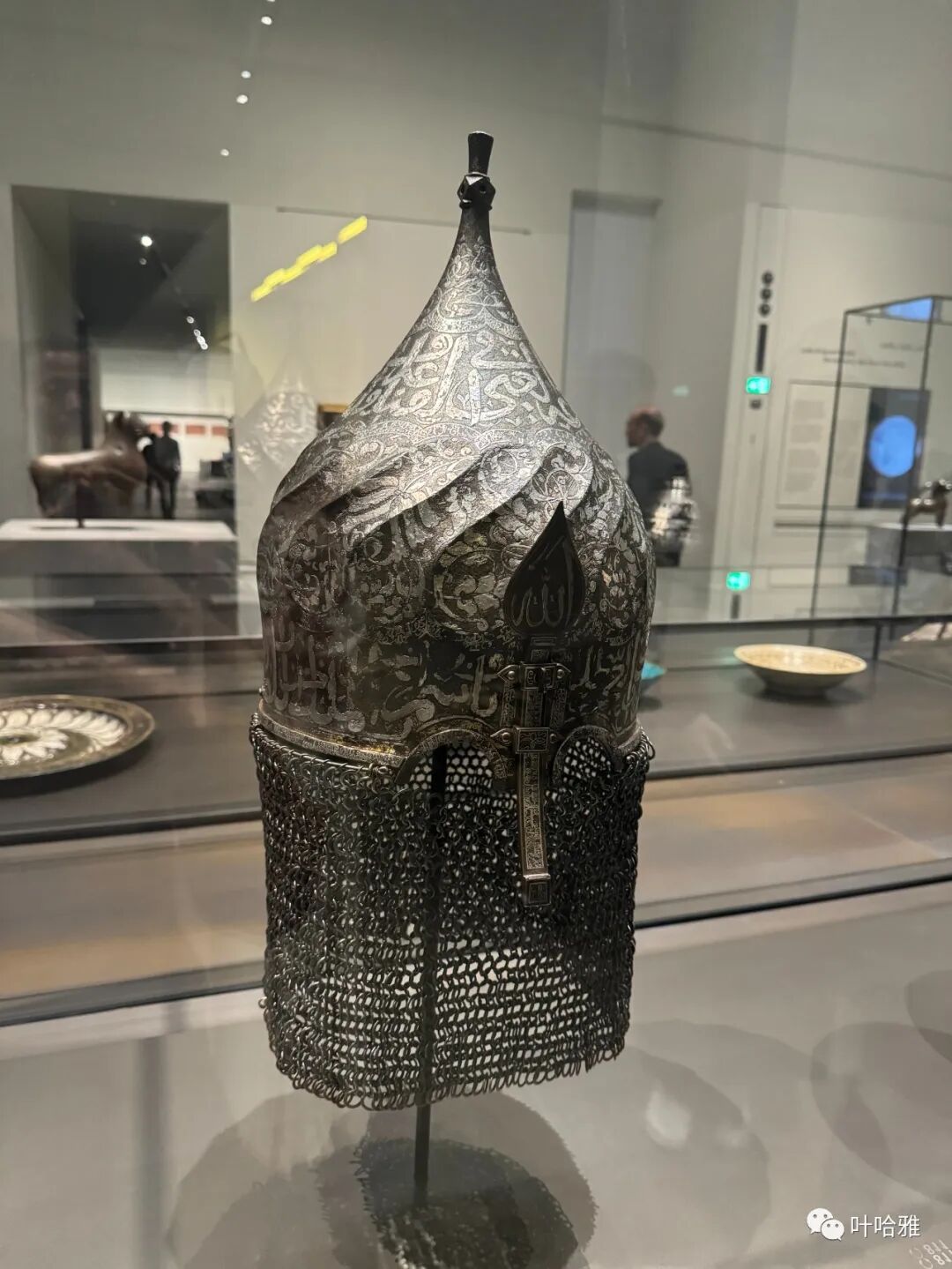
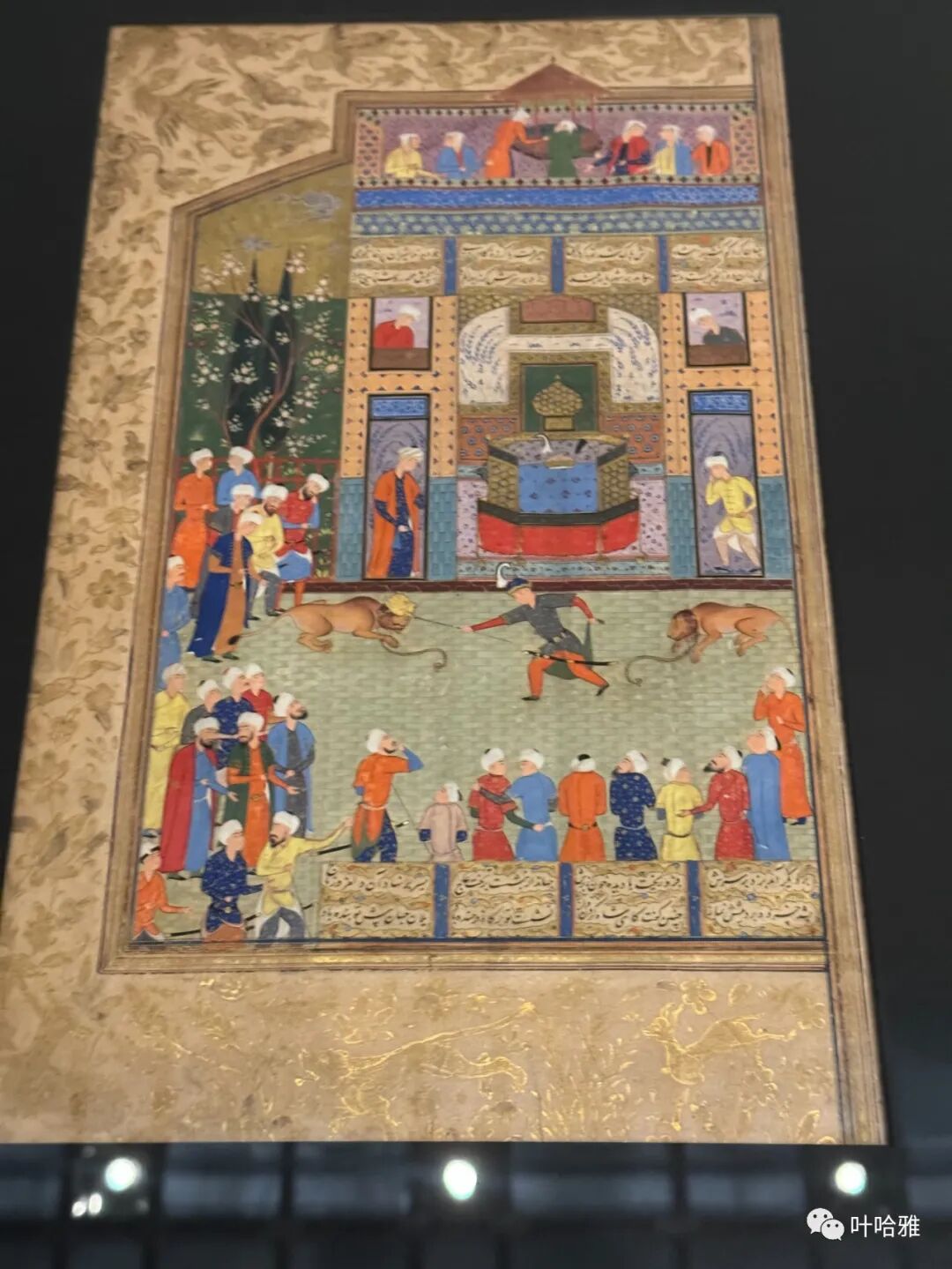
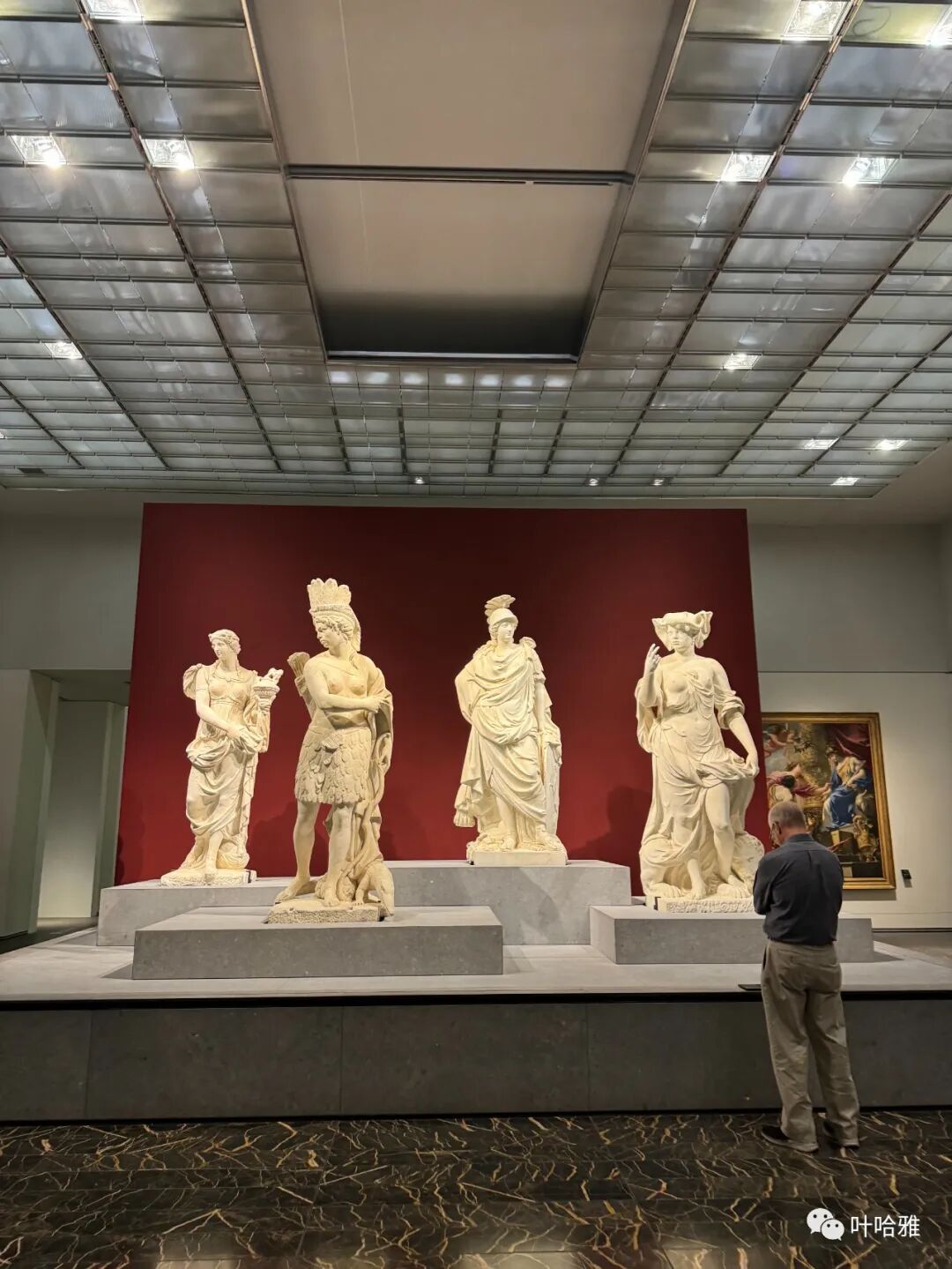
The museum's design is very modern and great for taking photos. The Emiratis have excellent taste.
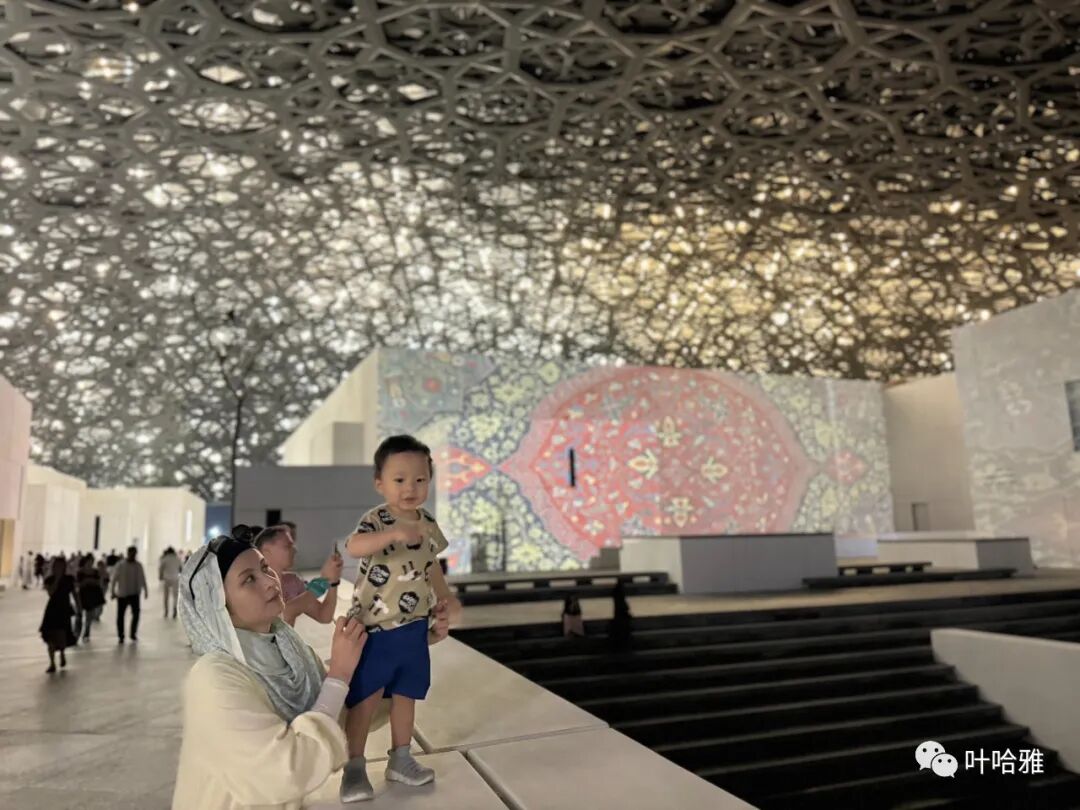
We stayed in Abu Dhabi for one night before heading back to Dubai. I felt a bit sad that I didn't see the Ugandan guy who helped us with our luggage before we left. I ended up giving the tip I had ready to the Bangladeshi guy who helped us with our bags when we checked out.
The UAE has only been a country for a little over 50 years since 1971. It is not easy to build such a modern nation in the harsh desert environment of the Middle East, and it sets a great example for improving the international image of Arab people.
The vast majority of people in the UAE are foreign workers, mainly from South Asian countries like India, Bangladesh, and Pakistan, followed by Europeans and Americans. Locals make up only 11%. However, their cultural confidence, openness, and tolerance have made this place an international hub. Foreigners constantly come here to hold exhibitions. I met many Chinese business people on this trip. They told me that December is the peak season for conferences in Dubai, hotel prices are high, and many exhibitors at Dubai's various trade shows are from China.
After traveling through these three Arab countries in the Middle East, I feel that Chinese people are very welcome in the Arab world. Chinese cars are everywhere, and major buildings in the Middle East are built by Chinese companies. Chinese signs appear frequently in airports, hotels, and restaurants. As a major Eastern power with a long tradition of hospitality, China should reciprocate and make it easier for them to travel and do business in China.
Summary: This Muslim travel guide to the UAE continues in Abu Dhabi and Dubai, covering the Louvre Abu Dhabi, foreign worker communities, Chinese business visitors, modern Arab development, trade shows, hotels, and reflections on travel between China and the Arab world.
Traveling Through Three Arab Countries: Traditional and Modern UAE is presented here as a firsthand travel account in clear English, beginning with this scene: The Louvre is built by the sea. We arrived at sunset, bought our tickets on-site, and found the museum wasn't too crowded. The account keeps its focus on Muslim Travel while preserving the names, places, food, and historical details from the Chinese source.
The Louvre is built by the sea. We arrived at sunset, bought our tickets on-site, and found the museum wasn't too crowded.
Inside, besides European artifacts, there are sculptures and portraits from ancient Egypt and Rome, as well as historical sites from Islamic civilization.
The museum's design is very modern and great for taking photos. The Emiratis have excellent taste.
We stayed in Abu Dhabi for one night before heading back to Dubai. I felt a bit sad that I didn't see the Ugandan guy who helped us with our luggage before we left. I ended up giving the tip I had ready to the Bangladeshi guy who helped us with our bags when we checked out.
The UAE has only been a country for a little over 50 years since 1971. It is not easy to build such a modern nation in the harsh desert environment of the Middle East, and it sets a great example for improving the international image of Arab people.
The vast majority of people in the UAE are foreign workers, mainly from South Asian countries like India, Bangladesh, and Pakistan, followed by Europeans and Americans. Locals make up only 11%. However, their cultural confidence, openness, and tolerance have made this place an international hub. Foreigners constantly come here to hold exhibitions. I met many Chinese business people on this trip. They told me that December is the peak season for conferences in Dubai, hotel prices are high, and many exhibitors at Dubai's various trade shows are from China.
After traveling through these three Arab countries in the Middle East, I feel that Chinese people are very welcome in the Arab world. Chinese cars are everywhere, and major buildings in the Middle East are built by Chinese companies. Chinese signs appear frequently in airports, hotels, and restaurants. As a major Eastern power with a long tradition of hospitality, China should reciprocate and make it easier for them to travel and do business in China.
Muslim Travel Guide UAE: Abu Dhabi Louvre, Dubai Trade Shows and Modern Arab Travel Notes
Articles • yusuf908 posted the article • 0 comments • 202 views • 2026-05-22 22:10
Reposted from the web
Summary: This Muslim travel guide to the UAE continues in Abu Dhabi and Dubai, covering the Louvre Abu Dhabi, foreign worker communities, Chinese business visitors, modern Arab development, trade shows, hotels, and reflections on travel between China and the Arab world.
Traveling Through Three Arab Countries: Traditional and Modern UAE is presented here as a firsthand travel account in clear English, beginning with this scene: The Louvre is built by the sea. We arrived at sunset, bought our tickets on-site, and found the museum wasn't too crowded. The account keeps its focus on Muslim Travel while preserving the names, places, food, and historical details from the Chinese source.
The Louvre is built by the sea. We arrived at sunset, bought our tickets on-site, and found the museum wasn't too crowded.
Inside, besides European artifacts, there are sculptures and portraits from ancient Egypt and Rome, as well as historical sites from Islamic civilization.
The museum's design is very modern and great for taking photos. The Emiratis have excellent taste.
We stayed in Abu Dhabi for one night before heading back to Dubai. I felt a bit sad that I didn't see the Ugandan guy who helped us with our luggage before we left. I ended up giving the tip I had ready to the Bangladeshi guy who helped us with our bags when we checked out.
The UAE has only been a country for a little over 50 years since 1971. It is not easy to build such a modern nation in the harsh desert environment of the Middle East, and it sets a great example for improving the international image of Arab people.
The vast majority of people in the UAE are foreign workers, mainly from South Asian countries like India, Bangladesh, and Pakistan, followed by Europeans and Americans. Locals make up only 11%. However, their cultural confidence, openness, and tolerance have made this place an international hub. Foreigners constantly come here to hold exhibitions. I met many Chinese business people on this trip. They told me that December is the peak season for conferences in Dubai, hotel prices are high, and many exhibitors at Dubai's various trade shows are from China.
After traveling through these three Arab countries in the Middle East, I feel that Chinese people are very welcome in the Arab world. Chinese cars are everywhere, and major buildings in the Middle East are built by Chinese companies. Chinese signs appear frequently in airports, hotels, and restaurants. As a major Eastern power with a long tradition of hospitality, China should reciprocate and make it easier for them to travel and do business in China. view all
Summary: This Muslim travel guide to the UAE continues in Abu Dhabi and Dubai, covering the Louvre Abu Dhabi, foreign worker communities, Chinese business visitors, modern Arab development, trade shows, hotels, and reflections on travel between China and the Arab world.
Traveling Through Three Arab Countries: Traditional and Modern UAE is presented here as a firsthand travel account in clear English, beginning with this scene: The Louvre is built by the sea. We arrived at sunset, bought our tickets on-site, and found the museum wasn't too crowded. The account keeps its focus on Muslim Travel while preserving the names, places, food, and historical details from the Chinese source.
The Louvre is built by the sea. We arrived at sunset, bought our tickets on-site, and found the museum wasn't too crowded.
Inside, besides European artifacts, there are sculptures and portraits from ancient Egypt and Rome, as well as historical sites from Islamic civilization.
The museum's design is very modern and great for taking photos. The Emiratis have excellent taste.
We stayed in Abu Dhabi for one night before heading back to Dubai. I felt a bit sad that I didn't see the Ugandan guy who helped us with our luggage before we left. I ended up giving the tip I had ready to the Bangladeshi guy who helped us with our bags when we checked out.
The UAE has only been a country for a little over 50 years since 1971. It is not easy to build such a modern nation in the harsh desert environment of the Middle East, and it sets a great example for improving the international image of Arab people.
The vast majority of people in the UAE are foreign workers, mainly from South Asian countries like India, Bangladesh, and Pakistan, followed by Europeans and Americans. Locals make up only 11%. However, their cultural confidence, openness, and tolerance have made this place an international hub. Foreigners constantly come here to hold exhibitions. I met many Chinese business people on this trip. They told me that December is the peak season for conferences in Dubai, hotel prices are high, and many exhibitors at Dubai's various trade shows are from China.
After traveling through these three Arab countries in the Middle East, I feel that Chinese people are very welcome in the Arab world. Chinese cars are everywhere, and major buildings in the Middle East are built by Chinese companies. Chinese signs appear frequently in airports, hotels, and restaurants. As a major Eastern power with a long tradition of hospitality, China should reciprocate and make it easier for them to travel and do business in China. view all
Reposted from the web
Summary: This Muslim travel guide to the UAE continues in Abu Dhabi and Dubai, covering the Louvre Abu Dhabi, foreign worker communities, Chinese business visitors, modern Arab development, trade shows, hotels, and reflections on travel between China and the Arab world.
Traveling Through Three Arab Countries: Traditional and Modern UAE is presented here as a firsthand travel account in clear English, beginning with this scene: The Louvre is built by the sea. We arrived at sunset, bought our tickets on-site, and found the museum wasn't too crowded. The account keeps its focus on Muslim Travel while preserving the names, places, food, and historical details from the Chinese source.
The Louvre is built by the sea. We arrived at sunset, bought our tickets on-site, and found the museum wasn't too crowded.
Inside, besides European artifacts, there are sculptures and portraits from ancient Egypt and Rome, as well as historical sites from Islamic civilization.
The museum's design is very modern and great for taking photos. The Emiratis have excellent taste.
We stayed in Abu Dhabi for one night before heading back to Dubai. I felt a bit sad that I didn't see the Ugandan guy who helped us with our luggage before we left. I ended up giving the tip I had ready to the Bangladeshi guy who helped us with our bags when we checked out.
The UAE has only been a country for a little over 50 years since 1971. It is not easy to build such a modern nation in the harsh desert environment of the Middle East, and it sets a great example for improving the international image of Arab people.
The vast majority of people in the UAE are foreign workers, mainly from South Asian countries like India, Bangladesh, and Pakistan, followed by Europeans and Americans. Locals make up only 11%. However, their cultural confidence, openness, and tolerance have made this place an international hub. Foreigners constantly come here to hold exhibitions. I met many Chinese business people on this trip. They told me that December is the peak season for conferences in Dubai, hotel prices are high, and many exhibitors at Dubai's various trade shows are from China.
After traveling through these three Arab countries in the Middle East, I feel that Chinese people are very welcome in the Arab world. Chinese cars are everywhere, and major buildings in the Middle East are built by Chinese companies. Chinese signs appear frequently in airports, hotels, and restaurants. As a major Eastern power with a long tradition of hospitality, China should reciprocate and make it easier for them to travel and do business in China.
Summary: This Muslim travel guide to the UAE continues in Abu Dhabi and Dubai, covering the Louvre Abu Dhabi, foreign worker communities, Chinese business visitors, modern Arab development, trade shows, hotels, and reflections on travel between China and the Arab world.
Traveling Through Three Arab Countries: Traditional and Modern UAE is presented here as a firsthand travel account in clear English, beginning with this scene: The Louvre is built by the sea. We arrived at sunset, bought our tickets on-site, and found the museum wasn't too crowded. The account keeps its focus on Muslim Travel while preserving the names, places, food, and historical details from the Chinese source.
The Louvre is built by the sea. We arrived at sunset, bought our tickets on-site, and found the museum wasn't too crowded.
Inside, besides European artifacts, there are sculptures and portraits from ancient Egypt and Rome, as well as historical sites from Islamic civilization.
The museum's design is very modern and great for taking photos. The Emiratis have excellent taste.
We stayed in Abu Dhabi for one night before heading back to Dubai. I felt a bit sad that I didn't see the Ugandan guy who helped us with our luggage before we left. I ended up giving the tip I had ready to the Bangladeshi guy who helped us with our bags when we checked out.
The UAE has only been a country for a little over 50 years since 1971. It is not easy to build such a modern nation in the harsh desert environment of the Middle East, and it sets a great example for improving the international image of Arab people.
The vast majority of people in the UAE are foreign workers, mainly from South Asian countries like India, Bangladesh, and Pakistan, followed by Europeans and Americans. Locals make up only 11%. However, their cultural confidence, openness, and tolerance have made this place an international hub. Foreigners constantly come here to hold exhibitions. I met many Chinese business people on this trip. They told me that December is the peak season for conferences in Dubai, hotel prices are high, and many exhibitors at Dubai's various trade shows are from China.
After traveling through these three Arab countries in the Middle East, I feel that Chinese people are very welcome in the Arab world. Chinese cars are everywhere, and major buildings in the Middle East are built by Chinese companies. Chinese signs appear frequently in airports, hotels, and restaurants. As a major Eastern power with a long tradition of hospitality, China should reciprocate and make it easier for them to travel and do business in China.