

Early Mosques
Ottoman Architecture Guide: Istanbul — Early Mosques Before Mimar Sinan
Articles • ali2007fr posted the article • 0 comments • 222 views • 2026-05-18 09:21
Reposted from the web
Summary: Ottoman Architecture Guide: Istanbul — Early Mosques Before Mimar Sinan is presented here as a firsthand travel account in clear English, beginning with this scene: I want to share some mid-15th to mid-16th century Ottoman buildings I visited in Istanbul. Let's see what Ottoman architecture looked like before Mimar Sinan became the royal architect. The account keeps its focus on Istanbul, Ottoman Architecture, Early Mosques while preserving the names, places, food, and historical details from the Chinese source.
I want to share some mid-15th to mid-16th century Ottoman buildings I visited in Istanbul. Let's see what Ottoman architecture looked like before Mimar Sinan became the royal architect.
1. Grand Bazaar of Istanbul: 1455-56
The Grand Bazaar (Kapalıçarşı) was started by the Ottoman Sultan Mehmed the Conqueror in 1455-56, just three years after he conquered Constantinople. The first part built was the Jewelry Bazaar (Cevâhir Bedestan). After it was finished in 1460-61, it was managed by the foundation (Waqf) of the Hagia Sophia Mosque. The Grand Bazaar kept expanding after that and finally reached its current size in the early 17th century.
2. Mahmut Pasha Bath: 1466
The Mahmut Pasha Bath (Mahmut Pasha Hamam) was built in 1466 by Mahmut Pasha, the Grand Vizier (Vezir-i A'zam) to Sultan Mehmed the Conqueror. It sits northeast of the Grand Bazaar and is part of the Mahmut Pasha complex.
Mahmut Pasha was a descendant of Byzantine Greek nobility. As a child, he was recruited into the Ottoman system through the Devshirme (child tax) or as a prisoner of war. He later entered the Ottoman court and became a skilled general. Mahmut Pasha performed well in the Ottoman wars to conquer the Balkans. He became the 13th Grand Vizier of the Ottoman Empire in 1456 and led the army that destroyed the Kingdom of Bosnia in 1463.
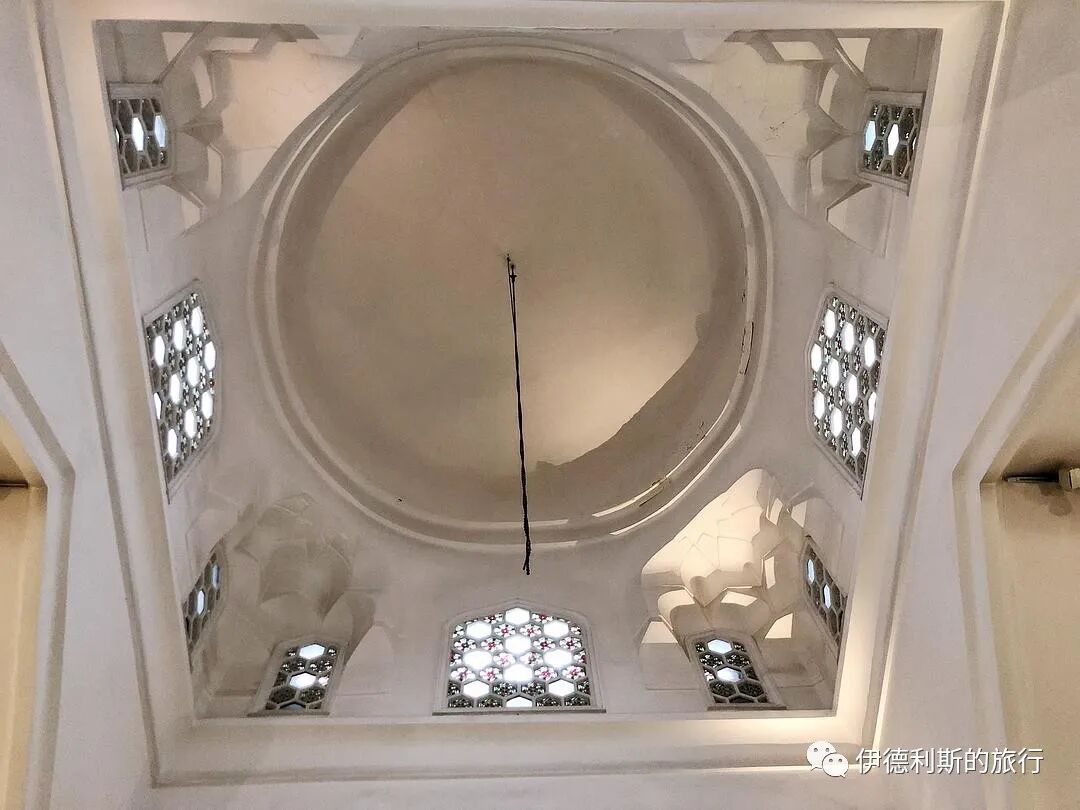
The Mahmut Pasha Bath originally had separate sections for men and women, but the women's section was torn down. Now, only the men's changing room with its 17-meter-wide dome remains, and there is a beautiful stalactite vault (Muqarnas) at the entrance. Past the changing room are two other domes, which are the warm room and the hot room.
The Mahmut Pasha Bath was once used as a warehouse, but now it is connected to the Grand Bazaar and serves as a shopping area.
3. Tiled Kiosk: 1472
The Museum of Islamic Art in Istanbul is part of the Istanbul Archaeology Museums. It is located inside the Tiled Kiosk in the outer gardens of the Ottoman Topkapi Palace. The Tiled Kiosk was built in 1472 by the Ottoman Sultan Mehmed the Conqueror (Fatih Sultan Mehmed) as a pleasure pavilion in the palace gardens. The Tiled Kiosk opened as the Imperial Museum (Müze-i Hümayun) between 1875 and 1891. In 1953, it opened to the public again as the Museum of Turkish and Islamic Art. Later, it was merged into the Istanbul Archaeology Museums as their Islamic Art branch.
The building is cross-shaped. Because it was not influenced by Byzantine architecture, scholars think it might have been designed by an unknown Persian architect. The tiles on the building's exterior clearly show influence from Central Asian regions like Samarkand, while the bricks and polygonal columns are typical of Persian architecture.
Some of the original interior decorations are still preserved in the Tiled Kiosk. The gold leaf on some tiles had faded, so parts of it have been re-gilded.
The building houses a fountain built in 1590. The peacock design among tulips, carnations, and plum blossoms was a very popular theme during the reign of Ottoman Sultan Murad III (reigned 1574-1595).
4. Atik Ali Pasha Mosque: 1496
The Atik Ali Pasha Mosque (Gazi Atik Ali Paşa Camii) was built in 1496 by Atik Ali Pasha, the Grand Vizier to Ottoman Sultan Bayezid II. It is located south of the Grand Bazaar.
Atik Ali Pasha was originally a Bosnian from Sarajevo. He entered the Ottoman court as a white eunuch (Hadım). Because of his military achievements, he became a minister (Vezir) in 1496. In 1500, he led the army to defeat Venice and occupy the Peloponnese peninsula, and in 1501, he was promoted to the 22nd Grand Vizier of the Ottoman Empire.
When it was first built, the entire complex included a mosque, a madrasa (Islamic school), a soup kitchen, a caravanserai, and a Sufi lodge. Today, only the mosque and the madrasa remain. The mosque has had a difficult history. It was damaged by earthquakes four times—in 1648, 1716, 1766, and 1894—and was rebuilt many times. During the 1894 restoration, calligraphy by the Ottoman calligrapher Sami Efendi was placed at the entrance of the main hall.
This is a T-shaped mosque. It consists of a main dome directly above the hall and a semi-dome over the mihrab. There are two small domes on each side of the main dome, and the front porch has five small domes. Unfortunately, because of the many repairs after earthquakes, you can barely see the original 15th-century appearance inside the main hall.
5. Bayezid II Bath: 1501-1507
The Bayezid II complex (Bayezid II Külliye) consists of a mosque, a madrasa, a bath, a tomb, shops, a caravanserai, and a kitchen. It was ordered by Ottoman Sultan Bayezid II (reigned 1481-1512) and built between 1501 and 1507. It is the second complex built by the Ottoman dynasty in Istanbul after the Fatih complex. Since the Fatih complex was rebuilt after being damaged by an earthquake in the 18th century, the Bayezid II complex is the oldest surviving Ottoman complex in Istanbul.
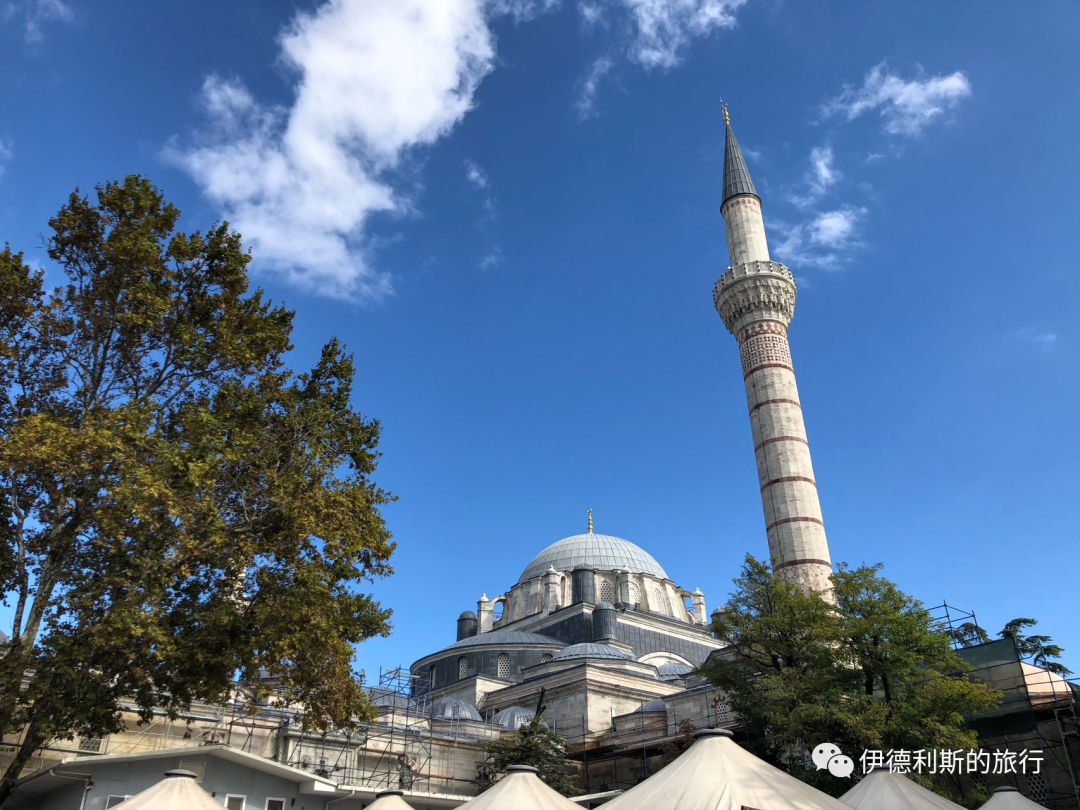
The Bayezid II Mosque reopened in 2020 after eight years of restoration. The madrasa has been closed for over a decade for repairs as a Museum of Calligraphy and has not opened yet. I hope I can visit both buildings on my next trip to Istanbul.
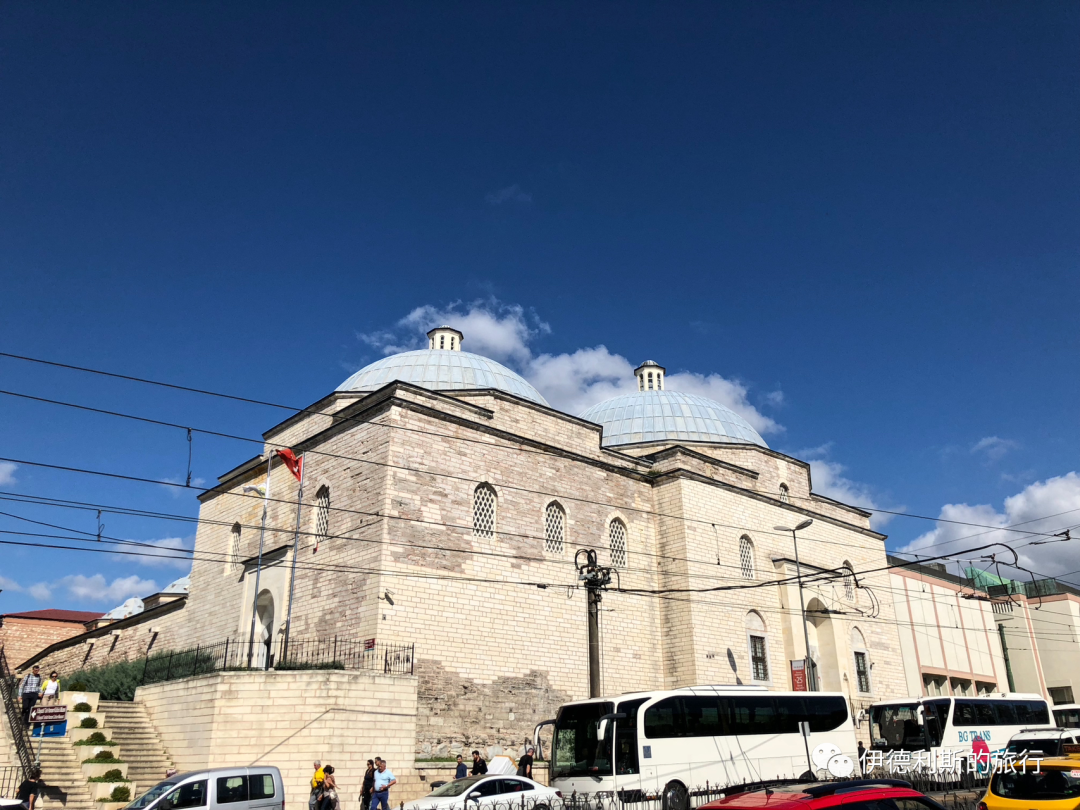
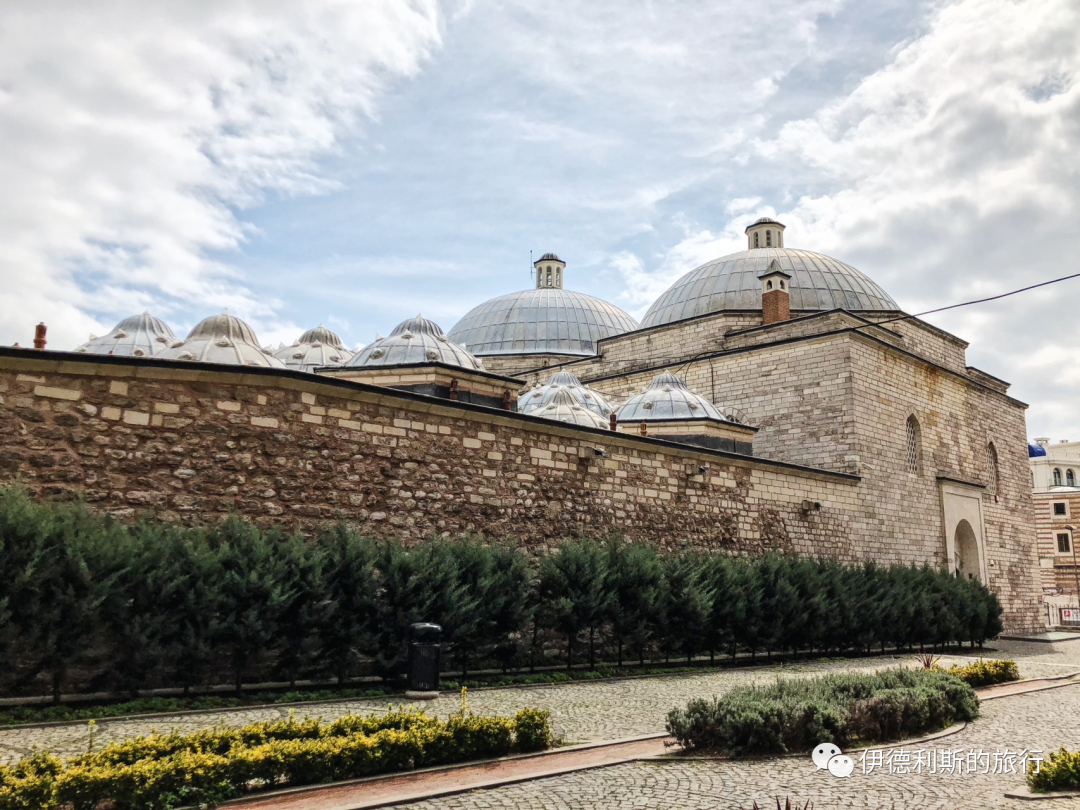
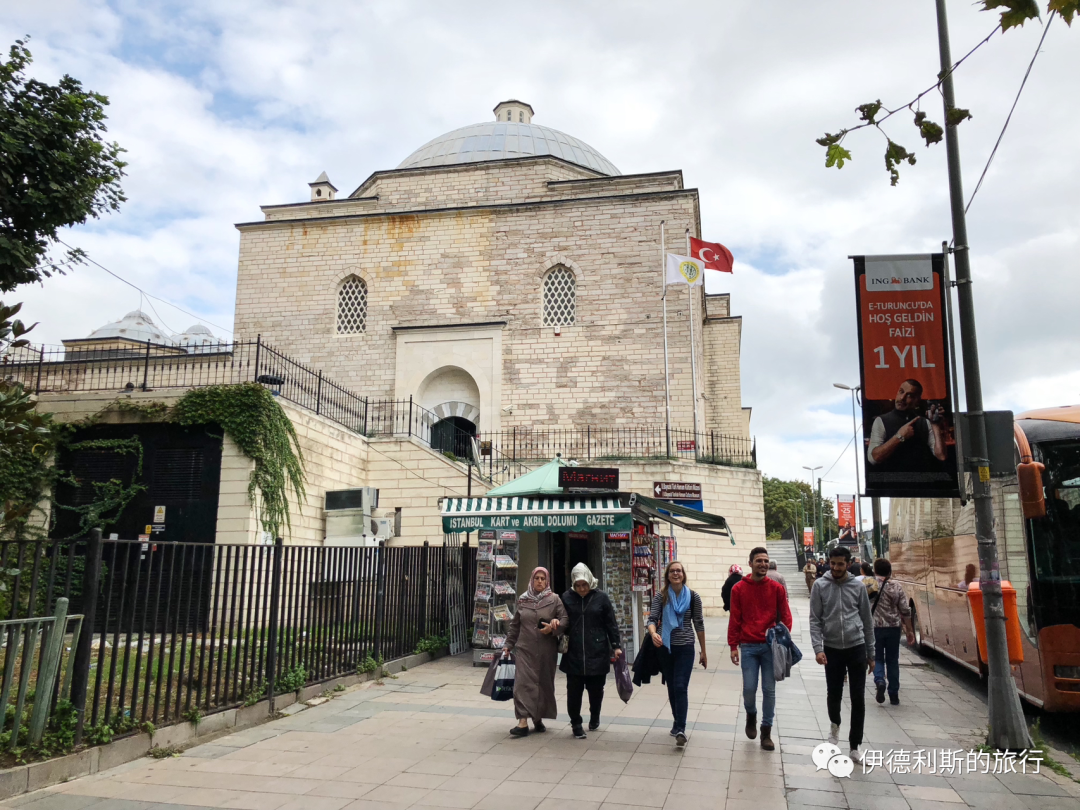
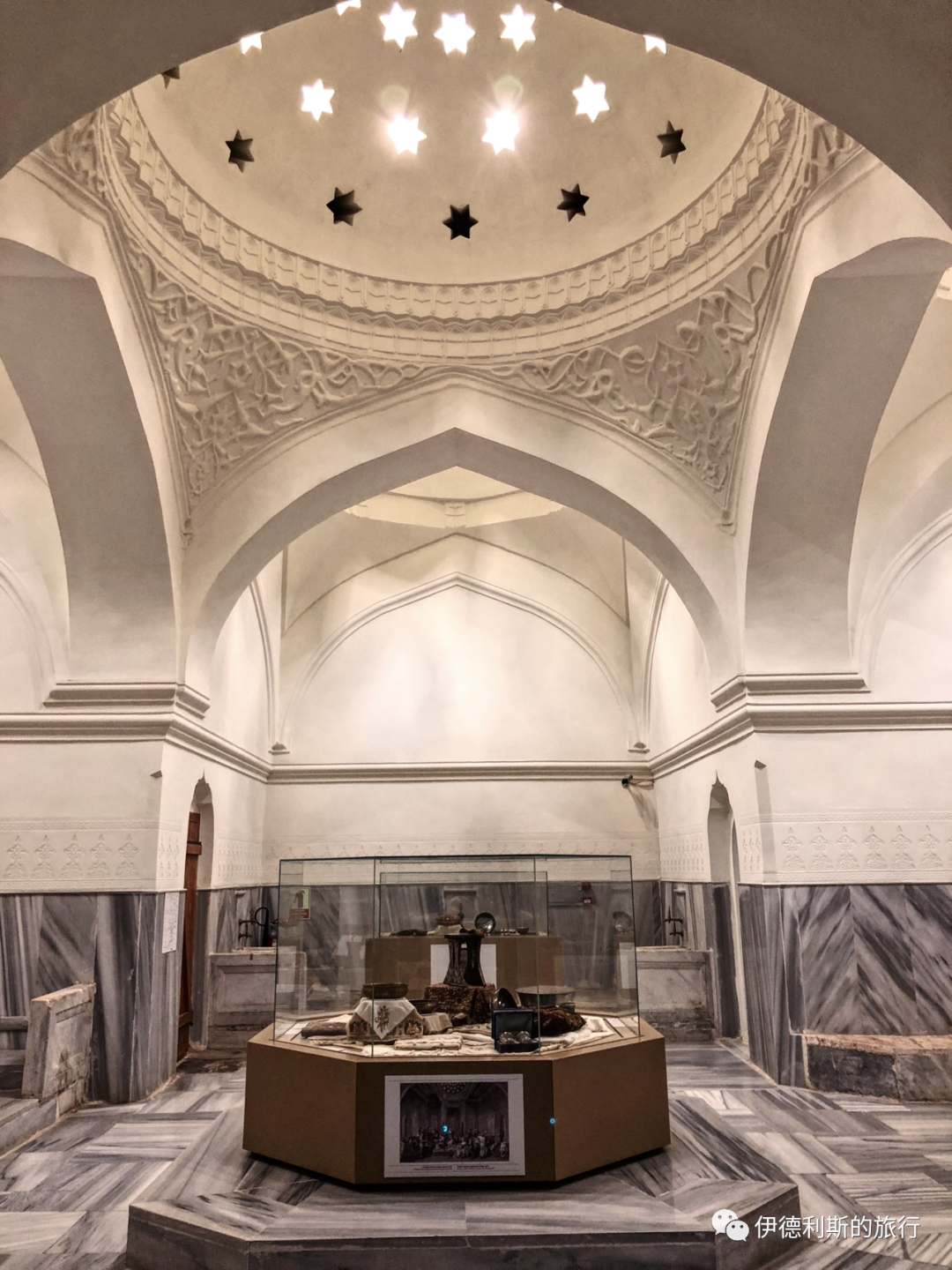
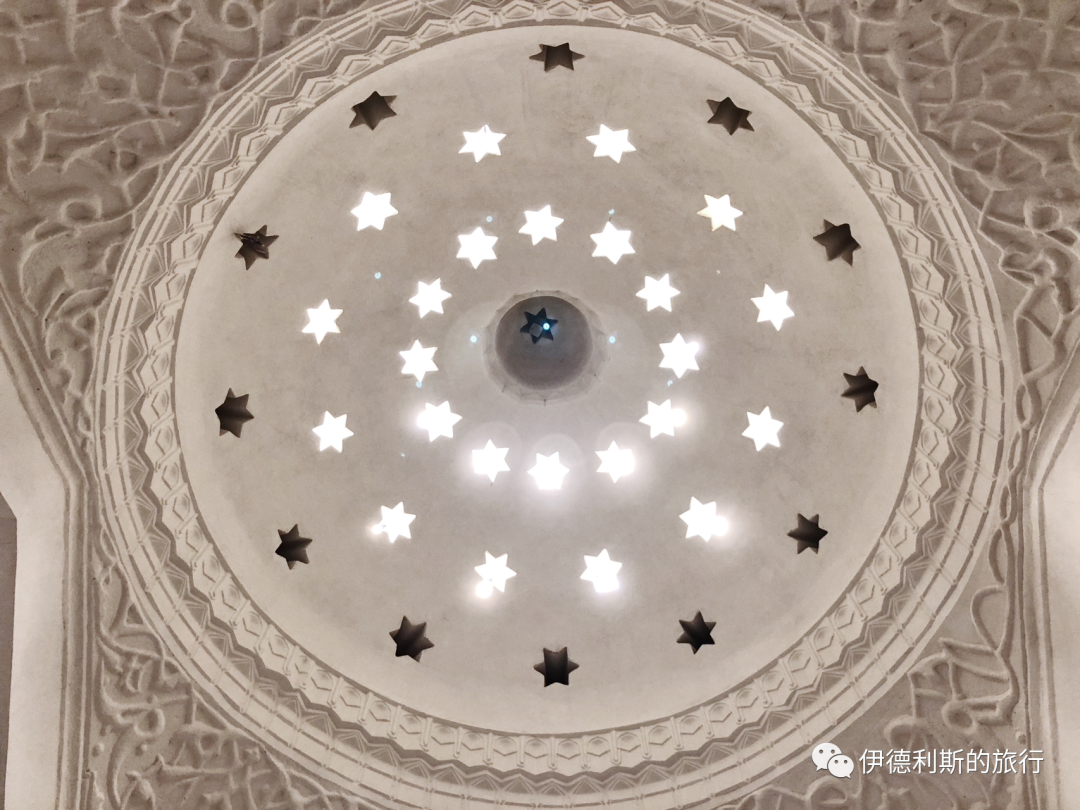
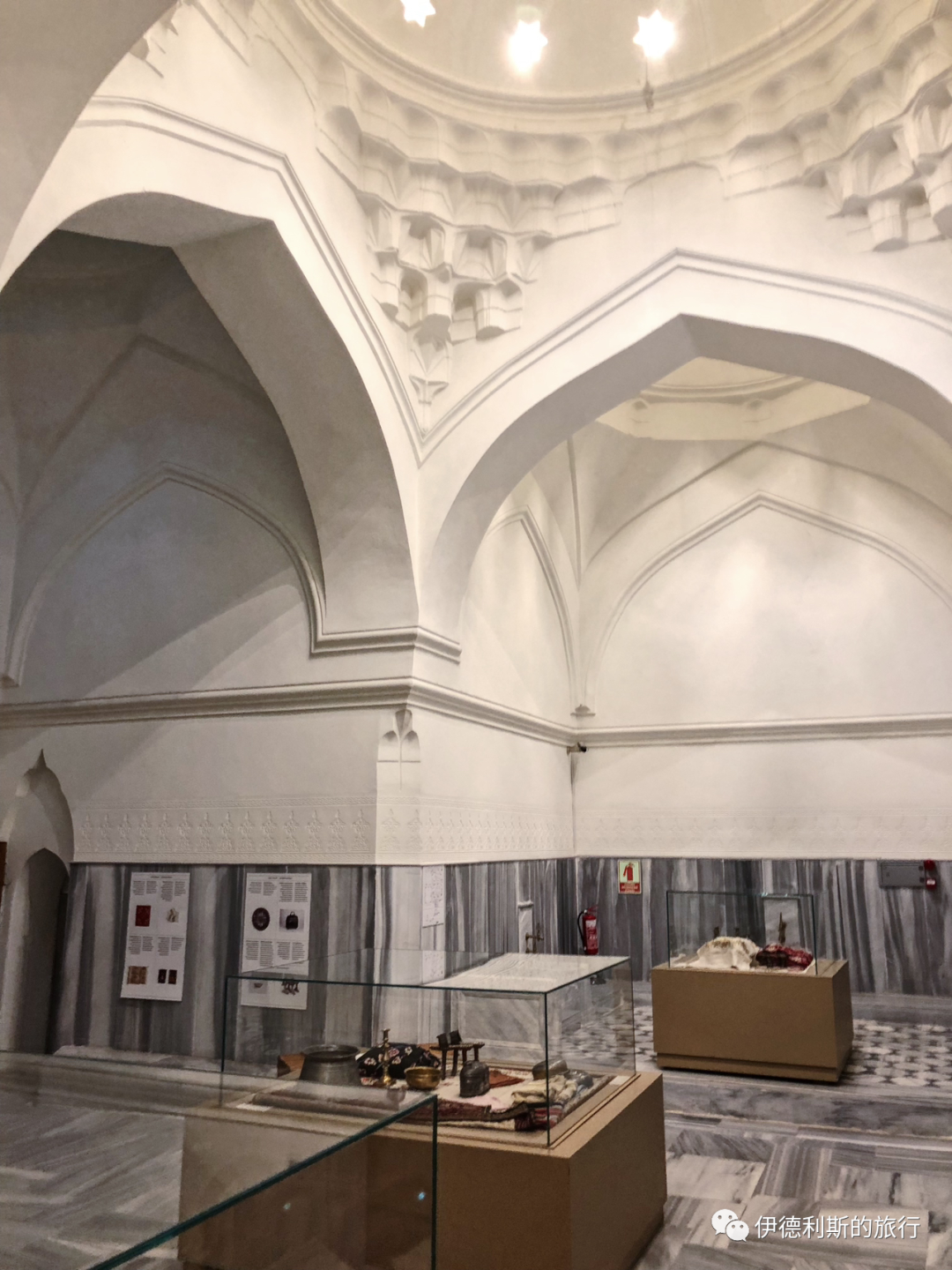
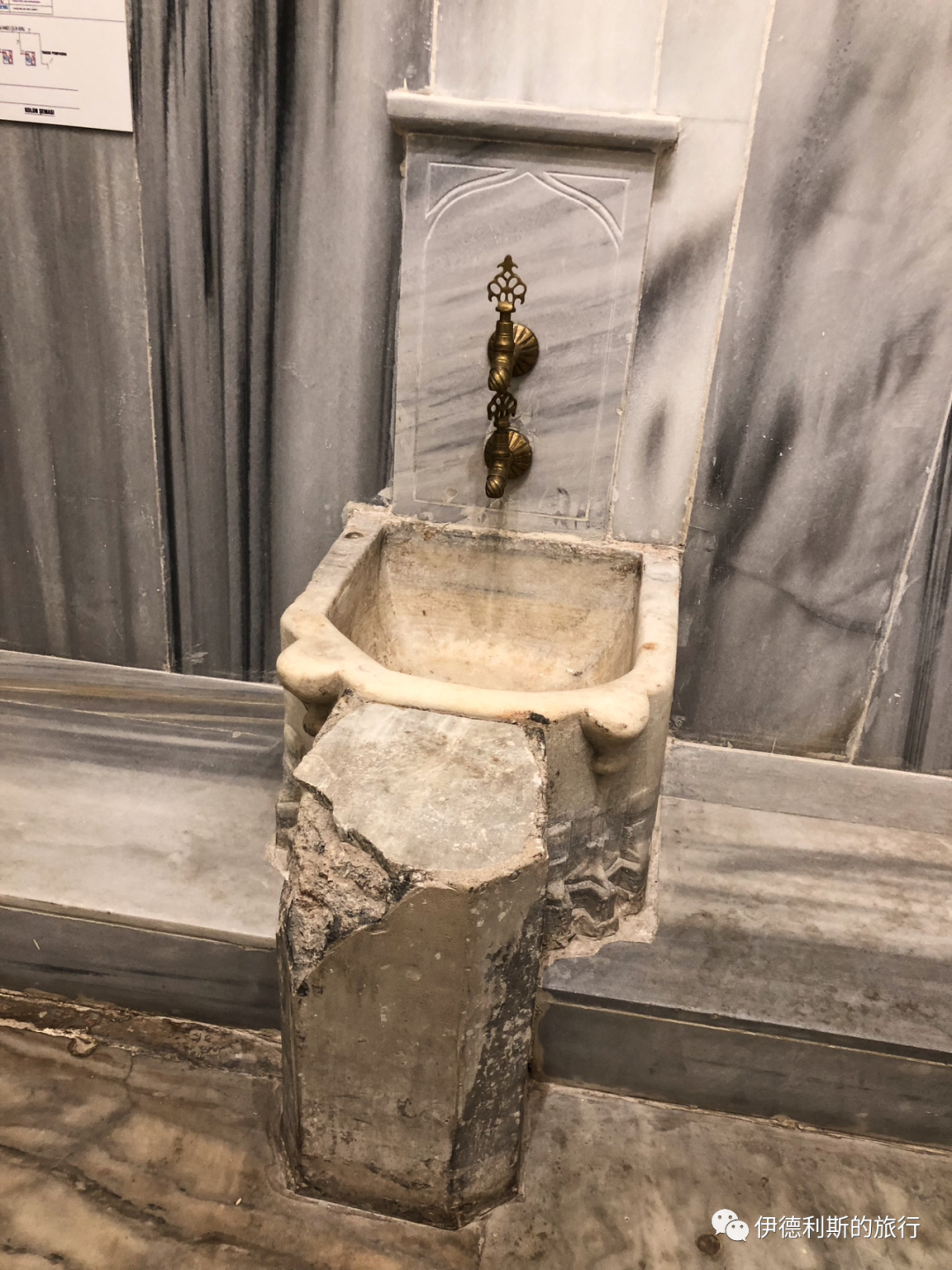
Luckily, the Bayezid II Hamam opened to the public as a museum in 2015 after restoration, so I was able to visit this 500-year-old Ottoman bathhouse.
The Bayezid II Hamam is so massive that it is commonly known as the Great Bath (Hamam-ı Kebir). This is a bathhouse with separate sections for men and women, so it has two main domes, each with a changing room (camekân), a warm room (ılıklık), and a hot room (hararet).
In 1730, the Albanian Janissaries led by Patrona Halil rose up and deposed Sultan Ahmed III. People say Patrona Halil once worked as an attendant at the Bayezid II Hamam. After the uprising failed, the Ottoman dynasty began to strictly manage bathhouses and restricted Albanians from working in Istanbul's bathhouses. From then on, bathhouse attendants in Istanbul mostly came from the Anatolia region, and this remains true today.
Mosque under renovation
6. Yavuz Selim Mosque: 1520-1527
The Yavuz Selim Mosque (Yavuz Selim Camii) was built in 1520 by the Ottoman Sultan Suleiman the Magnificent to honor his father, Sultan Selim I (reigned 1512-1520). It was completed in 1527 and is the third imperial mosque built by the Ottoman dynasty in Istanbul.
The Yavuz Selim Mosque sits on the summit of the fifth of Istanbul's seven hills, which is why the area is named Selim Hill. The structure of the mosque is similar to the Hagia Sophia, with a rectangular main hall topped by a shallow dome. The tiles at the entrance of the main hall use the traditional dry cord (Cuerda seca) technique. They are very similar to those in the Circumcision Room (Sünnet Odası) of the Ottoman Topkapi Palace, so we can conclude they were made by the same Iranian craftsmen who built the Ottoman palace.
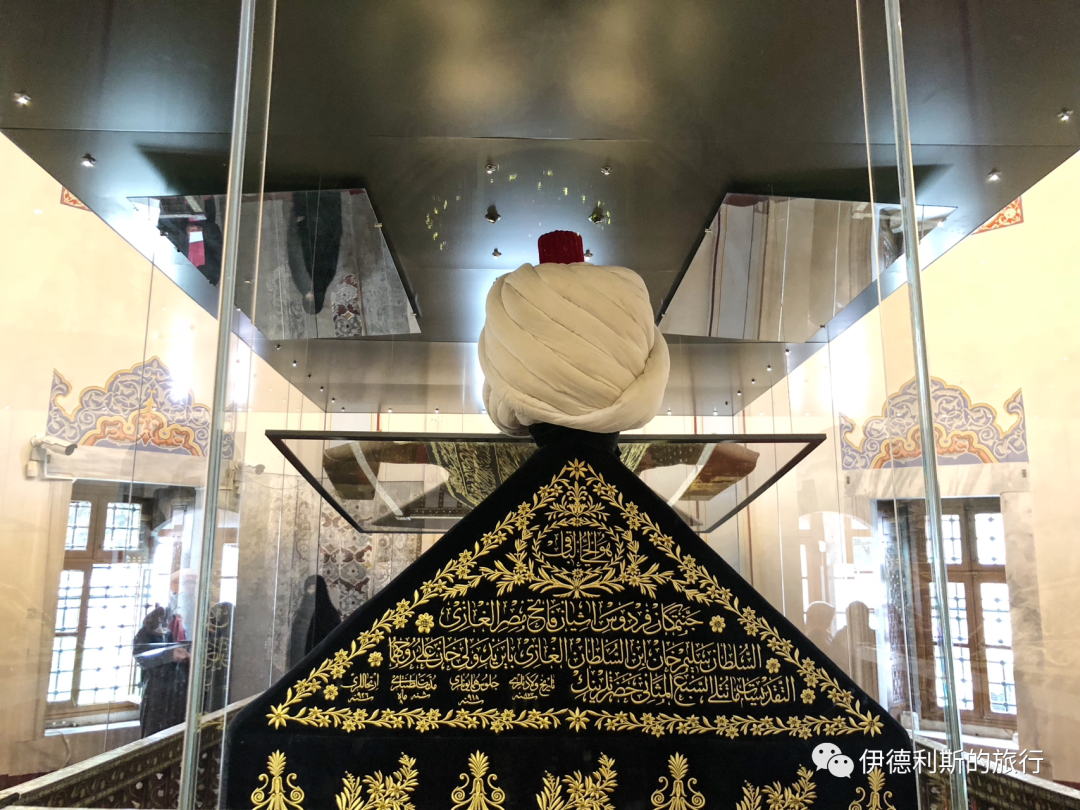
In the backyard of the Yavuz Selim Mosque is the Tomb of Selim I, built in 1523. Selim I was known as the Grim (Yavuz). During his reign, he greatly expanded the territory of the Ottoman dynasty. After conquering the Mamluk Sultanate in 1517, he gained control of the entire Levant, Hejaz, and Egypt, becoming the Custodian of the Two Holy Mosques and shifting the focus of the Ottoman dynasty from the Balkans to the Middle East. view all
Summary: Ottoman Architecture Guide: Istanbul — Early Mosques Before Mimar Sinan is presented here as a firsthand travel account in clear English, beginning with this scene: I want to share some mid-15th to mid-16th century Ottoman buildings I visited in Istanbul. Let's see what Ottoman architecture looked like before Mimar Sinan became the royal architect. The account keeps its focus on Istanbul, Ottoman Architecture, Early Mosques while preserving the names, places, food, and historical details from the Chinese source.
I want to share some mid-15th to mid-16th century Ottoman buildings I visited in Istanbul. Let's see what Ottoman architecture looked like before Mimar Sinan became the royal architect.
1. Grand Bazaar of Istanbul: 1455-56
The Grand Bazaar (Kapalıçarşı) was started by the Ottoman Sultan Mehmed the Conqueror in 1455-56, just three years after he conquered Constantinople. The first part built was the Jewelry Bazaar (Cevâhir Bedestan). After it was finished in 1460-61, it was managed by the foundation (Waqf) of the Hagia Sophia Mosque. The Grand Bazaar kept expanding after that and finally reached its current size in the early 17th century.
2. Mahmut Pasha Bath: 1466
The Mahmut Pasha Bath (Mahmut Pasha Hamam) was built in 1466 by Mahmut Pasha, the Grand Vizier (Vezir-i A'zam) to Sultan Mehmed the Conqueror. It sits northeast of the Grand Bazaar and is part of the Mahmut Pasha complex.
Mahmut Pasha was a descendant of Byzantine Greek nobility. As a child, he was recruited into the Ottoman system through the Devshirme (child tax) or as a prisoner of war. He later entered the Ottoman court and became a skilled general. Mahmut Pasha performed well in the Ottoman wars to conquer the Balkans. He became the 13th Grand Vizier of the Ottoman Empire in 1456 and led the army that destroyed the Kingdom of Bosnia in 1463.
The Mahmut Pasha Bath originally had separate sections for men and women, but the women's section was torn down. Now, only the men's changing room with its 17-meter-wide dome remains, and there is a beautiful stalactite vault (Muqarnas) at the entrance. Past the changing room are two other domes, which are the warm room and the hot room.
The Mahmut Pasha Bath was once used as a warehouse, but now it is connected to the Grand Bazaar and serves as a shopping area.
3. Tiled Kiosk: 1472
The Museum of Islamic Art in Istanbul is part of the Istanbul Archaeology Museums. It is located inside the Tiled Kiosk in the outer gardens of the Ottoman Topkapi Palace. The Tiled Kiosk was built in 1472 by the Ottoman Sultan Mehmed the Conqueror (Fatih Sultan Mehmed) as a pleasure pavilion in the palace gardens. The Tiled Kiosk opened as the Imperial Museum (Müze-i Hümayun) between 1875 and 1891. In 1953, it opened to the public again as the Museum of Turkish and Islamic Art. Later, it was merged into the Istanbul Archaeology Museums as their Islamic Art branch.
The building is cross-shaped. Because it was not influenced by Byzantine architecture, scholars think it might have been designed by an unknown Persian architect. The tiles on the building's exterior clearly show influence from Central Asian regions like Samarkand, while the bricks and polygonal columns are typical of Persian architecture.
Some of the original interior decorations are still preserved in the Tiled Kiosk. The gold leaf on some tiles had faded, so parts of it have been re-gilded.
The building houses a fountain built in 1590. The peacock design among tulips, carnations, and plum blossoms was a very popular theme during the reign of Ottoman Sultan Murad III (reigned 1574-1595).
4. Atik Ali Pasha Mosque: 1496
The Atik Ali Pasha Mosque (Gazi Atik Ali Paşa Camii) was built in 1496 by Atik Ali Pasha, the Grand Vizier to Ottoman Sultan Bayezid II. It is located south of the Grand Bazaar.
Atik Ali Pasha was originally a Bosnian from Sarajevo. He entered the Ottoman court as a white eunuch (Hadım). Because of his military achievements, he became a minister (Vezir) in 1496. In 1500, he led the army to defeat Venice and occupy the Peloponnese peninsula, and in 1501, he was promoted to the 22nd Grand Vizier of the Ottoman Empire.
When it was first built, the entire complex included a mosque, a madrasa (Islamic school), a soup kitchen, a caravanserai, and a Sufi lodge. Today, only the mosque and the madrasa remain. The mosque has had a difficult history. It was damaged by earthquakes four times—in 1648, 1716, 1766, and 1894—and was rebuilt many times. During the 1894 restoration, calligraphy by the Ottoman calligrapher Sami Efendi was placed at the entrance of the main hall.
This is a T-shaped mosque. It consists of a main dome directly above the hall and a semi-dome over the mihrab. There are two small domes on each side of the main dome, and the front porch has five small domes. Unfortunately, because of the many repairs after earthquakes, you can barely see the original 15th-century appearance inside the main hall.
5. Bayezid II Bath: 1501-1507
The Bayezid II complex (Bayezid II Külliye) consists of a mosque, a madrasa, a bath, a tomb, shops, a caravanserai, and a kitchen. It was ordered by Ottoman Sultan Bayezid II (reigned 1481-1512) and built between 1501 and 1507. It is the second complex built by the Ottoman dynasty in Istanbul after the Fatih complex. Since the Fatih complex was rebuilt after being damaged by an earthquake in the 18th century, the Bayezid II complex is the oldest surviving Ottoman complex in Istanbul.
The Bayezid II Mosque reopened in 2020 after eight years of restoration. The madrasa has been closed for over a decade for repairs as a Museum of Calligraphy and has not opened yet. I hope I can visit both buildings on my next trip to Istanbul.
Luckily, the Bayezid II Hamam opened to the public as a museum in 2015 after restoration, so I was able to visit this 500-year-old Ottoman bathhouse.
The Bayezid II Hamam is so massive that it is commonly known as the Great Bath (Hamam-ı Kebir). This is a bathhouse with separate sections for men and women, so it has two main domes, each with a changing room (camekân), a warm room (ılıklık), and a hot room (hararet).
In 1730, the Albanian Janissaries led by Patrona Halil rose up and deposed Sultan Ahmed III. People say Patrona Halil once worked as an attendant at the Bayezid II Hamam. After the uprising failed, the Ottoman dynasty began to strictly manage bathhouses and restricted Albanians from working in Istanbul's bathhouses. From then on, bathhouse attendants in Istanbul mostly came from the Anatolia region, and this remains true today.
Mosque under renovation
6. Yavuz Selim Mosque: 1520-1527
The Yavuz Selim Mosque (Yavuz Selim Camii) was built in 1520 by the Ottoman Sultan Suleiman the Magnificent to honor his father, Sultan Selim I (reigned 1512-1520). It was completed in 1527 and is the third imperial mosque built by the Ottoman dynasty in Istanbul.
The Yavuz Selim Mosque sits on the summit of the fifth of Istanbul's seven hills, which is why the area is named Selim Hill. The structure of the mosque is similar to the Hagia Sophia, with a rectangular main hall topped by a shallow dome. The tiles at the entrance of the main hall use the traditional dry cord (Cuerda seca) technique. They are very similar to those in the Circumcision Room (Sünnet Odası) of the Ottoman Topkapi Palace, so we can conclude they were made by the same Iranian craftsmen who built the Ottoman palace.
In the backyard of the Yavuz Selim Mosque is the Tomb of Selim I, built in 1523. Selim I was known as the Grim (Yavuz). During his reign, he greatly expanded the territory of the Ottoman dynasty. After conquering the Mamluk Sultanate in 1517, he gained control of the entire Levant, Hejaz, and Egypt, becoming the Custodian of the Two Holy Mosques and shifting the focus of the Ottoman dynasty from the Balkans to the Middle East. view all
Reposted from the web
Summary: Ottoman Architecture Guide: Istanbul — Early Mosques Before Mimar Sinan is presented here as a firsthand travel account in clear English, beginning with this scene: I want to share some mid-15th to mid-16th century Ottoman buildings I visited in Istanbul. Let's see what Ottoman architecture looked like before Mimar Sinan became the royal architect. The account keeps its focus on Istanbul, Ottoman Architecture, Early Mosques while preserving the names, places, food, and historical details from the Chinese source.
I want to share some mid-15th to mid-16th century Ottoman buildings I visited in Istanbul. Let's see what Ottoman architecture looked like before Mimar Sinan became the royal architect.
1. Grand Bazaar of Istanbul: 1455-56
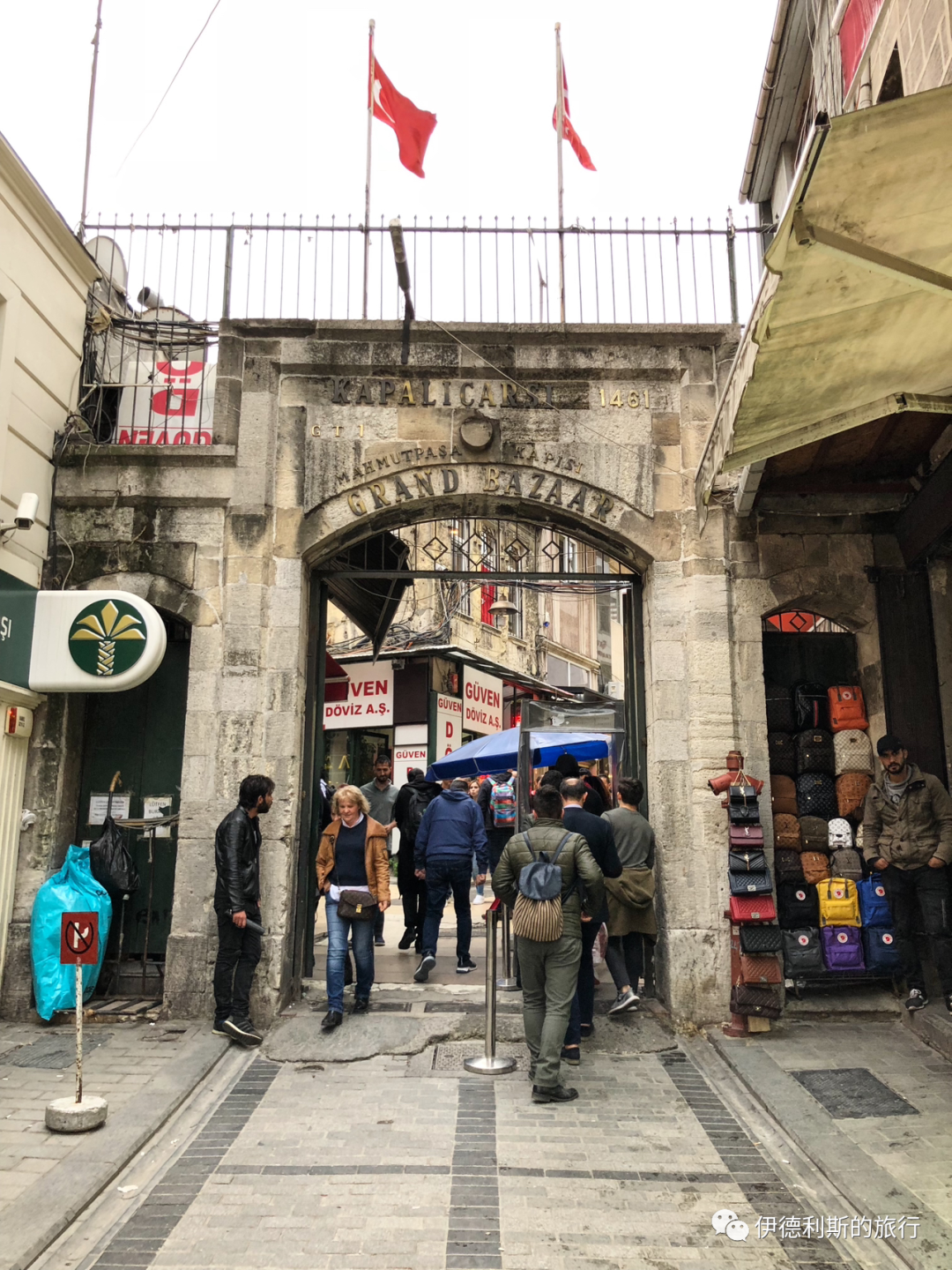
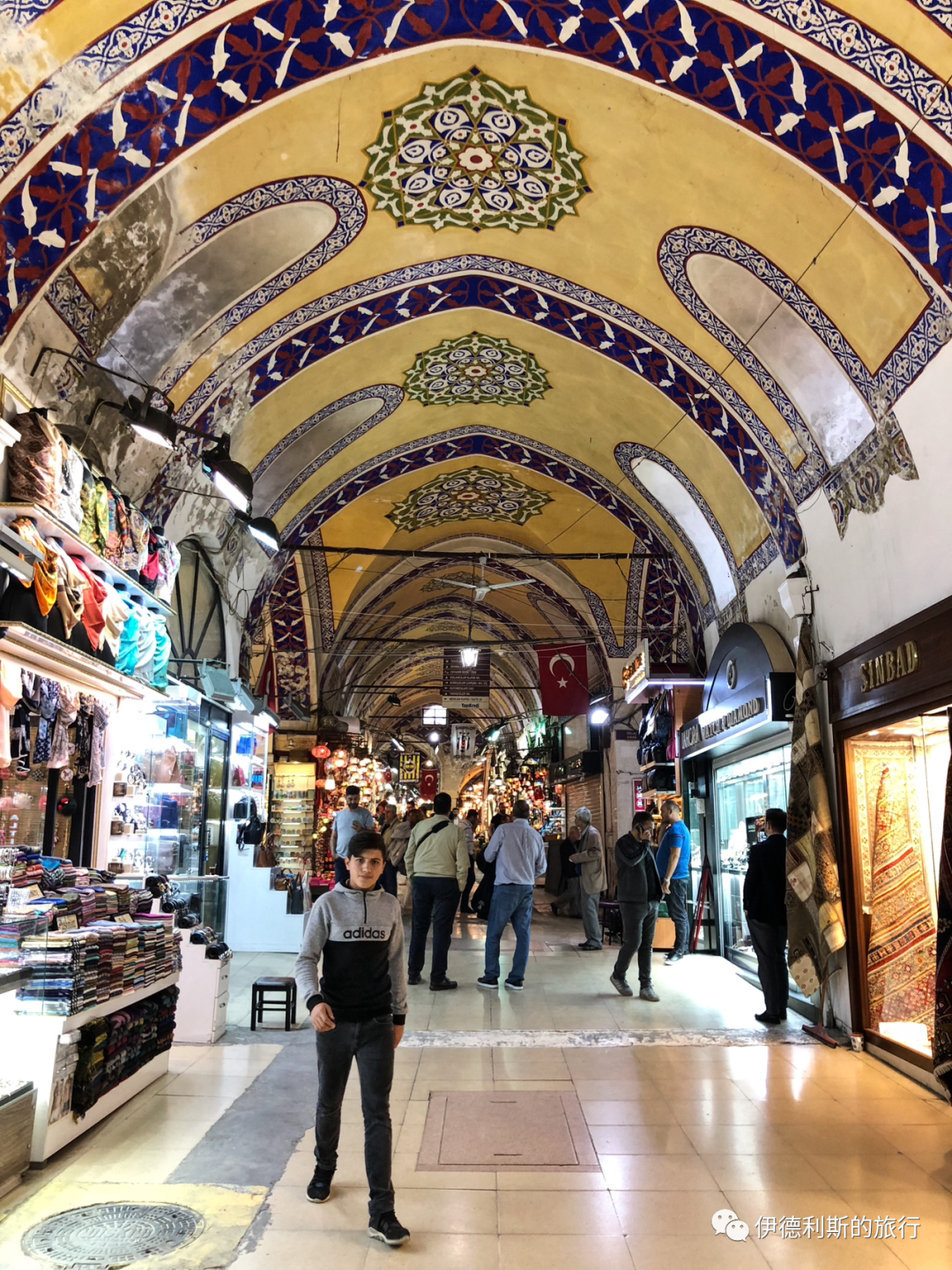
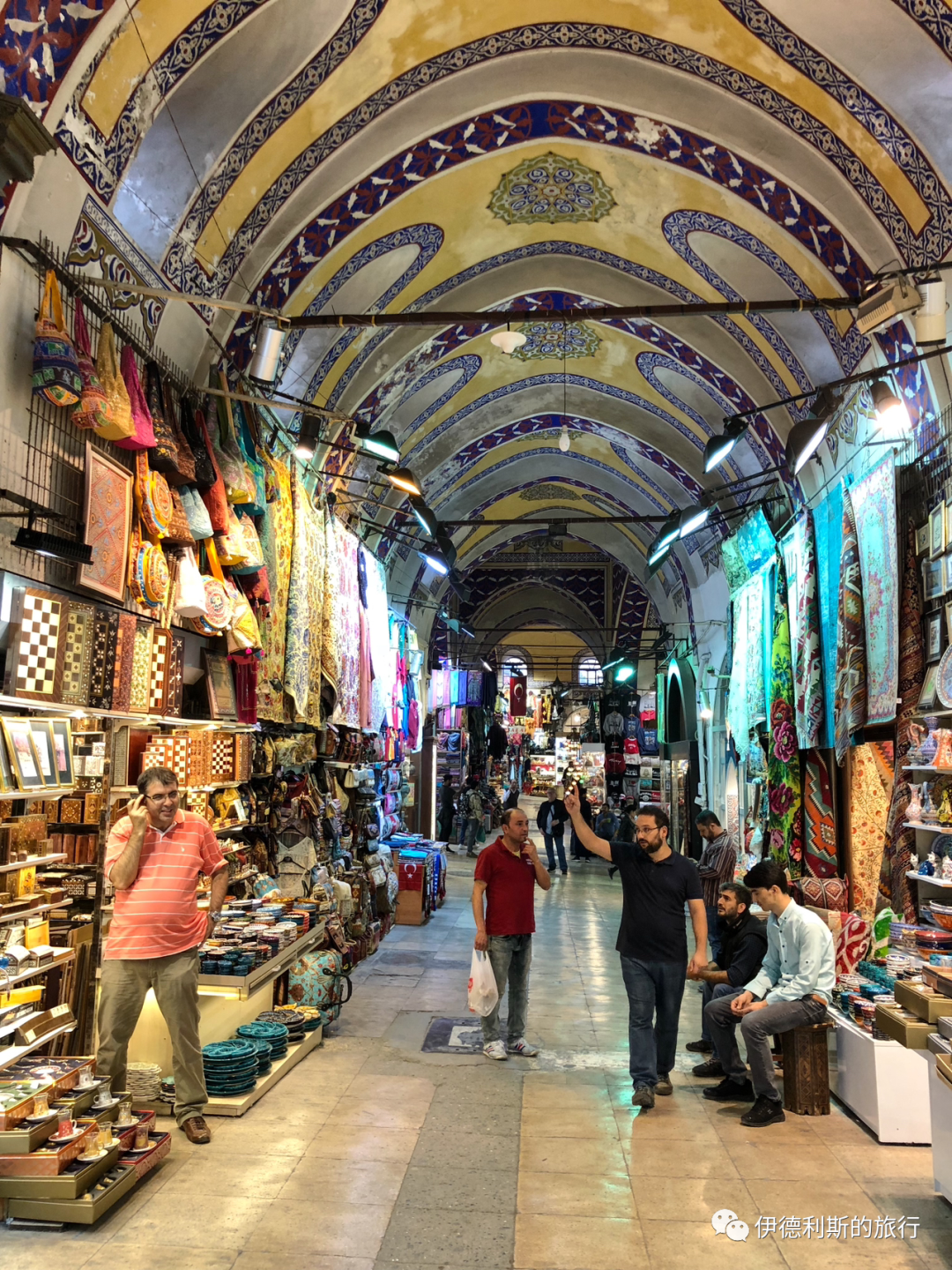
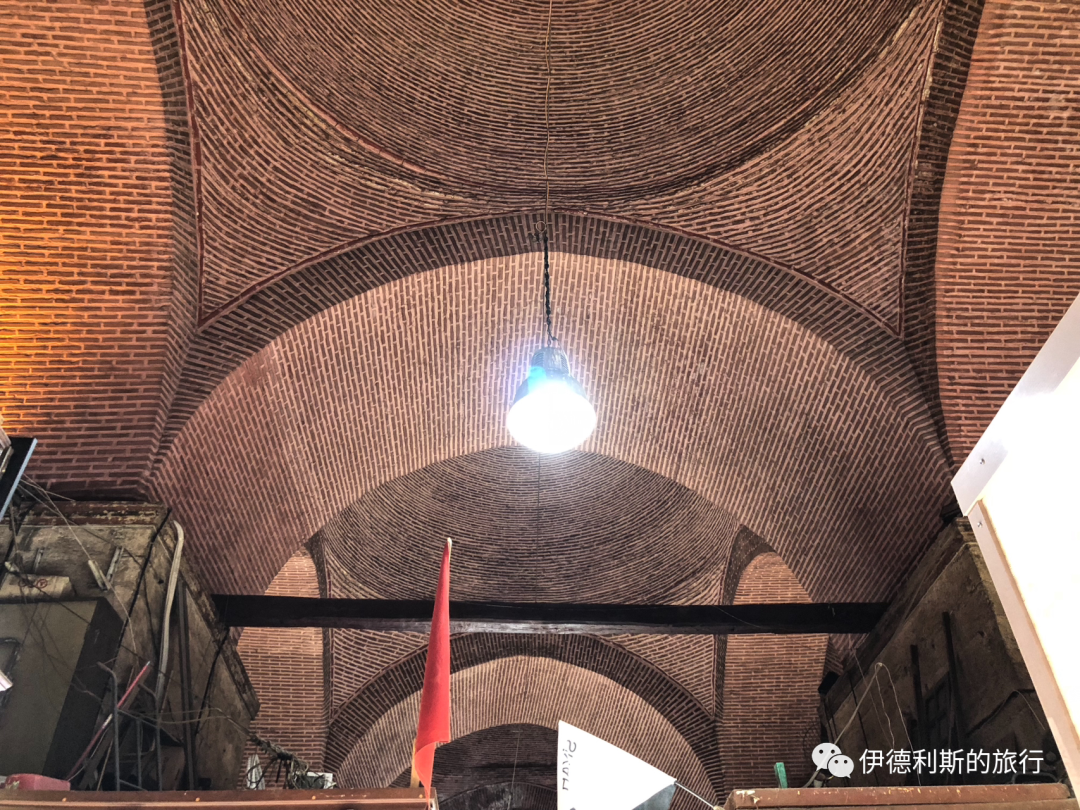
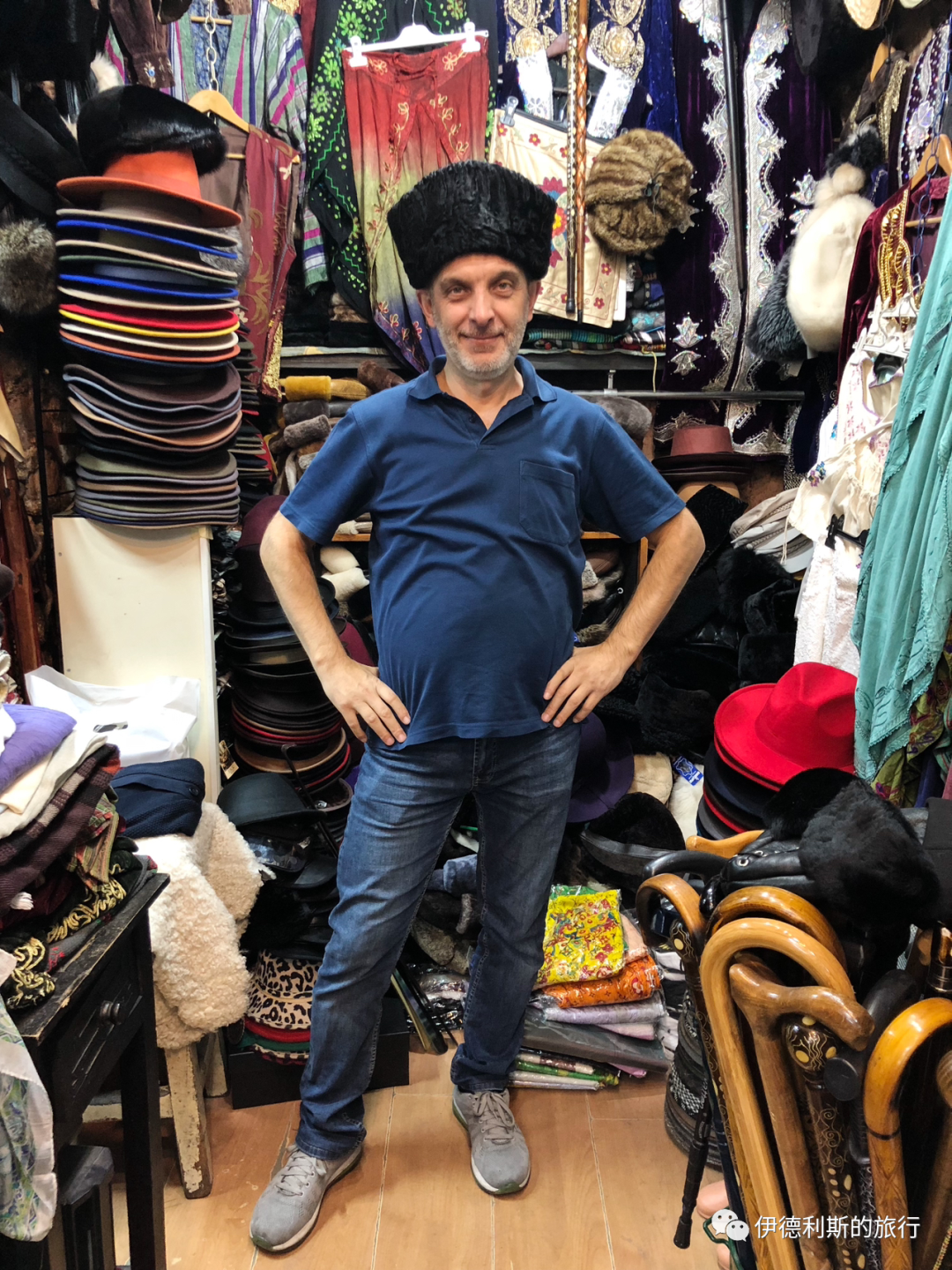
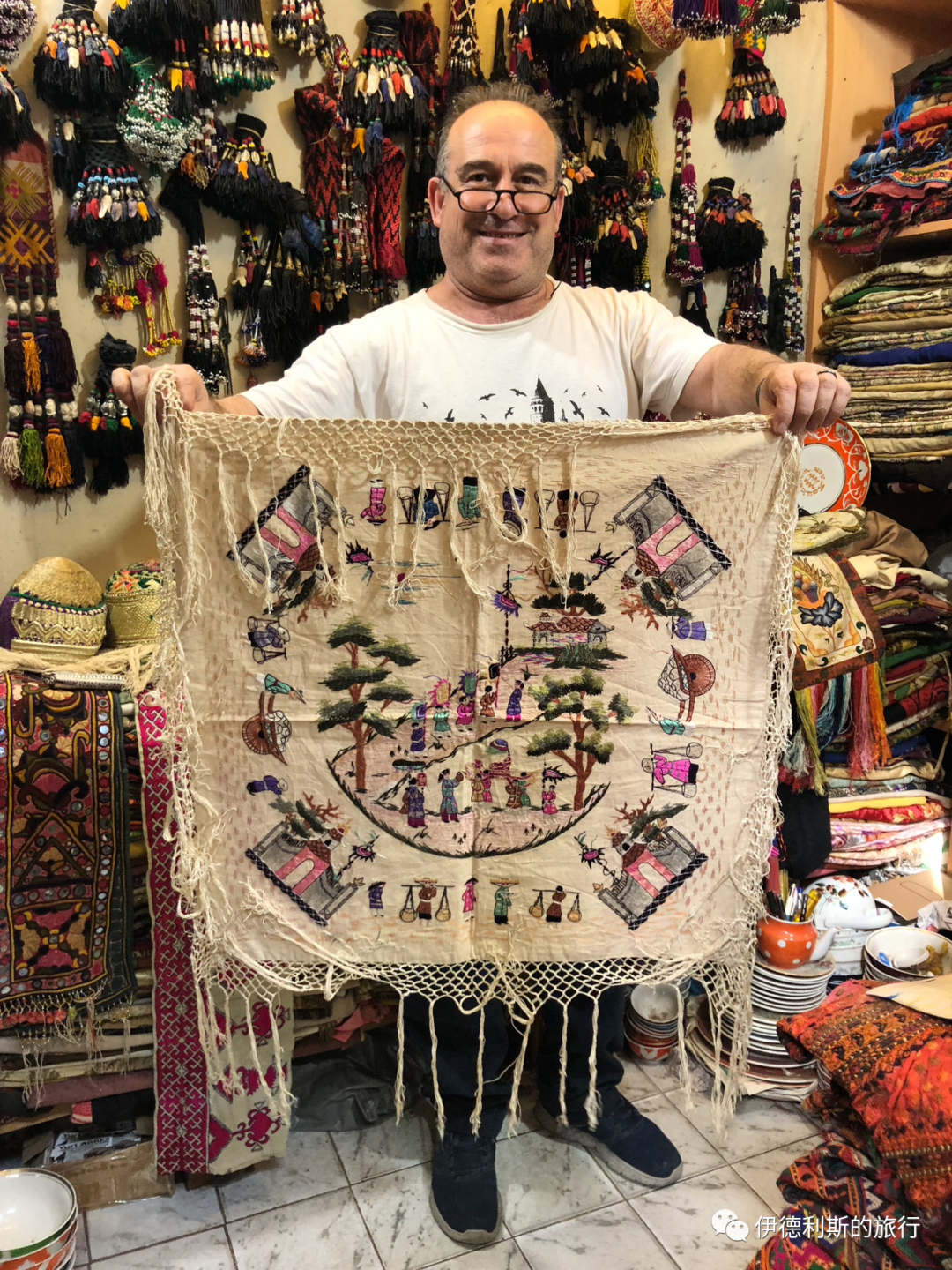
The Grand Bazaar (Kapalıçarşı) was started by the Ottoman Sultan Mehmed the Conqueror in 1455-56, just three years after he conquered Constantinople. The first part built was the Jewelry Bazaar (Cevâhir Bedestan). After it was finished in 1460-61, it was managed by the foundation (Waqf) of the Hagia Sophia Mosque. The Grand Bazaar kept expanding after that and finally reached its current size in the early 17th century.
2. Mahmut Pasha Bath: 1466
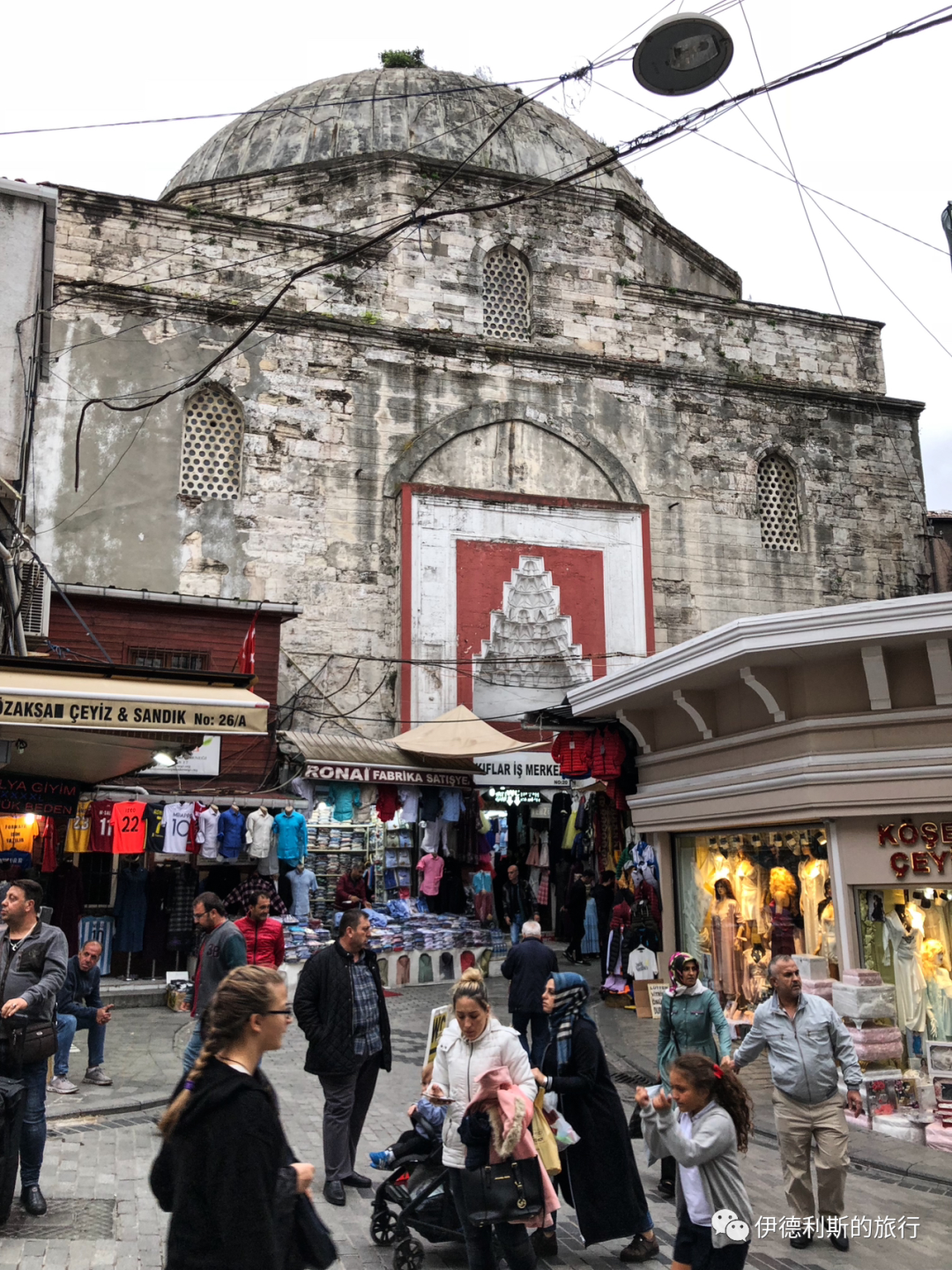
The Mahmut Pasha Bath (Mahmut Pasha Hamam) was built in 1466 by Mahmut Pasha, the Grand Vizier (Vezir-i A'zam) to Sultan Mehmed the Conqueror. It sits northeast of the Grand Bazaar and is part of the Mahmut Pasha complex.
Mahmut Pasha was a descendant of Byzantine Greek nobility. As a child, he was recruited into the Ottoman system through the Devshirme (child tax) or as a prisoner of war. He later entered the Ottoman court and became a skilled general. Mahmut Pasha performed well in the Ottoman wars to conquer the Balkans. He became the 13th Grand Vizier of the Ottoman Empire in 1456 and led the army that destroyed the Kingdom of Bosnia in 1463.
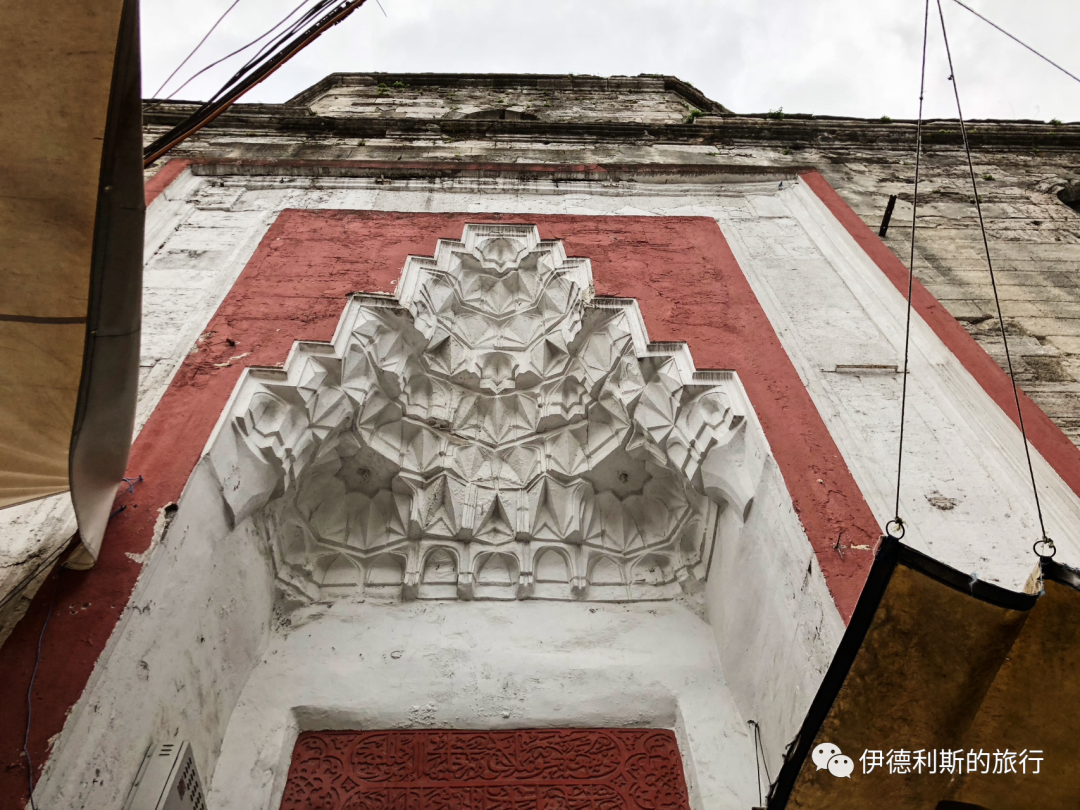
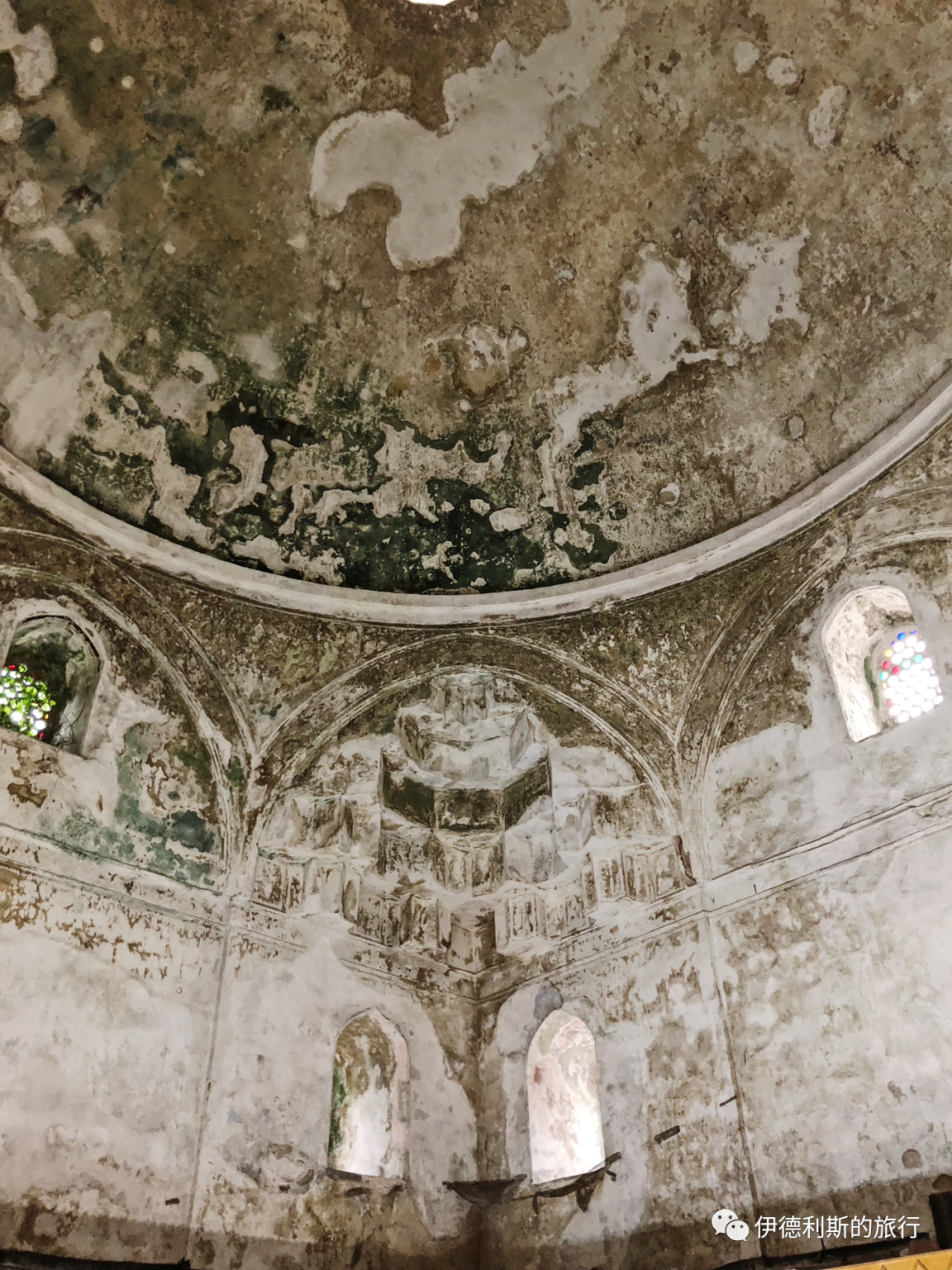
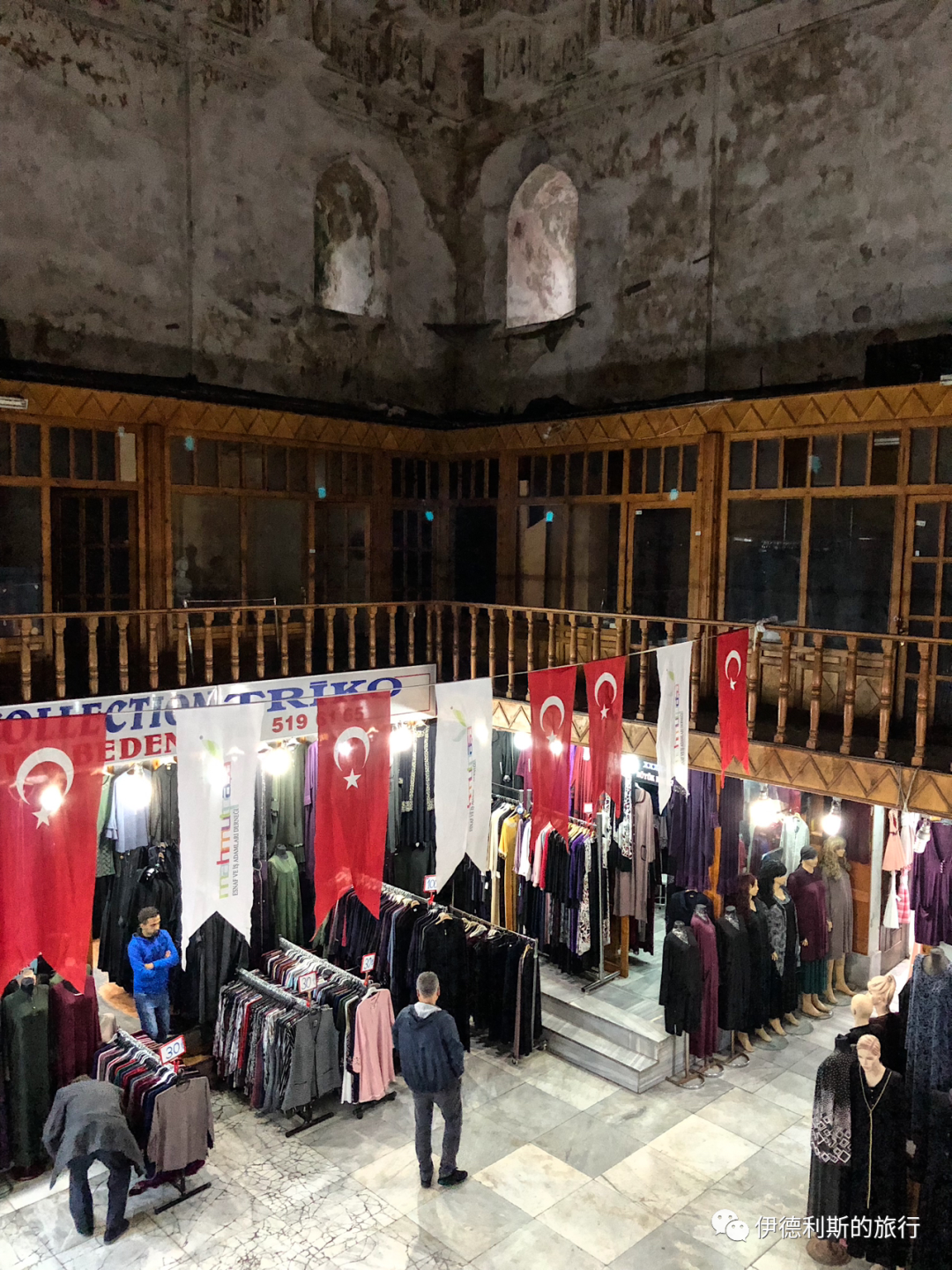
The Mahmut Pasha Bath originally had separate sections for men and women, but the women's section was torn down. Now, only the men's changing room with its 17-meter-wide dome remains, and there is a beautiful stalactite vault (Muqarnas) at the entrance. Past the changing room are two other domes, which are the warm room and the hot room.
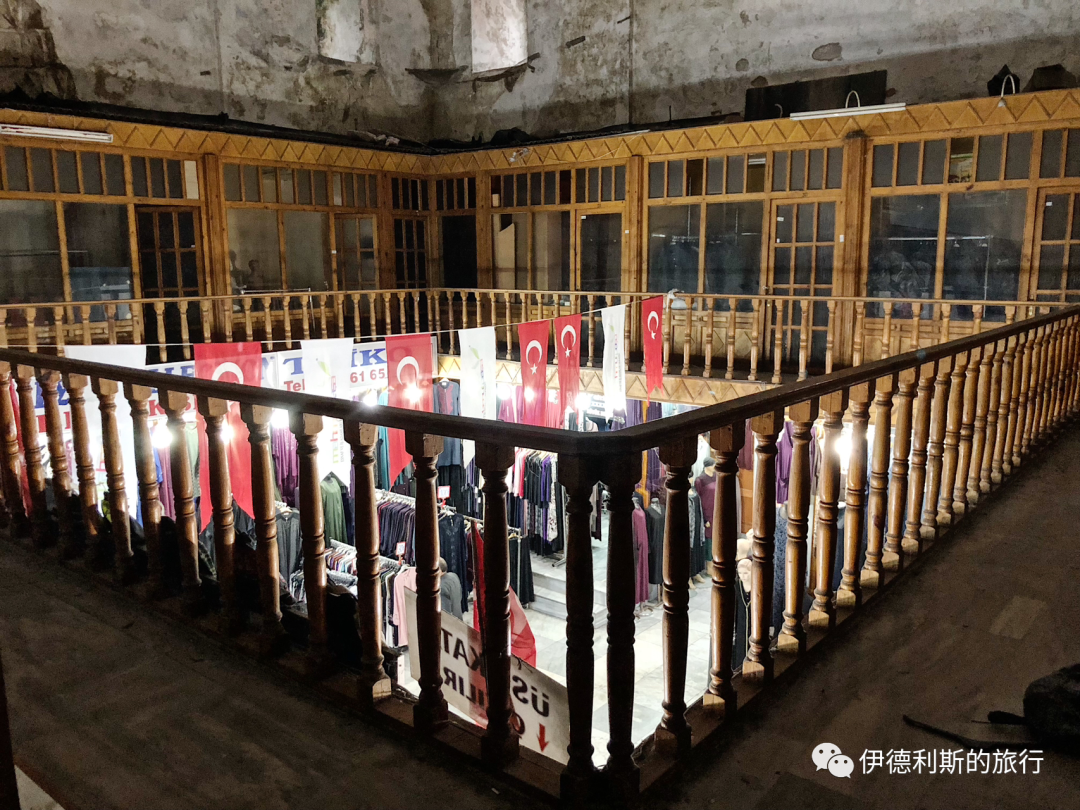
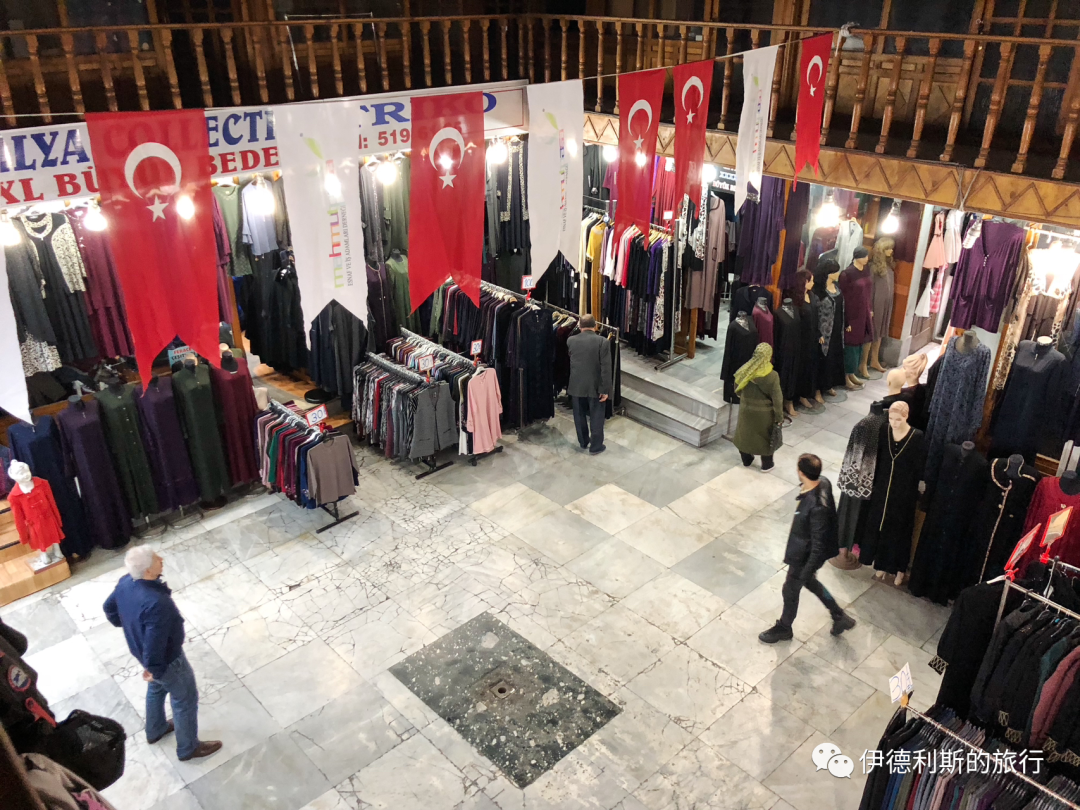
The Mahmut Pasha Bath was once used as a warehouse, but now it is connected to the Grand Bazaar and serves as a shopping area.
3. Tiled Kiosk: 1472
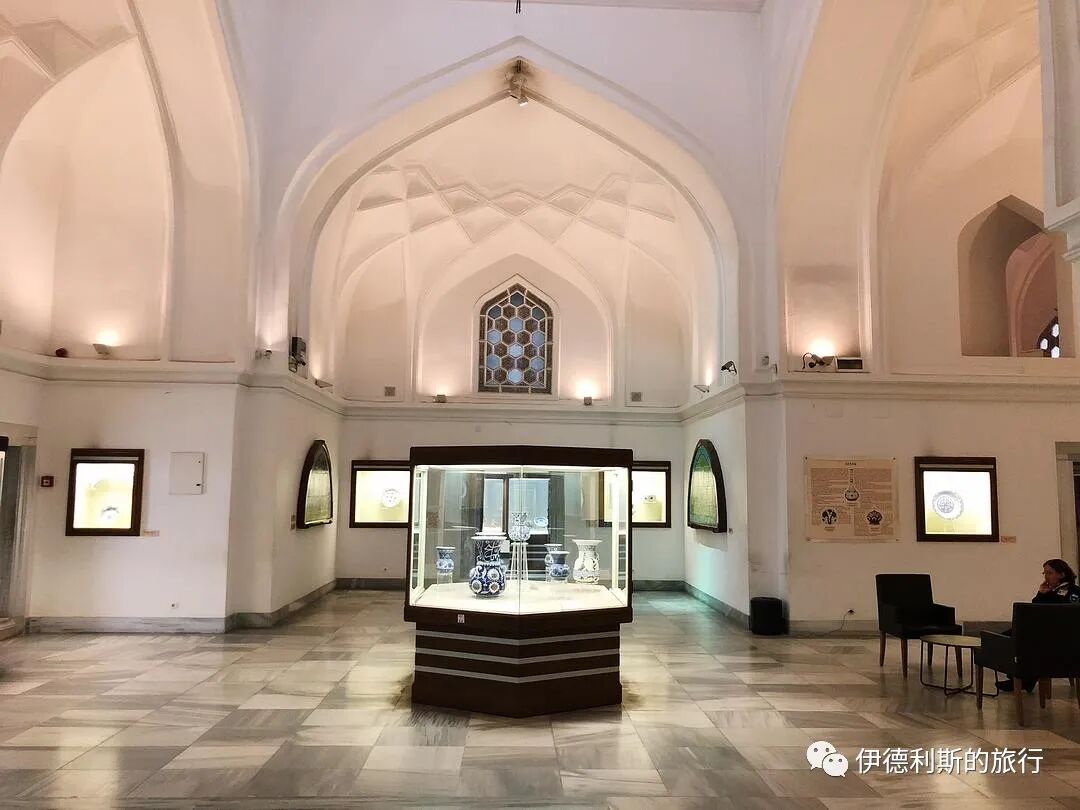
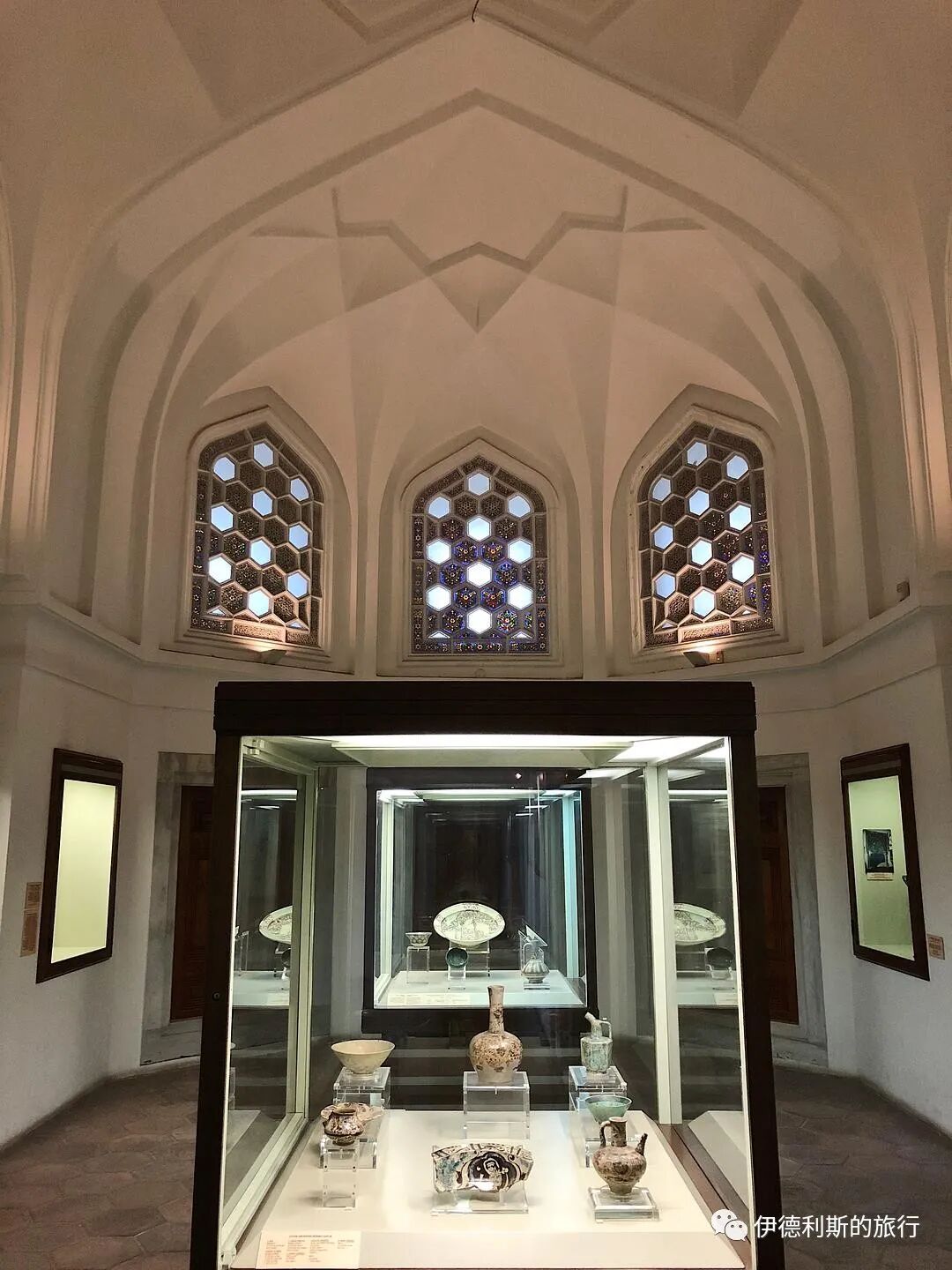
The Museum of Islamic Art in Istanbul is part of the Istanbul Archaeology Museums. It is located inside the Tiled Kiosk in the outer gardens of the Ottoman Topkapi Palace. The Tiled Kiosk was built in 1472 by the Ottoman Sultan Mehmed the Conqueror (Fatih Sultan Mehmed) as a pleasure pavilion in the palace gardens. The Tiled Kiosk opened as the Imperial Museum (Müze-i Hümayun) between 1875 and 1891. In 1953, it opened to the public again as the Museum of Turkish and Islamic Art. Later, it was merged into the Istanbul Archaeology Museums as their Islamic Art branch.
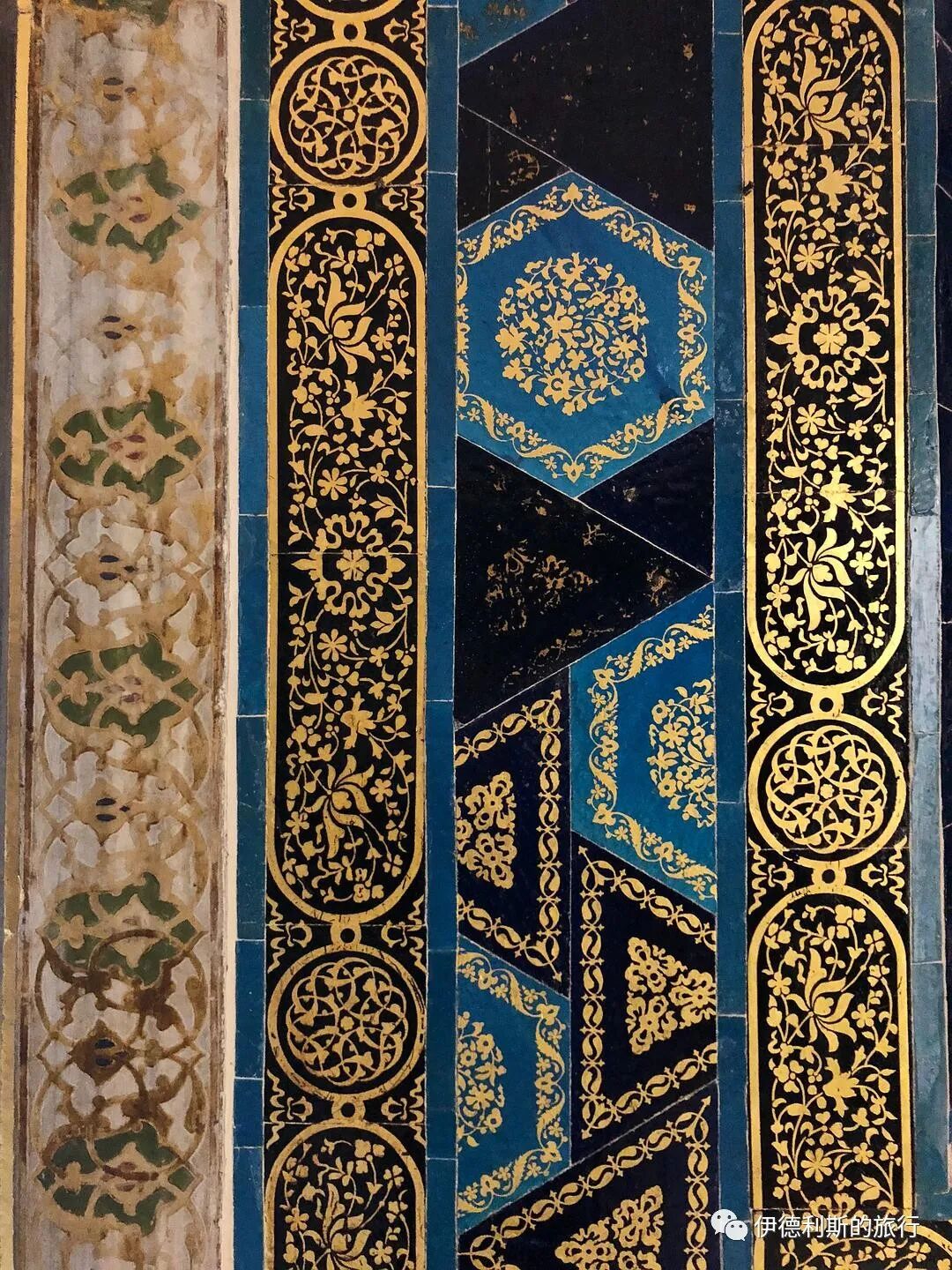
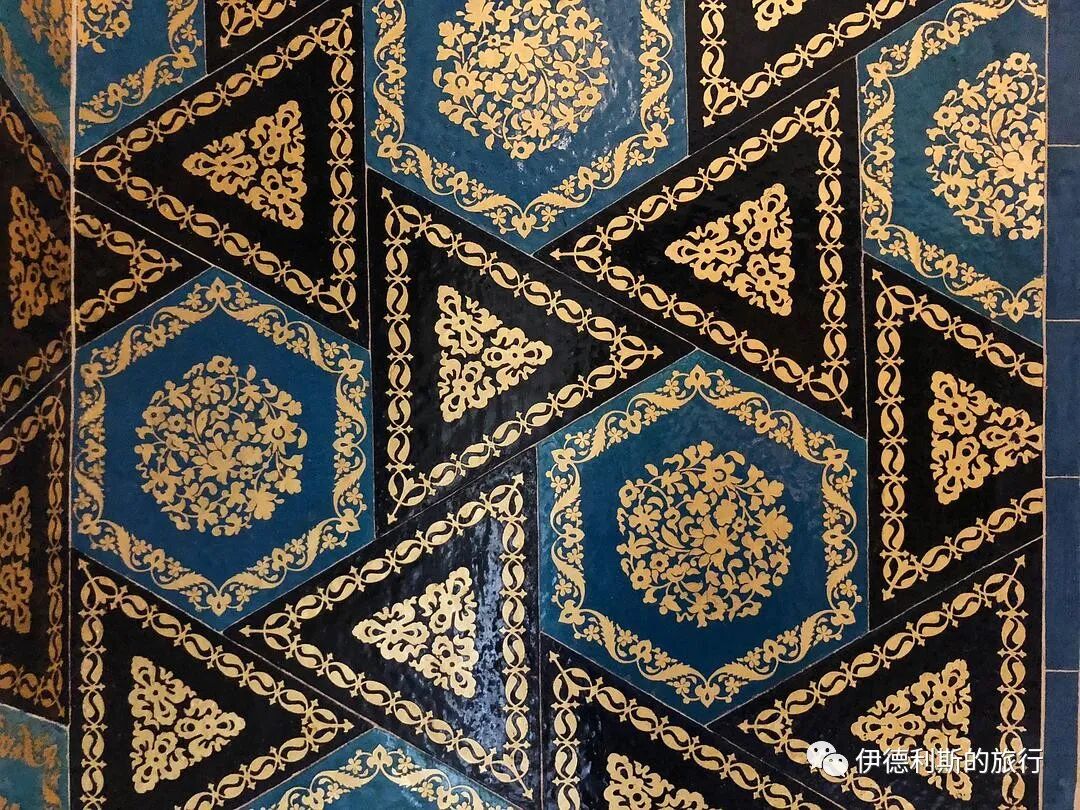
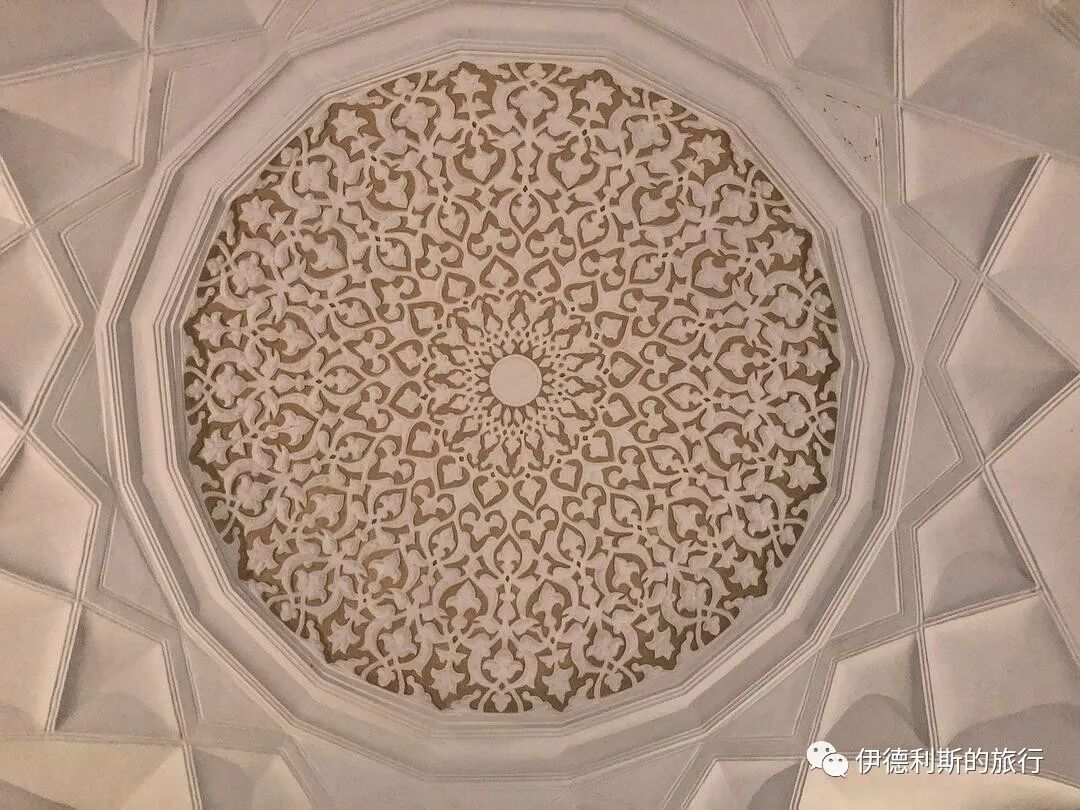
The building is cross-shaped. Because it was not influenced by Byzantine architecture, scholars think it might have been designed by an unknown Persian architect. The tiles on the building's exterior clearly show influence from Central Asian regions like Samarkand, while the bricks and polygonal columns are typical of Persian architecture.
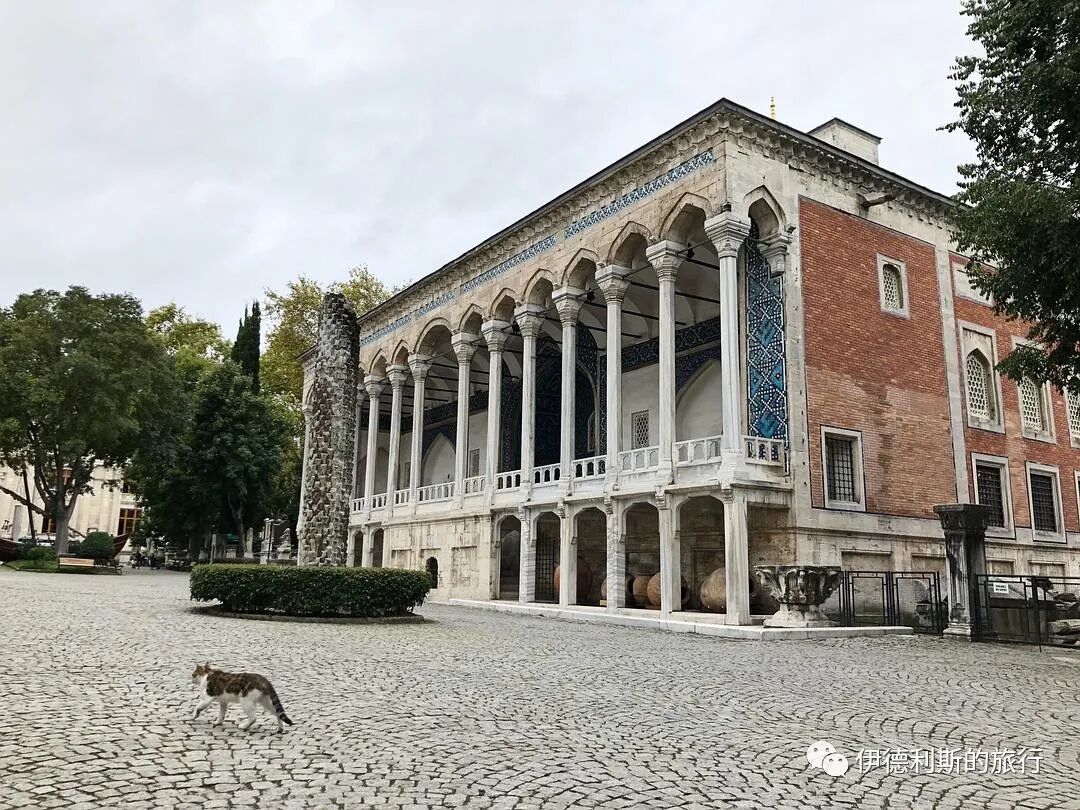
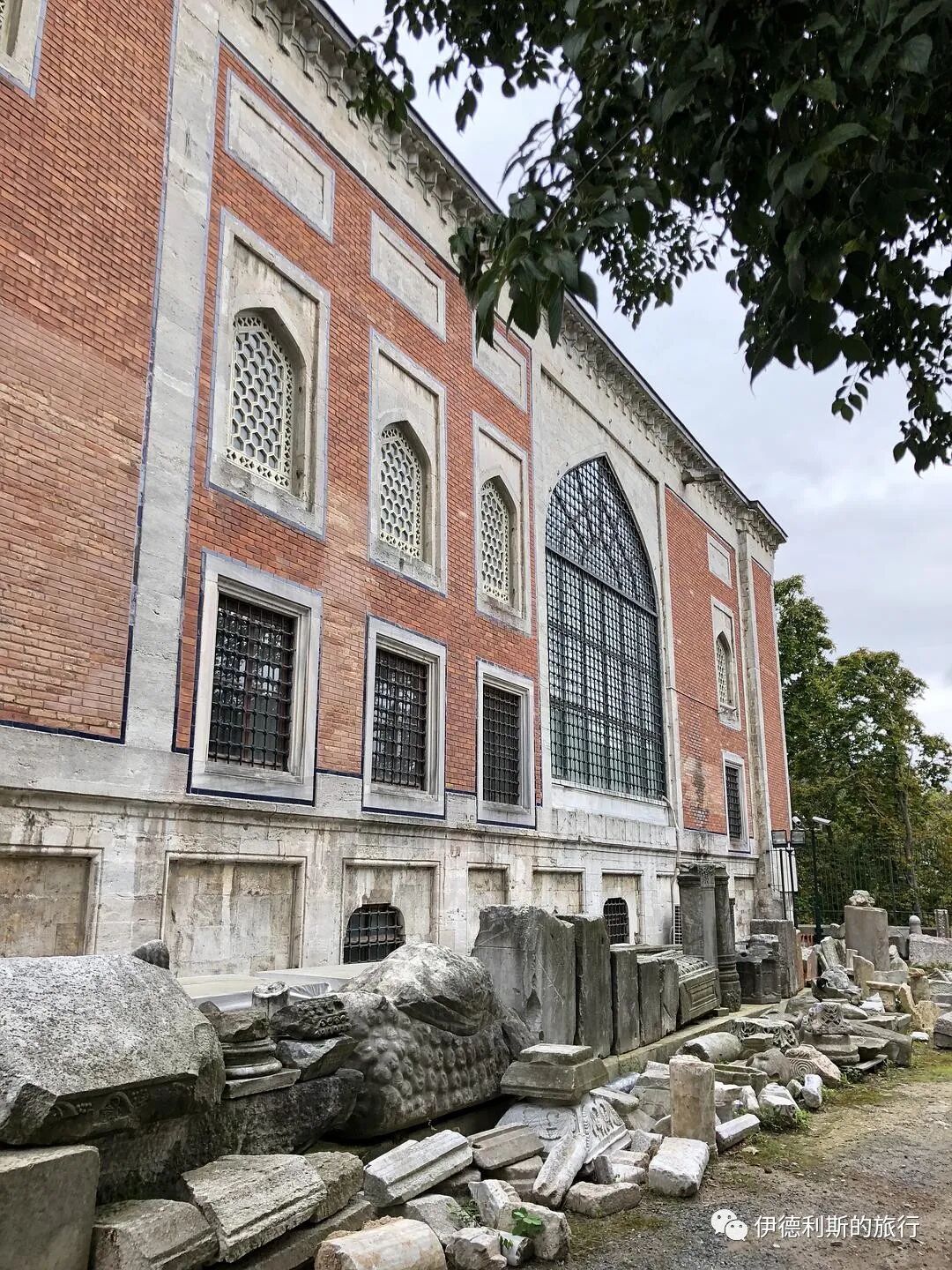
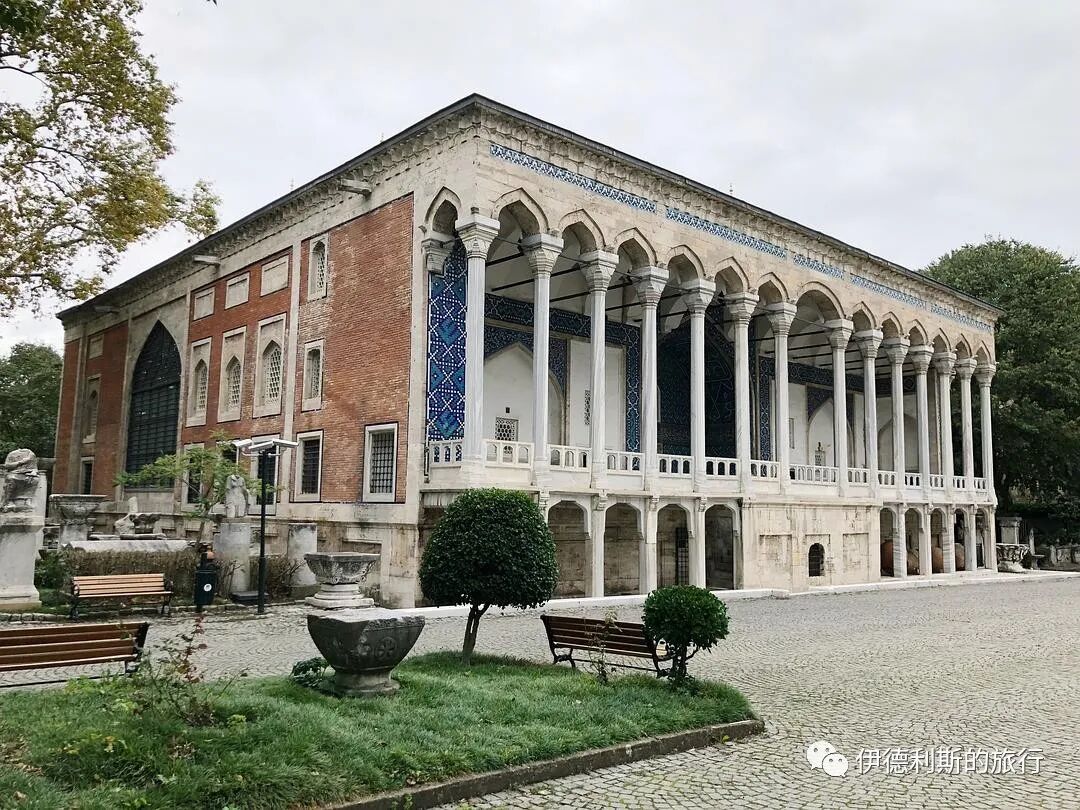
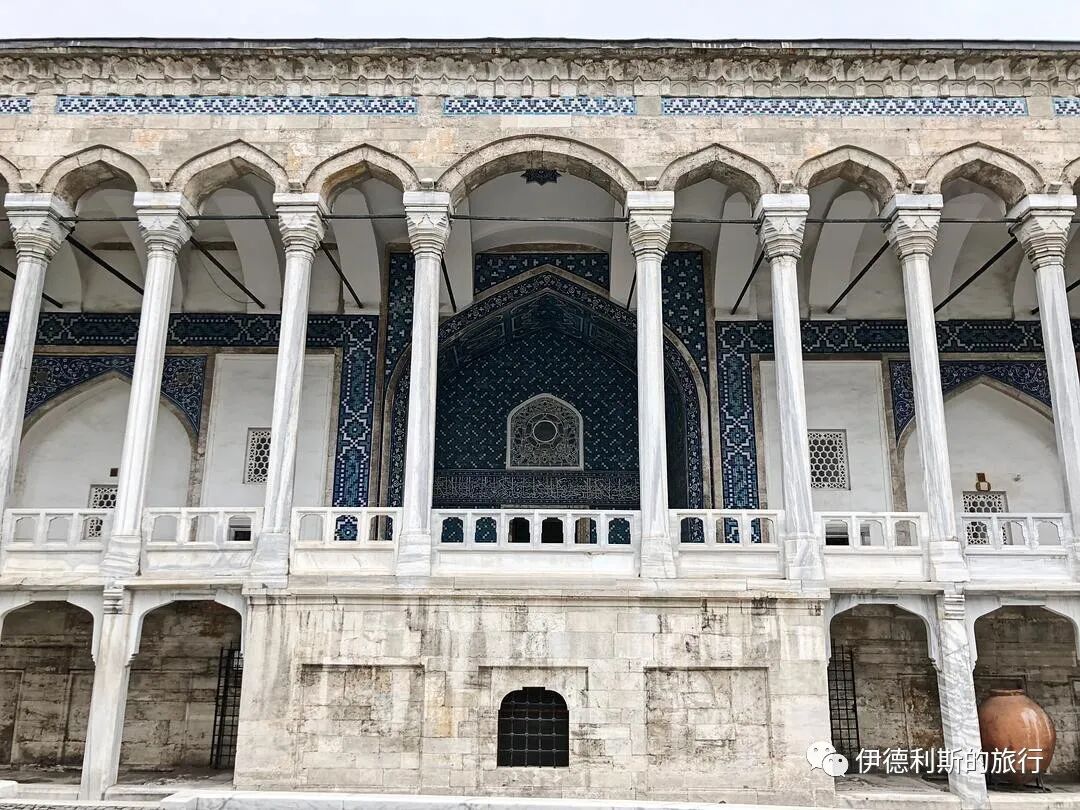
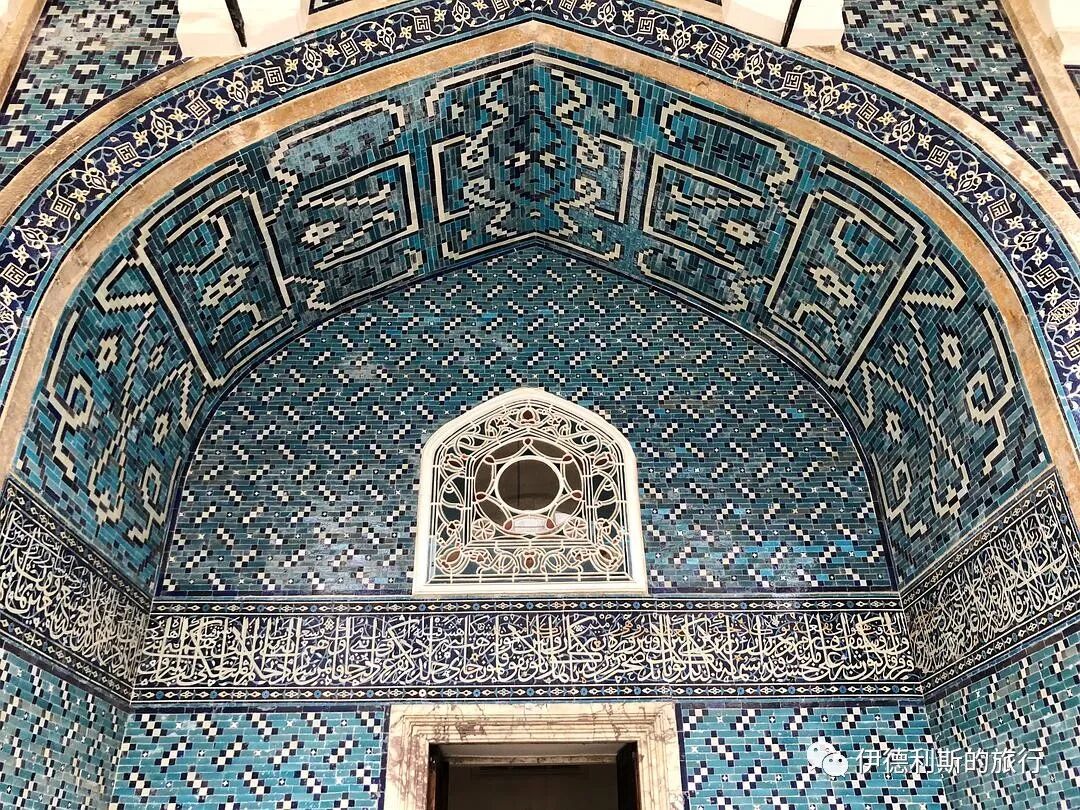
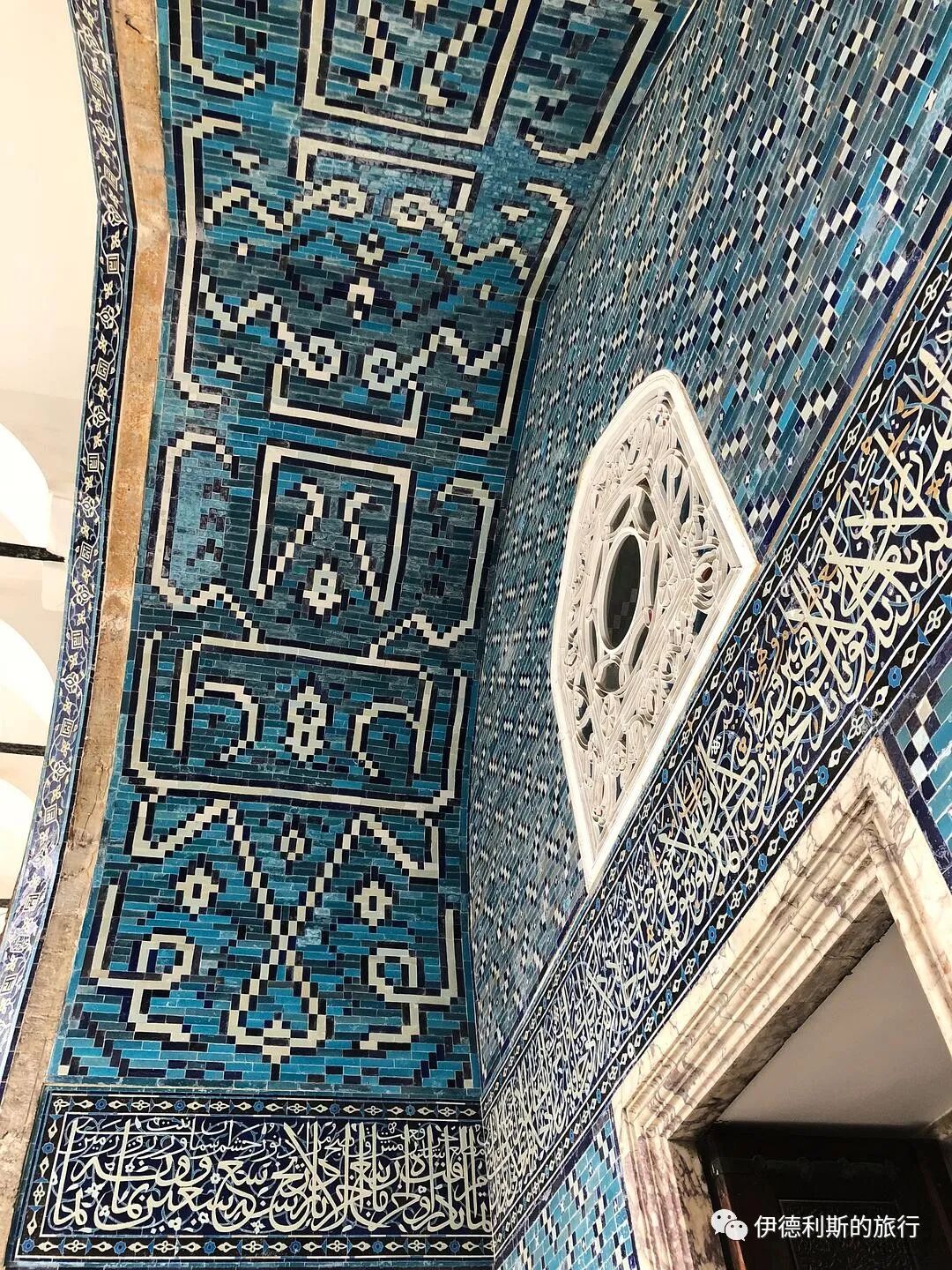
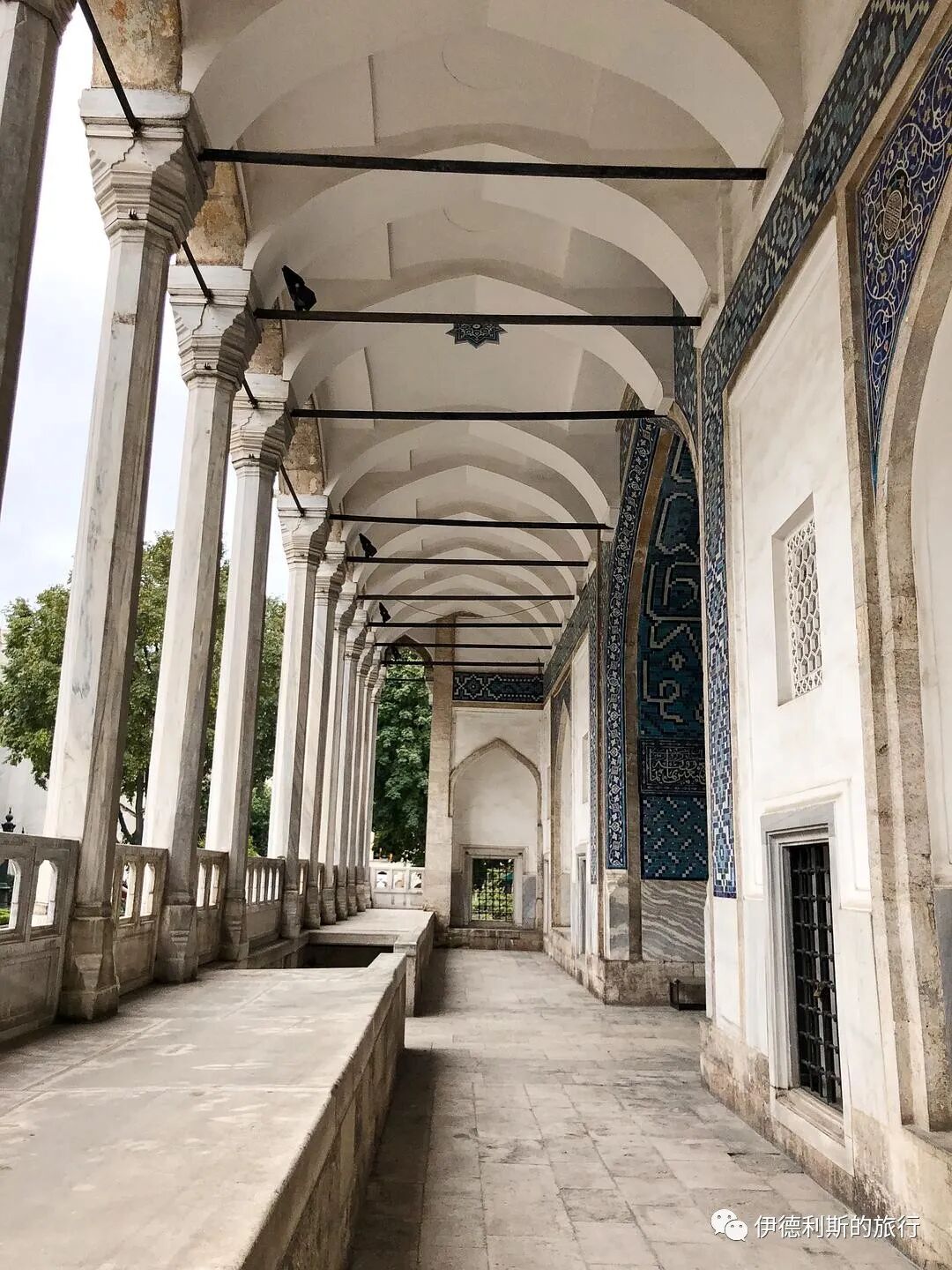
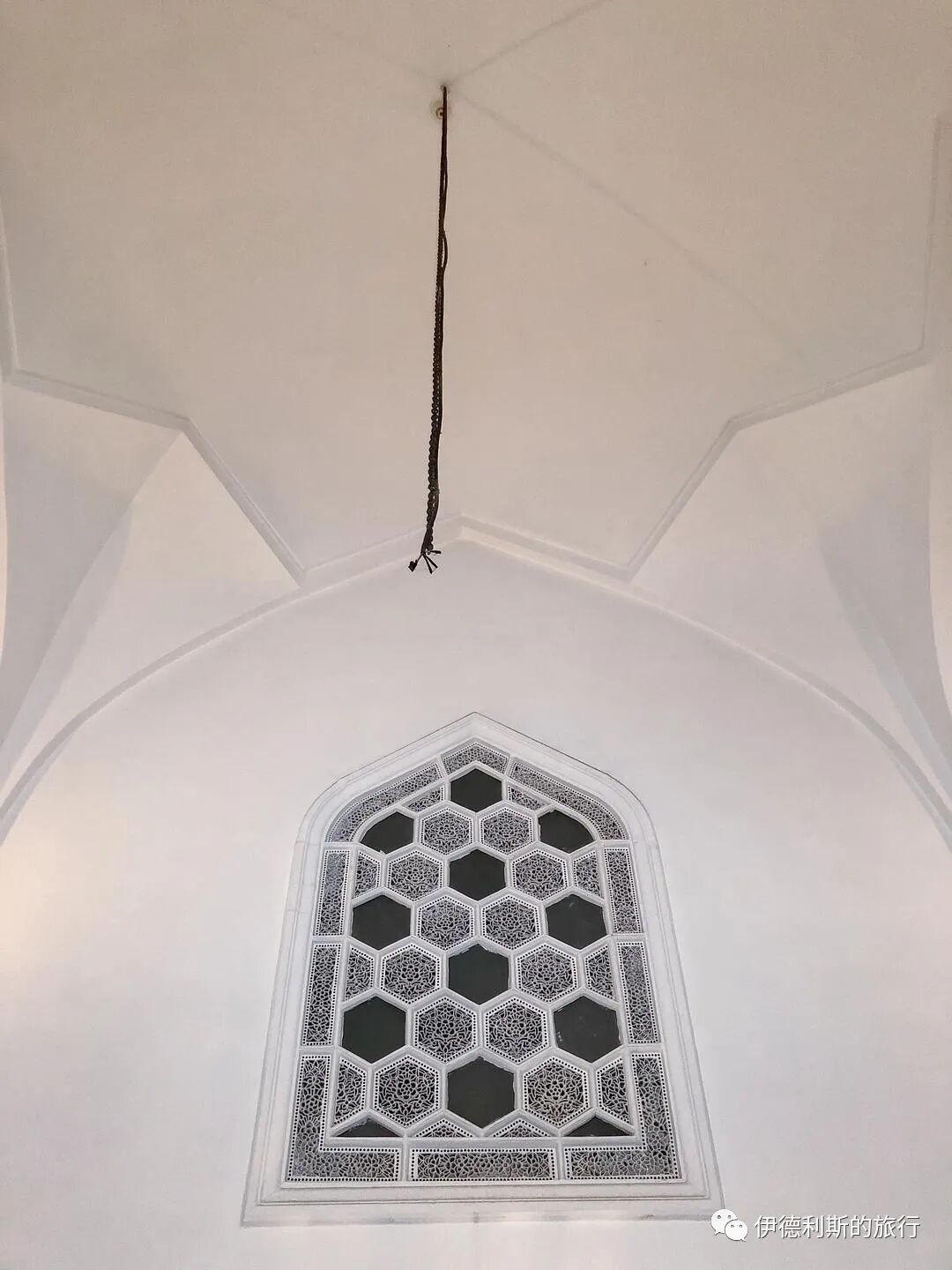
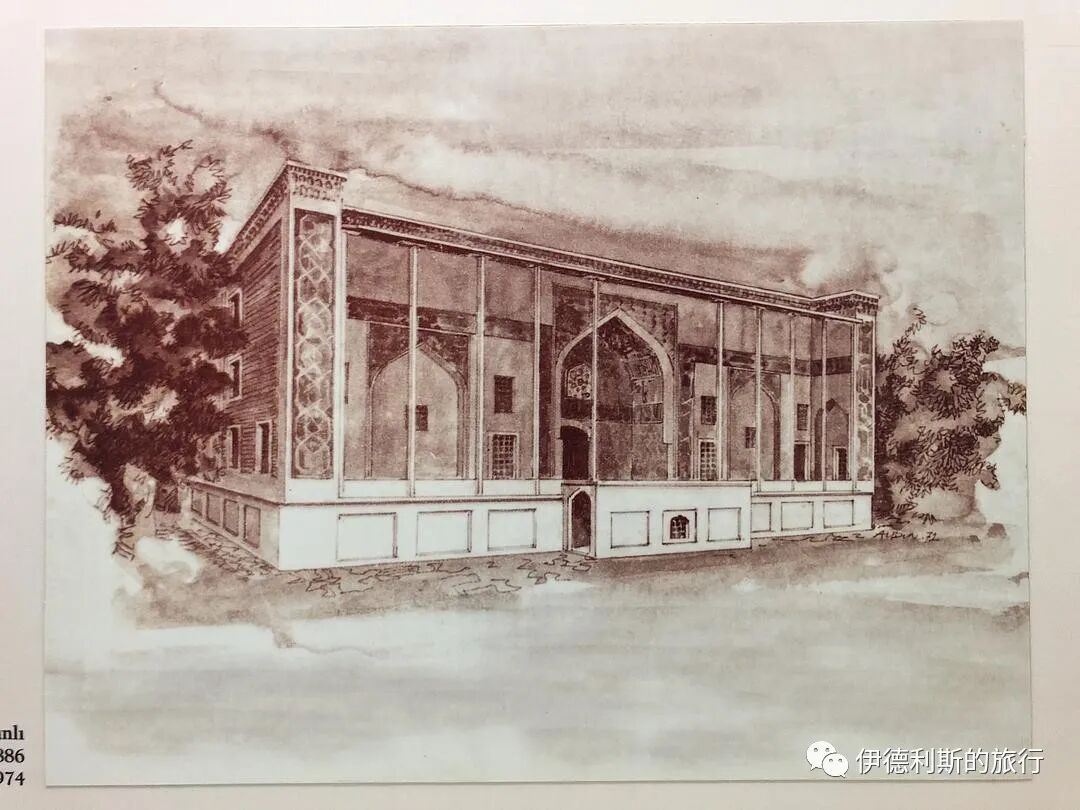
Some of the original interior decorations are still preserved in the Tiled Kiosk. The gold leaf on some tiles had faded, so parts of it have been re-gilded.
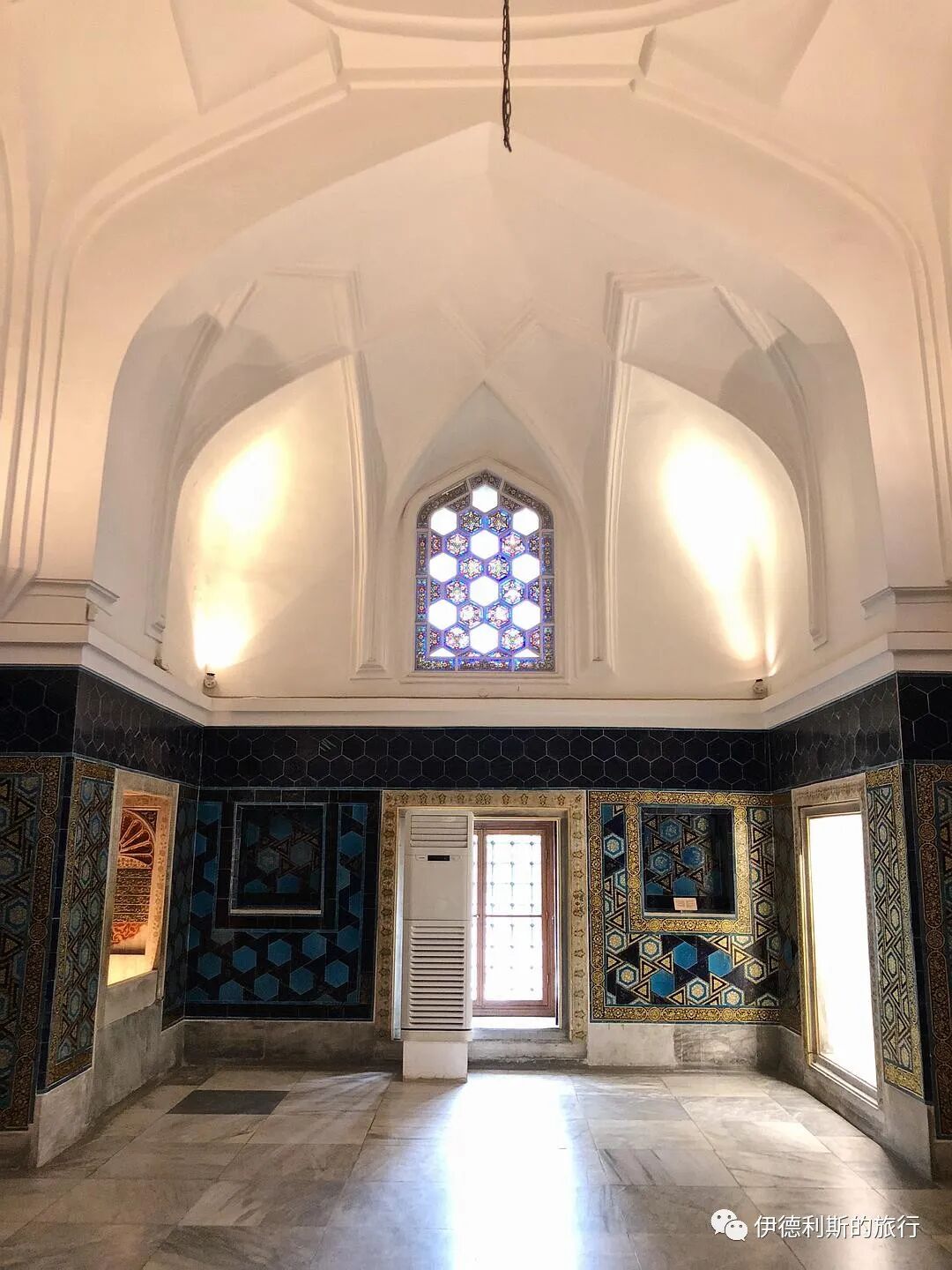
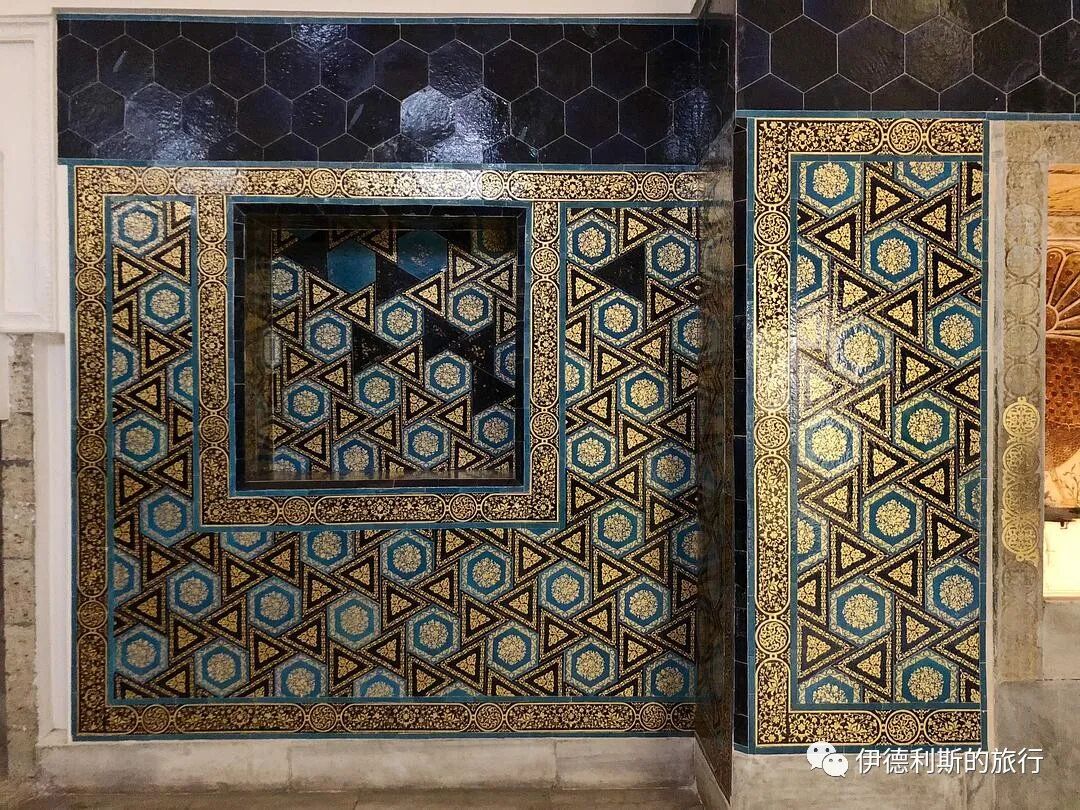
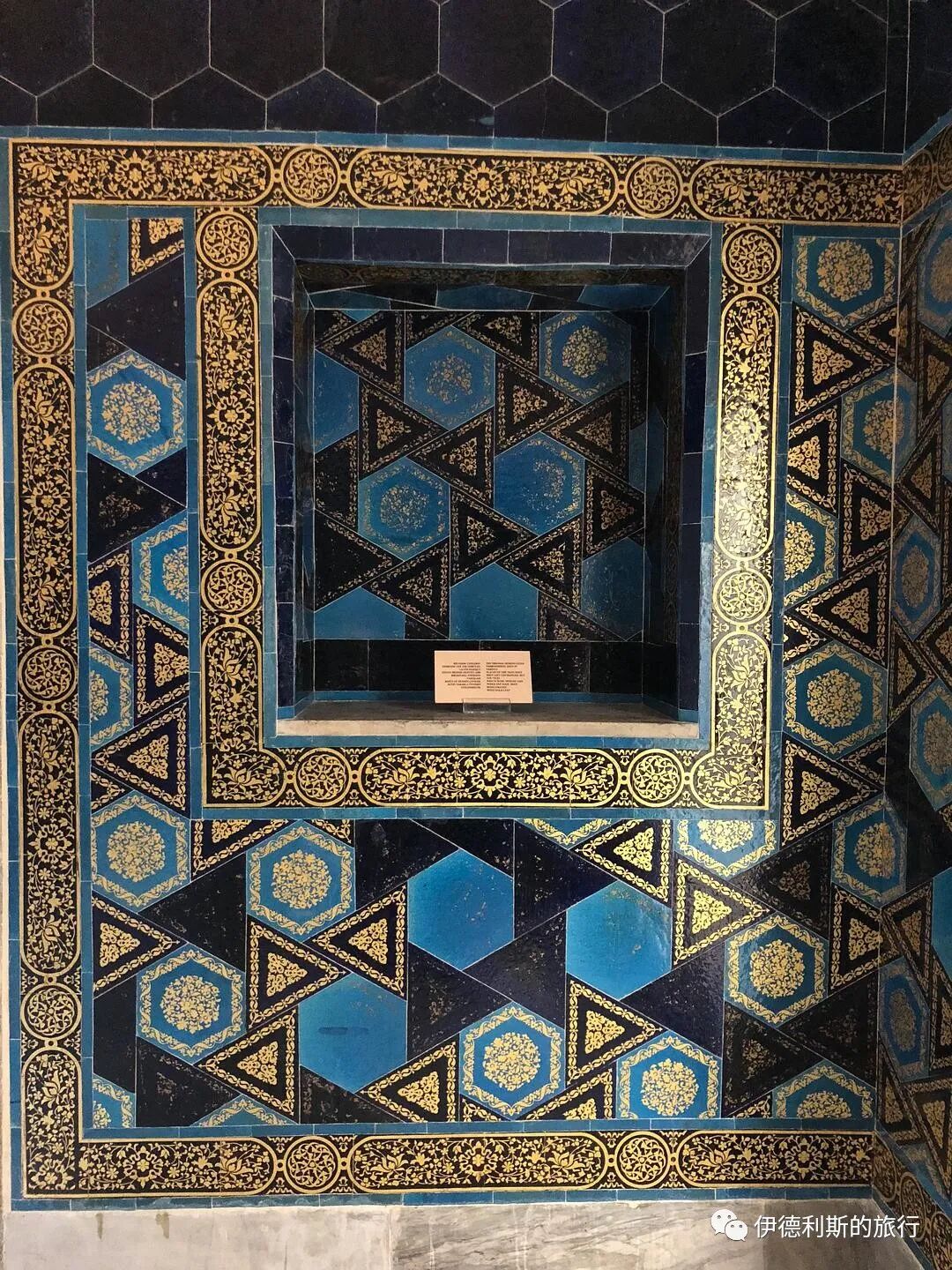
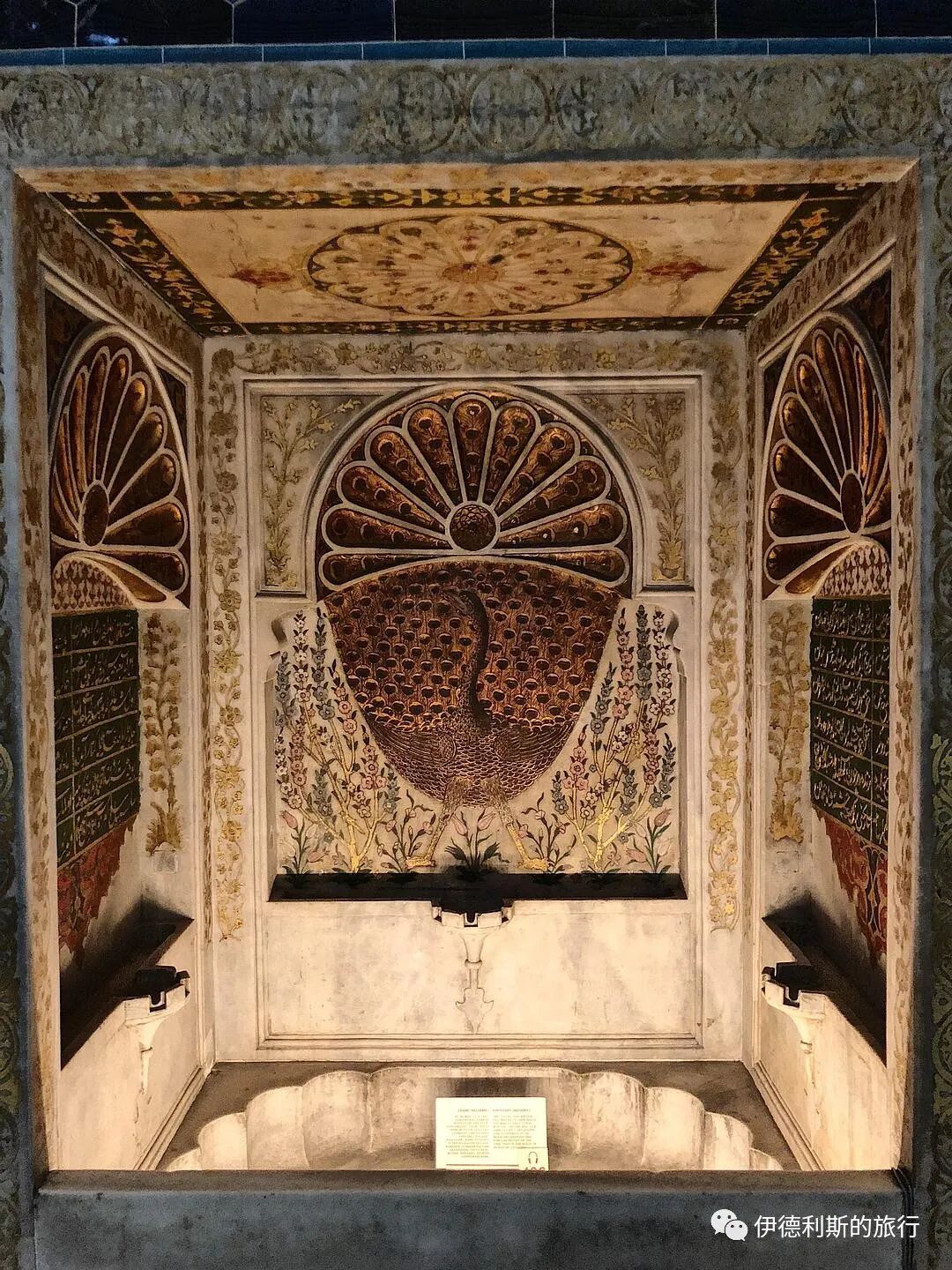
The building houses a fountain built in 1590. The peacock design among tulips, carnations, and plum blossoms was a very popular theme during the reign of Ottoman Sultan Murad III (reigned 1574-1595).
4. Atik Ali Pasha Mosque: 1496
The Atik Ali Pasha Mosque (Gazi Atik Ali Paşa Camii) was built in 1496 by Atik Ali Pasha, the Grand Vizier to Ottoman Sultan Bayezid II. It is located south of the Grand Bazaar.
Atik Ali Pasha was originally a Bosnian from Sarajevo. He entered the Ottoman court as a white eunuch (Hadım). Because of his military achievements, he became a minister (Vezir) in 1496. In 1500, he led the army to defeat Venice and occupy the Peloponnese peninsula, and in 1501, he was promoted to the 22nd Grand Vizier of the Ottoman Empire.
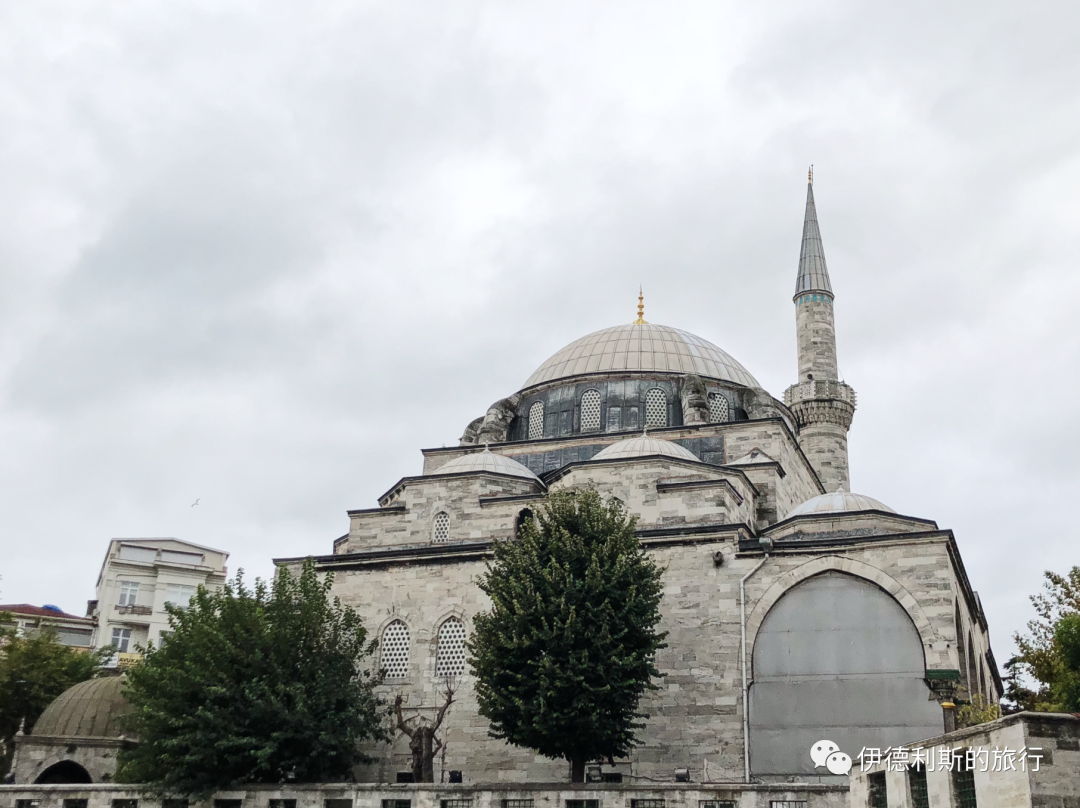
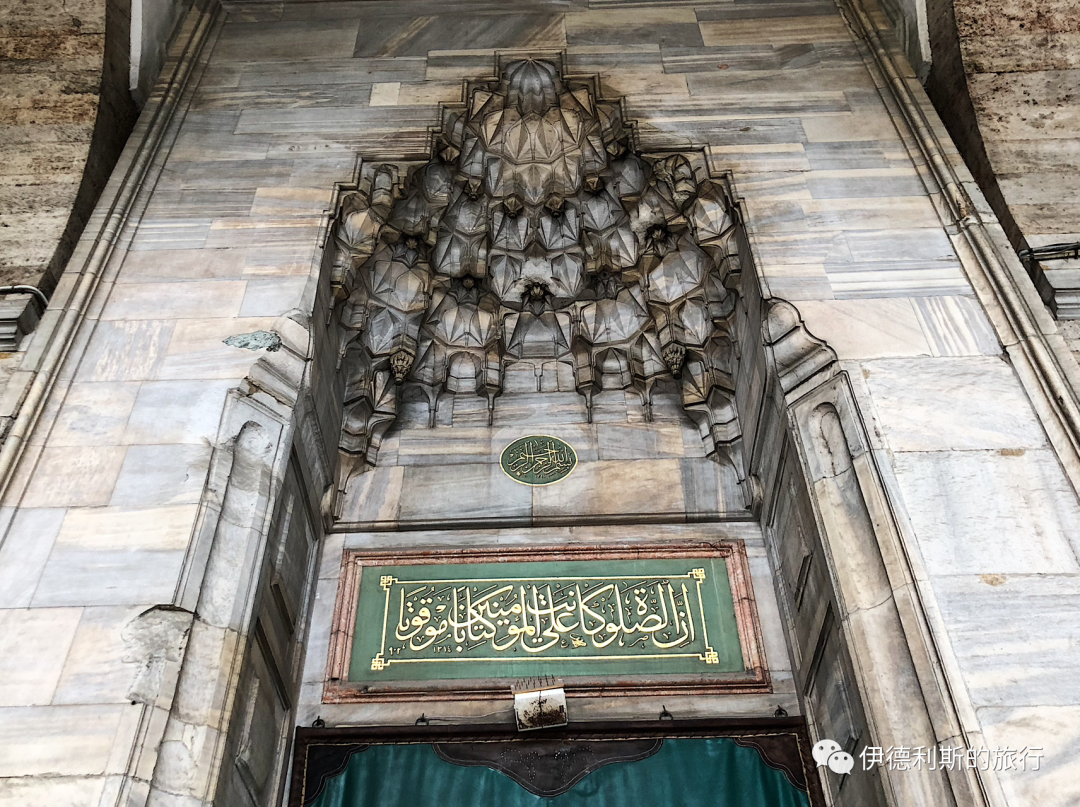
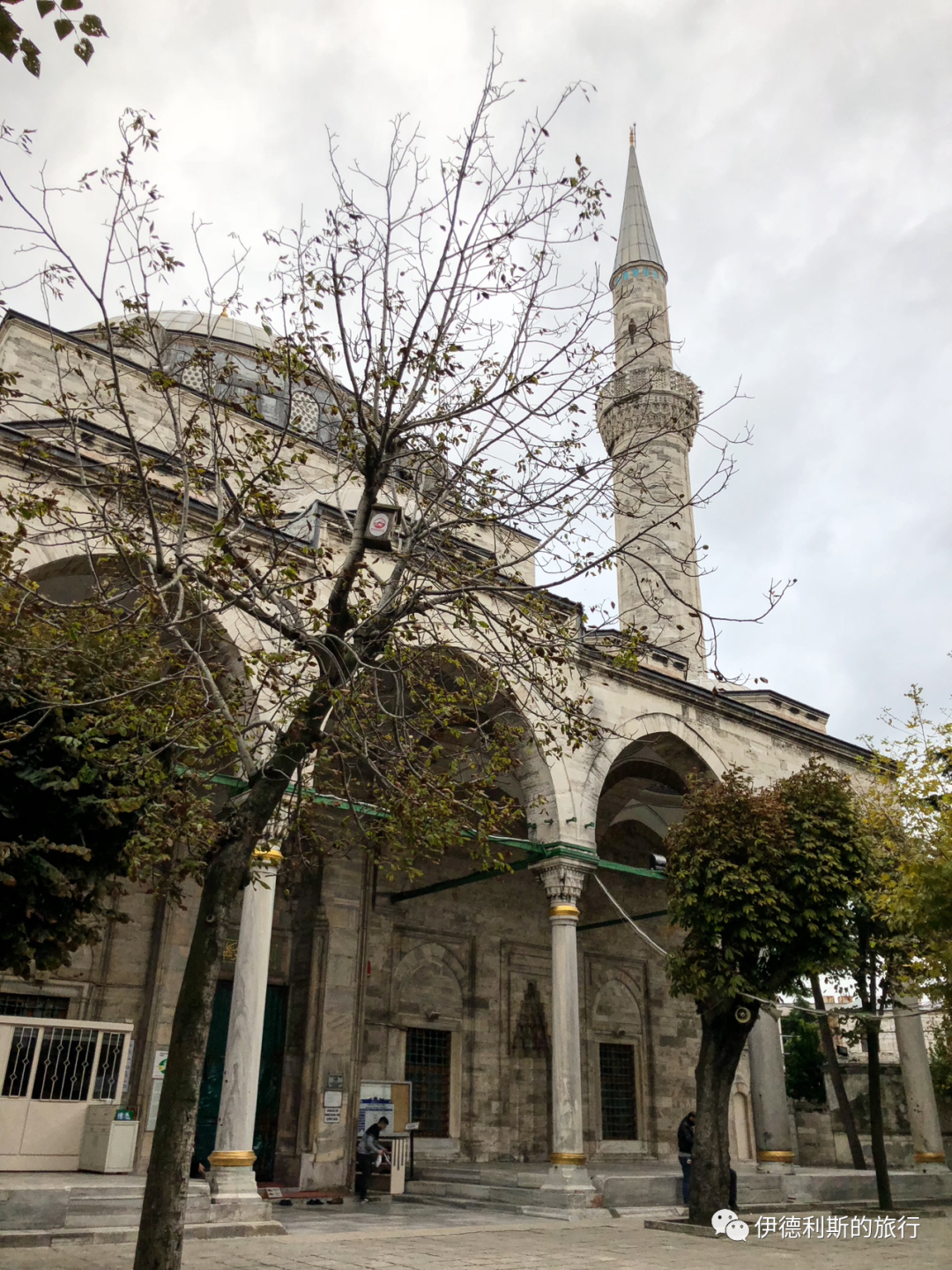
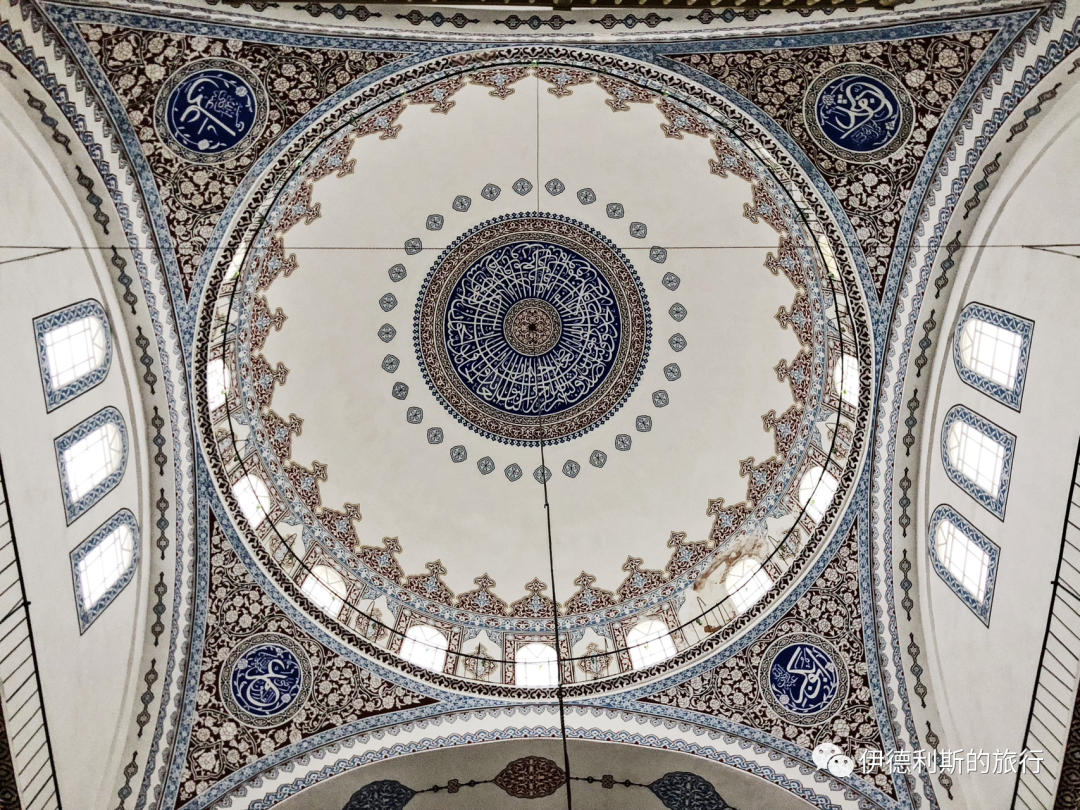
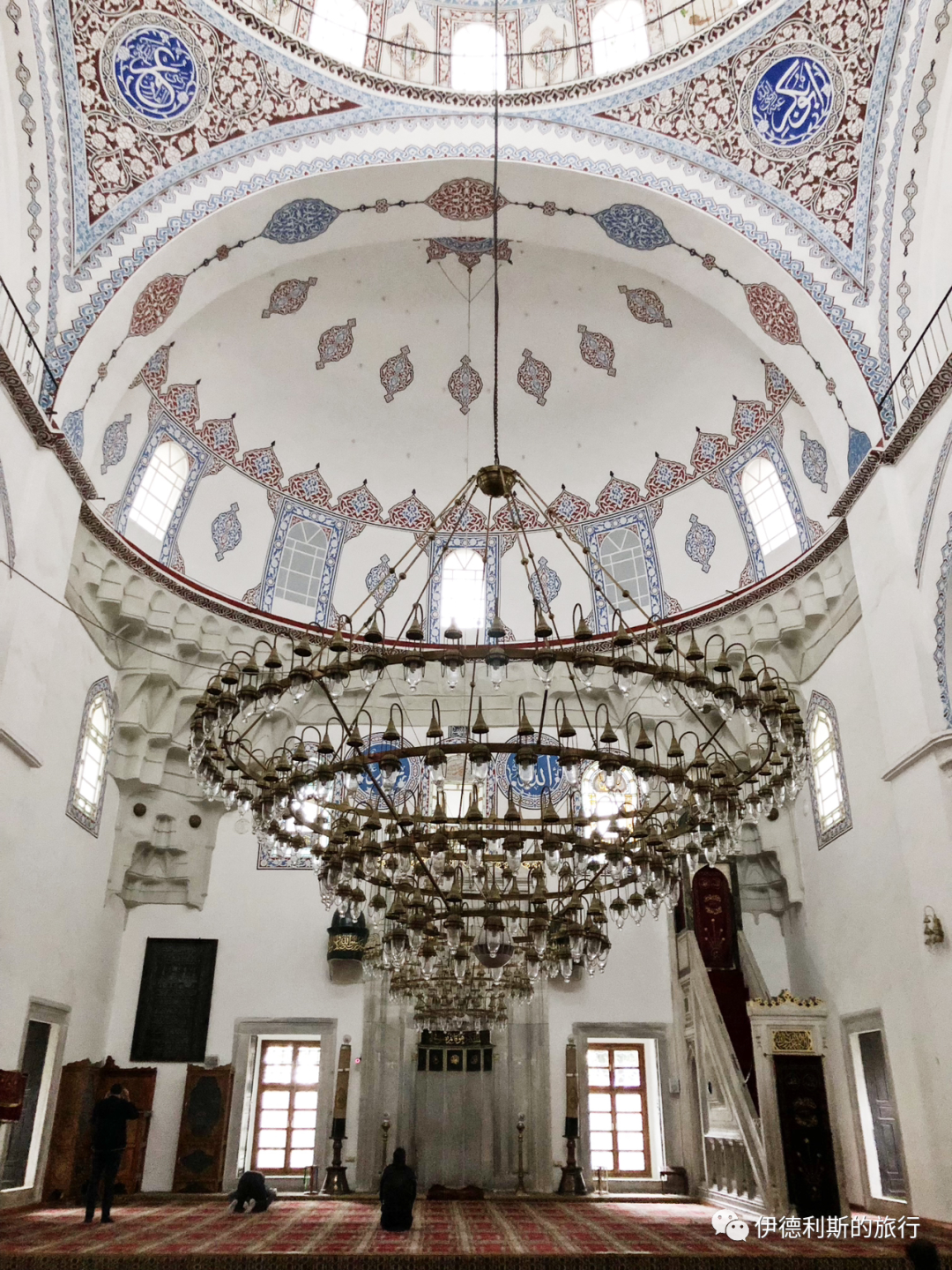
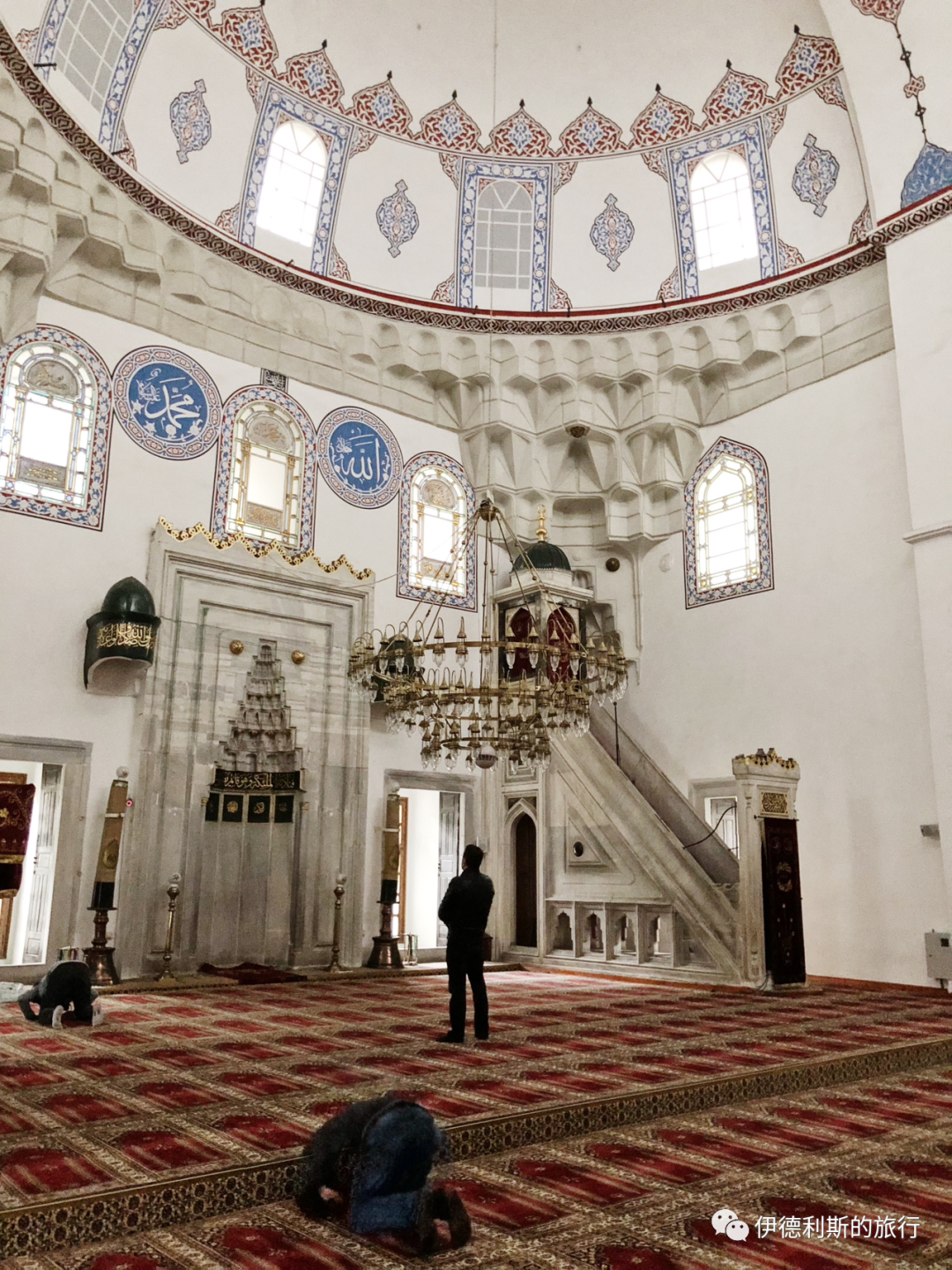
When it was first built, the entire complex included a mosque, a madrasa (Islamic school), a soup kitchen, a caravanserai, and a Sufi lodge. Today, only the mosque and the madrasa remain. The mosque has had a difficult history. It was damaged by earthquakes four times—in 1648, 1716, 1766, and 1894—and was rebuilt many times. During the 1894 restoration, calligraphy by the Ottoman calligrapher Sami Efendi was placed at the entrance of the main hall.
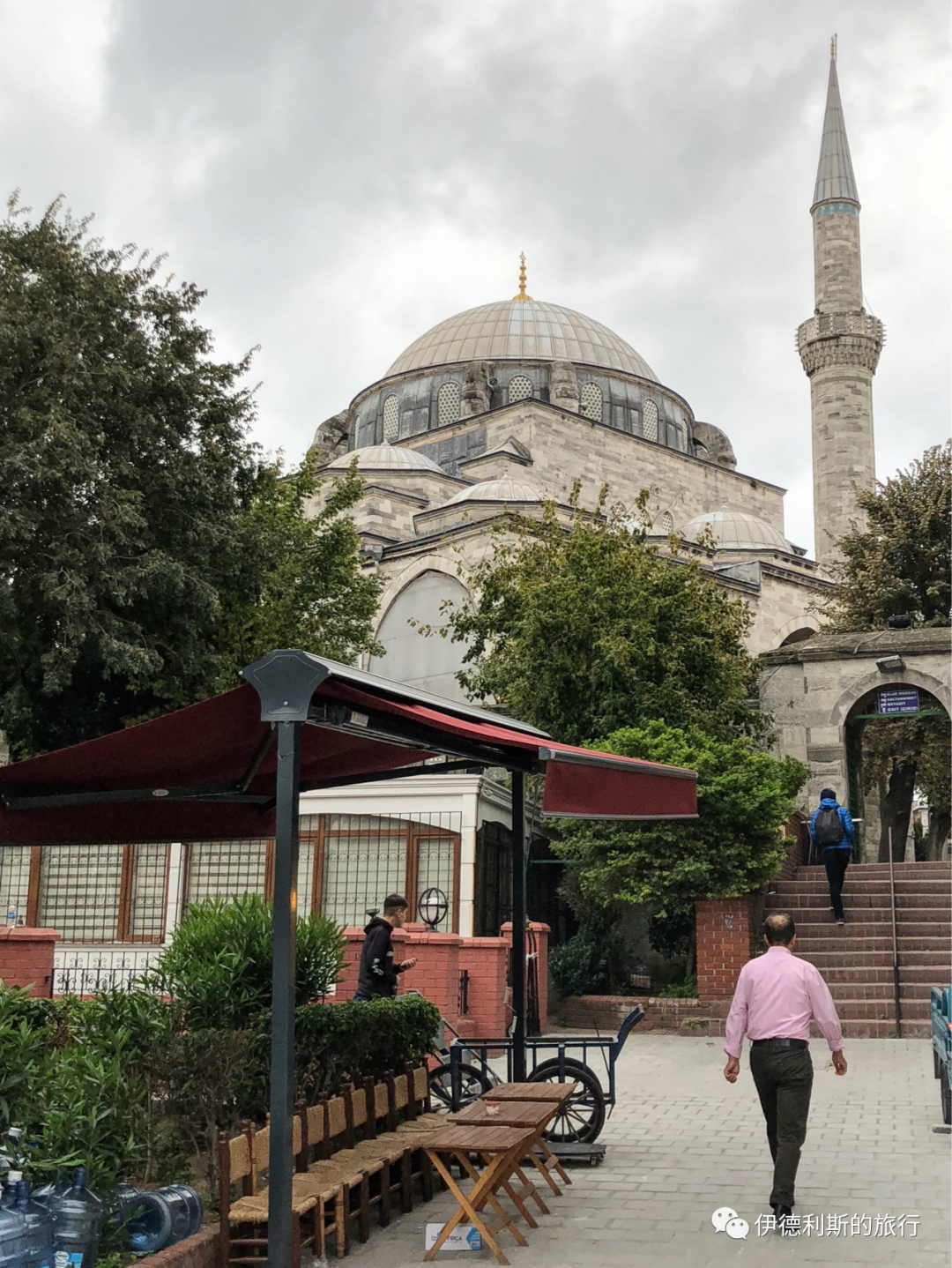
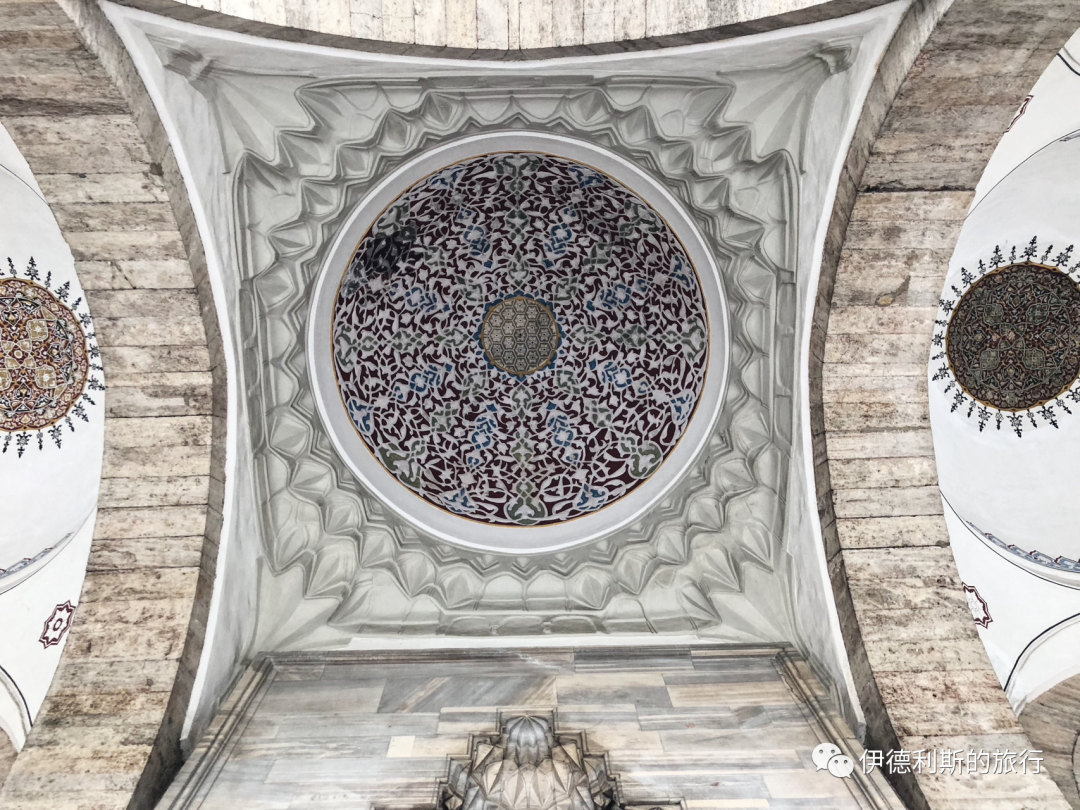
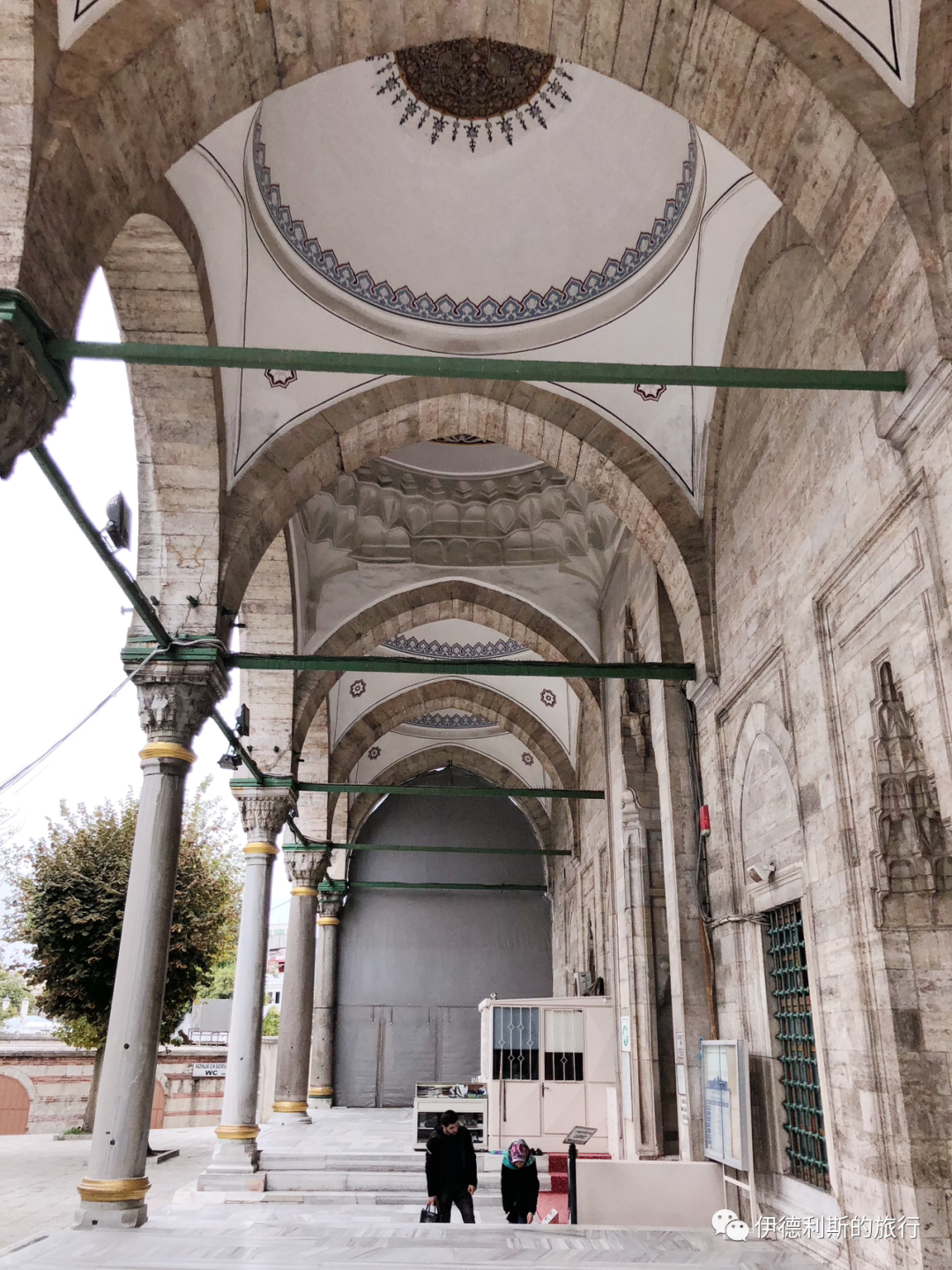
This is a T-shaped mosque. It consists of a main dome directly above the hall and a semi-dome over the mihrab. There are two small domes on each side of the main dome, and the front porch has five small domes. Unfortunately, because of the many repairs after earthquakes, you can barely see the original 15th-century appearance inside the main hall.
5. Bayezid II Bath: 1501-1507
The Bayezid II complex (Bayezid II Külliye) consists of a mosque, a madrasa, a bath, a tomb, shops, a caravanserai, and a kitchen. It was ordered by Ottoman Sultan Bayezid II (reigned 1481-1512) and built between 1501 and 1507. It is the second complex built by the Ottoman dynasty in Istanbul after the Fatih complex. Since the Fatih complex was rebuilt after being damaged by an earthquake in the 18th century, the Bayezid II complex is the oldest surviving Ottoman complex in Istanbul.
The Bayezid II Mosque reopened in 2020 after eight years of restoration. The madrasa has been closed for over a decade for repairs as a Museum of Calligraphy and has not opened yet. I hope I can visit both buildings on my next trip to Istanbul.
Luckily, the Bayezid II Hamam opened to the public as a museum in 2015 after restoration, so I was able to visit this 500-year-old Ottoman bathhouse.
The Bayezid II Hamam is so massive that it is commonly known as the Great Bath (Hamam-ı Kebir). This is a bathhouse with separate sections for men and women, so it has two main domes, each with a changing room (camekân), a warm room (ılıklık), and a hot room (hararet).
In 1730, the Albanian Janissaries led by Patrona Halil rose up and deposed Sultan Ahmed III. People say Patrona Halil once worked as an attendant at the Bayezid II Hamam. After the uprising failed, the Ottoman dynasty began to strictly manage bathhouses and restricted Albanians from working in Istanbul's bathhouses. From then on, bathhouse attendants in Istanbul mostly came from the Anatolia region, and this remains true today.
Mosque under renovation
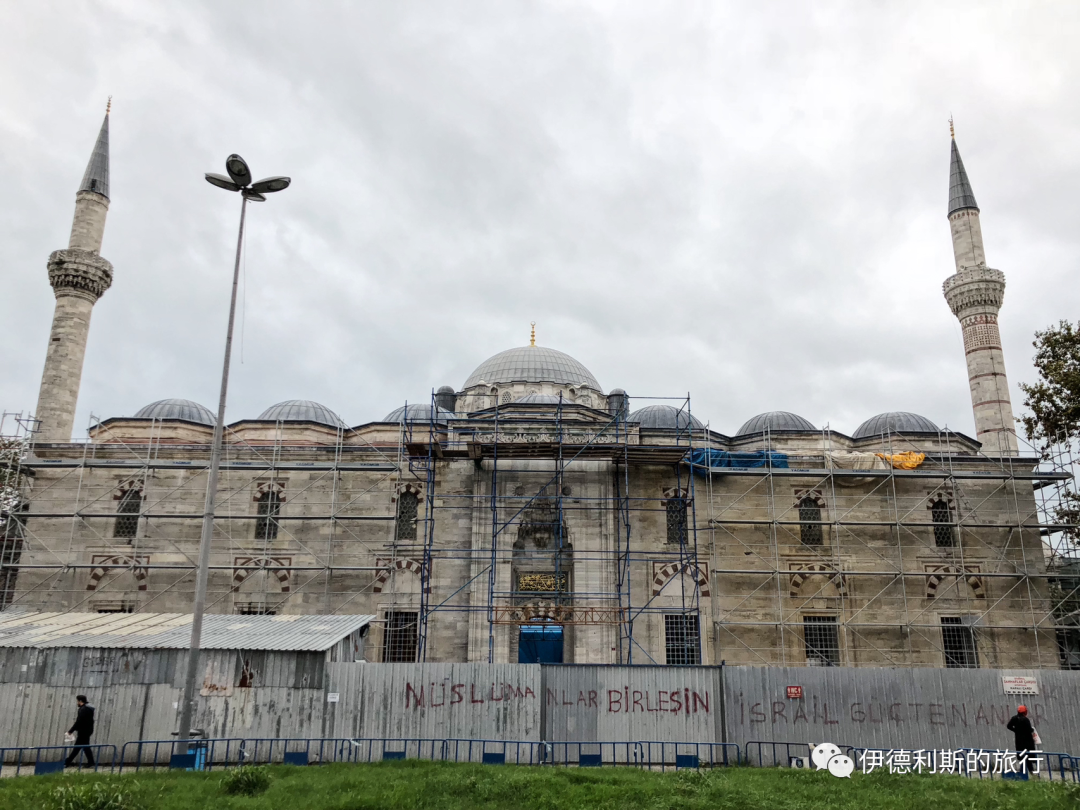
6. Yavuz Selim Mosque: 1520-1527
The Yavuz Selim Mosque (Yavuz Selim Camii) was built in 1520 by the Ottoman Sultan Suleiman the Magnificent to honor his father, Sultan Selim I (reigned 1512-1520). It was completed in 1527 and is the third imperial mosque built by the Ottoman dynasty in Istanbul.
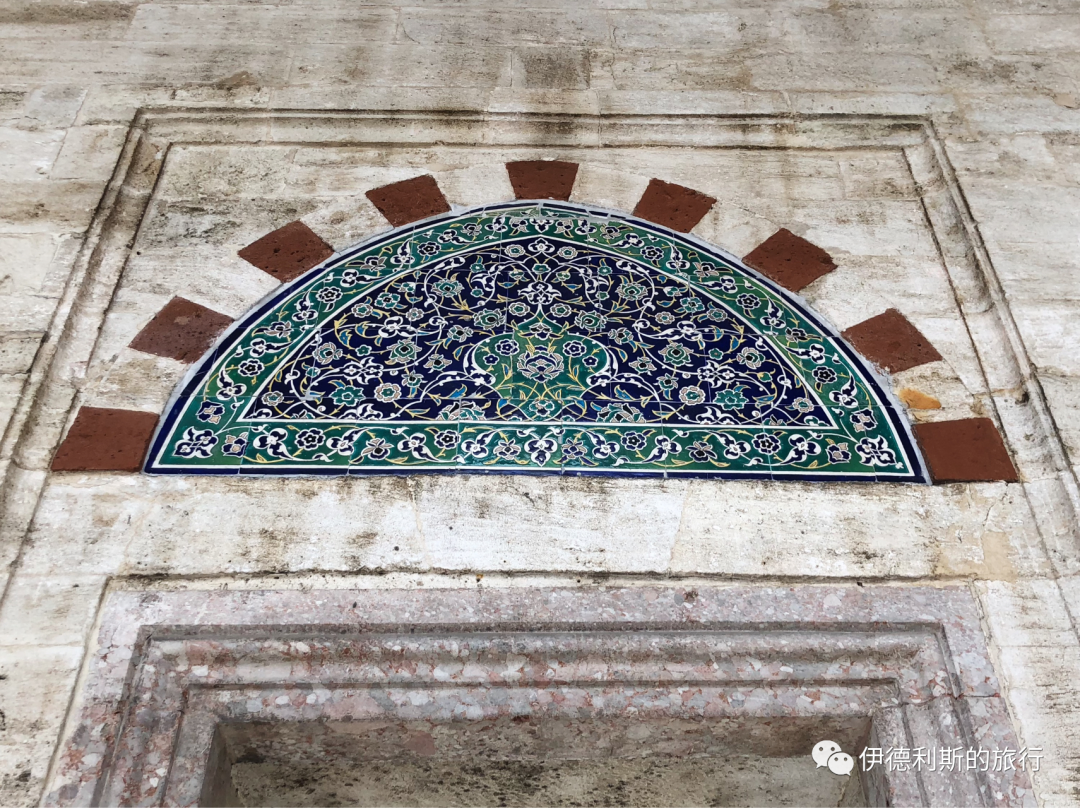
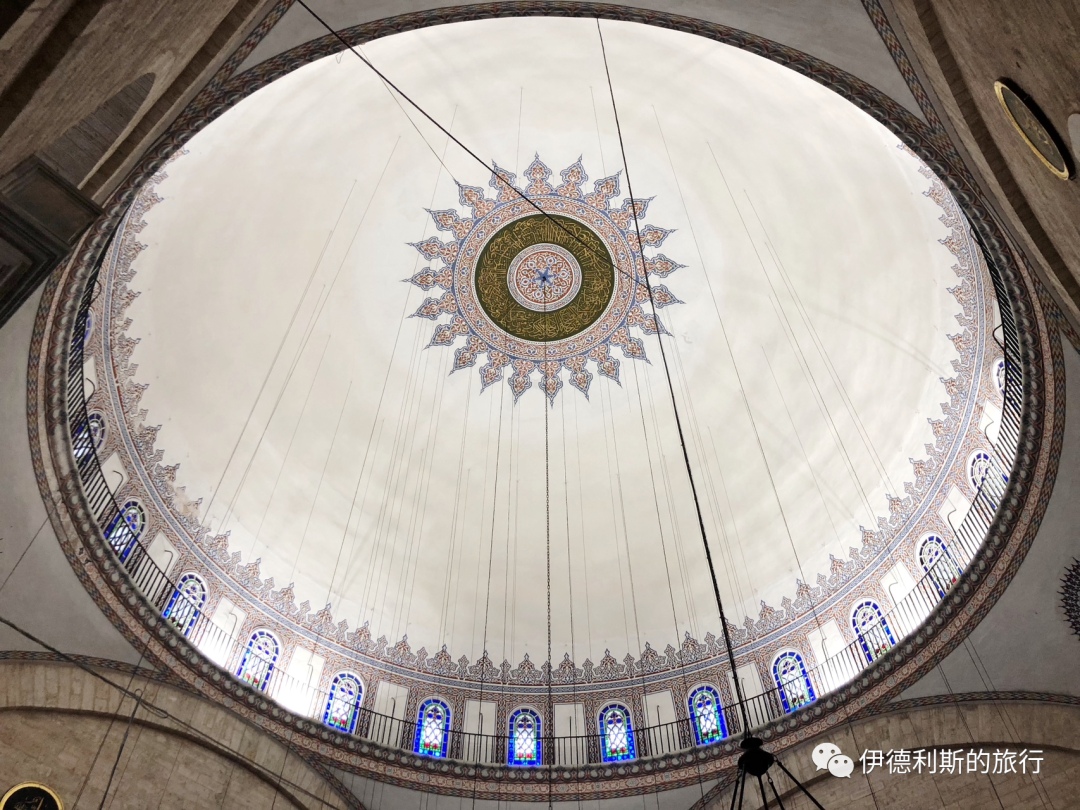
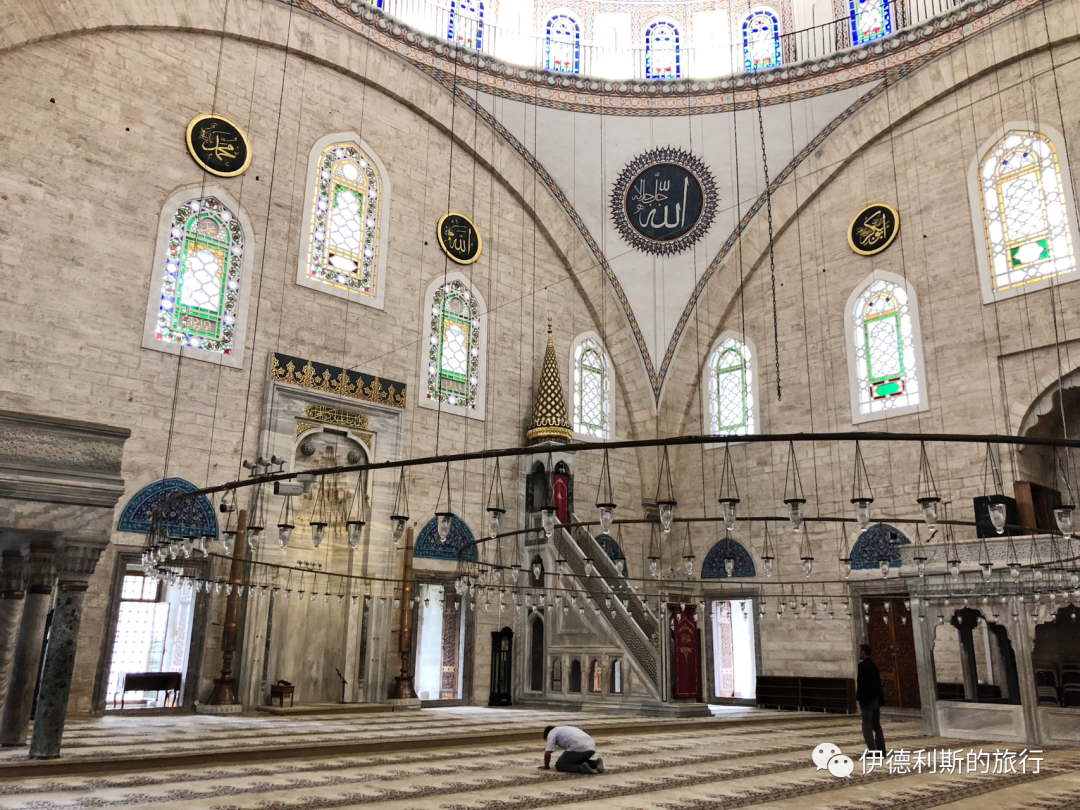
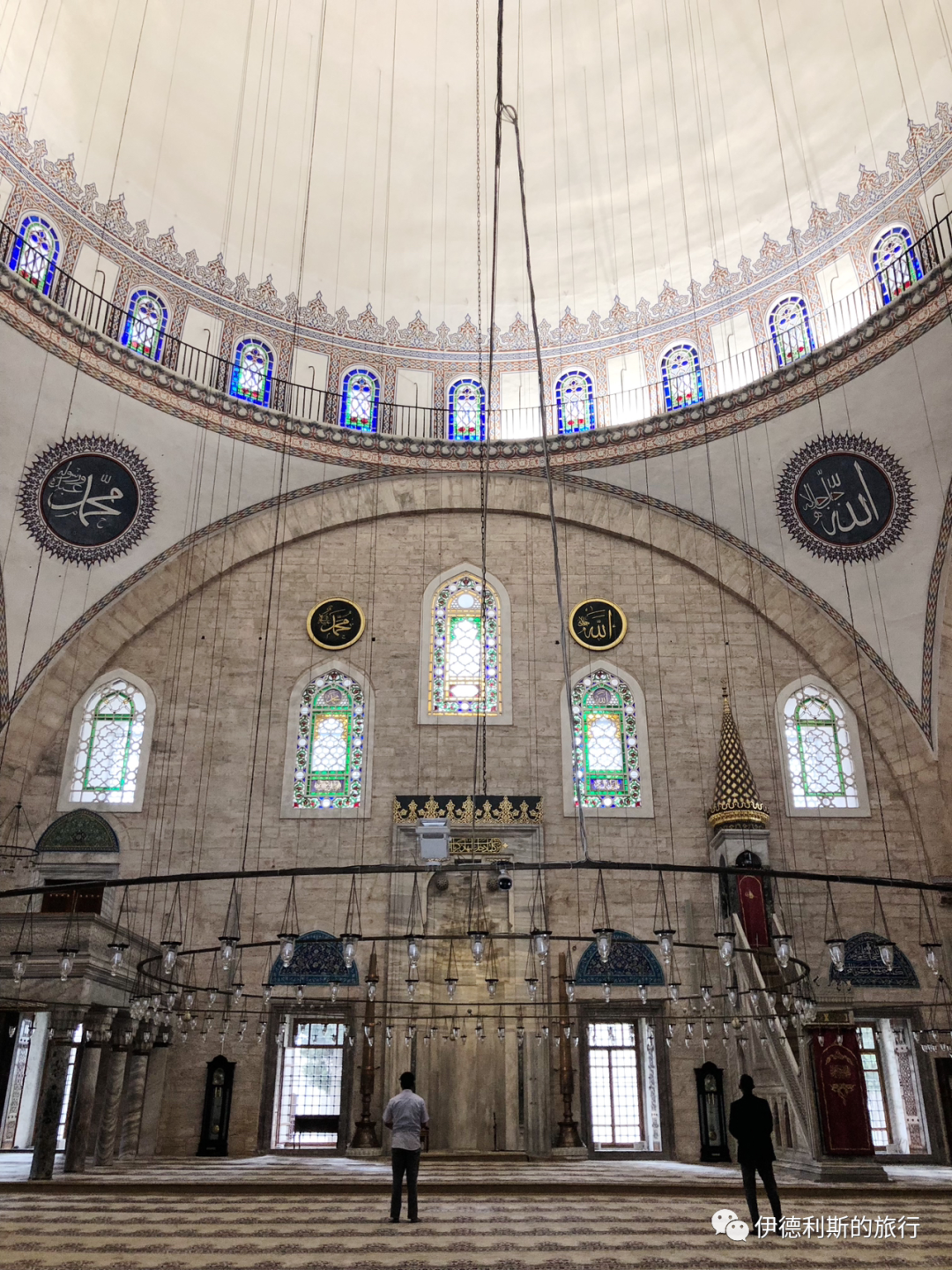
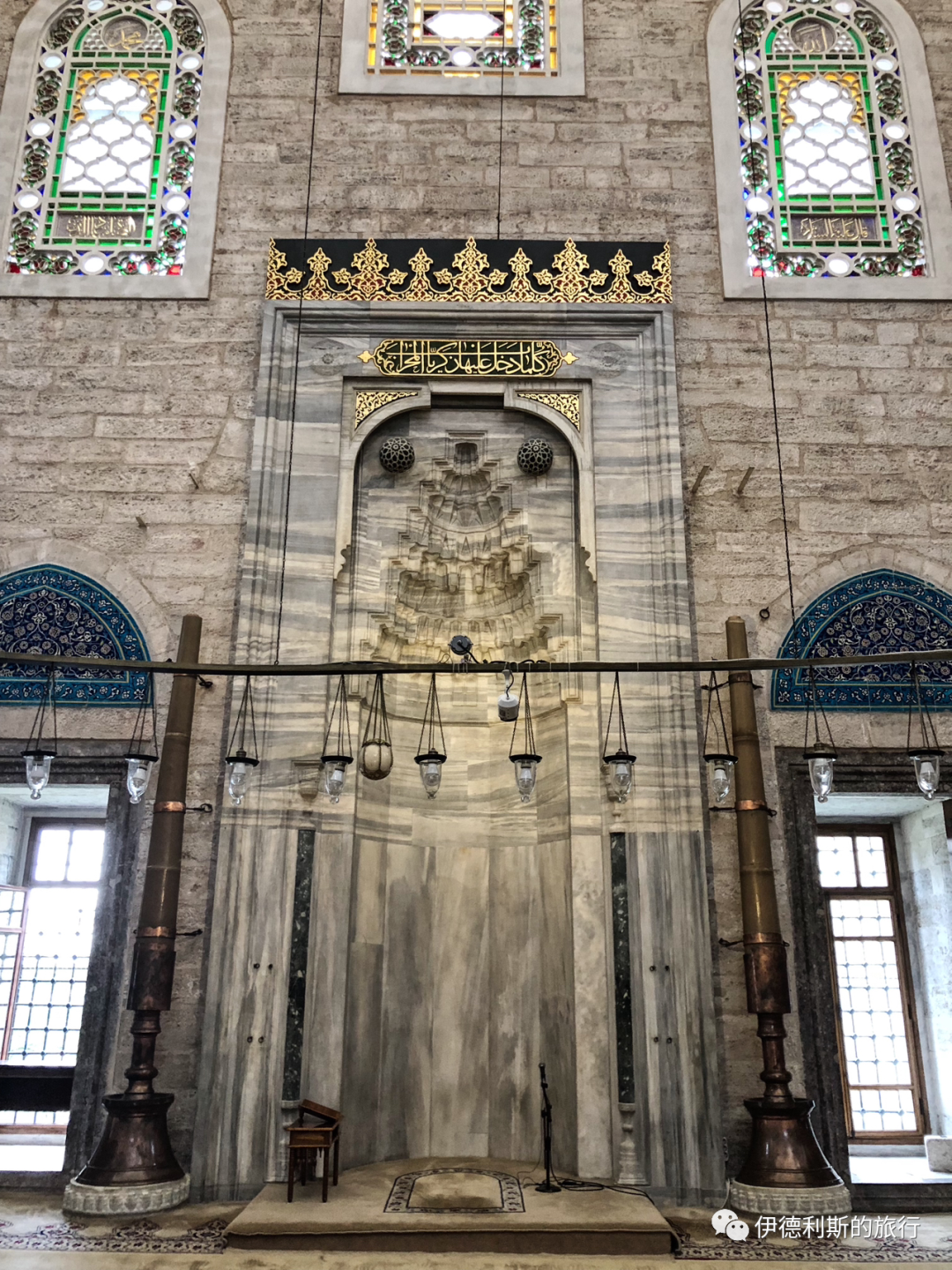
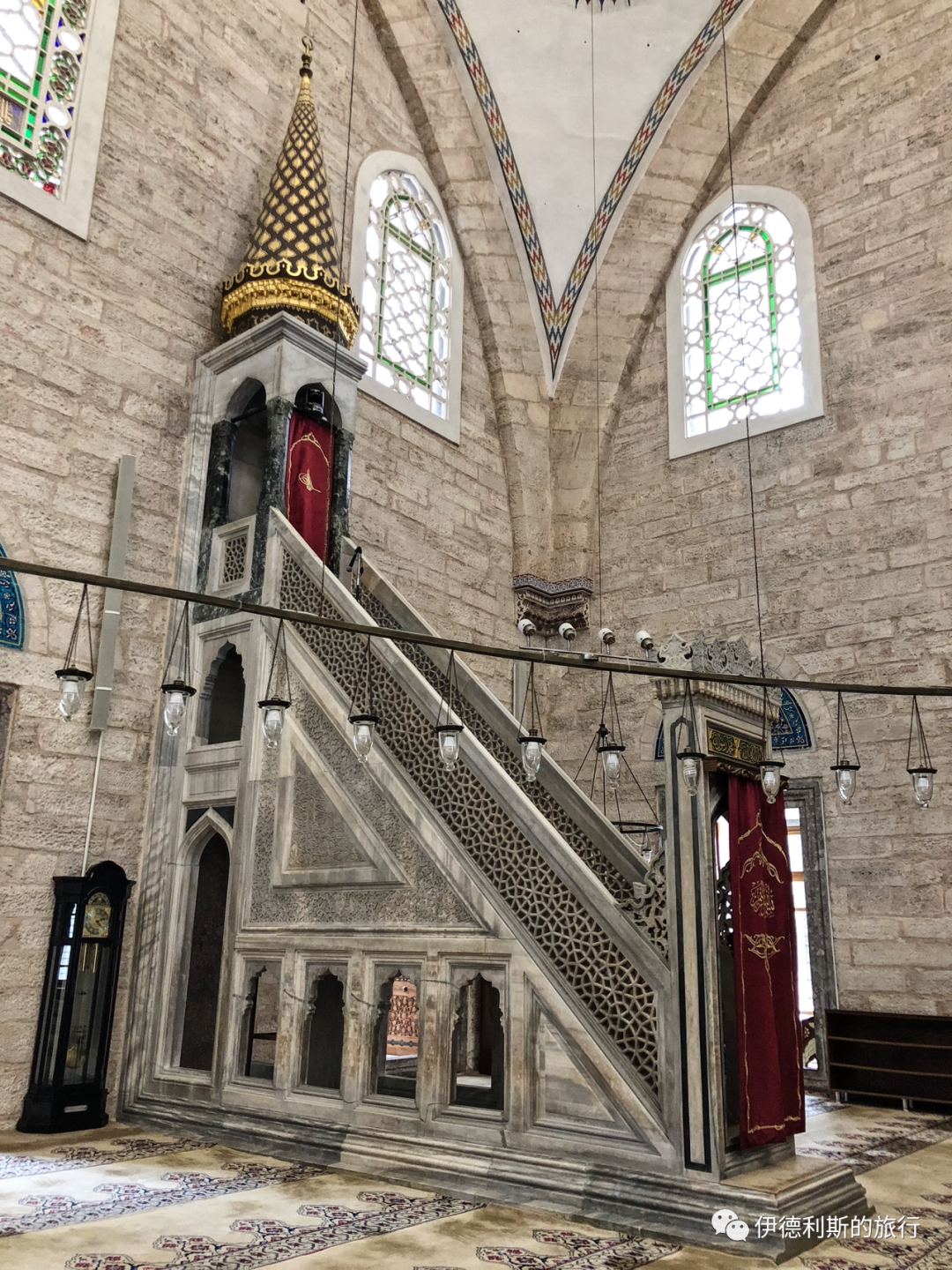
The Yavuz Selim Mosque sits on the summit of the fifth of Istanbul's seven hills, which is why the area is named Selim Hill. The structure of the mosque is similar to the Hagia Sophia, with a rectangular main hall topped by a shallow dome. The tiles at the entrance of the main hall use the traditional dry cord (Cuerda seca) technique. They are very similar to those in the Circumcision Room (Sünnet Odası) of the Ottoman Topkapi Palace, so we can conclude they were made by the same Iranian craftsmen who built the Ottoman palace.
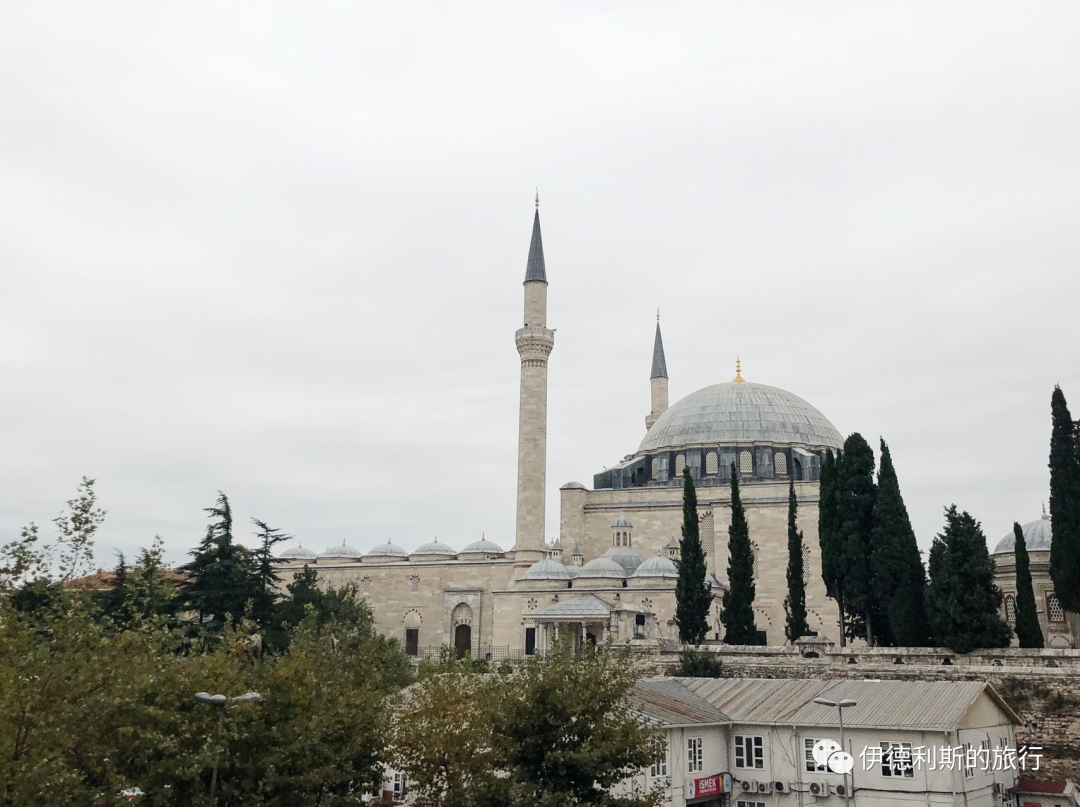
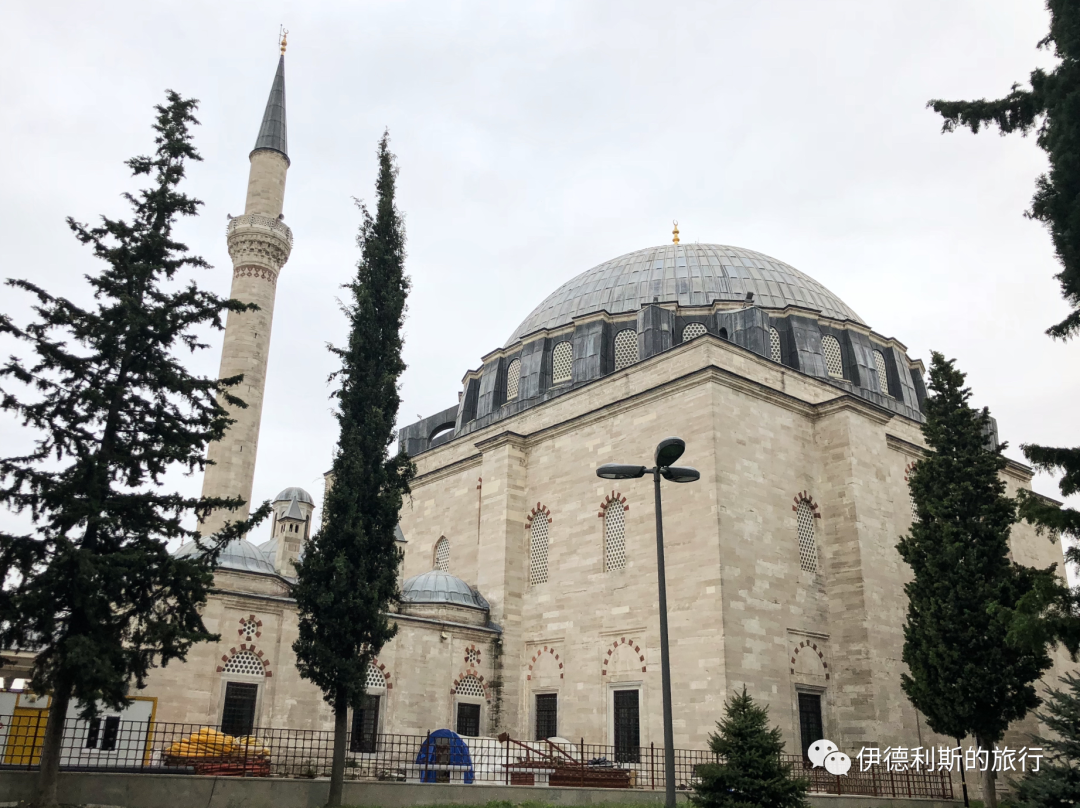
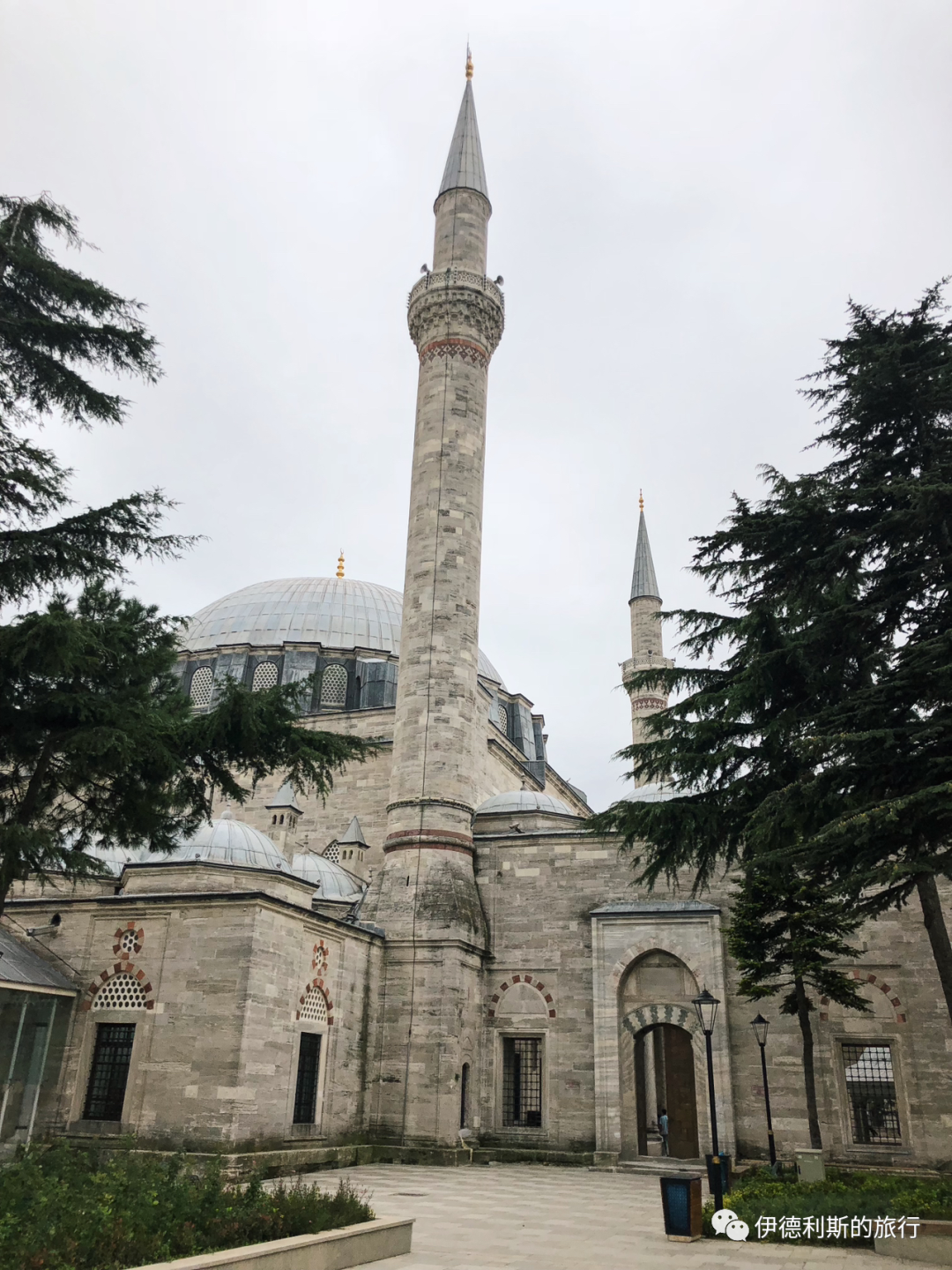
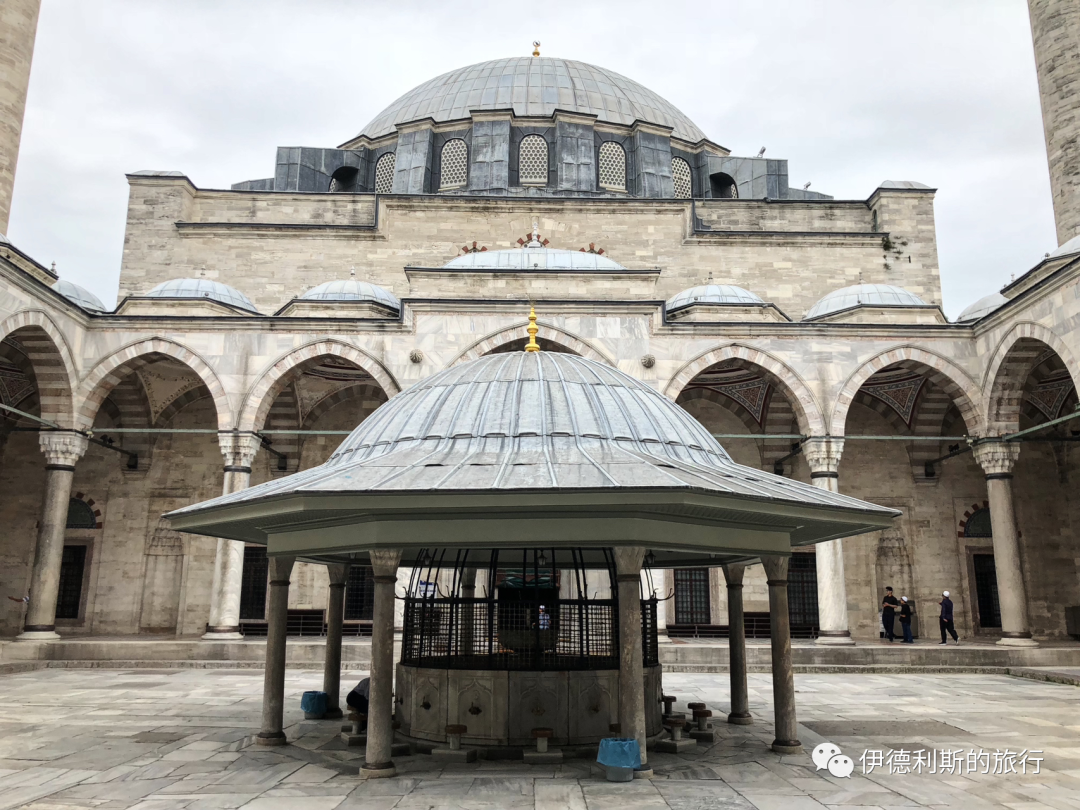
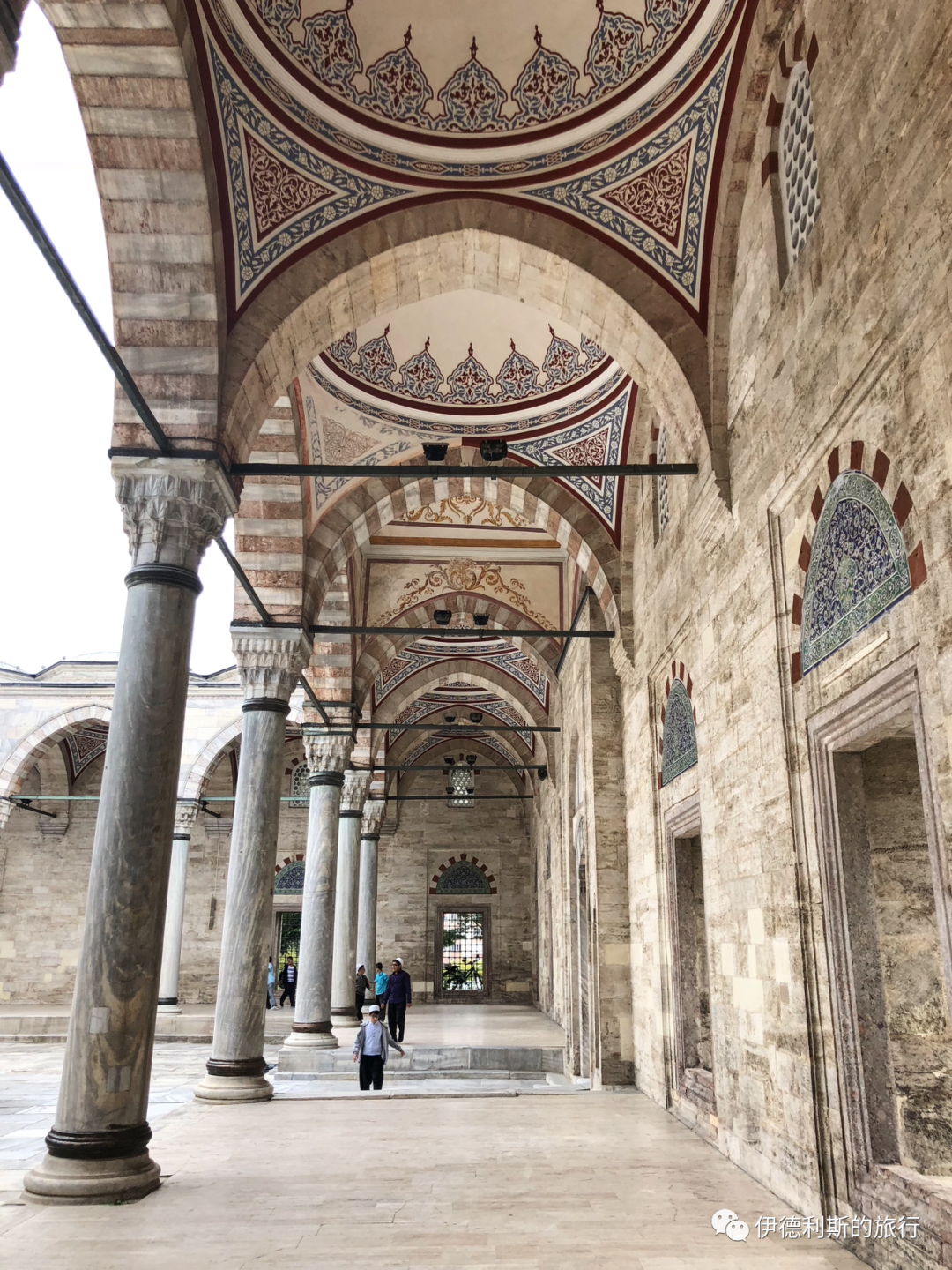
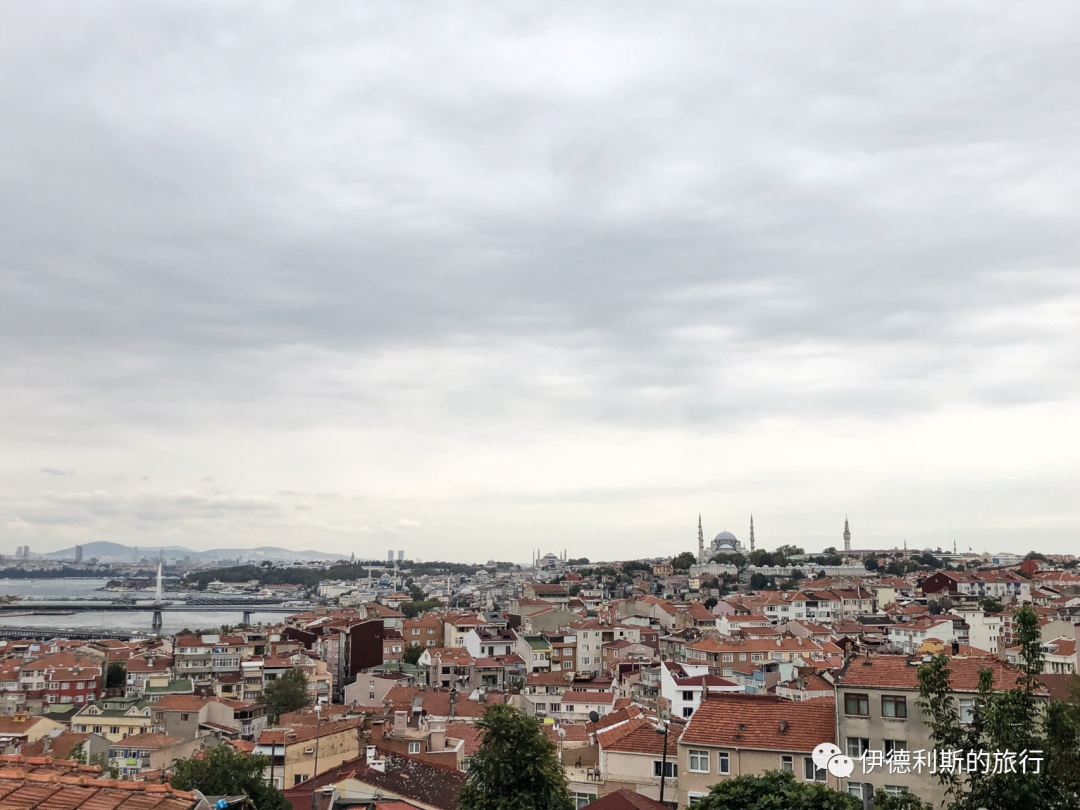
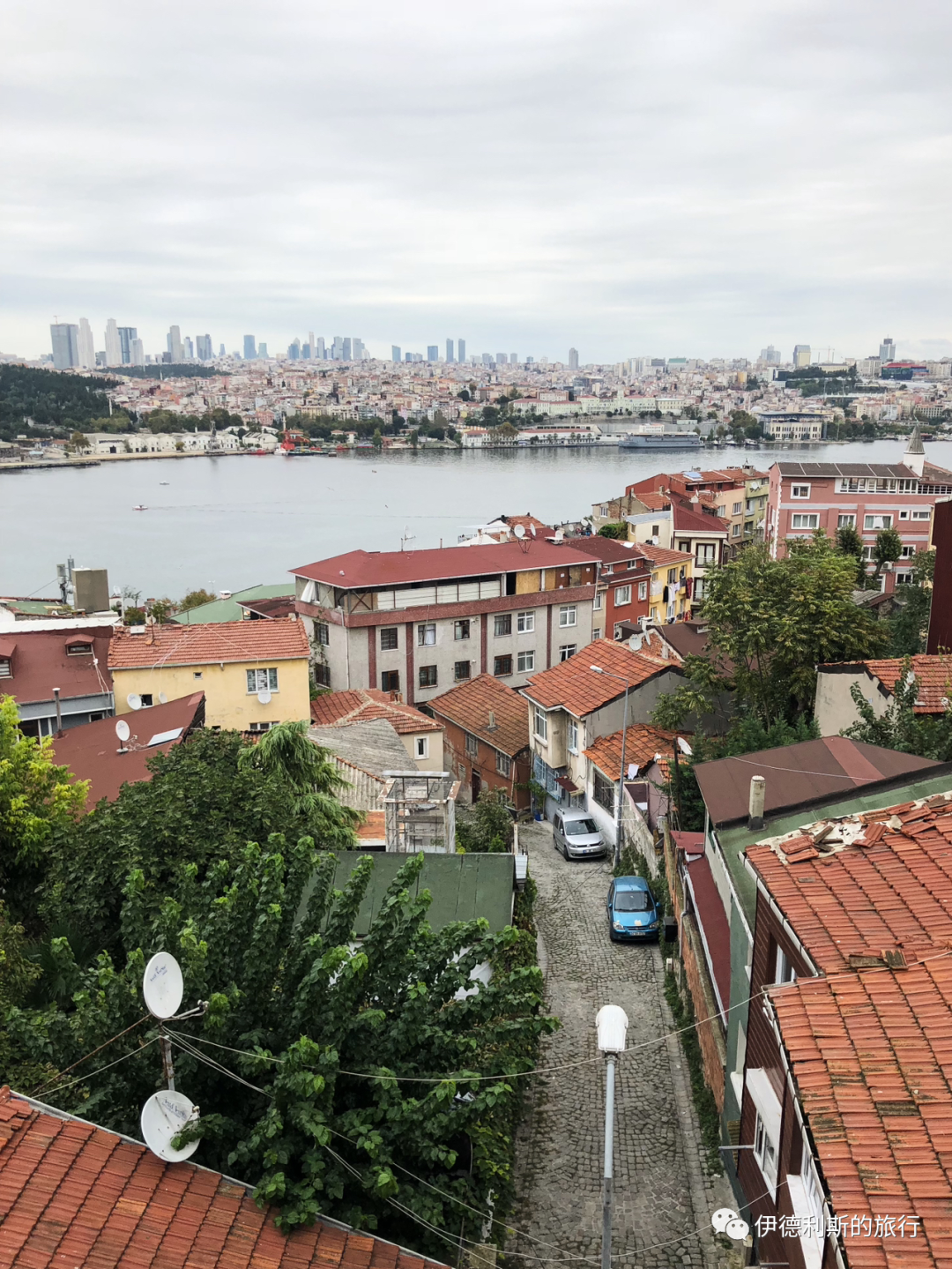
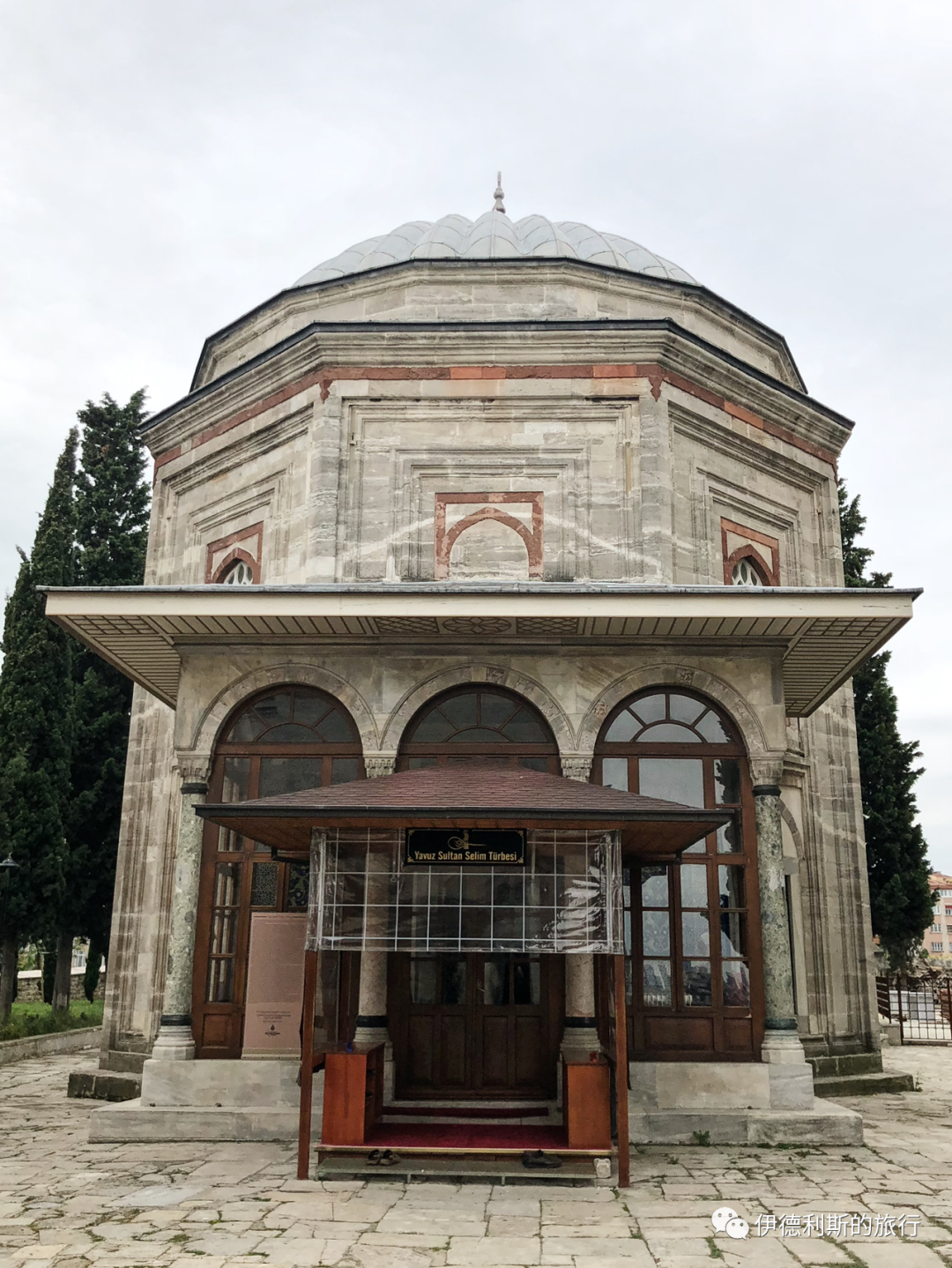
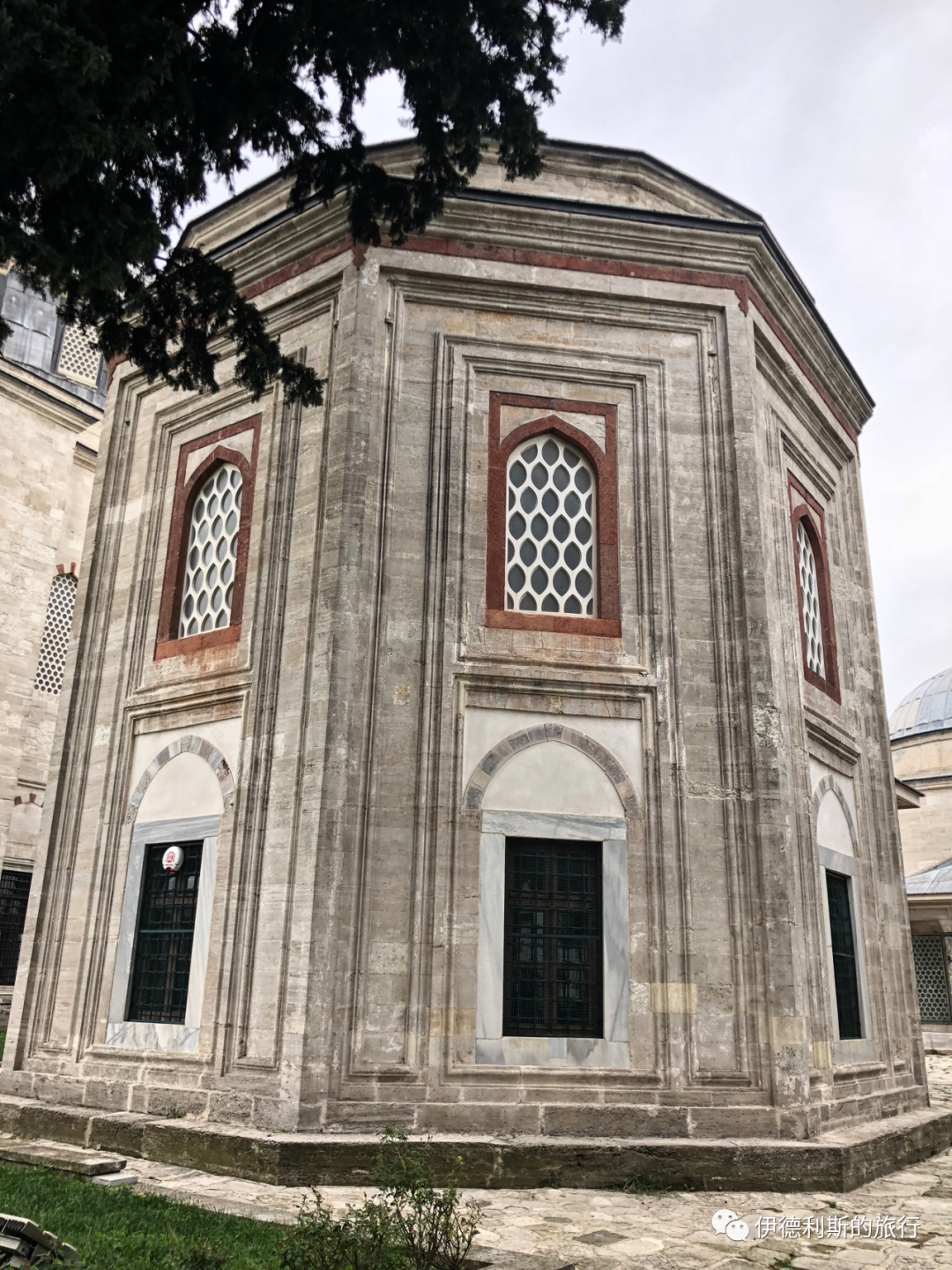
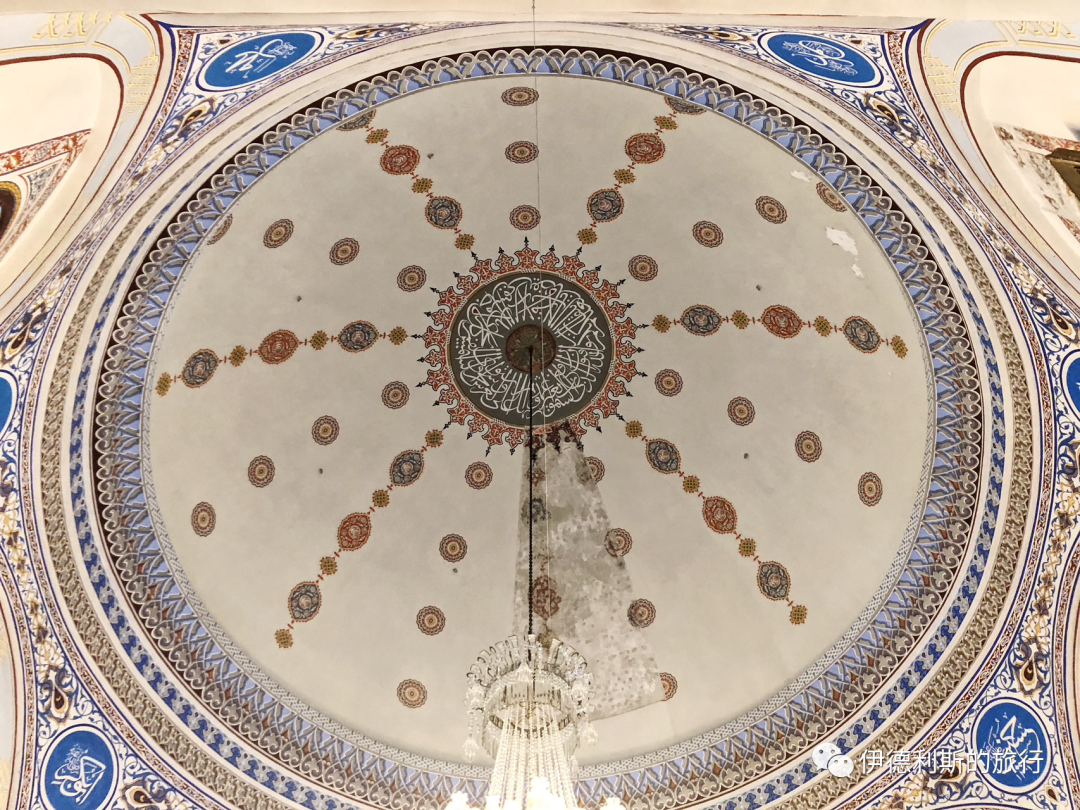
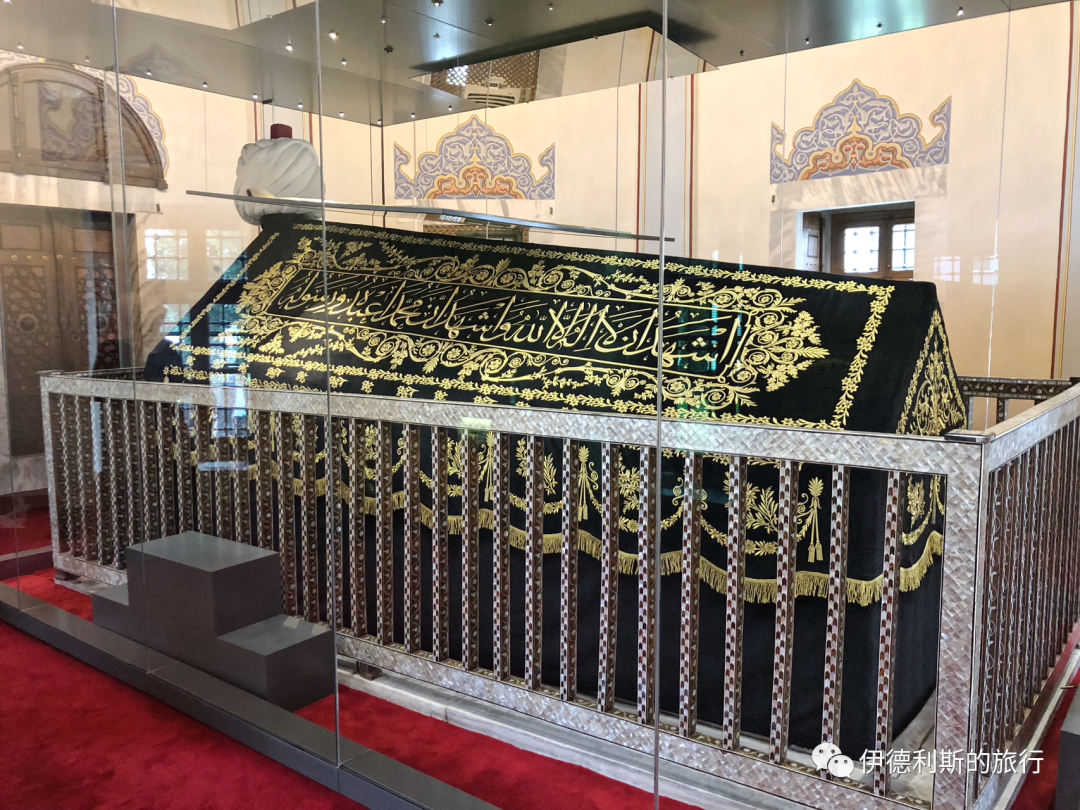
In the backyard of the Yavuz Selim Mosque is the Tomb of Selim I, built in 1523. Selim I was known as the Grim (Yavuz). During his reign, he greatly expanded the territory of the Ottoman dynasty. After conquering the Mamluk Sultanate in 1517, he gained control of the entire Levant, Hejaz, and Egypt, becoming the Custodian of the Two Holy Mosques and shifting the focus of the Ottoman dynasty from the Balkans to the Middle East.
Summary: Ottoman Architecture Guide: Istanbul — Early Mosques Before Mimar Sinan is presented here as a firsthand travel account in clear English, beginning with this scene: I want to share some mid-15th to mid-16th century Ottoman buildings I visited in Istanbul. Let's see what Ottoman architecture looked like before Mimar Sinan became the royal architect. The account keeps its focus on Istanbul, Ottoman Architecture, Early Mosques while preserving the names, places, food, and historical details from the Chinese source.
I want to share some mid-15th to mid-16th century Ottoman buildings I visited in Istanbul. Let's see what Ottoman architecture looked like before Mimar Sinan became the royal architect.
1. Grand Bazaar of Istanbul: 1455-56
The Grand Bazaar (Kapalıçarşı) was started by the Ottoman Sultan Mehmed the Conqueror in 1455-56, just three years after he conquered Constantinople. The first part built was the Jewelry Bazaar (Cevâhir Bedestan). After it was finished in 1460-61, it was managed by the foundation (Waqf) of the Hagia Sophia Mosque. The Grand Bazaar kept expanding after that and finally reached its current size in the early 17th century.
2. Mahmut Pasha Bath: 1466
The Mahmut Pasha Bath (Mahmut Pasha Hamam) was built in 1466 by Mahmut Pasha, the Grand Vizier (Vezir-i A'zam) to Sultan Mehmed the Conqueror. It sits northeast of the Grand Bazaar and is part of the Mahmut Pasha complex.
Mahmut Pasha was a descendant of Byzantine Greek nobility. As a child, he was recruited into the Ottoman system through the Devshirme (child tax) or as a prisoner of war. He later entered the Ottoman court and became a skilled general. Mahmut Pasha performed well in the Ottoman wars to conquer the Balkans. He became the 13th Grand Vizier of the Ottoman Empire in 1456 and led the army that destroyed the Kingdom of Bosnia in 1463.
The Mahmut Pasha Bath originally had separate sections for men and women, but the women's section was torn down. Now, only the men's changing room with its 17-meter-wide dome remains, and there is a beautiful stalactite vault (Muqarnas) at the entrance. Past the changing room are two other domes, which are the warm room and the hot room.
The Mahmut Pasha Bath was once used as a warehouse, but now it is connected to the Grand Bazaar and serves as a shopping area.
3. Tiled Kiosk: 1472
The Museum of Islamic Art in Istanbul is part of the Istanbul Archaeology Museums. It is located inside the Tiled Kiosk in the outer gardens of the Ottoman Topkapi Palace. The Tiled Kiosk was built in 1472 by the Ottoman Sultan Mehmed the Conqueror (Fatih Sultan Mehmed) as a pleasure pavilion in the palace gardens. The Tiled Kiosk opened as the Imperial Museum (Müze-i Hümayun) between 1875 and 1891. In 1953, it opened to the public again as the Museum of Turkish and Islamic Art. Later, it was merged into the Istanbul Archaeology Museums as their Islamic Art branch.
The building is cross-shaped. Because it was not influenced by Byzantine architecture, scholars think it might have been designed by an unknown Persian architect. The tiles on the building's exterior clearly show influence from Central Asian regions like Samarkand, while the bricks and polygonal columns are typical of Persian architecture.
Some of the original interior decorations are still preserved in the Tiled Kiosk. The gold leaf on some tiles had faded, so parts of it have been re-gilded.
The building houses a fountain built in 1590. The peacock design among tulips, carnations, and plum blossoms was a very popular theme during the reign of Ottoman Sultan Murad III (reigned 1574-1595).
4. Atik Ali Pasha Mosque: 1496
The Atik Ali Pasha Mosque (Gazi Atik Ali Paşa Camii) was built in 1496 by Atik Ali Pasha, the Grand Vizier to Ottoman Sultan Bayezid II. It is located south of the Grand Bazaar.
Atik Ali Pasha was originally a Bosnian from Sarajevo. He entered the Ottoman court as a white eunuch (Hadım). Because of his military achievements, he became a minister (Vezir) in 1496. In 1500, he led the army to defeat Venice and occupy the Peloponnese peninsula, and in 1501, he was promoted to the 22nd Grand Vizier of the Ottoman Empire.
When it was first built, the entire complex included a mosque, a madrasa (Islamic school), a soup kitchen, a caravanserai, and a Sufi lodge. Today, only the mosque and the madrasa remain. The mosque has had a difficult history. It was damaged by earthquakes four times—in 1648, 1716, 1766, and 1894—and was rebuilt many times. During the 1894 restoration, calligraphy by the Ottoman calligrapher Sami Efendi was placed at the entrance of the main hall.
This is a T-shaped mosque. It consists of a main dome directly above the hall and a semi-dome over the mihrab. There are two small domes on each side of the main dome, and the front porch has five small domes. Unfortunately, because of the many repairs after earthquakes, you can barely see the original 15th-century appearance inside the main hall.
5. Bayezid II Bath: 1501-1507
The Bayezid II complex (Bayezid II Külliye) consists of a mosque, a madrasa, a bath, a tomb, shops, a caravanserai, and a kitchen. It was ordered by Ottoman Sultan Bayezid II (reigned 1481-1512) and built between 1501 and 1507. It is the second complex built by the Ottoman dynasty in Istanbul after the Fatih complex. Since the Fatih complex was rebuilt after being damaged by an earthquake in the 18th century, the Bayezid II complex is the oldest surviving Ottoman complex in Istanbul.
The Bayezid II Mosque reopened in 2020 after eight years of restoration. The madrasa has been closed for over a decade for repairs as a Museum of Calligraphy and has not opened yet. I hope I can visit both buildings on my next trip to Istanbul.
Luckily, the Bayezid II Hamam opened to the public as a museum in 2015 after restoration, so I was able to visit this 500-year-old Ottoman bathhouse.
The Bayezid II Hamam is so massive that it is commonly known as the Great Bath (Hamam-ı Kebir). This is a bathhouse with separate sections for men and women, so it has two main domes, each with a changing room (camekân), a warm room (ılıklık), and a hot room (hararet).
In 1730, the Albanian Janissaries led by Patrona Halil rose up and deposed Sultan Ahmed III. People say Patrona Halil once worked as an attendant at the Bayezid II Hamam. After the uprising failed, the Ottoman dynasty began to strictly manage bathhouses and restricted Albanians from working in Istanbul's bathhouses. From then on, bathhouse attendants in Istanbul mostly came from the Anatolia region, and this remains true today.
Mosque under renovation
6. Yavuz Selim Mosque: 1520-1527
The Yavuz Selim Mosque (Yavuz Selim Camii) was built in 1520 by the Ottoman Sultan Suleiman the Magnificent to honor his father, Sultan Selim I (reigned 1512-1520). It was completed in 1527 and is the third imperial mosque built by the Ottoman dynasty in Istanbul.
The Yavuz Selim Mosque sits on the summit of the fifth of Istanbul's seven hills, which is why the area is named Selim Hill. The structure of the mosque is similar to the Hagia Sophia, with a rectangular main hall topped by a shallow dome. The tiles at the entrance of the main hall use the traditional dry cord (Cuerda seca) technique. They are very similar to those in the Circumcision Room (Sünnet Odası) of the Ottoman Topkapi Palace, so we can conclude they were made by the same Iranian craftsmen who built the Ottoman palace.
In the backyard of the Yavuz Selim Mosque is the Tomb of Selim I, built in 1523. Selim I was known as the Grim (Yavuz). During his reign, he greatly expanded the territory of the Ottoman dynasty. After conquering the Mamluk Sultanate in 1517, he gained control of the entire Levant, Hejaz, and Egypt, becoming the Custodian of the Two Holy Mosques and shifting the focus of the Ottoman dynasty from the Balkans to the Middle East.
Ottoman Architecture Guide: Istanbul — Early Mosques Before Mimar Sinan
Articles • ali2007fr posted the article • 0 comments • 222 views • 2026-05-18 09:21
Reposted from the web
Summary: Ottoman Architecture Guide: Istanbul — Early Mosques Before Mimar Sinan is presented here as a firsthand travel account in clear English, beginning with this scene: I want to share some mid-15th to mid-16th century Ottoman buildings I visited in Istanbul. Let's see what Ottoman architecture looked like before Mimar Sinan became the royal architect. The account keeps its focus on Istanbul, Ottoman Architecture, Early Mosques while preserving the names, places, food, and historical details from the Chinese source.
I want to share some mid-15th to mid-16th century Ottoman buildings I visited in Istanbul. Let's see what Ottoman architecture looked like before Mimar Sinan became the royal architect.
1. Grand Bazaar of Istanbul: 1455-56
The Grand Bazaar (Kapalıçarşı) was started by the Ottoman Sultan Mehmed the Conqueror in 1455-56, just three years after he conquered Constantinople. The first part built was the Jewelry Bazaar (Cevâhir Bedestan). After it was finished in 1460-61, it was managed by the foundation (Waqf) of the Hagia Sophia Mosque. The Grand Bazaar kept expanding after that and finally reached its current size in the early 17th century.
2. Mahmut Pasha Bath: 1466
The Mahmut Pasha Bath (Mahmut Pasha Hamam) was built in 1466 by Mahmut Pasha, the Grand Vizier (Vezir-i A'zam) to Sultan Mehmed the Conqueror. It sits northeast of the Grand Bazaar and is part of the Mahmut Pasha complex.
Mahmut Pasha was a descendant of Byzantine Greek nobility. As a child, he was recruited into the Ottoman system through the Devshirme (child tax) or as a prisoner of war. He later entered the Ottoman court and became a skilled general. Mahmut Pasha performed well in the Ottoman wars to conquer the Balkans. He became the 13th Grand Vizier of the Ottoman Empire in 1456 and led the army that destroyed the Kingdom of Bosnia in 1463.
The Mahmut Pasha Bath originally had separate sections for men and women, but the women's section was torn down. Now, only the men's changing room with its 17-meter-wide dome remains, and there is a beautiful stalactite vault (Muqarnas) at the entrance. Past the changing room are two other domes, which are the warm room and the hot room.
The Mahmut Pasha Bath was once used as a warehouse, but now it is connected to the Grand Bazaar and serves as a shopping area.
3. Tiled Kiosk: 1472
The Museum of Islamic Art in Istanbul is part of the Istanbul Archaeology Museums. It is located inside the Tiled Kiosk in the outer gardens of the Ottoman Topkapi Palace. The Tiled Kiosk was built in 1472 by the Ottoman Sultan Mehmed the Conqueror (Fatih Sultan Mehmed) as a pleasure pavilion in the palace gardens. The Tiled Kiosk opened as the Imperial Museum (Müze-i Hümayun) between 1875 and 1891. In 1953, it opened to the public again as the Museum of Turkish and Islamic Art. Later, it was merged into the Istanbul Archaeology Museums as their Islamic Art branch.
The building is cross-shaped. Because it was not influenced by Byzantine architecture, scholars think it might have been designed by an unknown Persian architect. The tiles on the building's exterior clearly show influence from Central Asian regions like Samarkand, while the bricks and polygonal columns are typical of Persian architecture.
Some of the original interior decorations are still preserved in the Tiled Kiosk. The gold leaf on some tiles had faded, so parts of it have been re-gilded.
The building houses a fountain built in 1590. The peacock design among tulips, carnations, and plum blossoms was a very popular theme during the reign of Ottoman Sultan Murad III (reigned 1574-1595).
4. Atik Ali Pasha Mosque: 1496
The Atik Ali Pasha Mosque (Gazi Atik Ali Paşa Camii) was built in 1496 by Atik Ali Pasha, the Grand Vizier to Ottoman Sultan Bayezid II. It is located south of the Grand Bazaar.
Atik Ali Pasha was originally a Bosnian from Sarajevo. He entered the Ottoman court as a white eunuch (Hadım). Because of his military achievements, he became a minister (Vezir) in 1496. In 1500, he led the army to defeat Venice and occupy the Peloponnese peninsula, and in 1501, he was promoted to the 22nd Grand Vizier of the Ottoman Empire.
When it was first built, the entire complex included a mosque, a madrasa (Islamic school), a soup kitchen, a caravanserai, and a Sufi lodge. Today, only the mosque and the madrasa remain. The mosque has had a difficult history. It was damaged by earthquakes four times—in 1648, 1716, 1766, and 1894—and was rebuilt many times. During the 1894 restoration, calligraphy by the Ottoman calligrapher Sami Efendi was placed at the entrance of the main hall.
This is a T-shaped mosque. It consists of a main dome directly above the hall and a semi-dome over the mihrab. There are two small domes on each side of the main dome, and the front porch has five small domes. Unfortunately, because of the many repairs after earthquakes, you can barely see the original 15th-century appearance inside the main hall.
5. Bayezid II Bath: 1501-1507
The Bayezid II complex (Bayezid II Külliye) consists of a mosque, a madrasa, a bath, a tomb, shops, a caravanserai, and a kitchen. It was ordered by Ottoman Sultan Bayezid II (reigned 1481-1512) and built between 1501 and 1507. It is the second complex built by the Ottoman dynasty in Istanbul after the Fatih complex. Since the Fatih complex was rebuilt after being damaged by an earthquake in the 18th century, the Bayezid II complex is the oldest surviving Ottoman complex in Istanbul.
The Bayezid II Mosque reopened in 2020 after eight years of restoration. The madrasa has been closed for over a decade for repairs as a Museum of Calligraphy and has not opened yet. I hope I can visit both buildings on my next trip to Istanbul.
Luckily, the Bayezid II Hamam opened to the public as a museum in 2015 after restoration, so I was able to visit this 500-year-old Ottoman bathhouse.
The Bayezid II Hamam is so massive that it is commonly known as the Great Bath (Hamam-ı Kebir). This is a bathhouse with separate sections for men and women, so it has two main domes, each with a changing room (camekân), a warm room (ılıklık), and a hot room (hararet).
In 1730, the Albanian Janissaries led by Patrona Halil rose up and deposed Sultan Ahmed III. People say Patrona Halil once worked as an attendant at the Bayezid II Hamam. After the uprising failed, the Ottoman dynasty began to strictly manage bathhouses and restricted Albanians from working in Istanbul's bathhouses. From then on, bathhouse attendants in Istanbul mostly came from the Anatolia region, and this remains true today.
Mosque under renovation
6. Yavuz Selim Mosque: 1520-1527
The Yavuz Selim Mosque (Yavuz Selim Camii) was built in 1520 by the Ottoman Sultan Suleiman the Magnificent to honor his father, Sultan Selim I (reigned 1512-1520). It was completed in 1527 and is the third imperial mosque built by the Ottoman dynasty in Istanbul.
The Yavuz Selim Mosque sits on the summit of the fifth of Istanbul's seven hills, which is why the area is named Selim Hill. The structure of the mosque is similar to the Hagia Sophia, with a rectangular main hall topped by a shallow dome. The tiles at the entrance of the main hall use the traditional dry cord (Cuerda seca) technique. They are very similar to those in the Circumcision Room (Sünnet Odası) of the Ottoman Topkapi Palace, so we can conclude they were made by the same Iranian craftsmen who built the Ottoman palace.
In the backyard of the Yavuz Selim Mosque is the Tomb of Selim I, built in 1523. Selim I was known as the Grim (Yavuz). During his reign, he greatly expanded the territory of the Ottoman dynasty. After conquering the Mamluk Sultanate in 1517, he gained control of the entire Levant, Hejaz, and Egypt, becoming the Custodian of the Two Holy Mosques and shifting the focus of the Ottoman dynasty from the Balkans to the Middle East. view all
Summary: Ottoman Architecture Guide: Istanbul — Early Mosques Before Mimar Sinan is presented here as a firsthand travel account in clear English, beginning with this scene: I want to share some mid-15th to mid-16th century Ottoman buildings I visited in Istanbul. Let's see what Ottoman architecture looked like before Mimar Sinan became the royal architect. The account keeps its focus on Istanbul, Ottoman Architecture, Early Mosques while preserving the names, places, food, and historical details from the Chinese source.
I want to share some mid-15th to mid-16th century Ottoman buildings I visited in Istanbul. Let's see what Ottoman architecture looked like before Mimar Sinan became the royal architect.
1. Grand Bazaar of Istanbul: 1455-56
The Grand Bazaar (Kapalıçarşı) was started by the Ottoman Sultan Mehmed the Conqueror in 1455-56, just three years after he conquered Constantinople. The first part built was the Jewelry Bazaar (Cevâhir Bedestan). After it was finished in 1460-61, it was managed by the foundation (Waqf) of the Hagia Sophia Mosque. The Grand Bazaar kept expanding after that and finally reached its current size in the early 17th century.
2. Mahmut Pasha Bath: 1466
The Mahmut Pasha Bath (Mahmut Pasha Hamam) was built in 1466 by Mahmut Pasha, the Grand Vizier (Vezir-i A'zam) to Sultan Mehmed the Conqueror. It sits northeast of the Grand Bazaar and is part of the Mahmut Pasha complex.
Mahmut Pasha was a descendant of Byzantine Greek nobility. As a child, he was recruited into the Ottoman system through the Devshirme (child tax) or as a prisoner of war. He later entered the Ottoman court and became a skilled general. Mahmut Pasha performed well in the Ottoman wars to conquer the Balkans. He became the 13th Grand Vizier of the Ottoman Empire in 1456 and led the army that destroyed the Kingdom of Bosnia in 1463.
The Mahmut Pasha Bath originally had separate sections for men and women, but the women's section was torn down. Now, only the men's changing room with its 17-meter-wide dome remains, and there is a beautiful stalactite vault (Muqarnas) at the entrance. Past the changing room are two other domes, which are the warm room and the hot room.
The Mahmut Pasha Bath was once used as a warehouse, but now it is connected to the Grand Bazaar and serves as a shopping area.
3. Tiled Kiosk: 1472
The Museum of Islamic Art in Istanbul is part of the Istanbul Archaeology Museums. It is located inside the Tiled Kiosk in the outer gardens of the Ottoman Topkapi Palace. The Tiled Kiosk was built in 1472 by the Ottoman Sultan Mehmed the Conqueror (Fatih Sultan Mehmed) as a pleasure pavilion in the palace gardens. The Tiled Kiosk opened as the Imperial Museum (Müze-i Hümayun) between 1875 and 1891. In 1953, it opened to the public again as the Museum of Turkish and Islamic Art. Later, it was merged into the Istanbul Archaeology Museums as their Islamic Art branch.
The building is cross-shaped. Because it was not influenced by Byzantine architecture, scholars think it might have been designed by an unknown Persian architect. The tiles on the building's exterior clearly show influence from Central Asian regions like Samarkand, while the bricks and polygonal columns are typical of Persian architecture.
Some of the original interior decorations are still preserved in the Tiled Kiosk. The gold leaf on some tiles had faded, so parts of it have been re-gilded.
The building houses a fountain built in 1590. The peacock design among tulips, carnations, and plum blossoms was a very popular theme during the reign of Ottoman Sultan Murad III (reigned 1574-1595).
4. Atik Ali Pasha Mosque: 1496
The Atik Ali Pasha Mosque (Gazi Atik Ali Paşa Camii) was built in 1496 by Atik Ali Pasha, the Grand Vizier to Ottoman Sultan Bayezid II. It is located south of the Grand Bazaar.
Atik Ali Pasha was originally a Bosnian from Sarajevo. He entered the Ottoman court as a white eunuch (Hadım). Because of his military achievements, he became a minister (Vezir) in 1496. In 1500, he led the army to defeat Venice and occupy the Peloponnese peninsula, and in 1501, he was promoted to the 22nd Grand Vizier of the Ottoman Empire.
When it was first built, the entire complex included a mosque, a madrasa (Islamic school), a soup kitchen, a caravanserai, and a Sufi lodge. Today, only the mosque and the madrasa remain. The mosque has had a difficult history. It was damaged by earthquakes four times—in 1648, 1716, 1766, and 1894—and was rebuilt many times. During the 1894 restoration, calligraphy by the Ottoman calligrapher Sami Efendi was placed at the entrance of the main hall.
This is a T-shaped mosque. It consists of a main dome directly above the hall and a semi-dome over the mihrab. There are two small domes on each side of the main dome, and the front porch has five small domes. Unfortunately, because of the many repairs after earthquakes, you can barely see the original 15th-century appearance inside the main hall.
5. Bayezid II Bath: 1501-1507
The Bayezid II complex (Bayezid II Külliye) consists of a mosque, a madrasa, a bath, a tomb, shops, a caravanserai, and a kitchen. It was ordered by Ottoman Sultan Bayezid II (reigned 1481-1512) and built between 1501 and 1507. It is the second complex built by the Ottoman dynasty in Istanbul after the Fatih complex. Since the Fatih complex was rebuilt after being damaged by an earthquake in the 18th century, the Bayezid II complex is the oldest surviving Ottoman complex in Istanbul.
The Bayezid II Mosque reopened in 2020 after eight years of restoration. The madrasa has been closed for over a decade for repairs as a Museum of Calligraphy and has not opened yet. I hope I can visit both buildings on my next trip to Istanbul.
Luckily, the Bayezid II Hamam opened to the public as a museum in 2015 after restoration, so I was able to visit this 500-year-old Ottoman bathhouse.
The Bayezid II Hamam is so massive that it is commonly known as the Great Bath (Hamam-ı Kebir). This is a bathhouse with separate sections for men and women, so it has two main domes, each with a changing room (camekân), a warm room (ılıklık), and a hot room (hararet).
In 1730, the Albanian Janissaries led by Patrona Halil rose up and deposed Sultan Ahmed III. People say Patrona Halil once worked as an attendant at the Bayezid II Hamam. After the uprising failed, the Ottoman dynasty began to strictly manage bathhouses and restricted Albanians from working in Istanbul's bathhouses. From then on, bathhouse attendants in Istanbul mostly came from the Anatolia region, and this remains true today.
Mosque under renovation
6. Yavuz Selim Mosque: 1520-1527
The Yavuz Selim Mosque (Yavuz Selim Camii) was built in 1520 by the Ottoman Sultan Suleiman the Magnificent to honor his father, Sultan Selim I (reigned 1512-1520). It was completed in 1527 and is the third imperial mosque built by the Ottoman dynasty in Istanbul.
The Yavuz Selim Mosque sits on the summit of the fifth of Istanbul's seven hills, which is why the area is named Selim Hill. The structure of the mosque is similar to the Hagia Sophia, with a rectangular main hall topped by a shallow dome. The tiles at the entrance of the main hall use the traditional dry cord (Cuerda seca) technique. They are very similar to those in the Circumcision Room (Sünnet Odası) of the Ottoman Topkapi Palace, so we can conclude they were made by the same Iranian craftsmen who built the Ottoman palace.
In the backyard of the Yavuz Selim Mosque is the Tomb of Selim I, built in 1523. Selim I was known as the Grim (Yavuz). During his reign, he greatly expanded the territory of the Ottoman dynasty. After conquering the Mamluk Sultanate in 1517, he gained control of the entire Levant, Hejaz, and Egypt, becoming the Custodian of the Two Holy Mosques and shifting the focus of the Ottoman dynasty from the Balkans to the Middle East. view all
Reposted from the web
Summary: Ottoman Architecture Guide: Istanbul — Early Mosques Before Mimar Sinan is presented here as a firsthand travel account in clear English, beginning with this scene: I want to share some mid-15th to mid-16th century Ottoman buildings I visited in Istanbul. Let's see what Ottoman architecture looked like before Mimar Sinan became the royal architect. The account keeps its focus on Istanbul, Ottoman Architecture, Early Mosques while preserving the names, places, food, and historical details from the Chinese source.
I want to share some mid-15th to mid-16th century Ottoman buildings I visited in Istanbul. Let's see what Ottoman architecture looked like before Mimar Sinan became the royal architect.
1. Grand Bazaar of Istanbul: 1455-56
The Grand Bazaar (Kapalıçarşı) was started by the Ottoman Sultan Mehmed the Conqueror in 1455-56, just three years after he conquered Constantinople. The first part built was the Jewelry Bazaar (Cevâhir Bedestan). After it was finished in 1460-61, it was managed by the foundation (Waqf) of the Hagia Sophia Mosque. The Grand Bazaar kept expanding after that and finally reached its current size in the early 17th century.
2. Mahmut Pasha Bath: 1466
The Mahmut Pasha Bath (Mahmut Pasha Hamam) was built in 1466 by Mahmut Pasha, the Grand Vizier (Vezir-i A'zam) to Sultan Mehmed the Conqueror. It sits northeast of the Grand Bazaar and is part of the Mahmut Pasha complex.
Mahmut Pasha was a descendant of Byzantine Greek nobility. As a child, he was recruited into the Ottoman system through the Devshirme (child tax) or as a prisoner of war. He later entered the Ottoman court and became a skilled general. Mahmut Pasha performed well in the Ottoman wars to conquer the Balkans. He became the 13th Grand Vizier of the Ottoman Empire in 1456 and led the army that destroyed the Kingdom of Bosnia in 1463.
The Mahmut Pasha Bath originally had separate sections for men and women, but the women's section was torn down. Now, only the men's changing room with its 17-meter-wide dome remains, and there is a beautiful stalactite vault (Muqarnas) at the entrance. Past the changing room are two other domes, which are the warm room and the hot room.
The Mahmut Pasha Bath was once used as a warehouse, but now it is connected to the Grand Bazaar and serves as a shopping area.
3. Tiled Kiosk: 1472
The Museum of Islamic Art in Istanbul is part of the Istanbul Archaeology Museums. It is located inside the Tiled Kiosk in the outer gardens of the Ottoman Topkapi Palace. The Tiled Kiosk was built in 1472 by the Ottoman Sultan Mehmed the Conqueror (Fatih Sultan Mehmed) as a pleasure pavilion in the palace gardens. The Tiled Kiosk opened as the Imperial Museum (Müze-i Hümayun) between 1875 and 1891. In 1953, it opened to the public again as the Museum of Turkish and Islamic Art. Later, it was merged into the Istanbul Archaeology Museums as their Islamic Art branch.
The building is cross-shaped. Because it was not influenced by Byzantine architecture, scholars think it might have been designed by an unknown Persian architect. The tiles on the building's exterior clearly show influence from Central Asian regions like Samarkand, while the bricks and polygonal columns are typical of Persian architecture.
Some of the original interior decorations are still preserved in the Tiled Kiosk. The gold leaf on some tiles had faded, so parts of it have been re-gilded.
The building houses a fountain built in 1590. The peacock design among tulips, carnations, and plum blossoms was a very popular theme during the reign of Ottoman Sultan Murad III (reigned 1574-1595).
4. Atik Ali Pasha Mosque: 1496
The Atik Ali Pasha Mosque (Gazi Atik Ali Paşa Camii) was built in 1496 by Atik Ali Pasha, the Grand Vizier to Ottoman Sultan Bayezid II. It is located south of the Grand Bazaar.
Atik Ali Pasha was originally a Bosnian from Sarajevo. He entered the Ottoman court as a white eunuch (Hadım). Because of his military achievements, he became a minister (Vezir) in 1496. In 1500, he led the army to defeat Venice and occupy the Peloponnese peninsula, and in 1501, he was promoted to the 22nd Grand Vizier of the Ottoman Empire.
When it was first built, the entire complex included a mosque, a madrasa (Islamic school), a soup kitchen, a caravanserai, and a Sufi lodge. Today, only the mosque and the madrasa remain. The mosque has had a difficult history. It was damaged by earthquakes four times—in 1648, 1716, 1766, and 1894—and was rebuilt many times. During the 1894 restoration, calligraphy by the Ottoman calligrapher Sami Efendi was placed at the entrance of the main hall.
This is a T-shaped mosque. It consists of a main dome directly above the hall and a semi-dome over the mihrab. There are two small domes on each side of the main dome, and the front porch has five small domes. Unfortunately, because of the many repairs after earthquakes, you can barely see the original 15th-century appearance inside the main hall.
5. Bayezid II Bath: 1501-1507
The Bayezid II complex (Bayezid II Külliye) consists of a mosque, a madrasa, a bath, a tomb, shops, a caravanserai, and a kitchen. It was ordered by Ottoman Sultan Bayezid II (reigned 1481-1512) and built between 1501 and 1507. It is the second complex built by the Ottoman dynasty in Istanbul after the Fatih complex. Since the Fatih complex was rebuilt after being damaged by an earthquake in the 18th century, the Bayezid II complex is the oldest surviving Ottoman complex in Istanbul.
The Bayezid II Mosque reopened in 2020 after eight years of restoration. The madrasa has been closed for over a decade for repairs as a Museum of Calligraphy and has not opened yet. I hope I can visit both buildings on my next trip to Istanbul.
Luckily, the Bayezid II Hamam opened to the public as a museum in 2015 after restoration, so I was able to visit this 500-year-old Ottoman bathhouse.
The Bayezid II Hamam is so massive that it is commonly known as the Great Bath (Hamam-ı Kebir). This is a bathhouse with separate sections for men and women, so it has two main domes, each with a changing room (camekân), a warm room (ılıklık), and a hot room (hararet).
In 1730, the Albanian Janissaries led by Patrona Halil rose up and deposed Sultan Ahmed III. People say Patrona Halil once worked as an attendant at the Bayezid II Hamam. After the uprising failed, the Ottoman dynasty began to strictly manage bathhouses and restricted Albanians from working in Istanbul's bathhouses. From then on, bathhouse attendants in Istanbul mostly came from the Anatolia region, and this remains true today.
Mosque under renovation
6. Yavuz Selim Mosque: 1520-1527
The Yavuz Selim Mosque (Yavuz Selim Camii) was built in 1520 by the Ottoman Sultan Suleiman the Magnificent to honor his father, Sultan Selim I (reigned 1512-1520). It was completed in 1527 and is the third imperial mosque built by the Ottoman dynasty in Istanbul.
The Yavuz Selim Mosque sits on the summit of the fifth of Istanbul's seven hills, which is why the area is named Selim Hill. The structure of the mosque is similar to the Hagia Sophia, with a rectangular main hall topped by a shallow dome. The tiles at the entrance of the main hall use the traditional dry cord (Cuerda seca) technique. They are very similar to those in the Circumcision Room (Sünnet Odası) of the Ottoman Topkapi Palace, so we can conclude they were made by the same Iranian craftsmen who built the Ottoman palace.
In the backyard of the Yavuz Selim Mosque is the Tomb of Selim I, built in 1523. Selim I was known as the Grim (Yavuz). During his reign, he greatly expanded the territory of the Ottoman dynasty. After conquering the Mamluk Sultanate in 1517, he gained control of the entire Levant, Hejaz, and Egypt, becoming the Custodian of the Two Holy Mosques and shifting the focus of the Ottoman dynasty from the Balkans to the Middle East.
Summary: Ottoman Architecture Guide: Istanbul — Early Mosques Before Mimar Sinan is presented here as a firsthand travel account in clear English, beginning with this scene: I want to share some mid-15th to mid-16th century Ottoman buildings I visited in Istanbul. Let's see what Ottoman architecture looked like before Mimar Sinan became the royal architect. The account keeps its focus on Istanbul, Ottoman Architecture, Early Mosques while preserving the names, places, food, and historical details from the Chinese source.
I want to share some mid-15th to mid-16th century Ottoman buildings I visited in Istanbul. Let's see what Ottoman architecture looked like before Mimar Sinan became the royal architect.
1. Grand Bazaar of Istanbul: 1455-56
The Grand Bazaar (Kapalıçarşı) was started by the Ottoman Sultan Mehmed the Conqueror in 1455-56, just three years after he conquered Constantinople. The first part built was the Jewelry Bazaar (Cevâhir Bedestan). After it was finished in 1460-61, it was managed by the foundation (Waqf) of the Hagia Sophia Mosque. The Grand Bazaar kept expanding after that and finally reached its current size in the early 17th century.
2. Mahmut Pasha Bath: 1466
The Mahmut Pasha Bath (Mahmut Pasha Hamam) was built in 1466 by Mahmut Pasha, the Grand Vizier (Vezir-i A'zam) to Sultan Mehmed the Conqueror. It sits northeast of the Grand Bazaar and is part of the Mahmut Pasha complex.
Mahmut Pasha was a descendant of Byzantine Greek nobility. As a child, he was recruited into the Ottoman system through the Devshirme (child tax) or as a prisoner of war. He later entered the Ottoman court and became a skilled general. Mahmut Pasha performed well in the Ottoman wars to conquer the Balkans. He became the 13th Grand Vizier of the Ottoman Empire in 1456 and led the army that destroyed the Kingdom of Bosnia in 1463.
The Mahmut Pasha Bath originally had separate sections for men and women, but the women's section was torn down. Now, only the men's changing room with its 17-meter-wide dome remains, and there is a beautiful stalactite vault (Muqarnas) at the entrance. Past the changing room are two other domes, which are the warm room and the hot room.
The Mahmut Pasha Bath was once used as a warehouse, but now it is connected to the Grand Bazaar and serves as a shopping area.
3. Tiled Kiosk: 1472
The Museum of Islamic Art in Istanbul is part of the Istanbul Archaeology Museums. It is located inside the Tiled Kiosk in the outer gardens of the Ottoman Topkapi Palace. The Tiled Kiosk was built in 1472 by the Ottoman Sultan Mehmed the Conqueror (Fatih Sultan Mehmed) as a pleasure pavilion in the palace gardens. The Tiled Kiosk opened as the Imperial Museum (Müze-i Hümayun) between 1875 and 1891. In 1953, it opened to the public again as the Museum of Turkish and Islamic Art. Later, it was merged into the Istanbul Archaeology Museums as their Islamic Art branch.
The building is cross-shaped. Because it was not influenced by Byzantine architecture, scholars think it might have been designed by an unknown Persian architect. The tiles on the building's exterior clearly show influence from Central Asian regions like Samarkand, while the bricks and polygonal columns are typical of Persian architecture.
Some of the original interior decorations are still preserved in the Tiled Kiosk. The gold leaf on some tiles had faded, so parts of it have been re-gilded.
The building houses a fountain built in 1590. The peacock design among tulips, carnations, and plum blossoms was a very popular theme during the reign of Ottoman Sultan Murad III (reigned 1574-1595).
4. Atik Ali Pasha Mosque: 1496
The Atik Ali Pasha Mosque (Gazi Atik Ali Paşa Camii) was built in 1496 by Atik Ali Pasha, the Grand Vizier to Ottoman Sultan Bayezid II. It is located south of the Grand Bazaar.
Atik Ali Pasha was originally a Bosnian from Sarajevo. He entered the Ottoman court as a white eunuch (Hadım). Because of his military achievements, he became a minister (Vezir) in 1496. In 1500, he led the army to defeat Venice and occupy the Peloponnese peninsula, and in 1501, he was promoted to the 22nd Grand Vizier of the Ottoman Empire.
When it was first built, the entire complex included a mosque, a madrasa (Islamic school), a soup kitchen, a caravanserai, and a Sufi lodge. Today, only the mosque and the madrasa remain. The mosque has had a difficult history. It was damaged by earthquakes four times—in 1648, 1716, 1766, and 1894—and was rebuilt many times. During the 1894 restoration, calligraphy by the Ottoman calligrapher Sami Efendi was placed at the entrance of the main hall.
This is a T-shaped mosque. It consists of a main dome directly above the hall and a semi-dome over the mihrab. There are two small domes on each side of the main dome, and the front porch has five small domes. Unfortunately, because of the many repairs after earthquakes, you can barely see the original 15th-century appearance inside the main hall.
5. Bayezid II Bath: 1501-1507
The Bayezid II complex (Bayezid II Külliye) consists of a mosque, a madrasa, a bath, a tomb, shops, a caravanserai, and a kitchen. It was ordered by Ottoman Sultan Bayezid II (reigned 1481-1512) and built between 1501 and 1507. It is the second complex built by the Ottoman dynasty in Istanbul after the Fatih complex. Since the Fatih complex was rebuilt after being damaged by an earthquake in the 18th century, the Bayezid II complex is the oldest surviving Ottoman complex in Istanbul.
The Bayezid II Mosque reopened in 2020 after eight years of restoration. The madrasa has been closed for over a decade for repairs as a Museum of Calligraphy and has not opened yet. I hope I can visit both buildings on my next trip to Istanbul.
Luckily, the Bayezid II Hamam opened to the public as a museum in 2015 after restoration, so I was able to visit this 500-year-old Ottoman bathhouse.
The Bayezid II Hamam is so massive that it is commonly known as the Great Bath (Hamam-ı Kebir). This is a bathhouse with separate sections for men and women, so it has two main domes, each with a changing room (camekân), a warm room (ılıklık), and a hot room (hararet).
In 1730, the Albanian Janissaries led by Patrona Halil rose up and deposed Sultan Ahmed III. People say Patrona Halil once worked as an attendant at the Bayezid II Hamam. After the uprising failed, the Ottoman dynasty began to strictly manage bathhouses and restricted Albanians from working in Istanbul's bathhouses. From then on, bathhouse attendants in Istanbul mostly came from the Anatolia region, and this remains true today.
Mosque under renovation
6. Yavuz Selim Mosque: 1520-1527
The Yavuz Selim Mosque (Yavuz Selim Camii) was built in 1520 by the Ottoman Sultan Suleiman the Magnificent to honor his father, Sultan Selim I (reigned 1512-1520). It was completed in 1527 and is the third imperial mosque built by the Ottoman dynasty in Istanbul.
The Yavuz Selim Mosque sits on the summit of the fifth of Istanbul's seven hills, which is why the area is named Selim Hill. The structure of the mosque is similar to the Hagia Sophia, with a rectangular main hall topped by a shallow dome. The tiles at the entrance of the main hall use the traditional dry cord (Cuerda seca) technique. They are very similar to those in the Circumcision Room (Sünnet Odası) of the Ottoman Topkapi Palace, so we can conclude they were made by the same Iranian craftsmen who built the Ottoman palace.
In the backyard of the Yavuz Selim Mosque is the Tomb of Selim I, built in 1523. Selim I was known as the Grim (Yavuz). During his reign, he greatly expanded the territory of the Ottoman dynasty. After conquering the Mamluk Sultanate in 1517, he gained control of the entire Levant, Hejaz, and Egypt, becoming the Custodian of the Two Holy Mosques and shifting the focus of the Ottoman dynasty from the Balkans to the Middle East.