

Eid Mubarak
Halal Travel Guide: Sanya — Eid Mubarak and Muslim Travel Notes
Articles • ali2007fr posted the article • 0 comments • 140 views • 2026-05-19 02:47
Reposted from the web
Summary: This Sanya travel note records an Eid Mubarak moment through the lens of a Muslim traveler. The article keeps the original details, photos, and greeting tone while presenting them in clear, natural English.
Xiguanshi Mosque was originally called Guanshi Village Mosque. It was first built in 1494 during the Ming Dynasty. The main hall was rebuilt in 1709, the main gate in 1723, the hall rooms in 1732, and the kiln hall (yaodian) in 1761. It continued to be renovated during the Guangxu period and the Republic of China era.
On August 15, 1900, the Eight-Nation Alliance entered Beijing. Empress Dowager Cixi and Emperor Guangxu left the city to head west. They arrived in Xiguanshi at dusk and were hosted by the local Hui Muslims. That night, Cixi slept in the main hall, while Guangxu and the empresses slept in the side halls. The next day, Li Xijun, the owner of the Xiguangyu Escort Agency in Xiguanshi, prepared twenty mule-drawn sedan chairs, several silver ingots, and grain for Cixi’s group. A villager named Yang Juchuan volunteered to lead the way, and Li Jintang provided protection as they traveled to the next stop. Two years later, Cixi returned to Beijing and donated silver to renovate Xiguanshi. She also ordered the imperial kilns at Liulihe to fire glazed tiles, roof treasures, and ridge beasts. These were gifted to Xiguanshi Mosque and the mosque in Gaotou Village, Wuji County, which was the hometown of Imam Cai Wanchun.
After the congregational prayer (namaz), I went to Teacher Chen’s Jingyi Farmhouse and slaughtered a small black-headed white sheep. I brought home the hind leg, lamb chops, and half a lamb spine (xiezi). I plan to stew the lamb spine tonight.
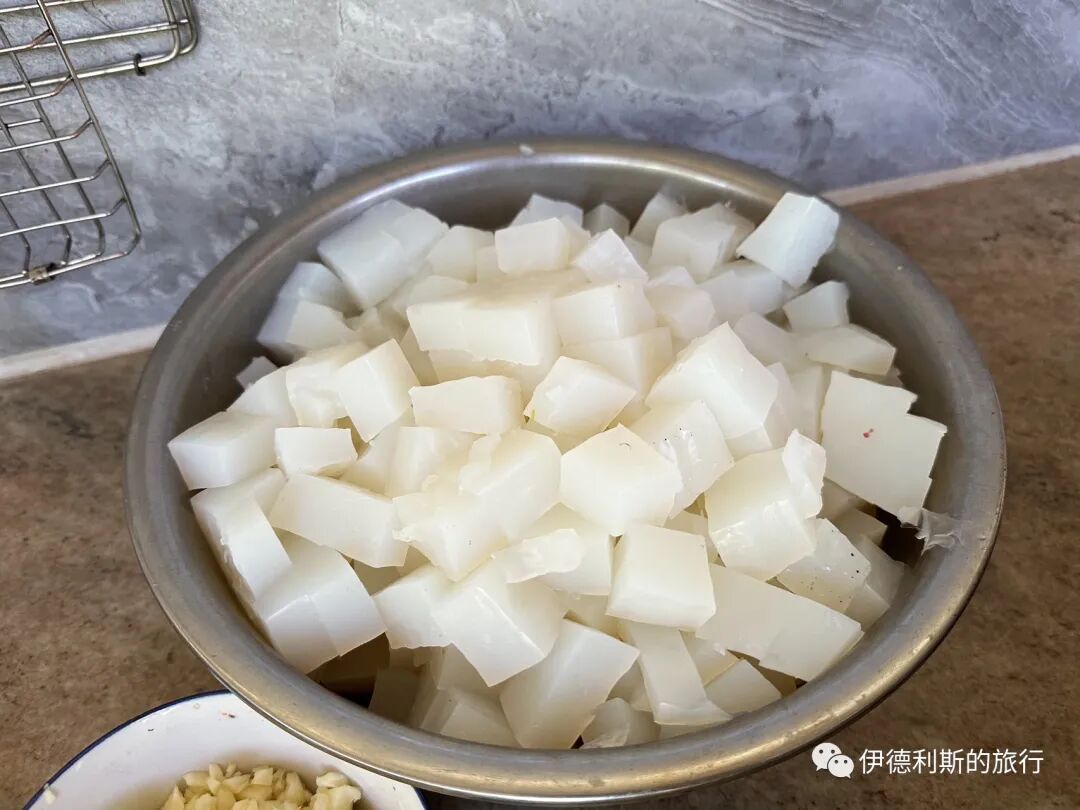
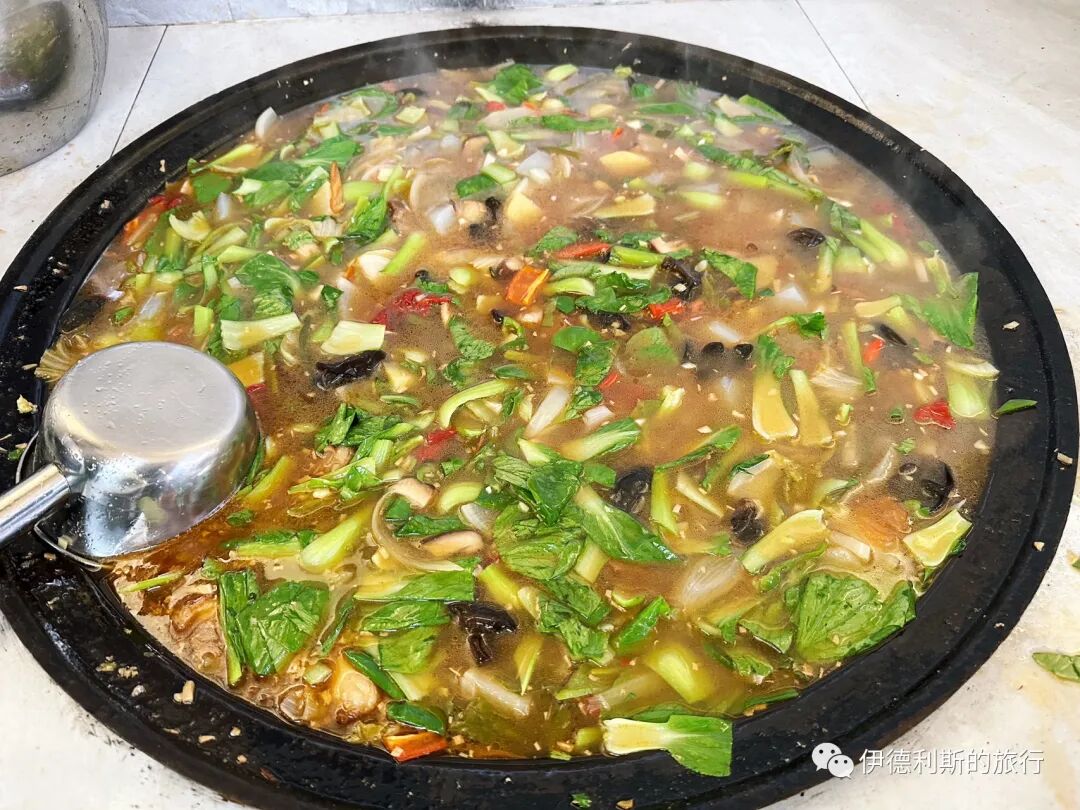
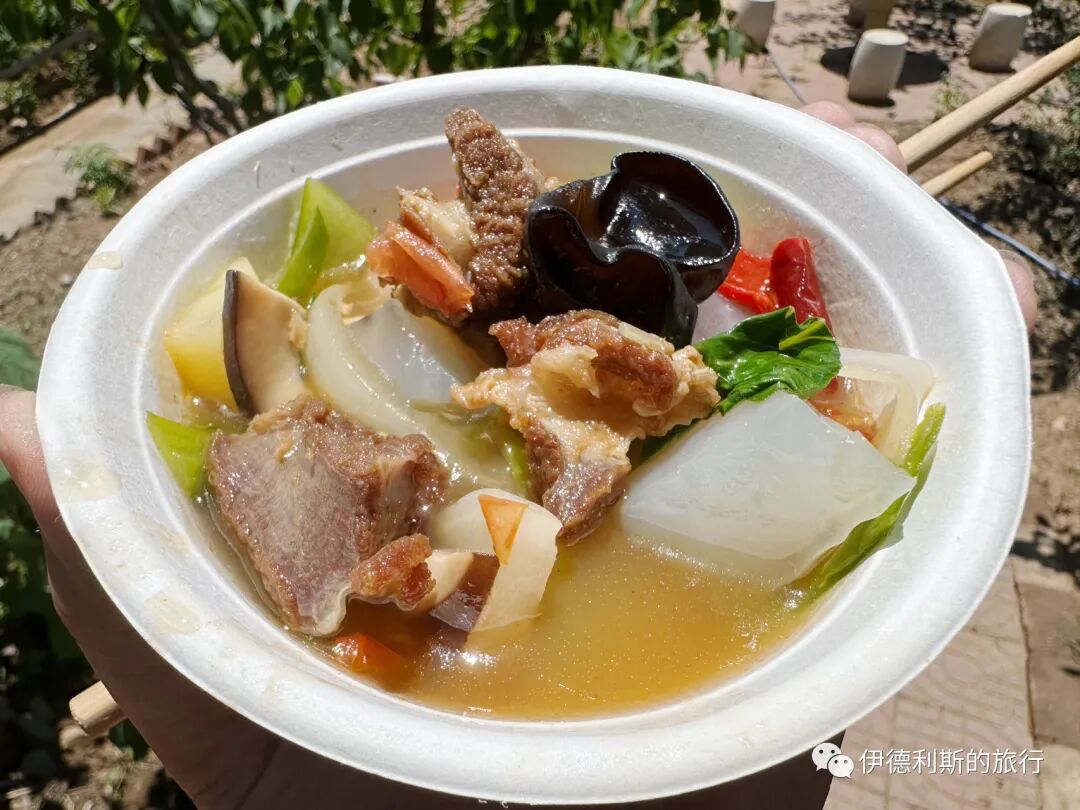
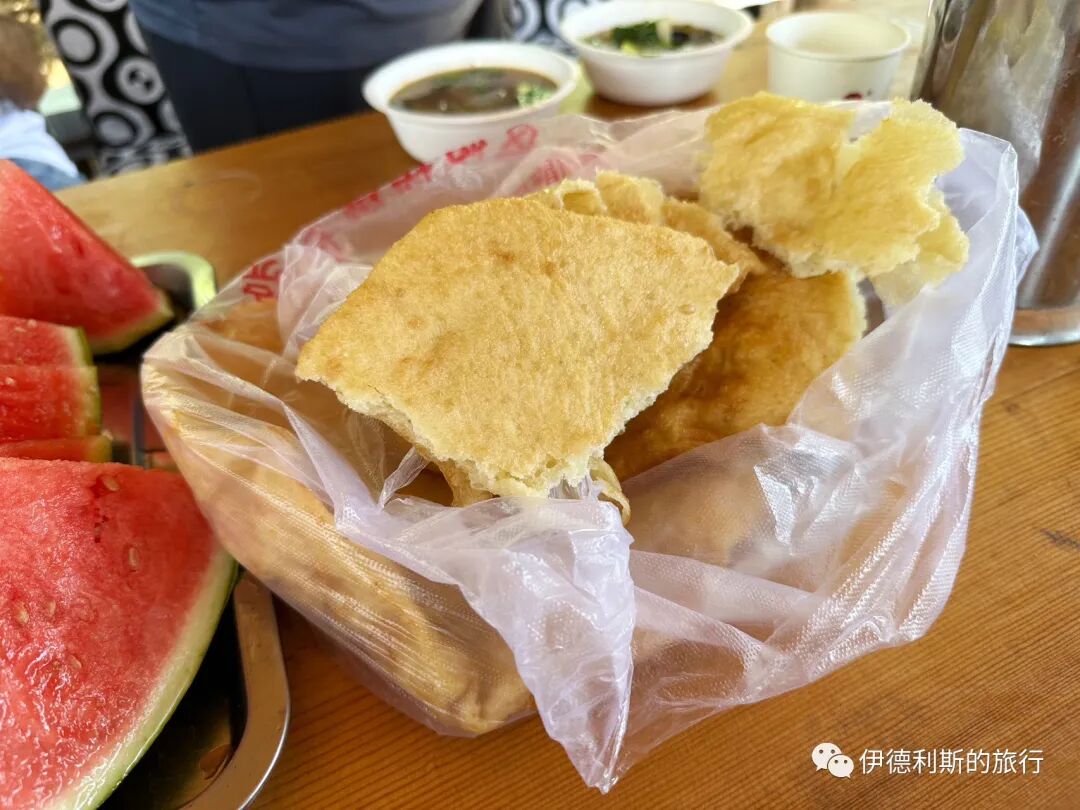
At Jingyi Farmhouse, I had braised vermicelli soup (huifen tang) made with Qurbani lamb and grilled lamb liver. It was the most tender liver I have ever eaten! I also drank salty milk tea and ate various melons and fruits. This Eid was perfect. view all
Summary: This Sanya travel note records an Eid Mubarak moment through the lens of a Muslim traveler. The article keeps the original details, photos, and greeting tone while presenting them in clear, natural English.
Xiguanshi Mosque was originally called Guanshi Village Mosque. It was first built in 1494 during the Ming Dynasty. The main hall was rebuilt in 1709, the main gate in 1723, the hall rooms in 1732, and the kiln hall (yaodian) in 1761. It continued to be renovated during the Guangxu period and the Republic of China era.
On August 15, 1900, the Eight-Nation Alliance entered Beijing. Empress Dowager Cixi and Emperor Guangxu left the city to head west. They arrived in Xiguanshi at dusk and were hosted by the local Hui Muslims. That night, Cixi slept in the main hall, while Guangxu and the empresses slept in the side halls. The next day, Li Xijun, the owner of the Xiguangyu Escort Agency in Xiguanshi, prepared twenty mule-drawn sedan chairs, several silver ingots, and grain for Cixi’s group. A villager named Yang Juchuan volunteered to lead the way, and Li Jintang provided protection as they traveled to the next stop. Two years later, Cixi returned to Beijing and donated silver to renovate Xiguanshi. She also ordered the imperial kilns at Liulihe to fire glazed tiles, roof treasures, and ridge beasts. These were gifted to Xiguanshi Mosque and the mosque in Gaotou Village, Wuji County, which was the hometown of Imam Cai Wanchun.
After the congregational prayer (namaz), I went to Teacher Chen’s Jingyi Farmhouse and slaughtered a small black-headed white sheep. I brought home the hind leg, lamb chops, and half a lamb spine (xiezi). I plan to stew the lamb spine tonight.
At Jingyi Farmhouse, I had braised vermicelli soup (huifen tang) made with Qurbani lamb and grilled lamb liver. It was the most tender liver I have ever eaten! I also drank salty milk tea and ate various melons and fruits. This Eid was perfect. view all
Reposted from the web
Summary: This Sanya travel note records an Eid Mubarak moment through the lens of a Muslim traveler. The article keeps the original details, photos, and greeting tone while presenting them in clear, natural English.
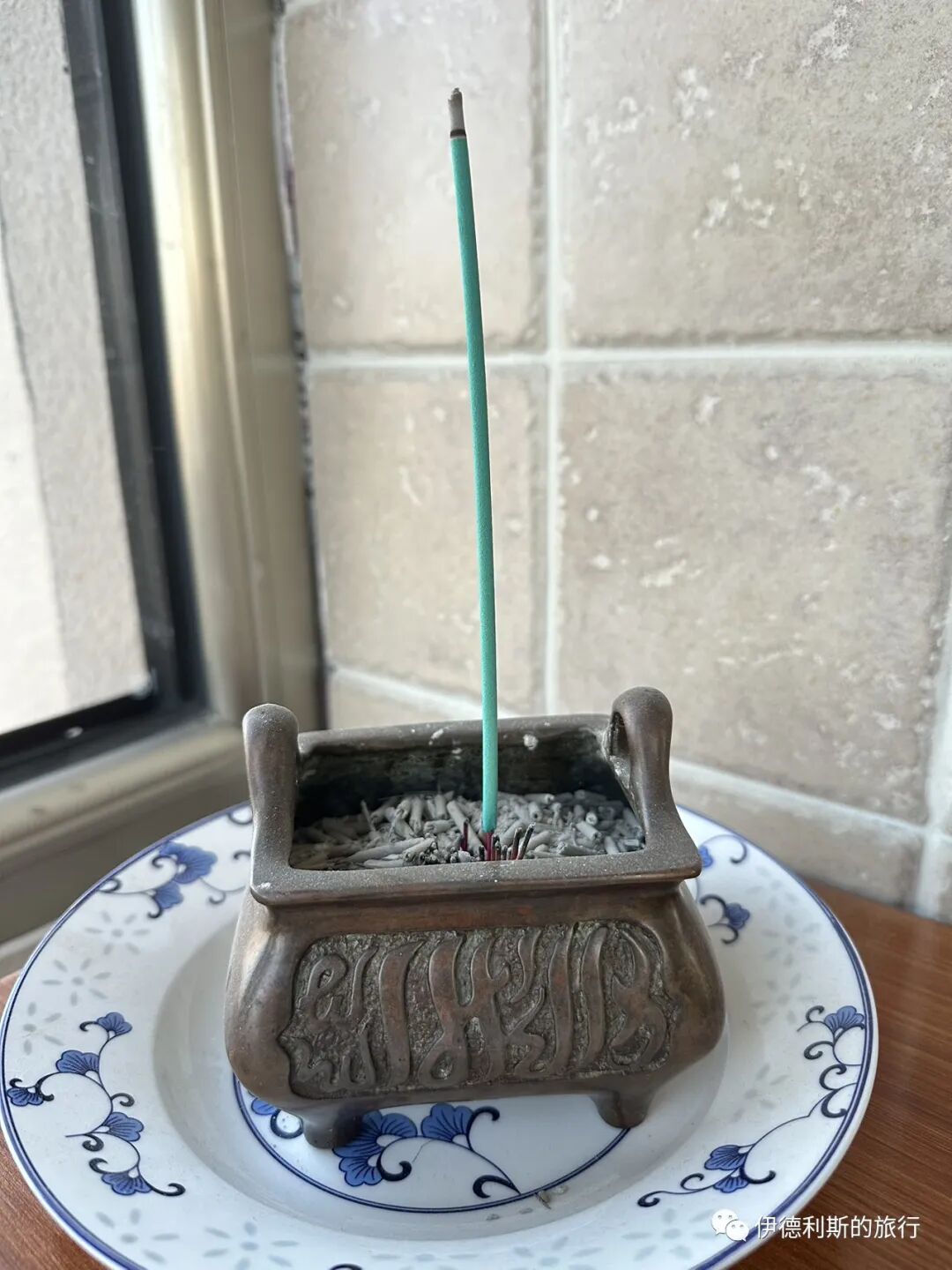
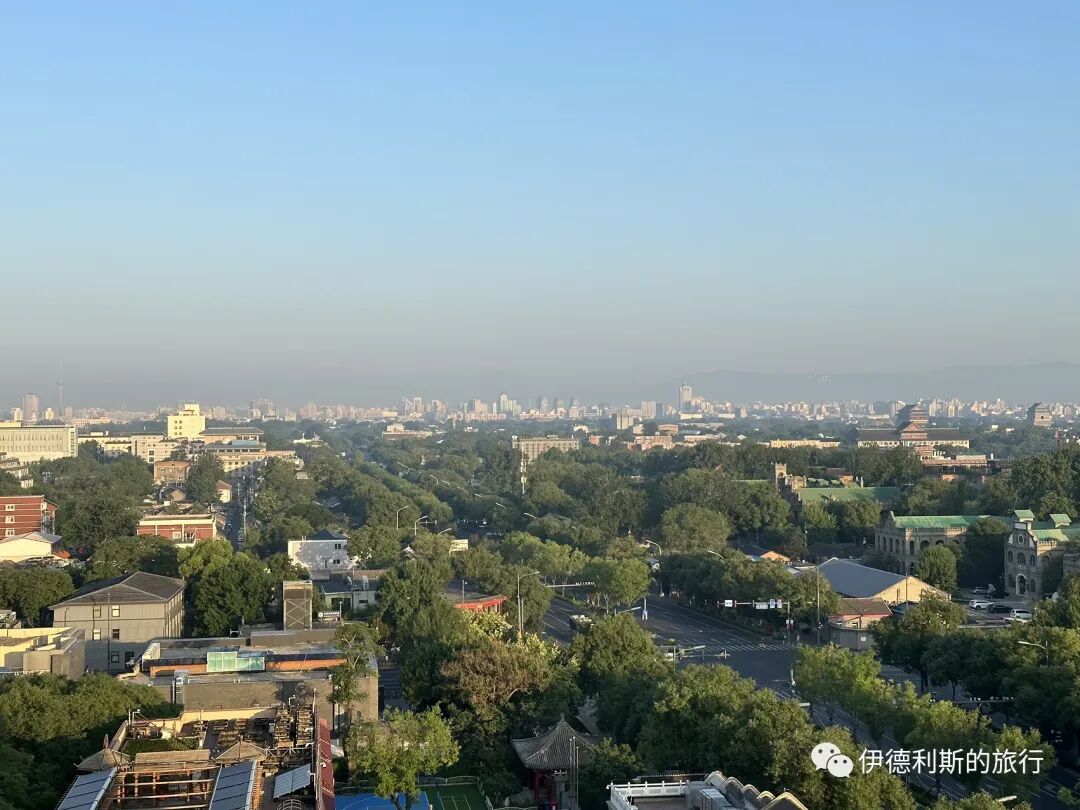
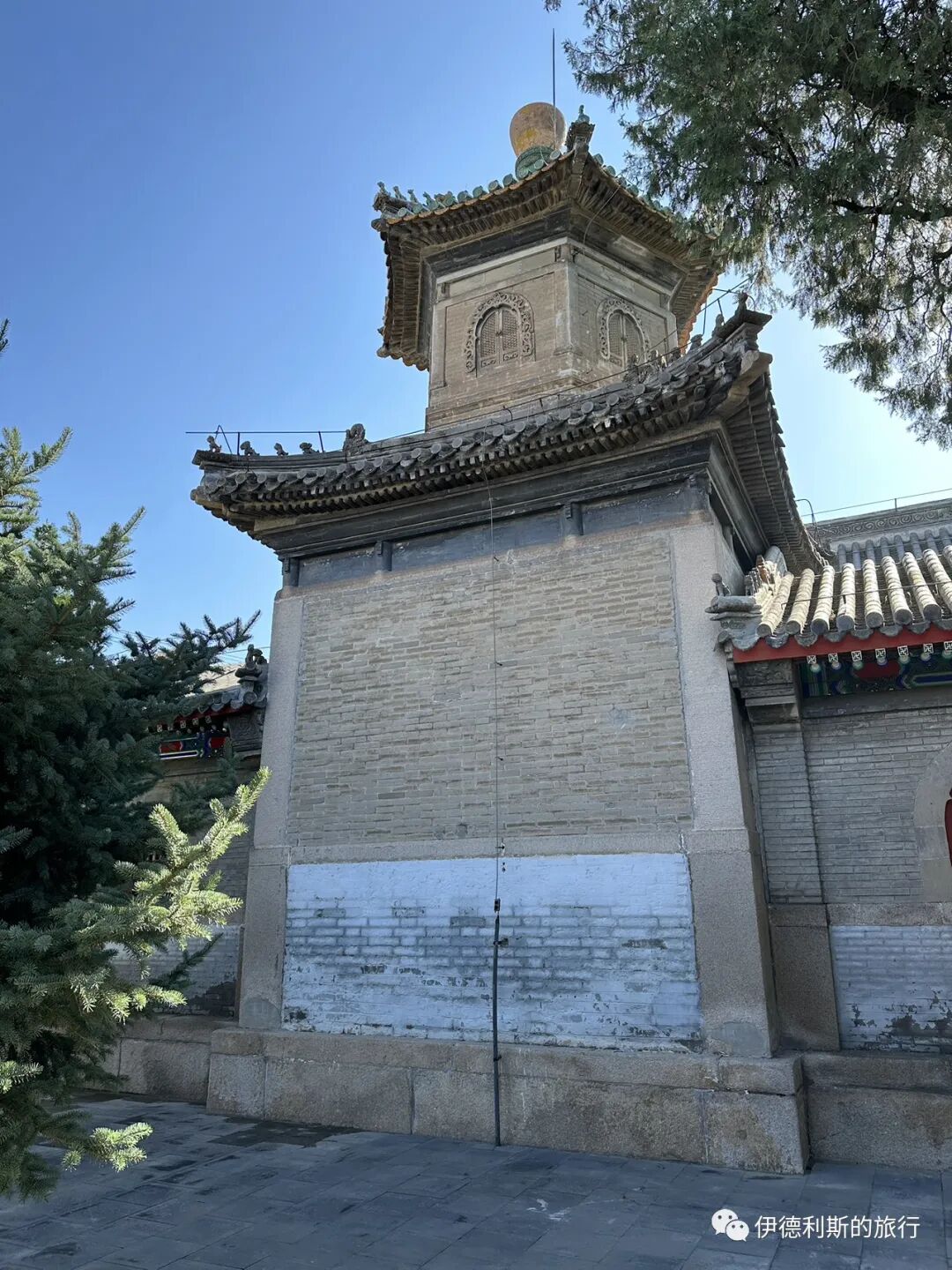
Xiguanshi Mosque was originally called Guanshi Village Mosque. It was first built in 1494 during the Ming Dynasty. The main hall was rebuilt in 1709, the main gate in 1723, the hall rooms in 1732, and the kiln hall (yaodian) in 1761. It continued to be renovated during the Guangxu period and the Republic of China era.
On August 15, 1900, the Eight-Nation Alliance entered Beijing. Empress Dowager Cixi and Emperor Guangxu left the city to head west. They arrived in Xiguanshi at dusk and were hosted by the local Hui Muslims. That night, Cixi slept in the main hall, while Guangxu and the empresses slept in the side halls. The next day, Li Xijun, the owner of the Xiguangyu Escort Agency in Xiguanshi, prepared twenty mule-drawn sedan chairs, several silver ingots, and grain for Cixi’s group. A villager named Yang Juchuan volunteered to lead the way, and Li Jintang provided protection as they traveled to the next stop. Two years later, Cixi returned to Beijing and donated silver to renovate Xiguanshi. She also ordered the imperial kilns at Liulihe to fire glazed tiles, roof treasures, and ridge beasts. These were gifted to Xiguanshi Mosque and the mosque in Gaotou Village, Wuji County, which was the hometown of Imam Cai Wanchun.
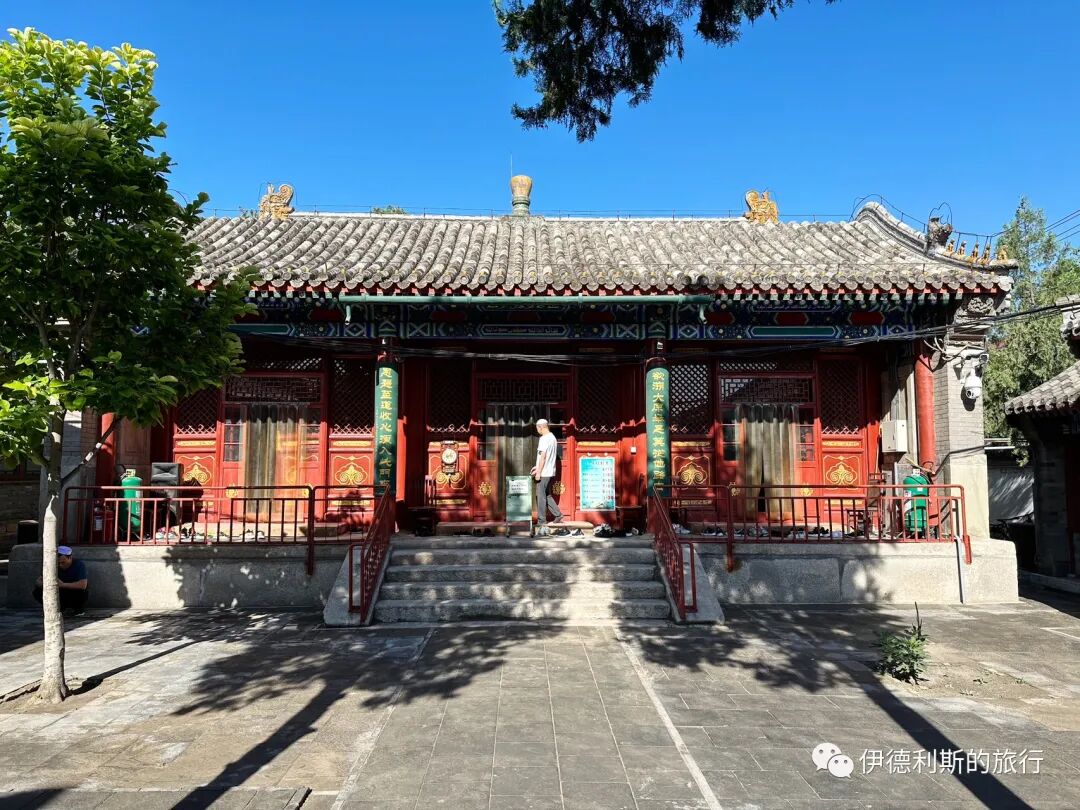
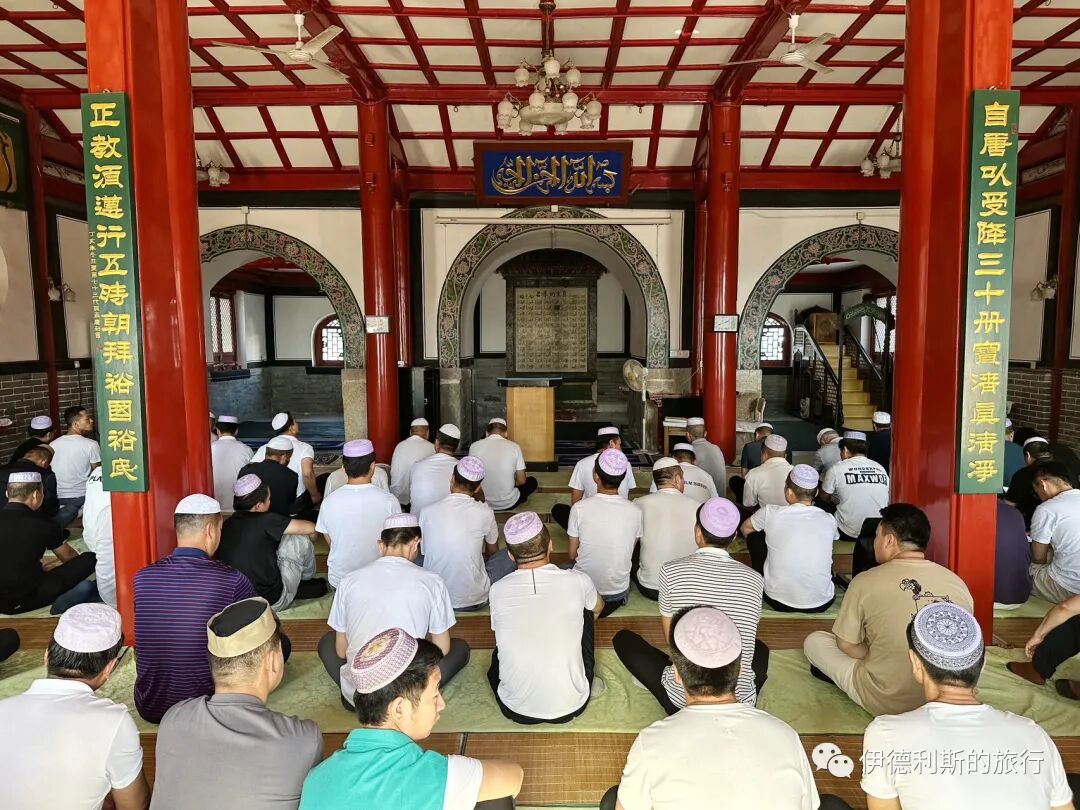
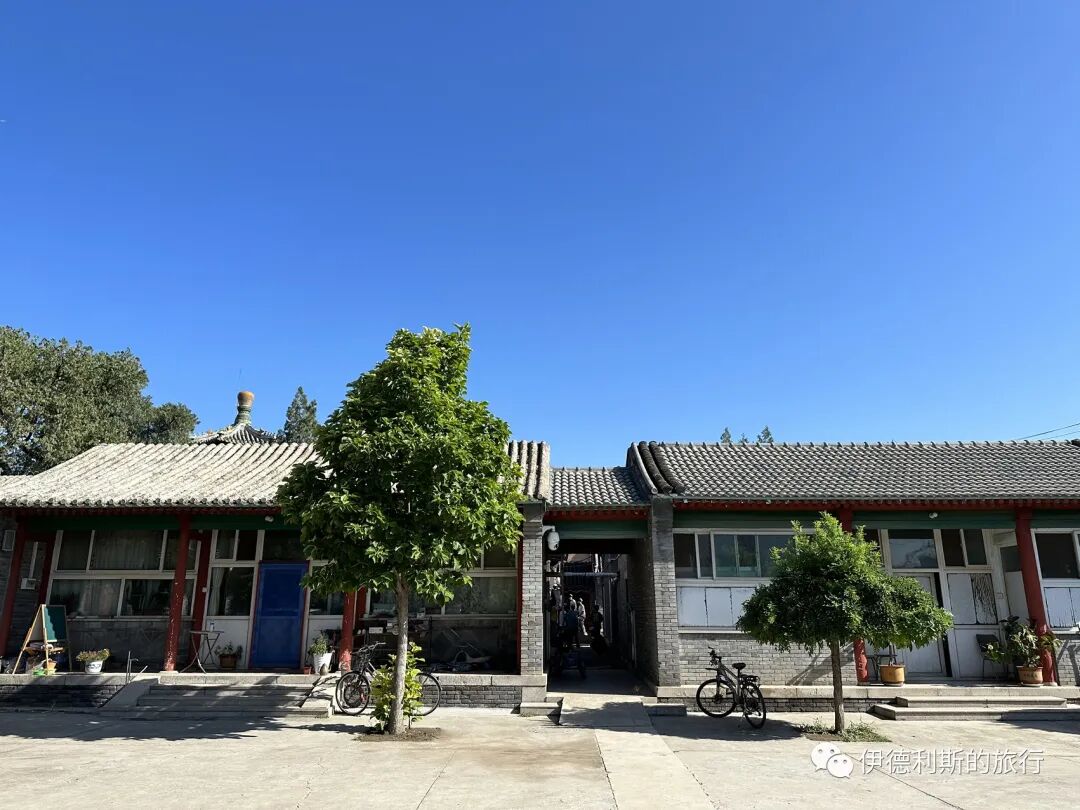
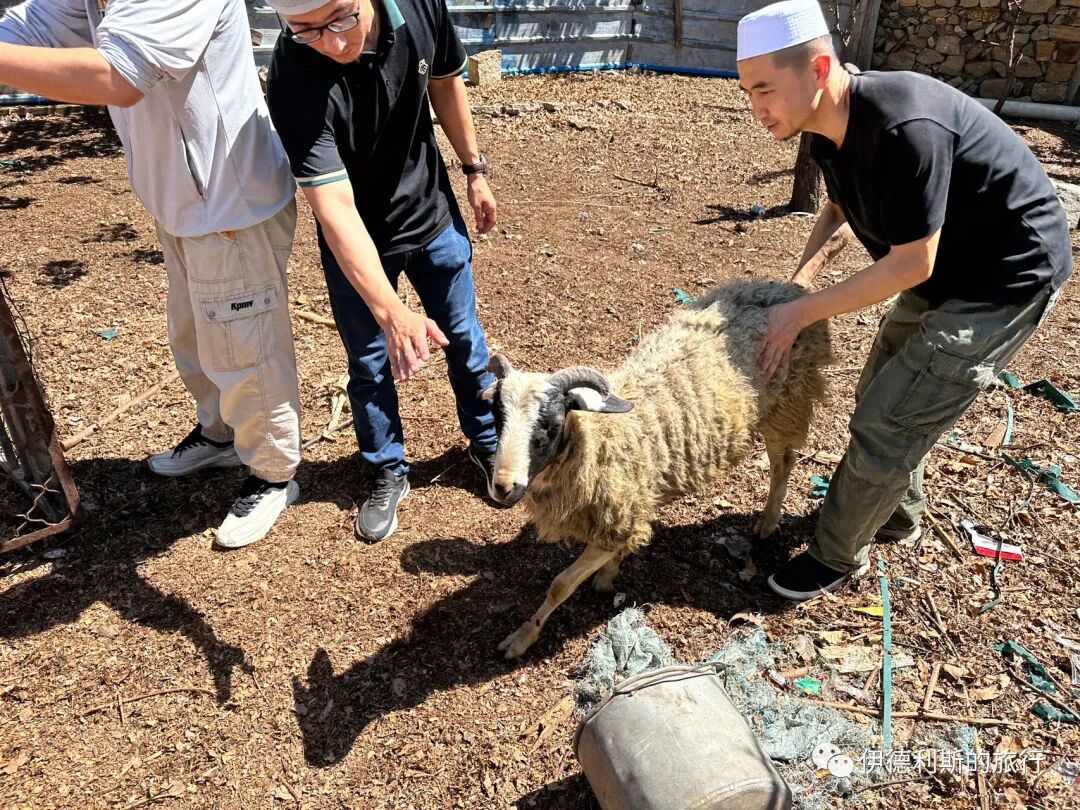
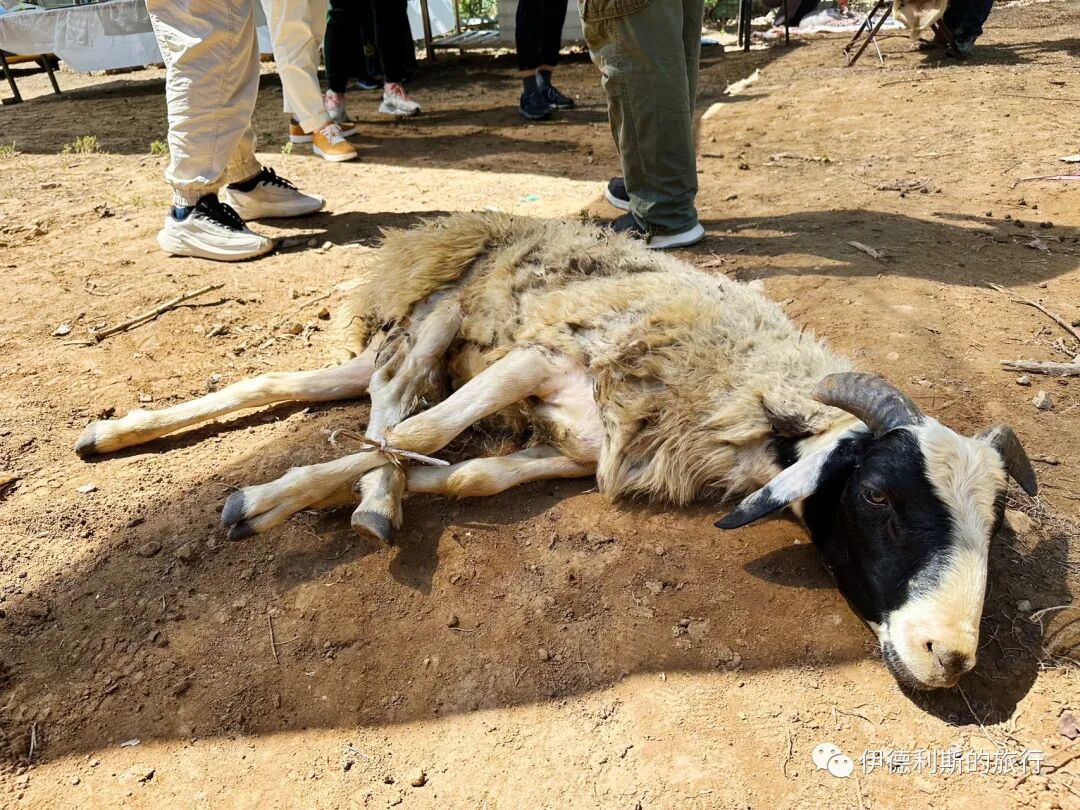
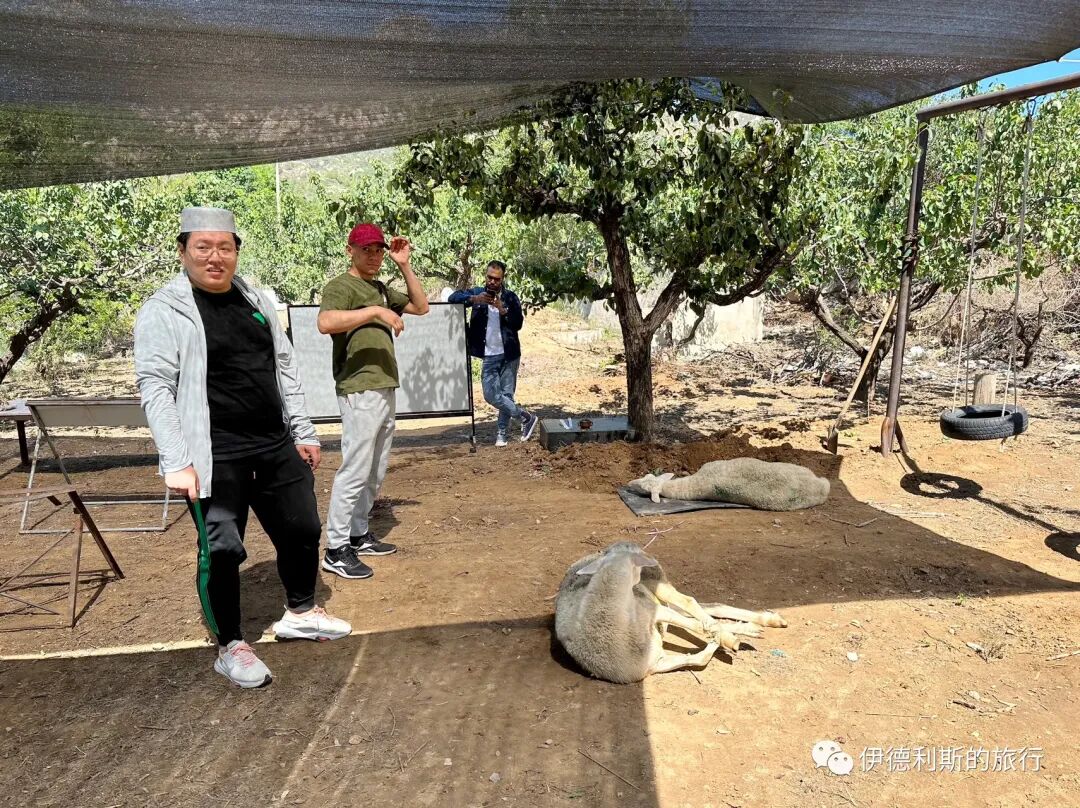
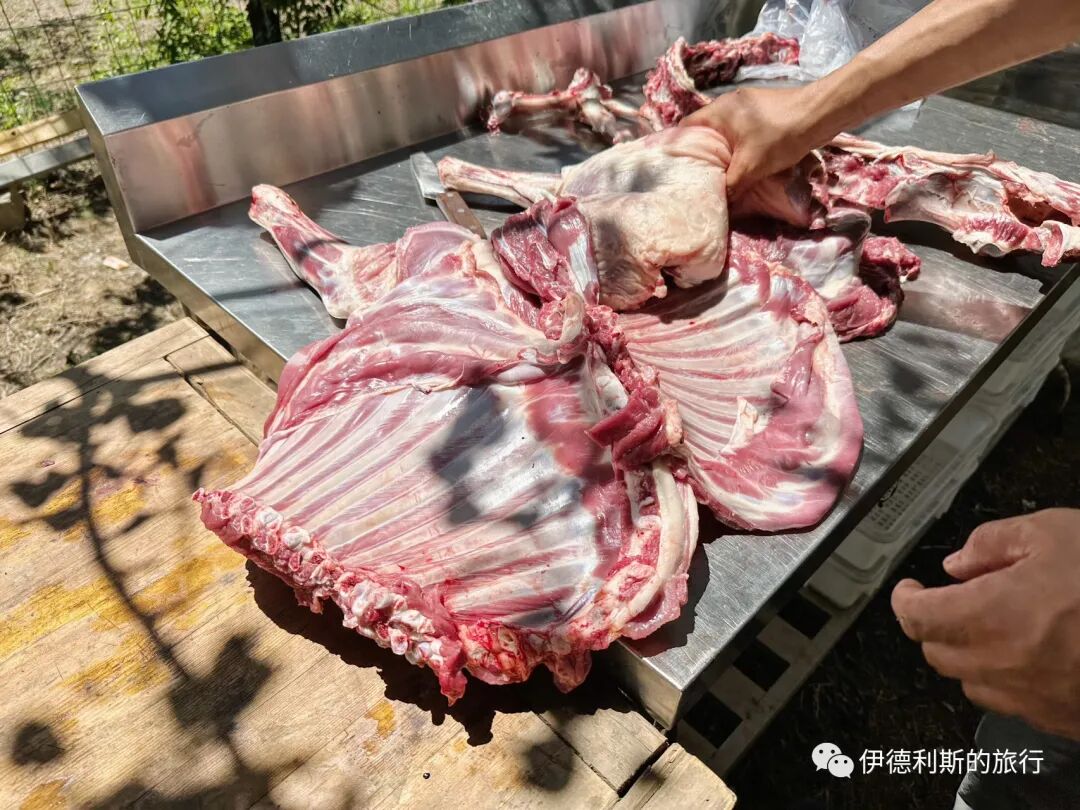
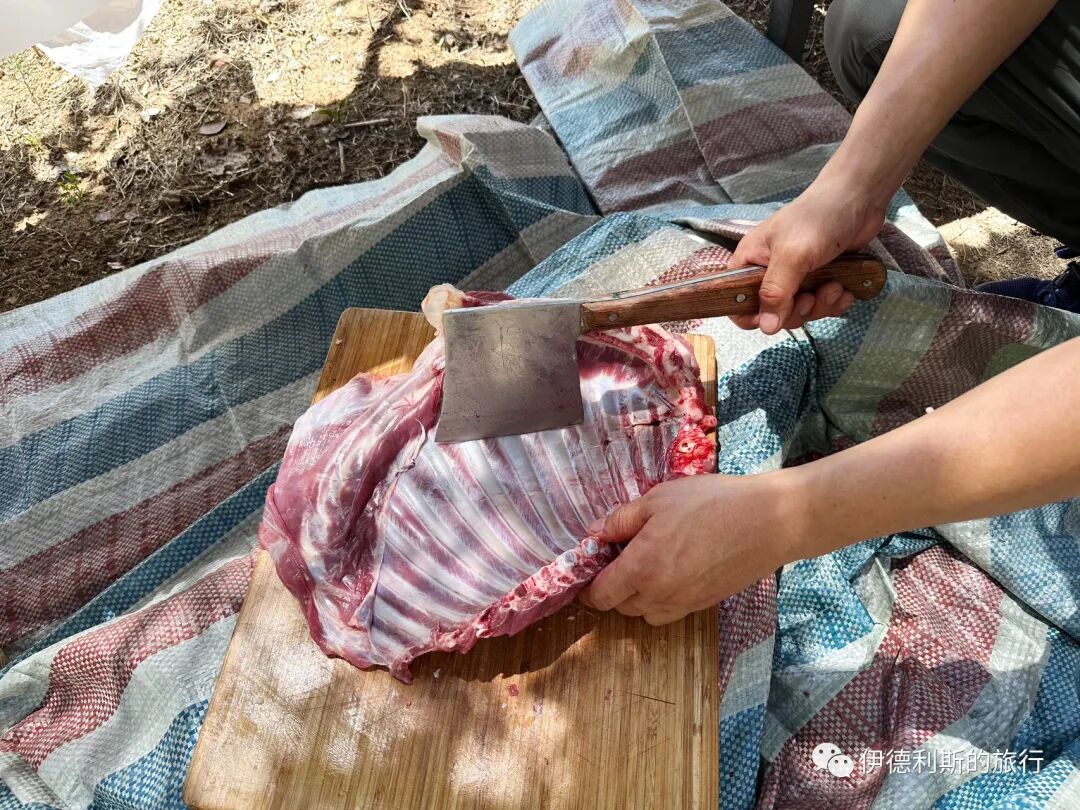
After the congregational prayer (namaz), I went to Teacher Chen’s Jingyi Farmhouse and slaughtered a small black-headed white sheep. I brought home the hind leg, lamb chops, and half a lamb spine (xiezi). I plan to stew the lamb spine tonight.
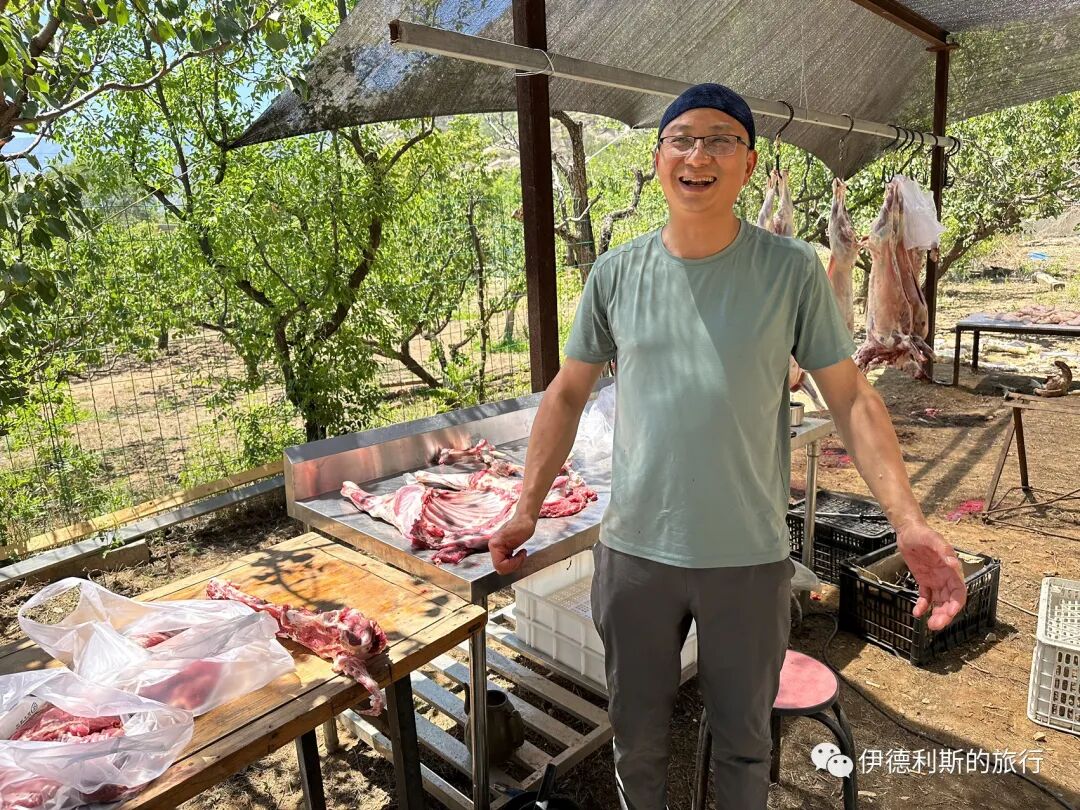
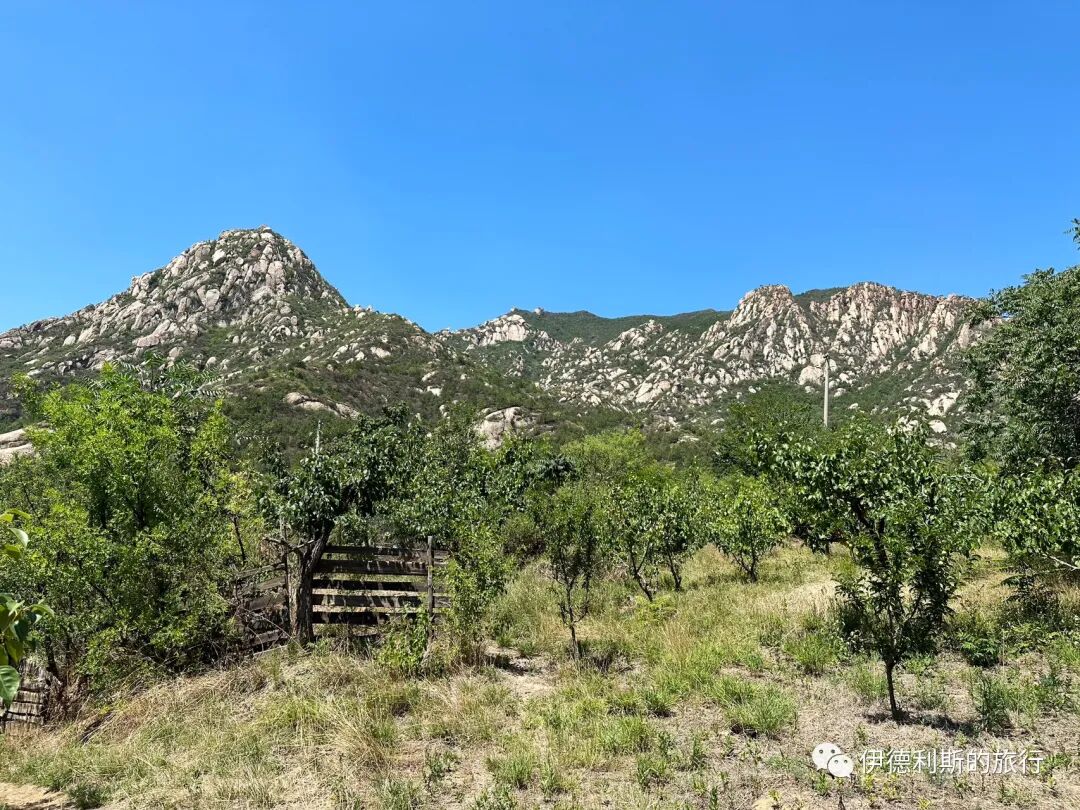
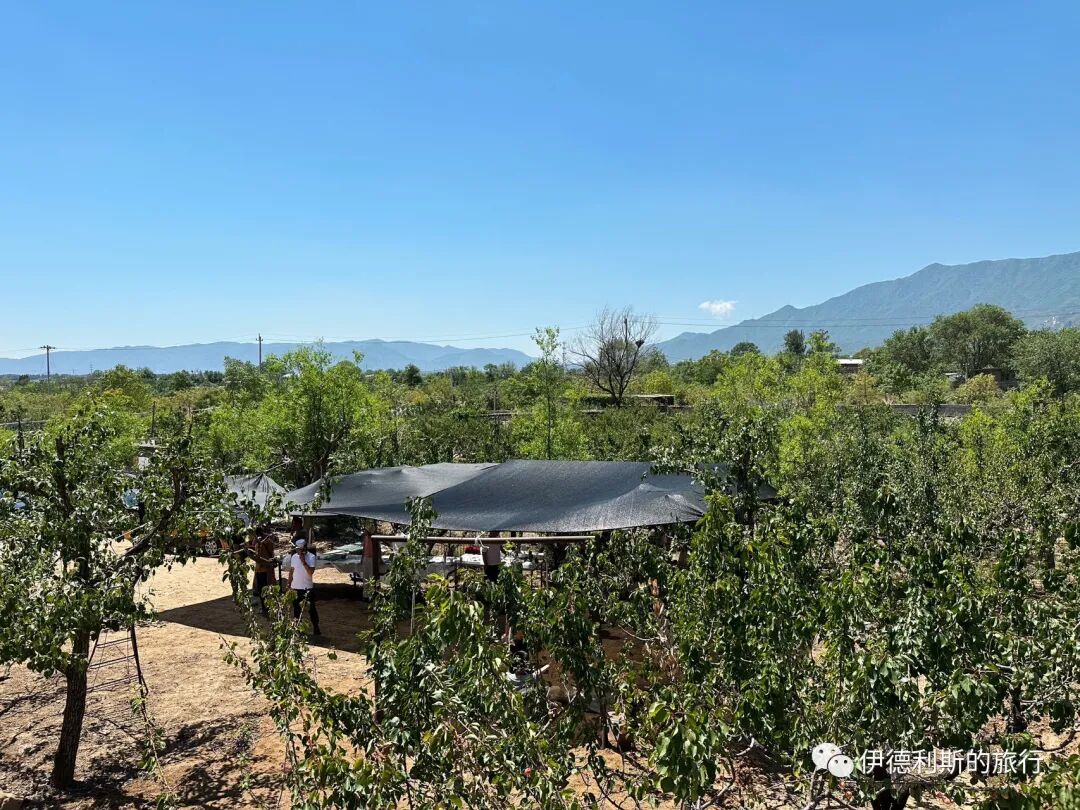
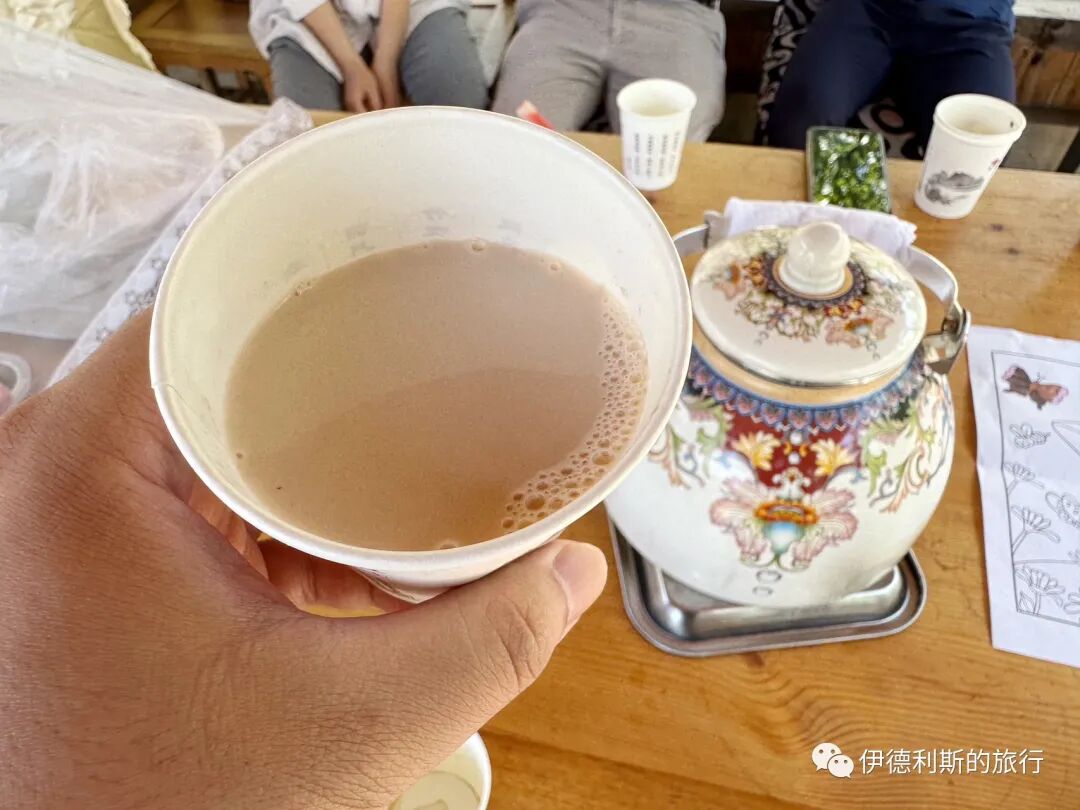
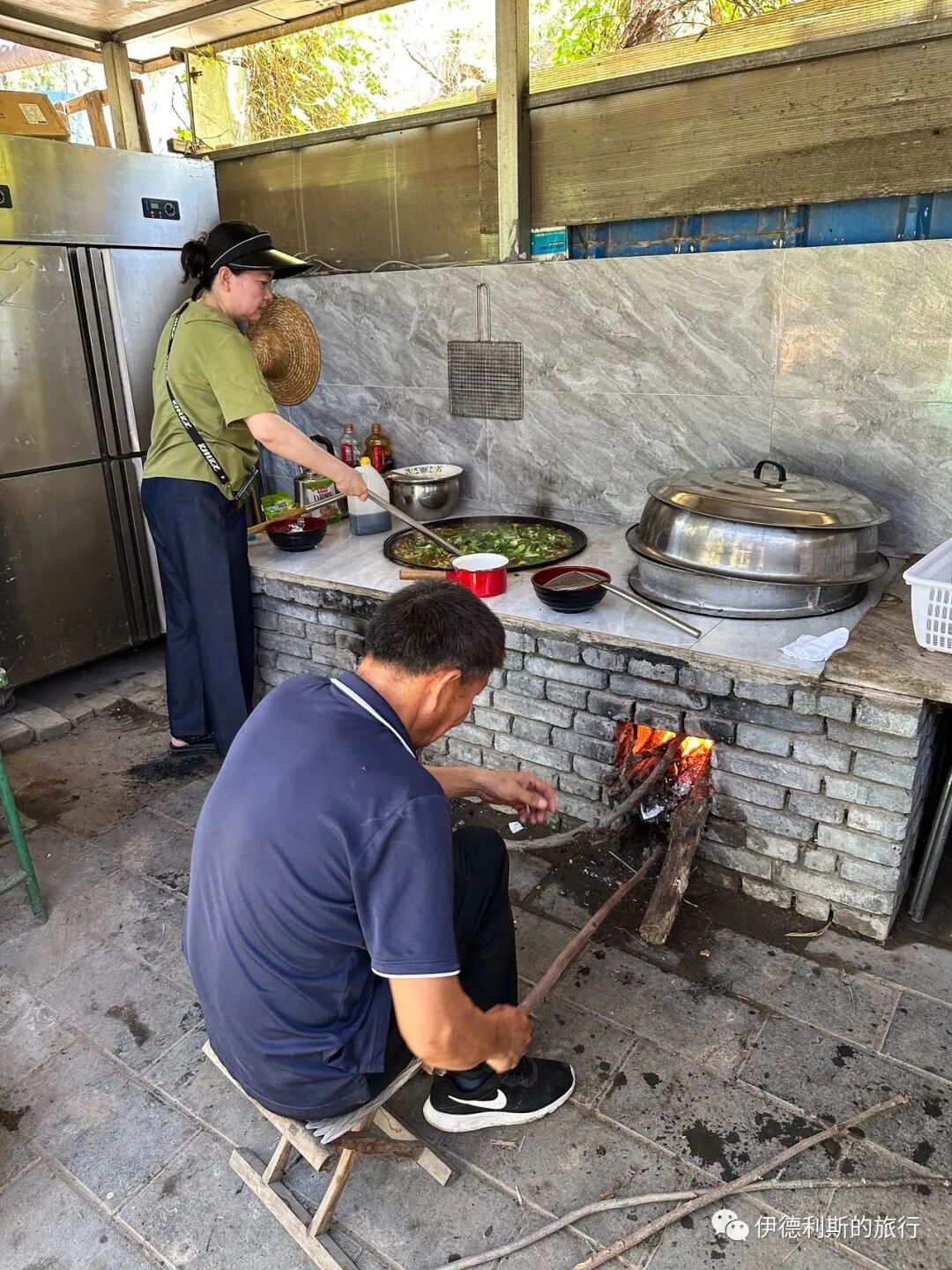
At Jingyi Farmhouse, I had braised vermicelli soup (huifen tang) made with Qurbani lamb and grilled lamb liver. It was the most tender liver I have ever eaten! I also drank salty milk tea and ate various melons and fruits. This Eid was perfect.
Summary: This Sanya travel note records an Eid Mubarak moment through the lens of a Muslim traveler. The article keeps the original details, photos, and greeting tone while presenting them in clear, natural English.
Xiguanshi Mosque was originally called Guanshi Village Mosque. It was first built in 1494 during the Ming Dynasty. The main hall was rebuilt in 1709, the main gate in 1723, the hall rooms in 1732, and the kiln hall (yaodian) in 1761. It continued to be renovated during the Guangxu period and the Republic of China era.
On August 15, 1900, the Eight-Nation Alliance entered Beijing. Empress Dowager Cixi and Emperor Guangxu left the city to head west. They arrived in Xiguanshi at dusk and were hosted by the local Hui Muslims. That night, Cixi slept in the main hall, while Guangxu and the empresses slept in the side halls. The next day, Li Xijun, the owner of the Xiguangyu Escort Agency in Xiguanshi, prepared twenty mule-drawn sedan chairs, several silver ingots, and grain for Cixi’s group. A villager named Yang Juchuan volunteered to lead the way, and Li Jintang provided protection as they traveled to the next stop. Two years later, Cixi returned to Beijing and donated silver to renovate Xiguanshi. She also ordered the imperial kilns at Liulihe to fire glazed tiles, roof treasures, and ridge beasts. These were gifted to Xiguanshi Mosque and the mosque in Gaotou Village, Wuji County, which was the hometown of Imam Cai Wanchun.
After the congregational prayer (namaz), I went to Teacher Chen’s Jingyi Farmhouse and slaughtered a small black-headed white sheep. I brought home the hind leg, lamb chops, and half a lamb spine (xiezi). I plan to stew the lamb spine tonight.
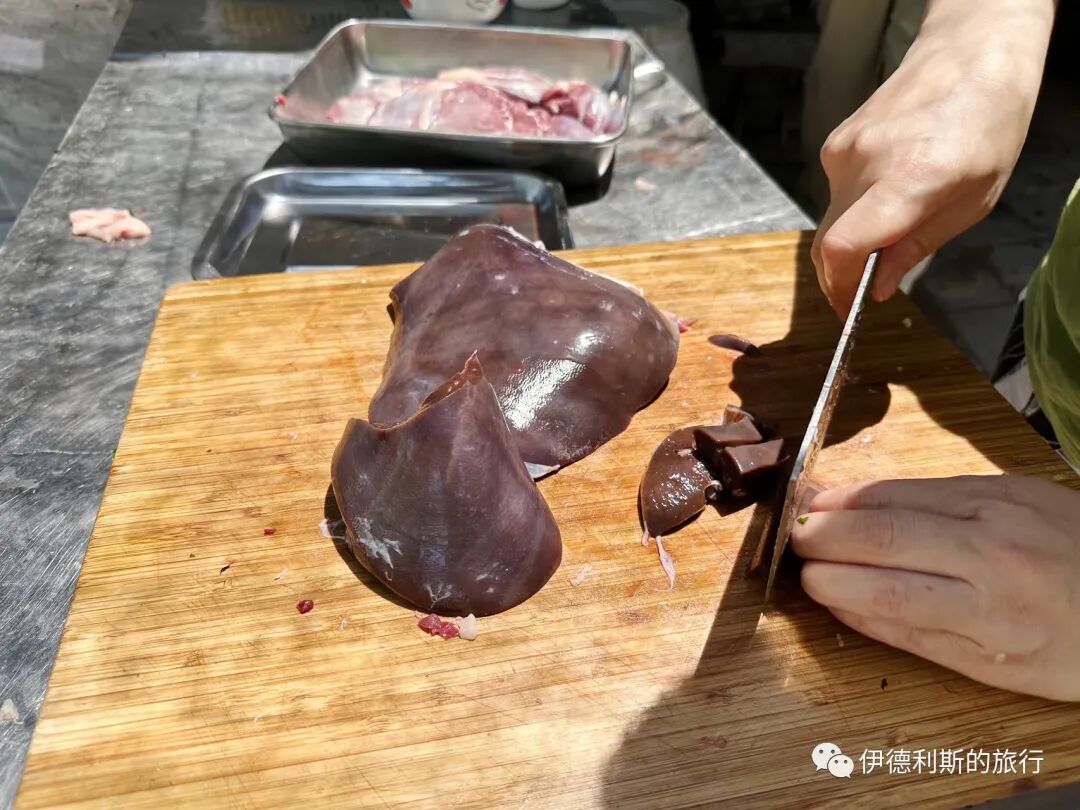
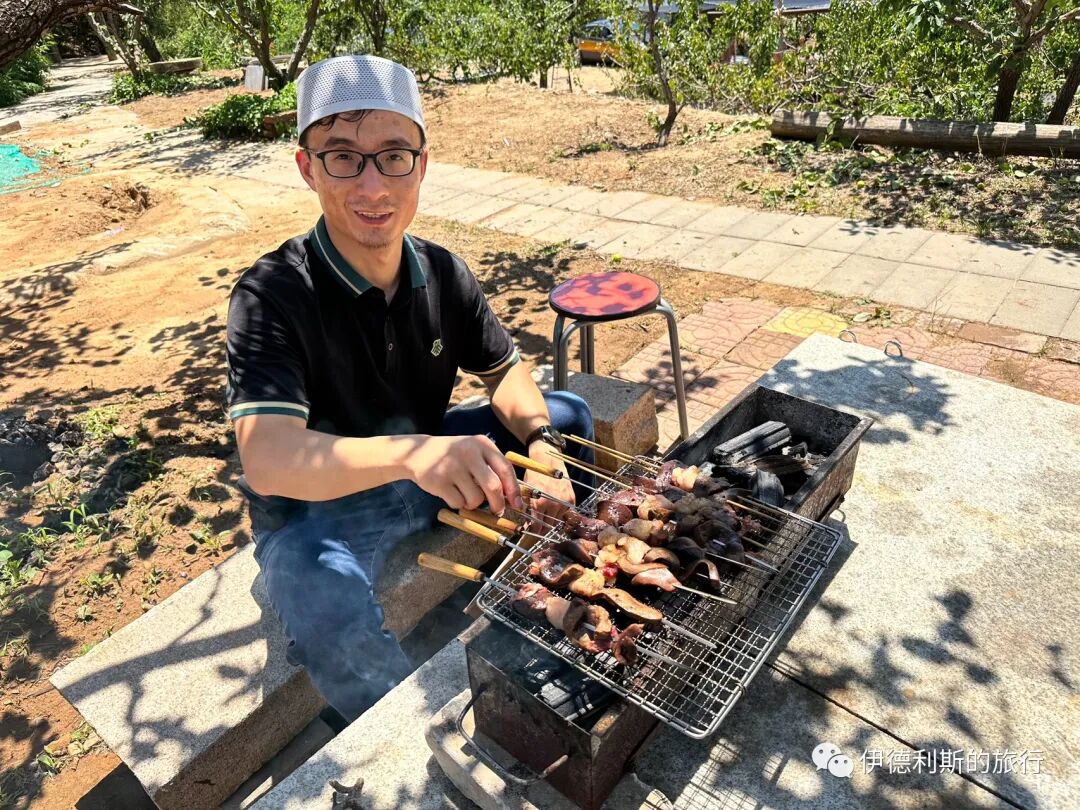
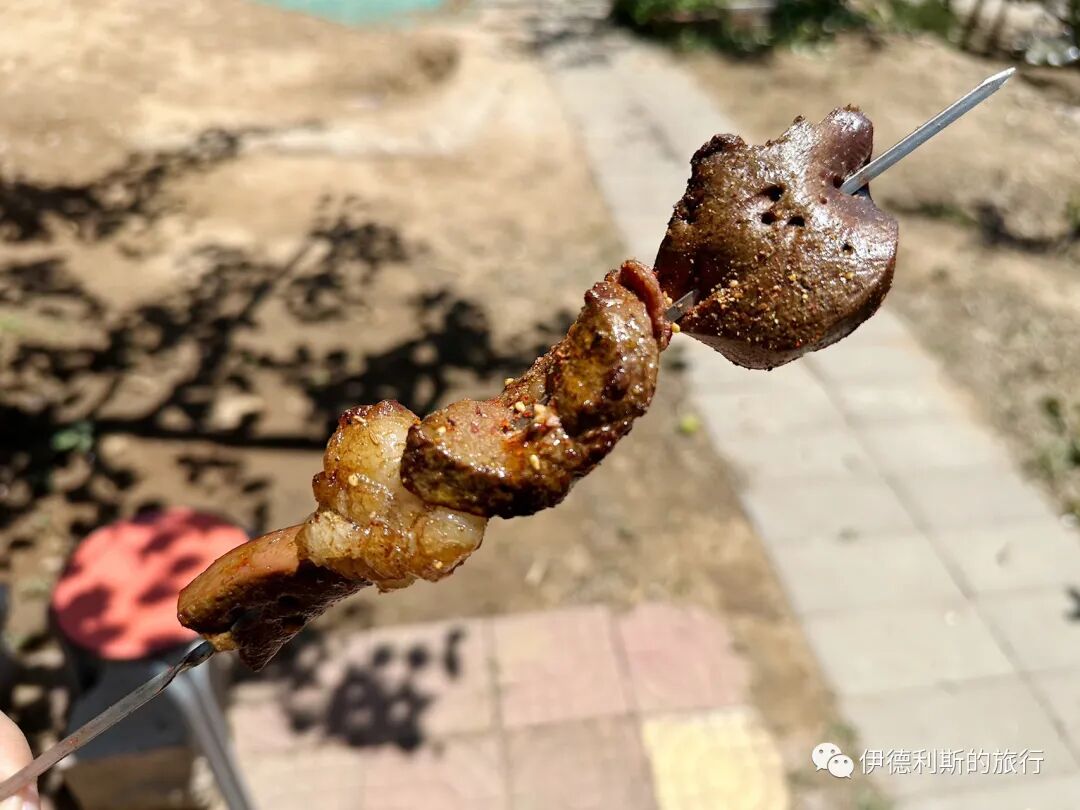
At Jingyi Farmhouse, I had braised vermicelli soup (huifen tang) made with Qurbani lamb and grilled lamb liver. It was the most tender liver I have ever eaten! I also drank salty milk tea and ate various melons and fruits. This Eid was perfect.
Halal Travel Guide: Sanya — Eid Mubarak and Muslim Travel Notes
Articles • ali2007fr posted the article • 0 comments • 140 views • 2026-05-19 02:47
Reposted from the web
Summary: This Sanya travel note records an Eid Mubarak moment through the lens of a Muslim traveler. The article keeps the original details, photos, and greeting tone while presenting them in clear, natural English.
Xiguanshi Mosque was originally called Guanshi Village Mosque. It was first built in 1494 during the Ming Dynasty. The main hall was rebuilt in 1709, the main gate in 1723, the hall rooms in 1732, and the kiln hall (yaodian) in 1761. It continued to be renovated during the Guangxu period and the Republic of China era.
On August 15, 1900, the Eight-Nation Alliance entered Beijing. Empress Dowager Cixi and Emperor Guangxu left the city to head west. They arrived in Xiguanshi at dusk and were hosted by the local Hui Muslims. That night, Cixi slept in the main hall, while Guangxu and the empresses slept in the side halls. The next day, Li Xijun, the owner of the Xiguangyu Escort Agency in Xiguanshi, prepared twenty mule-drawn sedan chairs, several silver ingots, and grain for Cixi’s group. A villager named Yang Juchuan volunteered to lead the way, and Li Jintang provided protection as they traveled to the next stop. Two years later, Cixi returned to Beijing and donated silver to renovate Xiguanshi. She also ordered the imperial kilns at Liulihe to fire glazed tiles, roof treasures, and ridge beasts. These were gifted to Xiguanshi Mosque and the mosque in Gaotou Village, Wuji County, which was the hometown of Imam Cai Wanchun.
After the congregational prayer (namaz), I went to Teacher Chen’s Jingyi Farmhouse and slaughtered a small black-headed white sheep. I brought home the hind leg, lamb chops, and half a lamb spine (xiezi). I plan to stew the lamb spine tonight.
At Jingyi Farmhouse, I had braised vermicelli soup (huifen tang) made with Qurbani lamb and grilled lamb liver. It was the most tender liver I have ever eaten! I also drank salty milk tea and ate various melons and fruits. This Eid was perfect. view all
Summary: This Sanya travel note records an Eid Mubarak moment through the lens of a Muslim traveler. The article keeps the original details, photos, and greeting tone while presenting them in clear, natural English.
Xiguanshi Mosque was originally called Guanshi Village Mosque. It was first built in 1494 during the Ming Dynasty. The main hall was rebuilt in 1709, the main gate in 1723, the hall rooms in 1732, and the kiln hall (yaodian) in 1761. It continued to be renovated during the Guangxu period and the Republic of China era.
On August 15, 1900, the Eight-Nation Alliance entered Beijing. Empress Dowager Cixi and Emperor Guangxu left the city to head west. They arrived in Xiguanshi at dusk and were hosted by the local Hui Muslims. That night, Cixi slept in the main hall, while Guangxu and the empresses slept in the side halls. The next day, Li Xijun, the owner of the Xiguangyu Escort Agency in Xiguanshi, prepared twenty mule-drawn sedan chairs, several silver ingots, and grain for Cixi’s group. A villager named Yang Juchuan volunteered to lead the way, and Li Jintang provided protection as they traveled to the next stop. Two years later, Cixi returned to Beijing and donated silver to renovate Xiguanshi. She also ordered the imperial kilns at Liulihe to fire glazed tiles, roof treasures, and ridge beasts. These were gifted to Xiguanshi Mosque and the mosque in Gaotou Village, Wuji County, which was the hometown of Imam Cai Wanchun.
After the congregational prayer (namaz), I went to Teacher Chen’s Jingyi Farmhouse and slaughtered a small black-headed white sheep. I brought home the hind leg, lamb chops, and half a lamb spine (xiezi). I plan to stew the lamb spine tonight.
At Jingyi Farmhouse, I had braised vermicelli soup (huifen tang) made with Qurbani lamb and grilled lamb liver. It was the most tender liver I have ever eaten! I also drank salty milk tea and ate various melons and fruits. This Eid was perfect. view all
Reposted from the web
Summary: This Sanya travel note records an Eid Mubarak moment through the lens of a Muslim traveler. The article keeps the original details, photos, and greeting tone while presenting them in clear, natural English.
Xiguanshi Mosque was originally called Guanshi Village Mosque. It was first built in 1494 during the Ming Dynasty. The main hall was rebuilt in 1709, the main gate in 1723, the hall rooms in 1732, and the kiln hall (yaodian) in 1761. It continued to be renovated during the Guangxu period and the Republic of China era.
On August 15, 1900, the Eight-Nation Alliance entered Beijing. Empress Dowager Cixi and Emperor Guangxu left the city to head west. They arrived in Xiguanshi at dusk and were hosted by the local Hui Muslims. That night, Cixi slept in the main hall, while Guangxu and the empresses slept in the side halls. The next day, Li Xijun, the owner of the Xiguangyu Escort Agency in Xiguanshi, prepared twenty mule-drawn sedan chairs, several silver ingots, and grain for Cixi’s group. A villager named Yang Juchuan volunteered to lead the way, and Li Jintang provided protection as they traveled to the next stop. Two years later, Cixi returned to Beijing and donated silver to renovate Xiguanshi. She also ordered the imperial kilns at Liulihe to fire glazed tiles, roof treasures, and ridge beasts. These were gifted to Xiguanshi Mosque and the mosque in Gaotou Village, Wuji County, which was the hometown of Imam Cai Wanchun.
After the congregational prayer (namaz), I went to Teacher Chen’s Jingyi Farmhouse and slaughtered a small black-headed white sheep. I brought home the hind leg, lamb chops, and half a lamb spine (xiezi). I plan to stew the lamb spine tonight.
At Jingyi Farmhouse, I had braised vermicelli soup (huifen tang) made with Qurbani lamb and grilled lamb liver. It was the most tender liver I have ever eaten! I also drank salty milk tea and ate various melons and fruits. This Eid was perfect.
Summary: This Sanya travel note records an Eid Mubarak moment through the lens of a Muslim traveler. The article keeps the original details, photos, and greeting tone while presenting them in clear, natural English.
Xiguanshi Mosque was originally called Guanshi Village Mosque. It was first built in 1494 during the Ming Dynasty. The main hall was rebuilt in 1709, the main gate in 1723, the hall rooms in 1732, and the kiln hall (yaodian) in 1761. It continued to be renovated during the Guangxu period and the Republic of China era.
On August 15, 1900, the Eight-Nation Alliance entered Beijing. Empress Dowager Cixi and Emperor Guangxu left the city to head west. They arrived in Xiguanshi at dusk and were hosted by the local Hui Muslims. That night, Cixi slept in the main hall, while Guangxu and the empresses slept in the side halls. The next day, Li Xijun, the owner of the Xiguangyu Escort Agency in Xiguanshi, prepared twenty mule-drawn sedan chairs, several silver ingots, and grain for Cixi’s group. A villager named Yang Juchuan volunteered to lead the way, and Li Jintang provided protection as they traveled to the next stop. Two years later, Cixi returned to Beijing and donated silver to renovate Xiguanshi. She also ordered the imperial kilns at Liulihe to fire glazed tiles, roof treasures, and ridge beasts. These were gifted to Xiguanshi Mosque and the mosque in Gaotou Village, Wuji County, which was the hometown of Imam Cai Wanchun.
After the congregational prayer (namaz), I went to Teacher Chen’s Jingyi Farmhouse and slaughtered a small black-headed white sheep. I brought home the hind leg, lamb chops, and half a lamb spine (xiezi). I plan to stew the lamb spine tonight.
At Jingyi Farmhouse, I had braised vermicelli soup (huifen tang) made with Qurbani lamb and grilled lamb liver. It was the most tender liver I have ever eaten! I also drank salty milk tea and ate various melons and fruits. This Eid was perfect.