

Embassy Food
Halal Travel Guide: Beijing Diplomatic Residence Snacks
Articles • ali2007fr posted the article • 0 comments • 113 views • 2026-05-20 08:13
Reposted from the web
Summary: The International Neighborhood Festival at Beijing's Jianguomenwai Diplomatic Residence Compound offered snacks from the Maldives and Egypt. This short account keeps the original food notes, stall details, and photos from the visit.
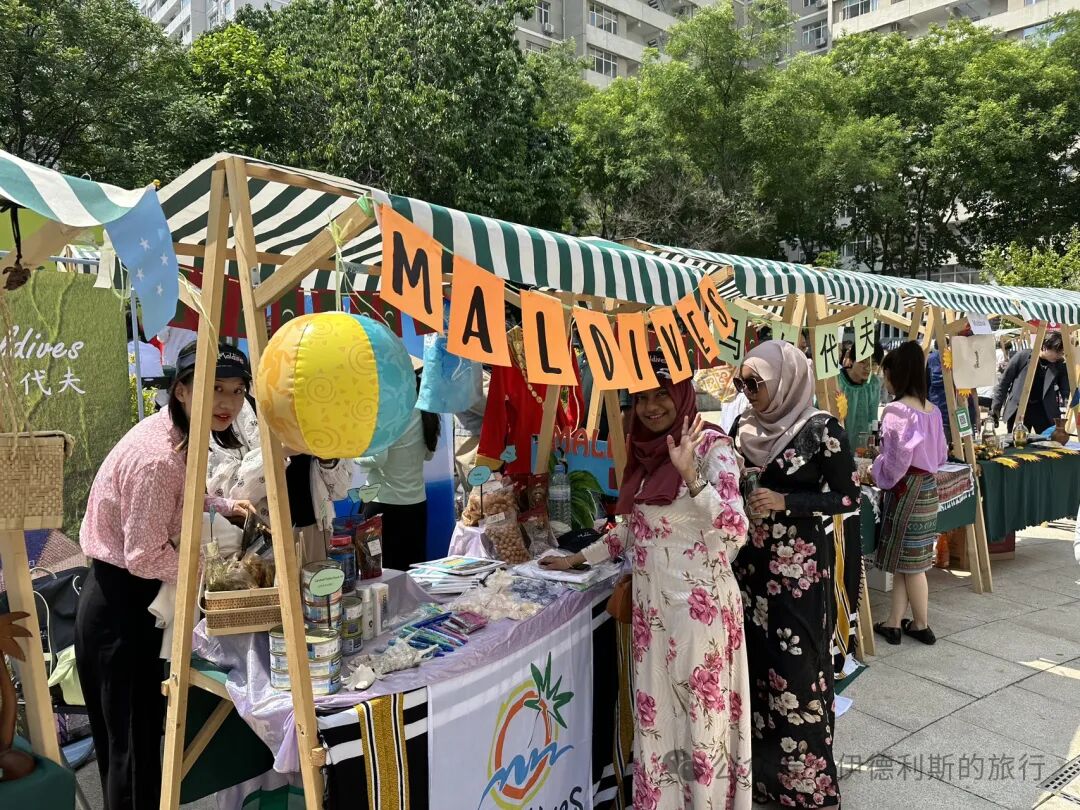
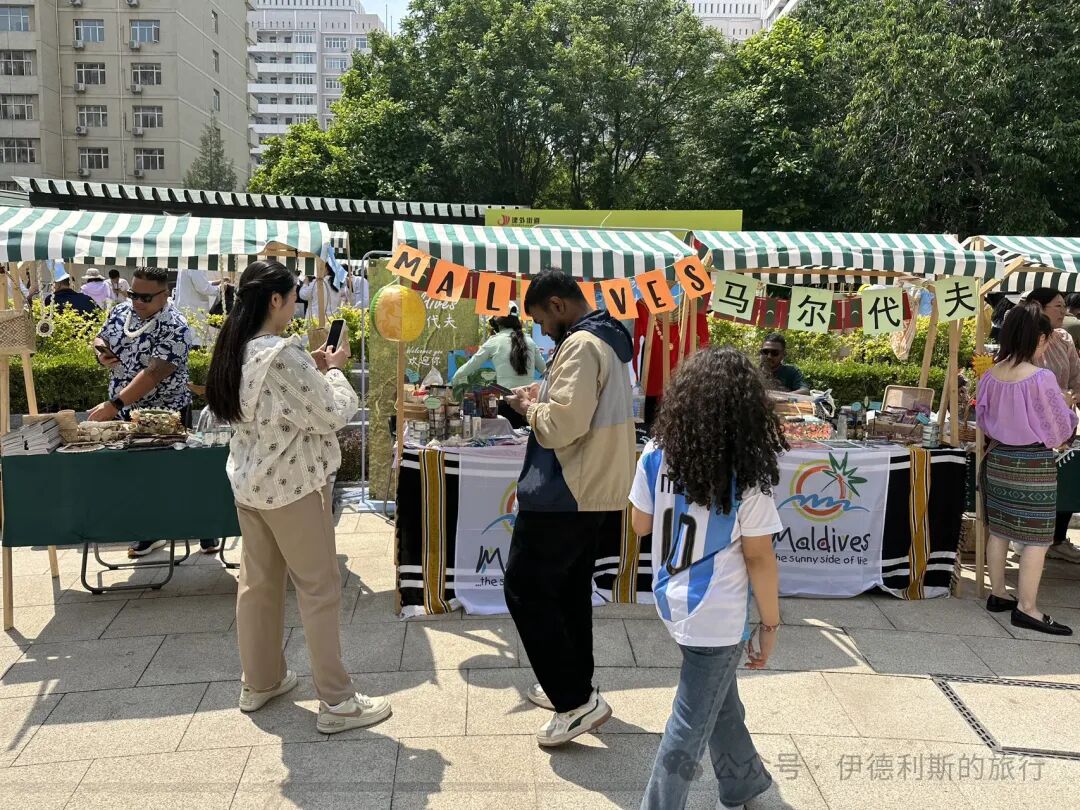
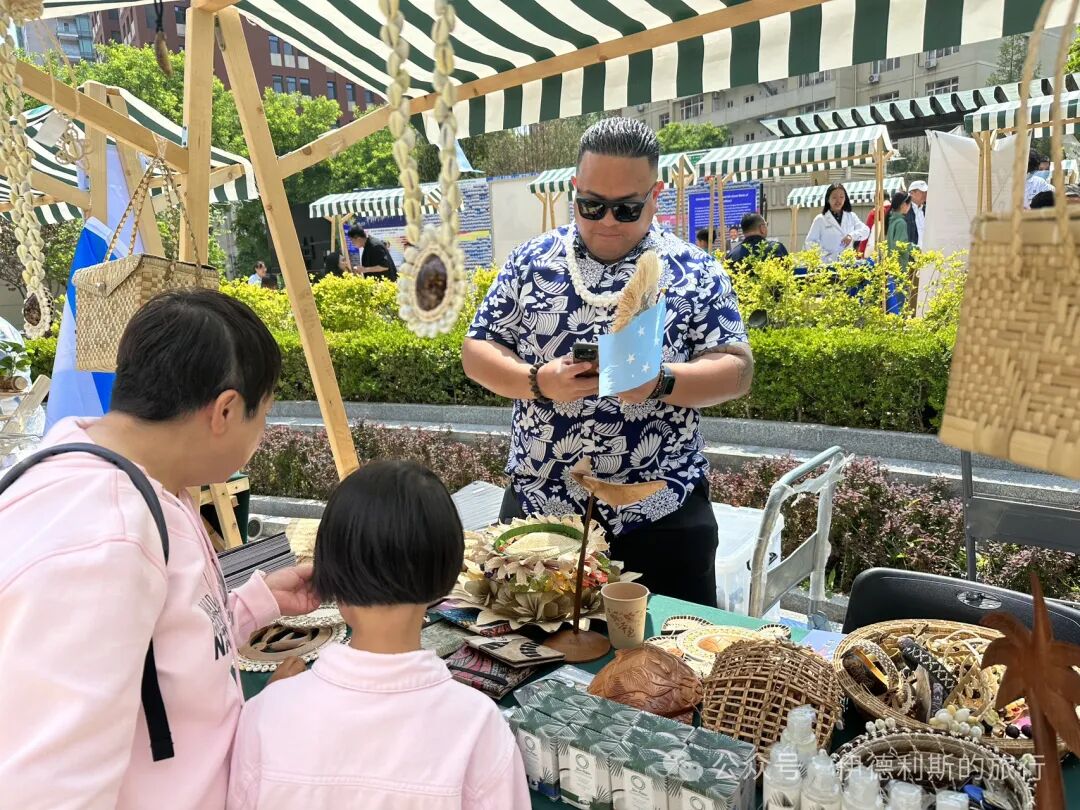
I went to the International Neighborhood Festival at the Jianguomenwai Diplomatic Residence Compound in Beijing today. It was a shame that the booths from Iran and Azerbaijan were not there like they were last year. However, the Maldives booth, which hosted the event, was still there since the Maldives Embassy is located right inside the compound.
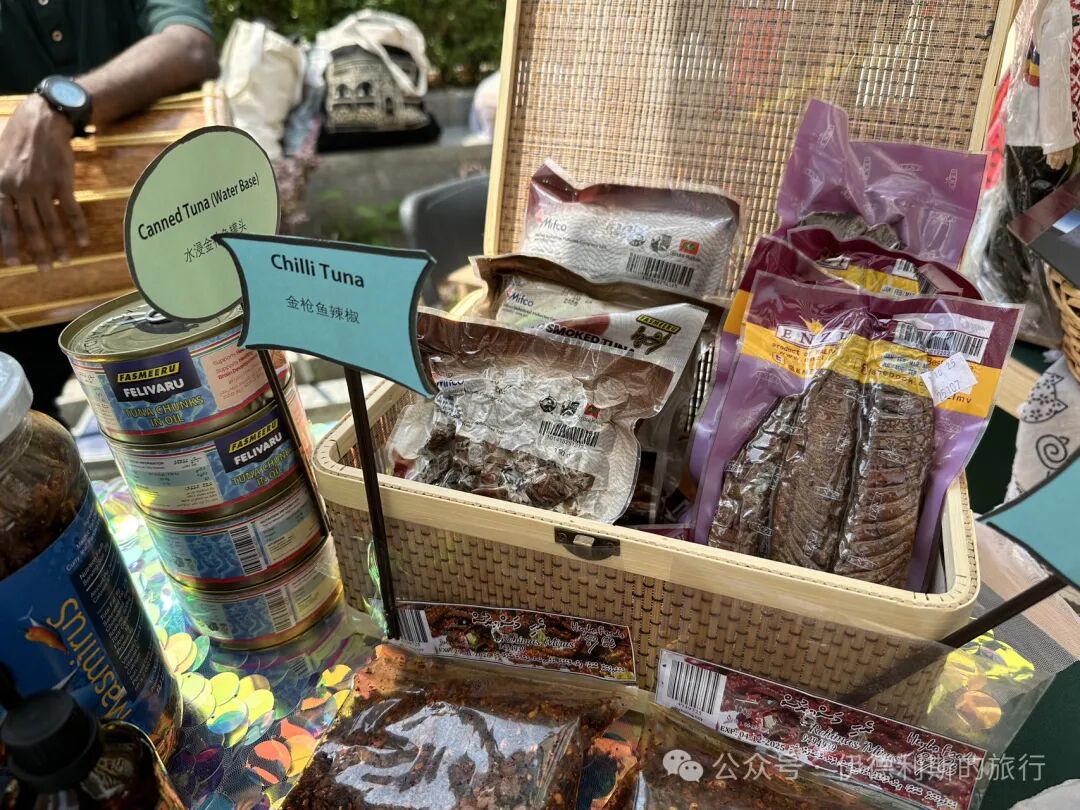
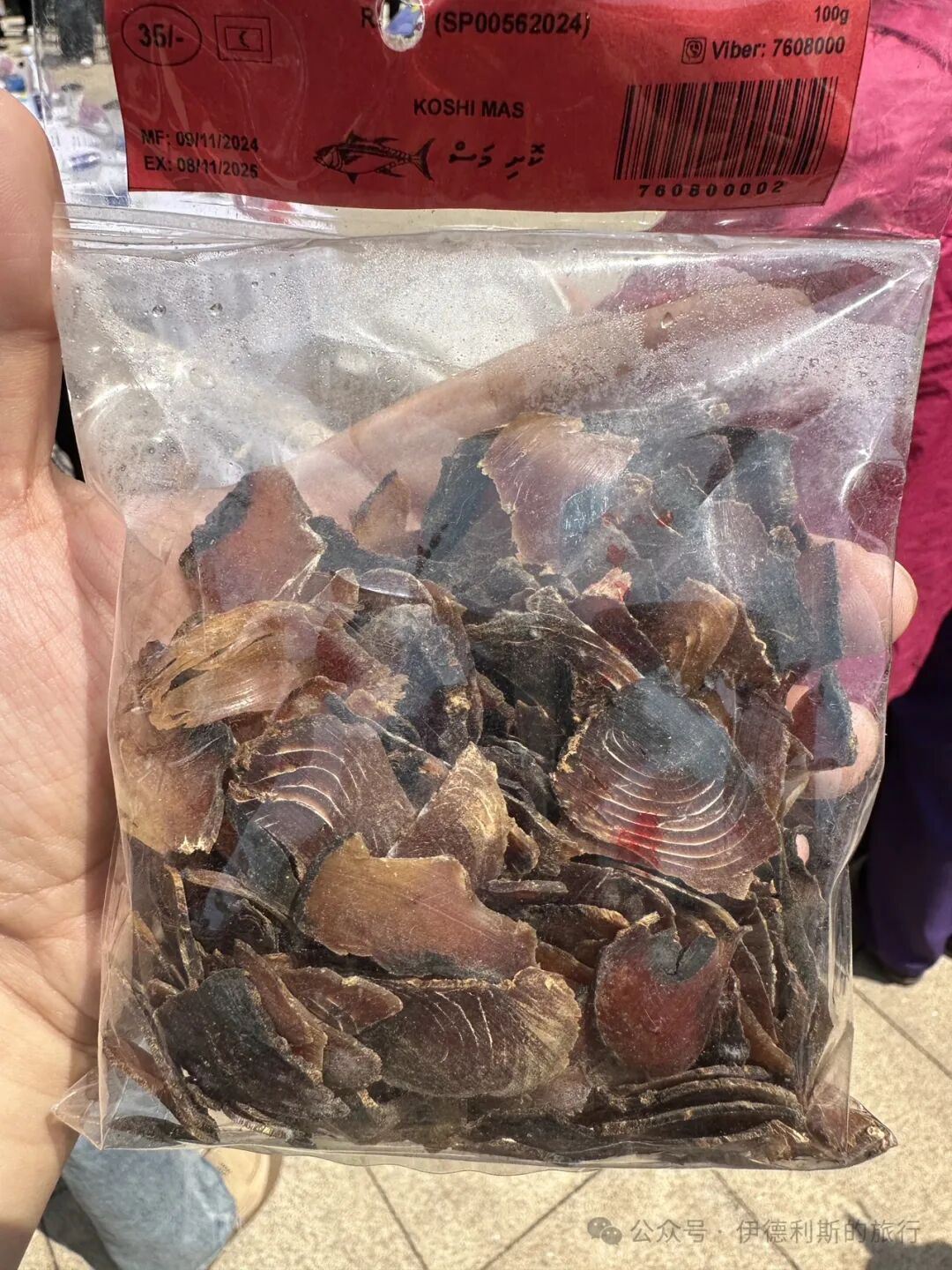
We bought some traditional Maldivian cured tuna and dried breadfruit (breadguogan). Cured tuna is simply called Maldives fish in the Maldives. To make it, they remove the tuna's organs and skin, cut it into pieces, then boil, smoke, and sun-dry it until the outside looks like wood. This process allows the tuna to be stored indefinitely at room temperature. Once prepared, the cured tuna can be sliced and eaten directly, or crushed into small pieces to use as a seasoning.
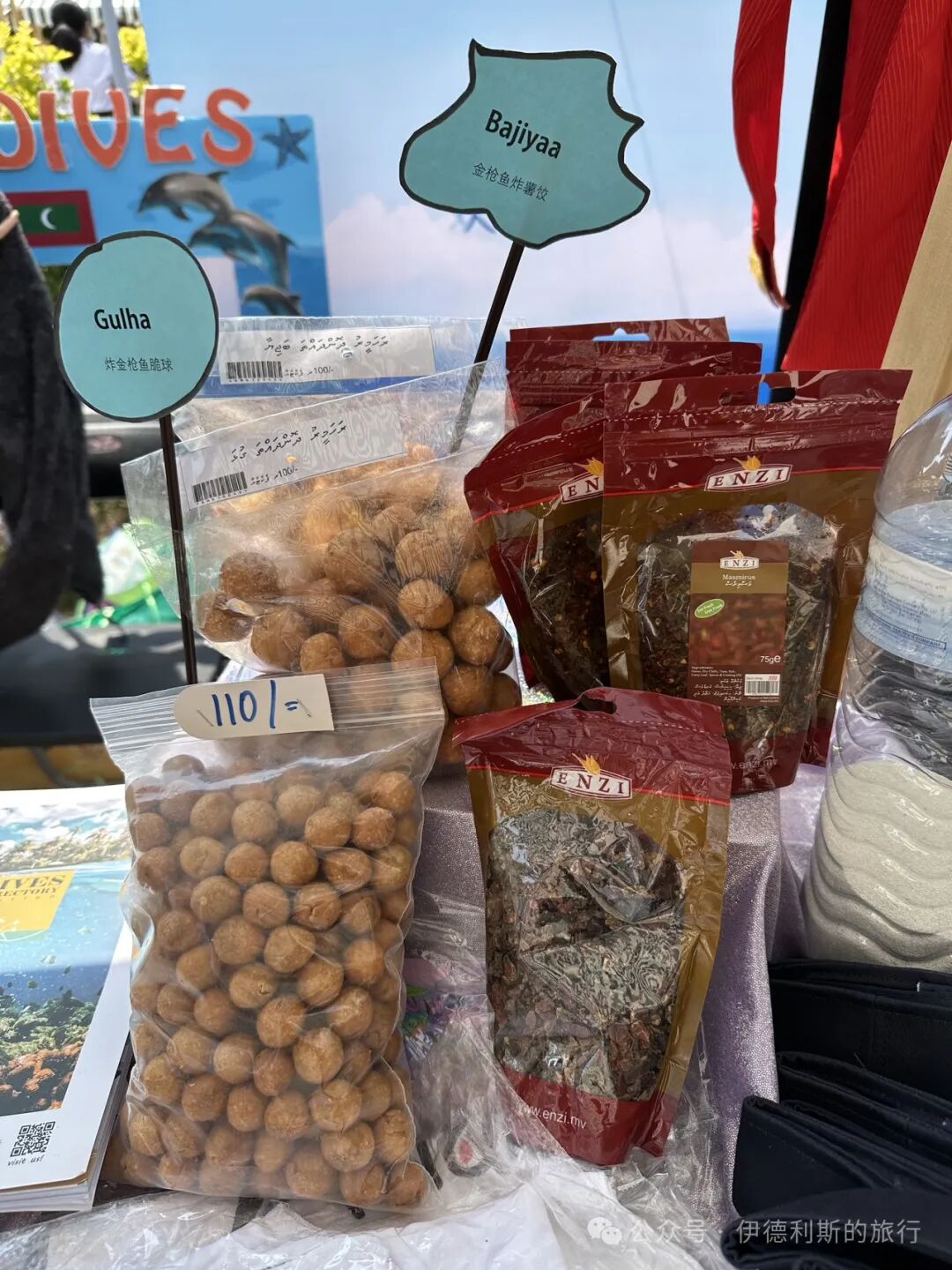
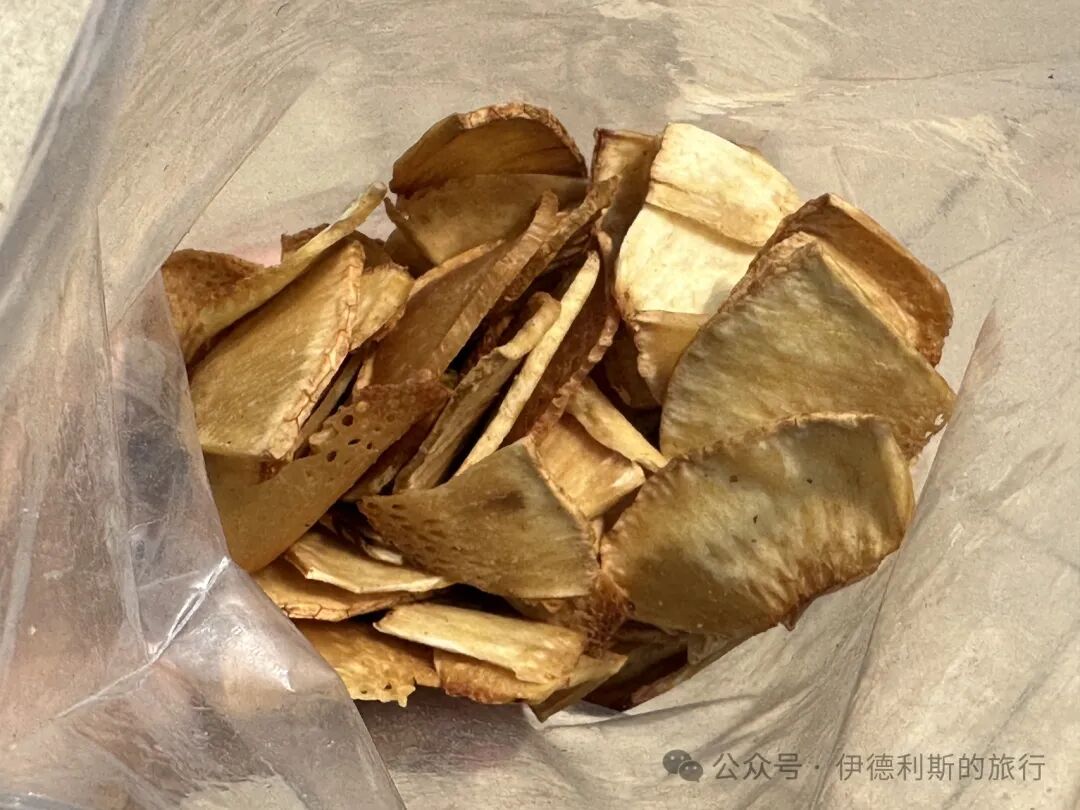
Dried breadfruit is an important food in tropical regions and is especially popular among Austronesian-speaking groups. Sliced and deep-fried dried breadfruit is a classic snack.
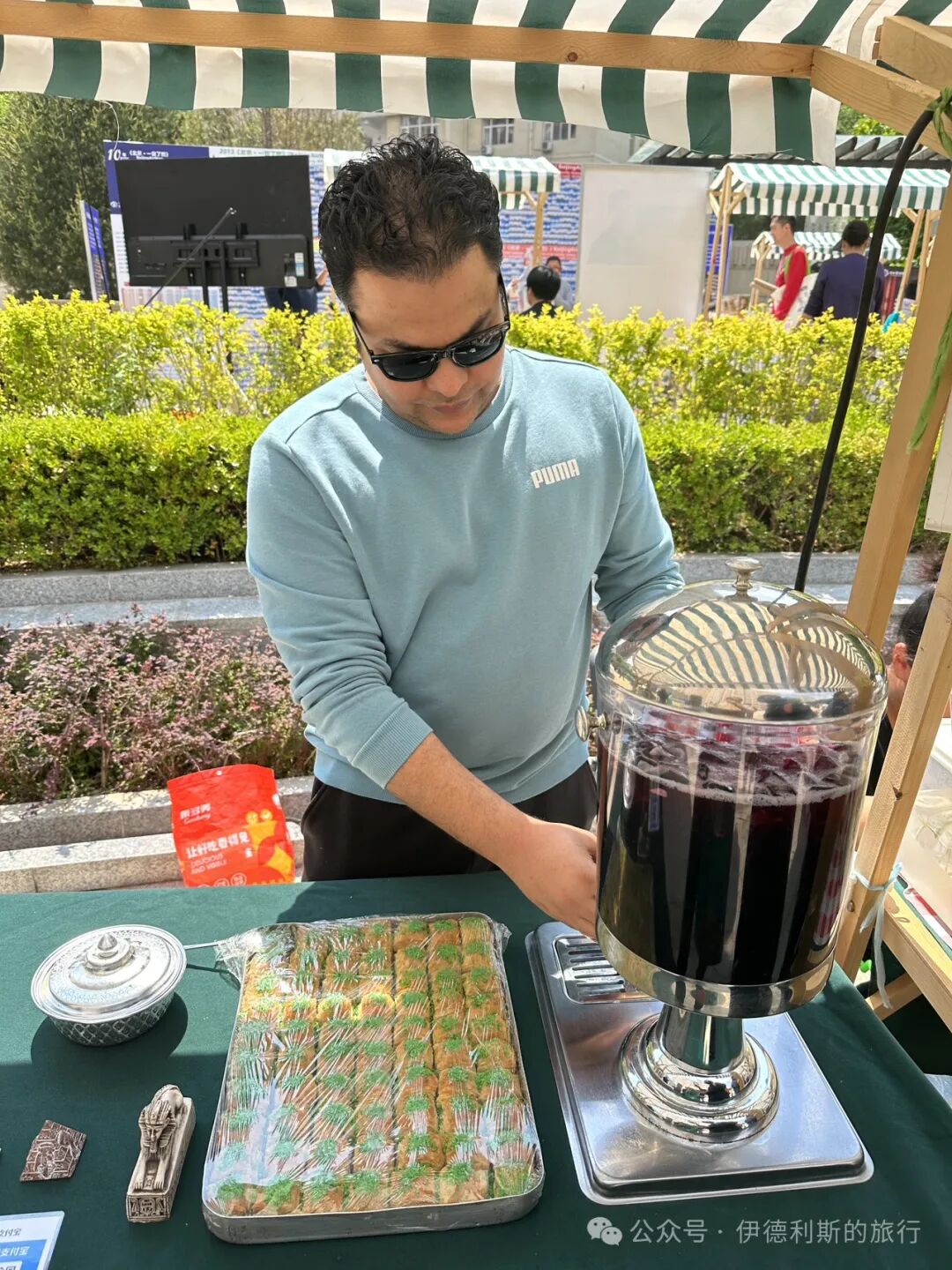
Then, at the Egypt booth, I drank rose water and ate baklava, rice pudding, and the classic Egyptian street food koshary. Koshary is a mix of pasta, macaroni, Egyptian fried rice, and lentils, topped with tomato sauce, garlic sauce, chickpeas, and fried onions. As early as the ancient Egyptian period, Egyptians ate a dish called koshir made from lentils, wheat, chickpeas, garlic, and onions cooked in a clay pot. It was not until the 19th century, with the introduction of pasta and tomatoes, that it gradually developed into the koshary we have today. This snack is vegan and very cheap, making it a typical Egyptian comfort food for the common people. view all
Summary: The International Neighborhood Festival at Beijing's Jianguomenwai Diplomatic Residence Compound offered snacks from the Maldives and Egypt. This short account keeps the original food notes, stall details, and photos from the visit.
I went to the International Neighborhood Festival at the Jianguomenwai Diplomatic Residence Compound in Beijing today. It was a shame that the booths from Iran and Azerbaijan were not there like they were last year. However, the Maldives booth, which hosted the event, was still there since the Maldives Embassy is located right inside the compound.
We bought some traditional Maldivian cured tuna and dried breadfruit (breadguogan). Cured tuna is simply called Maldives fish in the Maldives. To make it, they remove the tuna's organs and skin, cut it into pieces, then boil, smoke, and sun-dry it until the outside looks like wood. This process allows the tuna to be stored indefinitely at room temperature. Once prepared, the cured tuna can be sliced and eaten directly, or crushed into small pieces to use as a seasoning.
Dried breadfruit is an important food in tropical regions and is especially popular among Austronesian-speaking groups. Sliced and deep-fried dried breadfruit is a classic snack.
Then, at the Egypt booth, I drank rose water and ate baklava, rice pudding, and the classic Egyptian street food koshary. Koshary is a mix of pasta, macaroni, Egyptian fried rice, and lentils, topped with tomato sauce, garlic sauce, chickpeas, and fried onions. As early as the ancient Egyptian period, Egyptians ate a dish called koshir made from lentils, wheat, chickpeas, garlic, and onions cooked in a clay pot. It was not until the 19th century, with the introduction of pasta and tomatoes, that it gradually developed into the koshary we have today. This snack is vegan and very cheap, making it a typical Egyptian comfort food for the common people. view all
Reposted from the web
Summary: The International Neighborhood Festival at Beijing's Jianguomenwai Diplomatic Residence Compound offered snacks from the Maldives and Egypt. This short account keeps the original food notes, stall details, and photos from the visit.
I went to the International Neighborhood Festival at the Jianguomenwai Diplomatic Residence Compound in Beijing today. It was a shame that the booths from Iran and Azerbaijan were not there like they were last year. However, the Maldives booth, which hosted the event, was still there since the Maldives Embassy is located right inside the compound.
We bought some traditional Maldivian cured tuna and dried breadfruit (breadguogan). Cured tuna is simply called Maldives fish in the Maldives. To make it, they remove the tuna's organs and skin, cut it into pieces, then boil, smoke, and sun-dry it until the outside looks like wood. This process allows the tuna to be stored indefinitely at room temperature. Once prepared, the cured tuna can be sliced and eaten directly, or crushed into small pieces to use as a seasoning.
Dried breadfruit is an important food in tropical regions and is especially popular among Austronesian-speaking groups. Sliced and deep-fried dried breadfruit is a classic snack.
Then, at the Egypt booth, I drank rose water and ate baklava, rice pudding, and the classic Egyptian street food koshary. Koshary is a mix of pasta, macaroni, Egyptian fried rice, and lentils, topped with tomato sauce, garlic sauce, chickpeas, and fried onions. As early as the ancient Egyptian period, Egyptians ate a dish called koshir made from lentils, wheat, chickpeas, garlic, and onions cooked in a clay pot. It was not until the 19th century, with the introduction of pasta and tomatoes, that it gradually developed into the koshary we have today. This snack is vegan and very cheap, making it a typical Egyptian comfort food for the common people.
Summary: The International Neighborhood Festival at Beijing's Jianguomenwai Diplomatic Residence Compound offered snacks from the Maldives and Egypt. This short account keeps the original food notes, stall details, and photos from the visit.
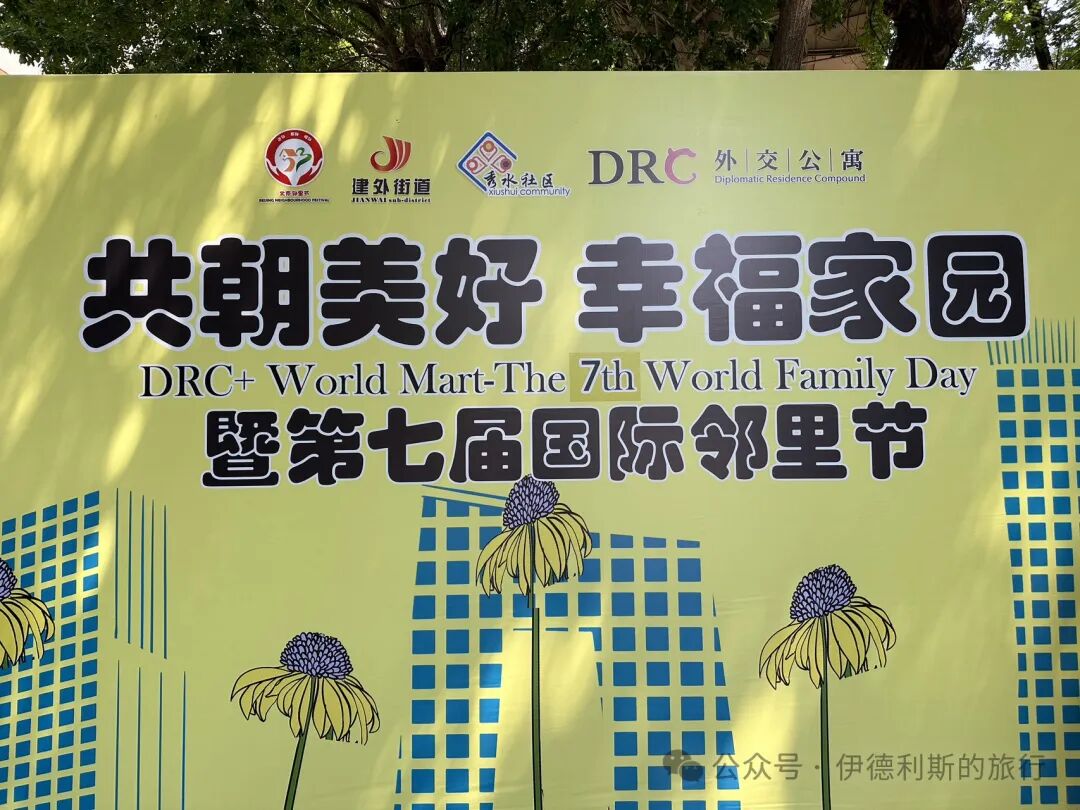
I went to the International Neighborhood Festival at the Jianguomenwai Diplomatic Residence Compound in Beijing today. It was a shame that the booths from Iran and Azerbaijan were not there like they were last year. However, the Maldives booth, which hosted the event, was still there since the Maldives Embassy is located right inside the compound.
We bought some traditional Maldivian cured tuna and dried breadfruit (breadguogan). Cured tuna is simply called Maldives fish in the Maldives. To make it, they remove the tuna's organs and skin, cut it into pieces, then boil, smoke, and sun-dry it until the outside looks like wood. This process allows the tuna to be stored indefinitely at room temperature. Once prepared, the cured tuna can be sliced and eaten directly, or crushed into small pieces to use as a seasoning.
Dried breadfruit is an important food in tropical regions and is especially popular among Austronesian-speaking groups. Sliced and deep-fried dried breadfruit is a classic snack.
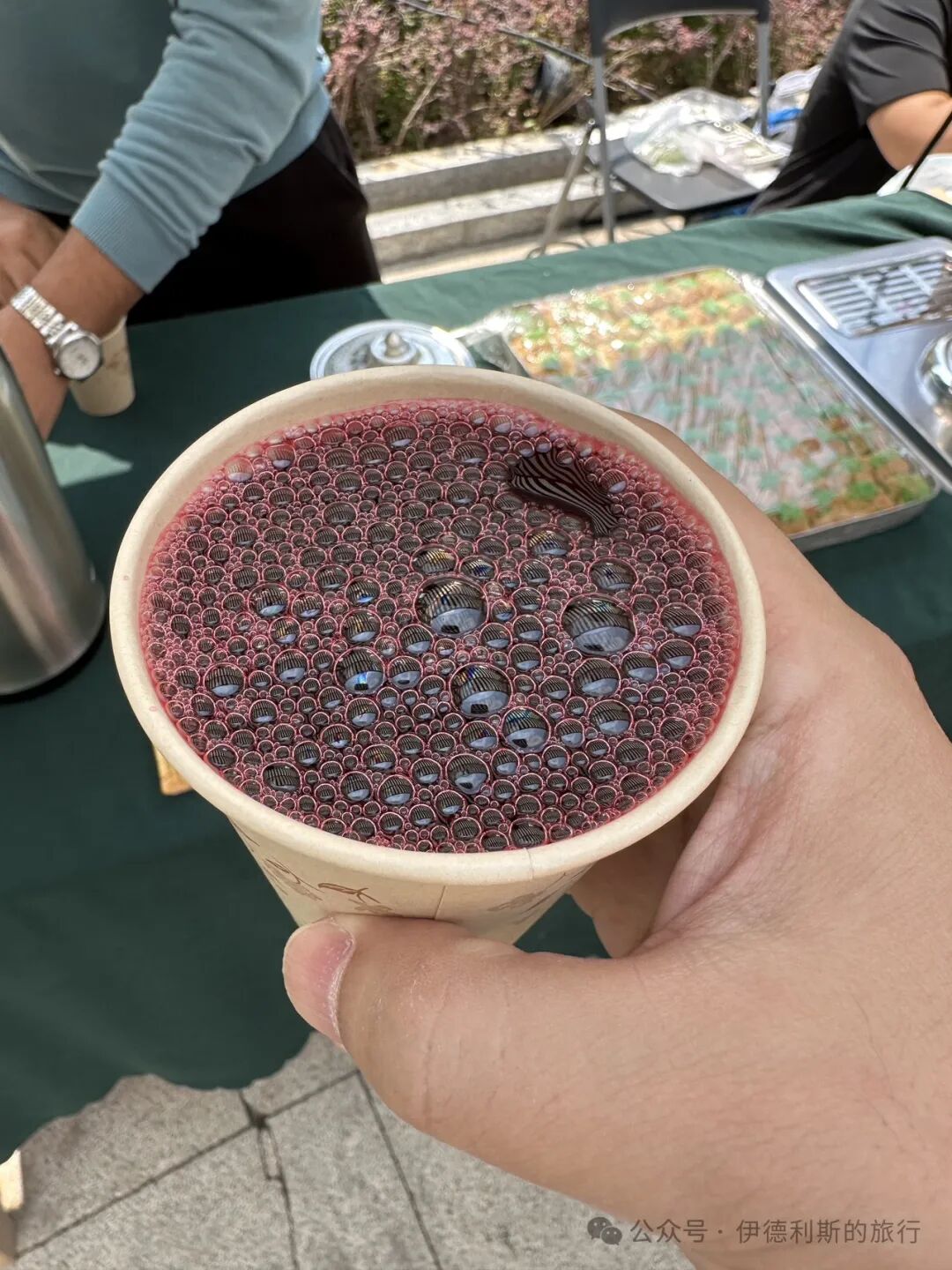
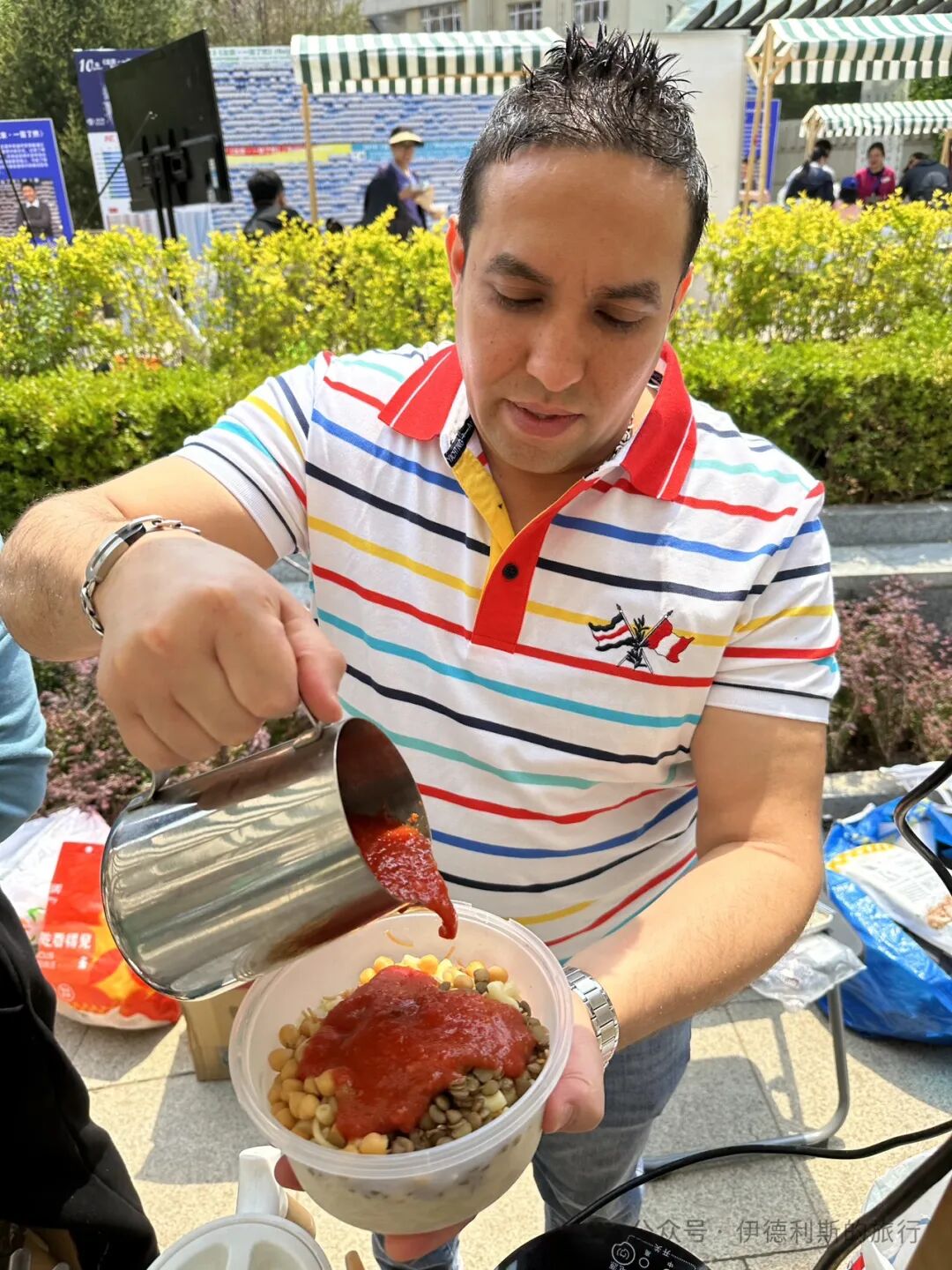
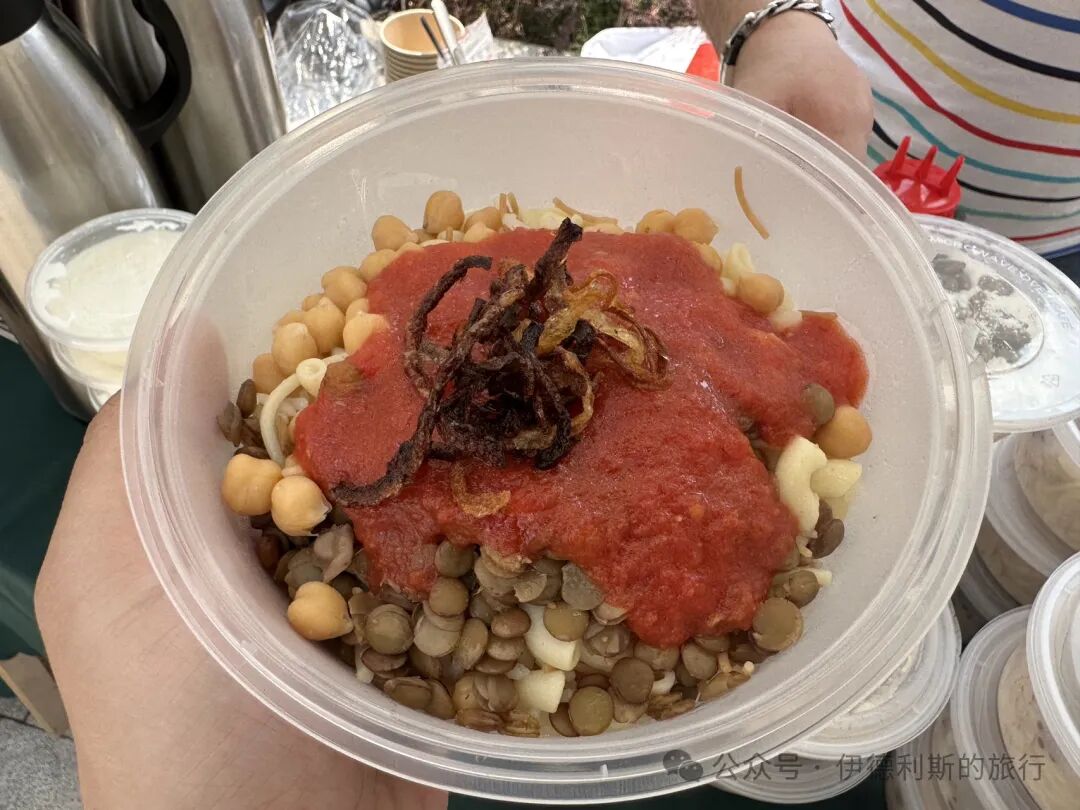
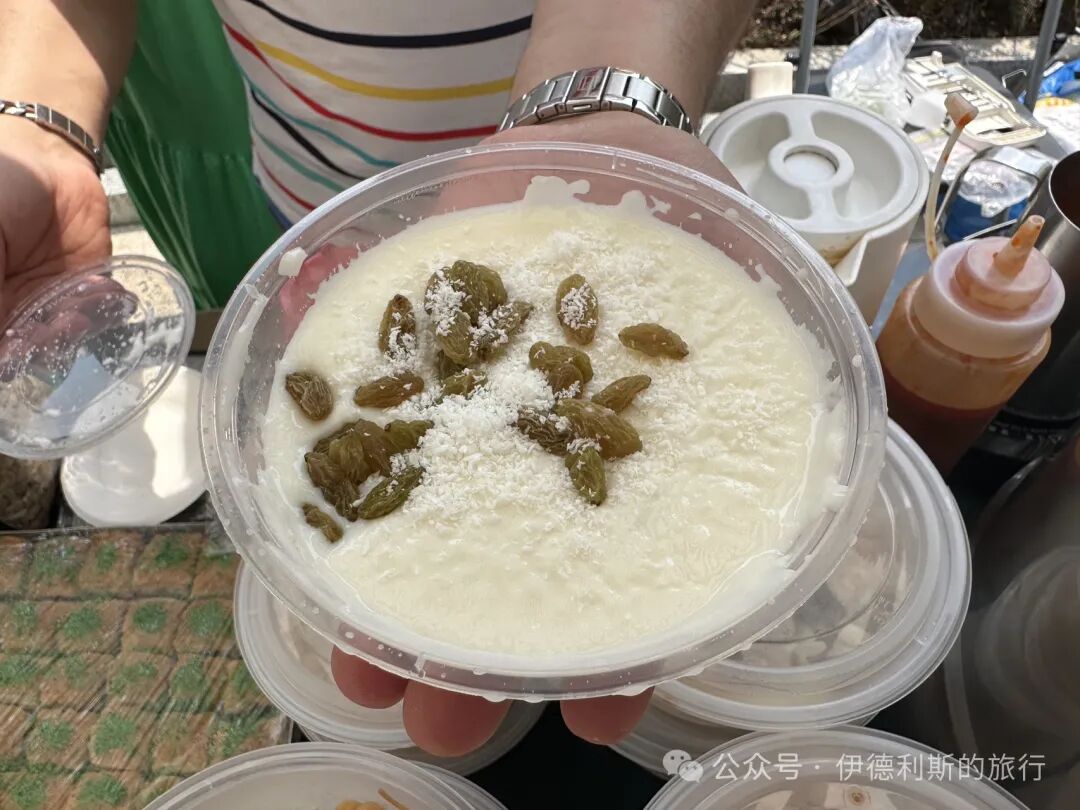
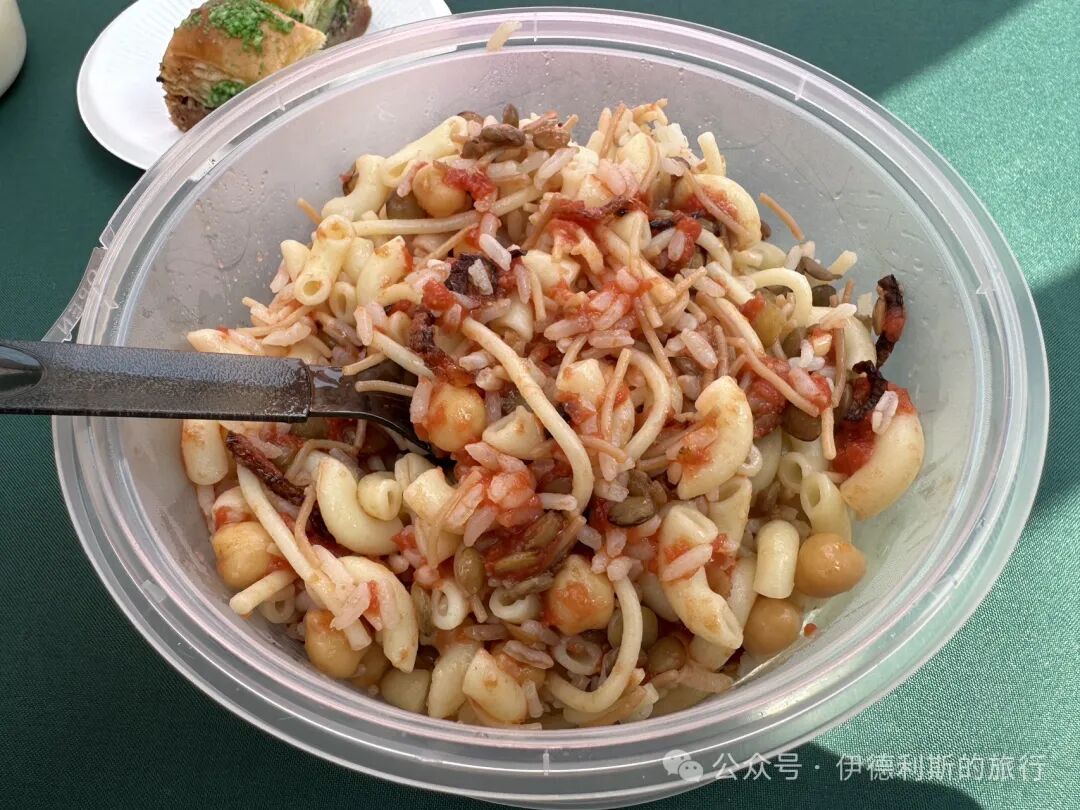
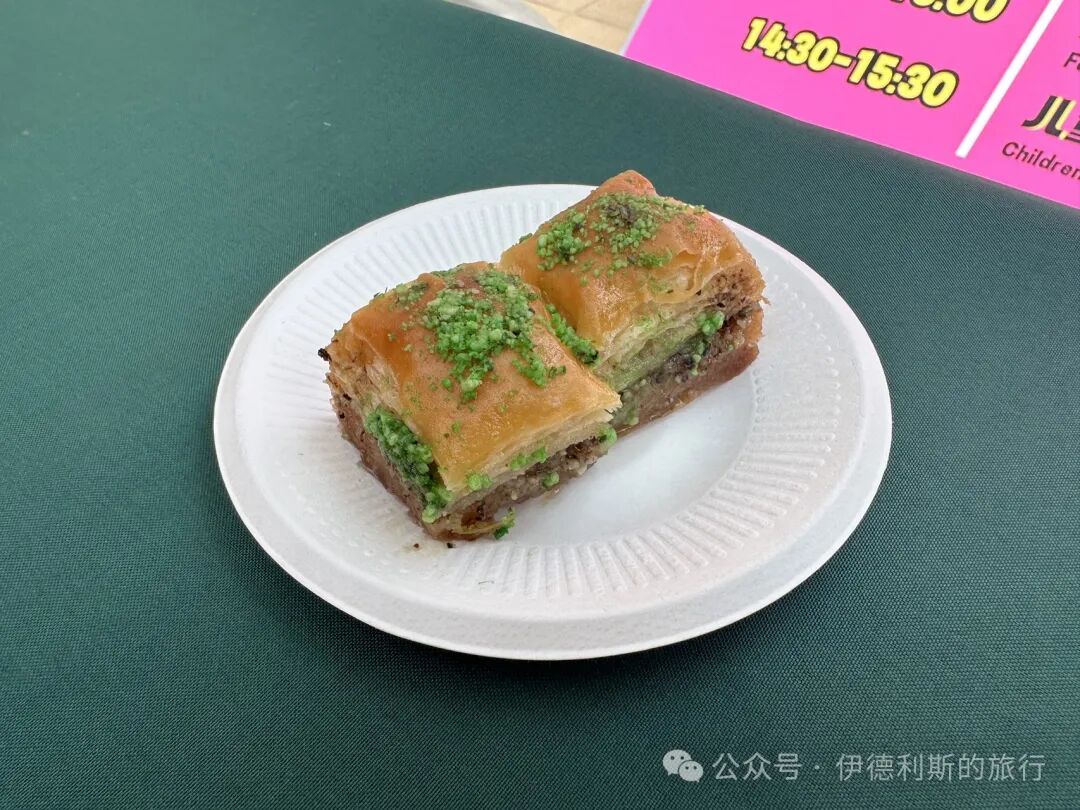
Then, at the Egypt booth, I drank rose water and ate baklava, rice pudding, and the classic Egyptian street food koshary. Koshary is a mix of pasta, macaroni, Egyptian fried rice, and lentils, topped with tomato sauce, garlic sauce, chickpeas, and fried onions. As early as the ancient Egyptian period, Egyptians ate a dish called koshir made from lentils, wheat, chickpeas, garlic, and onions cooked in a clay pot. It was not until the 19th century, with the introduction of pasta and tomatoes, that it gradually developed into the koshary we have today. This snack is vegan and very cheap, making it a typical Egyptian comfort food for the common people.
Halal Travel Guide: Beijing Diplomatic Residence Snacks
Articles • ali2007fr posted the article • 0 comments • 113 views • 2026-05-20 08:13
Reposted from the web
Summary: The International Neighborhood Festival at Beijing's Jianguomenwai Diplomatic Residence Compound offered snacks from the Maldives and Egypt. This short account keeps the original food notes, stall details, and photos from the visit.
I went to the International Neighborhood Festival at the Jianguomenwai Diplomatic Residence Compound in Beijing today. It was a shame that the booths from Iran and Azerbaijan were not there like they were last year. However, the Maldives booth, which hosted the event, was still there since the Maldives Embassy is located right inside the compound.
We bought some traditional Maldivian cured tuna and dried breadfruit (breadguogan). Cured tuna is simply called Maldives fish in the Maldives. To make it, they remove the tuna's organs and skin, cut it into pieces, then boil, smoke, and sun-dry it until the outside looks like wood. This process allows the tuna to be stored indefinitely at room temperature. Once prepared, the cured tuna can be sliced and eaten directly, or crushed into small pieces to use as a seasoning.
Dried breadfruit is an important food in tropical regions and is especially popular among Austronesian-speaking groups. Sliced and deep-fried dried breadfruit is a classic snack.
Then, at the Egypt booth, I drank rose water and ate baklava, rice pudding, and the classic Egyptian street food koshary. Koshary is a mix of pasta, macaroni, Egyptian fried rice, and lentils, topped with tomato sauce, garlic sauce, chickpeas, and fried onions. As early as the ancient Egyptian period, Egyptians ate a dish called koshir made from lentils, wheat, chickpeas, garlic, and onions cooked in a clay pot. It was not until the 19th century, with the introduction of pasta and tomatoes, that it gradually developed into the koshary we have today. This snack is vegan and very cheap, making it a typical Egyptian comfort food for the common people. view all
Summary: The International Neighborhood Festival at Beijing's Jianguomenwai Diplomatic Residence Compound offered snacks from the Maldives and Egypt. This short account keeps the original food notes, stall details, and photos from the visit.
I went to the International Neighborhood Festival at the Jianguomenwai Diplomatic Residence Compound in Beijing today. It was a shame that the booths from Iran and Azerbaijan were not there like they were last year. However, the Maldives booth, which hosted the event, was still there since the Maldives Embassy is located right inside the compound.
We bought some traditional Maldivian cured tuna and dried breadfruit (breadguogan). Cured tuna is simply called Maldives fish in the Maldives. To make it, they remove the tuna's organs and skin, cut it into pieces, then boil, smoke, and sun-dry it until the outside looks like wood. This process allows the tuna to be stored indefinitely at room temperature. Once prepared, the cured tuna can be sliced and eaten directly, or crushed into small pieces to use as a seasoning.
Dried breadfruit is an important food in tropical regions and is especially popular among Austronesian-speaking groups. Sliced and deep-fried dried breadfruit is a classic snack.
Then, at the Egypt booth, I drank rose water and ate baklava, rice pudding, and the classic Egyptian street food koshary. Koshary is a mix of pasta, macaroni, Egyptian fried rice, and lentils, topped with tomato sauce, garlic sauce, chickpeas, and fried onions. As early as the ancient Egyptian period, Egyptians ate a dish called koshir made from lentils, wheat, chickpeas, garlic, and onions cooked in a clay pot. It was not until the 19th century, with the introduction of pasta and tomatoes, that it gradually developed into the koshary we have today. This snack is vegan and very cheap, making it a typical Egyptian comfort food for the common people. view all
Reposted from the web
Summary: The International Neighborhood Festival at Beijing's Jianguomenwai Diplomatic Residence Compound offered snacks from the Maldives and Egypt. This short account keeps the original food notes, stall details, and photos from the visit.
I went to the International Neighborhood Festival at the Jianguomenwai Diplomatic Residence Compound in Beijing today. It was a shame that the booths from Iran and Azerbaijan were not there like they were last year. However, the Maldives booth, which hosted the event, was still there since the Maldives Embassy is located right inside the compound.
We bought some traditional Maldivian cured tuna and dried breadfruit (breadguogan). Cured tuna is simply called Maldives fish in the Maldives. To make it, they remove the tuna's organs and skin, cut it into pieces, then boil, smoke, and sun-dry it until the outside looks like wood. This process allows the tuna to be stored indefinitely at room temperature. Once prepared, the cured tuna can be sliced and eaten directly, or crushed into small pieces to use as a seasoning.
Dried breadfruit is an important food in tropical regions and is especially popular among Austronesian-speaking groups. Sliced and deep-fried dried breadfruit is a classic snack.
Then, at the Egypt booth, I drank rose water and ate baklava, rice pudding, and the classic Egyptian street food koshary. Koshary is a mix of pasta, macaroni, Egyptian fried rice, and lentils, topped with tomato sauce, garlic sauce, chickpeas, and fried onions. As early as the ancient Egyptian period, Egyptians ate a dish called koshir made from lentils, wheat, chickpeas, garlic, and onions cooked in a clay pot. It was not until the 19th century, with the introduction of pasta and tomatoes, that it gradually developed into the koshary we have today. This snack is vegan and very cheap, making it a typical Egyptian comfort food for the common people.
Summary: The International Neighborhood Festival at Beijing's Jianguomenwai Diplomatic Residence Compound offered snacks from the Maldives and Egypt. This short account keeps the original food notes, stall details, and photos from the visit.
I went to the International Neighborhood Festival at the Jianguomenwai Diplomatic Residence Compound in Beijing today. It was a shame that the booths from Iran and Azerbaijan were not there like they were last year. However, the Maldives booth, which hosted the event, was still there since the Maldives Embassy is located right inside the compound.
We bought some traditional Maldivian cured tuna and dried breadfruit (breadguogan). Cured tuna is simply called Maldives fish in the Maldives. To make it, they remove the tuna's organs and skin, cut it into pieces, then boil, smoke, and sun-dry it until the outside looks like wood. This process allows the tuna to be stored indefinitely at room temperature. Once prepared, the cured tuna can be sliced and eaten directly, or crushed into small pieces to use as a seasoning.
Dried breadfruit is an important food in tropical regions and is especially popular among Austronesian-speaking groups. Sliced and deep-fried dried breadfruit is a classic snack.
Then, at the Egypt booth, I drank rose water and ate baklava, rice pudding, and the classic Egyptian street food koshary. Koshary is a mix of pasta, macaroni, Egyptian fried rice, and lentils, topped with tomato sauce, garlic sauce, chickpeas, and fried onions. As early as the ancient Egyptian period, Egyptians ate a dish called koshir made from lentils, wheat, chickpeas, garlic, and onions cooked in a clay pot. It was not until the 19th century, with the introduction of pasta and tomatoes, that it gradually developed into the koshary we have today. This snack is vegan and very cheap, making it a typical Egyptian comfort food for the common people.