

Family Heritage
Islamic History Guide: Quanzhou Xingzhai Guo Family Ancestral Hall and Hui Muslim Heritage
Articles • ali2007fr posted the article • 0 comments • 238 views • 2026-05-19 10:24
Reposted from the web
Summary: Quanzhou Xingzhai Guo Family Ancestral Hall and Hui Muslim Heritage is presented as a clear English travel account for readers interested in Muslim life, halal food, mosques, and local history. The article keeps the original place names, food details, photographs, and cultural context while focusing on Quanzhou, Hui Muslims, Family Heritage.
In Quanzhou, besides the famous Baiqi Guo family of Hui Muslims, there is another branch known as the Jundong Guo family of Hui Muslims. According to family records, the ancestors of both the Baiqi Guo and Jundong Guo families came from Guo Family Village in Fuyang, Zhejiang, and were descendants of Guo Zhang. At the end of the Yuan Dynasty, Guo Zhang's sons, Guo Deguang and Guo Dezhao, along with Guo Dezhao's grandson Guo Mengliang, all moved to Quanzhou. The Quanzhou Prefecture Gazetteer records: 'Guo Tong, courtesy name Mengliang, art name Leqiao, was originally from Fuyang, Zhejiang.' At the end of the Yuan Dynasty, he followed his grand-uncle to Quanzhou to serve as the Salt Commissioner.
Because Guo Mengliang lived on East Street in Quanzhou, his descendants became known as the Jundong Guo family. During the Chenghua period of the Ming Dynasty, Guo Mengliang's fifth-generation grandsons, Guo Quan and Guo Yuan, moved from East Street to Xingzhai Village, and their descendants are also called the Xingzhai Guo family.
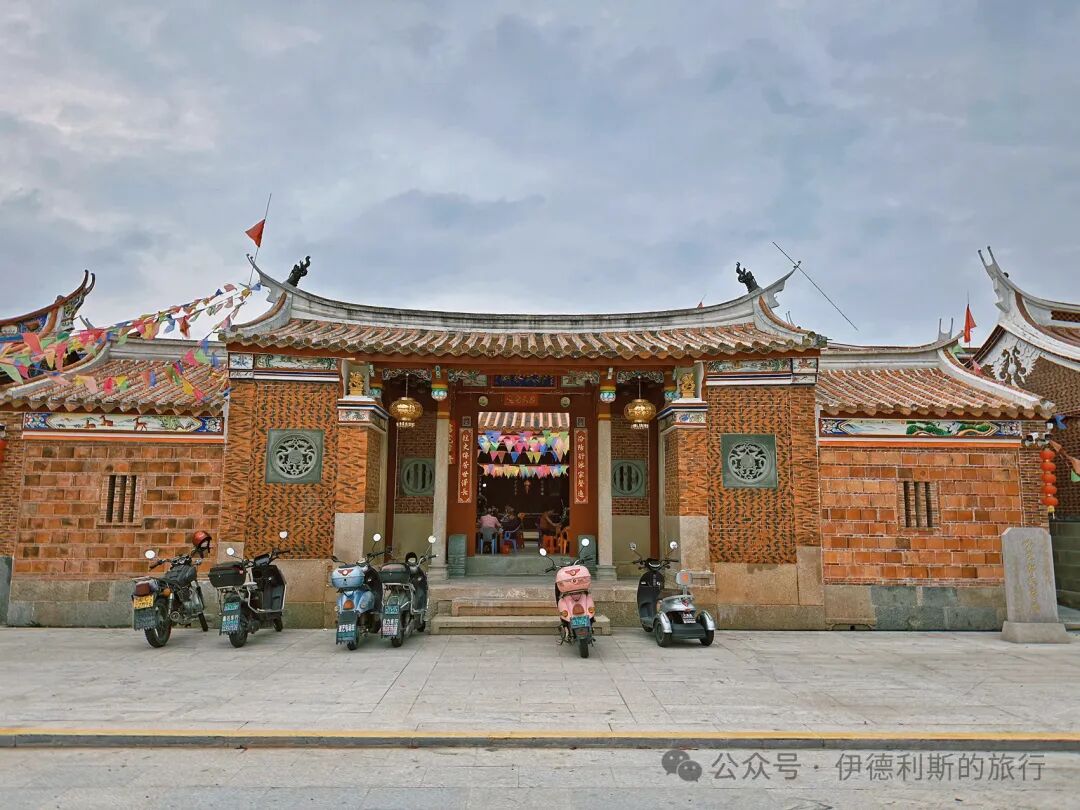
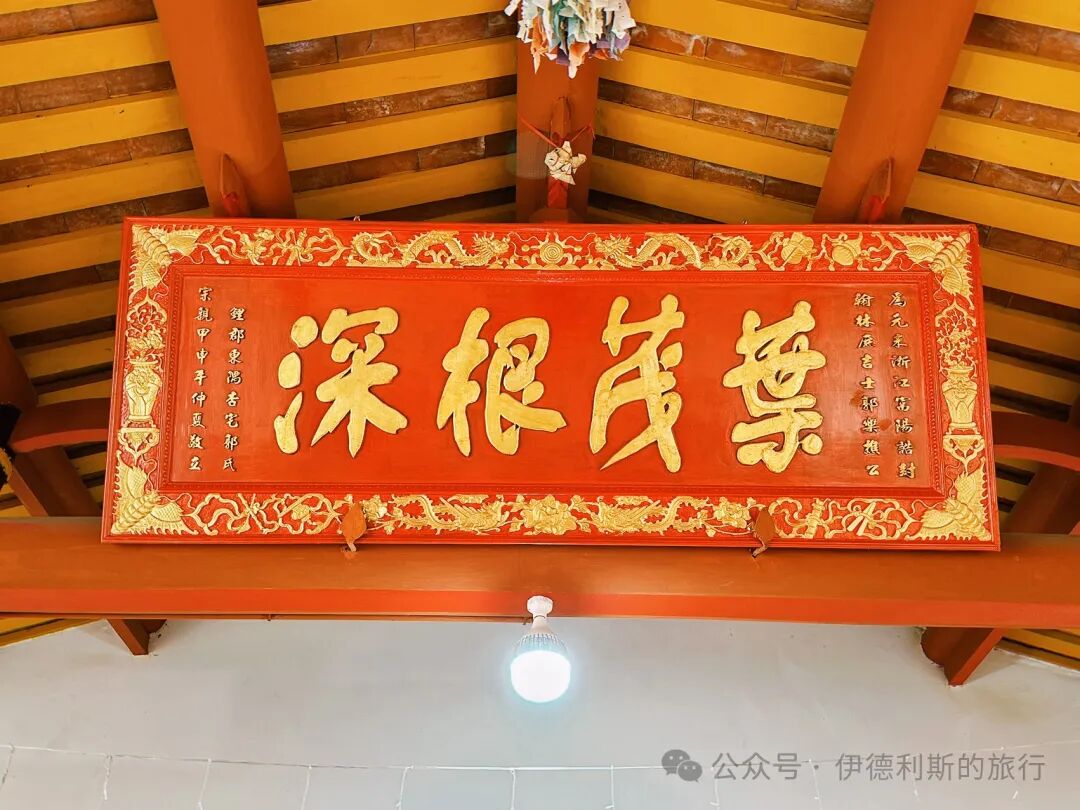
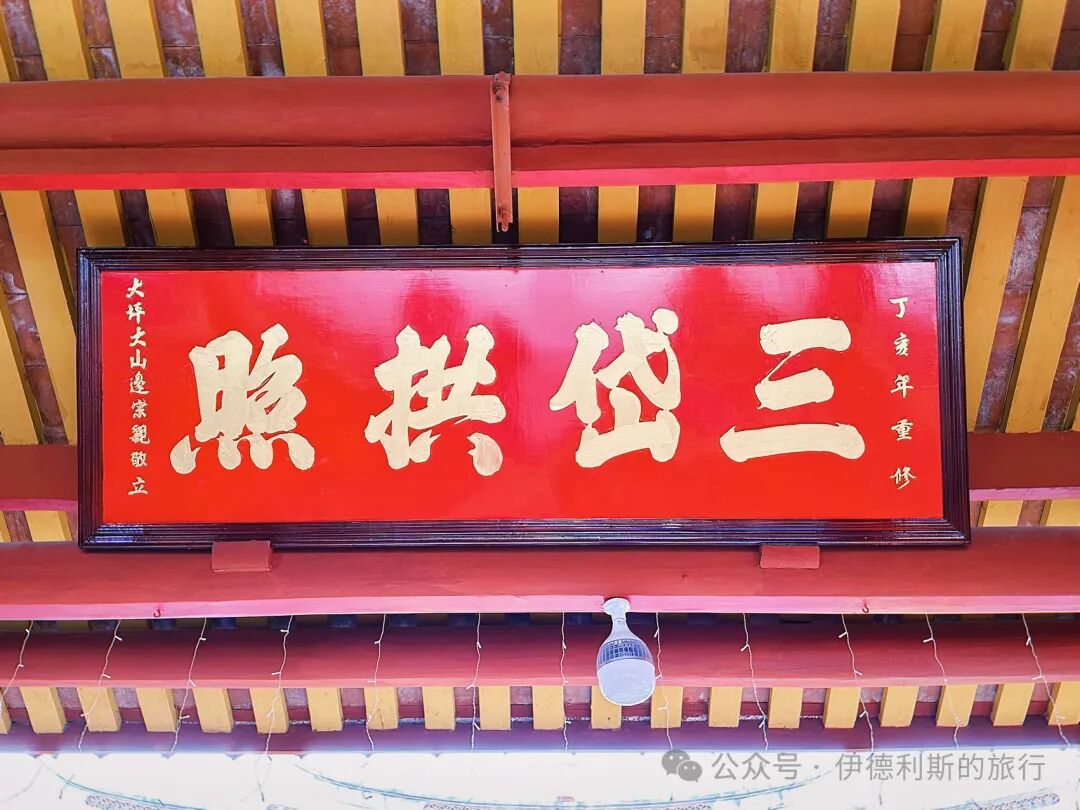
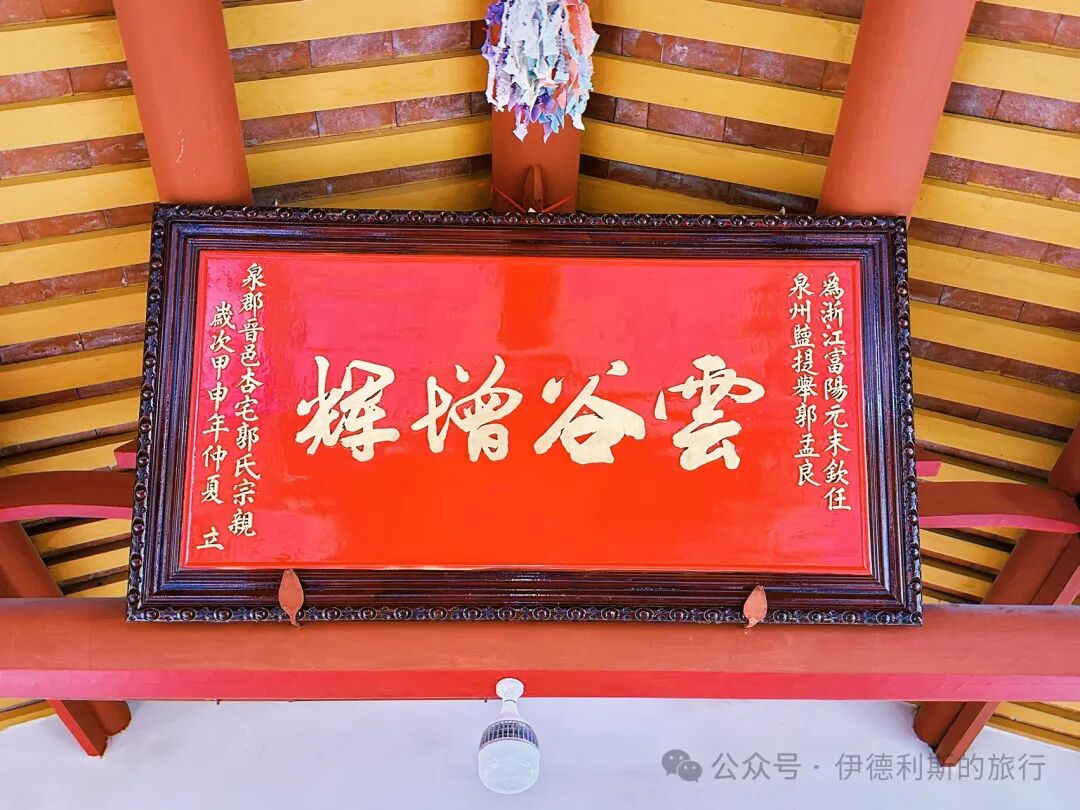
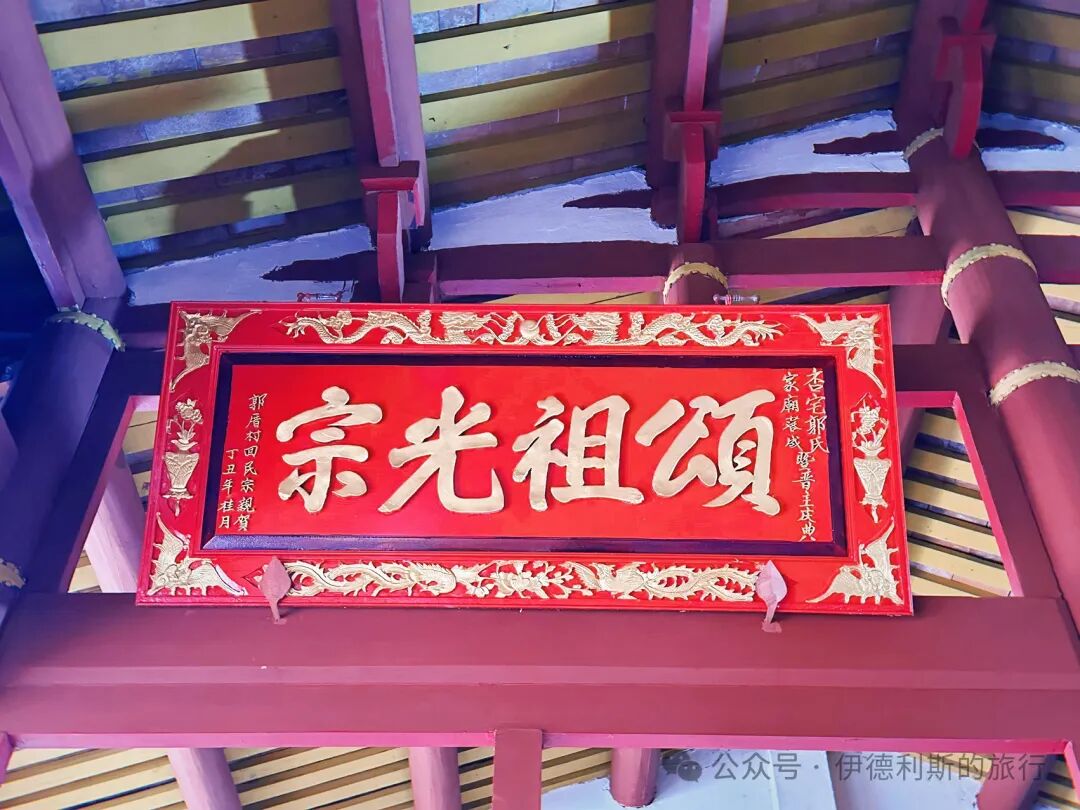
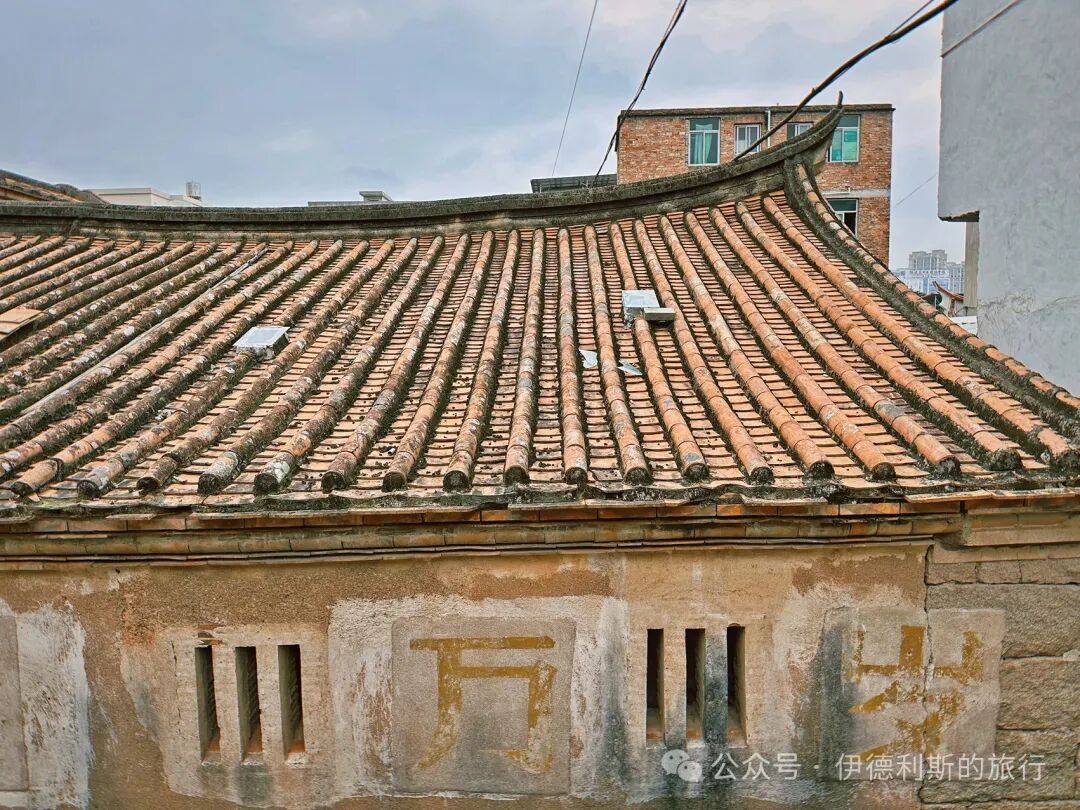
The Xingzhai Guo family ancestral temple was first built in the mid-Ming Dynasty, rebuilt after being struck by lightning in 1670, expanded again in 1947, and has undergone many repairs since then. Today, the Xingzhai Guo Family Ancestral Hall is a large Minnan-style ancestral shrine with three rows of buildings and two courtyards. It is a protected cultural site in Quanzhou and serves as the cultural activity center for the Xingzhai Hui Muslim Seniors Association. When we visited, there were many elderly people playing mahjong in the courtyard.
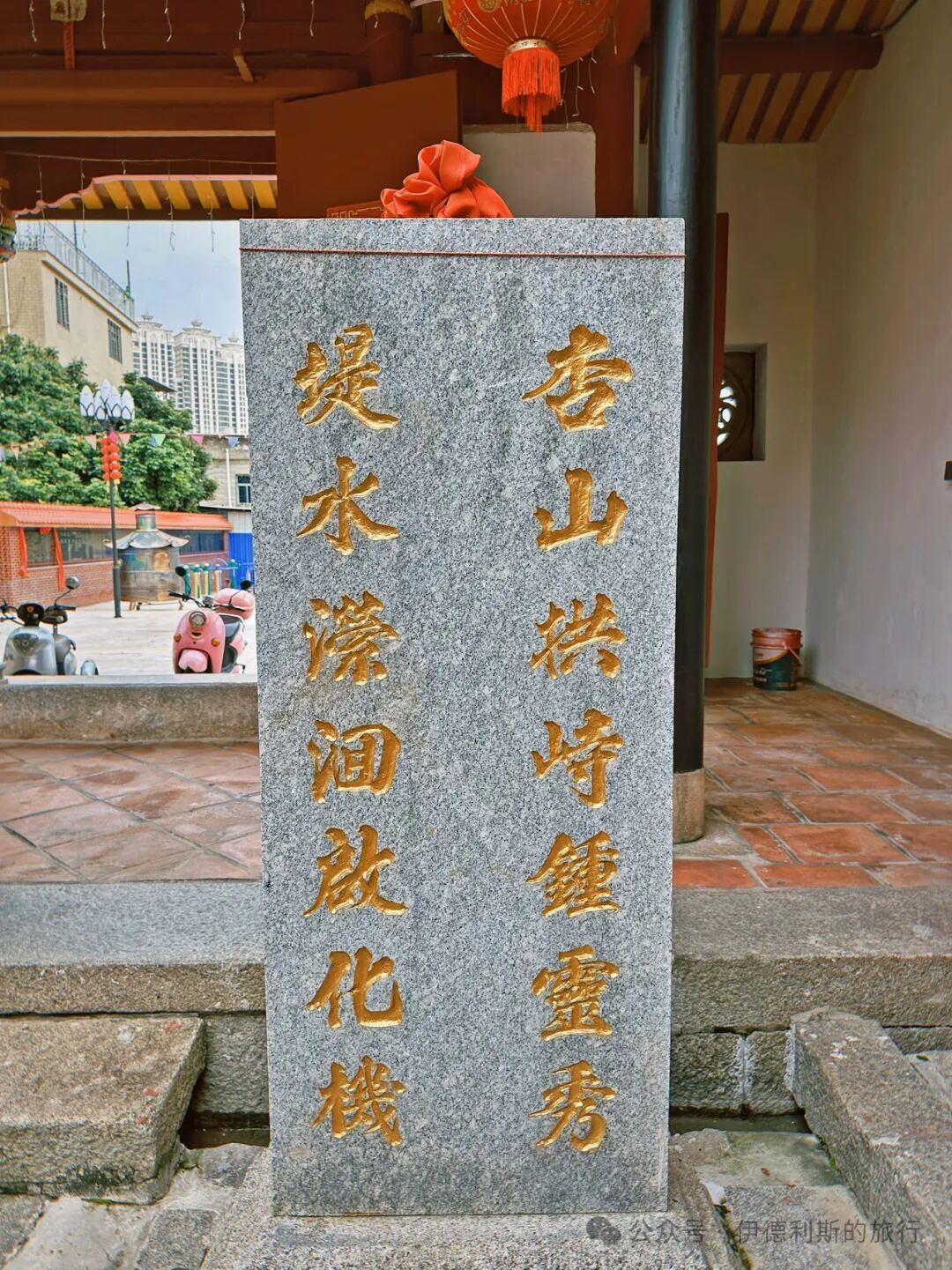
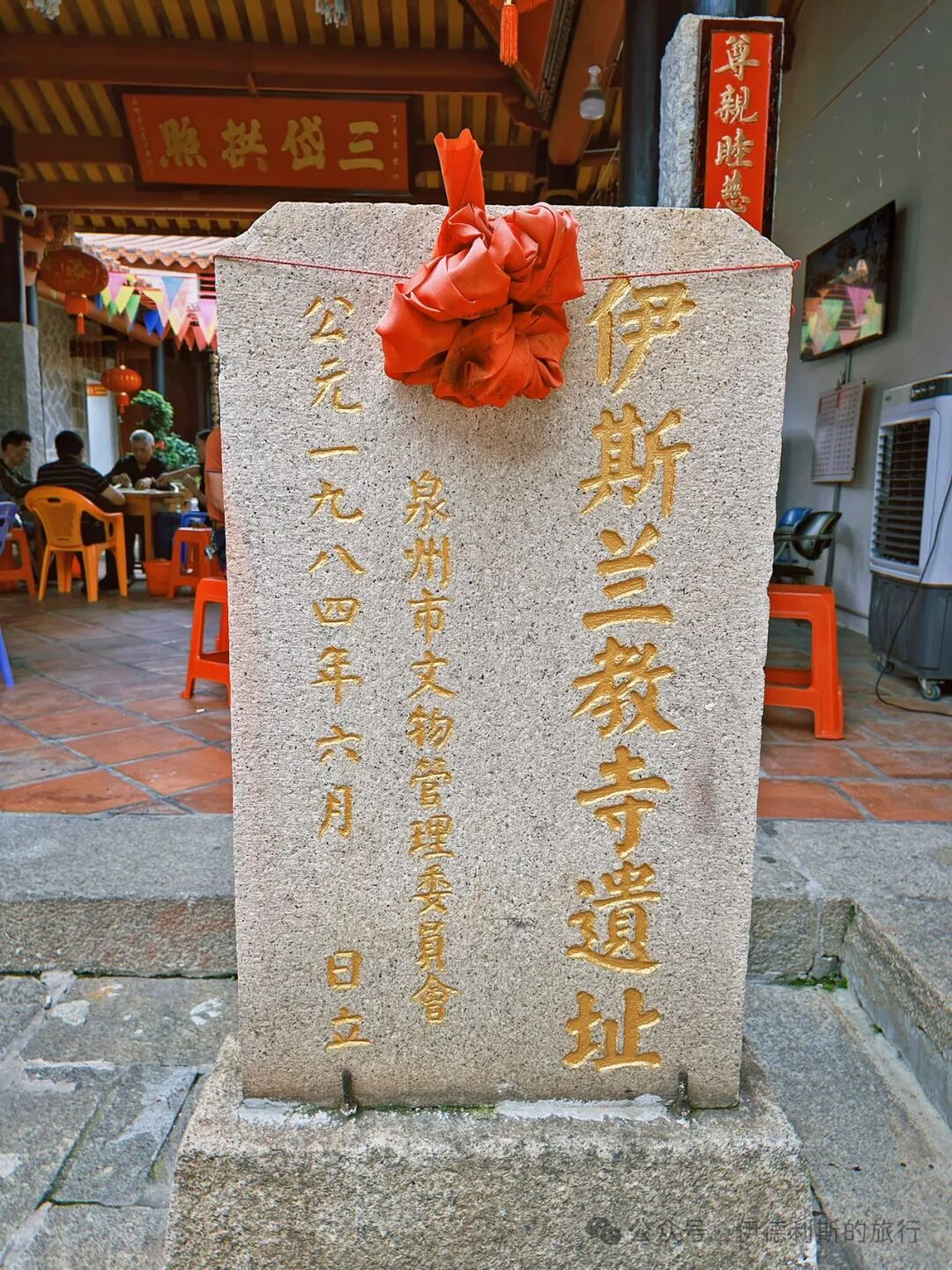
Inside the Xingzhai Guo Family Ancestral Hall, there are several stone tablets. One is carved with the words, 'Sharing the same noble lineage, forever bonding the Han and Hui,' and another is inscribed with 'Site of the Islamic Mosque'. People say there was once a mosque inside the Xingzhai Guo Family Ancestral Hall, but no written records have been found to confirm this yet.
Compared to the Guo Hui Muslims of Baiqi, the history of religious changes among the Xingzhai Guo Hui Muslims is much less clear. Guo Zhongyuan, the first ancestor to move to Baiqi, was a cousin of Guo Mengliang, the first ancestor to move to Xingzhai. After moving to Baiqi in the early Ming Dynasty, he built a mosque. According to the Guo family genealogy, 'Preface to Returning to the Hui Teachings,' it states: 'Since our ancestor established the foundation in Baiqi, he kept thirty volumes of the holy scriptures, built a mosque, respected the teachings, and made recognizing Allah the foundation.' According to the book 'Quanzhou Religious Stone Carvings,' the Xingzhai Guo Family Ancestral Hall held a collection of Muslim tombstone fragments before it was renovated. There were also Muslim tomb stones dug up by the Xingzhai Guo clan in 1973 while they were reclaiming land from the sea. Unfortunately, I did not see these tomb stones when I visited the Xingzhai Guo Family Ancestral Hall this time.
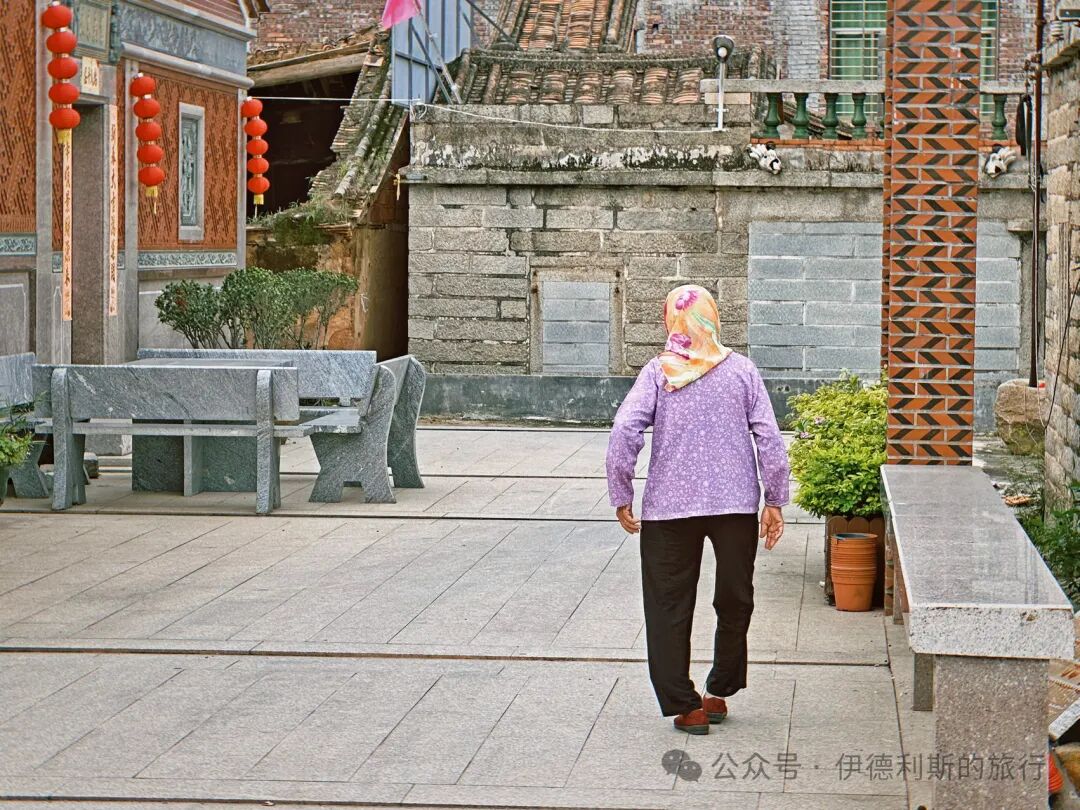
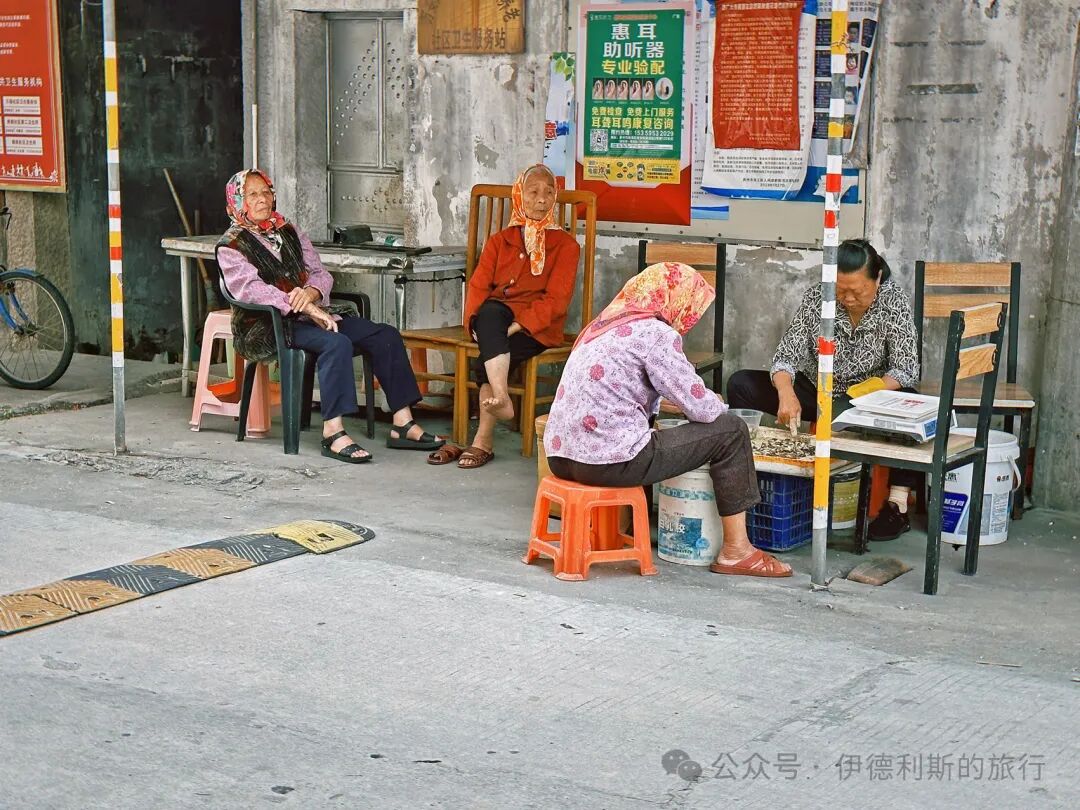
The street scene near the Guo Family Ancestral Hall in Xingzhai, where local women also have the custom of wearing headscarves. view all
Summary: Quanzhou Xingzhai Guo Family Ancestral Hall and Hui Muslim Heritage is presented as a clear English travel account for readers interested in Muslim life, halal food, mosques, and local history. The article keeps the original place names, food details, photographs, and cultural context while focusing on Quanzhou, Hui Muslims, Family Heritage.
In Quanzhou, besides the famous Baiqi Guo family of Hui Muslims, there is another branch known as the Jundong Guo family of Hui Muslims. According to family records, the ancestors of both the Baiqi Guo and Jundong Guo families came from Guo Family Village in Fuyang, Zhejiang, and were descendants of Guo Zhang. At the end of the Yuan Dynasty, Guo Zhang's sons, Guo Deguang and Guo Dezhao, along with Guo Dezhao's grandson Guo Mengliang, all moved to Quanzhou. The Quanzhou Prefecture Gazetteer records: 'Guo Tong, courtesy name Mengliang, art name Leqiao, was originally from Fuyang, Zhejiang.' At the end of the Yuan Dynasty, he followed his grand-uncle to Quanzhou to serve as the Salt Commissioner.
Because Guo Mengliang lived on East Street in Quanzhou, his descendants became known as the Jundong Guo family. During the Chenghua period of the Ming Dynasty, Guo Mengliang's fifth-generation grandsons, Guo Quan and Guo Yuan, moved from East Street to Xingzhai Village, and their descendants are also called the Xingzhai Guo family.
The Xingzhai Guo family ancestral temple was first built in the mid-Ming Dynasty, rebuilt after being struck by lightning in 1670, expanded again in 1947, and has undergone many repairs since then. Today, the Xingzhai Guo Family Ancestral Hall is a large Minnan-style ancestral shrine with three rows of buildings and two courtyards. It is a protected cultural site in Quanzhou and serves as the cultural activity center for the Xingzhai Hui Muslim Seniors Association. When we visited, there were many elderly people playing mahjong in the courtyard.
Inside the Xingzhai Guo Family Ancestral Hall, there are several stone tablets. One is carved with the words, 'Sharing the same noble lineage, forever bonding the Han and Hui,' and another is inscribed with 'Site of the Islamic Mosque'. People say there was once a mosque inside the Xingzhai Guo Family Ancestral Hall, but no written records have been found to confirm this yet.
Compared to the Guo Hui Muslims of Baiqi, the history of religious changes among the Xingzhai Guo Hui Muslims is much less clear. Guo Zhongyuan, the first ancestor to move to Baiqi, was a cousin of Guo Mengliang, the first ancestor to move to Xingzhai. After moving to Baiqi in the early Ming Dynasty, he built a mosque. According to the Guo family genealogy, 'Preface to Returning to the Hui Teachings,' it states: 'Since our ancestor established the foundation in Baiqi, he kept thirty volumes of the holy scriptures, built a mosque, respected the teachings, and made recognizing Allah the foundation.' According to the book 'Quanzhou Religious Stone Carvings,' the Xingzhai Guo Family Ancestral Hall held a collection of Muslim tombstone fragments before it was renovated. There were also Muslim tomb stones dug up by the Xingzhai Guo clan in 1973 while they were reclaiming land from the sea. Unfortunately, I did not see these tomb stones when I visited the Xingzhai Guo Family Ancestral Hall this time.
The street scene near the Guo Family Ancestral Hall in Xingzhai, where local women also have the custom of wearing headscarves. view all
Reposted from the web
Summary: Quanzhou Xingzhai Guo Family Ancestral Hall and Hui Muslim Heritage is presented as a clear English travel account for readers interested in Muslim life, halal food, mosques, and local history. The article keeps the original place names, food details, photographs, and cultural context while focusing on Quanzhou, Hui Muslims, Family Heritage.
In Quanzhou, besides the famous Baiqi Guo family of Hui Muslims, there is another branch known as the Jundong Guo family of Hui Muslims. According to family records, the ancestors of both the Baiqi Guo and Jundong Guo families came from Guo Family Village in Fuyang, Zhejiang, and were descendants of Guo Zhang. At the end of the Yuan Dynasty, Guo Zhang's sons, Guo Deguang and Guo Dezhao, along with Guo Dezhao's grandson Guo Mengliang, all moved to Quanzhou. The Quanzhou Prefecture Gazetteer records: 'Guo Tong, courtesy name Mengliang, art name Leqiao, was originally from Fuyang, Zhejiang.' At the end of the Yuan Dynasty, he followed his grand-uncle to Quanzhou to serve as the Salt Commissioner.
Because Guo Mengliang lived on East Street in Quanzhou, his descendants became known as the Jundong Guo family. During the Chenghua period of the Ming Dynasty, Guo Mengliang's fifth-generation grandsons, Guo Quan and Guo Yuan, moved from East Street to Xingzhai Village, and their descendants are also called the Xingzhai Guo family.
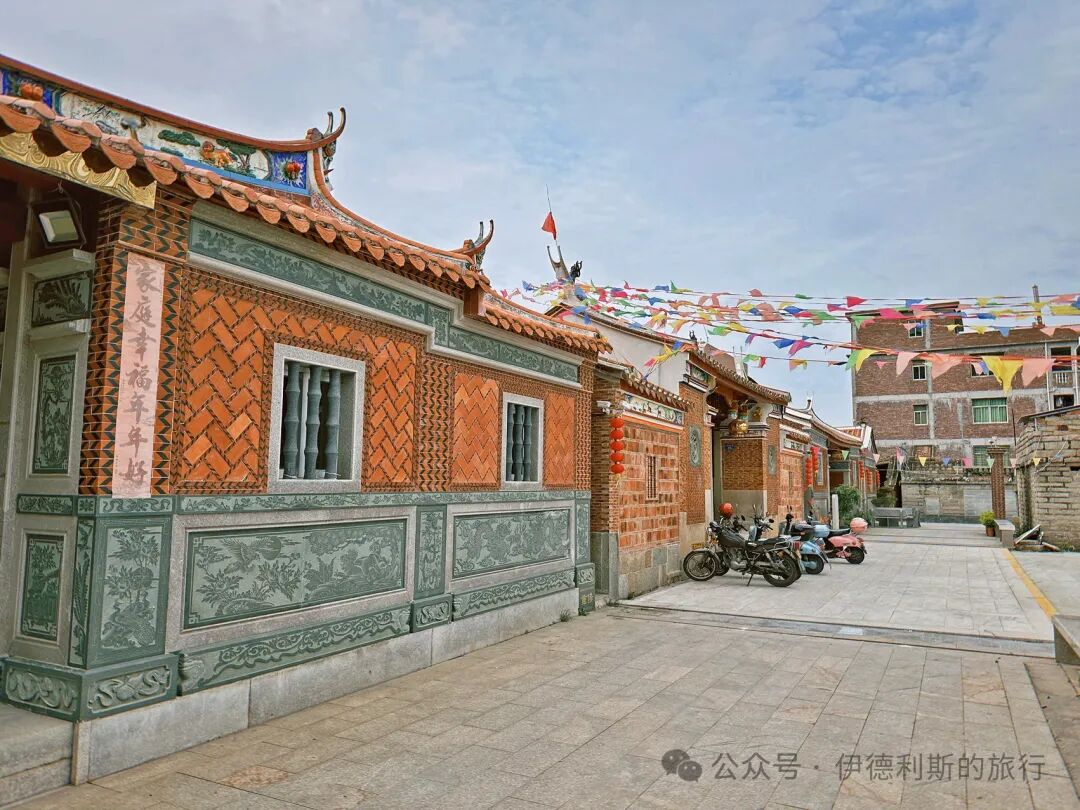
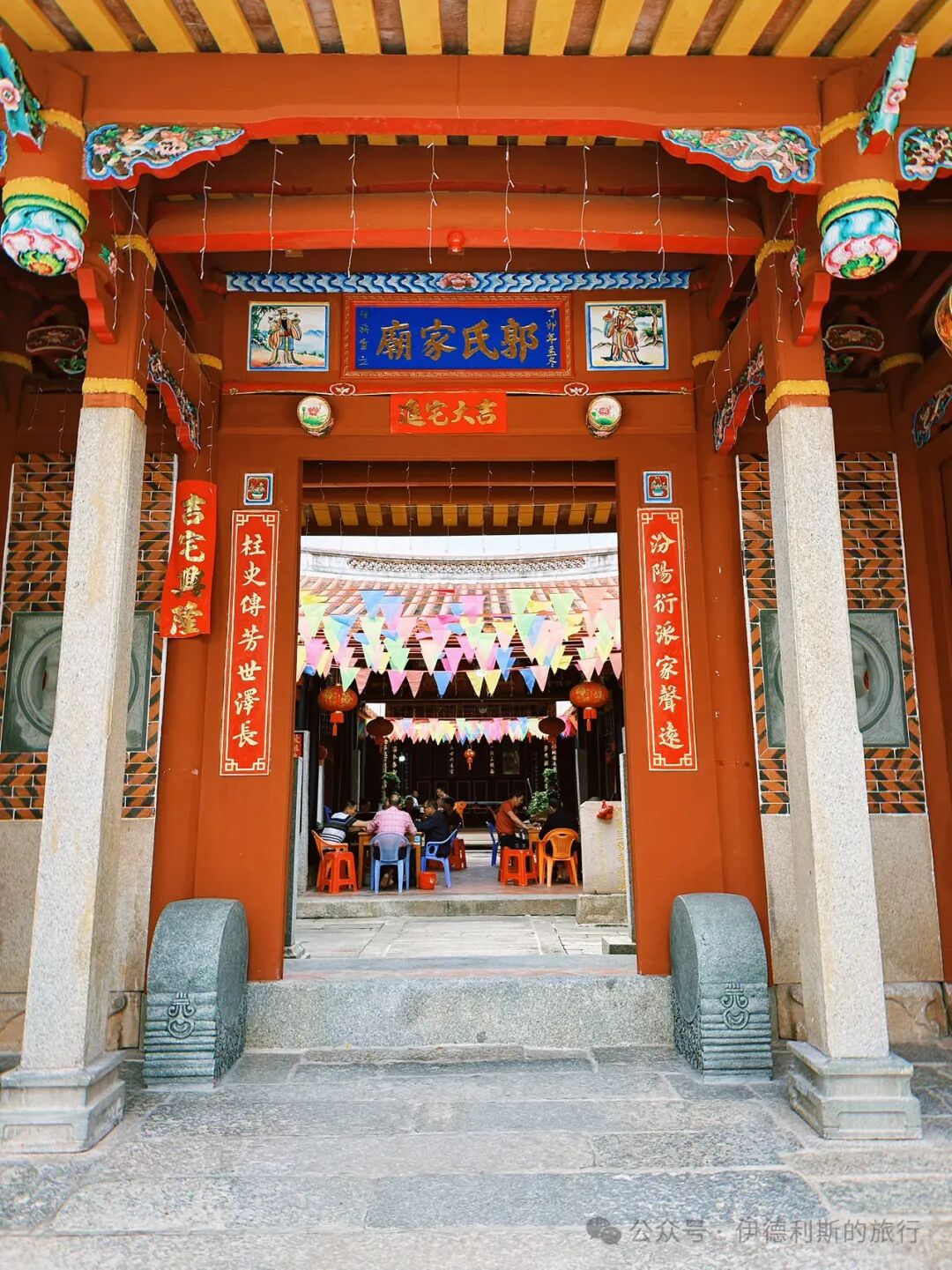
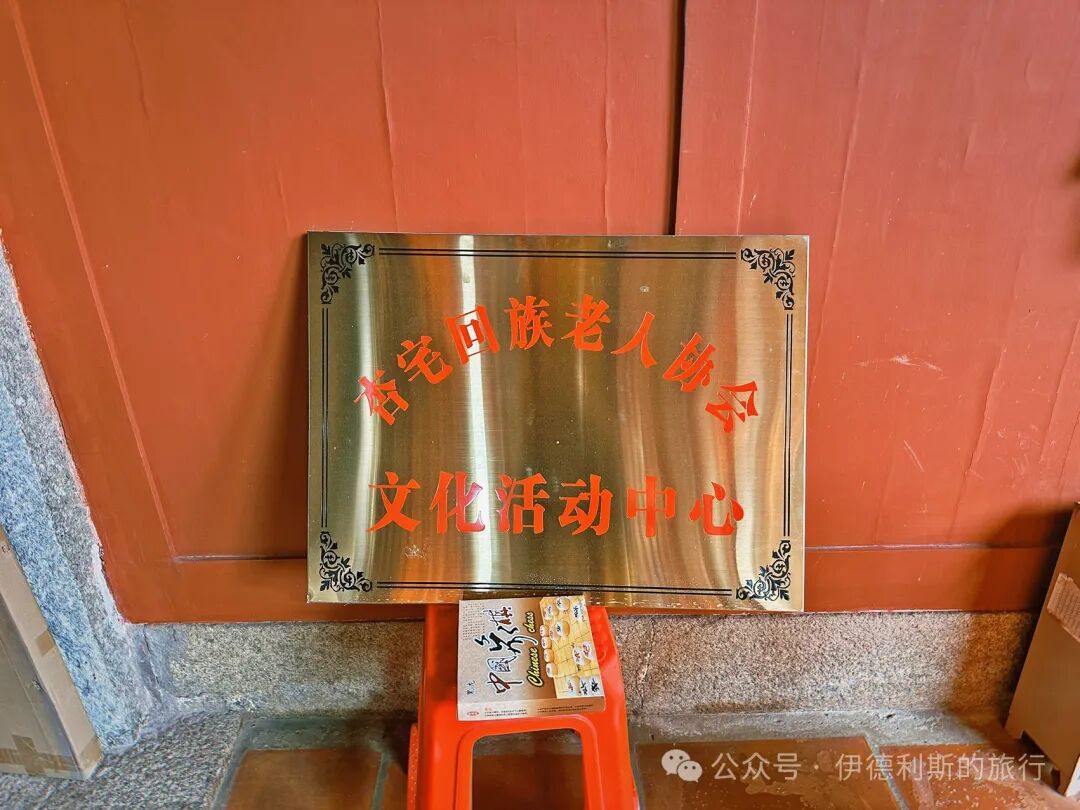
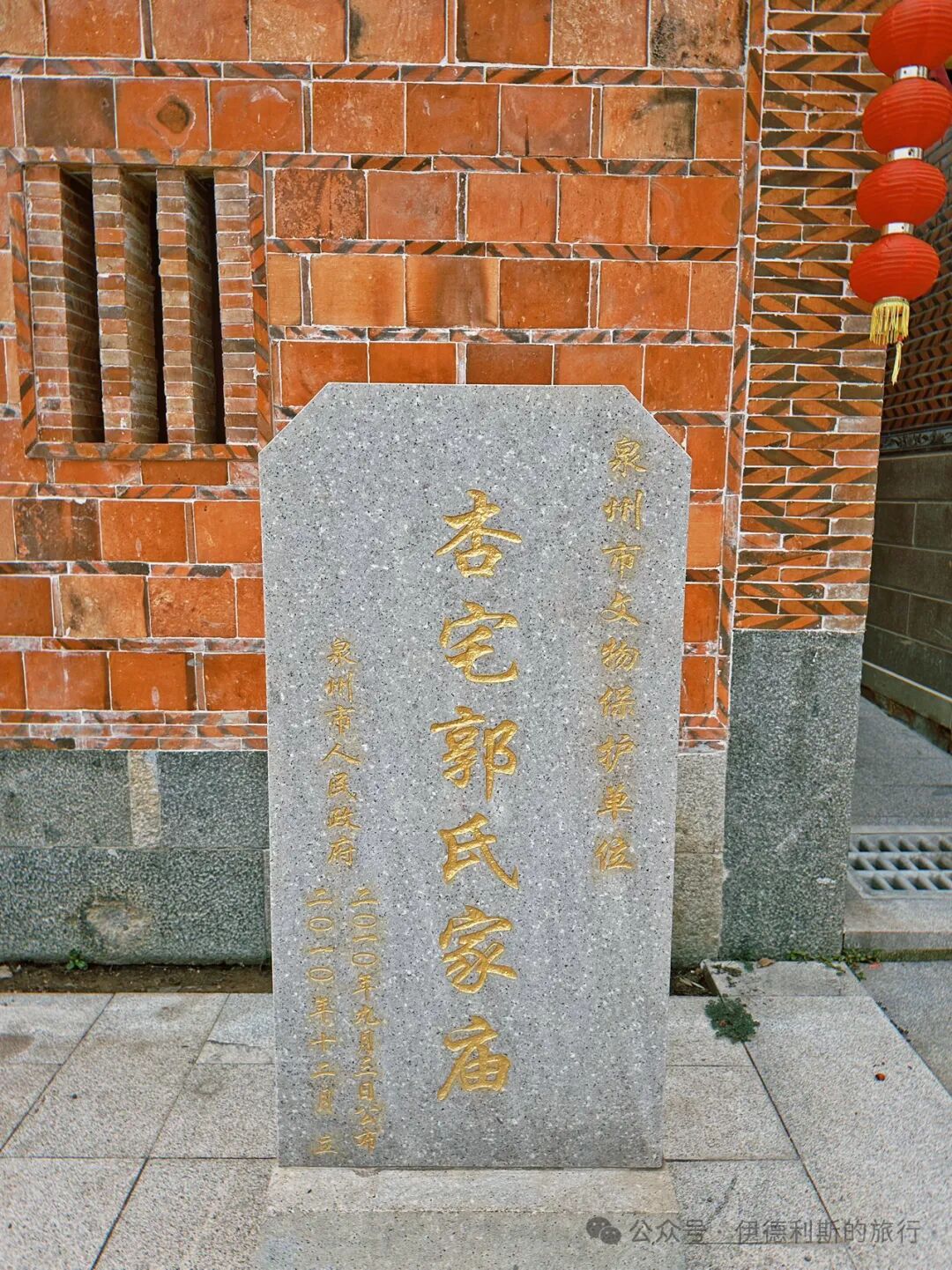
The Xingzhai Guo family ancestral temple was first built in the mid-Ming Dynasty, rebuilt after being struck by lightning in 1670, expanded again in 1947, and has undergone many repairs since then. Today, the Xingzhai Guo Family Ancestral Hall is a large Minnan-style ancestral shrine with three rows of buildings and two courtyards. It is a protected cultural site in Quanzhou and serves as the cultural activity center for the Xingzhai Hui Muslim Seniors Association. When we visited, there were many elderly people playing mahjong in the courtyard.
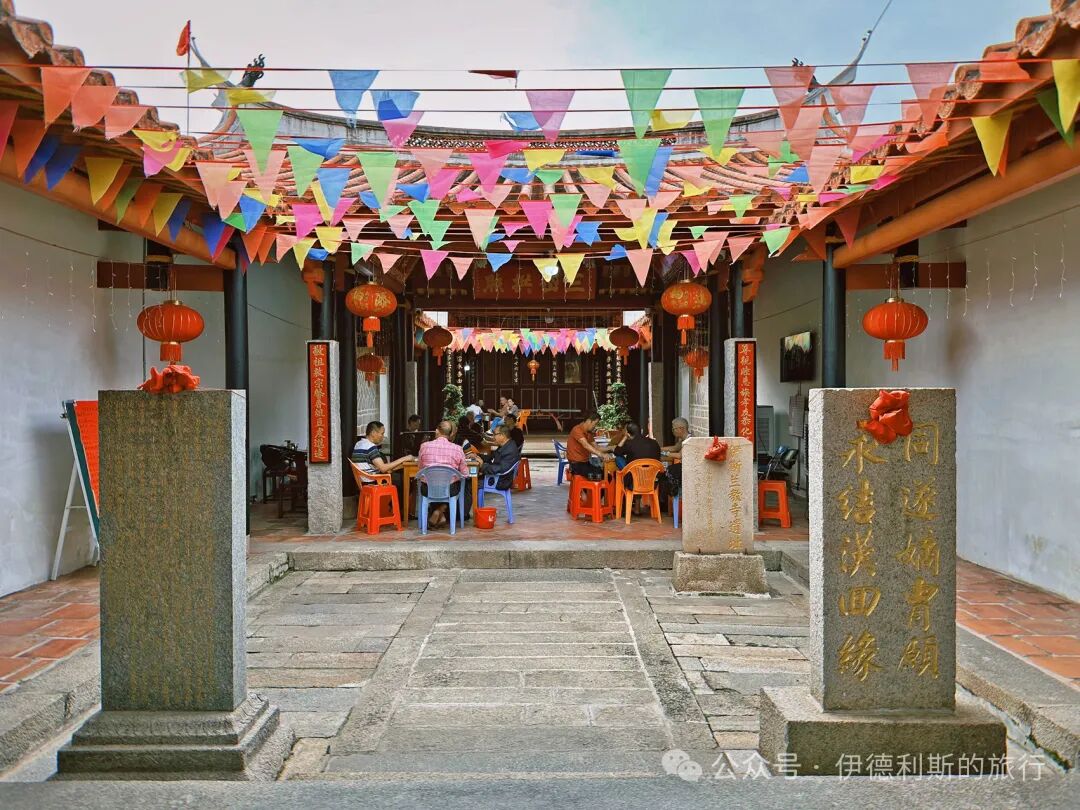
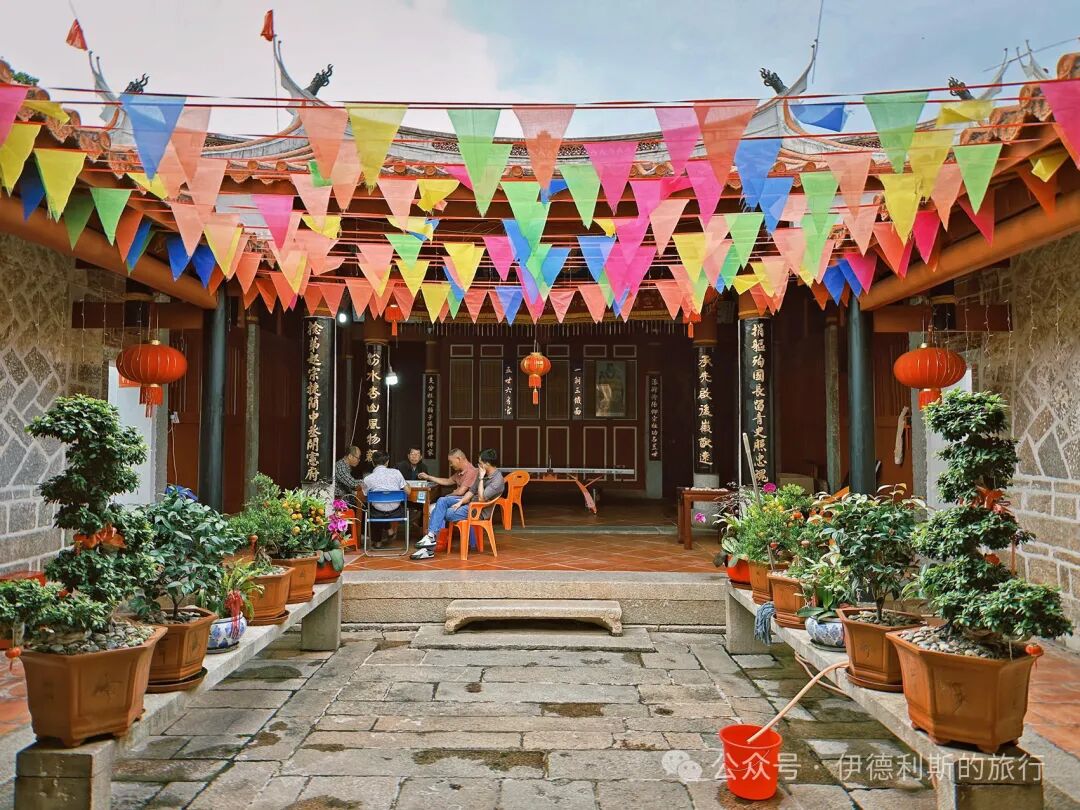
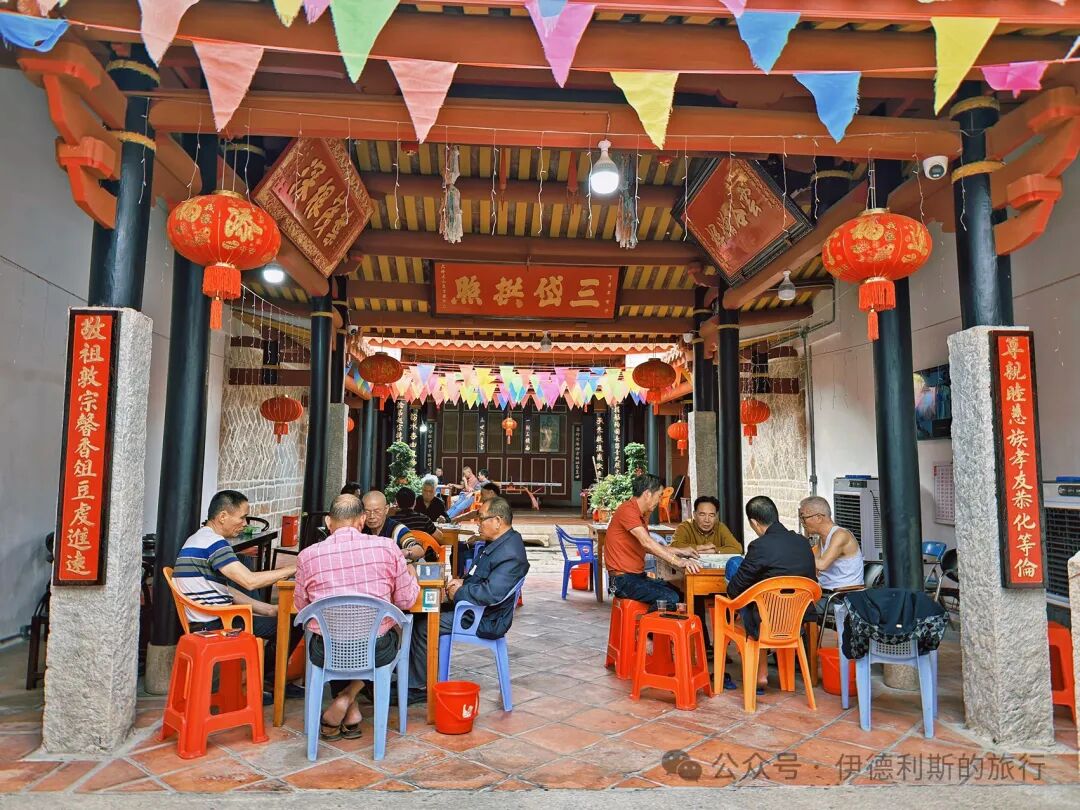
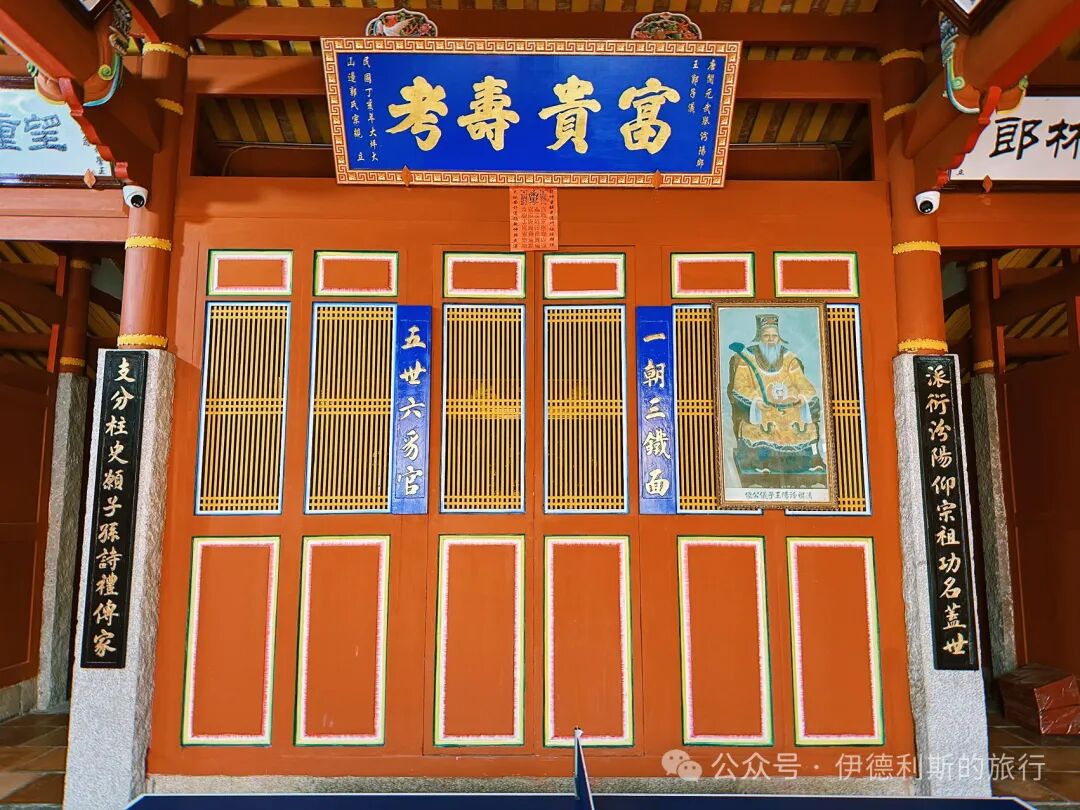
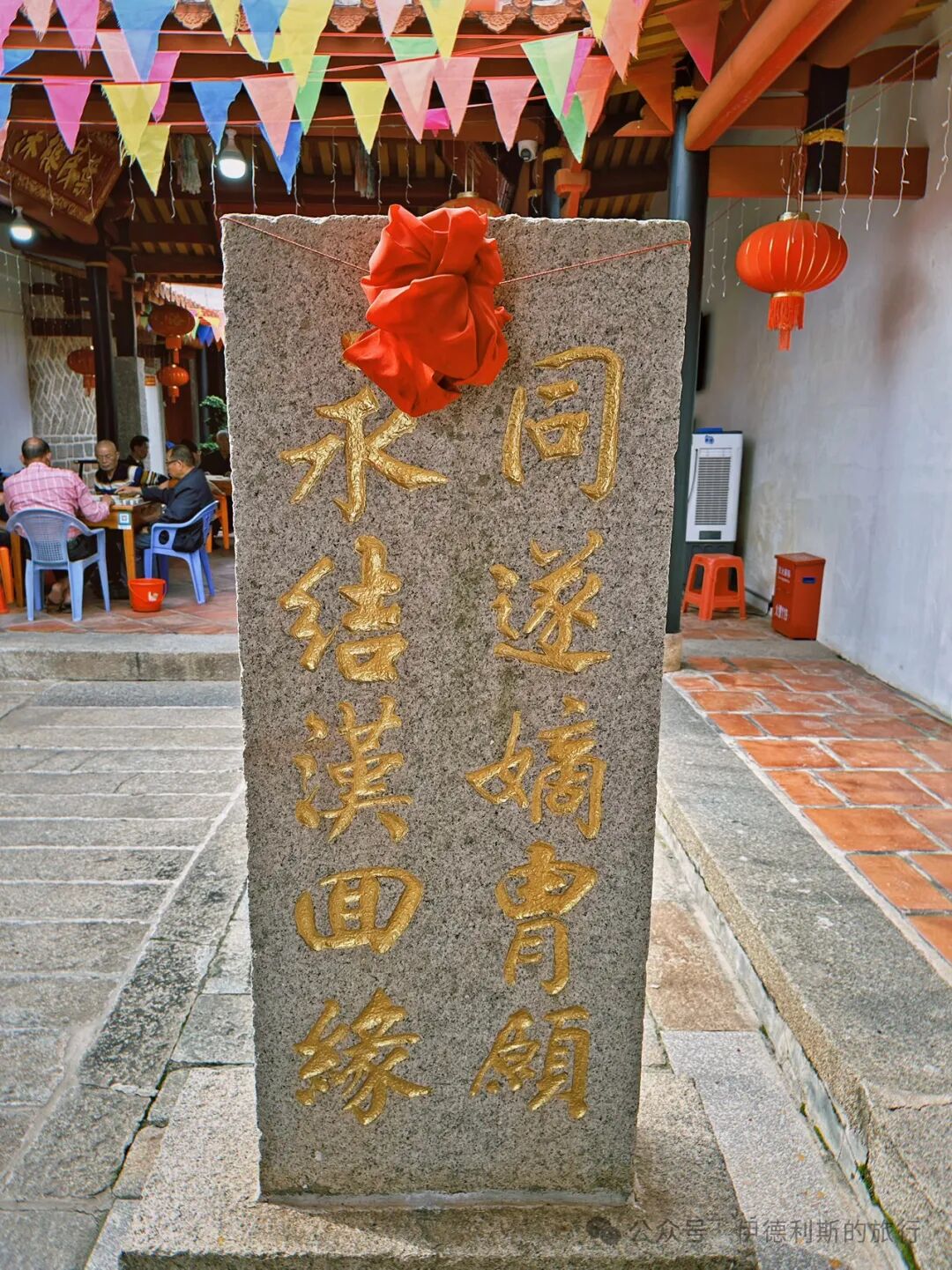
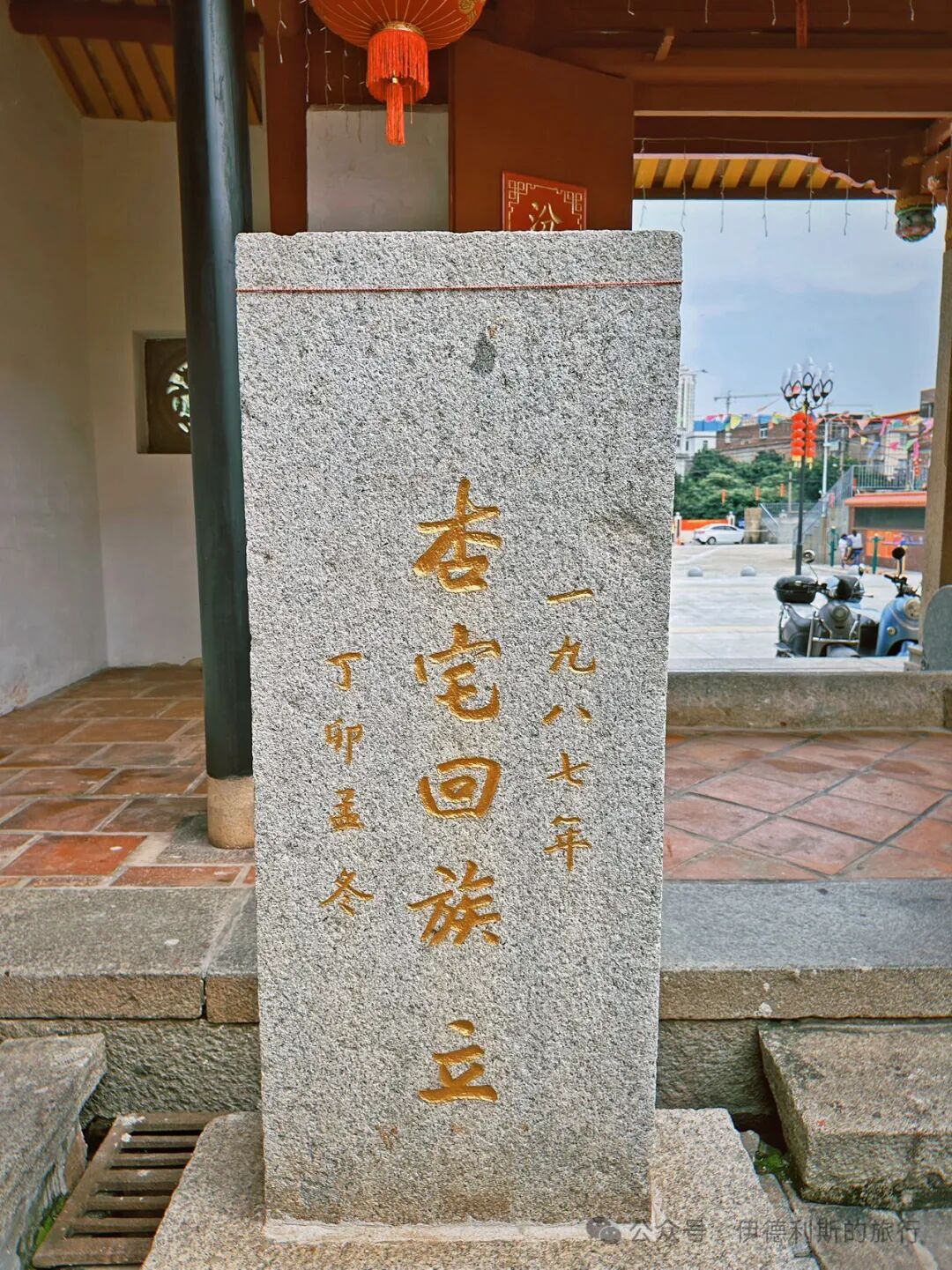
Inside the Xingzhai Guo Family Ancestral Hall, there are several stone tablets. One is carved with the words, 'Sharing the same noble lineage, forever bonding the Han and Hui,' and another is inscribed with 'Site of the Islamic Mosque'. People say there was once a mosque inside the Xingzhai Guo Family Ancestral Hall, but no written records have been found to confirm this yet.
Compared to the Guo Hui Muslims of Baiqi, the history of religious changes among the Xingzhai Guo Hui Muslims is much less clear. Guo Zhongyuan, the first ancestor to move to Baiqi, was a cousin of Guo Mengliang, the first ancestor to move to Xingzhai. After moving to Baiqi in the early Ming Dynasty, he built a mosque. According to the Guo family genealogy, 'Preface to Returning to the Hui Teachings,' it states: 'Since our ancestor established the foundation in Baiqi, he kept thirty volumes of the holy scriptures, built a mosque, respected the teachings, and made recognizing Allah the foundation.' According to the book 'Quanzhou Religious Stone Carvings,' the Xingzhai Guo Family Ancestral Hall held a collection of Muslim tombstone fragments before it was renovated. There were also Muslim tomb stones dug up by the Xingzhai Guo clan in 1973 while they were reclaiming land from the sea. Unfortunately, I did not see these tomb stones when I visited the Xingzhai Guo Family Ancestral Hall this time.
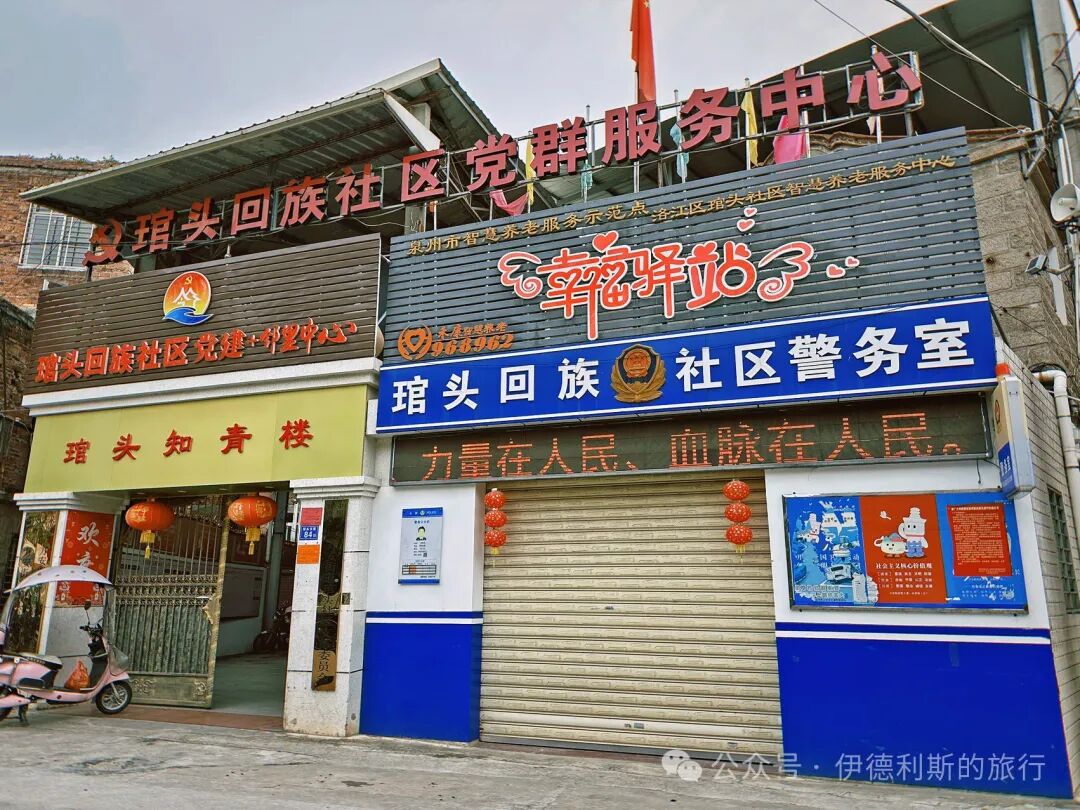
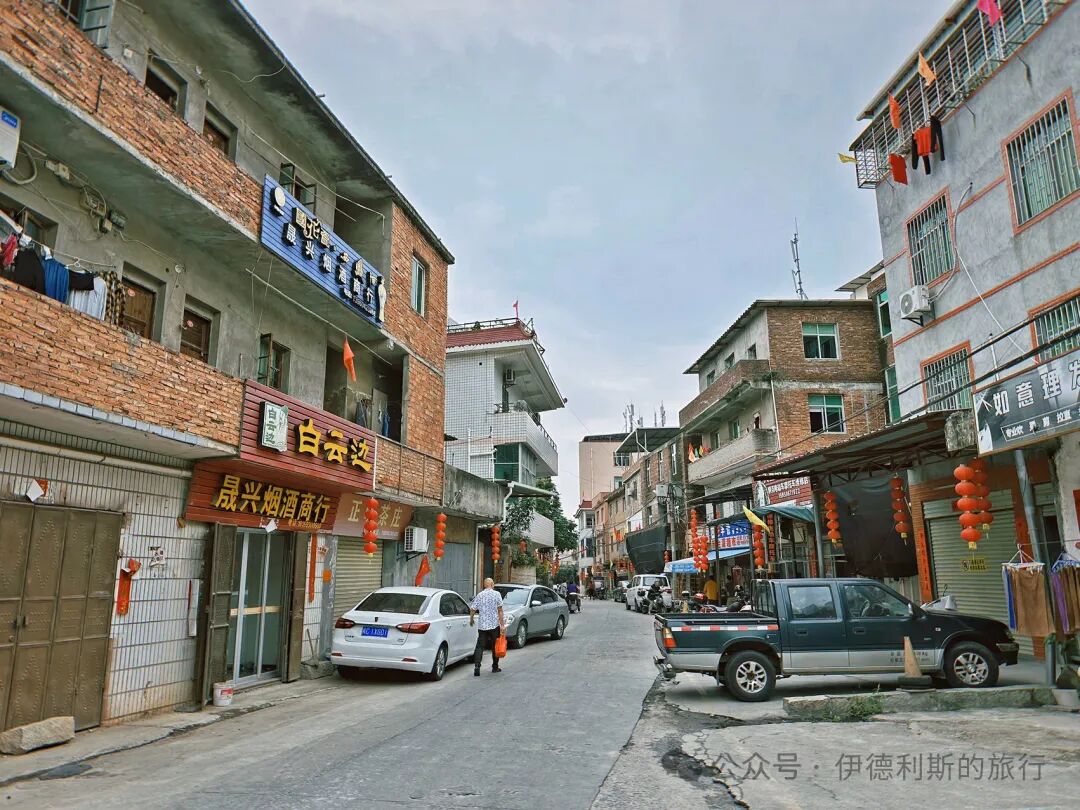
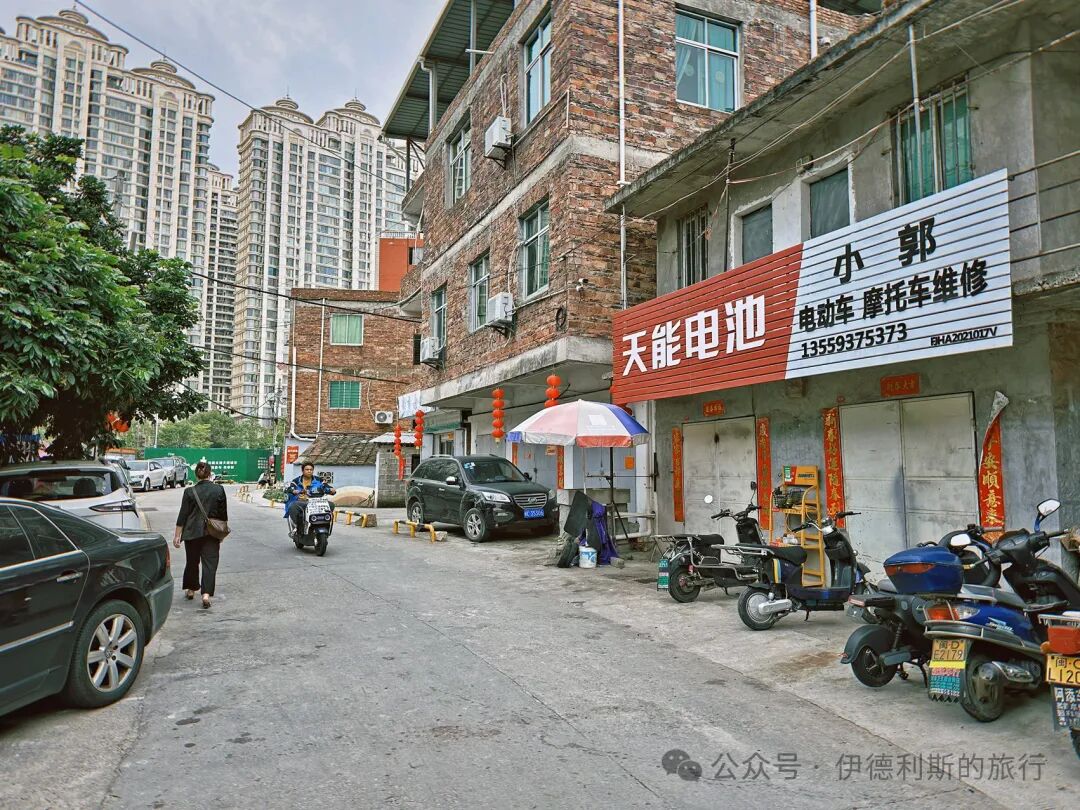
The street scene near the Guo Family Ancestral Hall in Xingzhai, where local women also have the custom of wearing headscarves.
Summary: Quanzhou Xingzhai Guo Family Ancestral Hall and Hui Muslim Heritage is presented as a clear English travel account for readers interested in Muslim life, halal food, mosques, and local history. The article keeps the original place names, food details, photographs, and cultural context while focusing on Quanzhou, Hui Muslims, Family Heritage.
In Quanzhou, besides the famous Baiqi Guo family of Hui Muslims, there is another branch known as the Jundong Guo family of Hui Muslims. According to family records, the ancestors of both the Baiqi Guo and Jundong Guo families came from Guo Family Village in Fuyang, Zhejiang, and were descendants of Guo Zhang. At the end of the Yuan Dynasty, Guo Zhang's sons, Guo Deguang and Guo Dezhao, along with Guo Dezhao's grandson Guo Mengliang, all moved to Quanzhou. The Quanzhou Prefecture Gazetteer records: 'Guo Tong, courtesy name Mengliang, art name Leqiao, was originally from Fuyang, Zhejiang.' At the end of the Yuan Dynasty, he followed his grand-uncle to Quanzhou to serve as the Salt Commissioner.
Because Guo Mengliang lived on East Street in Quanzhou, his descendants became known as the Jundong Guo family. During the Chenghua period of the Ming Dynasty, Guo Mengliang's fifth-generation grandsons, Guo Quan and Guo Yuan, moved from East Street to Xingzhai Village, and their descendants are also called the Xingzhai Guo family.
The Xingzhai Guo family ancestral temple was first built in the mid-Ming Dynasty, rebuilt after being struck by lightning in 1670, expanded again in 1947, and has undergone many repairs since then. Today, the Xingzhai Guo Family Ancestral Hall is a large Minnan-style ancestral shrine with three rows of buildings and two courtyards. It is a protected cultural site in Quanzhou and serves as the cultural activity center for the Xingzhai Hui Muslim Seniors Association. When we visited, there were many elderly people playing mahjong in the courtyard.
Inside the Xingzhai Guo Family Ancestral Hall, there are several stone tablets. One is carved with the words, 'Sharing the same noble lineage, forever bonding the Han and Hui,' and another is inscribed with 'Site of the Islamic Mosque'. People say there was once a mosque inside the Xingzhai Guo Family Ancestral Hall, but no written records have been found to confirm this yet.
Compared to the Guo Hui Muslims of Baiqi, the history of religious changes among the Xingzhai Guo Hui Muslims is much less clear. Guo Zhongyuan, the first ancestor to move to Baiqi, was a cousin of Guo Mengliang, the first ancestor to move to Xingzhai. After moving to Baiqi in the early Ming Dynasty, he built a mosque. According to the Guo family genealogy, 'Preface to Returning to the Hui Teachings,' it states: 'Since our ancestor established the foundation in Baiqi, he kept thirty volumes of the holy scriptures, built a mosque, respected the teachings, and made recognizing Allah the foundation.' According to the book 'Quanzhou Religious Stone Carvings,' the Xingzhai Guo Family Ancestral Hall held a collection of Muslim tombstone fragments before it was renovated. There were also Muslim tomb stones dug up by the Xingzhai Guo clan in 1973 while they were reclaiming land from the sea. Unfortunately, I did not see these tomb stones when I visited the Xingzhai Guo Family Ancestral Hall this time.
The street scene near the Guo Family Ancestral Hall in Xingzhai, where local women also have the custom of wearing headscarves.
Islamic History Guide: Quanzhou Xingzhai Guo Family Ancestral Hall and Hui Muslim Heritage
Articles • ali2007fr posted the article • 0 comments • 238 views • 2026-05-19 10:24
Reposted from the web
Summary: Quanzhou Xingzhai Guo Family Ancestral Hall and Hui Muslim Heritage is presented as a clear English travel account for readers interested in Muslim life, halal food, mosques, and local history. The article keeps the original place names, food details, photographs, and cultural context while focusing on Quanzhou, Hui Muslims, Family Heritage.
In Quanzhou, besides the famous Baiqi Guo family of Hui Muslims, there is another branch known as the Jundong Guo family of Hui Muslims. According to family records, the ancestors of both the Baiqi Guo and Jundong Guo families came from Guo Family Village in Fuyang, Zhejiang, and were descendants of Guo Zhang. At the end of the Yuan Dynasty, Guo Zhang's sons, Guo Deguang and Guo Dezhao, along with Guo Dezhao's grandson Guo Mengliang, all moved to Quanzhou. The Quanzhou Prefecture Gazetteer records: 'Guo Tong, courtesy name Mengliang, art name Leqiao, was originally from Fuyang, Zhejiang.' At the end of the Yuan Dynasty, he followed his grand-uncle to Quanzhou to serve as the Salt Commissioner.
Because Guo Mengliang lived on East Street in Quanzhou, his descendants became known as the Jundong Guo family. During the Chenghua period of the Ming Dynasty, Guo Mengliang's fifth-generation grandsons, Guo Quan and Guo Yuan, moved from East Street to Xingzhai Village, and their descendants are also called the Xingzhai Guo family.
The Xingzhai Guo family ancestral temple was first built in the mid-Ming Dynasty, rebuilt after being struck by lightning in 1670, expanded again in 1947, and has undergone many repairs since then. Today, the Xingzhai Guo Family Ancestral Hall is a large Minnan-style ancestral shrine with three rows of buildings and two courtyards. It is a protected cultural site in Quanzhou and serves as the cultural activity center for the Xingzhai Hui Muslim Seniors Association. When we visited, there were many elderly people playing mahjong in the courtyard.
Inside the Xingzhai Guo Family Ancestral Hall, there are several stone tablets. One is carved with the words, 'Sharing the same noble lineage, forever bonding the Han and Hui,' and another is inscribed with 'Site of the Islamic Mosque'. People say there was once a mosque inside the Xingzhai Guo Family Ancestral Hall, but no written records have been found to confirm this yet.
Compared to the Guo Hui Muslims of Baiqi, the history of religious changes among the Xingzhai Guo Hui Muslims is much less clear. Guo Zhongyuan, the first ancestor to move to Baiqi, was a cousin of Guo Mengliang, the first ancestor to move to Xingzhai. After moving to Baiqi in the early Ming Dynasty, he built a mosque. According to the Guo family genealogy, 'Preface to Returning to the Hui Teachings,' it states: 'Since our ancestor established the foundation in Baiqi, he kept thirty volumes of the holy scriptures, built a mosque, respected the teachings, and made recognizing Allah the foundation.' According to the book 'Quanzhou Religious Stone Carvings,' the Xingzhai Guo Family Ancestral Hall held a collection of Muslim tombstone fragments before it was renovated. There were also Muslim tomb stones dug up by the Xingzhai Guo clan in 1973 while they were reclaiming land from the sea. Unfortunately, I did not see these tomb stones when I visited the Xingzhai Guo Family Ancestral Hall this time.
The street scene near the Guo Family Ancestral Hall in Xingzhai, where local women also have the custom of wearing headscarves. view all
Summary: Quanzhou Xingzhai Guo Family Ancestral Hall and Hui Muslim Heritage is presented as a clear English travel account for readers interested in Muslim life, halal food, mosques, and local history. The article keeps the original place names, food details, photographs, and cultural context while focusing on Quanzhou, Hui Muslims, Family Heritage.
In Quanzhou, besides the famous Baiqi Guo family of Hui Muslims, there is another branch known as the Jundong Guo family of Hui Muslims. According to family records, the ancestors of both the Baiqi Guo and Jundong Guo families came from Guo Family Village in Fuyang, Zhejiang, and were descendants of Guo Zhang. At the end of the Yuan Dynasty, Guo Zhang's sons, Guo Deguang and Guo Dezhao, along with Guo Dezhao's grandson Guo Mengliang, all moved to Quanzhou. The Quanzhou Prefecture Gazetteer records: 'Guo Tong, courtesy name Mengliang, art name Leqiao, was originally from Fuyang, Zhejiang.' At the end of the Yuan Dynasty, he followed his grand-uncle to Quanzhou to serve as the Salt Commissioner.
Because Guo Mengliang lived on East Street in Quanzhou, his descendants became known as the Jundong Guo family. During the Chenghua period of the Ming Dynasty, Guo Mengliang's fifth-generation grandsons, Guo Quan and Guo Yuan, moved from East Street to Xingzhai Village, and their descendants are also called the Xingzhai Guo family.
The Xingzhai Guo family ancestral temple was first built in the mid-Ming Dynasty, rebuilt after being struck by lightning in 1670, expanded again in 1947, and has undergone many repairs since then. Today, the Xingzhai Guo Family Ancestral Hall is a large Minnan-style ancestral shrine with three rows of buildings and two courtyards. It is a protected cultural site in Quanzhou and serves as the cultural activity center for the Xingzhai Hui Muslim Seniors Association. When we visited, there were many elderly people playing mahjong in the courtyard.
Inside the Xingzhai Guo Family Ancestral Hall, there are several stone tablets. One is carved with the words, 'Sharing the same noble lineage, forever bonding the Han and Hui,' and another is inscribed with 'Site of the Islamic Mosque'. People say there was once a mosque inside the Xingzhai Guo Family Ancestral Hall, but no written records have been found to confirm this yet.
Compared to the Guo Hui Muslims of Baiqi, the history of religious changes among the Xingzhai Guo Hui Muslims is much less clear. Guo Zhongyuan, the first ancestor to move to Baiqi, was a cousin of Guo Mengliang, the first ancestor to move to Xingzhai. After moving to Baiqi in the early Ming Dynasty, he built a mosque. According to the Guo family genealogy, 'Preface to Returning to the Hui Teachings,' it states: 'Since our ancestor established the foundation in Baiqi, he kept thirty volumes of the holy scriptures, built a mosque, respected the teachings, and made recognizing Allah the foundation.' According to the book 'Quanzhou Religious Stone Carvings,' the Xingzhai Guo Family Ancestral Hall held a collection of Muslim tombstone fragments before it was renovated. There were also Muslim tomb stones dug up by the Xingzhai Guo clan in 1973 while they were reclaiming land from the sea. Unfortunately, I did not see these tomb stones when I visited the Xingzhai Guo Family Ancestral Hall this time.
The street scene near the Guo Family Ancestral Hall in Xingzhai, where local women also have the custom of wearing headscarves. view all
Reposted from the web
Summary: Quanzhou Xingzhai Guo Family Ancestral Hall and Hui Muslim Heritage is presented as a clear English travel account for readers interested in Muslim life, halal food, mosques, and local history. The article keeps the original place names, food details, photographs, and cultural context while focusing on Quanzhou, Hui Muslims, Family Heritage.
In Quanzhou, besides the famous Baiqi Guo family of Hui Muslims, there is another branch known as the Jundong Guo family of Hui Muslims. According to family records, the ancestors of both the Baiqi Guo and Jundong Guo families came from Guo Family Village in Fuyang, Zhejiang, and were descendants of Guo Zhang. At the end of the Yuan Dynasty, Guo Zhang's sons, Guo Deguang and Guo Dezhao, along with Guo Dezhao's grandson Guo Mengliang, all moved to Quanzhou. The Quanzhou Prefecture Gazetteer records: 'Guo Tong, courtesy name Mengliang, art name Leqiao, was originally from Fuyang, Zhejiang.' At the end of the Yuan Dynasty, he followed his grand-uncle to Quanzhou to serve as the Salt Commissioner.
Because Guo Mengliang lived on East Street in Quanzhou, his descendants became known as the Jundong Guo family. During the Chenghua period of the Ming Dynasty, Guo Mengliang's fifth-generation grandsons, Guo Quan and Guo Yuan, moved from East Street to Xingzhai Village, and their descendants are also called the Xingzhai Guo family.
The Xingzhai Guo family ancestral temple was first built in the mid-Ming Dynasty, rebuilt after being struck by lightning in 1670, expanded again in 1947, and has undergone many repairs since then. Today, the Xingzhai Guo Family Ancestral Hall is a large Minnan-style ancestral shrine with three rows of buildings and two courtyards. It is a protected cultural site in Quanzhou and serves as the cultural activity center for the Xingzhai Hui Muslim Seniors Association. When we visited, there were many elderly people playing mahjong in the courtyard.
Inside the Xingzhai Guo Family Ancestral Hall, there are several stone tablets. One is carved with the words, 'Sharing the same noble lineage, forever bonding the Han and Hui,' and another is inscribed with 'Site of the Islamic Mosque'. People say there was once a mosque inside the Xingzhai Guo Family Ancestral Hall, but no written records have been found to confirm this yet.
Compared to the Guo Hui Muslims of Baiqi, the history of religious changes among the Xingzhai Guo Hui Muslims is much less clear. Guo Zhongyuan, the first ancestor to move to Baiqi, was a cousin of Guo Mengliang, the first ancestor to move to Xingzhai. After moving to Baiqi in the early Ming Dynasty, he built a mosque. According to the Guo family genealogy, 'Preface to Returning to the Hui Teachings,' it states: 'Since our ancestor established the foundation in Baiqi, he kept thirty volumes of the holy scriptures, built a mosque, respected the teachings, and made recognizing Allah the foundation.' According to the book 'Quanzhou Religious Stone Carvings,' the Xingzhai Guo Family Ancestral Hall held a collection of Muslim tombstone fragments before it was renovated. There were also Muslim tomb stones dug up by the Xingzhai Guo clan in 1973 while they were reclaiming land from the sea. Unfortunately, I did not see these tomb stones when I visited the Xingzhai Guo Family Ancestral Hall this time.
The street scene near the Guo Family Ancestral Hall in Xingzhai, where local women also have the custom of wearing headscarves.
Summary: Quanzhou Xingzhai Guo Family Ancestral Hall and Hui Muslim Heritage is presented as a clear English travel account for readers interested in Muslim life, halal food, mosques, and local history. The article keeps the original place names, food details, photographs, and cultural context while focusing on Quanzhou, Hui Muslims, Family Heritage.
In Quanzhou, besides the famous Baiqi Guo family of Hui Muslims, there is another branch known as the Jundong Guo family of Hui Muslims. According to family records, the ancestors of both the Baiqi Guo and Jundong Guo families came from Guo Family Village in Fuyang, Zhejiang, and were descendants of Guo Zhang. At the end of the Yuan Dynasty, Guo Zhang's sons, Guo Deguang and Guo Dezhao, along with Guo Dezhao's grandson Guo Mengliang, all moved to Quanzhou. The Quanzhou Prefecture Gazetteer records: 'Guo Tong, courtesy name Mengliang, art name Leqiao, was originally from Fuyang, Zhejiang.' At the end of the Yuan Dynasty, he followed his grand-uncle to Quanzhou to serve as the Salt Commissioner.
Because Guo Mengliang lived on East Street in Quanzhou, his descendants became known as the Jundong Guo family. During the Chenghua period of the Ming Dynasty, Guo Mengliang's fifth-generation grandsons, Guo Quan and Guo Yuan, moved from East Street to Xingzhai Village, and their descendants are also called the Xingzhai Guo family.
The Xingzhai Guo family ancestral temple was first built in the mid-Ming Dynasty, rebuilt after being struck by lightning in 1670, expanded again in 1947, and has undergone many repairs since then. Today, the Xingzhai Guo Family Ancestral Hall is a large Minnan-style ancestral shrine with three rows of buildings and two courtyards. It is a protected cultural site in Quanzhou and serves as the cultural activity center for the Xingzhai Hui Muslim Seniors Association. When we visited, there were many elderly people playing mahjong in the courtyard.
Inside the Xingzhai Guo Family Ancestral Hall, there are several stone tablets. One is carved with the words, 'Sharing the same noble lineage, forever bonding the Han and Hui,' and another is inscribed with 'Site of the Islamic Mosque'. People say there was once a mosque inside the Xingzhai Guo Family Ancestral Hall, but no written records have been found to confirm this yet.
Compared to the Guo Hui Muslims of Baiqi, the history of religious changes among the Xingzhai Guo Hui Muslims is much less clear. Guo Zhongyuan, the first ancestor to move to Baiqi, was a cousin of Guo Mengliang, the first ancestor to move to Xingzhai. After moving to Baiqi in the early Ming Dynasty, he built a mosque. According to the Guo family genealogy, 'Preface to Returning to the Hui Teachings,' it states: 'Since our ancestor established the foundation in Baiqi, he kept thirty volumes of the holy scriptures, built a mosque, respected the teachings, and made recognizing Allah the foundation.' According to the book 'Quanzhou Religious Stone Carvings,' the Xingzhai Guo Family Ancestral Hall held a collection of Muslim tombstone fragments before it was renovated. There were also Muslim tomb stones dug up by the Xingzhai Guo clan in 1973 while they were reclaiming land from the sea. Unfortunately, I did not see these tomb stones when I visited the Xingzhai Guo Family Ancestral Hall this time.
The street scene near the Guo Family Ancestral Hall in Xingzhai, where local women also have the custom of wearing headscarves.