

Fengcheng
Halal Travel Guide: Fengcheng and Dandong - Mosque Visit and Liaoning Food
Articles • ali2007fr posted the article • 0 comments • 228 views • 2026-05-19 10:05
Reposted from the web
Summary: Halal Travel Guide: Fengcheng and Dandong - Mosque Visit and Liaoning Food is presented here as a firsthand travel account in clear, natural English. The account focuses on Fengcheng, Dandong, Liaoning Travel while preserving the names, places, food, photos, and historical details from the Chinese source.
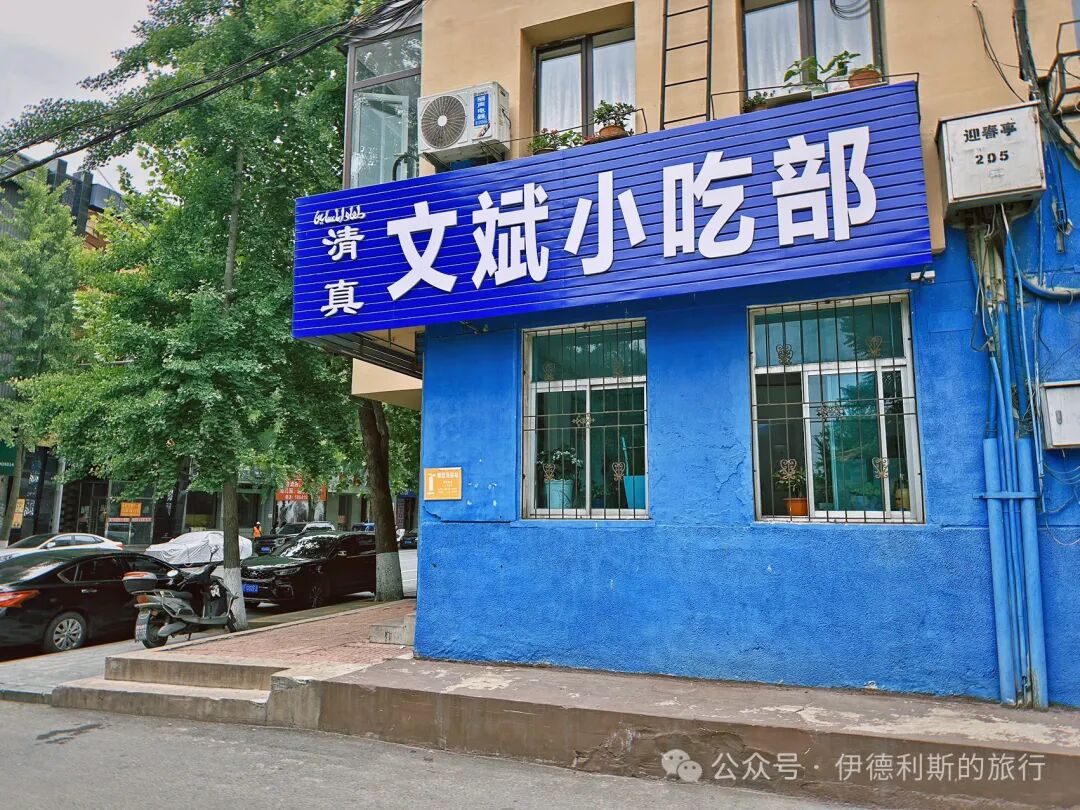
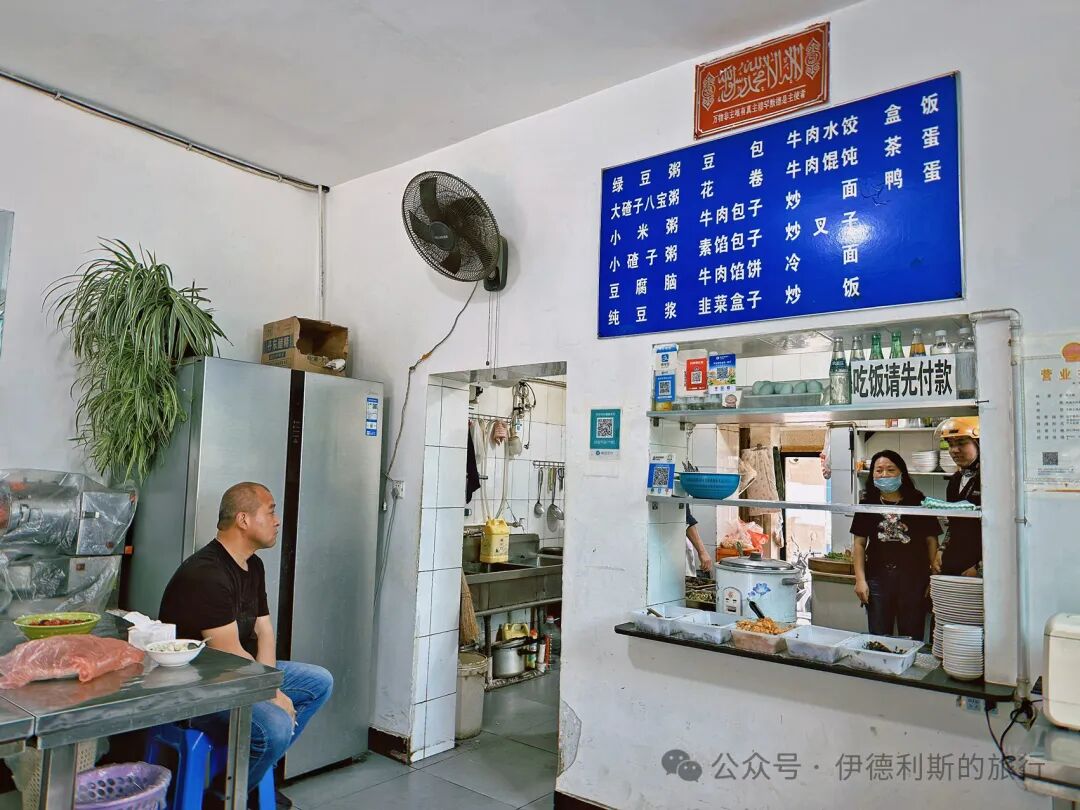
On June 9 at noon, we headed east from Dalian toward Dandong. We arrived at Fengcheng East Station at 12:14 and took a taxi to the center of Fengcheng for lunch. We first went to a restaurant called Nanlaishun, but we found braised lamb blood on the menu, so we went to another place called Wenbin Snack Bar instead.
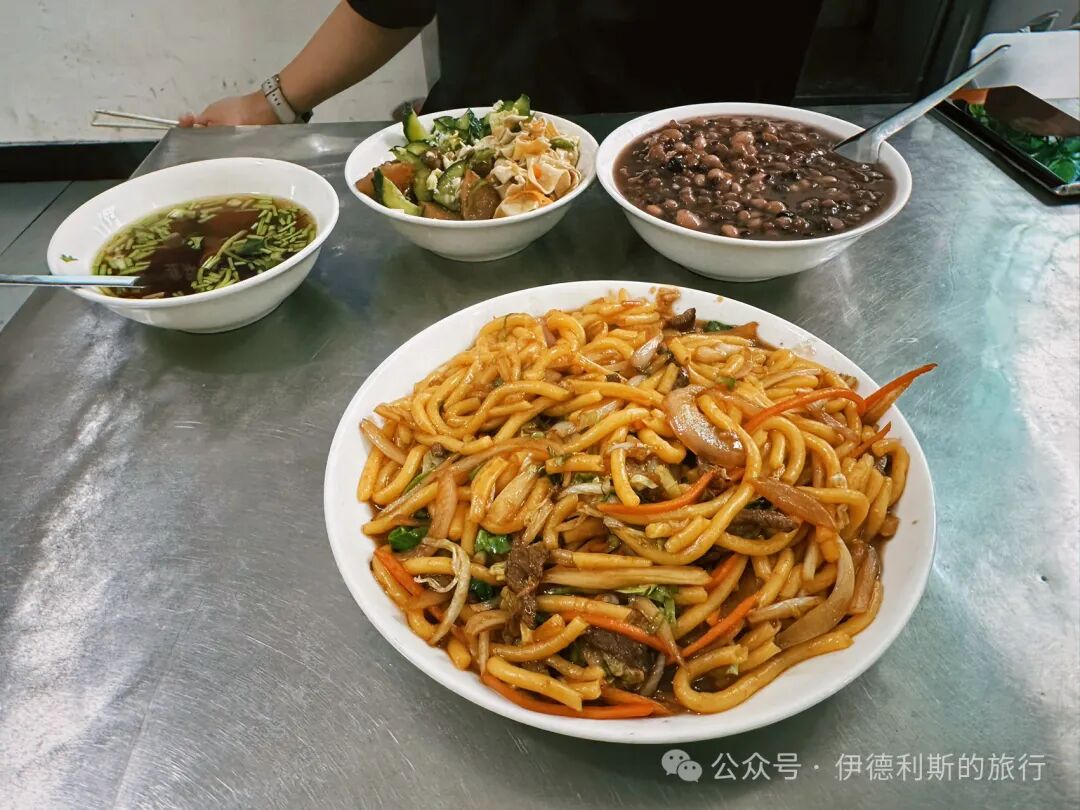
We ordered the local Dandong specialty stir-fried corn noodles (chao chazi), along with eight-treasure porridge with corn grits (dazhazi babaozhou) and a 6-yuan vegetable platter. The vegetable platter included stir-fried potato, eggplant, and pepper (di san xian), cucumber with scrambled eggs, and stir-fried dried tofu. I noticed other people just ordering one vegetable platter with rice, which is a great deal.
Stir-fried corn noodles (chao chazi) are made by fermenting corn and grinding it into a liquid, then taking the settled corn starch residue and pressing it into noodles before stir-frying. These noodles are a classic example of turning coarse grains into a refined dish. They have a smooth, delicate texture without any of the usual grittiness of corn flour, and they taste quite good.
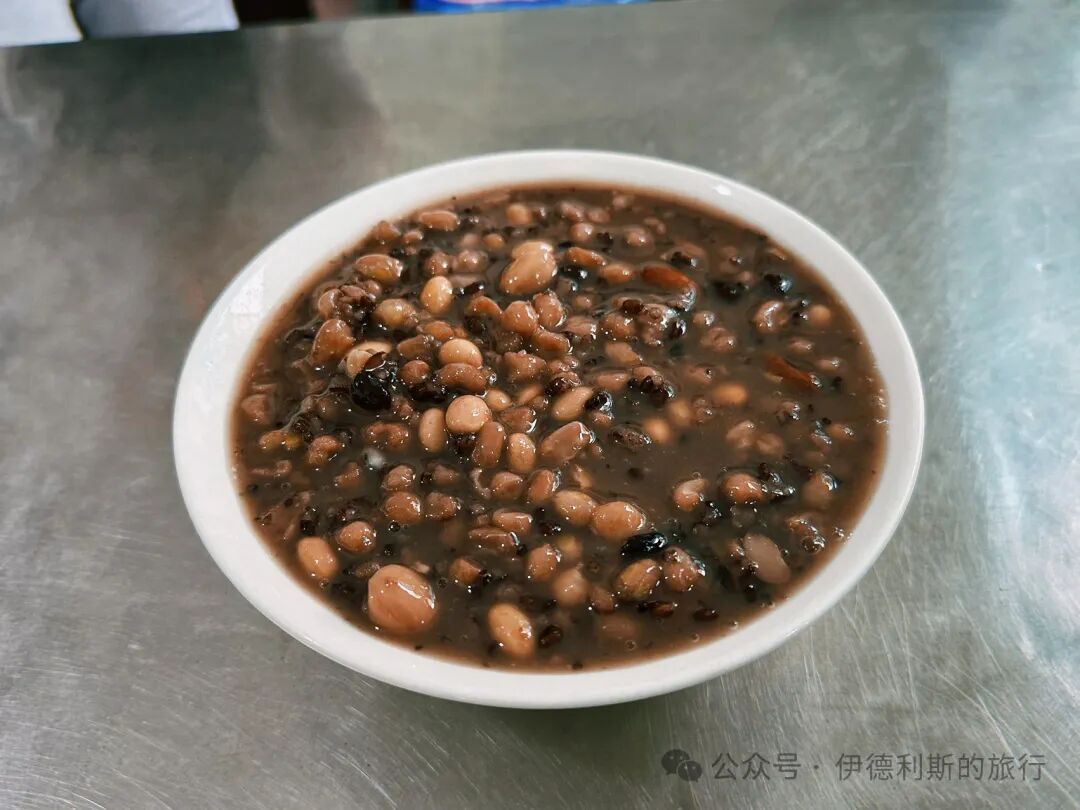
Zainab really loved their eight-treasure porridge with corn grits (dazhazi babaozhou). She even said it was her favorite thing she ate during her entire trip to Liaoning. The eight-treasure porridge with corn grits (dazhazi babaozhou) contains almost no rice, just a wide variety of beans. They are very generous with the ingredients, making it a perfect choice for people who want a healthy meal.
After finishing our stir-fried noodles (chao chazi), we went to Fengcheng Mosque to pray. The imam at Fengcheng Mosque is also from Cangzhou.
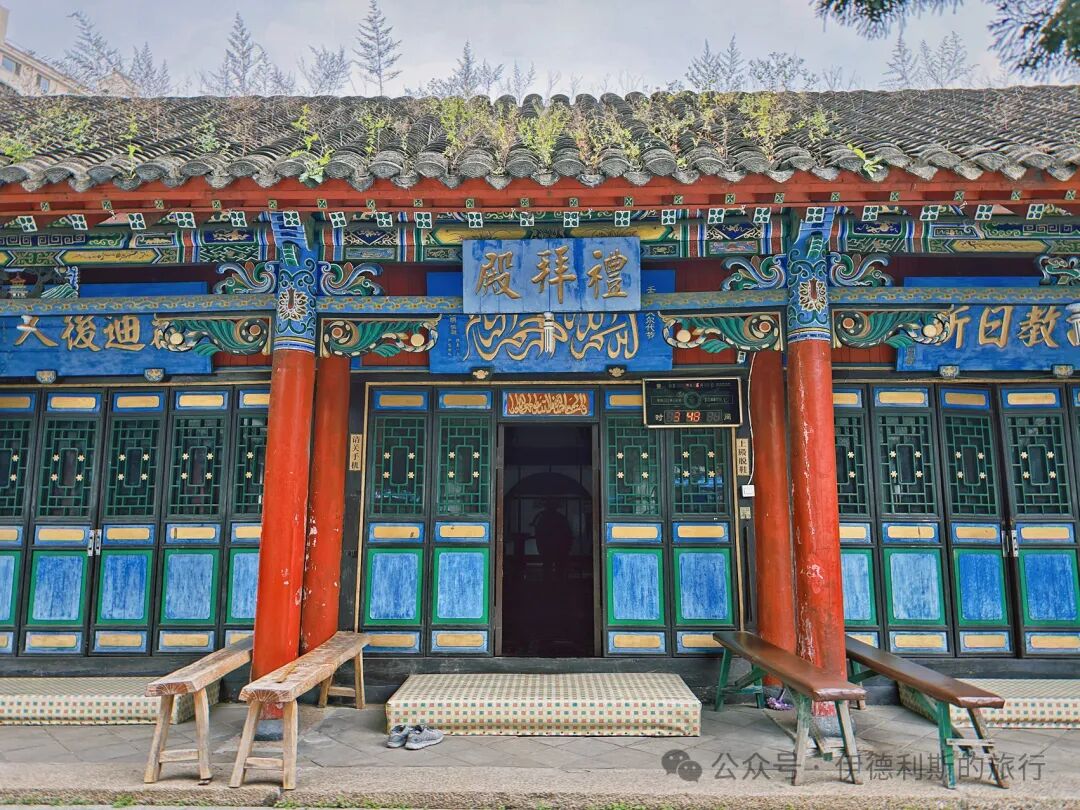
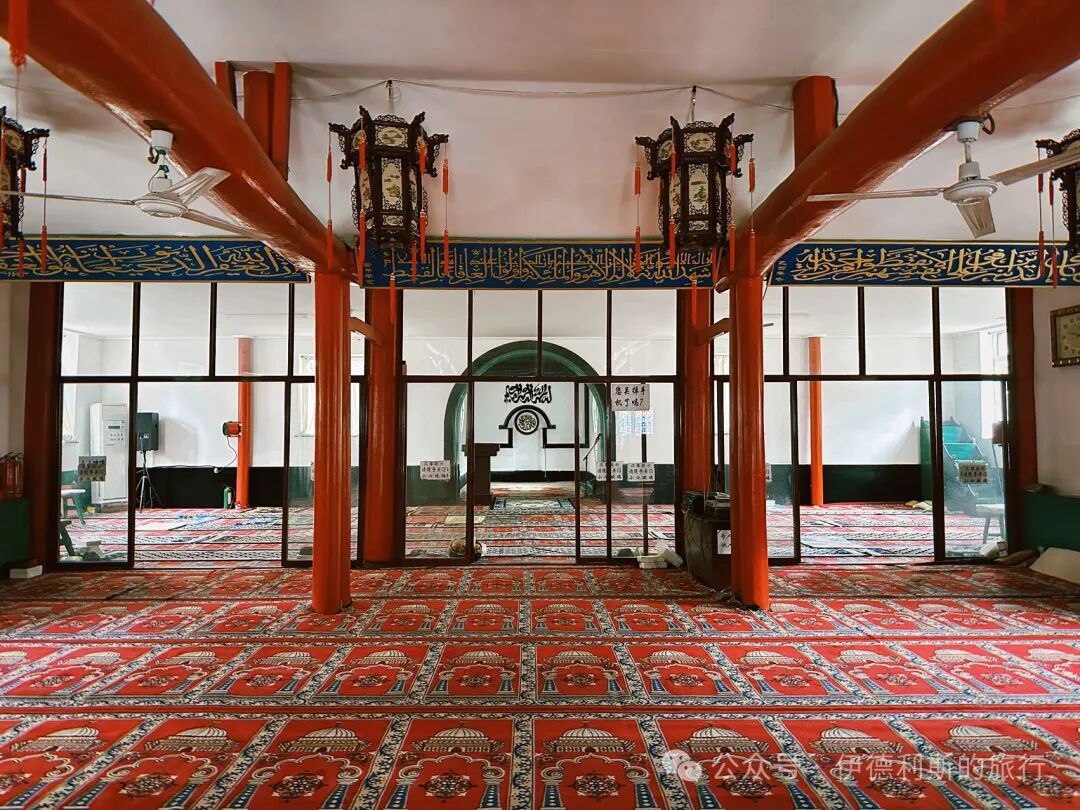
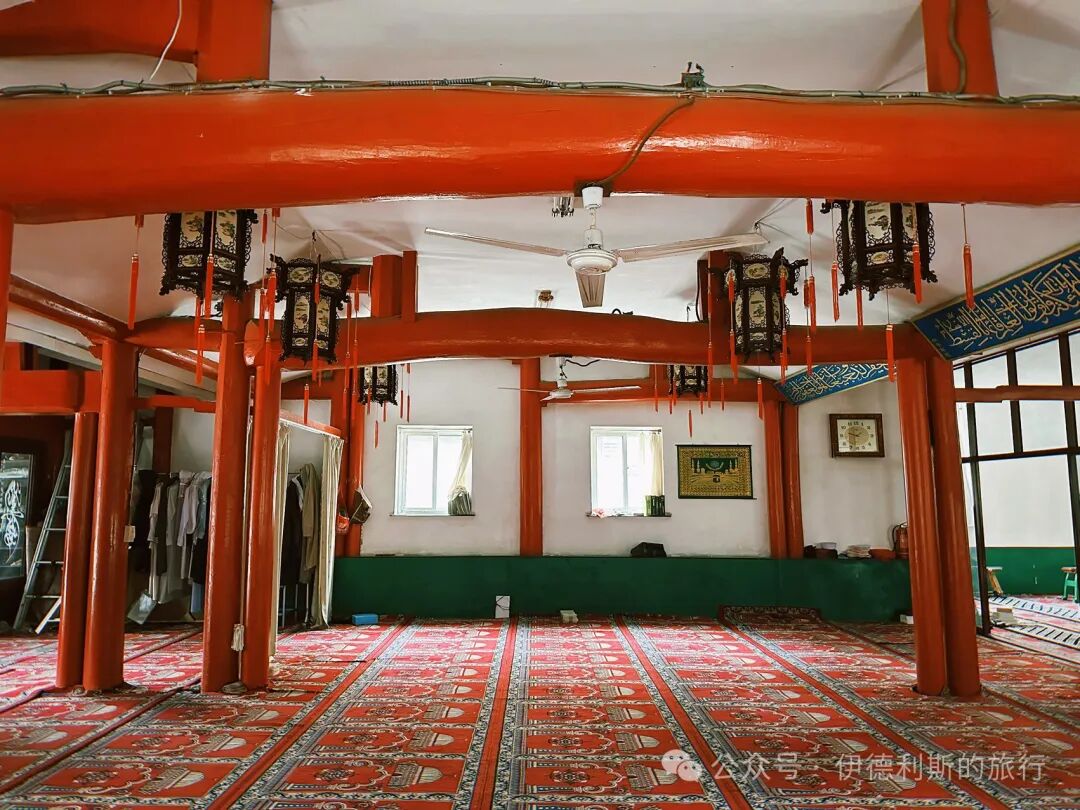
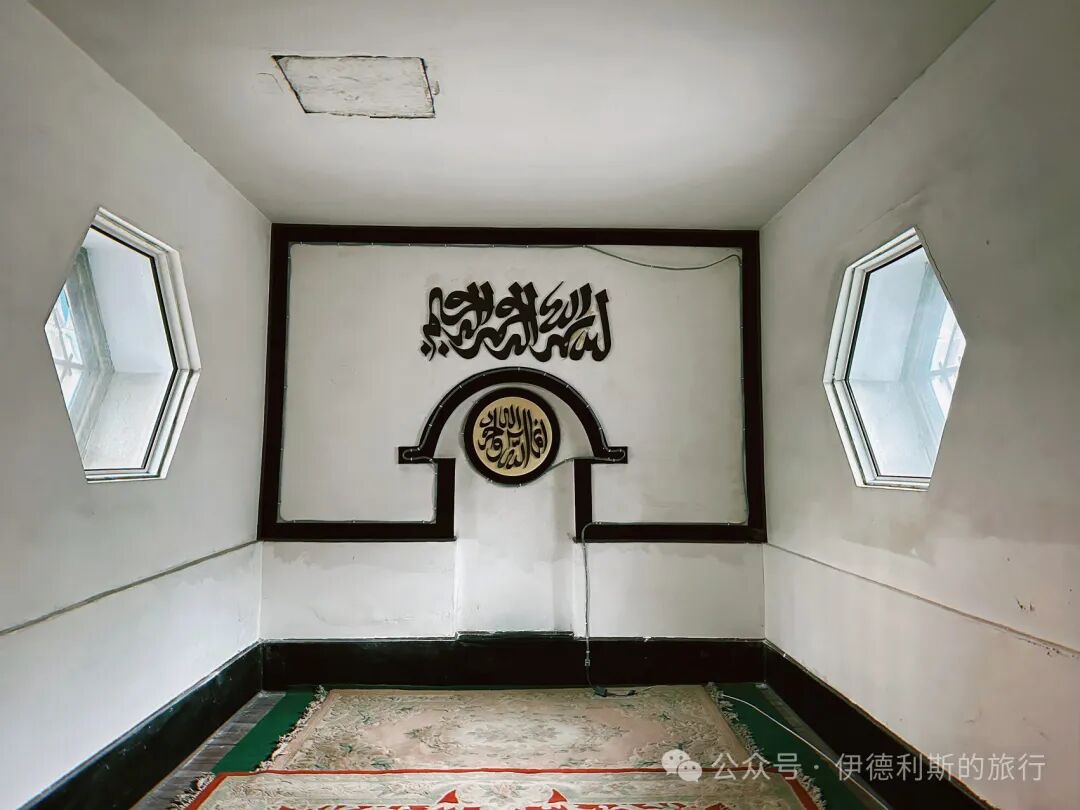
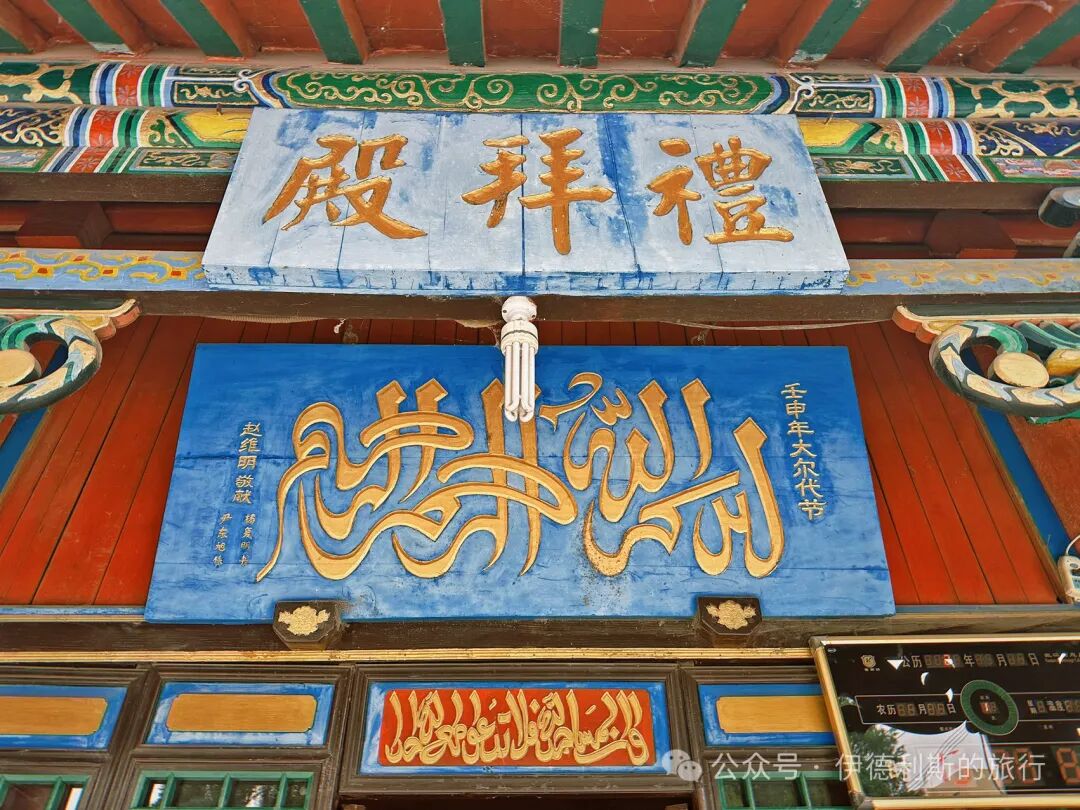
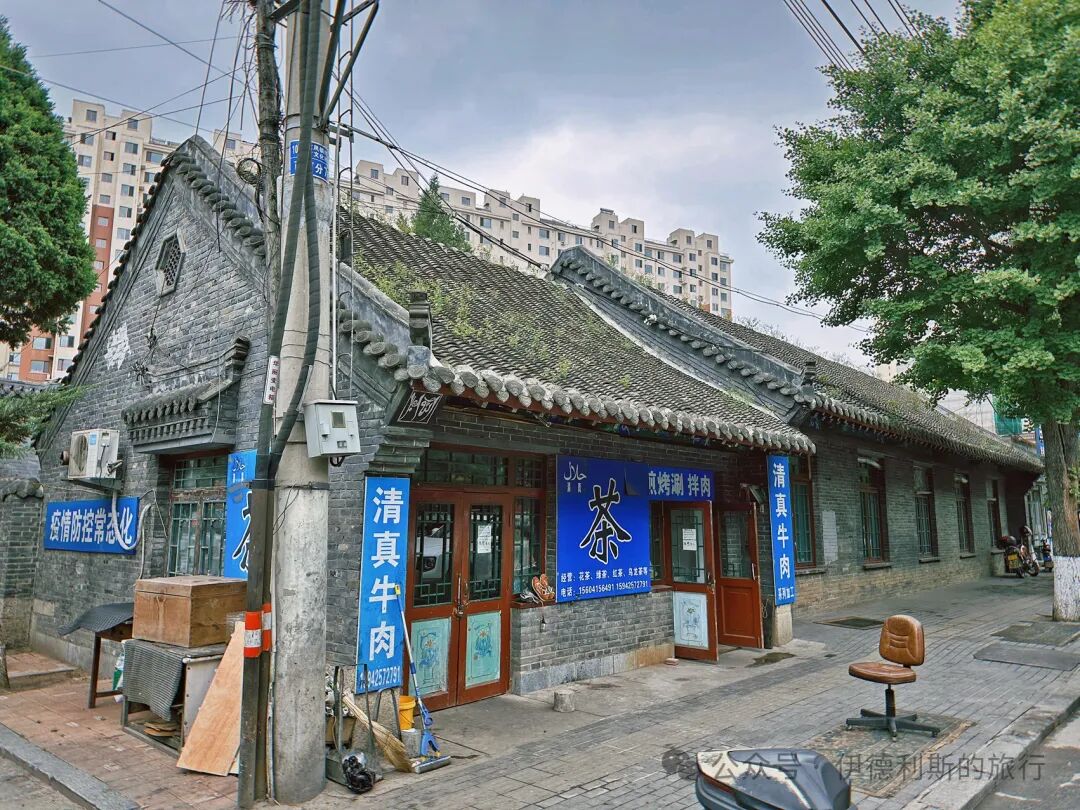
Fengcheng Mosque was first built in 1775, during the 40th year of the Qianlong reign. It was renovated in 1862, the first year of the Tongzhi reign. In 1876, the second year of the Guangxu reign, the north lecture hall was rebuilt and side rooms were added. In 1890, the 16th year of the Guangxu reign, the Moon-Sighting Tower (Wangyue Lou) was built, giving the mosque its current size.
The most unique part of Fengcheng Mosque is the Moon-Sighting Tower, built during the Guangxu reign. It has a double-eaved, four-cornered, pointed roof with beautiful upturned eaves, brackets, and intricate openwork carvings.
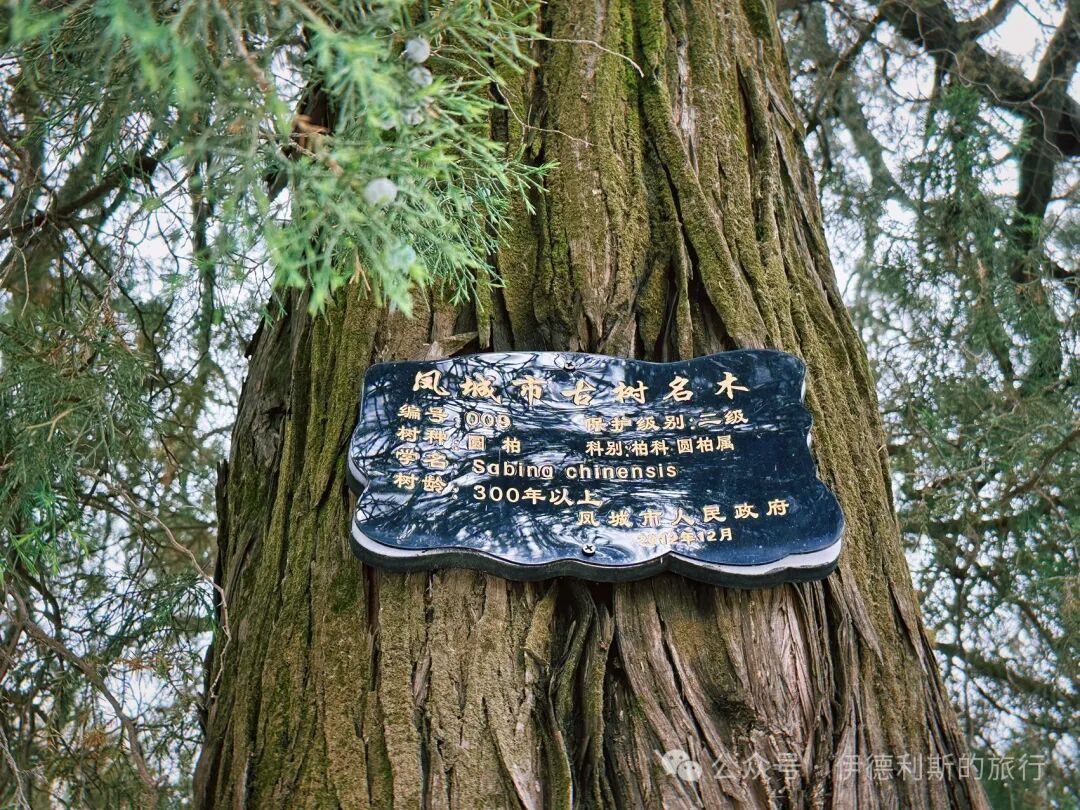
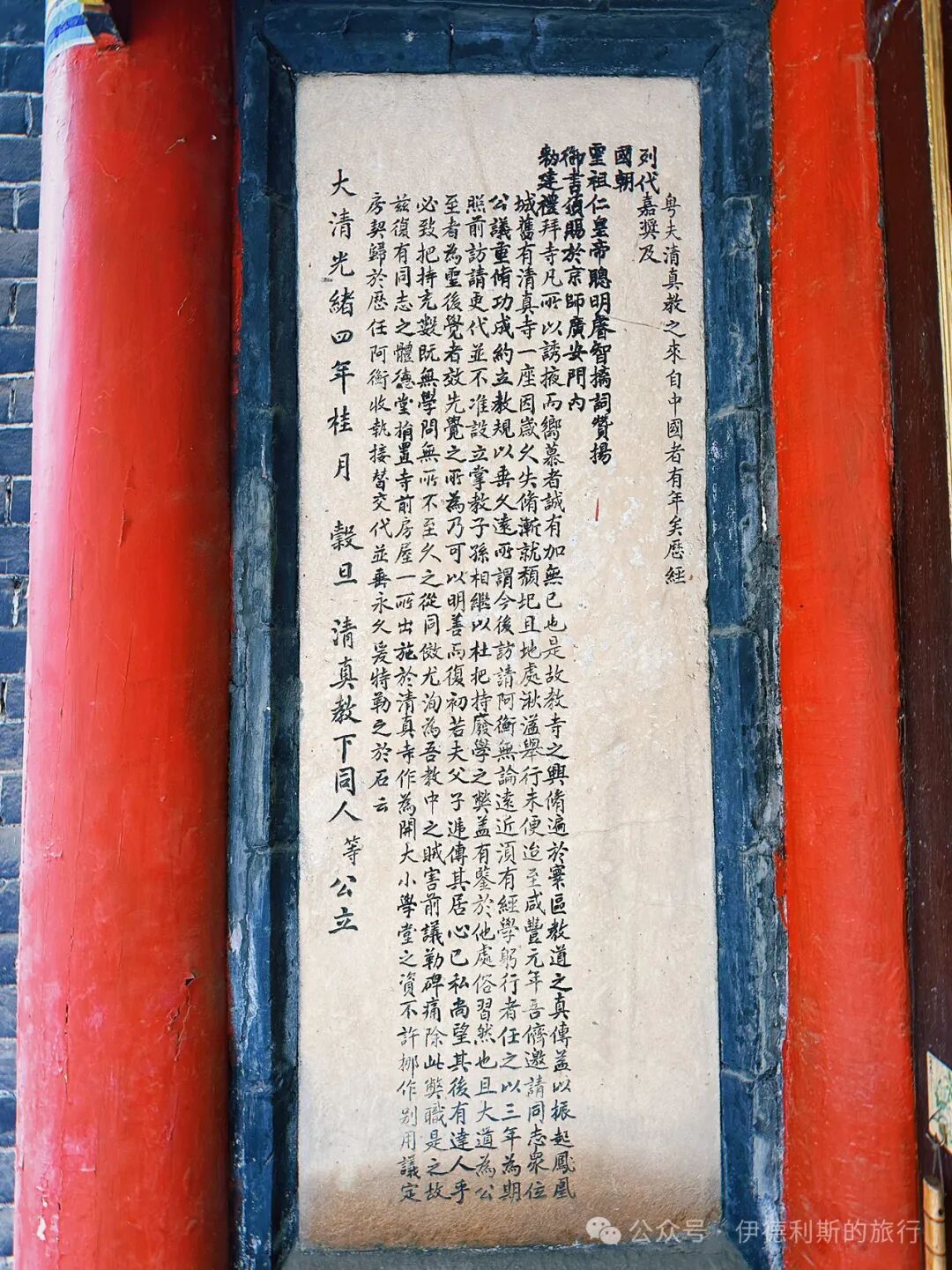
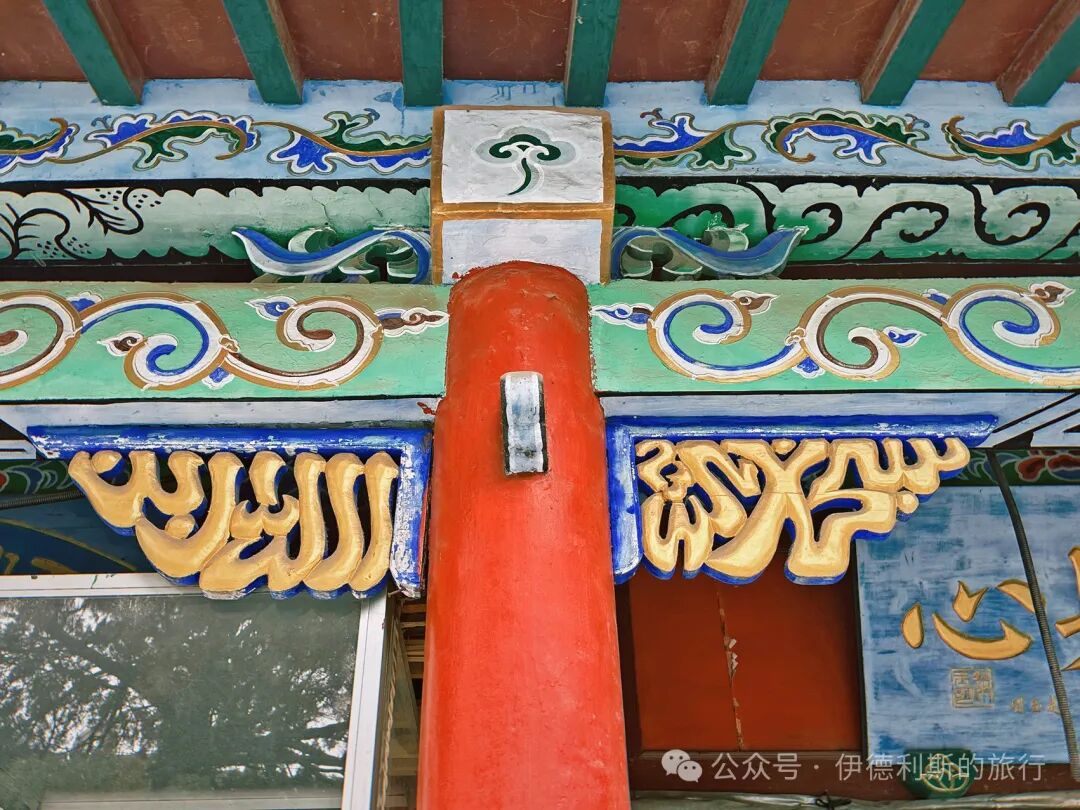
The mosque features 300-year-old cypress trees and a stone tablet from the Guangxu renovations. The wood carvings on the brackets and the brick calligraphy carvings on the wall corners are also very beautiful.
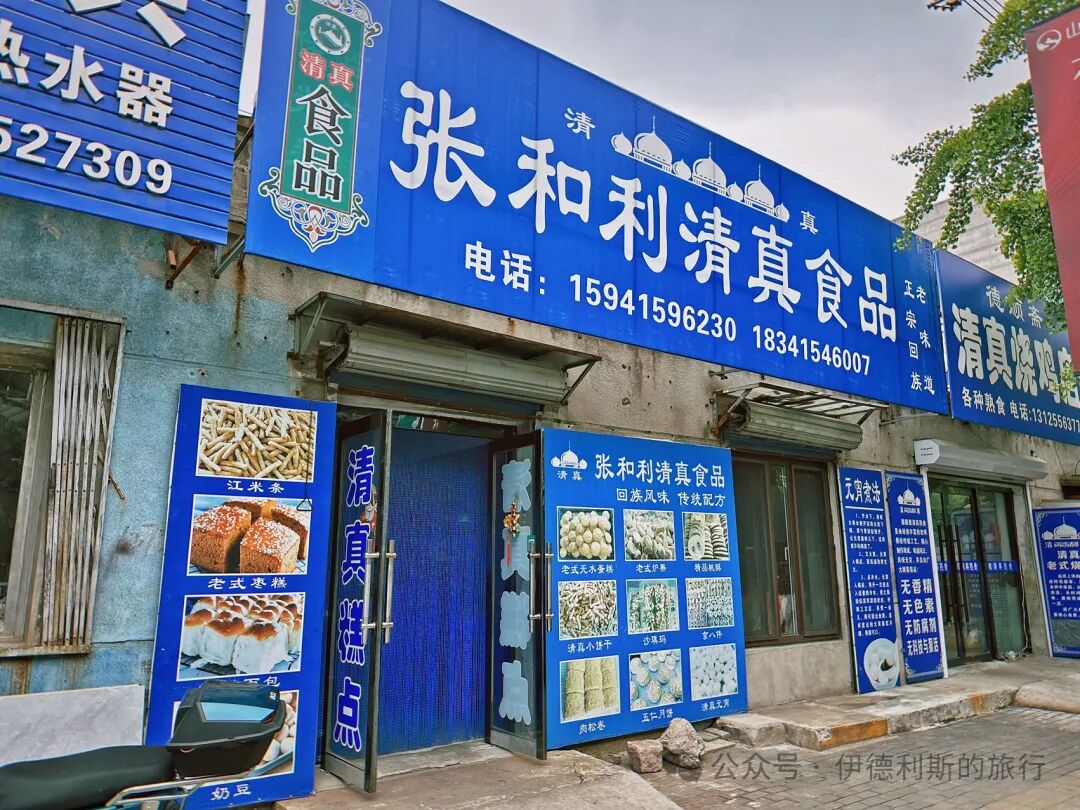
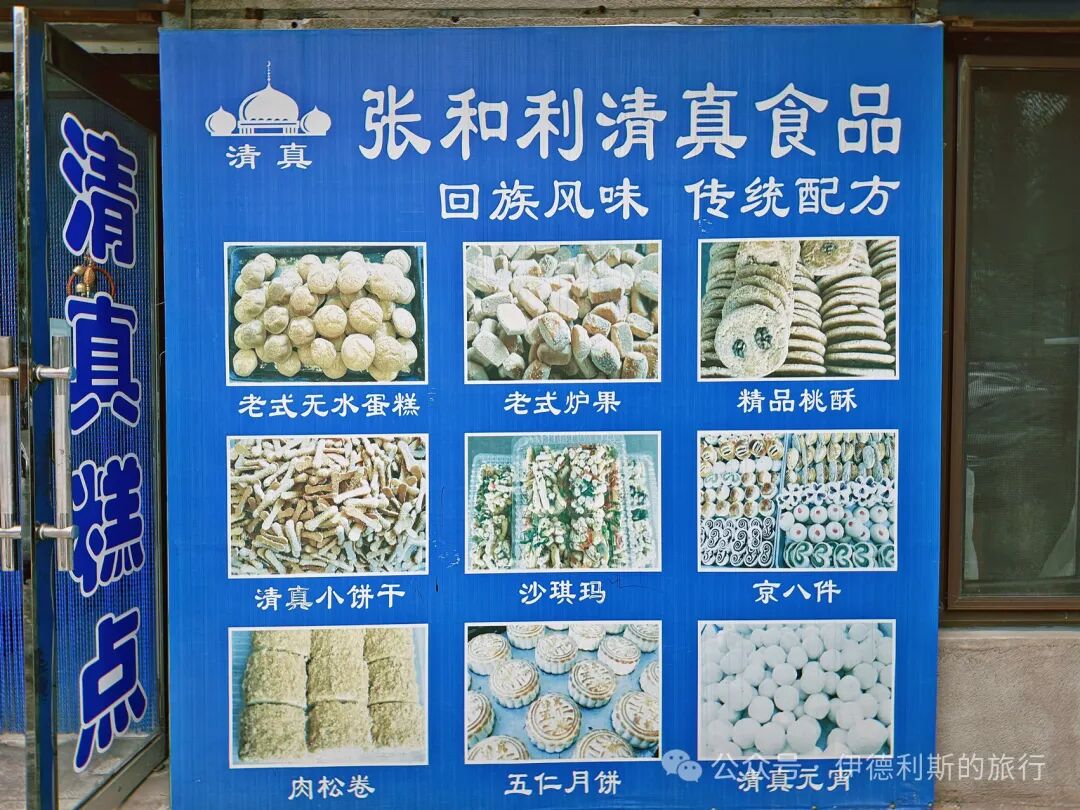
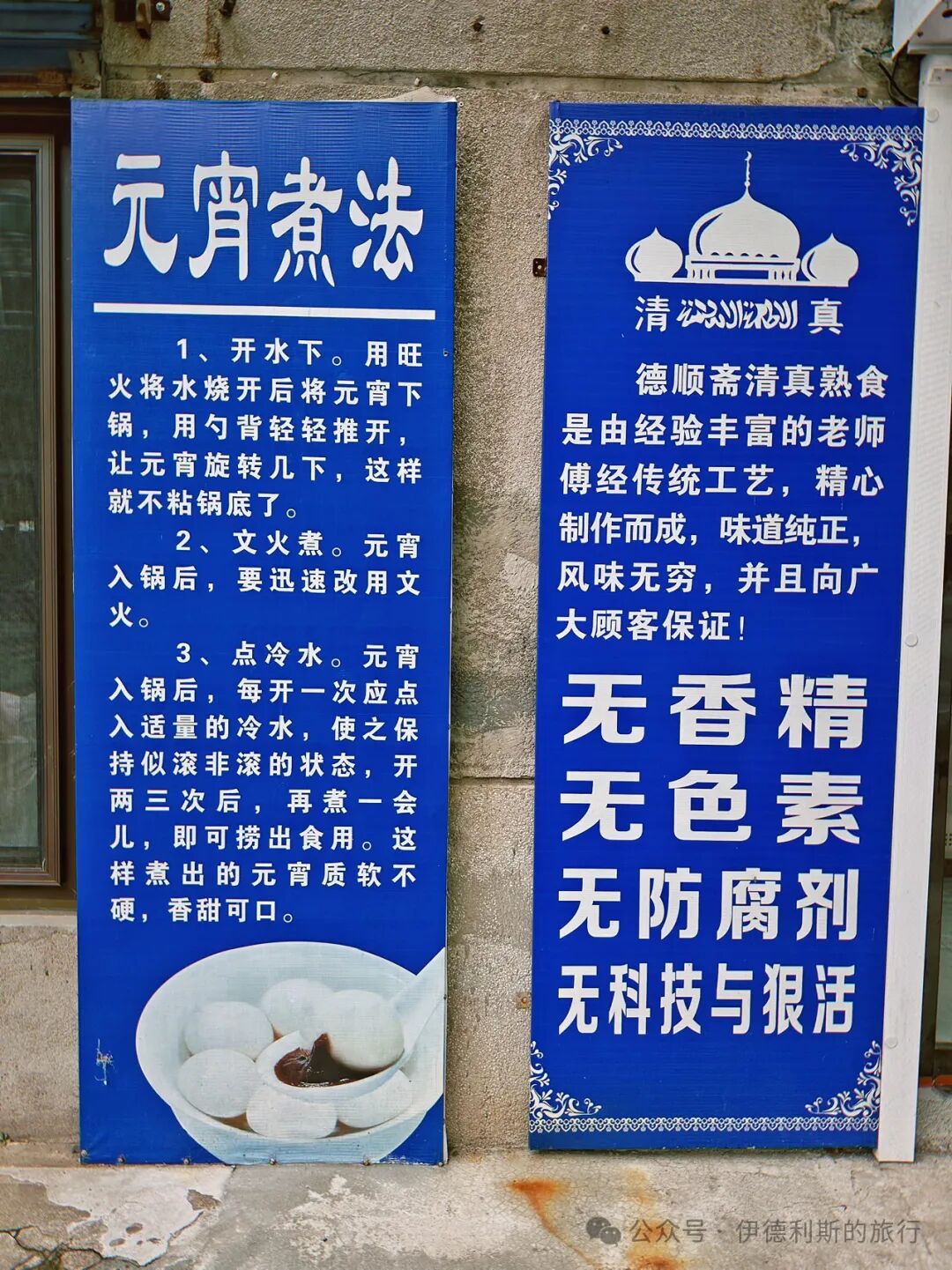
Outside the mosque, there are shops selling beef, pastries, roasted chicken, and instructions on how to boil sweet rice balls (yuanxiao). We bought some old-fashioned Northeast-style plain biscuits (guangtou bing). They get tastier the more you chew, with a subtle sweetness that lingers.
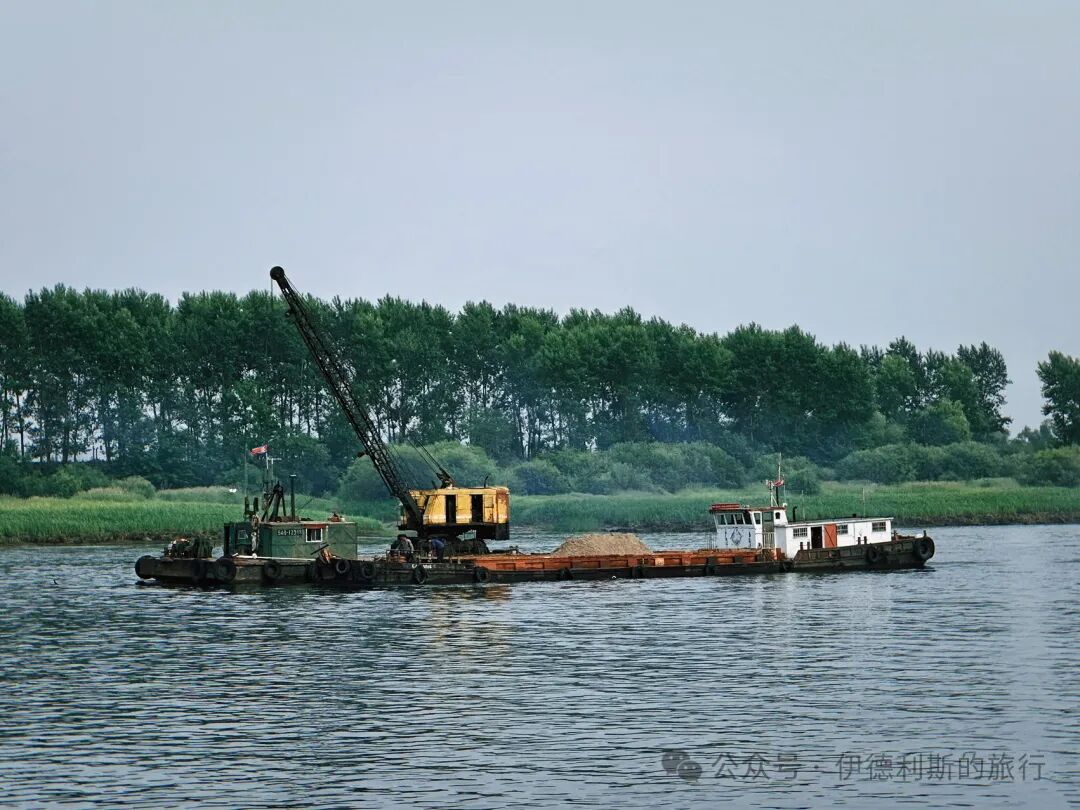
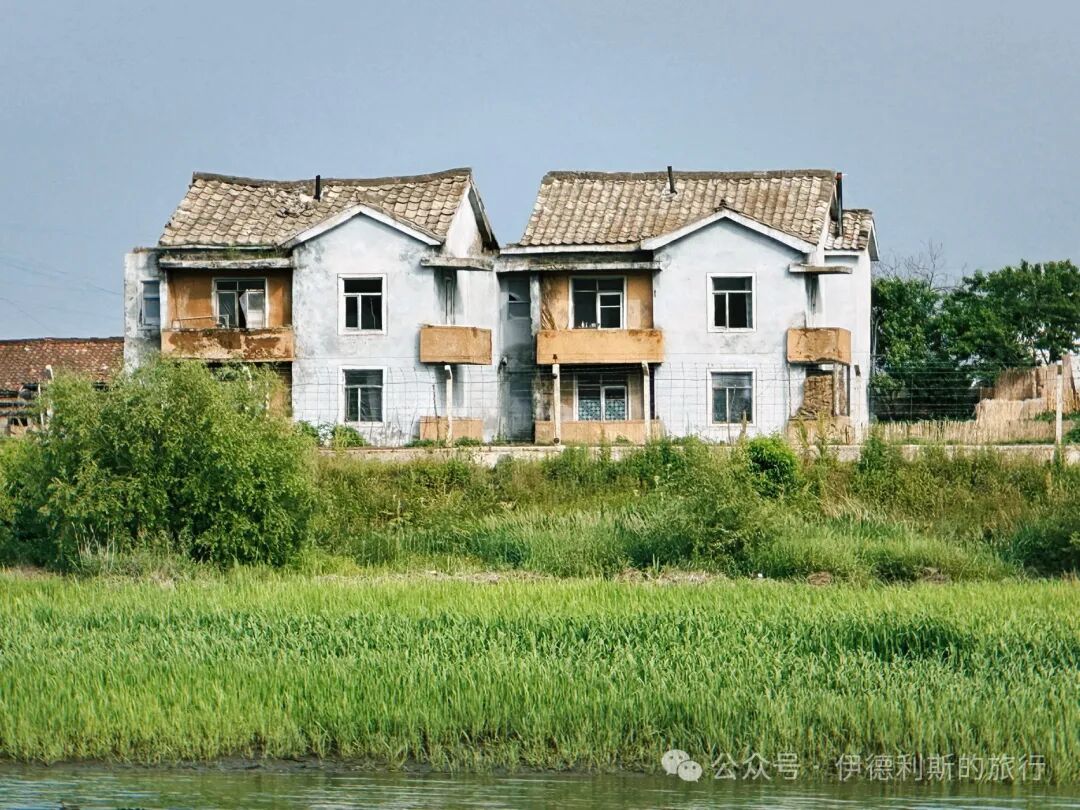
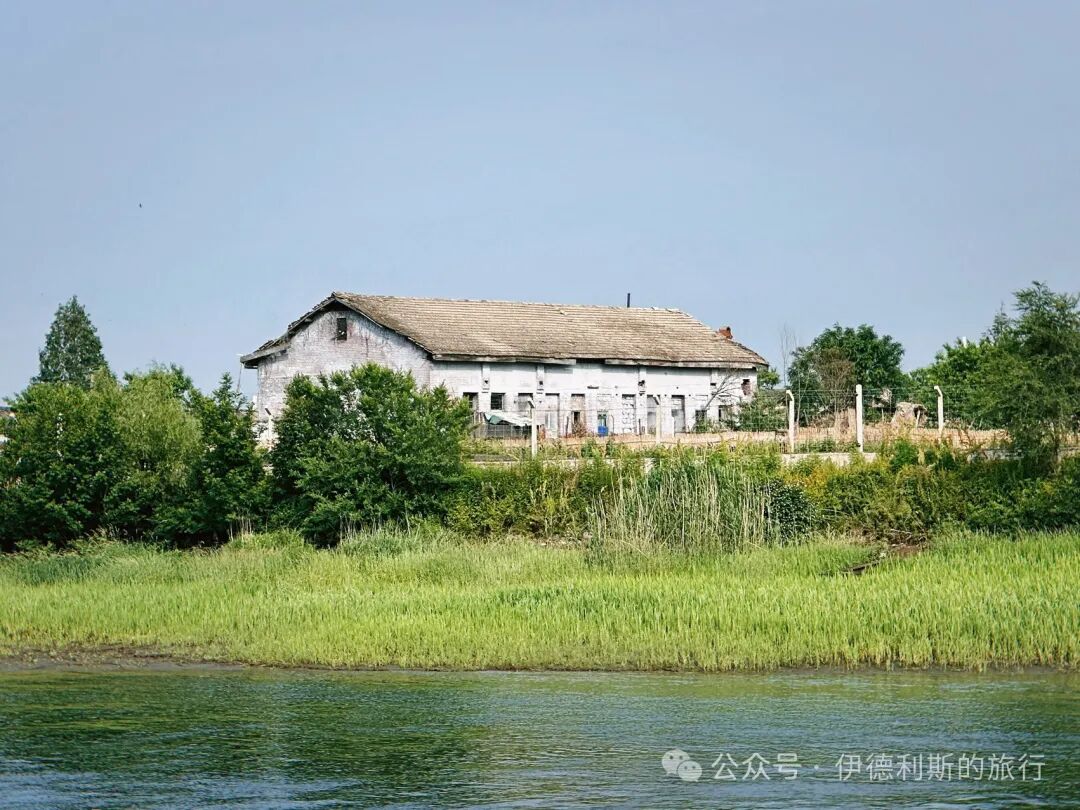
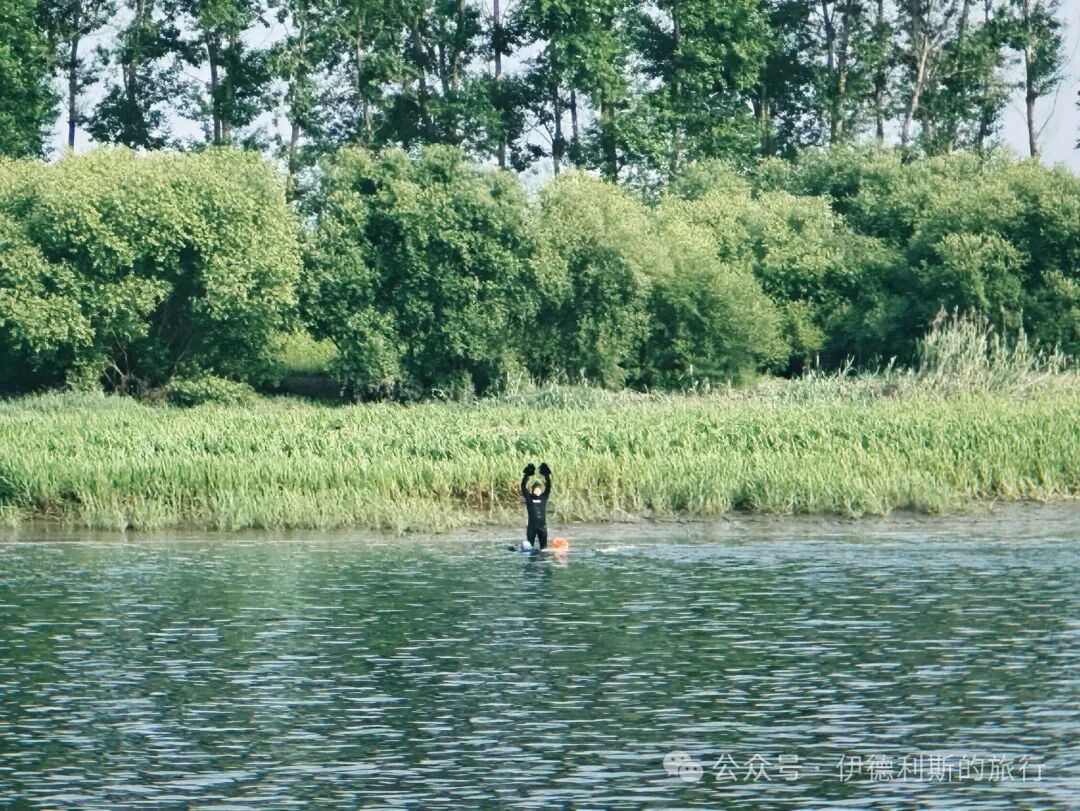
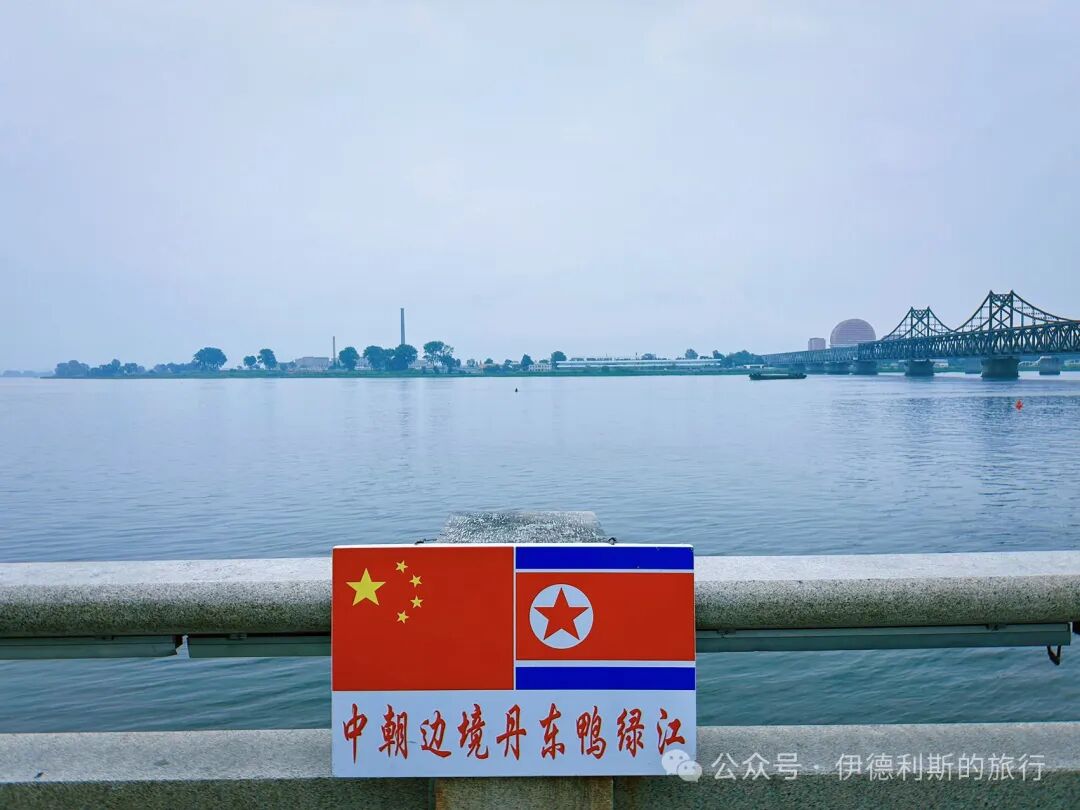
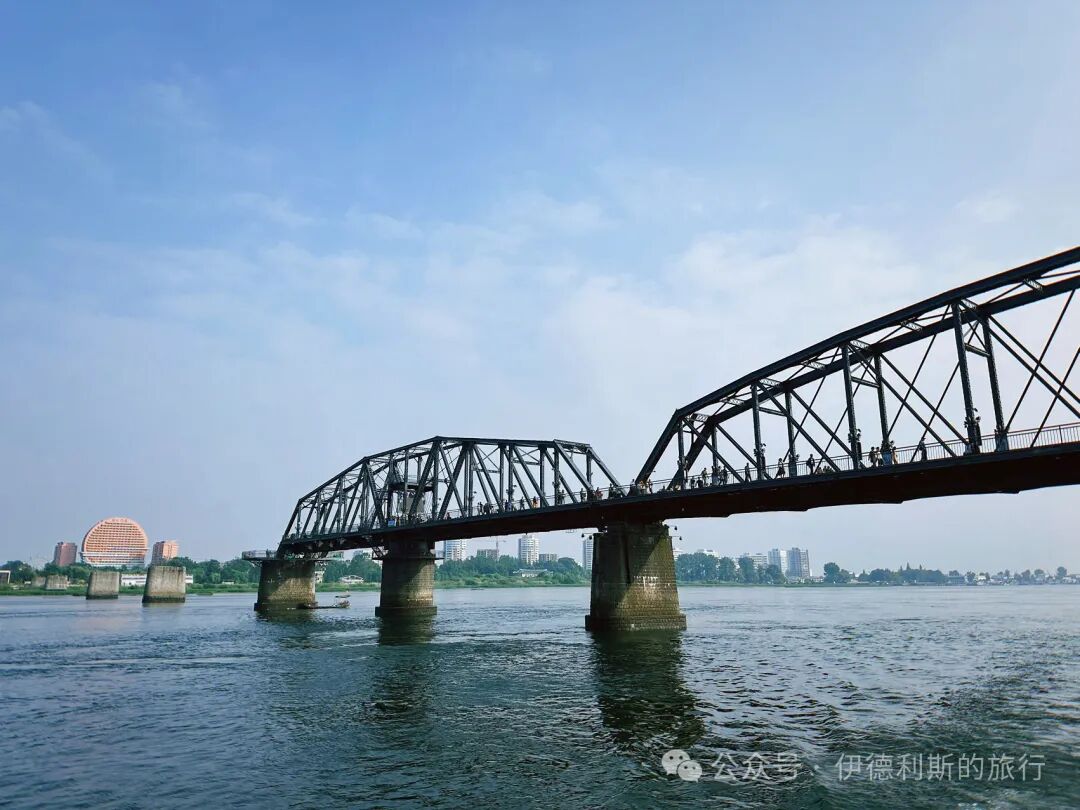
We left Fengcheng East Station at 3:39 PM and arrived at Dandong Station at 3:56 PM. We then walked to Pier 2 to take a Yalu River cruise. From the boat, you can see the shipyards, amusement park, old paper mill site, General's Building, schools, and various hidden and visible guard posts in Sinuiju, North Korea, on the other side. We were surprised to see a person swimming across the Yalu River all the way to the North Korean side, and he even waved at us.
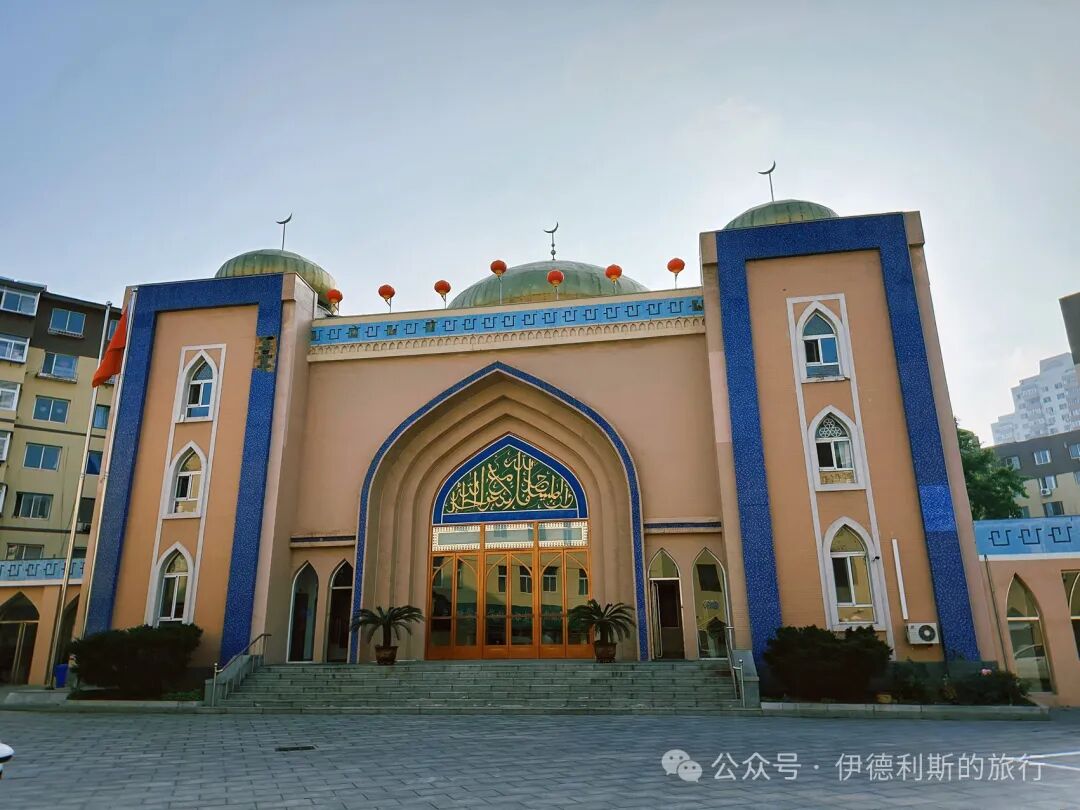
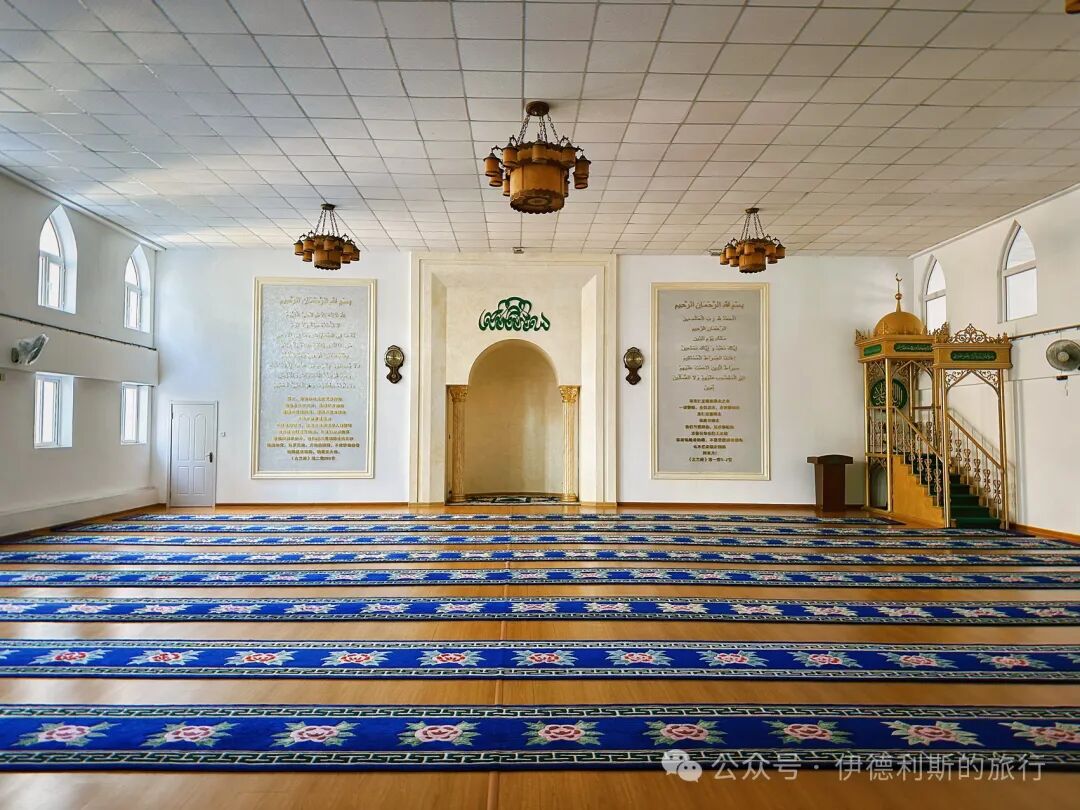
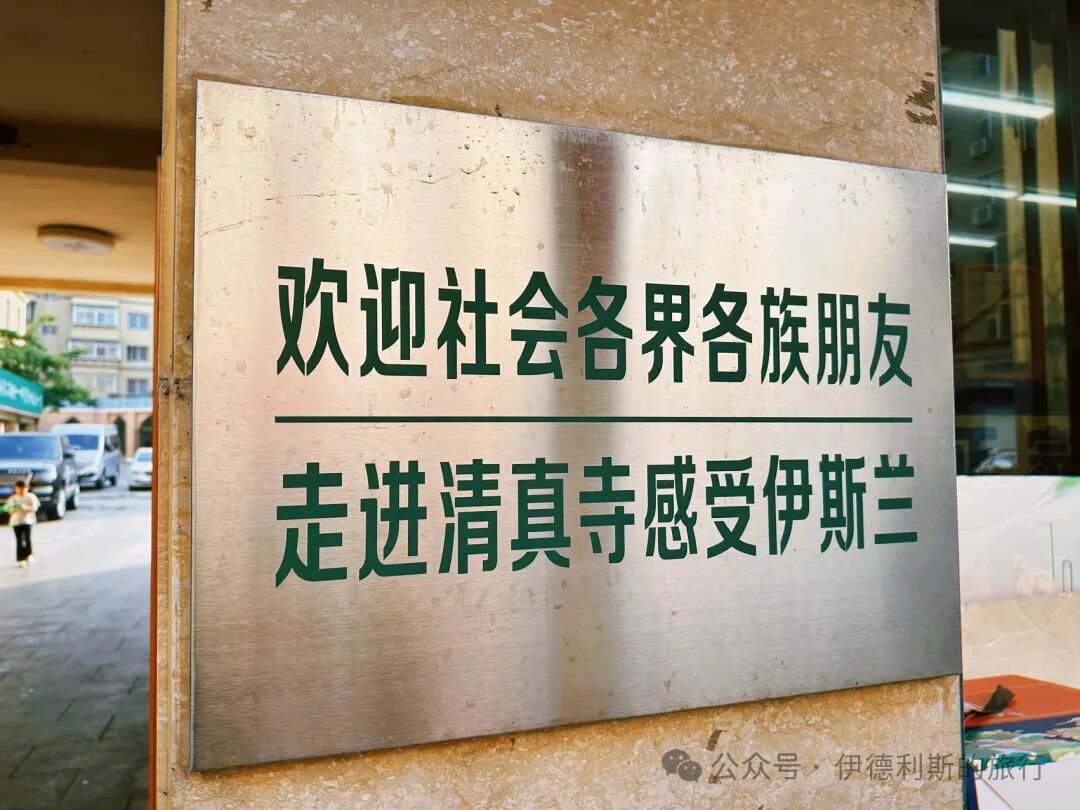
Dandong Mosque (Dandong Si) was first built in 1876, and the current building was rebuilt in 2004. The sign at the entrance of the mosque is very rare.
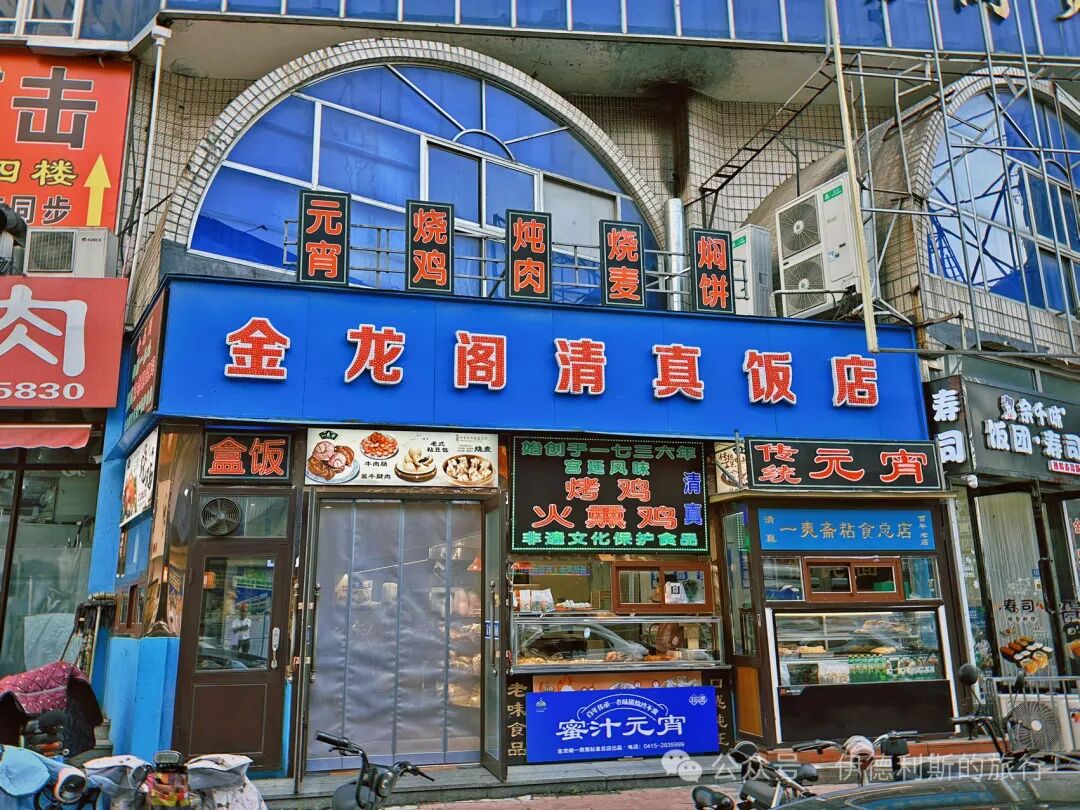
The storefronts of Dandong Mosque are very busy. On the first floor are two old shops, Yixiang and Yiguang, which sell various traditional pastries, mooncakes (yuebing), and sticky rice dumplings (zongzi). Upstairs is the Yixiang Nursing Home, which is open to elderly people of all ethnic groups.
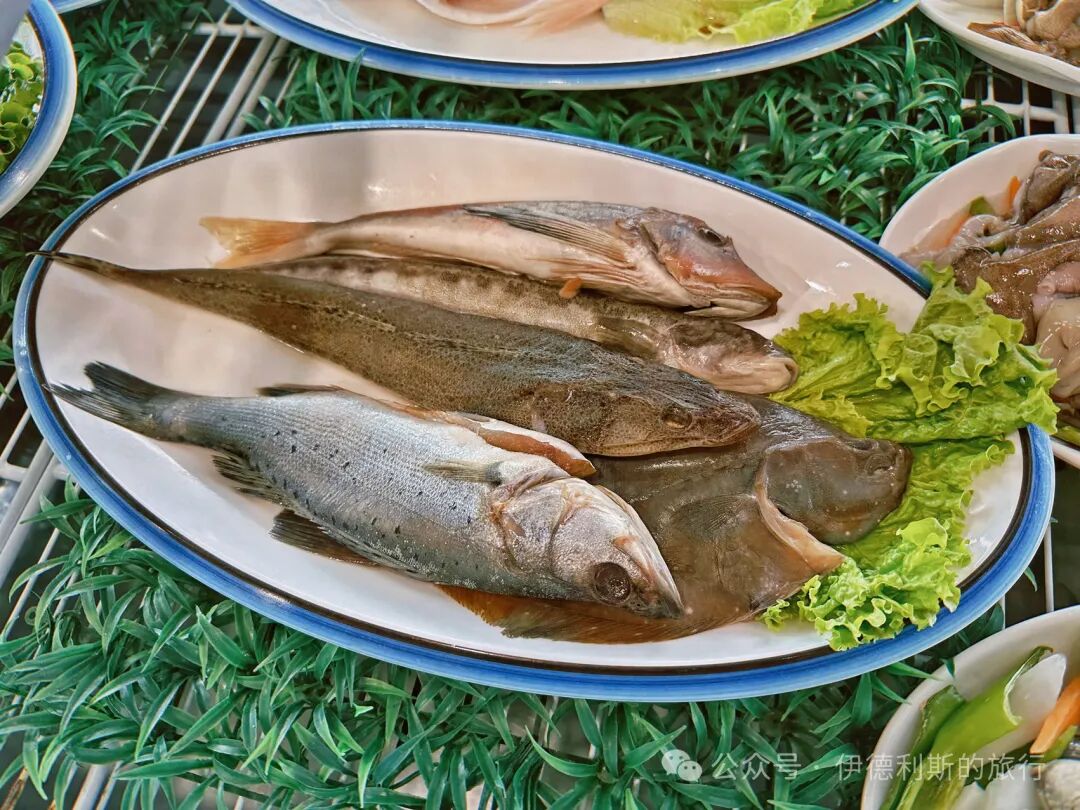
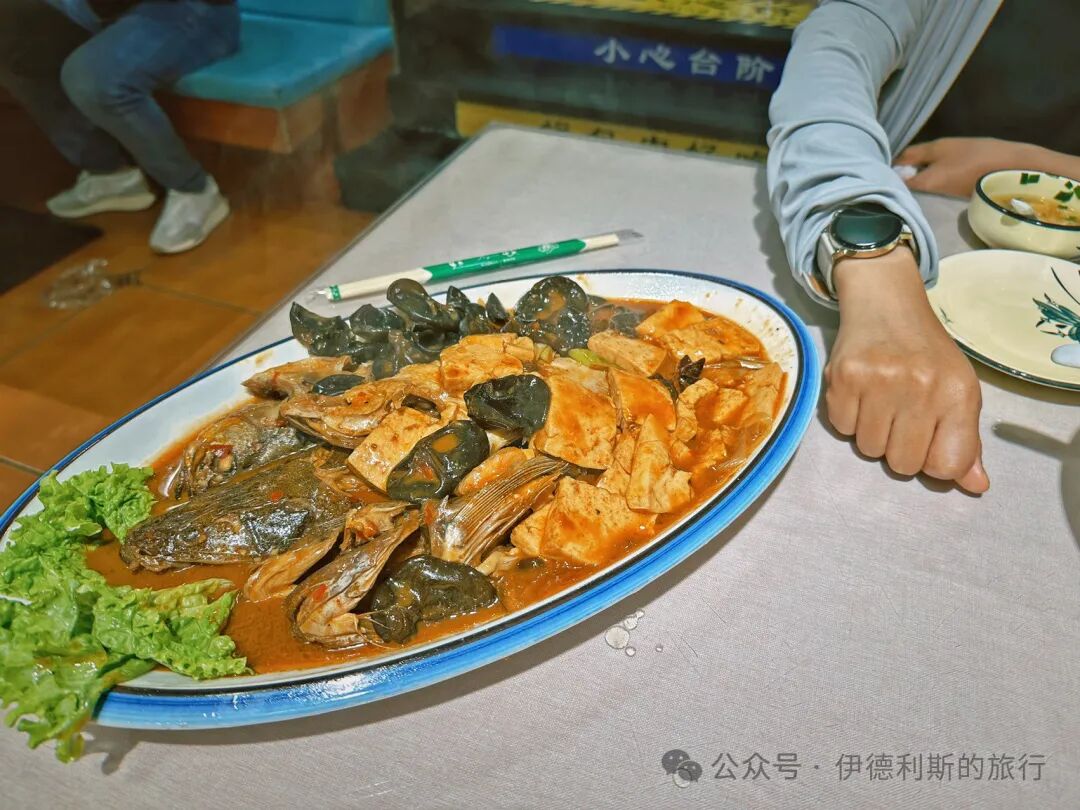
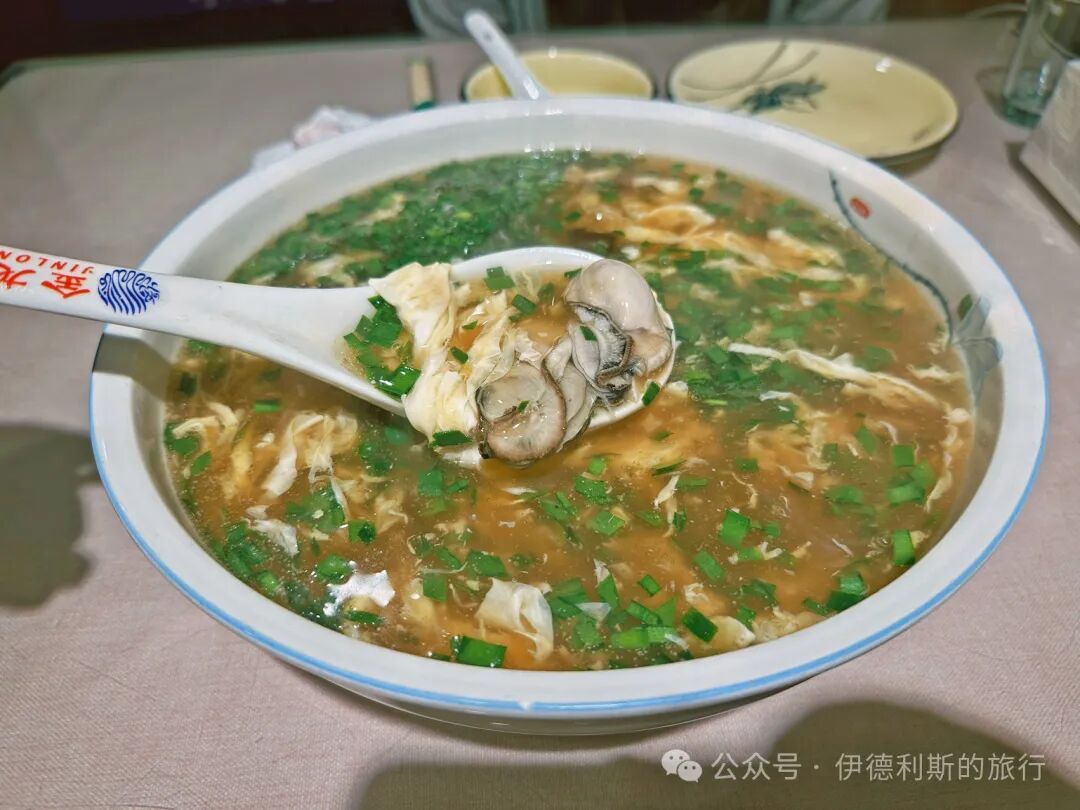
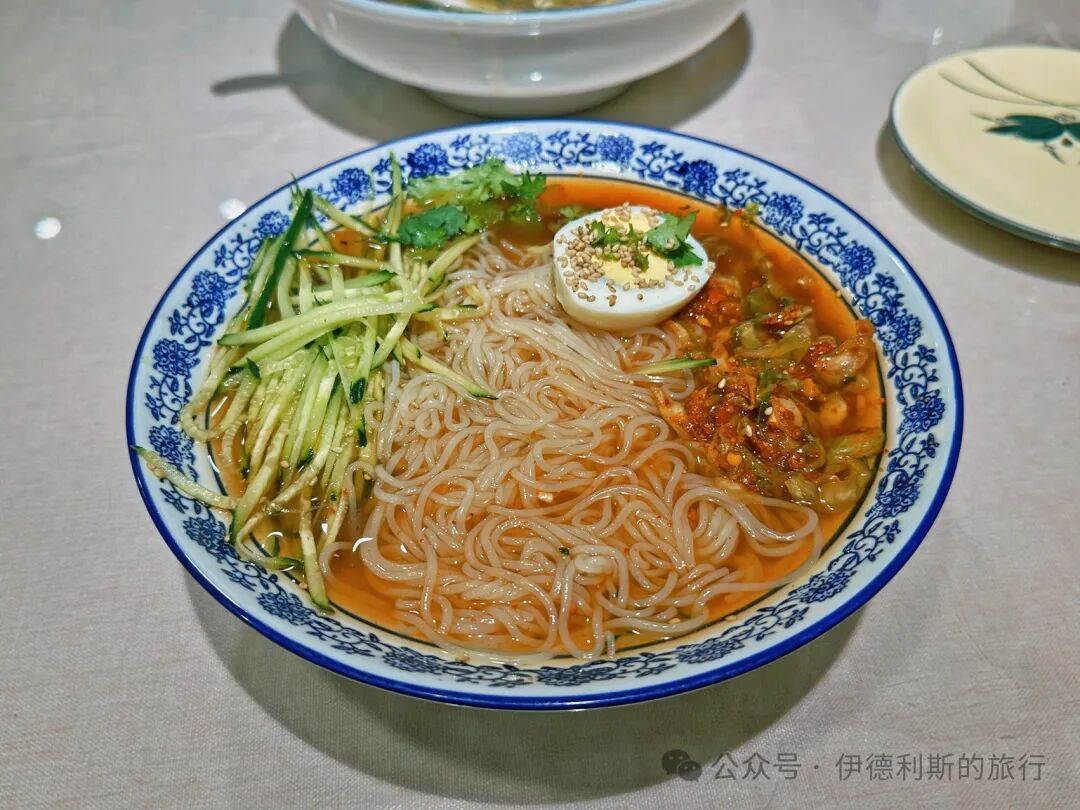
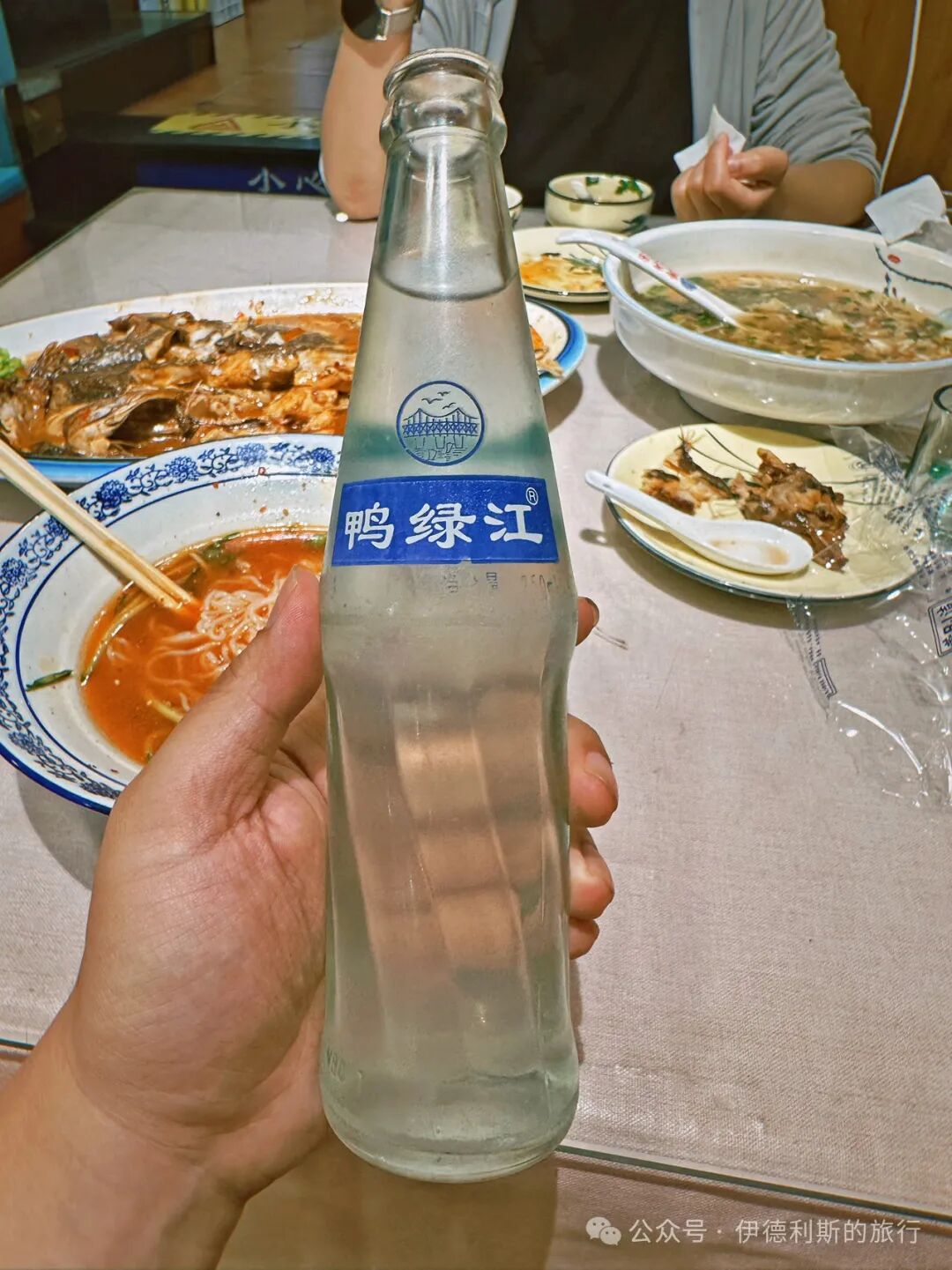
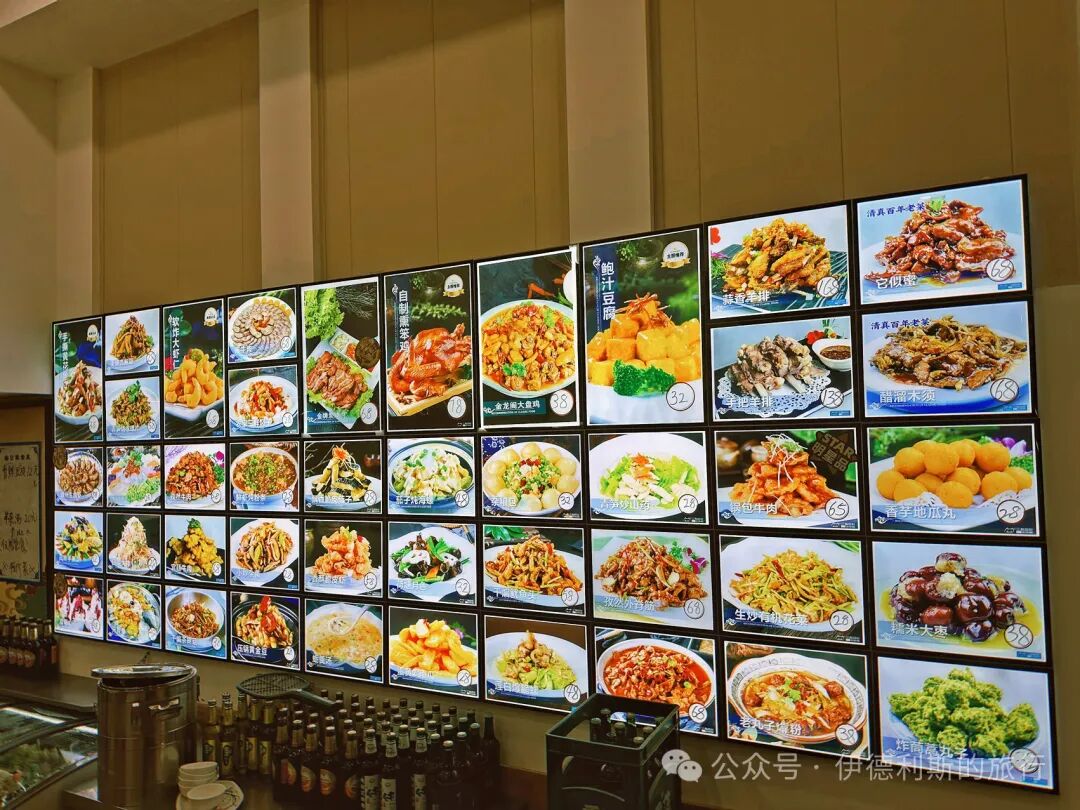
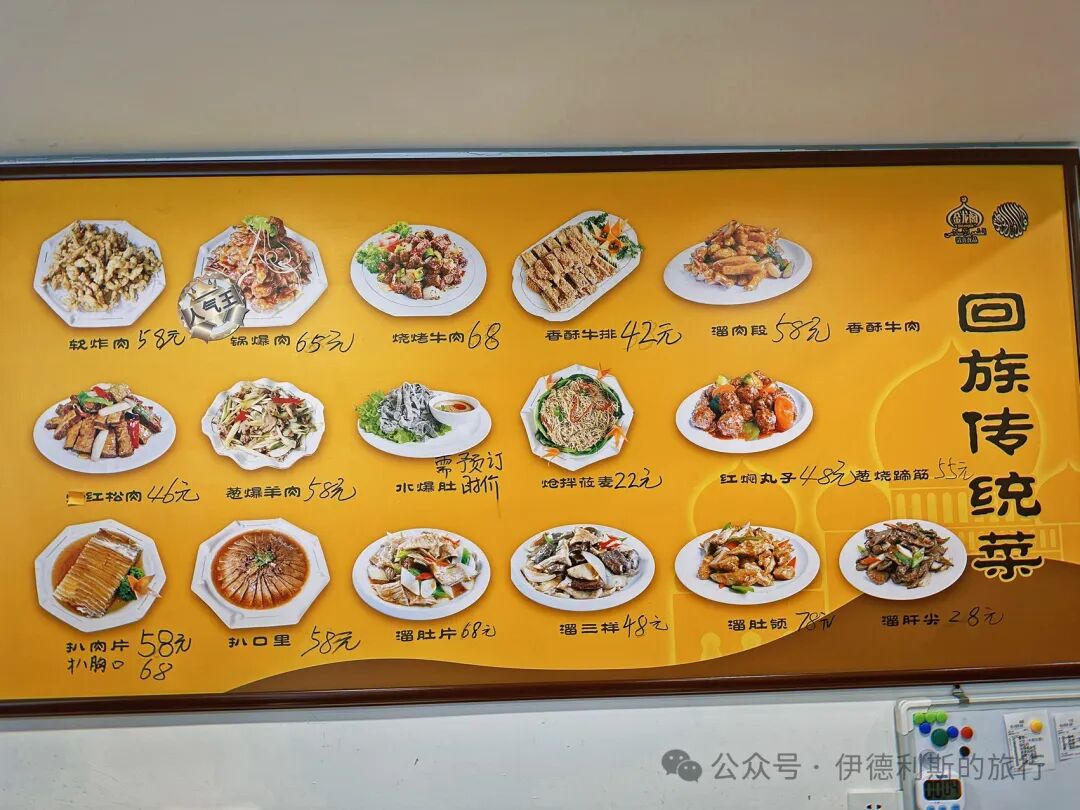
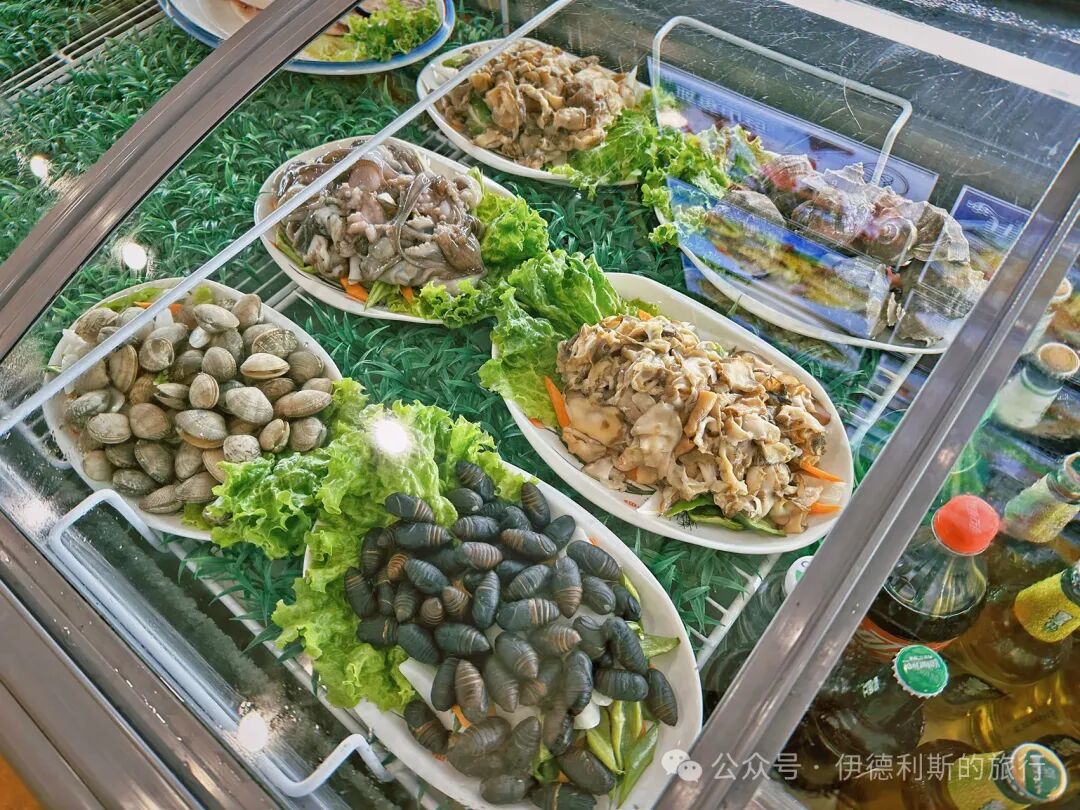
In the afternoon, we had dinner at the long-established Jinlongge Restaurant in Dandong. They serve a wide variety of traditional stir-fried dishes and seafood. We ordered oyster soup (ligeng tang), braised mixed fish (jiangmen zabanyü), and Northeast-style cold noodles (dongbei da lengmian), and we also drank the local Yalu River soda. Northeast Chinese food comes in huge portions! We used our fists to compare the size of the plates, and one dish is more than enough for two people.
The food here tastes great overall; the large cold noodles (lengmian) are chewy, the fish is fragrant, and the meat quality is excellent. The oyster soup (ligeng tang) is very savory and does not have a fishy smell. view all
Summary: Halal Travel Guide: Fengcheng and Dandong - Mosque Visit and Liaoning Food is presented here as a firsthand travel account in clear, natural English. The account focuses on Fengcheng, Dandong, Liaoning Travel while preserving the names, places, food, photos, and historical details from the Chinese source.
On June 9 at noon, we headed east from Dalian toward Dandong. We arrived at Fengcheng East Station at 12:14 and took a taxi to the center of Fengcheng for lunch. We first went to a restaurant called Nanlaishun, but we found braised lamb blood on the menu, so we went to another place called Wenbin Snack Bar instead.
We ordered the local Dandong specialty stir-fried corn noodles (chao chazi), along with eight-treasure porridge with corn grits (dazhazi babaozhou) and a 6-yuan vegetable platter. The vegetable platter included stir-fried potato, eggplant, and pepper (di san xian), cucumber with scrambled eggs, and stir-fried dried tofu. I noticed other people just ordering one vegetable platter with rice, which is a great deal.
Stir-fried corn noodles (chao chazi) are made by fermenting corn and grinding it into a liquid, then taking the settled corn starch residue and pressing it into noodles before stir-frying. These noodles are a classic example of turning coarse grains into a refined dish. They have a smooth, delicate texture without any of the usual grittiness of corn flour, and they taste quite good.
Zainab really loved their eight-treasure porridge with corn grits (dazhazi babaozhou). She even said it was her favorite thing she ate during her entire trip to Liaoning. The eight-treasure porridge with corn grits (dazhazi babaozhou) contains almost no rice, just a wide variety of beans. They are very generous with the ingredients, making it a perfect choice for people who want a healthy meal.
After finishing our stir-fried noodles (chao chazi), we went to Fengcheng Mosque to pray. The imam at Fengcheng Mosque is also from Cangzhou.
Fengcheng Mosque was first built in 1775, during the 40th year of the Qianlong reign. It was renovated in 1862, the first year of the Tongzhi reign. In 1876, the second year of the Guangxu reign, the north lecture hall was rebuilt and side rooms were added. In 1890, the 16th year of the Guangxu reign, the Moon-Sighting Tower (Wangyue Lou) was built, giving the mosque its current size.
The most unique part of Fengcheng Mosque is the Moon-Sighting Tower, built during the Guangxu reign. It has a double-eaved, four-cornered, pointed roof with beautiful upturned eaves, brackets, and intricate openwork carvings.
The mosque features 300-year-old cypress trees and a stone tablet from the Guangxu renovations. The wood carvings on the brackets and the brick calligraphy carvings on the wall corners are also very beautiful.
Outside the mosque, there are shops selling beef, pastries, roasted chicken, and instructions on how to boil sweet rice balls (yuanxiao). We bought some old-fashioned Northeast-style plain biscuits (guangtou bing). They get tastier the more you chew, with a subtle sweetness that lingers.
We left Fengcheng East Station at 3:39 PM and arrived at Dandong Station at 3:56 PM. We then walked to Pier 2 to take a Yalu River cruise. From the boat, you can see the shipyards, amusement park, old paper mill site, General's Building, schools, and various hidden and visible guard posts in Sinuiju, North Korea, on the other side. We were surprised to see a person swimming across the Yalu River all the way to the North Korean side, and he even waved at us.
Dandong Mosque (Dandong Si) was first built in 1876, and the current building was rebuilt in 2004. The sign at the entrance of the mosque is very rare.
The storefronts of Dandong Mosque are very busy. On the first floor are two old shops, Yixiang and Yiguang, which sell various traditional pastries, mooncakes (yuebing), and sticky rice dumplings (zongzi). Upstairs is the Yixiang Nursing Home, which is open to elderly people of all ethnic groups.
In the afternoon, we had dinner at the long-established Jinlongge Restaurant in Dandong. They serve a wide variety of traditional stir-fried dishes and seafood. We ordered oyster soup (ligeng tang), braised mixed fish (jiangmen zabanyü), and Northeast-style cold noodles (dongbei da lengmian), and we also drank the local Yalu River soda. Northeast Chinese food comes in huge portions! We used our fists to compare the size of the plates, and one dish is more than enough for two people.
The food here tastes great overall; the large cold noodles (lengmian) are chewy, the fish is fragrant, and the meat quality is excellent. The oyster soup (ligeng tang) is very savory and does not have a fishy smell. view all
Reposted from the web
Summary: Halal Travel Guide: Fengcheng and Dandong - Mosque Visit and Liaoning Food is presented here as a firsthand travel account in clear, natural English. The account focuses on Fengcheng, Dandong, Liaoning Travel while preserving the names, places, food, photos, and historical details from the Chinese source.
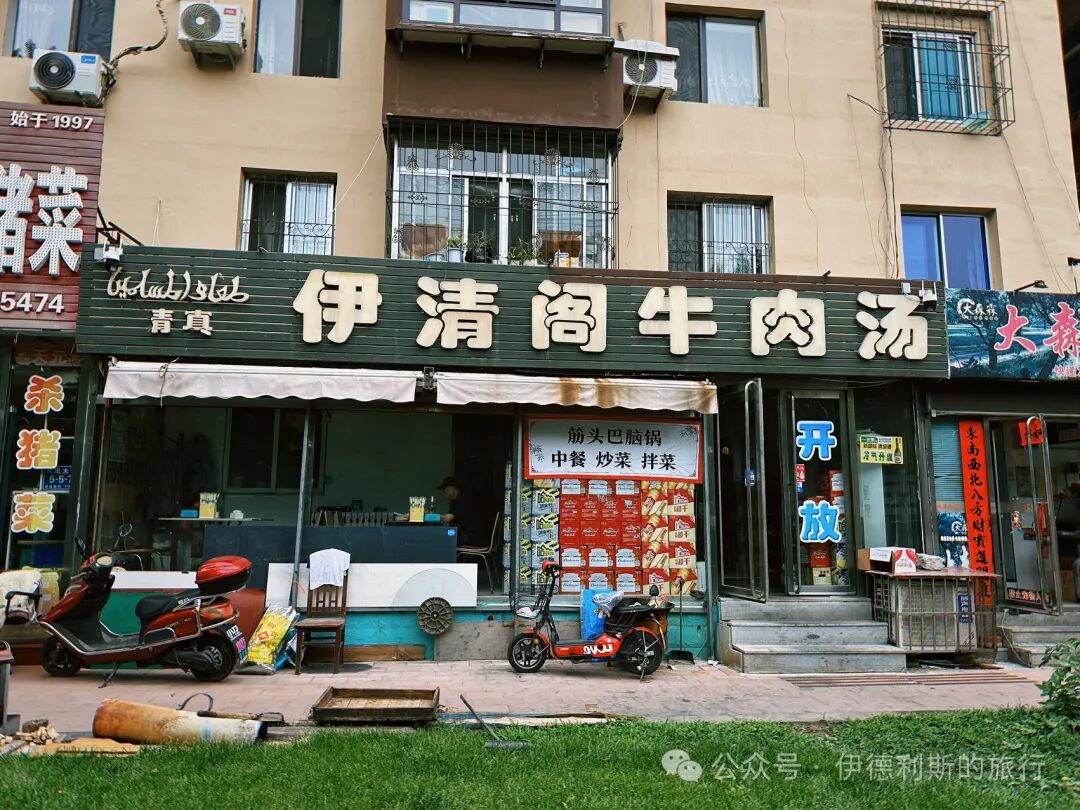
On June 9 at noon, we headed east from Dalian toward Dandong. We arrived at Fengcheng East Station at 12:14 and took a taxi to the center of Fengcheng for lunch. We first went to a restaurant called Nanlaishun, but we found braised lamb blood on the menu, so we went to another place called Wenbin Snack Bar instead.
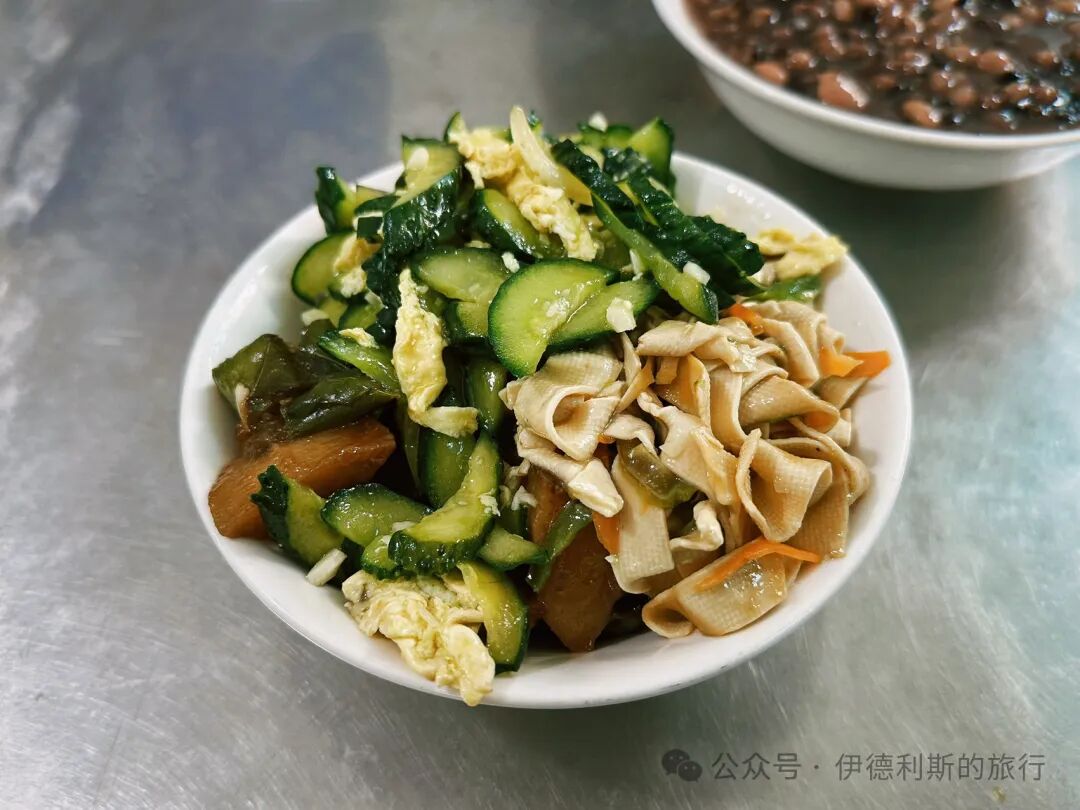
We ordered the local Dandong specialty stir-fried corn noodles (chao chazi), along with eight-treasure porridge with corn grits (dazhazi babaozhou) and a 6-yuan vegetable platter. The vegetable platter included stir-fried potato, eggplant, and pepper (di san xian), cucumber with scrambled eggs, and stir-fried dried tofu. I noticed other people just ordering one vegetable platter with rice, which is a great deal.
Stir-fried corn noodles (chao chazi) are made by fermenting corn and grinding it into a liquid, then taking the settled corn starch residue and pressing it into noodles before stir-frying. These noodles are a classic example of turning coarse grains into a refined dish. They have a smooth, delicate texture without any of the usual grittiness of corn flour, and they taste quite good.
Zainab really loved their eight-treasure porridge with corn grits (dazhazi babaozhou). She even said it was her favorite thing she ate during her entire trip to Liaoning. The eight-treasure porridge with corn grits (dazhazi babaozhou) contains almost no rice, just a wide variety of beans. They are very generous with the ingredients, making it a perfect choice for people who want a healthy meal.
After finishing our stir-fried noodles (chao chazi), we went to Fengcheng Mosque to pray. The imam at Fengcheng Mosque is also from Cangzhou.
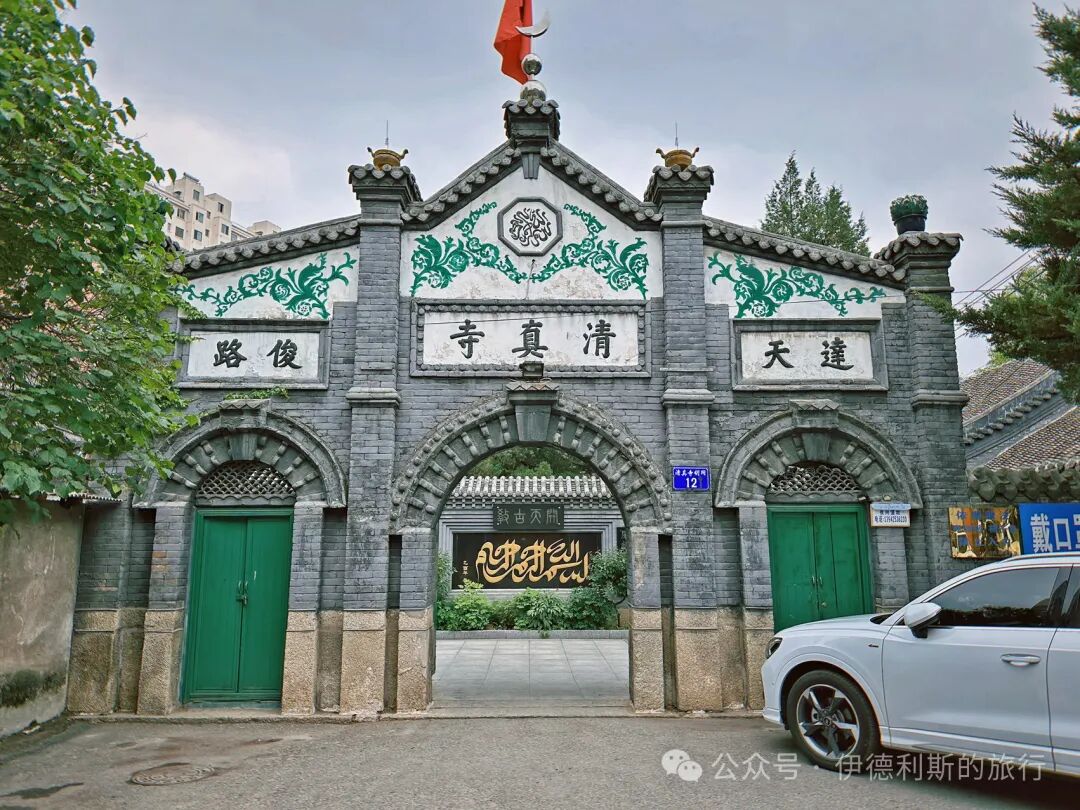
Fengcheng Mosque was first built in 1775, during the 40th year of the Qianlong reign. It was renovated in 1862, the first year of the Tongzhi reign. In 1876, the second year of the Guangxu reign, the north lecture hall was rebuilt and side rooms were added. In 1890, the 16th year of the Guangxu reign, the Moon-Sighting Tower (Wangyue Lou) was built, giving the mosque its current size.
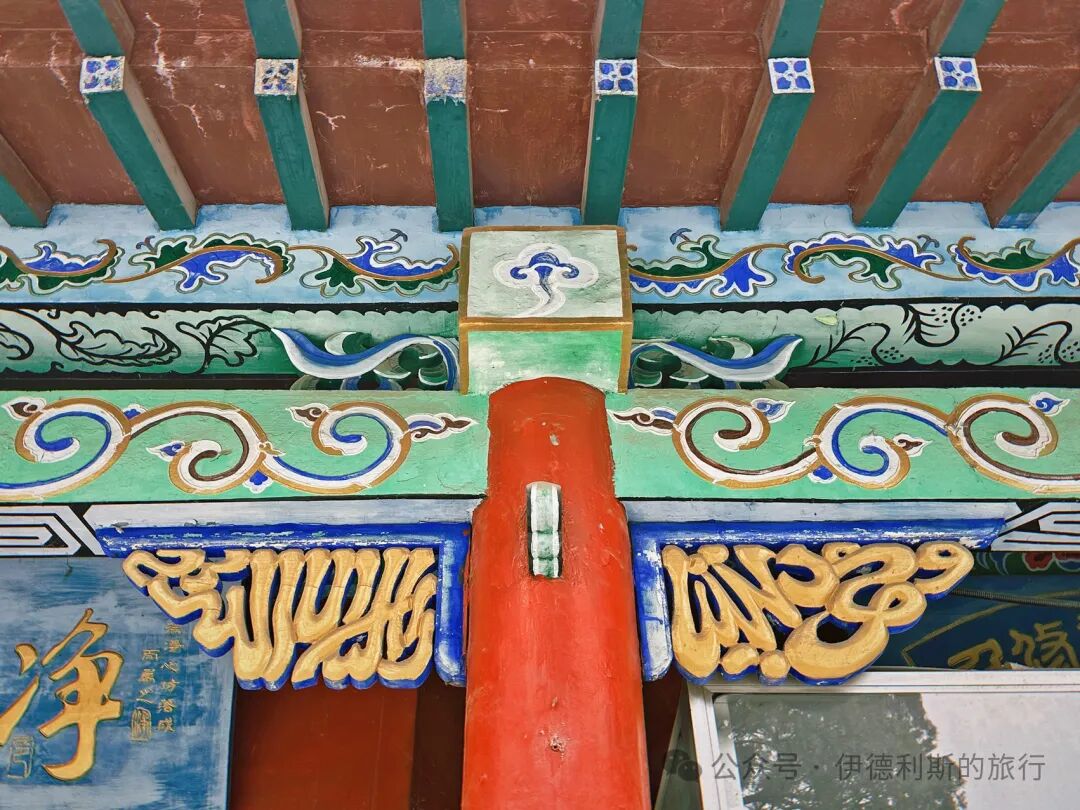
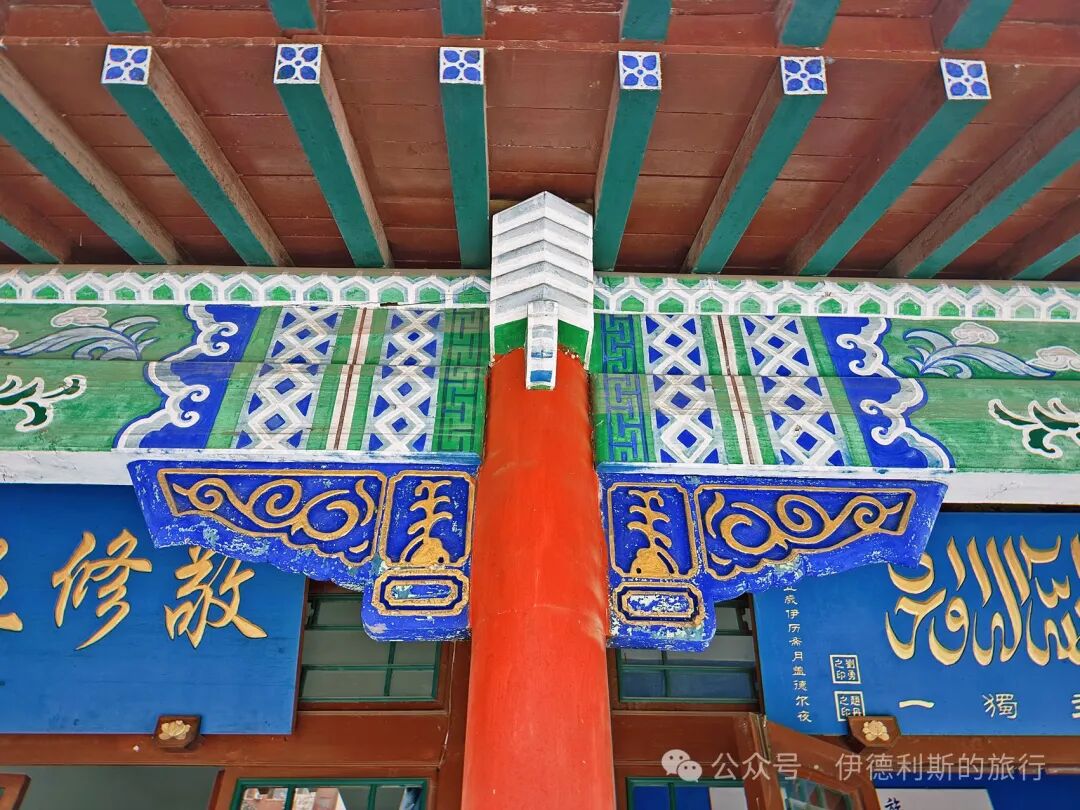
The most unique part of Fengcheng Mosque is the Moon-Sighting Tower, built during the Guangxu reign. It has a double-eaved, four-cornered, pointed roof with beautiful upturned eaves, brackets, and intricate openwork carvings.
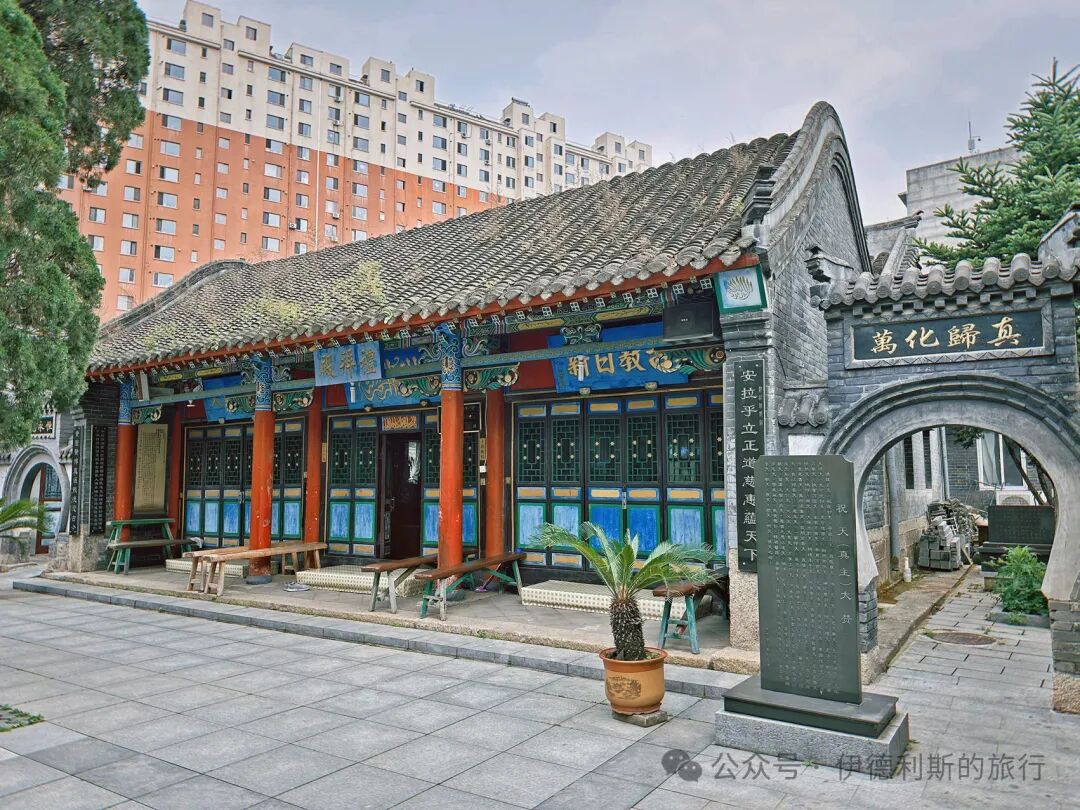
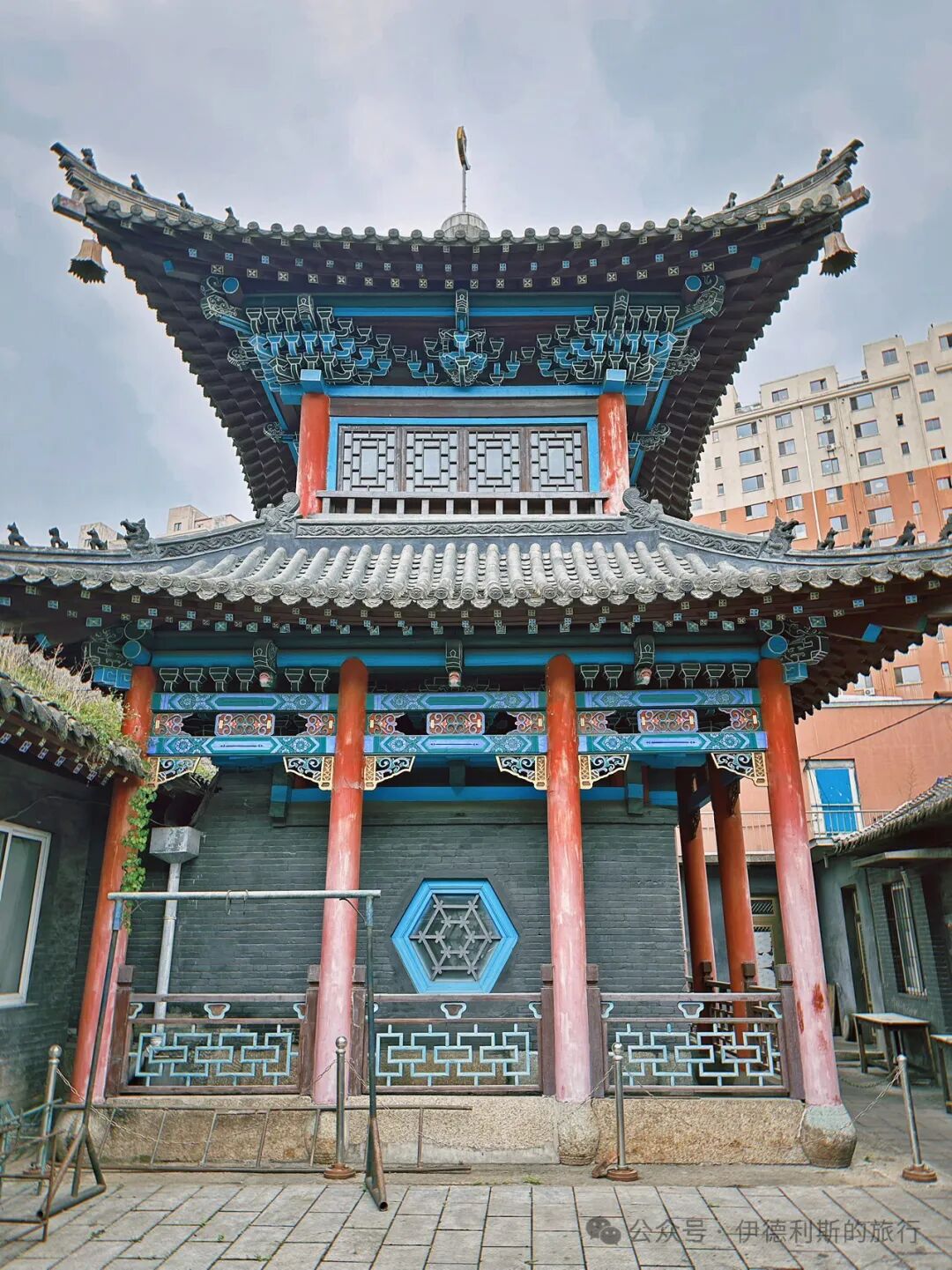
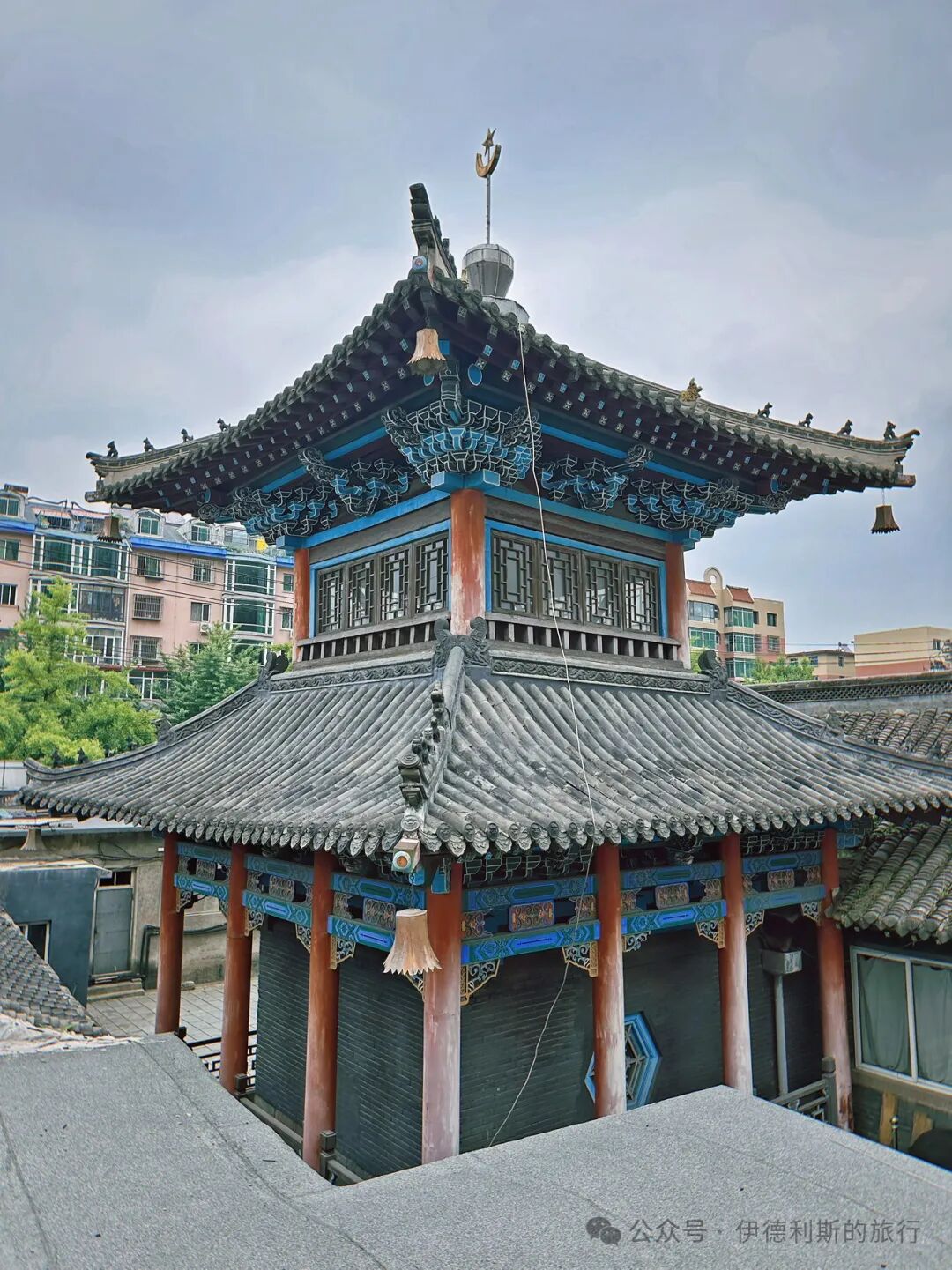
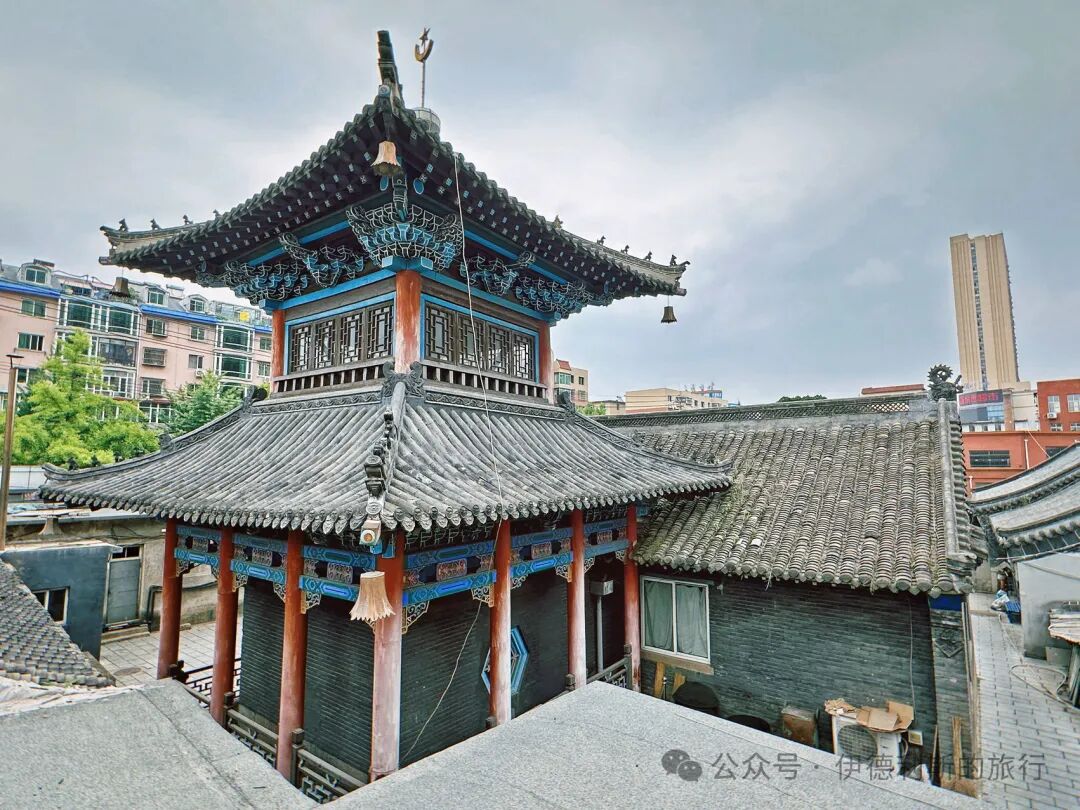
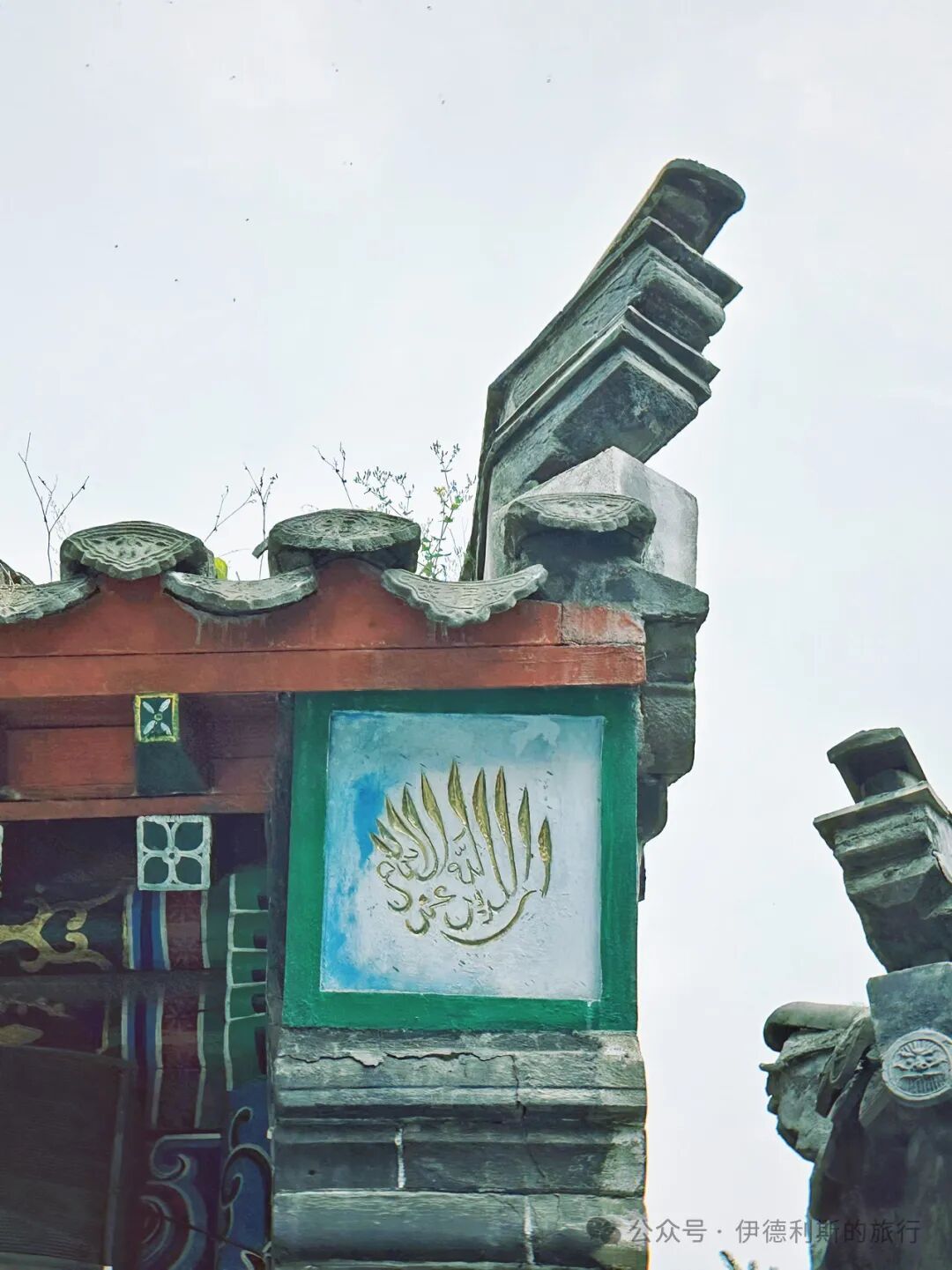
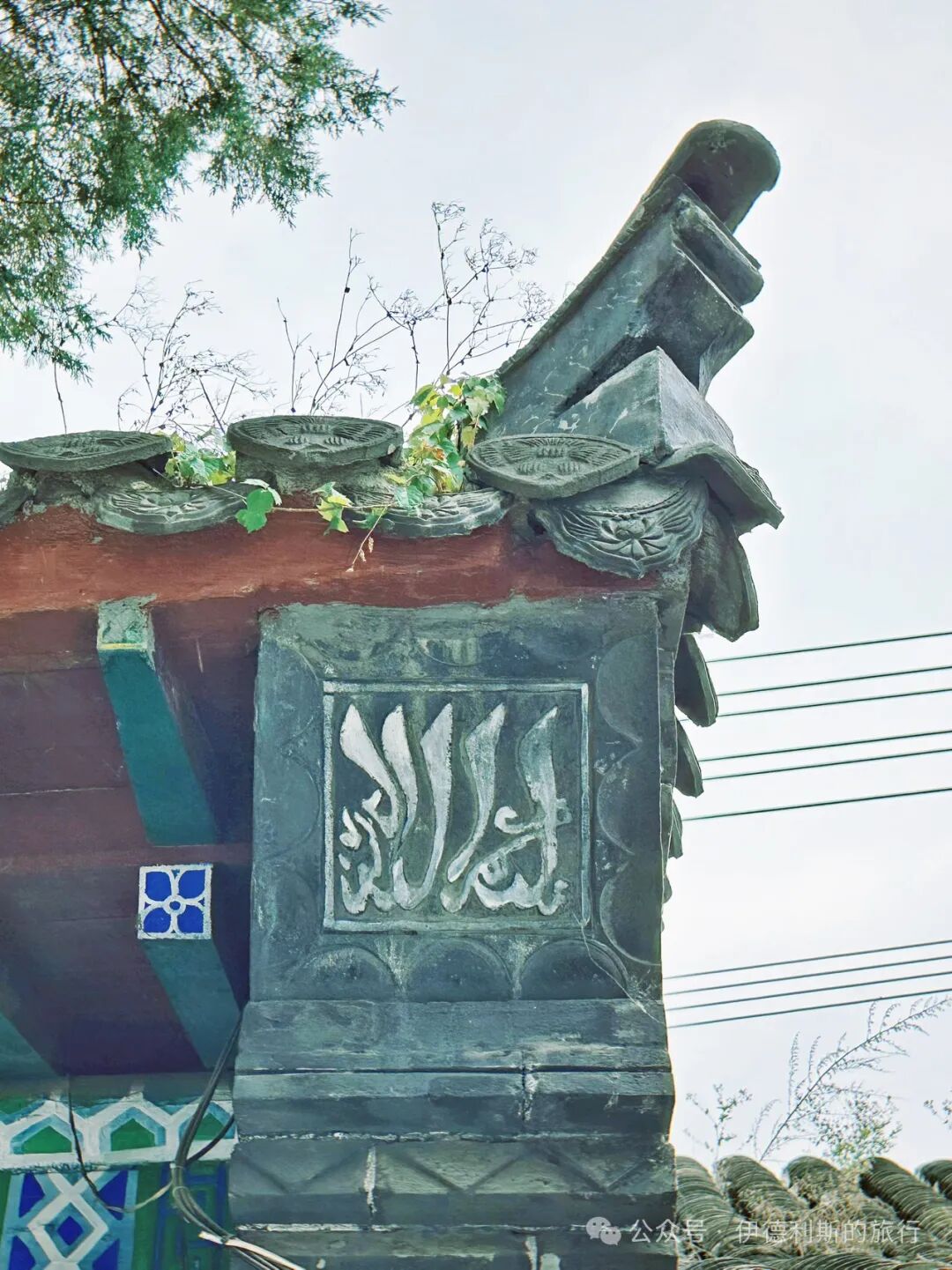
The mosque features 300-year-old cypress trees and a stone tablet from the Guangxu renovations. The wood carvings on the brackets and the brick calligraphy carvings on the wall corners are also very beautiful.
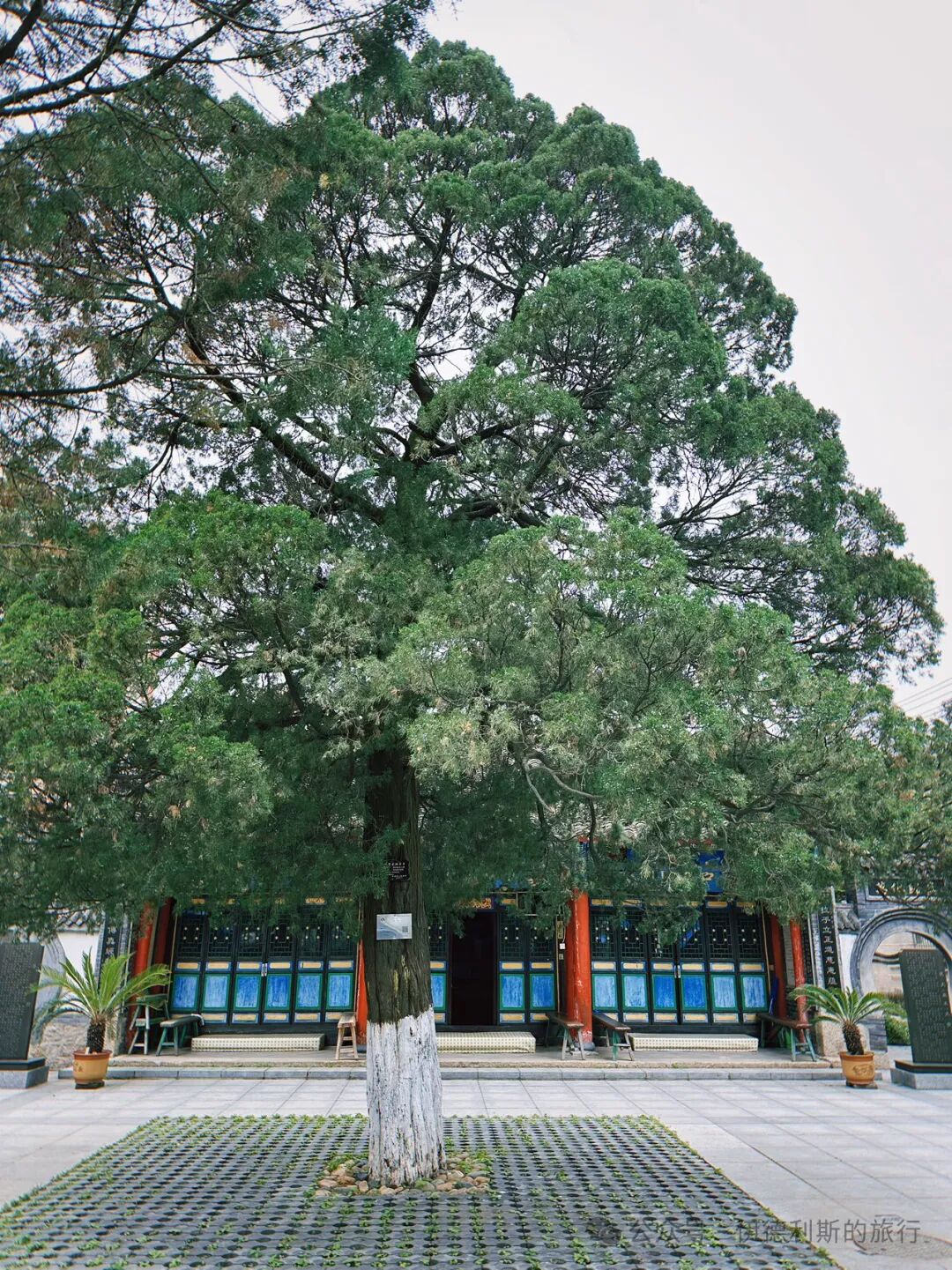
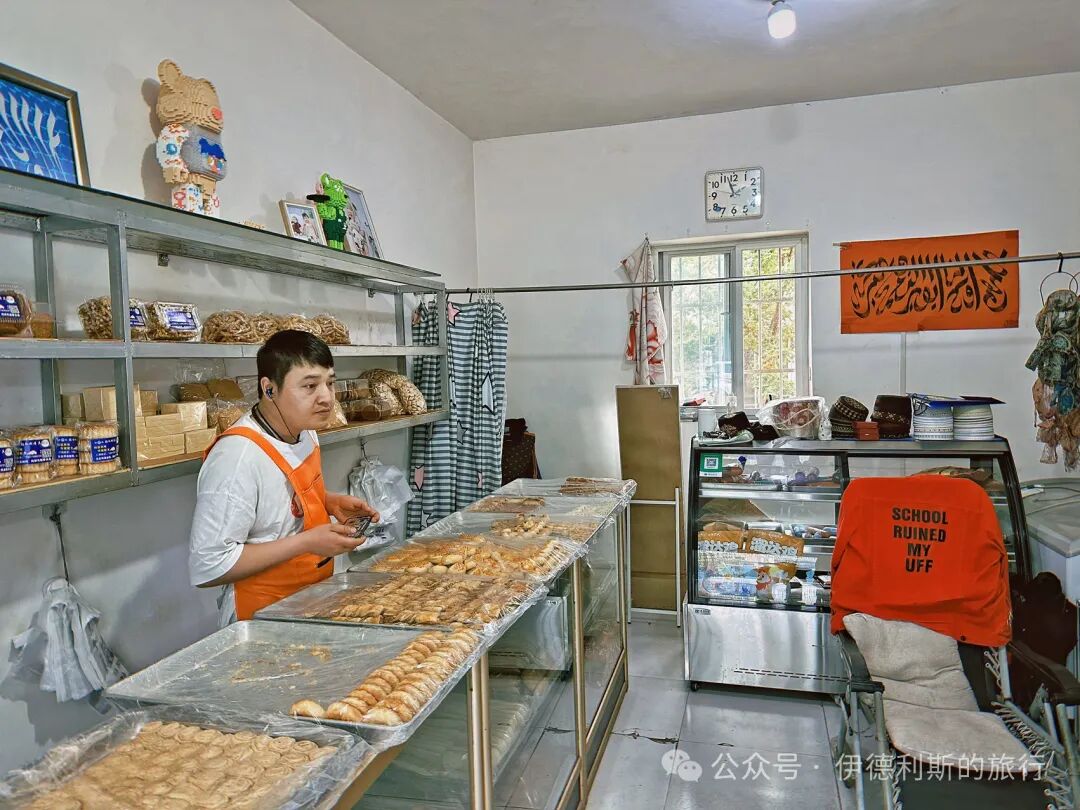
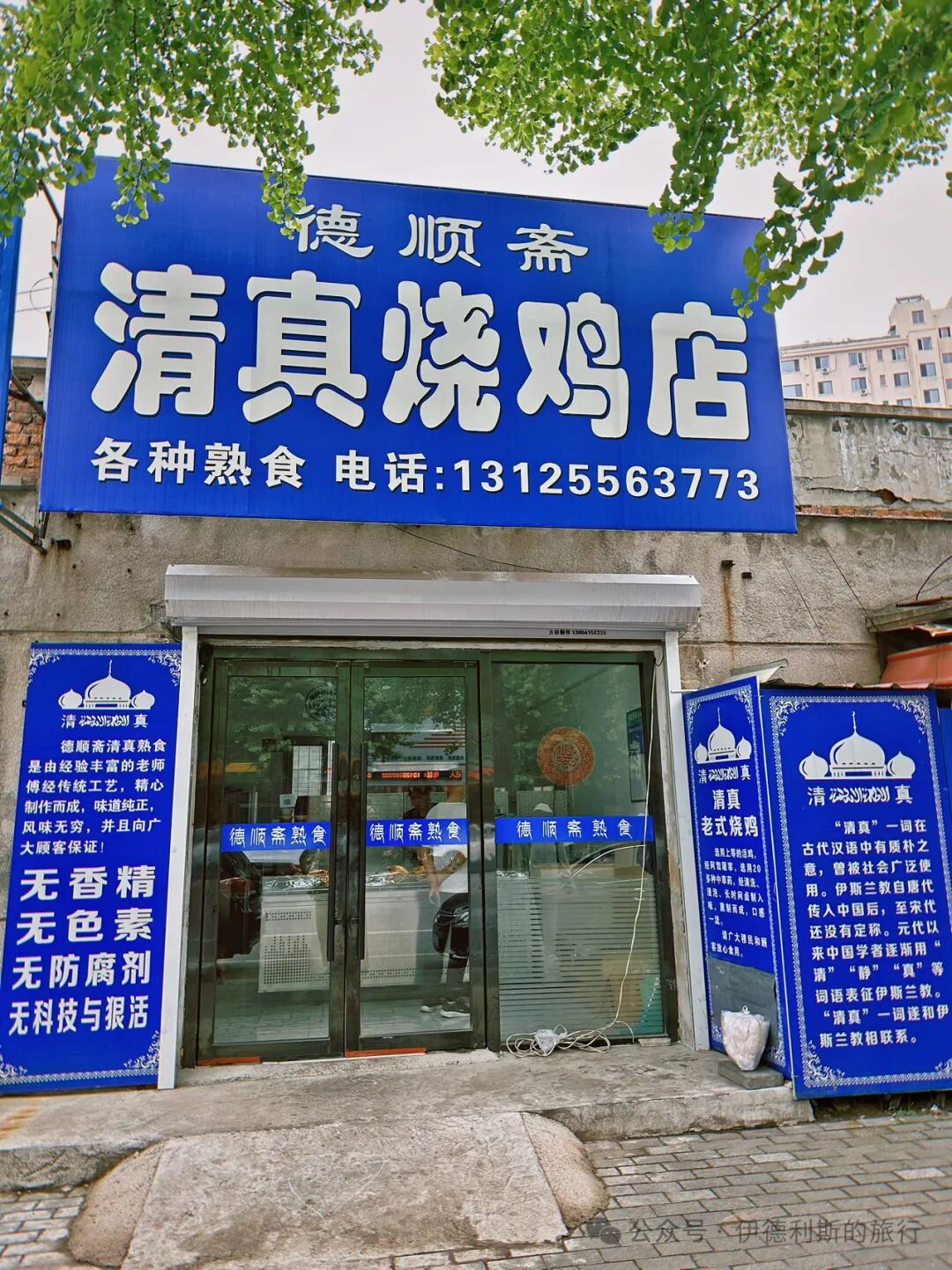
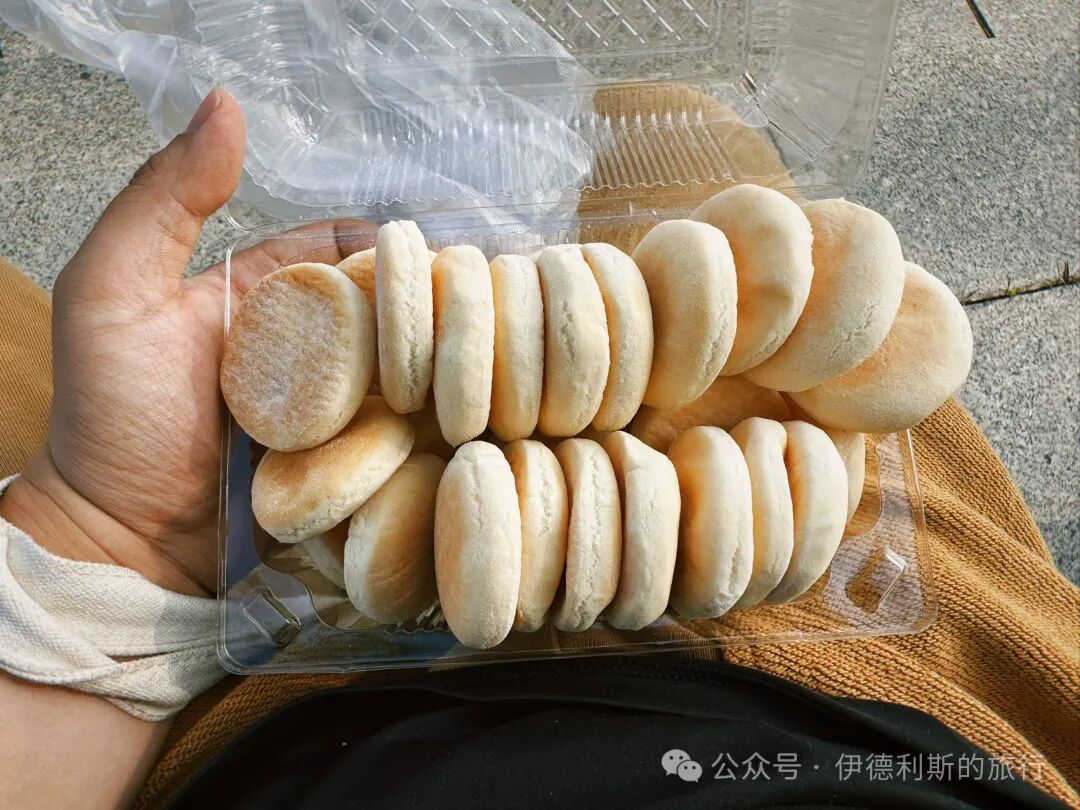
Outside the mosque, there are shops selling beef, pastries, roasted chicken, and instructions on how to boil sweet rice balls (yuanxiao). We bought some old-fashioned Northeast-style plain biscuits (guangtou bing). They get tastier the more you chew, with a subtle sweetness that lingers.
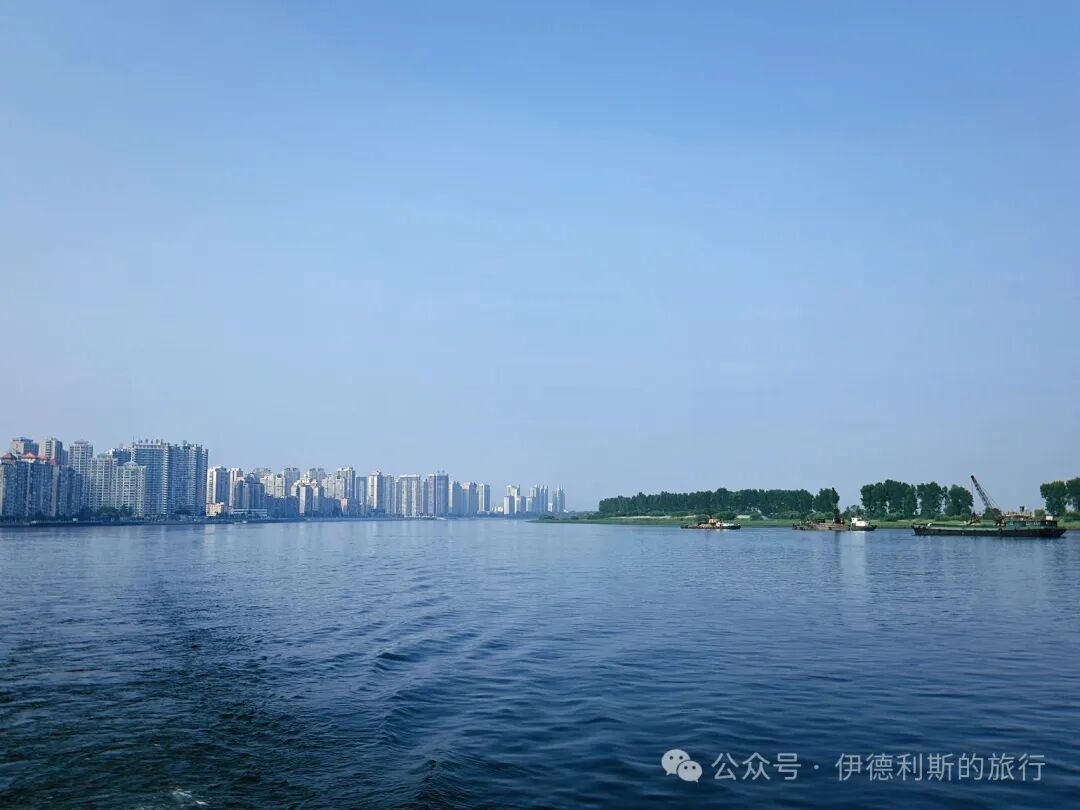
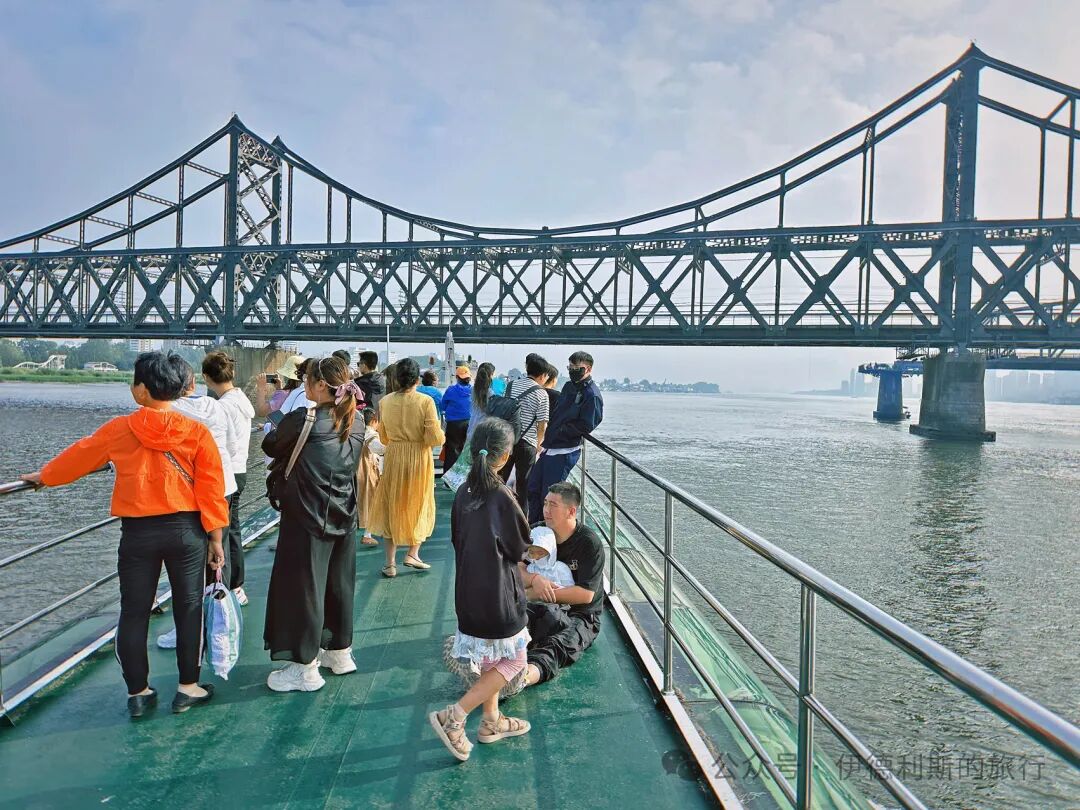
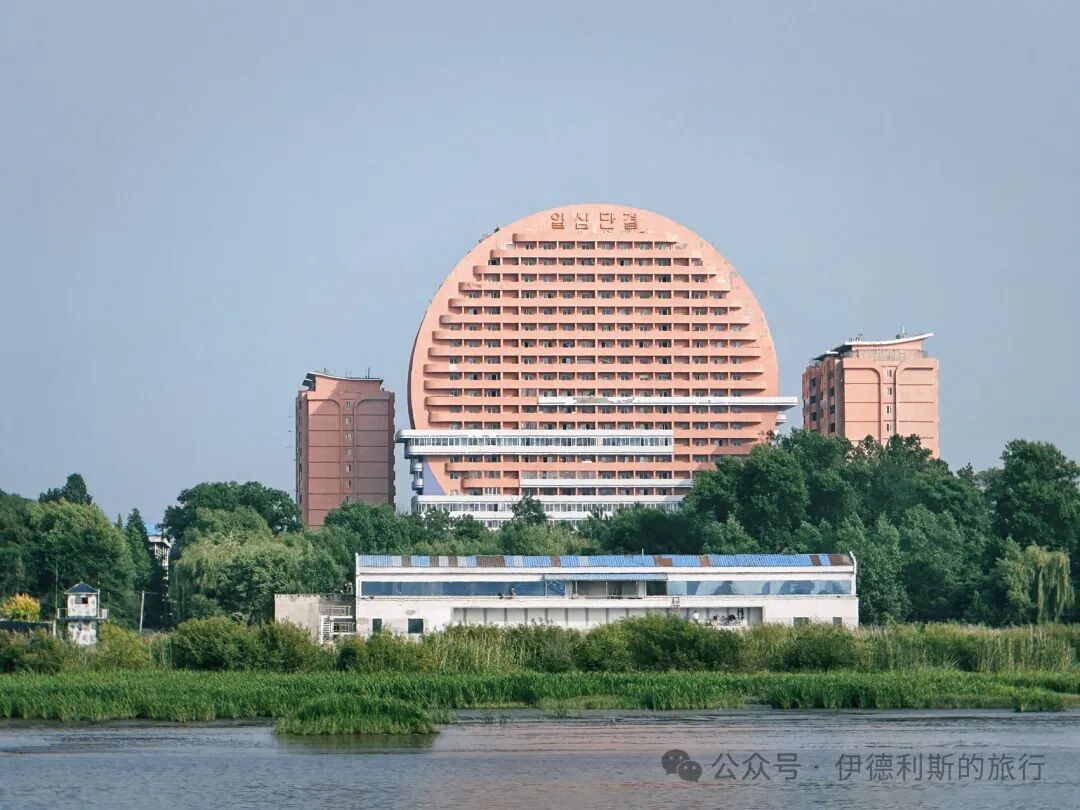
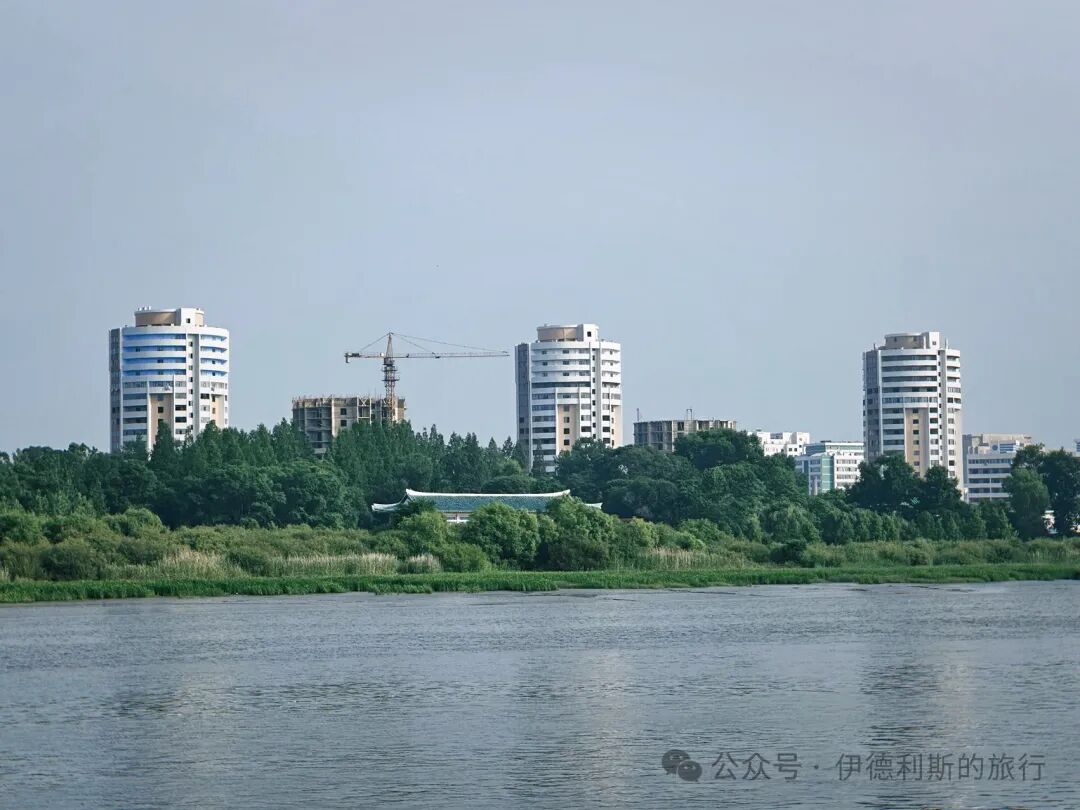
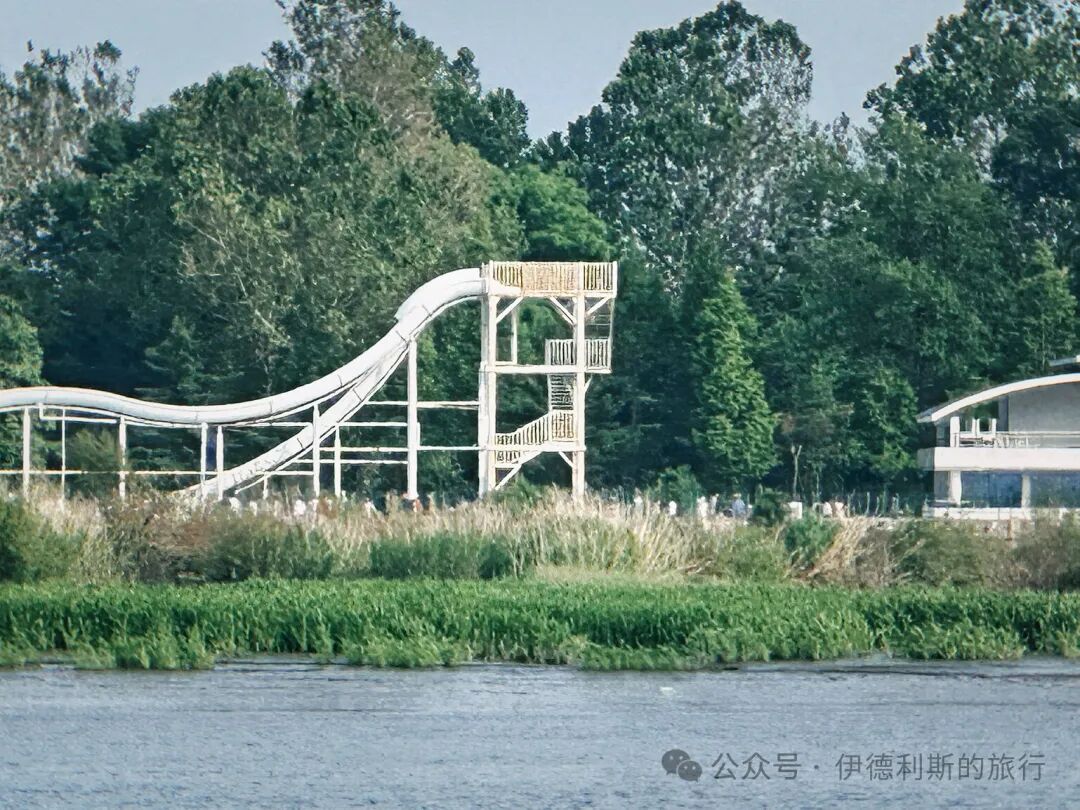
We left Fengcheng East Station at 3:39 PM and arrived at Dandong Station at 3:56 PM. We then walked to Pier 2 to take a Yalu River cruise. From the boat, you can see the shipyards, amusement park, old paper mill site, General's Building, schools, and various hidden and visible guard posts in Sinuiju, North Korea, on the other side. We were surprised to see a person swimming across the Yalu River all the way to the North Korean side, and he even waved at us.
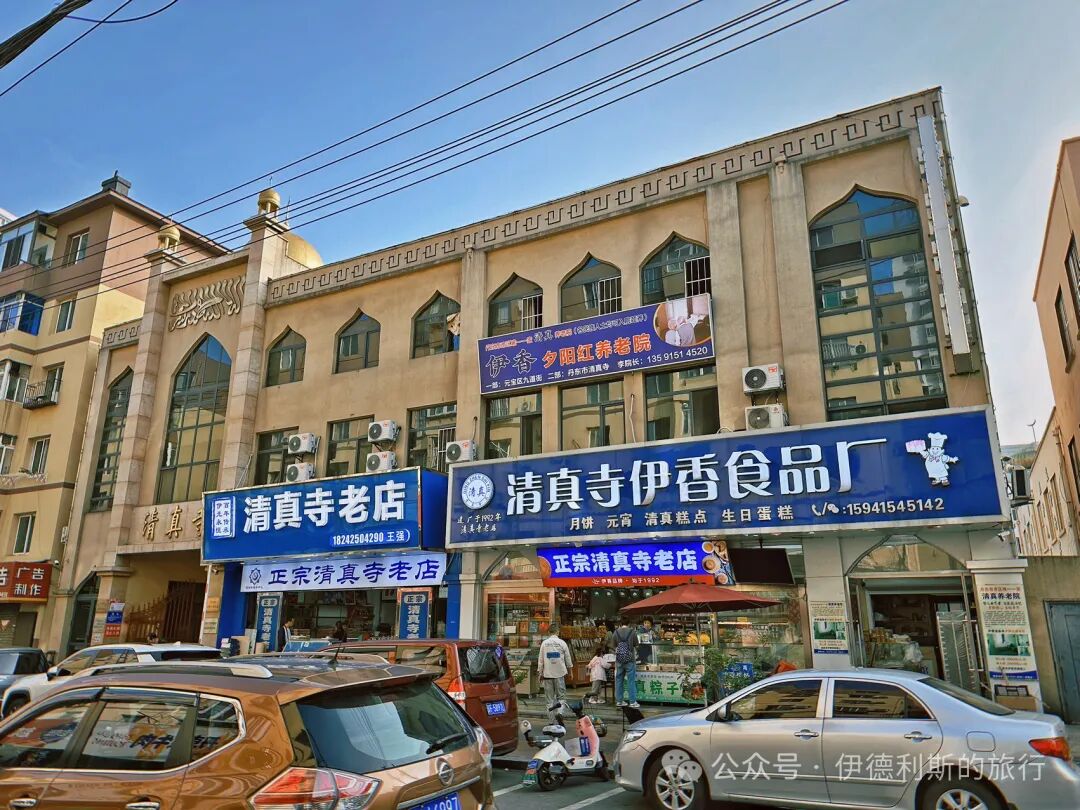
Dandong Mosque (Dandong Si) was first built in 1876, and the current building was rebuilt in 2004. The sign at the entrance of the mosque is very rare.
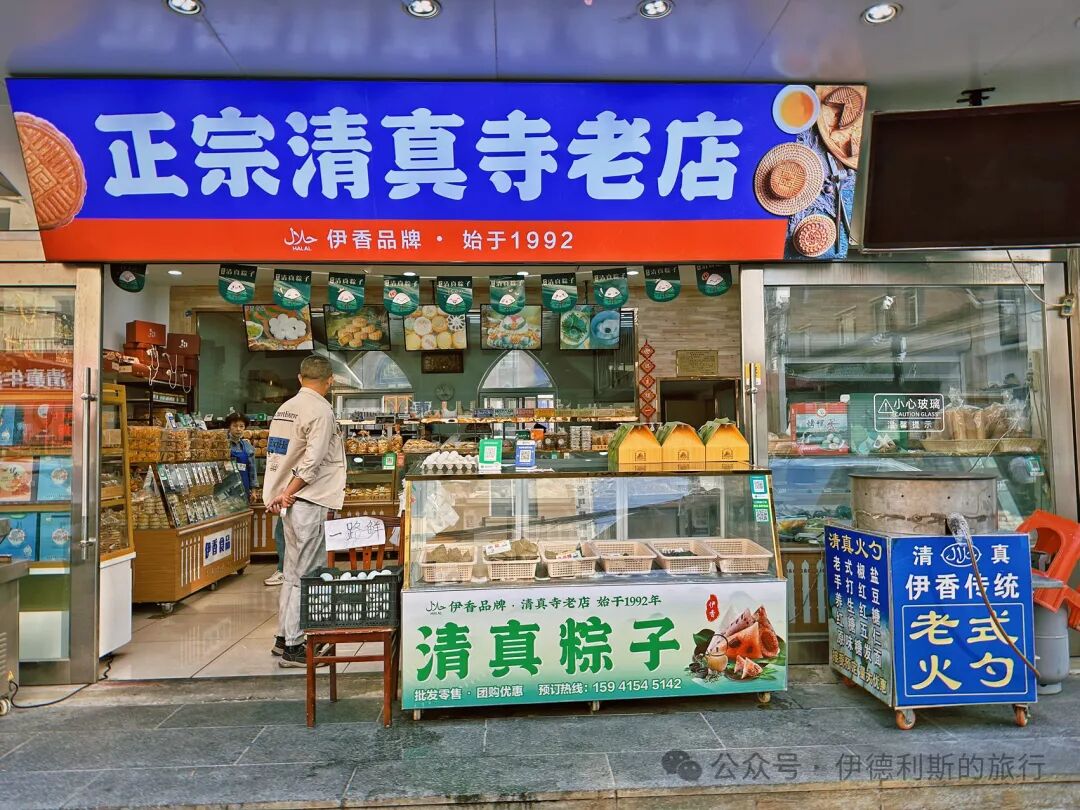
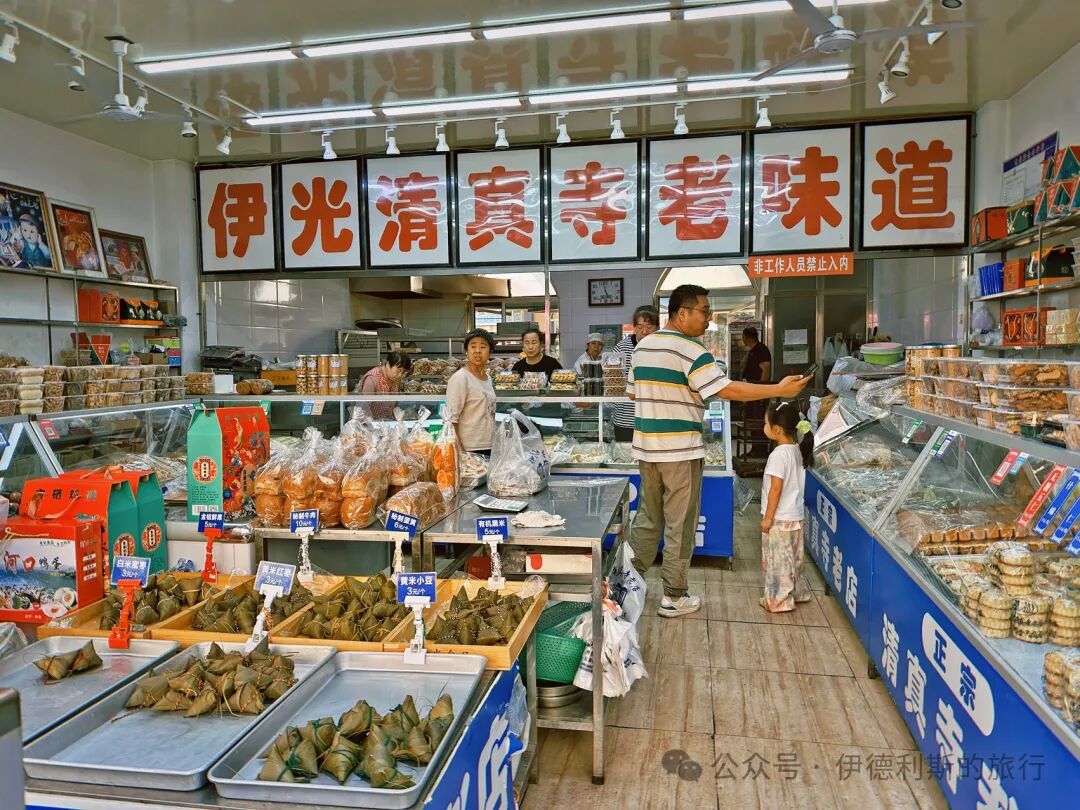
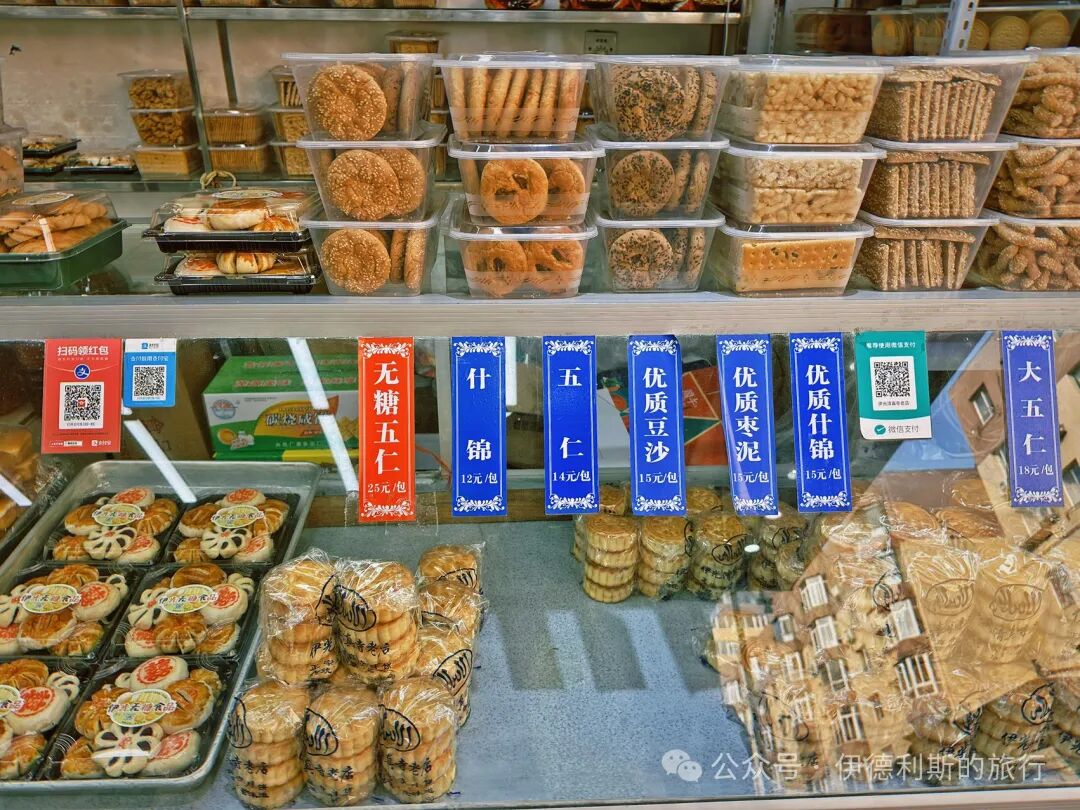
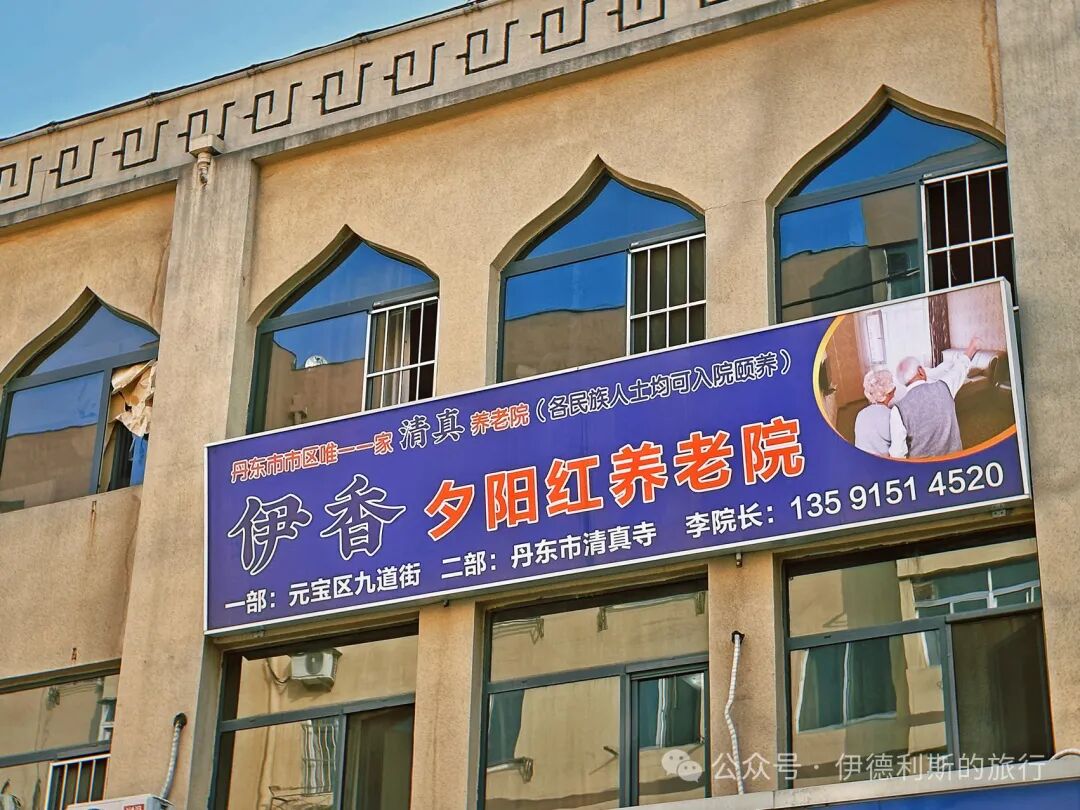
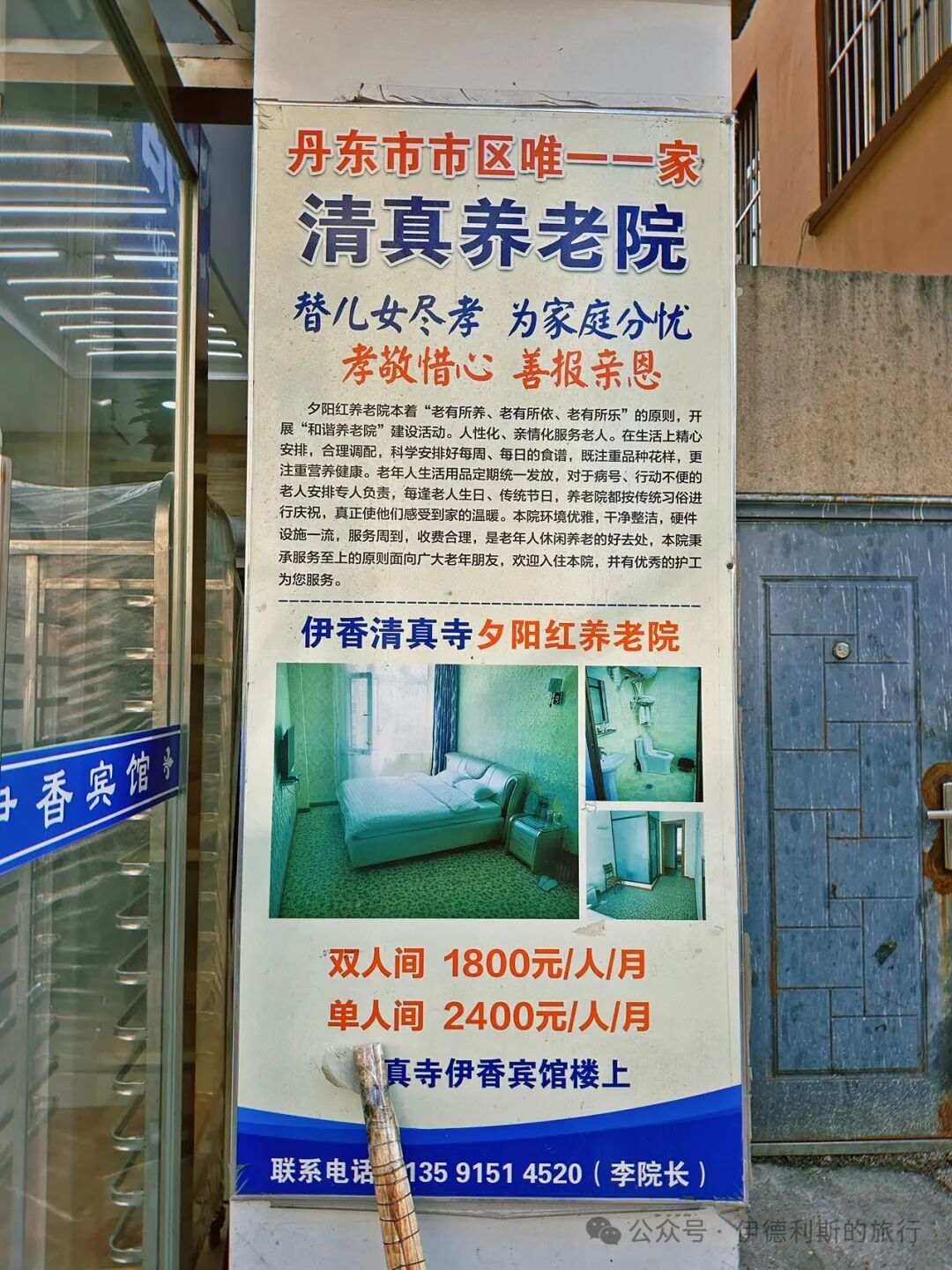
The storefronts of Dandong Mosque are very busy. On the first floor are two old shops, Yixiang and Yiguang, which sell various traditional pastries, mooncakes (yuebing), and sticky rice dumplings (zongzi). Upstairs is the Yixiang Nursing Home, which is open to elderly people of all ethnic groups.
In the afternoon, we had dinner at the long-established Jinlongge Restaurant in Dandong. They serve a wide variety of traditional stir-fried dishes and seafood. We ordered oyster soup (ligeng tang), braised mixed fish (jiangmen zabanyü), and Northeast-style cold noodles (dongbei da lengmian), and we also drank the local Yalu River soda. Northeast Chinese food comes in huge portions! We used our fists to compare the size of the plates, and one dish is more than enough for two people.
The food here tastes great overall; the large cold noodles (lengmian) are chewy, the fish is fragrant, and the meat quality is excellent. The oyster soup (ligeng tang) is very savory and does not have a fishy smell.
Summary: Halal Travel Guide: Fengcheng and Dandong - Mosque Visit and Liaoning Food is presented here as a firsthand travel account in clear, natural English. The account focuses on Fengcheng, Dandong, Liaoning Travel while preserving the names, places, food, photos, and historical details from the Chinese source.
On June 9 at noon, we headed east from Dalian toward Dandong. We arrived at Fengcheng East Station at 12:14 and took a taxi to the center of Fengcheng for lunch. We first went to a restaurant called Nanlaishun, but we found braised lamb blood on the menu, so we went to another place called Wenbin Snack Bar instead.
We ordered the local Dandong specialty stir-fried corn noodles (chao chazi), along with eight-treasure porridge with corn grits (dazhazi babaozhou) and a 6-yuan vegetable platter. The vegetable platter included stir-fried potato, eggplant, and pepper (di san xian), cucumber with scrambled eggs, and stir-fried dried tofu. I noticed other people just ordering one vegetable platter with rice, which is a great deal.
Stir-fried corn noodles (chao chazi) are made by fermenting corn and grinding it into a liquid, then taking the settled corn starch residue and pressing it into noodles before stir-frying. These noodles are a classic example of turning coarse grains into a refined dish. They have a smooth, delicate texture without any of the usual grittiness of corn flour, and they taste quite good.
Zainab really loved their eight-treasure porridge with corn grits (dazhazi babaozhou). She even said it was her favorite thing she ate during her entire trip to Liaoning. The eight-treasure porridge with corn grits (dazhazi babaozhou) contains almost no rice, just a wide variety of beans. They are very generous with the ingredients, making it a perfect choice for people who want a healthy meal.
After finishing our stir-fried noodles (chao chazi), we went to Fengcheng Mosque to pray. The imam at Fengcheng Mosque is also from Cangzhou.
Fengcheng Mosque was first built in 1775, during the 40th year of the Qianlong reign. It was renovated in 1862, the first year of the Tongzhi reign. In 1876, the second year of the Guangxu reign, the north lecture hall was rebuilt and side rooms were added. In 1890, the 16th year of the Guangxu reign, the Moon-Sighting Tower (Wangyue Lou) was built, giving the mosque its current size.
The most unique part of Fengcheng Mosque is the Moon-Sighting Tower, built during the Guangxu reign. It has a double-eaved, four-cornered, pointed roof with beautiful upturned eaves, brackets, and intricate openwork carvings.
The mosque features 300-year-old cypress trees and a stone tablet from the Guangxu renovations. The wood carvings on the brackets and the brick calligraphy carvings on the wall corners are also very beautiful.
Outside the mosque, there are shops selling beef, pastries, roasted chicken, and instructions on how to boil sweet rice balls (yuanxiao). We bought some old-fashioned Northeast-style plain biscuits (guangtou bing). They get tastier the more you chew, with a subtle sweetness that lingers.
We left Fengcheng East Station at 3:39 PM and arrived at Dandong Station at 3:56 PM. We then walked to Pier 2 to take a Yalu River cruise. From the boat, you can see the shipyards, amusement park, old paper mill site, General's Building, schools, and various hidden and visible guard posts in Sinuiju, North Korea, on the other side. We were surprised to see a person swimming across the Yalu River all the way to the North Korean side, and he even waved at us.
Dandong Mosque (Dandong Si) was first built in 1876, and the current building was rebuilt in 2004. The sign at the entrance of the mosque is very rare.
The storefronts of Dandong Mosque are very busy. On the first floor are two old shops, Yixiang and Yiguang, which sell various traditional pastries, mooncakes (yuebing), and sticky rice dumplings (zongzi). Upstairs is the Yixiang Nursing Home, which is open to elderly people of all ethnic groups.
In the afternoon, we had dinner at the long-established Jinlongge Restaurant in Dandong. They serve a wide variety of traditional stir-fried dishes and seafood. We ordered oyster soup (ligeng tang), braised mixed fish (jiangmen zabanyü), and Northeast-style cold noodles (dongbei da lengmian), and we also drank the local Yalu River soda. Northeast Chinese food comes in huge portions! We used our fists to compare the size of the plates, and one dish is more than enough for two people.
The food here tastes great overall; the large cold noodles (lengmian) are chewy, the fish is fragrant, and the meat quality is excellent. The oyster soup (ligeng tang) is very savory and does not have a fishy smell.
Halal Travel Guide: Fengcheng and Dandong - Mosque Visit and Liaoning Food
Articles • ali2007fr posted the article • 0 comments • 228 views • 2026-05-19 10:05
Reposted from the web
Summary: Halal Travel Guide: Fengcheng and Dandong - Mosque Visit and Liaoning Food is presented here as a firsthand travel account in clear, natural English. The account focuses on Fengcheng, Dandong, Liaoning Travel while preserving the names, places, food, photos, and historical details from the Chinese source.
On June 9 at noon, we headed east from Dalian toward Dandong. We arrived at Fengcheng East Station at 12:14 and took a taxi to the center of Fengcheng for lunch. We first went to a restaurant called Nanlaishun, but we found braised lamb blood on the menu, so we went to another place called Wenbin Snack Bar instead.
We ordered the local Dandong specialty stir-fried corn noodles (chao chazi), along with eight-treasure porridge with corn grits (dazhazi babaozhou) and a 6-yuan vegetable platter. The vegetable platter included stir-fried potato, eggplant, and pepper (di san xian), cucumber with scrambled eggs, and stir-fried dried tofu. I noticed other people just ordering one vegetable platter with rice, which is a great deal.
Stir-fried corn noodles (chao chazi) are made by fermenting corn and grinding it into a liquid, then taking the settled corn starch residue and pressing it into noodles before stir-frying. These noodles are a classic example of turning coarse grains into a refined dish. They have a smooth, delicate texture without any of the usual grittiness of corn flour, and they taste quite good.
Zainab really loved their eight-treasure porridge with corn grits (dazhazi babaozhou). She even said it was her favorite thing she ate during her entire trip to Liaoning. The eight-treasure porridge with corn grits (dazhazi babaozhou) contains almost no rice, just a wide variety of beans. They are very generous with the ingredients, making it a perfect choice for people who want a healthy meal.
After finishing our stir-fried noodles (chao chazi), we went to Fengcheng Mosque to pray. The imam at Fengcheng Mosque is also from Cangzhou.
Fengcheng Mosque was first built in 1775, during the 40th year of the Qianlong reign. It was renovated in 1862, the first year of the Tongzhi reign. In 1876, the second year of the Guangxu reign, the north lecture hall was rebuilt and side rooms were added. In 1890, the 16th year of the Guangxu reign, the Moon-Sighting Tower (Wangyue Lou) was built, giving the mosque its current size.
The most unique part of Fengcheng Mosque is the Moon-Sighting Tower, built during the Guangxu reign. It has a double-eaved, four-cornered, pointed roof with beautiful upturned eaves, brackets, and intricate openwork carvings.
The mosque features 300-year-old cypress trees and a stone tablet from the Guangxu renovations. The wood carvings on the brackets and the brick calligraphy carvings on the wall corners are also very beautiful.
Outside the mosque, there are shops selling beef, pastries, roasted chicken, and instructions on how to boil sweet rice balls (yuanxiao). We bought some old-fashioned Northeast-style plain biscuits (guangtou bing). They get tastier the more you chew, with a subtle sweetness that lingers.
We left Fengcheng East Station at 3:39 PM and arrived at Dandong Station at 3:56 PM. We then walked to Pier 2 to take a Yalu River cruise. From the boat, you can see the shipyards, amusement park, old paper mill site, General's Building, schools, and various hidden and visible guard posts in Sinuiju, North Korea, on the other side. We were surprised to see a person swimming across the Yalu River all the way to the North Korean side, and he even waved at us.
Dandong Mosque (Dandong Si) was first built in 1876, and the current building was rebuilt in 2004. The sign at the entrance of the mosque is very rare.
The storefronts of Dandong Mosque are very busy. On the first floor are two old shops, Yixiang and Yiguang, which sell various traditional pastries, mooncakes (yuebing), and sticky rice dumplings (zongzi). Upstairs is the Yixiang Nursing Home, which is open to elderly people of all ethnic groups.
In the afternoon, we had dinner at the long-established Jinlongge Restaurant in Dandong. They serve a wide variety of traditional stir-fried dishes and seafood. We ordered oyster soup (ligeng tang), braised mixed fish (jiangmen zabanyü), and Northeast-style cold noodles (dongbei da lengmian), and we also drank the local Yalu River soda. Northeast Chinese food comes in huge portions! We used our fists to compare the size of the plates, and one dish is more than enough for two people.
The food here tastes great overall; the large cold noodles (lengmian) are chewy, the fish is fragrant, and the meat quality is excellent. The oyster soup (ligeng tang) is very savory and does not have a fishy smell. view all
Summary: Halal Travel Guide: Fengcheng and Dandong - Mosque Visit and Liaoning Food is presented here as a firsthand travel account in clear, natural English. The account focuses on Fengcheng, Dandong, Liaoning Travel while preserving the names, places, food, photos, and historical details from the Chinese source.
On June 9 at noon, we headed east from Dalian toward Dandong. We arrived at Fengcheng East Station at 12:14 and took a taxi to the center of Fengcheng for lunch. We first went to a restaurant called Nanlaishun, but we found braised lamb blood on the menu, so we went to another place called Wenbin Snack Bar instead.
We ordered the local Dandong specialty stir-fried corn noodles (chao chazi), along with eight-treasure porridge with corn grits (dazhazi babaozhou) and a 6-yuan vegetable platter. The vegetable platter included stir-fried potato, eggplant, and pepper (di san xian), cucumber with scrambled eggs, and stir-fried dried tofu. I noticed other people just ordering one vegetable platter with rice, which is a great deal.
Stir-fried corn noodles (chao chazi) are made by fermenting corn and grinding it into a liquid, then taking the settled corn starch residue and pressing it into noodles before stir-frying. These noodles are a classic example of turning coarse grains into a refined dish. They have a smooth, delicate texture without any of the usual grittiness of corn flour, and they taste quite good.
Zainab really loved their eight-treasure porridge with corn grits (dazhazi babaozhou). She even said it was her favorite thing she ate during her entire trip to Liaoning. The eight-treasure porridge with corn grits (dazhazi babaozhou) contains almost no rice, just a wide variety of beans. They are very generous with the ingredients, making it a perfect choice for people who want a healthy meal.
After finishing our stir-fried noodles (chao chazi), we went to Fengcheng Mosque to pray. The imam at Fengcheng Mosque is also from Cangzhou.
Fengcheng Mosque was first built in 1775, during the 40th year of the Qianlong reign. It was renovated in 1862, the first year of the Tongzhi reign. In 1876, the second year of the Guangxu reign, the north lecture hall was rebuilt and side rooms were added. In 1890, the 16th year of the Guangxu reign, the Moon-Sighting Tower (Wangyue Lou) was built, giving the mosque its current size.
The most unique part of Fengcheng Mosque is the Moon-Sighting Tower, built during the Guangxu reign. It has a double-eaved, four-cornered, pointed roof with beautiful upturned eaves, brackets, and intricate openwork carvings.
The mosque features 300-year-old cypress trees and a stone tablet from the Guangxu renovations. The wood carvings on the brackets and the brick calligraphy carvings on the wall corners are also very beautiful.
Outside the mosque, there are shops selling beef, pastries, roasted chicken, and instructions on how to boil sweet rice balls (yuanxiao). We bought some old-fashioned Northeast-style plain biscuits (guangtou bing). They get tastier the more you chew, with a subtle sweetness that lingers.
We left Fengcheng East Station at 3:39 PM and arrived at Dandong Station at 3:56 PM. We then walked to Pier 2 to take a Yalu River cruise. From the boat, you can see the shipyards, amusement park, old paper mill site, General's Building, schools, and various hidden and visible guard posts in Sinuiju, North Korea, on the other side. We were surprised to see a person swimming across the Yalu River all the way to the North Korean side, and he even waved at us.
Dandong Mosque (Dandong Si) was first built in 1876, and the current building was rebuilt in 2004. The sign at the entrance of the mosque is very rare.
The storefronts of Dandong Mosque are very busy. On the first floor are two old shops, Yixiang and Yiguang, which sell various traditional pastries, mooncakes (yuebing), and sticky rice dumplings (zongzi). Upstairs is the Yixiang Nursing Home, which is open to elderly people of all ethnic groups.
In the afternoon, we had dinner at the long-established Jinlongge Restaurant in Dandong. They serve a wide variety of traditional stir-fried dishes and seafood. We ordered oyster soup (ligeng tang), braised mixed fish (jiangmen zabanyü), and Northeast-style cold noodles (dongbei da lengmian), and we also drank the local Yalu River soda. Northeast Chinese food comes in huge portions! We used our fists to compare the size of the plates, and one dish is more than enough for two people.
The food here tastes great overall; the large cold noodles (lengmian) are chewy, the fish is fragrant, and the meat quality is excellent. The oyster soup (ligeng tang) is very savory and does not have a fishy smell. view all
Reposted from the web
Summary: Halal Travel Guide: Fengcheng and Dandong - Mosque Visit and Liaoning Food is presented here as a firsthand travel account in clear, natural English. The account focuses on Fengcheng, Dandong, Liaoning Travel while preserving the names, places, food, photos, and historical details from the Chinese source.
On June 9 at noon, we headed east from Dalian toward Dandong. We arrived at Fengcheng East Station at 12:14 and took a taxi to the center of Fengcheng for lunch. We first went to a restaurant called Nanlaishun, but we found braised lamb blood on the menu, so we went to another place called Wenbin Snack Bar instead.
We ordered the local Dandong specialty stir-fried corn noodles (chao chazi), along with eight-treasure porridge with corn grits (dazhazi babaozhou) and a 6-yuan vegetable platter. The vegetable platter included stir-fried potato, eggplant, and pepper (di san xian), cucumber with scrambled eggs, and stir-fried dried tofu. I noticed other people just ordering one vegetable platter with rice, which is a great deal.
Stir-fried corn noodles (chao chazi) are made by fermenting corn and grinding it into a liquid, then taking the settled corn starch residue and pressing it into noodles before stir-frying. These noodles are a classic example of turning coarse grains into a refined dish. They have a smooth, delicate texture without any of the usual grittiness of corn flour, and they taste quite good.
Zainab really loved their eight-treasure porridge with corn grits (dazhazi babaozhou). She even said it was her favorite thing she ate during her entire trip to Liaoning. The eight-treasure porridge with corn grits (dazhazi babaozhou) contains almost no rice, just a wide variety of beans. They are very generous with the ingredients, making it a perfect choice for people who want a healthy meal.
After finishing our stir-fried noodles (chao chazi), we went to Fengcheng Mosque to pray. The imam at Fengcheng Mosque is also from Cangzhou.
Fengcheng Mosque was first built in 1775, during the 40th year of the Qianlong reign. It was renovated in 1862, the first year of the Tongzhi reign. In 1876, the second year of the Guangxu reign, the north lecture hall was rebuilt and side rooms were added. In 1890, the 16th year of the Guangxu reign, the Moon-Sighting Tower (Wangyue Lou) was built, giving the mosque its current size.
The most unique part of Fengcheng Mosque is the Moon-Sighting Tower, built during the Guangxu reign. It has a double-eaved, four-cornered, pointed roof with beautiful upturned eaves, brackets, and intricate openwork carvings.
The mosque features 300-year-old cypress trees and a stone tablet from the Guangxu renovations. The wood carvings on the brackets and the brick calligraphy carvings on the wall corners are also very beautiful.
Outside the mosque, there are shops selling beef, pastries, roasted chicken, and instructions on how to boil sweet rice balls (yuanxiao). We bought some old-fashioned Northeast-style plain biscuits (guangtou bing). They get tastier the more you chew, with a subtle sweetness that lingers.
We left Fengcheng East Station at 3:39 PM and arrived at Dandong Station at 3:56 PM. We then walked to Pier 2 to take a Yalu River cruise. From the boat, you can see the shipyards, amusement park, old paper mill site, General's Building, schools, and various hidden and visible guard posts in Sinuiju, North Korea, on the other side. We were surprised to see a person swimming across the Yalu River all the way to the North Korean side, and he even waved at us.
Dandong Mosque (Dandong Si) was first built in 1876, and the current building was rebuilt in 2004. The sign at the entrance of the mosque is very rare.
The storefronts of Dandong Mosque are very busy. On the first floor are two old shops, Yixiang and Yiguang, which sell various traditional pastries, mooncakes (yuebing), and sticky rice dumplings (zongzi). Upstairs is the Yixiang Nursing Home, which is open to elderly people of all ethnic groups.
In the afternoon, we had dinner at the long-established Jinlongge Restaurant in Dandong. They serve a wide variety of traditional stir-fried dishes and seafood. We ordered oyster soup (ligeng tang), braised mixed fish (jiangmen zabanyü), and Northeast-style cold noodles (dongbei da lengmian), and we also drank the local Yalu River soda. Northeast Chinese food comes in huge portions! We used our fists to compare the size of the plates, and one dish is more than enough for two people.
The food here tastes great overall; the large cold noodles (lengmian) are chewy, the fish is fragrant, and the meat quality is excellent. The oyster soup (ligeng tang) is very savory and does not have a fishy smell.
Summary: Halal Travel Guide: Fengcheng and Dandong - Mosque Visit and Liaoning Food is presented here as a firsthand travel account in clear, natural English. The account focuses on Fengcheng, Dandong, Liaoning Travel while preserving the names, places, food, photos, and historical details from the Chinese source.
On June 9 at noon, we headed east from Dalian toward Dandong. We arrived at Fengcheng East Station at 12:14 and took a taxi to the center of Fengcheng for lunch. We first went to a restaurant called Nanlaishun, but we found braised lamb blood on the menu, so we went to another place called Wenbin Snack Bar instead.
We ordered the local Dandong specialty stir-fried corn noodles (chao chazi), along with eight-treasure porridge with corn grits (dazhazi babaozhou) and a 6-yuan vegetable platter. The vegetable platter included stir-fried potato, eggplant, and pepper (di san xian), cucumber with scrambled eggs, and stir-fried dried tofu. I noticed other people just ordering one vegetable platter with rice, which is a great deal.
Stir-fried corn noodles (chao chazi) are made by fermenting corn and grinding it into a liquid, then taking the settled corn starch residue and pressing it into noodles before stir-frying. These noodles are a classic example of turning coarse grains into a refined dish. They have a smooth, delicate texture without any of the usual grittiness of corn flour, and they taste quite good.
Zainab really loved their eight-treasure porridge with corn grits (dazhazi babaozhou). She even said it was her favorite thing she ate during her entire trip to Liaoning. The eight-treasure porridge with corn grits (dazhazi babaozhou) contains almost no rice, just a wide variety of beans. They are very generous with the ingredients, making it a perfect choice for people who want a healthy meal.
After finishing our stir-fried noodles (chao chazi), we went to Fengcheng Mosque to pray. The imam at Fengcheng Mosque is also from Cangzhou.
Fengcheng Mosque was first built in 1775, during the 40th year of the Qianlong reign. It was renovated in 1862, the first year of the Tongzhi reign. In 1876, the second year of the Guangxu reign, the north lecture hall was rebuilt and side rooms were added. In 1890, the 16th year of the Guangxu reign, the Moon-Sighting Tower (Wangyue Lou) was built, giving the mosque its current size.
The most unique part of Fengcheng Mosque is the Moon-Sighting Tower, built during the Guangxu reign. It has a double-eaved, four-cornered, pointed roof with beautiful upturned eaves, brackets, and intricate openwork carvings.
The mosque features 300-year-old cypress trees and a stone tablet from the Guangxu renovations. The wood carvings on the brackets and the brick calligraphy carvings on the wall corners are also very beautiful.
Outside the mosque, there are shops selling beef, pastries, roasted chicken, and instructions on how to boil sweet rice balls (yuanxiao). We bought some old-fashioned Northeast-style plain biscuits (guangtou bing). They get tastier the more you chew, with a subtle sweetness that lingers.
We left Fengcheng East Station at 3:39 PM and arrived at Dandong Station at 3:56 PM. We then walked to Pier 2 to take a Yalu River cruise. From the boat, you can see the shipyards, amusement park, old paper mill site, General's Building, schools, and various hidden and visible guard posts in Sinuiju, North Korea, on the other side. We were surprised to see a person swimming across the Yalu River all the way to the North Korean side, and he even waved at us.
Dandong Mosque (Dandong Si) was first built in 1876, and the current building was rebuilt in 2004. The sign at the entrance of the mosque is very rare.
The storefronts of Dandong Mosque are very busy. On the first floor are two old shops, Yixiang and Yiguang, which sell various traditional pastries, mooncakes (yuebing), and sticky rice dumplings (zongzi). Upstairs is the Yixiang Nursing Home, which is open to elderly people of all ethnic groups.
In the afternoon, we had dinner at the long-established Jinlongge Restaurant in Dandong. They serve a wide variety of traditional stir-fried dishes and seafood. We ordered oyster soup (ligeng tang), braised mixed fish (jiangmen zabanyü), and Northeast-style cold noodles (dongbei da lengmian), and we also drank the local Yalu River soda. Northeast Chinese food comes in huge portions! We used our fists to compare the size of the plates, and one dish is more than enough for two people.
The food here tastes great overall; the large cold noodles (lengmian) are chewy, the fish is fragrant, and the meat quality is excellent. The oyster soup (ligeng tang) is very savory and does not have a fishy smell.