

Food Festival
Halal Food Guide: Beijing - Chaoyang Park International Food Carnival
Articles • ali2007fr posted the article • 0 comments • 225 views • 2026-05-20 09:38
Reposted from the web
Summary: This weekend food walk at Chaoyang Park International Food Carnival covers global food stalls and halal-friendly dishes in Beijing. The account keeps the original food names, stall details, and tasting notes while focusing on what was actually eaten at the festival.
The International Food Carnival was held at the Fireworks Plaza near the South Gate of Chaoyang Park this weekend. The halal lineup was similar to last week's food festival at Scitech, featuring Azerbaijan's Siting Se, Egypt's Cleopatra, and Bangladesh's Benjibi and Samarkand. The difference was the addition of the Pakistan China-Pakistan Friendship Restaurant.
It was extremely crowded when we went on Saturday at noon. We had to line up at almost every stall, and not every dish was available. Chaoyang Park is a popular spot for people in Chaoyang District to take their kids, so many families were there eating with their children. Our main goal was also to take the kids out, with eating as a secondary activity.
We first bought potato and chicken fried curry puffs (samosa) at the Pakistan China-Pakistan Friendship Restaurant. Samosas are made from the Arab world, Persia, South Asia, and Central Asia all the way to the Hui Muslims. Whether baked or fried, vegetarian or meat, they are all signs of cultural exchange.
Then we bought butter chicken curry with saffron rice at the Bangladesh Benjibi restaurant, along with mint lemonade and mango yogurt drink (lassi). I personally feel that butter chicken is the South Asian curry most acceptable to Chinese people. It is not spicy and has a milky aroma, and even my mom likes it. The mango lassi was also a big hit with the kids, reminding me of the time I drank lassi on the streets of India.
After that, we bought hibiscus tea (pharaoh tea) and lemon-flavored Barbican at Cleopatra. Hibiscus tea is a classic drink for breaking the fast in Egypt; you can check my introduction from last week. Barbican originated in the UK, was introduced to the Middle East by the Saudi company Aujan in 1982, and began independent production in Dubai in 2005. It is now the most famous malt beverage in the Middle East. I first drank Barbican at an imported goods supermarket near my university. Back then, I didn't have much money, so I could only drink it occasionally in the summer, and it felt especially refreshing. Ten years have passed in a flash, and now that I earn my own money, I can finally drink Barbican whenever I want.
We bought grilled meat with flatbread (nang) and a beef burger at Samarkand. Their place is a mix of foods made by Hui Muslims, but the taste is quite good. The beef burger had catnip (jingjie) in it, which was interesting, and the beef patty tasted good too. Everyone liked it, though I am not sure if they serve it at their restaurant. view all
Summary: This weekend food walk at Chaoyang Park International Food Carnival covers global food stalls and halal-friendly dishes in Beijing. The account keeps the original food names, stall details, and tasting notes while focusing on what was actually eaten at the festival.
The International Food Carnival was held at the Fireworks Plaza near the South Gate of Chaoyang Park this weekend. The halal lineup was similar to last week's food festival at Scitech, featuring Azerbaijan's Siting Se, Egypt's Cleopatra, and Bangladesh's Benjibi and Samarkand. The difference was the addition of the Pakistan China-Pakistan Friendship Restaurant.
It was extremely crowded when we went on Saturday at noon. We had to line up at almost every stall, and not every dish was available. Chaoyang Park is a popular spot for people in Chaoyang District to take their kids, so many families were there eating with their children. Our main goal was also to take the kids out, with eating as a secondary activity.
We first bought potato and chicken fried curry puffs (samosa) at the Pakistan China-Pakistan Friendship Restaurant. Samosas are made from the Arab world, Persia, South Asia, and Central Asia all the way to the Hui Muslims. Whether baked or fried, vegetarian or meat, they are all signs of cultural exchange.
Then we bought butter chicken curry with saffron rice at the Bangladesh Benjibi restaurant, along with mint lemonade and mango yogurt drink (lassi). I personally feel that butter chicken is the South Asian curry most acceptable to Chinese people. It is not spicy and has a milky aroma, and even my mom likes it. The mango lassi was also a big hit with the kids, reminding me of the time I drank lassi on the streets of India.
After that, we bought hibiscus tea (pharaoh tea) and lemon-flavored Barbican at Cleopatra. Hibiscus tea is a classic drink for breaking the fast in Egypt; you can check my introduction from last week. Barbican originated in the UK, was introduced to the Middle East by the Saudi company Aujan in 1982, and began independent production in Dubai in 2005. It is now the most famous malt beverage in the Middle East. I first drank Barbican at an imported goods supermarket near my university. Back then, I didn't have much money, so I could only drink it occasionally in the summer, and it felt especially refreshing. Ten years have passed in a flash, and now that I earn my own money, I can finally drink Barbican whenever I want.
We bought grilled meat with flatbread (nang) and a beef burger at Samarkand. Their place is a mix of foods made by Hui Muslims, but the taste is quite good. The beef burger had catnip (jingjie) in it, which was interesting, and the beef patty tasted good too. Everyone liked it, though I am not sure if they serve it at their restaurant. view all
Reposted from the web
Summary: This weekend food walk at Chaoyang Park International Food Carnival covers global food stalls and halal-friendly dishes in Beijing. The account keeps the original food names, stall details, and tasting notes while focusing on what was actually eaten at the festival.
The International Food Carnival was held at the Fireworks Plaza near the South Gate of Chaoyang Park this weekend. The halal lineup was similar to last week's food festival at Scitech, featuring Azerbaijan's Siting Se, Egypt's Cleopatra, and Bangladesh's Benjibi and Samarkand. The difference was the addition of the Pakistan China-Pakistan Friendship Restaurant.
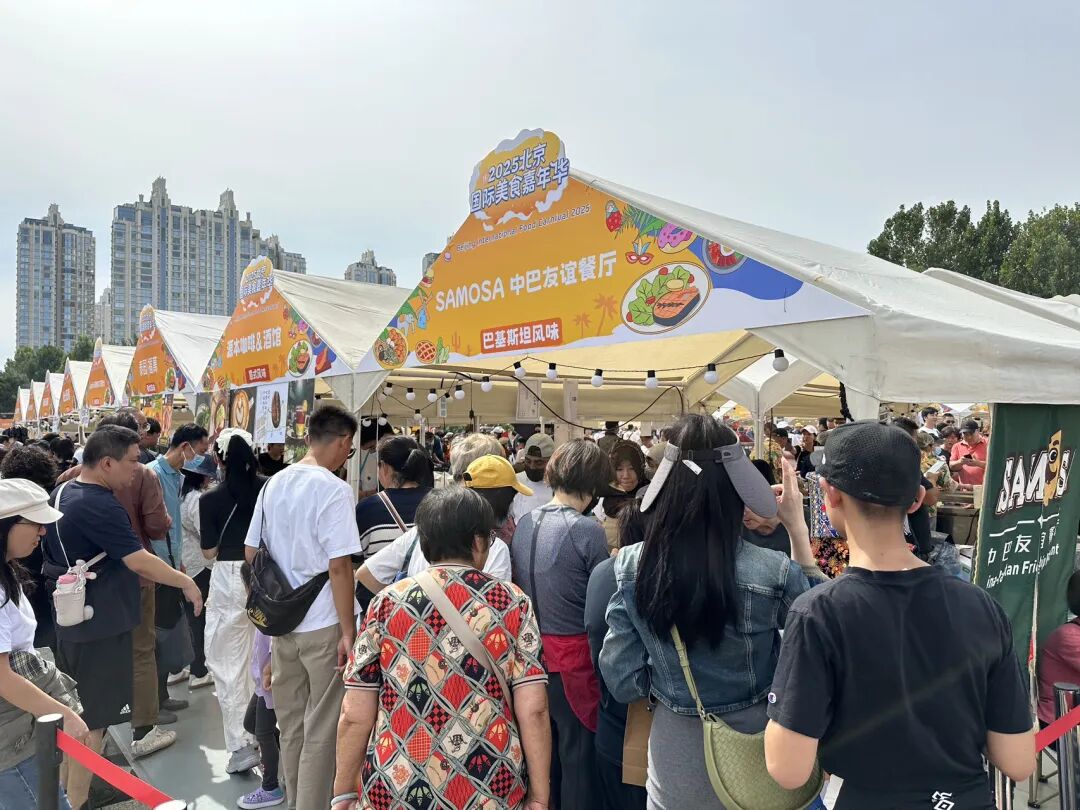
It was extremely crowded when we went on Saturday at noon. We had to line up at almost every stall, and not every dish was available. Chaoyang Park is a popular spot for people in Chaoyang District to take their kids, so many families were there eating with their children. Our main goal was also to take the kids out, with eating as a secondary activity.
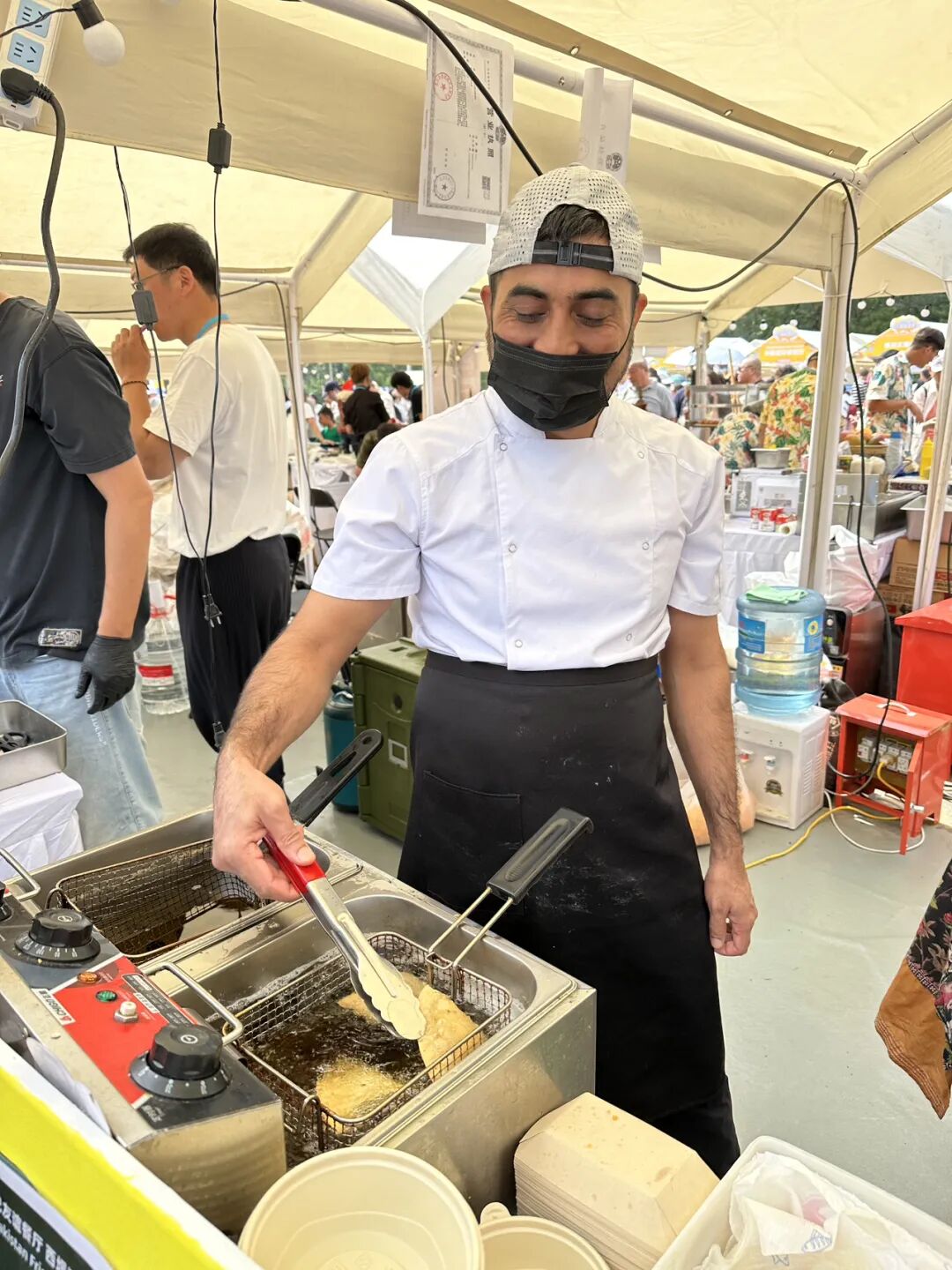
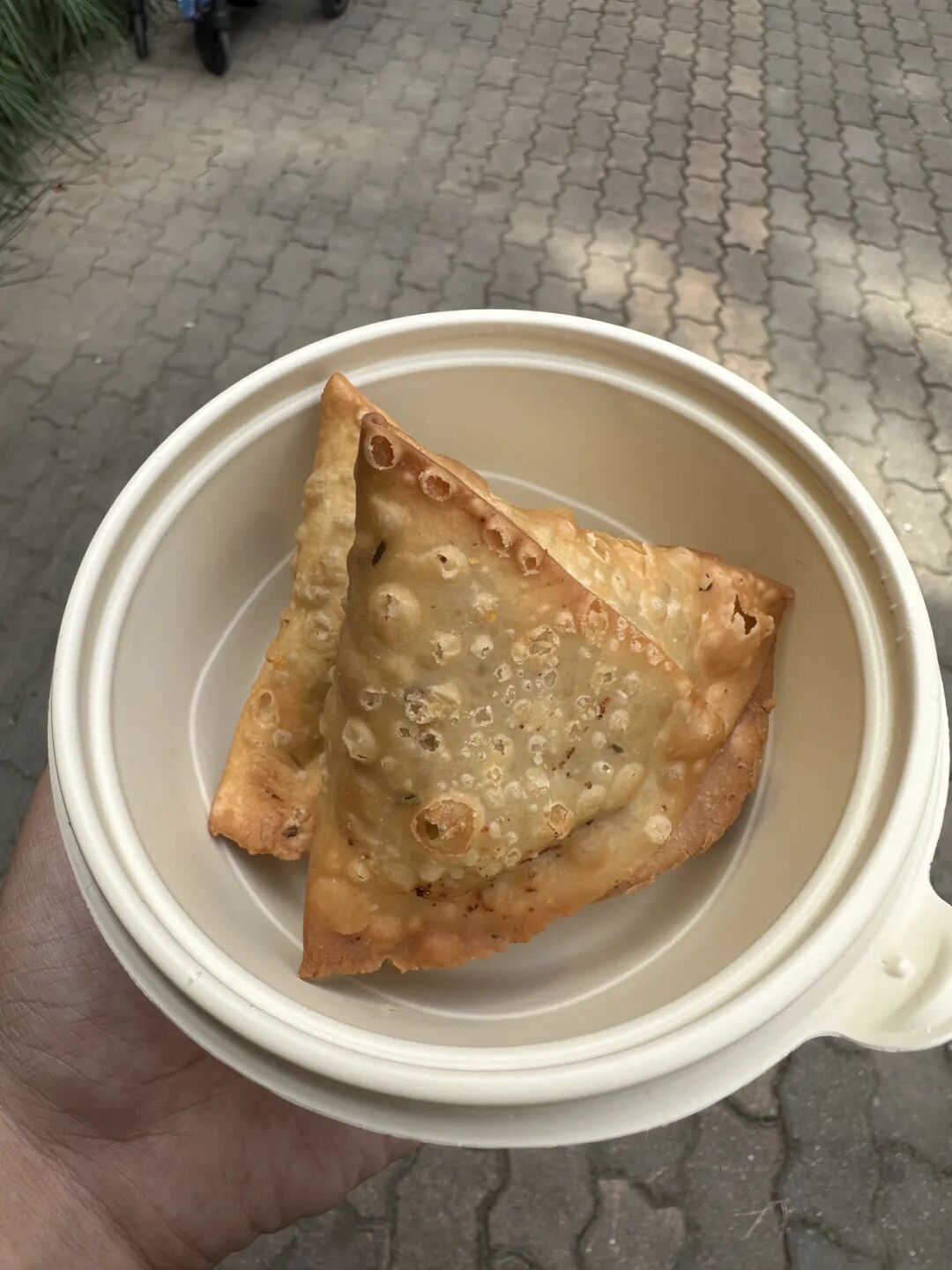
We first bought potato and chicken fried curry puffs (samosa) at the Pakistan China-Pakistan Friendship Restaurant. Samosas are made from the Arab world, Persia, South Asia, and Central Asia all the way to the Hui Muslims. Whether baked or fried, vegetarian or meat, they are all signs of cultural exchange.
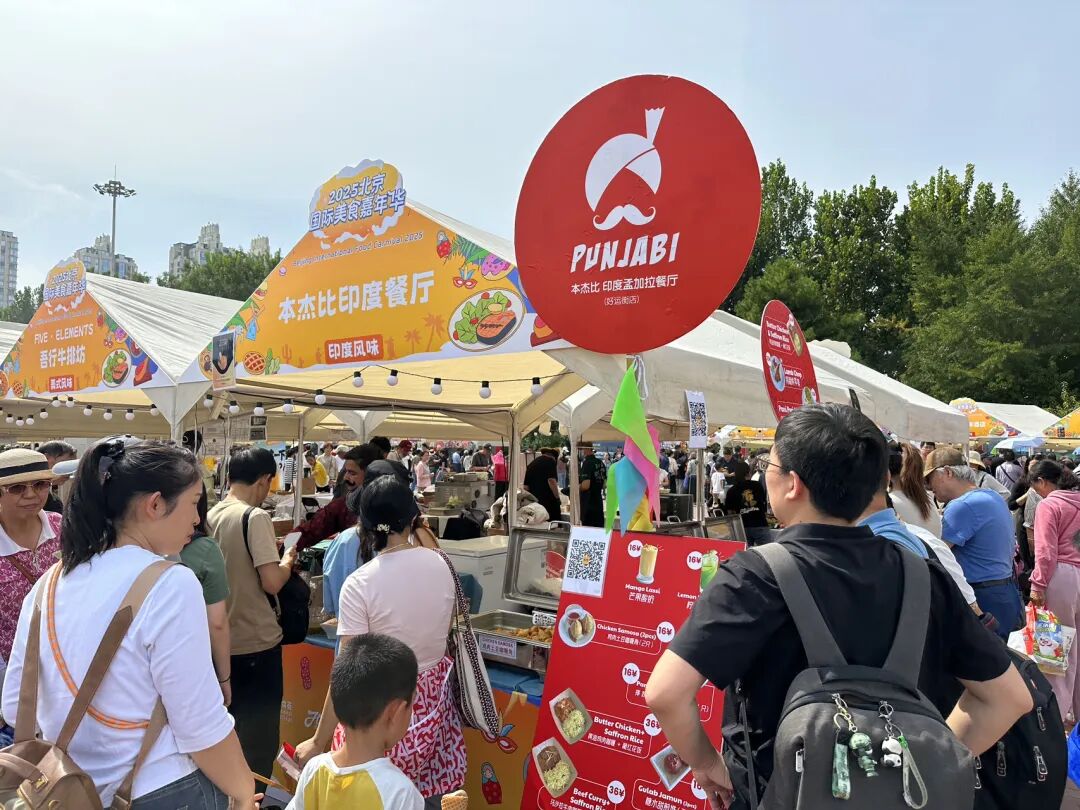
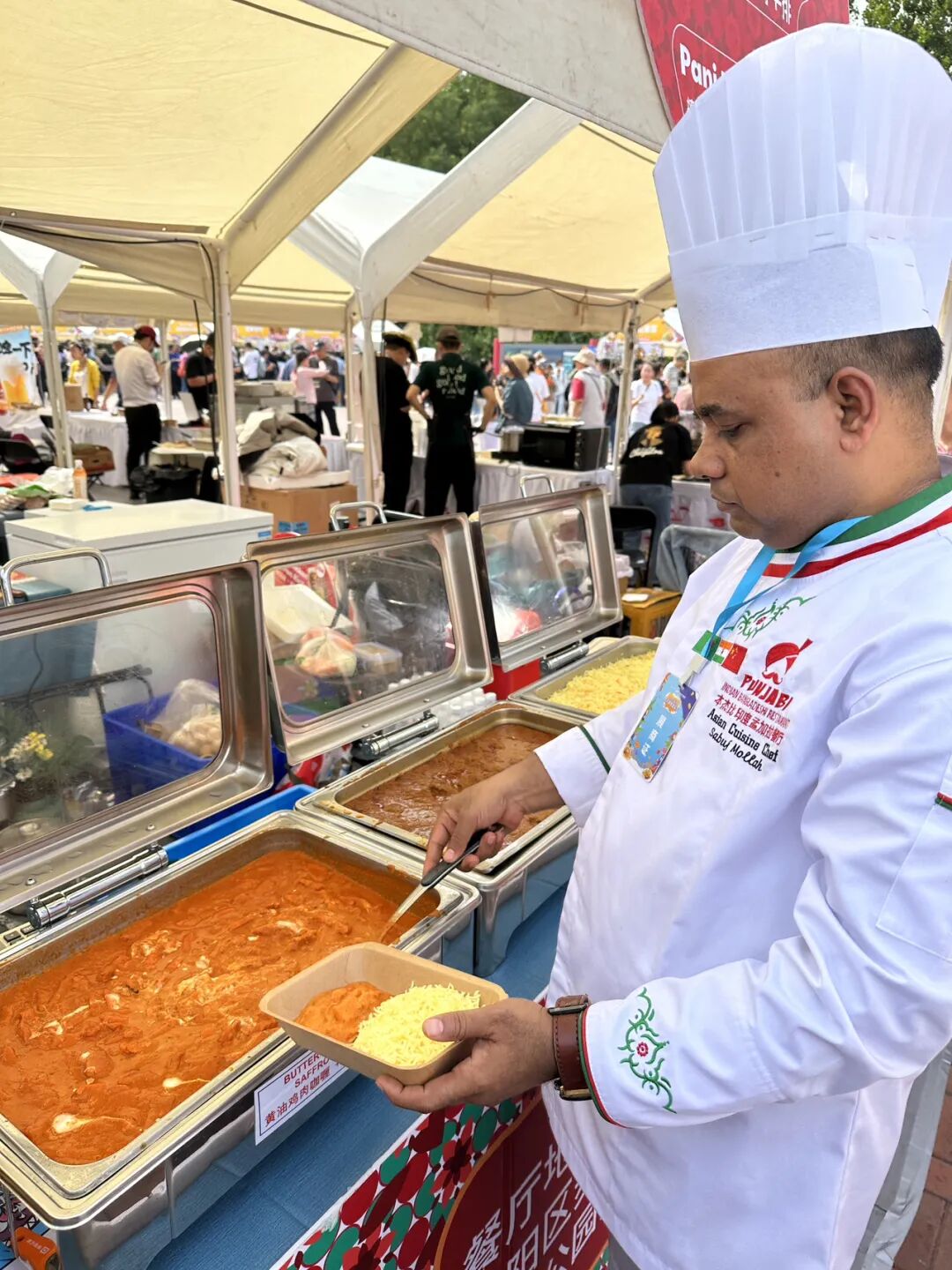
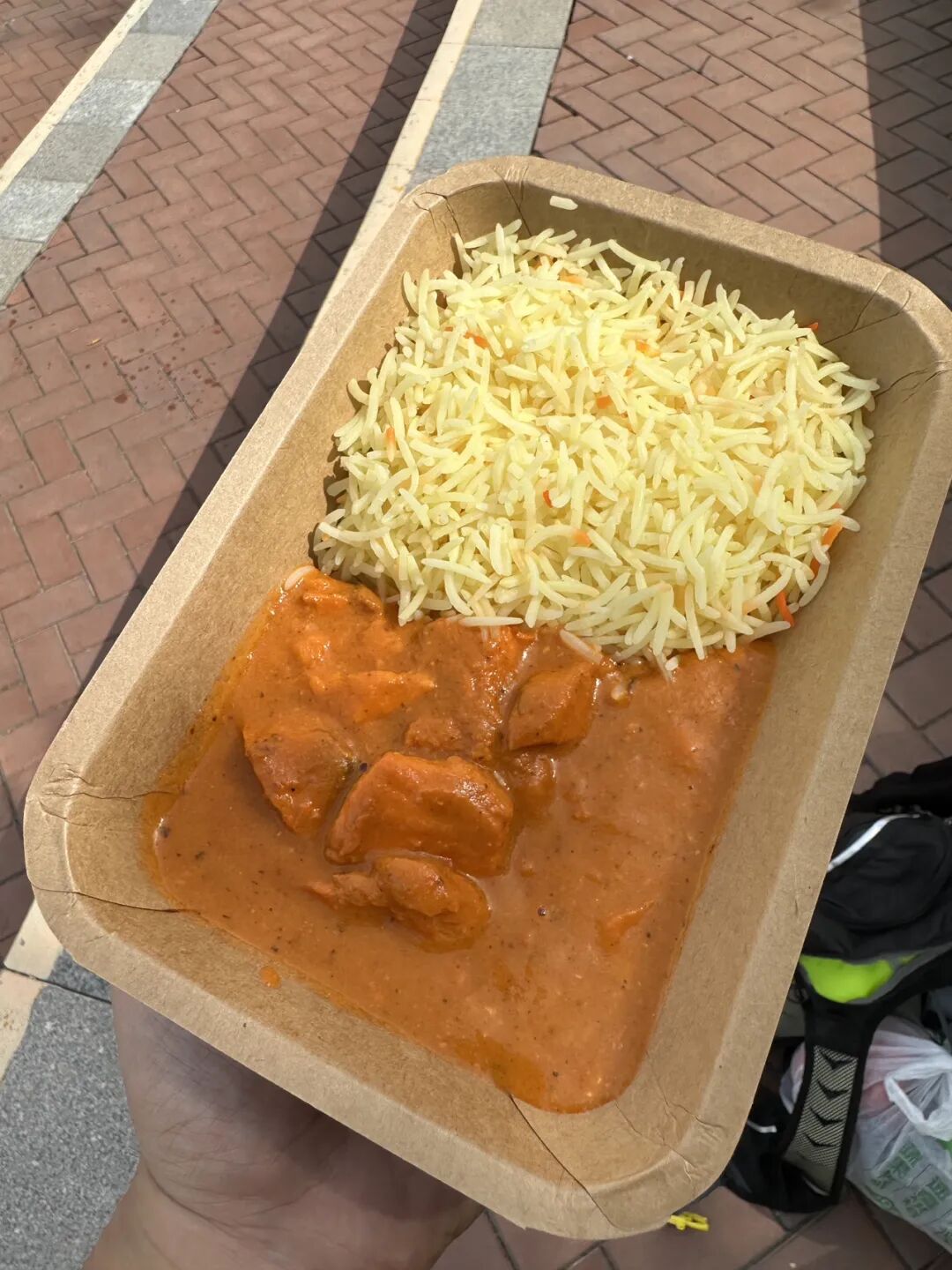
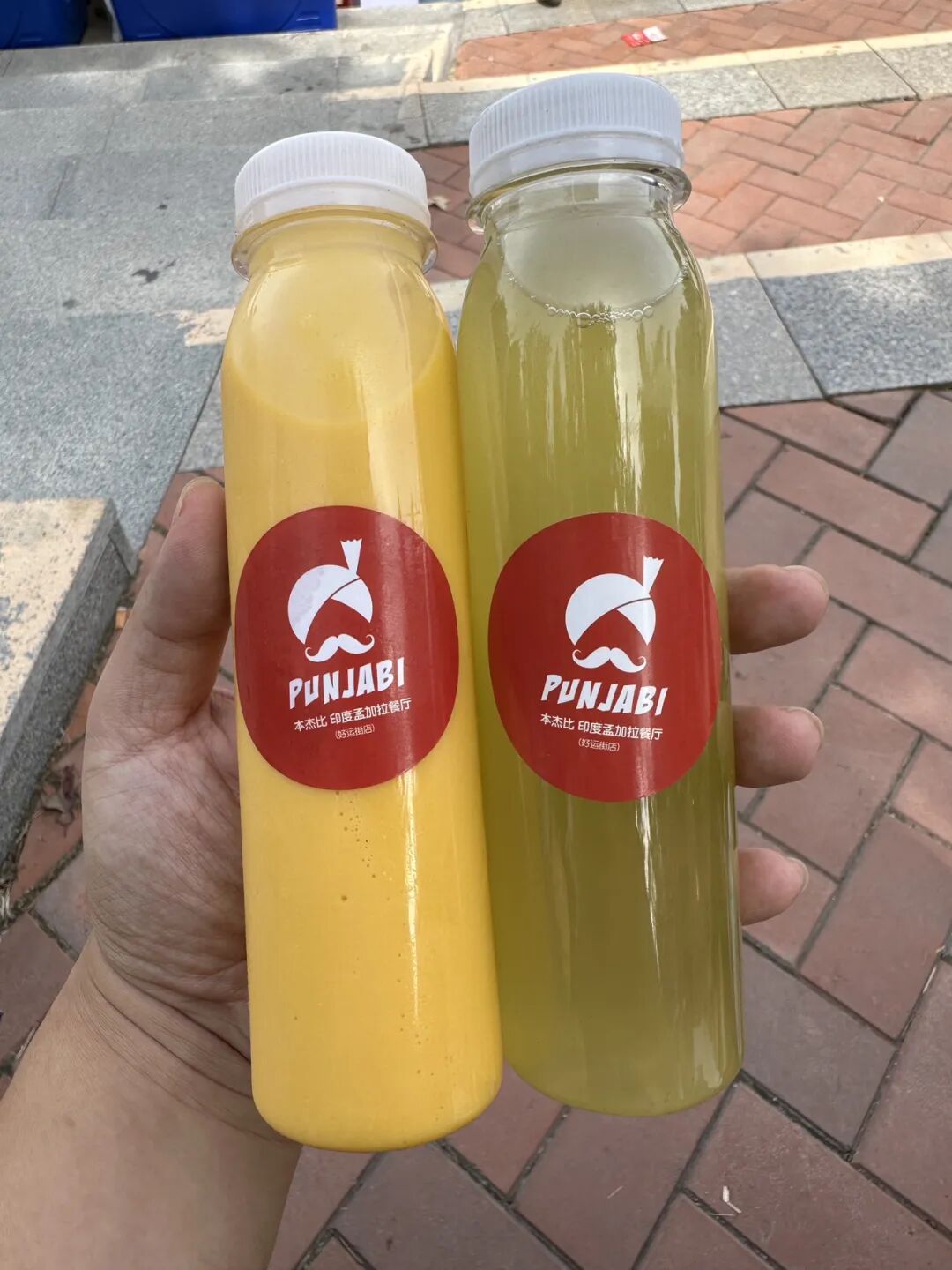
Then we bought butter chicken curry with saffron rice at the Bangladesh Benjibi restaurant, along with mint lemonade and mango yogurt drink (lassi). I personally feel that butter chicken is the South Asian curry most acceptable to Chinese people. It is not spicy and has a milky aroma, and even my mom likes it. The mango lassi was also a big hit with the kids, reminding me of the time I drank lassi on the streets of India.
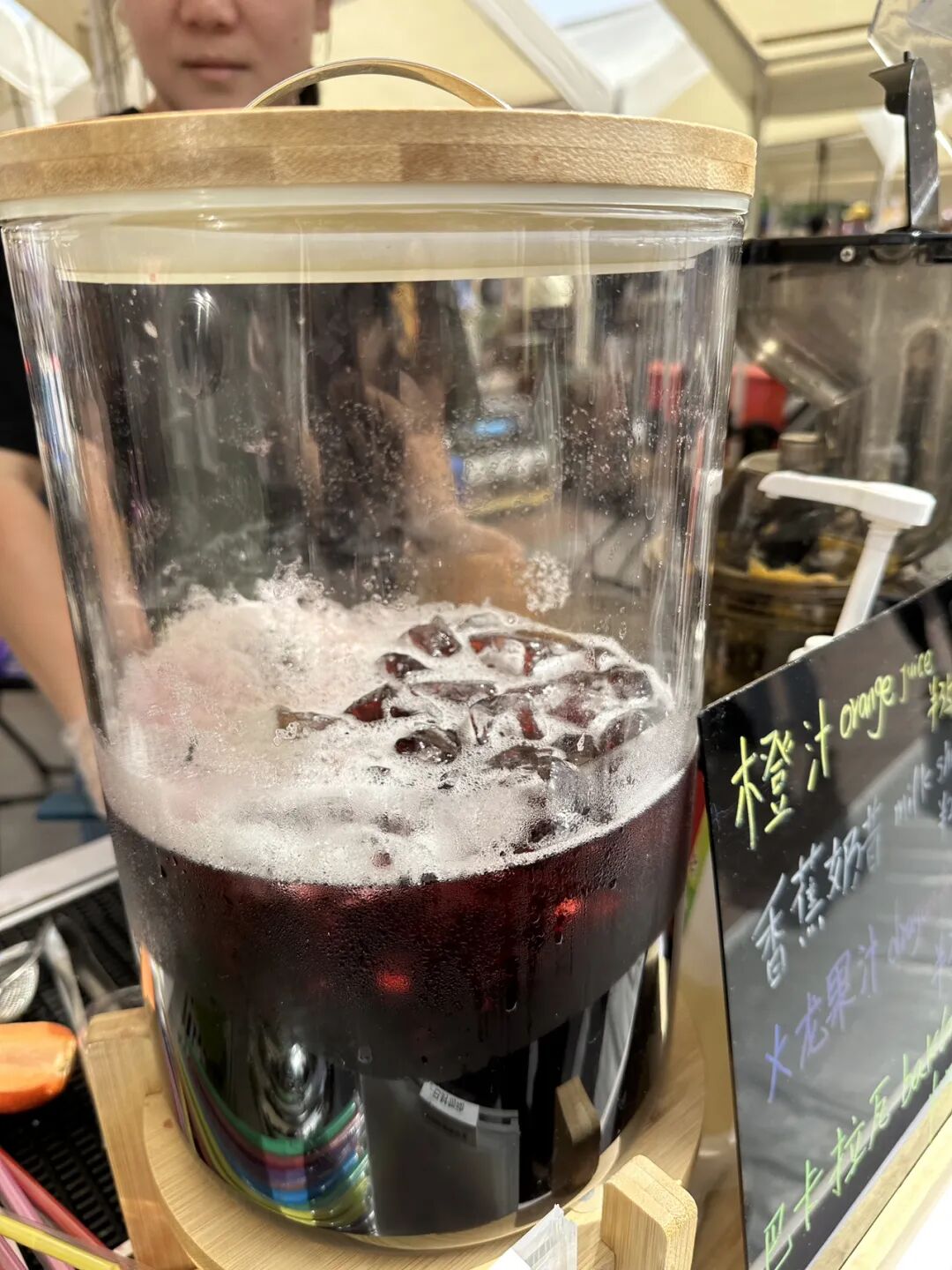
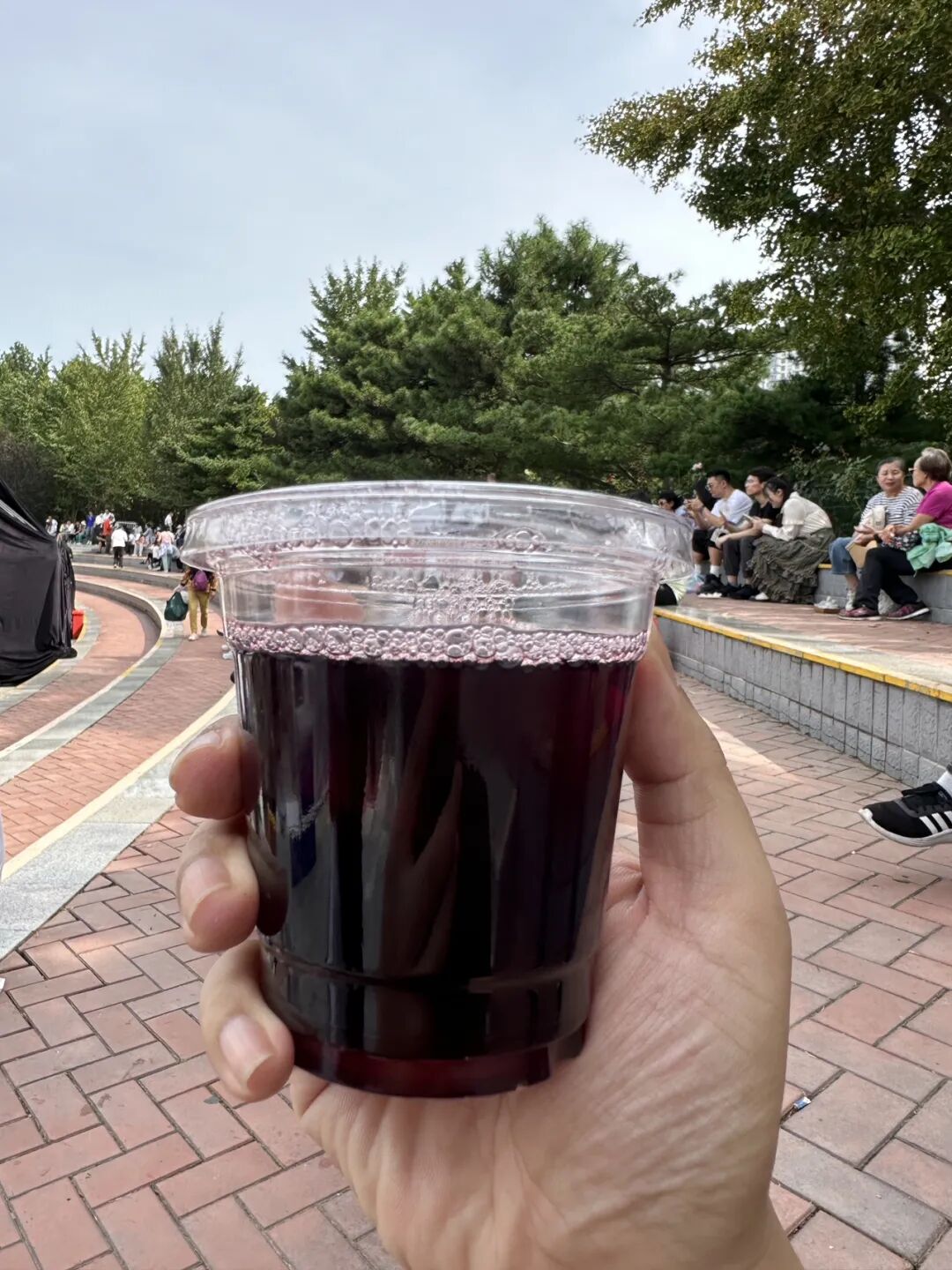
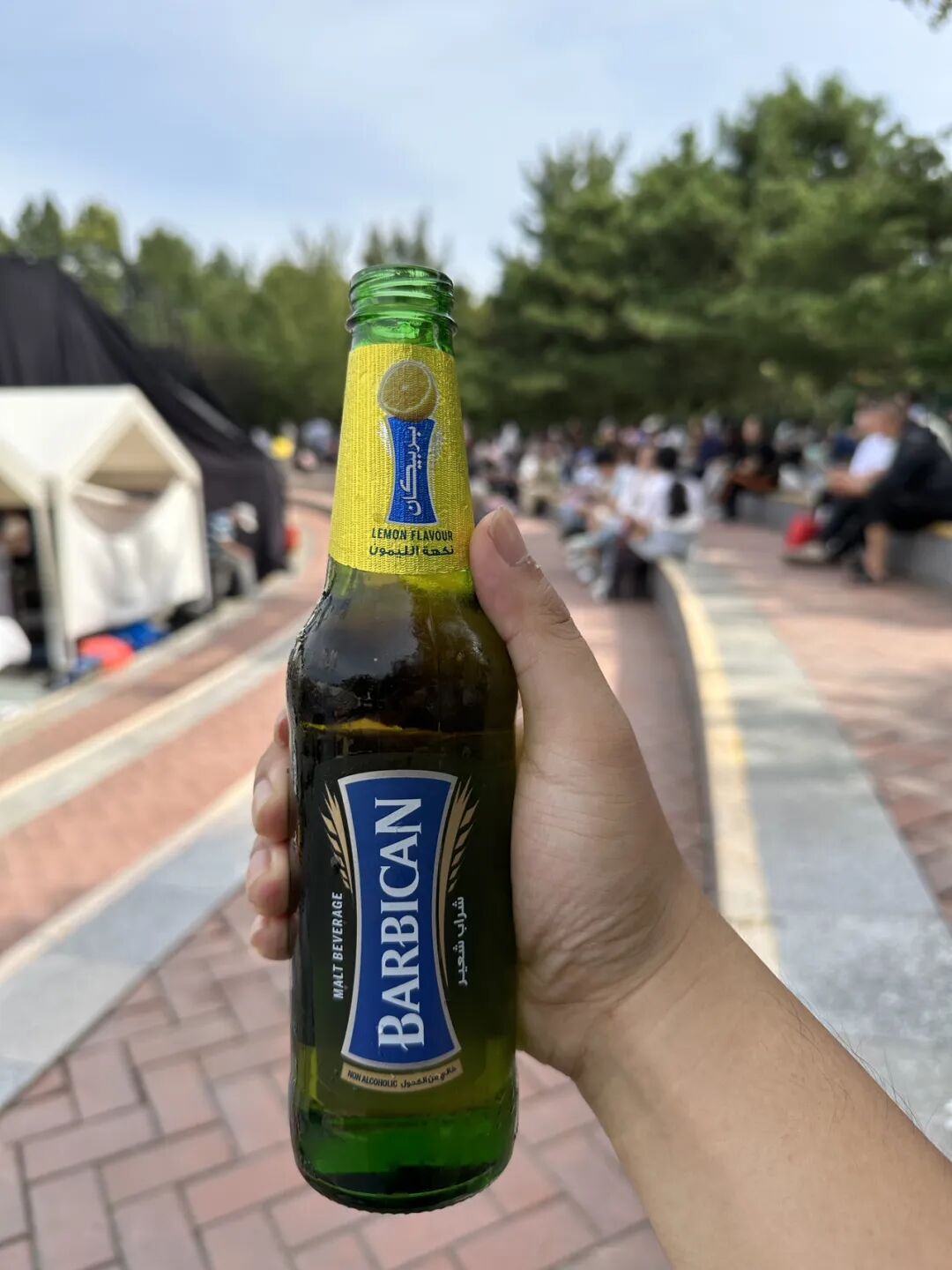
After that, we bought hibiscus tea (pharaoh tea) and lemon-flavored Barbican at Cleopatra. Hibiscus tea is a classic drink for breaking the fast in Egypt; you can check my introduction from last week. Barbican originated in the UK, was introduced to the Middle East by the Saudi company Aujan in 1982, and began independent production in Dubai in 2005. It is now the most famous malt beverage in the Middle East. I first drank Barbican at an imported goods supermarket near my university. Back then, I didn't have much money, so I could only drink it occasionally in the summer, and it felt especially refreshing. Ten years have passed in a flash, and now that I earn my own money, I can finally drink Barbican whenever I want.
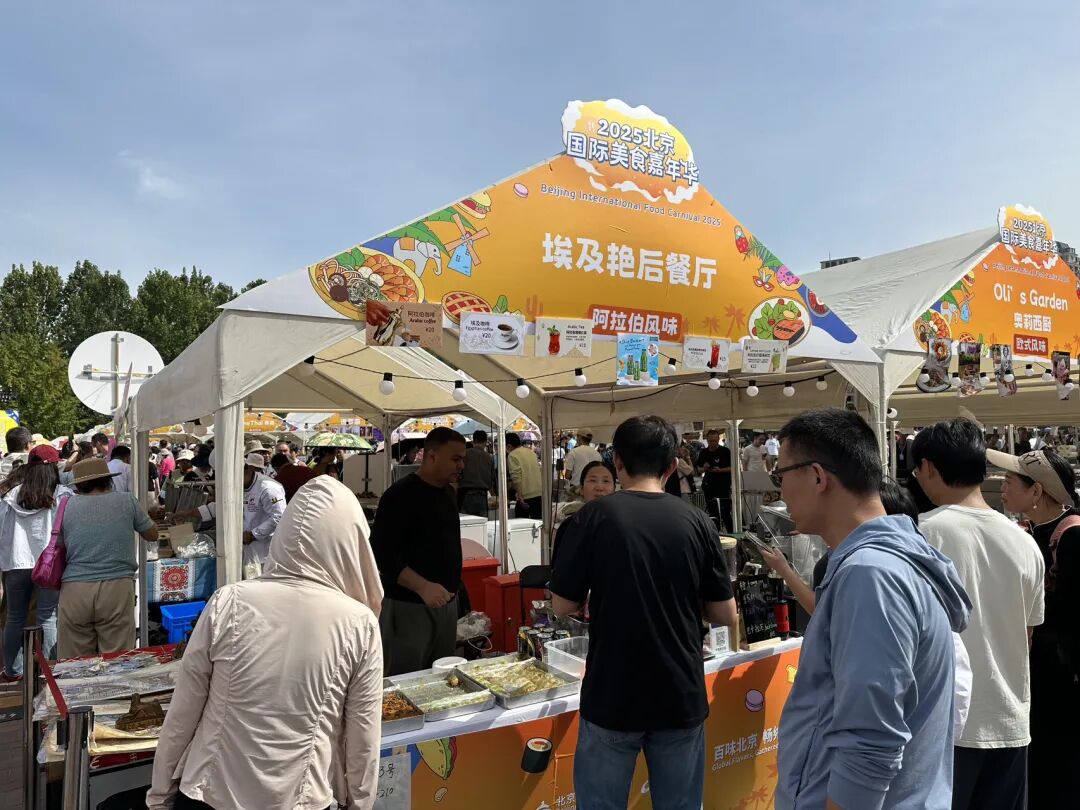
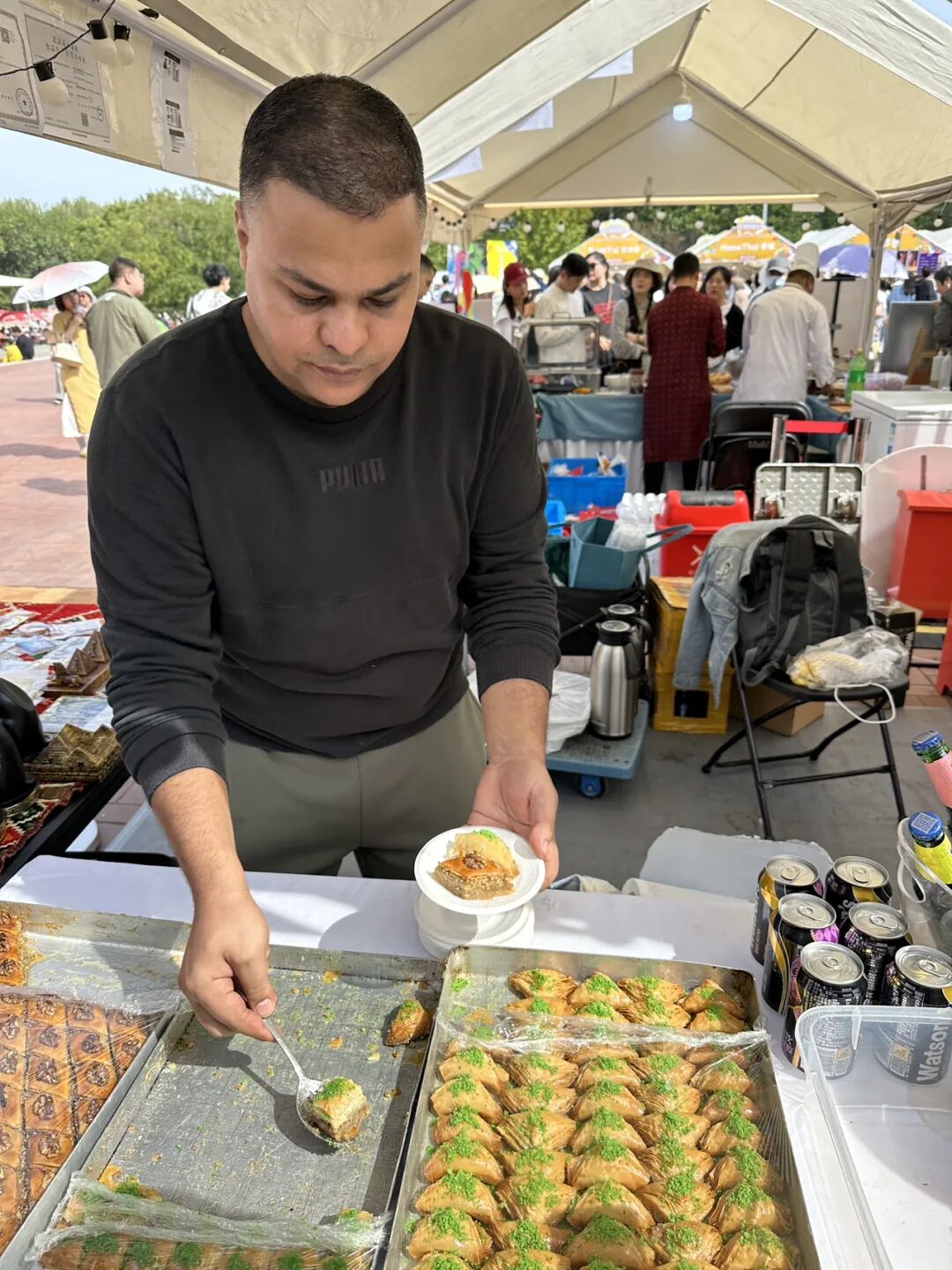
We bought grilled meat with flatbread (nang) and a beef burger at Samarkand. Their place is a mix of foods made by Hui Muslims, but the taste is quite good. The beef burger had catnip (jingjie) in it, which was interesting, and the beef patty tasted good too. Everyone liked it, though I am not sure if they serve it at their restaurant.
Summary: This weekend food walk at Chaoyang Park International Food Carnival covers global food stalls and halal-friendly dishes in Beijing. The account keeps the original food names, stall details, and tasting notes while focusing on what was actually eaten at the festival.
The International Food Carnival was held at the Fireworks Plaza near the South Gate of Chaoyang Park this weekend. The halal lineup was similar to last week's food festival at Scitech, featuring Azerbaijan's Siting Se, Egypt's Cleopatra, and Bangladesh's Benjibi and Samarkand. The difference was the addition of the Pakistan China-Pakistan Friendship Restaurant.
It was extremely crowded when we went on Saturday at noon. We had to line up at almost every stall, and not every dish was available. Chaoyang Park is a popular spot for people in Chaoyang District to take their kids, so many families were there eating with their children. Our main goal was also to take the kids out, with eating as a secondary activity.
We first bought potato and chicken fried curry puffs (samosa) at the Pakistan China-Pakistan Friendship Restaurant. Samosas are made from the Arab world, Persia, South Asia, and Central Asia all the way to the Hui Muslims. Whether baked or fried, vegetarian or meat, they are all signs of cultural exchange.
Then we bought butter chicken curry with saffron rice at the Bangladesh Benjibi restaurant, along with mint lemonade and mango yogurt drink (lassi). I personally feel that butter chicken is the South Asian curry most acceptable to Chinese people. It is not spicy and has a milky aroma, and even my mom likes it. The mango lassi was also a big hit with the kids, reminding me of the time I drank lassi on the streets of India.
After that, we bought hibiscus tea (pharaoh tea) and lemon-flavored Barbican at Cleopatra. Hibiscus tea is a classic drink for breaking the fast in Egypt; you can check my introduction from last week. Barbican originated in the UK, was introduced to the Middle East by the Saudi company Aujan in 1982, and began independent production in Dubai in 2005. It is now the most famous malt beverage in the Middle East. I first drank Barbican at an imported goods supermarket near my university. Back then, I didn't have much money, so I could only drink it occasionally in the summer, and it felt especially refreshing. Ten years have passed in a flash, and now that I earn my own money, I can finally drink Barbican whenever I want.
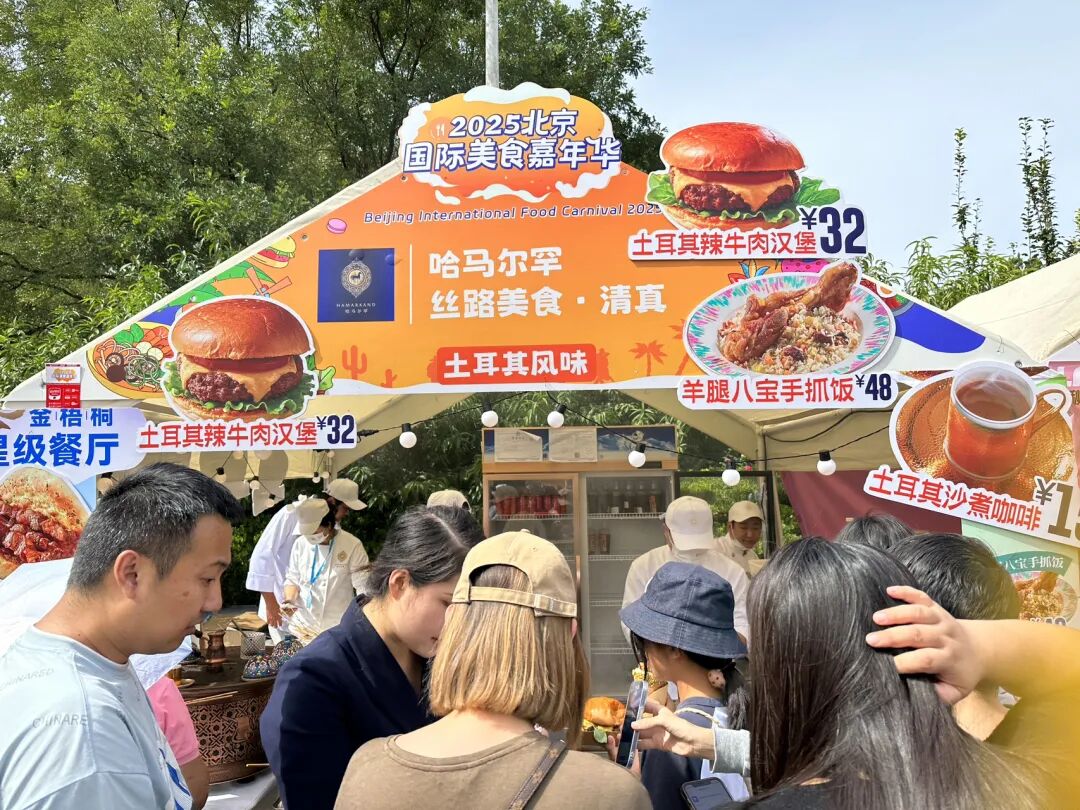
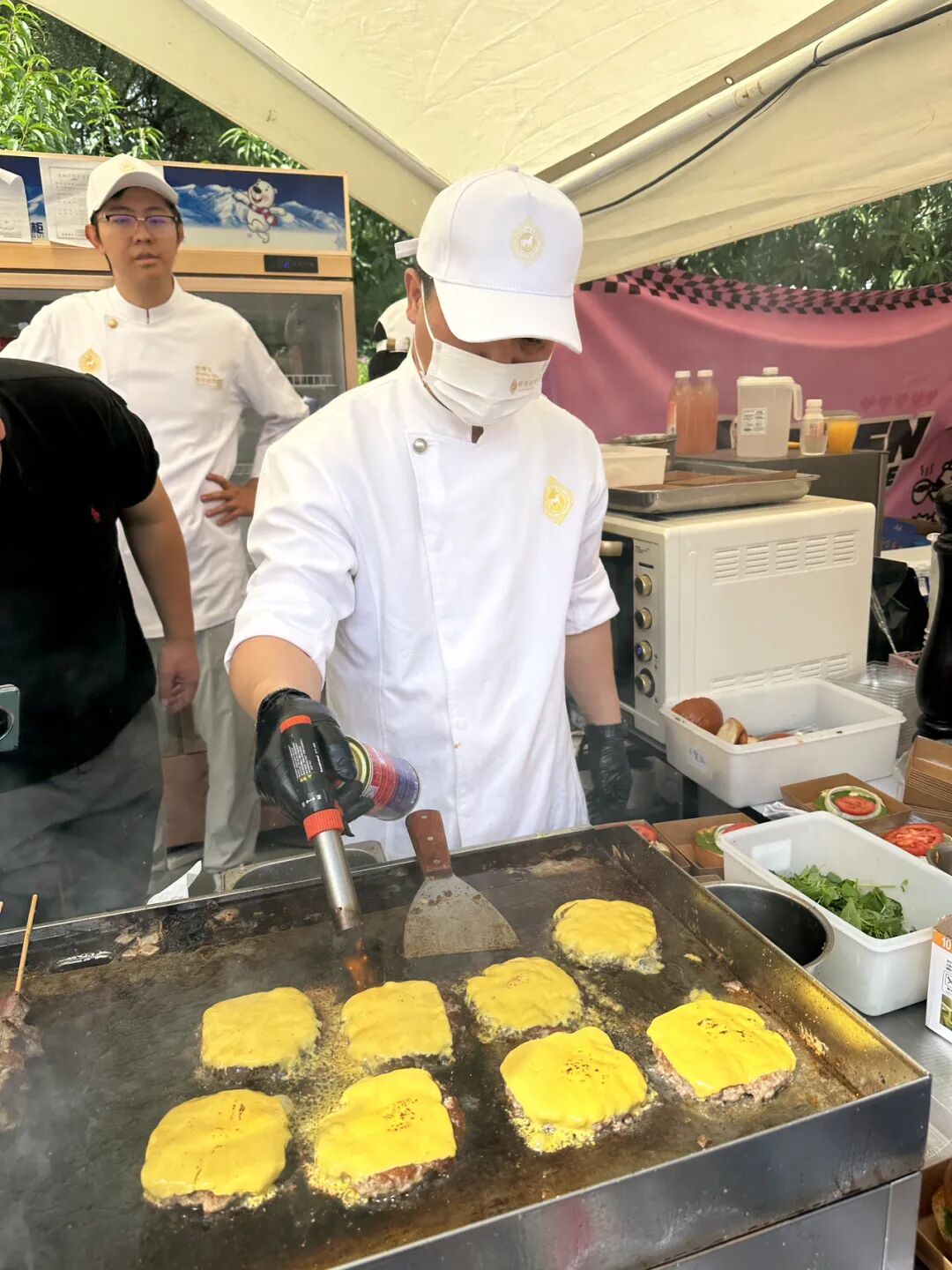
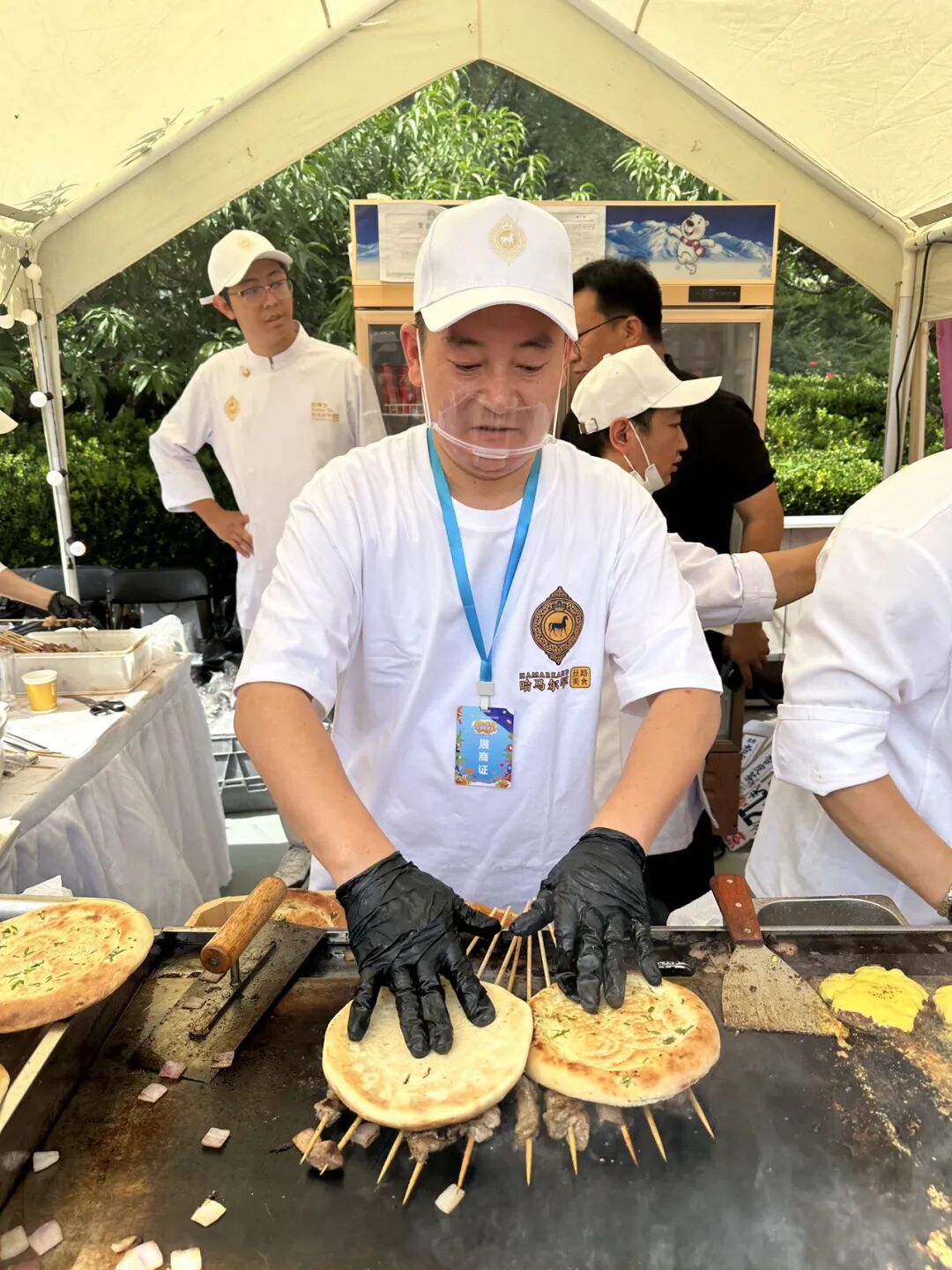
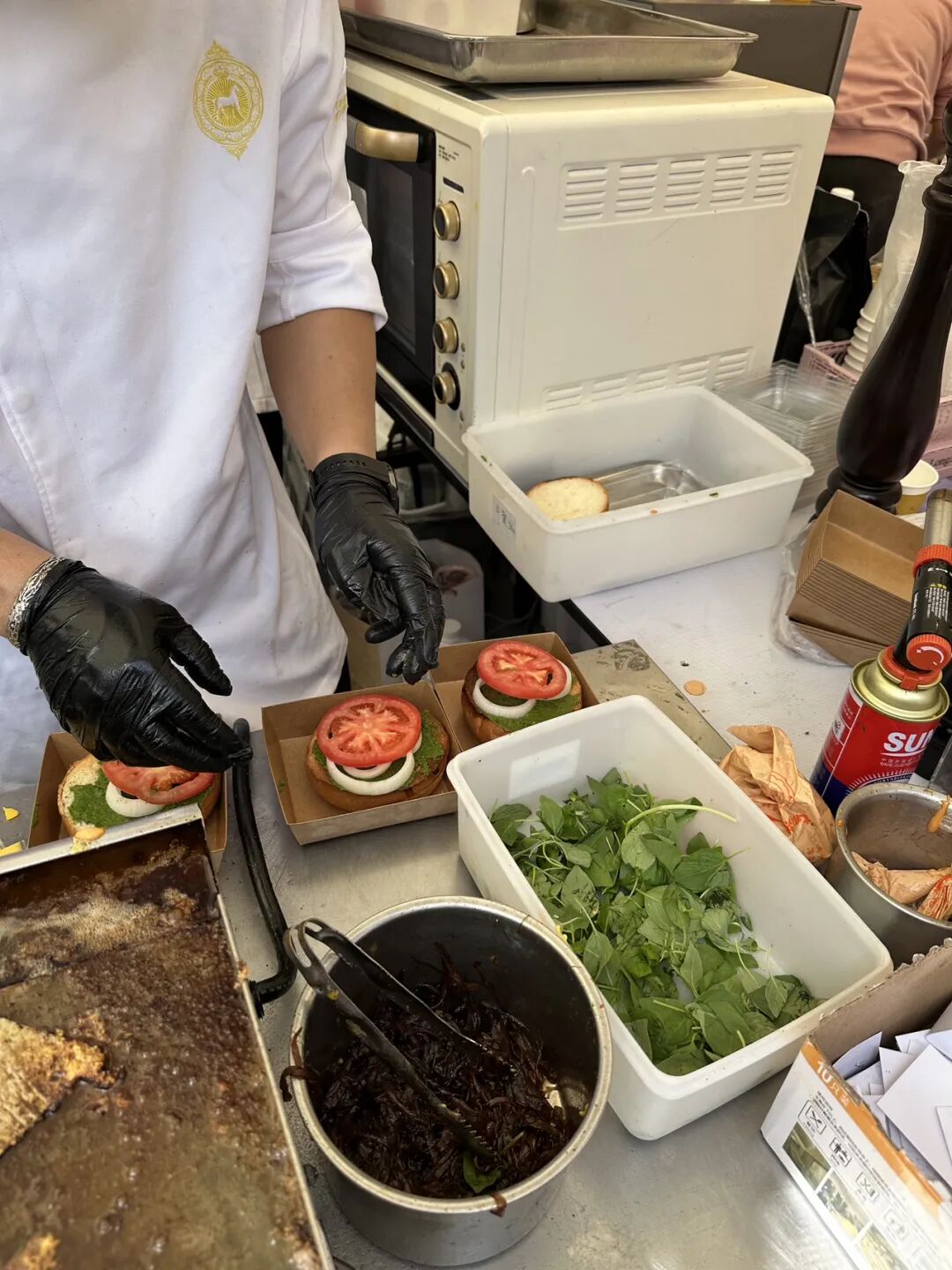
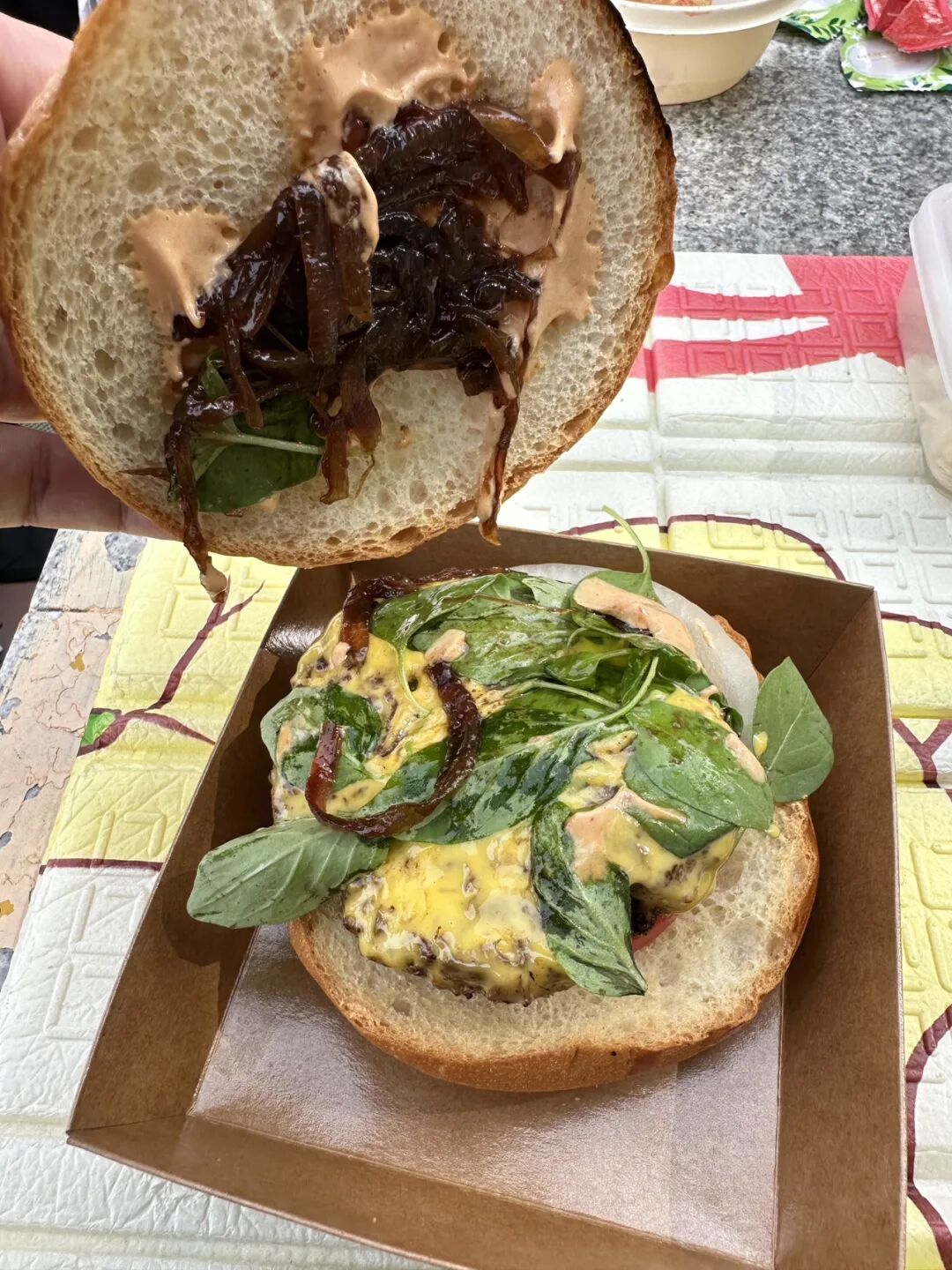
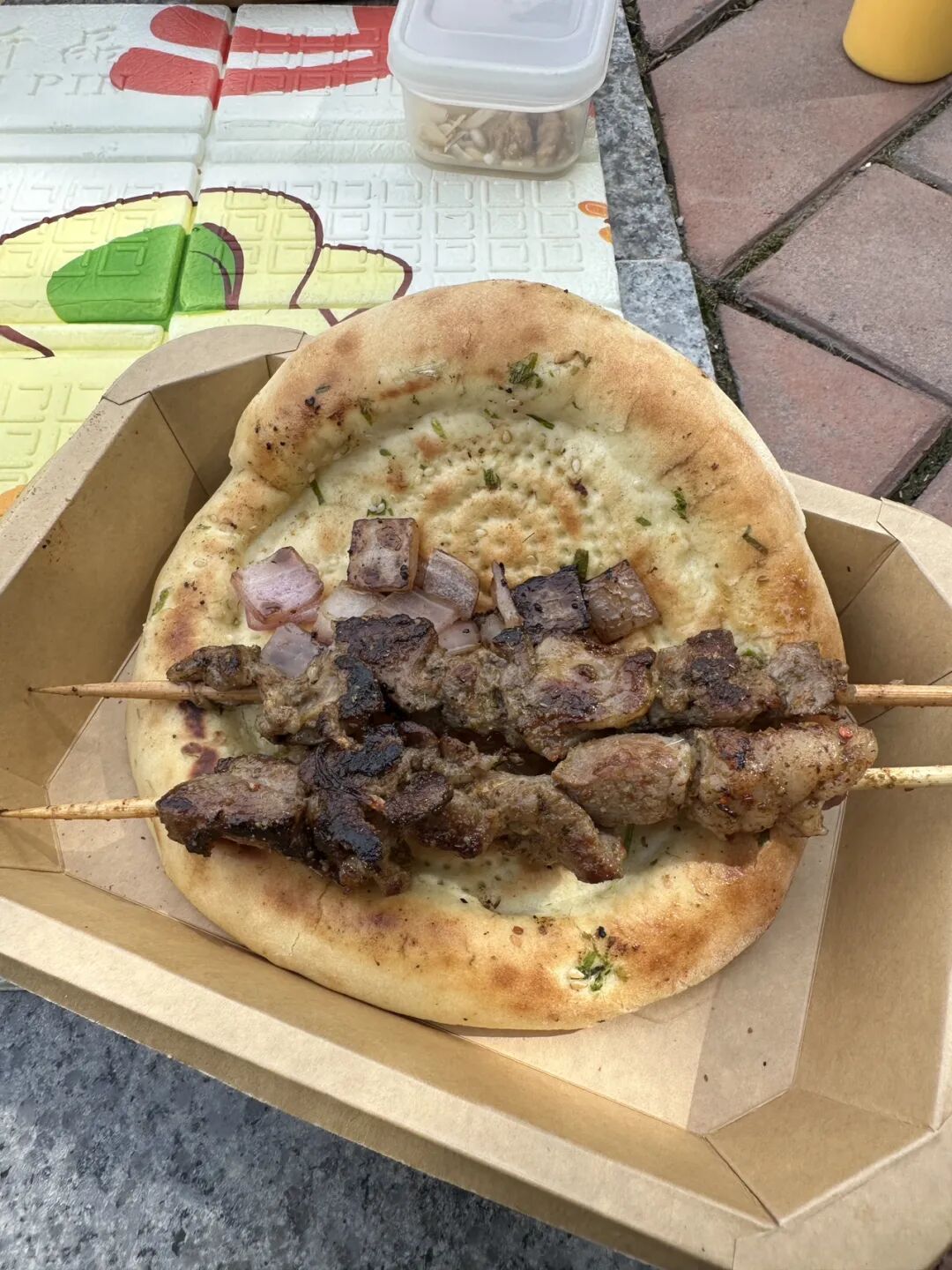
We bought grilled meat with flatbread (nang) and a beef burger at Samarkand. Their place is a mix of foods made by Hui Muslims, but the taste is quite good. The beef burger had catnip (jingjie) in it, which was interesting, and the beef patty tasted good too. Everyone liked it, though I am not sure if they serve it at their restaurant.
Muslim Culture Guide: 2024 Indonesian Cultural Festival - Food, Dance and Community
Articles • ali2007fr posted the article • 0 comments • 256 views • 2026-05-19 10:24
Reposted from the web
Summary: 2024 Indonesian Cultural Festival - Food, Dance and Community is presented as a clear English travel account for readers interested in Muslim life, halal food, mosques, and local history. The article keeps the original place names, food details, photographs, and cultural context while focusing on Indonesian Culture, Food Festival, Muslim Travel.
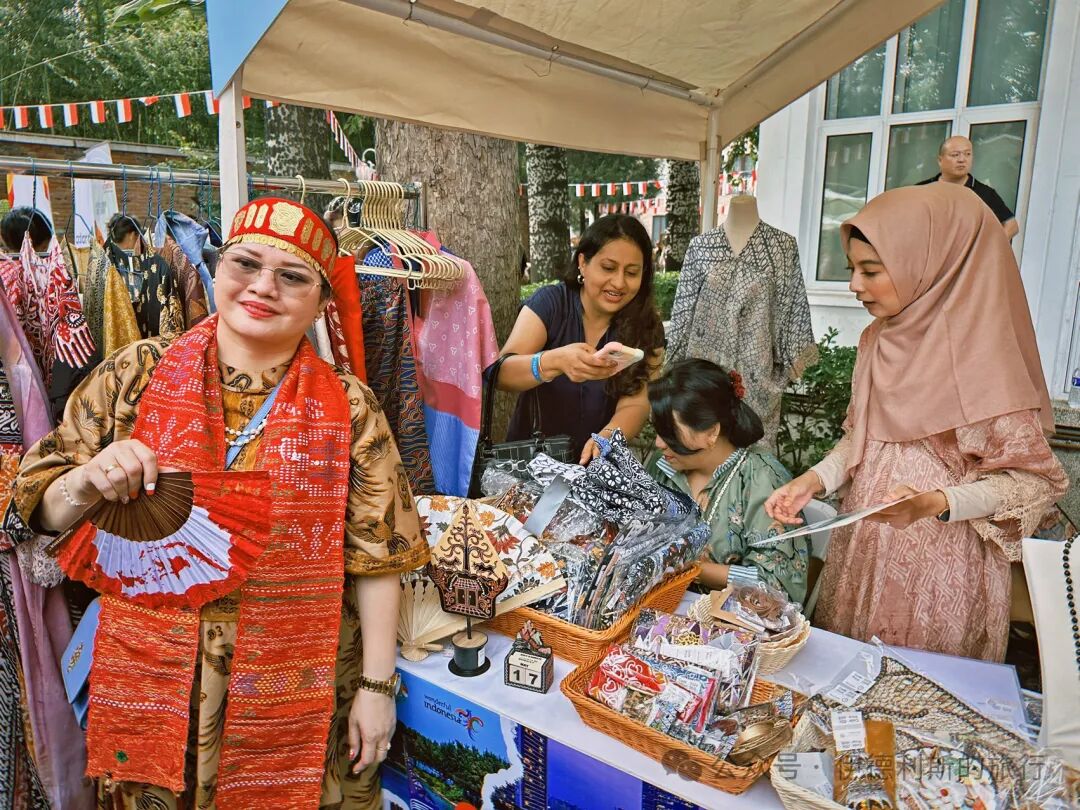
I went to the Indonesian Embassy on Saturday for the annual Indonesian Cultural Festival. I ate a lot of special Indonesian food at the festival last year, which I wrote about in "Attending the Indonesian Cultural Festival at the Indonesian Embassy." The stalls were similar to last year, but there were even more people! Nom Nom still had the longest line, and it is the only Indonesian restaurant in Beijing. We did not wait in that line and chose a few other stalls instead.
We started by eating Indonesian steamed dumplings (siomay). Indonesian steamed dumplings (siomay) come from the steamed dumplings (shaomai) of southern China. Sundanese people in West Java first changed the pork filling to fish, then added sides like cabbage, tofu, potatoes, boiled eggs, and stuffed bitter melon. It is served with peanut sauce and sweet soy sauce and is now a classic street snack all over Indonesia.
At that stall, you could also get three classic Indonesian street snacks: fried pastry (kue pastel), fried spring rolls (risoles), and Indonesian rice cake (arem arem). We bought the Indonesian rice cake (arem arem) this time. Arem arem is most common on Java island. It is made by cooking rice in coconut milk, stuffing it with meat and vegetables, shaping it into a cylinder, and wrapping it in a banana leaf.
Next, we drank a Javanese mixed drink called es teler, which contains jackfruit, avocado, and coconut meat mixed with condensed milk and syrup. In 1981, an Indonesian housewife named Murniati Widjaja won a TV competition with her es teler. The following year, she opened a specialty food shop in Jakarta called Es Teler 77, which has now grown into a massive food chain.
We continued walking through the Indonesian cultural festival. We were impressed by this Minangkabau stall during last year's festival. The Minangkabau people are an Austronesian ethnic group living in the western highlands of Sumatra, centered around their capital, Padang. The Minangkabau have a large matrilineal society. Men are used to traveling for work, while women are responsible for farming and maintaining family life at home. Because of this, property, surnames, and land are passed from mother to daughter.
This time, we bought their Padang beef satay skewers (sate padang) again. The Padang version of beef satay skewers is quite different from the Javanese version we usually eat. First, the beef is boiled until tender, then cut into small pieces, skewered, and sprinkled with spicy sauce. A rich yellow sauce is made by mixing the beef broth with 19 spices, including turmeric, ginger, garlic, cilantro, and cumin. It is served with a side of Indonesian rice cake (lontong). Rice cake (lontong) is made by wrapping rice in banana leaves, boiling it until firm, and then slicing it. It is a staple food in Indonesian culture, just as important as regular rice.
We also bought Minangkabau steamed rice (nasi kapau) at their shop. Minangkabau steamed rice (nasi kapau) is similar to the Padang rice (nasi padang) found all over Indonesia, but it comes with some unique side dishes. The version we ate included beef rendang, long bean curry, boiled eggs, and spicy sauce. Beef rendang likely started as a curry brought by Indian merchants who came to Sumatra to trade before the 15th century, which then evolved through the local Minangkabau diet. The main ingredients for rendang are meat, coconut milk, chili, and various spices. To suit the needs of Minangkabau merchants on long voyages, the rendang is simmered over low heat until it becomes rich and dry, allowing it to be stored for several weeks.
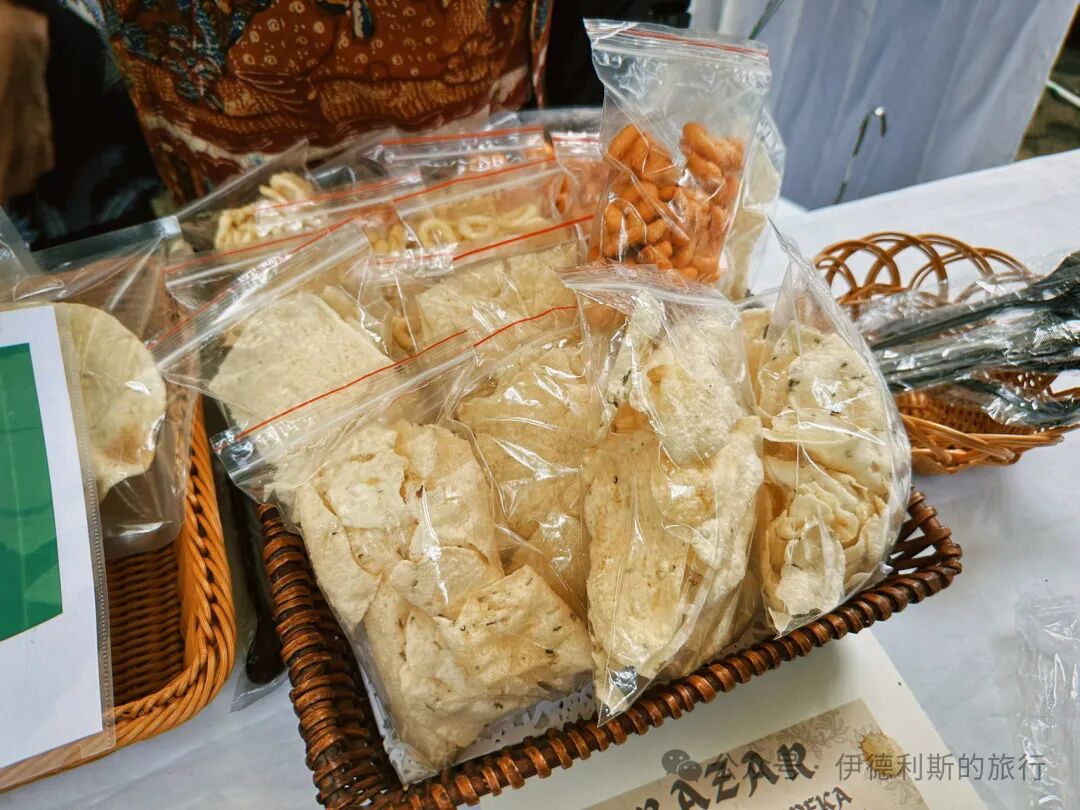
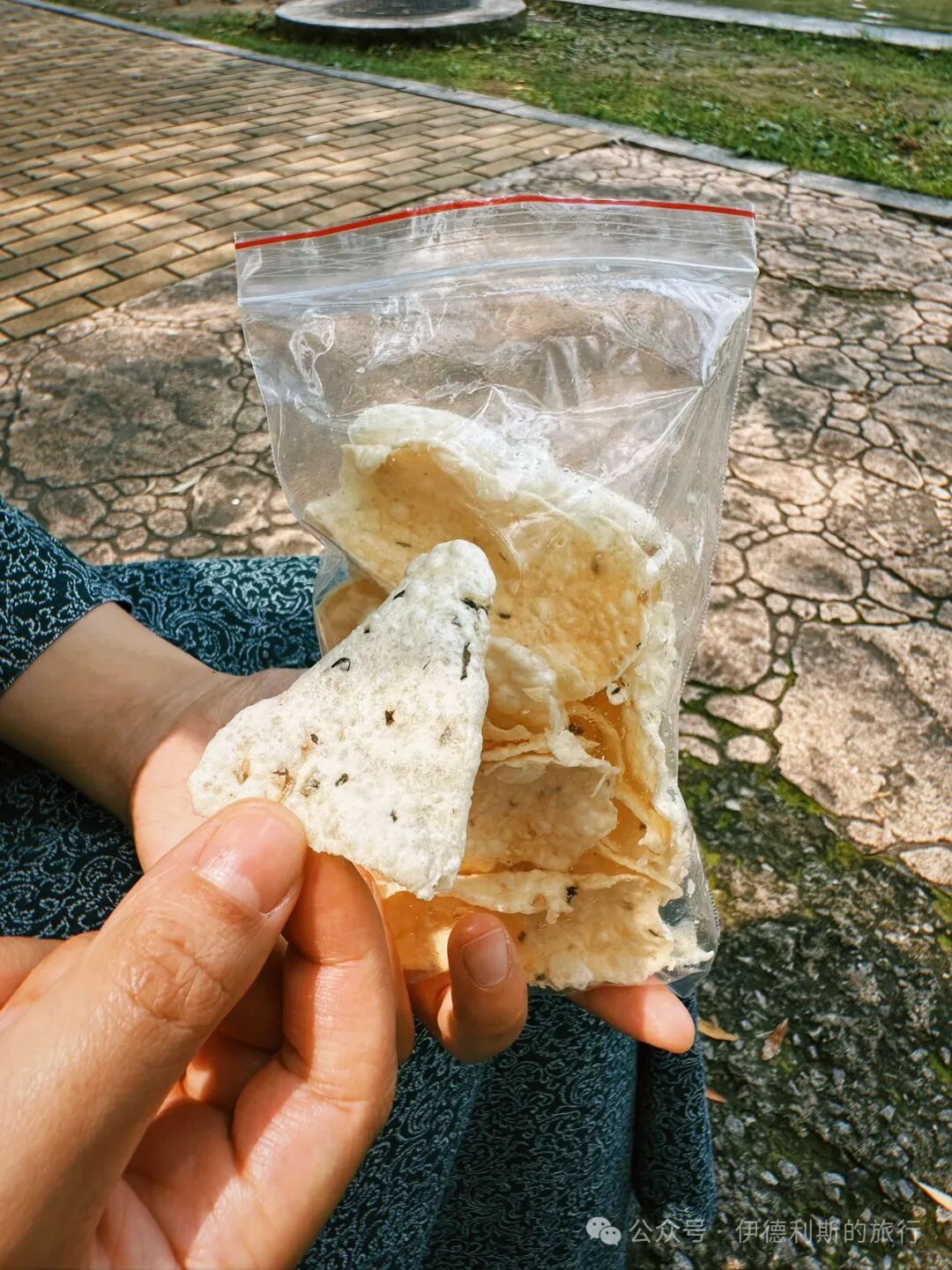
Next to the Minangkabau stall, they sell various Indonesian fried shrimp crackers (rempeyek). They add coconut milk, salt, chopped cilantro, and crushed candlenut when frying them, and Suleiman really loves eating them.
Indonesian Ambassador to China Djauhari Oratmangun sang at the Indonesian Cultural Festival, with Papuan dancers performing behind him. view all
Summary: 2024 Indonesian Cultural Festival - Food, Dance and Community is presented as a clear English travel account for readers interested in Muslim life, halal food, mosques, and local history. The article keeps the original place names, food details, photographs, and cultural context while focusing on Indonesian Culture, Food Festival, Muslim Travel.
I went to the Indonesian Embassy on Saturday for the annual Indonesian Cultural Festival. I ate a lot of special Indonesian food at the festival last year, which I wrote about in "Attending the Indonesian Cultural Festival at the Indonesian Embassy." The stalls were similar to last year, but there were even more people! Nom Nom still had the longest line, and it is the only Indonesian restaurant in Beijing. We did not wait in that line and chose a few other stalls instead.
We started by eating Indonesian steamed dumplings (siomay). Indonesian steamed dumplings (siomay) come from the steamed dumplings (shaomai) of southern China. Sundanese people in West Java first changed the pork filling to fish, then added sides like cabbage, tofu, potatoes, boiled eggs, and stuffed bitter melon. It is served with peanut sauce and sweet soy sauce and is now a classic street snack all over Indonesia.
At that stall, you could also get three classic Indonesian street snacks: fried pastry (kue pastel), fried spring rolls (risoles), and Indonesian rice cake (arem arem). We bought the Indonesian rice cake (arem arem) this time. Arem arem is most common on Java island. It is made by cooking rice in coconut milk, stuffing it with meat and vegetables, shaping it into a cylinder, and wrapping it in a banana leaf.
Next, we drank a Javanese mixed drink called es teler, which contains jackfruit, avocado, and coconut meat mixed with condensed milk and syrup. In 1981, an Indonesian housewife named Murniati Widjaja won a TV competition with her es teler. The following year, she opened a specialty food shop in Jakarta called Es Teler 77, which has now grown into a massive food chain.
We continued walking through the Indonesian cultural festival. We were impressed by this Minangkabau stall during last year's festival. The Minangkabau people are an Austronesian ethnic group living in the western highlands of Sumatra, centered around their capital, Padang. The Minangkabau have a large matrilineal society. Men are used to traveling for work, while women are responsible for farming and maintaining family life at home. Because of this, property, surnames, and land are passed from mother to daughter.
This time, we bought their Padang beef satay skewers (sate padang) again. The Padang version of beef satay skewers is quite different from the Javanese version we usually eat. First, the beef is boiled until tender, then cut into small pieces, skewered, and sprinkled with spicy sauce. A rich yellow sauce is made by mixing the beef broth with 19 spices, including turmeric, ginger, garlic, cilantro, and cumin. It is served with a side of Indonesian rice cake (lontong). Rice cake (lontong) is made by wrapping rice in banana leaves, boiling it until firm, and then slicing it. It is a staple food in Indonesian culture, just as important as regular rice.
We also bought Minangkabau steamed rice (nasi kapau) at their shop. Minangkabau steamed rice (nasi kapau) is similar to the Padang rice (nasi padang) found all over Indonesia, but it comes with some unique side dishes. The version we ate included beef rendang, long bean curry, boiled eggs, and spicy sauce. Beef rendang likely started as a curry brought by Indian merchants who came to Sumatra to trade before the 15th century, which then evolved through the local Minangkabau diet. The main ingredients for rendang are meat, coconut milk, chili, and various spices. To suit the needs of Minangkabau merchants on long voyages, the rendang is simmered over low heat until it becomes rich and dry, allowing it to be stored for several weeks.
Next to the Minangkabau stall, they sell various Indonesian fried shrimp crackers (rempeyek). They add coconut milk, salt, chopped cilantro, and crushed candlenut when frying them, and Suleiman really loves eating them.
Indonesian Ambassador to China Djauhari Oratmangun sang at the Indonesian Cultural Festival, with Papuan dancers performing behind him. view all
Reposted from the web
Summary: 2024 Indonesian Cultural Festival - Food, Dance and Community is presented as a clear English travel account for readers interested in Muslim life, halal food, mosques, and local history. The article keeps the original place names, food details, photographs, and cultural context while focusing on Indonesian Culture, Food Festival, Muslim Travel.
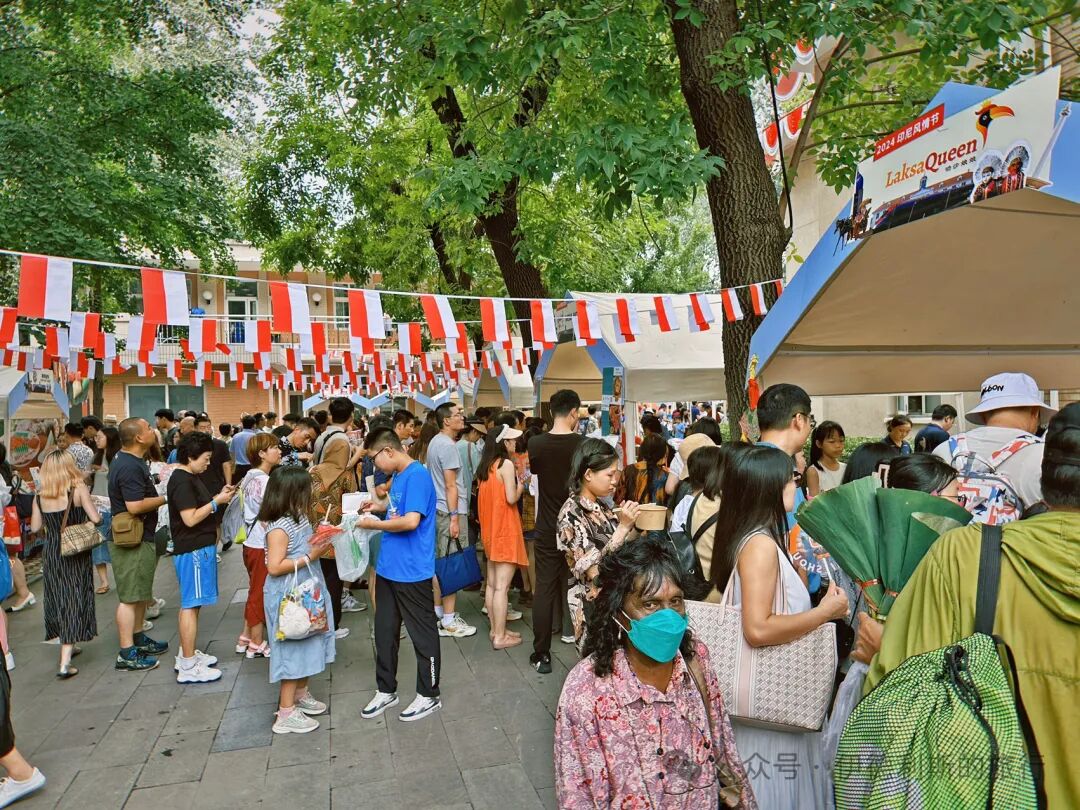
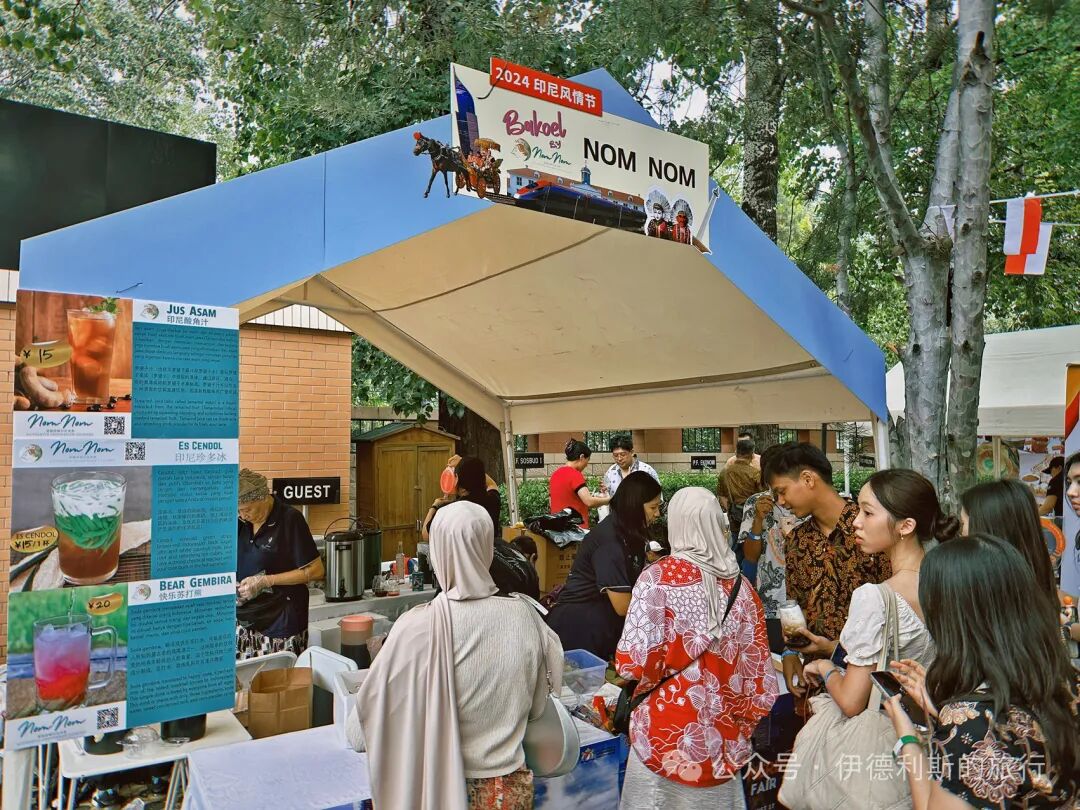
I went to the Indonesian Embassy on Saturday for the annual Indonesian Cultural Festival. I ate a lot of special Indonesian food at the festival last year, which I wrote about in "Attending the Indonesian Cultural Festival at the Indonesian Embassy." The stalls were similar to last year, but there were even more people! Nom Nom still had the longest line, and it is the only Indonesian restaurant in Beijing. We did not wait in that line and chose a few other stalls instead.
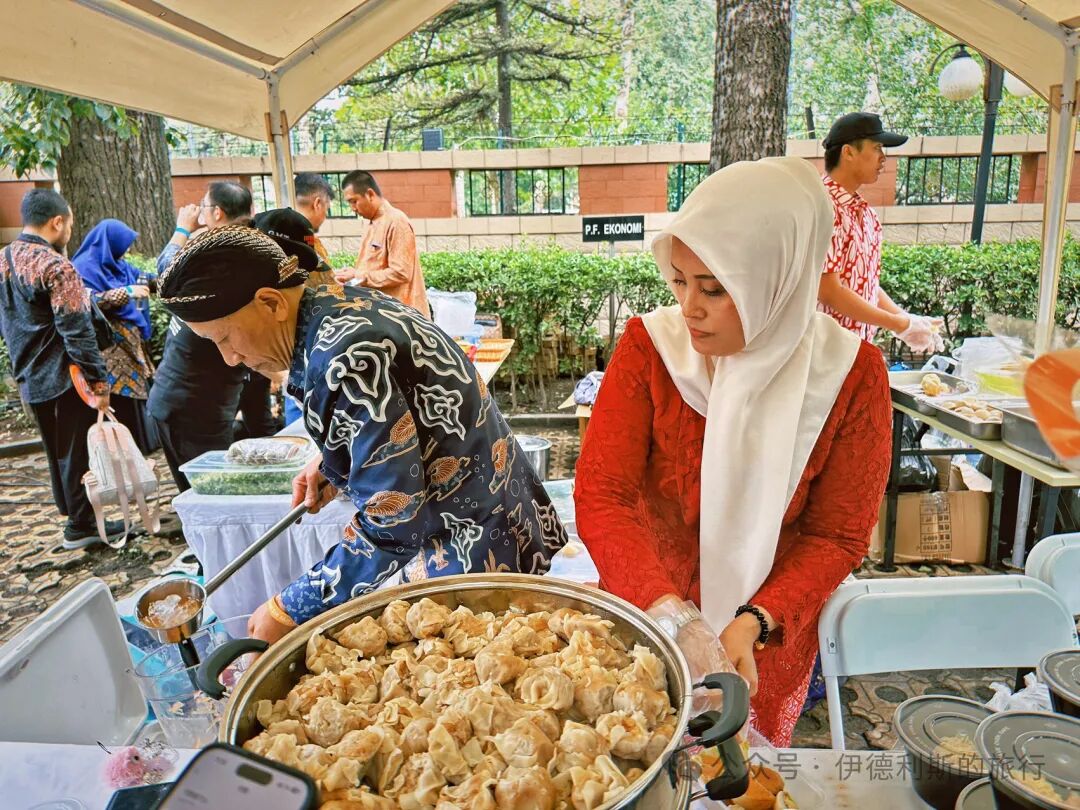
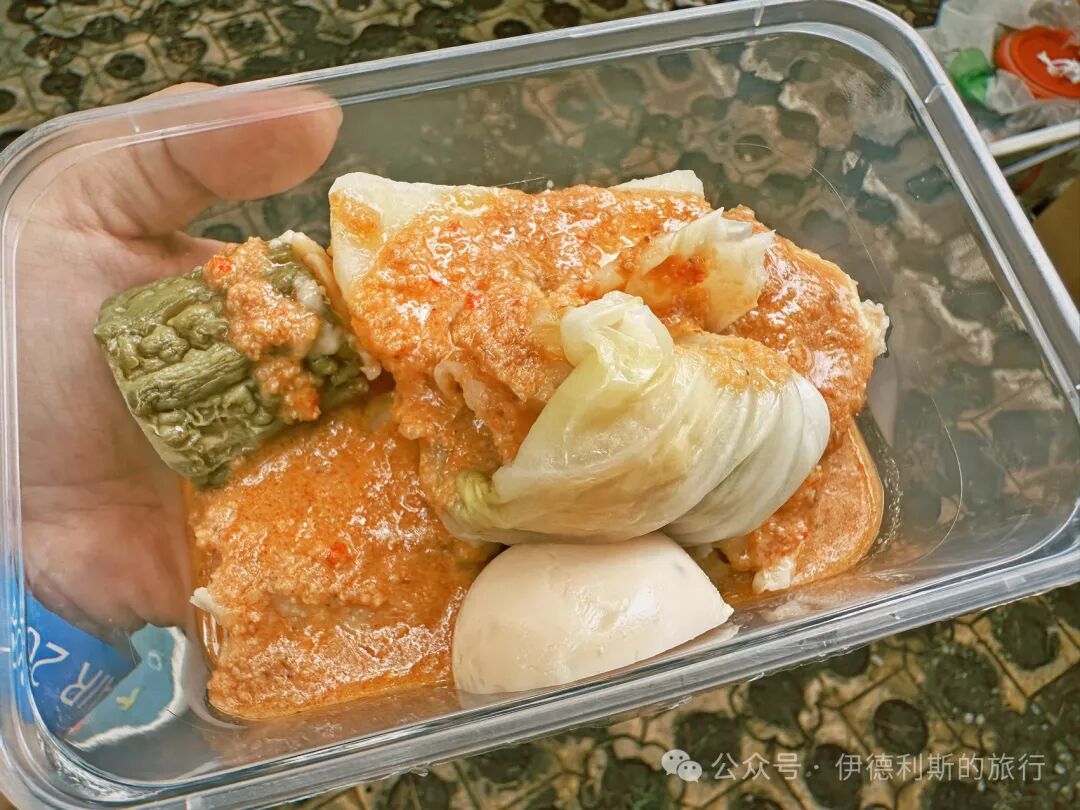
We started by eating Indonesian steamed dumplings (siomay). Indonesian steamed dumplings (siomay) come from the steamed dumplings (shaomai) of southern China. Sundanese people in West Java first changed the pork filling to fish, then added sides like cabbage, tofu, potatoes, boiled eggs, and stuffed bitter melon. It is served with peanut sauce and sweet soy sauce and is now a classic street snack all over Indonesia.
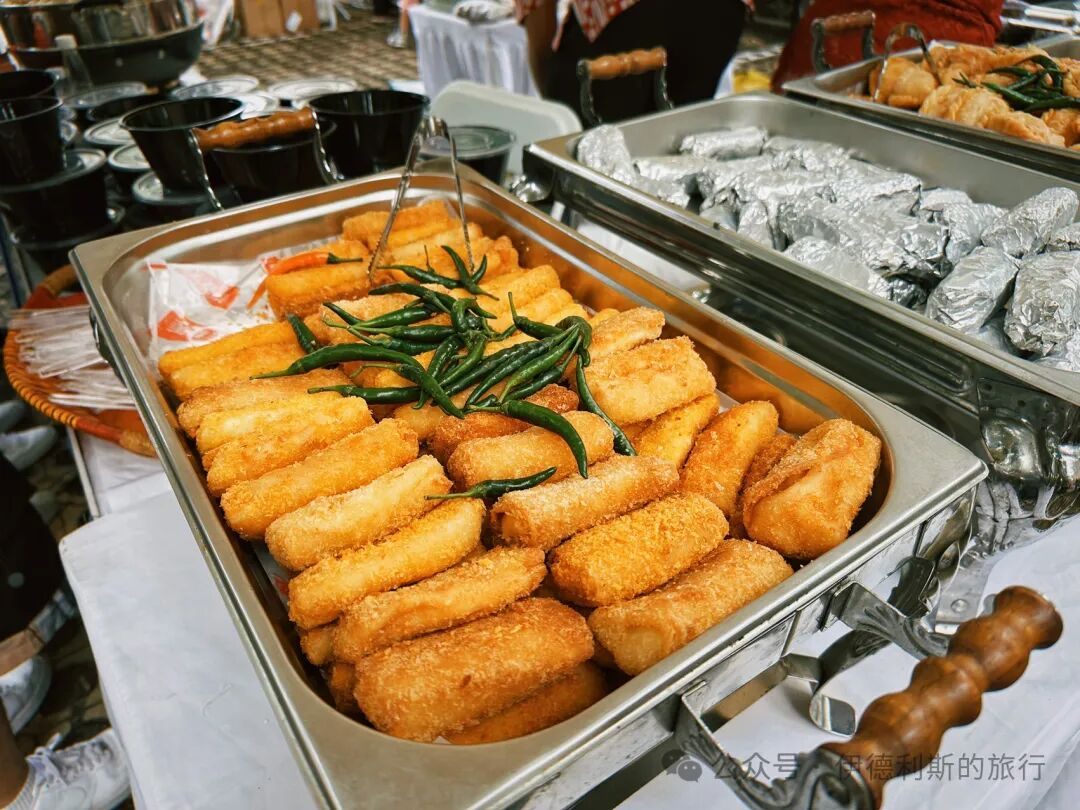
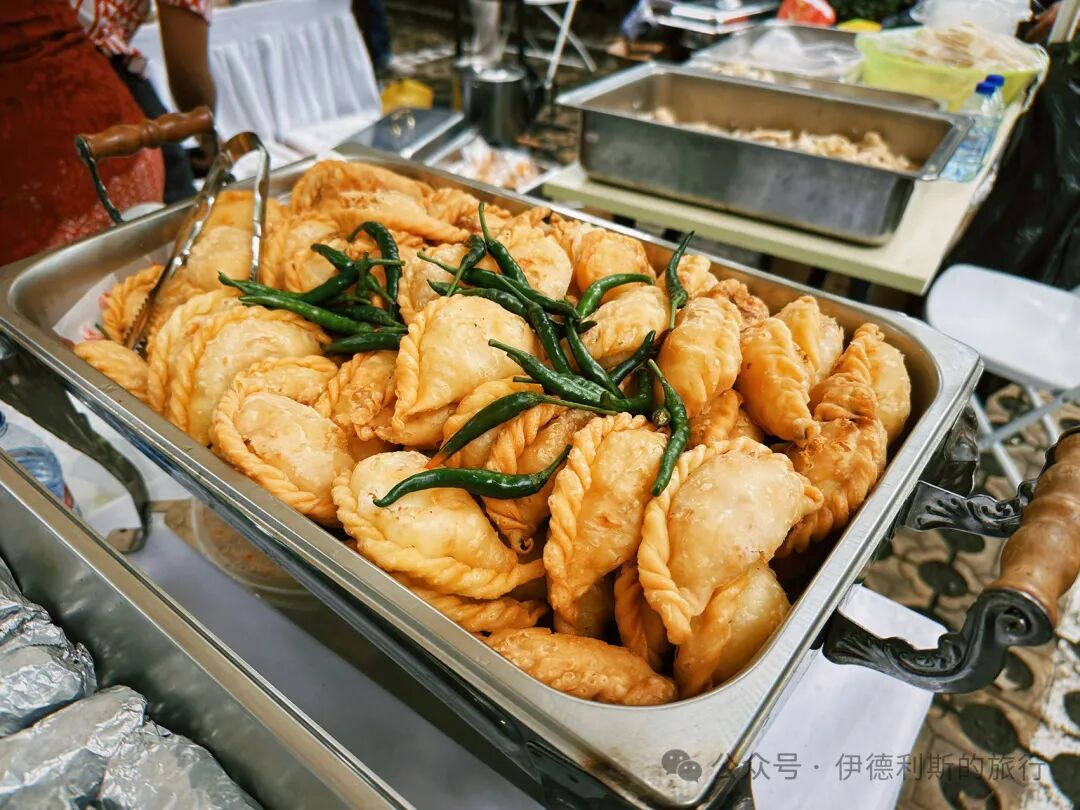
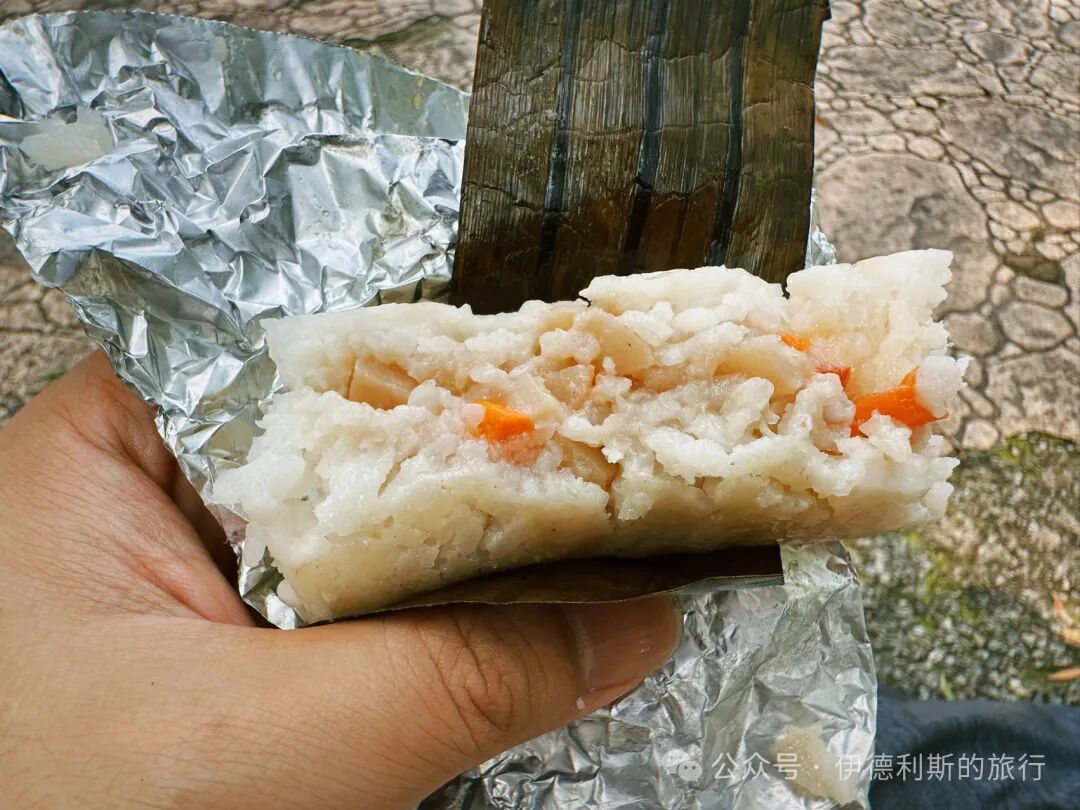
At that stall, you could also get three classic Indonesian street snacks: fried pastry (kue pastel), fried spring rolls (risoles), and Indonesian rice cake (arem arem). We bought the Indonesian rice cake (arem arem) this time. Arem arem is most common on Java island. It is made by cooking rice in coconut milk, stuffing it with meat and vegetables, shaping it into a cylinder, and wrapping it in a banana leaf.
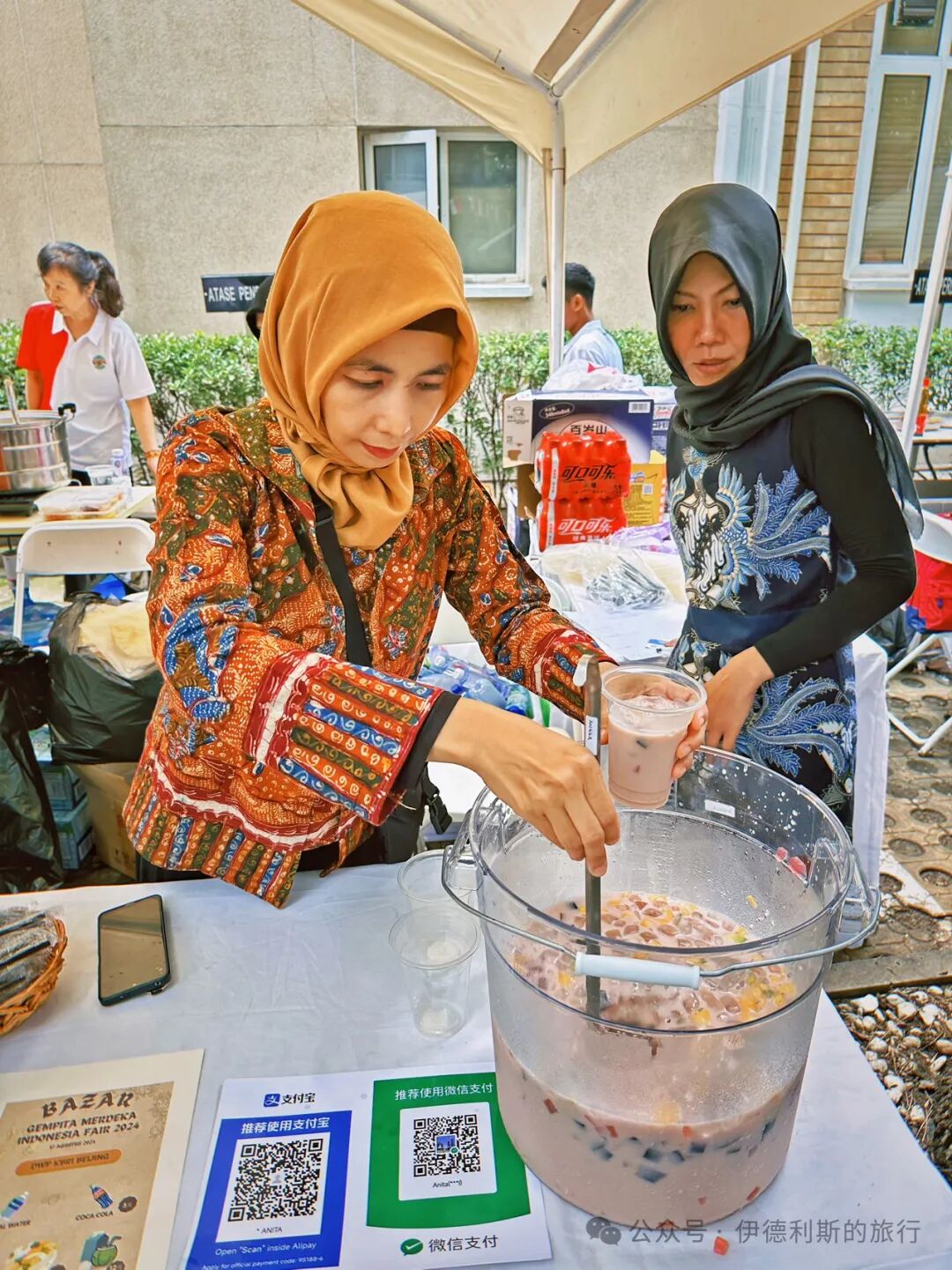
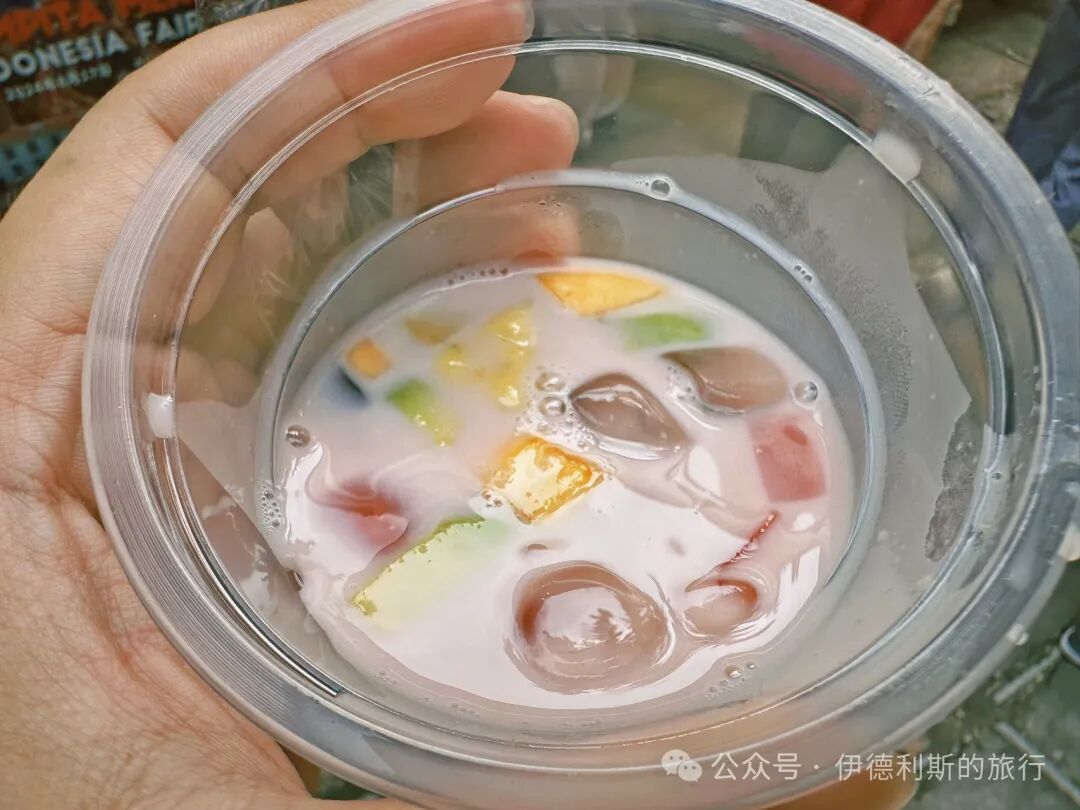
Next, we drank a Javanese mixed drink called es teler, which contains jackfruit, avocado, and coconut meat mixed with condensed milk and syrup. In 1981, an Indonesian housewife named Murniati Widjaja won a TV competition with her es teler. The following year, she opened a specialty food shop in Jakarta called Es Teler 77, which has now grown into a massive food chain.
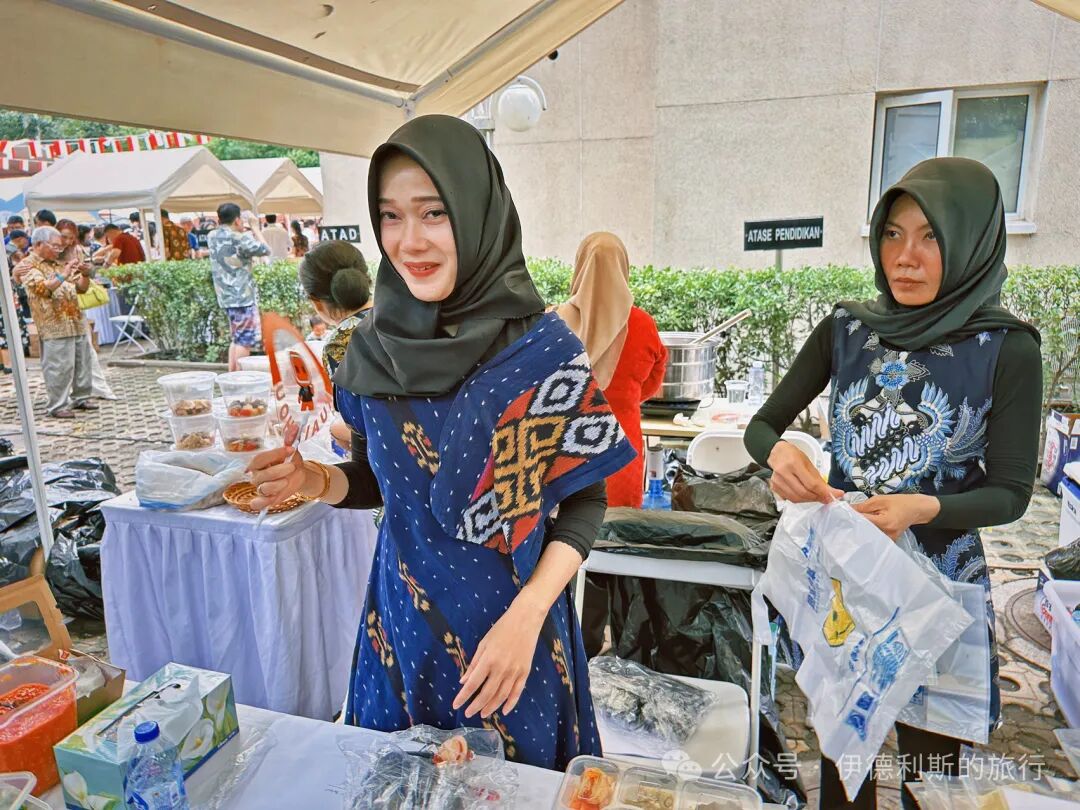
We continued walking through the Indonesian cultural festival. We were impressed by this Minangkabau stall during last year's festival. The Minangkabau people are an Austronesian ethnic group living in the western highlands of Sumatra, centered around their capital, Padang. The Minangkabau have a large matrilineal society. Men are used to traveling for work, while women are responsible for farming and maintaining family life at home. Because of this, property, surnames, and land are passed from mother to daughter.
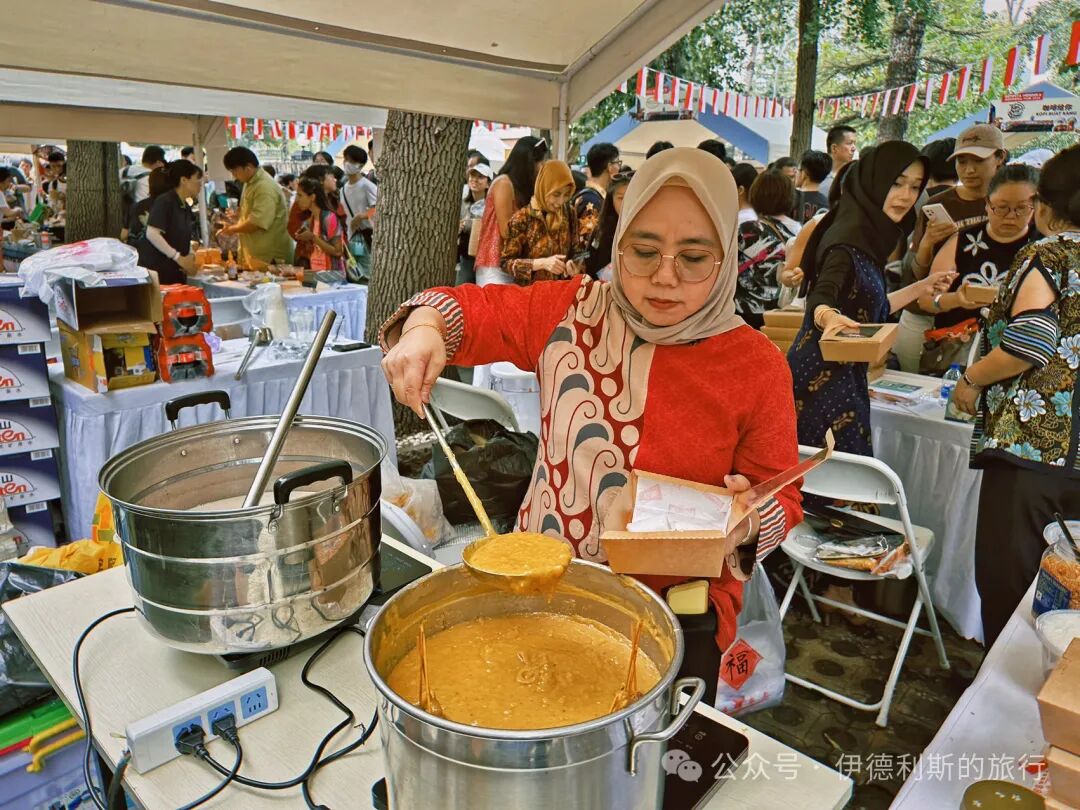
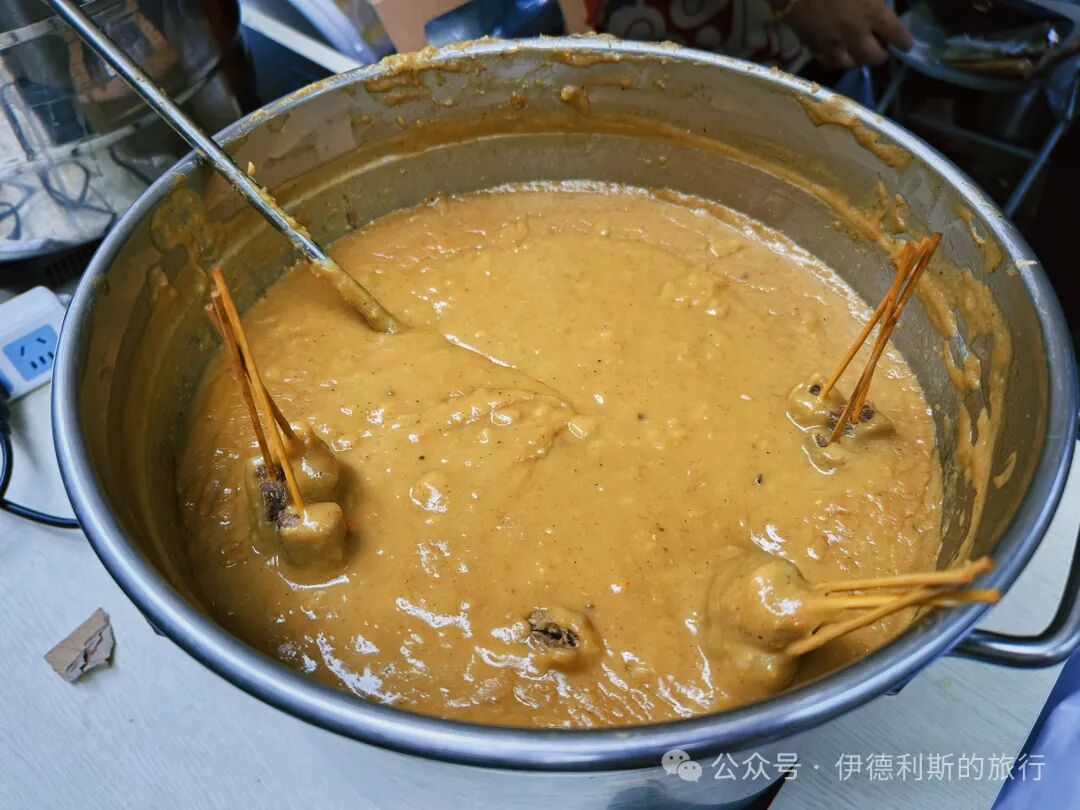
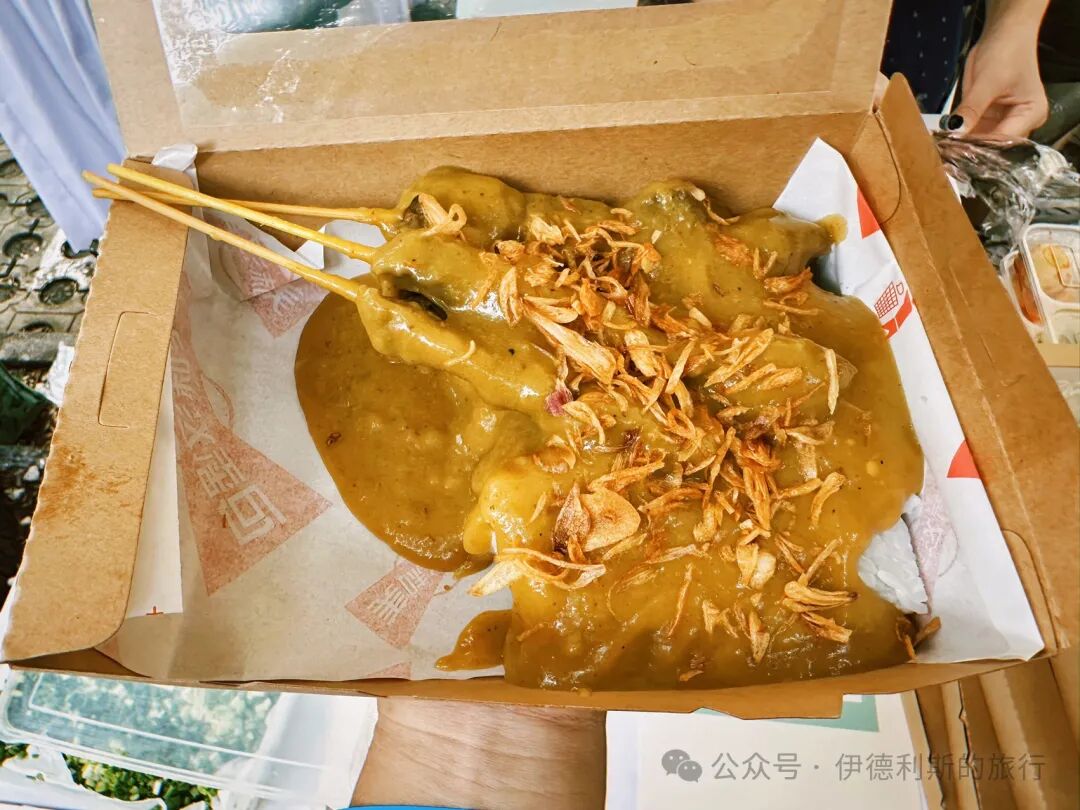
This time, we bought their Padang beef satay skewers (sate padang) again. The Padang version of beef satay skewers is quite different from the Javanese version we usually eat. First, the beef is boiled until tender, then cut into small pieces, skewered, and sprinkled with spicy sauce. A rich yellow sauce is made by mixing the beef broth with 19 spices, including turmeric, ginger, garlic, cilantro, and cumin. It is served with a side of Indonesian rice cake (lontong). Rice cake (lontong) is made by wrapping rice in banana leaves, boiling it until firm, and then slicing it. It is a staple food in Indonesian culture, just as important as regular rice.
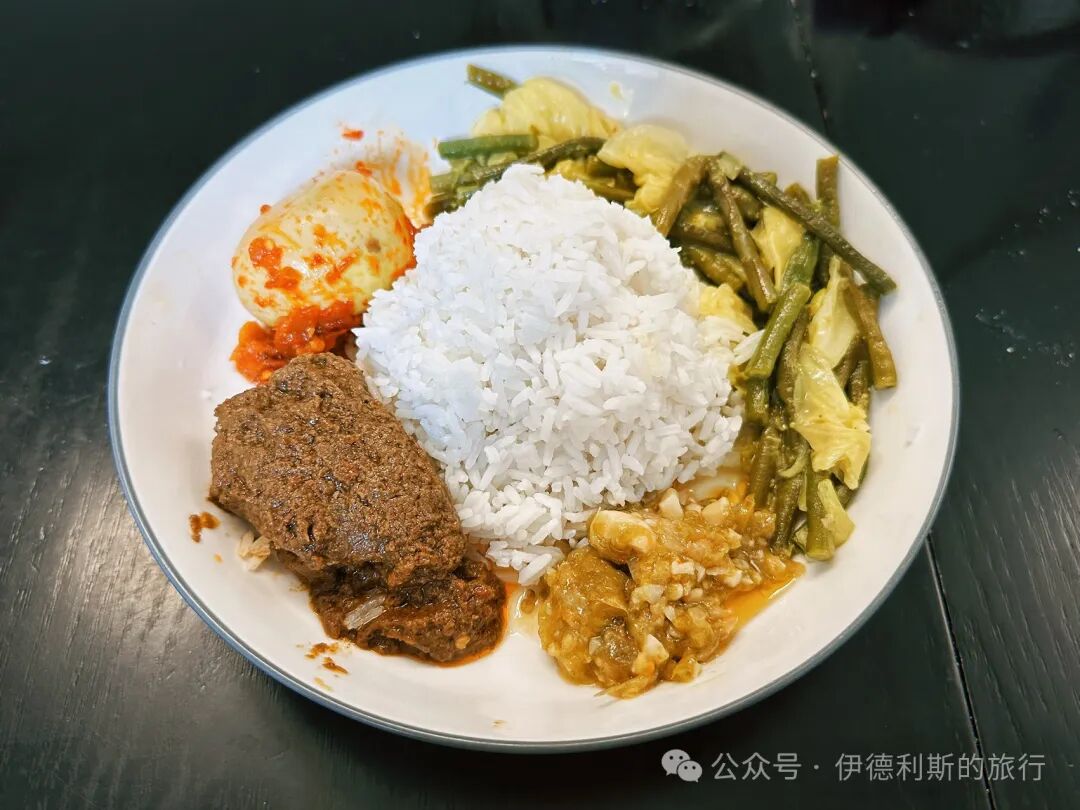
We also bought Minangkabau steamed rice (nasi kapau) at their shop. Minangkabau steamed rice (nasi kapau) is similar to the Padang rice (nasi padang) found all over Indonesia, but it comes with some unique side dishes. The version we ate included beef rendang, long bean curry, boiled eggs, and spicy sauce. Beef rendang likely started as a curry brought by Indian merchants who came to Sumatra to trade before the 15th century, which then evolved through the local Minangkabau diet. The main ingredients for rendang are meat, coconut milk, chili, and various spices. To suit the needs of Minangkabau merchants on long voyages, the rendang is simmered over low heat until it becomes rich and dry, allowing it to be stored for several weeks.
Next to the Minangkabau stall, they sell various Indonesian fried shrimp crackers (rempeyek). They add coconut milk, salt, chopped cilantro, and crushed candlenut when frying them, and Suleiman really loves eating them.
Indonesian Ambassador to China Djauhari Oratmangun sang at the Indonesian Cultural Festival, with Papuan dancers performing behind him.
Summary: 2024 Indonesian Cultural Festival - Food, Dance and Community is presented as a clear English travel account for readers interested in Muslim life, halal food, mosques, and local history. The article keeps the original place names, food details, photographs, and cultural context while focusing on Indonesian Culture, Food Festival, Muslim Travel.
I went to the Indonesian Embassy on Saturday for the annual Indonesian Cultural Festival. I ate a lot of special Indonesian food at the festival last year, which I wrote about in "Attending the Indonesian Cultural Festival at the Indonesian Embassy." The stalls were similar to last year, but there were even more people! Nom Nom still had the longest line, and it is the only Indonesian restaurant in Beijing. We did not wait in that line and chose a few other stalls instead.
We started by eating Indonesian steamed dumplings (siomay). Indonesian steamed dumplings (siomay) come from the steamed dumplings (shaomai) of southern China. Sundanese people in West Java first changed the pork filling to fish, then added sides like cabbage, tofu, potatoes, boiled eggs, and stuffed bitter melon. It is served with peanut sauce and sweet soy sauce and is now a classic street snack all over Indonesia.
At that stall, you could also get three classic Indonesian street snacks: fried pastry (kue pastel), fried spring rolls (risoles), and Indonesian rice cake (arem arem). We bought the Indonesian rice cake (arem arem) this time. Arem arem is most common on Java island. It is made by cooking rice in coconut milk, stuffing it with meat and vegetables, shaping it into a cylinder, and wrapping it in a banana leaf.
Next, we drank a Javanese mixed drink called es teler, which contains jackfruit, avocado, and coconut meat mixed with condensed milk and syrup. In 1981, an Indonesian housewife named Murniati Widjaja won a TV competition with her es teler. The following year, she opened a specialty food shop in Jakarta called Es Teler 77, which has now grown into a massive food chain.
We continued walking through the Indonesian cultural festival. We were impressed by this Minangkabau stall during last year's festival. The Minangkabau people are an Austronesian ethnic group living in the western highlands of Sumatra, centered around their capital, Padang. The Minangkabau have a large matrilineal society. Men are used to traveling for work, while women are responsible for farming and maintaining family life at home. Because of this, property, surnames, and land are passed from mother to daughter.
This time, we bought their Padang beef satay skewers (sate padang) again. The Padang version of beef satay skewers is quite different from the Javanese version we usually eat. First, the beef is boiled until tender, then cut into small pieces, skewered, and sprinkled with spicy sauce. A rich yellow sauce is made by mixing the beef broth with 19 spices, including turmeric, ginger, garlic, cilantro, and cumin. It is served with a side of Indonesian rice cake (lontong). Rice cake (lontong) is made by wrapping rice in banana leaves, boiling it until firm, and then slicing it. It is a staple food in Indonesian culture, just as important as regular rice.
We also bought Minangkabau steamed rice (nasi kapau) at their shop. Minangkabau steamed rice (nasi kapau) is similar to the Padang rice (nasi padang) found all over Indonesia, but it comes with some unique side dishes. The version we ate included beef rendang, long bean curry, boiled eggs, and spicy sauce. Beef rendang likely started as a curry brought by Indian merchants who came to Sumatra to trade before the 15th century, which then evolved through the local Minangkabau diet. The main ingredients for rendang are meat, coconut milk, chili, and various spices. To suit the needs of Minangkabau merchants on long voyages, the rendang is simmered over low heat until it becomes rich and dry, allowing it to be stored for several weeks.
Next to the Minangkabau stall, they sell various Indonesian fried shrimp crackers (rempeyek). They add coconut milk, salt, chopped cilantro, and crushed candlenut when frying them, and Suleiman really loves eating them.
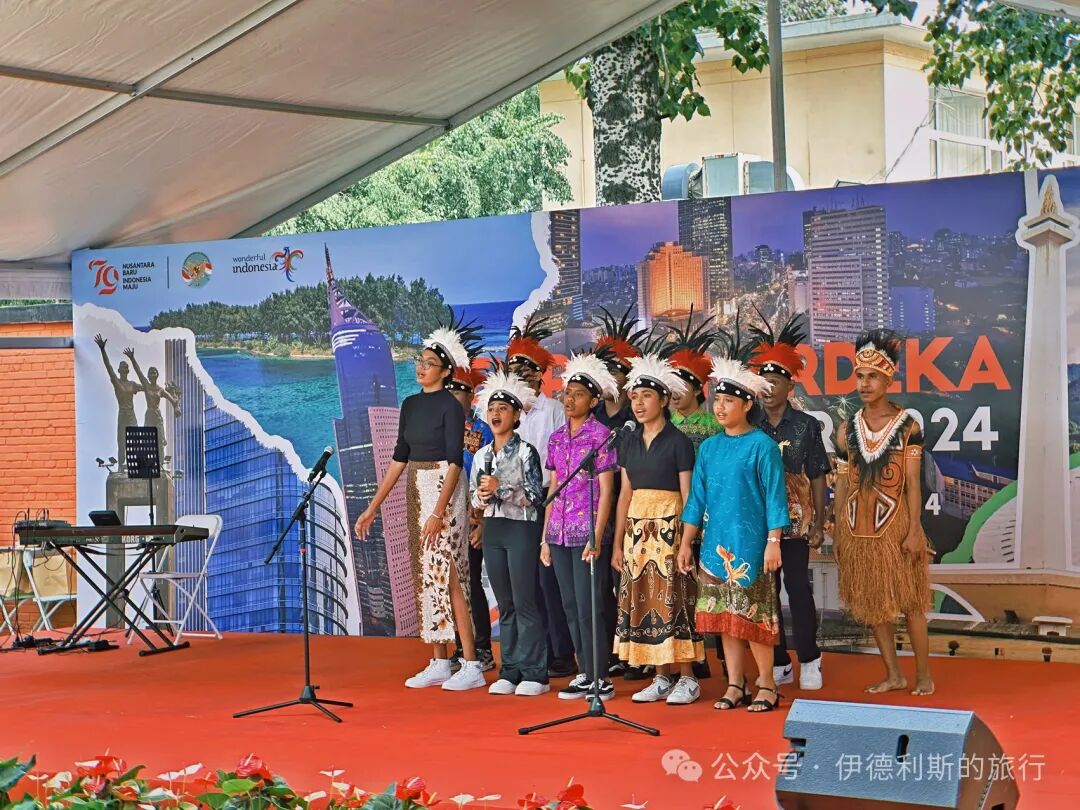
Indonesian Ambassador to China Djauhari Oratmangun sang at the Indonesian Cultural Festival, with Papuan dancers performing behind him.
Halal Food Guide: Beijing - Chaoyang Park International Food Carnival
Articles • ali2007fr posted the article • 0 comments • 225 views • 2026-05-20 09:38
Reposted from the web
Summary: This weekend food walk at Chaoyang Park International Food Carnival covers global food stalls and halal-friendly dishes in Beijing. The account keeps the original food names, stall details, and tasting notes while focusing on what was actually eaten at the festival.
The International Food Carnival was held at the Fireworks Plaza near the South Gate of Chaoyang Park this weekend. The halal lineup was similar to last week's food festival at Scitech, featuring Azerbaijan's Siting Se, Egypt's Cleopatra, and Bangladesh's Benjibi and Samarkand. The difference was the addition of the Pakistan China-Pakistan Friendship Restaurant.
It was extremely crowded when we went on Saturday at noon. We had to line up at almost every stall, and not every dish was available. Chaoyang Park is a popular spot for people in Chaoyang District to take their kids, so many families were there eating with their children. Our main goal was also to take the kids out, with eating as a secondary activity.
We first bought potato and chicken fried curry puffs (samosa) at the Pakistan China-Pakistan Friendship Restaurant. Samosas are made from the Arab world, Persia, South Asia, and Central Asia all the way to the Hui Muslims. Whether baked or fried, vegetarian or meat, they are all signs of cultural exchange.
Then we bought butter chicken curry with saffron rice at the Bangladesh Benjibi restaurant, along with mint lemonade and mango yogurt drink (lassi). I personally feel that butter chicken is the South Asian curry most acceptable to Chinese people. It is not spicy and has a milky aroma, and even my mom likes it. The mango lassi was also a big hit with the kids, reminding me of the time I drank lassi on the streets of India.
After that, we bought hibiscus tea (pharaoh tea) and lemon-flavored Barbican at Cleopatra. Hibiscus tea is a classic drink for breaking the fast in Egypt; you can check my introduction from last week. Barbican originated in the UK, was introduced to the Middle East by the Saudi company Aujan in 1982, and began independent production in Dubai in 2005. It is now the most famous malt beverage in the Middle East. I first drank Barbican at an imported goods supermarket near my university. Back then, I didn't have much money, so I could only drink it occasionally in the summer, and it felt especially refreshing. Ten years have passed in a flash, and now that I earn my own money, I can finally drink Barbican whenever I want.
We bought grilled meat with flatbread (nang) and a beef burger at Samarkand. Their place is a mix of foods made by Hui Muslims, but the taste is quite good. The beef burger had catnip (jingjie) in it, which was interesting, and the beef patty tasted good too. Everyone liked it, though I am not sure if they serve it at their restaurant. view all
Summary: This weekend food walk at Chaoyang Park International Food Carnival covers global food stalls and halal-friendly dishes in Beijing. The account keeps the original food names, stall details, and tasting notes while focusing on what was actually eaten at the festival.
The International Food Carnival was held at the Fireworks Plaza near the South Gate of Chaoyang Park this weekend. The halal lineup was similar to last week's food festival at Scitech, featuring Azerbaijan's Siting Se, Egypt's Cleopatra, and Bangladesh's Benjibi and Samarkand. The difference was the addition of the Pakistan China-Pakistan Friendship Restaurant.
It was extremely crowded when we went on Saturday at noon. We had to line up at almost every stall, and not every dish was available. Chaoyang Park is a popular spot for people in Chaoyang District to take their kids, so many families were there eating with their children. Our main goal was also to take the kids out, with eating as a secondary activity.
We first bought potato and chicken fried curry puffs (samosa) at the Pakistan China-Pakistan Friendship Restaurant. Samosas are made from the Arab world, Persia, South Asia, and Central Asia all the way to the Hui Muslims. Whether baked or fried, vegetarian or meat, they are all signs of cultural exchange.
Then we bought butter chicken curry with saffron rice at the Bangladesh Benjibi restaurant, along with mint lemonade and mango yogurt drink (lassi). I personally feel that butter chicken is the South Asian curry most acceptable to Chinese people. It is not spicy and has a milky aroma, and even my mom likes it. The mango lassi was also a big hit with the kids, reminding me of the time I drank lassi on the streets of India.
After that, we bought hibiscus tea (pharaoh tea) and lemon-flavored Barbican at Cleopatra. Hibiscus tea is a classic drink for breaking the fast in Egypt; you can check my introduction from last week. Barbican originated in the UK, was introduced to the Middle East by the Saudi company Aujan in 1982, and began independent production in Dubai in 2005. It is now the most famous malt beverage in the Middle East. I first drank Barbican at an imported goods supermarket near my university. Back then, I didn't have much money, so I could only drink it occasionally in the summer, and it felt especially refreshing. Ten years have passed in a flash, and now that I earn my own money, I can finally drink Barbican whenever I want.
We bought grilled meat with flatbread (nang) and a beef burger at Samarkand. Their place is a mix of foods made by Hui Muslims, but the taste is quite good. The beef burger had catnip (jingjie) in it, which was interesting, and the beef patty tasted good too. Everyone liked it, though I am not sure if they serve it at their restaurant. view all
Reposted from the web
Summary: This weekend food walk at Chaoyang Park International Food Carnival covers global food stalls and halal-friendly dishes in Beijing. The account keeps the original food names, stall details, and tasting notes while focusing on what was actually eaten at the festival.
The International Food Carnival was held at the Fireworks Plaza near the South Gate of Chaoyang Park this weekend. The halal lineup was similar to last week's food festival at Scitech, featuring Azerbaijan's Siting Se, Egypt's Cleopatra, and Bangladesh's Benjibi and Samarkand. The difference was the addition of the Pakistan China-Pakistan Friendship Restaurant.
It was extremely crowded when we went on Saturday at noon. We had to line up at almost every stall, and not every dish was available. Chaoyang Park is a popular spot for people in Chaoyang District to take their kids, so many families were there eating with their children. Our main goal was also to take the kids out, with eating as a secondary activity.
We first bought potato and chicken fried curry puffs (samosa) at the Pakistan China-Pakistan Friendship Restaurant. Samosas are made from the Arab world, Persia, South Asia, and Central Asia all the way to the Hui Muslims. Whether baked or fried, vegetarian or meat, they are all signs of cultural exchange.
Then we bought butter chicken curry with saffron rice at the Bangladesh Benjibi restaurant, along with mint lemonade and mango yogurt drink (lassi). I personally feel that butter chicken is the South Asian curry most acceptable to Chinese people. It is not spicy and has a milky aroma, and even my mom likes it. The mango lassi was also a big hit with the kids, reminding me of the time I drank lassi on the streets of India.
After that, we bought hibiscus tea (pharaoh tea) and lemon-flavored Barbican at Cleopatra. Hibiscus tea is a classic drink for breaking the fast in Egypt; you can check my introduction from last week. Barbican originated in the UK, was introduced to the Middle East by the Saudi company Aujan in 1982, and began independent production in Dubai in 2005. It is now the most famous malt beverage in the Middle East. I first drank Barbican at an imported goods supermarket near my university. Back then, I didn't have much money, so I could only drink it occasionally in the summer, and it felt especially refreshing. Ten years have passed in a flash, and now that I earn my own money, I can finally drink Barbican whenever I want.
We bought grilled meat with flatbread (nang) and a beef burger at Samarkand. Their place is a mix of foods made by Hui Muslims, but the taste is quite good. The beef burger had catnip (jingjie) in it, which was interesting, and the beef patty tasted good too. Everyone liked it, though I am not sure if they serve it at their restaurant.
Summary: This weekend food walk at Chaoyang Park International Food Carnival covers global food stalls and halal-friendly dishes in Beijing. The account keeps the original food names, stall details, and tasting notes while focusing on what was actually eaten at the festival.
The International Food Carnival was held at the Fireworks Plaza near the South Gate of Chaoyang Park this weekend. The halal lineup was similar to last week's food festival at Scitech, featuring Azerbaijan's Siting Se, Egypt's Cleopatra, and Bangladesh's Benjibi and Samarkand. The difference was the addition of the Pakistan China-Pakistan Friendship Restaurant.
It was extremely crowded when we went on Saturday at noon. We had to line up at almost every stall, and not every dish was available. Chaoyang Park is a popular spot for people in Chaoyang District to take their kids, so many families were there eating with their children. Our main goal was also to take the kids out, with eating as a secondary activity.
We first bought potato and chicken fried curry puffs (samosa) at the Pakistan China-Pakistan Friendship Restaurant. Samosas are made from the Arab world, Persia, South Asia, and Central Asia all the way to the Hui Muslims. Whether baked or fried, vegetarian or meat, they are all signs of cultural exchange.
Then we bought butter chicken curry with saffron rice at the Bangladesh Benjibi restaurant, along with mint lemonade and mango yogurt drink (lassi). I personally feel that butter chicken is the South Asian curry most acceptable to Chinese people. It is not spicy and has a milky aroma, and even my mom likes it. The mango lassi was also a big hit with the kids, reminding me of the time I drank lassi on the streets of India.
After that, we bought hibiscus tea (pharaoh tea) and lemon-flavored Barbican at Cleopatra. Hibiscus tea is a classic drink for breaking the fast in Egypt; you can check my introduction from last week. Barbican originated in the UK, was introduced to the Middle East by the Saudi company Aujan in 1982, and began independent production in Dubai in 2005. It is now the most famous malt beverage in the Middle East. I first drank Barbican at an imported goods supermarket near my university. Back then, I didn't have much money, so I could only drink it occasionally in the summer, and it felt especially refreshing. Ten years have passed in a flash, and now that I earn my own money, I can finally drink Barbican whenever I want.
We bought grilled meat with flatbread (nang) and a beef burger at Samarkand. Their place is a mix of foods made by Hui Muslims, but the taste is quite good. The beef burger had catnip (jingjie) in it, which was interesting, and the beef patty tasted good too. Everyone liked it, though I am not sure if they serve it at their restaurant.
Muslim Culture Guide: 2024 Indonesian Cultural Festival - Food, Dance and Community
Articles • ali2007fr posted the article • 0 comments • 256 views • 2026-05-19 10:24
Reposted from the web
Summary: 2024 Indonesian Cultural Festival - Food, Dance and Community is presented as a clear English travel account for readers interested in Muslim life, halal food, mosques, and local history. The article keeps the original place names, food details, photographs, and cultural context while focusing on Indonesian Culture, Food Festival, Muslim Travel.
I went to the Indonesian Embassy on Saturday for the annual Indonesian Cultural Festival. I ate a lot of special Indonesian food at the festival last year, which I wrote about in "Attending the Indonesian Cultural Festival at the Indonesian Embassy." The stalls were similar to last year, but there were even more people! Nom Nom still had the longest line, and it is the only Indonesian restaurant in Beijing. We did not wait in that line and chose a few other stalls instead.
We started by eating Indonesian steamed dumplings (siomay). Indonesian steamed dumplings (siomay) come from the steamed dumplings (shaomai) of southern China. Sundanese people in West Java first changed the pork filling to fish, then added sides like cabbage, tofu, potatoes, boiled eggs, and stuffed bitter melon. It is served with peanut sauce and sweet soy sauce and is now a classic street snack all over Indonesia.
At that stall, you could also get three classic Indonesian street snacks: fried pastry (kue pastel), fried spring rolls (risoles), and Indonesian rice cake (arem arem). We bought the Indonesian rice cake (arem arem) this time. Arem arem is most common on Java island. It is made by cooking rice in coconut milk, stuffing it with meat and vegetables, shaping it into a cylinder, and wrapping it in a banana leaf.
Next, we drank a Javanese mixed drink called es teler, which contains jackfruit, avocado, and coconut meat mixed with condensed milk and syrup. In 1981, an Indonesian housewife named Murniati Widjaja won a TV competition with her es teler. The following year, she opened a specialty food shop in Jakarta called Es Teler 77, which has now grown into a massive food chain.
We continued walking through the Indonesian cultural festival. We were impressed by this Minangkabau stall during last year's festival. The Minangkabau people are an Austronesian ethnic group living in the western highlands of Sumatra, centered around their capital, Padang. The Minangkabau have a large matrilineal society. Men are used to traveling for work, while women are responsible for farming and maintaining family life at home. Because of this, property, surnames, and land are passed from mother to daughter.
This time, we bought their Padang beef satay skewers (sate padang) again. The Padang version of beef satay skewers is quite different from the Javanese version we usually eat. First, the beef is boiled until tender, then cut into small pieces, skewered, and sprinkled with spicy sauce. A rich yellow sauce is made by mixing the beef broth with 19 spices, including turmeric, ginger, garlic, cilantro, and cumin. It is served with a side of Indonesian rice cake (lontong). Rice cake (lontong) is made by wrapping rice in banana leaves, boiling it until firm, and then slicing it. It is a staple food in Indonesian culture, just as important as regular rice.
We also bought Minangkabau steamed rice (nasi kapau) at their shop. Minangkabau steamed rice (nasi kapau) is similar to the Padang rice (nasi padang) found all over Indonesia, but it comes with some unique side dishes. The version we ate included beef rendang, long bean curry, boiled eggs, and spicy sauce. Beef rendang likely started as a curry brought by Indian merchants who came to Sumatra to trade before the 15th century, which then evolved through the local Minangkabau diet. The main ingredients for rendang are meat, coconut milk, chili, and various spices. To suit the needs of Minangkabau merchants on long voyages, the rendang is simmered over low heat until it becomes rich and dry, allowing it to be stored for several weeks.
Next to the Minangkabau stall, they sell various Indonesian fried shrimp crackers (rempeyek). They add coconut milk, salt, chopped cilantro, and crushed candlenut when frying them, and Suleiman really loves eating them.
Indonesian Ambassador to China Djauhari Oratmangun sang at the Indonesian Cultural Festival, with Papuan dancers performing behind him. view all
Summary: 2024 Indonesian Cultural Festival - Food, Dance and Community is presented as a clear English travel account for readers interested in Muslim life, halal food, mosques, and local history. The article keeps the original place names, food details, photographs, and cultural context while focusing on Indonesian Culture, Food Festival, Muslim Travel.
I went to the Indonesian Embassy on Saturday for the annual Indonesian Cultural Festival. I ate a lot of special Indonesian food at the festival last year, which I wrote about in "Attending the Indonesian Cultural Festival at the Indonesian Embassy." The stalls were similar to last year, but there were even more people! Nom Nom still had the longest line, and it is the only Indonesian restaurant in Beijing. We did not wait in that line and chose a few other stalls instead.
We started by eating Indonesian steamed dumplings (siomay). Indonesian steamed dumplings (siomay) come from the steamed dumplings (shaomai) of southern China. Sundanese people in West Java first changed the pork filling to fish, then added sides like cabbage, tofu, potatoes, boiled eggs, and stuffed bitter melon. It is served with peanut sauce and sweet soy sauce and is now a classic street snack all over Indonesia.
At that stall, you could also get three classic Indonesian street snacks: fried pastry (kue pastel), fried spring rolls (risoles), and Indonesian rice cake (arem arem). We bought the Indonesian rice cake (arem arem) this time. Arem arem is most common on Java island. It is made by cooking rice in coconut milk, stuffing it with meat and vegetables, shaping it into a cylinder, and wrapping it in a banana leaf.
Next, we drank a Javanese mixed drink called es teler, which contains jackfruit, avocado, and coconut meat mixed with condensed milk and syrup. In 1981, an Indonesian housewife named Murniati Widjaja won a TV competition with her es teler. The following year, she opened a specialty food shop in Jakarta called Es Teler 77, which has now grown into a massive food chain.
We continued walking through the Indonesian cultural festival. We were impressed by this Minangkabau stall during last year's festival. The Minangkabau people are an Austronesian ethnic group living in the western highlands of Sumatra, centered around their capital, Padang. The Minangkabau have a large matrilineal society. Men are used to traveling for work, while women are responsible for farming and maintaining family life at home. Because of this, property, surnames, and land are passed from mother to daughter.
This time, we bought their Padang beef satay skewers (sate padang) again. The Padang version of beef satay skewers is quite different from the Javanese version we usually eat. First, the beef is boiled until tender, then cut into small pieces, skewered, and sprinkled with spicy sauce. A rich yellow sauce is made by mixing the beef broth with 19 spices, including turmeric, ginger, garlic, cilantro, and cumin. It is served with a side of Indonesian rice cake (lontong). Rice cake (lontong) is made by wrapping rice in banana leaves, boiling it until firm, and then slicing it. It is a staple food in Indonesian culture, just as important as regular rice.
We also bought Minangkabau steamed rice (nasi kapau) at their shop. Minangkabau steamed rice (nasi kapau) is similar to the Padang rice (nasi padang) found all over Indonesia, but it comes with some unique side dishes. The version we ate included beef rendang, long bean curry, boiled eggs, and spicy sauce. Beef rendang likely started as a curry brought by Indian merchants who came to Sumatra to trade before the 15th century, which then evolved through the local Minangkabau diet. The main ingredients for rendang are meat, coconut milk, chili, and various spices. To suit the needs of Minangkabau merchants on long voyages, the rendang is simmered over low heat until it becomes rich and dry, allowing it to be stored for several weeks.
Next to the Minangkabau stall, they sell various Indonesian fried shrimp crackers (rempeyek). They add coconut milk, salt, chopped cilantro, and crushed candlenut when frying them, and Suleiman really loves eating them.
Indonesian Ambassador to China Djauhari Oratmangun sang at the Indonesian Cultural Festival, with Papuan dancers performing behind him. view all
Reposted from the web
Summary: 2024 Indonesian Cultural Festival - Food, Dance and Community is presented as a clear English travel account for readers interested in Muslim life, halal food, mosques, and local history. The article keeps the original place names, food details, photographs, and cultural context while focusing on Indonesian Culture, Food Festival, Muslim Travel.
I went to the Indonesian Embassy on Saturday for the annual Indonesian Cultural Festival. I ate a lot of special Indonesian food at the festival last year, which I wrote about in "Attending the Indonesian Cultural Festival at the Indonesian Embassy." The stalls were similar to last year, but there were even more people! Nom Nom still had the longest line, and it is the only Indonesian restaurant in Beijing. We did not wait in that line and chose a few other stalls instead.
We started by eating Indonesian steamed dumplings (siomay). Indonesian steamed dumplings (siomay) come from the steamed dumplings (shaomai) of southern China. Sundanese people in West Java first changed the pork filling to fish, then added sides like cabbage, tofu, potatoes, boiled eggs, and stuffed bitter melon. It is served with peanut sauce and sweet soy sauce and is now a classic street snack all over Indonesia.
At that stall, you could also get three classic Indonesian street snacks: fried pastry (kue pastel), fried spring rolls (risoles), and Indonesian rice cake (arem arem). We bought the Indonesian rice cake (arem arem) this time. Arem arem is most common on Java island. It is made by cooking rice in coconut milk, stuffing it with meat and vegetables, shaping it into a cylinder, and wrapping it in a banana leaf.
Next, we drank a Javanese mixed drink called es teler, which contains jackfruit, avocado, and coconut meat mixed with condensed milk and syrup. In 1981, an Indonesian housewife named Murniati Widjaja won a TV competition with her es teler. The following year, she opened a specialty food shop in Jakarta called Es Teler 77, which has now grown into a massive food chain.
We continued walking through the Indonesian cultural festival. We were impressed by this Minangkabau stall during last year's festival. The Minangkabau people are an Austronesian ethnic group living in the western highlands of Sumatra, centered around their capital, Padang. The Minangkabau have a large matrilineal society. Men are used to traveling for work, while women are responsible for farming and maintaining family life at home. Because of this, property, surnames, and land are passed from mother to daughter.
This time, we bought their Padang beef satay skewers (sate padang) again. The Padang version of beef satay skewers is quite different from the Javanese version we usually eat. First, the beef is boiled until tender, then cut into small pieces, skewered, and sprinkled with spicy sauce. A rich yellow sauce is made by mixing the beef broth with 19 spices, including turmeric, ginger, garlic, cilantro, and cumin. It is served with a side of Indonesian rice cake (lontong). Rice cake (lontong) is made by wrapping rice in banana leaves, boiling it until firm, and then slicing it. It is a staple food in Indonesian culture, just as important as regular rice.
We also bought Minangkabau steamed rice (nasi kapau) at their shop. Minangkabau steamed rice (nasi kapau) is similar to the Padang rice (nasi padang) found all over Indonesia, but it comes with some unique side dishes. The version we ate included beef rendang, long bean curry, boiled eggs, and spicy sauce. Beef rendang likely started as a curry brought by Indian merchants who came to Sumatra to trade before the 15th century, which then evolved through the local Minangkabau diet. The main ingredients for rendang are meat, coconut milk, chili, and various spices. To suit the needs of Minangkabau merchants on long voyages, the rendang is simmered over low heat until it becomes rich and dry, allowing it to be stored for several weeks.
Next to the Minangkabau stall, they sell various Indonesian fried shrimp crackers (rempeyek). They add coconut milk, salt, chopped cilantro, and crushed candlenut when frying them, and Suleiman really loves eating them.
Indonesian Ambassador to China Djauhari Oratmangun sang at the Indonesian Cultural Festival, with Papuan dancers performing behind him.
Summary: 2024 Indonesian Cultural Festival - Food, Dance and Community is presented as a clear English travel account for readers interested in Muslim life, halal food, mosques, and local history. The article keeps the original place names, food details, photographs, and cultural context while focusing on Indonesian Culture, Food Festival, Muslim Travel.
I went to the Indonesian Embassy on Saturday for the annual Indonesian Cultural Festival. I ate a lot of special Indonesian food at the festival last year, which I wrote about in "Attending the Indonesian Cultural Festival at the Indonesian Embassy." The stalls were similar to last year, but there were even more people! Nom Nom still had the longest line, and it is the only Indonesian restaurant in Beijing. We did not wait in that line and chose a few other stalls instead.
We started by eating Indonesian steamed dumplings (siomay). Indonesian steamed dumplings (siomay) come from the steamed dumplings (shaomai) of southern China. Sundanese people in West Java first changed the pork filling to fish, then added sides like cabbage, tofu, potatoes, boiled eggs, and stuffed bitter melon. It is served with peanut sauce and sweet soy sauce and is now a classic street snack all over Indonesia.
At that stall, you could also get three classic Indonesian street snacks: fried pastry (kue pastel), fried spring rolls (risoles), and Indonesian rice cake (arem arem). We bought the Indonesian rice cake (arem arem) this time. Arem arem is most common on Java island. It is made by cooking rice in coconut milk, stuffing it with meat and vegetables, shaping it into a cylinder, and wrapping it in a banana leaf.
Next, we drank a Javanese mixed drink called es teler, which contains jackfruit, avocado, and coconut meat mixed with condensed milk and syrup. In 1981, an Indonesian housewife named Murniati Widjaja won a TV competition with her es teler. The following year, she opened a specialty food shop in Jakarta called Es Teler 77, which has now grown into a massive food chain.
We continued walking through the Indonesian cultural festival. We were impressed by this Minangkabau stall during last year's festival. The Minangkabau people are an Austronesian ethnic group living in the western highlands of Sumatra, centered around their capital, Padang. The Minangkabau have a large matrilineal society. Men are used to traveling for work, while women are responsible for farming and maintaining family life at home. Because of this, property, surnames, and land are passed from mother to daughter.
This time, we bought their Padang beef satay skewers (sate padang) again. The Padang version of beef satay skewers is quite different from the Javanese version we usually eat. First, the beef is boiled until tender, then cut into small pieces, skewered, and sprinkled with spicy sauce. A rich yellow sauce is made by mixing the beef broth with 19 spices, including turmeric, ginger, garlic, cilantro, and cumin. It is served with a side of Indonesian rice cake (lontong). Rice cake (lontong) is made by wrapping rice in banana leaves, boiling it until firm, and then slicing it. It is a staple food in Indonesian culture, just as important as regular rice.
We also bought Minangkabau steamed rice (nasi kapau) at their shop. Minangkabau steamed rice (nasi kapau) is similar to the Padang rice (nasi padang) found all over Indonesia, but it comes with some unique side dishes. The version we ate included beef rendang, long bean curry, boiled eggs, and spicy sauce. Beef rendang likely started as a curry brought by Indian merchants who came to Sumatra to trade before the 15th century, which then evolved through the local Minangkabau diet. The main ingredients for rendang are meat, coconut milk, chili, and various spices. To suit the needs of Minangkabau merchants on long voyages, the rendang is simmered over low heat until it becomes rich and dry, allowing it to be stored for several weeks.
Next to the Minangkabau stall, they sell various Indonesian fried shrimp crackers (rempeyek). They add coconut milk, salt, chopped cilantro, and crushed candlenut when frying them, and Suleiman really loves eating them.
Indonesian Ambassador to China Djauhari Oratmangun sang at the Indonesian Cultural Festival, with Papuan dancers performing behind him.