

Fuxin
Halal Travel Guide: Xinlitun and Fuxin - Liaoning Towns, Mosques and Food
Articles • ali2007fr posted the article • 0 comments • 206 views • 2026-05-19 09:31
Reposted from the web
Summary: Halal Travel Guide: Xinlitun and Fuxin - Liaoning Towns, Mosques and Food is presented here as a firsthand travel account in clear, natural English. The account focuses on Xinlitun, Fuxin, Liaoning Travel while preserving the names, places, food, photos, and historical details from the Chinese source.
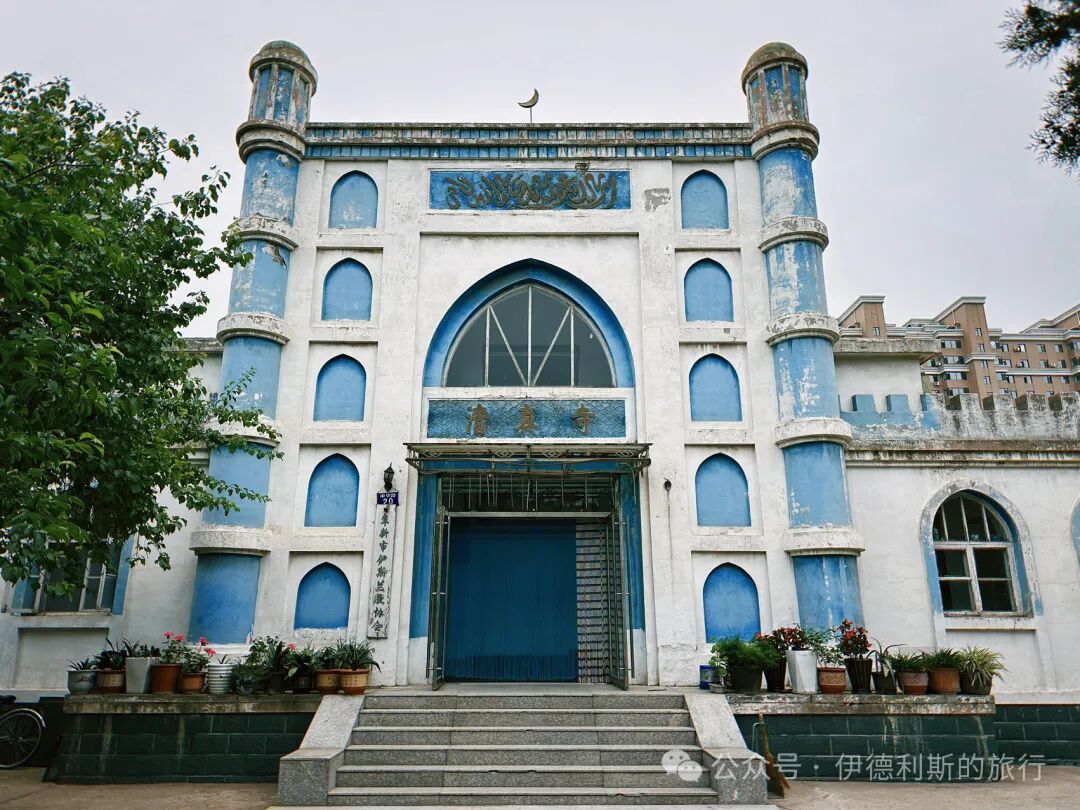
On the morning of June 10, I took a high-speed train from Xinmin North Station in Liaoning and arrived at Heishan North Station in 15 minutes. I then took a taxi to Xinlitun Town, moving from the jurisdiction of Shenyang to that of Jinzhou. We performed the afternoon prayer (peshin) at the Xinlitun Mosque. The imam at the mosque is from Cangzhou. During this trip to Liaoning, I found that many imams are from Cangzhou. This connects Northeast and North China closely, not just through culture but also through religious traditions.
Xinlitun is an ancient town in the western Liaoning region, known as the First Town Beyond the Border. During the Daoguang reign of the Qing Dynasty, Hui Muslims from places like Jinzhou, Yixian, Heishan, and Yingkou came to settle in Xinlitun. They built the Xinlitun Mosque in 1842 (the 22nd year of Daoguang).
On the 15th day of the first lunar month in 1873 (the 12th year of Tongzhi), Xinlitun held a stilt-walking festival. During the event, a Manchu banner man named Dashan, also known as Fifth Master Da, got into a dispute with Hui Muslims named Liu Hua, Zhao Guang'en, and Wang Yao. This escalated into a conflict between the Manchu and Hui communities, which eventually led to the burning of the Xinlitun Mosque. Afterward, both the Manchu and Hui communities learned from the incident and decided to rebuild the Xinlitun Mosque. After years of planning, General Zuo Baogui, an anti-Japanese hero who led the Fengtian Army, personally donated 300 taels of silver to finally finish the reconstruction.
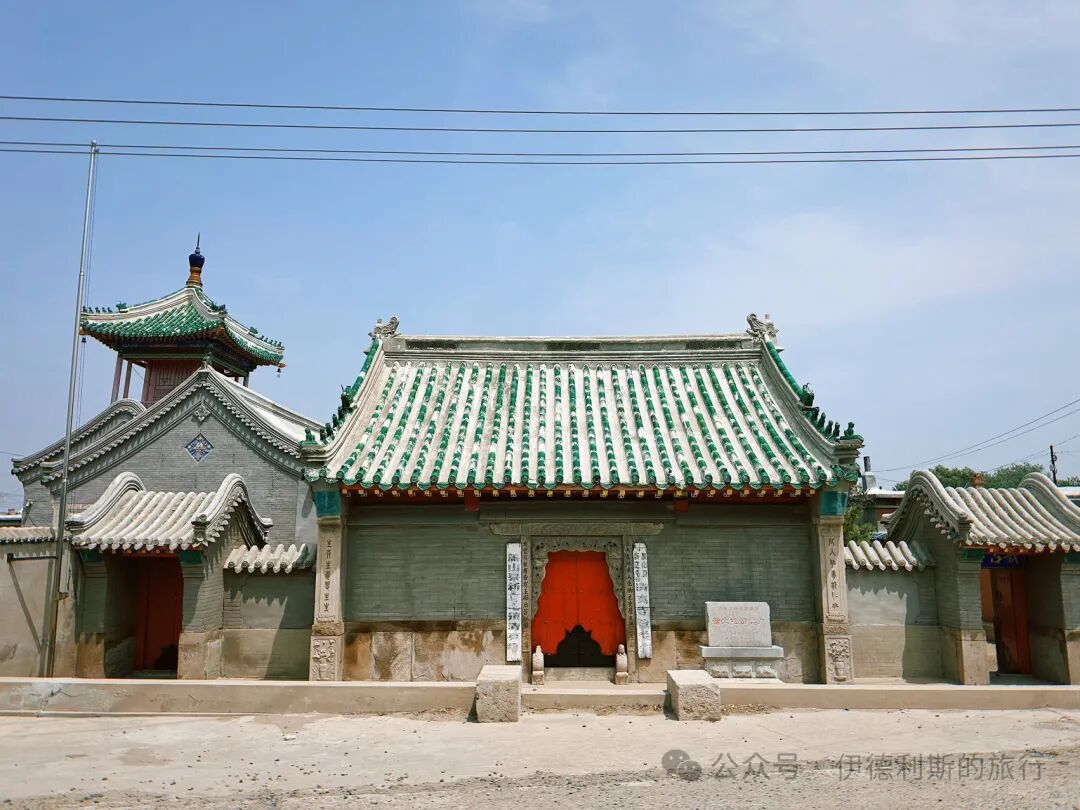
The main gate of Xinlitun Mosque has two couplets: 'Transforming people and things, it can transform everything; giving birth to heaven and earth, it gives birth to life itself.'
The light that gives birth to heaven, earth, people, and all living things; all life has one supreme ruler.
With saints, sages, emperors, and kings, all follow the one and only original Lord.
Above the main gate, there is also a stone carving of two dragons playing with a pearl.
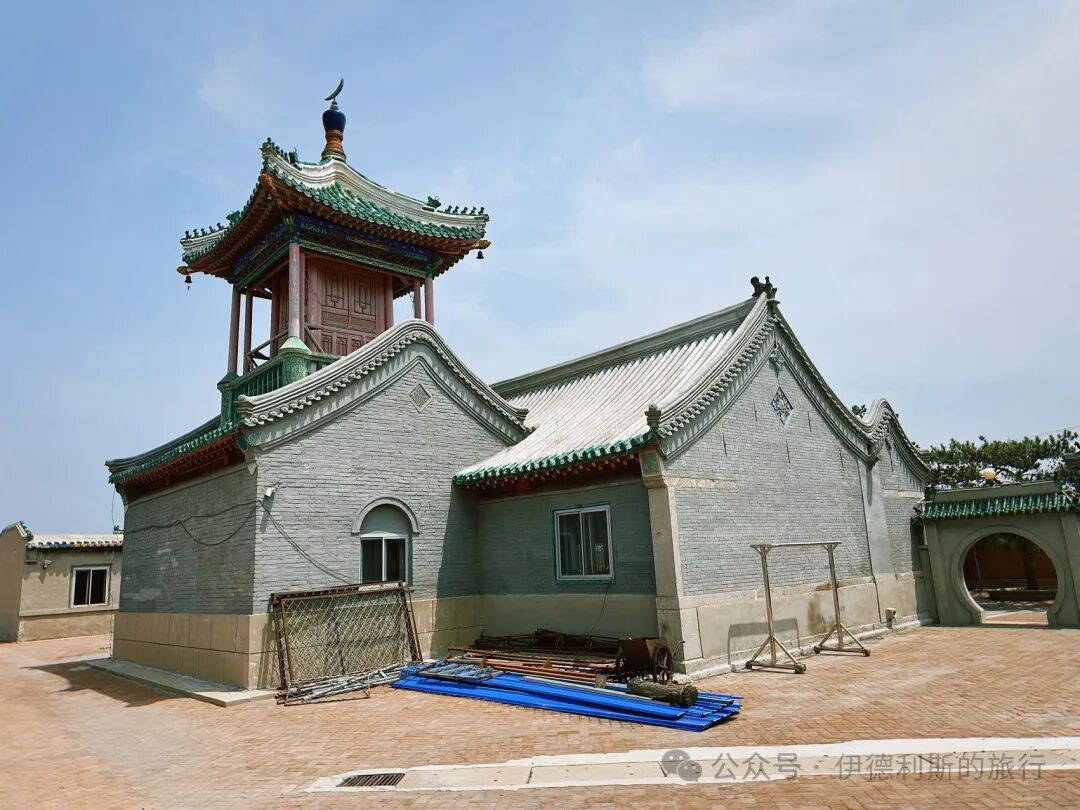
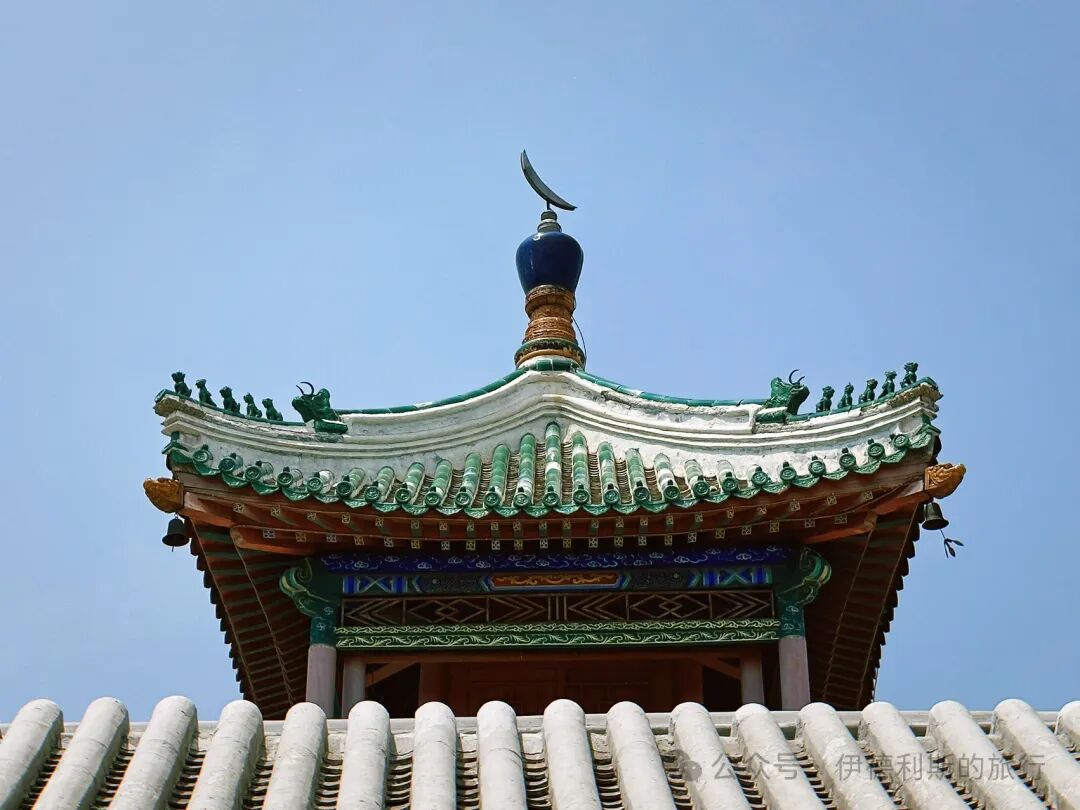
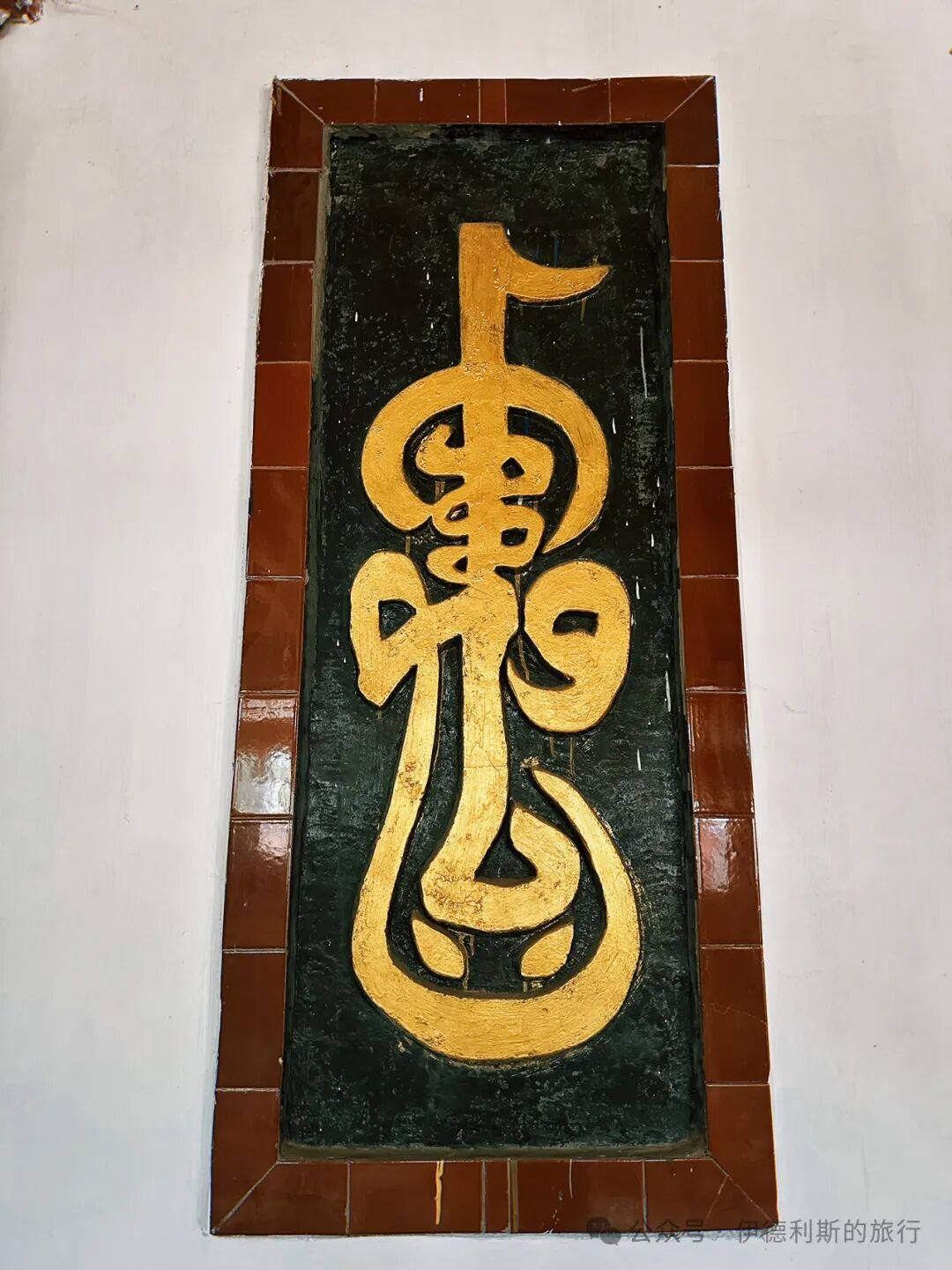
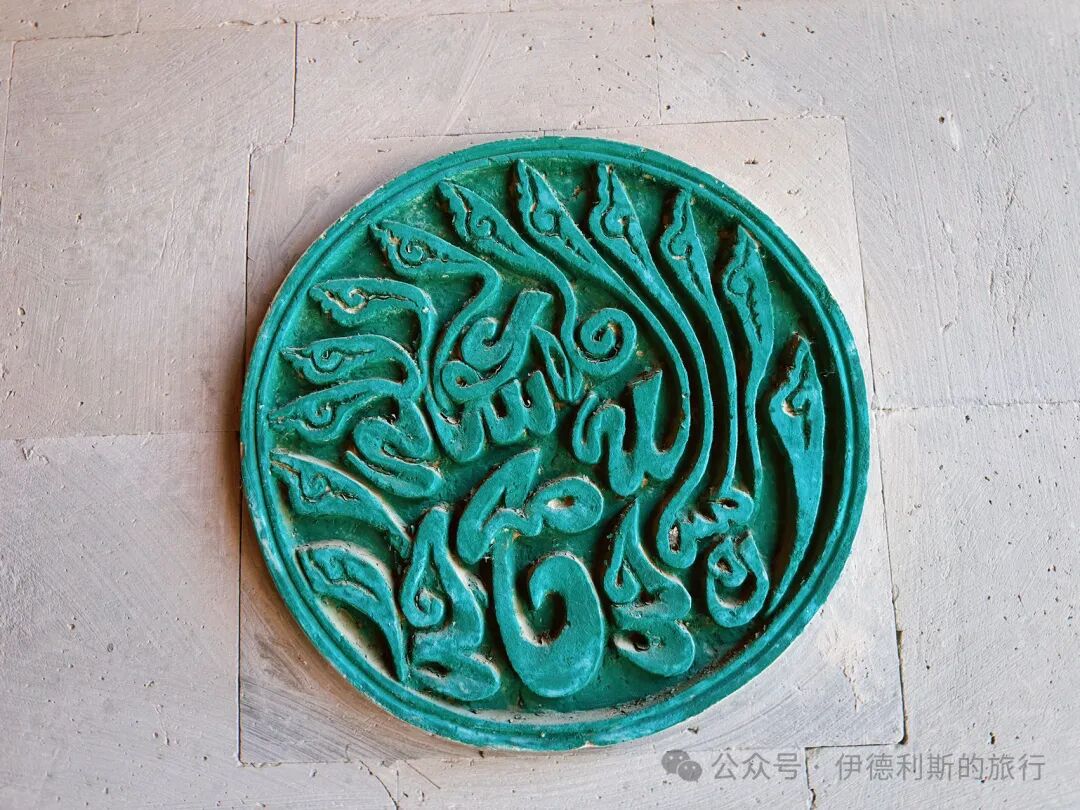
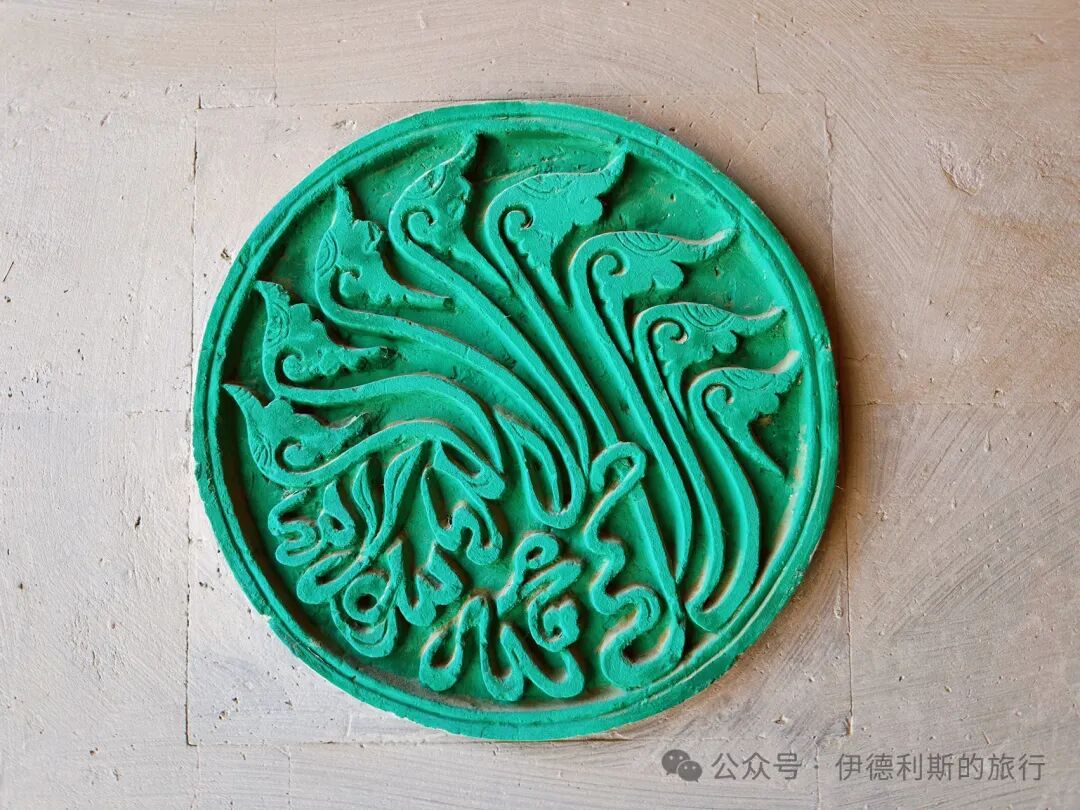
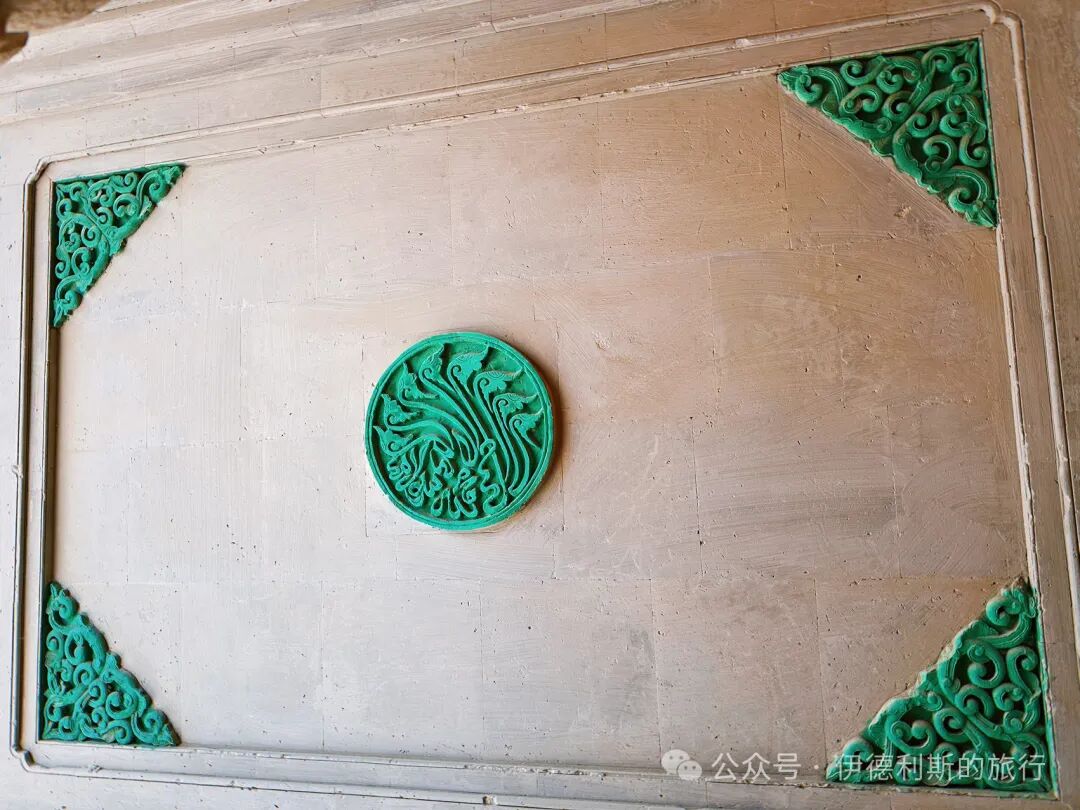
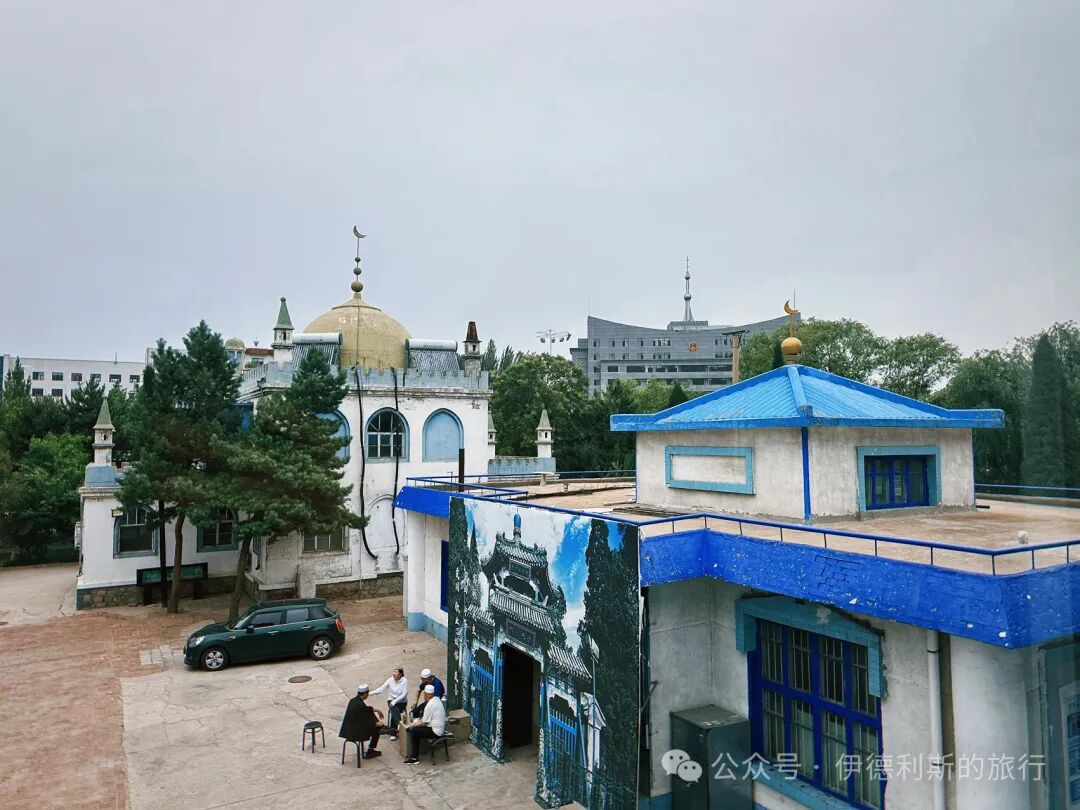
The brick and stone carvings at Xinlitun Mosque are very beautiful and feature many traditional patterns. There are inscriptions on the stone carvings on both sides of the main hall, which is very rare for an old mosque.
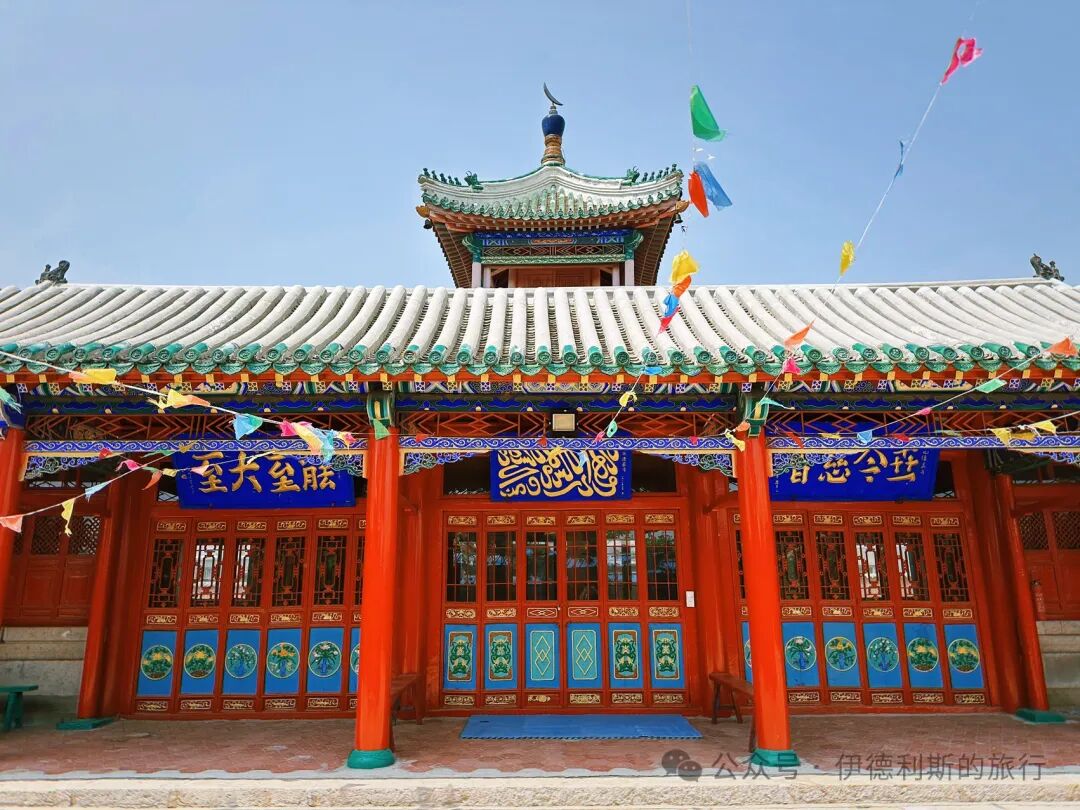
The traditional calligraphy at Xinlitun Mosque includes both outlined and broad-stroke styles, both of which are very unique. The plaque in the center of the main hall was handwritten by Imam Bai Hexi in 1983. Imam Bai was born in 1911 in Pingquan, Hebei, and studied under the famous Grand Imam Liu Pinyi from Hebei.
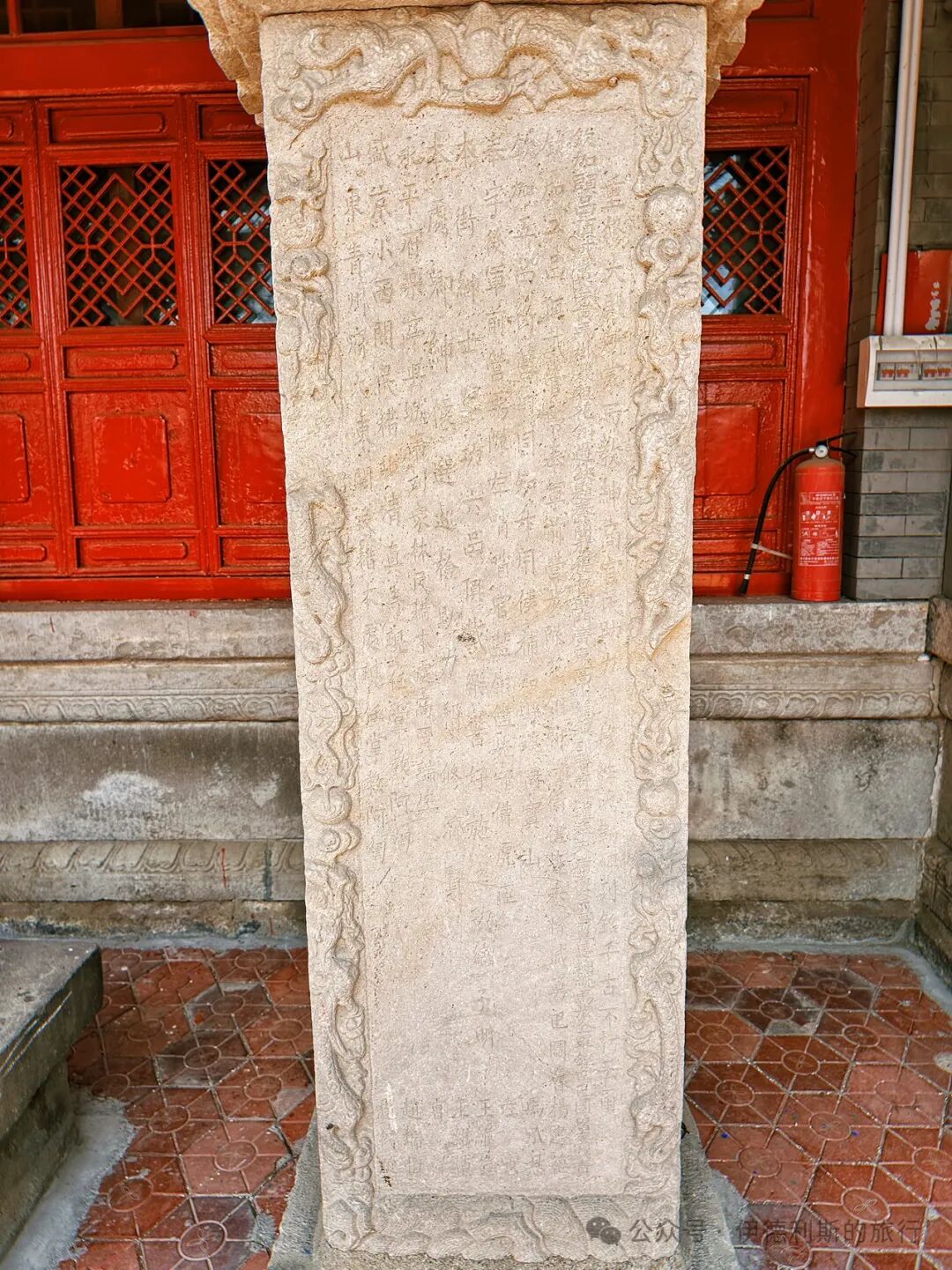
In front of the main hall of Xinlitun Mosque, there are four stone tablets from the Guangxu era renovation that contain a wealth of information about the donors. The 1887 tablet titled "Stele for the Renovation of Xinlitun Mosque" lists the name of General Zuo Baogui, a commander in the Fengtian Army and an anti-Japanese hero. It also mentions Dashan, the leader of the Manchu people during the conflicts between the Manchu and Hui Muslims at that time. This serves as a symbol of how the tensions between the Manchu and Hui Muslims in Xinlitun were resolved during the Guangxu reign.
The "Stele of Surnames and Donation Amounts for the Mosque Renovation" lists the mosques that contributed funds at the time. The sheer number of them is the highest in Northeast China, showing the close connections between the various mosque communities in the region back then.
Fengtian Province: South Mosque, North Mosque, Fumin Hall South Mosque, Fumin Hall North Mosque, Huimintun Mosque, Banlamen Mosque, Guangning Mosque, Qinghemen Mosque, Shaohuying Mosque, Shijiagou Mosque, Huihuitun Mosque, Yizhou City Mosque, Jinzhou Prefecture Mosque, Hongluoxian Mosque, Gaoqiao Town Mosque, Zhonghousuo Mosque, Shanhaiguan Mosque, Laogongwo Three Mosques, Tieling Mosque, Kaiyuan Mosque, and Fakumen Mosque.
Jilin Province: West Mosque, East Mosque, North Mosque, Manjiatun Mosque, Yitong Prefecture Mosque, Yingchengzi Mosque, Ashiha Mosque, Wulajie Mosque, Shanqianhuai Mosque, Kaoshantun Mosque, Nong'an City Mosque, Taipingzhuang Mosque, and Xiaohelong Mosque.
Kulu Street: Public Council, Zhou Junkui, various shop guests, and the mosque.
To the north: Shaodanghang, Niuzhuang City, Haizhou City, Gaizhou City, Fuzhou City, Liaoyang City, Fenghuang City, Xiuyan, Tianzhuangtai, Shegouying, Pikou, Dengshang, Fujiatun, Bajiaotai, and the two forts of Tong and Liu.
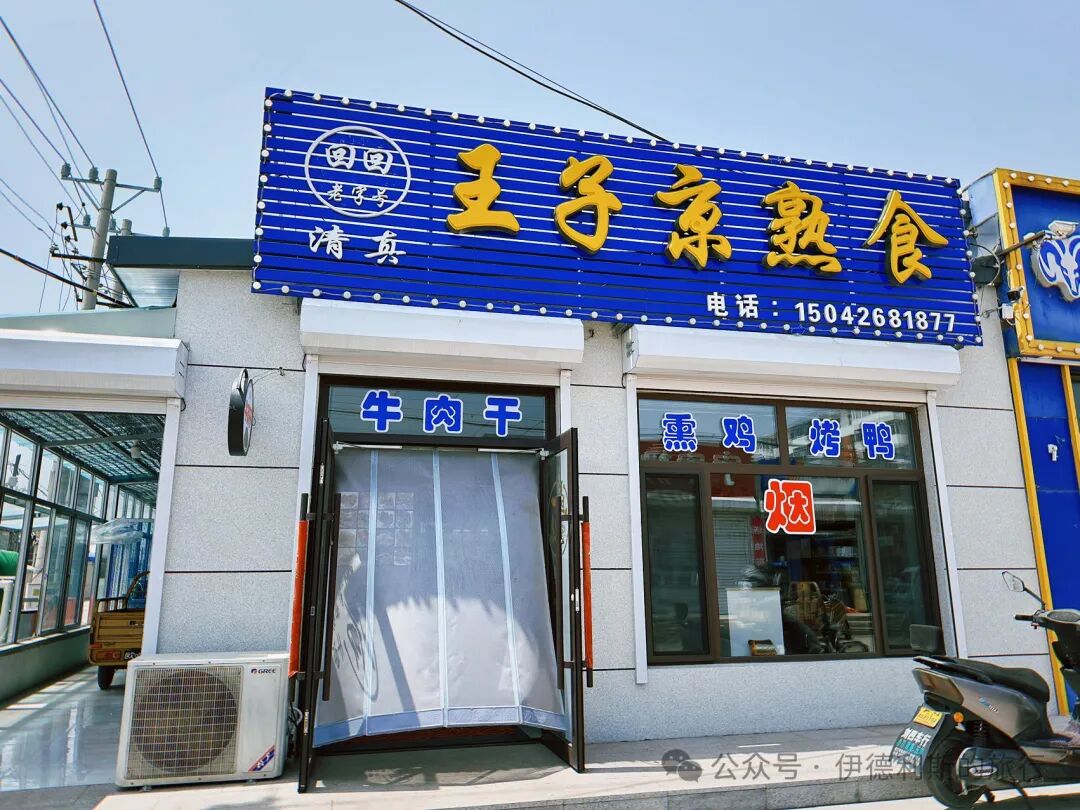
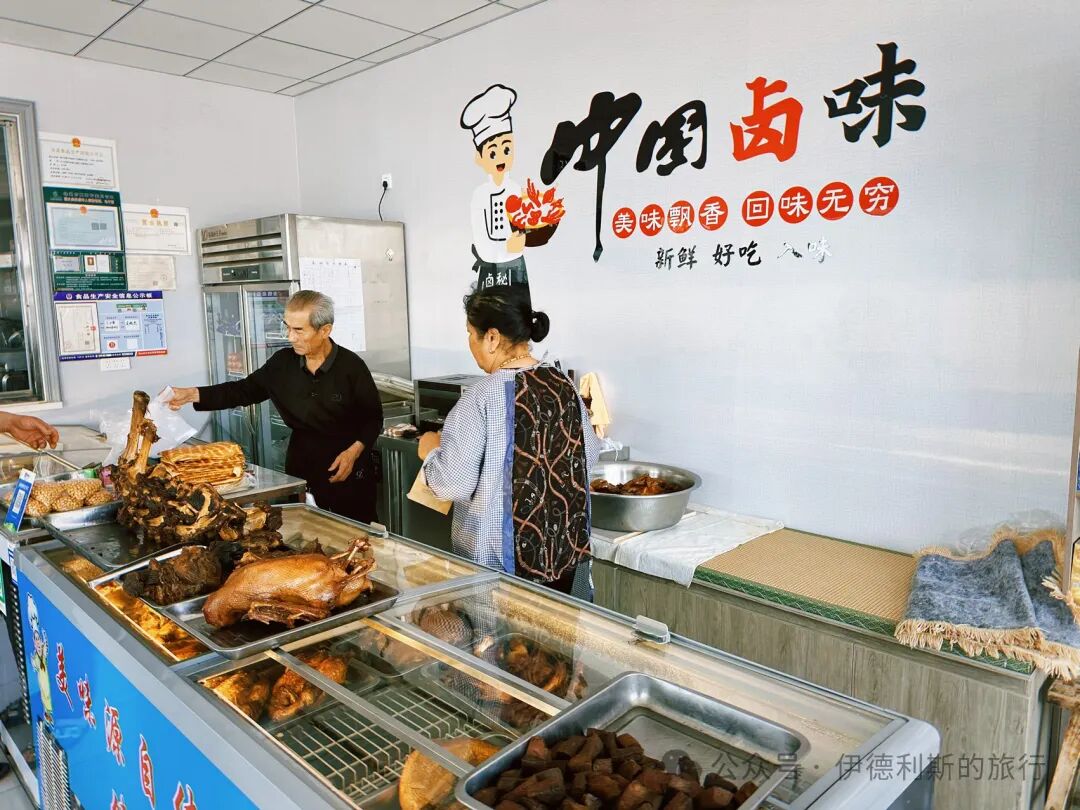
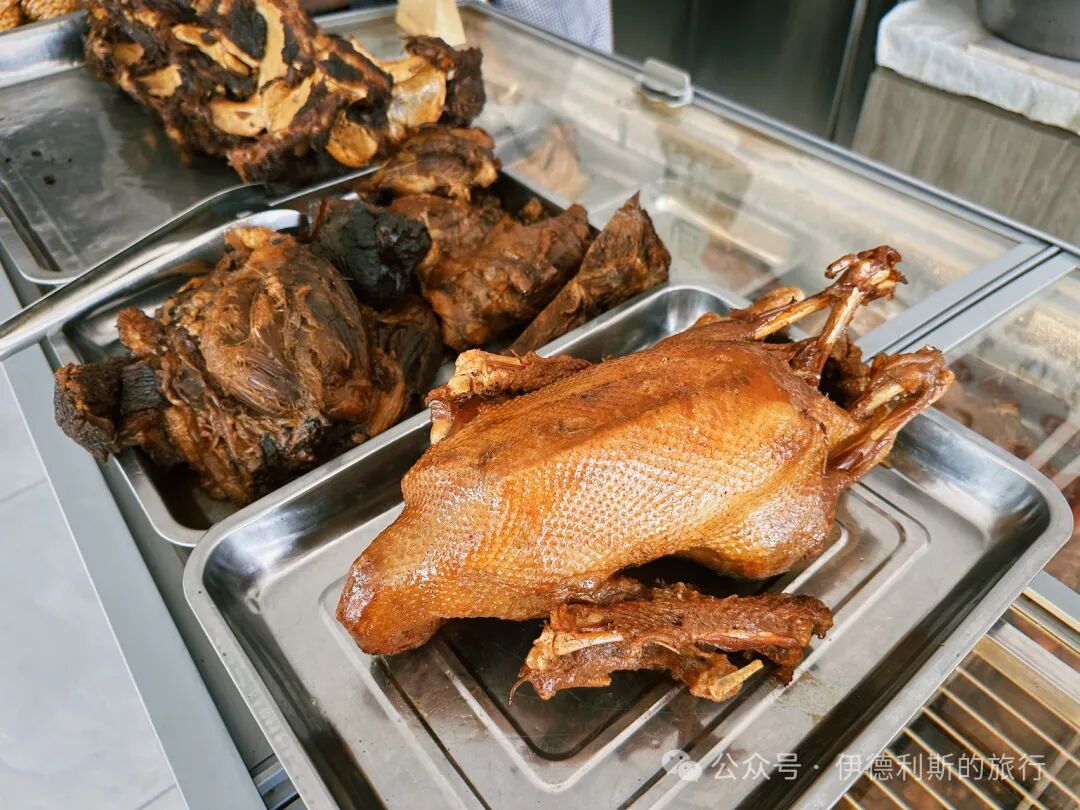
There are many halal restaurants in Xinlitun, but many were closed for the Dragon Boat Festival. We bought beef jerky and smoked dried tofu (gan doufu) at Wang Zijing Deli, and both were delicious! The dried tofu is especially tasty when eaten with noodles and baked flatbread (huoshao).
We had charcoal-grilled meat for lunch in Xinmintun; eating barbecue in town is such a great deal. They serve Qiqihar-style barbecue, and since the owner is a cattle butcher, the beef is cheap and tasty. We ordered beef chuck (niu shangnao) and beef rib fingers (niu litiao), which tasted great wrapped in lettuce. We also ordered Northeast-style cold noodles and Korean-style bibimbap; a big bowl of cold noodles is only 10 yuan and will definitely fill you up.
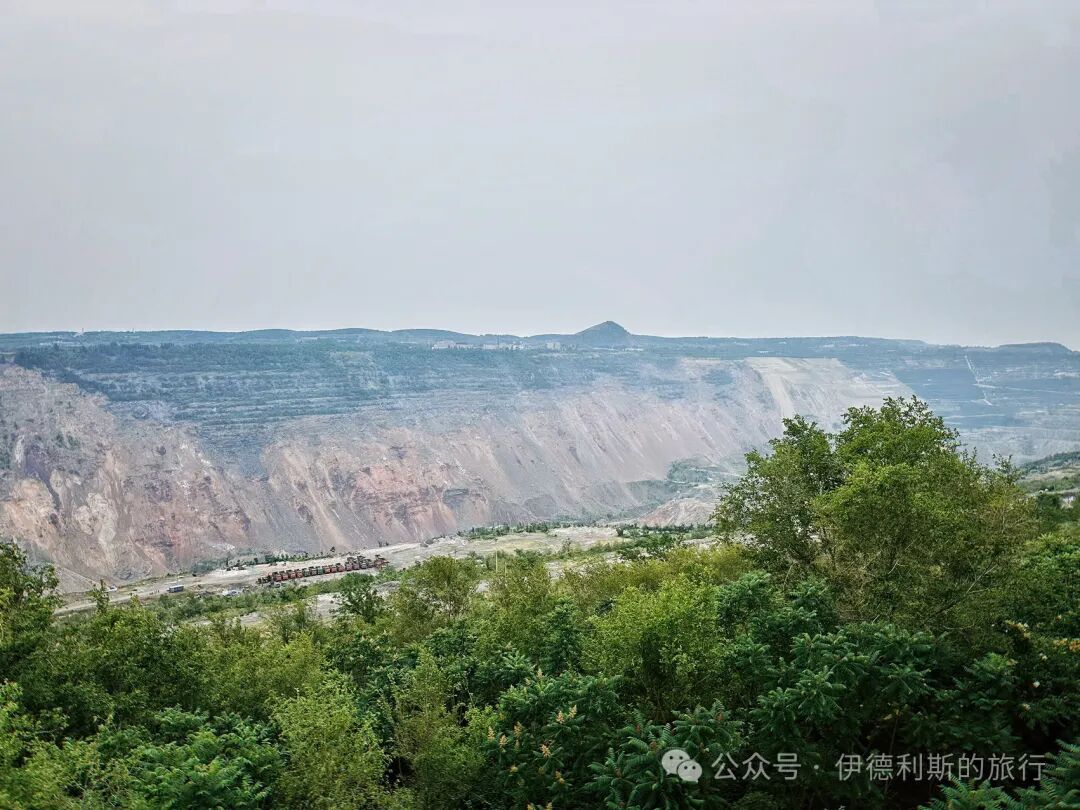
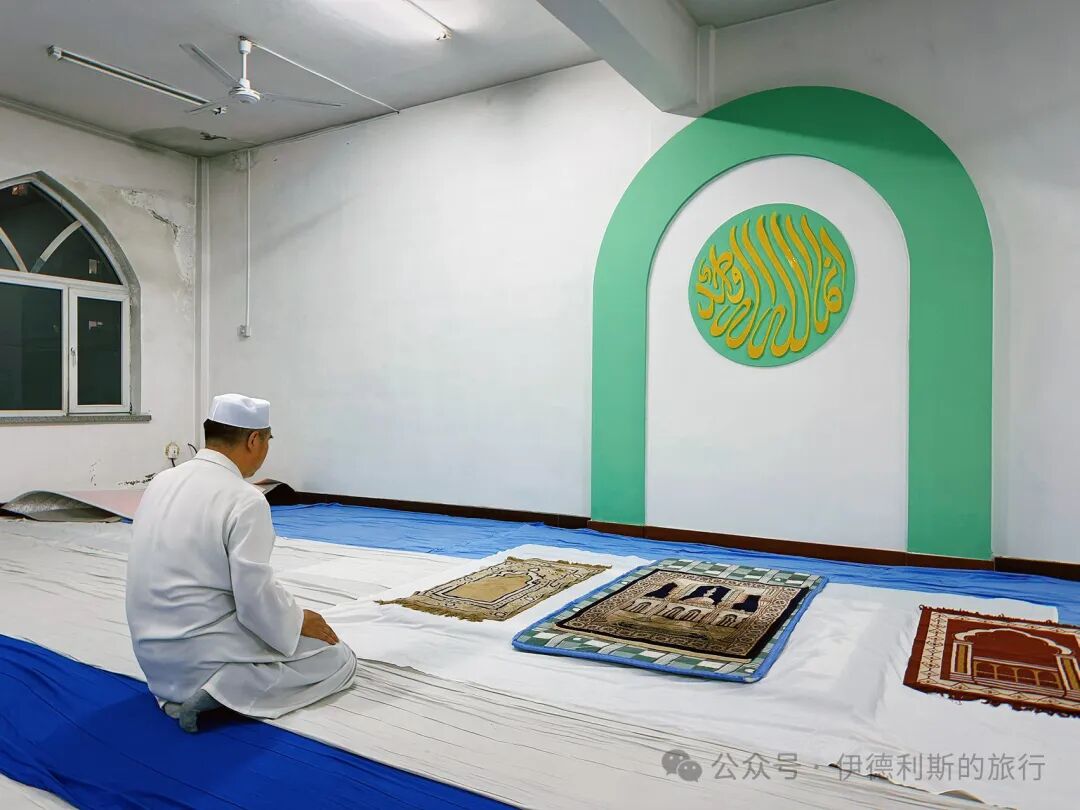
I took a train from Xinlitun Railway Station in the afternoon and arrived at Fuxin South Station. First, I visited the Haizhou Open-pit Mine National Mine Park, then I went to the Fuxin Mosque (Fuxin Si) to pray and perform dua.
The urban area of Fuxin was originally a grassland for the Mongols, and the name Haizhou comes from the Mongolian word for hillside. Coal was discovered in Haizhou in 1913, and it was mined on a small, shallow scale at first. After Japan occupied Fuxin in 1931, they started large-scale open-pit mining and forced many laborers to work there, which quickly turned Fuxin into an industrial city. Fuxin City was officially established in 1940, with the central mining area as its core.
After 1936, the Japanese forced some Hui Muslims from Shandong and Hebei to come to Fuxin to mine coal, and Hui Muslims began to settle in the city. In 1953, the Haizhou Coal Mine was built into the first large-scale open-pit coal mine in New China. It was the largest open-pit coal mine in Asia at the time, and the number of Hui Muslims in Fuxin gradually increased.
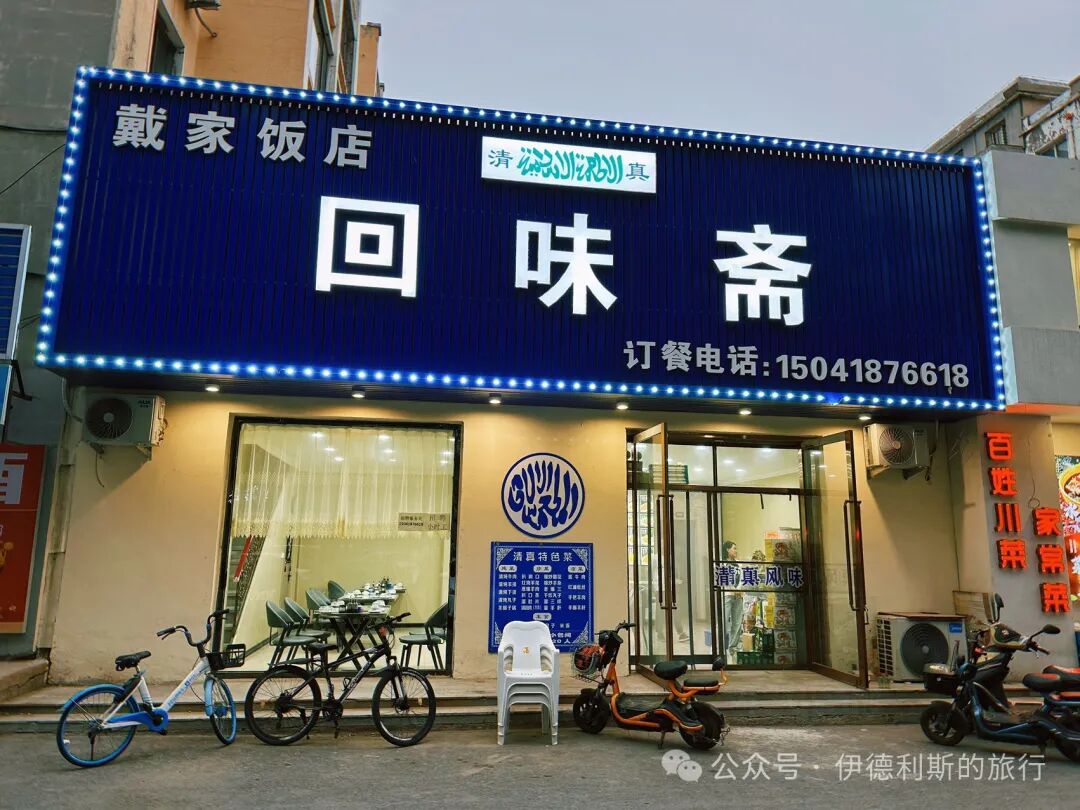
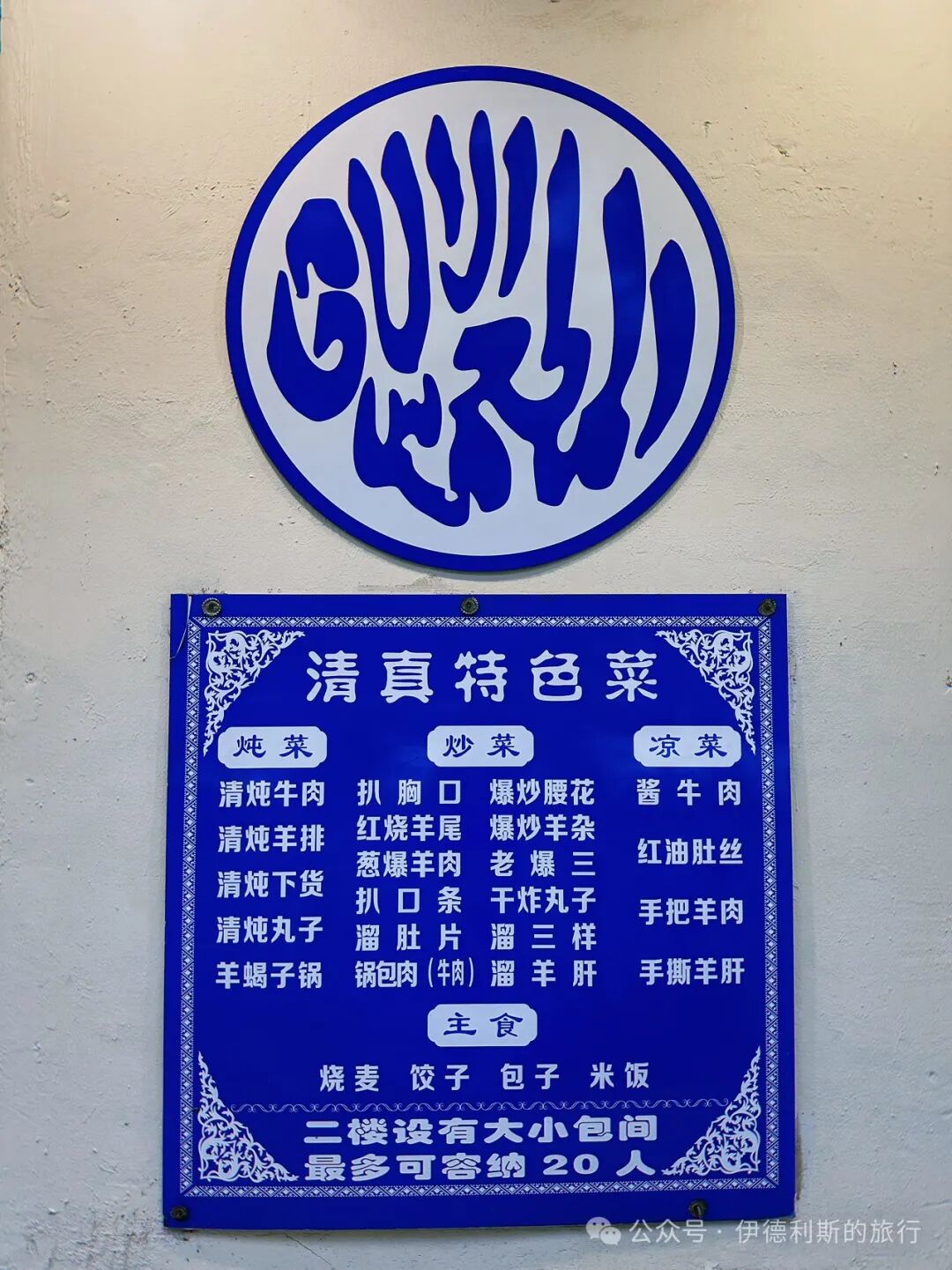
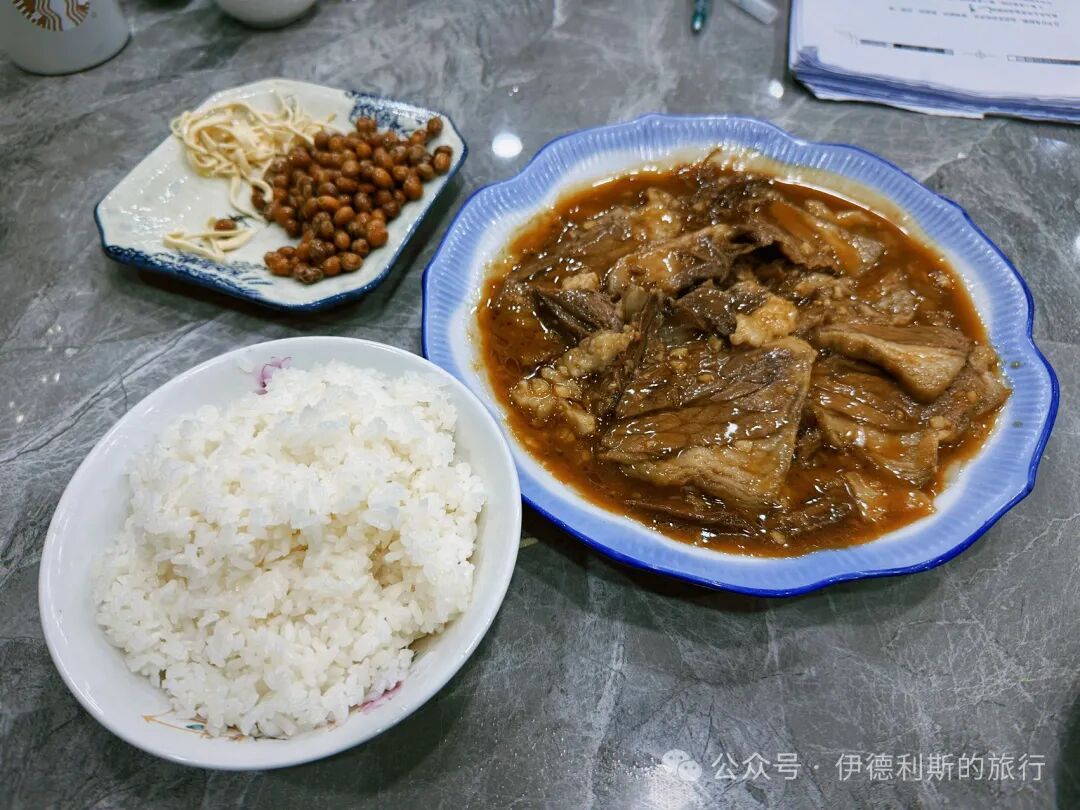
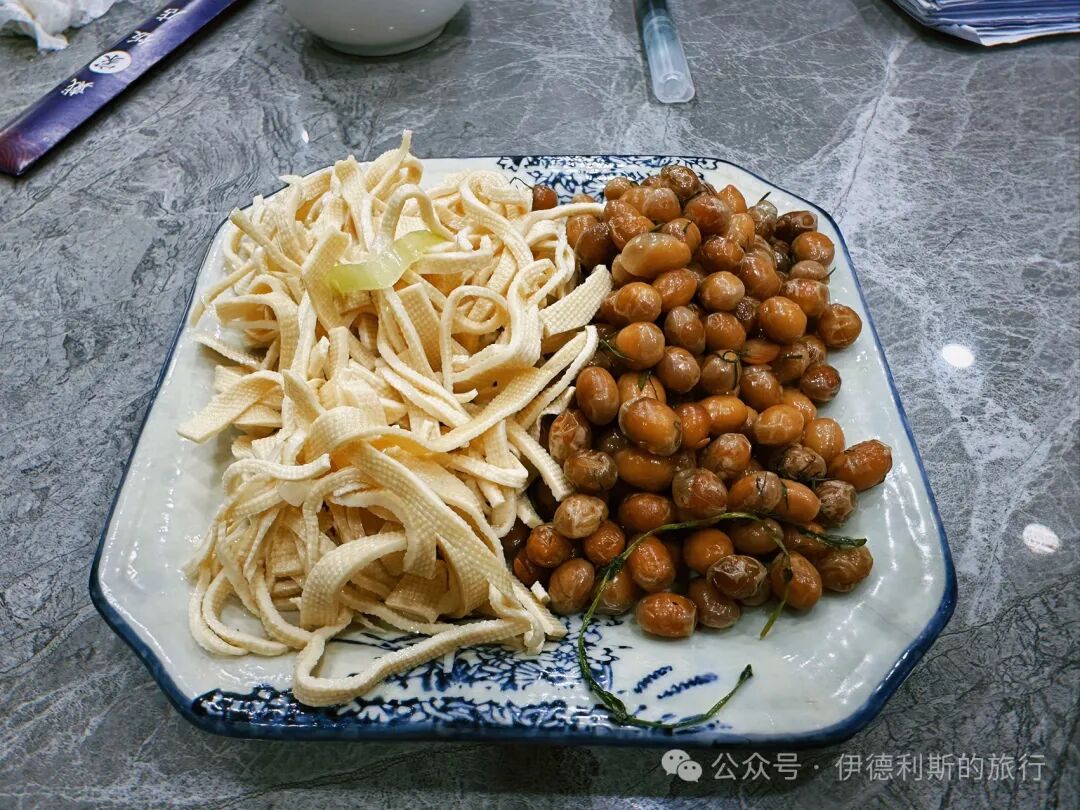
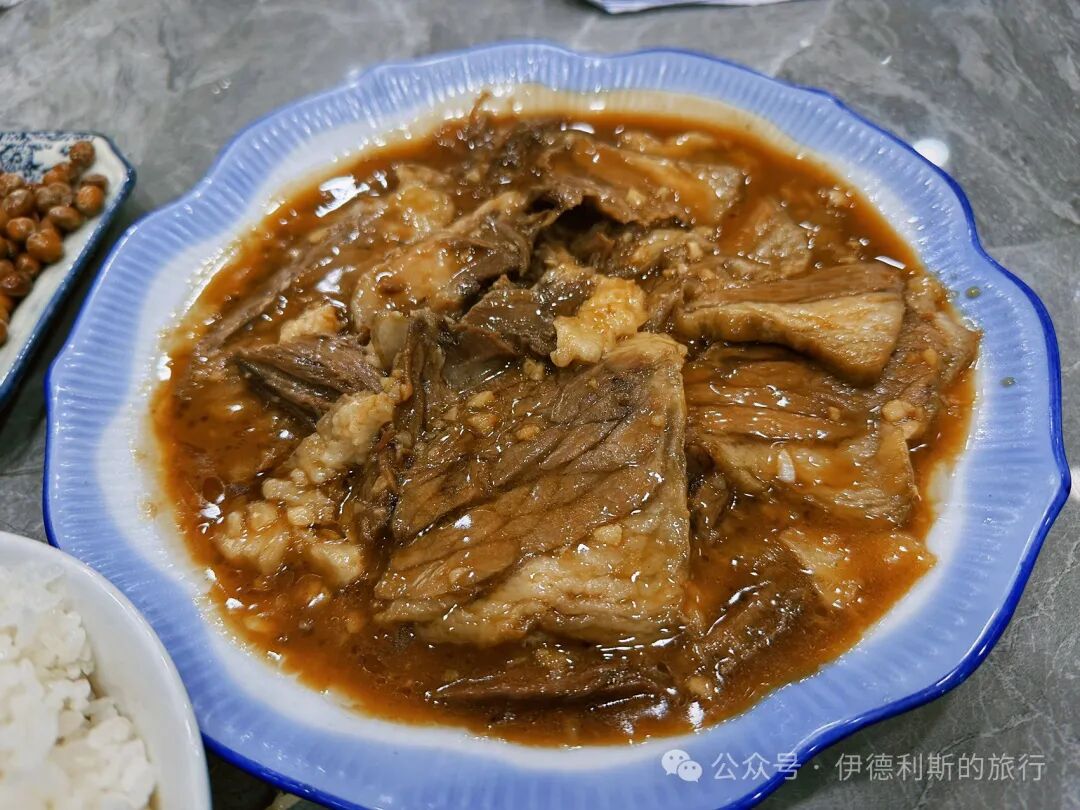
I had dinner at the Daijia Restaurant Huiweizhai near the Fuxin Mosque in the evening. I ordered the braised beef brisket (baxiongkou) with rice, and the shop also served dried tofu (gandoufu) and soybeans on the side. Traditional halal stir-fry dishes in Liaoning are similar to those in Beijing and Tianjin. They all developed from Shandong cuisine (Lucai), so the flavors are quite alike. The various stir-fried dishes go great with rice, and the dried tofu (gandoufu) is delicious.
The Dai family was one of the first groups of Hui Muslims to move to Fuxin. In the second year of the Yongzheng reign of the Qing Dynasty, they traveled from Cangzhou, Hebei, to settle in Qinghemen Town, Fuxin. The Dai family is a major Hui Muslim clan in Cangzhou. According to family records, their ancestor Dai Cheng was originally a Han Chinese Buddhist. He moved from Hongdong County, Shanxi, to Qing County, Cangzhou, in the second year of the Yongle reign of the Ming Dynasty, and later served as the commander of the Pengcheng Guard. Dai Cheng became friends with an imam in Qing County. Influenced by the imam, he eventually converted to Islam. His descendants later led the construction of the Daijiazhuang Mosque in Qing County during the Jiajing reign of the Ming Dynasty.
However, genetic testing of the Dai family's descendants shows their genotype is J2a-MF194043, which belongs to the same branch as the Yin family of Hui Muslims in Cangzhou. This genotype originates from Armenia and is typical of the Hui Muslims from the Western Regions. view all
Summary: Halal Travel Guide: Xinlitun and Fuxin - Liaoning Towns, Mosques and Food is presented here as a firsthand travel account in clear, natural English. The account focuses on Xinlitun, Fuxin, Liaoning Travel while preserving the names, places, food, photos, and historical details from the Chinese source.
On the morning of June 10, I took a high-speed train from Xinmin North Station in Liaoning and arrived at Heishan North Station in 15 minutes. I then took a taxi to Xinlitun Town, moving from the jurisdiction of Shenyang to that of Jinzhou. We performed the afternoon prayer (peshin) at the Xinlitun Mosque. The imam at the mosque is from Cangzhou. During this trip to Liaoning, I found that many imams are from Cangzhou. This connects Northeast and North China closely, not just through culture but also through religious traditions.
Xinlitun is an ancient town in the western Liaoning region, known as the First Town Beyond the Border. During the Daoguang reign of the Qing Dynasty, Hui Muslims from places like Jinzhou, Yixian, Heishan, and Yingkou came to settle in Xinlitun. They built the Xinlitun Mosque in 1842 (the 22nd year of Daoguang).
On the 15th day of the first lunar month in 1873 (the 12th year of Tongzhi), Xinlitun held a stilt-walking festival. During the event, a Manchu banner man named Dashan, also known as Fifth Master Da, got into a dispute with Hui Muslims named Liu Hua, Zhao Guang'en, and Wang Yao. This escalated into a conflict between the Manchu and Hui communities, which eventually led to the burning of the Xinlitun Mosque. Afterward, both the Manchu and Hui communities learned from the incident and decided to rebuild the Xinlitun Mosque. After years of planning, General Zuo Baogui, an anti-Japanese hero who led the Fengtian Army, personally donated 300 taels of silver to finally finish the reconstruction.
The main gate of Xinlitun Mosque has two couplets: 'Transforming people and things, it can transform everything; giving birth to heaven and earth, it gives birth to life itself.'
The light that gives birth to heaven, earth, people, and all living things; all life has one supreme ruler.
With saints, sages, emperors, and kings, all follow the one and only original Lord.
Above the main gate, there is also a stone carving of two dragons playing with a pearl.
The brick and stone carvings at Xinlitun Mosque are very beautiful and feature many traditional patterns. There are inscriptions on the stone carvings on both sides of the main hall, which is very rare for an old mosque.
The traditional calligraphy at Xinlitun Mosque includes both outlined and broad-stroke styles, both of which are very unique. The plaque in the center of the main hall was handwritten by Imam Bai Hexi in 1983. Imam Bai was born in 1911 in Pingquan, Hebei, and studied under the famous Grand Imam Liu Pinyi from Hebei.
In front of the main hall of Xinlitun Mosque, there are four stone tablets from the Guangxu era renovation that contain a wealth of information about the donors. The 1887 tablet titled "Stele for the Renovation of Xinlitun Mosque" lists the name of General Zuo Baogui, a commander in the Fengtian Army and an anti-Japanese hero. It also mentions Dashan, the leader of the Manchu people during the conflicts between the Manchu and Hui Muslims at that time. This serves as a symbol of how the tensions between the Manchu and Hui Muslims in Xinlitun were resolved during the Guangxu reign.
The "Stele of Surnames and Donation Amounts for the Mosque Renovation" lists the mosques that contributed funds at the time. The sheer number of them is the highest in Northeast China, showing the close connections between the various mosque communities in the region back then.
Fengtian Province: South Mosque, North Mosque, Fumin Hall South Mosque, Fumin Hall North Mosque, Huimintun Mosque, Banlamen Mosque, Guangning Mosque, Qinghemen Mosque, Shaohuying Mosque, Shijiagou Mosque, Huihuitun Mosque, Yizhou City Mosque, Jinzhou Prefecture Mosque, Hongluoxian Mosque, Gaoqiao Town Mosque, Zhonghousuo Mosque, Shanhaiguan Mosque, Laogongwo Three Mosques, Tieling Mosque, Kaiyuan Mosque, and Fakumen Mosque.
Jilin Province: West Mosque, East Mosque, North Mosque, Manjiatun Mosque, Yitong Prefecture Mosque, Yingchengzi Mosque, Ashiha Mosque, Wulajie Mosque, Shanqianhuai Mosque, Kaoshantun Mosque, Nong'an City Mosque, Taipingzhuang Mosque, and Xiaohelong Mosque.
Kulu Street: Public Council, Zhou Junkui, various shop guests, and the mosque.
To the north: Shaodanghang, Niuzhuang City, Haizhou City, Gaizhou City, Fuzhou City, Liaoyang City, Fenghuang City, Xiuyan, Tianzhuangtai, Shegouying, Pikou, Dengshang, Fujiatun, Bajiaotai, and the two forts of Tong and Liu.
There are many halal restaurants in Xinlitun, but many were closed for the Dragon Boat Festival. We bought beef jerky and smoked dried tofu (gan doufu) at Wang Zijing Deli, and both were delicious! The dried tofu is especially tasty when eaten with noodles and baked flatbread (huoshao).
We had charcoal-grilled meat for lunch in Xinmintun; eating barbecue in town is such a great deal. They serve Qiqihar-style barbecue, and since the owner is a cattle butcher, the beef is cheap and tasty. We ordered beef chuck (niu shangnao) and beef rib fingers (niu litiao), which tasted great wrapped in lettuce. We also ordered Northeast-style cold noodles and Korean-style bibimbap; a big bowl of cold noodles is only 10 yuan and will definitely fill you up.
I took a train from Xinlitun Railway Station in the afternoon and arrived at Fuxin South Station. First, I visited the Haizhou Open-pit Mine National Mine Park, then I went to the Fuxin Mosque (Fuxin Si) to pray and perform dua.
The urban area of Fuxin was originally a grassland for the Mongols, and the name Haizhou comes from the Mongolian word for hillside. Coal was discovered in Haizhou in 1913, and it was mined on a small, shallow scale at first. After Japan occupied Fuxin in 1931, they started large-scale open-pit mining and forced many laborers to work there, which quickly turned Fuxin into an industrial city. Fuxin City was officially established in 1940, with the central mining area as its core.
After 1936, the Japanese forced some Hui Muslims from Shandong and Hebei to come to Fuxin to mine coal, and Hui Muslims began to settle in the city. In 1953, the Haizhou Coal Mine was built into the first large-scale open-pit coal mine in New China. It was the largest open-pit coal mine in Asia at the time, and the number of Hui Muslims in Fuxin gradually increased.
I had dinner at the Daijia Restaurant Huiweizhai near the Fuxin Mosque in the evening. I ordered the braised beef brisket (baxiongkou) with rice, and the shop also served dried tofu (gandoufu) and soybeans on the side. Traditional halal stir-fry dishes in Liaoning are similar to those in Beijing and Tianjin. They all developed from Shandong cuisine (Lucai), so the flavors are quite alike. The various stir-fried dishes go great with rice, and the dried tofu (gandoufu) is delicious.
The Dai family was one of the first groups of Hui Muslims to move to Fuxin. In the second year of the Yongzheng reign of the Qing Dynasty, they traveled from Cangzhou, Hebei, to settle in Qinghemen Town, Fuxin. The Dai family is a major Hui Muslim clan in Cangzhou. According to family records, their ancestor Dai Cheng was originally a Han Chinese Buddhist. He moved from Hongdong County, Shanxi, to Qing County, Cangzhou, in the second year of the Yongle reign of the Ming Dynasty, and later served as the commander of the Pengcheng Guard. Dai Cheng became friends with an imam in Qing County. Influenced by the imam, he eventually converted to Islam. His descendants later led the construction of the Daijiazhuang Mosque in Qing County during the Jiajing reign of the Ming Dynasty.
However, genetic testing of the Dai family's descendants shows their genotype is J2a-MF194043, which belongs to the same branch as the Yin family of Hui Muslims in Cangzhou. This genotype originates from Armenia and is typical of the Hui Muslims from the Western Regions. view all
Reposted from the web
Summary: Halal Travel Guide: Xinlitun and Fuxin - Liaoning Towns, Mosques and Food is presented here as a firsthand travel account in clear, natural English. The account focuses on Xinlitun, Fuxin, Liaoning Travel while preserving the names, places, food, photos, and historical details from the Chinese source.
On the morning of June 10, I took a high-speed train from Xinmin North Station in Liaoning and arrived at Heishan North Station in 15 minutes. I then took a taxi to Xinlitun Town, moving from the jurisdiction of Shenyang to that of Jinzhou. We performed the afternoon prayer (peshin) at the Xinlitun Mosque. The imam at the mosque is from Cangzhou. During this trip to Liaoning, I found that many imams are from Cangzhou. This connects Northeast and North China closely, not just through culture but also through religious traditions.
Xinlitun is an ancient town in the western Liaoning region, known as the First Town Beyond the Border. During the Daoguang reign of the Qing Dynasty, Hui Muslims from places like Jinzhou, Yixian, Heishan, and Yingkou came to settle in Xinlitun. They built the Xinlitun Mosque in 1842 (the 22nd year of Daoguang).
On the 15th day of the first lunar month in 1873 (the 12th year of Tongzhi), Xinlitun held a stilt-walking festival. During the event, a Manchu banner man named Dashan, also known as Fifth Master Da, got into a dispute with Hui Muslims named Liu Hua, Zhao Guang'en, and Wang Yao. This escalated into a conflict between the Manchu and Hui communities, which eventually led to the burning of the Xinlitun Mosque. Afterward, both the Manchu and Hui communities learned from the incident and decided to rebuild the Xinlitun Mosque. After years of planning, General Zuo Baogui, an anti-Japanese hero who led the Fengtian Army, personally donated 300 taels of silver to finally finish the reconstruction.
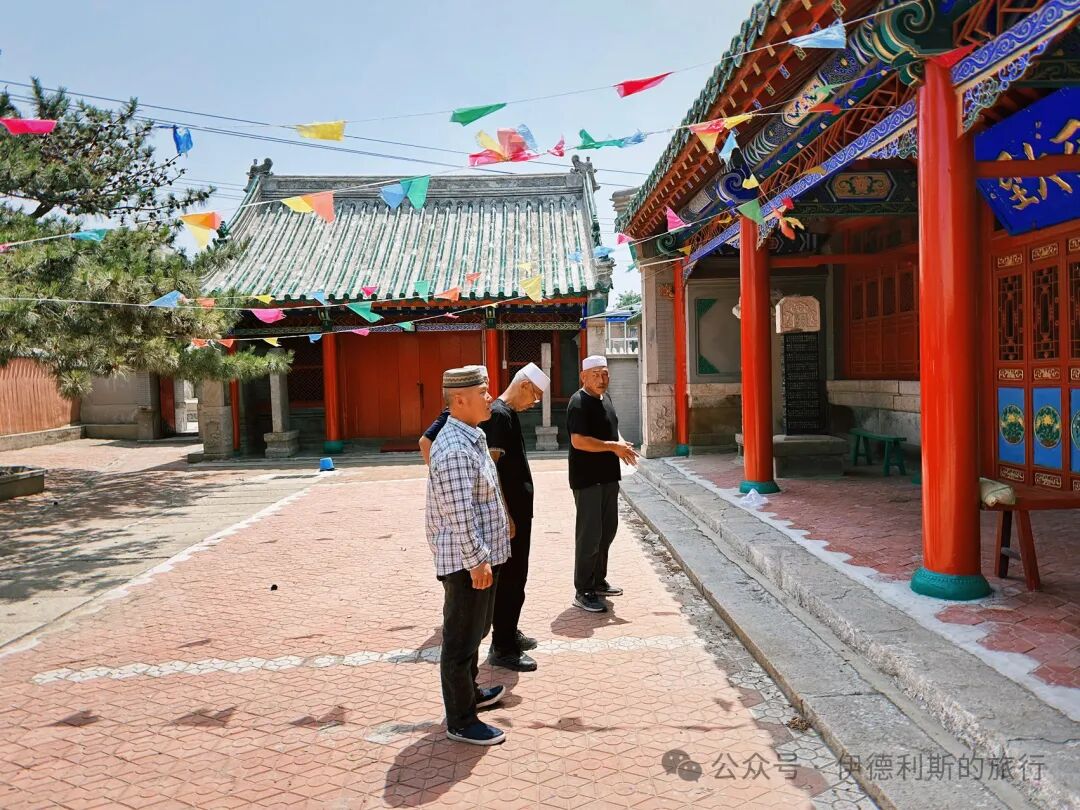
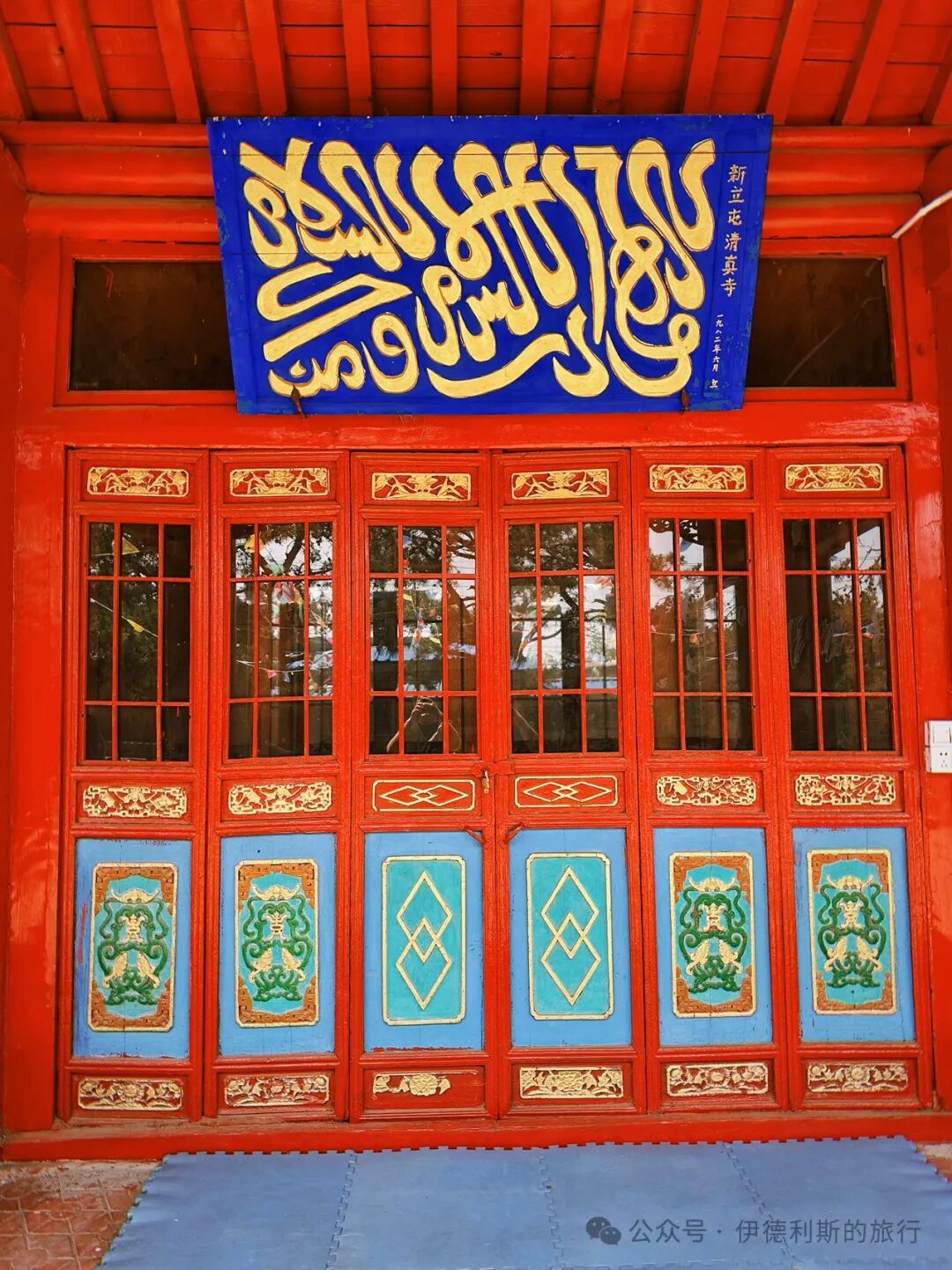
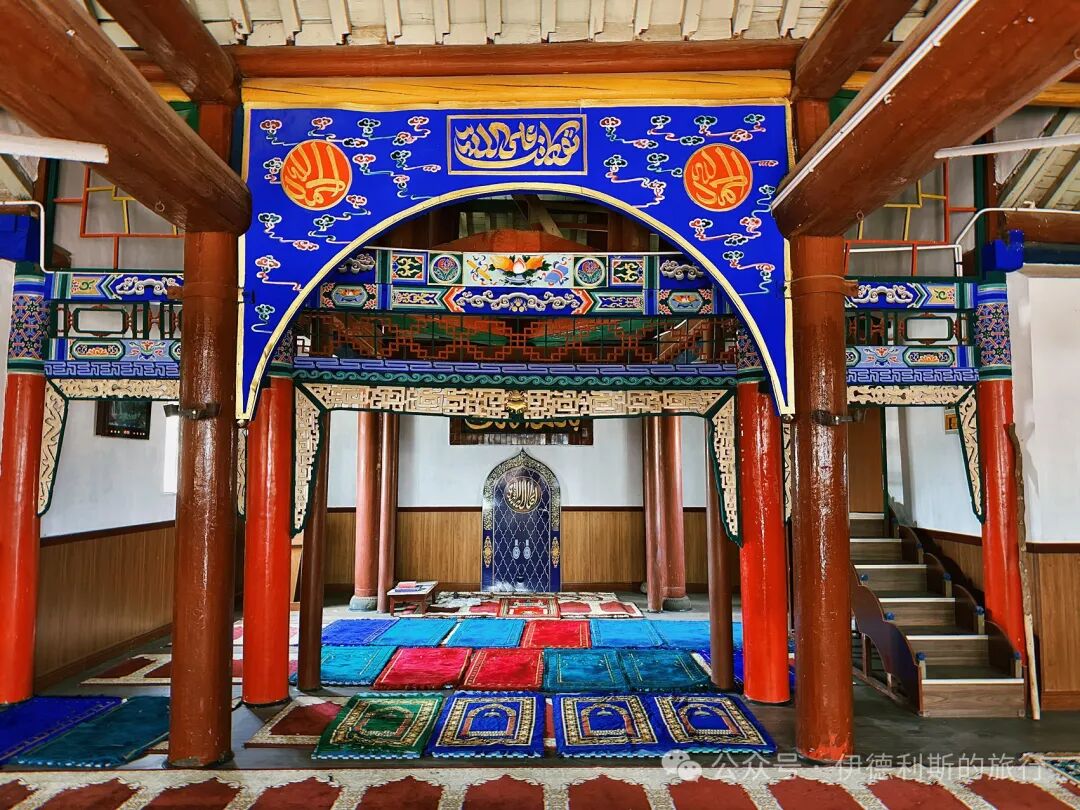
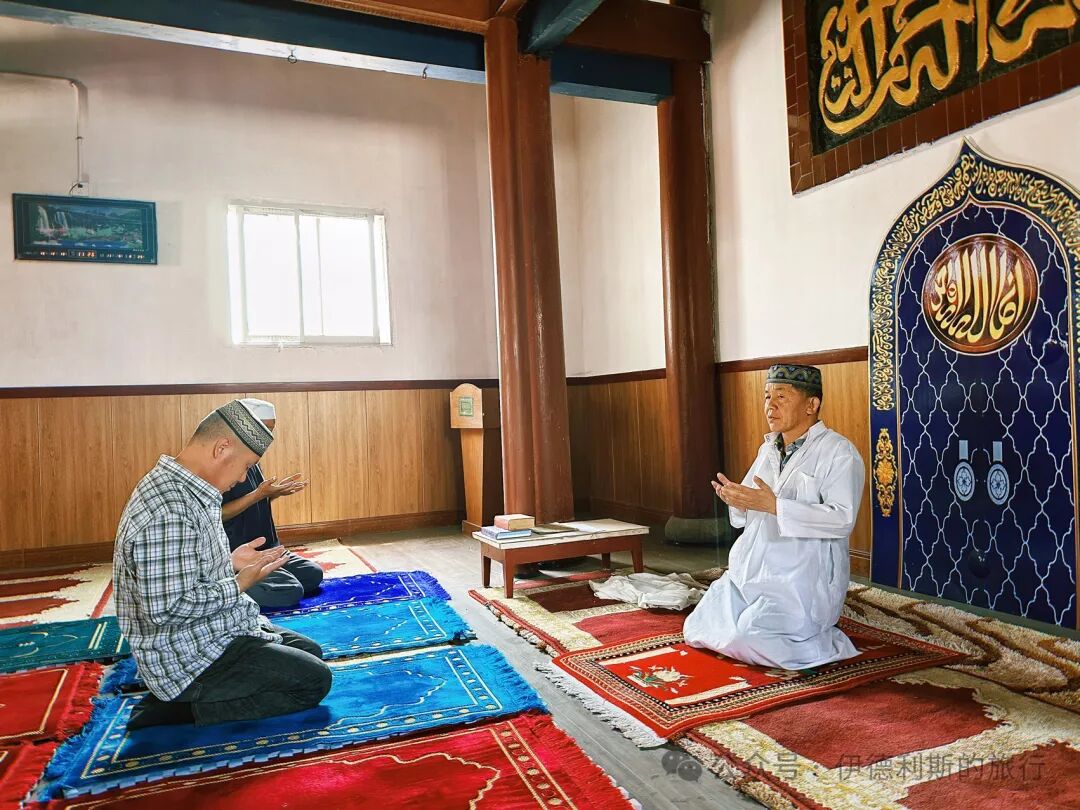
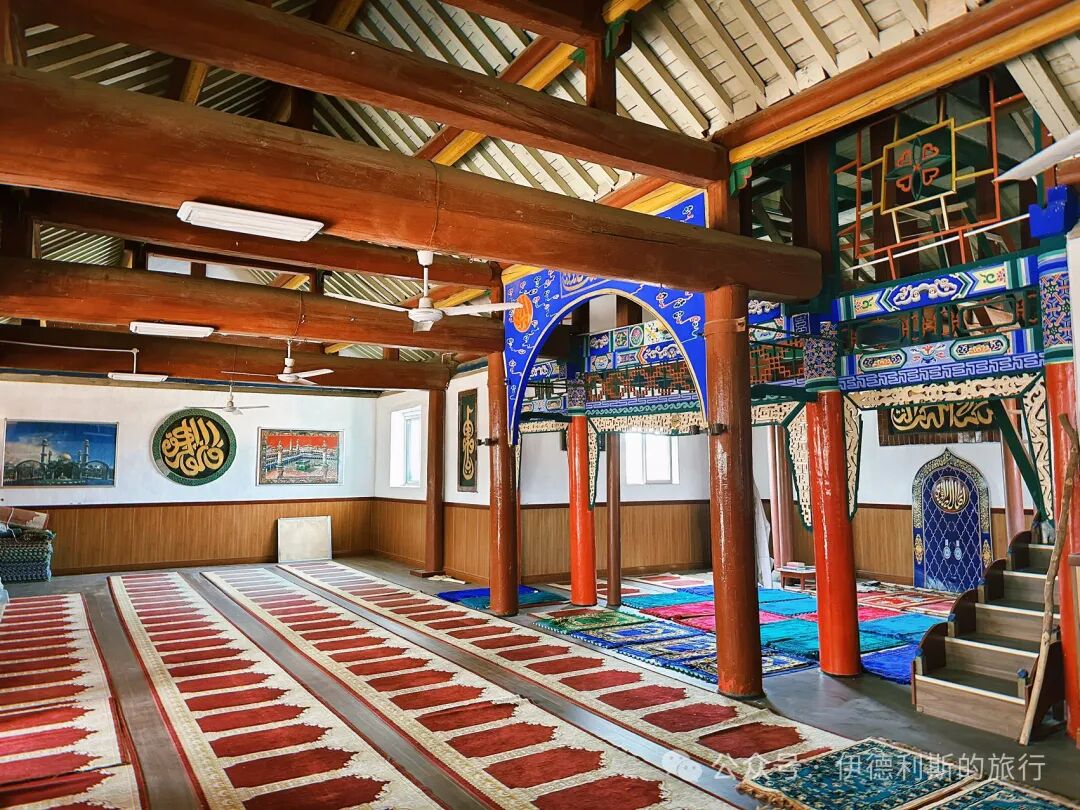
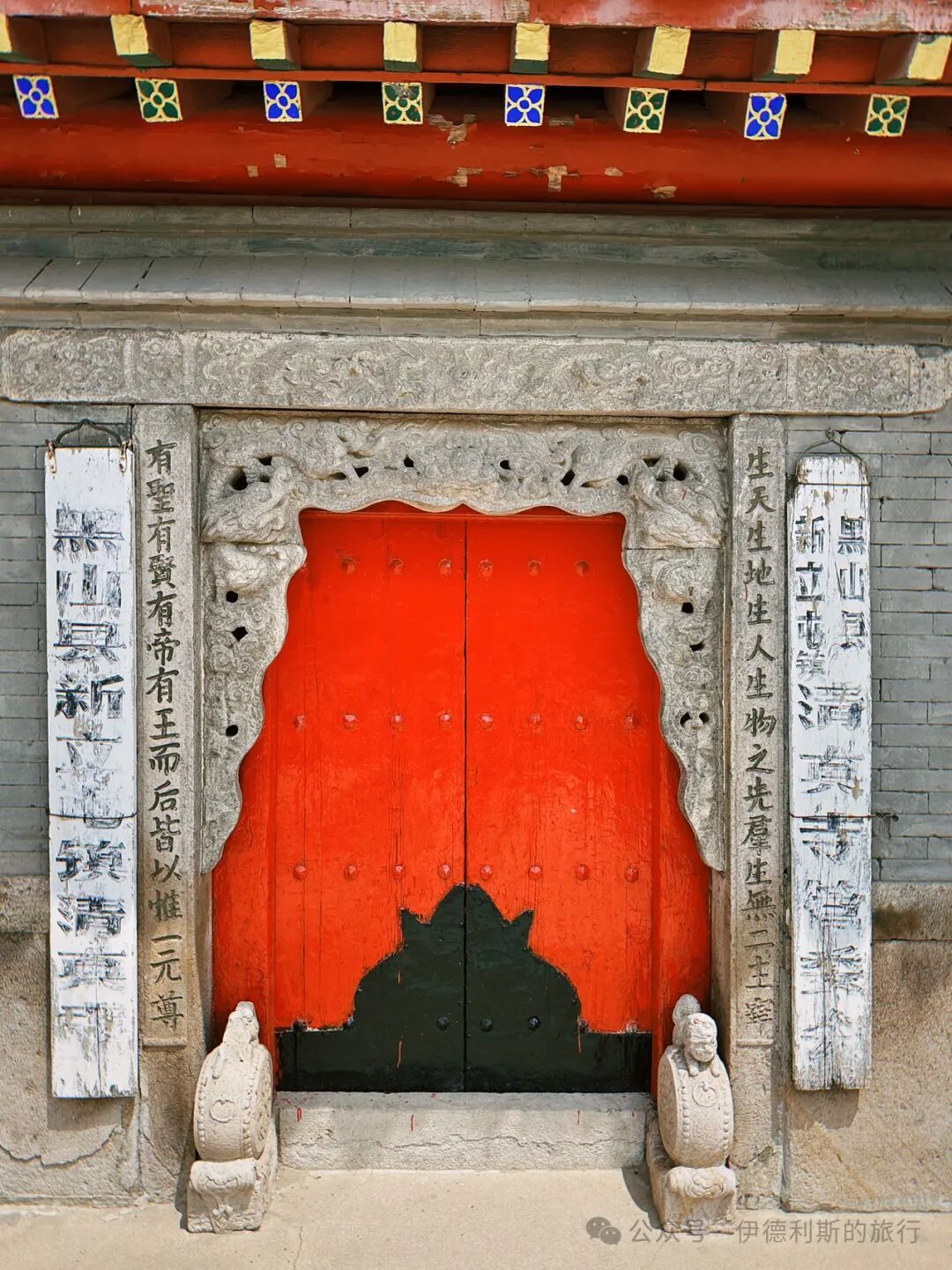
The main gate of Xinlitun Mosque has two couplets: 'Transforming people and things, it can transform everything; giving birth to heaven and earth, it gives birth to life itself.'
The light that gives birth to heaven, earth, people, and all living things; all life has one supreme ruler.
With saints, sages, emperors, and kings, all follow the one and only original Lord.
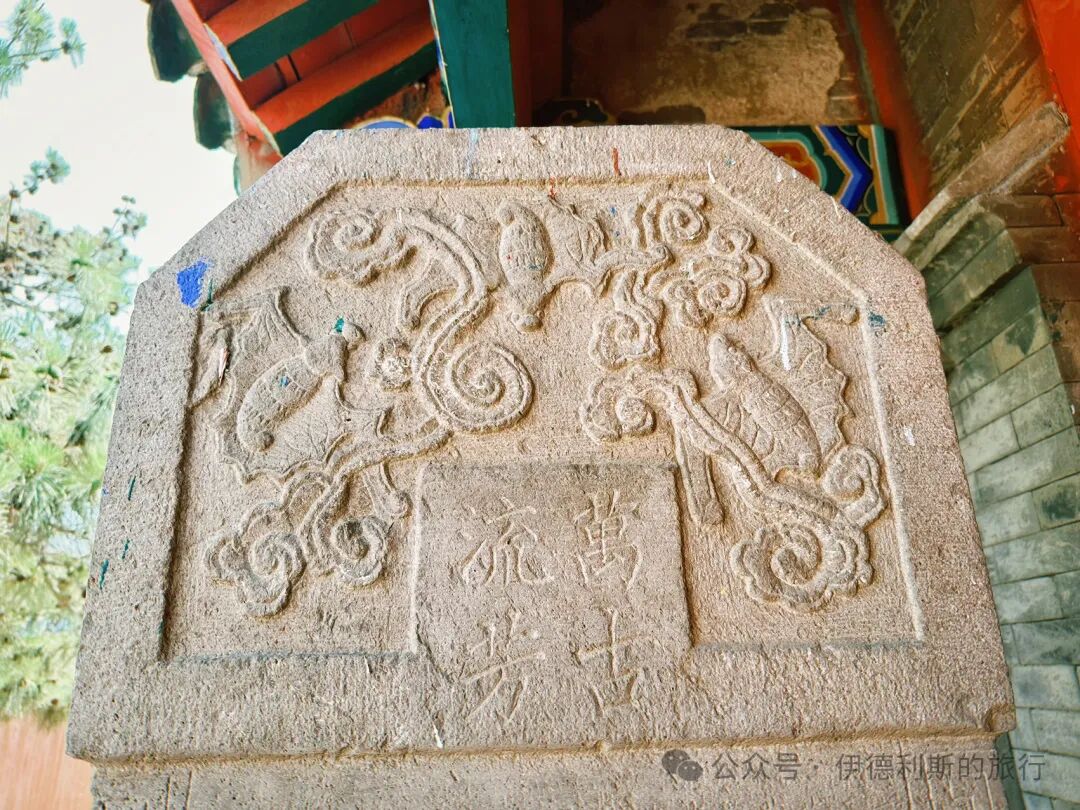
Above the main gate, there is also a stone carving of two dragons playing with a pearl.
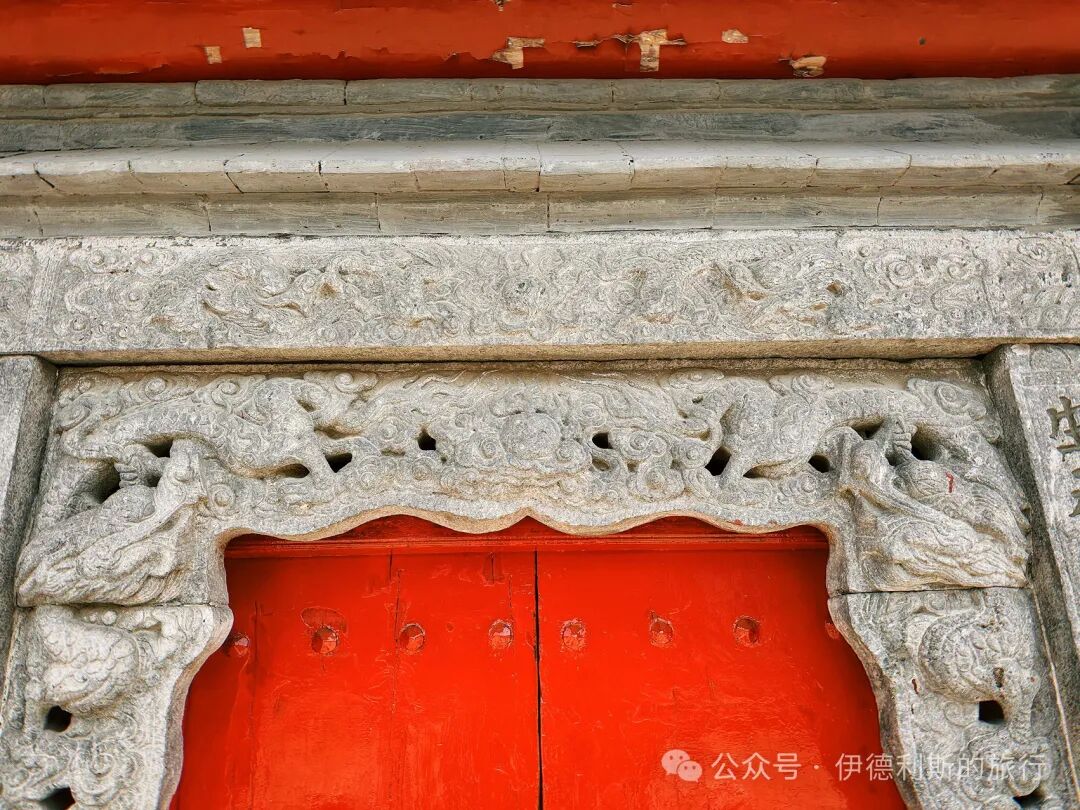
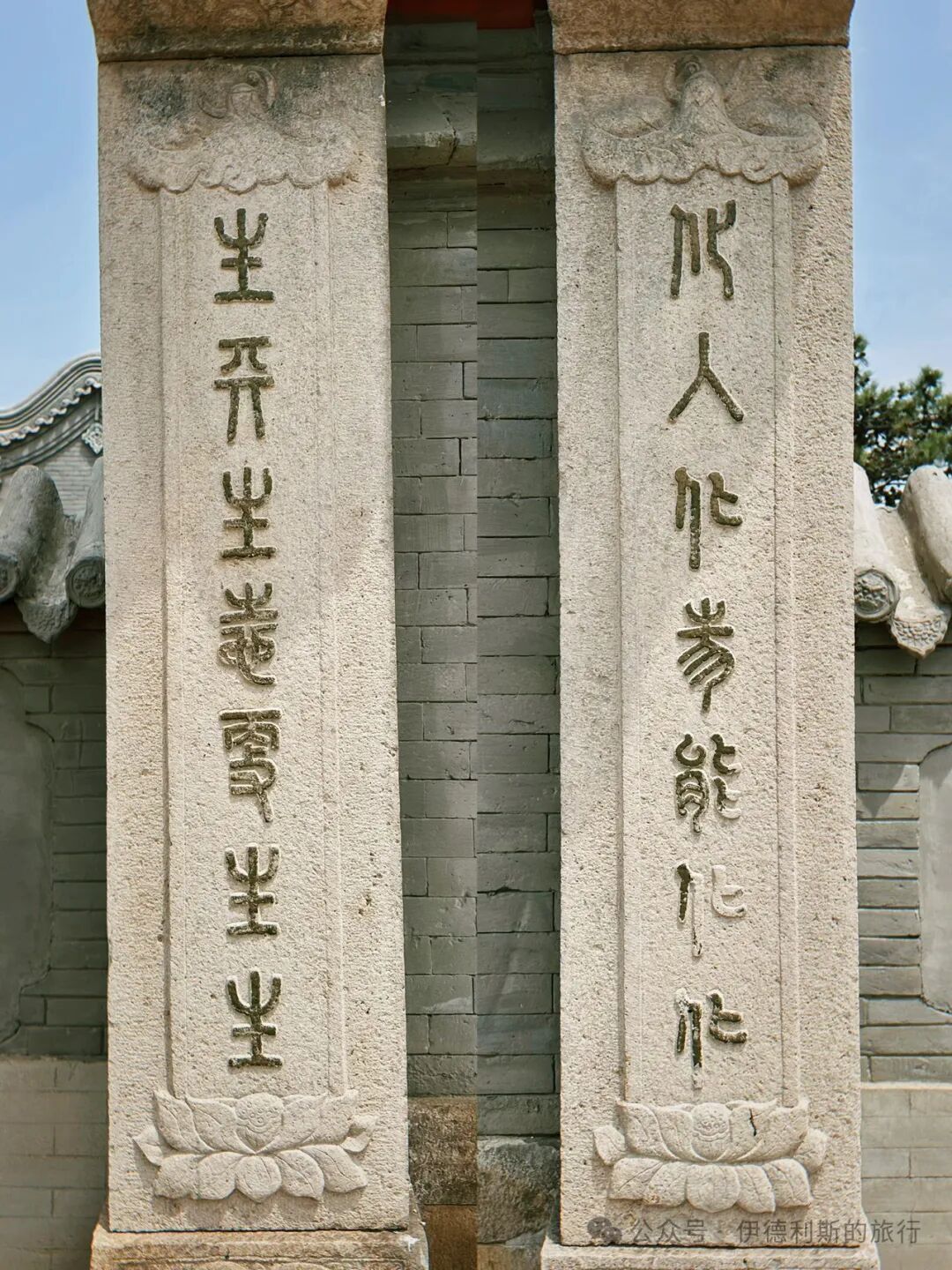
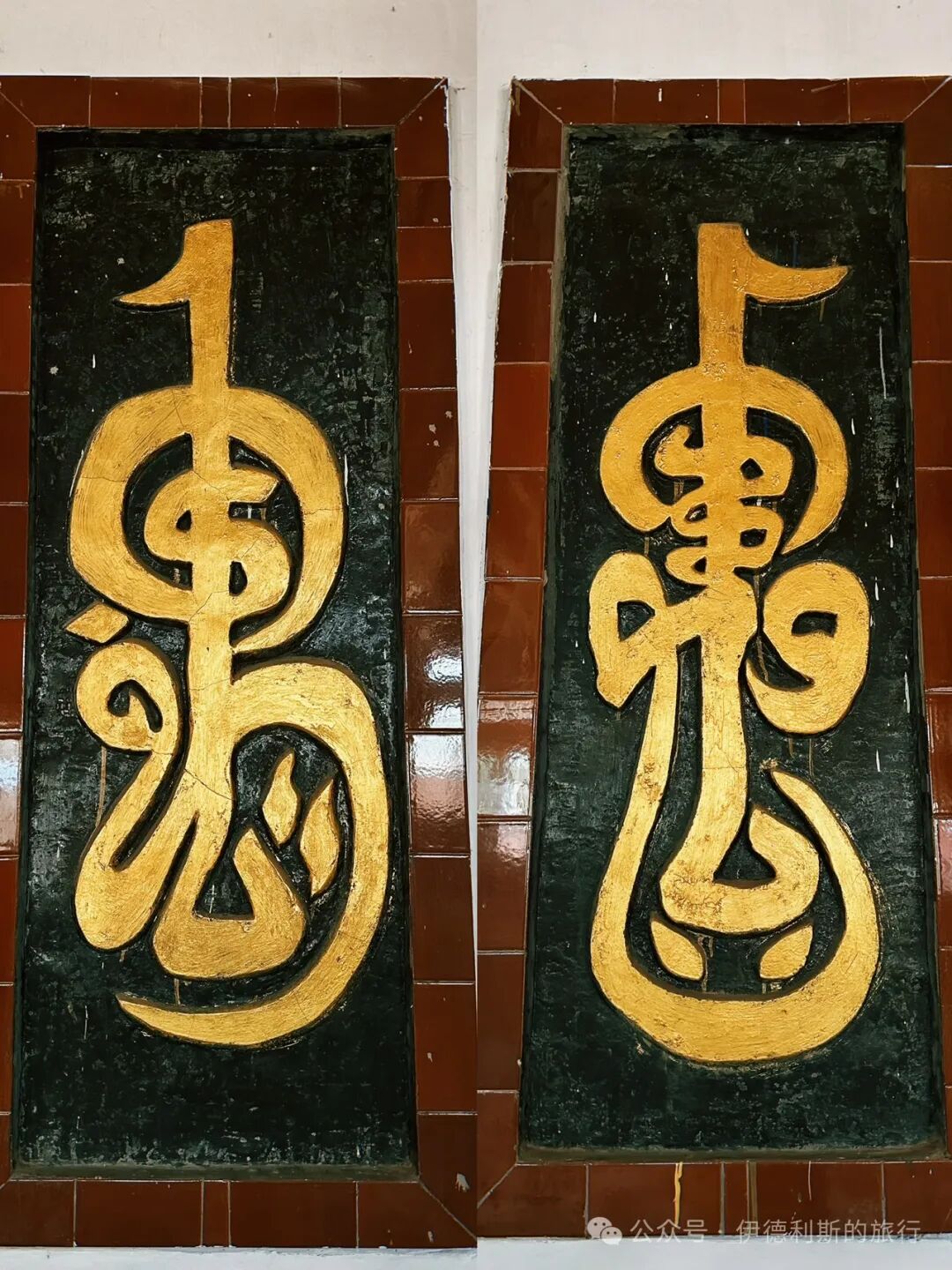
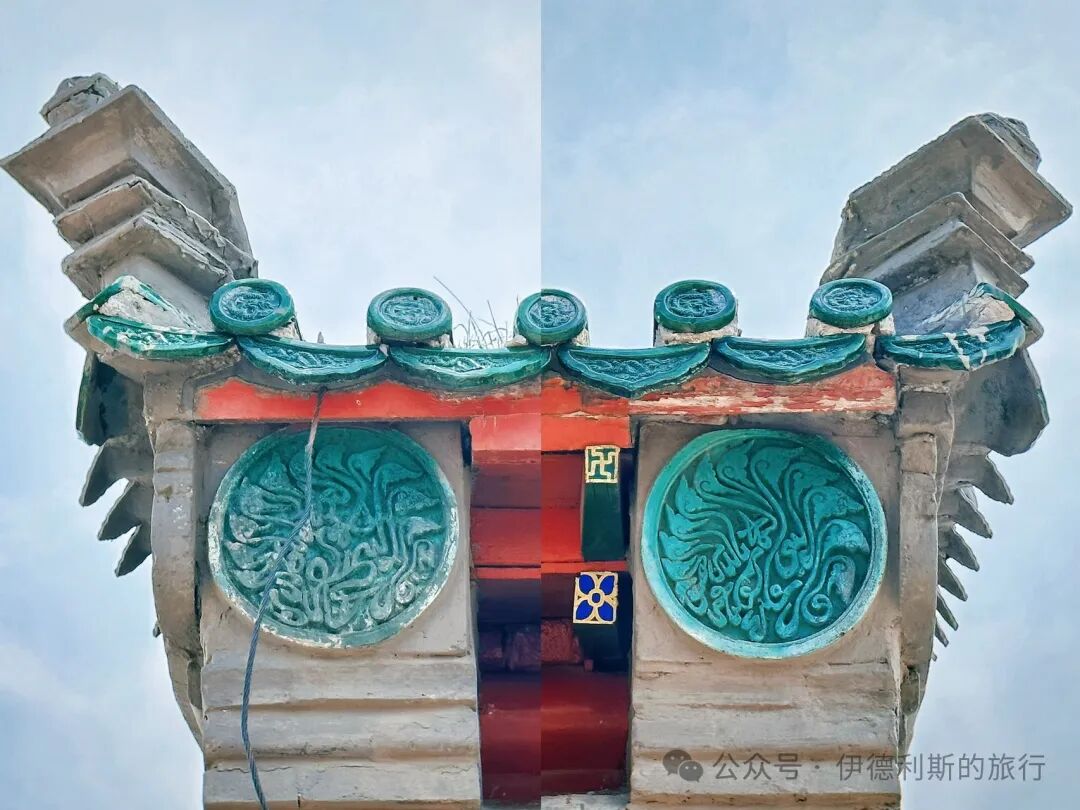
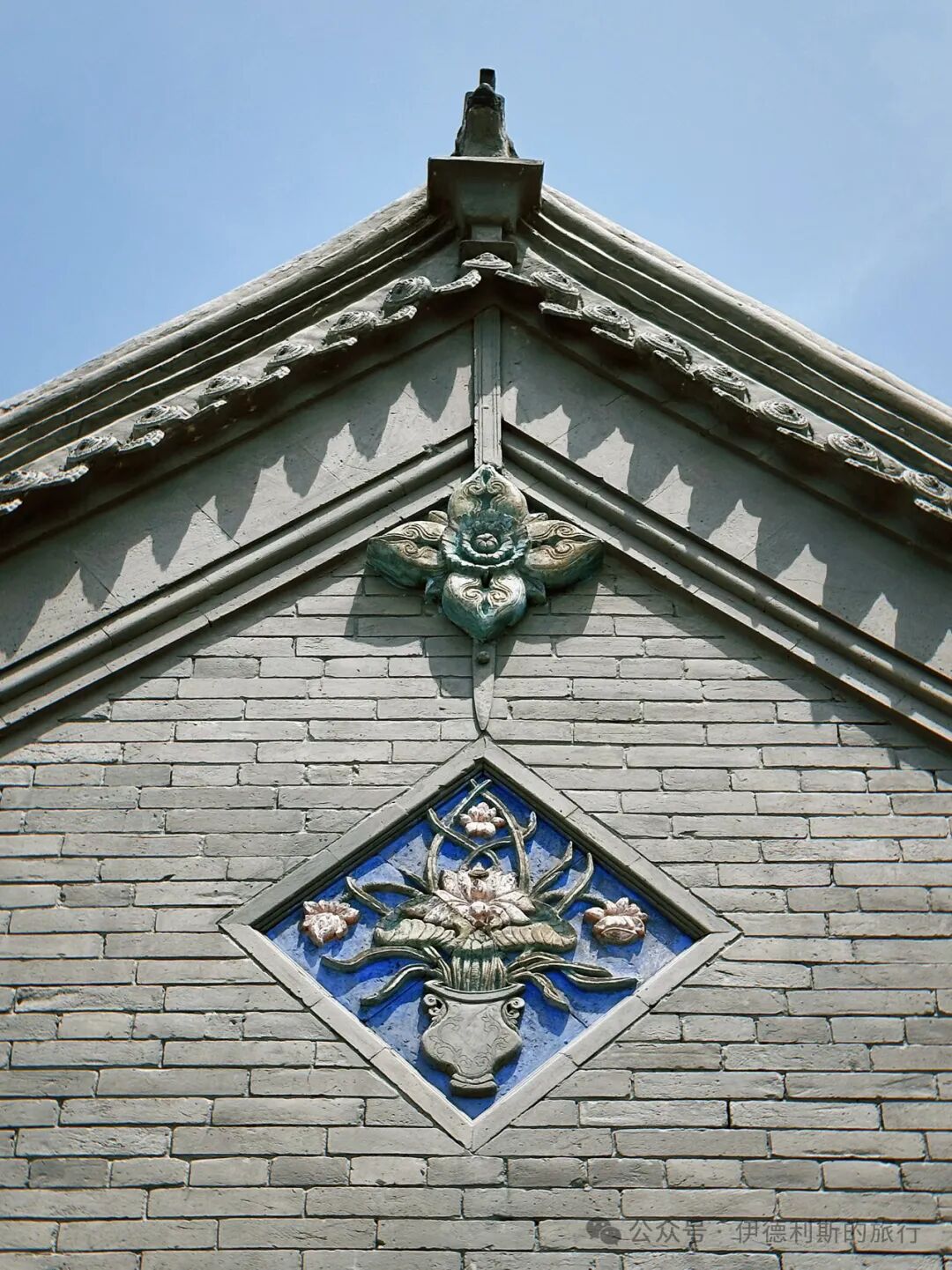
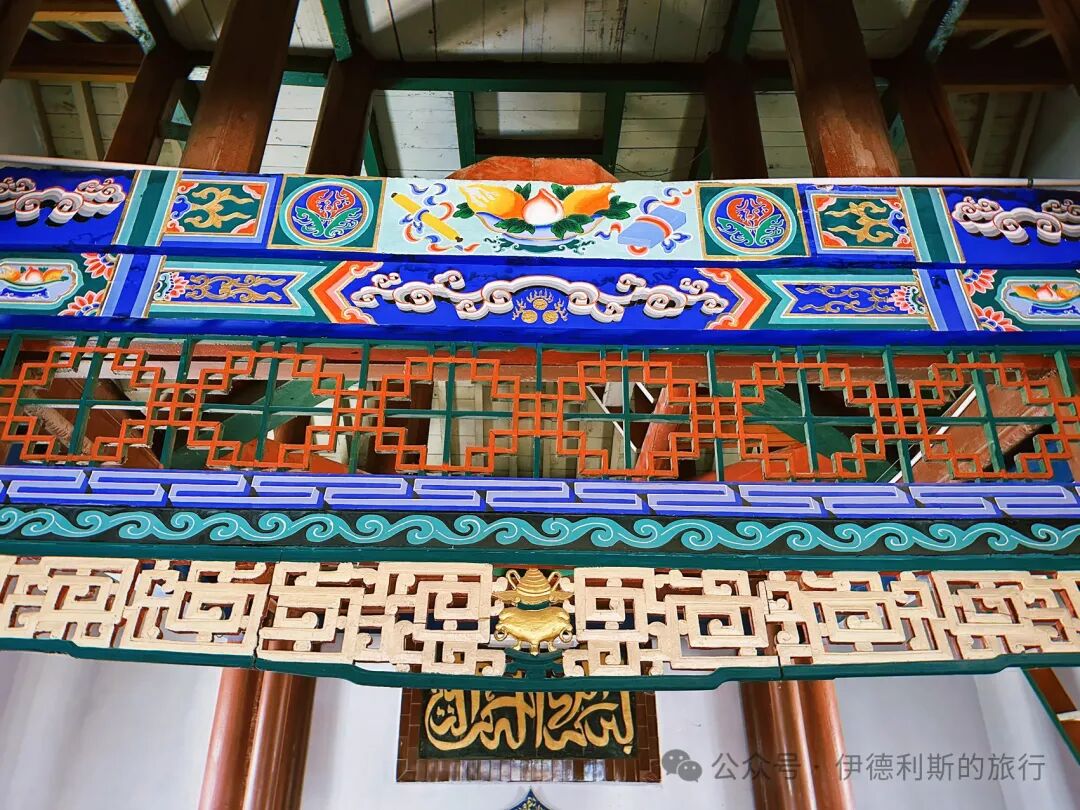
The brick and stone carvings at Xinlitun Mosque are very beautiful and feature many traditional patterns. There are inscriptions on the stone carvings on both sides of the main hall, which is very rare for an old mosque.
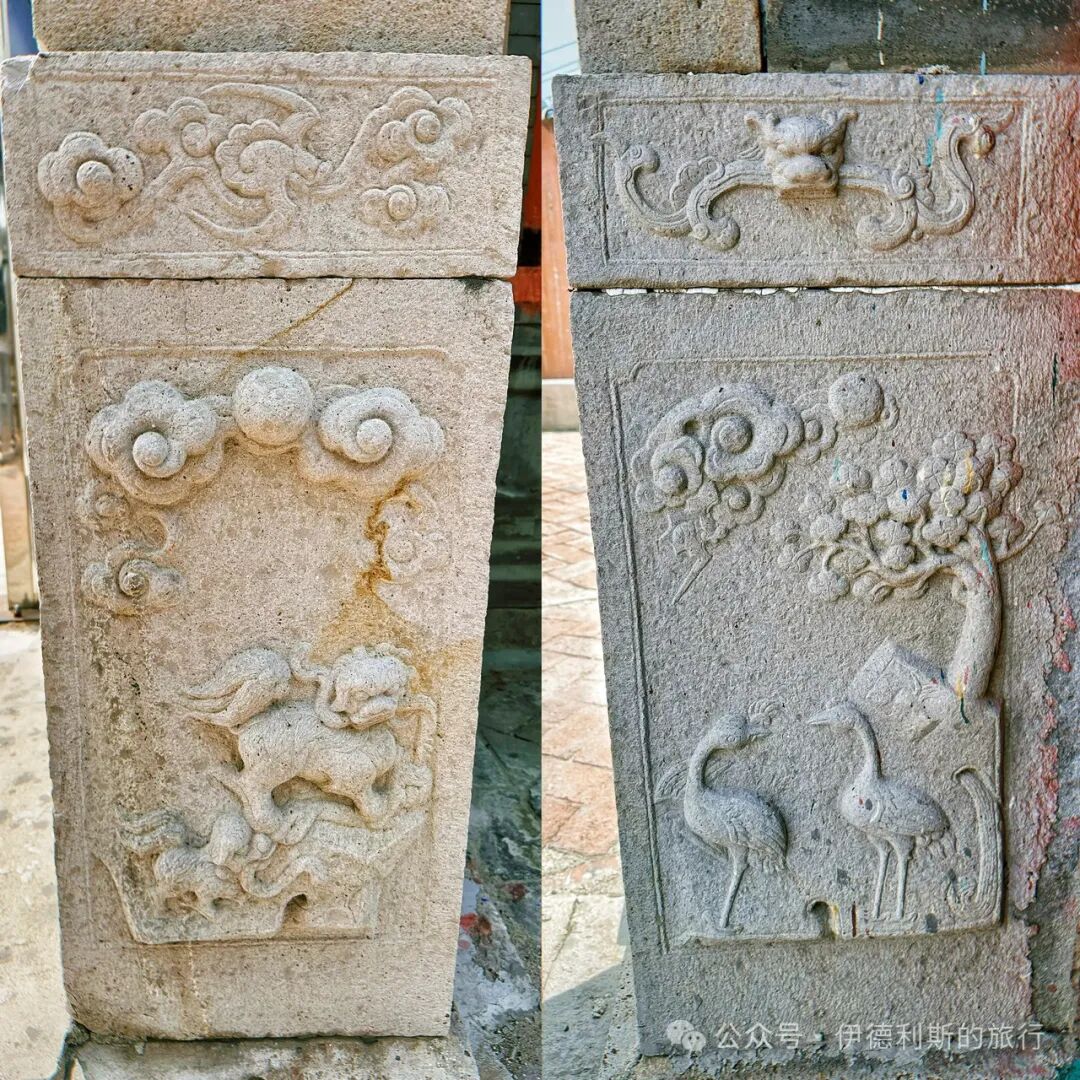
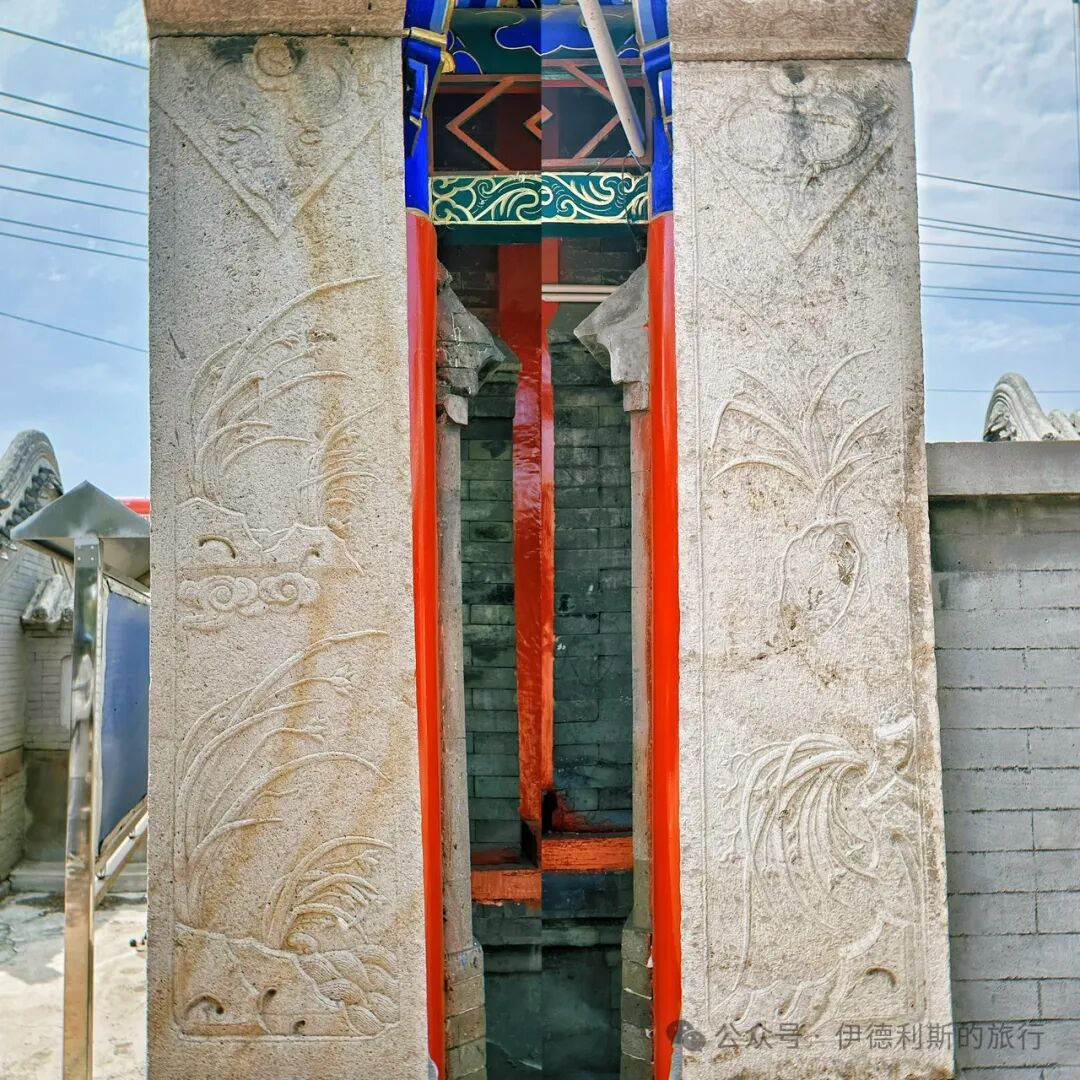
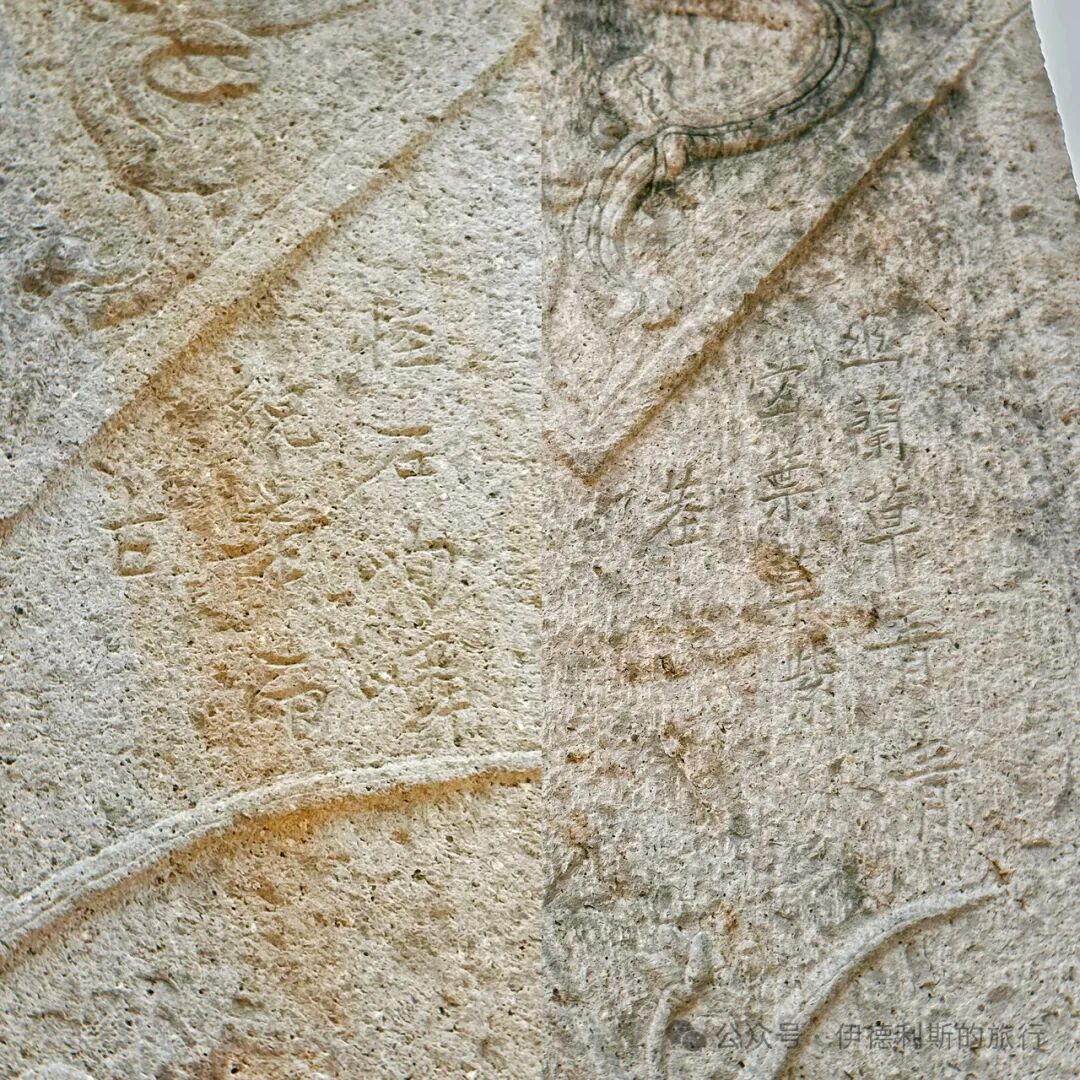
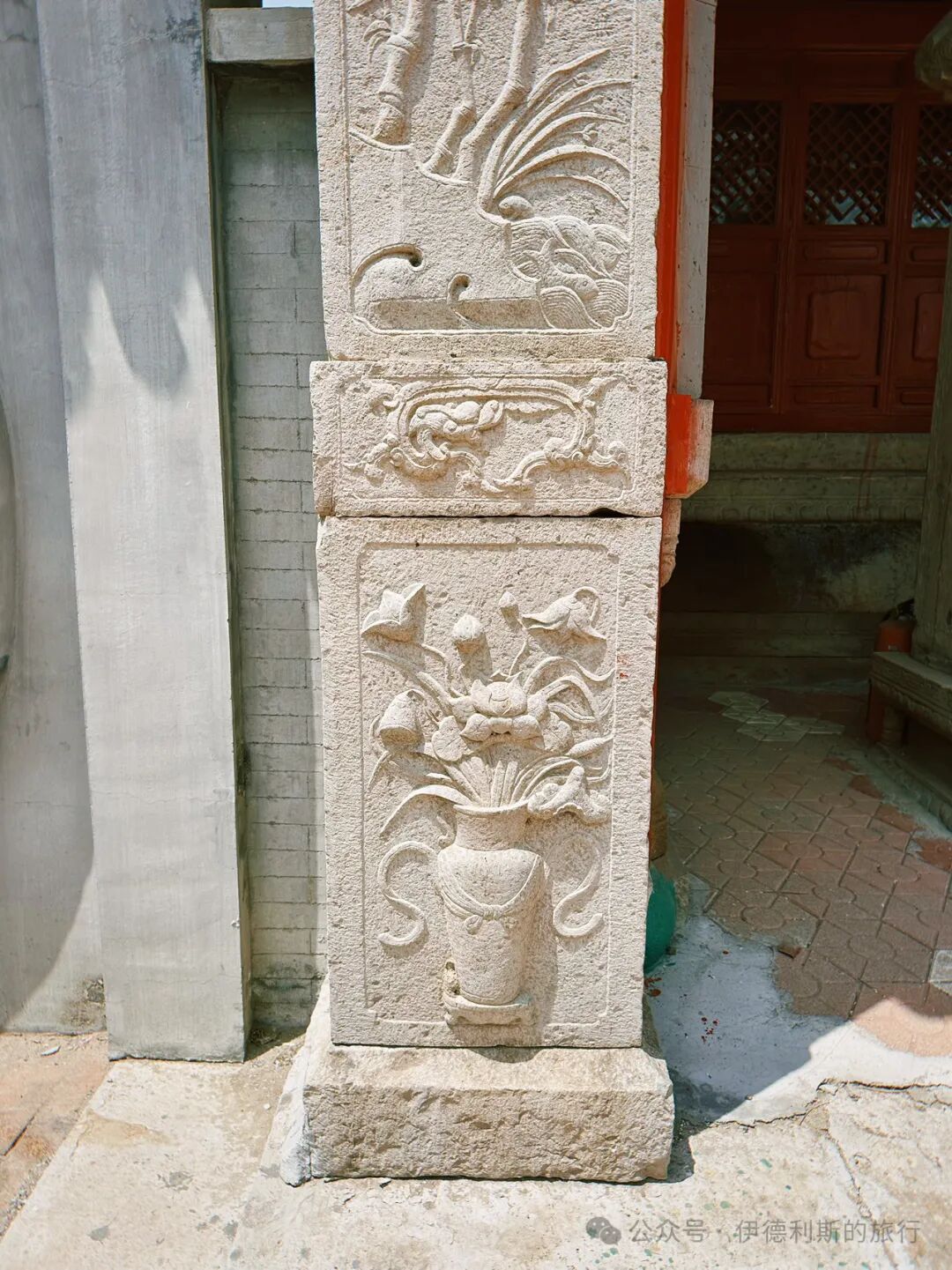
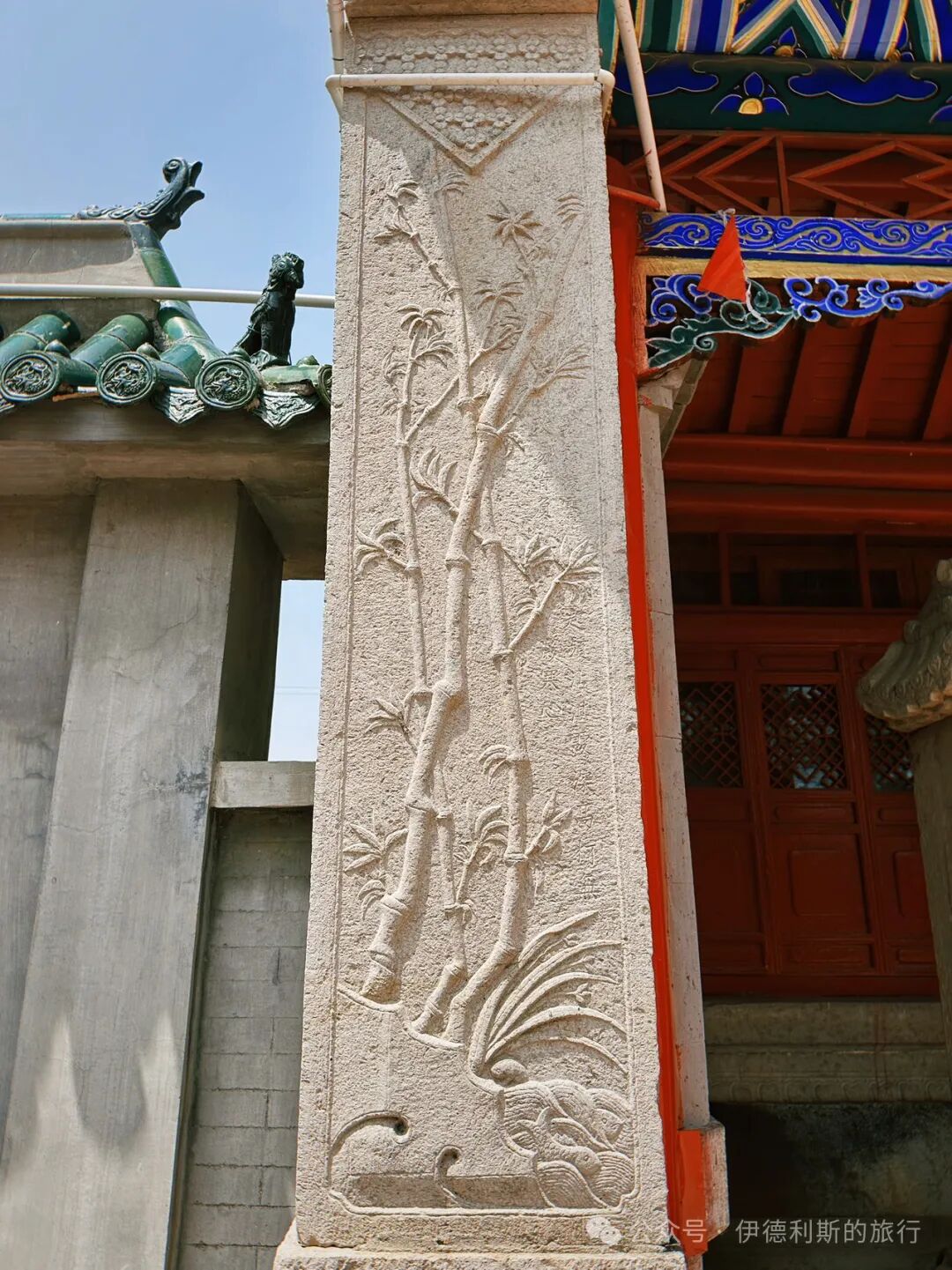
The traditional calligraphy at Xinlitun Mosque includes both outlined and broad-stroke styles, both of which are very unique. The plaque in the center of the main hall was handwritten by Imam Bai Hexi in 1983. Imam Bai was born in 1911 in Pingquan, Hebei, and studied under the famous Grand Imam Liu Pinyi from Hebei.
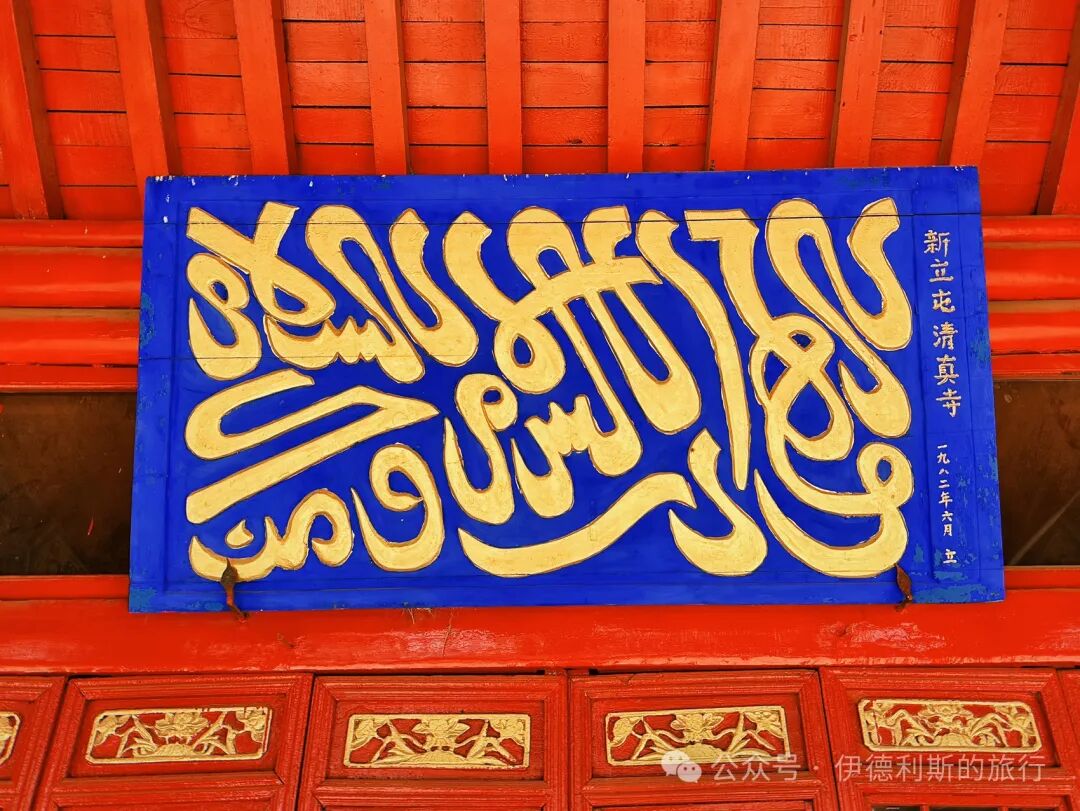
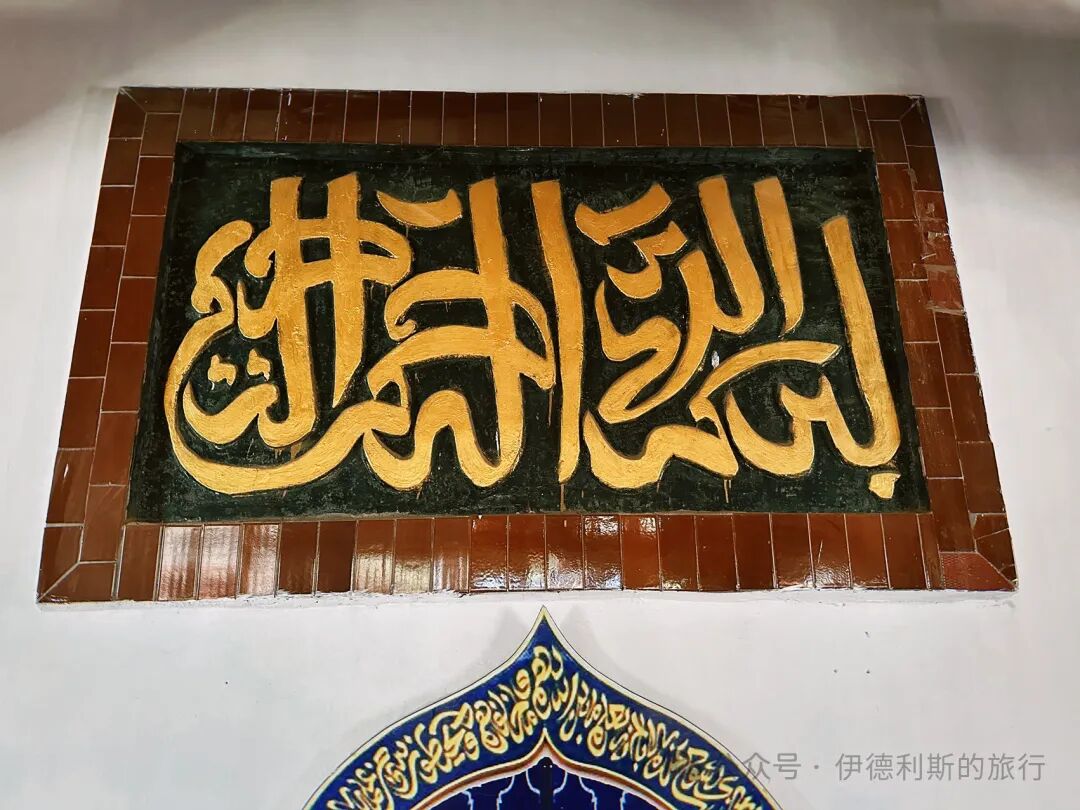
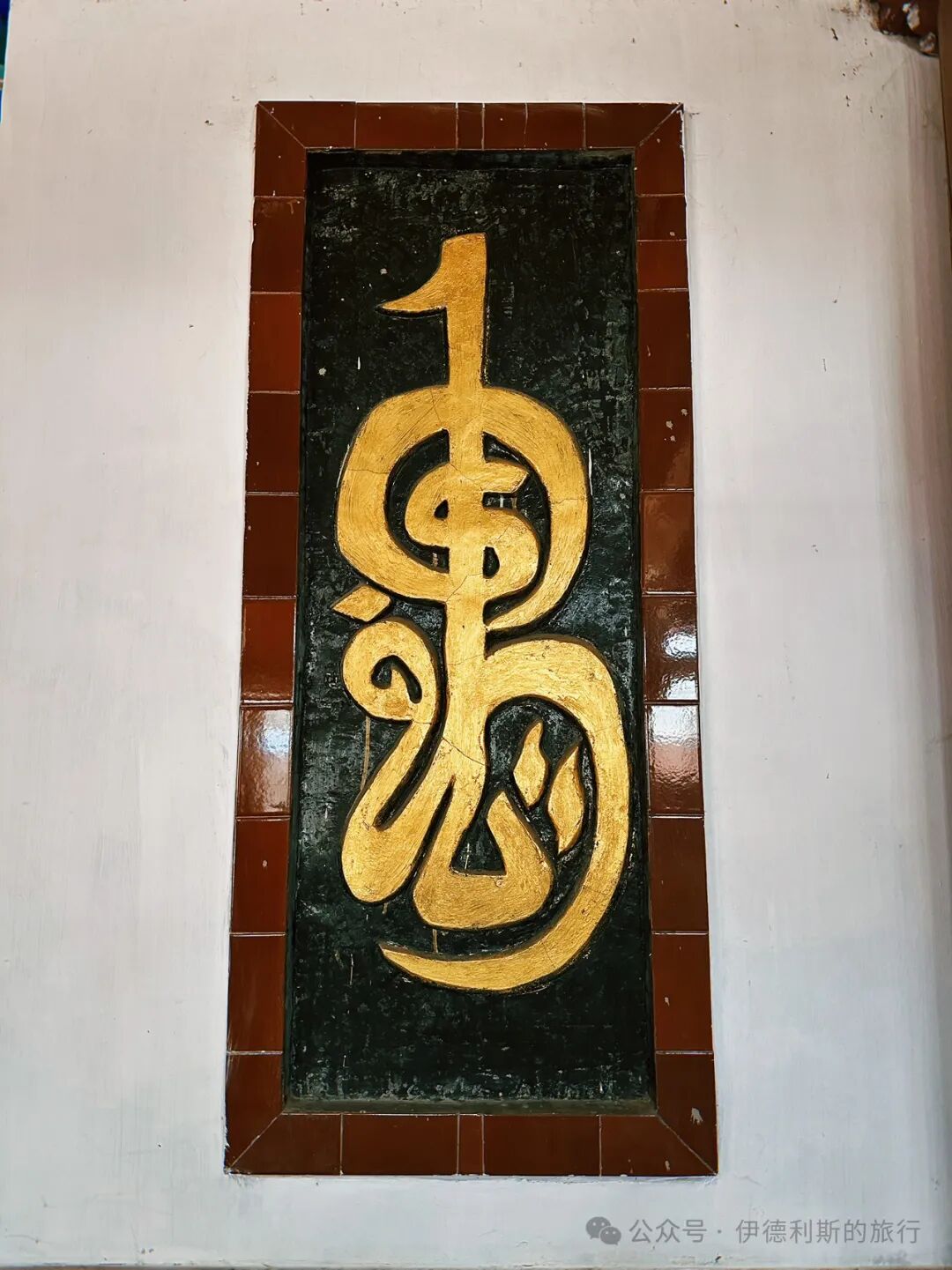
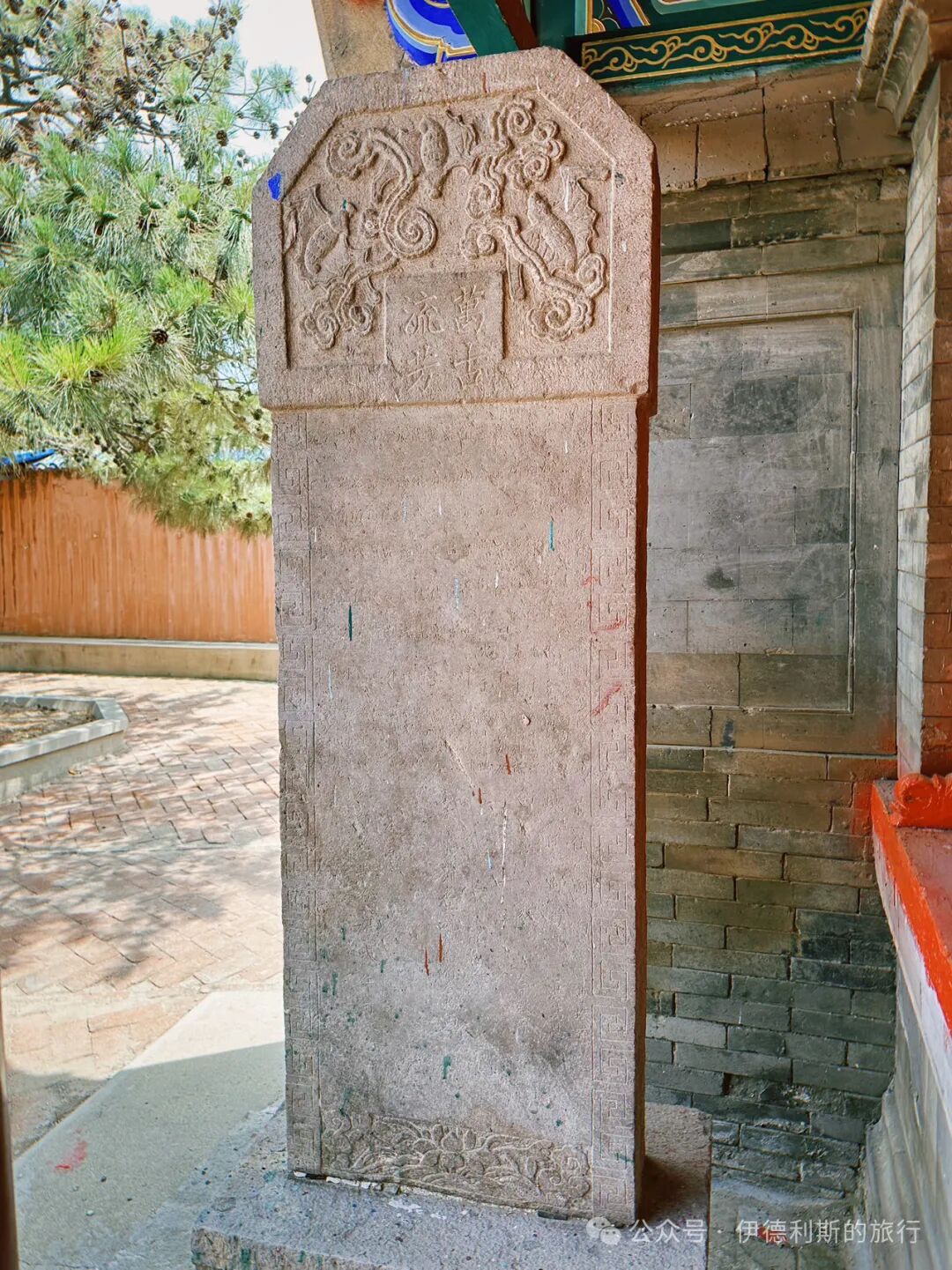
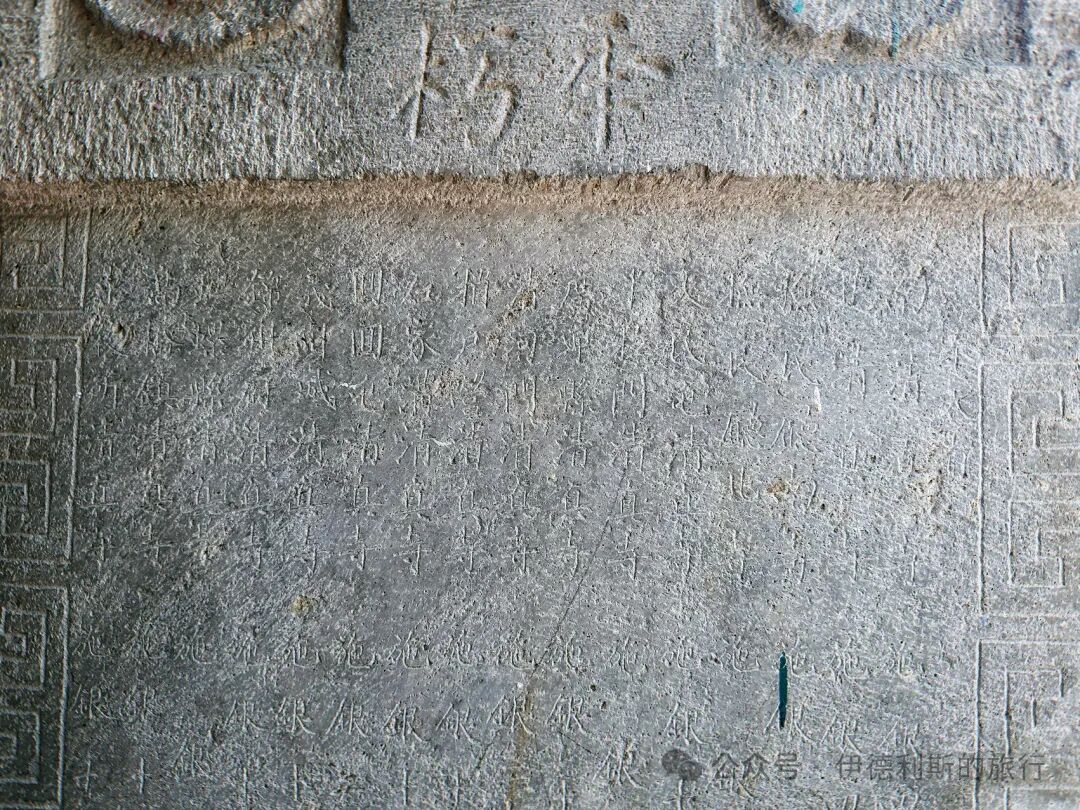
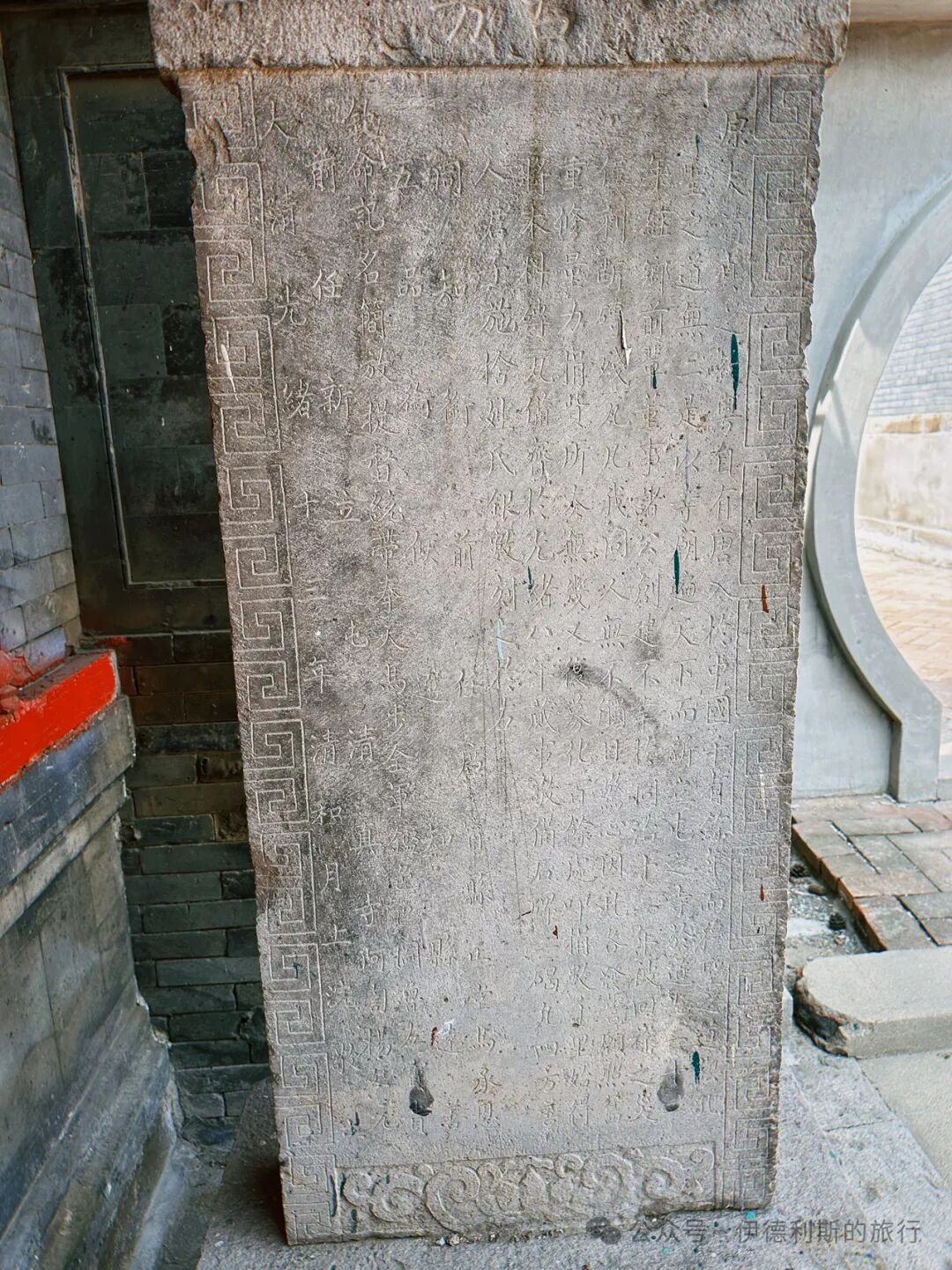
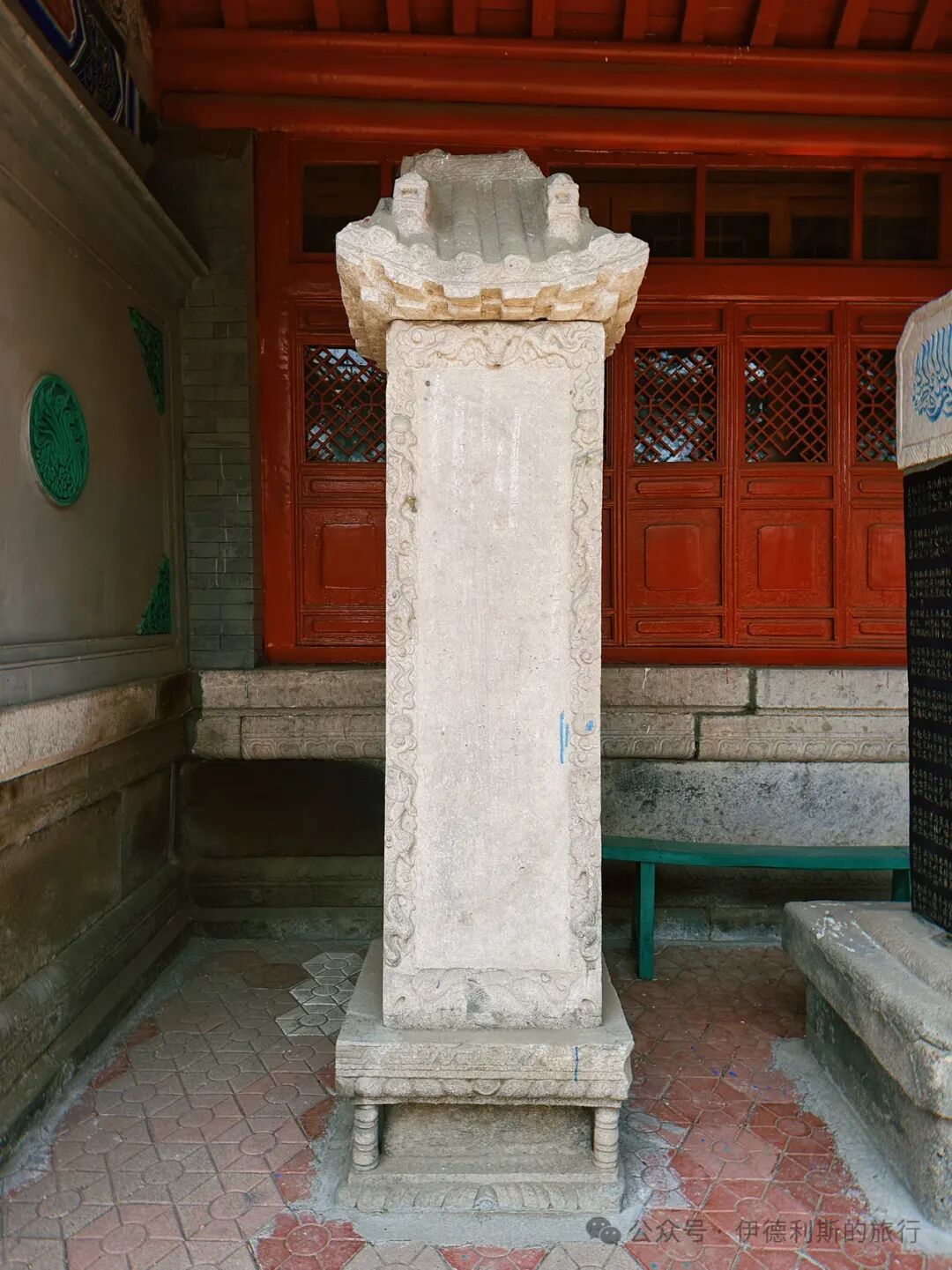
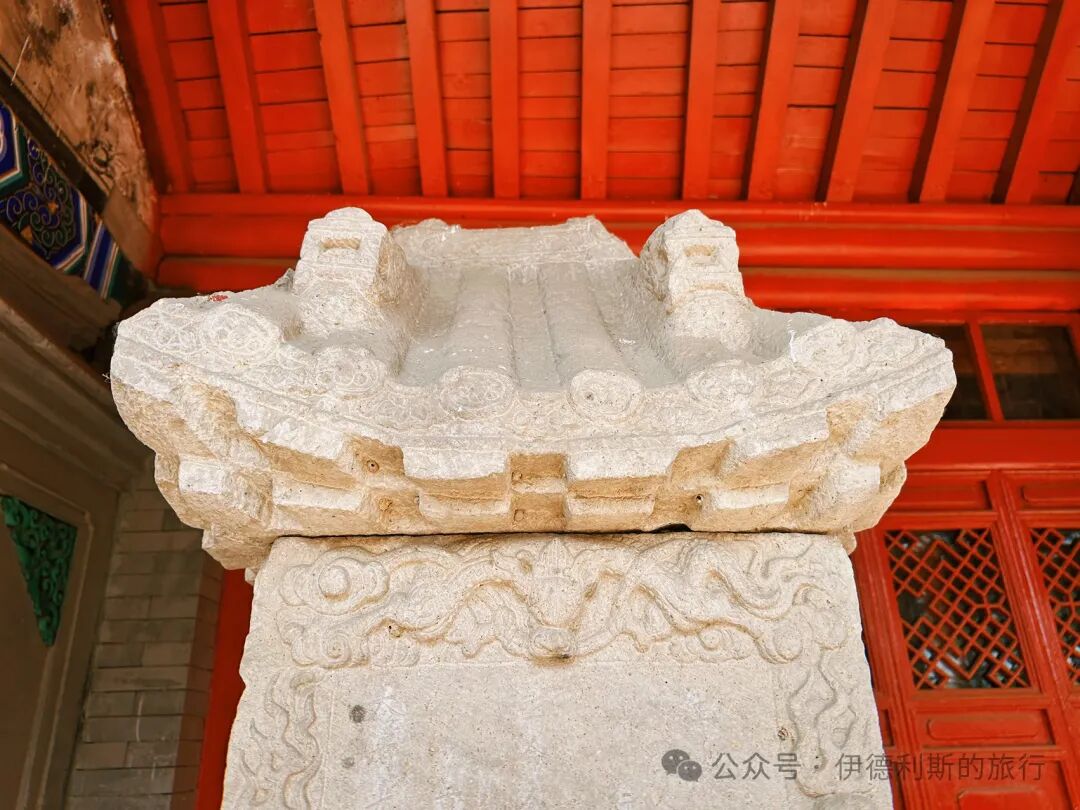
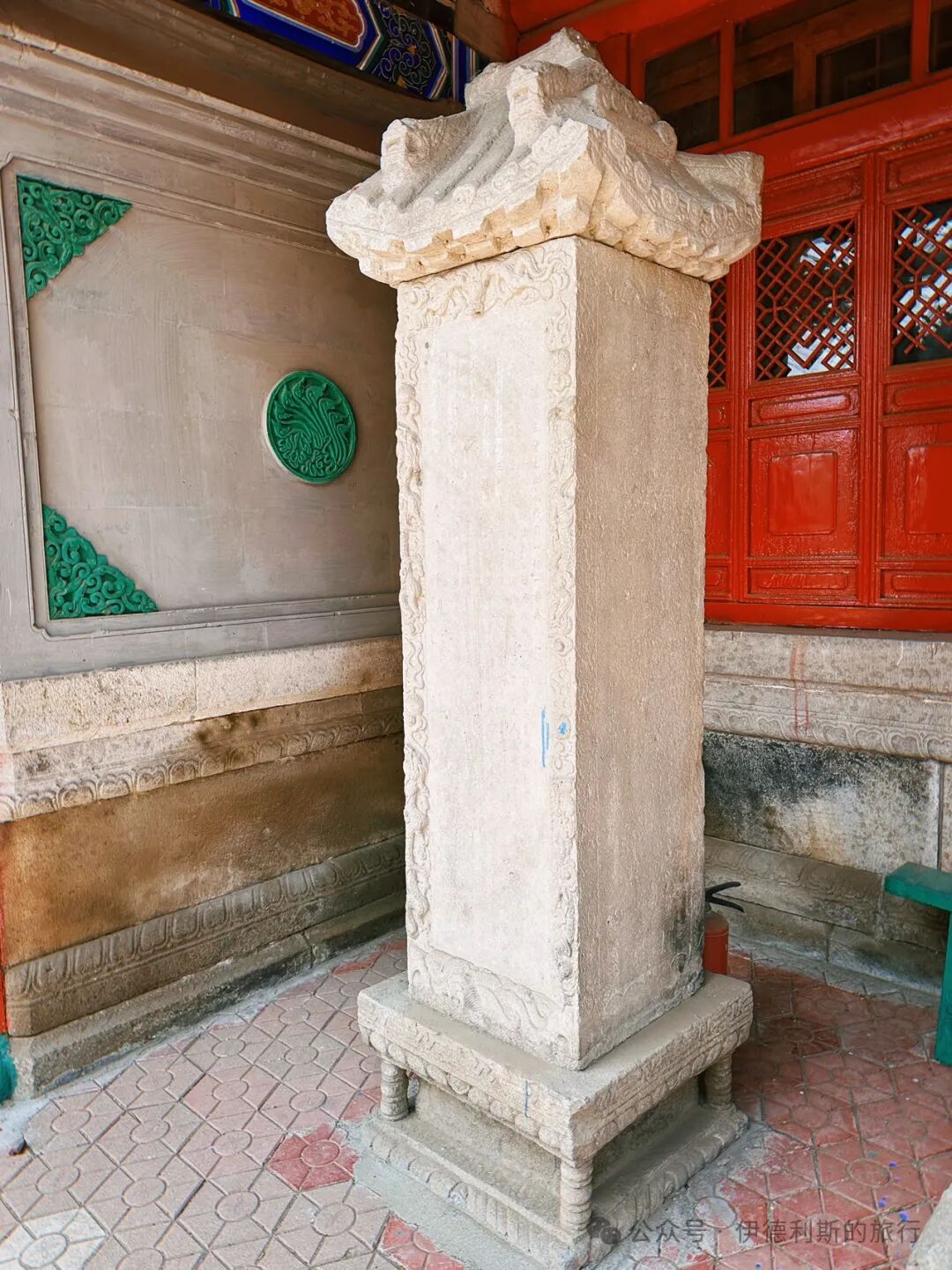
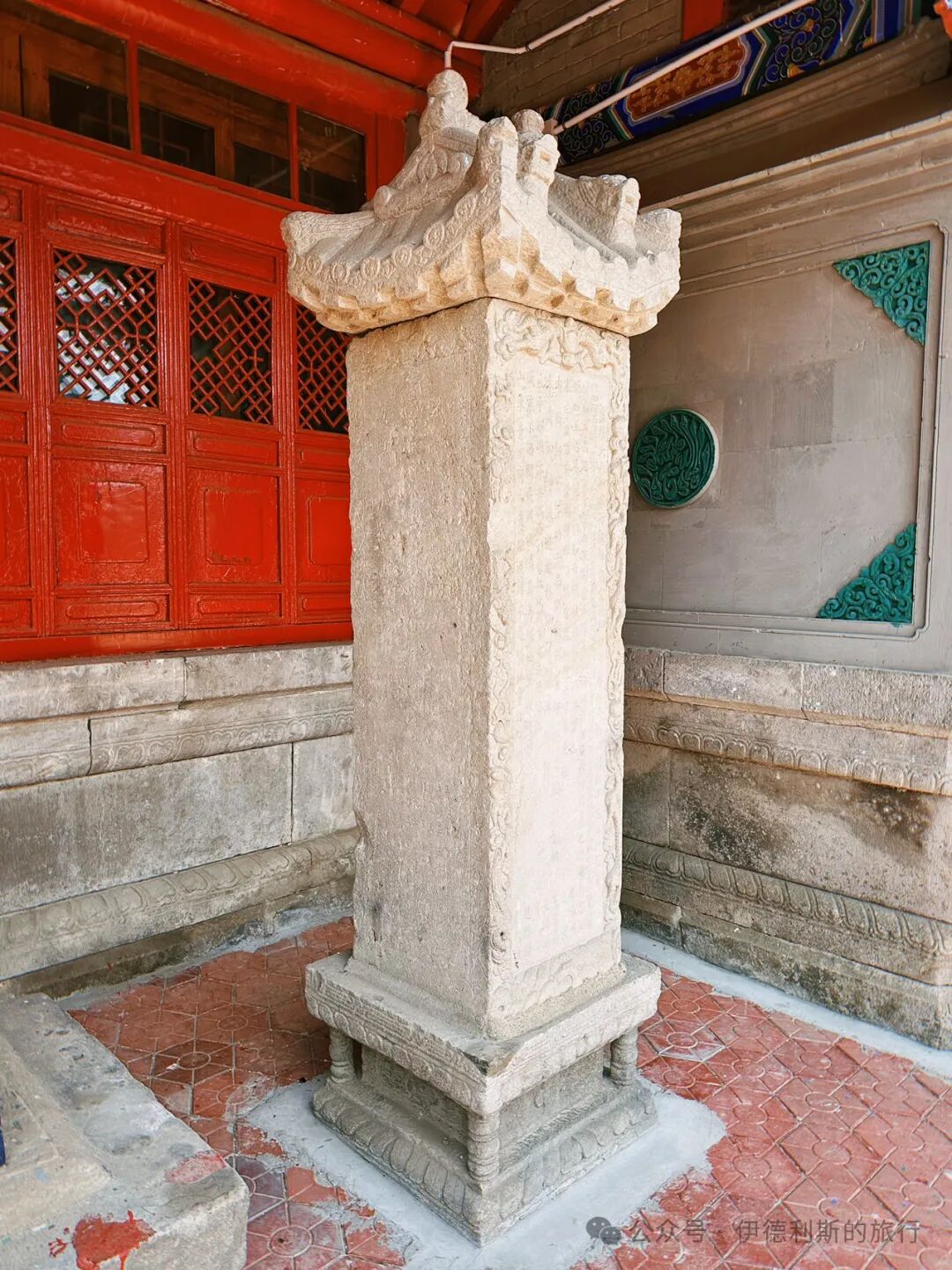
In front of the main hall of Xinlitun Mosque, there are four stone tablets from the Guangxu era renovation that contain a wealth of information about the donors. The 1887 tablet titled "Stele for the Renovation of Xinlitun Mosque" lists the name of General Zuo Baogui, a commander in the Fengtian Army and an anti-Japanese hero. It also mentions Dashan, the leader of the Manchu people during the conflicts between the Manchu and Hui Muslims at that time. This serves as a symbol of how the tensions between the Manchu and Hui Muslims in Xinlitun were resolved during the Guangxu reign.
The "Stele of Surnames and Donation Amounts for the Mosque Renovation" lists the mosques that contributed funds at the time. The sheer number of them is the highest in Northeast China, showing the close connections between the various mosque communities in the region back then.
Fengtian Province: South Mosque, North Mosque, Fumin Hall South Mosque, Fumin Hall North Mosque, Huimintun Mosque, Banlamen Mosque, Guangning Mosque, Qinghemen Mosque, Shaohuying Mosque, Shijiagou Mosque, Huihuitun Mosque, Yizhou City Mosque, Jinzhou Prefecture Mosque, Hongluoxian Mosque, Gaoqiao Town Mosque, Zhonghousuo Mosque, Shanhaiguan Mosque, Laogongwo Three Mosques, Tieling Mosque, Kaiyuan Mosque, and Fakumen Mosque.
Jilin Province: West Mosque, East Mosque, North Mosque, Manjiatun Mosque, Yitong Prefecture Mosque, Yingchengzi Mosque, Ashiha Mosque, Wulajie Mosque, Shanqianhuai Mosque, Kaoshantun Mosque, Nong'an City Mosque, Taipingzhuang Mosque, and Xiaohelong Mosque.
Kulu Street: Public Council, Zhou Junkui, various shop guests, and the mosque.
To the north: Shaodanghang, Niuzhuang City, Haizhou City, Gaizhou City, Fuzhou City, Liaoyang City, Fenghuang City, Xiuyan, Tianzhuangtai, Shegouying, Pikou, Dengshang, Fujiatun, Bajiaotai, and the two forts of Tong and Liu.
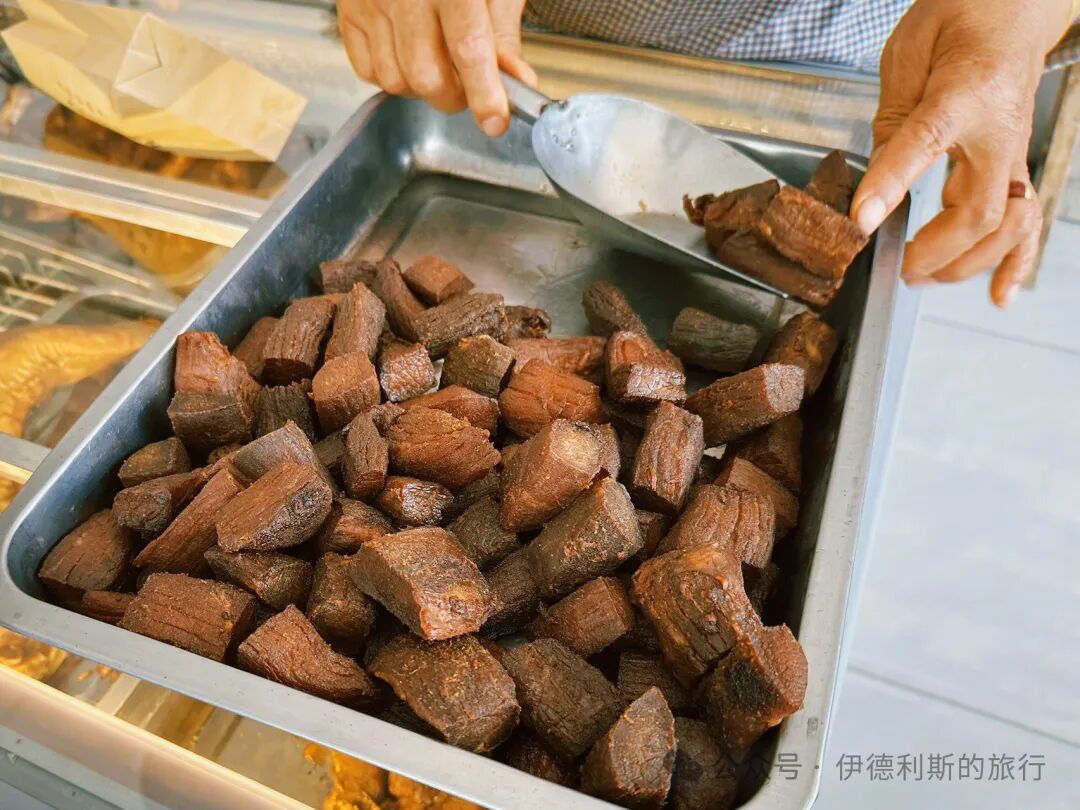
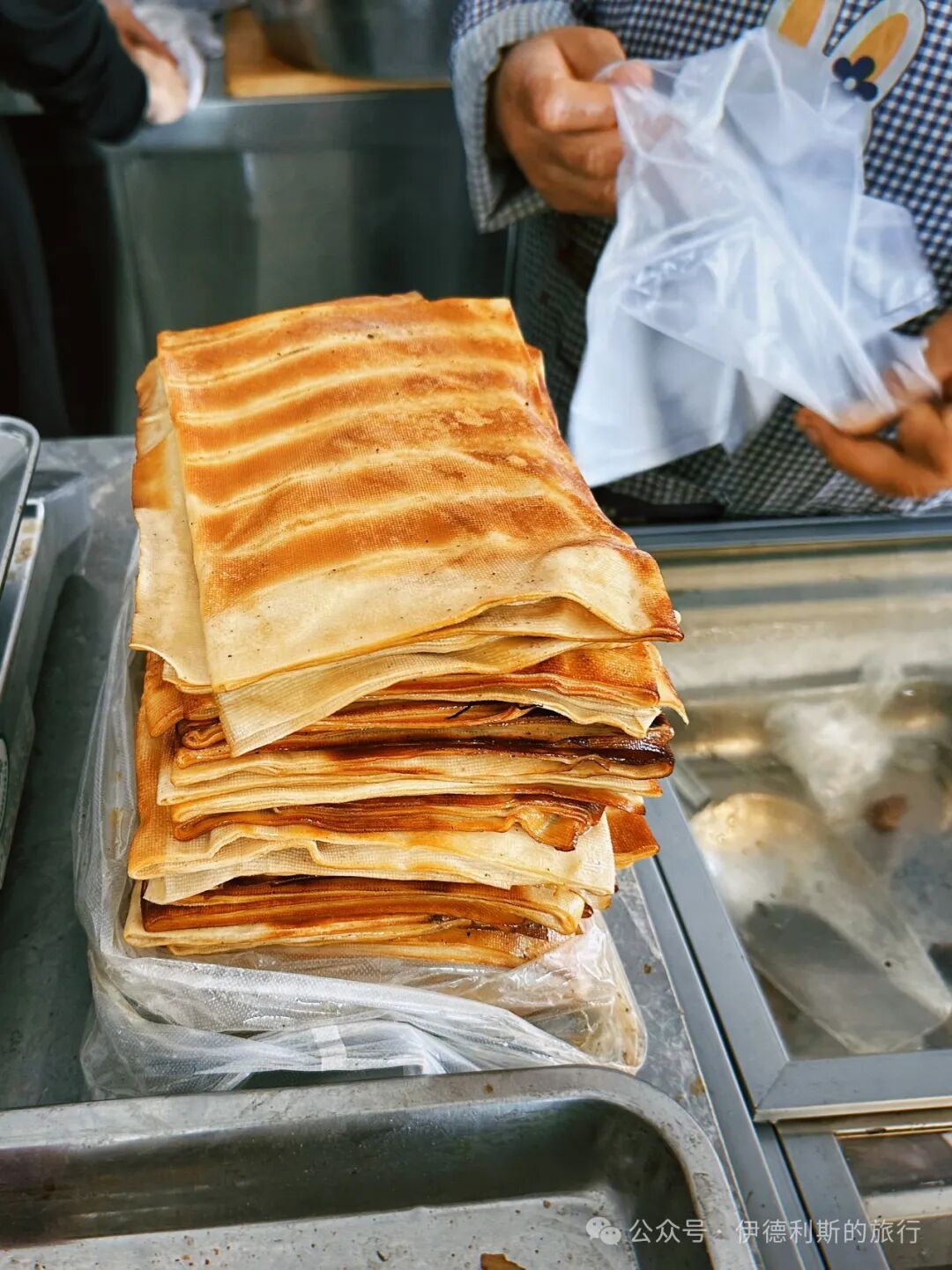
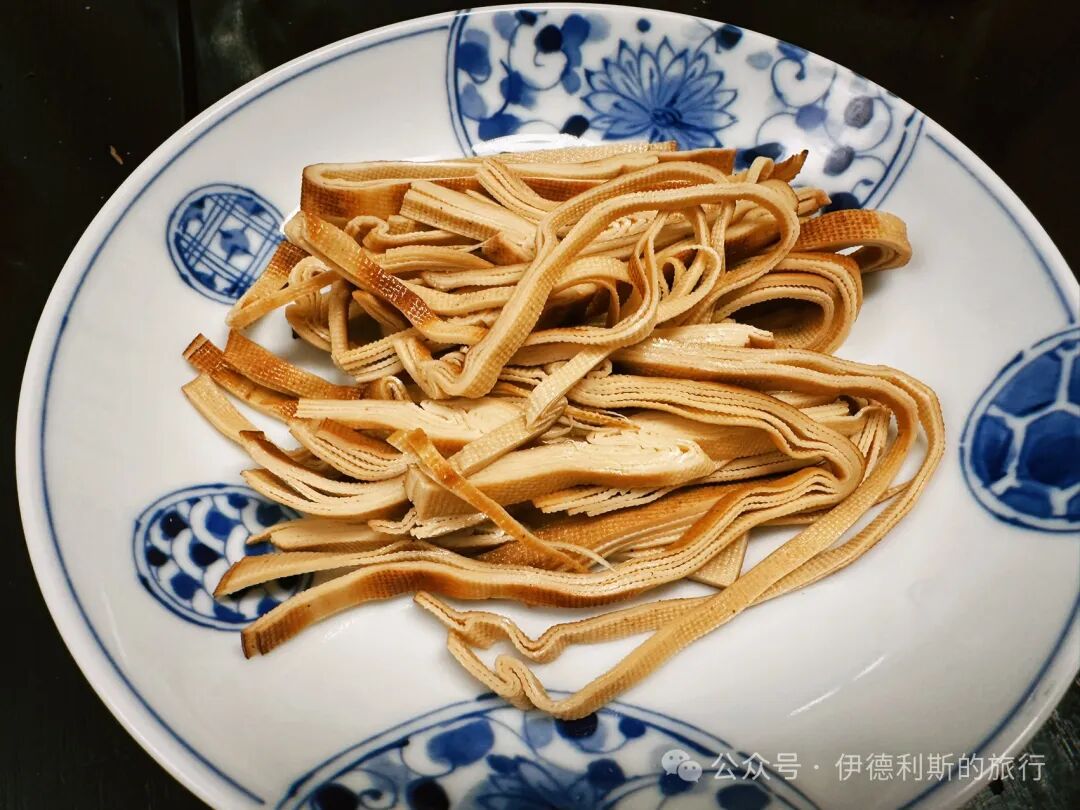
There are many halal restaurants in Xinlitun, but many were closed for the Dragon Boat Festival. We bought beef jerky and smoked dried tofu (gan doufu) at Wang Zijing Deli, and both were delicious! The dried tofu is especially tasty when eaten with noodles and baked flatbread (huoshao).
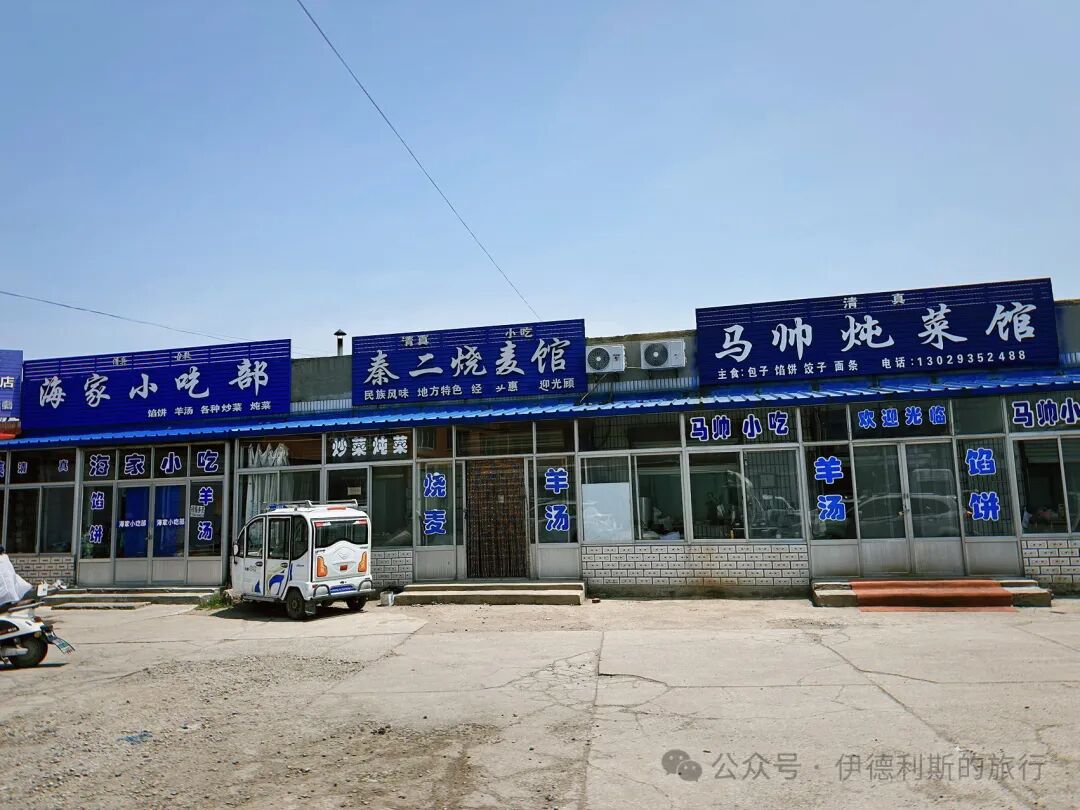
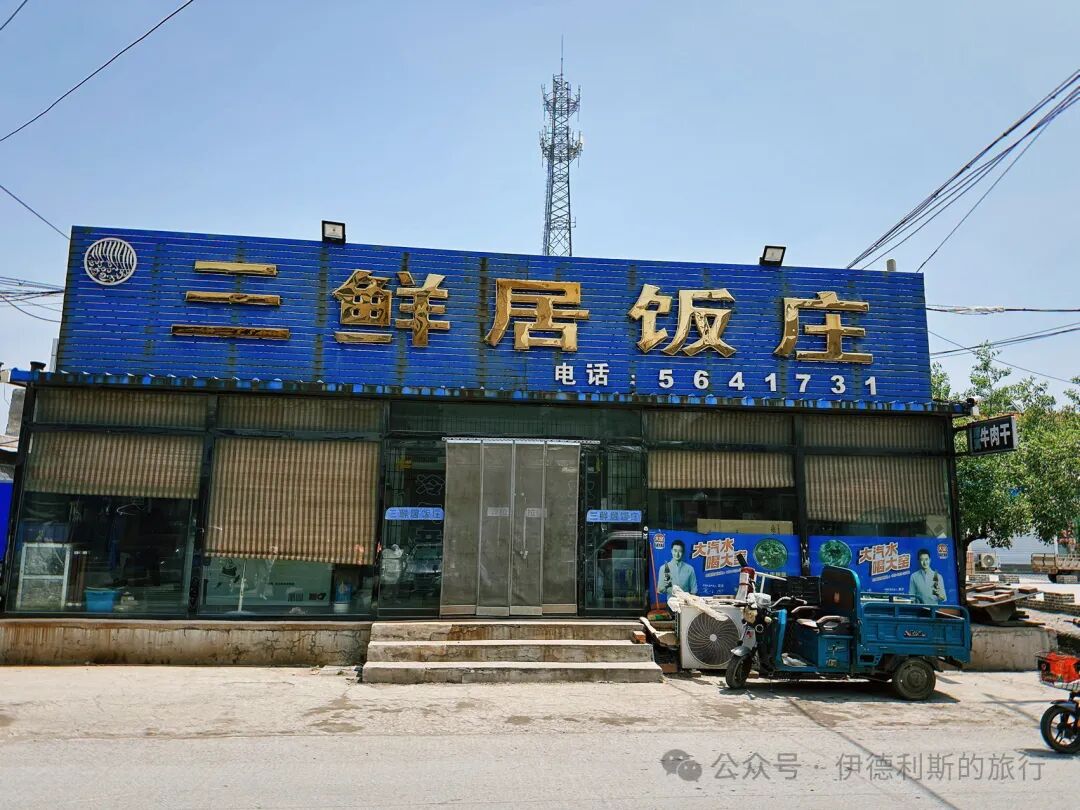
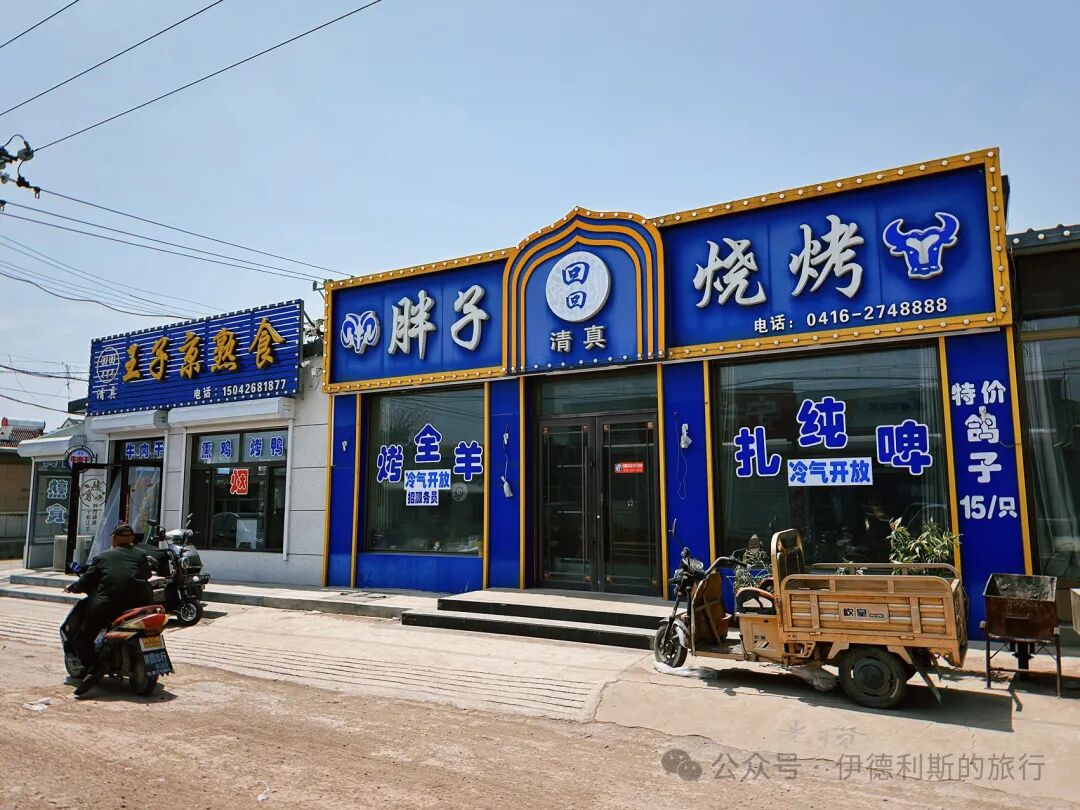
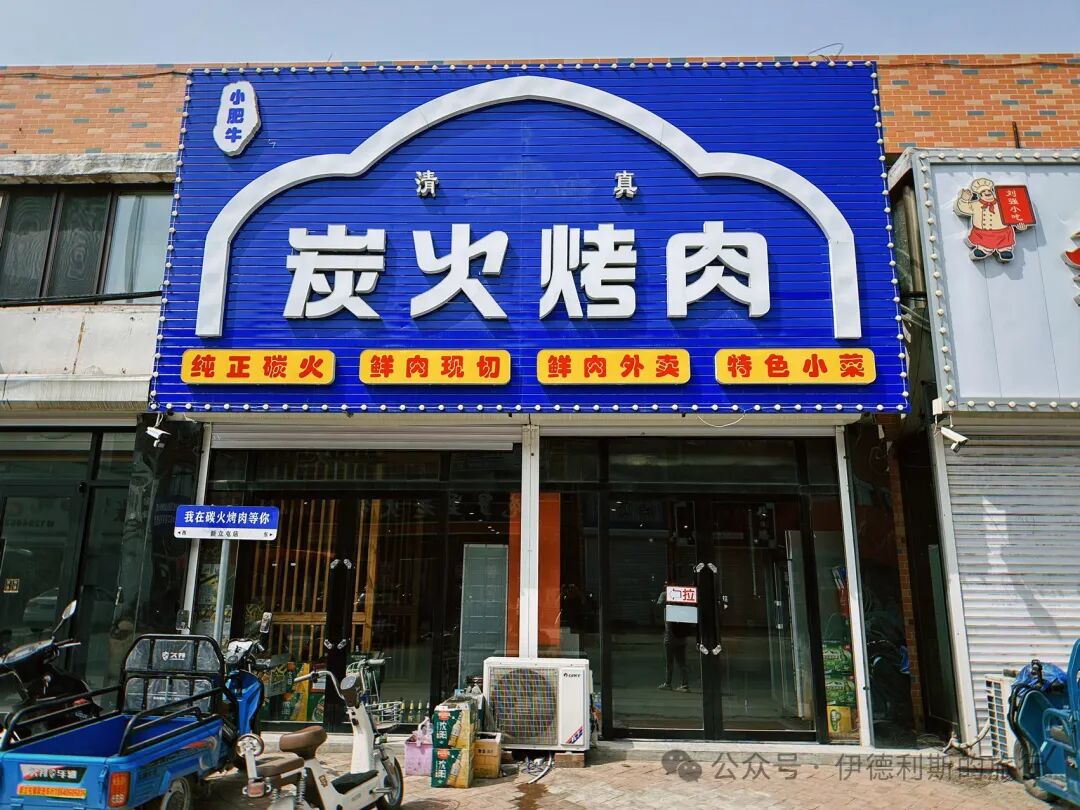
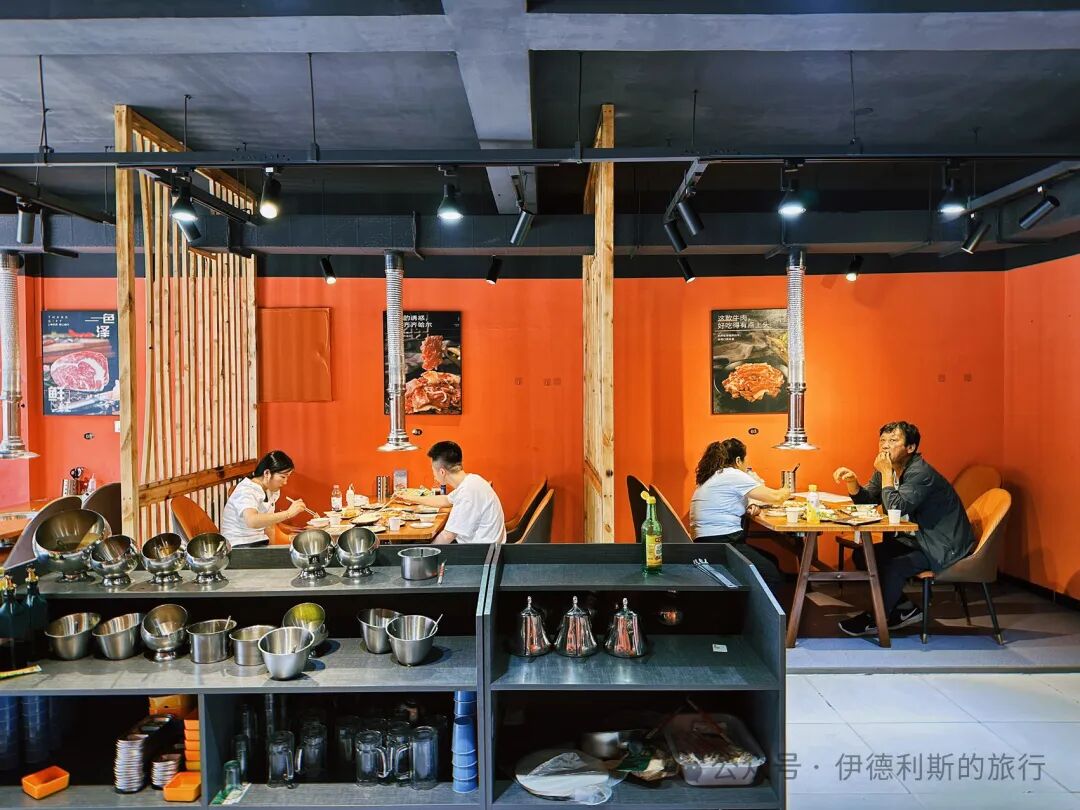
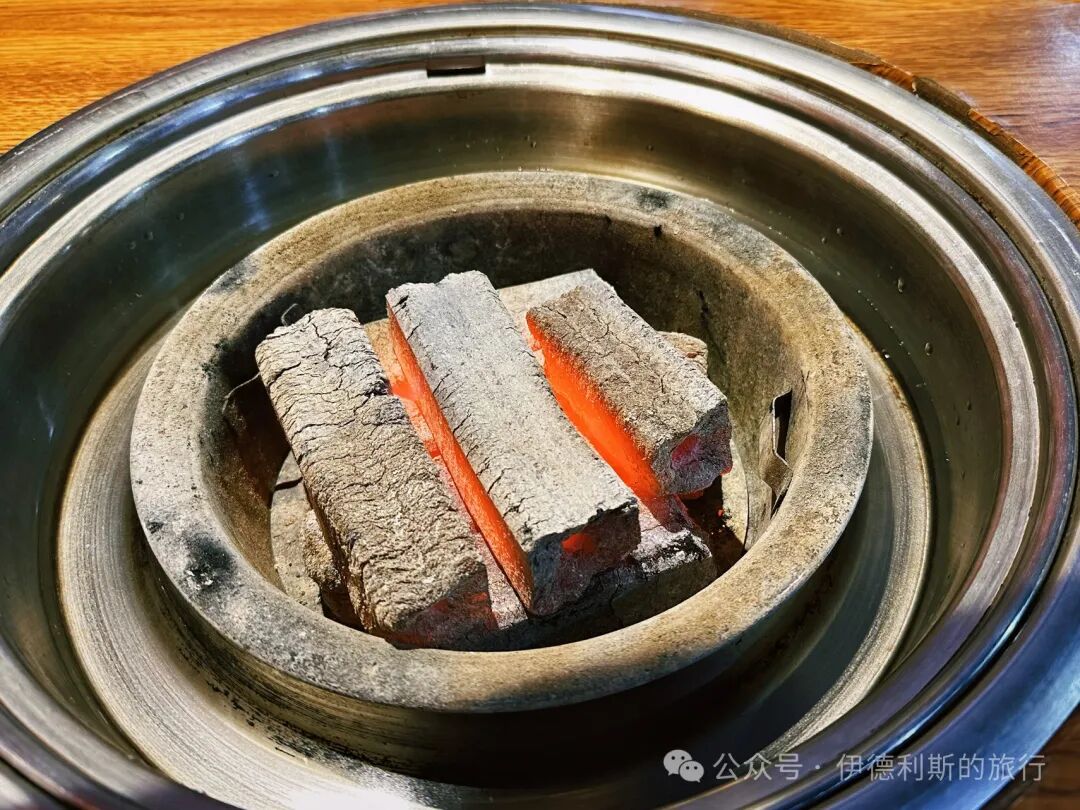
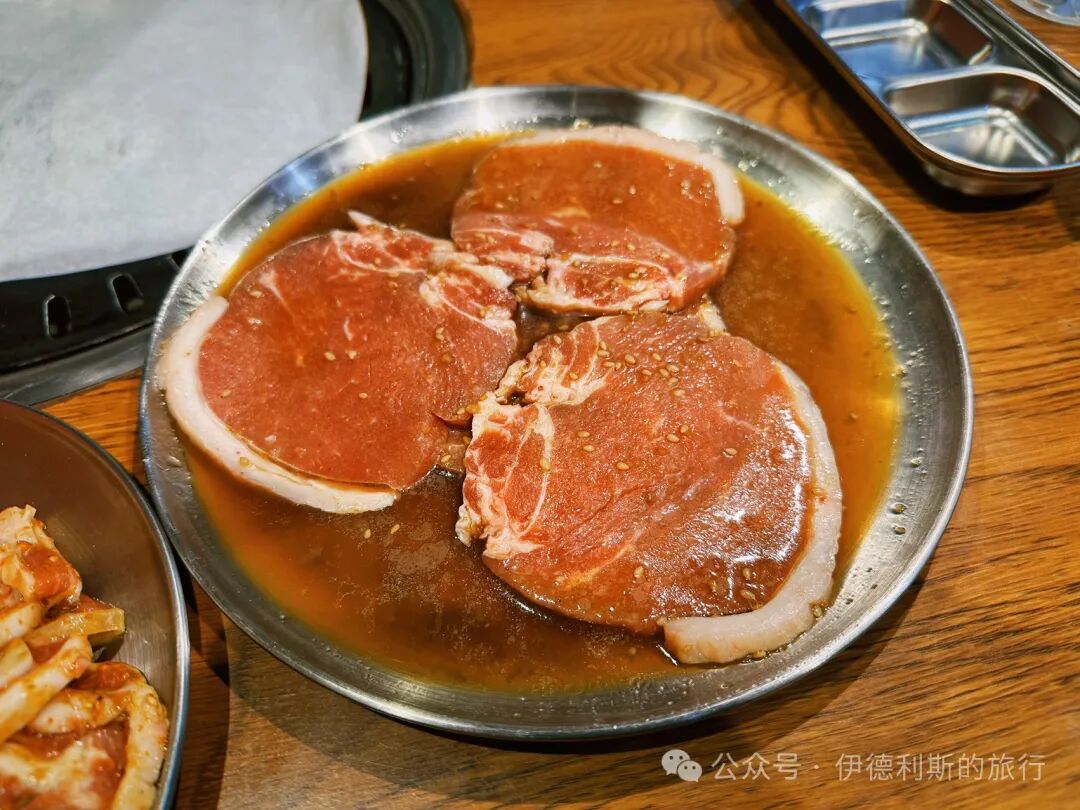
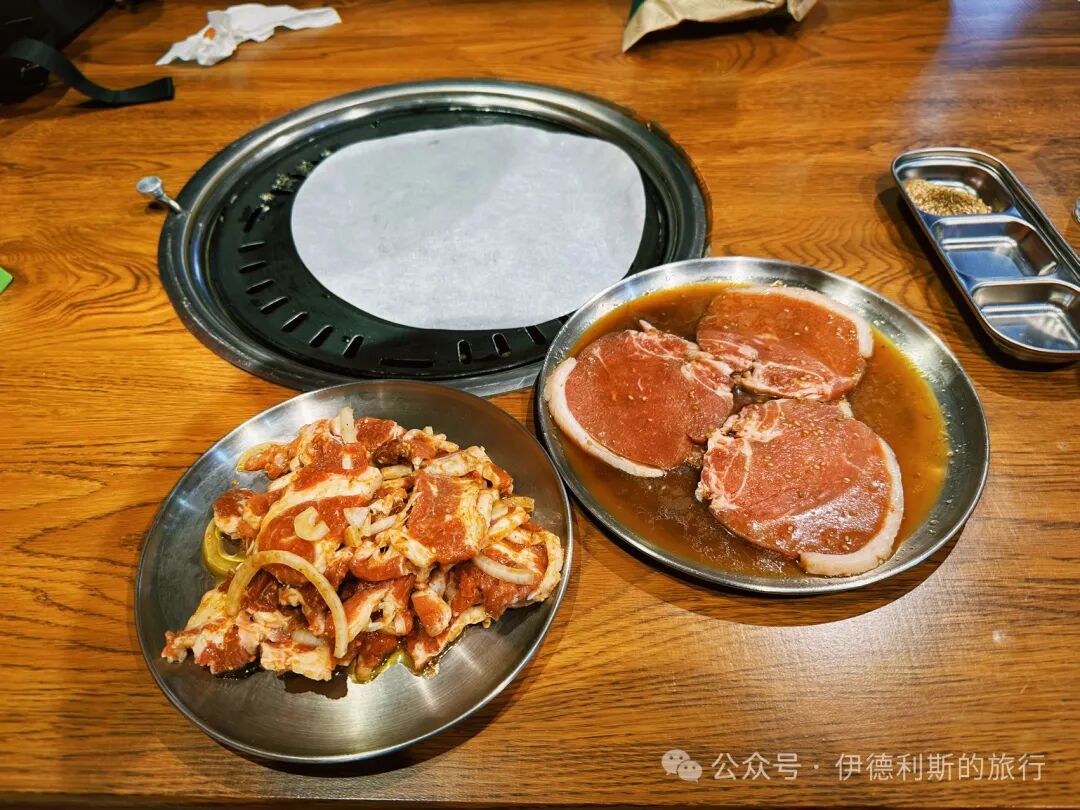
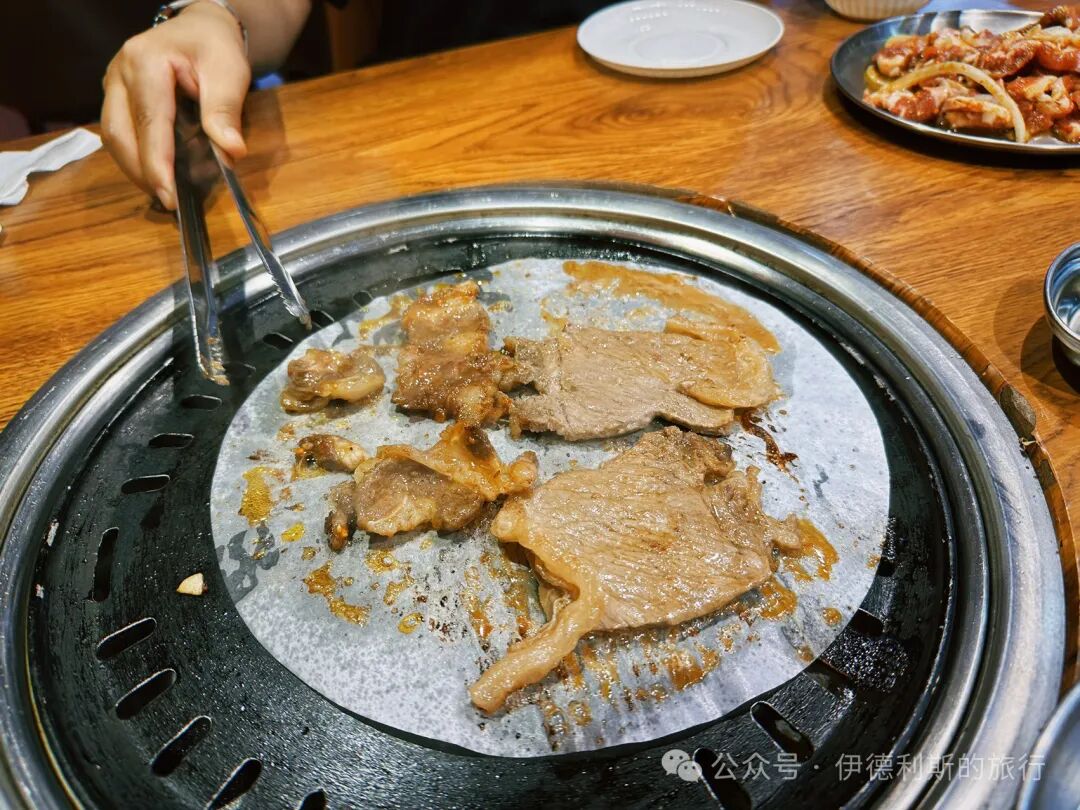
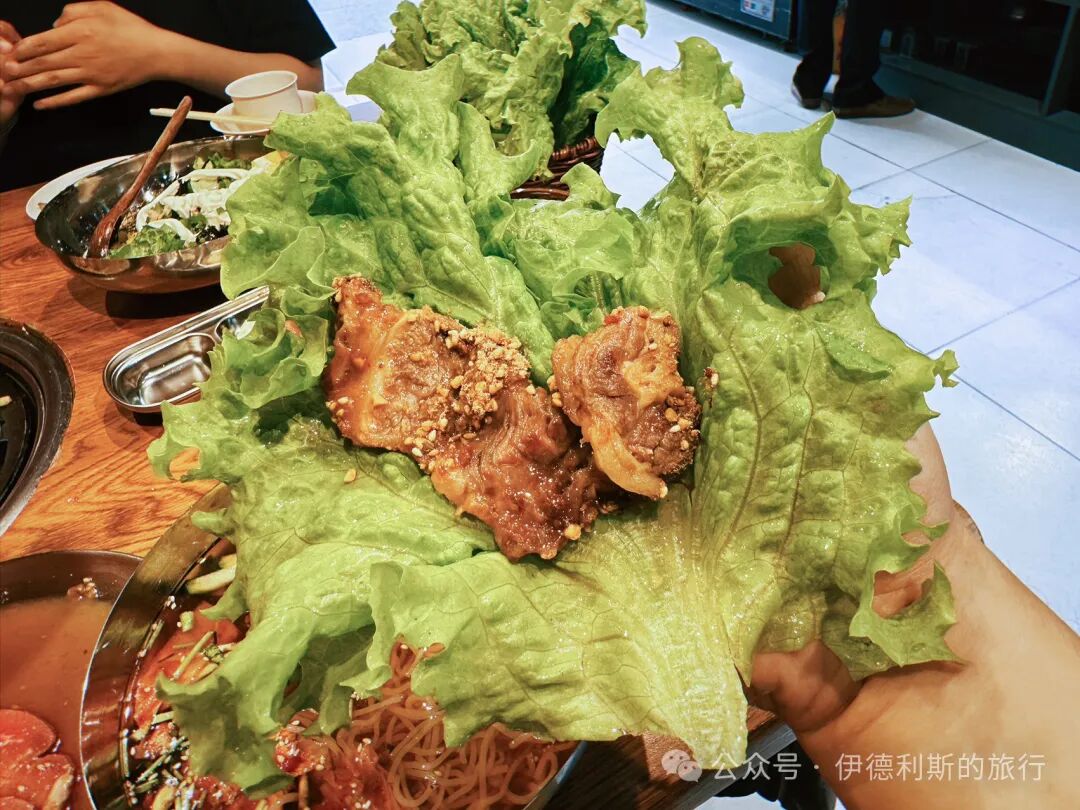
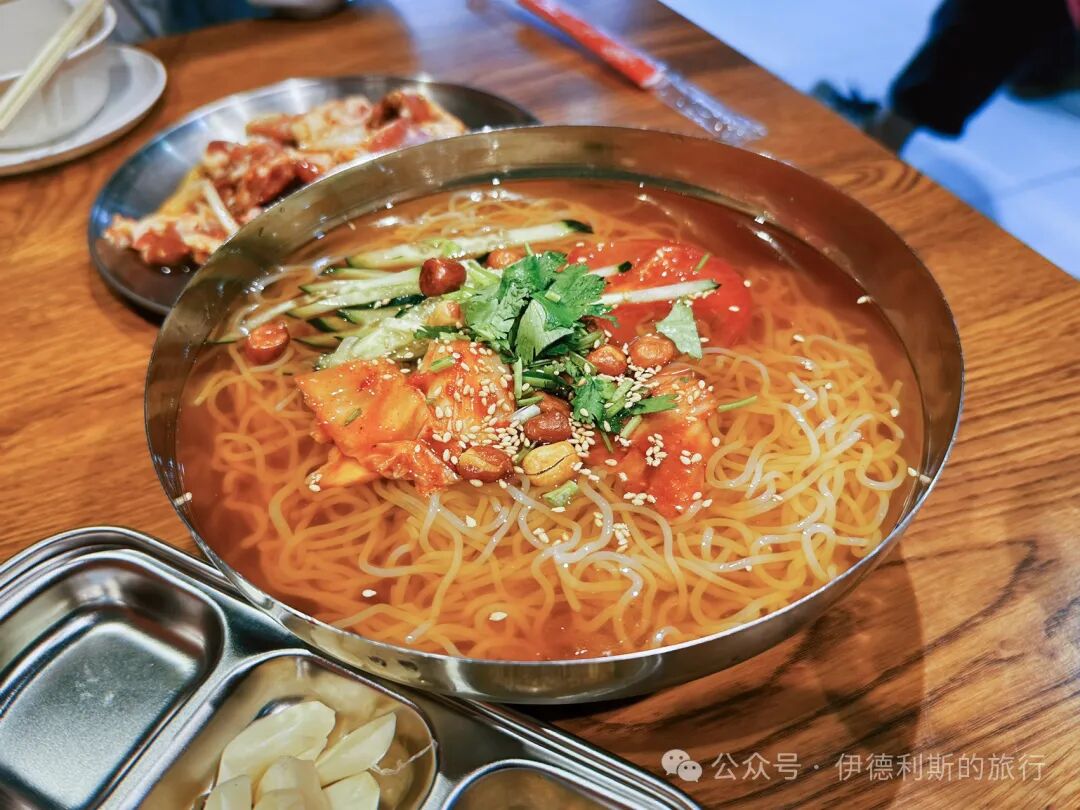
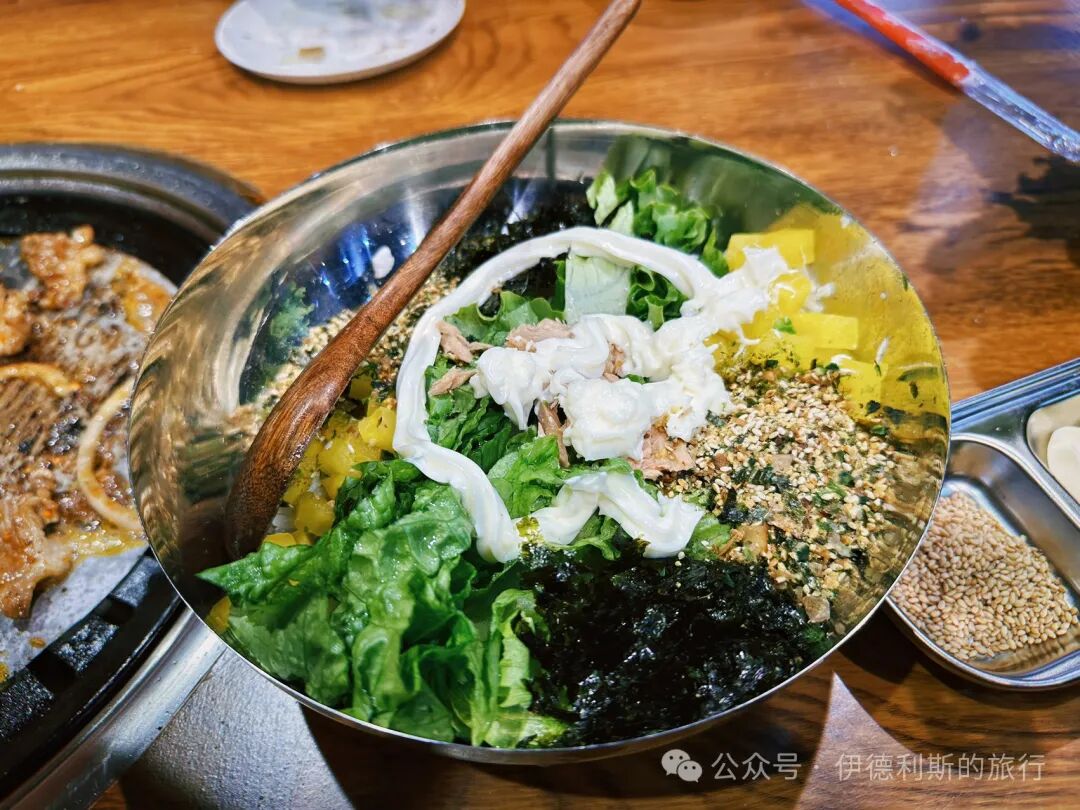
We had charcoal-grilled meat for lunch in Xinmintun; eating barbecue in town is such a great deal. They serve Qiqihar-style barbecue, and since the owner is a cattle butcher, the beef is cheap and tasty. We ordered beef chuck (niu shangnao) and beef rib fingers (niu litiao), which tasted great wrapped in lettuce. We also ordered Northeast-style cold noodles and Korean-style bibimbap; a big bowl of cold noodles is only 10 yuan and will definitely fill you up.
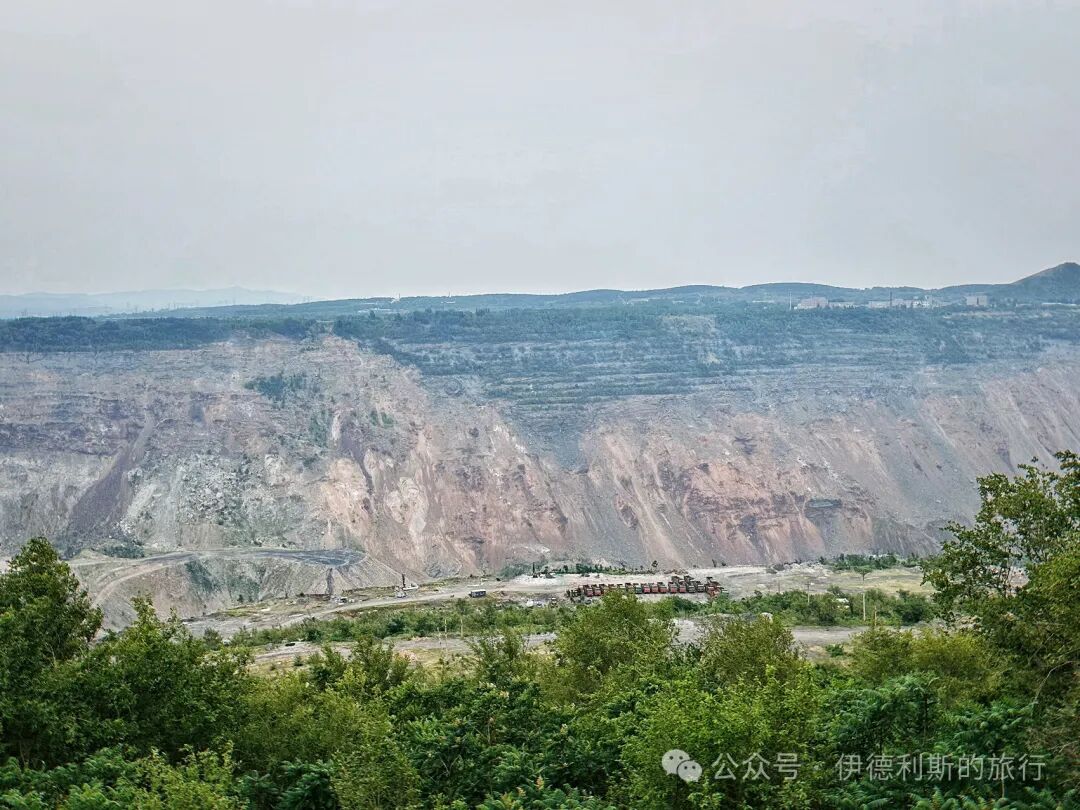
I took a train from Xinlitun Railway Station in the afternoon and arrived at Fuxin South Station. First, I visited the Haizhou Open-pit Mine National Mine Park, then I went to the Fuxin Mosque (Fuxin Si) to pray and perform dua.
The urban area of Fuxin was originally a grassland for the Mongols, and the name Haizhou comes from the Mongolian word for hillside. Coal was discovered in Haizhou in 1913, and it was mined on a small, shallow scale at first. After Japan occupied Fuxin in 1931, they started large-scale open-pit mining and forced many laborers to work there, which quickly turned Fuxin into an industrial city. Fuxin City was officially established in 1940, with the central mining area as its core.
After 1936, the Japanese forced some Hui Muslims from Shandong and Hebei to come to Fuxin to mine coal, and Hui Muslims began to settle in the city. In 1953, the Haizhou Coal Mine was built into the first large-scale open-pit coal mine in New China. It was the largest open-pit coal mine in Asia at the time, and the number of Hui Muslims in Fuxin gradually increased.
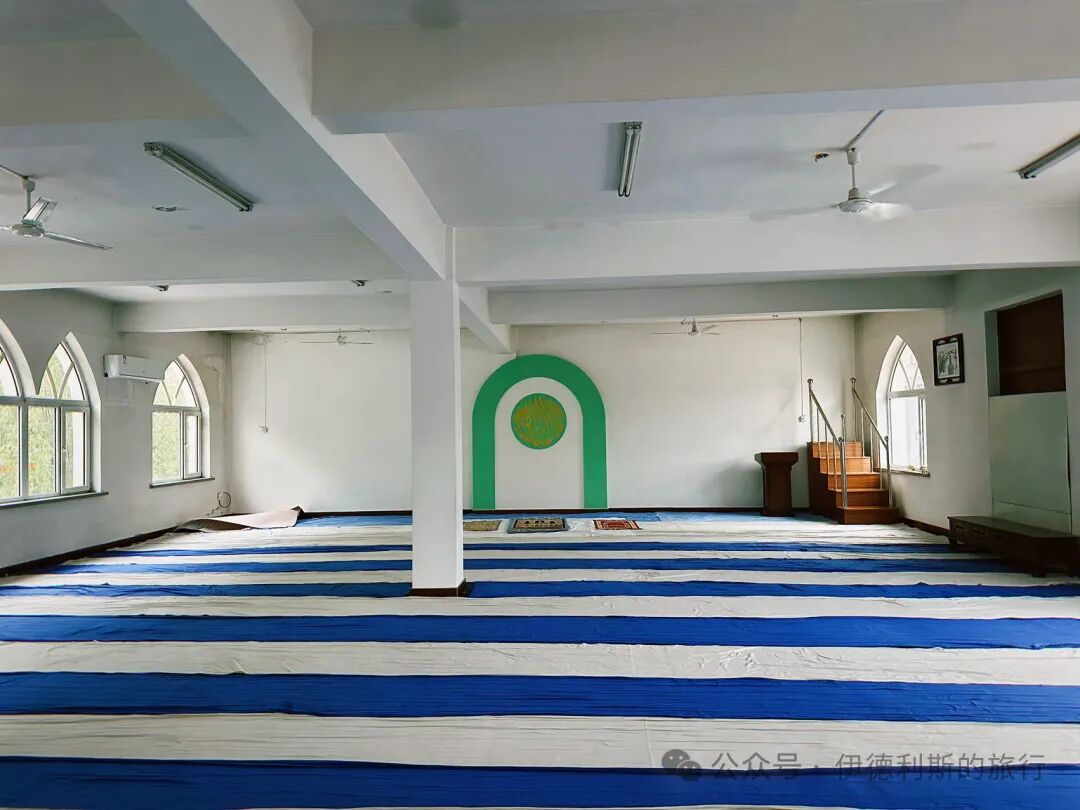
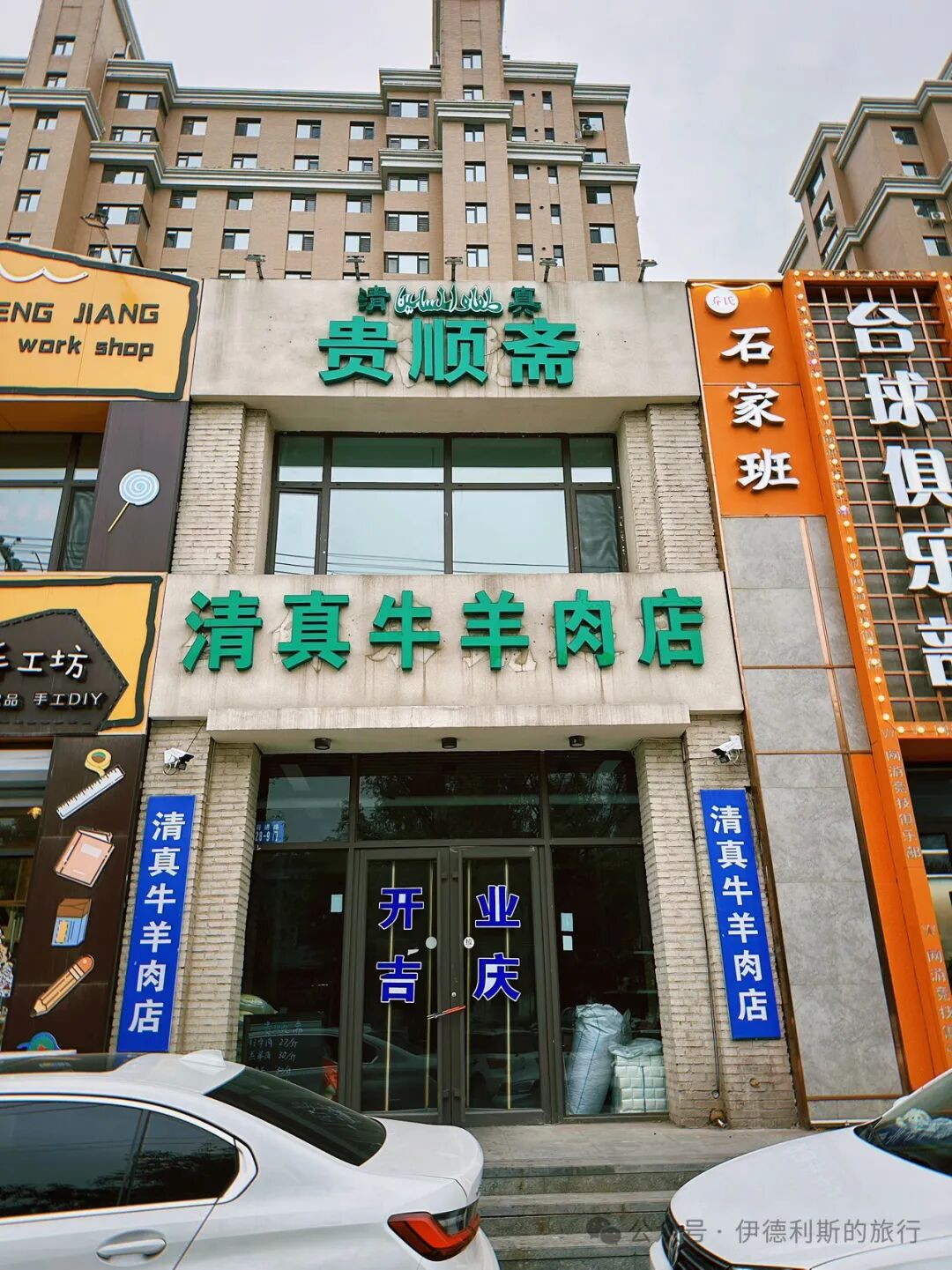
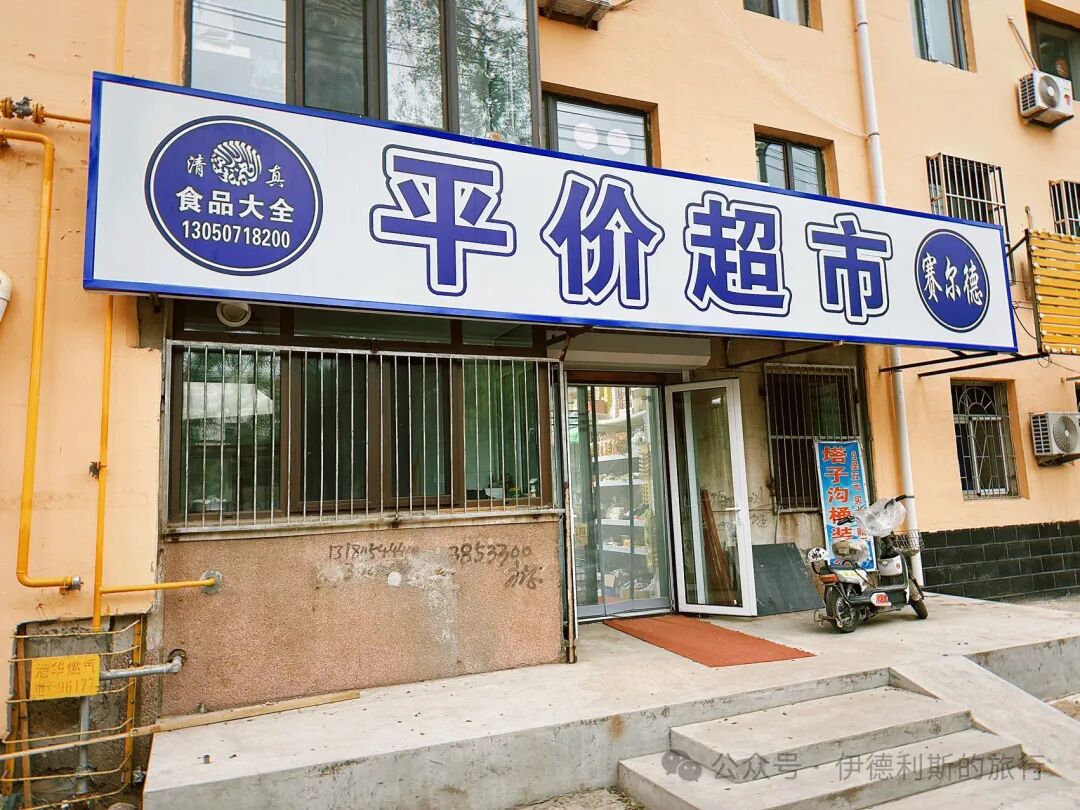
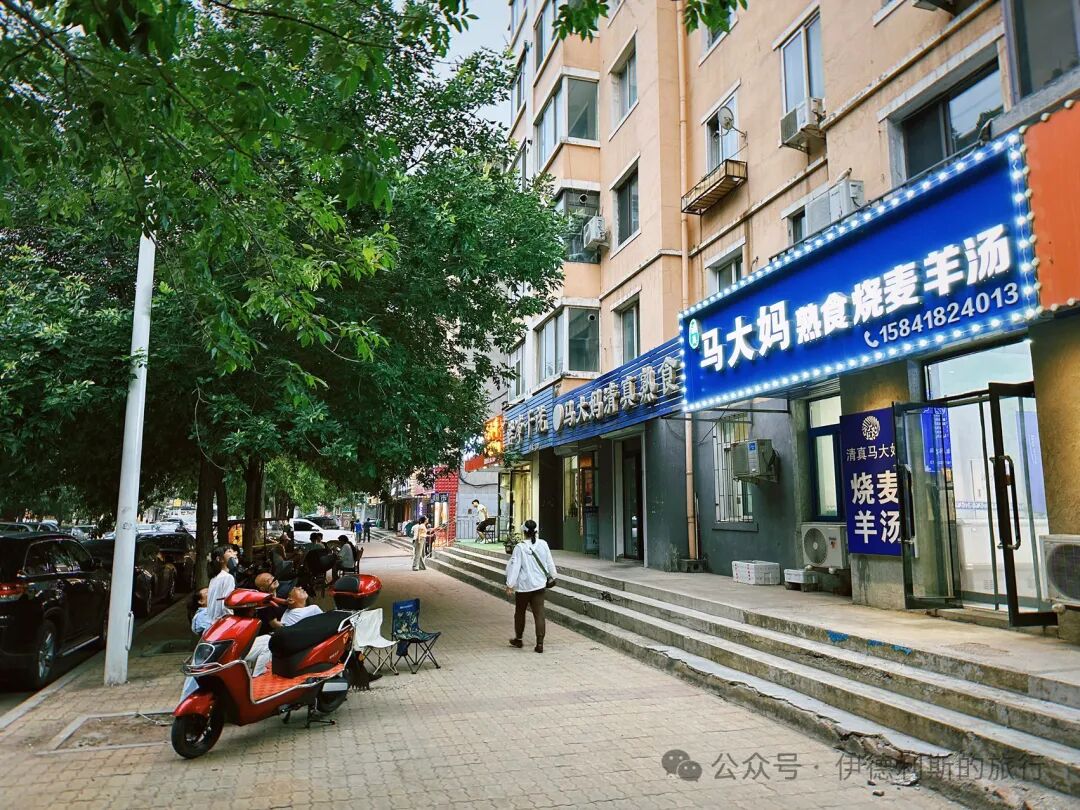

I had dinner at the Daijia Restaurant Huiweizhai near the Fuxin Mosque in the evening. I ordered the braised beef brisket (baxiongkou) with rice, and the shop also served dried tofu (gandoufu) and soybeans on the side. Traditional halal stir-fry dishes in Liaoning are similar to those in Beijing and Tianjin. They all developed from Shandong cuisine (Lucai), so the flavors are quite alike. The various stir-fried dishes go great with rice, and the dried tofu (gandoufu) is delicious.
The Dai family was one of the first groups of Hui Muslims to move to Fuxin. In the second year of the Yongzheng reign of the Qing Dynasty, they traveled from Cangzhou, Hebei, to settle in Qinghemen Town, Fuxin. The Dai family is a major Hui Muslim clan in Cangzhou. According to family records, their ancestor Dai Cheng was originally a Han Chinese Buddhist. He moved from Hongdong County, Shanxi, to Qing County, Cangzhou, in the second year of the Yongle reign of the Ming Dynasty, and later served as the commander of the Pengcheng Guard. Dai Cheng became friends with an imam in Qing County. Influenced by the imam, he eventually converted to Islam. His descendants later led the construction of the Daijiazhuang Mosque in Qing County during the Jiajing reign of the Ming Dynasty.
However, genetic testing of the Dai family's descendants shows their genotype is J2a-MF194043, which belongs to the same branch as the Yin family of Hui Muslims in Cangzhou. This genotype originates from Armenia and is typical of the Hui Muslims from the Western Regions.
Summary: Halal Travel Guide: Xinlitun and Fuxin - Liaoning Towns, Mosques and Food is presented here as a firsthand travel account in clear, natural English. The account focuses on Xinlitun, Fuxin, Liaoning Travel while preserving the names, places, food, photos, and historical details from the Chinese source.
On the morning of June 10, I took a high-speed train from Xinmin North Station in Liaoning and arrived at Heishan North Station in 15 minutes. I then took a taxi to Xinlitun Town, moving from the jurisdiction of Shenyang to that of Jinzhou. We performed the afternoon prayer (peshin) at the Xinlitun Mosque. The imam at the mosque is from Cangzhou. During this trip to Liaoning, I found that many imams are from Cangzhou. This connects Northeast and North China closely, not just through culture but also through religious traditions.
Xinlitun is an ancient town in the western Liaoning region, known as the First Town Beyond the Border. During the Daoguang reign of the Qing Dynasty, Hui Muslims from places like Jinzhou, Yixian, Heishan, and Yingkou came to settle in Xinlitun. They built the Xinlitun Mosque in 1842 (the 22nd year of Daoguang).
On the 15th day of the first lunar month in 1873 (the 12th year of Tongzhi), Xinlitun held a stilt-walking festival. During the event, a Manchu banner man named Dashan, also known as Fifth Master Da, got into a dispute with Hui Muslims named Liu Hua, Zhao Guang'en, and Wang Yao. This escalated into a conflict between the Manchu and Hui communities, which eventually led to the burning of the Xinlitun Mosque. Afterward, both the Manchu and Hui communities learned from the incident and decided to rebuild the Xinlitun Mosque. After years of planning, General Zuo Baogui, an anti-Japanese hero who led the Fengtian Army, personally donated 300 taels of silver to finally finish the reconstruction.
The main gate of Xinlitun Mosque has two couplets: 'Transforming people and things, it can transform everything; giving birth to heaven and earth, it gives birth to life itself.'
The light that gives birth to heaven, earth, people, and all living things; all life has one supreme ruler.
With saints, sages, emperors, and kings, all follow the one and only original Lord.
Above the main gate, there is also a stone carving of two dragons playing with a pearl.
The brick and stone carvings at Xinlitun Mosque are very beautiful and feature many traditional patterns. There are inscriptions on the stone carvings on both sides of the main hall, which is very rare for an old mosque.
The traditional calligraphy at Xinlitun Mosque includes both outlined and broad-stroke styles, both of which are very unique. The plaque in the center of the main hall was handwritten by Imam Bai Hexi in 1983. Imam Bai was born in 1911 in Pingquan, Hebei, and studied under the famous Grand Imam Liu Pinyi from Hebei.
In front of the main hall of Xinlitun Mosque, there are four stone tablets from the Guangxu era renovation that contain a wealth of information about the donors. The 1887 tablet titled "Stele for the Renovation of Xinlitun Mosque" lists the name of General Zuo Baogui, a commander in the Fengtian Army and an anti-Japanese hero. It also mentions Dashan, the leader of the Manchu people during the conflicts between the Manchu and Hui Muslims at that time. This serves as a symbol of how the tensions between the Manchu and Hui Muslims in Xinlitun were resolved during the Guangxu reign.
The "Stele of Surnames and Donation Amounts for the Mosque Renovation" lists the mosques that contributed funds at the time. The sheer number of them is the highest in Northeast China, showing the close connections between the various mosque communities in the region back then.
Fengtian Province: South Mosque, North Mosque, Fumin Hall South Mosque, Fumin Hall North Mosque, Huimintun Mosque, Banlamen Mosque, Guangning Mosque, Qinghemen Mosque, Shaohuying Mosque, Shijiagou Mosque, Huihuitun Mosque, Yizhou City Mosque, Jinzhou Prefecture Mosque, Hongluoxian Mosque, Gaoqiao Town Mosque, Zhonghousuo Mosque, Shanhaiguan Mosque, Laogongwo Three Mosques, Tieling Mosque, Kaiyuan Mosque, and Fakumen Mosque.
Jilin Province: West Mosque, East Mosque, North Mosque, Manjiatun Mosque, Yitong Prefecture Mosque, Yingchengzi Mosque, Ashiha Mosque, Wulajie Mosque, Shanqianhuai Mosque, Kaoshantun Mosque, Nong'an City Mosque, Taipingzhuang Mosque, and Xiaohelong Mosque.
Kulu Street: Public Council, Zhou Junkui, various shop guests, and the mosque.
To the north: Shaodanghang, Niuzhuang City, Haizhou City, Gaizhou City, Fuzhou City, Liaoyang City, Fenghuang City, Xiuyan, Tianzhuangtai, Shegouying, Pikou, Dengshang, Fujiatun, Bajiaotai, and the two forts of Tong and Liu.
There are many halal restaurants in Xinlitun, but many were closed for the Dragon Boat Festival. We bought beef jerky and smoked dried tofu (gan doufu) at Wang Zijing Deli, and both were delicious! The dried tofu is especially tasty when eaten with noodles and baked flatbread (huoshao).
We had charcoal-grilled meat for lunch in Xinmintun; eating barbecue in town is such a great deal. They serve Qiqihar-style barbecue, and since the owner is a cattle butcher, the beef is cheap and tasty. We ordered beef chuck (niu shangnao) and beef rib fingers (niu litiao), which tasted great wrapped in lettuce. We also ordered Northeast-style cold noodles and Korean-style bibimbap; a big bowl of cold noodles is only 10 yuan and will definitely fill you up.
I took a train from Xinlitun Railway Station in the afternoon and arrived at Fuxin South Station. First, I visited the Haizhou Open-pit Mine National Mine Park, then I went to the Fuxin Mosque (Fuxin Si) to pray and perform dua.
The urban area of Fuxin was originally a grassland for the Mongols, and the name Haizhou comes from the Mongolian word for hillside. Coal was discovered in Haizhou in 1913, and it was mined on a small, shallow scale at first. After Japan occupied Fuxin in 1931, they started large-scale open-pit mining and forced many laborers to work there, which quickly turned Fuxin into an industrial city. Fuxin City was officially established in 1940, with the central mining area as its core.
After 1936, the Japanese forced some Hui Muslims from Shandong and Hebei to come to Fuxin to mine coal, and Hui Muslims began to settle in the city. In 1953, the Haizhou Coal Mine was built into the first large-scale open-pit coal mine in New China. It was the largest open-pit coal mine in Asia at the time, and the number of Hui Muslims in Fuxin gradually increased.
I had dinner at the Daijia Restaurant Huiweizhai near the Fuxin Mosque in the evening. I ordered the braised beef brisket (baxiongkou) with rice, and the shop also served dried tofu (gandoufu) and soybeans on the side. Traditional halal stir-fry dishes in Liaoning are similar to those in Beijing and Tianjin. They all developed from Shandong cuisine (Lucai), so the flavors are quite alike. The various stir-fried dishes go great with rice, and the dried tofu (gandoufu) is delicious.
The Dai family was one of the first groups of Hui Muslims to move to Fuxin. In the second year of the Yongzheng reign of the Qing Dynasty, they traveled from Cangzhou, Hebei, to settle in Qinghemen Town, Fuxin. The Dai family is a major Hui Muslim clan in Cangzhou. According to family records, their ancestor Dai Cheng was originally a Han Chinese Buddhist. He moved from Hongdong County, Shanxi, to Qing County, Cangzhou, in the second year of the Yongle reign of the Ming Dynasty, and later served as the commander of the Pengcheng Guard. Dai Cheng became friends with an imam in Qing County. Influenced by the imam, he eventually converted to Islam. His descendants later led the construction of the Daijiazhuang Mosque in Qing County during the Jiajing reign of the Ming Dynasty.
However, genetic testing of the Dai family's descendants shows their genotype is J2a-MF194043, which belongs to the same branch as the Yin family of Hui Muslims in Cangzhou. This genotype originates from Armenia and is typical of the Hui Muslims from the Western Regions.
Halal Travel Guide: Xinlitun and Fuxin - Liaoning Towns, Mosques and Food
Articles • ali2007fr posted the article • 0 comments • 206 views • 2026-05-19 09:31
Reposted from the web
Summary: Halal Travel Guide: Xinlitun and Fuxin - Liaoning Towns, Mosques and Food is presented here as a firsthand travel account in clear, natural English. The account focuses on Xinlitun, Fuxin, Liaoning Travel while preserving the names, places, food, photos, and historical details from the Chinese source.
On the morning of June 10, I took a high-speed train from Xinmin North Station in Liaoning and arrived at Heishan North Station in 15 minutes. I then took a taxi to Xinlitun Town, moving from the jurisdiction of Shenyang to that of Jinzhou. We performed the afternoon prayer (peshin) at the Xinlitun Mosque. The imam at the mosque is from Cangzhou. During this trip to Liaoning, I found that many imams are from Cangzhou. This connects Northeast and North China closely, not just through culture but also through religious traditions.
Xinlitun is an ancient town in the western Liaoning region, known as the First Town Beyond the Border. During the Daoguang reign of the Qing Dynasty, Hui Muslims from places like Jinzhou, Yixian, Heishan, and Yingkou came to settle in Xinlitun. They built the Xinlitun Mosque in 1842 (the 22nd year of Daoguang).
On the 15th day of the first lunar month in 1873 (the 12th year of Tongzhi), Xinlitun held a stilt-walking festival. During the event, a Manchu banner man named Dashan, also known as Fifth Master Da, got into a dispute with Hui Muslims named Liu Hua, Zhao Guang'en, and Wang Yao. This escalated into a conflict between the Manchu and Hui communities, which eventually led to the burning of the Xinlitun Mosque. Afterward, both the Manchu and Hui communities learned from the incident and decided to rebuild the Xinlitun Mosque. After years of planning, General Zuo Baogui, an anti-Japanese hero who led the Fengtian Army, personally donated 300 taels of silver to finally finish the reconstruction.
The main gate of Xinlitun Mosque has two couplets: 'Transforming people and things, it can transform everything; giving birth to heaven and earth, it gives birth to life itself.'
The light that gives birth to heaven, earth, people, and all living things; all life has one supreme ruler.
With saints, sages, emperors, and kings, all follow the one and only original Lord.
Above the main gate, there is also a stone carving of two dragons playing with a pearl.
The brick and stone carvings at Xinlitun Mosque are very beautiful and feature many traditional patterns. There are inscriptions on the stone carvings on both sides of the main hall, which is very rare for an old mosque.
The traditional calligraphy at Xinlitun Mosque includes both outlined and broad-stroke styles, both of which are very unique. The plaque in the center of the main hall was handwritten by Imam Bai Hexi in 1983. Imam Bai was born in 1911 in Pingquan, Hebei, and studied under the famous Grand Imam Liu Pinyi from Hebei.
In front of the main hall of Xinlitun Mosque, there are four stone tablets from the Guangxu era renovation that contain a wealth of information about the donors. The 1887 tablet titled "Stele for the Renovation of Xinlitun Mosque" lists the name of General Zuo Baogui, a commander in the Fengtian Army and an anti-Japanese hero. It also mentions Dashan, the leader of the Manchu people during the conflicts between the Manchu and Hui Muslims at that time. This serves as a symbol of how the tensions between the Manchu and Hui Muslims in Xinlitun were resolved during the Guangxu reign.
The "Stele of Surnames and Donation Amounts for the Mosque Renovation" lists the mosques that contributed funds at the time. The sheer number of them is the highest in Northeast China, showing the close connections between the various mosque communities in the region back then.
Fengtian Province: South Mosque, North Mosque, Fumin Hall South Mosque, Fumin Hall North Mosque, Huimintun Mosque, Banlamen Mosque, Guangning Mosque, Qinghemen Mosque, Shaohuying Mosque, Shijiagou Mosque, Huihuitun Mosque, Yizhou City Mosque, Jinzhou Prefecture Mosque, Hongluoxian Mosque, Gaoqiao Town Mosque, Zhonghousuo Mosque, Shanhaiguan Mosque, Laogongwo Three Mosques, Tieling Mosque, Kaiyuan Mosque, and Fakumen Mosque.
Jilin Province: West Mosque, East Mosque, North Mosque, Manjiatun Mosque, Yitong Prefecture Mosque, Yingchengzi Mosque, Ashiha Mosque, Wulajie Mosque, Shanqianhuai Mosque, Kaoshantun Mosque, Nong'an City Mosque, Taipingzhuang Mosque, and Xiaohelong Mosque.
Kulu Street: Public Council, Zhou Junkui, various shop guests, and the mosque.
To the north: Shaodanghang, Niuzhuang City, Haizhou City, Gaizhou City, Fuzhou City, Liaoyang City, Fenghuang City, Xiuyan, Tianzhuangtai, Shegouying, Pikou, Dengshang, Fujiatun, Bajiaotai, and the two forts of Tong and Liu.
There are many halal restaurants in Xinlitun, but many were closed for the Dragon Boat Festival. We bought beef jerky and smoked dried tofu (gan doufu) at Wang Zijing Deli, and both were delicious! The dried tofu is especially tasty when eaten with noodles and baked flatbread (huoshao).
We had charcoal-grilled meat for lunch in Xinmintun; eating barbecue in town is such a great deal. They serve Qiqihar-style barbecue, and since the owner is a cattle butcher, the beef is cheap and tasty. We ordered beef chuck (niu shangnao) and beef rib fingers (niu litiao), which tasted great wrapped in lettuce. We also ordered Northeast-style cold noodles and Korean-style bibimbap; a big bowl of cold noodles is only 10 yuan and will definitely fill you up.
I took a train from Xinlitun Railway Station in the afternoon and arrived at Fuxin South Station. First, I visited the Haizhou Open-pit Mine National Mine Park, then I went to the Fuxin Mosque (Fuxin Si) to pray and perform dua.
The urban area of Fuxin was originally a grassland for the Mongols, and the name Haizhou comes from the Mongolian word for hillside. Coal was discovered in Haizhou in 1913, and it was mined on a small, shallow scale at first. After Japan occupied Fuxin in 1931, they started large-scale open-pit mining and forced many laborers to work there, which quickly turned Fuxin into an industrial city. Fuxin City was officially established in 1940, with the central mining area as its core.
After 1936, the Japanese forced some Hui Muslims from Shandong and Hebei to come to Fuxin to mine coal, and Hui Muslims began to settle in the city. In 1953, the Haizhou Coal Mine was built into the first large-scale open-pit coal mine in New China. It was the largest open-pit coal mine in Asia at the time, and the number of Hui Muslims in Fuxin gradually increased.
I had dinner at the Daijia Restaurant Huiweizhai near the Fuxin Mosque in the evening. I ordered the braised beef brisket (baxiongkou) with rice, and the shop also served dried tofu (gandoufu) and soybeans on the side. Traditional halal stir-fry dishes in Liaoning are similar to those in Beijing and Tianjin. They all developed from Shandong cuisine (Lucai), so the flavors are quite alike. The various stir-fried dishes go great with rice, and the dried tofu (gandoufu) is delicious.
The Dai family was one of the first groups of Hui Muslims to move to Fuxin. In the second year of the Yongzheng reign of the Qing Dynasty, they traveled from Cangzhou, Hebei, to settle in Qinghemen Town, Fuxin. The Dai family is a major Hui Muslim clan in Cangzhou. According to family records, their ancestor Dai Cheng was originally a Han Chinese Buddhist. He moved from Hongdong County, Shanxi, to Qing County, Cangzhou, in the second year of the Yongle reign of the Ming Dynasty, and later served as the commander of the Pengcheng Guard. Dai Cheng became friends with an imam in Qing County. Influenced by the imam, he eventually converted to Islam. His descendants later led the construction of the Daijiazhuang Mosque in Qing County during the Jiajing reign of the Ming Dynasty.
However, genetic testing of the Dai family's descendants shows their genotype is J2a-MF194043, which belongs to the same branch as the Yin family of Hui Muslims in Cangzhou. This genotype originates from Armenia and is typical of the Hui Muslims from the Western Regions. view all
Summary: Halal Travel Guide: Xinlitun and Fuxin - Liaoning Towns, Mosques and Food is presented here as a firsthand travel account in clear, natural English. The account focuses on Xinlitun, Fuxin, Liaoning Travel while preserving the names, places, food, photos, and historical details from the Chinese source.
On the morning of June 10, I took a high-speed train from Xinmin North Station in Liaoning and arrived at Heishan North Station in 15 minutes. I then took a taxi to Xinlitun Town, moving from the jurisdiction of Shenyang to that of Jinzhou. We performed the afternoon prayer (peshin) at the Xinlitun Mosque. The imam at the mosque is from Cangzhou. During this trip to Liaoning, I found that many imams are from Cangzhou. This connects Northeast and North China closely, not just through culture but also through religious traditions.
Xinlitun is an ancient town in the western Liaoning region, known as the First Town Beyond the Border. During the Daoguang reign of the Qing Dynasty, Hui Muslims from places like Jinzhou, Yixian, Heishan, and Yingkou came to settle in Xinlitun. They built the Xinlitun Mosque in 1842 (the 22nd year of Daoguang).
On the 15th day of the first lunar month in 1873 (the 12th year of Tongzhi), Xinlitun held a stilt-walking festival. During the event, a Manchu banner man named Dashan, also known as Fifth Master Da, got into a dispute with Hui Muslims named Liu Hua, Zhao Guang'en, and Wang Yao. This escalated into a conflict between the Manchu and Hui communities, which eventually led to the burning of the Xinlitun Mosque. Afterward, both the Manchu and Hui communities learned from the incident and decided to rebuild the Xinlitun Mosque. After years of planning, General Zuo Baogui, an anti-Japanese hero who led the Fengtian Army, personally donated 300 taels of silver to finally finish the reconstruction.
The main gate of Xinlitun Mosque has two couplets: 'Transforming people and things, it can transform everything; giving birth to heaven and earth, it gives birth to life itself.'
The light that gives birth to heaven, earth, people, and all living things; all life has one supreme ruler.
With saints, sages, emperors, and kings, all follow the one and only original Lord.
Above the main gate, there is also a stone carving of two dragons playing with a pearl.
The brick and stone carvings at Xinlitun Mosque are very beautiful and feature many traditional patterns. There are inscriptions on the stone carvings on both sides of the main hall, which is very rare for an old mosque.
The traditional calligraphy at Xinlitun Mosque includes both outlined and broad-stroke styles, both of which are very unique. The plaque in the center of the main hall was handwritten by Imam Bai Hexi in 1983. Imam Bai was born in 1911 in Pingquan, Hebei, and studied under the famous Grand Imam Liu Pinyi from Hebei.
In front of the main hall of Xinlitun Mosque, there are four stone tablets from the Guangxu era renovation that contain a wealth of information about the donors. The 1887 tablet titled "Stele for the Renovation of Xinlitun Mosque" lists the name of General Zuo Baogui, a commander in the Fengtian Army and an anti-Japanese hero. It also mentions Dashan, the leader of the Manchu people during the conflicts between the Manchu and Hui Muslims at that time. This serves as a symbol of how the tensions between the Manchu and Hui Muslims in Xinlitun were resolved during the Guangxu reign.
The "Stele of Surnames and Donation Amounts for the Mosque Renovation" lists the mosques that contributed funds at the time. The sheer number of them is the highest in Northeast China, showing the close connections between the various mosque communities in the region back then.
Fengtian Province: South Mosque, North Mosque, Fumin Hall South Mosque, Fumin Hall North Mosque, Huimintun Mosque, Banlamen Mosque, Guangning Mosque, Qinghemen Mosque, Shaohuying Mosque, Shijiagou Mosque, Huihuitun Mosque, Yizhou City Mosque, Jinzhou Prefecture Mosque, Hongluoxian Mosque, Gaoqiao Town Mosque, Zhonghousuo Mosque, Shanhaiguan Mosque, Laogongwo Three Mosques, Tieling Mosque, Kaiyuan Mosque, and Fakumen Mosque.
Jilin Province: West Mosque, East Mosque, North Mosque, Manjiatun Mosque, Yitong Prefecture Mosque, Yingchengzi Mosque, Ashiha Mosque, Wulajie Mosque, Shanqianhuai Mosque, Kaoshantun Mosque, Nong'an City Mosque, Taipingzhuang Mosque, and Xiaohelong Mosque.
Kulu Street: Public Council, Zhou Junkui, various shop guests, and the mosque.
To the north: Shaodanghang, Niuzhuang City, Haizhou City, Gaizhou City, Fuzhou City, Liaoyang City, Fenghuang City, Xiuyan, Tianzhuangtai, Shegouying, Pikou, Dengshang, Fujiatun, Bajiaotai, and the two forts of Tong and Liu.
There are many halal restaurants in Xinlitun, but many were closed for the Dragon Boat Festival. We bought beef jerky and smoked dried tofu (gan doufu) at Wang Zijing Deli, and both were delicious! The dried tofu is especially tasty when eaten with noodles and baked flatbread (huoshao).
We had charcoal-grilled meat for lunch in Xinmintun; eating barbecue in town is such a great deal. They serve Qiqihar-style barbecue, and since the owner is a cattle butcher, the beef is cheap and tasty. We ordered beef chuck (niu shangnao) and beef rib fingers (niu litiao), which tasted great wrapped in lettuce. We also ordered Northeast-style cold noodles and Korean-style bibimbap; a big bowl of cold noodles is only 10 yuan and will definitely fill you up.
I took a train from Xinlitun Railway Station in the afternoon and arrived at Fuxin South Station. First, I visited the Haizhou Open-pit Mine National Mine Park, then I went to the Fuxin Mosque (Fuxin Si) to pray and perform dua.
The urban area of Fuxin was originally a grassland for the Mongols, and the name Haizhou comes from the Mongolian word for hillside. Coal was discovered in Haizhou in 1913, and it was mined on a small, shallow scale at first. After Japan occupied Fuxin in 1931, they started large-scale open-pit mining and forced many laborers to work there, which quickly turned Fuxin into an industrial city. Fuxin City was officially established in 1940, with the central mining area as its core.
After 1936, the Japanese forced some Hui Muslims from Shandong and Hebei to come to Fuxin to mine coal, and Hui Muslims began to settle in the city. In 1953, the Haizhou Coal Mine was built into the first large-scale open-pit coal mine in New China. It was the largest open-pit coal mine in Asia at the time, and the number of Hui Muslims in Fuxin gradually increased.
I had dinner at the Daijia Restaurant Huiweizhai near the Fuxin Mosque in the evening. I ordered the braised beef brisket (baxiongkou) with rice, and the shop also served dried tofu (gandoufu) and soybeans on the side. Traditional halal stir-fry dishes in Liaoning are similar to those in Beijing and Tianjin. They all developed from Shandong cuisine (Lucai), so the flavors are quite alike. The various stir-fried dishes go great with rice, and the dried tofu (gandoufu) is delicious.
The Dai family was one of the first groups of Hui Muslims to move to Fuxin. In the second year of the Yongzheng reign of the Qing Dynasty, they traveled from Cangzhou, Hebei, to settle in Qinghemen Town, Fuxin. The Dai family is a major Hui Muslim clan in Cangzhou. According to family records, their ancestor Dai Cheng was originally a Han Chinese Buddhist. He moved from Hongdong County, Shanxi, to Qing County, Cangzhou, in the second year of the Yongle reign of the Ming Dynasty, and later served as the commander of the Pengcheng Guard. Dai Cheng became friends with an imam in Qing County. Influenced by the imam, he eventually converted to Islam. His descendants later led the construction of the Daijiazhuang Mosque in Qing County during the Jiajing reign of the Ming Dynasty.
However, genetic testing of the Dai family's descendants shows their genotype is J2a-MF194043, which belongs to the same branch as the Yin family of Hui Muslims in Cangzhou. This genotype originates from Armenia and is typical of the Hui Muslims from the Western Regions. view all
Reposted from the web
Summary: Halal Travel Guide: Xinlitun and Fuxin - Liaoning Towns, Mosques and Food is presented here as a firsthand travel account in clear, natural English. The account focuses on Xinlitun, Fuxin, Liaoning Travel while preserving the names, places, food, photos, and historical details from the Chinese source.
On the morning of June 10, I took a high-speed train from Xinmin North Station in Liaoning and arrived at Heishan North Station in 15 minutes. I then took a taxi to Xinlitun Town, moving from the jurisdiction of Shenyang to that of Jinzhou. We performed the afternoon prayer (peshin) at the Xinlitun Mosque. The imam at the mosque is from Cangzhou. During this trip to Liaoning, I found that many imams are from Cangzhou. This connects Northeast and North China closely, not just through culture but also through religious traditions.
Xinlitun is an ancient town in the western Liaoning region, known as the First Town Beyond the Border. During the Daoguang reign of the Qing Dynasty, Hui Muslims from places like Jinzhou, Yixian, Heishan, and Yingkou came to settle in Xinlitun. They built the Xinlitun Mosque in 1842 (the 22nd year of Daoguang).
On the 15th day of the first lunar month in 1873 (the 12th year of Tongzhi), Xinlitun held a stilt-walking festival. During the event, a Manchu banner man named Dashan, also known as Fifth Master Da, got into a dispute with Hui Muslims named Liu Hua, Zhao Guang'en, and Wang Yao. This escalated into a conflict between the Manchu and Hui communities, which eventually led to the burning of the Xinlitun Mosque. Afterward, both the Manchu and Hui communities learned from the incident and decided to rebuild the Xinlitun Mosque. After years of planning, General Zuo Baogui, an anti-Japanese hero who led the Fengtian Army, personally donated 300 taels of silver to finally finish the reconstruction.
The main gate of Xinlitun Mosque has two couplets: 'Transforming people and things, it can transform everything; giving birth to heaven and earth, it gives birth to life itself.'
The light that gives birth to heaven, earth, people, and all living things; all life has one supreme ruler.
With saints, sages, emperors, and kings, all follow the one and only original Lord.
Above the main gate, there is also a stone carving of two dragons playing with a pearl.
The brick and stone carvings at Xinlitun Mosque are very beautiful and feature many traditional patterns. There are inscriptions on the stone carvings on both sides of the main hall, which is very rare for an old mosque.
The traditional calligraphy at Xinlitun Mosque includes both outlined and broad-stroke styles, both of which are very unique. The plaque in the center of the main hall was handwritten by Imam Bai Hexi in 1983. Imam Bai was born in 1911 in Pingquan, Hebei, and studied under the famous Grand Imam Liu Pinyi from Hebei.
In front of the main hall of Xinlitun Mosque, there are four stone tablets from the Guangxu era renovation that contain a wealth of information about the donors. The 1887 tablet titled "Stele for the Renovation of Xinlitun Mosque" lists the name of General Zuo Baogui, a commander in the Fengtian Army and an anti-Japanese hero. It also mentions Dashan, the leader of the Manchu people during the conflicts between the Manchu and Hui Muslims at that time. This serves as a symbol of how the tensions between the Manchu and Hui Muslims in Xinlitun were resolved during the Guangxu reign.
The "Stele of Surnames and Donation Amounts for the Mosque Renovation" lists the mosques that contributed funds at the time. The sheer number of them is the highest in Northeast China, showing the close connections between the various mosque communities in the region back then.
Fengtian Province: South Mosque, North Mosque, Fumin Hall South Mosque, Fumin Hall North Mosque, Huimintun Mosque, Banlamen Mosque, Guangning Mosque, Qinghemen Mosque, Shaohuying Mosque, Shijiagou Mosque, Huihuitun Mosque, Yizhou City Mosque, Jinzhou Prefecture Mosque, Hongluoxian Mosque, Gaoqiao Town Mosque, Zhonghousuo Mosque, Shanhaiguan Mosque, Laogongwo Three Mosques, Tieling Mosque, Kaiyuan Mosque, and Fakumen Mosque.
Jilin Province: West Mosque, East Mosque, North Mosque, Manjiatun Mosque, Yitong Prefecture Mosque, Yingchengzi Mosque, Ashiha Mosque, Wulajie Mosque, Shanqianhuai Mosque, Kaoshantun Mosque, Nong'an City Mosque, Taipingzhuang Mosque, and Xiaohelong Mosque.
Kulu Street: Public Council, Zhou Junkui, various shop guests, and the mosque.
To the north: Shaodanghang, Niuzhuang City, Haizhou City, Gaizhou City, Fuzhou City, Liaoyang City, Fenghuang City, Xiuyan, Tianzhuangtai, Shegouying, Pikou, Dengshang, Fujiatun, Bajiaotai, and the two forts of Tong and Liu.
There are many halal restaurants in Xinlitun, but many were closed for the Dragon Boat Festival. We bought beef jerky and smoked dried tofu (gan doufu) at Wang Zijing Deli, and both were delicious! The dried tofu is especially tasty when eaten with noodles and baked flatbread (huoshao).
We had charcoal-grilled meat for lunch in Xinmintun; eating barbecue in town is such a great deal. They serve Qiqihar-style barbecue, and since the owner is a cattle butcher, the beef is cheap and tasty. We ordered beef chuck (niu shangnao) and beef rib fingers (niu litiao), which tasted great wrapped in lettuce. We also ordered Northeast-style cold noodles and Korean-style bibimbap; a big bowl of cold noodles is only 10 yuan and will definitely fill you up.
I took a train from Xinlitun Railway Station in the afternoon and arrived at Fuxin South Station. First, I visited the Haizhou Open-pit Mine National Mine Park, then I went to the Fuxin Mosque (Fuxin Si) to pray and perform dua.
The urban area of Fuxin was originally a grassland for the Mongols, and the name Haizhou comes from the Mongolian word for hillside. Coal was discovered in Haizhou in 1913, and it was mined on a small, shallow scale at first. After Japan occupied Fuxin in 1931, they started large-scale open-pit mining and forced many laborers to work there, which quickly turned Fuxin into an industrial city. Fuxin City was officially established in 1940, with the central mining area as its core.
After 1936, the Japanese forced some Hui Muslims from Shandong and Hebei to come to Fuxin to mine coal, and Hui Muslims began to settle in the city. In 1953, the Haizhou Coal Mine was built into the first large-scale open-pit coal mine in New China. It was the largest open-pit coal mine in Asia at the time, and the number of Hui Muslims in Fuxin gradually increased.
I had dinner at the Daijia Restaurant Huiweizhai near the Fuxin Mosque in the evening. I ordered the braised beef brisket (baxiongkou) with rice, and the shop also served dried tofu (gandoufu) and soybeans on the side. Traditional halal stir-fry dishes in Liaoning are similar to those in Beijing and Tianjin. They all developed from Shandong cuisine (Lucai), so the flavors are quite alike. The various stir-fried dishes go great with rice, and the dried tofu (gandoufu) is delicious.
The Dai family was one of the first groups of Hui Muslims to move to Fuxin. In the second year of the Yongzheng reign of the Qing Dynasty, they traveled from Cangzhou, Hebei, to settle in Qinghemen Town, Fuxin. The Dai family is a major Hui Muslim clan in Cangzhou. According to family records, their ancestor Dai Cheng was originally a Han Chinese Buddhist. He moved from Hongdong County, Shanxi, to Qing County, Cangzhou, in the second year of the Yongle reign of the Ming Dynasty, and later served as the commander of the Pengcheng Guard. Dai Cheng became friends with an imam in Qing County. Influenced by the imam, he eventually converted to Islam. His descendants later led the construction of the Daijiazhuang Mosque in Qing County during the Jiajing reign of the Ming Dynasty.
However, genetic testing of the Dai family's descendants shows their genotype is J2a-MF194043, which belongs to the same branch as the Yin family of Hui Muslims in Cangzhou. This genotype originates from Armenia and is typical of the Hui Muslims from the Western Regions.
Summary: Halal Travel Guide: Xinlitun and Fuxin - Liaoning Towns, Mosques and Food is presented here as a firsthand travel account in clear, natural English. The account focuses on Xinlitun, Fuxin, Liaoning Travel while preserving the names, places, food, photos, and historical details from the Chinese source.
On the morning of June 10, I took a high-speed train from Xinmin North Station in Liaoning and arrived at Heishan North Station in 15 minutes. I then took a taxi to Xinlitun Town, moving from the jurisdiction of Shenyang to that of Jinzhou. We performed the afternoon prayer (peshin) at the Xinlitun Mosque. The imam at the mosque is from Cangzhou. During this trip to Liaoning, I found that many imams are from Cangzhou. This connects Northeast and North China closely, not just through culture but also through religious traditions.
Xinlitun is an ancient town in the western Liaoning region, known as the First Town Beyond the Border. During the Daoguang reign of the Qing Dynasty, Hui Muslims from places like Jinzhou, Yixian, Heishan, and Yingkou came to settle in Xinlitun. They built the Xinlitun Mosque in 1842 (the 22nd year of Daoguang).
On the 15th day of the first lunar month in 1873 (the 12th year of Tongzhi), Xinlitun held a stilt-walking festival. During the event, a Manchu banner man named Dashan, also known as Fifth Master Da, got into a dispute with Hui Muslims named Liu Hua, Zhao Guang'en, and Wang Yao. This escalated into a conflict between the Manchu and Hui communities, which eventually led to the burning of the Xinlitun Mosque. Afterward, both the Manchu and Hui communities learned from the incident and decided to rebuild the Xinlitun Mosque. After years of planning, General Zuo Baogui, an anti-Japanese hero who led the Fengtian Army, personally donated 300 taels of silver to finally finish the reconstruction.
The main gate of Xinlitun Mosque has two couplets: 'Transforming people and things, it can transform everything; giving birth to heaven and earth, it gives birth to life itself.'
The light that gives birth to heaven, earth, people, and all living things; all life has one supreme ruler.
With saints, sages, emperors, and kings, all follow the one and only original Lord.
Above the main gate, there is also a stone carving of two dragons playing with a pearl.
The brick and stone carvings at Xinlitun Mosque are very beautiful and feature many traditional patterns. There are inscriptions on the stone carvings on both sides of the main hall, which is very rare for an old mosque.
The traditional calligraphy at Xinlitun Mosque includes both outlined and broad-stroke styles, both of which are very unique. The plaque in the center of the main hall was handwritten by Imam Bai Hexi in 1983. Imam Bai was born in 1911 in Pingquan, Hebei, and studied under the famous Grand Imam Liu Pinyi from Hebei.
In front of the main hall of Xinlitun Mosque, there are four stone tablets from the Guangxu era renovation that contain a wealth of information about the donors. The 1887 tablet titled "Stele for the Renovation of Xinlitun Mosque" lists the name of General Zuo Baogui, a commander in the Fengtian Army and an anti-Japanese hero. It also mentions Dashan, the leader of the Manchu people during the conflicts between the Manchu and Hui Muslims at that time. This serves as a symbol of how the tensions between the Manchu and Hui Muslims in Xinlitun were resolved during the Guangxu reign.
The "Stele of Surnames and Donation Amounts for the Mosque Renovation" lists the mosques that contributed funds at the time. The sheer number of them is the highest in Northeast China, showing the close connections between the various mosque communities in the region back then.
Fengtian Province: South Mosque, North Mosque, Fumin Hall South Mosque, Fumin Hall North Mosque, Huimintun Mosque, Banlamen Mosque, Guangning Mosque, Qinghemen Mosque, Shaohuying Mosque, Shijiagou Mosque, Huihuitun Mosque, Yizhou City Mosque, Jinzhou Prefecture Mosque, Hongluoxian Mosque, Gaoqiao Town Mosque, Zhonghousuo Mosque, Shanhaiguan Mosque, Laogongwo Three Mosques, Tieling Mosque, Kaiyuan Mosque, and Fakumen Mosque.
Jilin Province: West Mosque, East Mosque, North Mosque, Manjiatun Mosque, Yitong Prefecture Mosque, Yingchengzi Mosque, Ashiha Mosque, Wulajie Mosque, Shanqianhuai Mosque, Kaoshantun Mosque, Nong'an City Mosque, Taipingzhuang Mosque, and Xiaohelong Mosque.
Kulu Street: Public Council, Zhou Junkui, various shop guests, and the mosque.
To the north: Shaodanghang, Niuzhuang City, Haizhou City, Gaizhou City, Fuzhou City, Liaoyang City, Fenghuang City, Xiuyan, Tianzhuangtai, Shegouying, Pikou, Dengshang, Fujiatun, Bajiaotai, and the two forts of Tong and Liu.
There are many halal restaurants in Xinlitun, but many were closed for the Dragon Boat Festival. We bought beef jerky and smoked dried tofu (gan doufu) at Wang Zijing Deli, and both were delicious! The dried tofu is especially tasty when eaten with noodles and baked flatbread (huoshao).
We had charcoal-grilled meat for lunch in Xinmintun; eating barbecue in town is such a great deal. They serve Qiqihar-style barbecue, and since the owner is a cattle butcher, the beef is cheap and tasty. We ordered beef chuck (niu shangnao) and beef rib fingers (niu litiao), which tasted great wrapped in lettuce. We also ordered Northeast-style cold noodles and Korean-style bibimbap; a big bowl of cold noodles is only 10 yuan and will definitely fill you up.
I took a train from Xinlitun Railway Station in the afternoon and arrived at Fuxin South Station. First, I visited the Haizhou Open-pit Mine National Mine Park, then I went to the Fuxin Mosque (Fuxin Si) to pray and perform dua.
The urban area of Fuxin was originally a grassland for the Mongols, and the name Haizhou comes from the Mongolian word for hillside. Coal was discovered in Haizhou in 1913, and it was mined on a small, shallow scale at first. After Japan occupied Fuxin in 1931, they started large-scale open-pit mining and forced many laborers to work there, which quickly turned Fuxin into an industrial city. Fuxin City was officially established in 1940, with the central mining area as its core.
After 1936, the Japanese forced some Hui Muslims from Shandong and Hebei to come to Fuxin to mine coal, and Hui Muslims began to settle in the city. In 1953, the Haizhou Coal Mine was built into the first large-scale open-pit coal mine in New China. It was the largest open-pit coal mine in Asia at the time, and the number of Hui Muslims in Fuxin gradually increased.
I had dinner at the Daijia Restaurant Huiweizhai near the Fuxin Mosque in the evening. I ordered the braised beef brisket (baxiongkou) with rice, and the shop also served dried tofu (gandoufu) and soybeans on the side. Traditional halal stir-fry dishes in Liaoning are similar to those in Beijing and Tianjin. They all developed from Shandong cuisine (Lucai), so the flavors are quite alike. The various stir-fried dishes go great with rice, and the dried tofu (gandoufu) is delicious.
The Dai family was one of the first groups of Hui Muslims to move to Fuxin. In the second year of the Yongzheng reign of the Qing Dynasty, they traveled from Cangzhou, Hebei, to settle in Qinghemen Town, Fuxin. The Dai family is a major Hui Muslim clan in Cangzhou. According to family records, their ancestor Dai Cheng was originally a Han Chinese Buddhist. He moved from Hongdong County, Shanxi, to Qing County, Cangzhou, in the second year of the Yongle reign of the Ming Dynasty, and later served as the commander of the Pengcheng Guard. Dai Cheng became friends with an imam in Qing County. Influenced by the imam, he eventually converted to Islam. His descendants later led the construction of the Daijiazhuang Mosque in Qing County during the Jiajing reign of the Ming Dynasty.
However, genetic testing of the Dai family's descendants shows their genotype is J2a-MF194043, which belongs to the same branch as the Yin family of Hui Muslims in Cangzhou. This genotype originates from Armenia and is typical of the Hui Muslims from the Western Regions.